Lenny.com
Explore
Create
ActivitiesNewCurriculumNewMathEnglish Language ArtsScience & EngineeringSocial StudiesGlobal LanguagesHealth & Physical EducationSpecial EducationCounseling & Life SkillsArts & CreativityESL
Lenny.com
Lenny.com
Explore
Create
ActivitiesNewCurriculumNewMathEnglish Language ArtsScience & EngineeringSocial StudiesGlobal LanguagesHealth & Physical EducationSpecial EducationCounseling & Life SkillsArts & CreativityESL
Lenny.com
Lenny.com

Solutions

Lenny for EducatorsLenny for SchoolsLenny for Districts

Product

ExploreSign inCreateSupportAbout

Resources

Getting startedMTSS Acceleration Program

Newsletters

School Funding Newsletter

© 2026 Lenny Learning Inc.

TermsPrivacyAccessibility
LinkedInInstagramX
Lenny
Science & EngineeringLife ScienceLiving ThingsAnimalsPlantsBody SystemsTraitsAdaptationsCellsEcosystemsHeredityGenes to TraitsCell DivisionPhysicsComparing MaterialsShapes and PropertiesMagnetsMagnetismLightSoundLight and SoundMatterStates of MatterChanges of StateMixturesPhysical and Chemical ChangeHeating and CoolingHeat and Thermal EnergyEnergyForce and MotionElectrical CircuitsAtoms and MoleculesPeriodic TableMotion in One DimensionMotion in Two DimensionsScalars and VectorsForces and Laws of MotionCircular Motion and GravityMomentum and ImpulseWork, Energy, and PowerWavesElectromagnetic WavesGeometric OpticsElectricity and MagnetismSimple Harmonic MotionThermodynamicsNuclear PhysicsEarth Science & AstronomyWeatherWater CycleRocks and MineralsFossilsEarth's FeaturesEarth's ResourcesEarth's StructureWeather and ClimateEarth EventsFossils and Geologic TimePlate TectonicsHuman ImpactsAstronomyChemistryUnits and MeasurementAtomic StructurePeriodic TrendsChemical BondingNomenclatureMolecular StructureIntermolecular ForcesThe MoleStoichiometryProperties of GasesSolutionsChemical ReactionsBalancing EquationsEnergy ChangesRates of ReactionsEquilibriumAcids and BasesQuantum ModelBiologyClassificationCell StructureThe Chemistry of LifeBiomoleculesCellular TransportCell EnergyCell Growth and DivisionDNAProtein SynthesisMeiosis and Sexual ReproductionPatterns of InheritanceMulticellular OrganismsEvolutionEcologyBiodiversityComputer ScienceAlgorithms and Computational ThinkingProgramming LanguagesComputing SystemsNetworks and InternetData AnalysisCybersecurityAI and Machine LearningSoftware Design and DevelopmentBlockchainEngineering & AIDesigning ExperimentsEngineering PracticesDesign ThinkingEngineering Design ProcessMechanical EngineeringElectrical EngineeringMaterials and StructuresCAD and 3D DesignRoboticsArtificial Intelligence BasicsVibe CodingMachine LearningAI Ethics and SocietySystems ThinkingEntrepreneurship & InnovationEntrepreneurial MindsetBusiness Idea DevelopmentBusiness Plan BasicsMarketing & Customer DiscoveryFinancial Management for Startups

Primate Showdown Poster

A visual comparative anatomy and biomechanics infographic poster contrasting chimpanzee and human physical capabilities, muscle architecture, and evolutionary trade-offs. Designed for middle and high school biology and physical anthropology units.

Primate Showdown Poster

A visual comparative anatomy and biomechanics infographic poster contrasting chimpanzee and human physical capabilities, muscle architecture, and evolutionary trade-offs. Designed for middle and high school biology and physical anthropology units.

You might also like

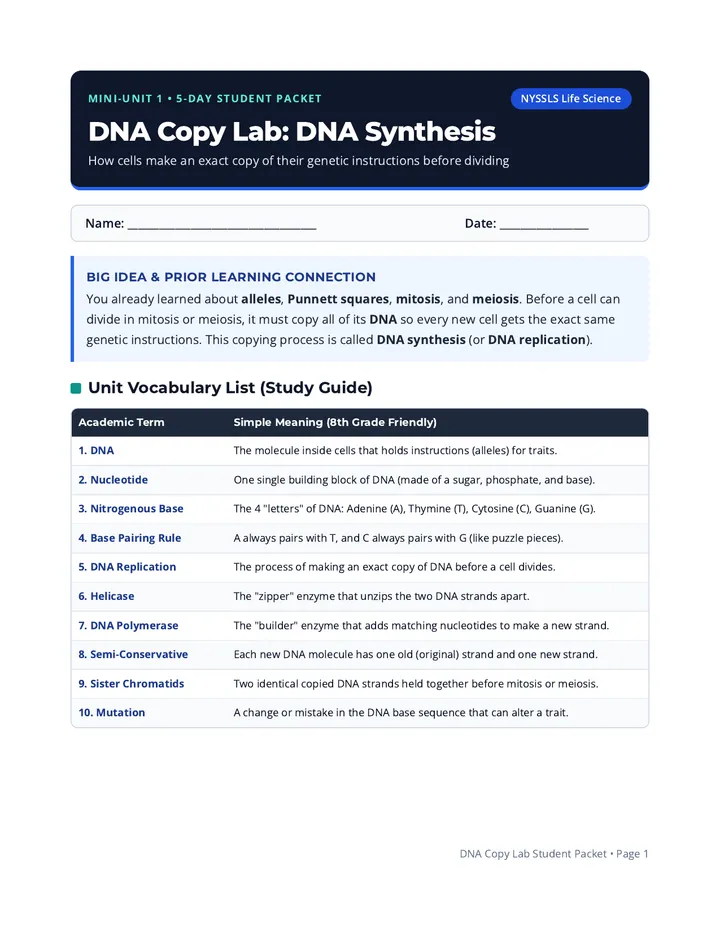
DNA Synthesis Student Packet

DNA Synthesis and Protein Synthesis

A two-part, 10-day NYSSLS-aligned Life Science sequence scaffolding from DNA Synthesis to Protein Synthesis, designed with 8th-grade friendly direct academic language, chunked texts, large annotated diagrams, and NYS Regents practice.

JE

Jeffrey Elterman

6
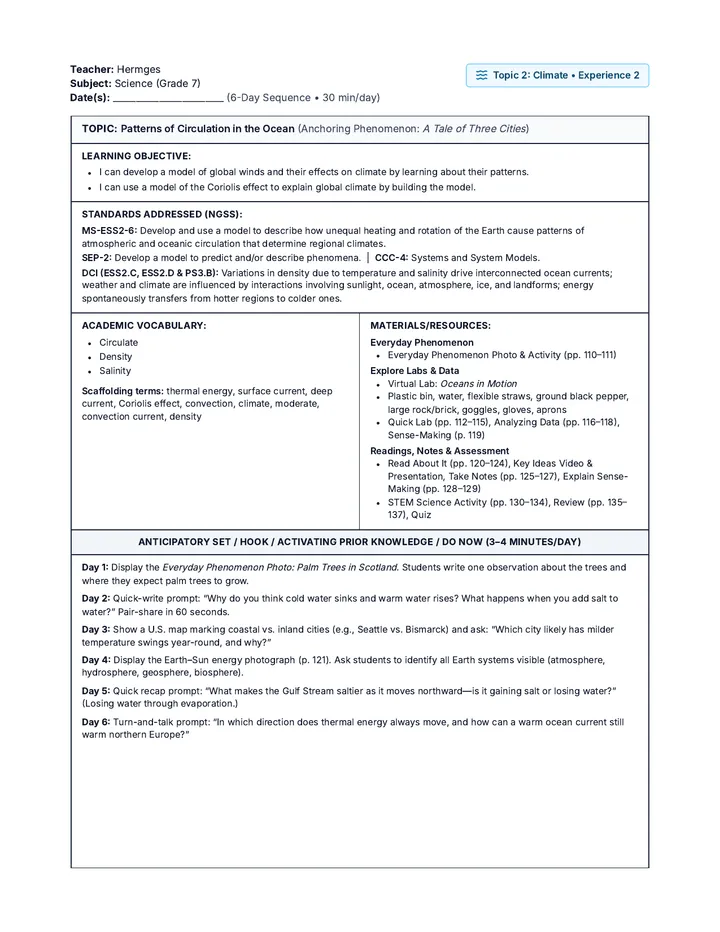
Ocean Circulation Lesson Plan

Ocean Circulation Studio

A 6-day Grade 7 science lesson sequence (30 minutes per day) for Topic 2: Climate, Experience 2: Patterns of Circulation in the Ocean, aligned to NGSS MS-ESS2-6. Includes a structured daily lesson plan matching the Circulation Studio format and a companion daily summary guide with leading questions and expectations.

MH

Mason Hermges

2
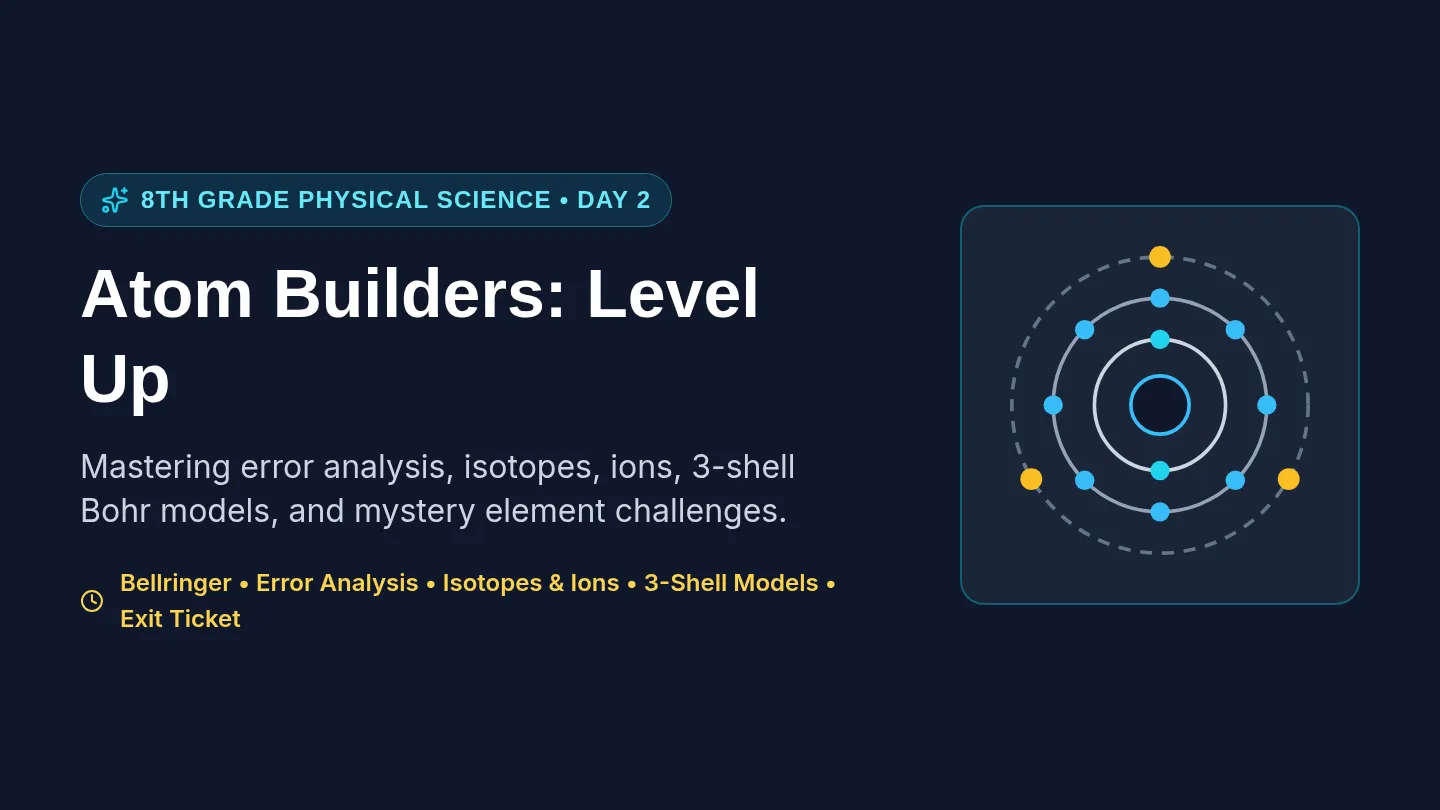
Level Up Slides

Level Up Slides

An 8-slide 16:9 presentation deck for Day 2 of the Atom Builders lesson, guiding students through Bellringer warm-up, Bohr model error analysis, isotopes and ions, 3-shell Period 3 models, mystery riddles, CER synthesis, and the Day 2 Exit Ticket.

KV

Kristelyn Ventura

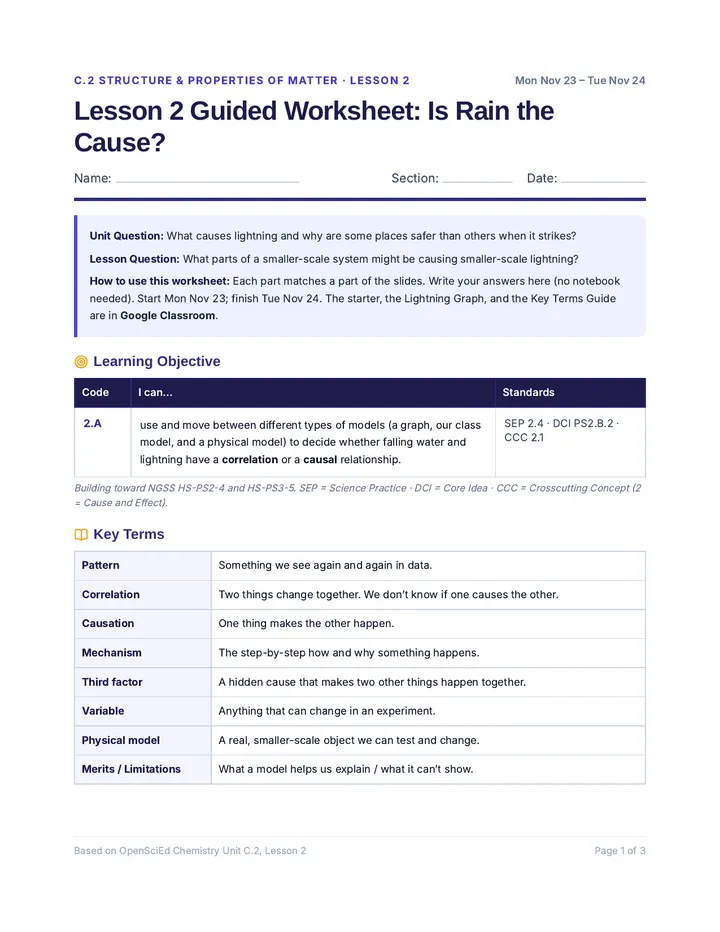
Is Rain Cause Worksheet

Falling Water and Sparks

A cohesive two-lesson chemistry sequence investigating what causes lightning using data analysis, physical models (the water dropper), and non-contact electric forces. Includes revised guided worksheets, lab entries, and an interactive-free presentation with embedded demonstration videos.

AB

Aubrey Belle Ynot

7
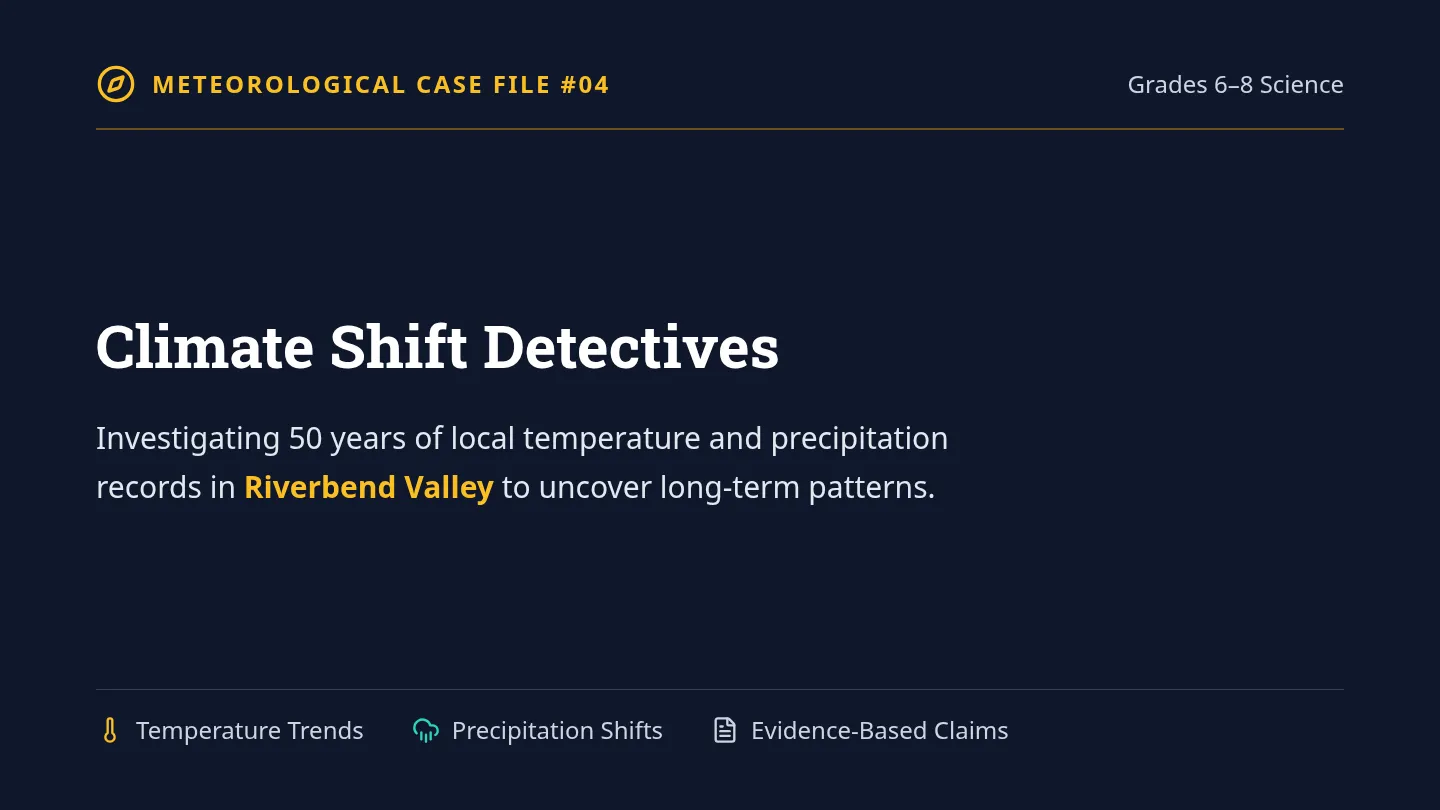
Climate Mystery Slides

Climate Shift Detectives

A Grades 6–8 science investigation where students act as climate detectives analyzing multi-decade local temperature and precipitation records. Students compare historical baselines to recent decades, identify long-term trends, and construct evidence-based explanations.

Lenny Avatar
Lenny
3
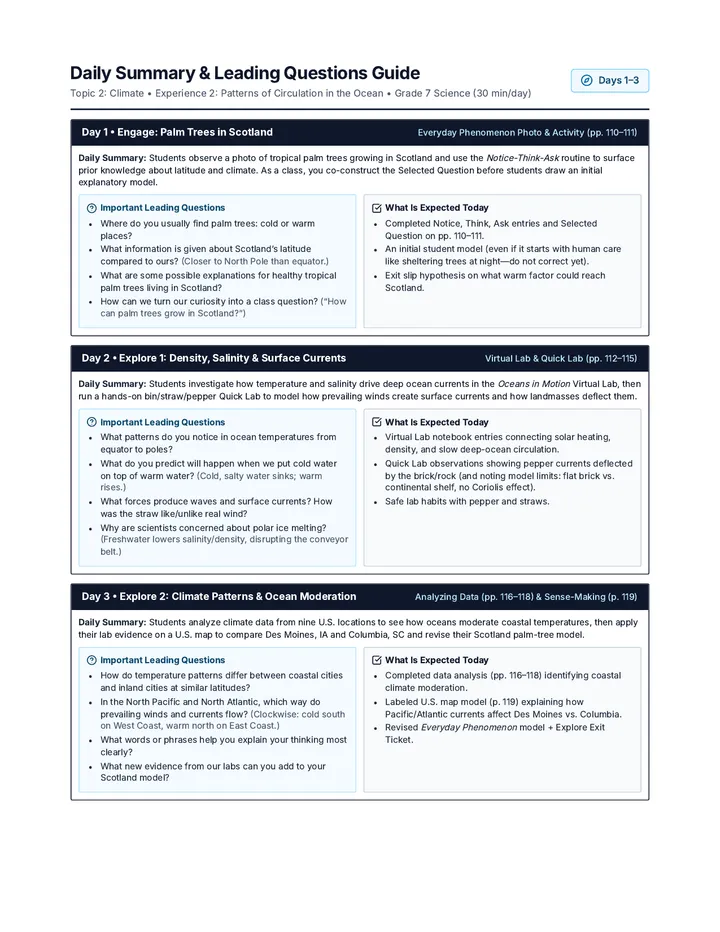
Ocean Circulation Daily Guide

Ocean Circulation Daily Guide

A 2-page companion teacher guide summarizing each of the 6 days in the Ocean Circulation Lesson Plan, highlighting essential leading questions with target understandings and clear daily student expectations and deliverables.

MH

Mason Hermges

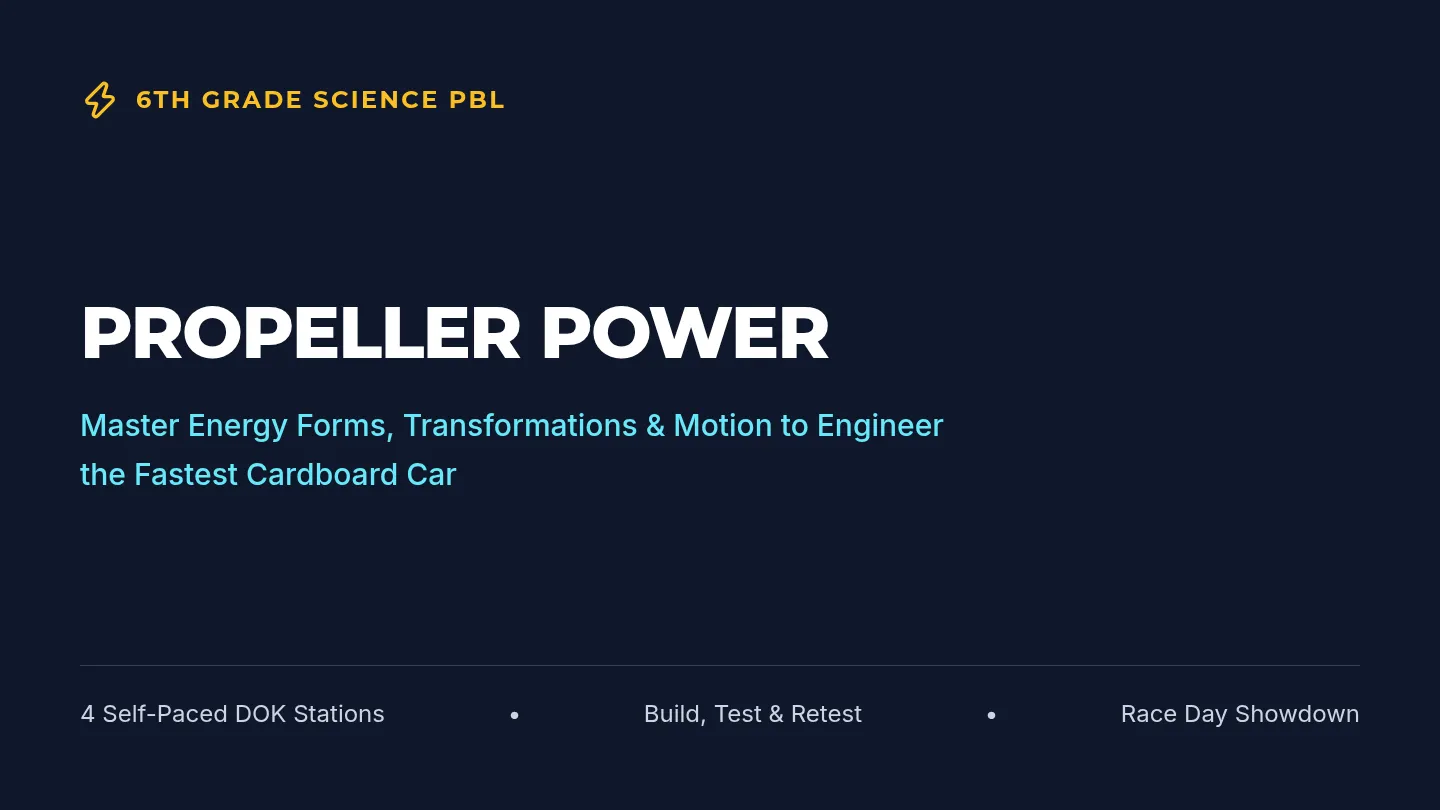
Energy Launchpad Slides

Propeller Power

A 12-to-14-day 6th-grade science PBL unit where students master energy forms, gravitational potential energy, kinetic energy, and energy transformations through four self-paced DOK stations before engineering and racing propeller-driven cardboard cars.

BM

Bryan Miller

9
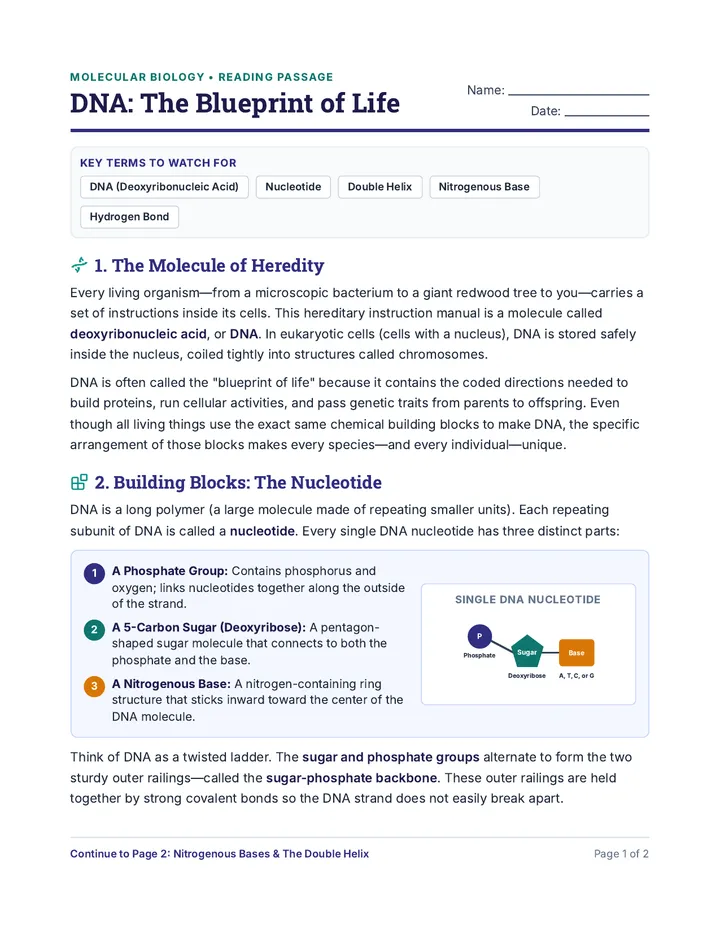
DNA Blueprint Reading

DNA Decoded

An instructional lesson exploring the molecular structure of DNA, nucleotide components, and complementary base pairing, complete with a scientific reading passage, guided notes, Regents-style practice questions, and an answer key.

S

stewart

4
Ocean Circulation Lesson Plan

Ocean Circulation Lesson Plan

A 3-page, 6-day Grade 7 science lesson plan (30 min/day) for Topic 2: Climate, Experience 2: Patterns of Circulation in the Ocean, formatted in the Circulation Studio template with daily Anticipatory Sets, I Do, We Do, You Do, Differentiation, ENL supports, Closings, and Exit Assessments.

MH

Mason Hermges

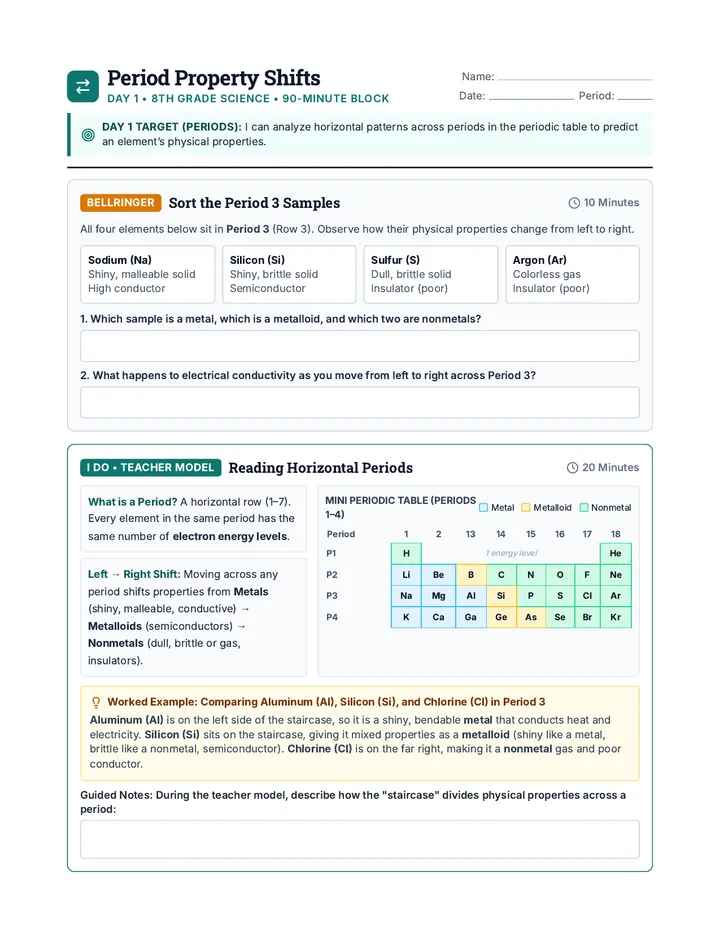
Period Property Shifts Worksheet

Periodic Pattern Detectives (12/01and02)

A two-day 8th grade science sequence (90 minutes per day) where students analyze periodic table patterns—focusing on horizontal periods on Day 1 and vertical groups on Day 2—to predict an element's physical properties and reactivity.

KV

Kristelyn Ventura

4
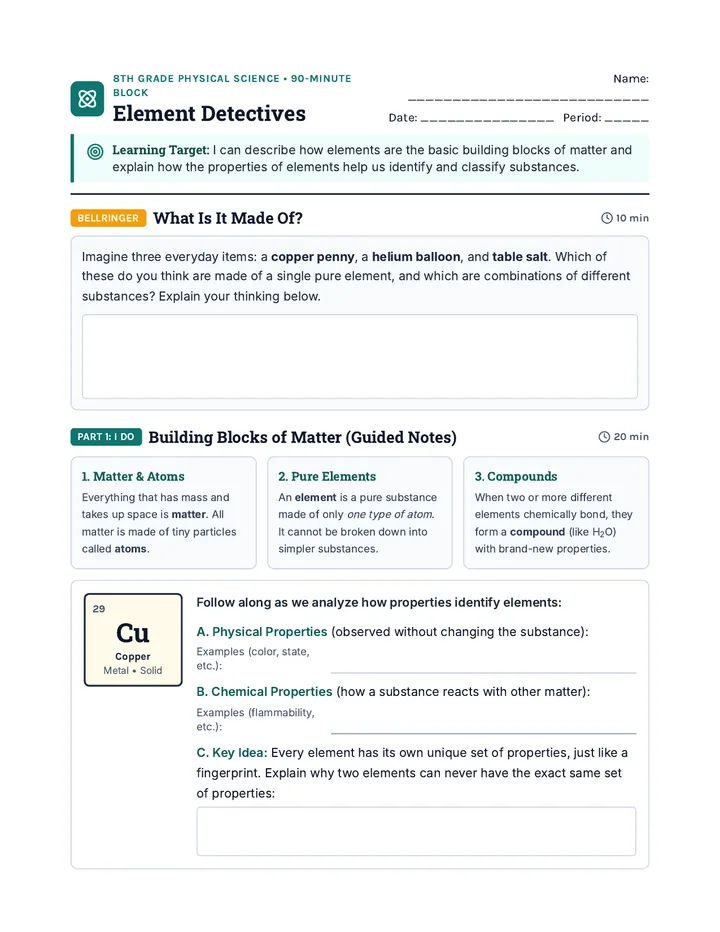
Element Detectives Worksheet (11/30)

Element Detectives

An 8th-grade physical science 90-minute block lesson exploring elements as the basic building blocks of matter and how physical and chemical properties are used to identify and classify substances.

KV

Kristelyn Ventura

3
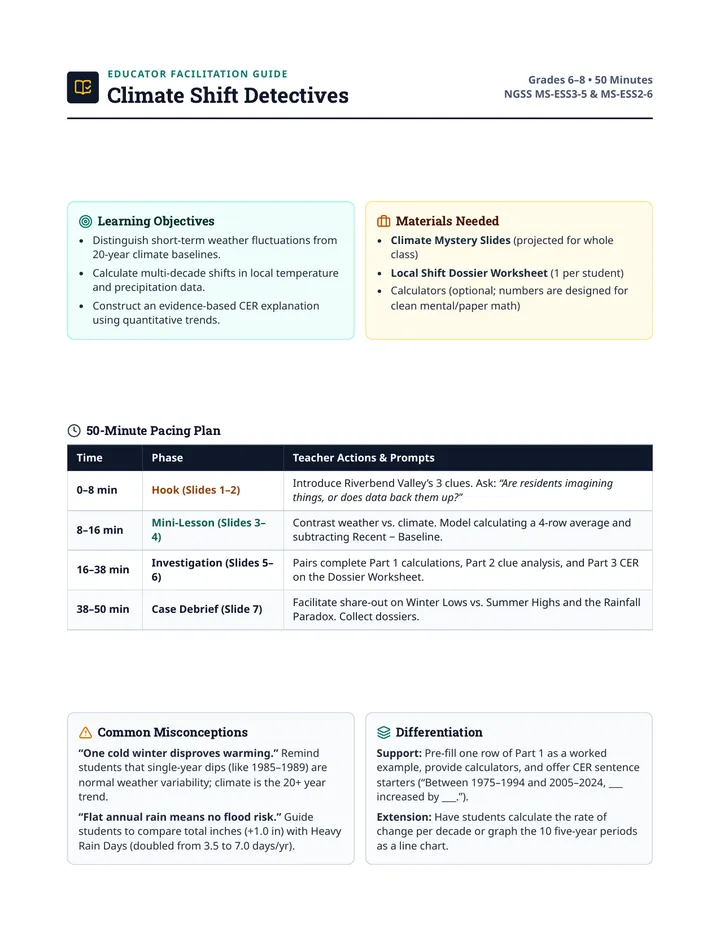
Climate Detectives Teacher Guide

Climate Detectives Teacher Guide

A 2-page teacher guide and answer key for the Climate Shift Detectives lesson, including NGSS-aligned objectives, a 50-minute pacing plan, differentiation strategies, common misconceptions, and complete worked solutions with a model CER response.

Lenny Avatar
Lenny