Standard formats and essential components for memos, reports, invoices, and business letters. Equips learners with professional communication skills and document design principles.
A high-contrast black and white printable sheet featuring three vertical bookmarks in a portrait layout. Each bookmark is 7 inches long (672px) and serves as a book care contract with smaller icons positioned above larger promise text and a signature line.
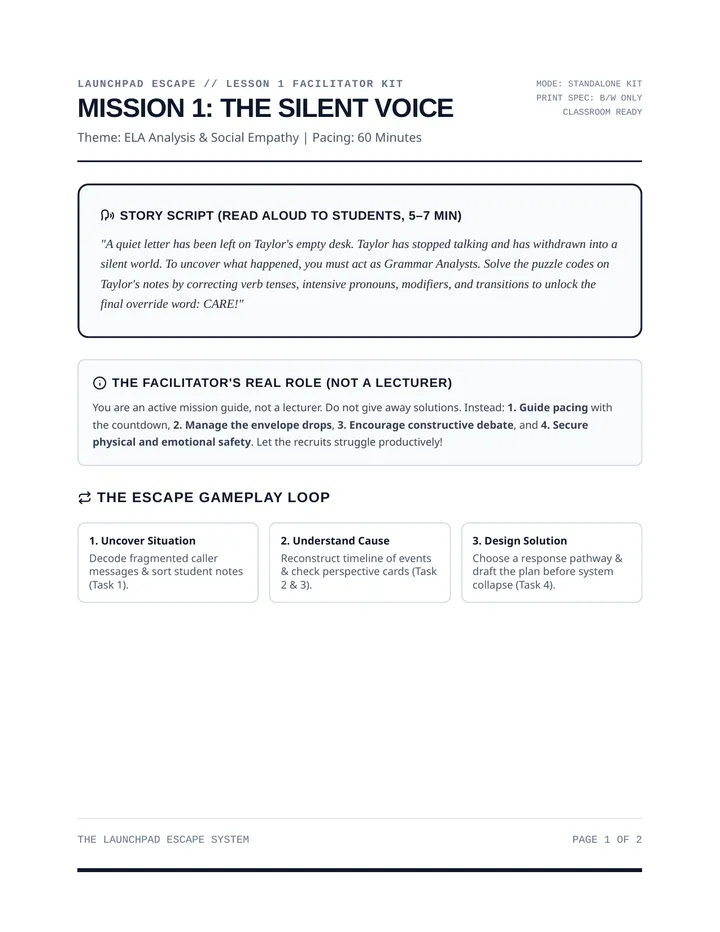
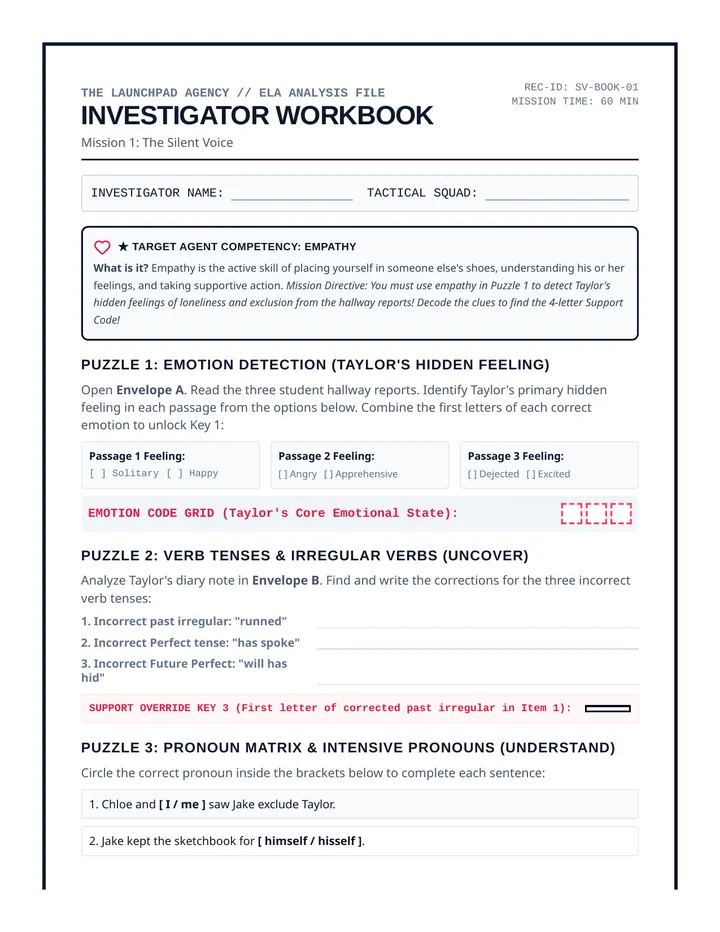
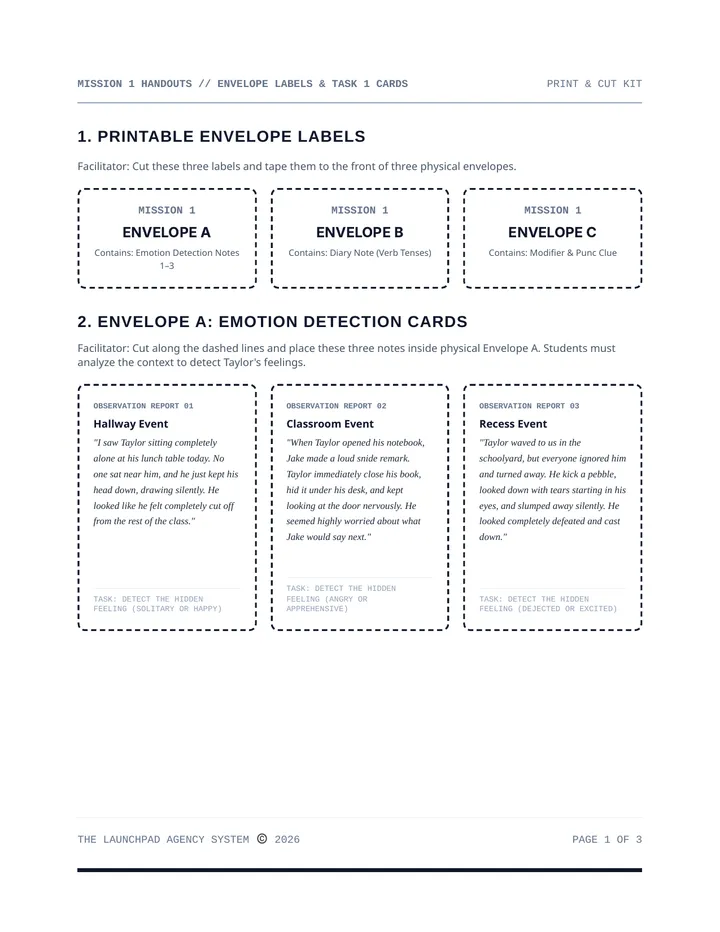
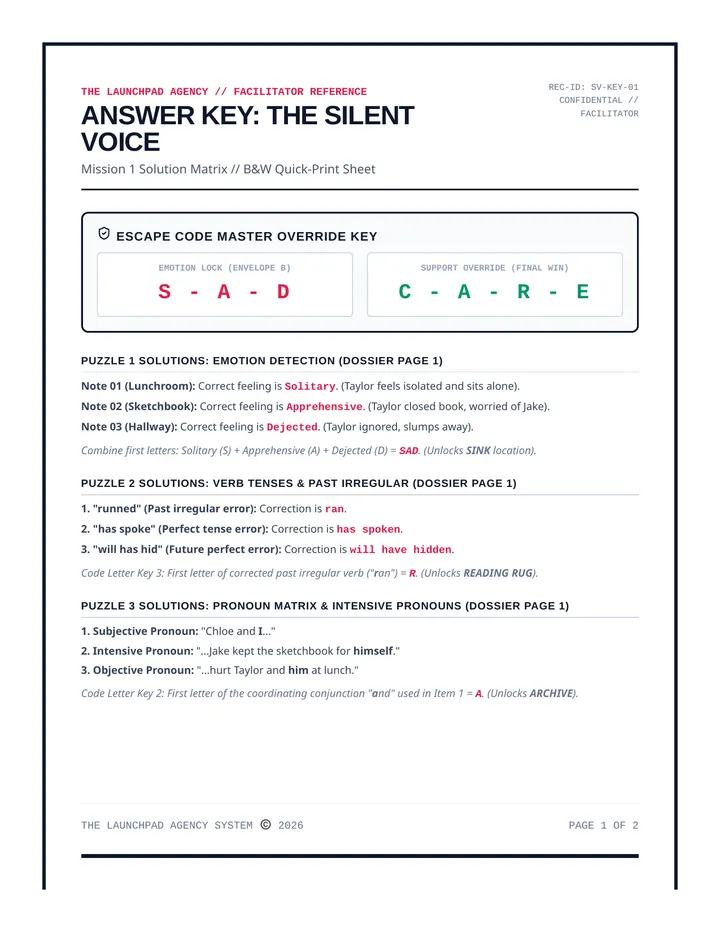
A high-stakes, collaborative tabletop escape curriculum. Missions are self-contained and fun, targeting academic anxiety, family duty, digital literacy, and friendship & peer pressure (e.g. someone left out, group conflict escalating, friend pressured to do wrong). Recruits build decision-making, social intelligence, and value systems.
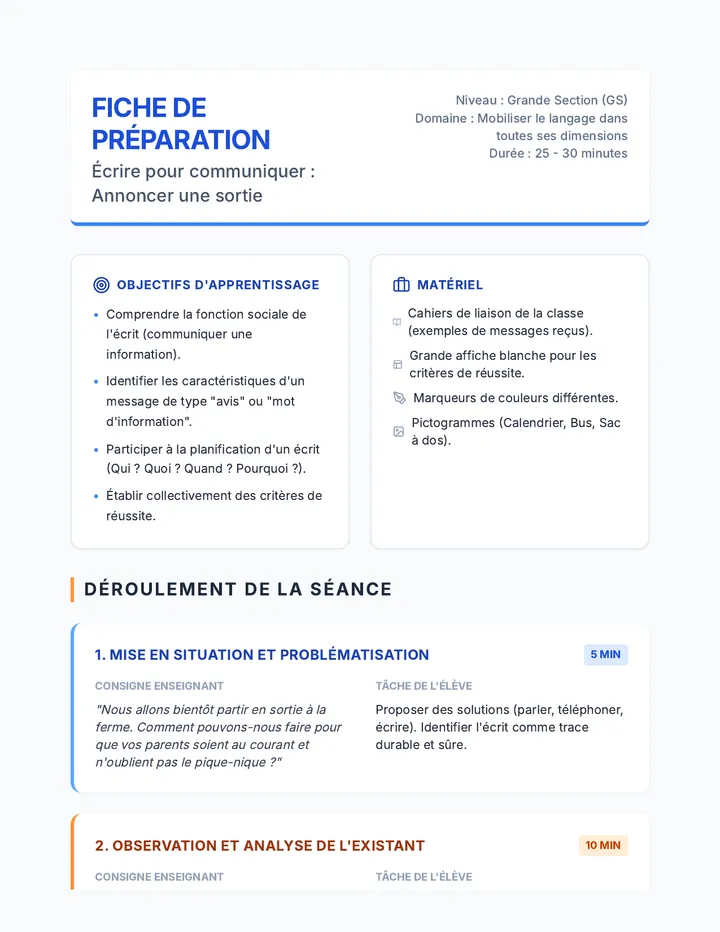
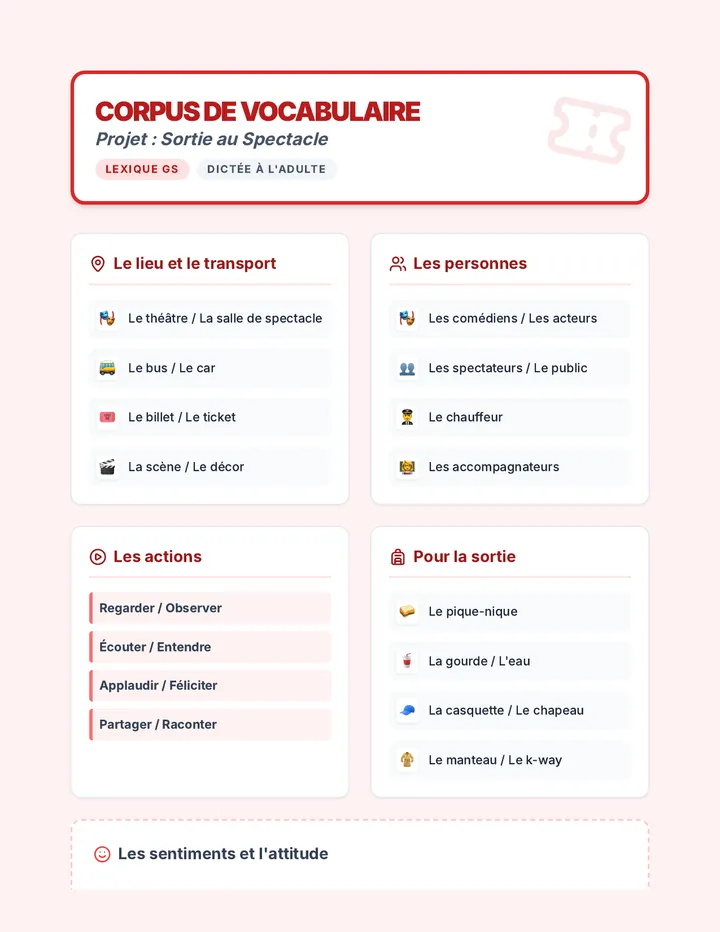
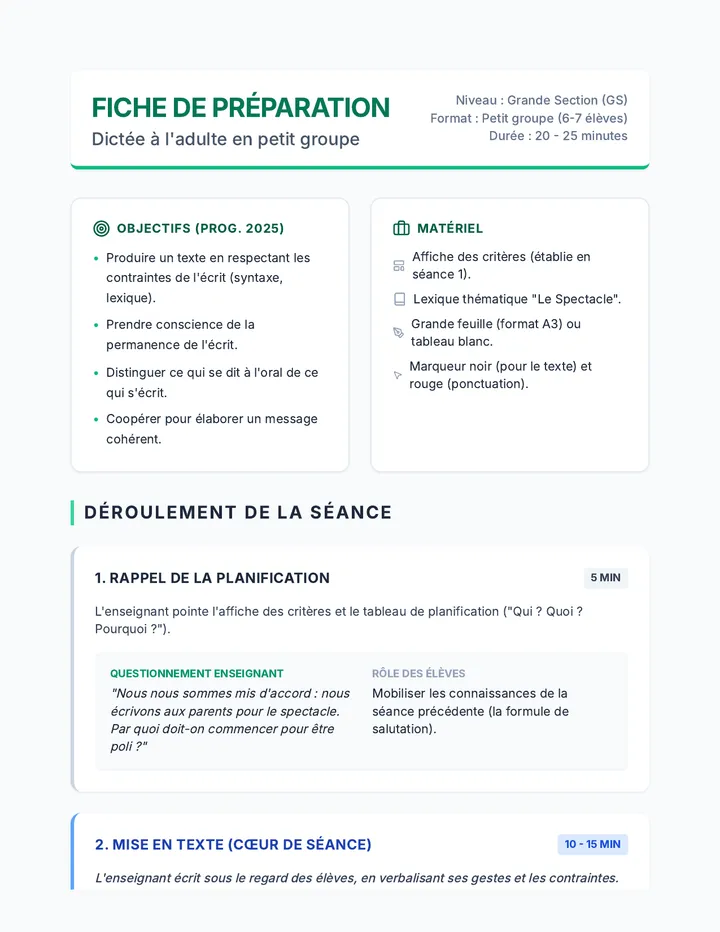
Une série de modules de formation destinés aux conseillers pédagogiques pour renforcer leur expertise en ingénierie de formation continue, spécifiquement appliquée à l'enseignement du français à l'école primaire.
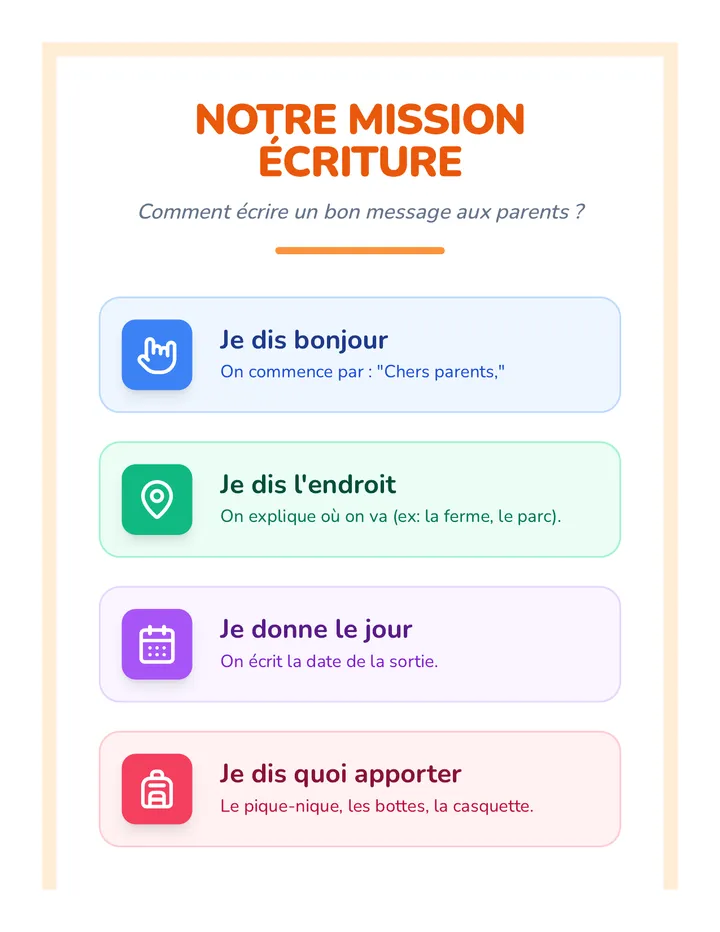
A collection of resources for primary educators to manage parent communication, homework systems, and seasonal literacy encouragement.
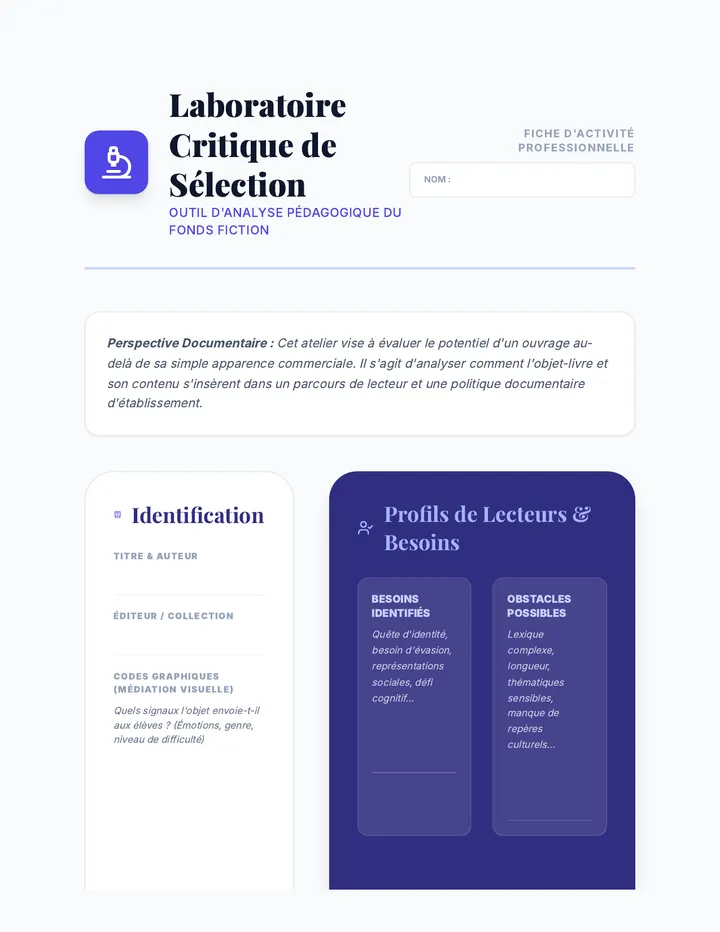
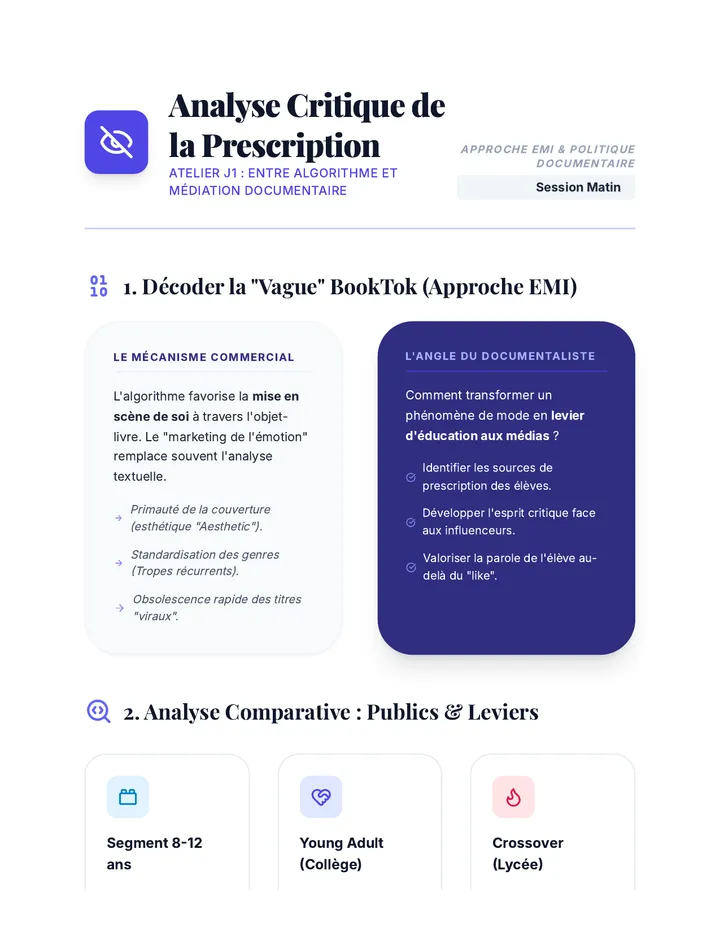
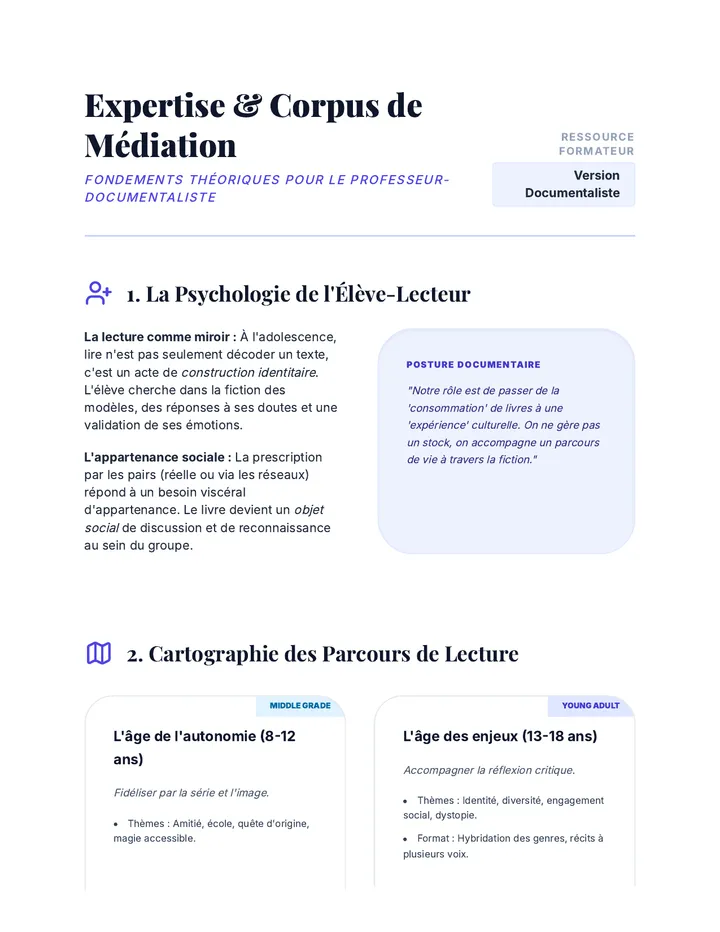
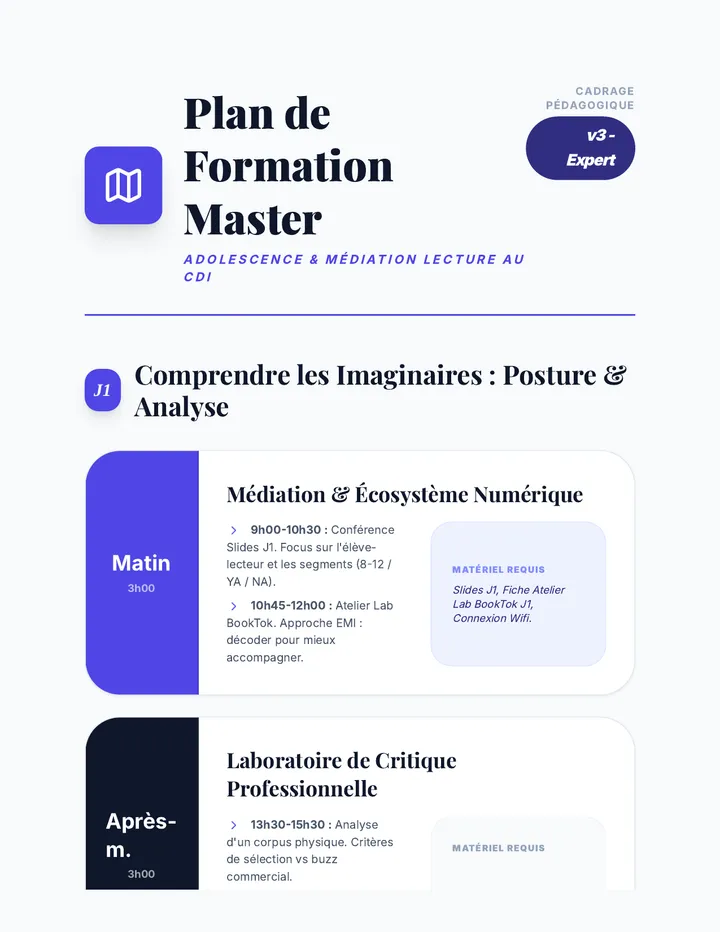
Une formation pour les professeurs-documentalistes centrée sur la médiation culturelle et l'accompagnement des pratiques de lecture des adolescents. L'objectif est de concilier la réalité de l'édition actuelle avec les missions pédagogiques du CDI.
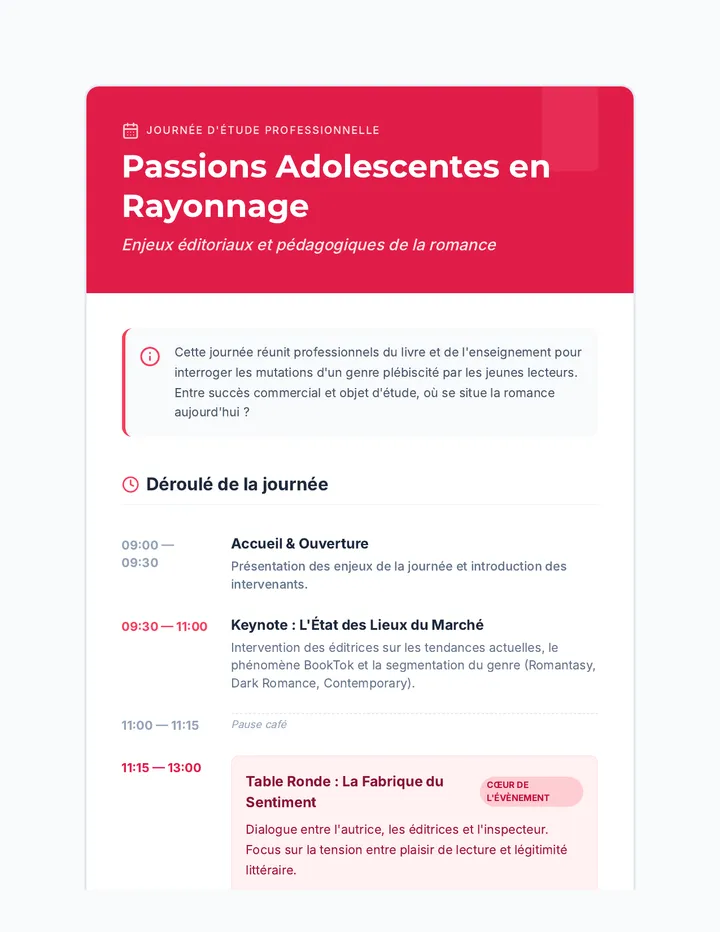
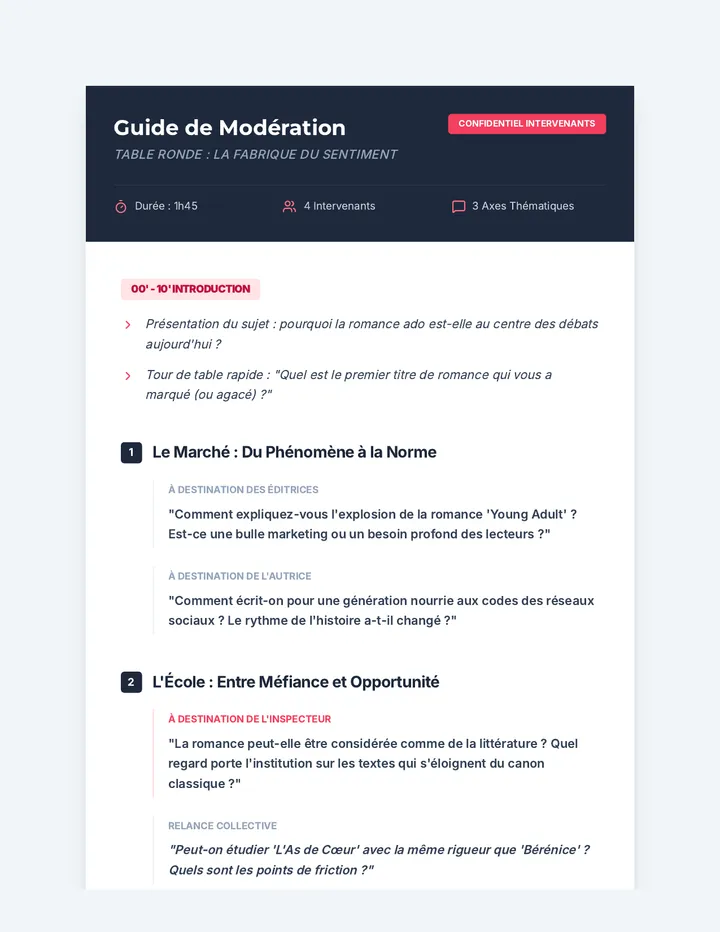
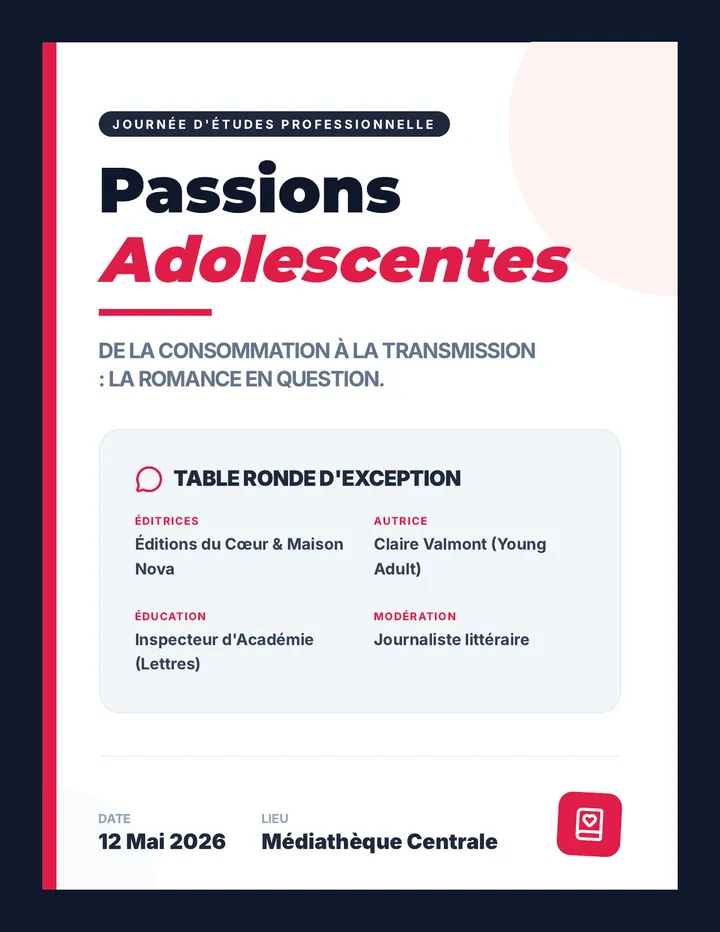
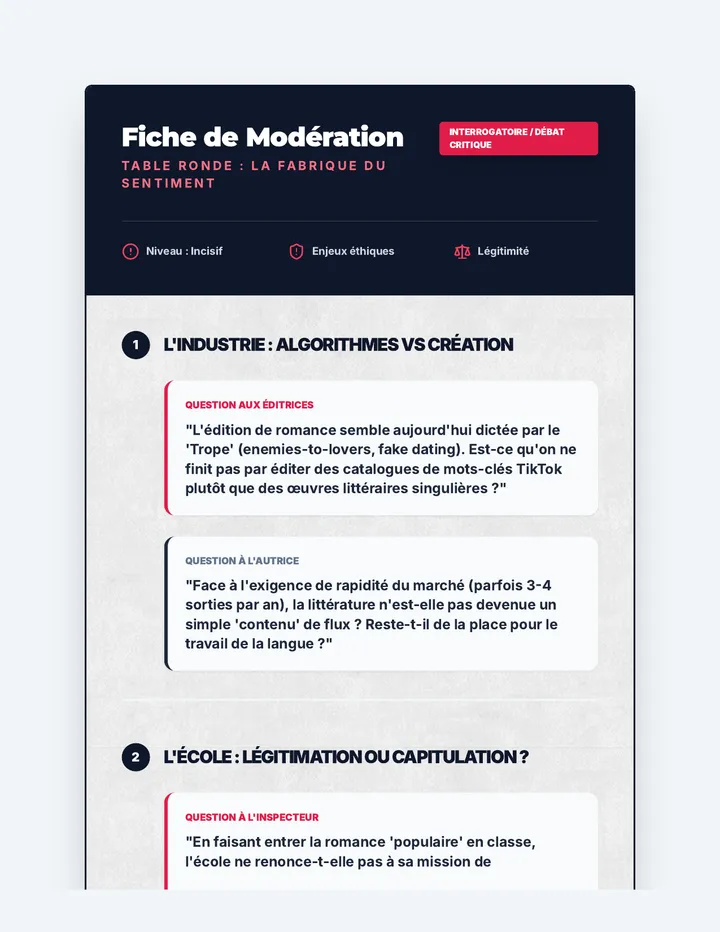
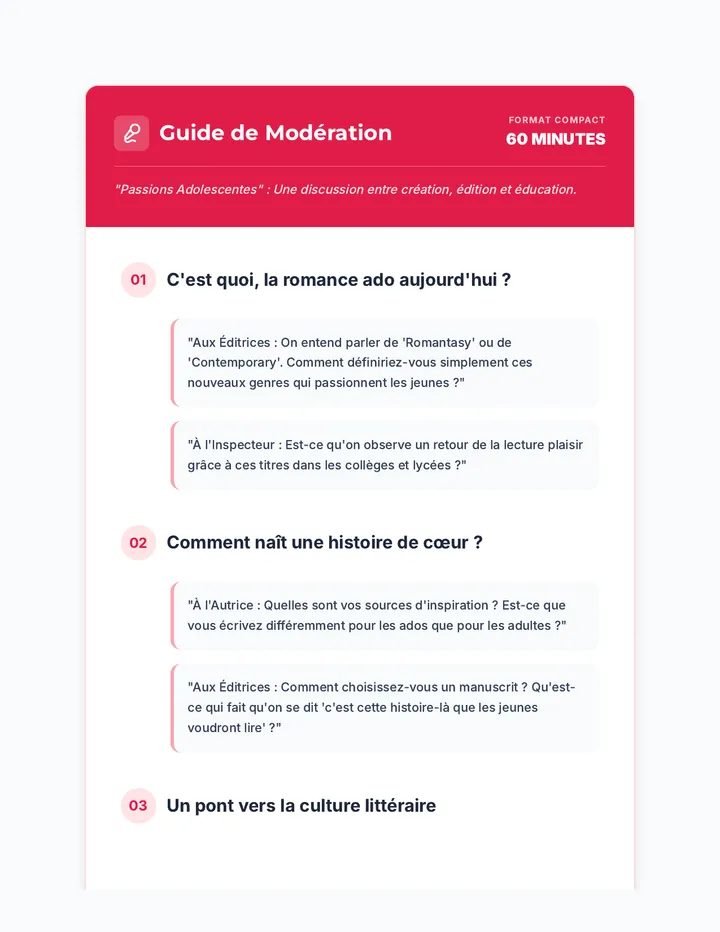
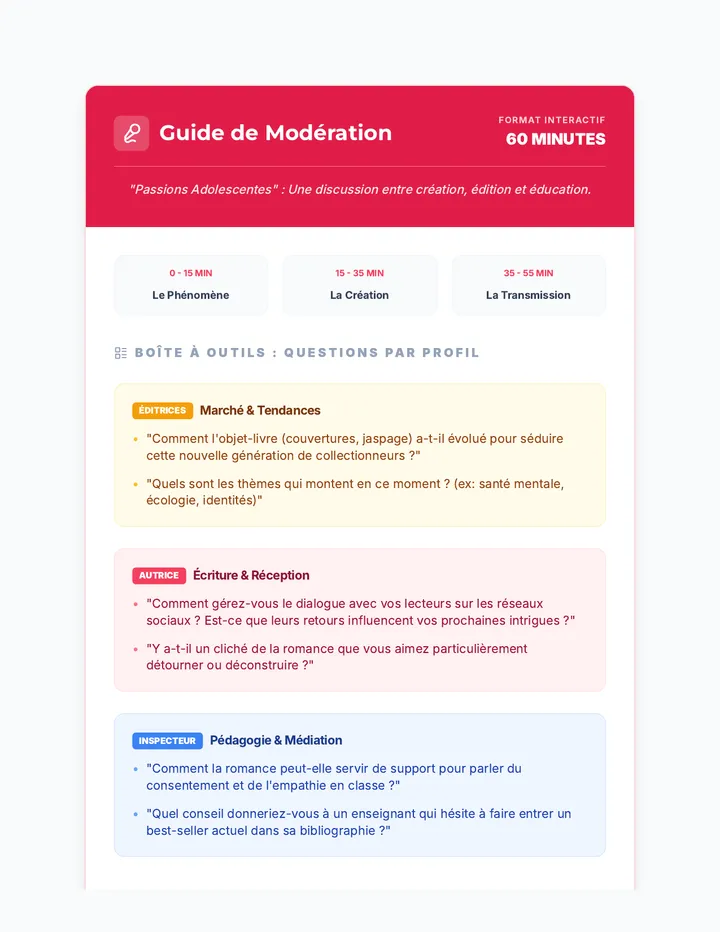
Une série de ressources pour organiser et promouvoir une table ronde sur la littérature romance pour adolescents, incluant programme, guide de discussion et supports de communication.
A 9th-grade English RLA unit exploring the physical and emotional intersection of love and pain through scientific analysis and poetic metaphor. Students synthesize Eric Jaffe's 'Why Love Literally Hurts' with Carol Ann Duffy's poem 'Valentine' to craft argumentative synthesis correspondence.
A high-stakes investigative sequence where students act as professional editors to uncover and correct communication failures caused by misplaced and squinting modifiers in news, law, and signage.
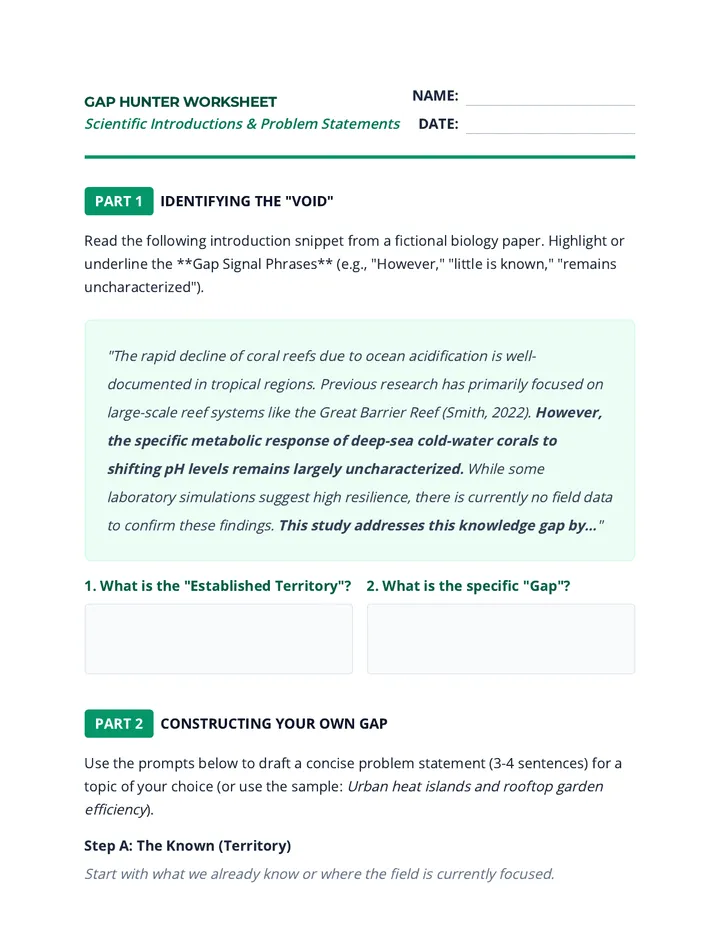
This sequence guides graduate students through the technical and persuasive aspects of grant writing and research proposal formulation, focusing on problem definition, methodology, budgeting, and communication.
This sequence explores the rhetorical and practical consequences of misplaced modifiers in journalism, law, and humor. Students move from identifying 'crash blossoms' in headlines to analyzing the legal stakes of syntax and intentionally manipulating ambiguity for comedic effect.
An advanced rhetorical study of foreign words and expressions in professional and literary contexts, focusing on the tension between prestige and alienation. Students move from technical mechanics and common misuses to analyzing code-switching in literature and designing corporate style policies.
A comprehensive writing unit for undergraduates focused on adapting introductions and conclusions across scientific, humanities, business, and public contexts. Students analyze disciplinary conventions and practice rhetorical flexibility through simulations and workshops.
An undergraduate inquiry into the politics of grammar, examining how active and passive voice are used to assign or obscure responsibility in political, media, corporate, and literary contexts.
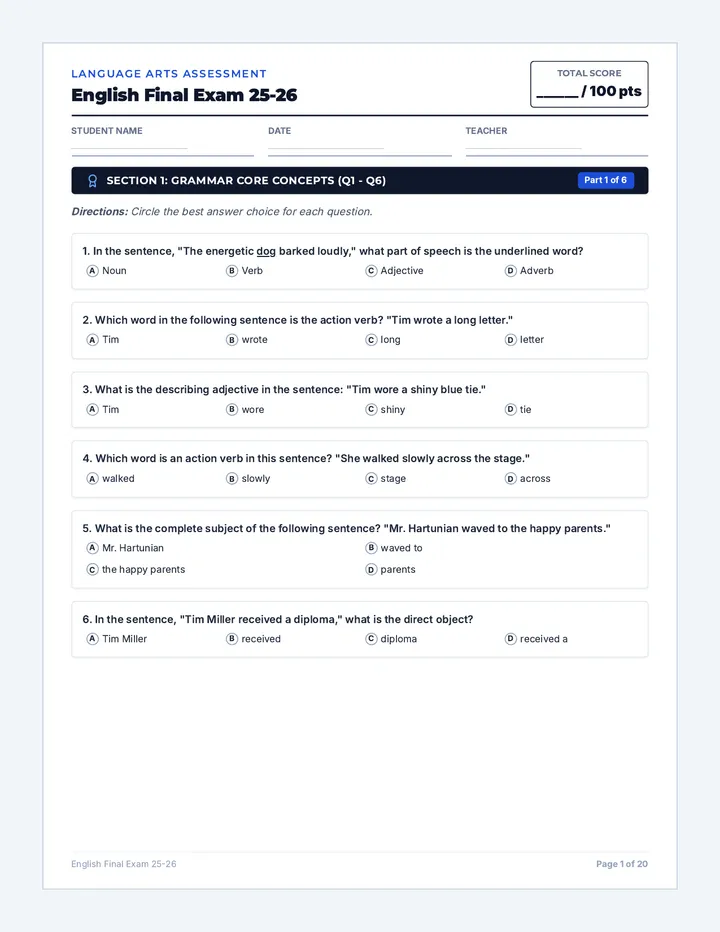
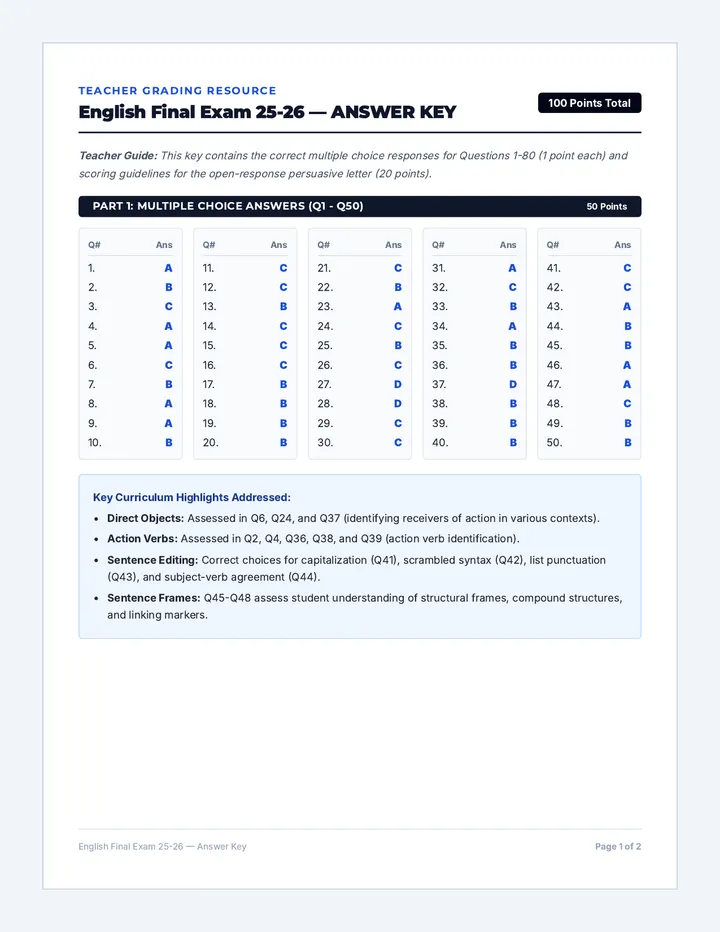
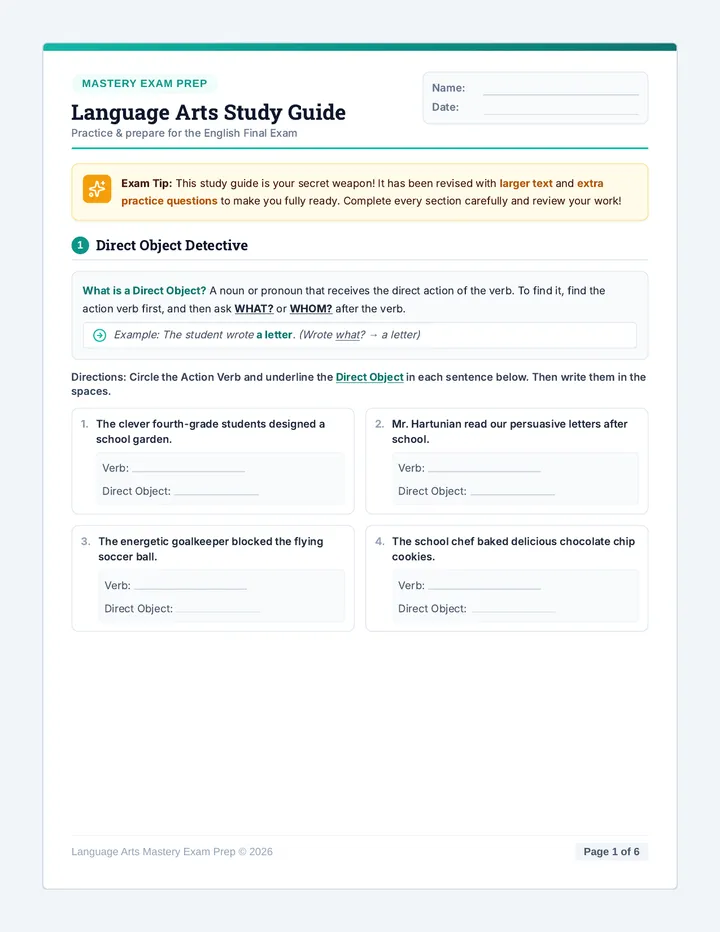
A comprehensive final examination for fourth-grade reading and grammar skills, testing direct objects, sentence editing, structural sentence framing, comprehension, comparison and contrast, and persuasive letter writing.
A lesson focused on identifying and citing evidence from functional texts, such as manuals and agreements, to support a specific argument. Students will practice finding two pieces of evidence and explaining their relevance.
A comprehensive data analysis presentation for administrators, tracking student growth across Grade 6 NC Check-In cycles with a focus on vocabulary, informational text mastery, and overall test trends.
A high-stakes, data-driven execution plan for English 3 educators and administrators to bridge performance gaps before the STAAR assessment. Includes a comprehensive slide deck for administrative review and a tracking guide for implementation.
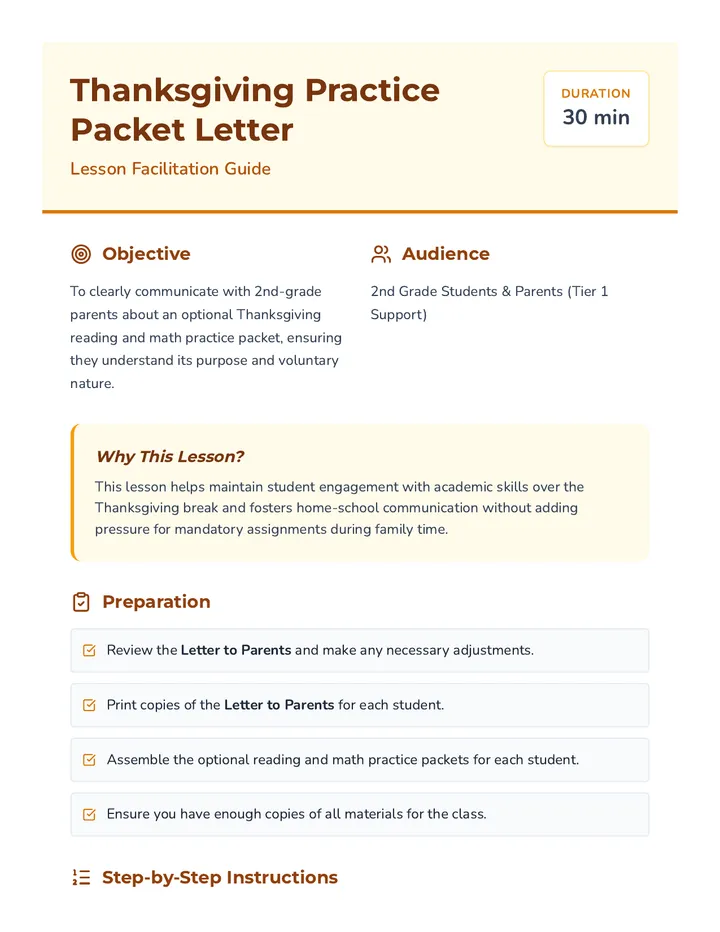
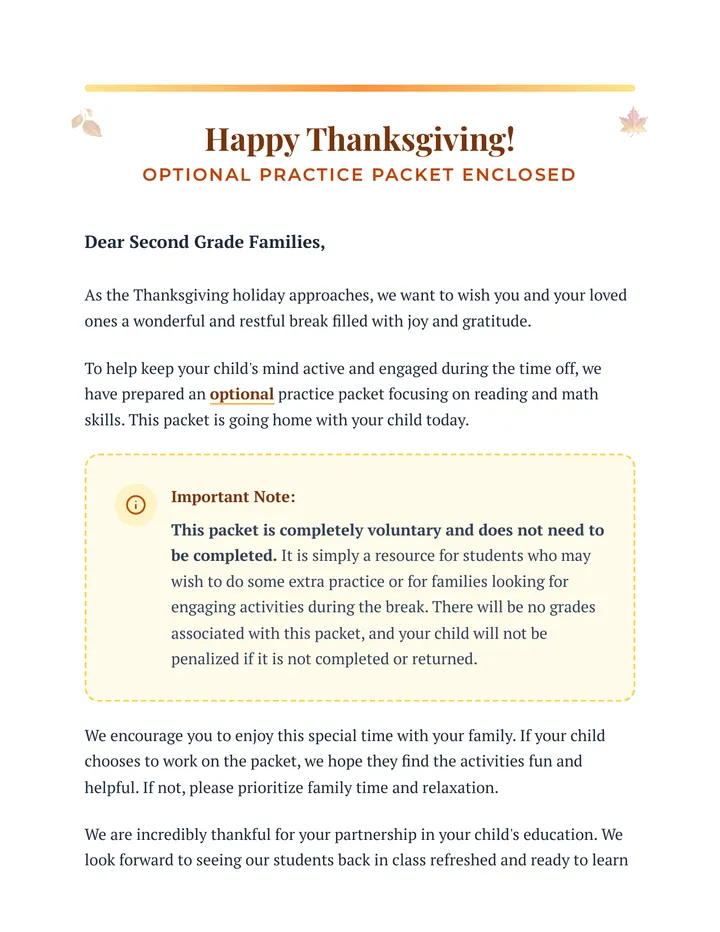
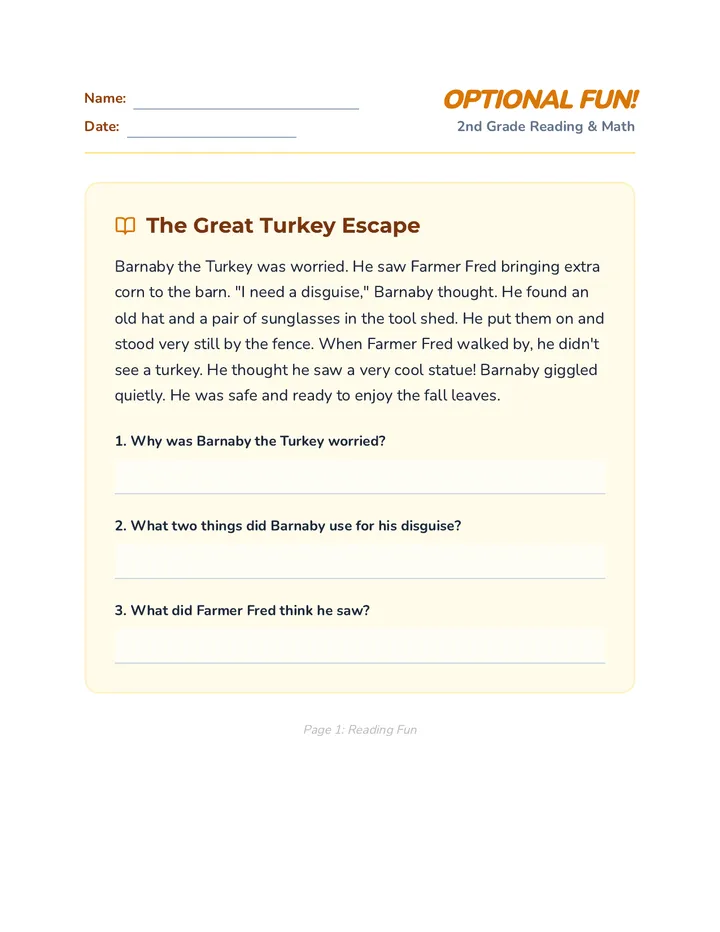
A classroom-wide (Tier 1) support lesson for 2nd-grade students and their parents, introducing an optional Thanksgiving break practice packet to maintain academic skills while prioritizing family time.
A high-energy 9th-grade English lesson centered around a game show theme where students analyze real-world texts to identify seven key writing genres: Expository, Analytical, Persuasive, Technical, Research, Professional, and Narrative.