Systematic research, evidence evaluation, and logical reasoning skills for formal discourse. Equips speakers to organize persuasive arguments, identify fallacies, and execute strategic impact calculus during competitive engagement.
A comprehensive year-long intervention sequence for 8th-grade literacy, focusing on STAR 360 and OSAS benchmark skills. The sequence follows a 3-day weekly instructional cycle (Instruction, Practice, Application) to supplement 2 days of choice reading.
A four-day investigative unit focused on citing textual evidence and making inferences across various genres, including short stories, non-fiction, and poetry. Students act as 'Evidence Detectives' to solve literary and factual mysteries while engaging in collaborative discussions.
A comprehensive 3-lesson unit designed to prepare HSED/GED students for the RLA Extended Response by teaching them how to analyze opposing arguments, evaluate evidence, and craft a high-scoring argumentative essay.
A targeted 2-day curriculum sequence designed for resource room students to master Part 2 (Source-Based Argument) of the ELA Regents Exam, featuring scaffolded texts, step-by-step checklists, planning guides, and an annotated exemplar essay.
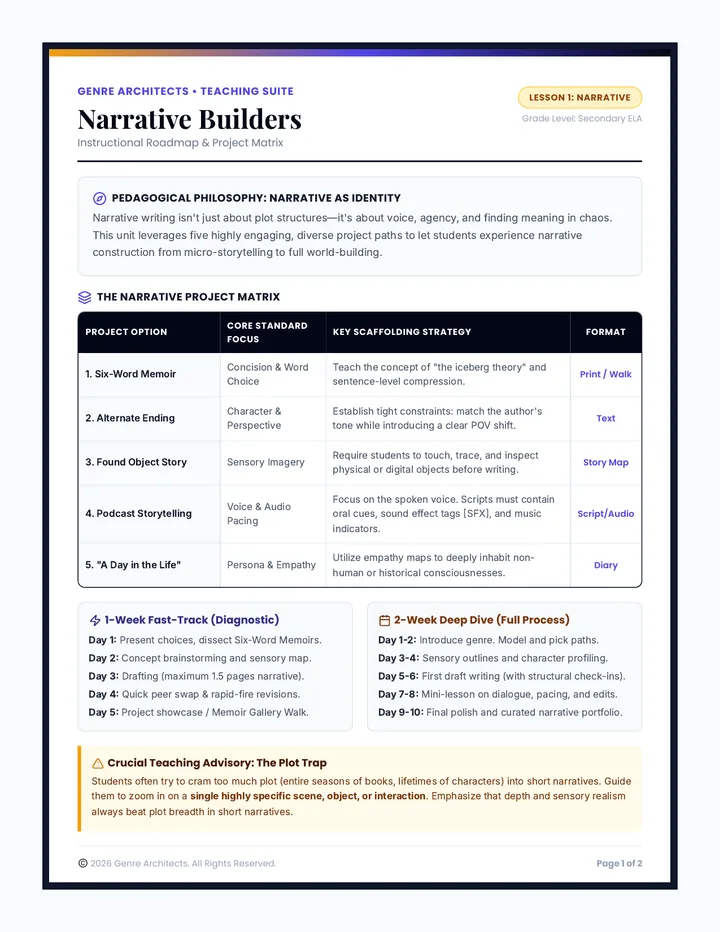
A comprehensive, multi-genre writing project suite that transforms secondary ELA classrooms. This sequence features 25 creative, high-engagement projects categorized into Narrative, Expository, Argumentative, Persuasive, and Multi-Genre masterpieces, complete with teacher guides, student workbooks, and introductory slide decks.
A comprehensive ELA unit focusing on text structure, argument analysis, and the interaction of ideas using the text 'Healing Brick City'. Students explore how personal anecdotes and systemic observations build a compelling case for social change.
A 4-week series of mini-lessons for Sports Literature designed to support students through an independent novel project. The sequence covers characterization, symbolism, theme analysis, and media literacy through the lens of sports narratives.
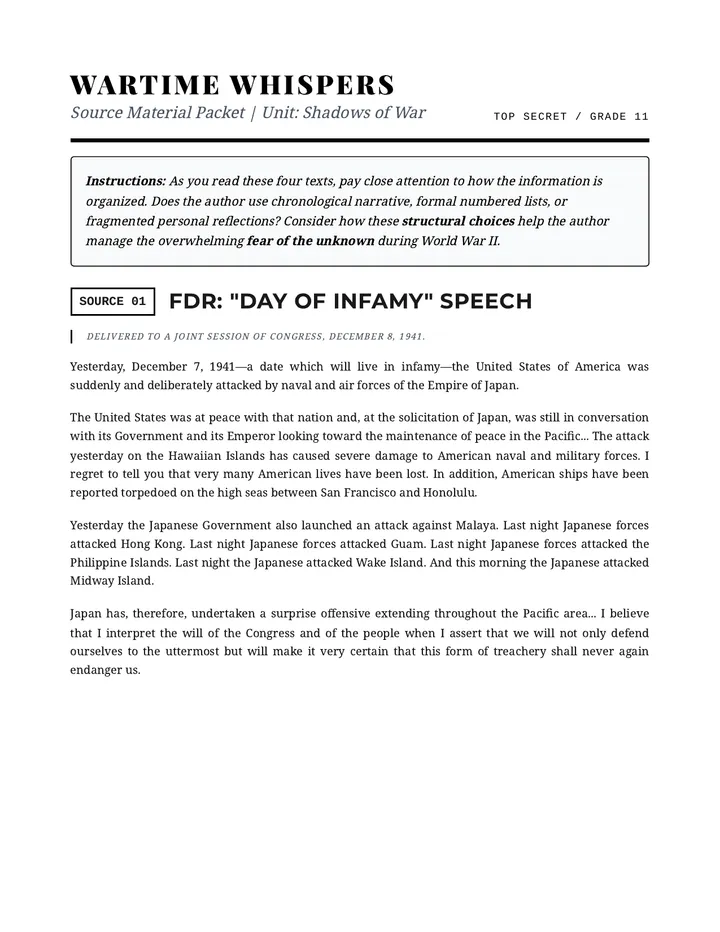
A 4-part unit for 11th-grade English/History analyzing text structure and author's purpose through the lens of fear and the unknown during WWII, examining political rhetoric, legal orders, personal diaries, and wartime superstition.
A comprehensive Regents preparation sequence for ELL students, covering exam structure, argumentative writing, and advanced reading strategies like inference and implicit meaning analysis.
A collection of curriculum overview and alignment resources for 11th Grade English, focusing on societal change and civic rights.
A comprehensive 6-lesson spiraling review sequence designed to prepare students for the ELA Regents exam through 10-minute daily practice sessions. Each lesson focuses on specific exam sets and high-impact test-taking strategies.
This sequence focuses on the critical thinking skills required to analyze conflicting information and differing perspectives within informational texts. Students progress from identifying bias and tone to evaluating evidence credibility and synthesizing multiple viewpoints into balanced accounts.
A comprehensive English Language Arts unit that uses a mystery-investigation theme to develop reading, writing, listening, and speaking skills. Students act as detectives to analyze evidence, interview witnesses, and present their final case.
A multi-lesson unit for 4th-grade students with limited literacy, focusing on mastering and applying foundational academic vocabulary words like fact, information, alike, difference, and topic.
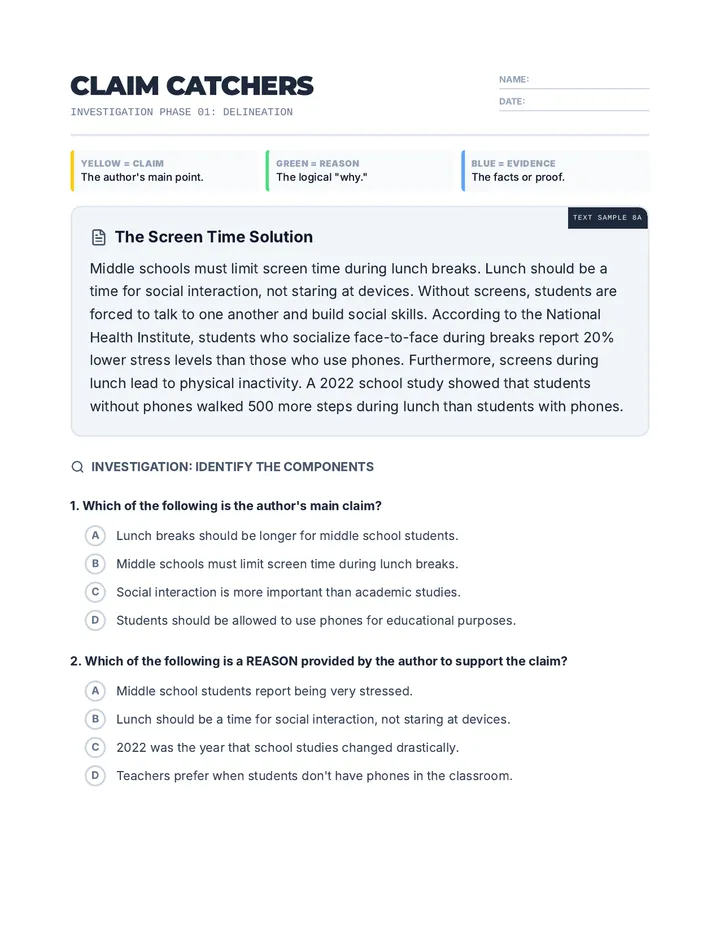
A 2-day unit focused on RI.8.8, teaching students to delineate and evaluate arguments through the lens of a lab investigation. Students will identify claims, assess evidence for relevance and sufficiency, and identify irrelevant information in grade-level texts.
A scaffolded progression of persuasive writing mastery, moving from 9th-grade foundations of Ethos, Pathos, and Logos to 11th-grade advanced rhetorical strategies including Kairos and logical fallacy analysis.
A deep dive into the final chapters of George Orwell's *Animal Farm*, focusing on the psychological and rhetorical tools of tyranny. Students analyze the transition from revolution to totalitarianism through the lens of rhetorical appeals, propaganda, and allegorical parallels to the Russian Revolution.
A comprehensive 10-day 4th grade unit themed around a detective agency where students learn to distinguish between verifiable facts and subjective opinions through investigation and analysis.
This sequence elevates novel study to a macro-level, requiring students to interpret text through various critical lenses (historical, feminist, Marxist, etc.). Students connect literature to broader societal issues and historical contexts, culminating in a critical analysis that situates the novel within a specific intellectual framework.
A middle school ELA sequence focused on identifying and deconstructing logical fallacies in modern media, culminating in a critical analysis project. Students learn to distinguish between ethical persuasion and manipulative tactics like False Authority, False Dilemmas, and Straw Man arguments.
A high-stakes, collaborative tabletop escape curriculum. Missions are self-contained and fun, targeting academic anxiety, family duty, digital literacy, and friendship & peer pressure (e.g. someone left out, group conflict escalating, friend pressured to do wrong). Recruits build decision-making, social intelligence, and value systems.
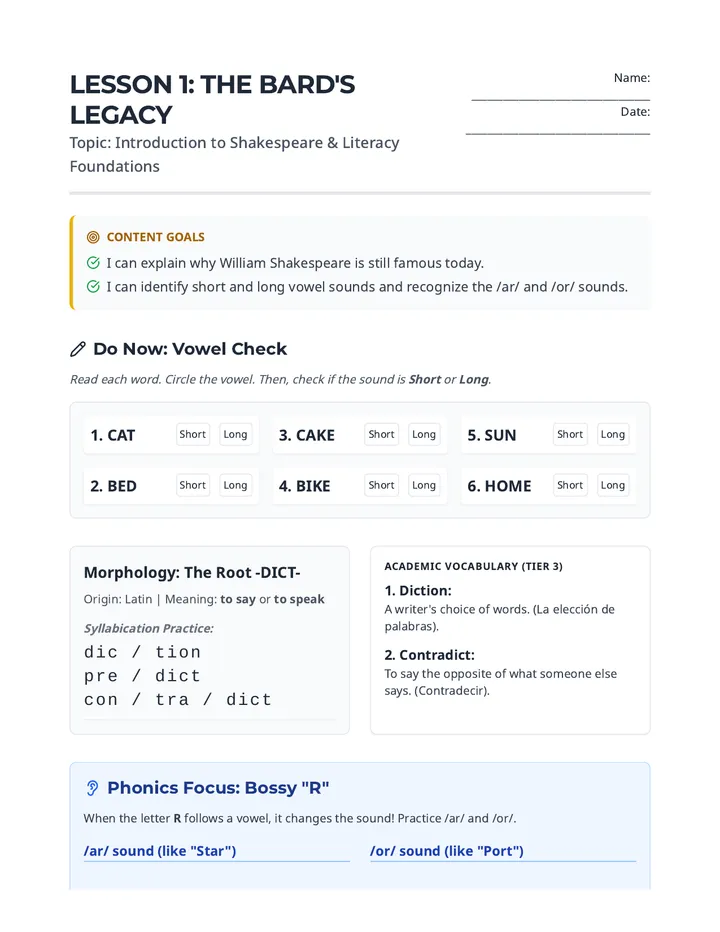
A 10-lesson thematic unit for 9th-grade ESOL students focusing on Shakespeare's Macbeth, integrating systemic language instruction, morphology, and phonics (R-controlled vowels) with high-school level analysis.
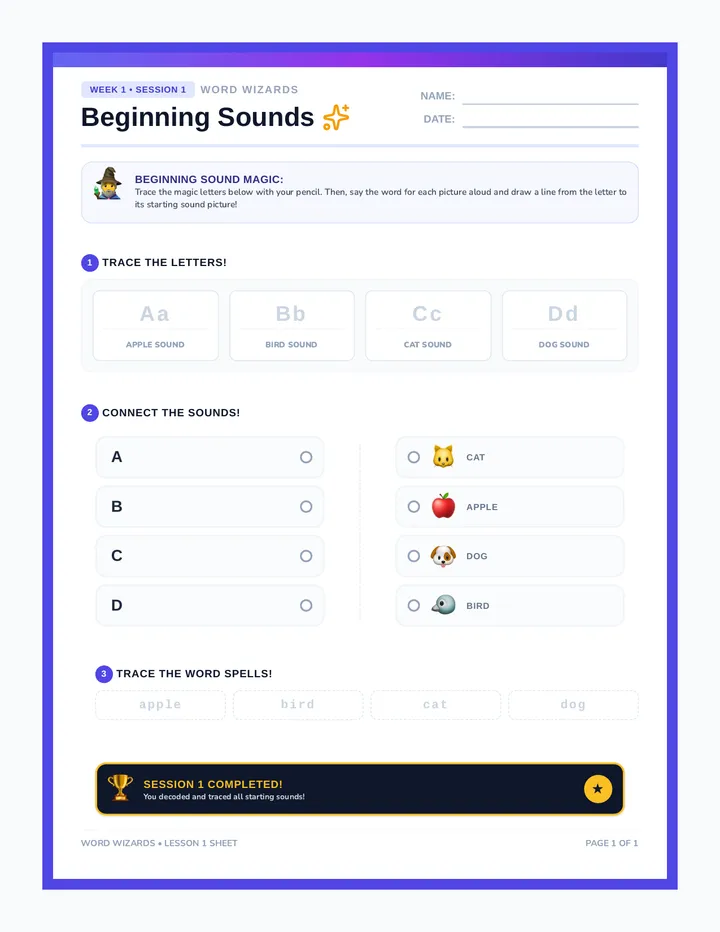
An engaging, high-impact 4-week literacy skills program for young learners. Features highly visual, fun printable worksheets focusing on beginning letter sounds, CVC phonics blending, sight word reading, and short stories.
A comprehensive 6-week high school English Language Arts unit for 'Wonder' by R.J. Palacio, focusing on complex characterization, narrative structure, literary devices, and thematic synthesis.
A 5-lesson sequence for 6th-grade students focused on identifying and refuting logical fallacies (Red Herrings and False Dilemmas) in live debate settings. Students develop active listening skills, learn polite rebuttal stems, and apply their knowledge in a structured, logic-focused debate simulation.
A 12-lesson unit utilizing drama and enactment techniques to deepen reading comprehension, themed around Kuwaiti heritage, global travel, healthy lifestyles, and environmental science for grades 3-8. Focused on skills in action across Before, During, and After reading phases.
A comparative literature sequence for 7th grade students exploring how universal themes are expressed across different genres and cultures, from folklore to modern multimedia.
An 8th-grade ELA lesson focused on deconstructing digital media messages through the lens of rhetorical appeals (ethos, pathos, logos) and identifying bias in various online formats. Students transition from passive consumers to critical analysts of news clips, social media, and advertisements.
In this lesson, students will work in partners to read two informational texts about famous carnivorous dinosaurs. They will use a Venn diagram to organize their findings and answer standardized test-style questions to demonstrate their understanding of 3.RI.9.
A dynamic lesson where students research the history of their favorite snack and craft a persuasive pitch to 'sell' its greatness. Includes a research organizer, writing prompt, and presentation template.
A choice-based writing lesson where students select an opinion prompt and use provided short articles to gather evidence for their persuasive pieces.
A 45-minute ESOL lesson exploring the Battle of Puebla and Cinco de Mayo. Students analyze informational texts and poetry to answer essential questions about making oneself heard and the value of research, culminating in a sensory writing and speaking activity.
A comprehensive project where students research a Greek mythological figure and create a multimedia presentation demonstrating their understanding of text evidence, summarization, and digital storytelling.
Resources to help 6th grade students prepare for and evaluate oral presentations, focusing on delivery, research, and visual media.
An 8th-grade English Language Arts lesson exploring the themes of prejudice and injustice through the lens of Japanese American internment during WWII. Students analyze historical context and primary sources to understand the development of 'otherness' in literature and history.
A 9th grade English research project where students research an iconic Black figure and create a 5-slide persuasive presentation highlighting their legacy and impact.
A comprehensive independent project where 7th-grade students research typhoons, design a custom survival kit, and deliver a persuasive presentation to justify their choices. Students will master ELA persuasive techniques while exploring real-world emergency preparedness.
A comprehensive set of writing resources for 2nd grade EL Education Module 3, focusing on the fascinating world of pollinators and their role in nature. Includes teacher guides, student writing templates, and instructional slides.
A comprehensive guide and set of tools for 6th-grade students to prepare for and execute a formal debate on the ethics of zoos. This lesson introduces the four-round debate structure, research techniques, and rebuttal strategies.
A second-grade literacy lesson where students learn to craft compelling opinion pieces by debating the best classroom pet, focusing on stances, reasons, and linking words.
A creative final project for 3rd graders following the reading of "Peter Pan," where students design their own version of Neverland through cartography and digital storytelling.
An introductory lesson on Jamaica Kincaid's 'Girl' focusing on the unique structural choice of a single-sentence narrative, its rhythmic style, and the complex characterization of the mother-daughter relationship.
An 8th-grade ELA lesson focused on central ideas and evidence through the CommonLit text 'Keeping Up with the Joneses'. Students analyze the origins, social impacts, and psychological pressures of status-seeking behavior through vocabulary challenges, media analysis, and collaborative activities.
An introductory small-group lesson for Grade 3 students focused on distinguishing facts from opinions, using opinion sentence starters, and supporting an opinion with a reason.
A scaffolded lesson for 10th-grade TELPAS students (low proficiency) to explore the plot of Romeo and Juliet, sequence major events, and plan a creative poem and avatar recording.
A literacy and language lesson based on 'Olympig!' by Victoria Jamieson, focusing on sequencing with transition words and writing about personal resilience with TELPAS scaffolds.
A problem-solving workshop for B2+ students based on social media flash mobs. Students act as a city's 'Digital Response Team' to design innovative solutions for urban chaos triggered by viral trends.
A collection of nine decodable Readers Theater scripts designed for below-level 3rd graders. Each script targets a specific phonics pattern (digraphs, VCe, vowel teams, R-controlled vowels, diphthongs, consonant blends, long I, compound words, or silent letters) to build reading fluency. Includes scripts for both 3 and 4 students.
A comprehensive planning session for 12th-grade students to draft, structure, and refine a TED Talk-style presentation with a focus on audience engagement and rhetorical impact.
This lesson equips 8th-grade students with the tools to identify and analyze propaganda techniques across various media formats. Students will investigate the 'Big 7' propaganda devices, evaluate source credibility, and practice 'unmasking' persuasive rhetoric in real-world examples.
A comprehensive two-day introduction to advertising persuasion techniques, teaching students to identify and analyze slogans, repetition, bandwagoning, testimonials, emotional appeals, and expert opinions.
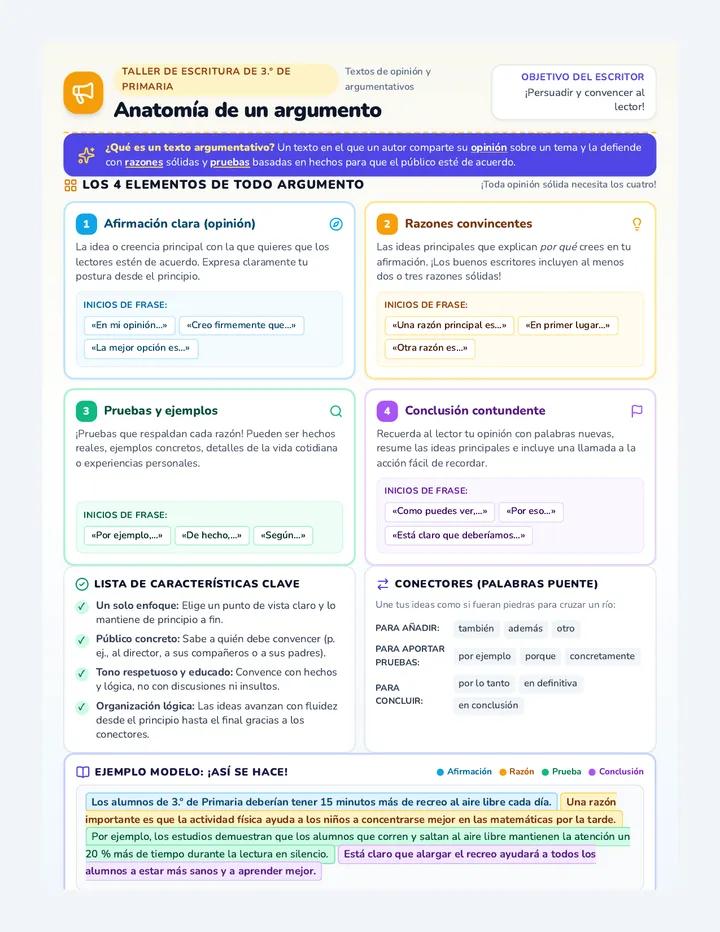
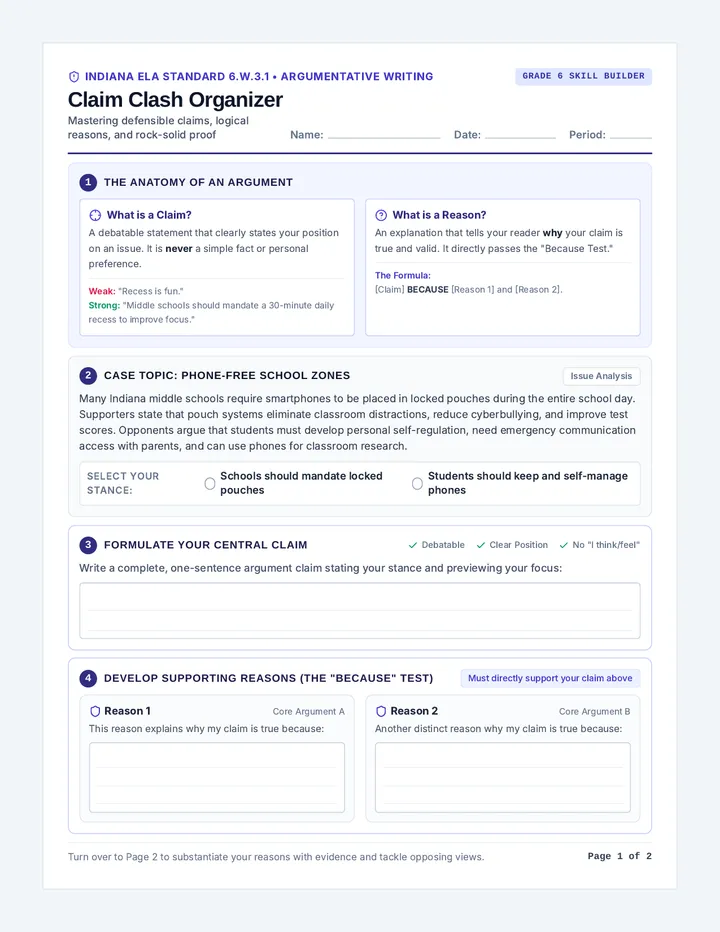
A comprehensive lesson on the structural pillars of argumentative writing, using a courtroom theme to master claims, evidence, and counter-arguments through fast-paced, high-impact activities.
A 60-minute high school lesson focused on rhetorical appeals (ethos, pathos, logos) and persuasive techniques. Students analyze an op-ed excerpt and craft their own persuasive paragraph using a structured graphic organizer and peer feedback.
An 8th-grade ELA lesson that explores the complexities of character motivation, internal and external conflicts, and characterization through the metaphor of a kaleidoscope. Students analyze how characters drive plot and theme through close reading and interactive discussion.
A comprehensive 3rd-grade STAAR review lesson focused on editing for standard English conventions (subject-verb agreement, verb tenses, and nouns) and composing argumentative ECR responses based on grade-level texts.
This lesson explores the themes of impulsivity and inherited conflict through a short story that mirrors Romeo and Juliet. Students analyze character motivations, figurative language, and plot structure to prepare for the English 1 EOC exam.