Lenny.com
Explore
Create
ActivitiesNewMathEnglish Language ArtsScience & EngineeringSocial StudiesGlobal LanguagesHealth & Physical EducationSpecial EducationCounseling & Life SkillsArts & CreativityESL
Lenny.com
Lenny.com
Explore
Create
ActivitiesNewMathEnglish Language ArtsScience & EngineeringSocial StudiesGlobal LanguagesHealth & Physical EducationSpecial EducationCounseling & Life SkillsArts & CreativityESL
Lenny.com
Lenny.com

Solutions

Lenny for EducatorsLenny for SchoolsLenny for Districts

Product

ExploreSign inCreateSupportAbout

Resources

Getting startedMTSS Acceleration Program

© 2026 Lenny Learning Inc.

TermsPrivacyAccessibility
LinkedInInstagramX
Lenny

Audience, Purpose, And Tone

Analysis of intended readers and communication goals to determine appropriate writing styles. Develops skills in selecting word choices and formality levels that align with specific objectives.

English Language ArtsPhonics & Reading FoundationsLetter IdentificationLearn Letters A-ZLowercase and Uppercase LettersConsonants and VowelsLetter-Sound AssociationsLetter-Sound Associations: LowercaseLetter-Sound Associations: UppercaseBeginning and Ending SoundsRhymingBlending And SegmentingShort VowelsShort Vowel SoundsConsonant BlendsConsonant DigraphsBlends, Digraphs, and TrigraphsDigraphs, Blends, and Silent LettersLong Vowel SoundsLong Vowel PatternsShort and Long VowelsShort and Long Vowel PatternsSilent EVowel SoundsVowel TeamsR-Controlled VowelsDiphthongs: Oi, Oy, Ou, OwVariant VowelsVariant, Diphthong, And R Vowel PatternsSoft G And CSight WordsIrregular WordsWord RecognitionSyllablesSyllable TypesTwo-Syllable WordsMultisyllabic WordsPhoneme ManipulationDecodable TextsVocabularyAction WordsQuestion WordsNouns and AdjectivesClassify WordsCompound WordsSynonyms and AntonymsHomophonesHomophones and HomonymsShades of MeaningContext CluesPrefixes and SuffixesGreek and Latin RootsAnalogiesIdioms and AdagesForeign Words and ExpressionsWord Choice and UsageReference SkillsReading ComprehensionRead-Along Literary TextsRead-Along Informational TextsReality vs. FictionStory ElementsCharacterSequenceMain IdeaCause And EffectCompare And ContrastReading StrategiesText StructureAuthor's PurposeAuthor's Purpose And ToneAuthor's PerspectivePoint Of ViewThemeInference And ThemeInference And AnalysisPoetry ElementsLiterary DevicesAnalyzing LiteratureAnalyzing Informational TextsComparing TextsAudience, Purpose, And ToneBusiness DocumentsNovel StudyNonfiction Book StudyGrammar & MechanicsSentencesNounsVerbsAdjectivesPronounsCapitalizationPunctuationContractionsConjunctionsPrepositionsArticlesAdjectives And AdverbsVerb TypesVerb TensePronouns And AntecedentsPronoun TypesSubject-Verb AgreementDirect And Indirect ObjectsSentences, Fragments, And Run-OnsPhrases And ClausesCommasSemicolons, Colons, And CommasDashes, Hyphens, And EllipsesSpellingAbbreviationsFormattingVerb Tense And MoodMisplaced ModifiersWritingDescriptive DetailsCreative WritingOpinion WritingTopic SentencesOrganizing WritingLinking WordsSentence VarietyIntroductions And ConclusionsPersuasive And Opinion WritingExpository WritingPersuasive StrategiesDeveloping And Supporting ArgumentsTopic Sentences And Thesis StatementsSummarizingResearch SkillsEditing And RevisingActive And Passive Voice=Writing Clearly And ConciselyDebate & Public SpeakingPublic Speaking BasicsPersuasive TechniquesClaims and EvidenceTypes of ArgumentsReasoning TypesLogical FallaciesTopic ResearchOrganizing EvidenceDebate Speech OrganizationAttacking and Defending ArgumentsClash and EngagementImpact CalculusQuestioning and Cross-ExaminationCritical ThinkingInformal LogicFormal LogicInductive Reasoning

Videos

Understanding Point of View and Tone Through Text Messages

Understanding Point of View and Tone Through Text Messages

This video uses a relatable text message conversation between two friends to teach students about literary point of view, tone, and perspective-taking. A narrator guides viewers through an unfolding drama between Liz, who wants to hang out spontaneously, and Kim, who keeps saying no. By analyzing the word choice and brevity of the text messages, the narrator demonstrates how characters' differing situations influence their perspectives and communication styles. The video explores key themes of empathy, miscommunication in digital spaces, and the difference between explicit statements and implied meanings. It highlights how a lack of context can lead to false assumptions, as seen when Liz interprets Kim's refusal as dislike rather than an inability to be spontaneous due to family responsibilities. The resolution teaches students to look beyond surface-level reactions to understand the underlying reality of others. For the classroom, this is an excellent tool for English Language Arts lessons on analyzing character interactions and determining point of view. It also serves as a strong social-emotional learning resource regarding digital citizenship and empathy. Teachers can use the video to spark discussions about how text-based communication strips away tone, leading to conflicts that can only be resolved by understanding another person's "reality" or context.

Miacademy & MiaPrep Learning ChannelMiacademy & MiaPrep Learning Channel

5mins 35s

Exploring Understatement and Overstatement in Language

Exploring Understatement and Overstatement in Language

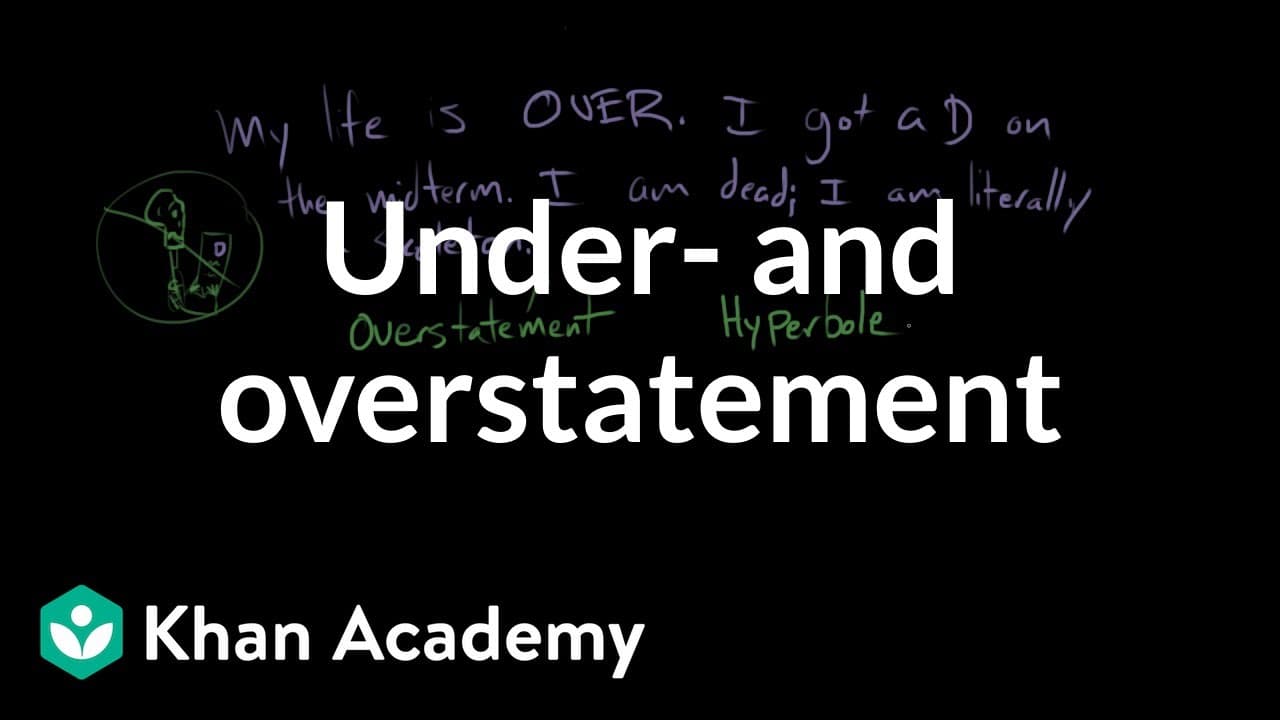
This engaging video features grammar experts David and Rosie exploring the rhetorical concepts of understatement and overstatement. Through humorous, handwritten examples on a digital whiteboard, they demonstrate how writers and speakers often say less or more than they literally mean to convey stronger emotions. The hosts act out scenarios—such as reacting to a kidnapped dog or a bad test grade—to show how these literary devices function in everyday communication. The video covers key literary themes including hyperbole, irony, and subtext. It specifically defines understatement as deliberately minimizing a serious event to highlight its gravity, and overstatement (or hyperbole) as using extreme exaggeration to express intense emotion. The discussion concludes with an insightful look at cultural nuances in American English, explaining how social norms often encourage the repression of strong emotions through understated language. For educators, this resource provides an excellent entry point for teaching figurative language and tone. It moves beyond simple definitions to show how these devices affect the reader or listener emotionally. Teachers can use this video to help students analyze dialogue in literature, write more expressive creative pieces, and understand the complex relationship between a speaker's actual words (text) and their intended meaning (subtext).

Khan AcademyKhan Academy

5mins 43s

Mastering Media Literacy: Review Game and Final Project

Mastering Media Literacy: Review Game and Final Project

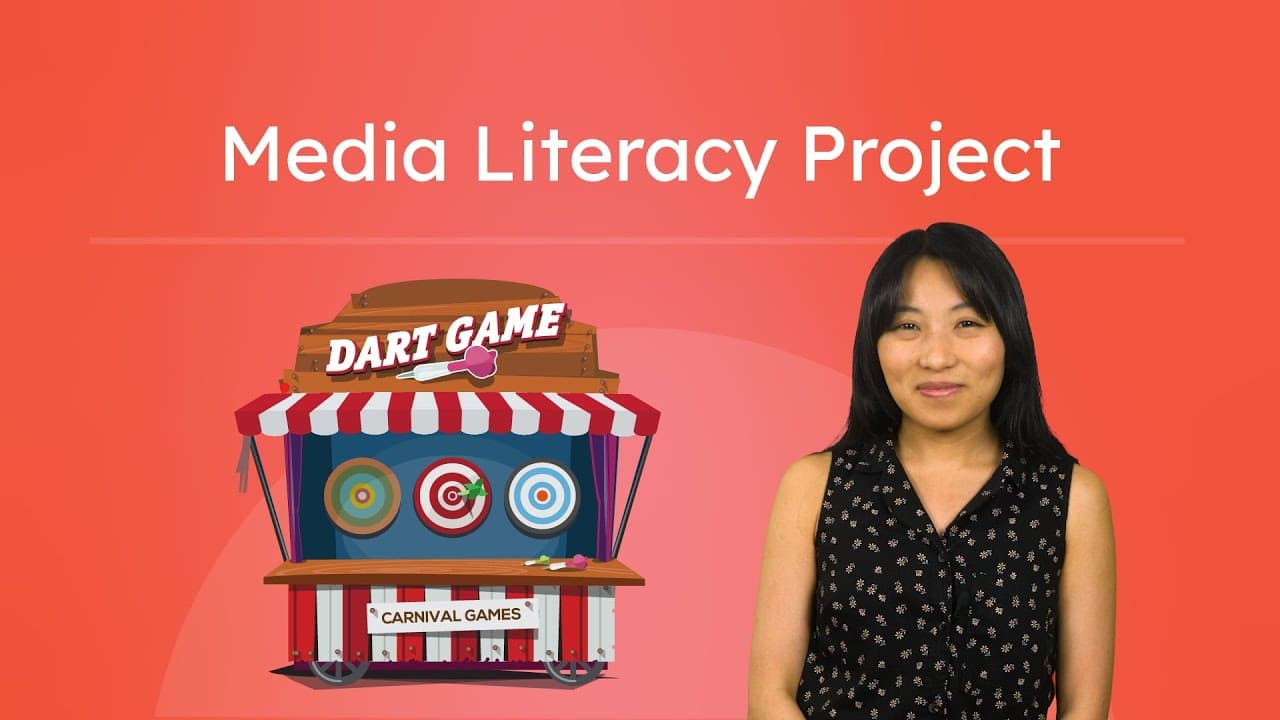
This educational video serves as a comprehensive review and project launch for a unit on media literacy. Set in the fictional "Media Metropolis," the video is divided into two distinct segments. The first half features an interactive "Dart Game," a quiz-show style review that tests students' knowledge on various media concepts ranging from advertising techniques and social media algorithms to film angles and comic book terminology. The second half transitions into a project-based learning initiative, where the presenter introduces a "Media Literacy Project" commissioned by the city's Mayor.

Miacademy & MiaPrep Learning ChannelMiacademy & MiaPrep Learning Channel

10mins 35s

How Word Choice Changes Meaning: Connotation Explained

How Word Choice Changes Meaning: Connotation Explained

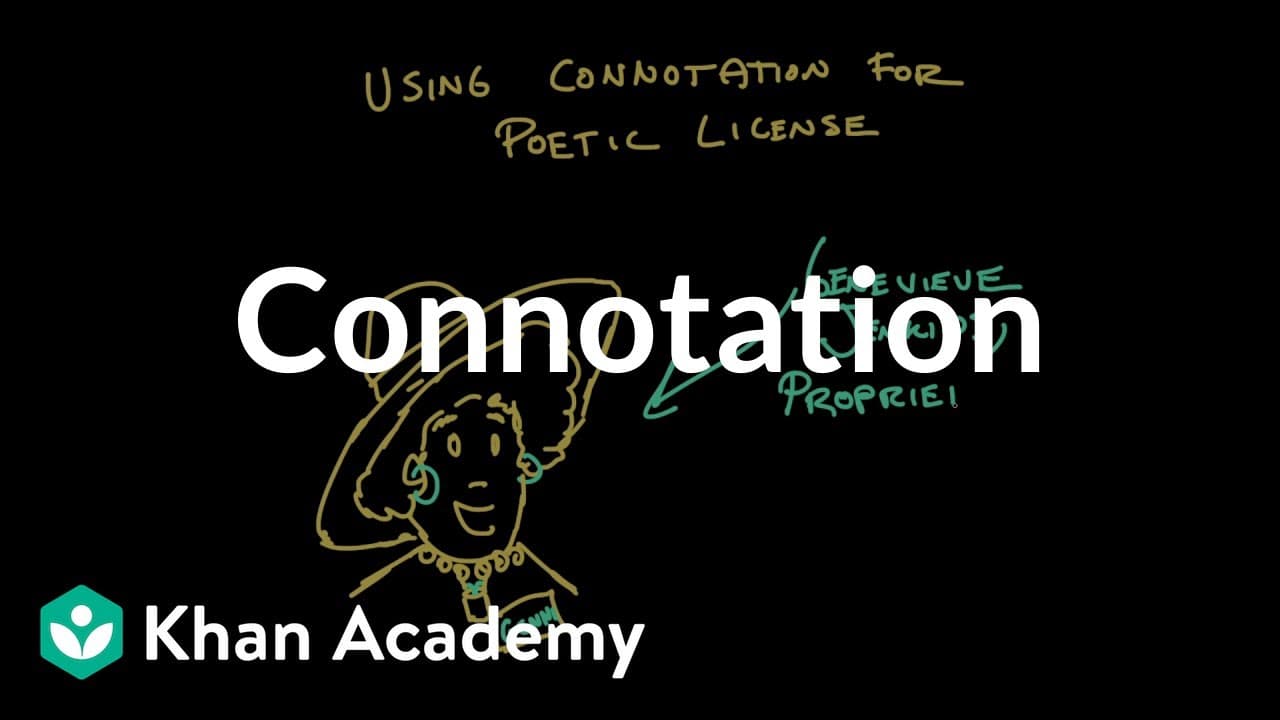
This engaging instructional video explores the concept of connotation—the emotional and cultural associations words carry beyond their literal dictionary definitions (denotation). Through clear analogies, such as water flowing around a rock, and relatable examples like "companion" versus "buddy," the narrator illustrates how synonyms can mean the same thing factually while conveying entirely different feelings or levels of formality. The video delves into key literary concepts including tone, author's intent, and the spectrum of positive, negative, and neutral connotations. It uses a detailed example of a fictional character, Genevieve Jenkins, to demonstrate how specific word choices (like "flourished" and "roots") can build a thematic motif. The narrator also distinguishes between cultural connotations shared by many and personal connotations derived from individual experiences, using a humorous personal anecdote about basketball. For educators, this resource is an excellent tool for teaching vocabulary nuances, literary analysis, and creative writing. It helps students move beyond basic comprehension to understanding *why* authors choose specific words. The content directly supports standards related to analyzing the impact of specific word choices on meaning and tone, making it highly applicable for English Language Arts classrooms from upper elementary through high school.

Khan AcademyKhan Academy

5mins 22s

When to Quote vs. When to Paraphrase in Essays

When to Quote vs. When to Paraphrase in Essays

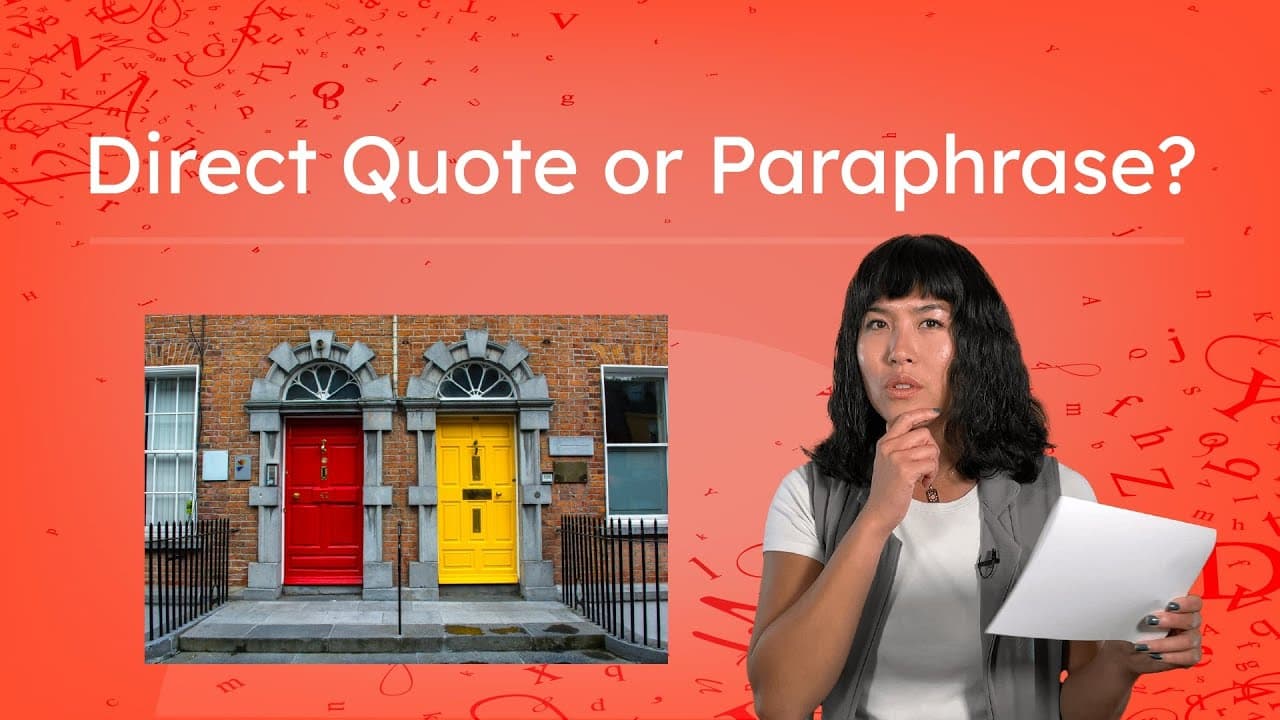
This instructional video guides high school students through the critical writing decision of when to use a direct quote versus a paraphrase in analytical essays. Using Toni Morrison's novel 'Beloved' as a case study, the presenter demonstrates how to integrate evidence effectively to support a thesis statement about literary motifs and character memory. The video distinguishes between analyzing specific language (which requires quotes) and summarizing events (which uses paraphrasing). The content covers key writing concepts including thesis statements, full direct quotes, partial quotes, paraphrasing, explanation sentences, and analysis sentences. It provides visual examples of how to structure a body paragraph, showing text on screen that integrates evidence with the student's own voice. The lesson emphasizes that the choice of evidence format depends entirely on the writer's purpose and what they intend to analyze. For educators, this video serves as an excellent model for teaching evidence integration and literary analysis. It moves beyond simple definitions to show the *why* and *how* of writing. Teachers can use this to help students move away from "quote bombing" (dropping quotes without context) and towards sophisticated embedding of partial quotes and meaningful analysis of diction and syntax.

Miacademy & MiaPrep Learning ChannelMiacademy & MiaPrep Learning Channel

10mins 30s

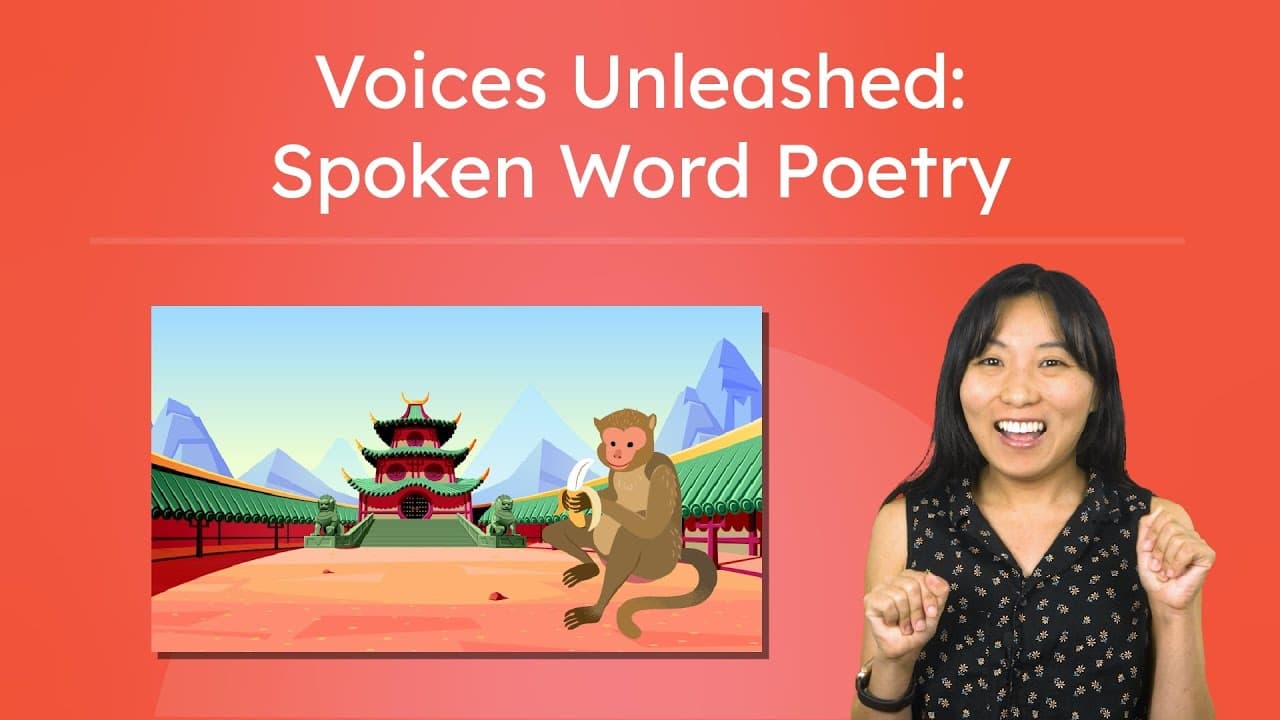
Understanding and Performing Spoken Word Poetry

Understanding and Performing Spoken Word Poetry

In this engaging Language Arts lesson, students join a narrator on a quest to wake the sleeping "Guardian of Voice" by learning the art of spoken word poetry. The video contrasts a flat, monotonous reading of a poem with a dynamic spoken word performance, vividly demonstrating how delivery transforms meaning. It breaks down the essential components of spoken word, defining it as a performance art that merges poetry with theatrical elements like facial expressions, body language, and vocal modulation. The content dives into specific literary devices common in the genre, such as alliteration, assonance, consonance, and internal rhyme. It explains how these sound devices enhance the musicality of a performance. Students are guided through the specific "tools" a performer has—voice (volume, pacing, pauses), body (posture, gestures), and face (expressions)—to convey emotion and connect with an audience. Ideal for middle school English classrooms, this video serves as both an introduction to the genre and a practical tutorial on public speaking and performance. It encourages students to move beyond merely reading words on a page to embodying them, helping them understand how performance can emphasize emotions, create drama, and bring a poet's message to life.

Miacademy & MiaPrep Learning ChannelMiacademy & MiaPrep Learning Channel

11mins 19s

Materials

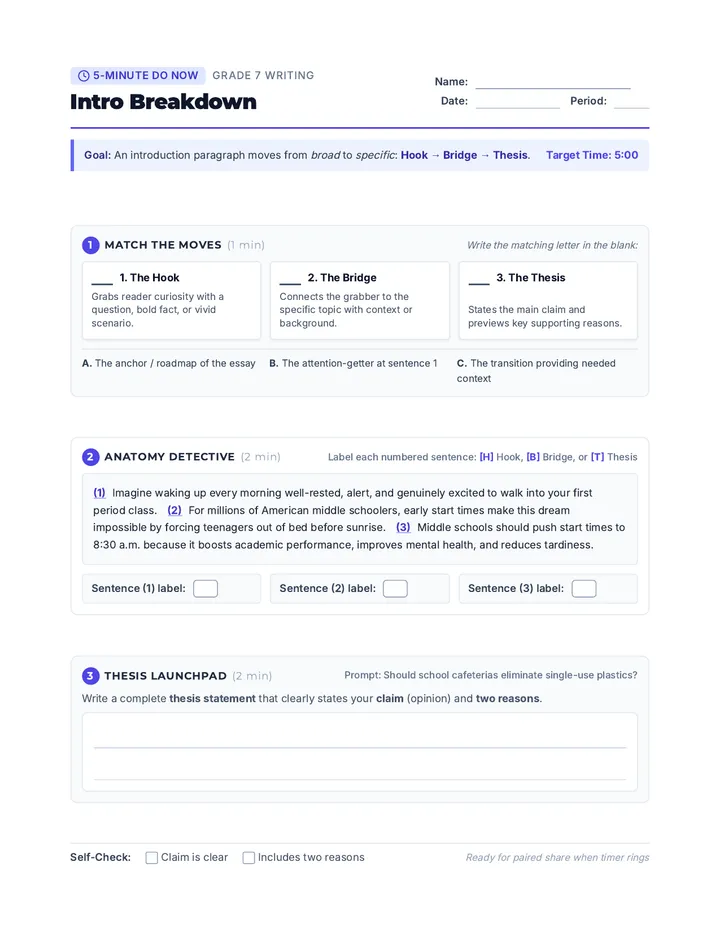
Intro Breakdown Warmup

Intro Breakdown Warmup

A 5-minute bell-ringer activity for 7th-grade students to activate prior knowledge on introduction paragraph structure. Students review the three core components—hook, bridge, and thesis—label them in a sample paragraph, and write a quick thesis statement.

GL

Grace Lisberg

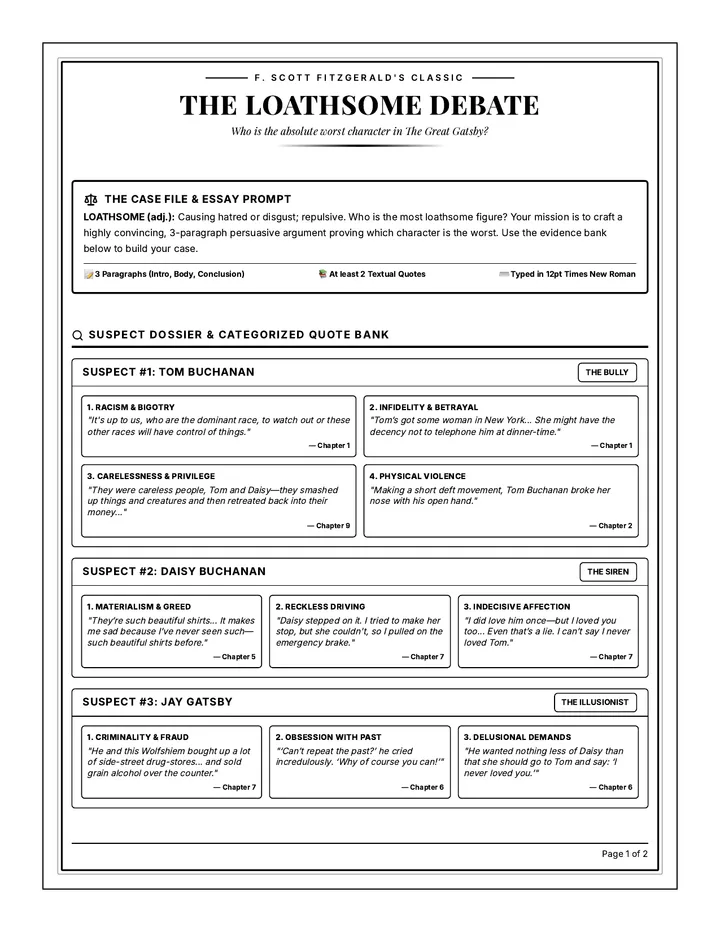
Gatsby Loathsome Character Blueprint

Gatsby Loathsome Character Blueprint

A two-page printable graphic organizer and quote bank in a high-contrast black-and-white theme with zero color or gray fills. Page 1 presents the 'Suspect Dossier' with clear borders, white backgrounds, and pure black text, while Page 2 features the highly structured essay outline and sentence starters with solid black-and-white print-friendly writing guides and page numbers.

KR

Kirstin Reed

Compassion Transforms ECR Slides

Compassion Transforms ECR Slides

A comprehensive 12-slide instructional presentation for an ECR analyzing how unexpected compassion transforms a young person, comparing Langston Hughes's 'Thank You, M'am' and the narrative nonfiction article 'A Police Stop Changed This Teenager's Life'.

TJ

Tasha Jaramillo

Dual Text Theme Writing Guide

Dual Text Theme Writing Guide

A student-friendly, STAAR-aligned Extended Constructed Response (ECR) guide comparing themes across 'Thank You, M'am' and 'A Police Stop Changed This Teenager's Life'. Features an accessible, clear prompt, simplified sentence starters, an annotated 5/5 exemplar essay, and a clear scoring rubric with checklist.

TJ

Tasha Jaramillo

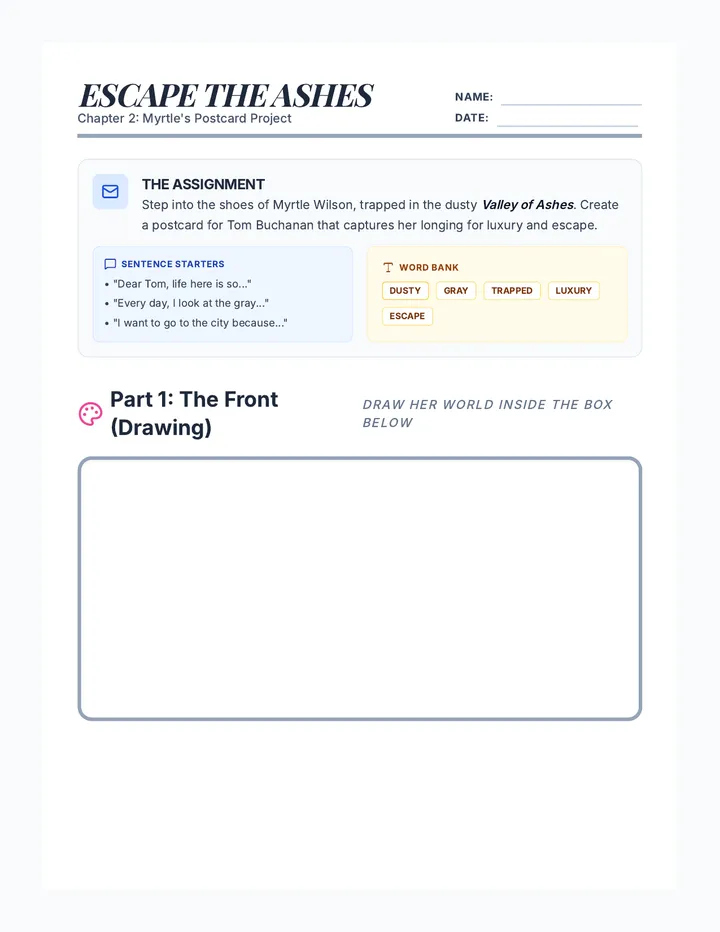
Myrtle Postcard Project Worksheet Expanded Final Balance Plus Plus Plus Plus Plus Plus

Myrtle Postcard Project Worksheet Expanded Final Balance Plus Plus Plus Plus Plus Plus

A print-perfect two-page postcard project. Page 1 contains instructions, compact scaffolding, and a 300px drawing box guaranteed to stay on the first page. Page 2 features the postcard back with 16 writing lines. This version ensures Page 1 content is perfectly contained with a significant bottom margin to prevent accidental page splits during printing.

KR

Kirstin Reed

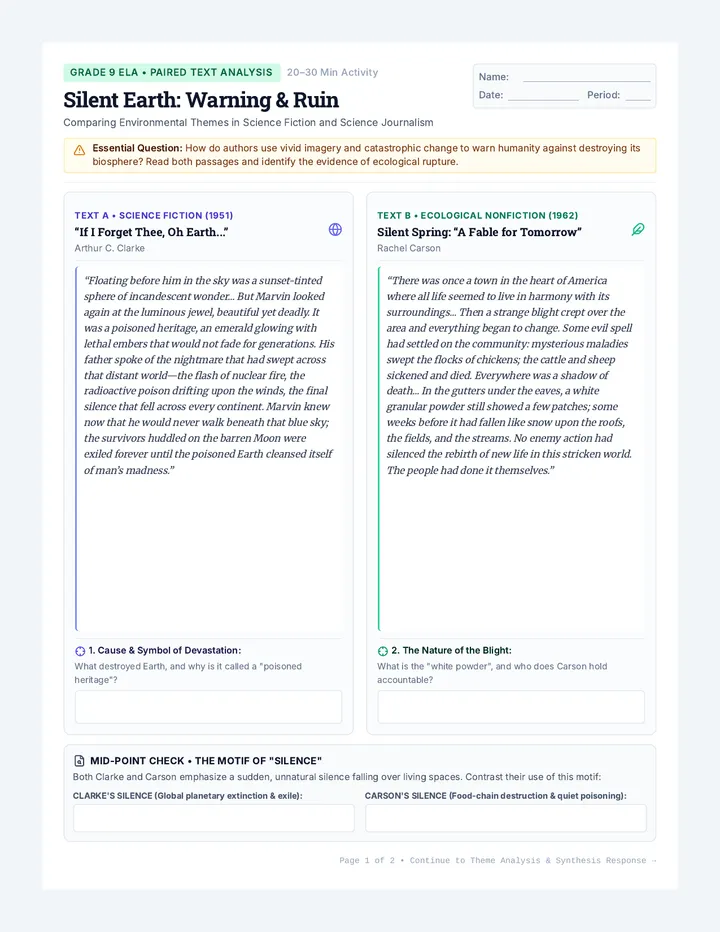
Silent Earth Worksheet

Silent Earth Worksheet

A 9th-grade comparative literature and reading worksheet examining the shared environmental cautionary themes in Arthur C. Clarke's 'If I Forget Thee, Oh Earth...' and Rachel Carson's 'Silent Spring'. Designed for a focused 20–30 minute session featuring curated excerpts, an analytical matrix, and a structured synthesis writing response.

PR

Paula Rein

Sequences

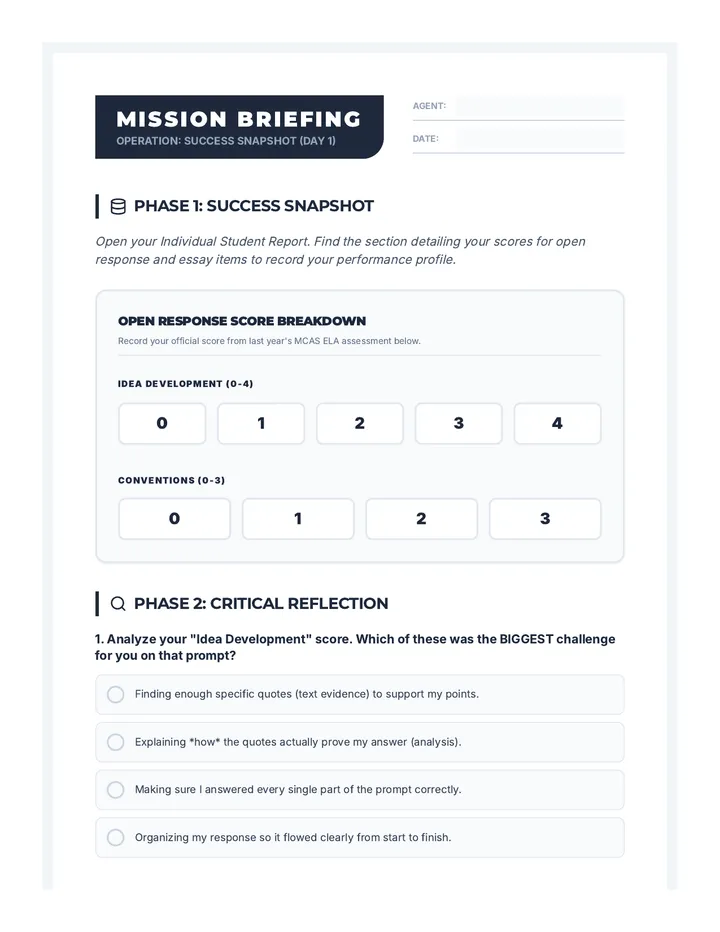
Mission Briefing Worksheet

Mastery Mission

A project-based learning unit designed to help middle school students analyze their past MCAS ELA performance, deconstruct scoring rubrics, and create a personalized strategy playbook for upcoming assessments. Students move from 'investigating' their scores to 'rebooting' their responses and 'finalizing' their test-taking toolkit.

M

mhbutterworth

18
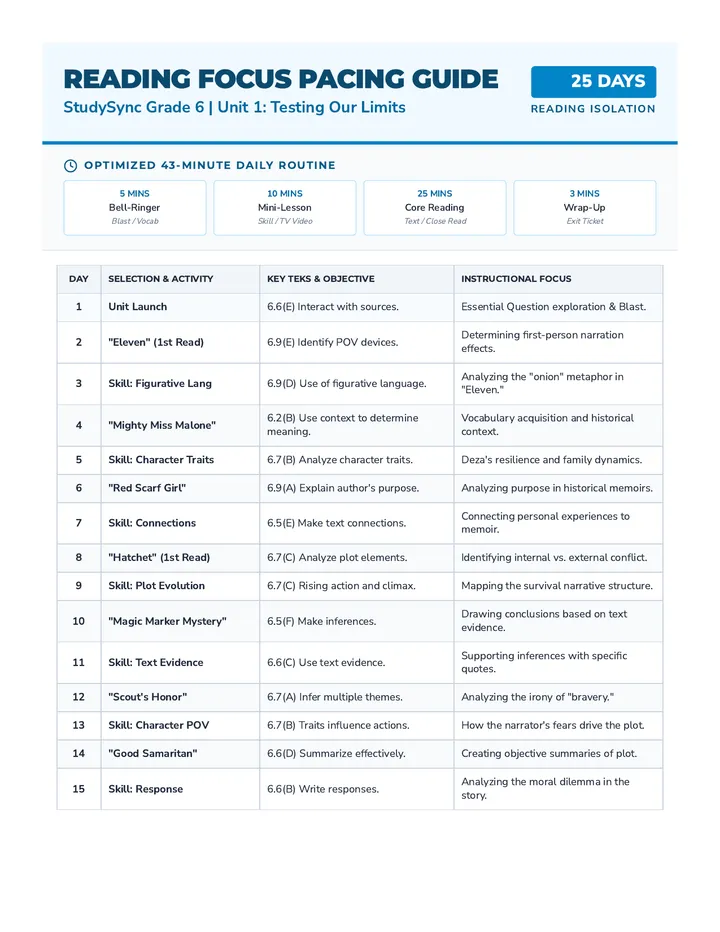
Reading Focus Pacing Guide

Testing Our Limits Unit

A 25-day comprehensive unit for StudySync Grade 6 that explores the theme of courage and resilience through isolated reading and writing tracks, aligned to ELA TEKS.

DM

Dawn Mustian

79
Argument Ace Slides

Argument Ace

A comprehensive 3-lesson unit designed to prepare HSED/GED students for the RLA Extended Response by teaching them how to analyze opposing arguments, evaluate evidence, and craft a high-scoring argumentative essay.

VL

V Lundgren

14
Synthesis Slides

EOC Edge

A comprehensive review series designed to prepare English 2 students for the EOC exam, focusing on high-stakes reading analysis, paired passages, and evidence-based synthesis through an AVID-inspired lens.

JC

Jennifer Cimaglia

7
Scout Sample Essay

Game Changers Research Unit

A 5-week research unit that scaffolds the process paragraph-by-paragraph. Students define significance, analyze the 'Four Days in October' case study, and turn in each paragraph separately, focusing on historical context, systemic barriers, and societal impact with a dedicated lesson on counterarguments.

W

william.whitlow

18
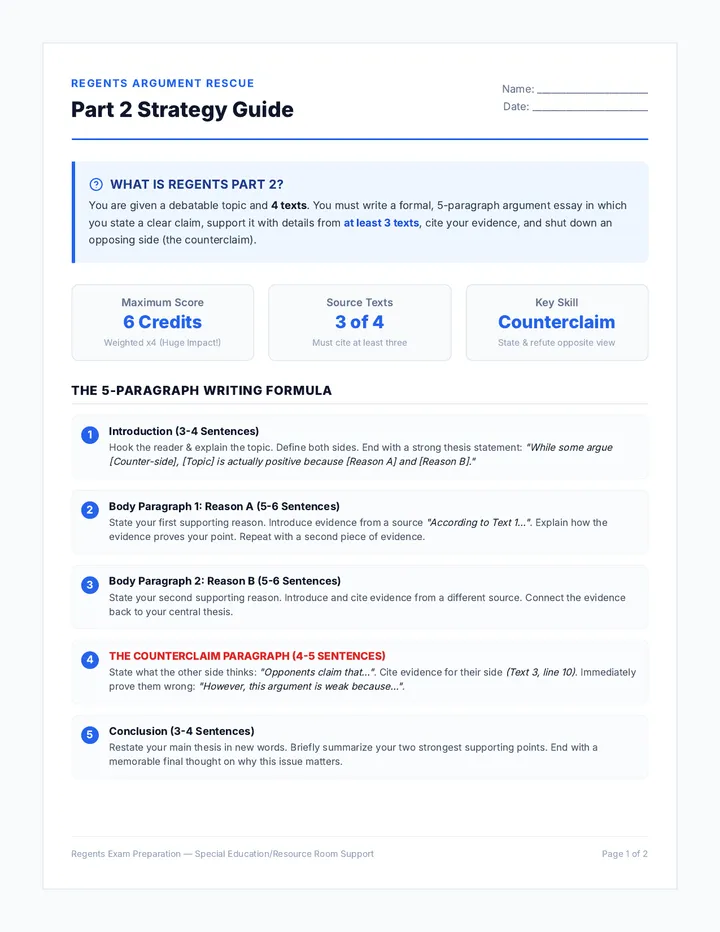
Regents Rescue Strategy Guide

Regents Argument Rescue

A targeted 2-day curriculum sequence designed for resource room students to master Part 2 (Source-Based Argument) of the ELA Regents Exam, featuring scaffolded texts, step-by-step checklists, planning guides, and an annotated exemplar essay.

AP

Alexis Paolini

24

Lessons

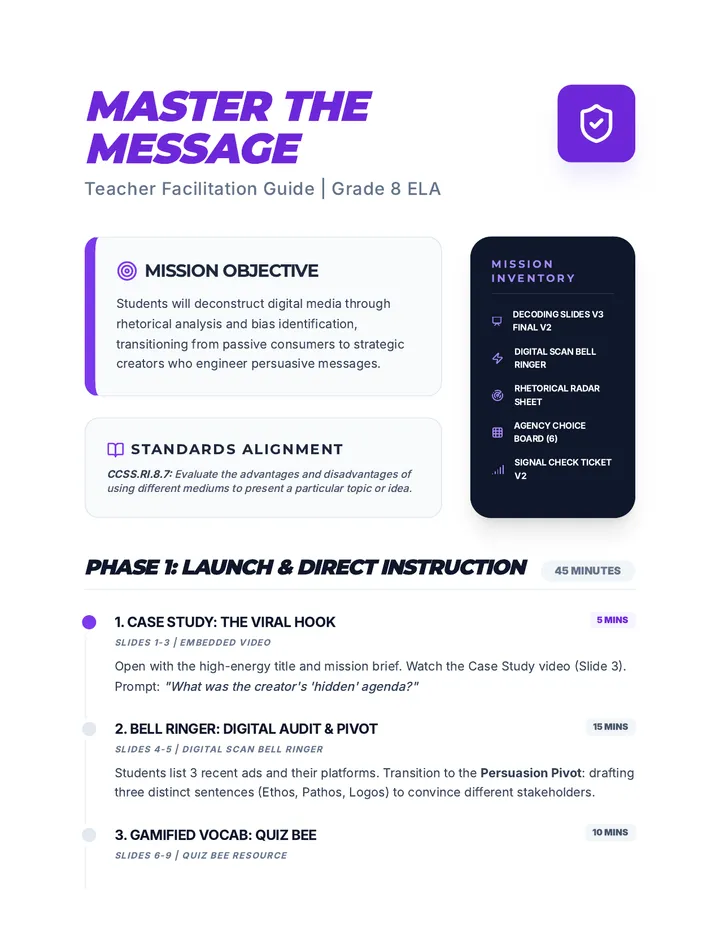
Master the Message Teacher Guide v2

Media Message Mastery

An 8th-grade ELA lesson focused on deconstructing digital media messages through the lens of rhetorical appeals (ethos, pathos, logos) and identifying bias in various online formats. Students transition from passive consumers to critical analysts of news clips, social media, and advertisements.

V

vivianbelarmino

36
Narrative Navigator Slides

Journal Journey Cultural Bridge

An advanced 8th-grade ELA lesson exploring the intersection of Filipino and American identities through personal narrative. Students analyze the immigrant experience, master advanced vocabulary via a 'Quiz Bee,' and draft narratives that bridge their cultural heritage with their current journey.

V

vivianbelarmino

13
Precision Prose Teacher Guide

Precision Prose

A 60-minute ELA lesson focused on analyzing author's diction and drawing logical inferences using excerpts from the Grade 7 Interim Assessment. Students will explore how specific word choices shape meaning and tone through guided and independent practice.

RC

Rachel Cohen

9
Truth Hunter Teacher Guide

Truth Hunter Propaganda

This lesson equips 8th-grade students with the tools to identify and analyze propaganda techniques across various media formats. Students will investigate the 'Big 7' propaganda devices, evaluate source credibility, and practice 'unmasking' persuasive rhetoric in real-world examples.

V

vivianbelarmino

4
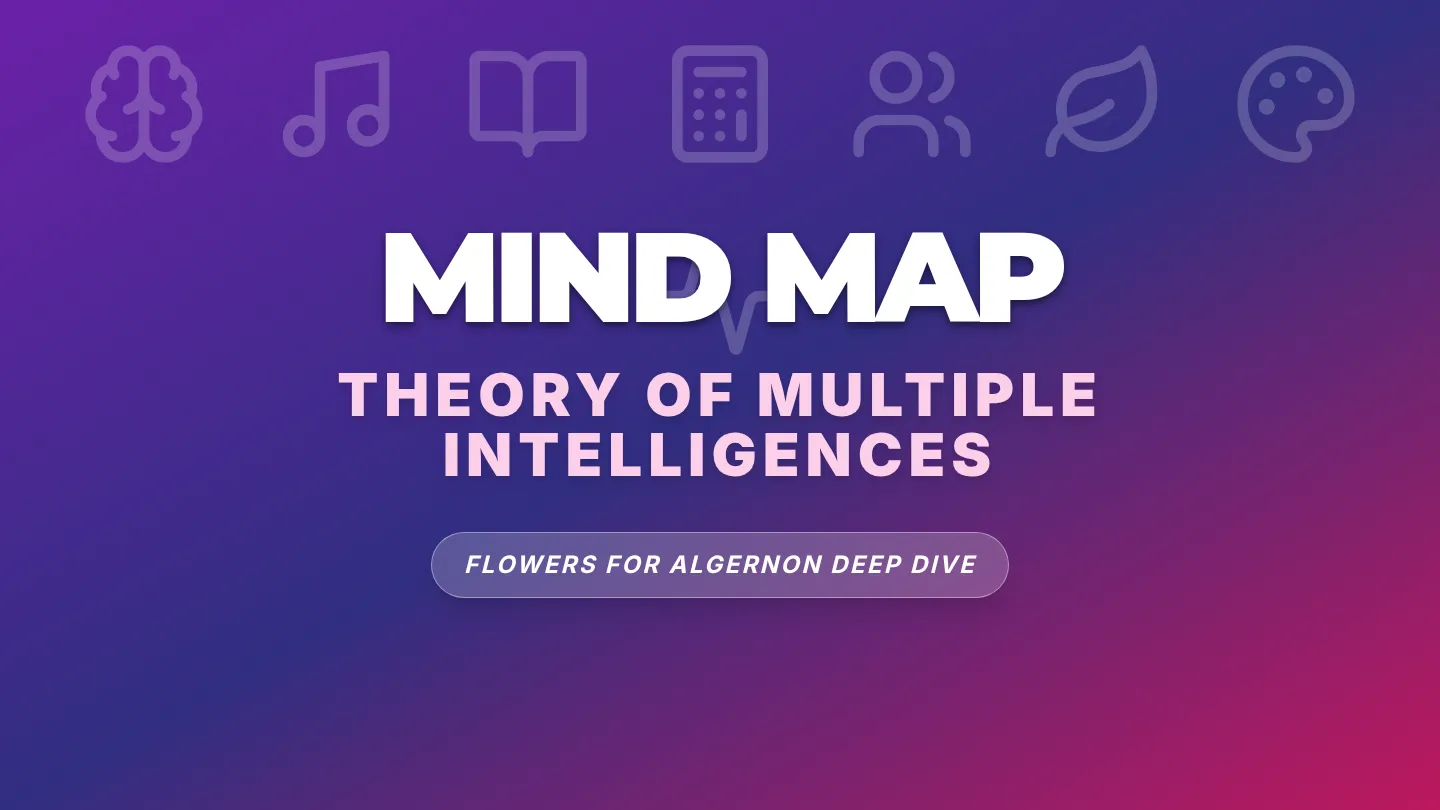
Mind Map Presentation v3

Mind Map Masterclass

An 8th-grade ELA lesson connecting Howard Gardner's Theory of Multiple Intelligences to the story 'Flowers for Algernon'. Students explore media analysis, vocabulary, and literary characterization through a differentiated choice board and a self-assessment of their own learning strengths.

V

vivianbelarmino

9
Jersey Creator Activity

World Stage Kickoff

A 45-minute lesson for 10th-grade ELL students exploring the history and global impact of the FIFA World Cup through reading, narrative analysis, and creative design.

KB

Kathleen Basoco

5