Recognition of uppercase and lowercase letterforms, alphabetic order, and visual discrimination between similar characters. Builds the essential foundation for phonemic awareness and early literacy skills.
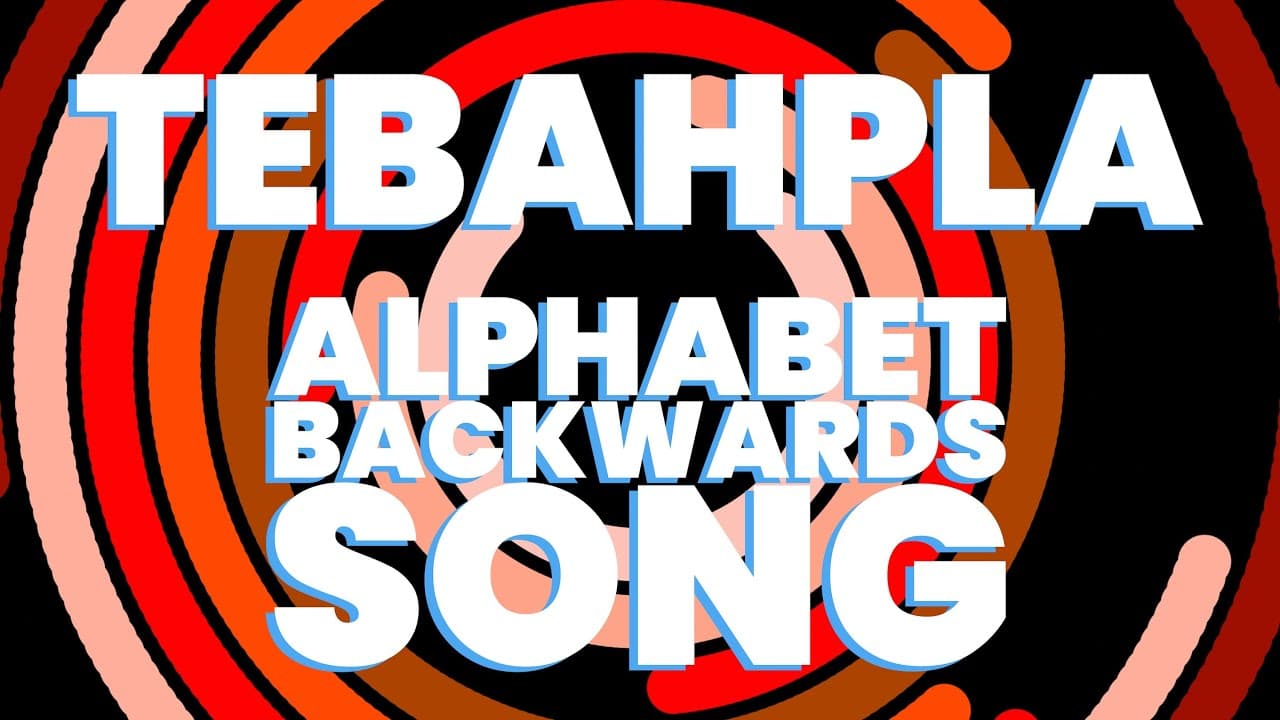
A high-energy, pop-infused music video that challenges students to learn the alphabet in reverse order. Through the catchy concept of the "Tebahpla" (alphabet spelled backwards), the video transforms a difficult cognitive task into an engaging song. The visual style features pulsing, colorful motion graphics that display letters clearly as they are sung, aiding in visual recognition. This video explores themes of sequencing, pattern recognition, and memory. By reversing a familiar sequence, students are forced to think critically about letter order rather than relying on rote muscle memory. The song breaks the reverse alphabet into rhythmic chunks, making the complex string of letters easier to digest and memorize. Ideally suited for early elementary classrooms, this video serves as an excellent brain break or cognitive warm-up. Teachers can use it to strengthen letter recognition, introduce the concept of reverse sequencing, or simply as a fun "challenge" activity. The catchy "Tebahpla" chorus gives students a mnemonic hook, turning the abstract task of reverse recitation into a named character or concept they can master.
2mins 31s
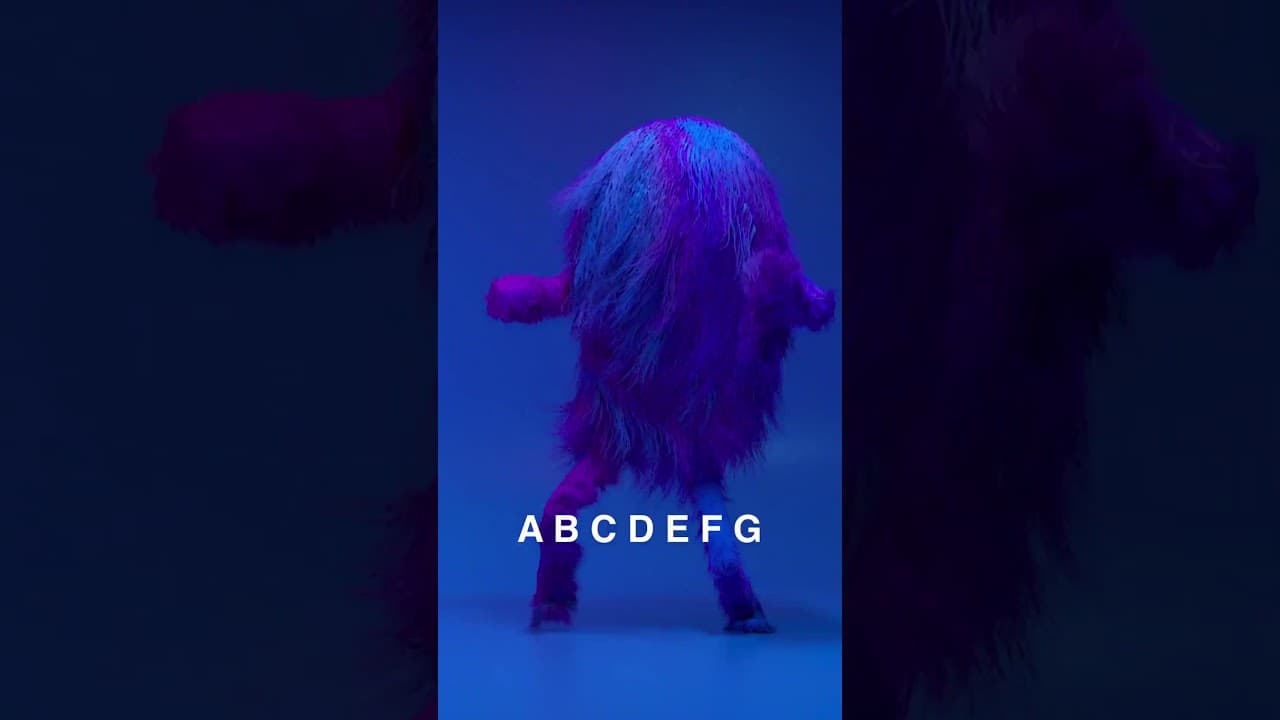
This high-energy animated video features a purple, furry, spherical creature dancing to an upbeat pop song about the alphabet. The video combines catchy music with on-screen text to guide viewers through the English alphabet sequence, while the character performs various dance moves against a changing colorful background. The visual style is modern and 3D-animated, appealing to young visual learners who enjoy music and movement. The content covers three main areas: the sequential recitation of letters A through Z, the categorization of letters into consonants and vowels, and the functional purpose of letters (reading, writing, and making sounds). It transitions from a cool blue aesthetic to a high-contrast, psychedelic color palette as the song intensifies, helping to maintain student attention through visual stimulation. For educators, this video serves as an excellent "brain break" or energizer that reinforces literacy skills. It is particularly useful for auditory and kinesthetic learners in early childhood classrooms. The song's lyrics explicitly connect abstract letters to the concrete actions of reading and writing, making it a strong opening hook for a literacy block or a fun transition activity between lessons.
54s
A high-energy, pop-style music video featuring an animated character dancing to a catchy rendition of the alphabet song. The video focuses on auditory learning and memorization of the English letter sequence through repetition and rhythm, set against a vibrant background of dancing stars. The upbeat tempo differentiates it from traditional, slower lullaby-style ABC songs, making it an energetic "party" version. Themes include the English alphabet sequence, rhythm, dance, and music. The video utilizes a modern dance-pop backing track to engage young learners, encouraging them to move and sing along rather than passively watch. The repetitive structure allows for multiple opportunities to practice the letter sequence within a single viewing. This resource is primarily useful as a "brain break" or active learning tool in Early Childhood classrooms. While it does not display the letters visually on screen for reading practice, its auditory focus makes it excellent for reinforcing letter names, sequencing, and memorization through movement. Teachers can use it to transition between activities, burn off energy while reviewing content, or as a background track for alphabet-related games.
2mins 36s
This animated music video presents the English alphabet set to a relaxed, catchy reggae-style rhythm. An animated blue character dances on screen while singing the traditional ABC sequence, interspersed with a chorus about the enduring nature of the alphabet. The video provides a musical mnemonic device to help young learners memorize the order of letters. The key themes are early literacy fundamentals, specifically letter sequencing and memorization through music. The song repeats the alphabet sequence four distinct times, allowing for multiple opportunities for practice within a single viewing. The chorus introduces the concept of the alphabet being a constant tool for communication "today, tomorrow, always and forever." For educators, this video serves as an excellent auditory anchor for Pre-K and Kindergarten classrooms. Unlike traditional nursery rhyme versions, the syncopated reggae beat offers a fresh auditory experience that can help engage students who might be bored with the standard melody. Because the video features a dancing character rather than displaying the letters on screen, it is best used as a background track for movement activities, clean-up times, or while pointing to a physical alphabet chart in the classroom.
2mins 9s
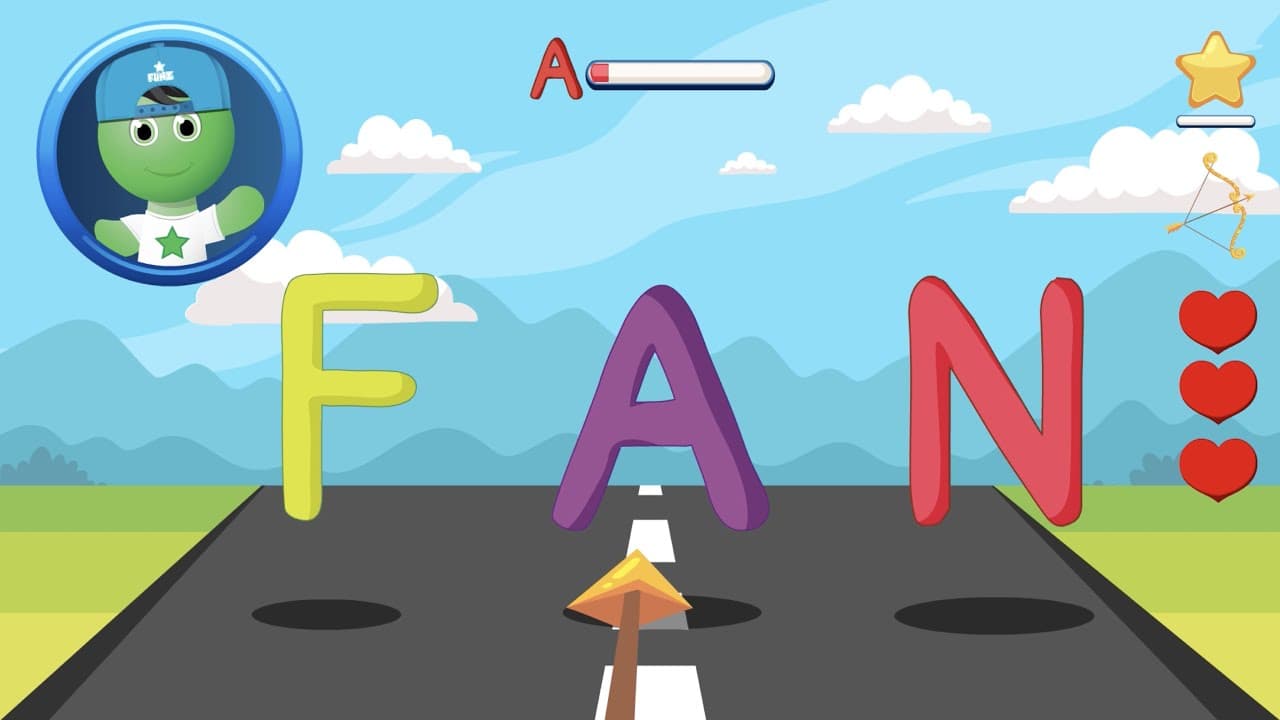
This high-energy, interactive animated music video turns learning the letter 'A' into an engaging archery game. Hosted by a friendly green character named Funz, the video uses a 'call and response' format where students are encouraged to physically pretend to shoot a bow and arrow at the target letter whenever it appears on screen. The song has a catchy pop beat that keeps the energy high while systematically drilling letter recognition. The content is divided into three distinct gameplay sections: recognizing uppercase 'A' amidst distractors, identifying lowercase 'a' within simple words, and a speed round that mixes contexts. Between rounds, a melodic chorus reinforces key concepts, explicitly stating that 'A' has both uppercase and lowercase forms and identifying it as a vowel. The visual style mimics a video game interface, complete with life bars and score indicators, appealing to digital-native students. For educators, this video serves as an excellent kinetic learning tool for early literacy. It moves beyond passive watching by requiring physical movement (miming archery) and active discrimination (finding the letter). It introduces essential vocabulary like "uppercase," "lowercase," and "vowel" while providing numerous examples of words containing the letter 'A' (e.g., cat, ham, fan), making it a versatile resource for introducing phonics, letter forms, and sight words.
3mins 37s
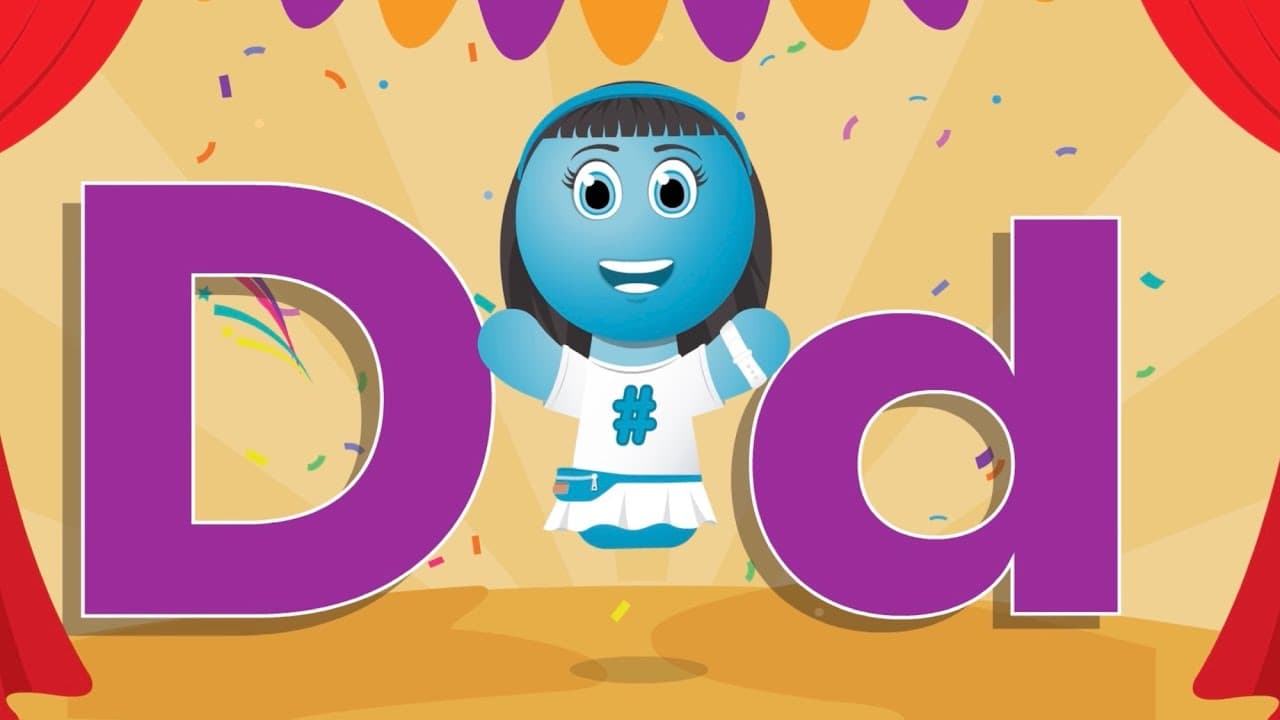
A high-energy, animated musical video set in a colorful carnival atmosphere designed to teach young learners how to recognize the letter 'D'. Guided by a friendly blue character, students participate in a virtual balloon-popping game where they must visually discriminate the letter 'D' from other letters of the alphabet. The video is divided into three distinct segments: uppercase recognition, lowercase recognition, and a rapid-fire review round.
3mins 5s
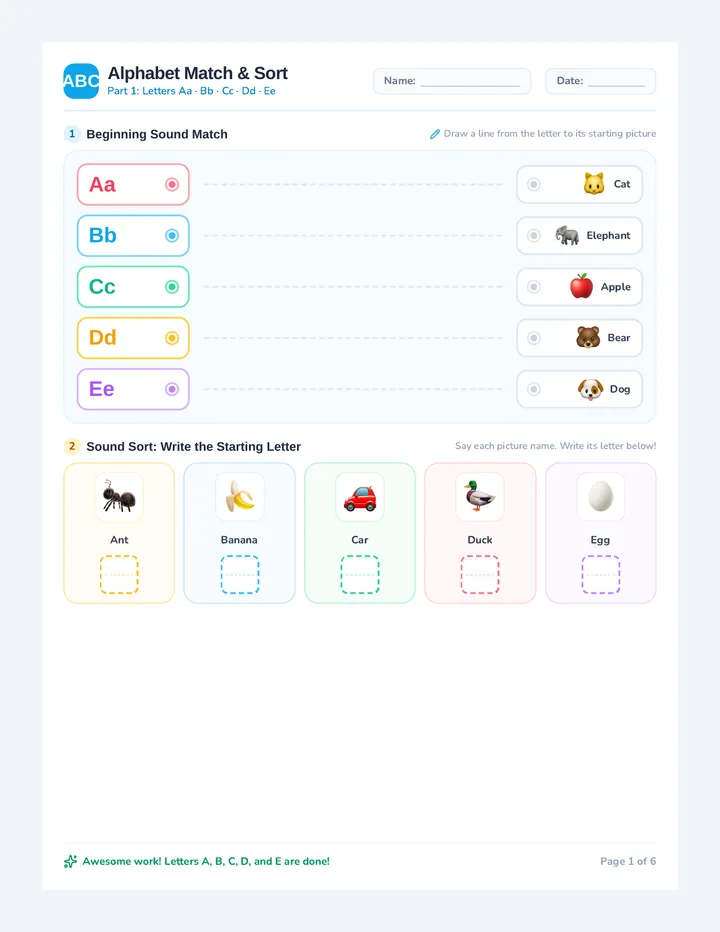
A comprehensive 6-page kindergarten activity packet covering all 26 letters of the alphabet with picture-supported matching and sorting exercises. Students connect letters to beginning sounds, sort pictures into letter boxes with handwriting midline guides, and complete a final vowel and alphabet champion review.
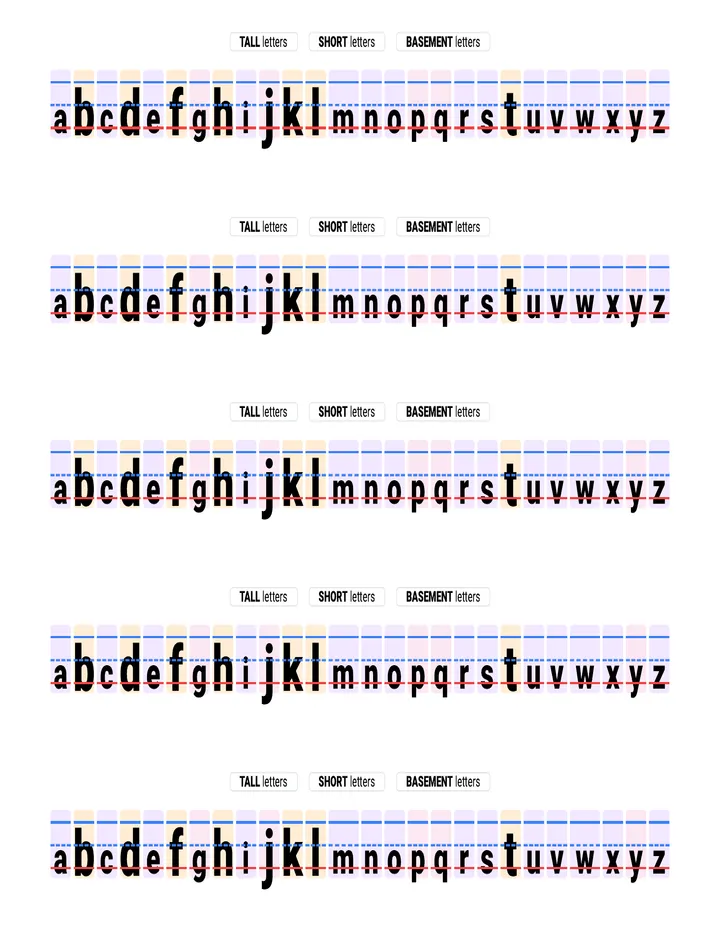
A collection of five alphabet practice strips in landscape layout using Roboto font. Features precisely calibrated primary handwriting line markings (solid blue topline, dashed blue midline, solid red baseline) correctly aligned to letter anatomy. Letters are black, and extra space is provided below the red line for basement letter visibility. Includes a color-coded key and 0.8 inch gaps between strips. Basement letters correctly descend below the red baseline while staying vertically aligned with other letters. High-contrast line colors ensure visibility.
A single-student progress monitoring recording sheet to track lowercase letter identification assessments, featuring a 26-letter diagnostic checklist matched to assessment presentation order, multi-session date and score log, visual growth graphing grid, score-to-percentage quick conversion key, and error analysis tracker.
An enhanced alphabet tracing worksheet featuring primary writing guides (top line, dashed midline, and baseline) for proper letter formation. Each box includes a light gray letter for tracing and a phonics emoji to support early literacy.
A printable single-page phonics and handwriting worksheet for letters M, A, S, and T featuring 4 dotted tracing models and 3 independent writing spaces for both uppercase and lowercase forms, alongside colorable bubble letters and themed illustrations.
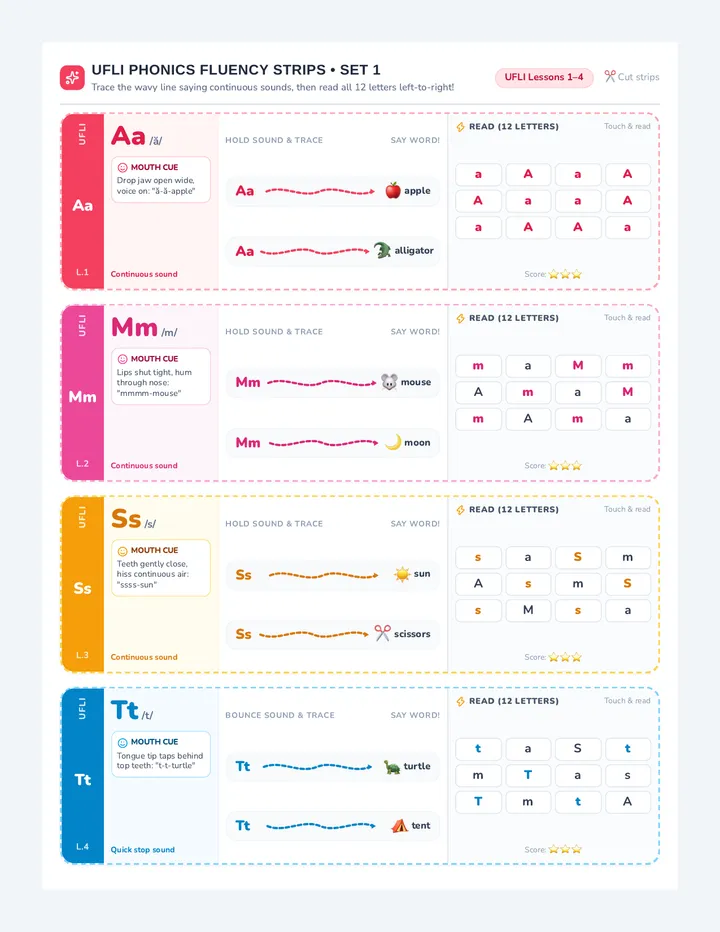
UFLI-aligned phonics fluency strips strictly following the UFLI Foundations Scope and Sequence (a, m, s, t, p, f, i, n, d, c, o, g, h, e, r, b, l, k, u, j, w, x, y, z, v, qu). Each strip features mouth cues, continuous sound wavy tracing paths to picture anchors, and a 12-letter cumulative fluency grid.
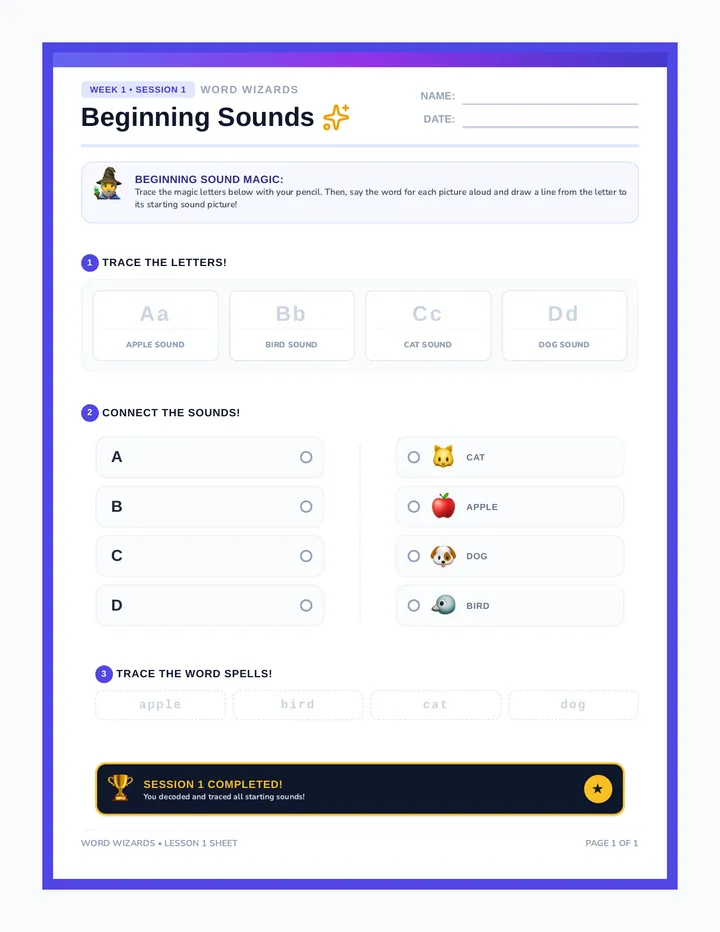
An engaging, high-impact 4-week literacy skills program for young learners. Features highly visual, fun printable worksheets focusing on beginning letter sounds, CVC phonics blending, sight word reading, and short stories.
A multi-lesson phonics intervention sequence using sports-themed early reader books to target specific phonemes. Each lesson includes a student chapter book with phonetic margin cues and a corresponding teacher data collection guide.
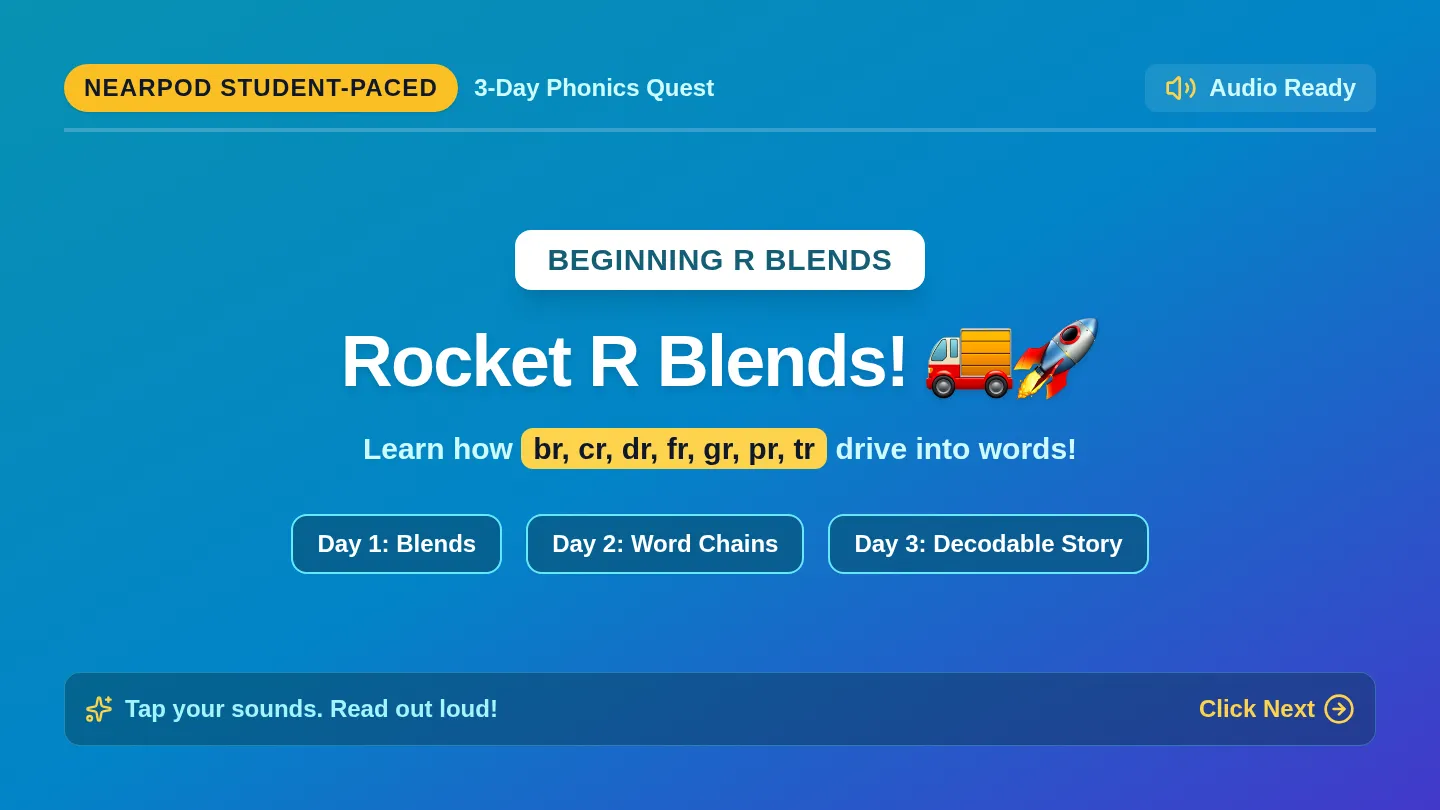
A foundational phonics series designed for early readers to complete asynchronously at their own pace. Includes multisensory letter sounds, blends, red words, and companion interactive worksheets.
A comprehensive foundational literacy series designed to build automaticity in letter recognition and naming for early learners.
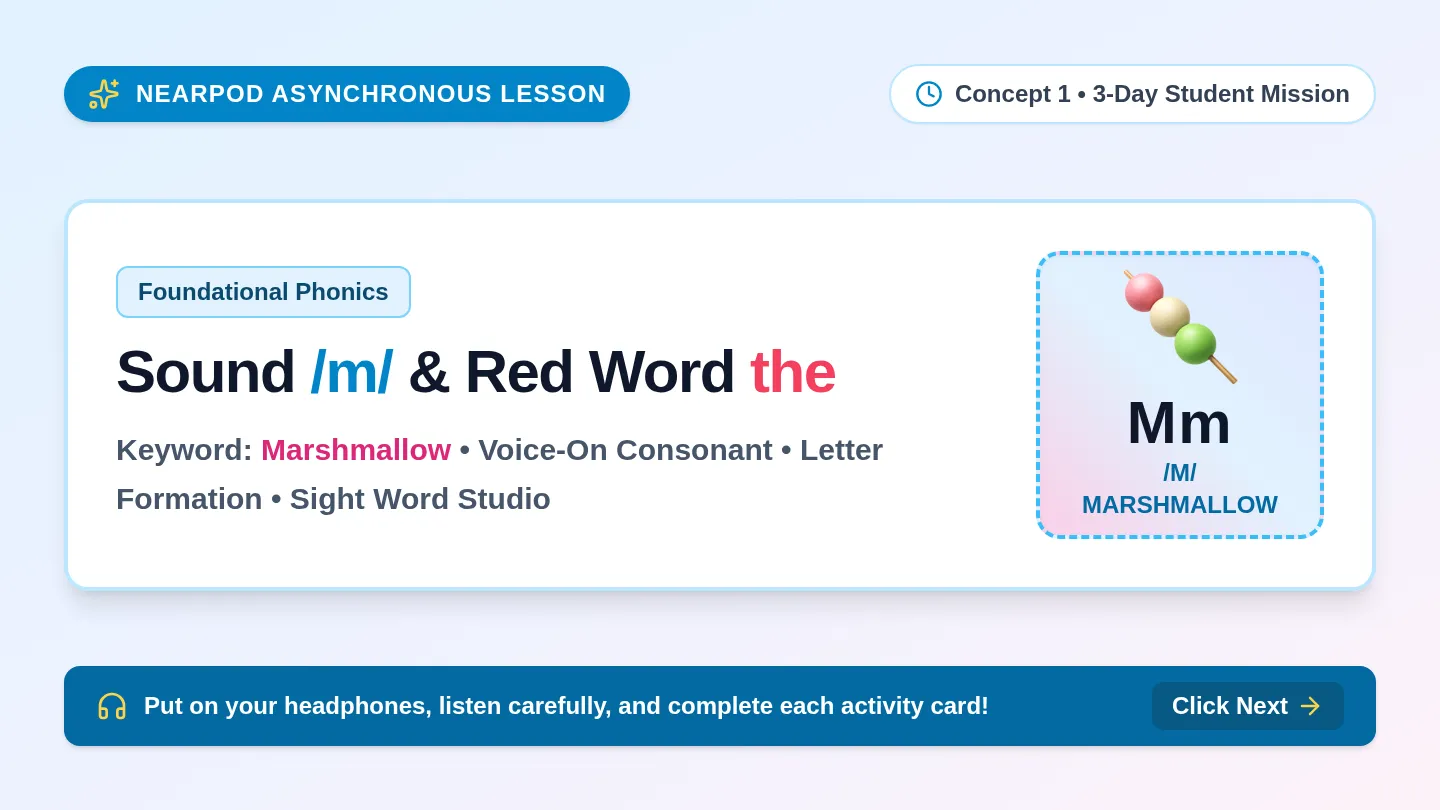
A systematic early literacy program providing interactive asynchronous 3-day Nearpod presentations and editable companion practice worksheets for foundational letter-sound concepts and sight words.
A comprehensive kindergarten phonics unit following a research-based scope and sequence (SATPIN), using a 'Sound Lab' theme to engage young learners in identifying and producing letter sounds.
A focused activity on identifying and distinguishing between vowels and consonants using the visual style of plastic reading rods.
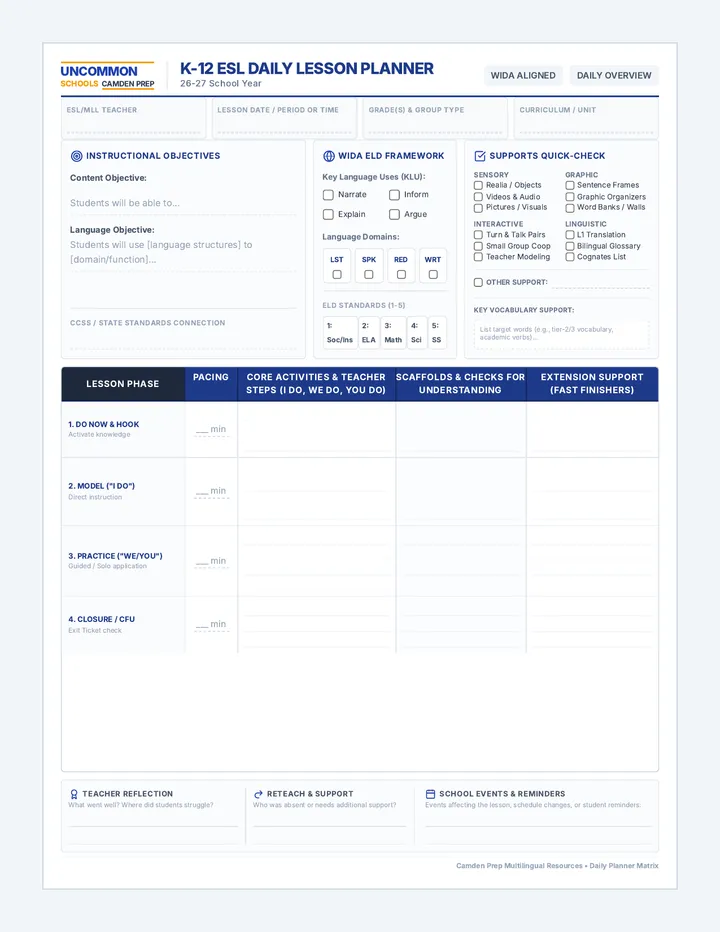
A simplified, daily planning tool designed to streamline lesson design for multilingual learners. This tool aligns Common Core Standards with WIDA ELD Framework objectives while maintaining a landscape matrix view.
A comprehensive series of morning work activities for 1st grade students, including handwriting practice and foundational math skills like addition and subtraction up to 10.
A fast-paced, 30-minute Kindergarten literacy lesson focused on oral blending of phonemes and mastering high-frequency 'tricky' words through energetic interactive activities.
A set of weekly progress monitoring sheets for Letter ID, Letter-Sound Correspondence, and Short Vowel Decodables. These assessments track weekly development across a 10-week cycle with clear scoring systems and observational notes.
A comprehensive kindergarten phonics and handwriting lesson introducing letter names, primary sounds (/ă/ and /m/), and stroke formation for uppercase and lowercase A and M. Features explicit multisensory modeling, skywriting routines, sound sorting, and guided practice.