Lenny.com
Explore
Create
ActivitiesNewMathEnglish Language ArtsScience & EngineeringSocial StudiesGlobal LanguagesHealth & Physical EducationSpecial EducationCounseling & Life SkillsArts & CreativityESL
Lenny.com
Lenny.com
Explore
Create
ActivitiesNewMathEnglish Language ArtsScience & EngineeringSocial StudiesGlobal LanguagesHealth & Physical EducationSpecial EducationCounseling & Life SkillsArts & CreativityESL
Lenny.com
English Language ArtsPhonics & Reading FoundationsLetter IdentificationLearn Letters A-ZLowercase and Uppercase LettersConsonants and VowelsLetter-Sound AssociationsLetter-Sound Associations: LowercaseLetter-Sound Associations: UppercaseBeginning and Ending SoundsRhymingBlending And SegmentingShort VowelsShort Vowel SoundsConsonant BlendsConsonant DigraphsBlends, Digraphs, and TrigraphsDigraphs, Blends, and Silent LettersLong Vowel SoundsLong Vowel PatternsShort and Long VowelsShort and Long Vowel PatternsSilent EVowel SoundsVowel TeamsR-Controlled VowelsDiphthongs: Oi, Oy, Ou, OwVariant VowelsVariant, Diphthong, And R Vowel PatternsSoft G And CSight WordsIrregular WordsWord RecognitionSyllablesSyllable TypesTwo-Syllable WordsMultisyllabic WordsPhoneme ManipulationDecodable TextsVocabularyAction WordsQuestion WordsNouns and AdjectivesClassify WordsCompound WordsSynonyms and AntonymsHomophonesHomophones and HomonymsShades of MeaningContext CluesPrefixes and SuffixesGreek and Latin RootsAnalogiesIdioms and AdagesForeign Words and ExpressionsWord Choice and UsageReference SkillsReading ComprehensionRead-Along Literary TextsRead-Along Informational TextsReality vs. FictionStory ElementsCharacterSequenceMain IdeaCause And EffectCompare And ContrastReading StrategiesText StructureAuthor's PurposeAuthor's Purpose And ToneAuthor's PerspectivePoint Of ViewThemeInference And ThemeInference And AnalysisPoetry ElementsLiterary DevicesAnalyzing LiteratureAnalyzing Informational TextsComparing TextsAudience, Purpose, And ToneBusiness DocumentsNovel StudyNonfiction Book StudyGrammar & MechanicsSentencesNounsVerbsAdjectivesPronounsCapitalizationPunctuationContractionsConjunctionsPrepositionsArticlesAdjectives And AdverbsVerb TypesVerb TensePronouns And AntecedentsPronoun TypesSubject-Verb AgreementDirect And Indirect ObjectsSentences, Fragments, And Run-OnsPhrases And ClausesCommasSemicolons, Colons, And CommasDashes, Hyphens, And EllipsesSpellingAbbreviationsFormattingVerb Tense And MoodMisplaced ModifiersWritingDescriptive DetailsCreative WritingOpinion WritingTopic SentencesOrganizing WritingLinking WordsSentence VarietyIntroductions And ConclusionsPersuasive And Opinion WritingExpository WritingPersuasive StrategiesDeveloping And Supporting ArgumentsTopic Sentences And Thesis StatementsSummarizingResearch SkillsEditing And RevisingActive And Passive Voice=Writing Clearly And ConciselyDebate & Public SpeakingPublic Speaking BasicsPersuasive TechniquesClaims and EvidenceTypes of ArgumentsReasoning TypesLogical FallaciesTopic ResearchOrganizing EvidenceDebate Speech OrganizationAttacking and Defending ArgumentsClash and EngagementImpact CalculusQuestioning and Cross-ExaminationCritical ThinkingInformal LogicFormal LogicInductive Reasoning

Action Words

Identification and usage of dynamic verbs to describe physical and mental activities. Builds proficiency in subject-verb agreement and sentence construction.

Lenny.com

Solutions

Lenny for EducatorsLenny for SchoolsLenny for Districts

Product

ExploreSign inCreateSupportAbout

Resources

Getting startedMTSS Acceleration Program

© 2026 Lenny Learning Inc.

TermsPrivacyAccessibility
LinkedInInstagramX
Lenny

Videos

Mastering High-Frequency Sight Words Through Song: List 3

Mastering High-Frequency Sight Words Through Song: List 3

This engaging educational music video is designed to help early elementary students master a specific set of high-frequency sight words often found in "List 3" of common sight word curriculums. Through a catchy, rhythmic song, the video visually presents each word on a colorful background while the narrator sings the word clearly multiple times. This multisensory approach helps reinforce word recognition, spelling, and pronunciation for developing readers. The video focuses on key literacy themes including reading fluency, word recognition, and vocabulary development. It covers a diverse list of functional words ranging from number words like "six" and "seven" to common verbs like "grow," "laugh," and "carry," as well as abstract concepts like "about" and "if." The repetition built into the song structure ensures that students have ample opportunity to encode these words into their visual memory. For the classroom, this video serves as an excellent warm-up, transition activity, or center station for literacy blocks. It supports differentiated learning by providing auditory cues for students who struggle with traditional flashcards. Teachers can use this video to introduce new vocabulary, review previously taught words, or as a fun "brain break" that keeps the focus on learning. The steady pacing allows students to read along, making it a valuable tool for building confidence in reading aloud.

Have Fun TeachingHave Fun Teaching

4mins 5s

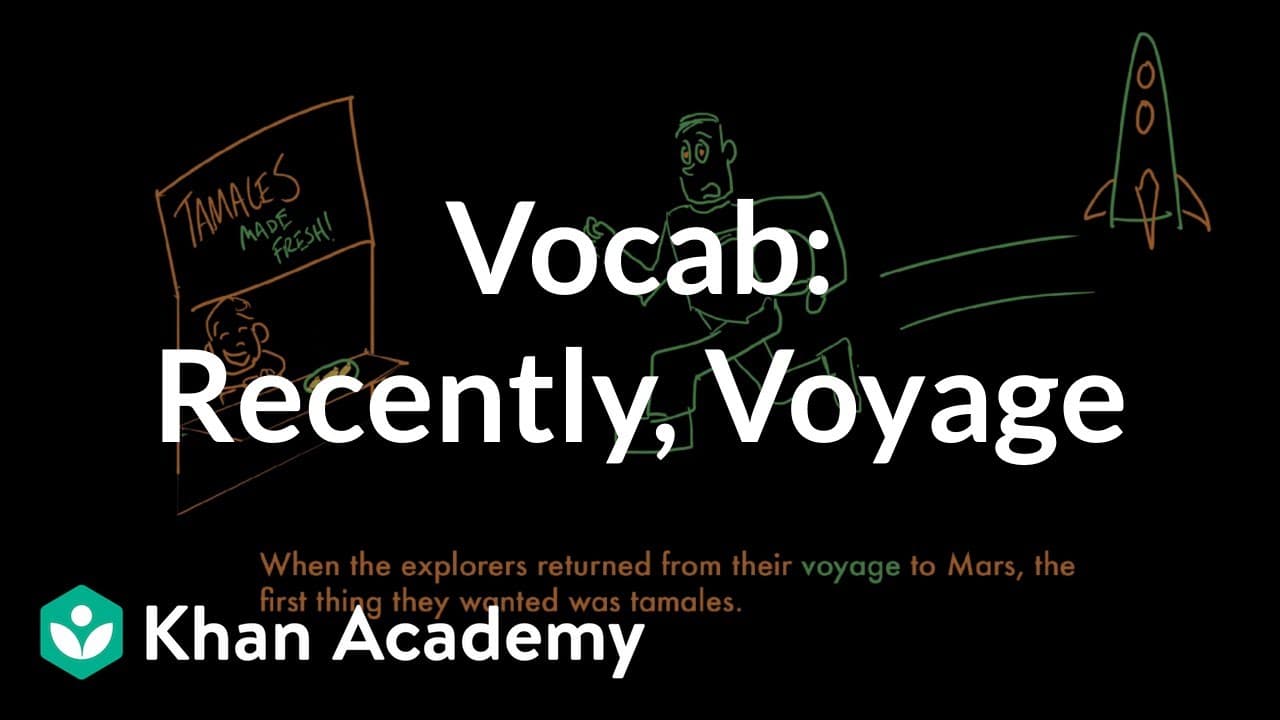
Exploring the Vocabulary Words Recently and Voyage

Exploring the Vocabulary Words Recently and Voyage

In this engaging vocabulary lesson, the narrator introduces students to two specific words: "recently" and "voyage." Through a blend of humor, storytelling, and simple illustrations, the video breaks down the definitions, parts of speech, and grammatical rules associated with each word. Specifically, it explains how the suffix "-ly" transforms adjectives into adverbs and how a single word like "voyage" can function as both a noun and a verb. The video explores key grammatical concepts in an accessible way. It defines "recently" as an adverb meaning "happening a short time ago" and demonstrates how adjectives like "happy" and "quick" become adverbs with the addition of "-ly." It then defines "voyage" as a long journey, providing examples of its use as a noun (taking a trip) and a verb (the act of traveling). The narrator uses humorous example sentences involving astronomers and astronauts craving tamales to solidify understanding. For educators, this video is a valuable tool for reinforcing parts of speech and expanding vocabulary. It can be used to introduce the concept of suffixes, specifically how word endings change grammatical function. The clear definitions and contextual examples make it an excellent resource for ELA lessons focused on grammar, reading comprehension, and creative writing, encouraging students to use new vocabulary in their own sentences.

Khan AcademyKhan Academy

2mins 29s

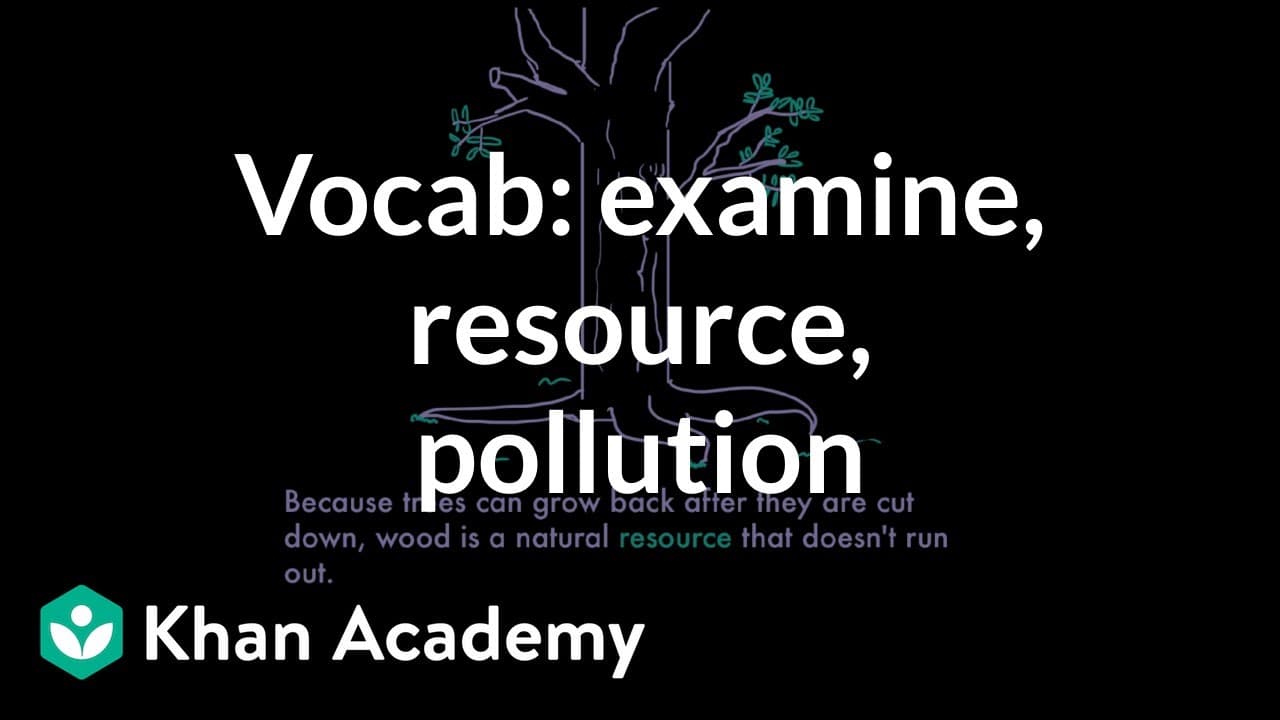
Defining and Using the Words Examine, Resource, and Pollution

Defining and Using the Words Examine, Resource, and Pollution

This educational video introduces and defines three specific vocabulary words: "examine," "resource," and "pollution." Using a "blackboard" style visual approach with colorful handwritten text and simple illustrations, the narrator breaks down each word by identifying its part of speech (verb or noun), providing a clear definition, and explaining its etymology or morphological structure (such as the suffix "-tion"). The video explores the meanings in depth before showing them in context. For example, it connects "examine" to the familiar concept of taking an "exam," expands the definition of "resource" from natural materials to school libraries, and breaks down "pollution" as the act of dirtying the environment. Each segment concludes with an illustrated sentence that demonstrates the word being used correctly in a real-world scenario. Teachers can use this video as a versatile tool for both English Language Arts and Science instruction. It serves as an excellent model for how to learn new vocabulary—by defining, connecting to known words, and using in context. Additionally, the specific words chosen bridge nicely into science units regarding scientific observation (examining), natural resources, and environmental stewardship (pollution).
Khan AcademyKhan Academy

2mins 59s

Learning to Spell and Use the Sight Word 'Buy'

Learning to Spell and Use the Sight Word 'Buy'

This high-energy music video is designed to teach early learners the sight word "buy." Through a catchy, repetitive song, students are guided to recognize the word by sight, spell it aloud letter-by-letter, and understand its meaning through context sentences. The video utilizes simple, high-contrast visuals with white text against a purple background to focus student attention specifically on the target vocabulary. The content covers three main literacy skills: word recognition, spelling (B-U-Y), and usage in sentences. The song introduces the conditional phrase structure "If I had some money, I would buy..." followed by rhyming or humorous animal examples like a puppy, pony, monkey, and donkey. This helps students associate the word "buy" with the concept of purchasing items using money. For educators, this video serves as an engaging hook or review tool for literacy lessons. It transforms rote memorization into a kinetic and auditory experience, making it particularly effective for auditory learners and students who benefit from musical mnemonics. The predictable pattern of the song allows for immediate student participation, while the sentence frames provide excellent models for writing activities.

Have Fun TeachingHave Fun Teaching

2mins 17s

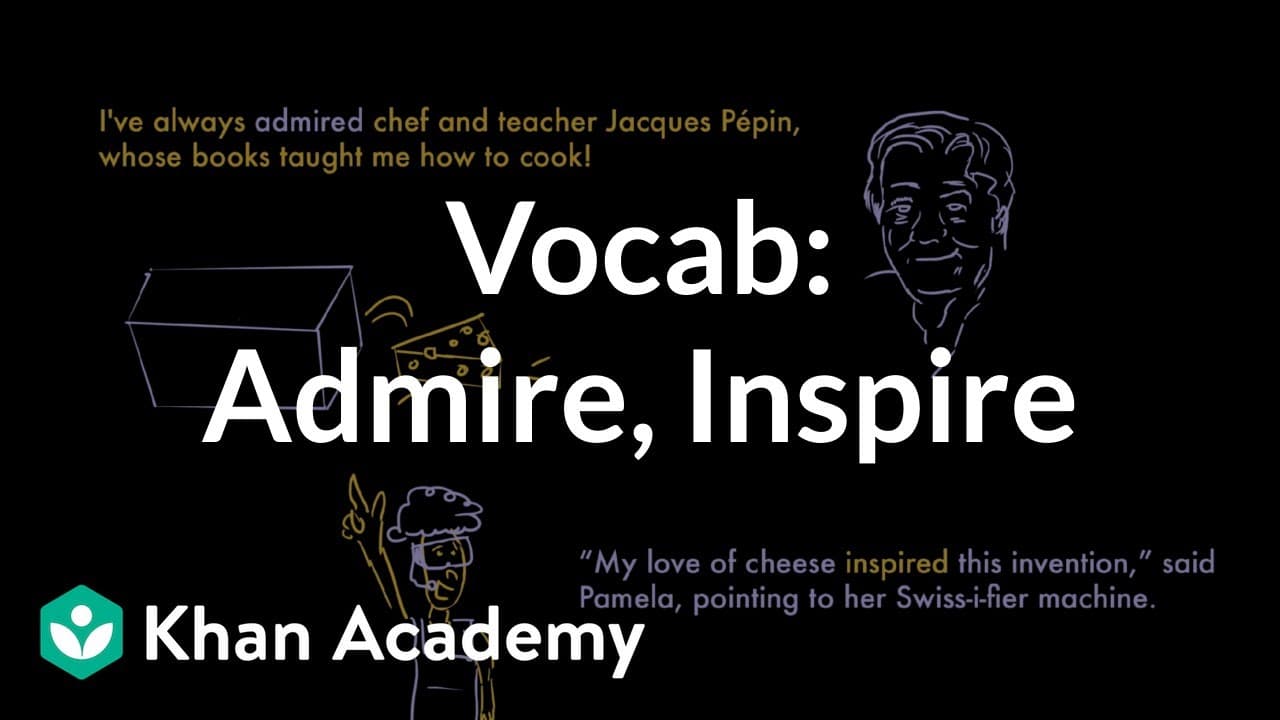
Defining and Understanding Admire and Inspire

Defining and Understanding Admire and Inspire

This educational video provides a clear and engaging breakdown of two related vocabulary words: "admire" and "inspire." Using a digital blackboard format, the narrator defines both verbs, explores their etymological roots (including prefixes and Latin origins), and illustrates their meanings through distinct examples. The lesson moves from definitions to word analysis, explaining how "admire" relates to looking and respecting, while "inspire" relates to breathing life and motivation into someone. Key themes include vocabulary acquisition, etymology (word roots), and the concepts of respect and motivation. The video specifically highlights the Latin roots "mirar" (to look) and "spire" (breath), helping students understand how the history of a word informs its current meaning. It also touches on role models through the example of Chef Jacques Pépin and creative invention through a humorous example about Swiss cheese. For educators, this video is an excellent tool for introducing Tier 2 vocabulary and the concept of morphology (prefixes and roots). It bridges simple definitions with deeper linguistic understanding, making it suitable for word study lessons. The video supports social-emotional learning by encouraging students to identify who they admire and what inspires them, while the specific examples provide a template for students to use these words correctly in their own writing and speech.

Khan AcademyKhan Academy

2mins 35s

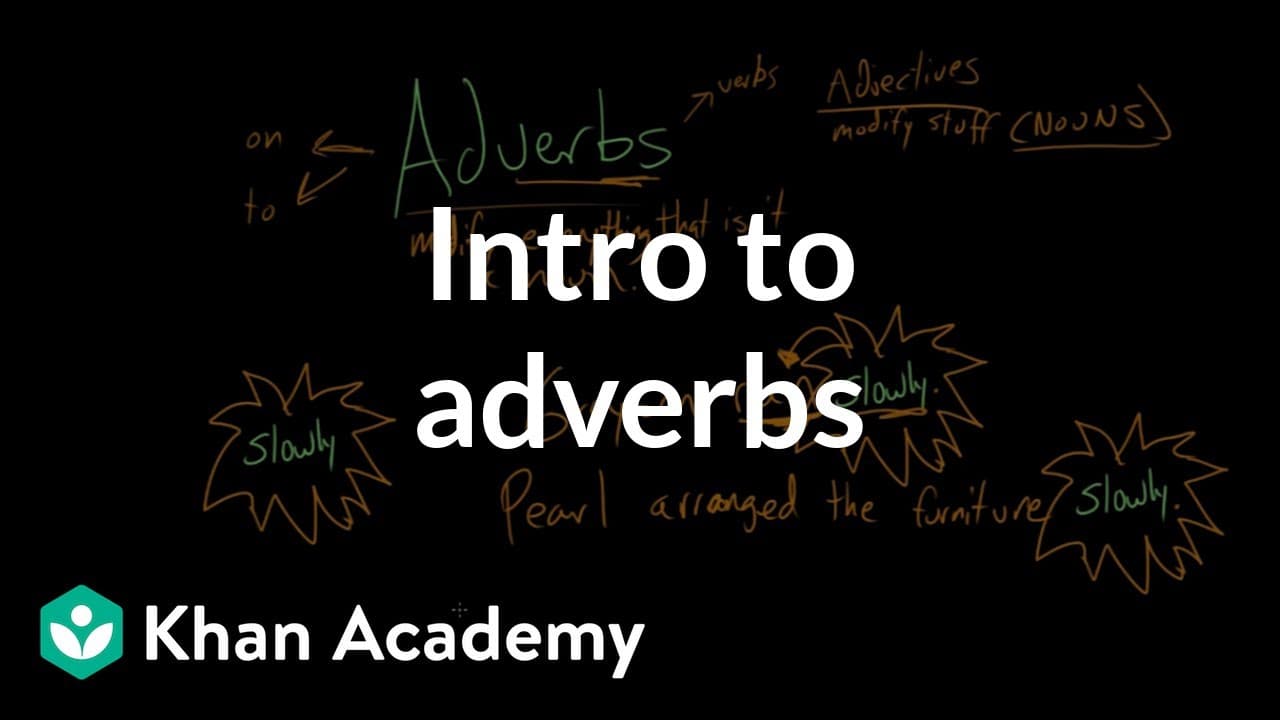
What Adverbs Are and How to Use Them

What Adverbs Are and How to Use Them

This engaging grammar tutorial introduces students to the concept of adverbs by contrasting them with adjectives. The narrator clarifies that while adjectives modify nouns, adverbs modify "everything else"—specifically verbs and adjectives. Using a helpful visual analogy, the video treats adverbs like "stickers" that can be applied to action words to describe how an action is performed, such as running "slowly." The video explores two main functions of adverbs: modifying verbs (action words) and modifying adjectives (descriptive words). Through clear handwritten examples, the narrator demonstrates how adverbs like "very" or "slightly" change the intensity of an adjective like "hungry." The lesson concludes by explaining the common structural rule that many adverbs are formed by simply adding "-ly" to an existing adjective, providing examples like converting "nice" to "nicely" and "cheerful" to "cheerfully." For educators, this video serves as an excellent foundational lesson on parts of speech. The "sticker" analogy provides a concrete visual metaphor that helps abstract grammatical concepts stick for younger learners. Teachers can use this resource to introduce sentence expansion, precise writing skills, and the mechanics of word formation. It effectively simplifies the definition of adverbs without oversimplifying the usage, making it a versatile tool for elementary language arts instruction.

Khan AcademyKhan Academy

4mins 10s

Materials

Sensory Sentences Worksheet

Sensory Sentences Worksheet

A vibrant, print-ready two-page worksheet designed to help students master sensory and descriptive vocabulary. Features 10 color-coded nouns, action verbs, and vivid adjectives with expanded handwriting lines and a combo challenge.

C

carlsond

Noun Verb Showdown Worksheet

Noun Verb Showdown Worksheet

A print-ready, high-contrast grayscale first-grade student worksheet for sorting 10 simple nouns and verbs (including CVC words 'dog' and 'den', and active verb 'kick'). Features a classic, clean black-and-white layout with check-off boxes, primary handwriting lines, and custom visual icons including a running person for verbs.

JB

Julia Butz

River Land Worksheet Final

River Land Worksheet Final

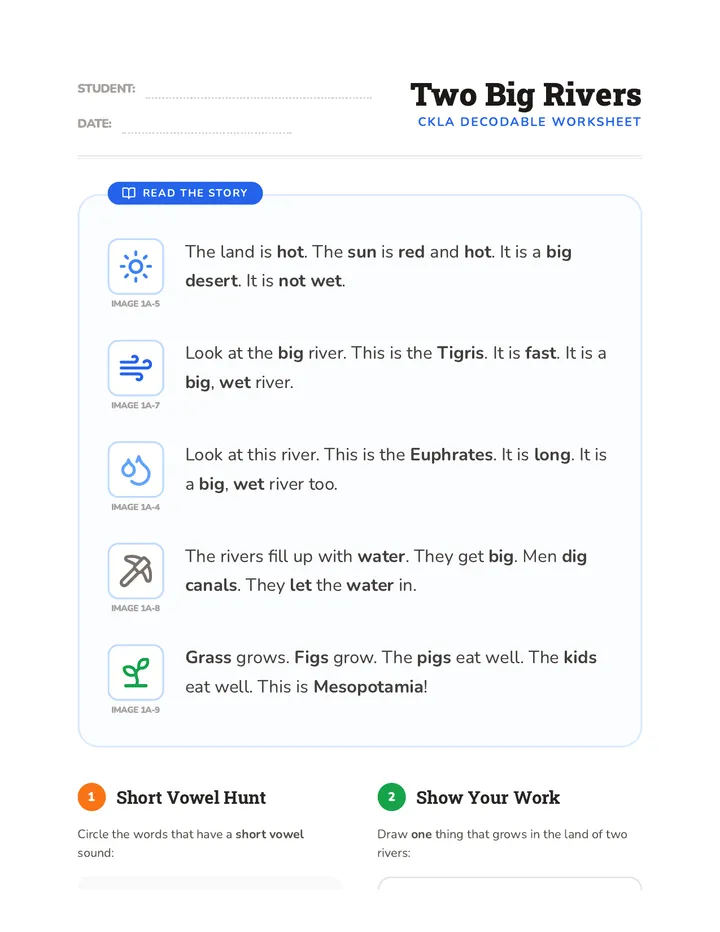
A decodable reading worksheet for first-grade students, focusing on short vowels and CVC words to explain the importance of the Tigris and Euphrates rivers. Includes a reading passage with CKLA image references, a word hunt activity, and a drawing space for student reflection.

S

sieva

Portal Patrol Worksheet

Portal Patrol Worksheet

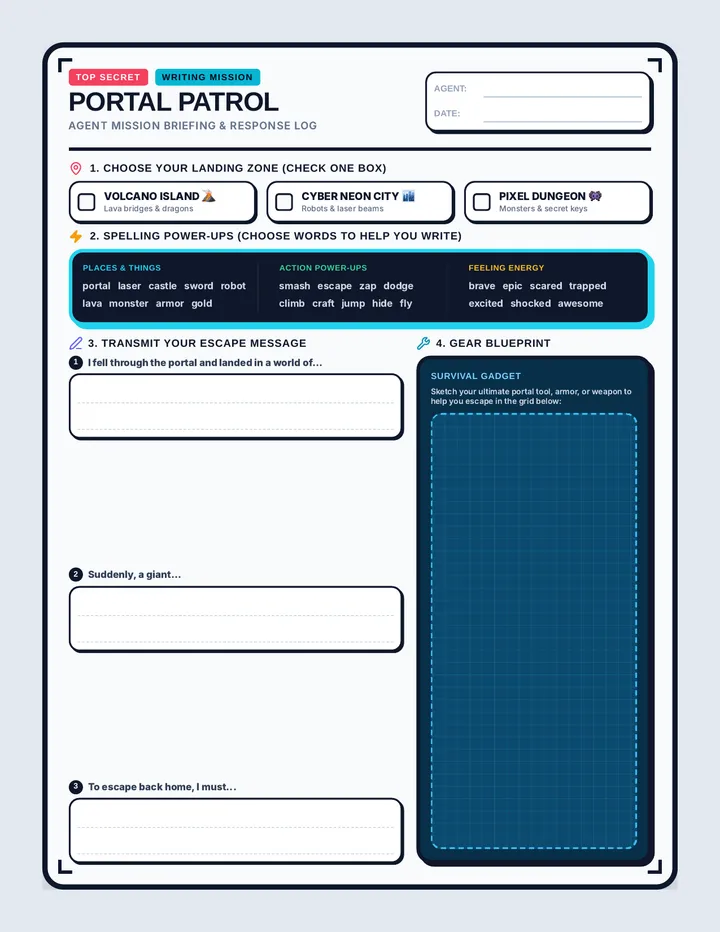
This creates the Portal Patrol Worksheet, a high-engagement, single-page writing prompt designed for 3rd and 5th-grade boys who struggle with writing and spelling. It features a retro-gaming adventure theme, low-barrier visual selectors, a dark-terminal spelling word bank, scaffolded sentence writing lines, and a blueprint sketching canvas.

SA

Stephanie Allen

Summer Fun Worksheet

Summer Fun Worksheet

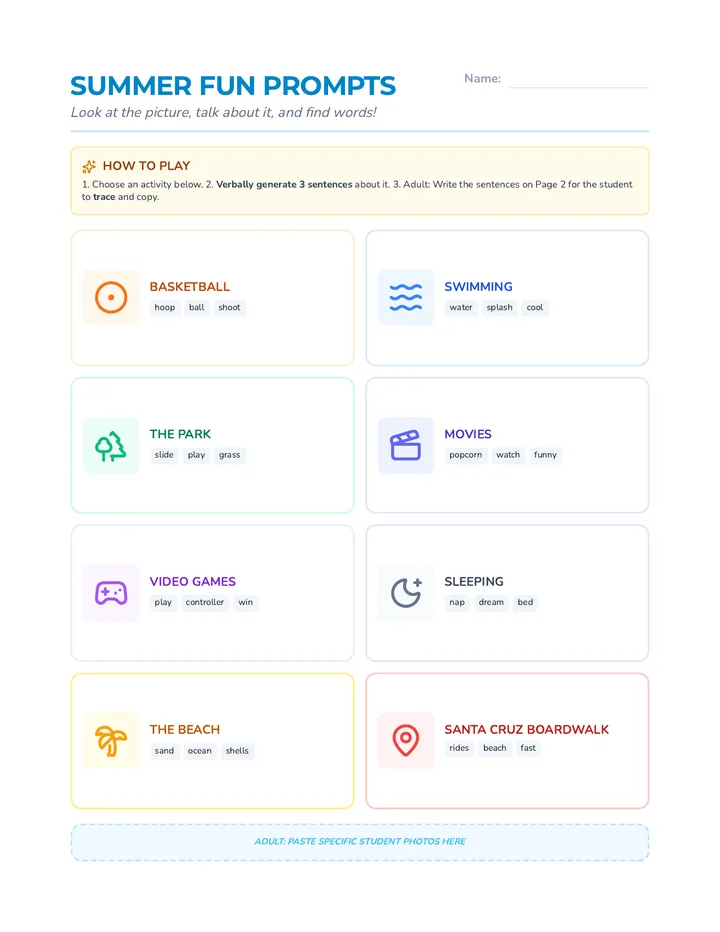
A 2-page summer-themed writing worksheet designed for students to verbally generate sentences about activities like basketball, swimming, and more. It includes activity-specific word banks, adult prompts, and 10 large primary-ruled lines for dictated sentence tracing and independent writing.

CN

Coleman Newell

Action Motion Flashcards

Action Motion Flashcards

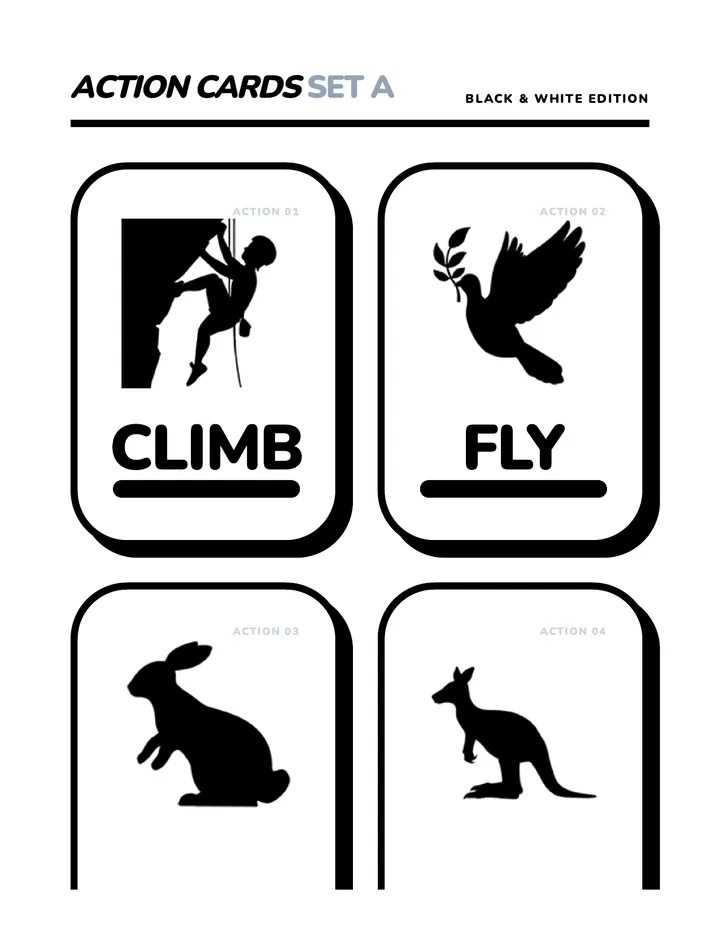
A set of 8 high-contrast action verb flashcards (climb, fly, hop, jump, run, swim, swing, walk) using grayscale emojis for a clear, "picture-like" black and white appearance.

T

tgivens

Sequences

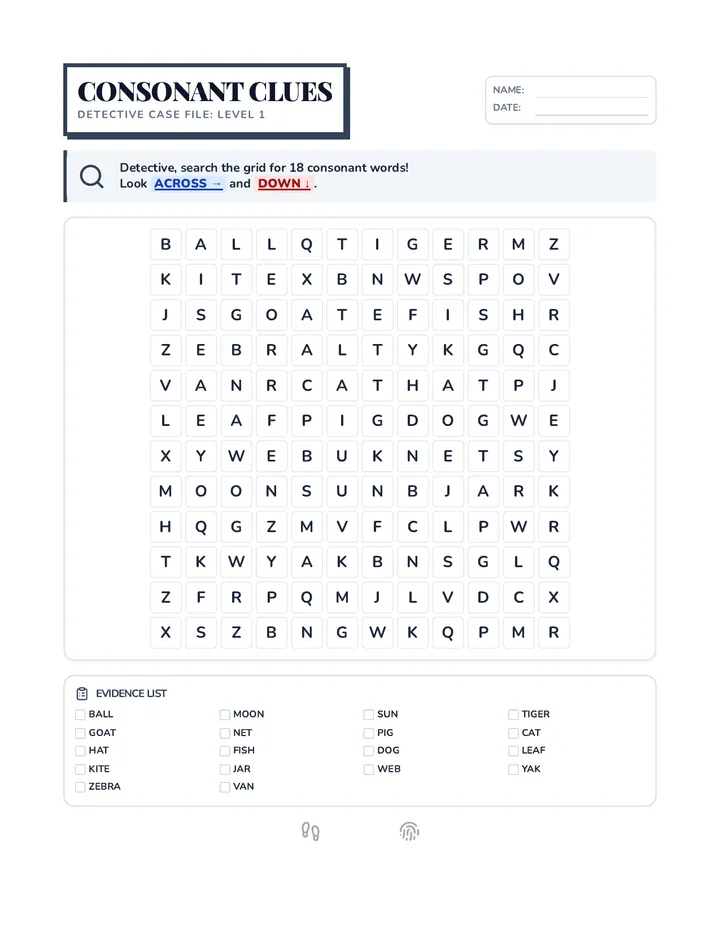
Consonant Clues Word Search

Sound Detective Workbook

A complete phonics journey covering letter-name alphabetic spelling stages, featuring randomized word sort practice through interactive sentence completion.

N

nmack

57
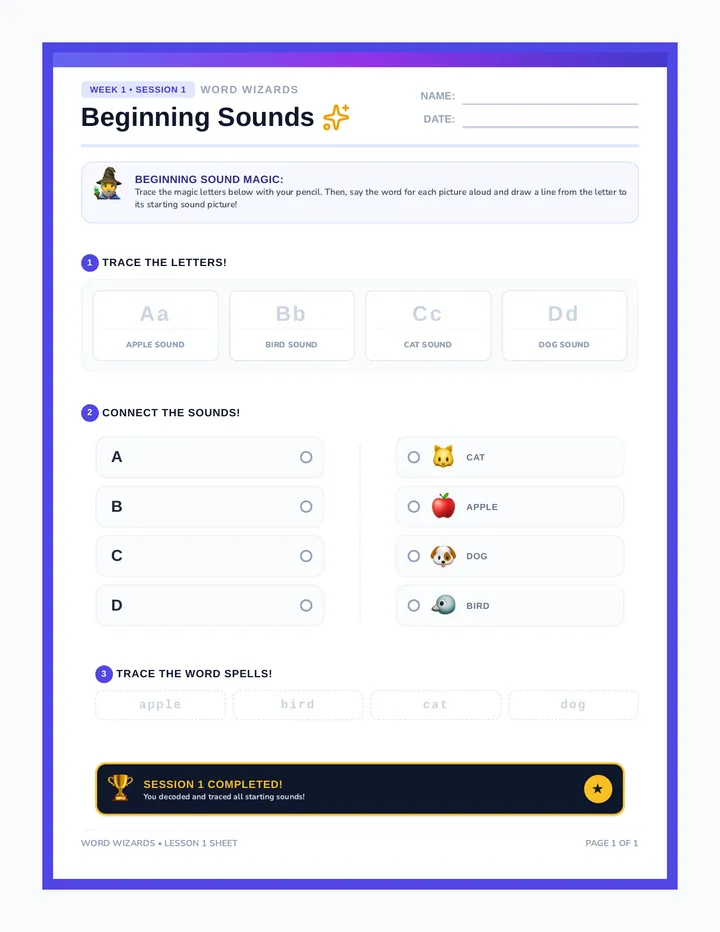
Beginning Sounds Worksheet

Word Wizards

An engaging, high-impact 4-week literacy skills program for young learners. Features highly visual, fun printable worksheets focusing on beginning letter sounds, CVC phonics blending, sight word reading, and short stories.

Z

ziad

18
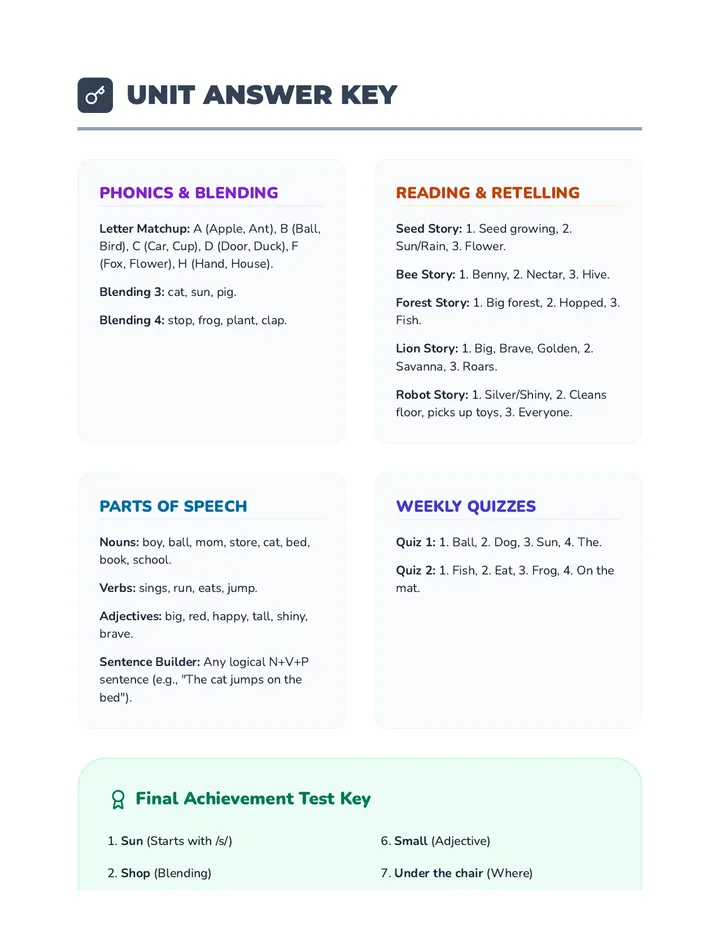
Story Sound Sentences Answer Key

Story Sound Sentences

A 12-session, 3-week literacy program for 1st-grade bilingual students with intellectual disabilities, focusing on phonics, retelling, comprehension, and sentence structure.

K

kurtzm

18
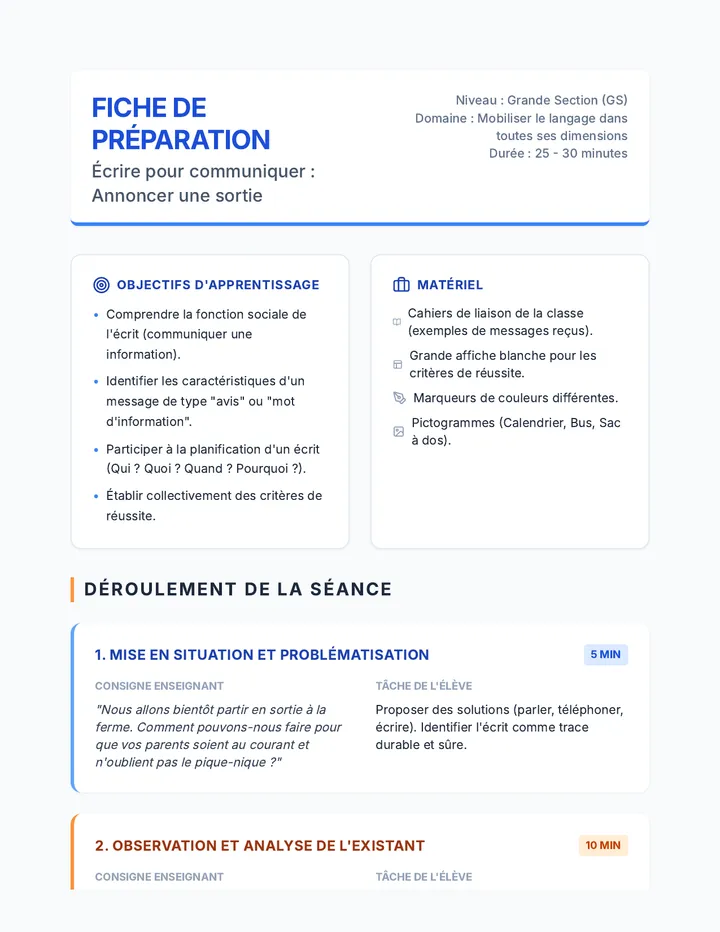
Mission Message Guide Enseignant

Expertise Formation Premier Degré

Une série de modules de formation destinés aux conseillers pédagogiques pour renforcer leur expertise en ingénierie de formation continue, spécifiquement appliquée à l'enseignement du français à l'école primaire.

VD

Val Désirée

27
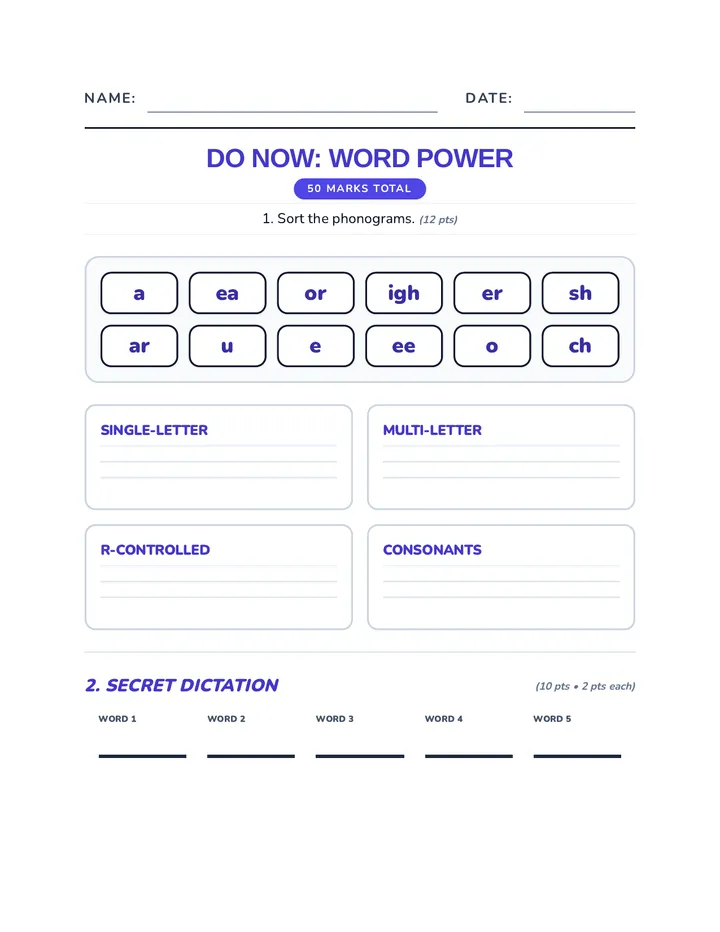
Word Power Worksheet

Summer Power Review

A comprehensive Grade 2 literacy review packet designed for summer practice. It includes anchor charts for spelling rules, vowel types, grammar, and morphology, followed by a detailed review worksheet.

MP

Ms. Patel

23
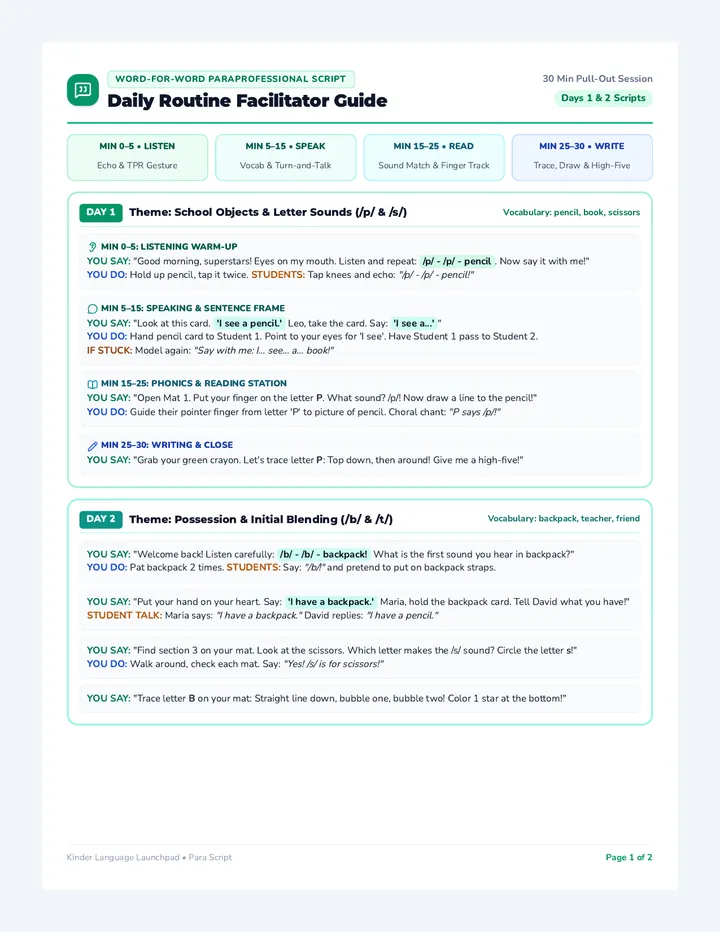
Daily Routine Facilitator Guide

Kinder Language Adventures

A multi-week 4-day structured ESL intervention program for kindergarten English learners developing listening, speaking, reading, and writing through thematic daily routines.

V

vannoyb

17

Lessons

Lucky Legends Slides

Lucky Legends Writing

A whimsical St. Patrick's Day narrative writing lesson for third graders where students brainstorm, draft, and publish their own 'Lucky Legend' about finding a leprechaun, complete with a festive paper craft.

EG

Elva Garcia

10
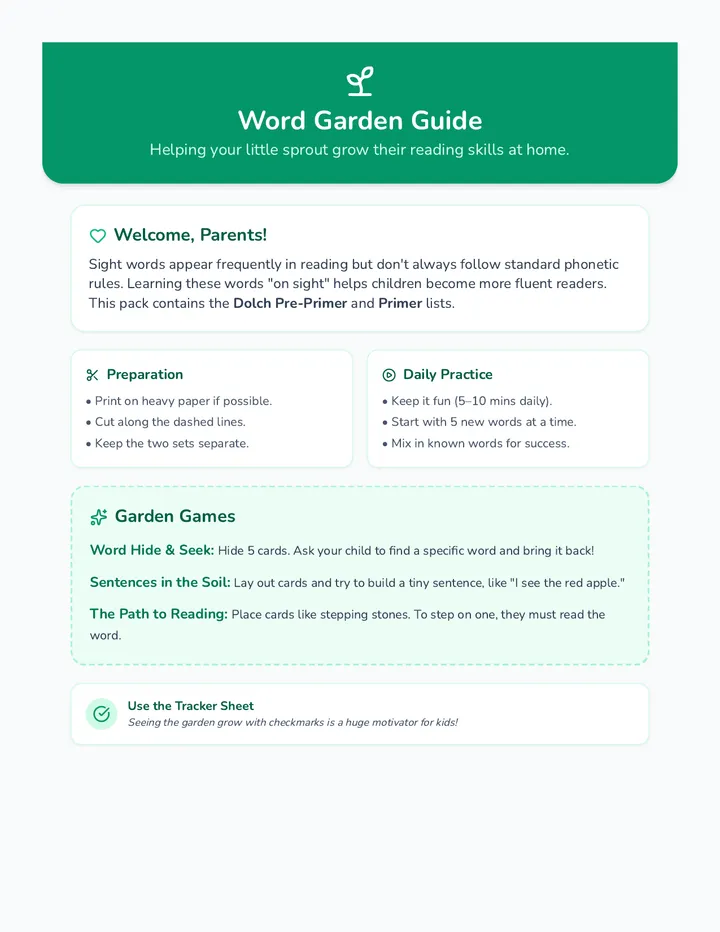
Word Garden Guide Sheet

Word Garden Sight Words

A comprehensive collection of Dolch sight word resources for Pre-Primer through 3rd Grade. Includes structured flashcards with sentences and visuals, progress trackers, and a parent guide.

AM

Angelica Martinez

8
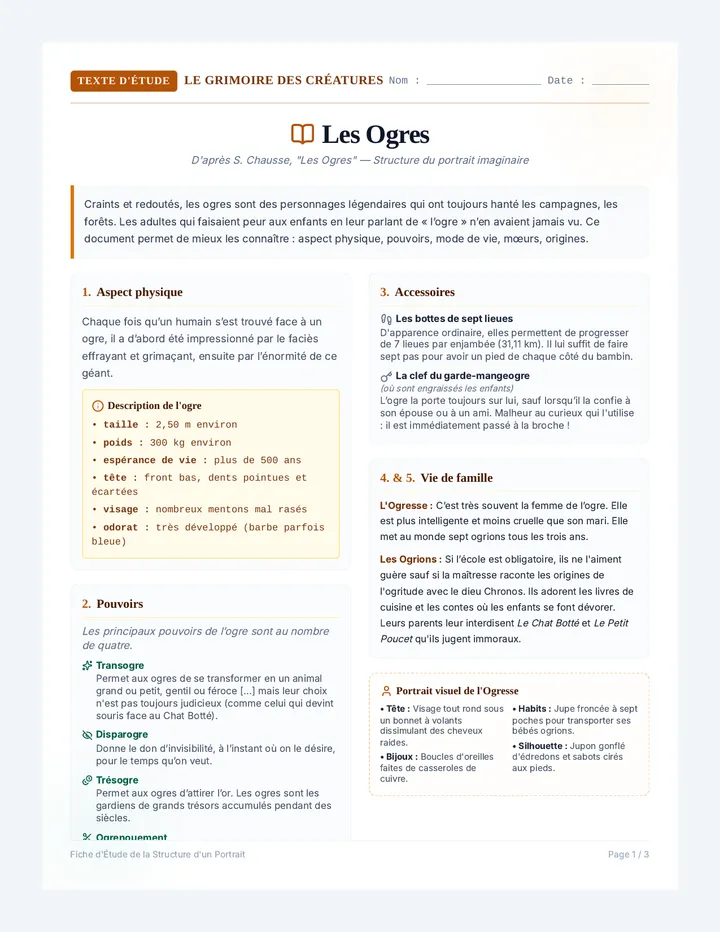
Portrait de l Ogre Fiche de Lecture et d Analyse

Portrait de Monstre

Une leçon complète pour étudier la structure du portrait d'un personnage imaginaire (l'ogre) à travers l'analyse d'un texte littéraire et documentaire. Elle comprend des fiches de lecture, d'analyse de structure et de vocabulaire pour guider les élèves vers la rédaction autonome de leur propre créature légendaire.

LP

LAURENT PERCHE

11
Sub Squad Teacher Guide

Sub Squad Review Plan

A comprehensive 2nd-grade substitute teaching kit featuring five 30-minute review lessons in Phonics, Math, Reading, Social Studies, and Writing. Includes explicit accommodations and sentence stems for 3 IEP and 4 ELL students alongside print-and-go student practice pages.

M

mmoiseeva

19
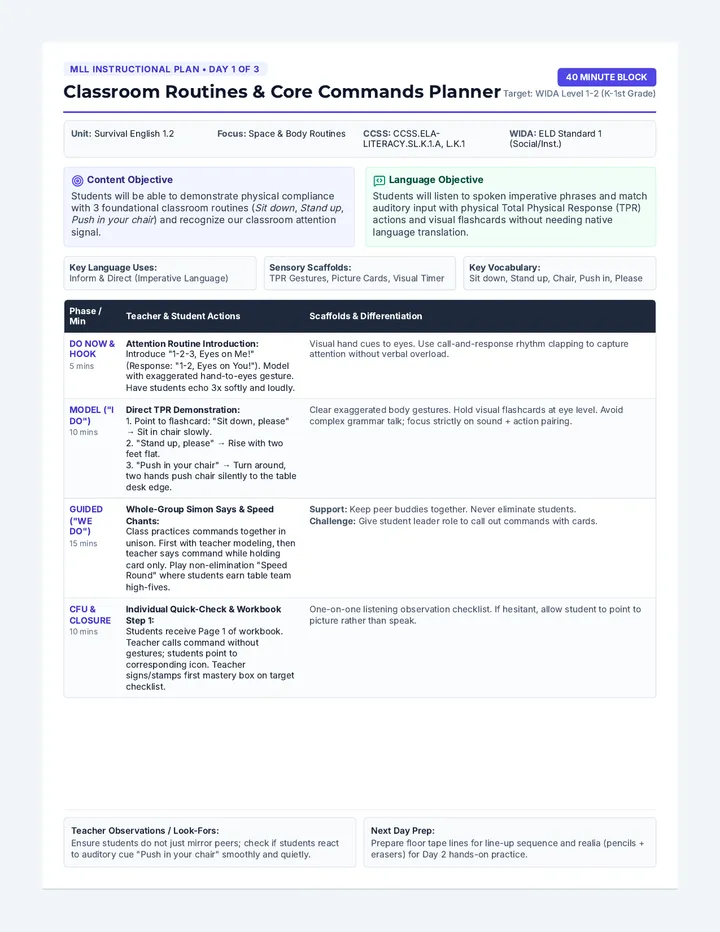
Classroom Routines Lesson Planner

Classroom Commands and Routines

A comprehensive 3-day ESL unit for Kindergarten and 1st grade multilingual beginners (WIDA Level 1-2) focused on classroom routines, daily expectations, and core classroom commands using Total Physical Response (TPR) and visual scaffolds.

M

Michalah.Truempy

4
Daily Spark Day One Worksheet

Daily Spark Homework

A collection of 7 daily double-sided homework sheets designed for the second week of first grade. Integrates short vowels, simple writing lines, basic grammar, and addition/subtraction within 10.

JG

Josselyn Garcia

7