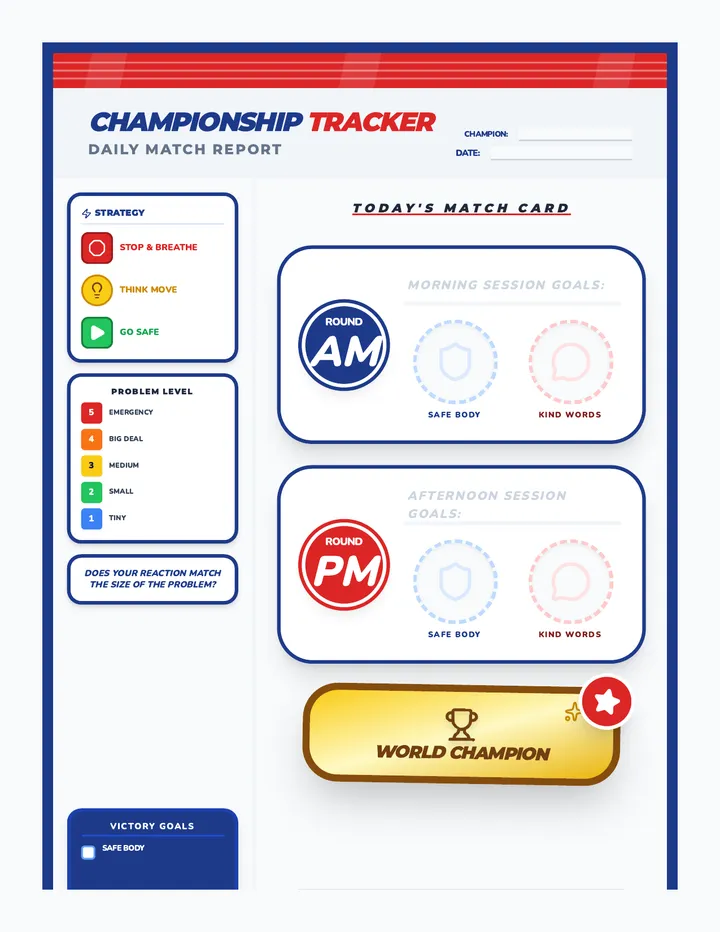
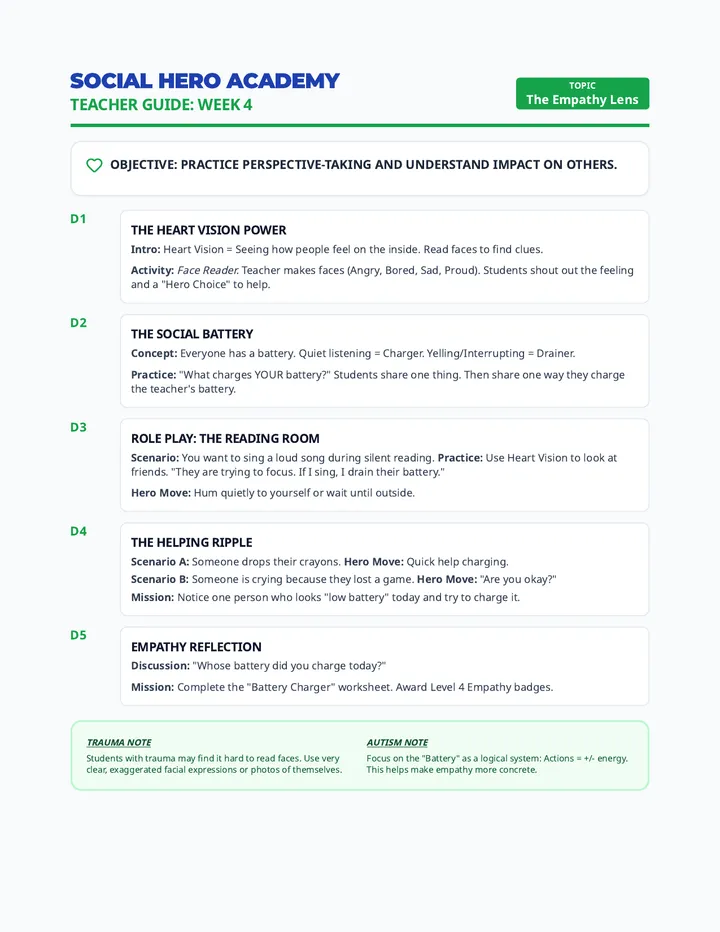
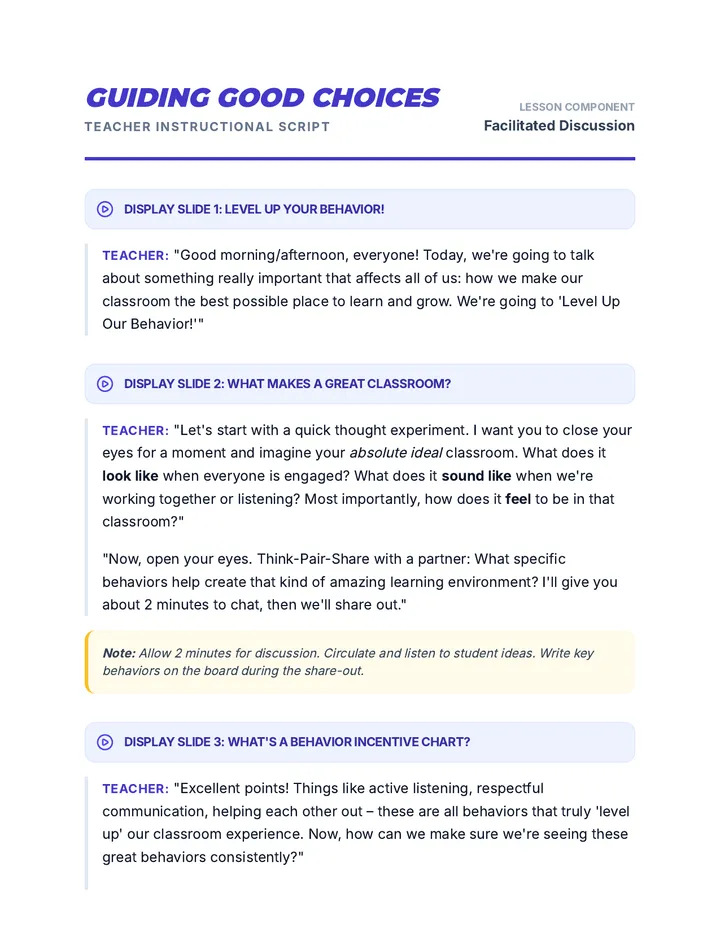
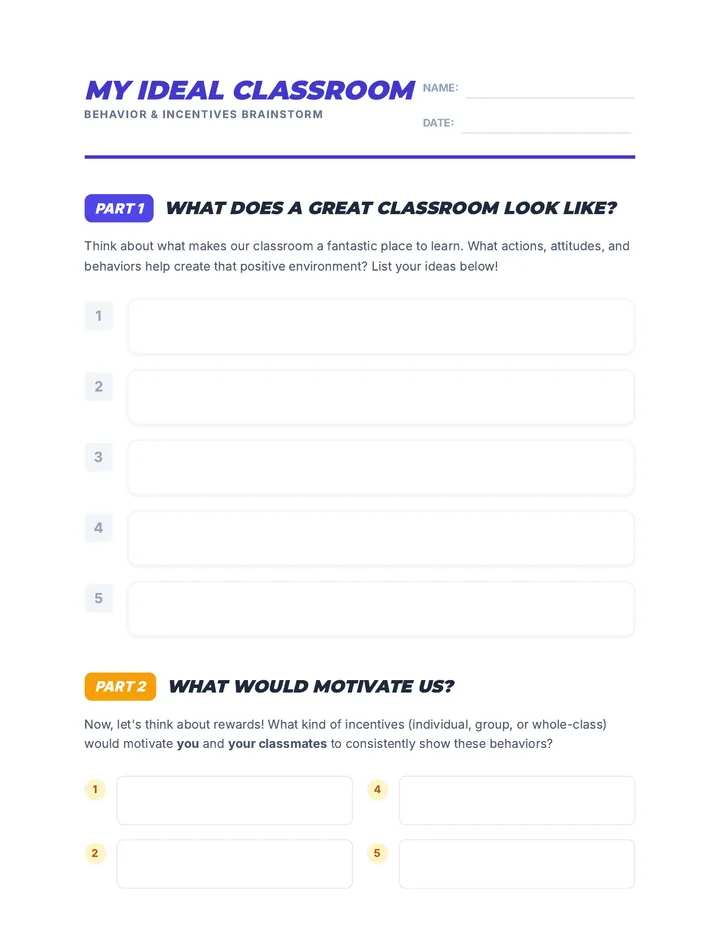
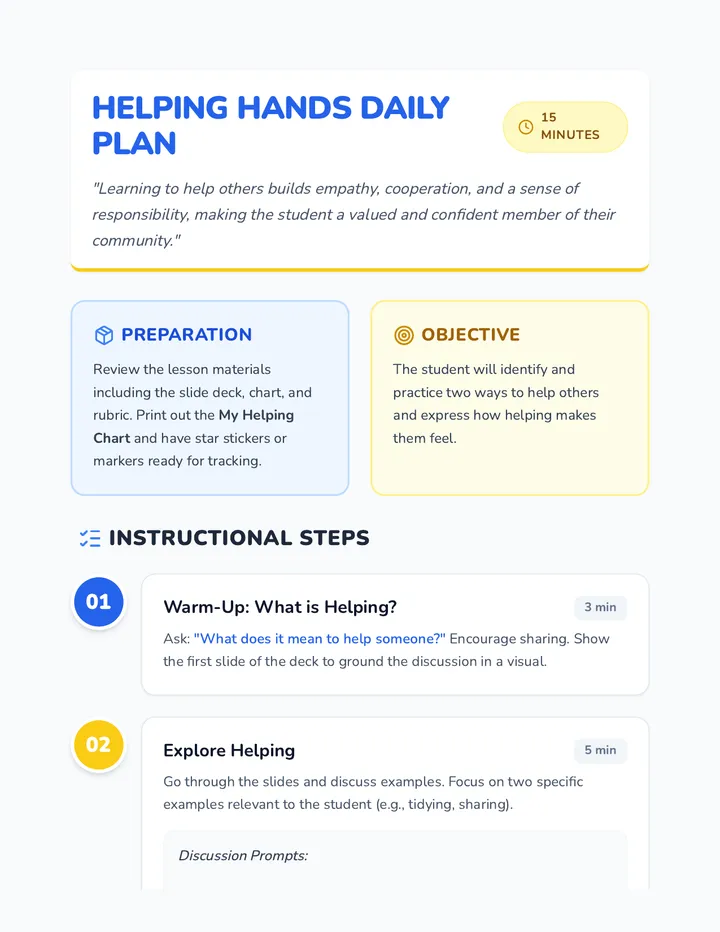
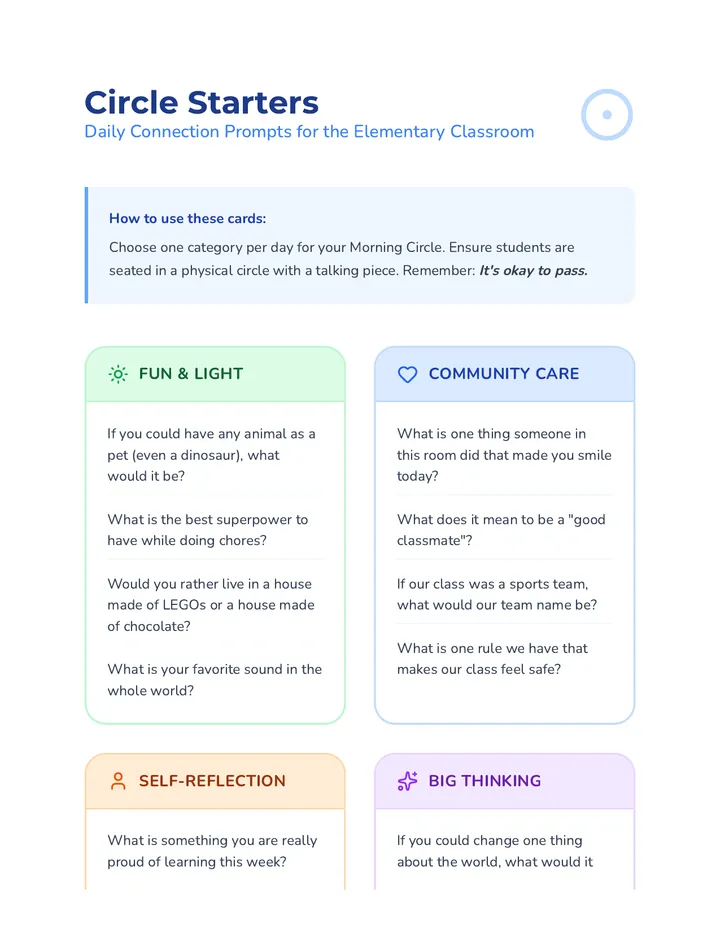
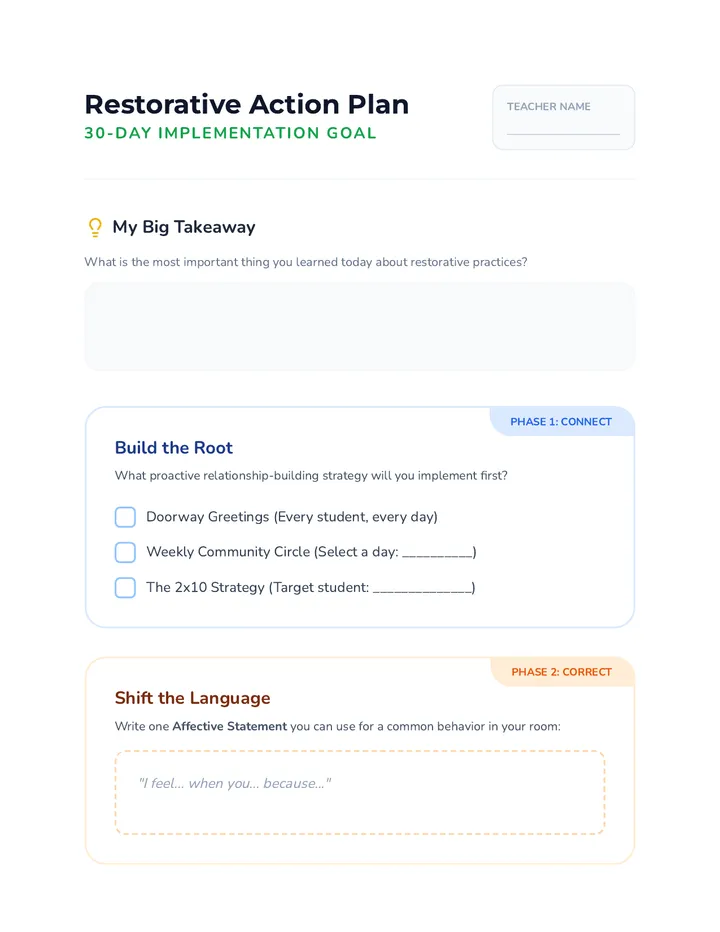
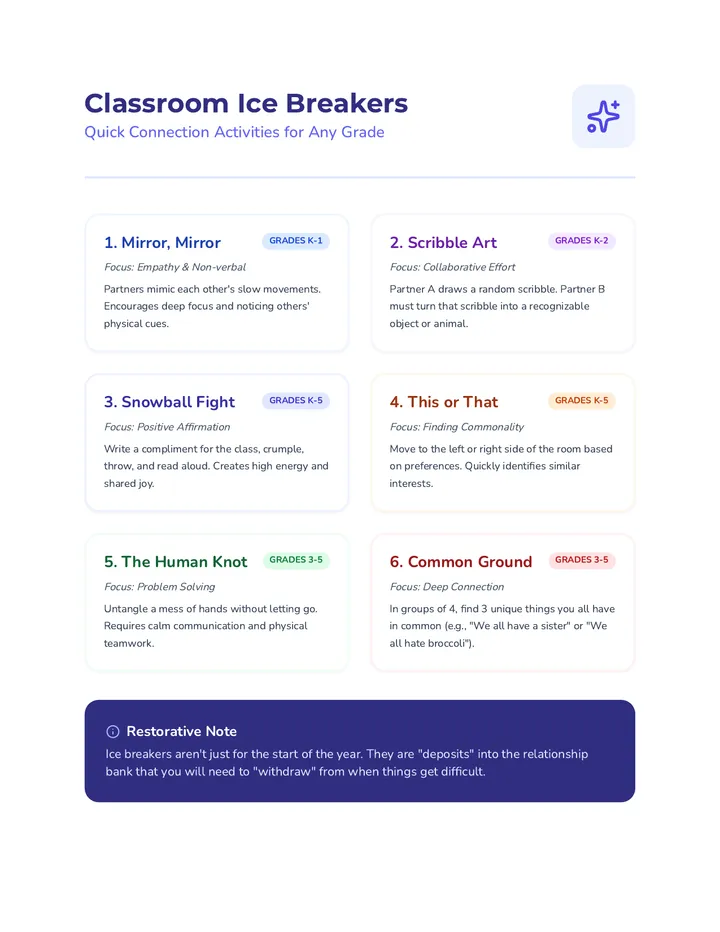
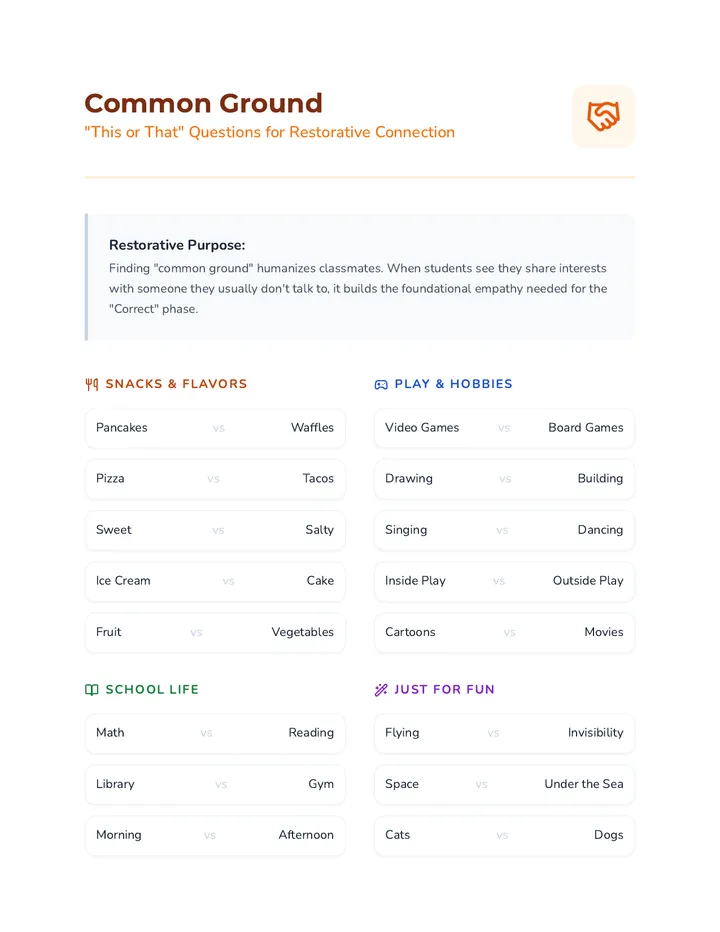
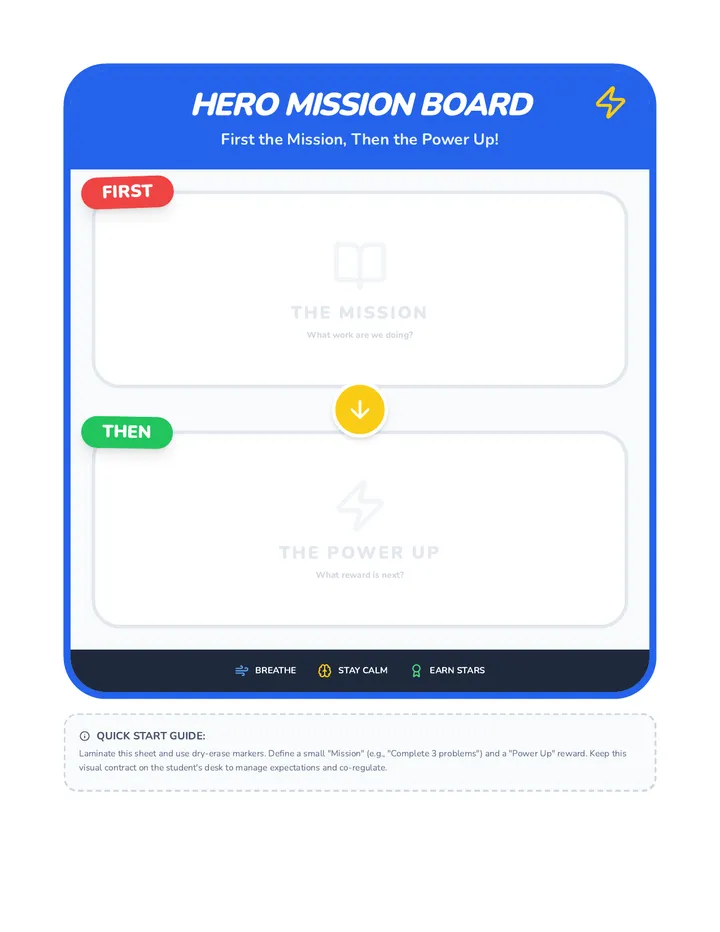
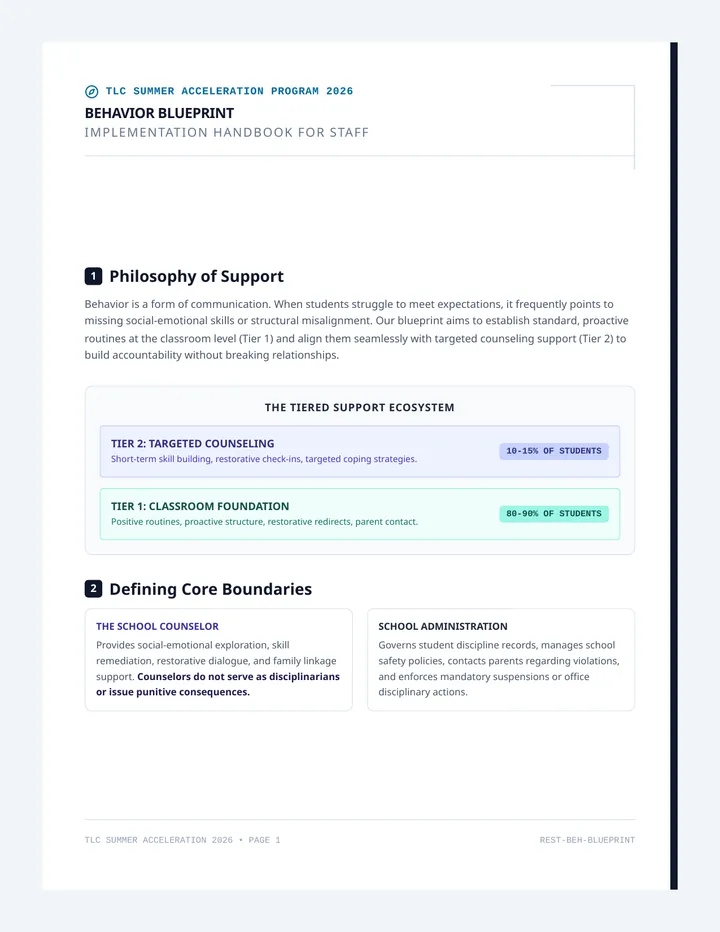
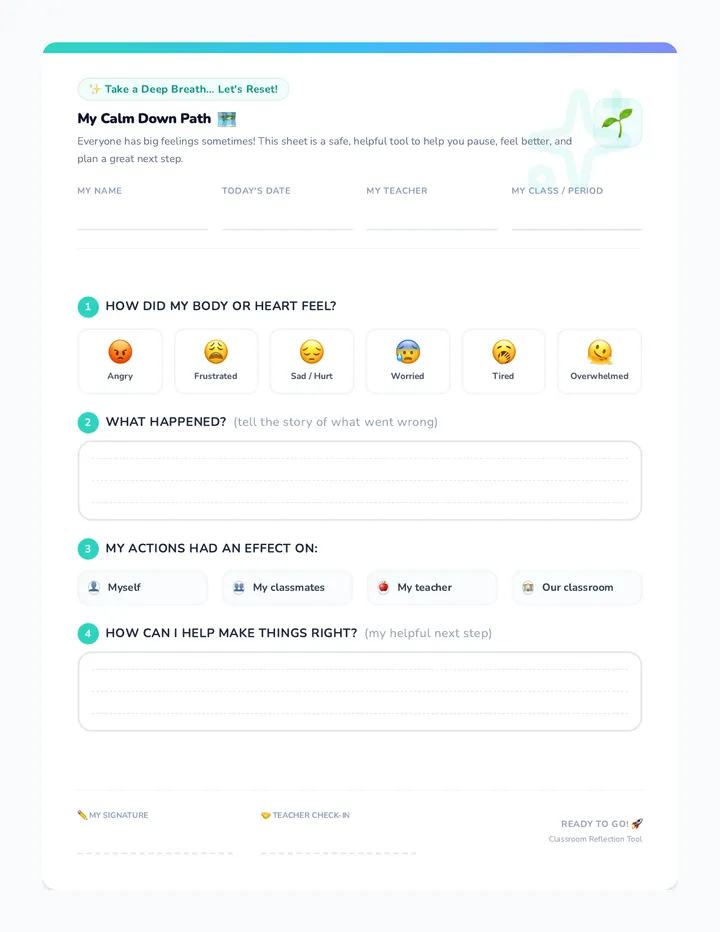
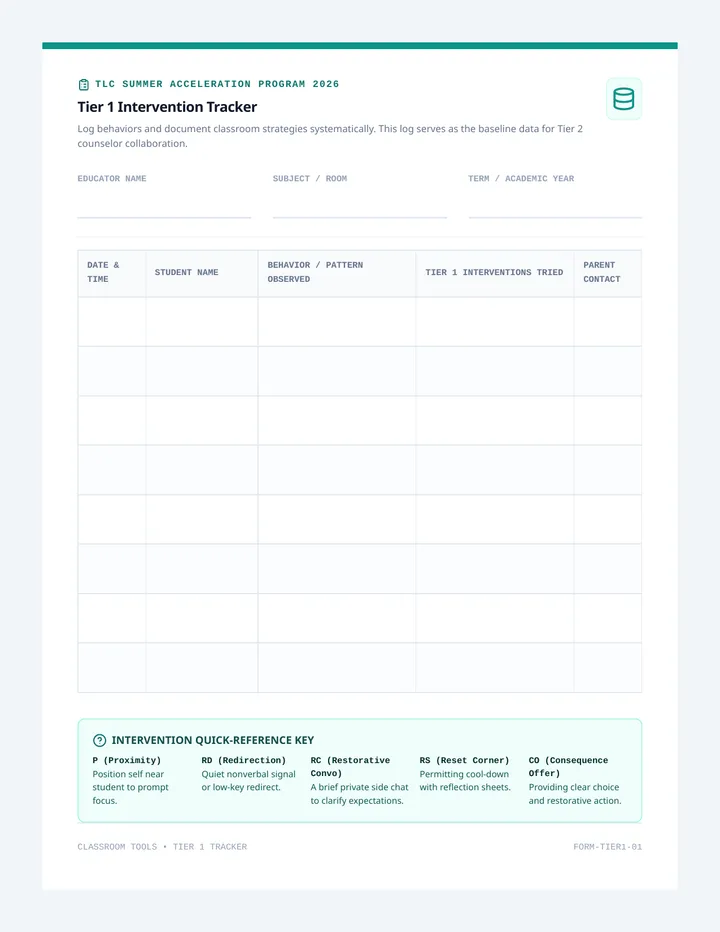
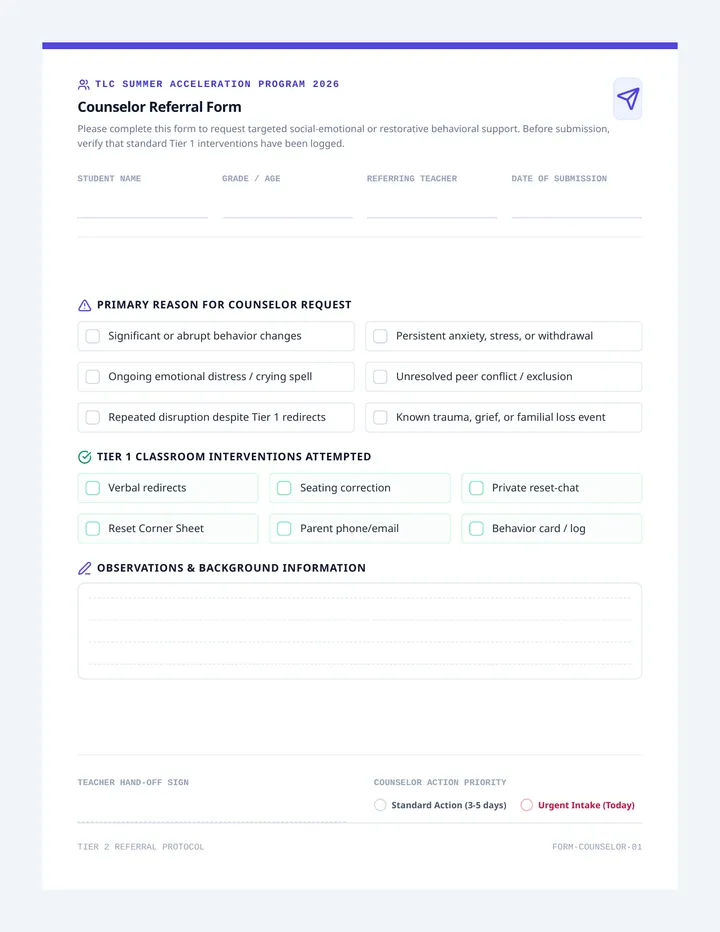
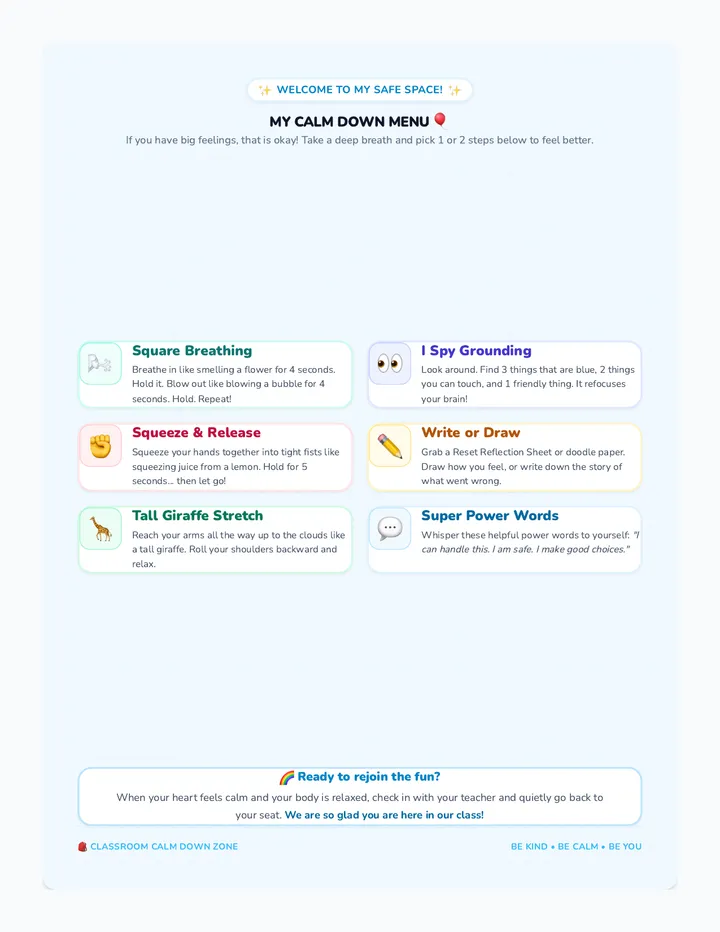
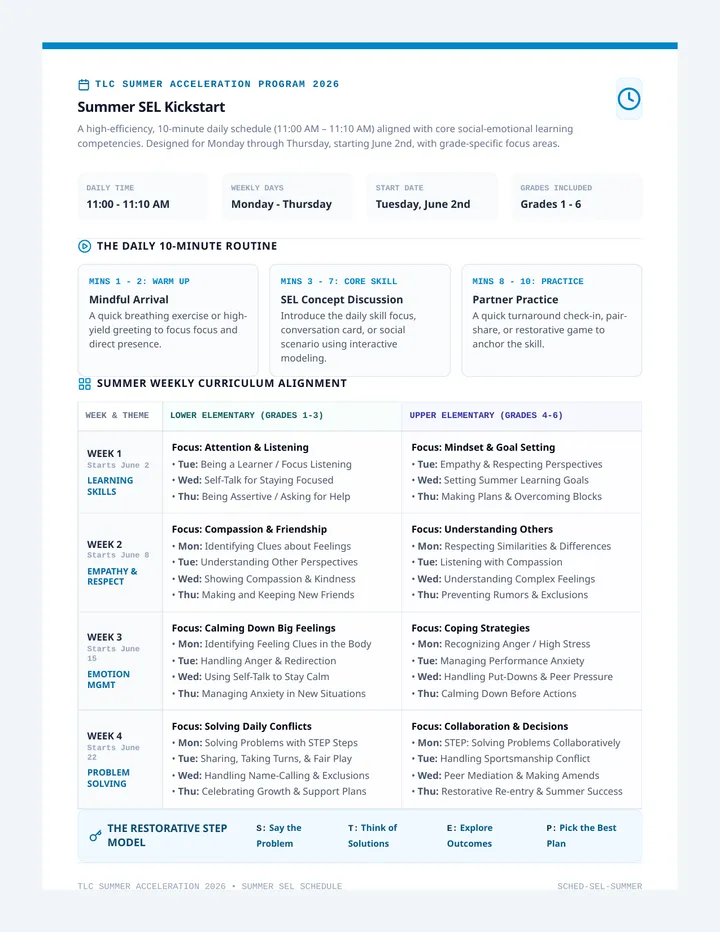
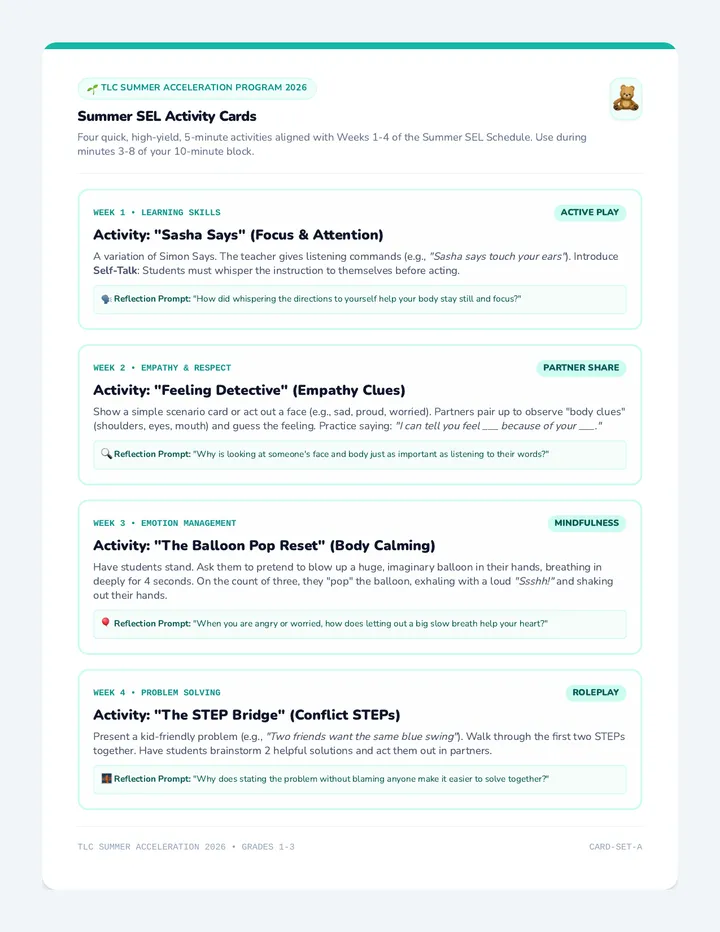
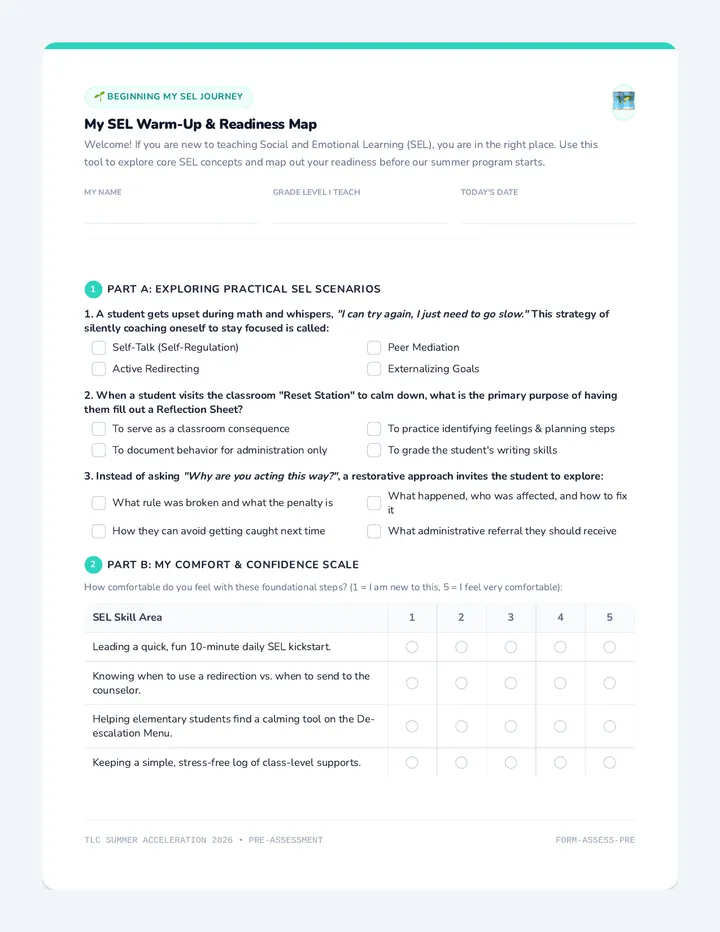
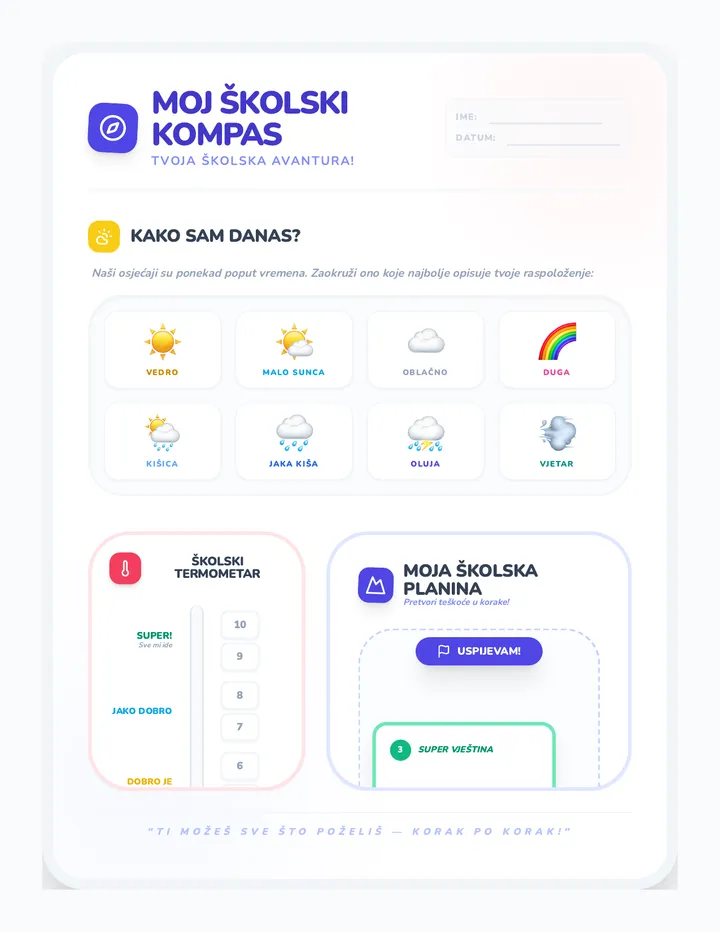
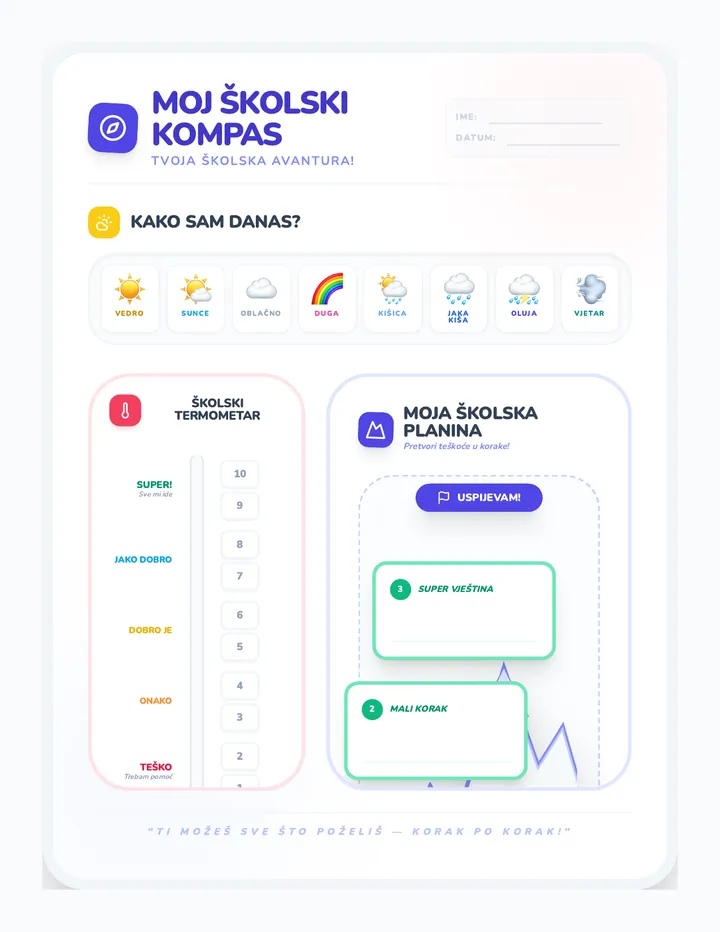
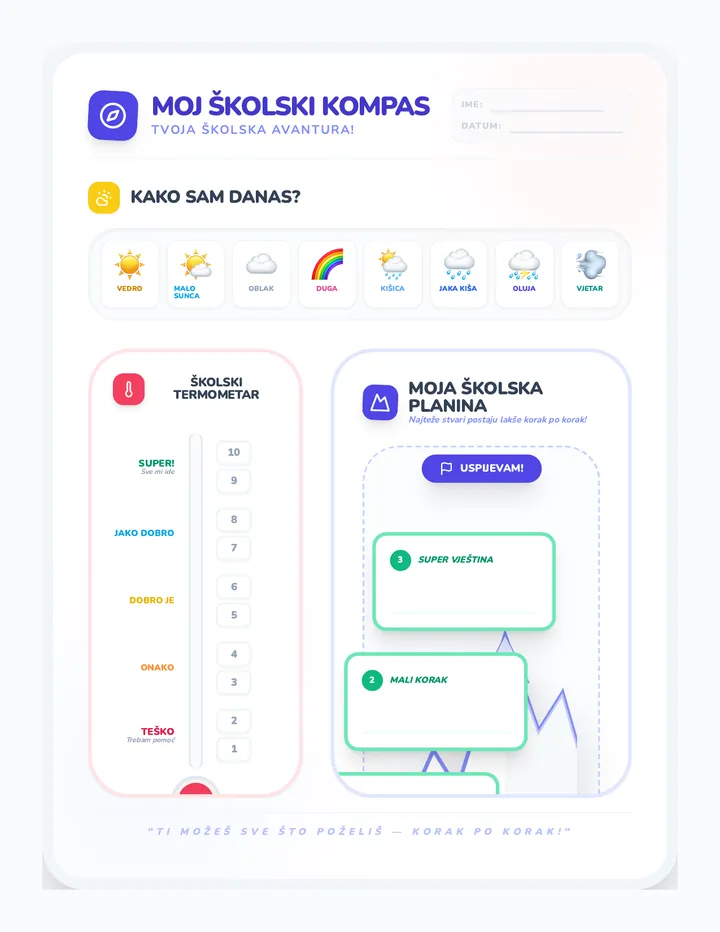
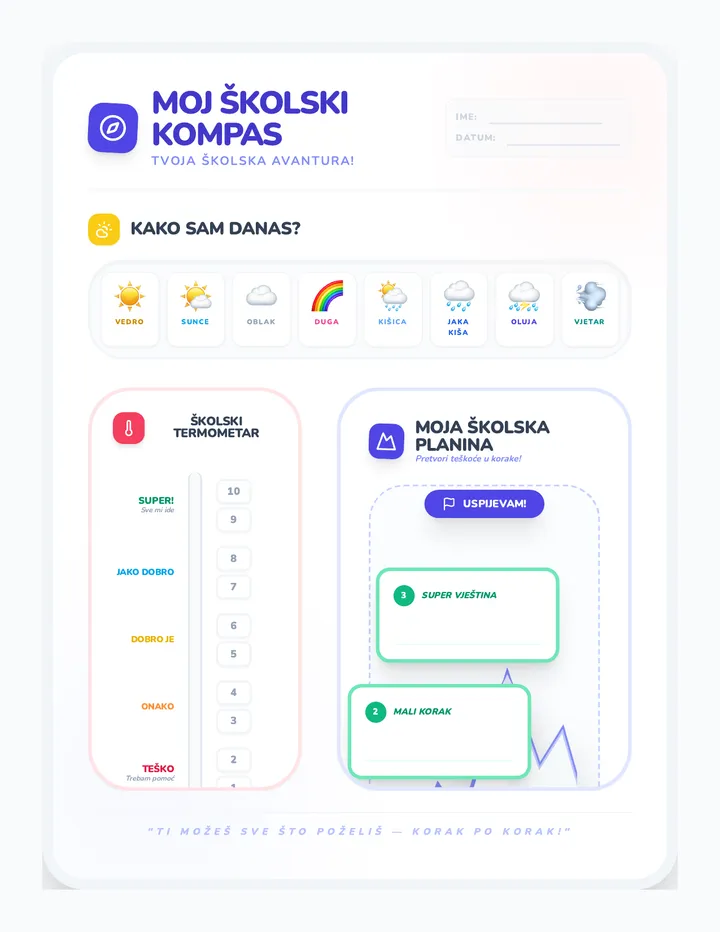
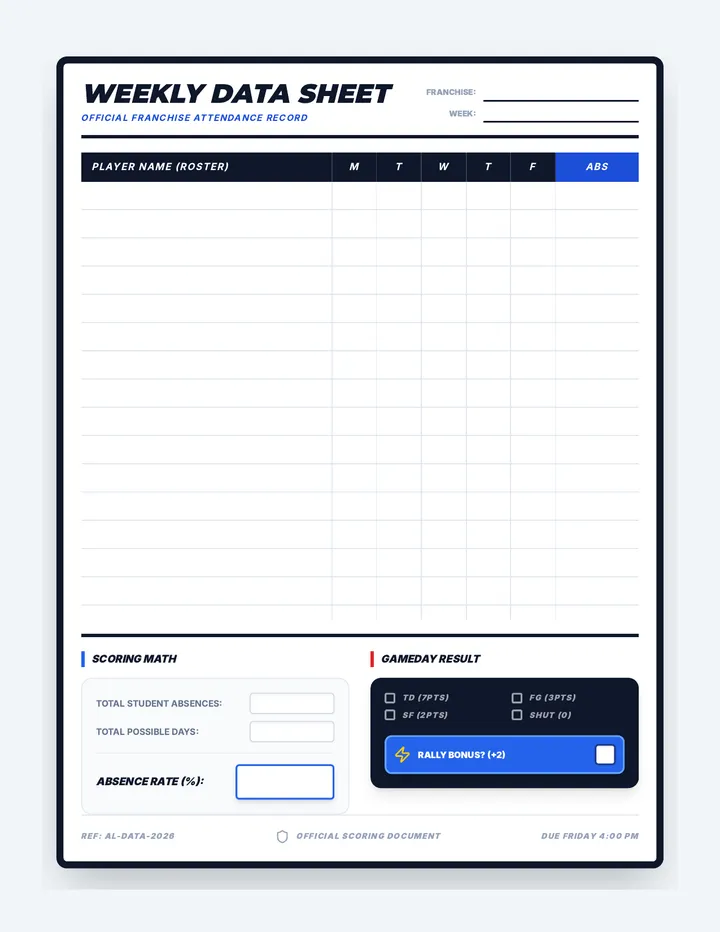
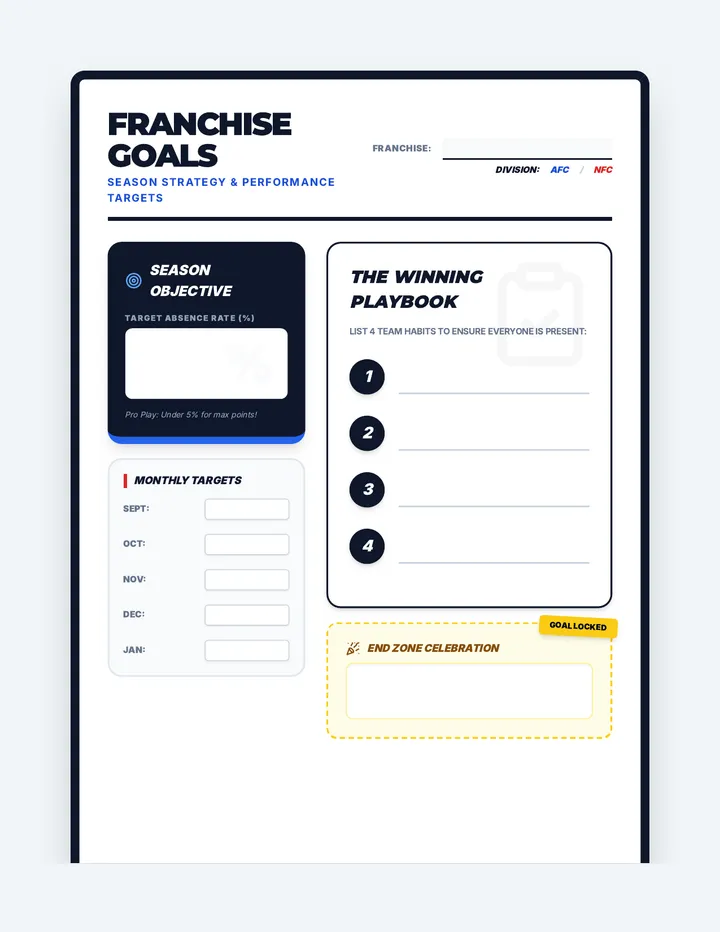
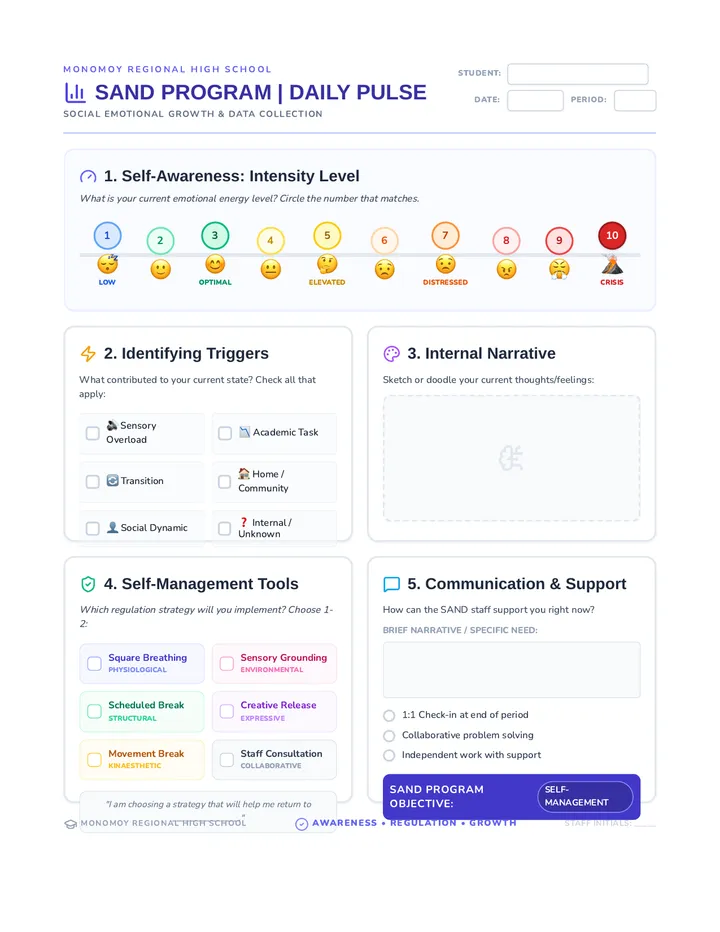
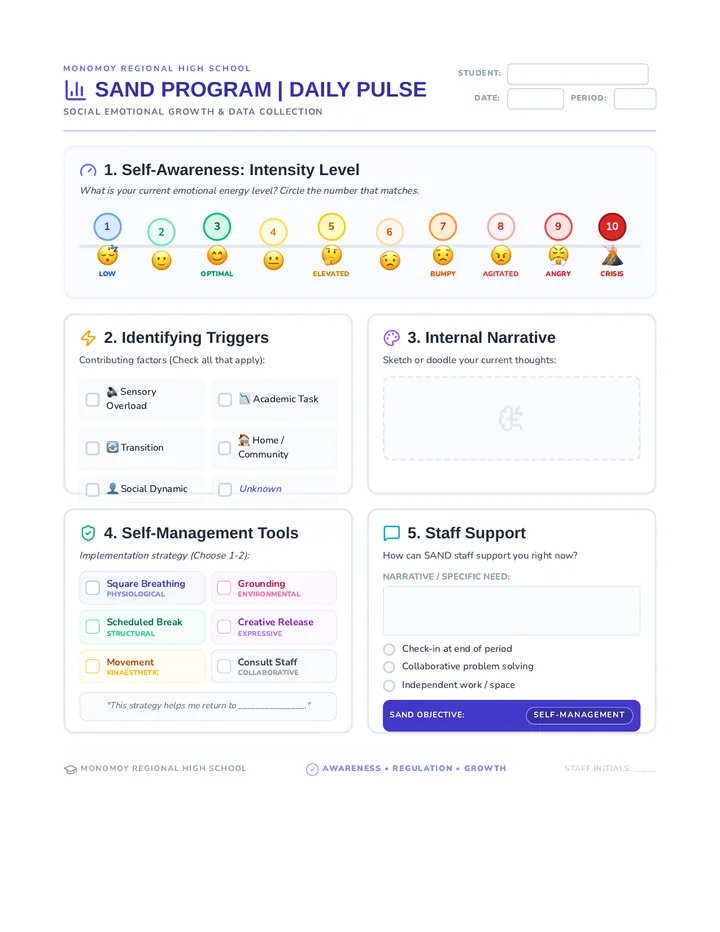
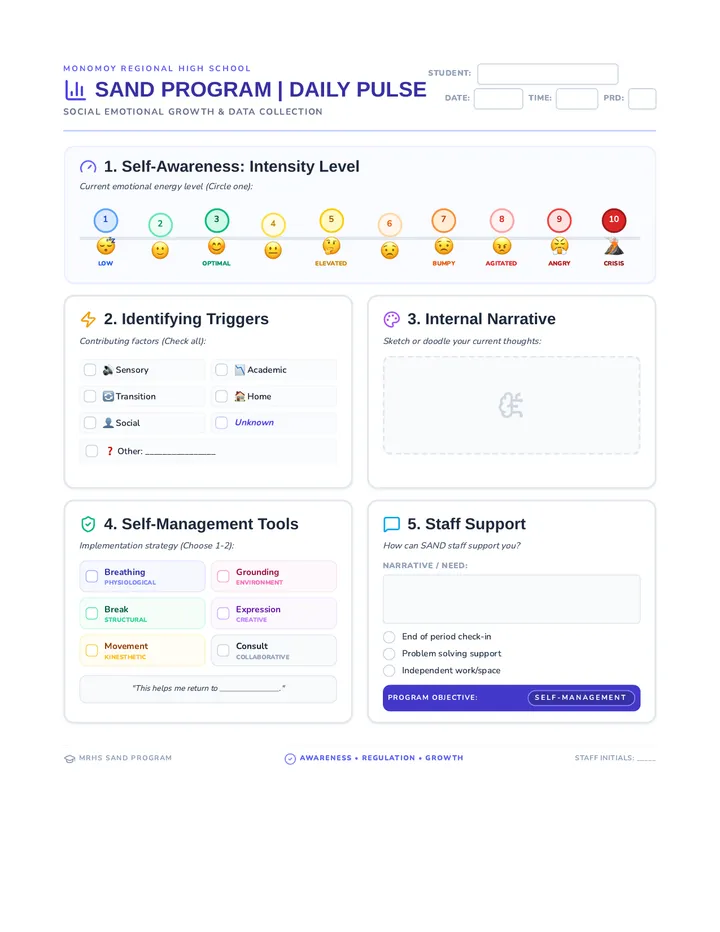
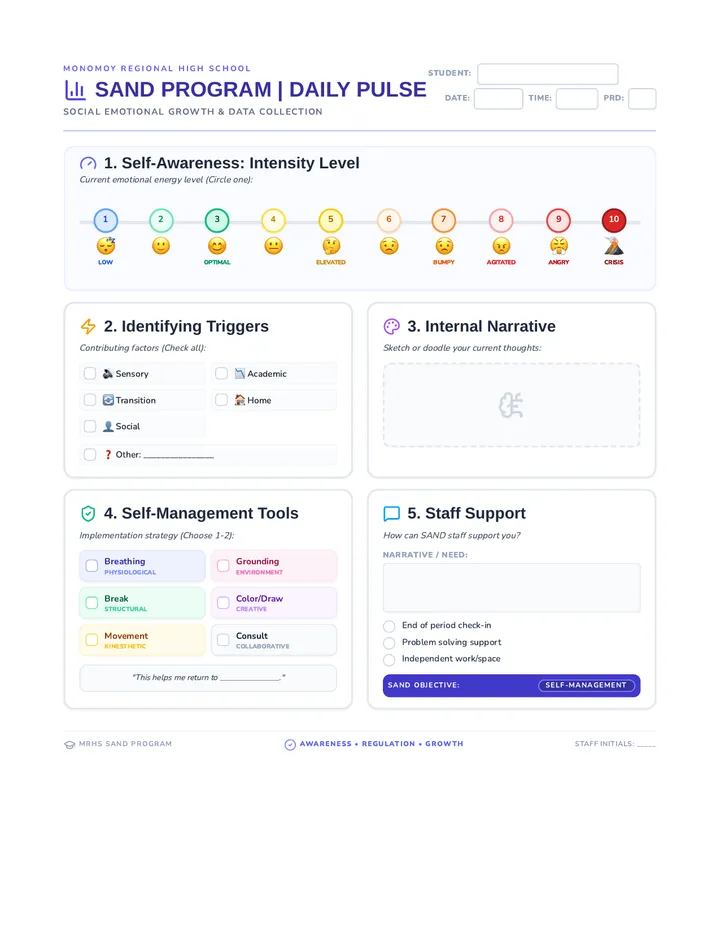
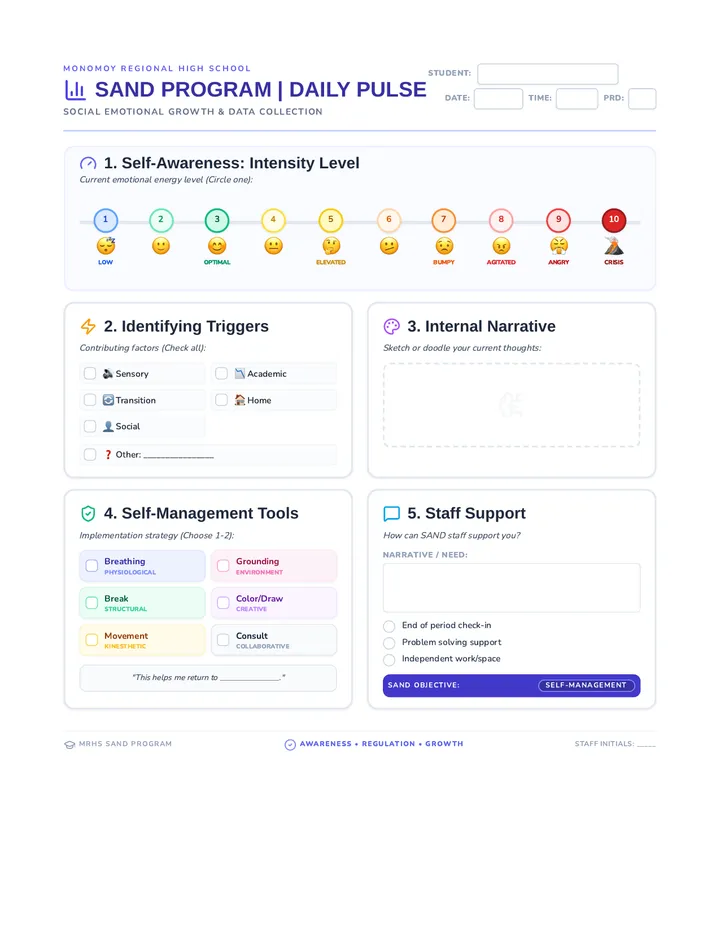
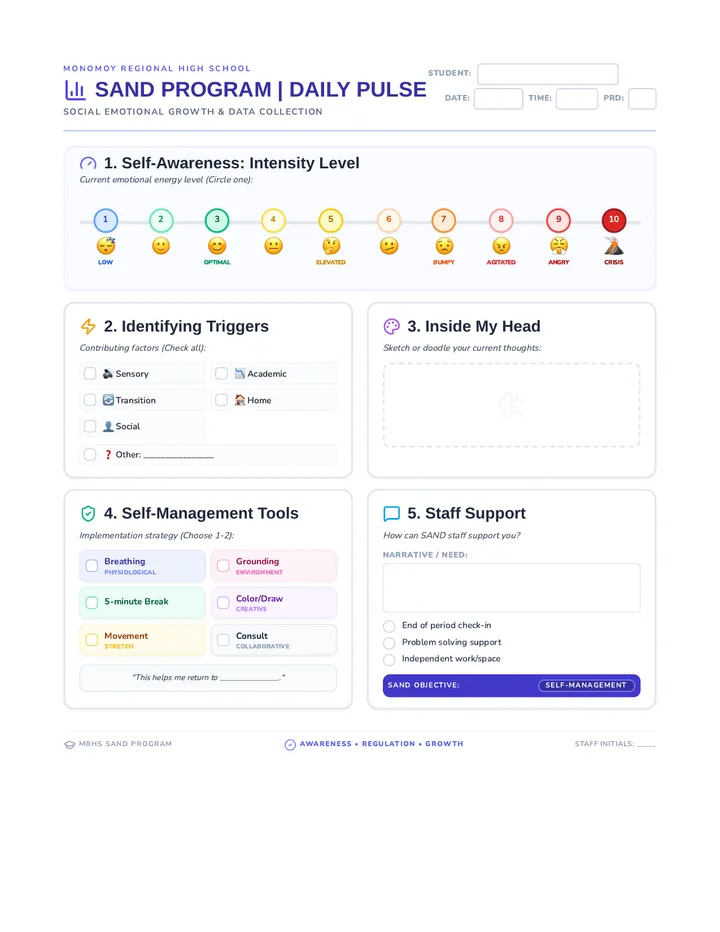
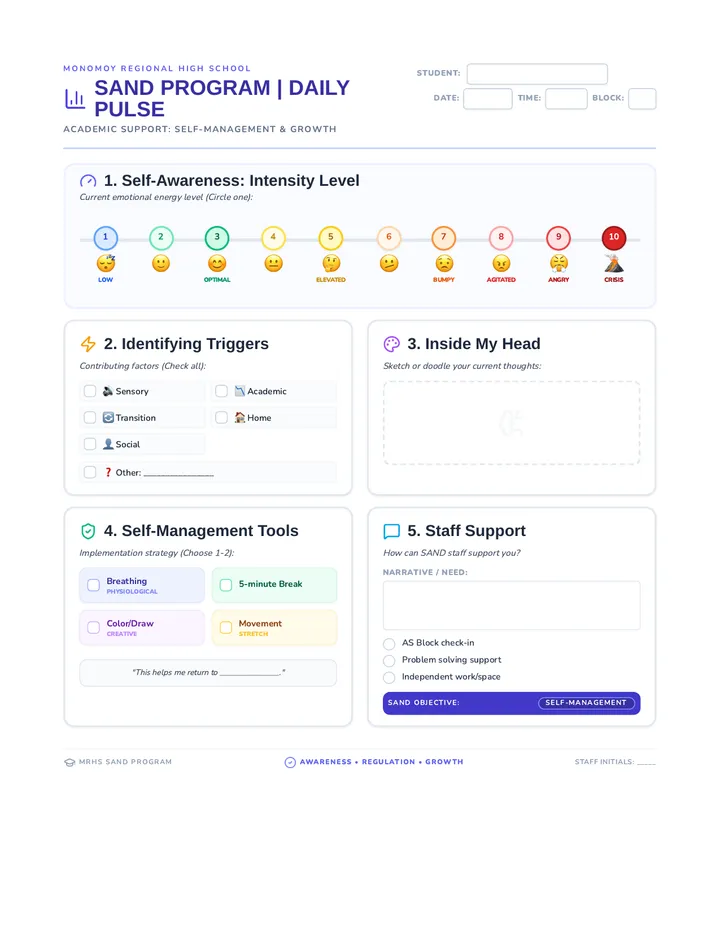
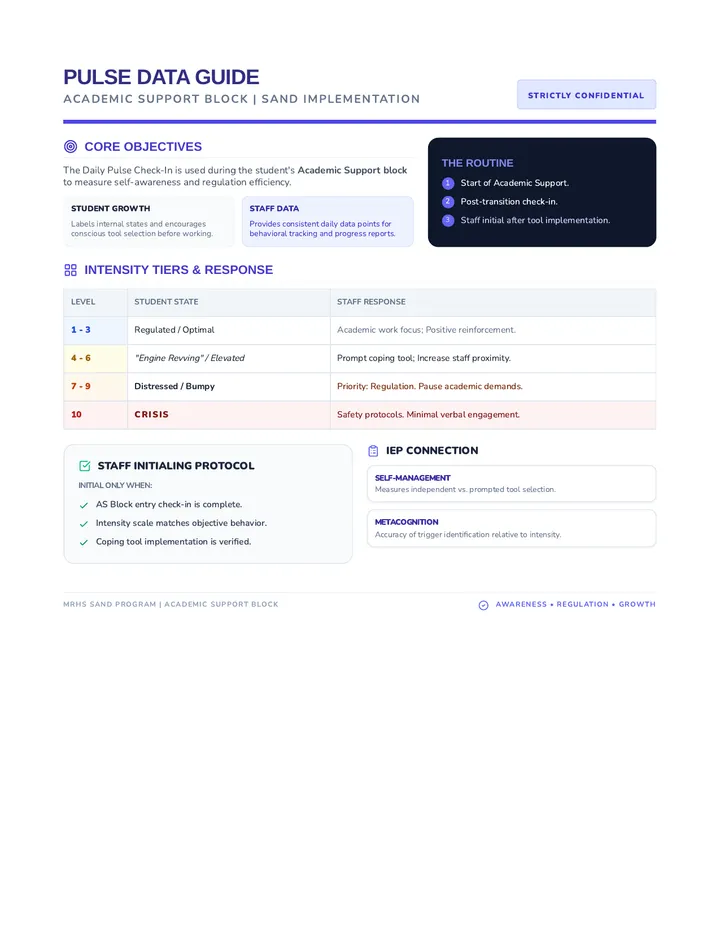
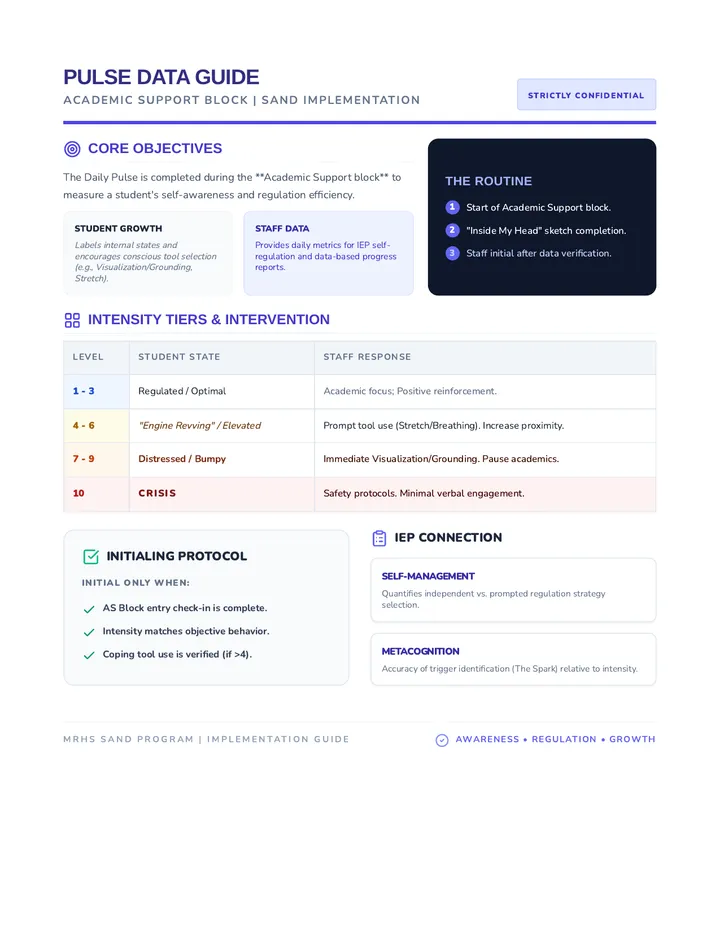
Functional behavior assessment, data tracking, and de-escalation strategies for managing classroom conduct. Addresses positive reinforcement, token economies, and individualized behavior contracts to support student self-regulation.
This sequence applies Organizational Behavior Management (OBM) principles to improve employee performance and organizational systems through positive reinforcement, pinpointing, and evidence-based training models.
A capstone sequence for 11th-grade students to synthesize assessment, prevention, and teaching strategies into a comprehensive Behavior Intervention Plan (BIP). Students learn about reinforcement systems, crisis management, and data-based decision-making to create sustainable and ethical behavioral supports.
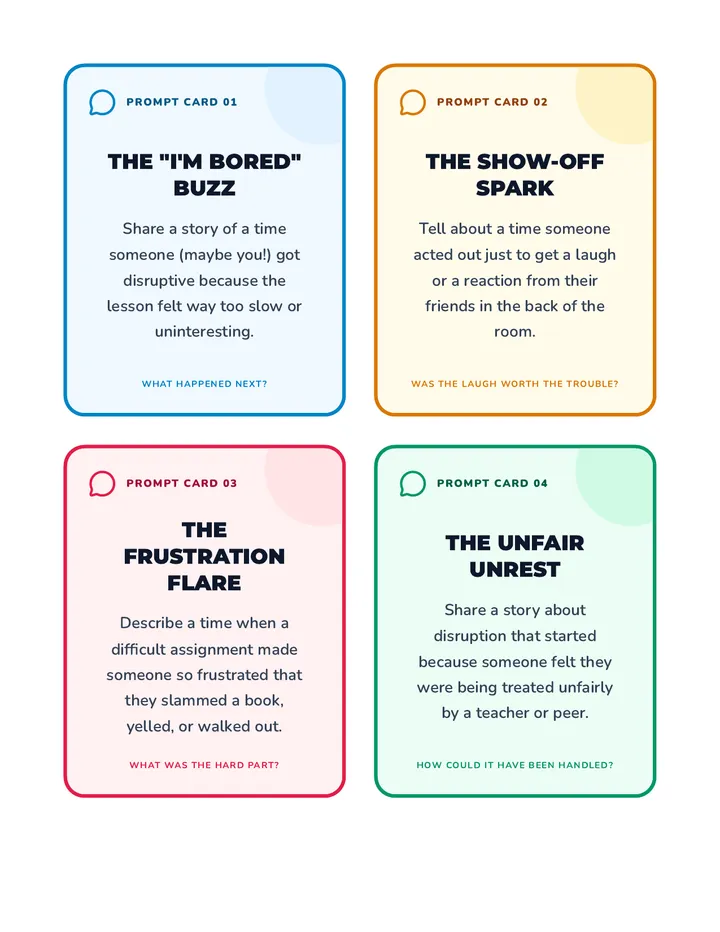
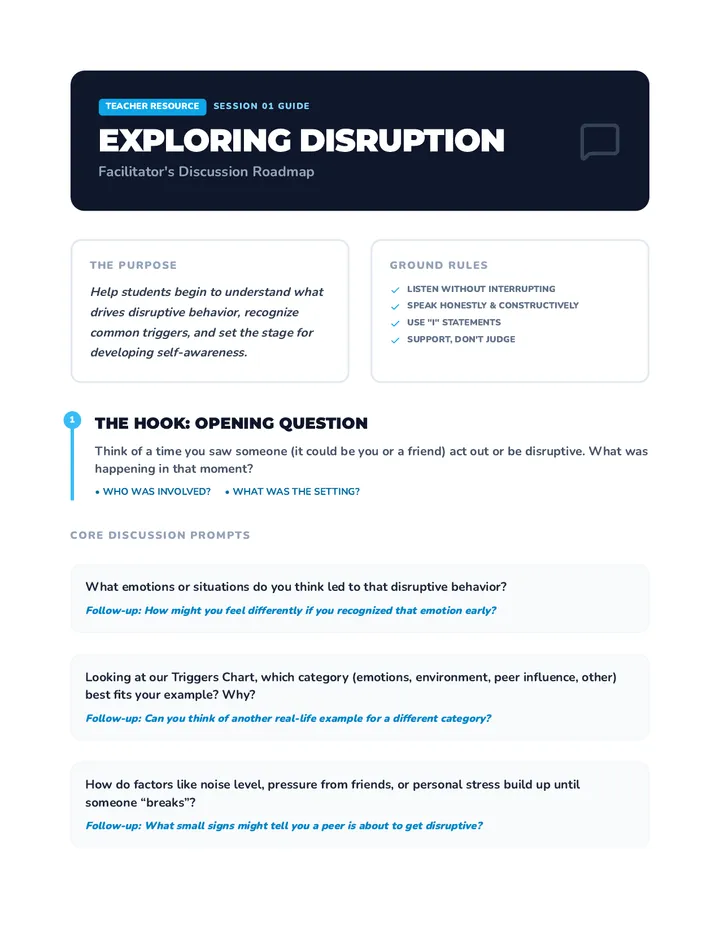
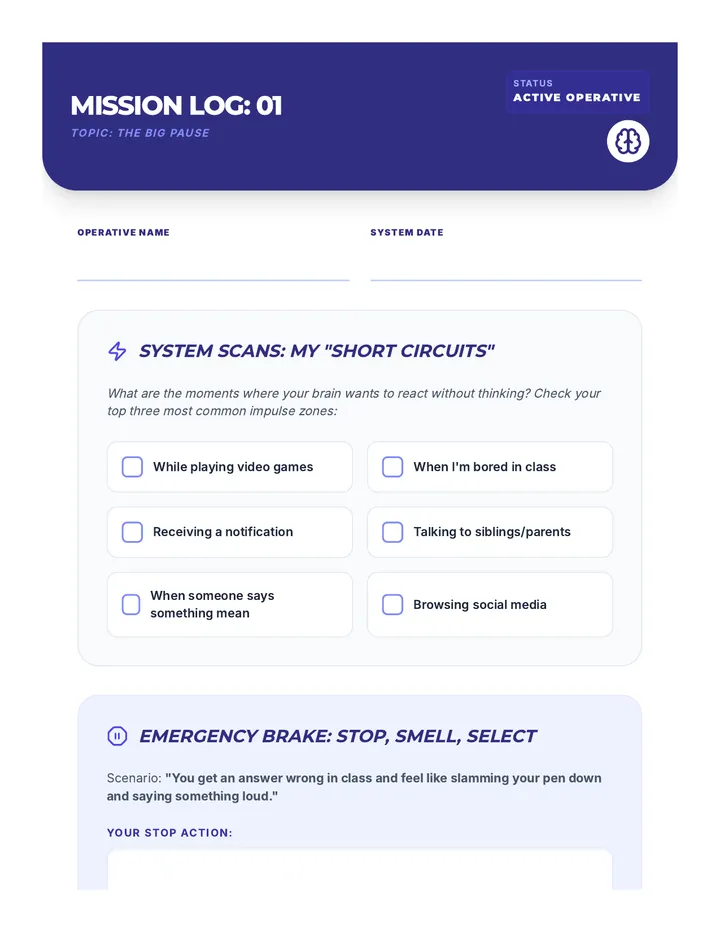
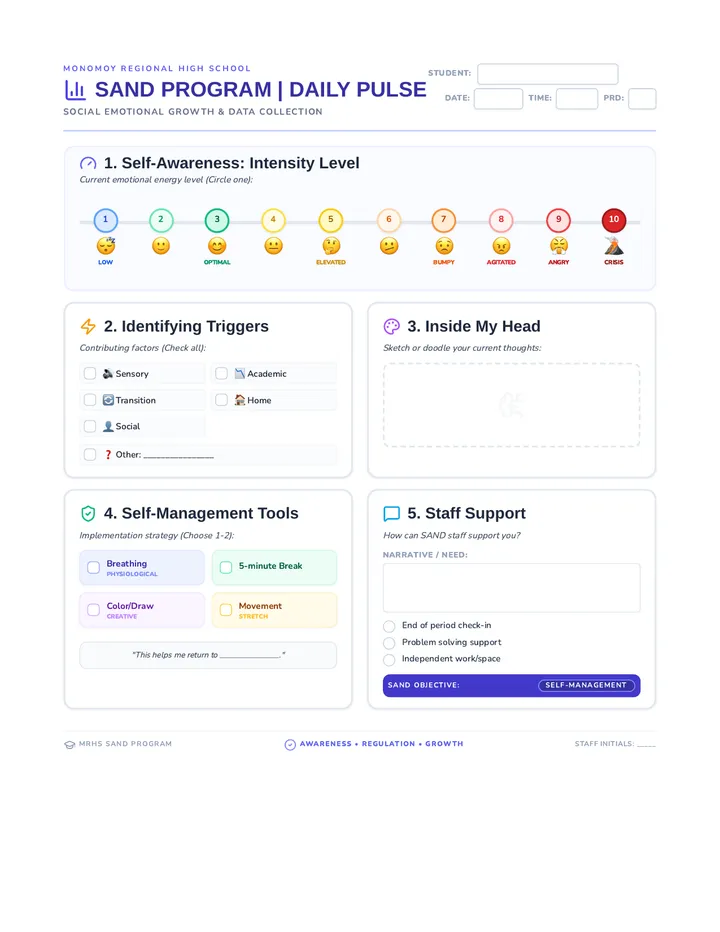
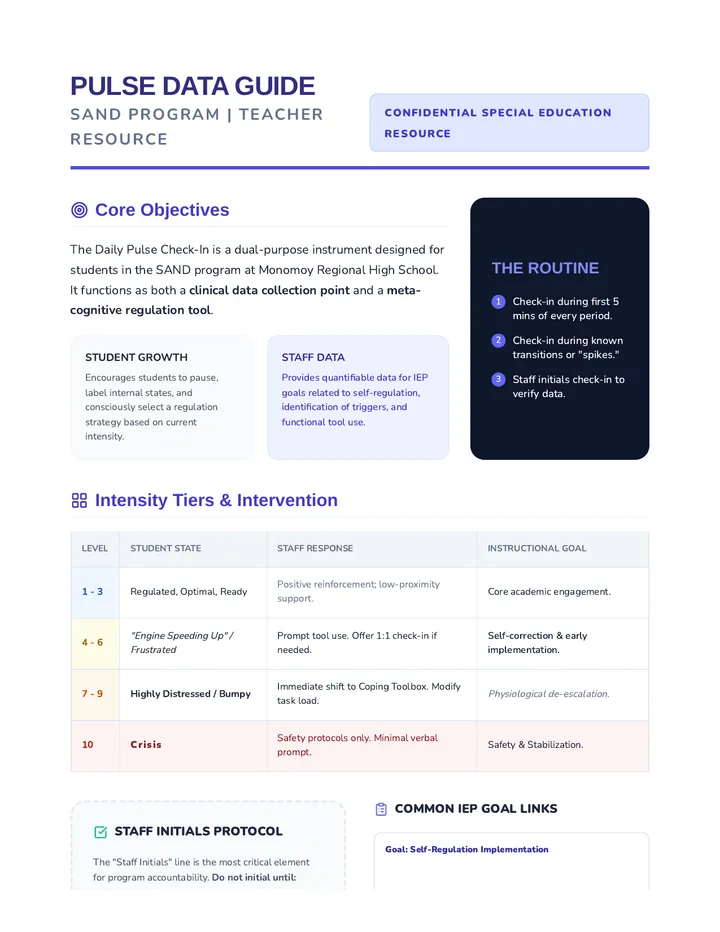
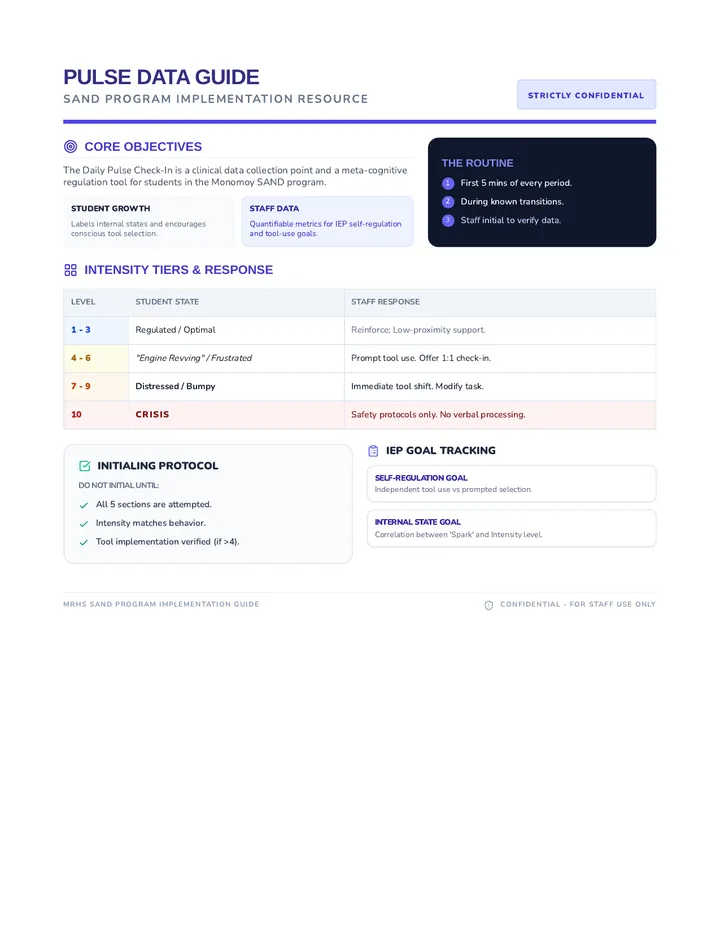
This sequence guides 8th-grade students through the process of viewing their behavior as data. Students learn to distinguish between subjective feelings and objective actions, identify triggers and antecedents, analyze trends over time, and develop proactive 'circuit breaker' plans to manage their behavior effectively for academic success.
A 9th-grade behavioral support sequence where students analyze their own check-in data to identify patterns, triggers, and trends, culminating in data-driven self-advocacy.
A 5-lesson sequence for 7th-grade students focused on identifying the function of behavior and developing constructive replacement strategies. Students move from understanding 'why' they act to building a personalized toolkit of sensory, cognitive, and verbal coping mechanisms.
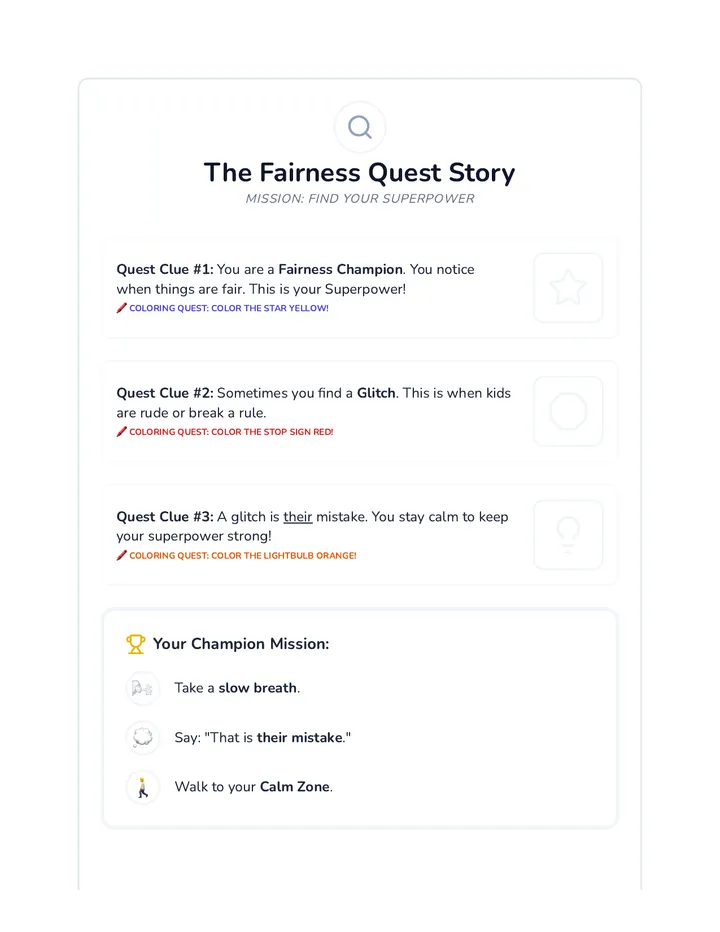
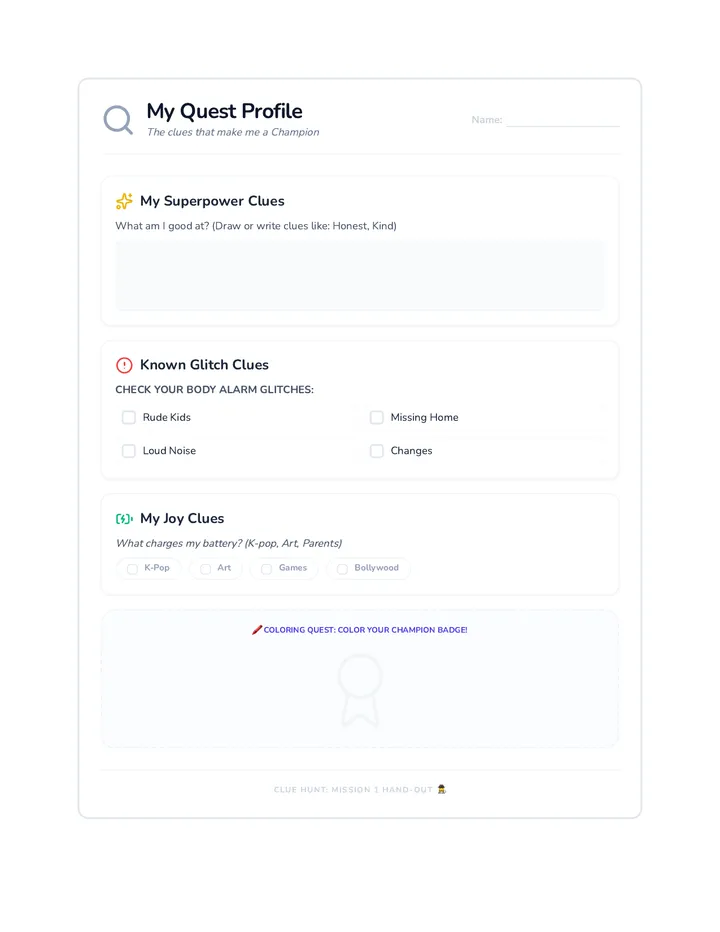
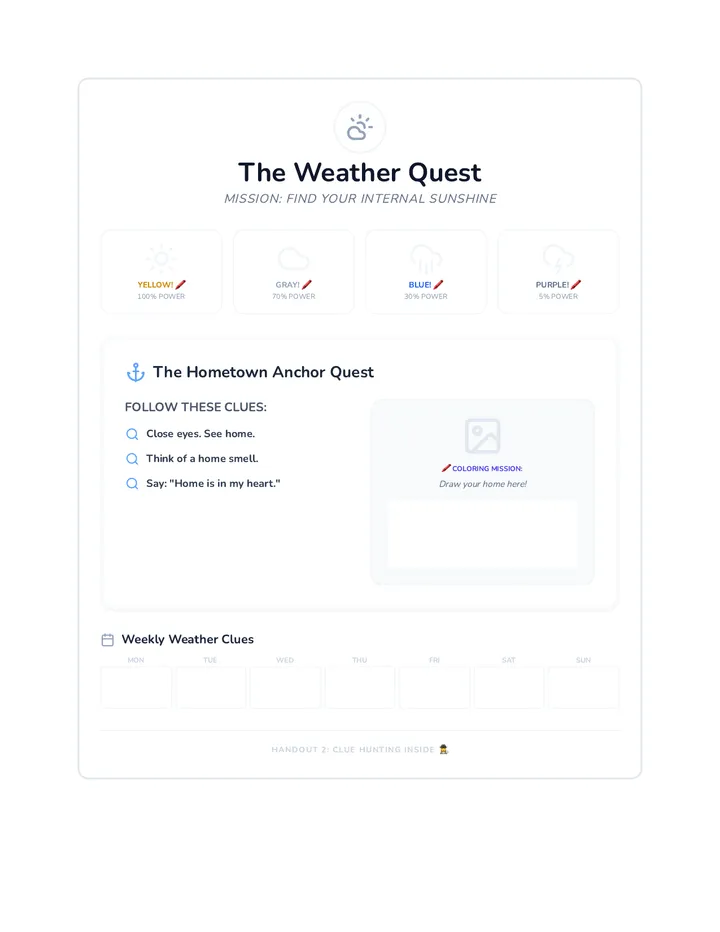
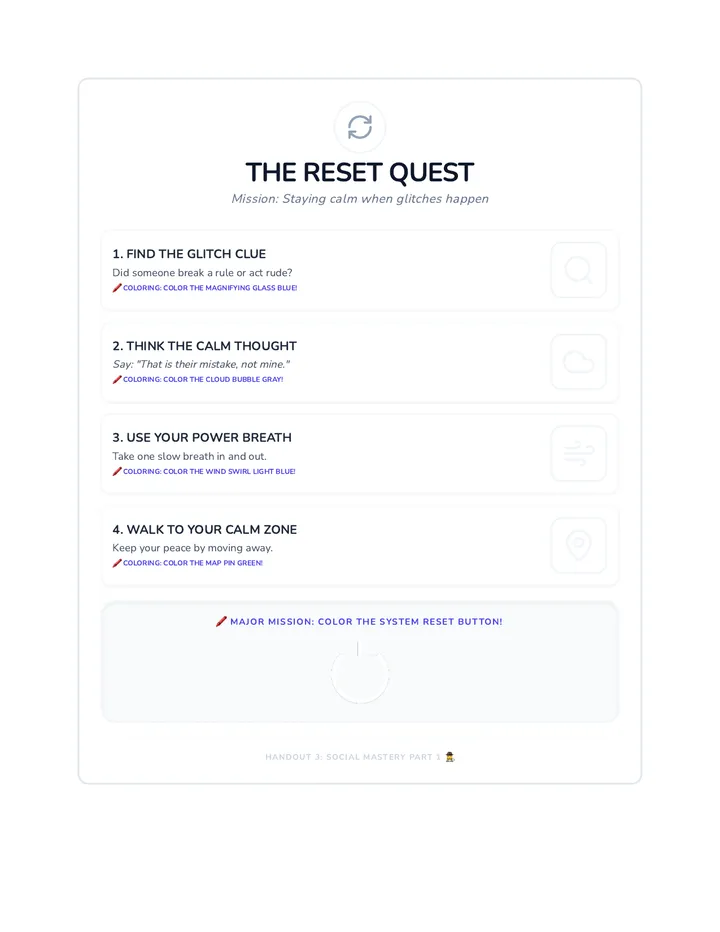
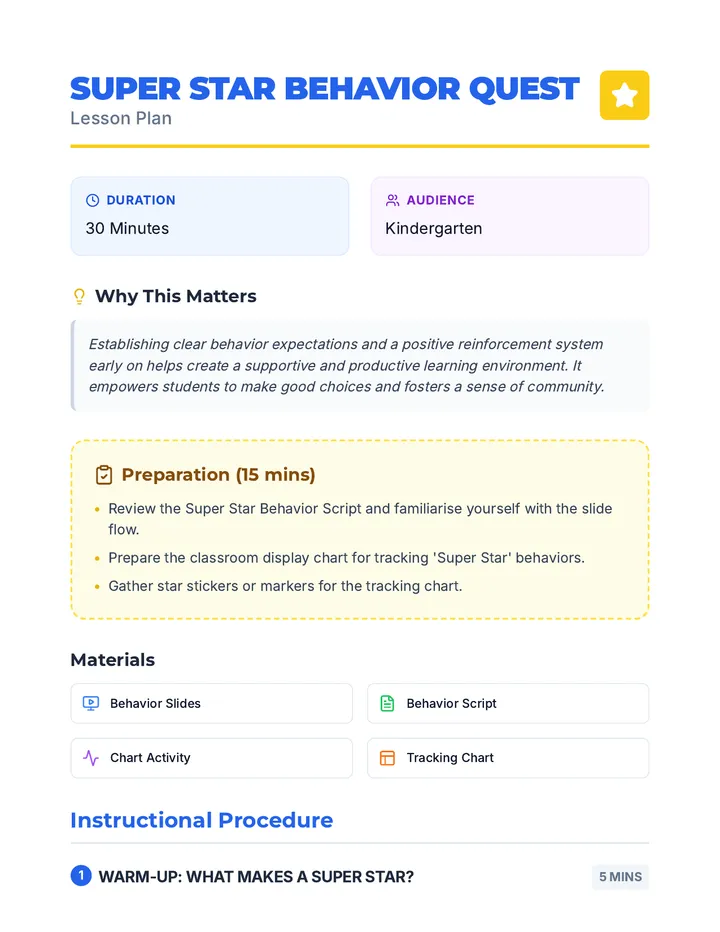
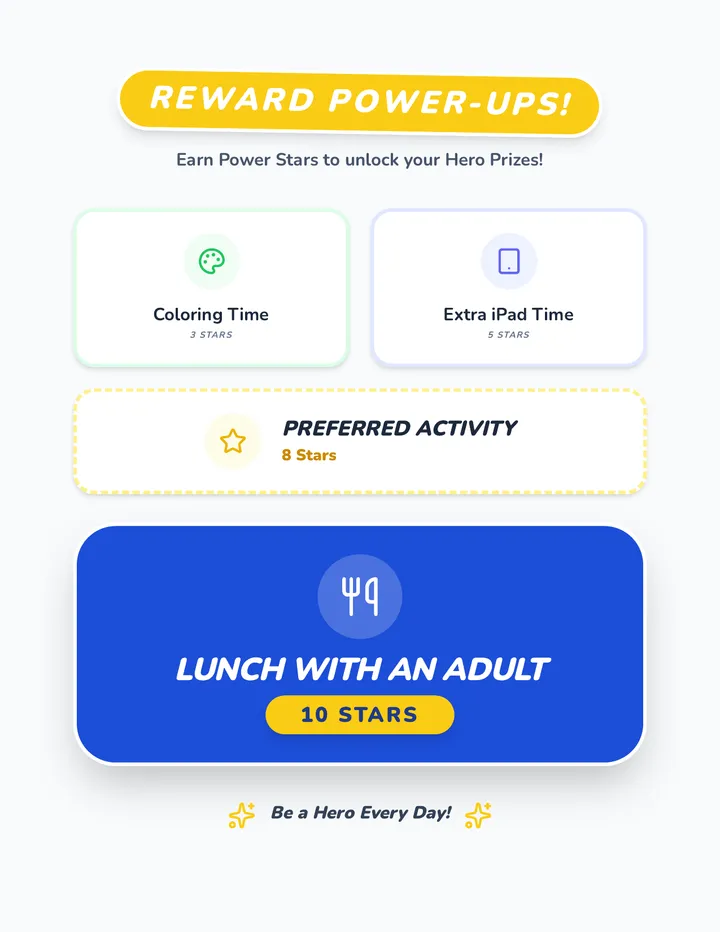
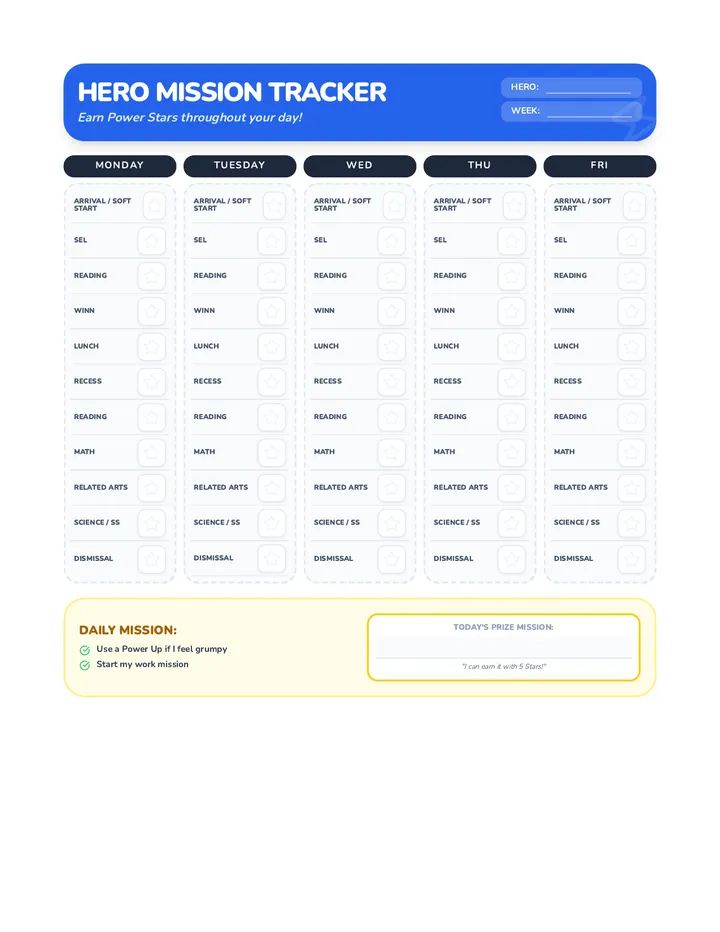
A 4-week intensive social-emotional learning program for kindergarteners, focusing on self-regulation, attention, and classroom respect through a 'Focus Heroes' theme.
Une formation complète pour les Assistants d'Éducation (AED) sur la transformation de la salle d'étude en un espace flexible et inclusif, comprenant des ateliers de design thinking et des guides de posture professionnelle.
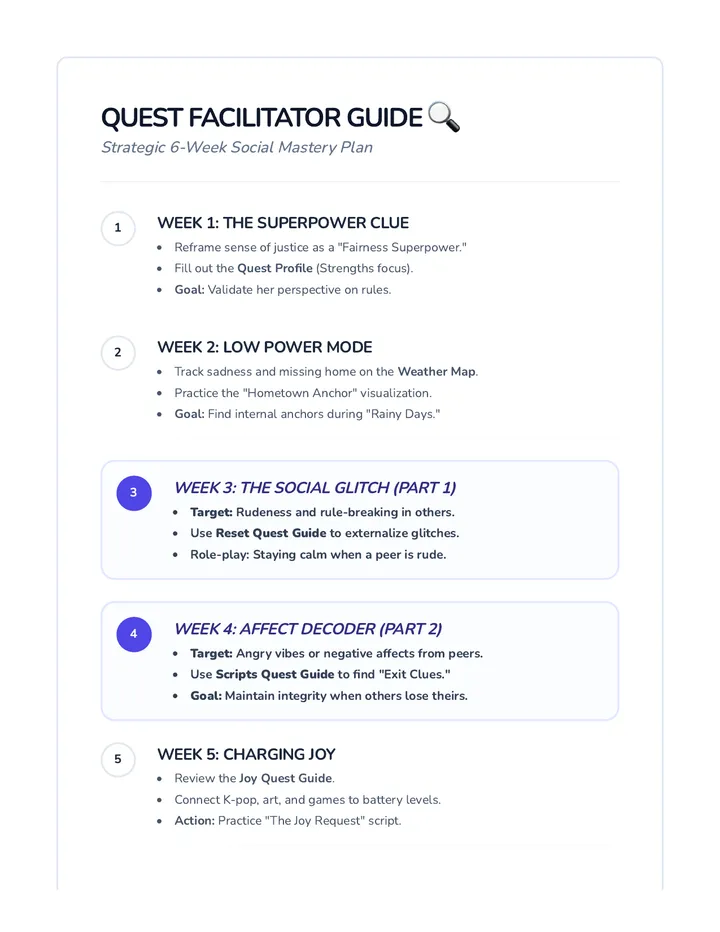
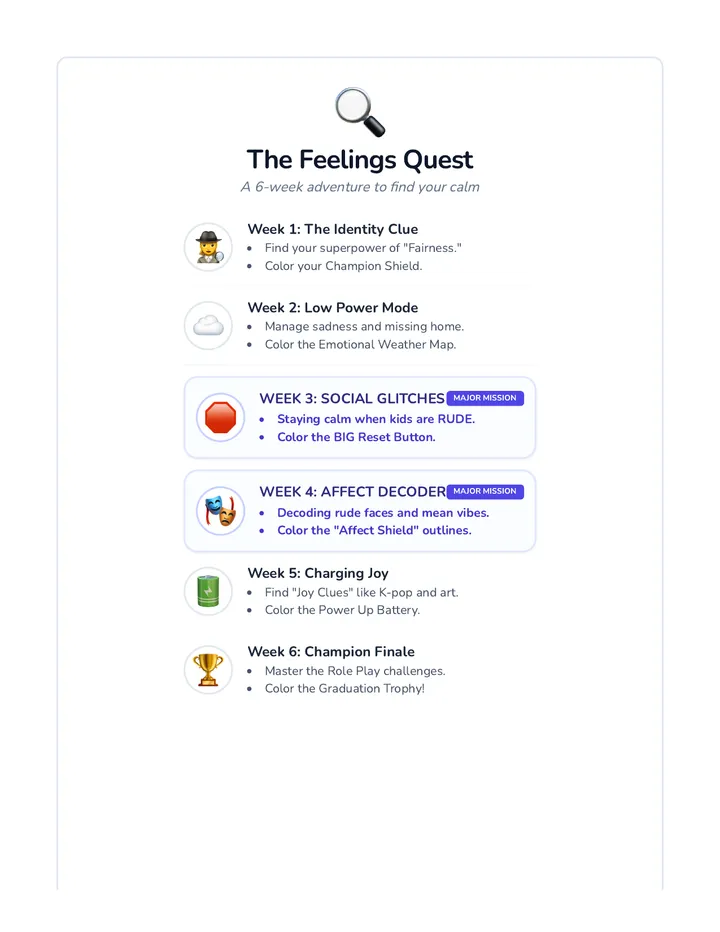
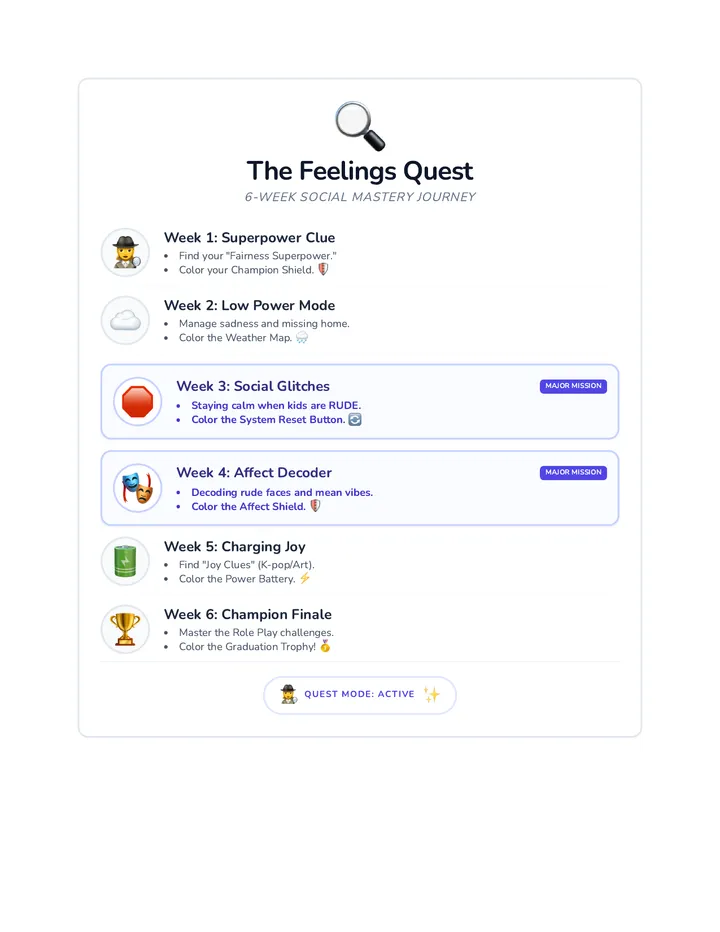
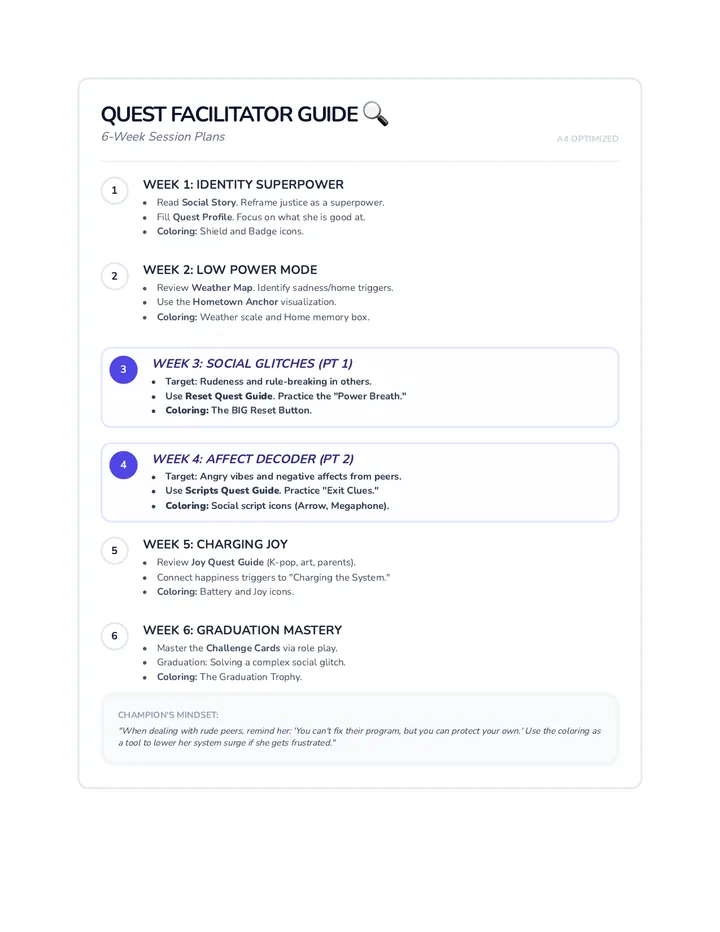
A 6-week individual counseling sequence for a PreK student struggling with aggression, defiance, and family transitions. The sequence builds from basic emotion identification to self-regulation, following directions, and coping with family changes.
A comprehensive 20-week curriculum designed to empower students with self-advocacy skills, moving from identifying barriers to implementing personalized solutions.
An 8-week social-emotional learning sequence for Kindergarten and 1st-grade students, set in the whimsical "Friendship Forest." Students develop key skills in self-awareness, self-management, social awareness, relationship skills, and responsible decision-making through stories, role-play, and hands-on activities.
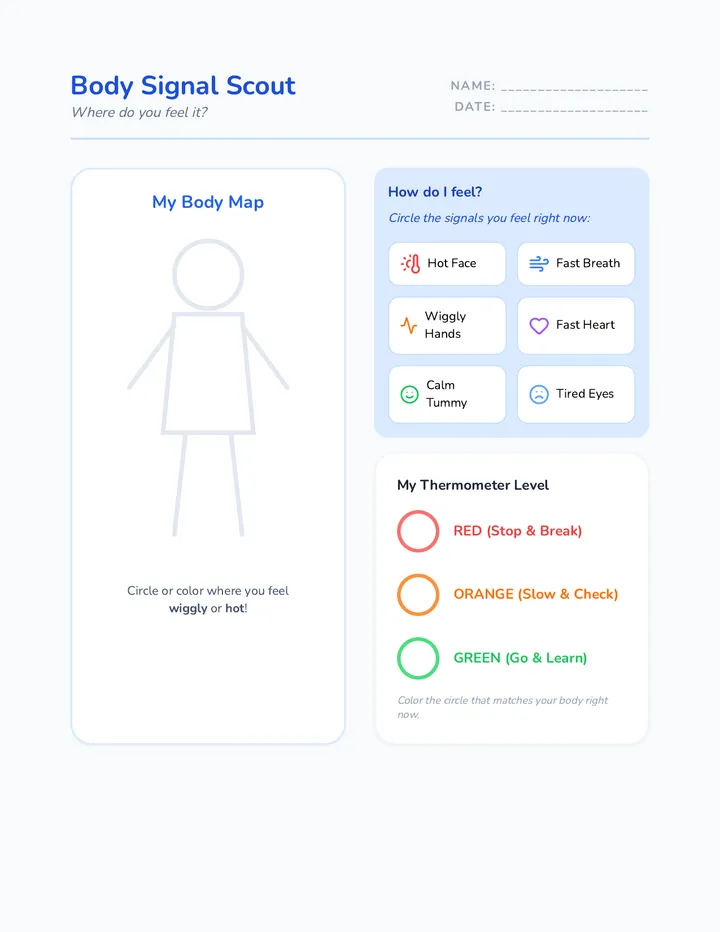
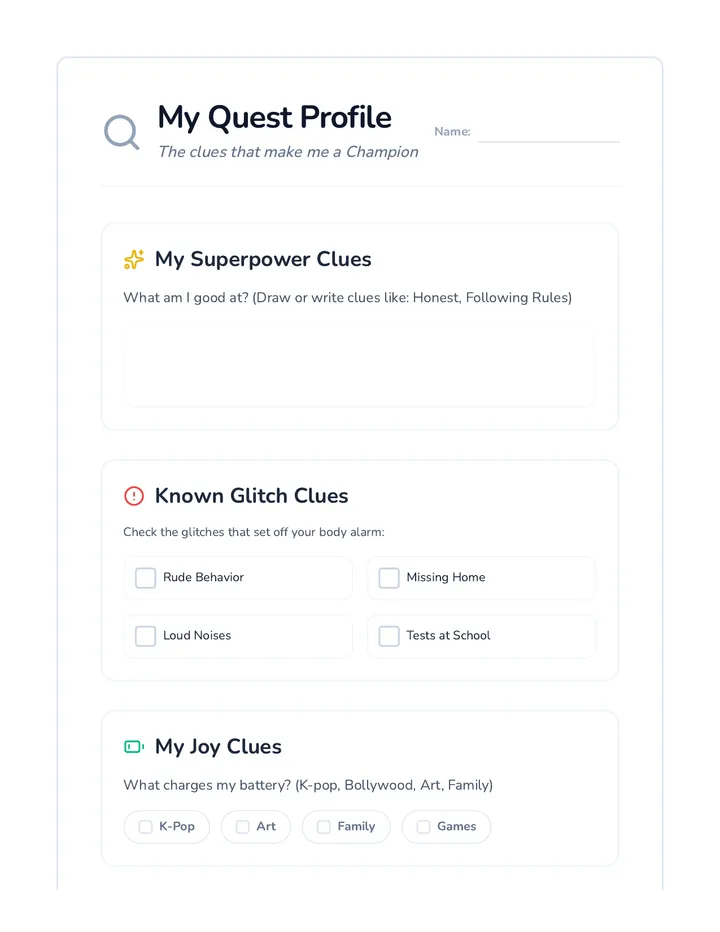
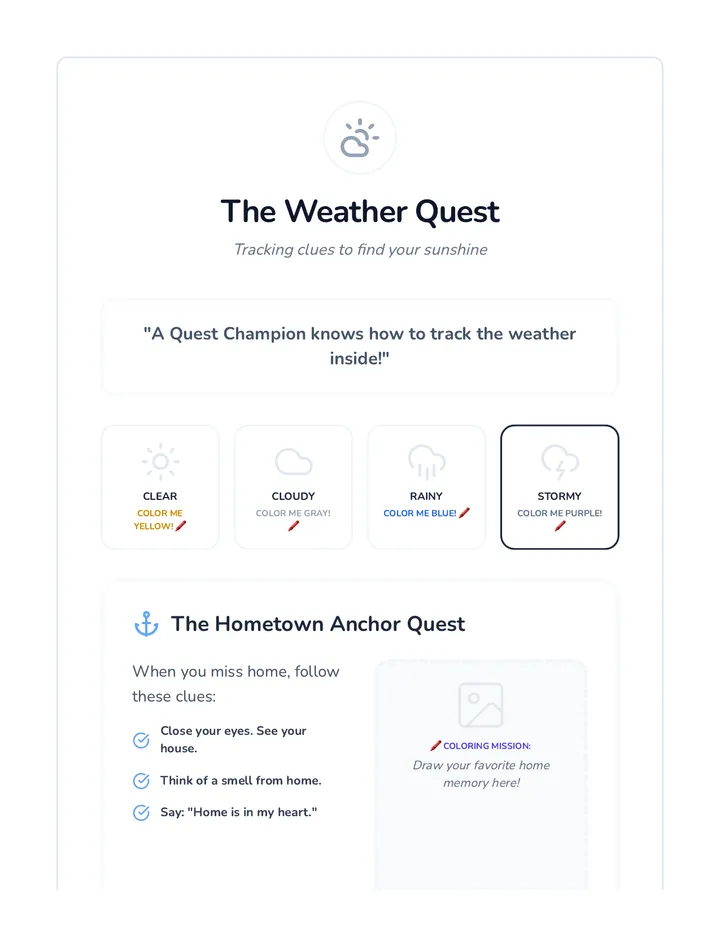
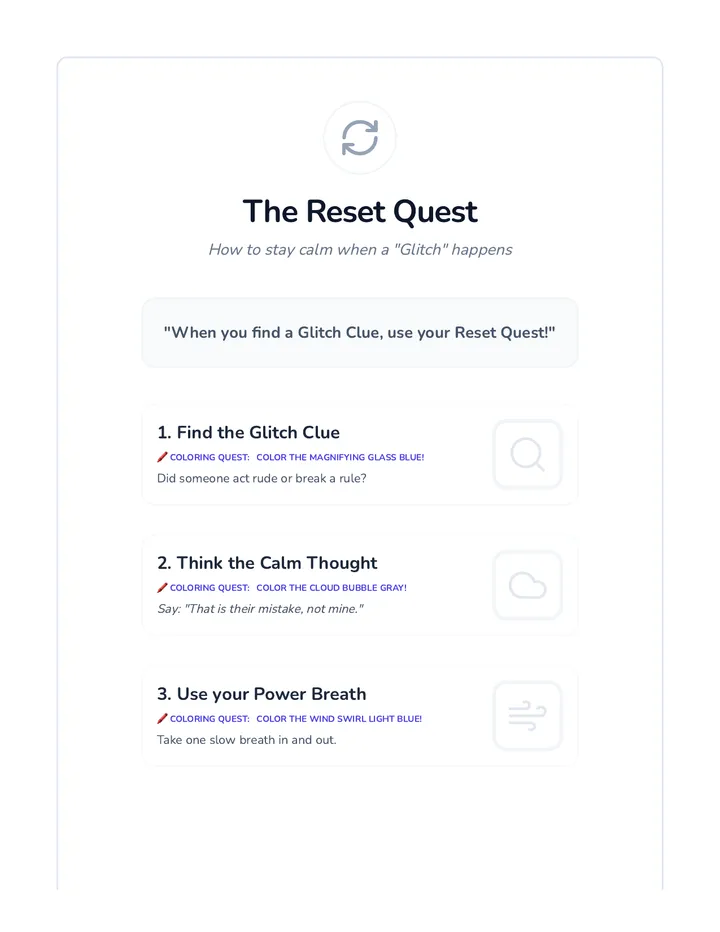
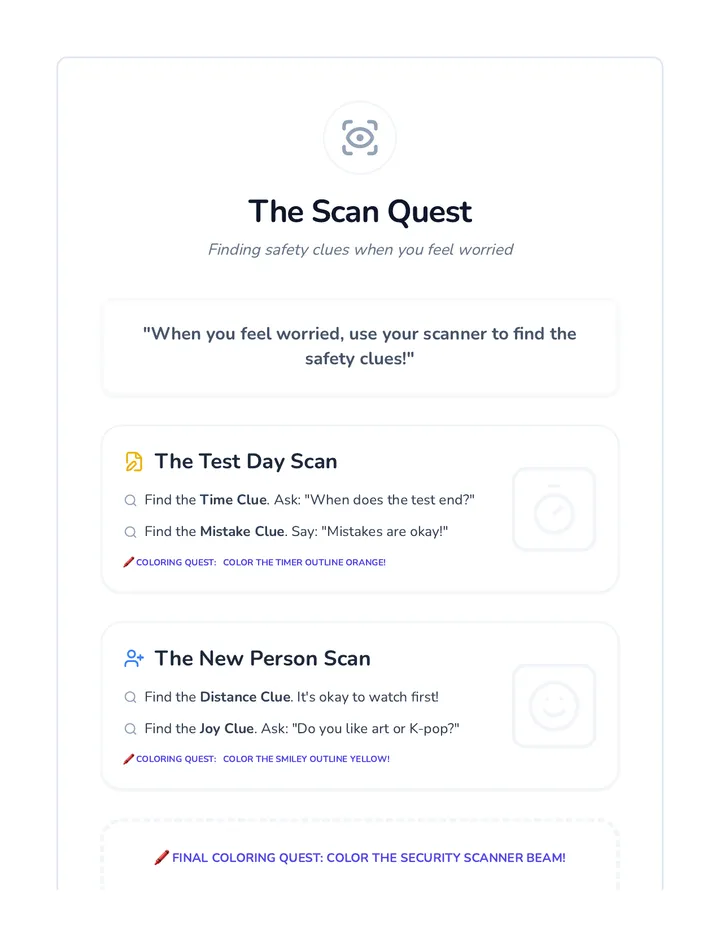
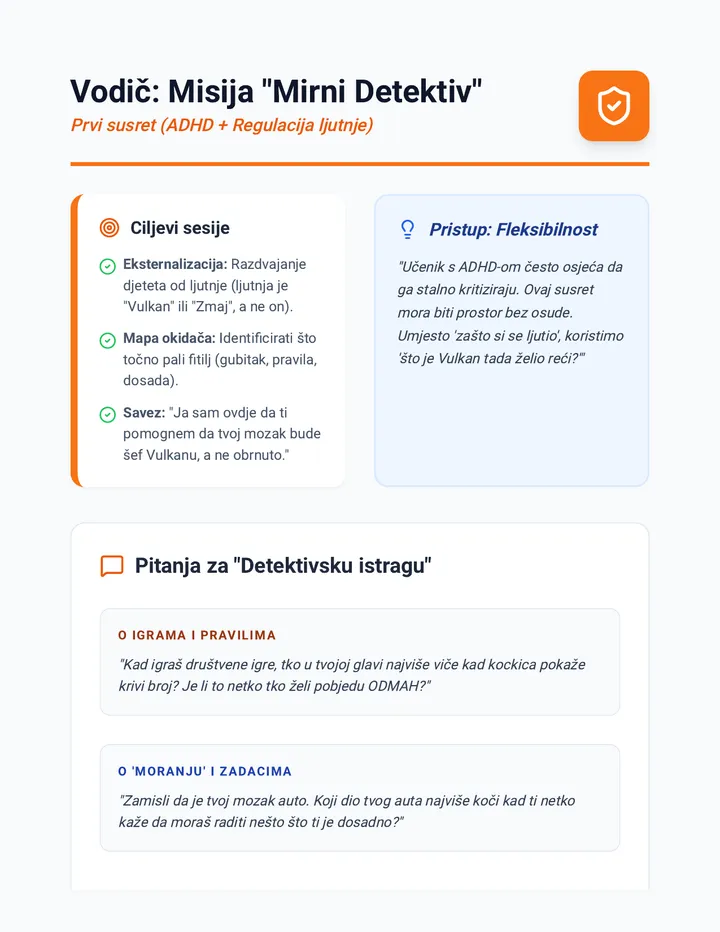
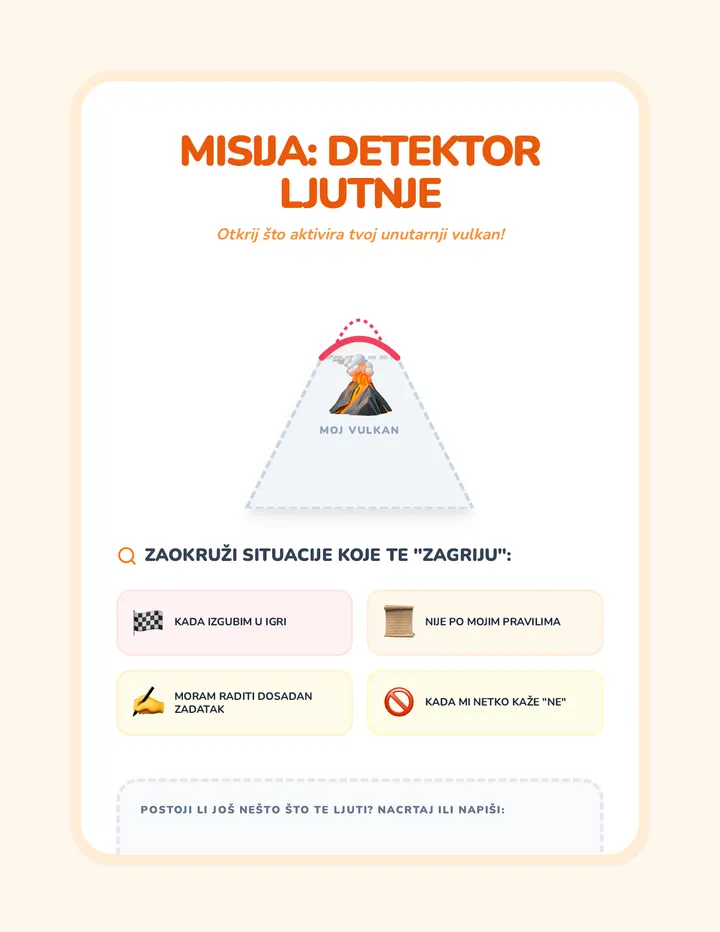
A counseling sequence designed for 4th graders with ADHD to help them recognize body signals, manage big emotions, and practice impulse control through a 'Captain of the Ship' metaphor.
A collection of quarterly bulletin board designs for TRC, providing visual blueprints and printable components to help students navigate orientation, skill-building, and transition planning.
A 6-lesson sequence divided by grade level (5th, 6th, and 7th), celebrating 100 years of Black history through school values. Each grade explores two distinct lessons focusing on community joy, personal excellence, and mental health advocacy.
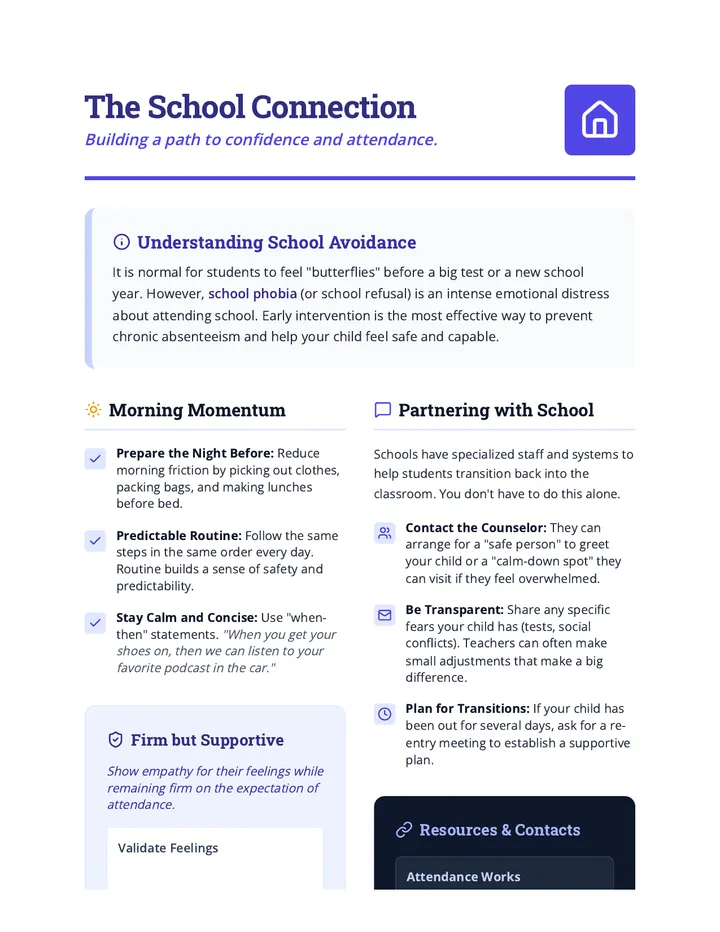
A 6-week small group intervention designed for middle school students to improve attendance through goal setting, routine building, and coping strategies for school anxiety.
A comprehensive sequence of lessons designed for high school students managing re-entry and school-based anxiety. The curriculum focuses on physical and psychological safety, self-regulation tools, self-advocacy skills, and navigating social peer dynamics.
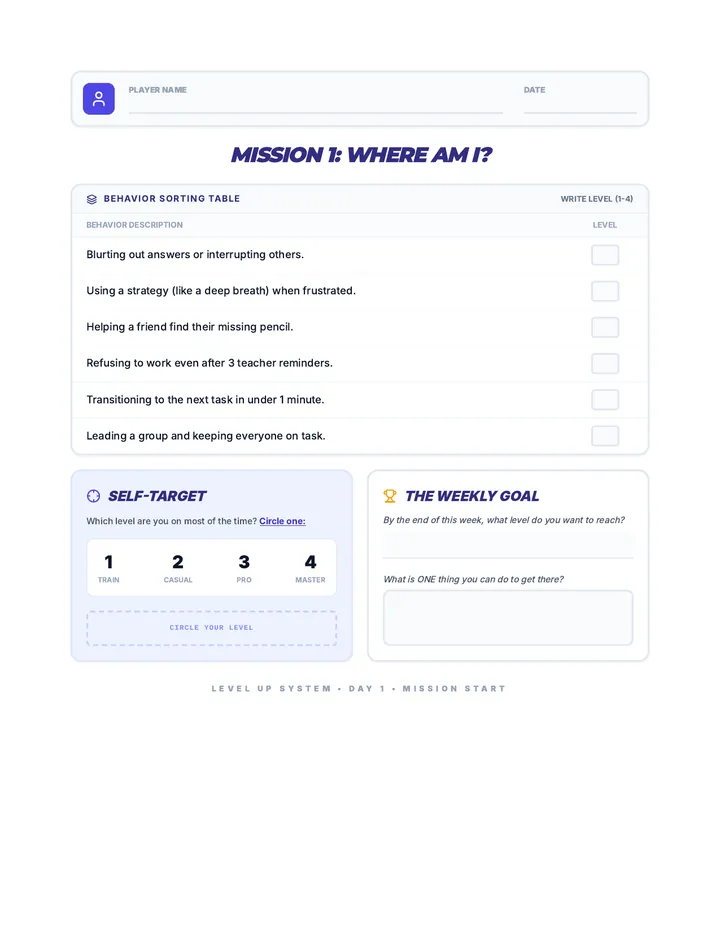
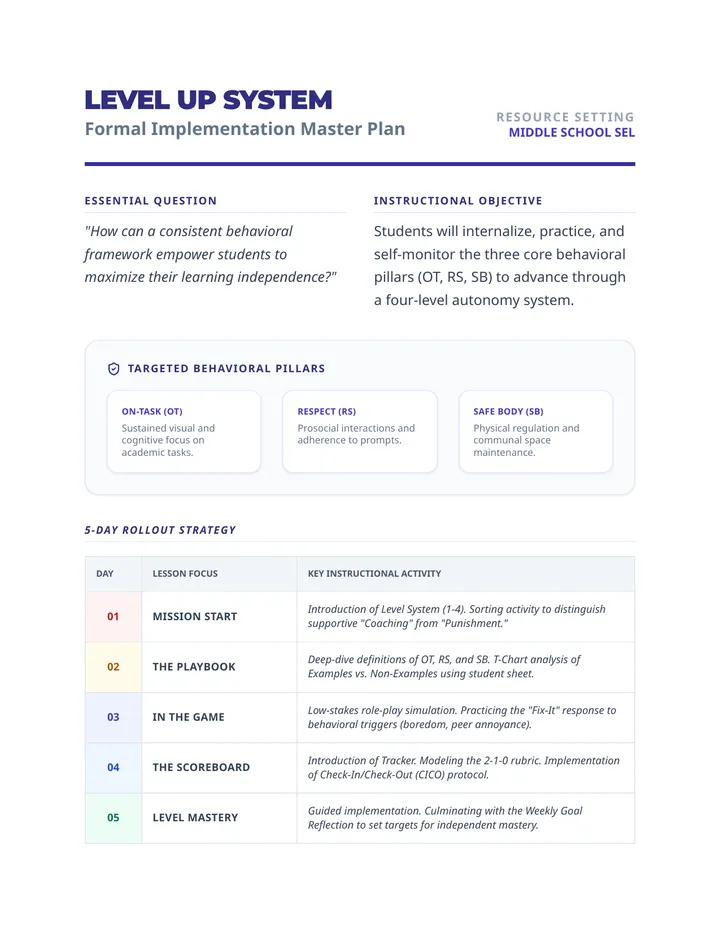
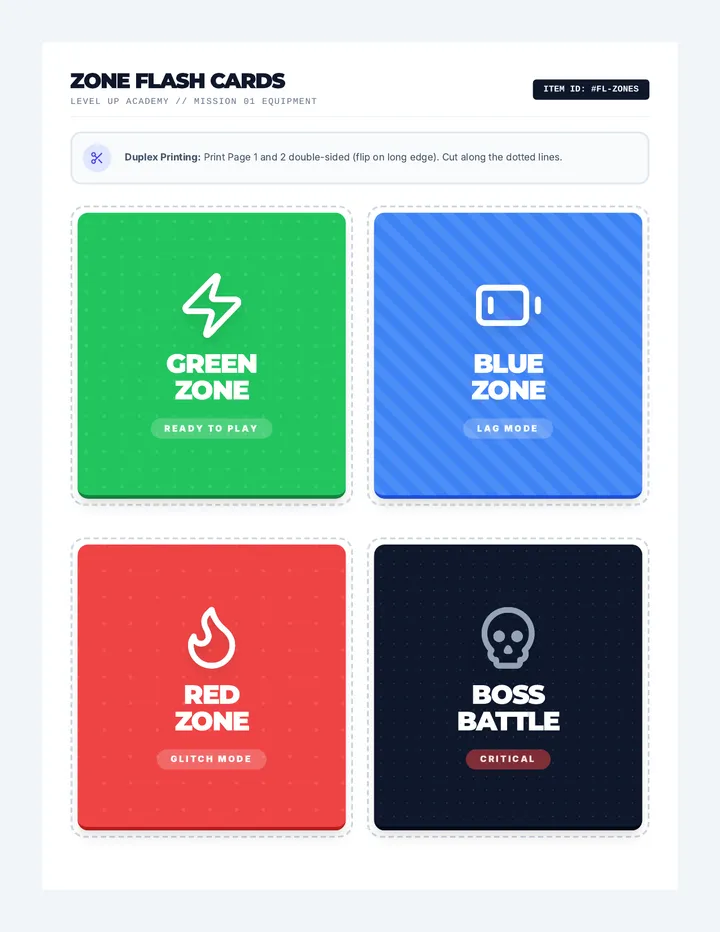
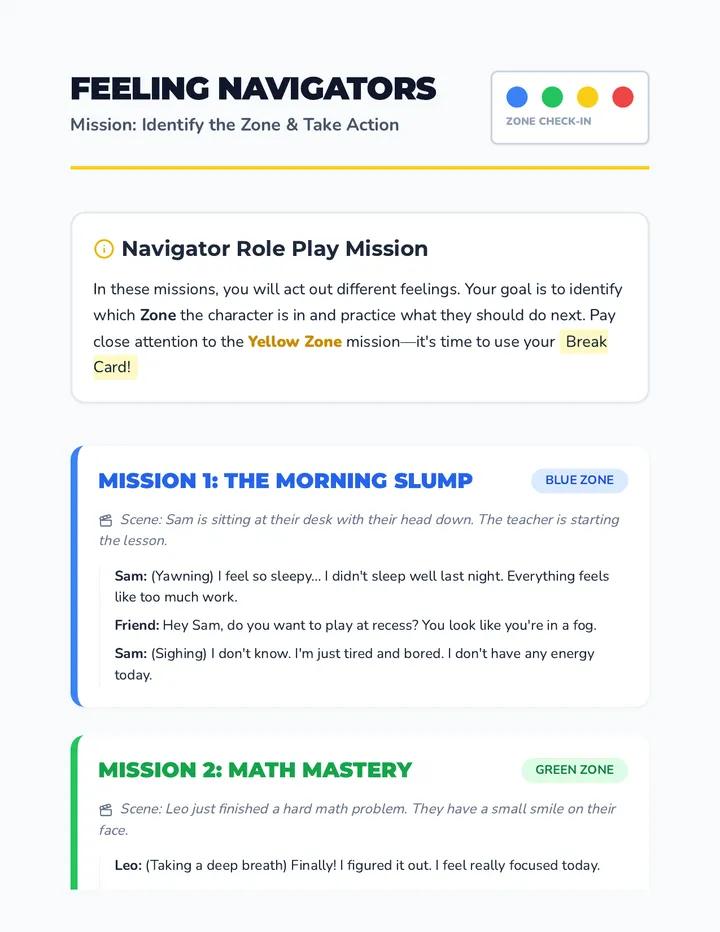
An 8-week small group curriculum for 4th graders focused on self-regulation, using a 'Level Up' video game theme to teach emotional management, impulse control, and goal setting.
A 6-week curriculum for 11th and 12th graders focused on practical conflict resolution strategies with peers, teachers, parents, and romantic partners.
A comprehensive one-to-one counseling curriculum designed for a 4th-grade student, focusing on emotional regulation, social connection, and self-advocacy using animal-themed art activities. The sequence includes a full academic year roadmap and materials mapped to specific IEP objectives.
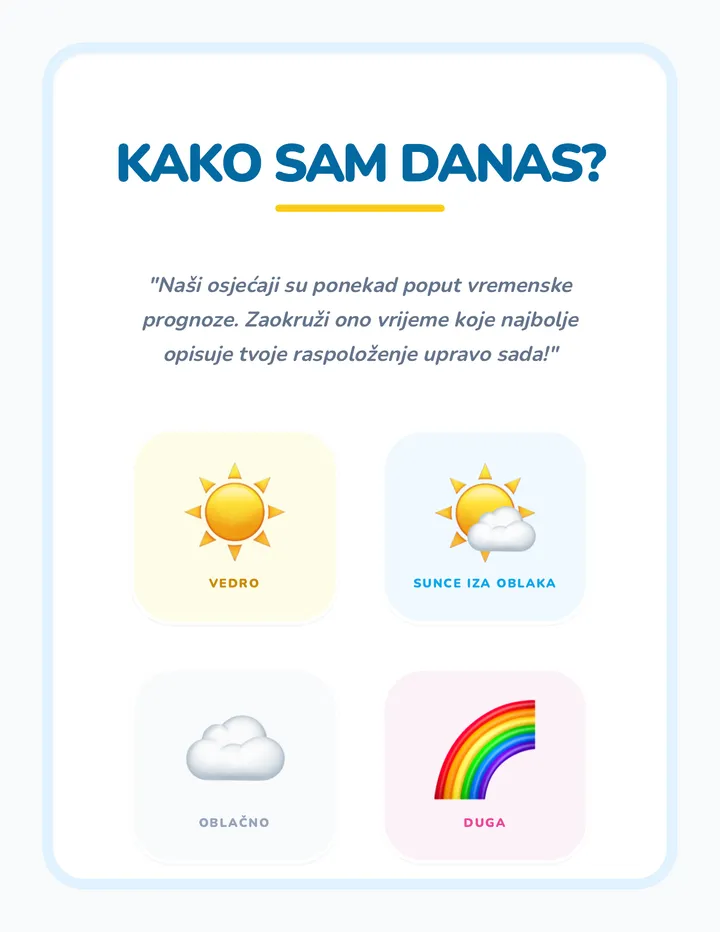
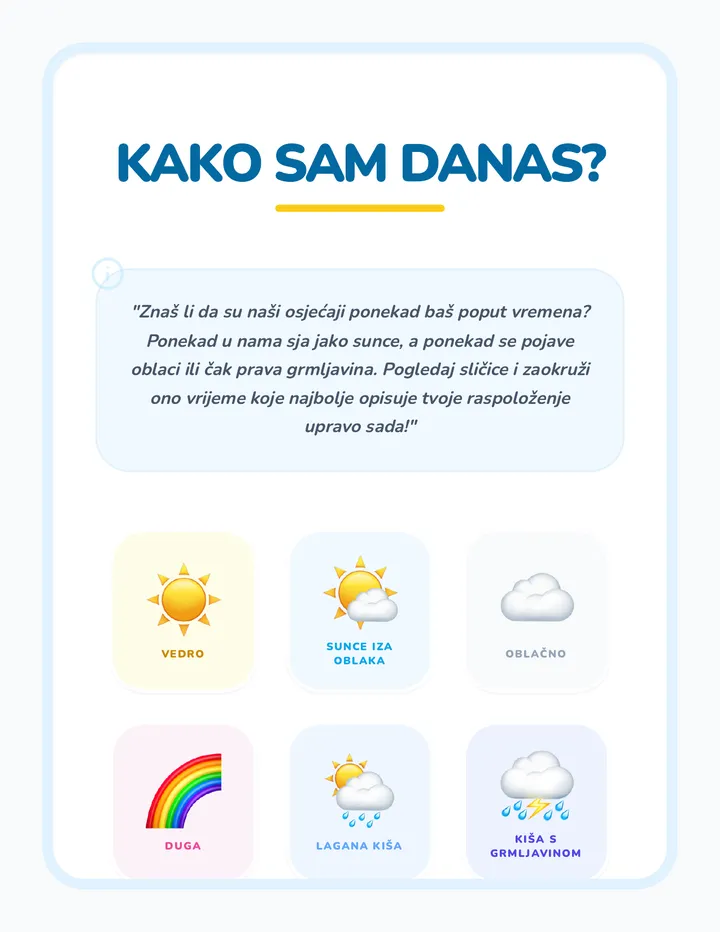
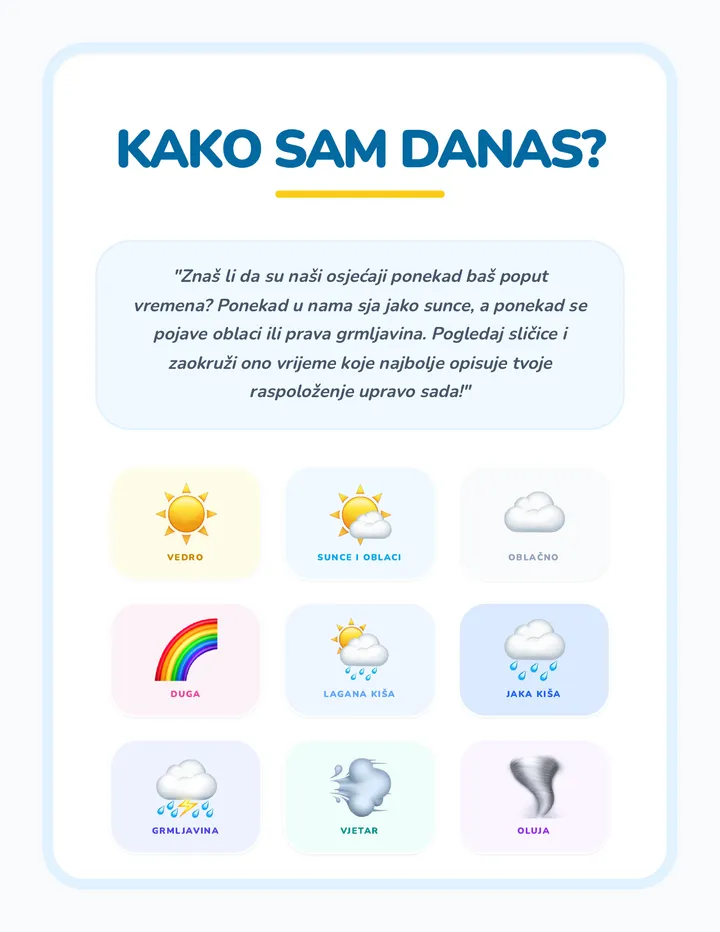
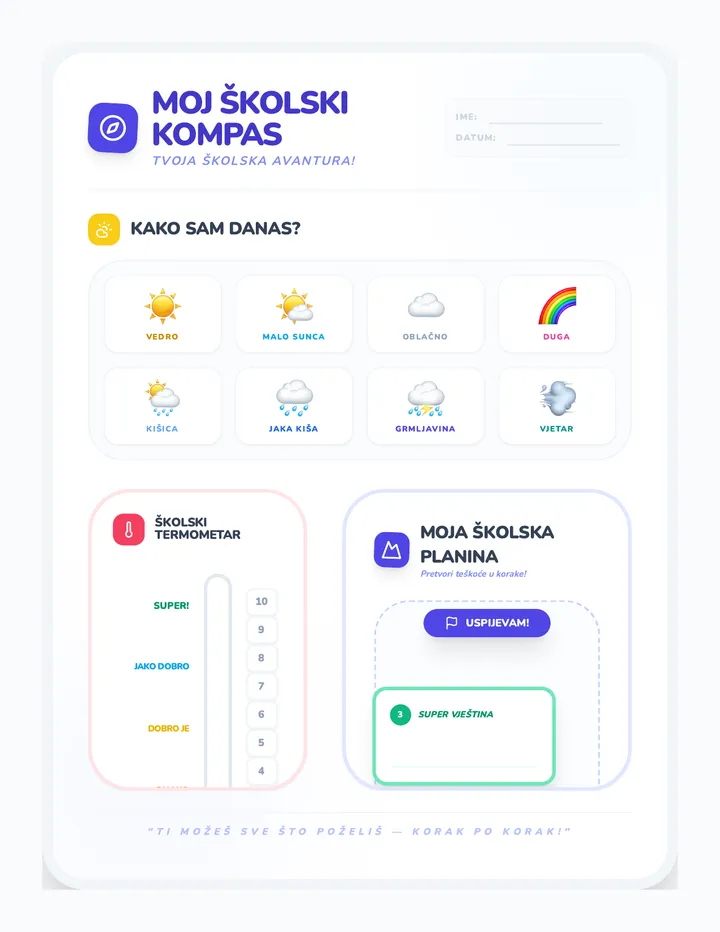
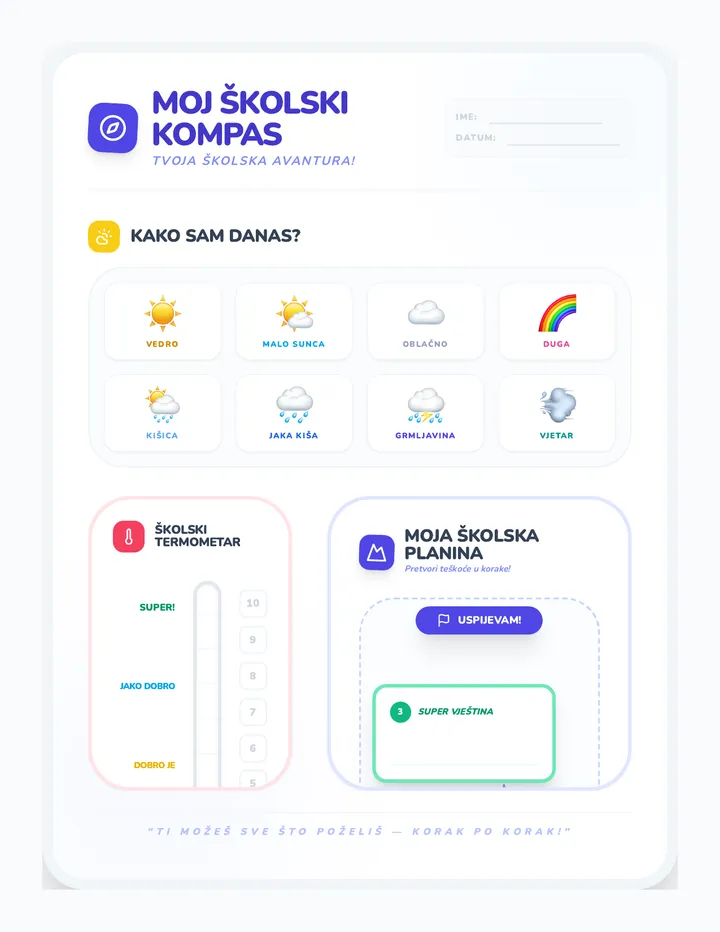
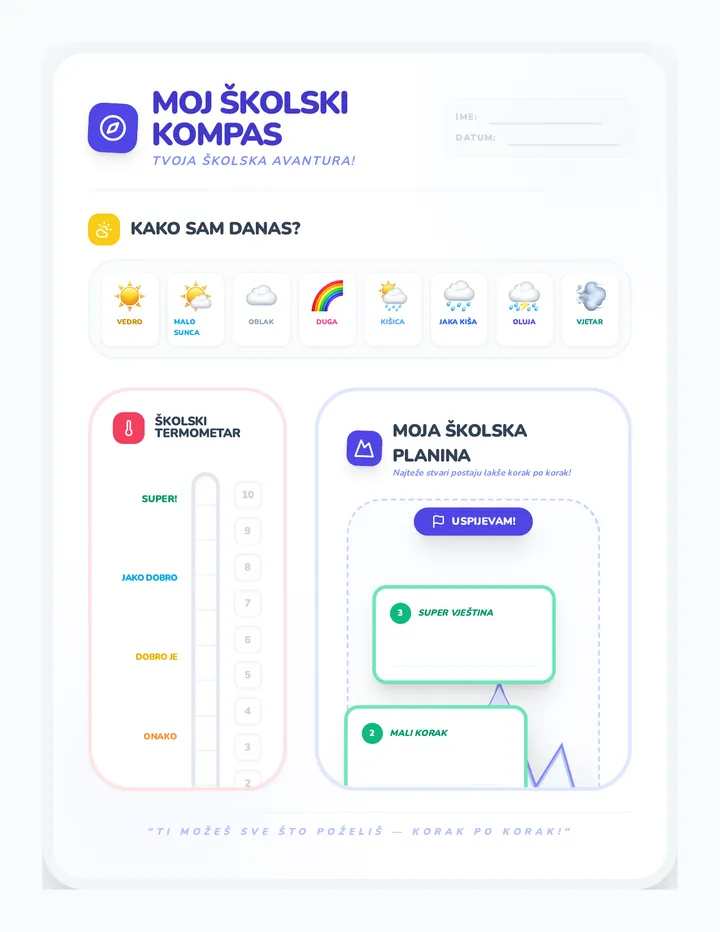
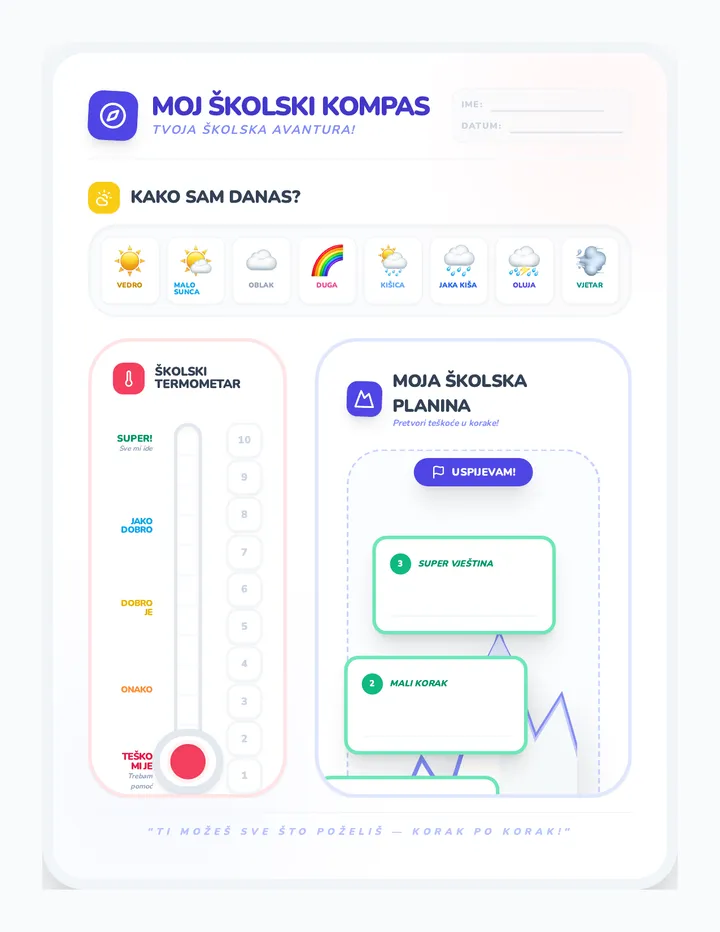
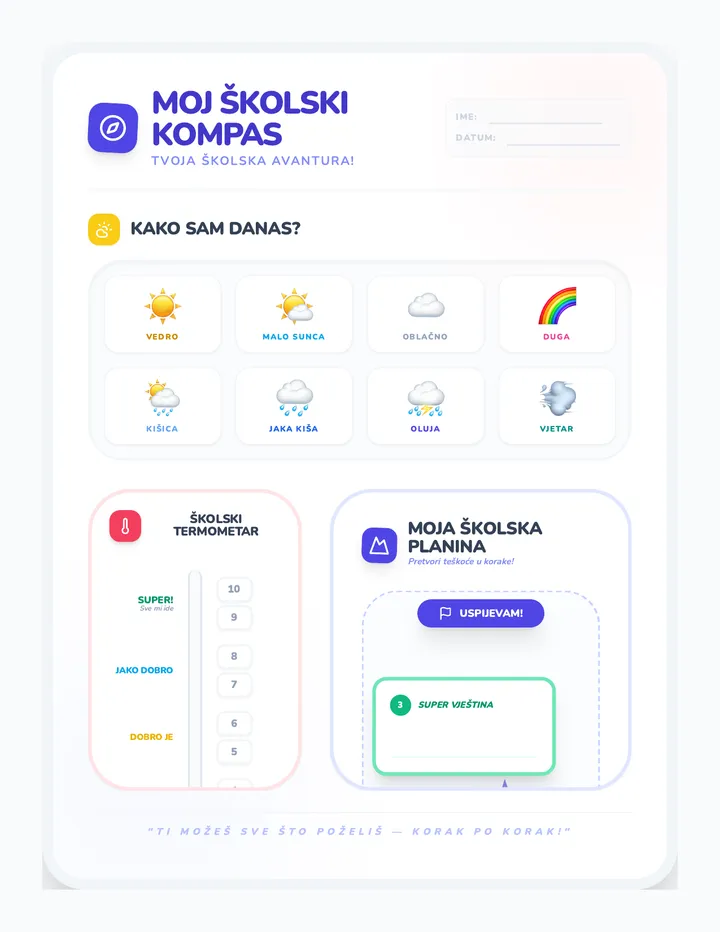
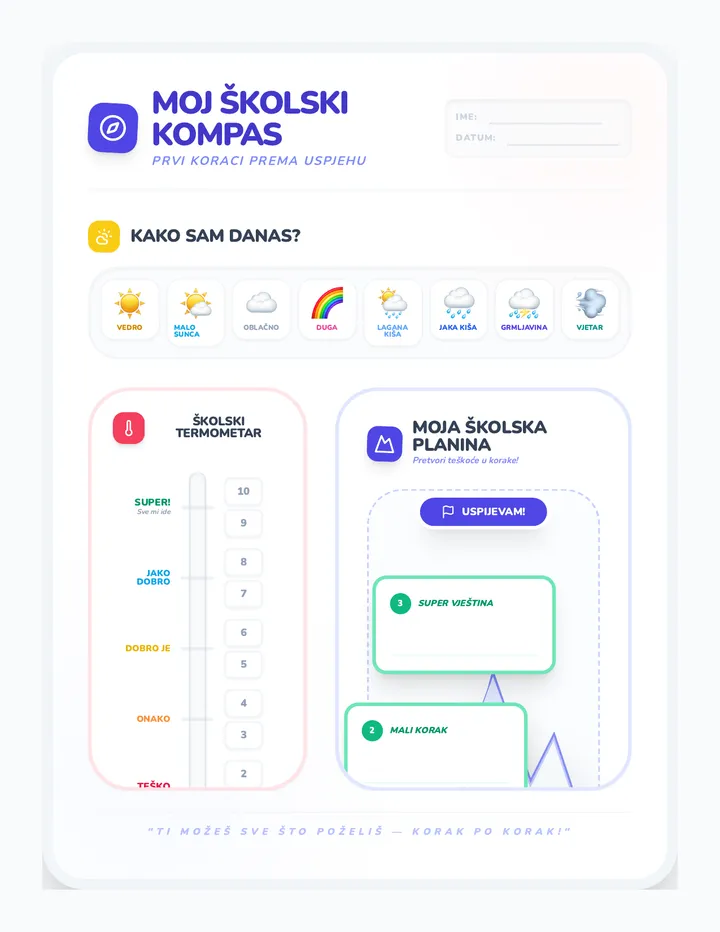
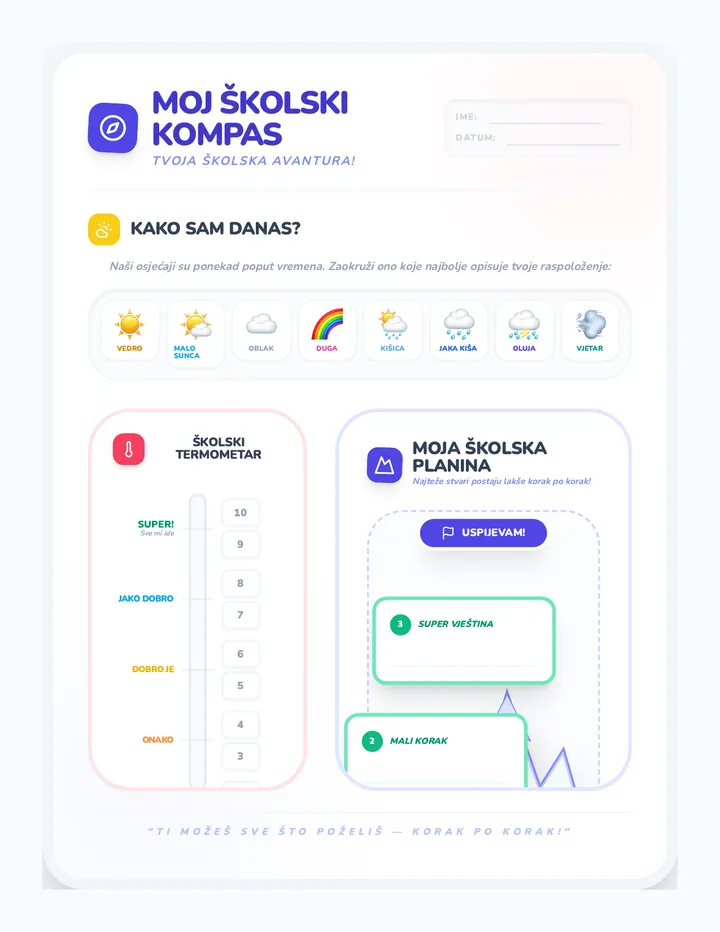
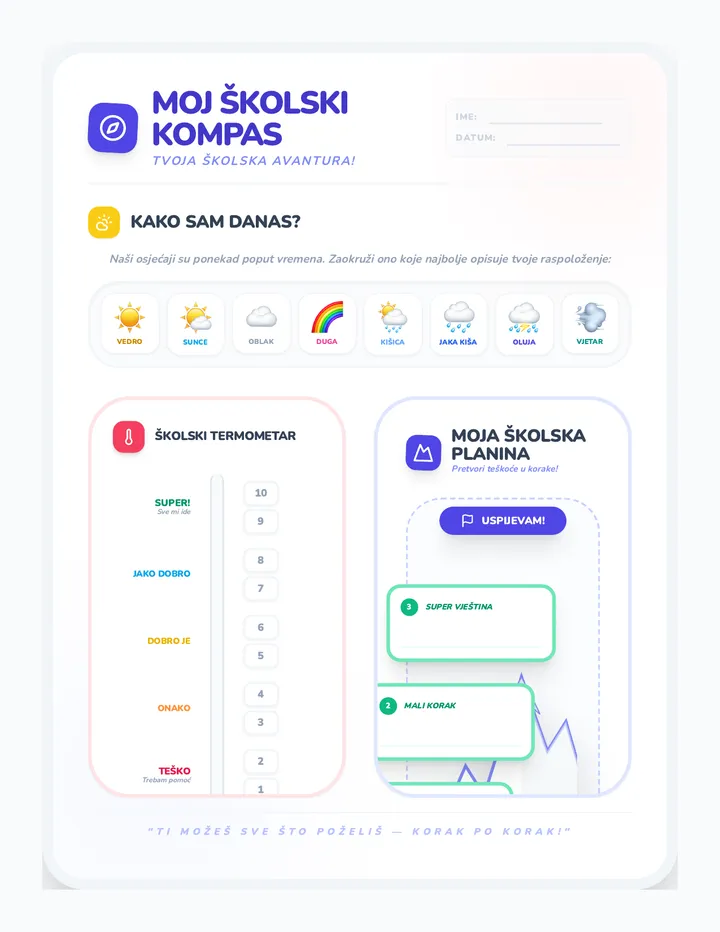
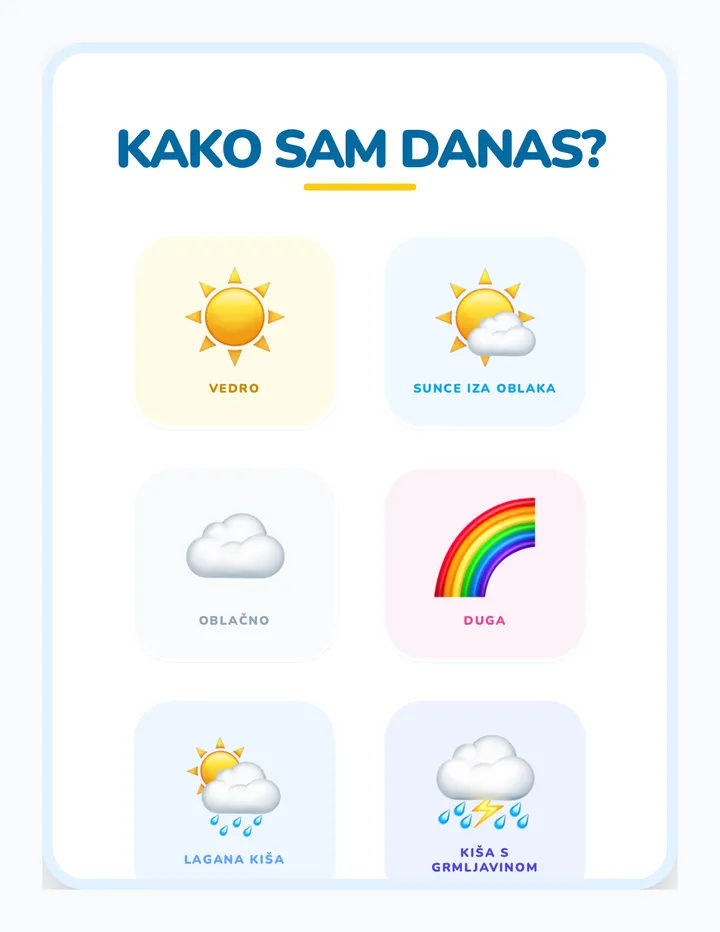
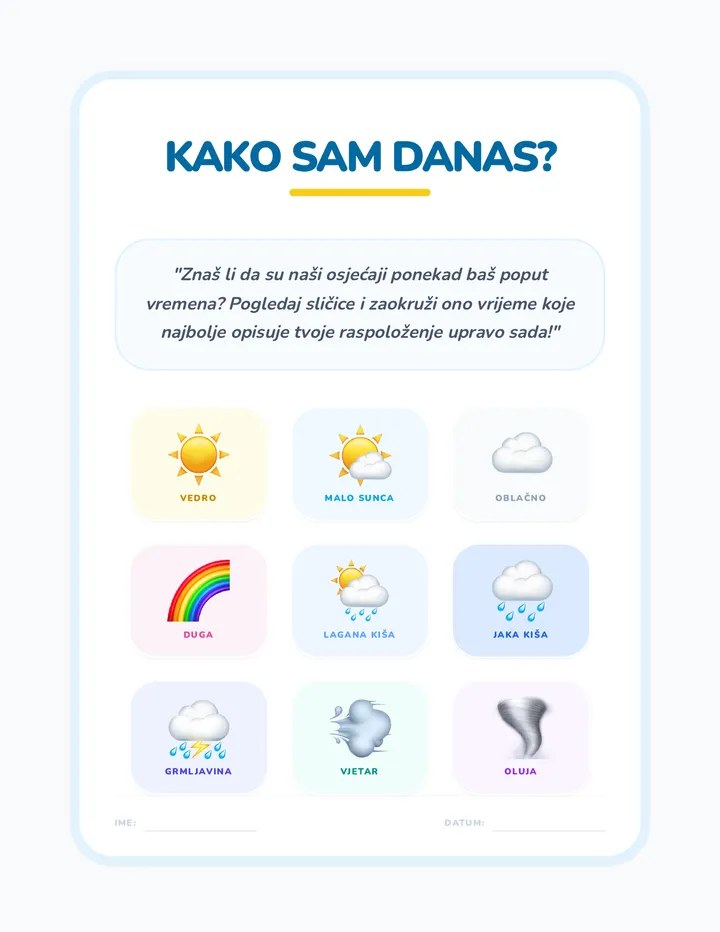
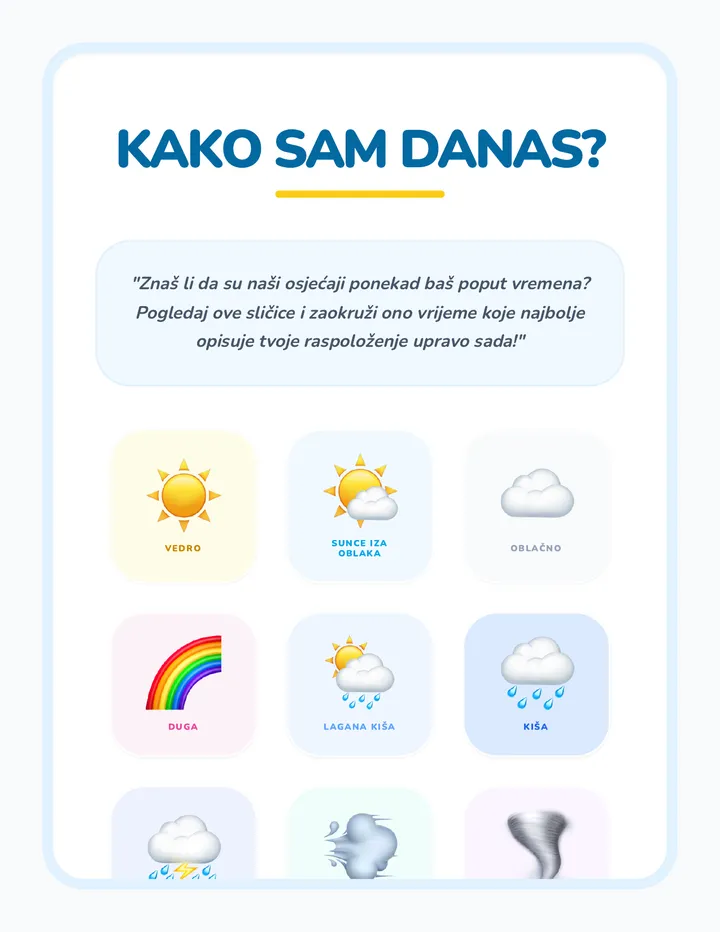
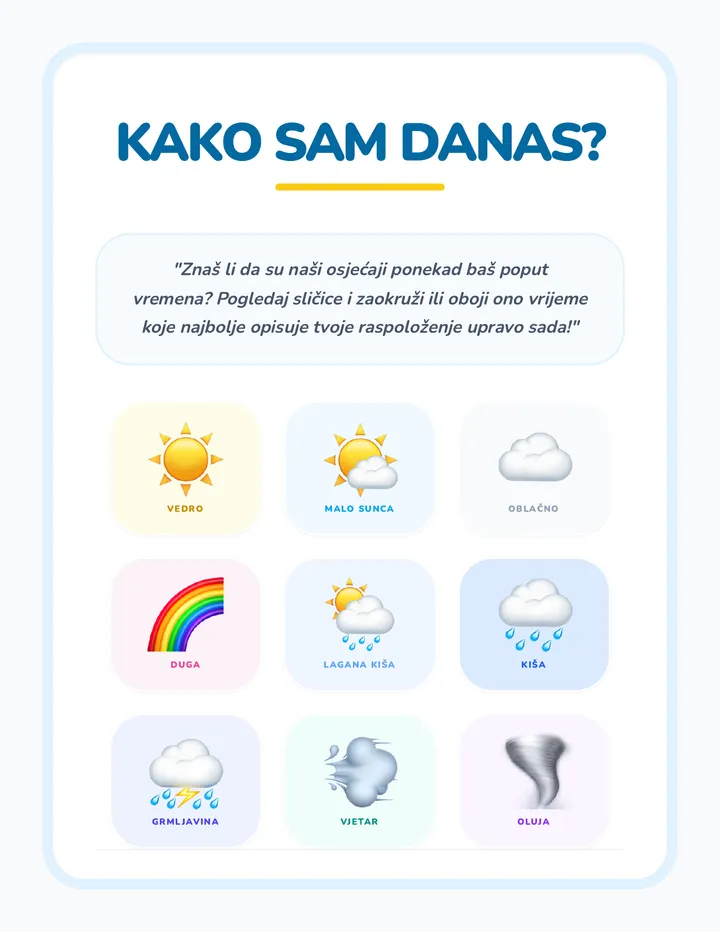
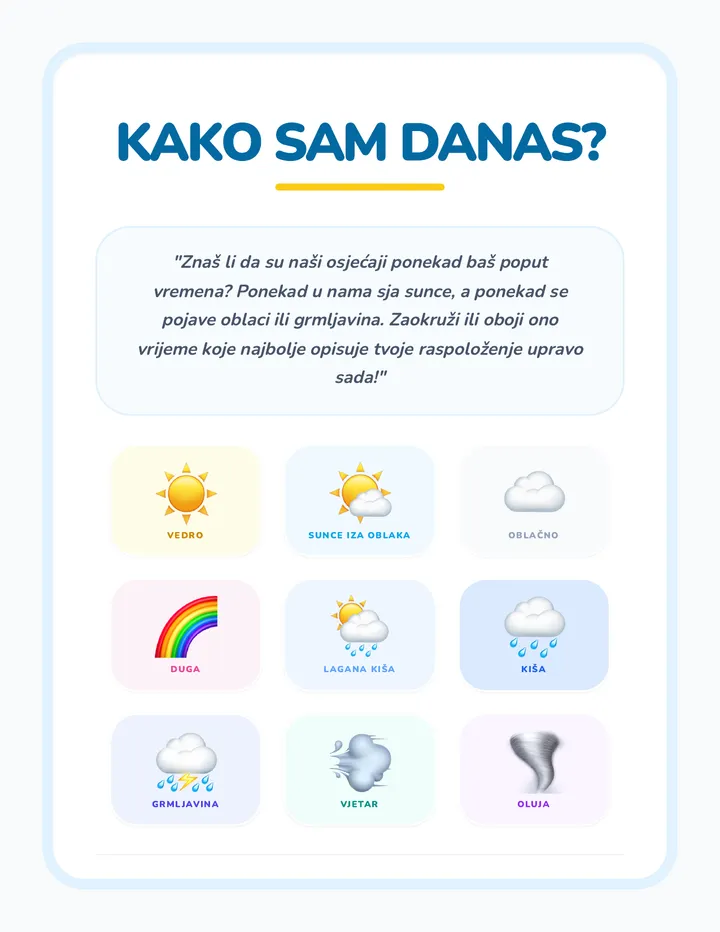
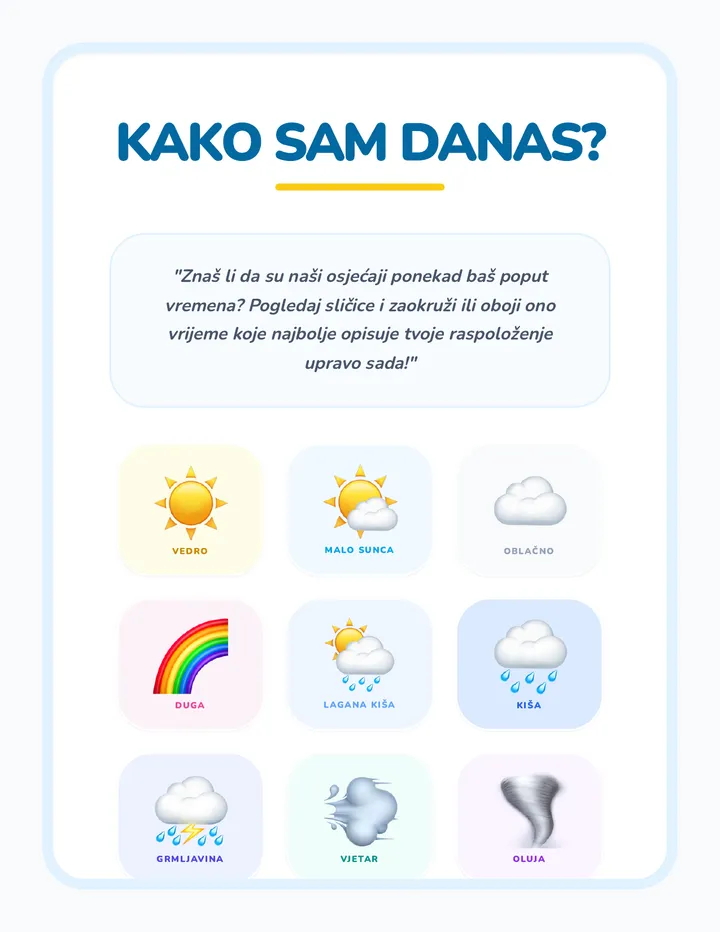
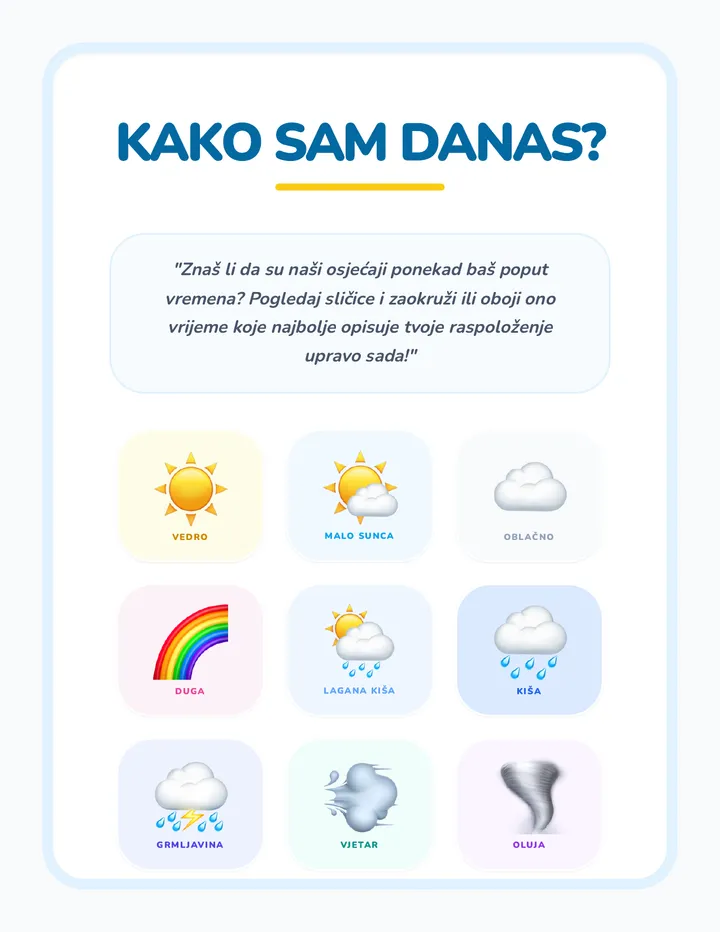
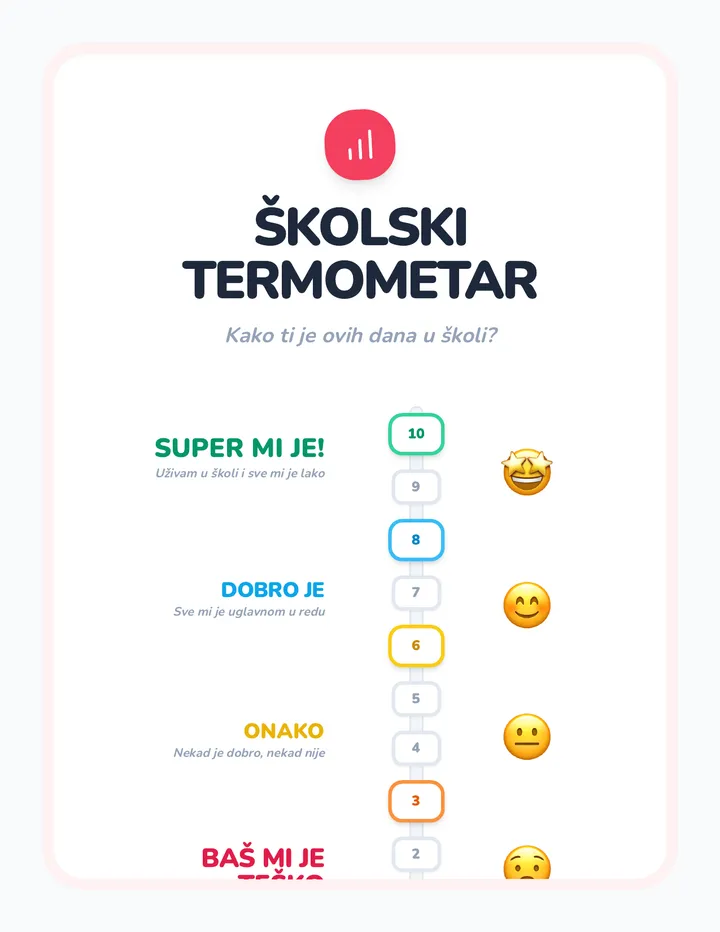
A 10-session series for IRR nonverbal autism students to establish a consistent morning routine using visual supports for date, weather, and mood tracking.
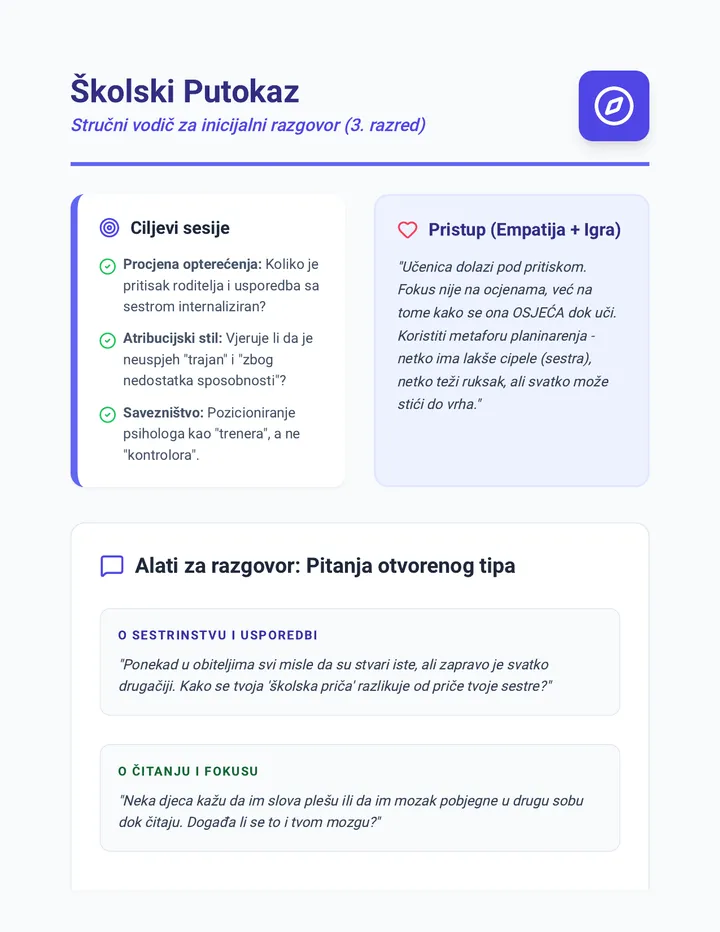
An 8-week social-emotional learning sequence designed for 30-minute one-on-one sessions with a 3rd-grade student, focusing on impulse control, following directions, and friendship skills.
A comprehensive multi-tier intervention series focusing on peer conflict resolution, reputation management, and social decoding across universal, targeted, and intensive support levels.
This sequence introduces 6th-grade students to visual planning and time management. Students learn to use different tools, distinguish between fixed and flexible time, and develop routines to maintain a personalized organizational system.
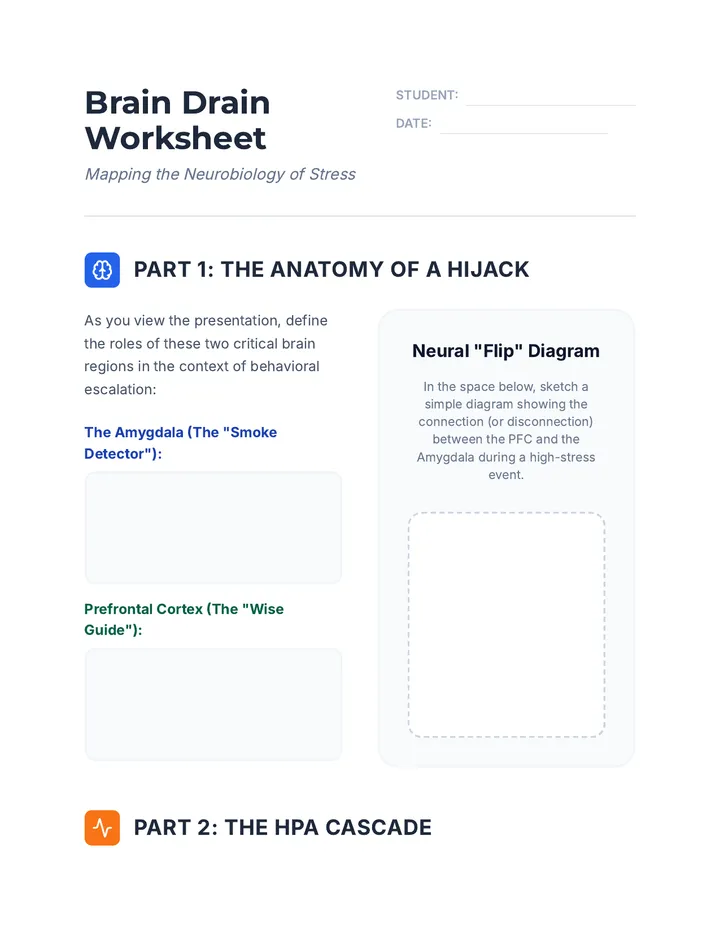
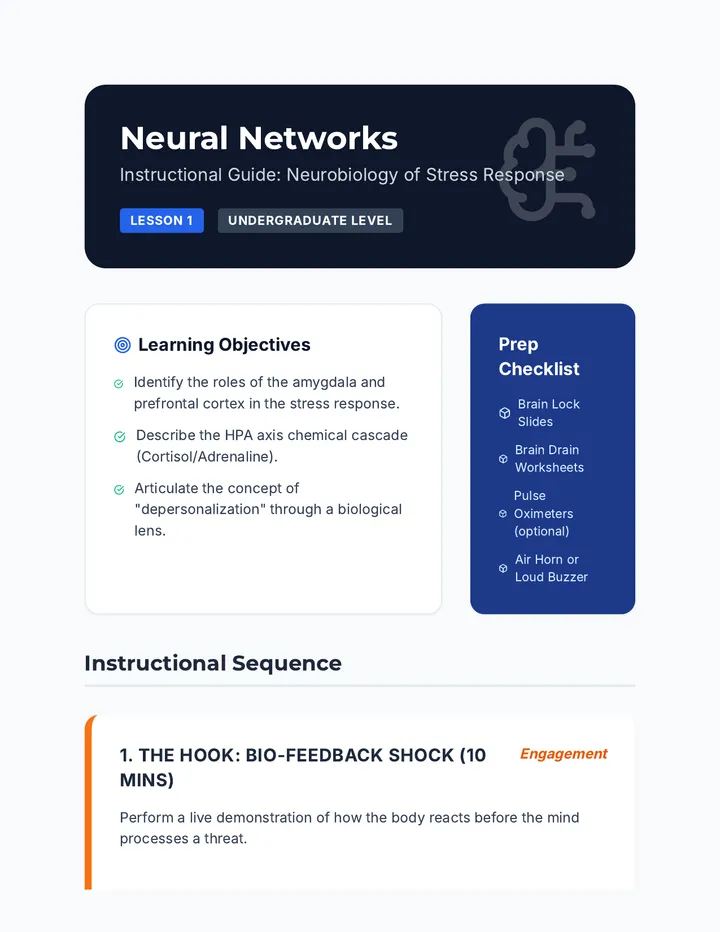
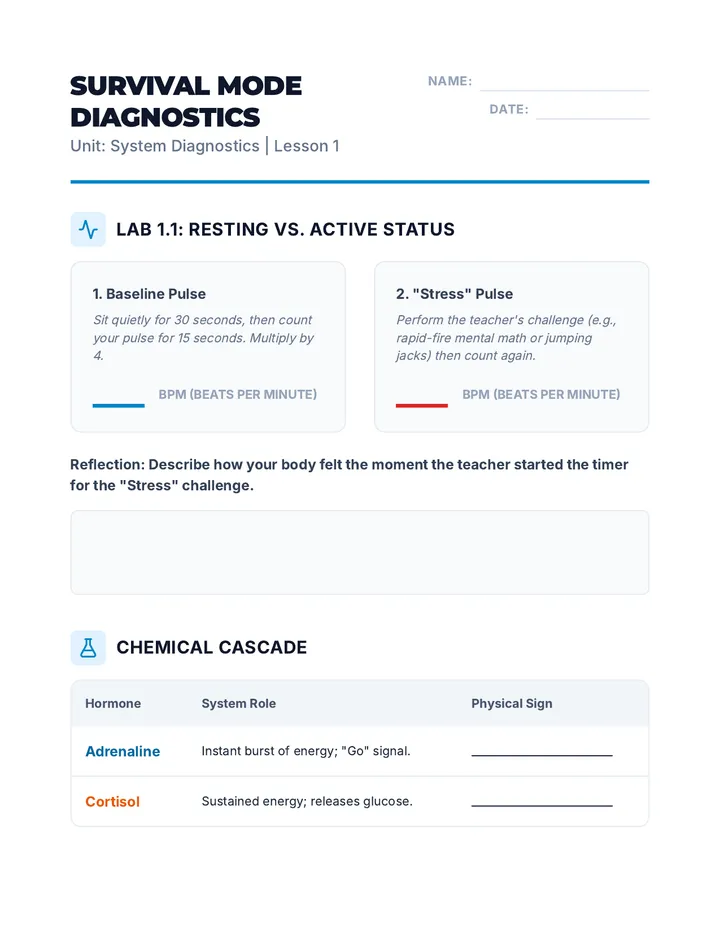
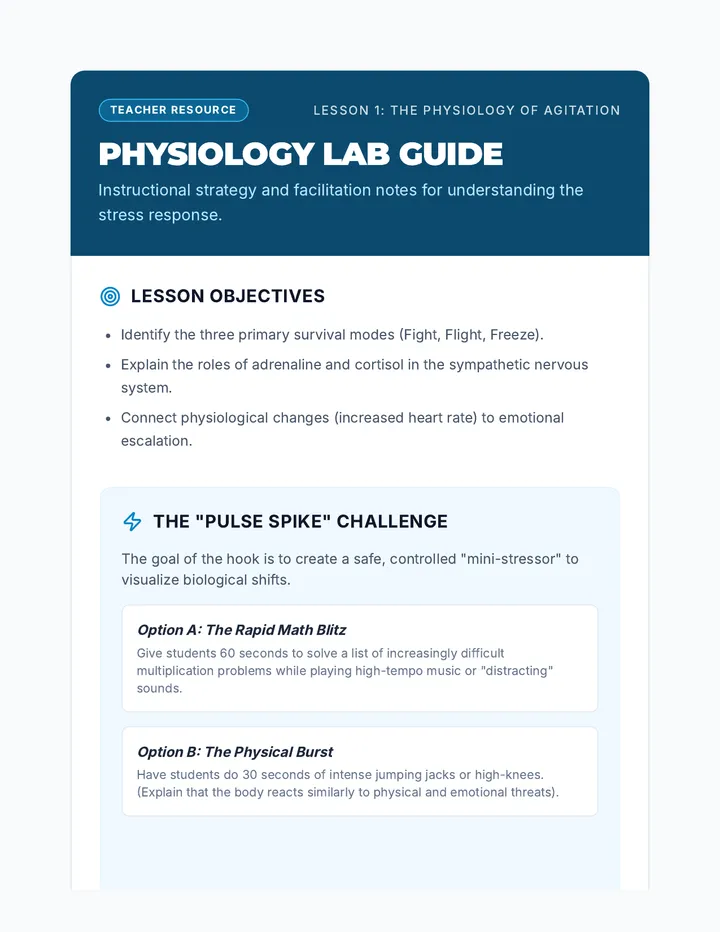
This sequence explores the neurobiological foundations of student escalation, connecting internal physiological stress responses (the 'amygdala hijack') to observable external warning signs. Students will learn to depersonalize behavior by understanding it as a biological survival mechanism, training them to recognize subtle somatic, respiratory, and muscular cues before a full behavioral outburst occurs.
A 5-lesson sequence for Kindergarten students focused on using visual schedules and symbols to support working memory, transitions, and independence. Students progress from symbol recognition to creating their own personal mini-schedules.
A sequence for 3rd graders to master self-talk strategies for task initiation. Students take on the role of 'Brain Coaches' to externalize executive function challenges and build a toolkit for overcoming procrastination through role-play, games, and simulations.
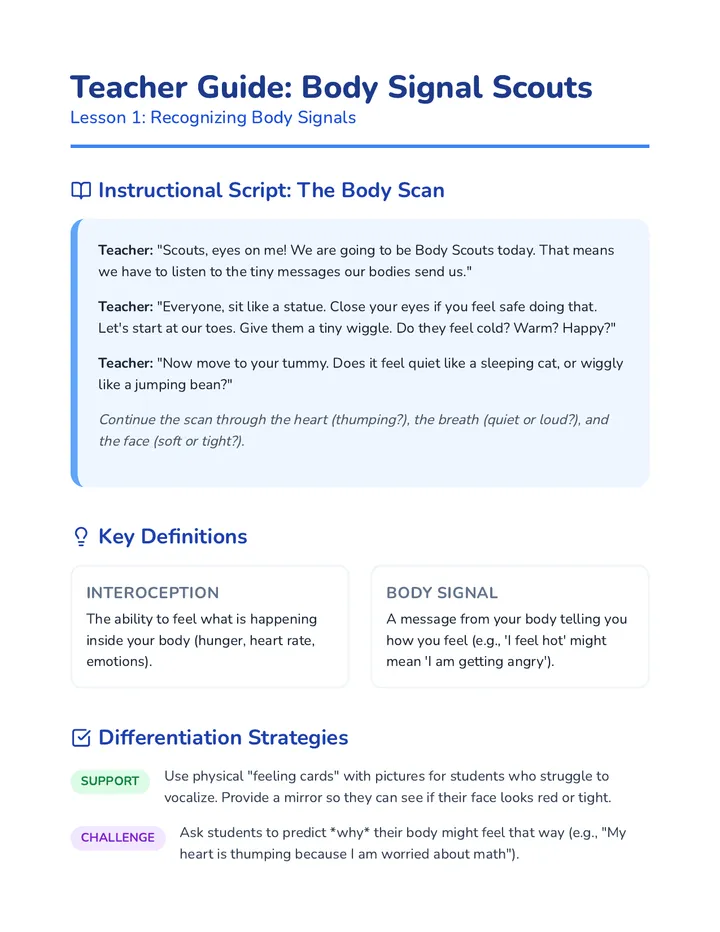
A 5-lesson sequence for Kindergarten students focusing on interoception and the procedural steps of requesting and returning from a break to support self-regulation.
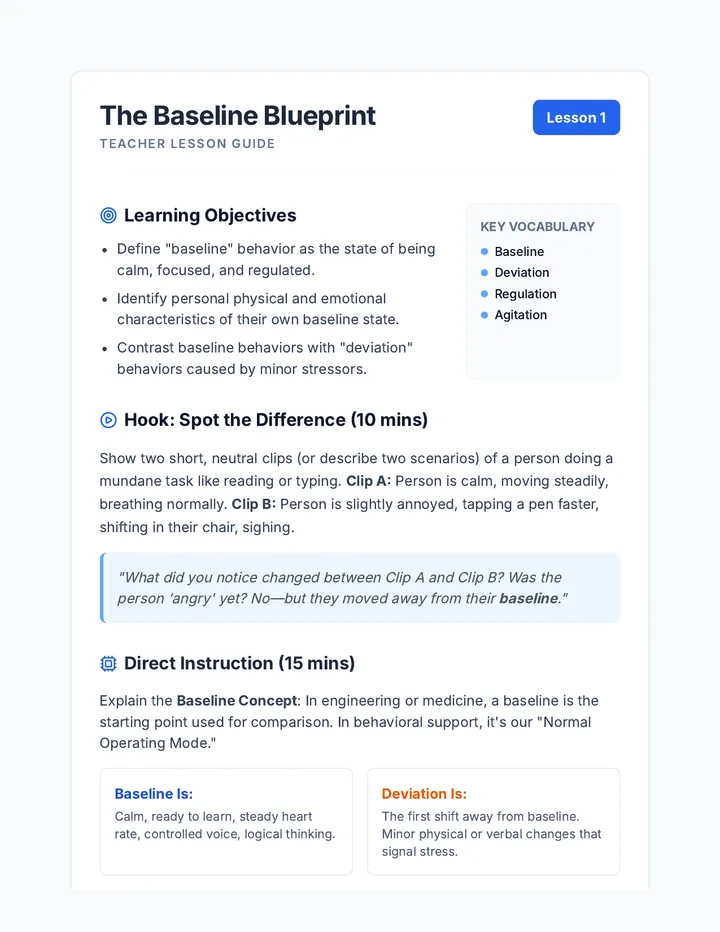
This sequence trains undergraduate students in behavioral health and education to identify the early warning signs of crisis. Students move from establishing behavioral baselines to analyzing motor, verbal, and passive indicators of escalation through case studies and clinical observation.
A high-intensity, simulation-based training sequence for graduate students to master real-time identification of behavioral escalation cues. Students move from identifying subtle micro-behaviors to managing their own physiological responses during high-fidelity crisis simulations.
A high-intensity simulation-based unit for 12th graders focusing on situational awareness and the early detection of behavioral escalation in dynamic environments. Students take on the role of behavioral analysts to identify subtle cues before they lead to crisis.
A comprehensive 5-lesson unit for 12th-grade students on identifying behavioral baselines and recognizing early warning signs of emotional escalation through analytical observation of verbal, para-verbal, and non-verbal cues.
This sequence connects behavioral observation to the biological science of the stress response. Students investigate the 'why' behind warning signs by studying the sympathetic nervous system and the 'fight, flight, or freeze' response, culminating in a biological profile of behavioral escalation.
This sequence teaches 11th-grade students how to observe and document behavioral baselines and non-verbal escalation cues. Students move from identifying neutral behaviors to recognizing subtle kinetic and facial indicators of stress to prevent conflict through early observation.
A 5-lesson workshop-style sequence for 9th-grade students on recognizing escalation warning signs and applying de-escalation strategies. Students learn situational assessment, verbal techniques, non-verbal communication, and active listening through simulations and mastery-based role-plays.
A 5-lesson sequence for 9th-grade students focusing on the physiological and cognitive aspects of emotional escalation. Students learn to identify early warning signs in their bodies and minds to prevent crises through self-awareness and personalized monitoring protocols.
A comprehensive 5-lesson unit on the Crisis Cycle, focusing on identifying triggers, escalation stages, and intervention points through a technical mapping and simulation lens. Students move from theoretical understanding to retroactive detective work to understand behavioral patterns.
A Pre-K sequence focused on identifying early warning signs of behavioral escalation through animal metaphors, movement, and social-emotional awareness. Students learn to recognize pacing, hiding, impulsive hands, and loud footsteps as signals for needing support.
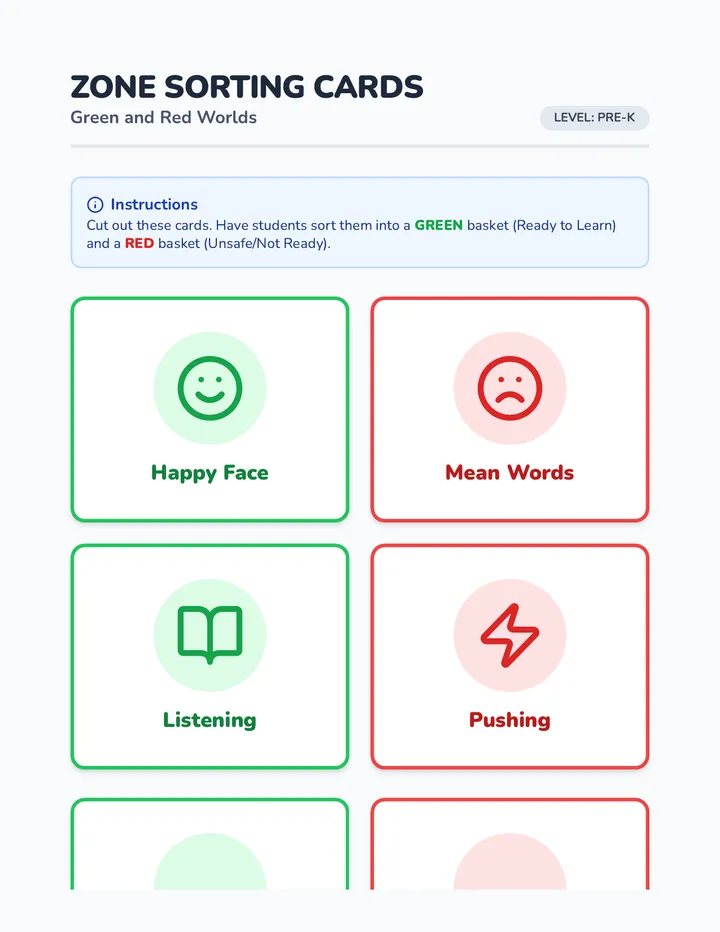
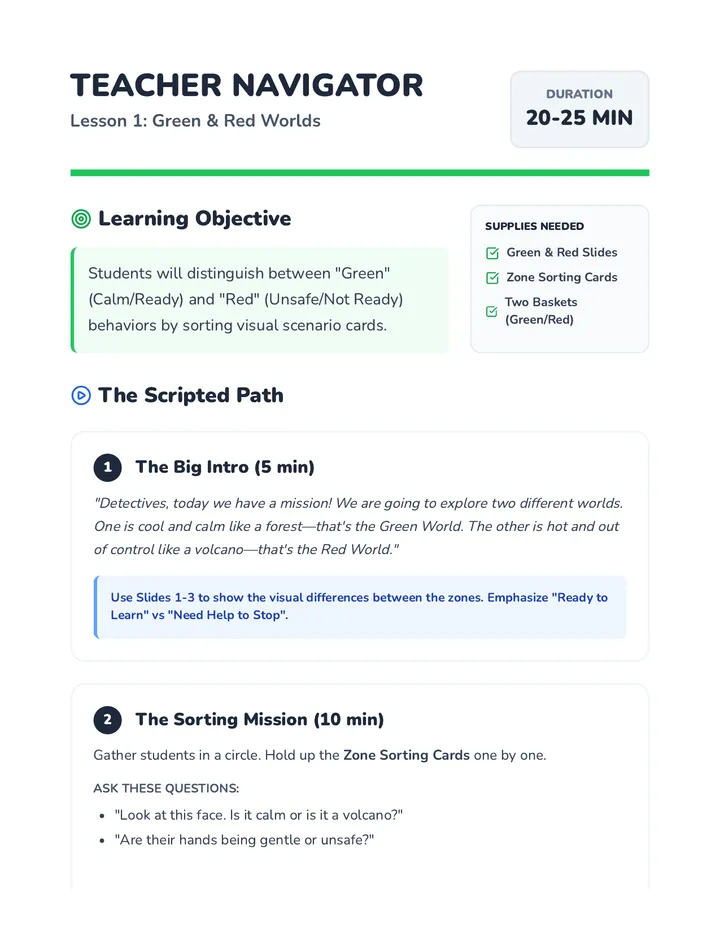
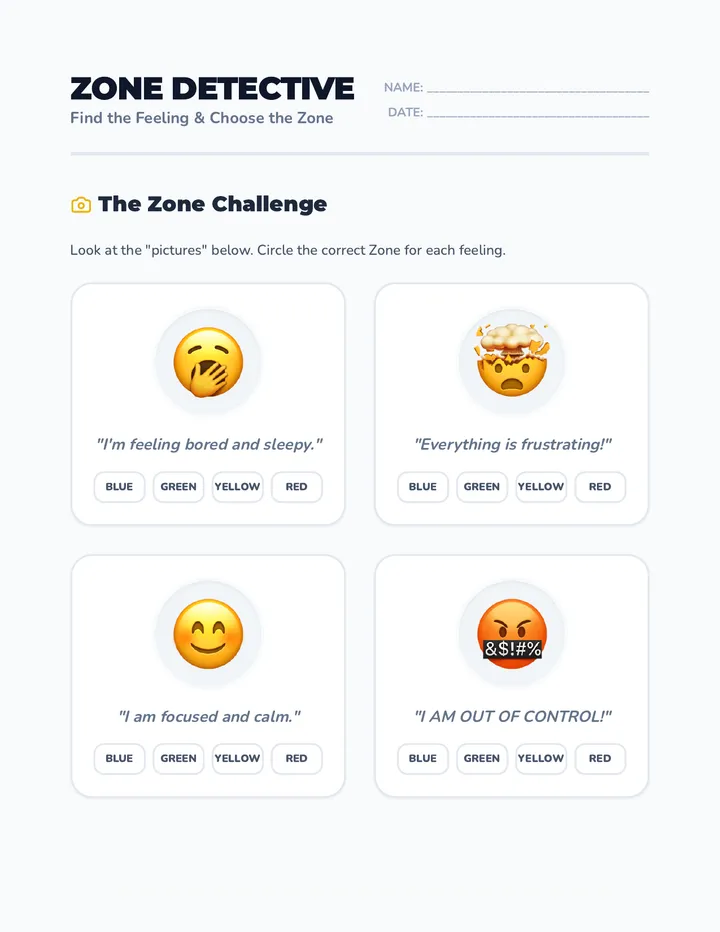
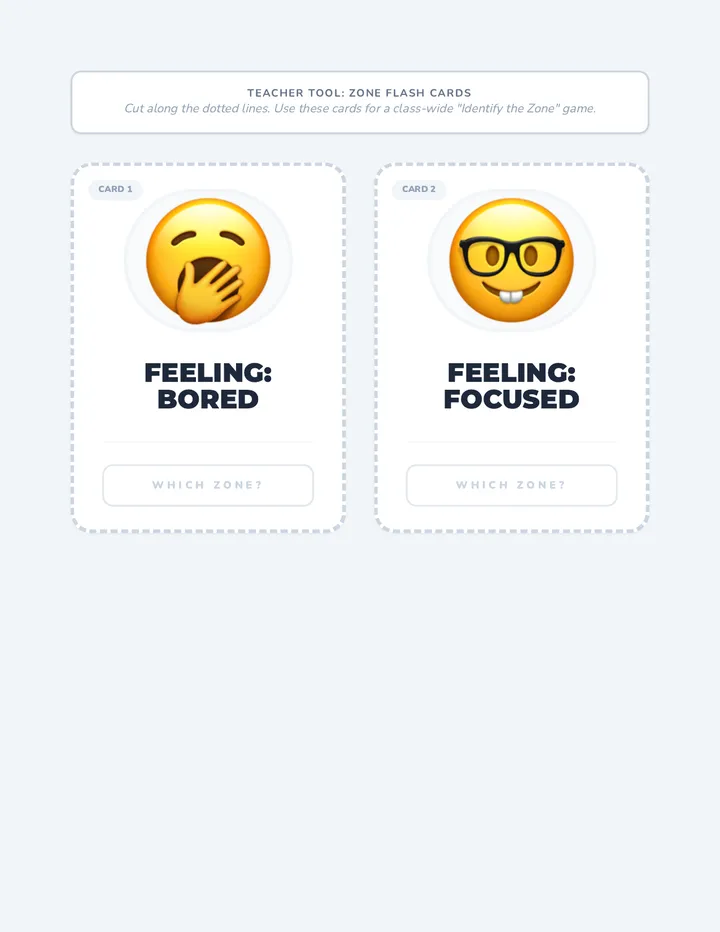
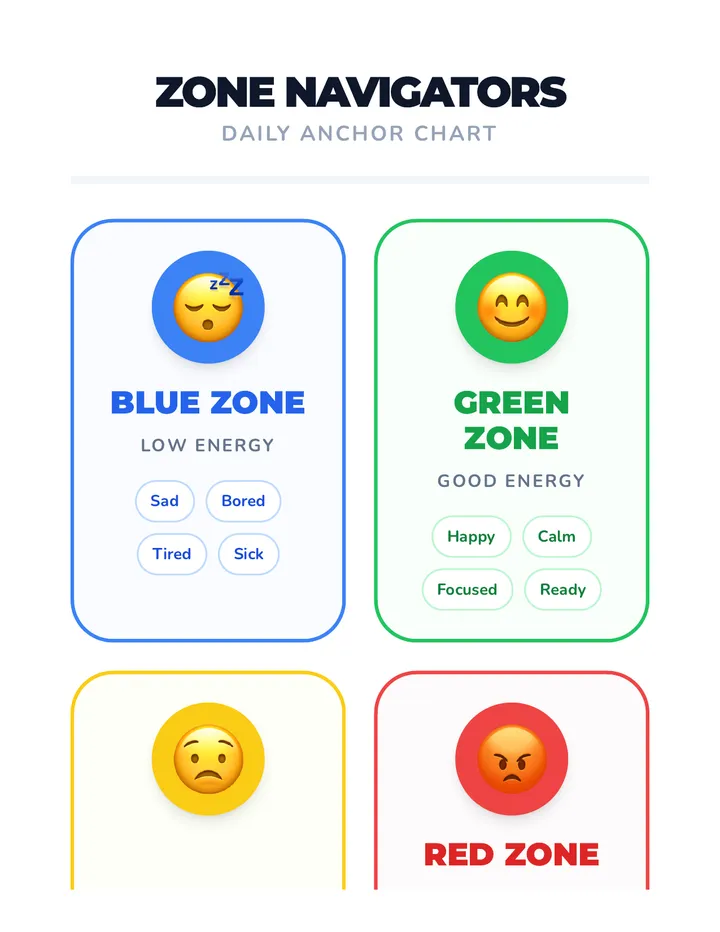
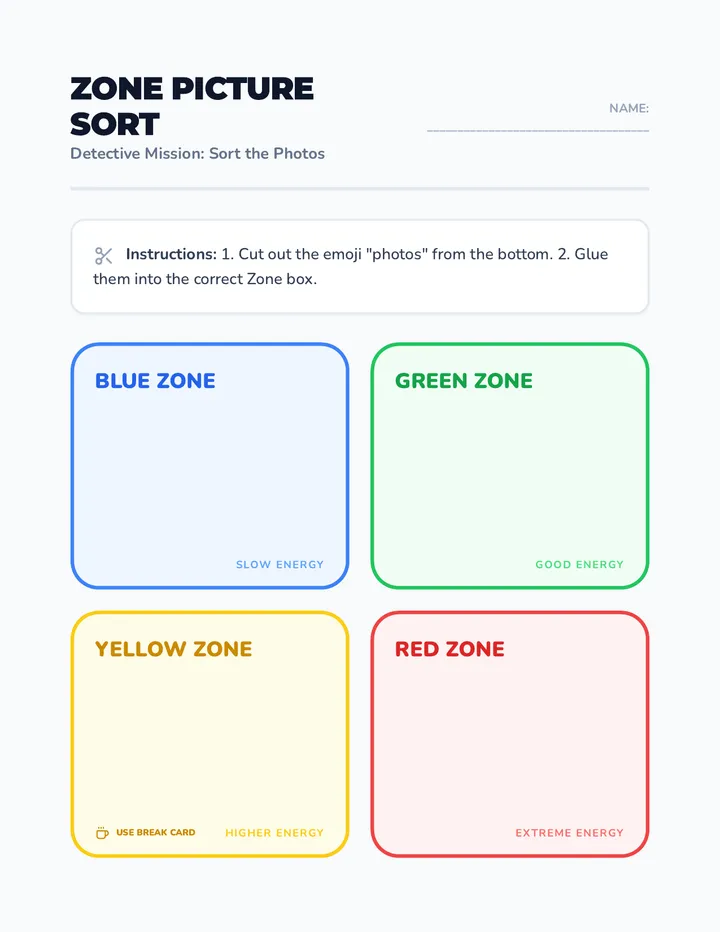
A color-coded behavioral support sequence for Pre-K students focused on identifying emotional intensity. Students learn to distinguish between 'Green' (calm), 'Yellow' (warning), and 'Red' (crisis) zones, with a heavy emphasis on recognizing the 'Yellow Zone' signs before escalation occurs.
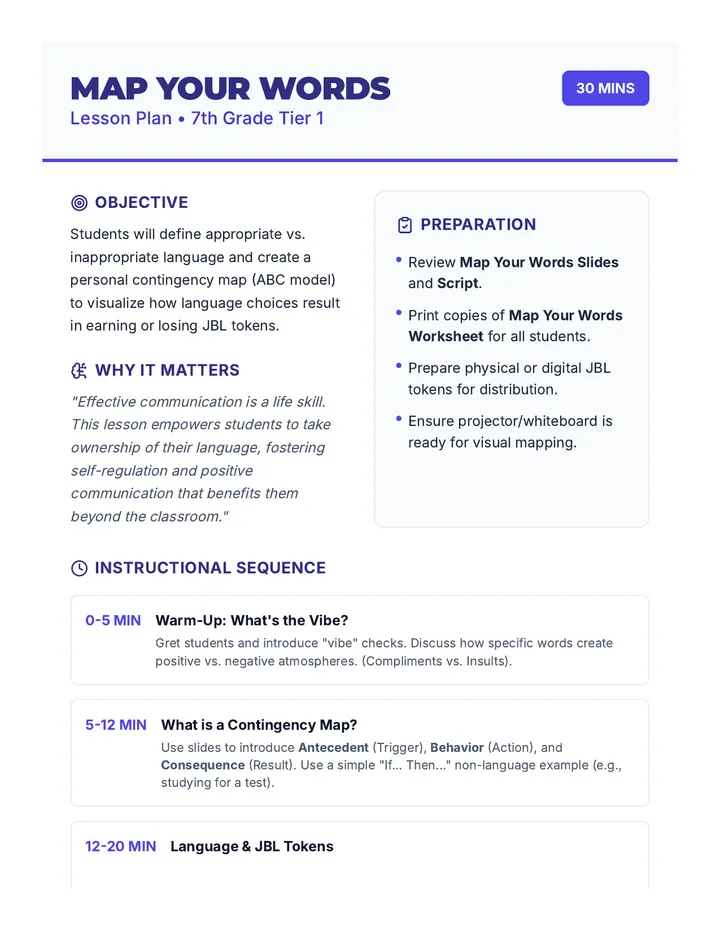
A comprehensive 5-lesson unit for 7th-grade students to identify internal and external signals of emotional escalation. Students move from establishing baseline behaviors to creating a personalized 'Escalation Map' to help them recognize when to engage coping strategies before a crisis occurs.
A sequence for Kindergarten students focusing on task management and adapting to plan changes through visual schedules. Students learn to recognize daily routines, identify a 'change' symbol, observe calm modeling, and physically adjust schedules to build flexibility.
This sequence explores the interpersonal application of positive reinforcement in leadership, coaching, and mentoring contexts. Students examine how leaders influence group culture and individual performance through specific praise and recognition systems.
A comprehensive sequence for undergraduate students on implementing daily check-in/check-out (CICO) procedures with a focus on rapport building, motivational interviewing, and therapeutic interaction. Students will move from basic morning protocols to handling complex setbacks and planning for student graduation from behavioral supports.
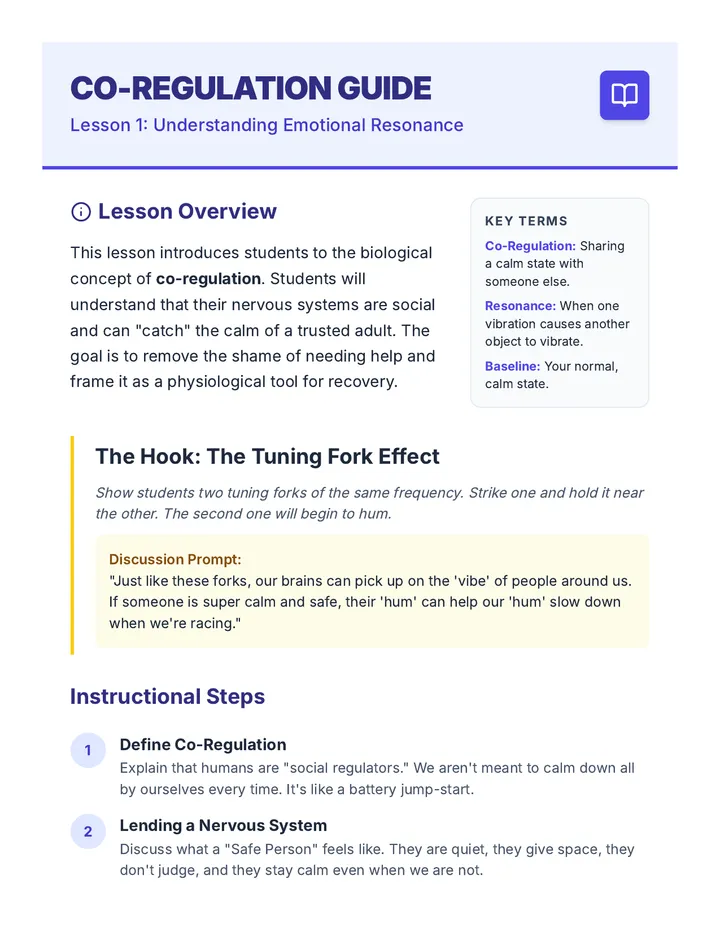
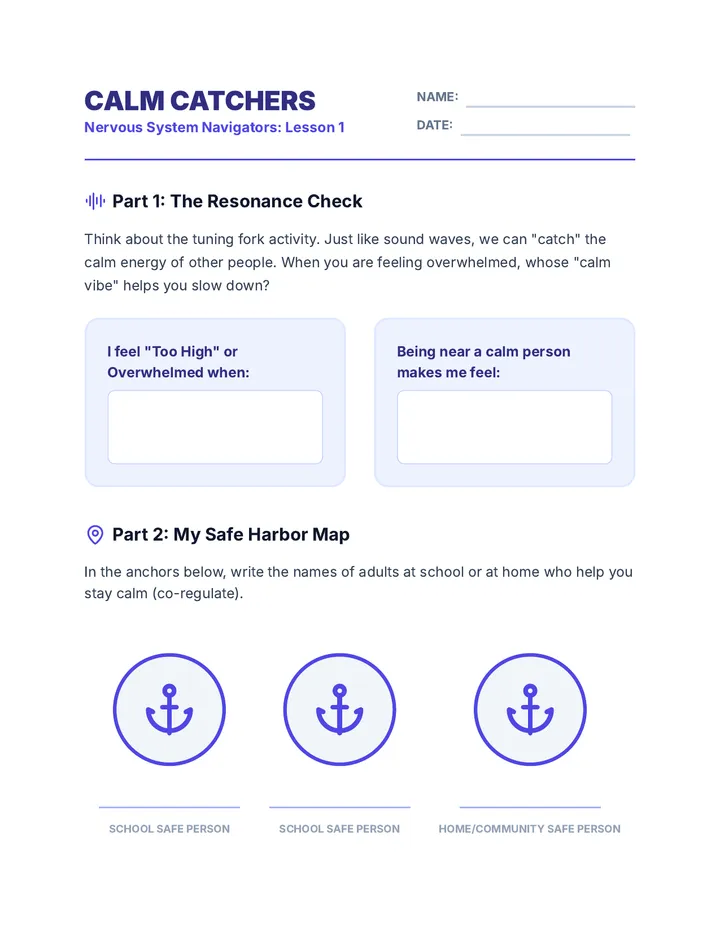
A 5-lesson sequence for 5th-grade students focused on co-regulation, non-verbal communication, and self-advocacy during dysregulation recovery. Students learn to leverage adult support to return to an emotional baseline.
A sequence for 2nd graders focused on dysregulation recovery, teaching students how to 'borrow calm' from safe adults, use non-verbal signals, and successfully rejoin their classroom community after a meltdown or sensory overload.
A series of lessons designed to develop social-emotional health, focusing on interpersonal kindness and personal coping strategies for elementary students.
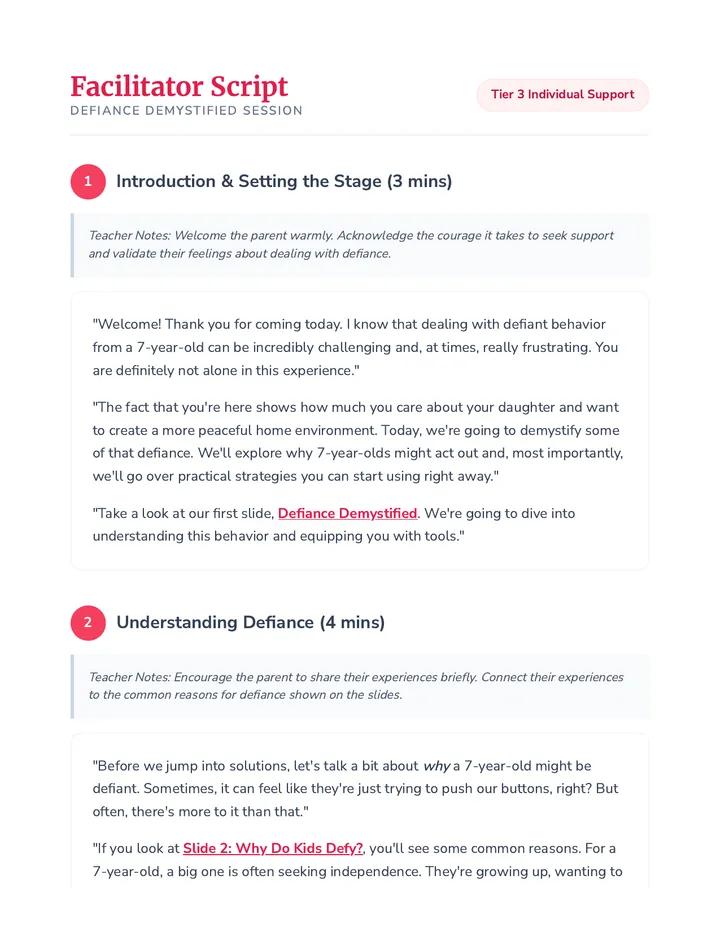
An intensive, Tier 3 individual intervention program designed to help students master self-regulation and problem-solving through a 'Calm Construction' theme. The sequence provides structured, visual tools for identifying anger triggers, implementing cooling strategies, and applying logical problem-solving frameworks.
A comprehensive toolkit designed for a 6th-grade student to navigate emotional dysregulation. This sequence focuses on identifying internal triggers, building a personalized strategy toolkit, and establishing a clear safety protocol for crisis moments, providing stability in both school and home environments.
A pair of 10-minute assembly lessons focused on friendship, safety, and community respect for K-2 and 3-5 students, addressing physical and verbal behavior.
A comprehensive 8-session Tier 2 small group curriculum designed to help students develop social awareness ('Reading the Room') and master positive attention-seeking strategies through role-play, reflection, and direct instruction.
A 4-week restorative intervention program designed for 5th-grade students returning from suspension. The sequence uses a 'Building' metaphor to explore impulse control, healthy relationships, conflict resolution, and self-agency through discussion and structured reflection.
A 5-lesson series designed for a kindergarten student to understand the importance of school attendance, healthy habits, asking for help, and home routines. The sequence uses visual support and engaging activities to build school readiness.
A series of workshops designed to foster empathy, emotional regulation, and effective communication skills across different age groups.
A multi-part series for high school students in therapeutic settings that explores social-emotional regulation through the lens of systems, physics, and programming metaphors, designed for looping classroom displays.
A four-part series for 1st graders focused on mastering classroom rules through listening and following directions, using a fun 'Rule Rangers' scout theme.
A 4-week social-emotional learning unit designed to help students identify their emotions, recognize physical signals, and build a personalized toolkit of coping strategies for the classroom and beyond.
A series of lessons designed to help 3rd-grade students manage externalizing behaviors like interrupting and impulse control using the 'Brain Remote Control' framework. Students will learn to recognize triggers and practice pausing before reacting.
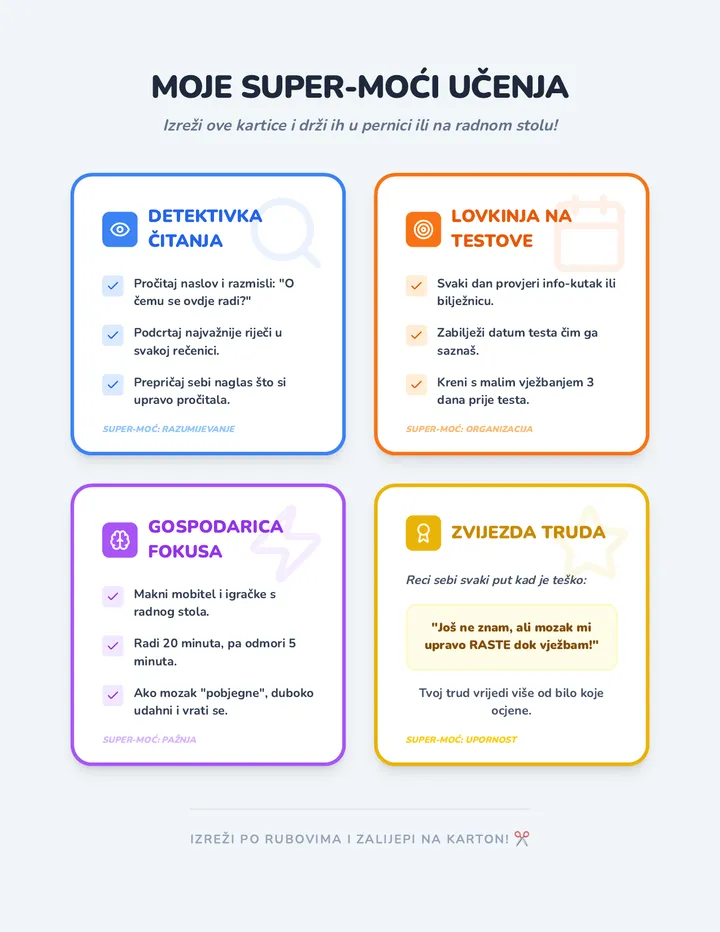
A comprehensive suite of resources designed to empower students with the habits, strategies, and tools needed for successful supported study sessions. This sequence covers organization, reading and math strategies, and self-advocacy skills.
A comprehensive set of resources designed to help 3rd-grade students navigate classroom distractions, build self-advocacy, and practice mindfulness.
A comprehensive unit designed to help students overcome procrastination and build independent task initiation skills through visual aids, narratives, and practical strategies.
Une formation complète de 9h destinée aux AED pour transformer une salle polyvalente (permanence, foyer, cours) en espace flexible, abordant les postures professionnelles et l'aménagement spatial.
A counseling series using the iceberg analogy to help students with ADHD understand their neurodiversity, master emotional regulation, and develop self-advocacy skills. Each lesson dives deeper into specific 'underwater' challenges.
A visual-heavy social-emotional intervention program designed for 5th-grade students with lower reading levels. Focuses on identifying six core emotions and developing practical classroom self-regulation strategies through a 'Feeling Detective' theme.
A series of high-impact, 15-minute mini-lessons designed to build essential classroom culture skills through a secret agent lens. From working independently to active listening, students train to become 'Elite Agents' in their learning community.
Une formation immersive de 6 heures destinée aux AED débutants pour transformer une salle d'étude traditionnelle en un espace flexible favorisant l'autonomie et le bien-être des élèves. La formation alterne entre apports théoriques, ateliers d'analyse et sessions de conception créative.
A short, high-impact lesson sequence designed to help students master independent work skills using a Minecraft-inspired 'Single Player Mode' theme. Students learn to ignore distractions, use positive self-talk, and focus on their own tasks.
A comprehensive SEL program focused on emotional literacy, self-regulation, task initiation, and social play skills for young learners. Students develop a 'toolbelt' of strategies to manage big feelings and navigate classroom challenges.
An 8-session group intervention curriculum for high school students focused on self-regulation, communication, and conflict resolution to reduce disruptive behaviors. The 'Signal & Noise' theme uses modern communication metaphors to help students distinguish between reactive impulses (noise) and intentional actions (signals).
A 10-day behavioral intervention sequence designed to help students develop self-awareness, impulse control, and respectful communication skills to reduce classroom interruptions and rude comments.
A series of lessons focused on fundamental social skills for early learners, emphasizing self-regulation, cooperative play, and effective communication.
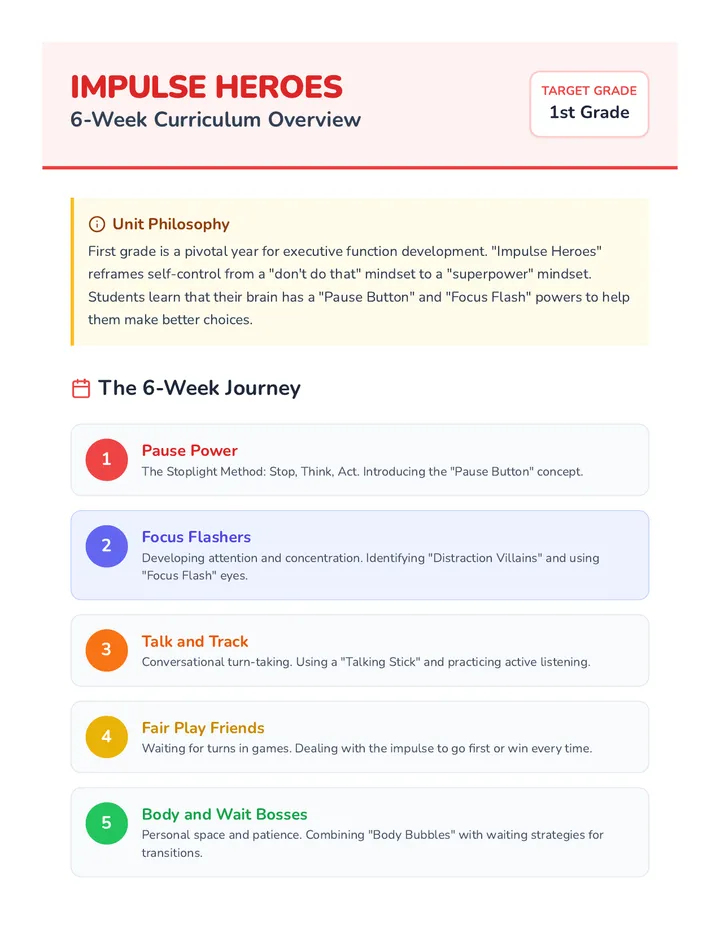
A collection of lessons focused on essential classroom and life skills, using high-engagement themes like "Scouts" and "Superheroes" to teach focus and safety.
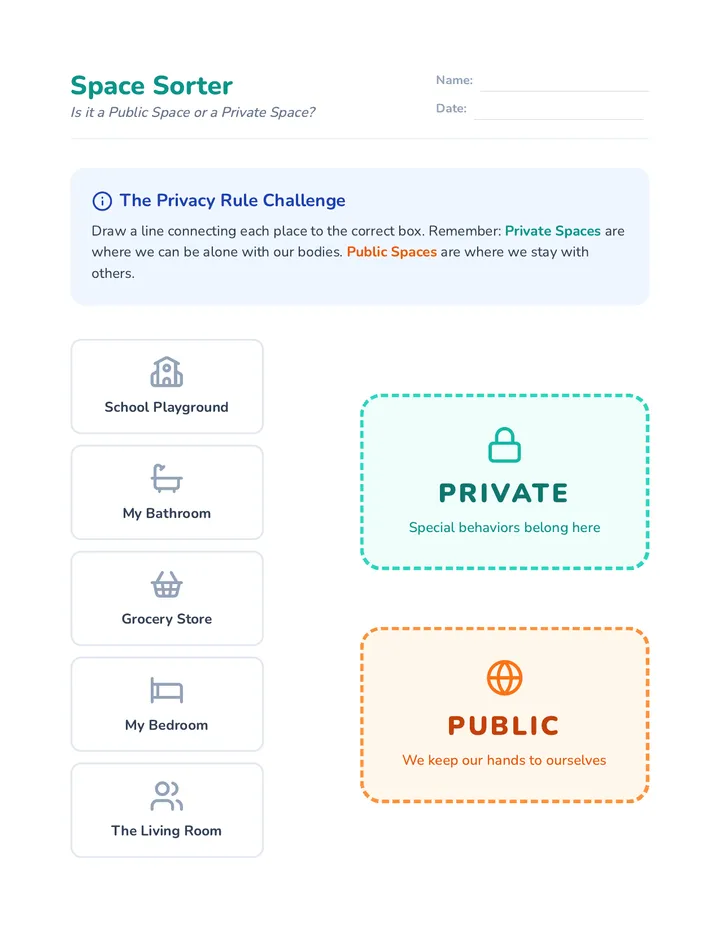
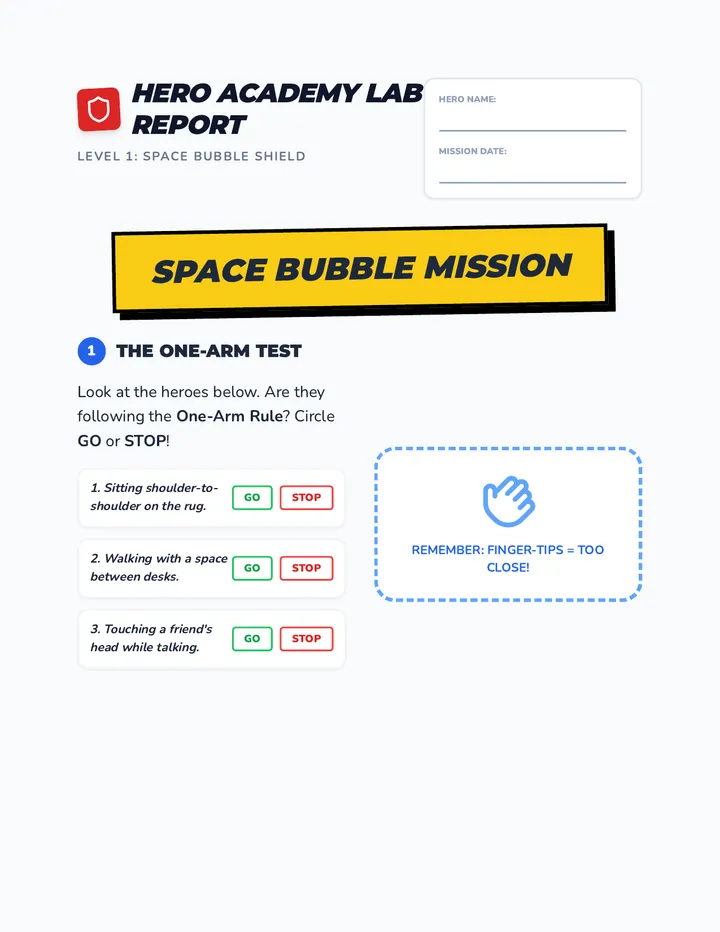
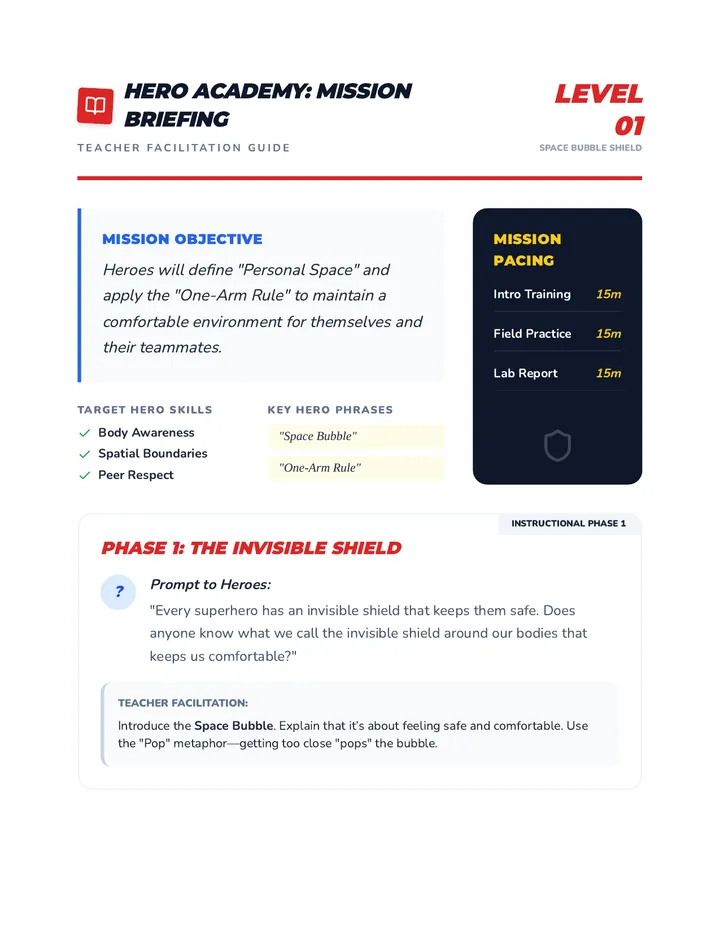
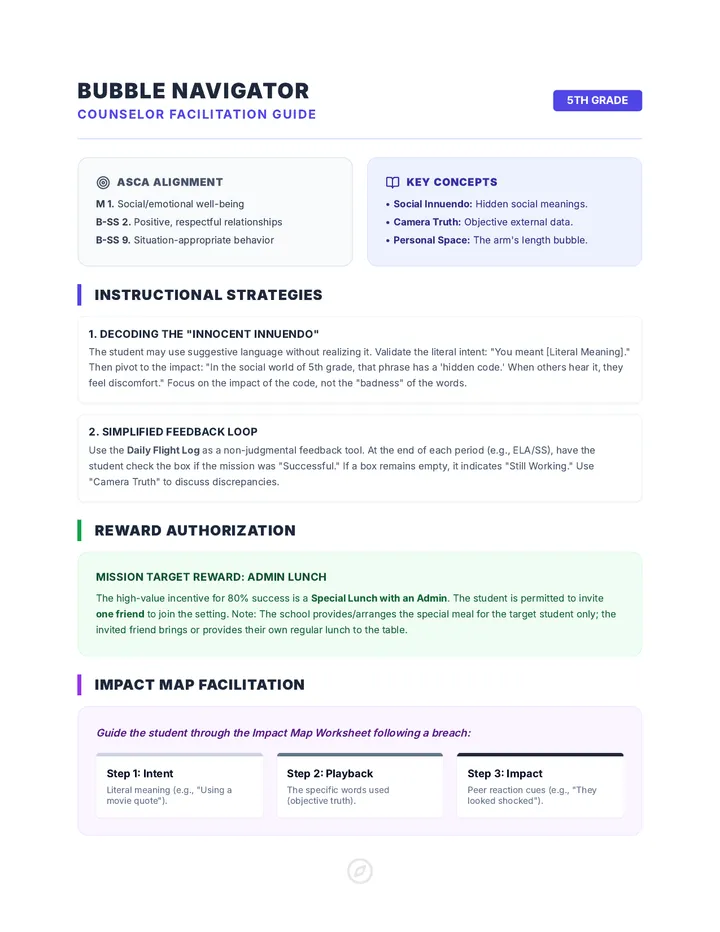
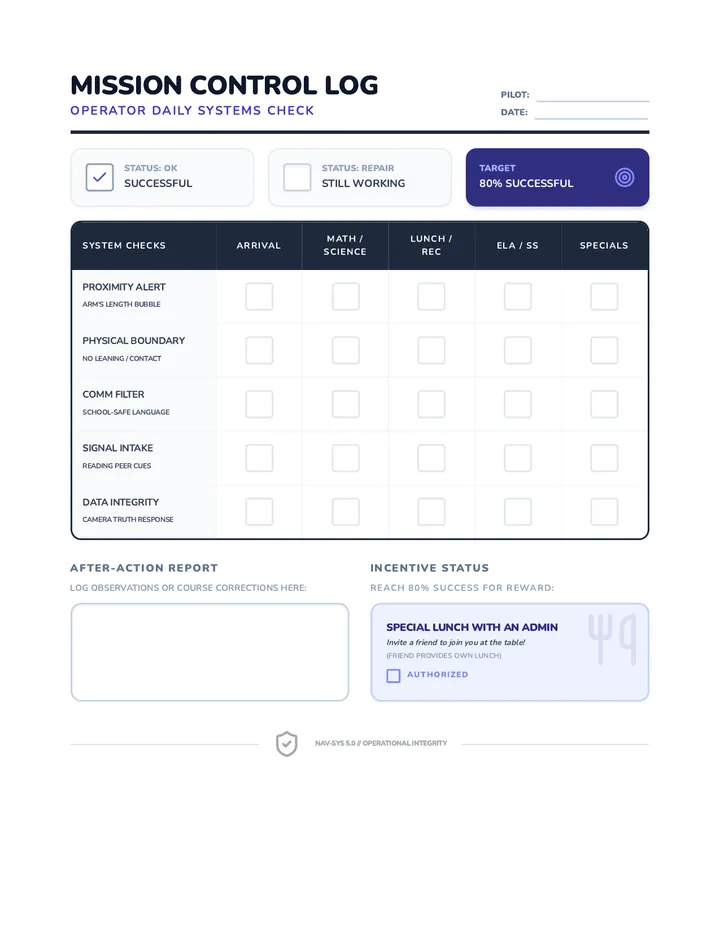
A comprehensive unit for 1st graders focusing on personal space awareness, physical boundaries, and positive behavior management using a fun space exploration theme.
A 6-week identity and self-esteem program for 5th graders titled 'True North: The Identity Lab.' Students explore their core values, strengths, mindset, and authentic selves through a scientific 'discovery' theme, preparing them for the social transitions of middle school.
A series of four individual sessions designed to help a student improve their punctuality and classroom endurance through goal-setting, strategy building, and a formal behavior contract.
An 8-week social-emotional learning curriculum for preschoolers focused on identifying emotions, sharing, waiting, empathy, and conflict resolution through engaging daily activities and visual aids.
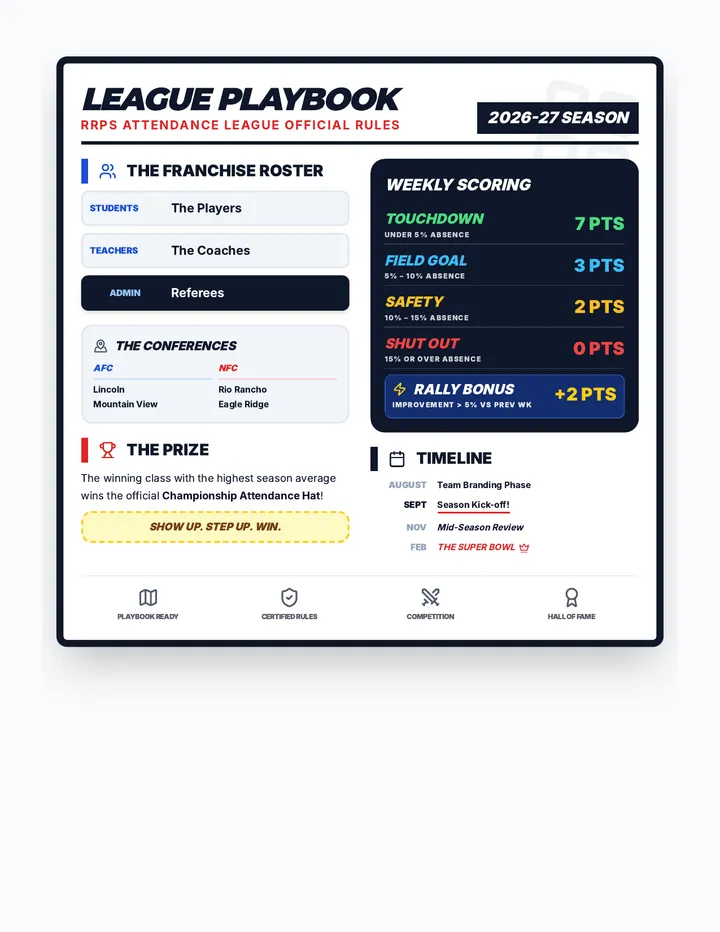
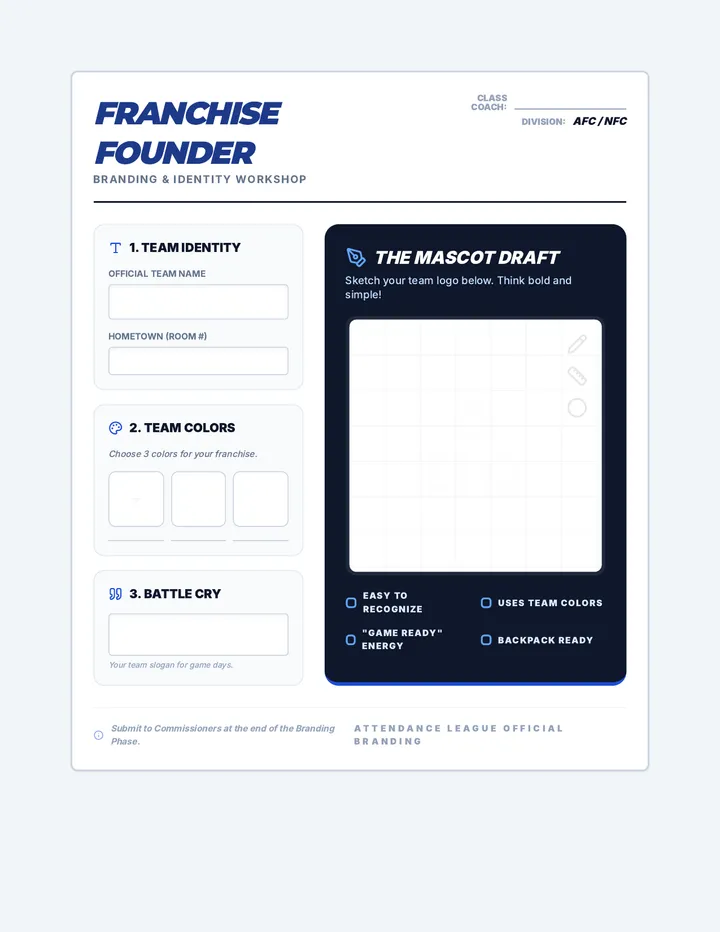
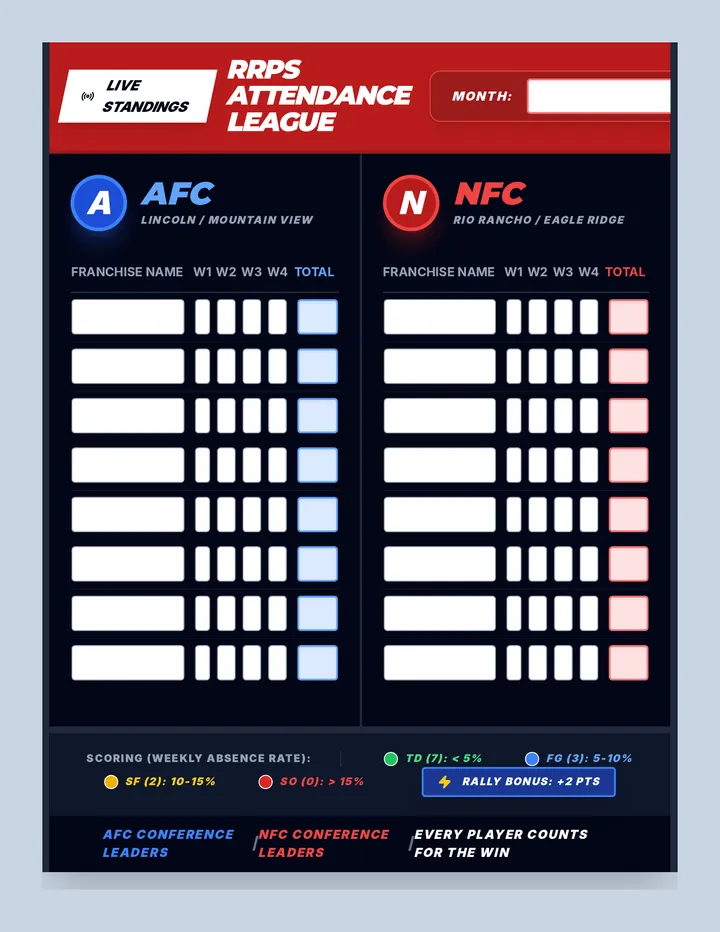
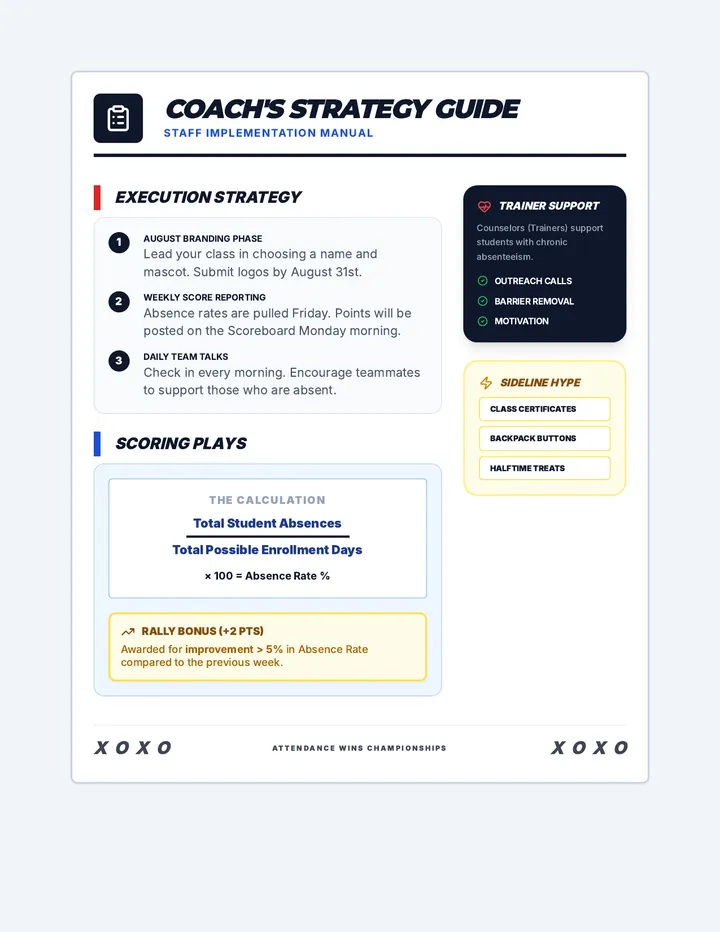
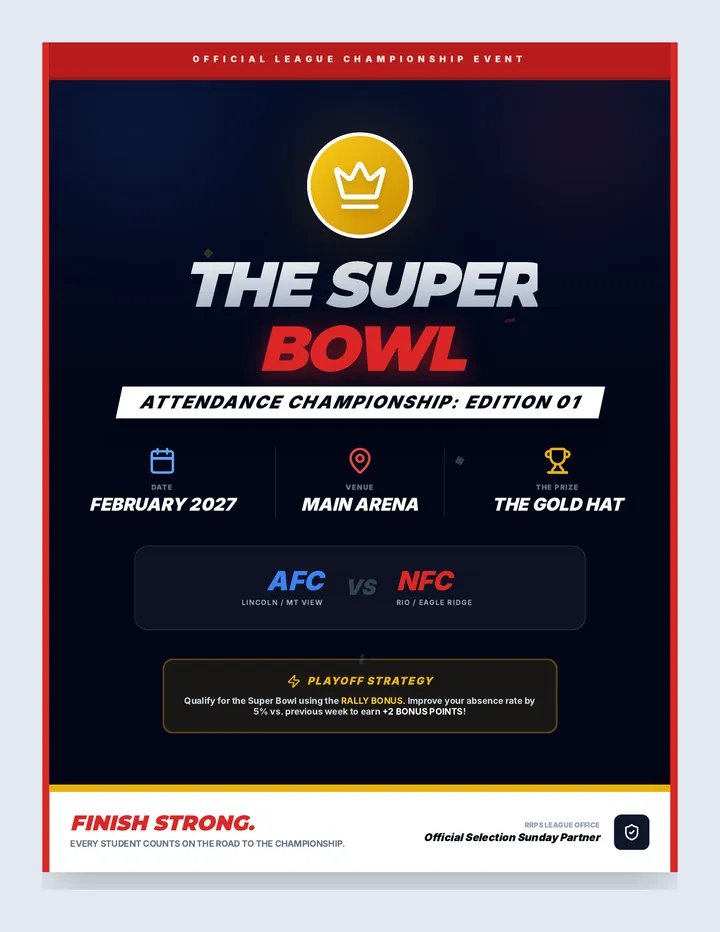
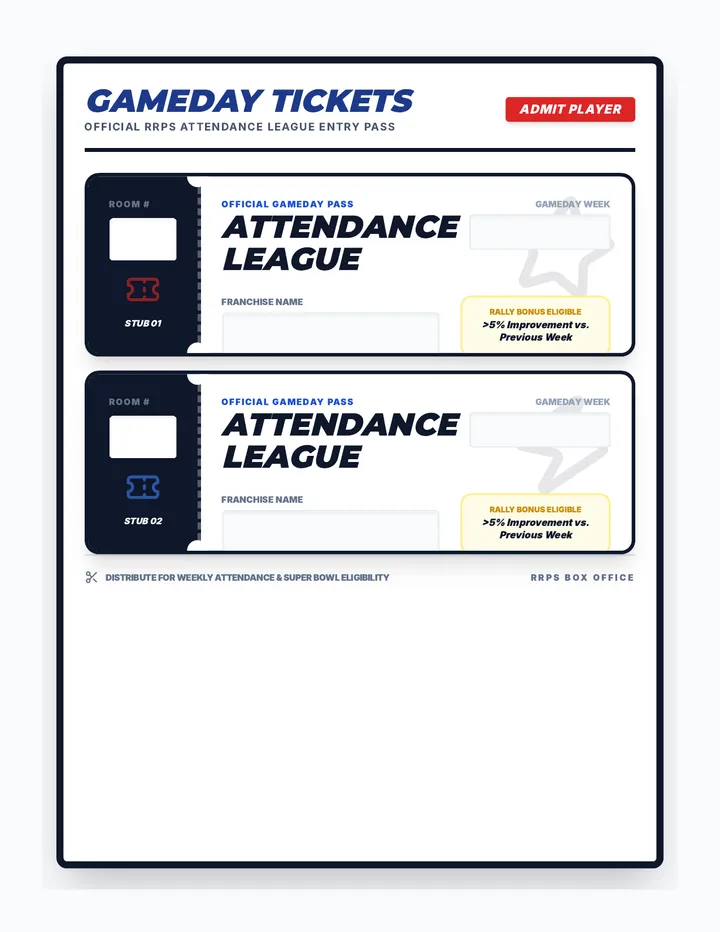
A school-wide attendance incentive program designed to reward perfect weekly attendance and improved monthly attendance through a gamified "Quest" theme.
A professional development sequence designed for school leaders and educators to identify and dismantle systemic stigma within school policies and language, fostering a more supportive and empathetic educational environment.
An 8-week social-emotional learning program for 4th-grade boys, focusing on self-regulation, flexibility, and social perception. The program uses a 'Retro Video Game' theme (Level Up Your Brain) to teach 'Unstuck & On Target' principles, helping students identify internal signals, map behavior chains, and master social responses.
An 8-week comprehensive emotional regulation workbook and lesson series designed for Tier 3 4th-grade students. The program covers physiological identification, Zones of Regulation, coping strategies (sensory, movement, and verbal), problem sizing, and self-awareness prediction.
A 6-week small group counseling series for 6th-grade boys focused on literal impulsivity control and focusing skills. The series uses direct language to teach self-regulation and brain-based awareness.
A comprehensive individual anger management curriculum for middle school students, focusing on tactical strategies for managing triggers, navigating feelings of injustice, and rebuilding community connections. The curriculum uses a 'Mission Briefing' aesthetic to engage students through visual mapping and low-writing, conversational activities.
A Tier 3 CBT intervention sequence focusing on the cognitive triangle: how thoughts lead to feelings, which drive behaviors. Designed for intensive, small-group or individual support.
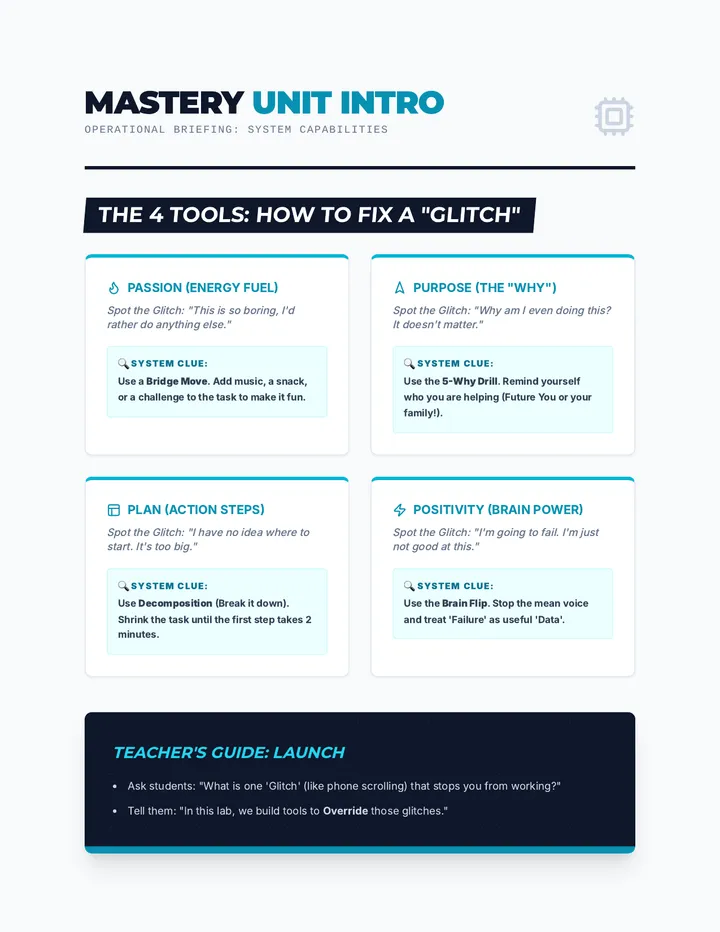
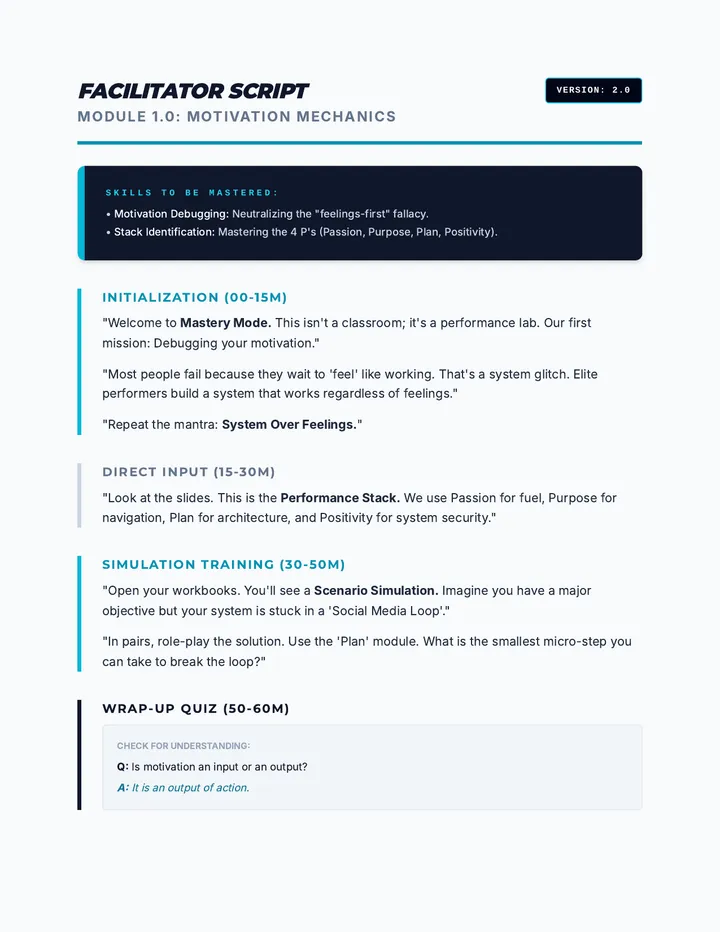
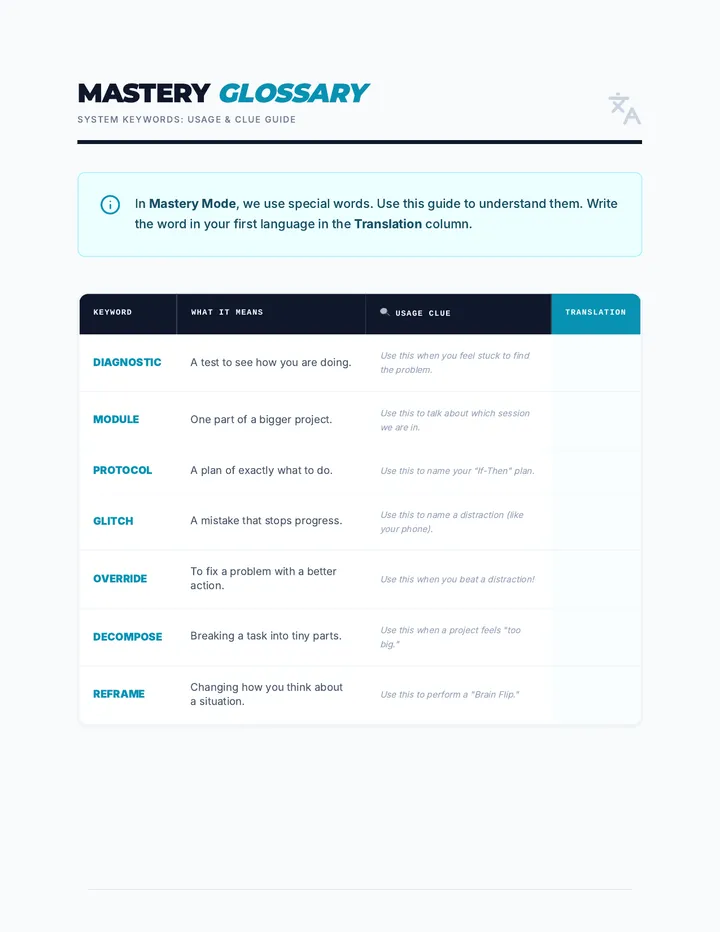
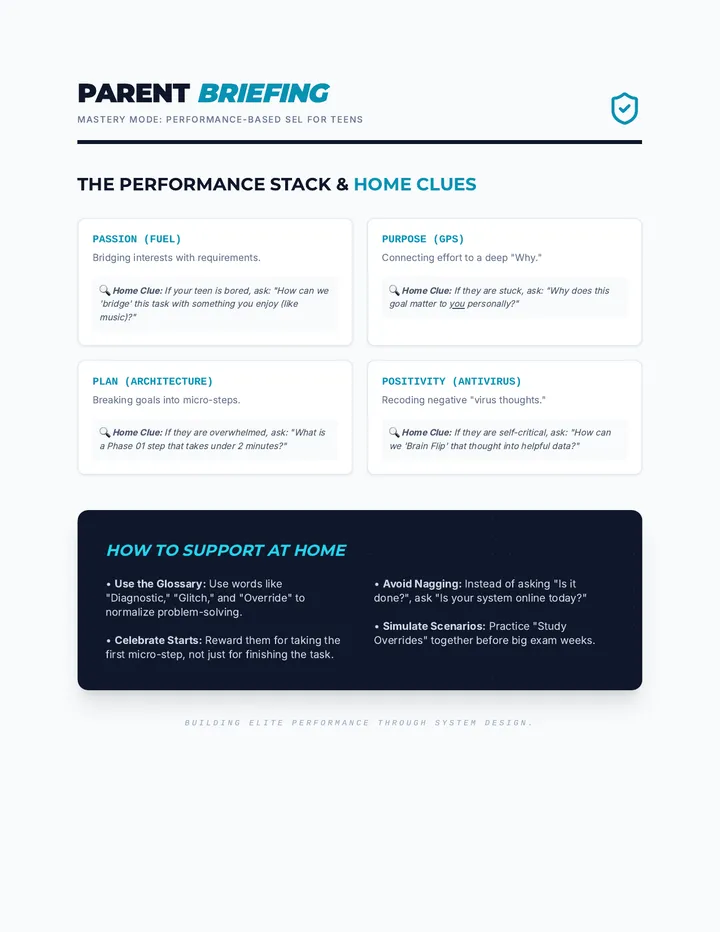
A counseling sequence for 6th grade students with ADHD, focusing on identifying emotional triggers and replacing elopement or refusal behaviors with safer coping strategies. The theme 'Circuit Breaker' uses a technology metaphor to help students understand their emotional 'overloads'.
A sequence of lessons exploring social-emotional awareness, focused on the consequences of behavior and building healthy relationships.
A graduate-level sequence exploring Social Learning Theory applied to behavior modification, focusing on therapeutic modeling, guided mastery, and systemic intervention design in clinical and organizational settings.
This sequence introduces Pre-K students to the foundational concepts of task persistence, utilizing visual supports and structured reinforcement to build attention stamina. Students learn to identify 'finished', use timers, manage frustration, follow 'First-Then' logic, and self-monitor their work.
A 5-lesson sequence designed for 1st-grade students, particularly those in special education, to develop internal scripts for overcoming task initiation hurdles. Students learn to identify 'stuck' feelings, introduce an 'inner coach,' and master a simple 'First I will... then I will...' formula to get started on tasks independently.
A 5-lesson sequence focused on executive functioning and physical organization for 6th-grade students. Students learn to manage work bins, sort materials, zone their workspaces, and establish maintenance routines.
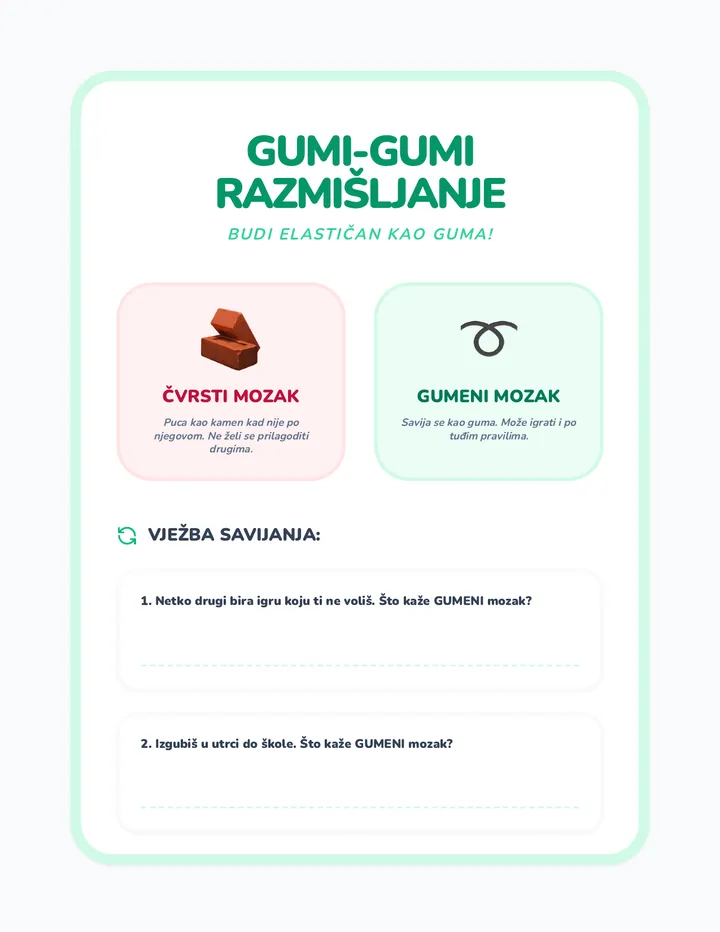
This sequence uses game-based learning to develop cognitive flexibility in Pre-K students. Students learn to inhibit impulses, switch rules, and adapt to environmental changes through play, using the metaphor of a 'flexible rubber band brain'.
This sequence explores how environmental factors and community interactions impact sensory regulation. Students learn to audit their surroundings, respect diverse sensory needs, practice co-regulation, troubleshoot transitions, and collaboratively create a classroom sensory contract.
A 3rd-grade sequence focused on proactive sensory regulation. Students learn to analyze their school schedule, match sensory strategies to specific settings, communicate their needs through a ticket system, and design their own regulation plans to support self-advocacy and classroom success.
This sequence empowers 1st-grade students to identify 'hot spots' in their daily schedule where proactive sensory breaks are needed. Students learn to use visual timers, establish shared norms for a Break Station, and eventually take leadership roles in guiding their peers through sensory pauses.
A comprehensive 5-lesson sequence designed for 2nd-grade students to master down-regulation and environmental adjustments. Students move from identifying sensory triggers to building a personalized toolkit for emotional regulation and focus.
A Pre-K sequence focused on identifying body energy levels and learning proactive sensory regulation techniques like wall pushes, chair pops, and squeeze-and-release exercises. Students build a visual 'Sensory Toolbox' to manage their energy levels effectively throughout the school day.
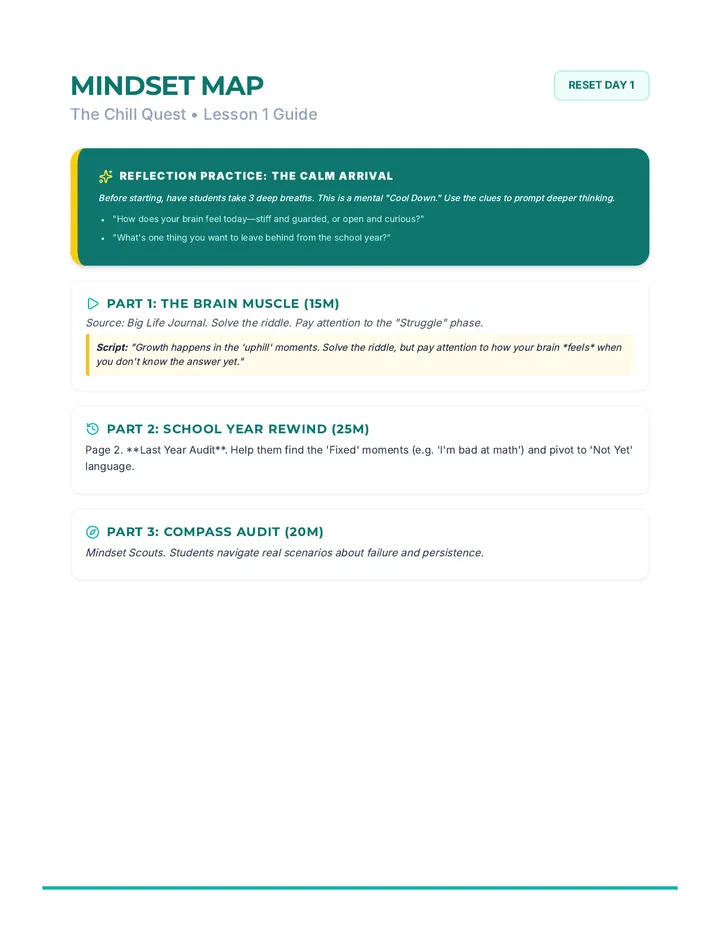
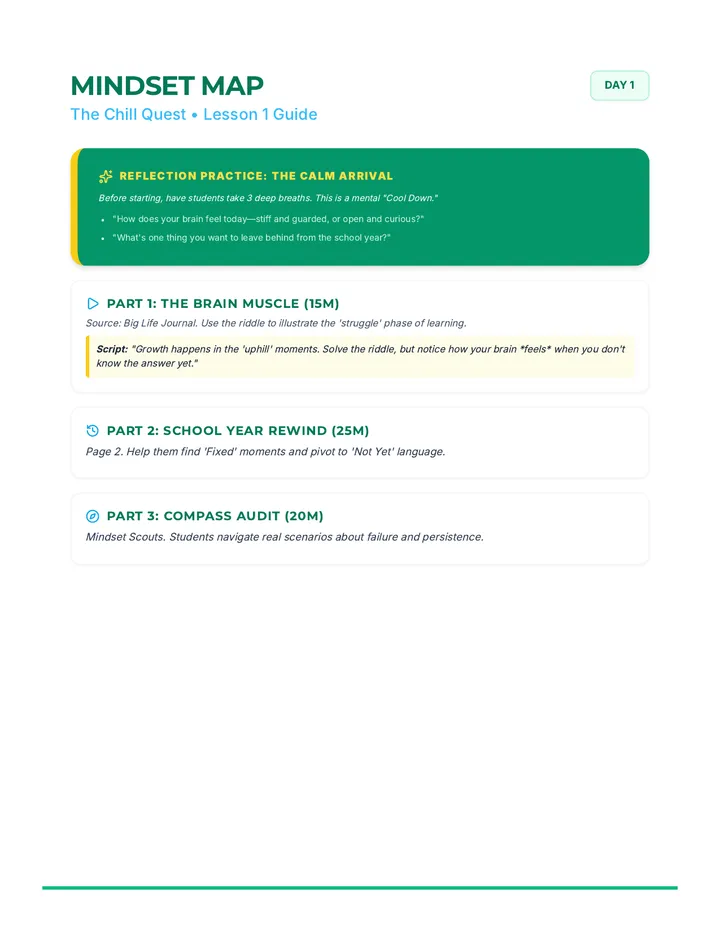
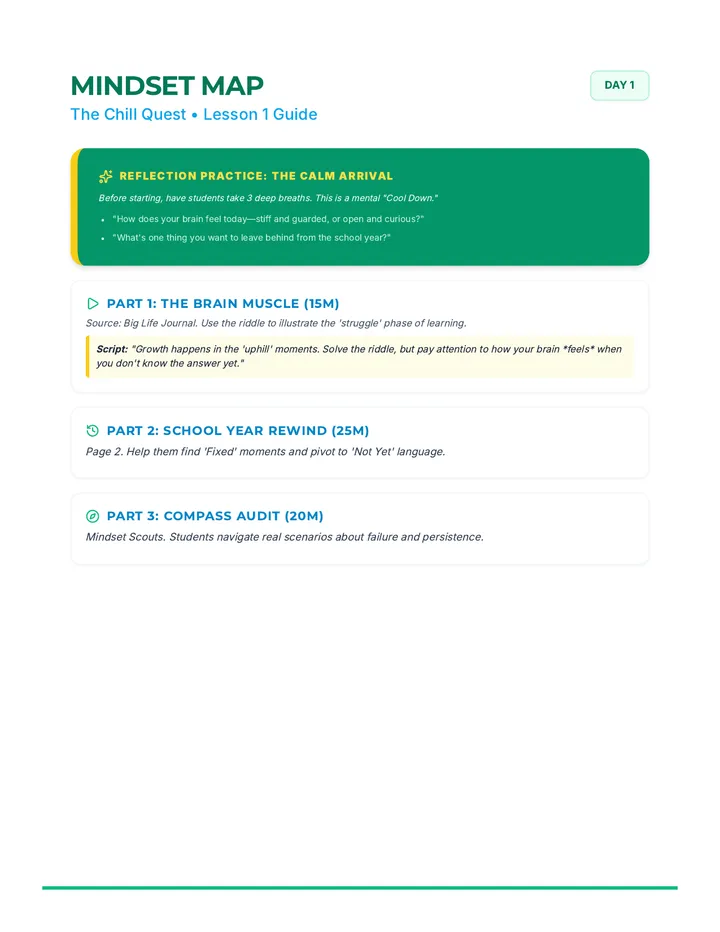
An 8-week Tier 3 intervention program for 4th grade students focusing on anxiety management, CBT reframing, growth mindset, and self-advocacy. The sequence utilizes a 'Mindset Mission' theme to engage students in individual sessions focused on specific data-driven objectives.
This sequence explores the strategic use of positive reinforcement in leadership and peer counseling. Students progress from basic praise techniques to designing complex incentive systems and navigating the ethics of behavioral influence.
A mastery-based sequence for 9th-grade students focused on reducing task latency through self-monitoring, data tracking, and goal setting. Students learn to frame task initiation as a scientific challenge rather than a behavioral one, empowering them to become independent 'Start Scientists'.
A graduate-level sequence focused on the intersection of implementation science and behavior analysis. Students learn to measure treatment fidelity, provide performance feedback, and ethically modify Behavior Intervention Plans (BIPs) based on concurrent implementation and outcome data.
A comprehensive unit for undergraduate students focused on the quantitative analysis of behavioral data from Daily Progress Reports (DPRs). Students will learn to aggregate, graph, interpret, and communicate behavioral metrics to make evidence-based decisions in counseling and school settings.
This graduate-level sequence focuses on the interpersonal and therapeutic aspects of behavior contracting. Rather than treating the contract as a static document, students explore it as a collaborative intervention designed to build student agency, self-regulation, and stakeholder alignment using Motivational Interviewing and negotiation strategies.
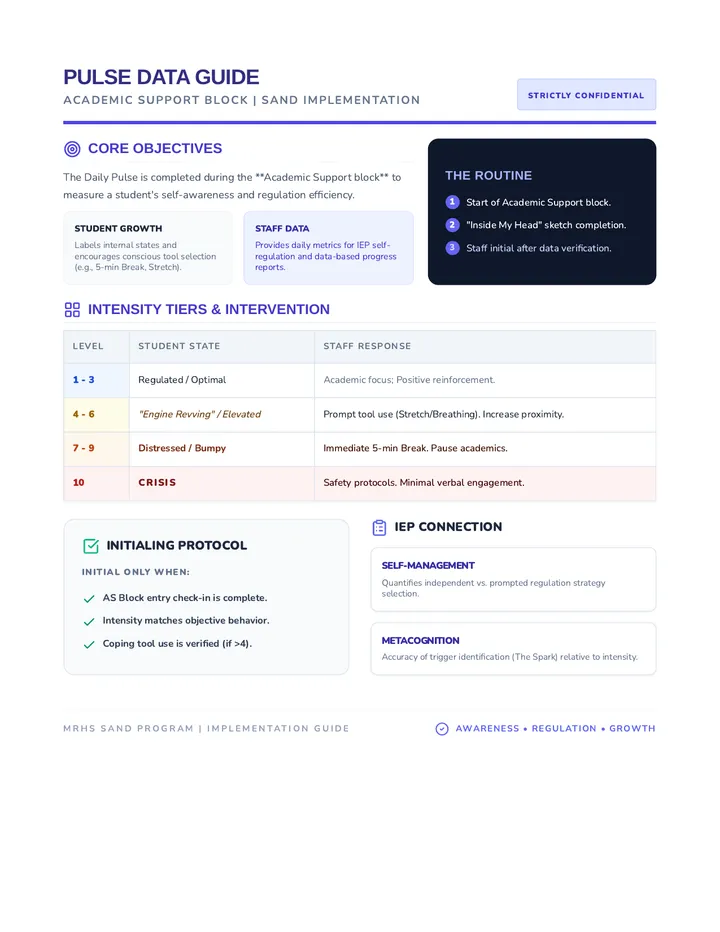
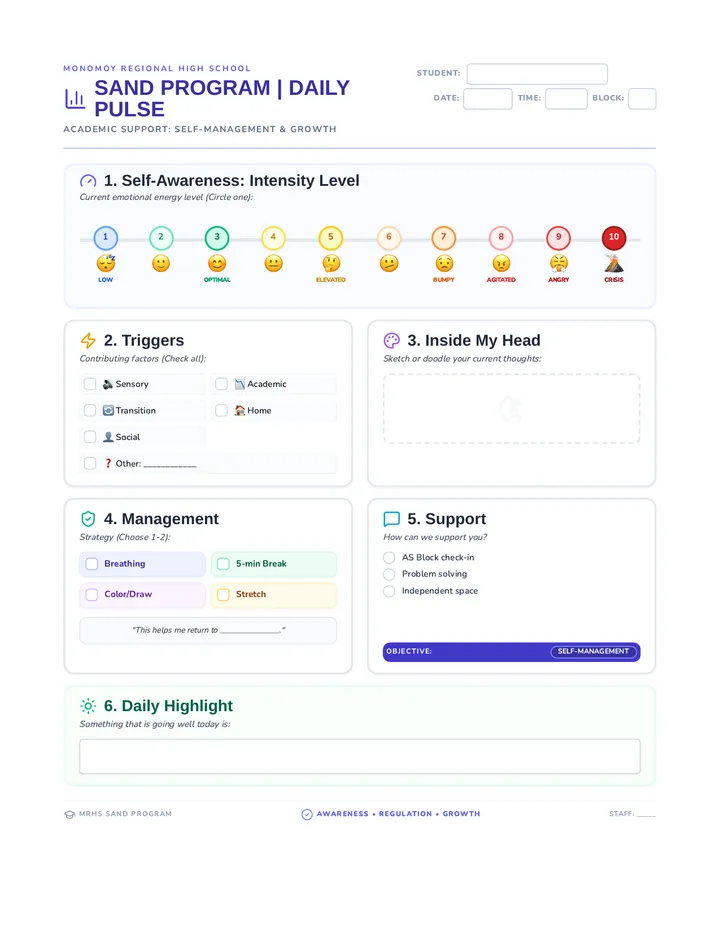
This 9th-grade sequence empowers students to transition from passive behavioral management to active self-regulation. Through the design and implementation of personalized daily check-in routines, students learn to connect emotional states to academic performance, set precise behavioral goals, analyze behavioral data patterns, and professionally advocate for their needs.
A comprehensive sequence for undergraduate students in counseling or education, focusing on the interpersonal and technical implementation of behavior tracking systems. Students will learn to build buy-in, deliver high-fidelity feedback, manage reinforcement schedules, provide non-shaming correction, and systematically fade supports for long-term autonomy.
This sequence guides 10th-grade students through the process of using daily check-in data to set, track, and adjust behavioral micro-goals. Students move from analyzing patterns to proactive planning and weekly strategic reviews, treating their personal growth with the precision of a strategic mission.
A project-based sequence where 8th-grade students design, prototype, and plan the integration of personalized behavioral and mood tracking systems to foster self-awareness and accountability.
This sequence guides 6th-grade students through the psychological and practical steps of behavior change. They move from understanding SMART goals and motivation types to designing their own behavior contracts and tracking systems, emphasizing self-regulation and iterative growth.
This sequence teaches students how to design and manage their own personalized behavior reinforcement systems. Students learn to set SMART goals, identify personal motivators, engineer token economies, and practice ethical self-monitoring to drive positive behavioral change.
A 5-lesson unit for 4th graders on identifying personal growth areas, defining observable behaviors, and setting measurable goals for behavior tracking. Students move from abstract wishes to concrete, measurable contracts.
A 5-lesson sequence for 5th-grade students focused on analyzing the consequences of behavior and developing positive alternatives through a 'Decision Lab' lens. Students explore the 'Ripple Effect' of their choices, practice impulse control through games, map decision paths with flowcharts, and create personal action plans for behavior modification.
A 6-session Tier 2 small group intervention for 5th graders designed to build self-awareness, identify behavioral triggers, understand consequences, and develop personal action plans for positive behavior.
This lesson sequence focuses on helping a student understand, internalize, and commit to classroom expectations through reflection and goal-setting. It is designed as a Tier 3 individualized intervention to promote self-management and a positive learning environment.
A 5-session individual support series for kindergarten students with demand-avoidant behaviors, focusing on emotional awareness, body signals, and self-regulation strategies through interactive play.
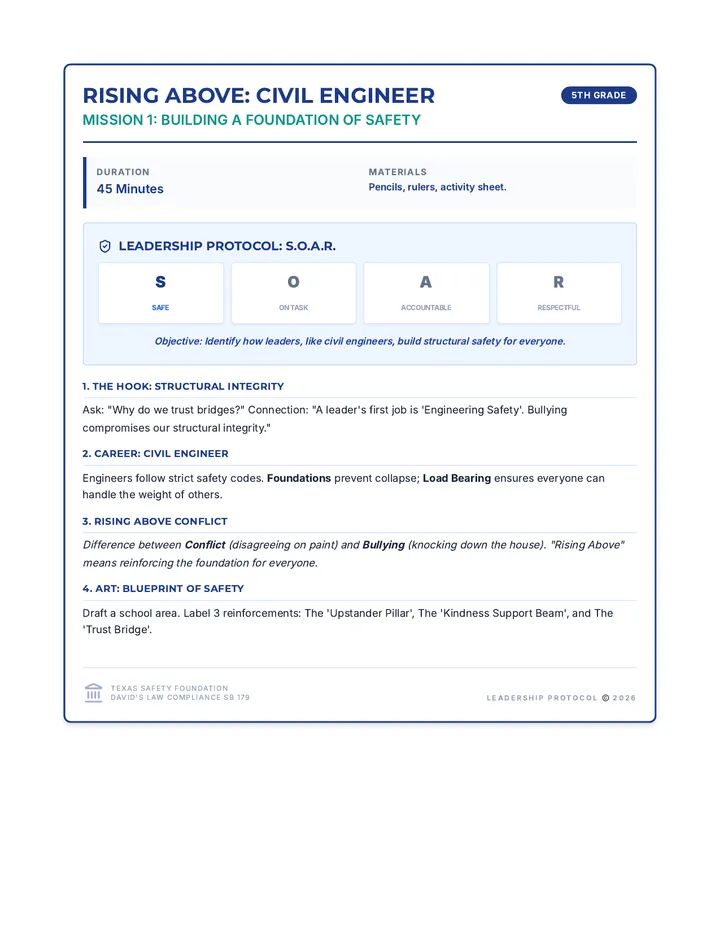
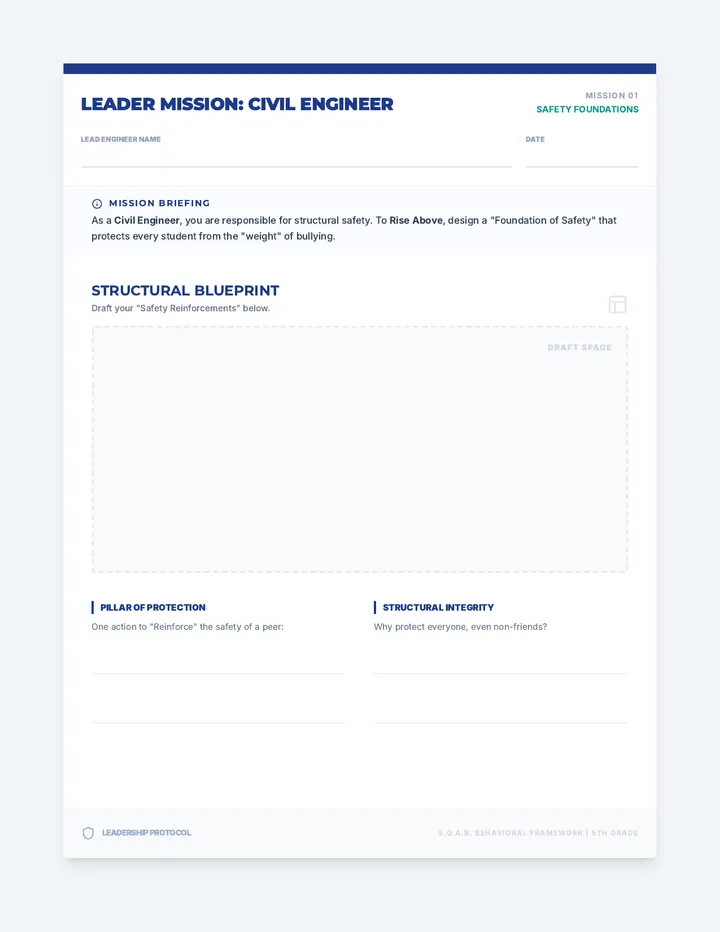
A comprehensive 3-part sequence for middle and high school students focused on bullying prevention, collaborative classroom management, and emotional literacy. Students will develop empathy, establish shared values, and learn to identify and express their emotions effectively.
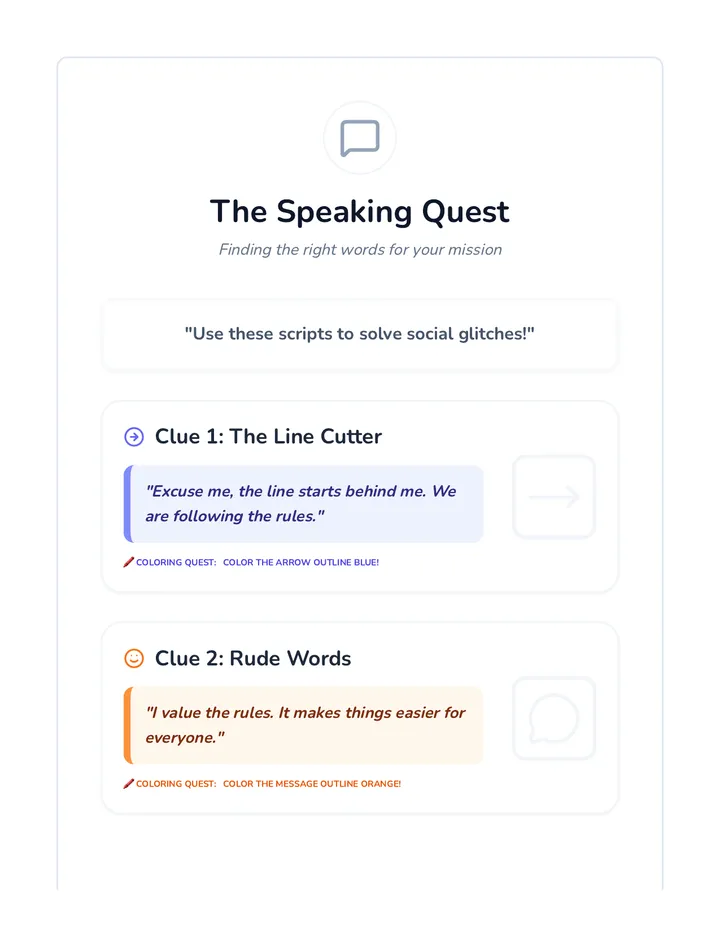
A 4-session Tier 3 intervention mini-course designed for individual counseling to help students learn and practice respectful language when asked to stop an activity. The course moves from identifying respectful words to mastering the use of respectful phrases in real-world scenarios.
A two-session sequence designed for 5th graders to collaboratively create, understand, and commit to classroom rules using a fun Western 'roundup' theme.
A 5-session Grade 4 classroom sequence where students become 'Behavior Detectives' to explore expected and unexpected behaviors through interactive activities, role-play, and reflection. This Tier 1 series builds social awareness and a positive classroom culture.
A 5-session classroom management sequence for 3rd graders focused on developing personal strategies for managing space, time, and social interactions. Students learn to become 'Space Commanders' of their own learning environment through interactive activities and goal-setting.
A sequence designed for first graders to master essential school behaviors, focusing on classroom rules and the art of following directions through engaging ranger-themed activities and scenarios.
A restorative learning program designed for high school students to reflect on the impact of substance use and prepare for a positive return to their school community. The program balances scientific facts with deep personal reflection.
A 20-session counseling sequence focused on developing perspective-taking and social problem-solving skills for 5th-grade students, using a 'Social Detective' theme to build 'Friend Files' and solve complex social cases.
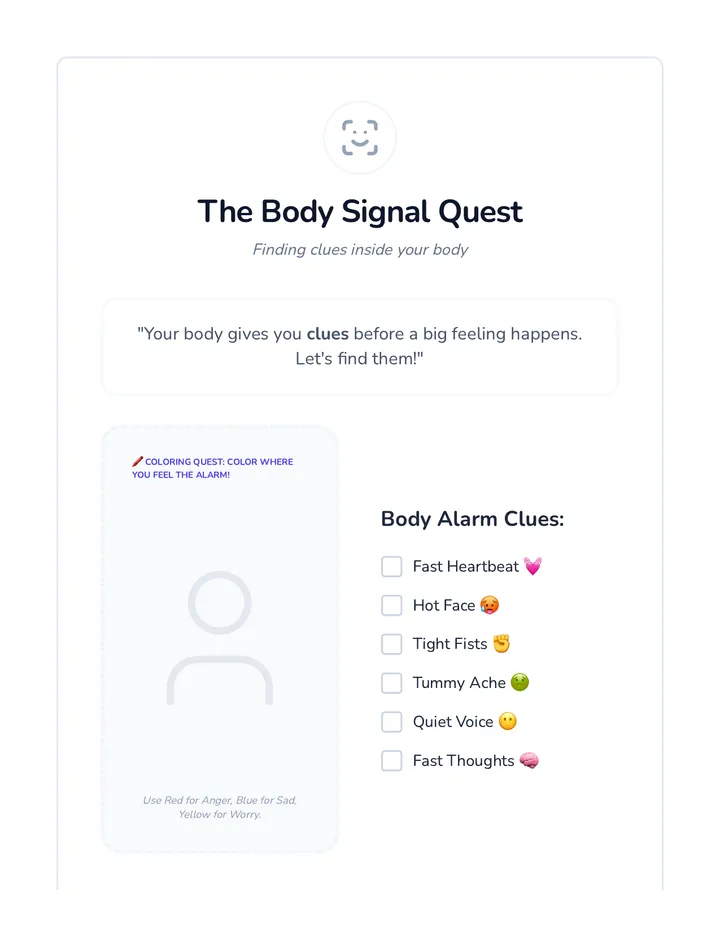
A comprehensive unit for 4th graders to identify internal body signals using a 'Blow-up Meter' metaphor and applying CBT-based strategies (breathing, grounding, and coping talk) to manage dysregulation.
A social-emotional learning unit focused on emotional regulation and perspective-taking for high schoolers, using digital metaphors to understand problem sizes and reaction matching.
A Kindergarten sequence focused on building task persistence and management through visual supports, routines, and incremental stamina building. Students learn to use timers, First/Then boards, and self-monitoring tools to sustain attention.
A comprehensive sequence for 12th-grade students exploring the psychology of positive reinforcement through the lens of leadership and management. Students learn to distinguish reinforcement from bribery, deliver high-impact praise, design motivational systems, and resolve performance issues using behavioral science.
This sequence introduces Pre-K students to the concept of collective responsibility and group goals through a shared behavior tracking system. Using a 'Good Choice Garden' theme, students learn to set goals, track their group's progress, observe positive behaviors in their peers, and celebrate their combined success.
This sequence prepares undergraduate students in counseling and education to adapt standard behavioral check-in procedures (like Check-In/Check-Out) for diverse populations. It emphasizes cultural responsiveness, developmental appropriateness, neurodiversity, and modern remote contexts to ensure equity and accessibility in behavioral support.
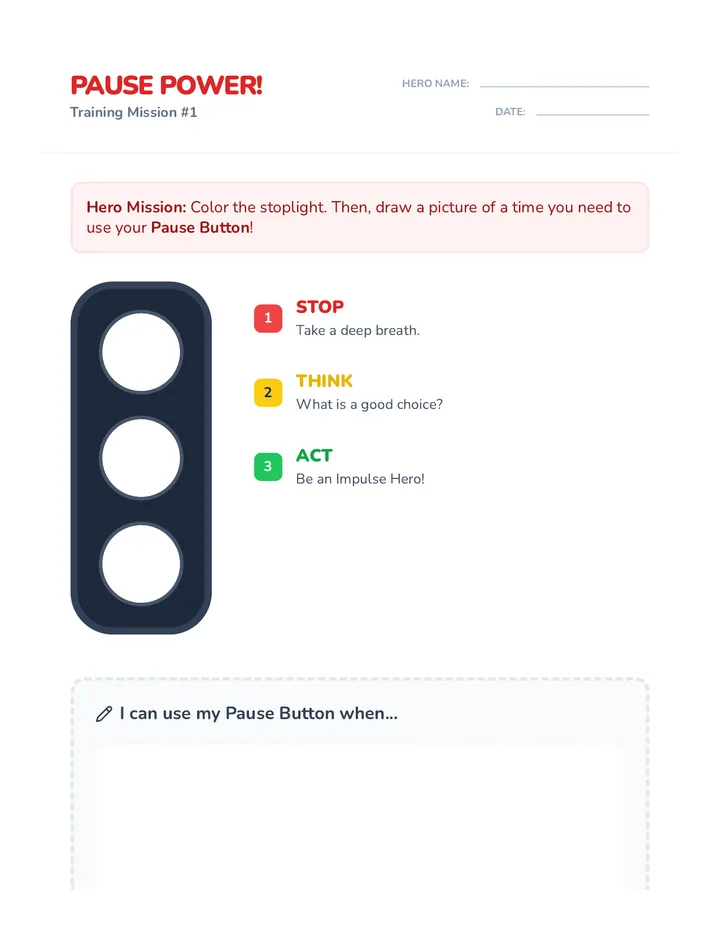
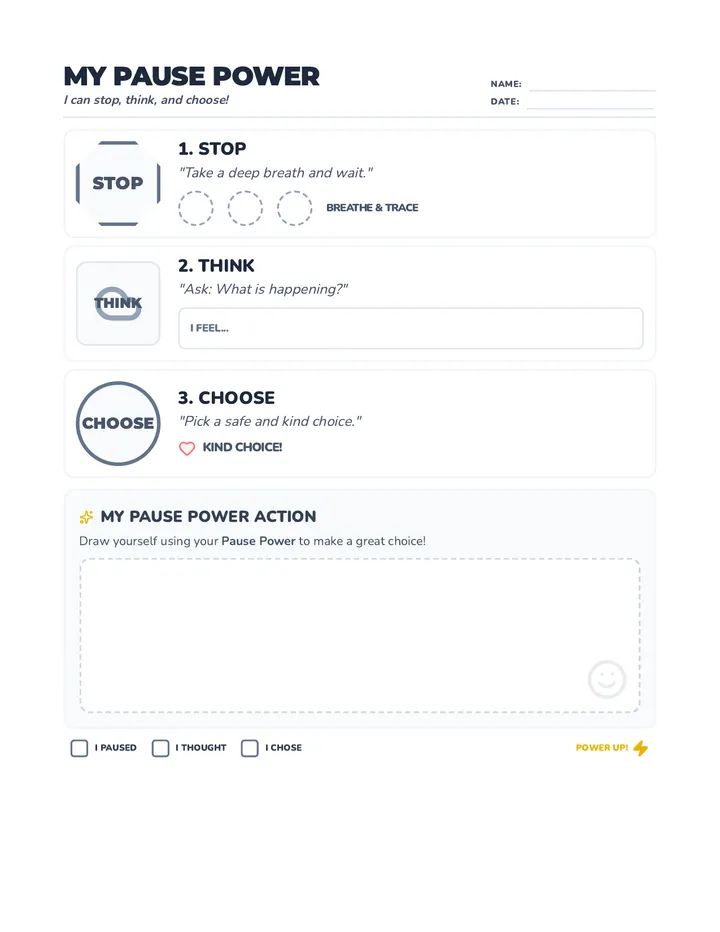
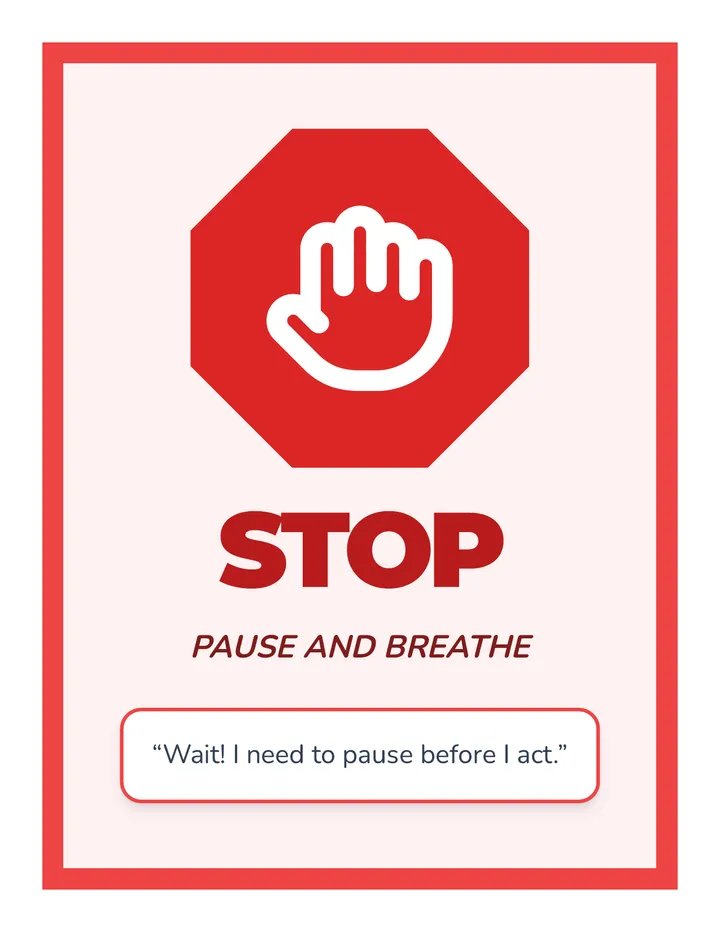
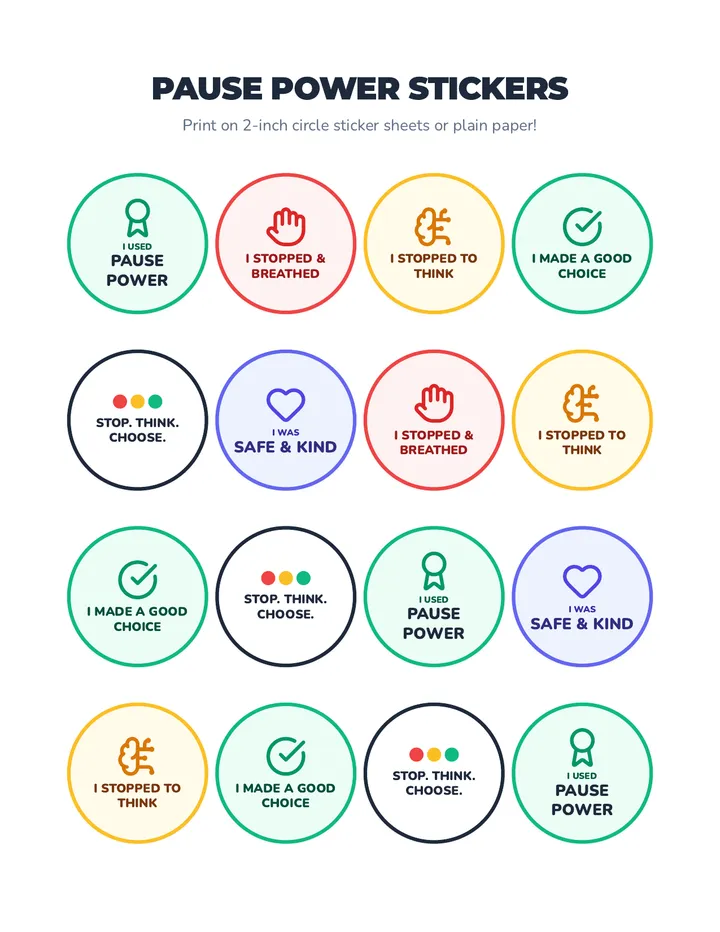
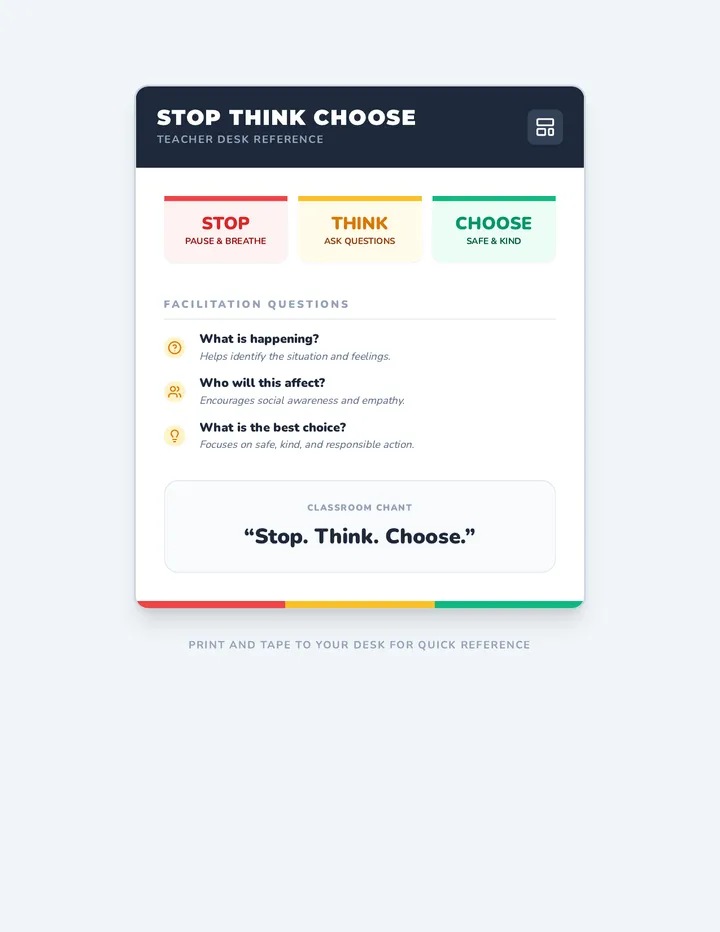
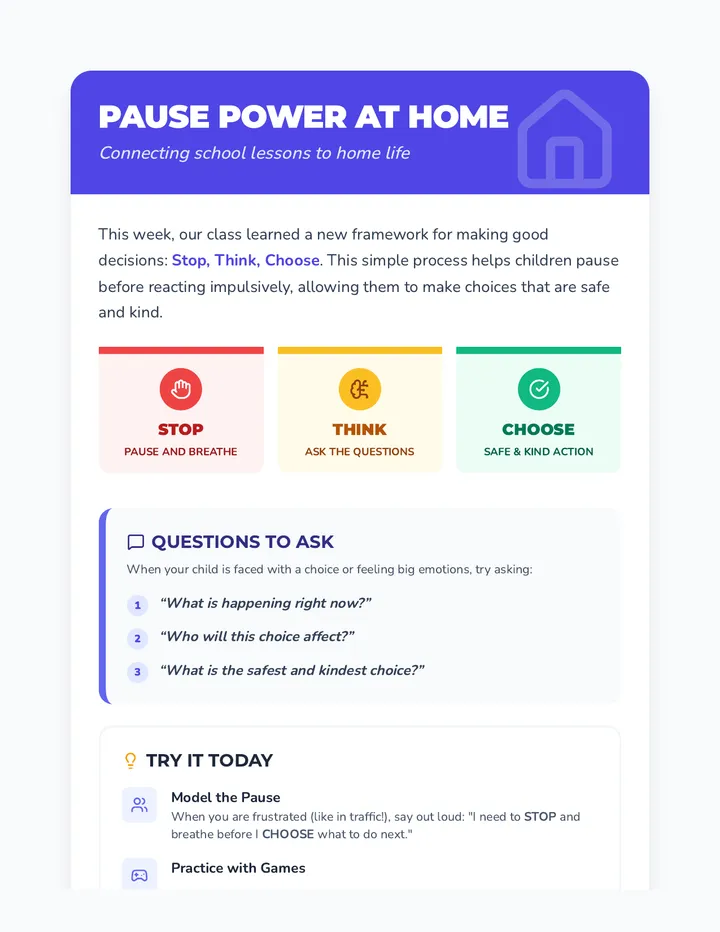
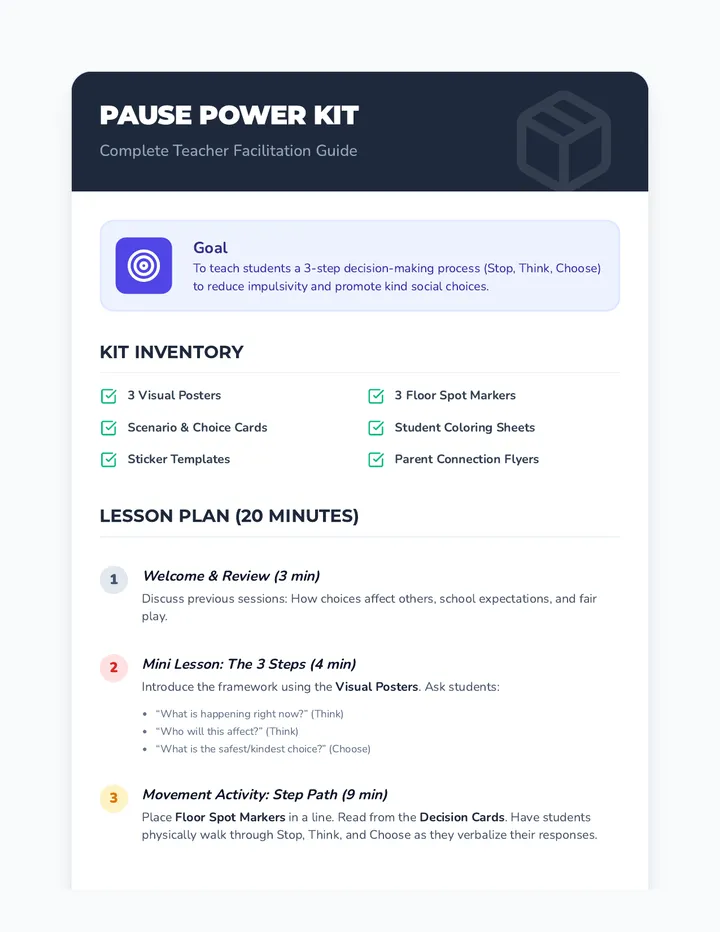
A 6-session small-group course for 2nd grade boys focused on managing impulsivity and frustration through the "Stop, Think, Shine" strategy. Students engage in games, role-plays, and reflections to build self-control and social skills.
This graduate-level sequence examines the ethical and systemic implications of behavioral surveillance in schools. Students will critique traditional tracking methods through the lenses of privacy law, psychological theory, and cultural equity to design more humane, dignity-affirming support systems.
This sequence explores the psychology of reinforcement strategies and how they are integrated into behavior tracking systems. Students delve into concepts like positive vs. negative reinforcement, intrinsic vs. extrinsic motivation, and reward schedules to understand how to establish and maintain new behaviors.
A 5-lesson unit for 6th graders exploring how to use digital tools like spreadsheets and apps for behavior tracking and self-regulation. Students compare analog and digital systems, learn spreadsheet basics, explore gamification, and design their own digital behavior dashboard.
A 5-lesson sequence for 7th-grade students focusing on the intersection of technology and behavioral self-monitoring. Students explore, evaluate, and design digital tools for tracking habits and goals, while learning about UI/UX design, gamification, and digital privacy.
A 5-lesson sequence for 5th graders exploring the psychology of motivation and gamification. Students learn to use behavior tracking not just for rewards, but to build intrinsic satisfaction and resilient habits through 'Level Up' mechanics.
A sequence focused on introducing collaborative behavior tracking to Kindergarteners. It emphasizes social cohesion, peer encouragement, and the idea that collective effort leads to shared rewards.
A sequence for Kindergarten students focused on the mechanics of individual positive reinforcement systems. Students learn to set simple goals, use visual tracking tools like sticker charts, practice self-monitoring, and understand the value of patience and consistent effort.
A Pre-K sequence focused on collective behavior tracking, moving from individual charts to a whole-class monitoring system using a 'Kindness Garden' theme. Students work together to define goals, model behaviors, and encourage one another to reach shared milestones.
This sequence introduces Pre-K students to the concept of token economies and behavior tracking through concrete accumulation, role-playing, and practicing delayed gratification. Students learn to connect positive actions with progress on a visual chart, culminating in a celebration of effort and patience.
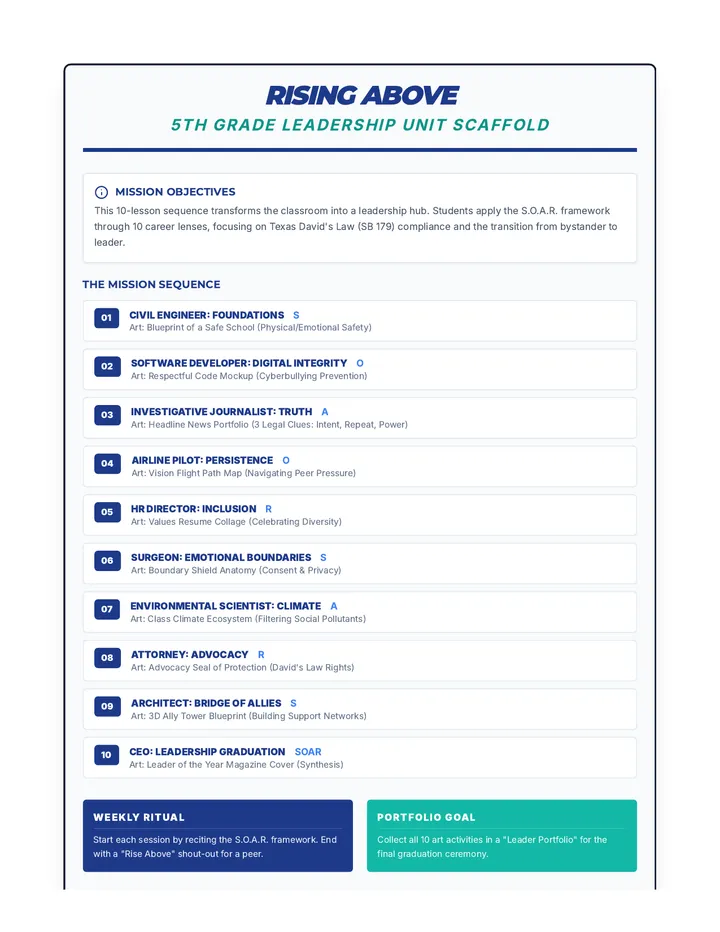
A comprehensive K-5 sequence for developing respectful communication, conflict resolution, and self-regulation skills through multi-day guided missions.
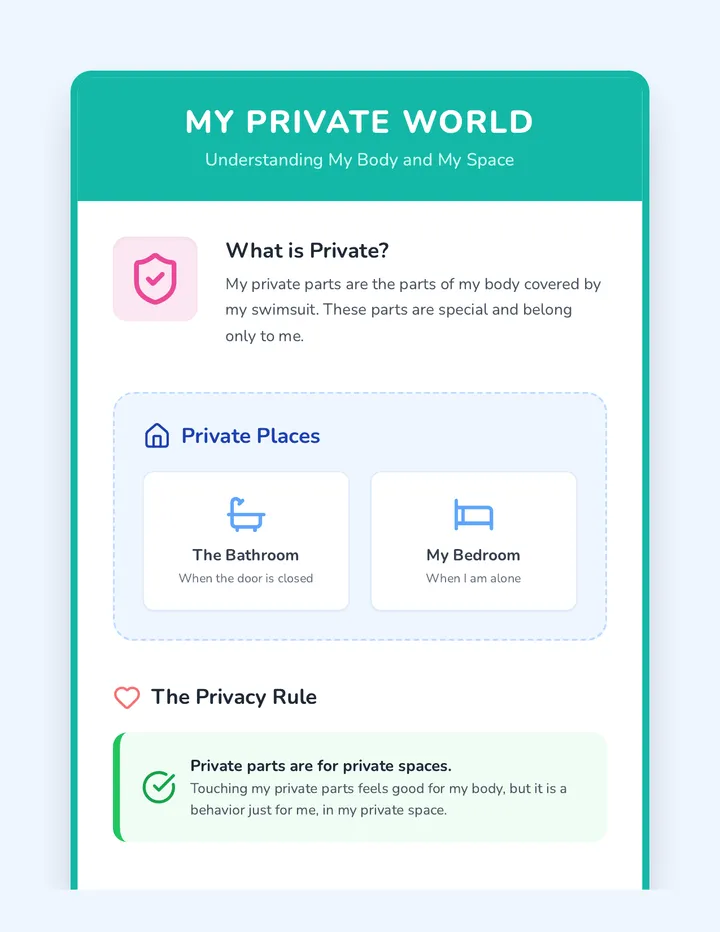
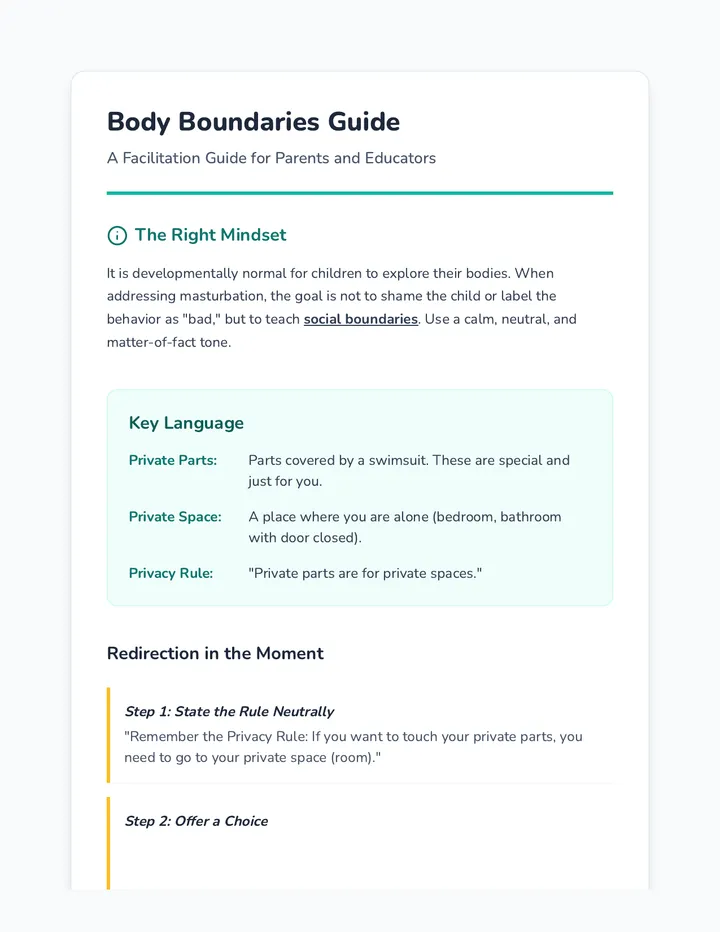
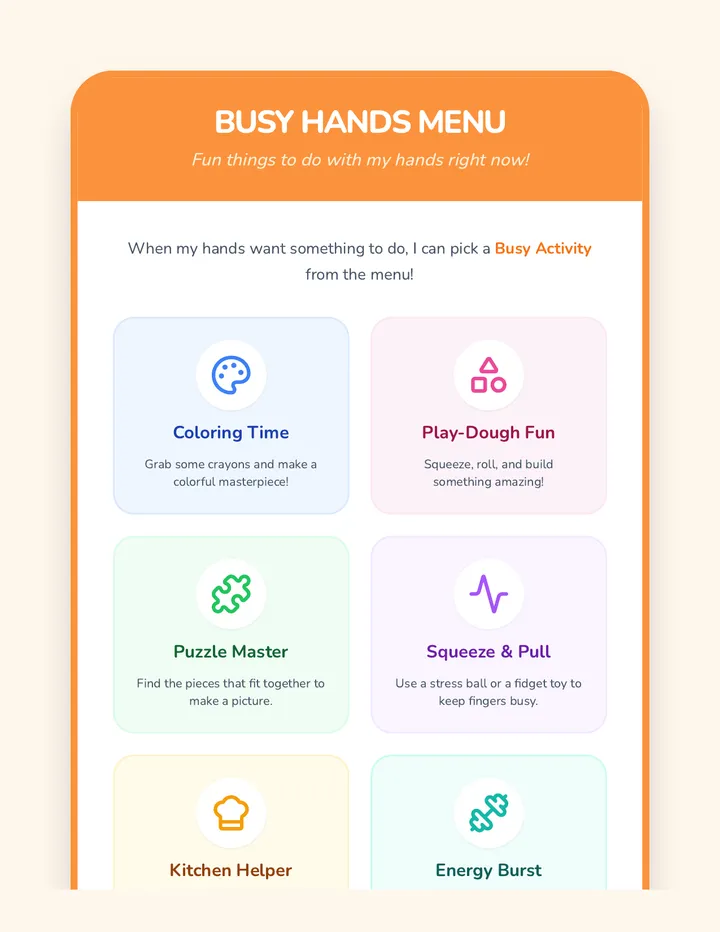
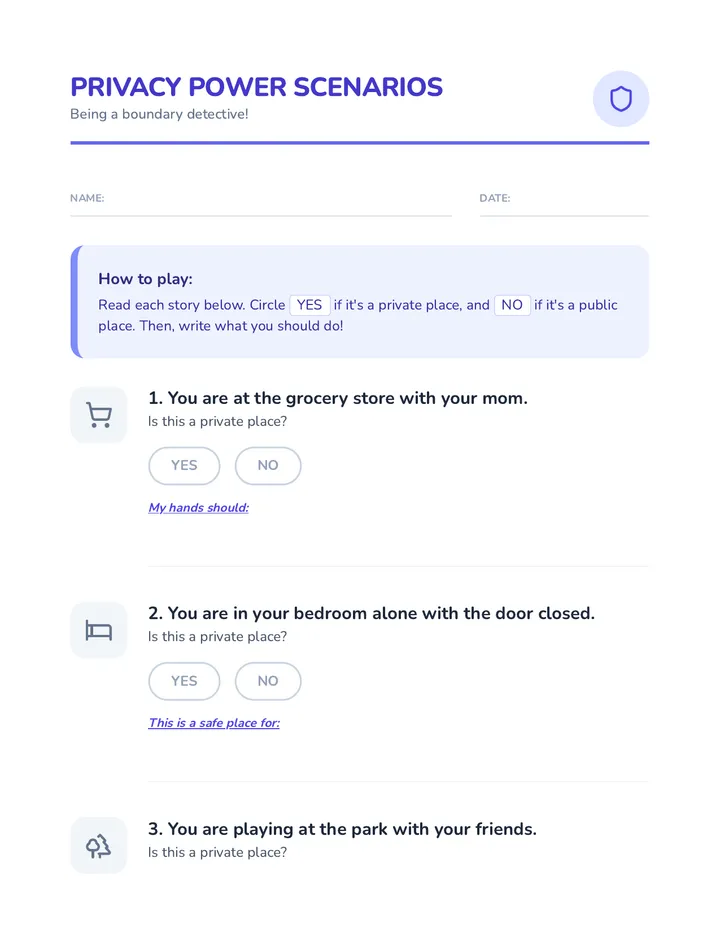
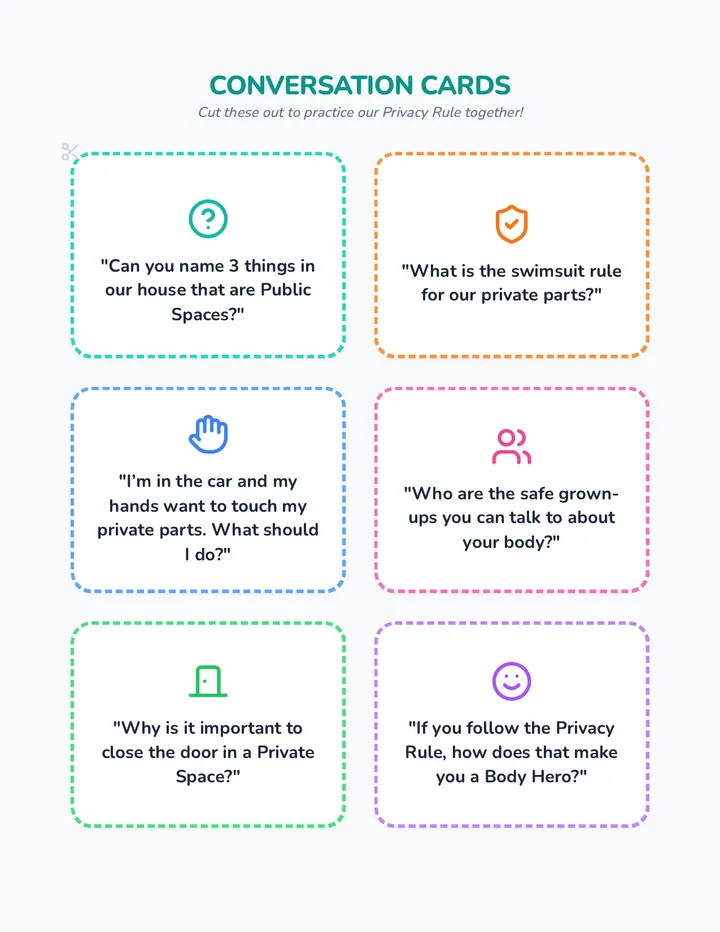
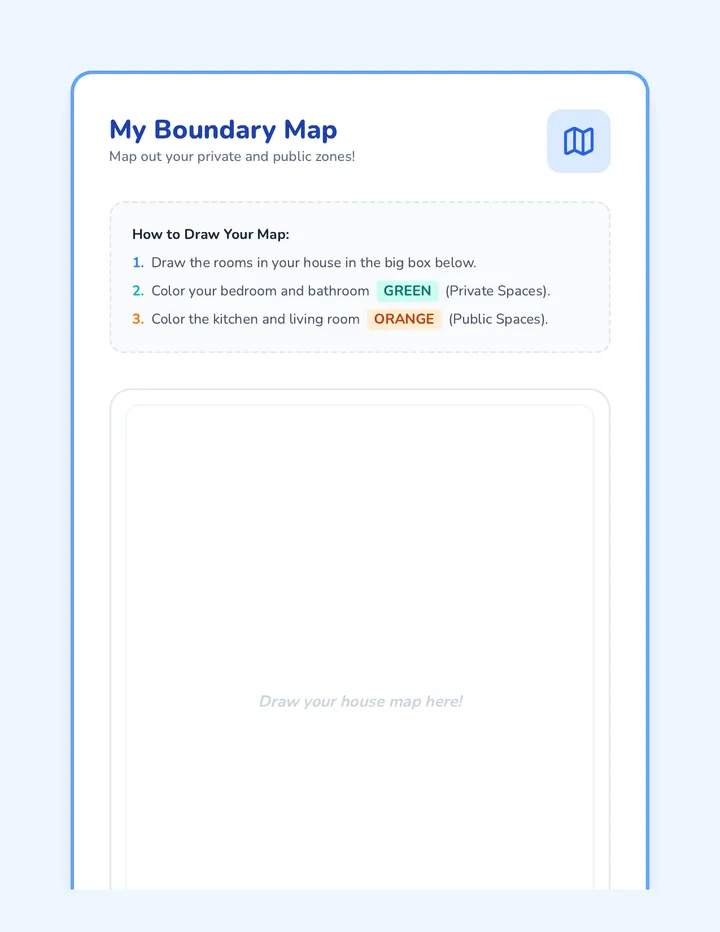
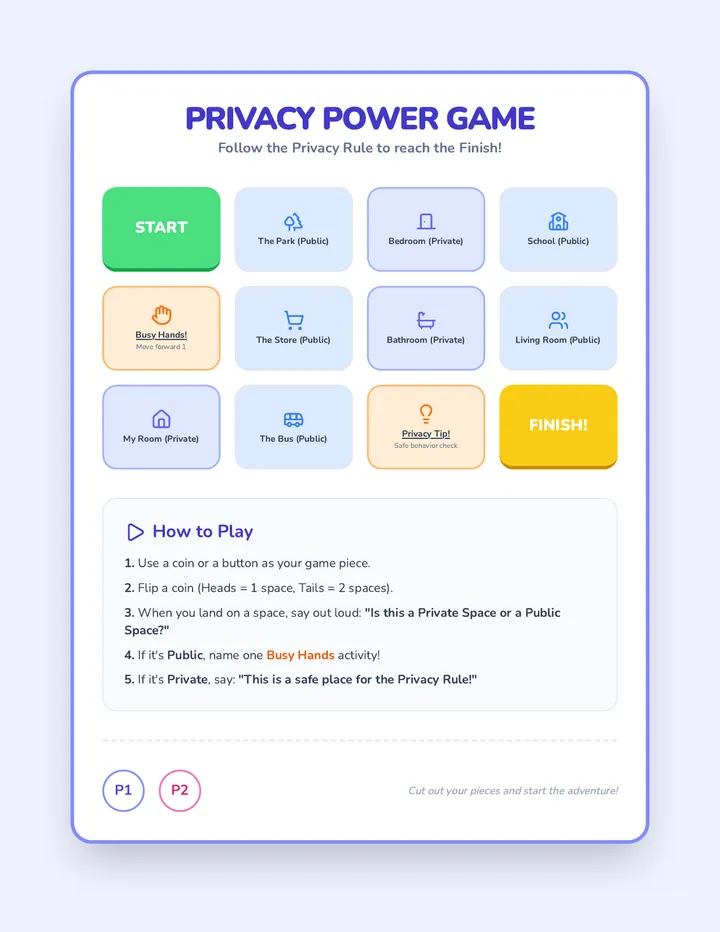
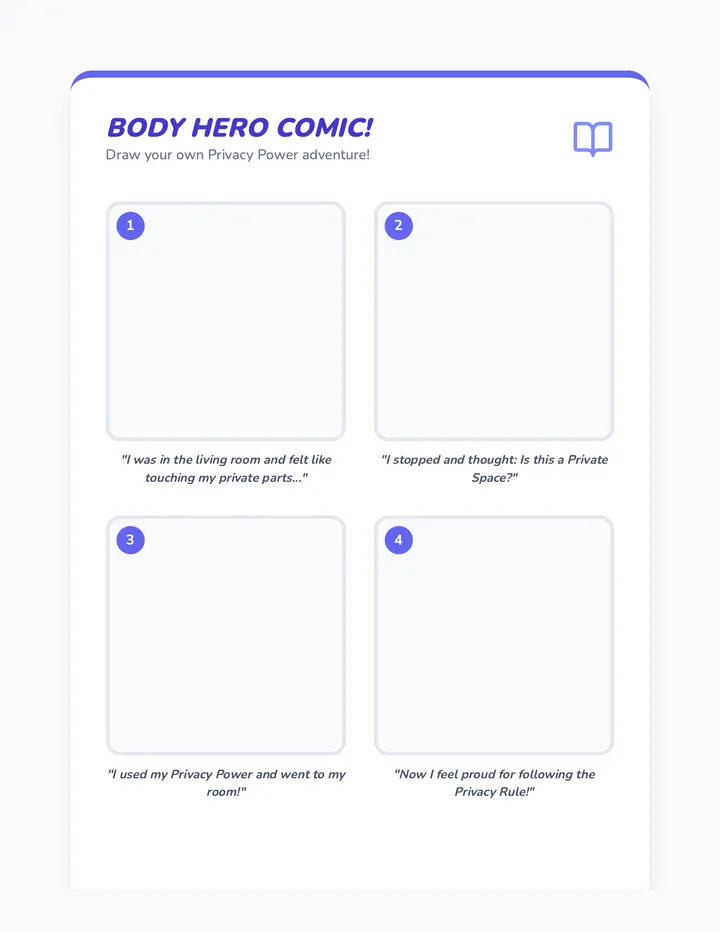
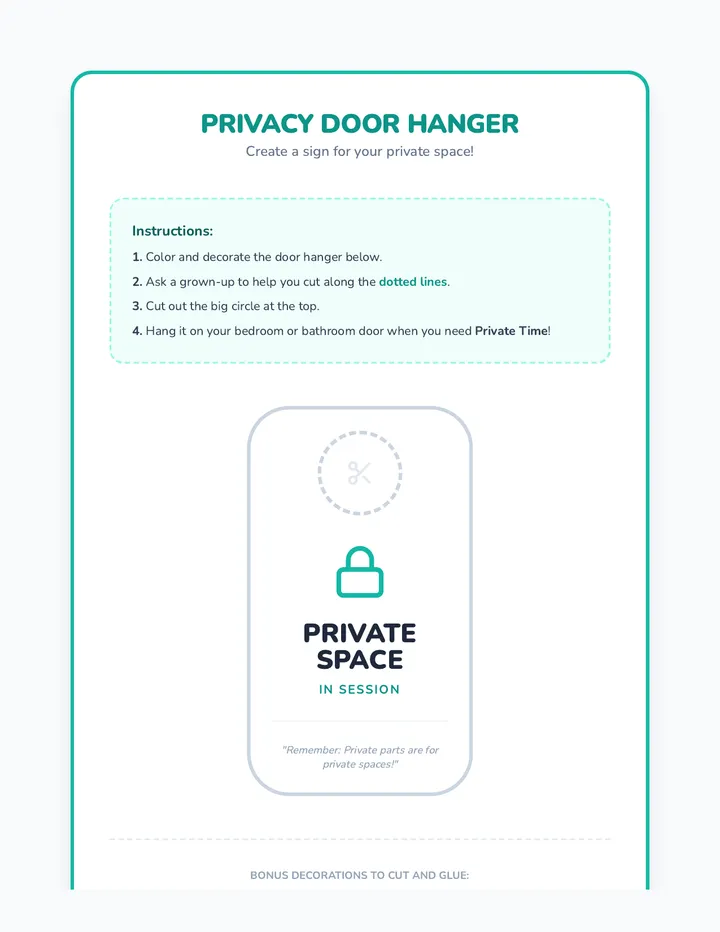
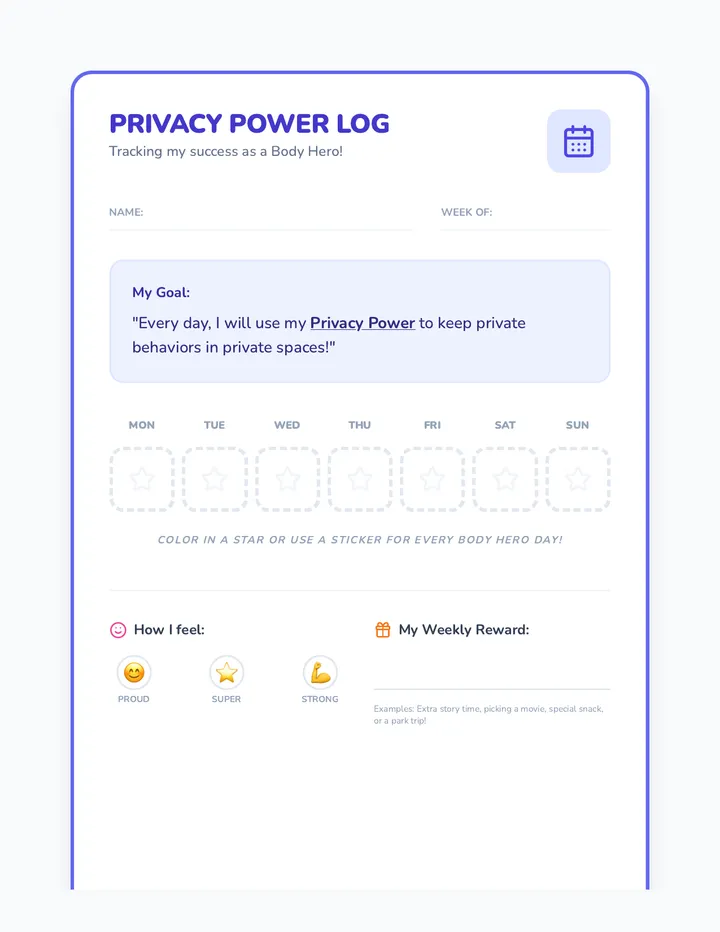
A series of lessons focused on personal safety, body autonomy, and social-emotional development for young children.
A comprehensive 5-session group counseling program designed to improve elementary school attendance by building routines, solving barriers, and fostering a sense of belonging.
A 5-lesson sequence for 2nd grade students focused on the organization, care, and management of sensory regulation tools in the classroom. Students learn to distinguish tools from toys, follow check-out procedures, maintain hygiene, and communicate about tool availability.
This sequence introduces Pre-K students to the foundational concepts of setting simple behavioral goals and reflecting on their progress using concrete visual aids. Students will learn through a 'Growth Garden' theme, moving from identifying positive behaviors to establishing a daily routine of planning, monitoring, and reflecting.
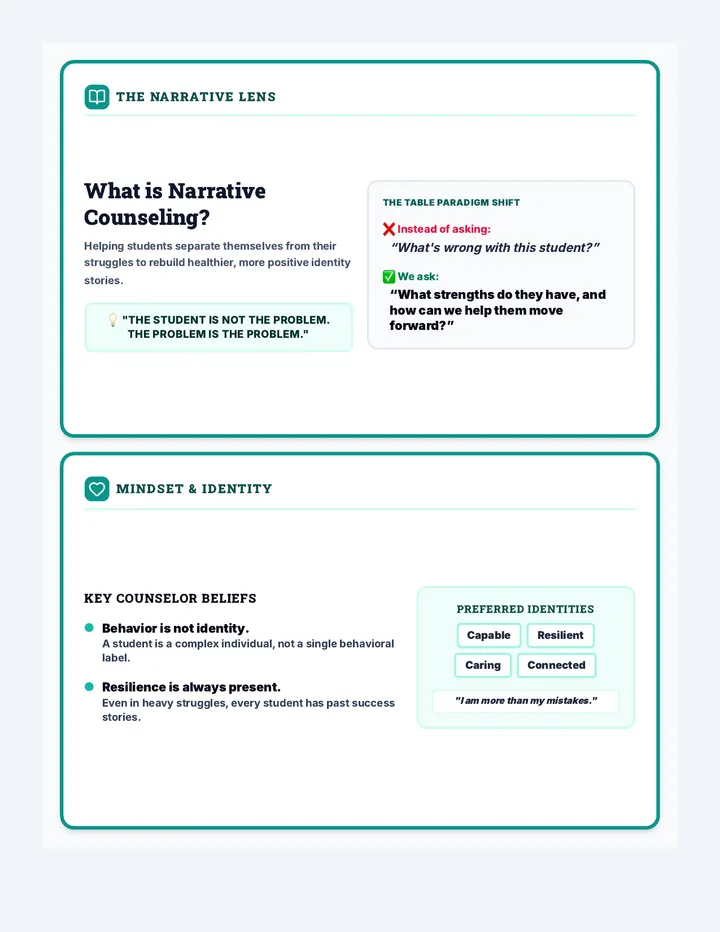
A series of counseling tools and guides based on a 7-step narrative reset framework for school counselors.
A 6-week evidence-based curriculum for high schoolers focused on shifting from reactive anger (explosion/shutdown) to proactive self-regulation using CBT and DBT skills.
A CBT-based sequence for an 8th-grade student with autism, focusing on managing difficult transitions and recovering from behavioral incidents through restorative practices and emotional regulation.
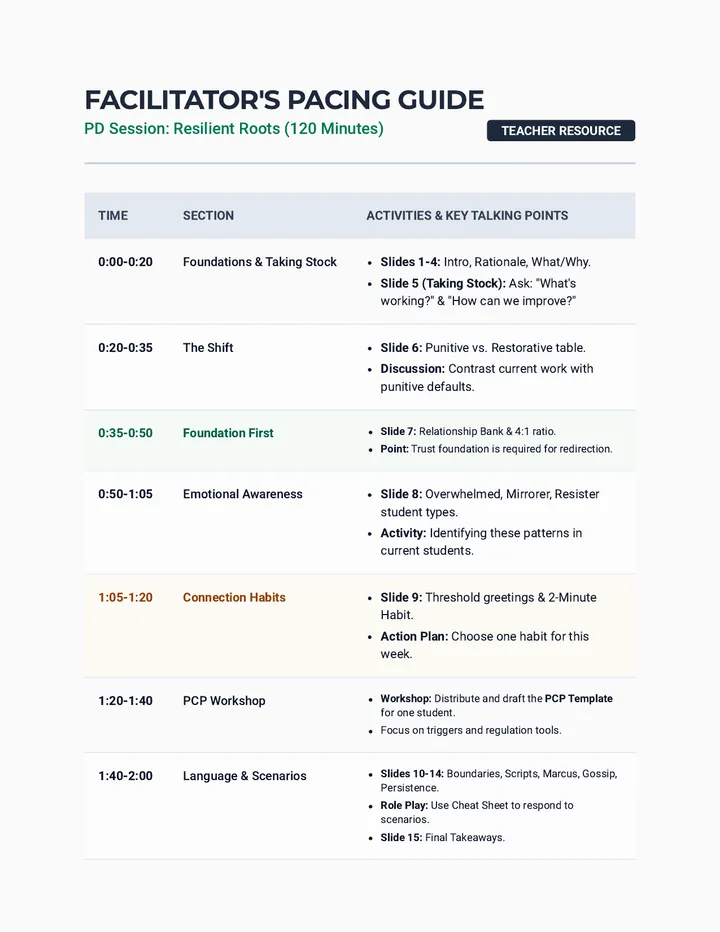
A professional development sequence for elementary school staff to identify and respond to student stress reactions. This sequence includes a 15-minute briefing and high-utility reference materials.
A 3-day unit designed to help students identify their emotional states, recognize personal learning preferences, and develop self-advocacy skills through goal setting and communication strategies.
A comprehensive executive functioning curriculum for 11th-grade students, focusing on high-level planning, organization systems, time optimization, and emotional self-regulation.
A 6-week counseling program designed for 4th-grade students with executive dysfunction, focusing on task initiation, focus, and "ready-to-learn" strategies using a Mission Control/Space theme.