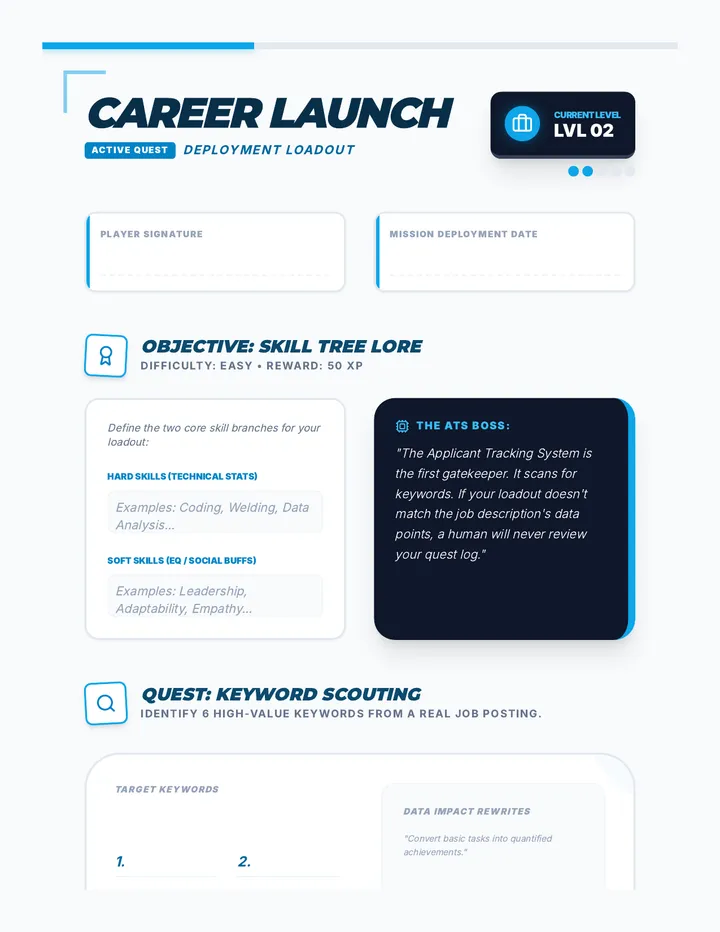
Resume construction, cover letter drafting, and networking techniques for modern job markets. Equips learners to analyze job descriptions and tailor applications using achievement-based language.
A single-page professional fidelity checklist for facilitators, optimized to fit all 13 tracking items on one sheet.
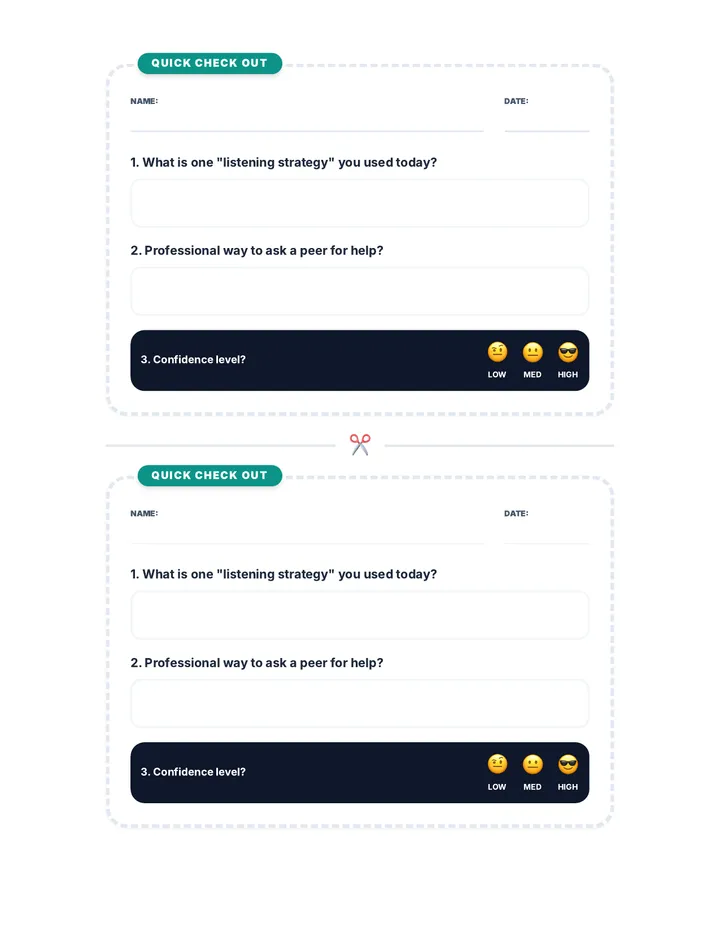
A one-page document featuring two identical copies of a comprehensive job application checklist, complete with cut lines for easy separation. The checklist covers everything from document preparation and role analysis to tailoring and final submission tracking.
A streamlined facilitator checklist featuring only the main title and the essential fidelity steps for a career development session.
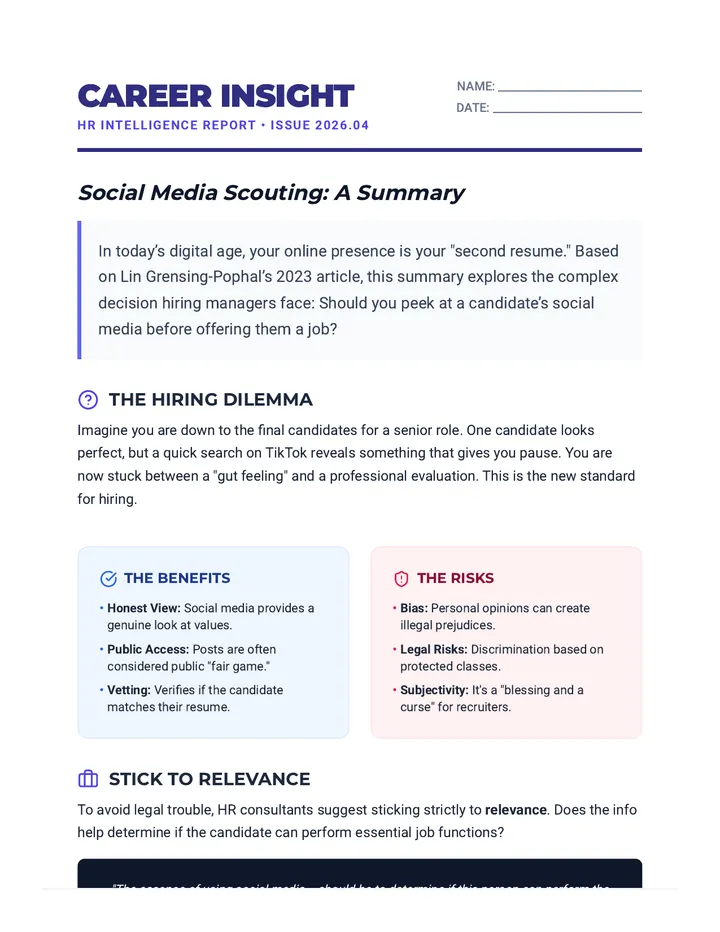
An abbreviated summary of the article 'Should You Consider Social Media When Evaluating Job Candidates?' designed for 9th-grade students. This document uses a professional HR report theme and covers the dilemma, benefits, risks, and best practices of social media screening in hiring. Revised to fix page break issues and improve overall polish.
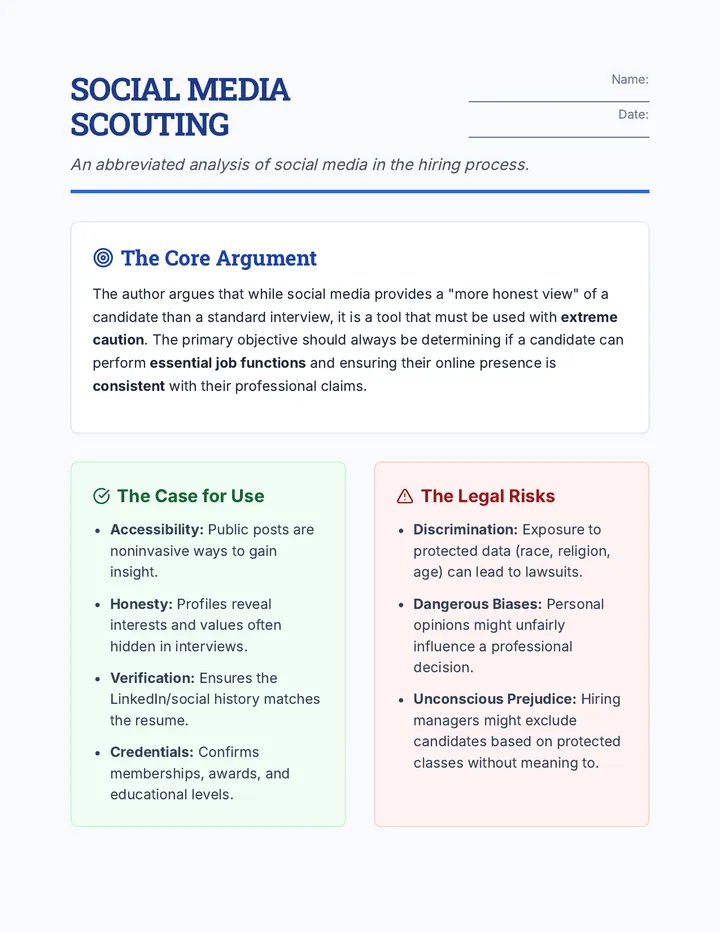
A one-page abbreviated summary of a text regarding the ethics and legalities of using social media to screen job candidates. Includes a core argument breakdown, risks vs. benefits comparison, and a student work area for critical analysis.
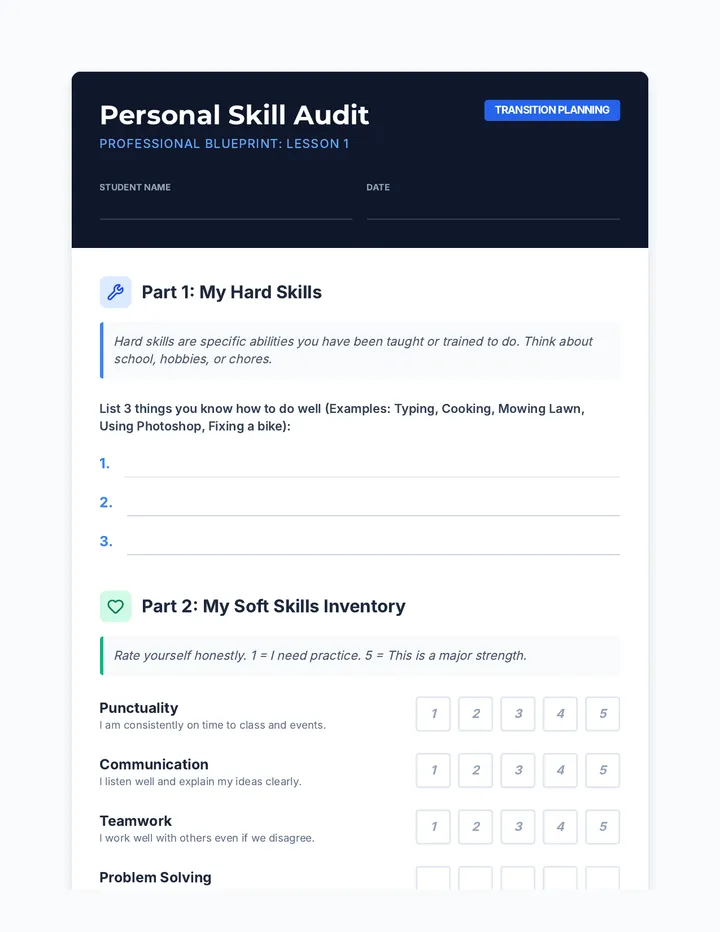
A comprehensive sequence designed for 9th-grade transition students to master the job acquisition cycle. Students progress from identifying soft skills to mastering resumes, applications, and interviews, with a heavy focus on the social 'hidden curriculum' of the workplace.
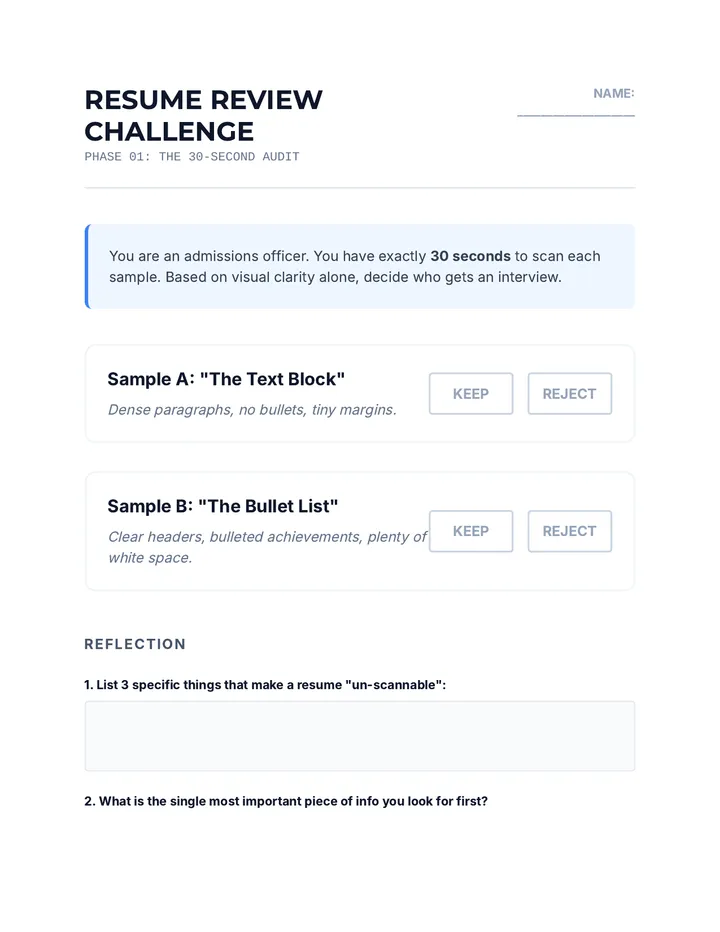
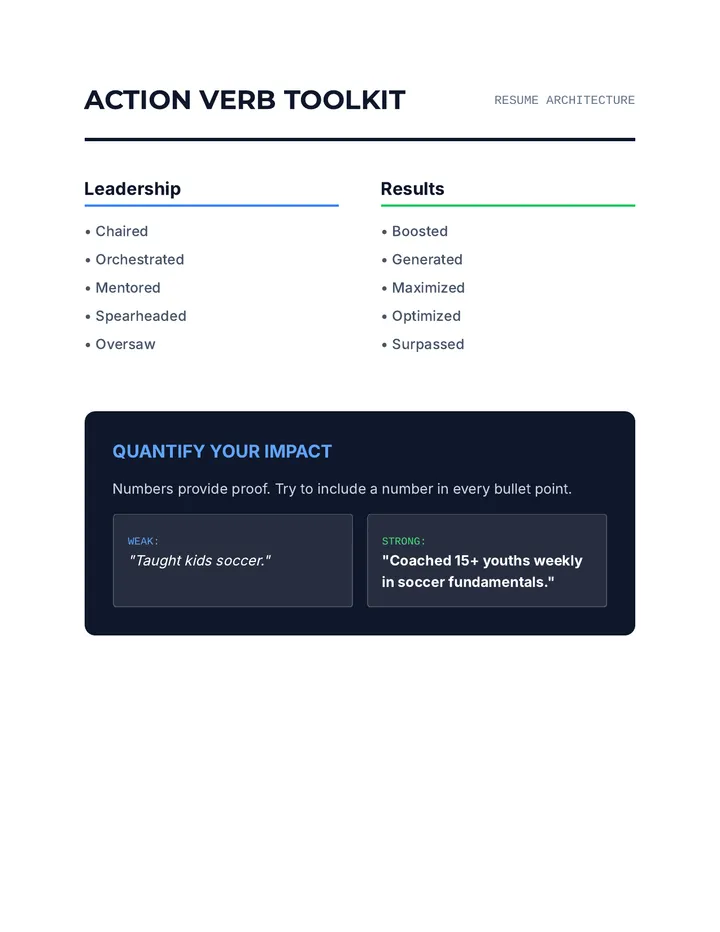
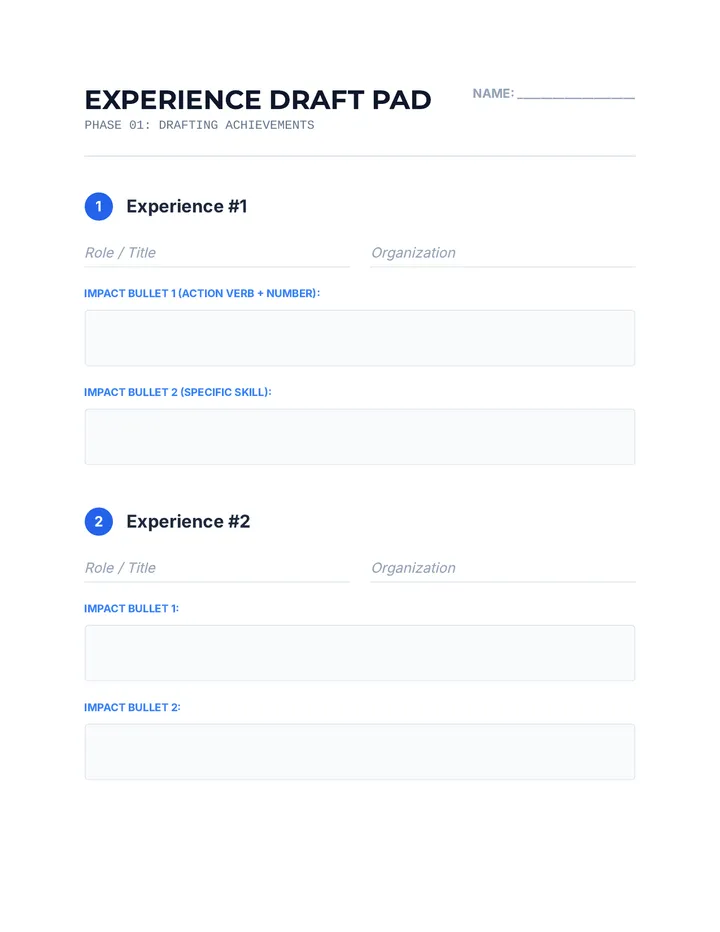
This sequence guides seventh-grade students through the foundational process of constructing their first professional resume. It covers identifying transferable skills, using action-oriented language, and mastering professional formatting through interactive workshops and simulations.
A comprehensive 5-lesson unit for 12th-grade students to master the art of writing persuasive, tailored cover letters. Students learn to decode job descriptions, craft compelling narratives, and apply professional business formatting.
This comprehensive sequence guides undergraduate students through the technical and rhetorical process of constructing a professional cover letter. From mastering business formatting to decoding job descriptions and crafting evidence-based narratives, students move from structural basics to a polished, industry-standard final draft.
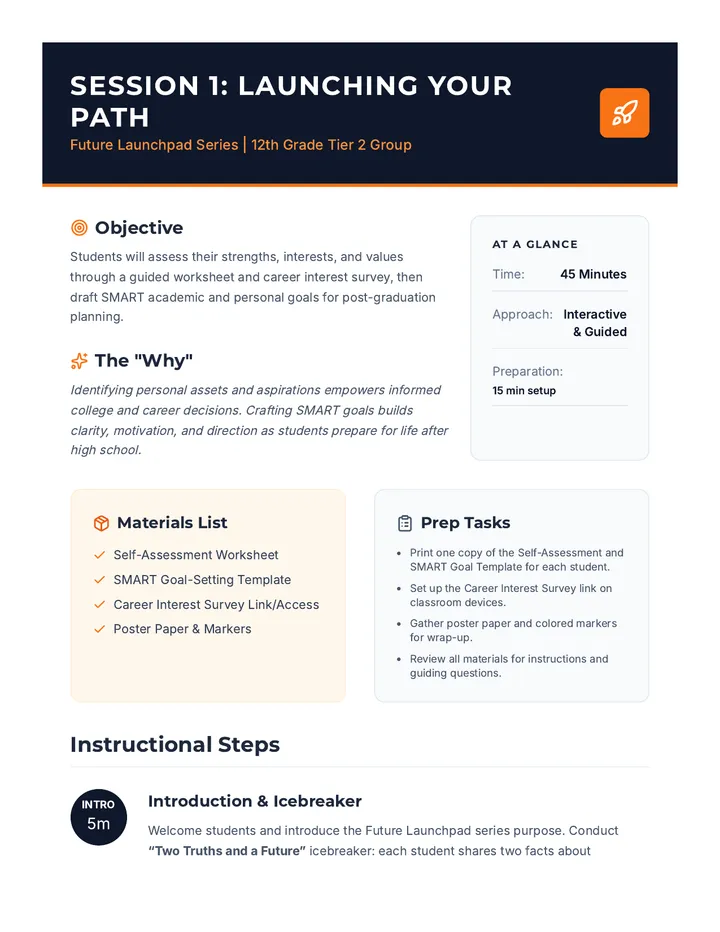
A 6-session Tier 2 group series for 12th-grade students to explore college and career pathways, develop application skills, and create a personalized post-graduation plan.
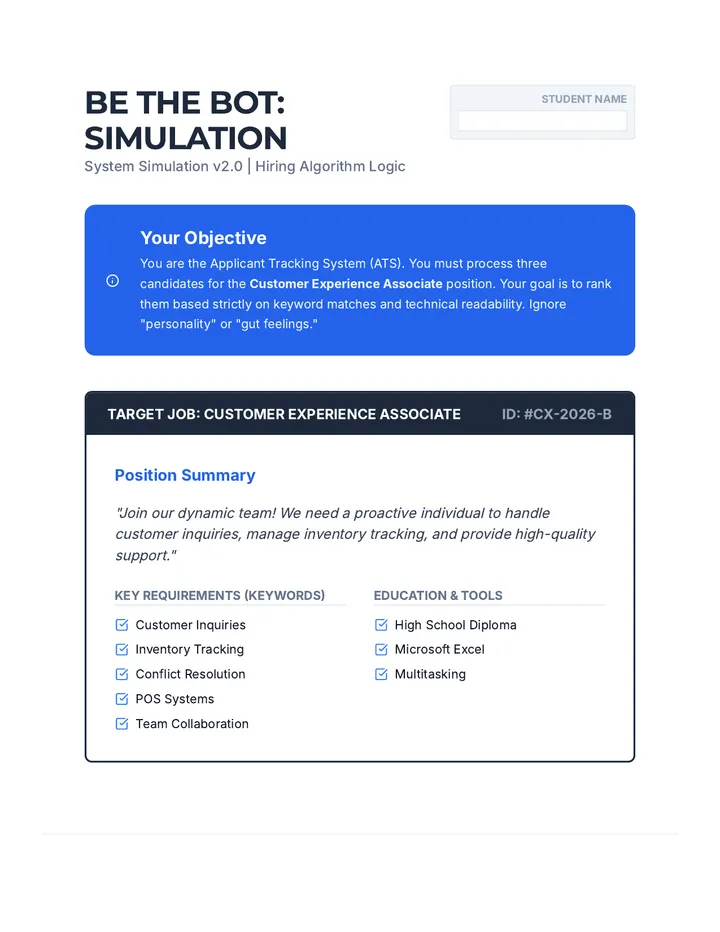
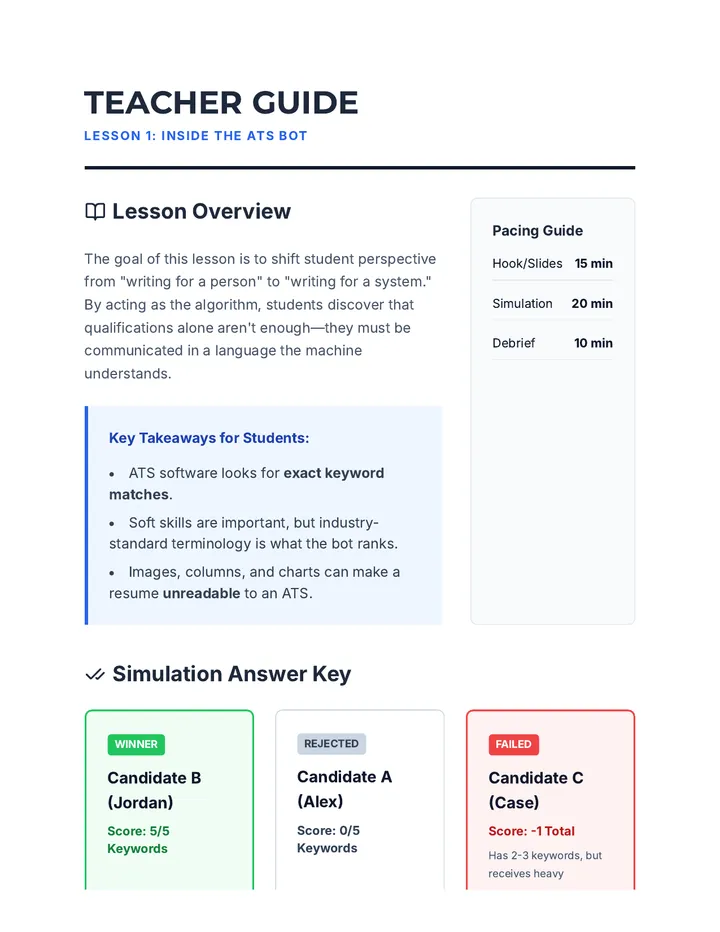
A comprehensive 5-lesson sequence for 12th-grade students on the strategic art of tailoring resumes. Students learn about ATS algorithms, decode job descriptions, translate youth experiences into professional keywords, and culminate in a project where they adapt a single resume for two distinct career paths.
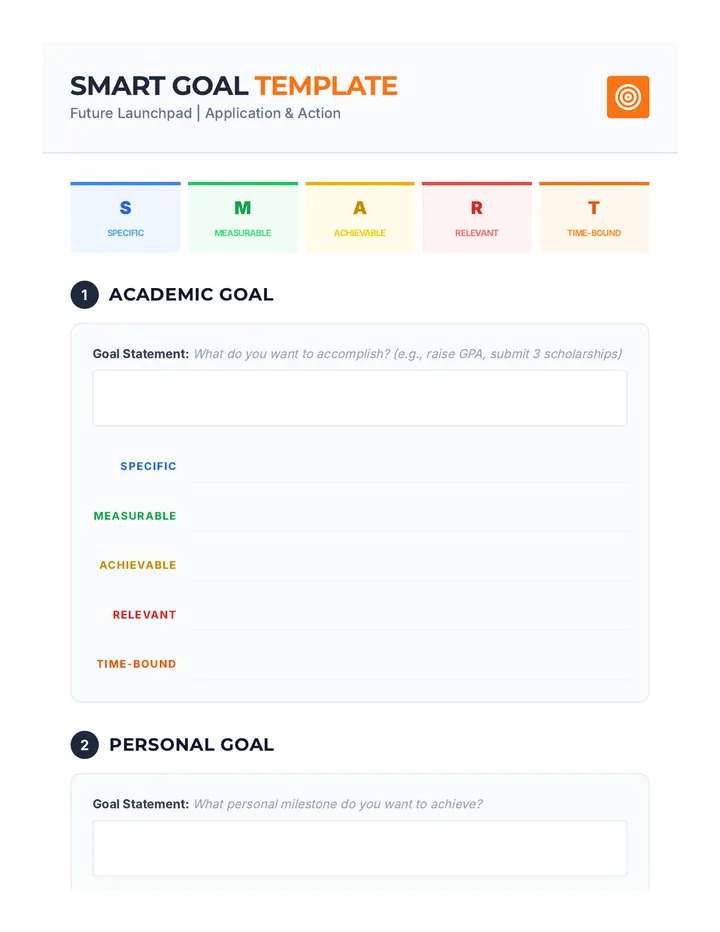
A comprehensive career exploration unit for 5th graders, guiding them from understanding professional documentation to building a complete career portfolio. Students learn to translate their current activities into skills, practice networking, and set SMART goals for their future.
A workshop-style sequence for 12th graders to master the professional application process, covering resumes, personal statements, digital portfolios, networking, and interviewing.
This sequence treats interview preparation as a case study in effective communication and rhetoric. Students evaluate sample interviews, critique 'bad' STAR responses, and refine their own content based on high-level standards to create a 'Story Portfolio' for future applications.
A comprehensive workshop-style unit where 7th-grade students navigate the job-seeking process, from identifying transferable skills and drafting their first resumes to mastering professional etiquette and succeeding in mock interviews. Students will develop tangible professional documents and interpersonal communication skills critical for workforce entry.
This comprehensive sequence guides 11th-grade students through the strategic process of writing effective, professional cover letters. Students transition from analyzing document anatomy and decoding job descriptions to drafting persuasive narratives and refining professional tone, culminating in a polished, peer-reviewed document.
A comprehensive deep dive into the technical intersection of human resources and artificial intelligence, equipping graduate students to navigate and master Applicant Tracking Systems (ATS). Students learn to leverage semantic analysis and keyword optimization to ensure their qualifications are recognized by algorithmic gatekeepers while maintaining a compelling human narrative.
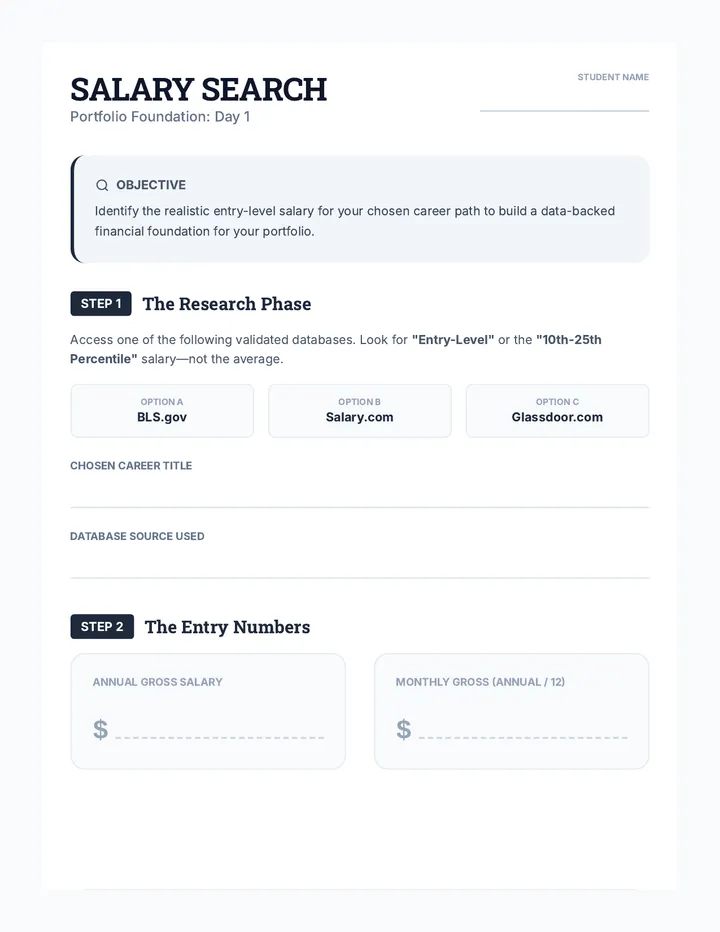
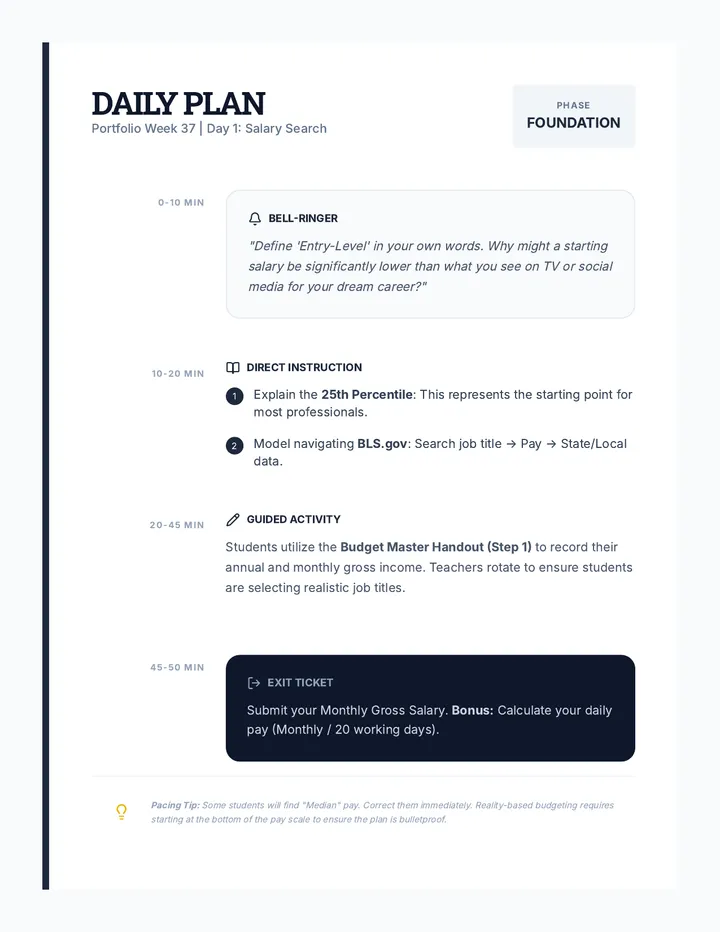
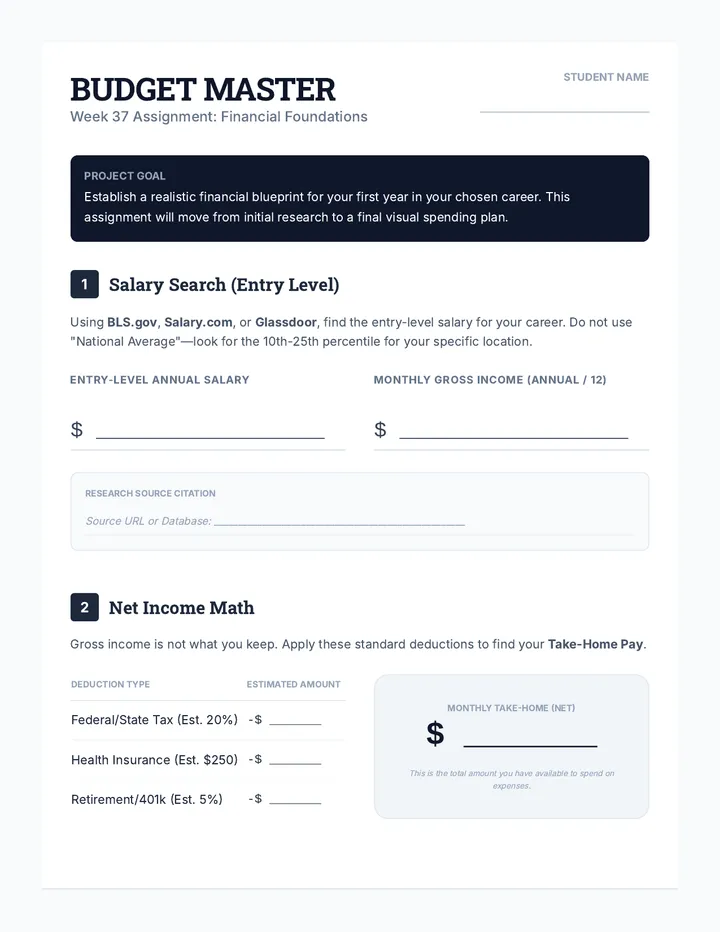
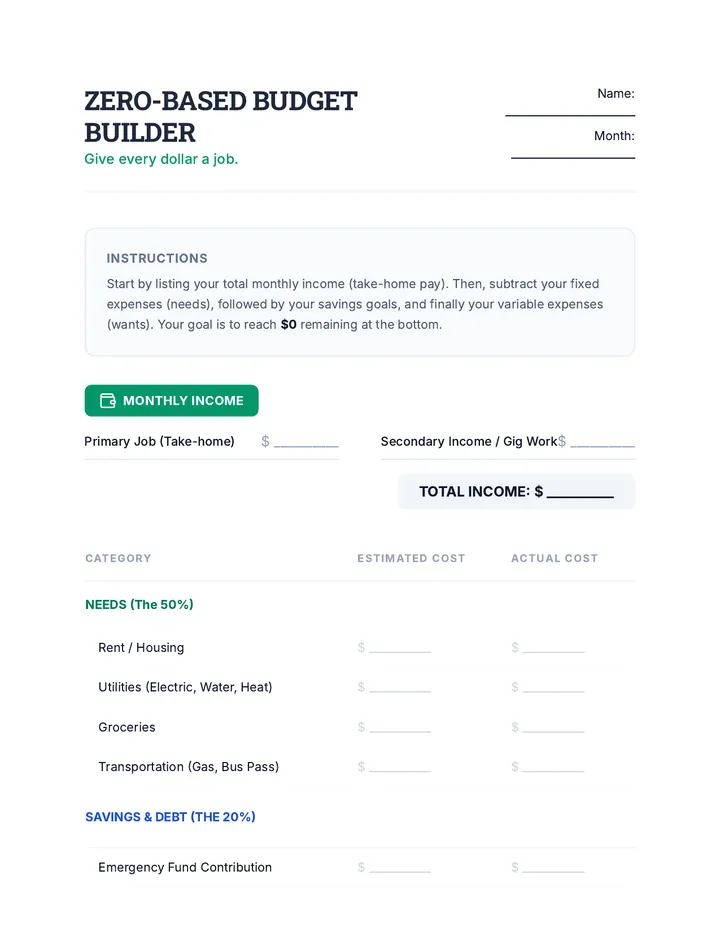
A comprehensive 5-week sequence for high school juniors to finalize their professional portfolio and career budget, culminating in a formal defense. Includes financial planning, executive summary refinement, resume building, and branding.
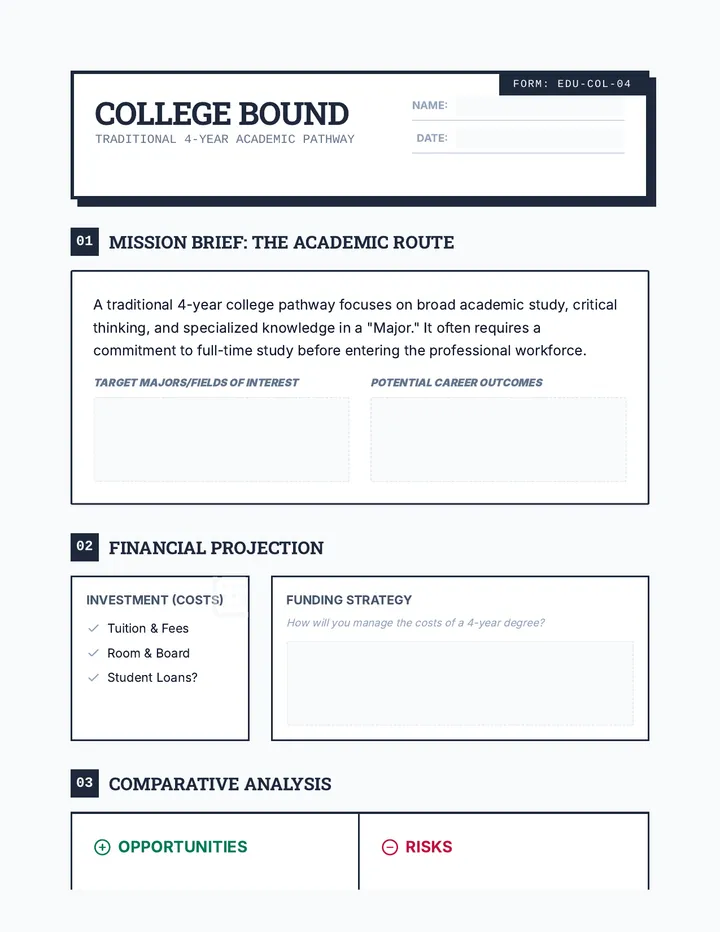
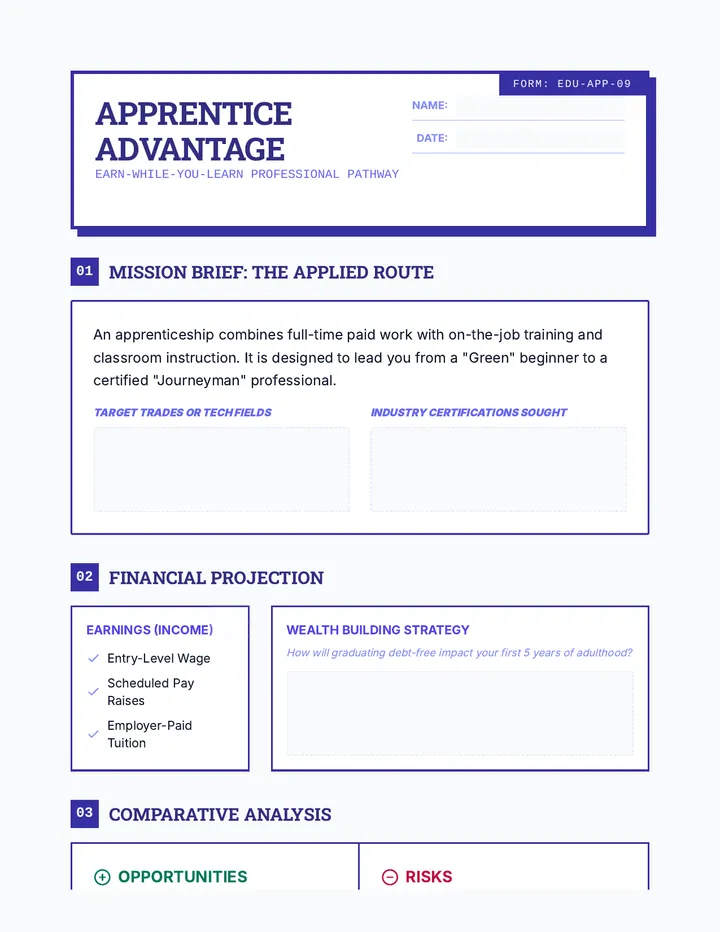
A comprehensive year-long curriculum for high school seniors focusing on college readiness, career planning, financial literacy, and social-emotional well-being. This sequence guides students through the complexities of post-secondary transitions with a special focus on arts-based pathways.
A comprehensive program designed to guide students through the essentials of career exploration, professional document preparation, and the job application process.
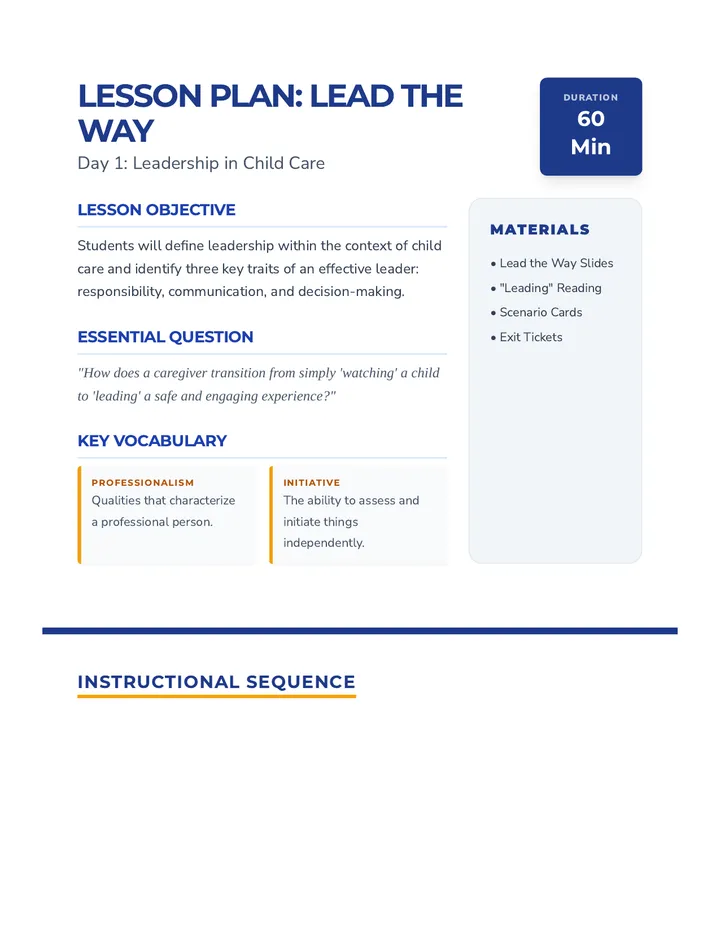
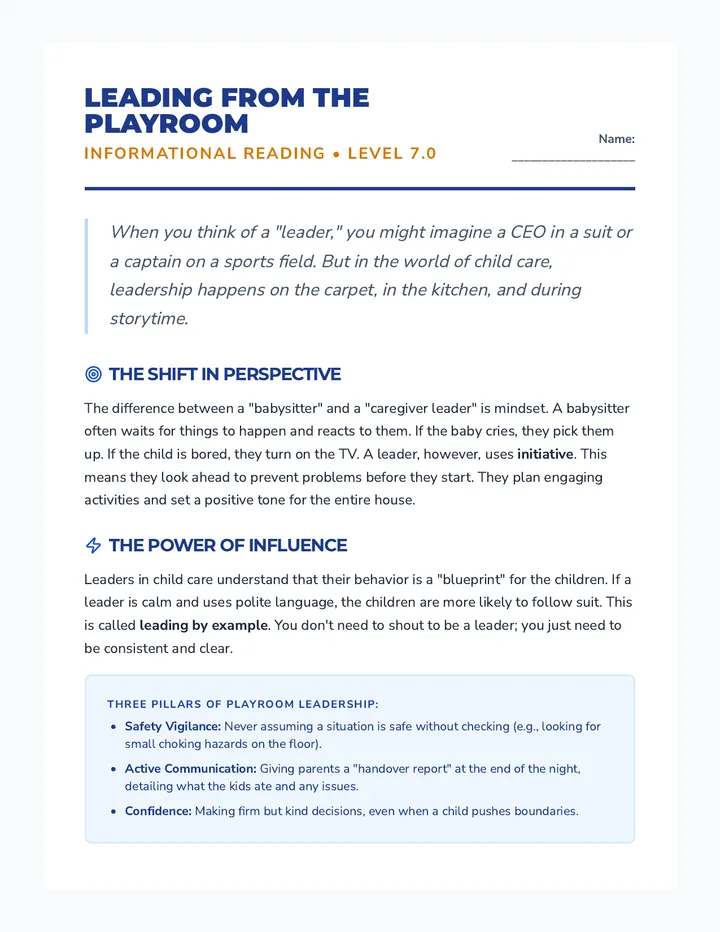
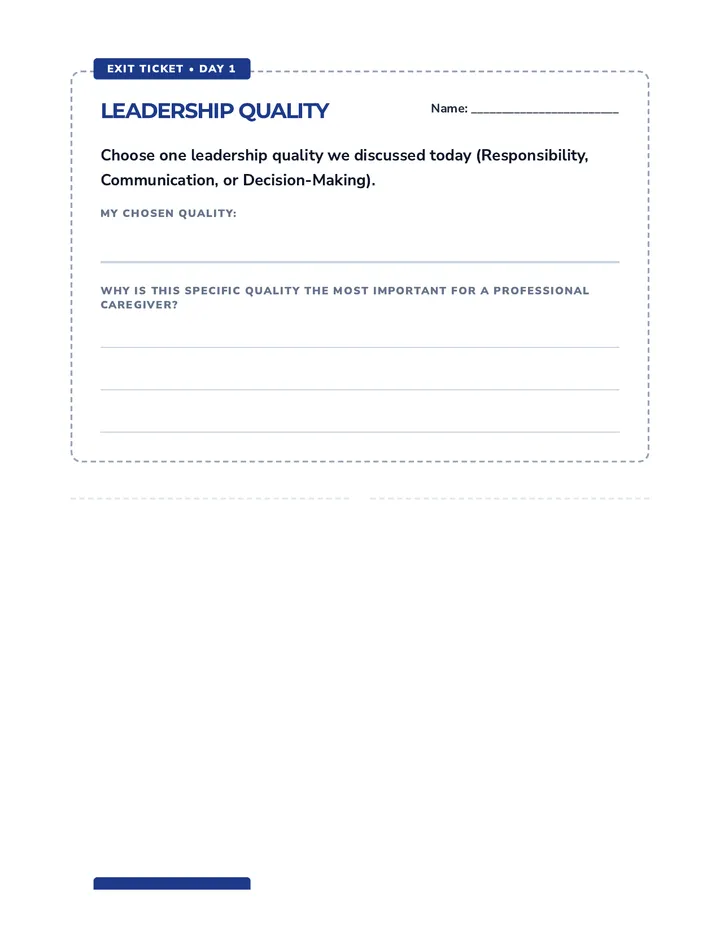
A 10-day unit exploring the transition from caregiver to child care leader, focusing on professional tools, self-assessment, and effective communication with families.
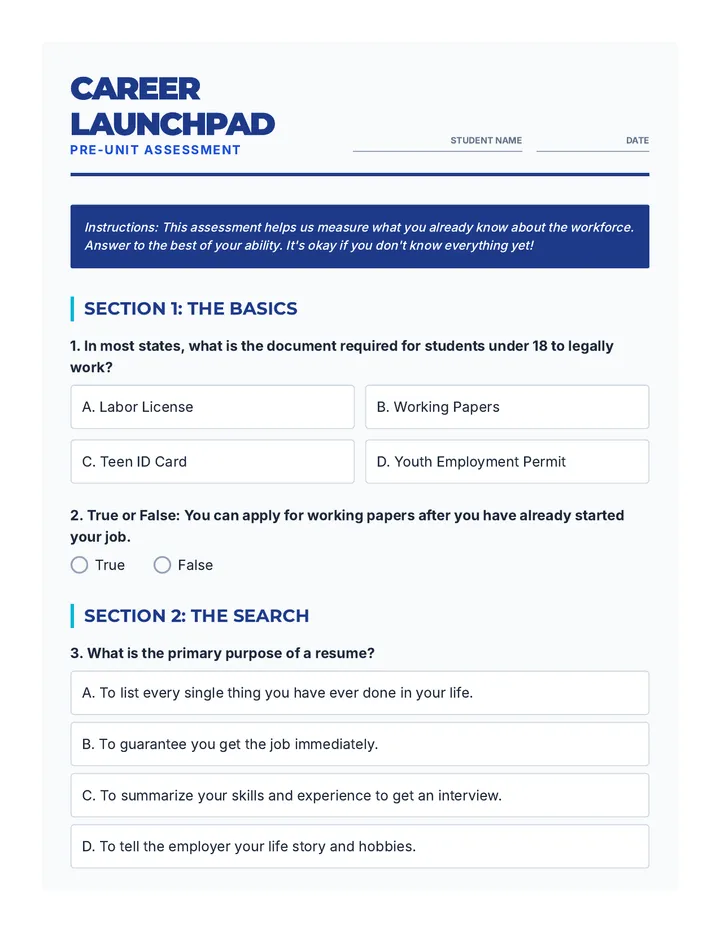
An 8-week comprehensive unit designed to prepare high school students for entering the workforce, covering everything from legal working papers and job applications to interview techniques and long-term career planning.
A comprehensive career readiness sequence focusing on the transition from application to employment, covering resumes, interviewing, and workplace success.
A 6-week life skills unit designed for high school students with low cognitive abilities, focusing on vocational readiness through visual resumes, on-campus job site visits, and simplified interview practice.
A comprehensive transition program designed for 8th graders to prepare for the academic and social-emotional demands of high school and entry-level employment. The sequence focuses on practical executive functioning, professional communication, and workplace conflict resolution.
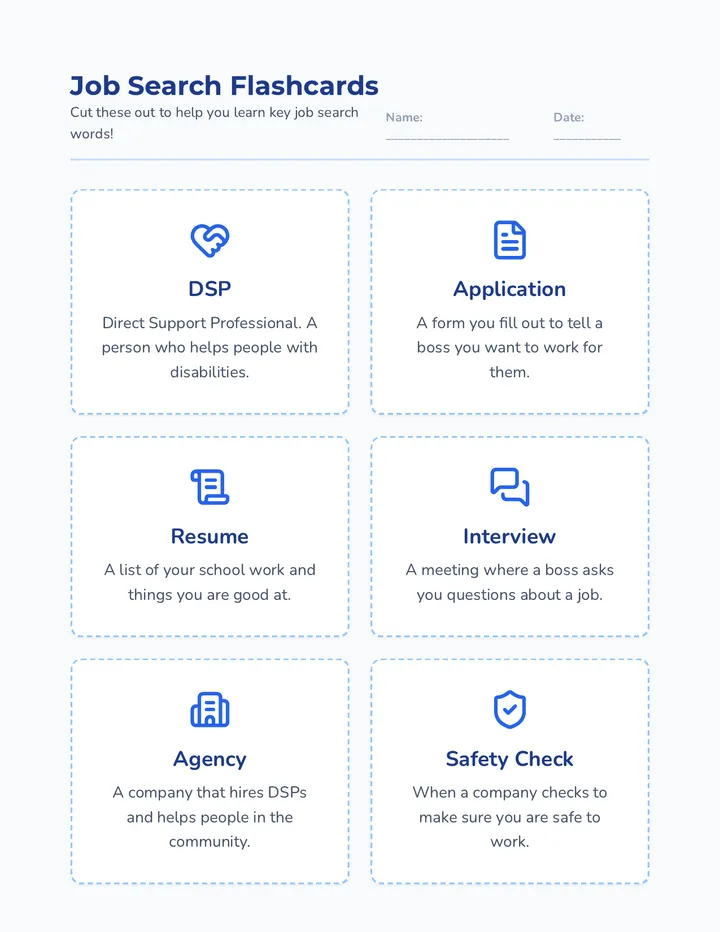
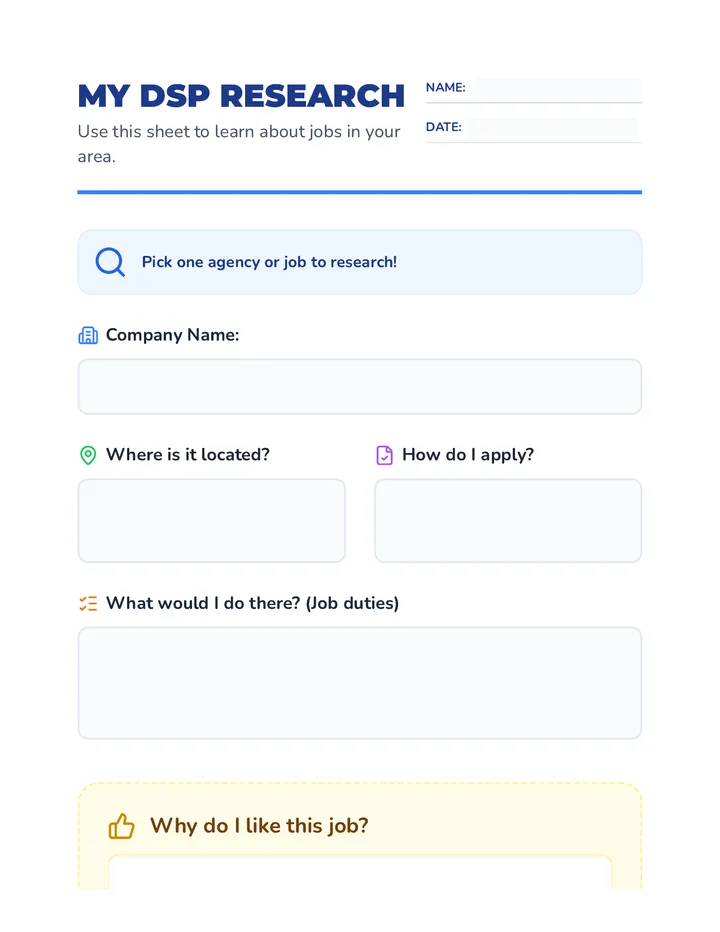
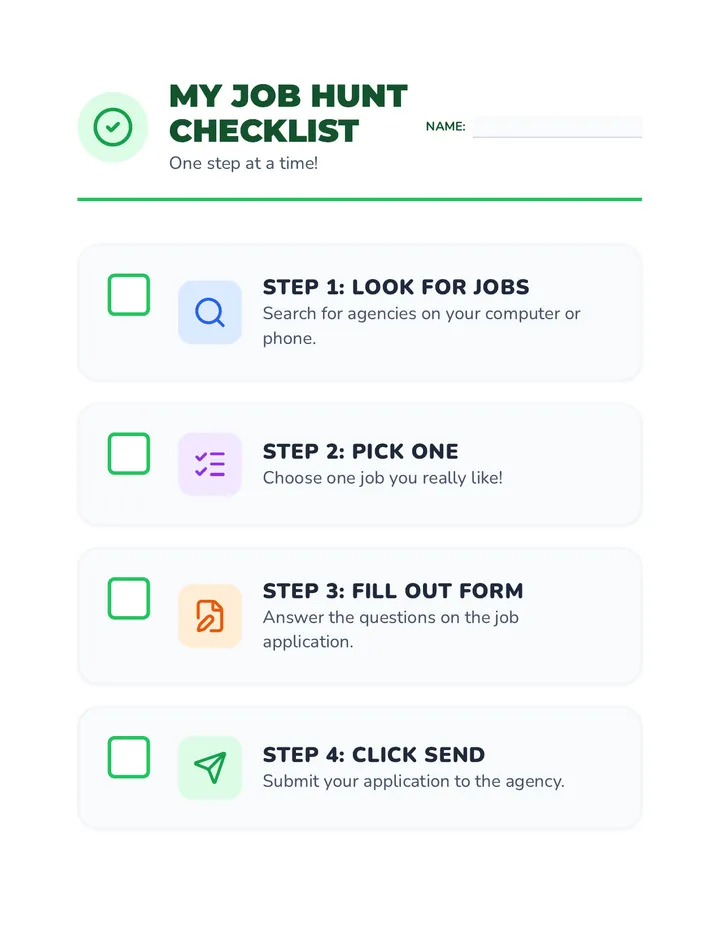
A series of resources designed to help individuals with diverse learning needs research and apply for Direct Support Professional (DSP) roles independently. The materials focus on visual clarity, simplified language, and step-by-step guidance.
A high-energy, game-based training program focused on demystifying networking and building social capital for job seekers. Participants engage in a series of 'Connection Challenges' to earn opportunity rewards and build their own professional network maps.
A series of lessons designed to prepare students for the transition to the workforce by developing critical soft skills, digital literacy, and professional communication strategies.
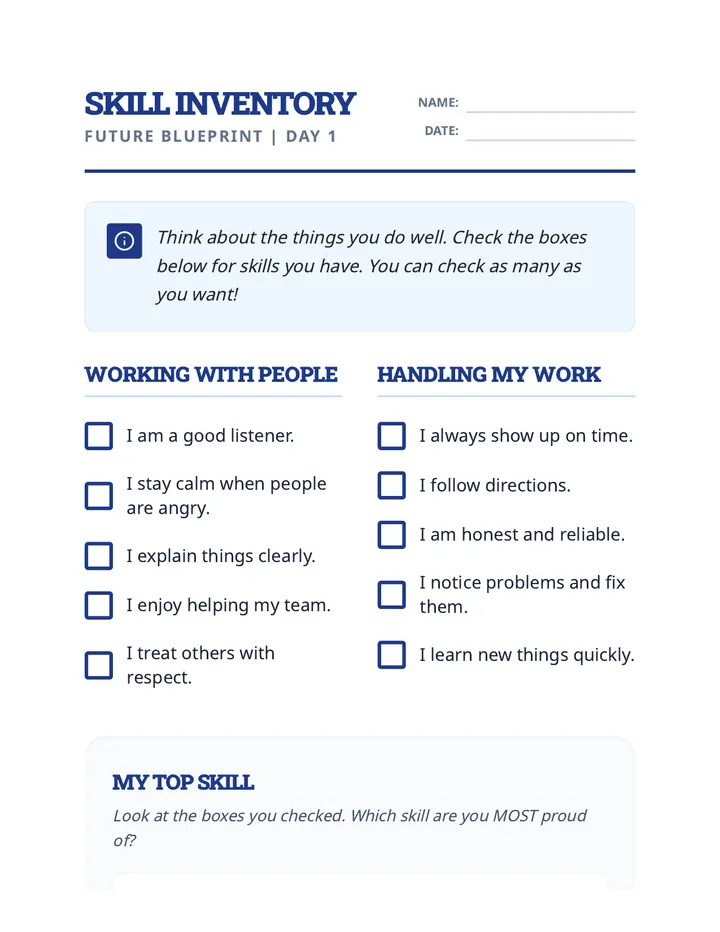
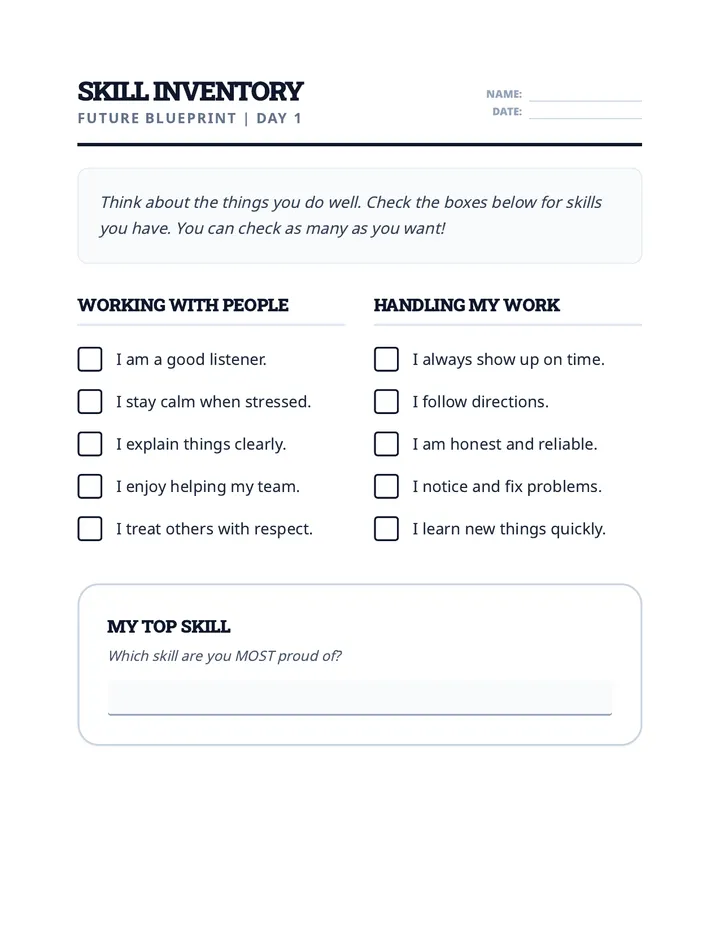
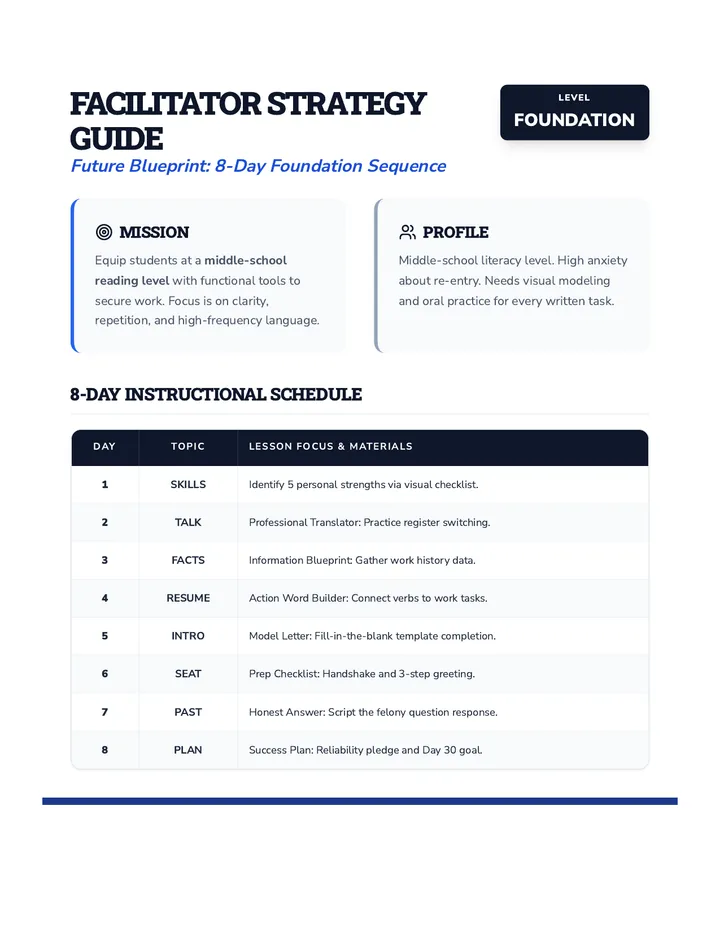
A comprehensive 8-day employability program designed for individuals with low-literacy levels preparing for reentry. The course covers self-assessment, professional communication, resume and cover letter construction, and interview techniques specifically tailored for navigating the challenges of post-incarceration employment.
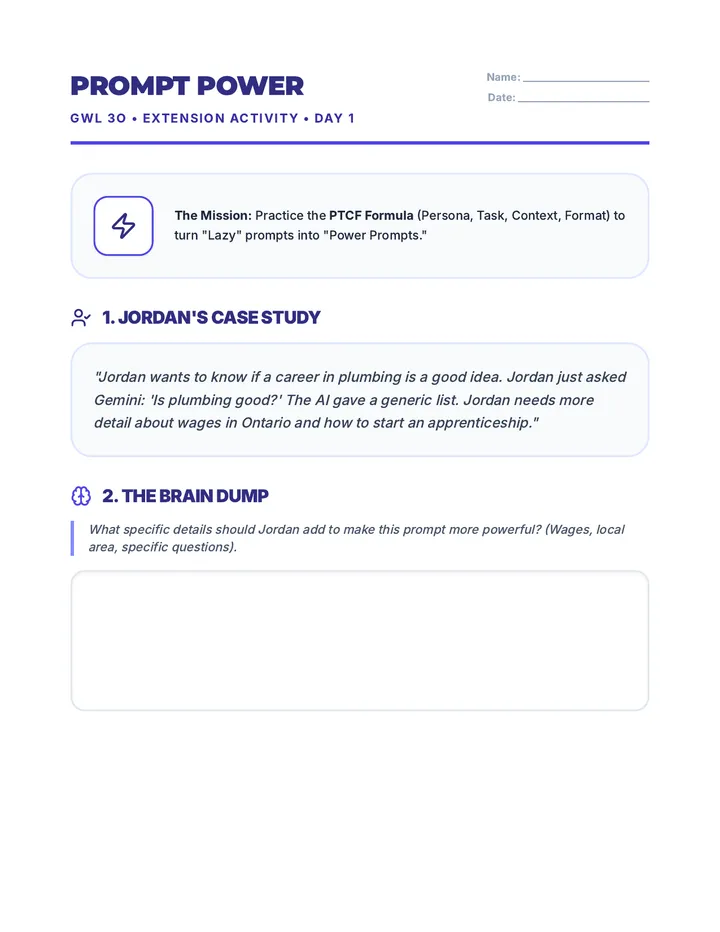
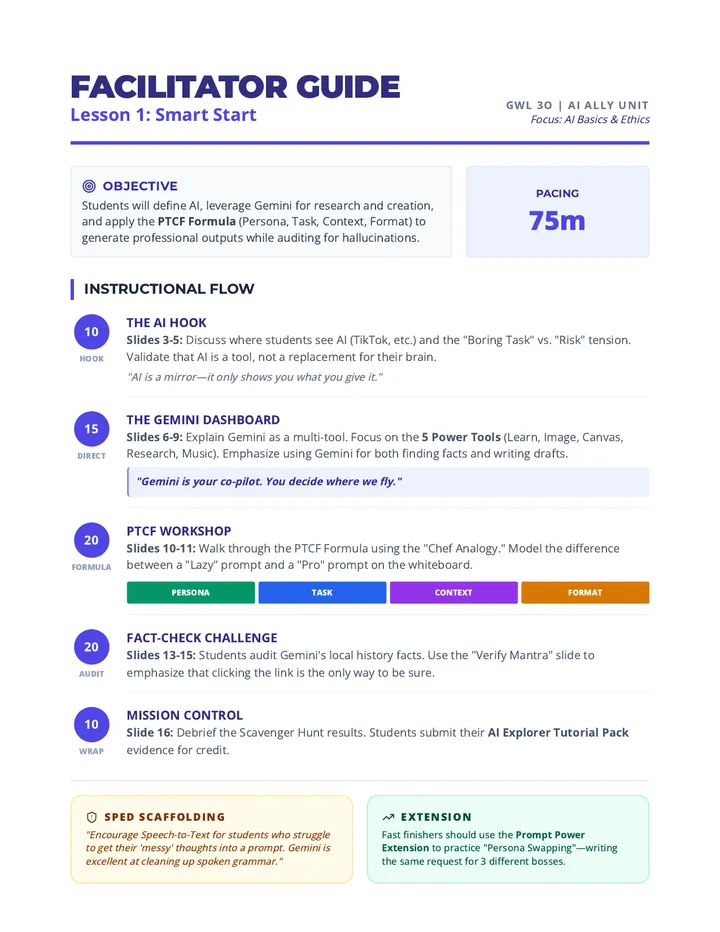
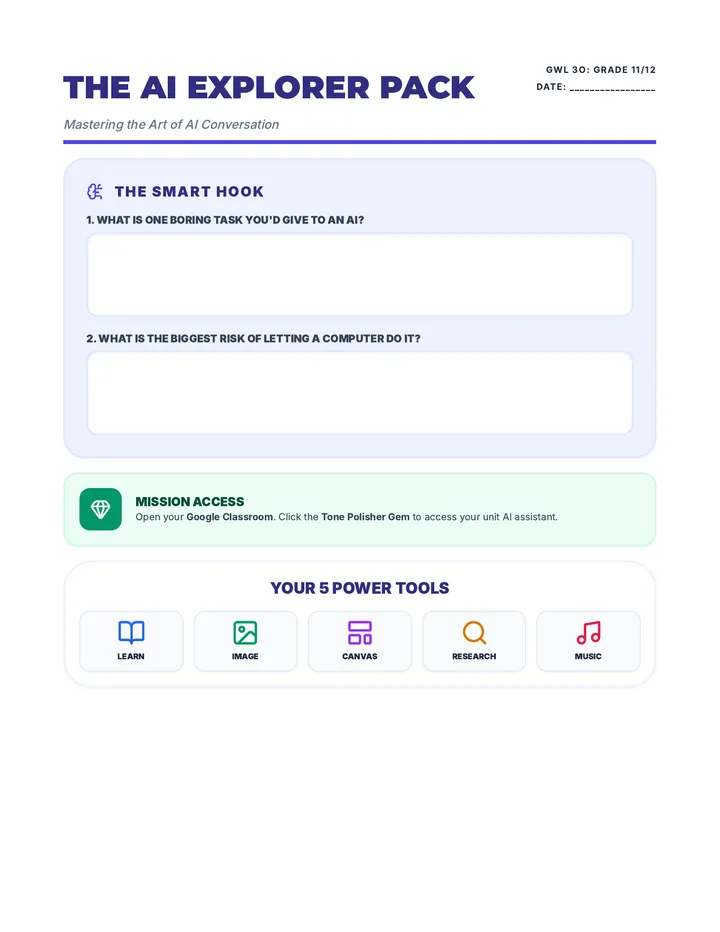
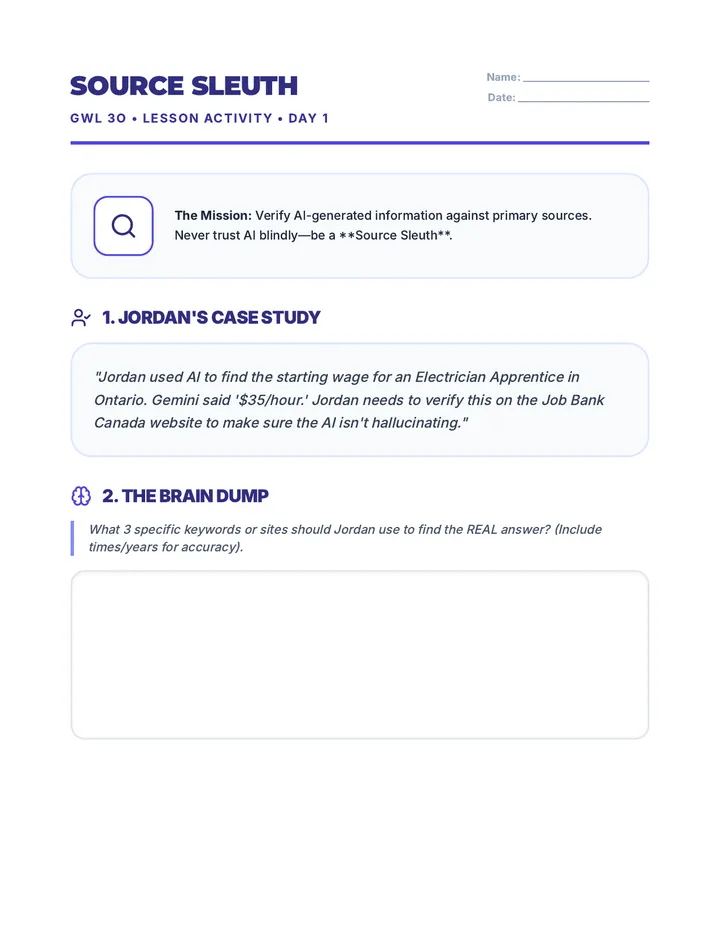
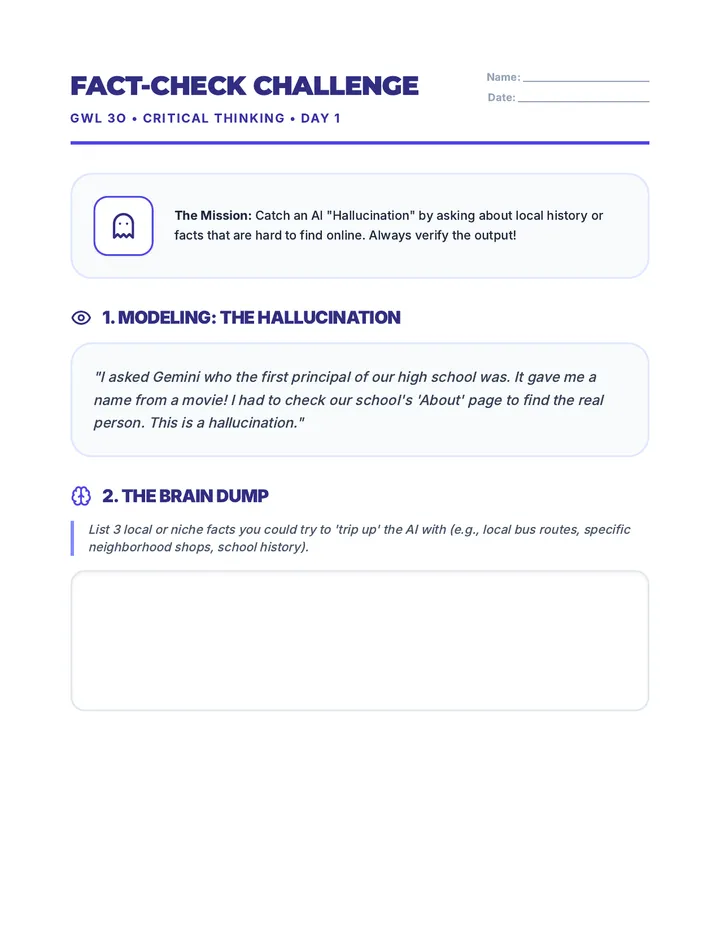
A comprehensive 7-day unit for Grade 11/12 Designing Your Future students, focusing on leveraging AI tools like Gemini for workplace and college success. Designed for special education contexts, it emphasizes self-advocacy, professional communication, research, and project management through visual and digital tasks.
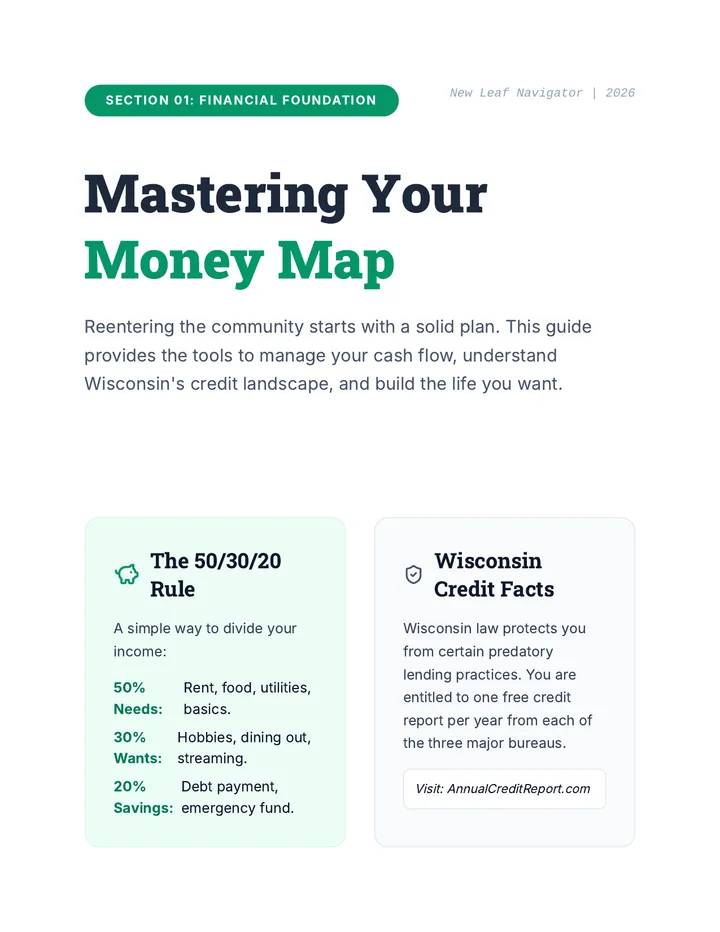
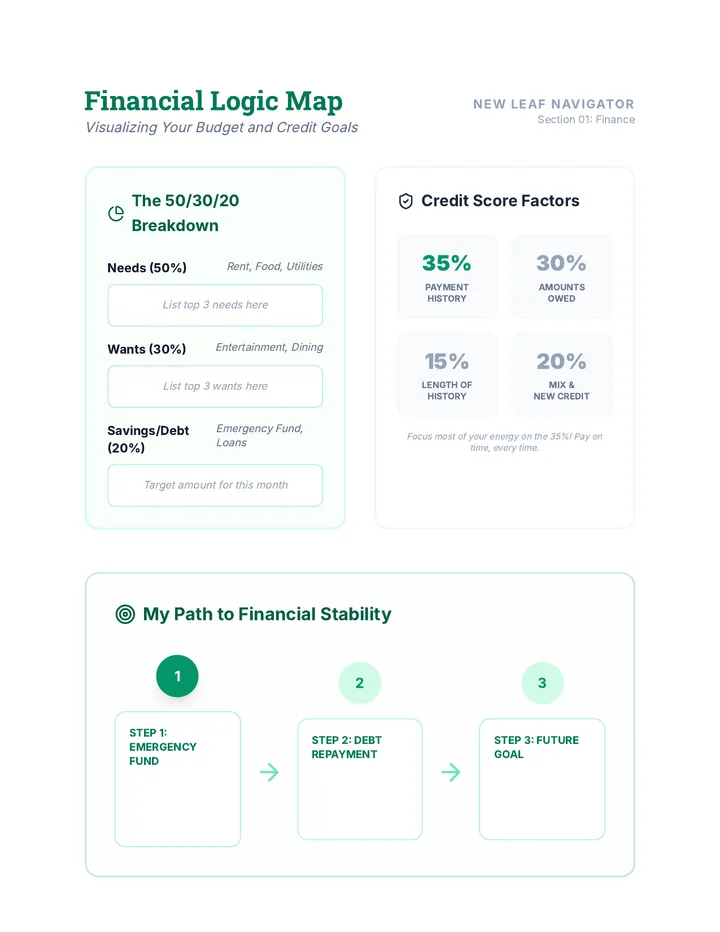
A comprehensive reentry toolkit for adult learners in Wisconsin, covering personal finance, housing, transportation, and career development after incarceration.
A comprehensive unit designed to guide students through the modern job application process, focusing on strategic networking, deep company research, and high-stakes interview preparation. Students will learn to build professional connections and tailor their approach to specific company cultures and scenarios.
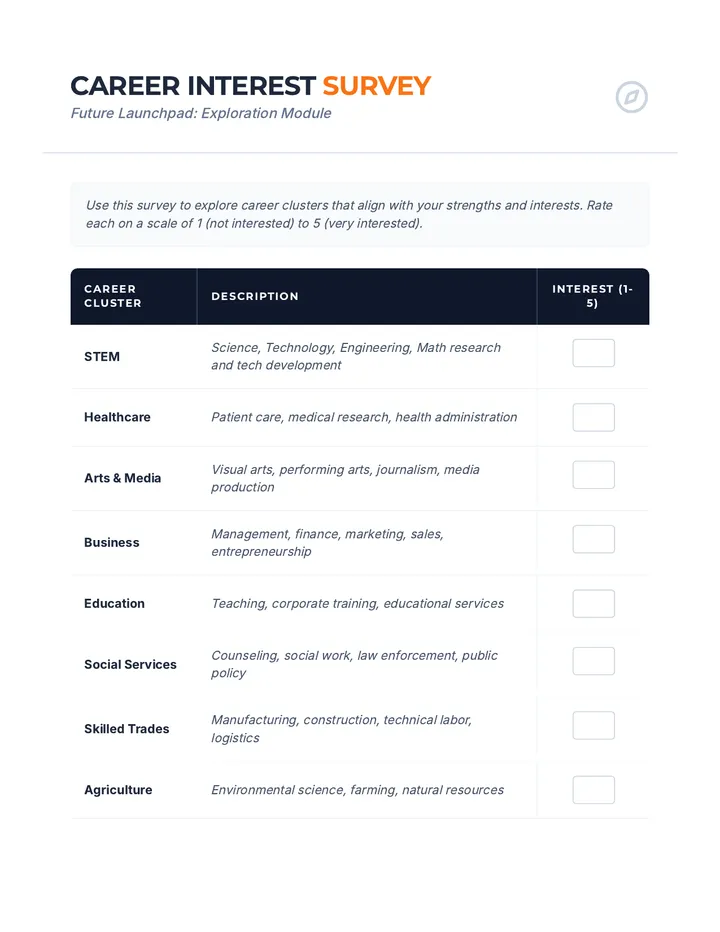
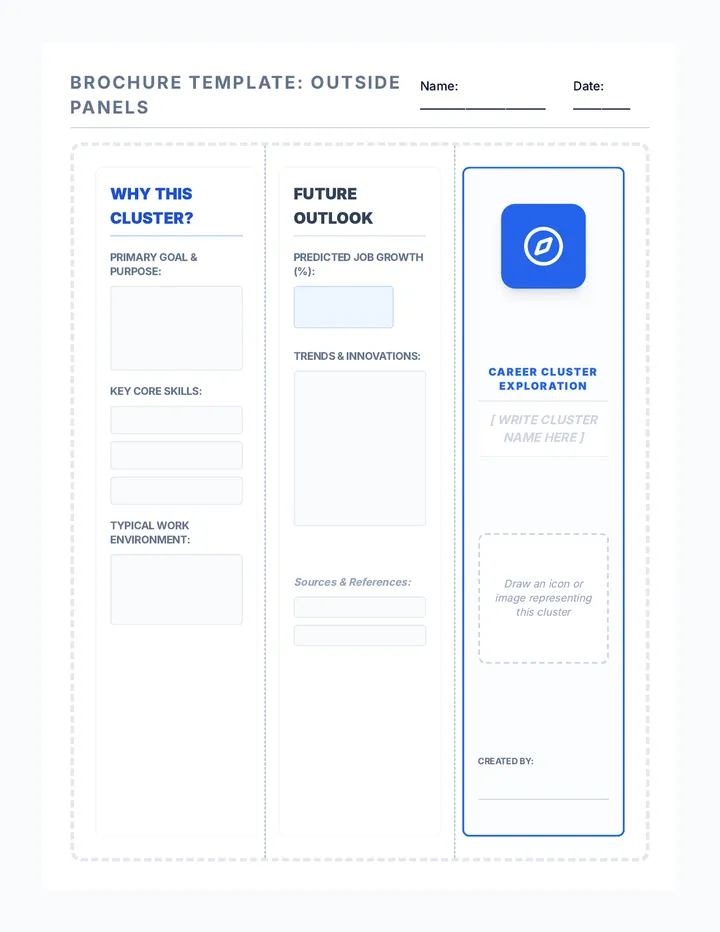
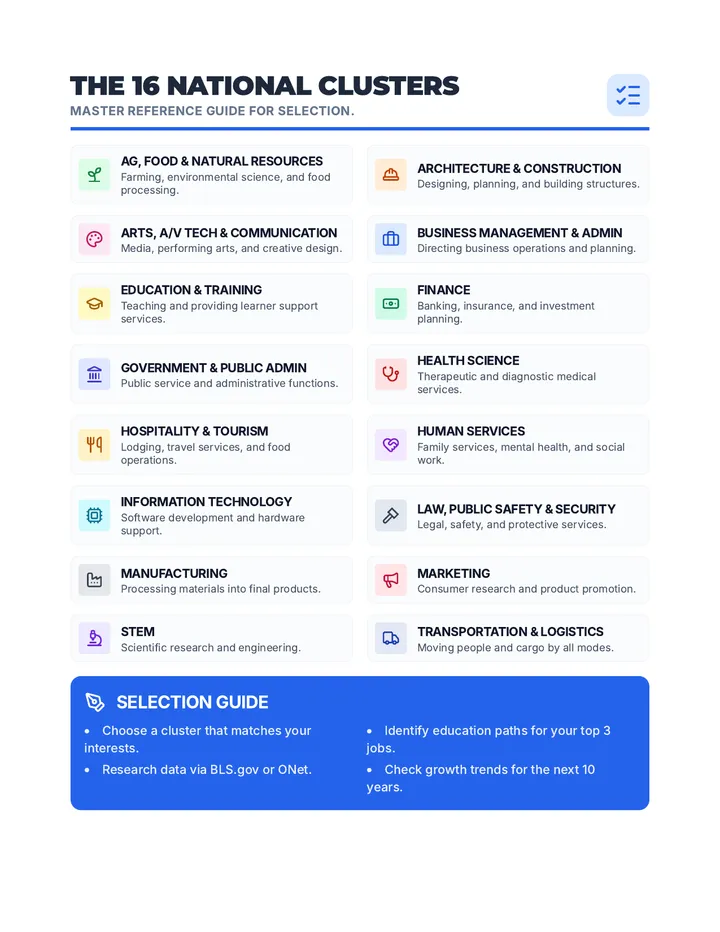
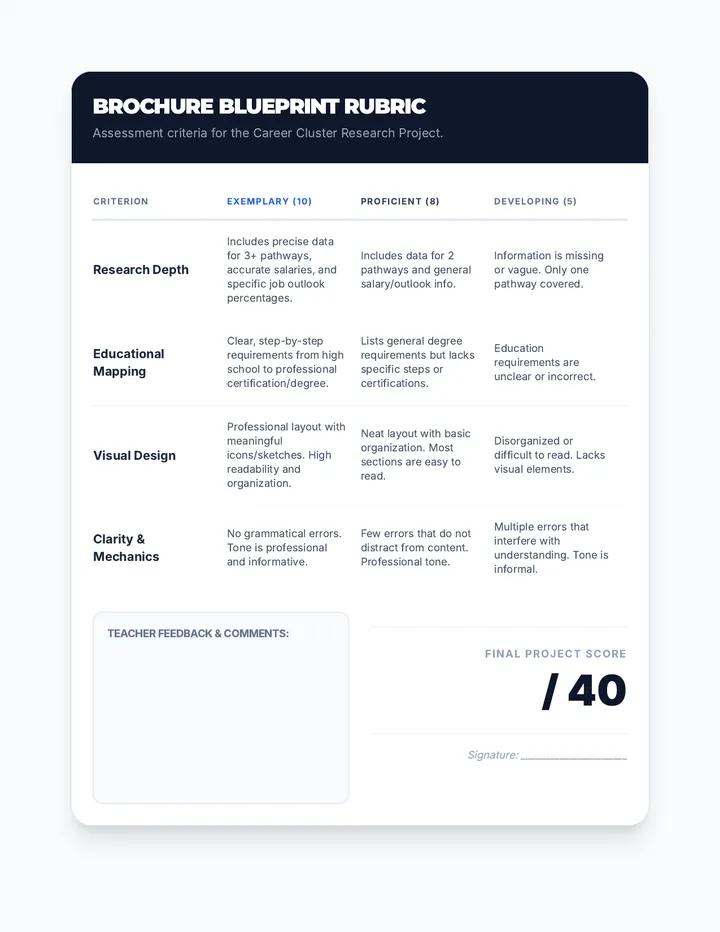
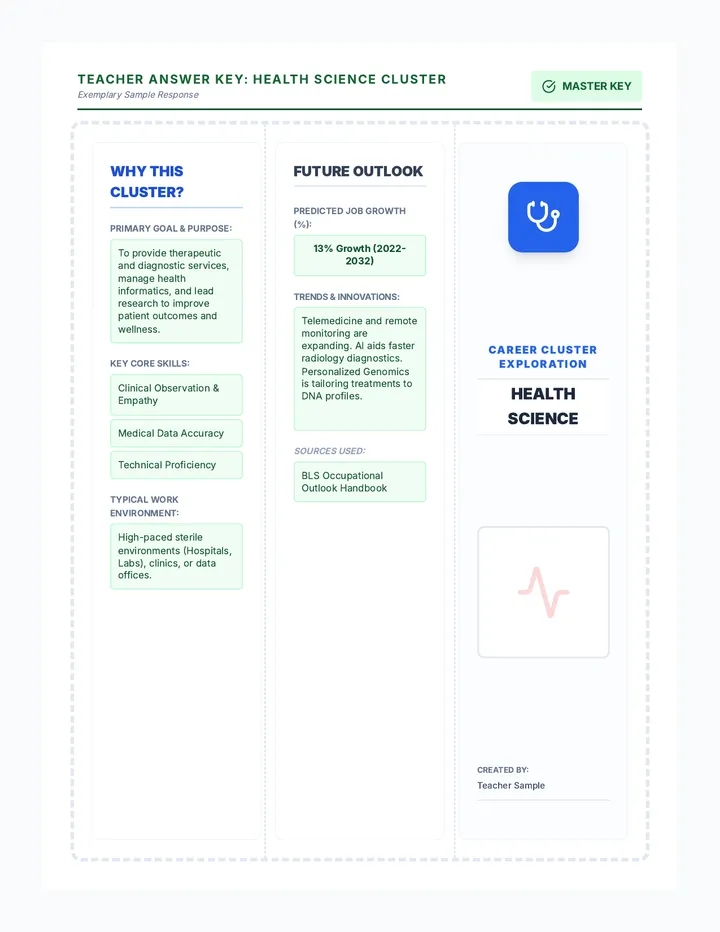
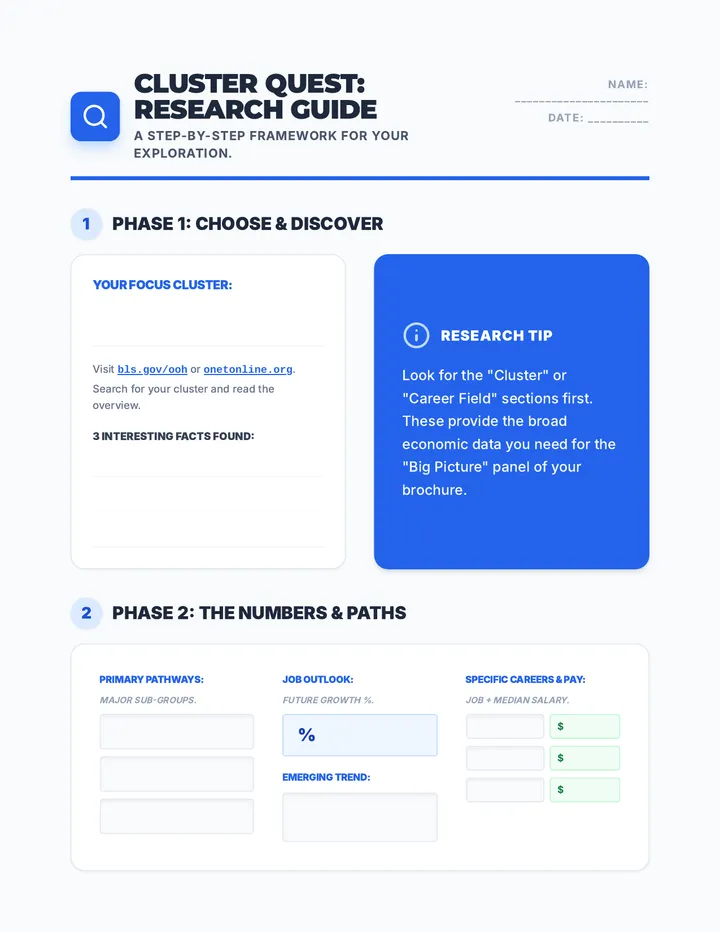
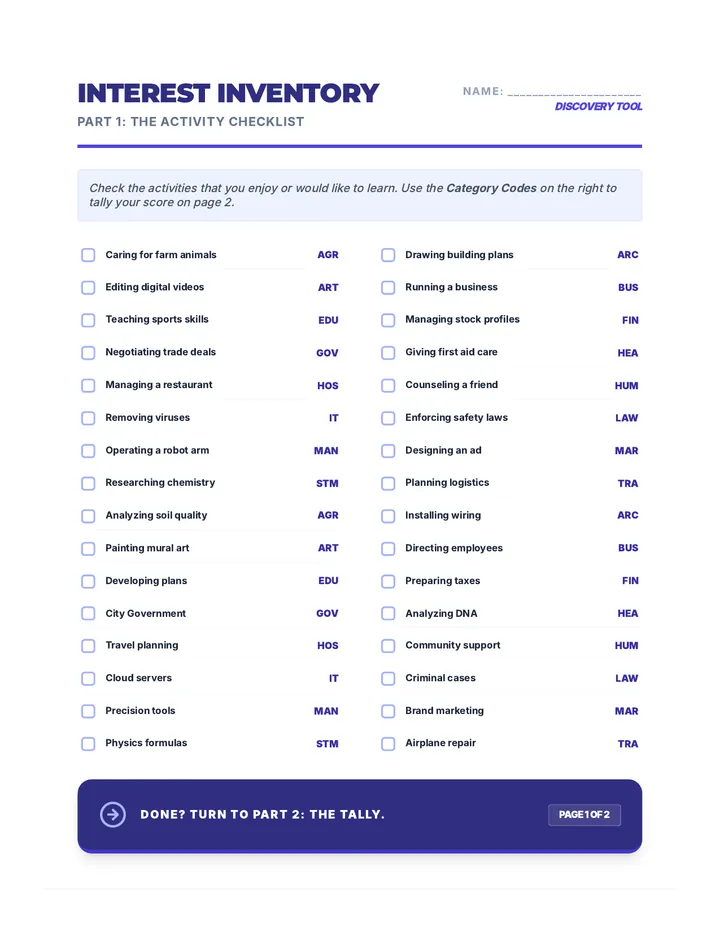
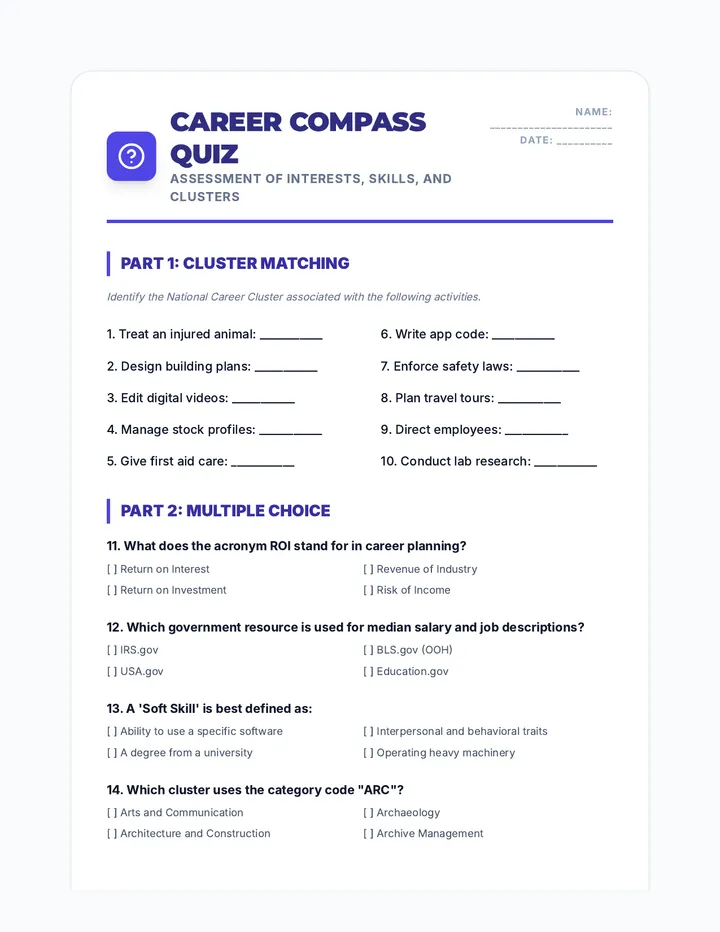
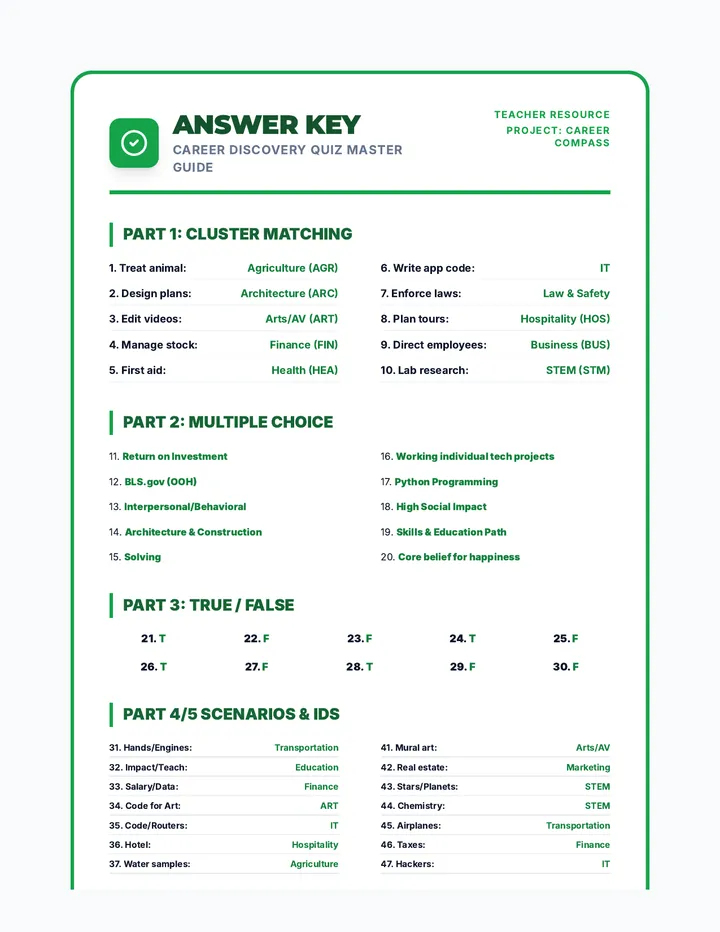
A comprehensive exploration of the 16 National Career Clusters, guiding high school students through research and creative design of career-focused brochures.
This curriculum equips transition-age learners (18–22) with essential life and work skills needed for independence and community engagement, covering daily living, financial literacy, job readiness, and more.
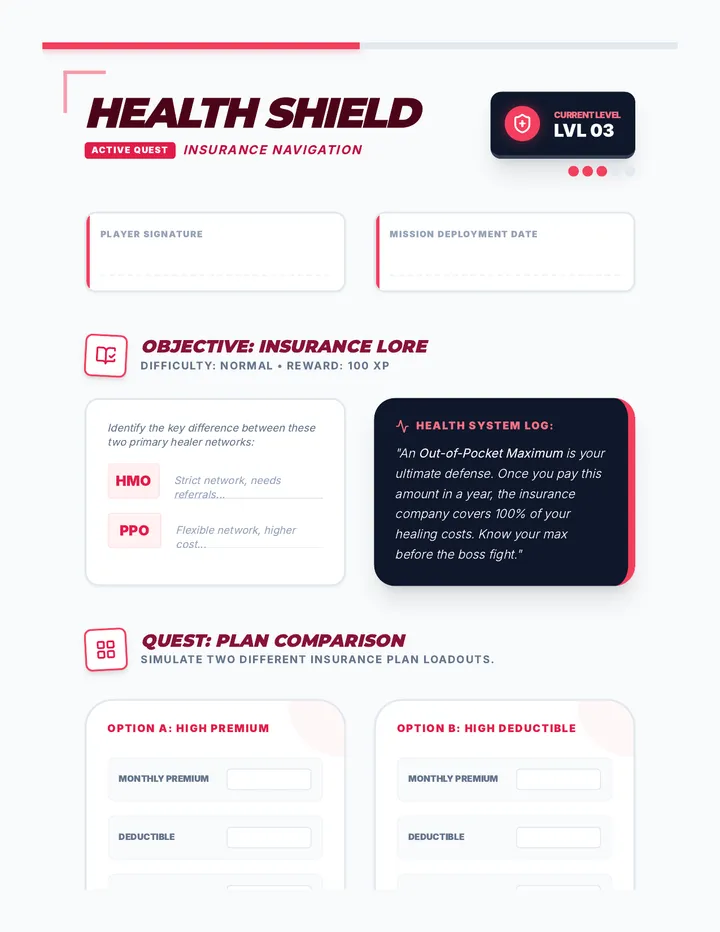
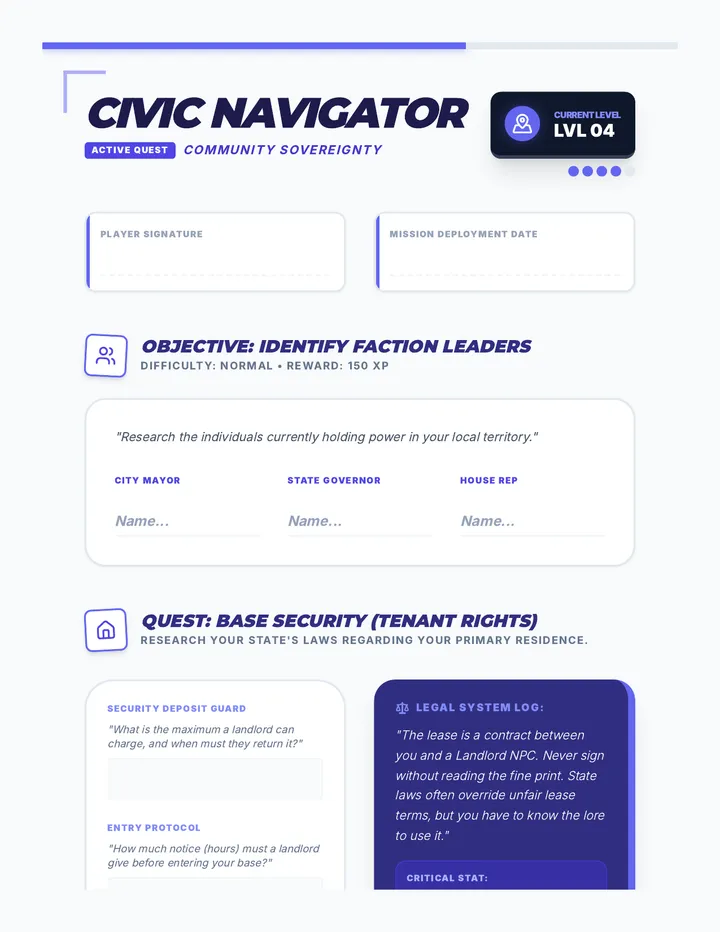
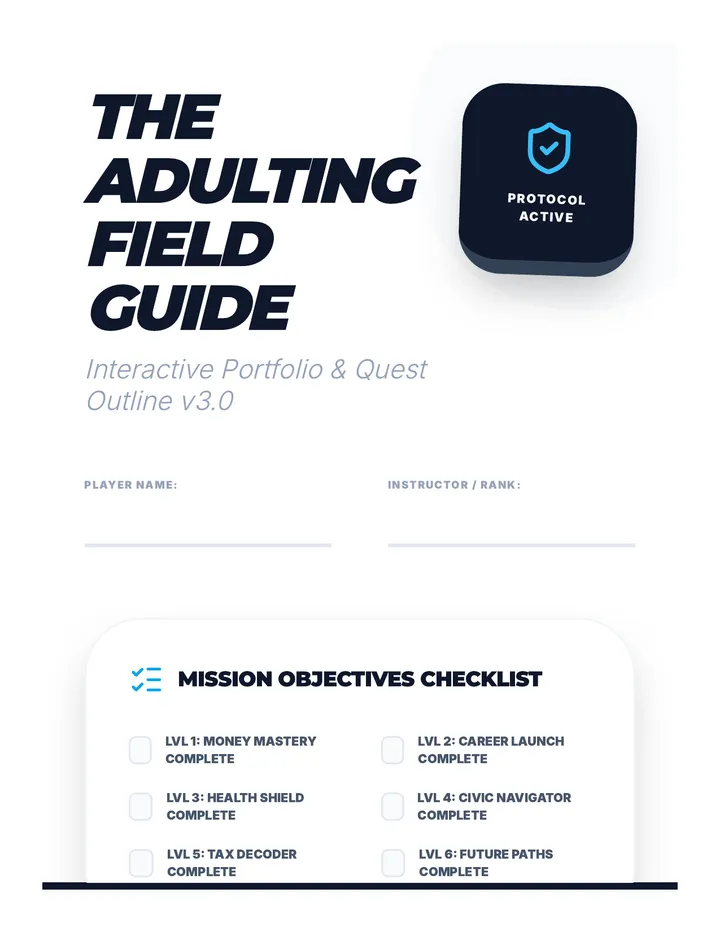
A comprehensive guide to essential adulting skills covering financial literacy, career development, health navigation, and civic responsibilities.
A high-school-focused lesson on navigating the job application process, featuring realistic practice with terminology, professional branding via personal statements, and tactical tailoring for entry-level roles.
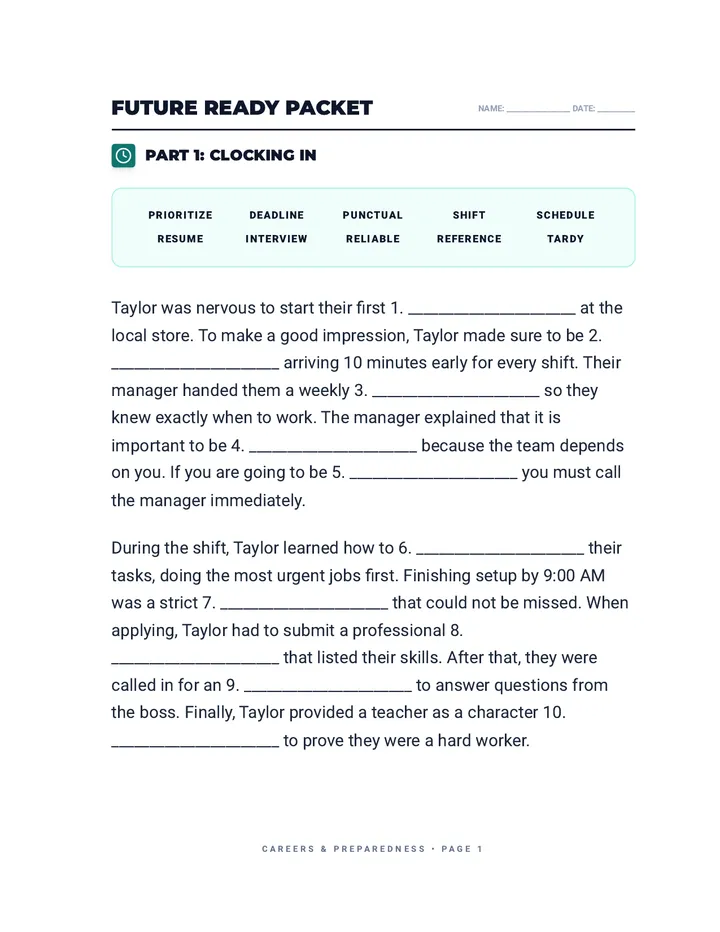
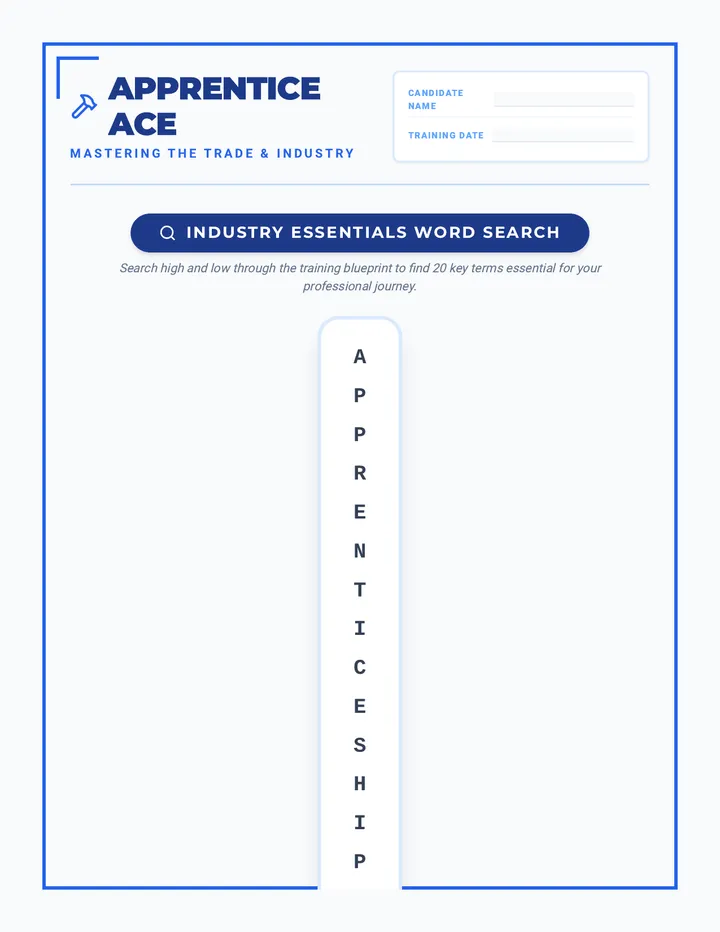
Master the transition from student to professional. This lesson covers workplace etiquette and the application process through engaging puzzles and reflective self-assessments.
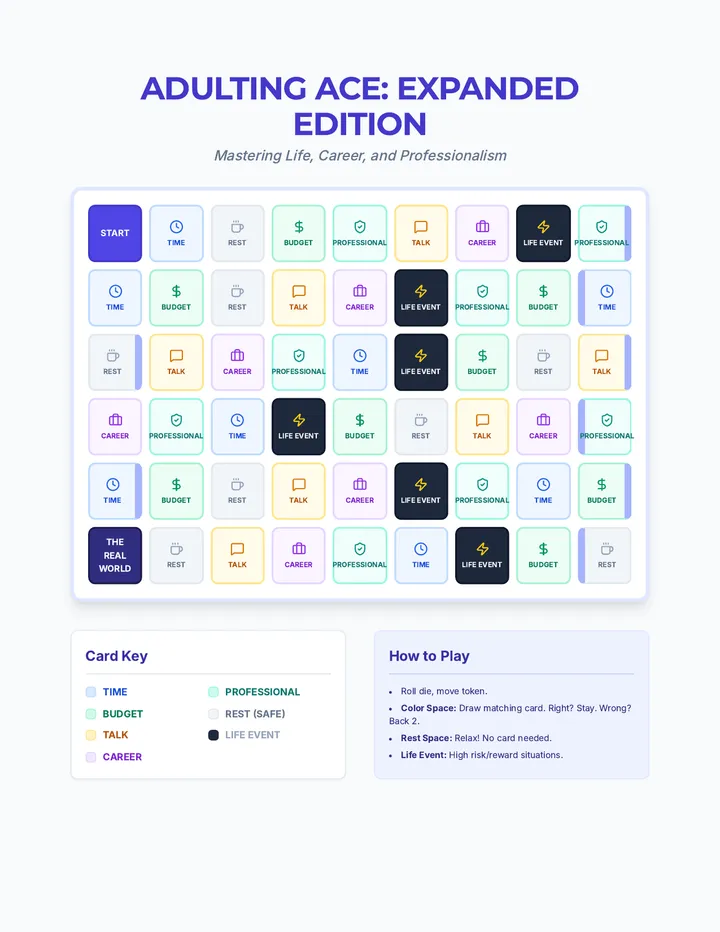
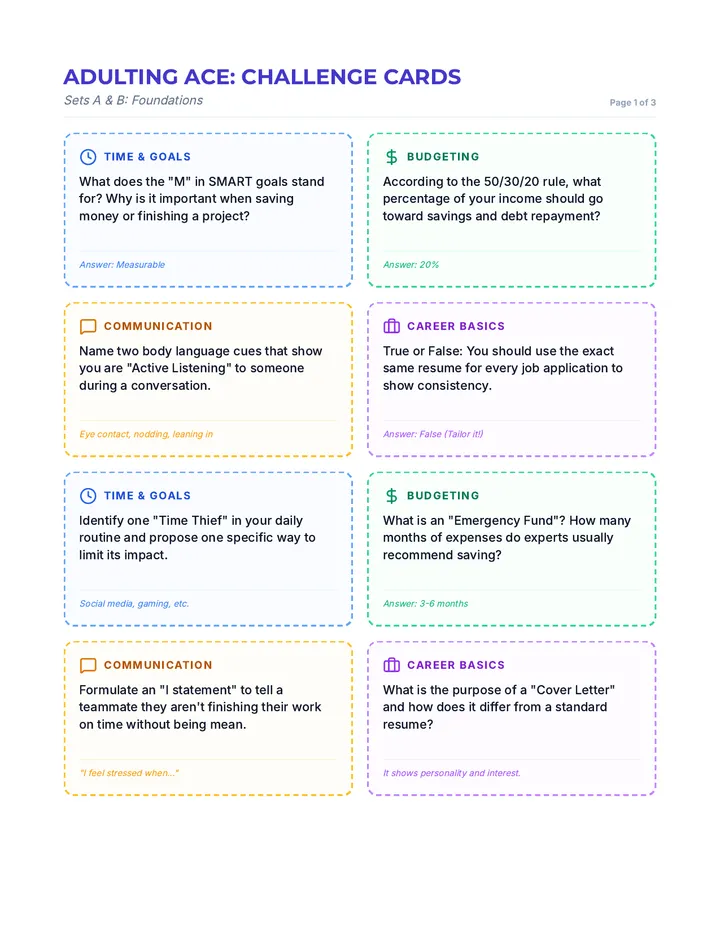
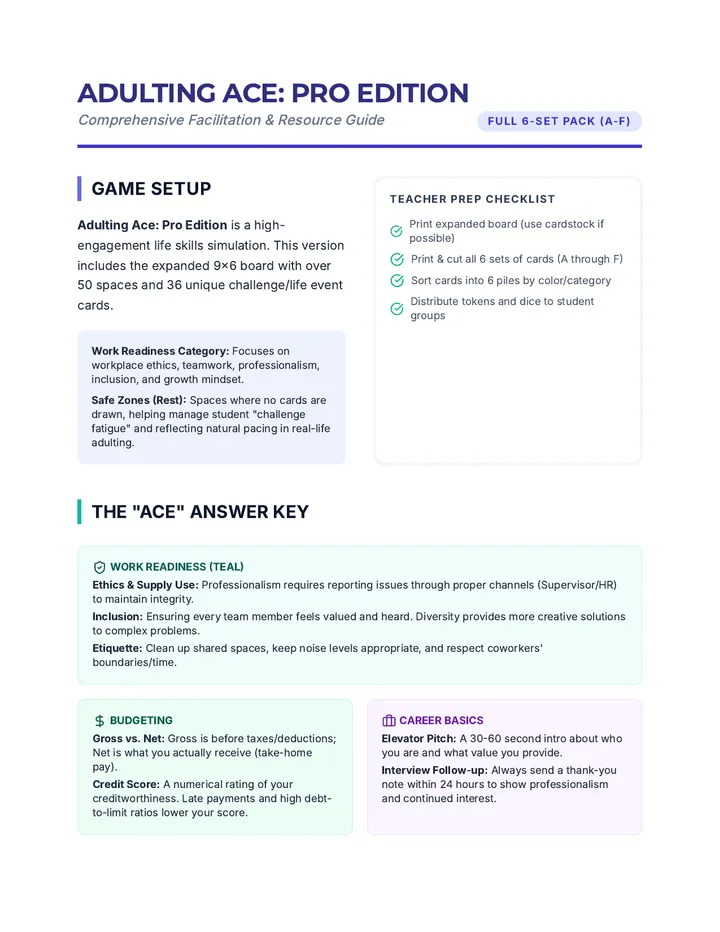
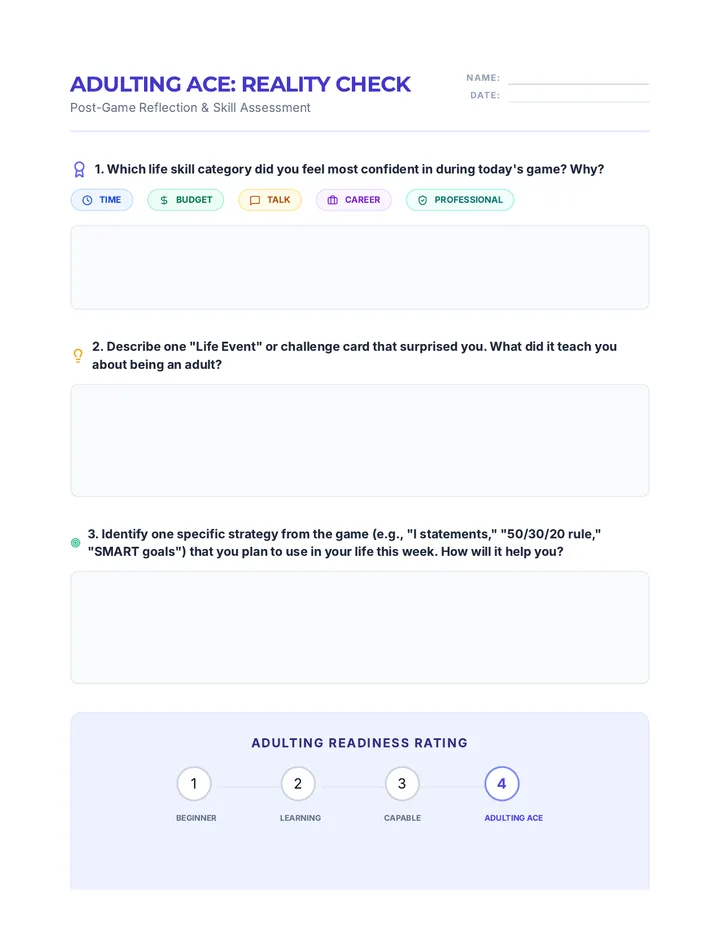
An interactive board game experience covering essential life skills including financial literacy, time management, communication, and career readiness.
A specialized career preparation lesson focused on entering the automotive and mechanical trades, covering technical resumes, shop-floor communication, and navigating disability disclosure in a physical work environment.
A comprehensive orientation for the Workforce Internship program, covering policies, expectations, and success strategies for new interns at Commonpoint Queens.
A comprehensive review lesson for 11th-grade students covering workplace professionalism, financial literacy, portfolio development, and ethics. This lesson prepares students for their Quarter 3 assessment through summaries, matching activities, and practice quizzes.
A comprehensive guide to resume writing for students and entry-level professionals, covering different resume formats, skill identification, and document templates.
A comprehensive lesson designed to help students understand the purpose of a resume, explore various formatting styles, and craft their own professional profile for future opportunities.
A comprehensive career readiness lesson focused on preparing students for final assessments across multiple units including resume building, application mastery, and professional legacy.
A comprehensive lesson on navigating the employment process, from resume building and interviewing to the nuances of disability disclosure and workplace communication.
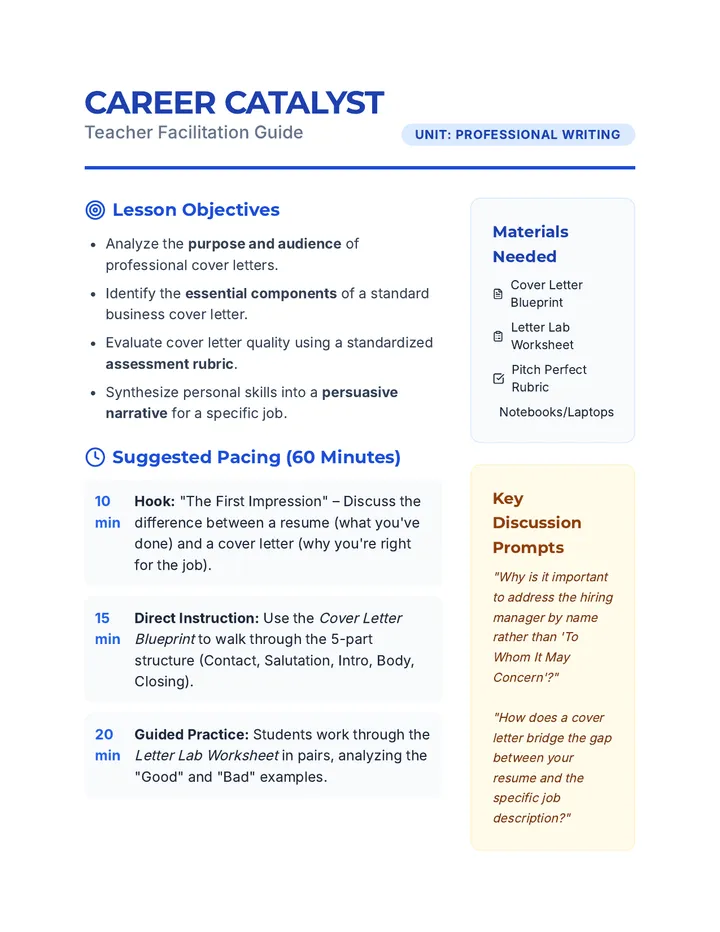
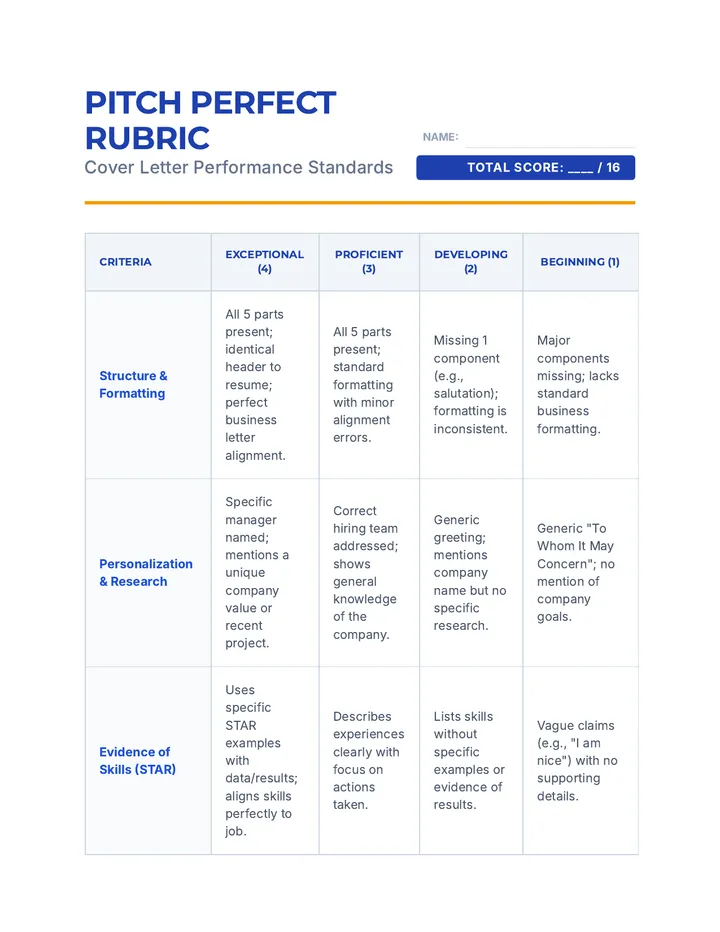
A comprehensive lesson on crafting professional cover letters, focusing on structure, purpose, and highlighting relevant skills.
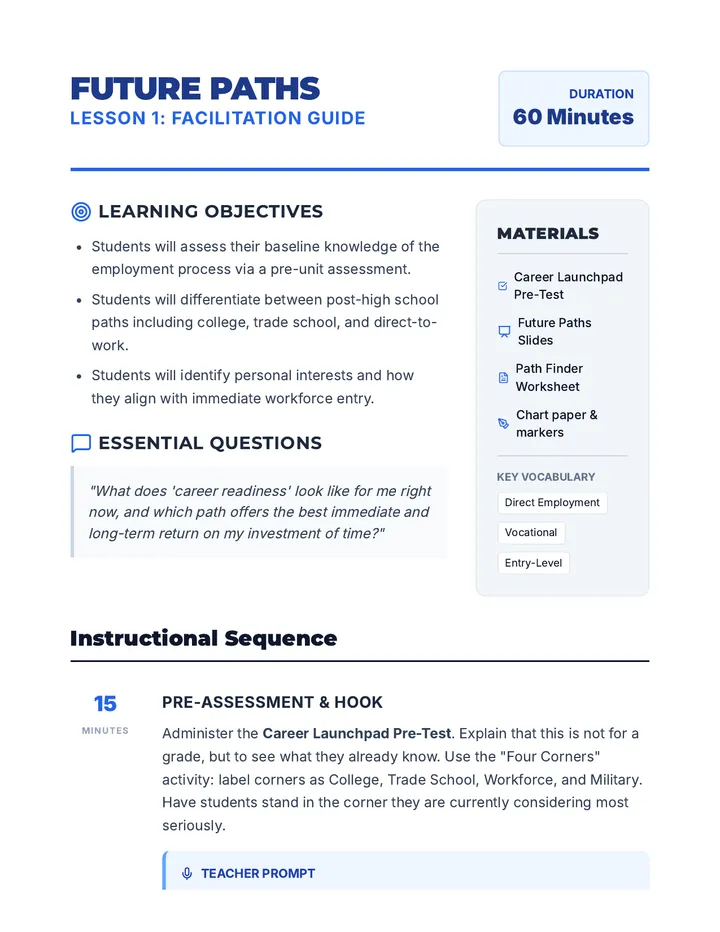
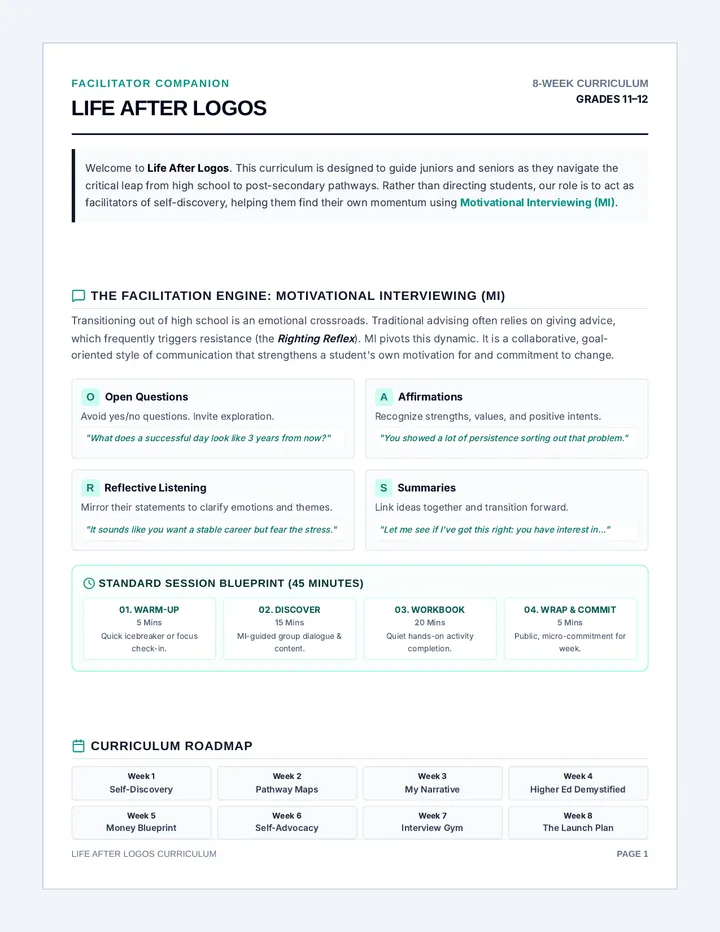
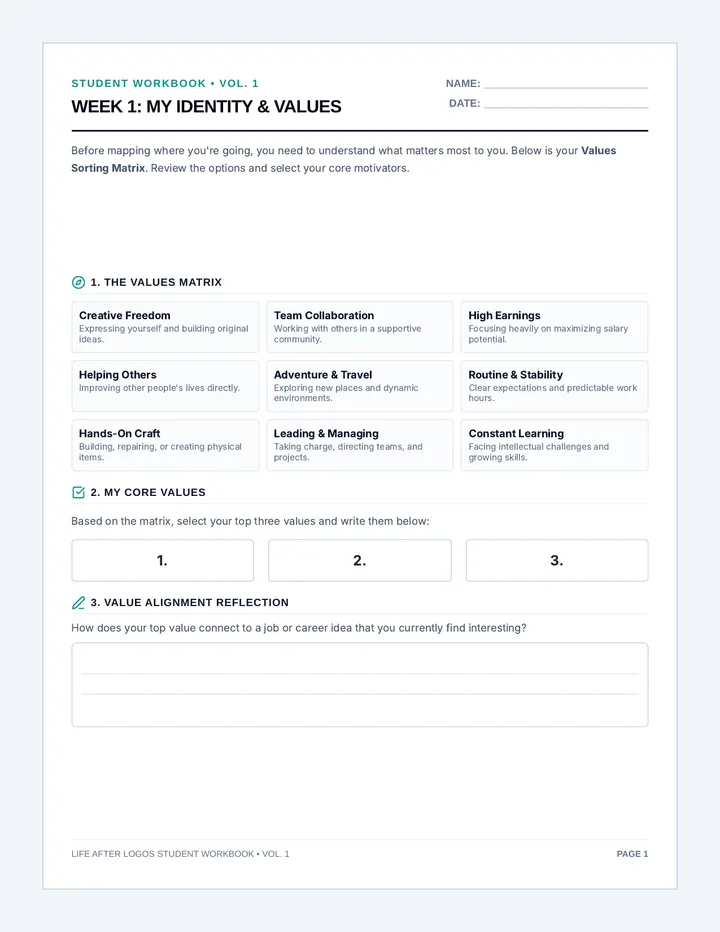
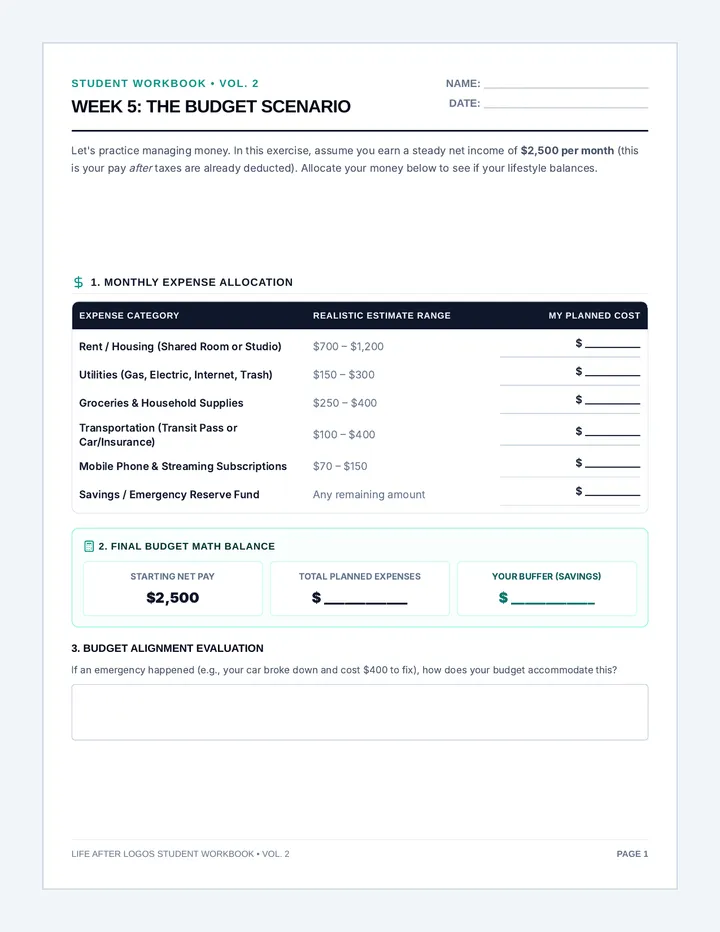
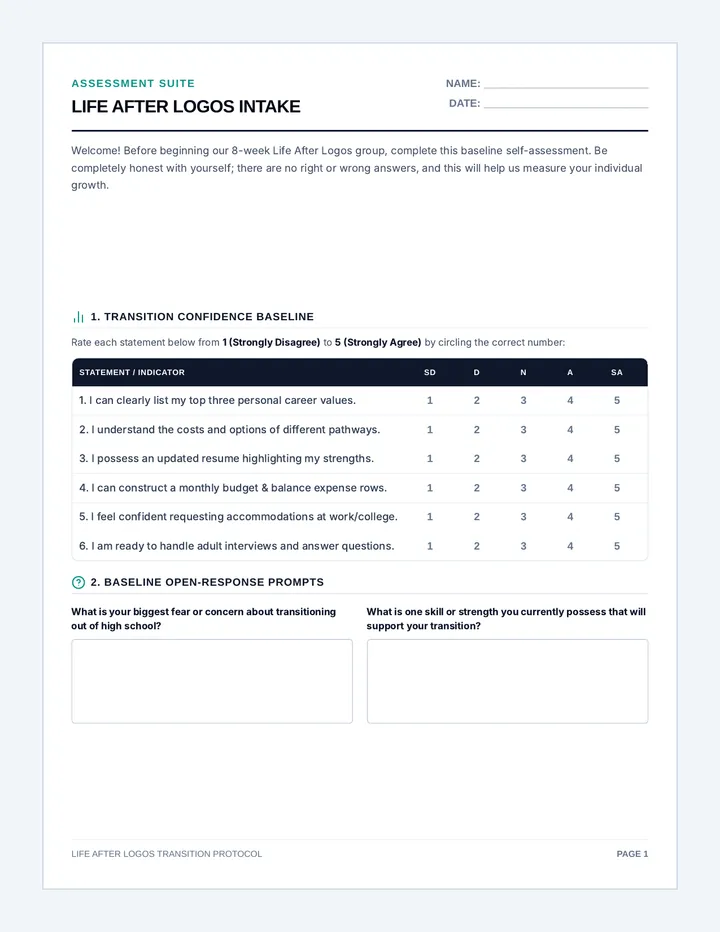
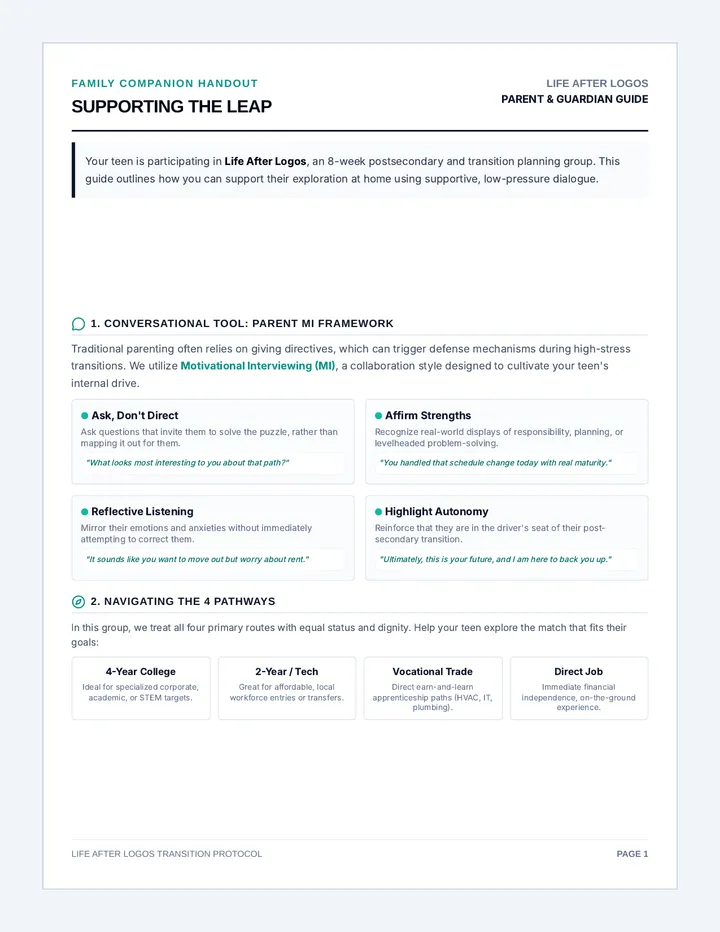
An 8-week transition and career curriculum designed for 11th-12th grade students entitled Life After Logos. Includes a comprehensive Facilitator Guide emphasizing motivational interviewing and two volumes of structured student workbooks covering assessments, pathways, and adult responsibilities.
A comprehensive 3-hour one-on-one session designed for adults with disabilities, covering pre-interview routines, professional presentation, and effective communication strategies during a job interview.
A comprehensive guide for Arlington High School students to navigate the local summer job market, covering specific local employers, application strategies, and interview techniques.
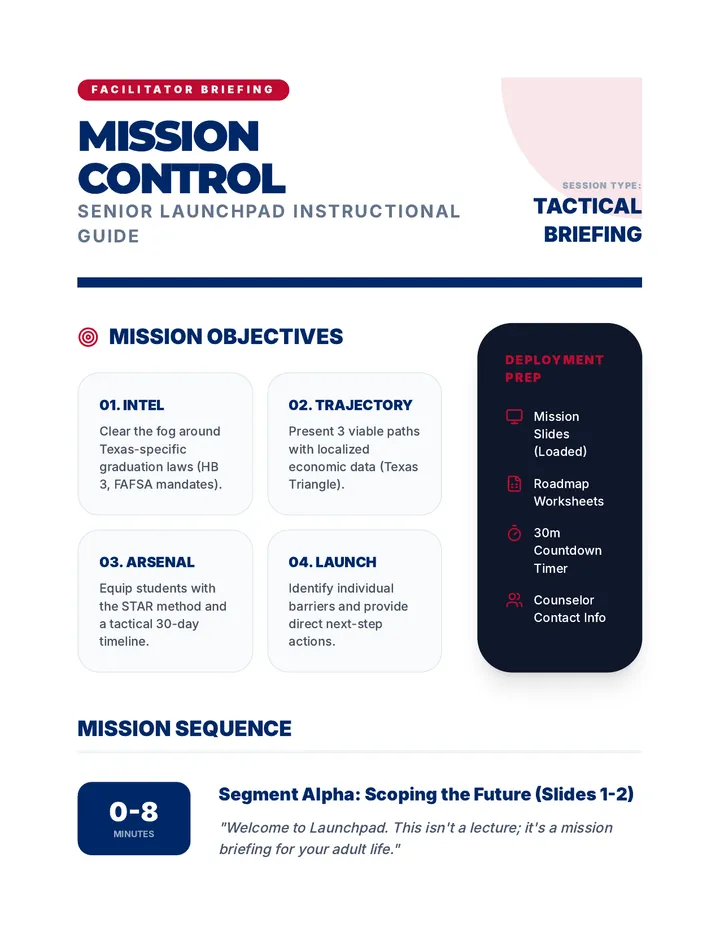
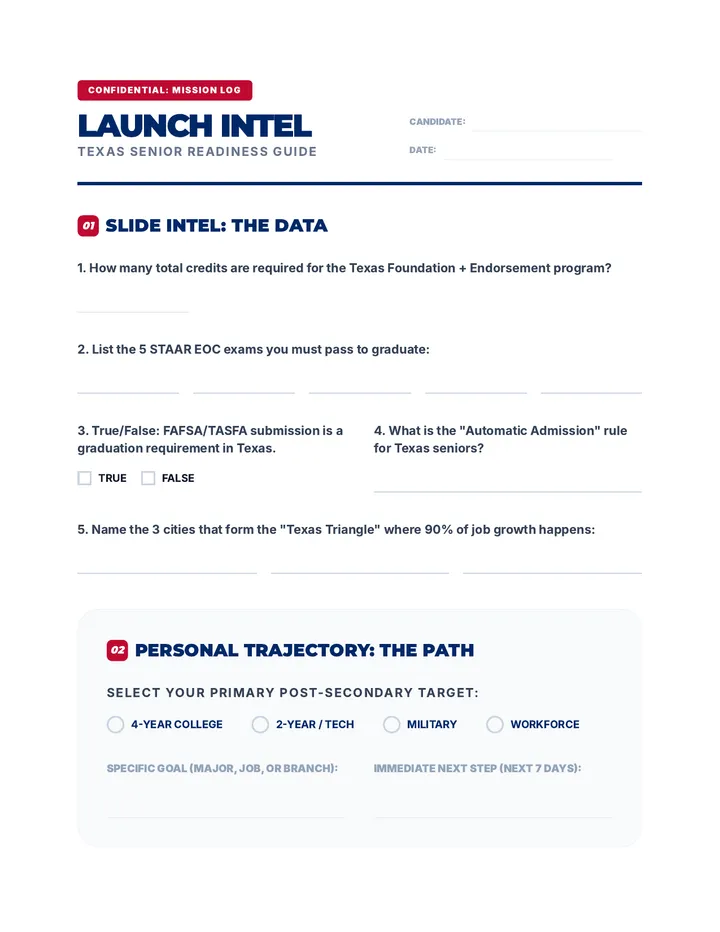
A comprehensive guide for Texas high school seniors to navigate graduation requirements, college applications, military enlistment, and workforce entry.
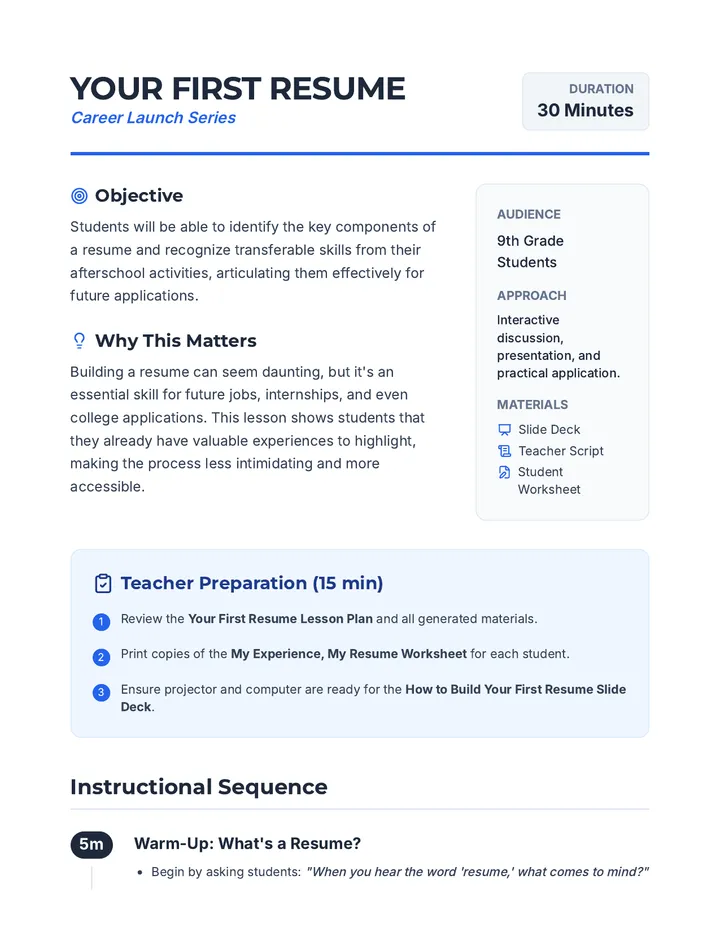
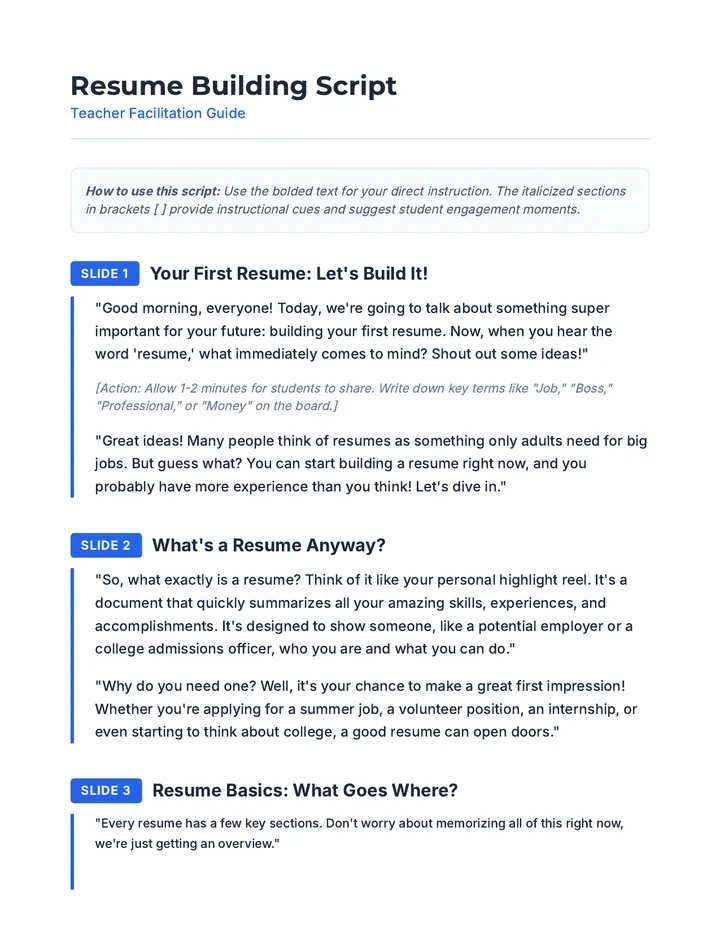
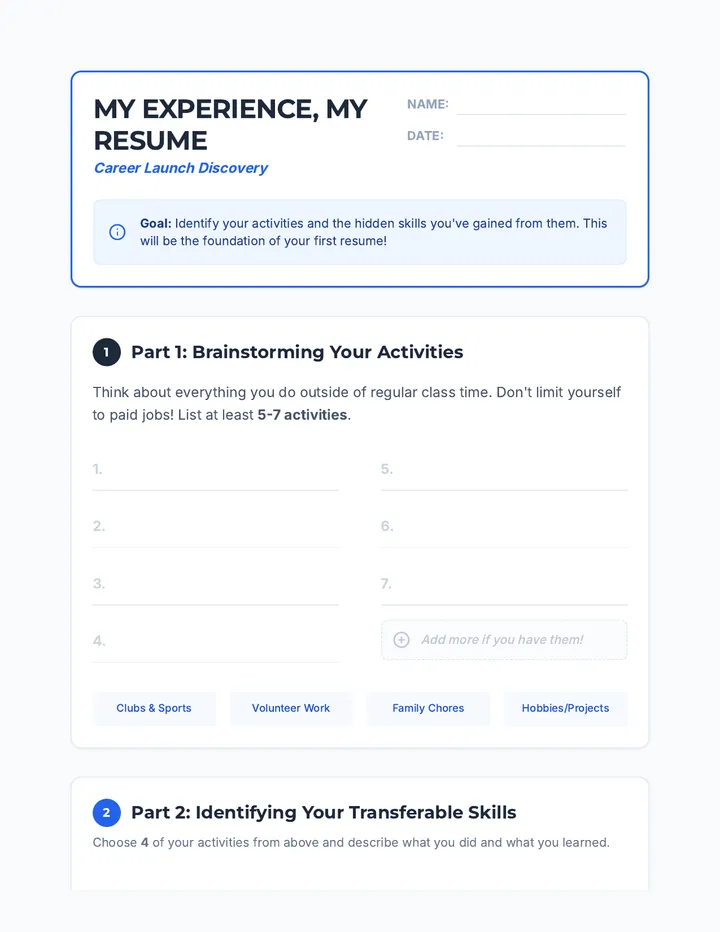
A 30-minute introductory lesson for 9th graders to demystify resume building by identifying transferable skills from afterschool activities and everyday life.
A comprehensive lesson for high school students on mastering their first job interviews, focusing on personal branding, soft skills, and professional inquiry.
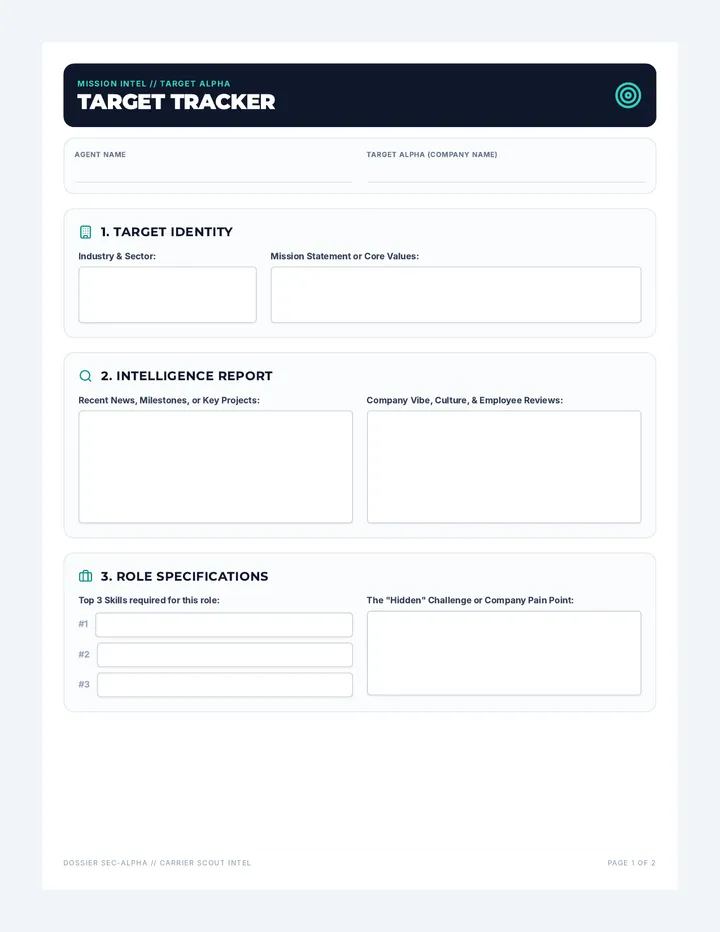
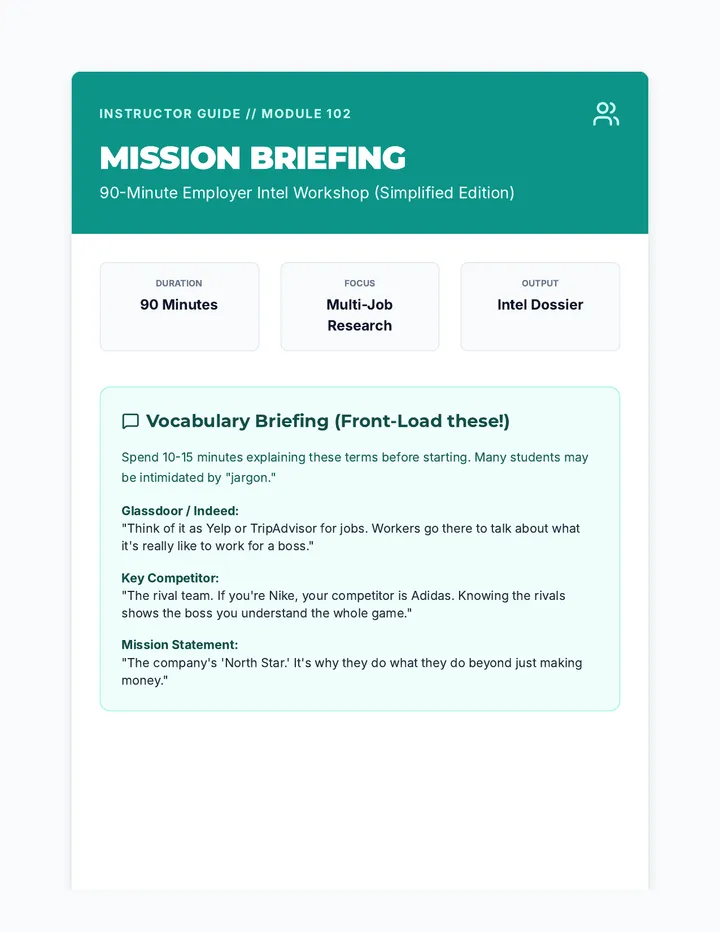
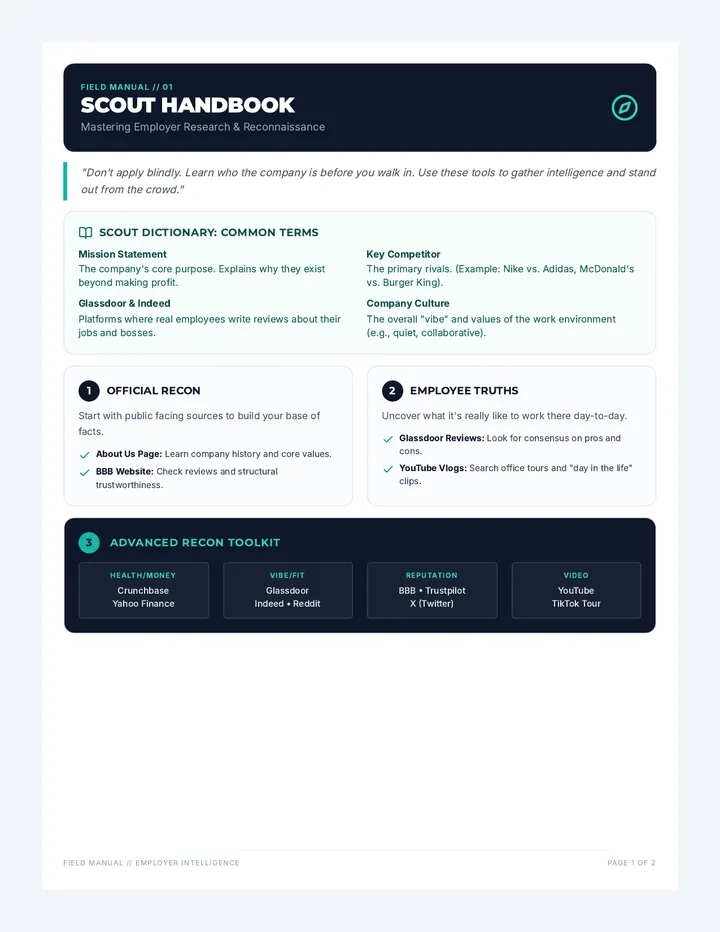
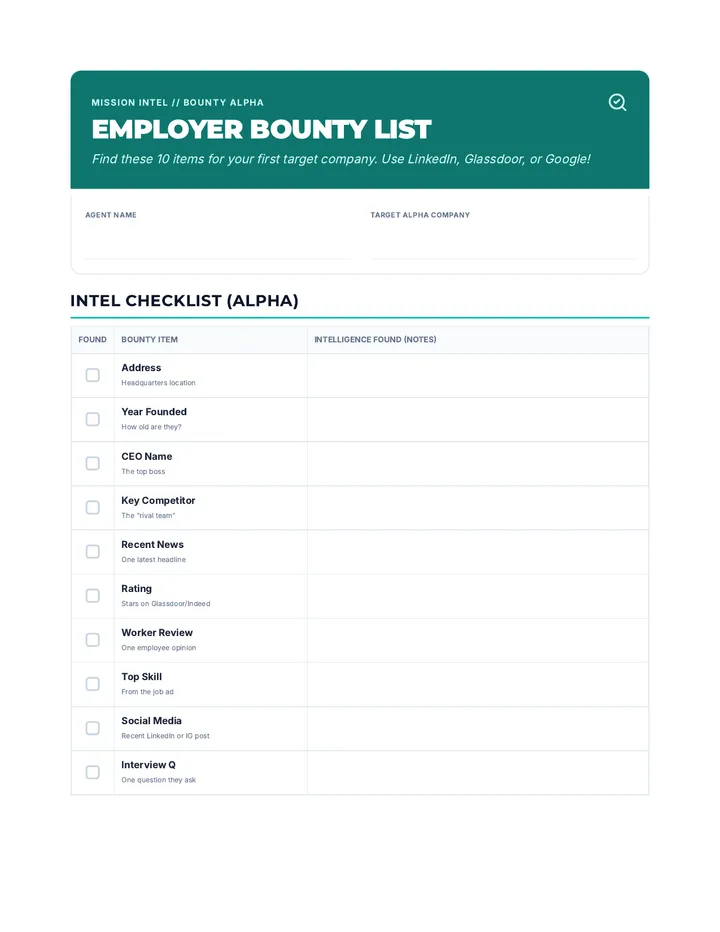
A comprehensive training module focused on teaching job seekers how to perform deep-dive research into potential employers and job listings to prepare for applications and interviews.
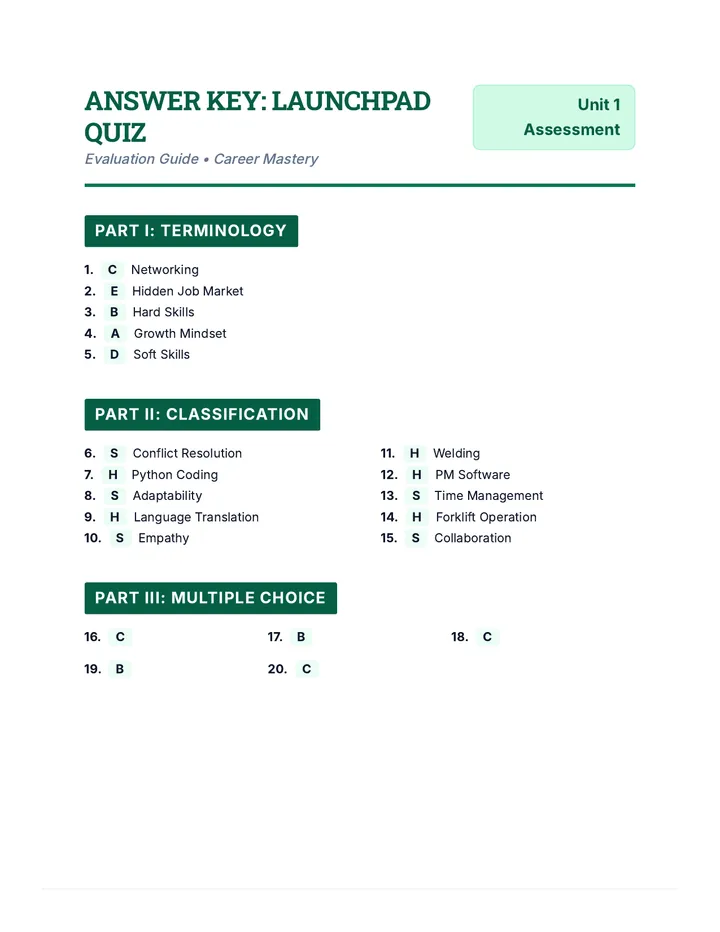
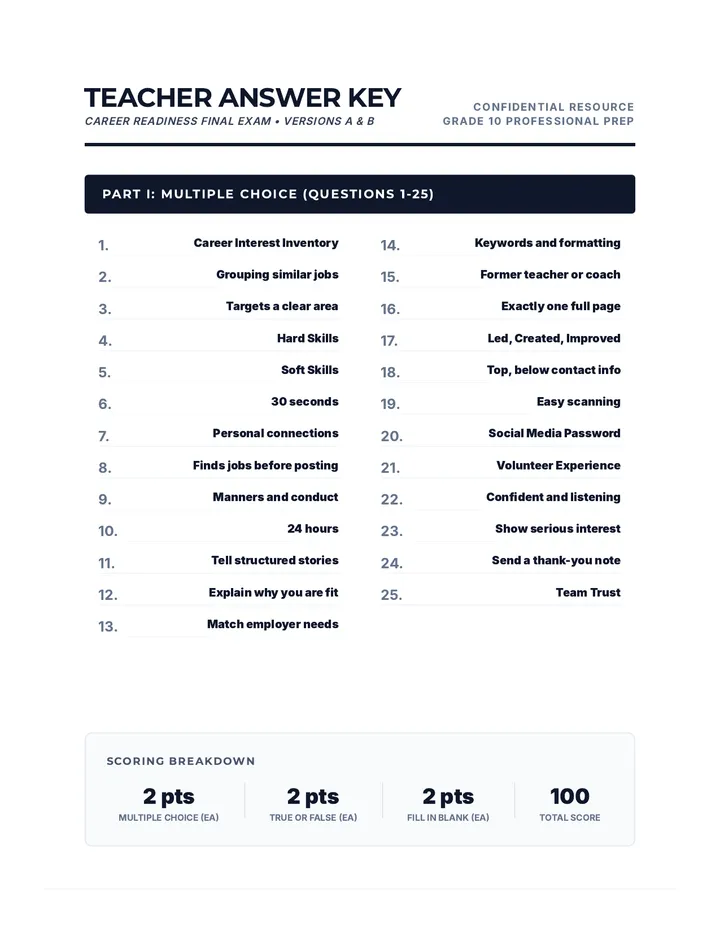
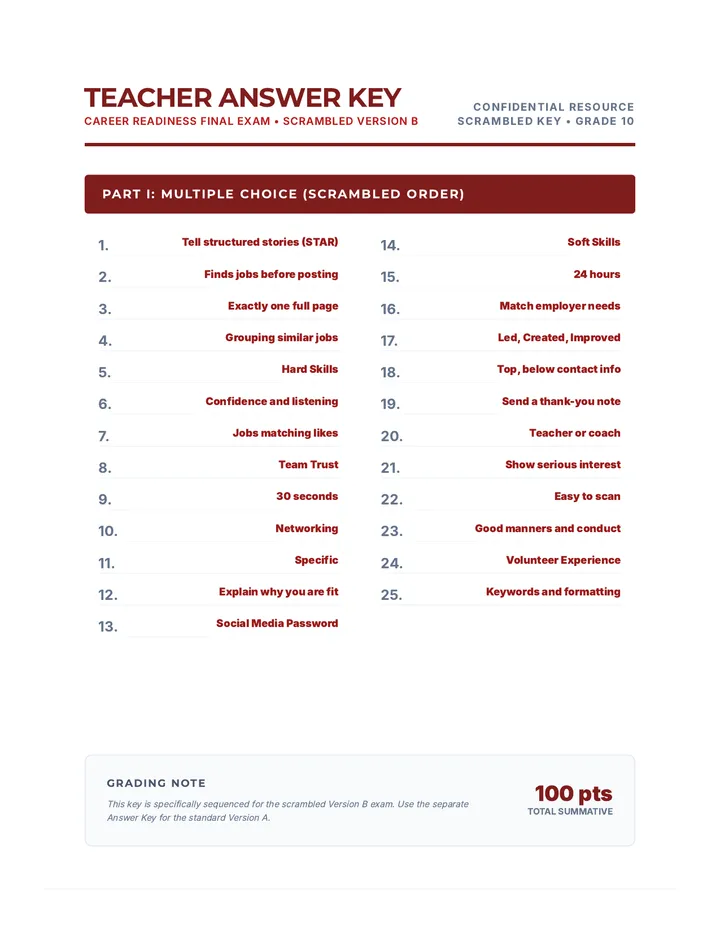
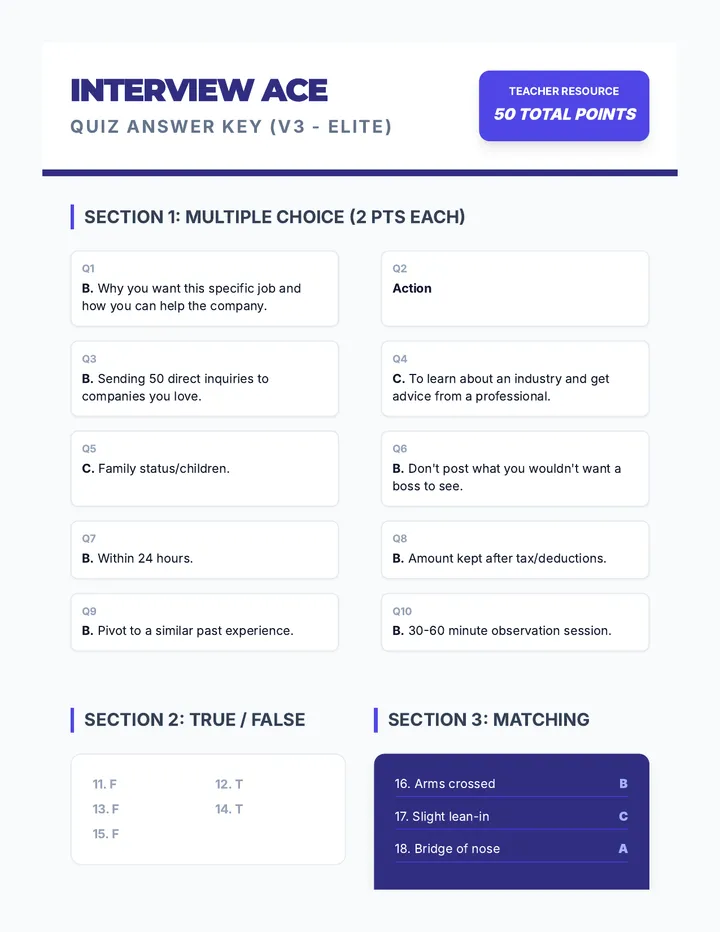
A comprehensive assessment covering job interview preparation, execution, and follow-up techniques to evaluate student readiness for the professional world.
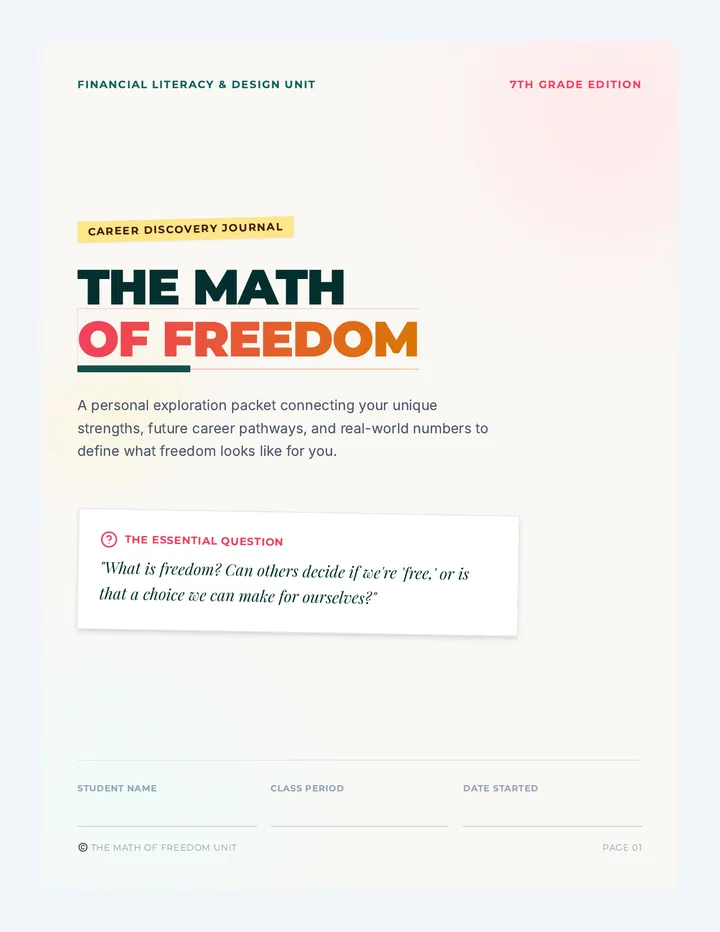
A comprehensive career exploration and financial literacy packet for 7th grade students, connecting strengths, lifestyle costs, and the essential question of what freedom means in today's world.
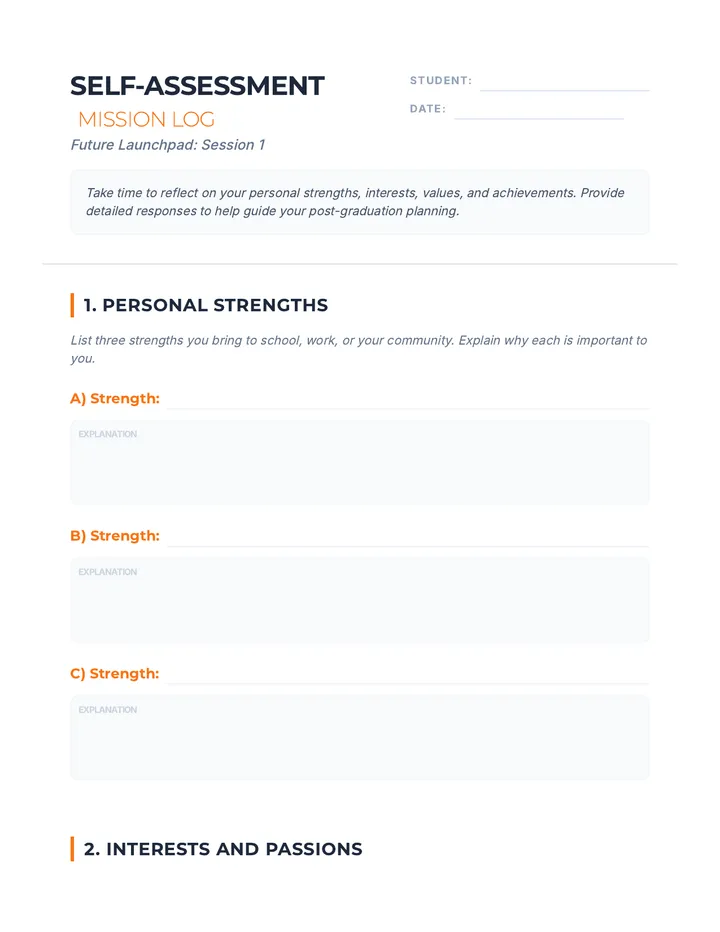
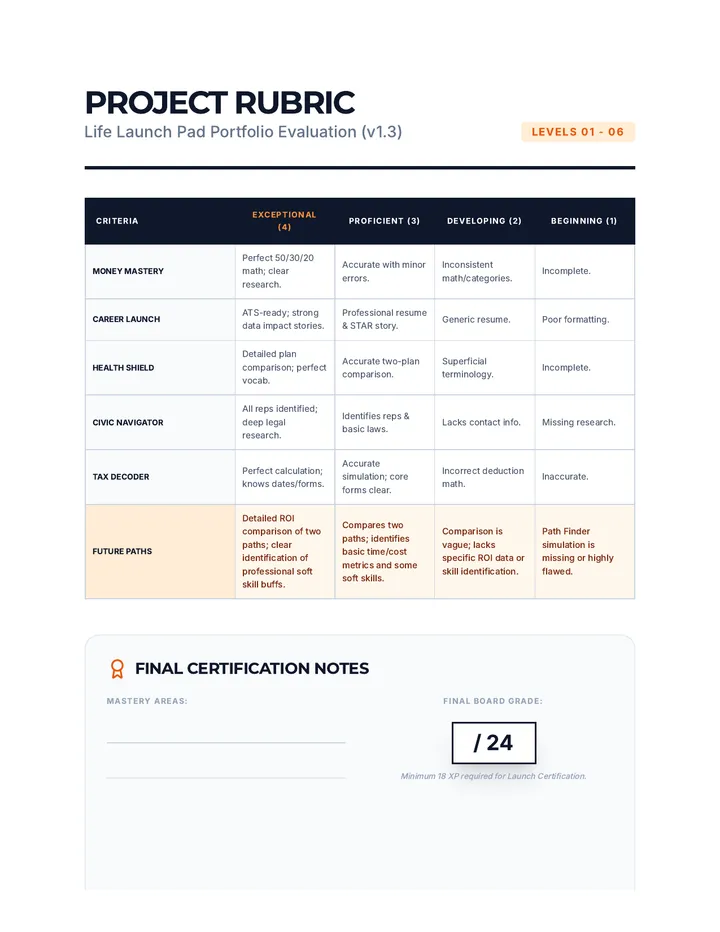
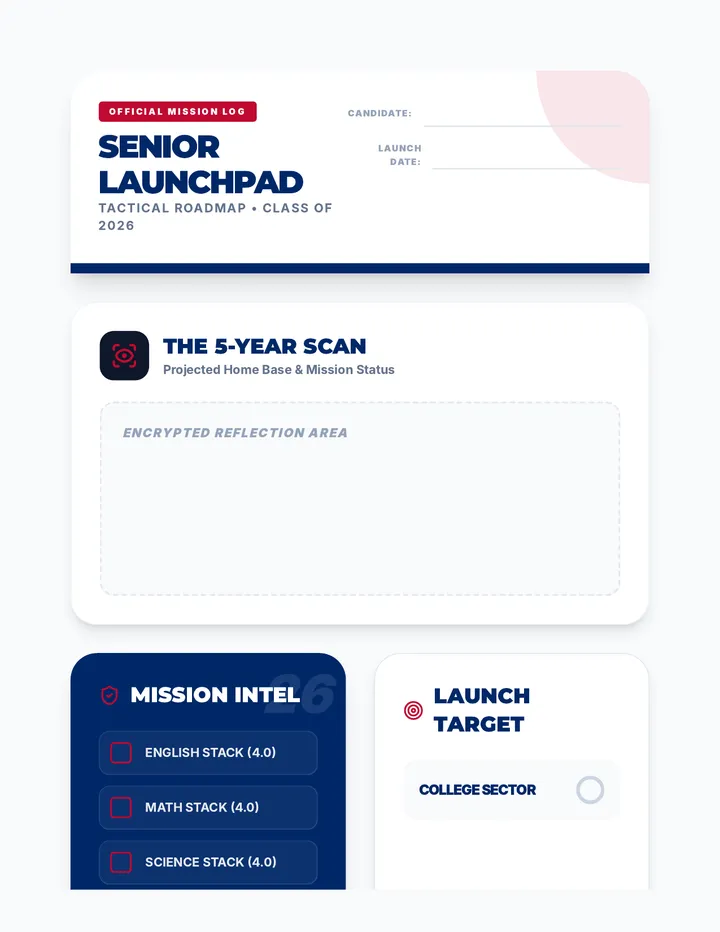
A comprehensive transition-to-adulthood curriculum covering financial literacy, career planning, health navigation, and civic engagement. Students build a personal 'mission log' portfolio to prepare for independent life.
This lesson guides high school students through the process of applying for an entry-level position at a hair salon, focusing on professional presentation and industry-specific expectations.