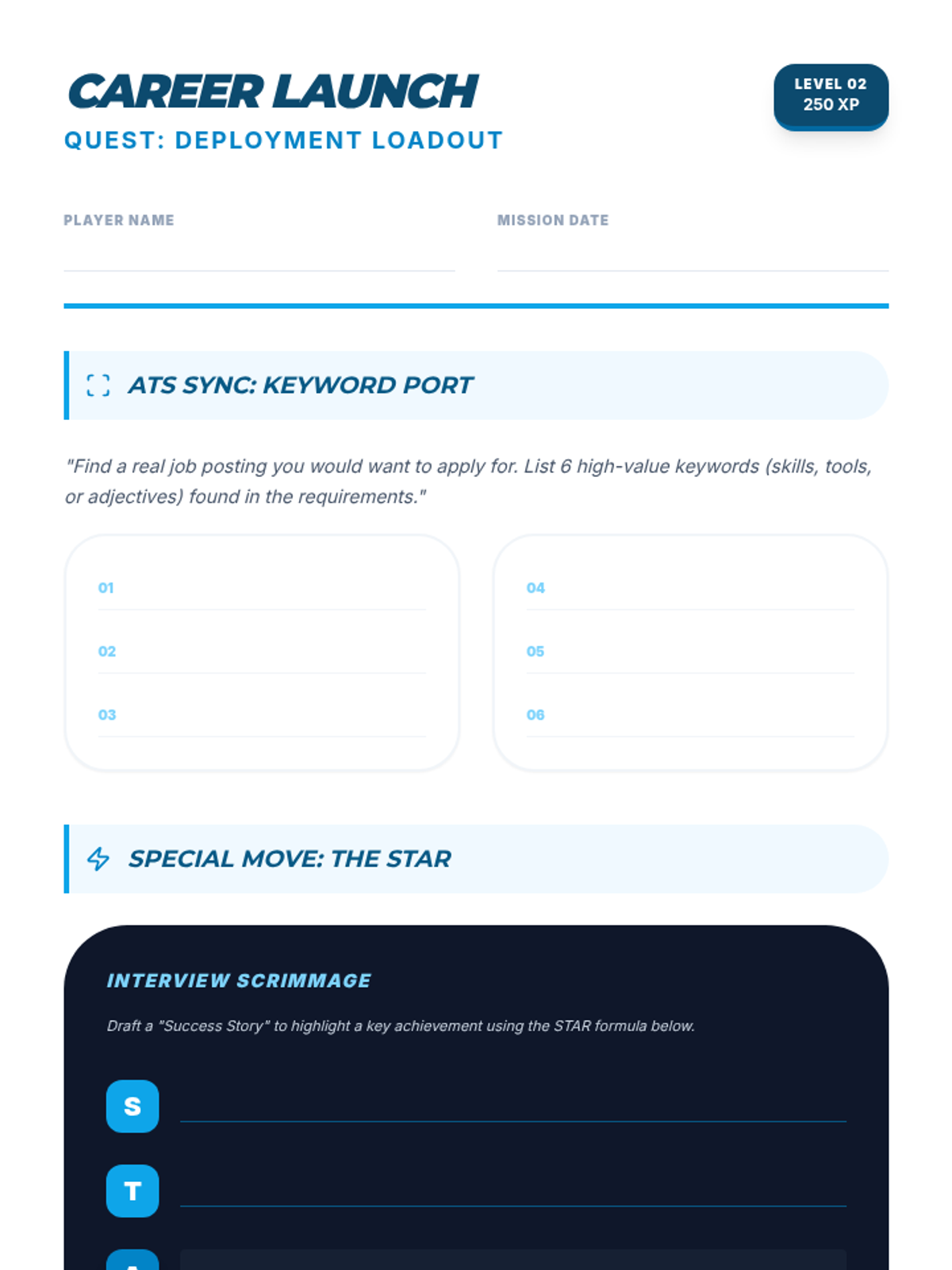
Resume construction, cover letter drafting, and networking techniques for modern job markets. Equips learners to analyze job descriptions and tailor applications using achievement-based language.
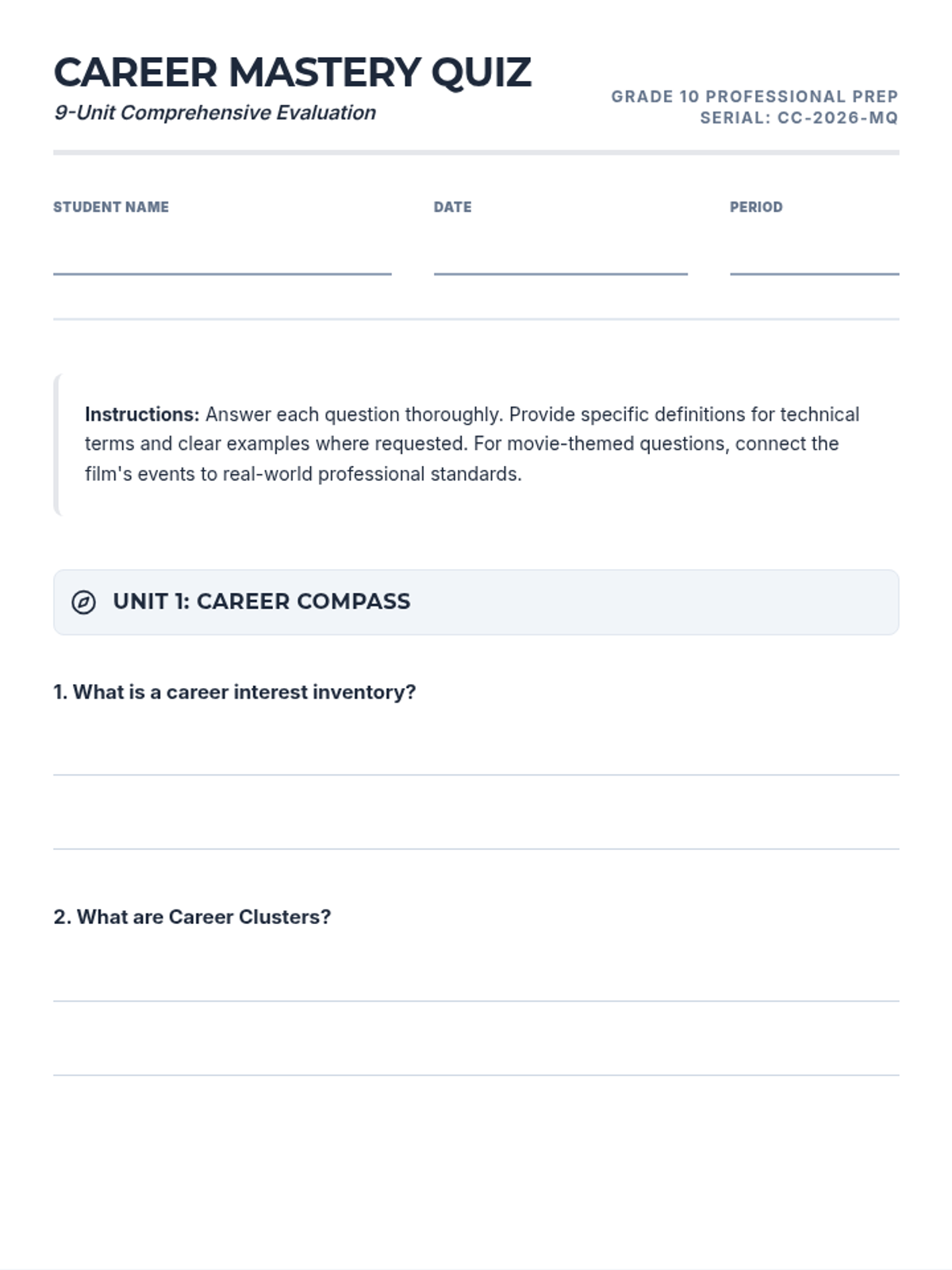
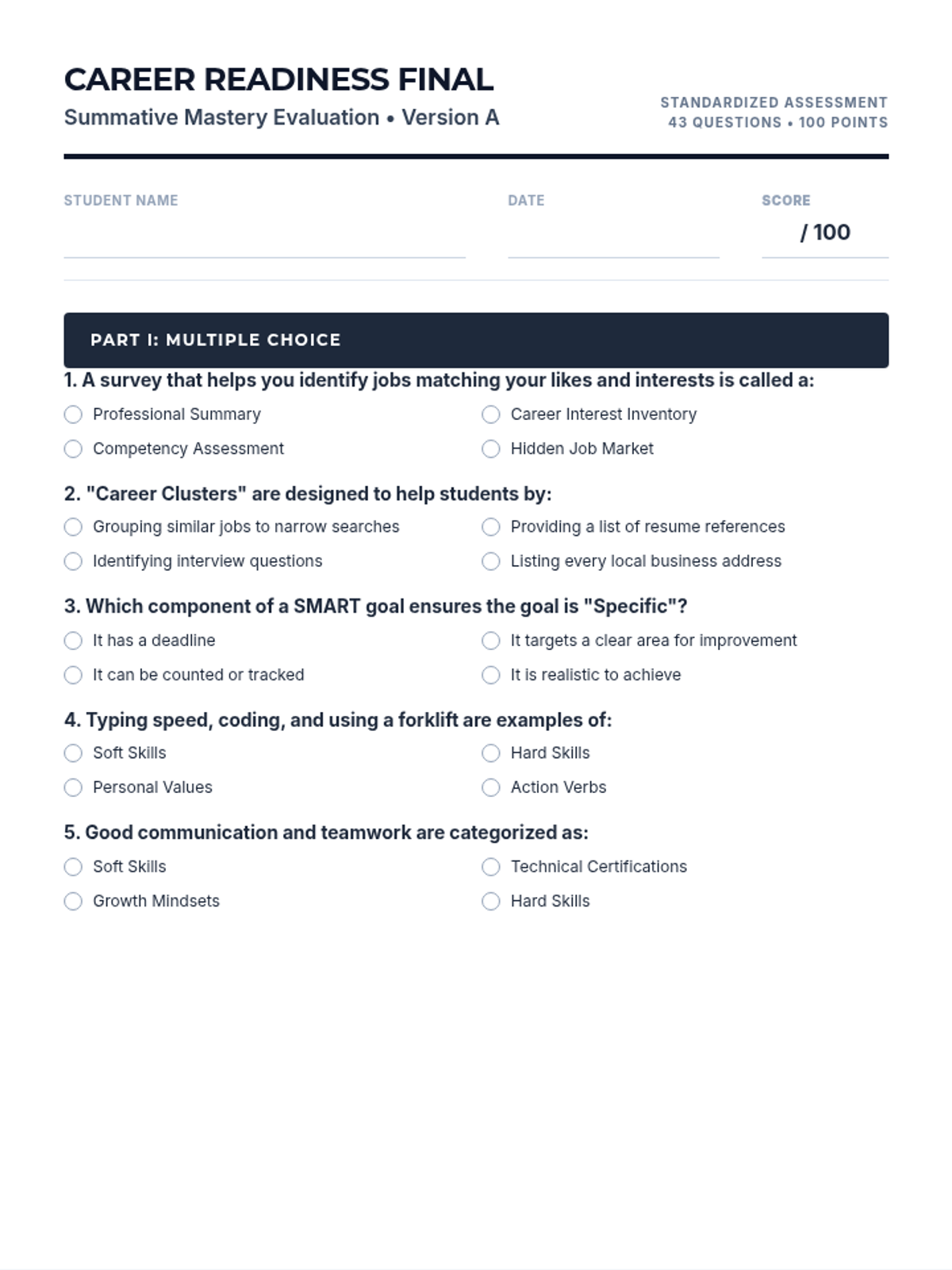
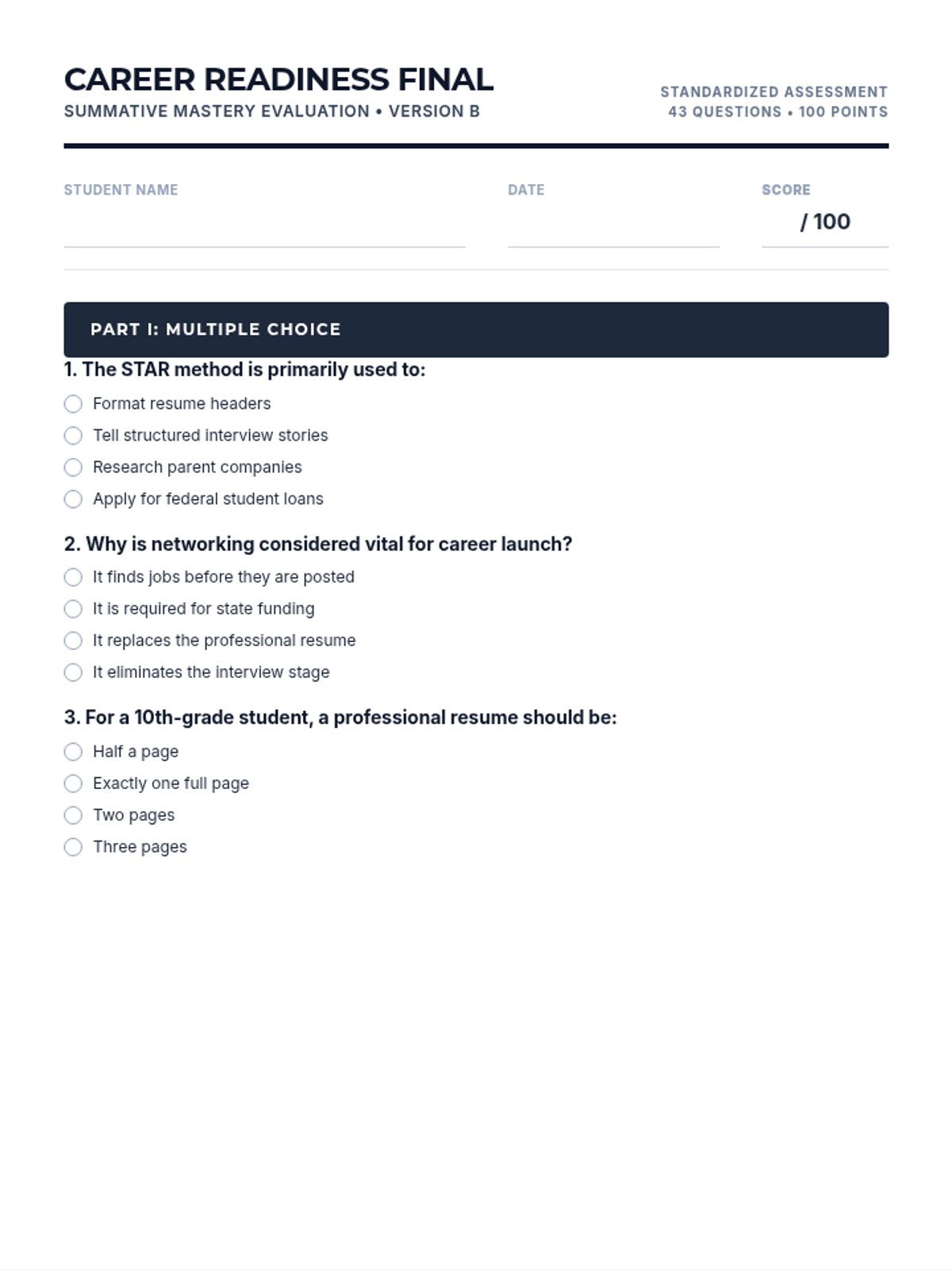
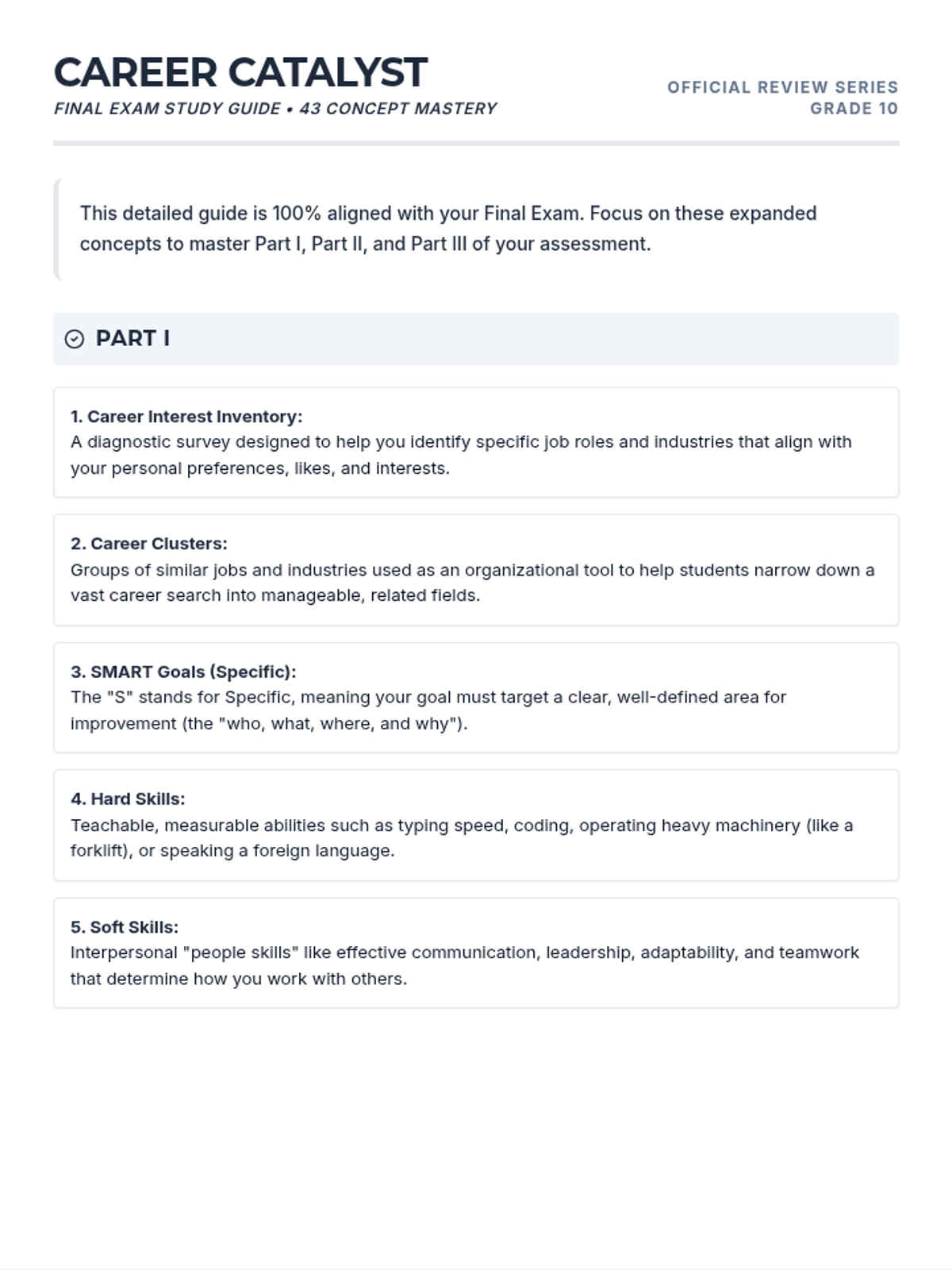
A comprehensive career readiness lesson focused on preparing students for final assessments across multiple units including resume building, application mastery, and professional legacy.
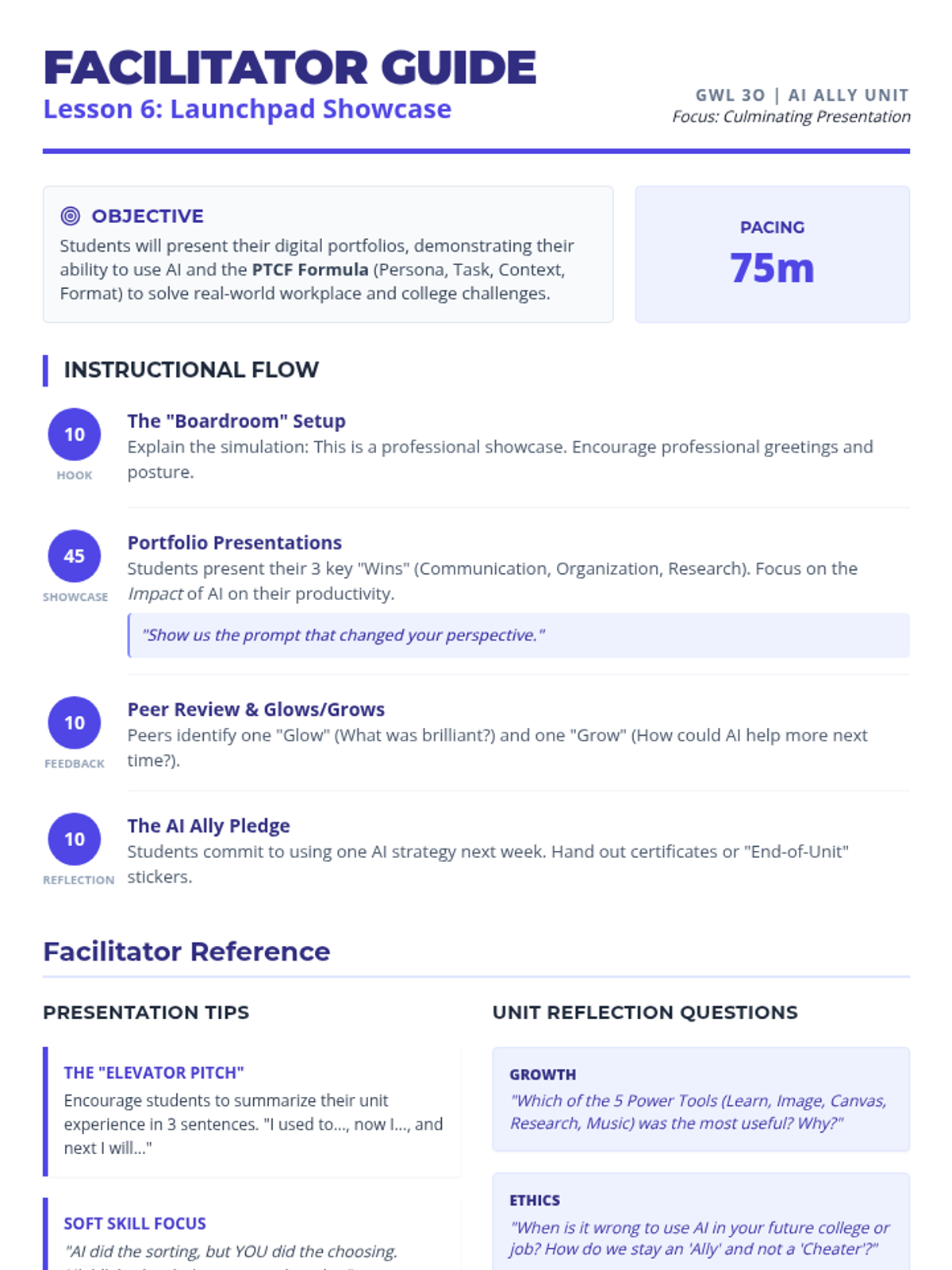
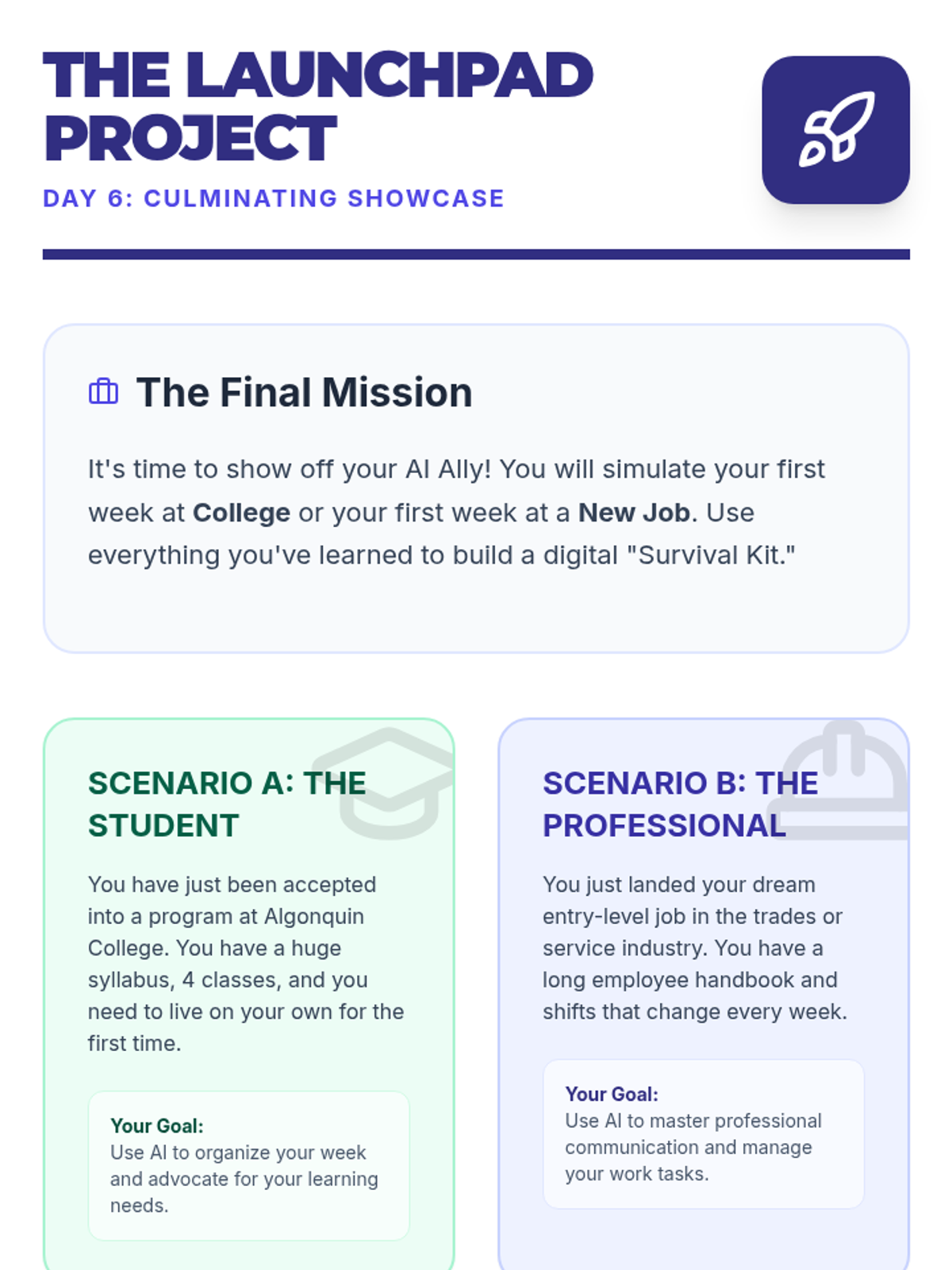
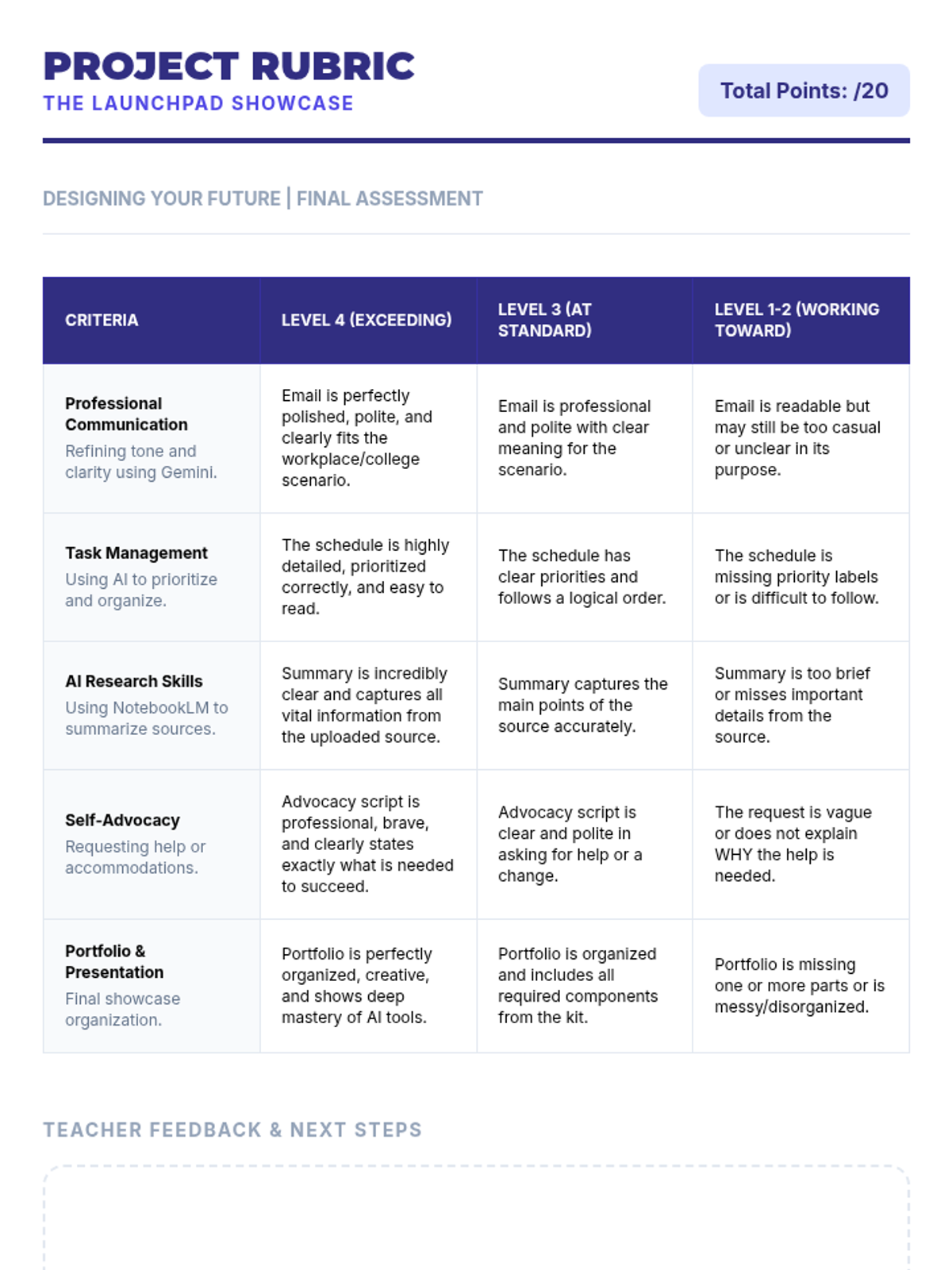
A culminating activity where students apply their AI skills to a real-world college or workplace simulation, presenting their findings in a digital portfolio.
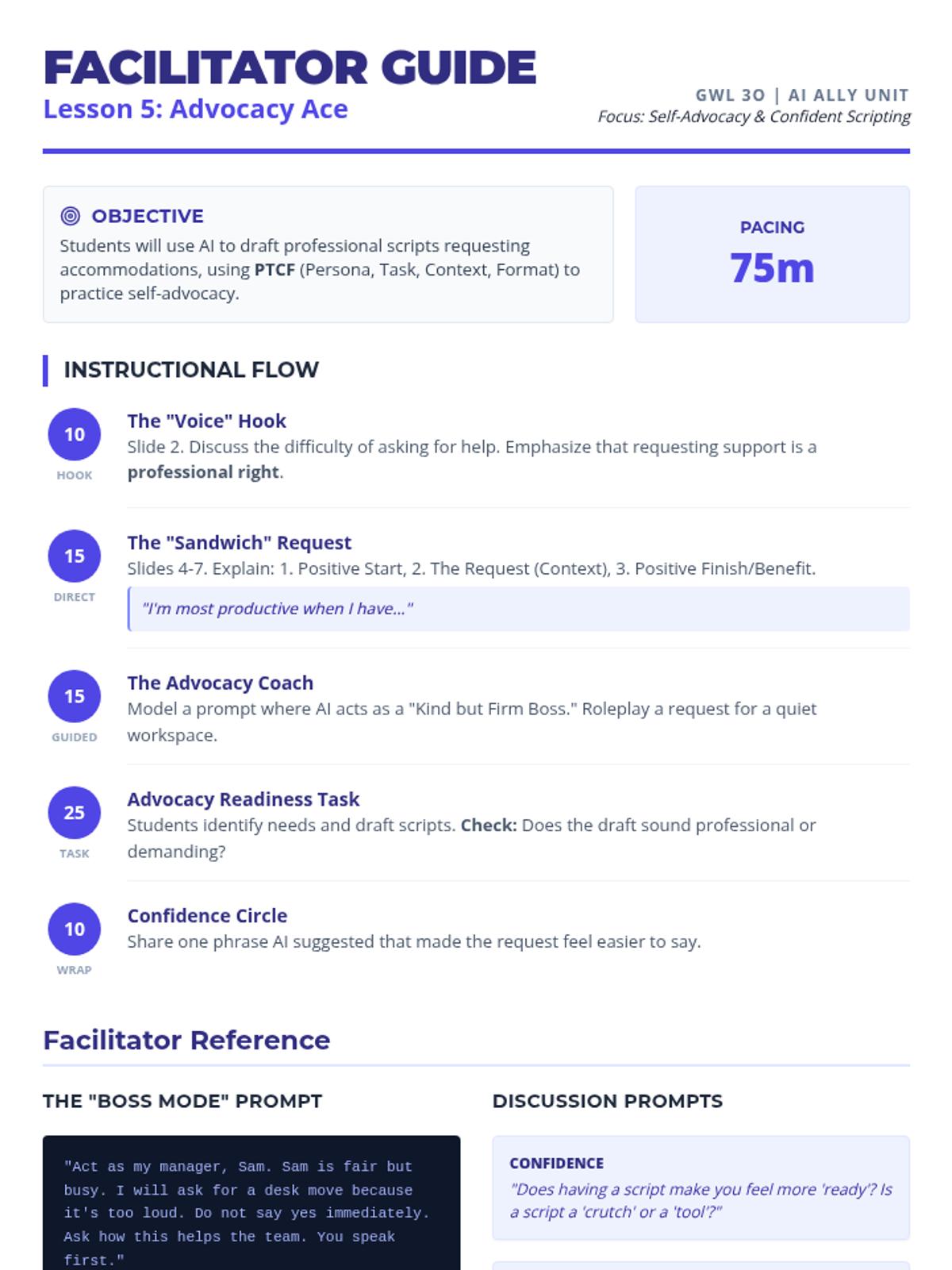
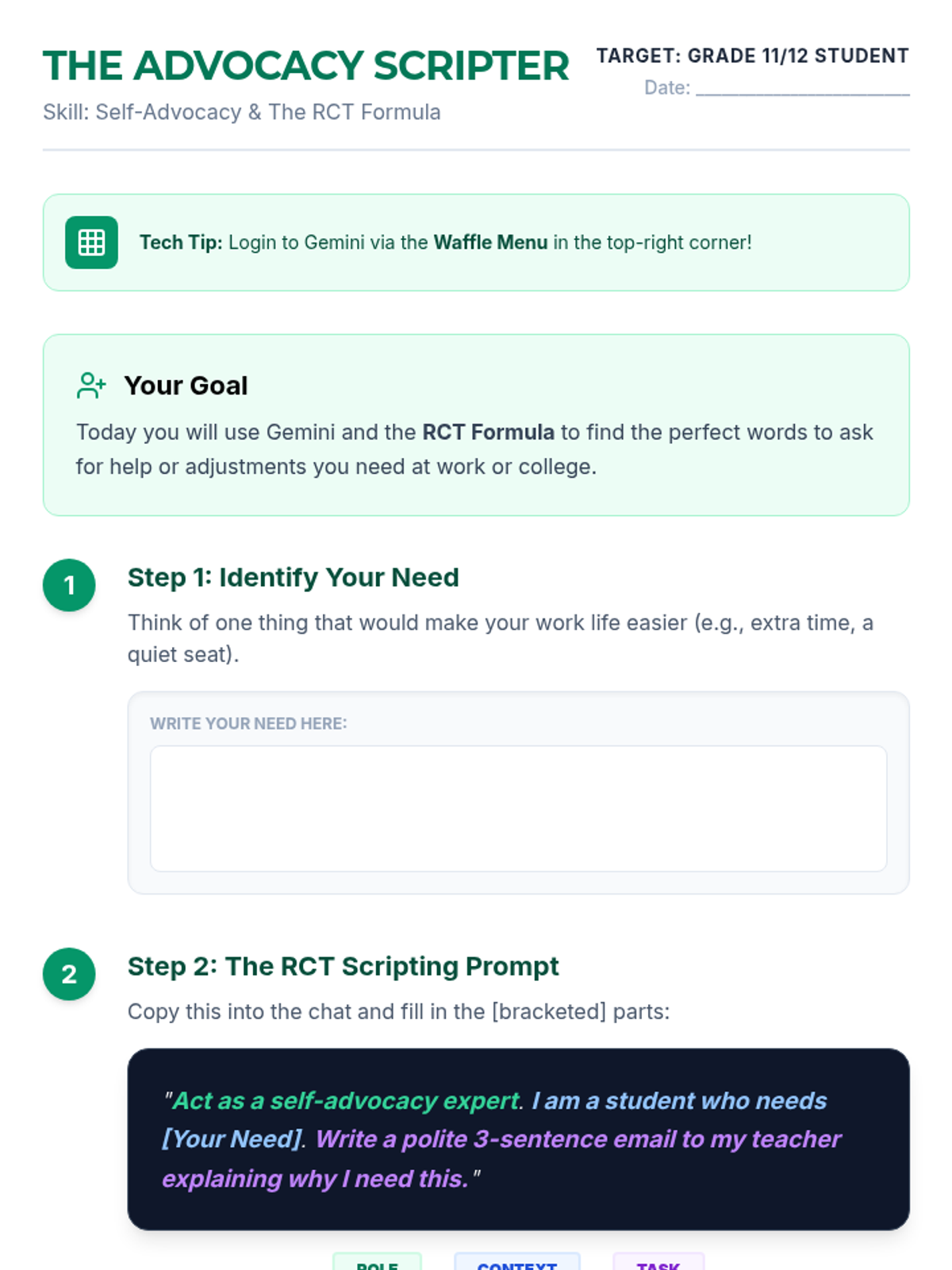
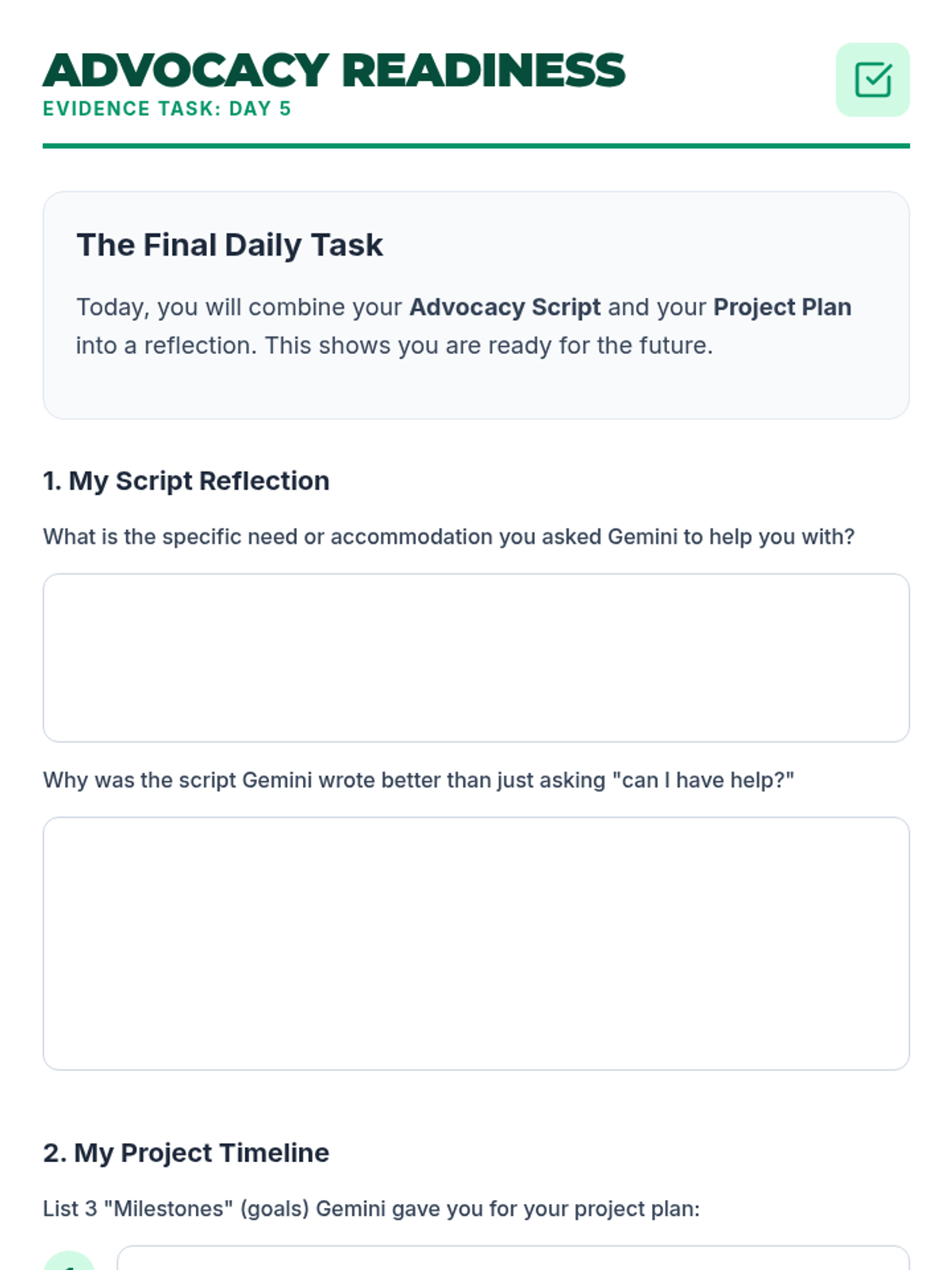
Focuses on self-advocacy and project planning, using AI to draft scripts for accommodation requests and breakdown long-term goals.
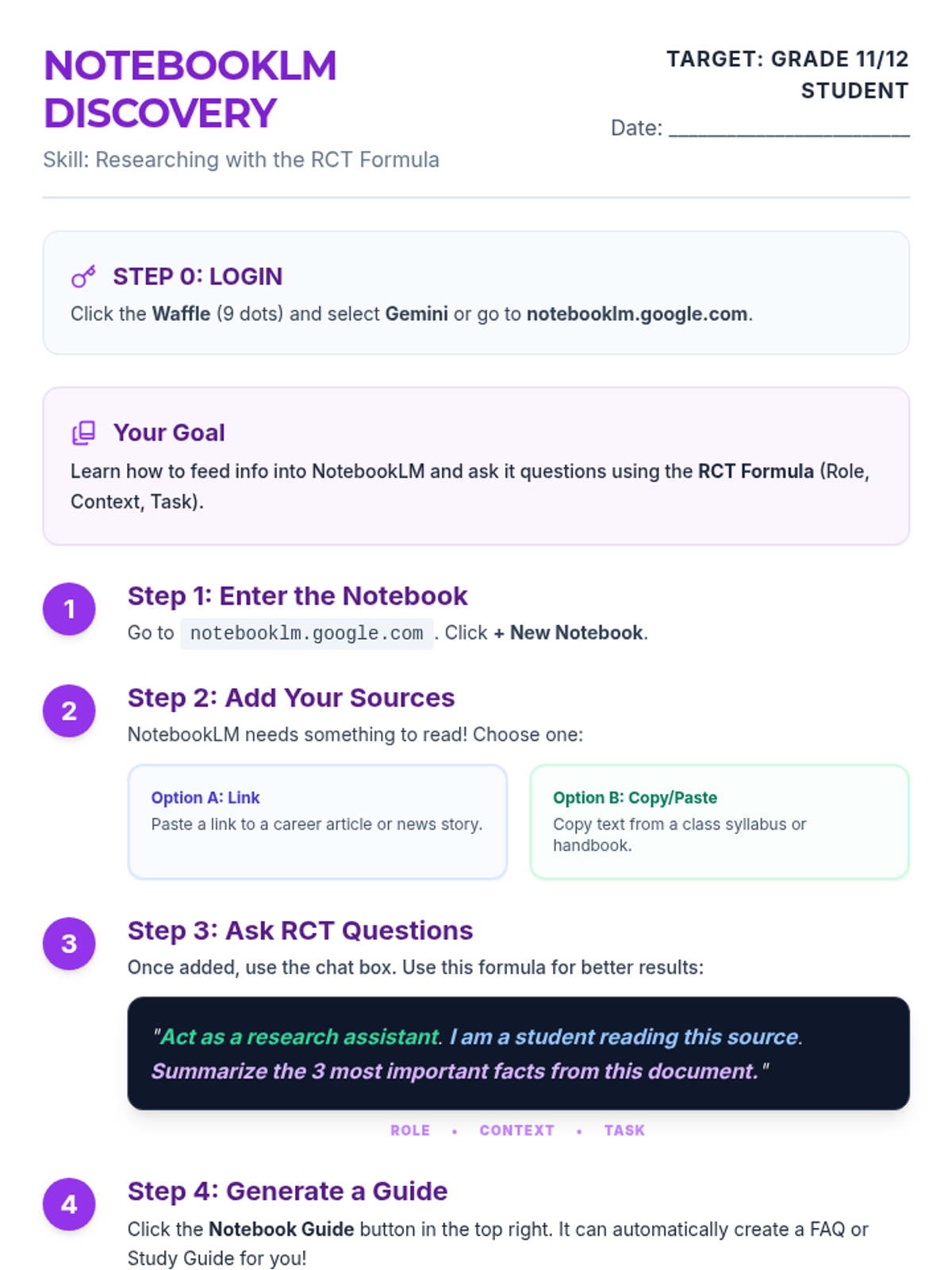
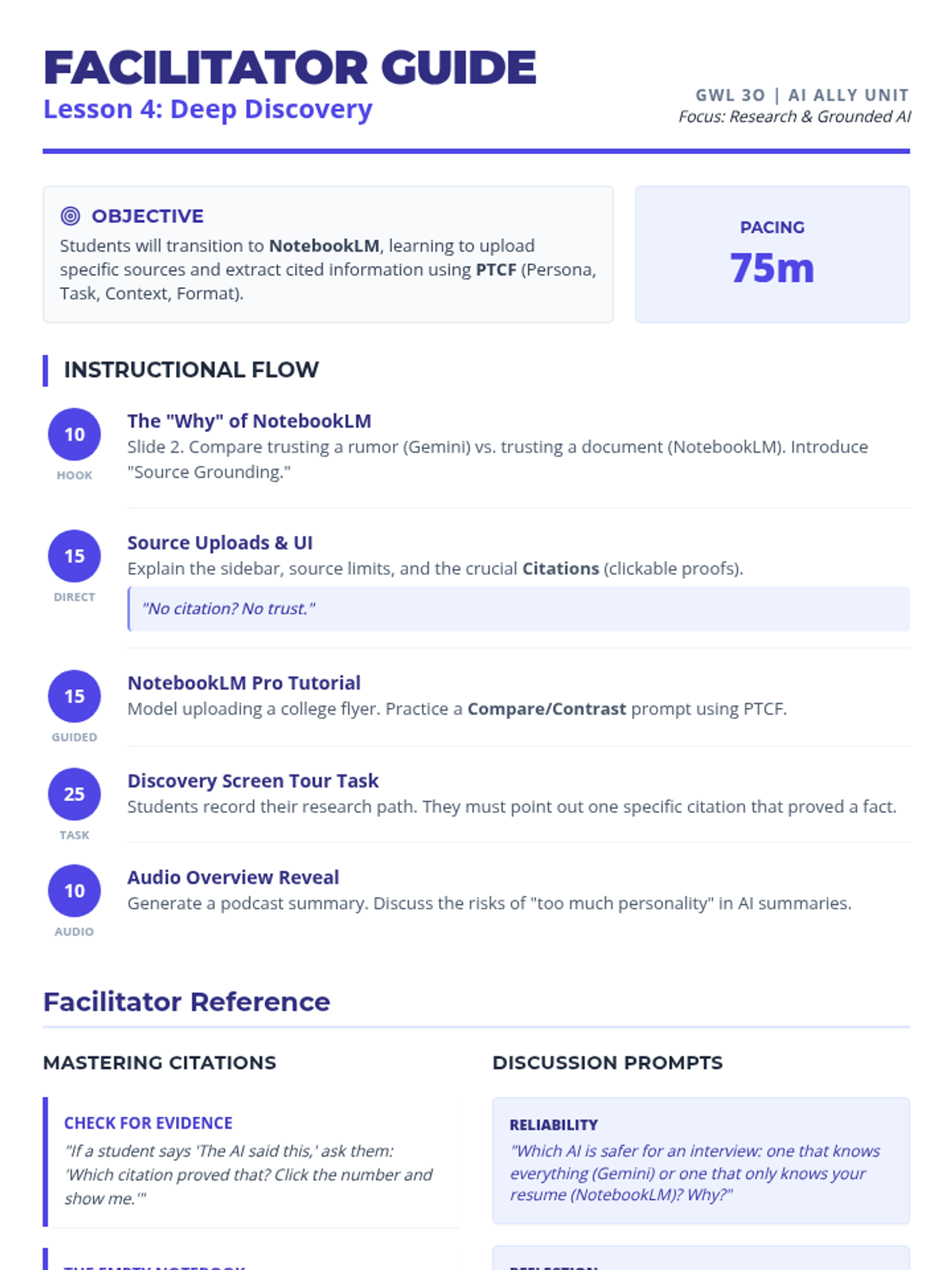
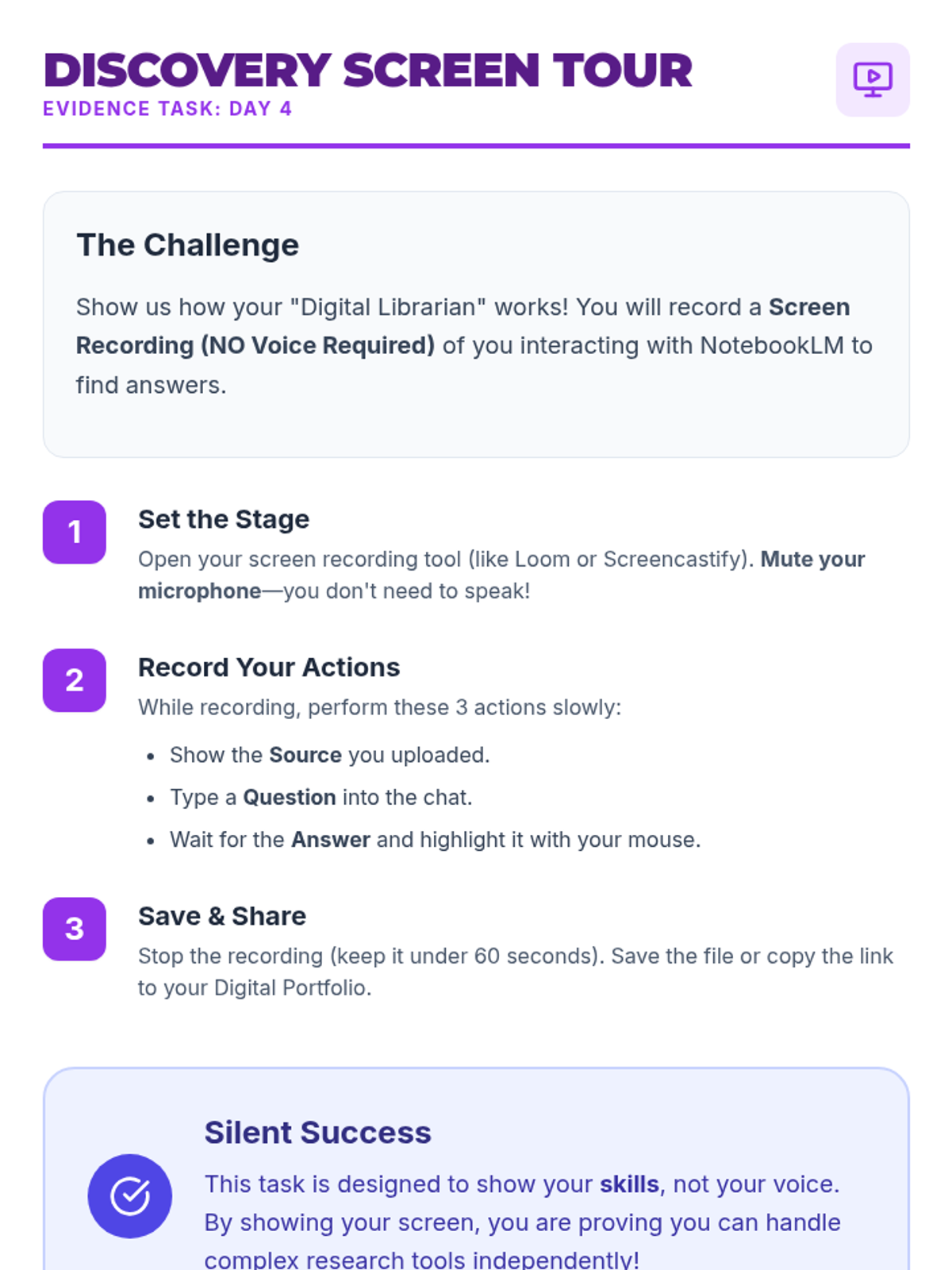
Explores the power of NotebookLM for academic and workplace research, teaching students how to synthesize large amounts of information efficiently.
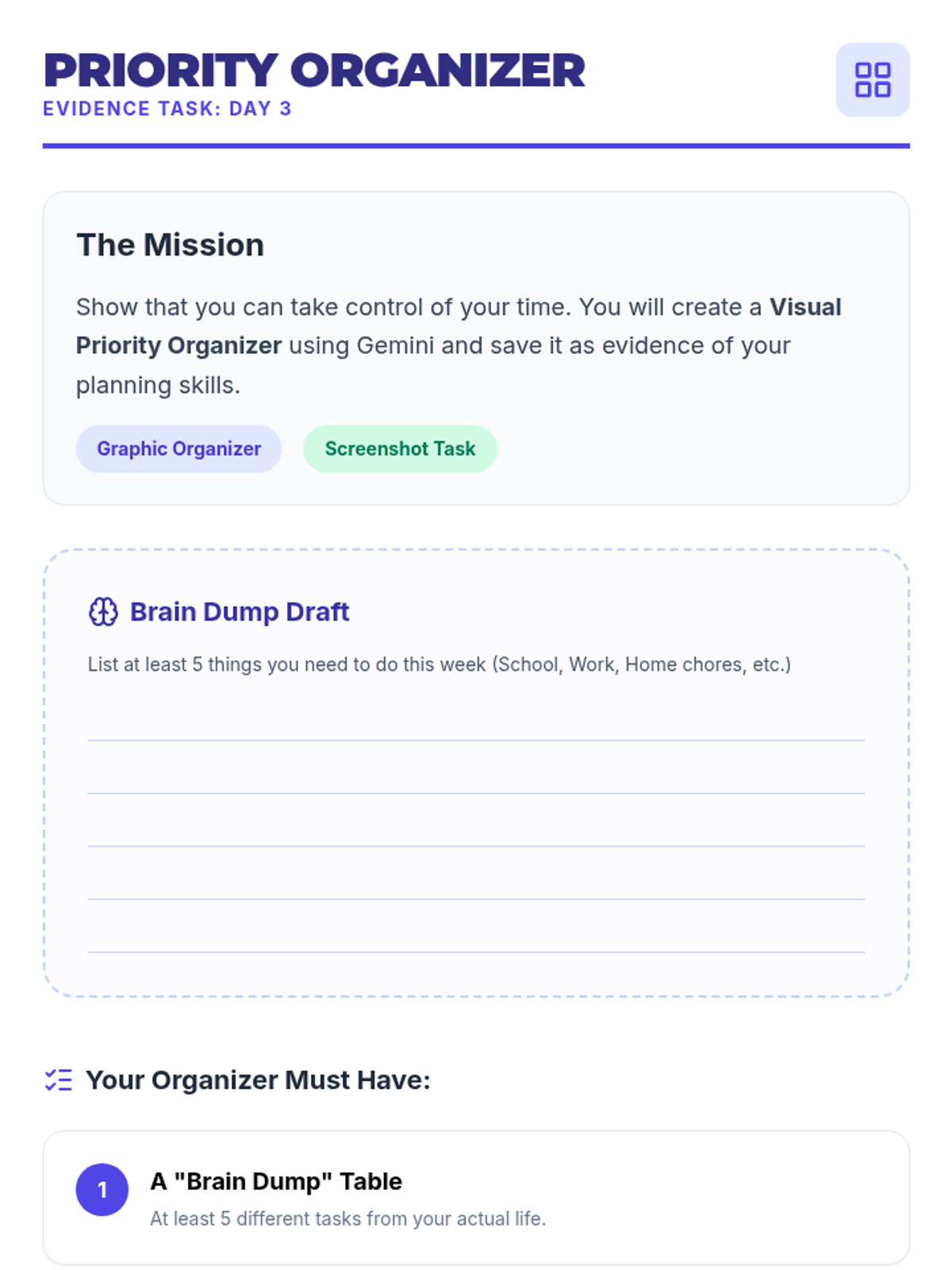
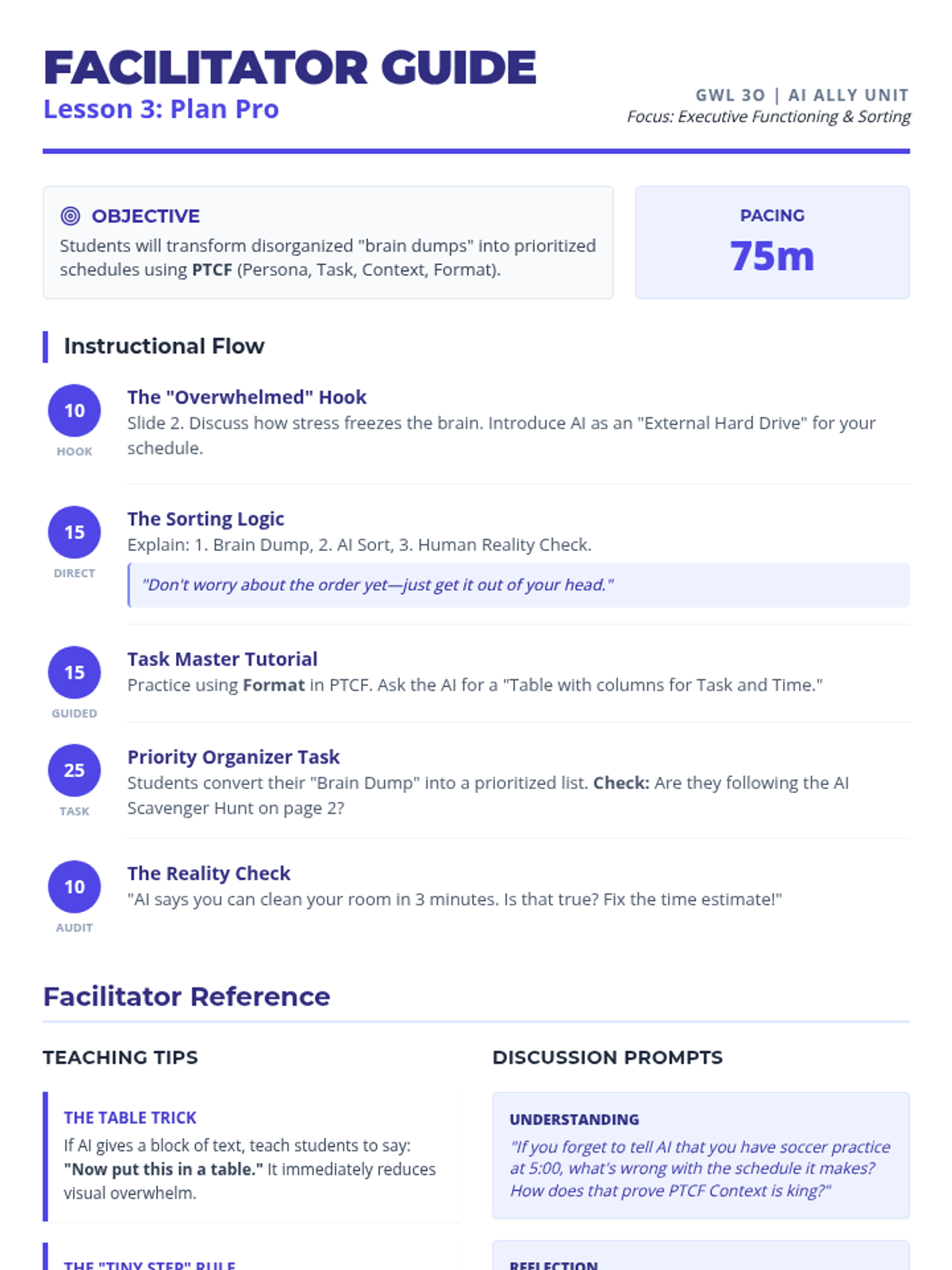
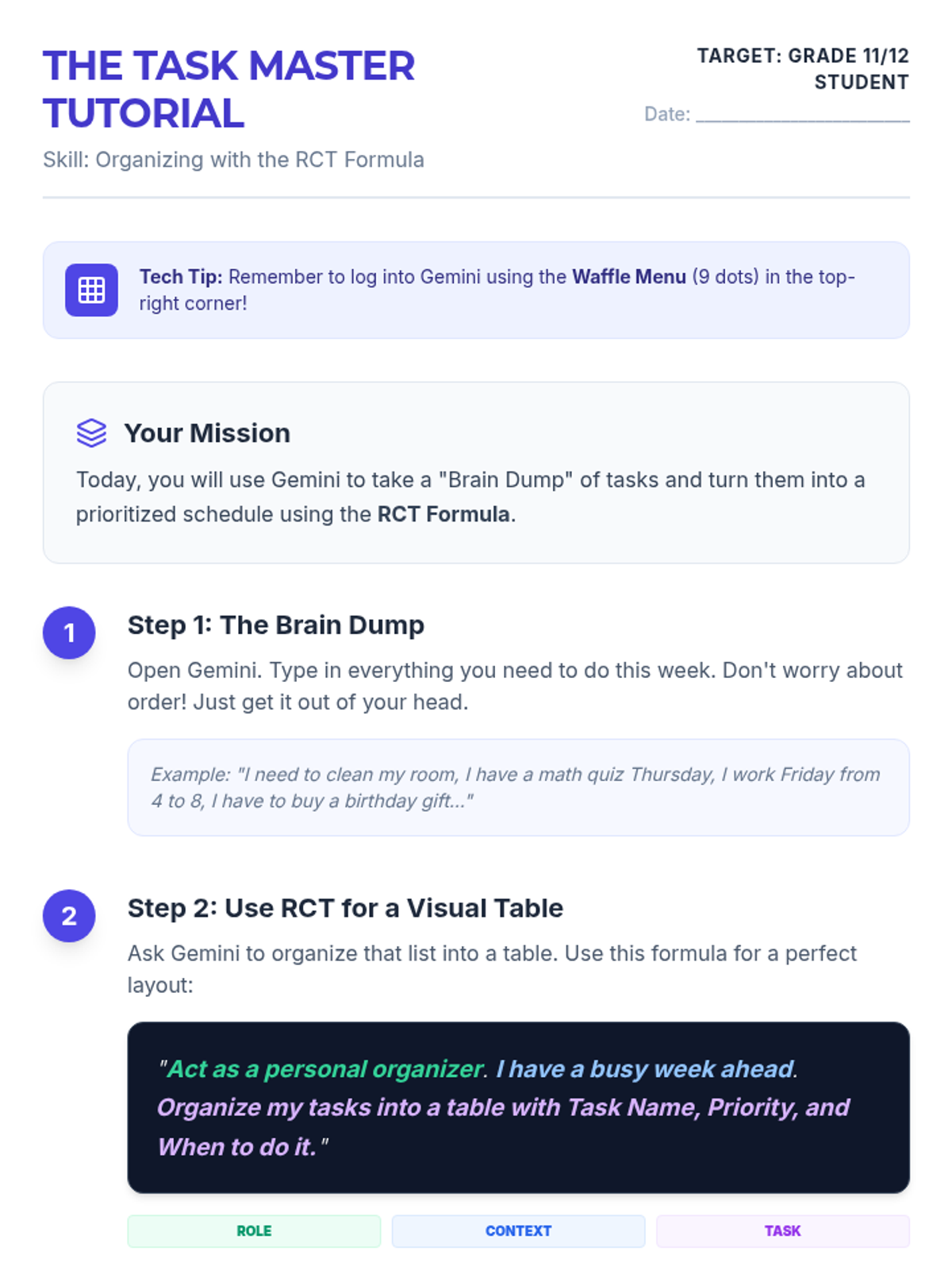
Focuses on organizational skills by using AI to transform messy lists into prioritized schedules and graphic organizers for improved task management.
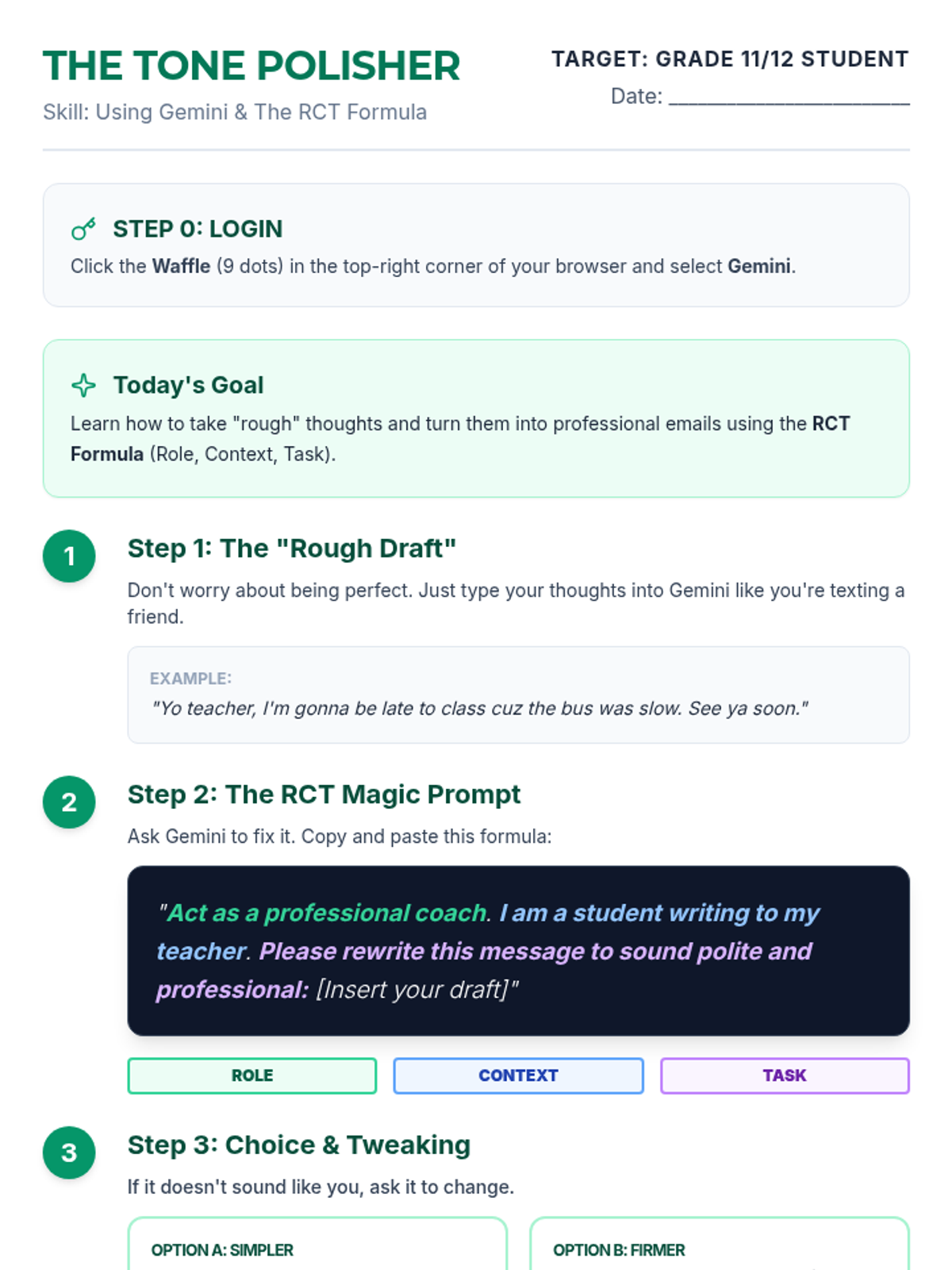
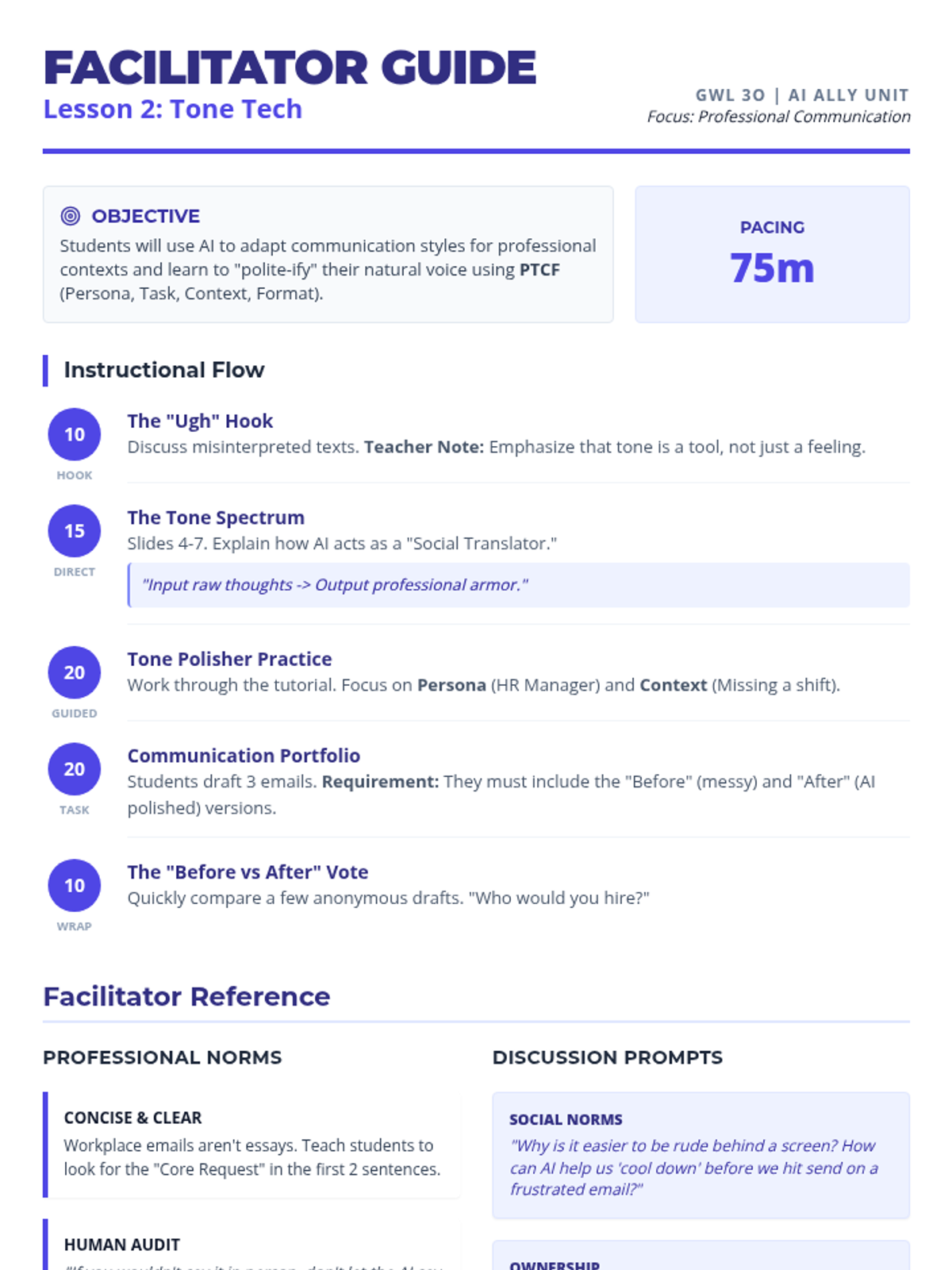
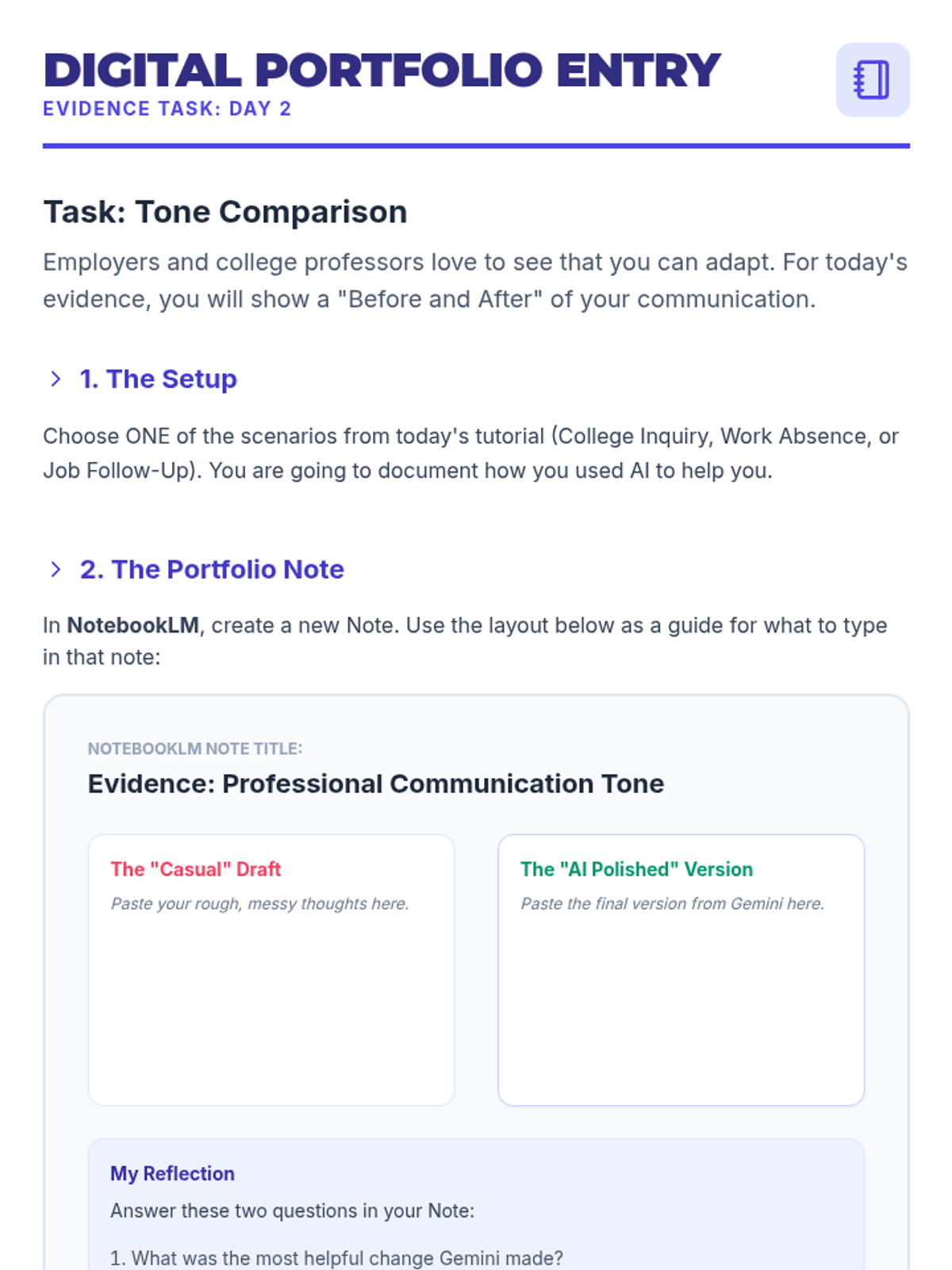
Students learn to use Gemini to refine professional tone and clarity in digital communications, creating a portfolio of email templates for workplace and college scenarios.
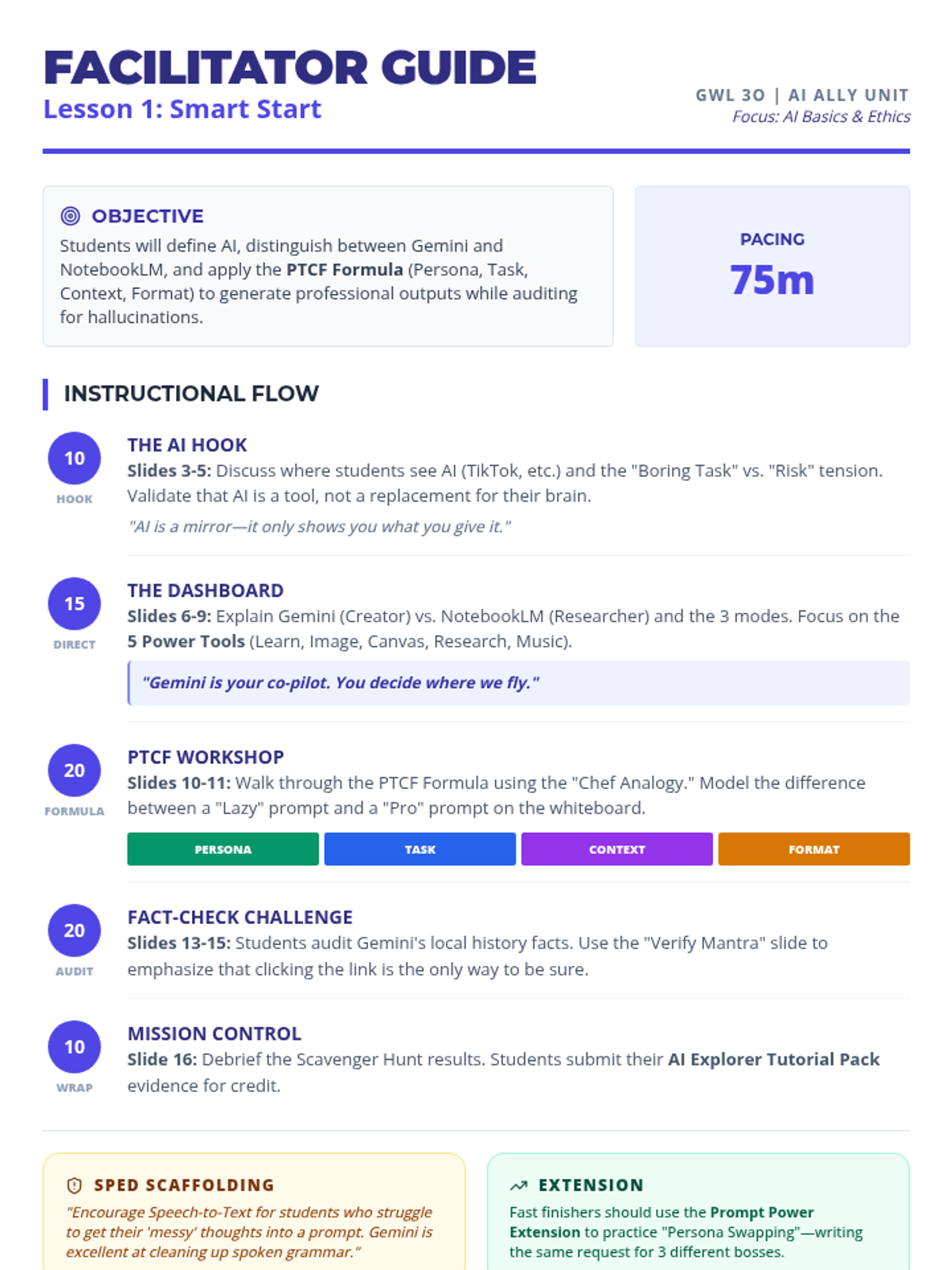
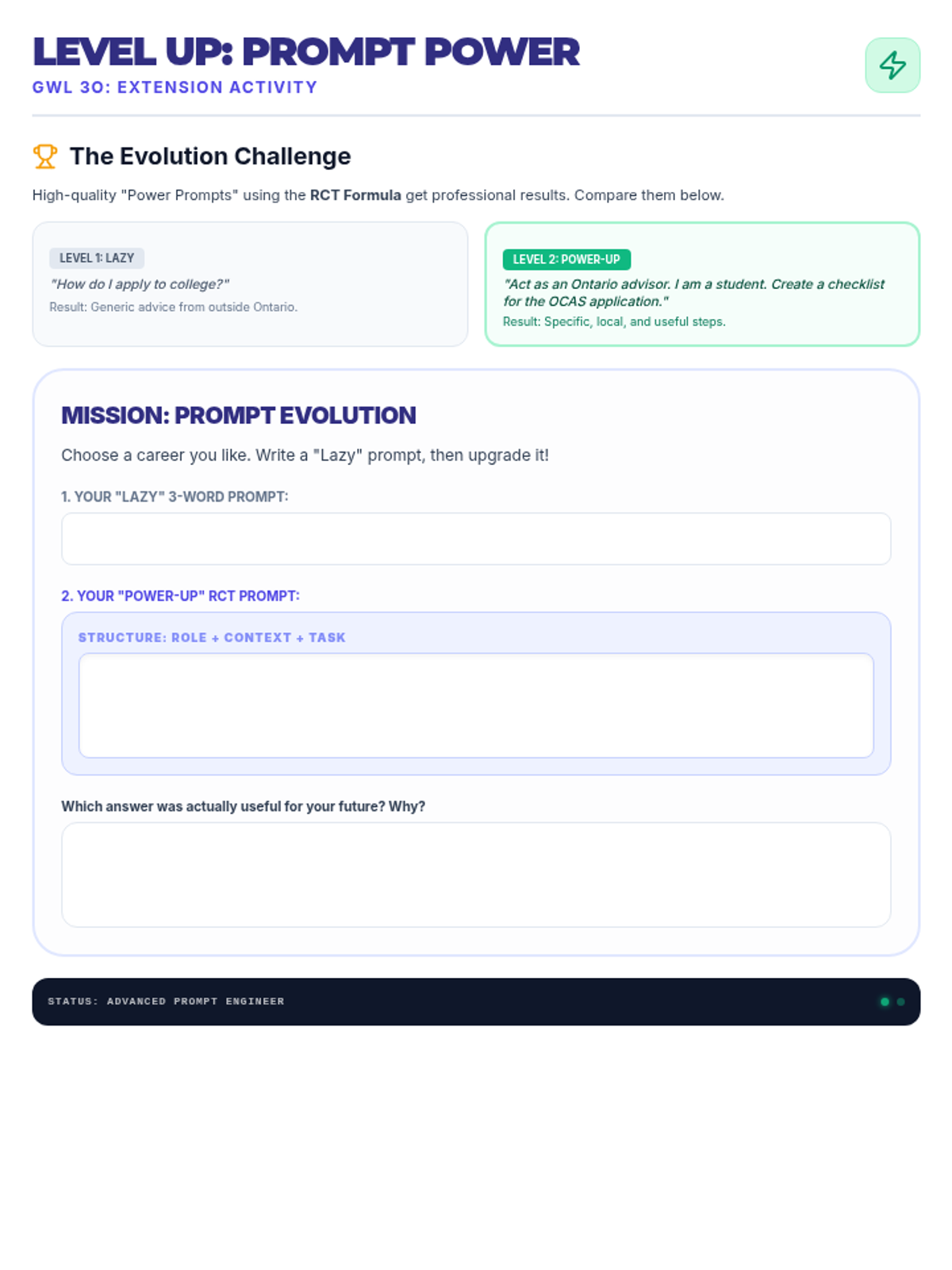
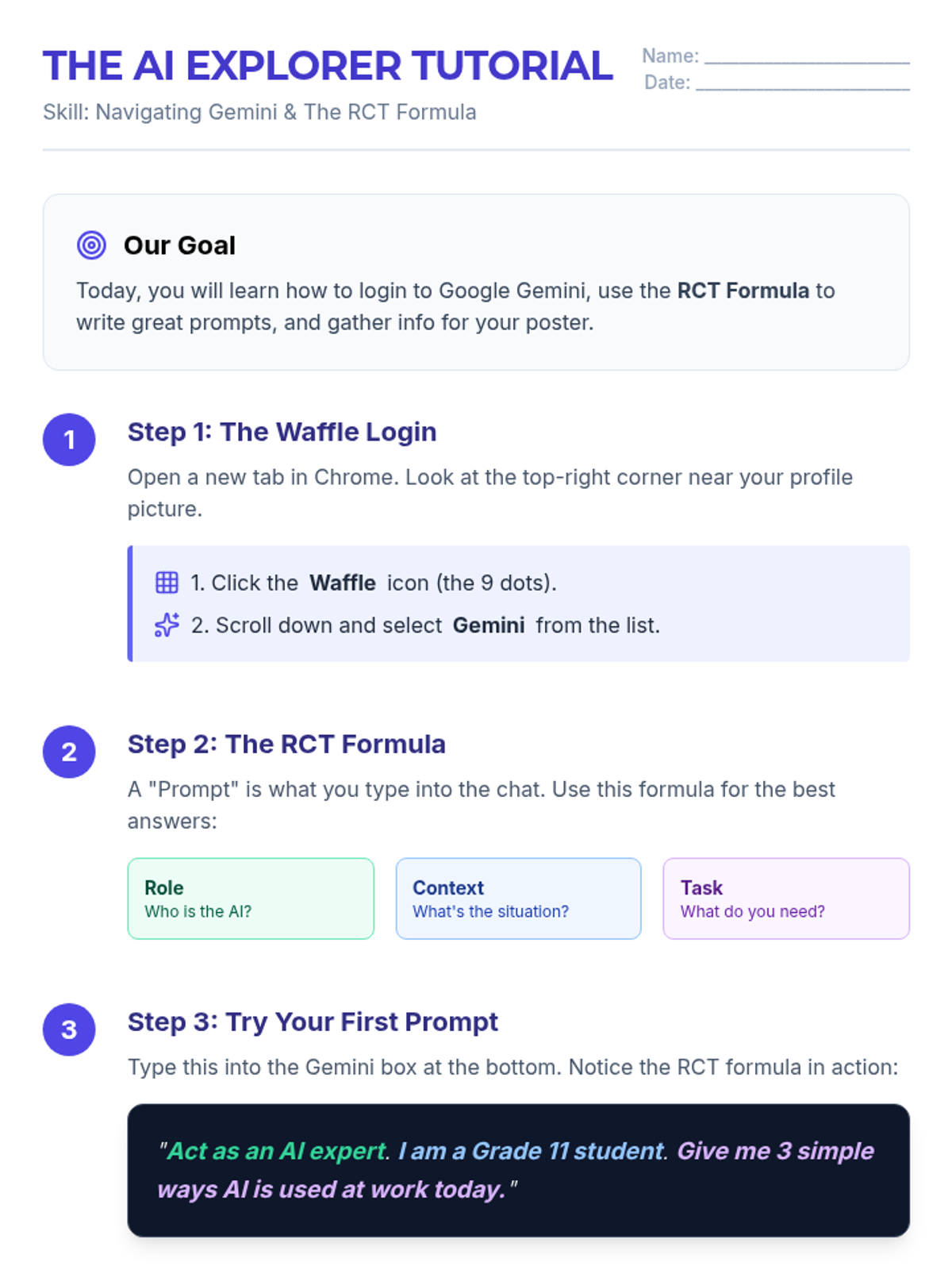
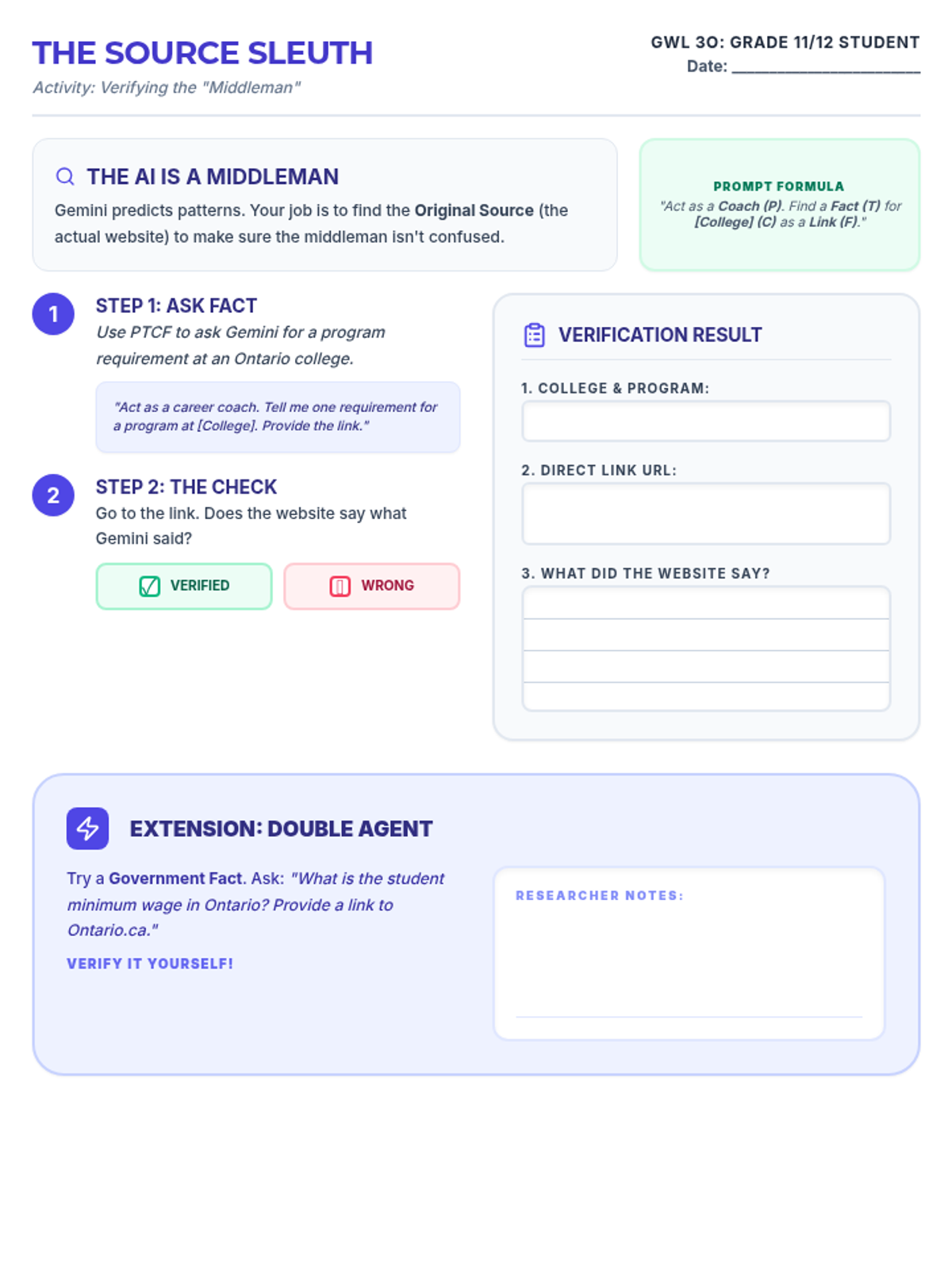
An introduction to AI basics, ethics, and the comparison between Gemini and NotebookLM, culminating in a visual exploration of AI's impact on the future.
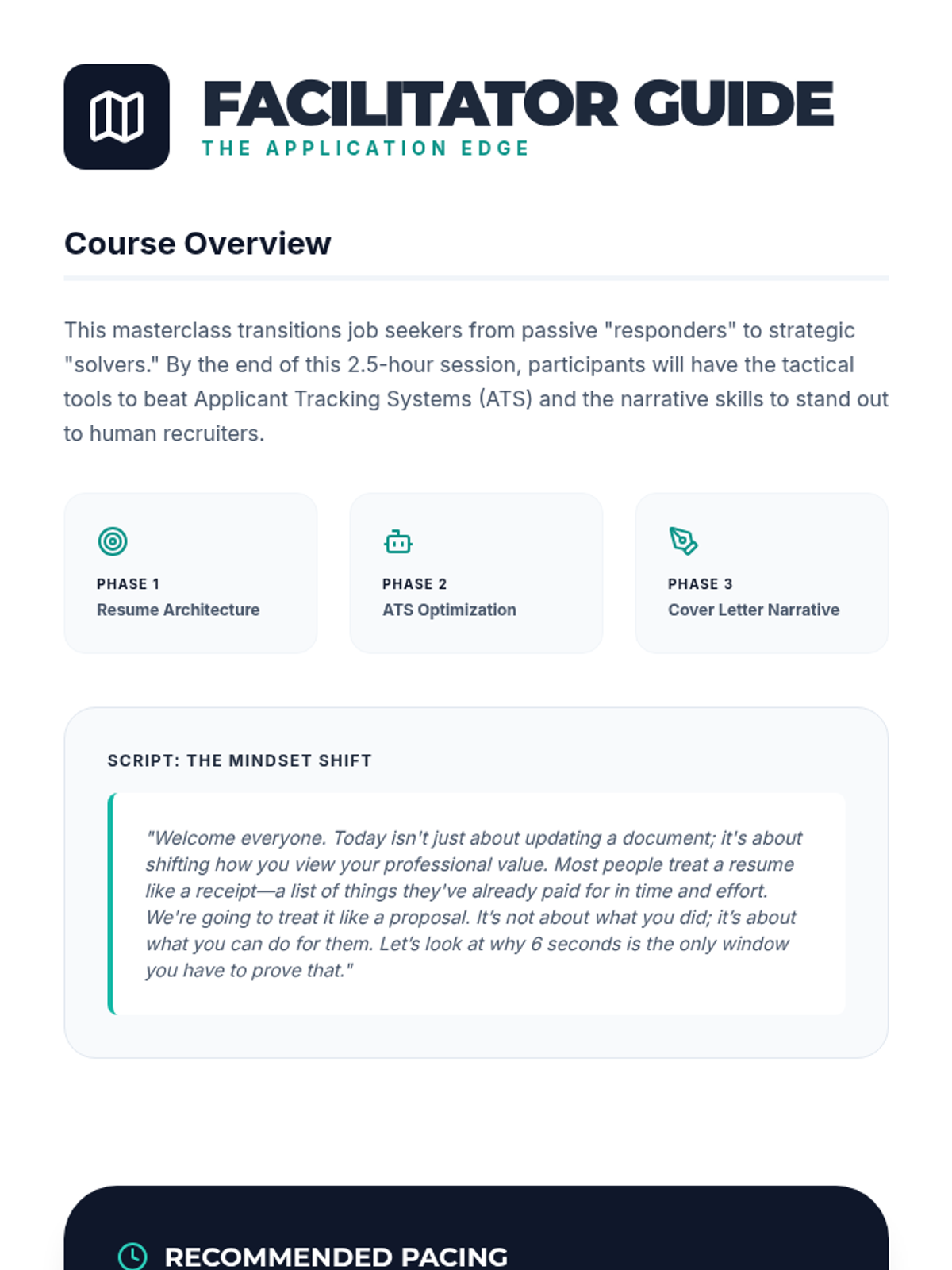
A masterclass in crafting professional application materials, including resumes that beat tracking systems and cover letters that tell a compelling story.
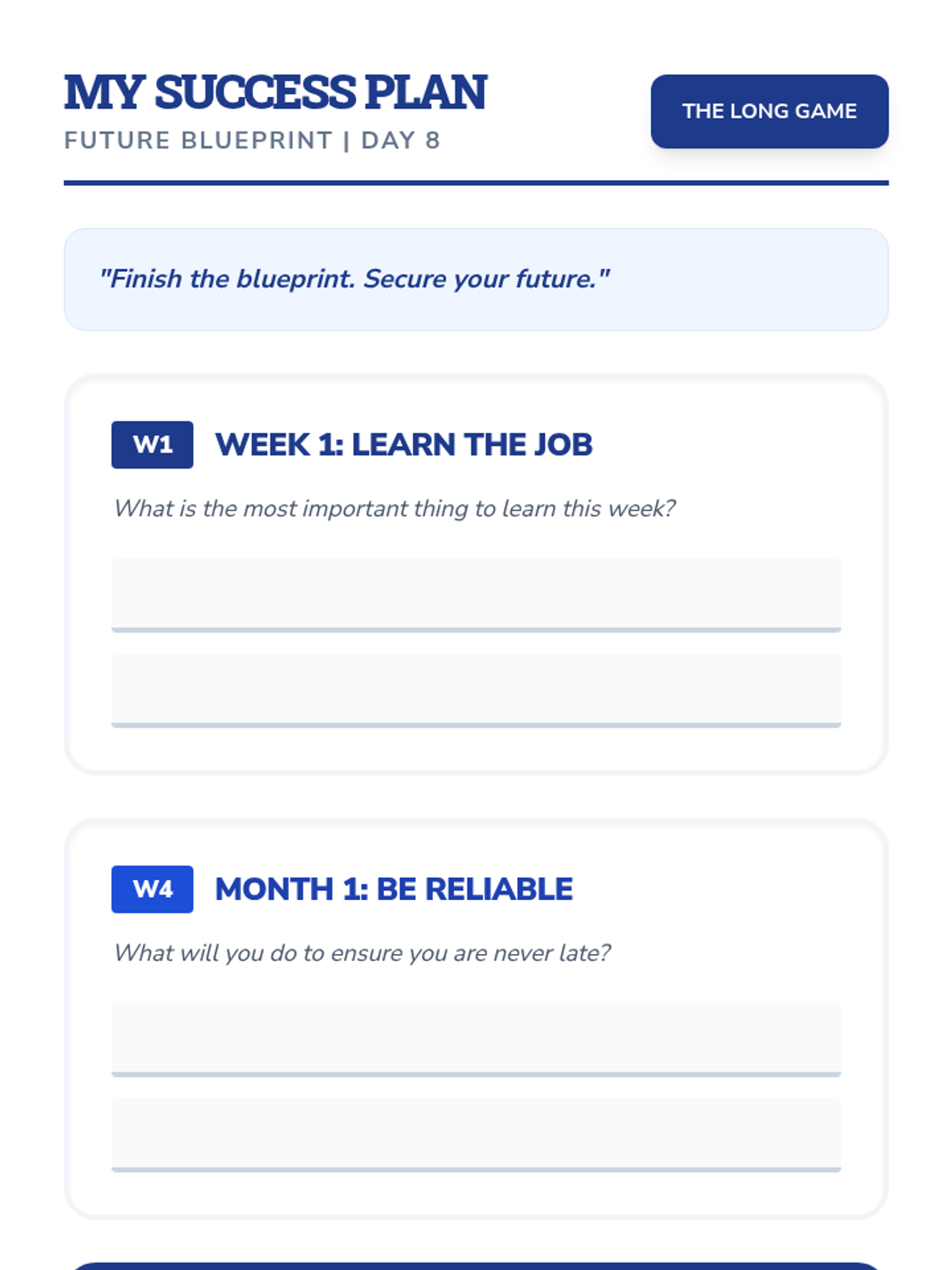
Job search strategies, staying employed, and long-term career planning. Final review and preparation for the 'working world'.
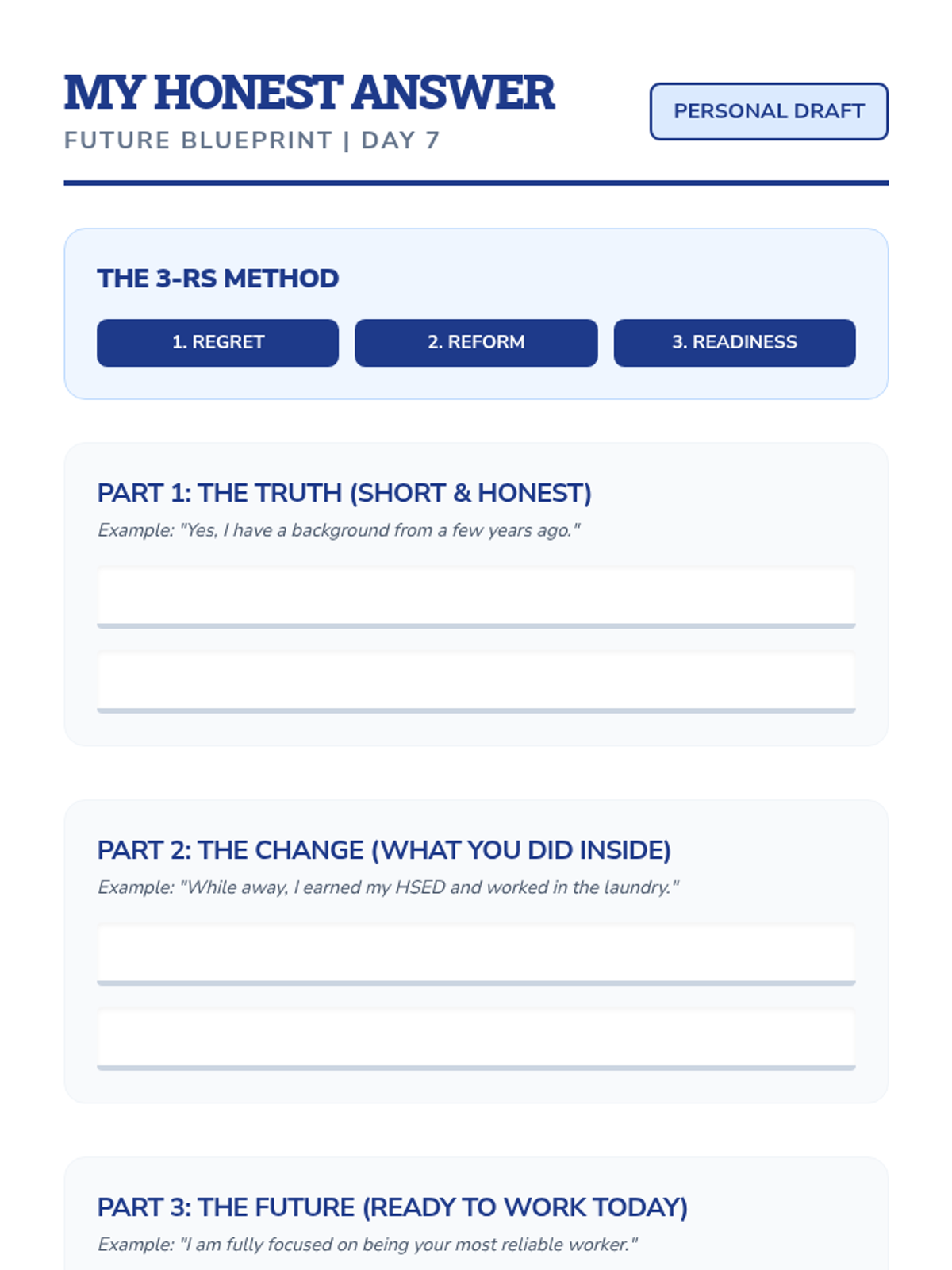
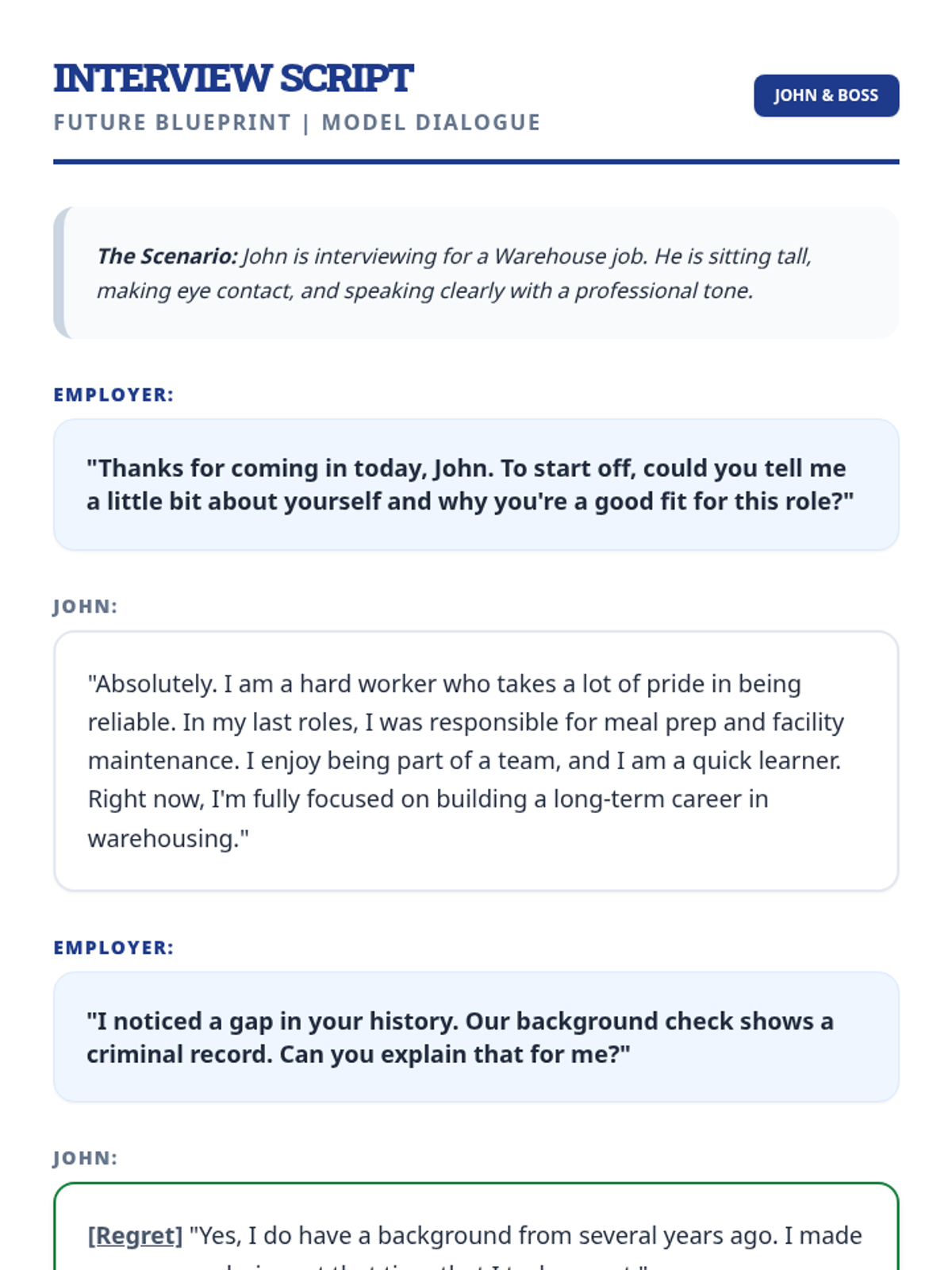
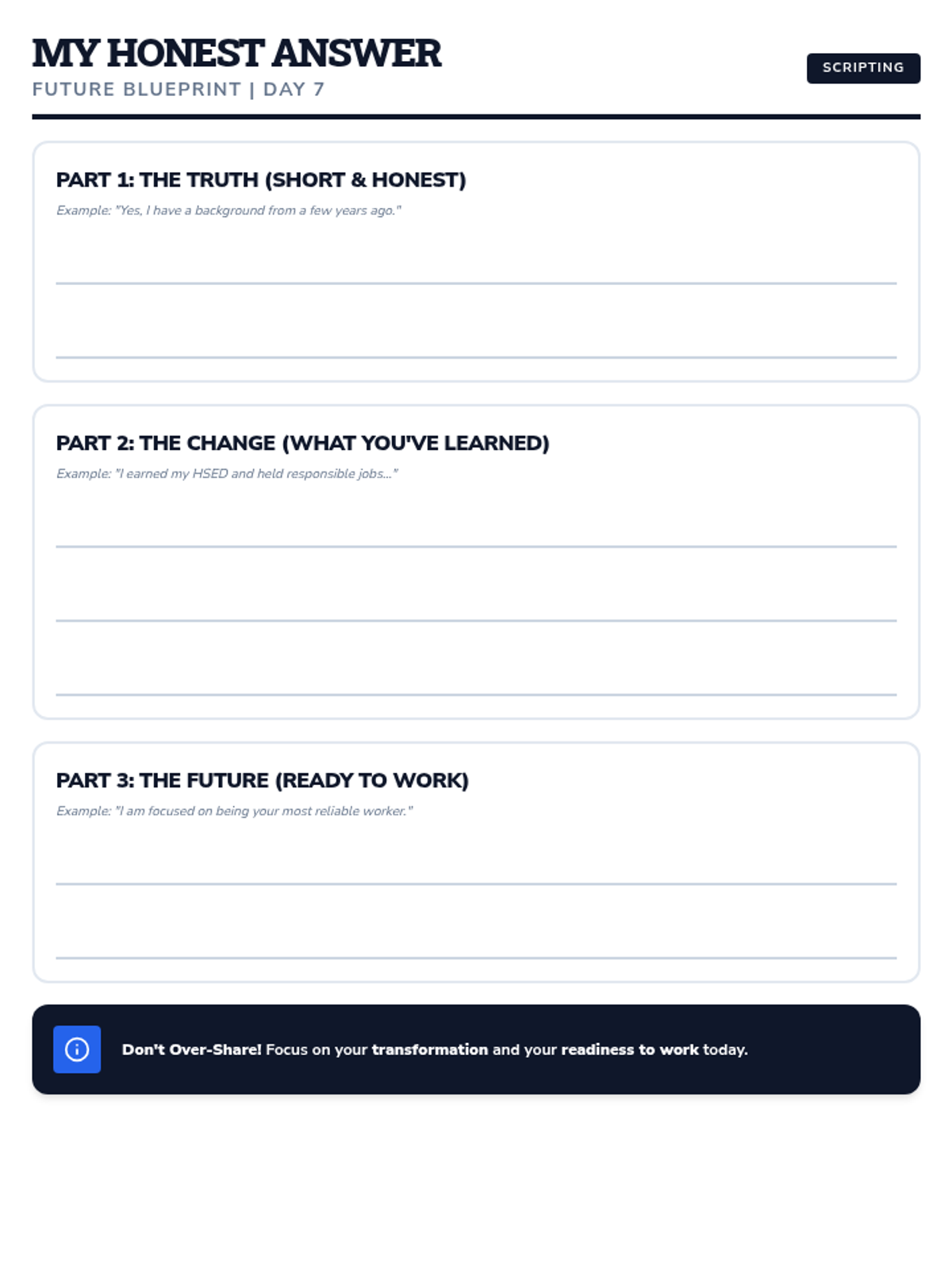
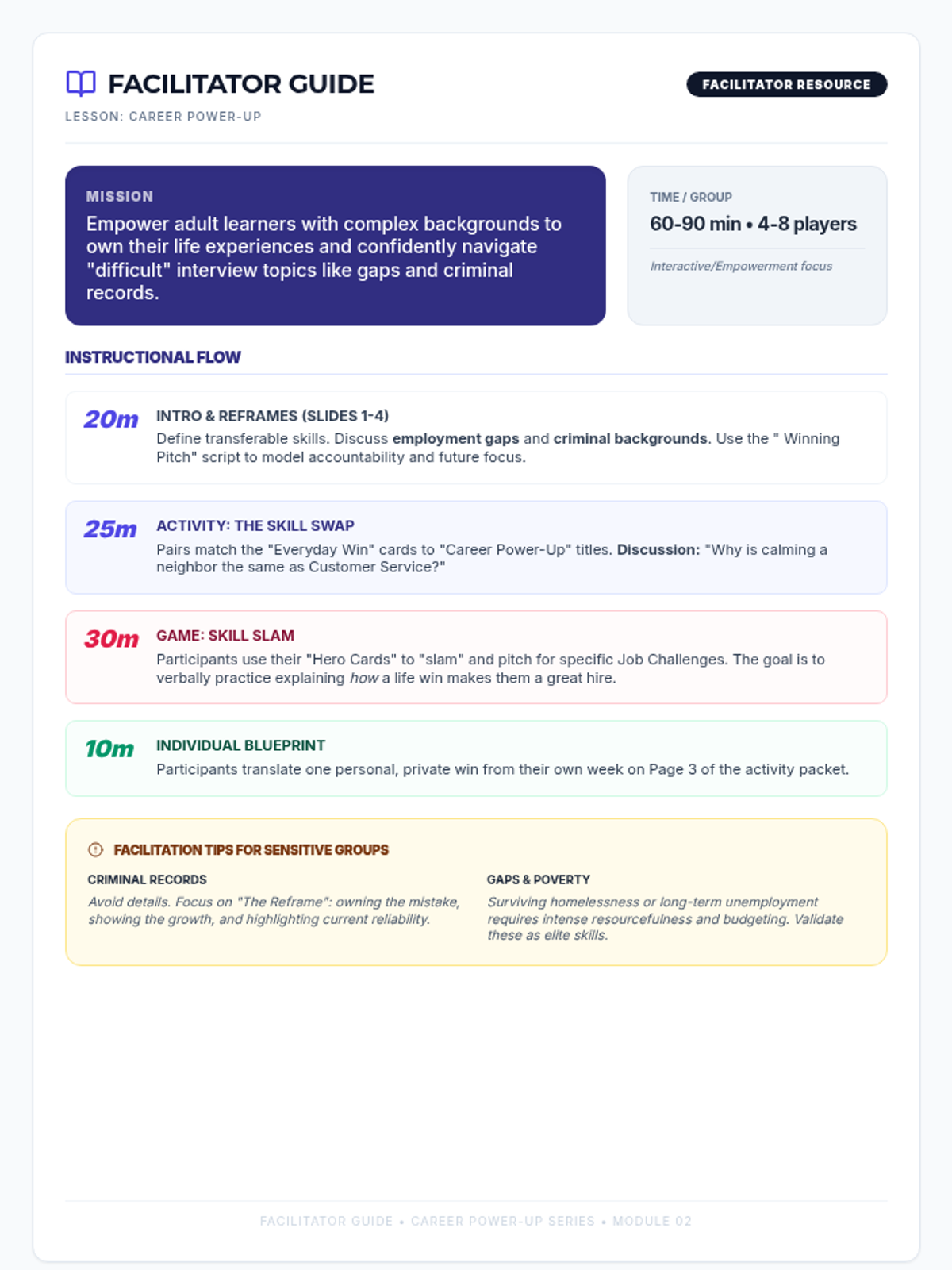
Specific strategies for addressing incarceration and background checks. Uses the 'Regret, Reform, Readiness' framework.
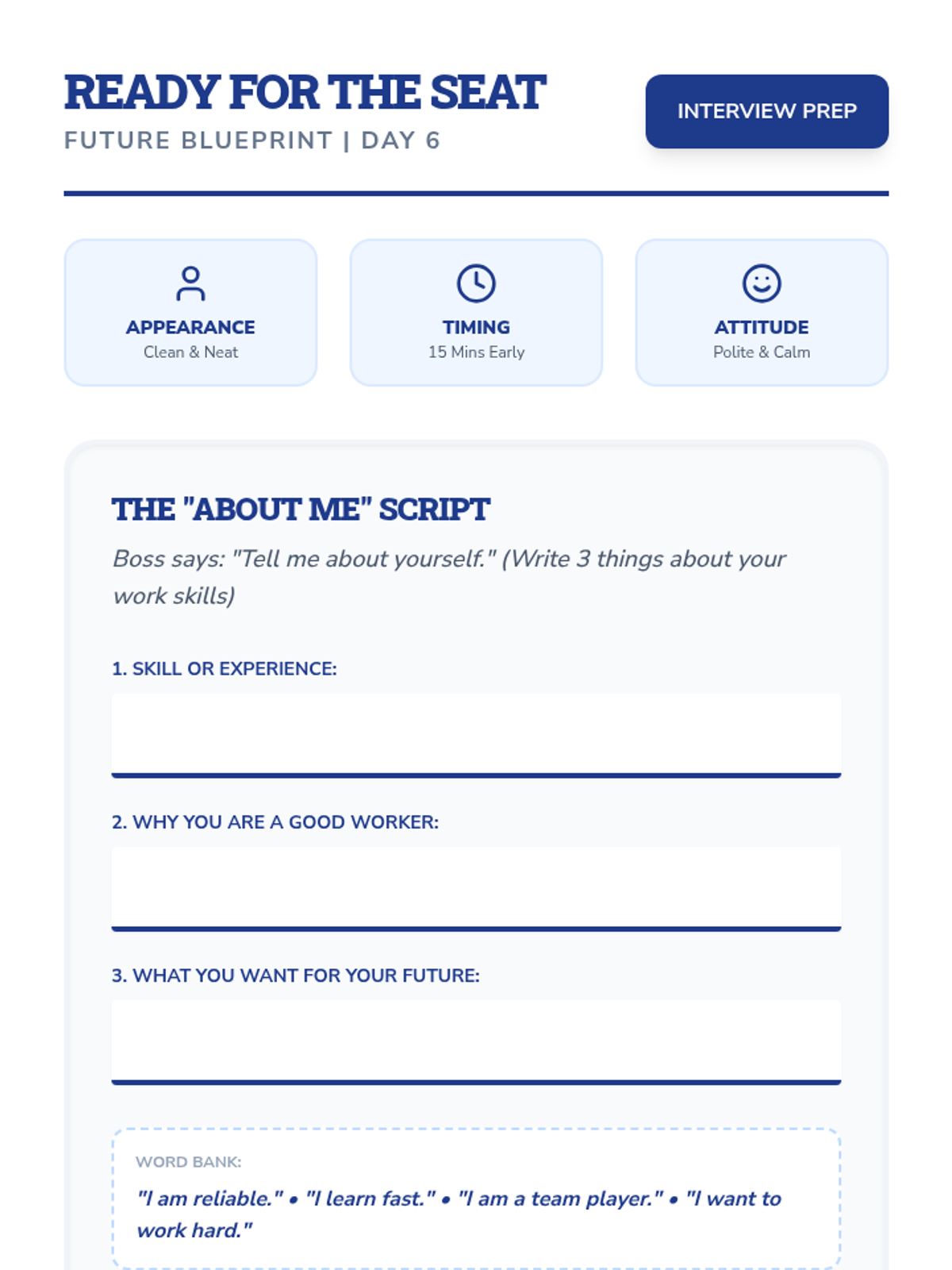
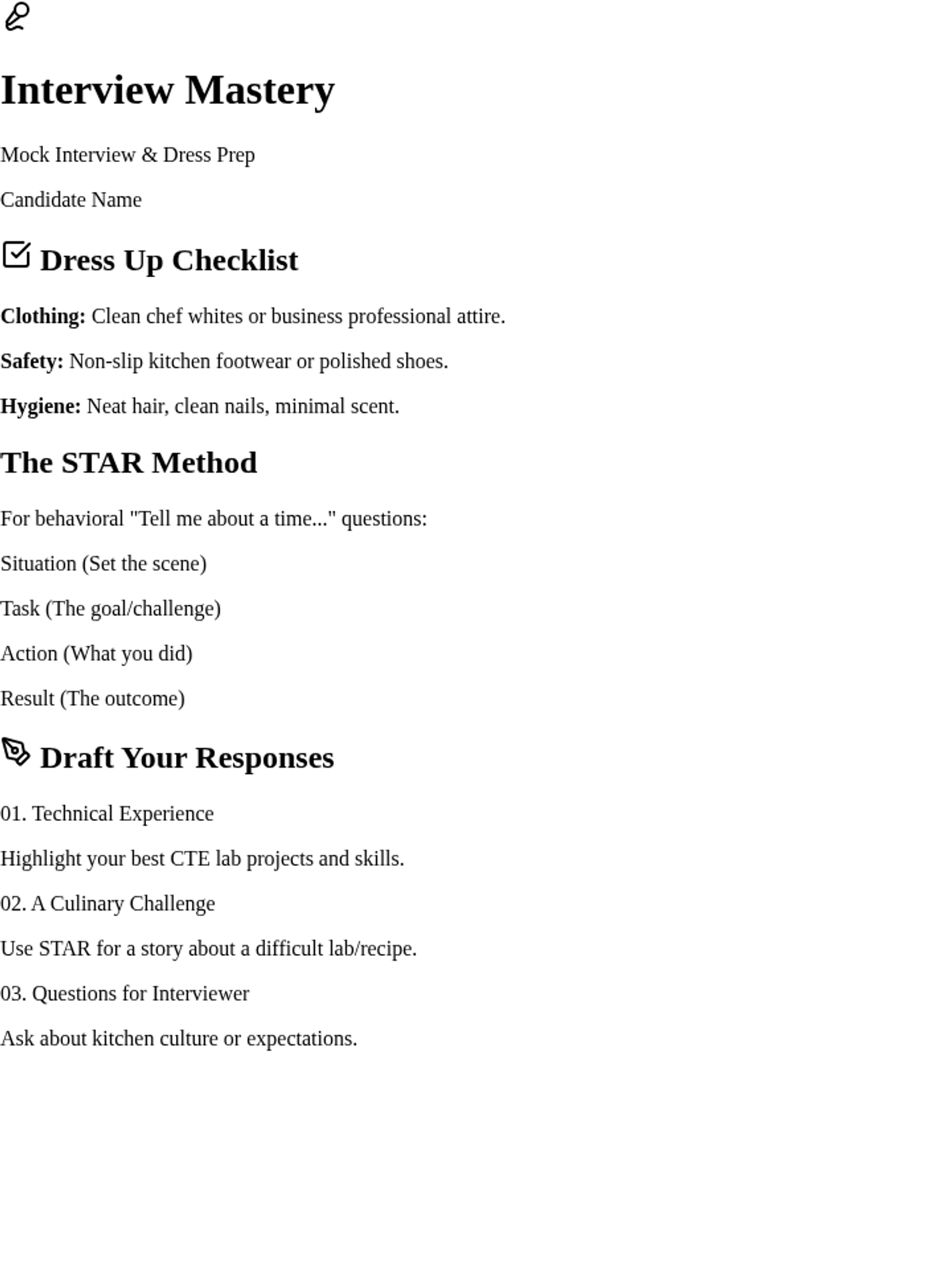
Preparation for the interview process. Focuses on preparation, appearance, and the first five minutes of the encounter.
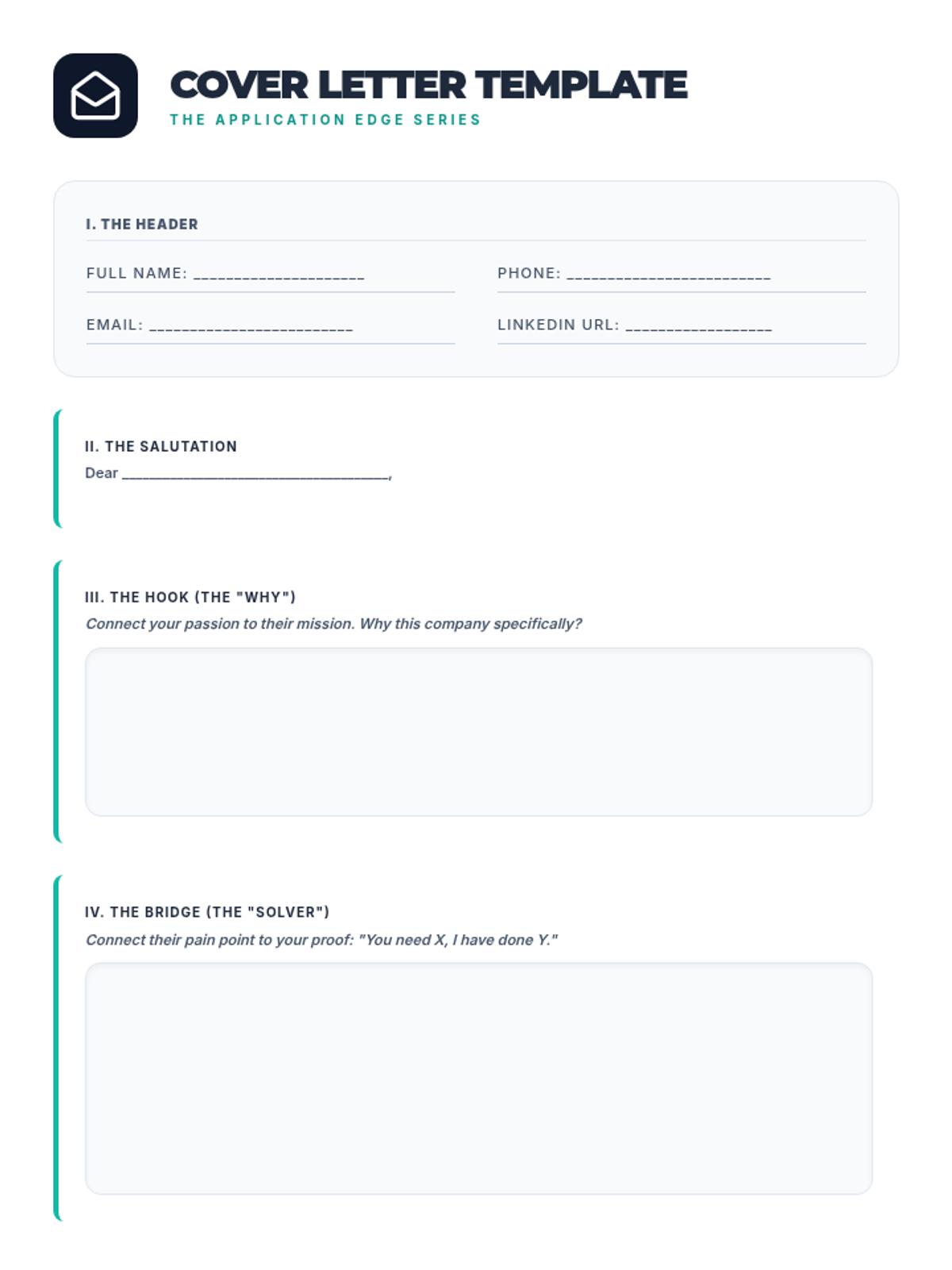
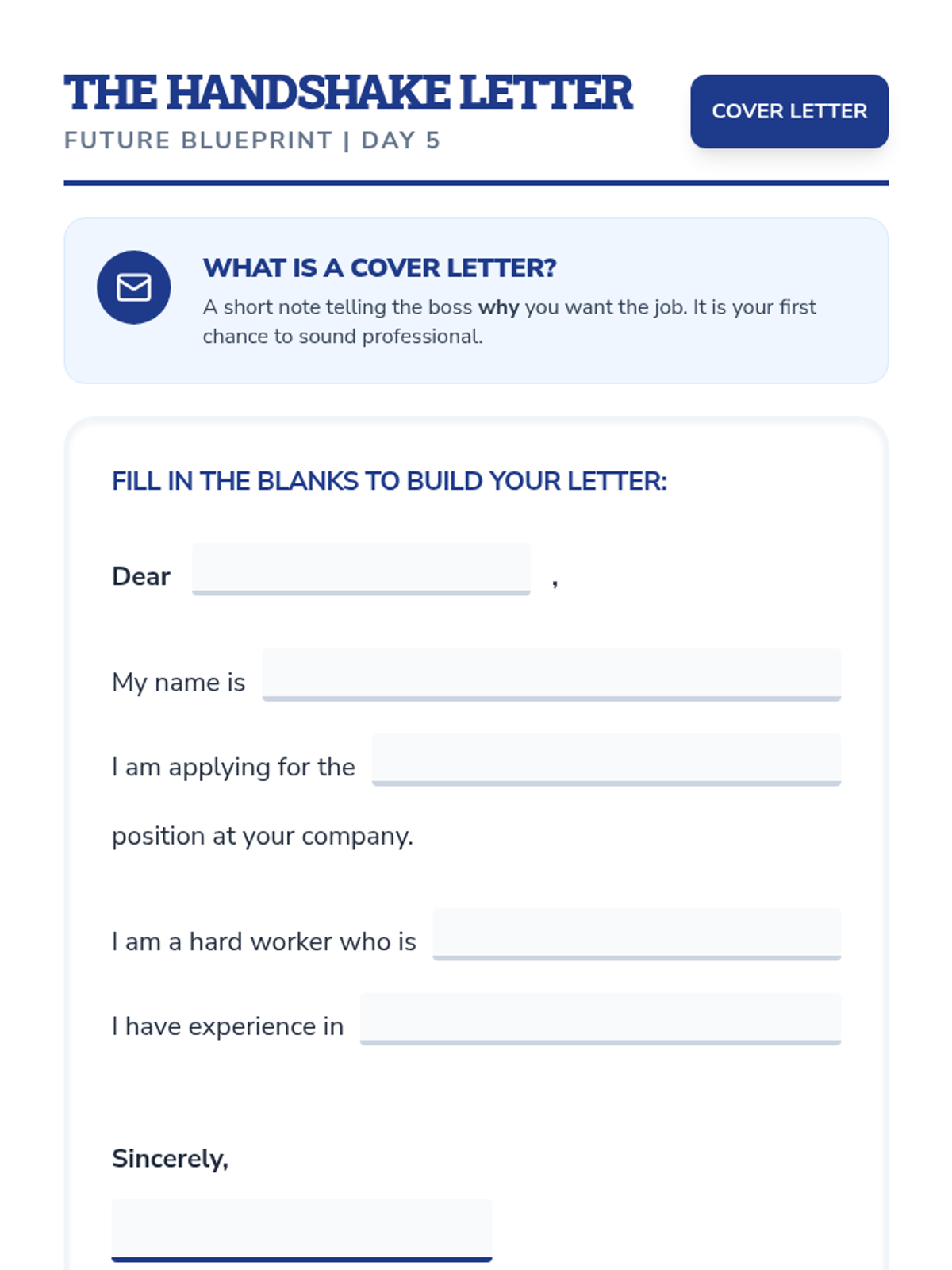
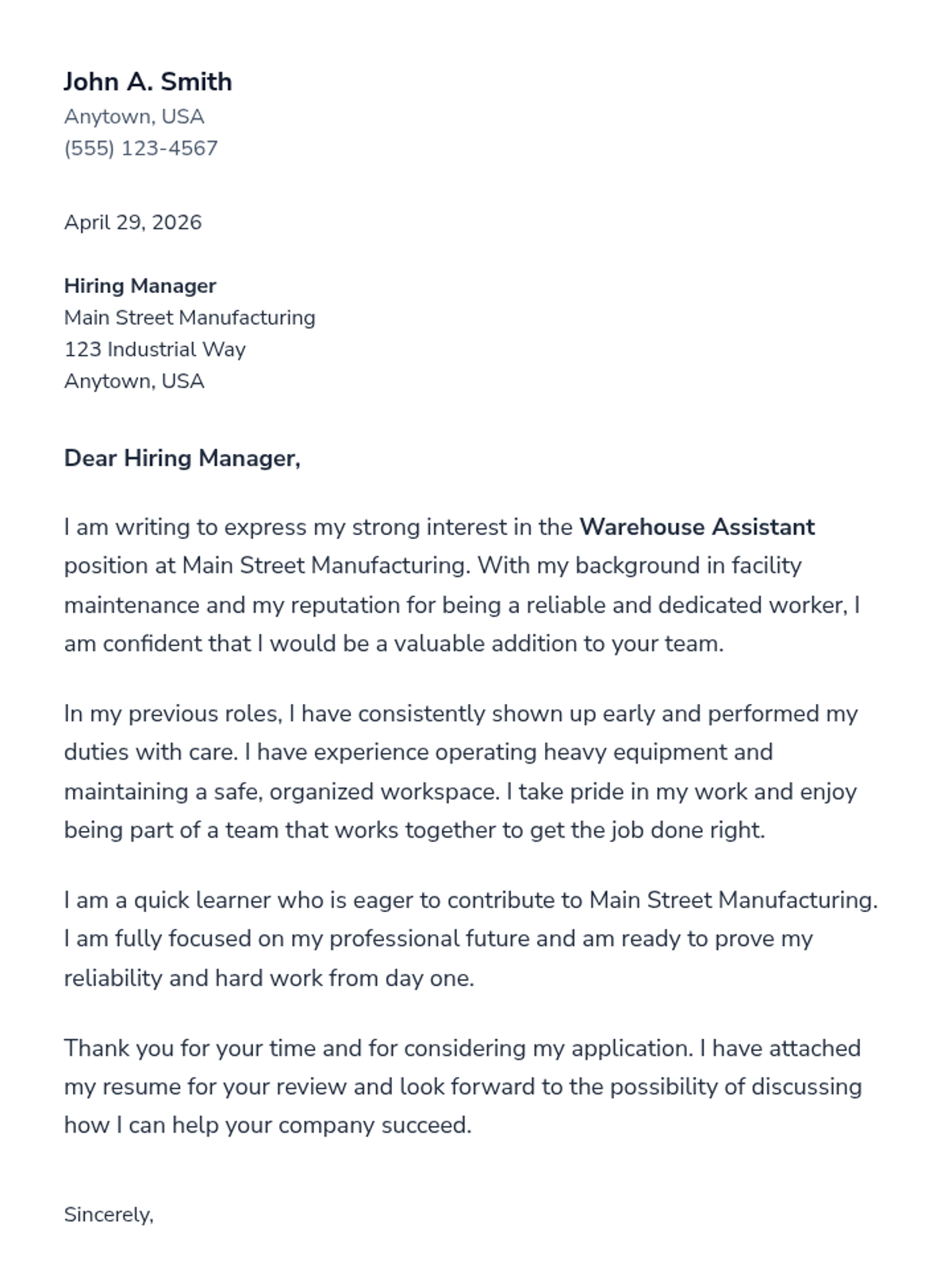
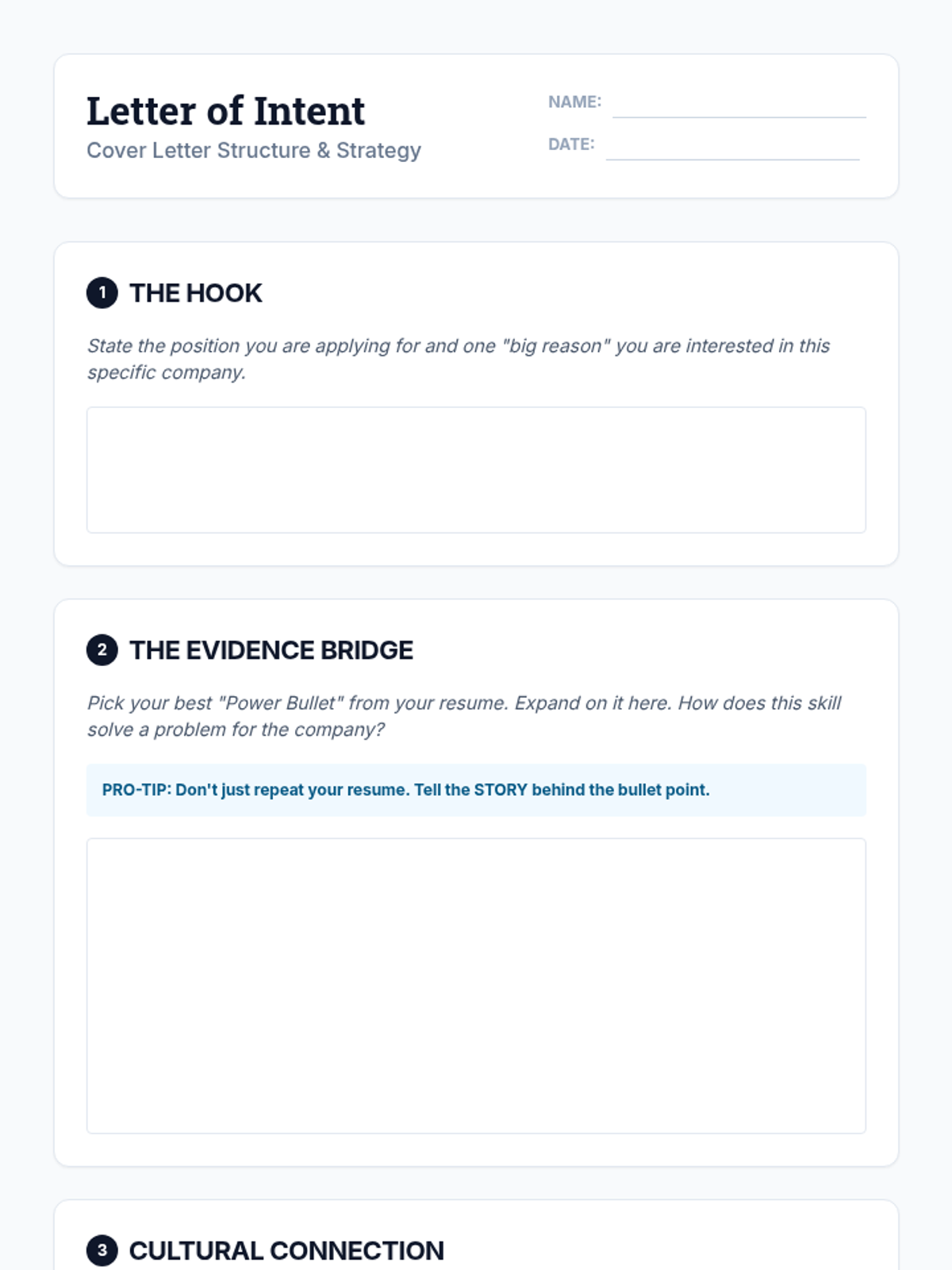
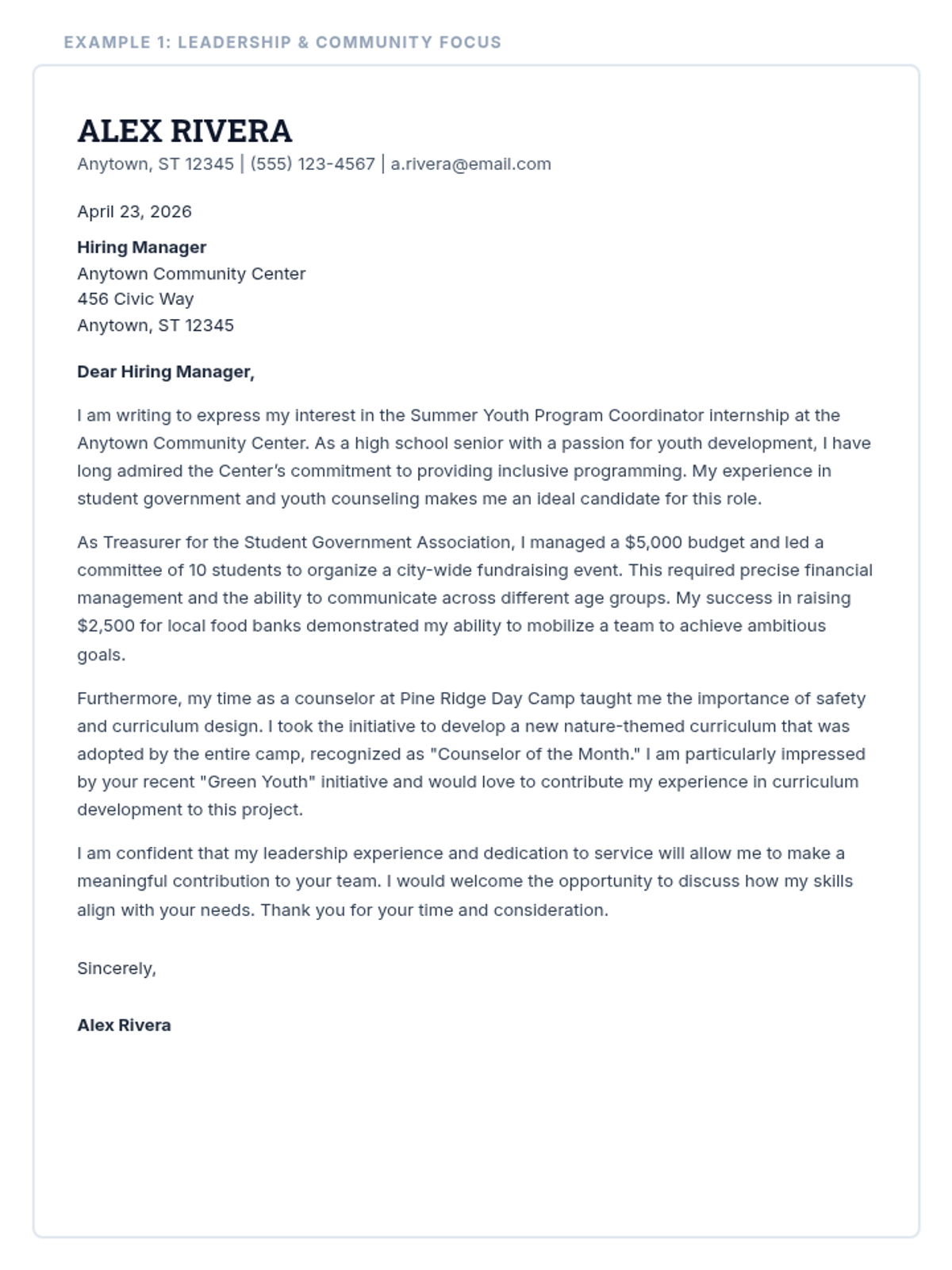
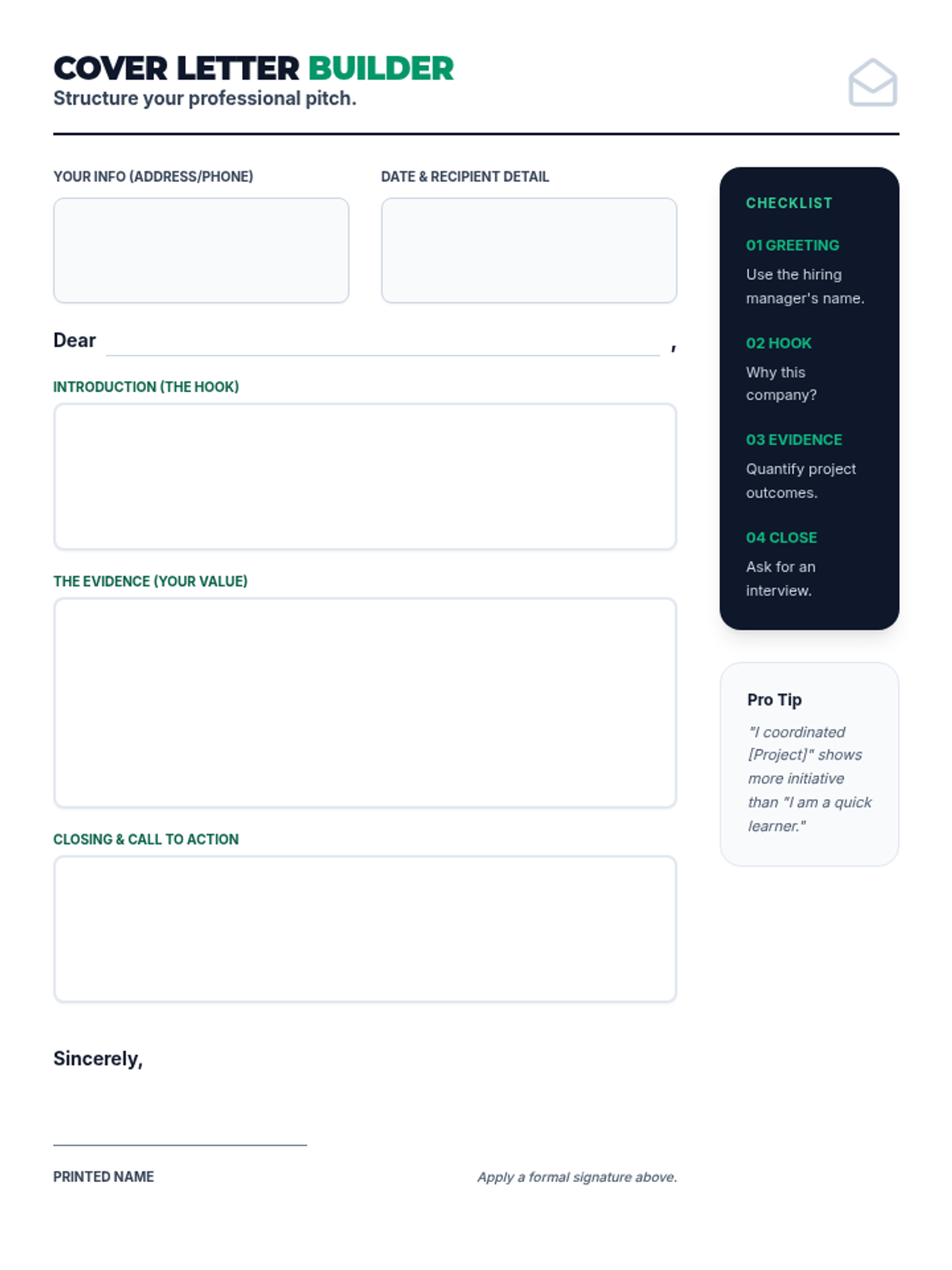
Demystifying the cover letter. Students learn how to introduce themselves to an employer and explain their interest in a role.
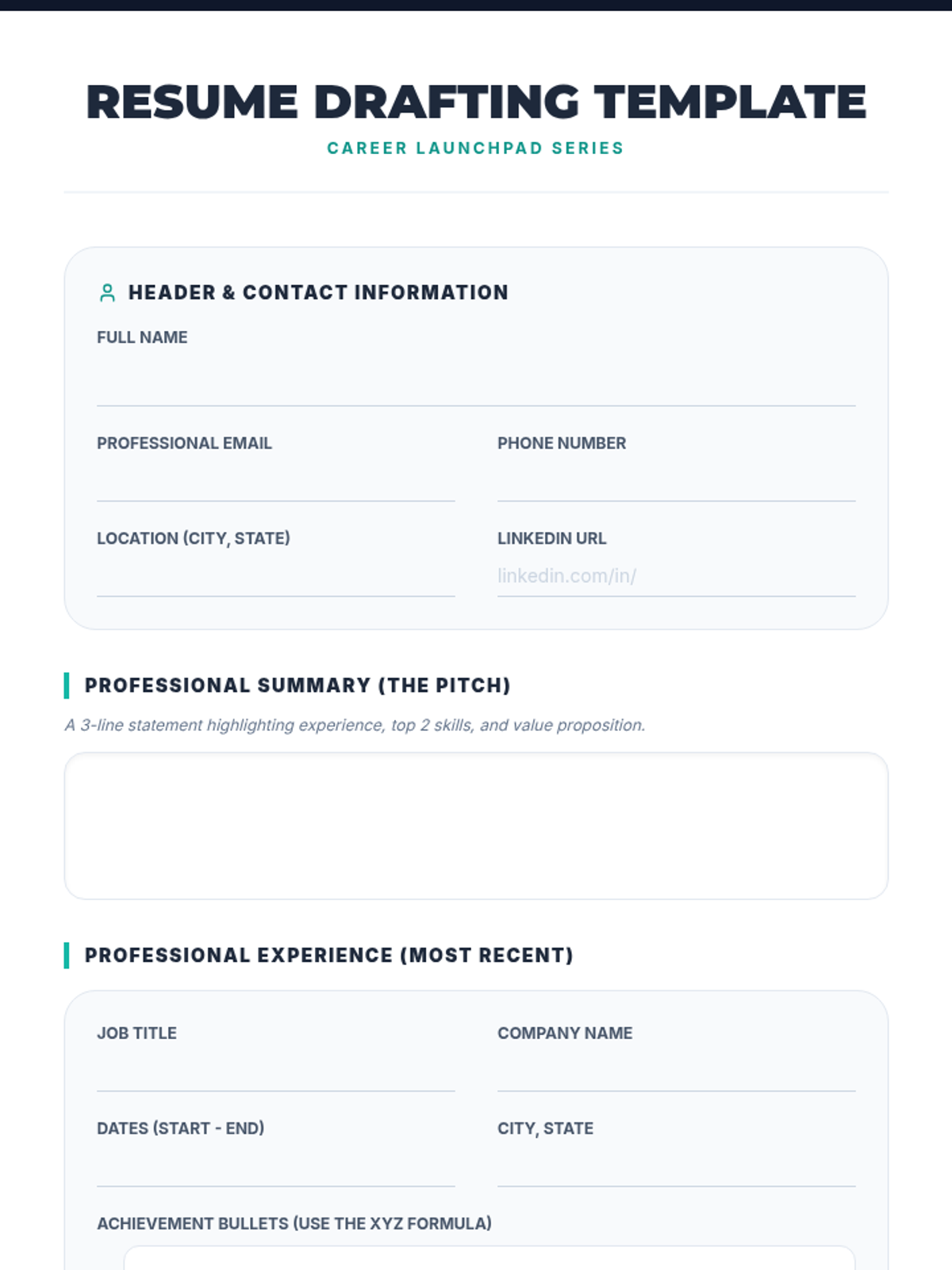
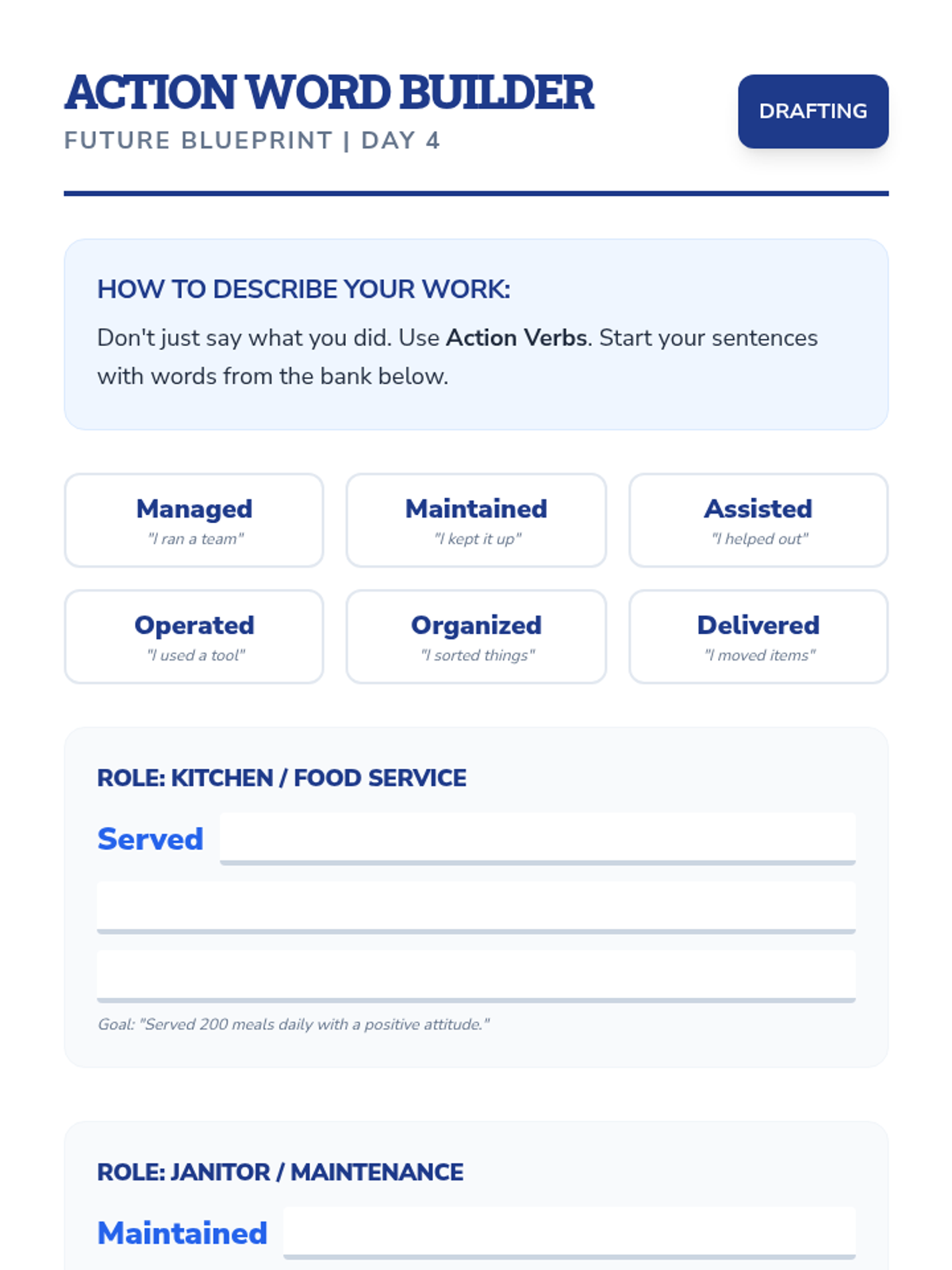
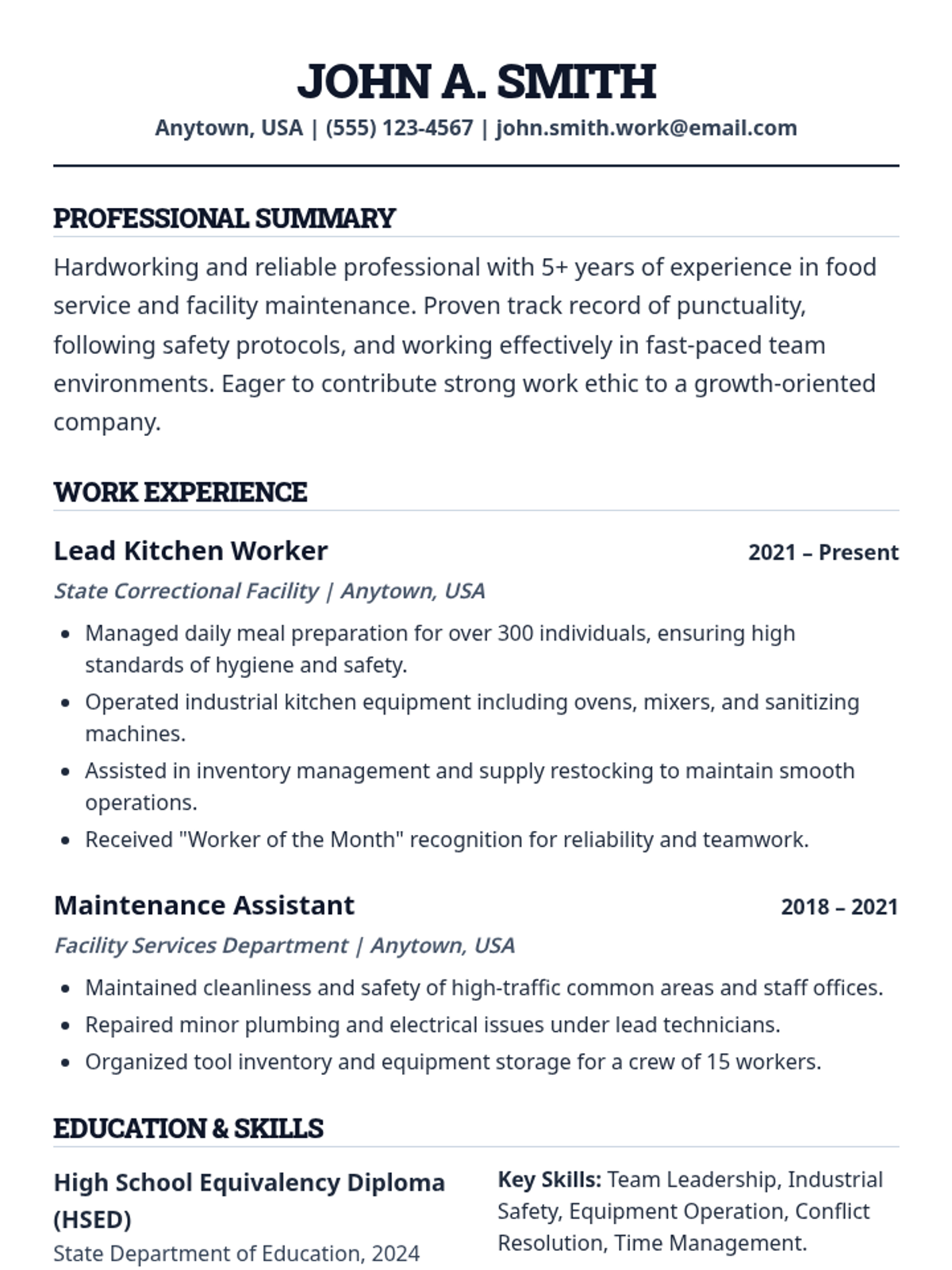
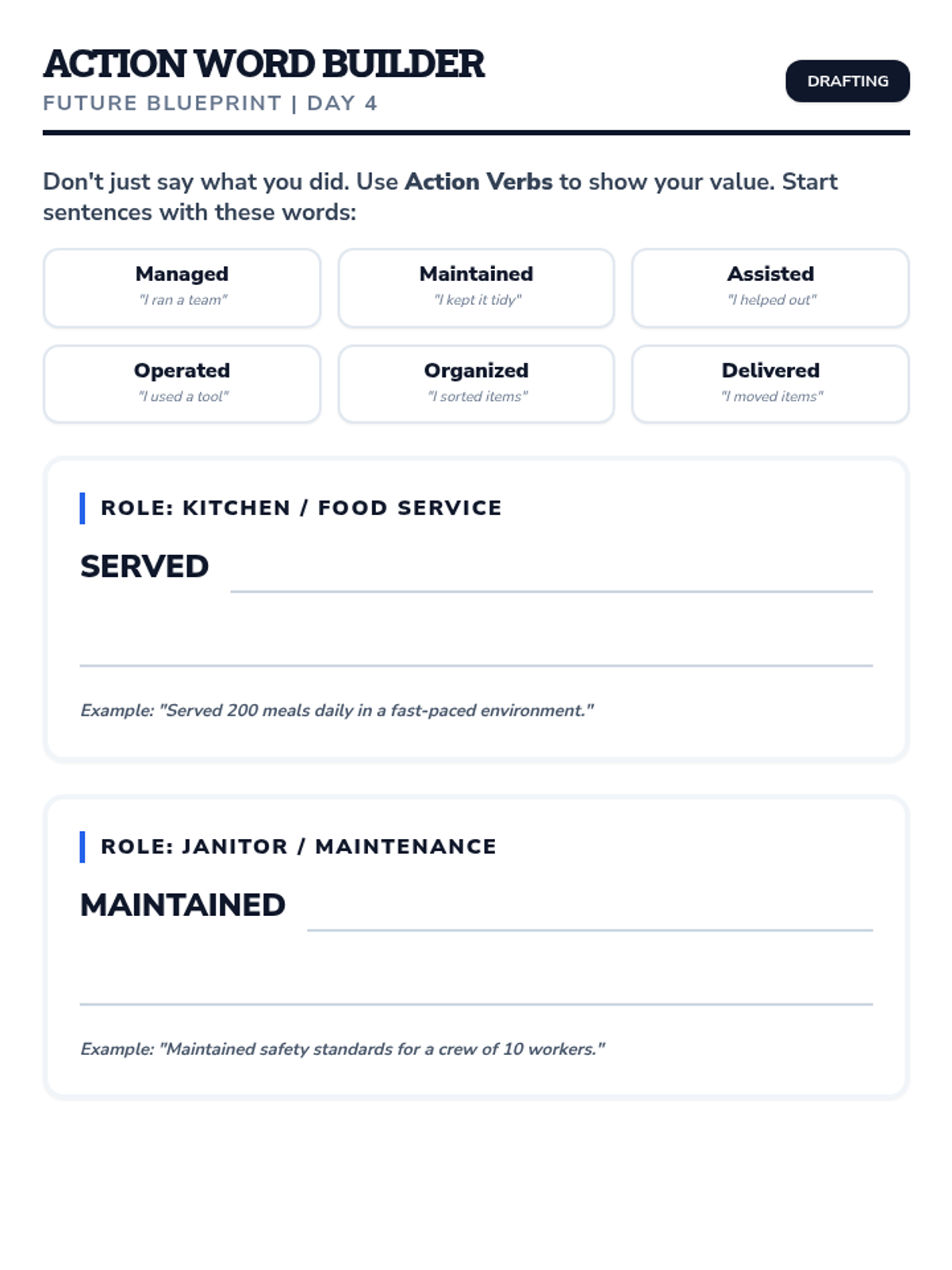
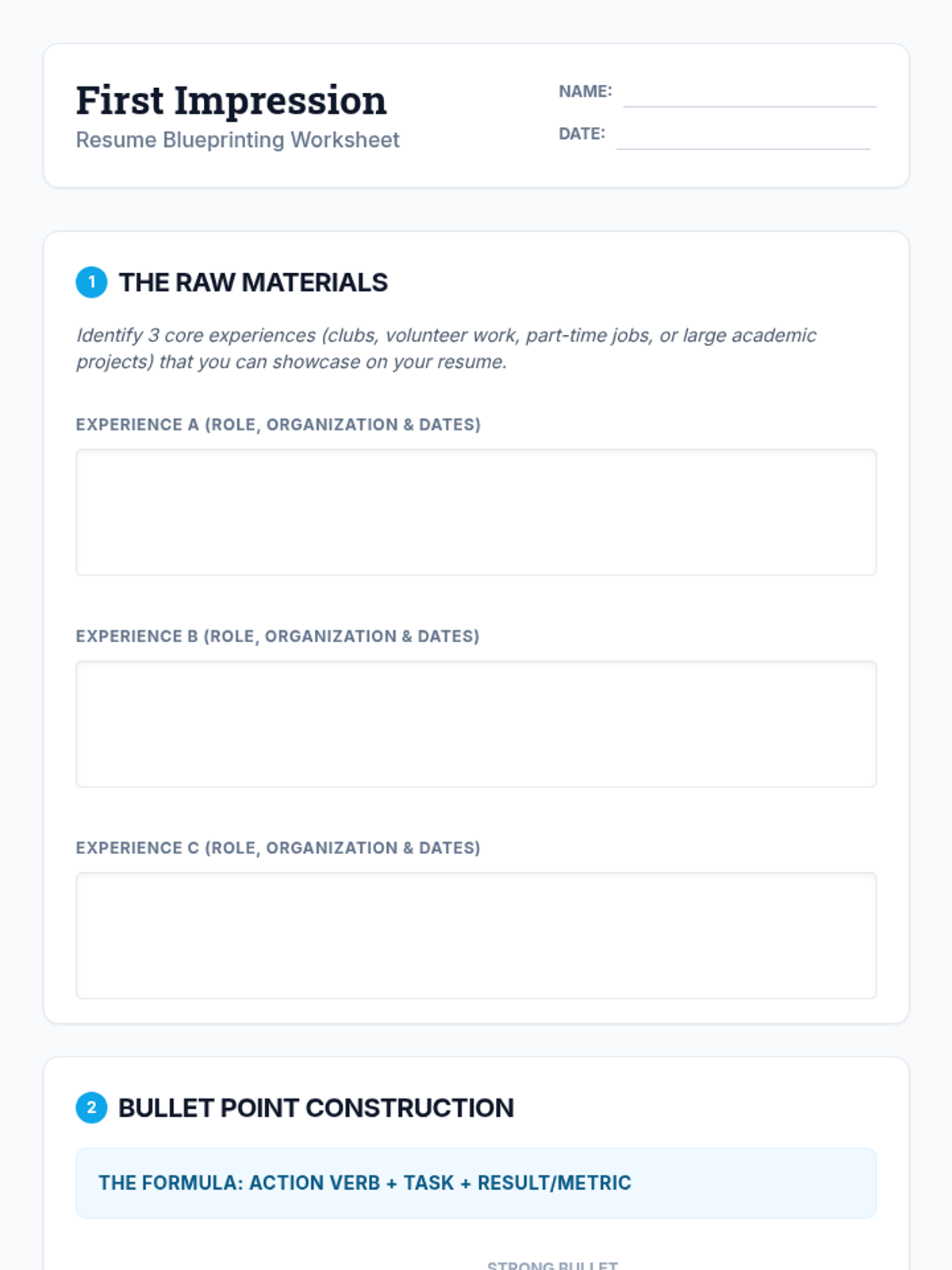
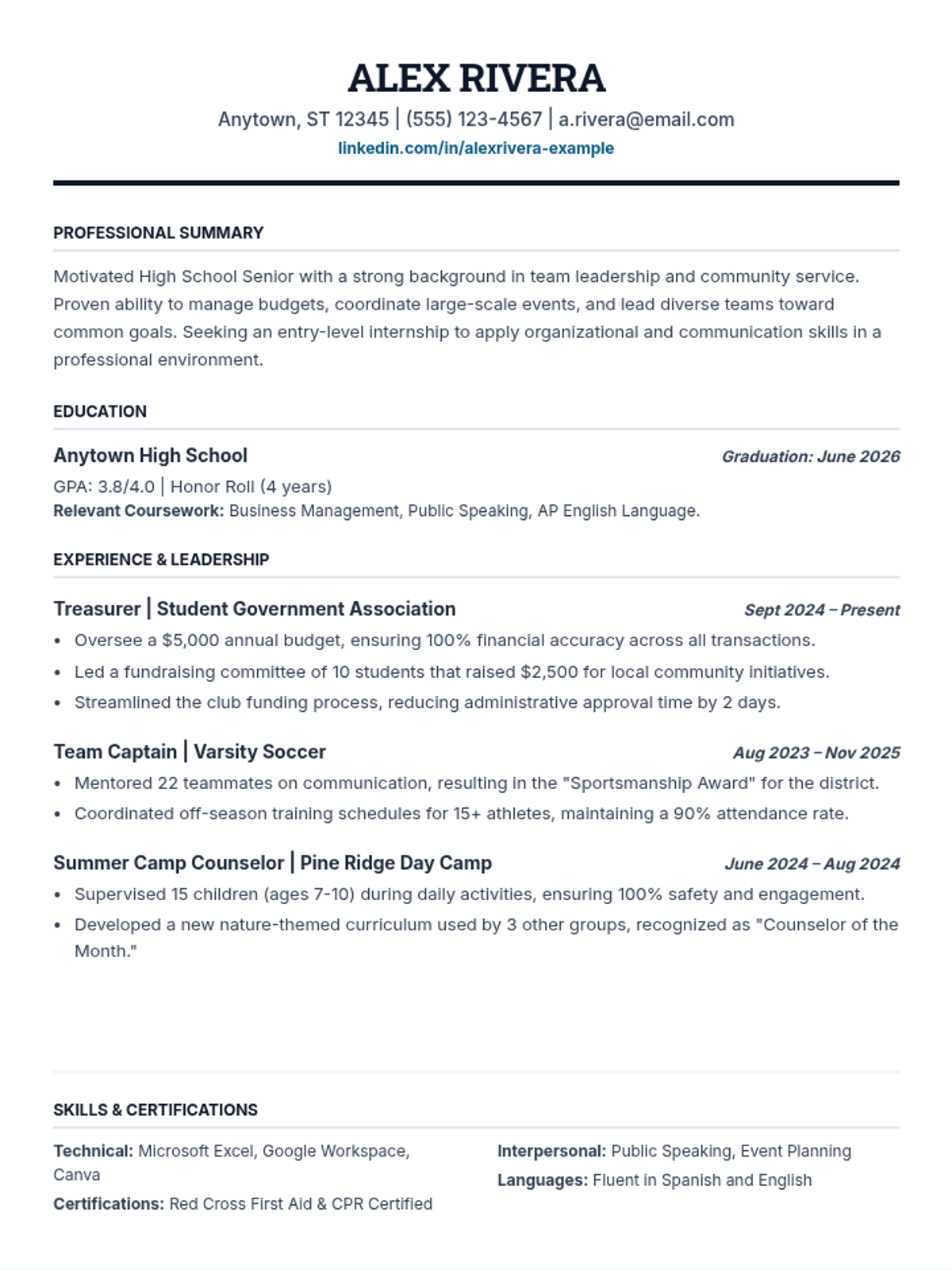
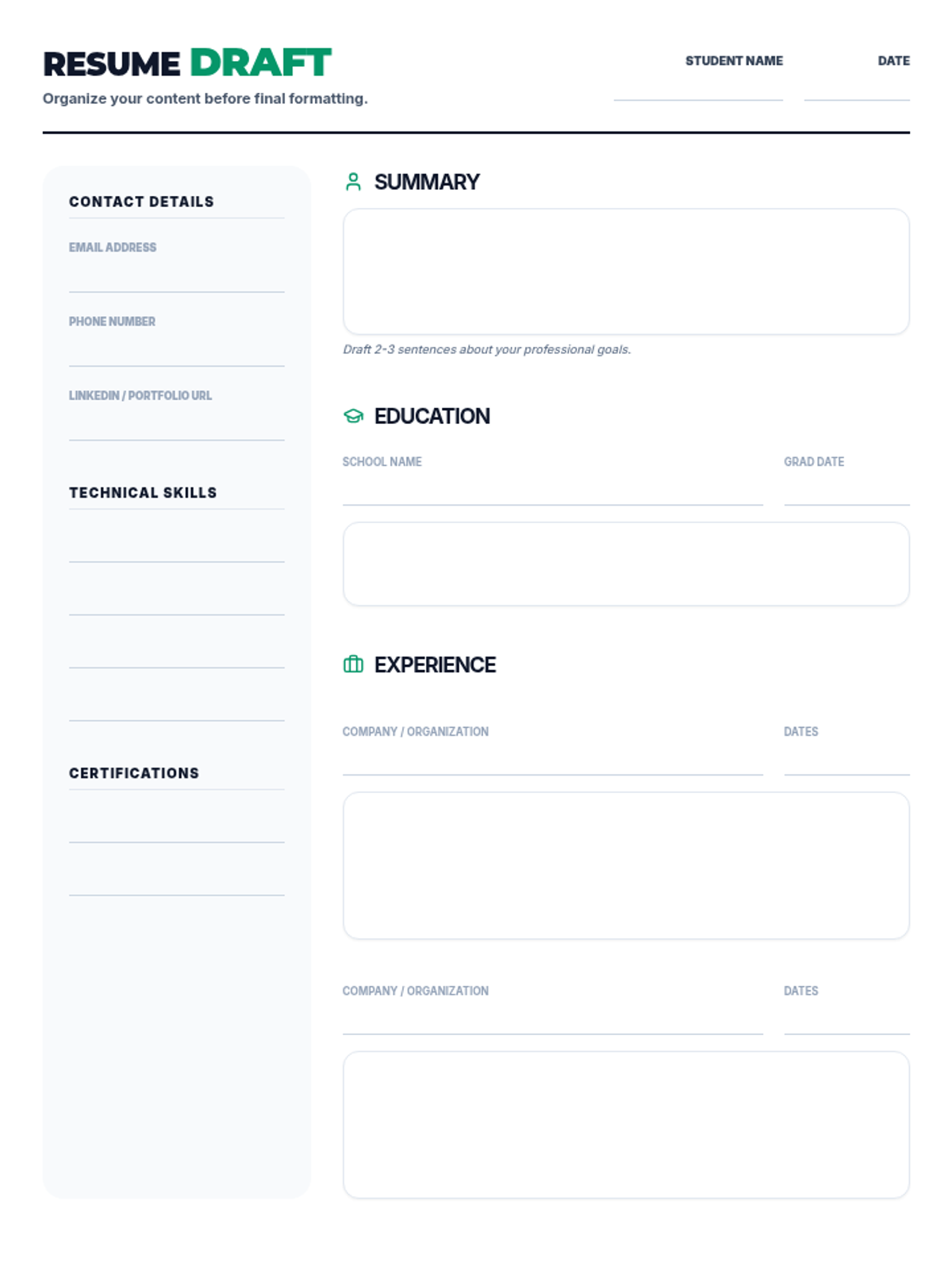
Guided drafting of the resume. Focuses on using action verbs and structuring work history to highlight strengths.
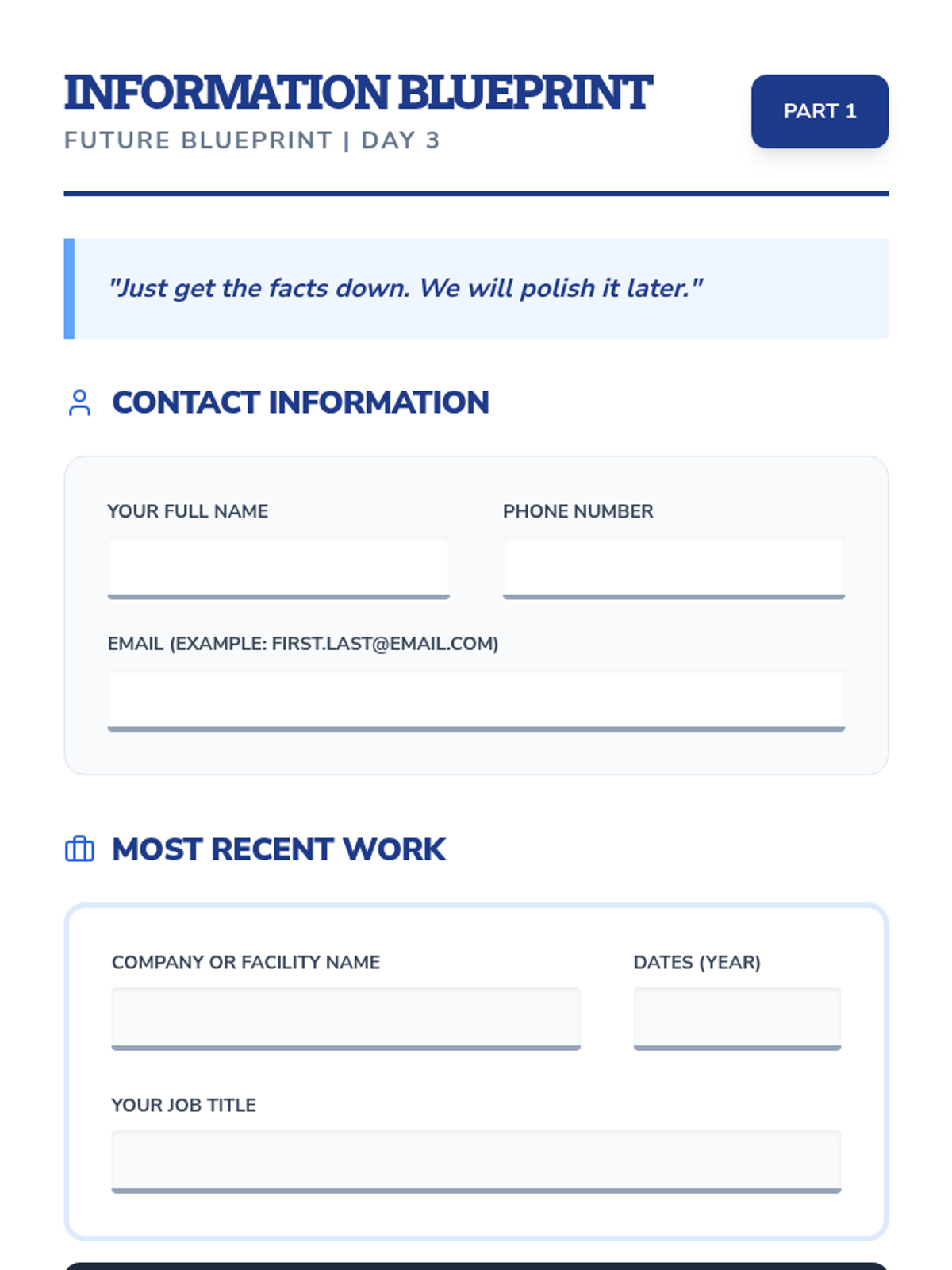
Introduction to resume components. Students begin gathering the necessary information for their professional documents in a simplified format.
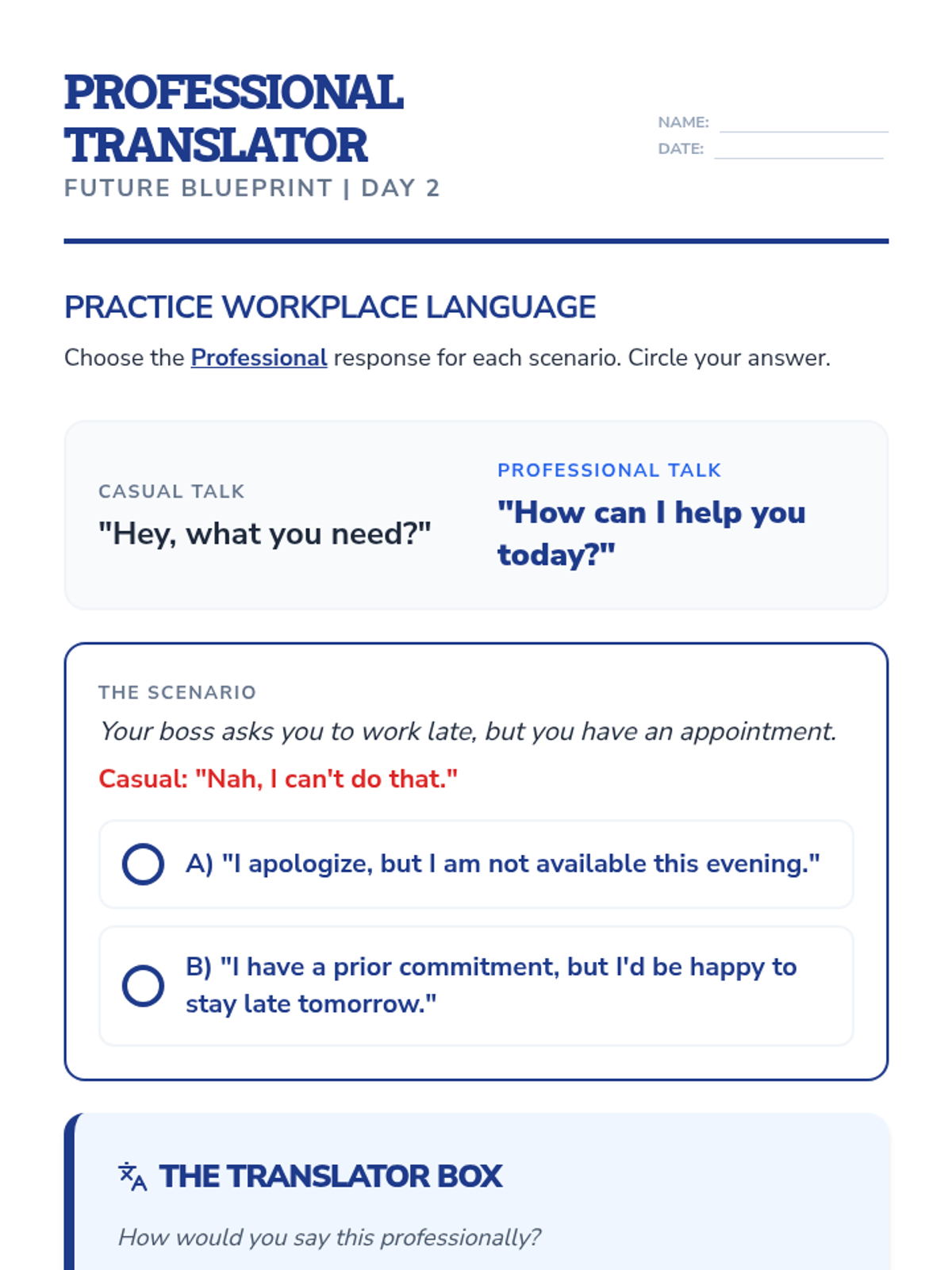
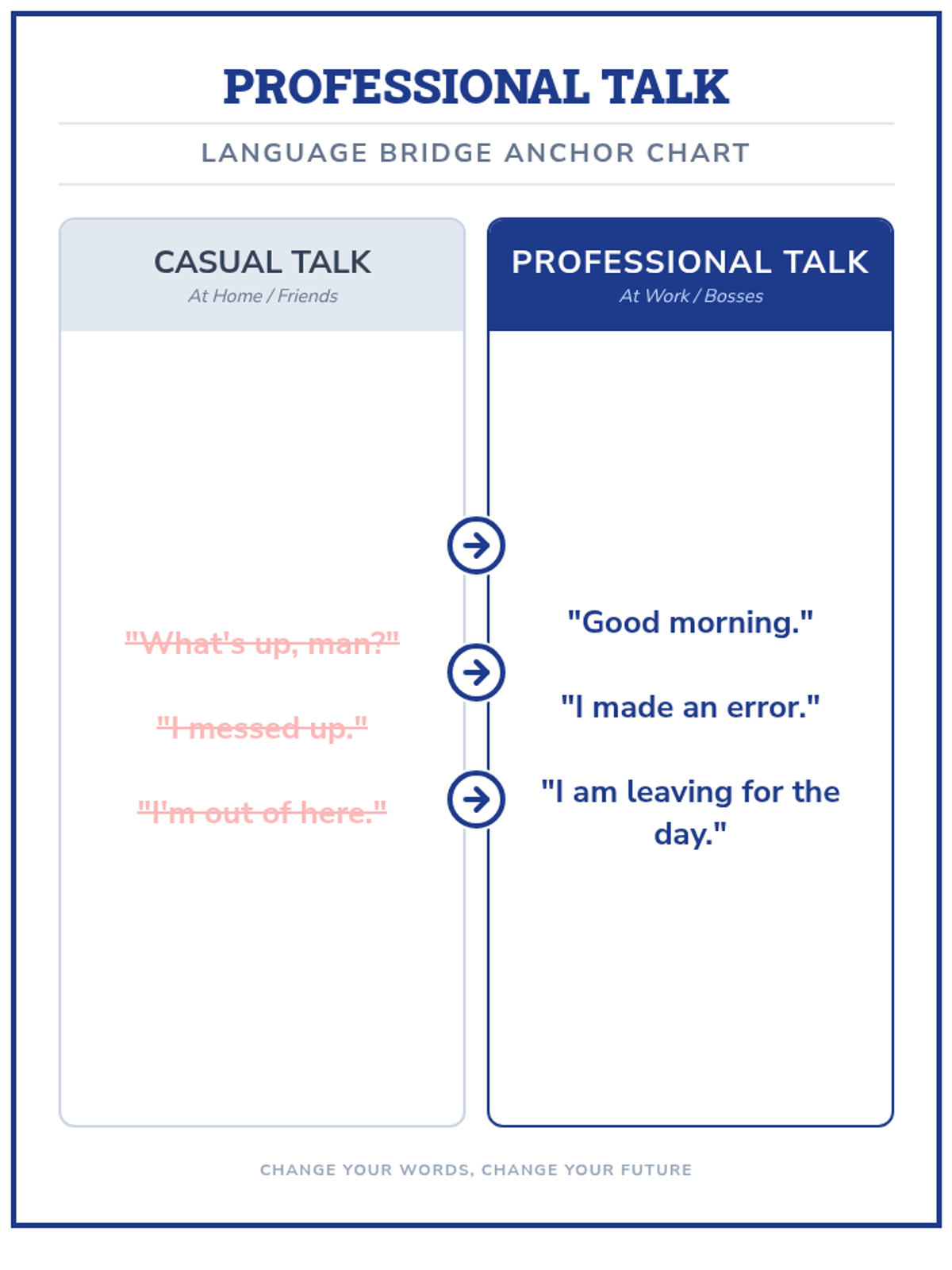
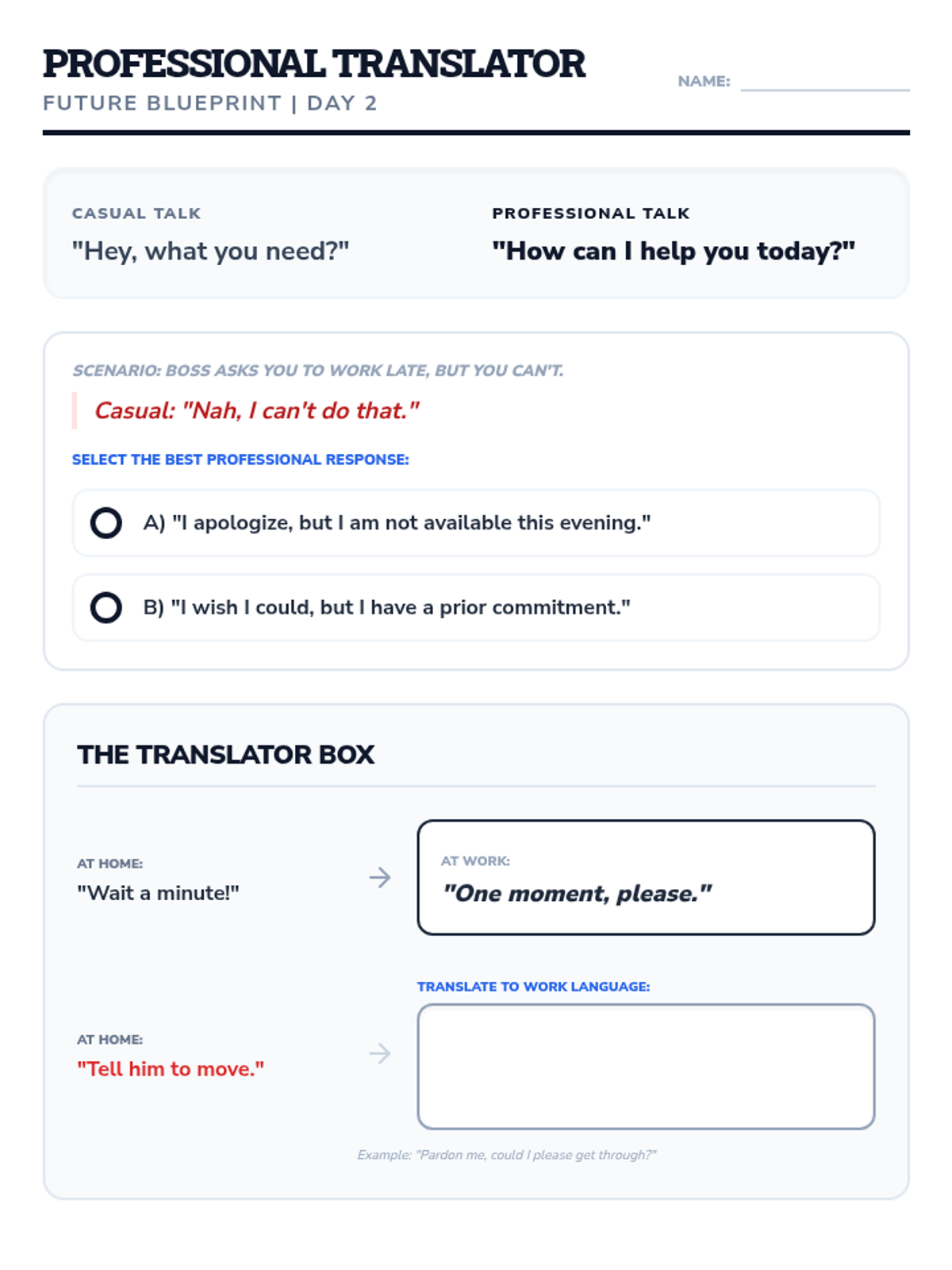
Covers soft skills, professional vocabulary, and non-verbal communication. Practice shifting from casual to professional language.
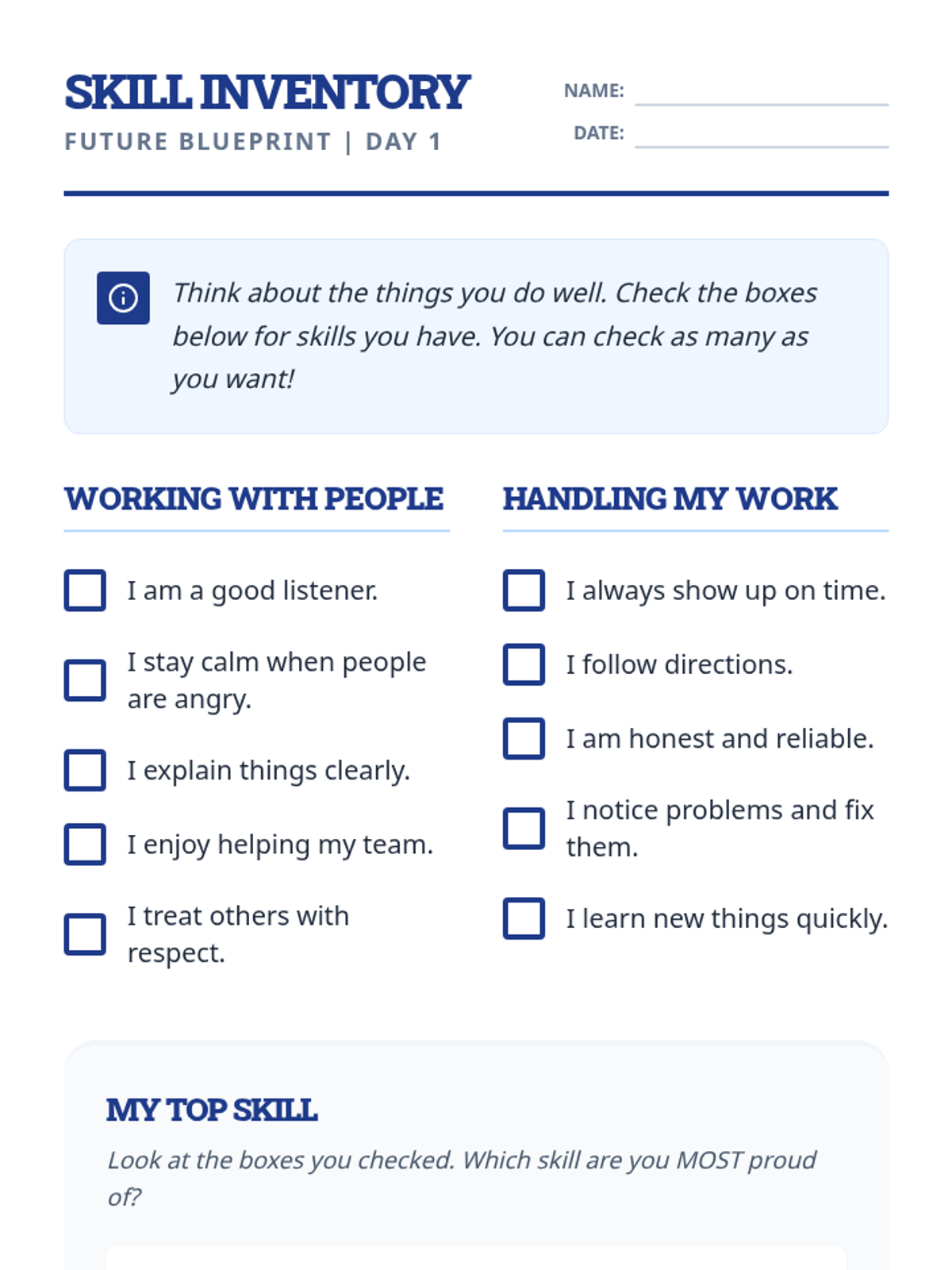
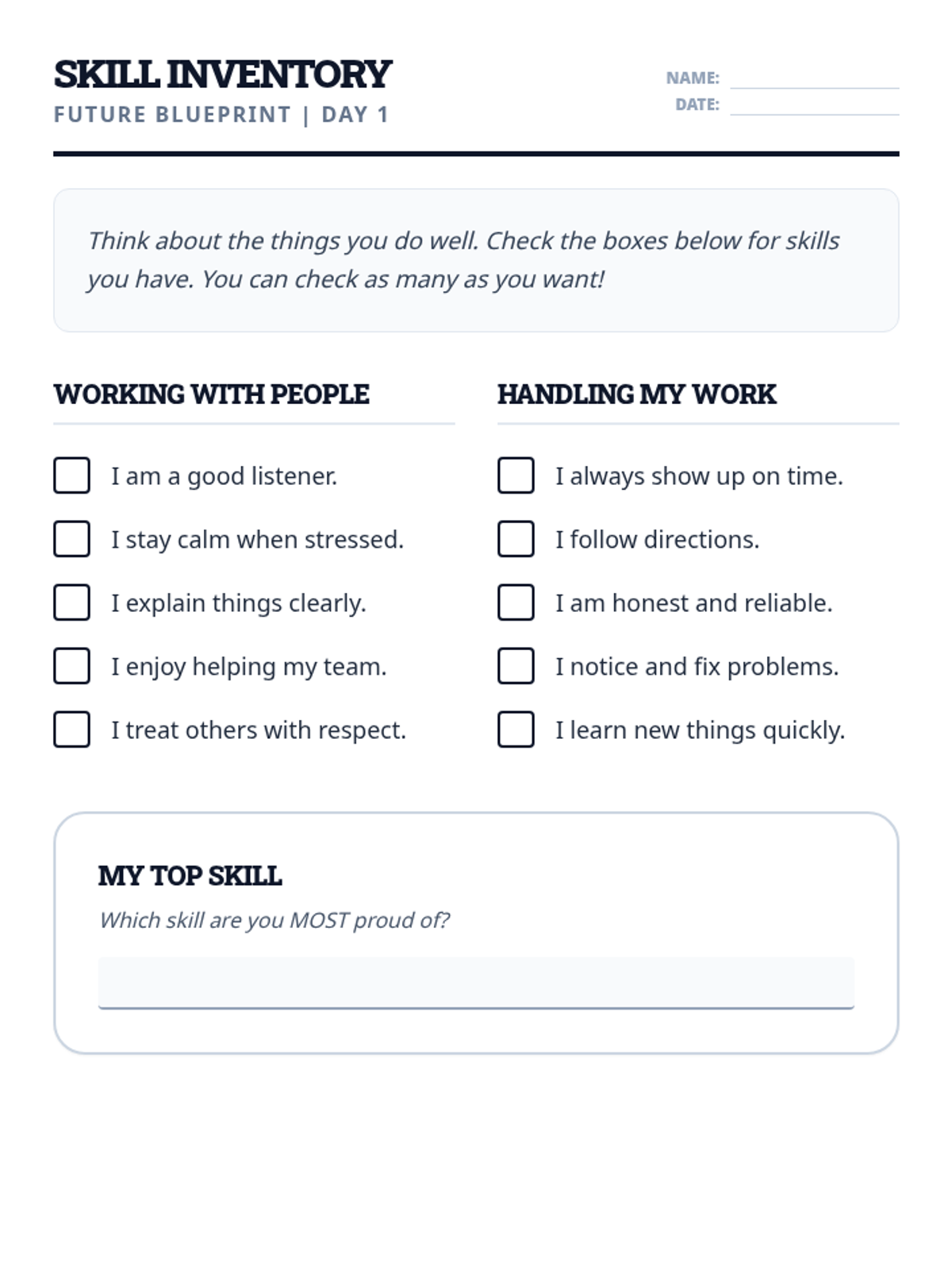
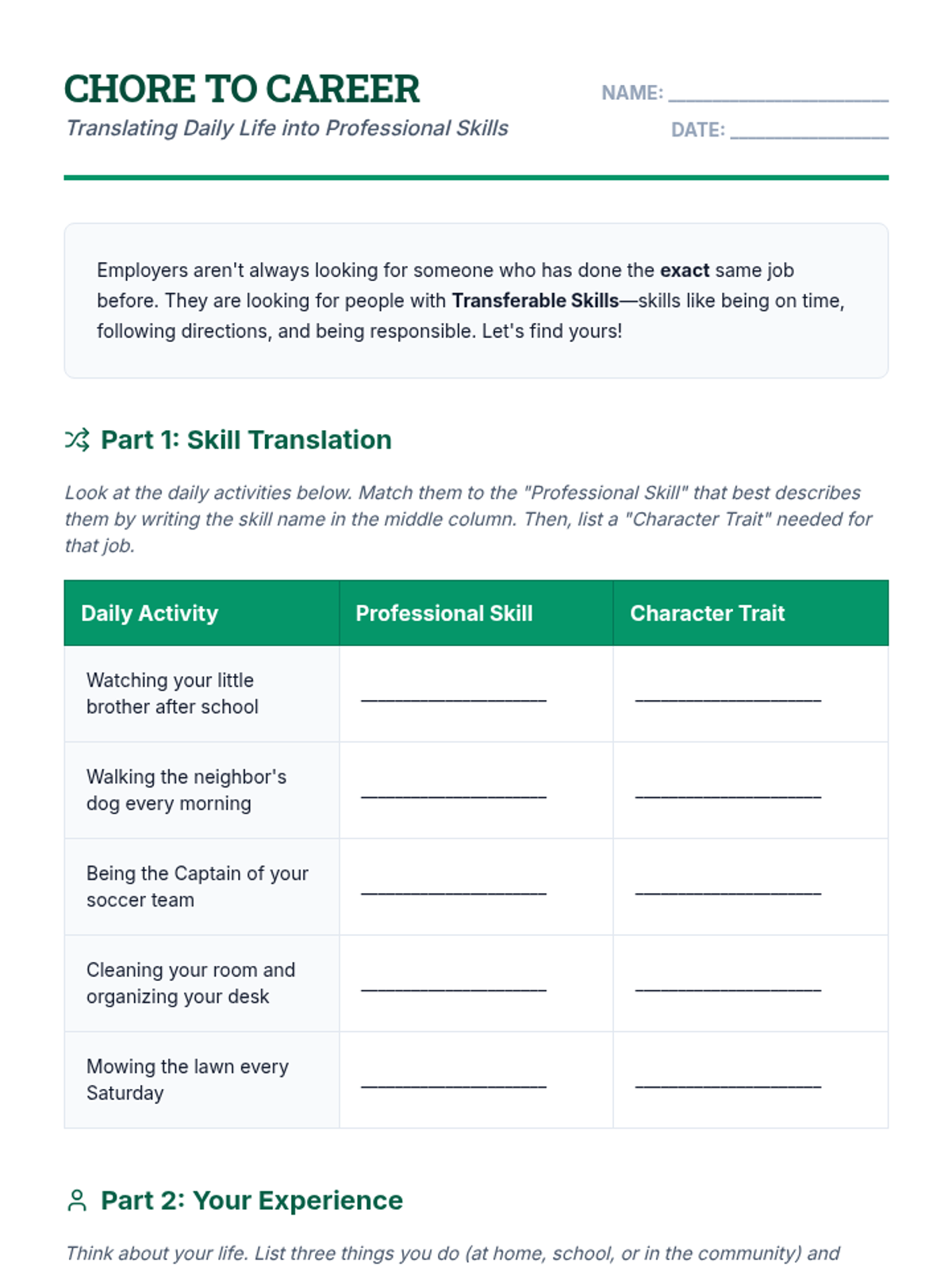
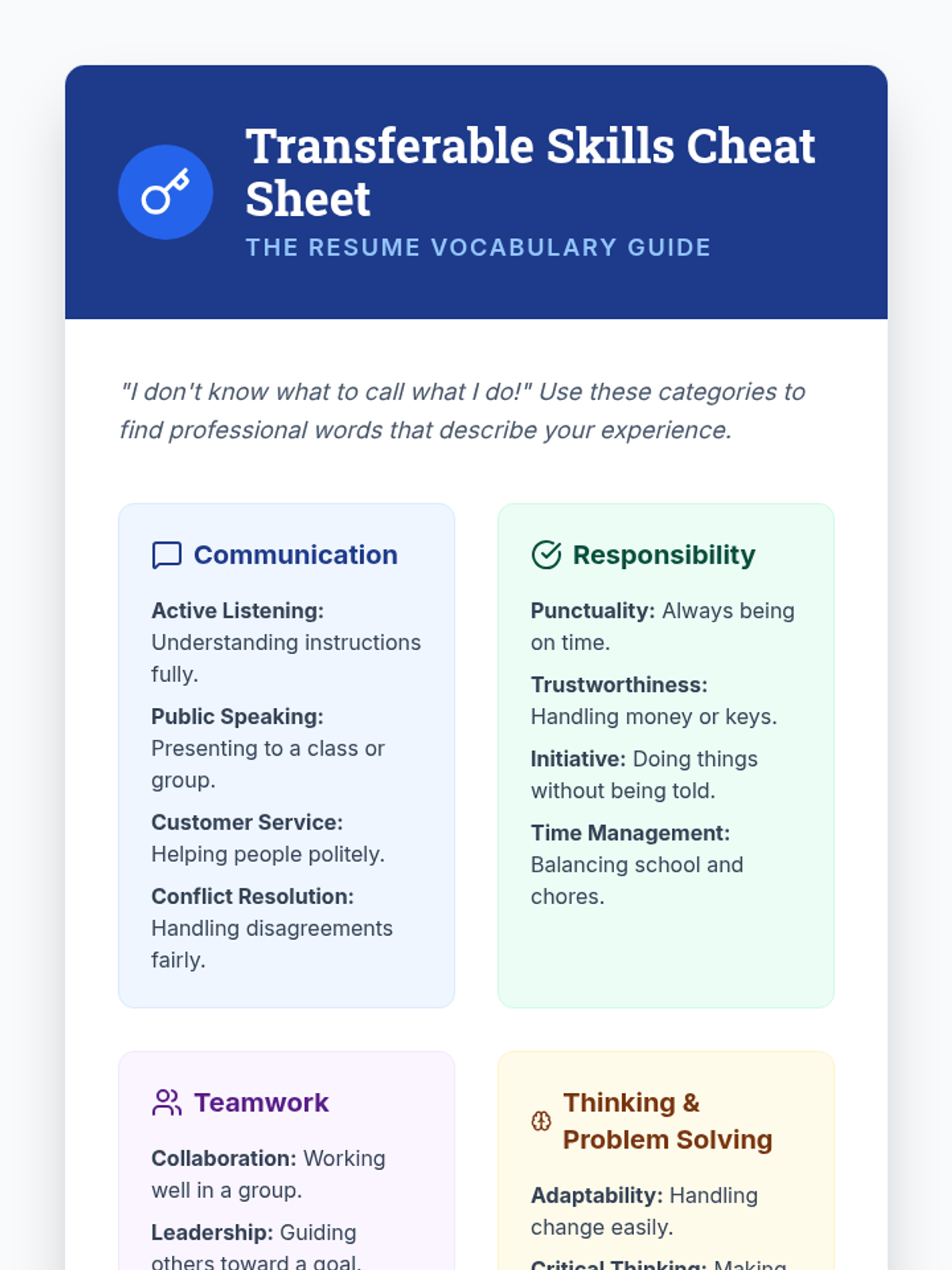
Focuses on identifying transferable skills and setting professional goals. Helps students recognize the value of their experiences in a professional context.
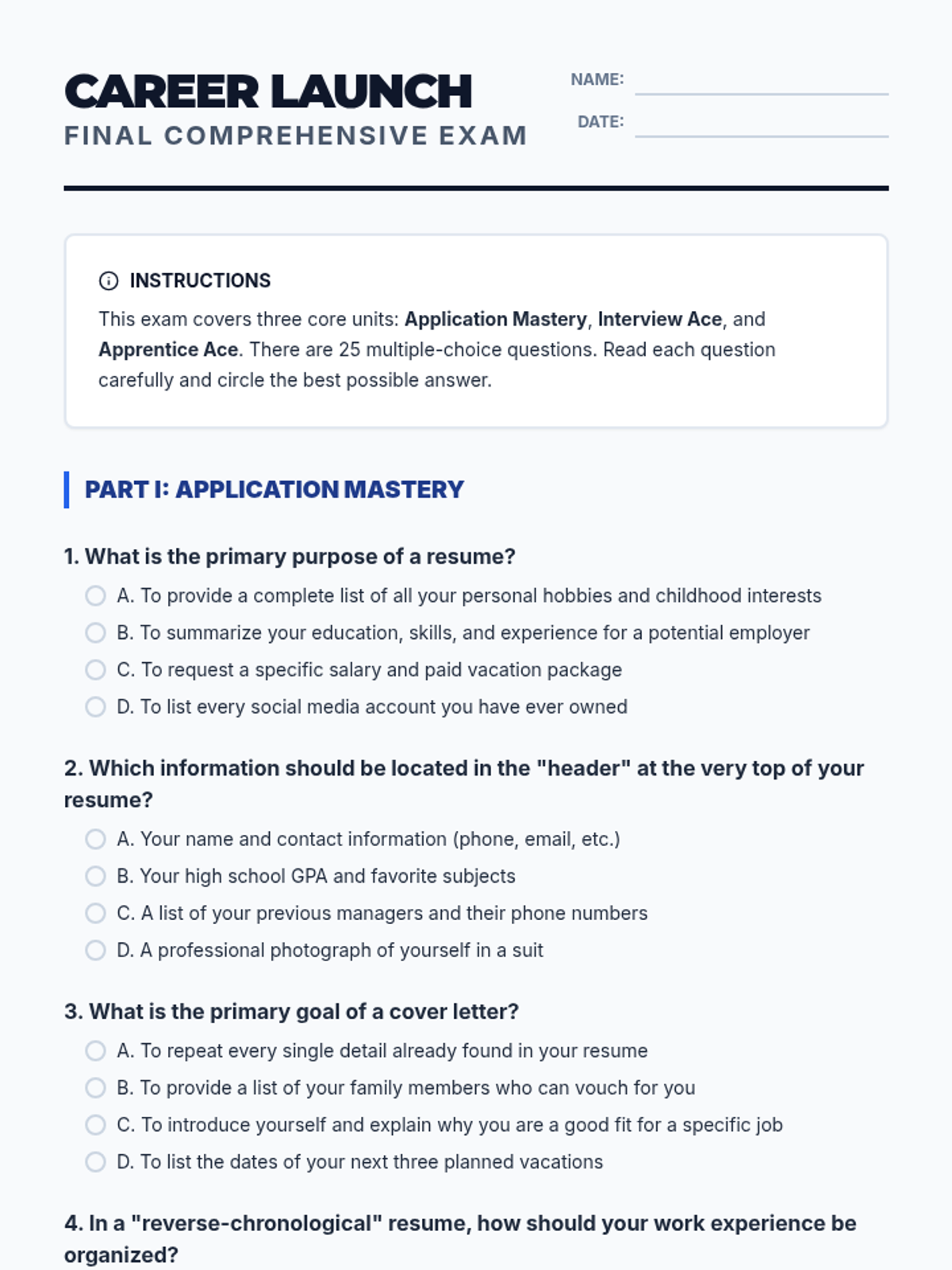
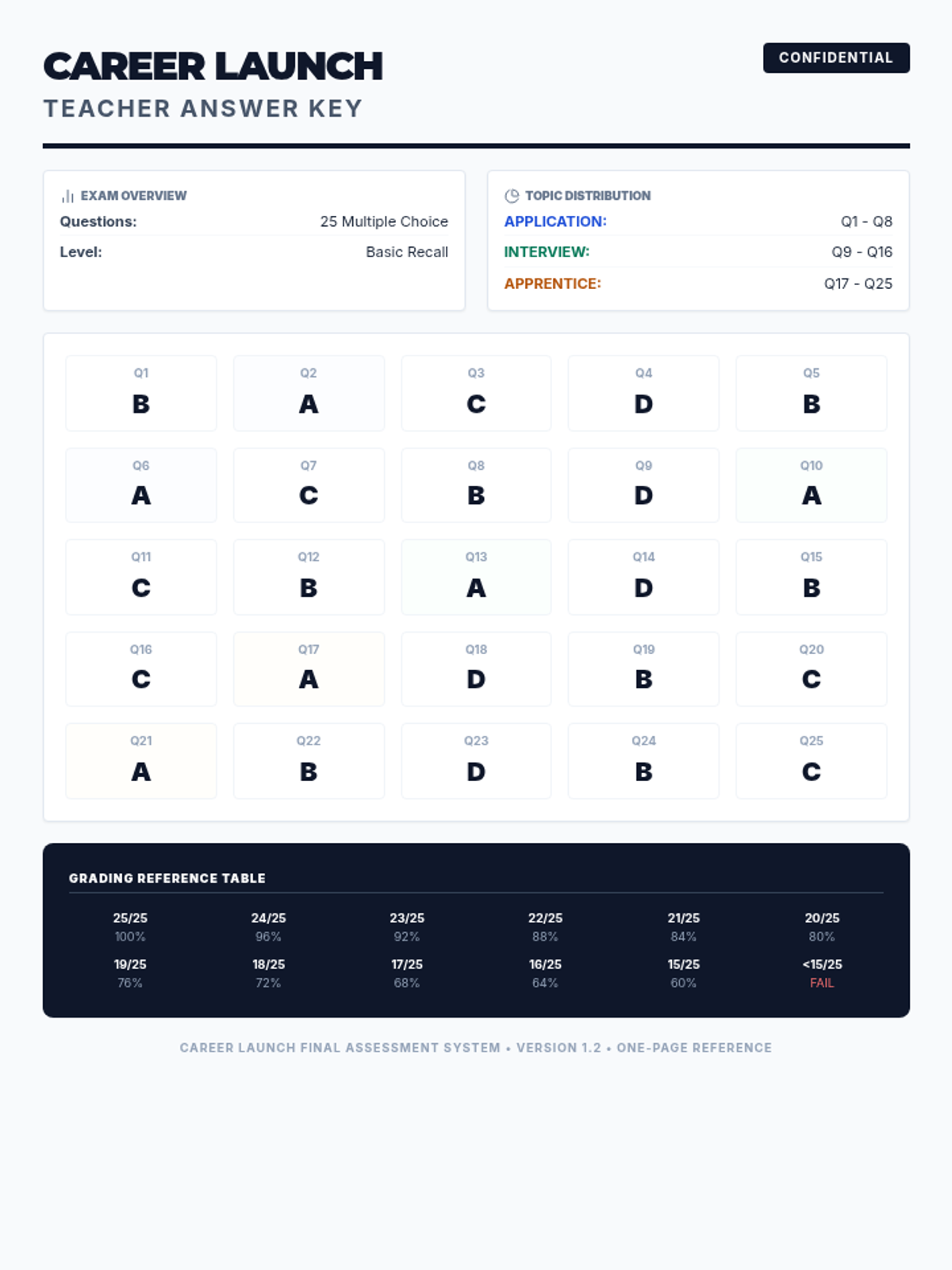
A final assessment covering application preparation, interview techniques, and professional workplace etiquette.
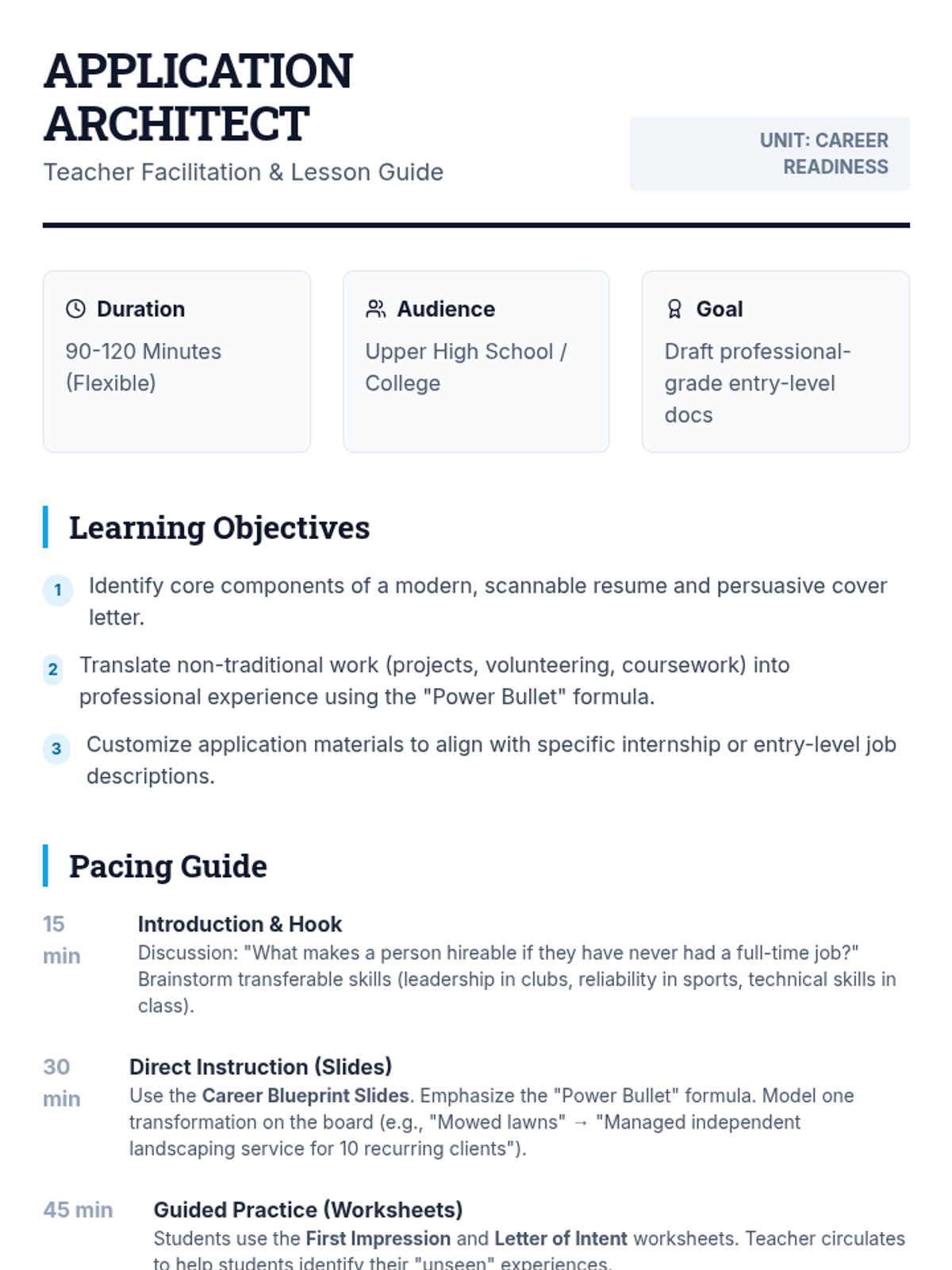
A comprehensive guide for students to master the art of entry-level resumes and cover letters, focusing on translating limited experience into professional potential.
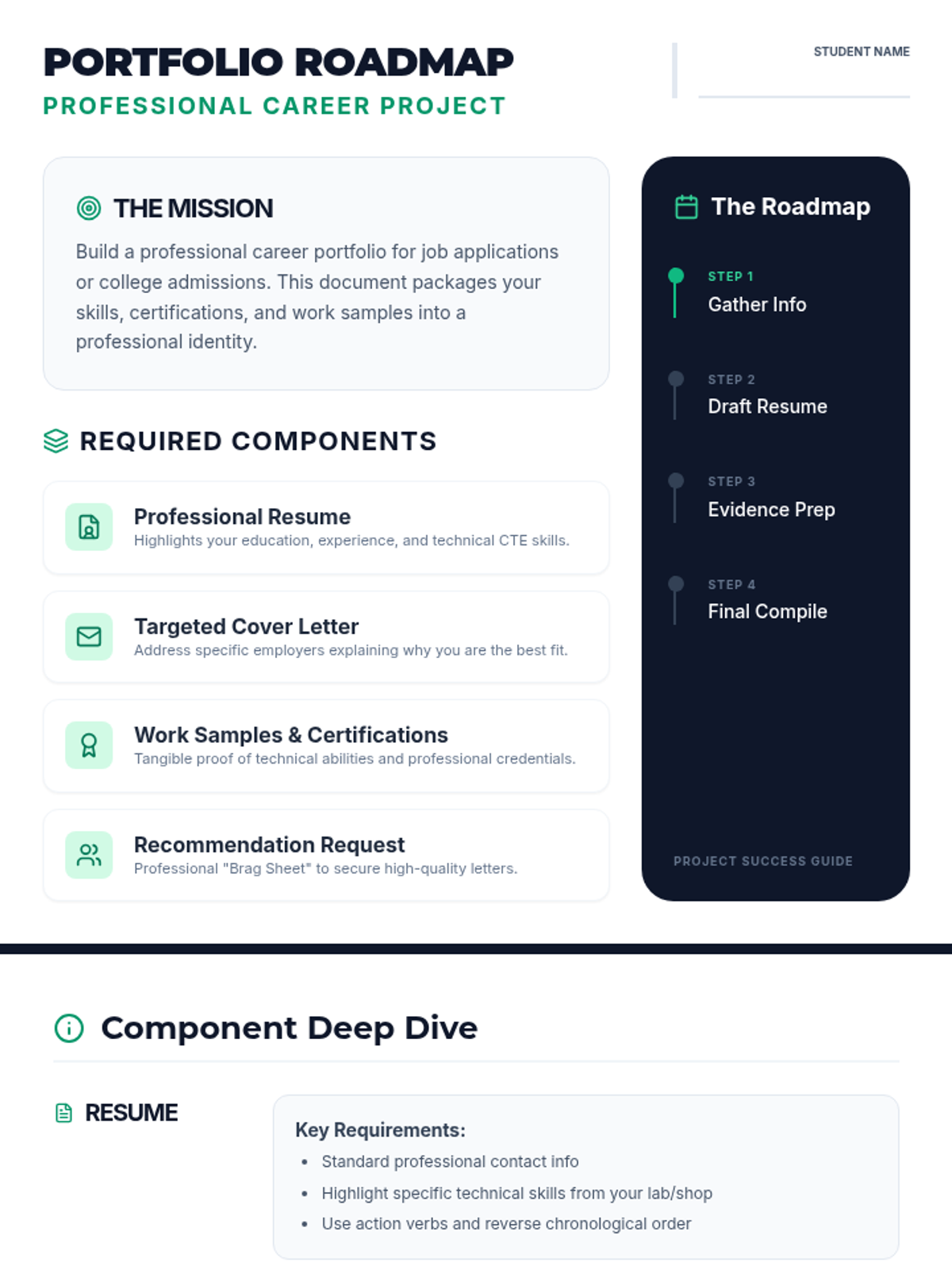
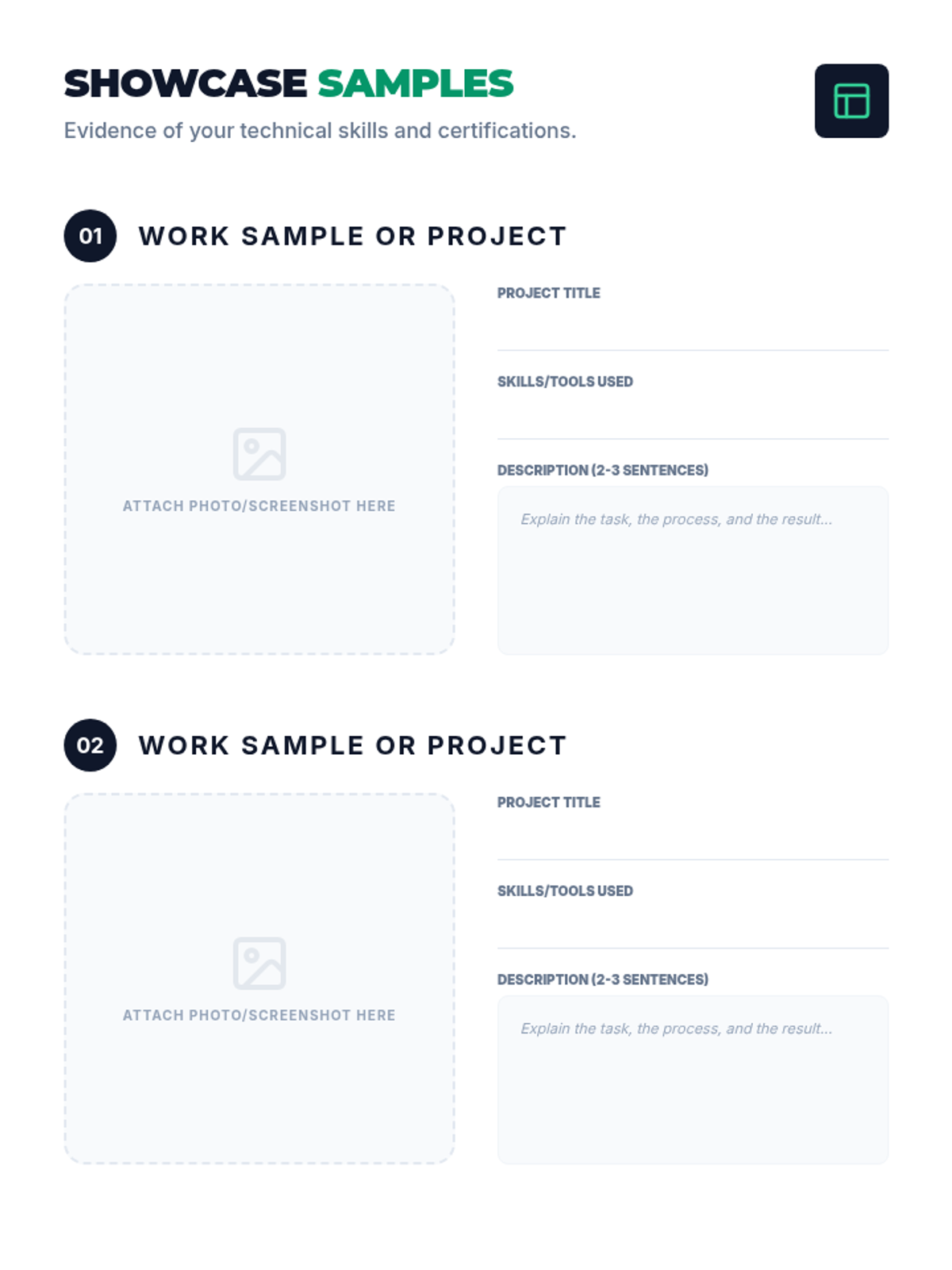
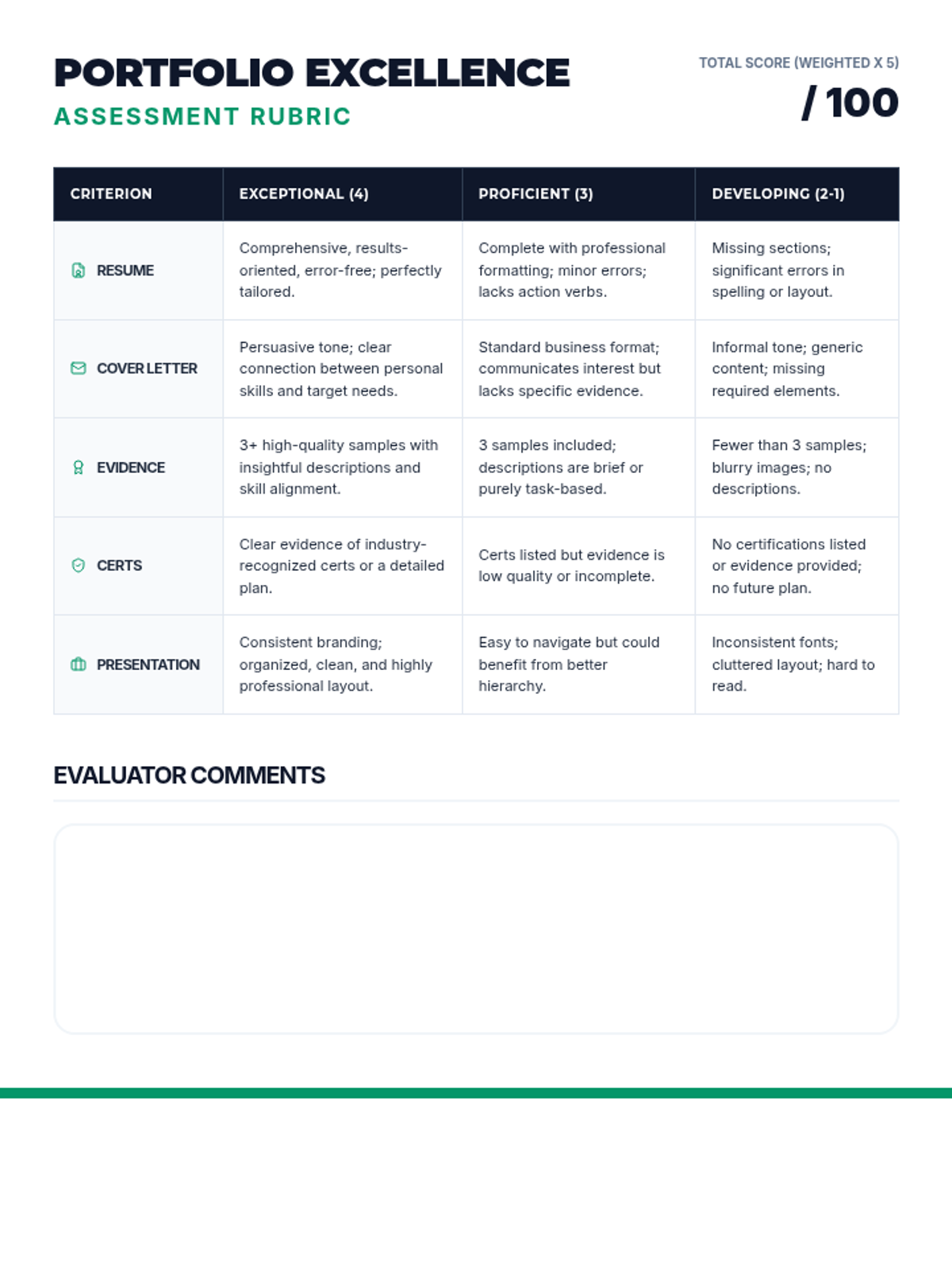
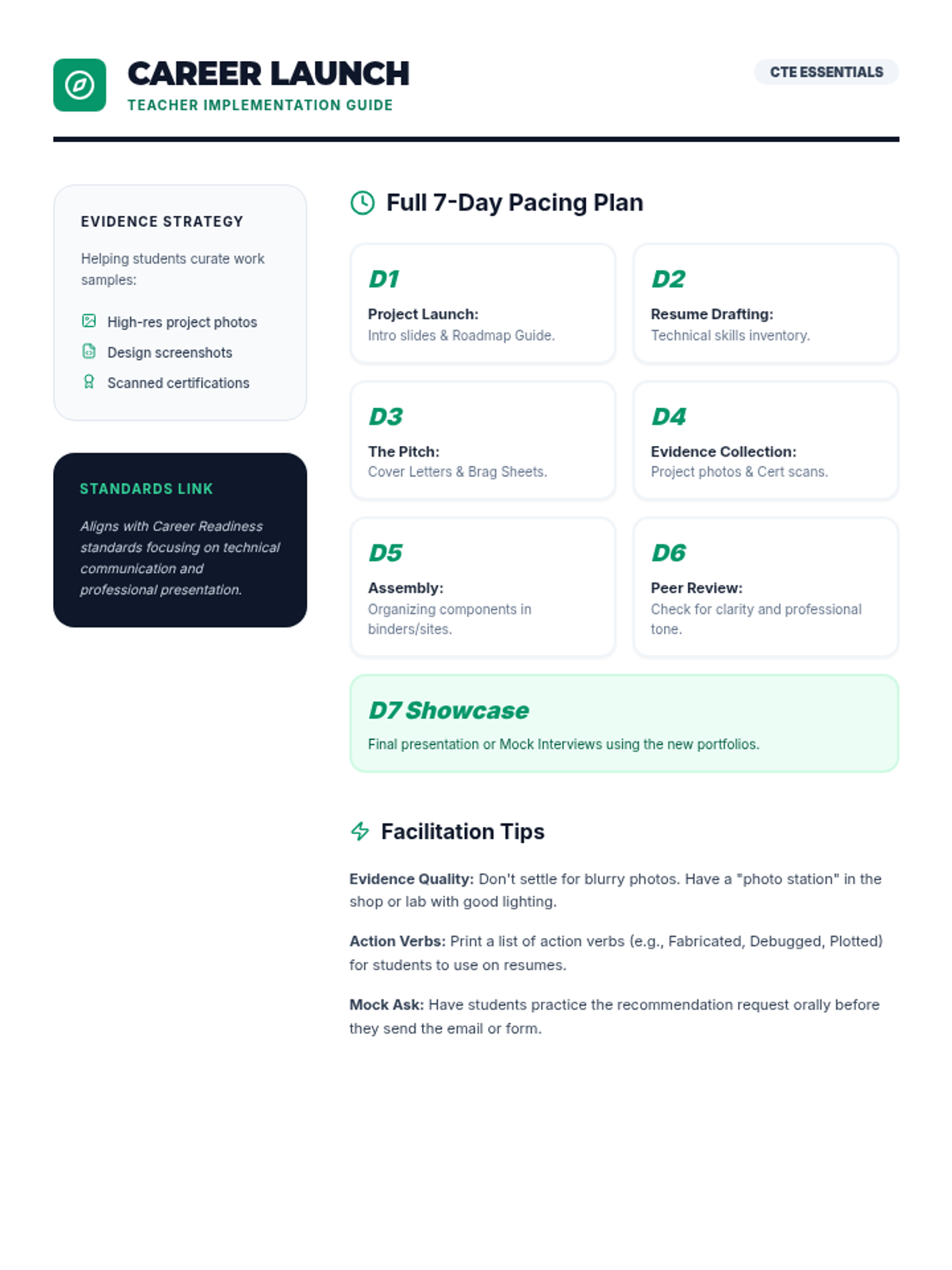
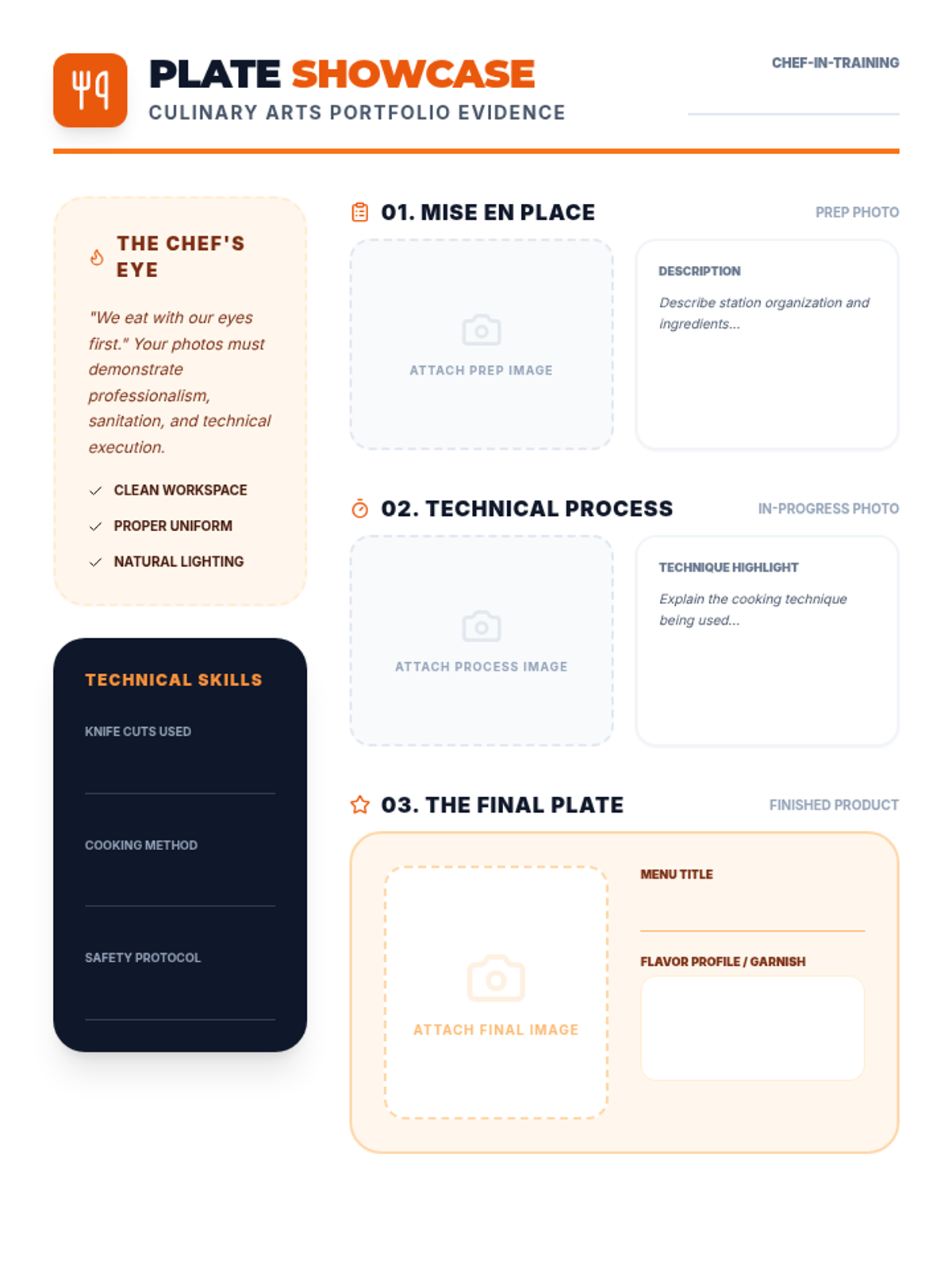
A comprehensive project where students build a professional career portfolio, including a resume, cover letter, work samples, and recommendation requests to prepare for post-secondary success.
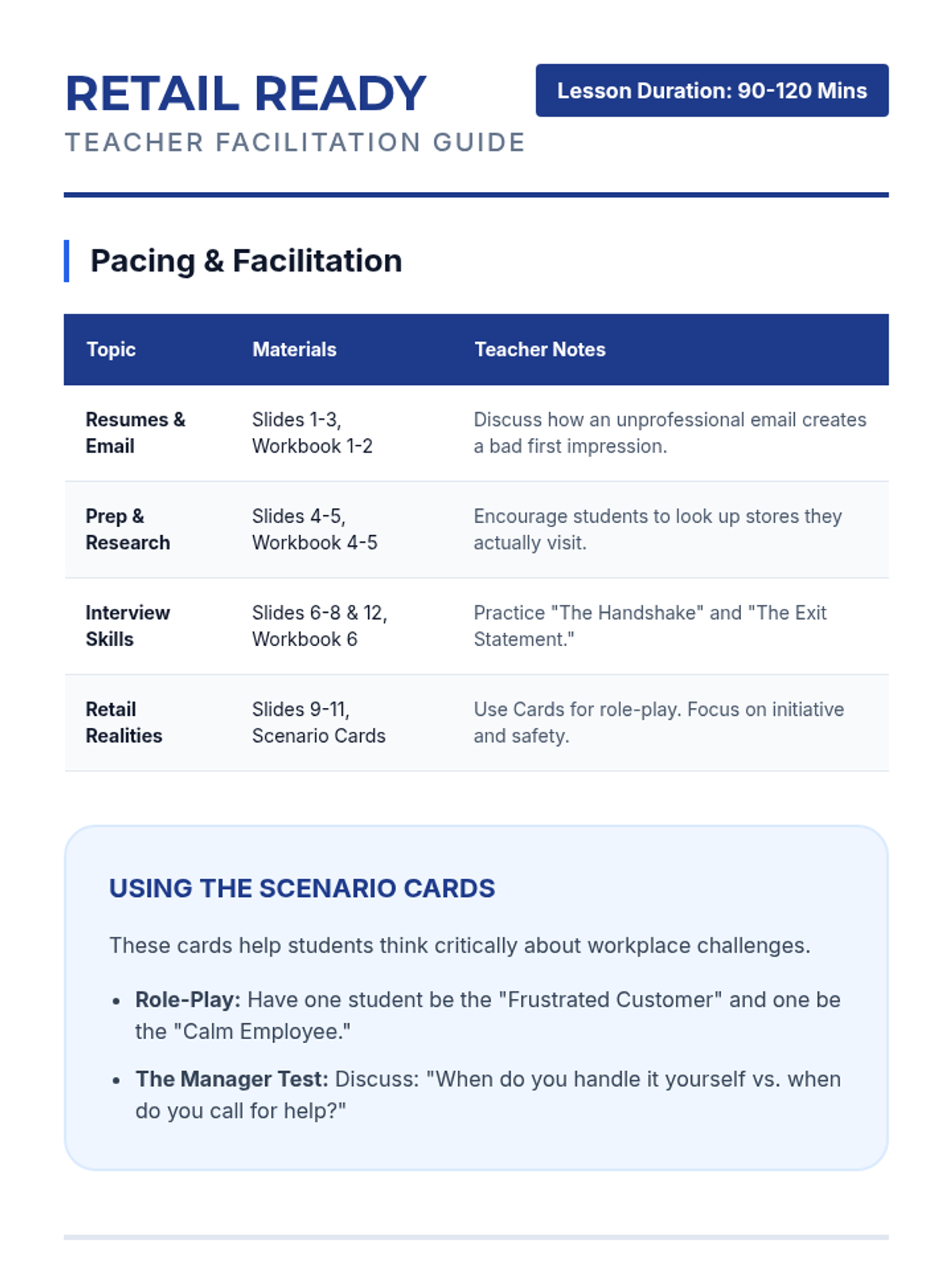
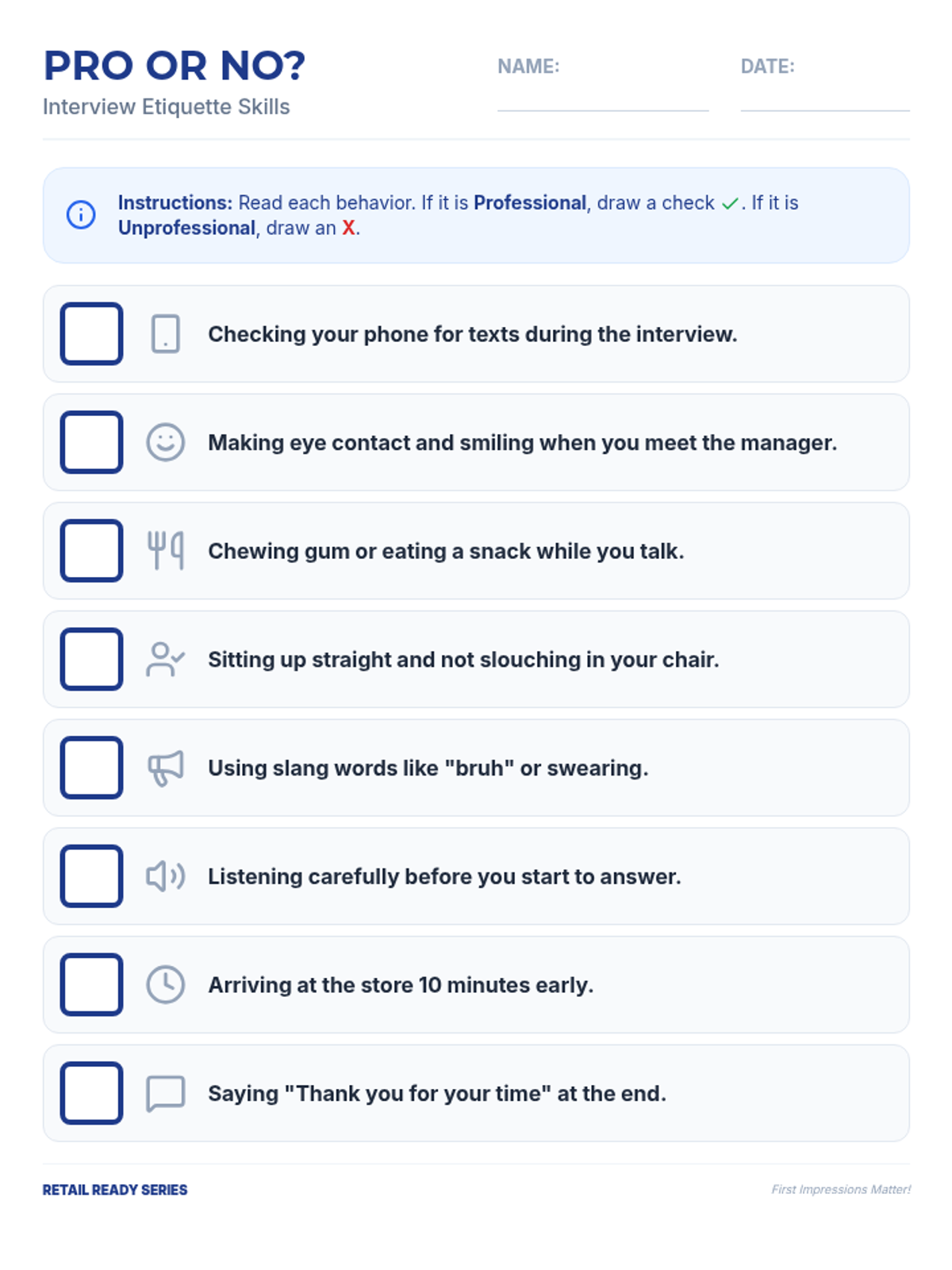
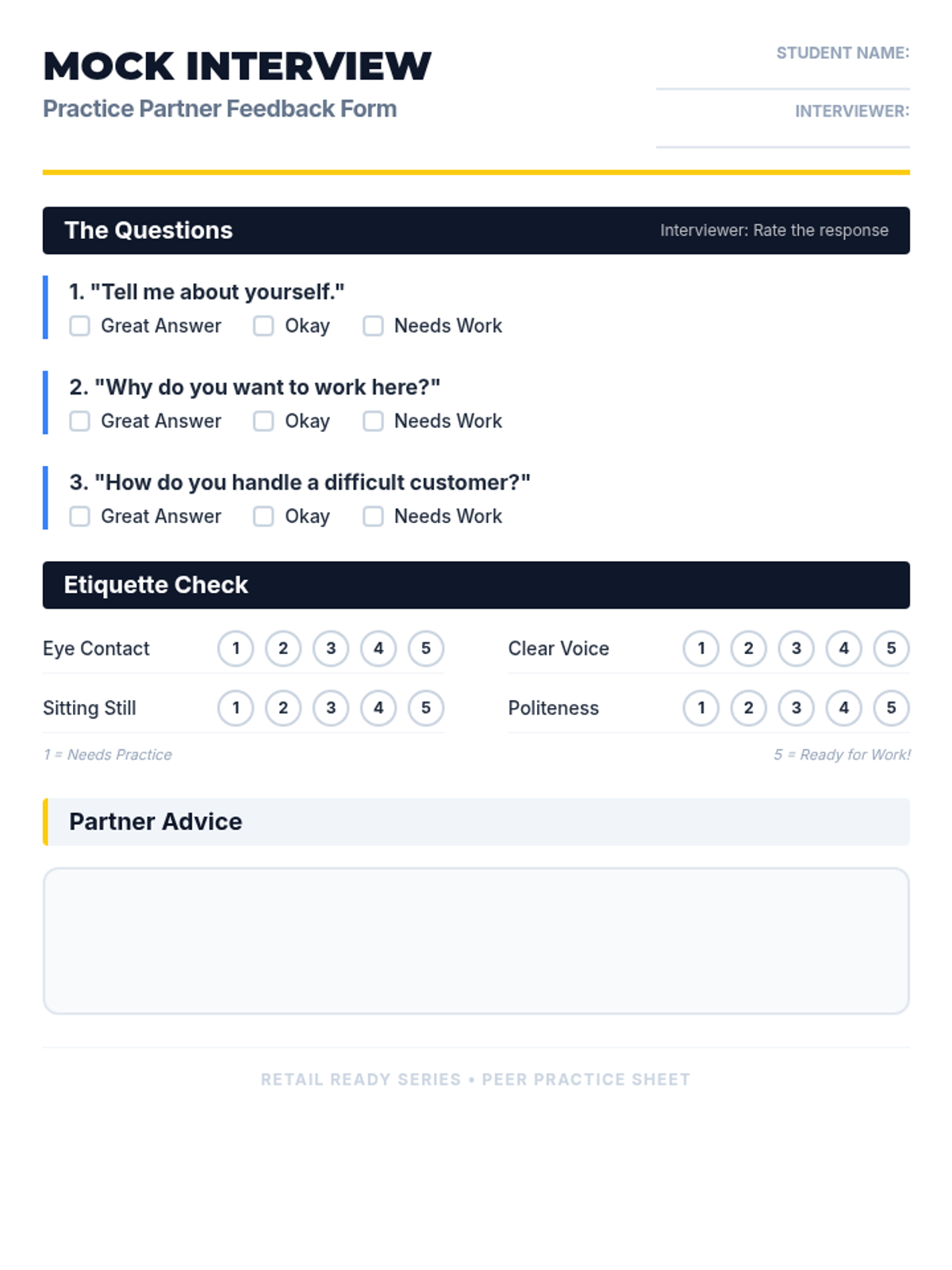
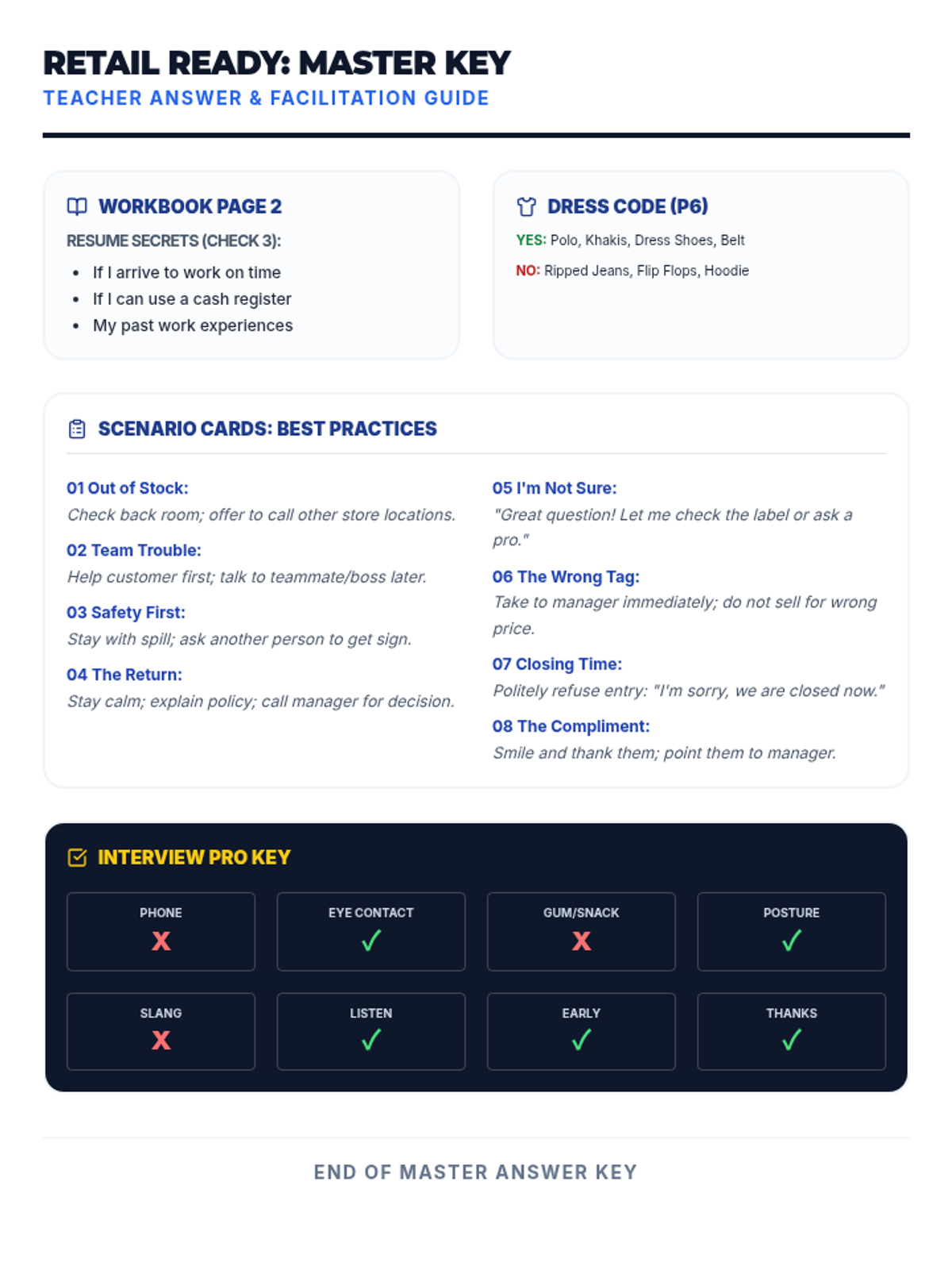
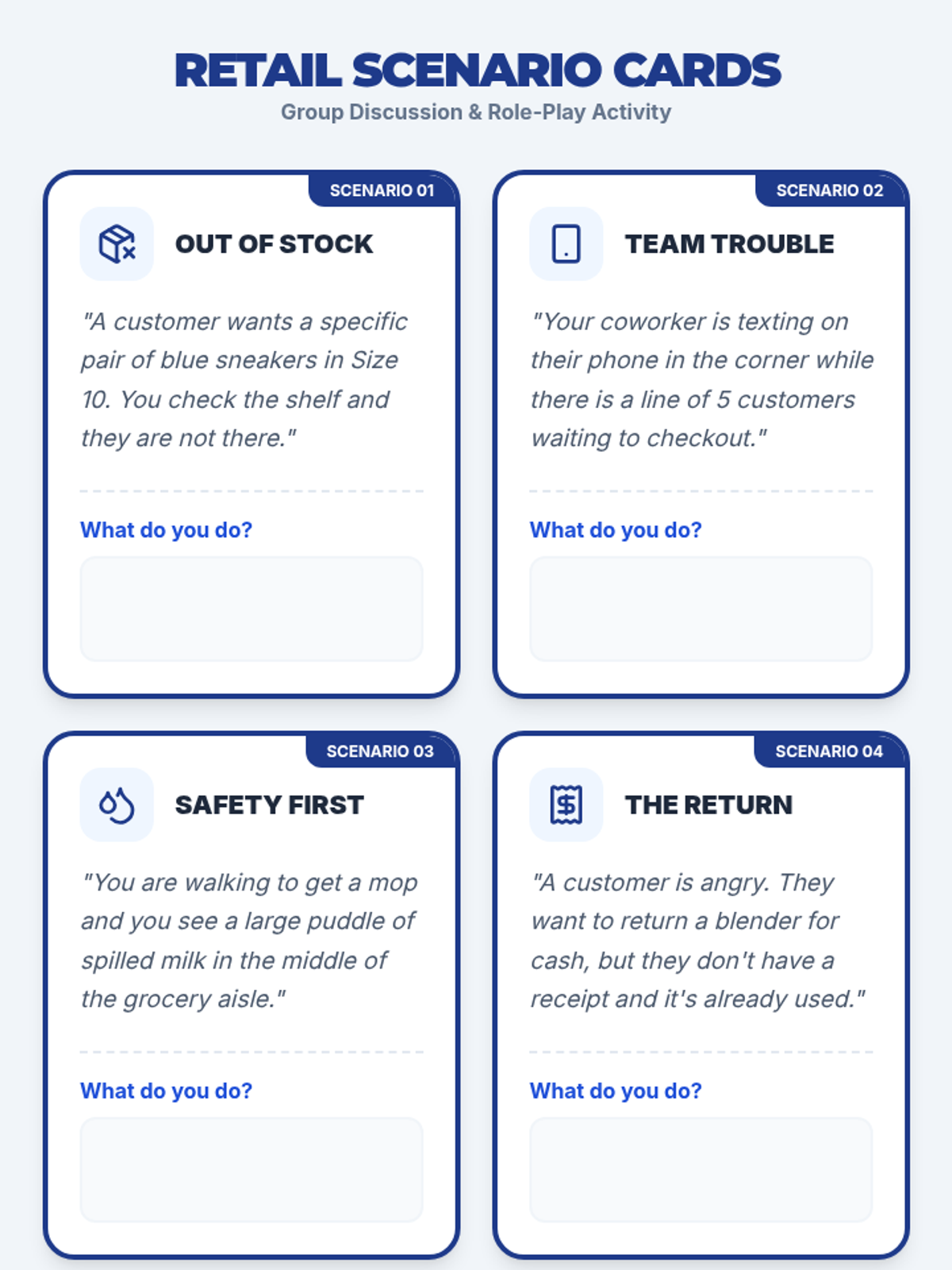
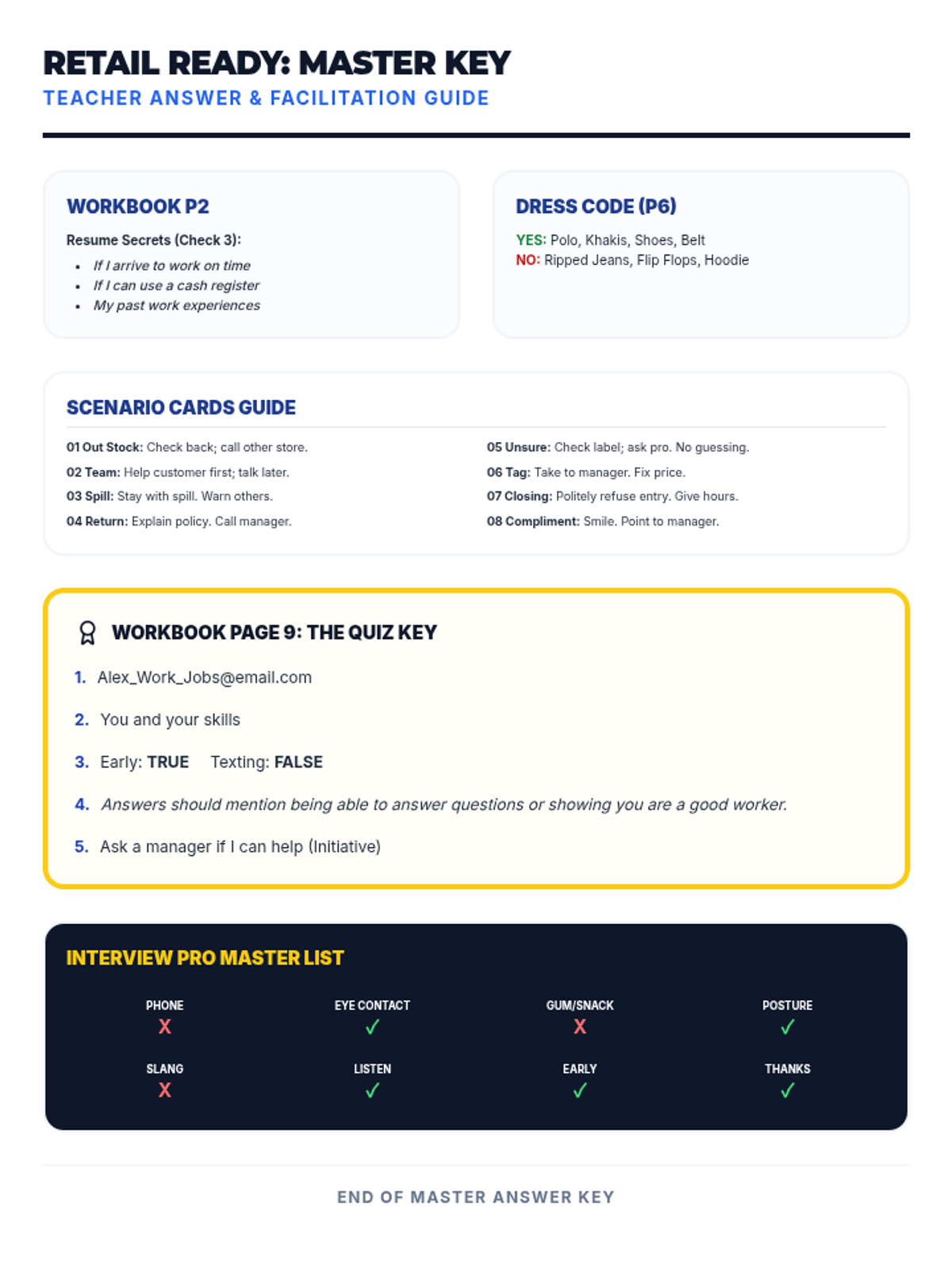
A comprehensive lesson preparing students and transition-aged adults for retail job interviews, covering everything from professional emails to post-interview etiquette.
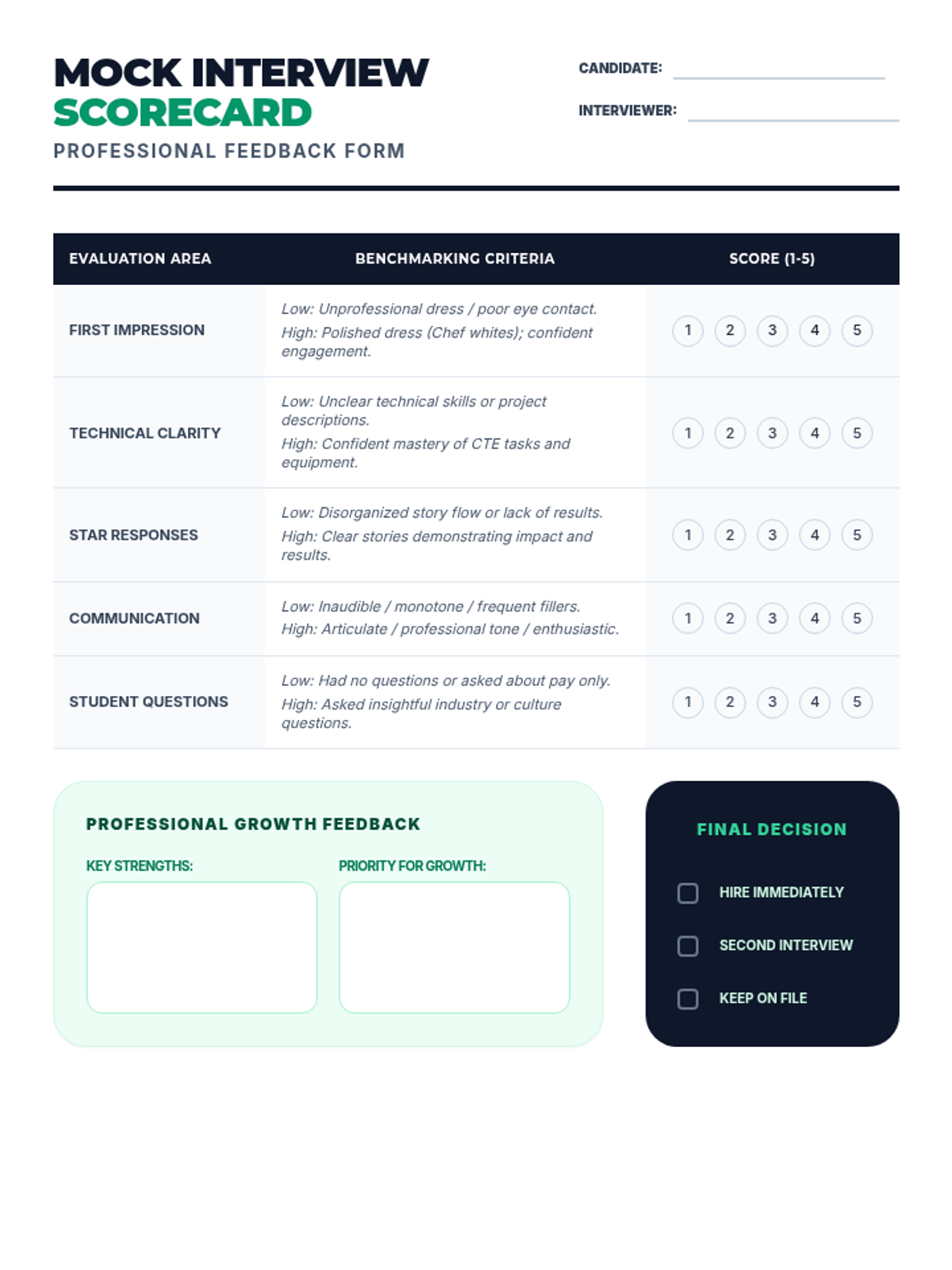
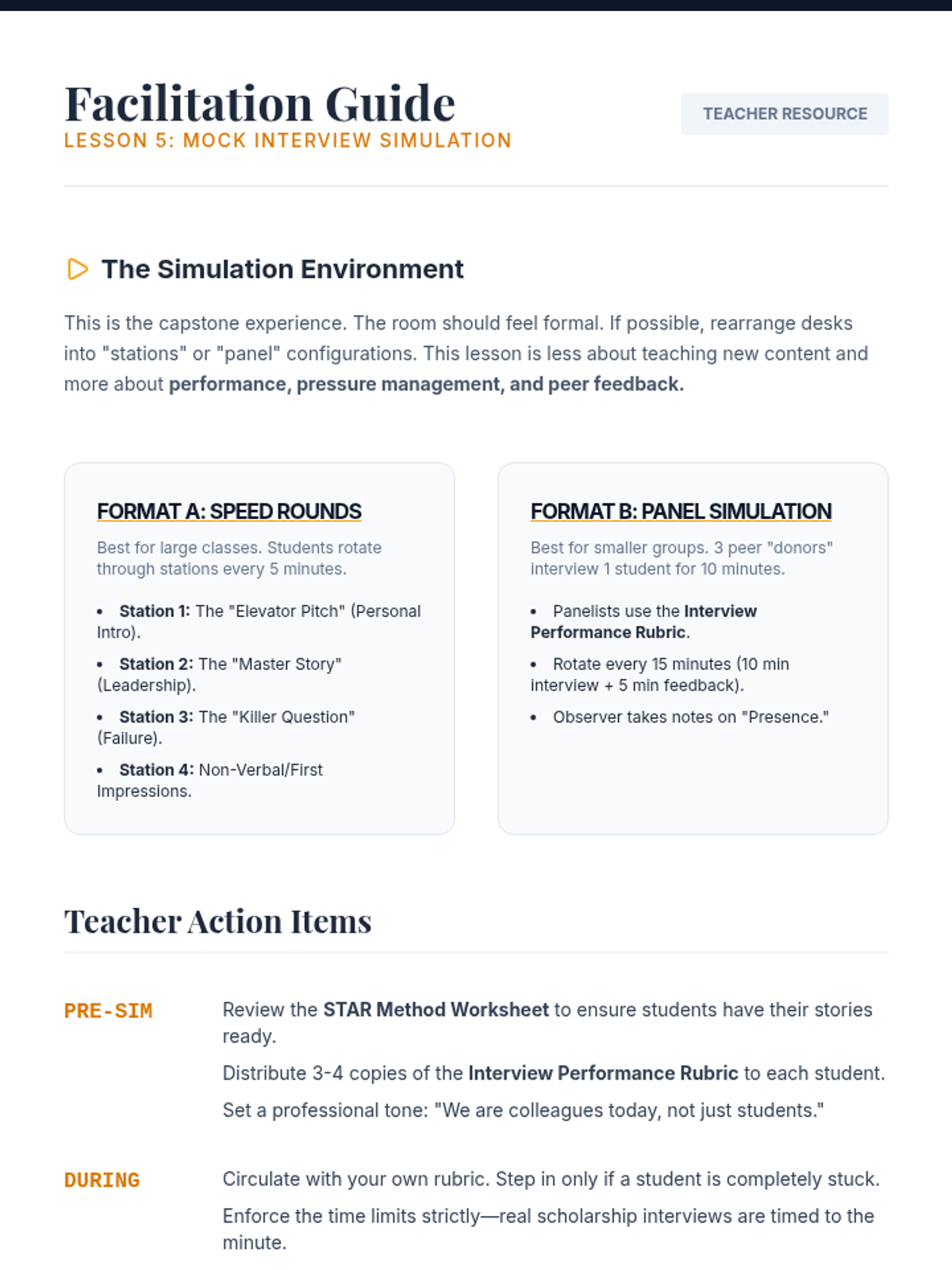
Students engage in mock interview simulations and learn post-interview etiquette and scholarship management.
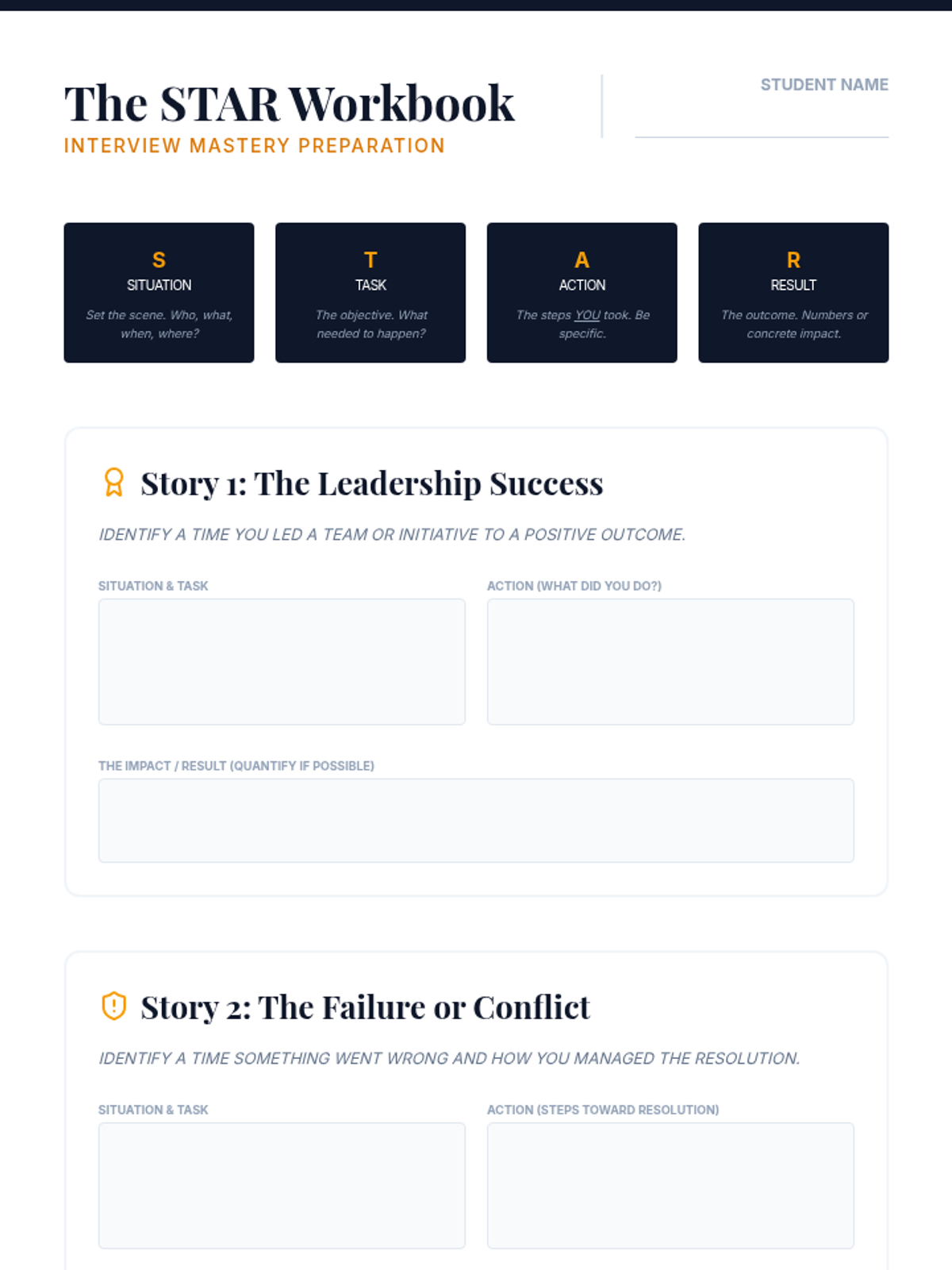
Students prepare for scholarship interviews using the STAR method to answer behavioral questions effectively.
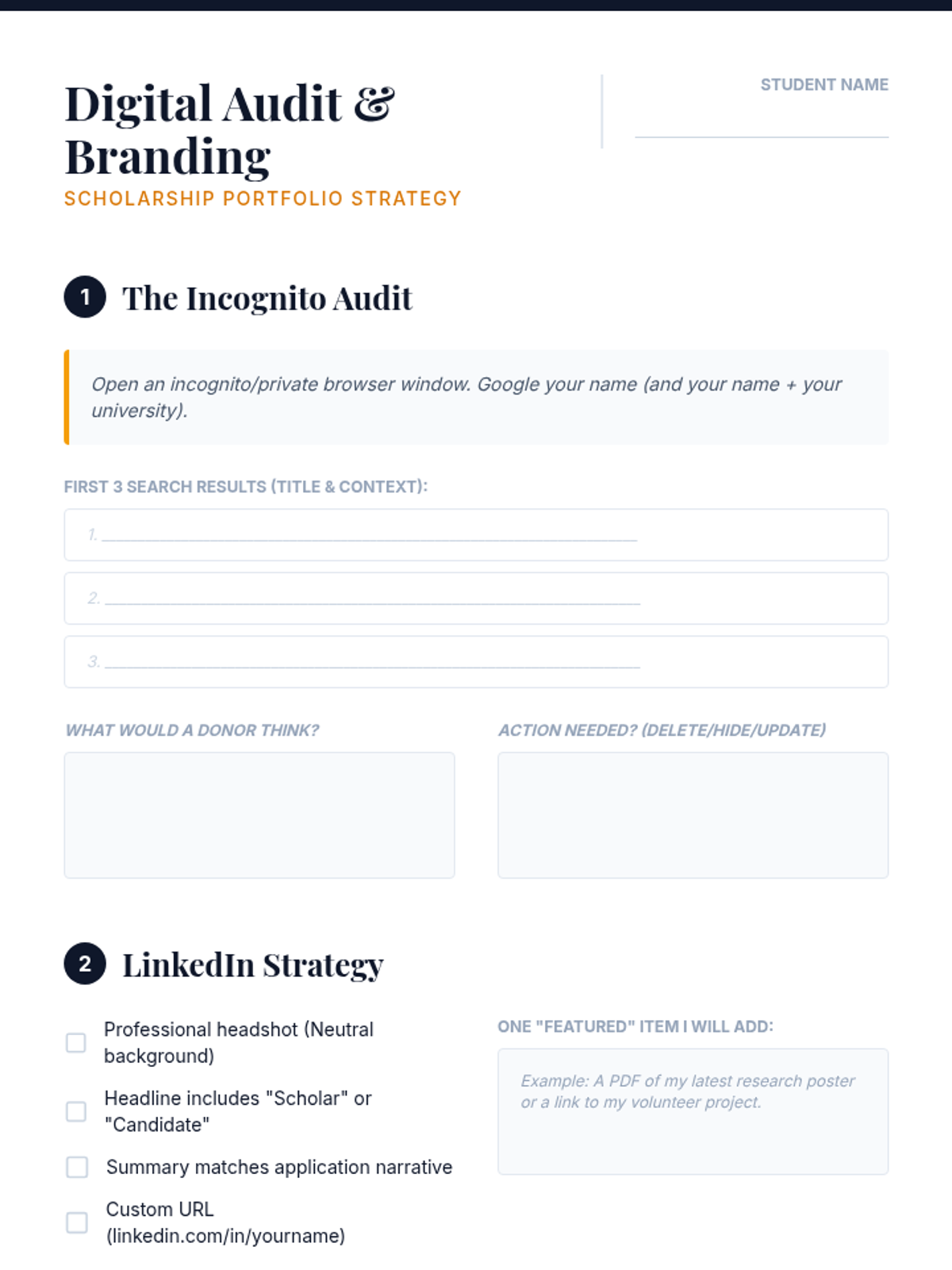
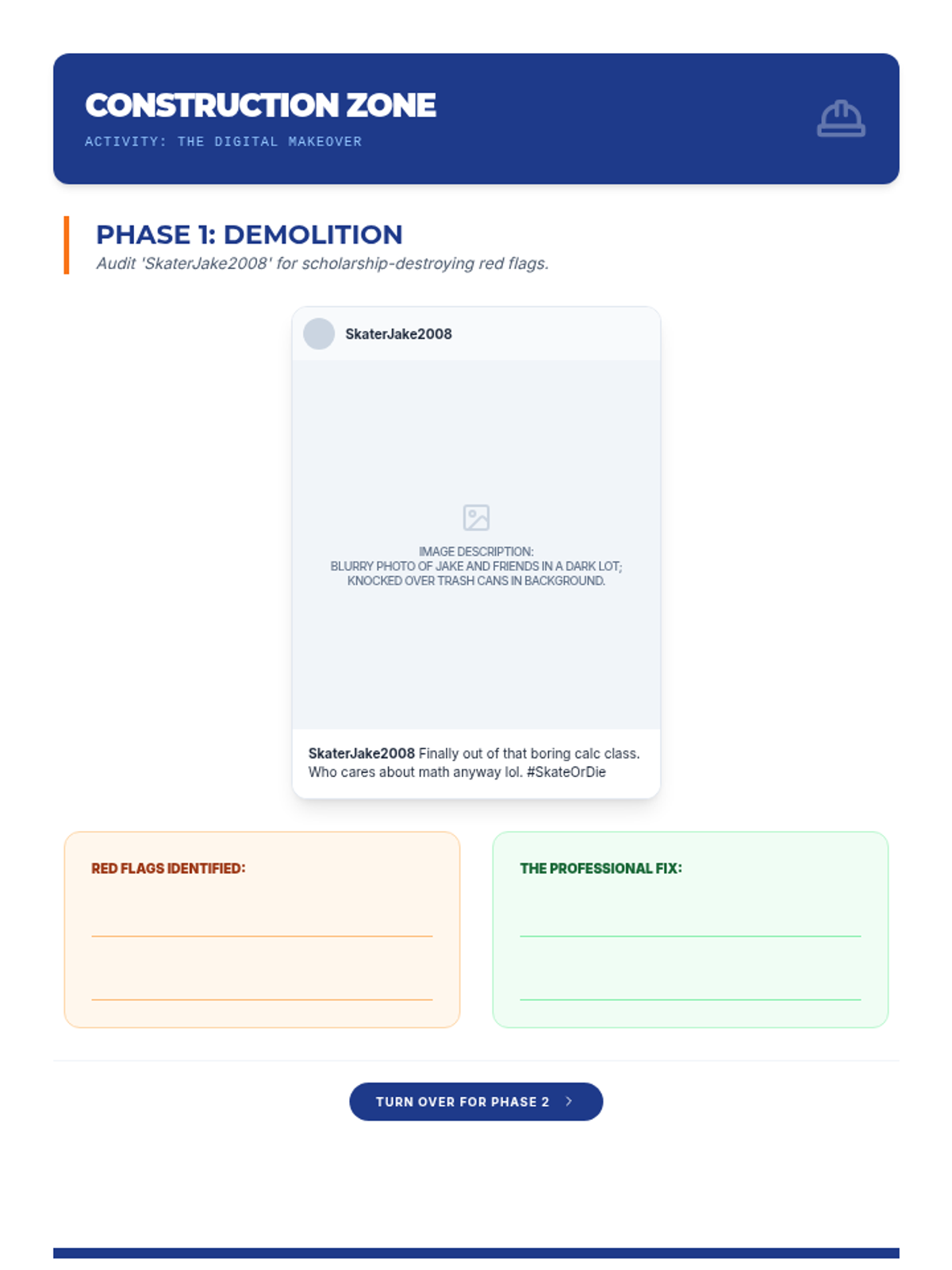
Students audit their digital footprint and curate supplemental materials to reinforce their application's narrative.
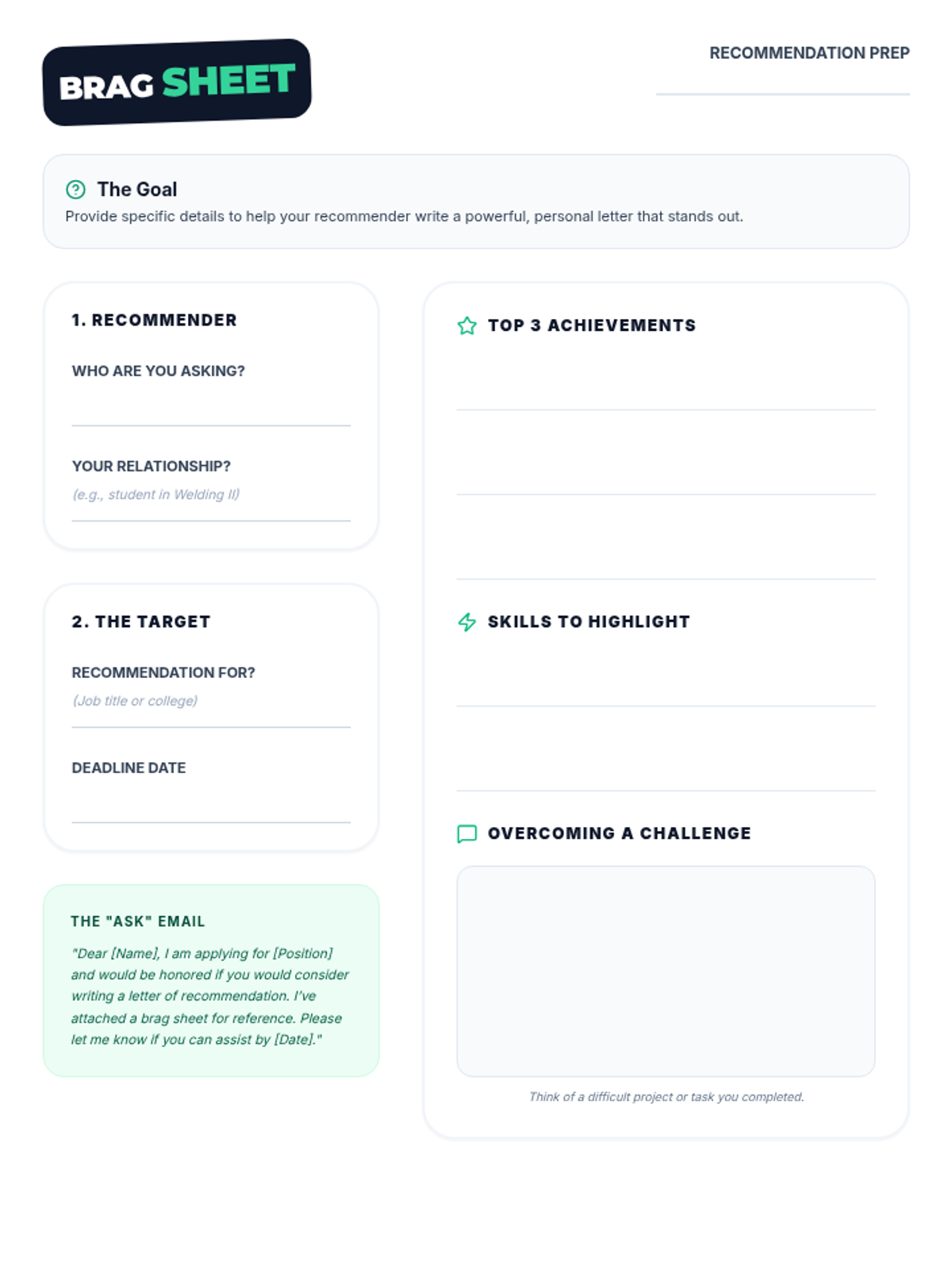
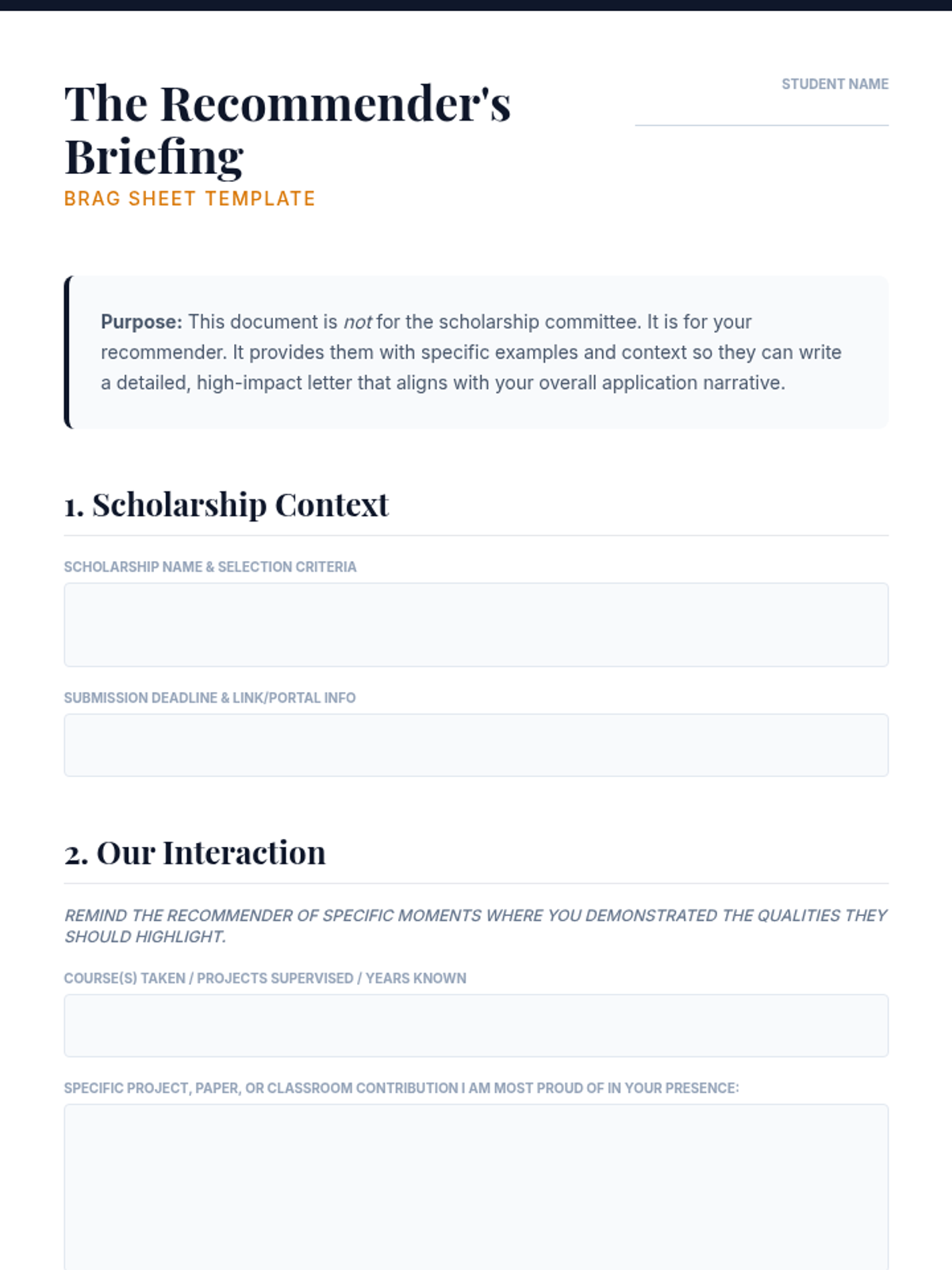
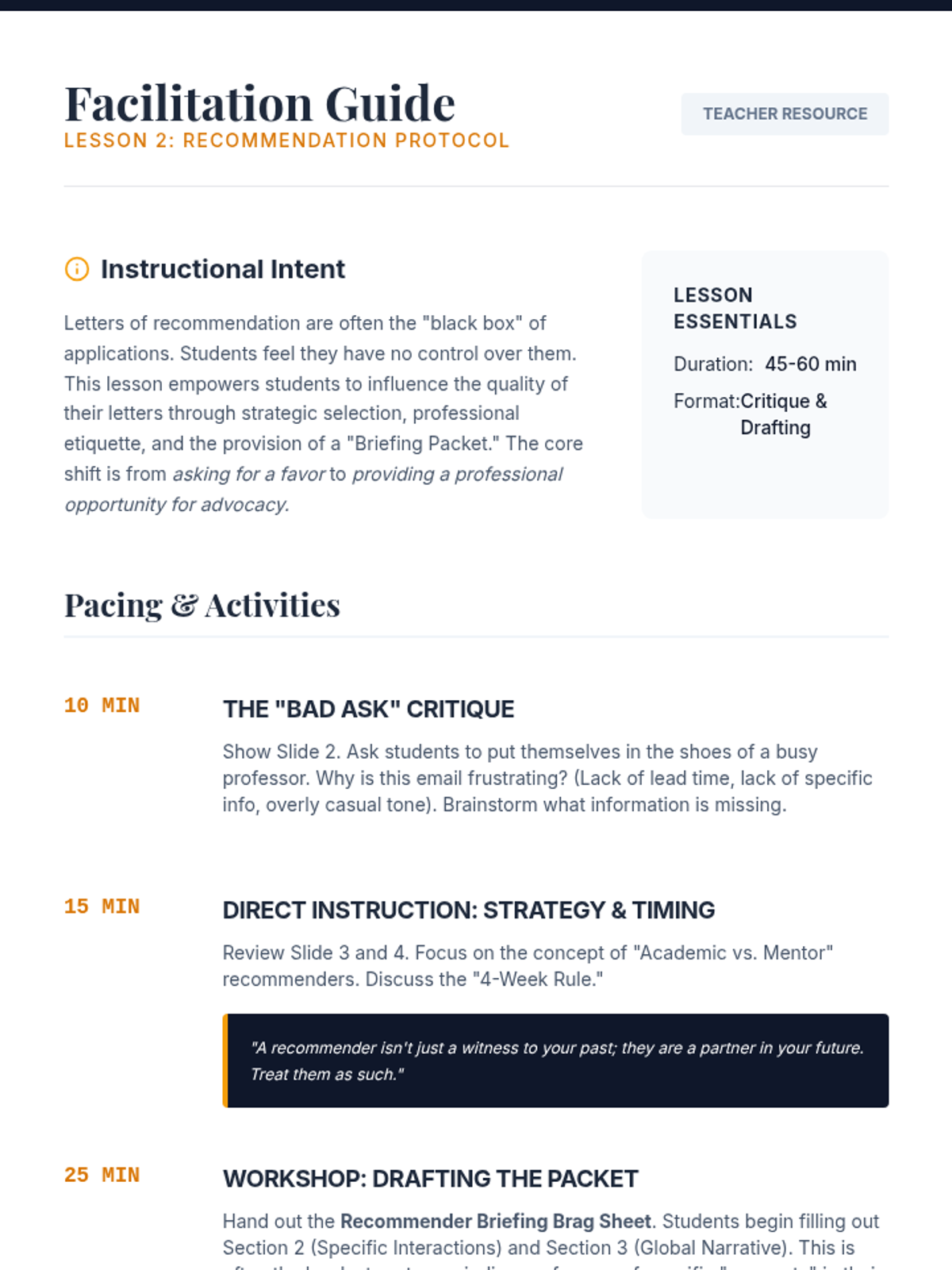
Students learn the etiquette and strategy for requesting letters of recommendation, creating 'brag sheets' to guide their recommenders.
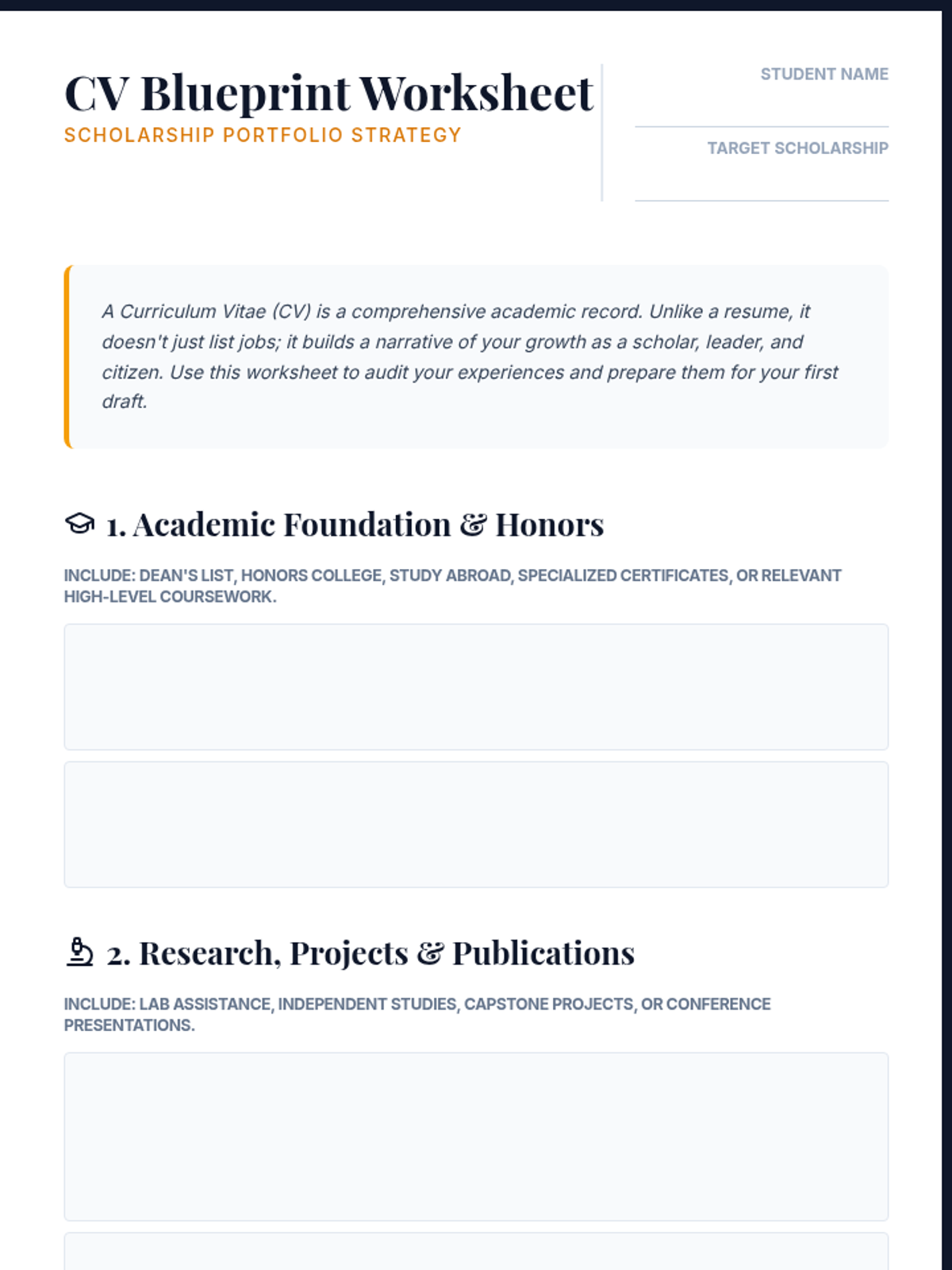
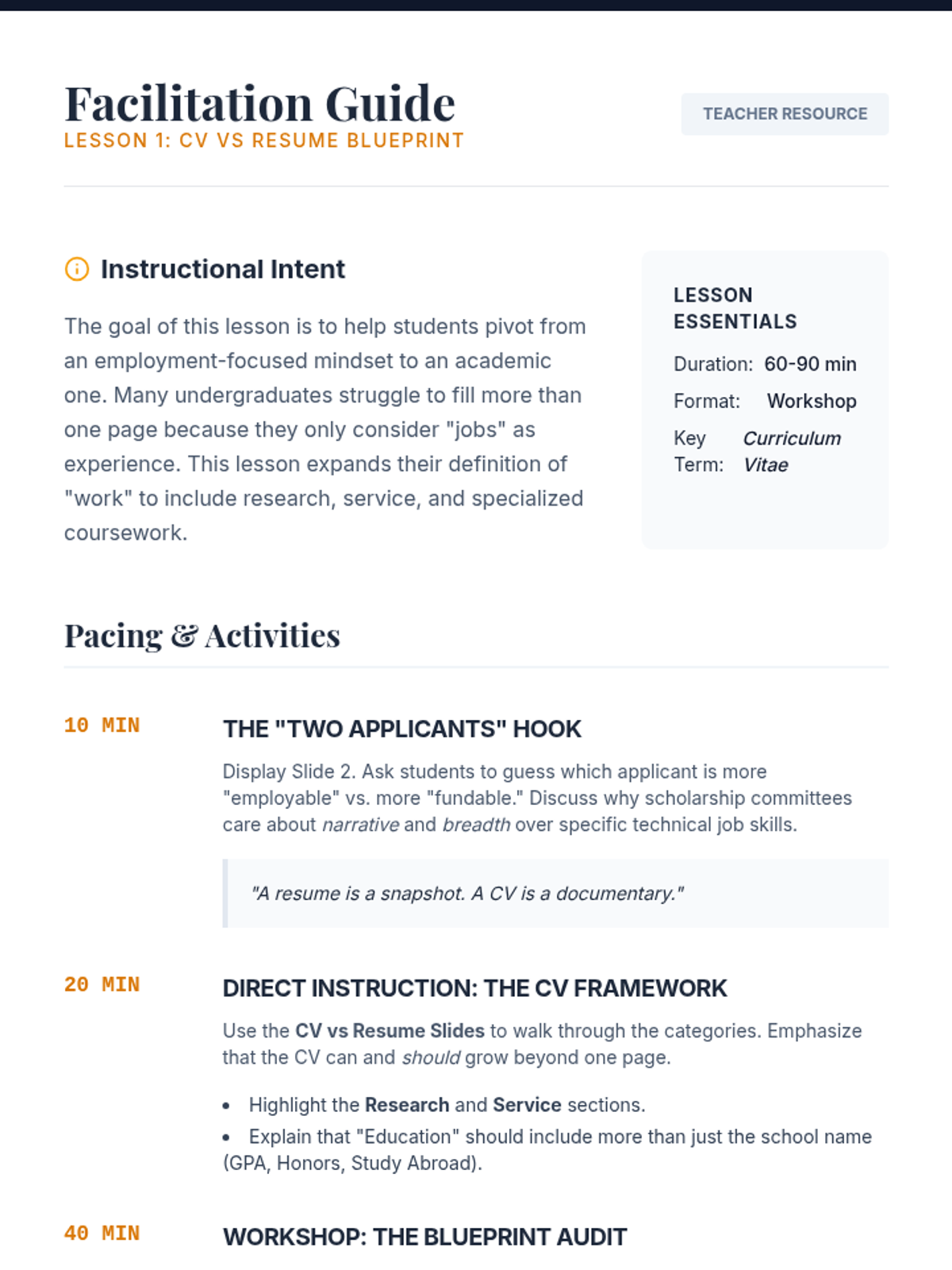
Students differentiate between a standard employment resume and an academic CV, building a document that highlights academic achievements, research, and leadership.
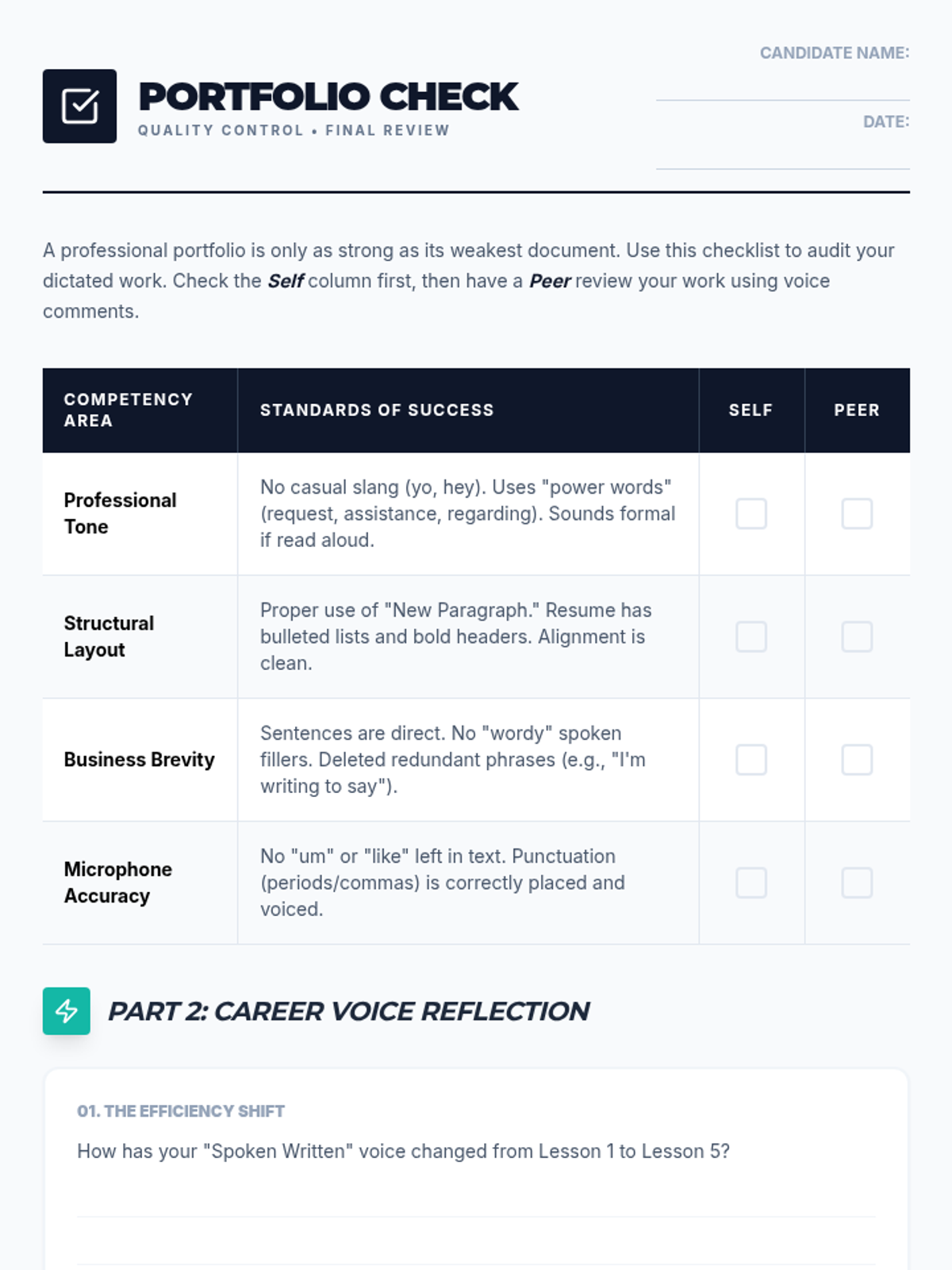
A culminating project-based lesson where students finalize their portfolio of dictated documents and perform voice-activated peer reviews.
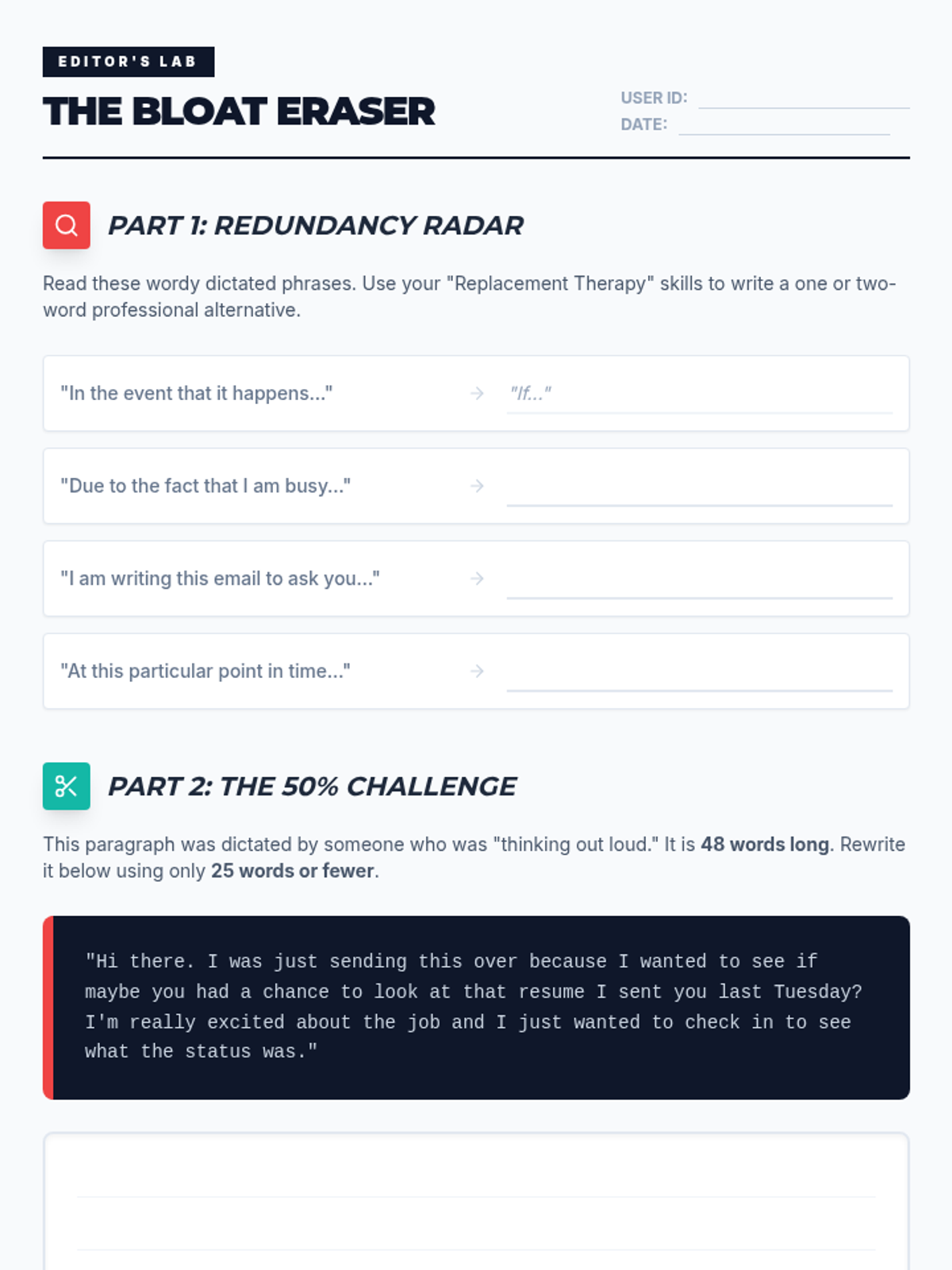
Addresses the common issue of wordiness in dictated text, teaching students how to use selection and deletion commands to create concise business prose.
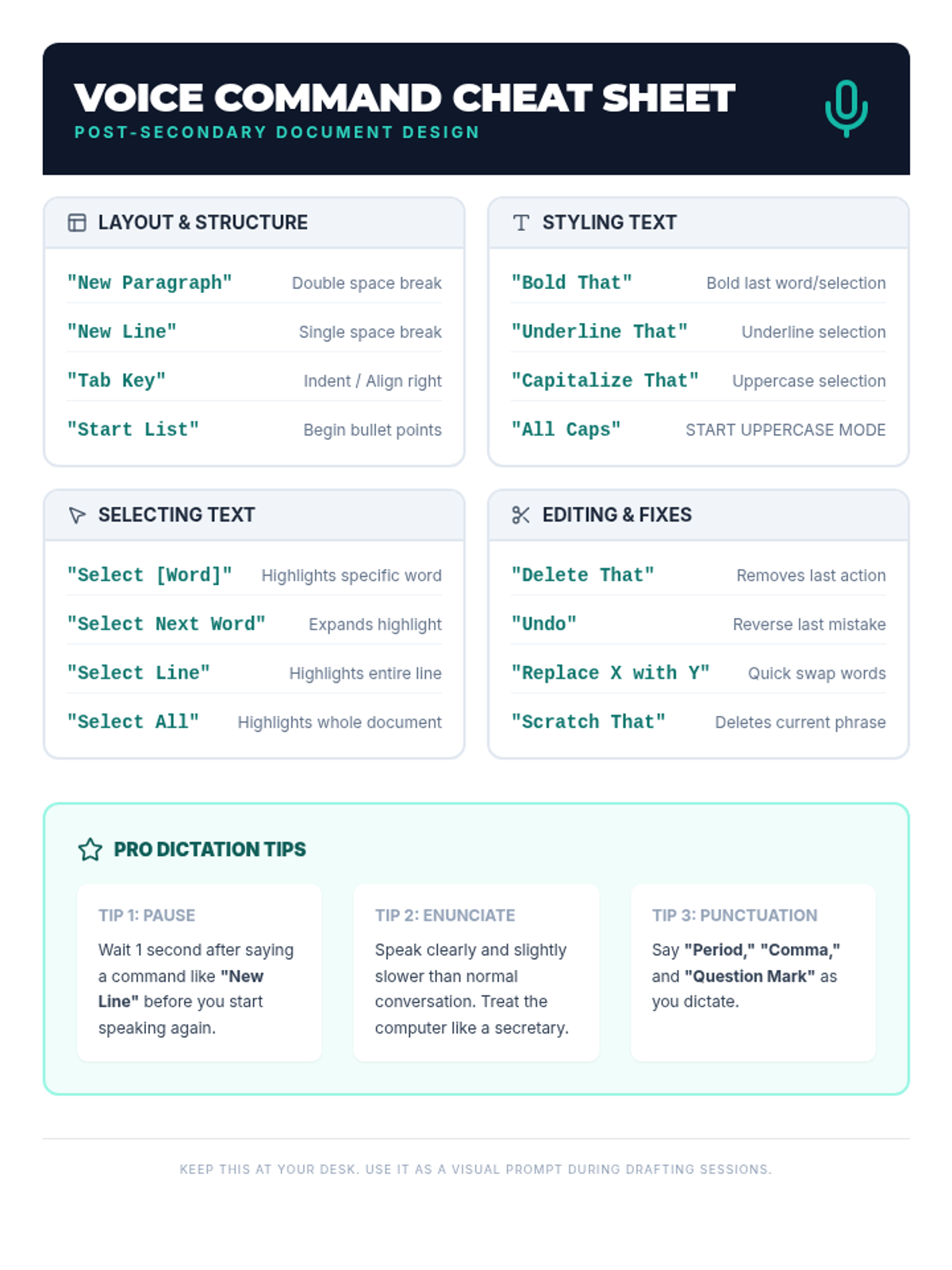
Teaches advanced voice commands for document design, including bullets, alignment, and structural elements needed for resumes and cover letters.
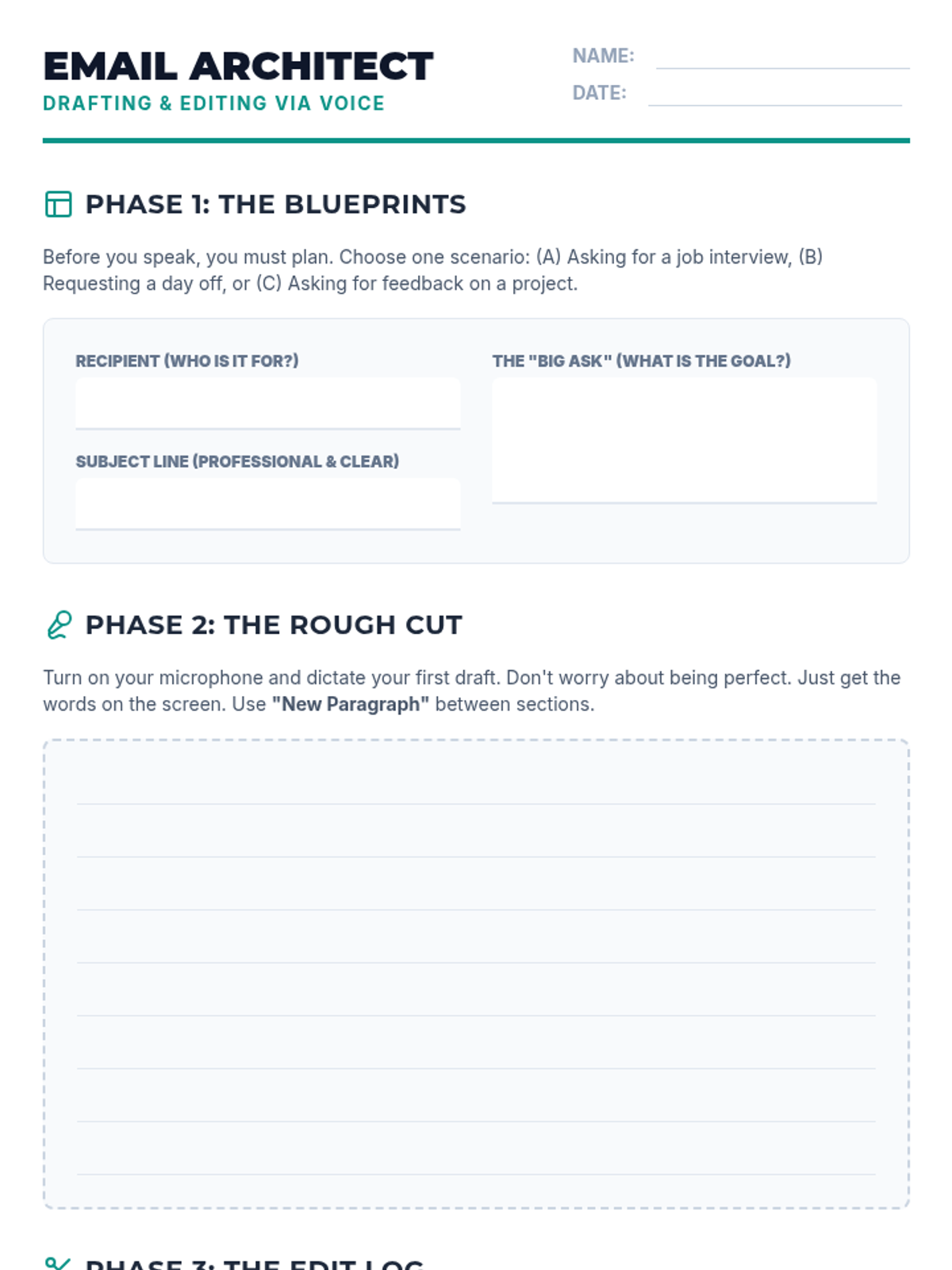
Focuses on the specific etiquette and structure of formal emails, using voice commands to adjust tone and clarity during the drafting process.
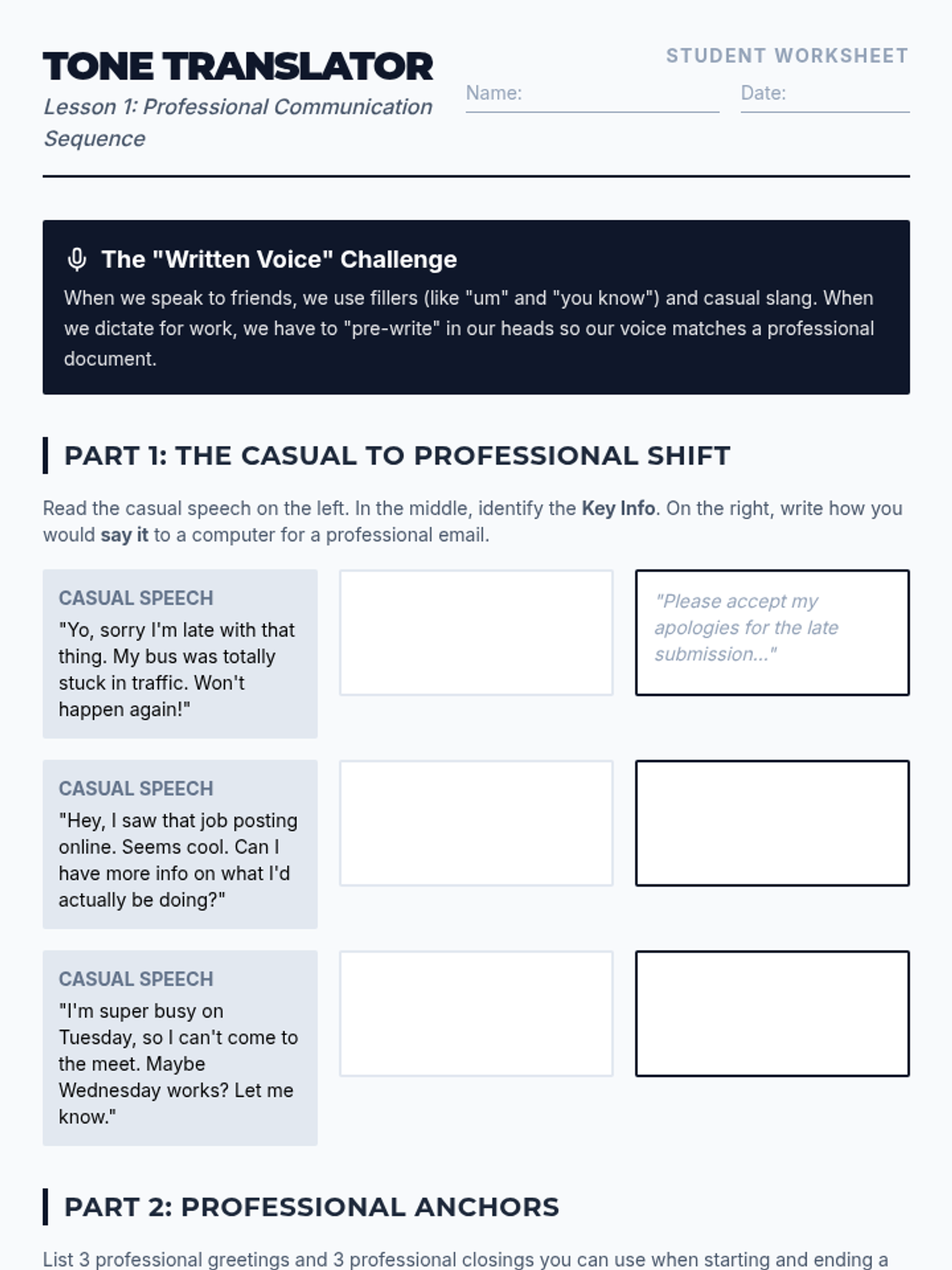
Students explore the difference between casual conversation and professional 'written' speech, practicing the oral composition required for successful dictation in a workplace setting.
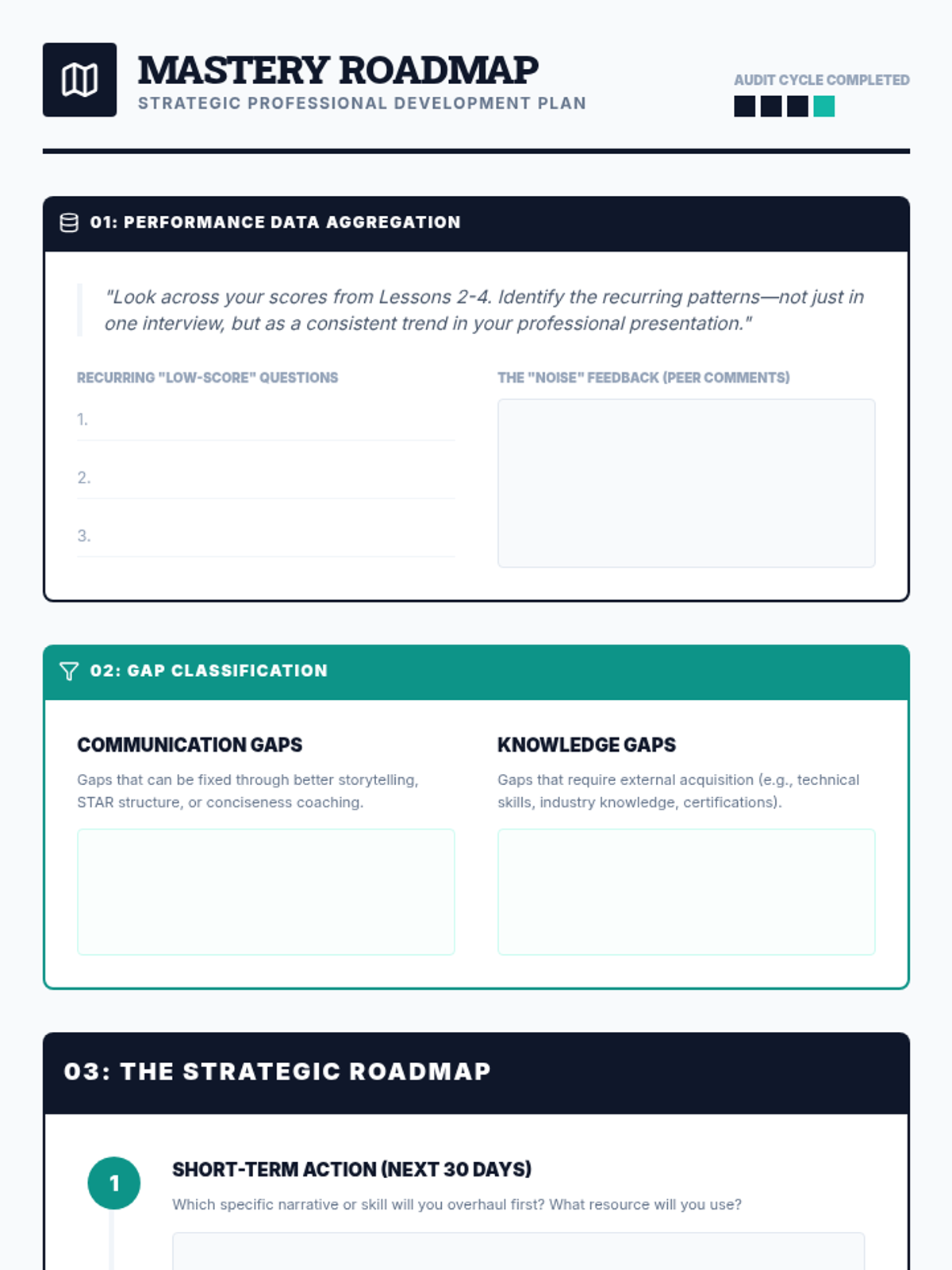
The sequence culminates in a long-term strategic plan that uses interview performance patterns to guide skill acquisition and career growth.
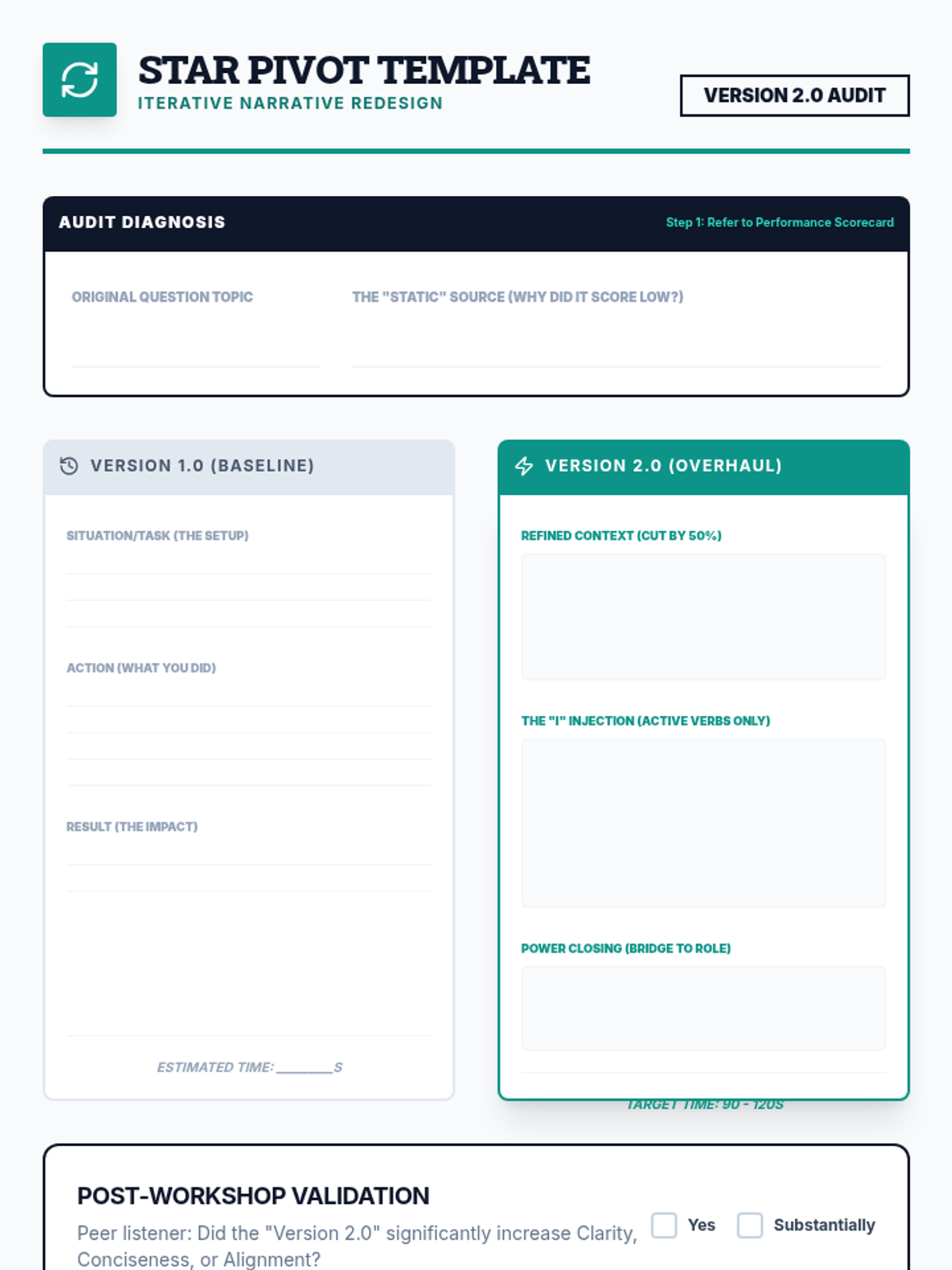
A workshop-style lesson where students use audit data to re-engineer their STAR stories, turning their weakest answers into their strongest narratives.
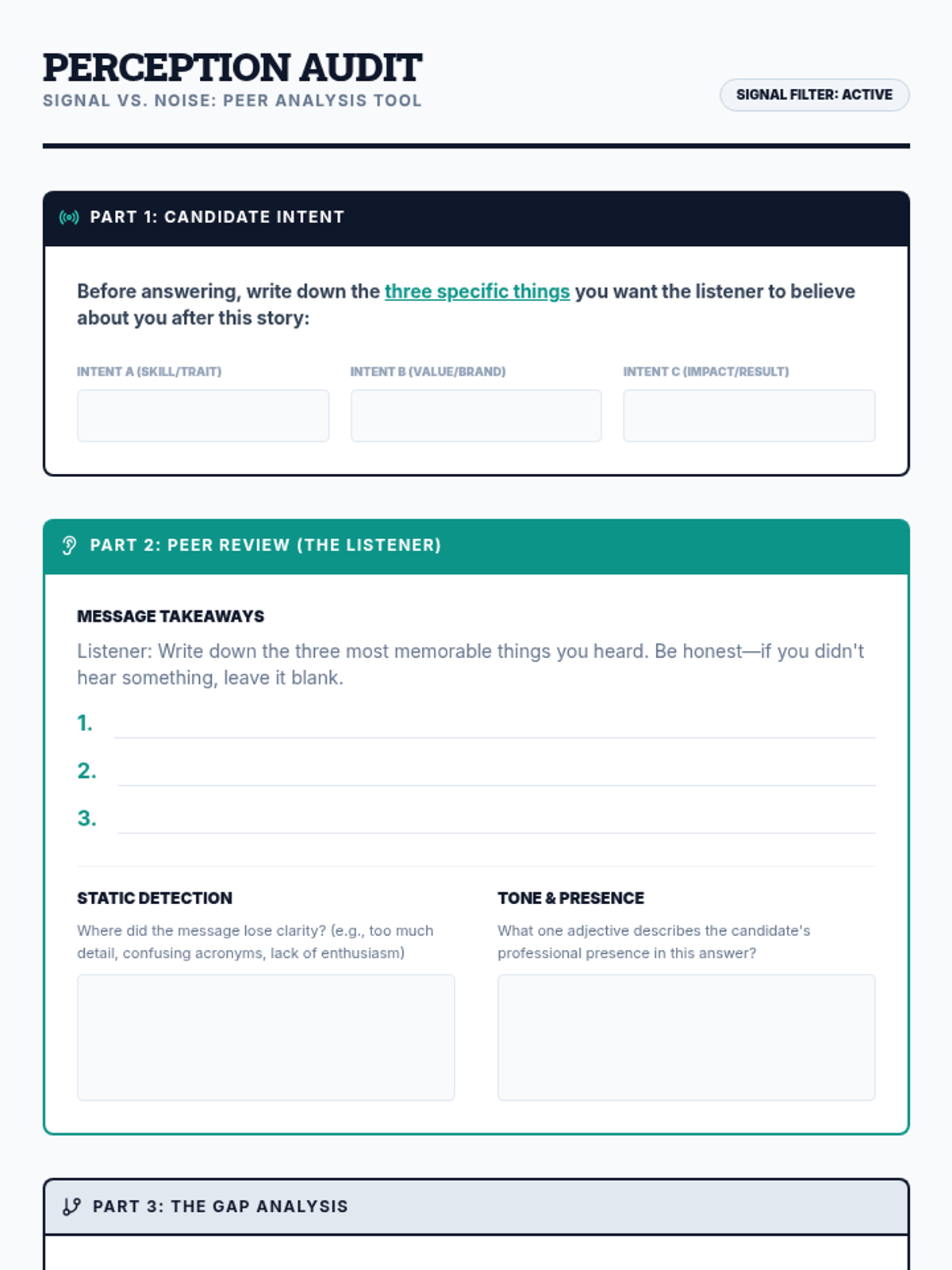
Students conduct a gap analysis between their intended message and how it was perceived by others, identifying 'signal distortion' in their professional communication.
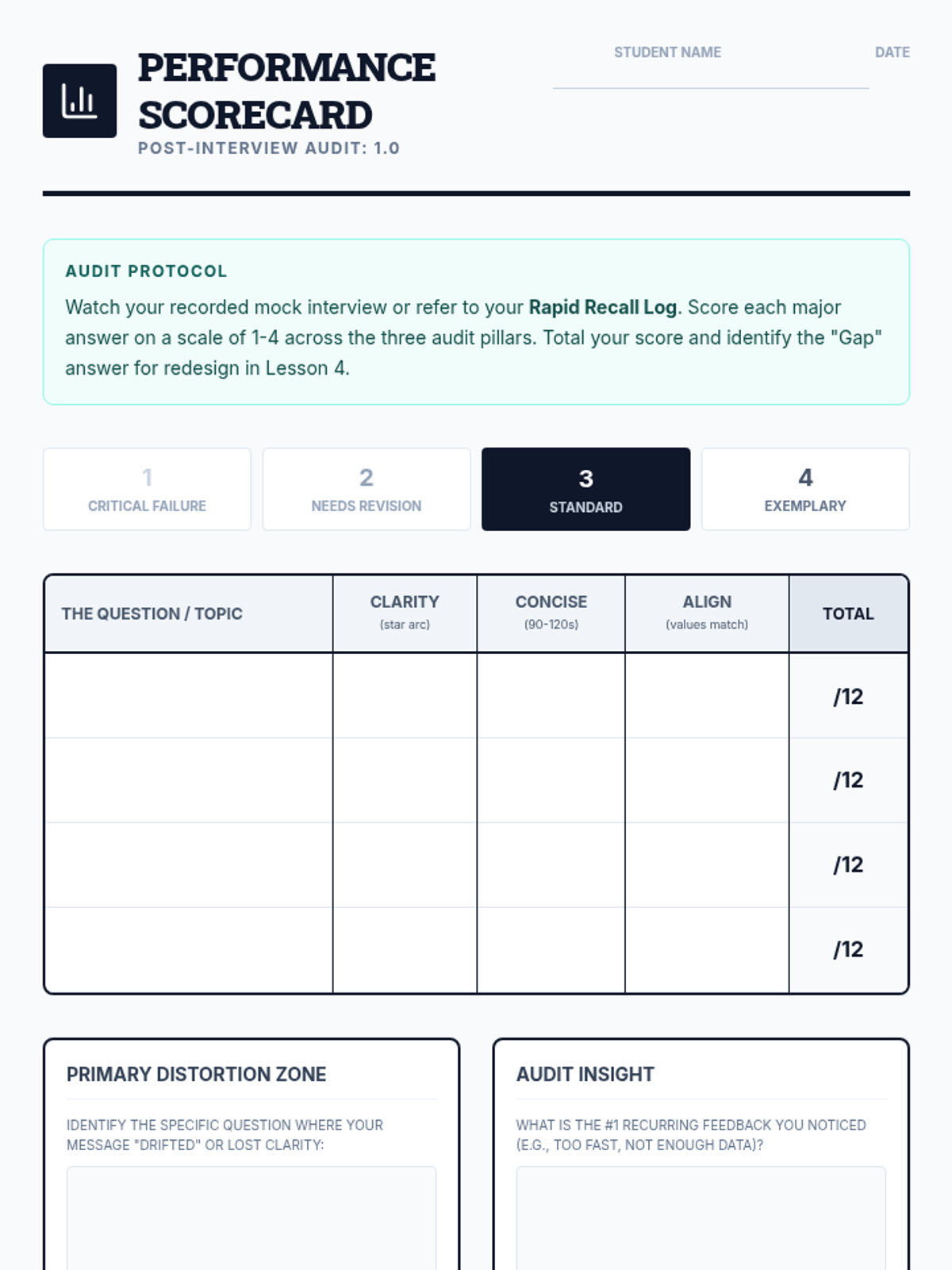
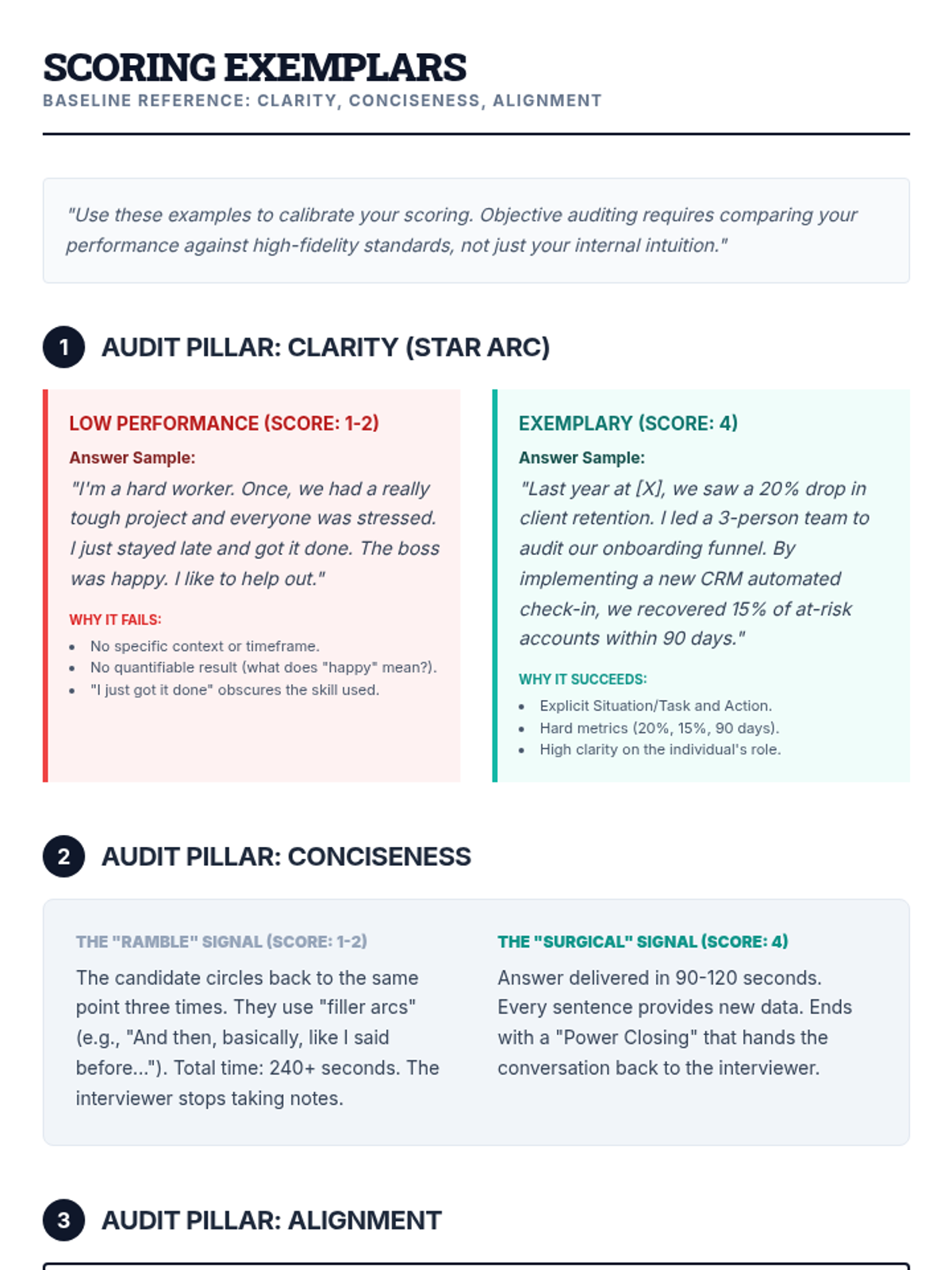
Introduces a standardized rubric for objective self-evaluation. Students analyze clarity, conciseness, and alignment with organizational values.
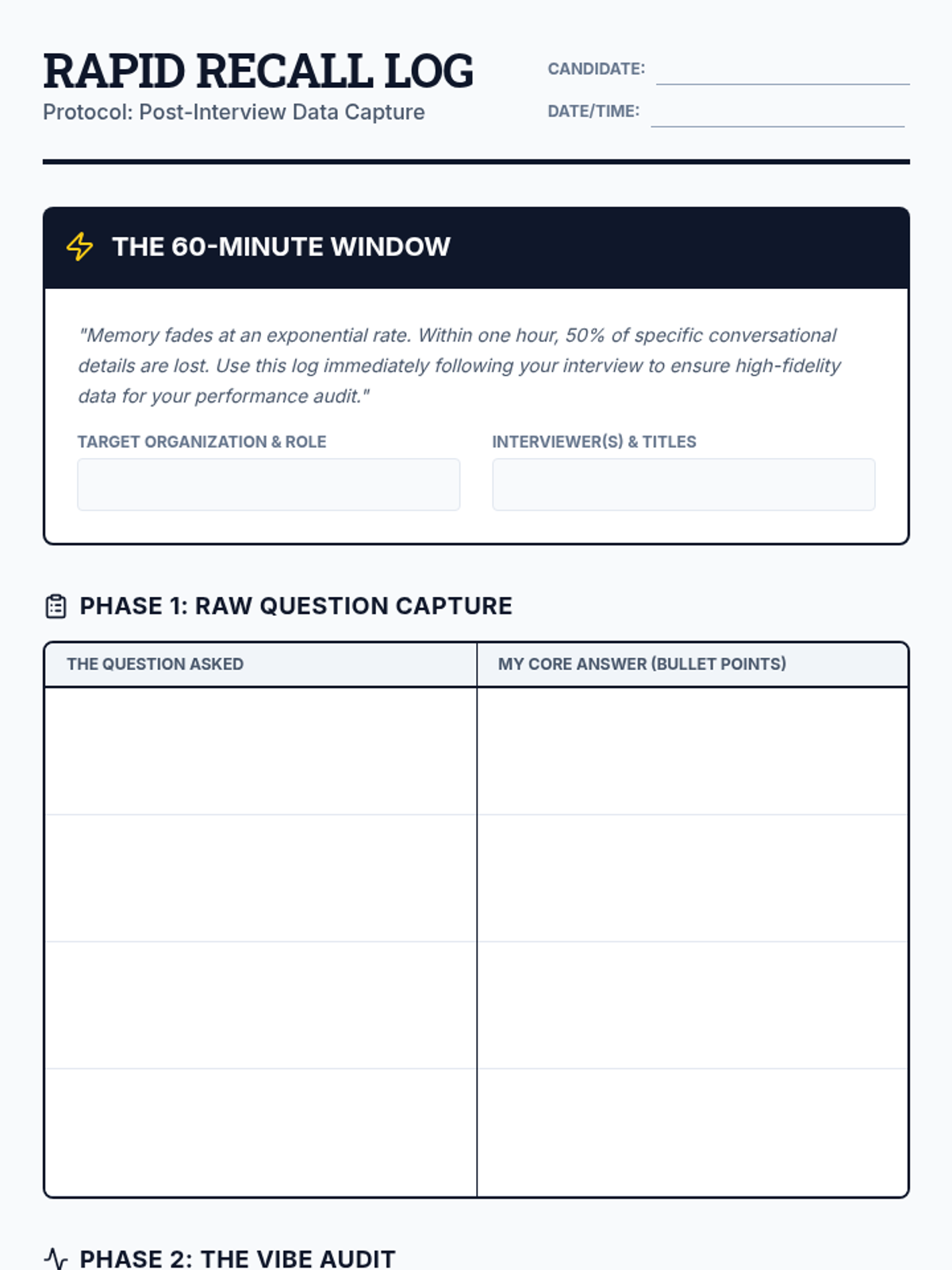
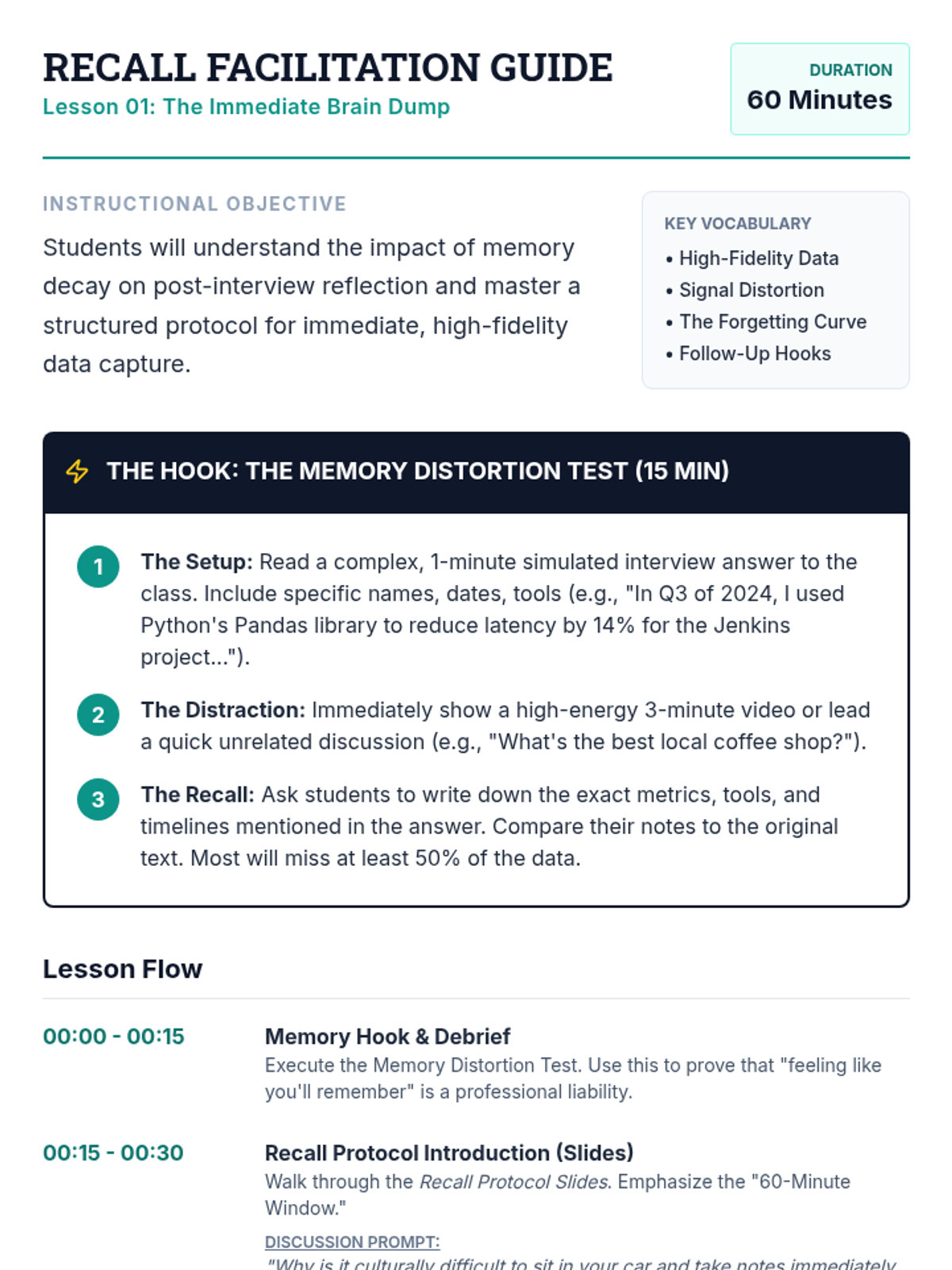
Focuses on the critical 60 minutes post-interview. Students learn a 'Rapid Recall Protocol' to capture data-driven insights before memory decay sets in.
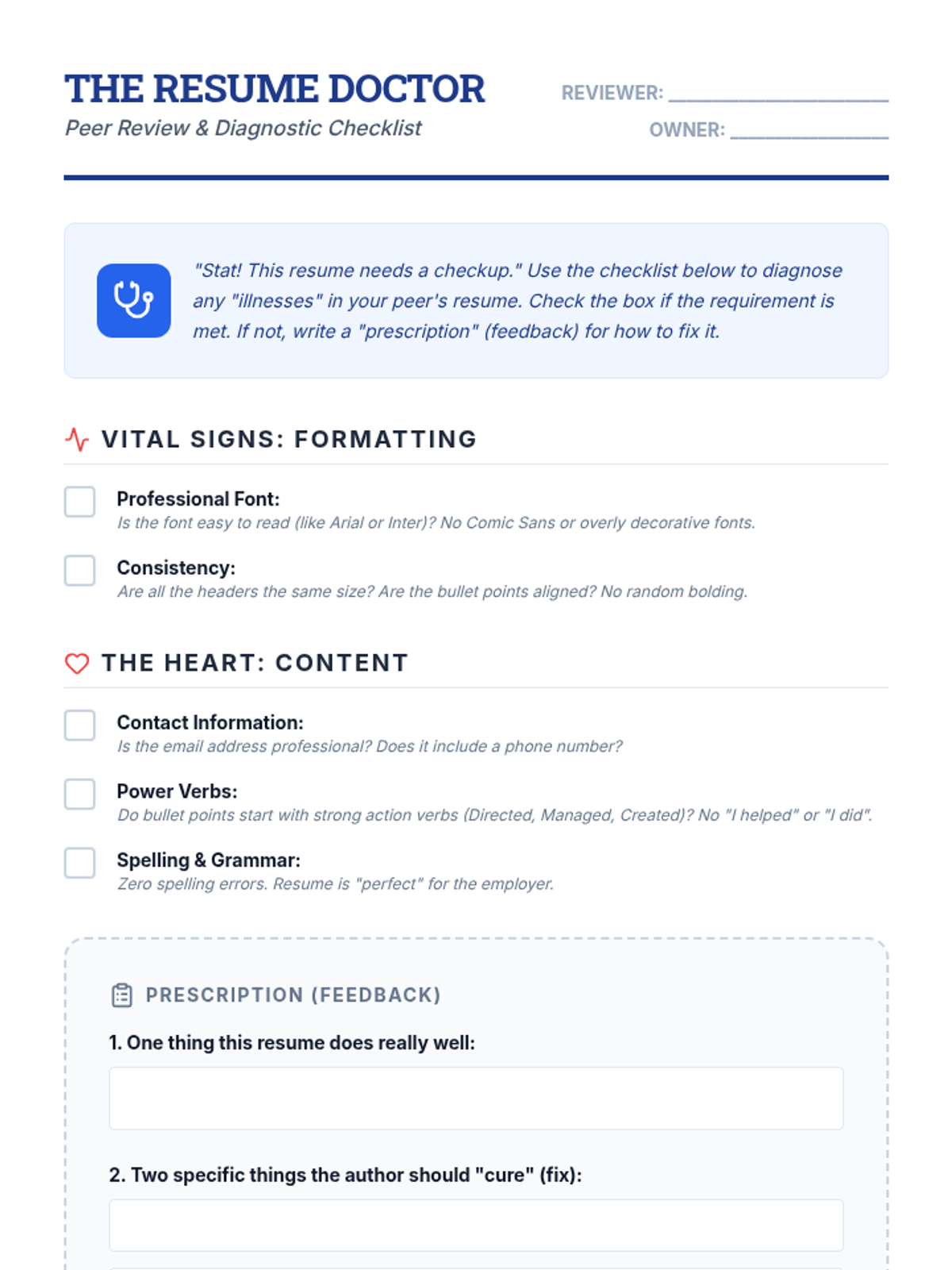
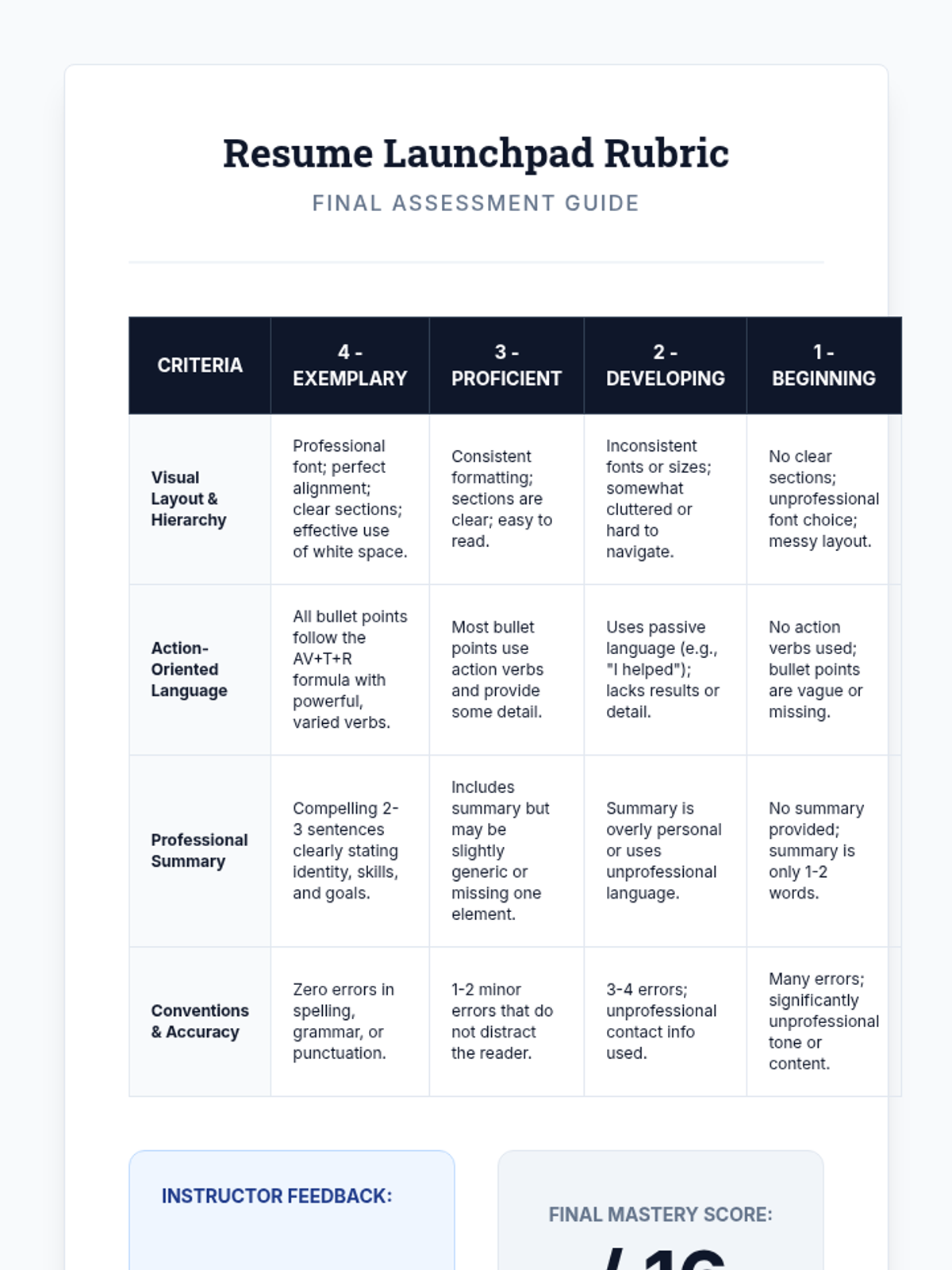
Students engage in a structured peer review process using a quality rubric to diagnose and fix errors in their resume drafts.
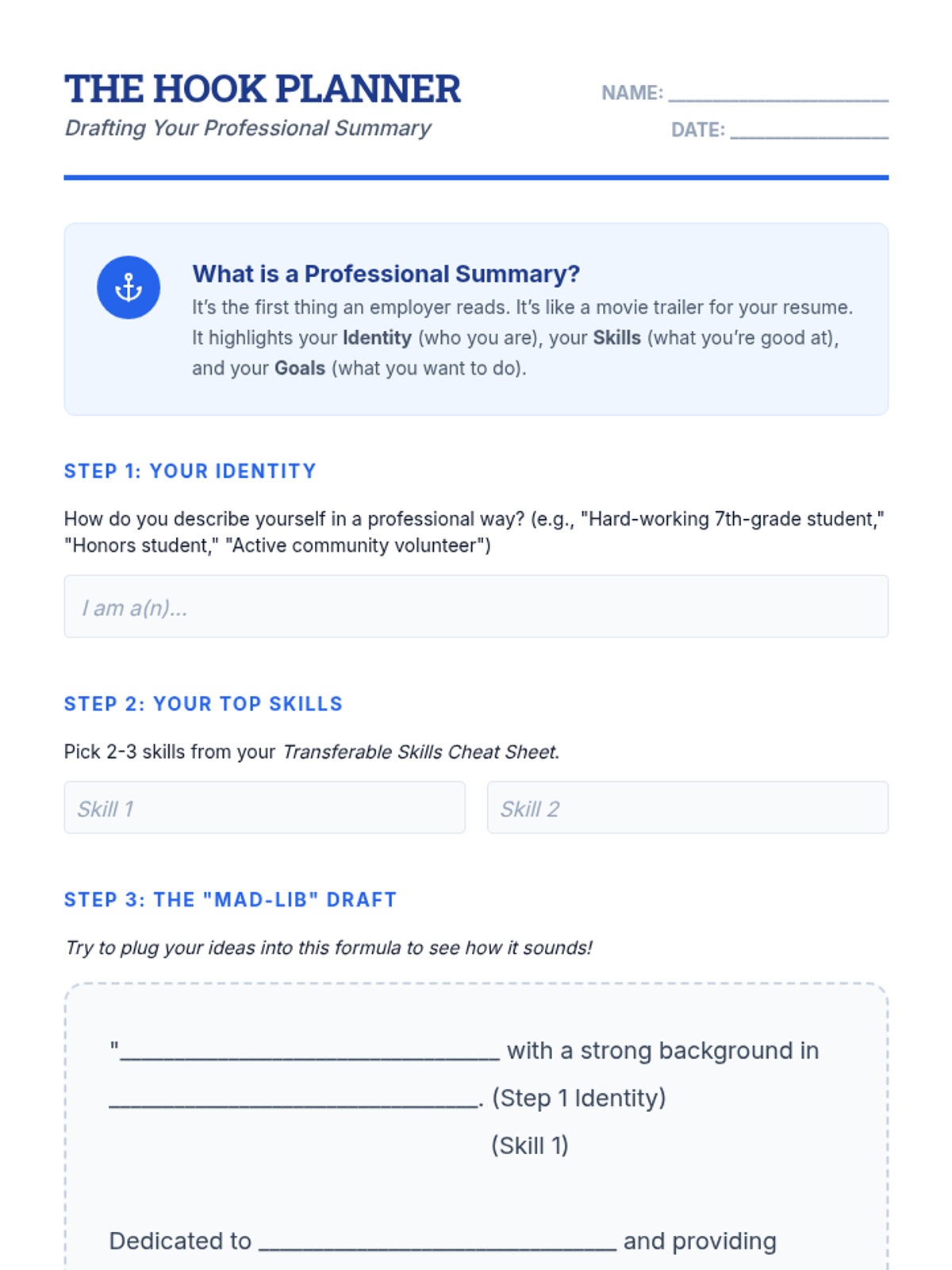
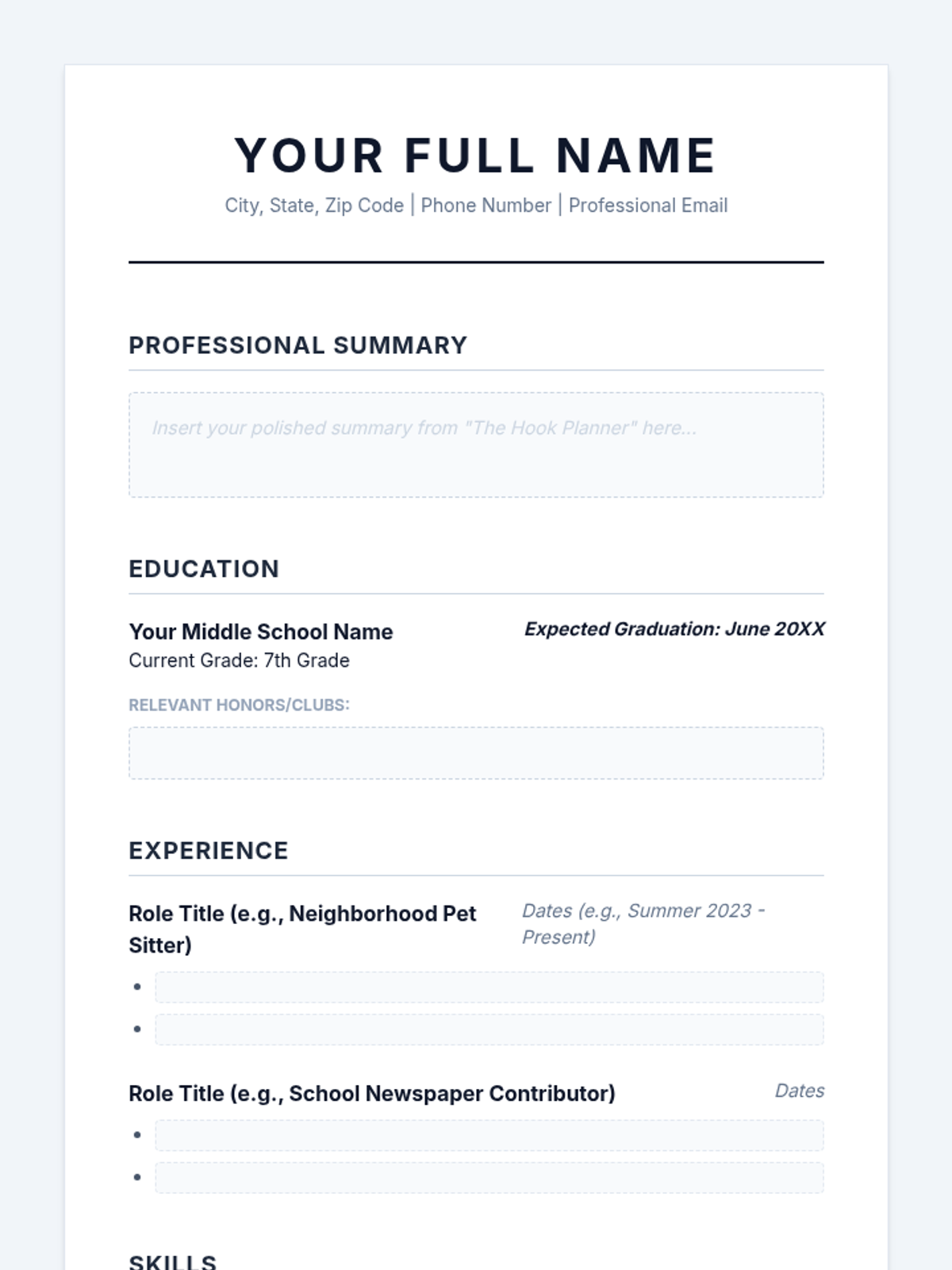
Students draft a professional summary and select appropriate layout styles to ensure their resume is readable and visually professional.
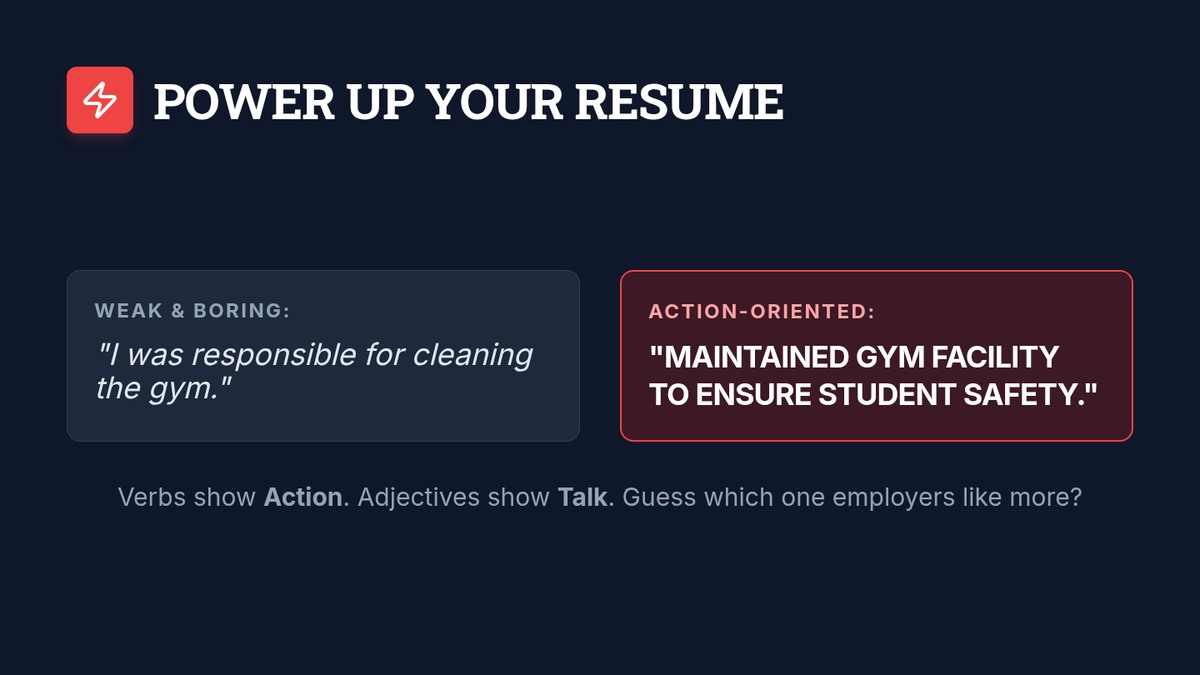
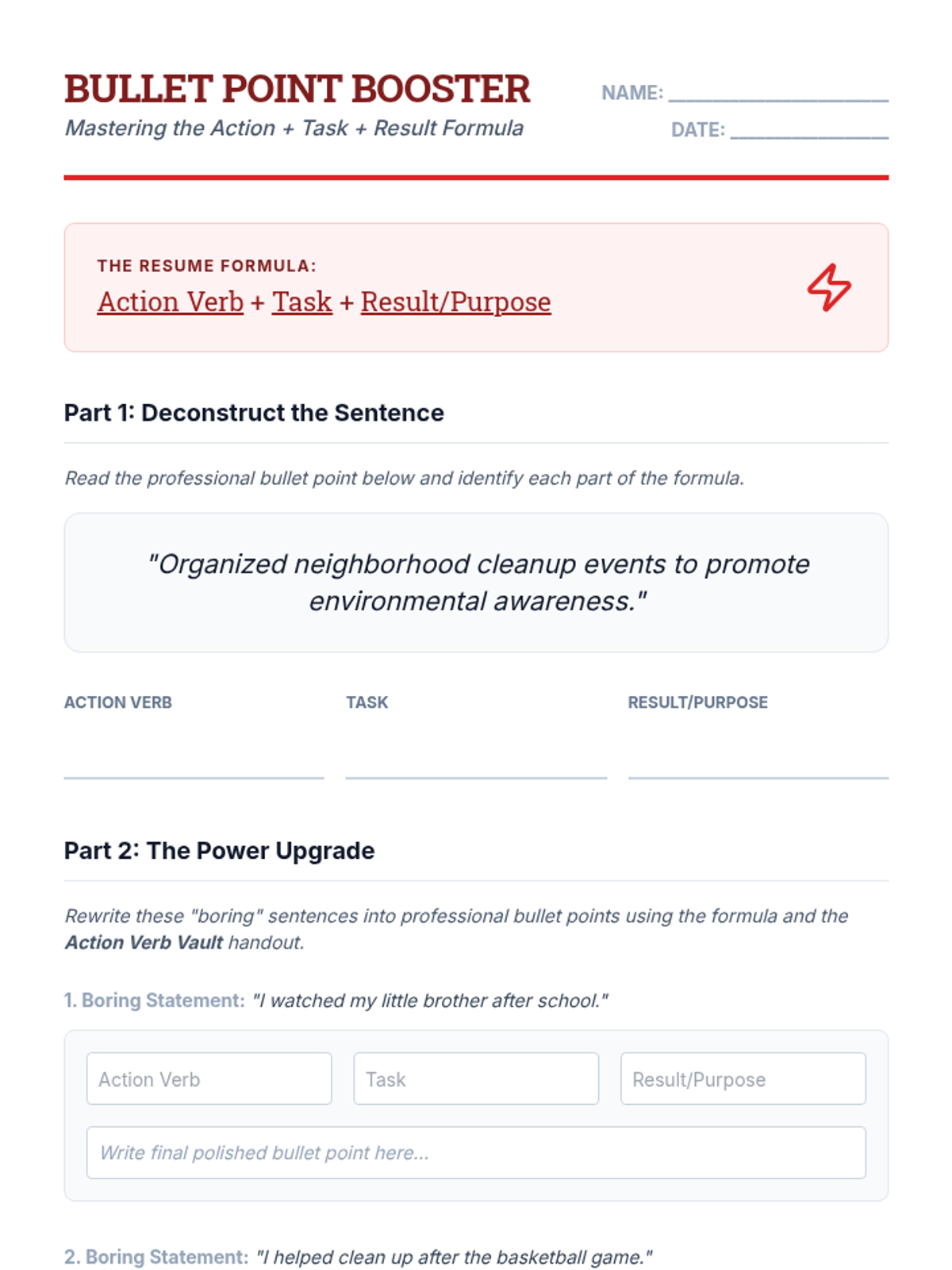
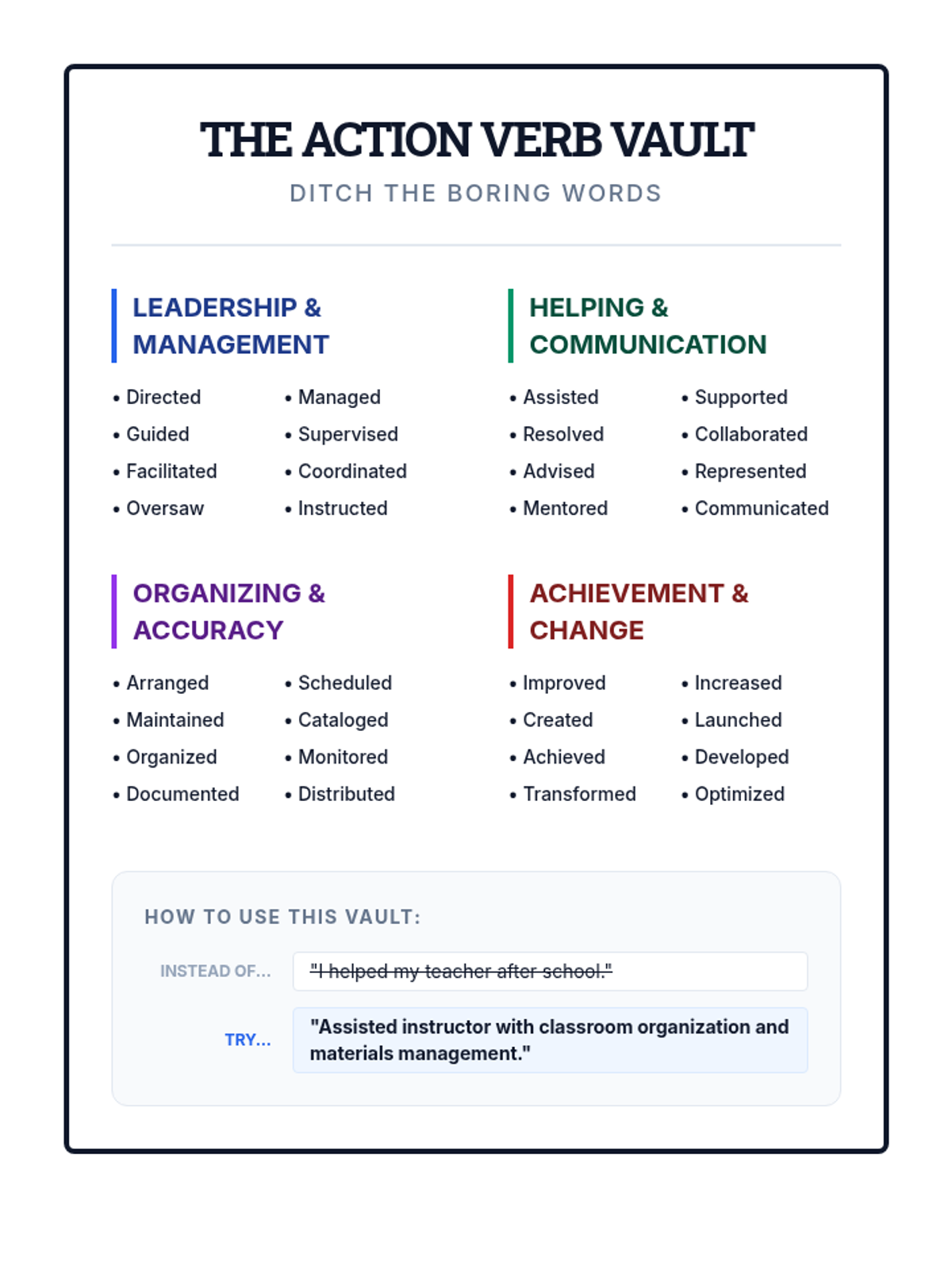
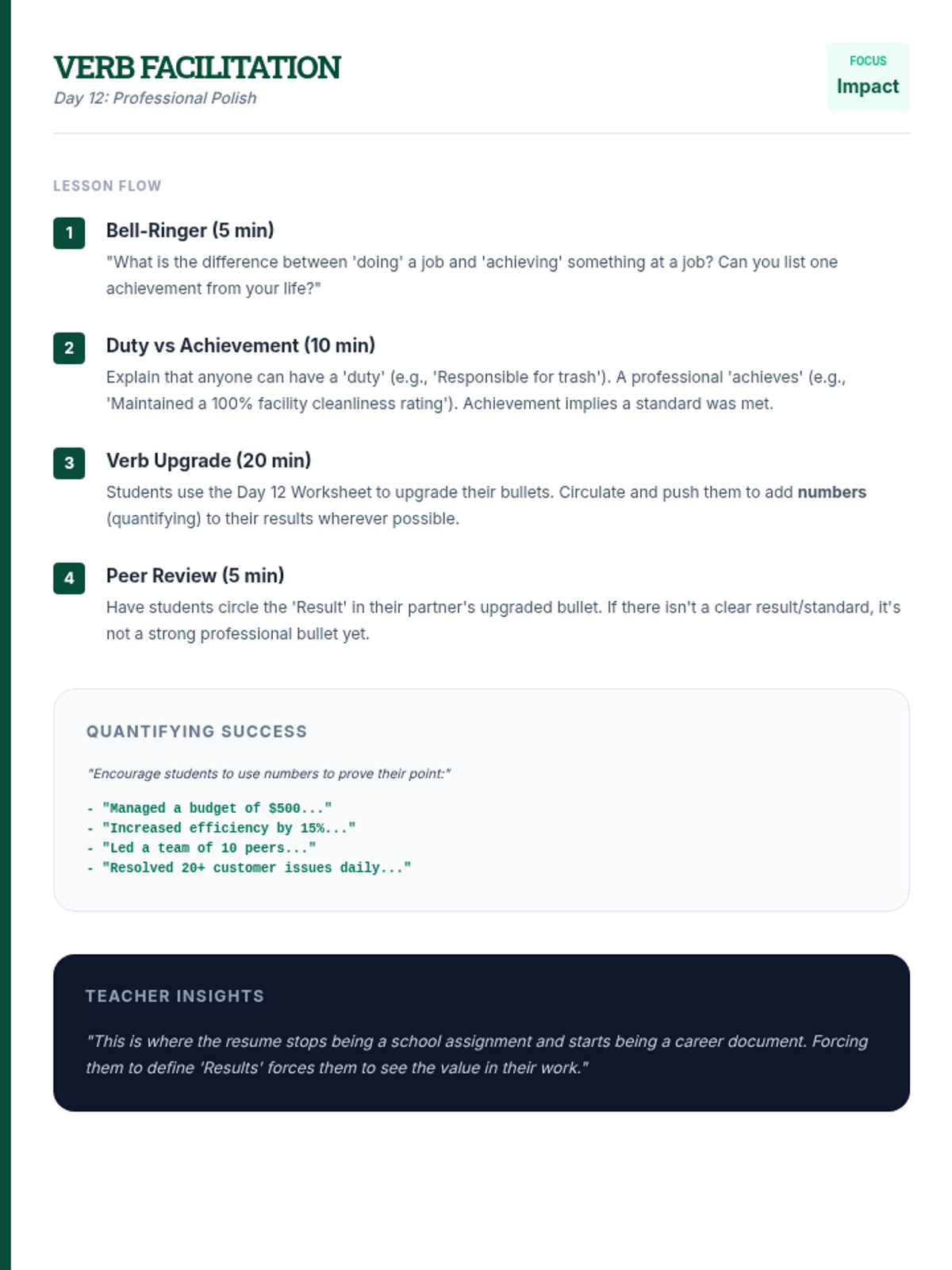
Students learn to replace passive language with strong action verbs to describe their accomplishments using the Action Verb + Task + Result formula.
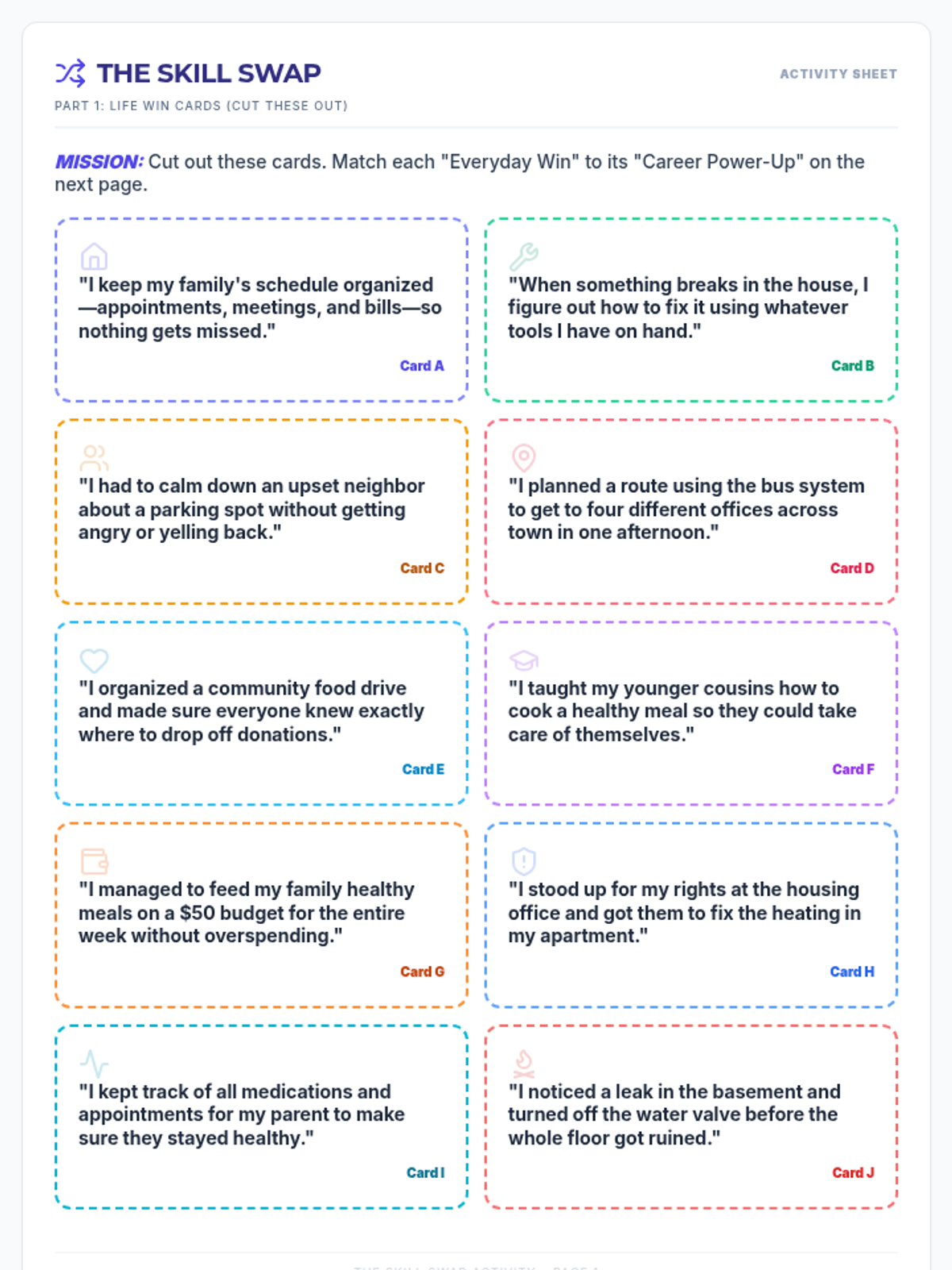
This workshop helps students mine their daily lives for relevant content, mapping activities like babysitting, sports, or student council to professional soft and hard skills.
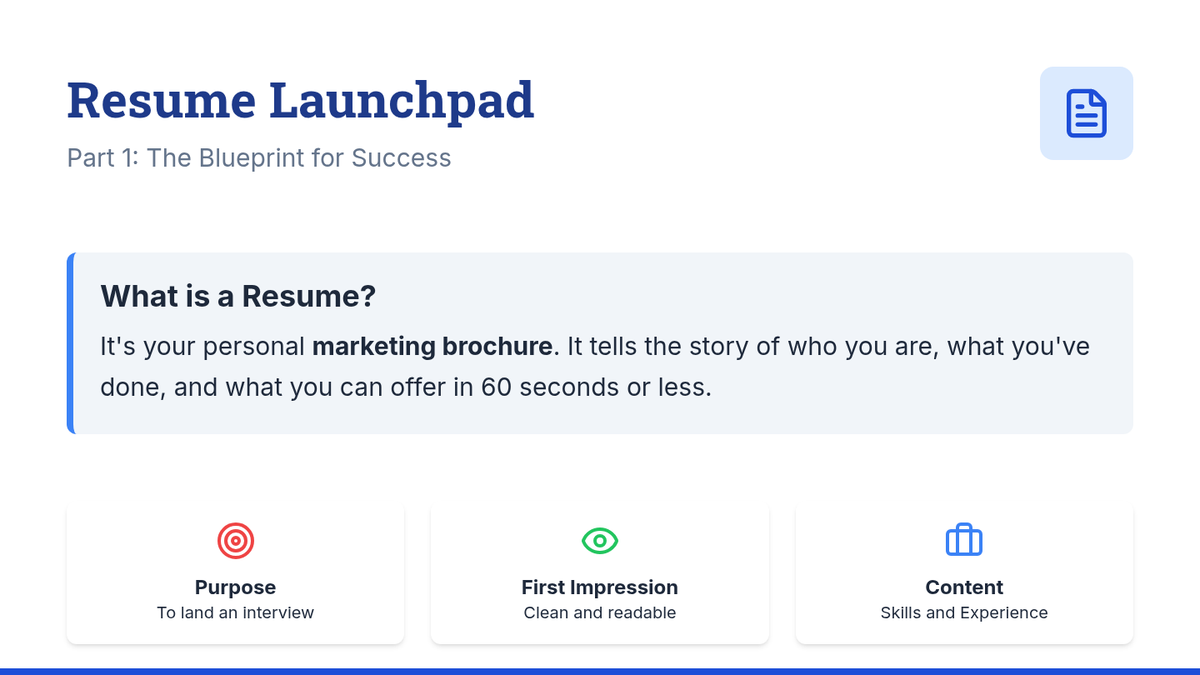
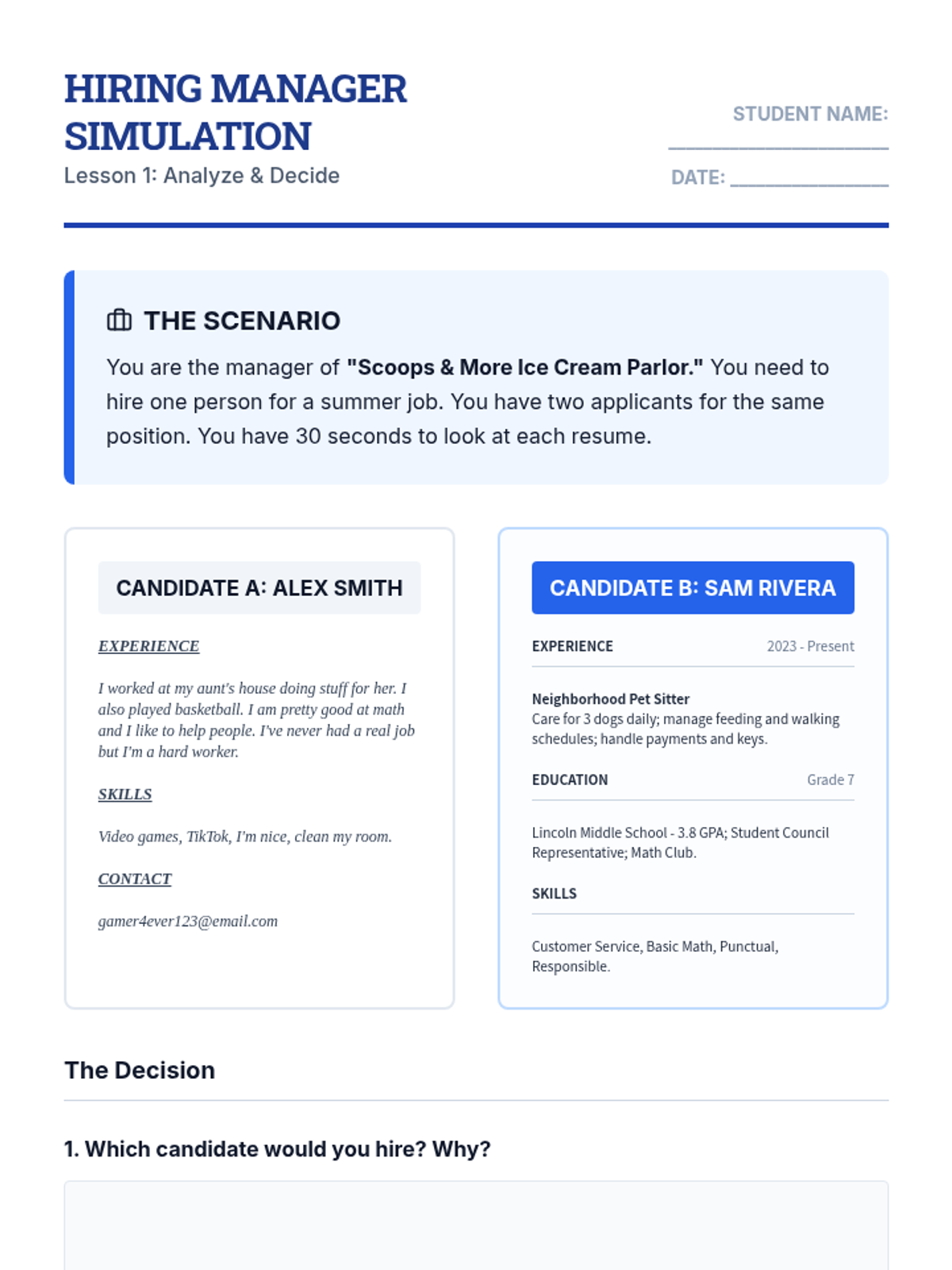
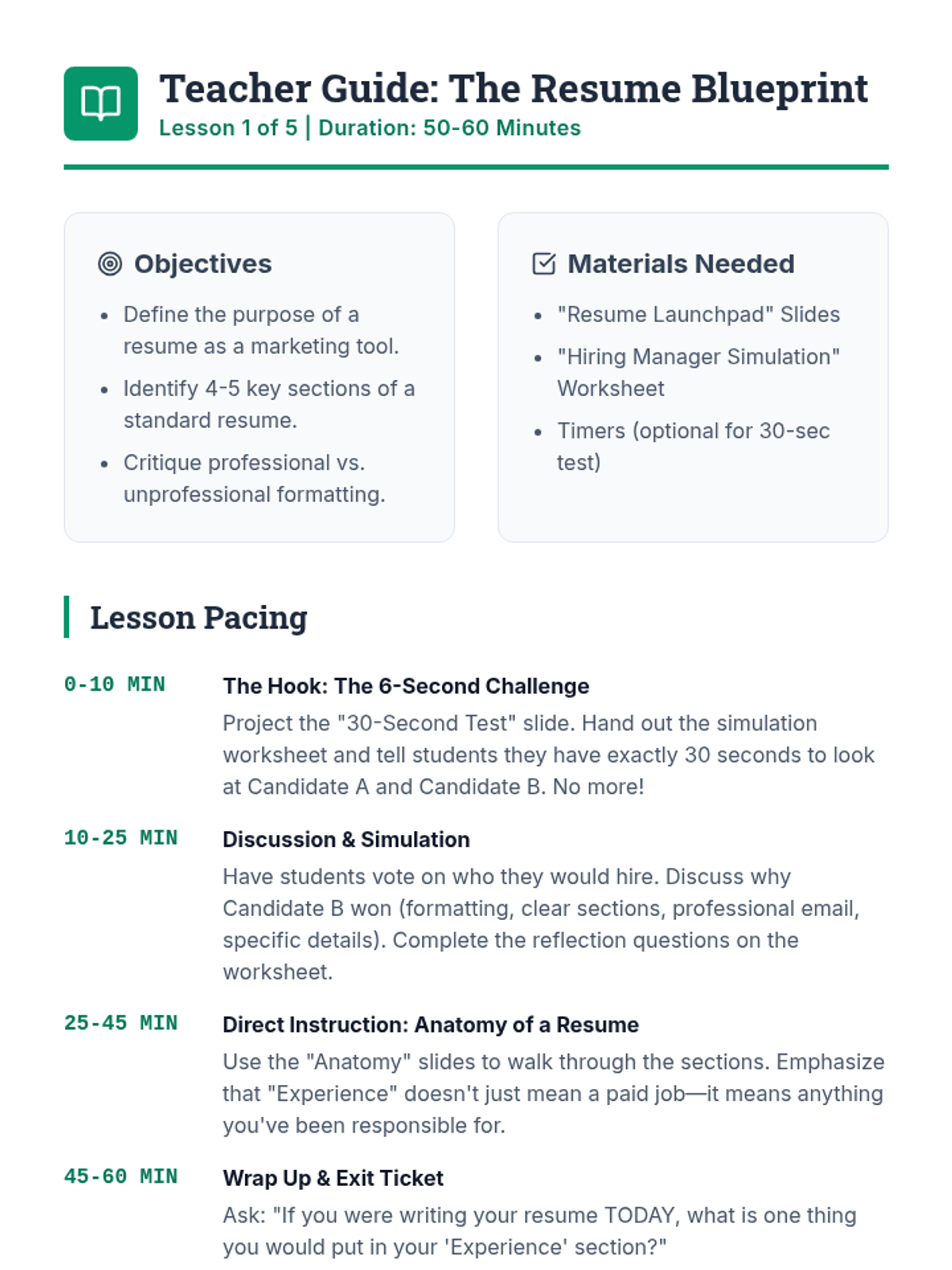
Students explore the concept of a resume as a personal marketing tool and analyze various examples to identify standard sections such as contact information, education, and experience.
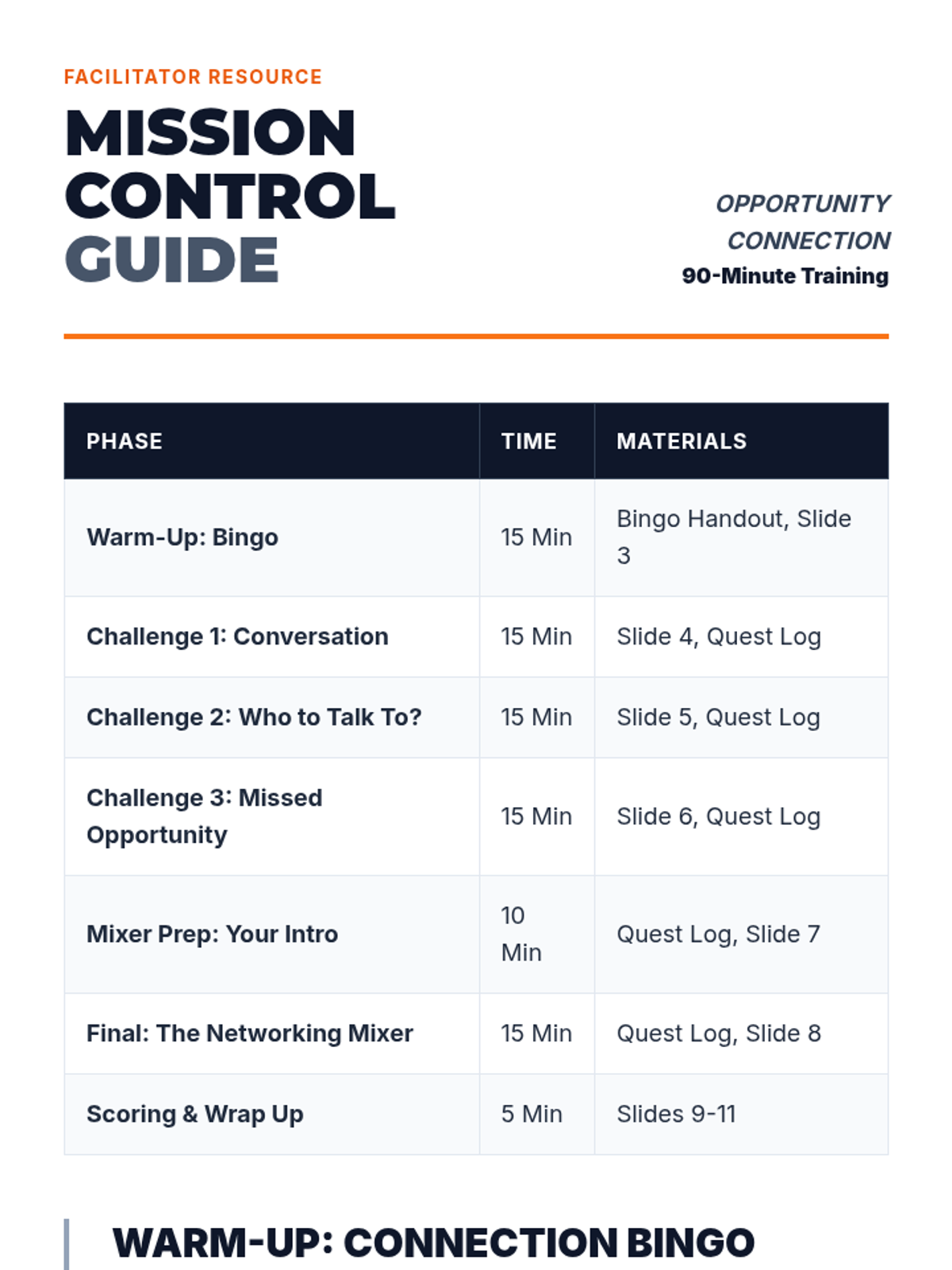
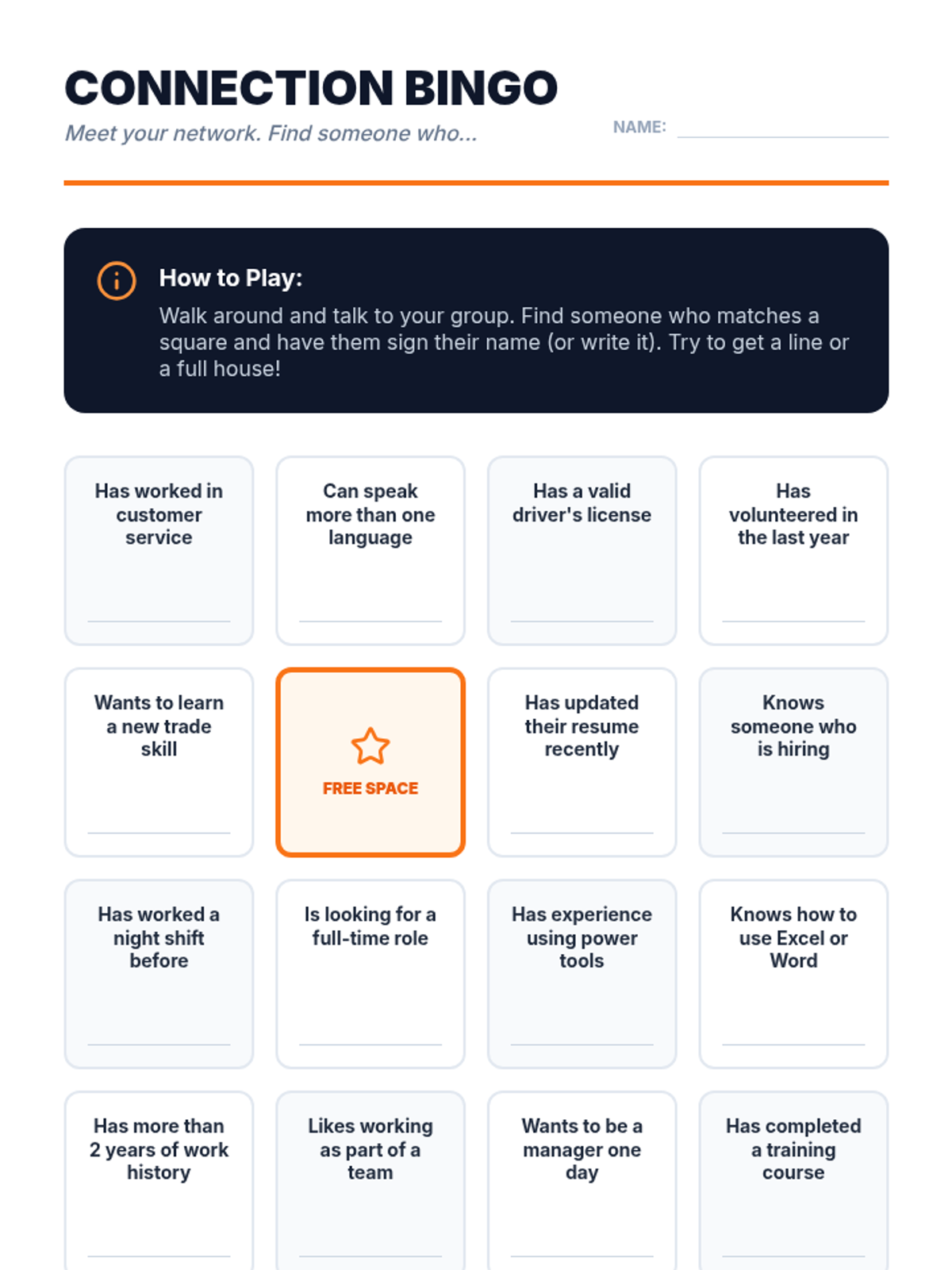
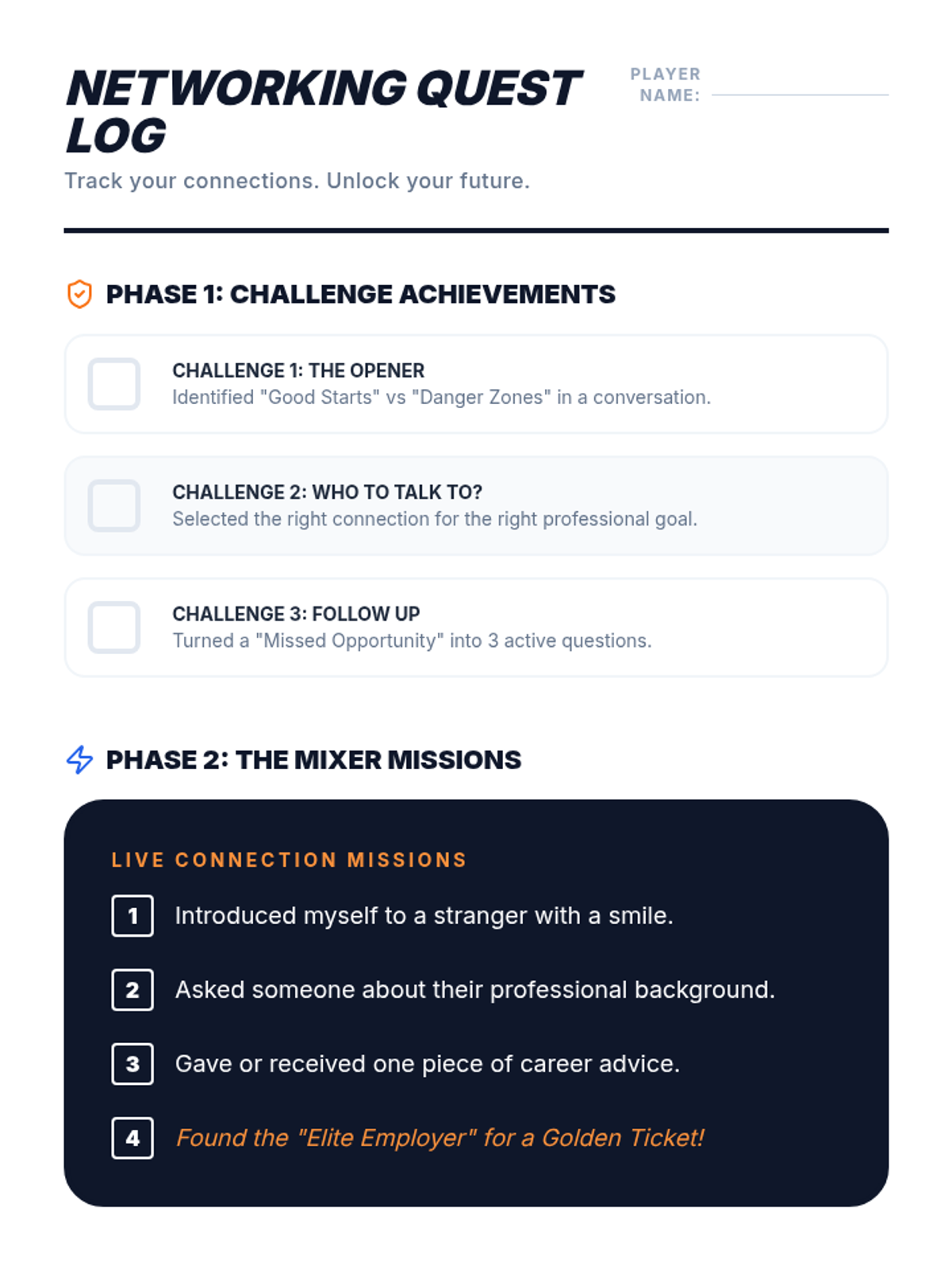
A 90-minute interactive session where participants learn to initiate conversations, identify helpful connections, and practice networking in a simulated environment to unlock career opportunities.
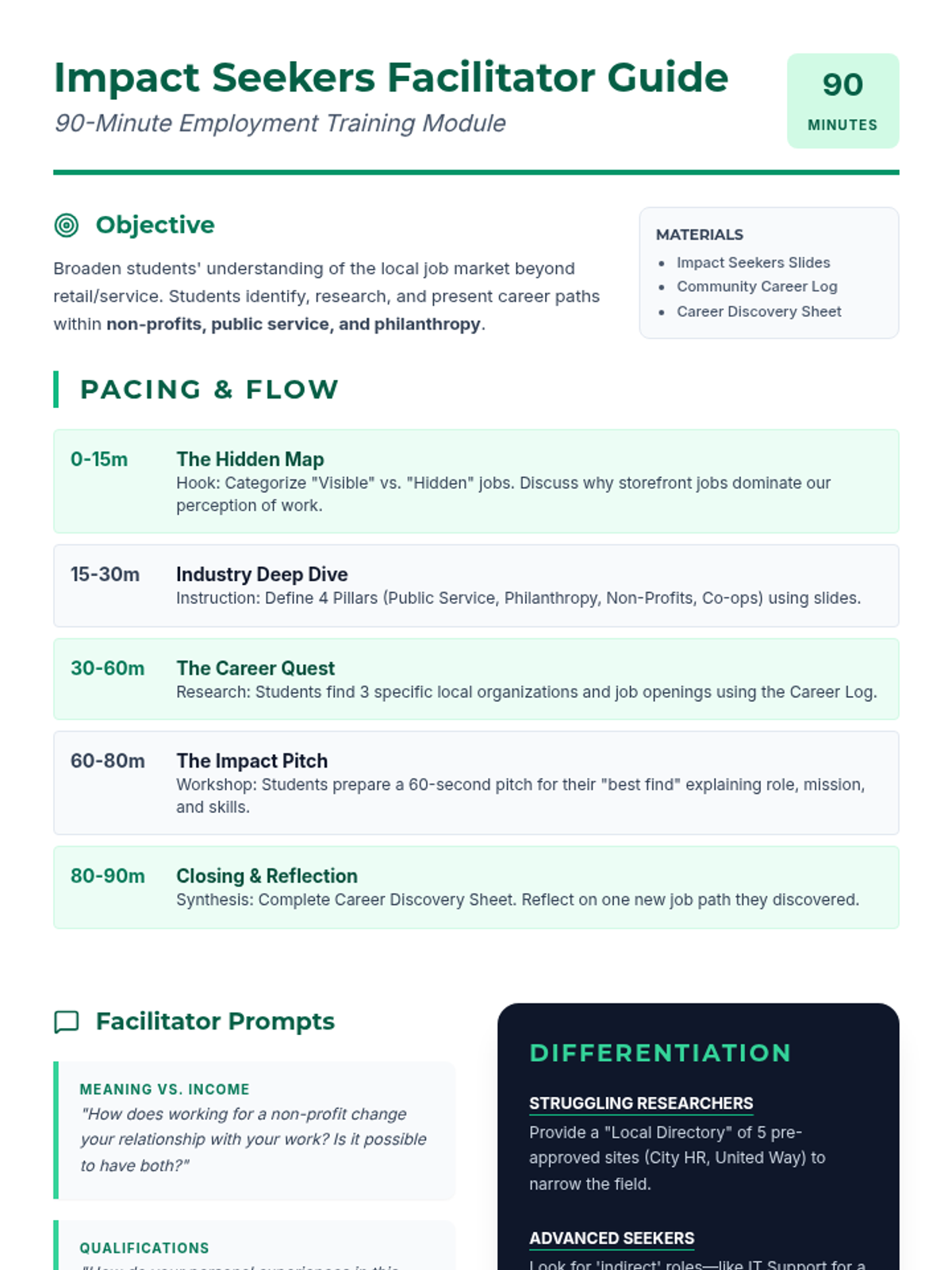
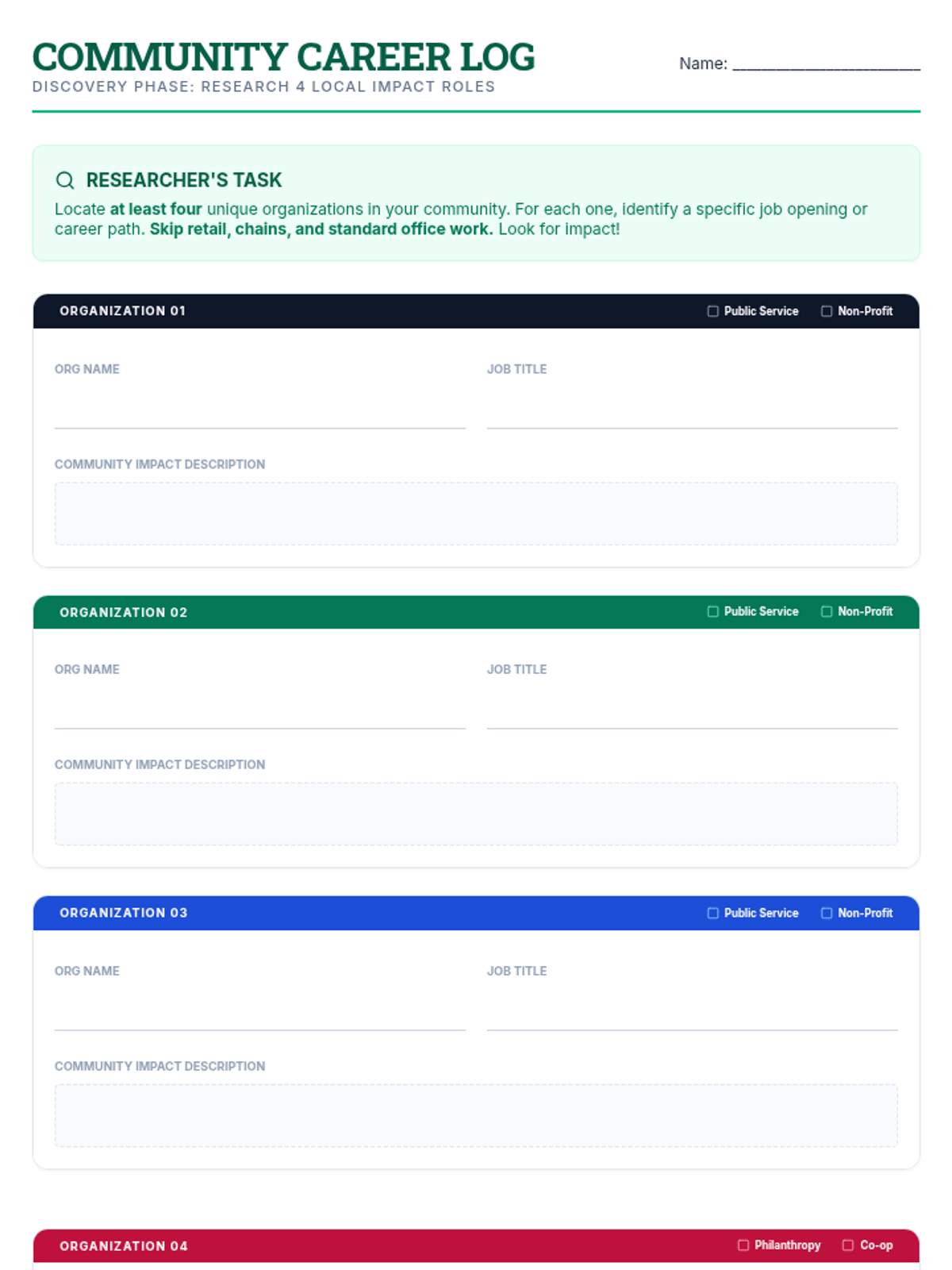
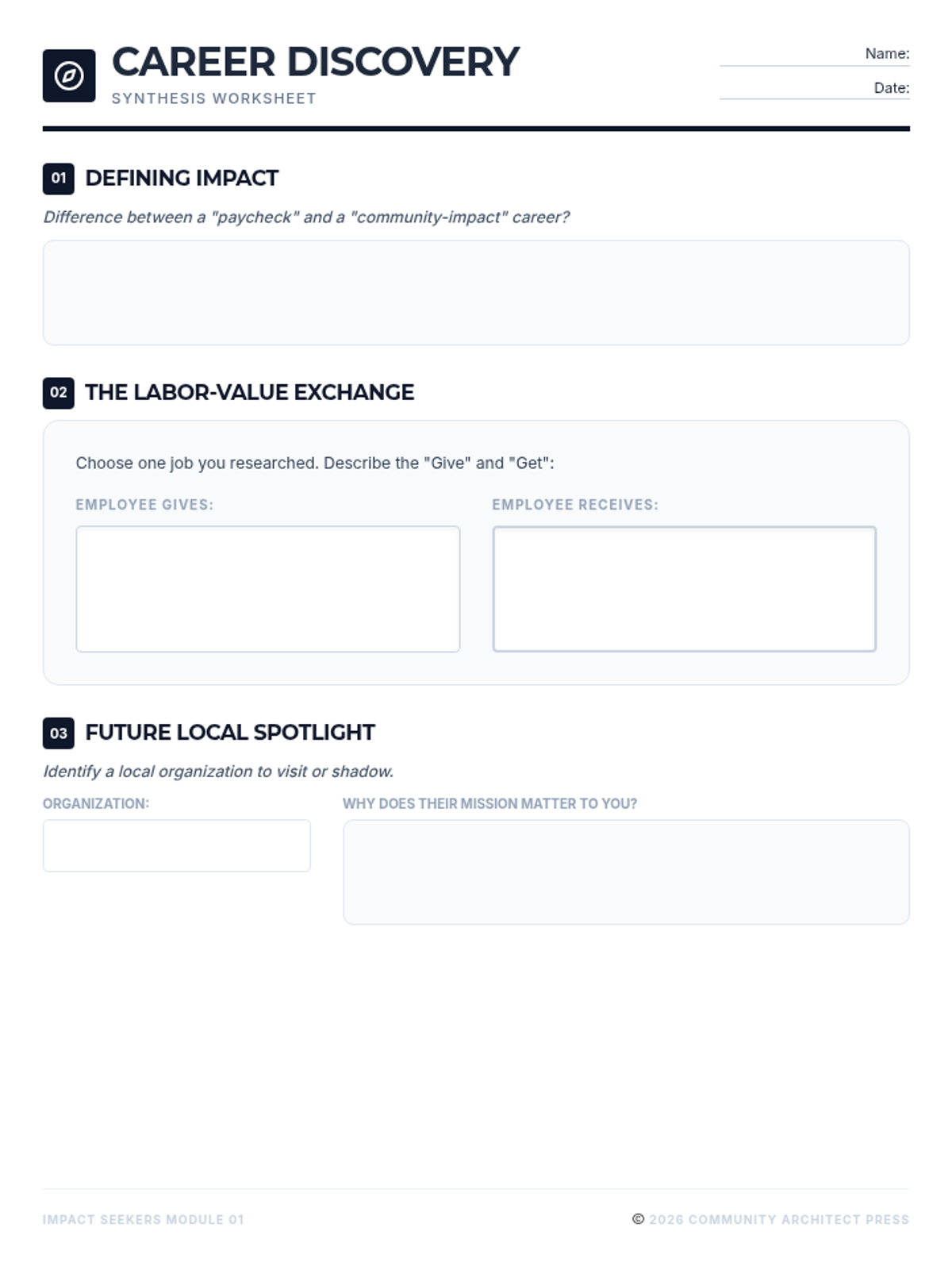
A 90-minute employment training session focused on discovering meaningful community-based careers beyond traditional retail. Students explore non-profits, public service, and philanthropic organizations to understand diverse career paths.
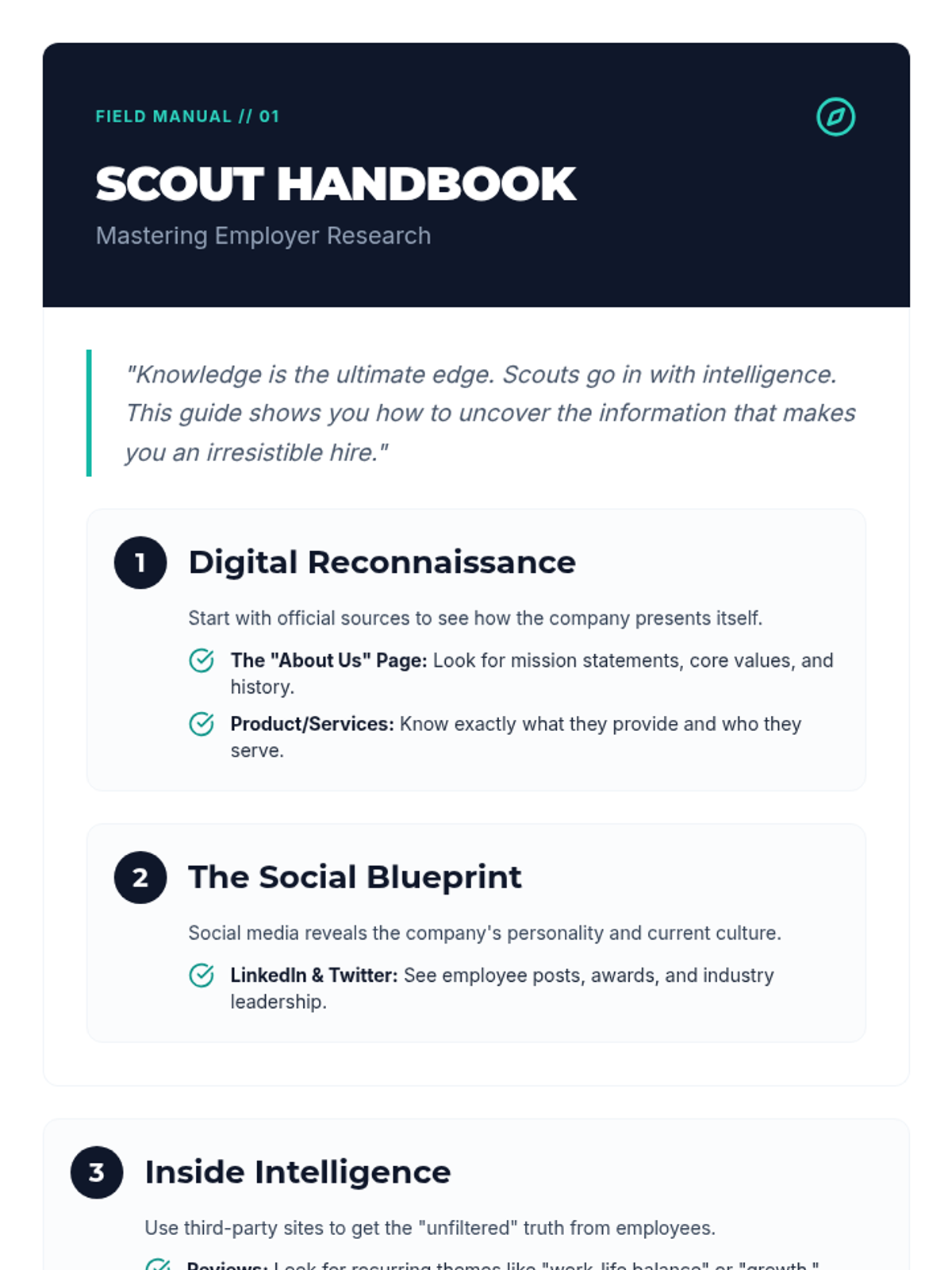
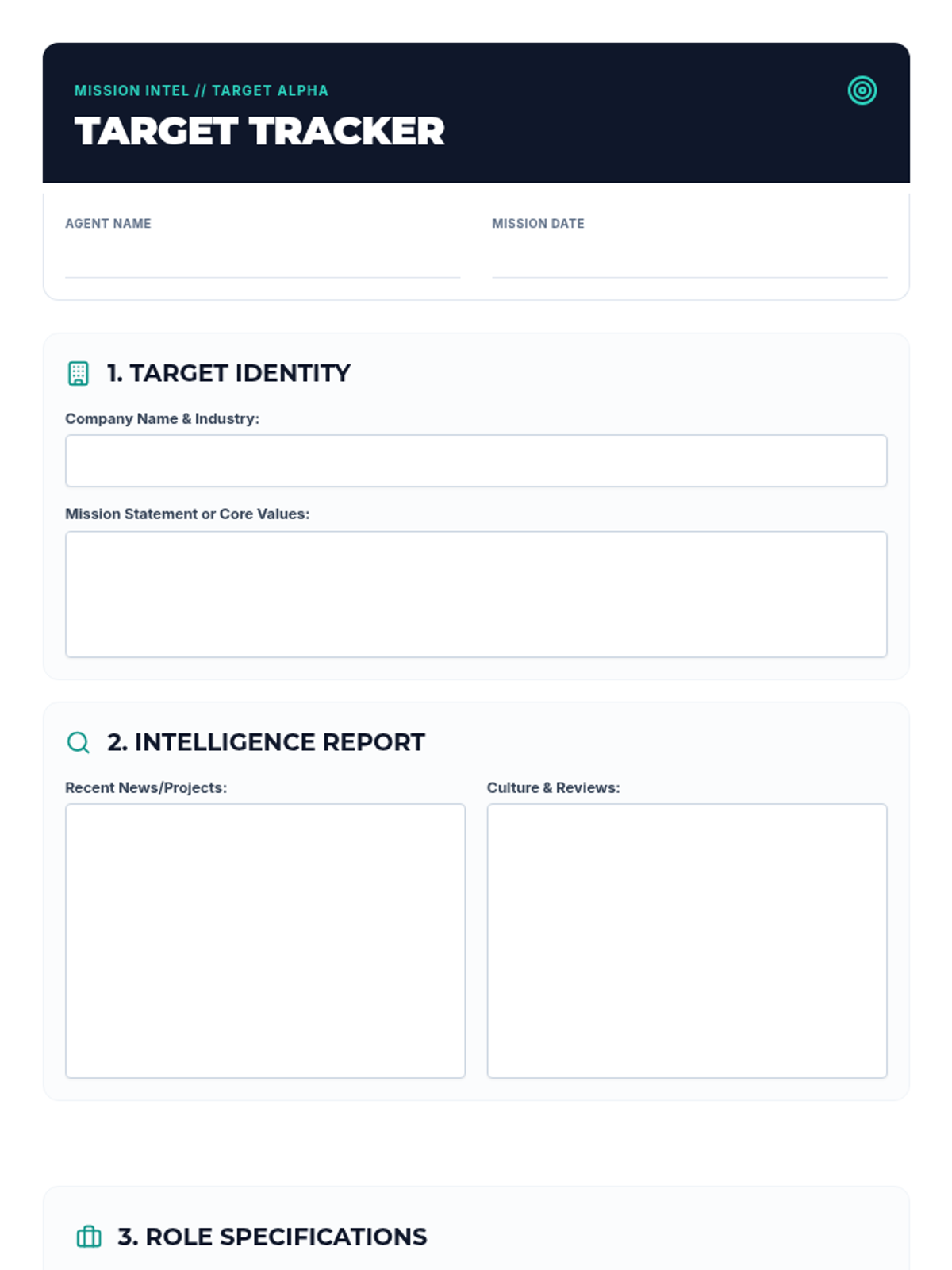
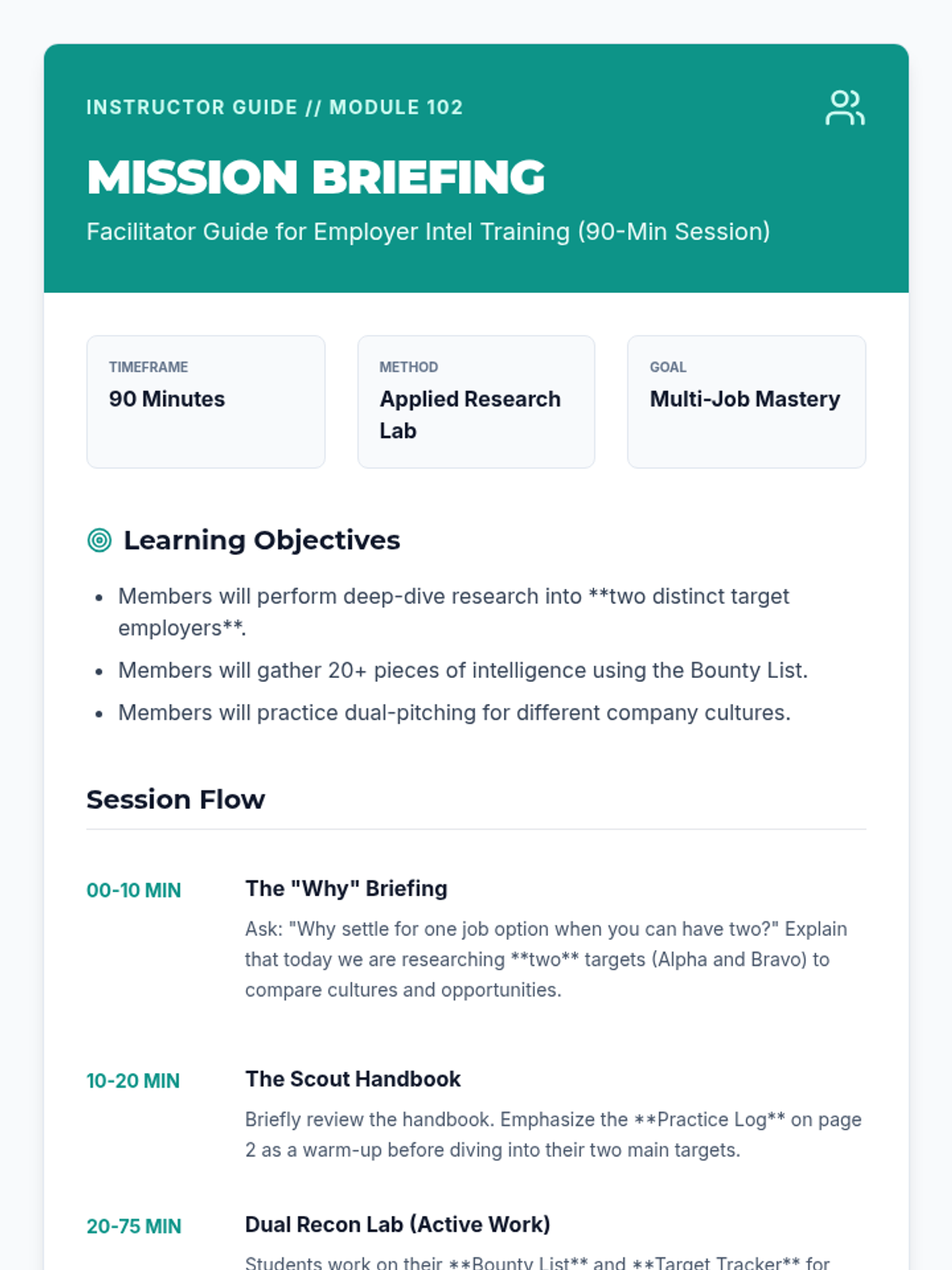
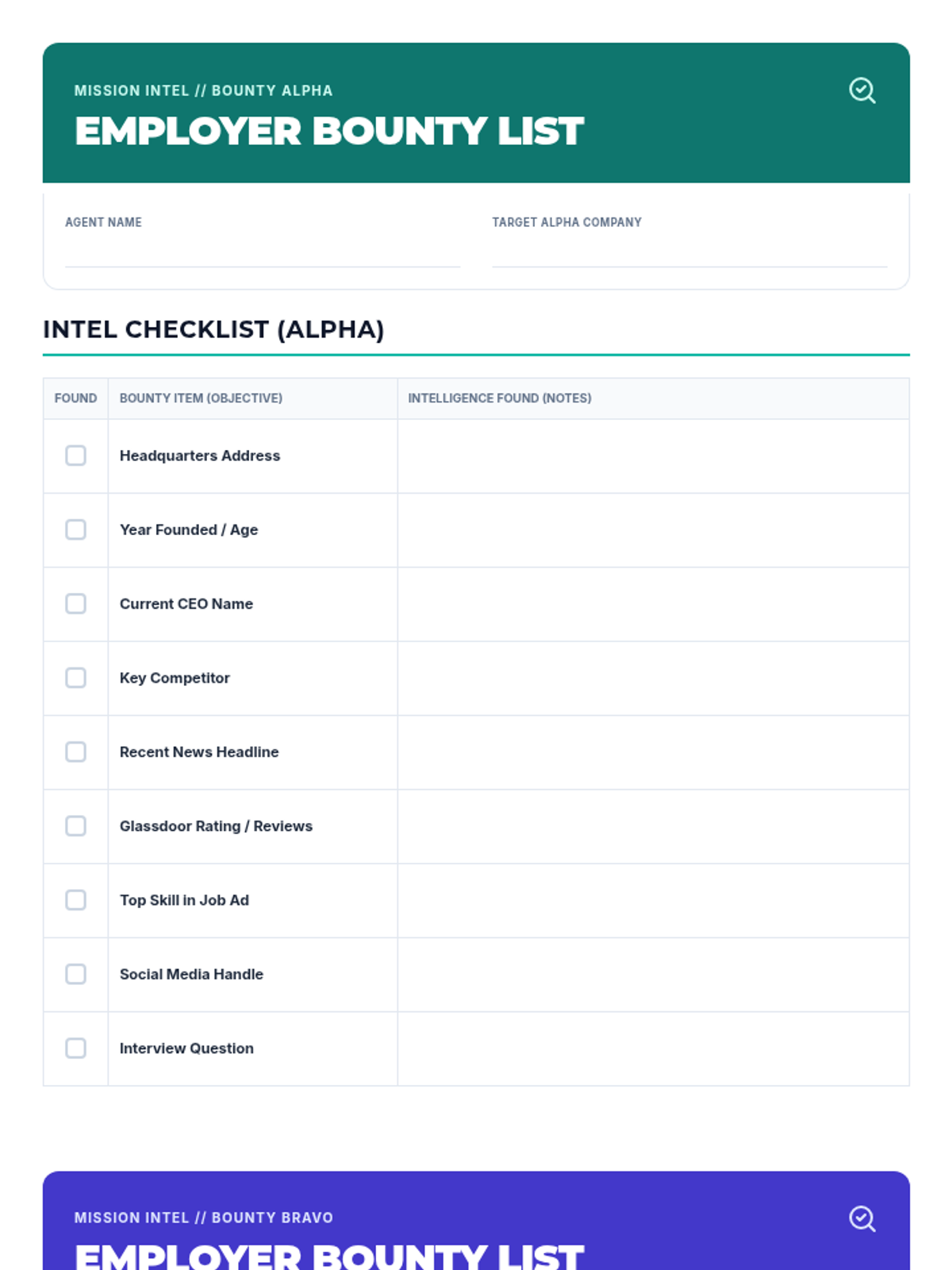
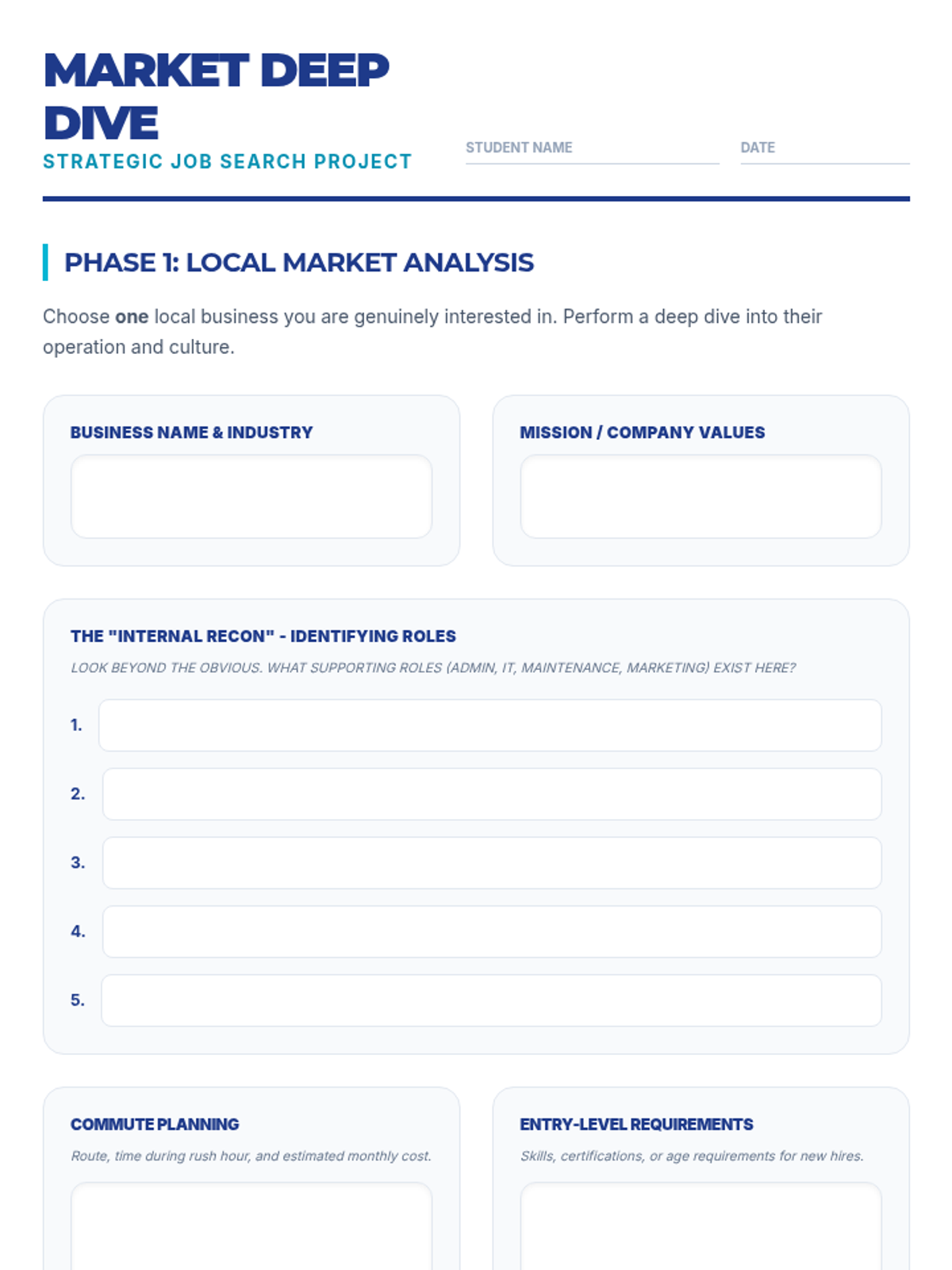
A comprehensive training module focused on teaching job seekers how to perform deep-dive research into potential employers and job listings to prepare for applications and interviews.
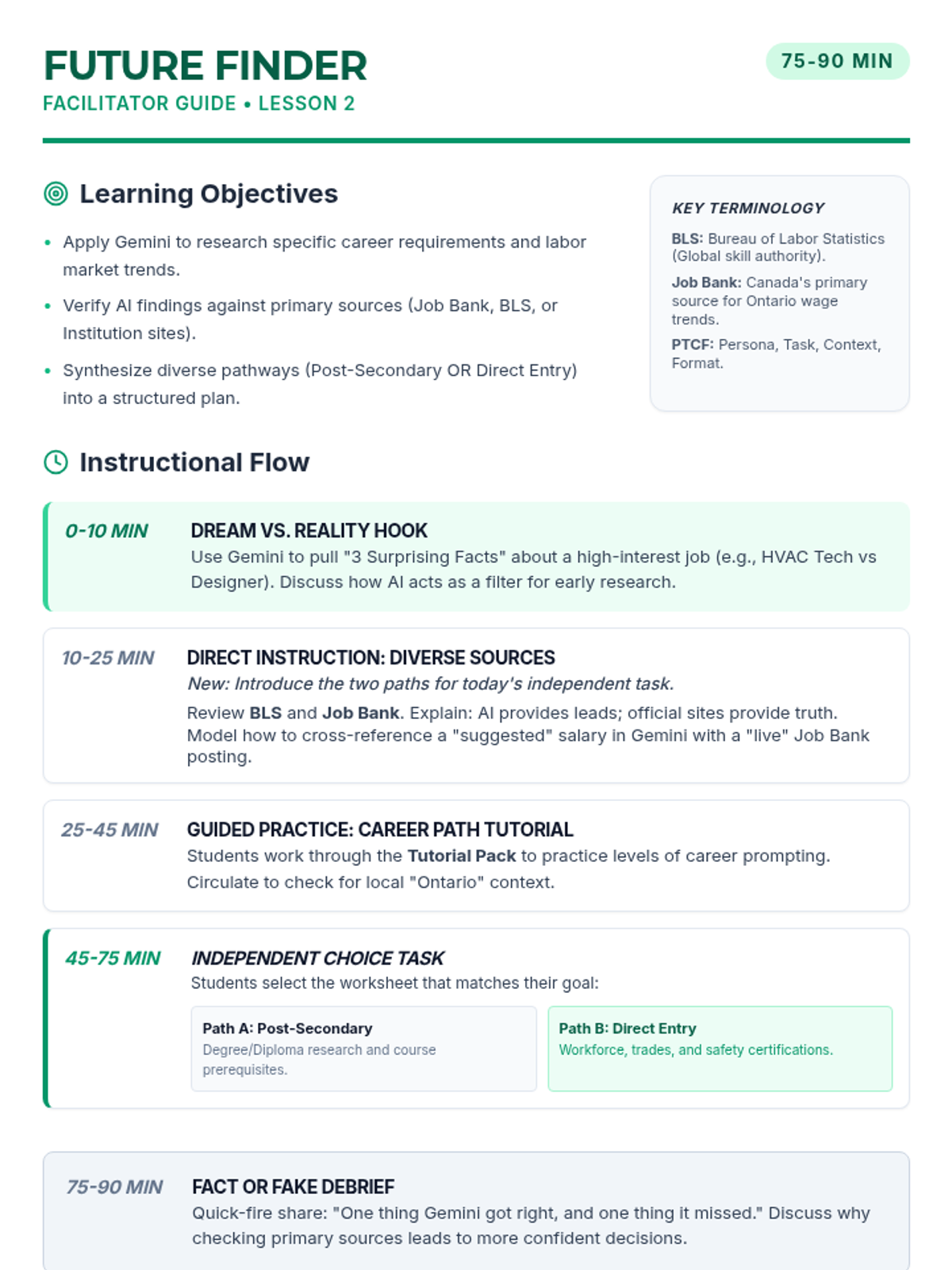
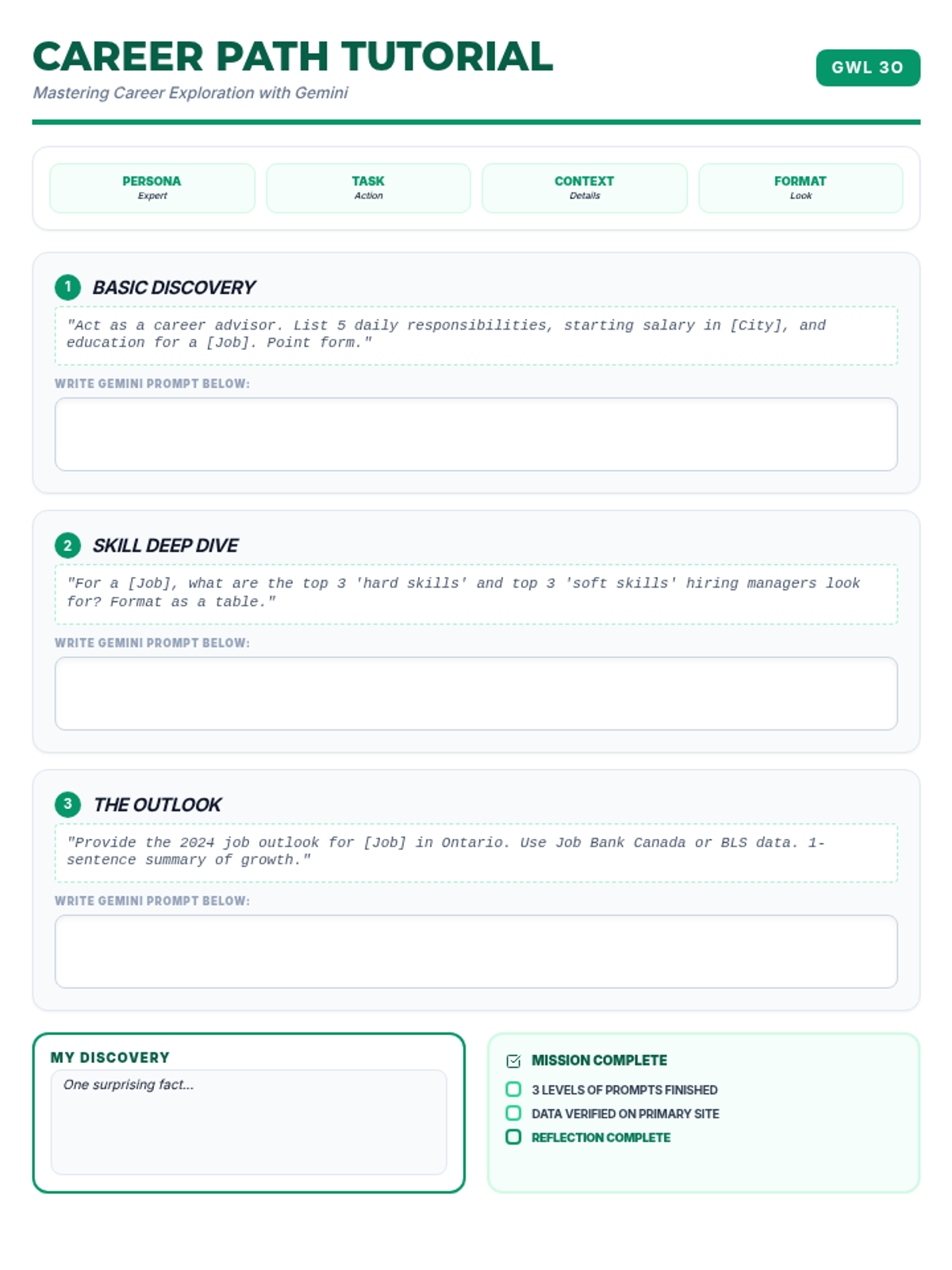
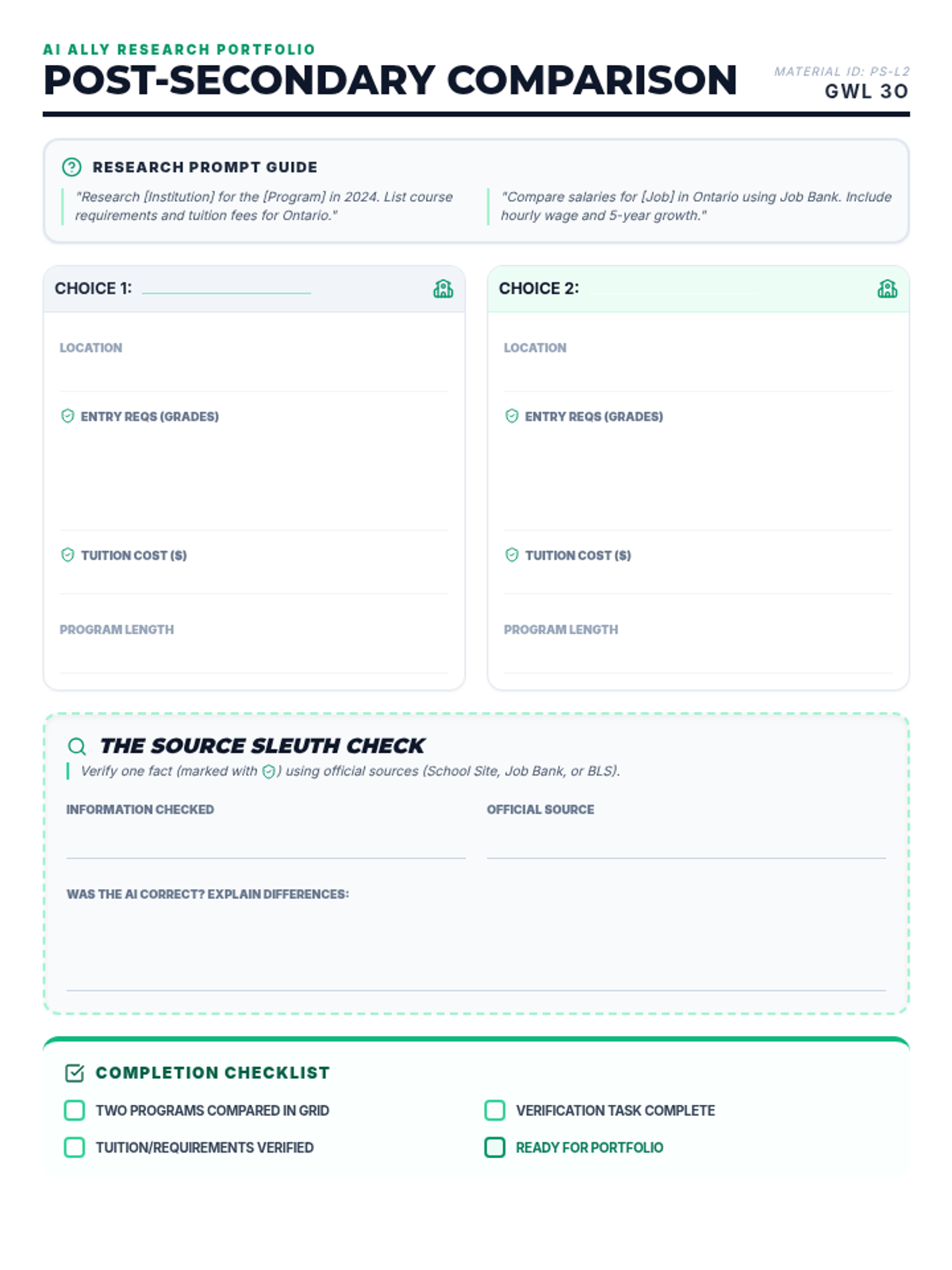
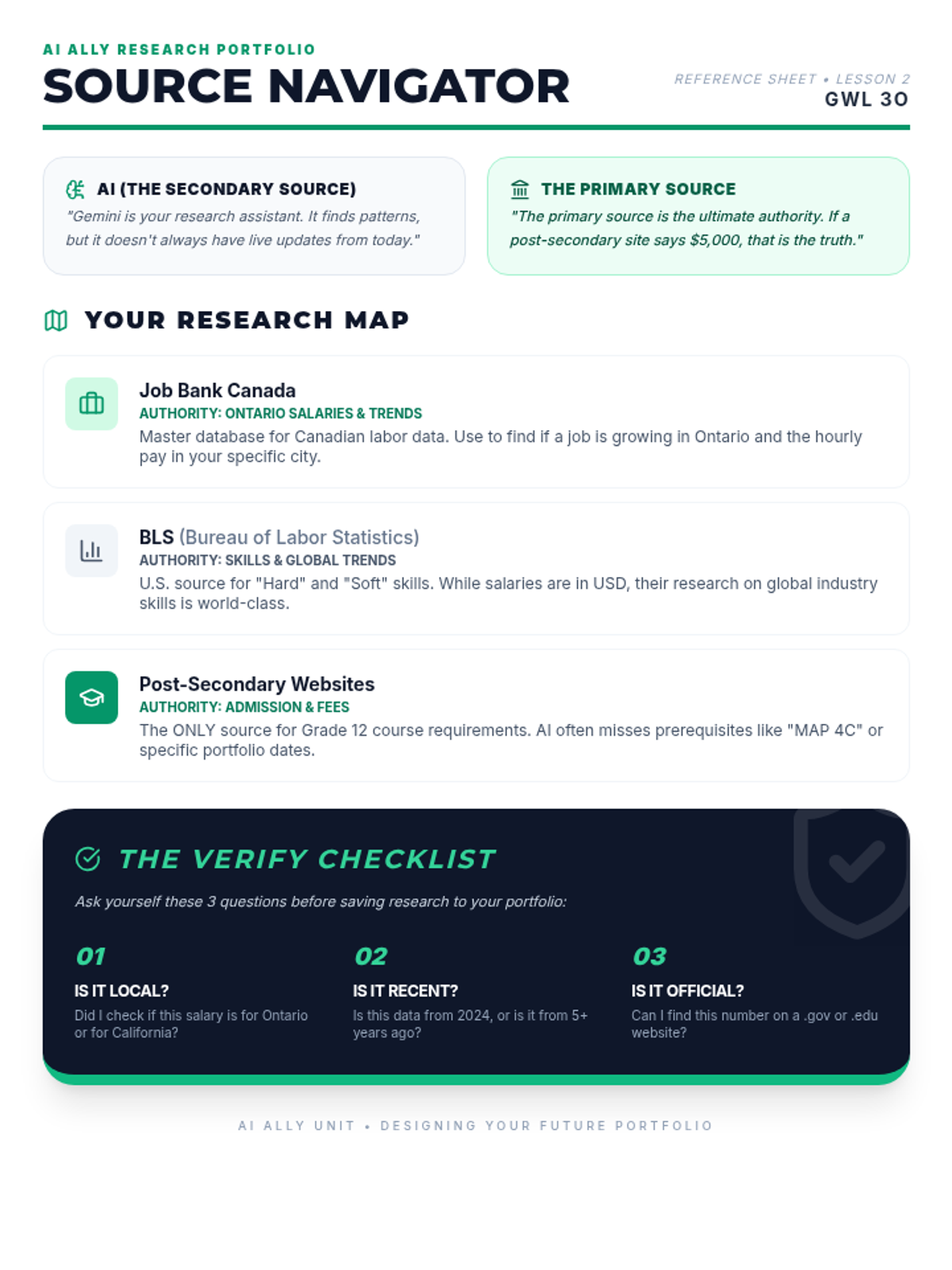
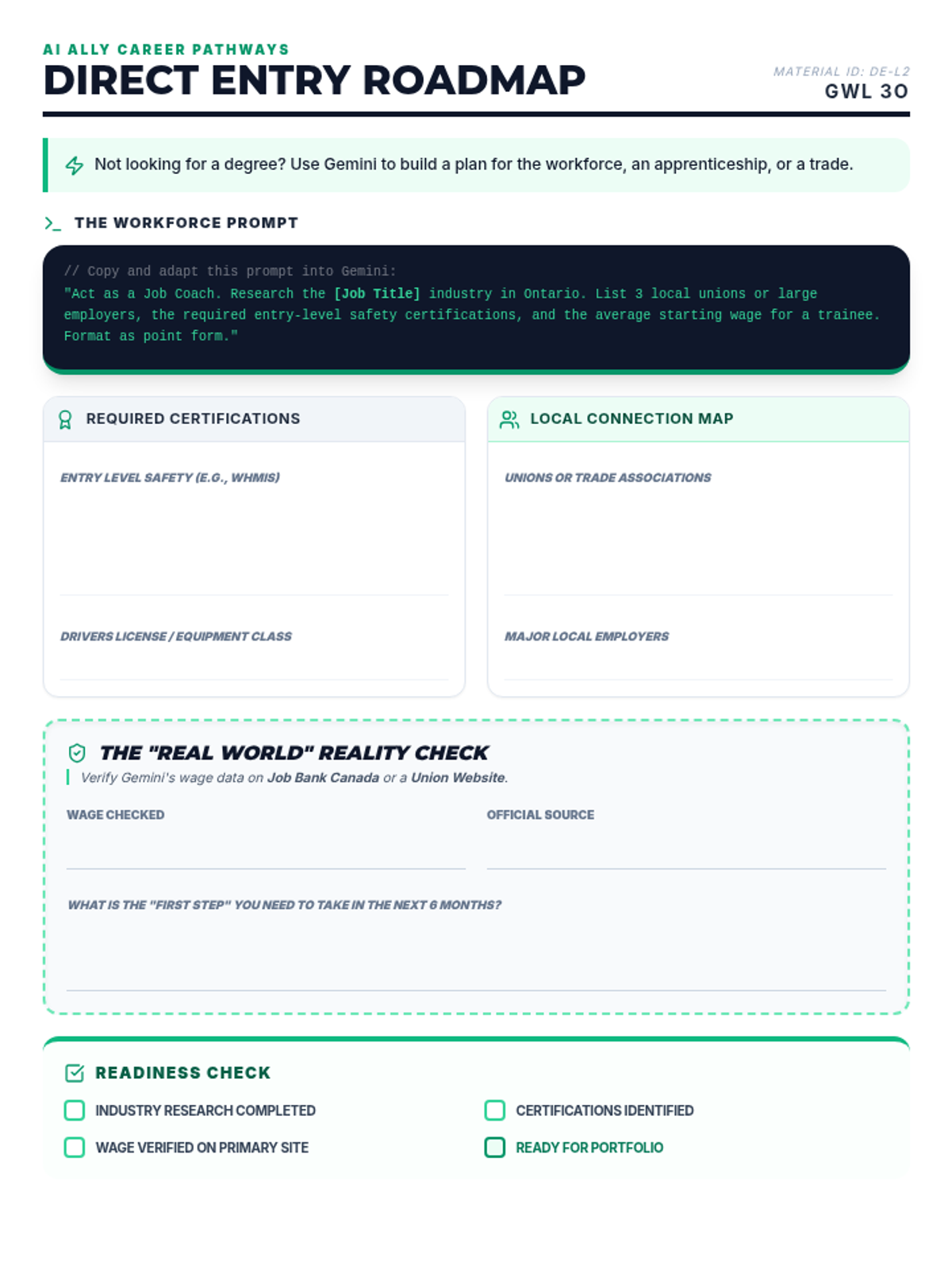
Students use Gemini to explore diverse career pathways, post-secondary requirements, and labor market trends, learning how to cross-reference AI findings with primary sources like government databases and institution websites.
A comprehensive 90-minute session designed to help adults navigate career pathways and master the basics of professional networking through a blueprint-themed approach.
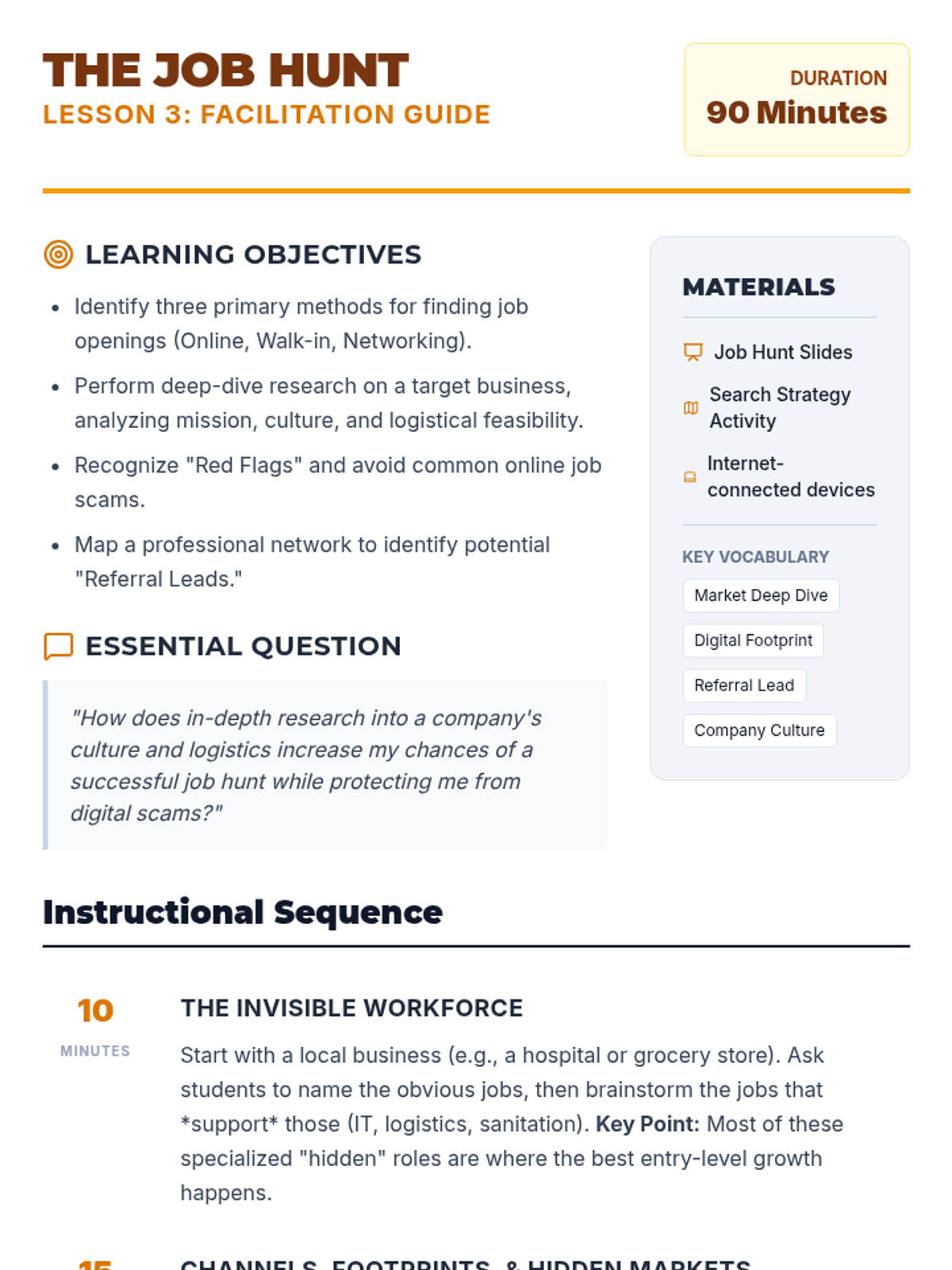
An expanded 90-minute lesson on job search strategies, covering digital platforms, the hidden job market, identifying job scams, and practicing professional elevator pitches.
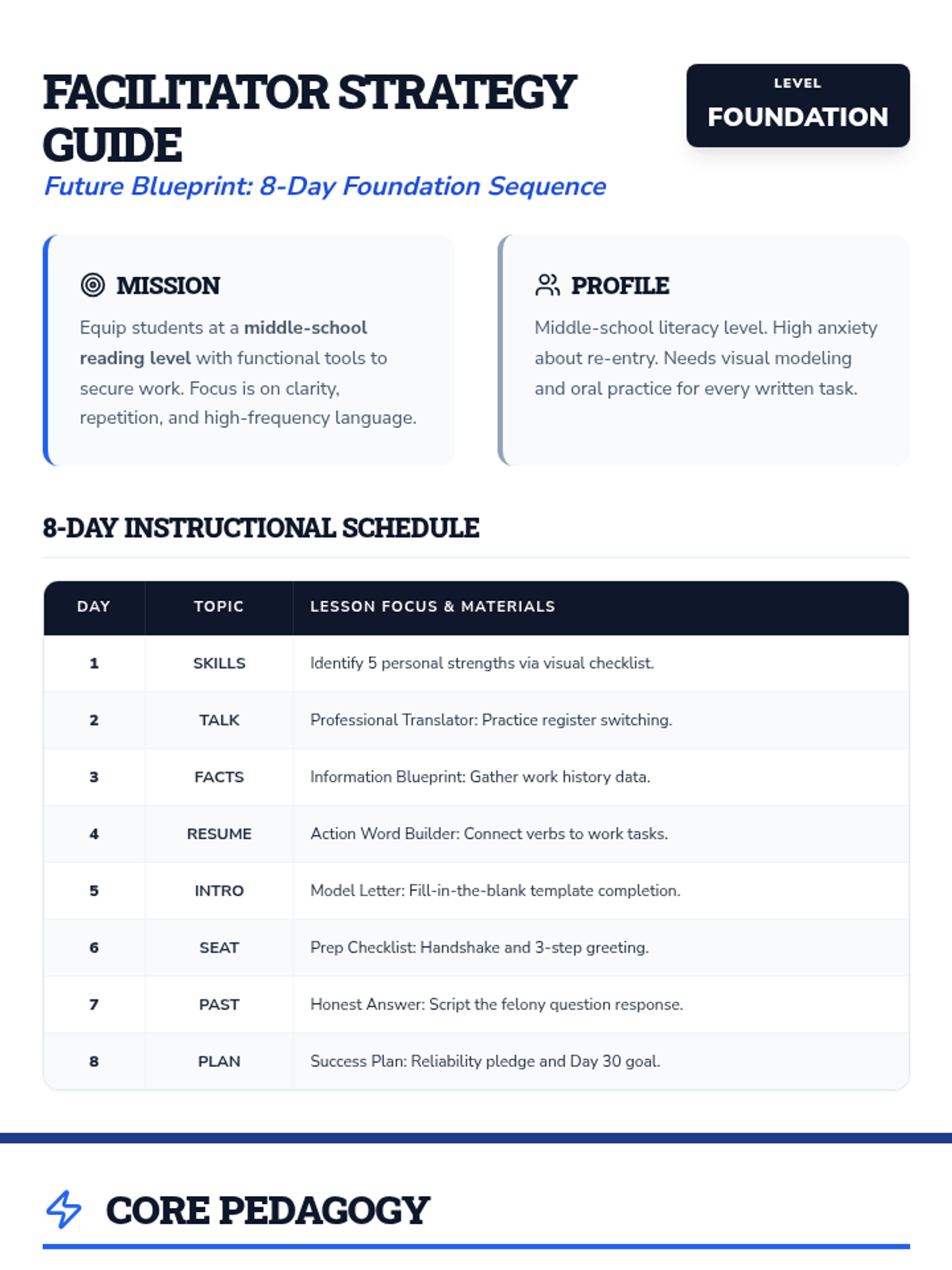
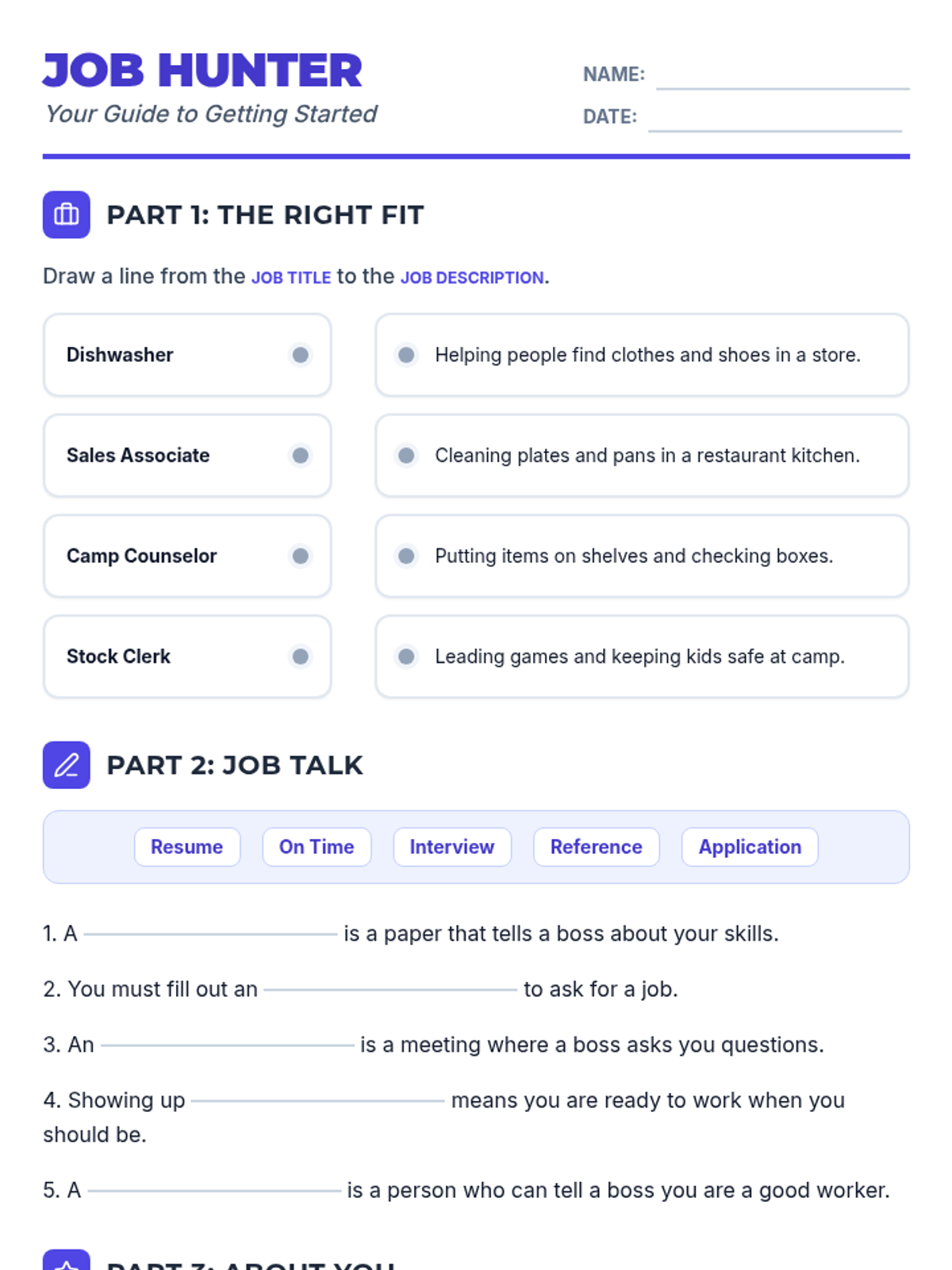
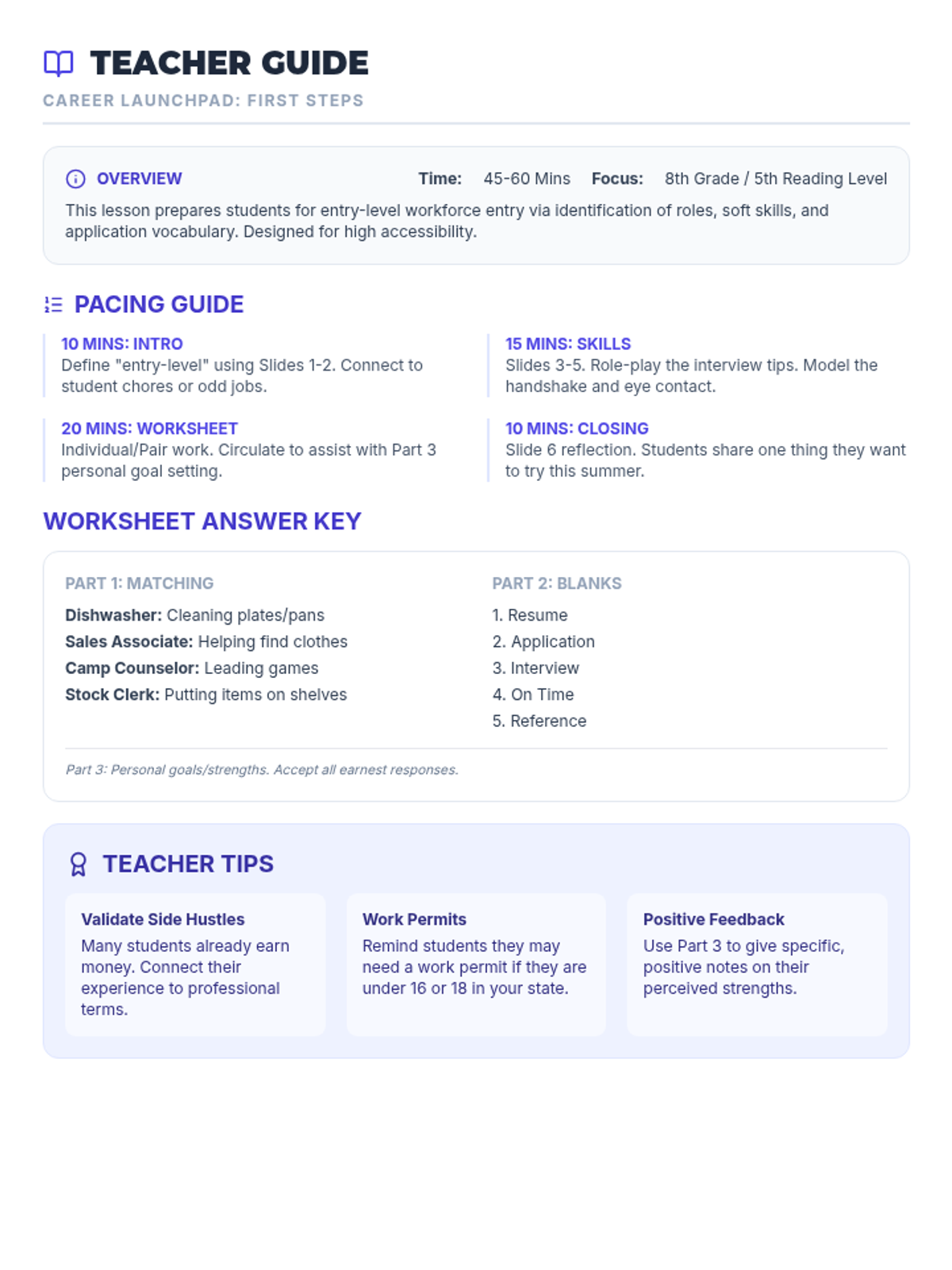
A lesson designed for 8th grade students in alternative settings to prepare for their first entry-level jobs and plan for life after graduation. Focuses on practical skills, identifying job roles, and understanding the basics of employment in simple, accessible language.
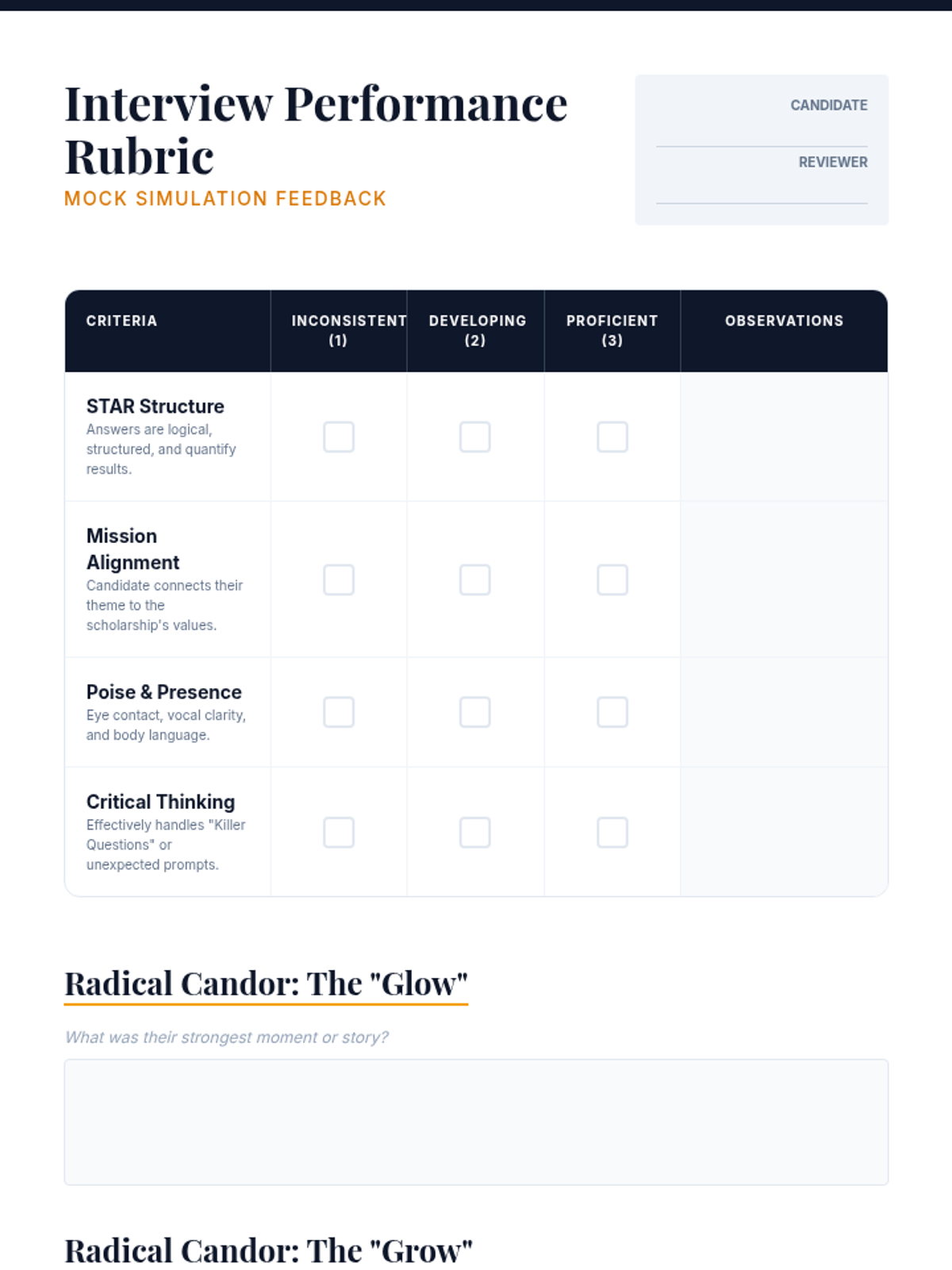
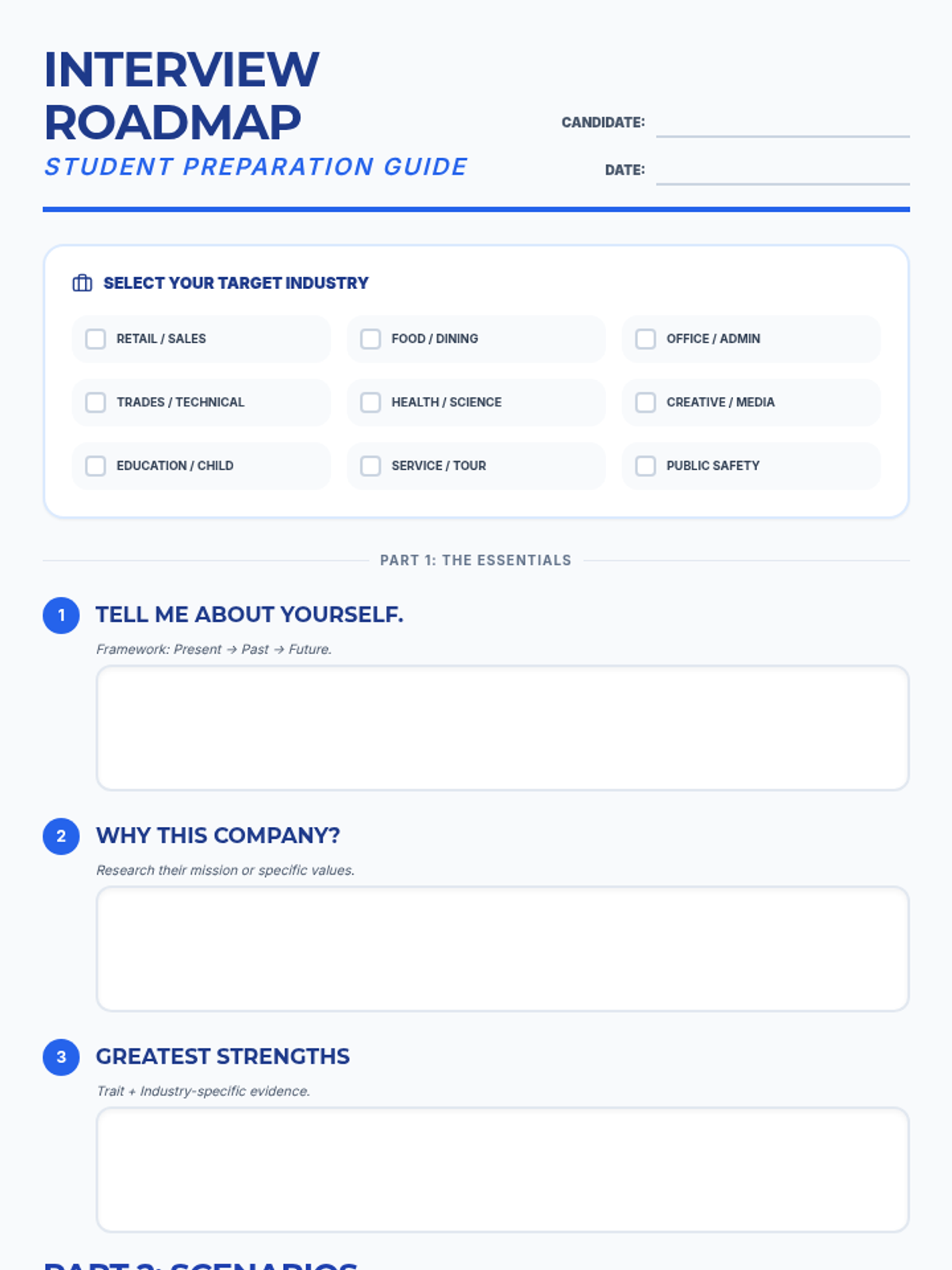
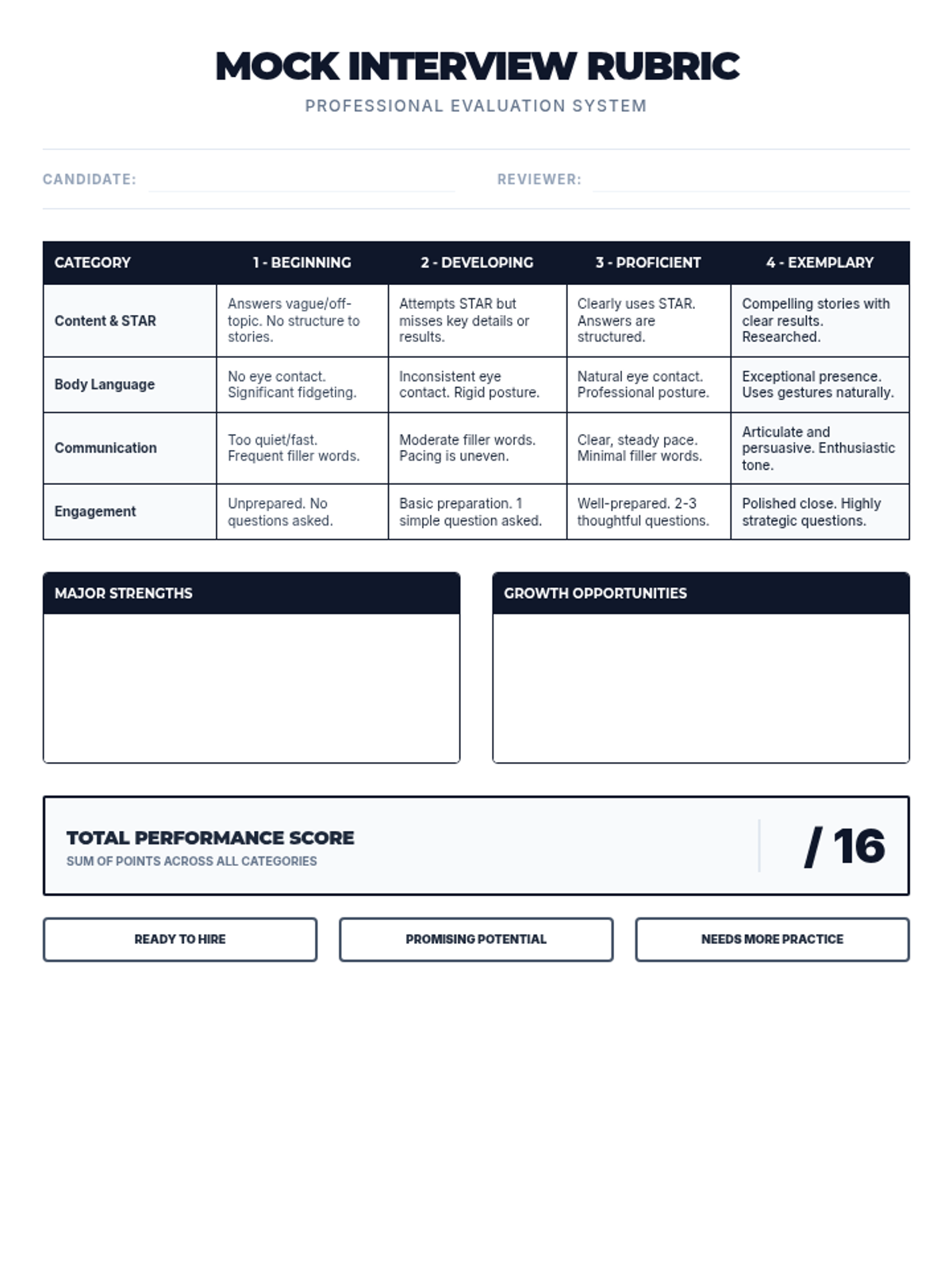
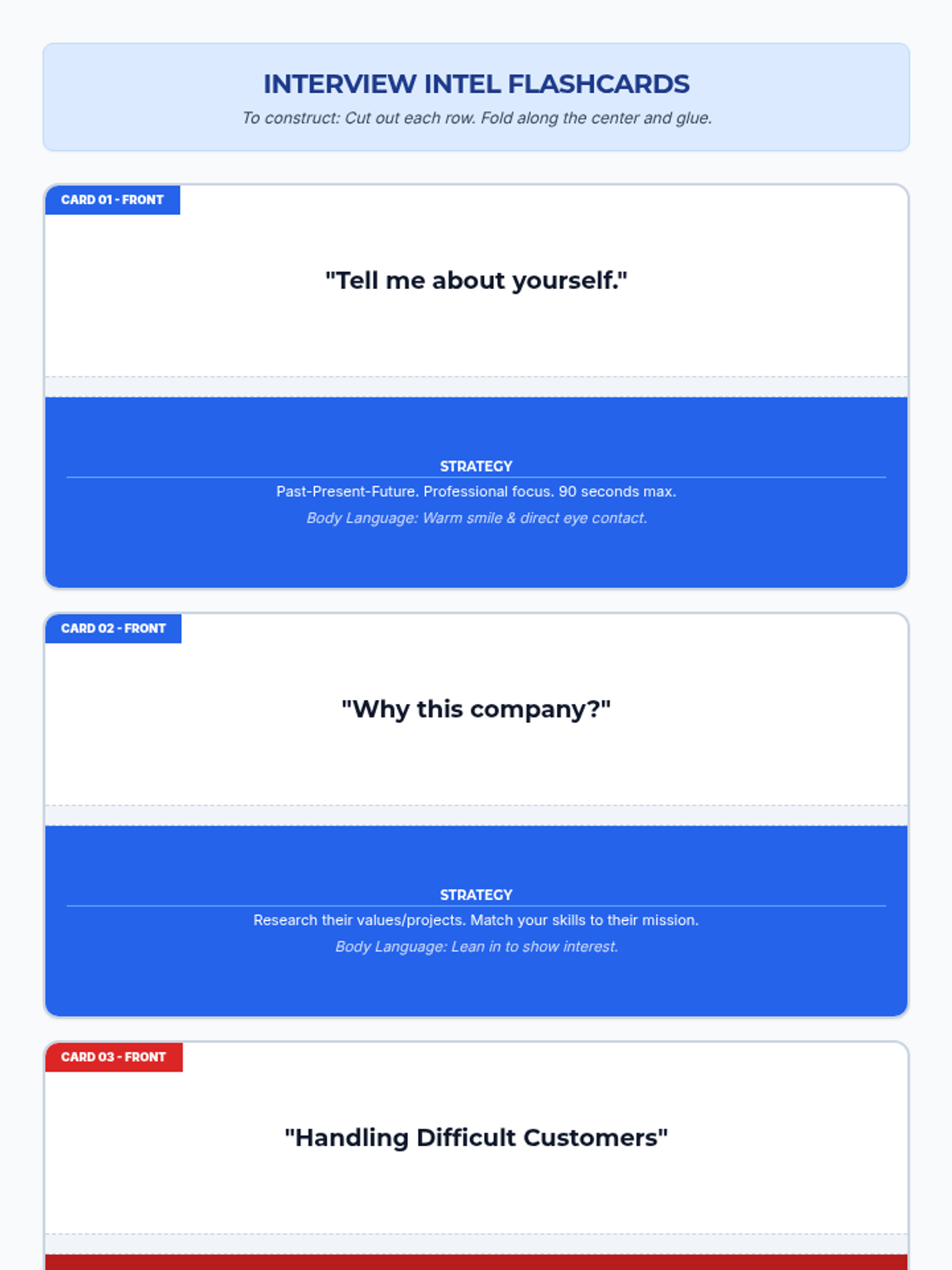
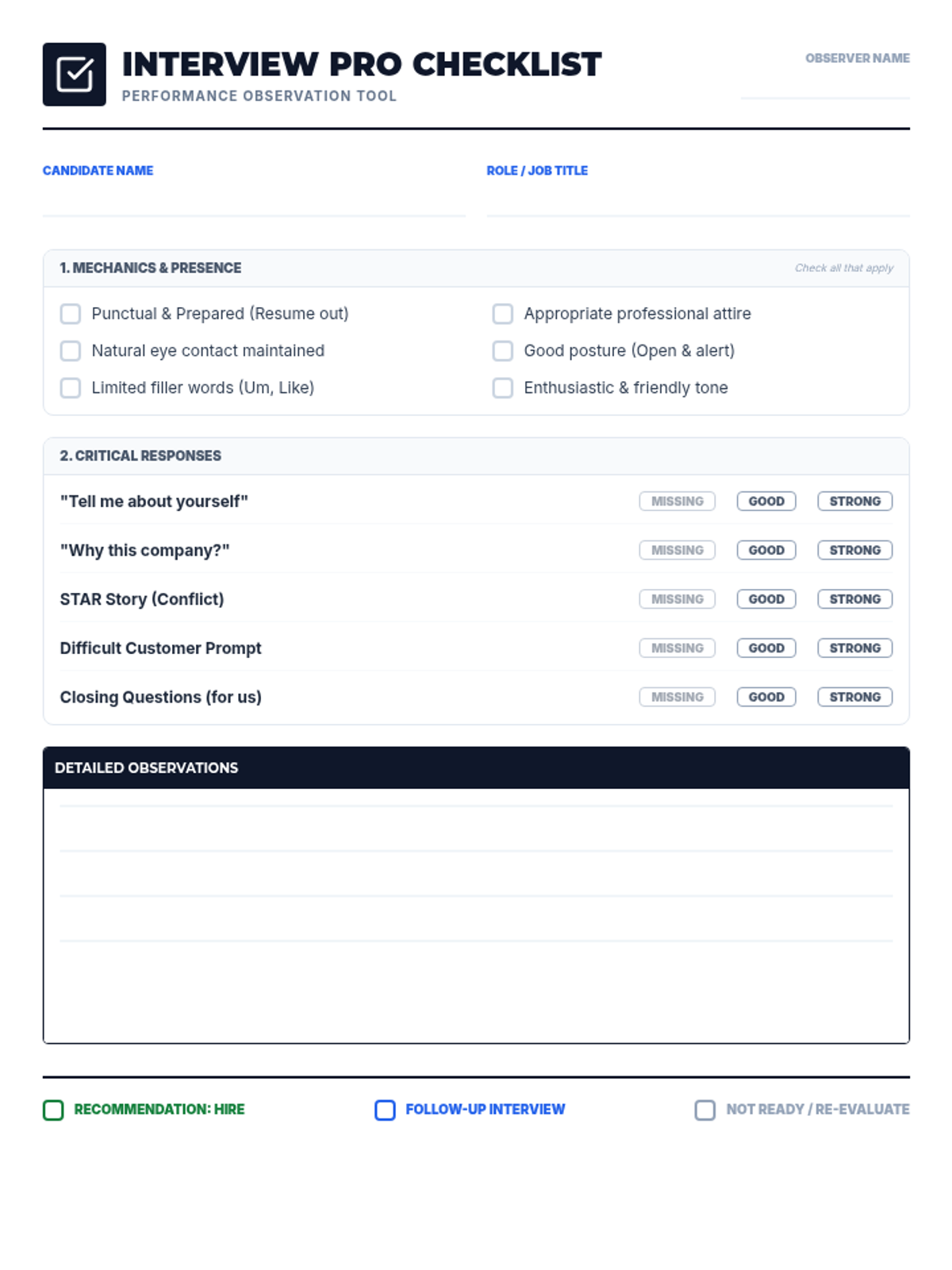
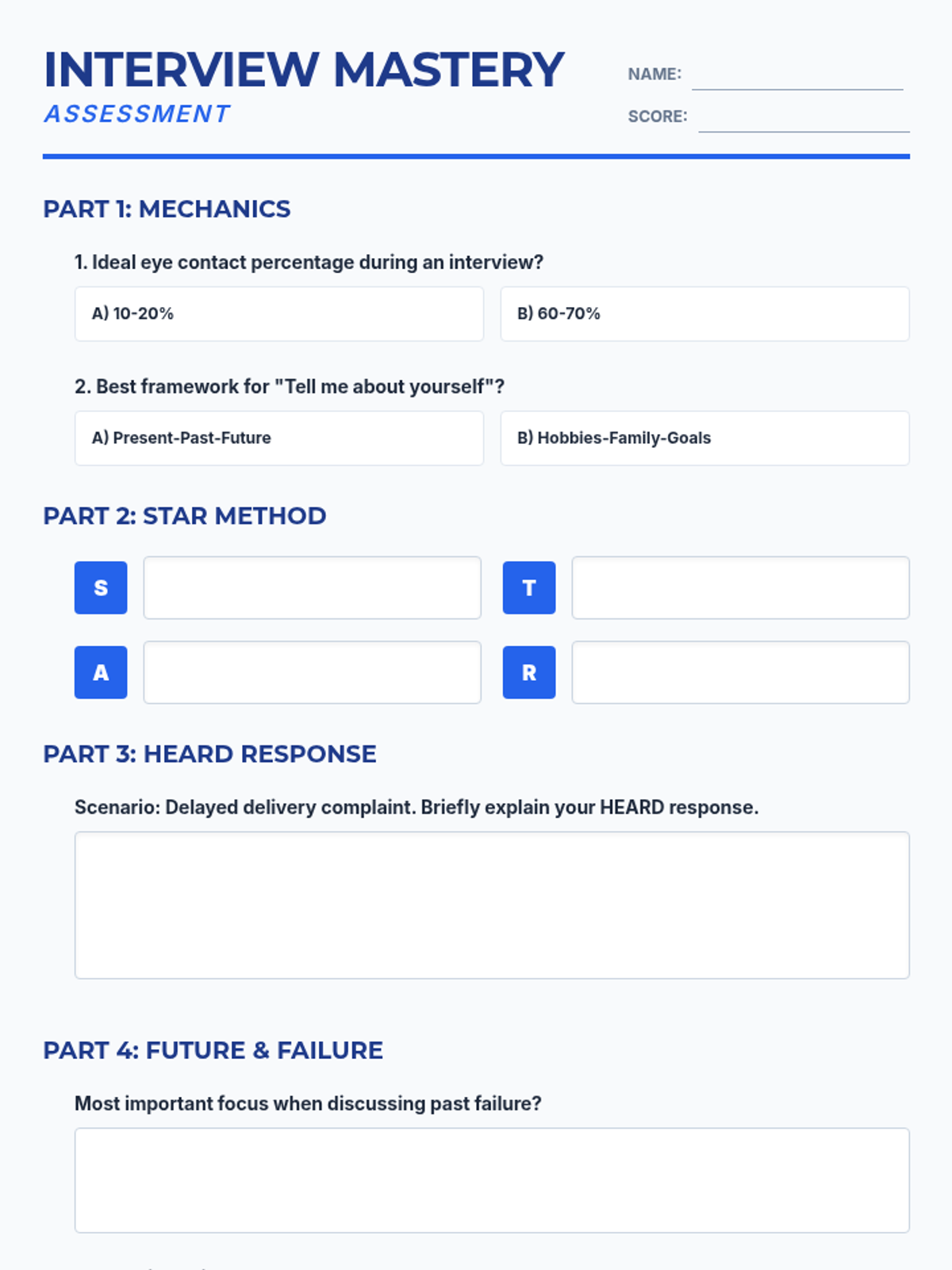
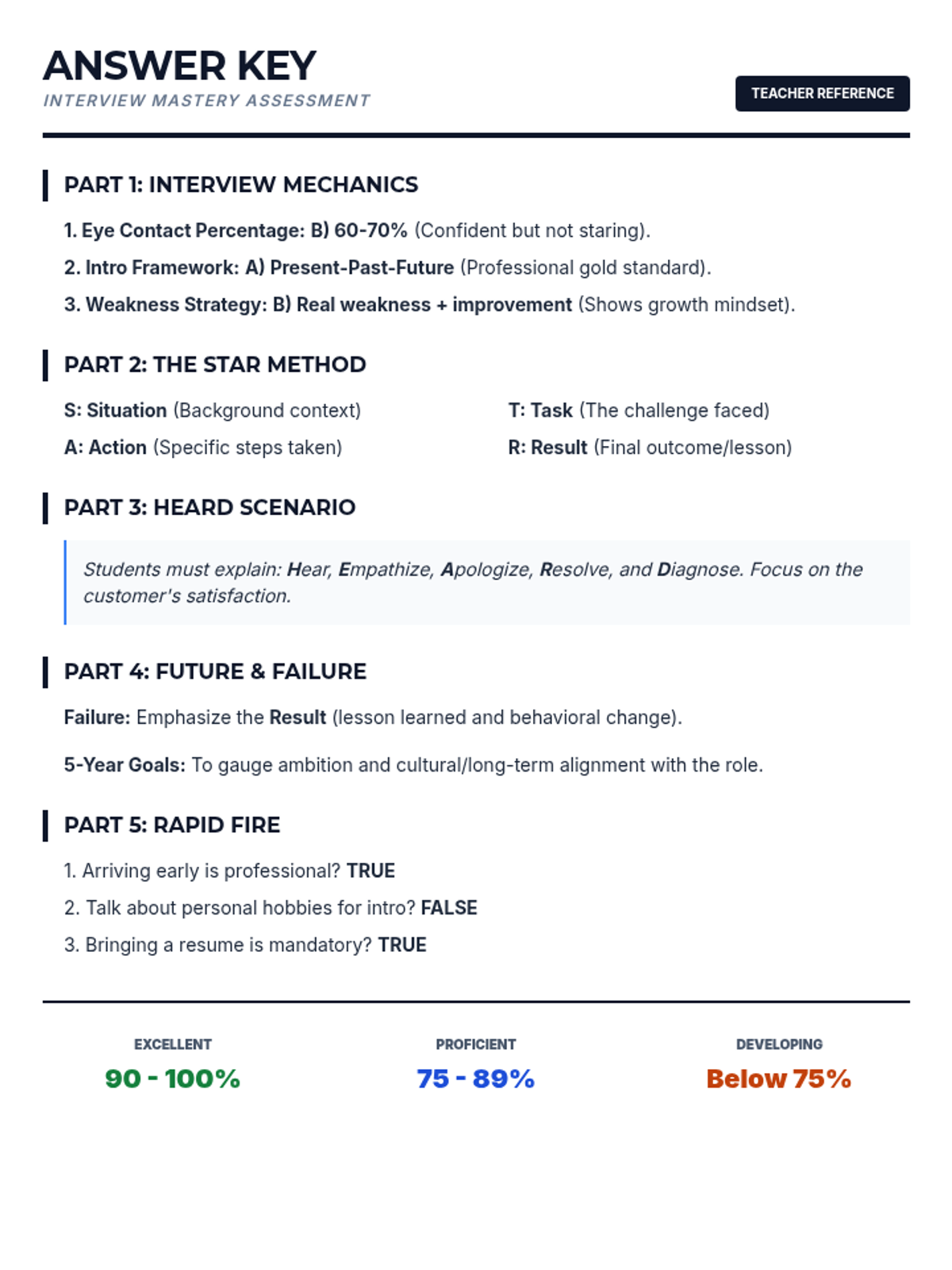
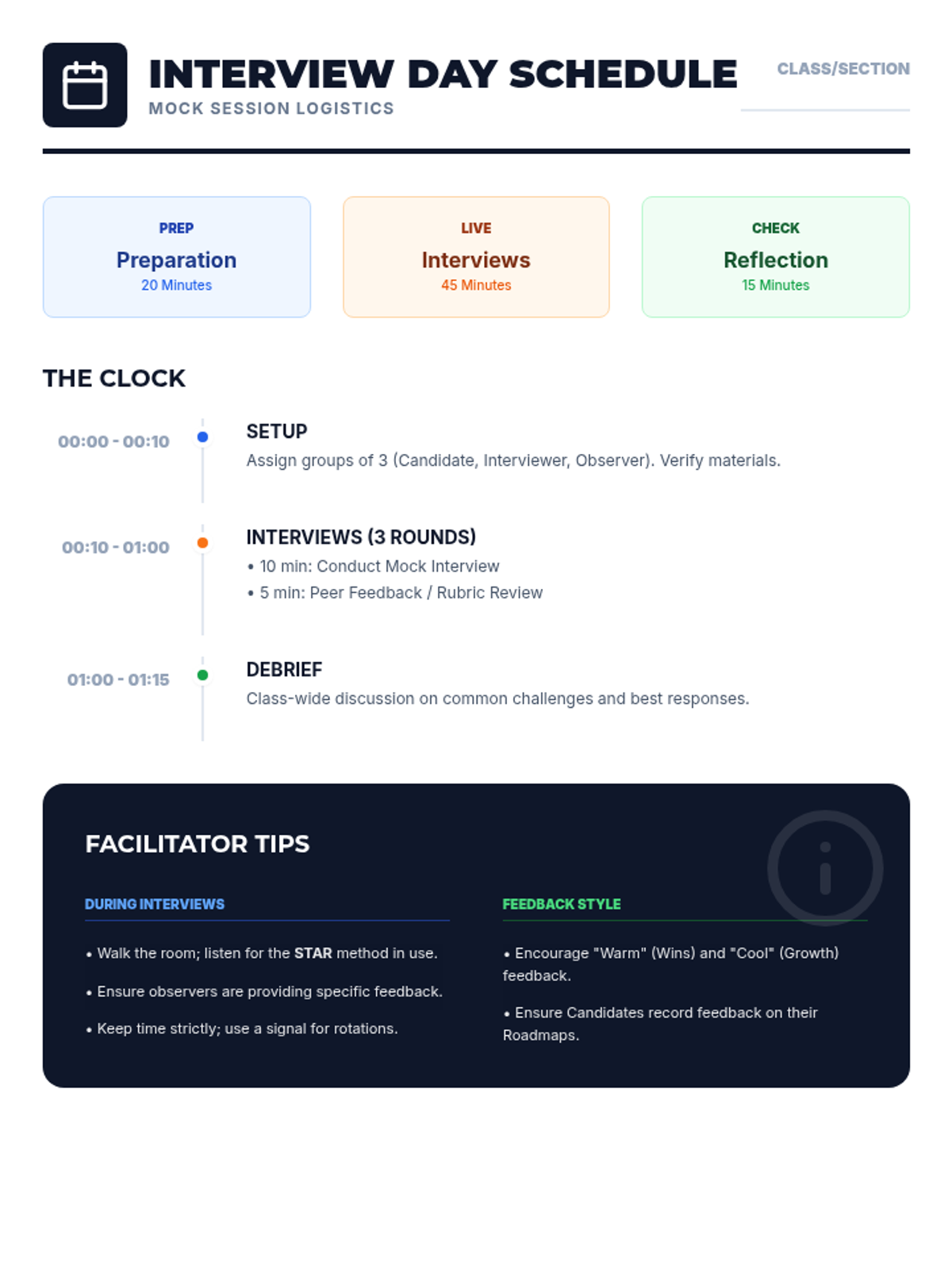
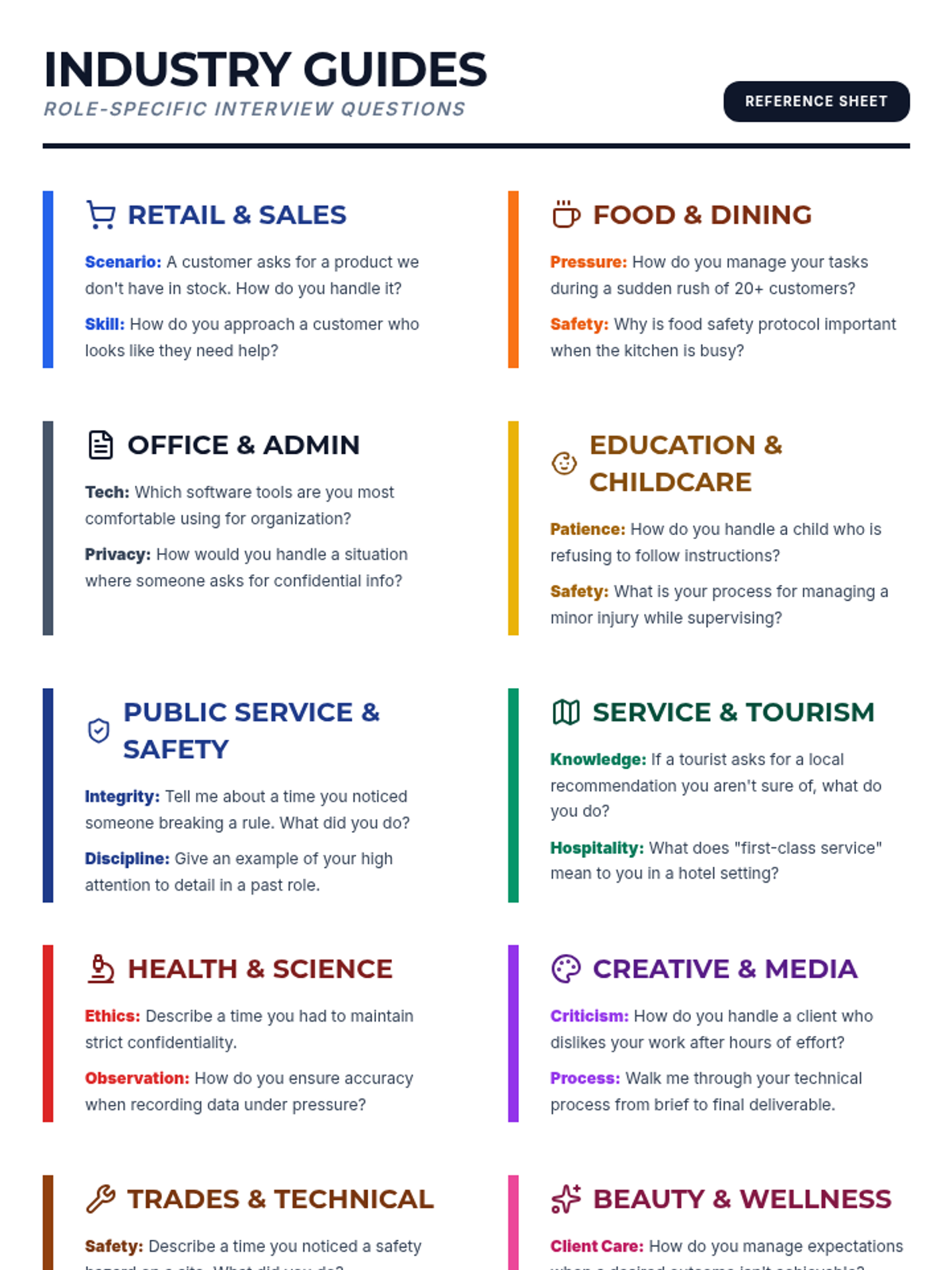
A comprehensive guide to mastering the job interview process, covering essential questions, non-verbal communication, and self-evaluation. Students will prepare responses, practice with peers, and receive professional feedback.
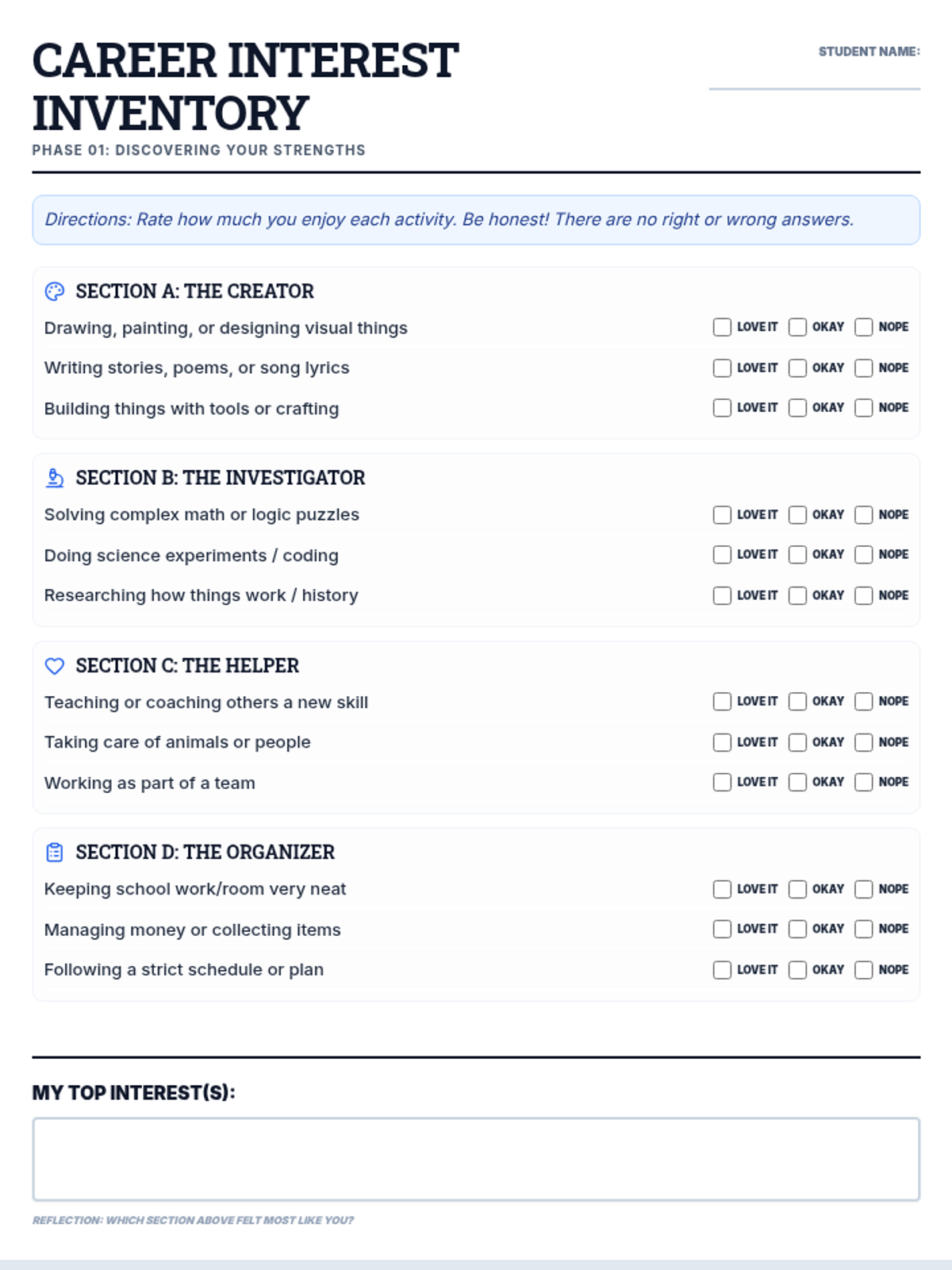
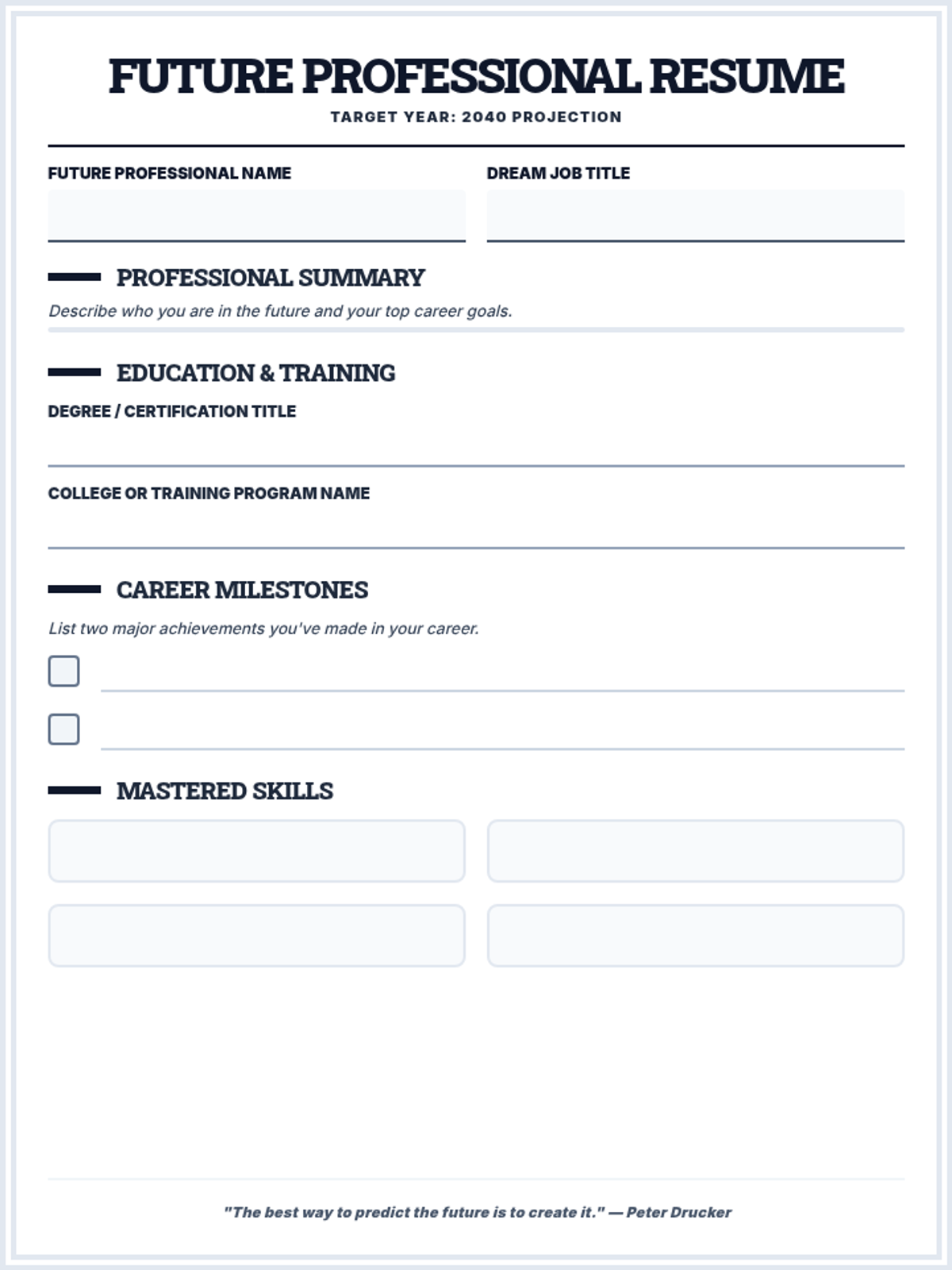
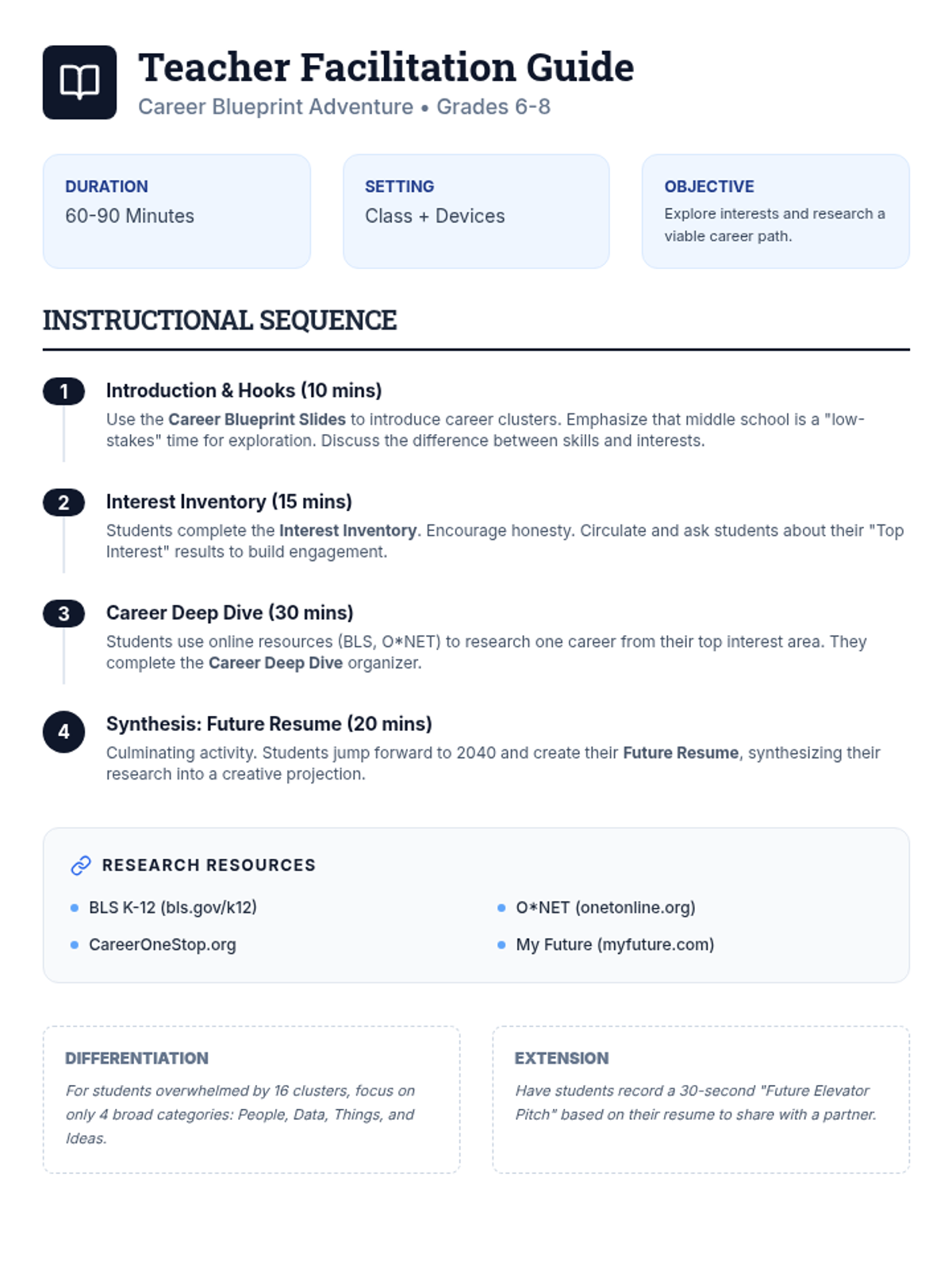
A comprehensive career exploration unit where middle schoolers investigate their interests, research potential career paths, and design a 'blueprint' for their future professional selves.
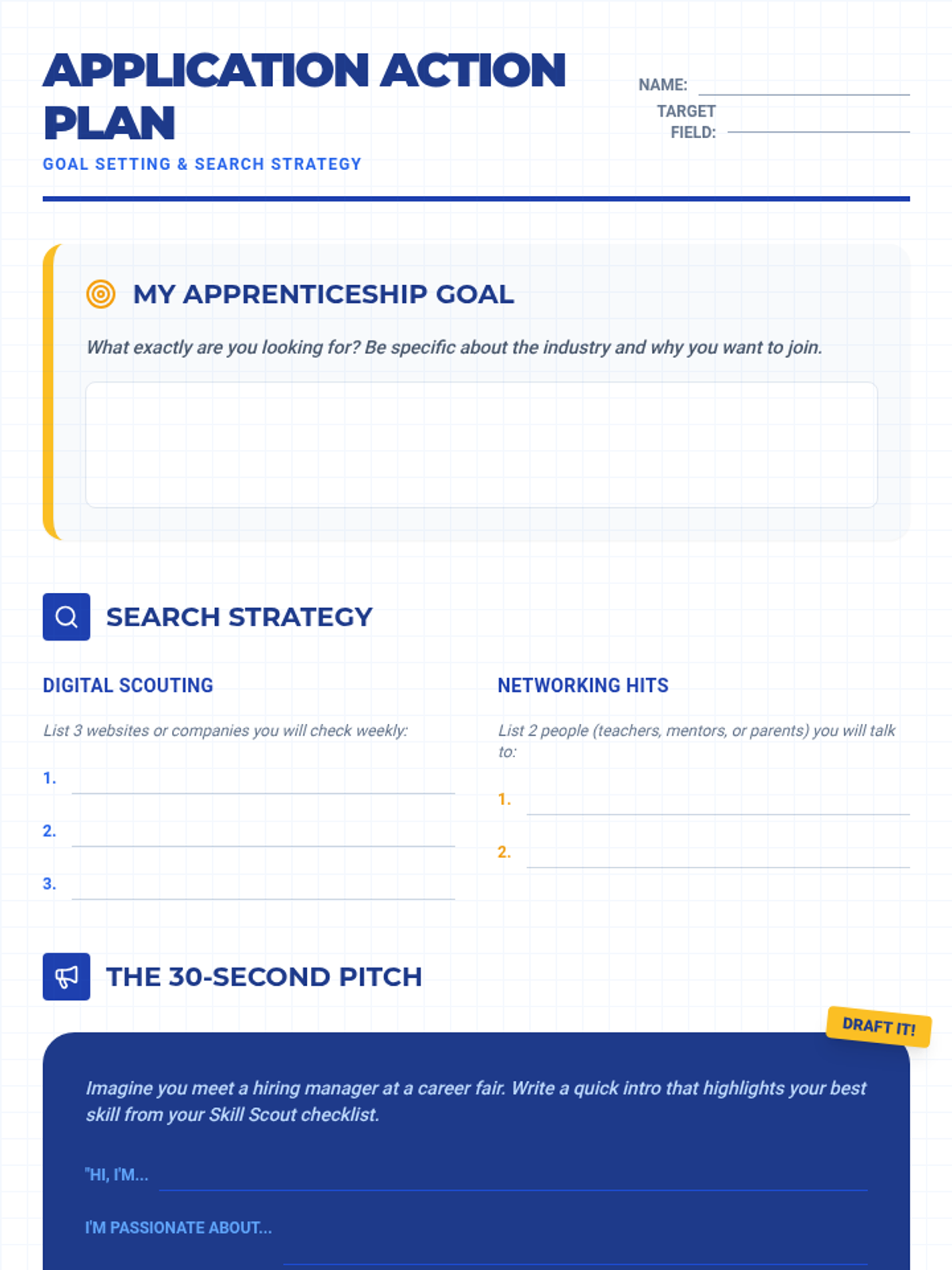
A lesson focused on teaching participants how to analyze and 'decode' job descriptions to identify key requirements and hidden expectations.
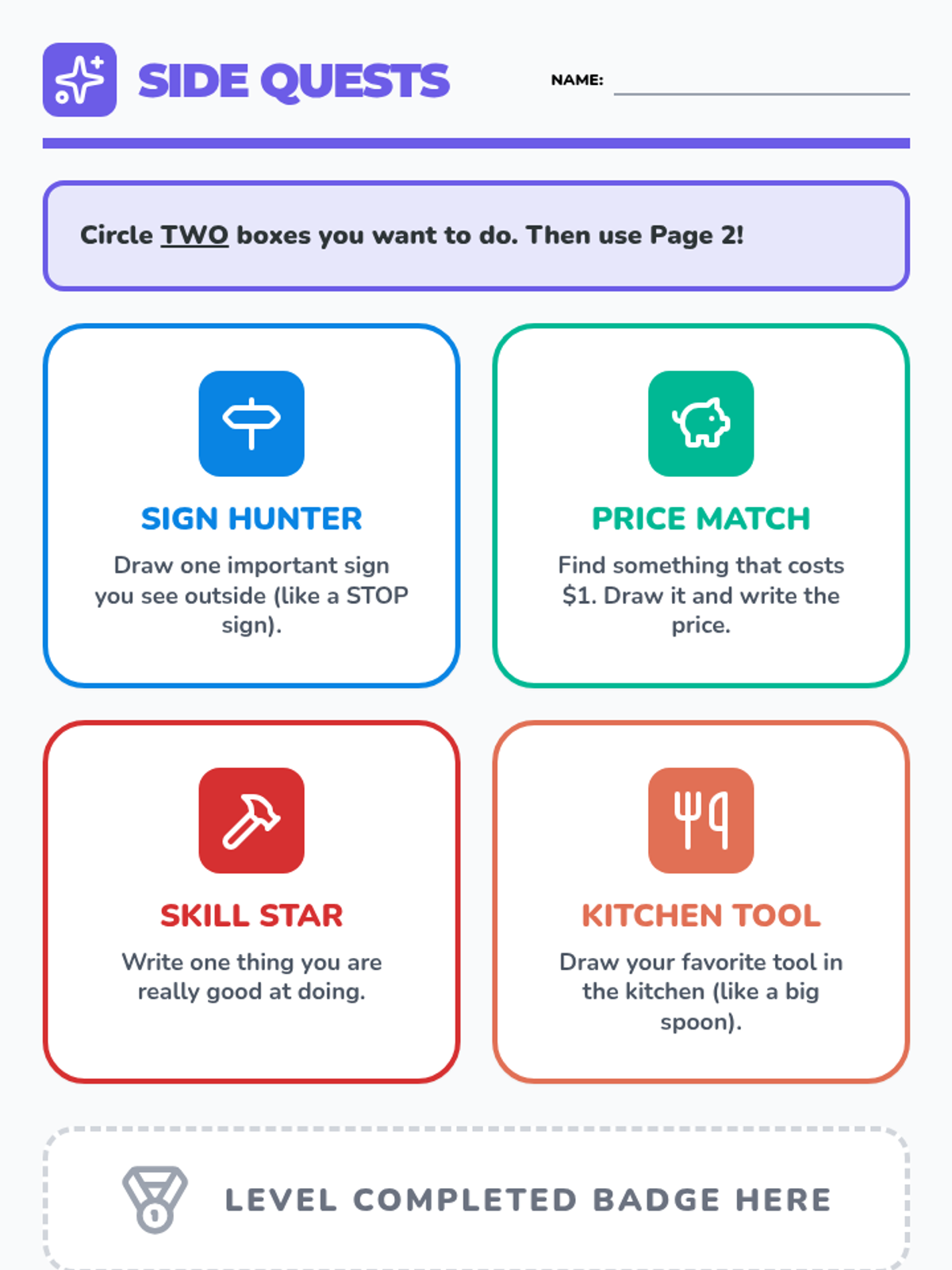
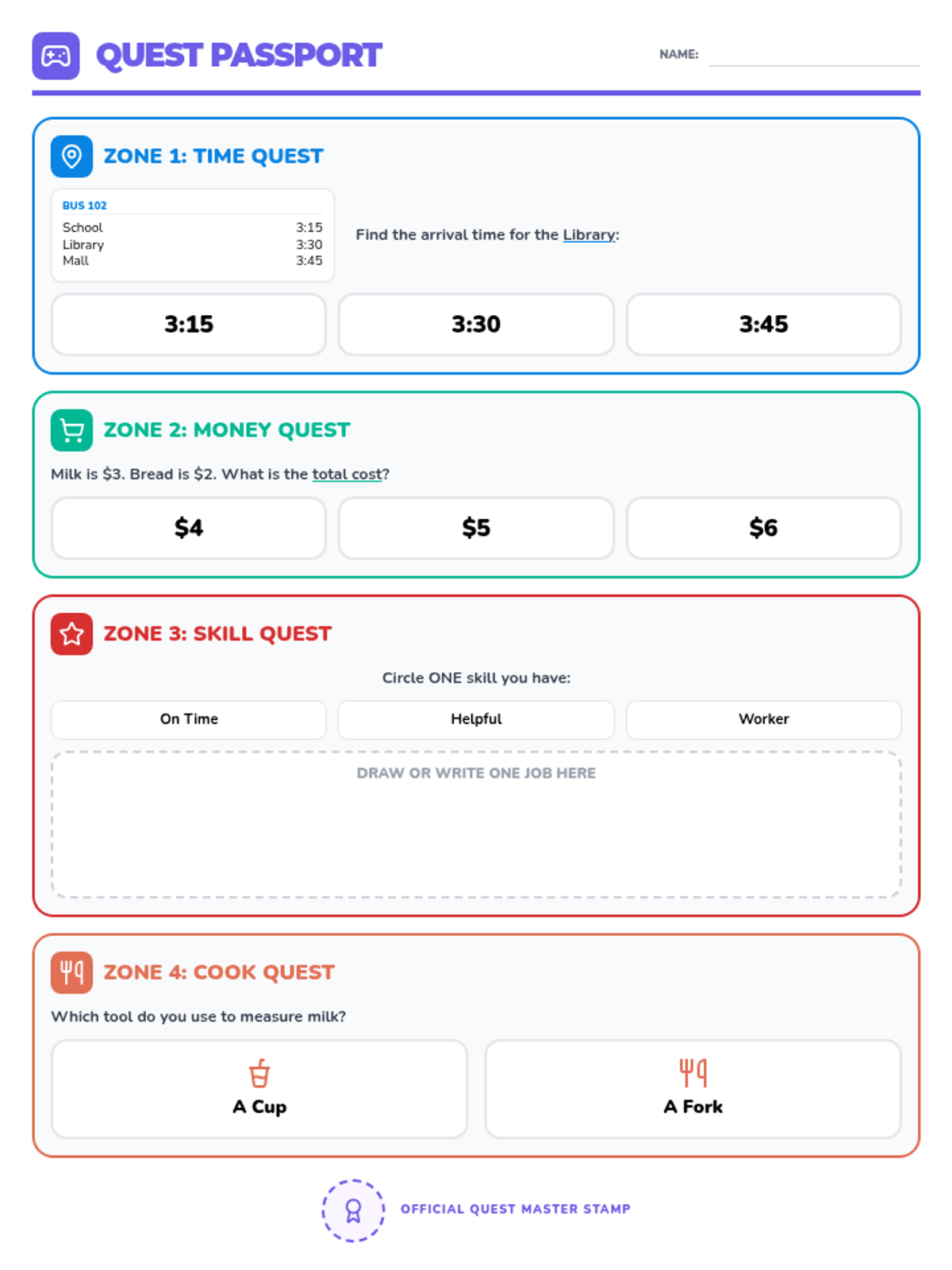
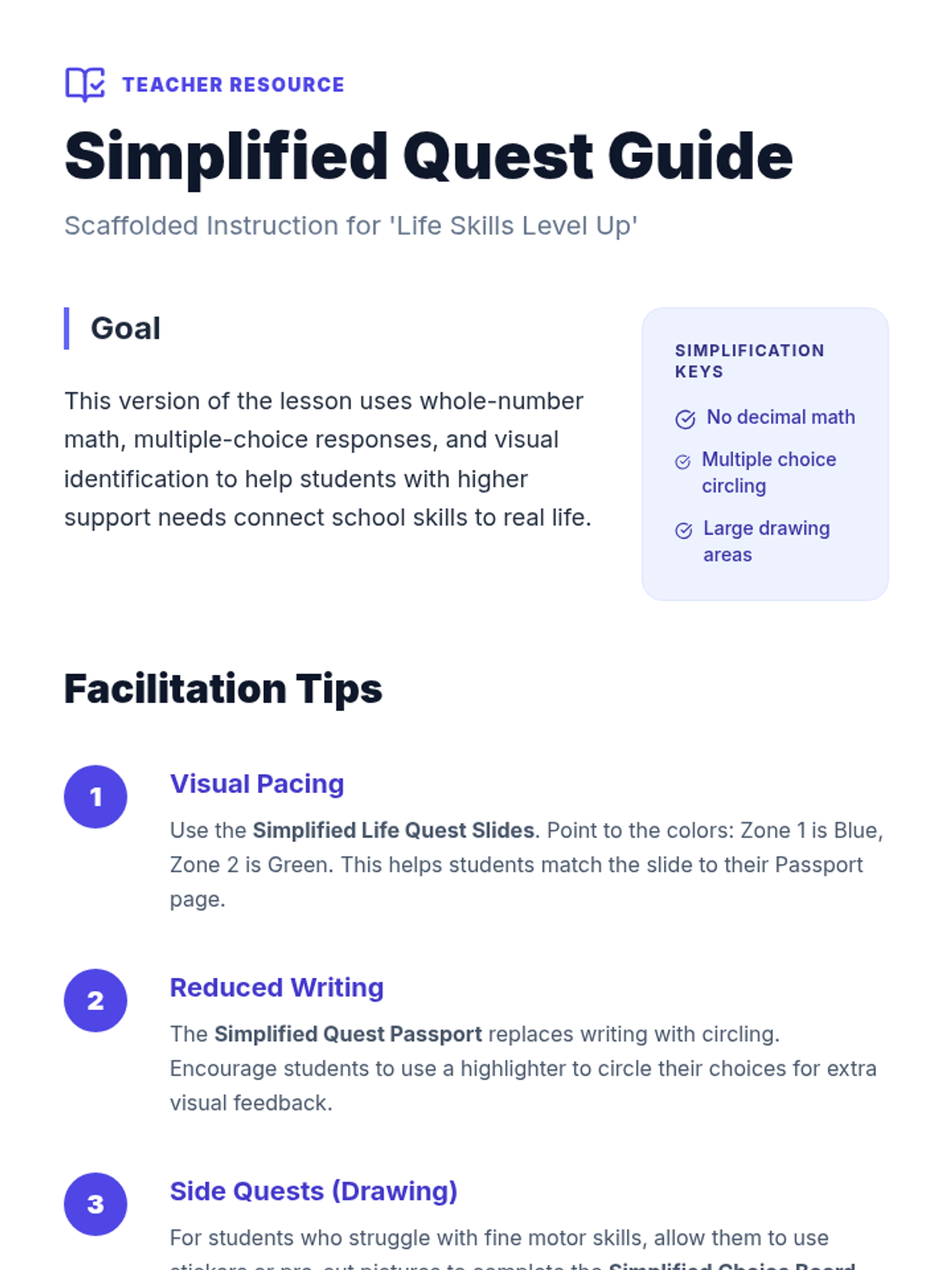
A comprehensive lesson for 6th-grade IEP students connecting academic skills (reading, writing, math) to essential life functions like navigation, budgeting, employment, and cooking. Through a 'Life Quest' theme, students explore how classroom learning prepares them for independence.
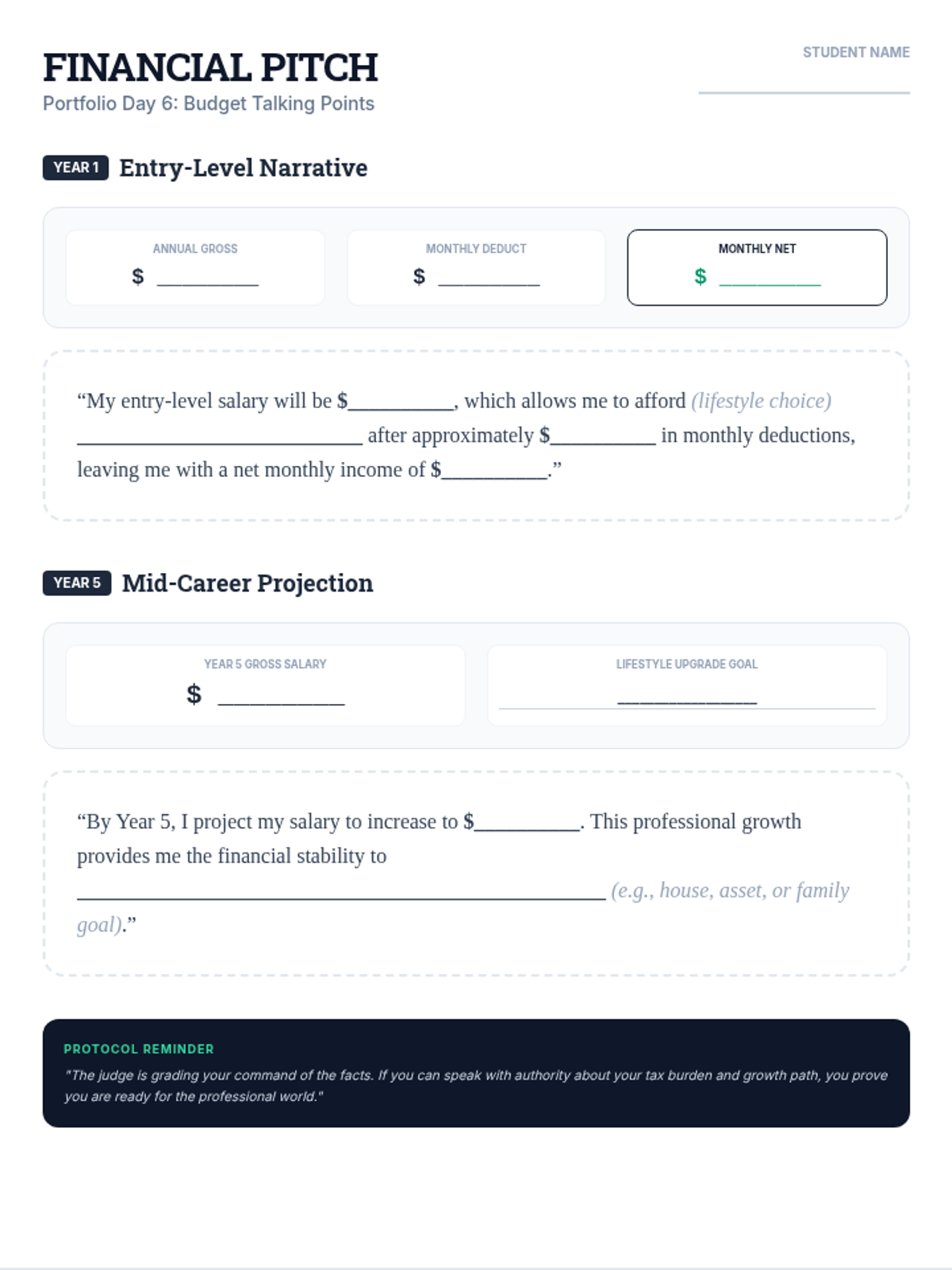
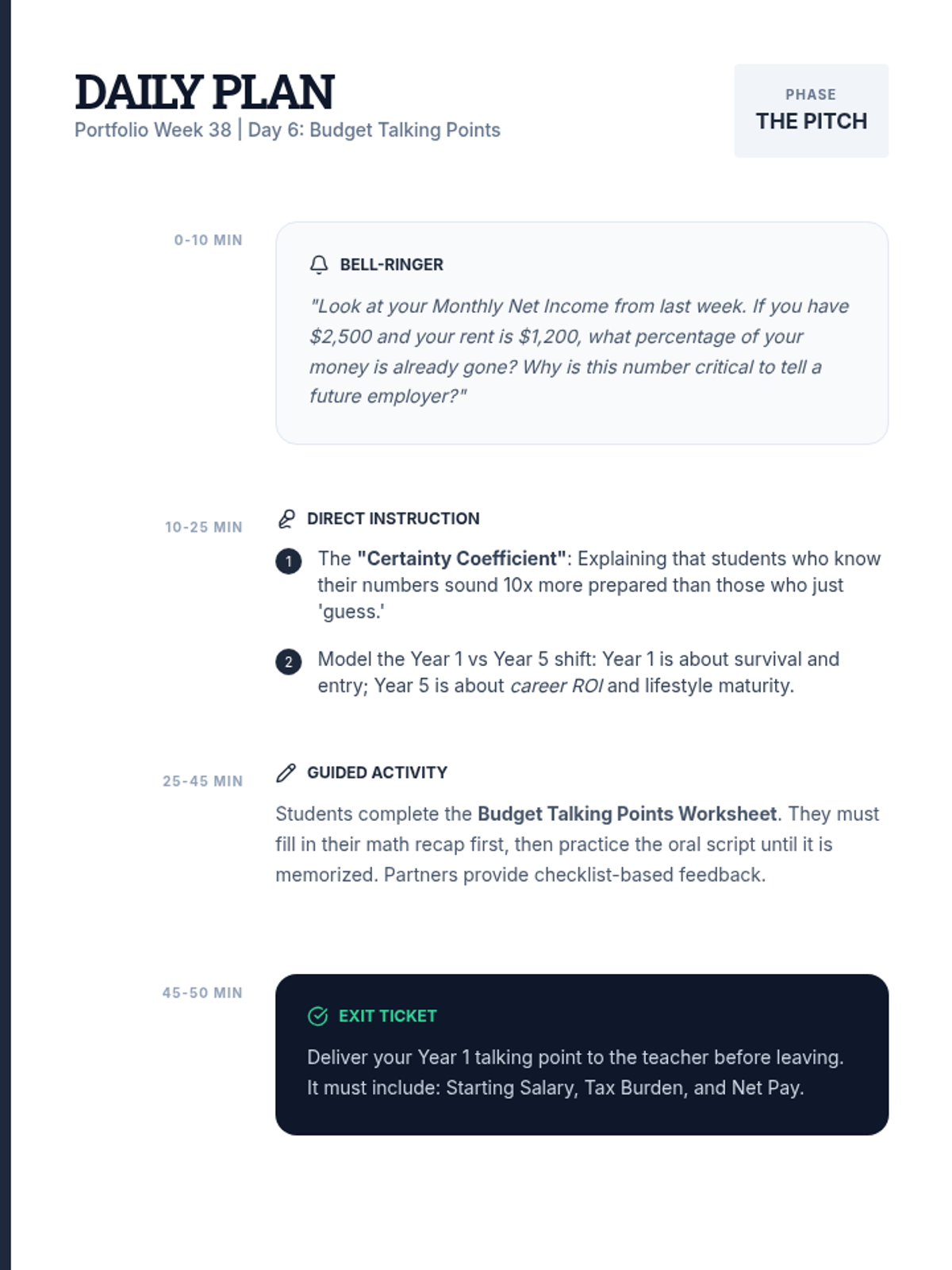
Students draft and practice their core financial talking points for both their entry-level and mid-career projections.
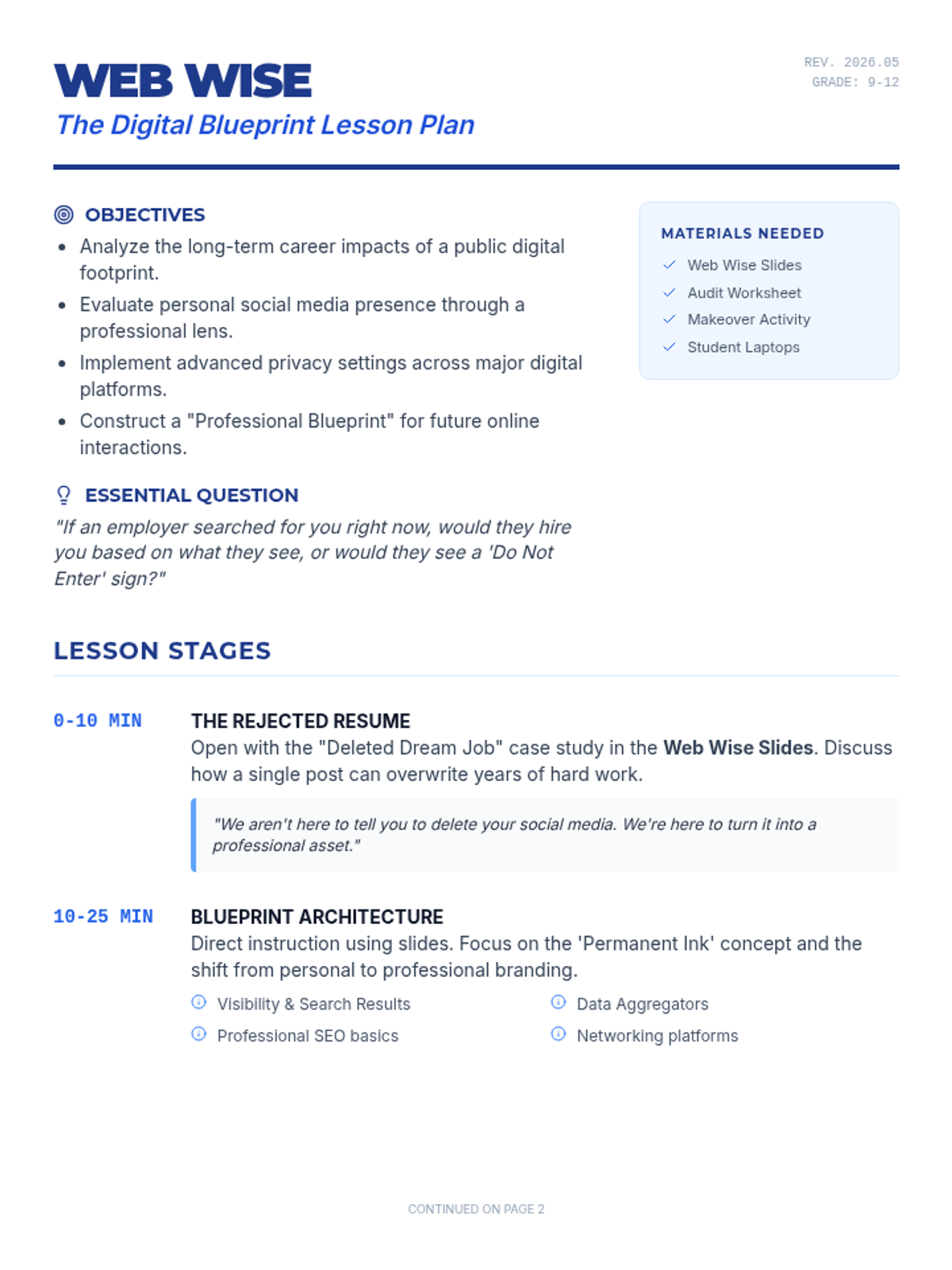
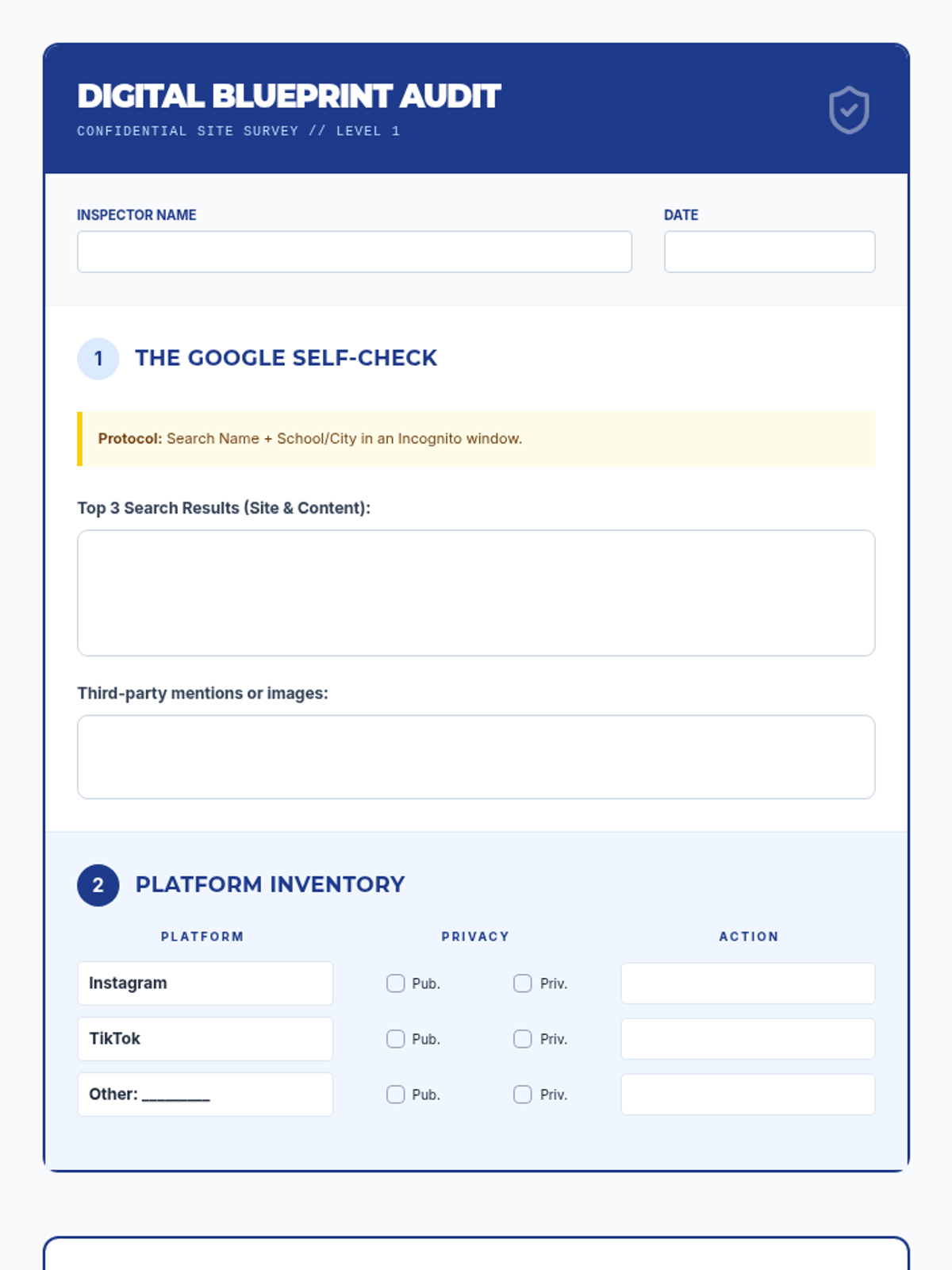
High school students evaluate their digital footprint and learn to curate a professional online presence, focusing on privacy settings and career impacts.
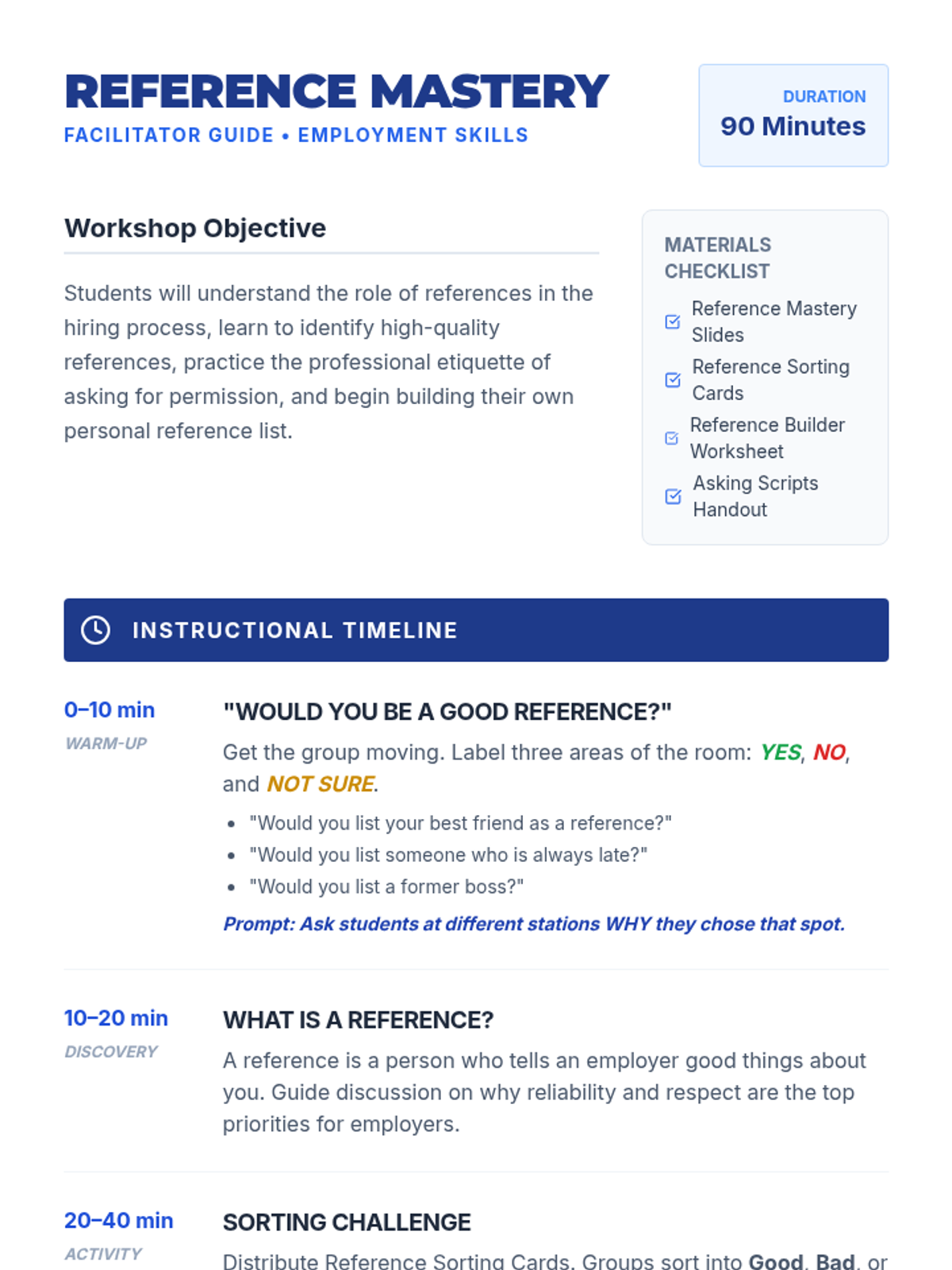
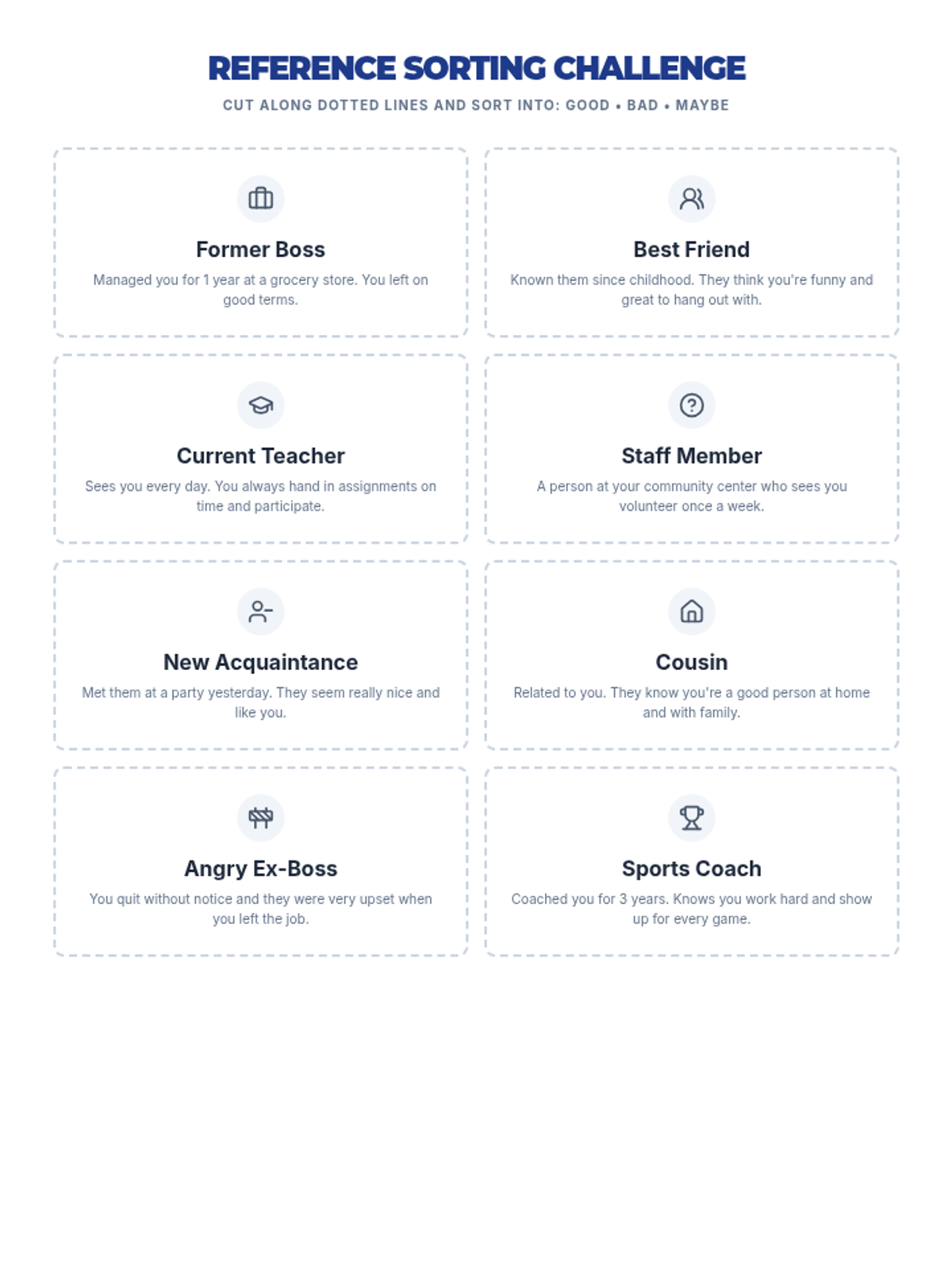
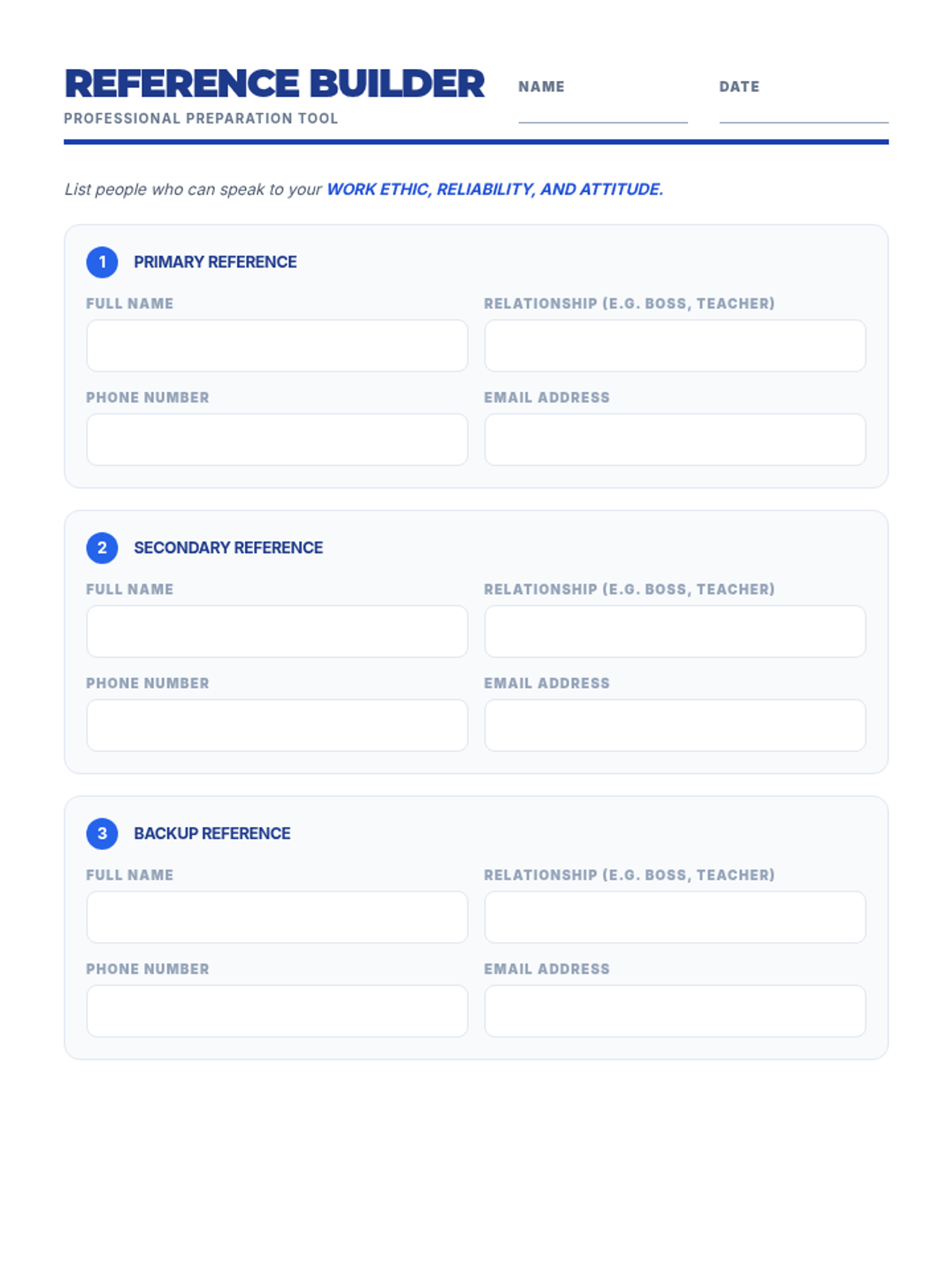
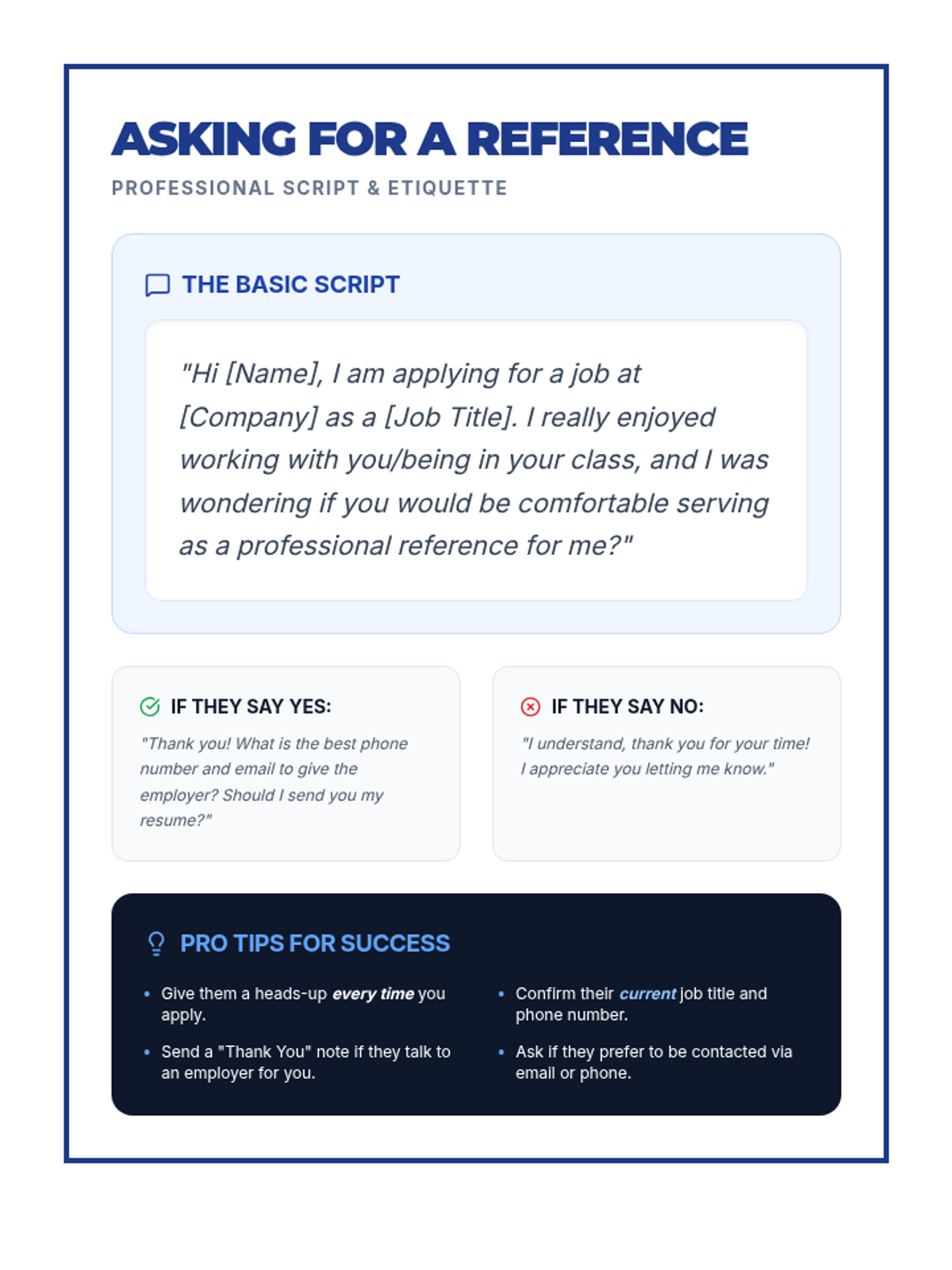
A comprehensive 90-minute workshop on understanding, selecting, and asking for professional references to secure employment.
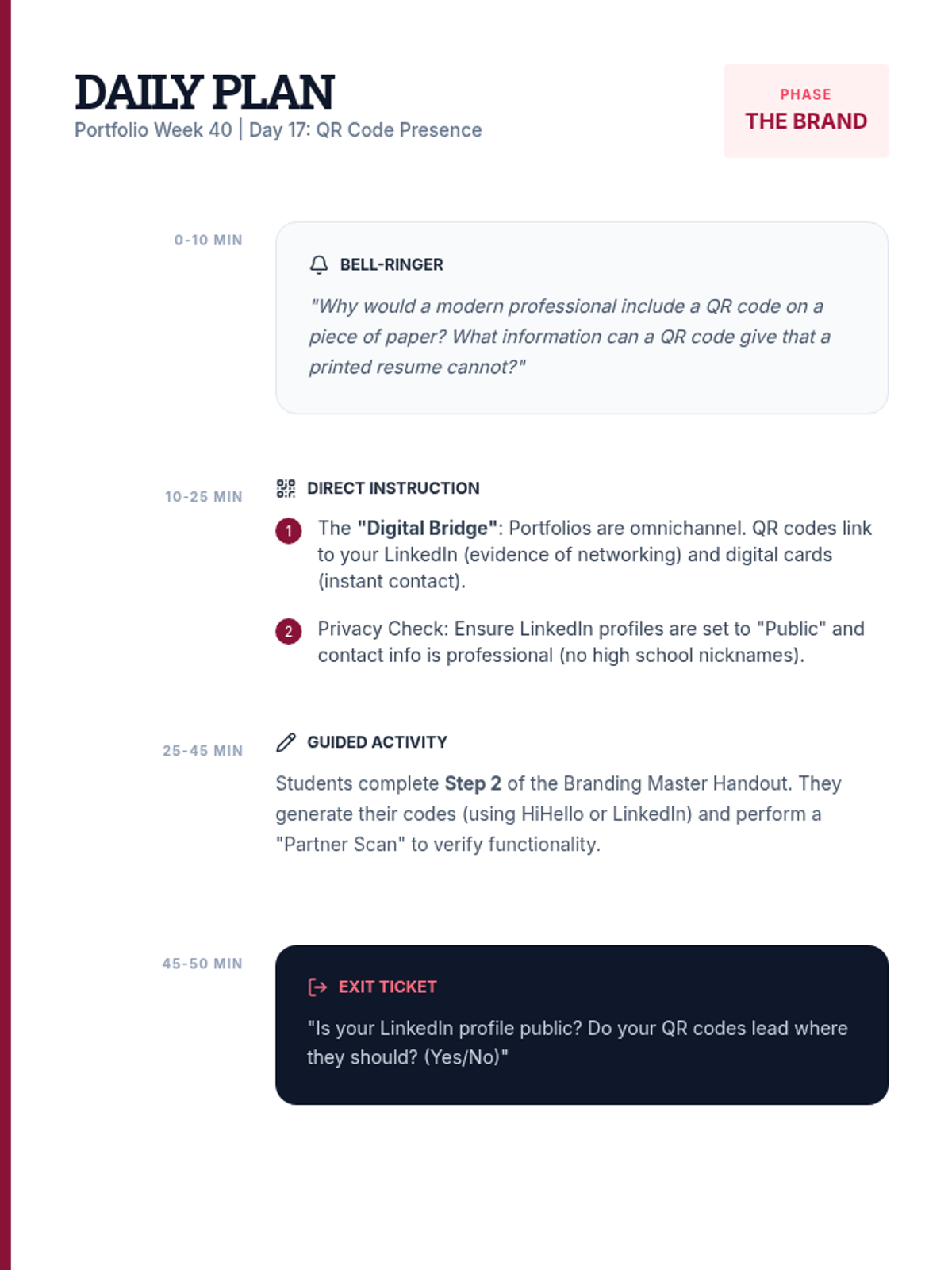
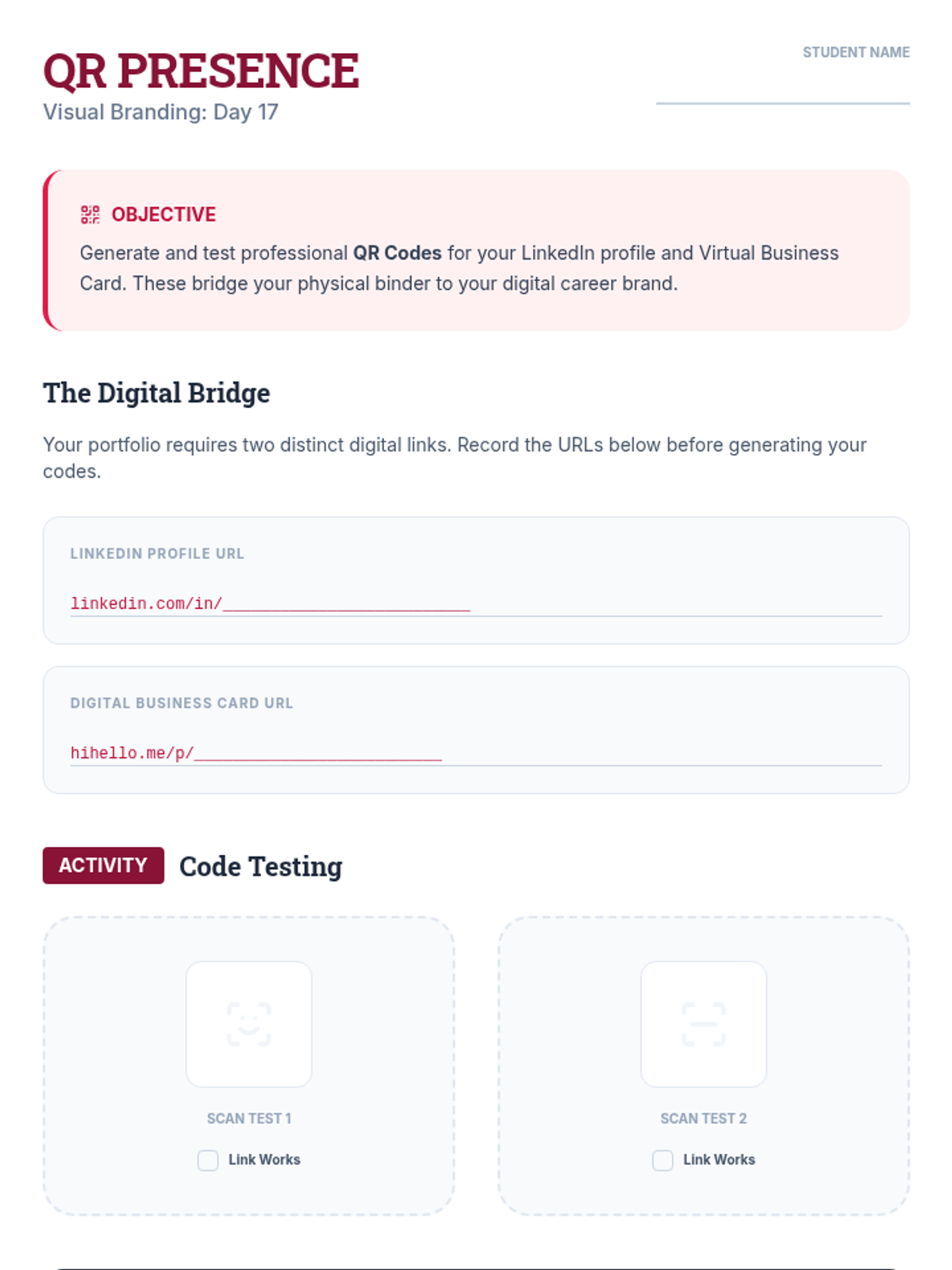
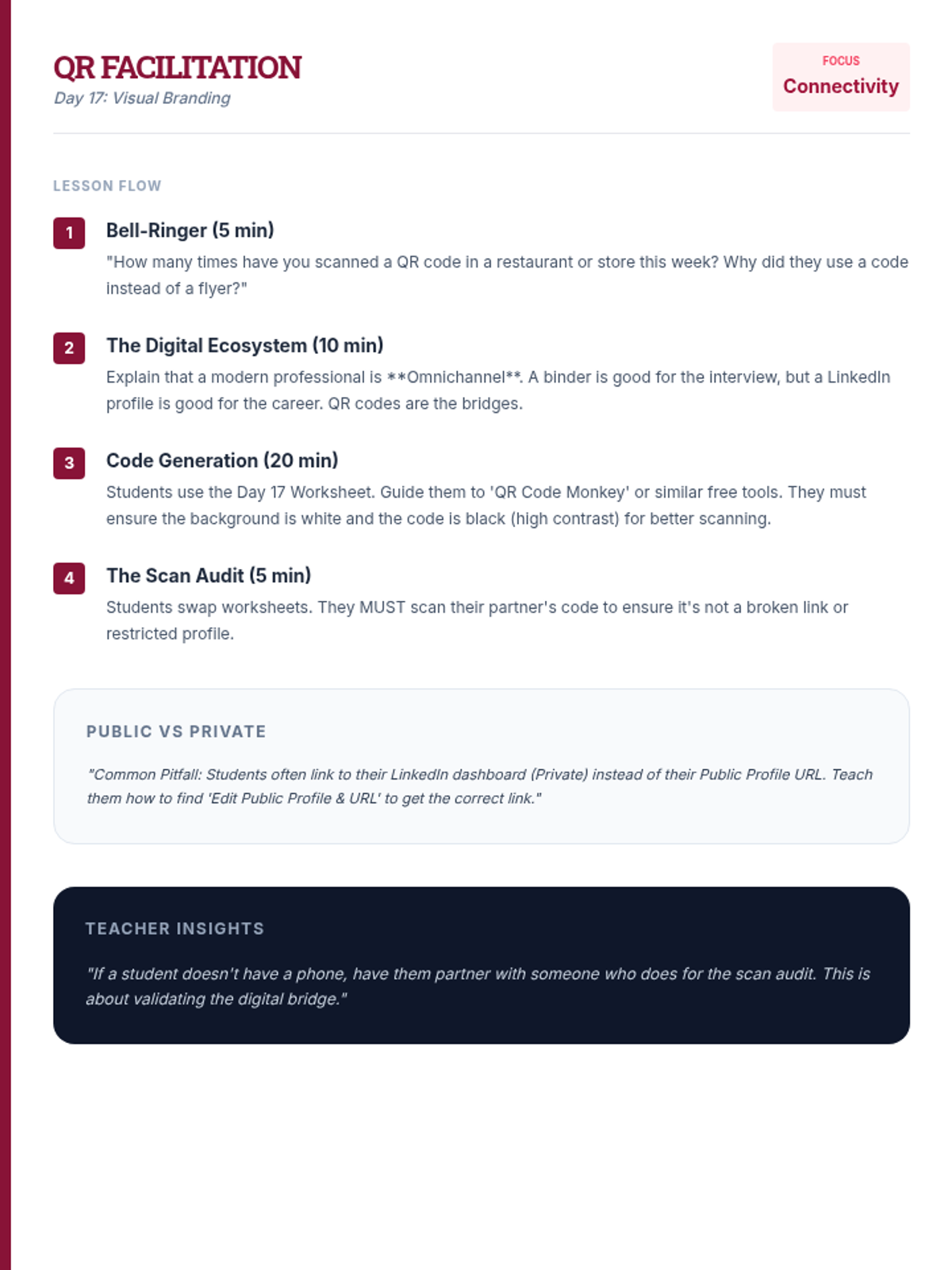
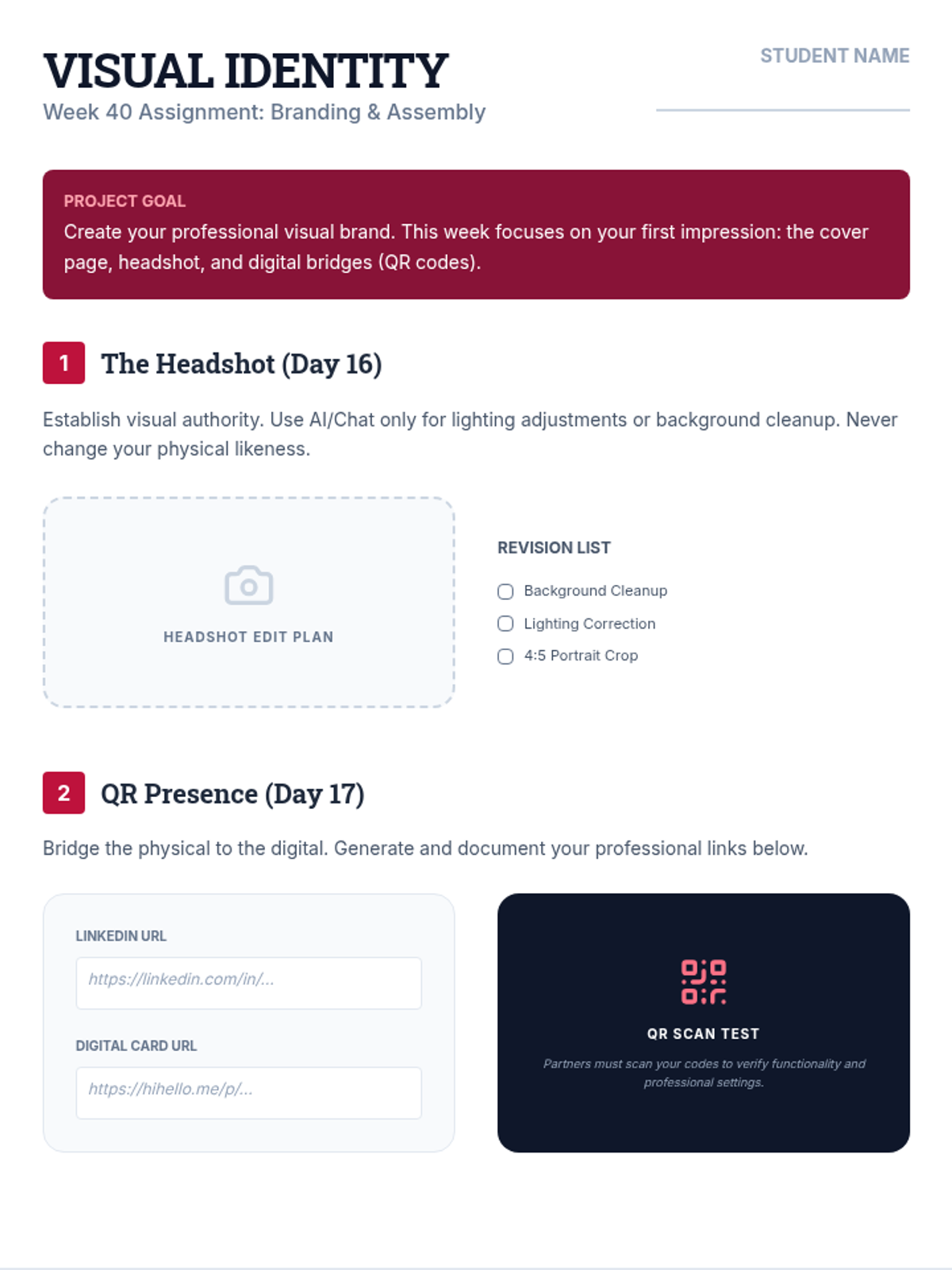
Students generate and test QR codes for LinkedIn and digital business cards.
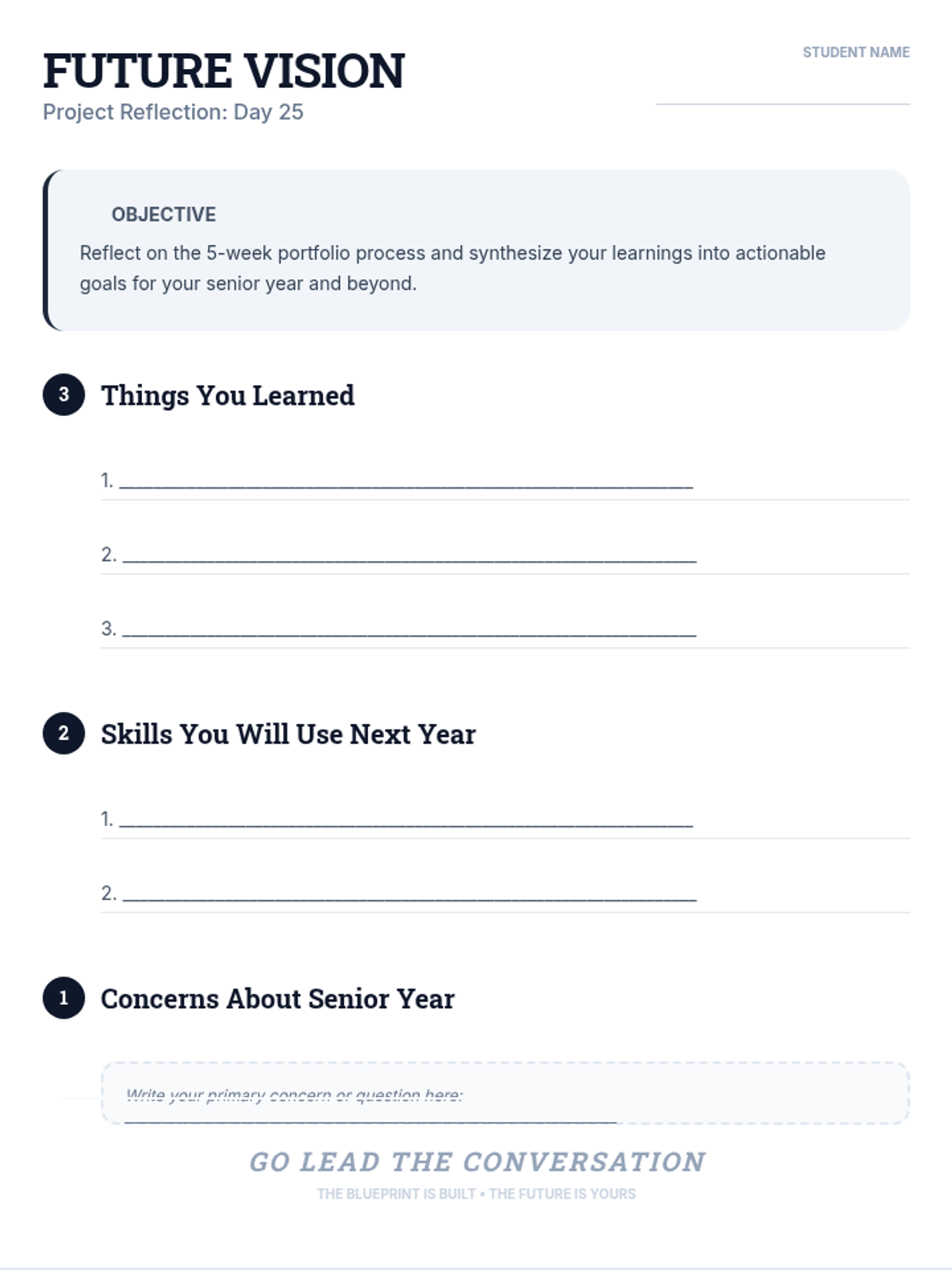
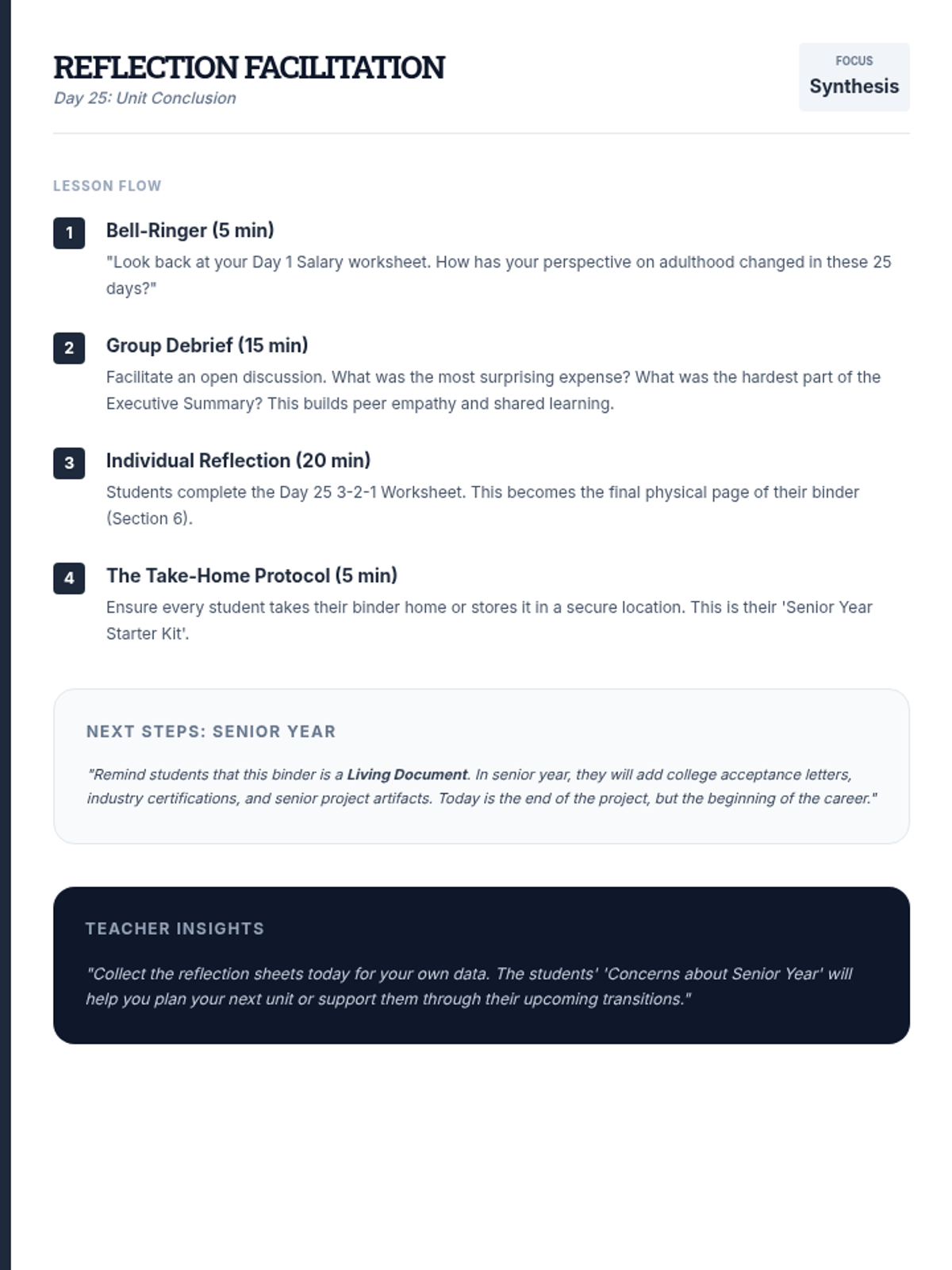
Students reflect on the 5-week portfolio process and set goals for senior year.
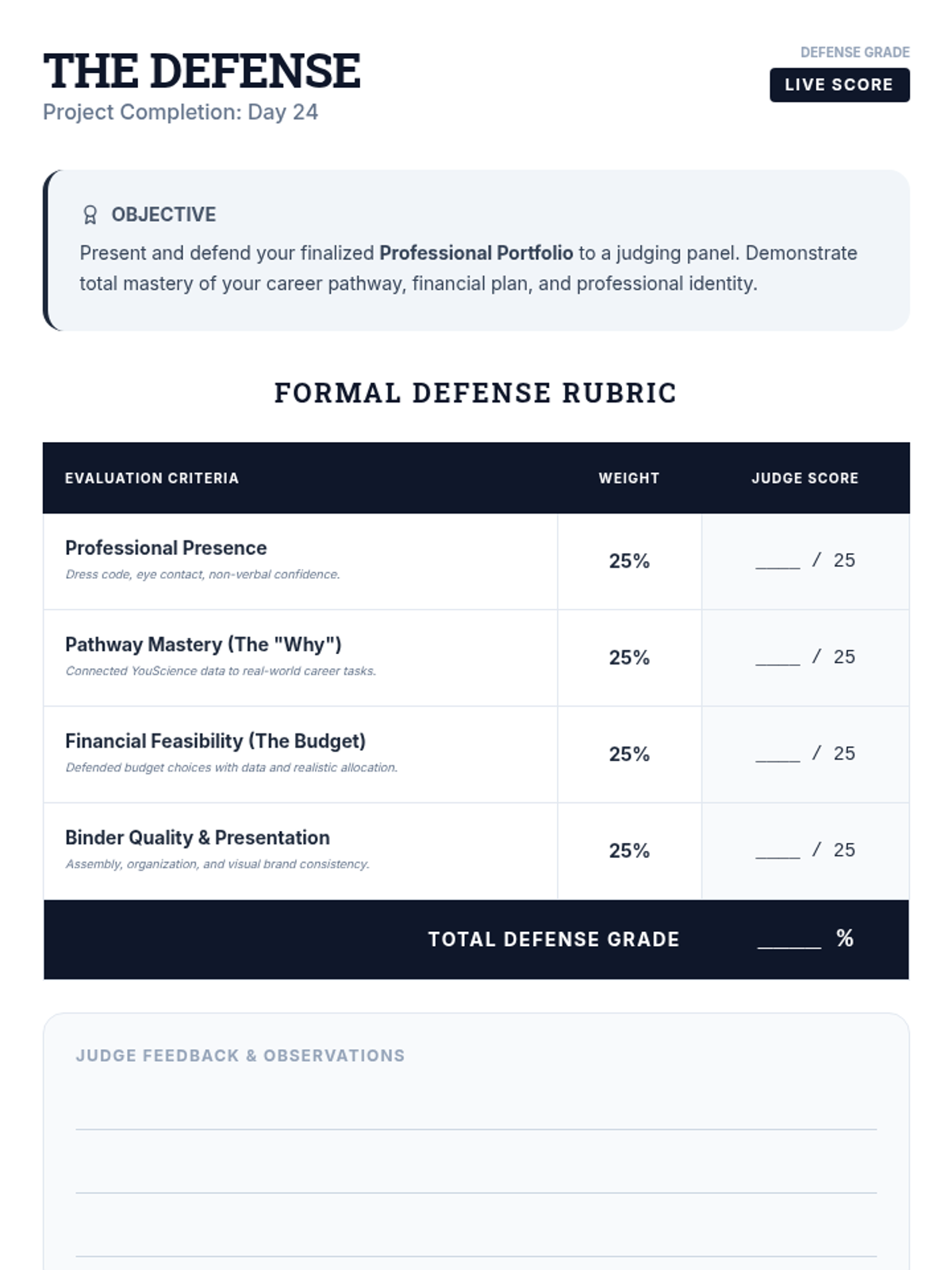
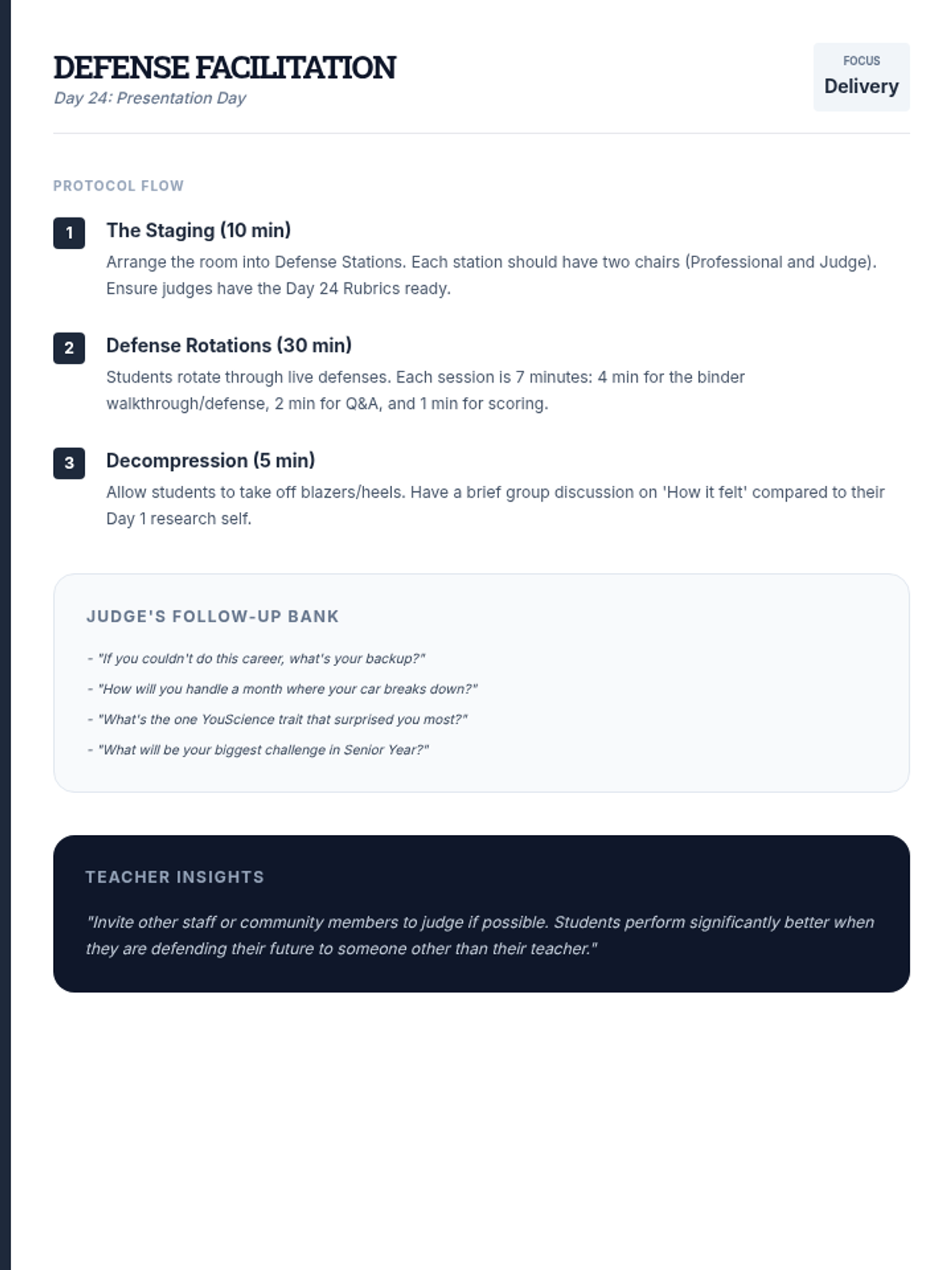
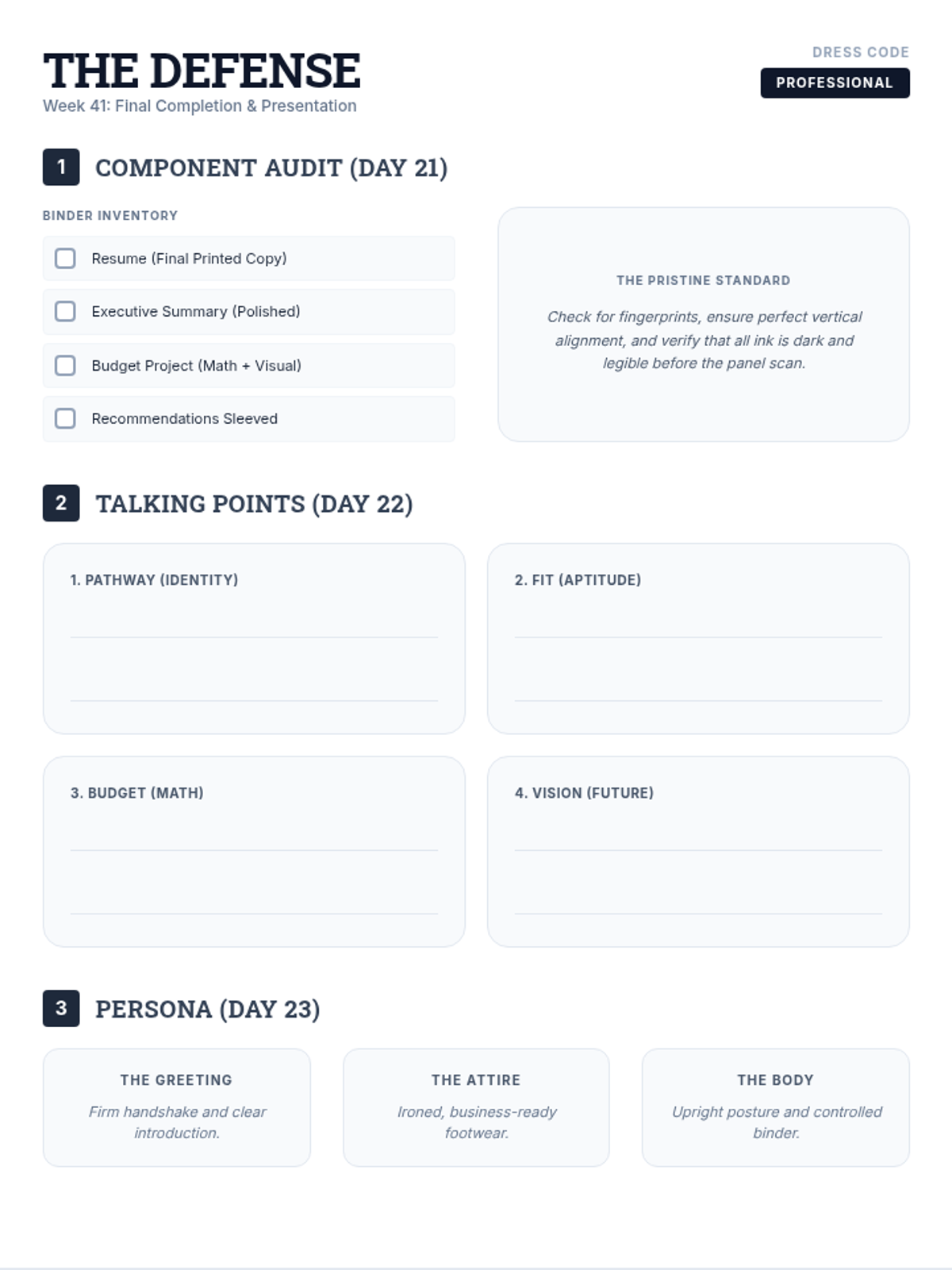
Students present their finalized portfolio defense to a professional panel.
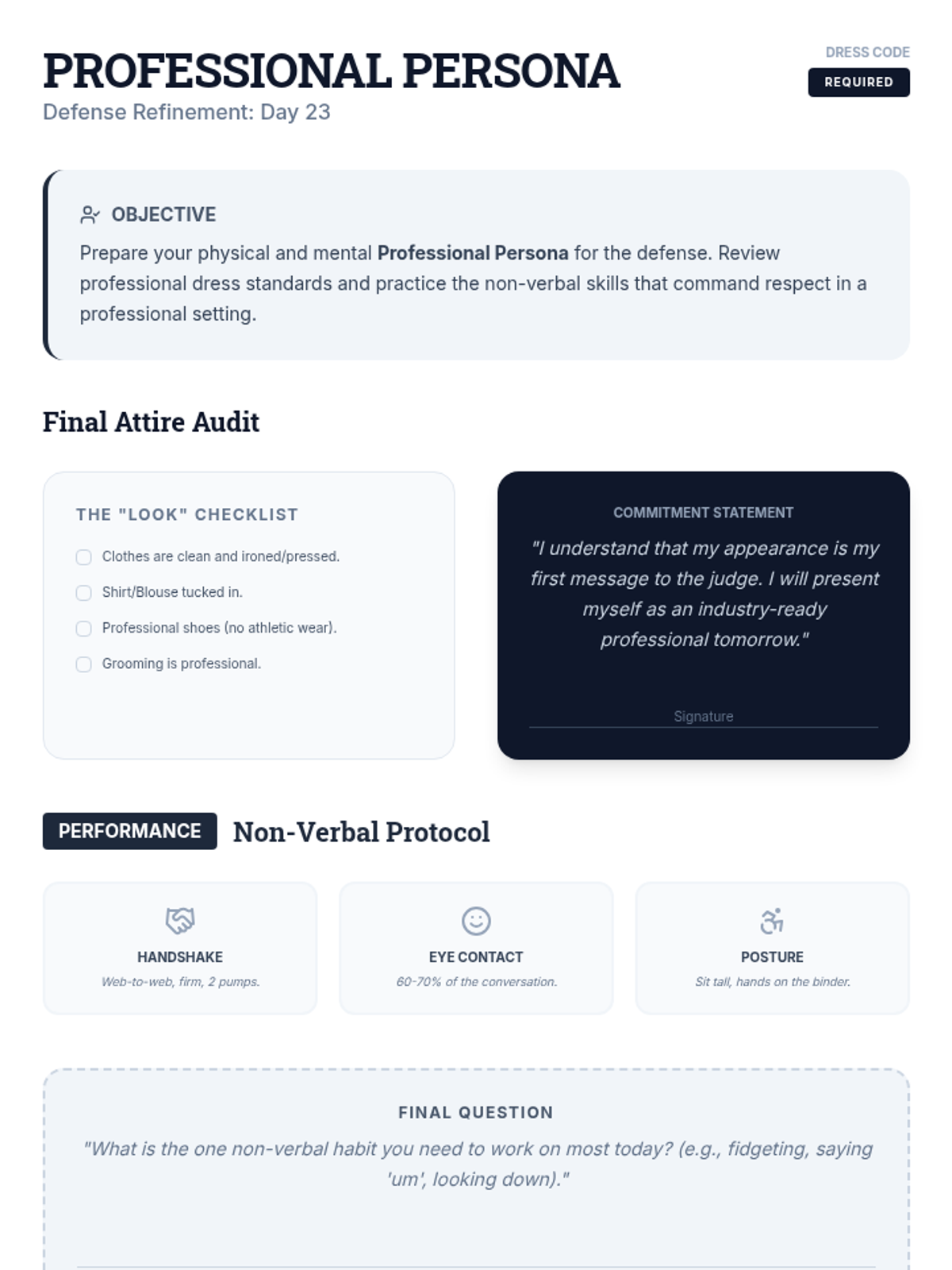
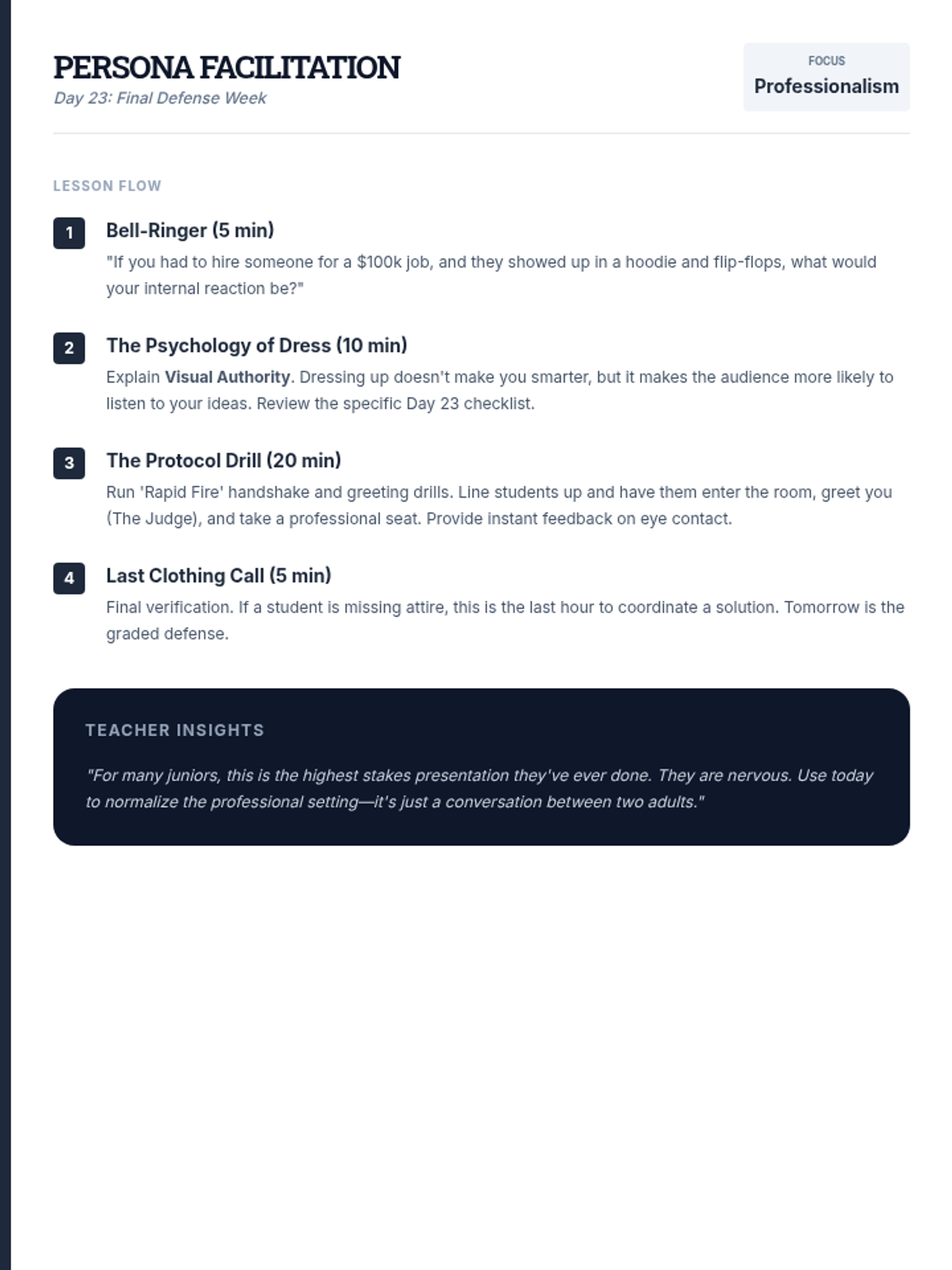
Students prepare their professional attire and non-verbal presentation skills.
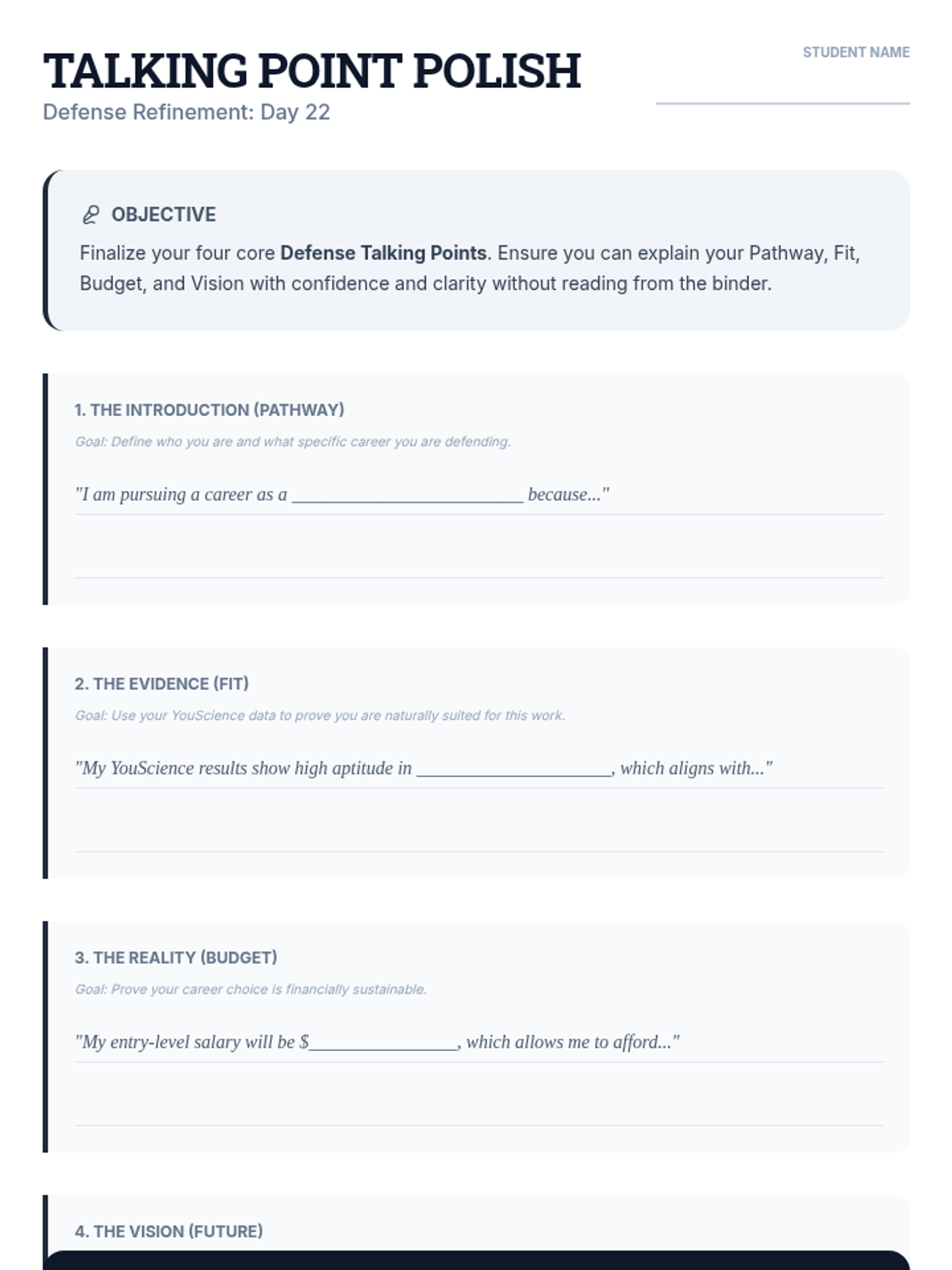
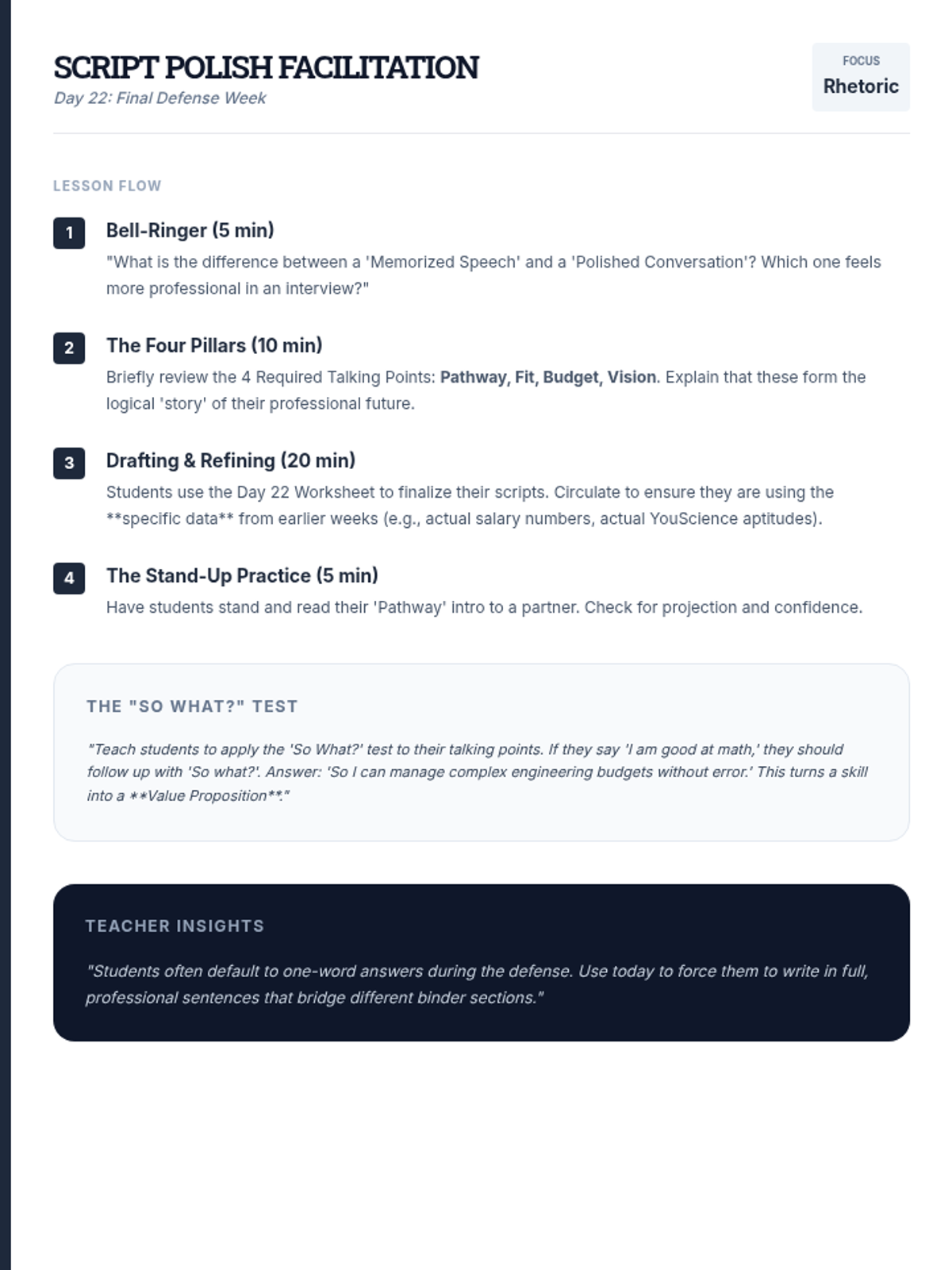
Students finalize their defense talking points for the formal presentation.
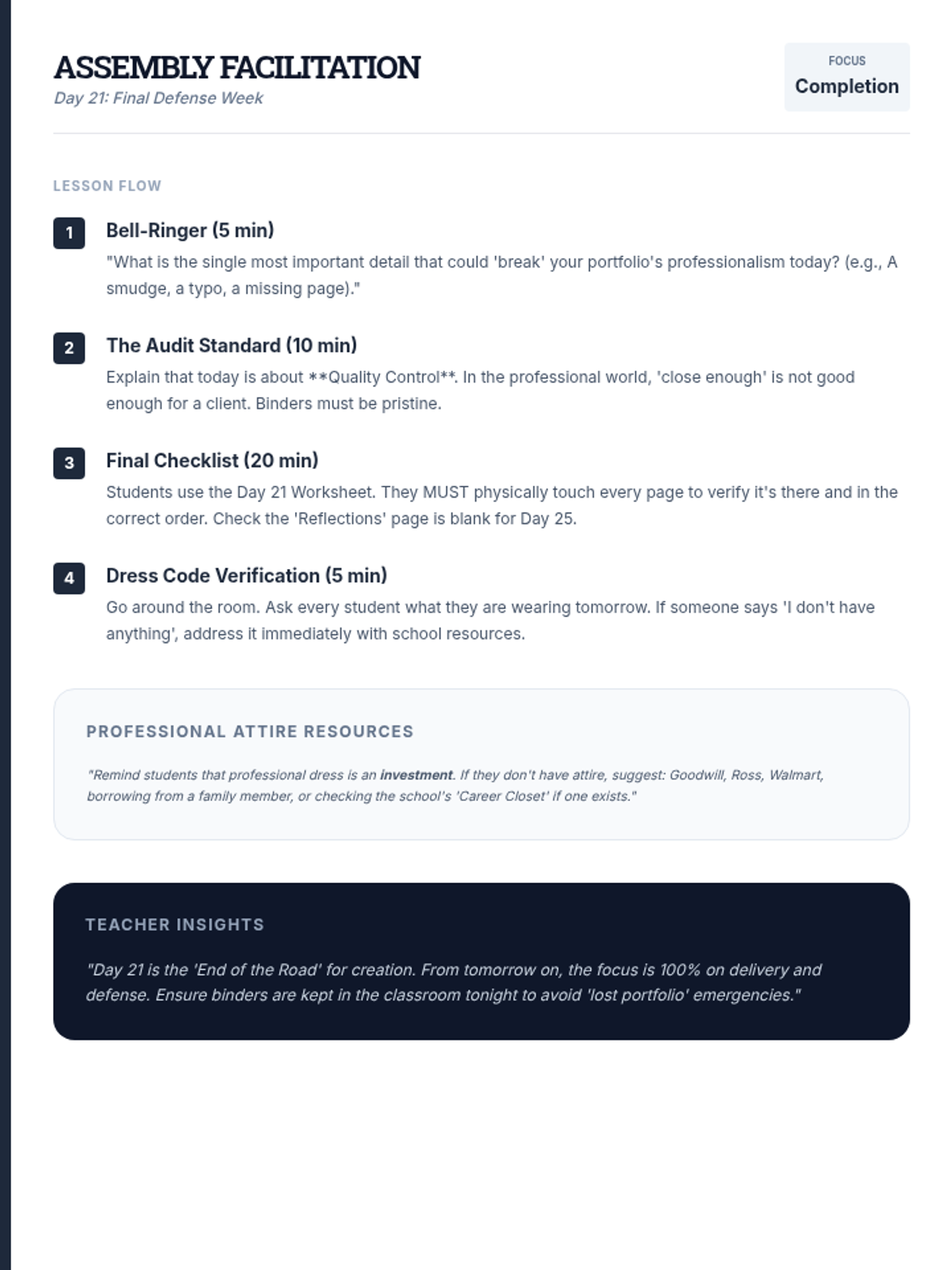
Students perform a final audit of all 6 physical portfolio components.
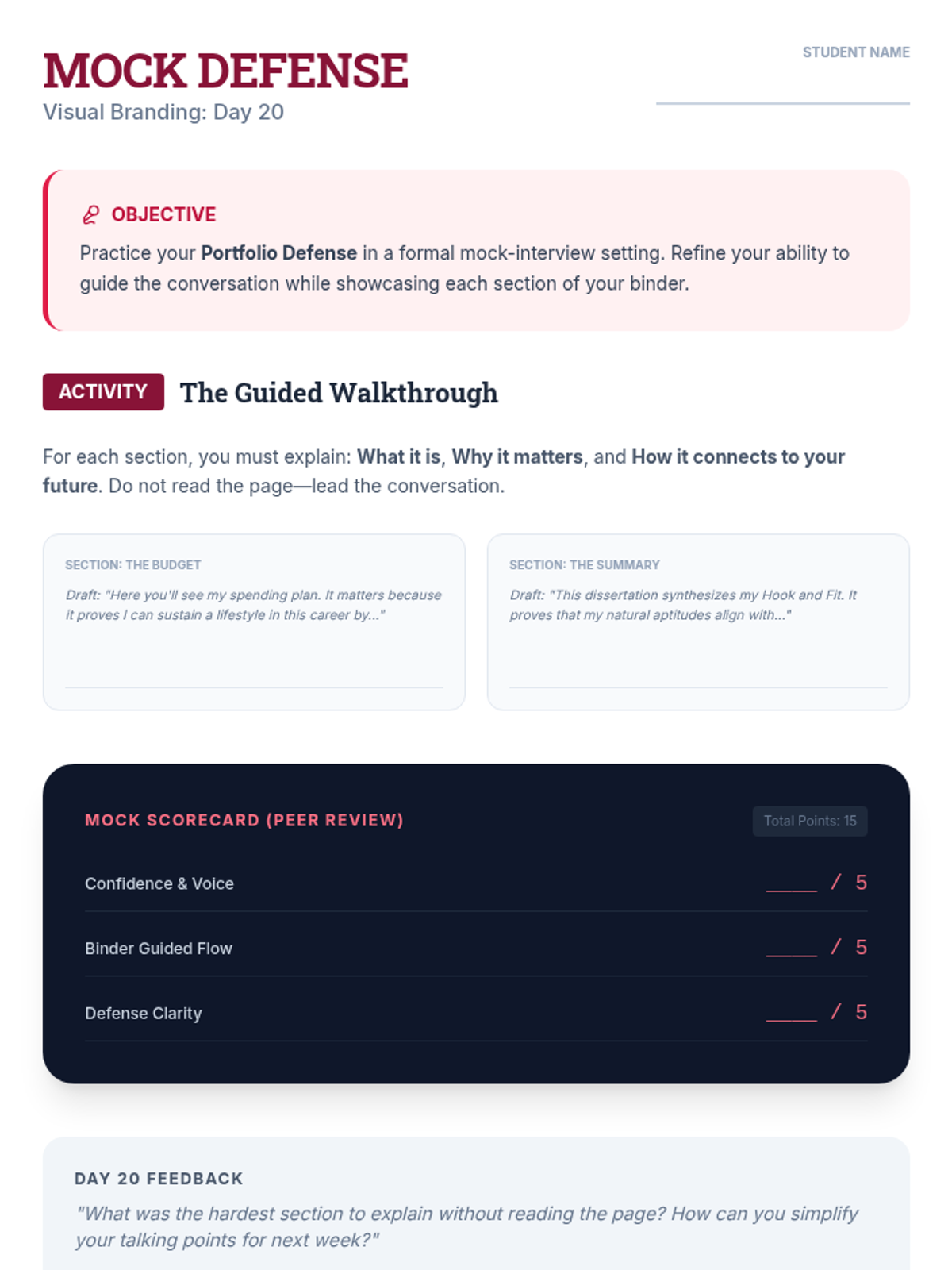
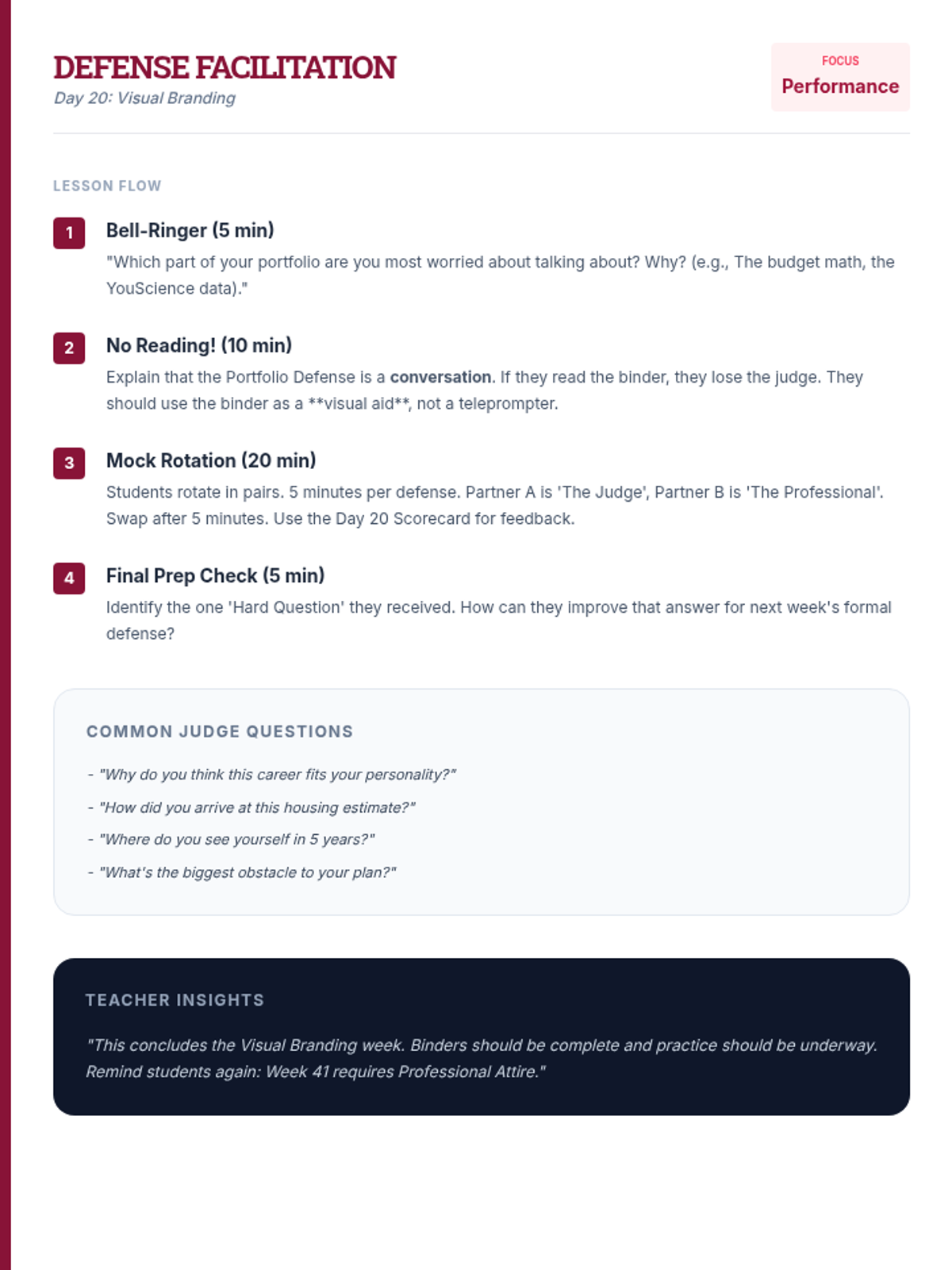
Students practice their portfolio defense in a mock interview setting.
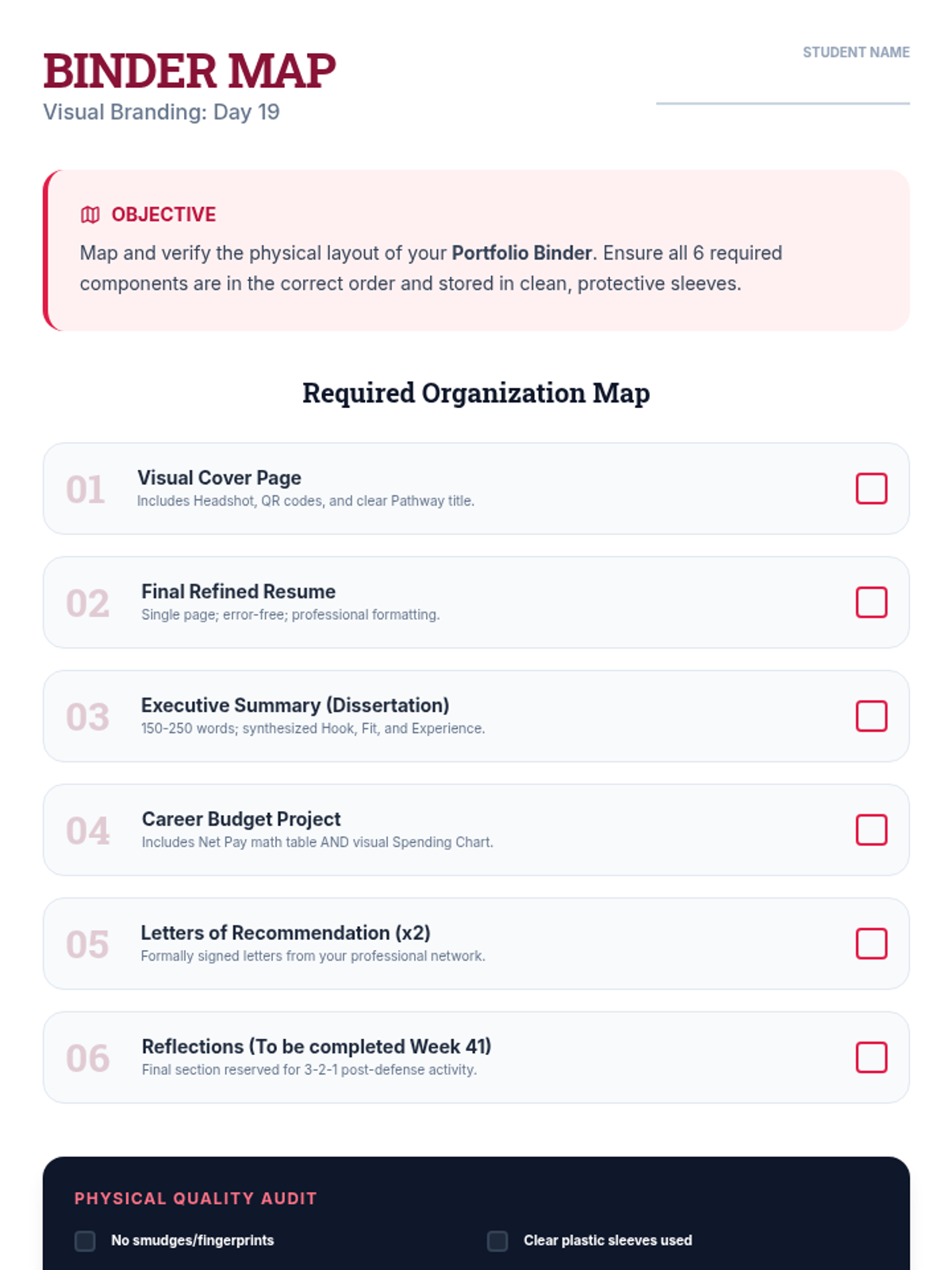
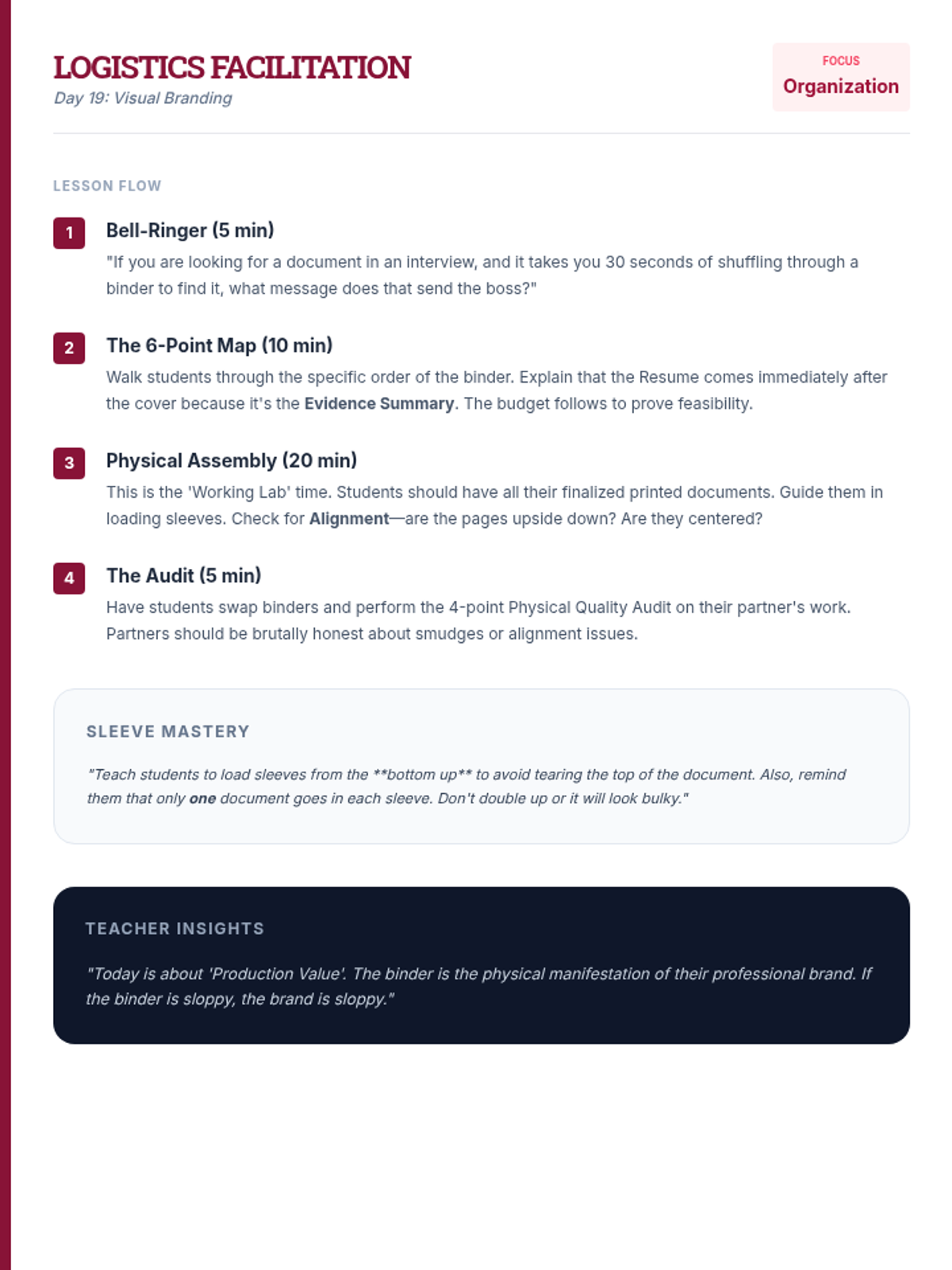
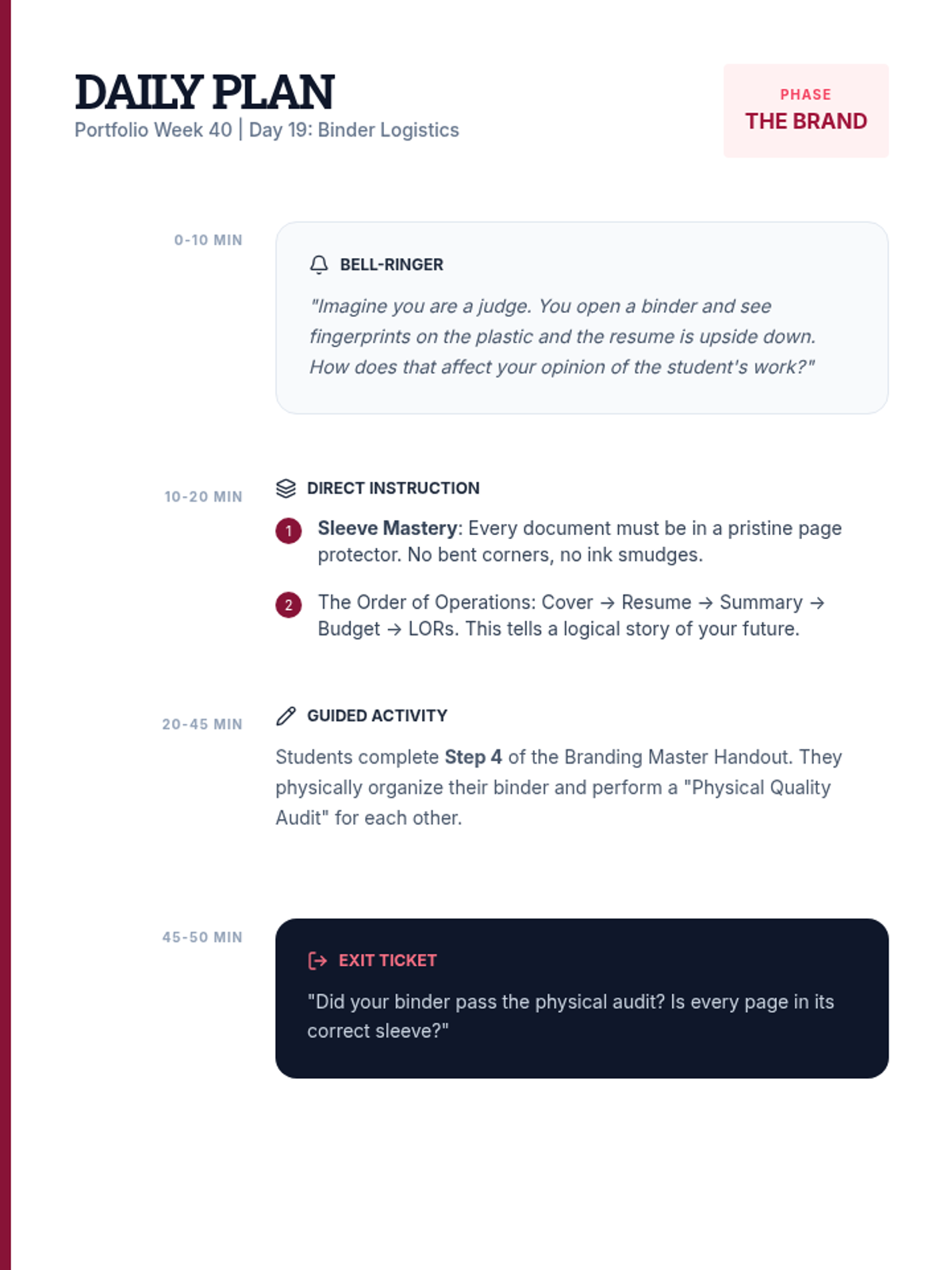
Students organize their physical binder using a 6-point organization map.
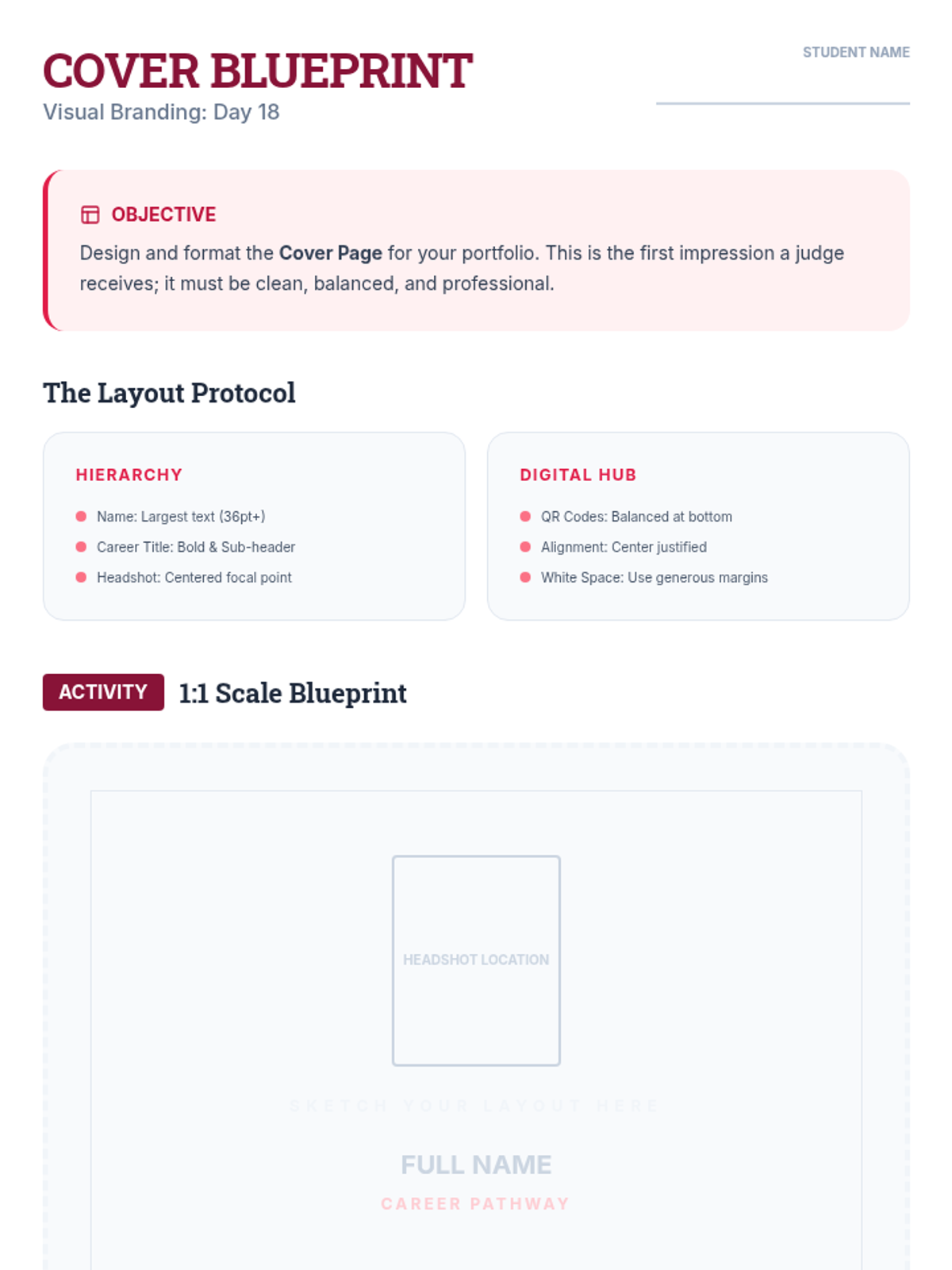
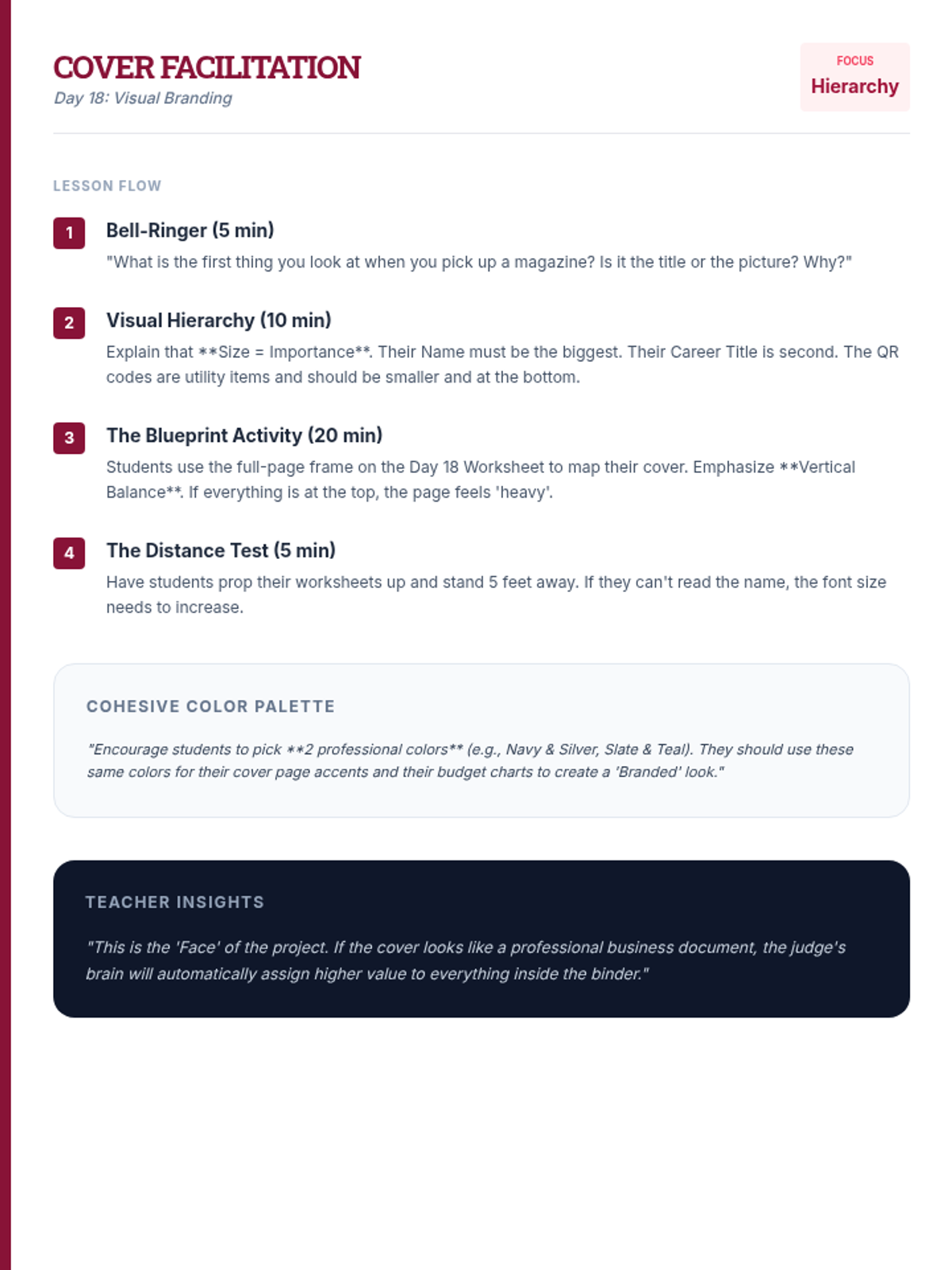
Students design and format the first impression of their portfolio: the cover page.
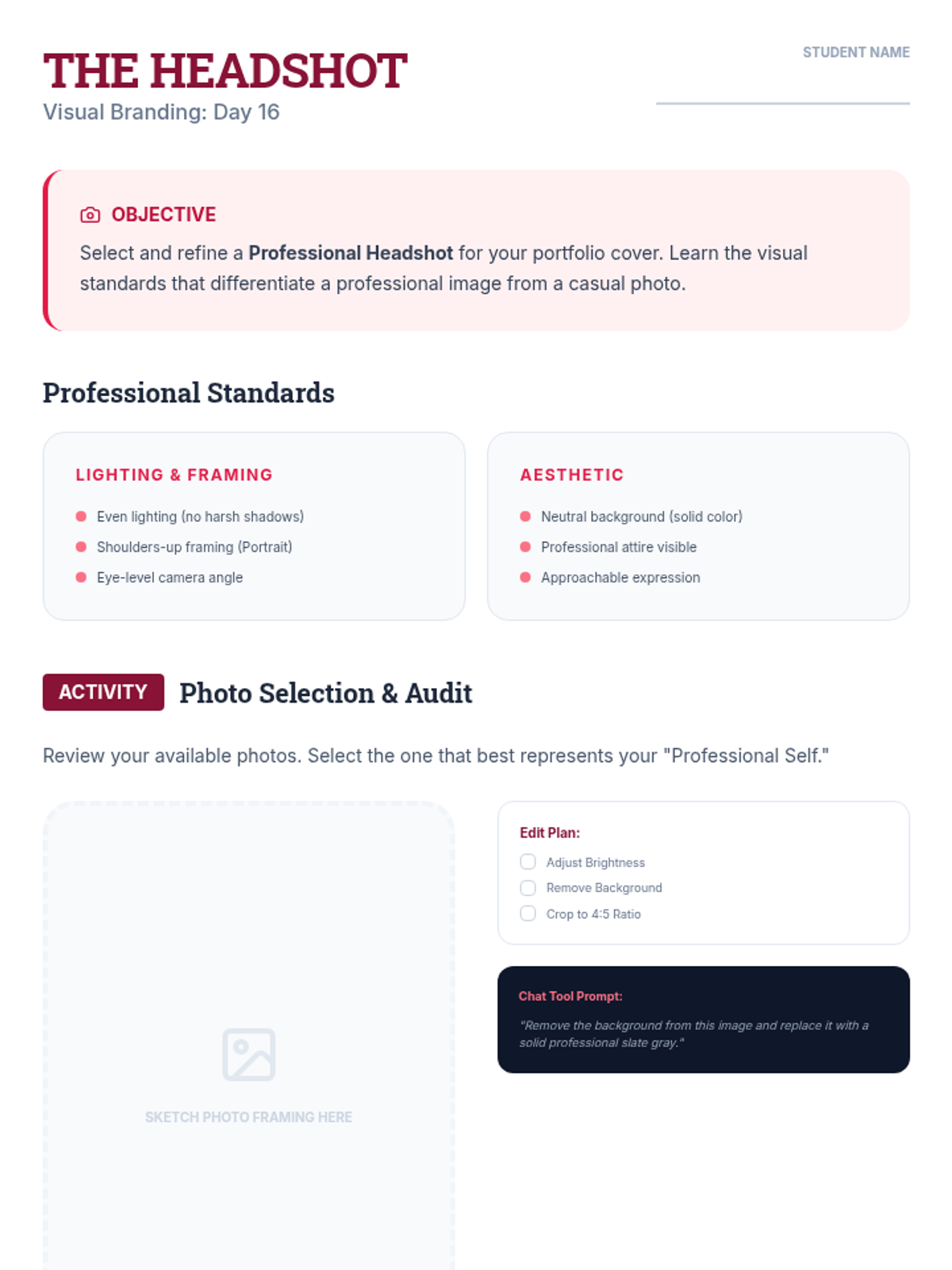
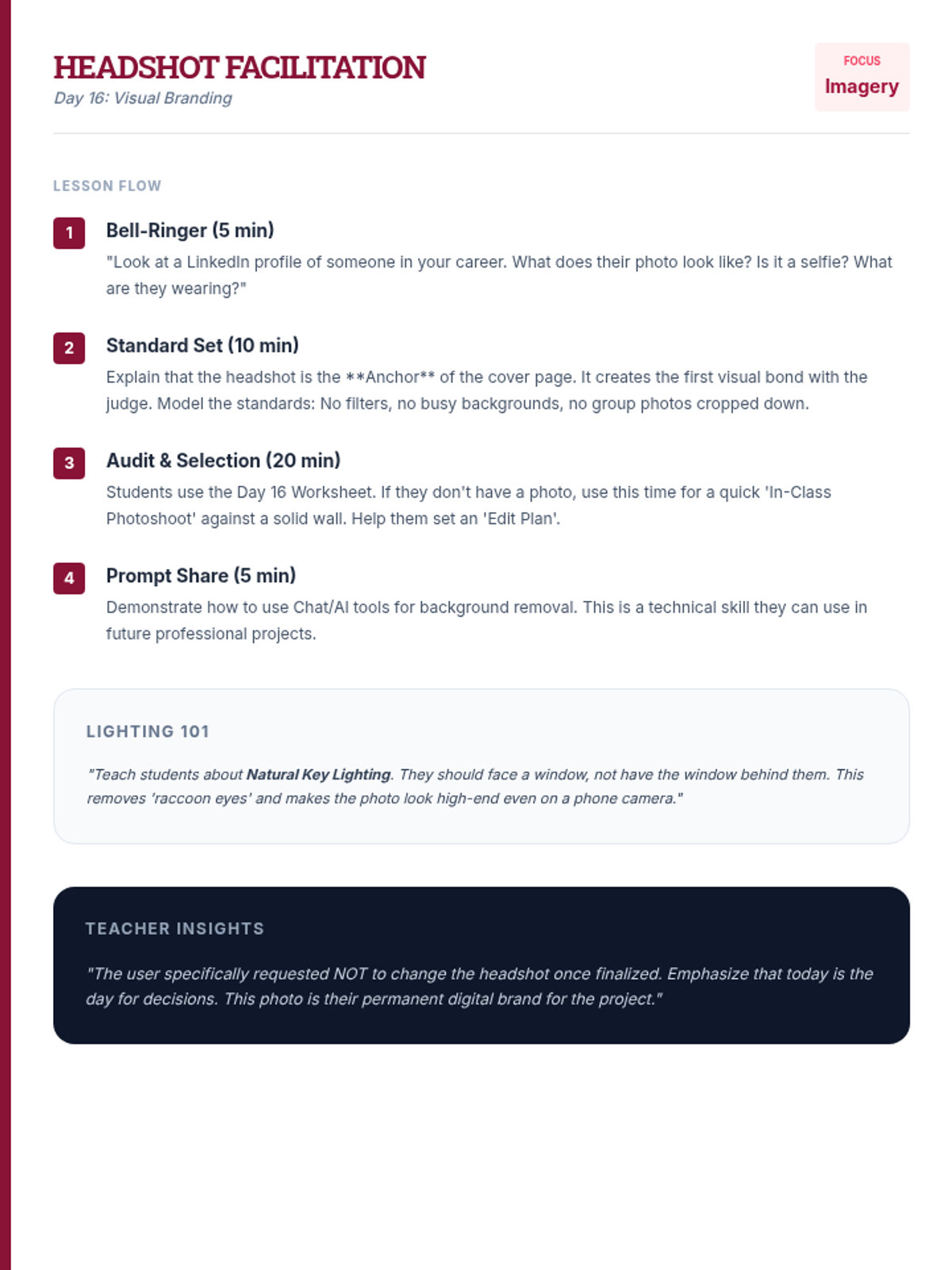
Students select and edit a professional headshot for their portfolio cover.
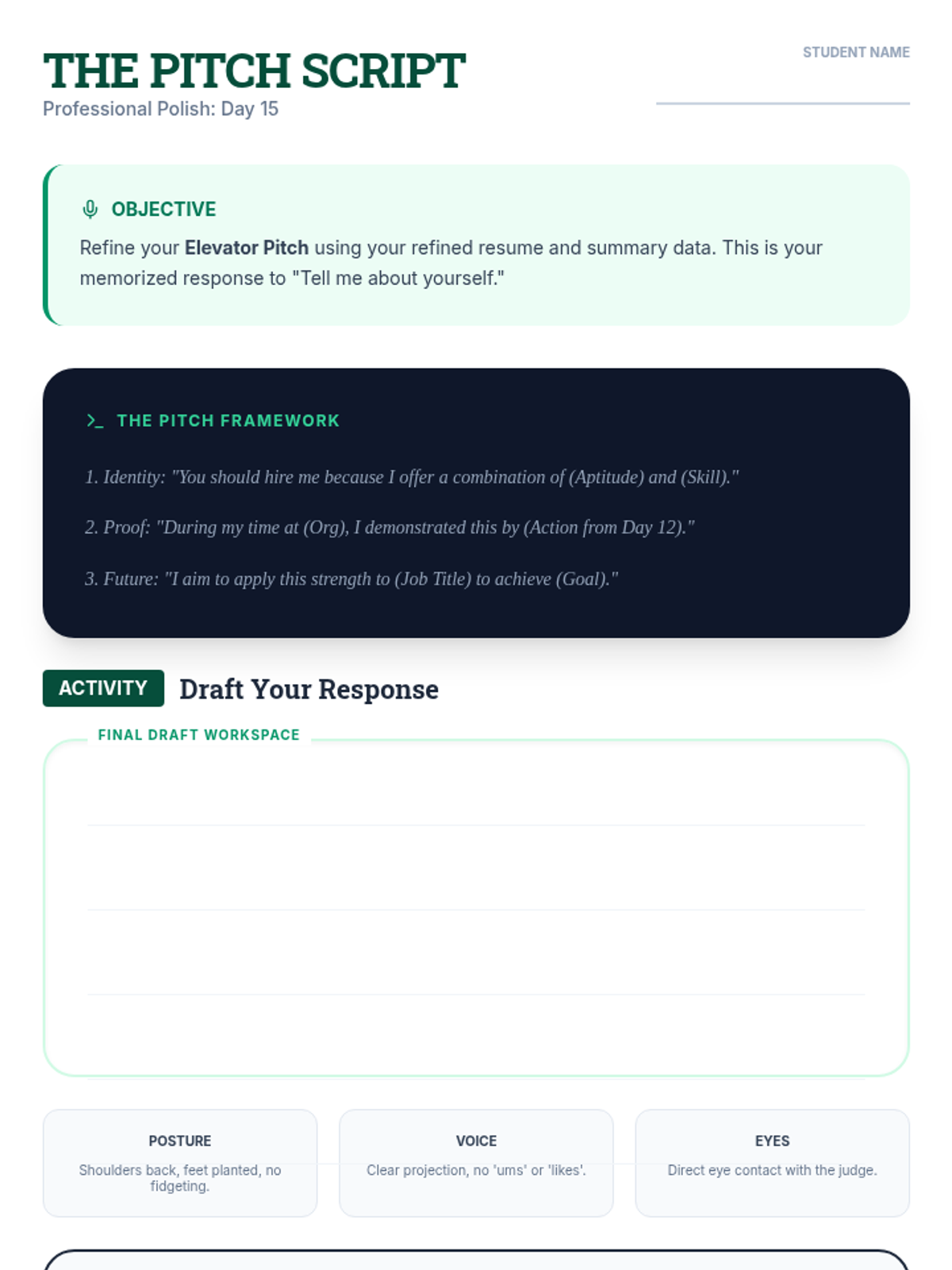
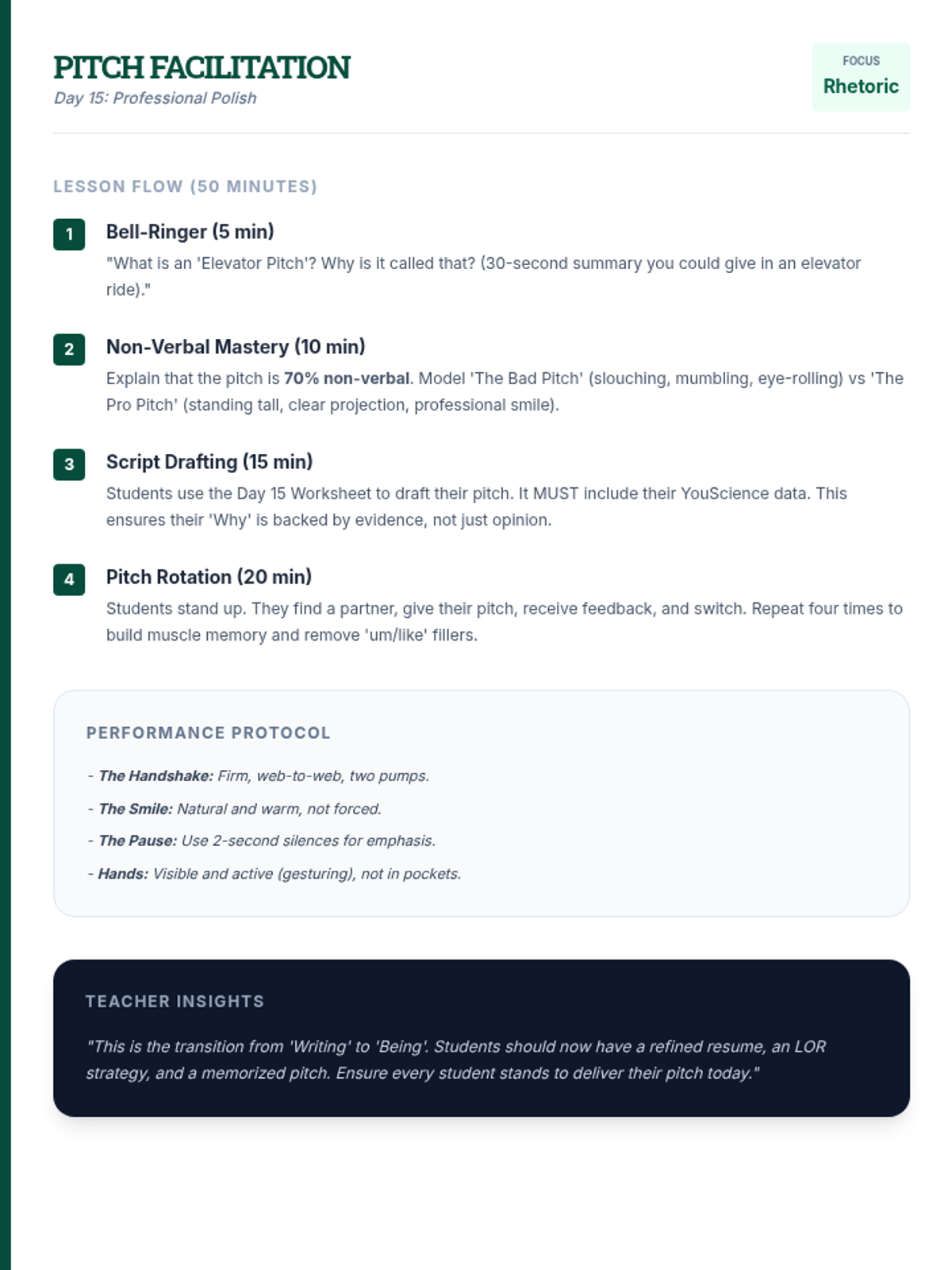
Students refine their interview script based on their refined resume and summary.
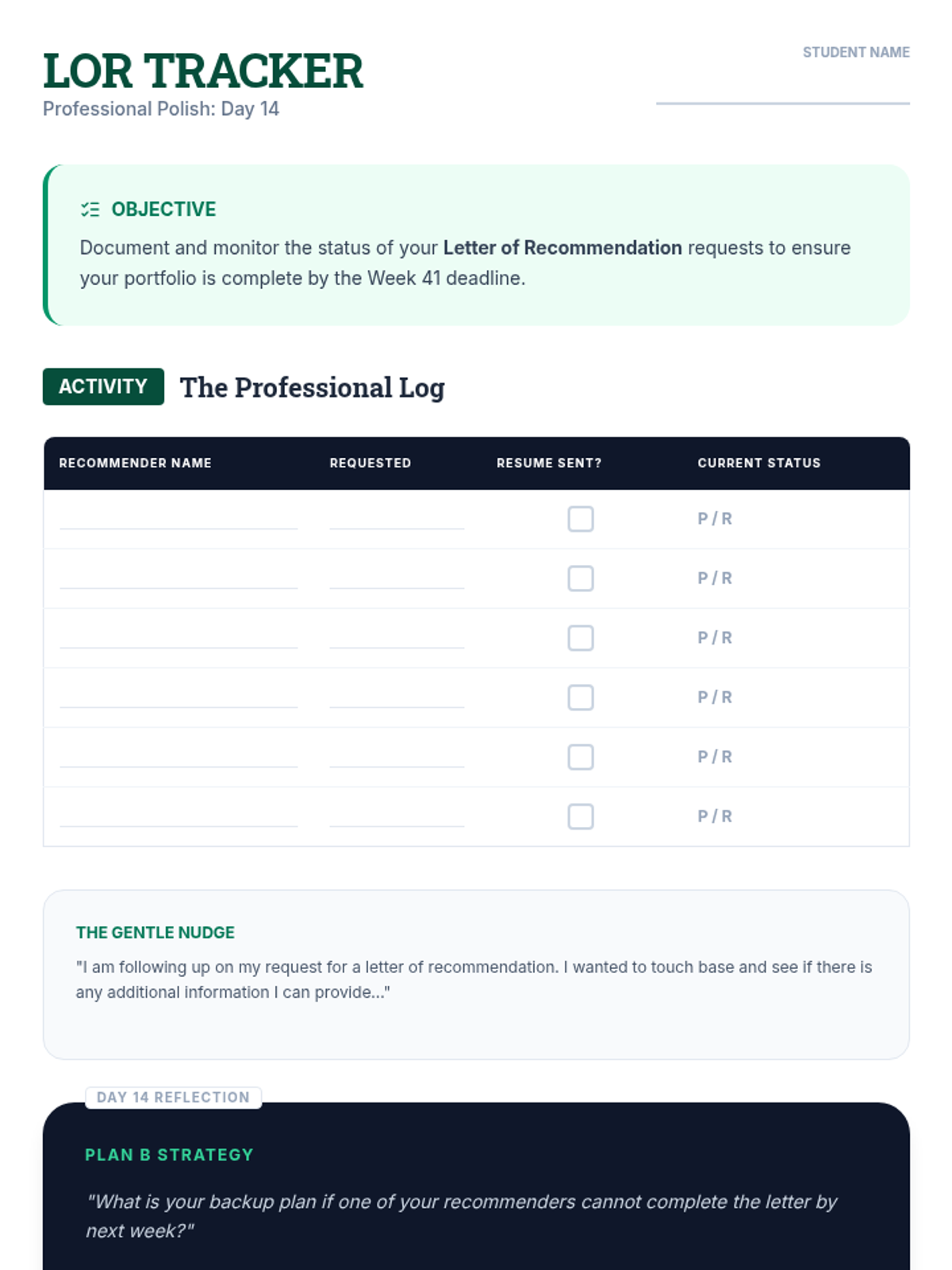
Students document and track their professional recommendation requests.
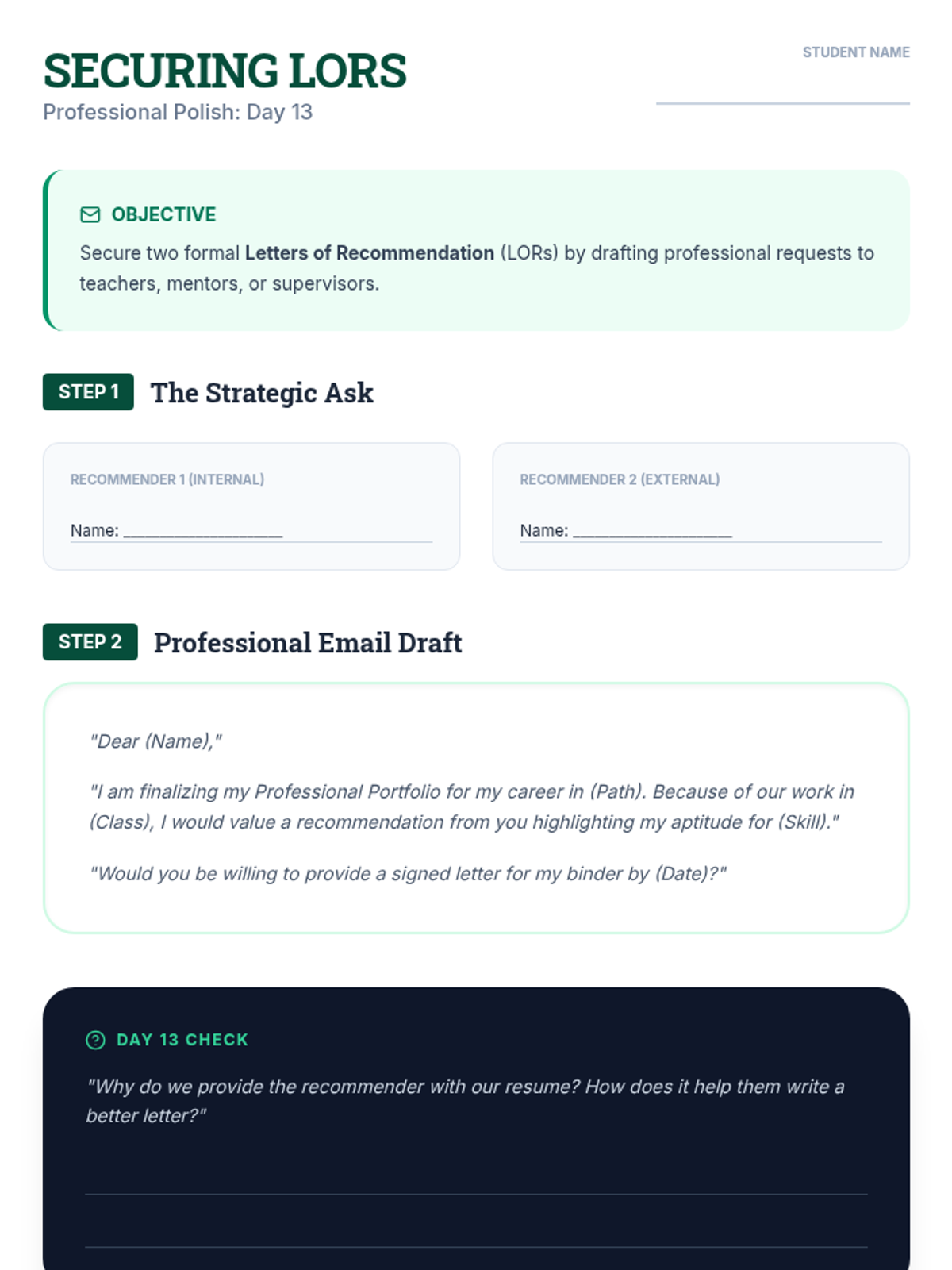
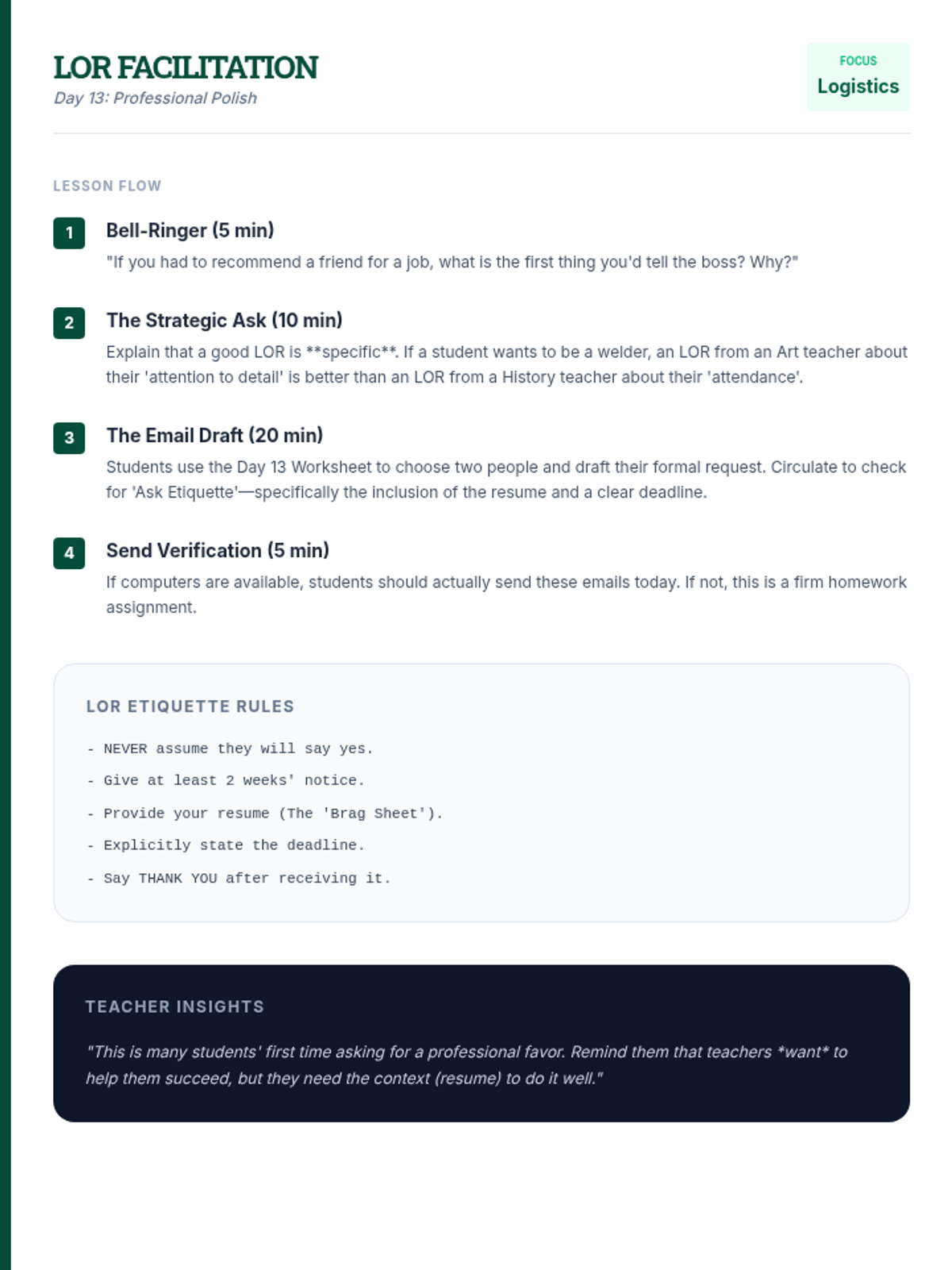
Students implement a strategy to secure two formal letters of recommendation.
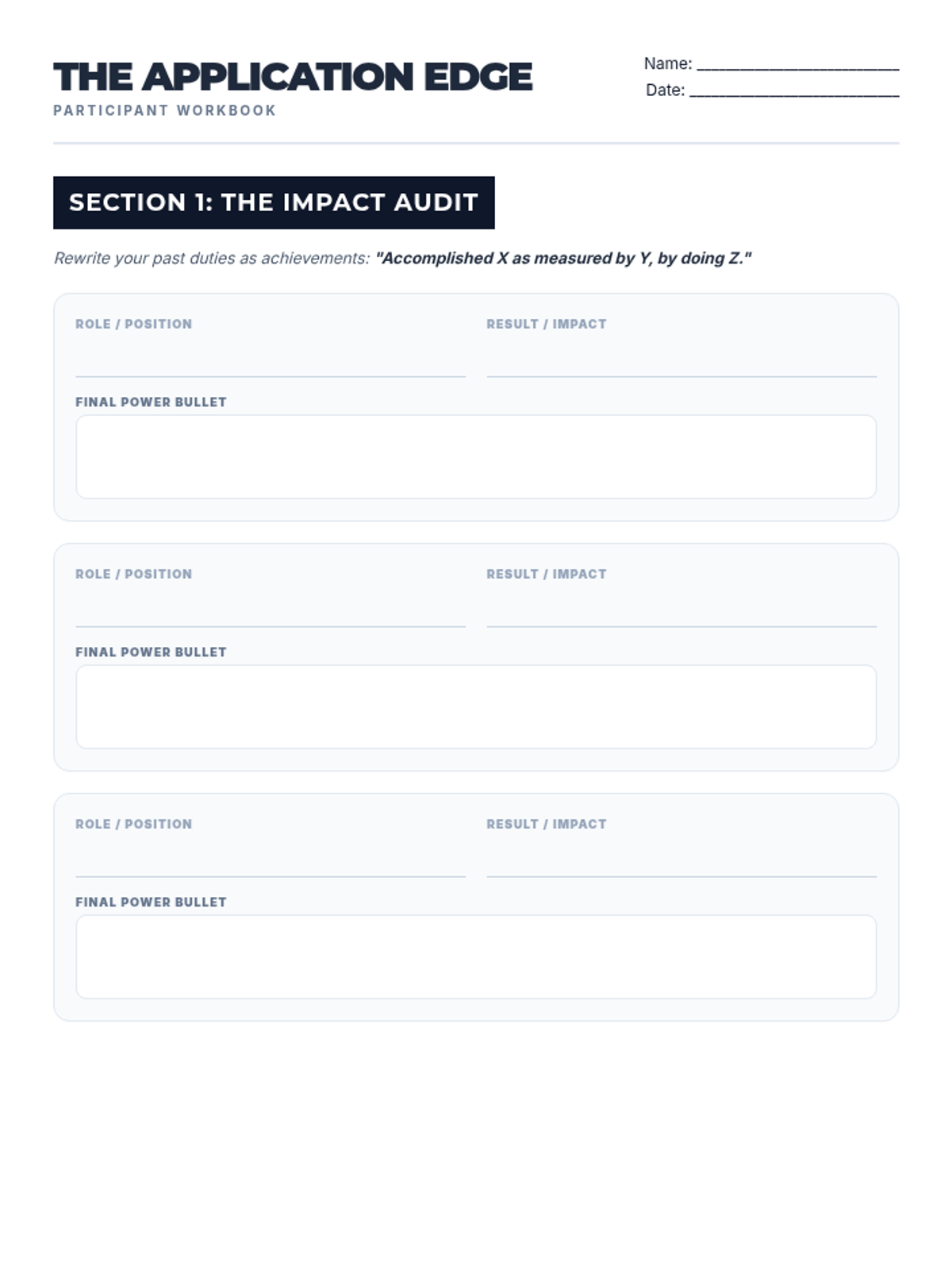
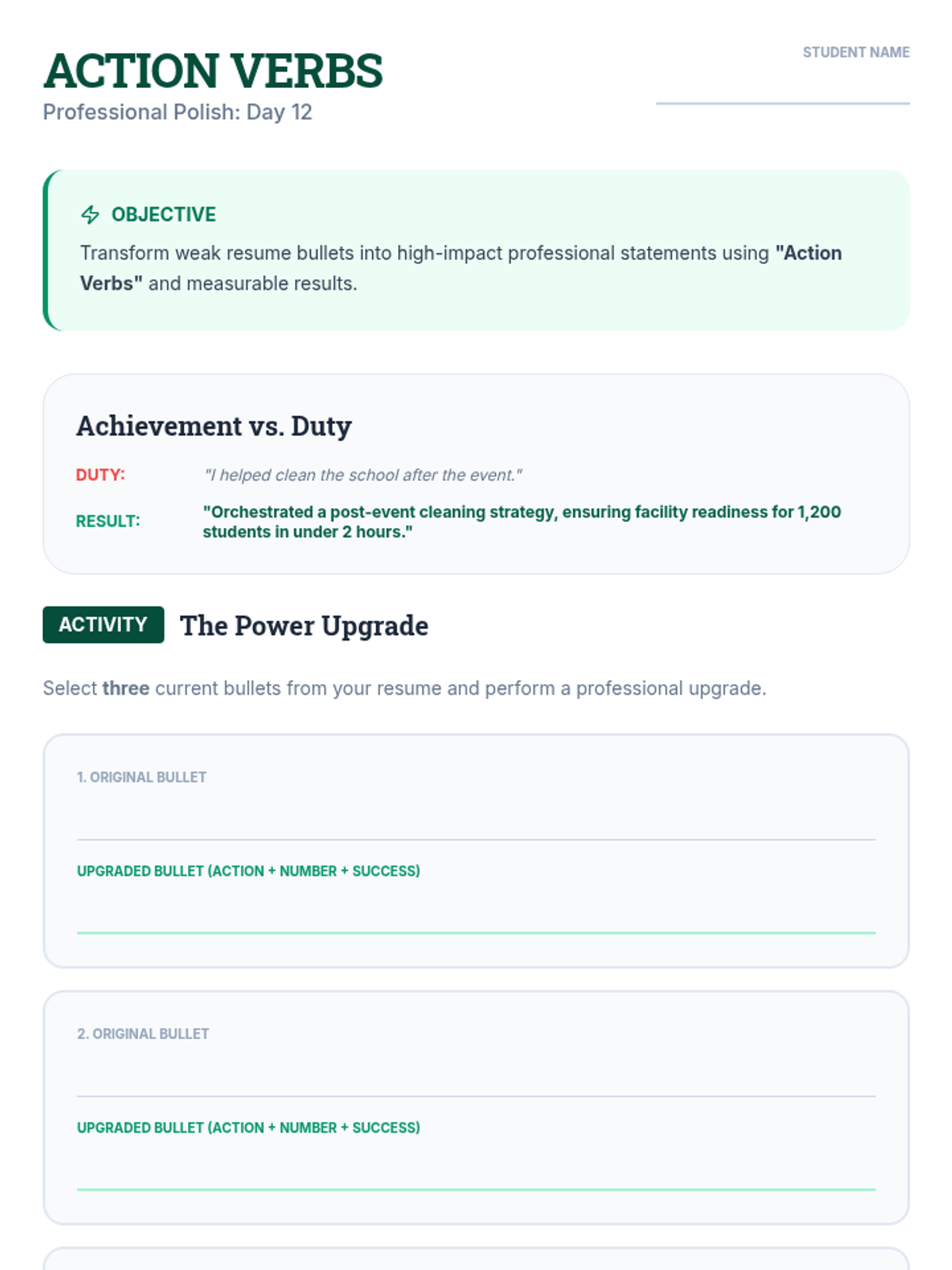
Students enhance their resume bullets using high-impact action verbs and results.
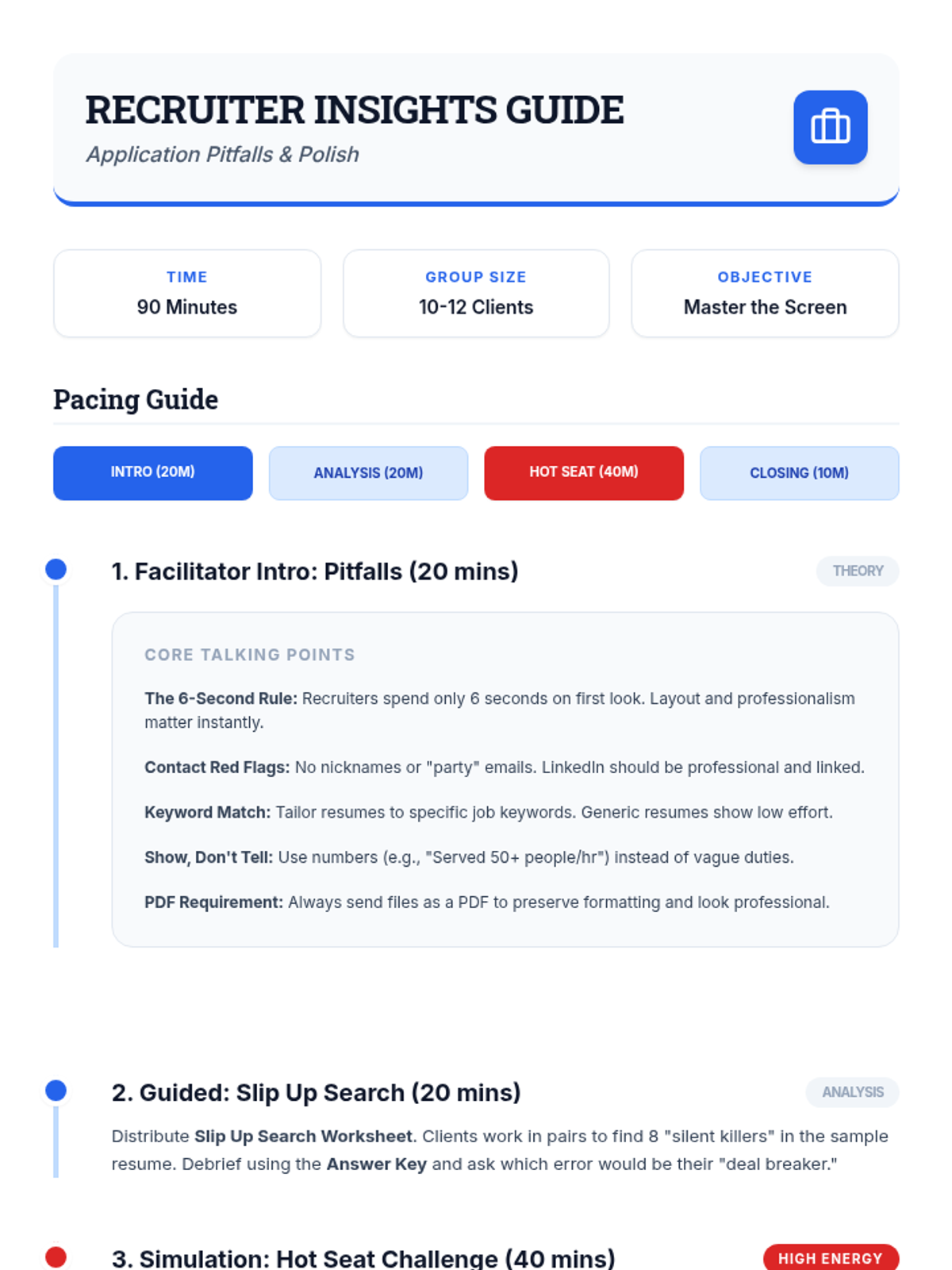
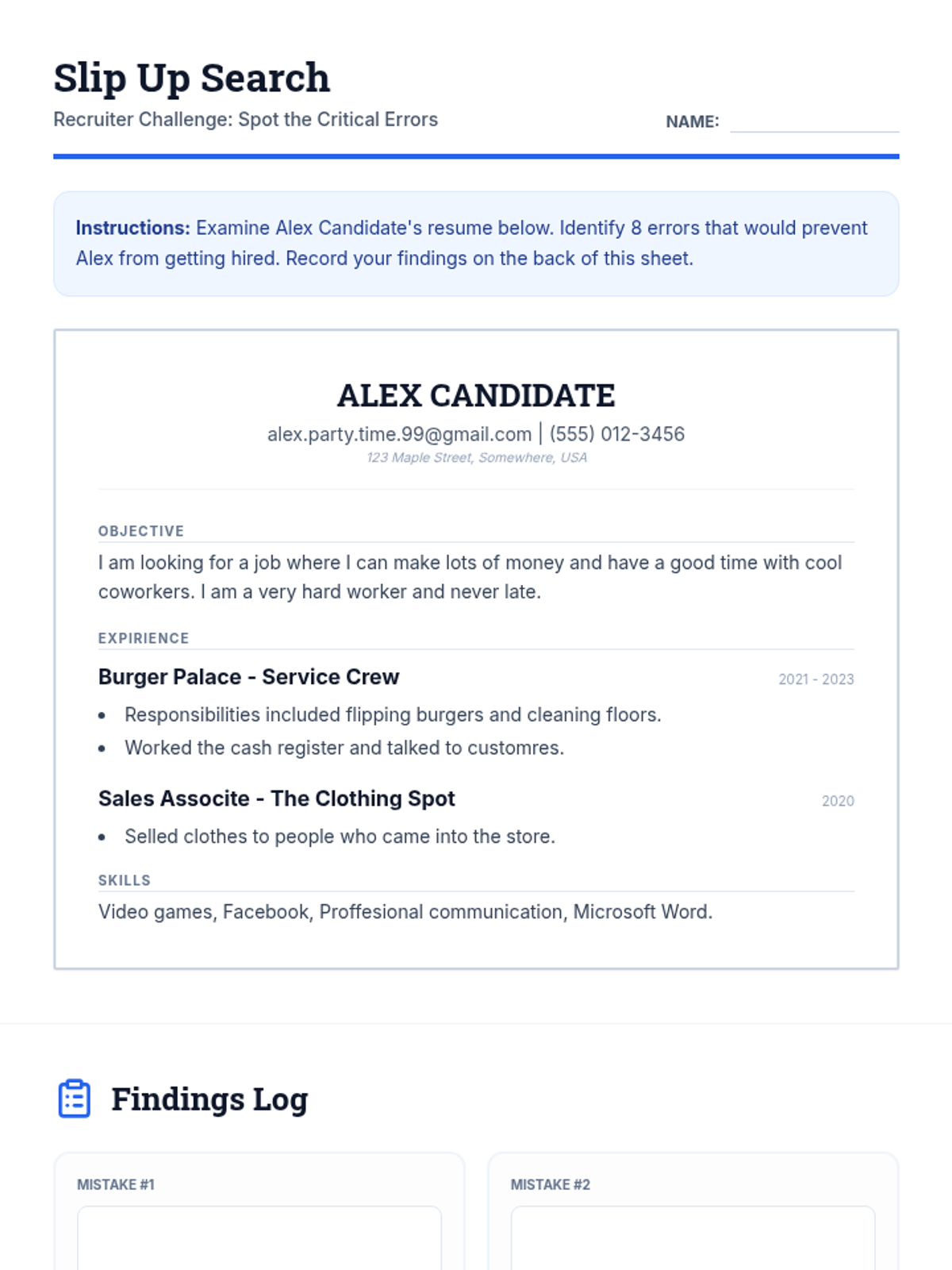
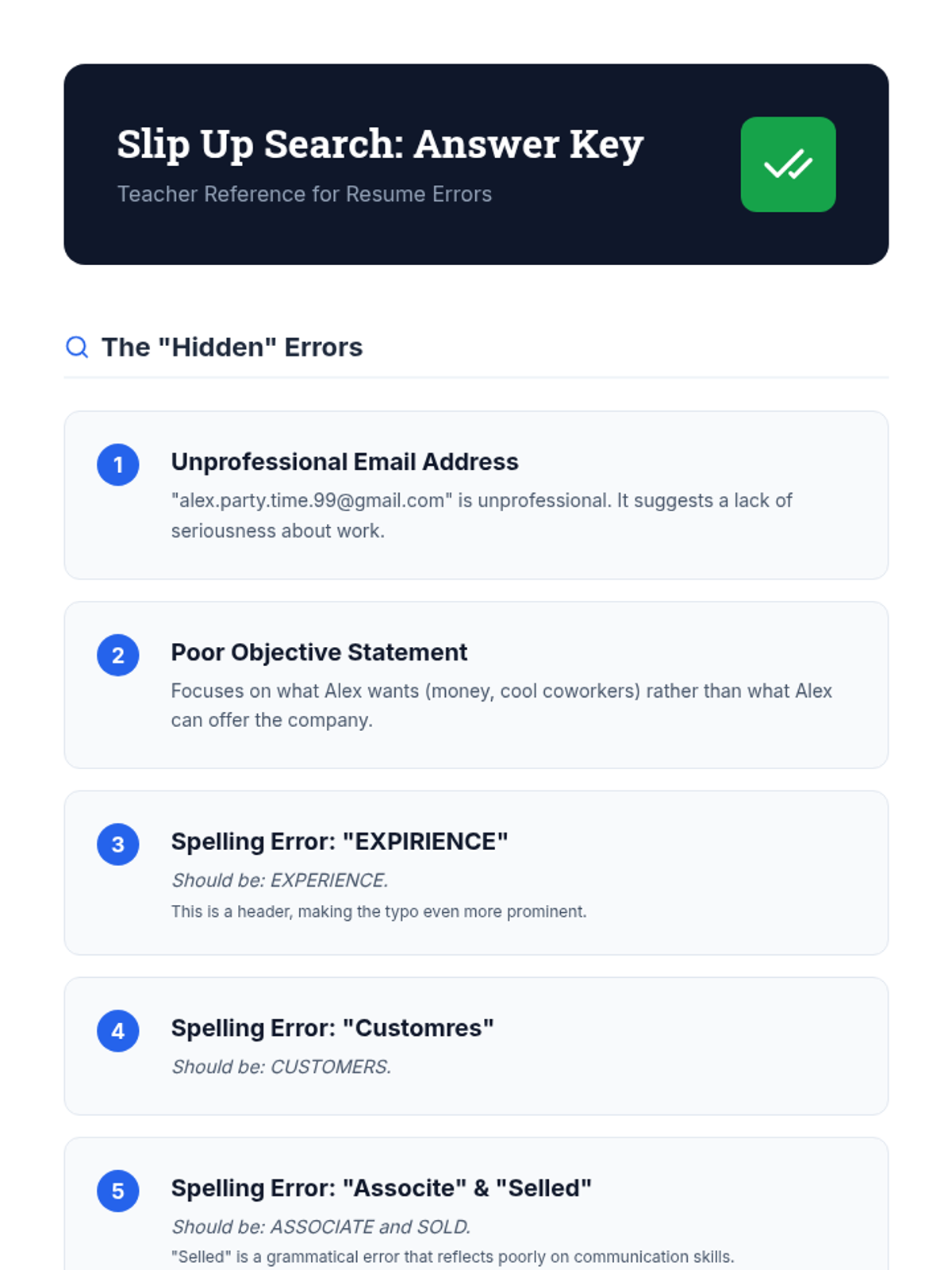
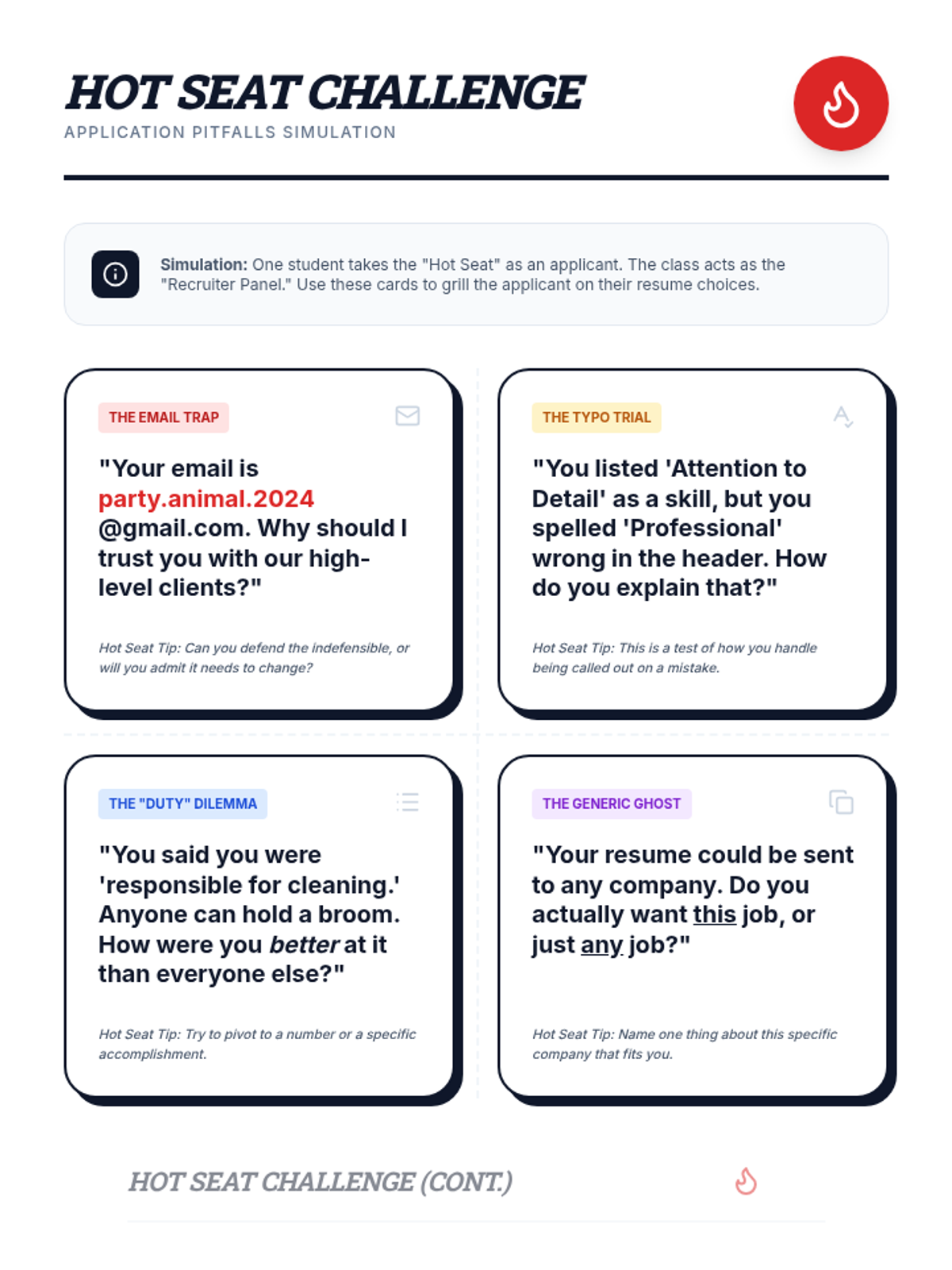
A comprehensive lesson identifying common workplace application errors, from resume typos to unprofessional email addresses, and how to fix them.
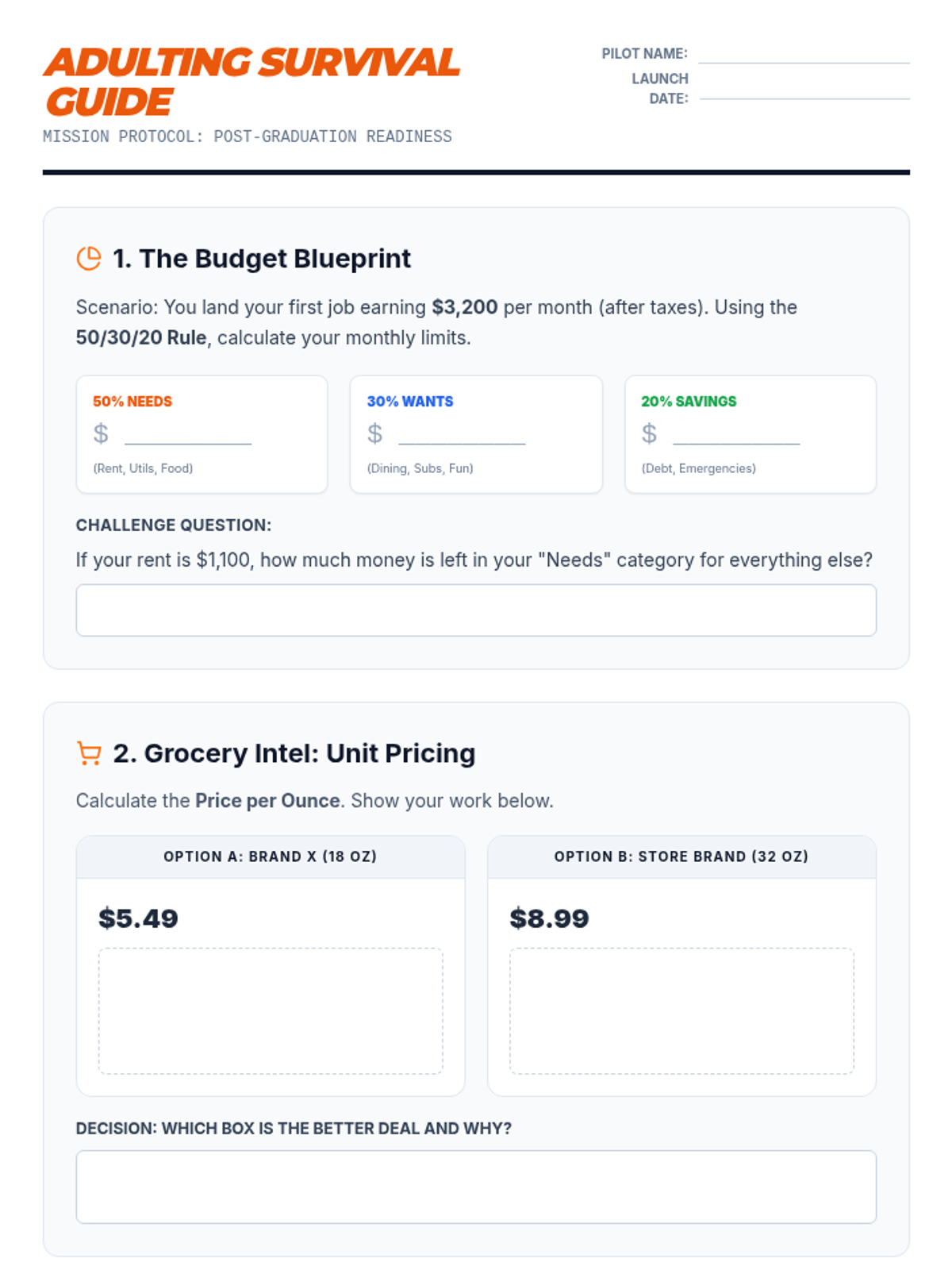
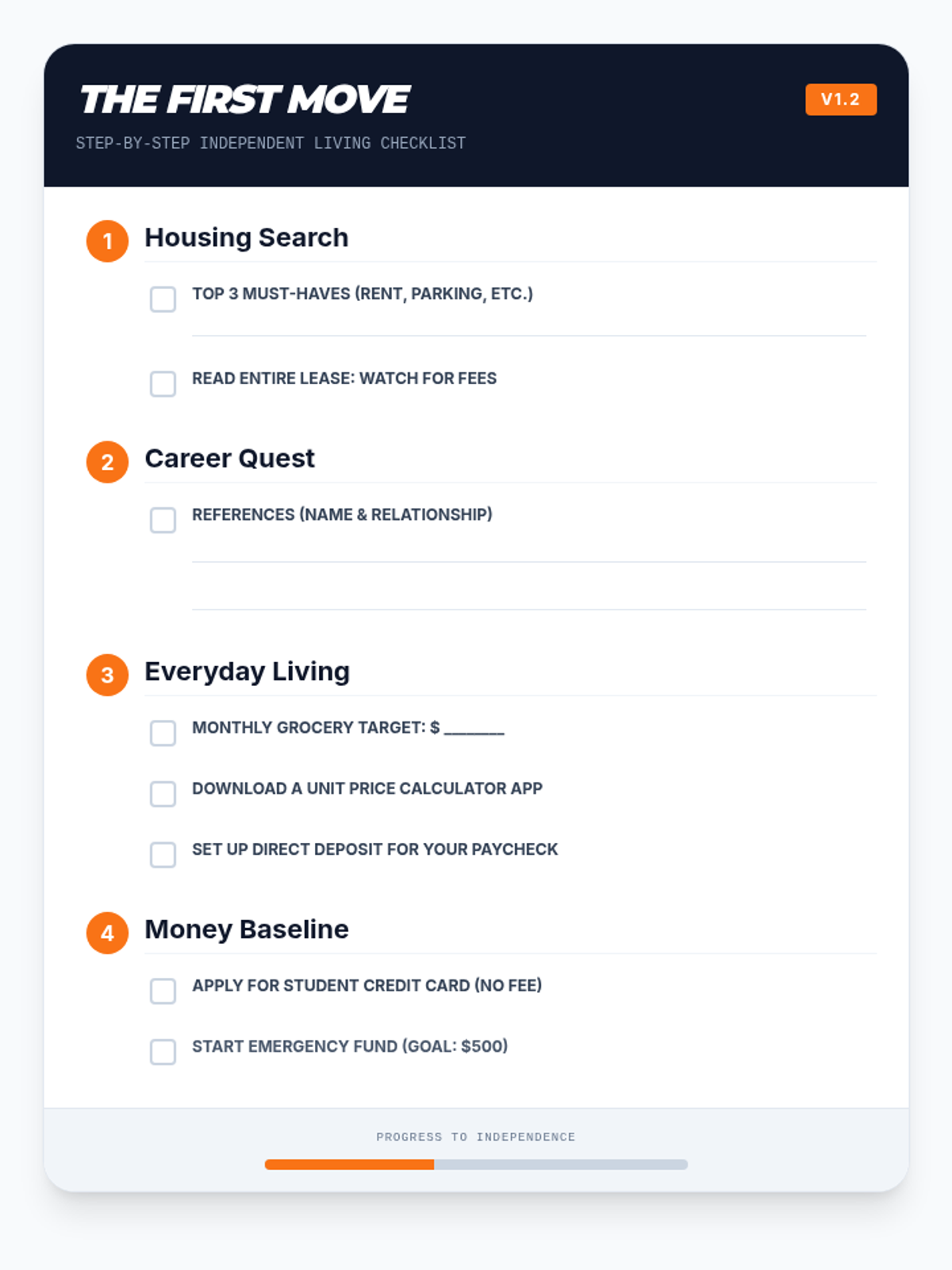
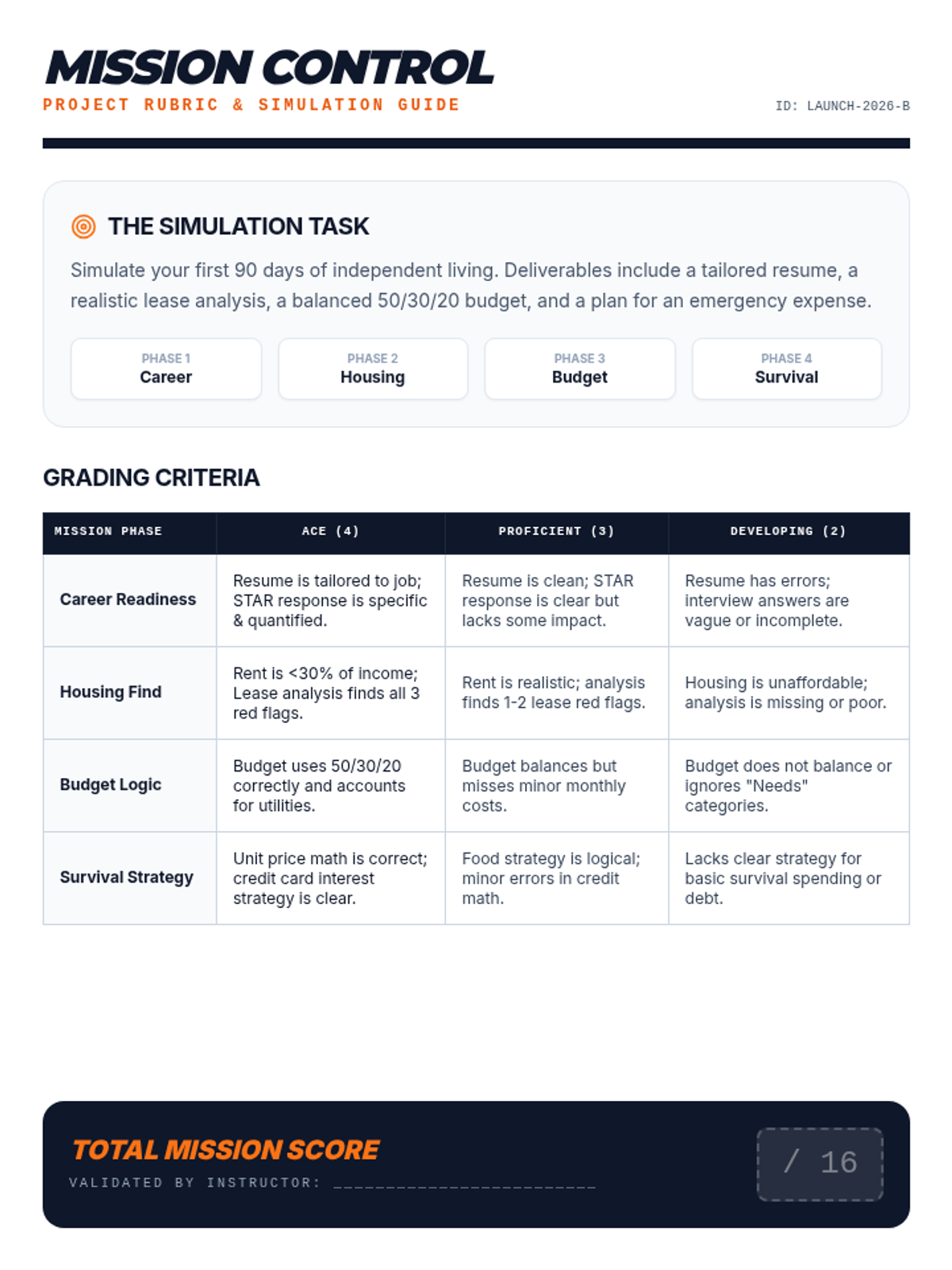
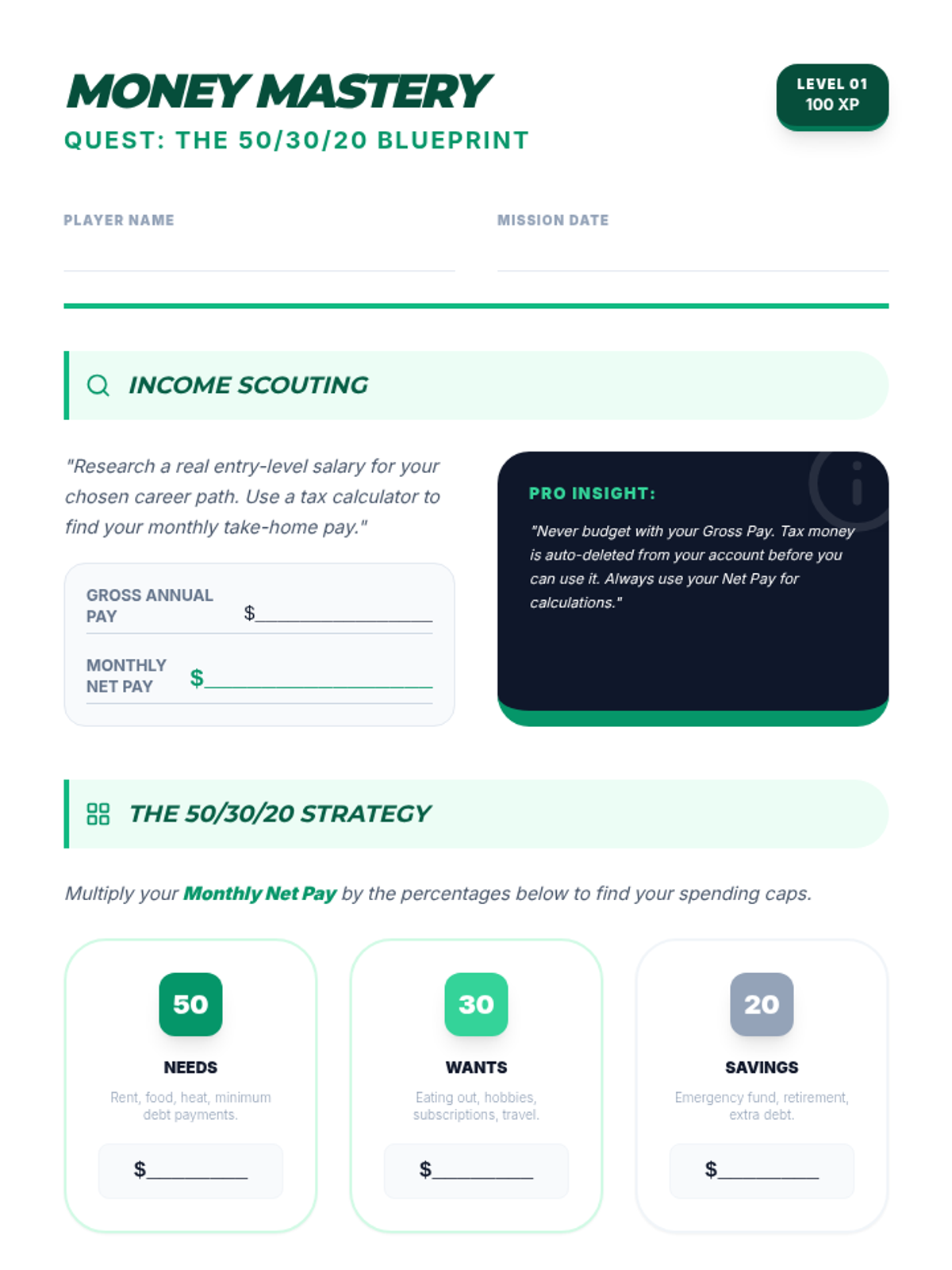
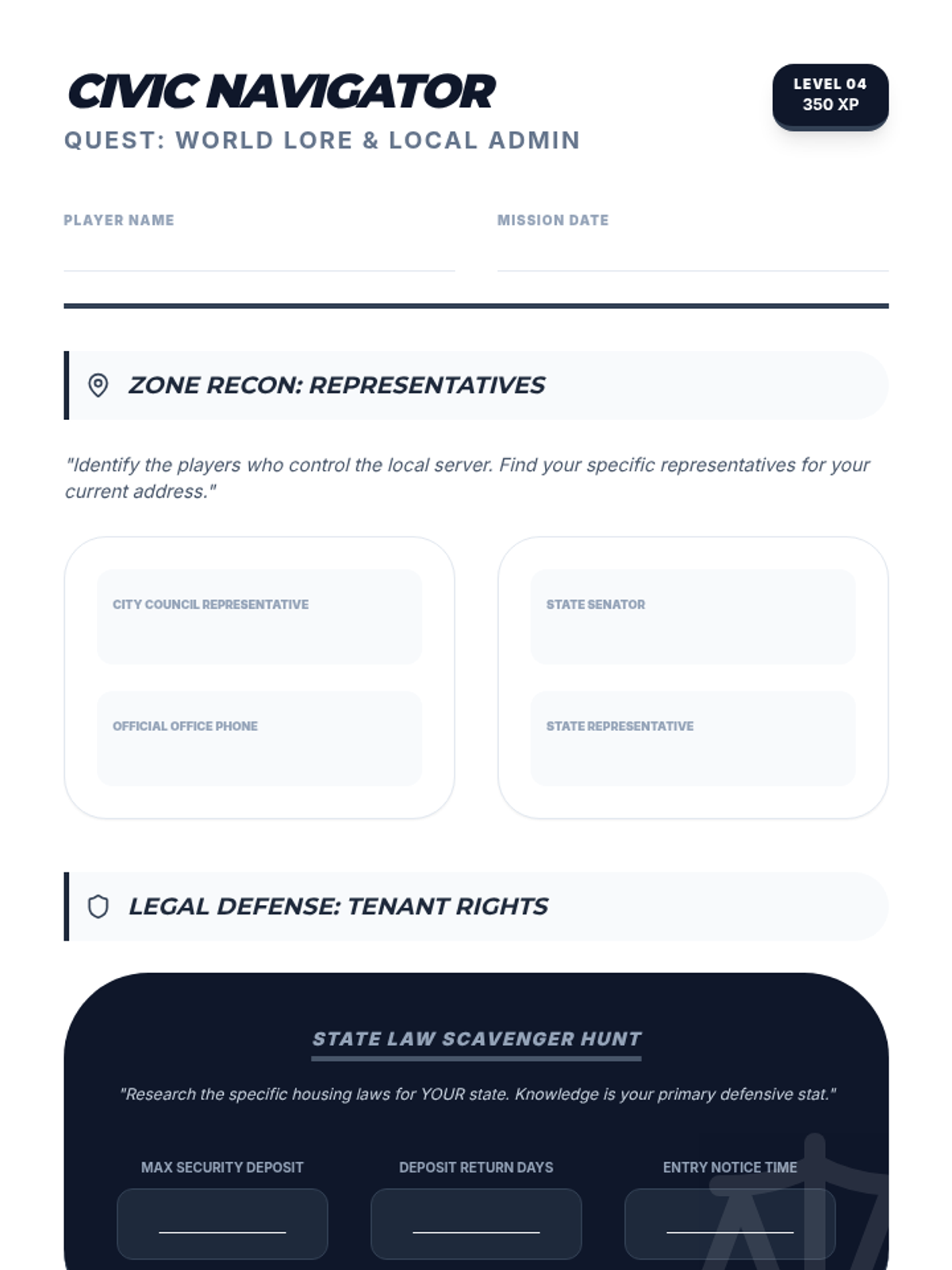
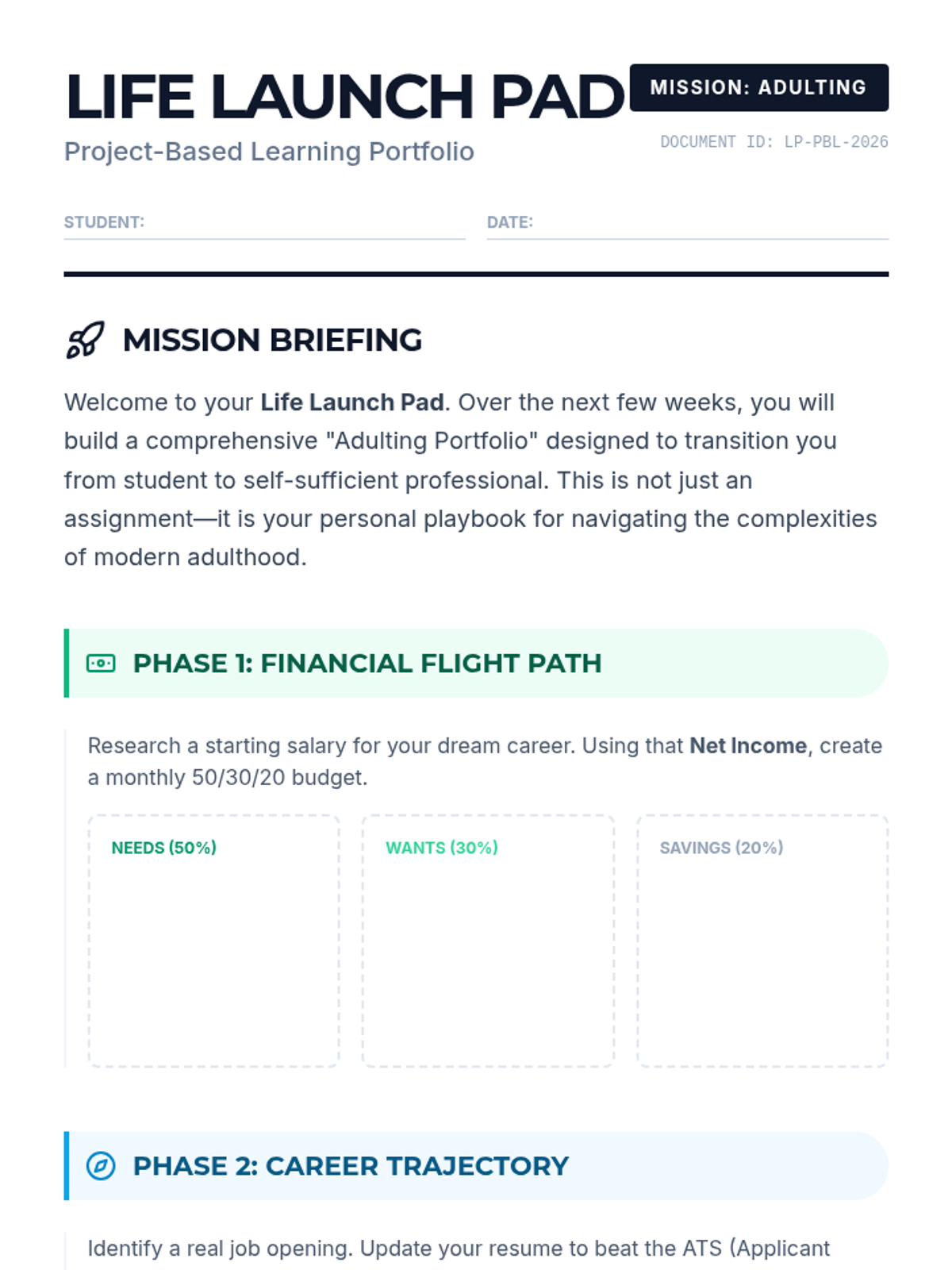
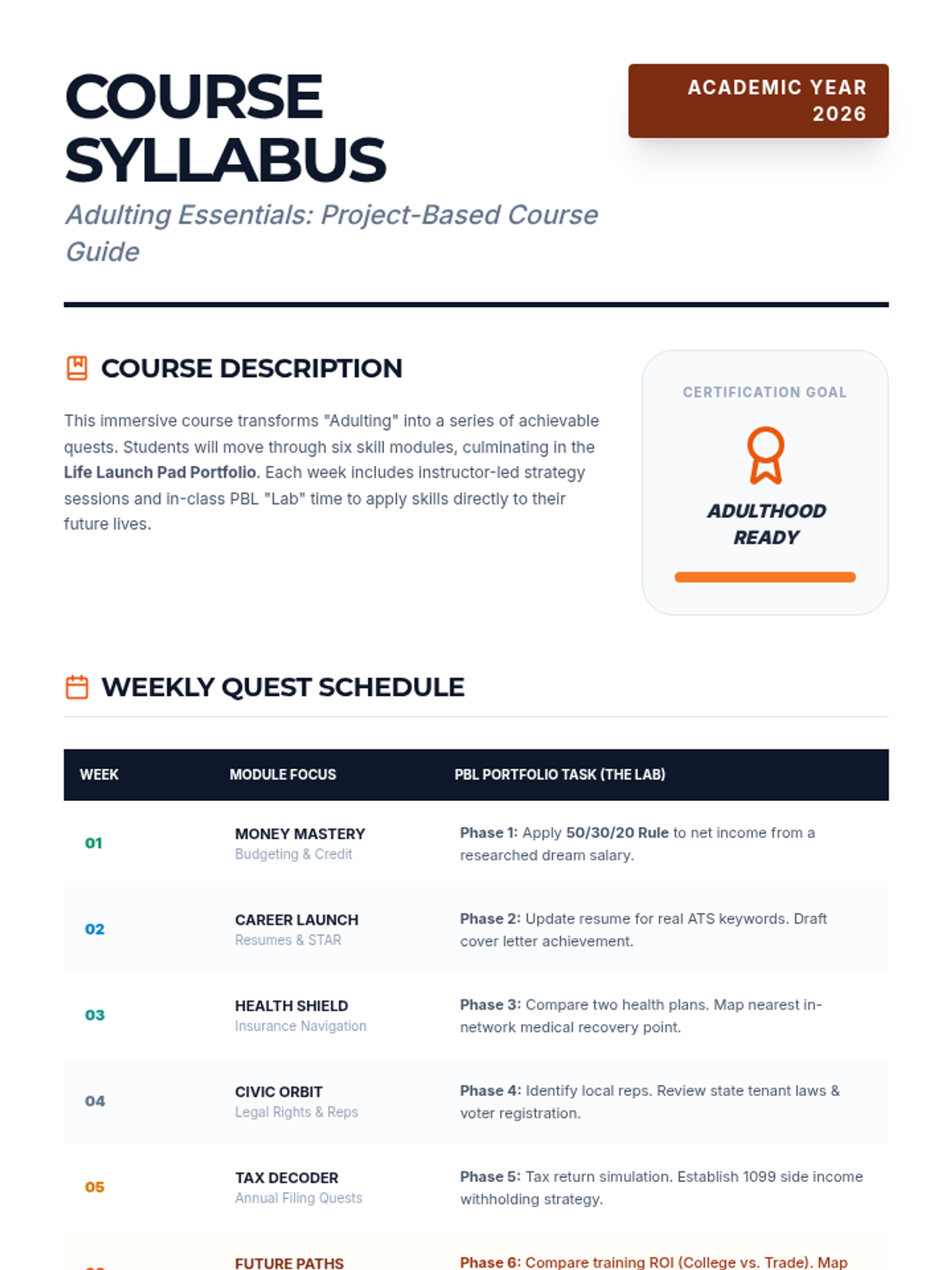
A practical guide to the four pillars of early adulthood: money management, career hunting, grocery budgeting, and securing a first apartment.
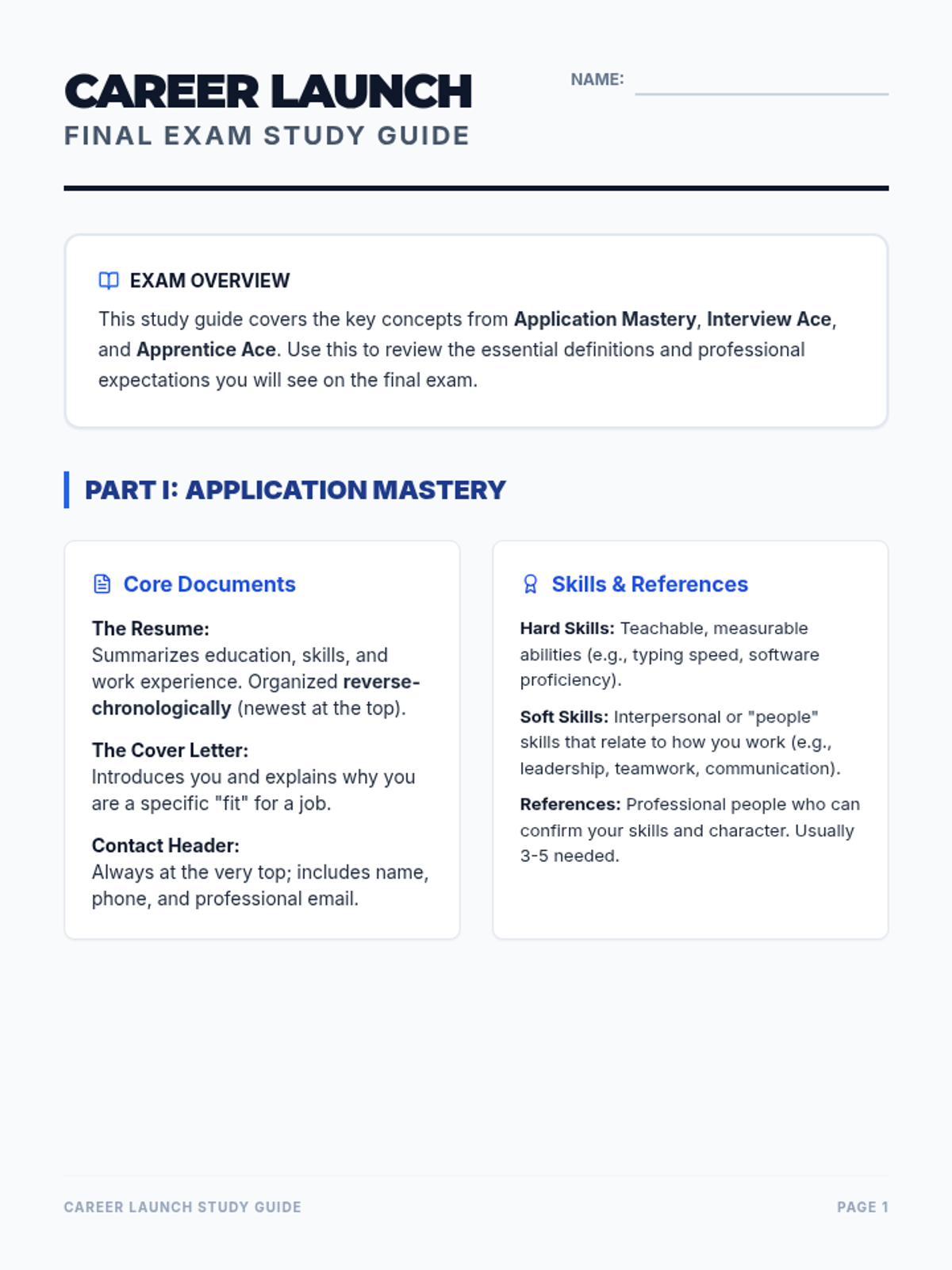
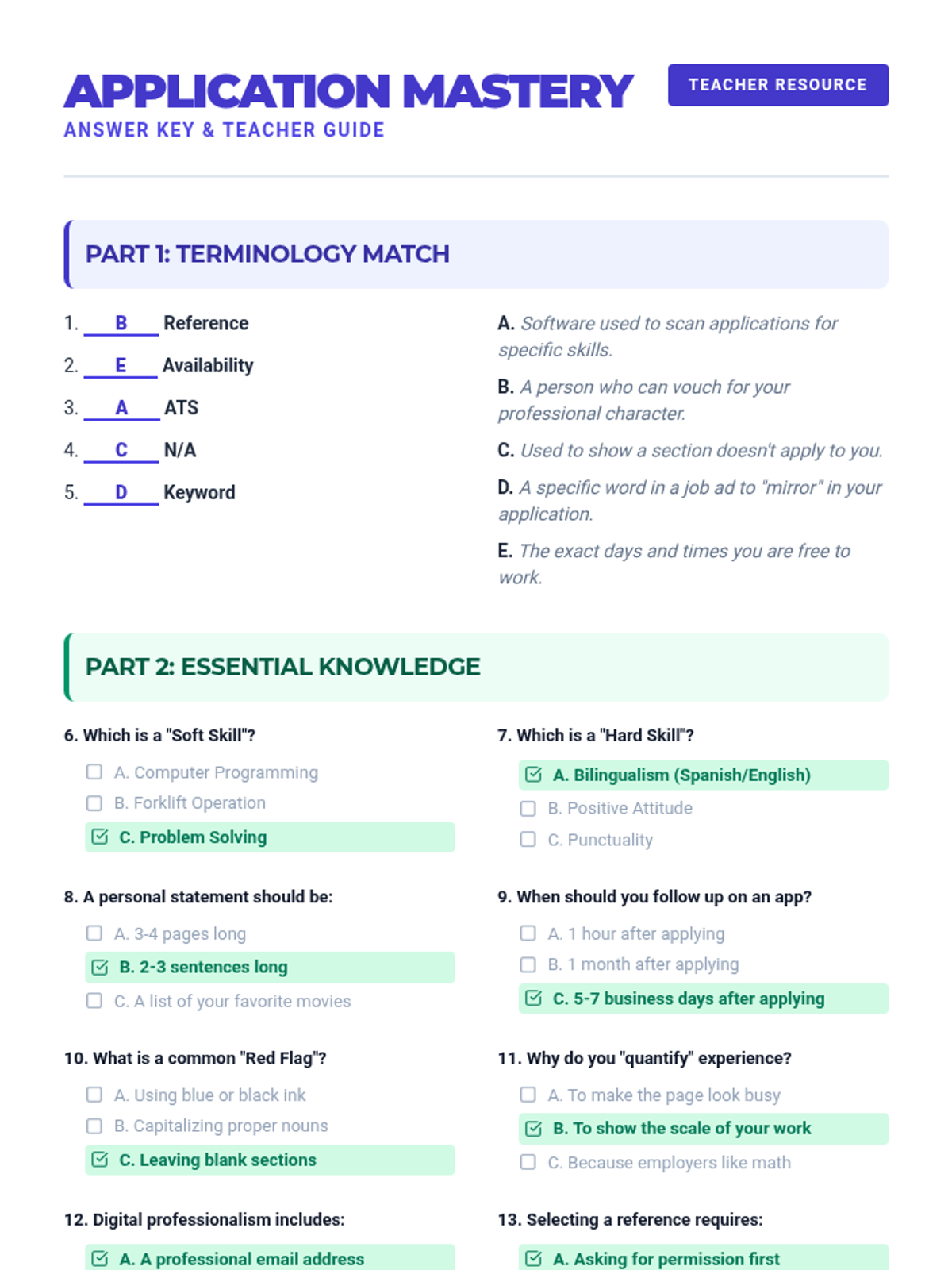
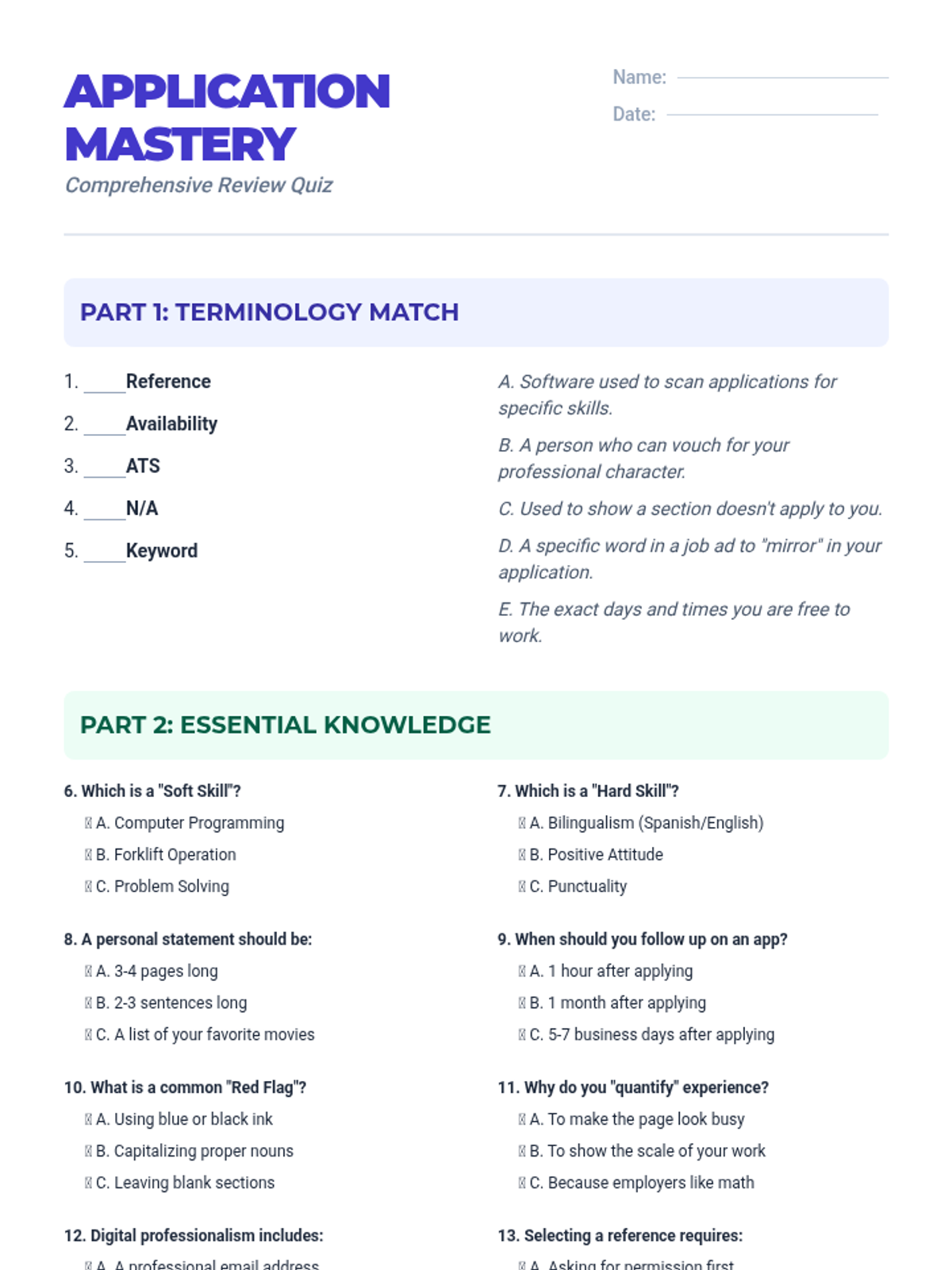
A comprehensive lesson focused on mastering the job application process, from understanding terminology to tailoring skills for specific roles.
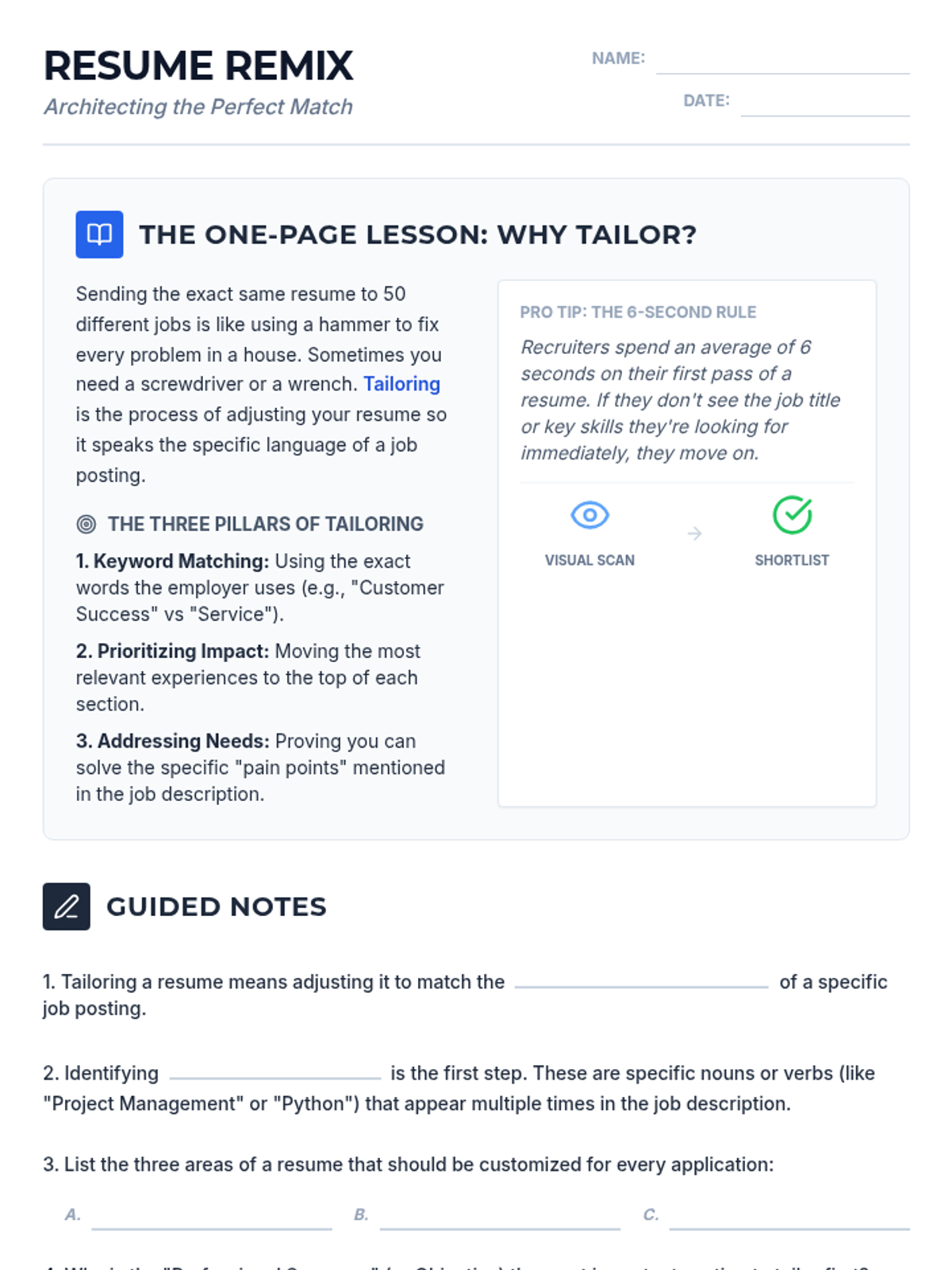
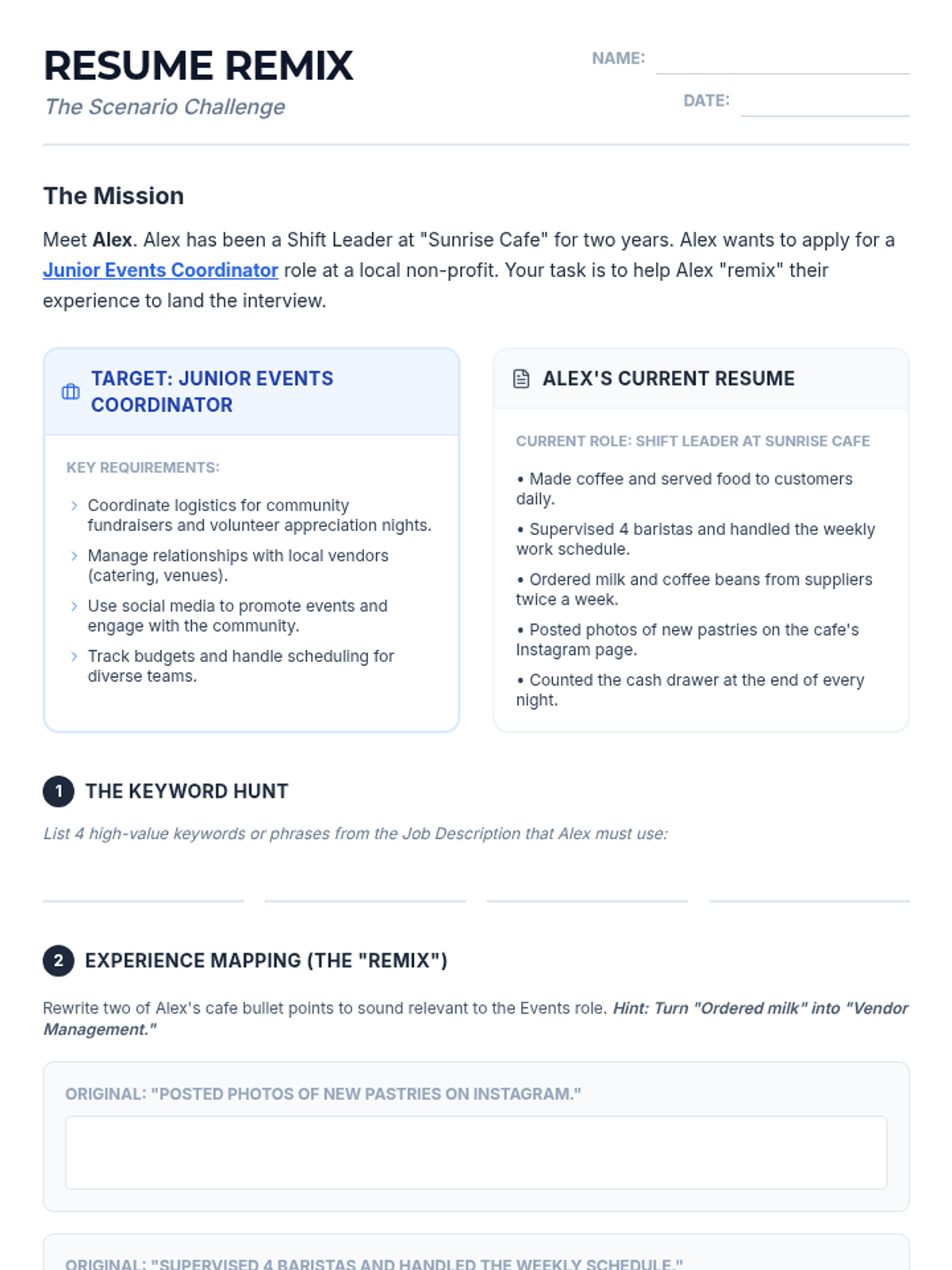
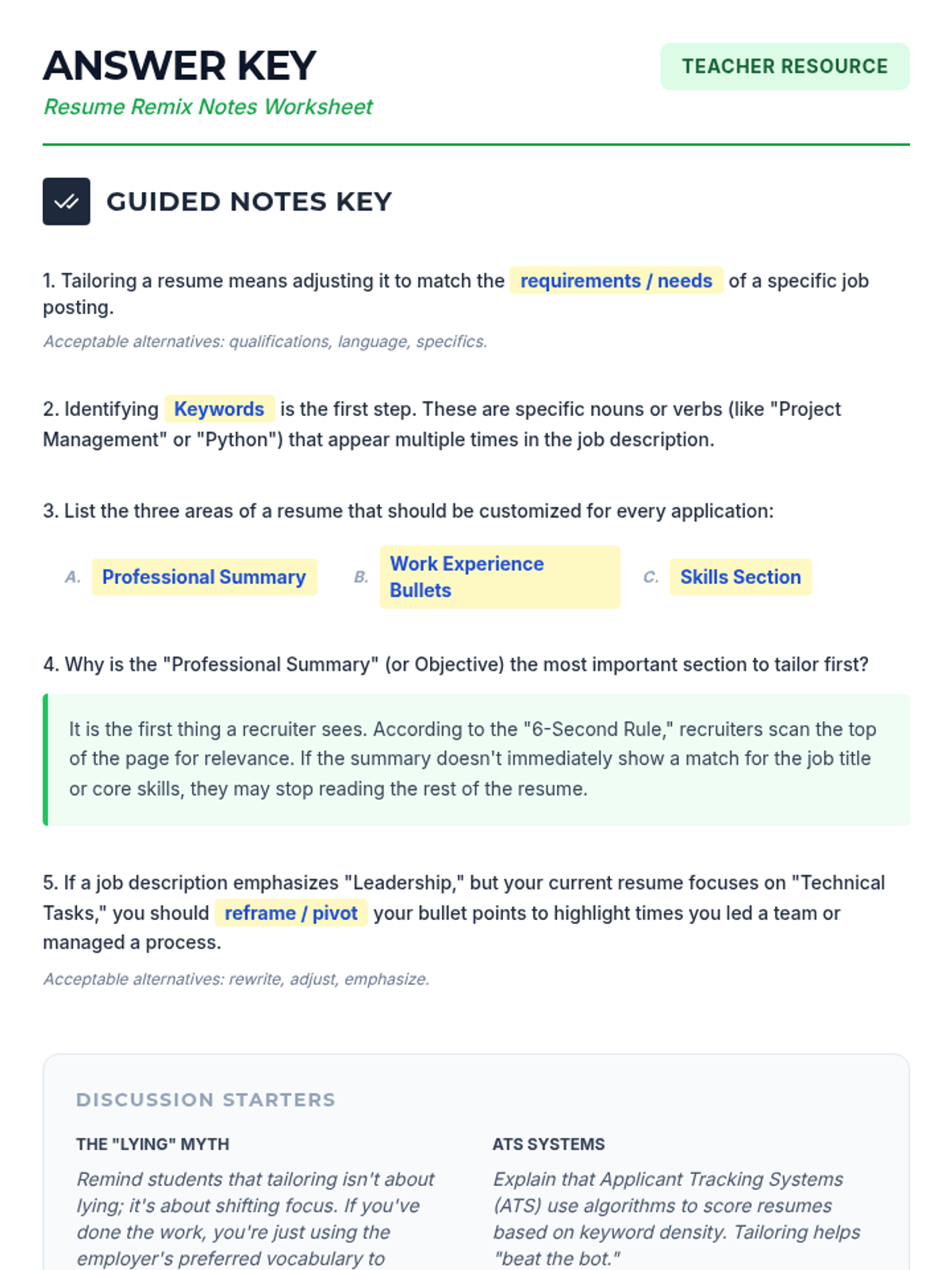
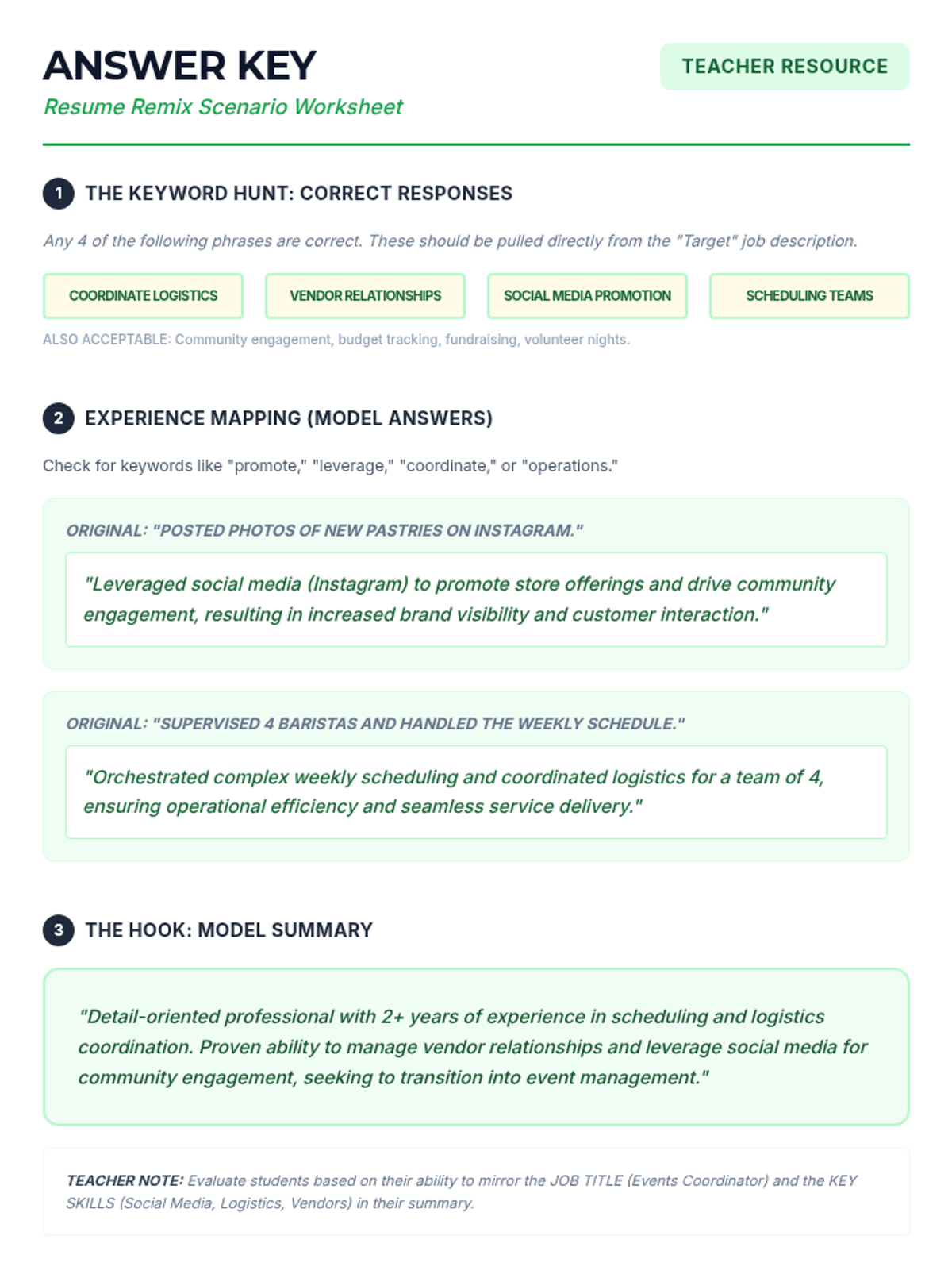
A practical lesson on how to analyze job descriptions and customize resume content to match specific employer needs. Students will learn keyword identification, experience mapping, and summary tailoring through guided notes and a real-world scenario.
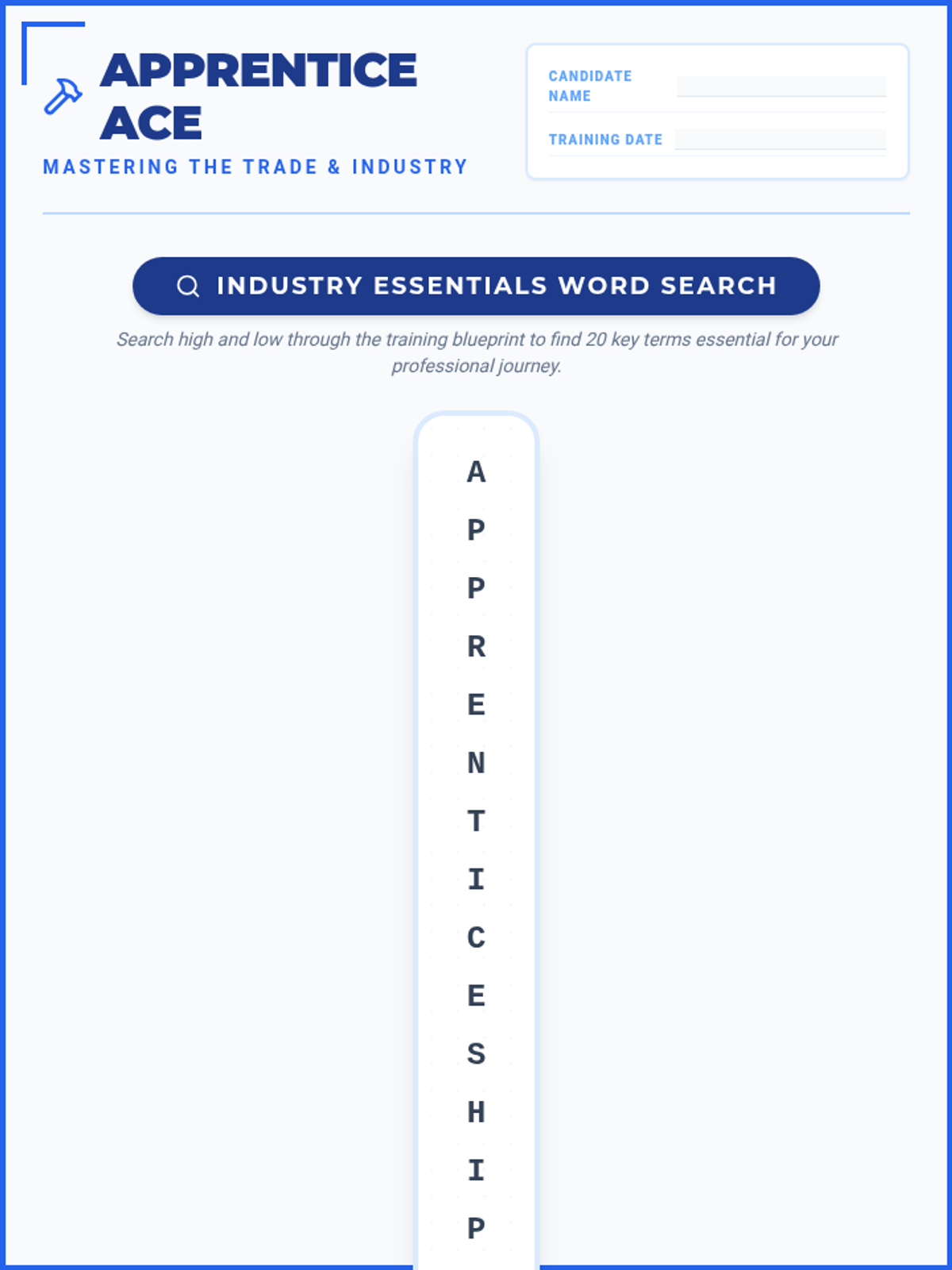
Master the transition from student to professional. This lesson covers workplace etiquette and the application process through engaging puzzles and reflective self-assessments.
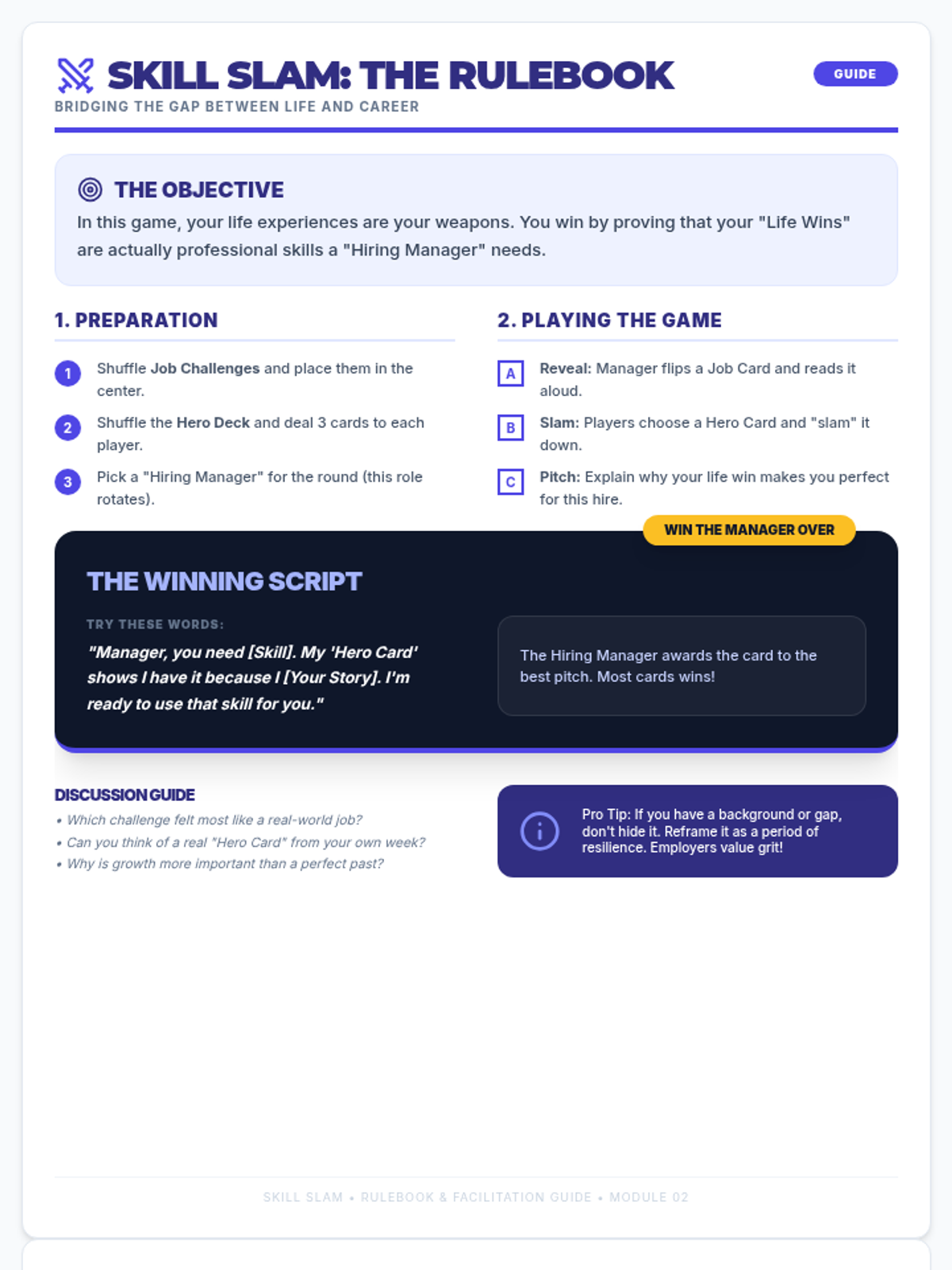
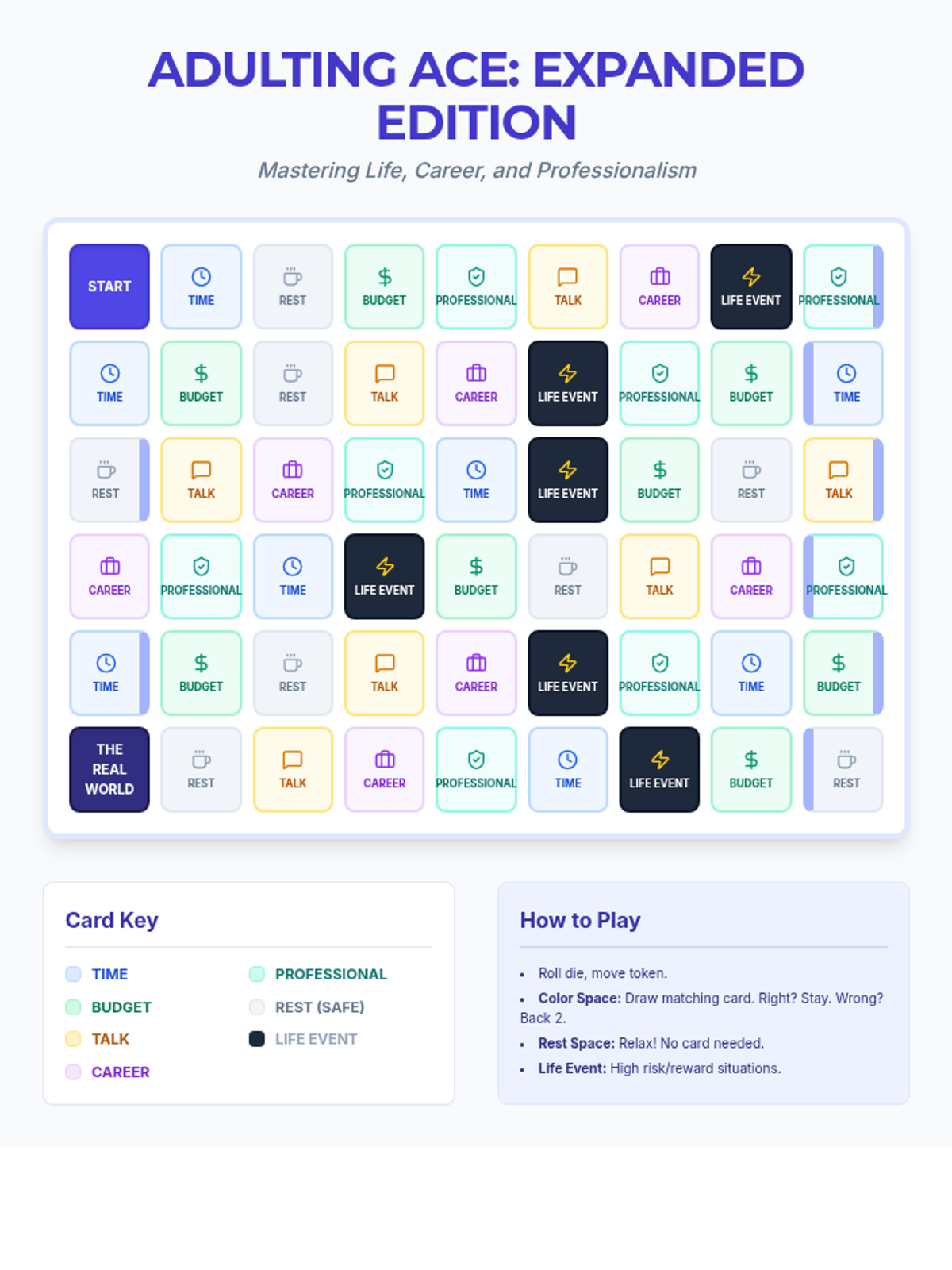
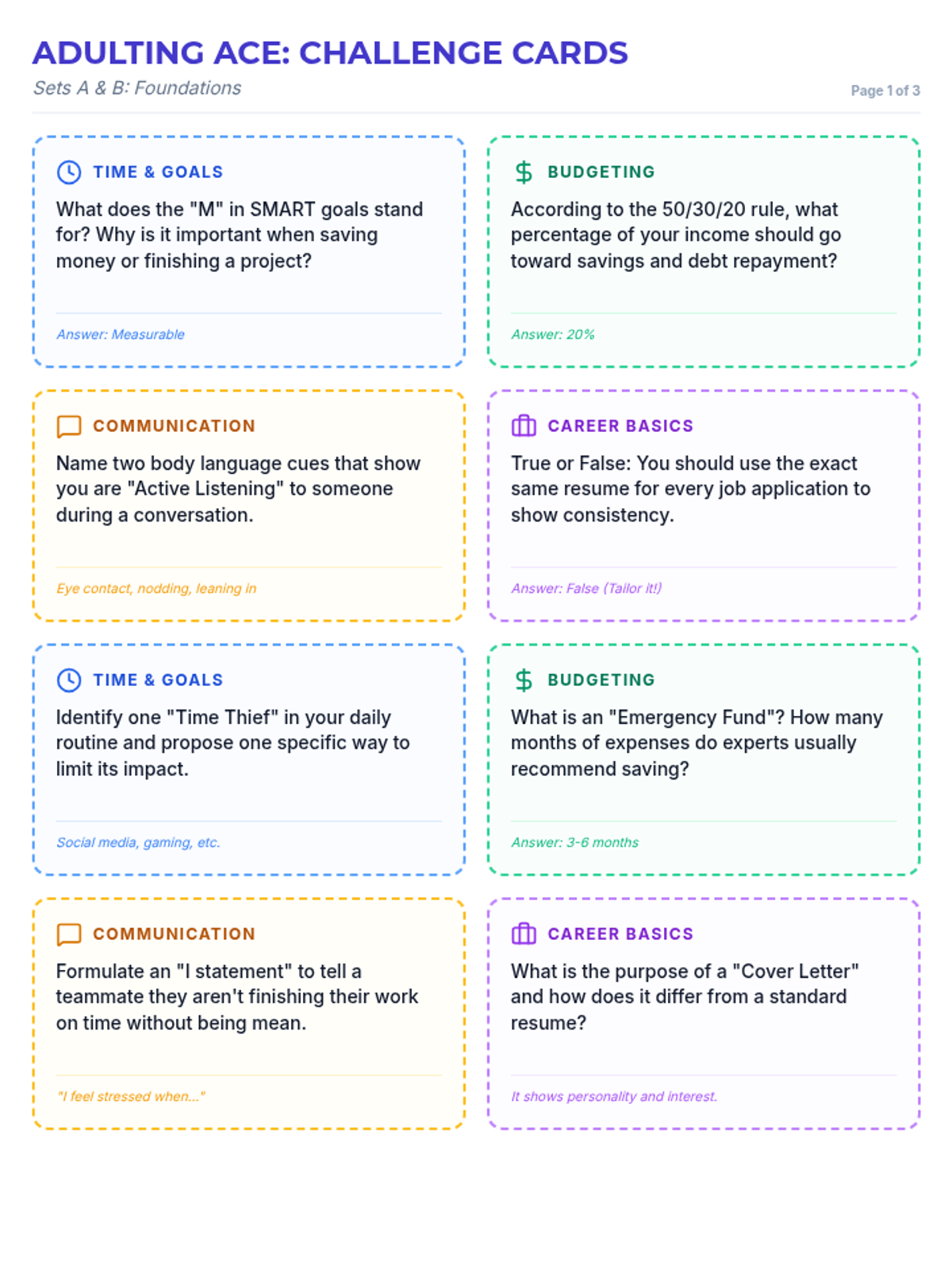
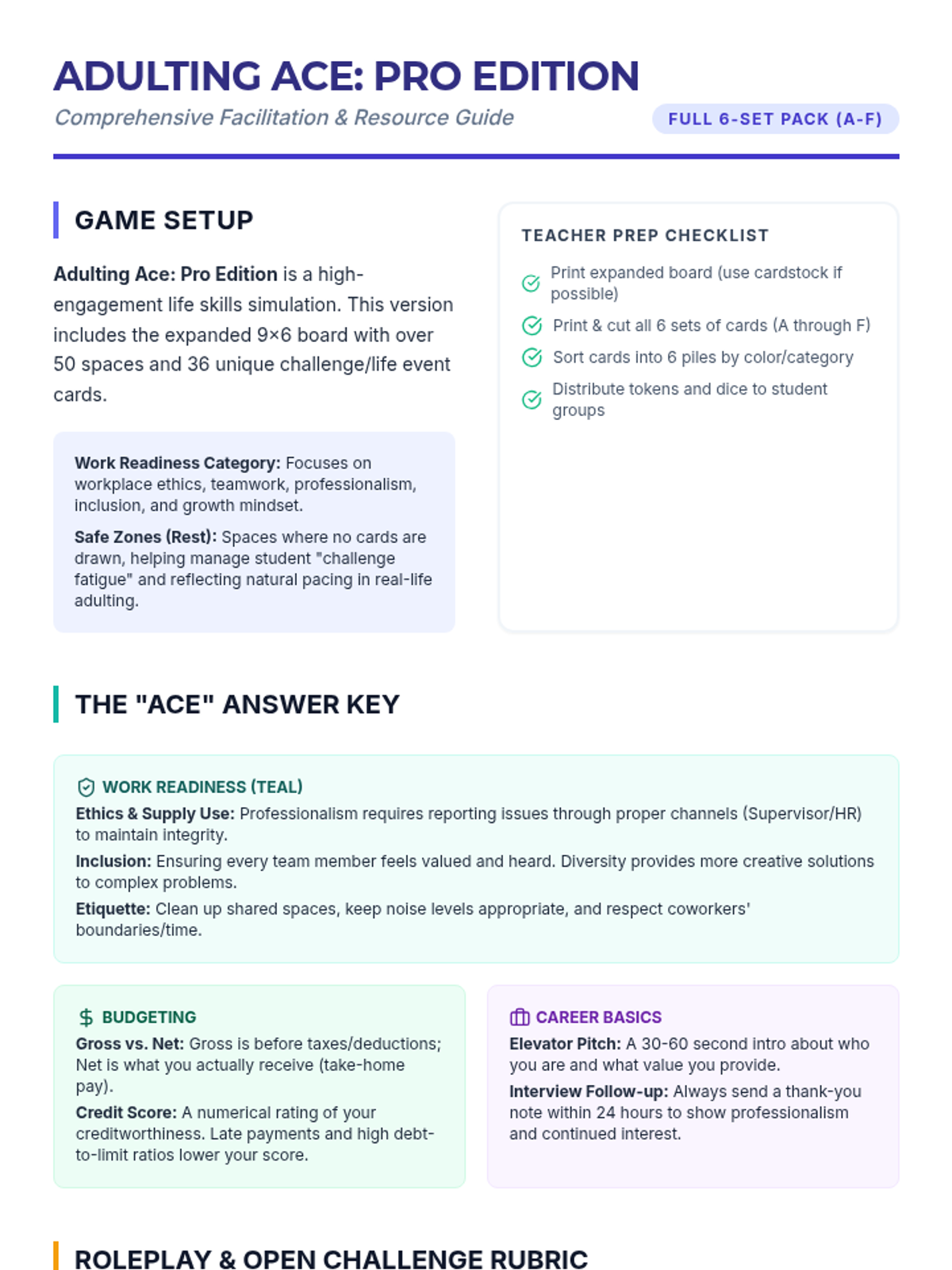
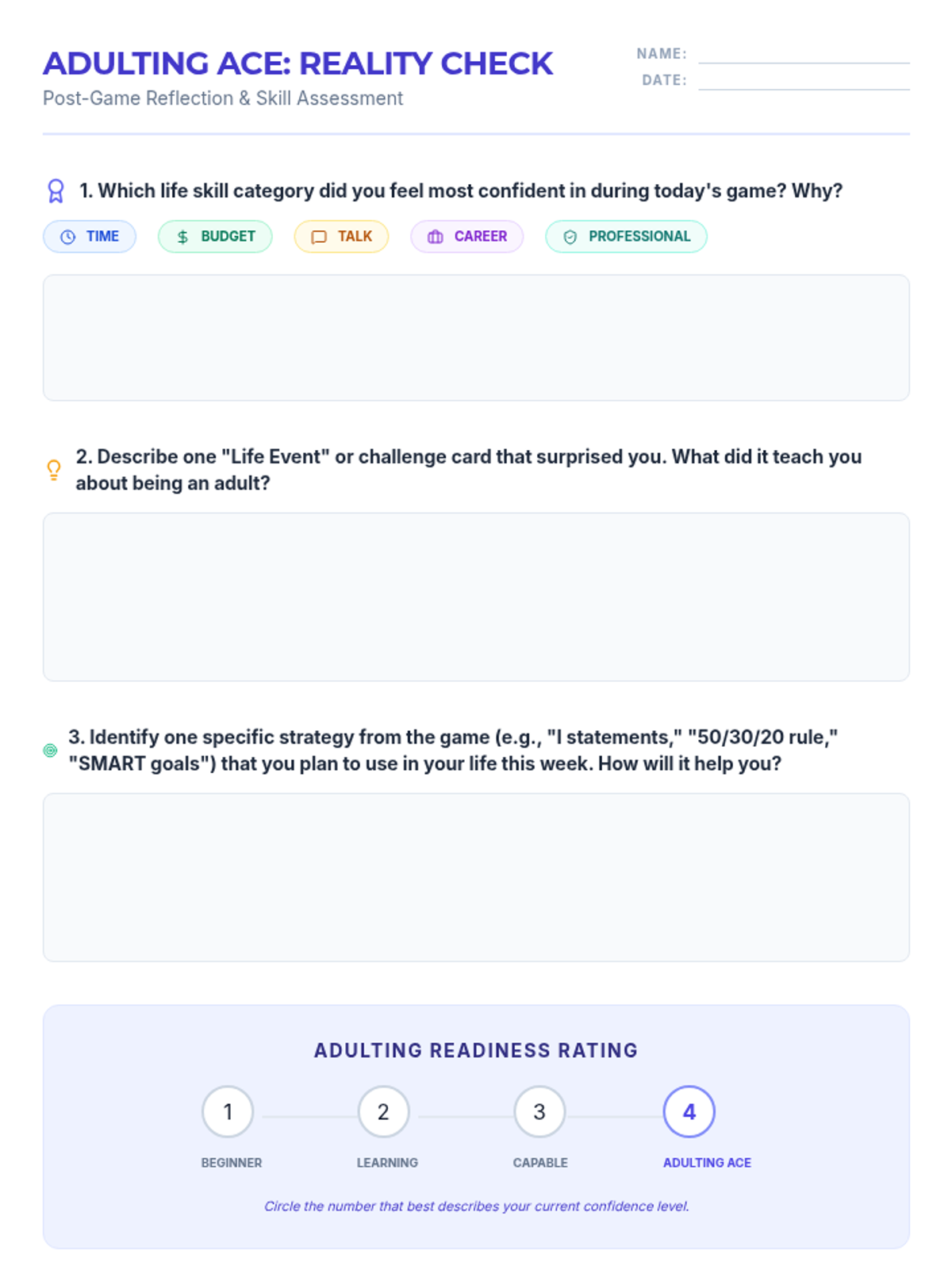
An interactive board game experience covering essential life skills including financial literacy, time management, communication, and career readiness.
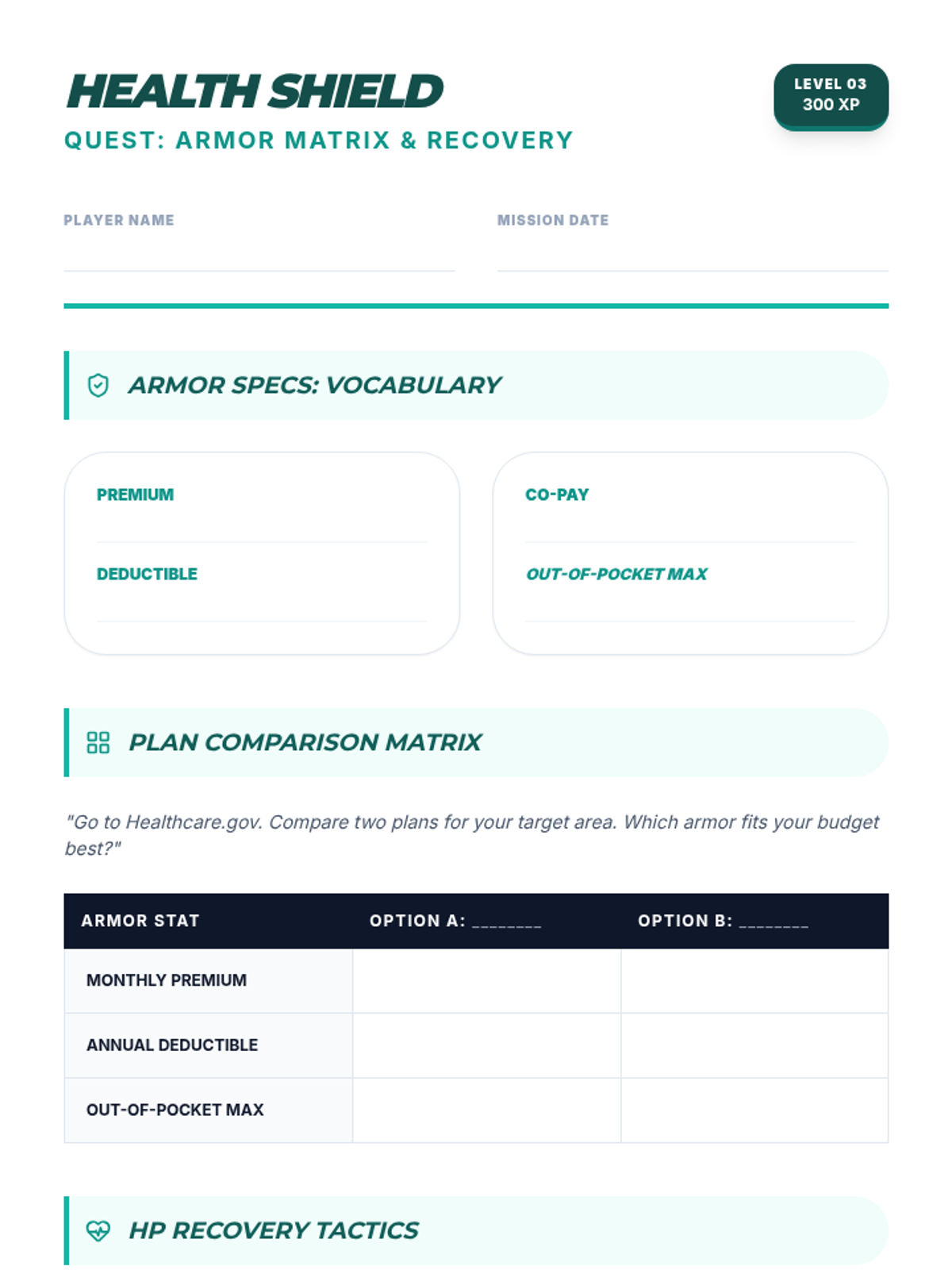
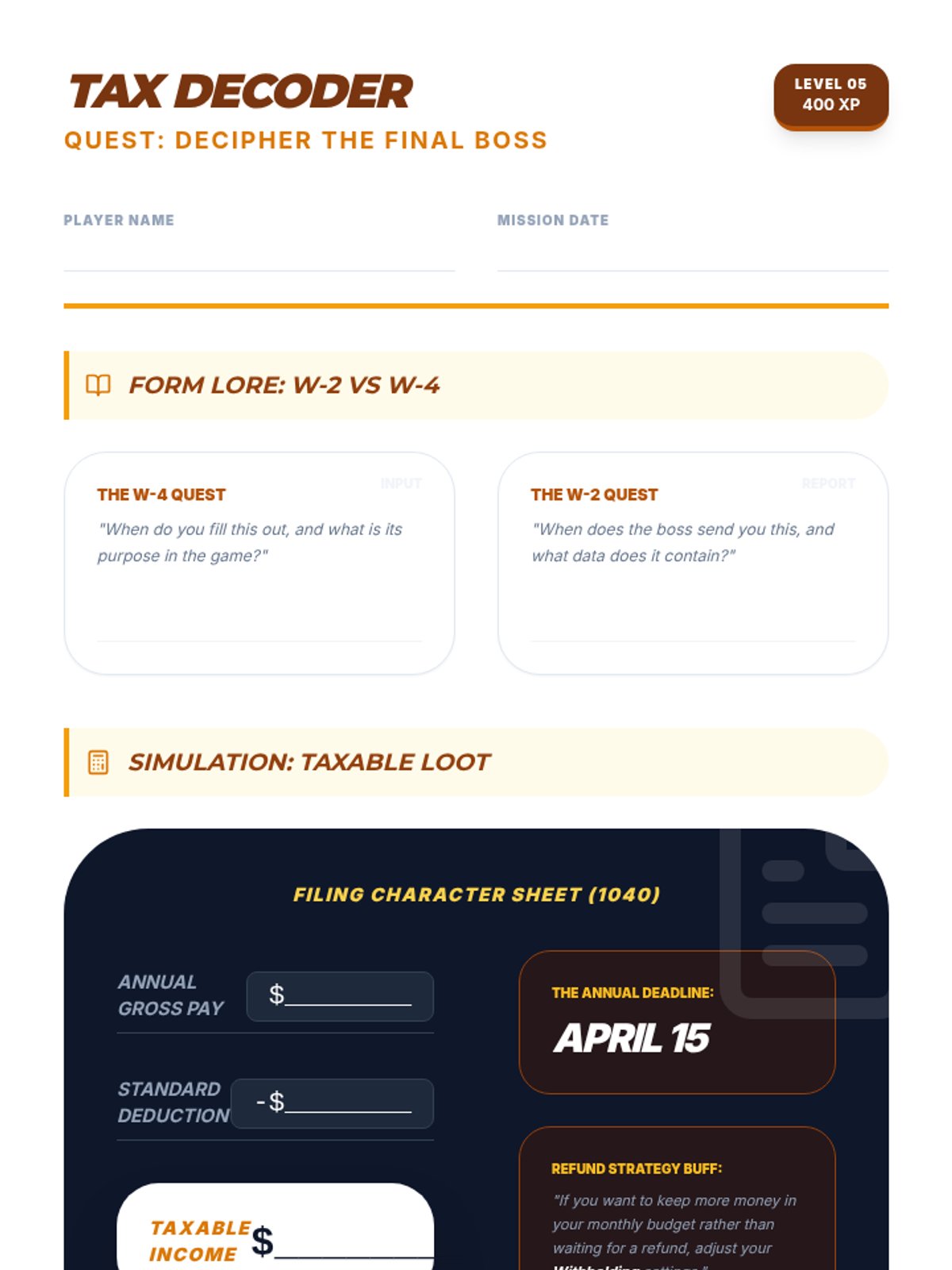
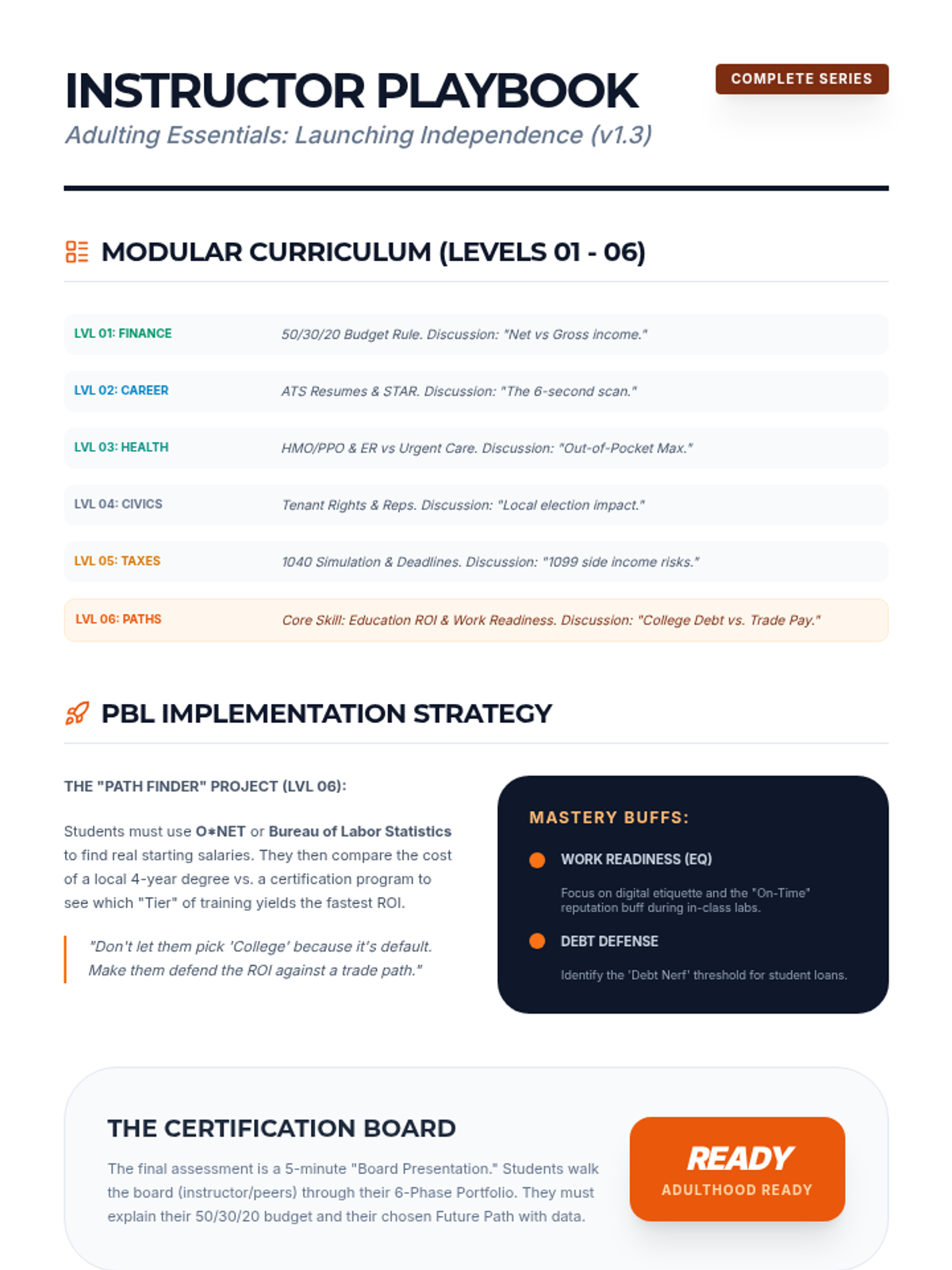
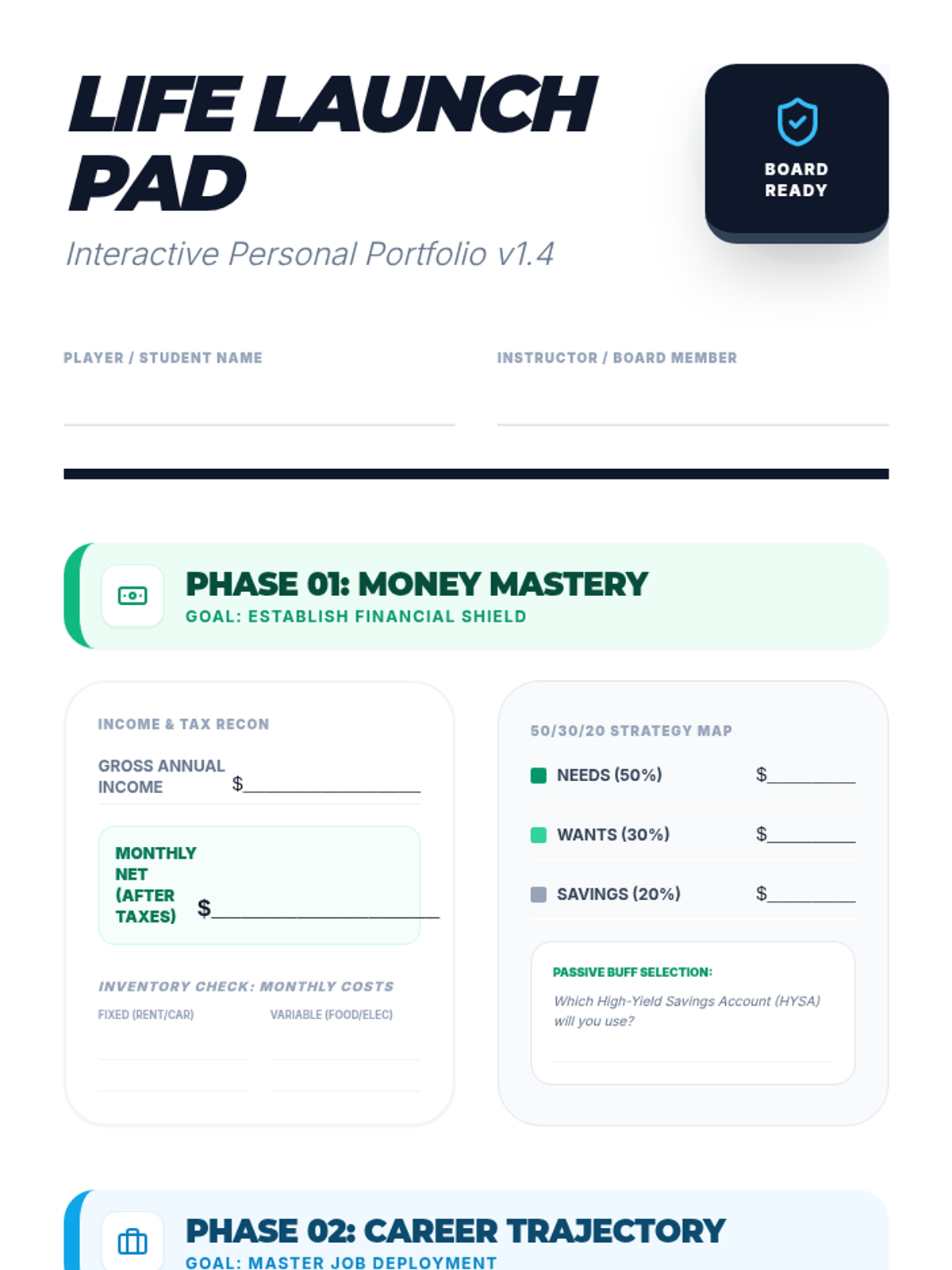
A comprehensive guide to essential adulting skills covering financial literacy, career development, health navigation, and civic responsibilities.