College selection, application workflows, and financial aid navigation including FAFSA and scholarship acquisition. Builds skills in personal statement writing and career exploration to align post-secondary choices with long-term professional goals.
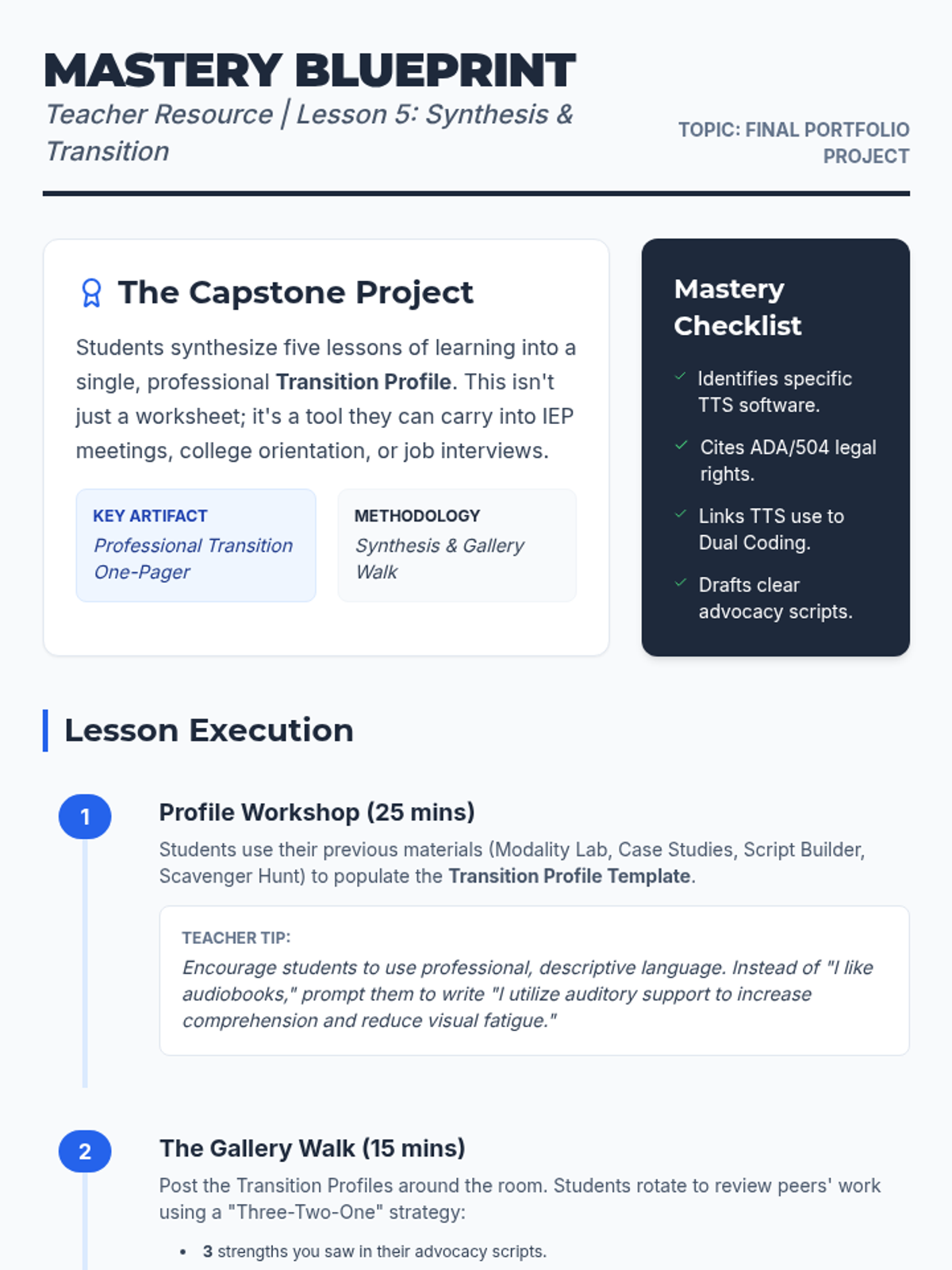
Students synthesize their learning into a professional transition one-pager that summarizes their specific assistive technology needs and legal rights.
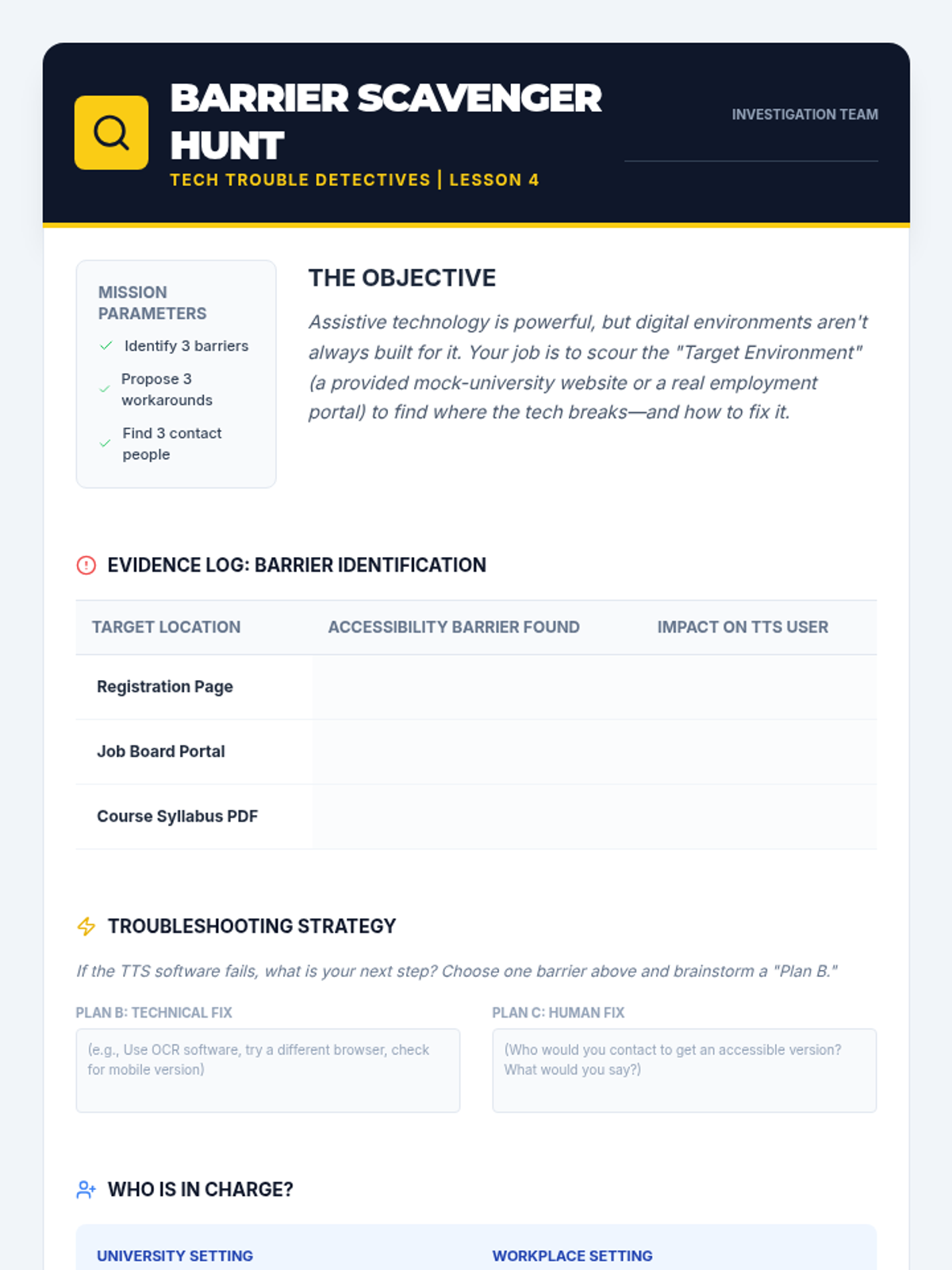
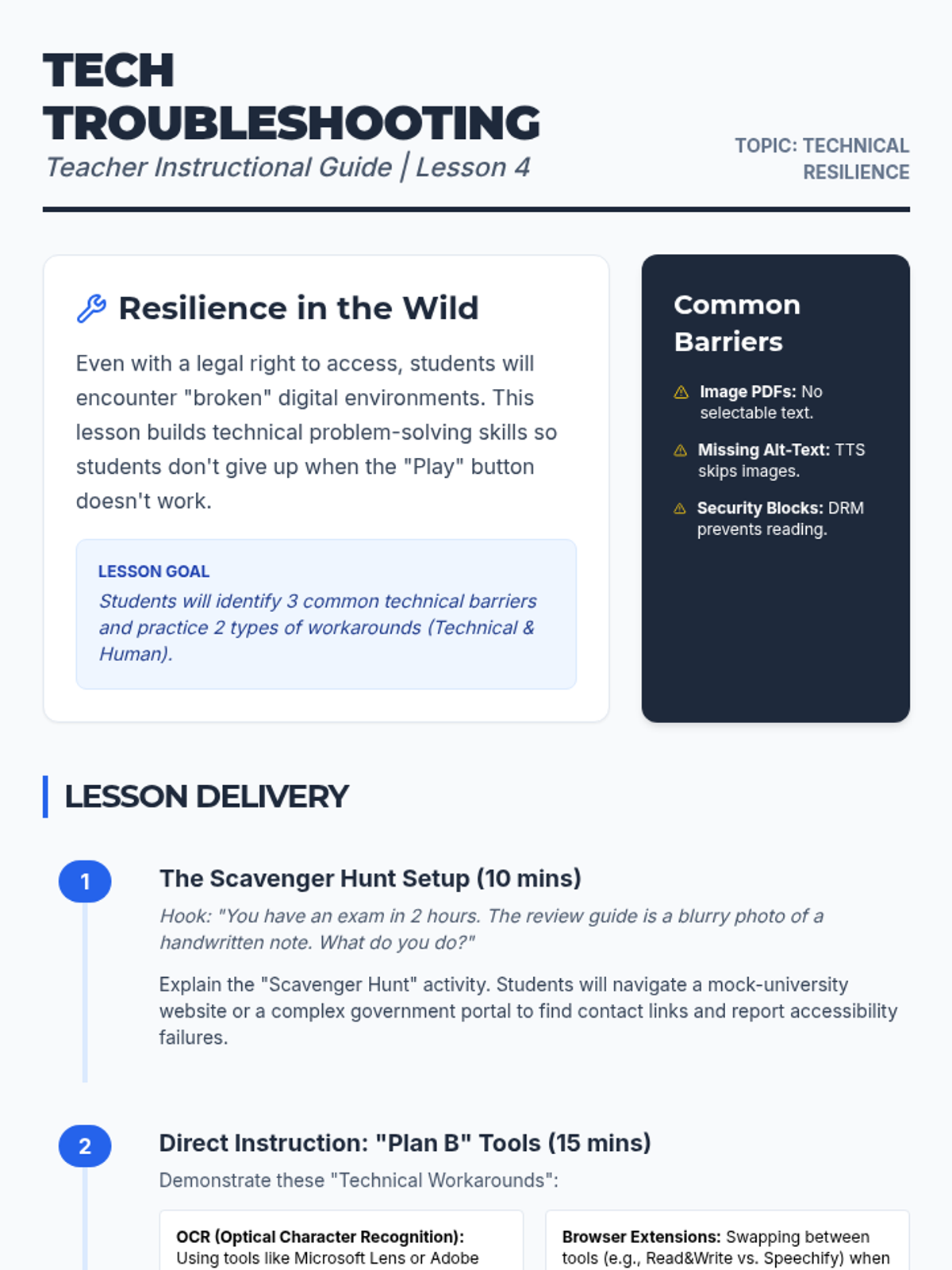
Practical troubleshooting for digital barriers, including identifying inaccessible files and finding technical workarounds or contact persons.
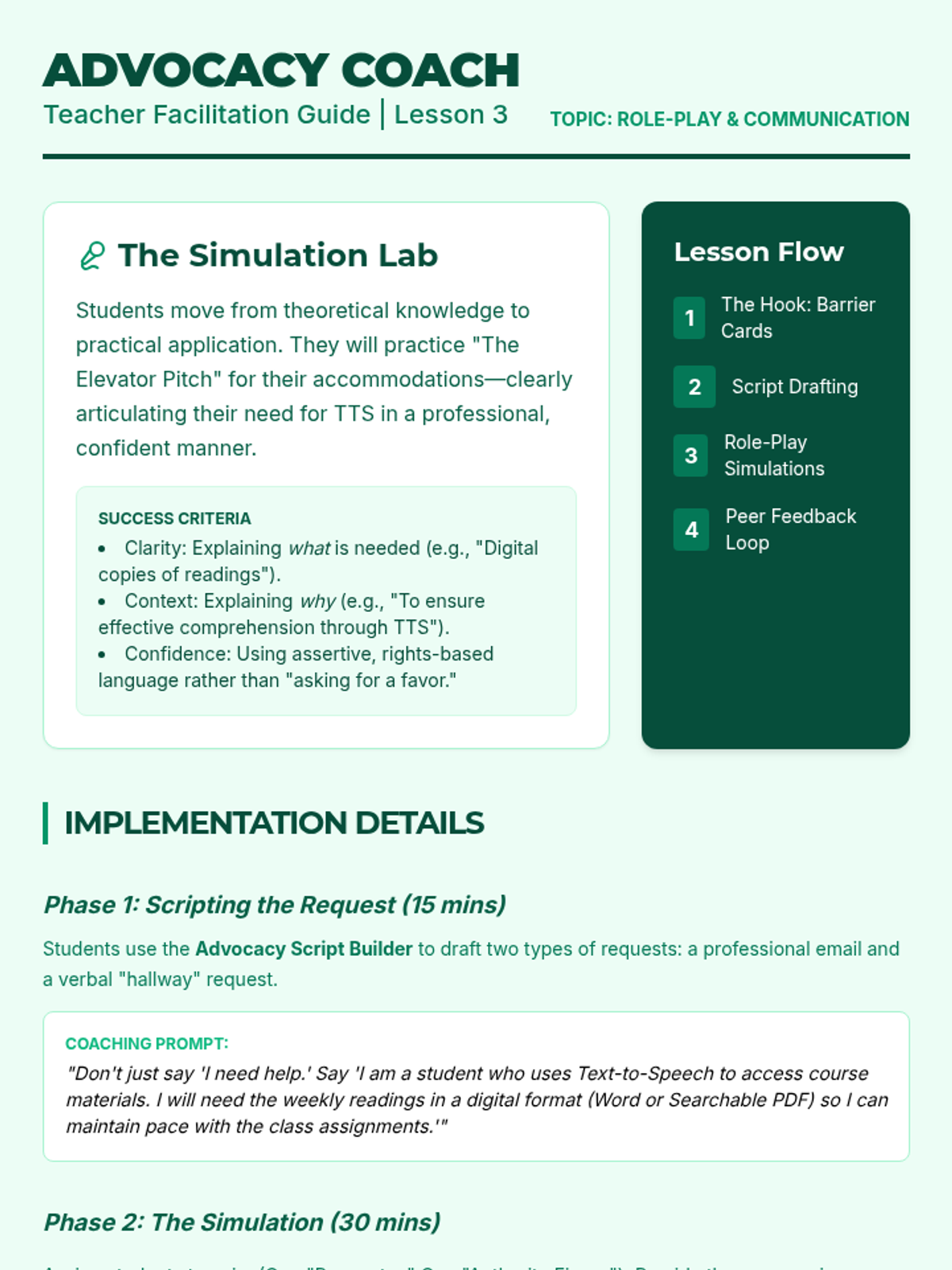
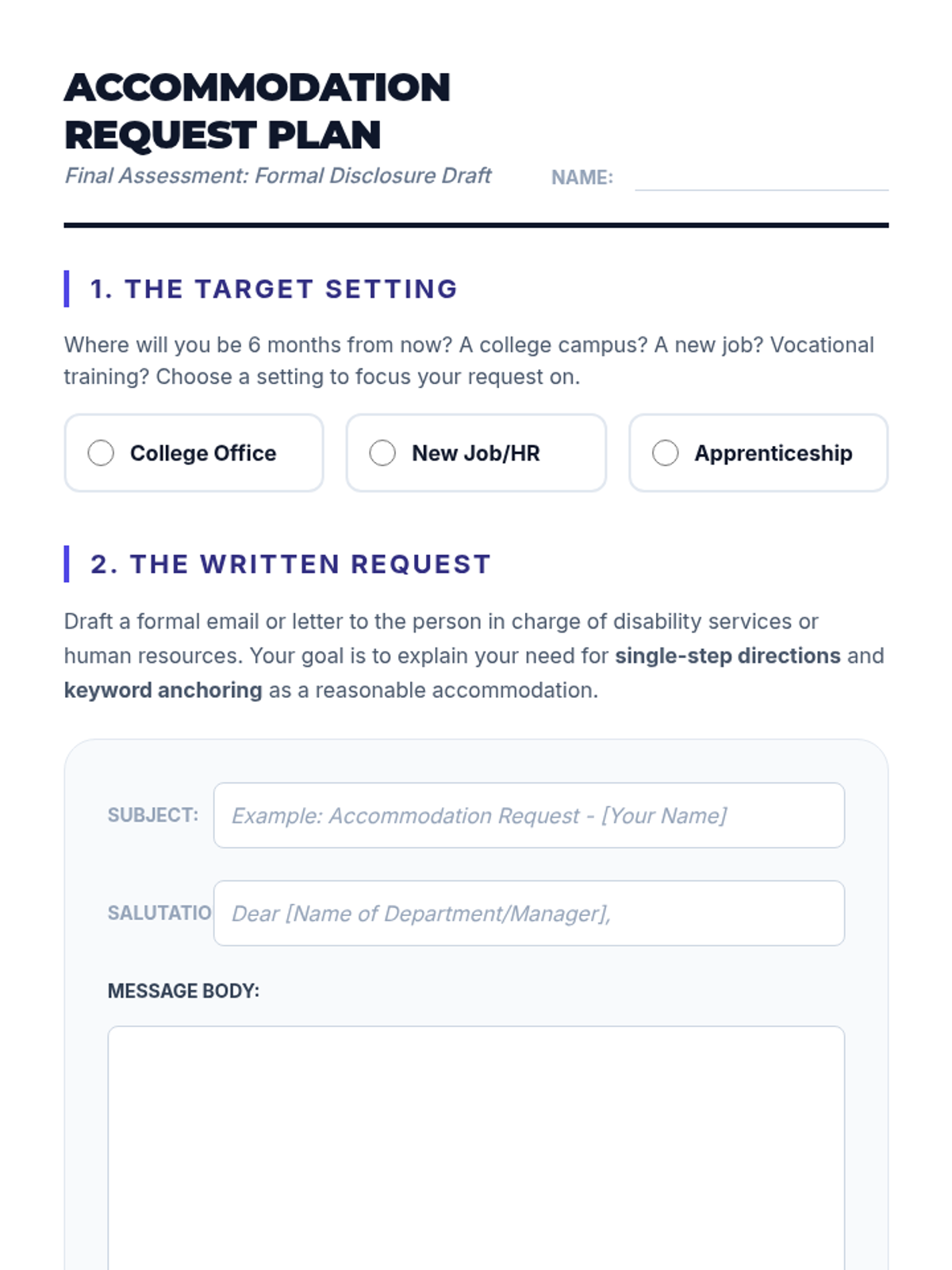
Students practice professional communication and self-advocacy by simulating requests for accommodations in college and workplace settings.
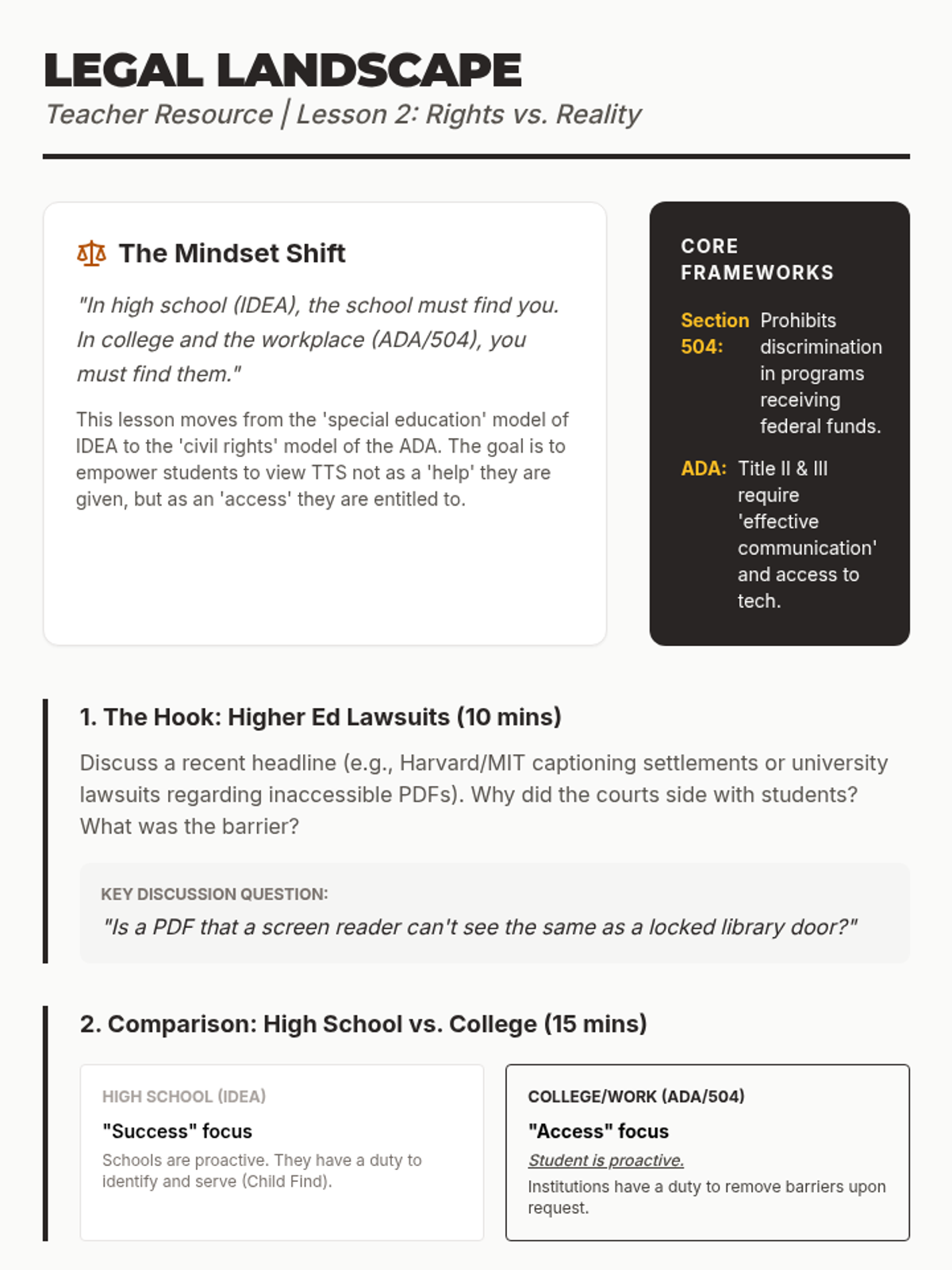
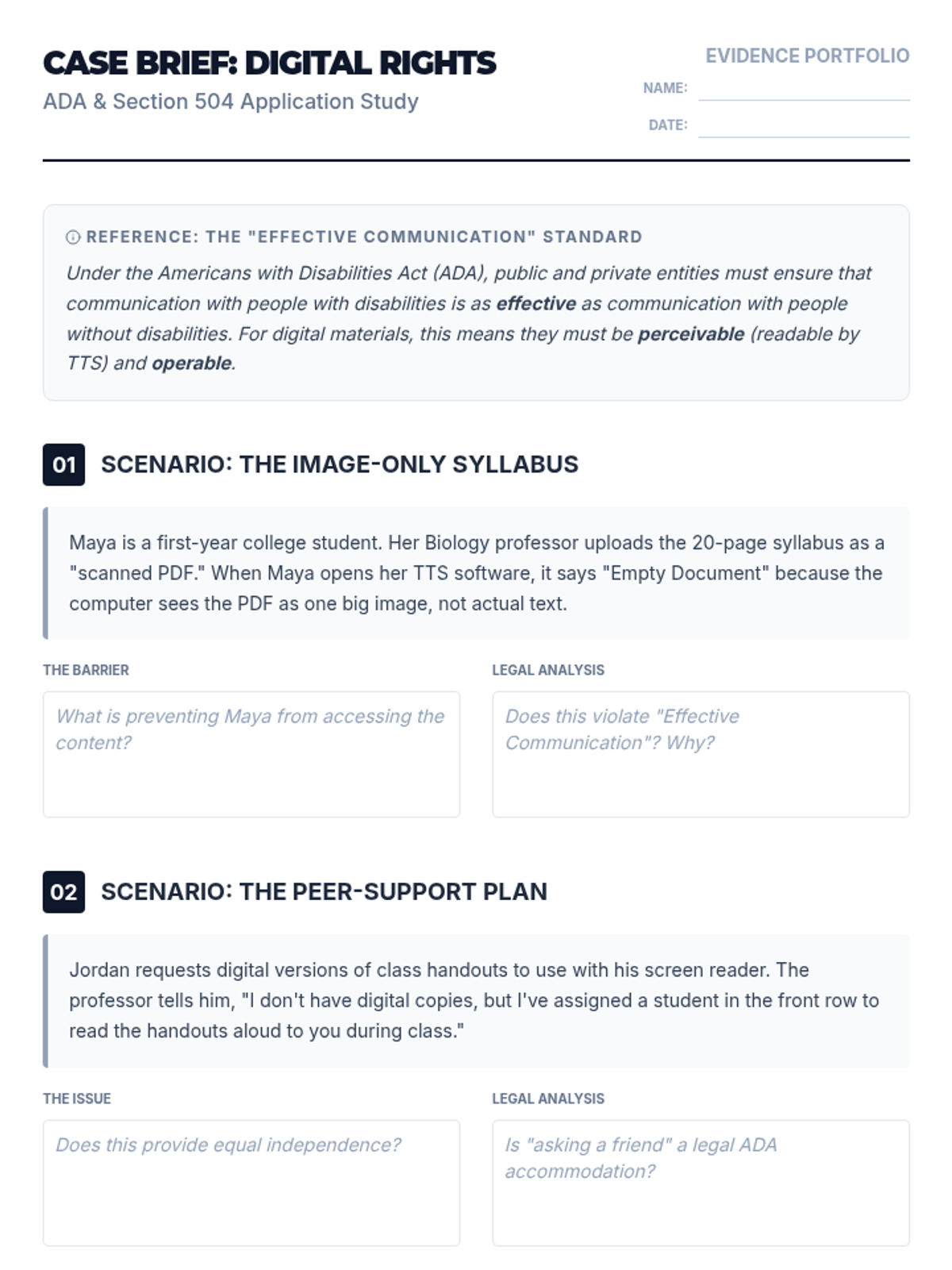
A deep dive into the legal frameworks of the ADA and Section 504 as they apply to digital accessibility in higher education and the workplace.
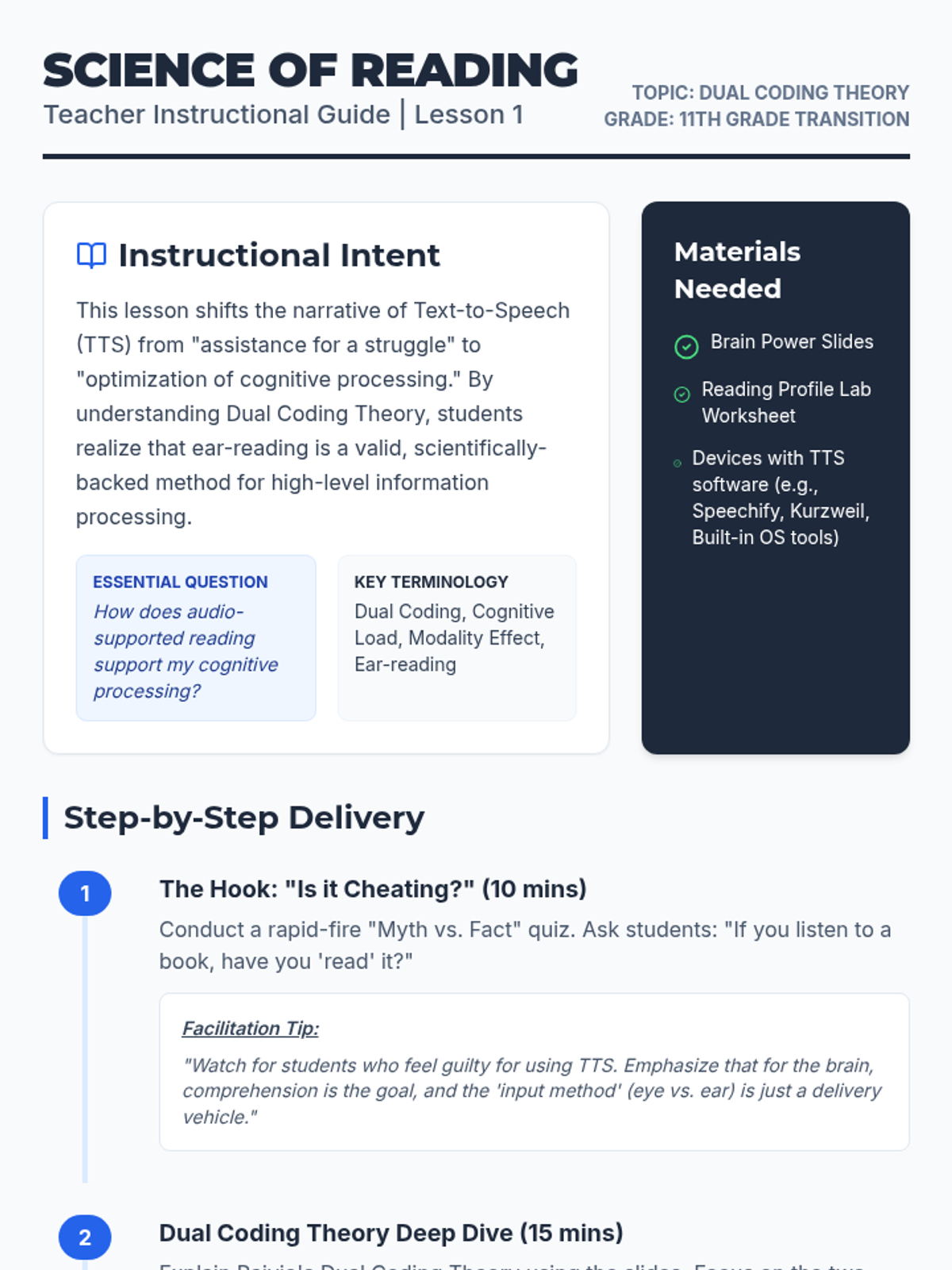
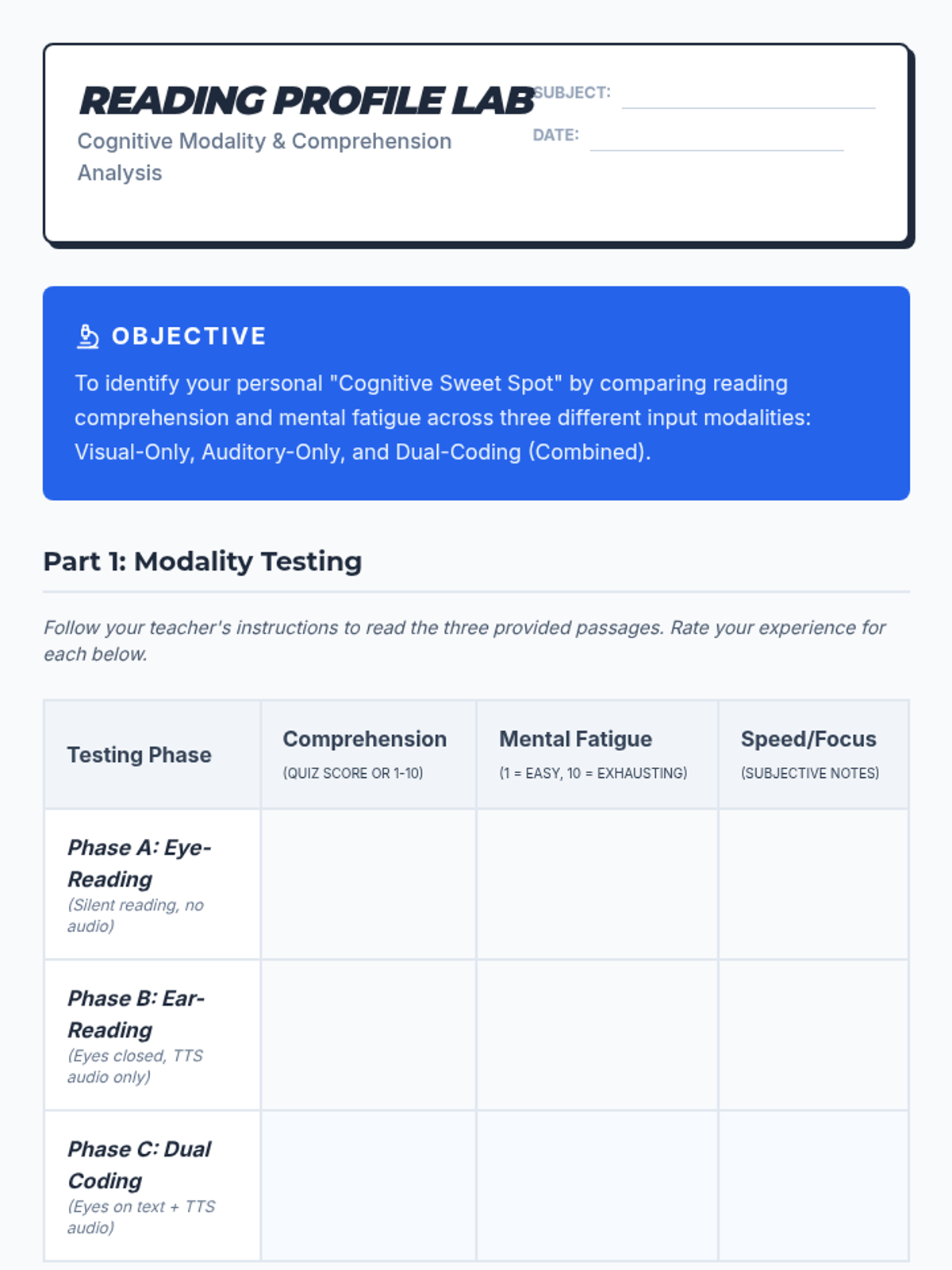
Students explore Dual Coding Theory and analyze their personal reading data to understand how eye-reading and ear-reading interact to improve comprehension and reduce fatigue.
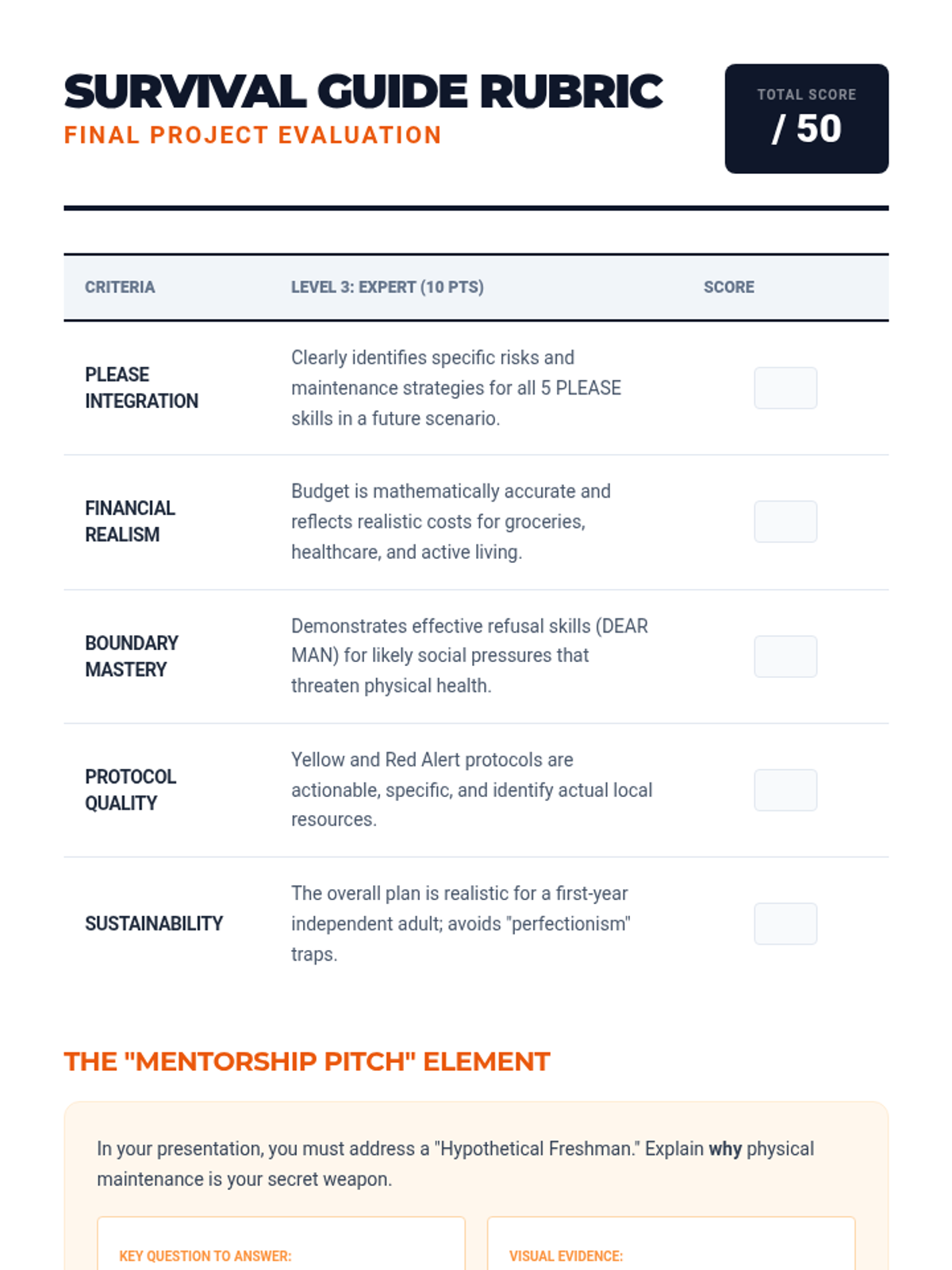
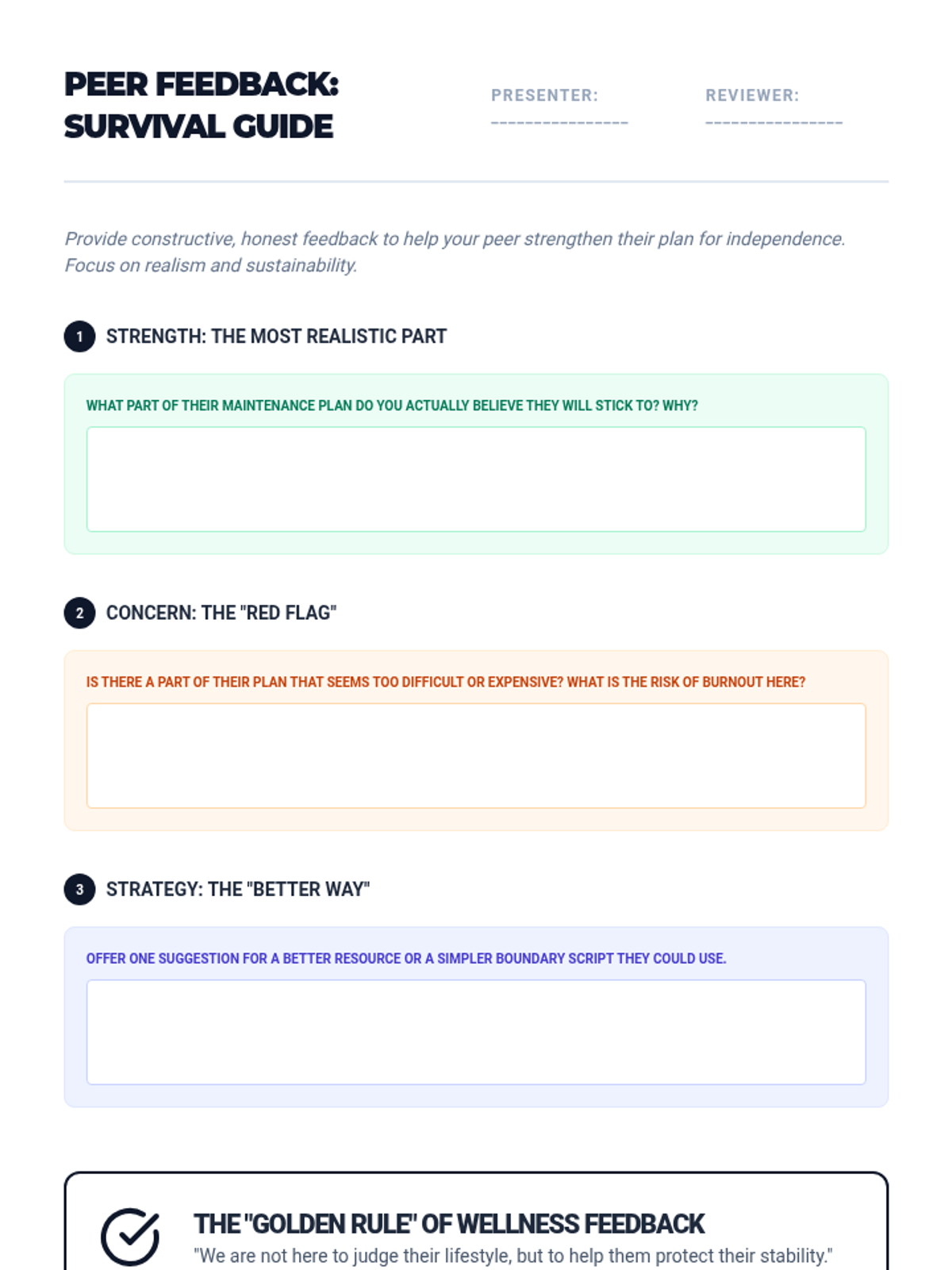
Students finalize and present their 'Survival Guides,' explaining their strategies for maintaining low emotional vulnerability through physical health.
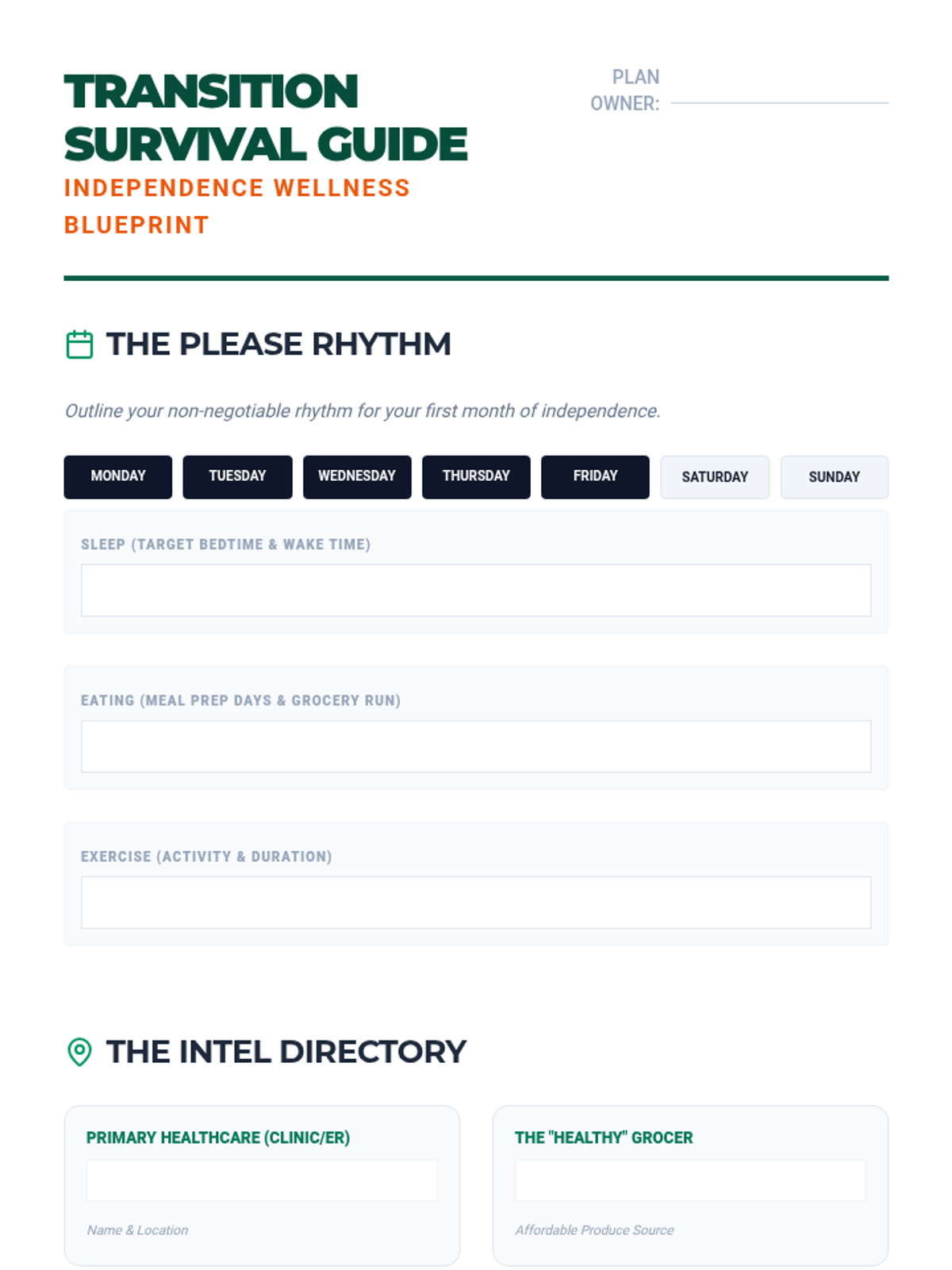
Students draft a comprehensive wellness plan for their first month away from home, identifying local resources and setting non-negotiable standards for sleep and illness management.
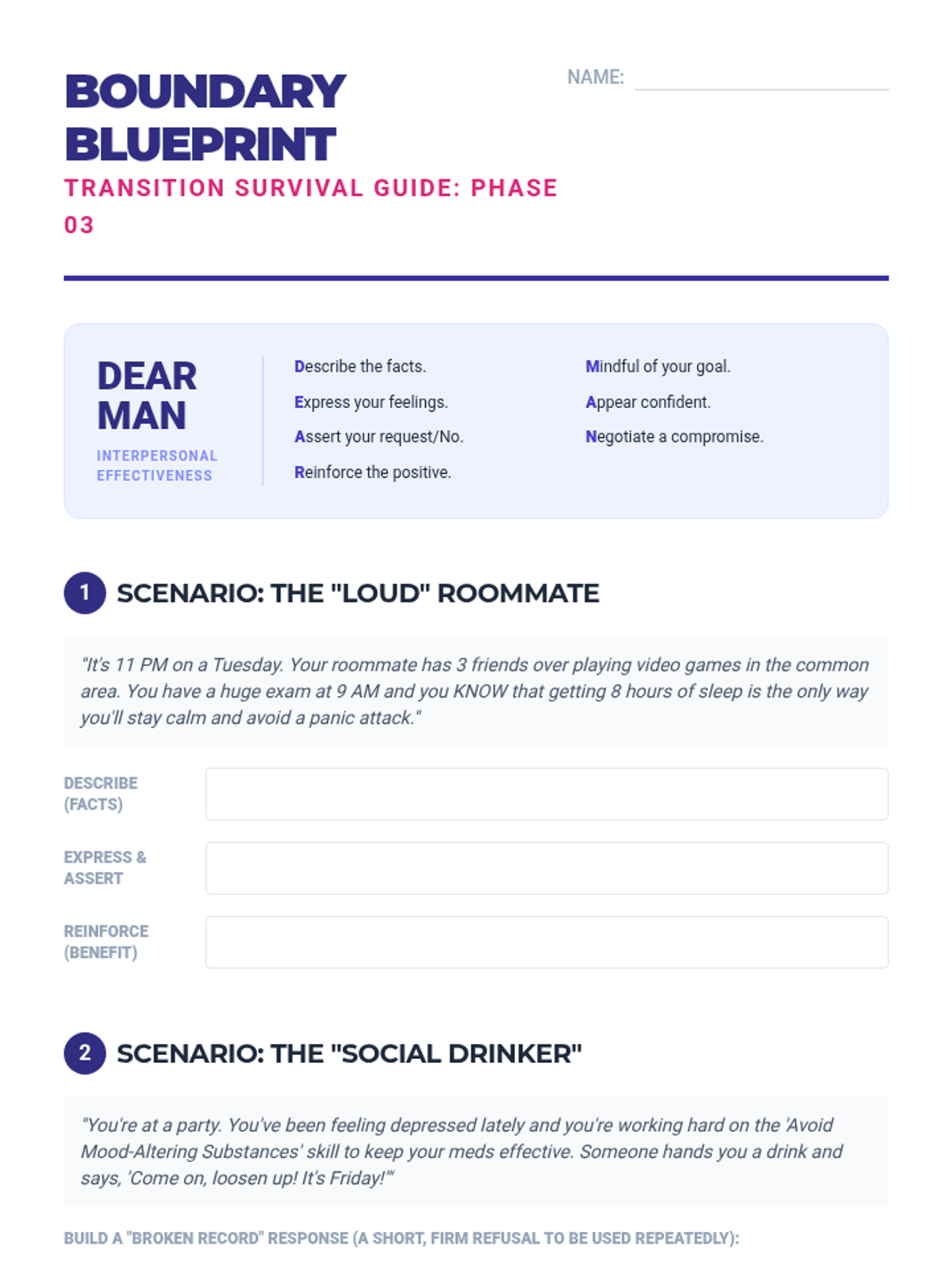
Students role-play scenarios involving social pressures that conflict with physical maintenance. They develop refusal skills and compromise strategies that protect their biological baseline.
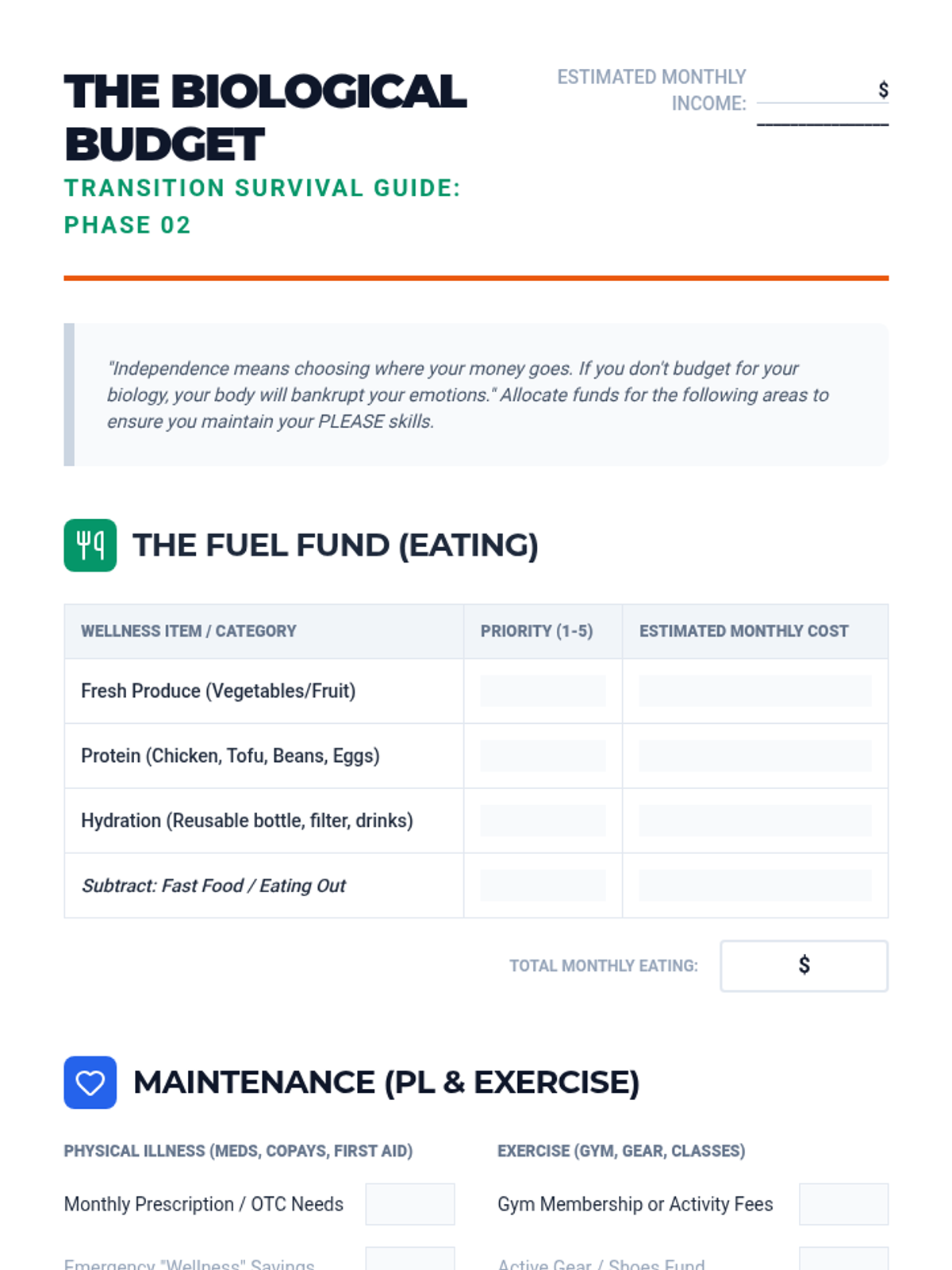
Students create a budget that prioritizes the resources needed for the PLEASE skills, such as healthy food and medication, recognizing that cutting costs here leads to emotional costs later.
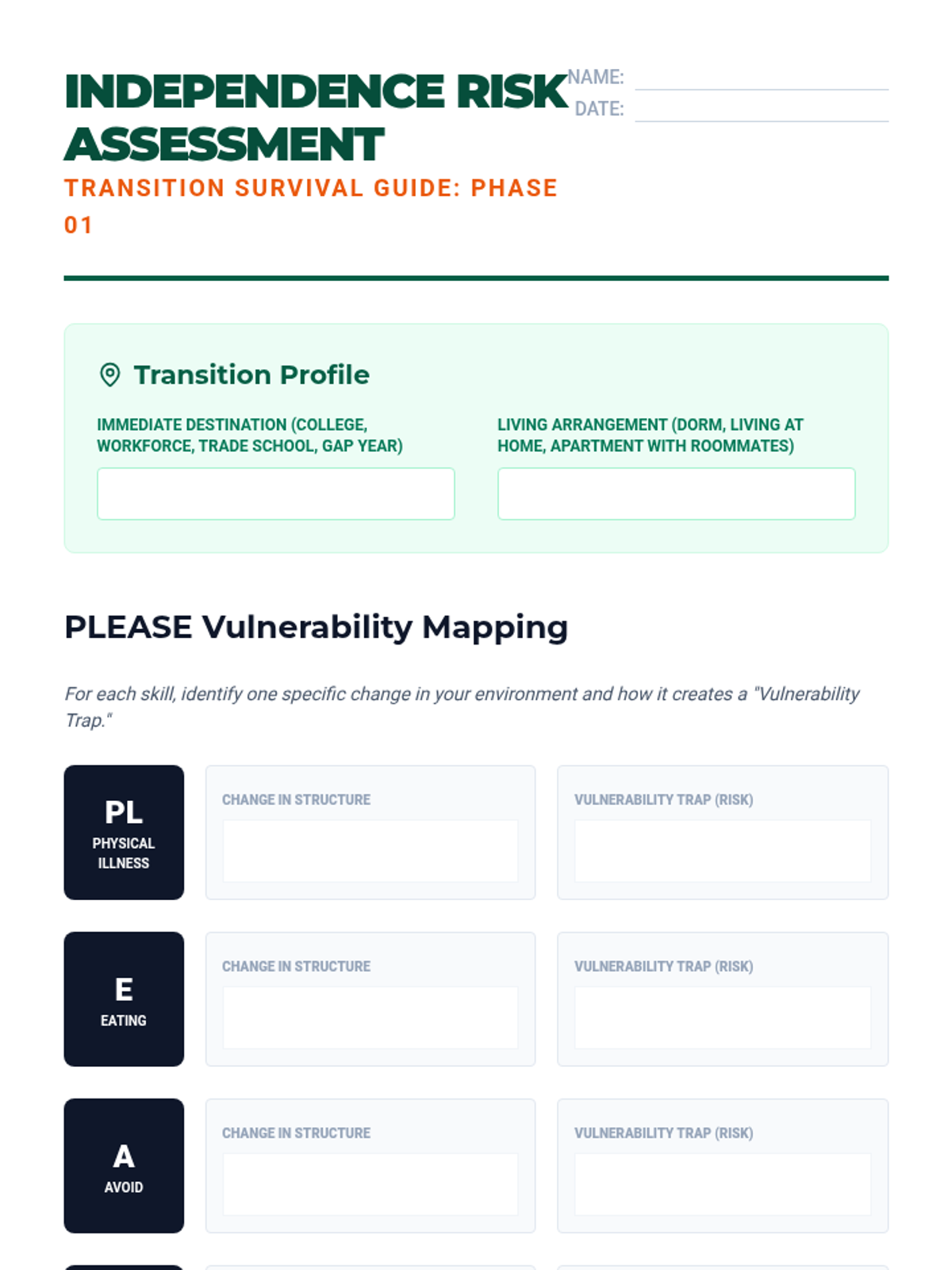
Students brainstorm the changes in structure they will face post-graduation and map how these changes threaten the PLEASE skills. They create a risk assessment for their first year of independence.
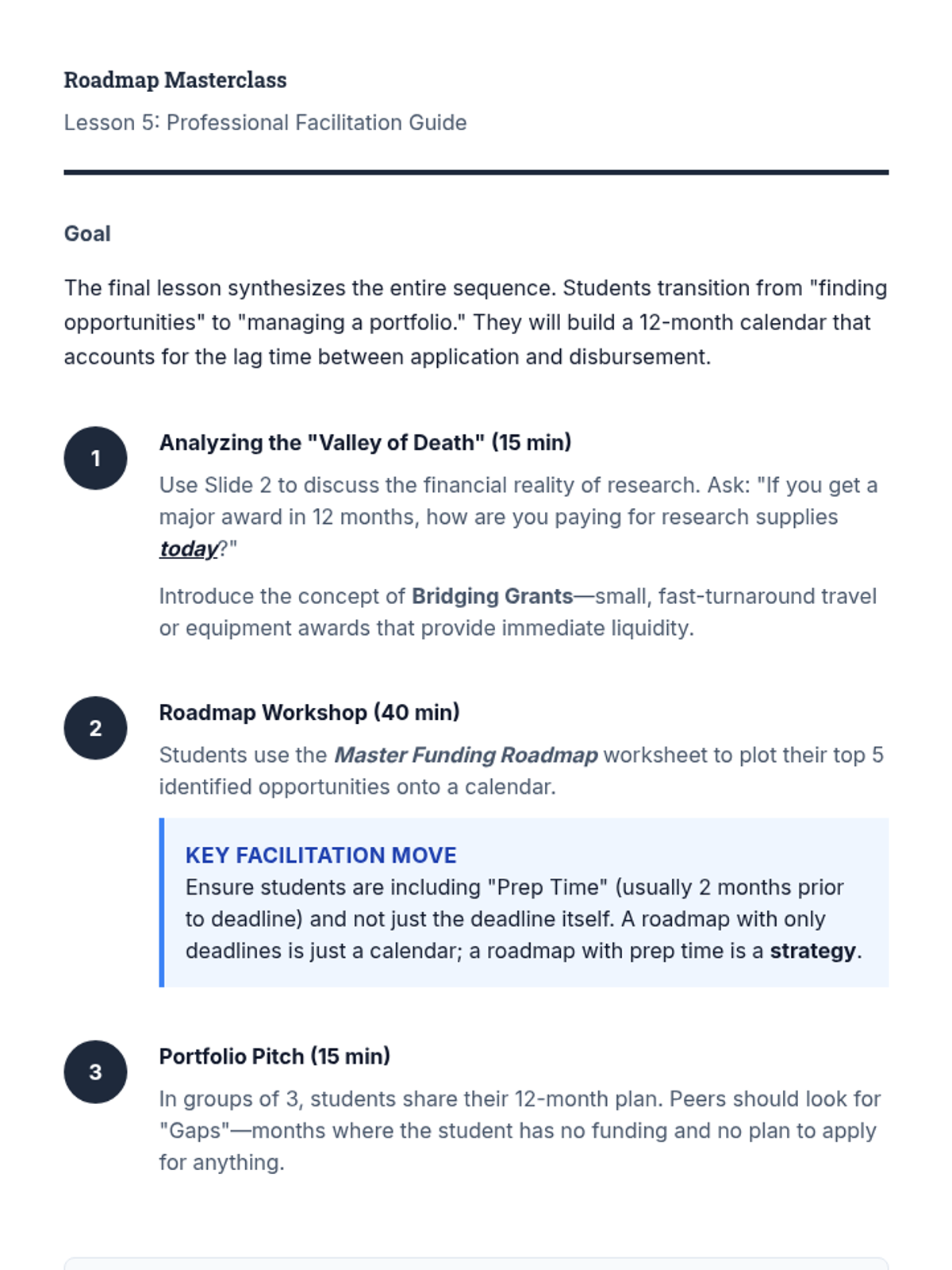
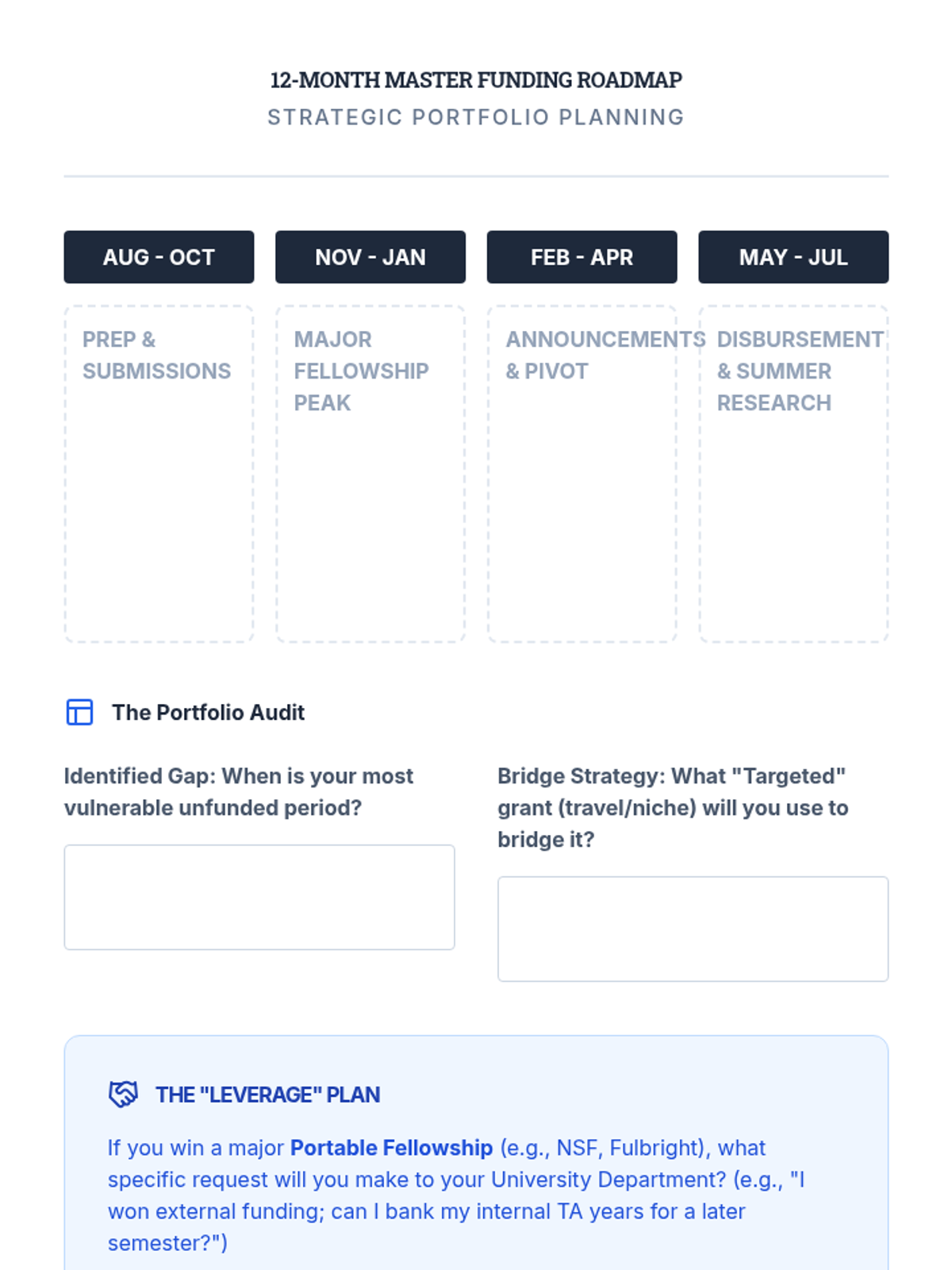
The sequence concludes with students building a multi-year funding strategy that accounts for application cycles, research phases, and diverse revenue streams. They create a master calendar integrating preparation time, deadlines, and announcement dates.
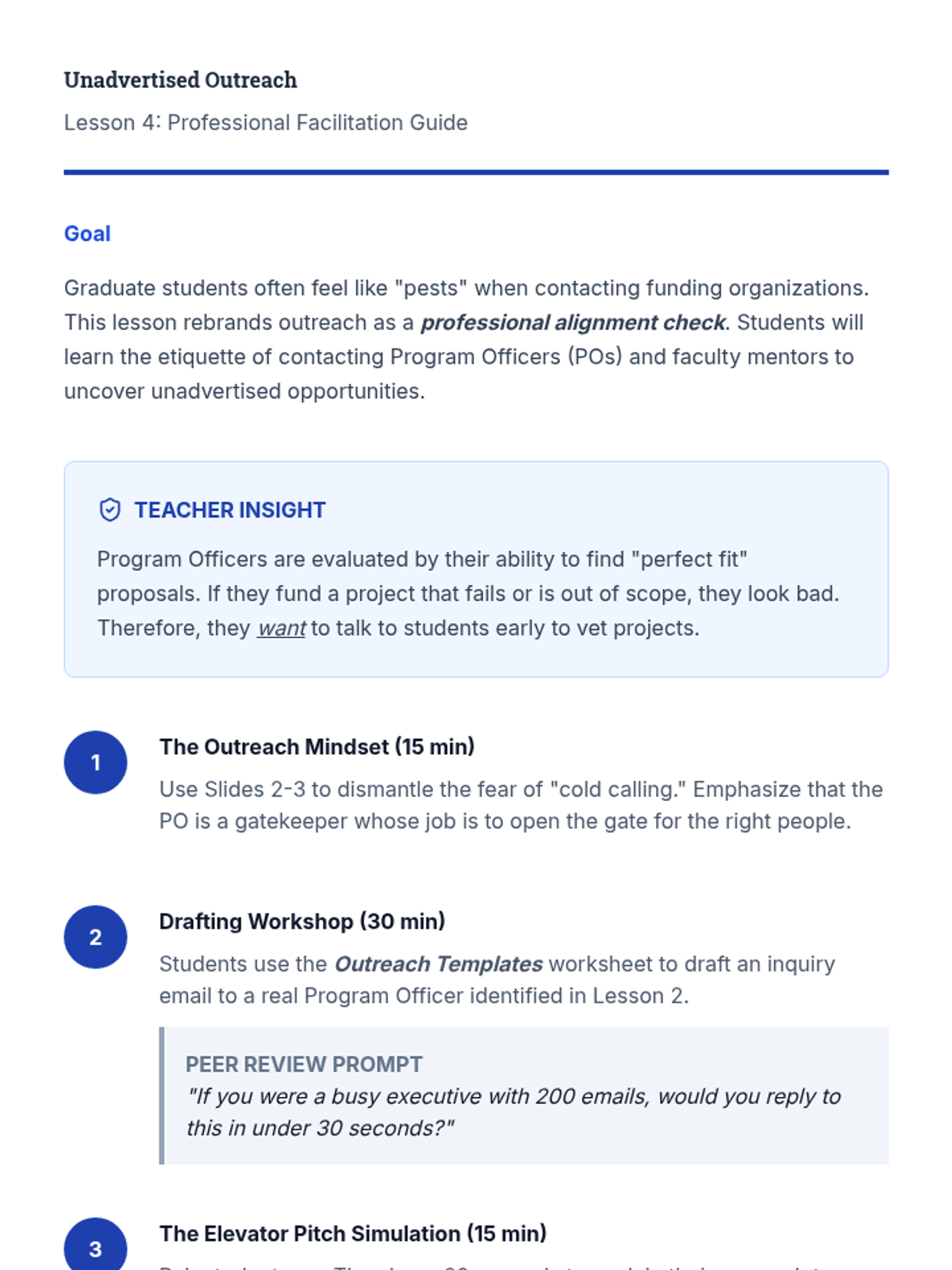
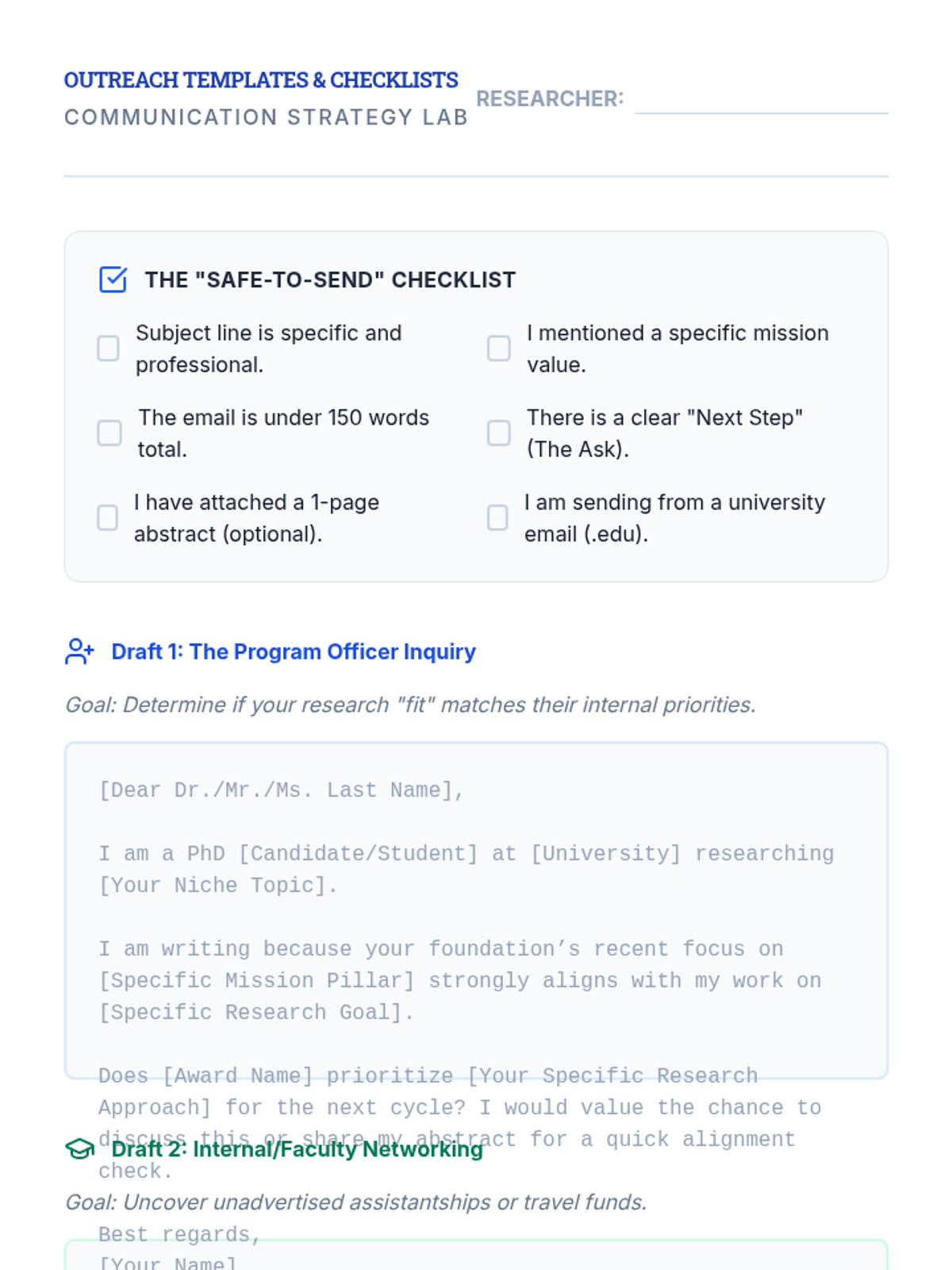
Students learn strategies for contacting program officers and potential faculty mentors to inquire about funding availability. The lesson covers email etiquette, elevator pitches, and how to ask about supplemental funding.
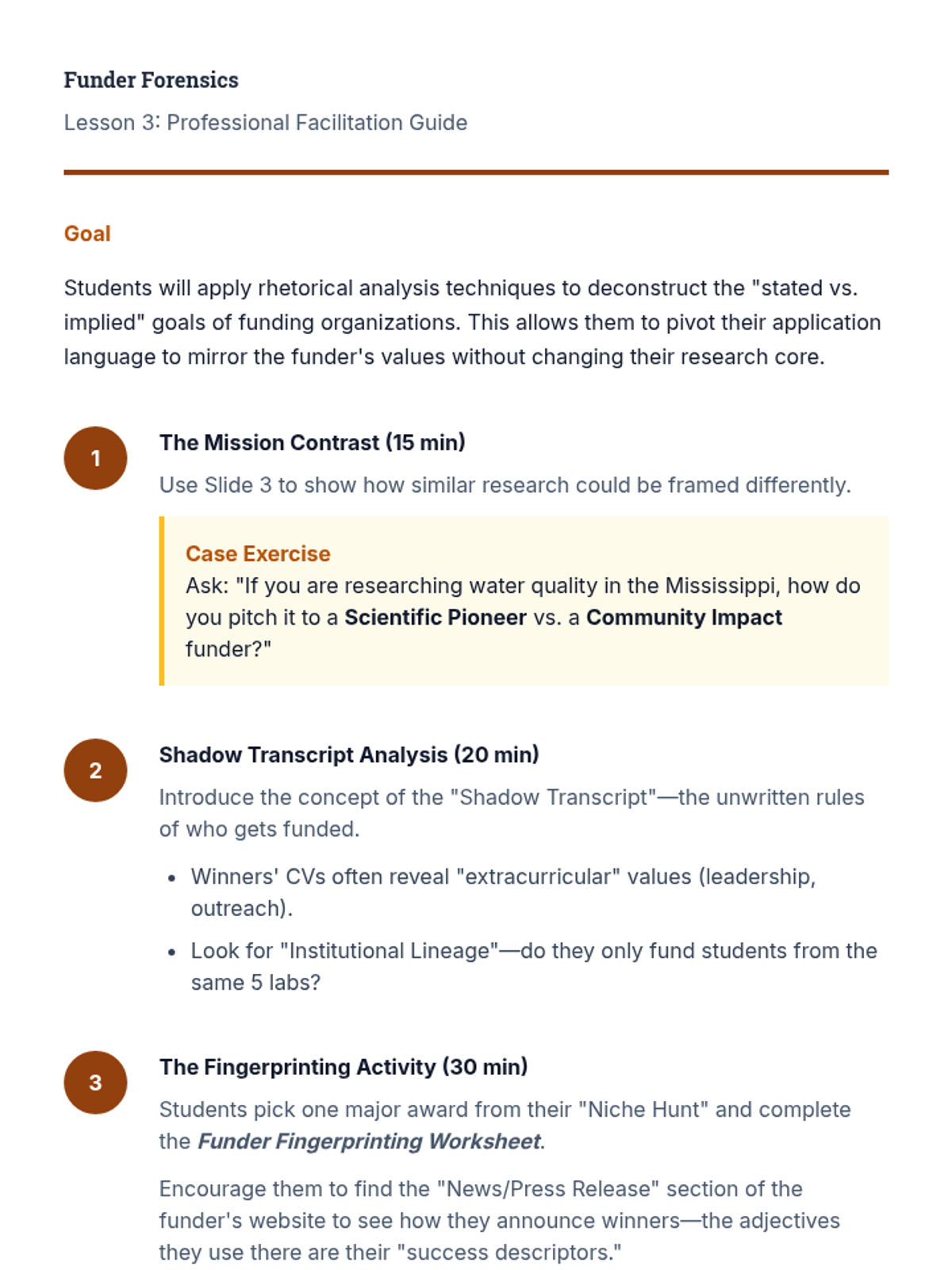
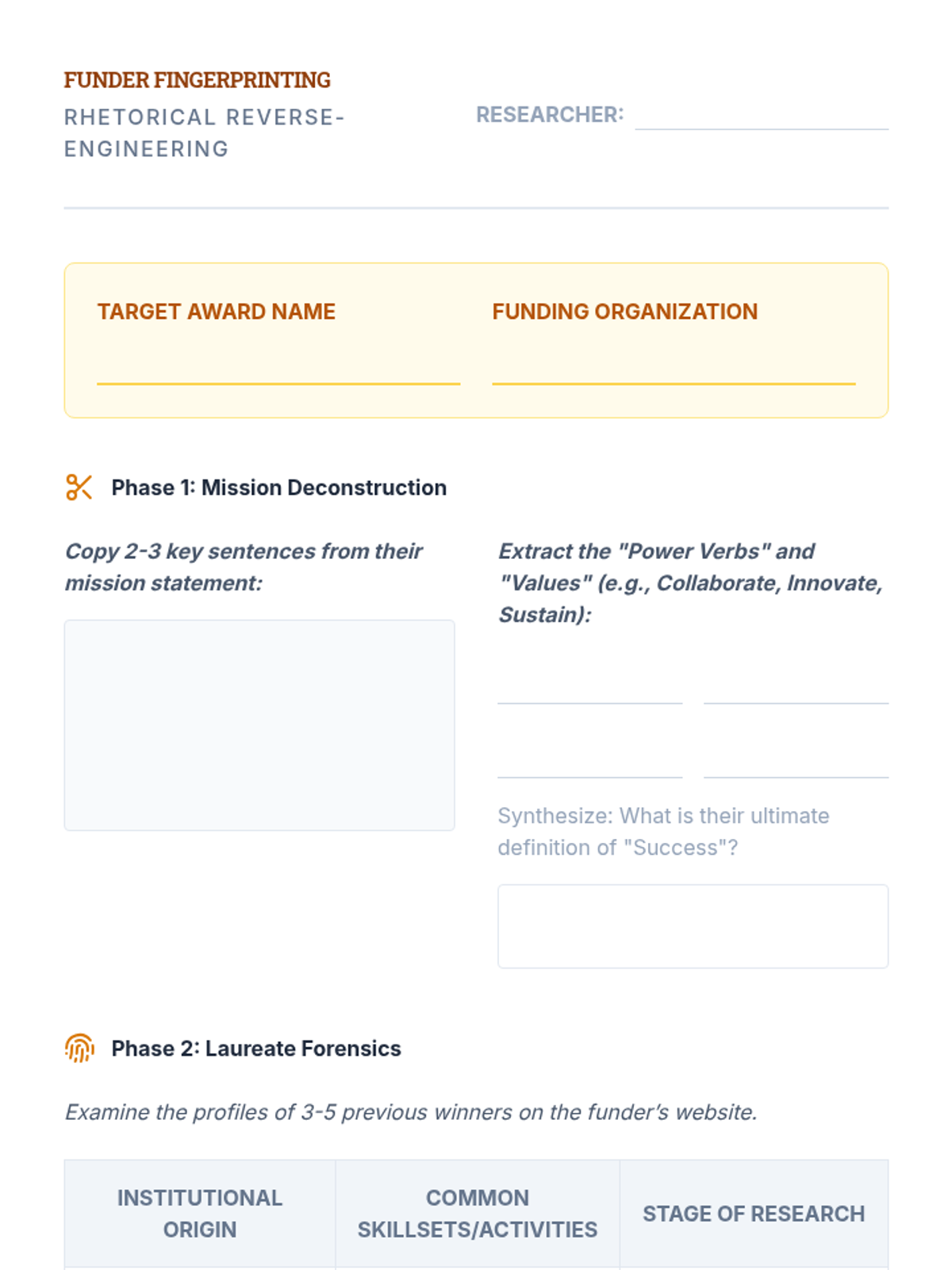
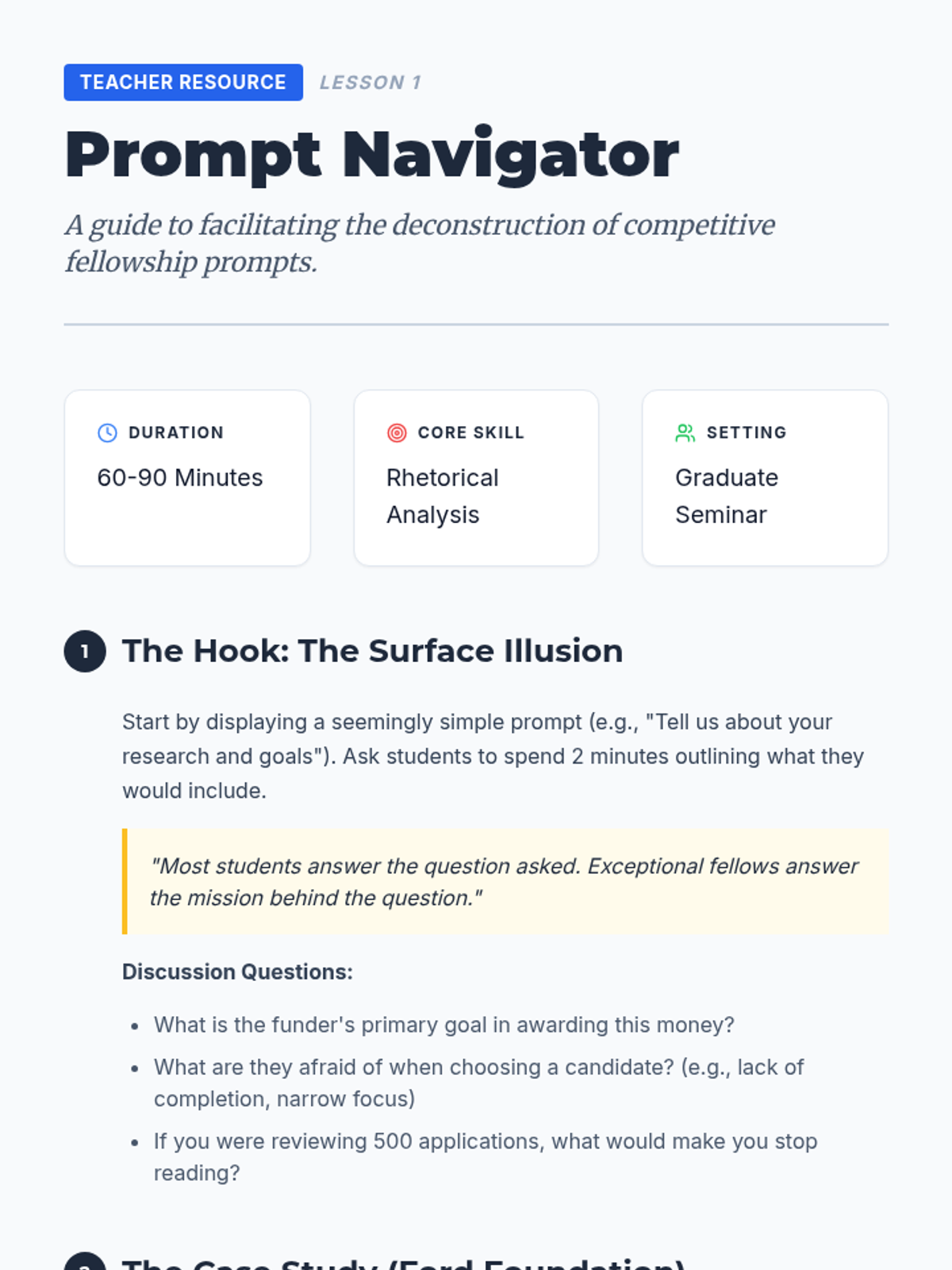
Students perform a rhetorical analysis of mission statements and profiles of previous award winners for top-tier fellowships. This reverse-engineering process helps students understand the implicit criteria and values of funding bodies.
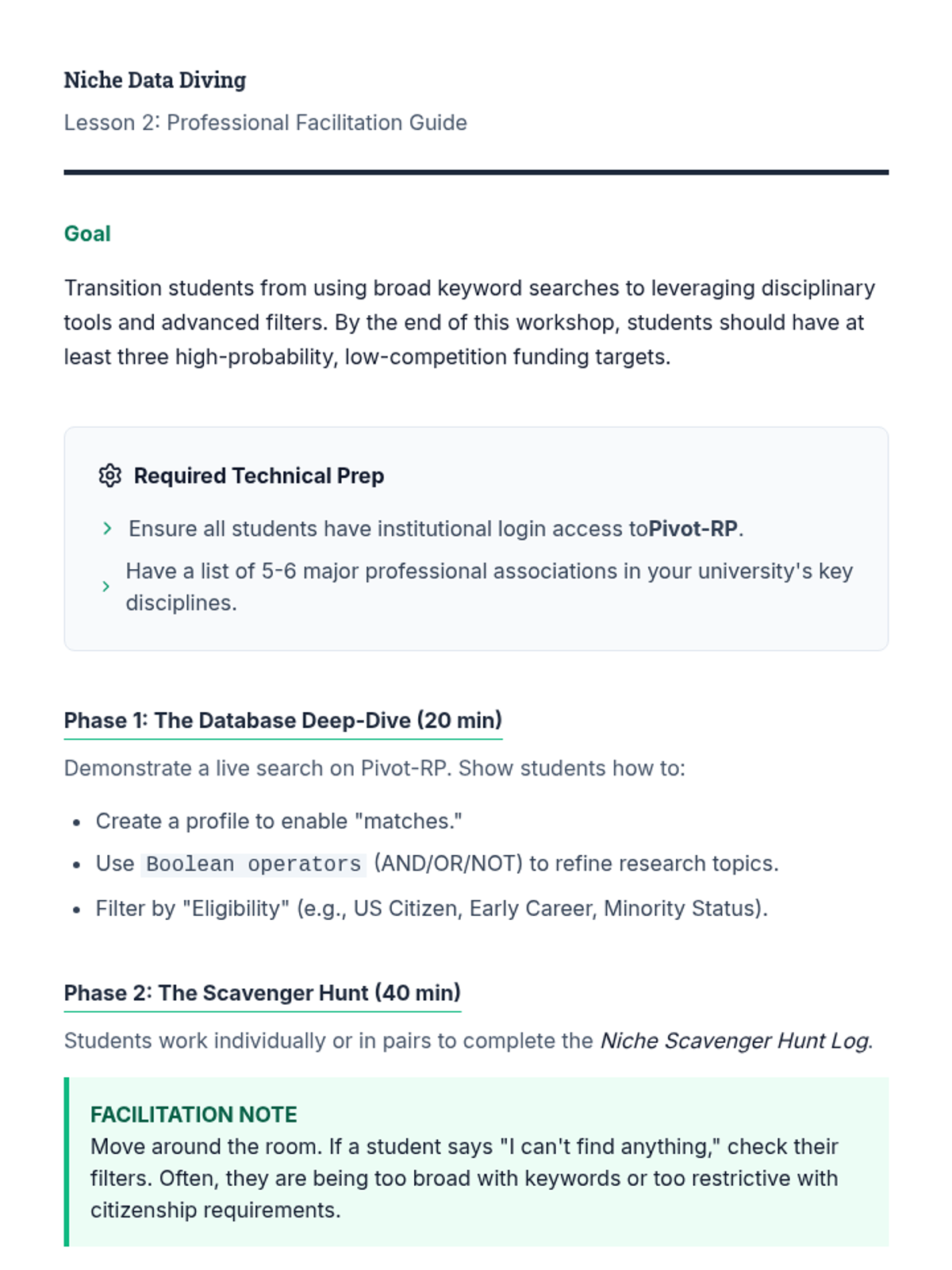
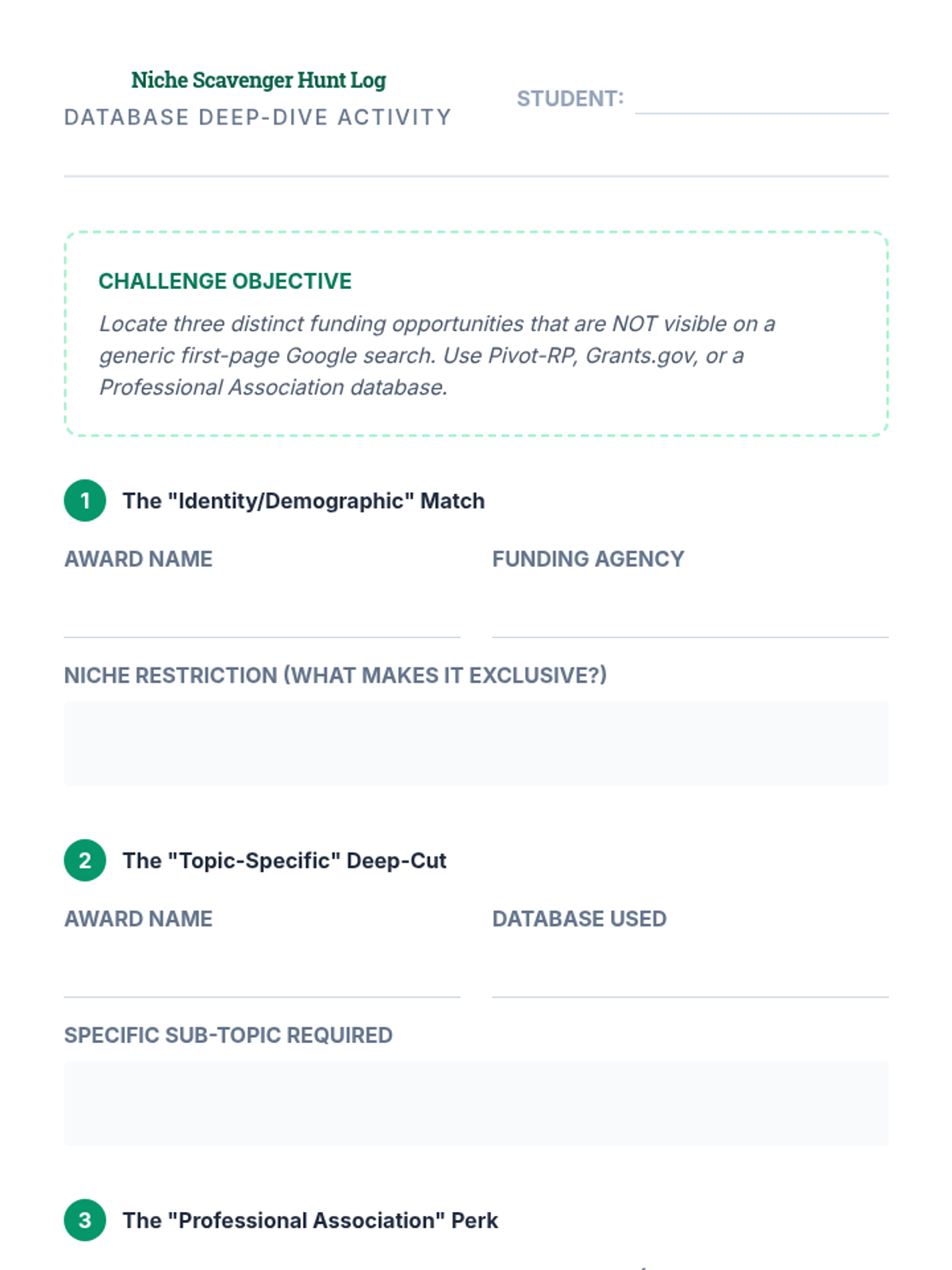
This lesson moves beyond general search engines to utilize specialized databases (like pivot or Grants.gov) and professional society listings. Students conduct a 'deep dive' search to find high-value, low-competition opportunities specific to their discipline.
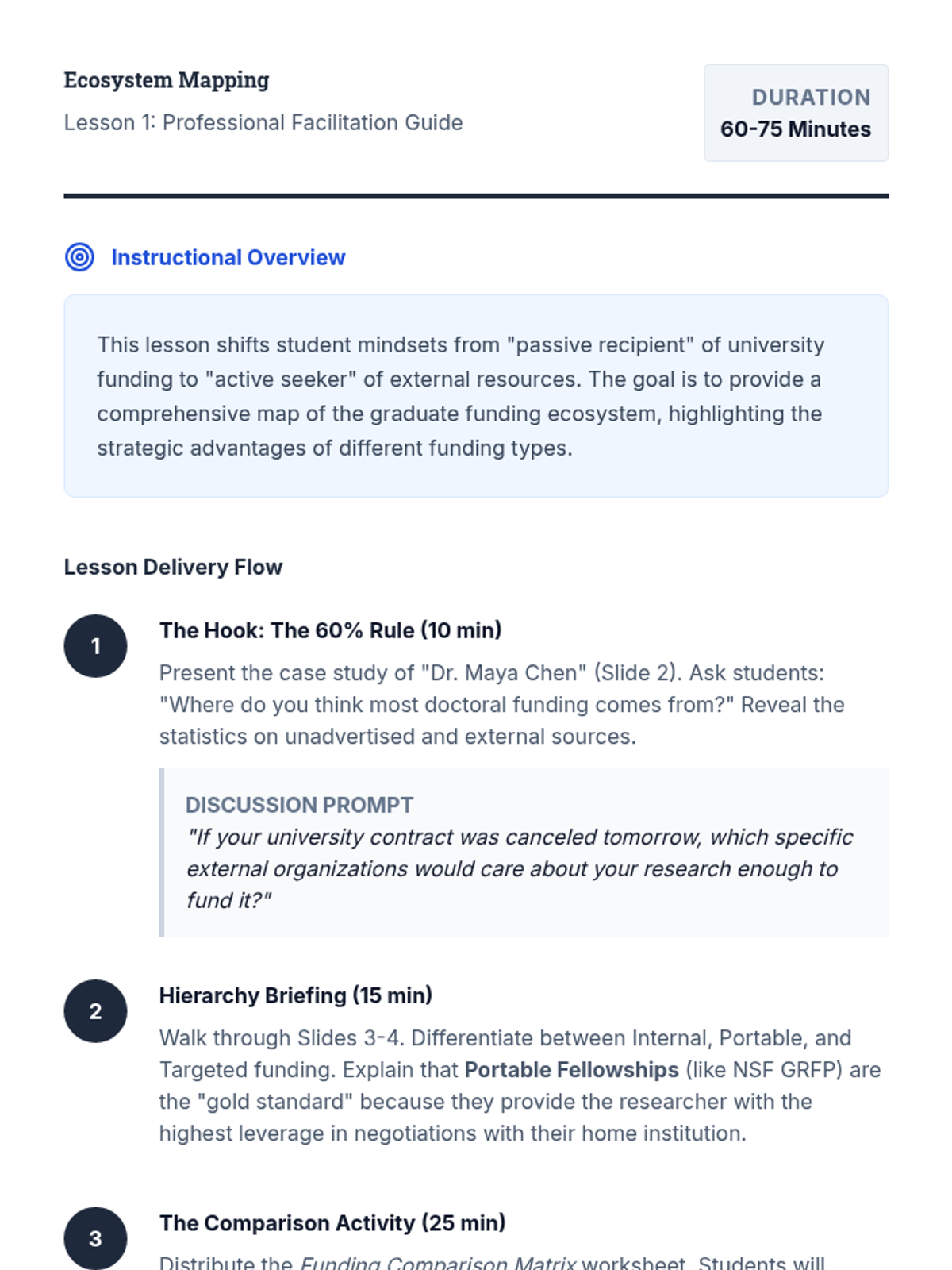
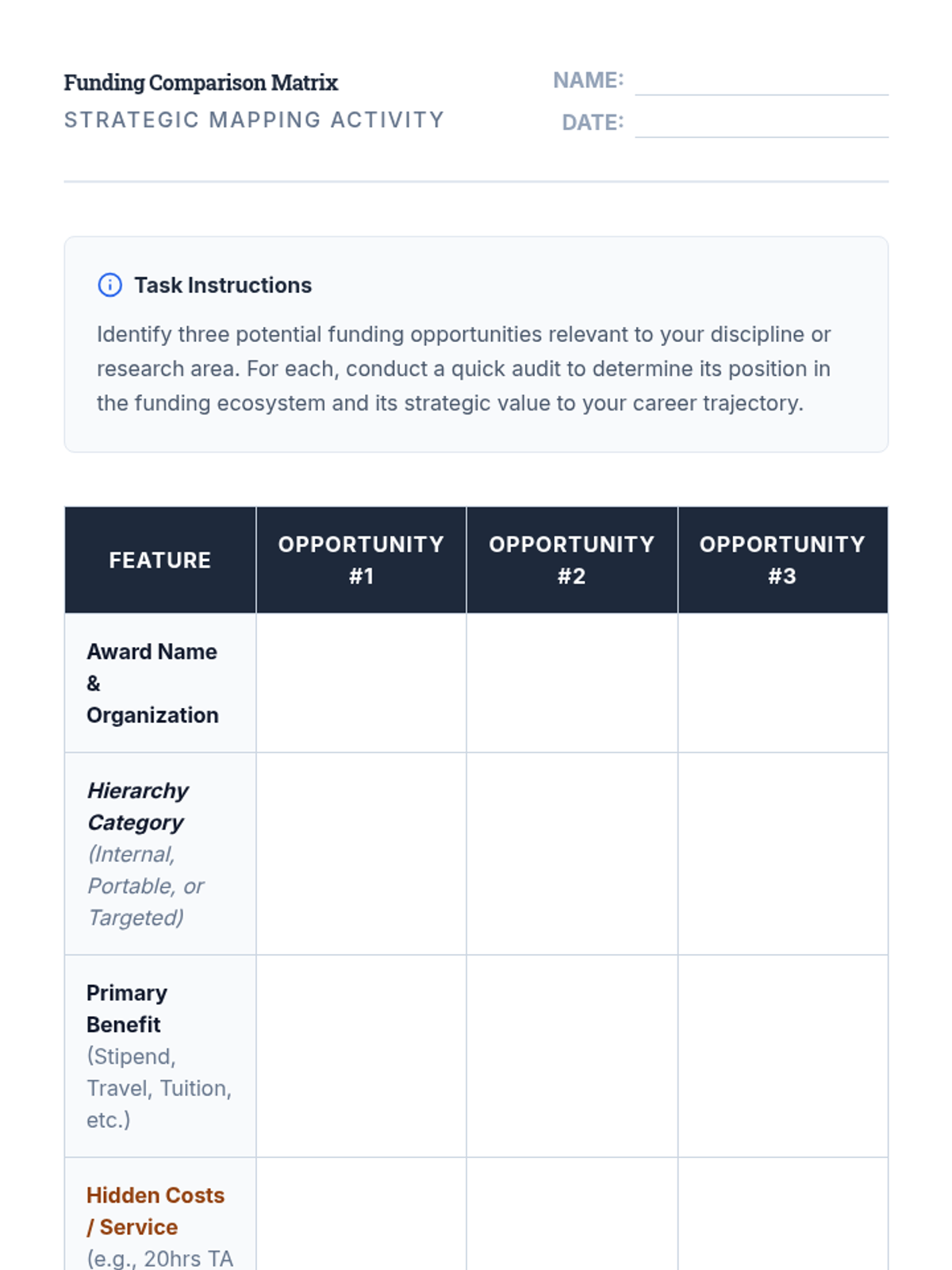
Students explore the hierarchy of graduate funding, distinguishing between internal assistantships, external portable fellowships, and specific research grants. They analyze the benefits and restrictions of each type to determine which best supports their academic trajectory.
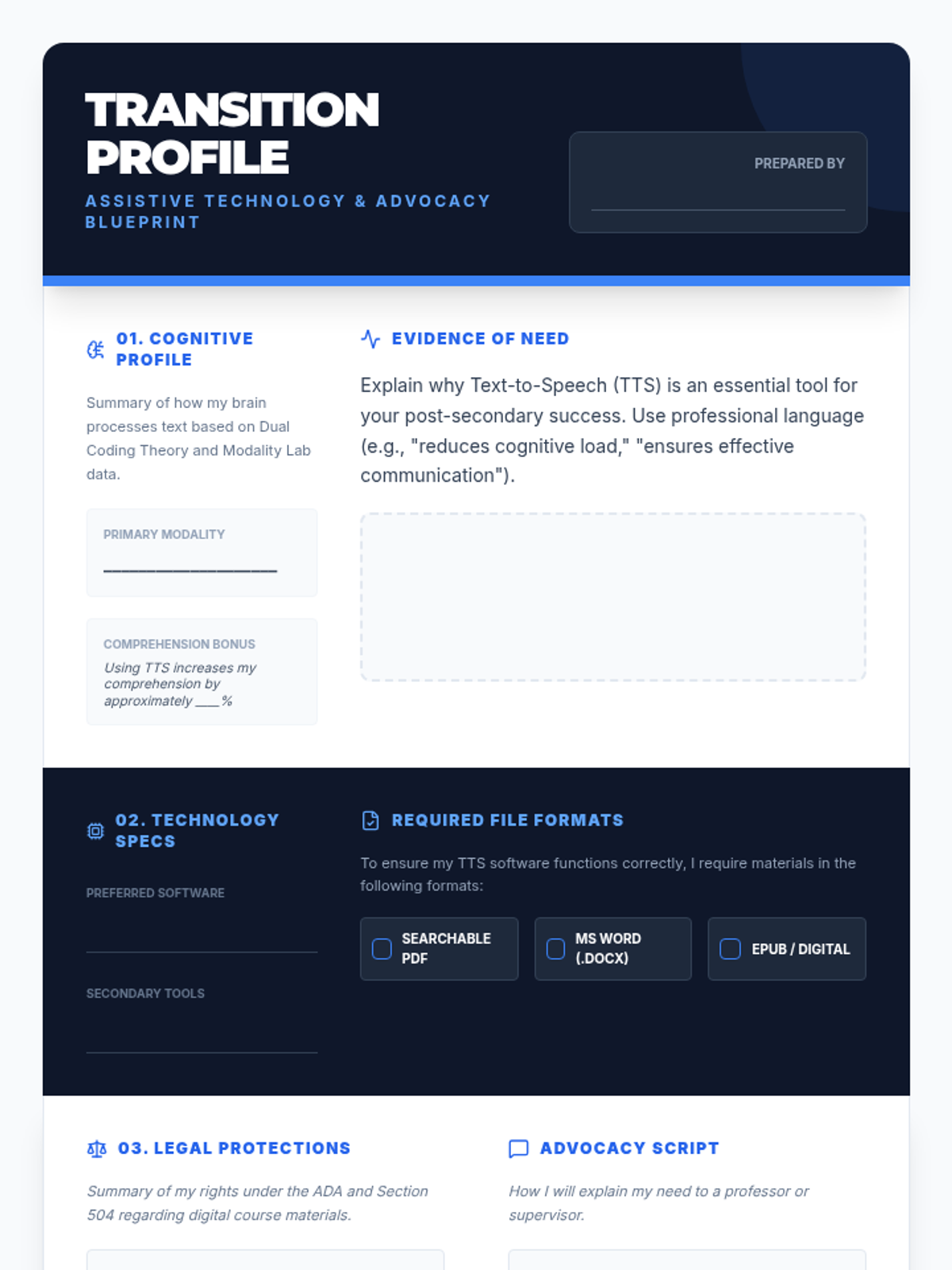
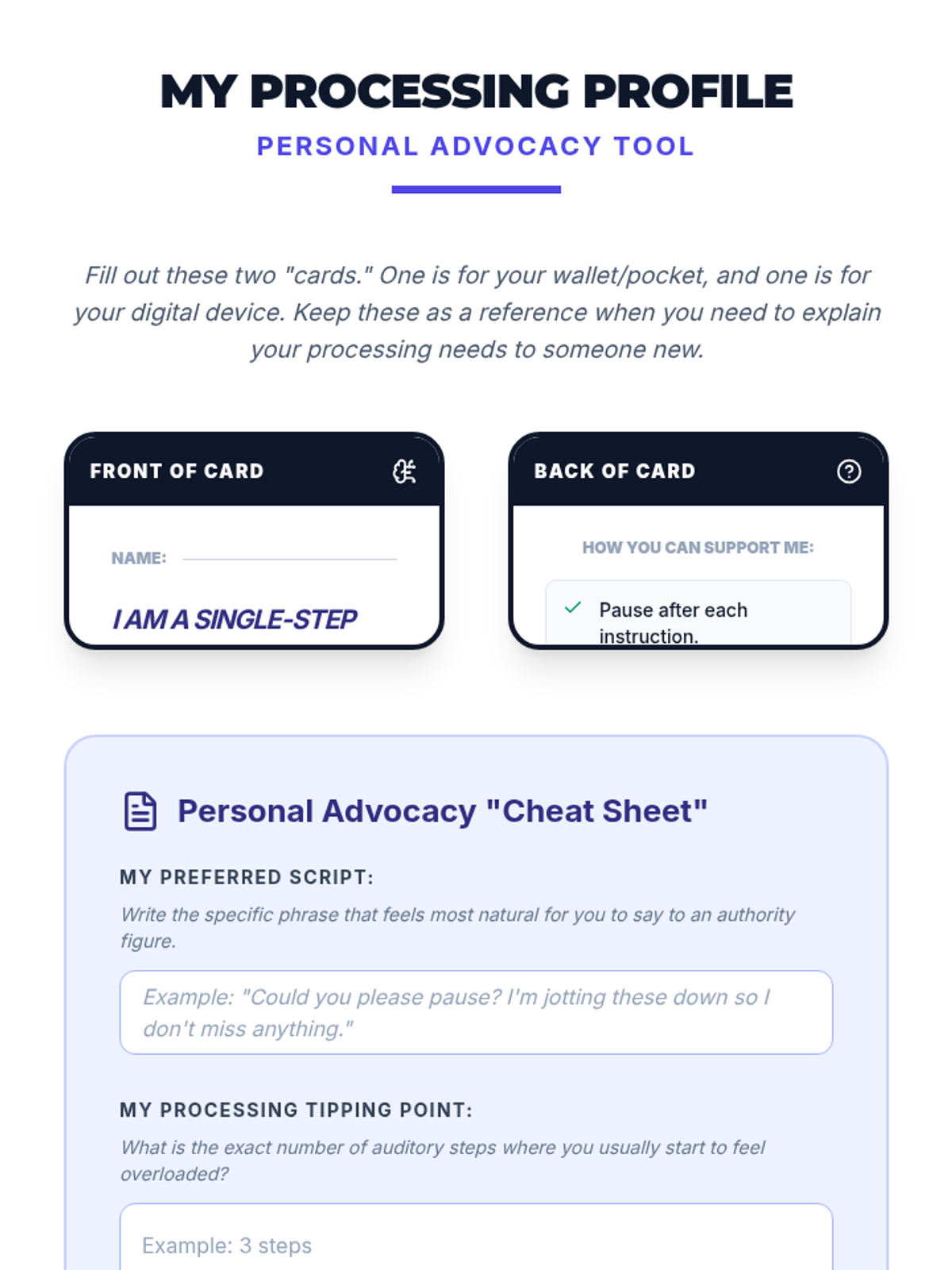
Students synthesize their learning by creating a personal Advocacy Card or Profile. They practice formal disclosure of their processing needs for college or workplace environments.
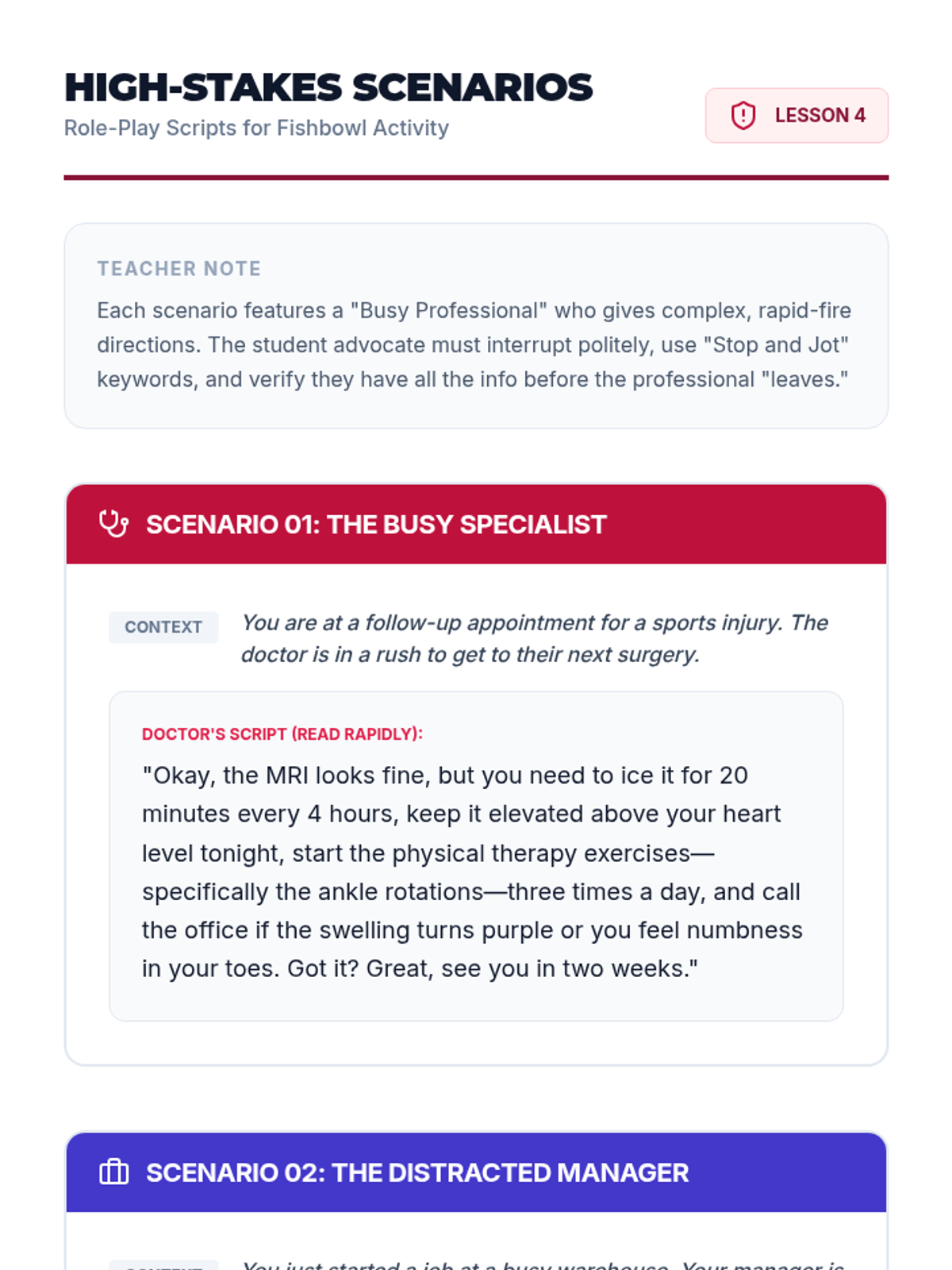
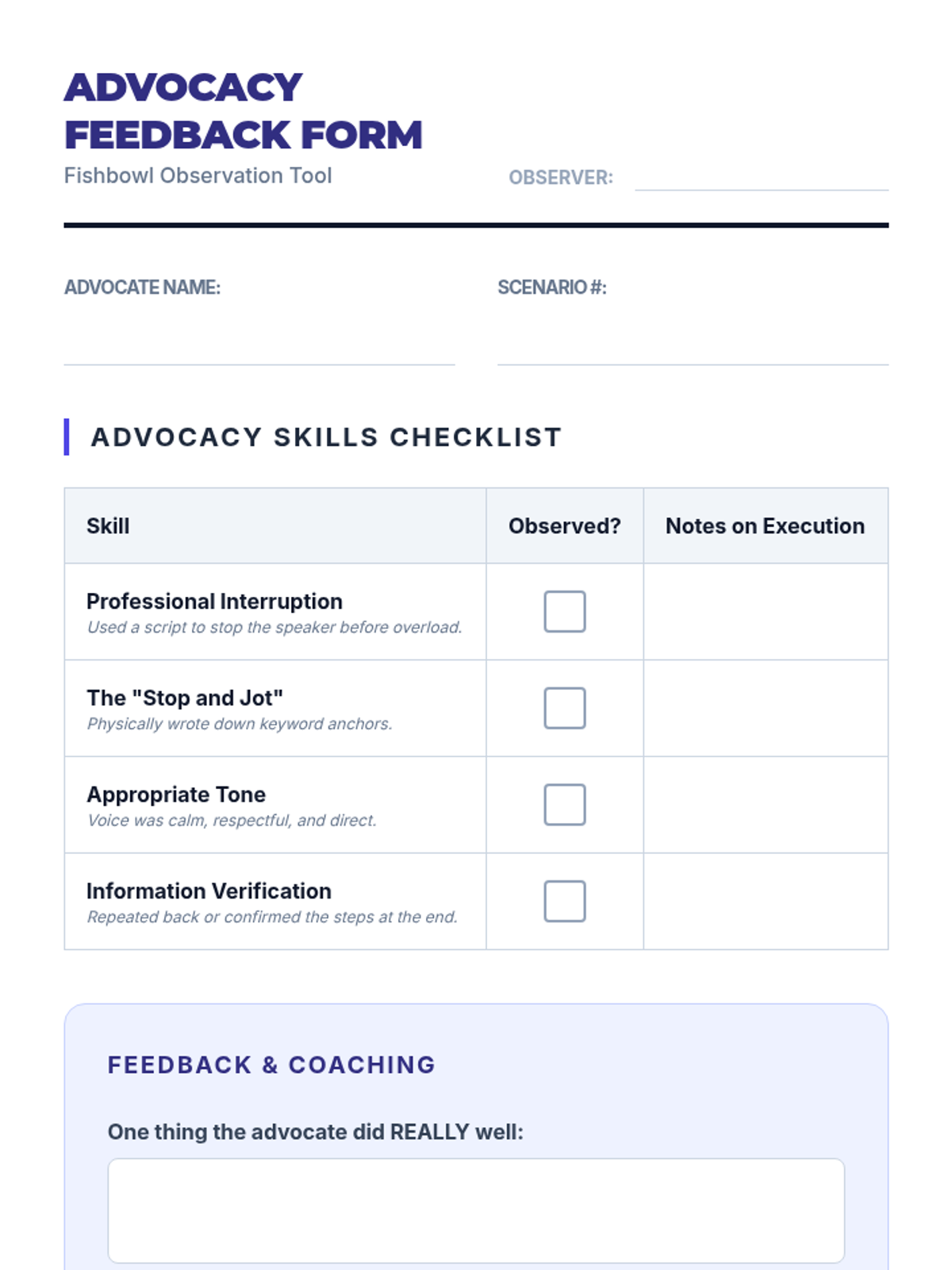
Learners apply their advocacy skills in high-stakes scenarios with authority figures like bosses, doctors, or police. They use a fishbowl technique to observe and refine their approach to difficult conversations.
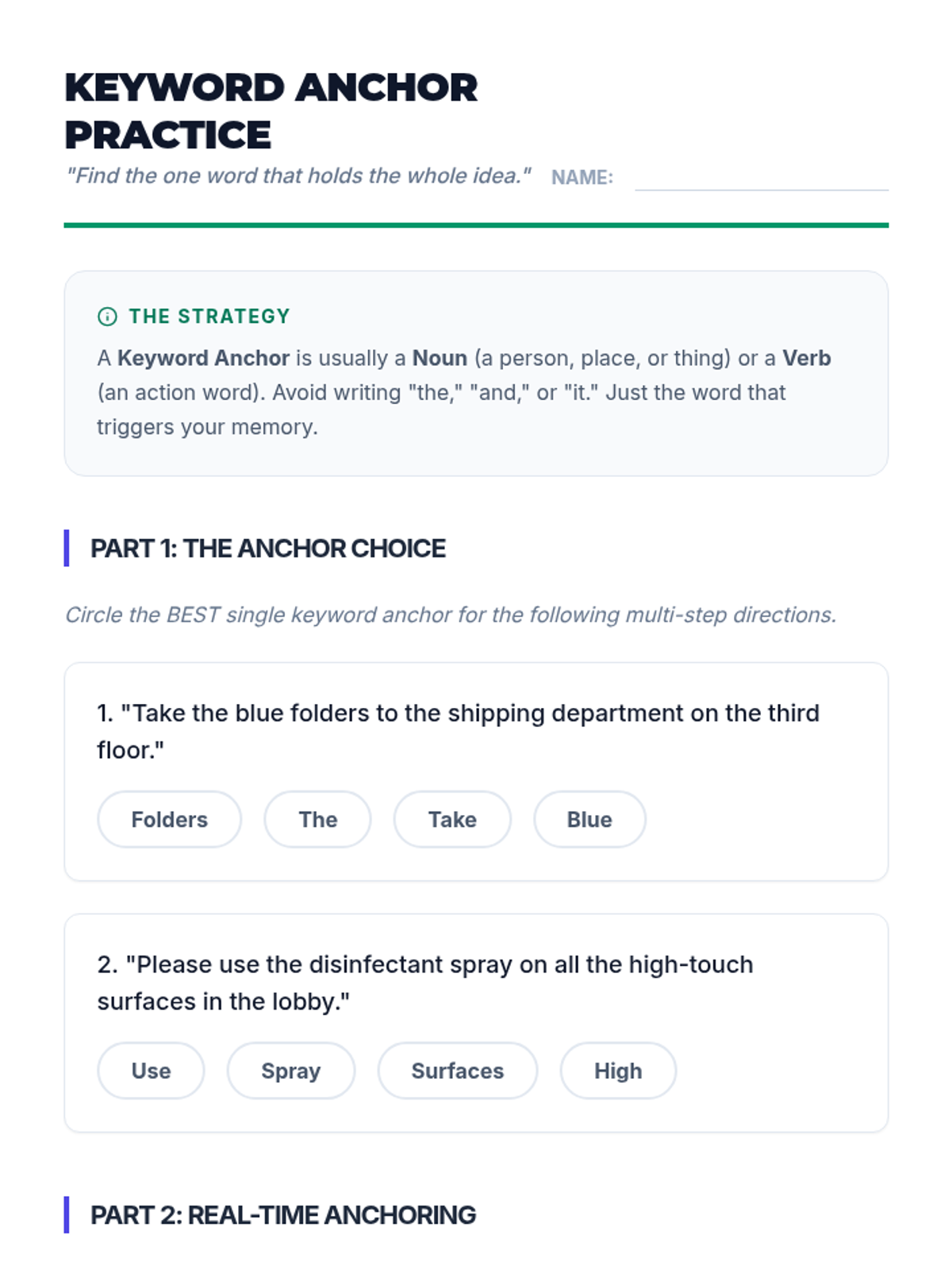
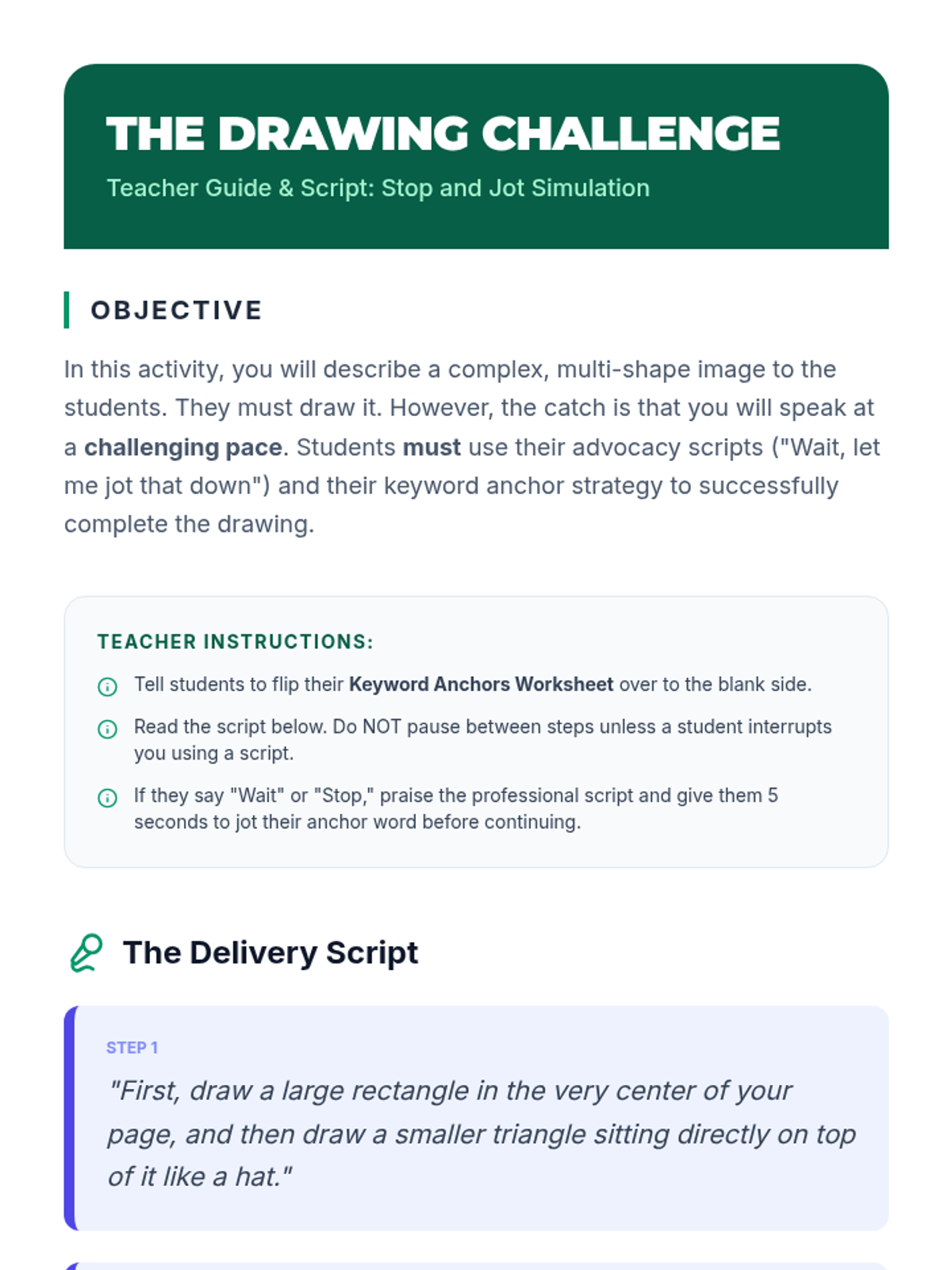
Students learn the 'Stop and Jot' strategy to create external memory anchors. They practice using single keywords to hold their place in a sequence of instructions.
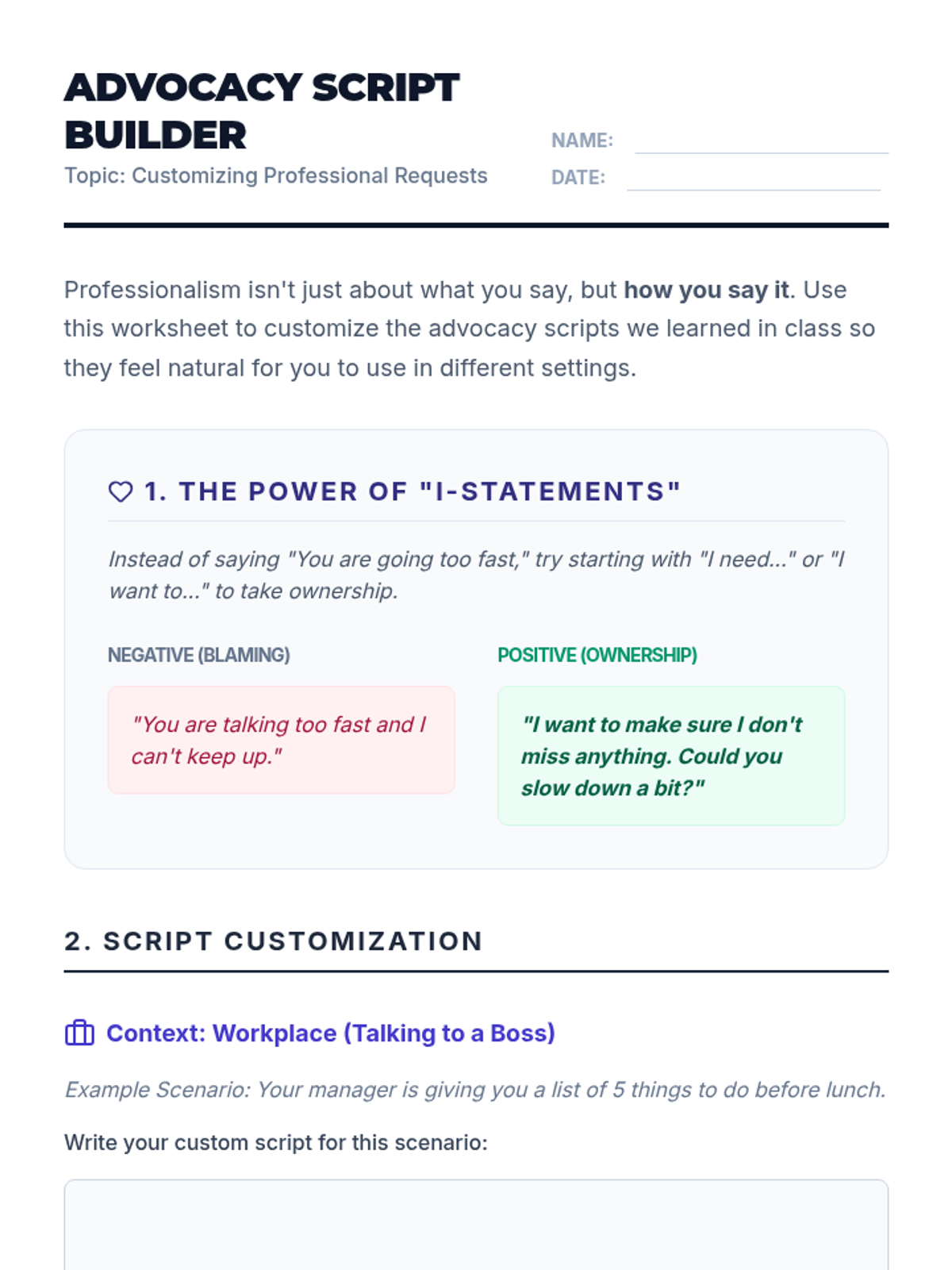
Learners develop and practice professional scripts for interrupting and requesting information be broken down. The focus is on tone, timing, and professional communication in workplace and academic environments.
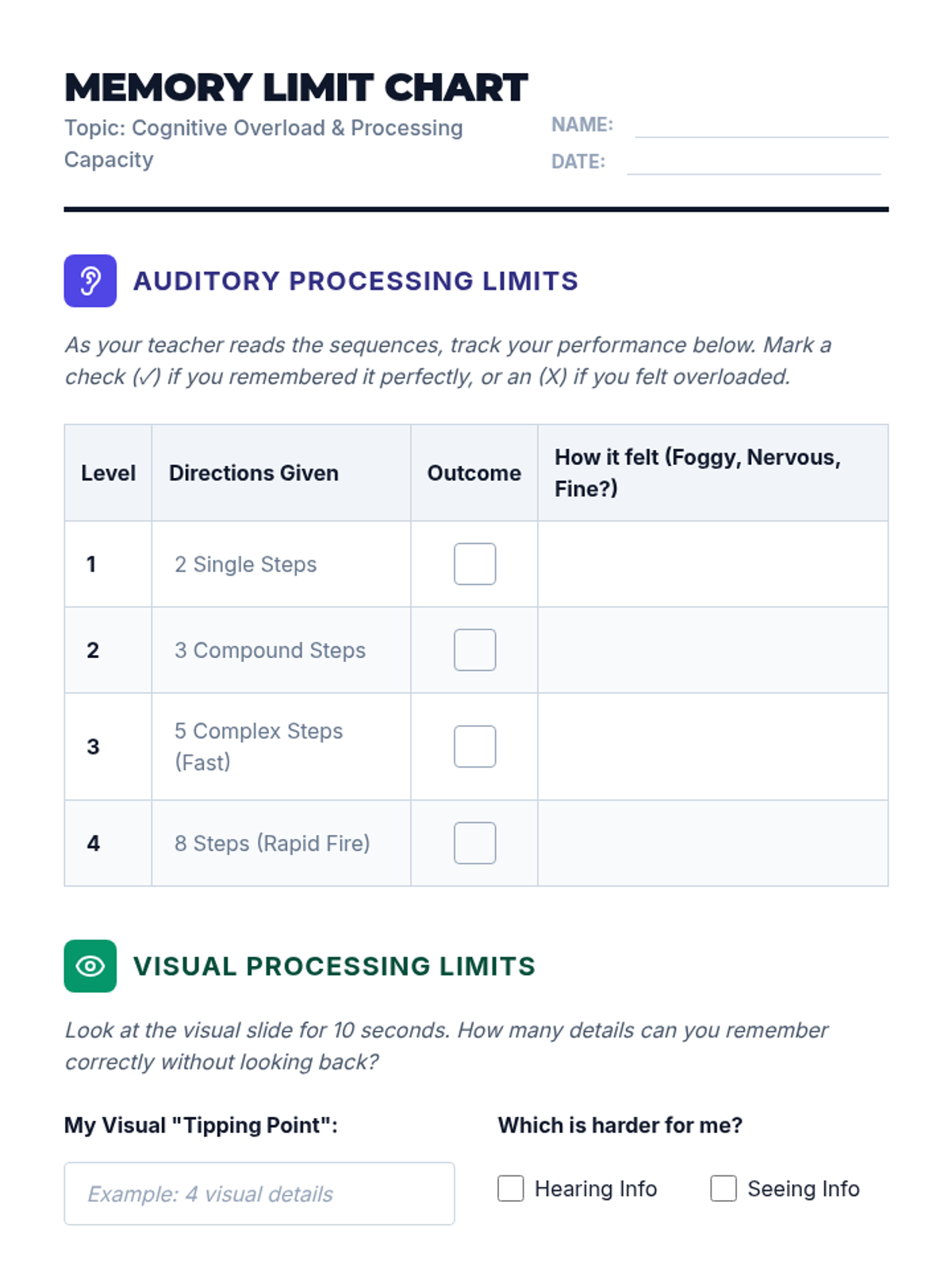
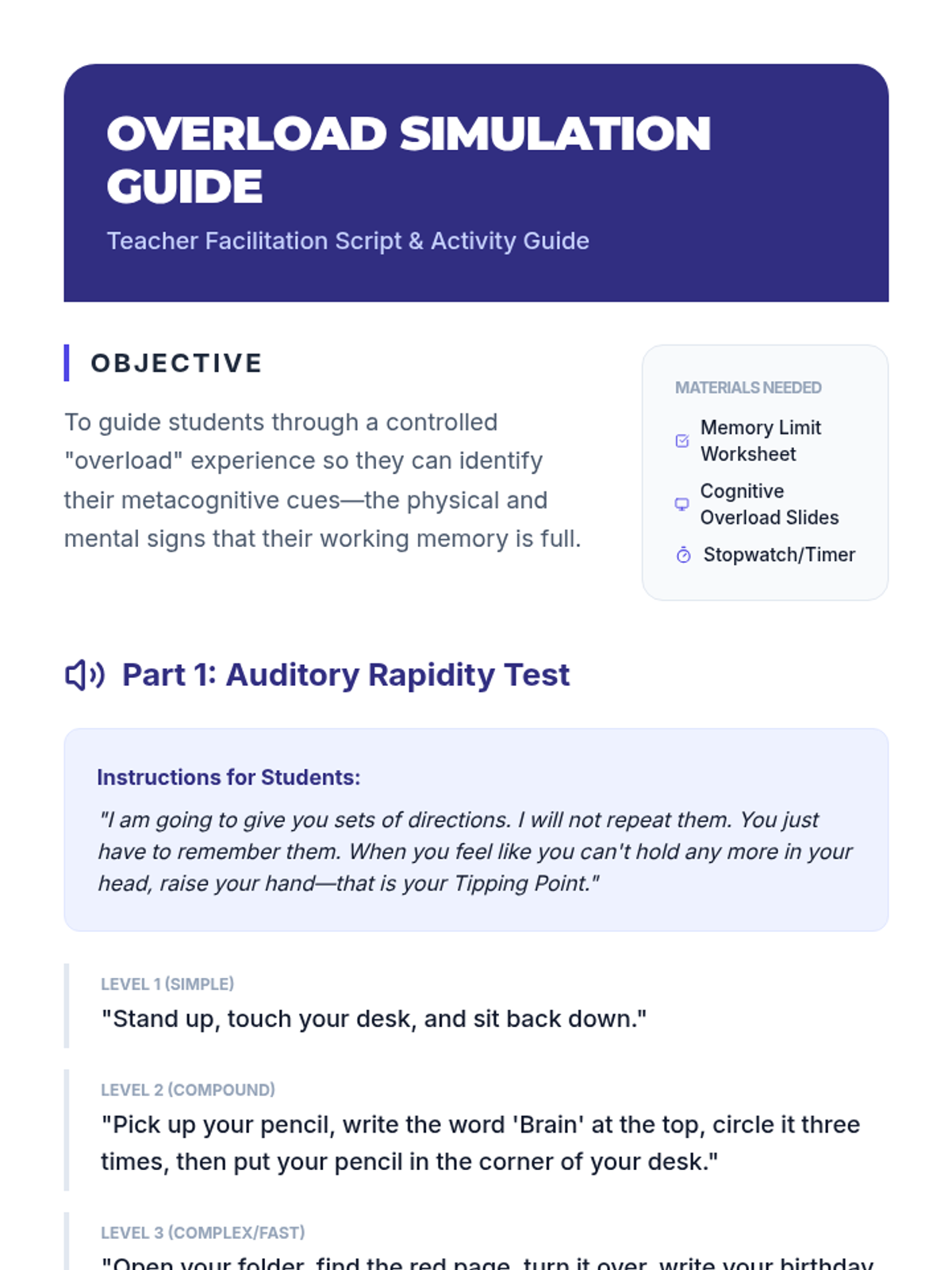
Students identify their personal 'tipping point' for auditory and visual information through memory games and limit tests. They explore the concept of cognitive overload and how it impacts their ability to follow complex instructions.
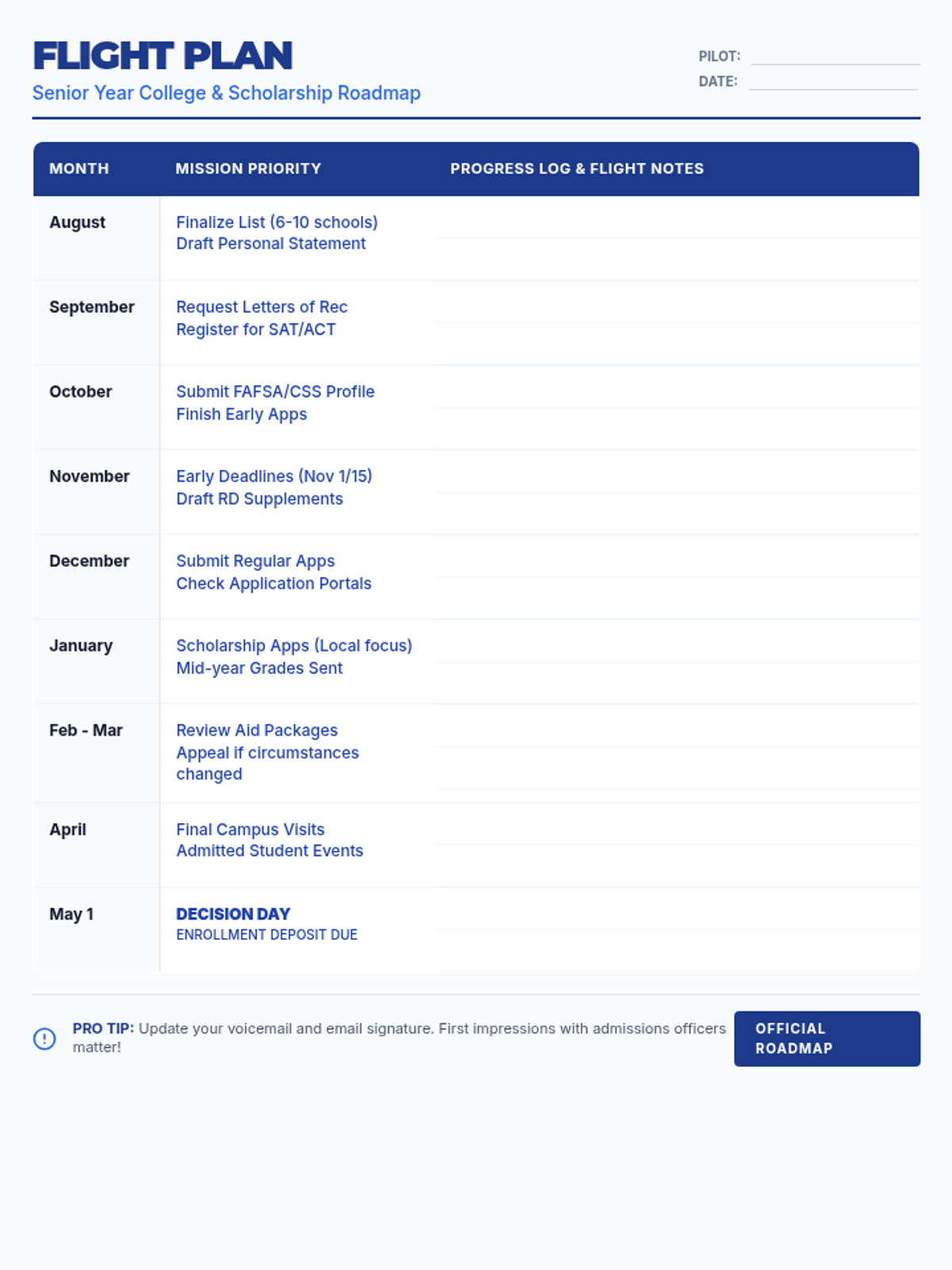
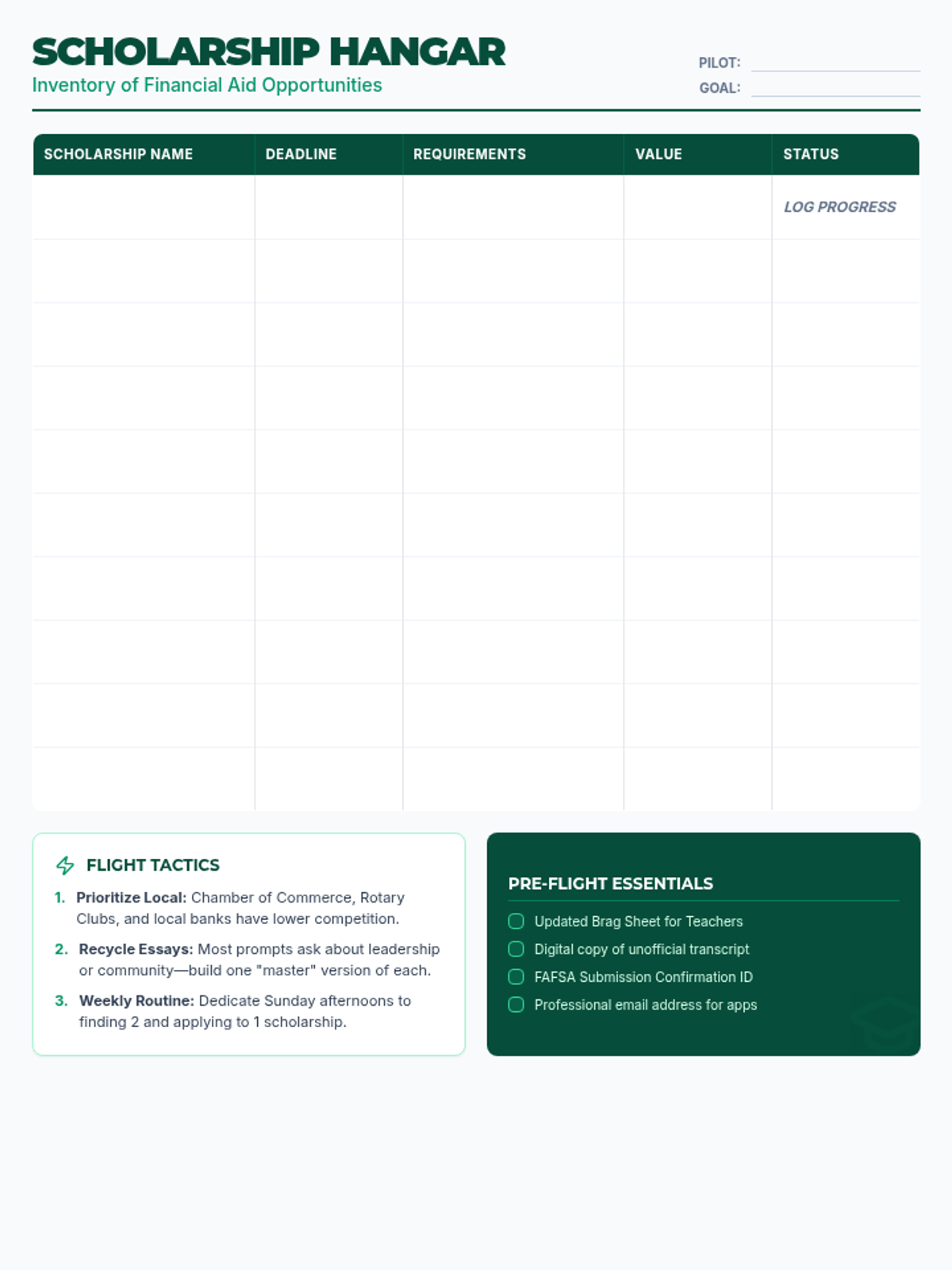
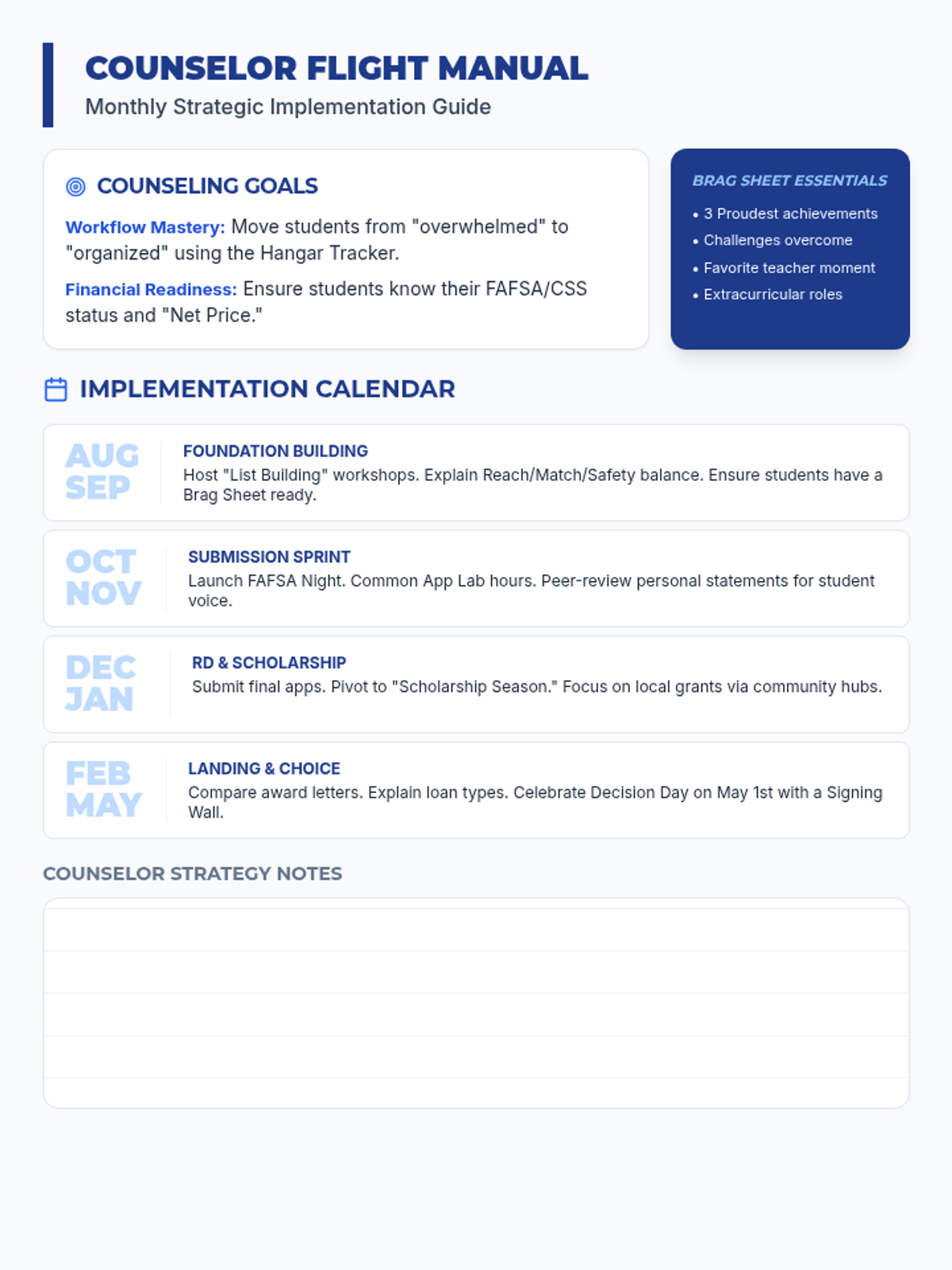
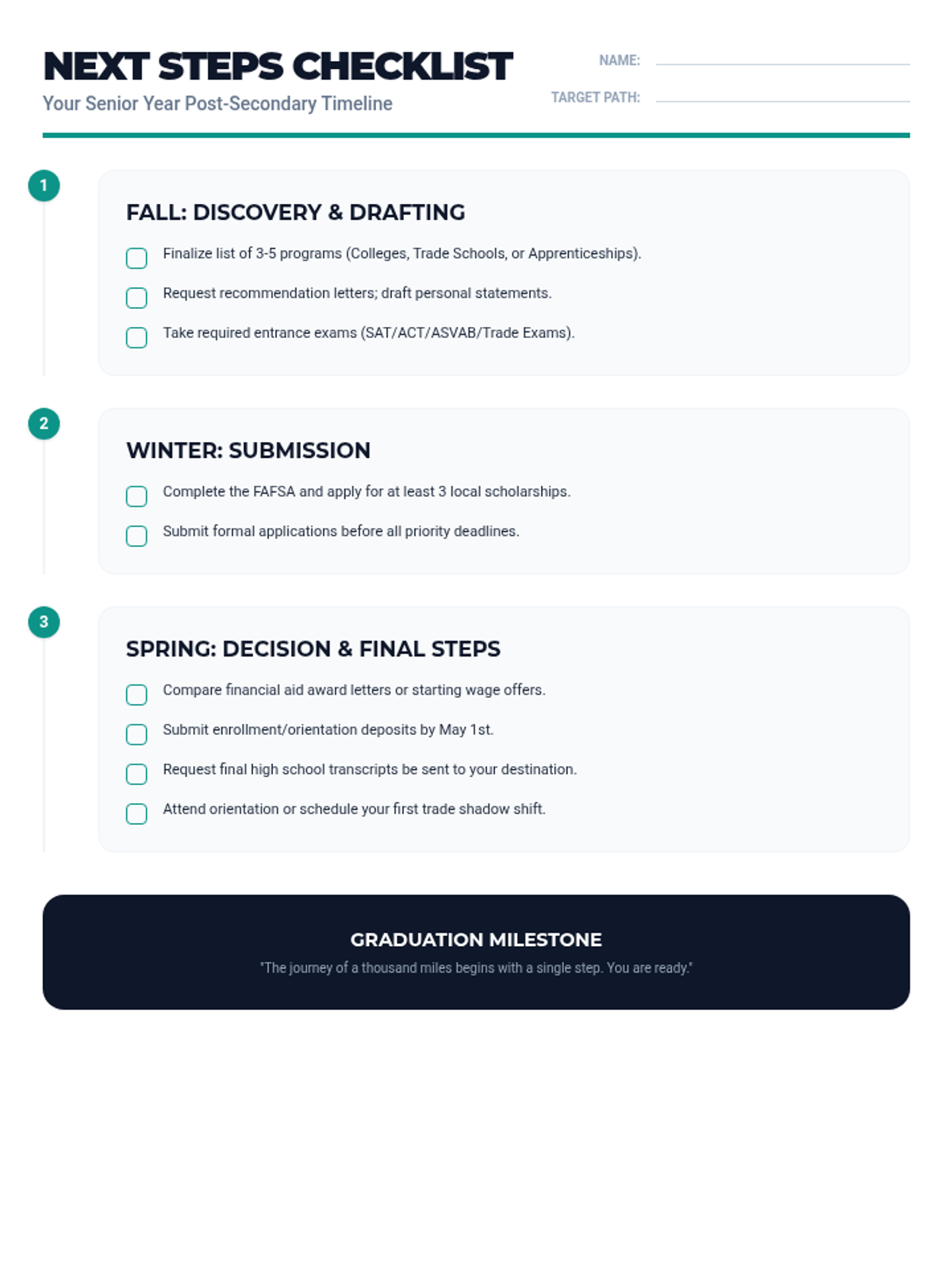
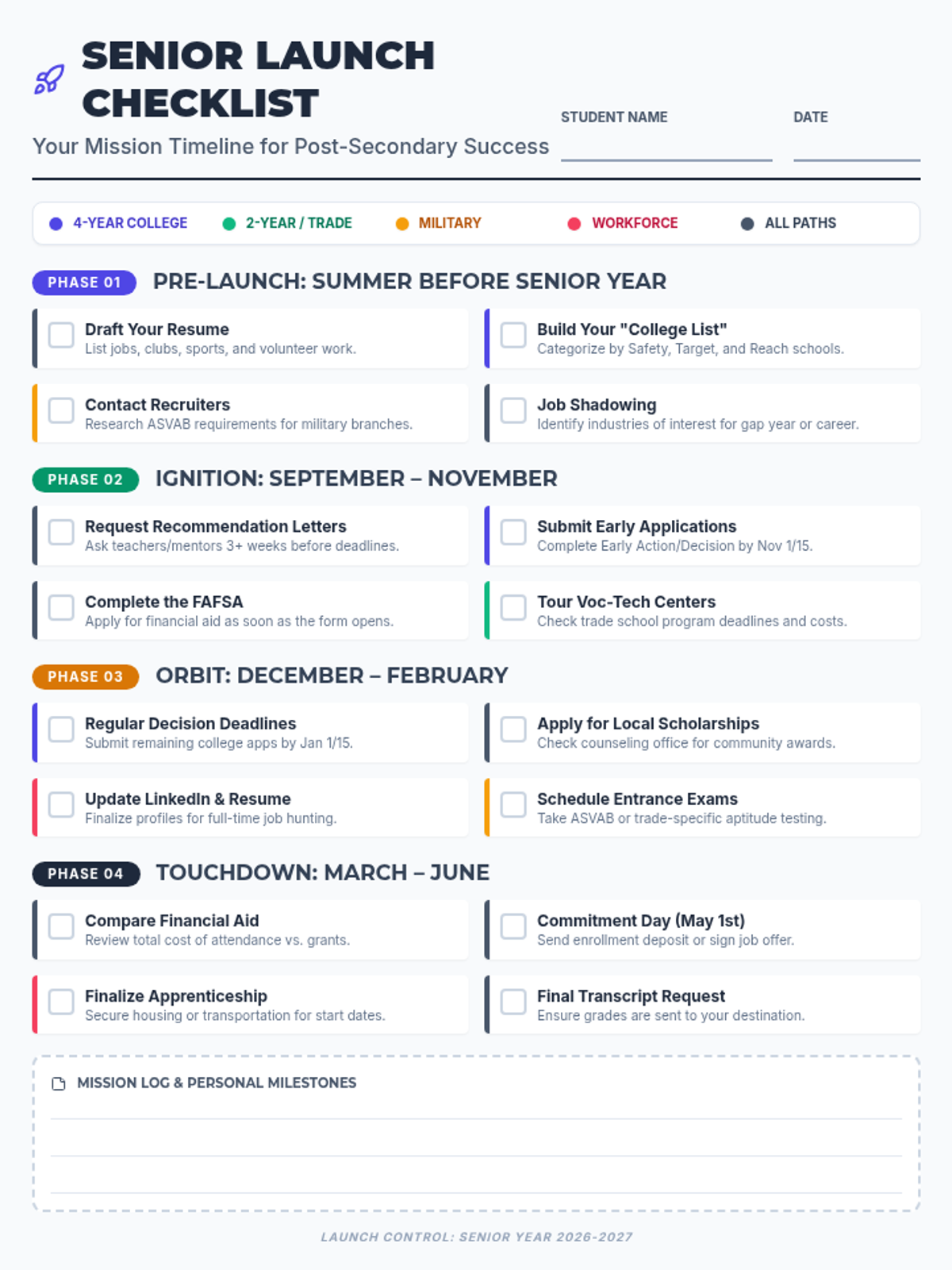
A comprehensive set of resources to guide high school seniors through the college application process, from early summer preparation to final spring decisions.
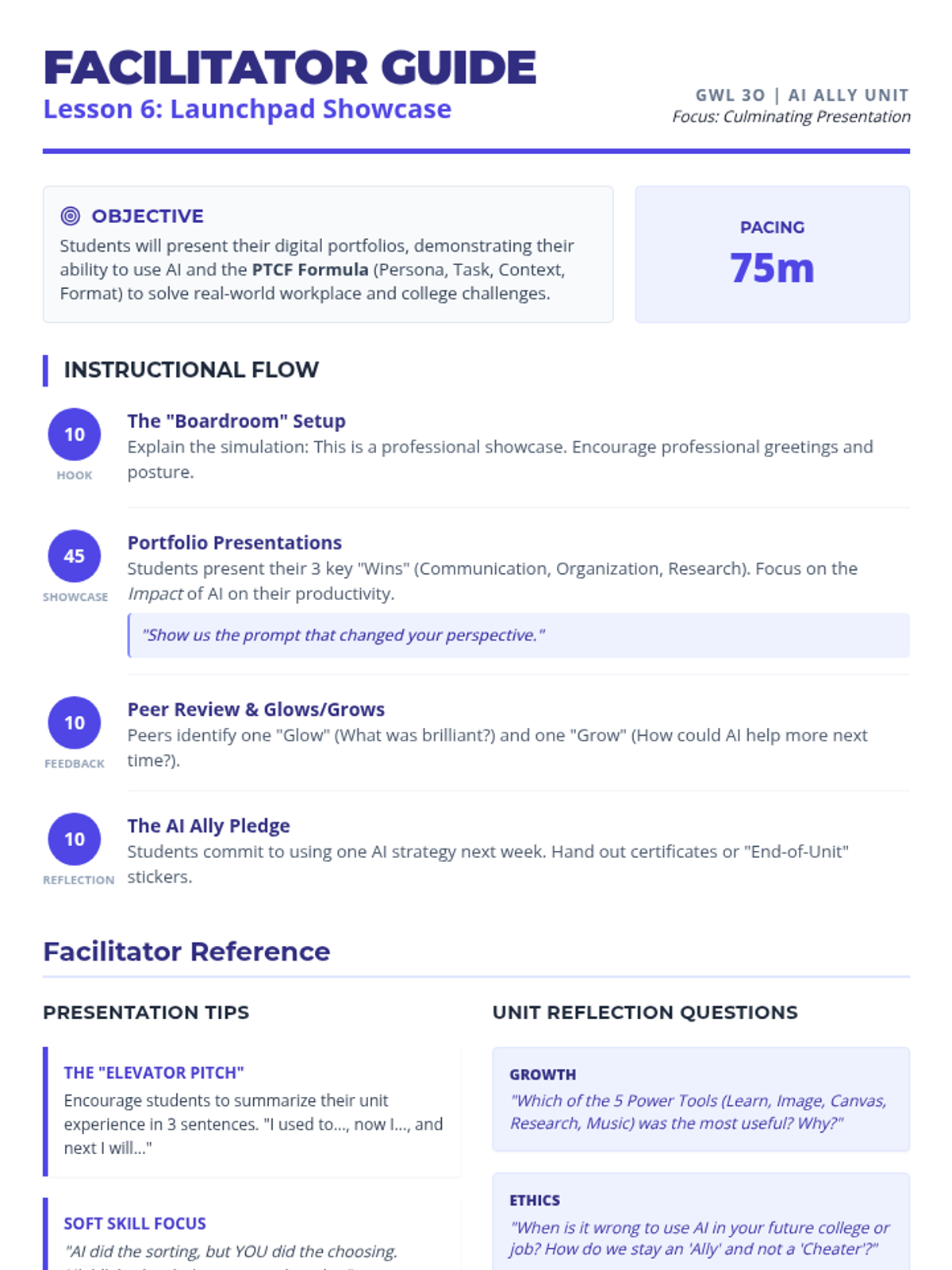
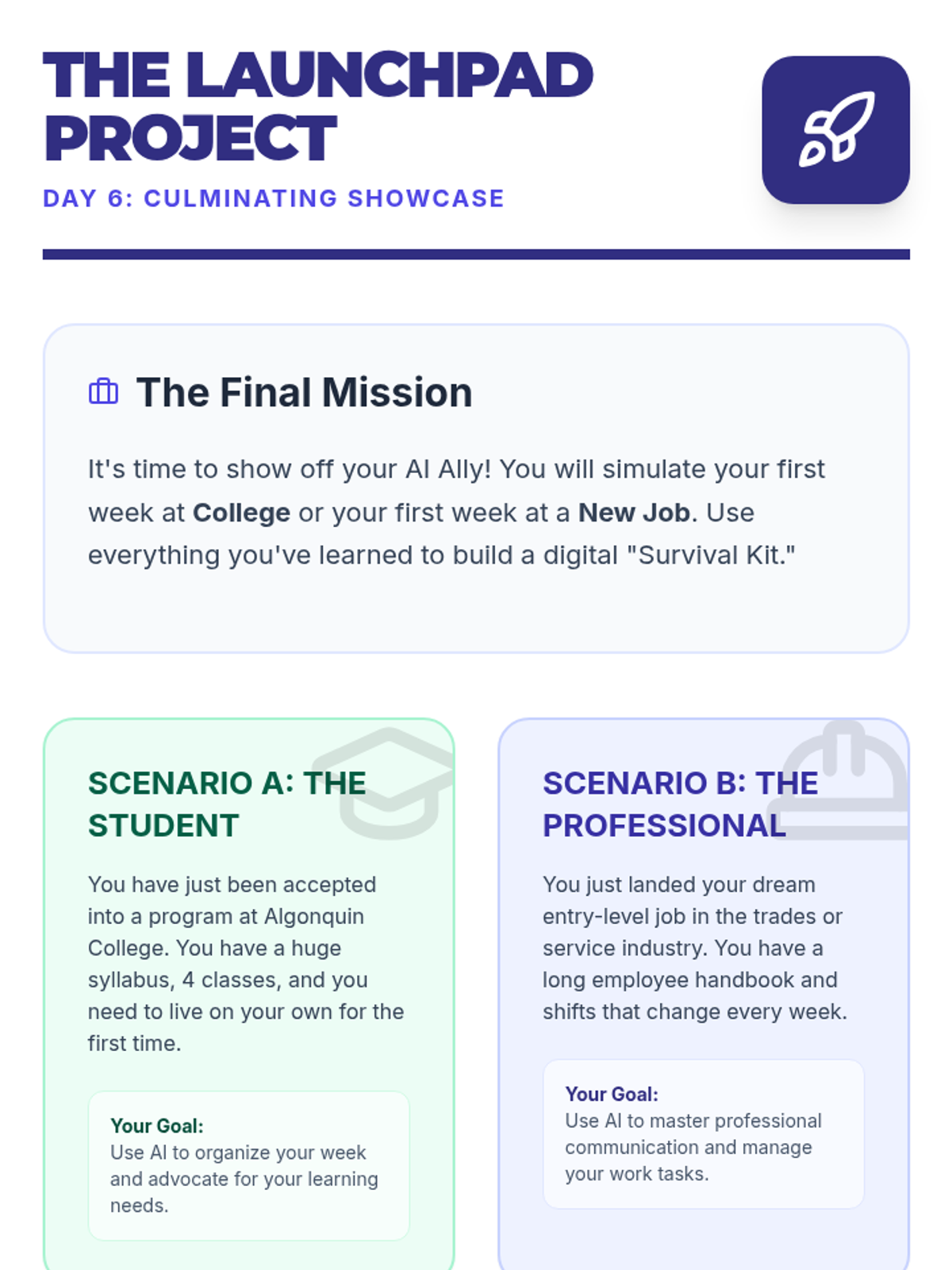
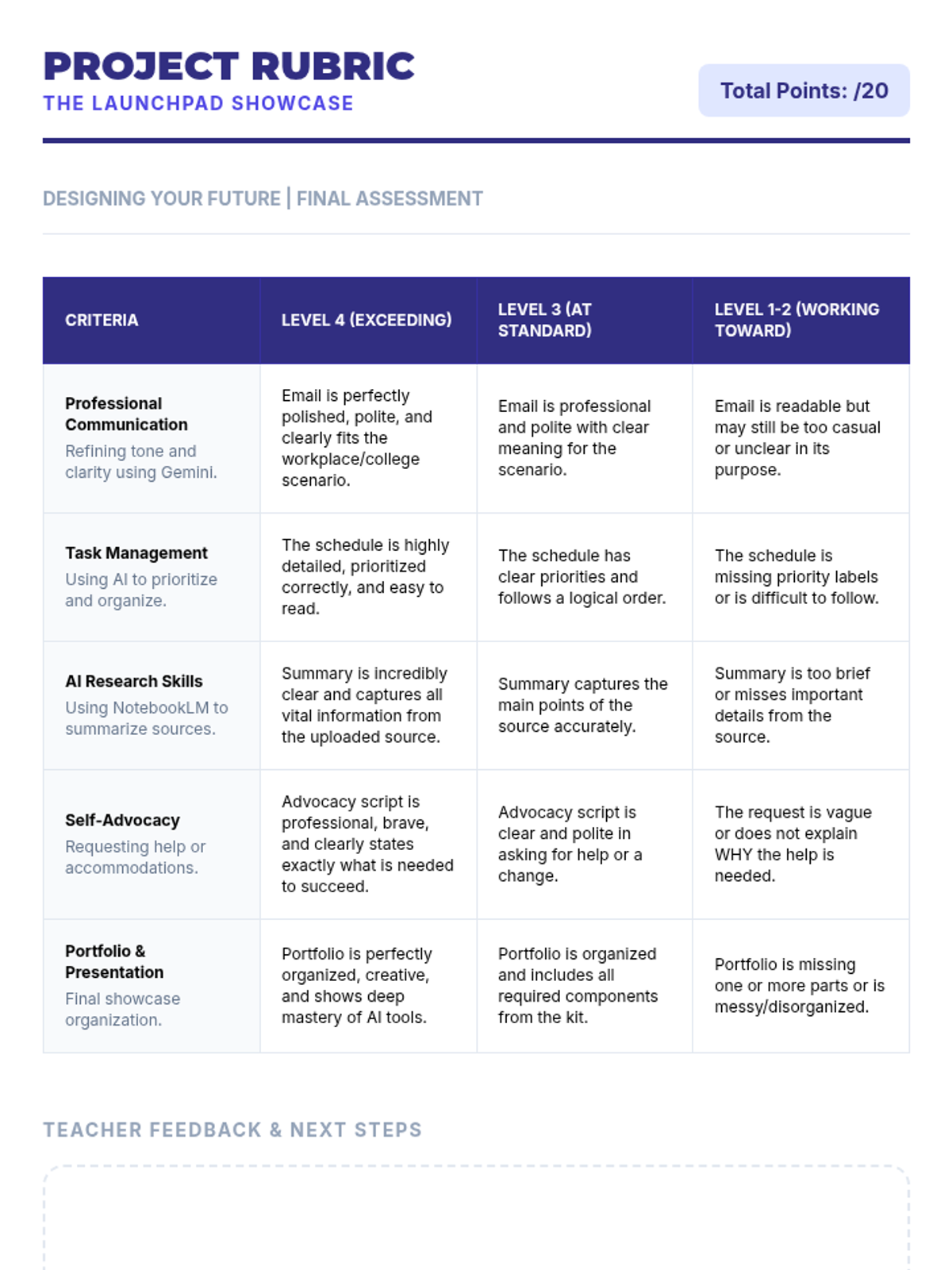
A culminating activity where students apply their AI skills to a real-world college or workplace simulation, presenting their findings in a digital portfolio.
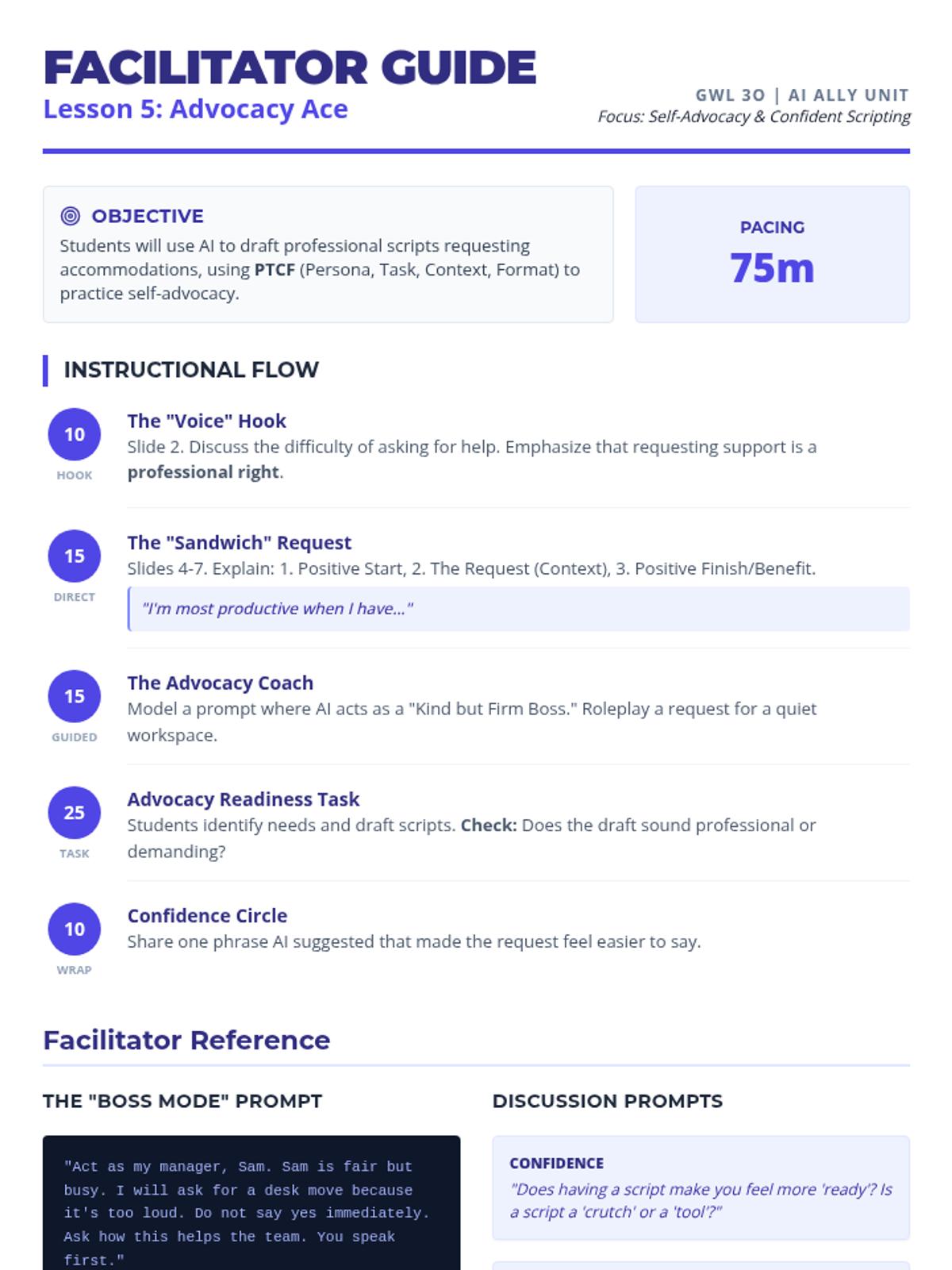
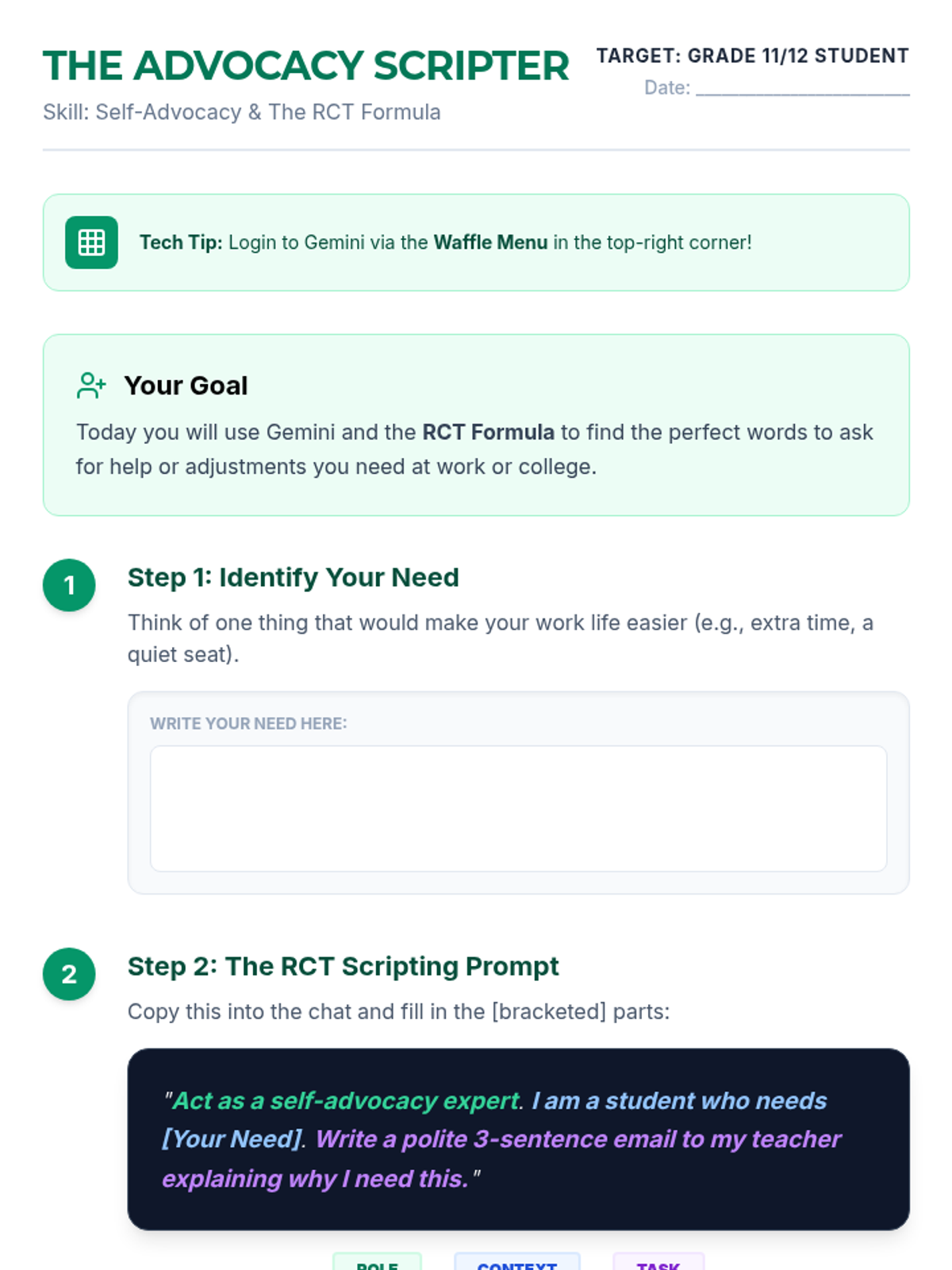
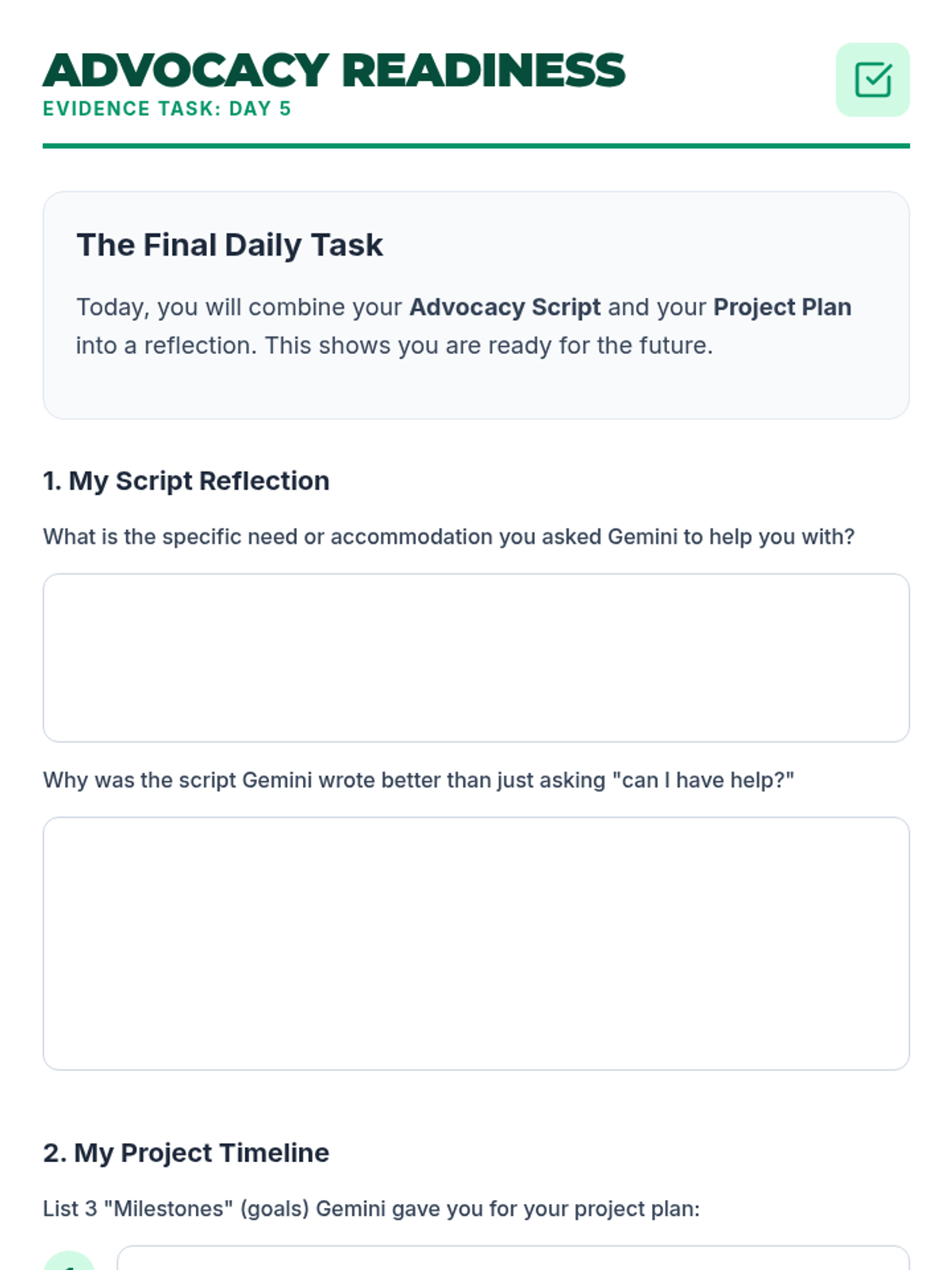
Focuses on self-advocacy and project planning, using AI to draft scripts for accommodation requests and breakdown long-term goals.
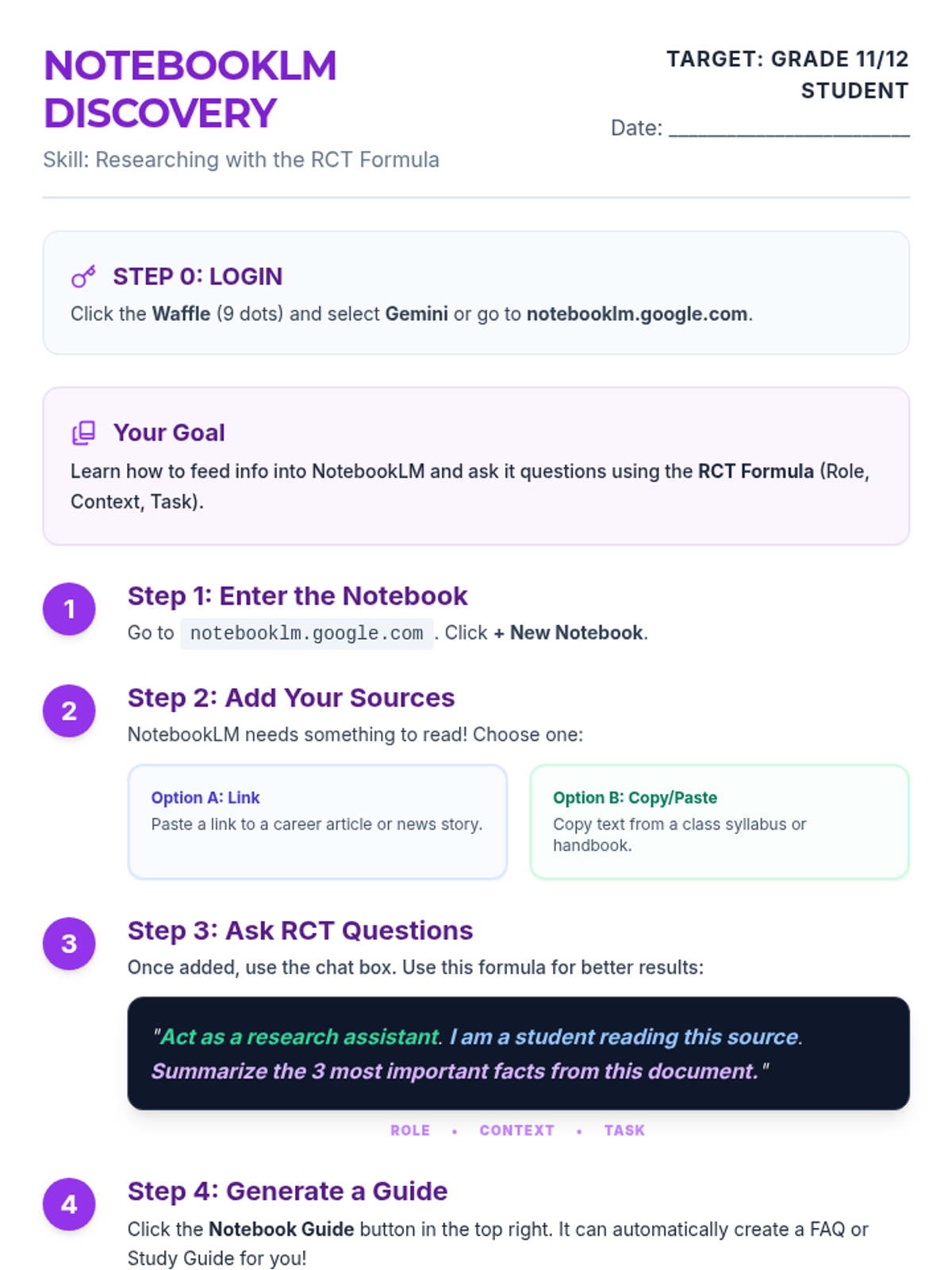
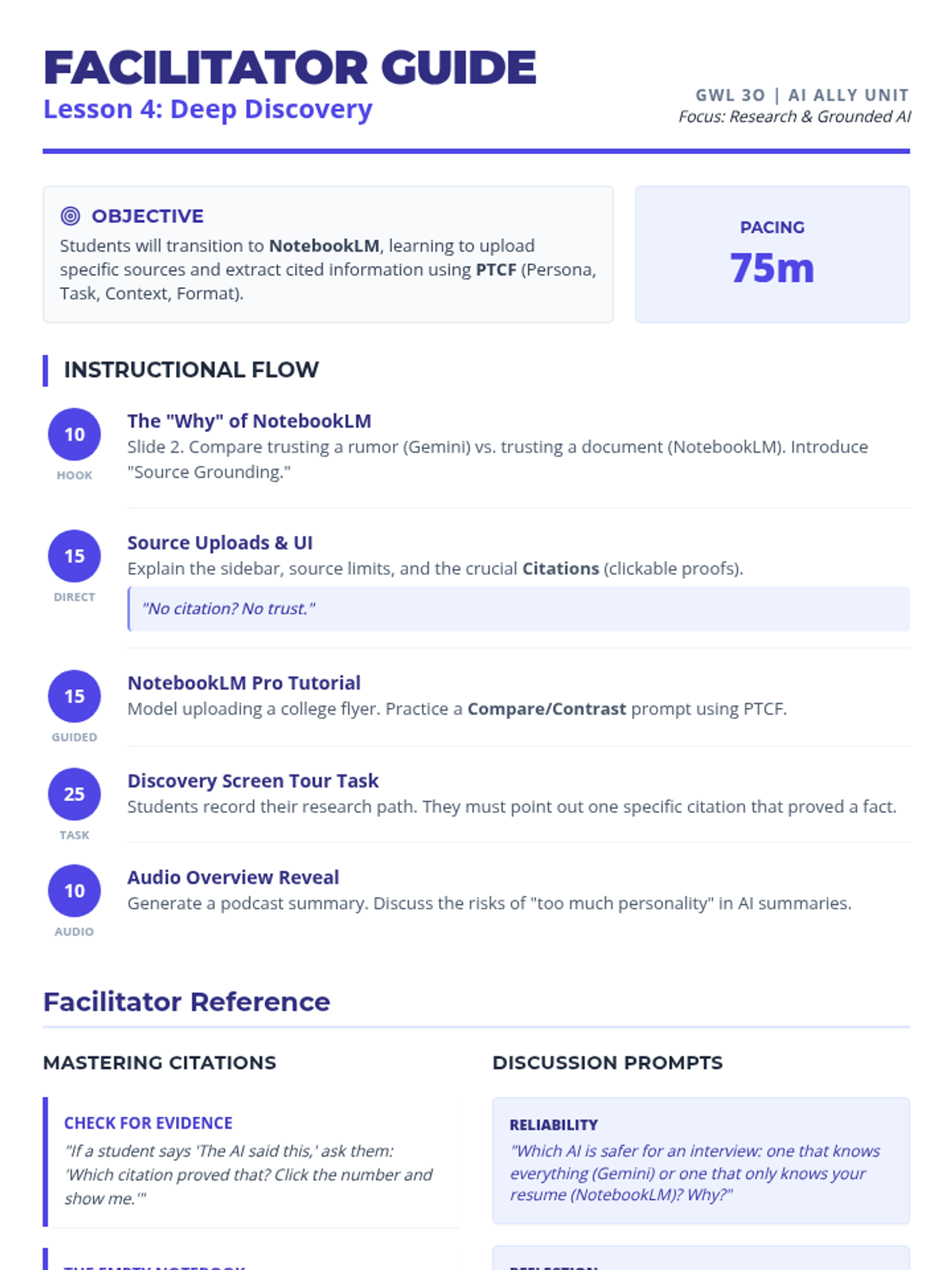
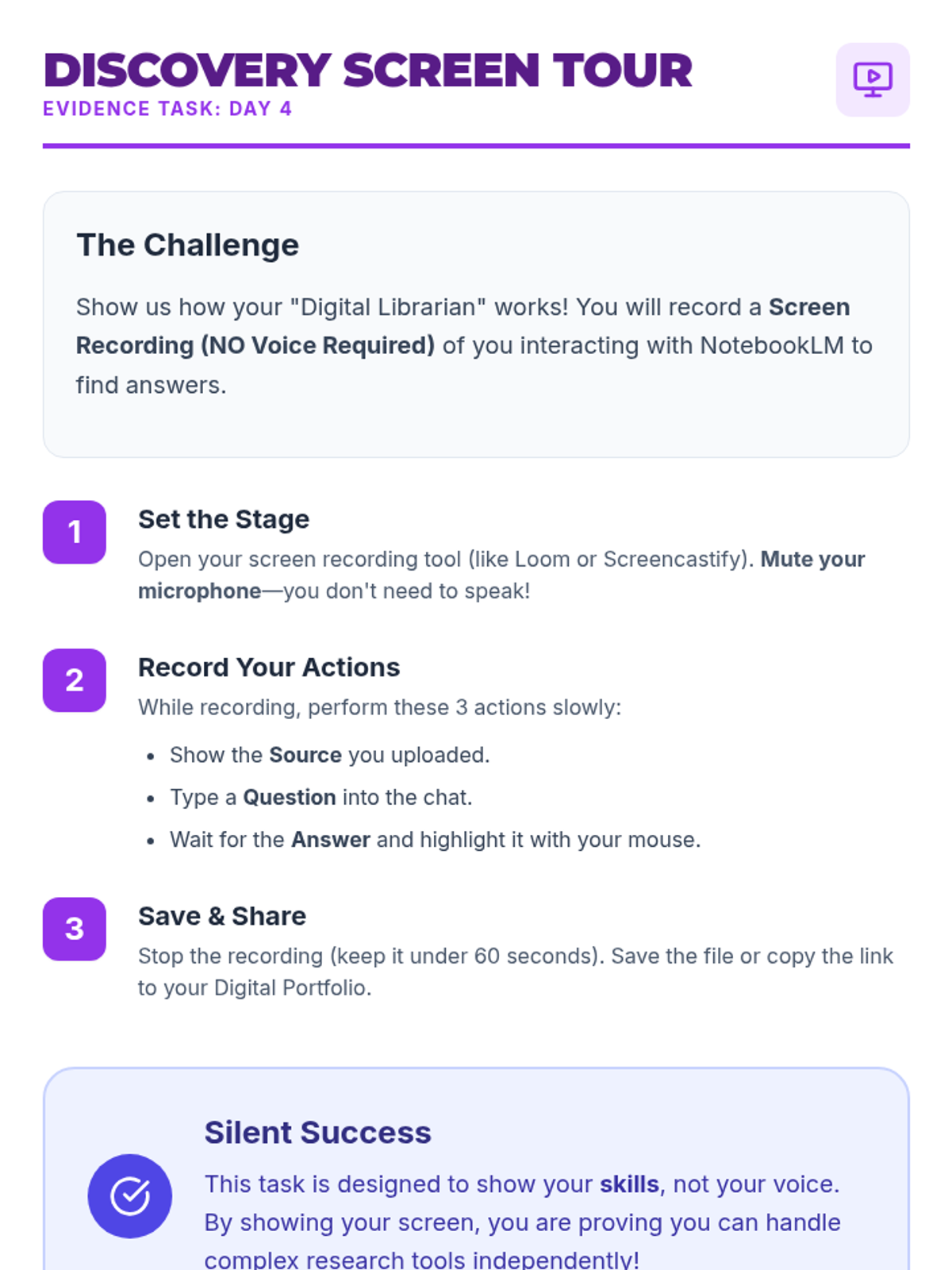
Explores the power of NotebookLM for academic and workplace research, teaching students how to synthesize large amounts of information efficiently.
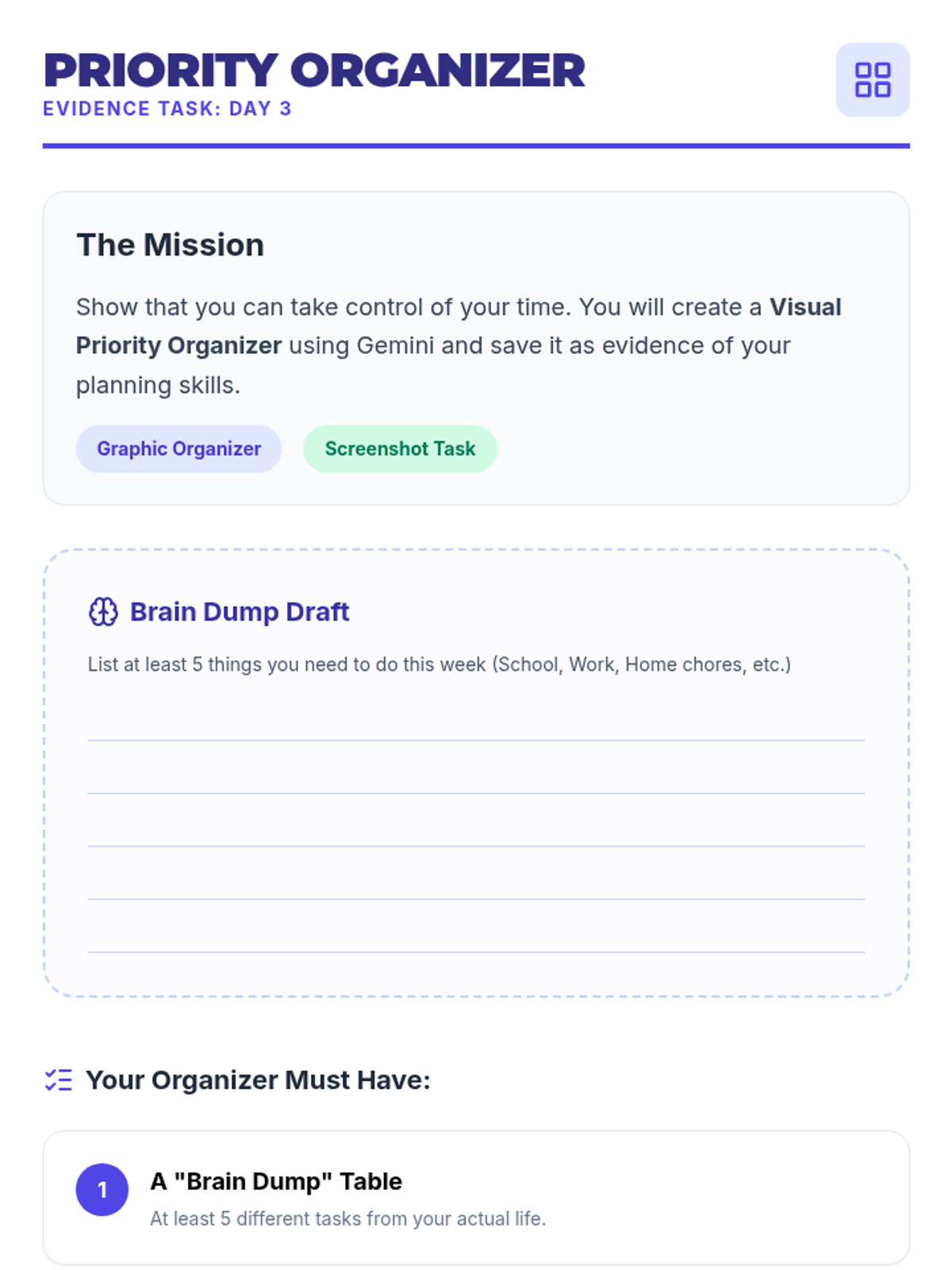
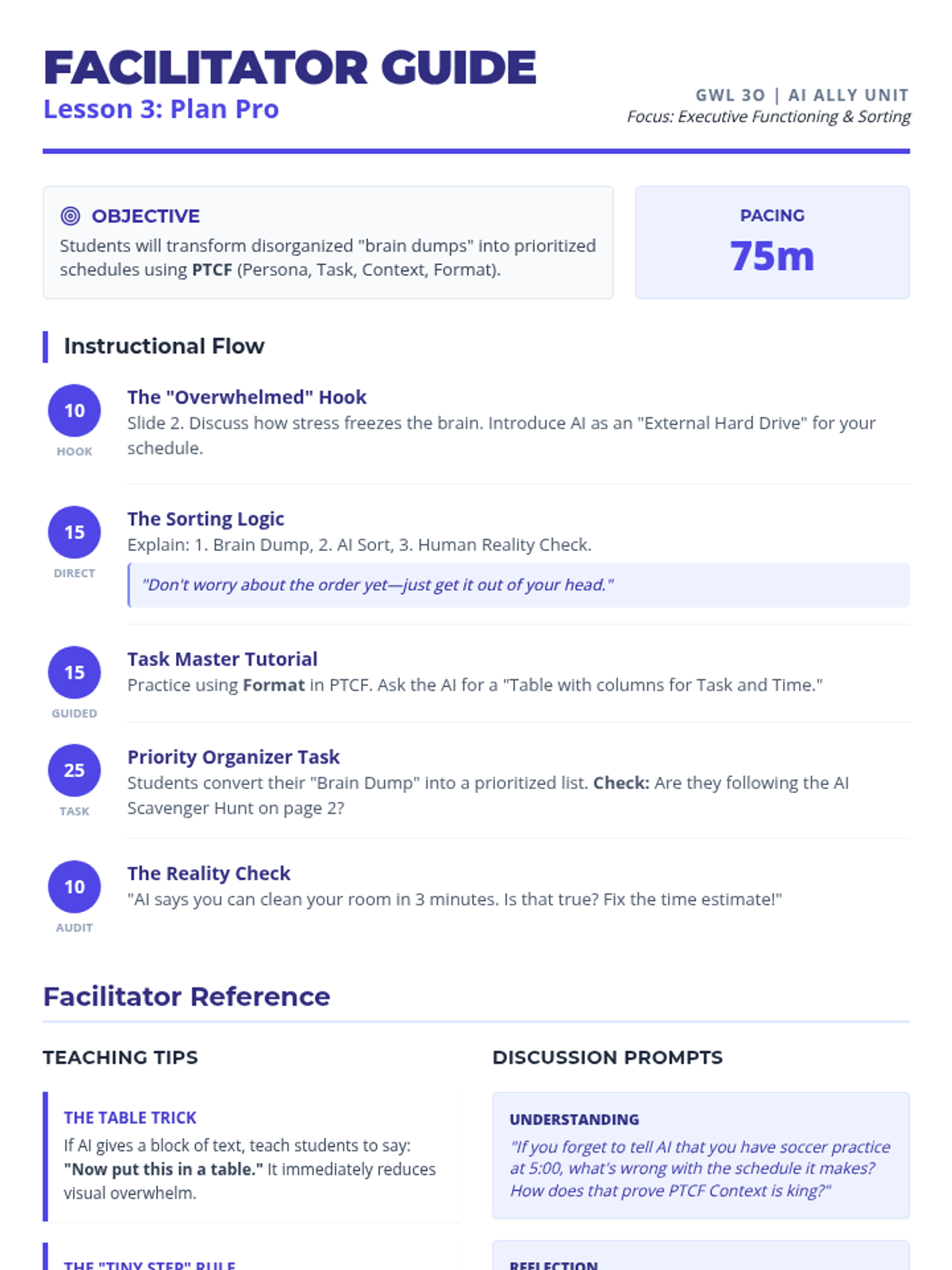
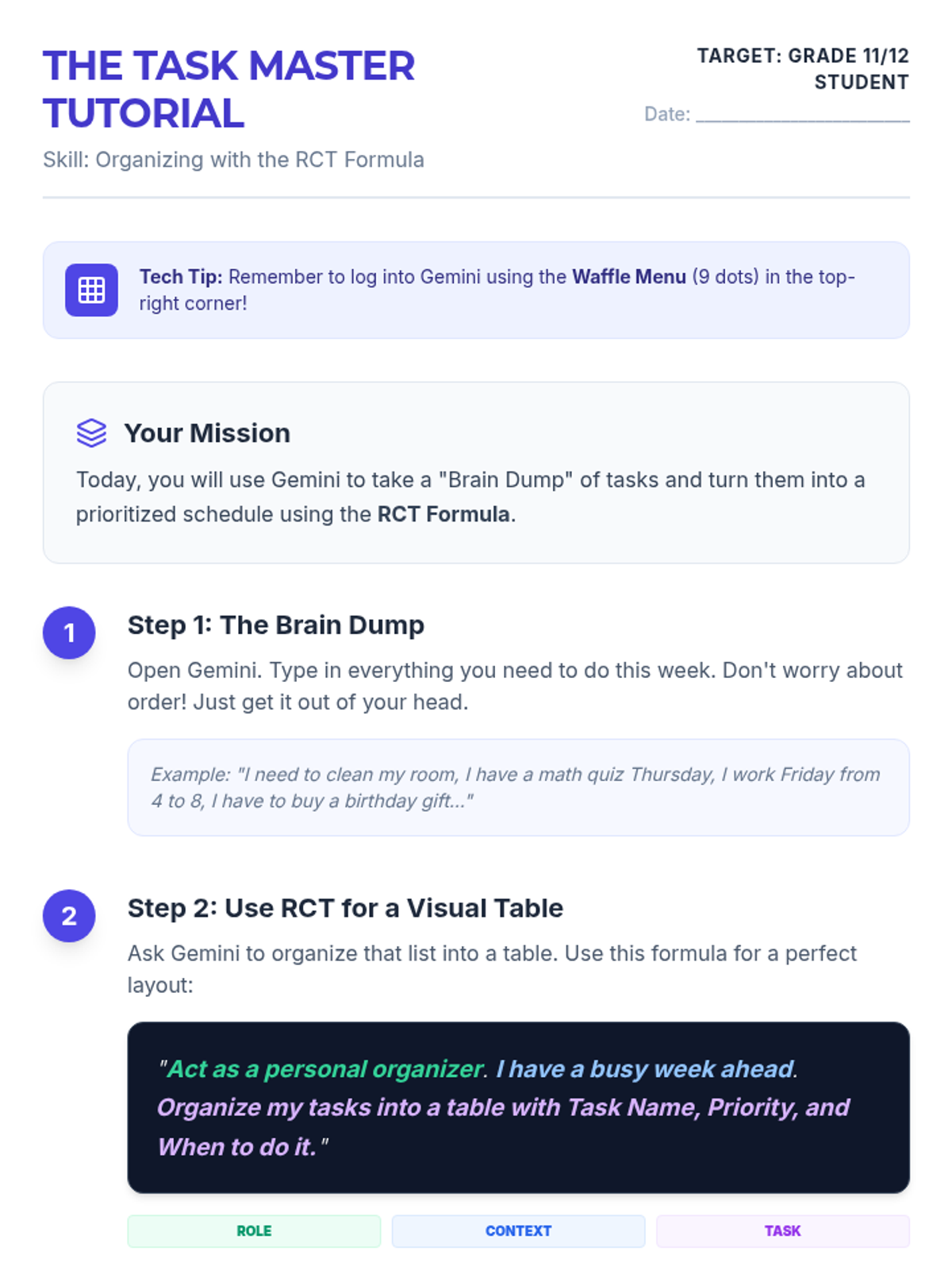
Focuses on organizational skills by using AI to transform messy lists into prioritized schedules and graphic organizers for improved task management.
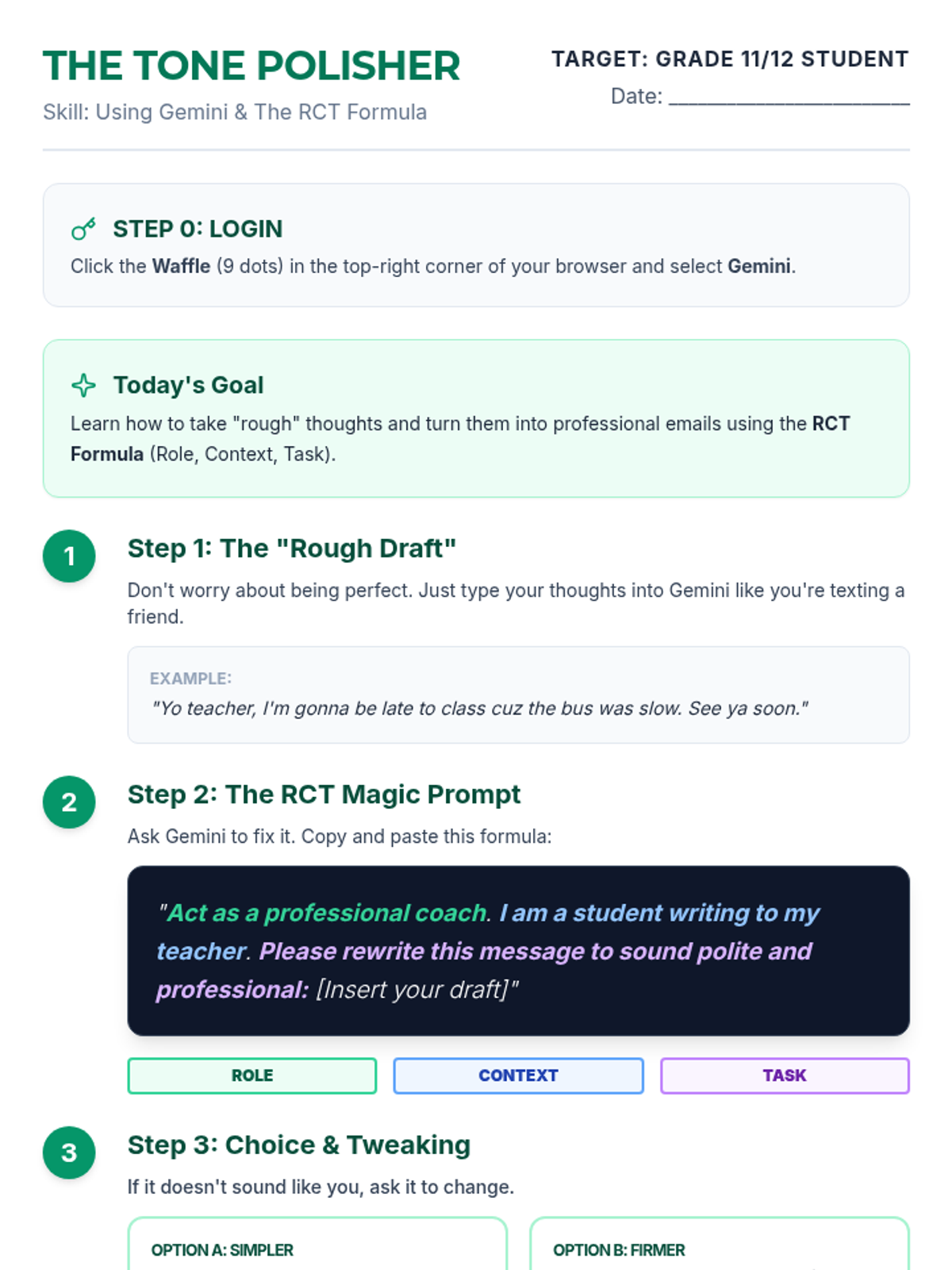
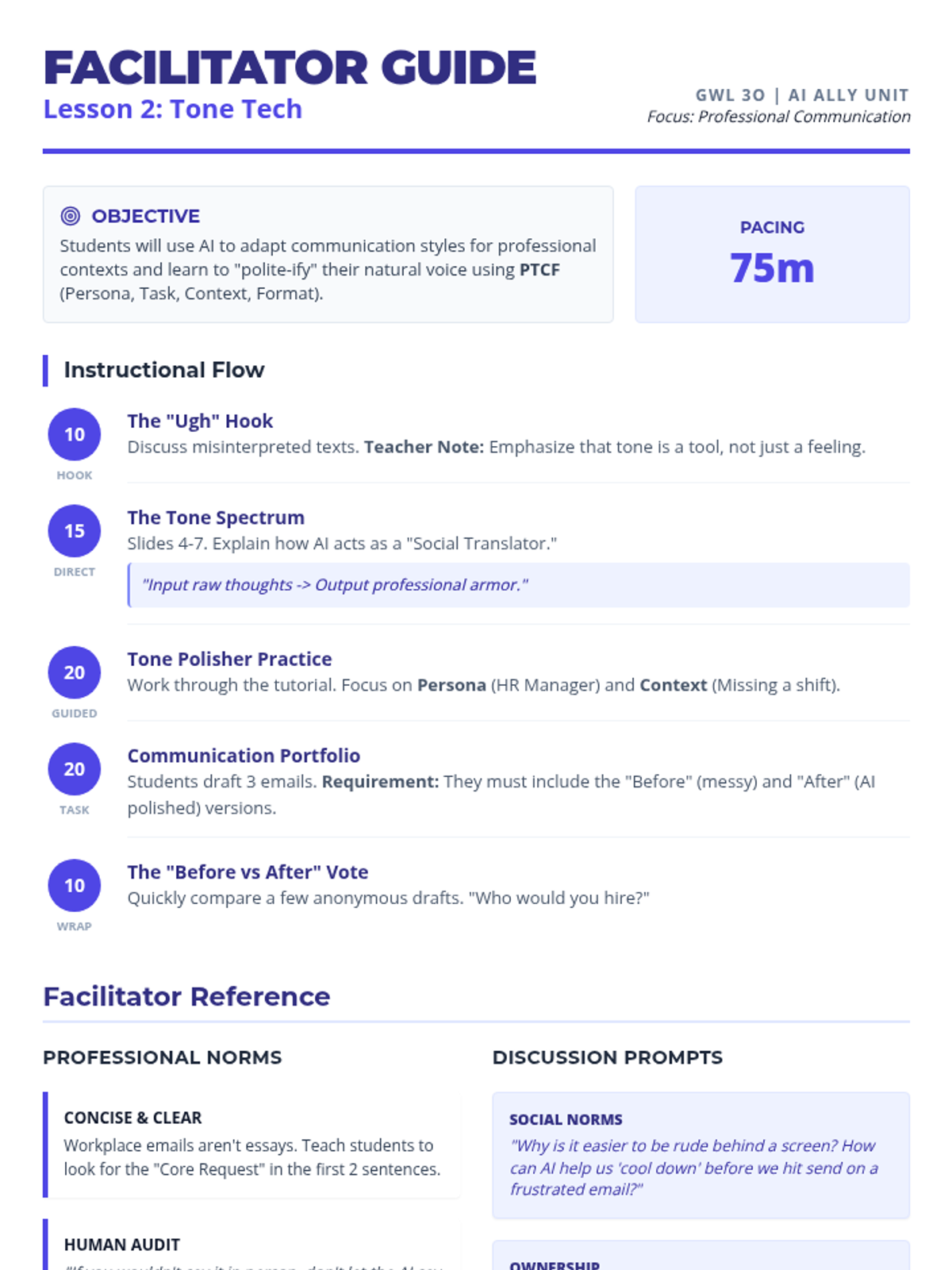
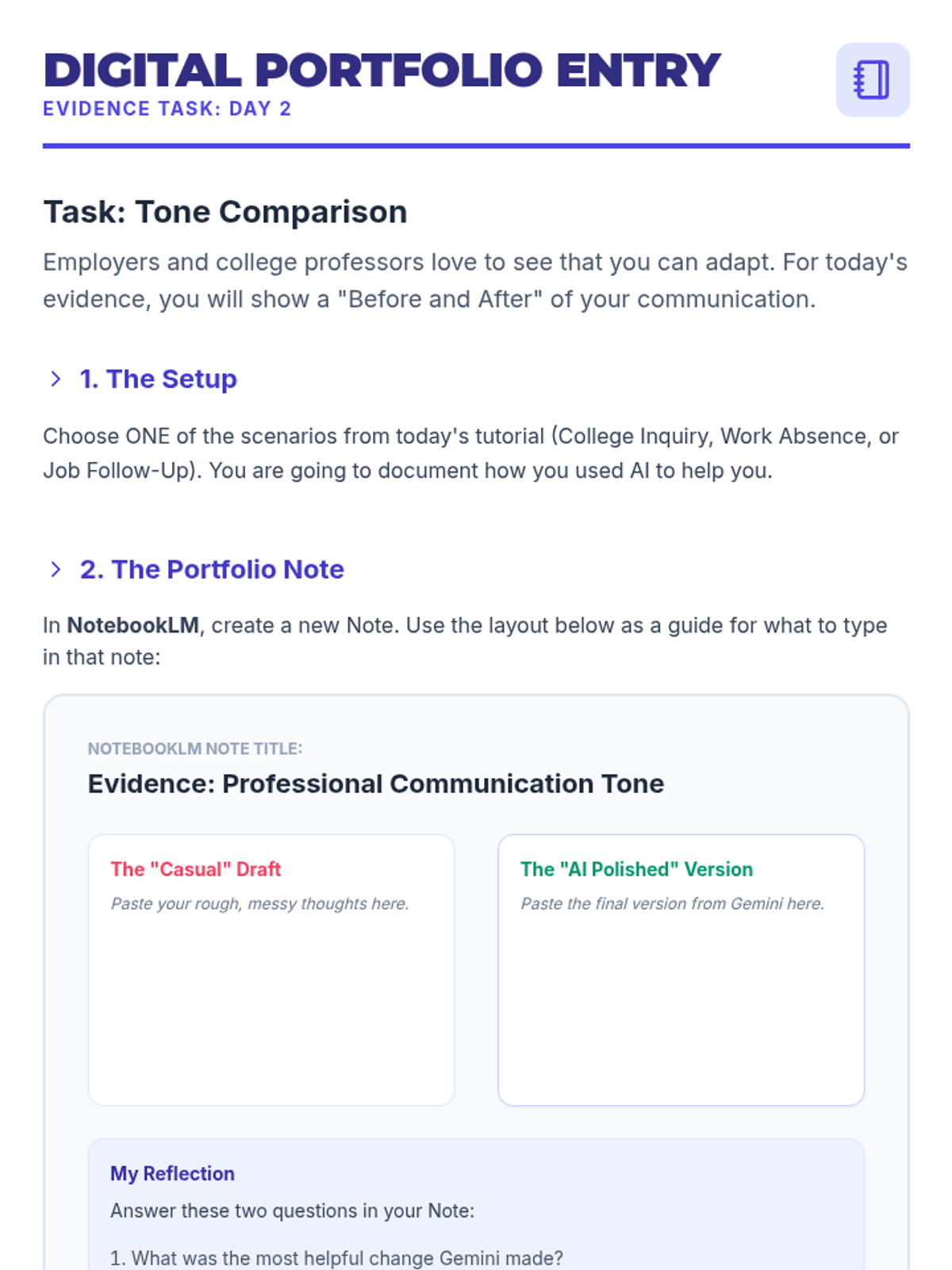
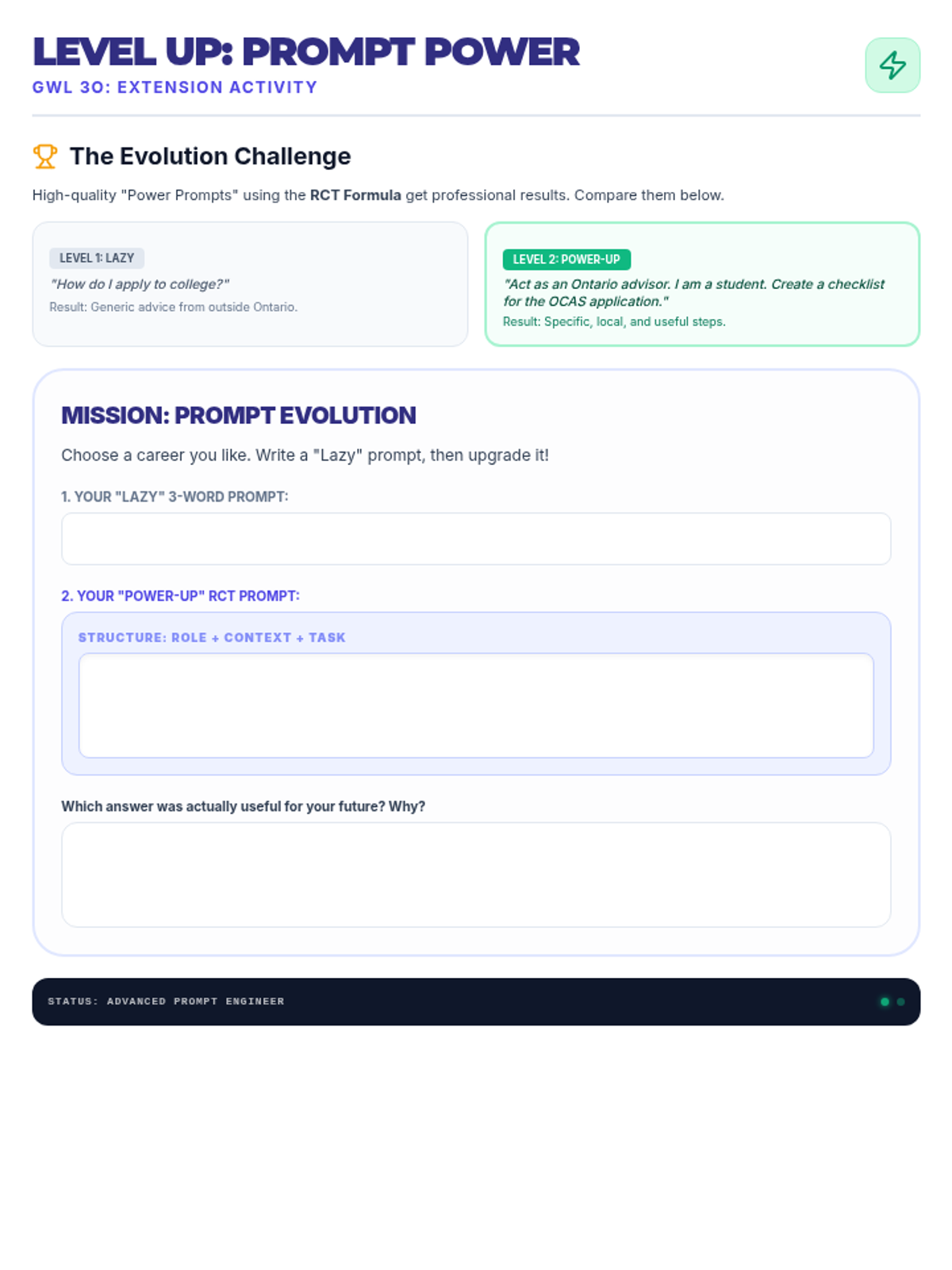
Students learn to use Gemini to refine professional tone and clarity in digital communications, creating a portfolio of email templates for workplace and college scenarios.
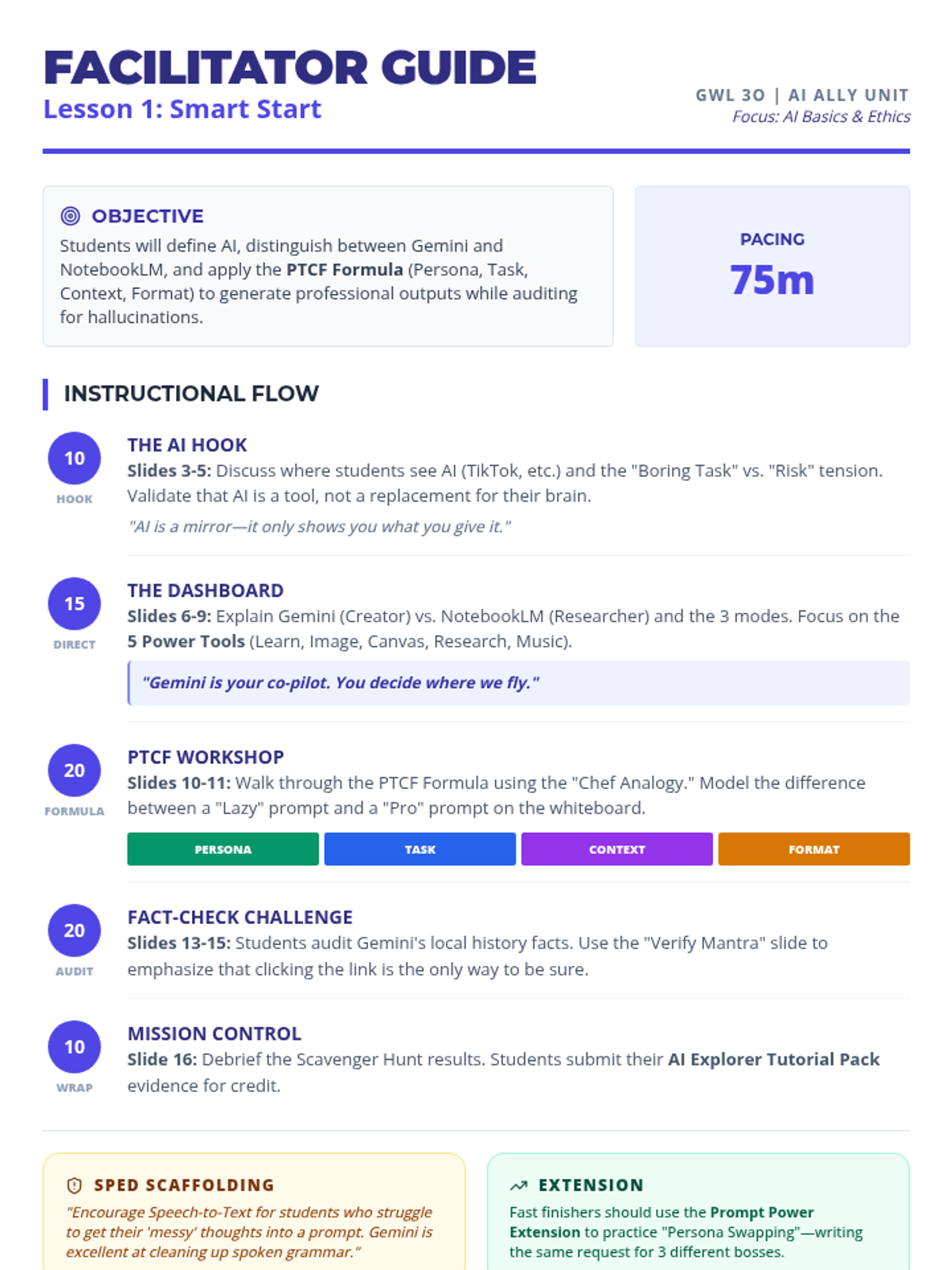
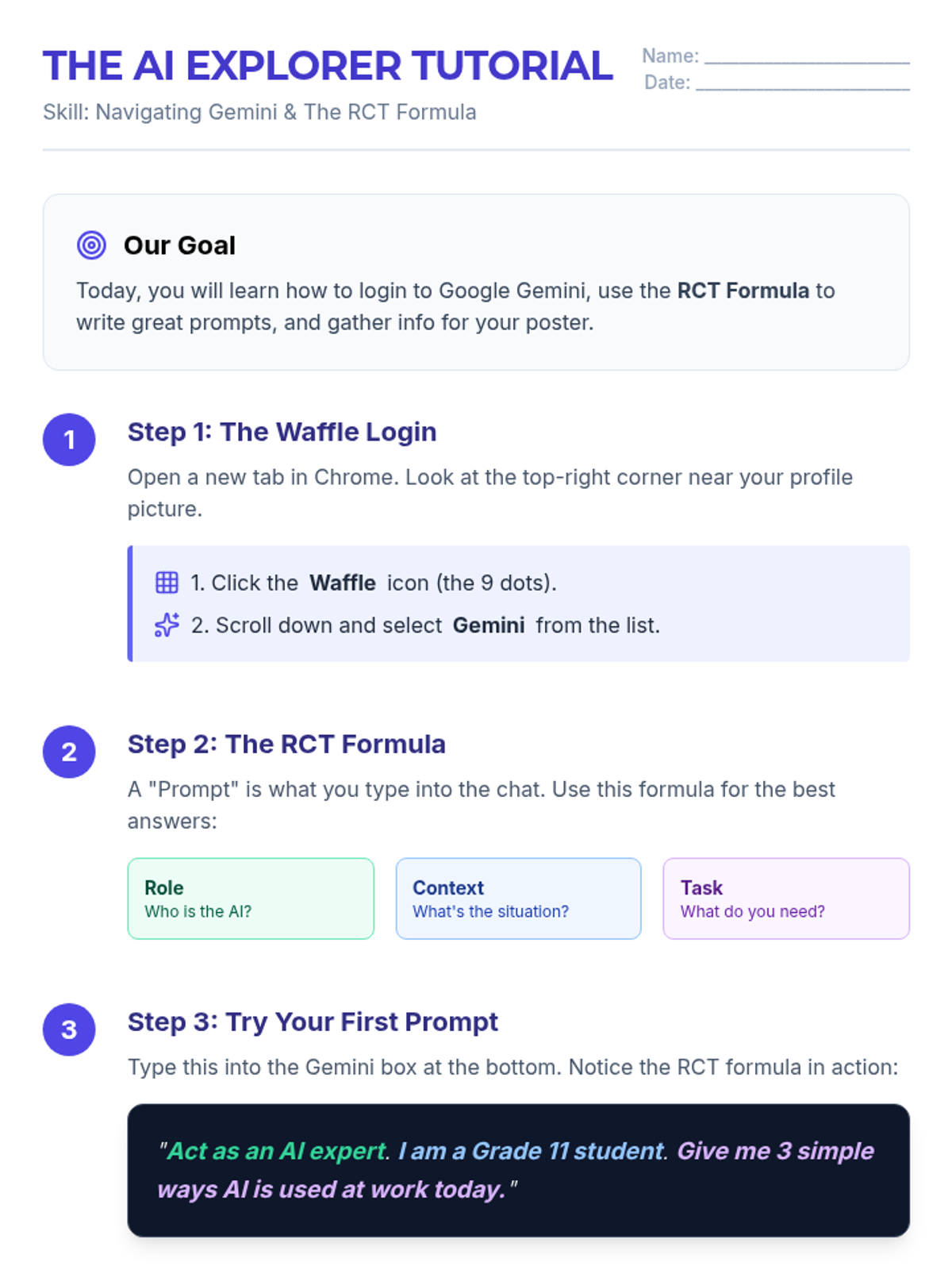
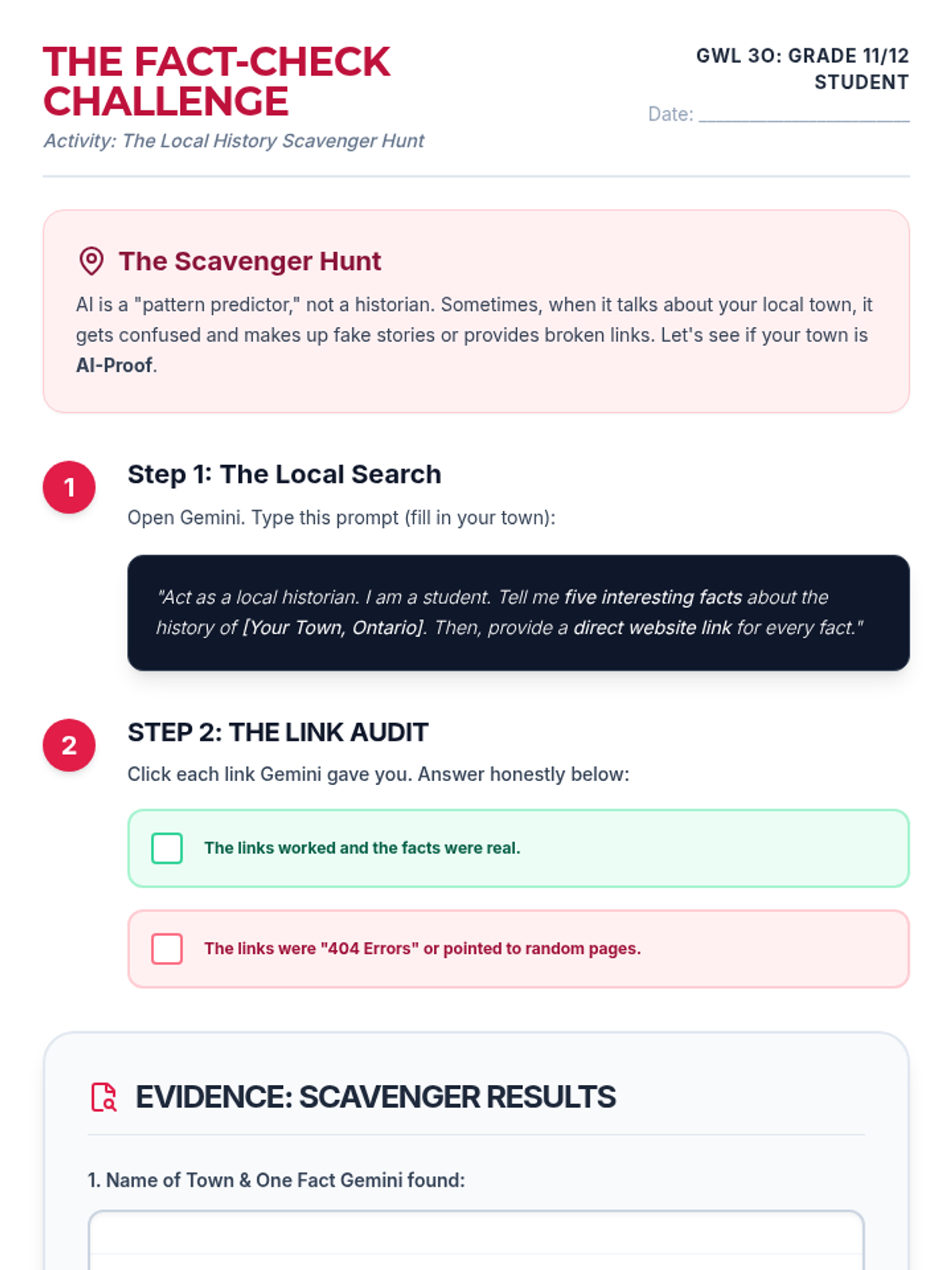
An introduction to AI basics, ethics, and the comparison between Gemini and NotebookLM, culminating in a visual exploration of AI's impact on the future.
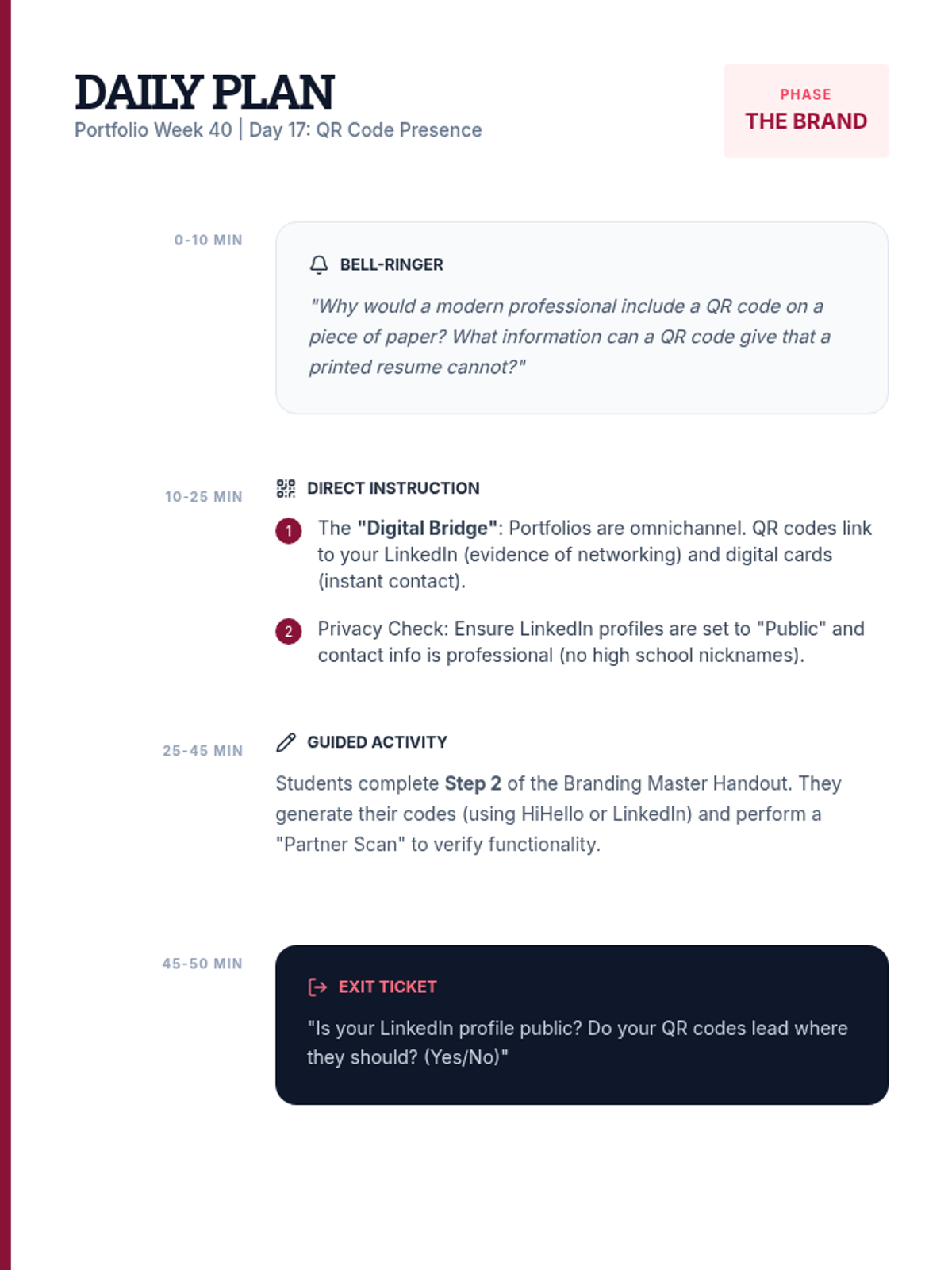
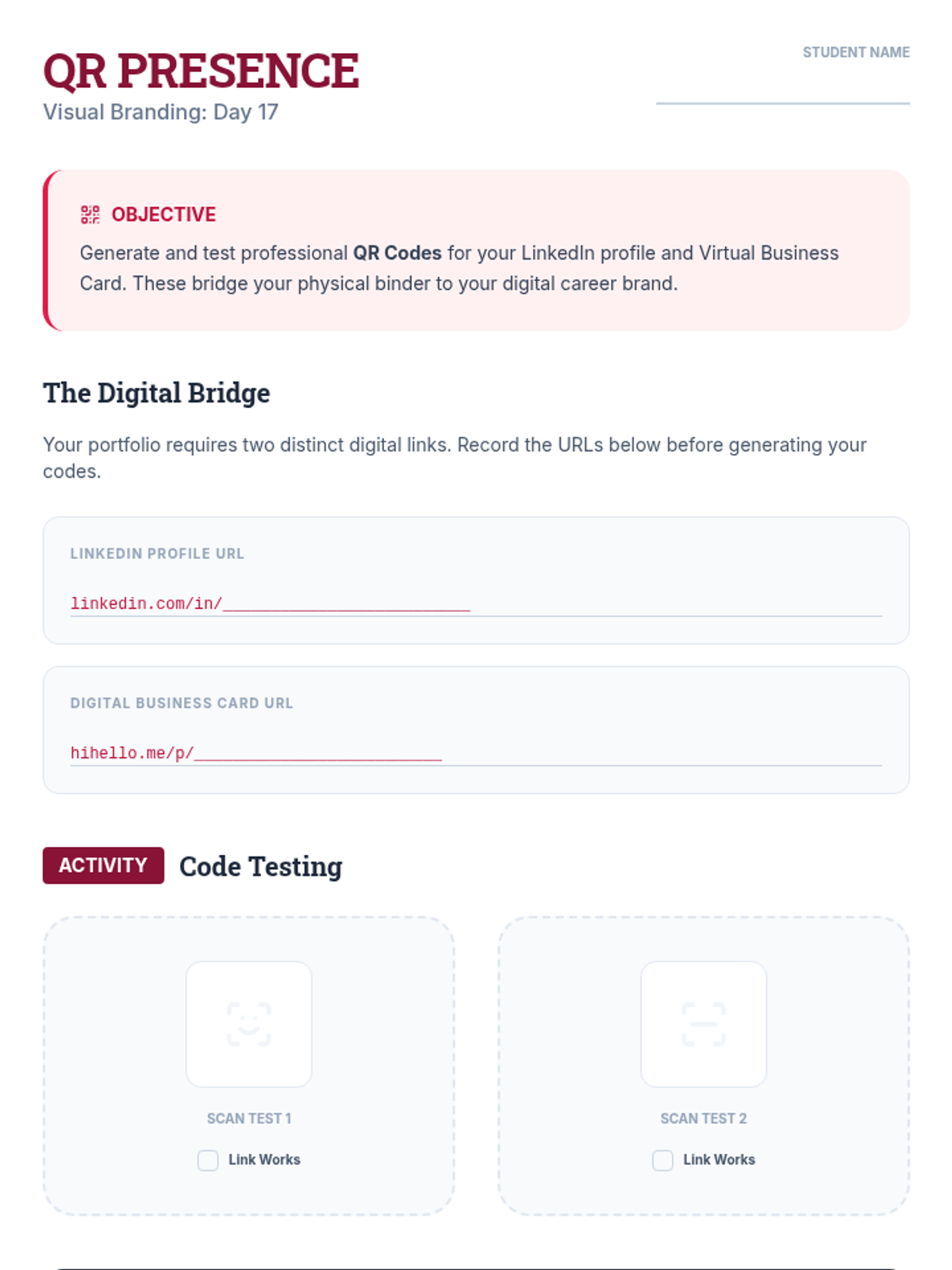
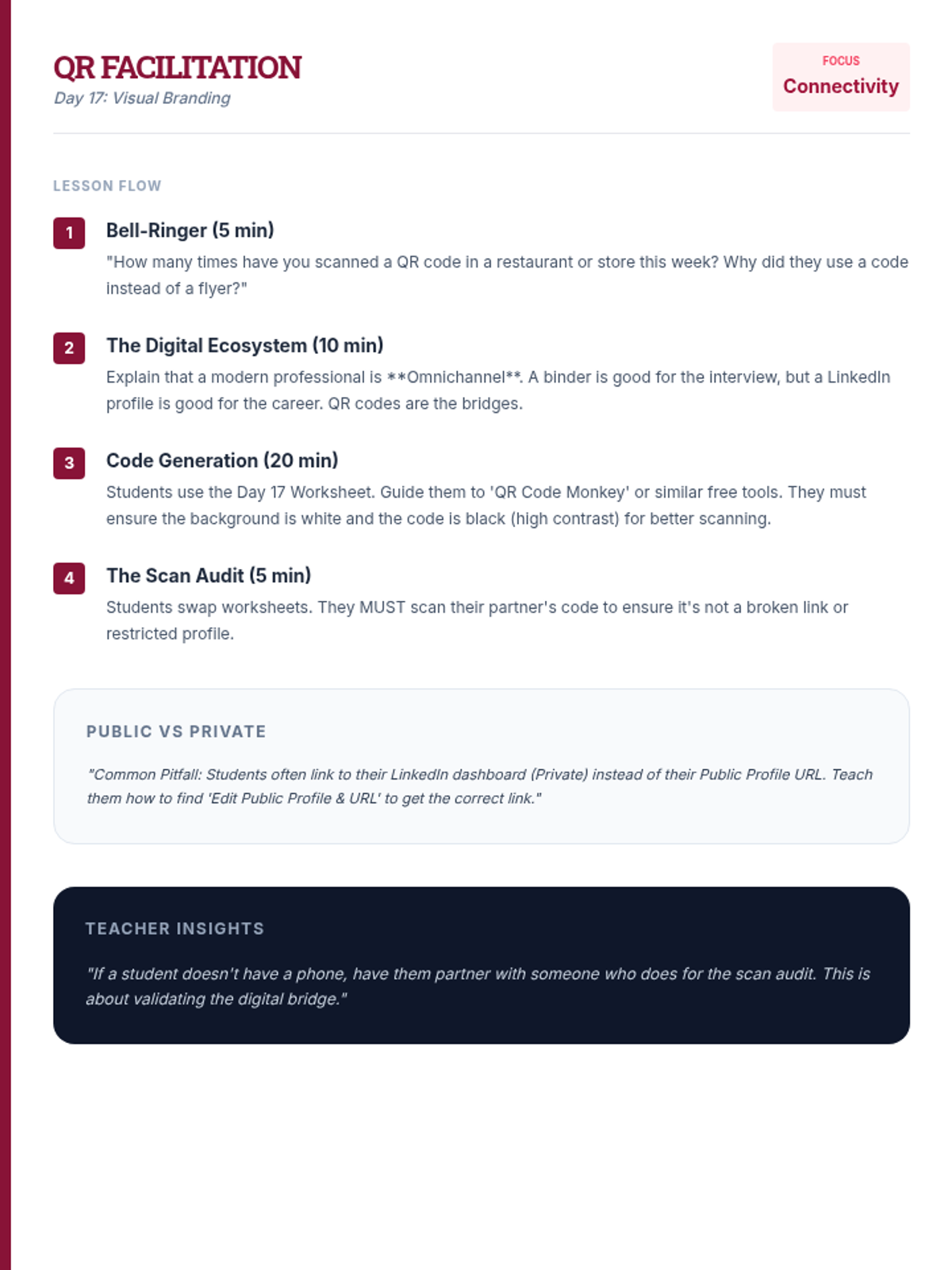
Students generate and test QR codes for LinkedIn and digital business cards.
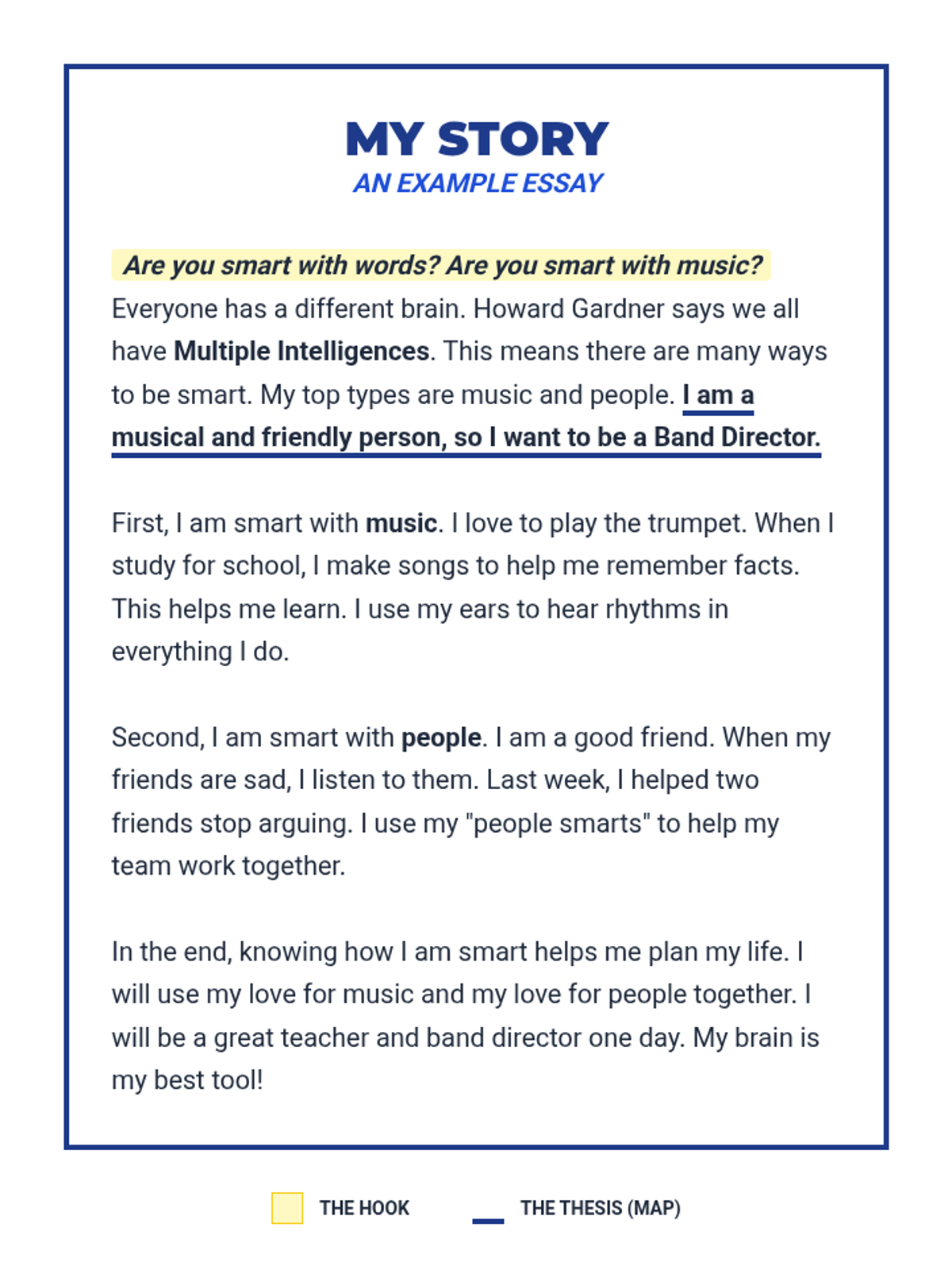
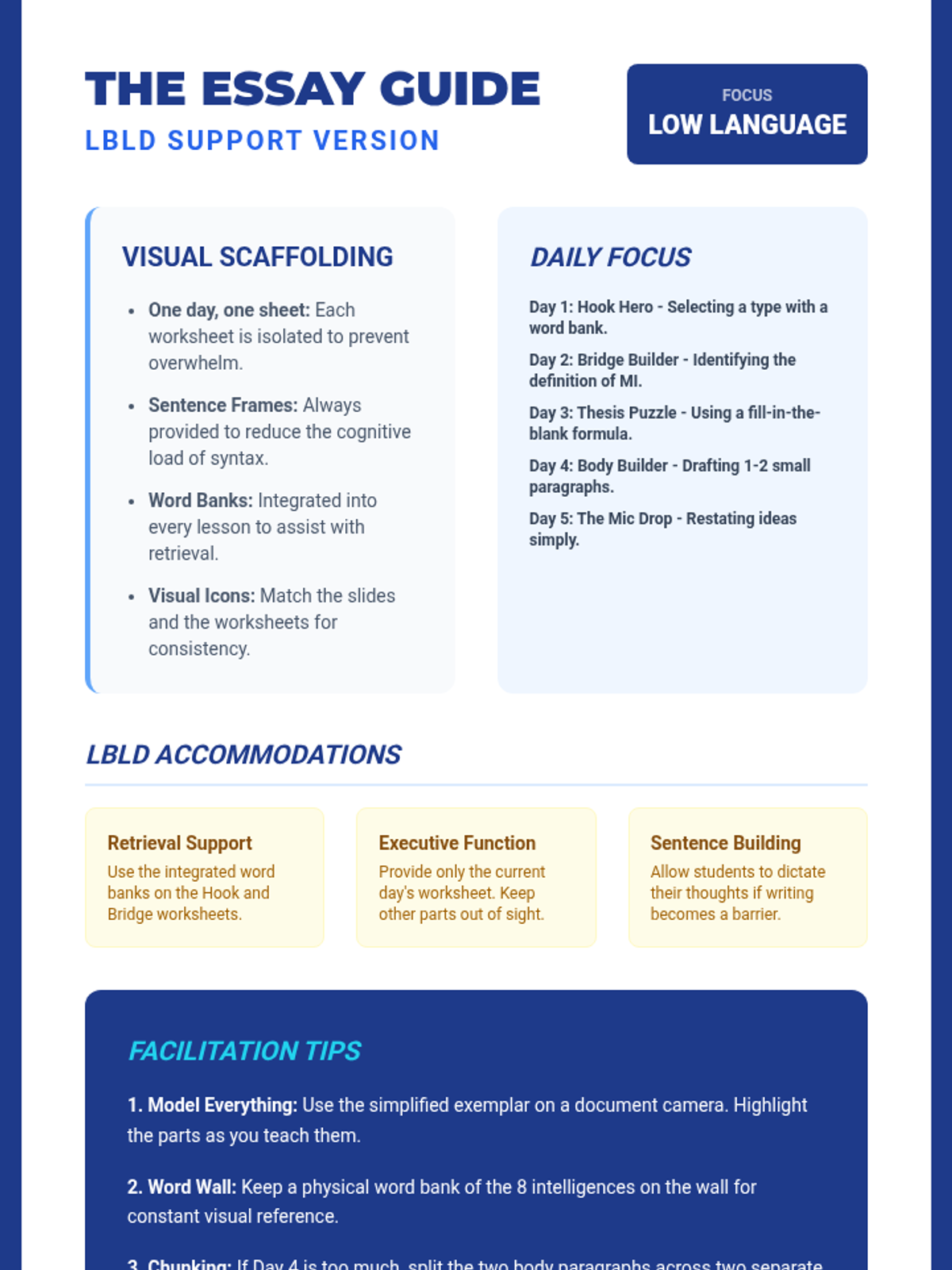
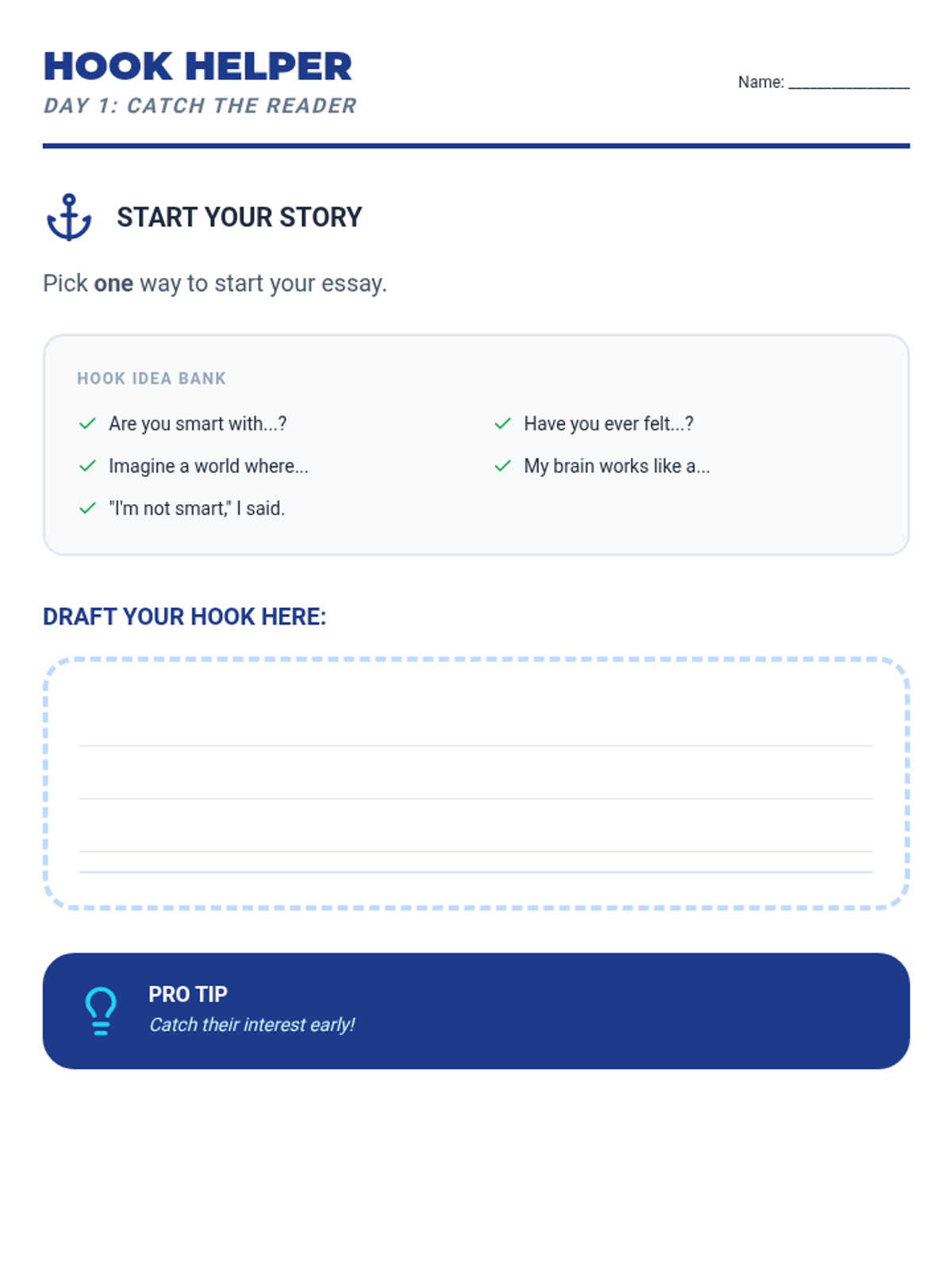
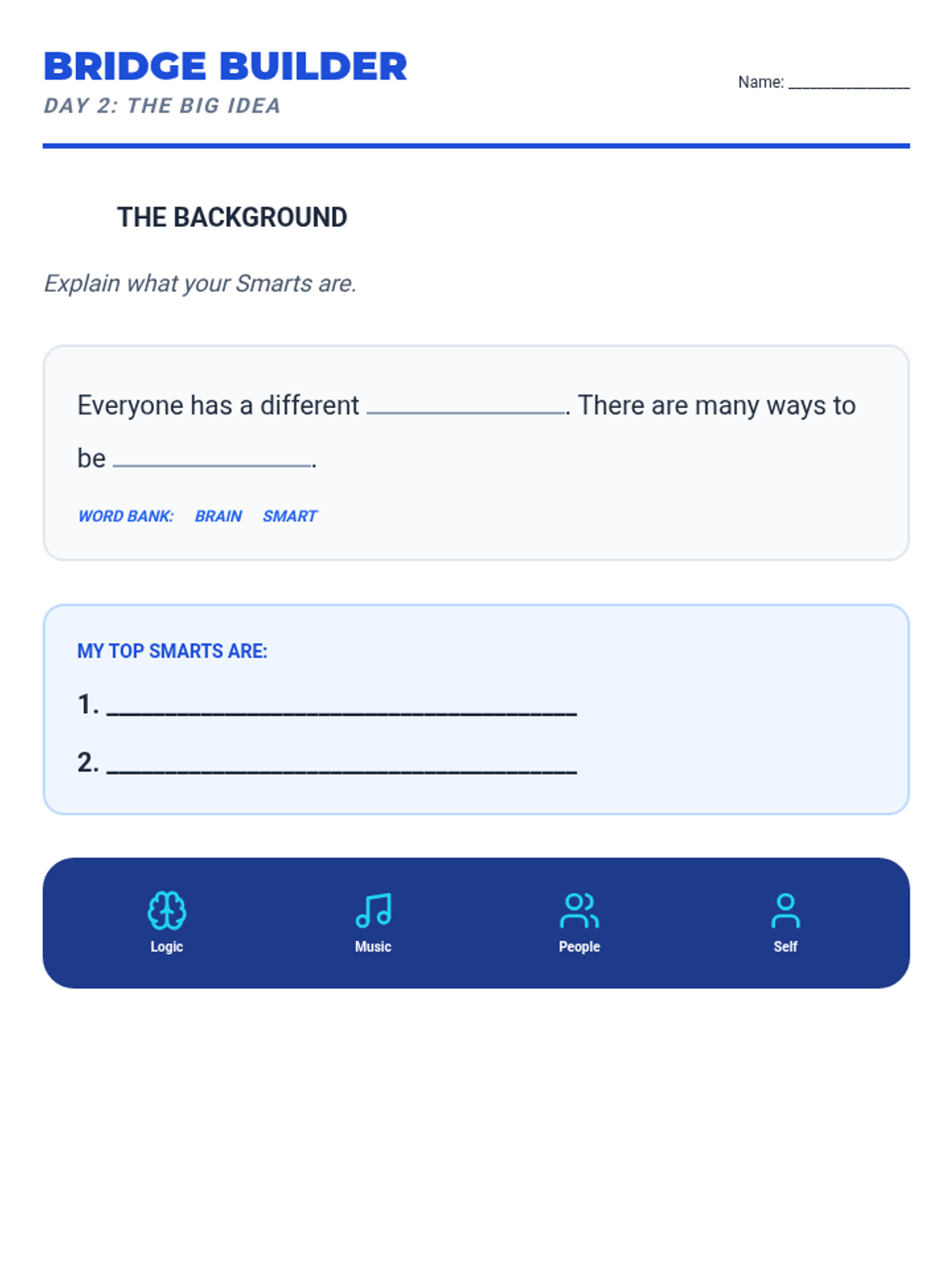
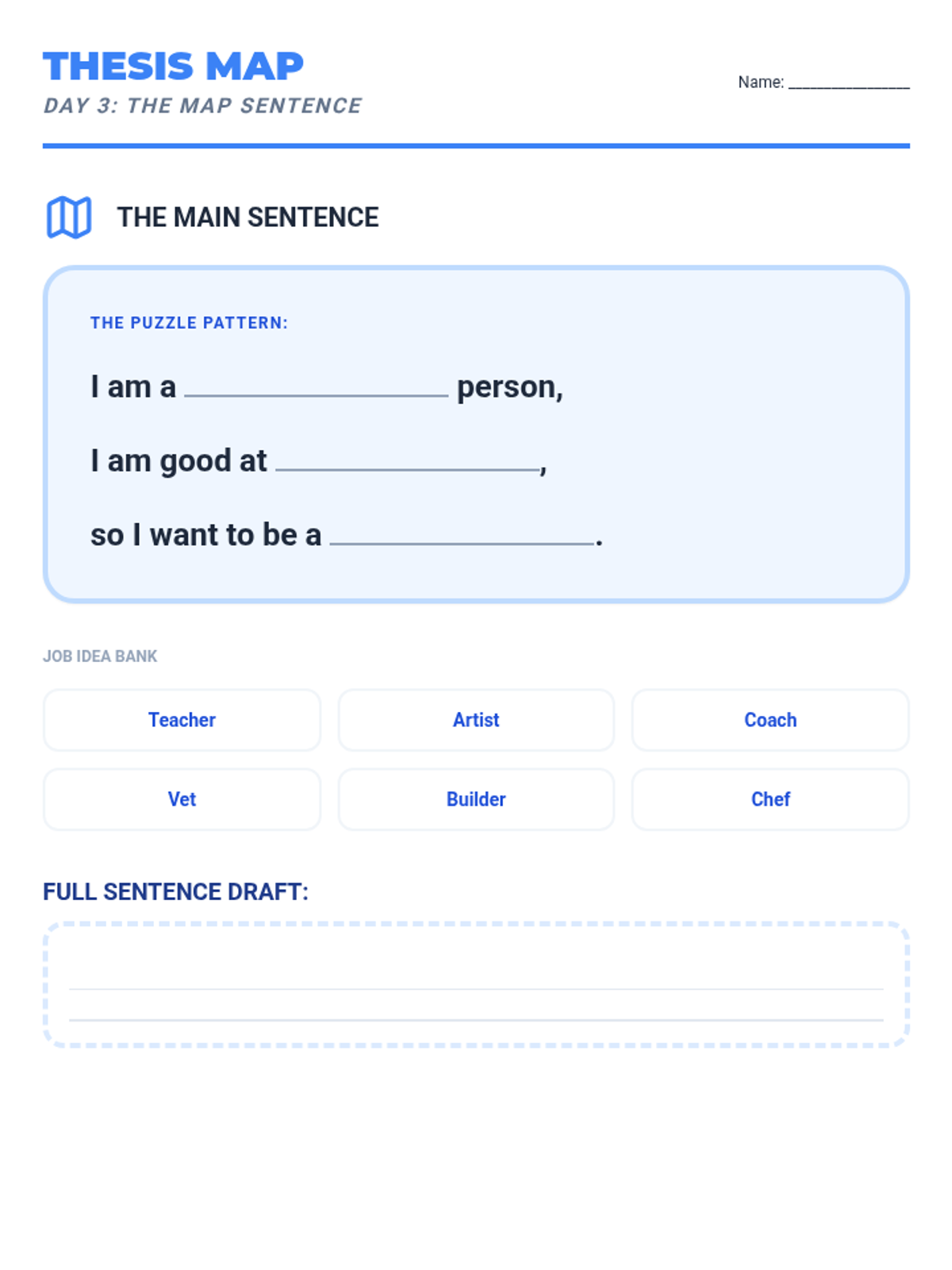
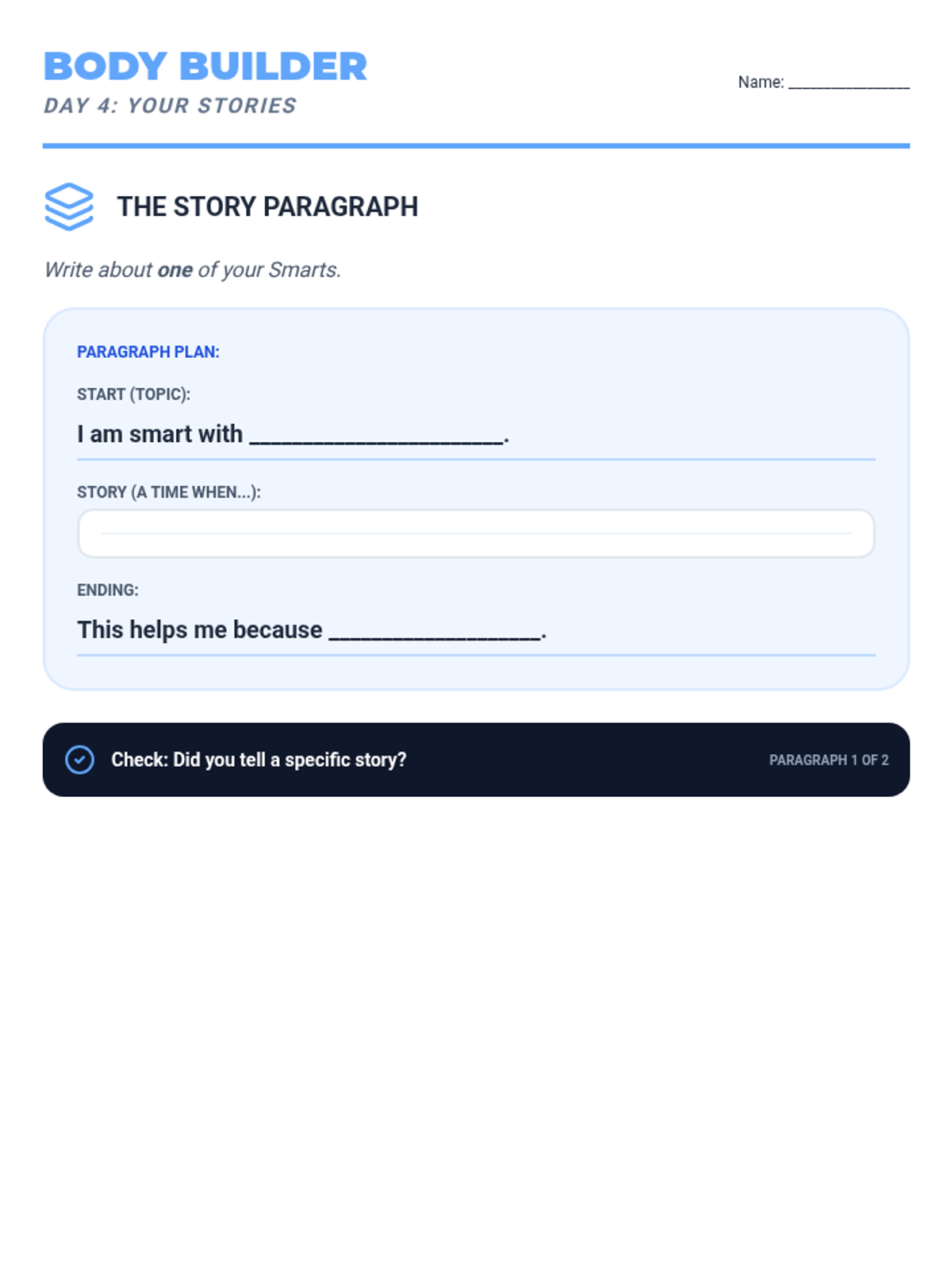
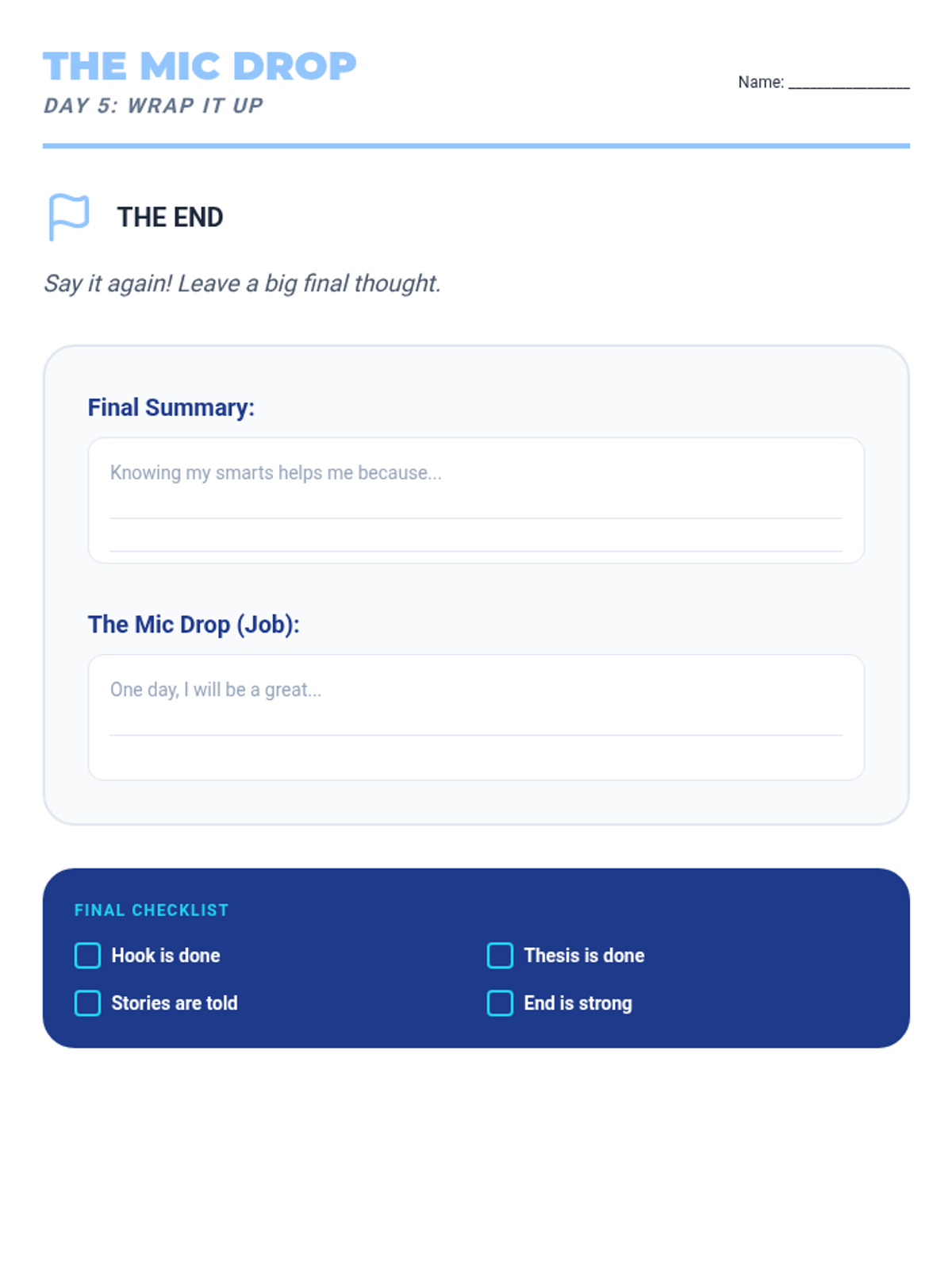
A comprehensive 5-day lesson guiding students through the process of writing a personal essay about their multiple intelligences, skills, and future career paths.
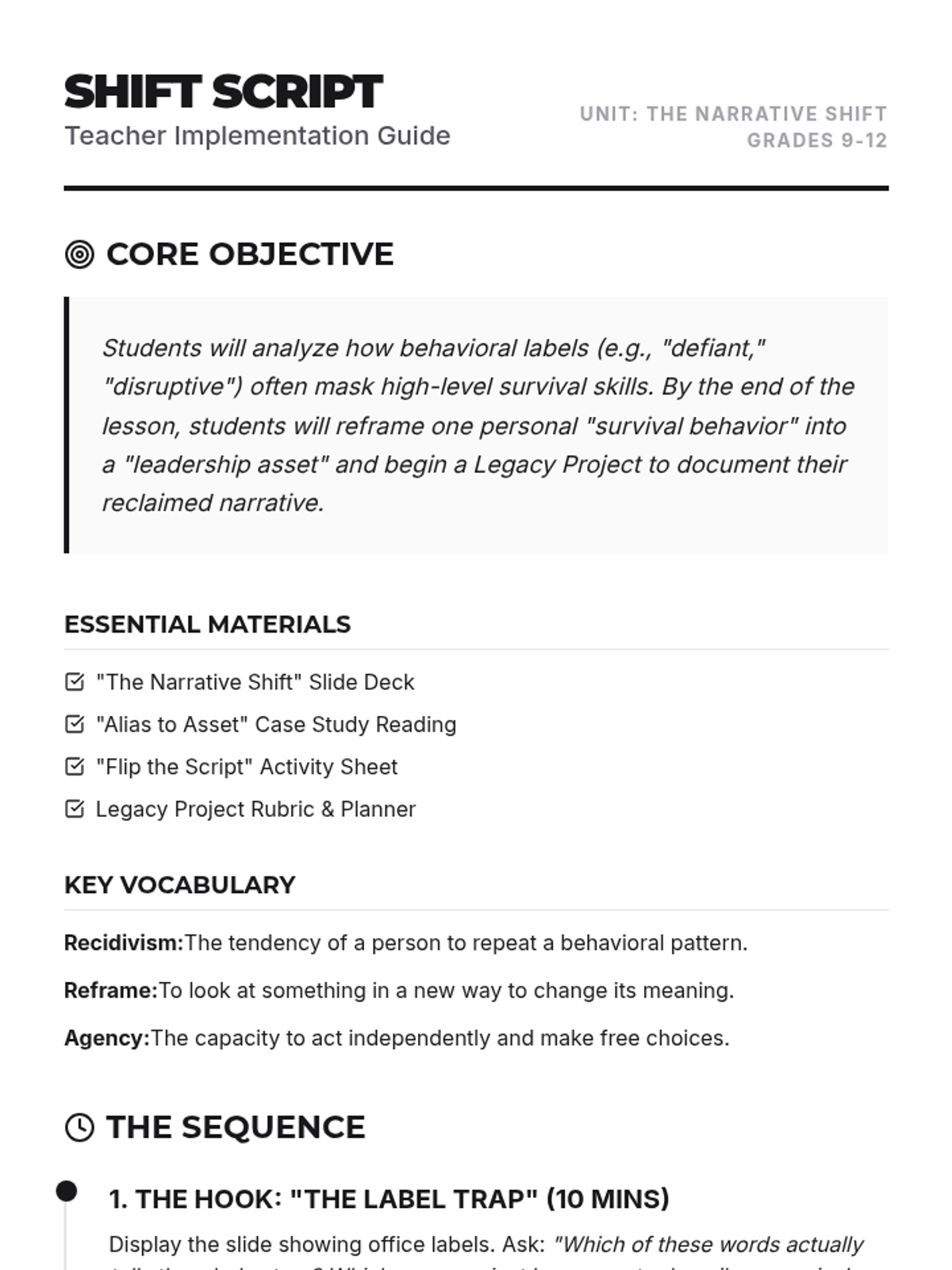
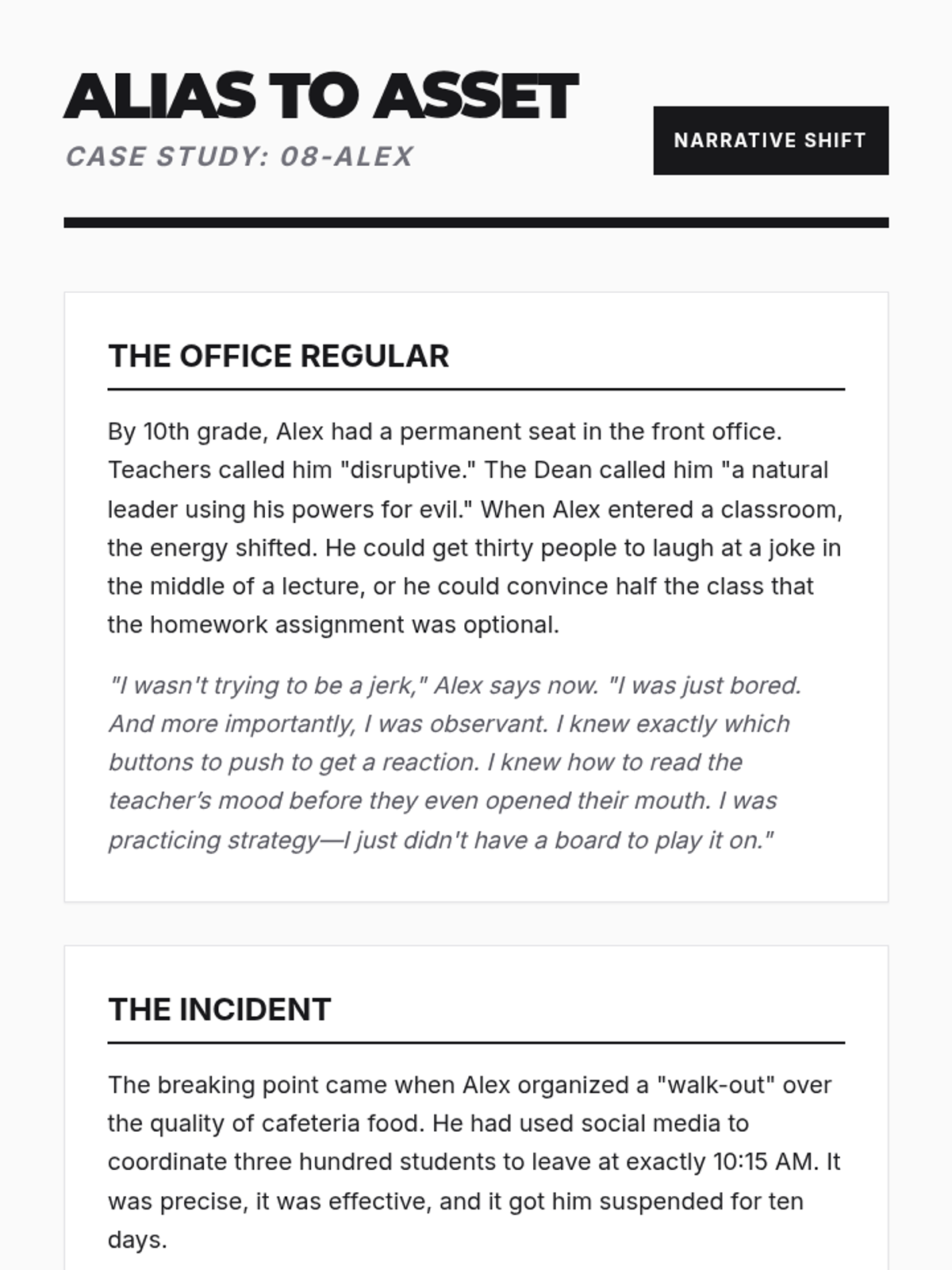
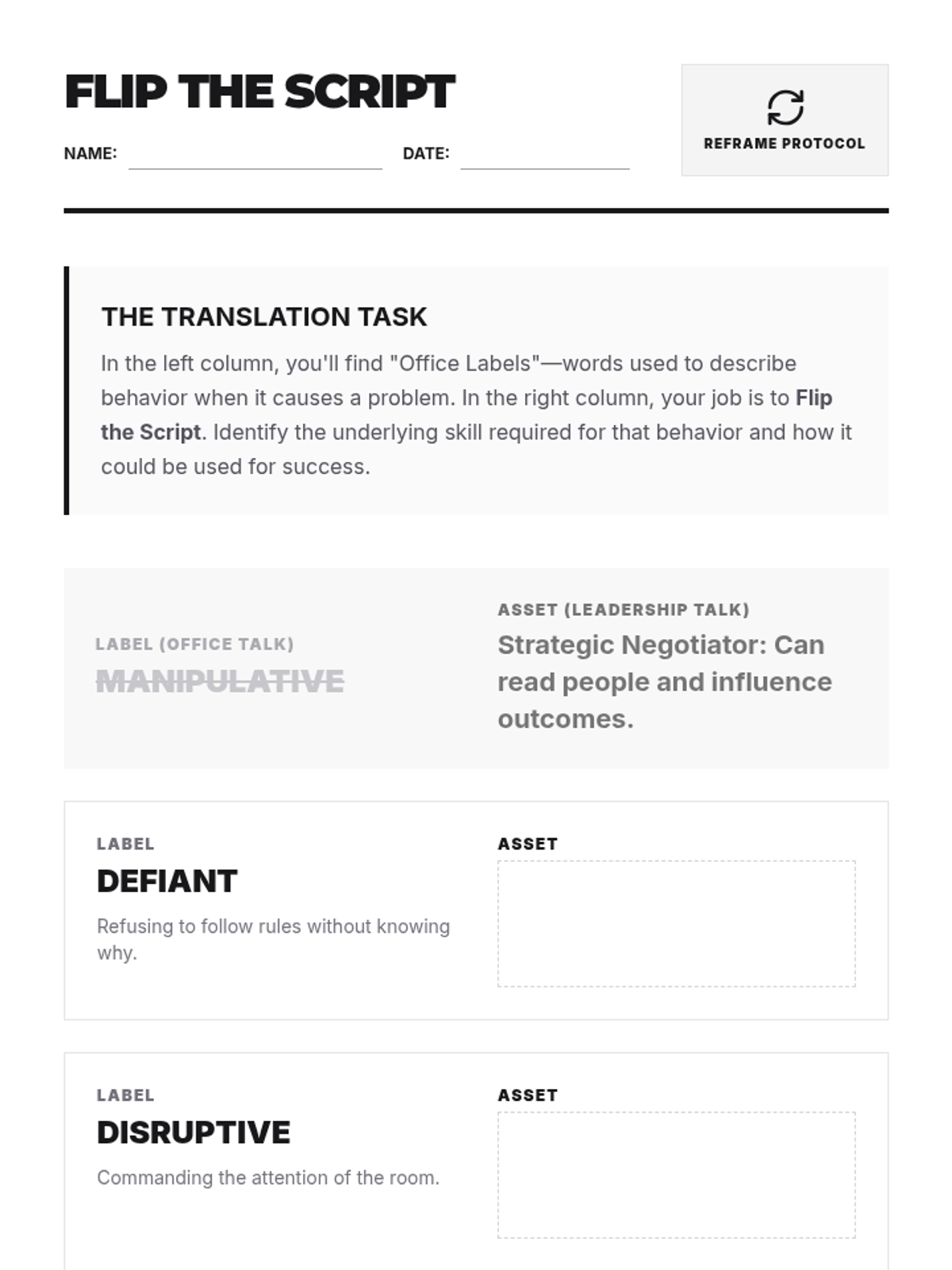
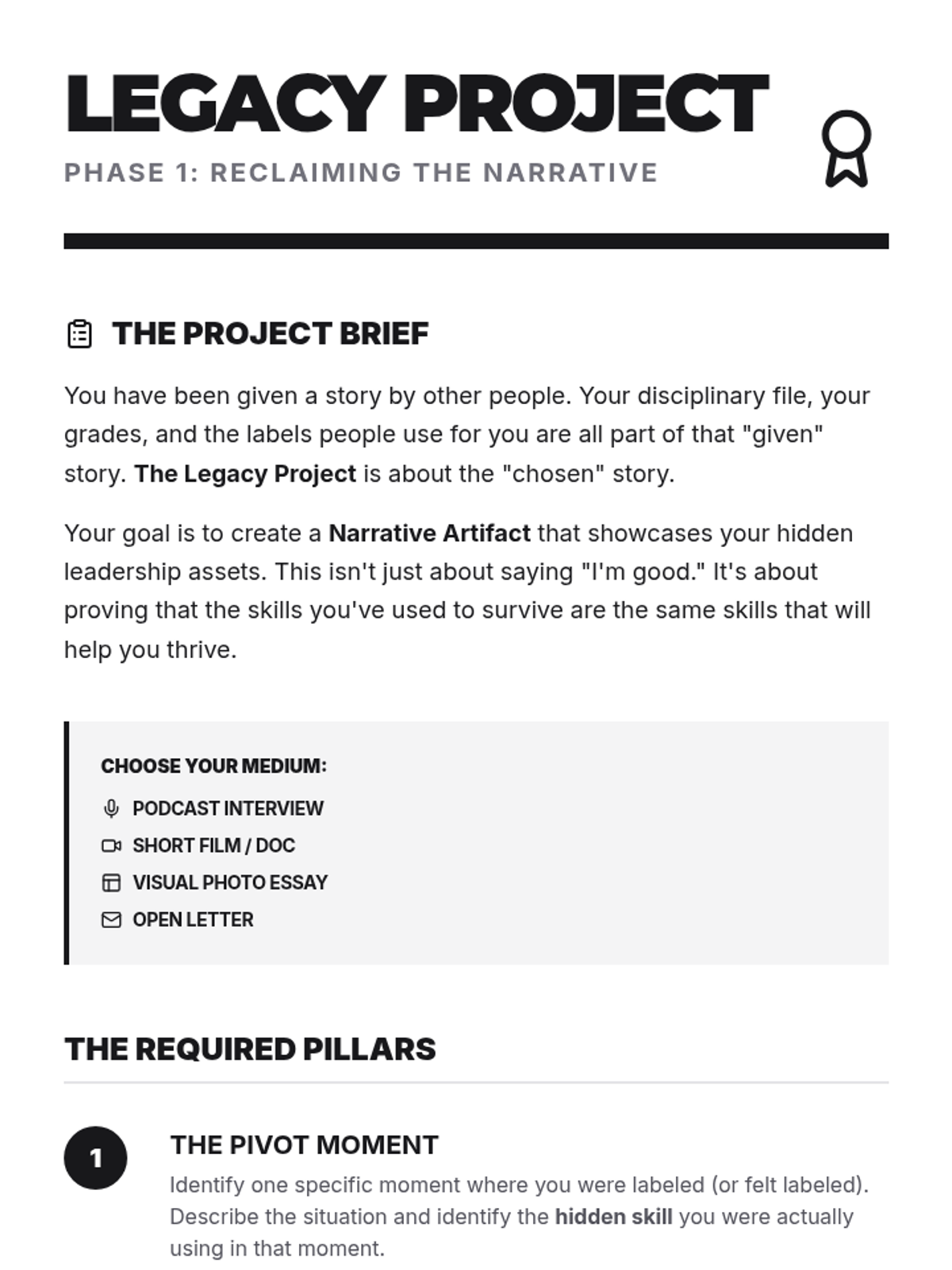
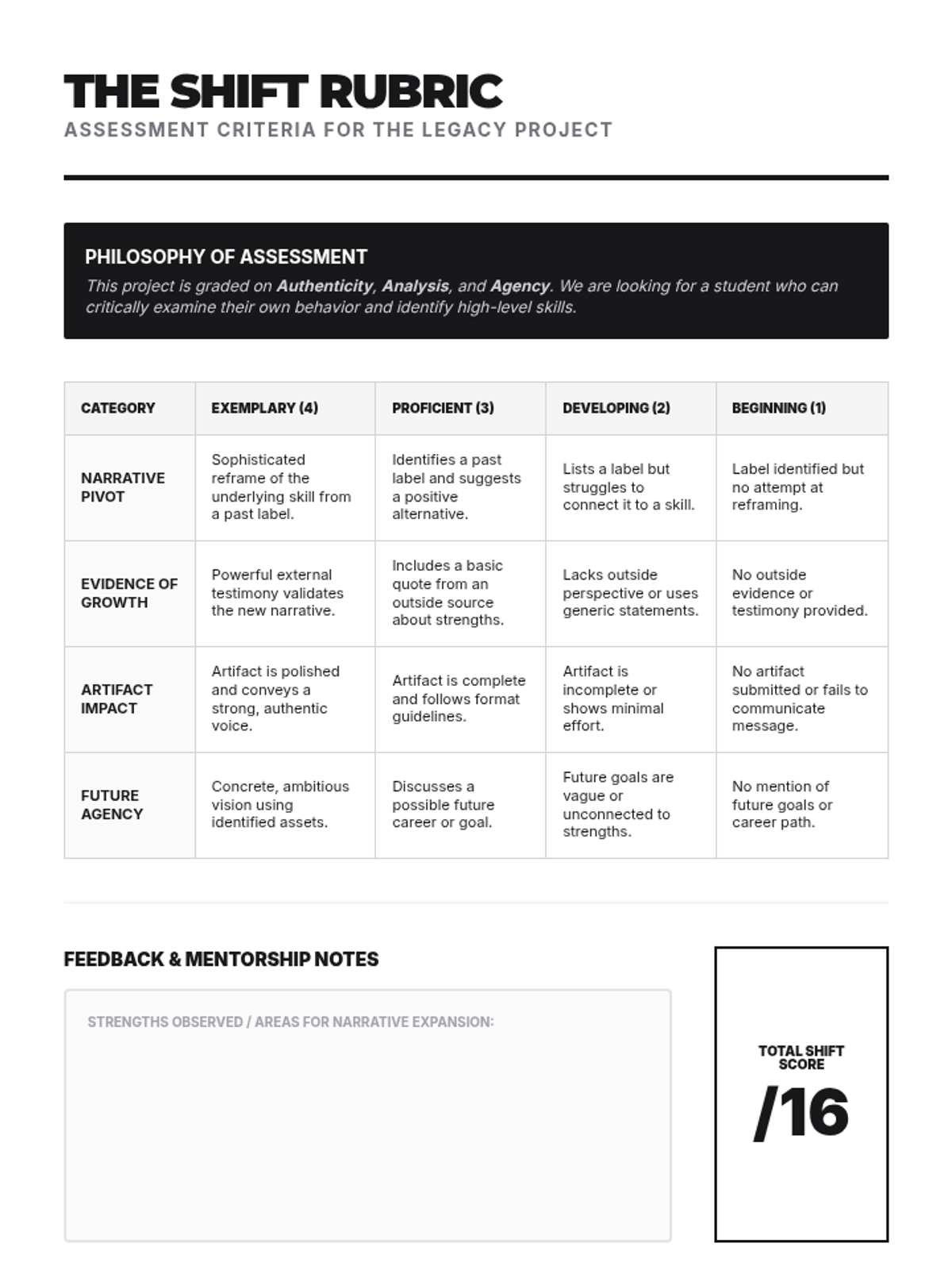
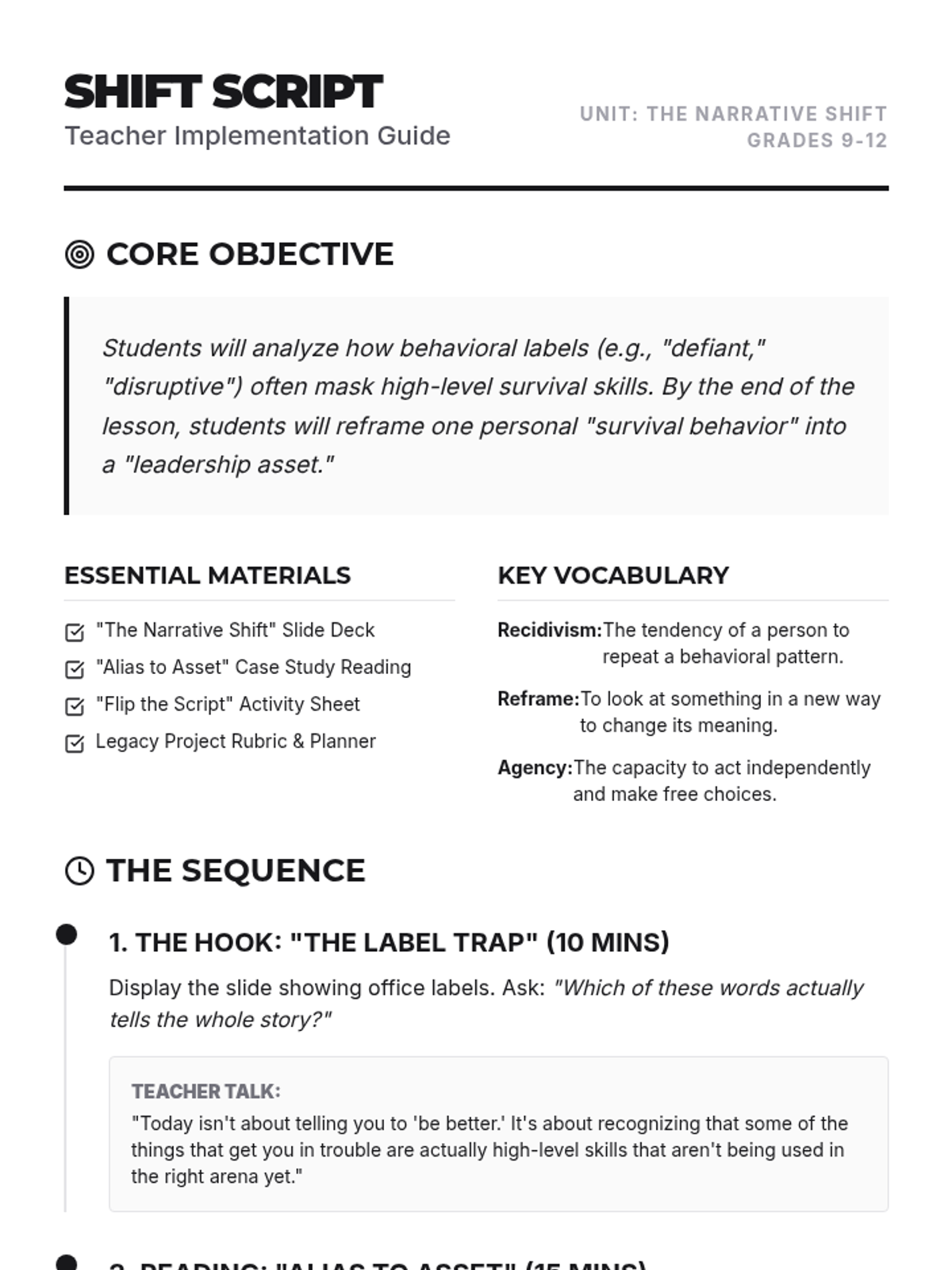
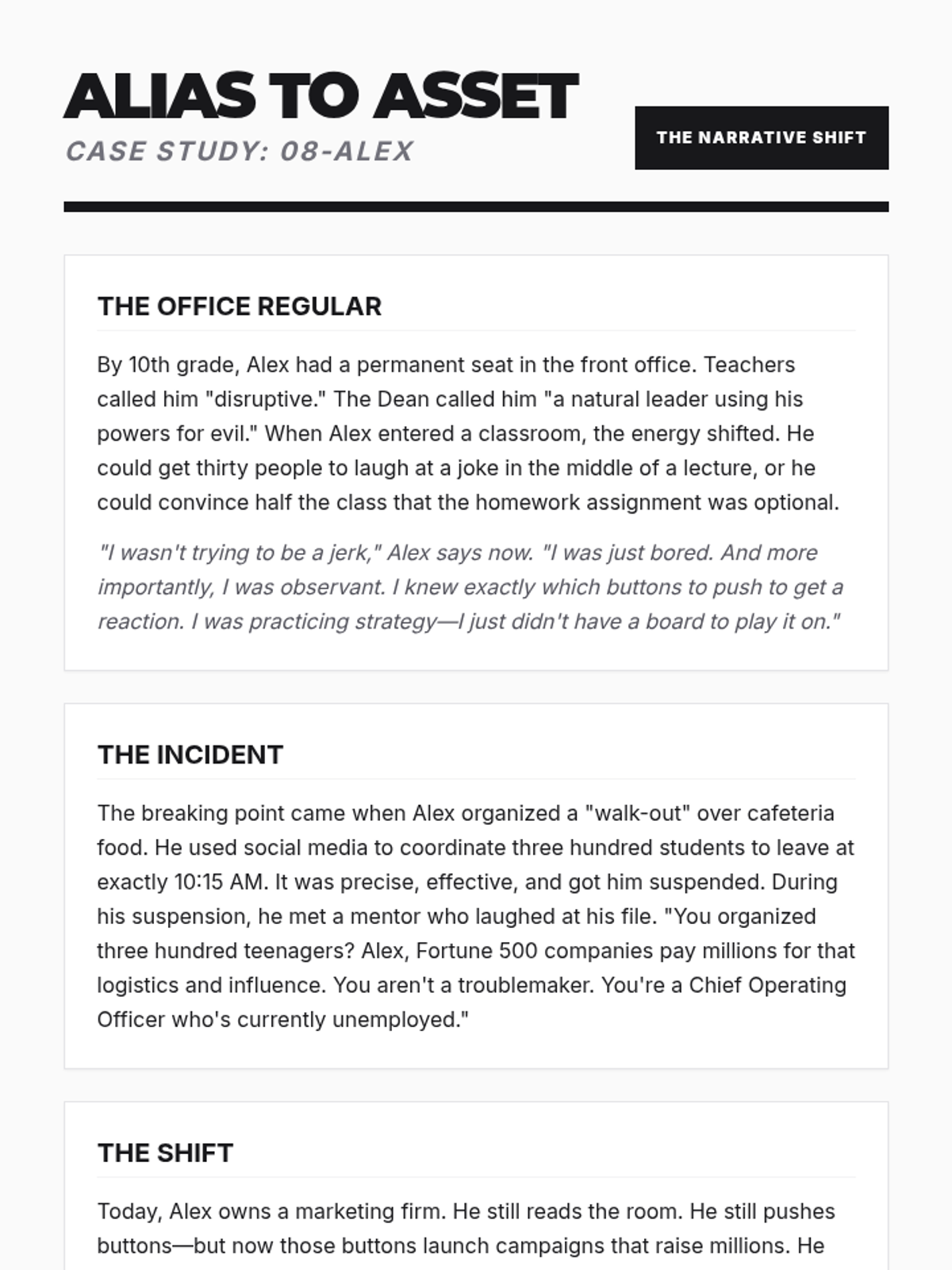
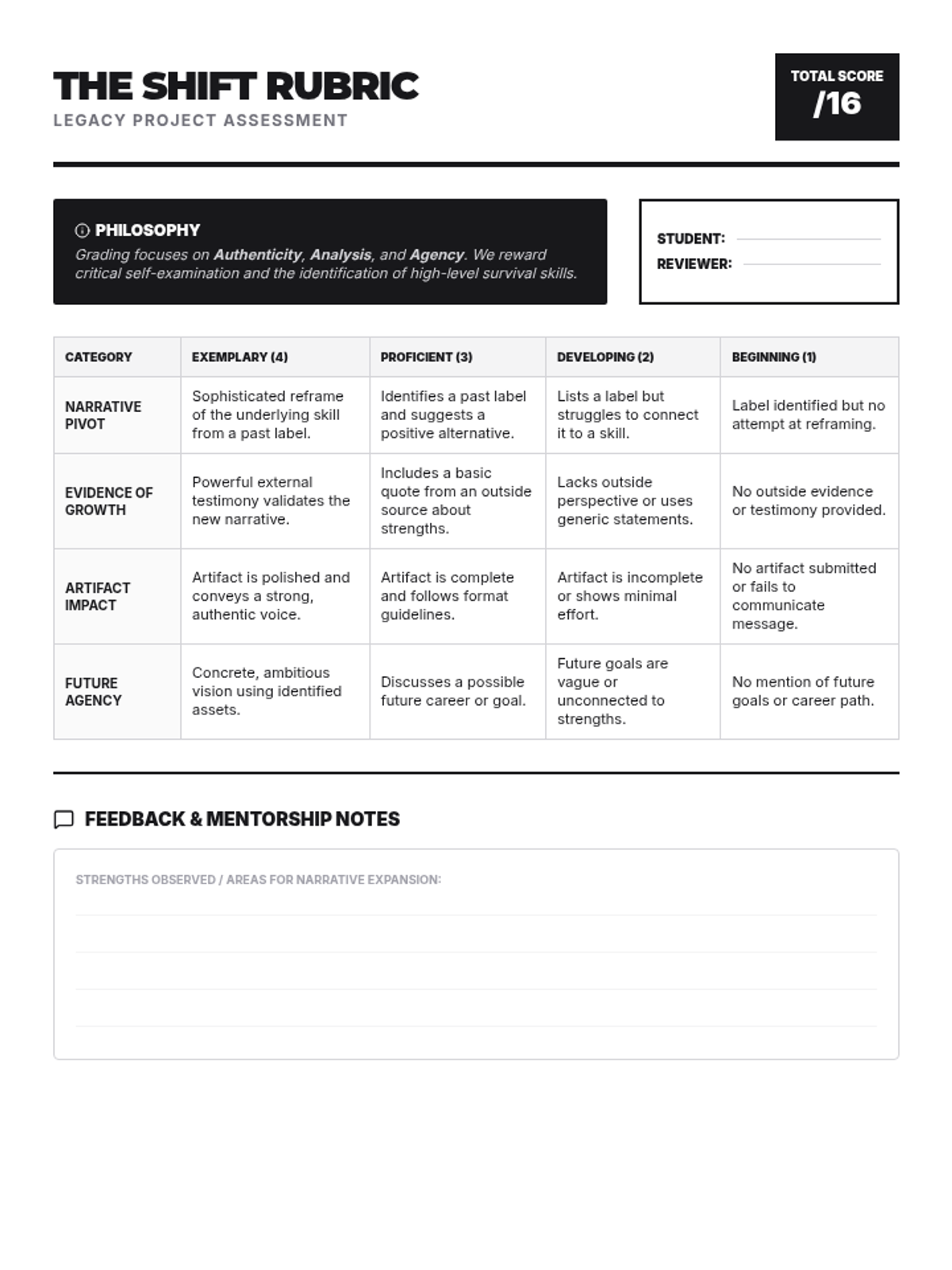
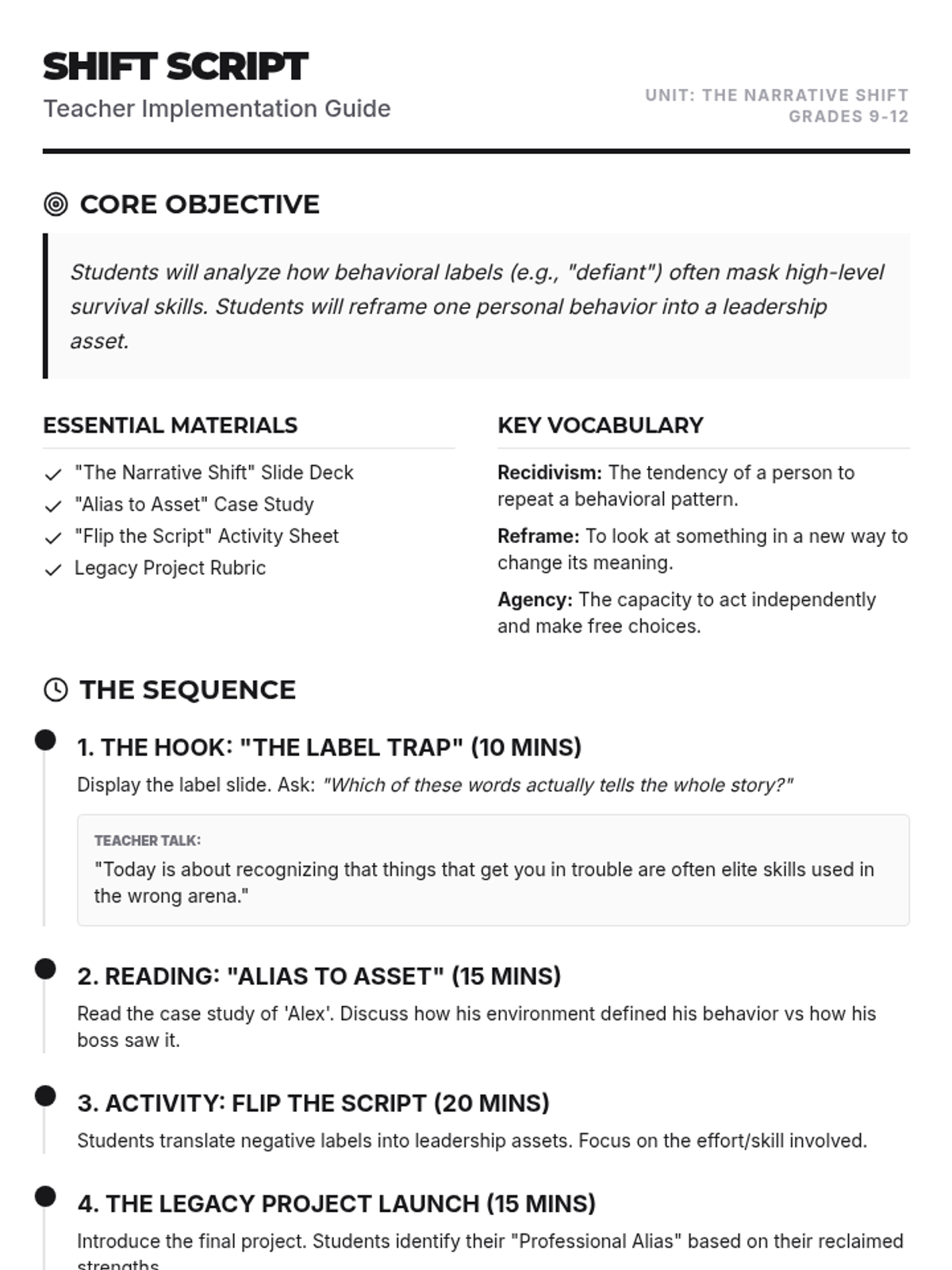
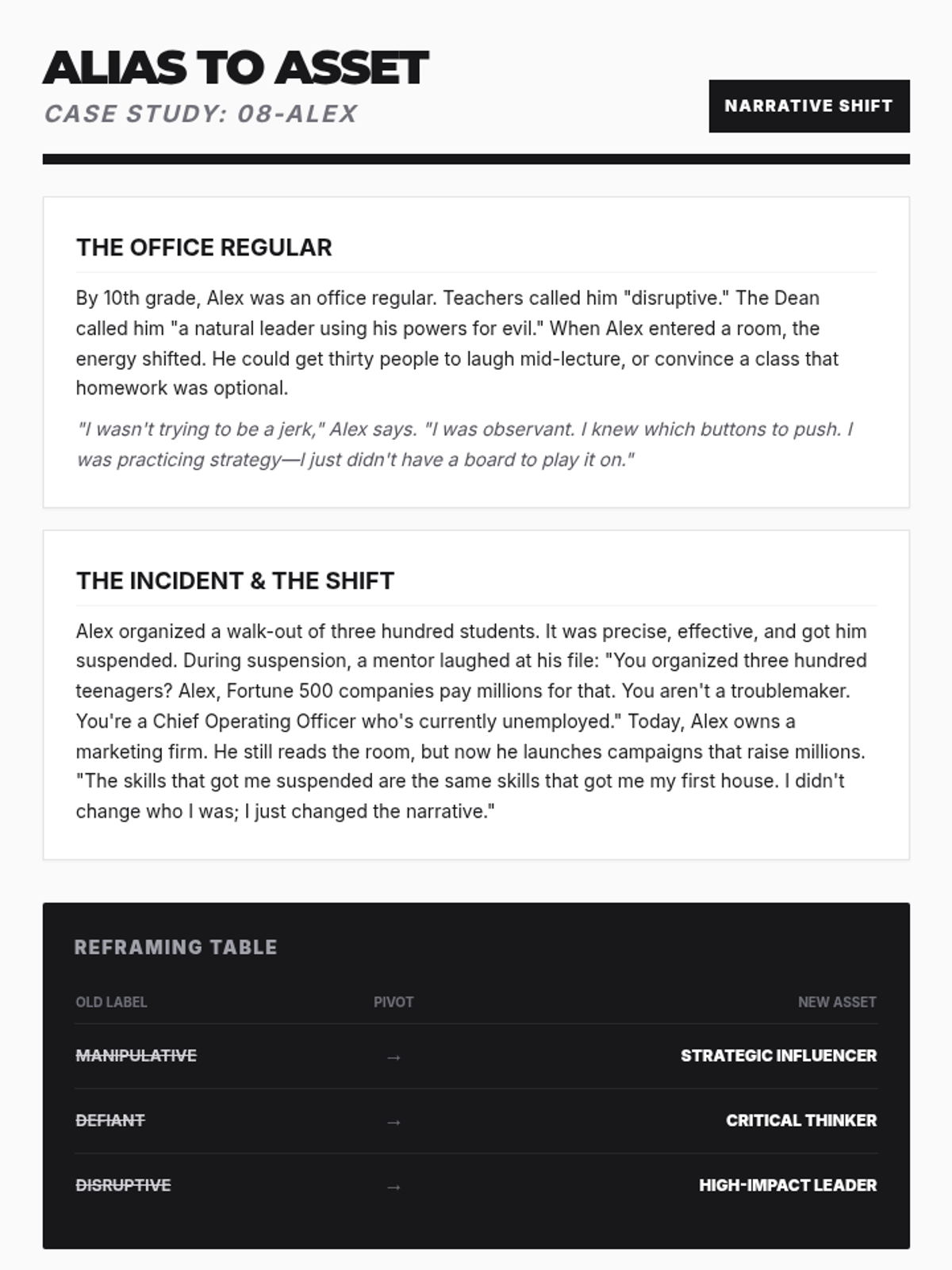
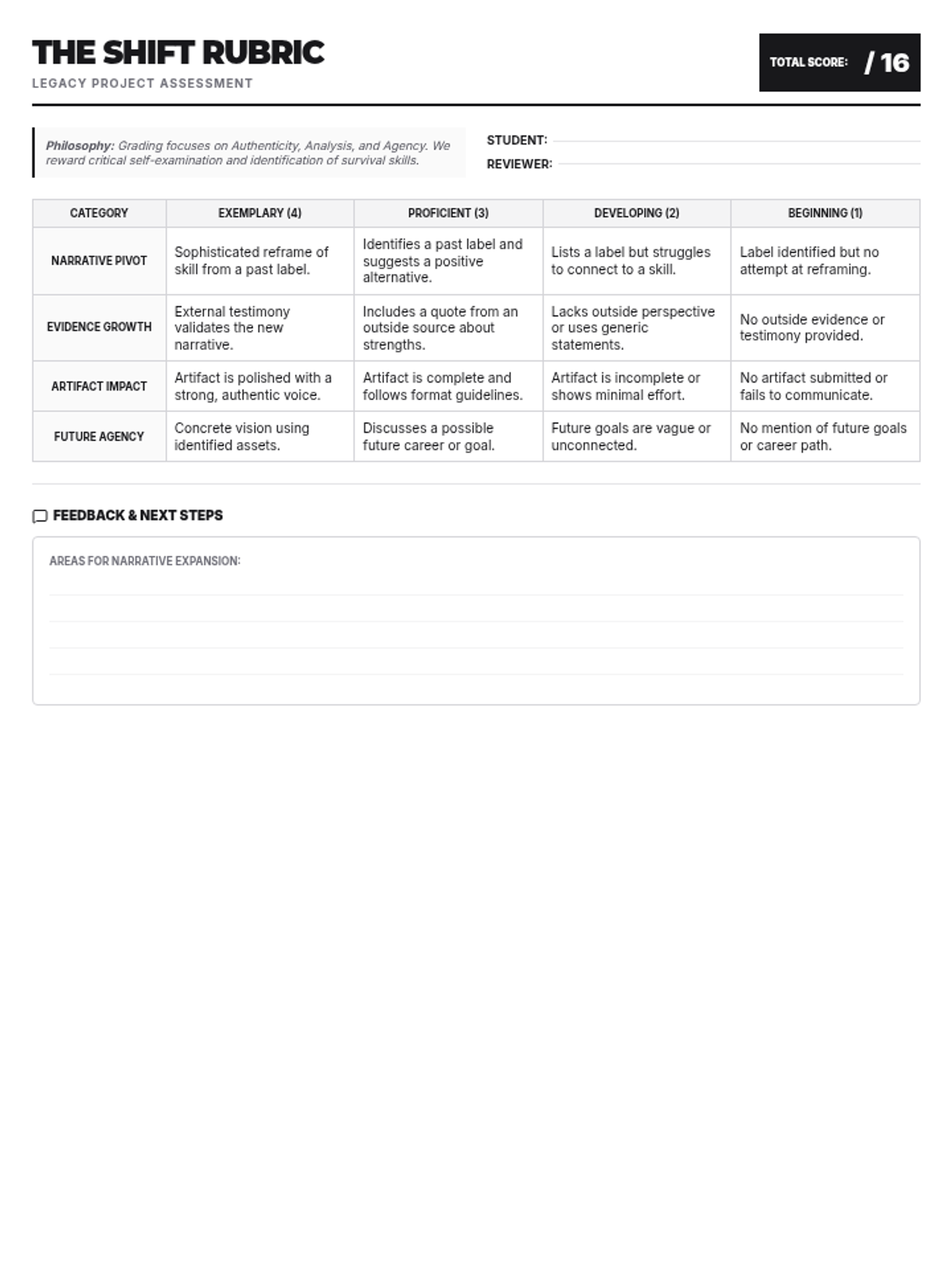
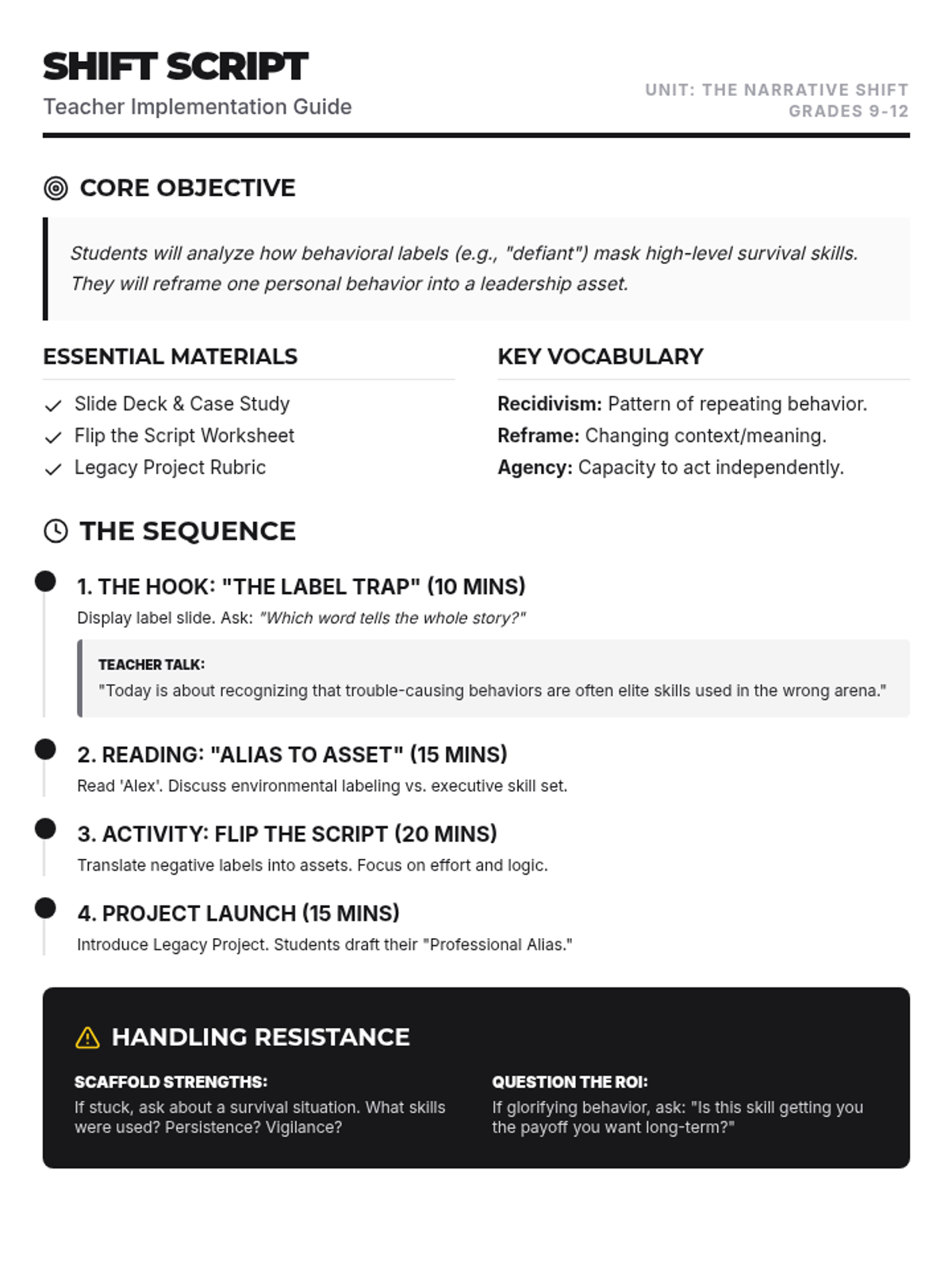
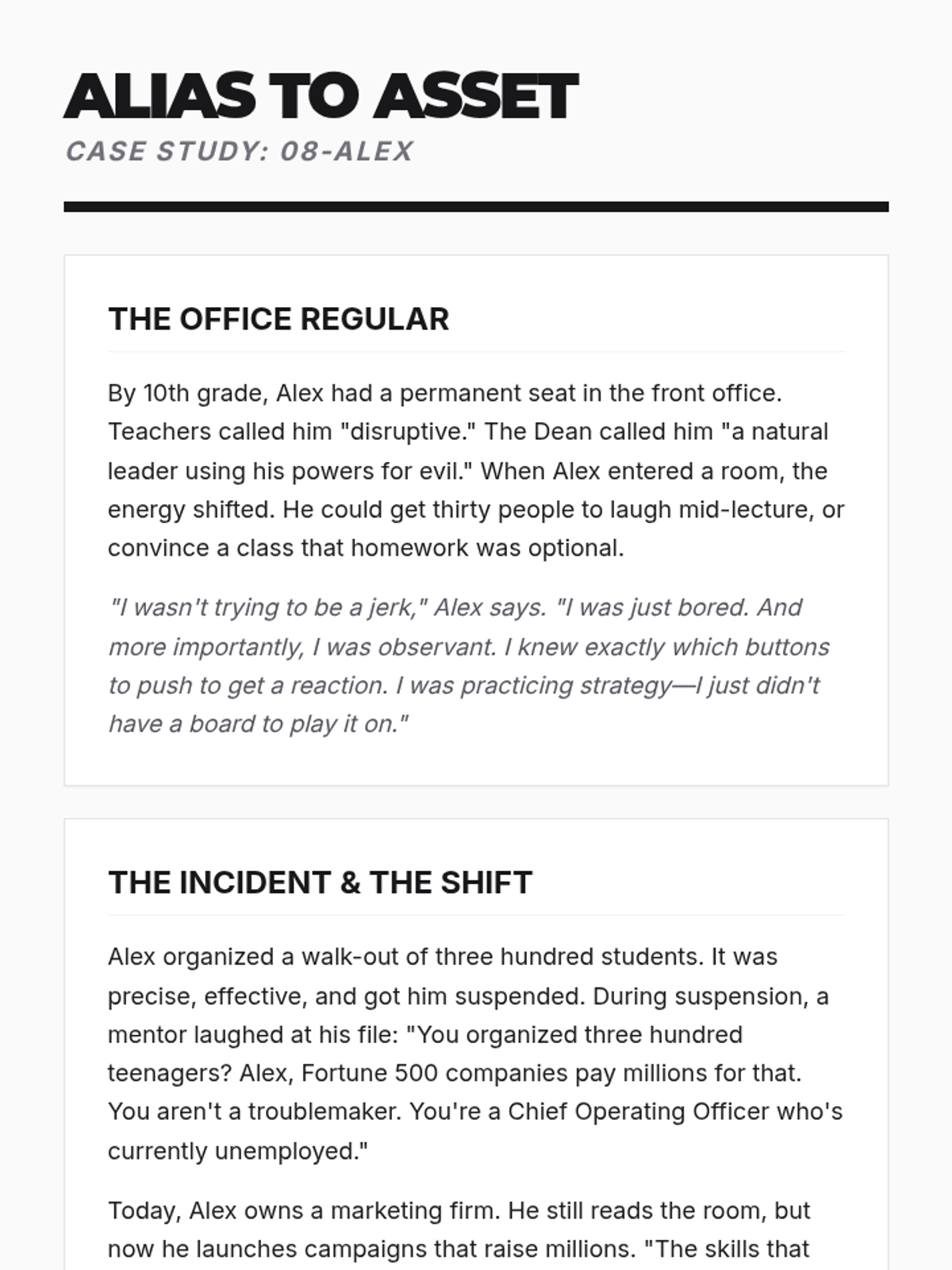
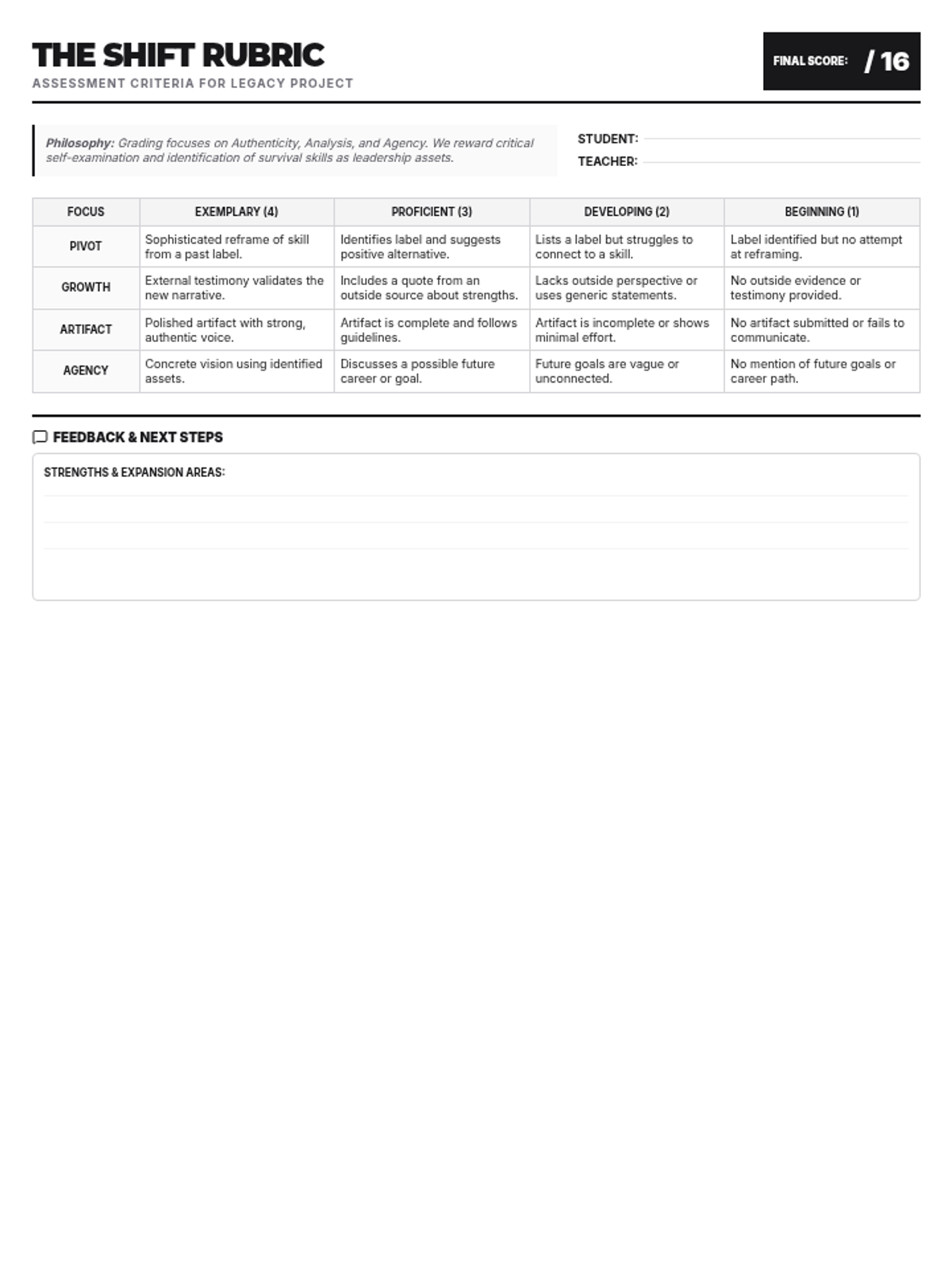
A high-impact identity reframing unit designed for students with behavioral intervention histories. It transforms 'survival traits' into leadership assets through narrative psychology and project-based learning.
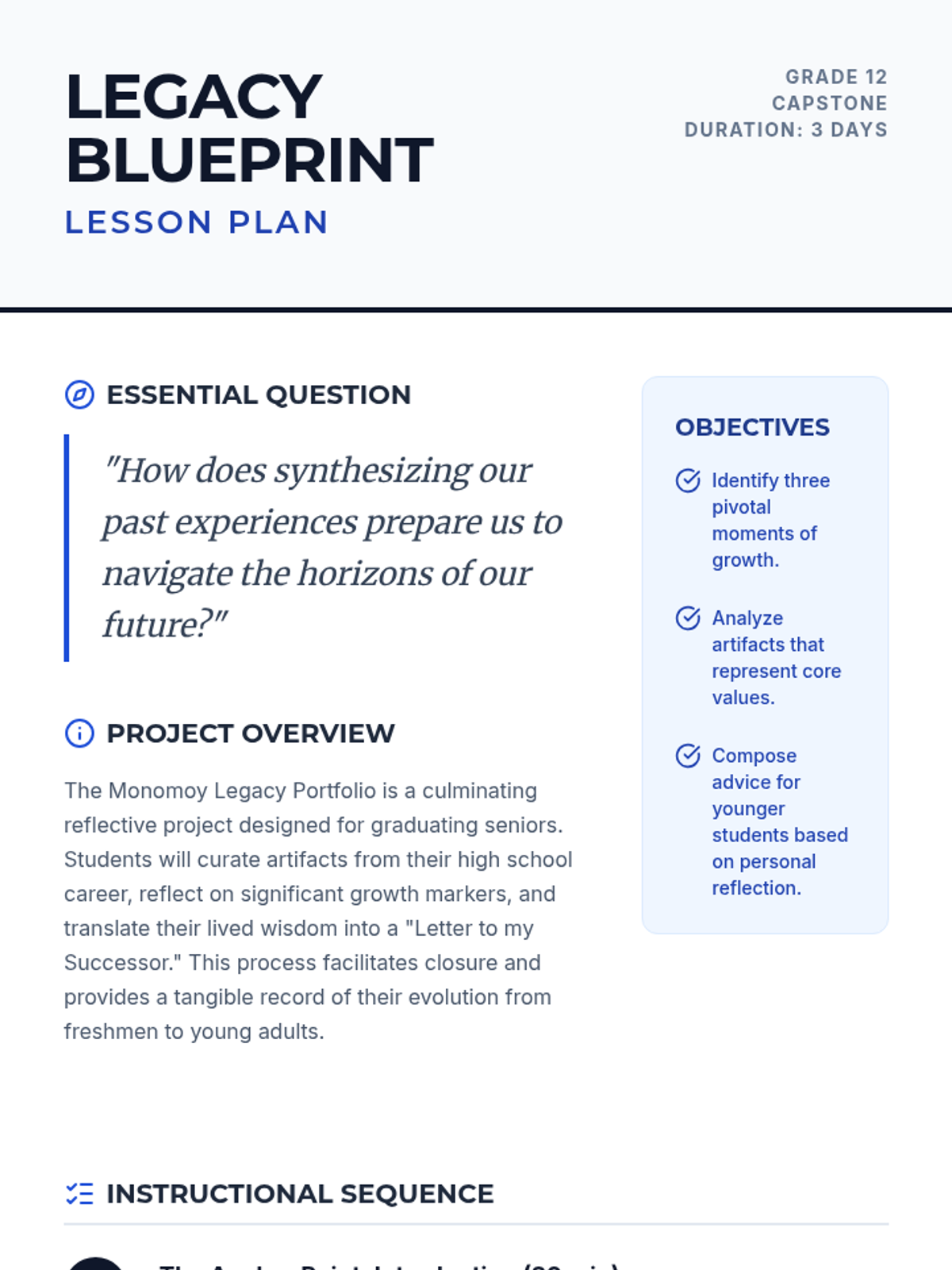
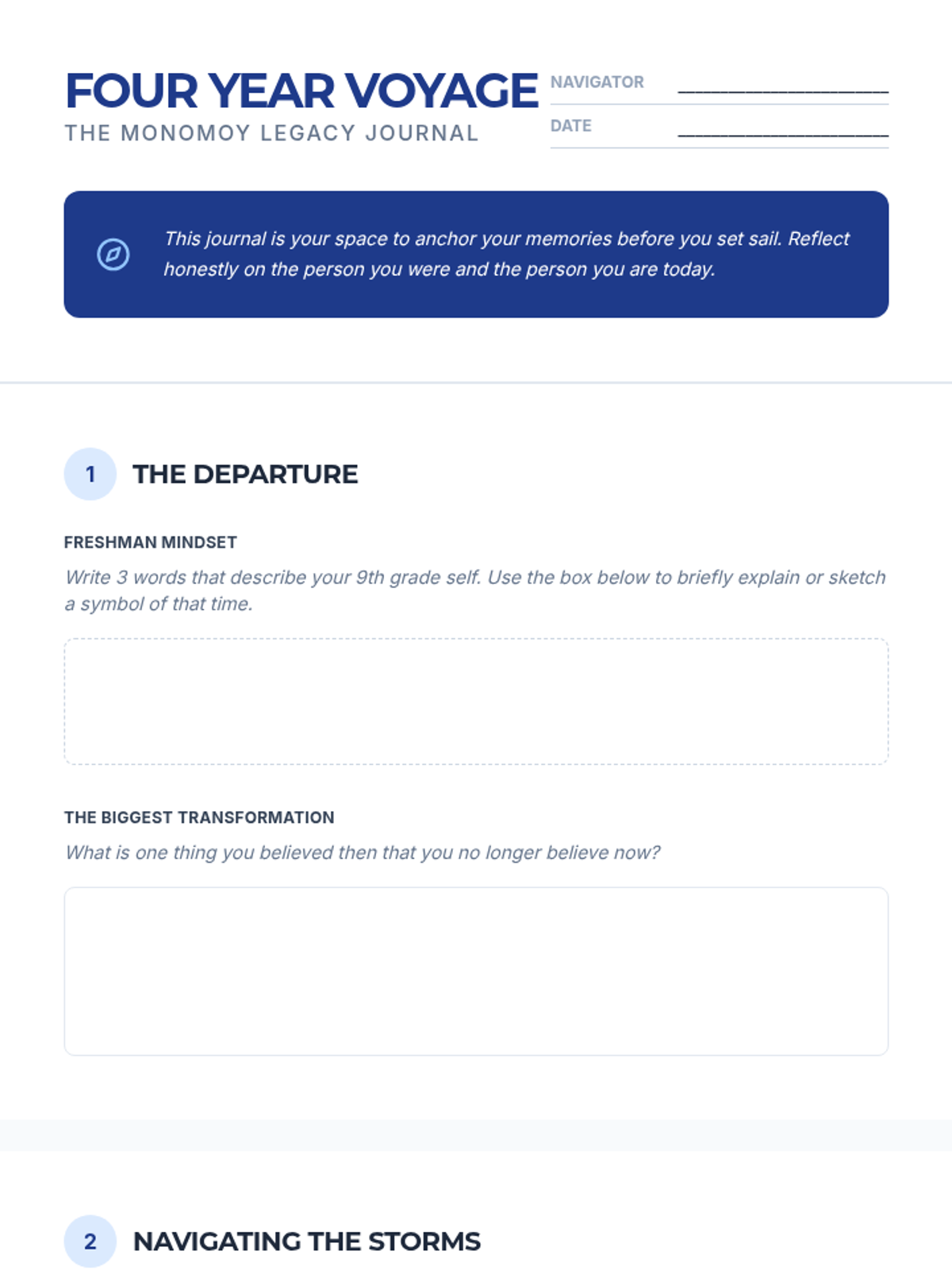
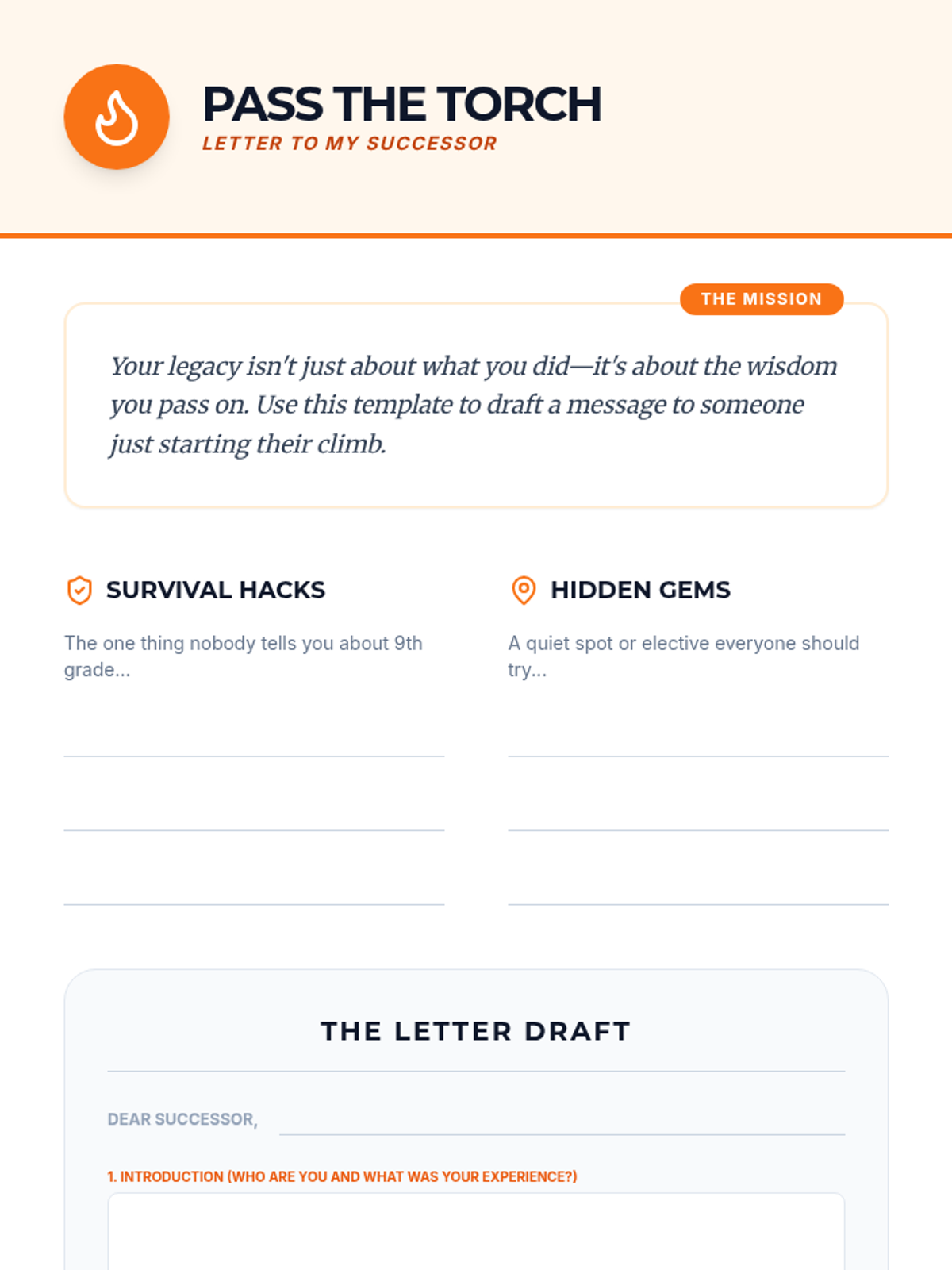
A capstone project for high school seniors to reflect on their four-year journey, synthesize their growth, and provide guidance to underclassmen through a 'legacy' portfolio.
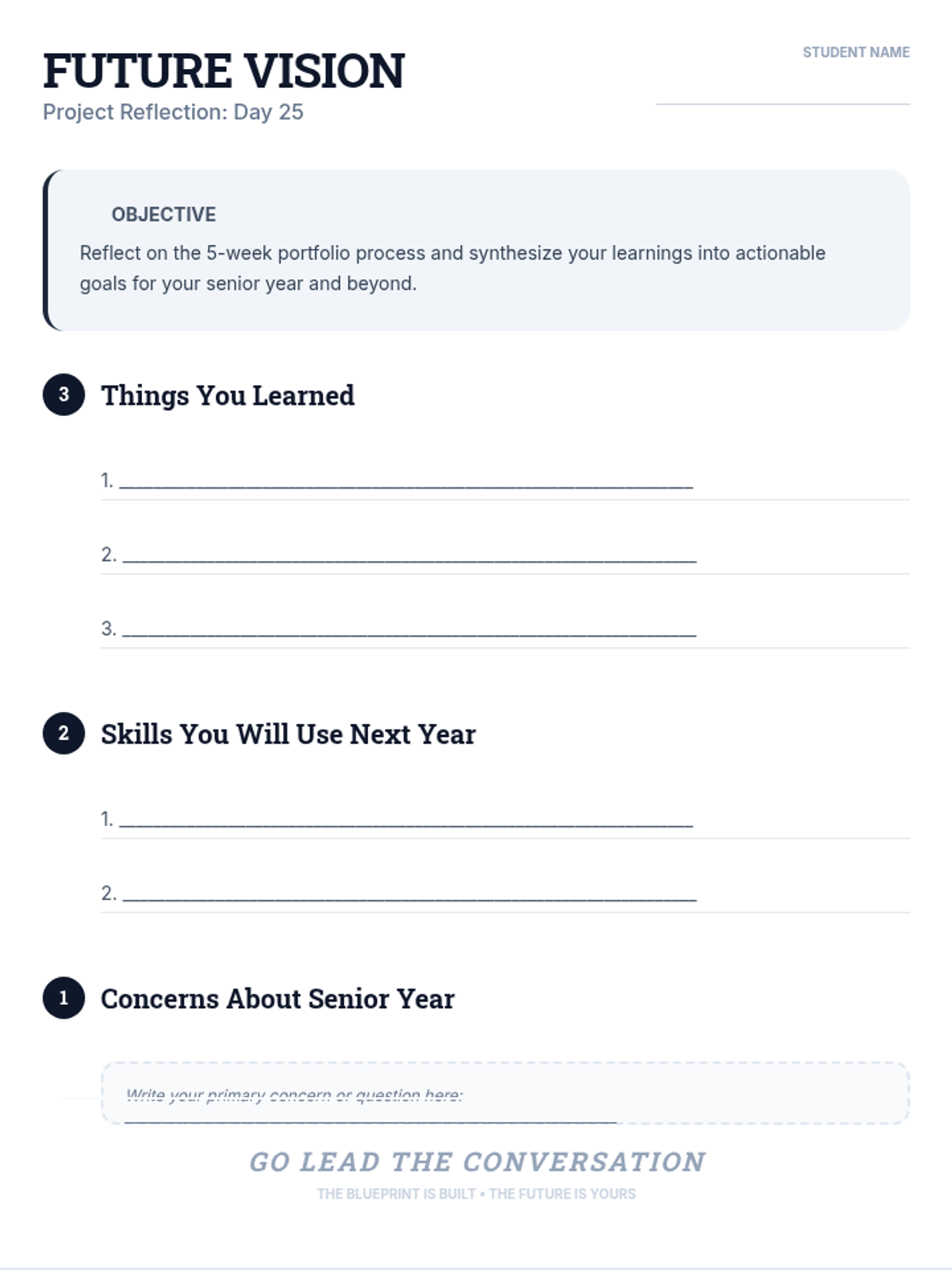
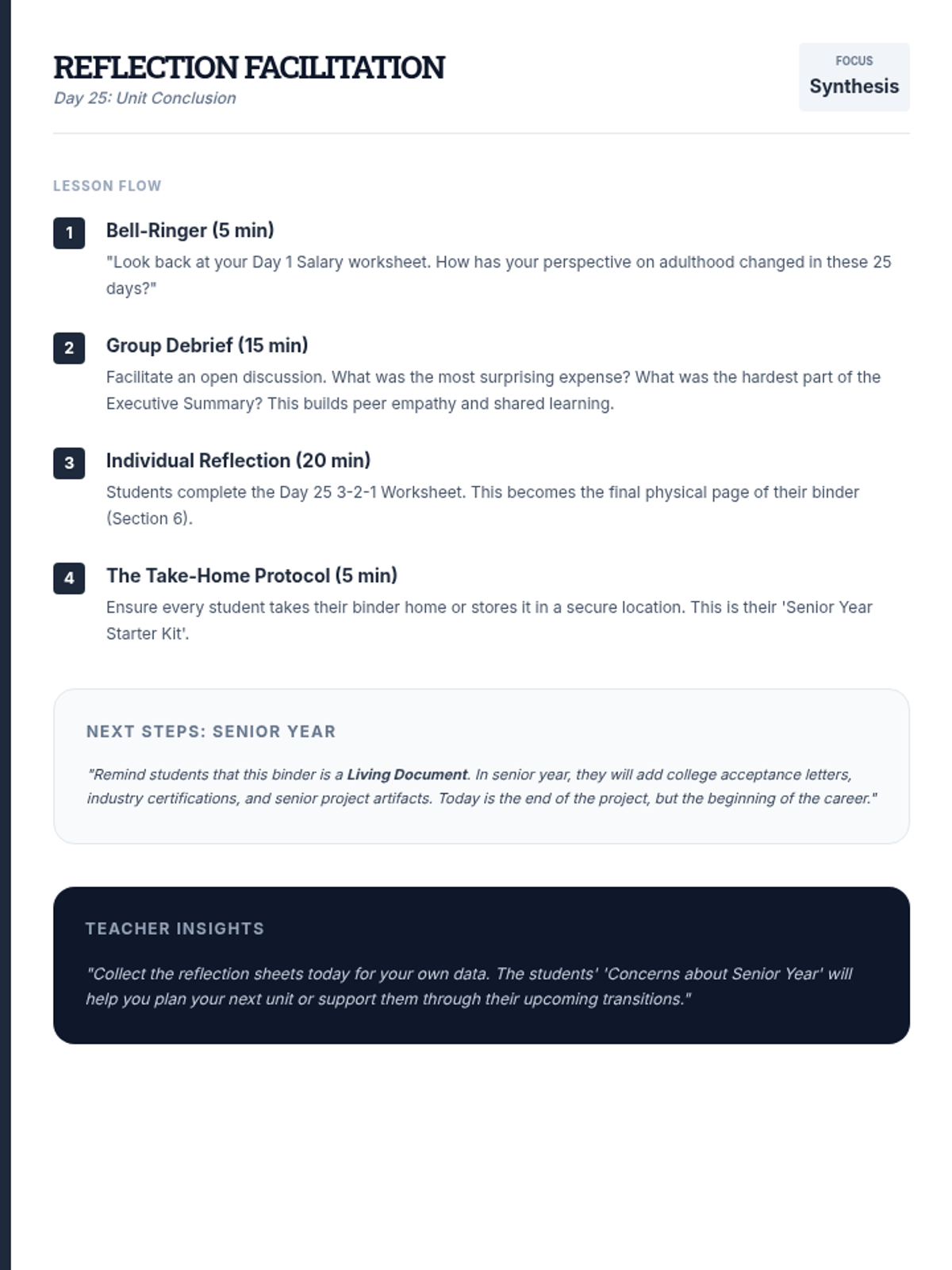
Students reflect on the 5-week portfolio process and set goals for senior year.
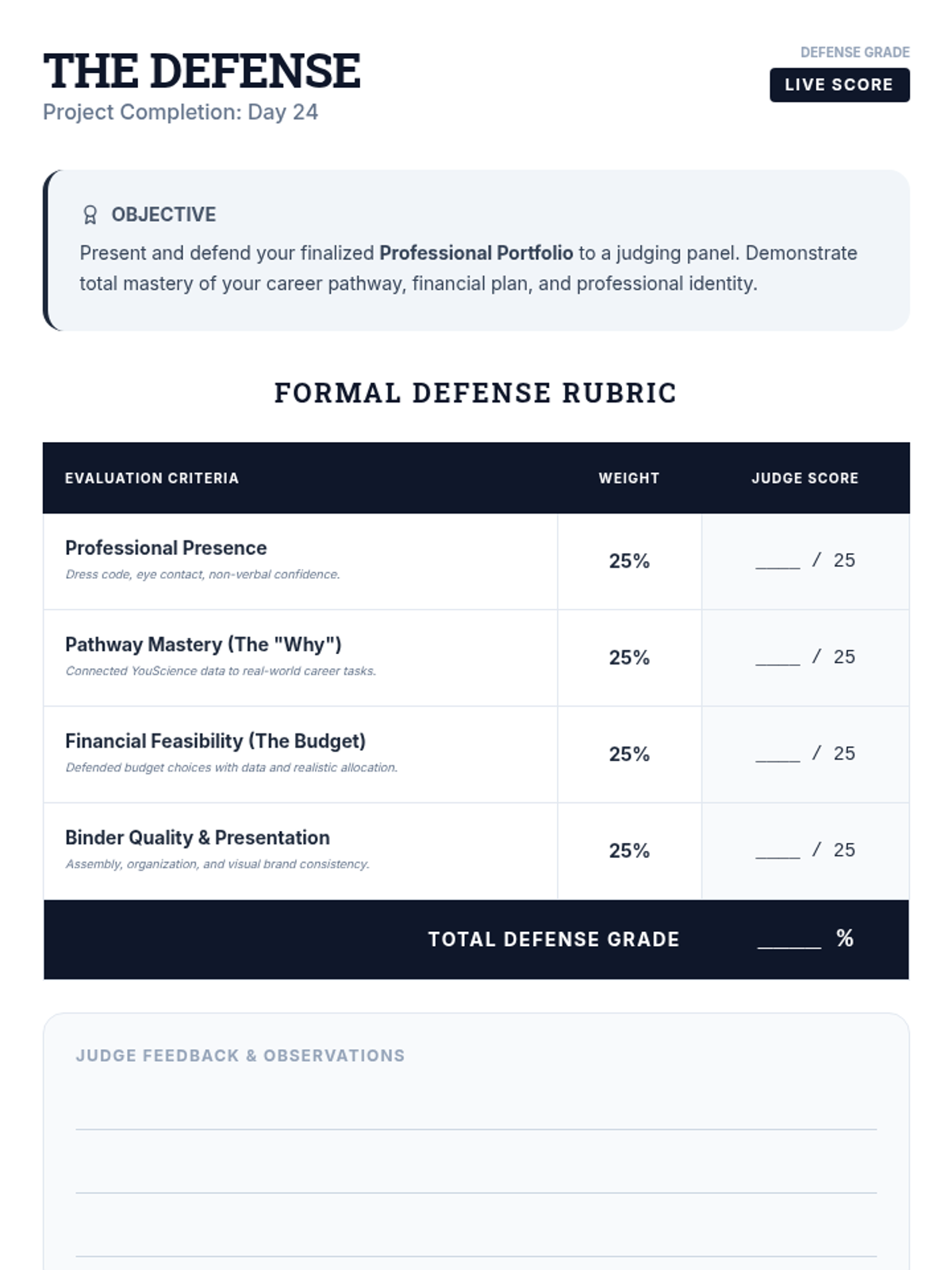
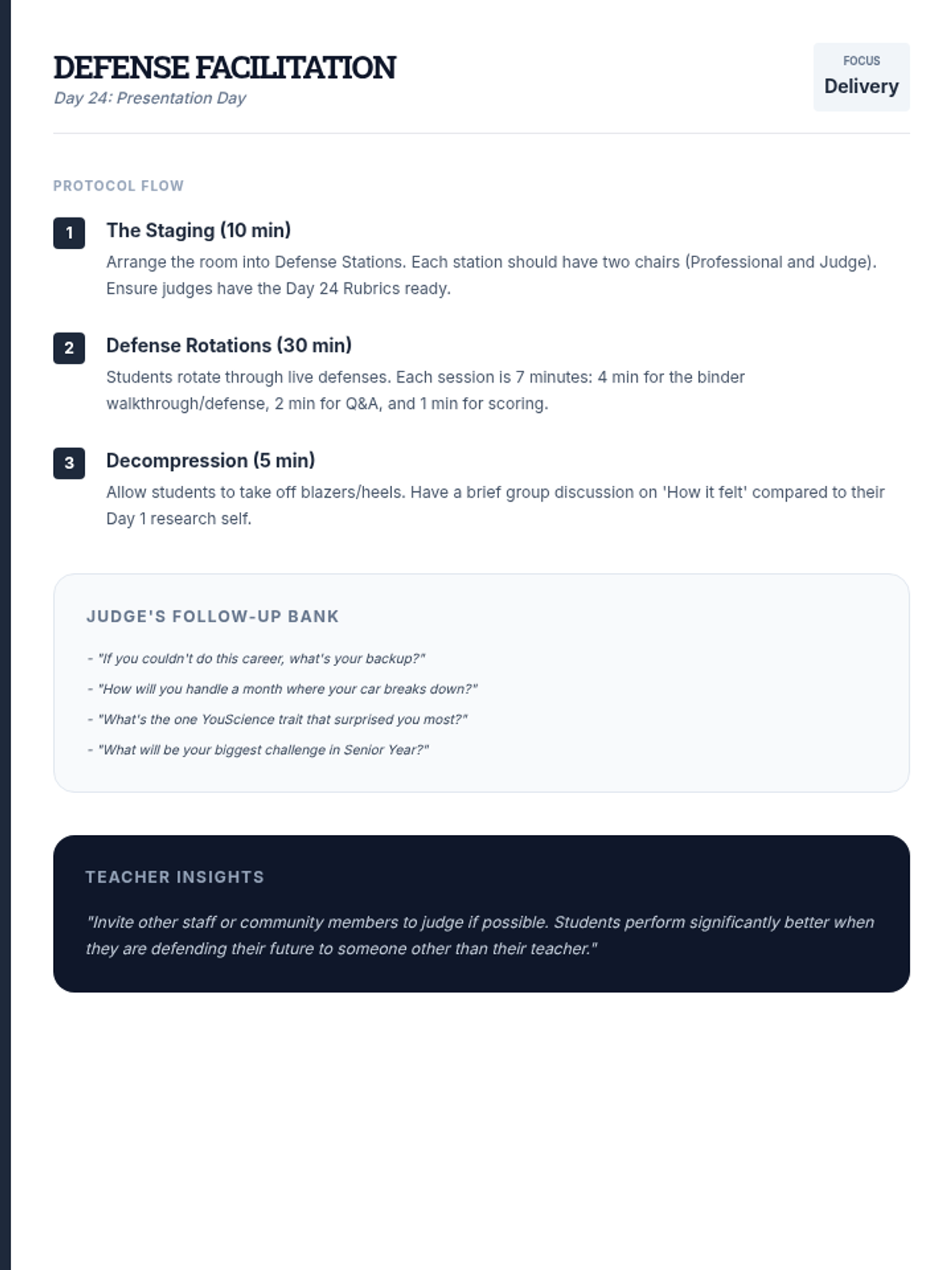
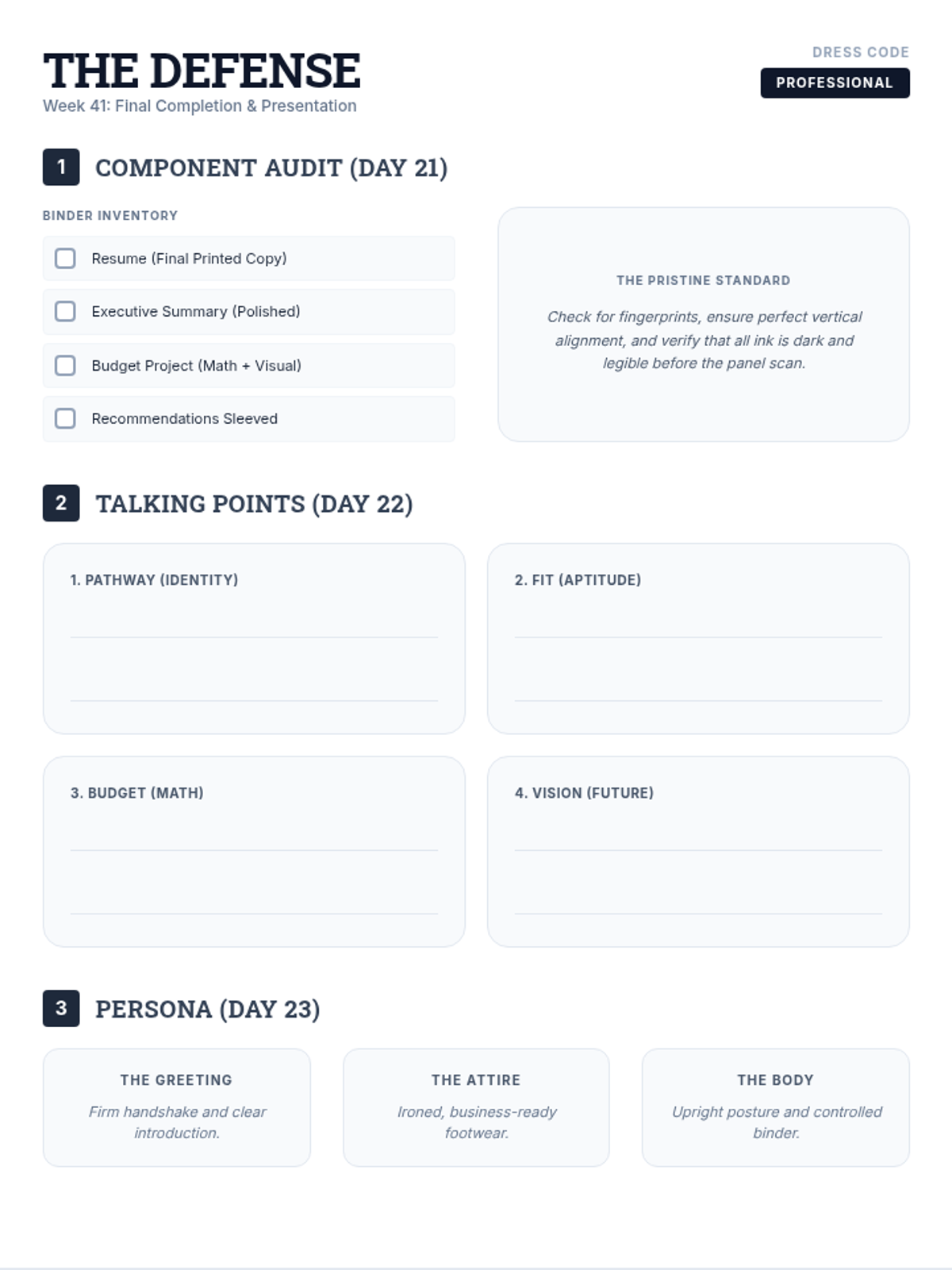
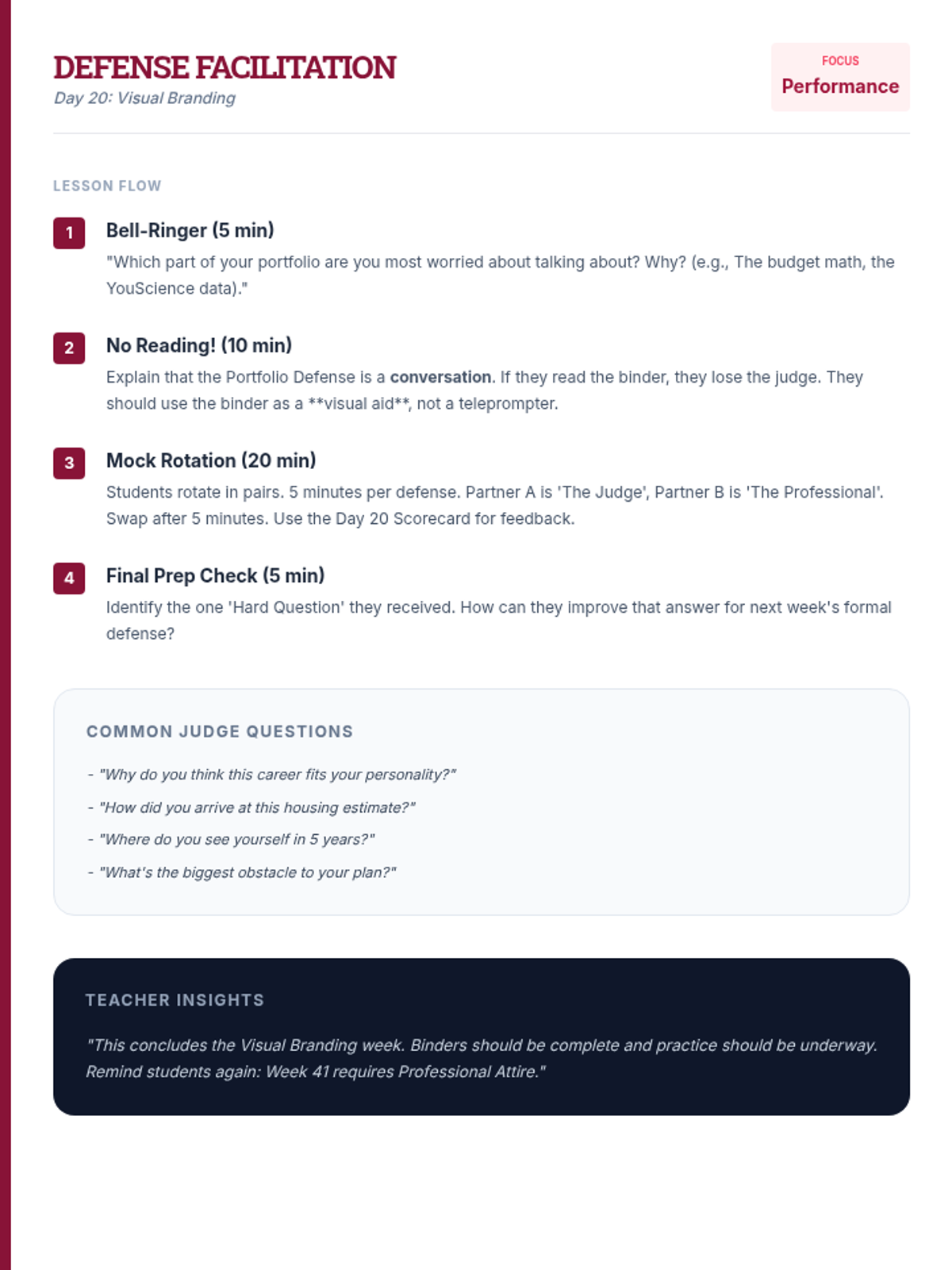
Students present their finalized portfolio defense to a professional panel.
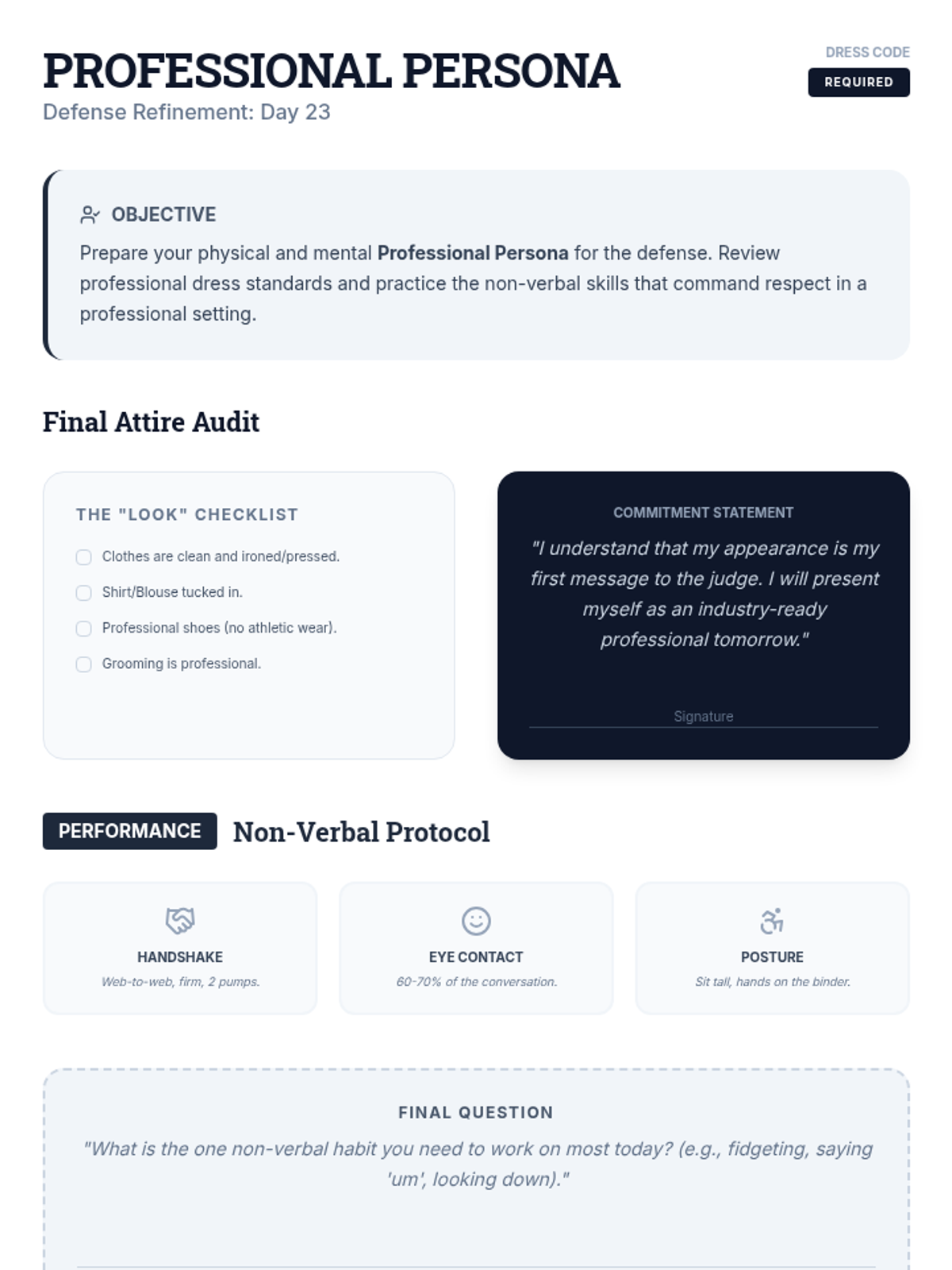
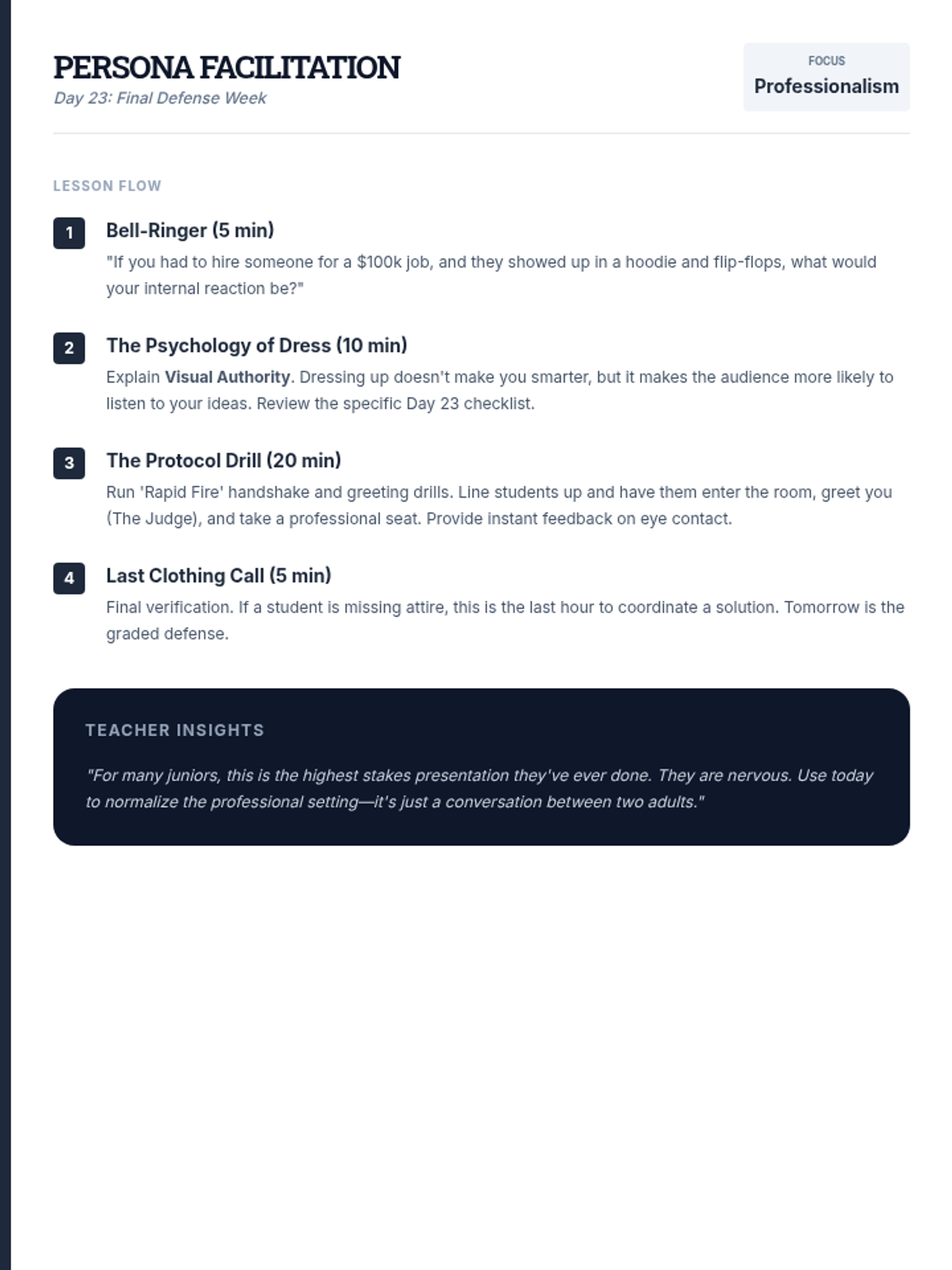
Students prepare their professional attire and non-verbal presentation skills.
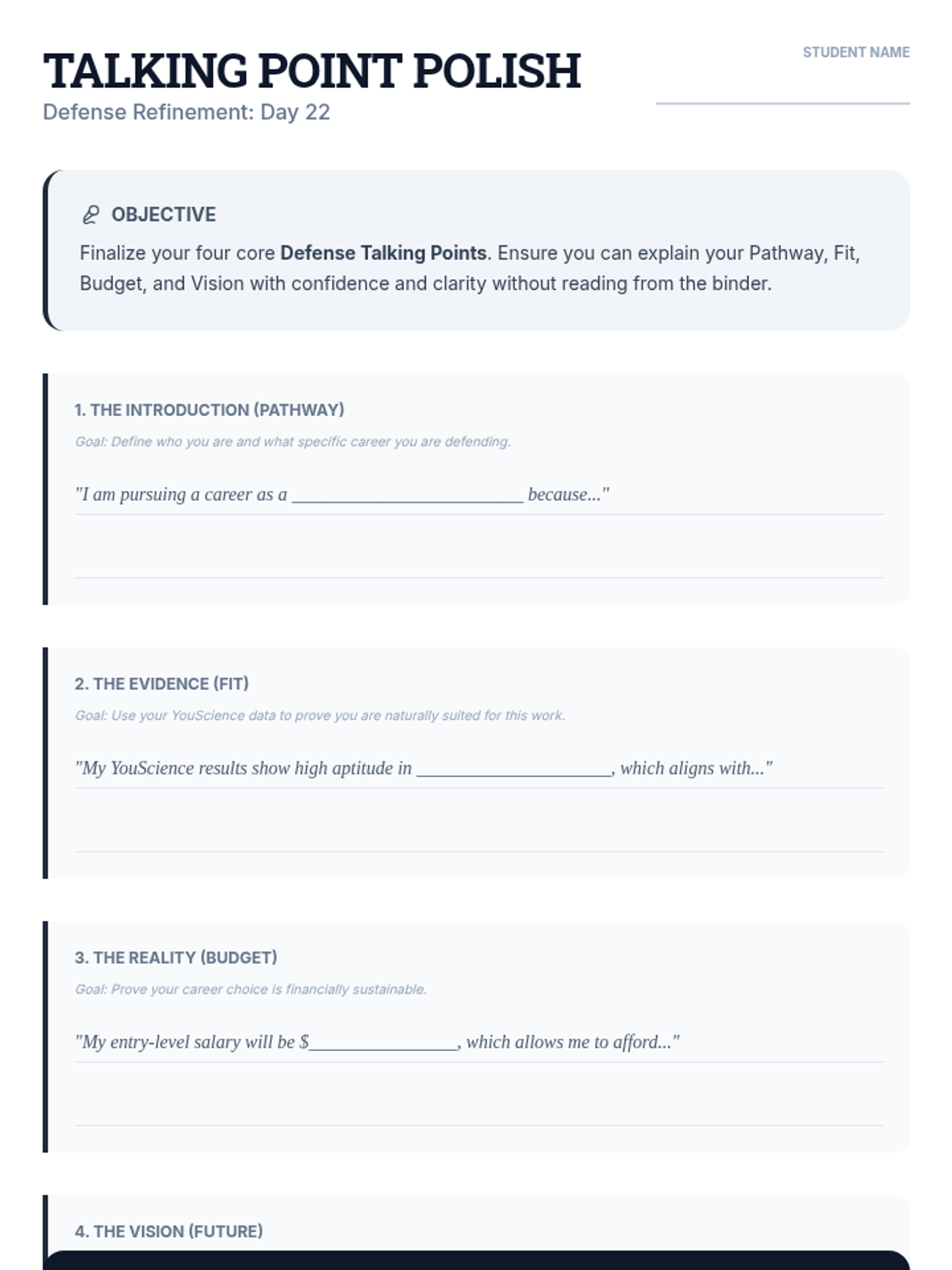
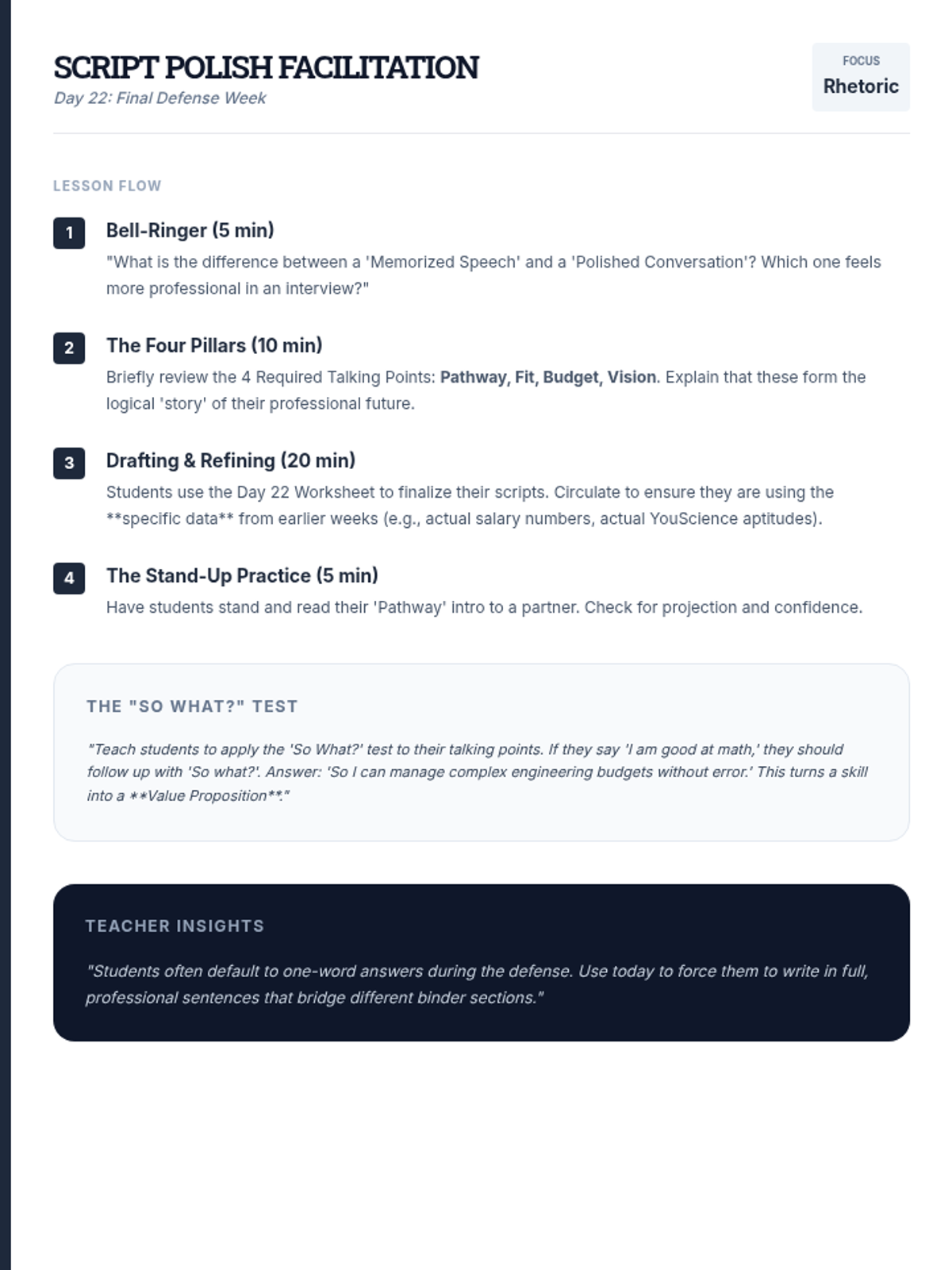
Students finalize their defense talking points for the formal presentation.
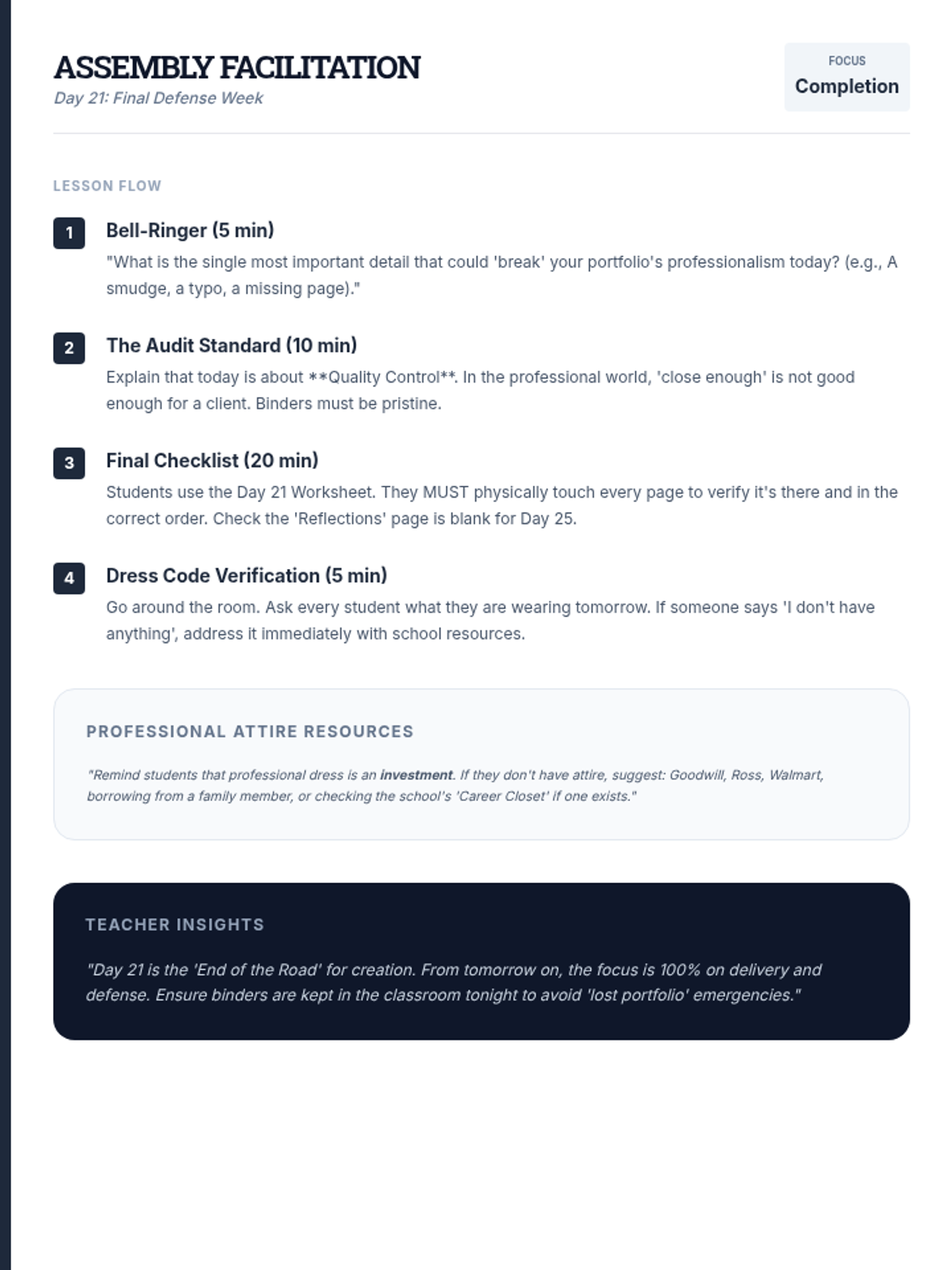
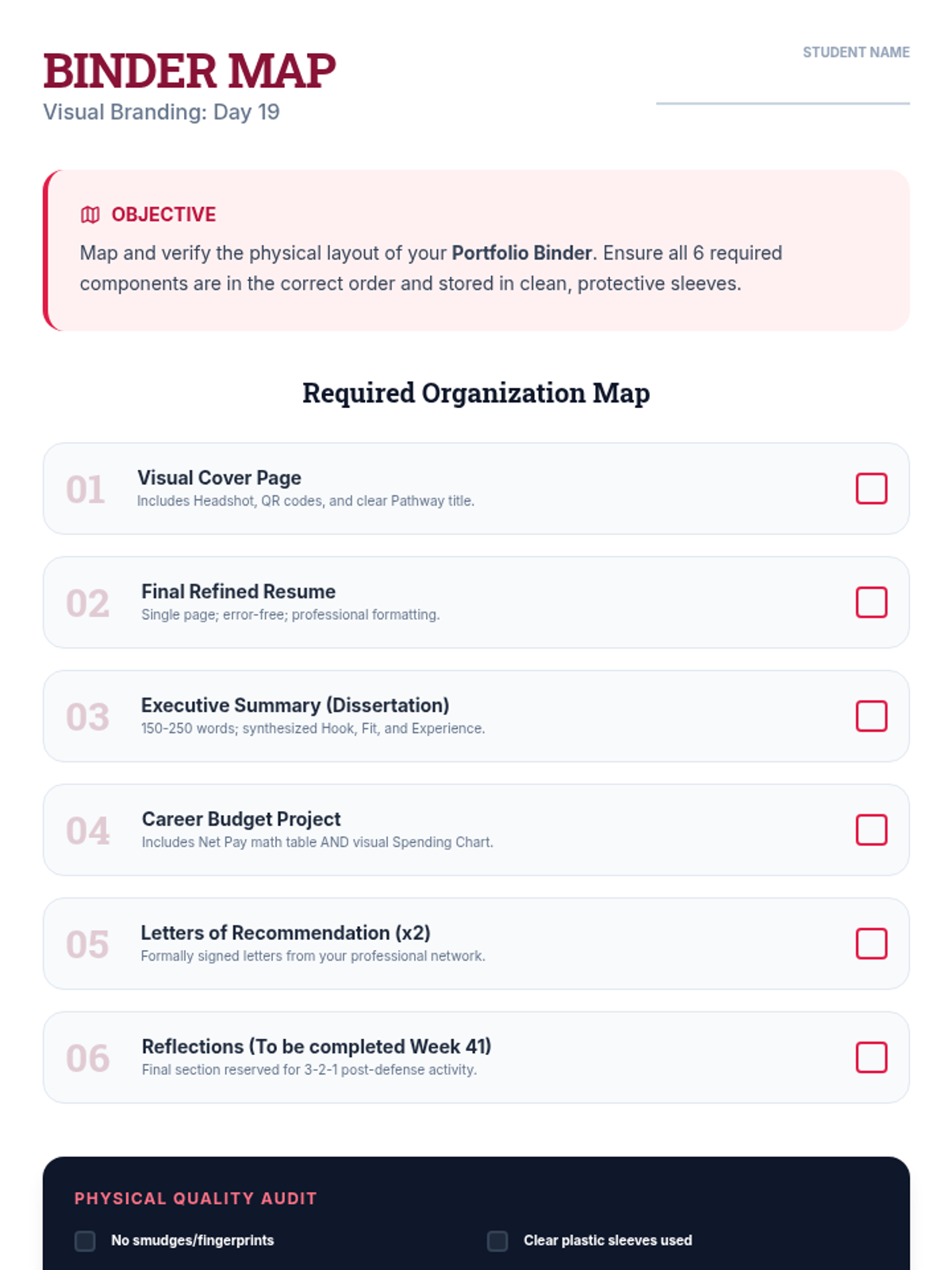
Students perform a final audit of all 6 physical portfolio components.
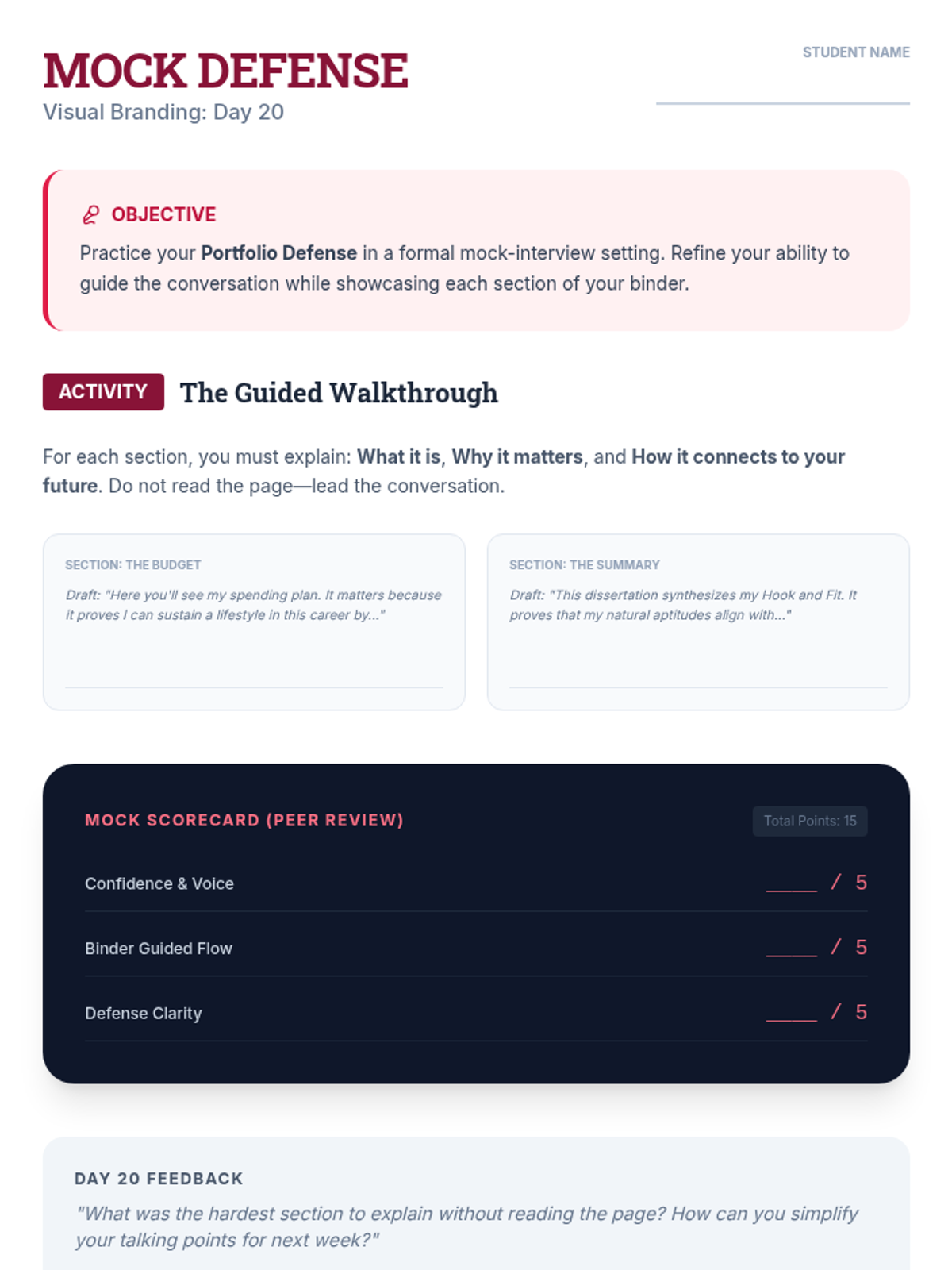
Students practice their portfolio defense in a mock interview setting.
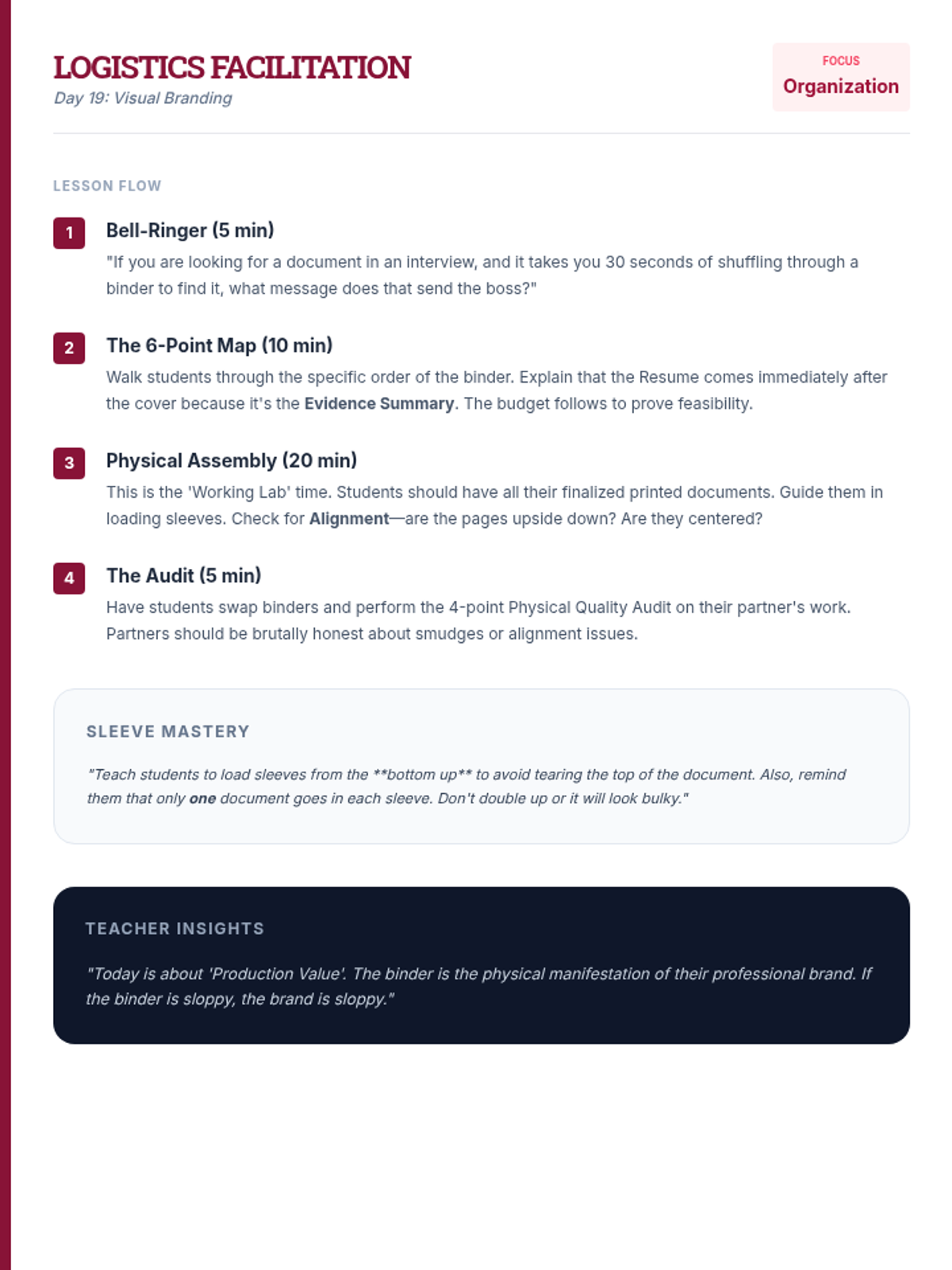
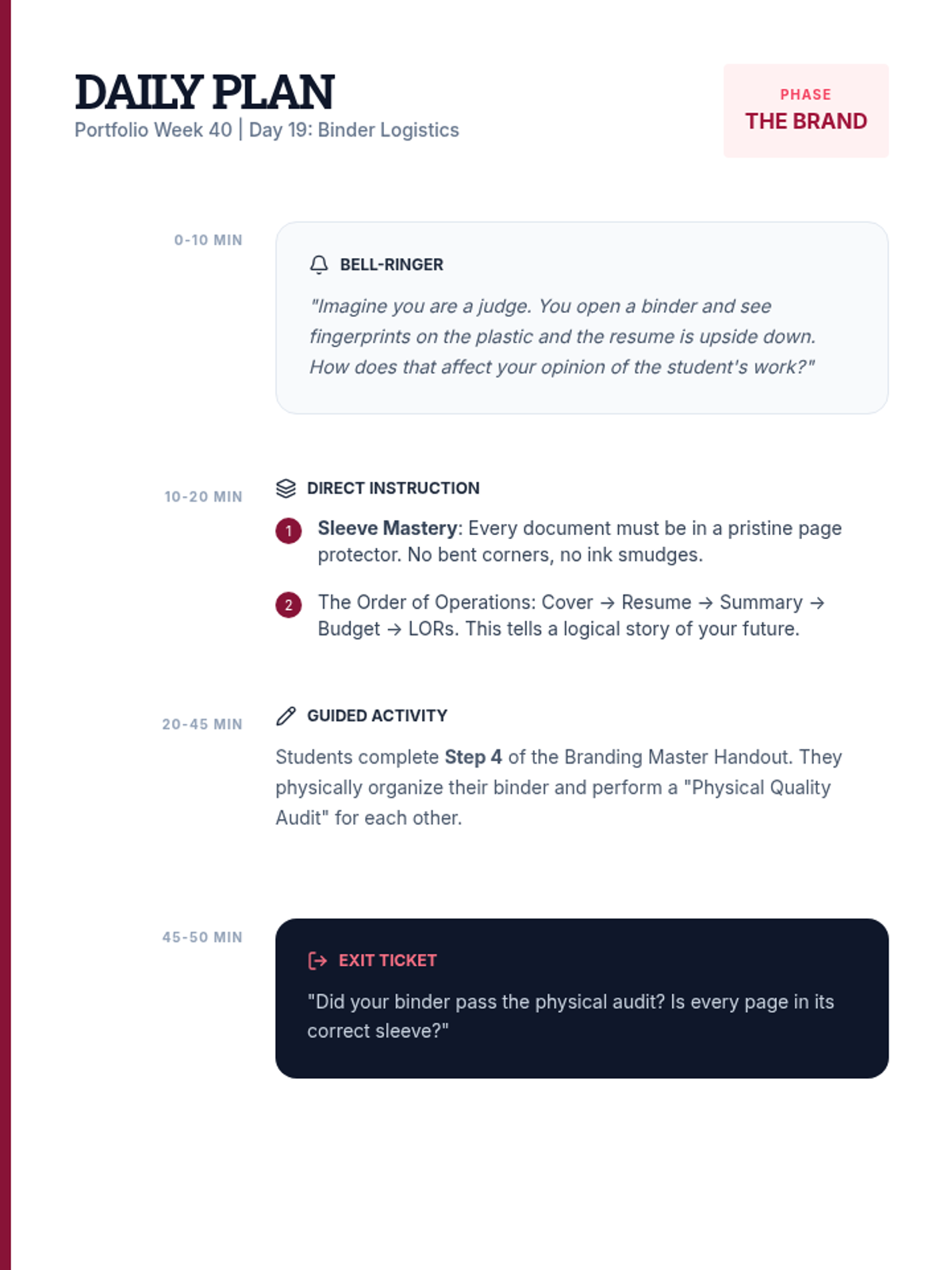
Students organize their physical binder using a 6-point organization map.
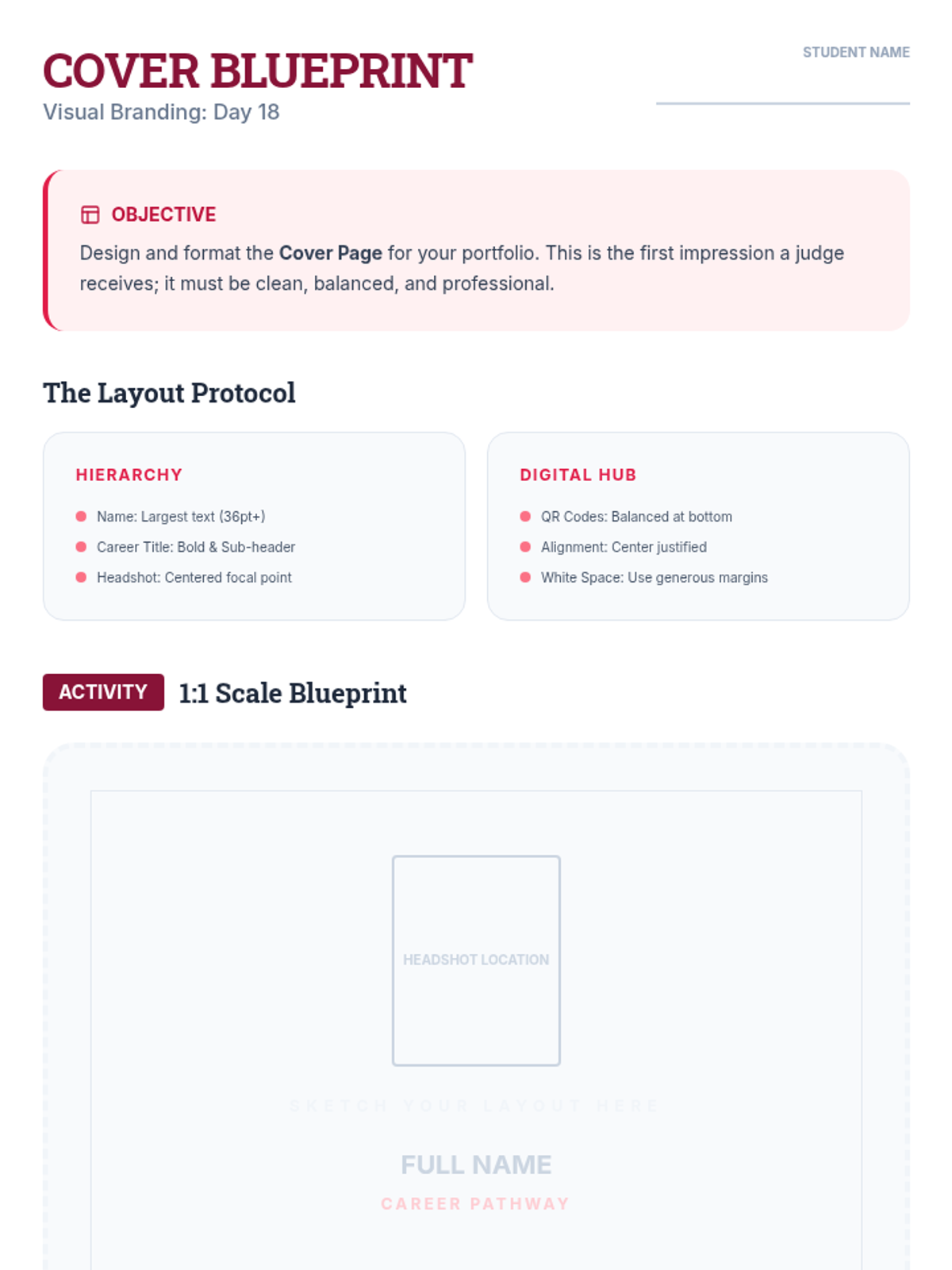
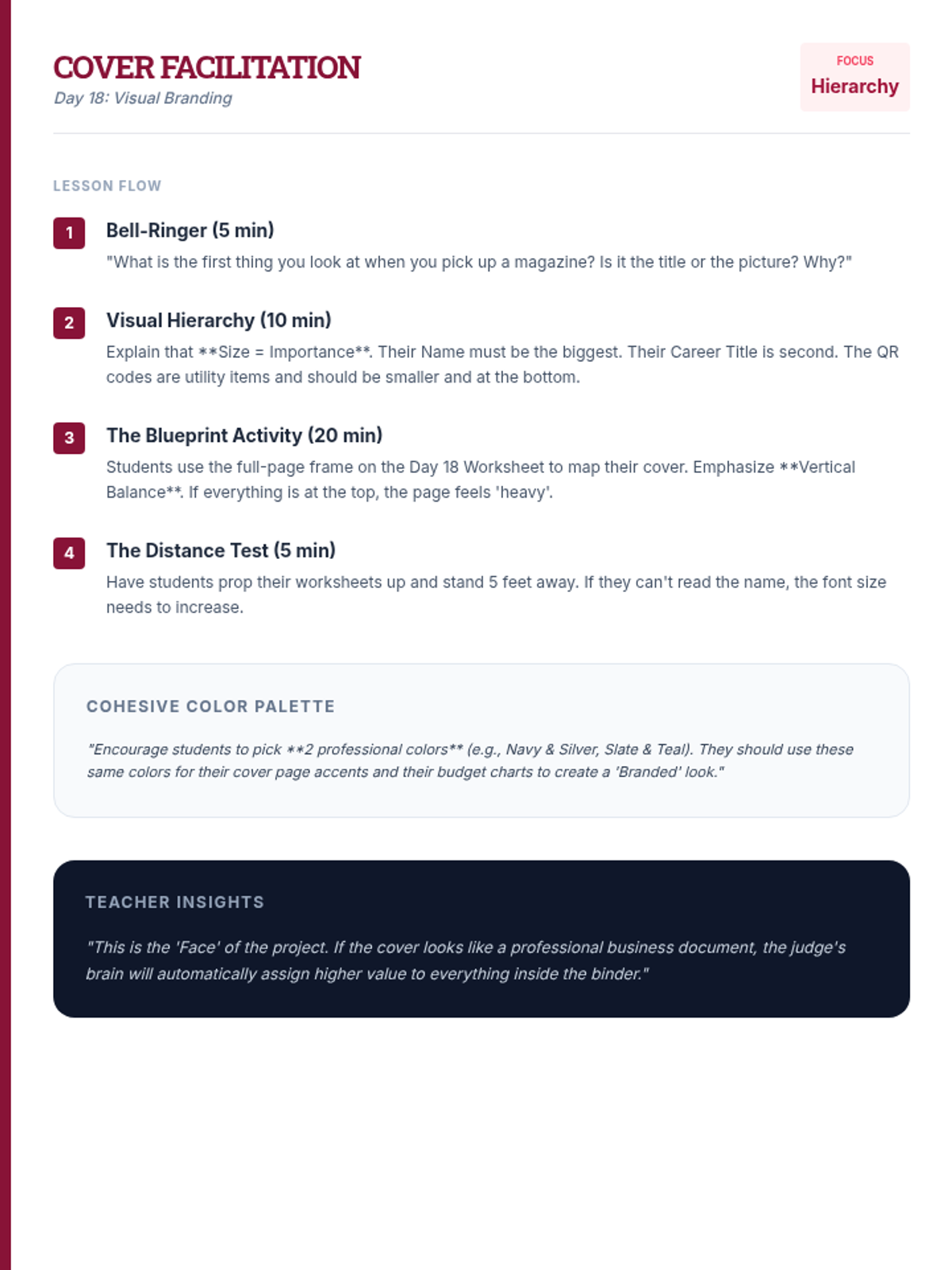
Students design and format the first impression of their portfolio: the cover page.
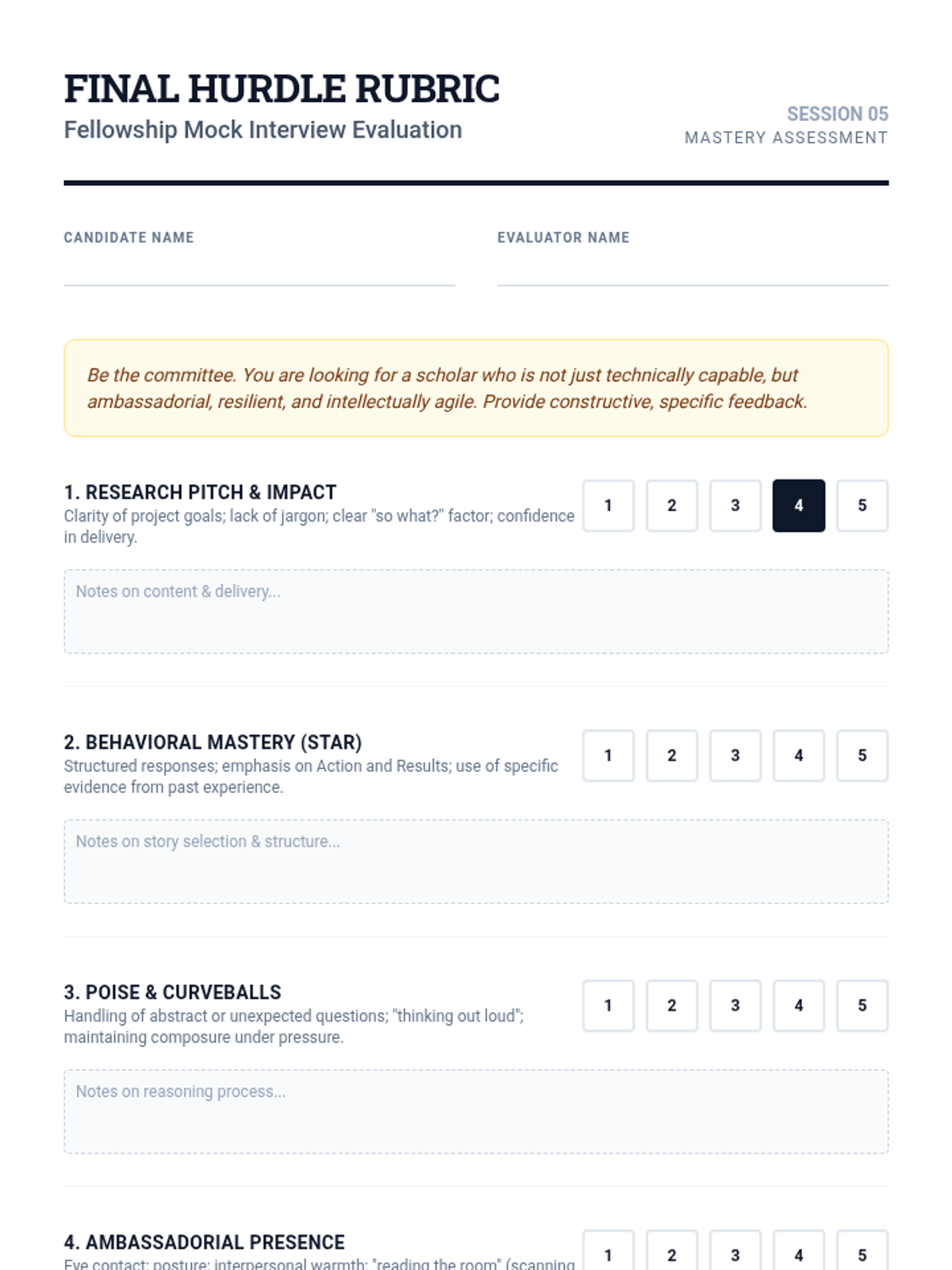
A culminating mock interview experience followed by instruction on professional follow-up etiquette and managing outcomes.
Focuses on managing unexpected or abstract questions by demonstrating visible reasoning and intellectual poise.
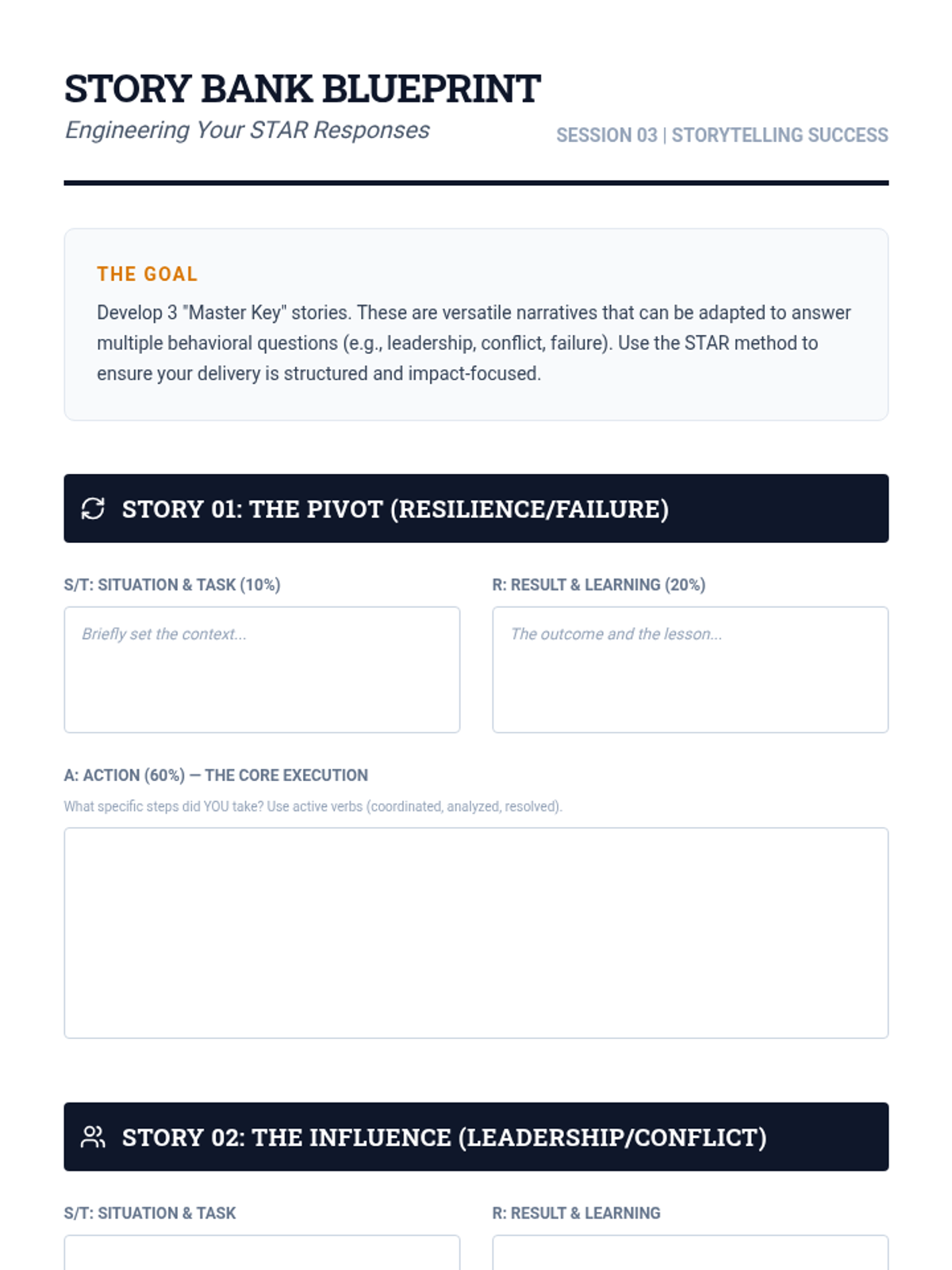
Students master the STAR method to answer behavioral questions and develop a strategic 'story bank' of professional experiences.
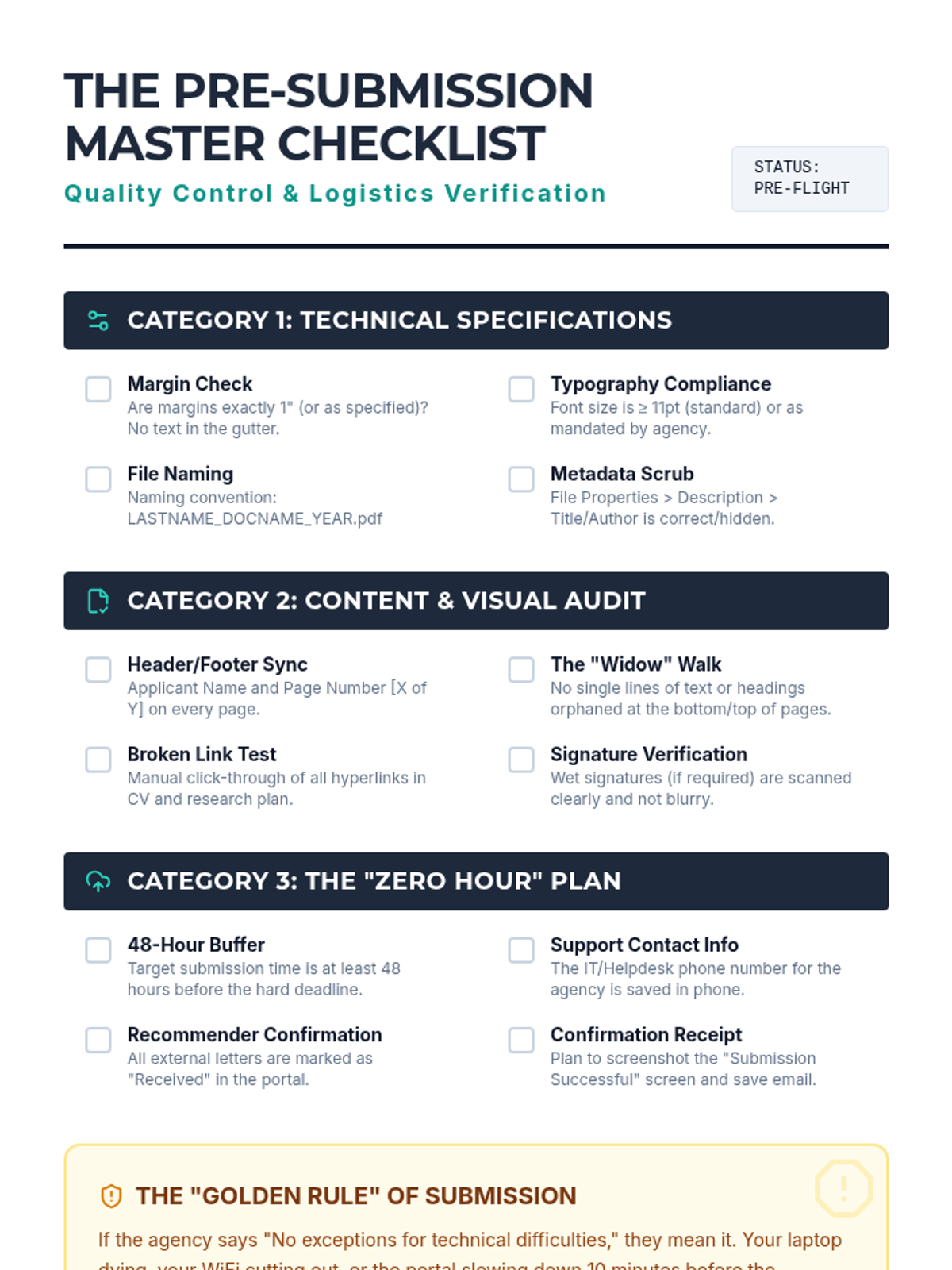
A mastery-focused session on technical compliance, formatting, and the final quality assurance checks required before submission.
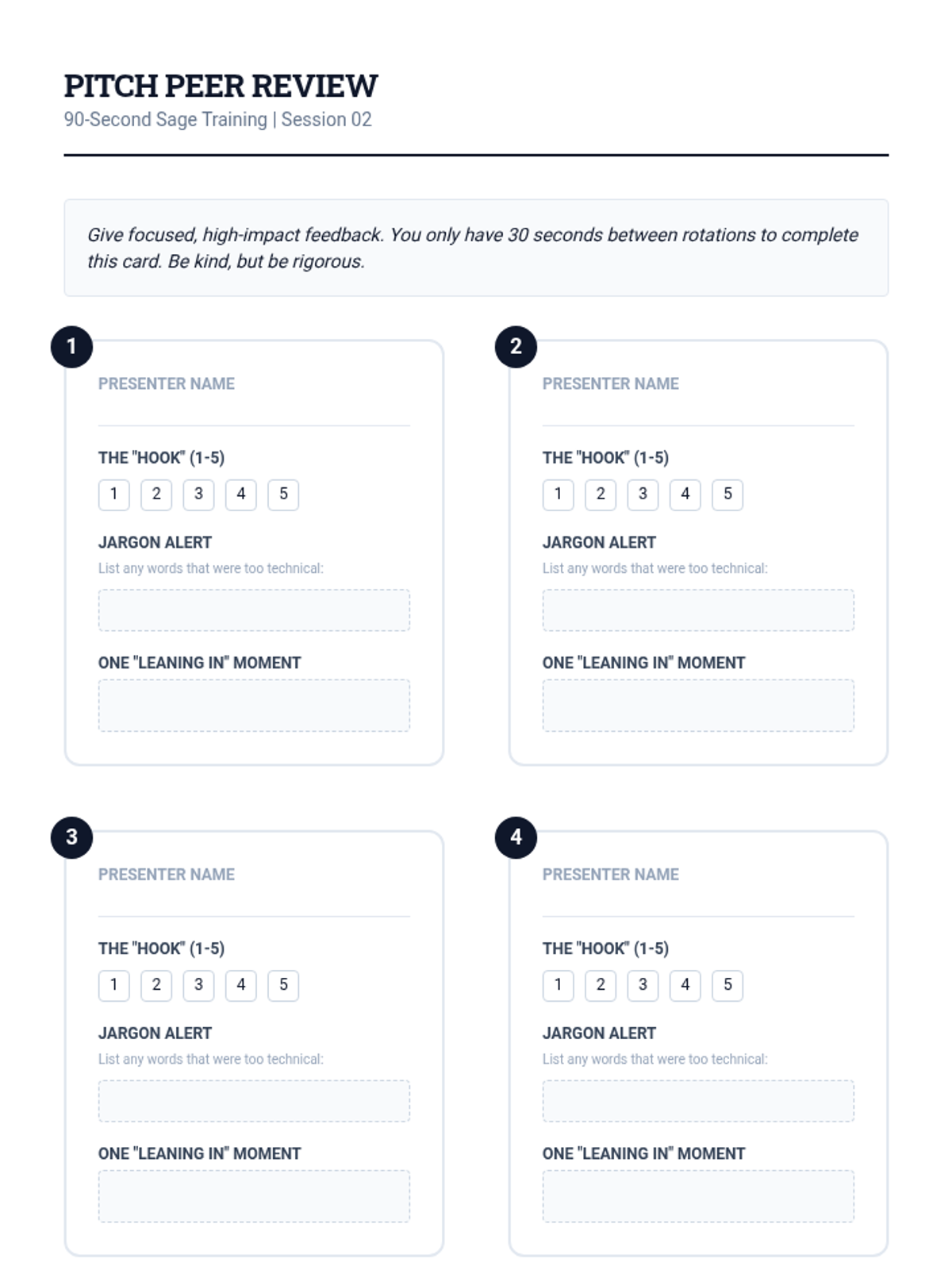
Students craft and refine a compelling 90-second summary of their research impact, practicing delivery for diverse audiences.
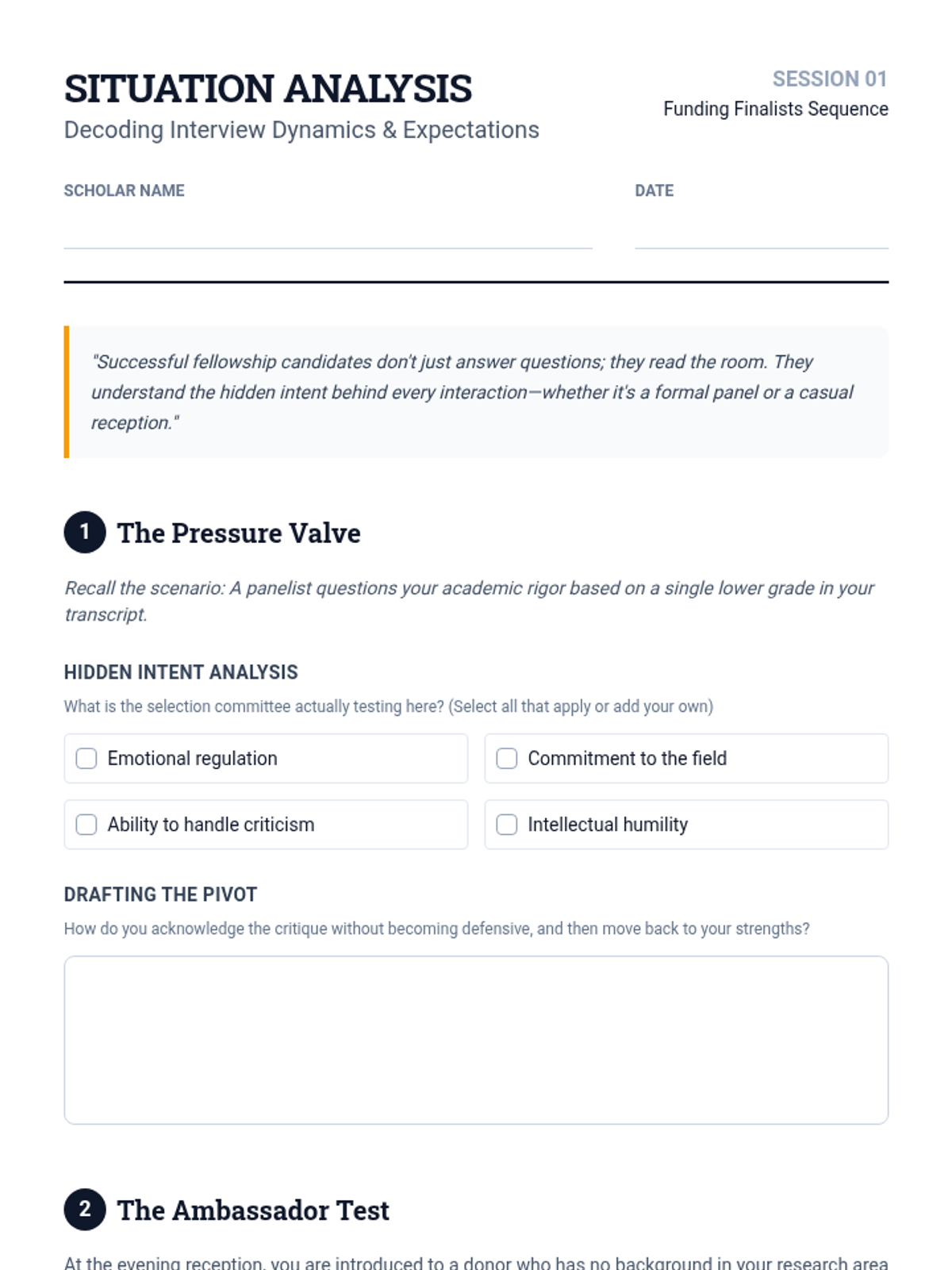
Students analyze different fellowship interview styles—panel, one-on-one, and social—and decode the underlying expectations of selection committees.
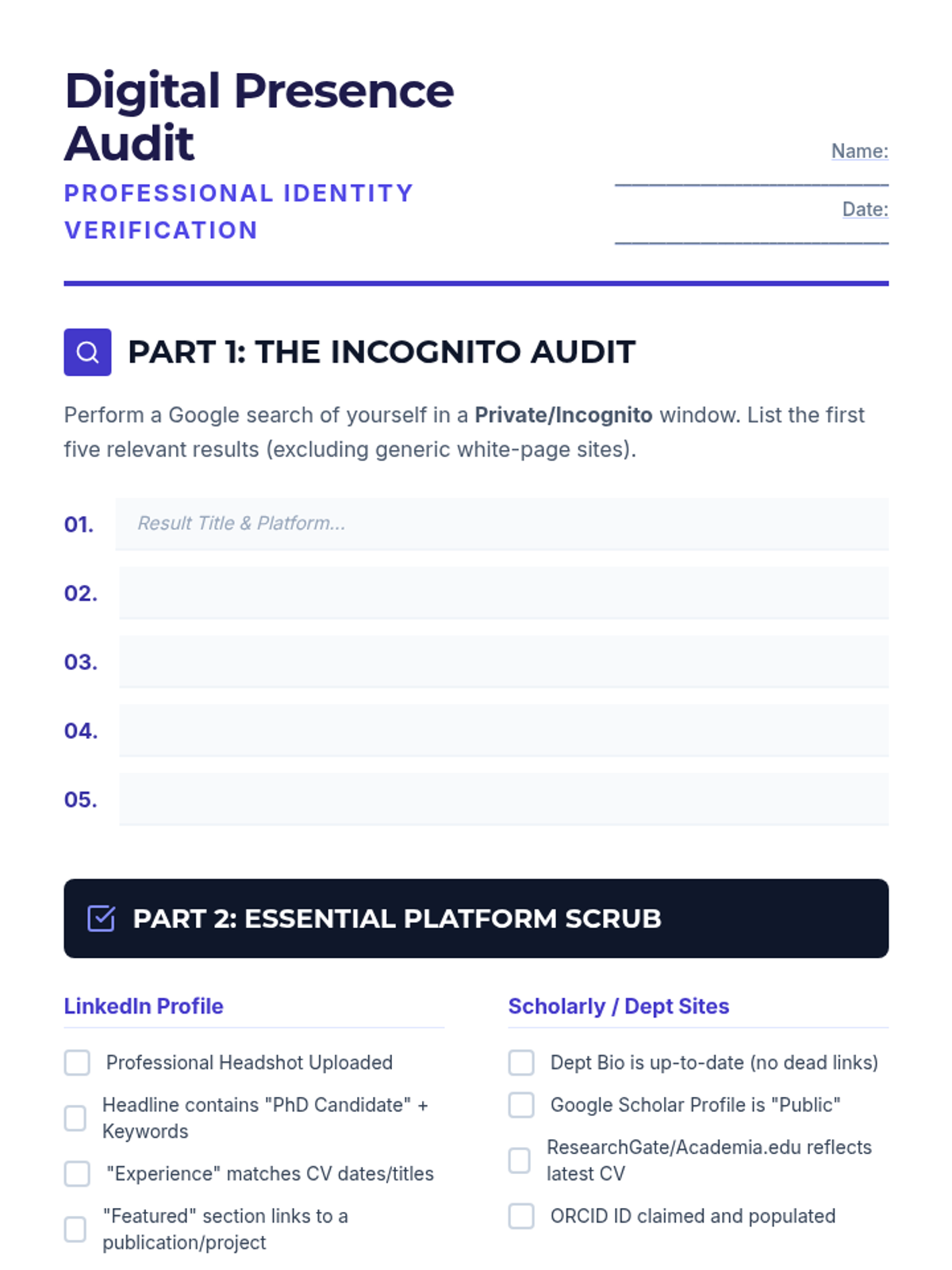
An audit of the student's digital footprint to ensure professional alignment across platforms like LinkedIn and ResearchGate.
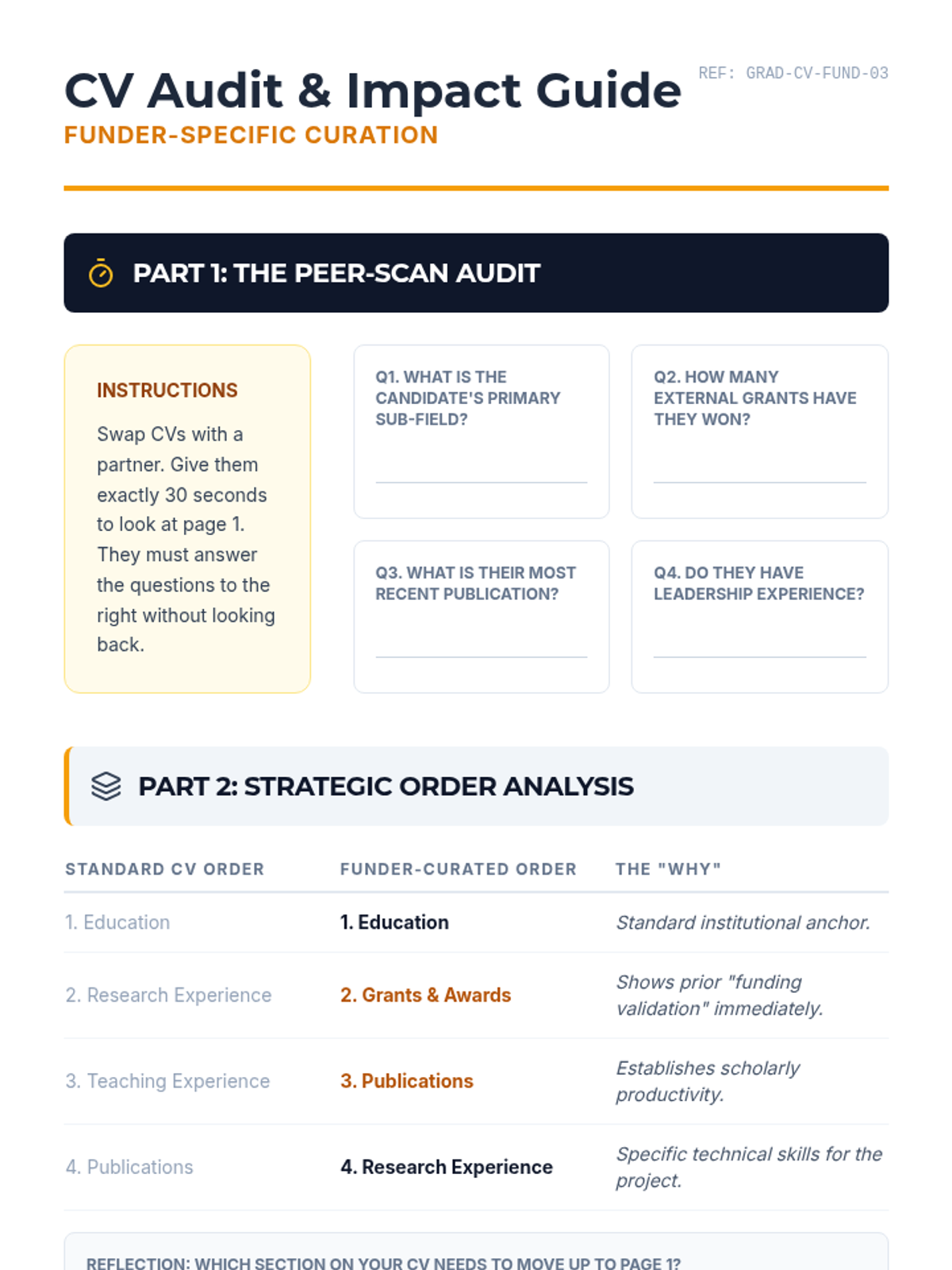
Students workshop their academic CVs to highlight funding-specific achievements and optimize for the '30-second scan' used by reviewers.
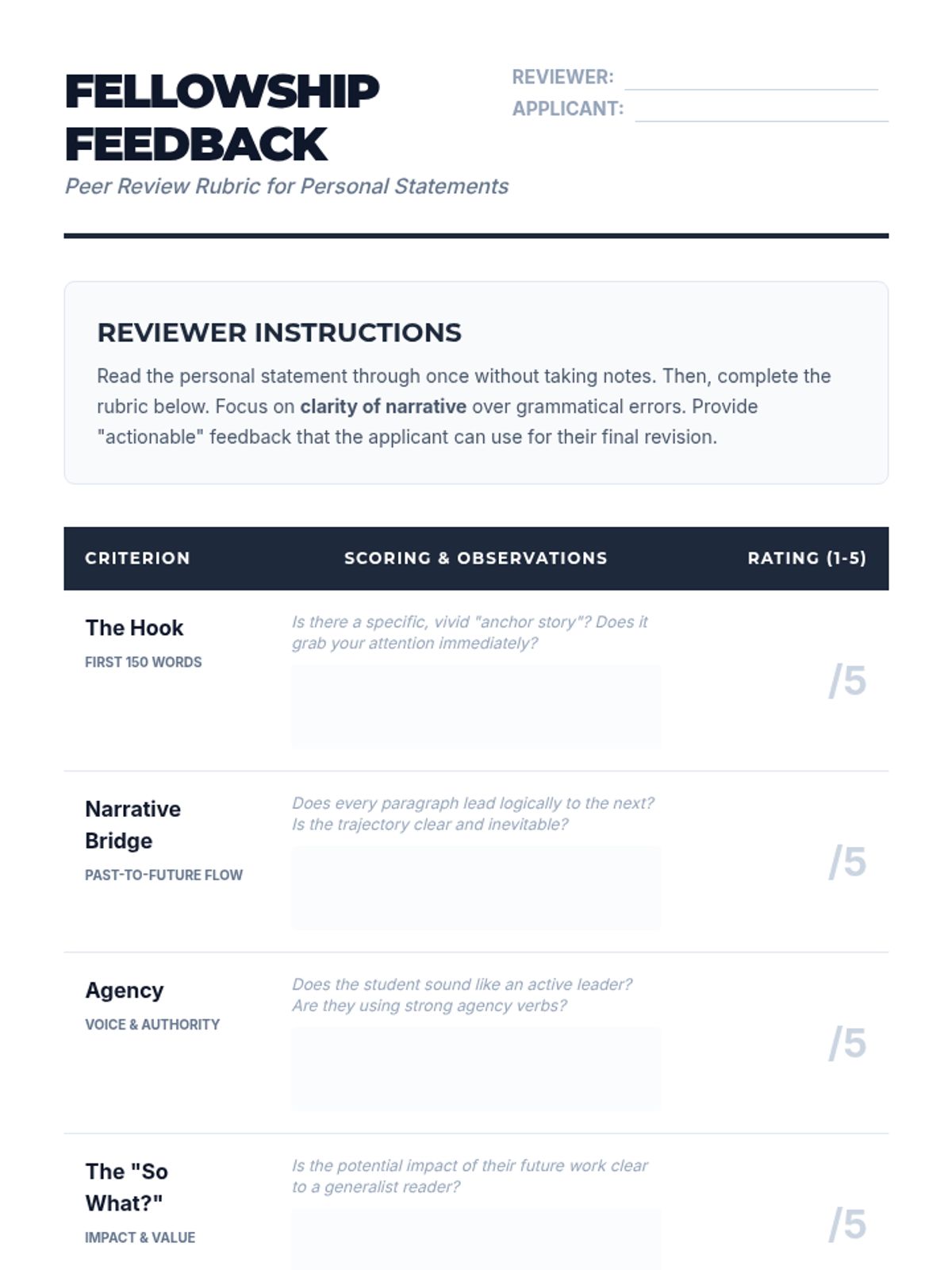
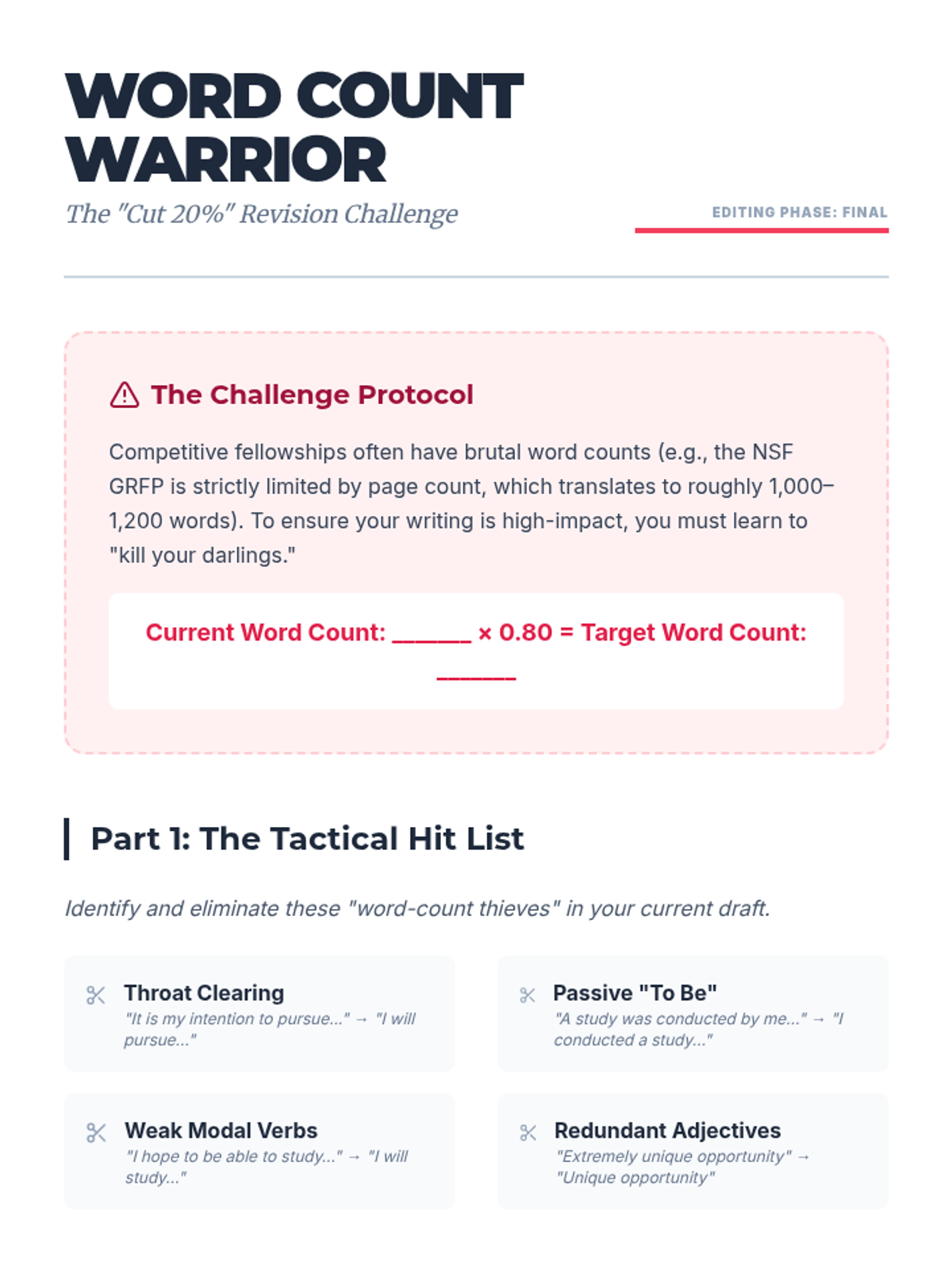
Through structured peer review and 'ruthless editing' challenges, students finalize their fellowship narratives, focusing on impact and word count precision.
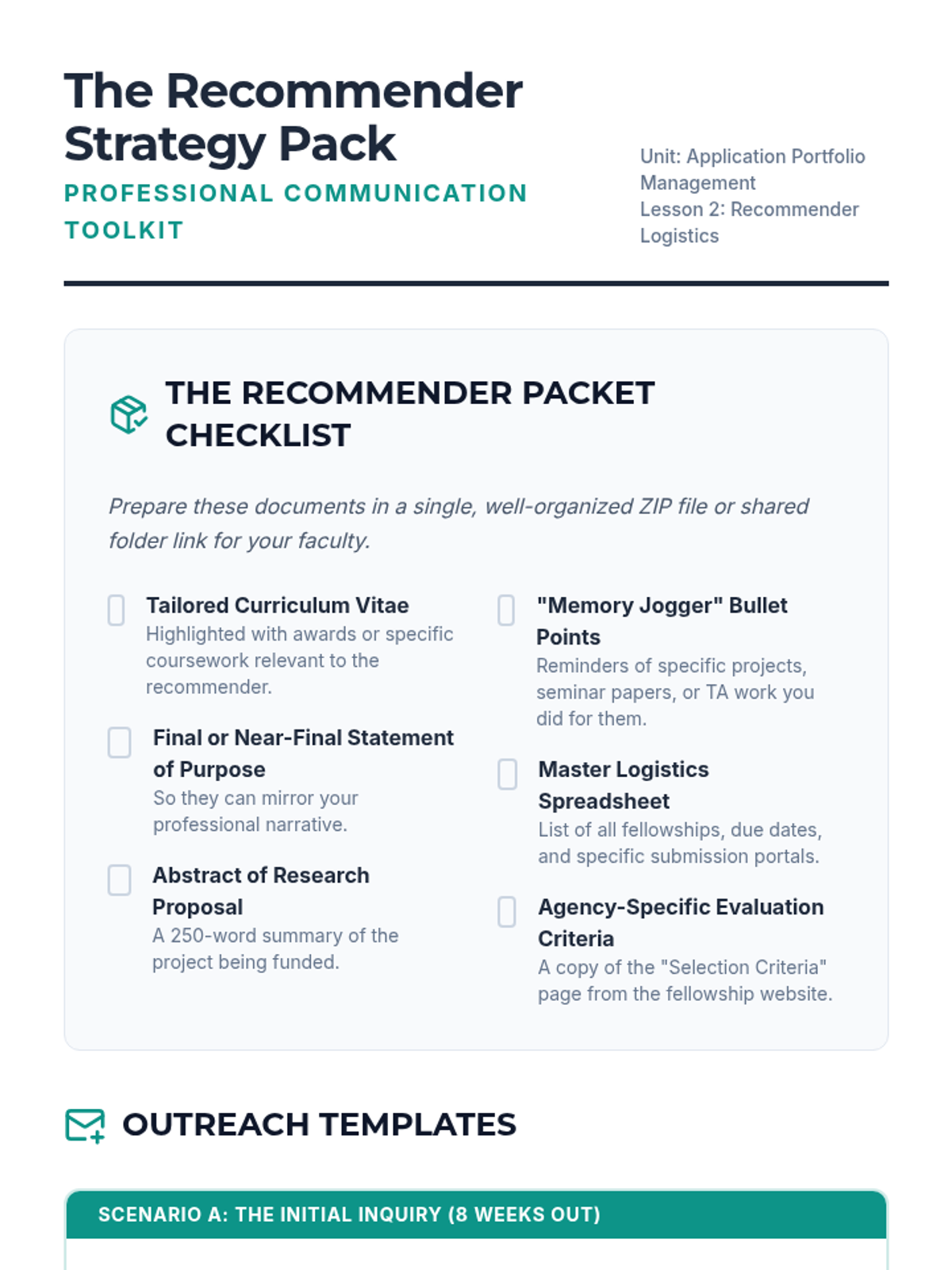
Focuses on the professional etiquette and strategic preparation needed to secure high-impact letters of recommendation through comprehensive recommender packets.
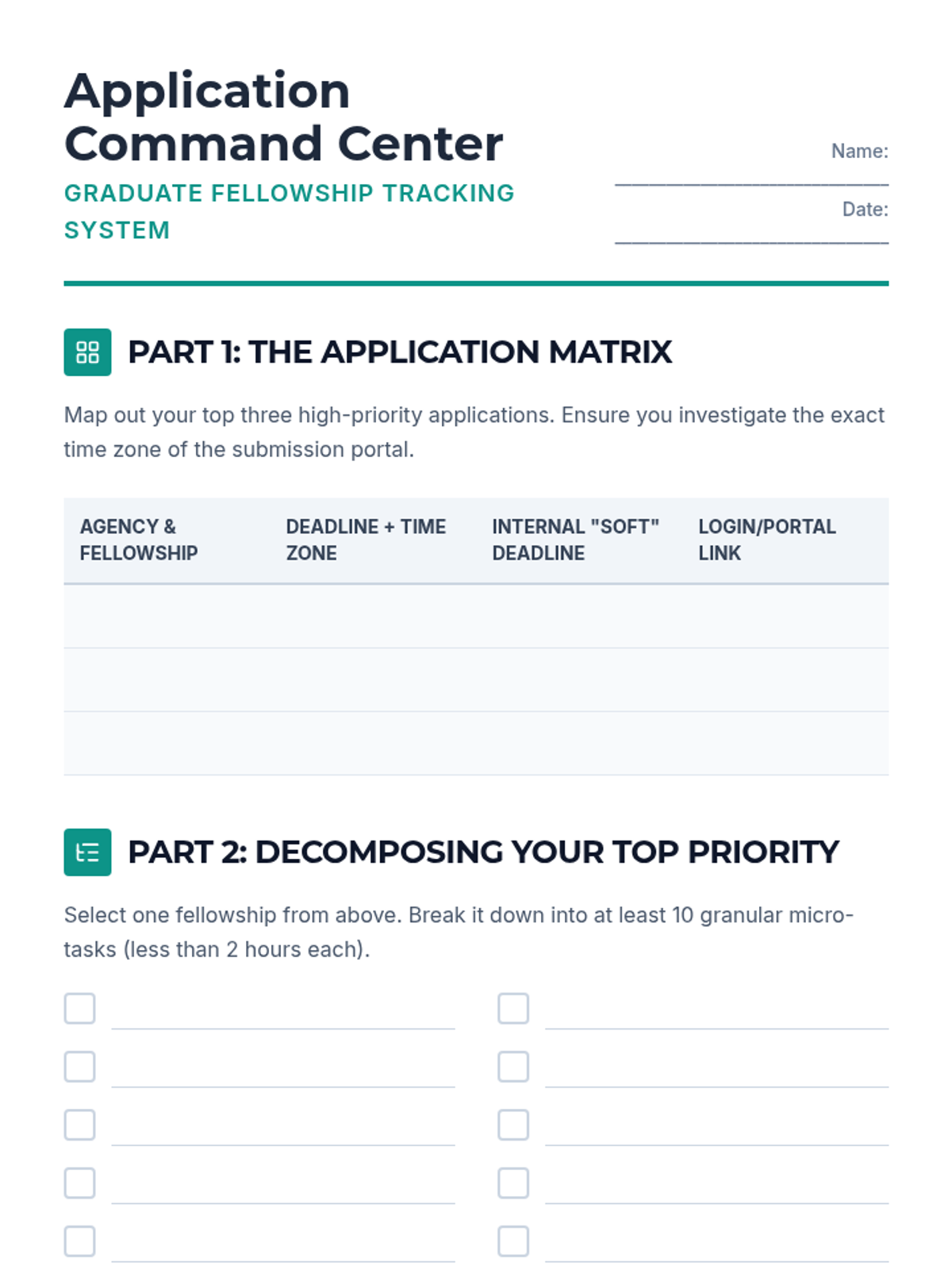
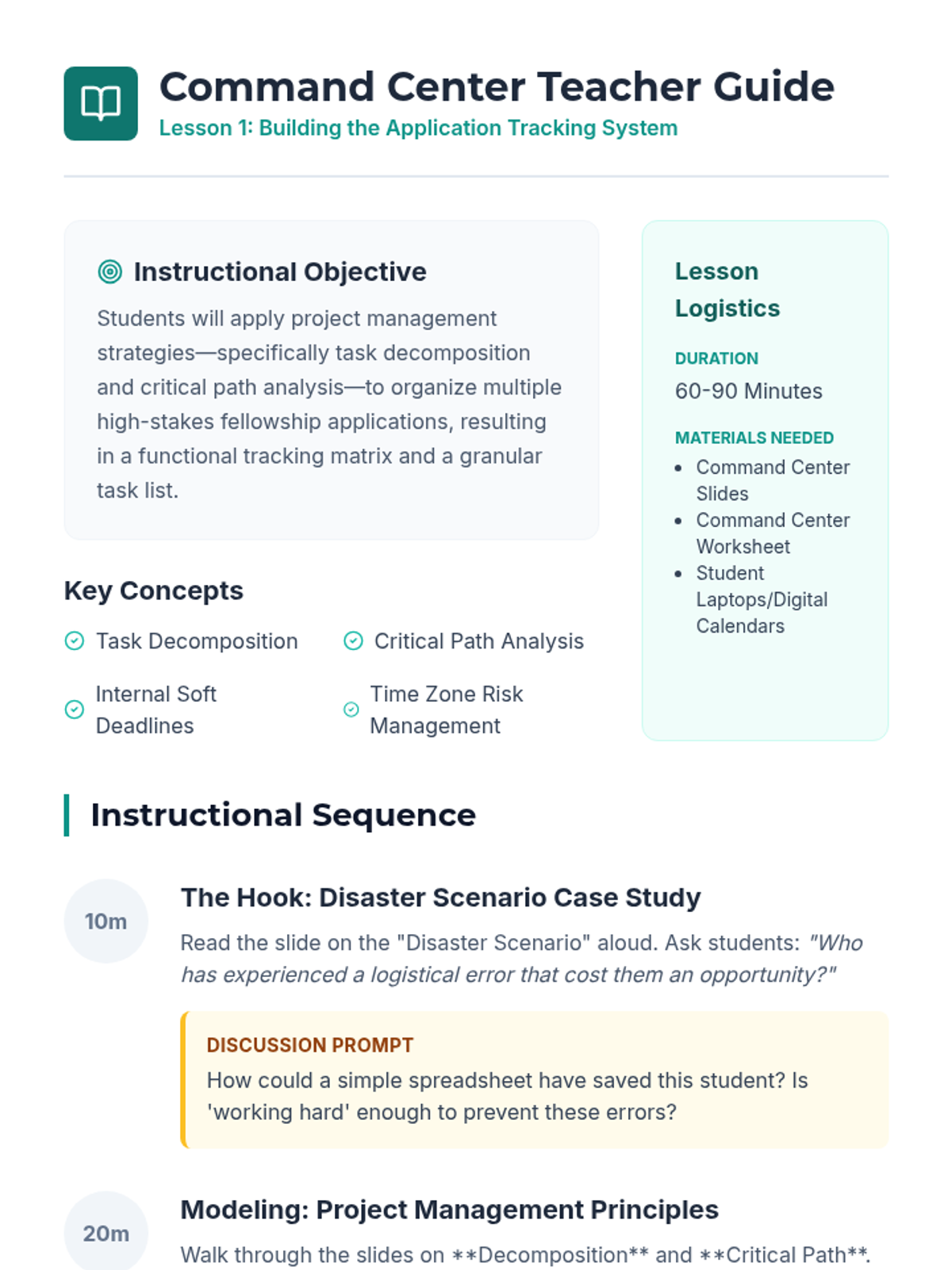
Students learn to apply project management principles to application cycles, creating a robust digital tracking system to manage deadlines and requirements.
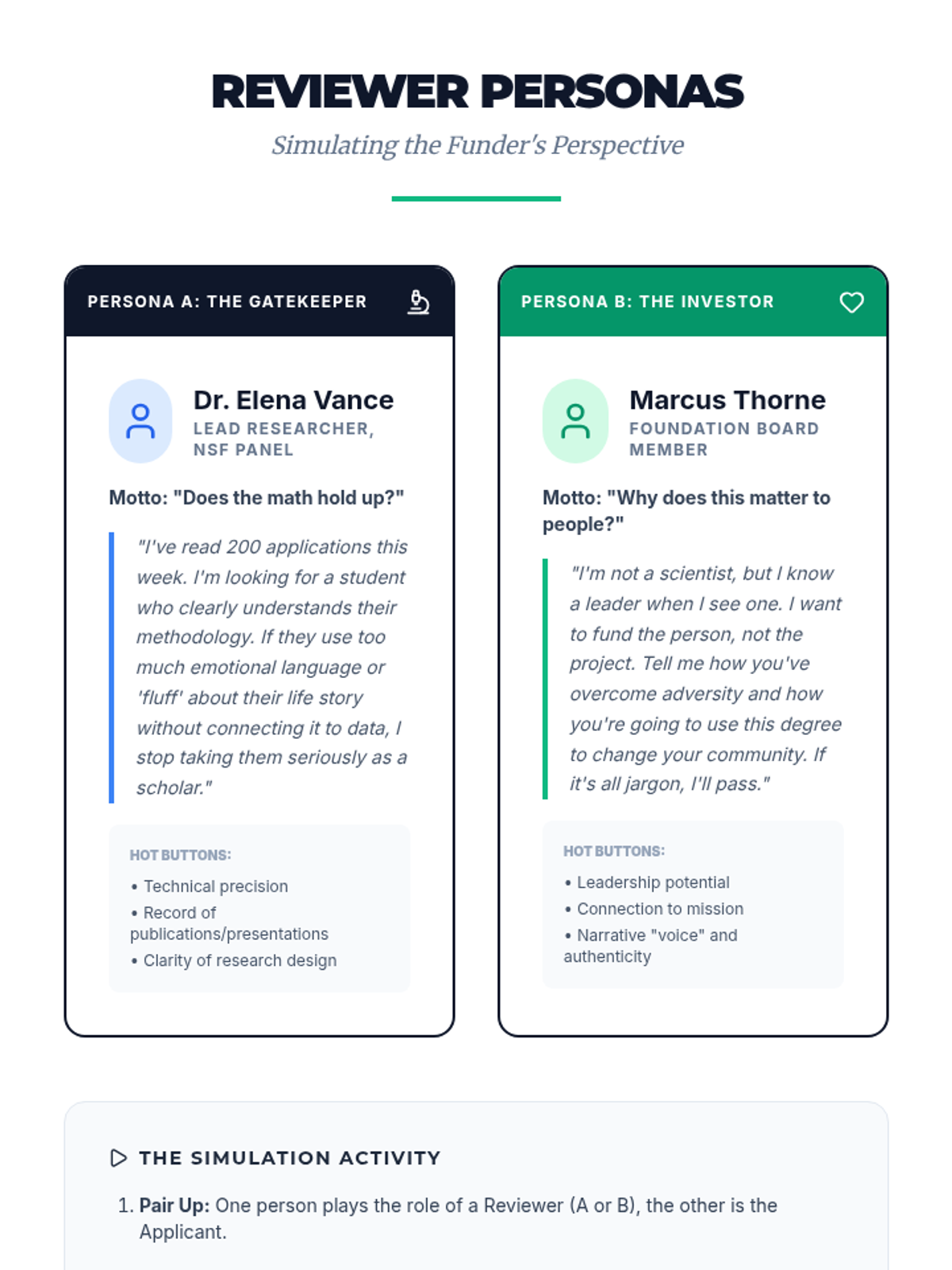
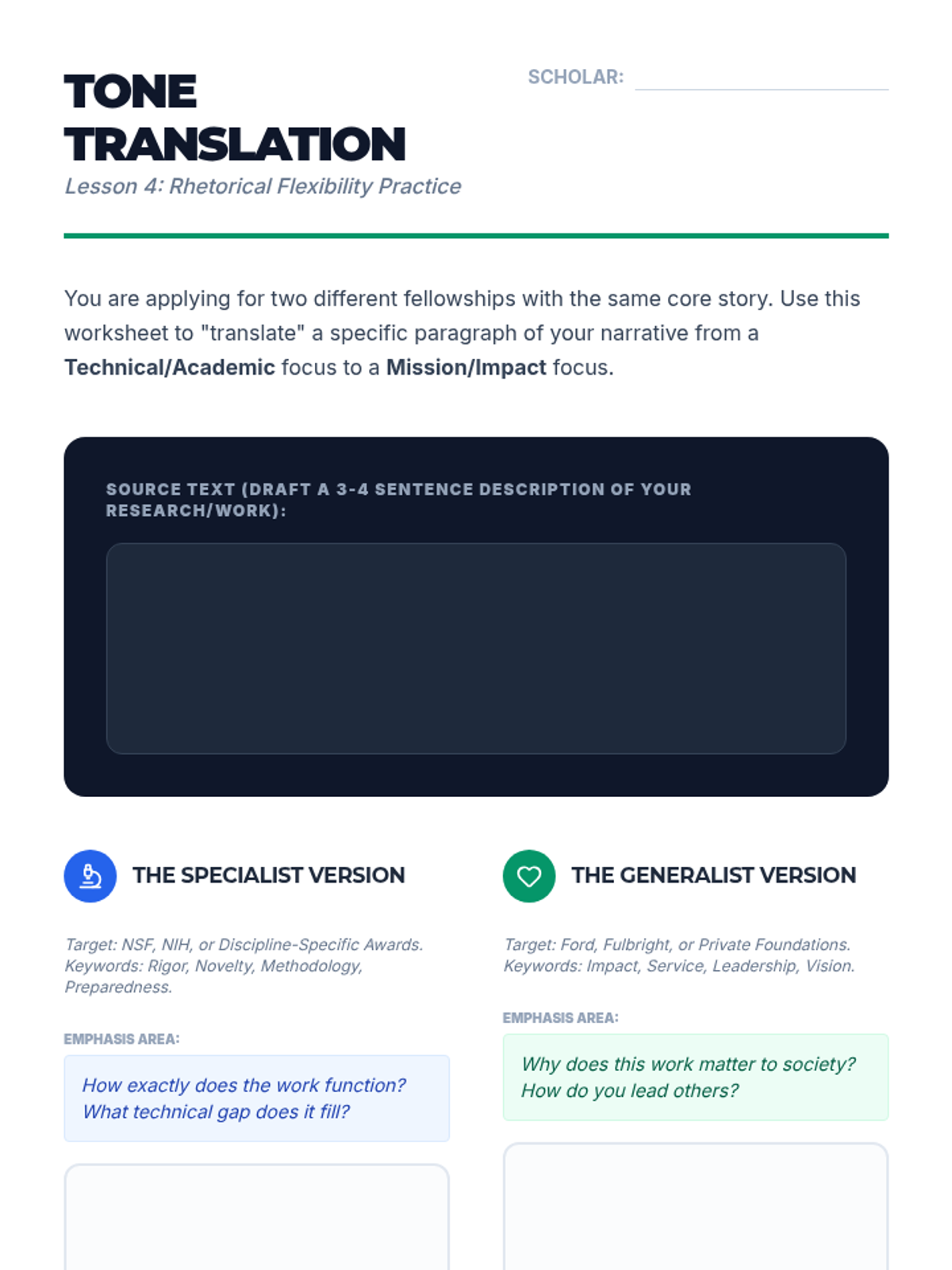
Students practice rhetorical flexibility by adapting their core narrative for different types of funders, from research-heavy agencies to community-focused foundations.
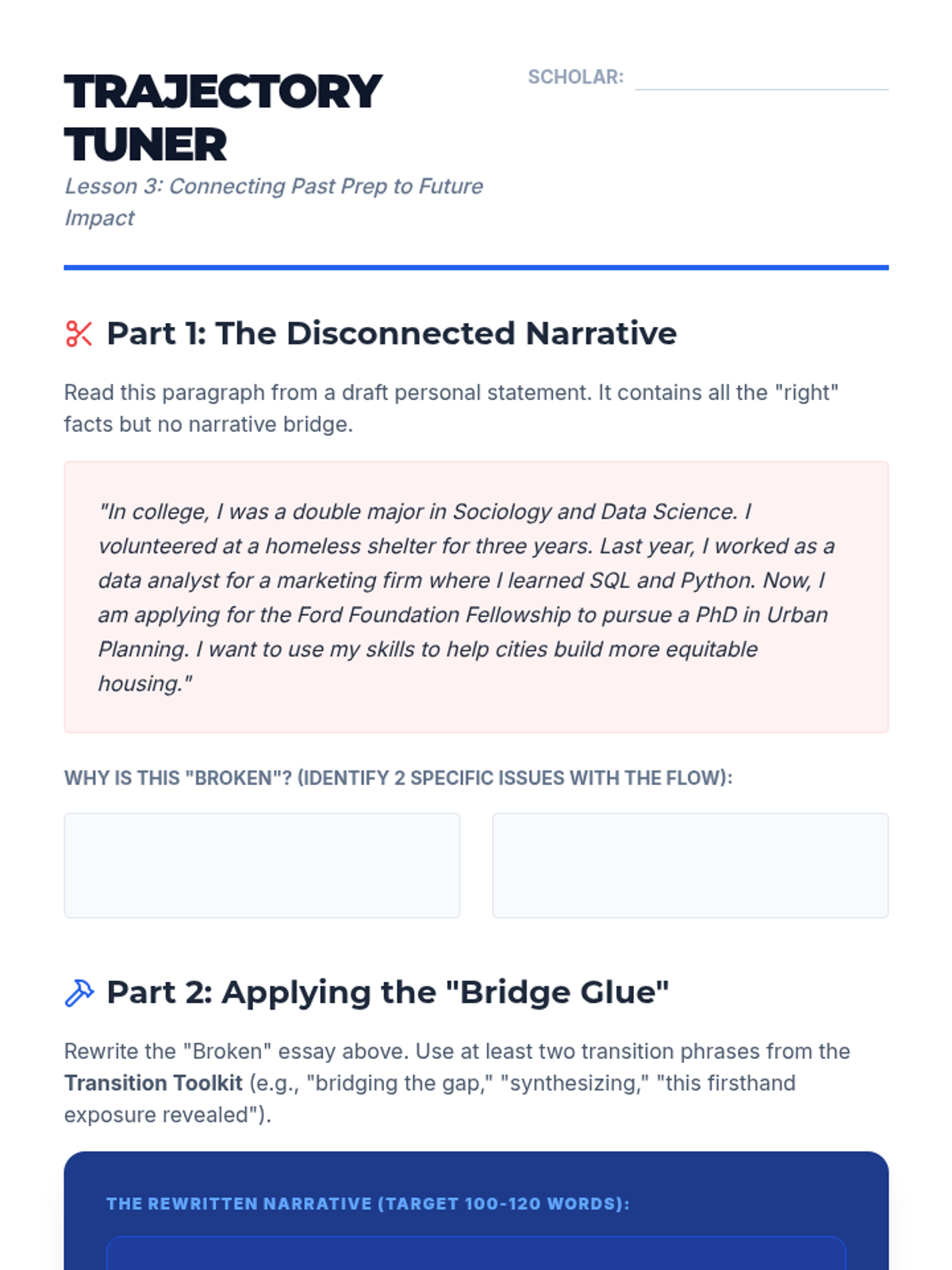
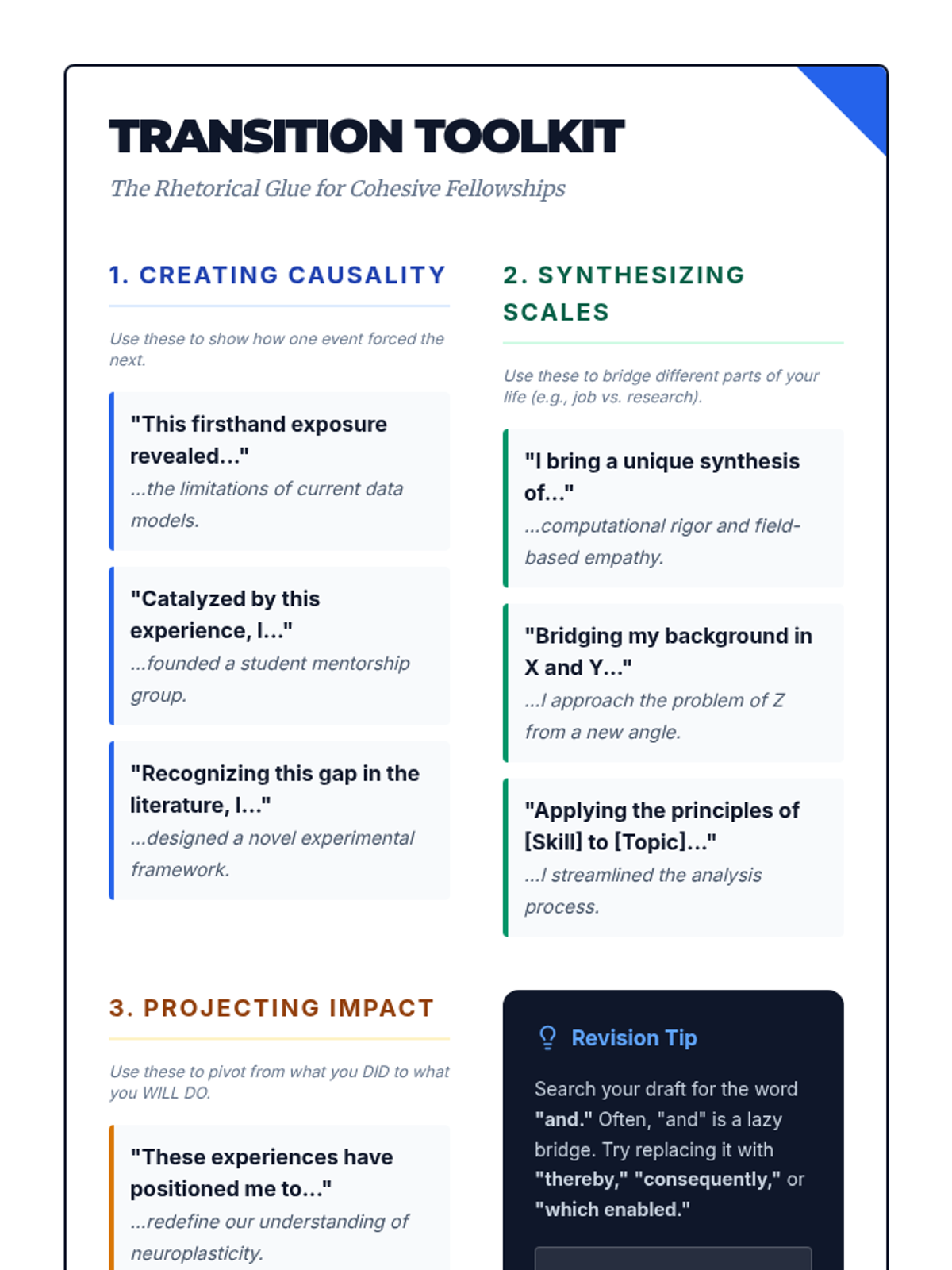
This lesson focuses on creating logical flow between a student's past trajectory, current research, and future career goals, ensuring a cohesive and persuasive argument for funding.
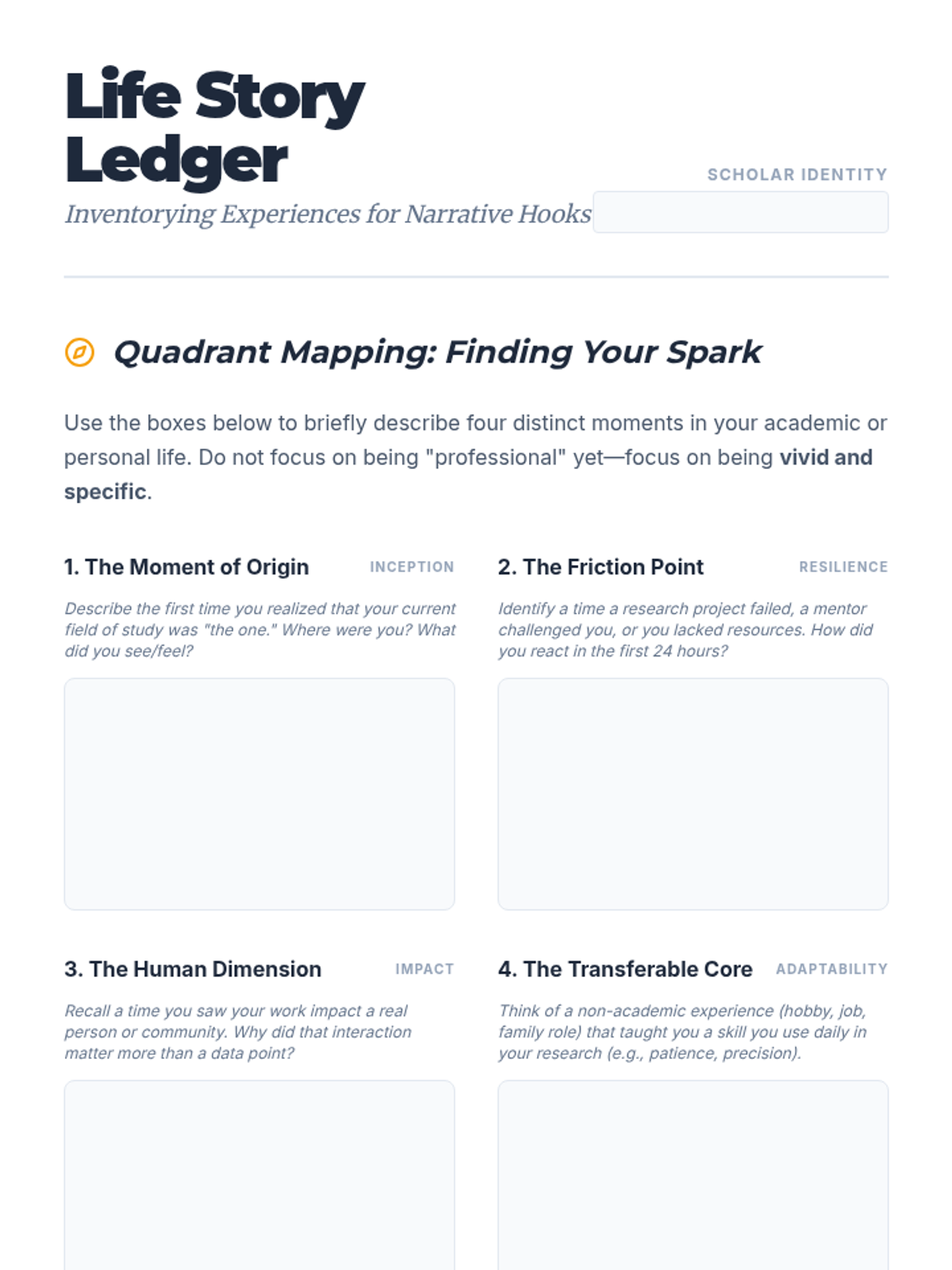
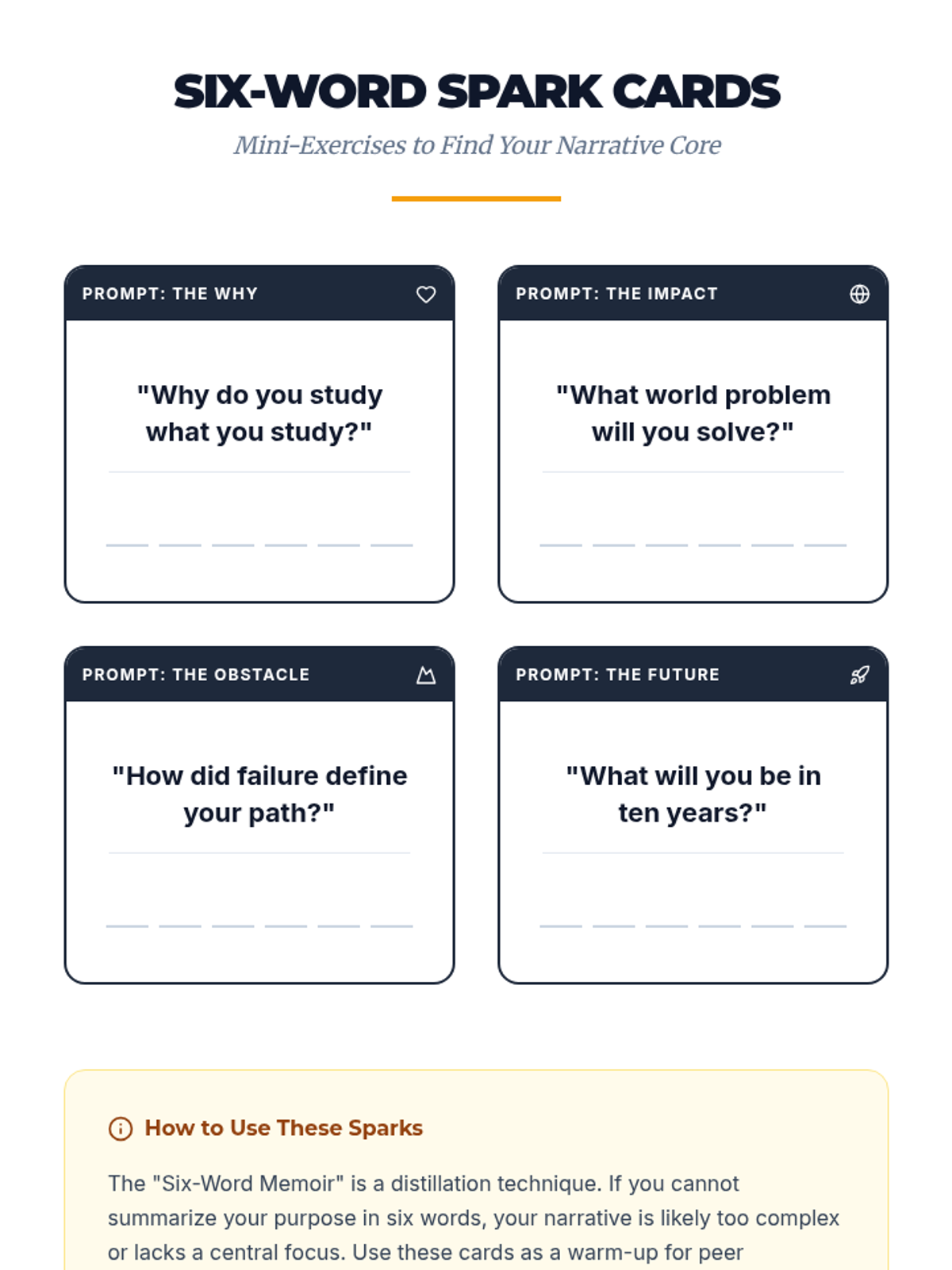
Using reflective writing and guided exercises like the 'Six-Word Memoir,' students identify pivotal moments and anchor stories that humanize their academic profile.
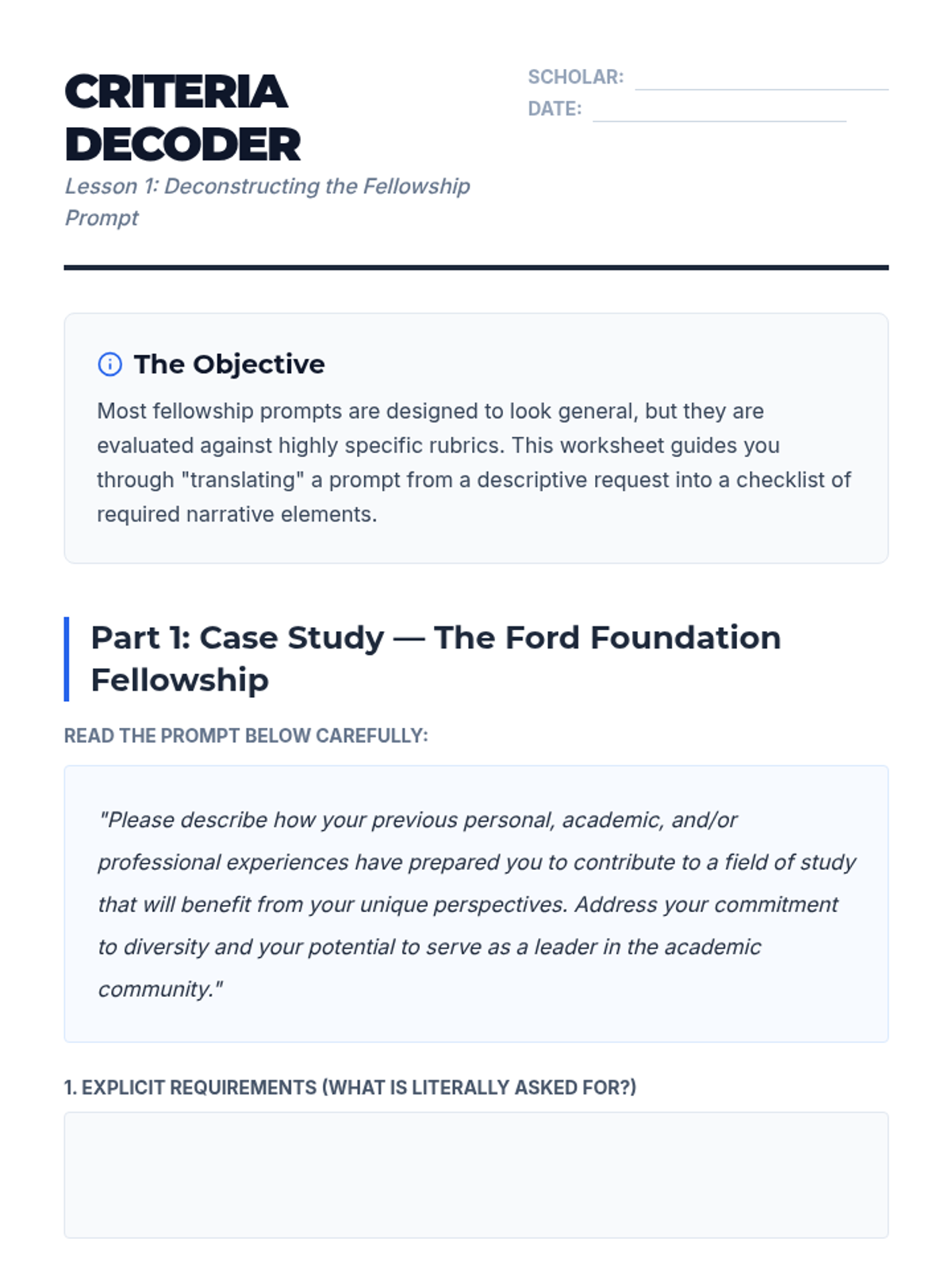
Students analyze prompts from major fellowship applications to identify explicit and implicit requirements, learning to map their responses to specific review criteria like 'Intellectual Merit' and 'Broader Impacts.'
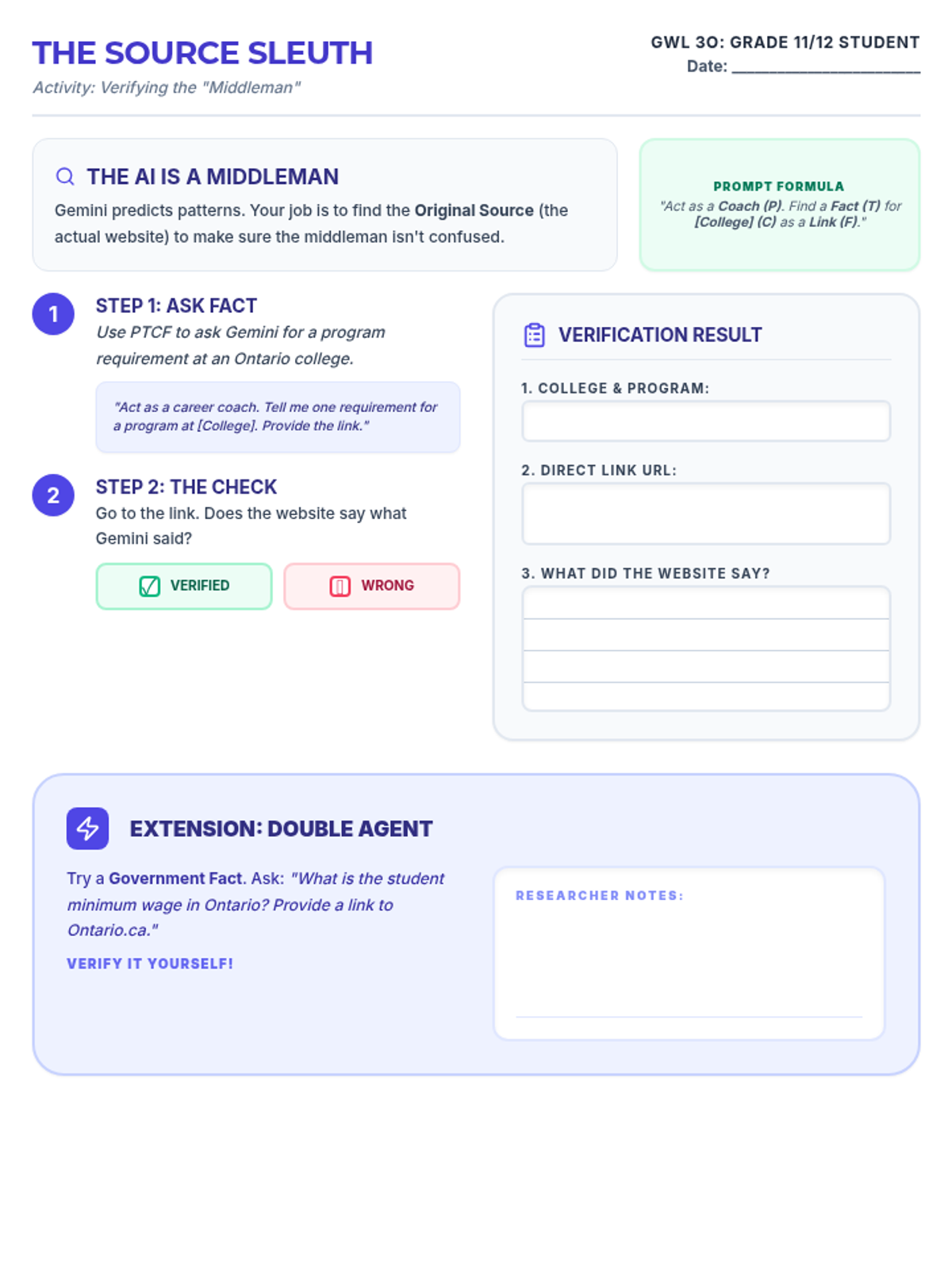
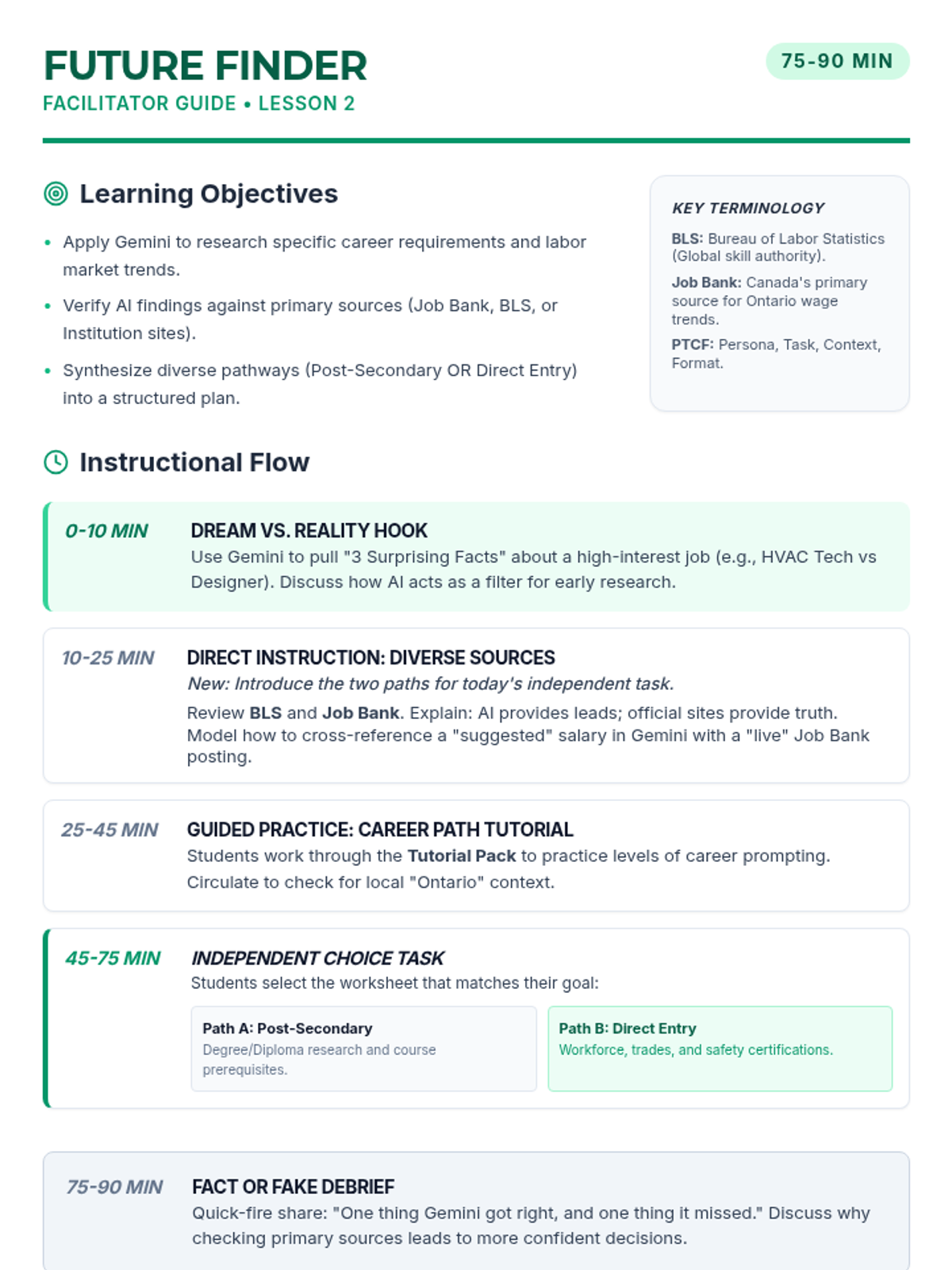
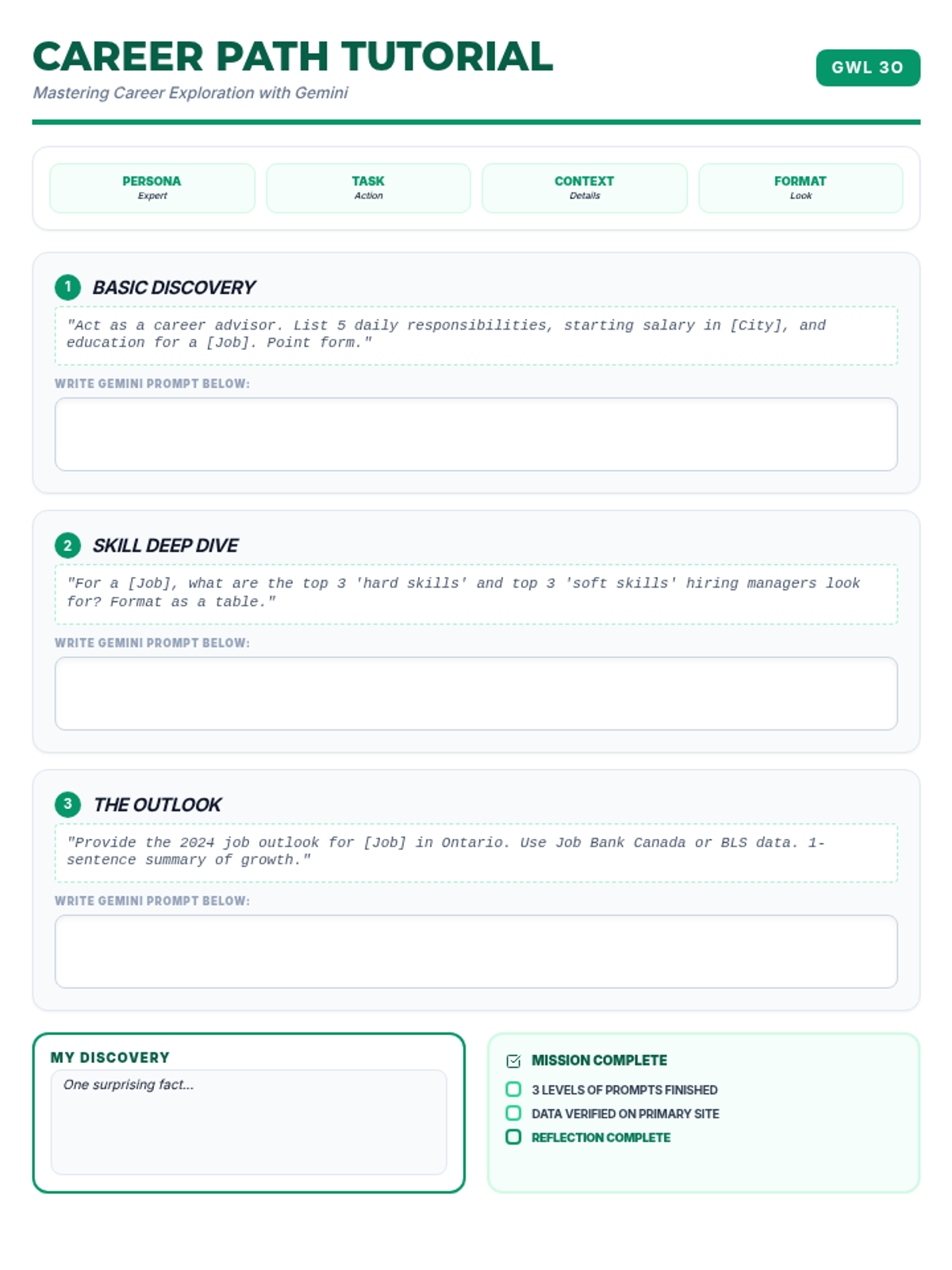
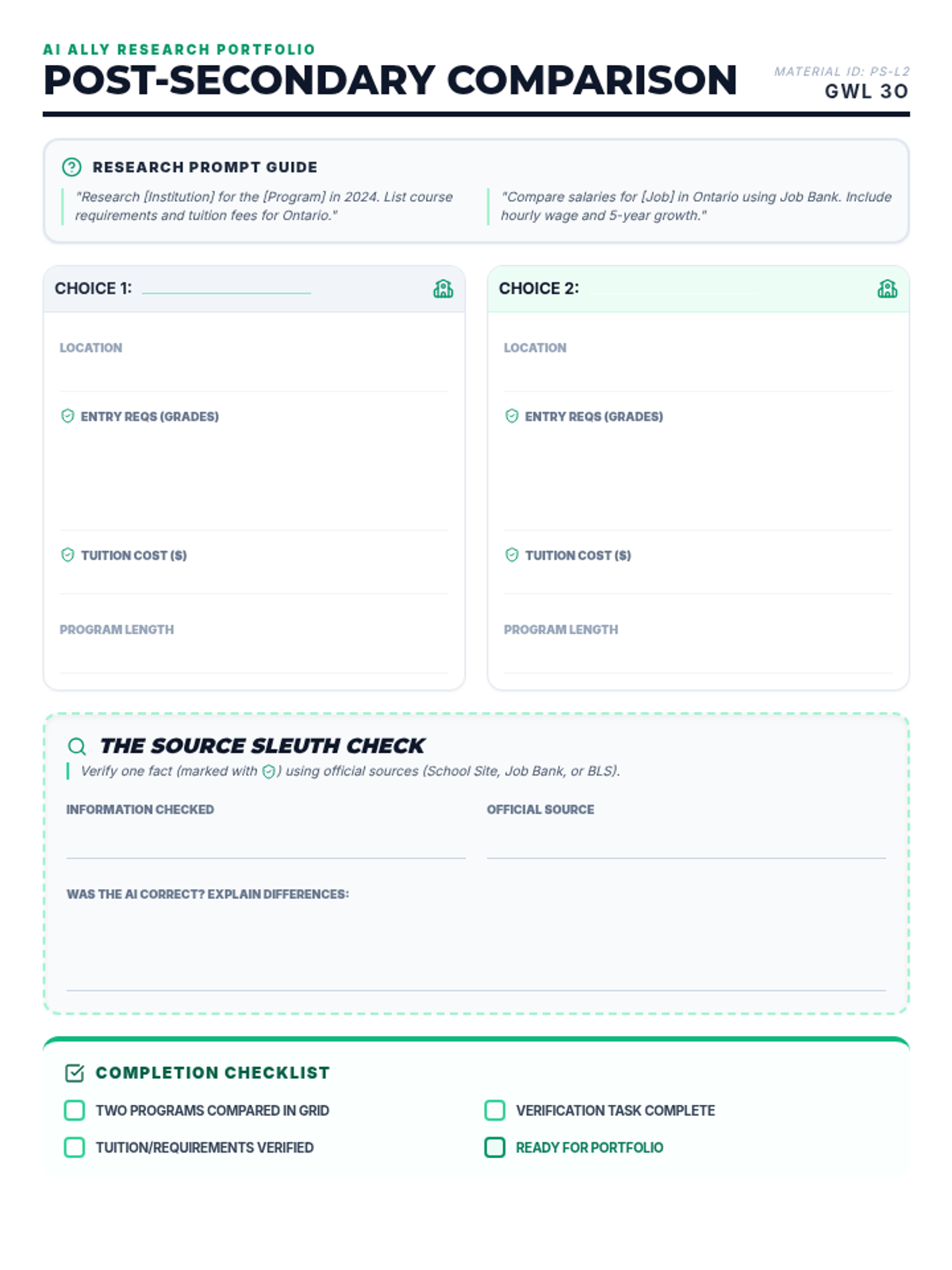
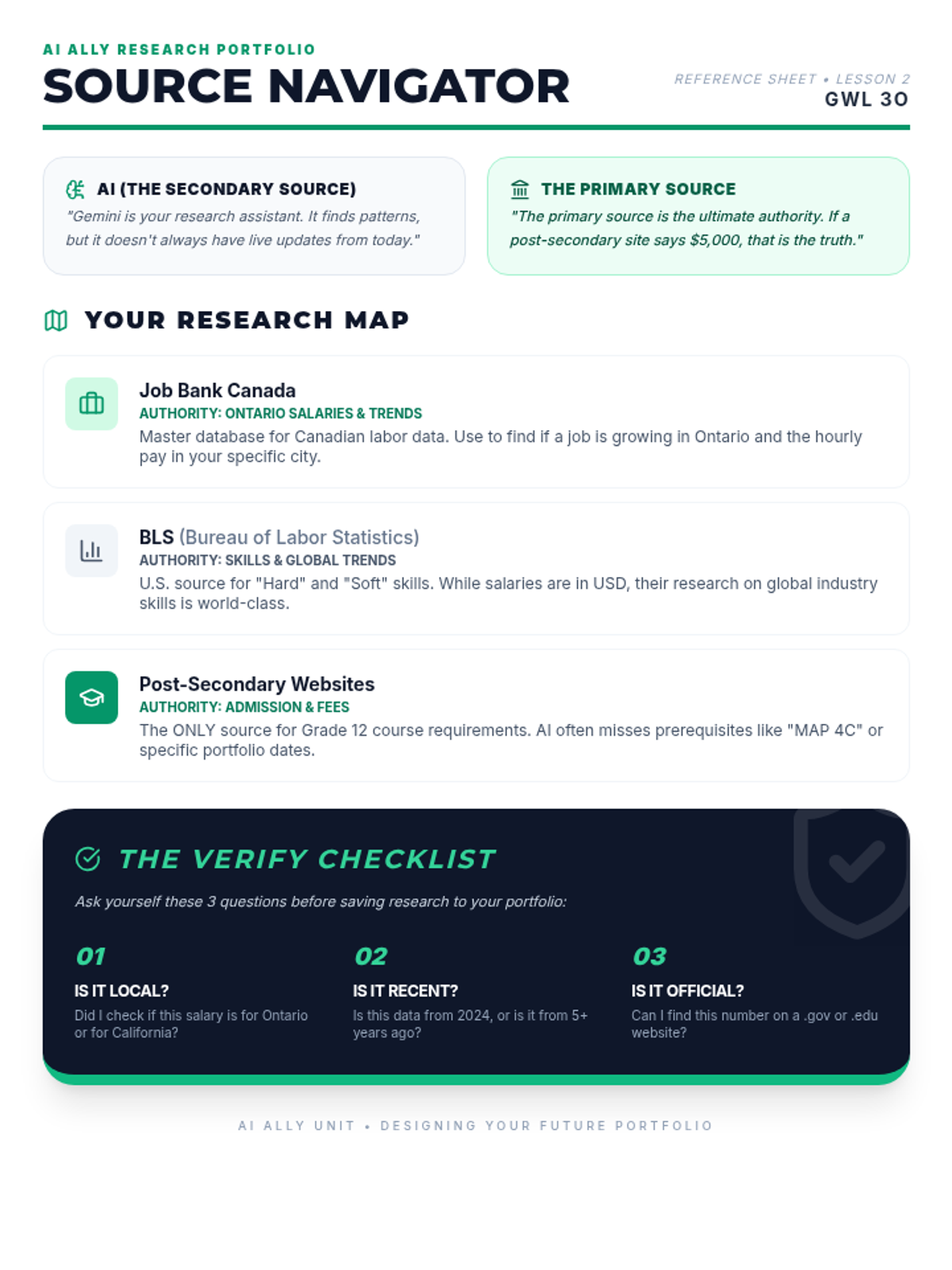
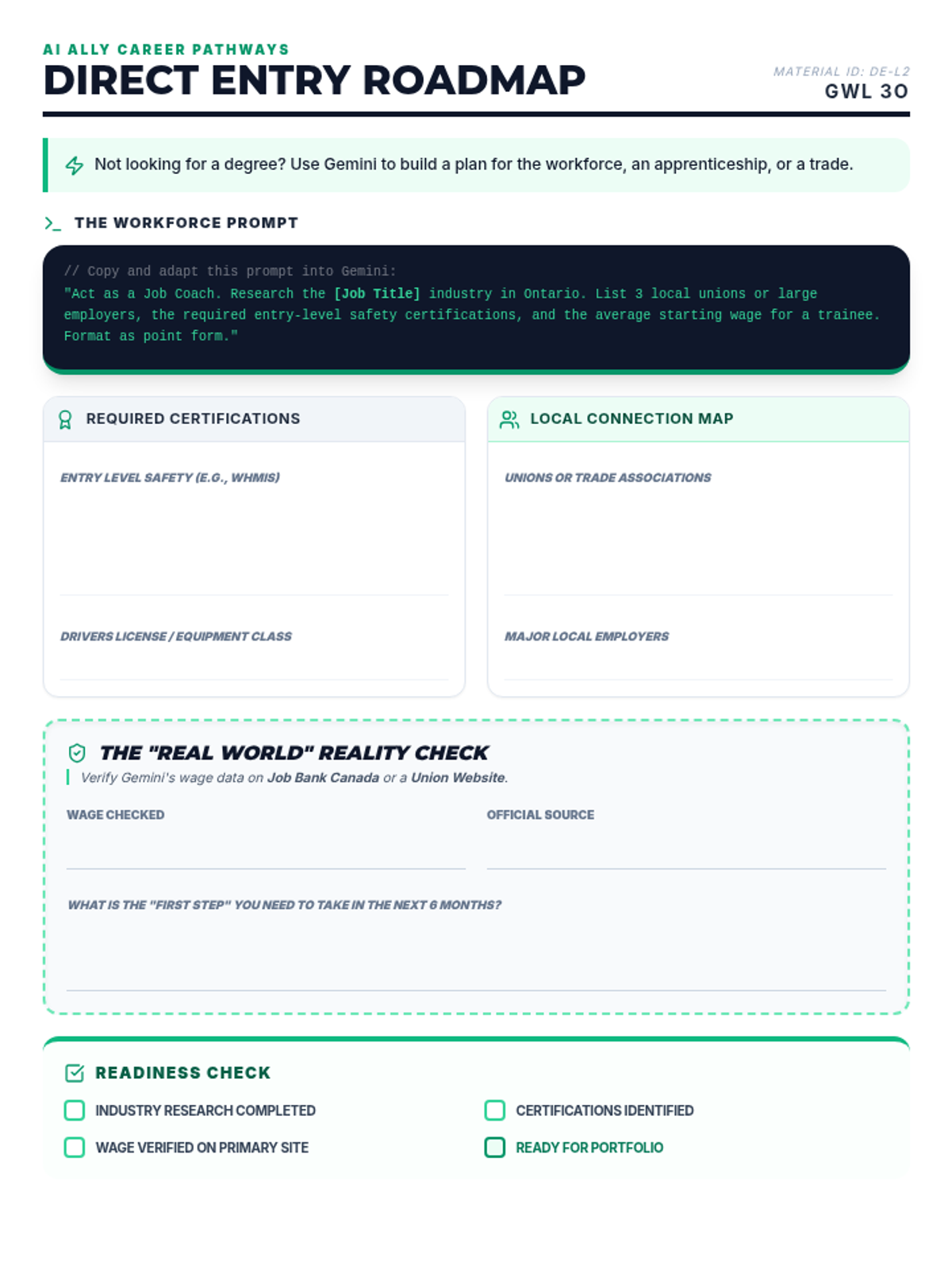
Students use Gemini to explore diverse career pathways, post-secondary requirements, and labor market trends, learning how to cross-reference AI findings with primary sources like government databases and institution websites.
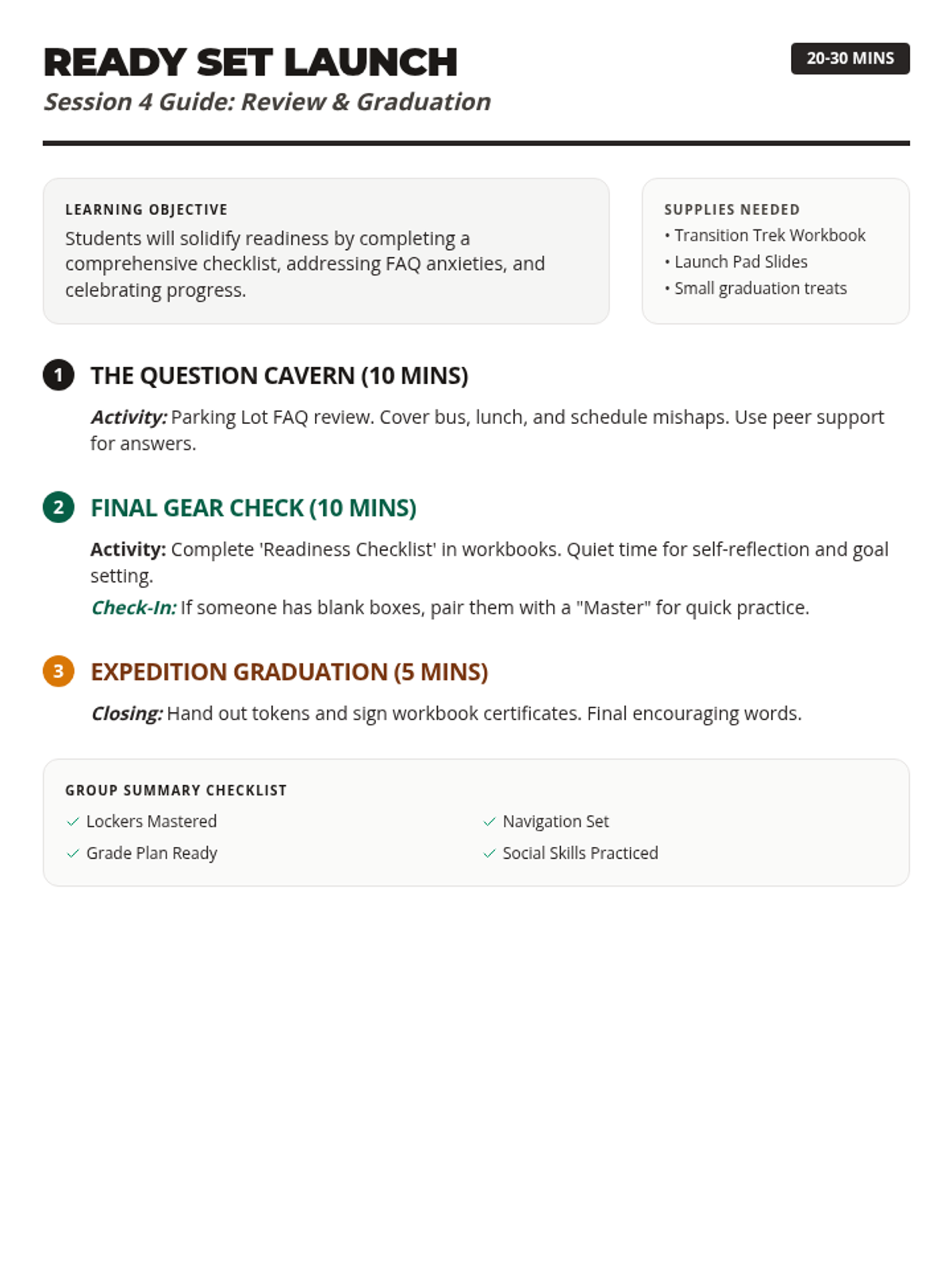
A final review session where students complete their readiness checklists, ask lingering questions, and celebrate their growth through the transition group.
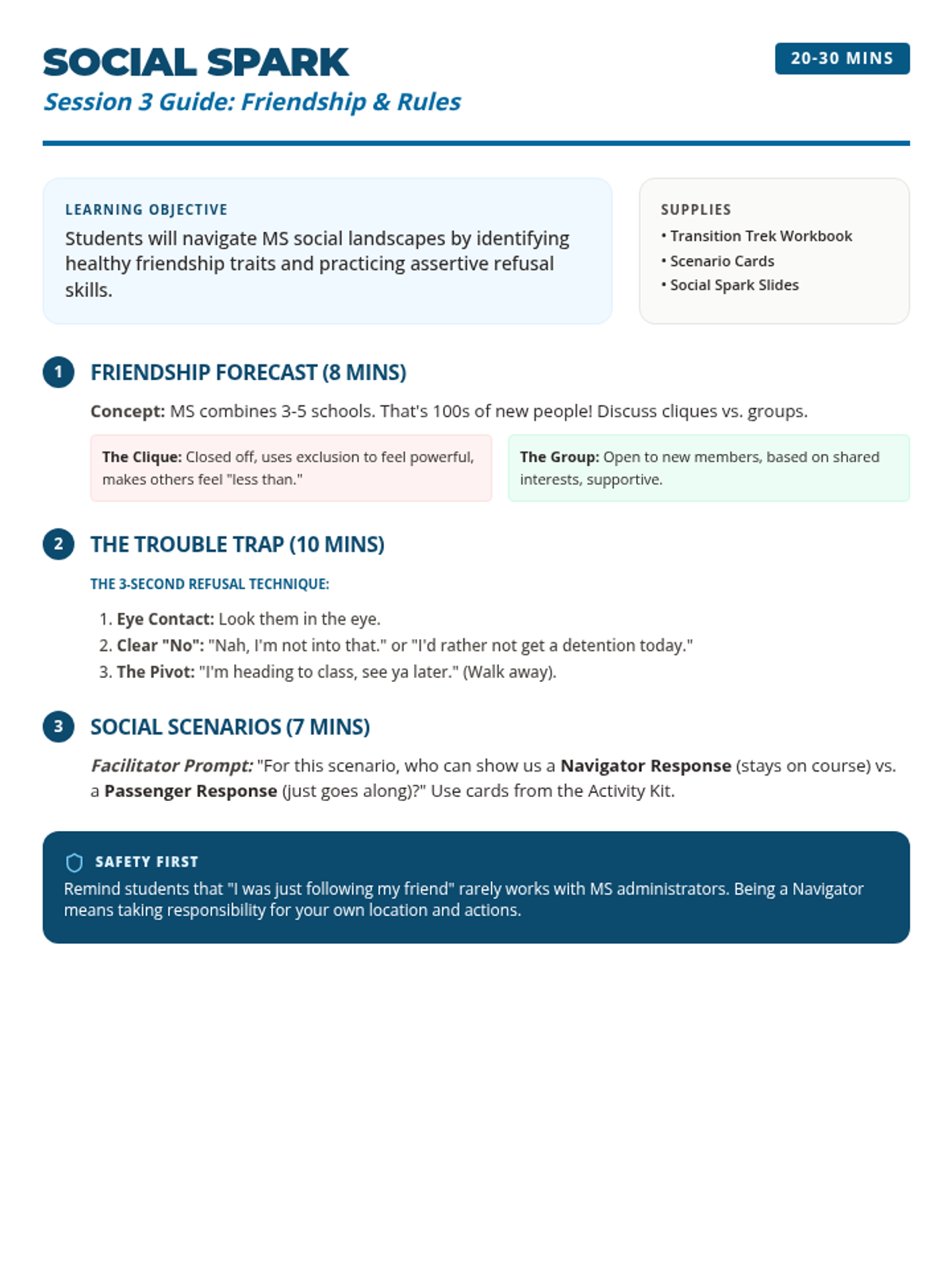
Explores the changing social landscape of middle school, including making new friends, maintaining old ones, and understanding school rules/consequences to avoid 'getting in trouble'.
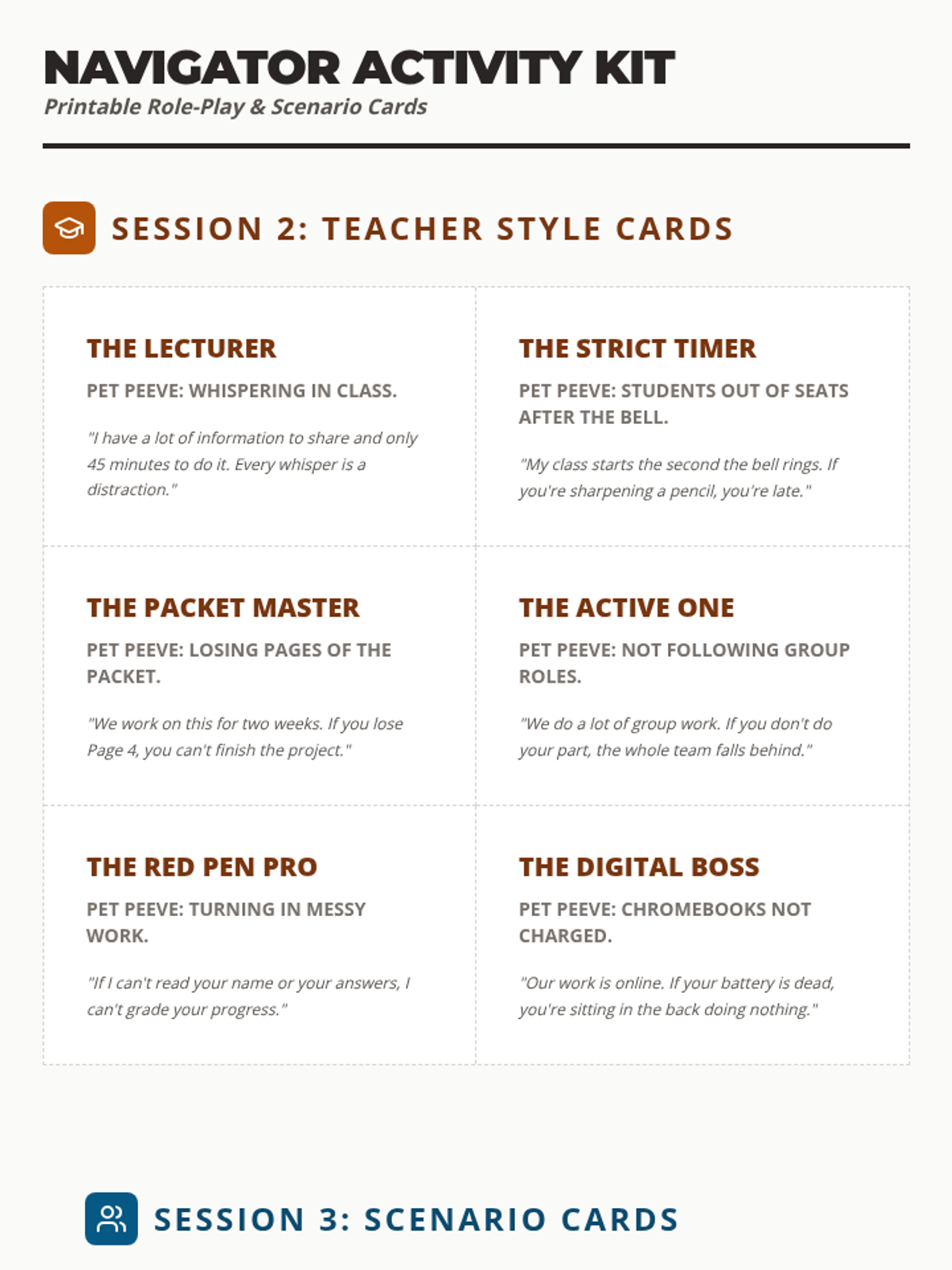
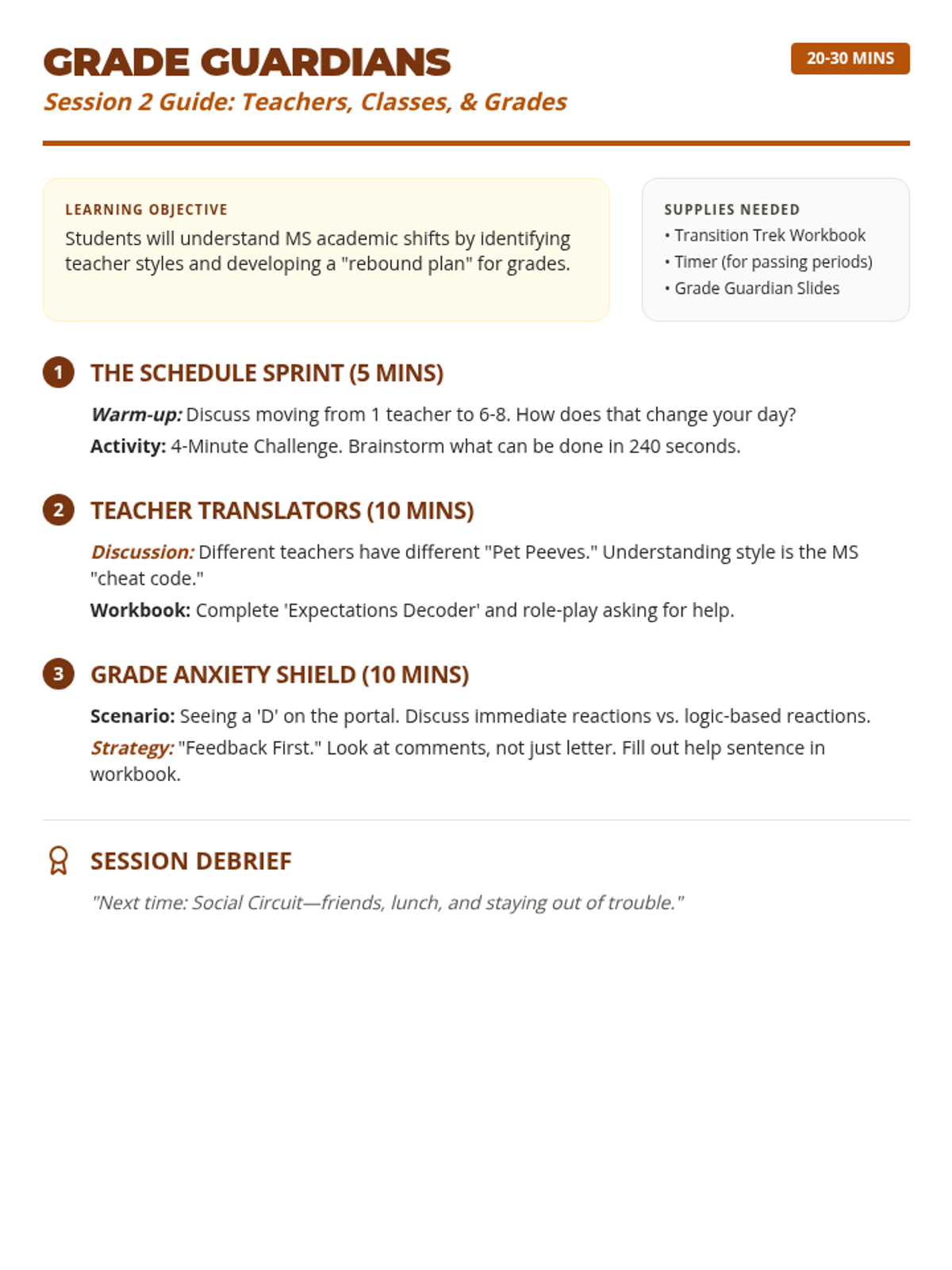
Addresses academic shifts including managing multiple teachers, understanding different class formats, and the transition to more formal grading systems. Focuses on organization and communication.
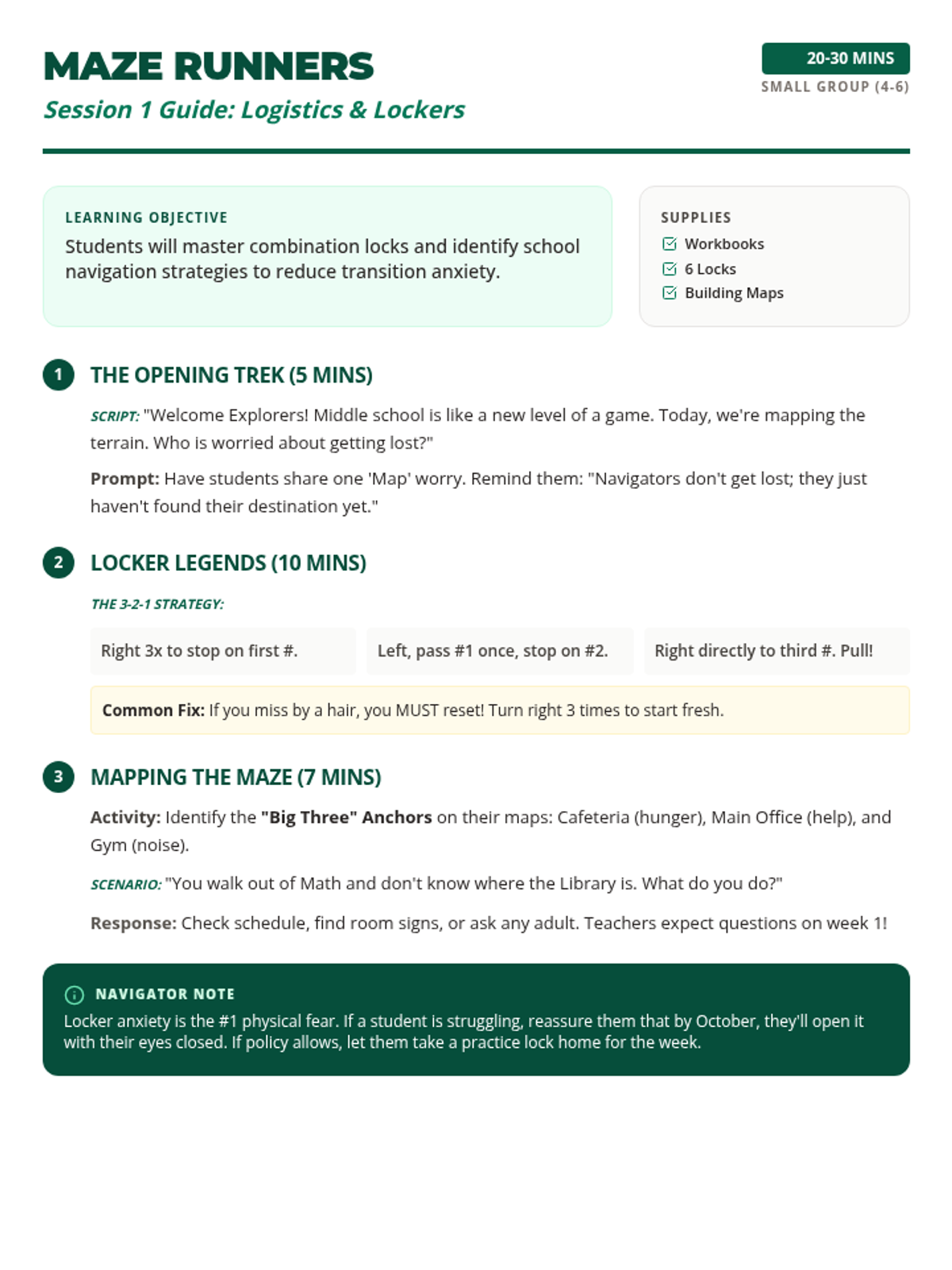
Focuses on the logistical anxieties of middle school, specifically mastering lockers and navigating a larger building without getting lost. Students practice combination locks and map-reading skills.
Students explore the differences between high school and post-secondary legal protections, preparing for self-disclosure in college and the workplace.
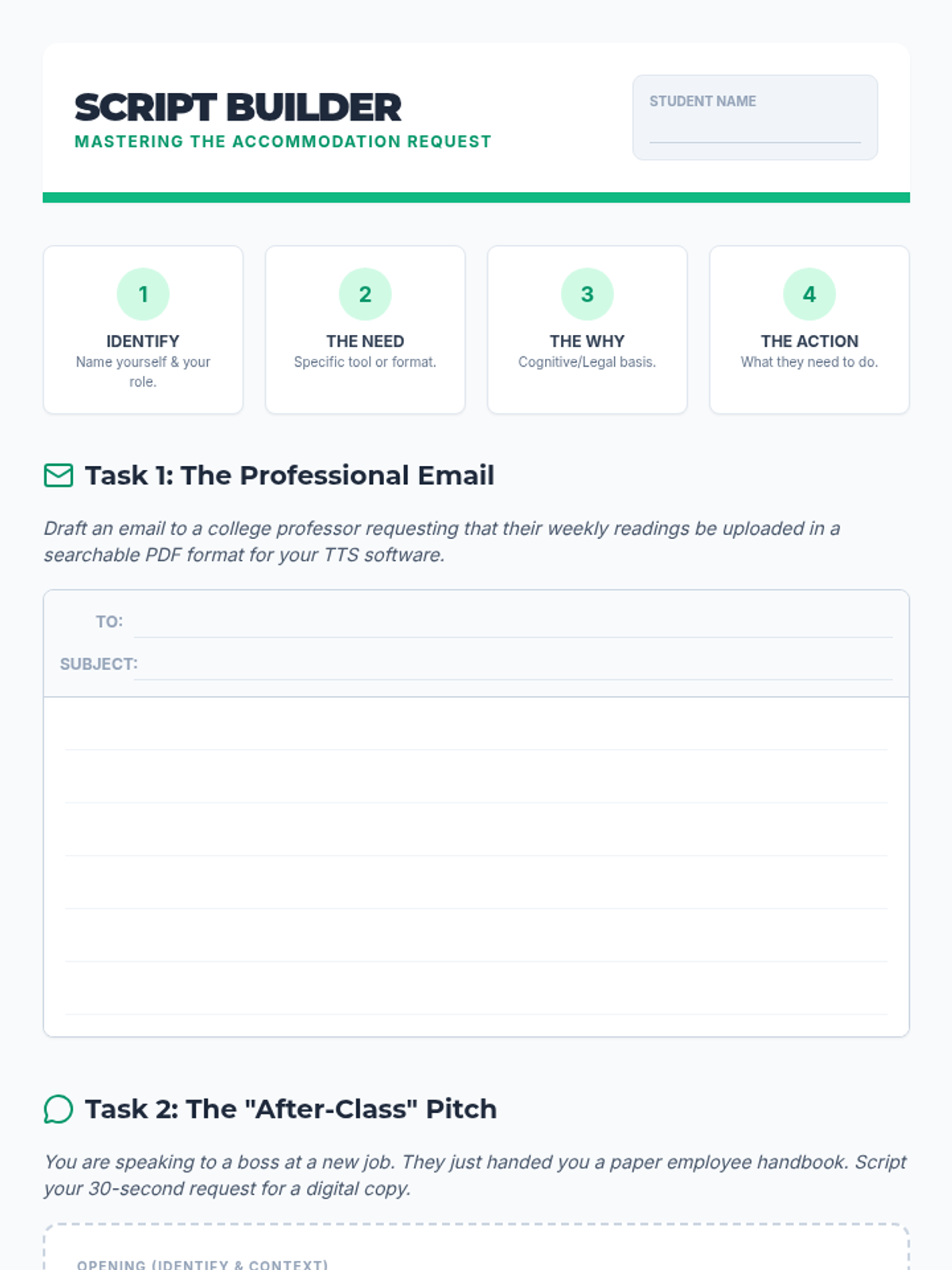
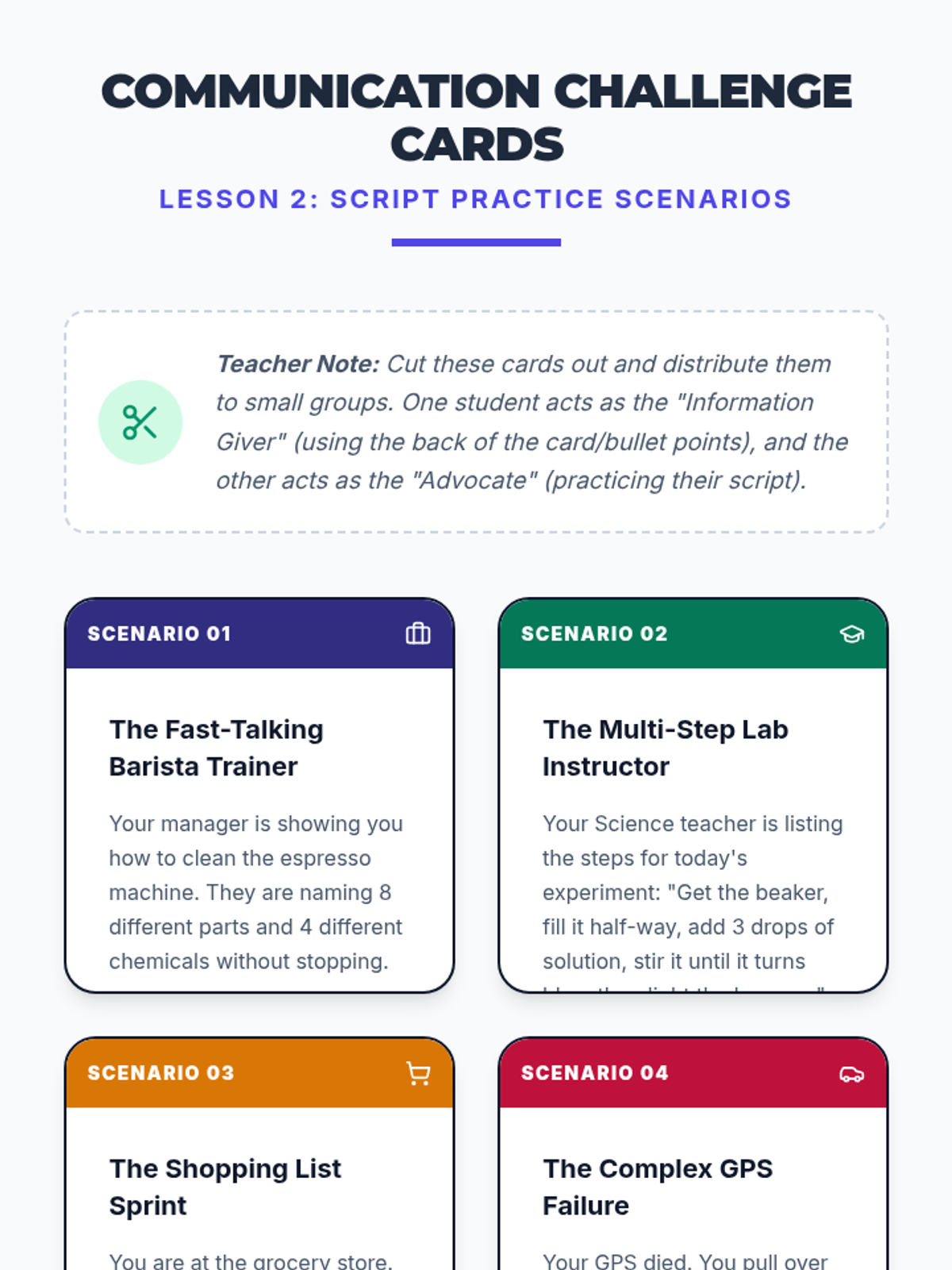
Through role-play and scenario analysis, students practice requesting accommodations in real-time and troubleshooting common obstacles.
Students learn professional communication techniques, including how to draft emails and initiate face-to-face conversations with teachers regarding their needs.
Students will identify their specific 504/IEP accommodations and understand how these supports bridge the gap between their learning profile and classroom demands.
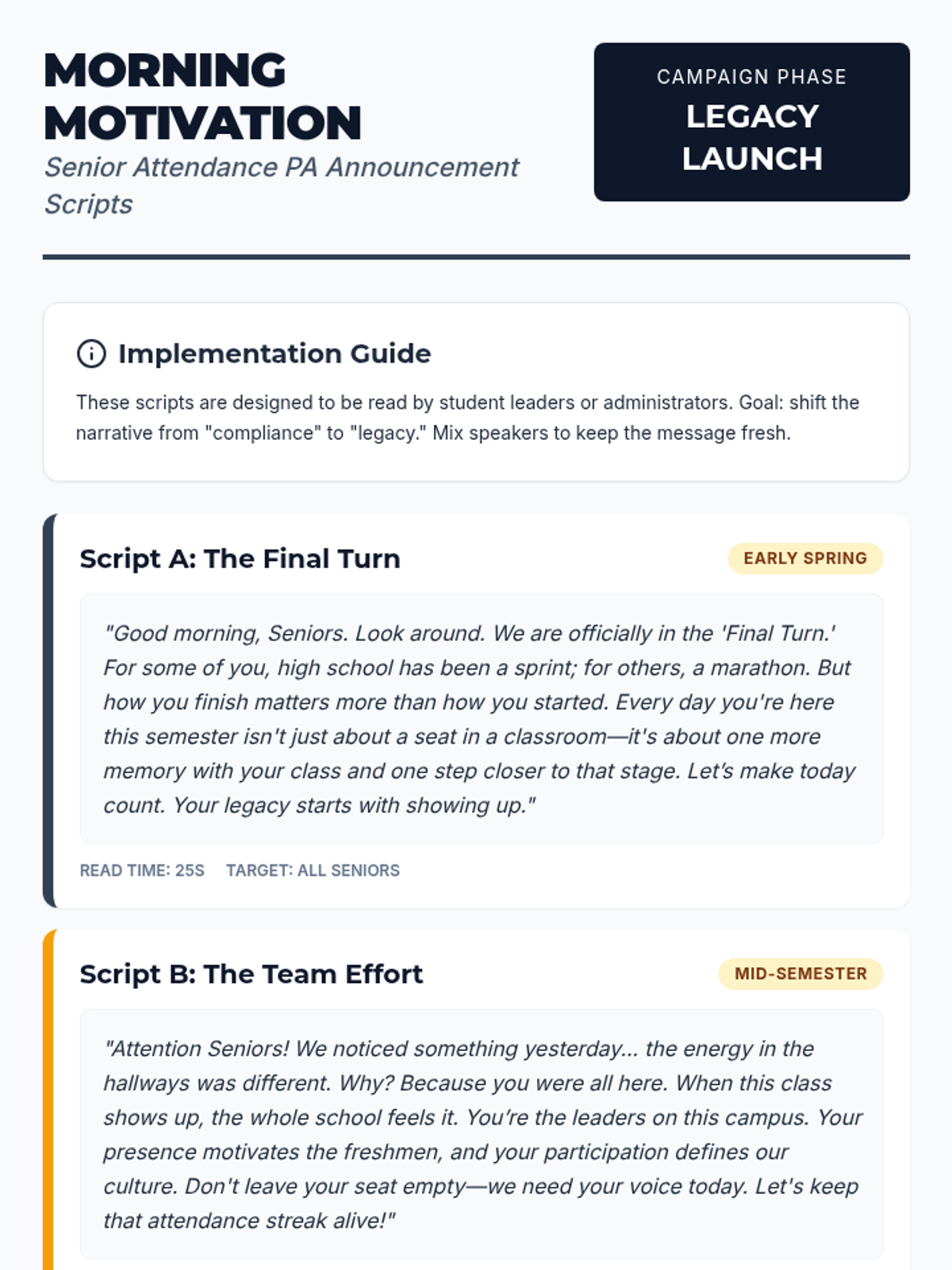
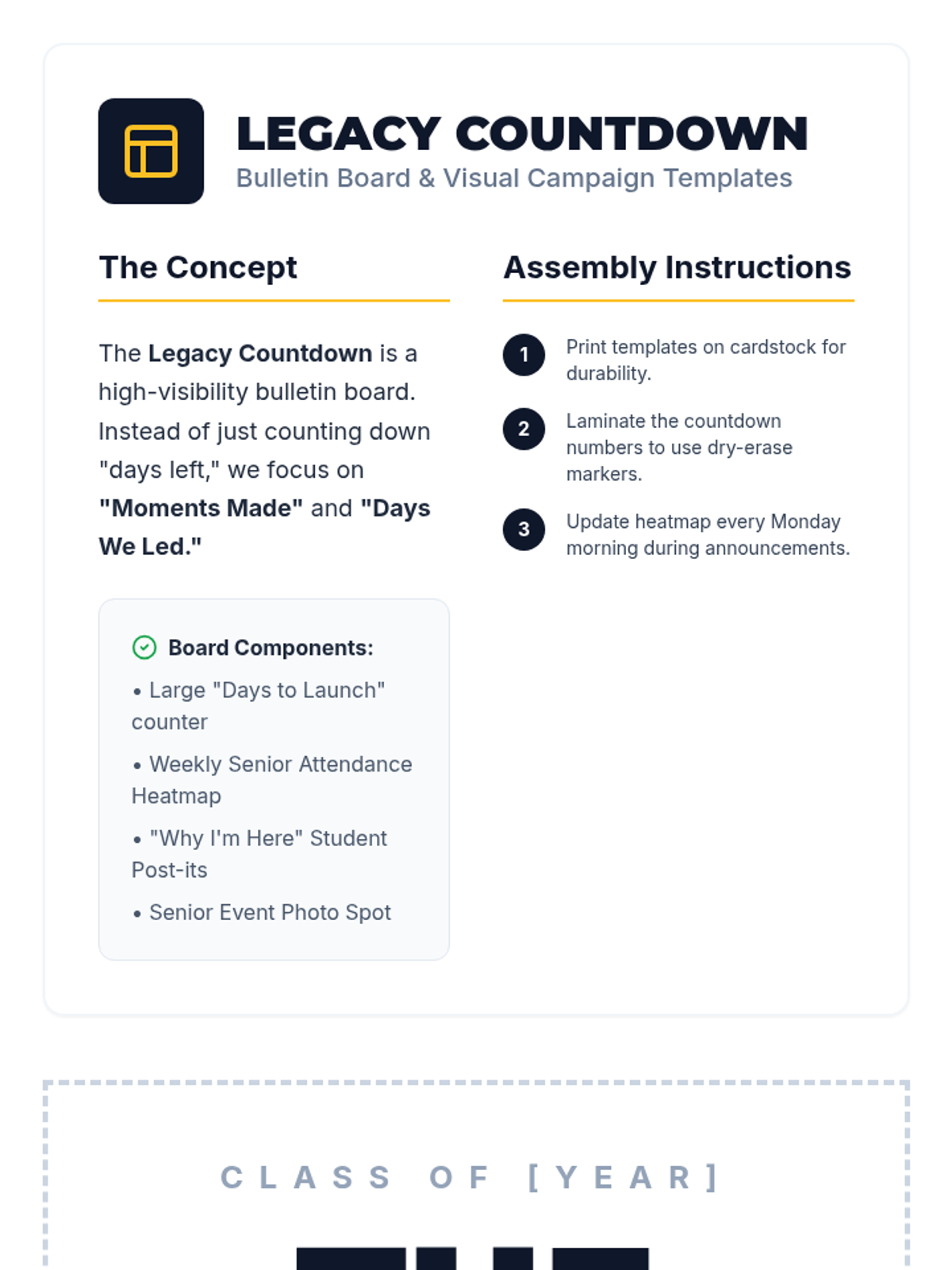
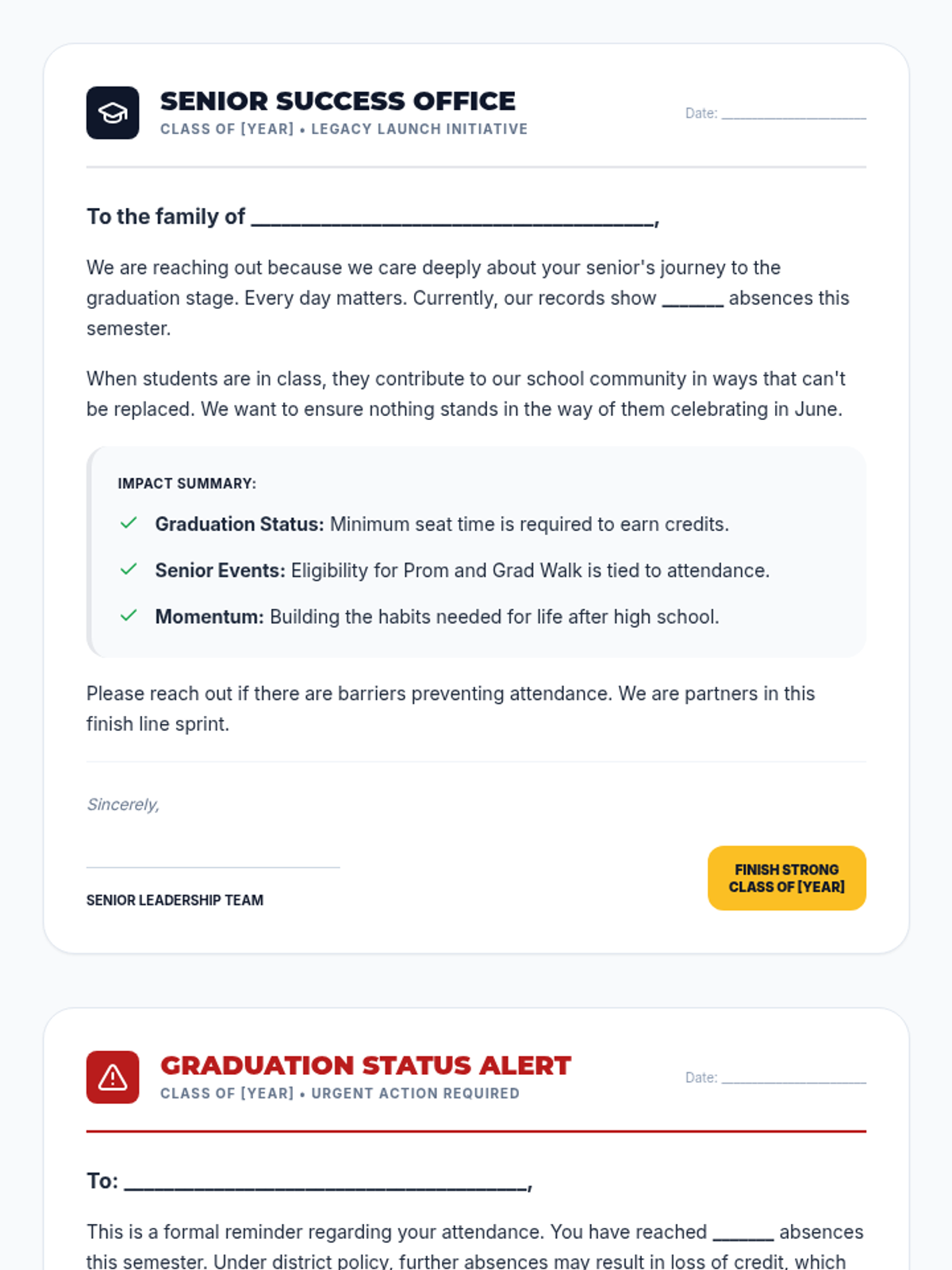
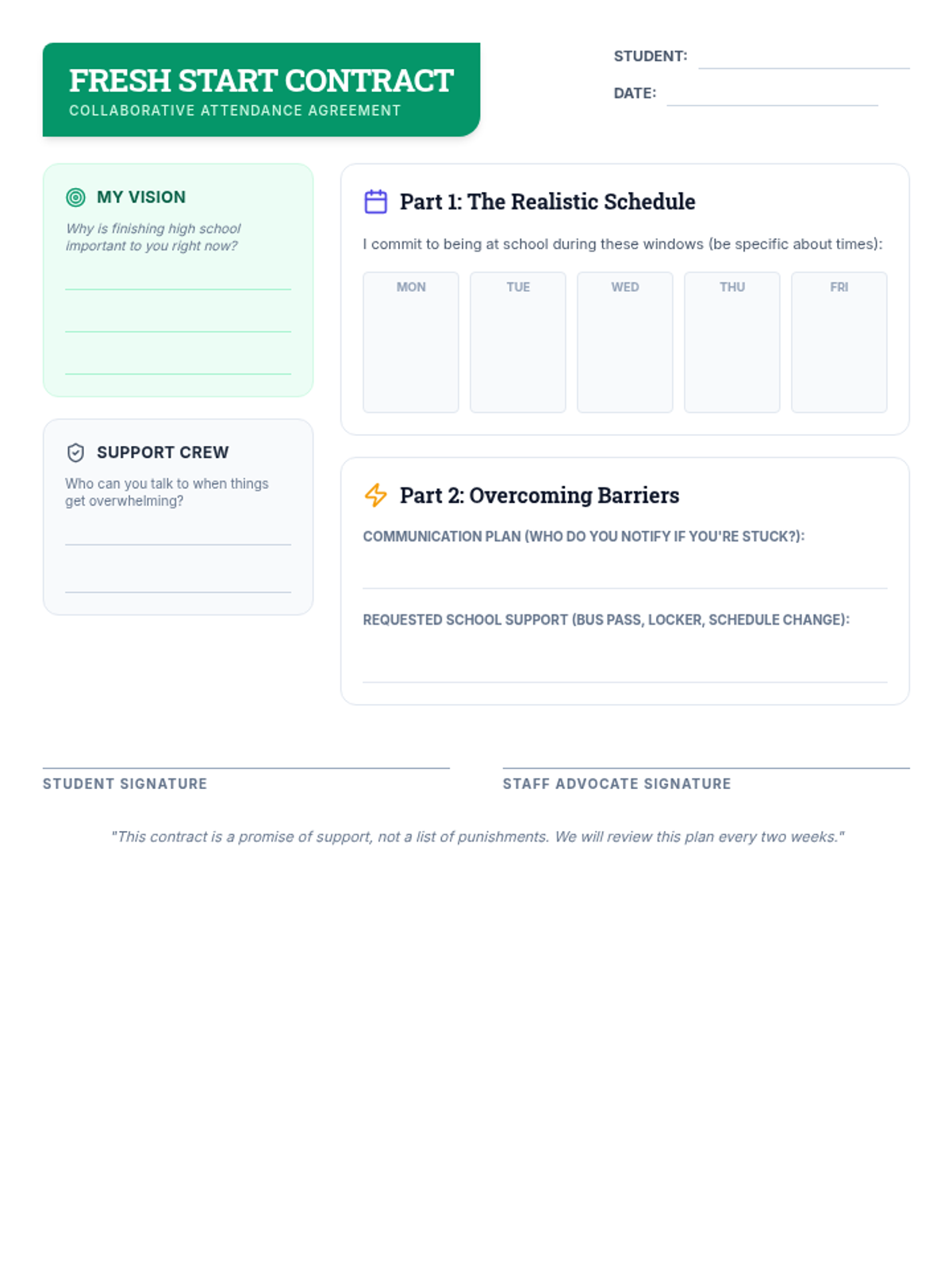
The core components of the Senior Year Attendance Push, including communication tools, motivational resources, and peer-support structures.
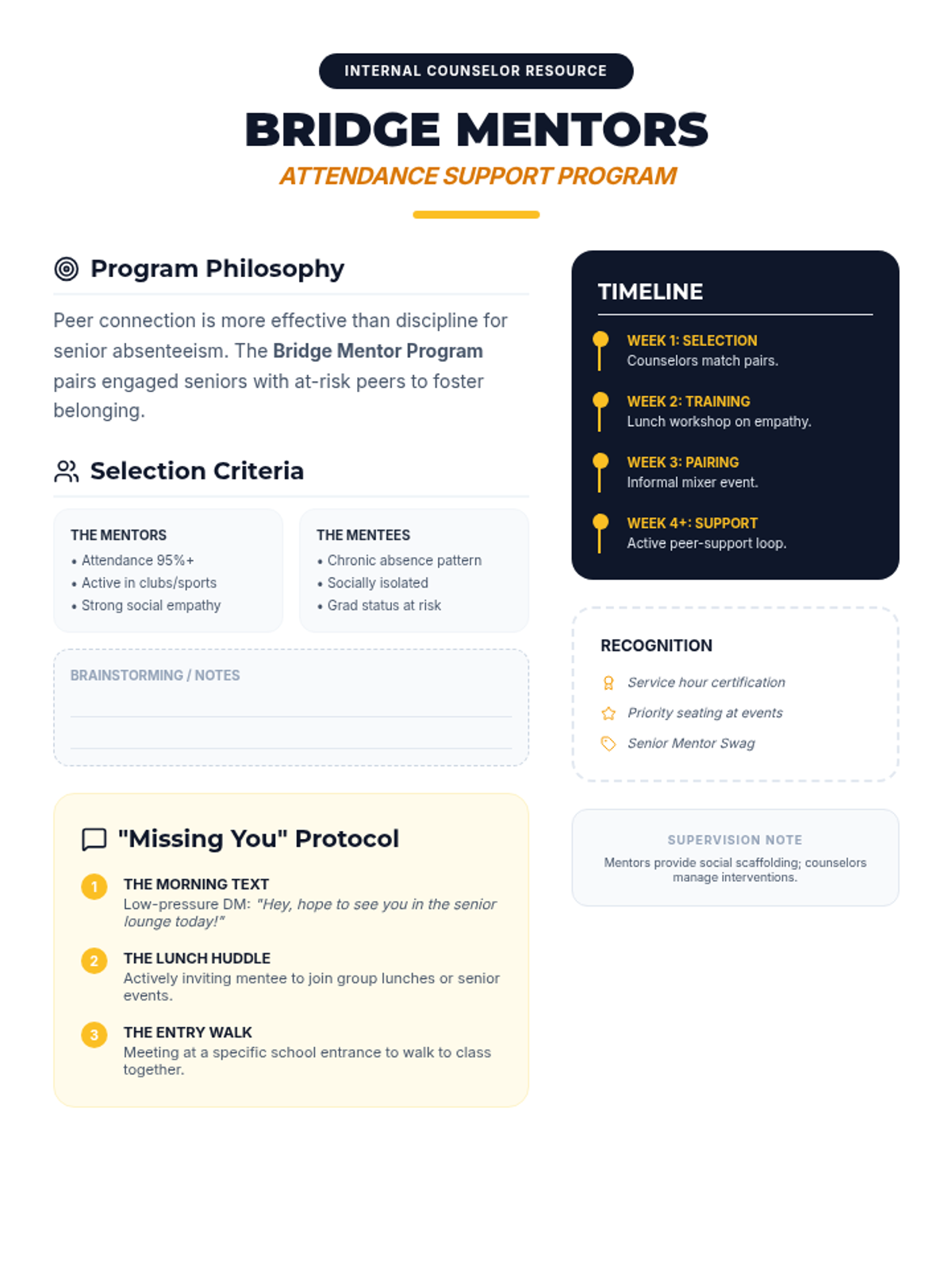
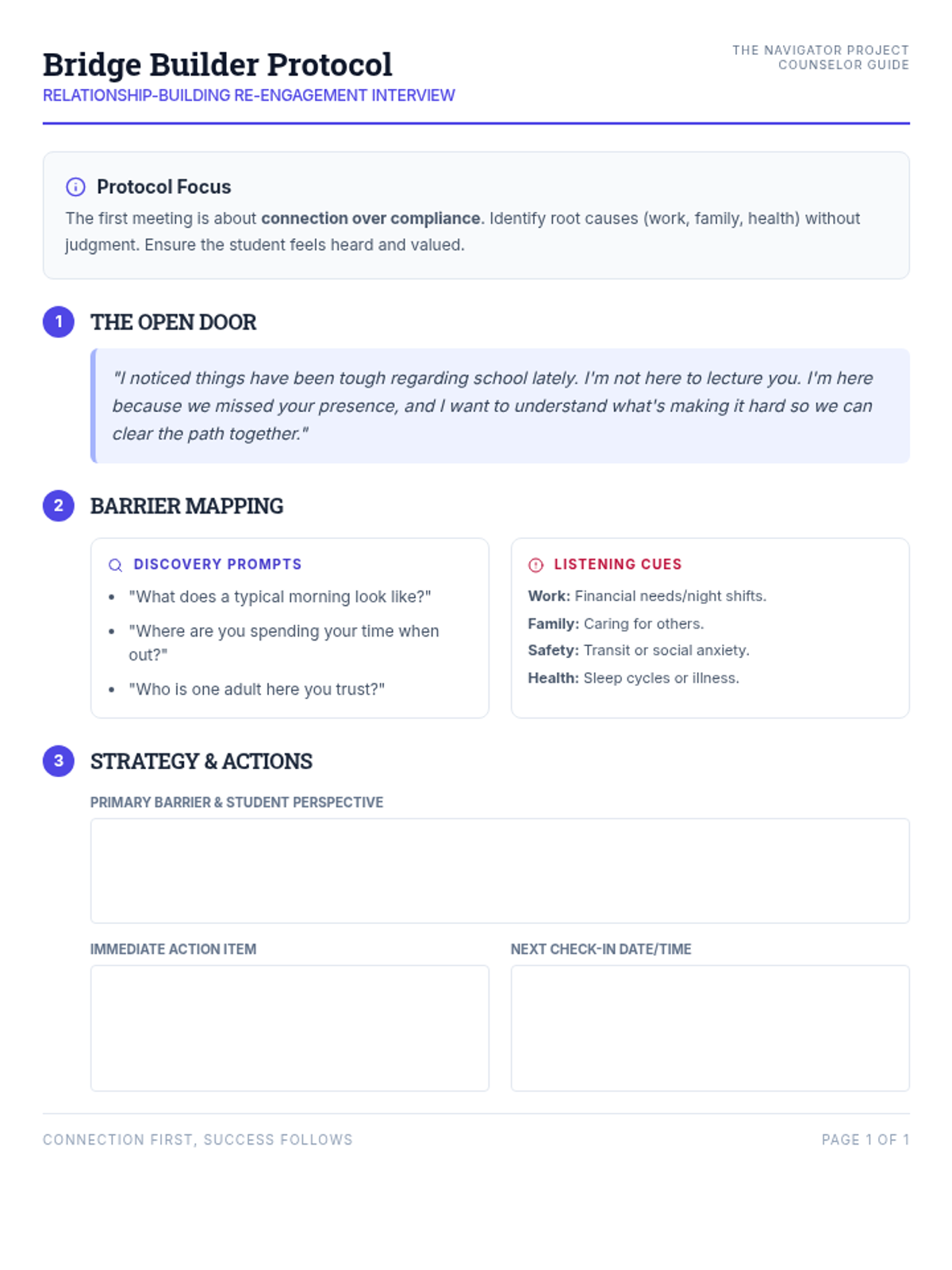
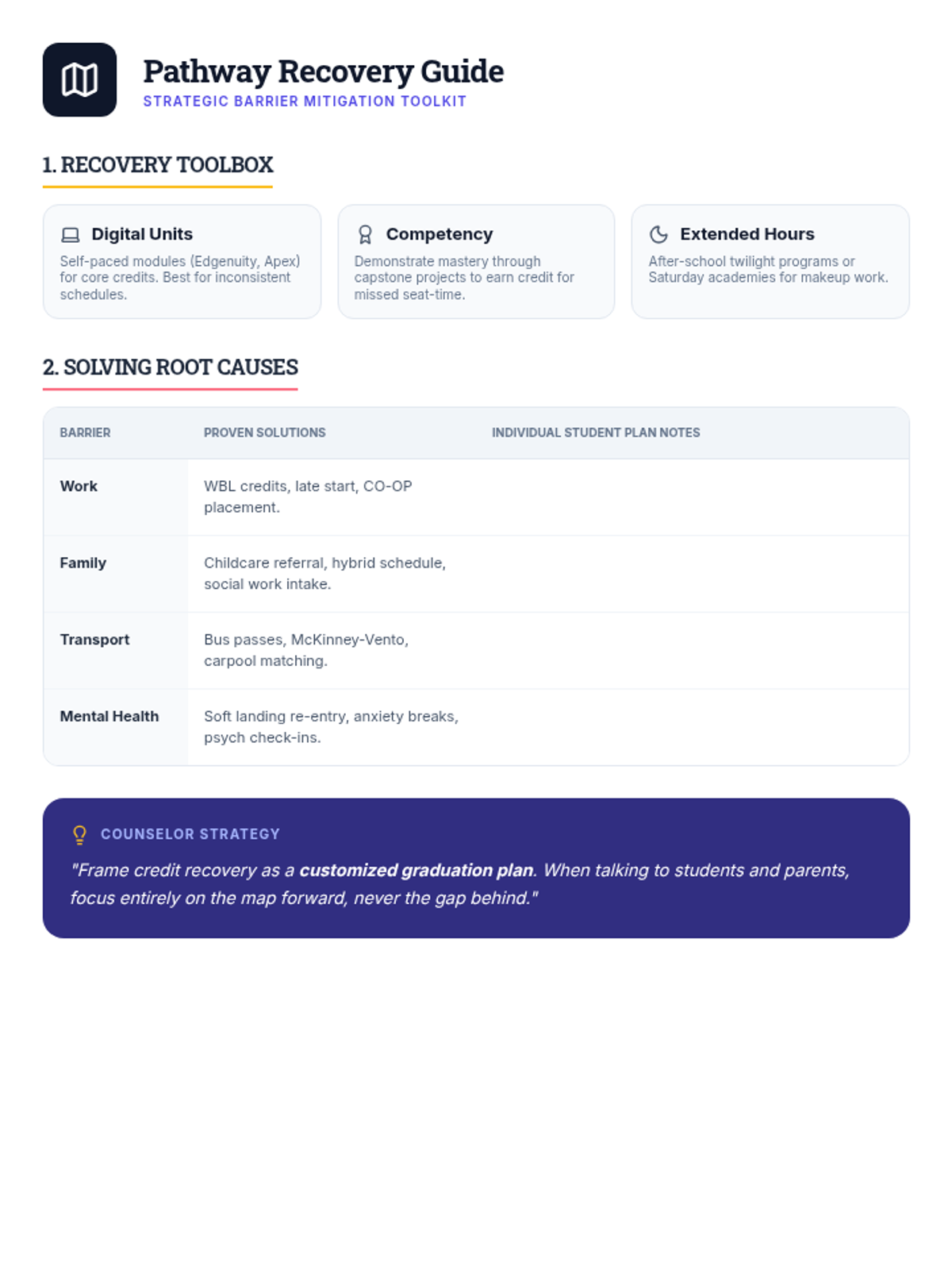
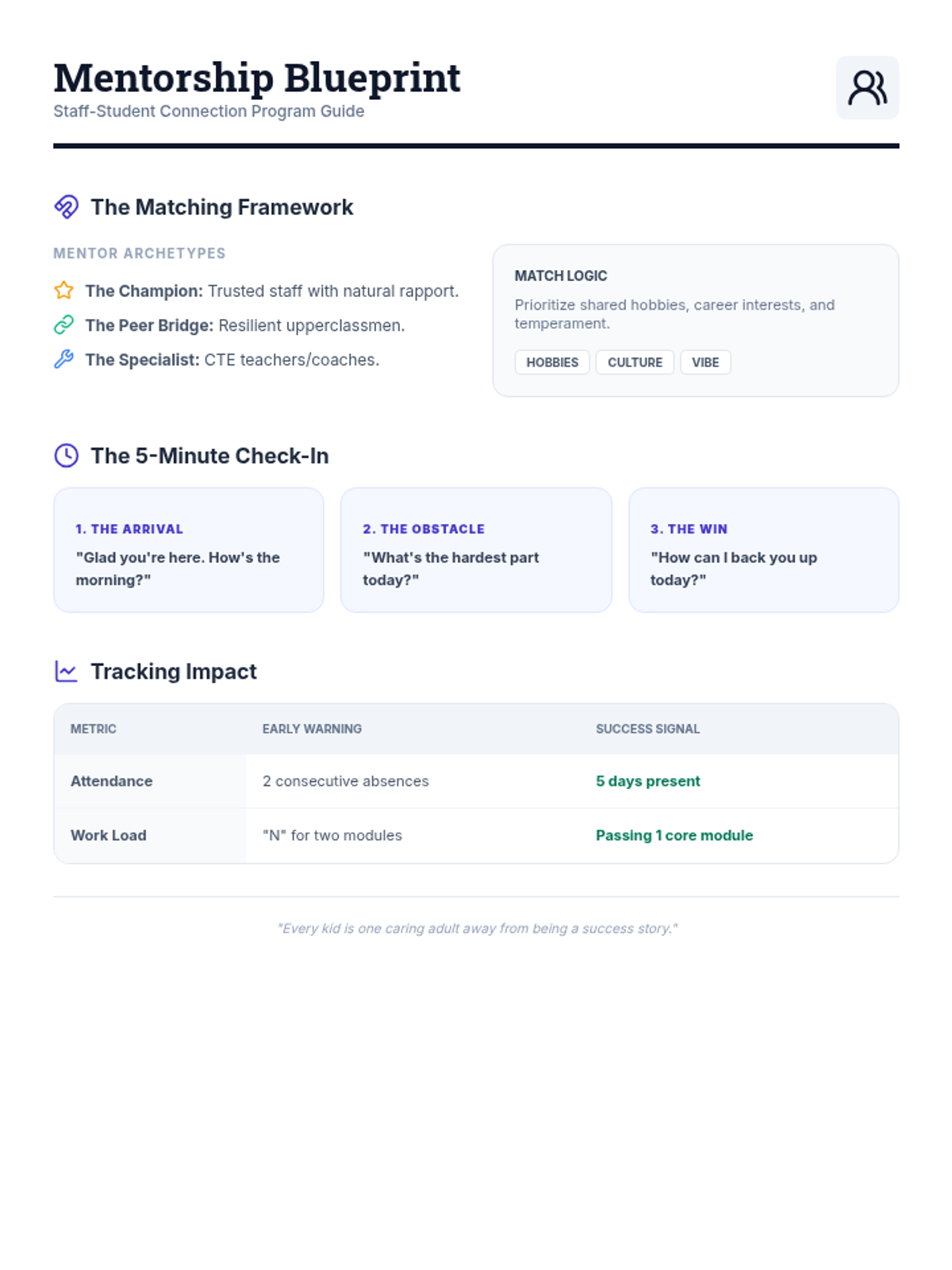
A comprehensive toolkit for high school counselors to re-engage chronically absent students through relationship-building, individualized planning, and systemic support.
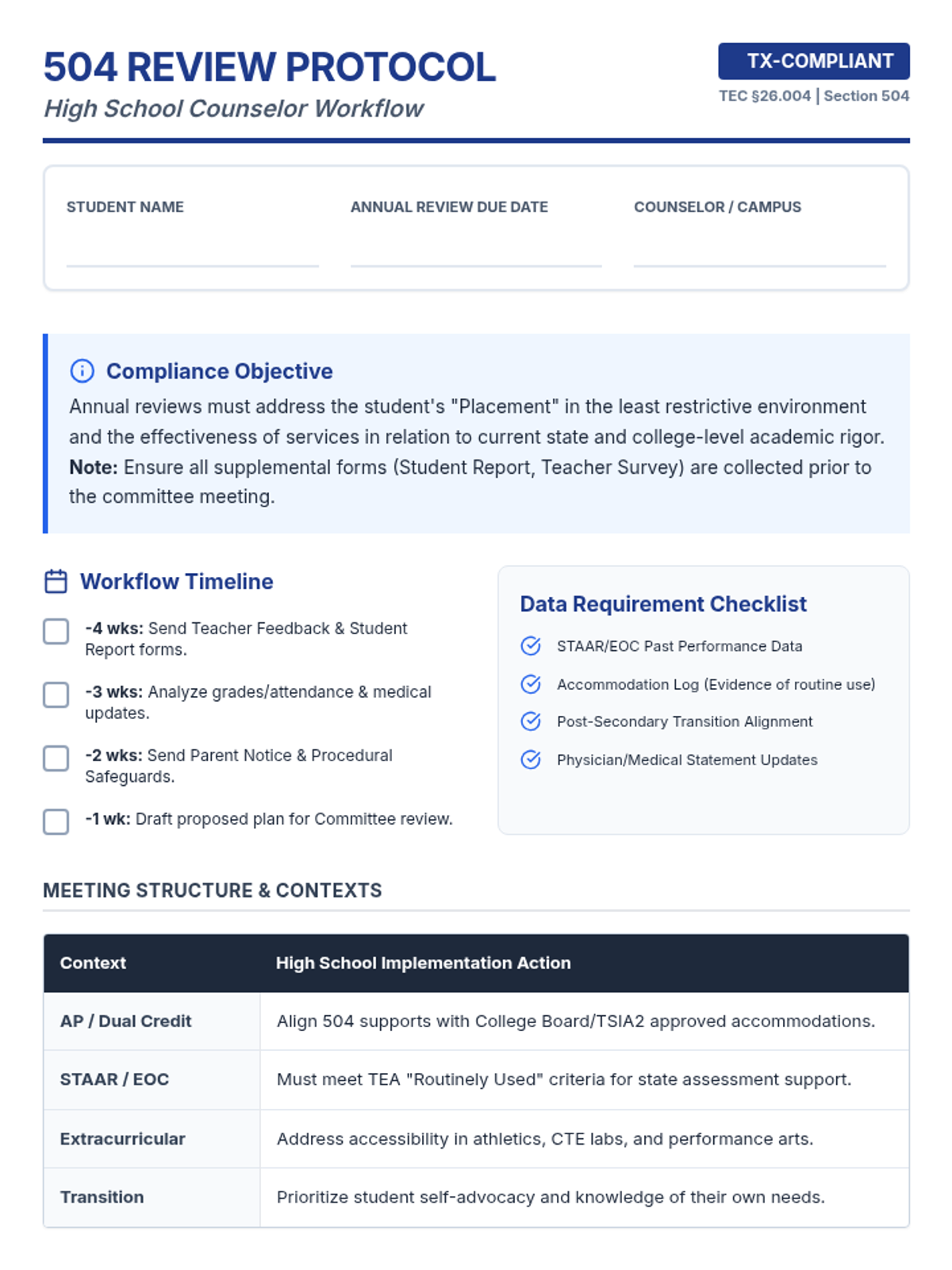
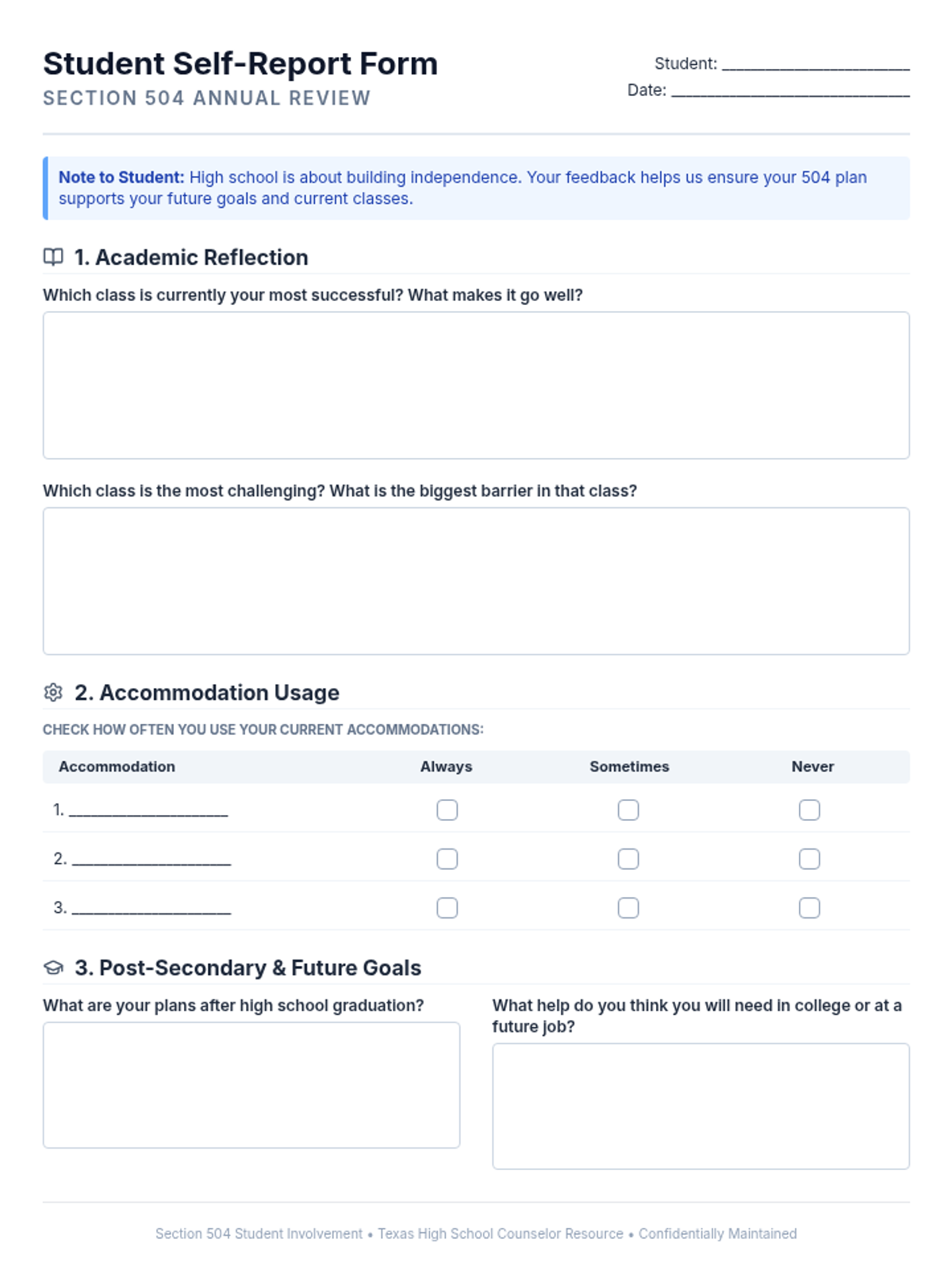
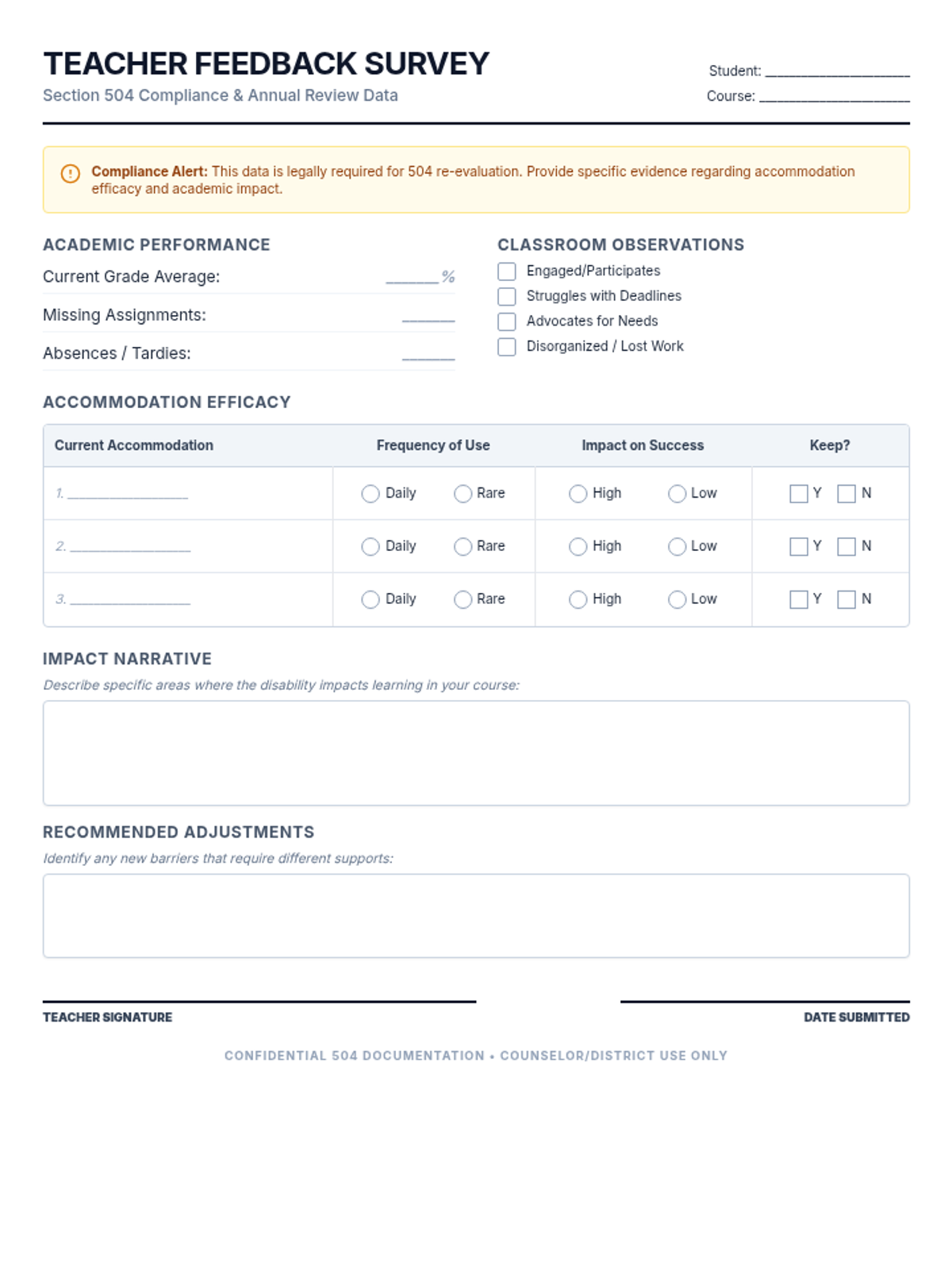
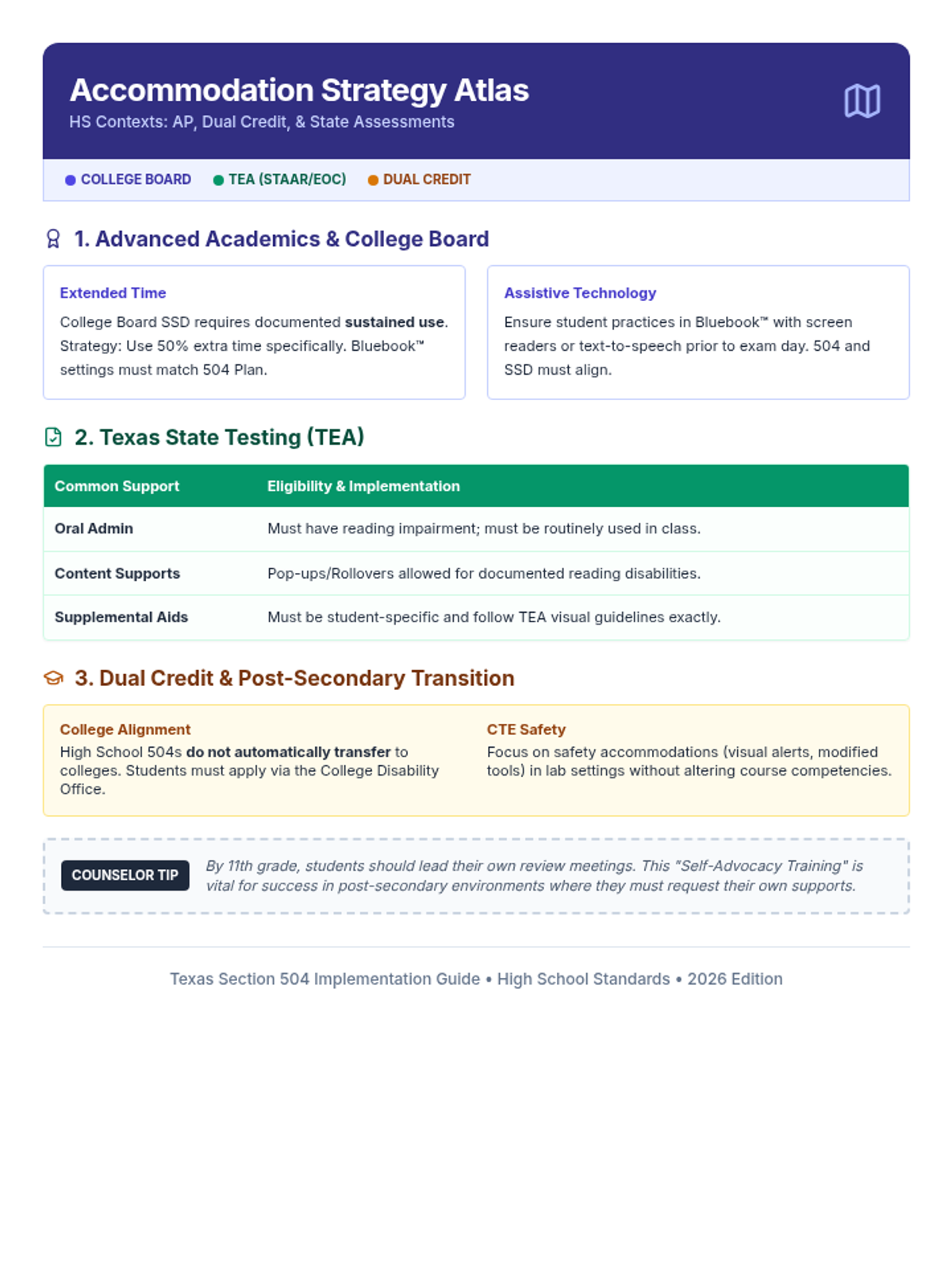
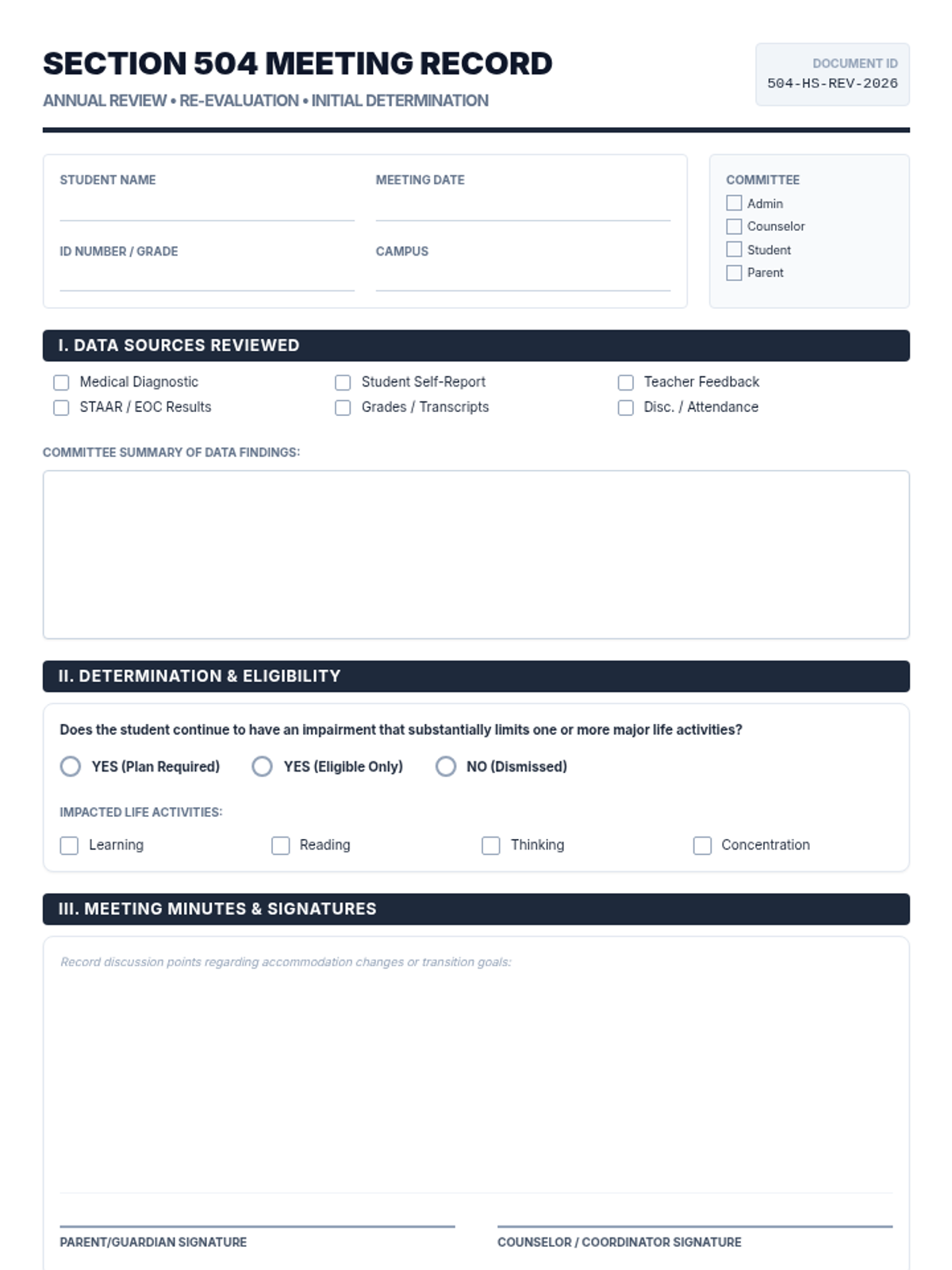
A comprehensive toolkit for Texas high school counselors to manage annual Section 504 reviews, including student and teacher input, accommodation strategies for advanced academics, and compliant documentation.
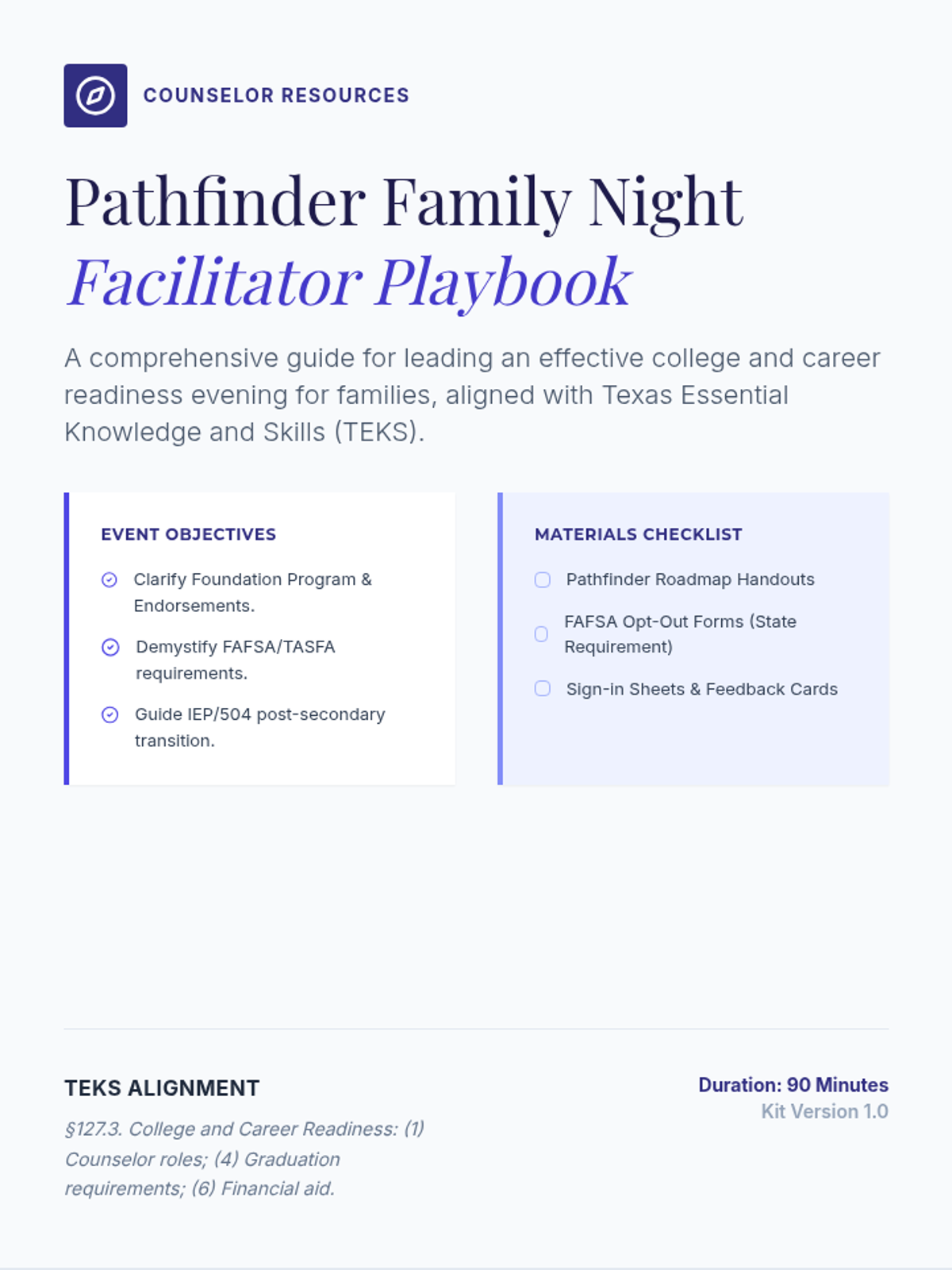
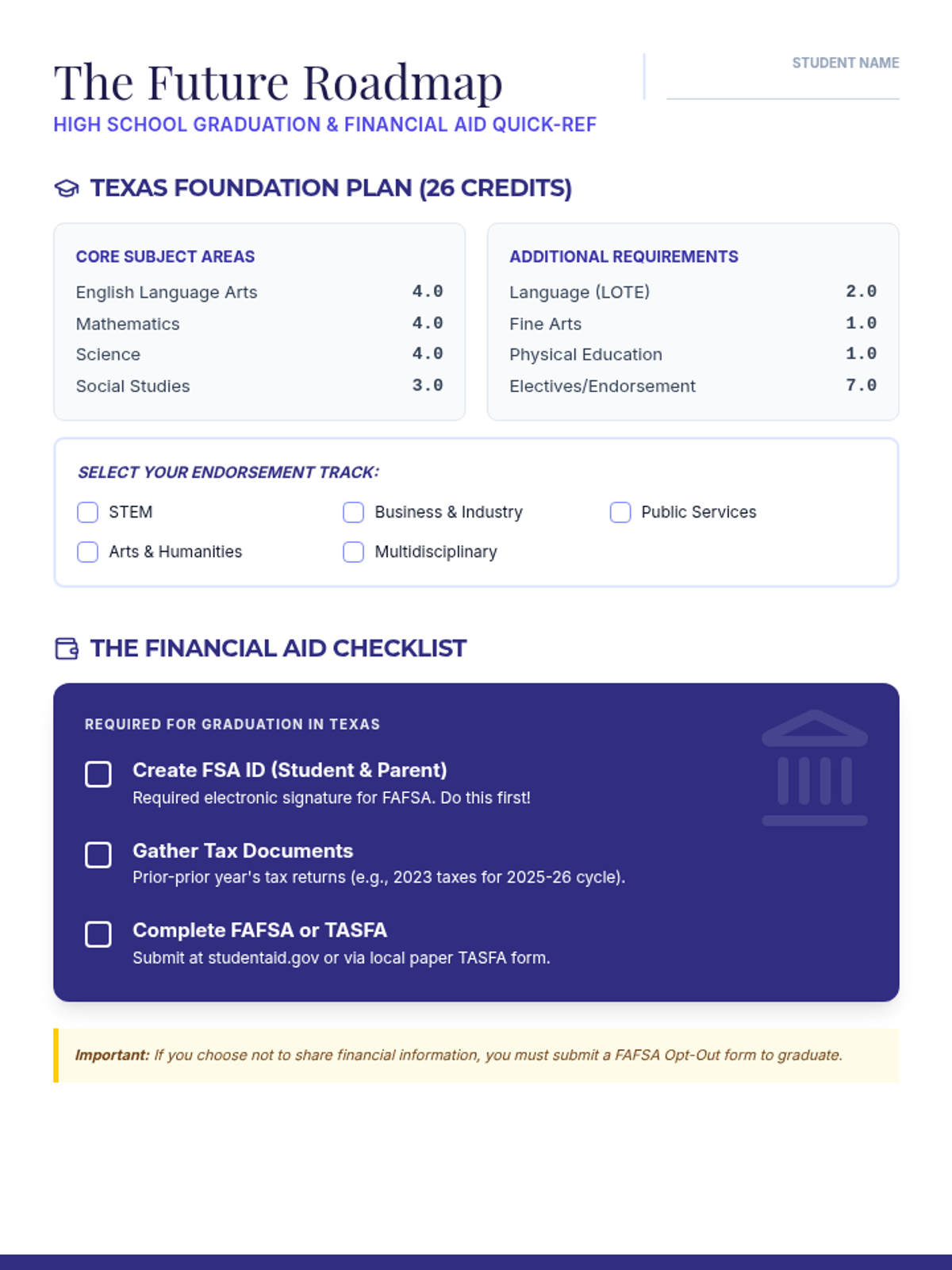
A comprehensive facilitation kit for high school counselors to lead a College and Career Readiness Family Night, covering graduation requirements, FAFSA, and post-secondary transitions for students with IEPs/504s.
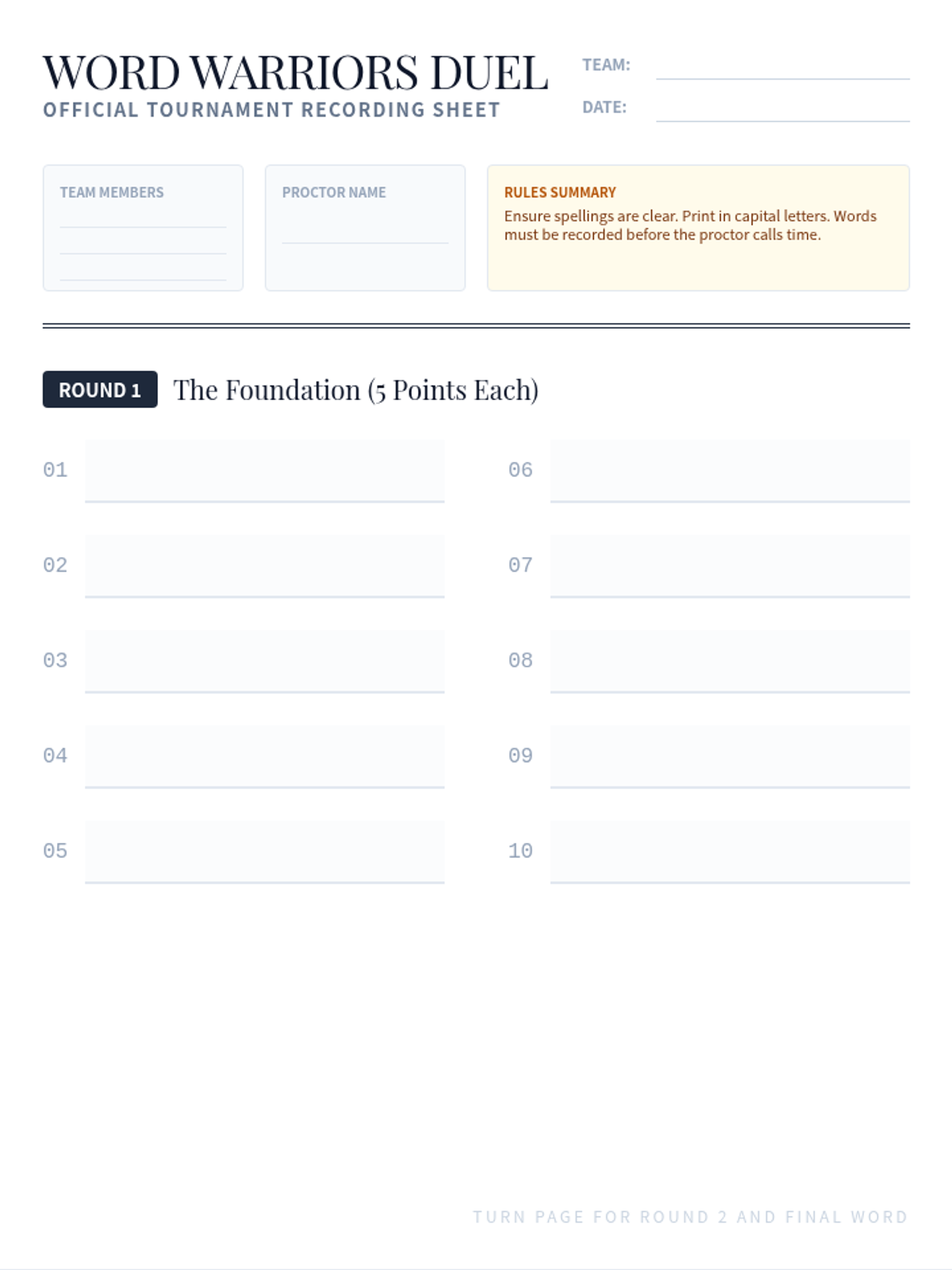
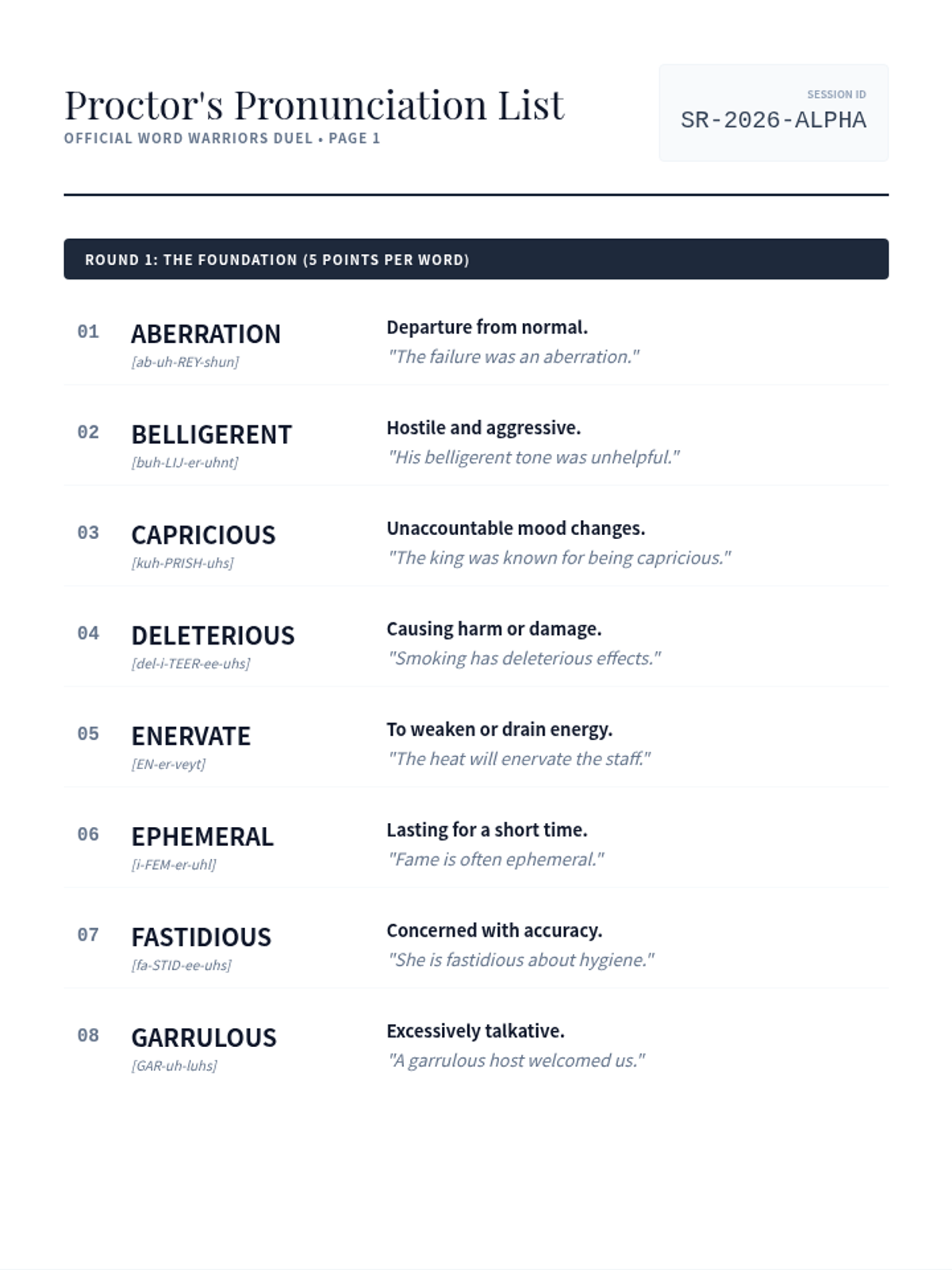
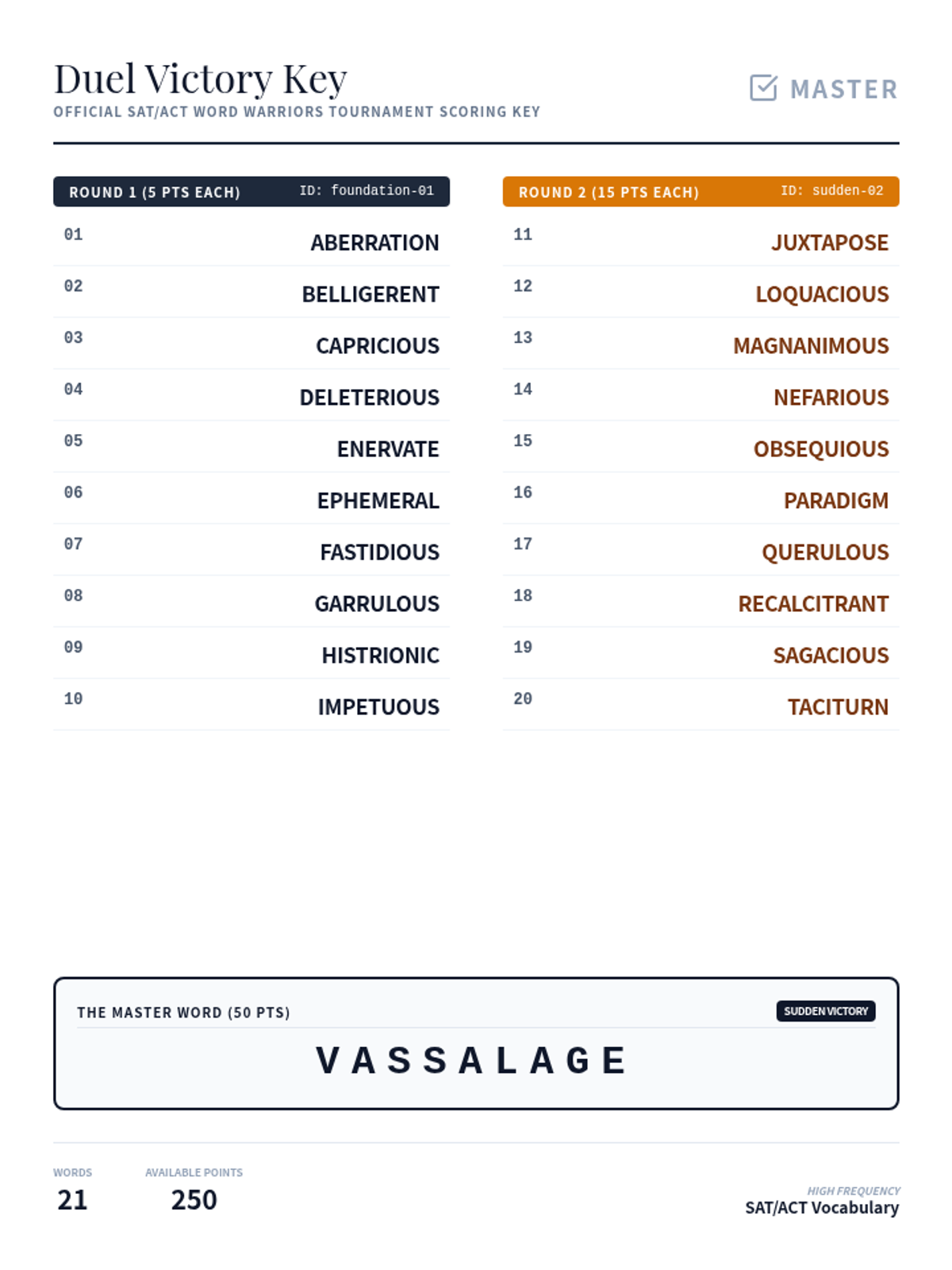
A high-stakes, competitive spelling and vocabulary challenge for high schoolers focusing on frequent SAT and ACT words. Includes a visual presentation, a student team recording sheet, and a comprehensive proctor's word list.
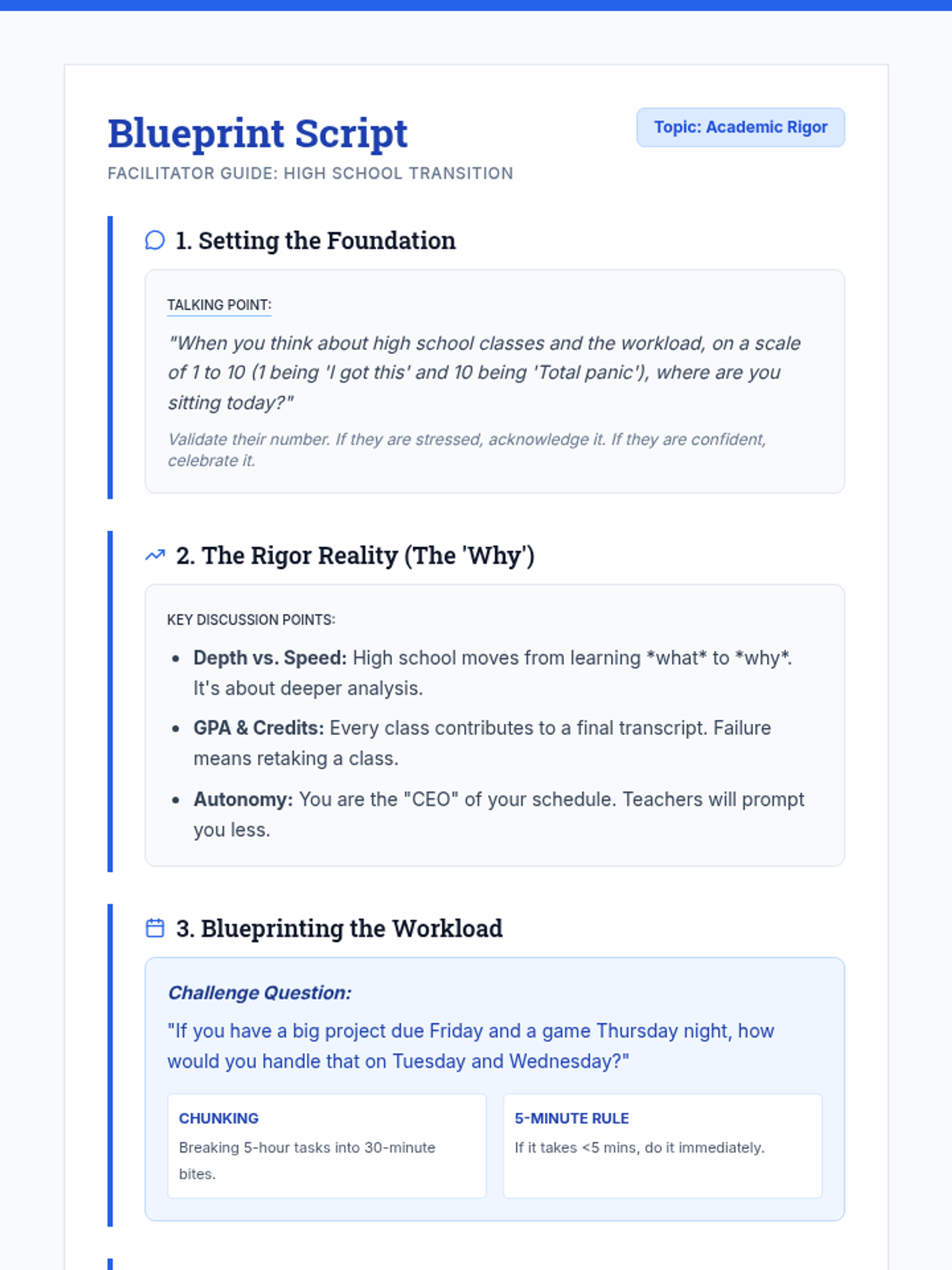
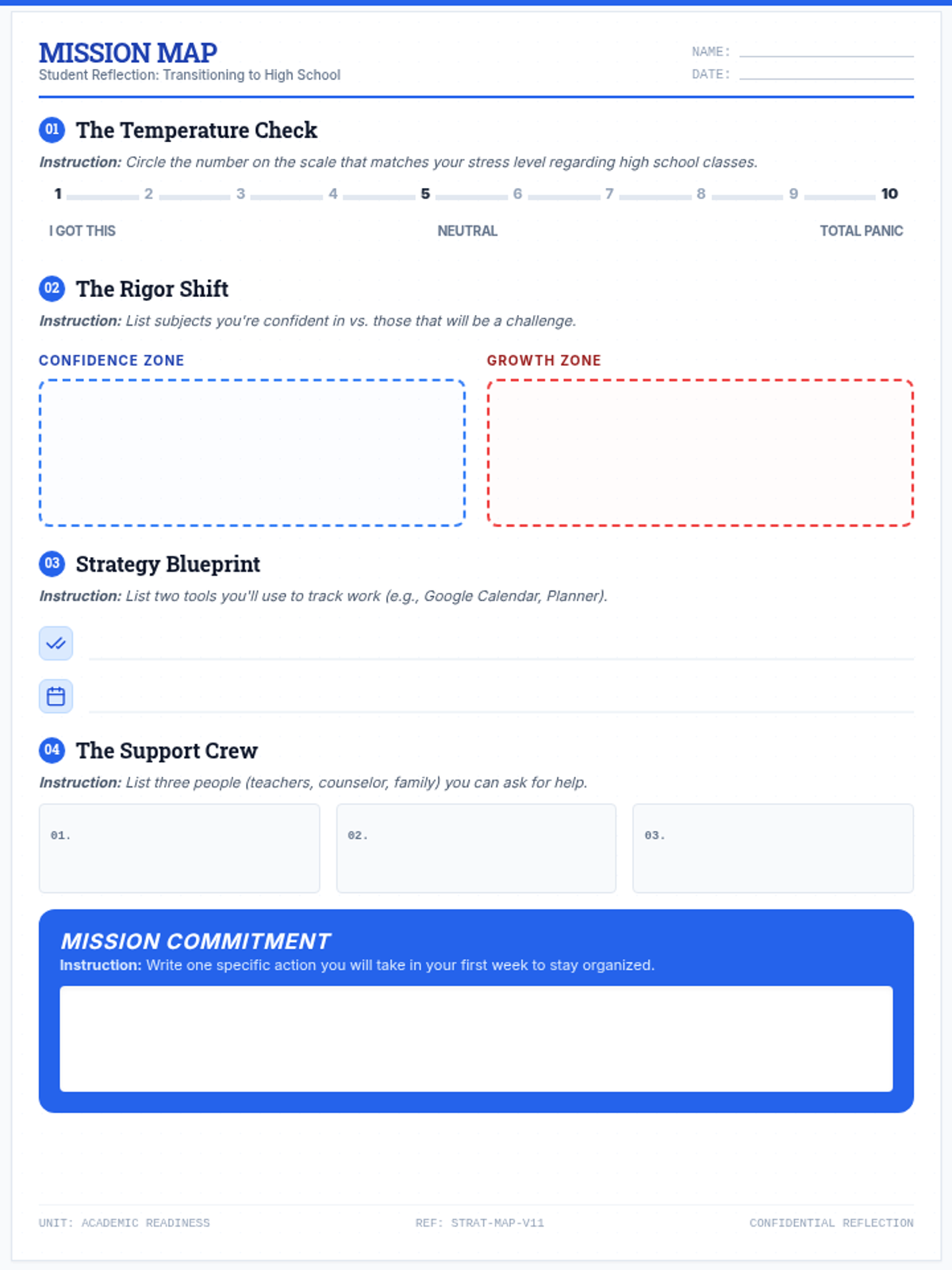
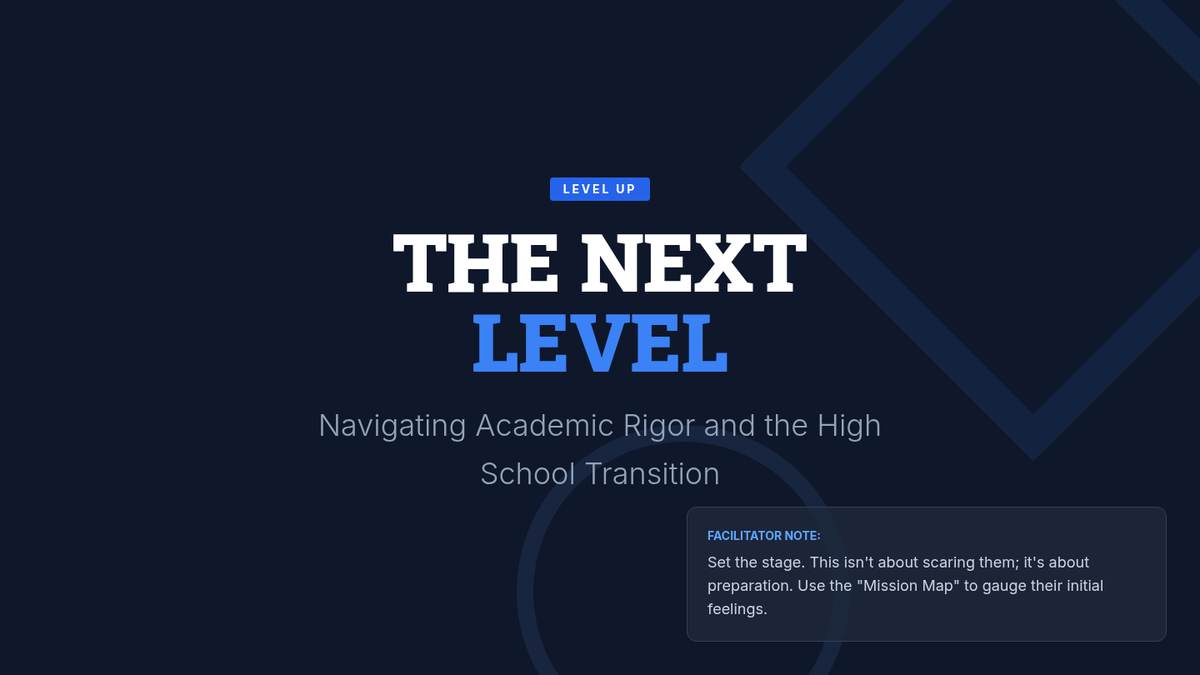
A 1:1 guided discussion framework designed to help 8th graders navigate the transition to high school, focusing specifically on managing increased academic rigor and workload through practical strategies and mindset shifts.
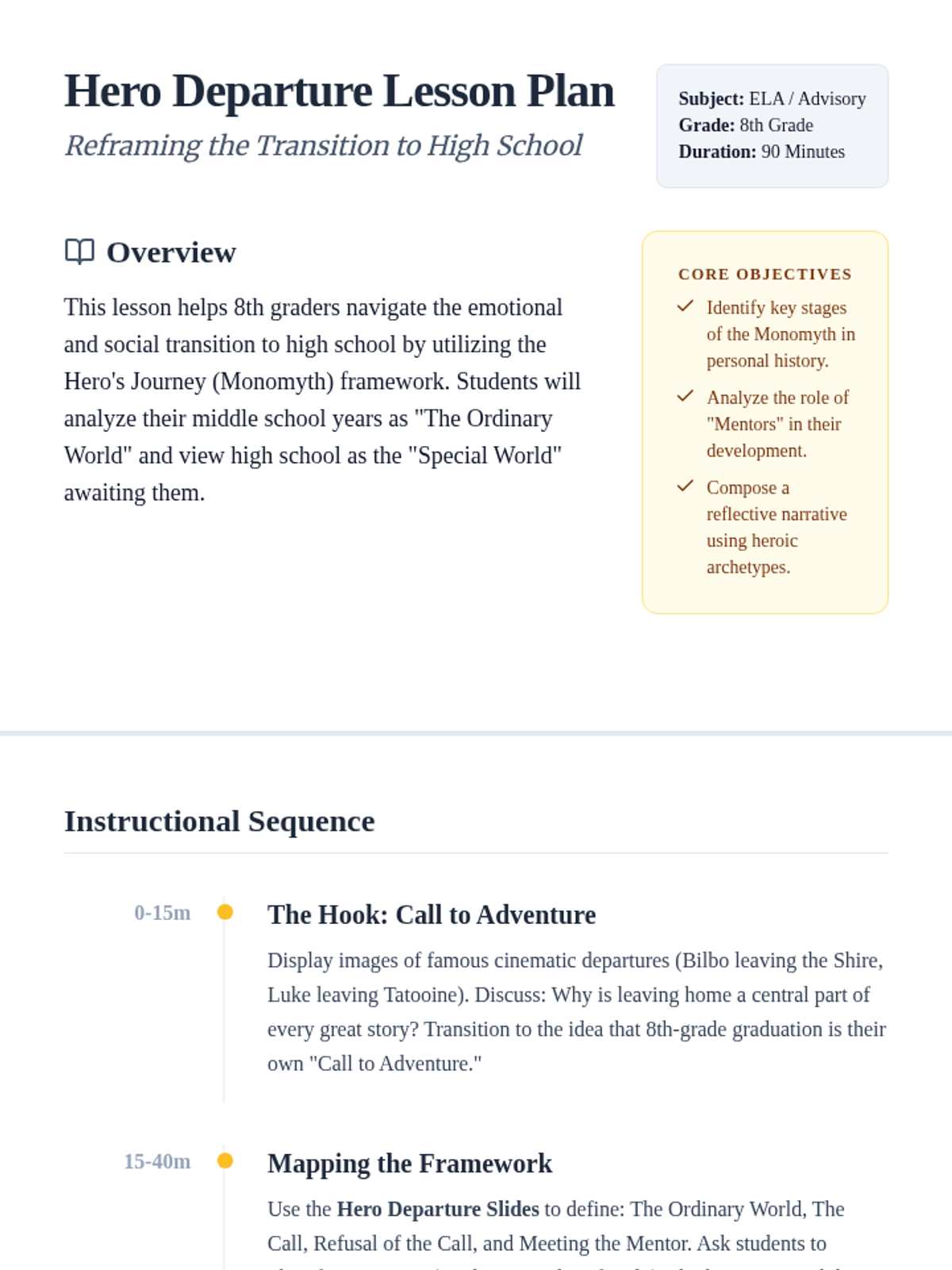
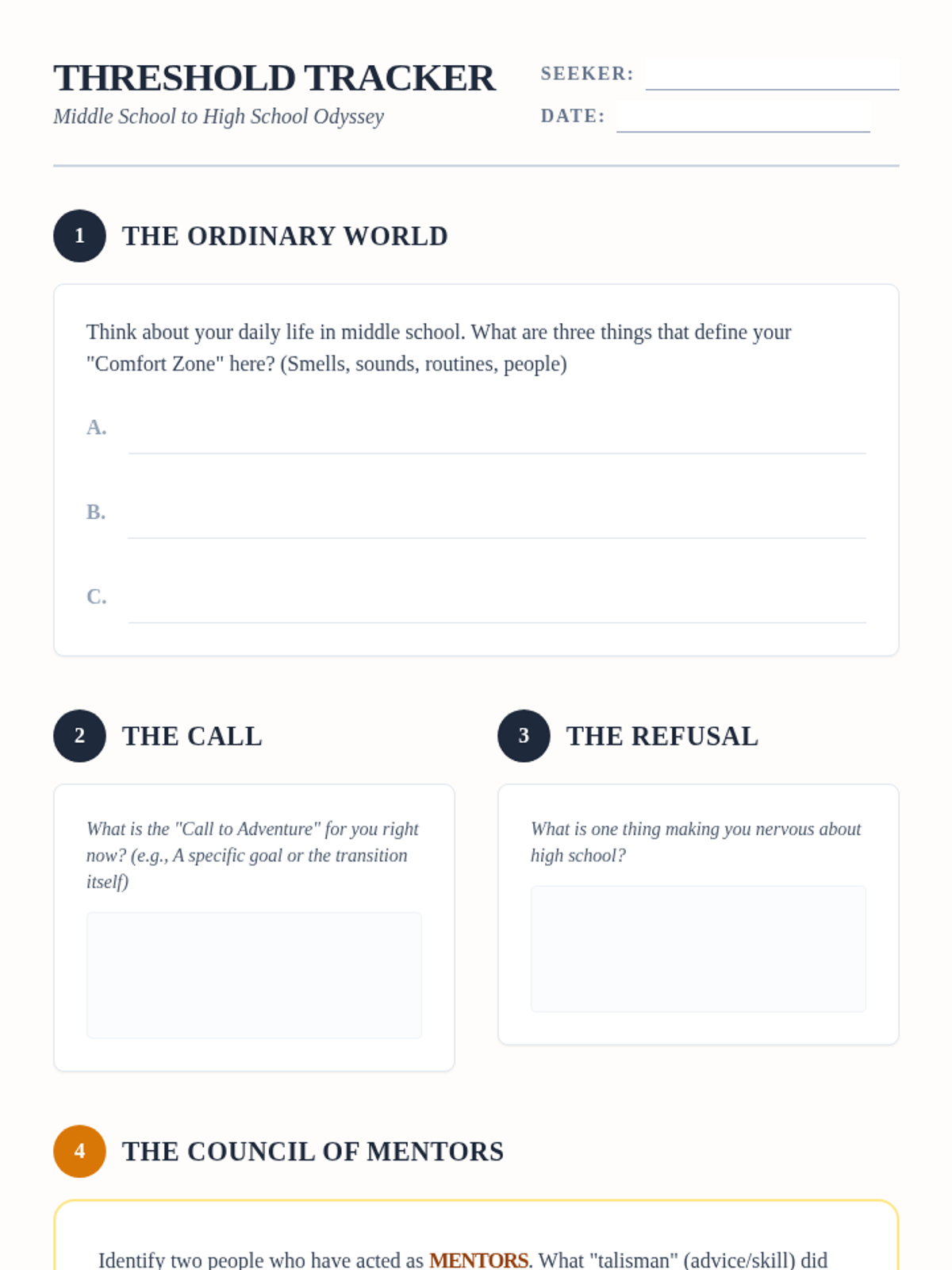
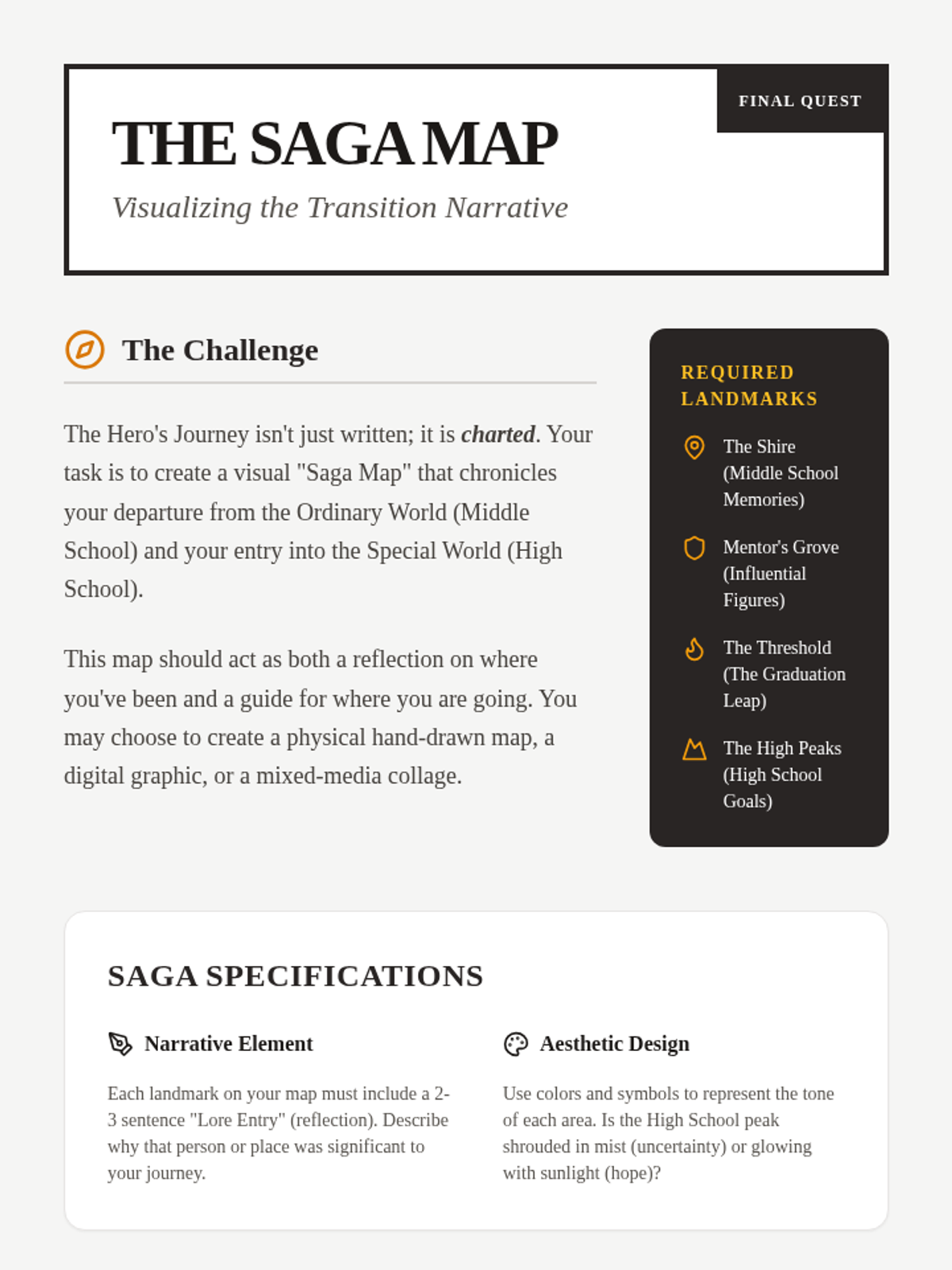
Students bridge the gap between middle and high school by applying Joseph Campbell's Hero's Journey framework to their personal educational transitions, identifying mentors and crossing symbolic thresholds.
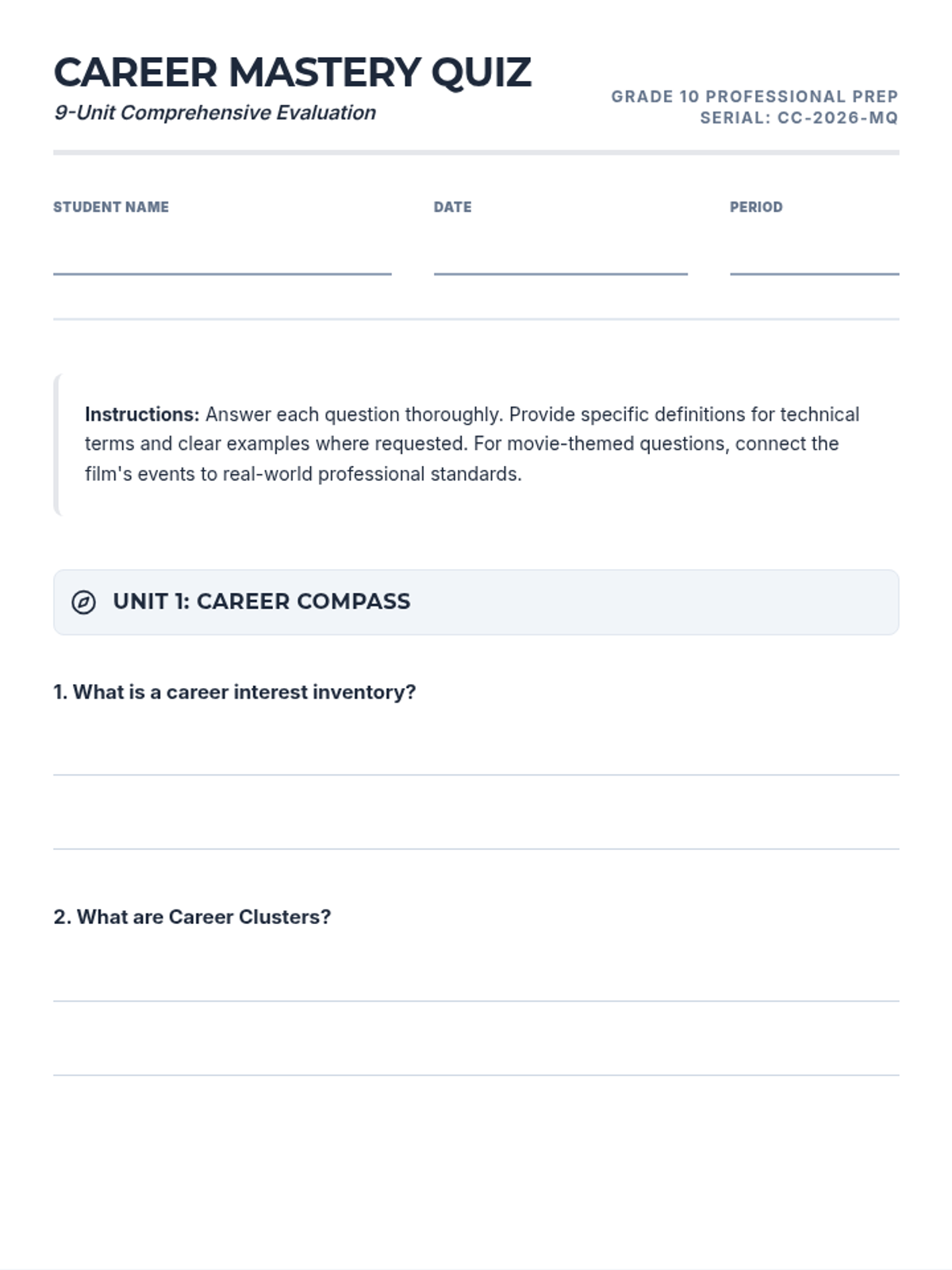
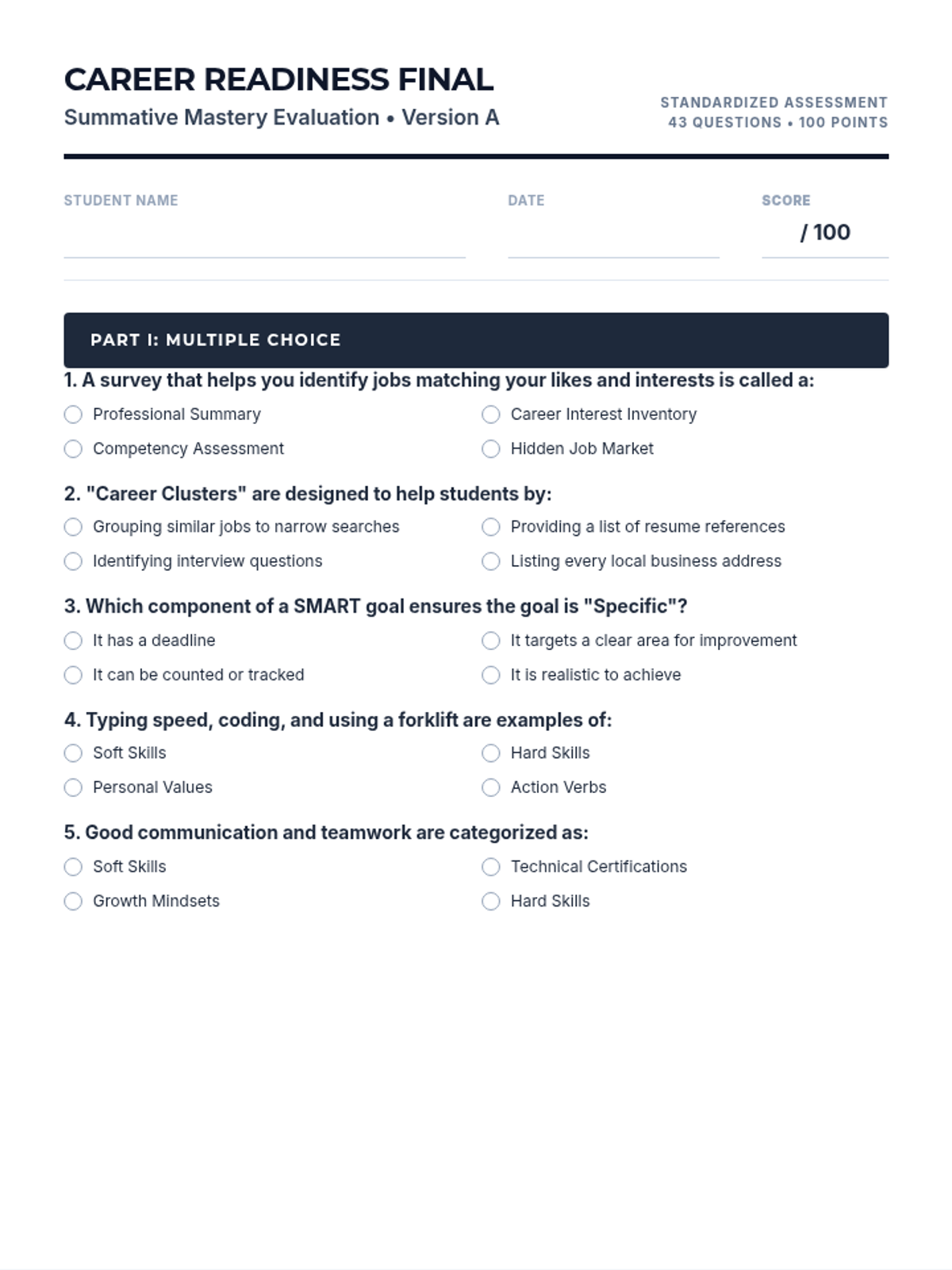
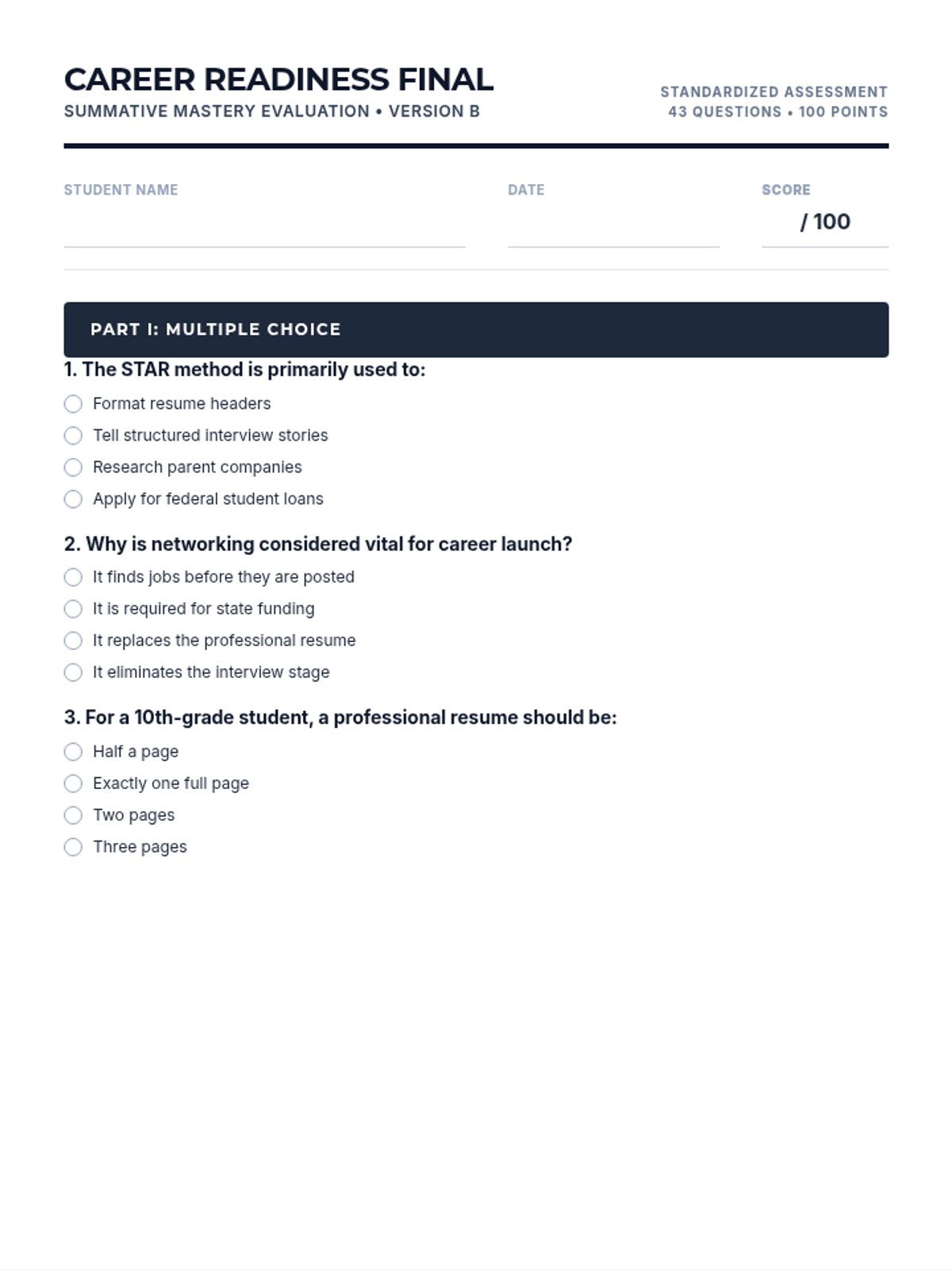
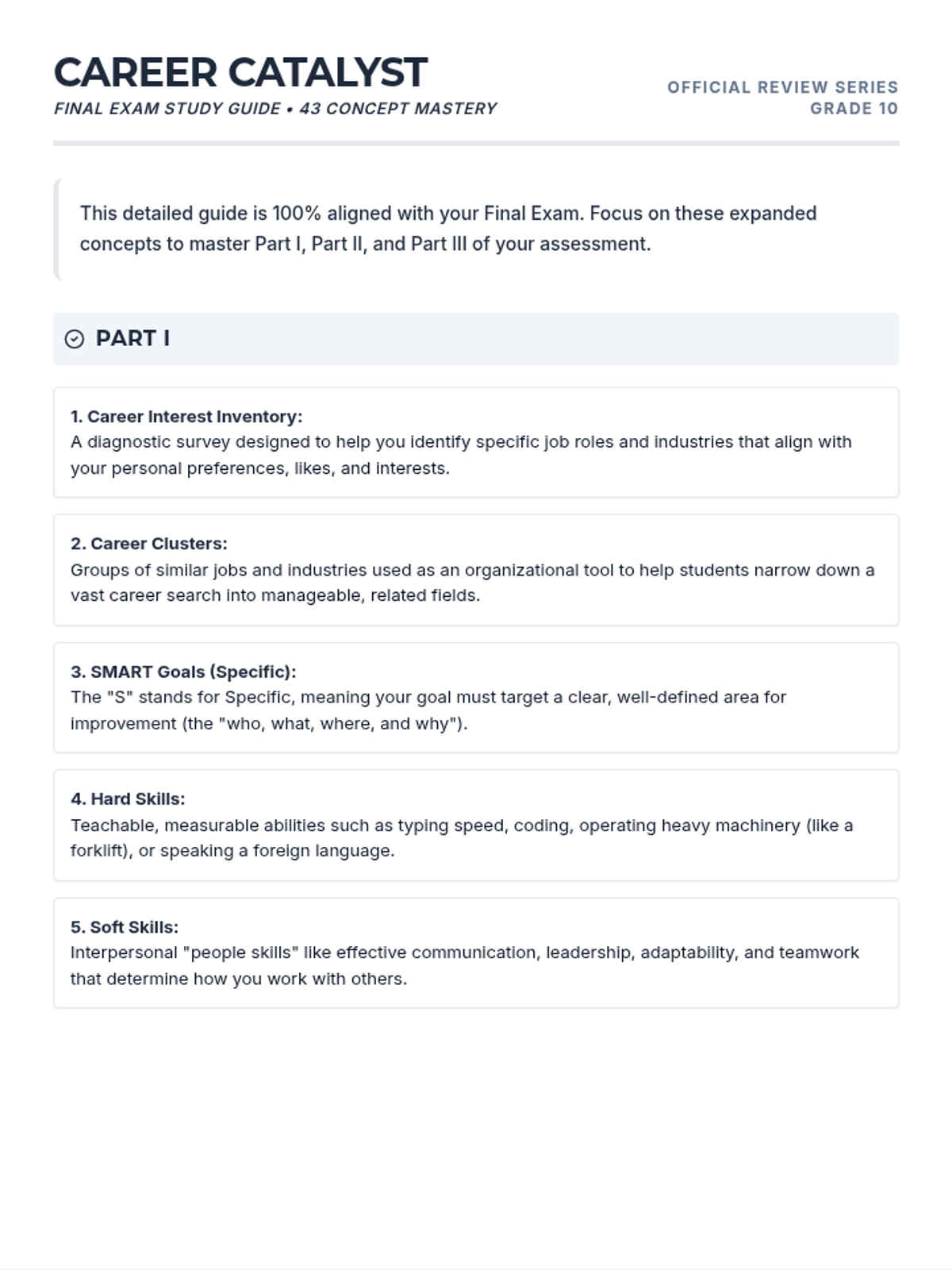
A comprehensive career readiness lesson focused on preparing students for final assessments across multiple units including resume building, application mastery, and professional legacy.
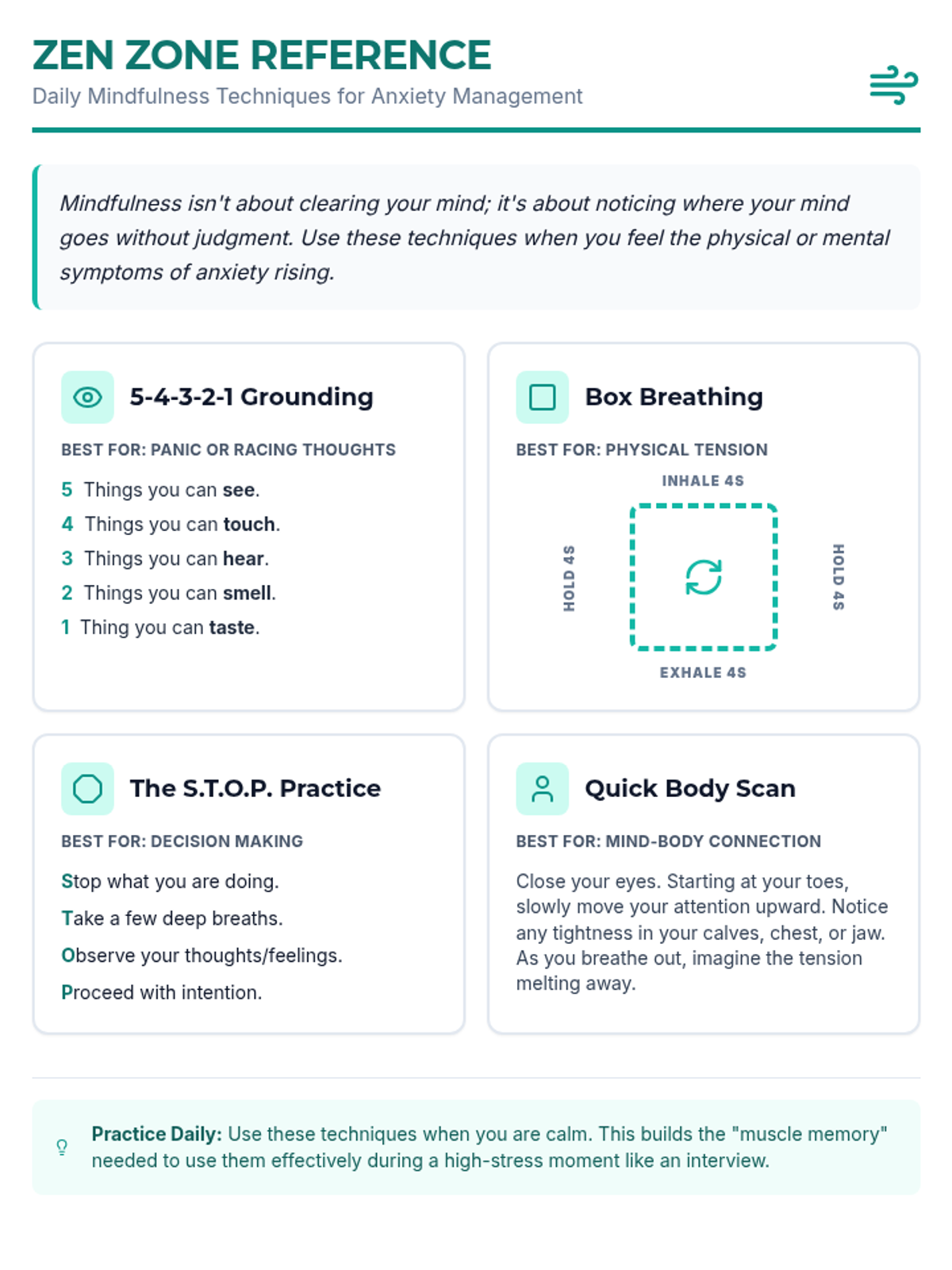
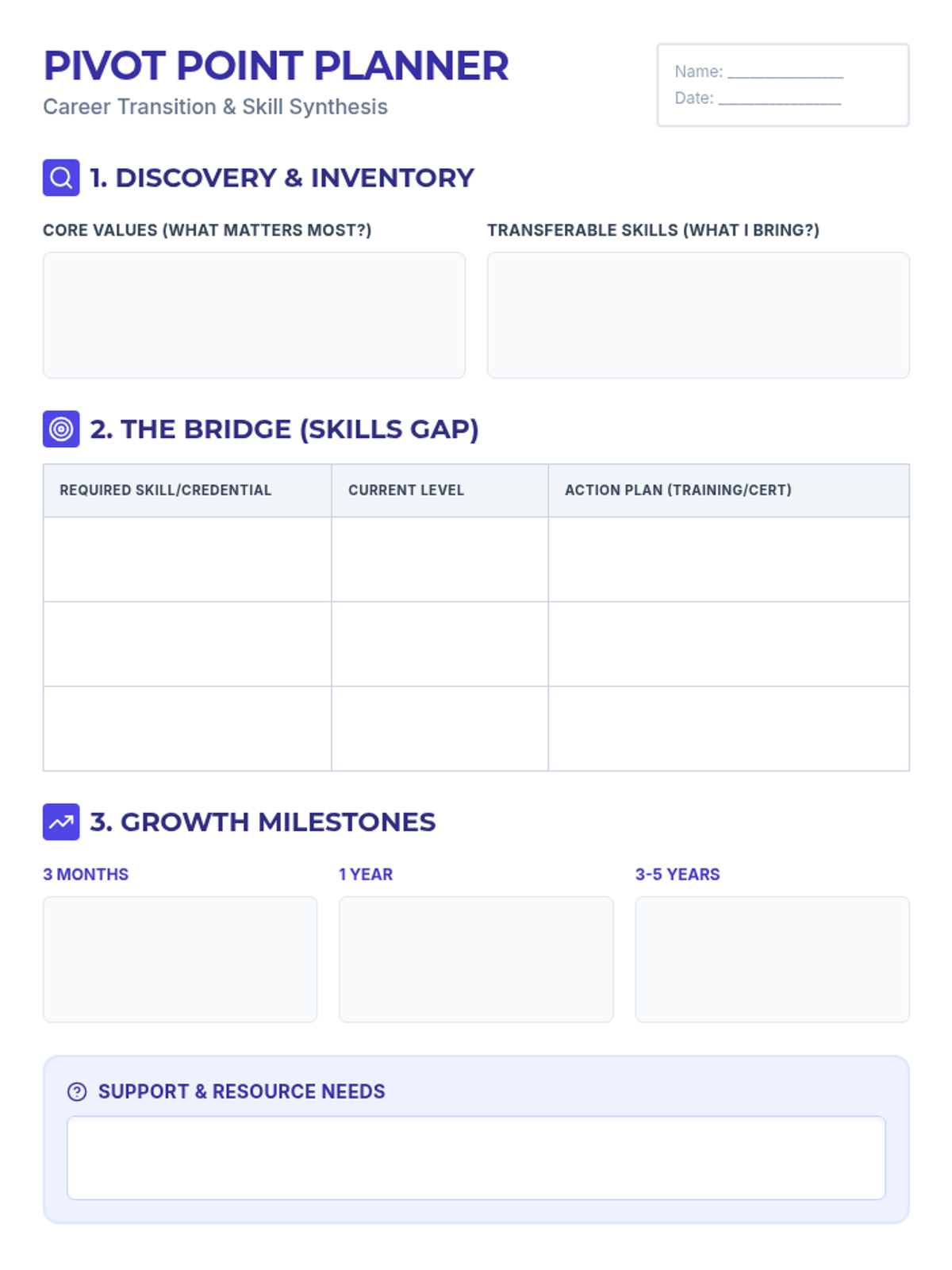
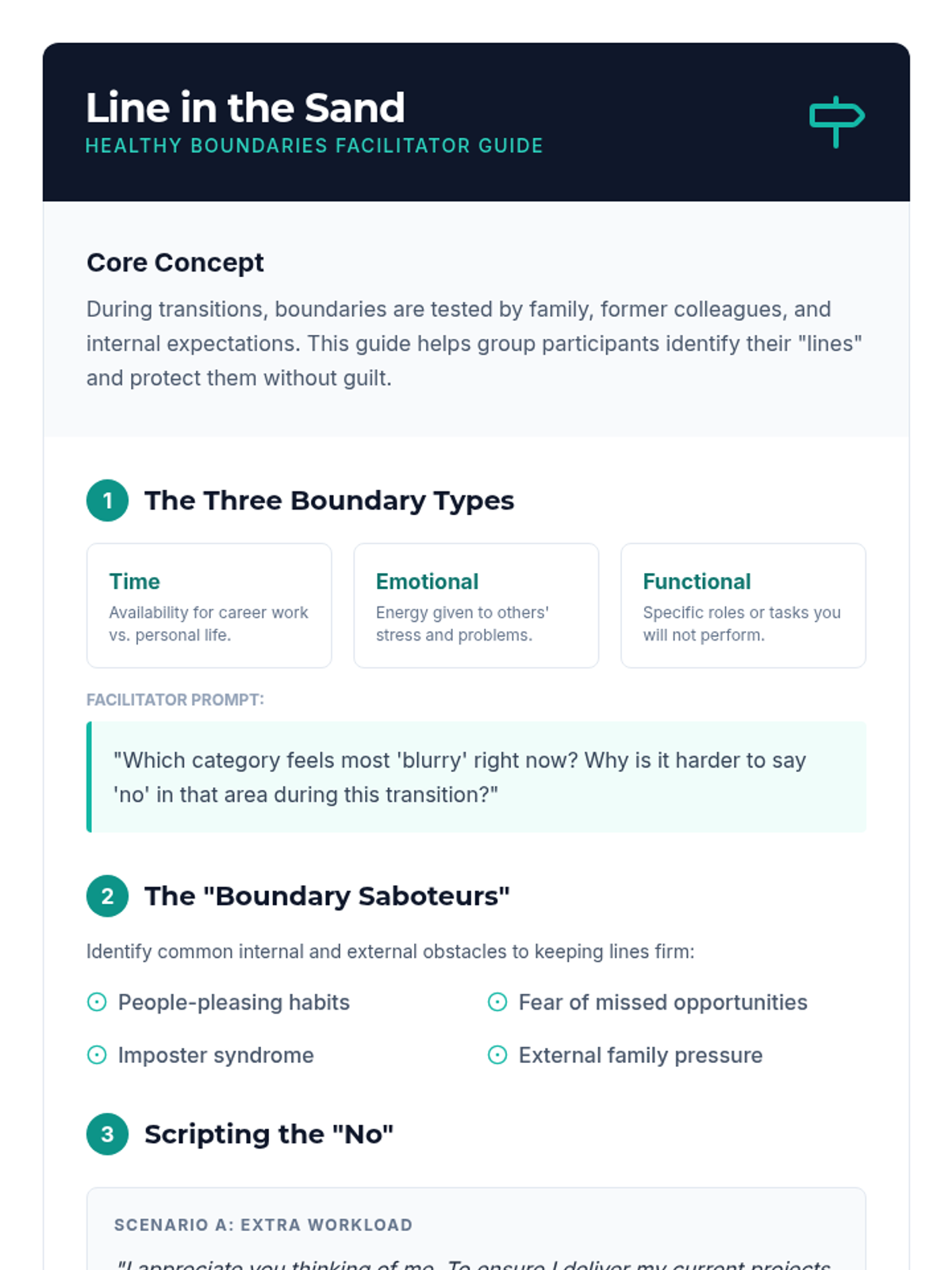
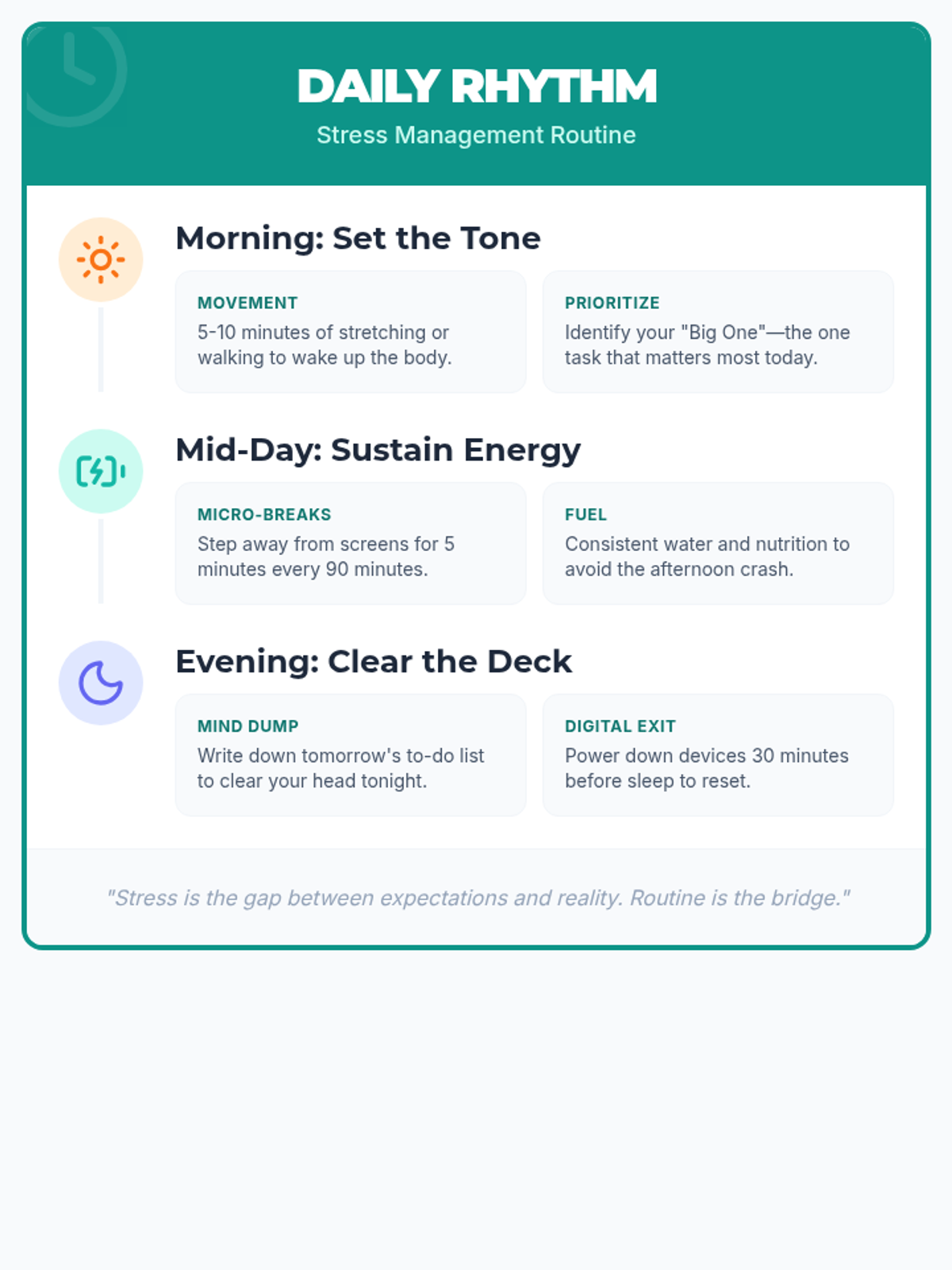
Focuses on building the internal resilience and external strategies needed for a successful professional pivot. Includes mindfulness practices, coping mechanisms for anxiety, boundary setting, and structured career goal planning.
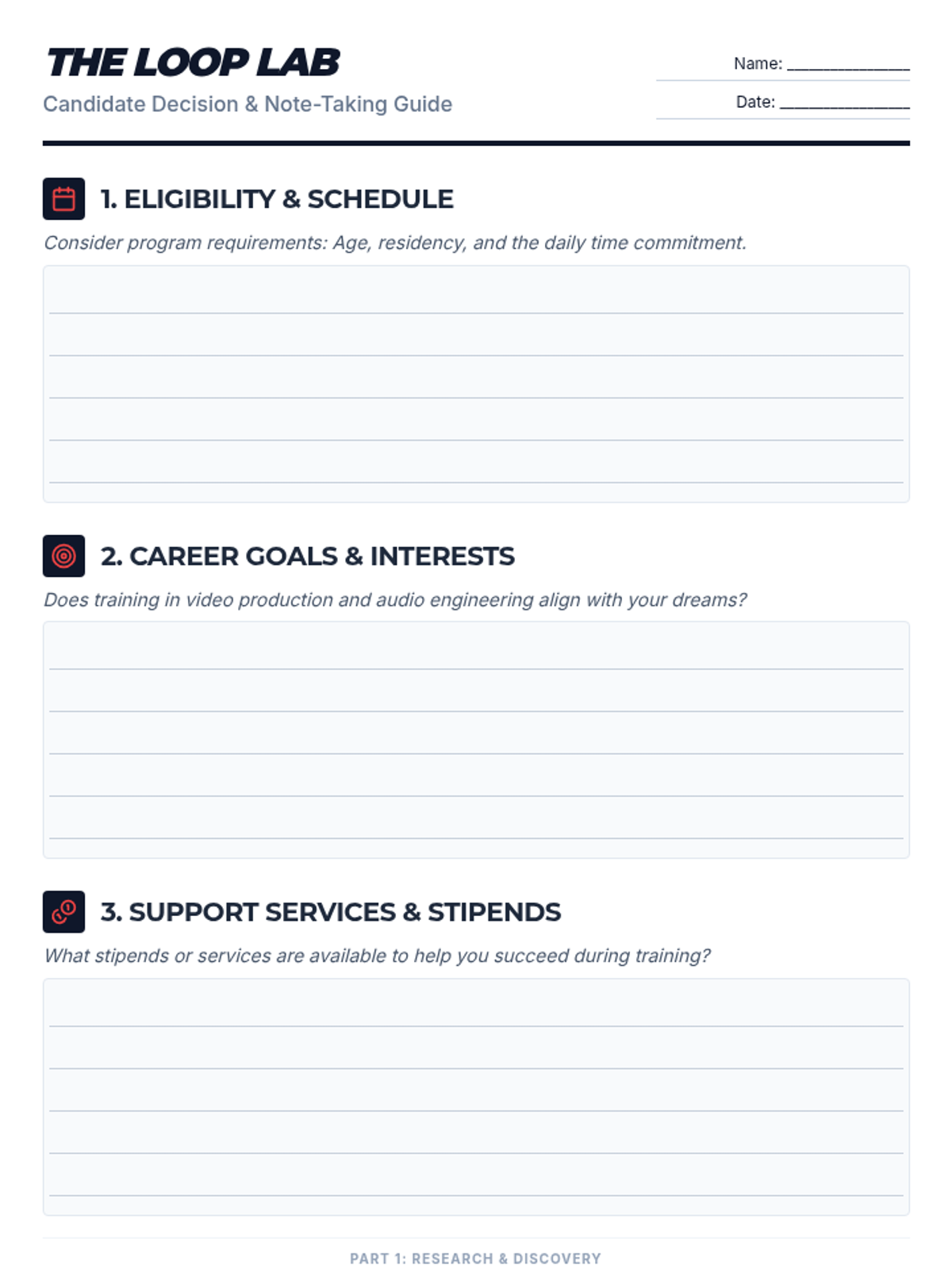
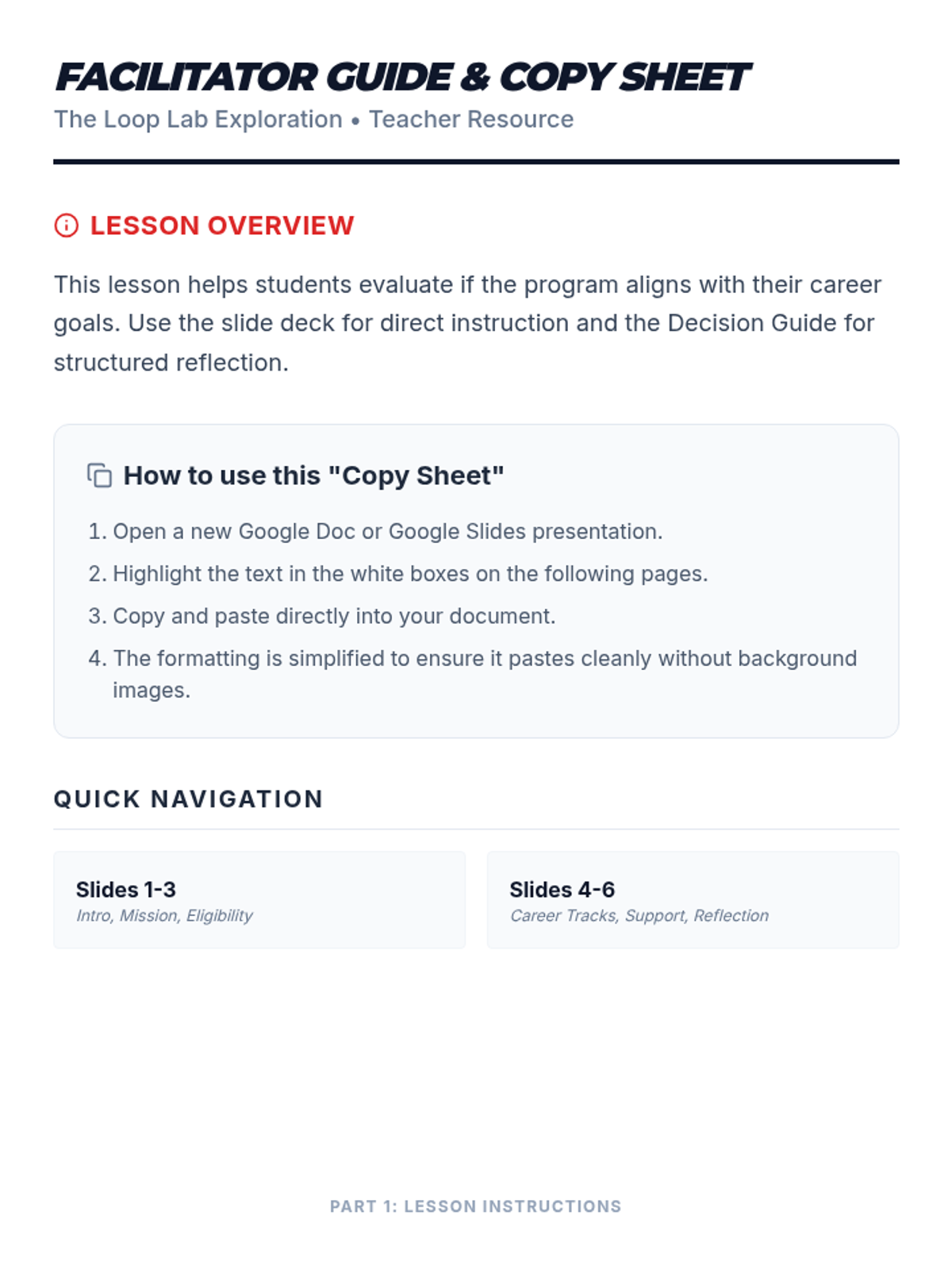
A lesson designed to help students evaluate their interest in and eligibility for The Loop Lab program, focusing on aligning personal career goals with the program's offerings.
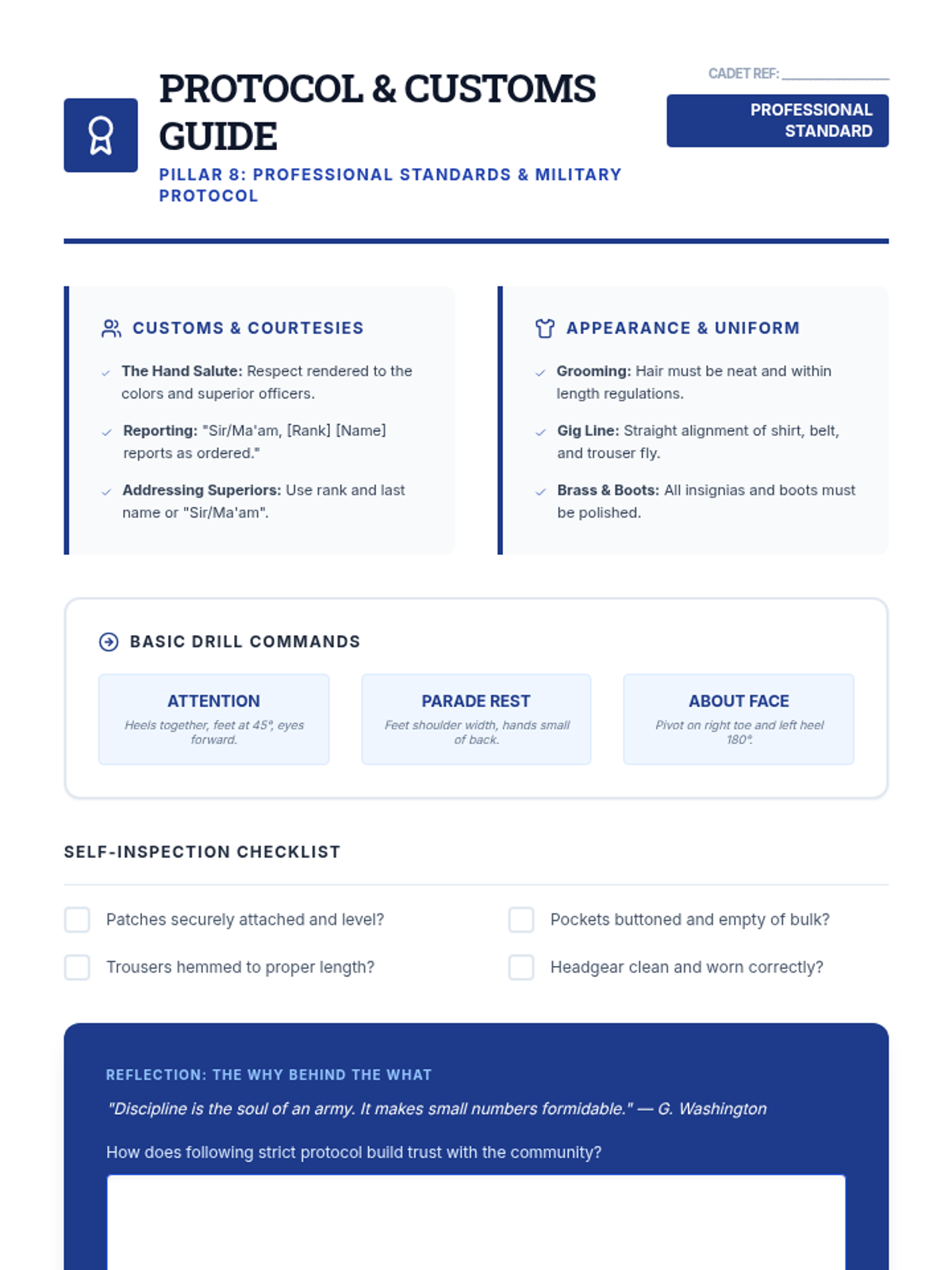
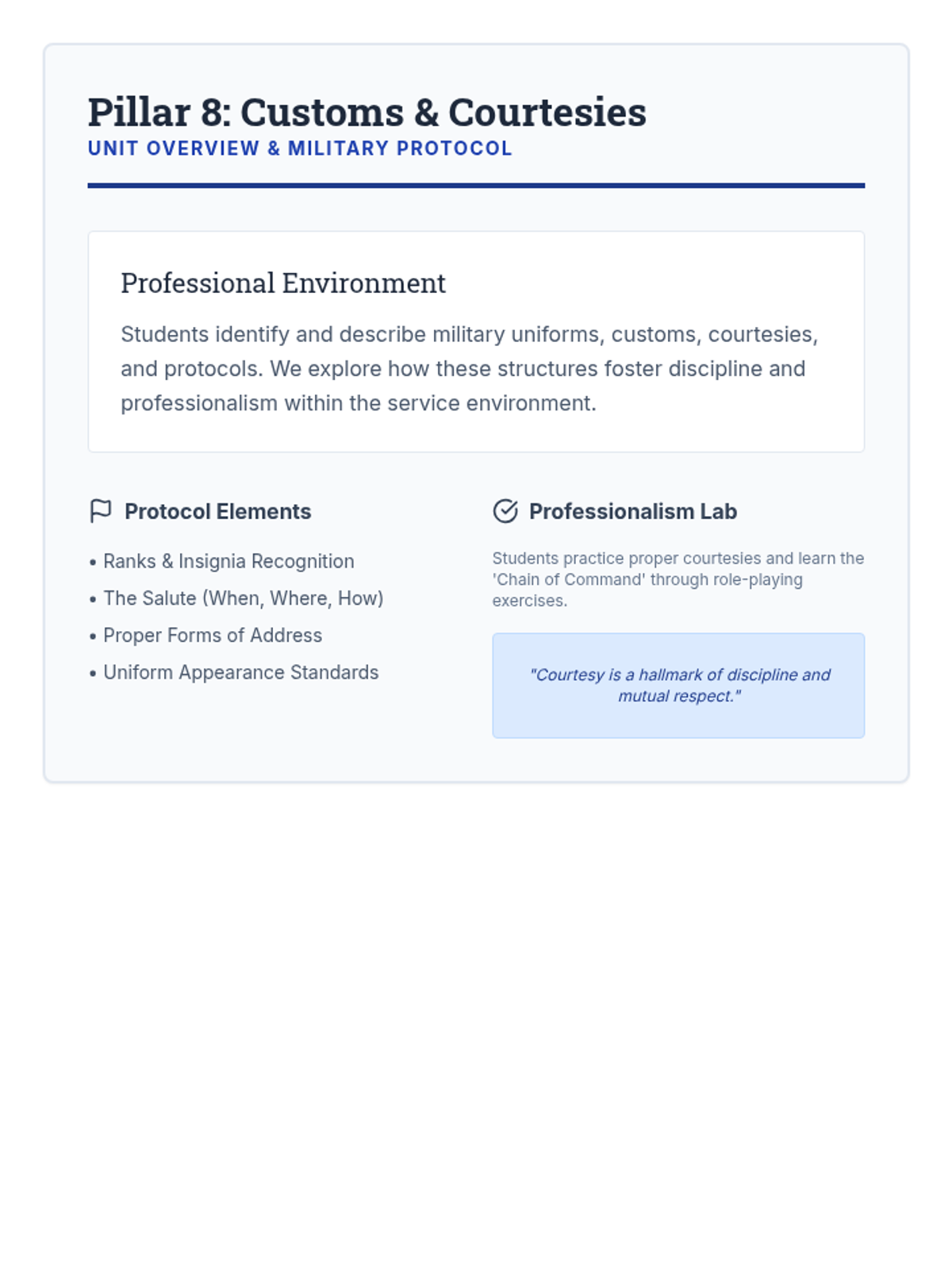
Master military customs, courtesies, protocols, and uniform standards essential for professional military environments.
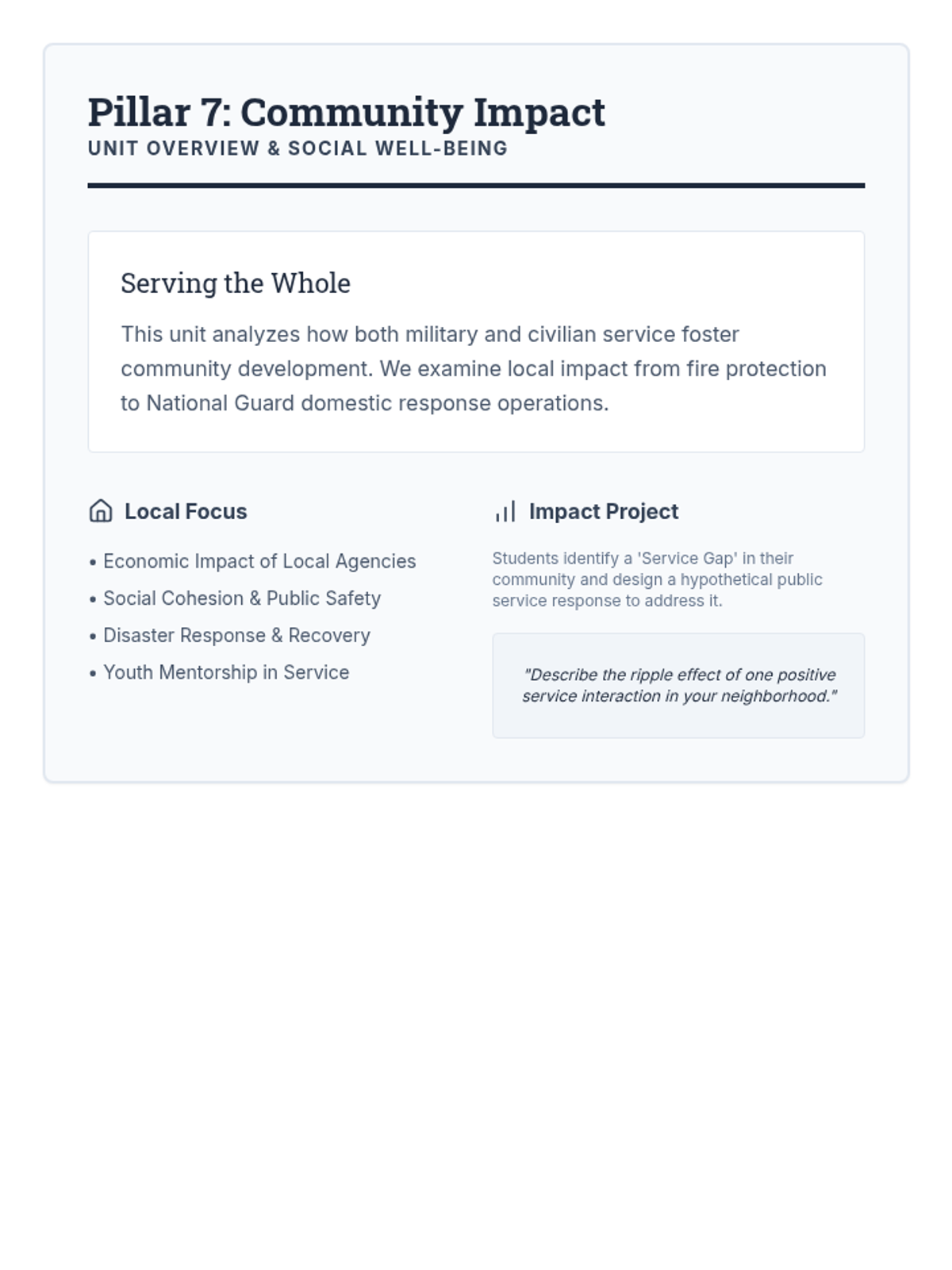
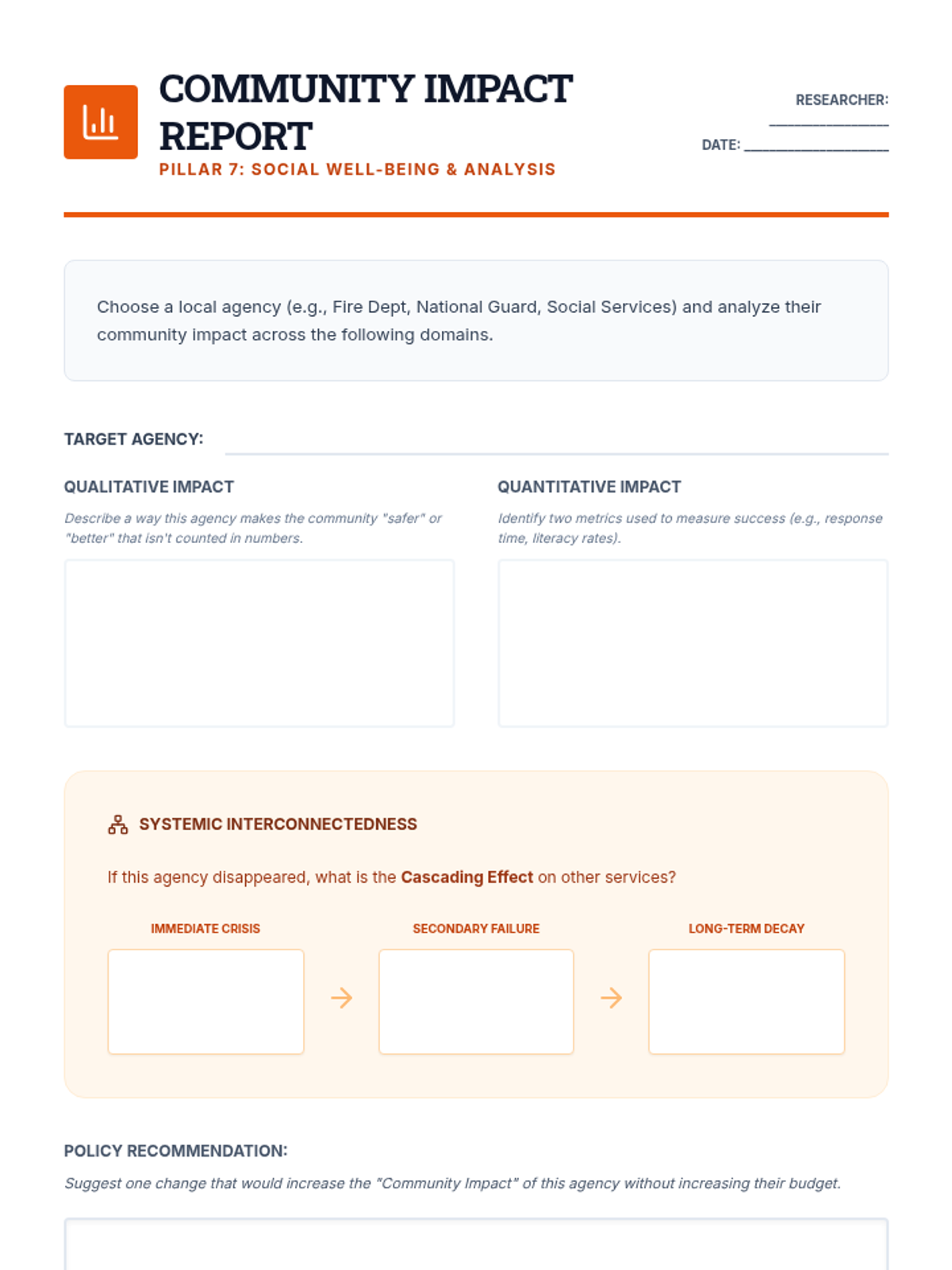
Assess the positive impact of public service on local and national communities, focusing on development and societal well-being.
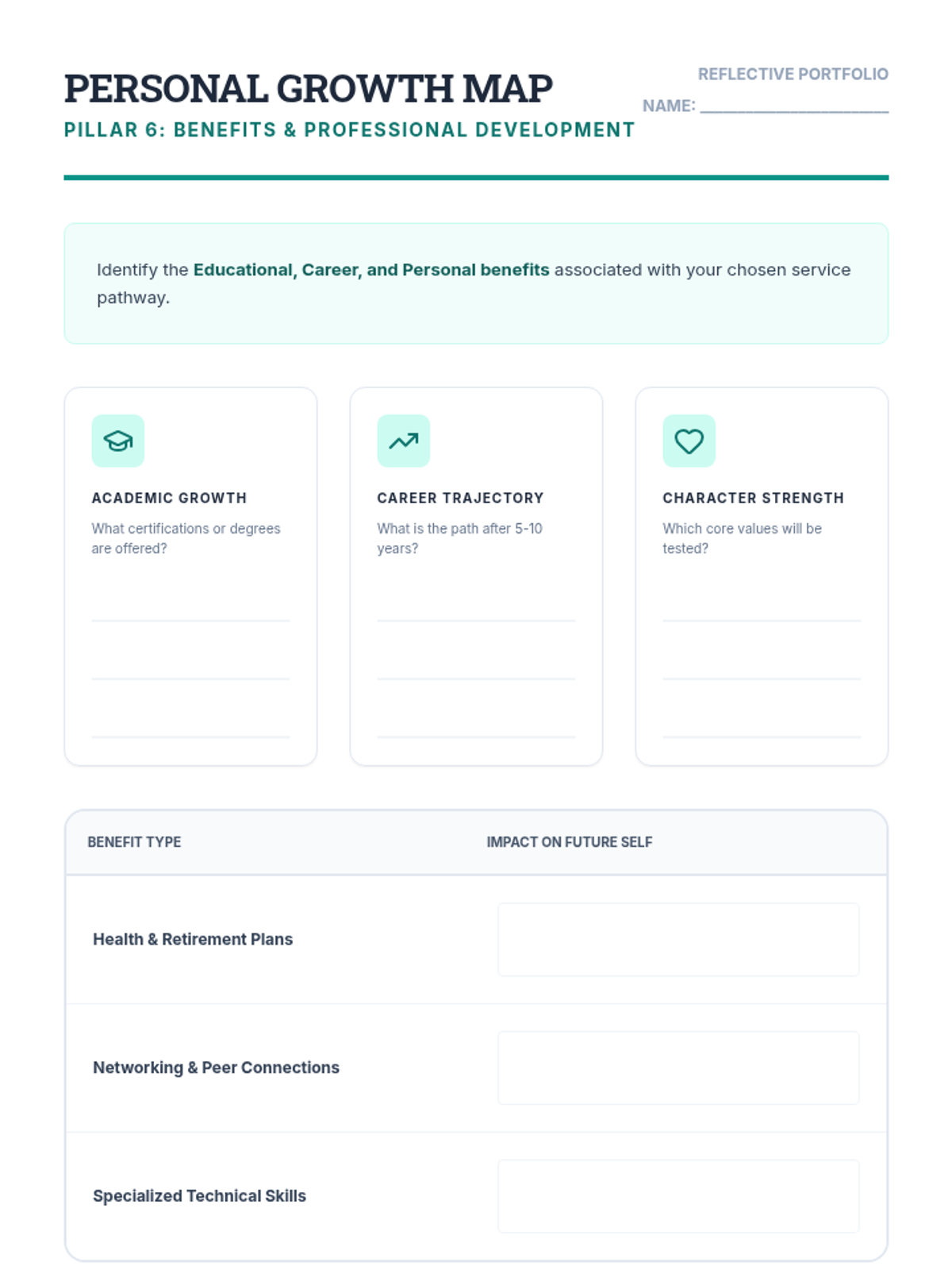
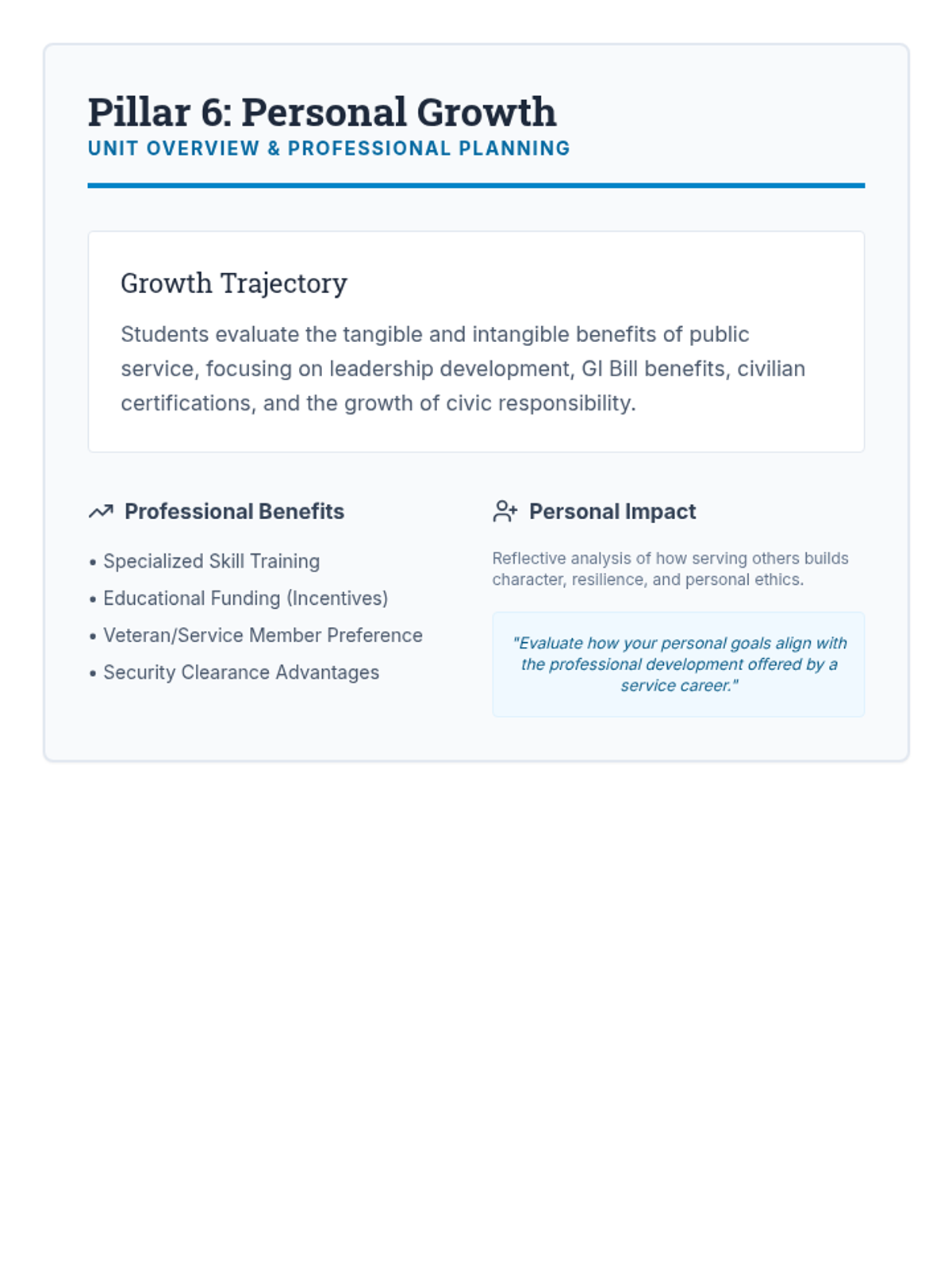
Examine the personal and professional growth resulting from service careers, including civic responsibility and professional advancement.
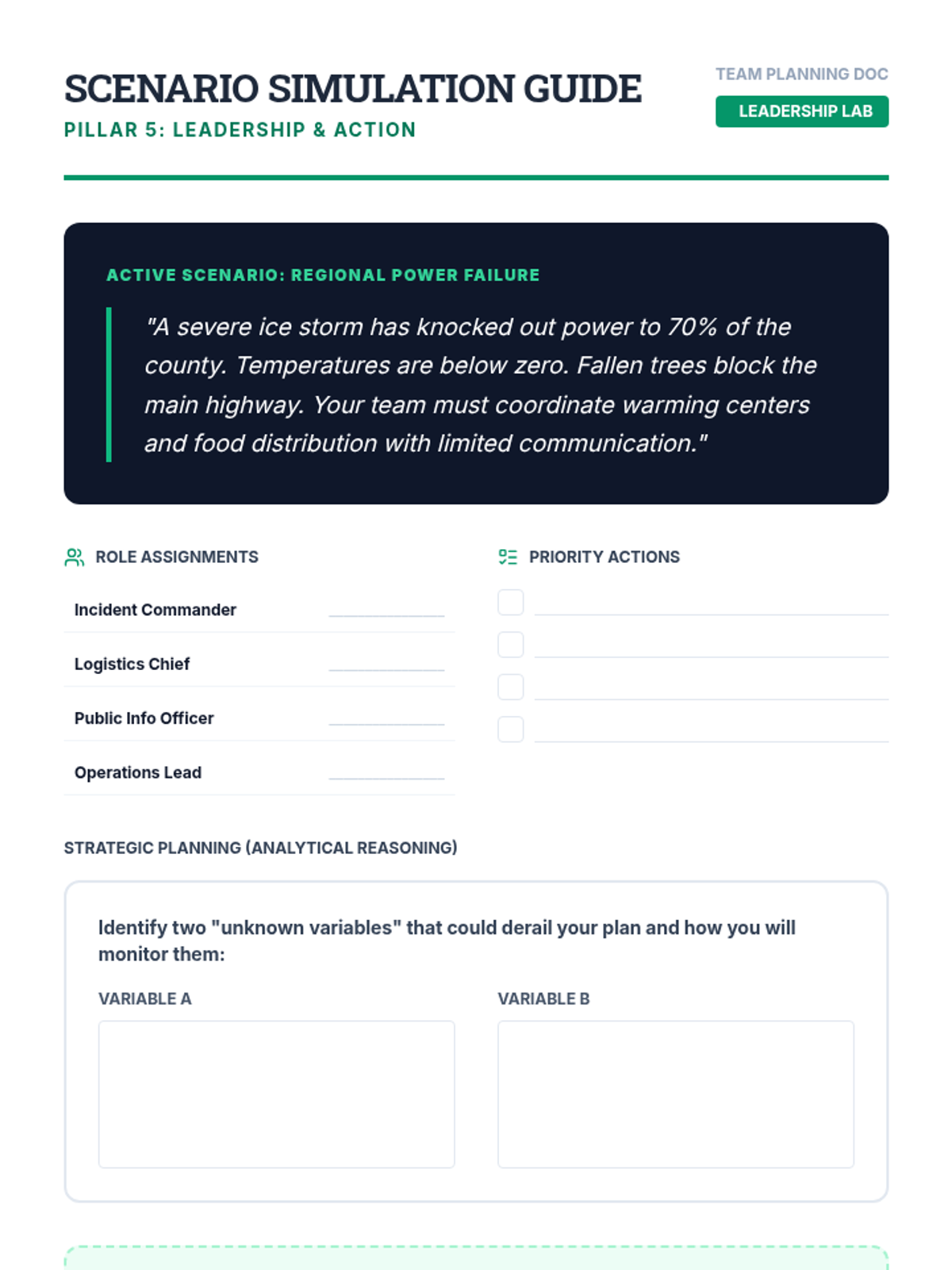
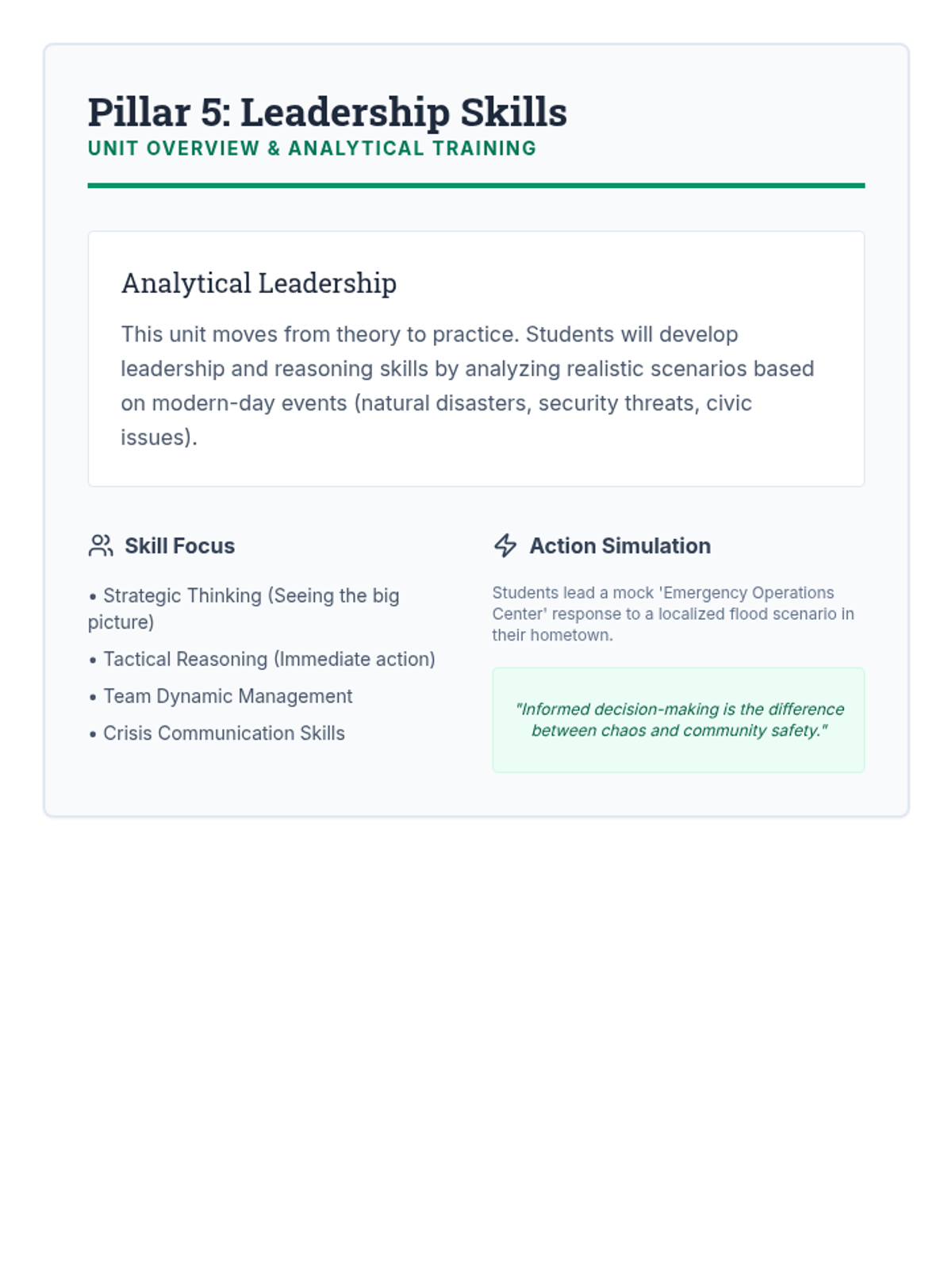
Develop leadership, critical thinking, and analytical reasoning skills through realistic public service simulations and current event analysis.
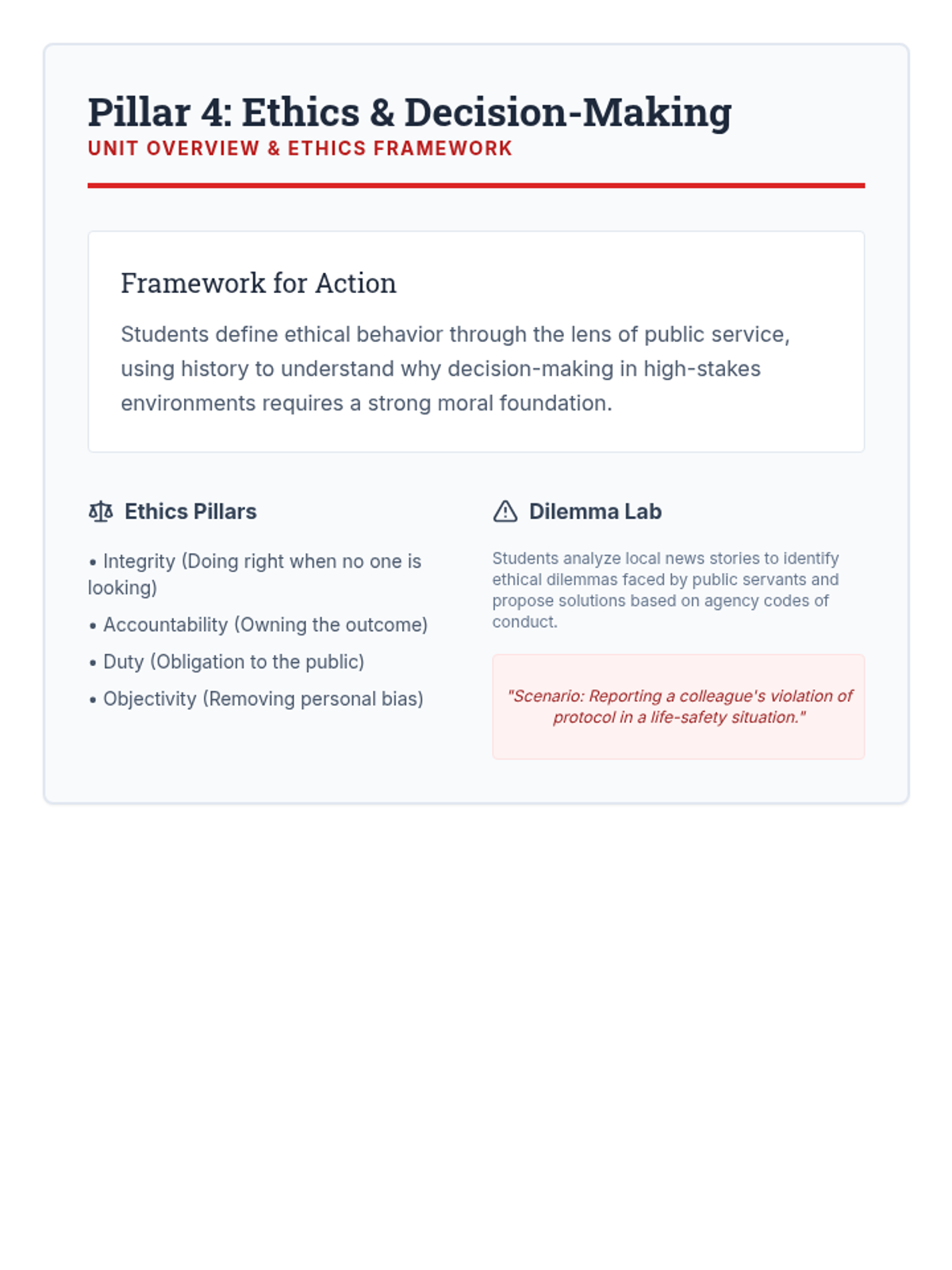
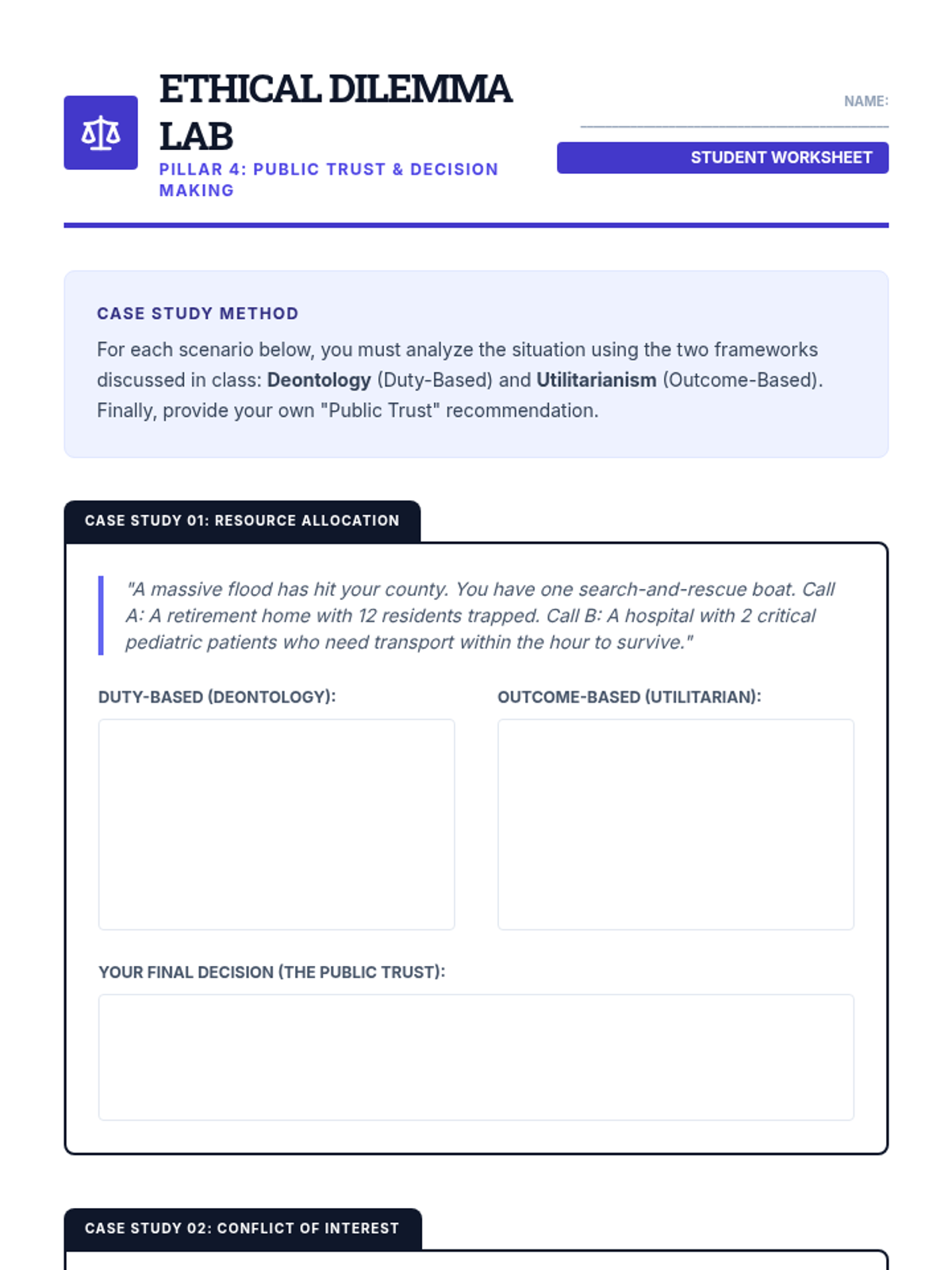
Define and apply ethical frameworks to public service scenarios, analyzing complex challenges and the role of ethics in leadership.
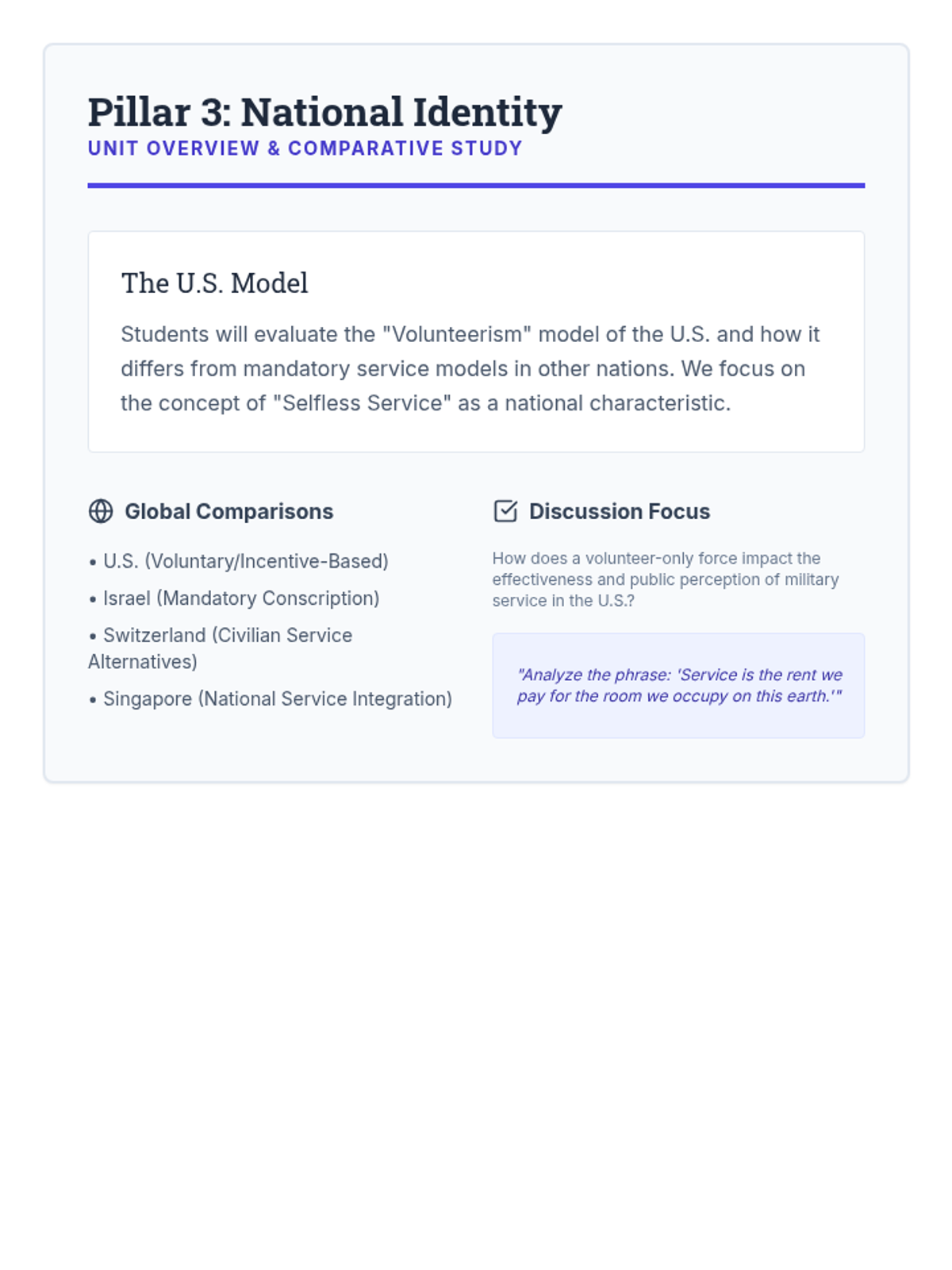
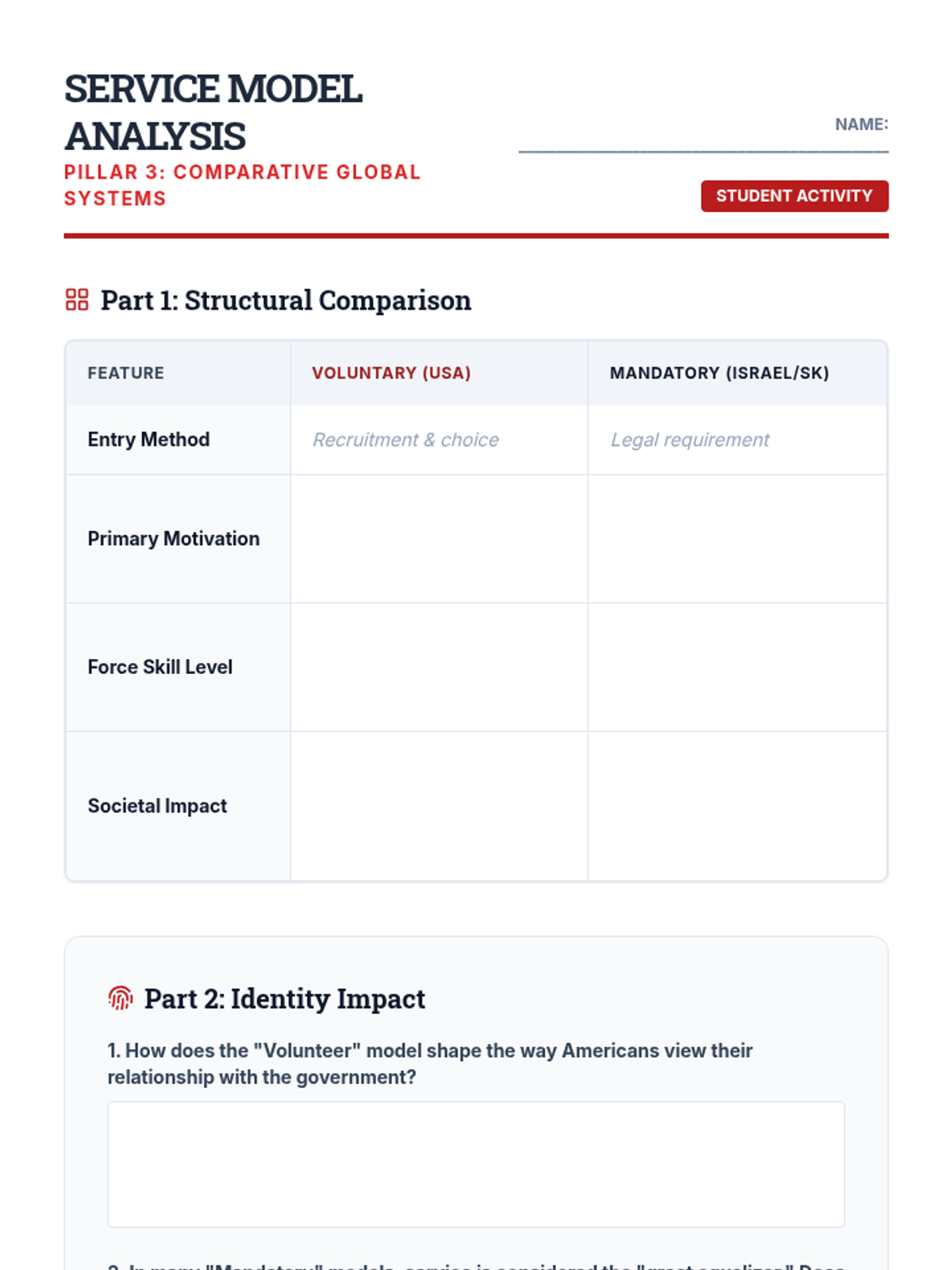
Evaluate how public service shapes U.S. national identity and compare the U.S. volunteerism model with international public service structures.
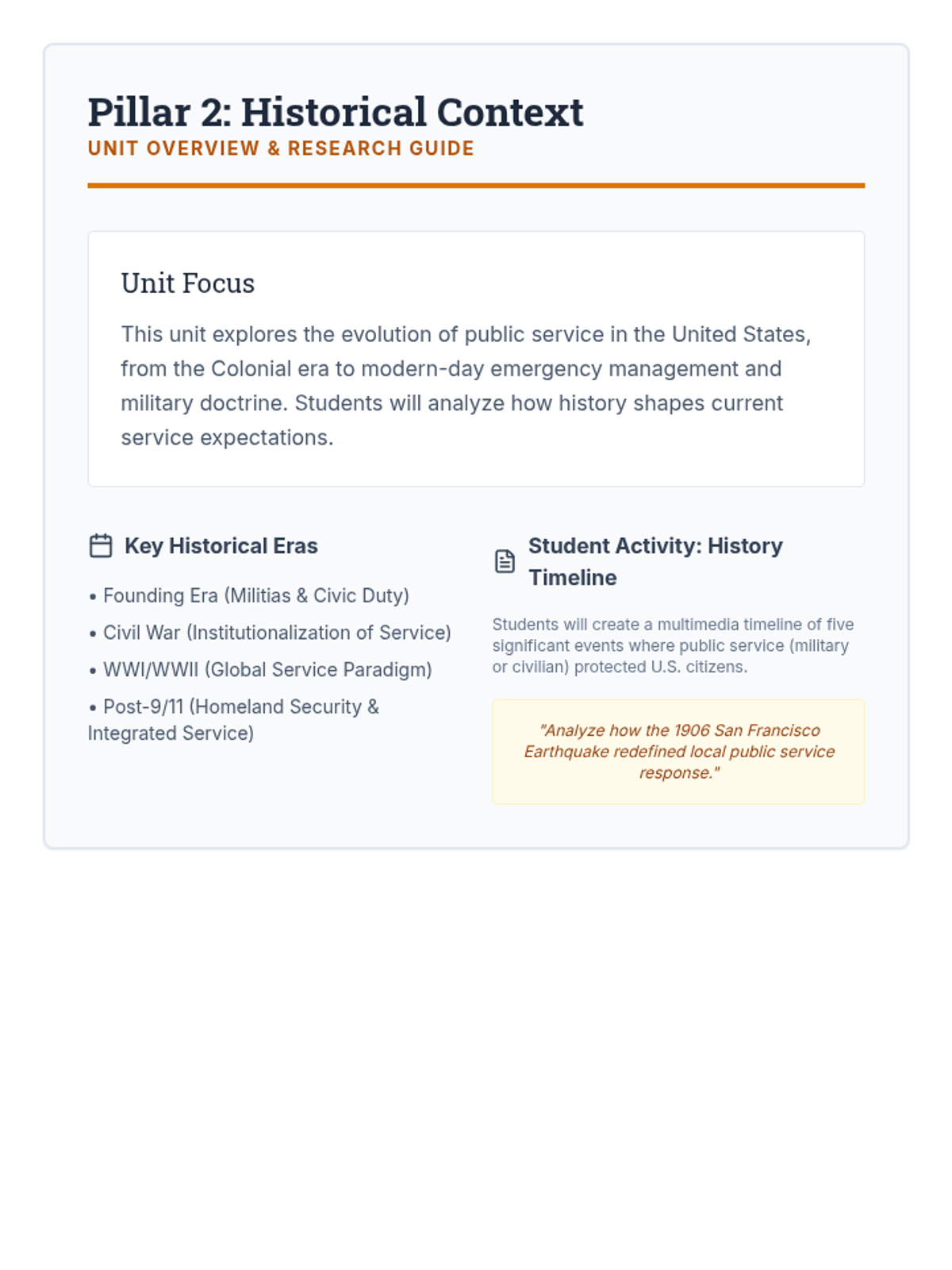
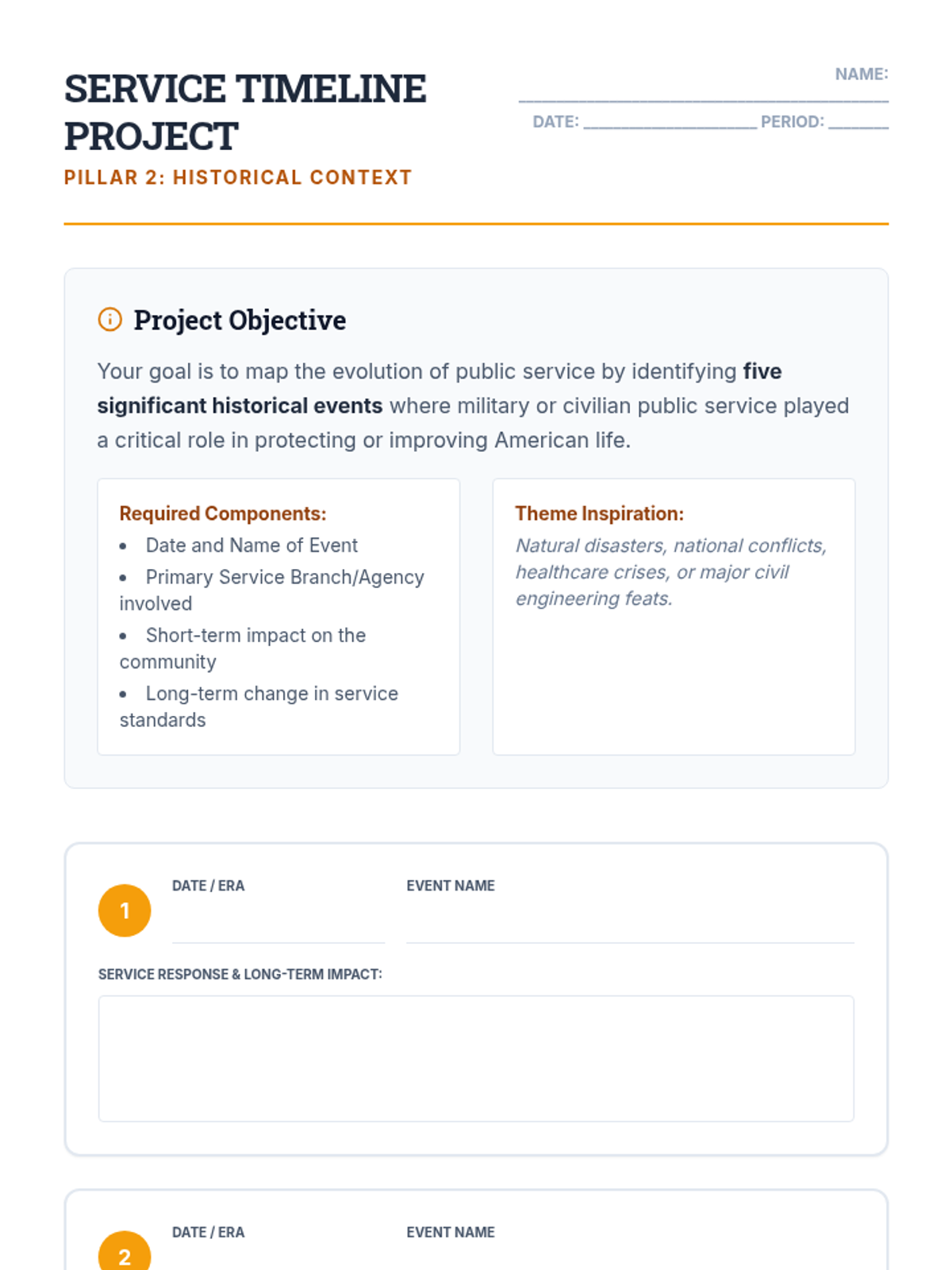
Analyze the historical evolution of public service in the U.S., researching significant events and their impact on national safety and service.
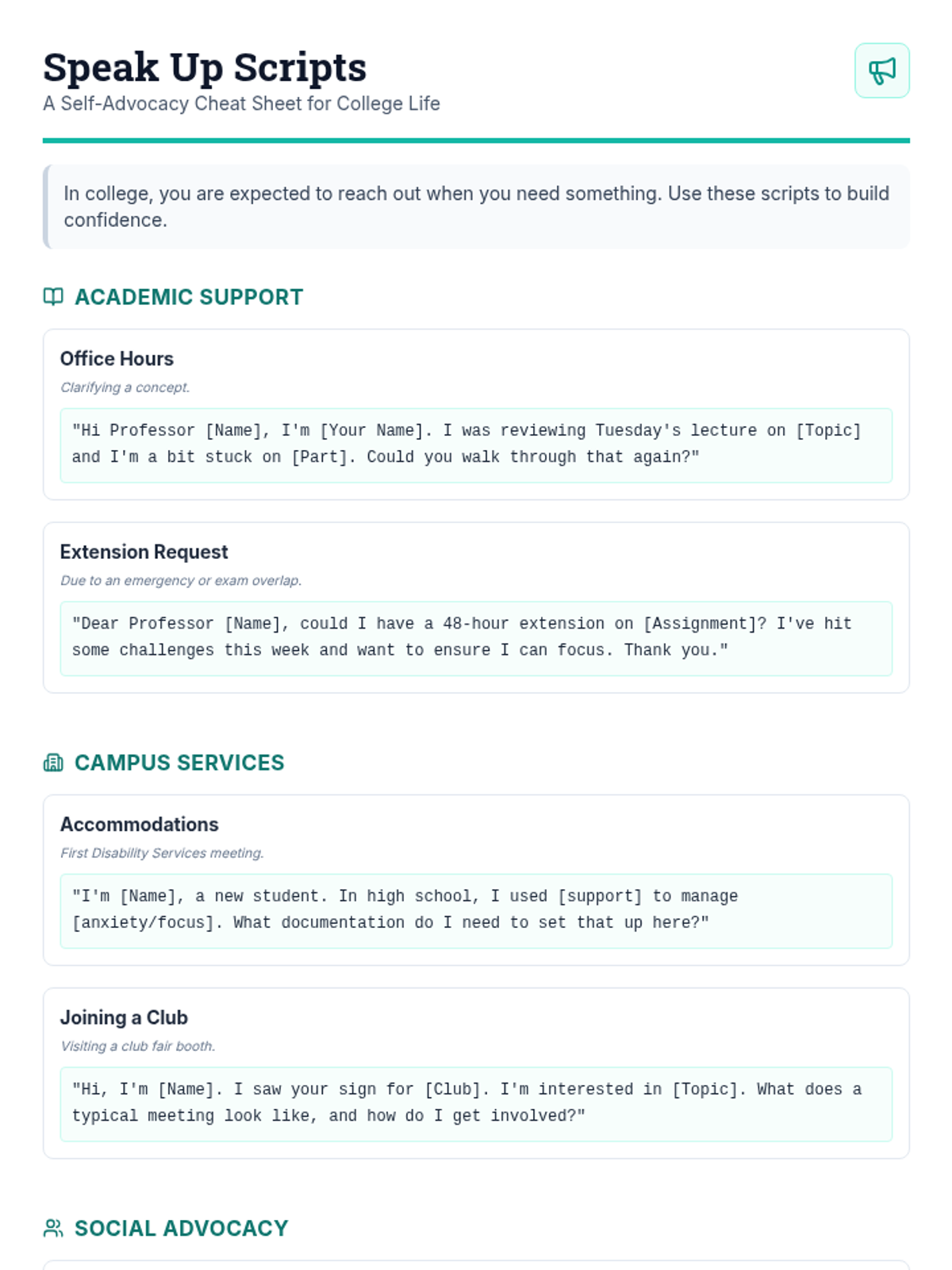
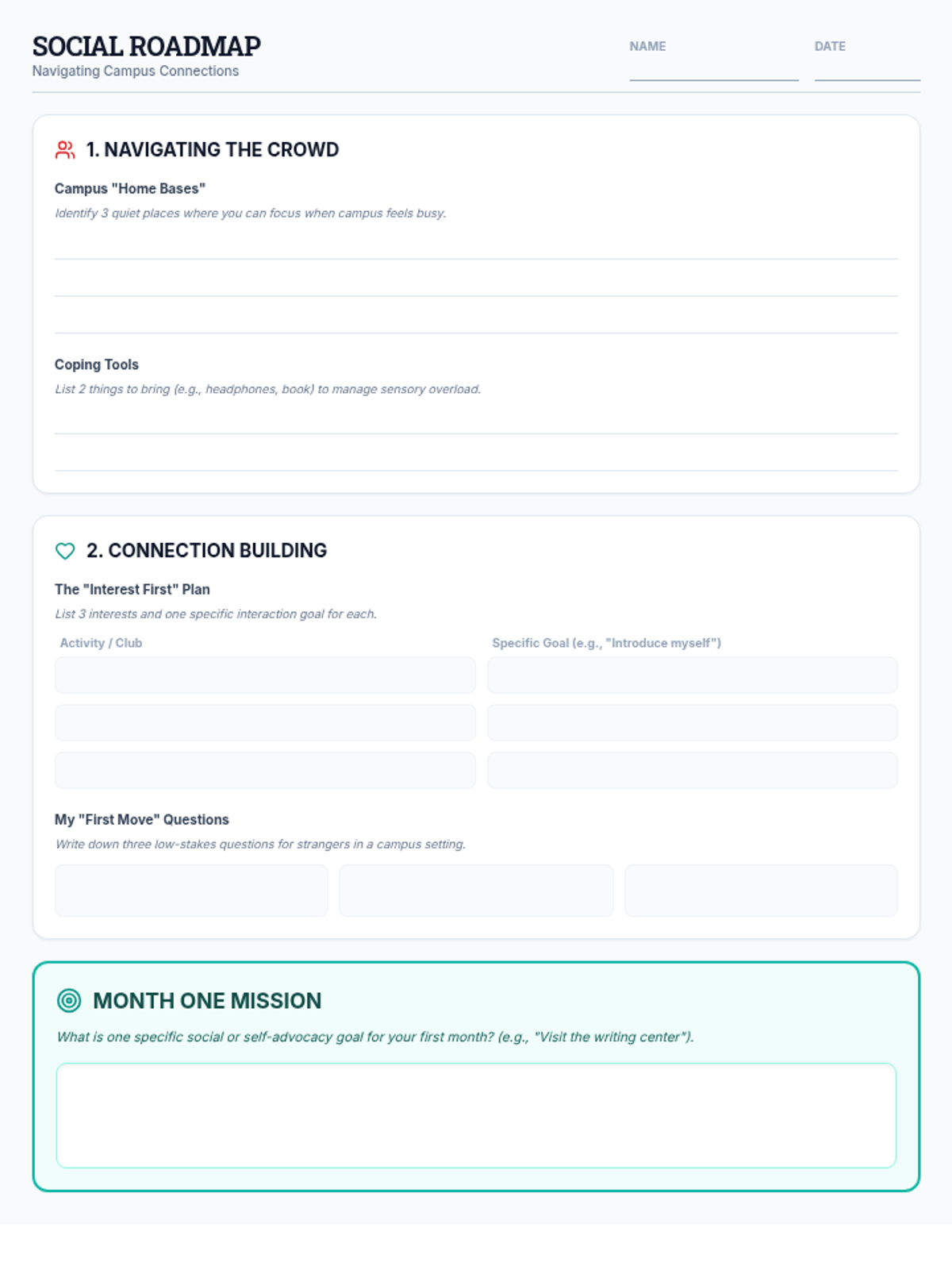
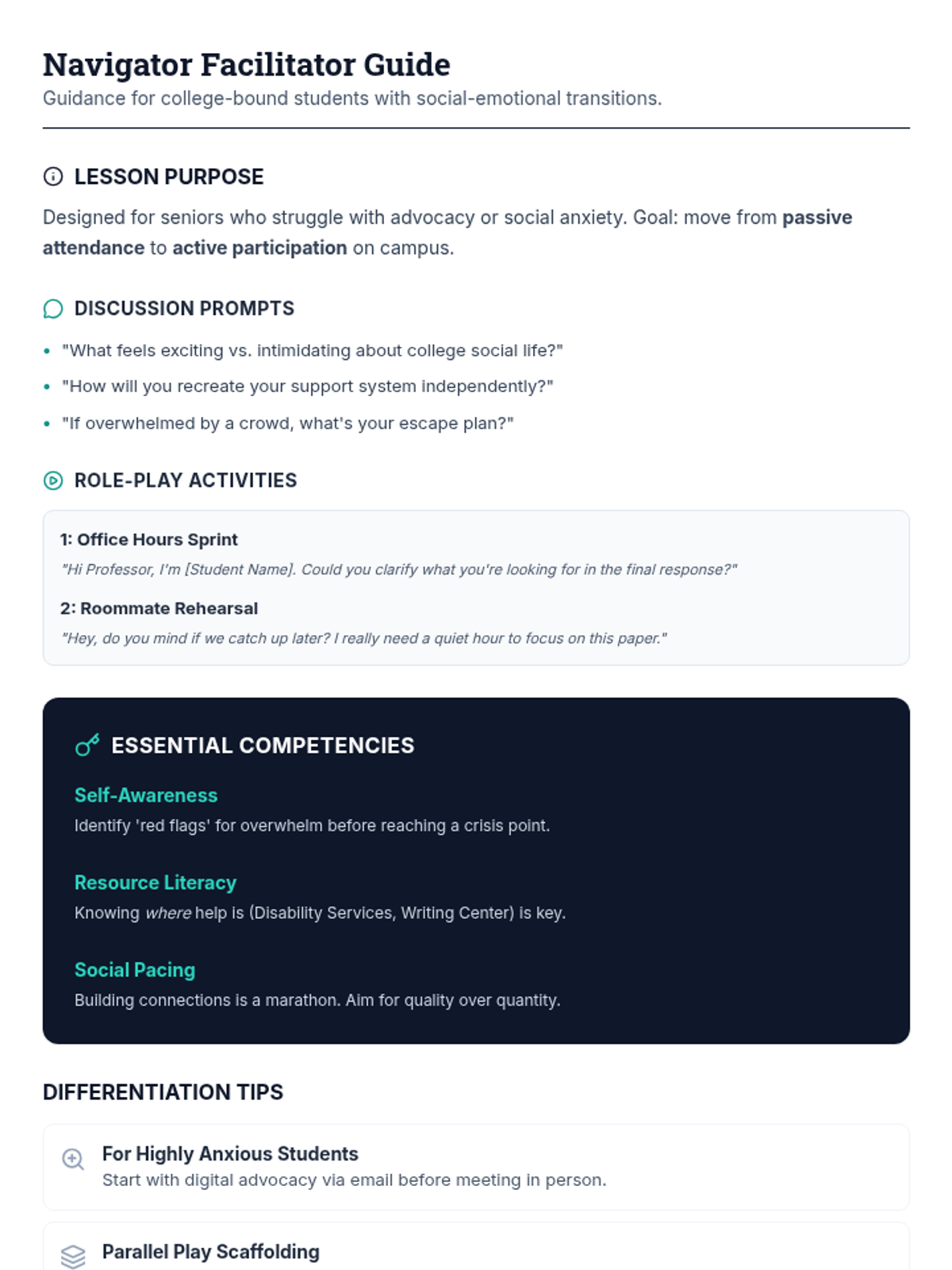
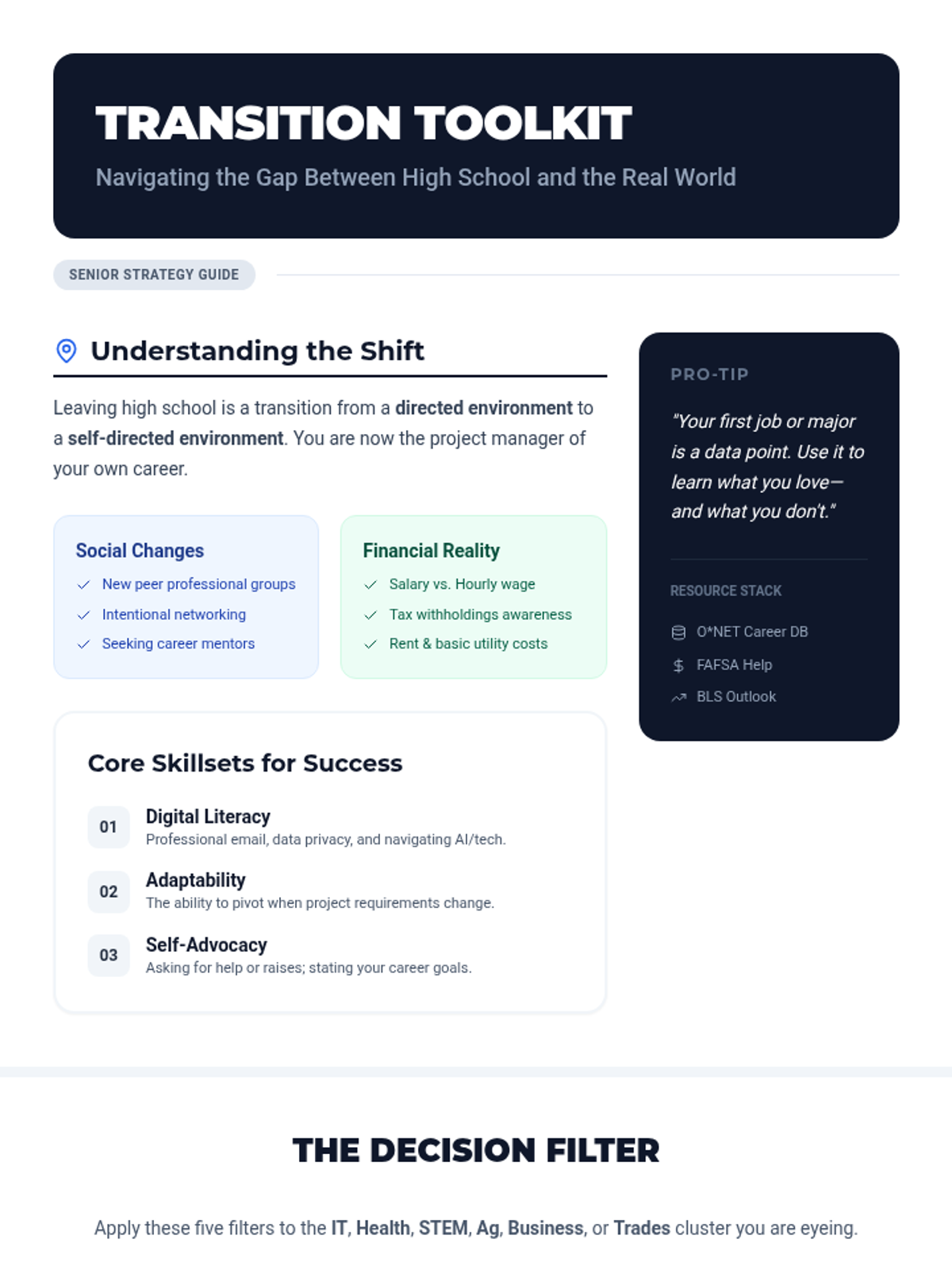
A comprehensive guide for high school students transitioning to college, focusing on self-advocacy, interpersonal skills, and navigating social landscapes independently.
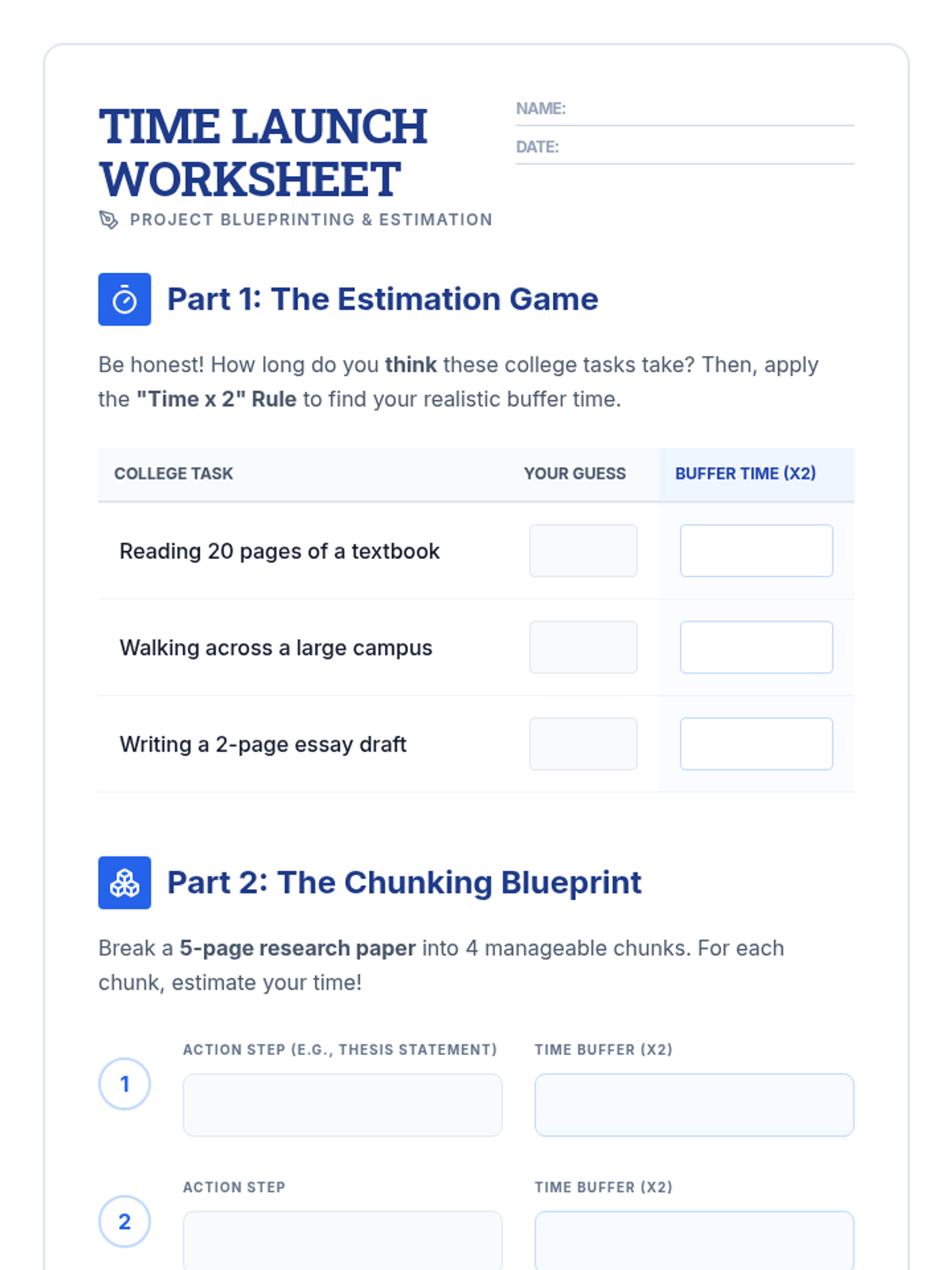
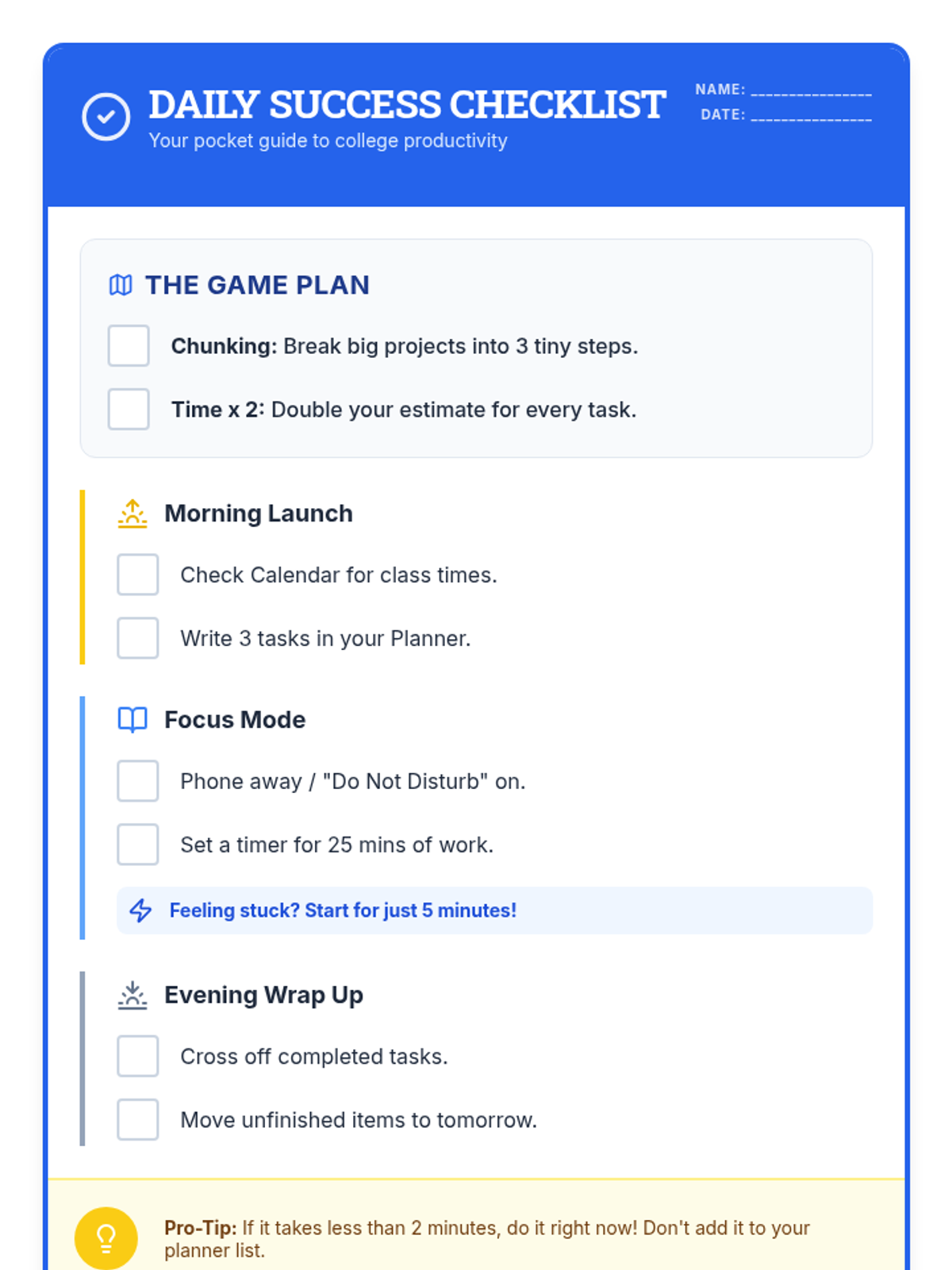
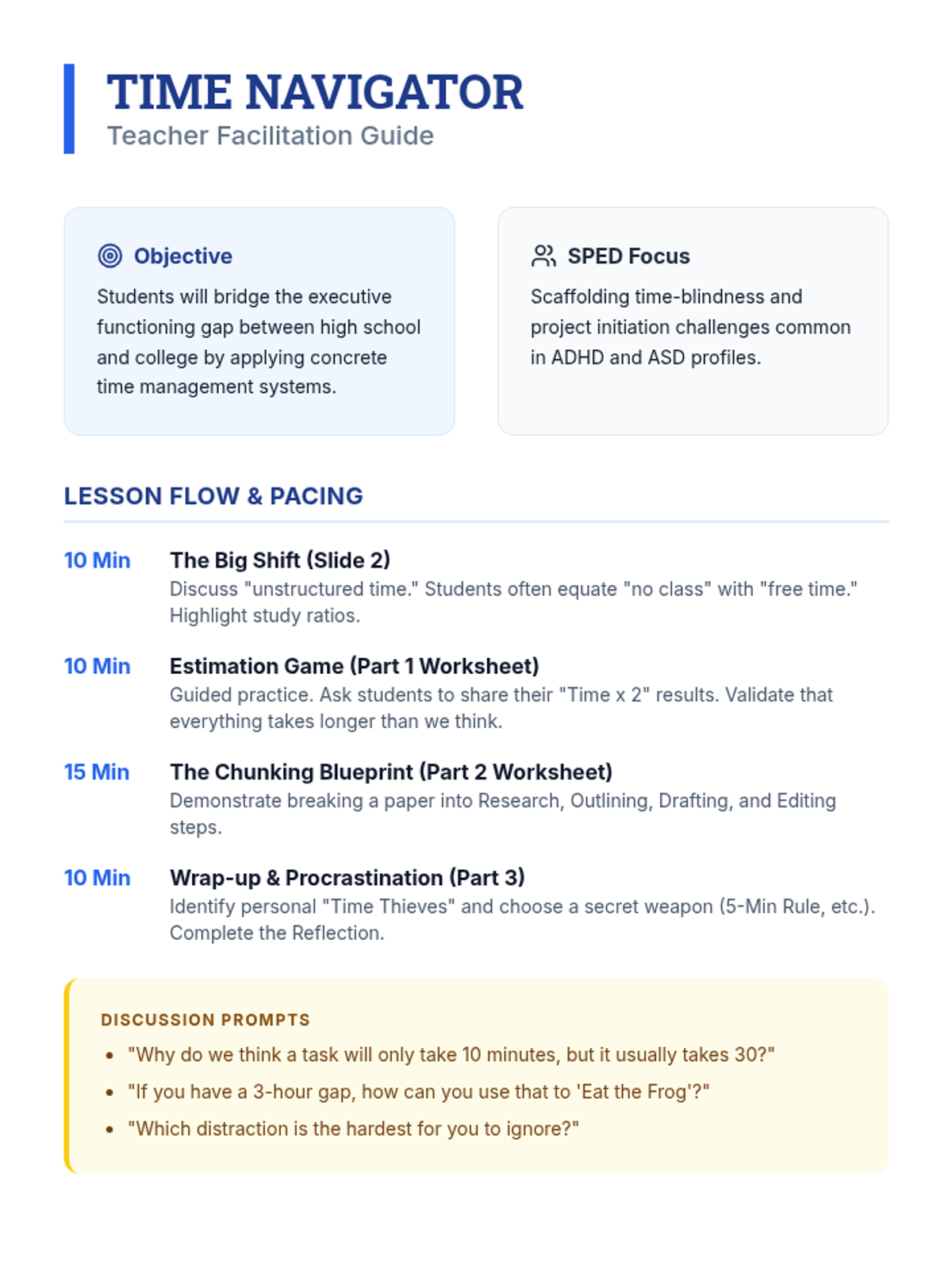
A comprehensive lesson designed for 12th-grade special education students to master essential time management skills needed for the transition to college, focusing on planners, project chunking, and procrastination strategies.
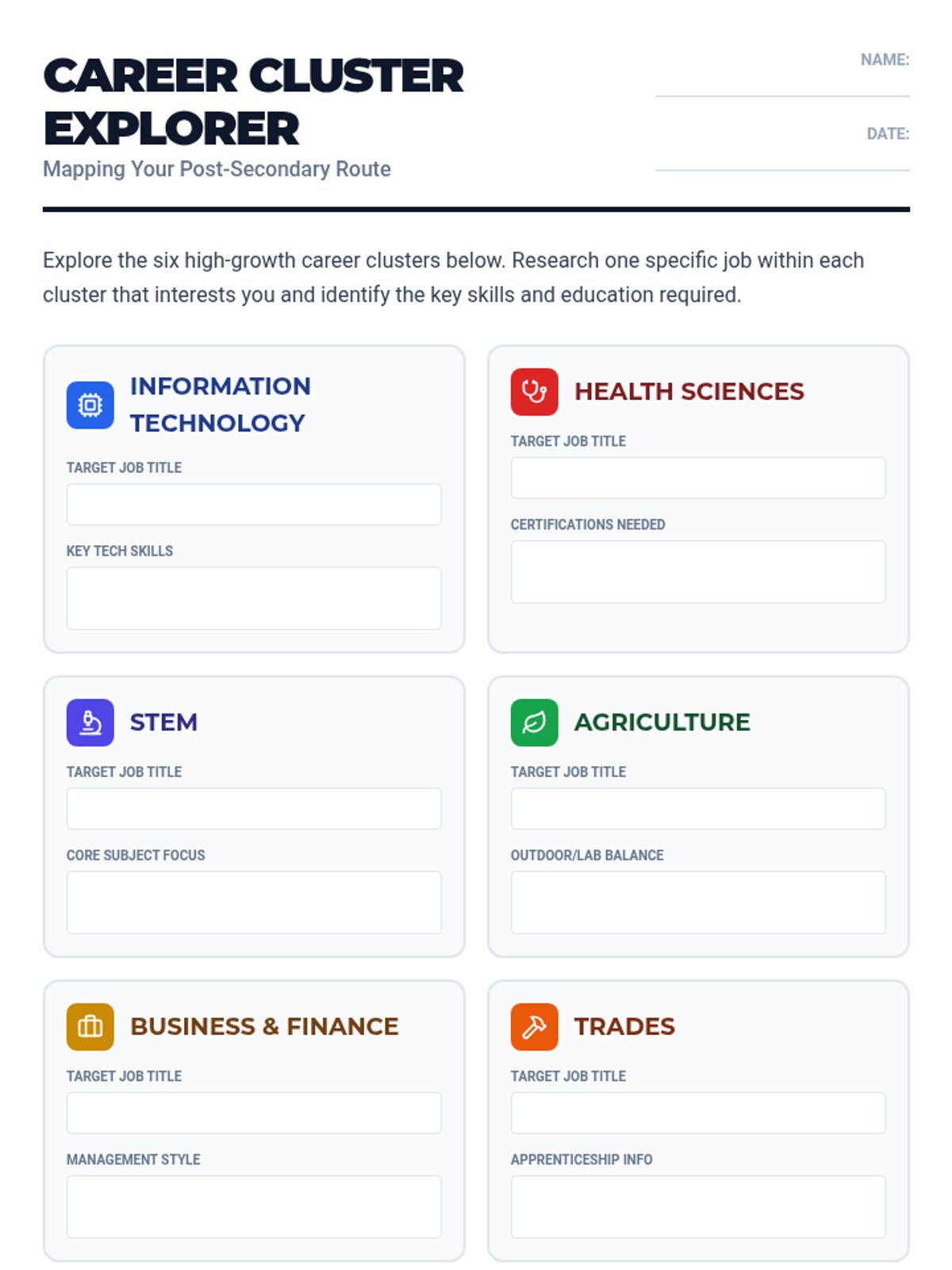
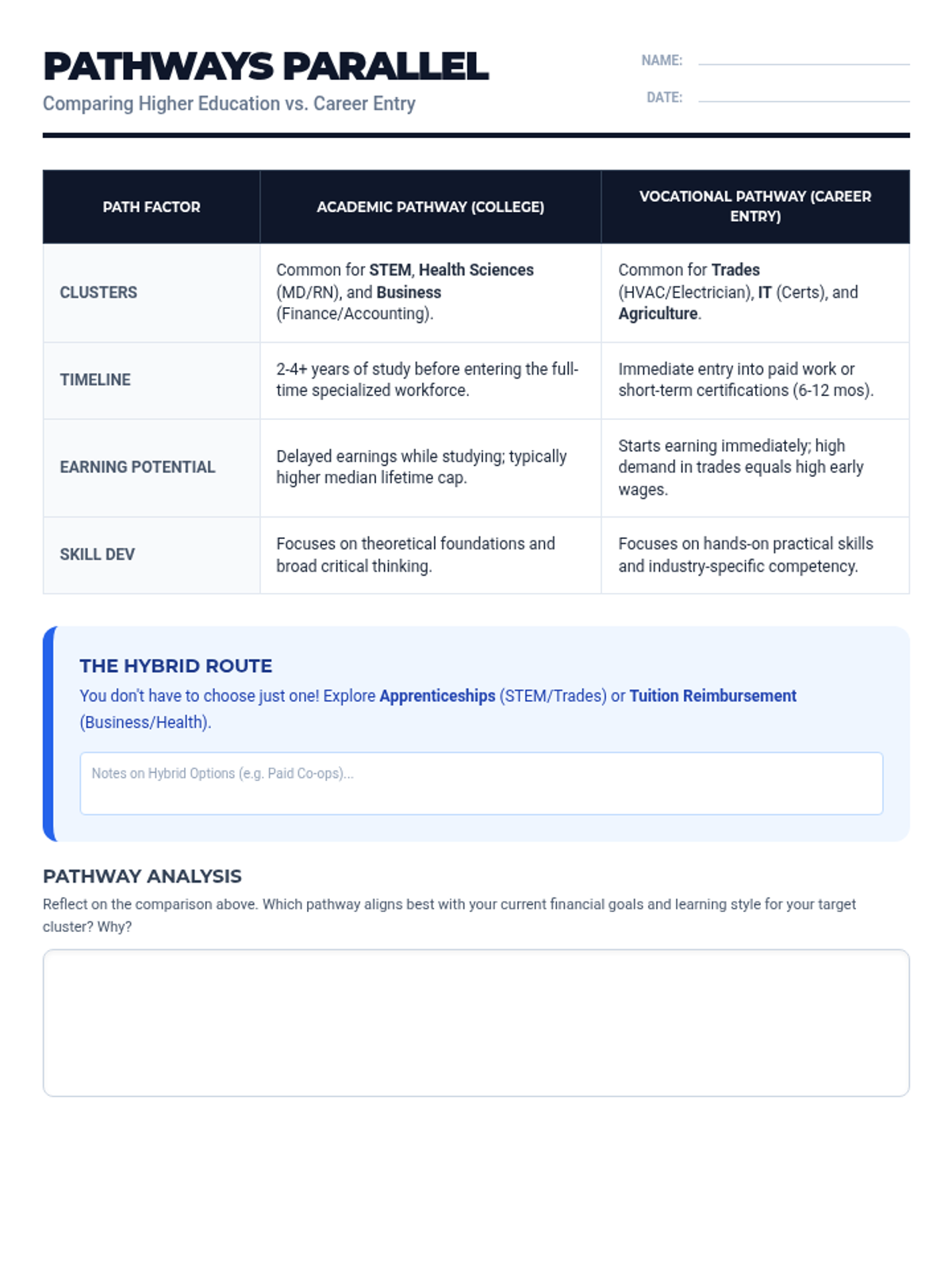
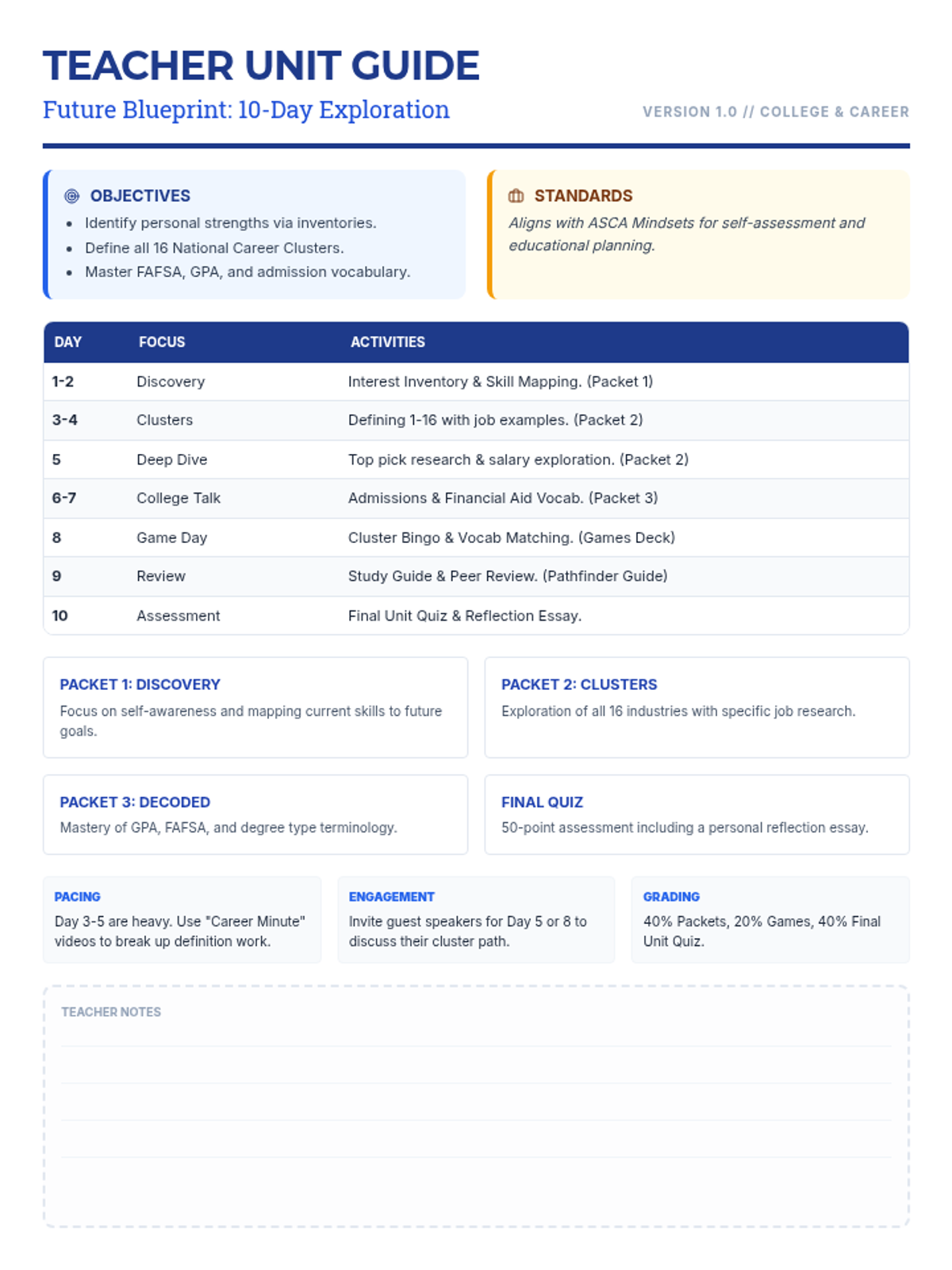
A comprehensive lesson focused on helping high school students explore career clusters and navigate the transition to post-secondary life through planning and comparison.
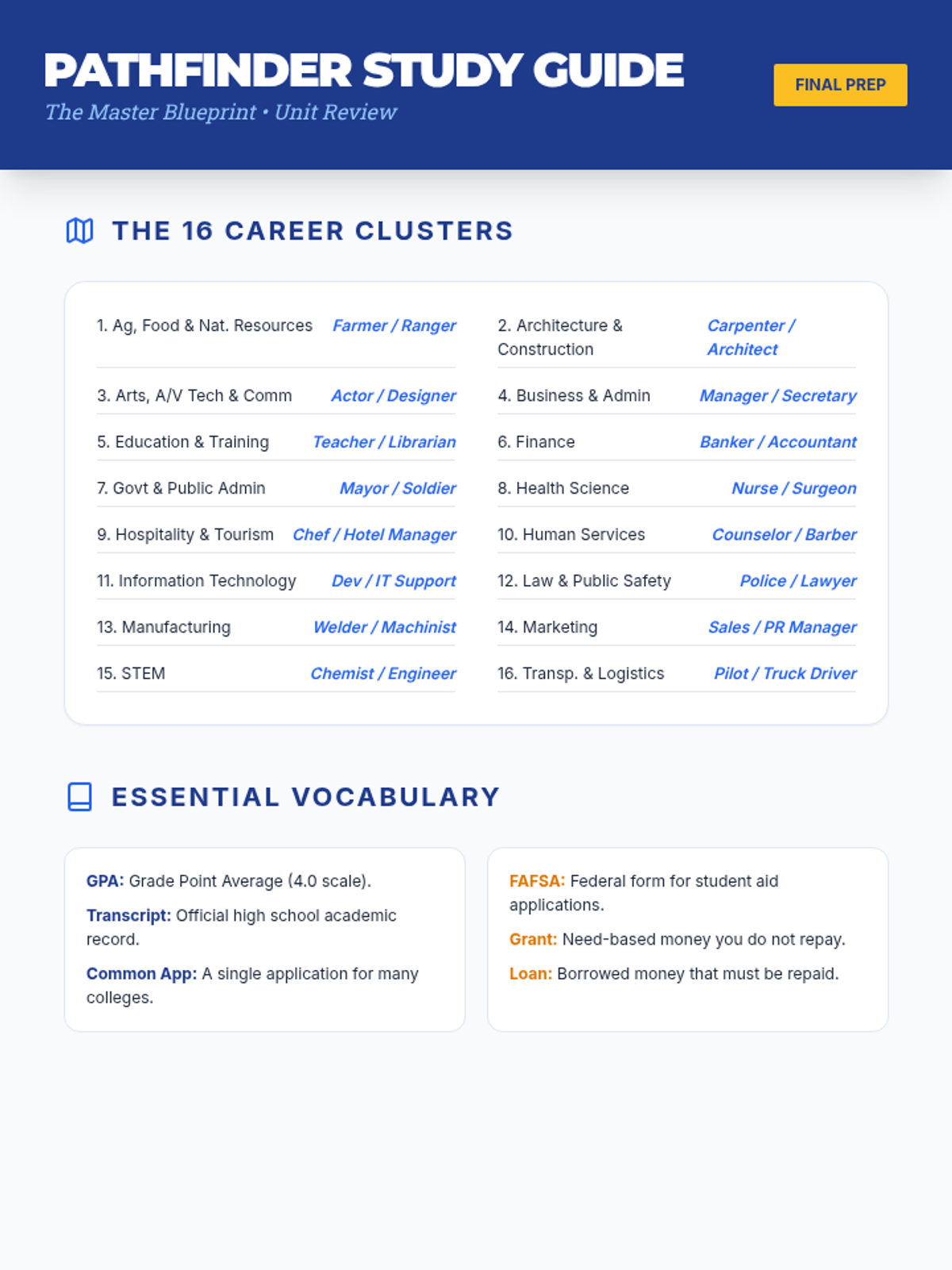
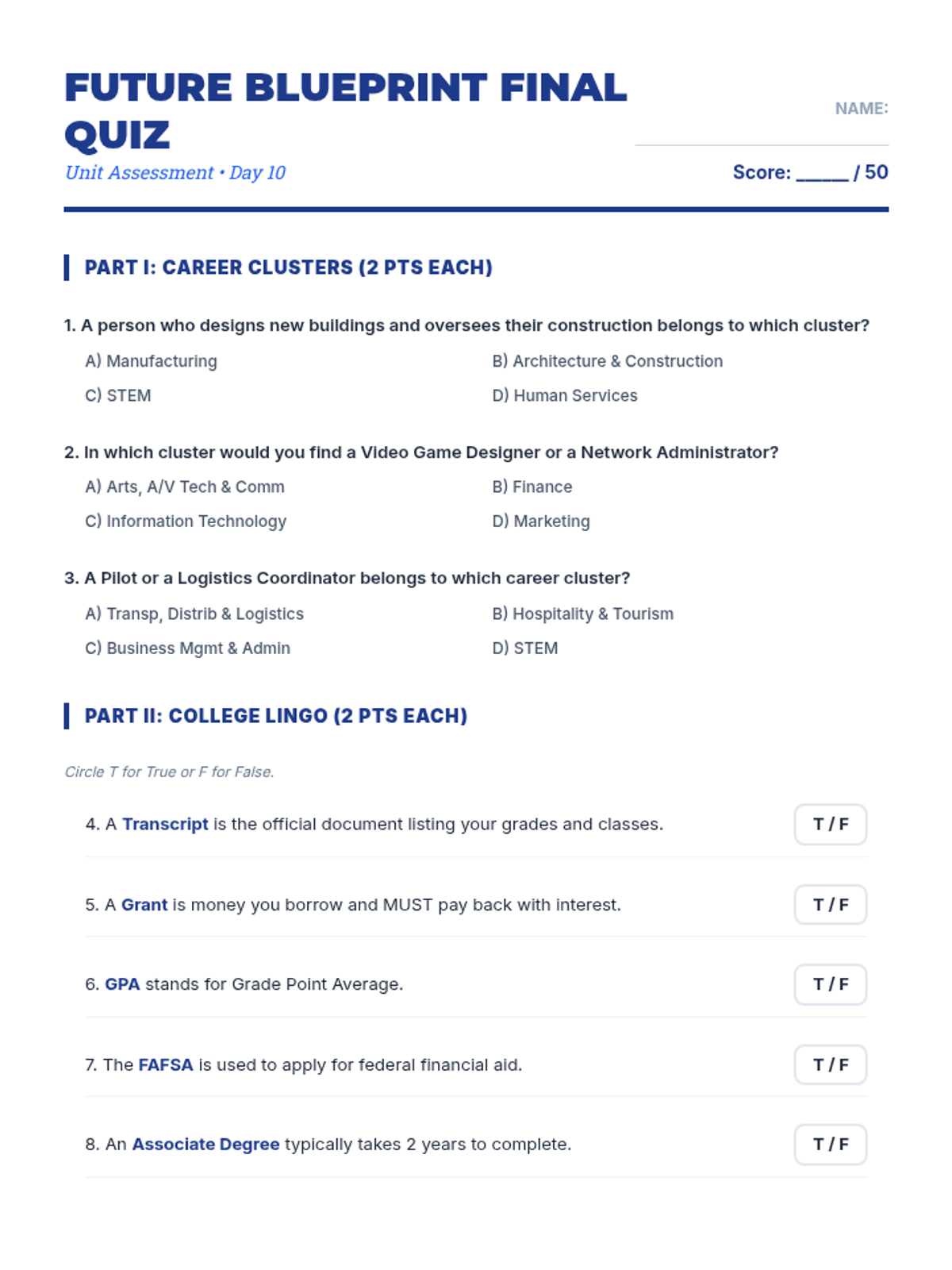
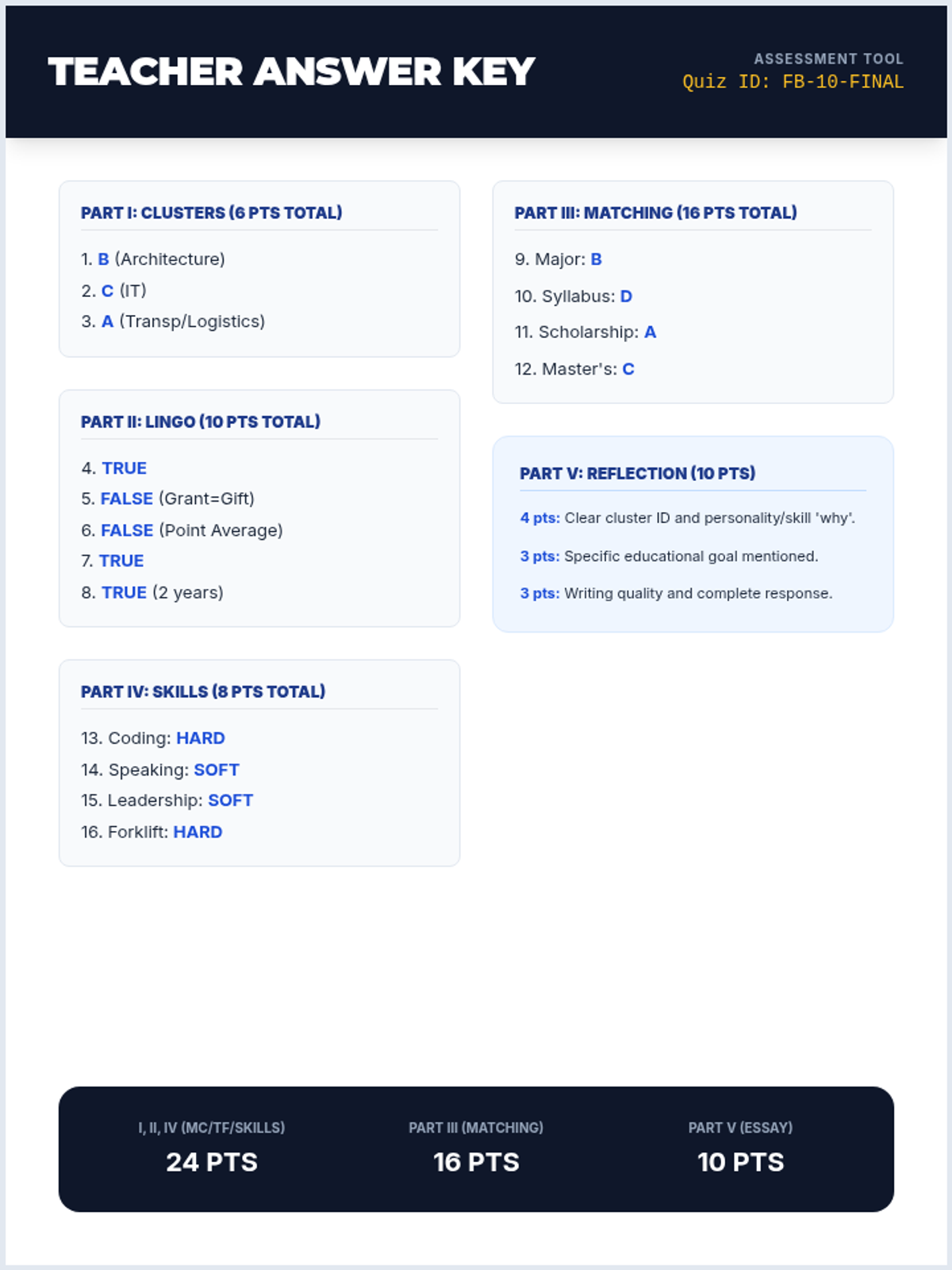
A final review using the study guide followed by a formal assessment of the unit's key concepts.
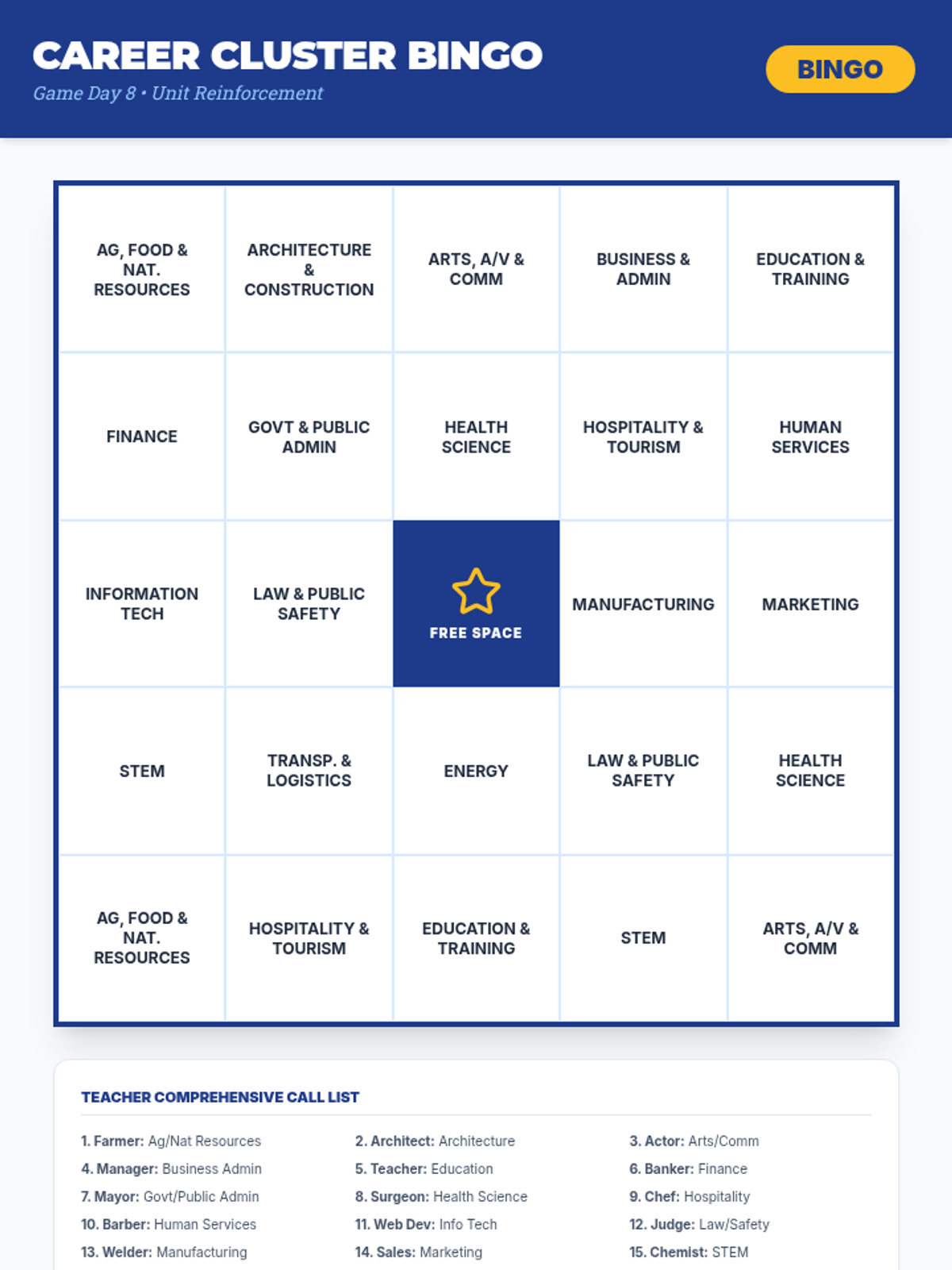
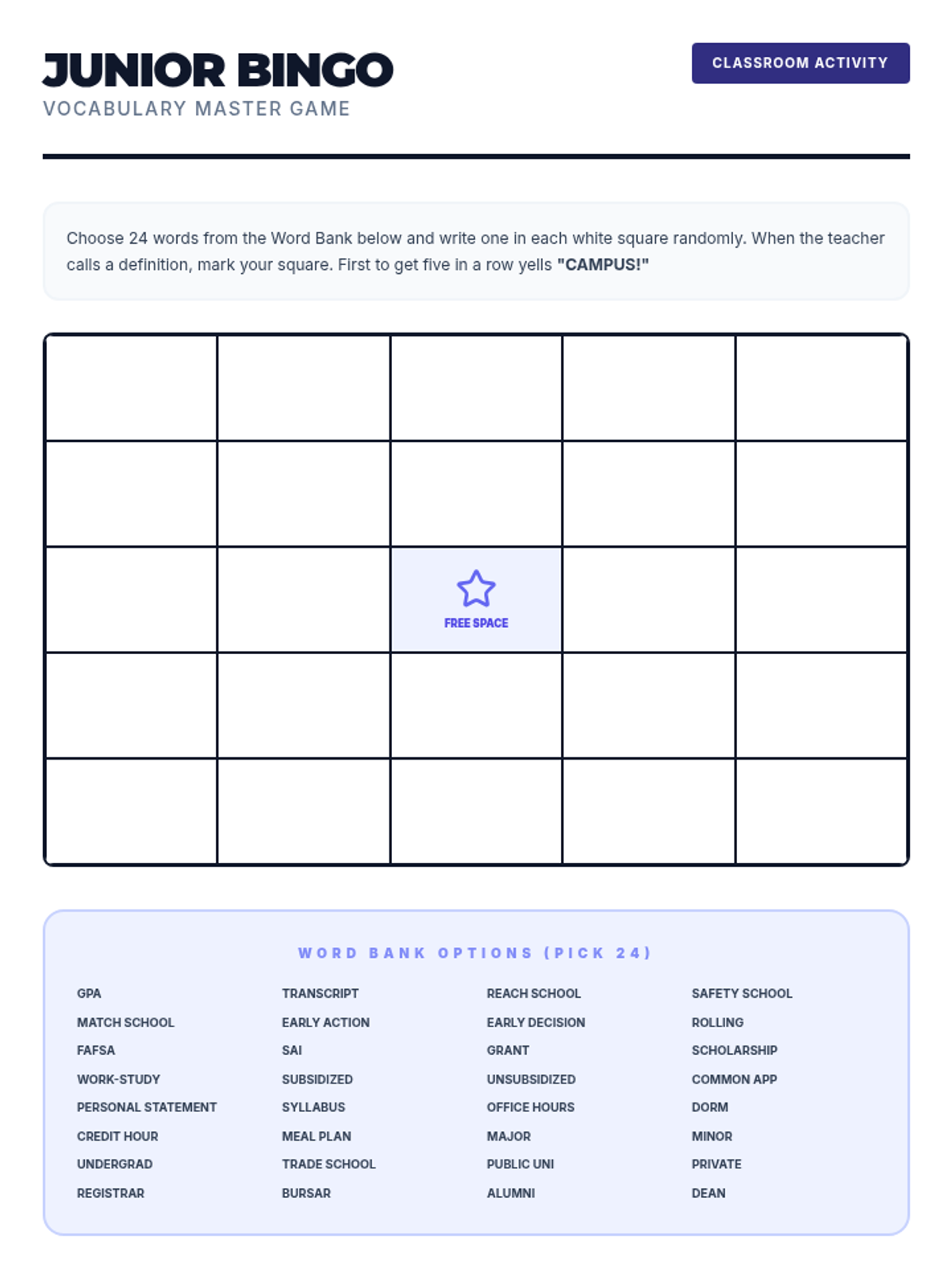
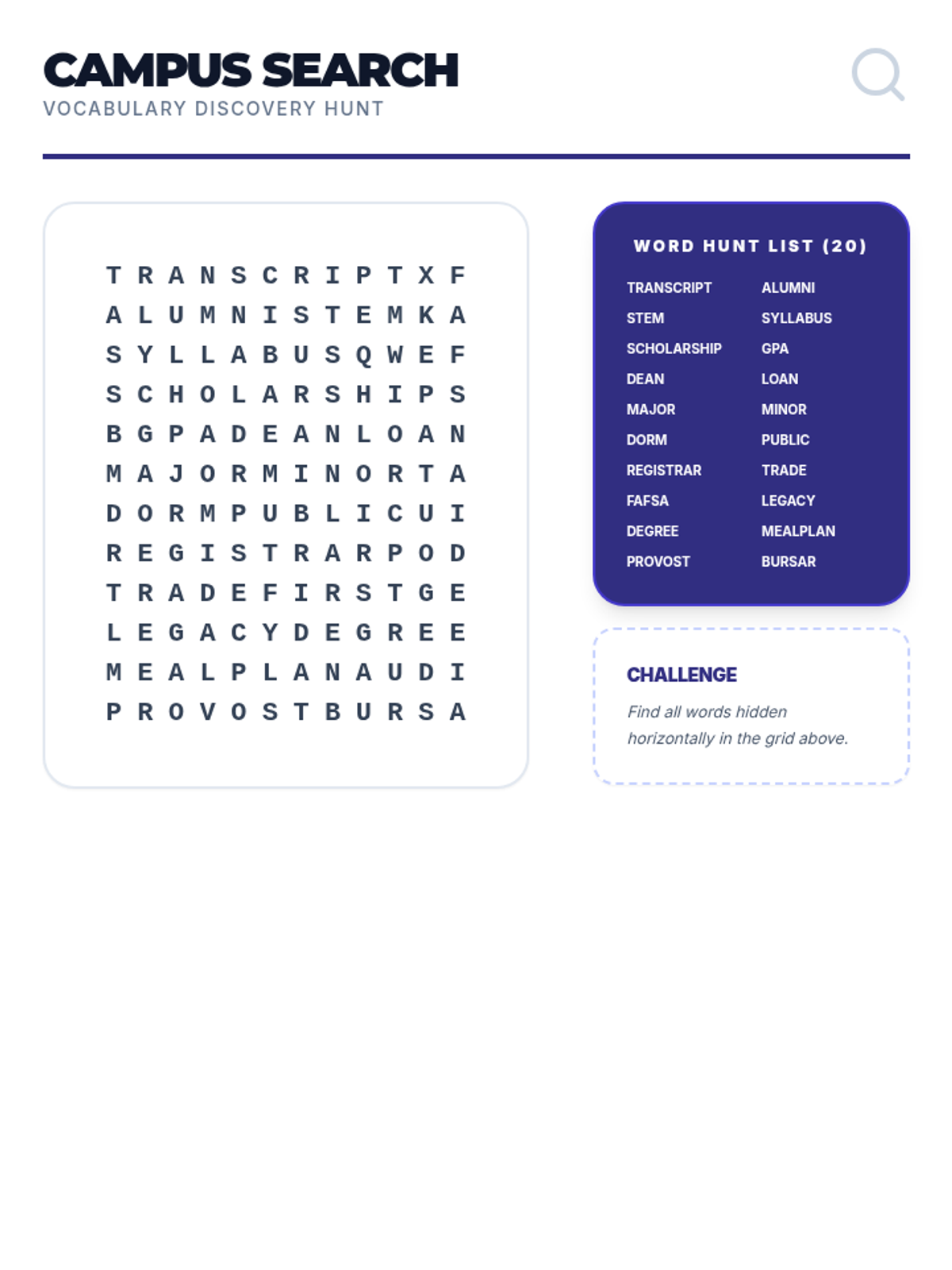
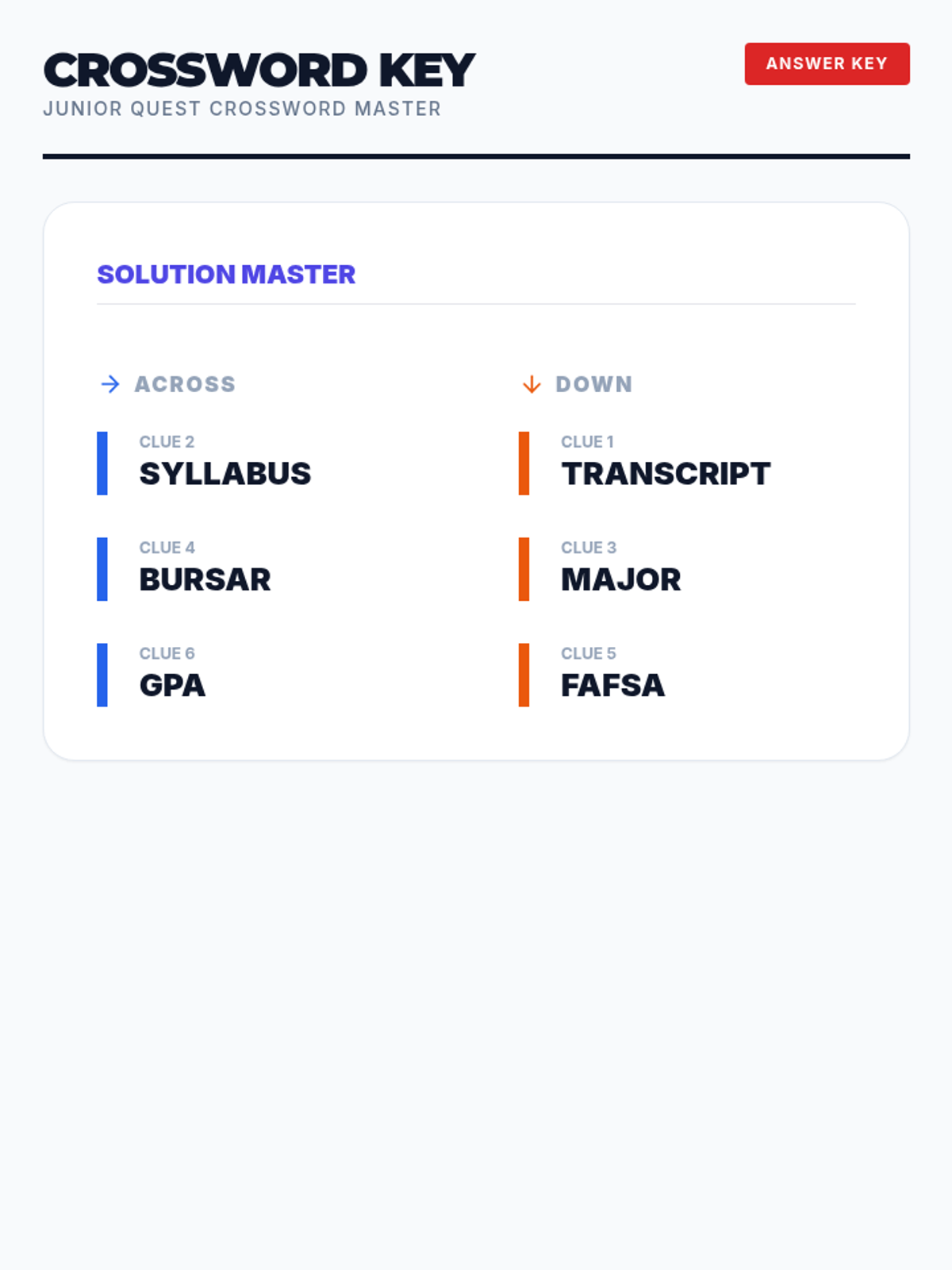
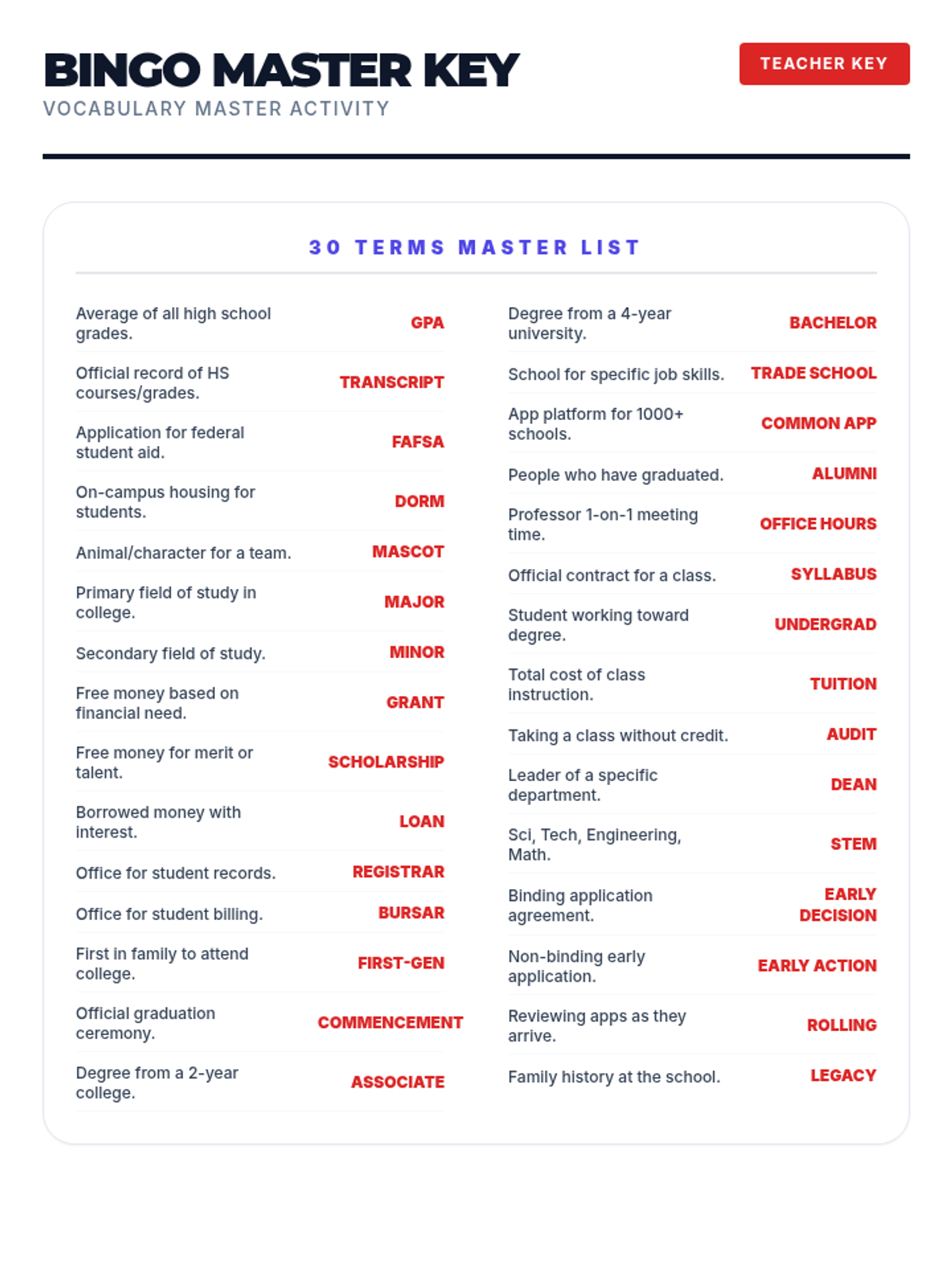
An interactive day of games and collaborative activities to reinforce learning of clusters and college terminology.
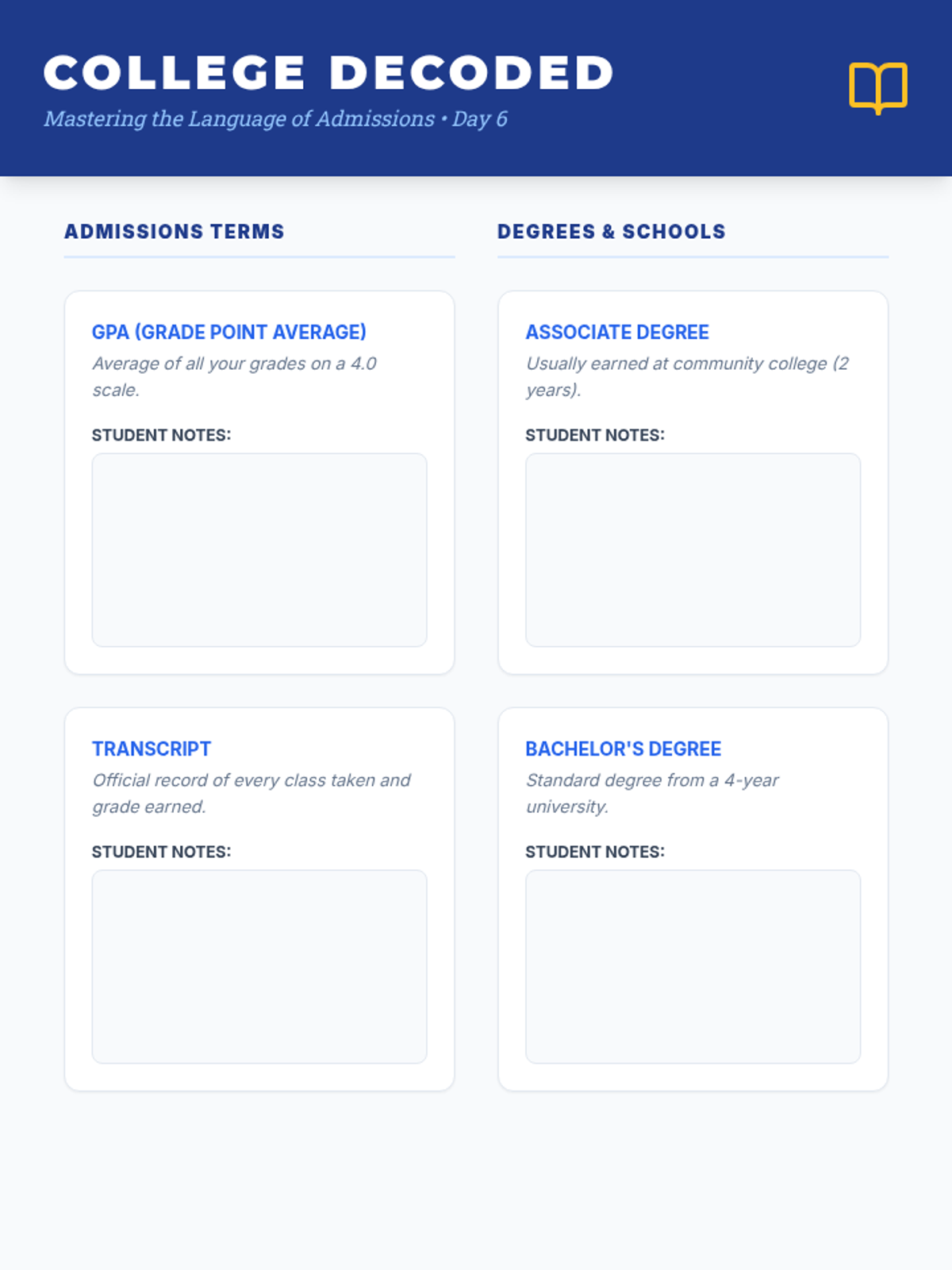
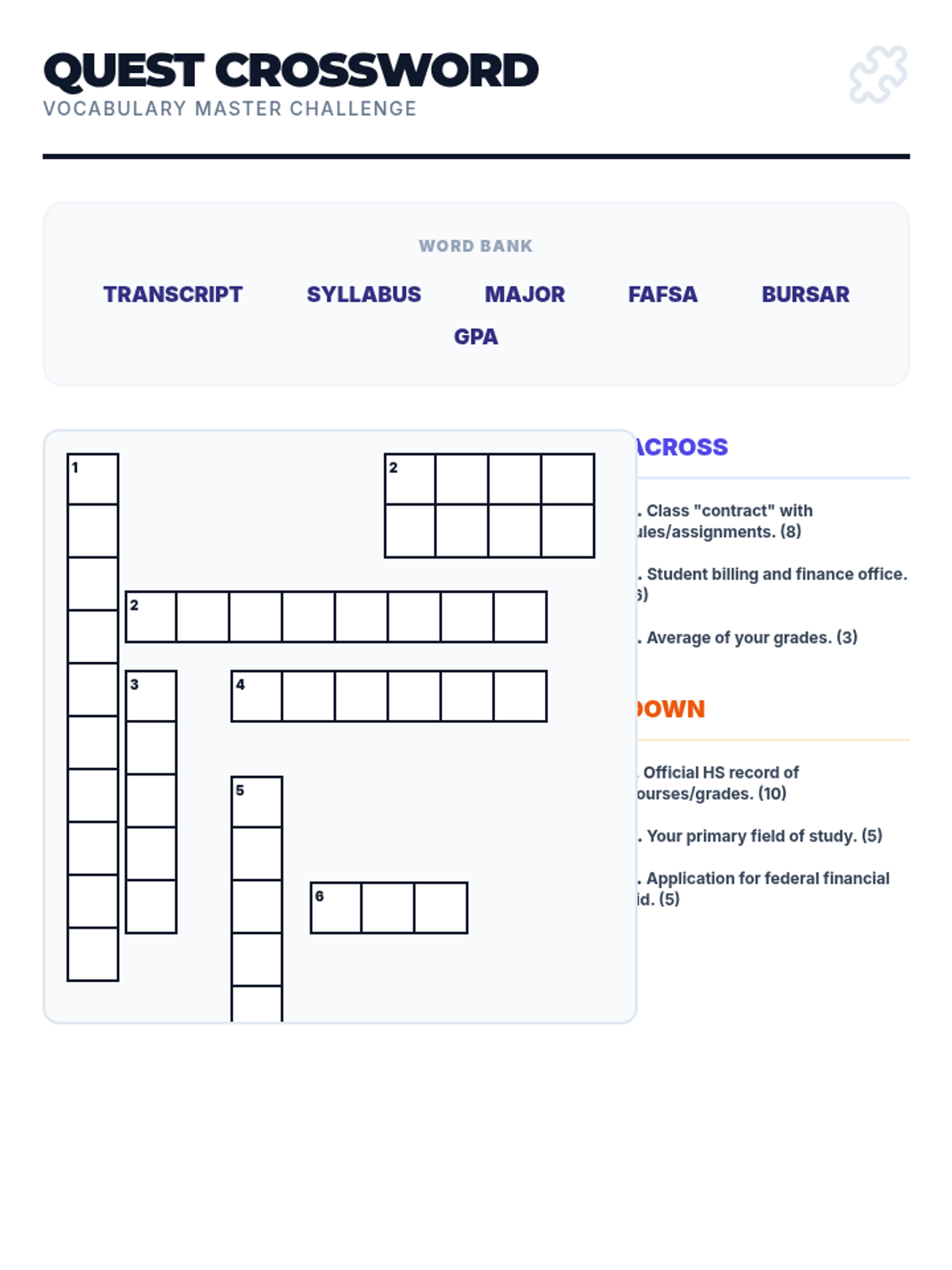
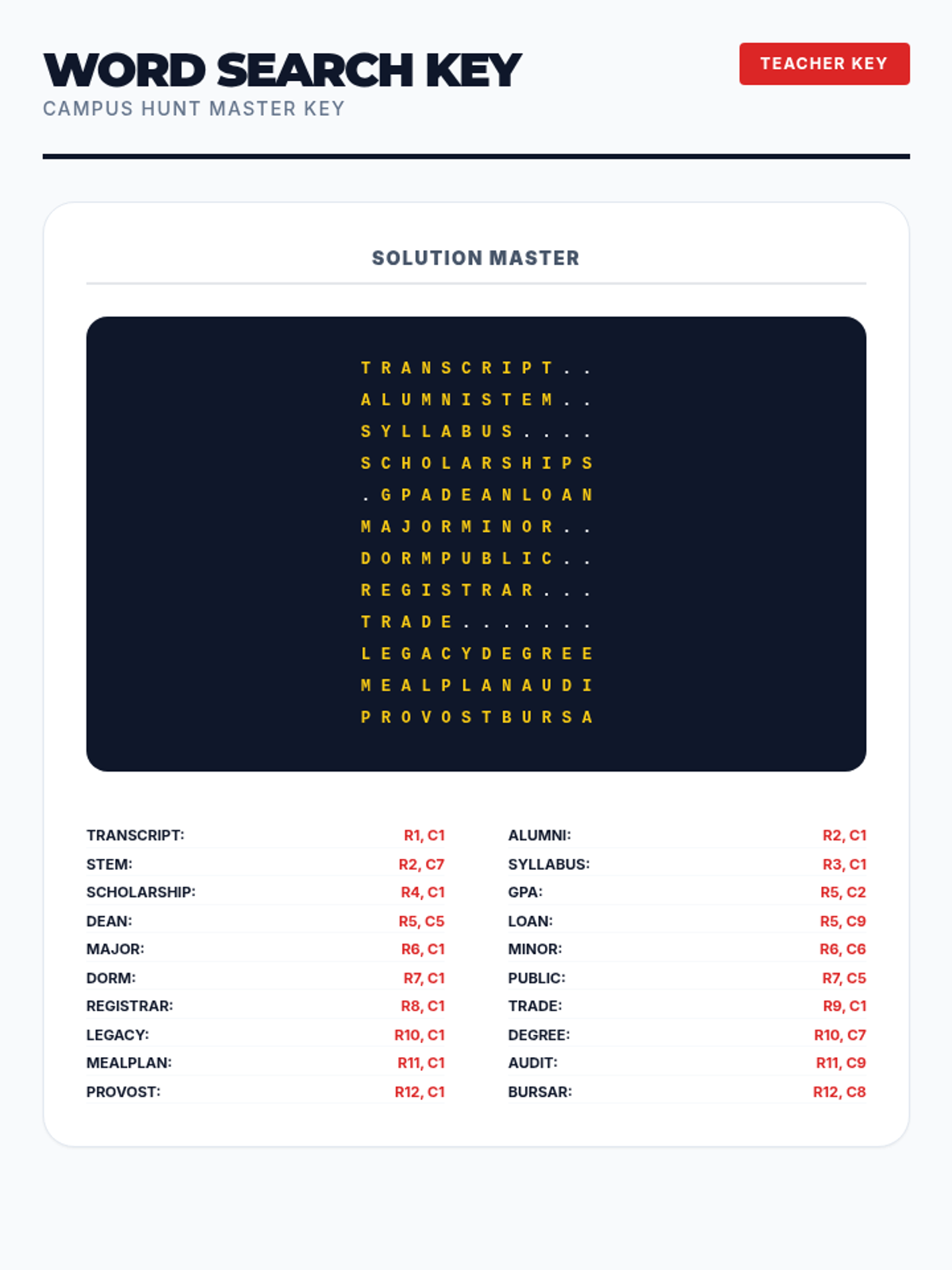
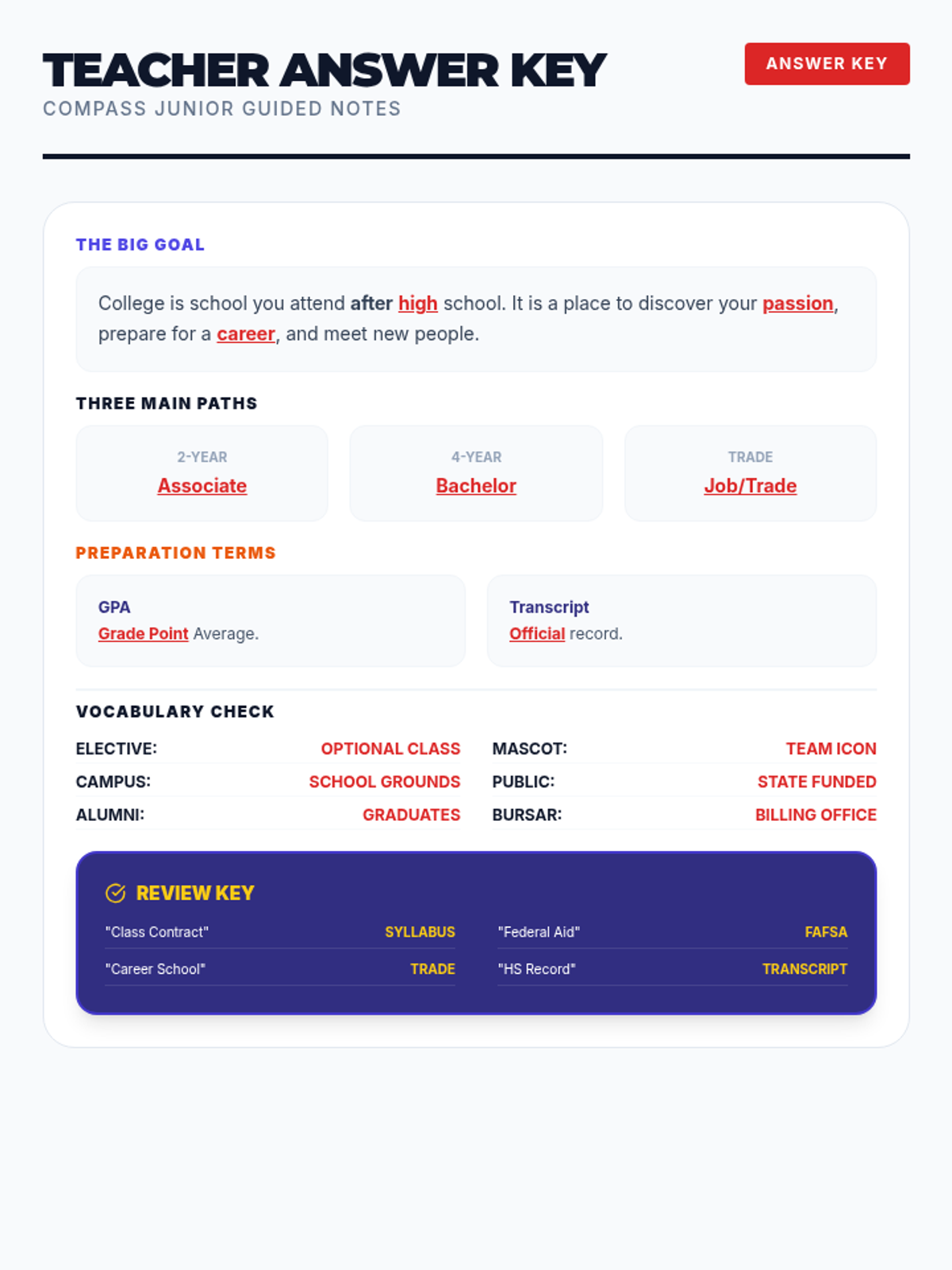
Demystifies the college application process by teaching essential vocabulary like FAFSA, GPA, transcripts, and different degree types.
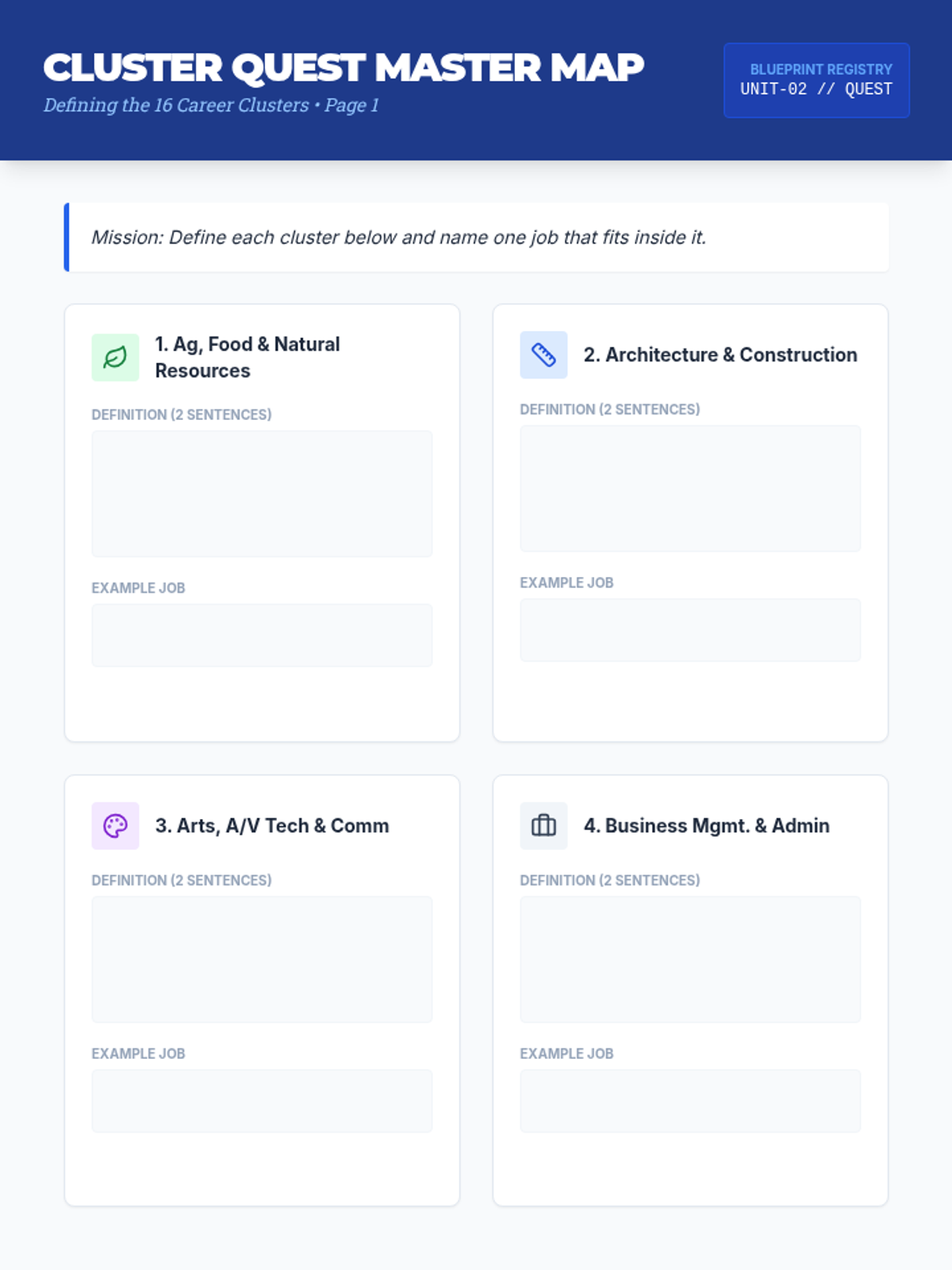
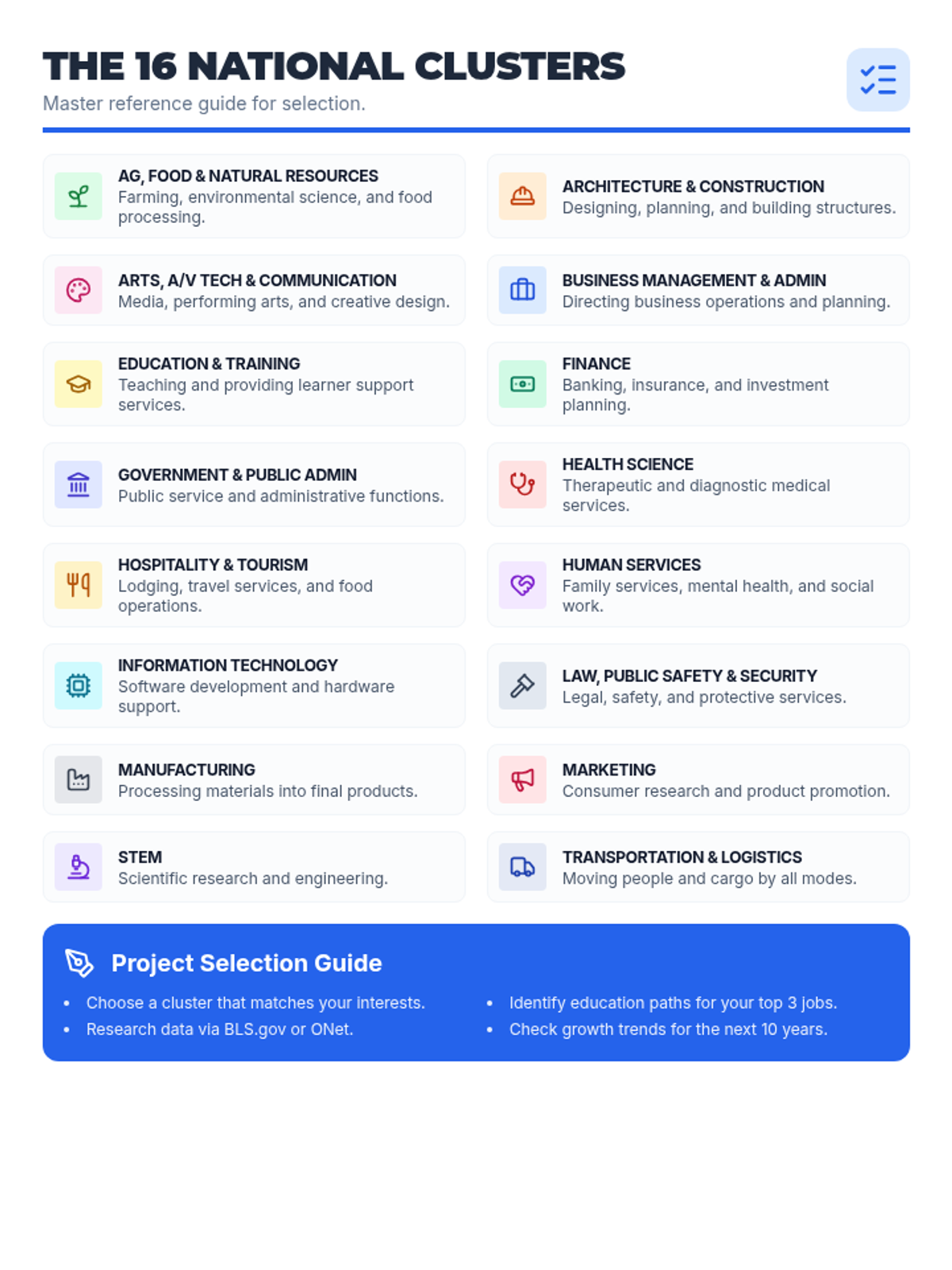
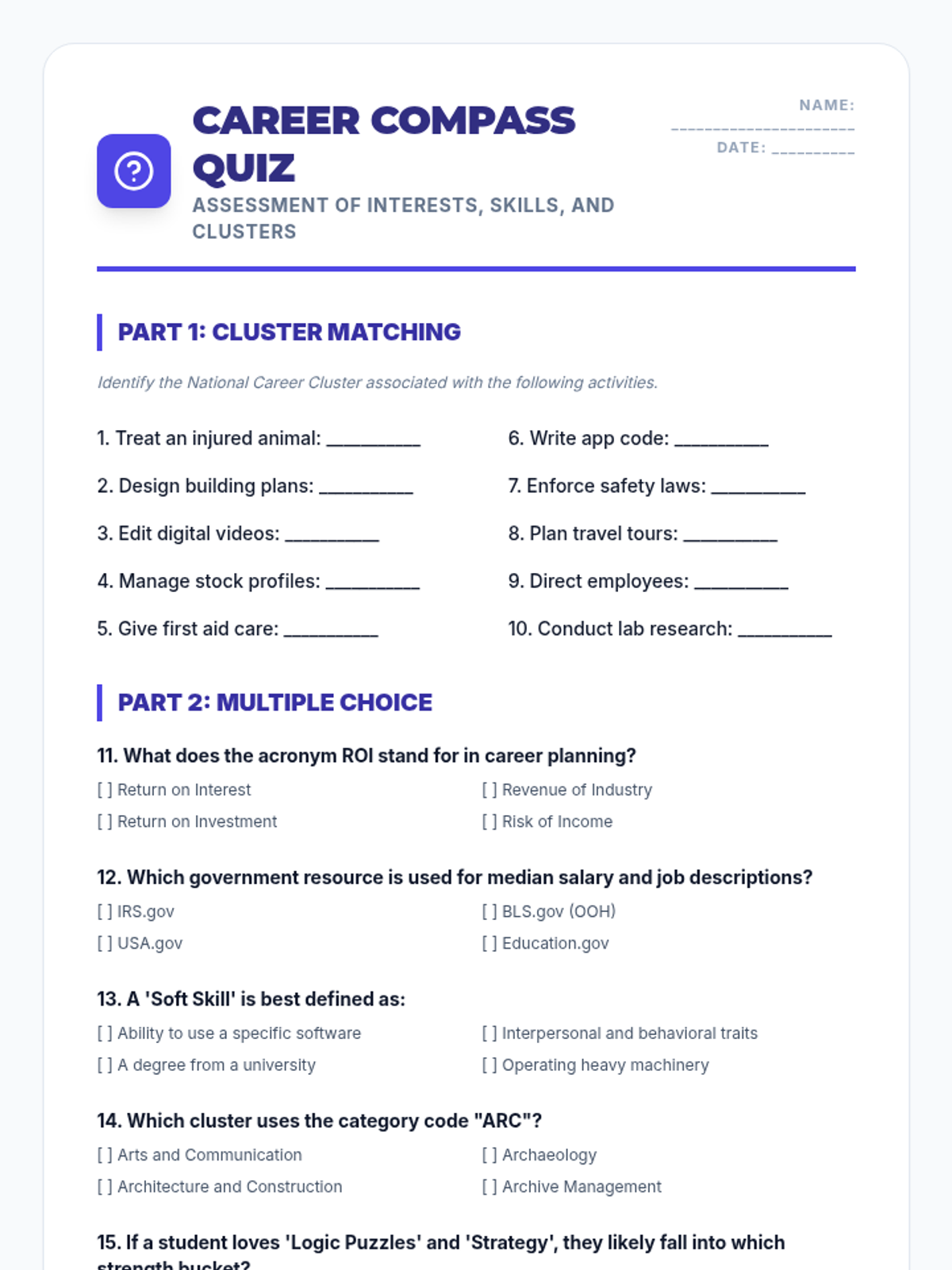
An in-depth exploration of the 16 National Career Clusters, helping students define and categorize different professional industries.
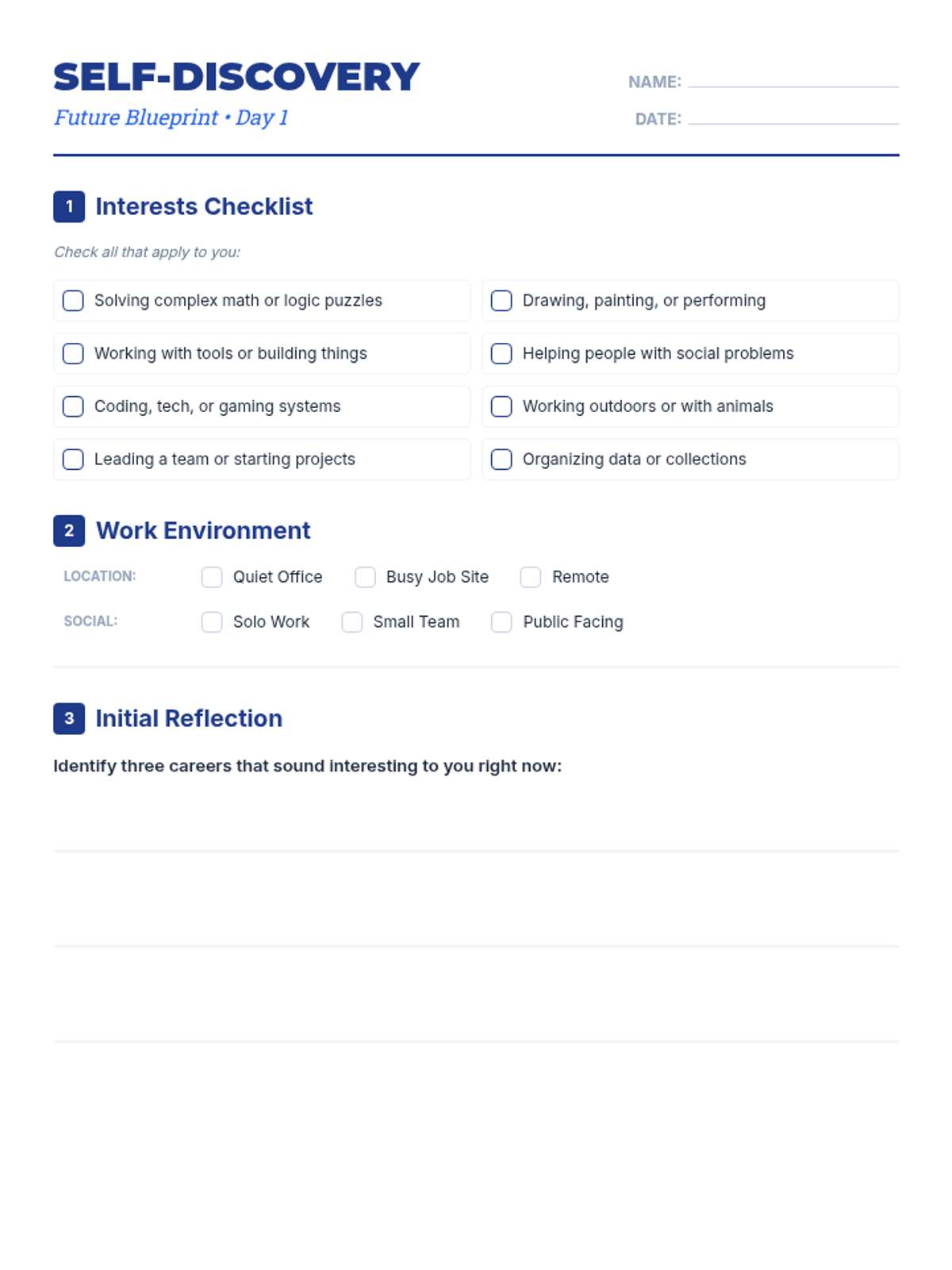
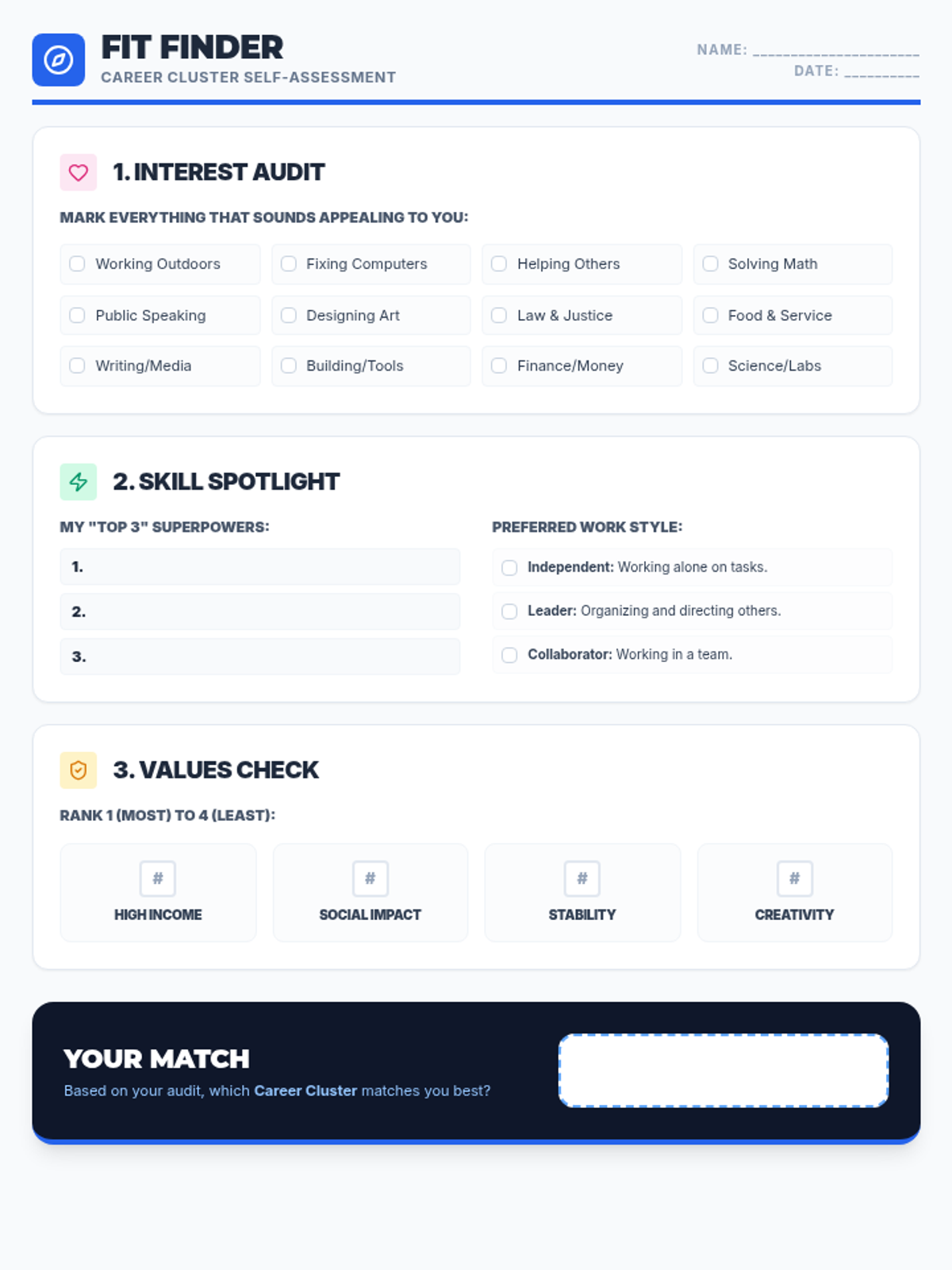
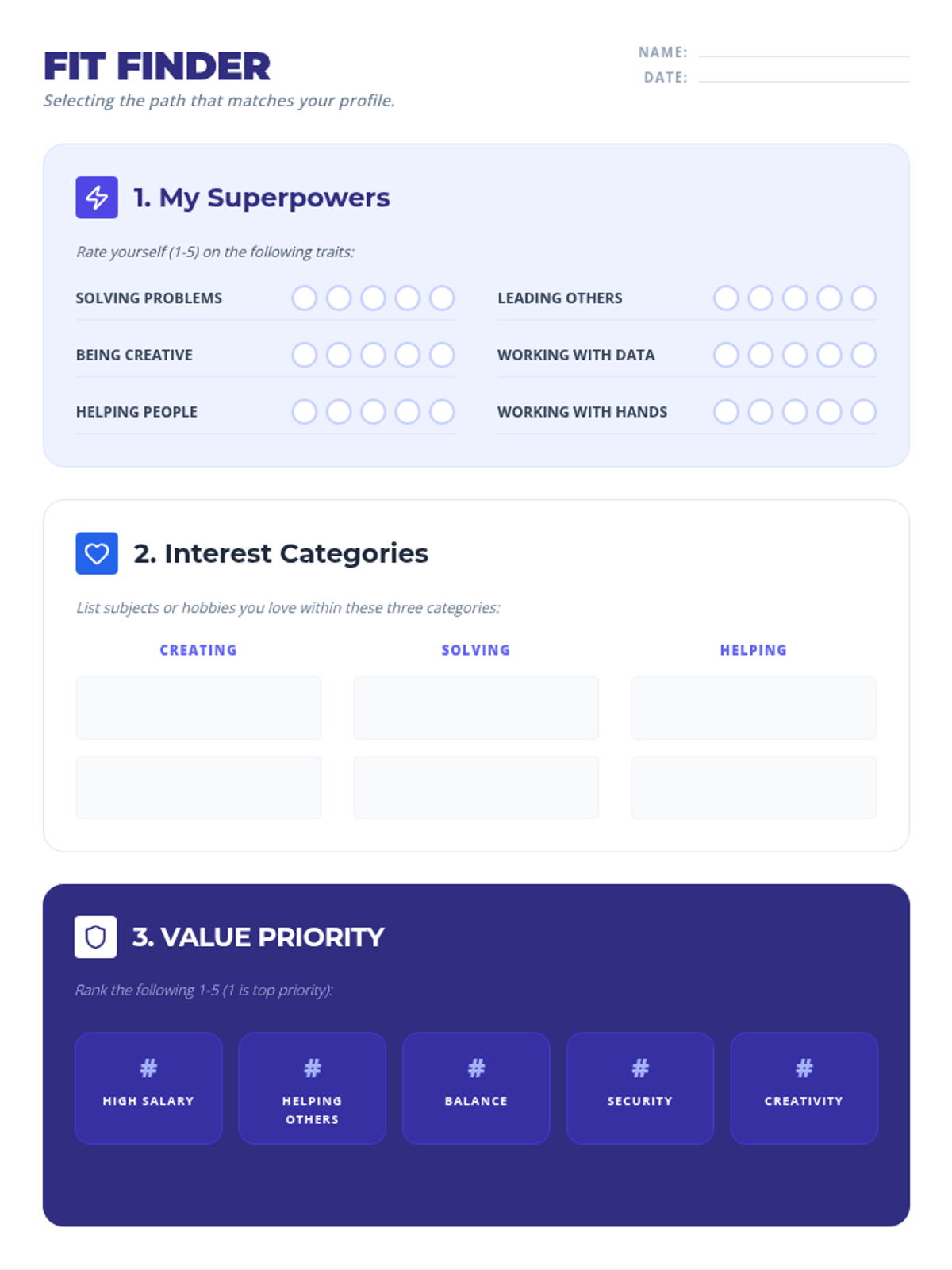
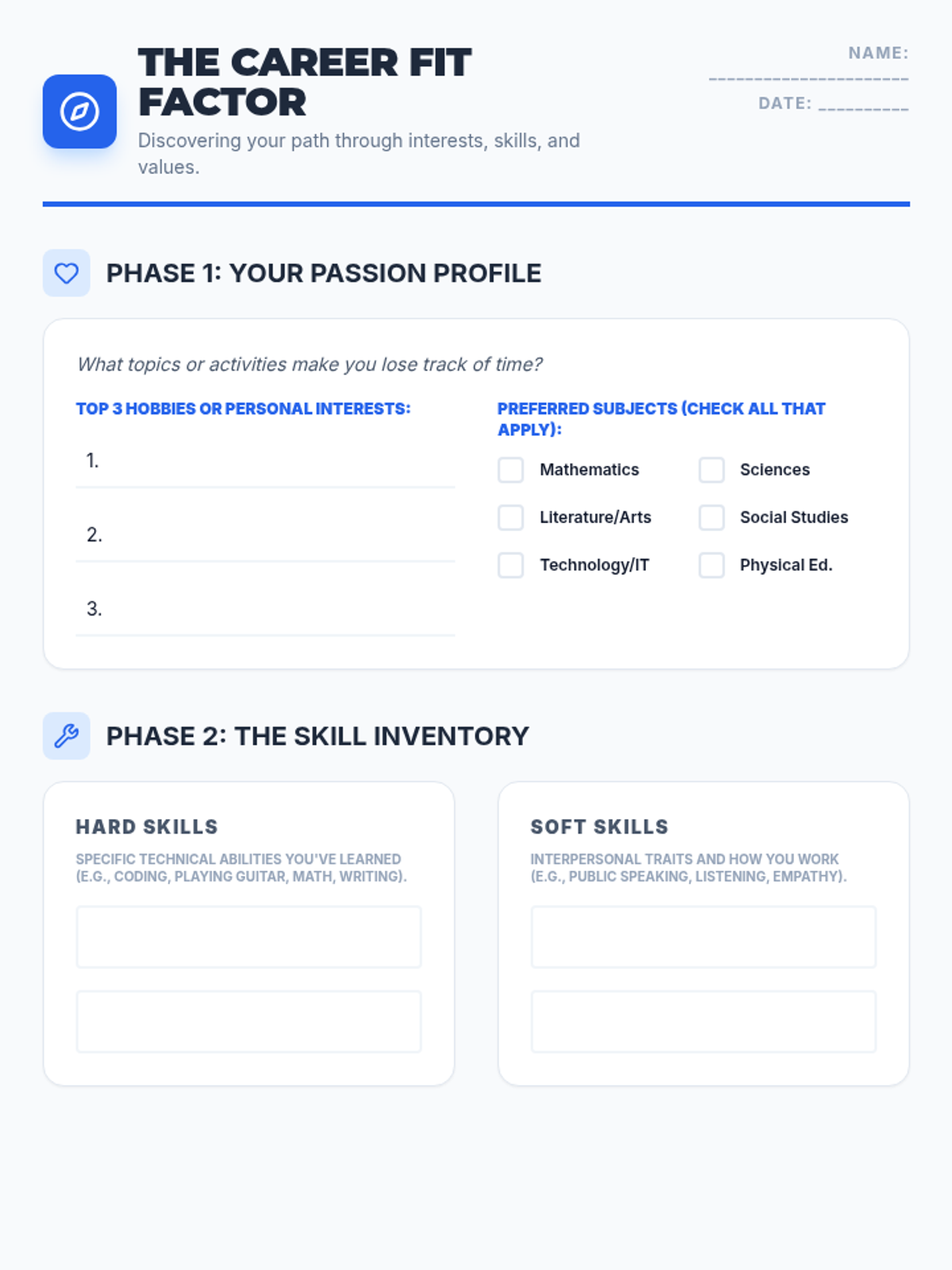
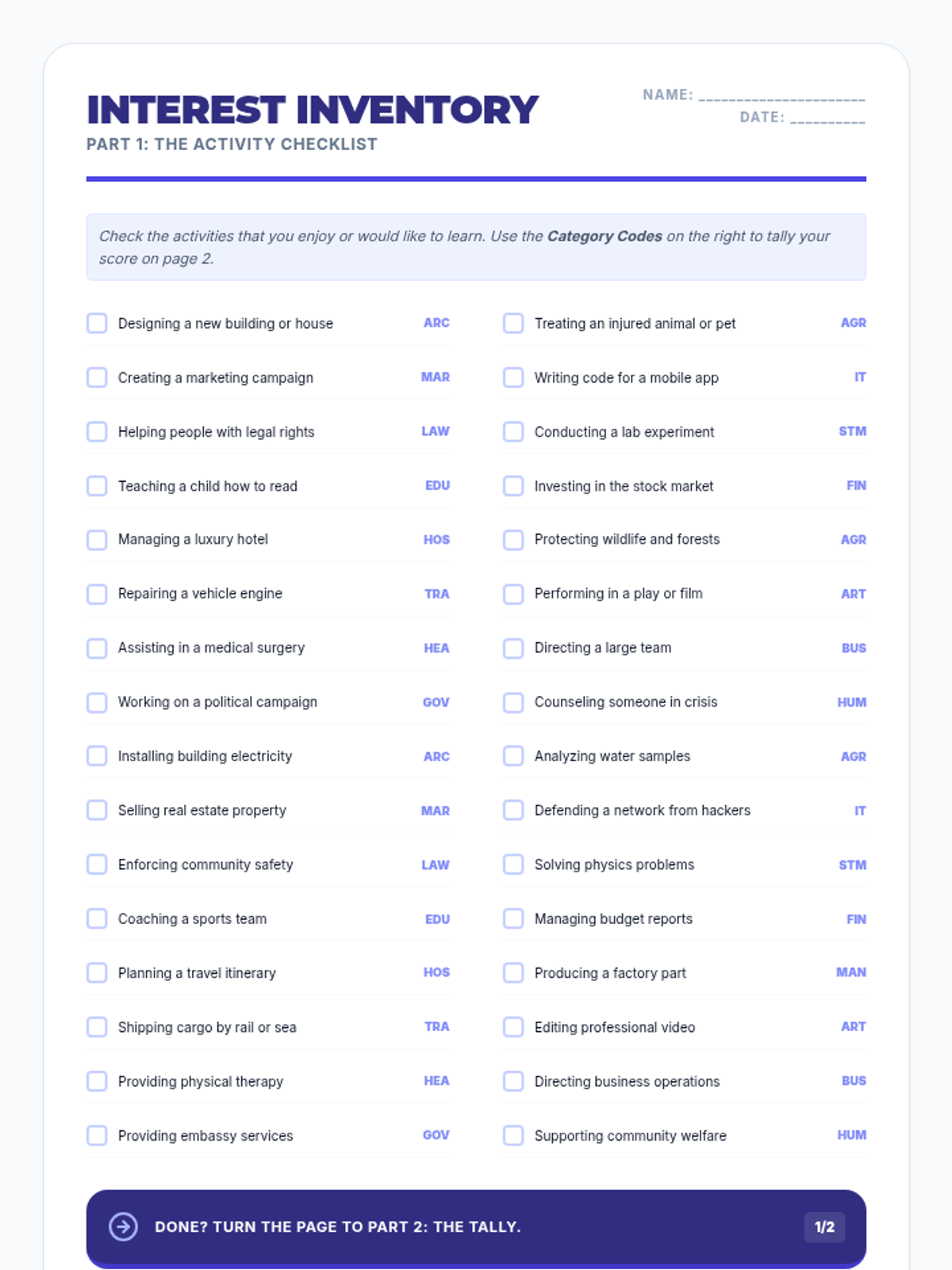
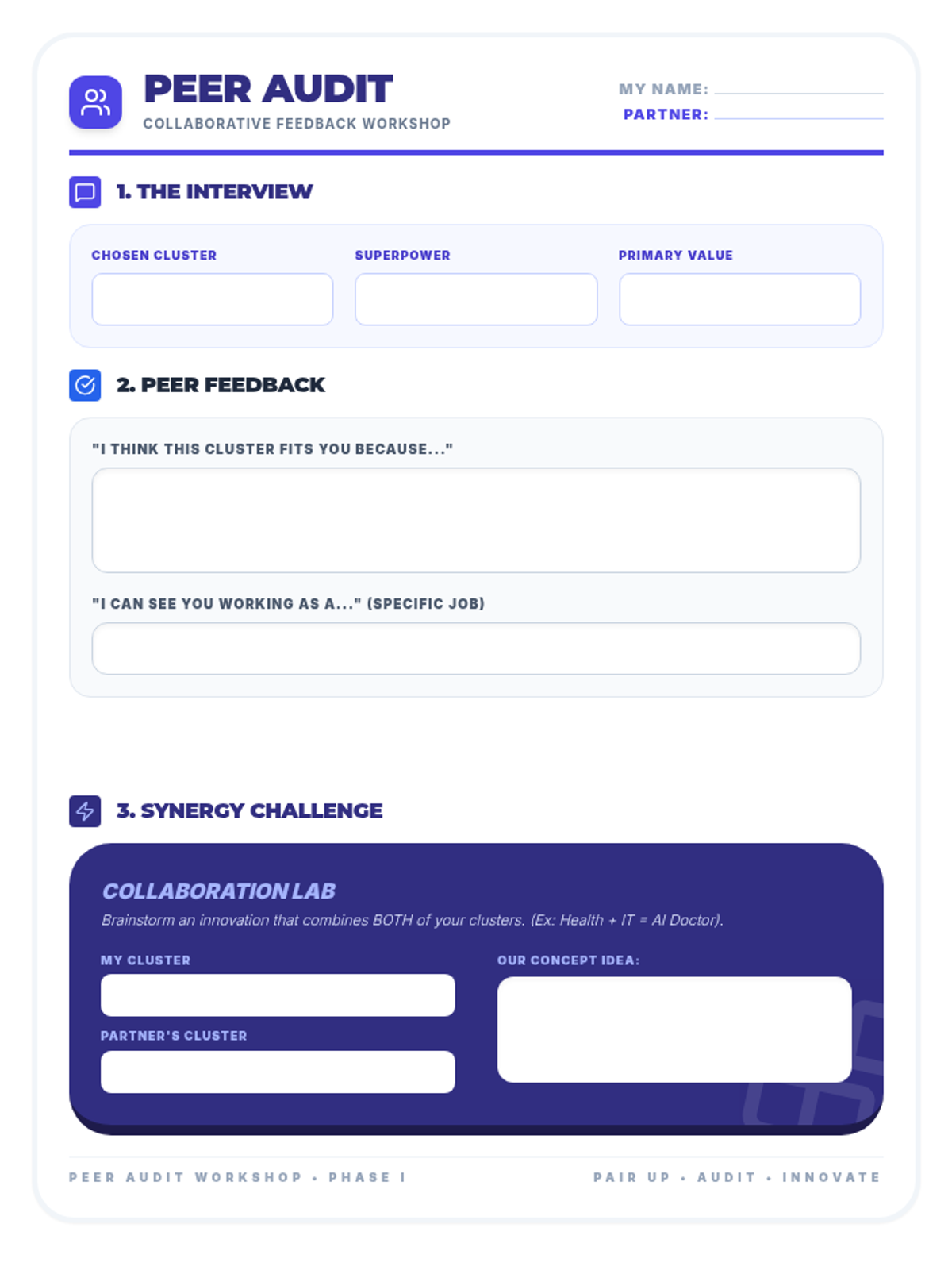
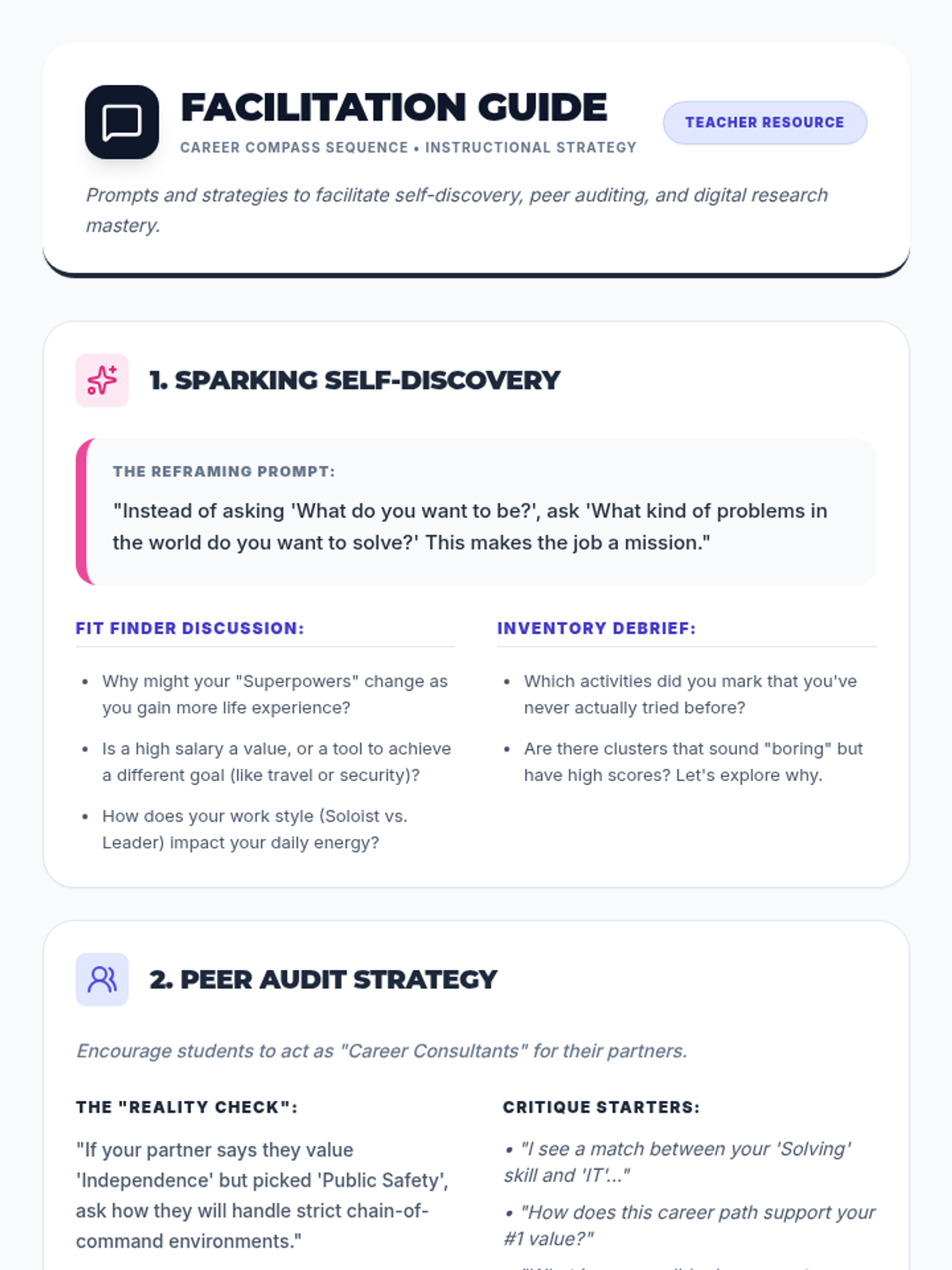
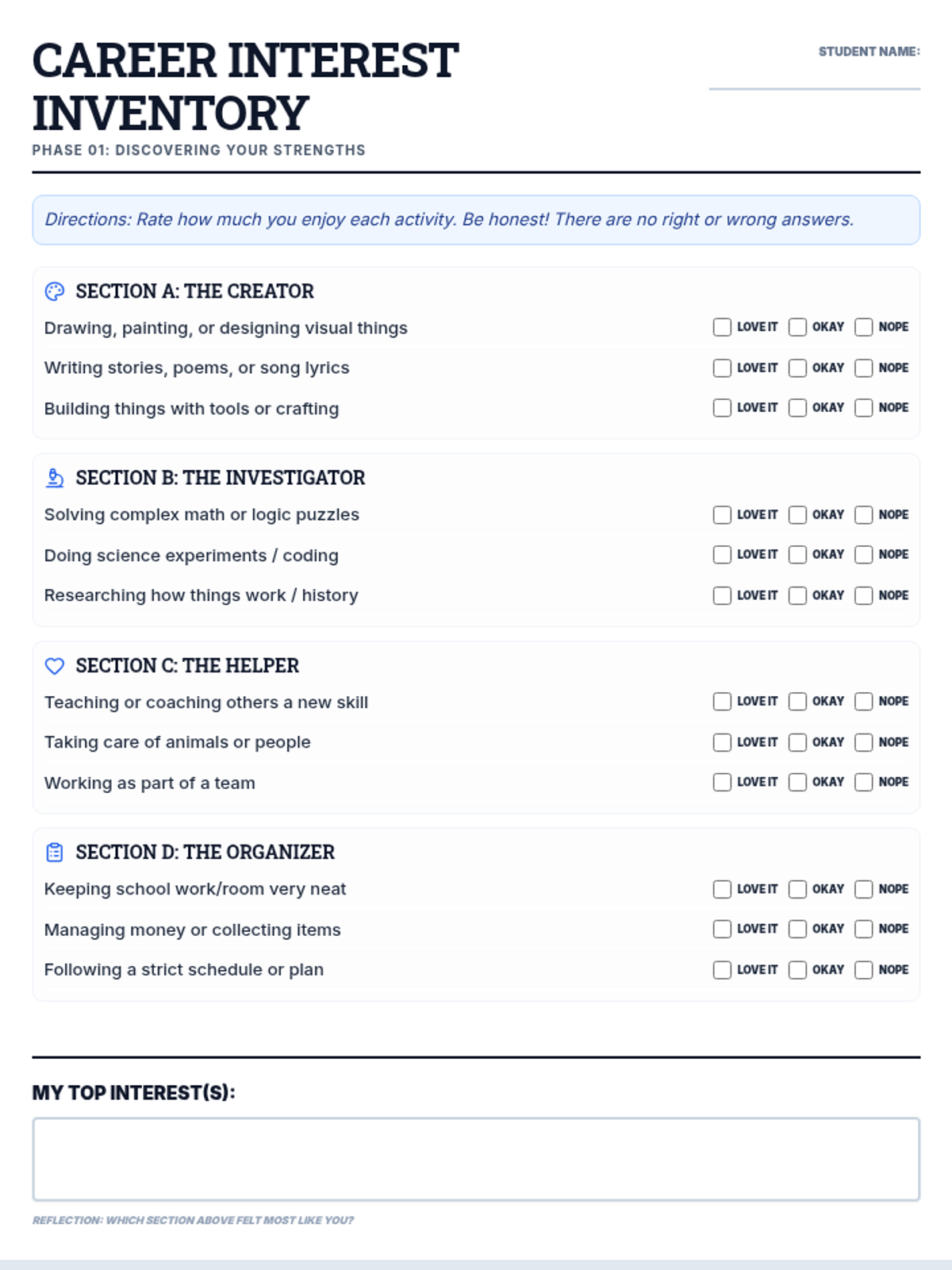
Focuses on student self-reflection, interest inventories, and matching personal strengths to potential career paths.
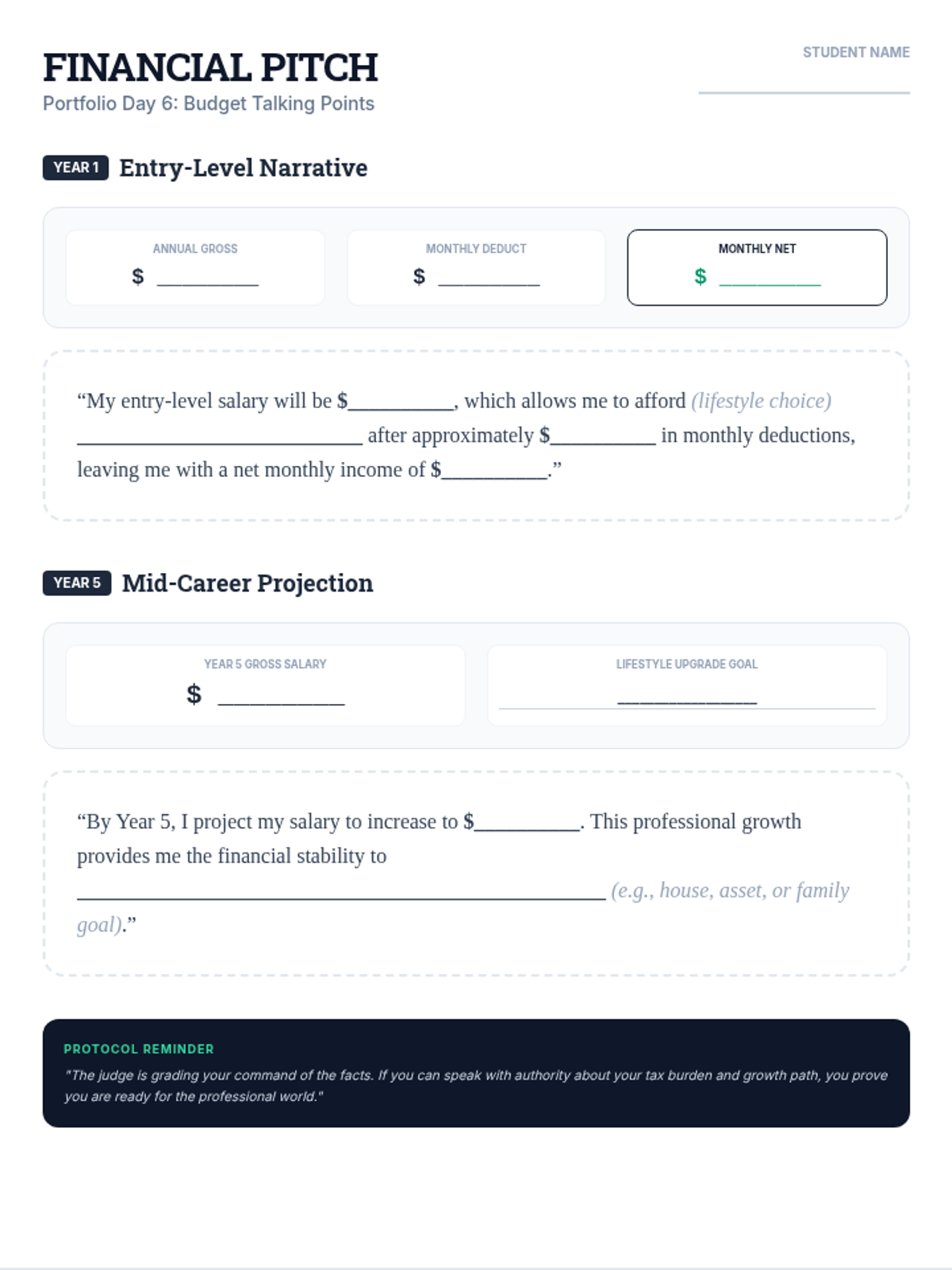
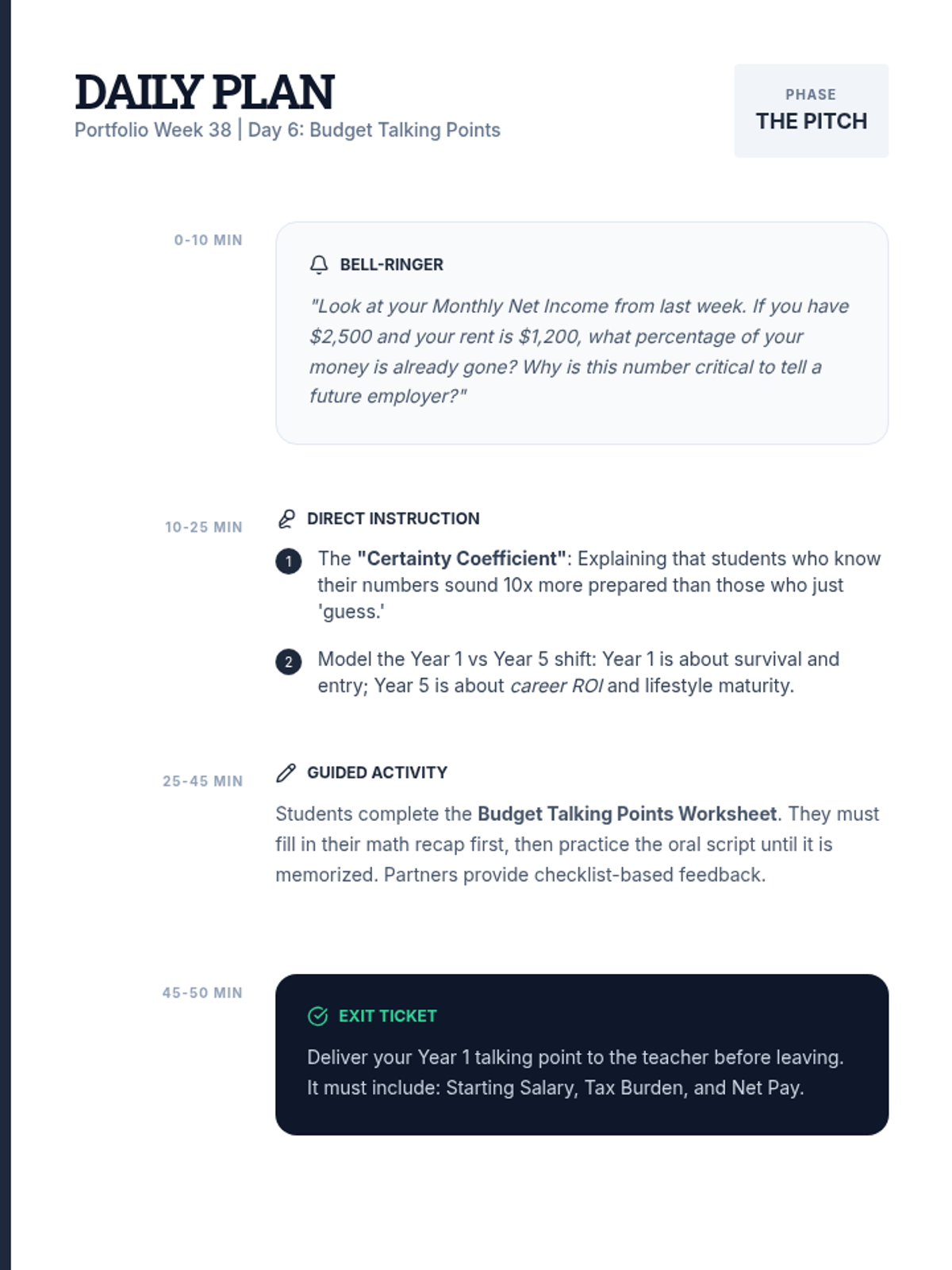
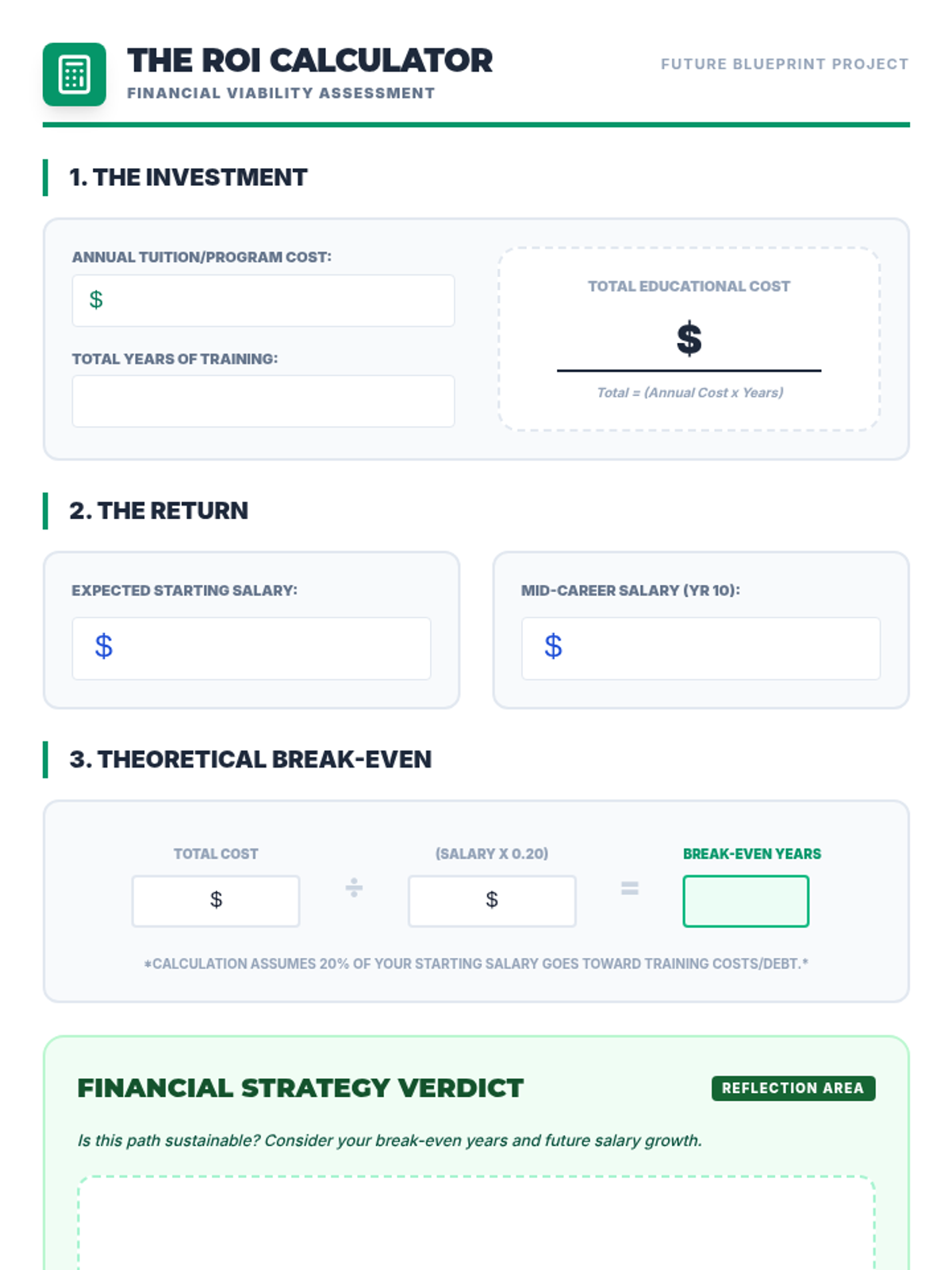
Students draft and practice their core financial talking points for both their entry-level and mid-career projections.
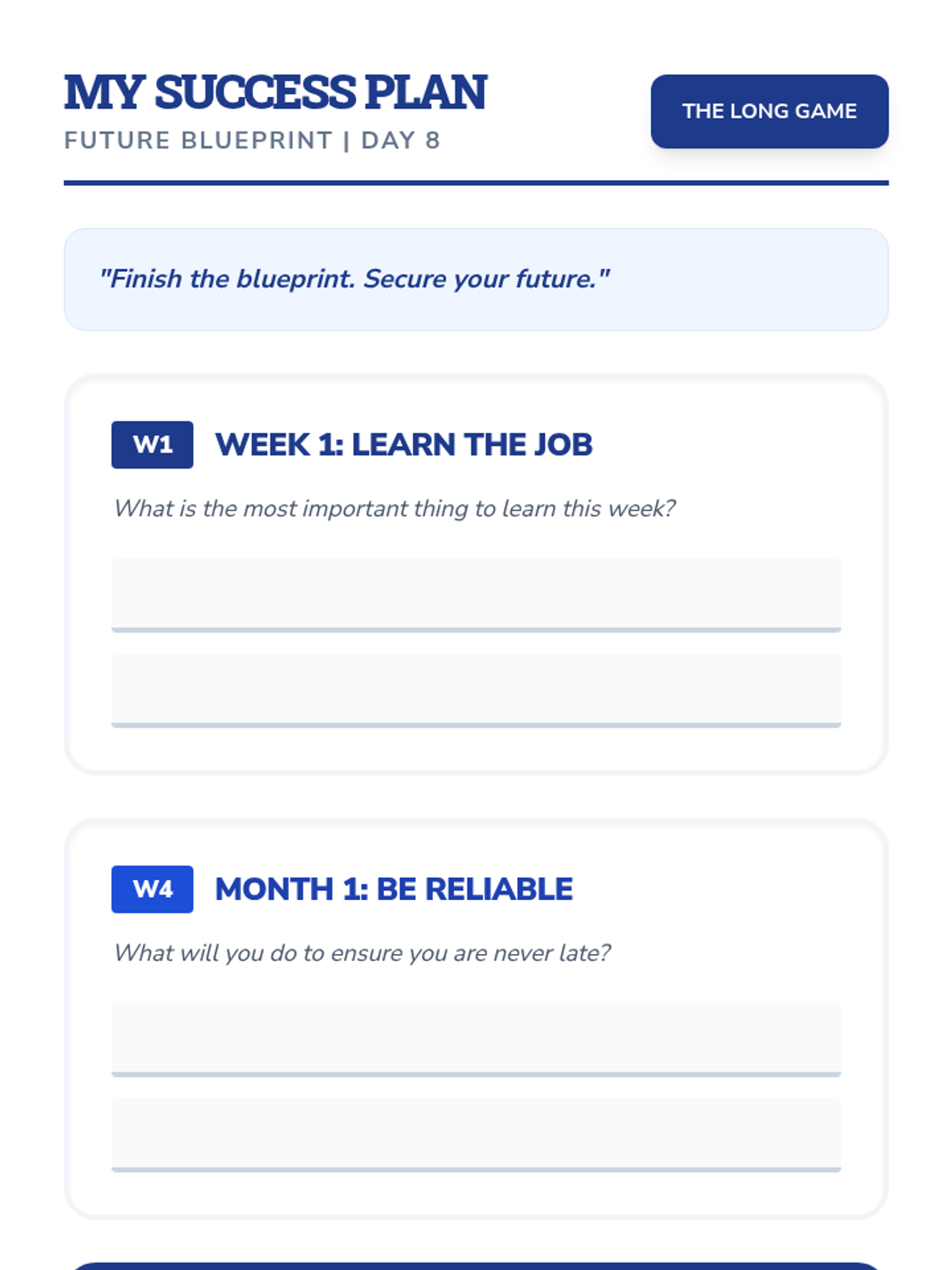
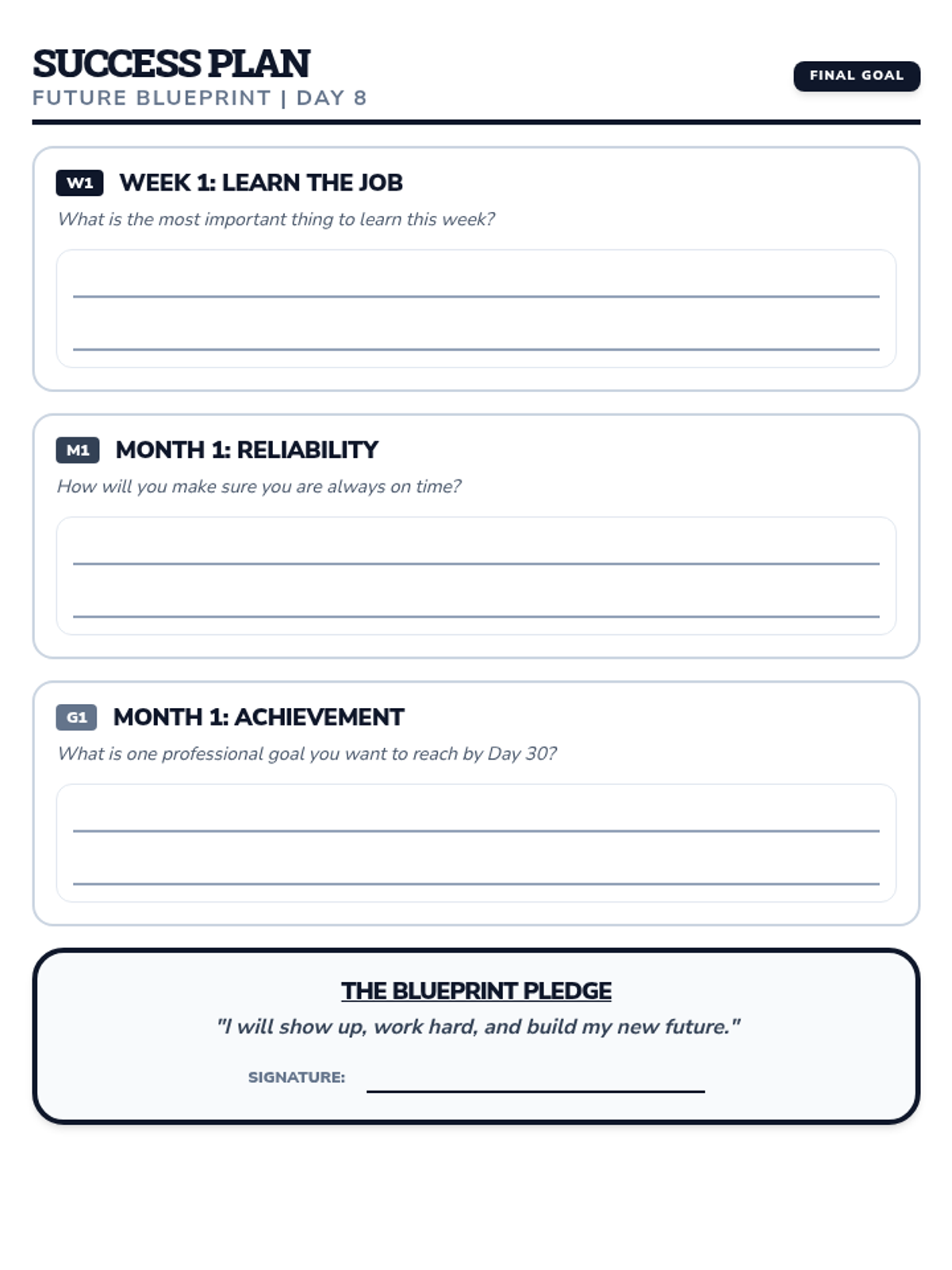
Job search strategies, staying employed, and long-term career planning. Final review and preparation for the 'working world'.
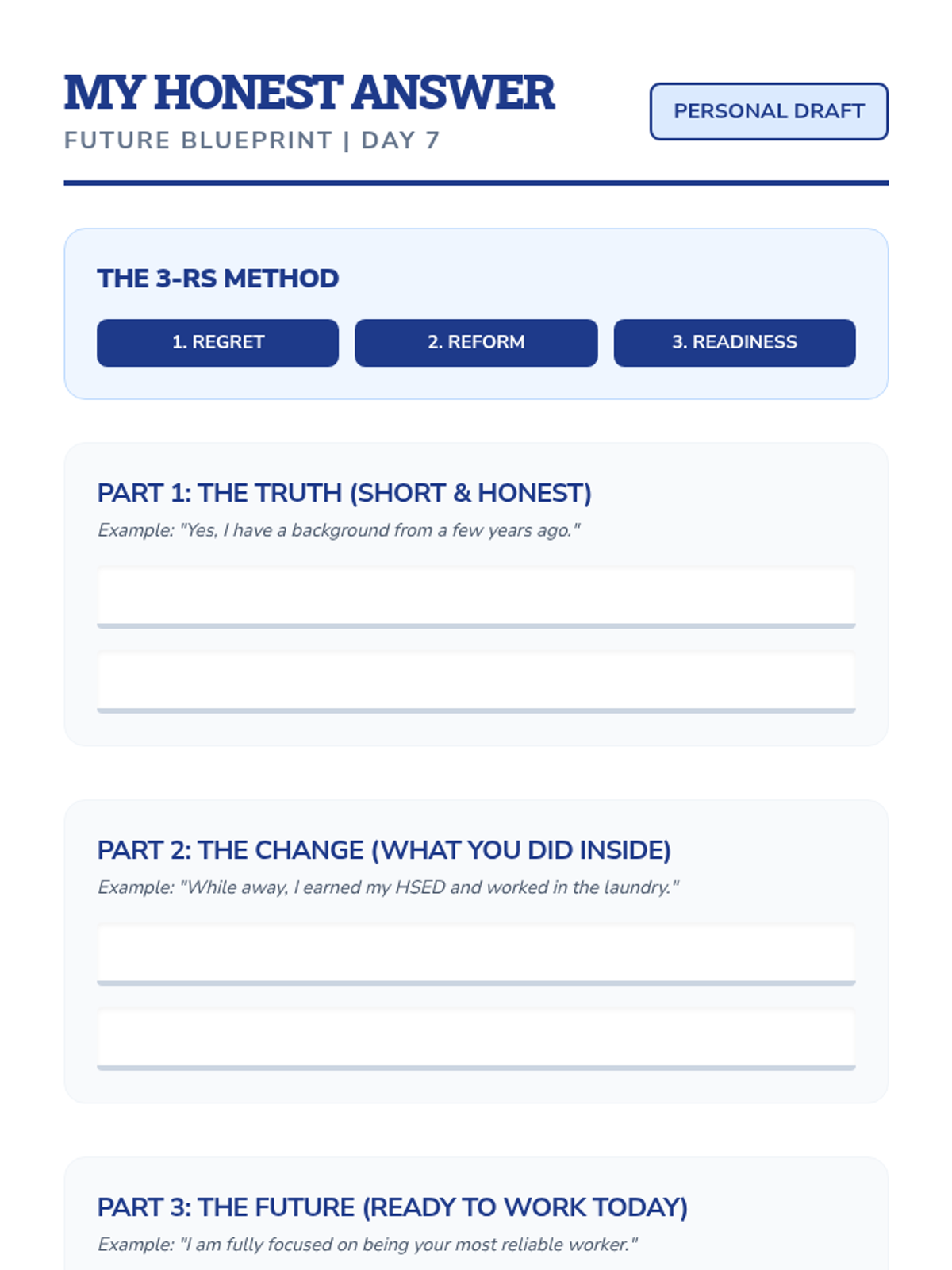
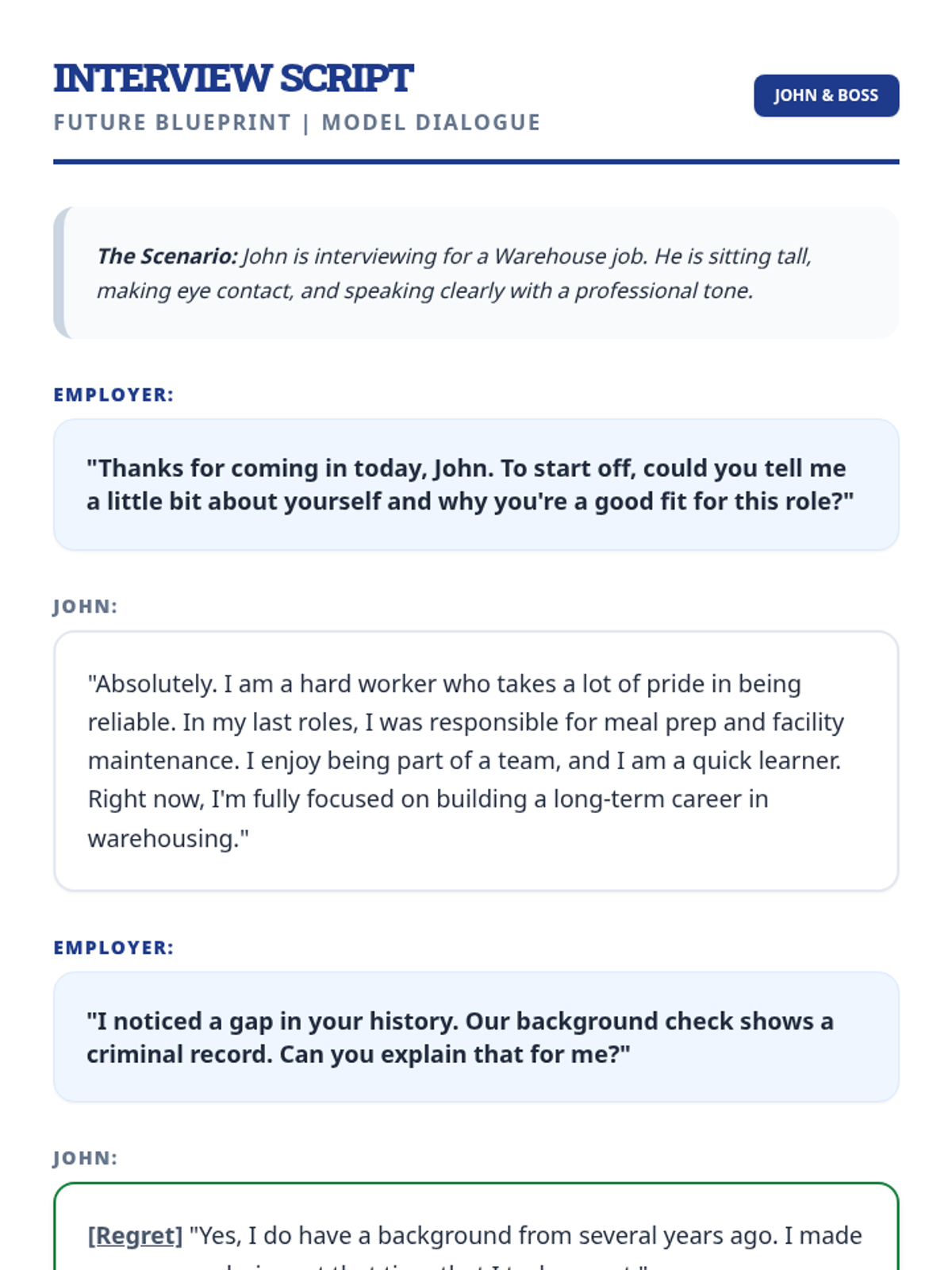
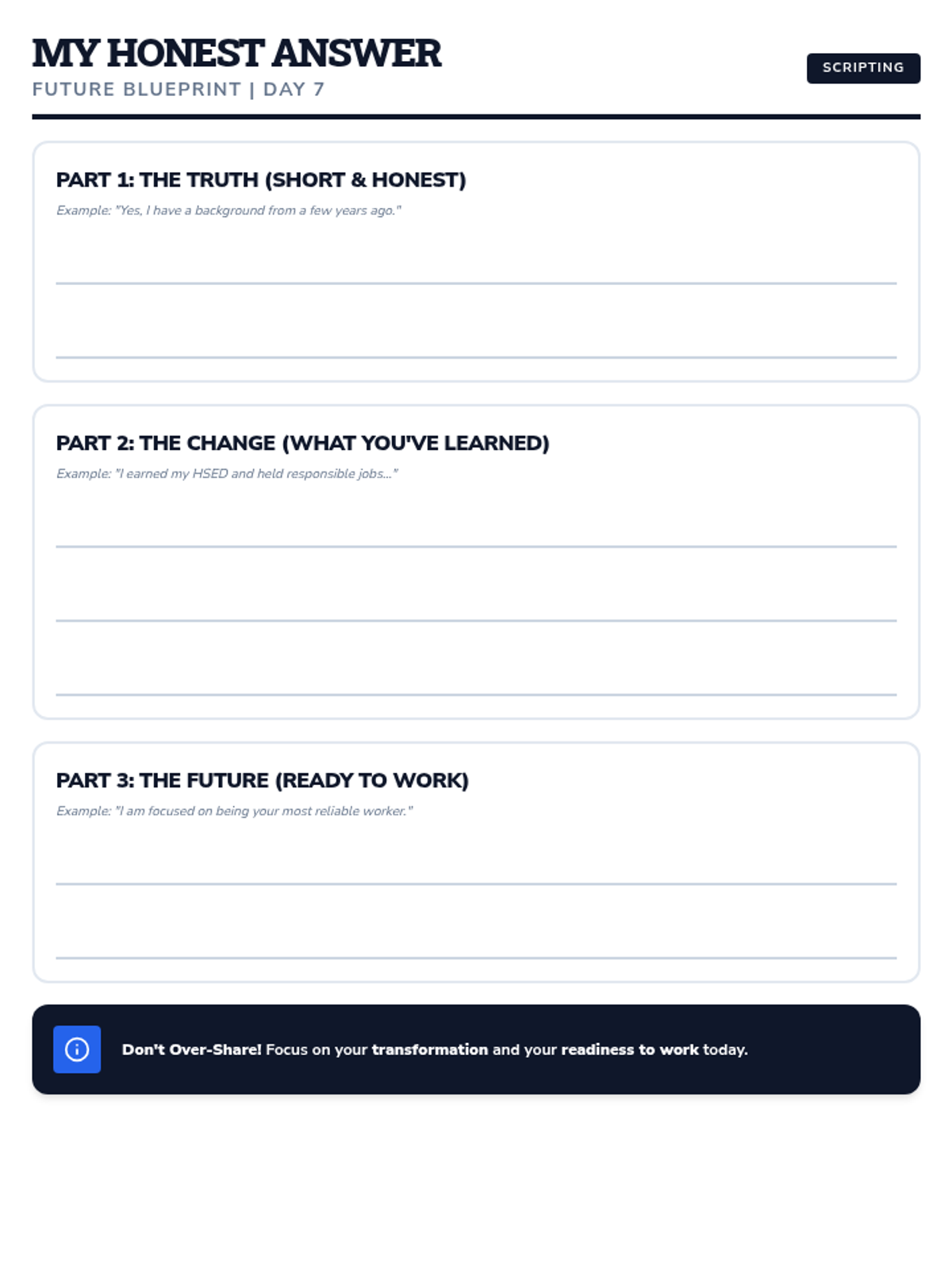
Specific strategies for addressing incarceration and background checks. Uses the 'Regret, Reform, Readiness' framework.
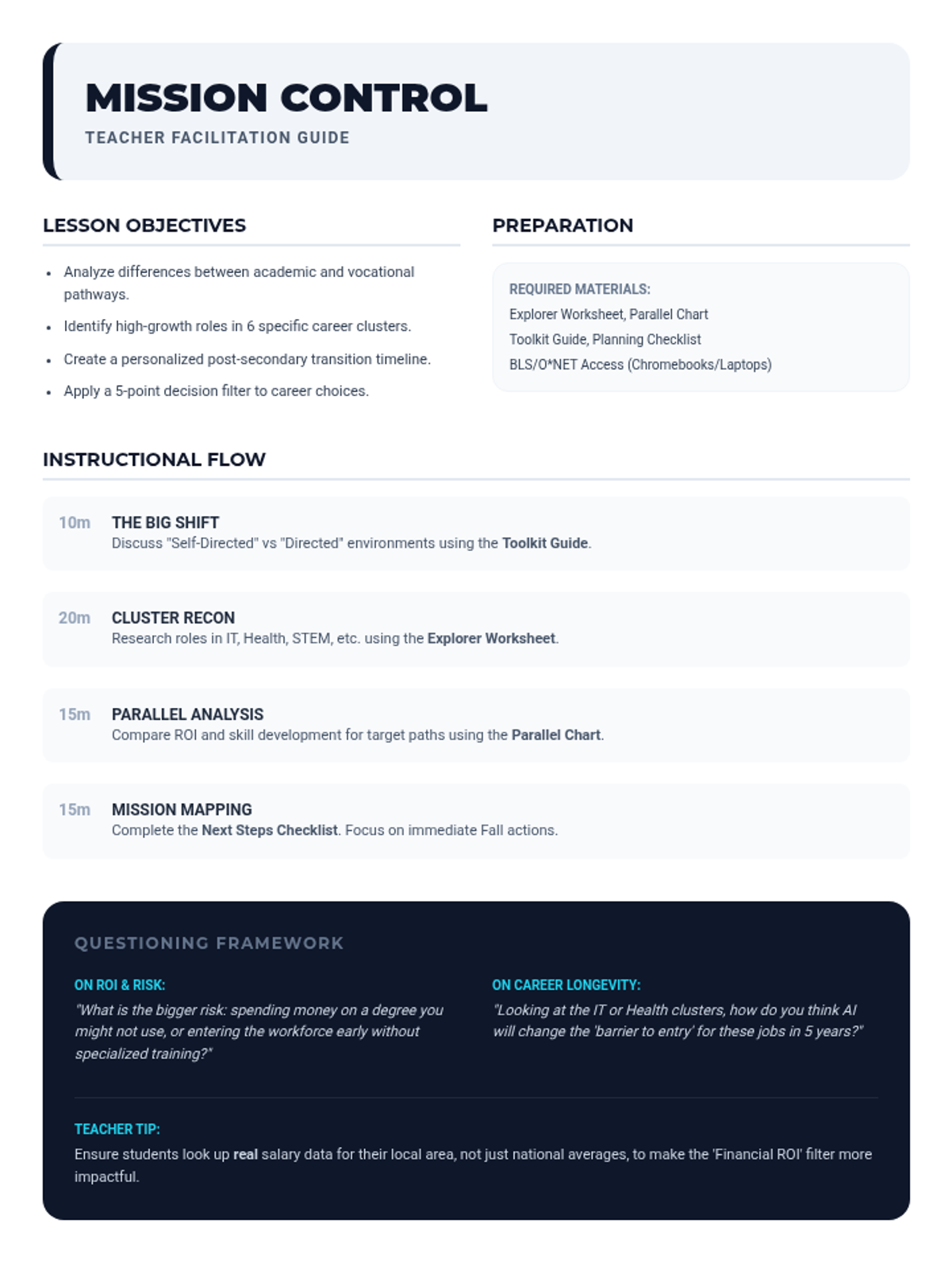
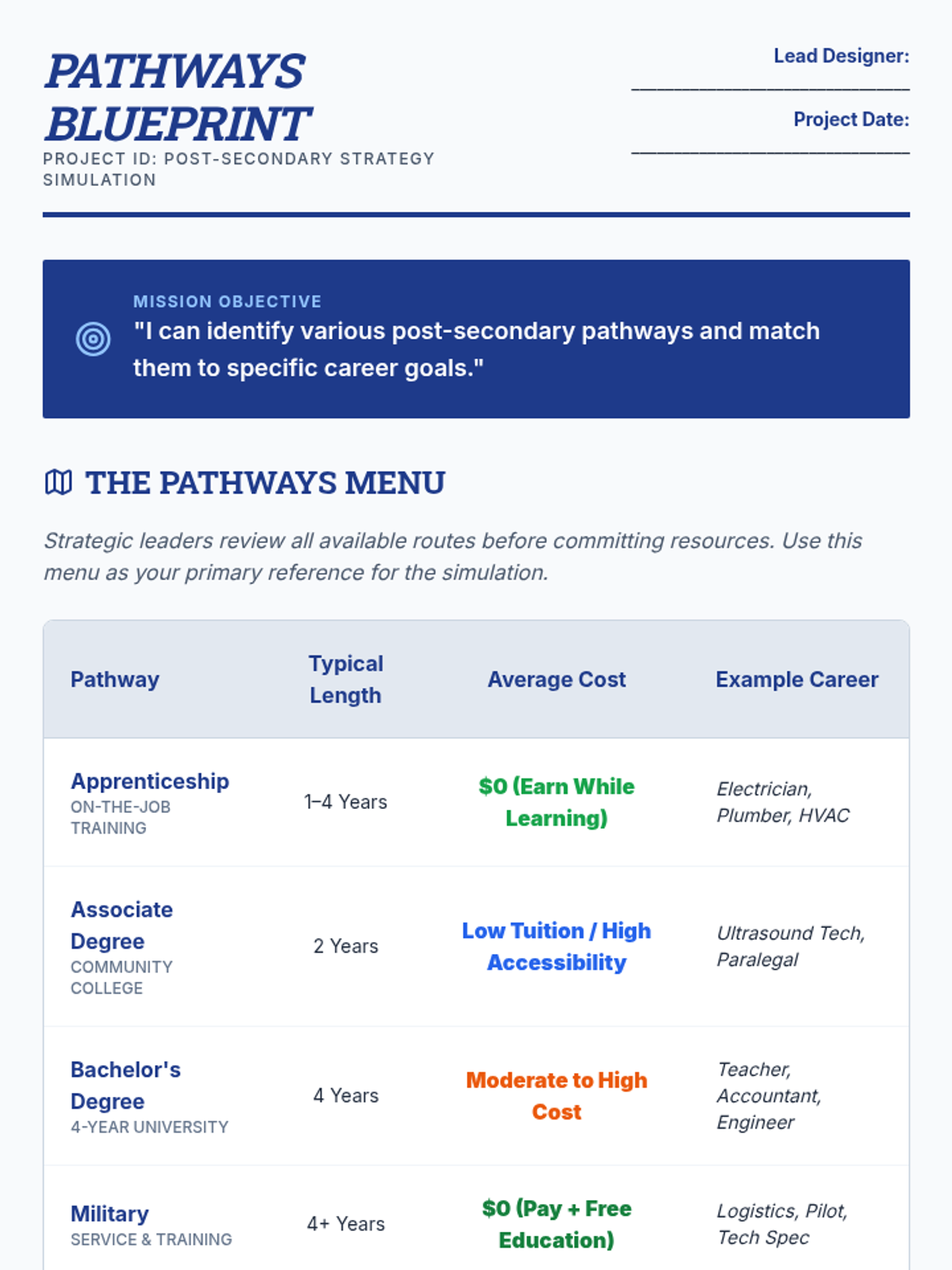
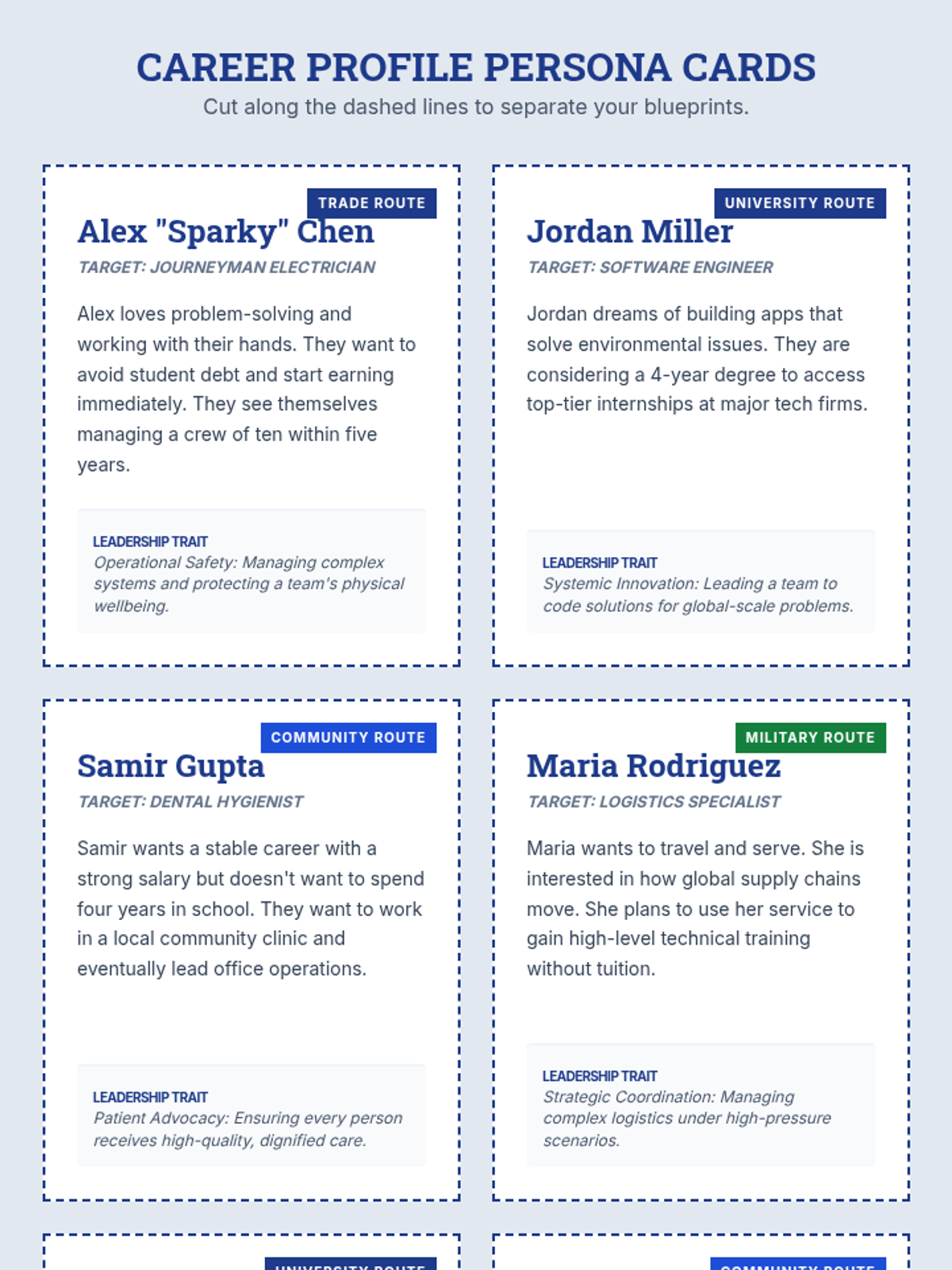
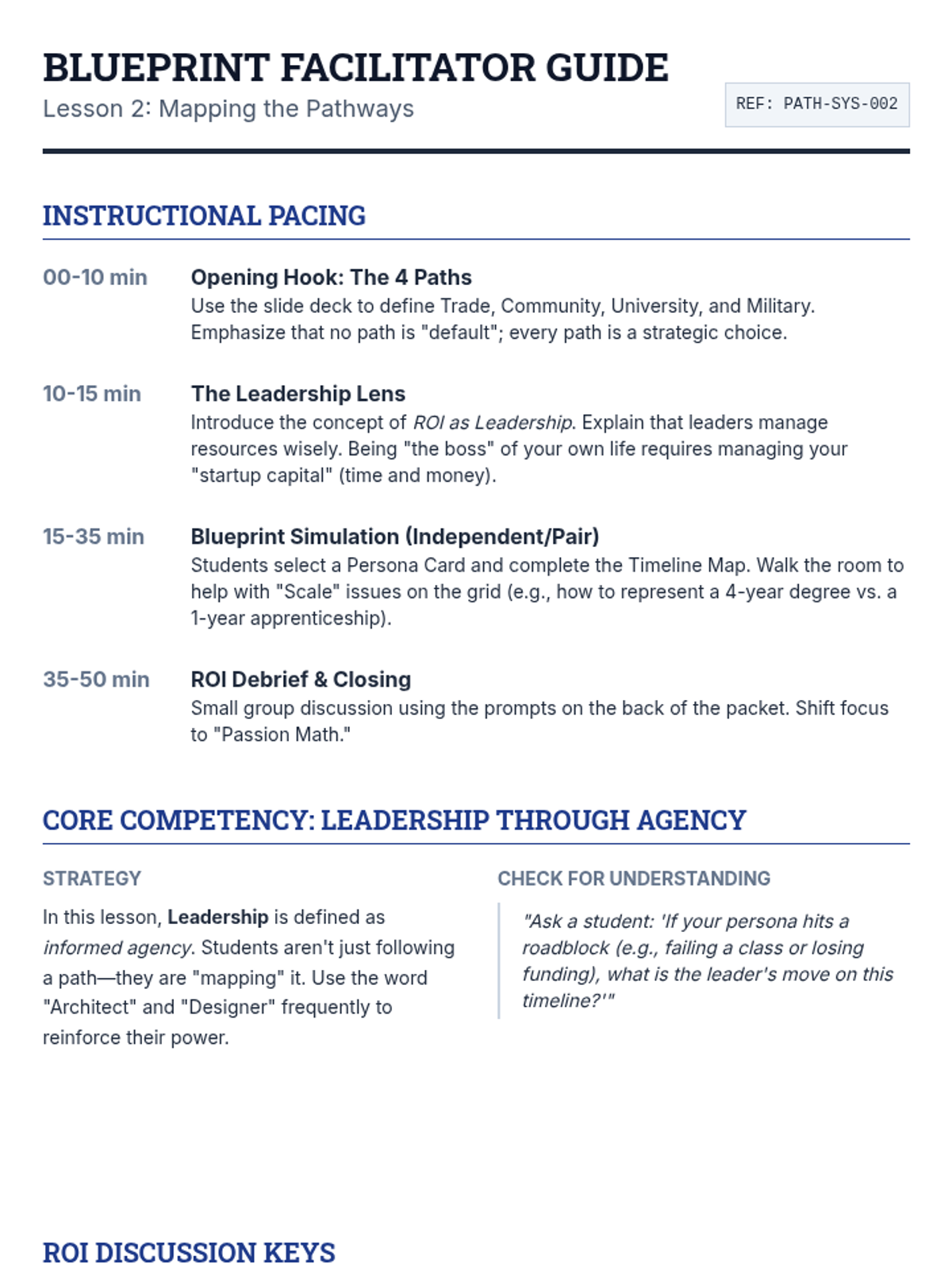
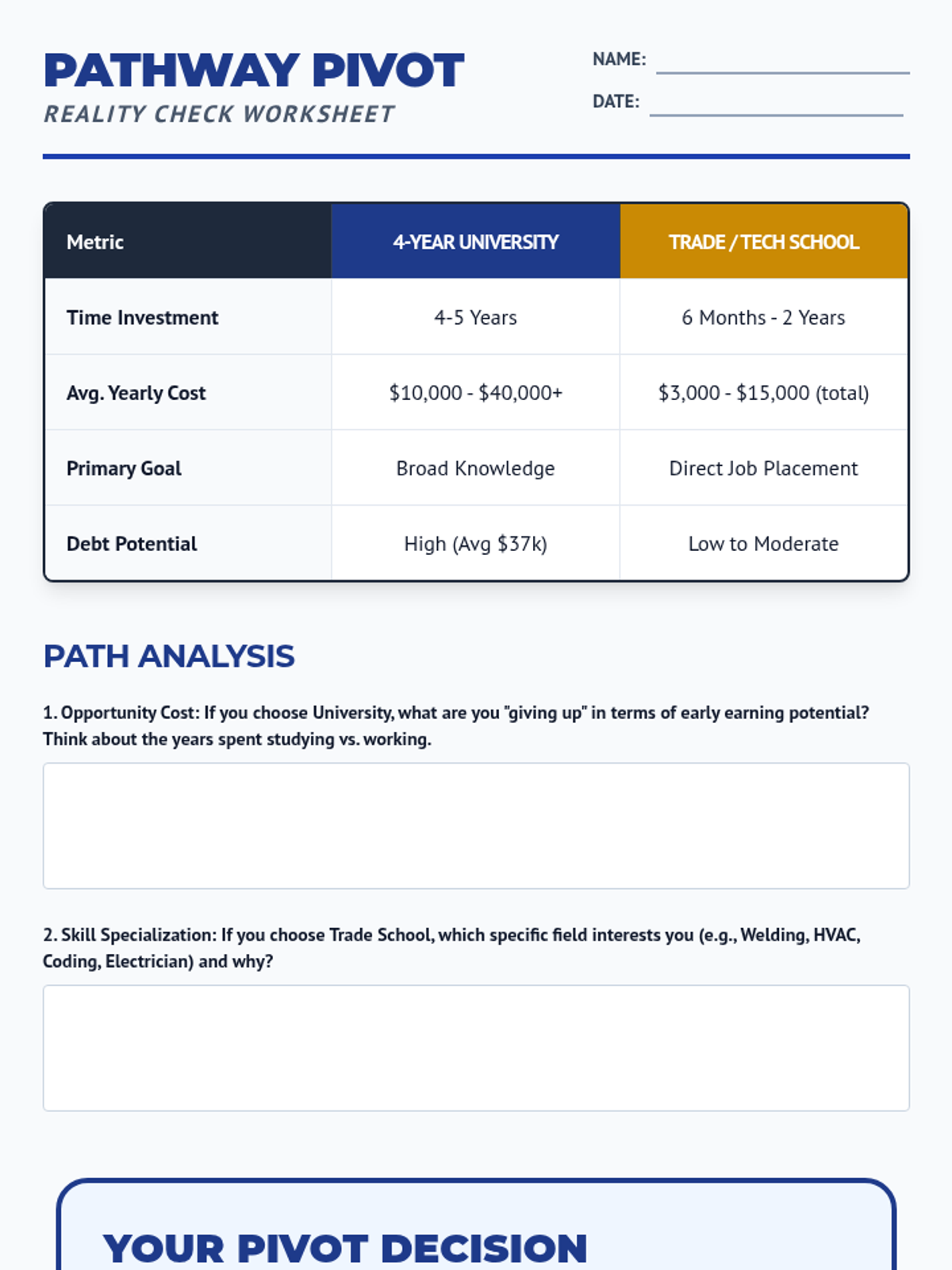
A hands-on simulation where students explore post-secondary pathways (Trade, College, Military) through the lens of a career 'blueprint.' Students analyze ROI and practice leadership by taking agency over their financial and professional futures.
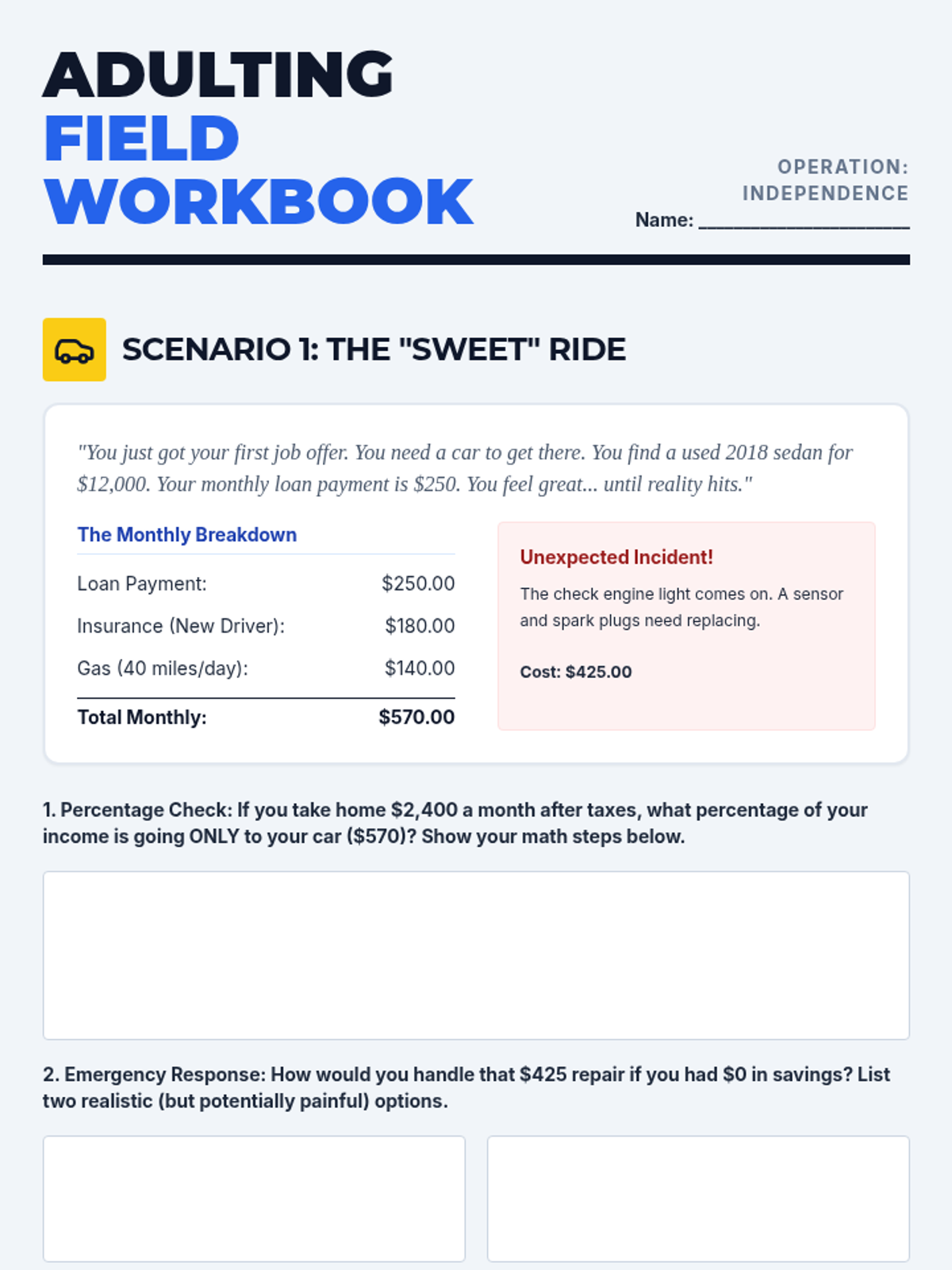
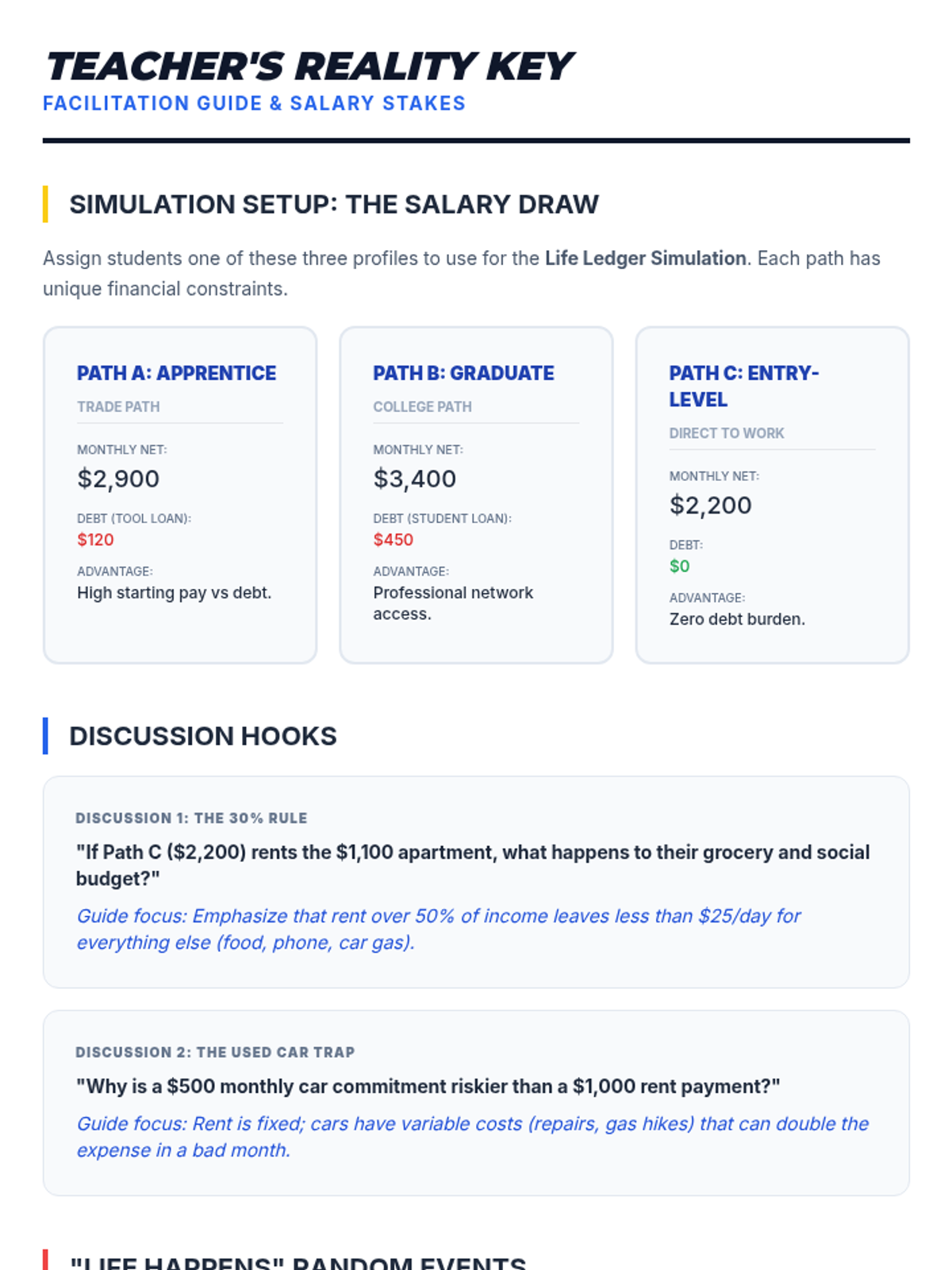
A comprehensive unit preparing students for the financial and logistical realities of post-secondary life, covering education pathways, housing, vehicle maintenance, and budgeting.
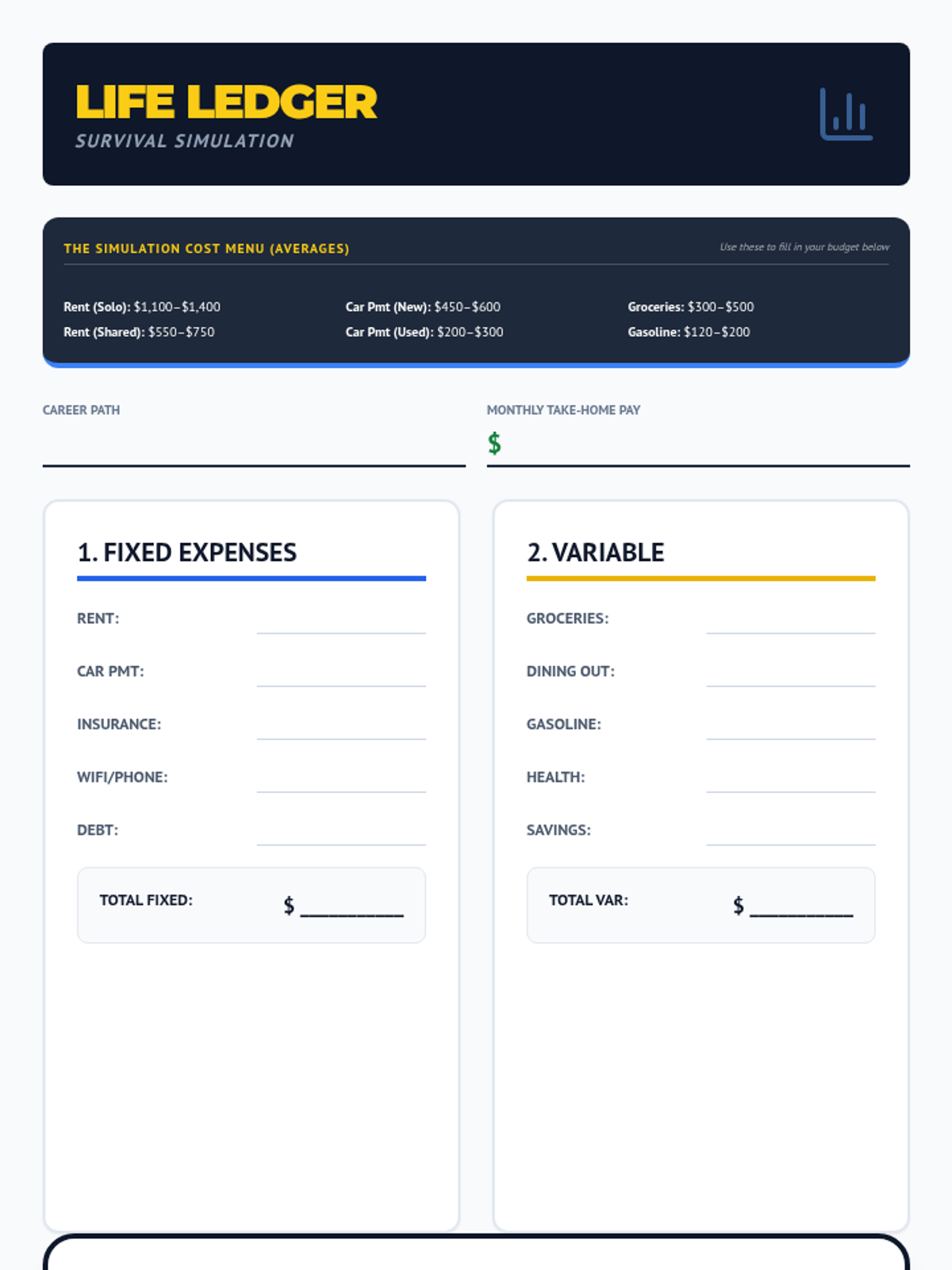
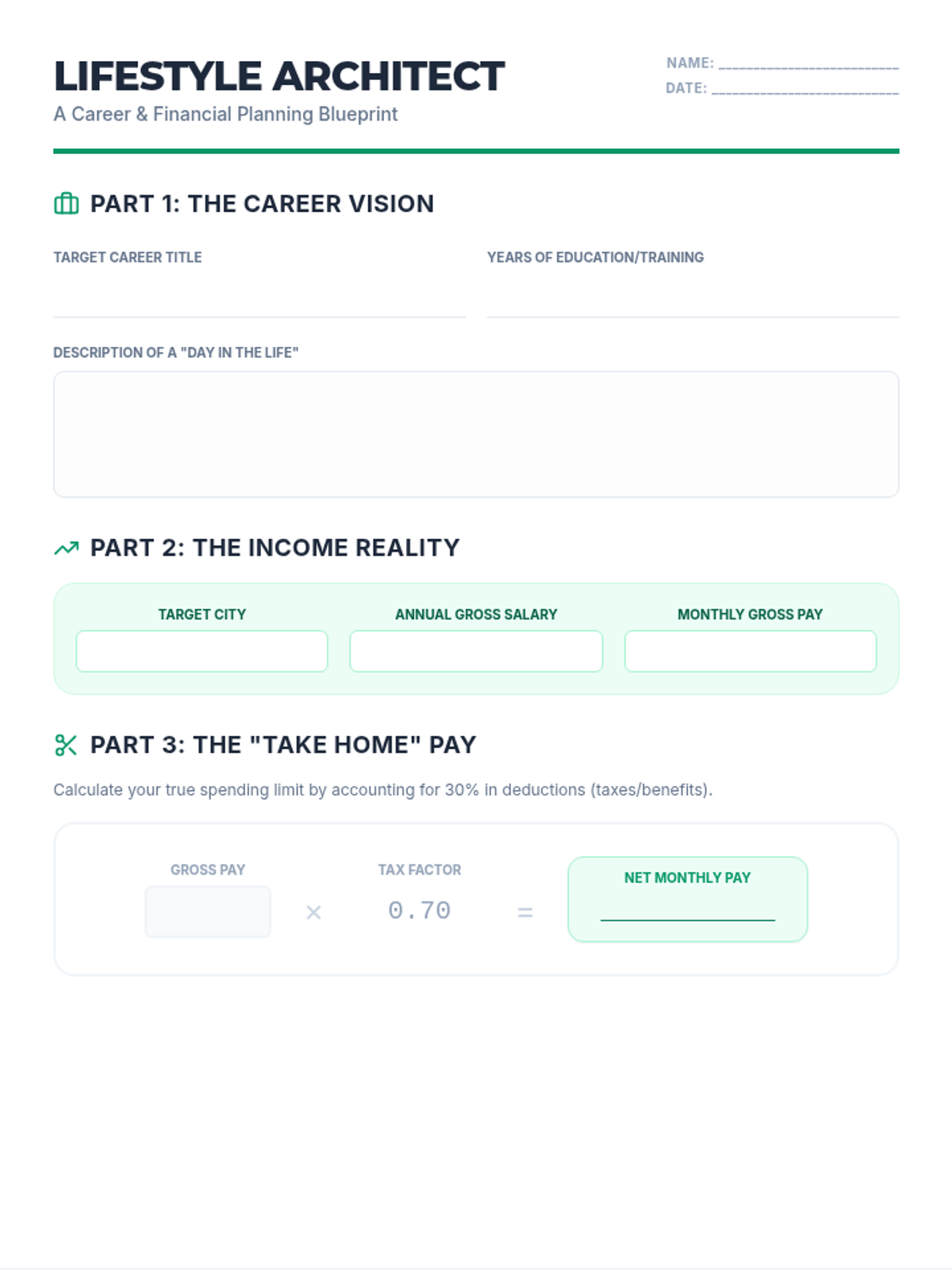
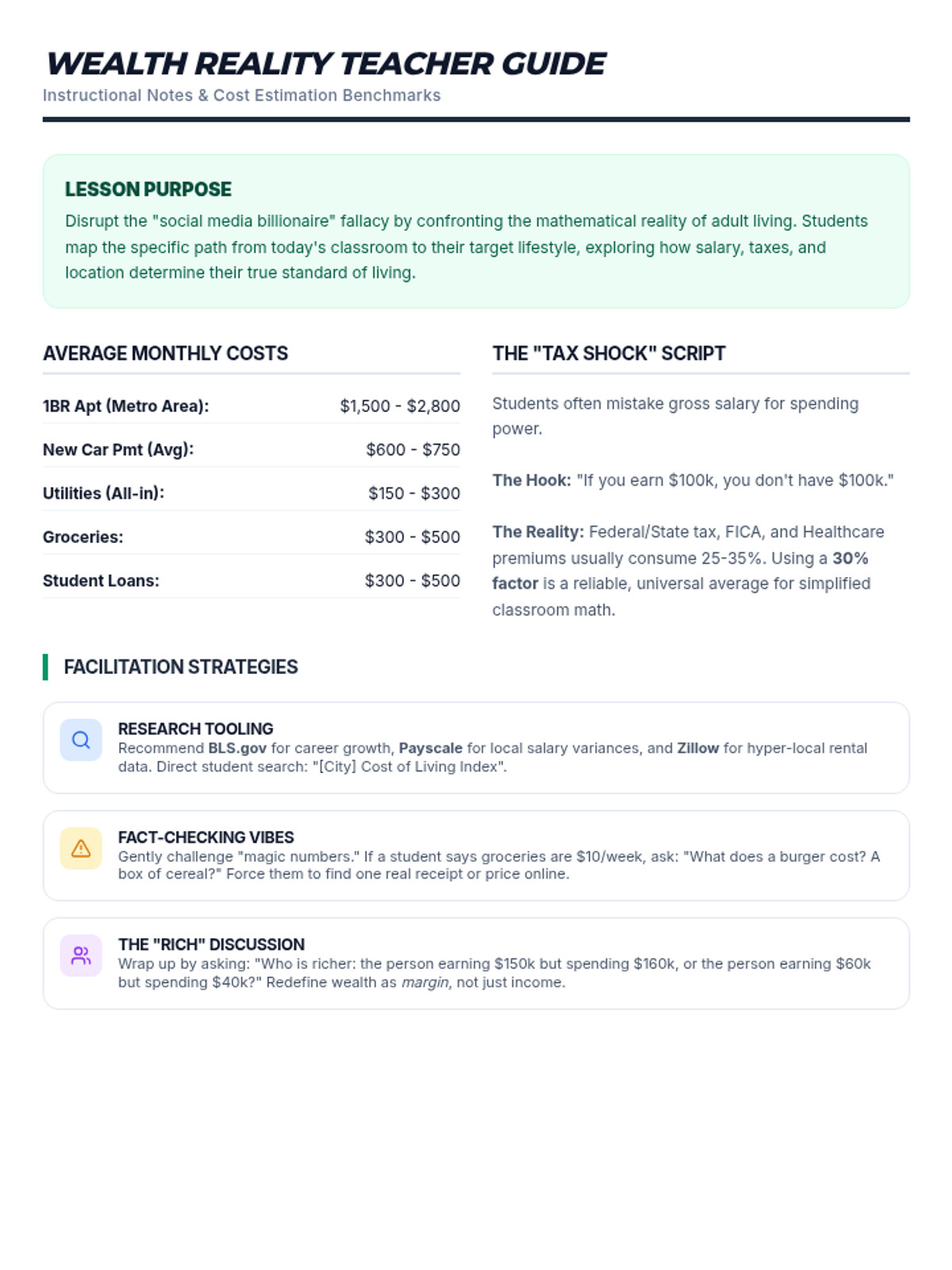
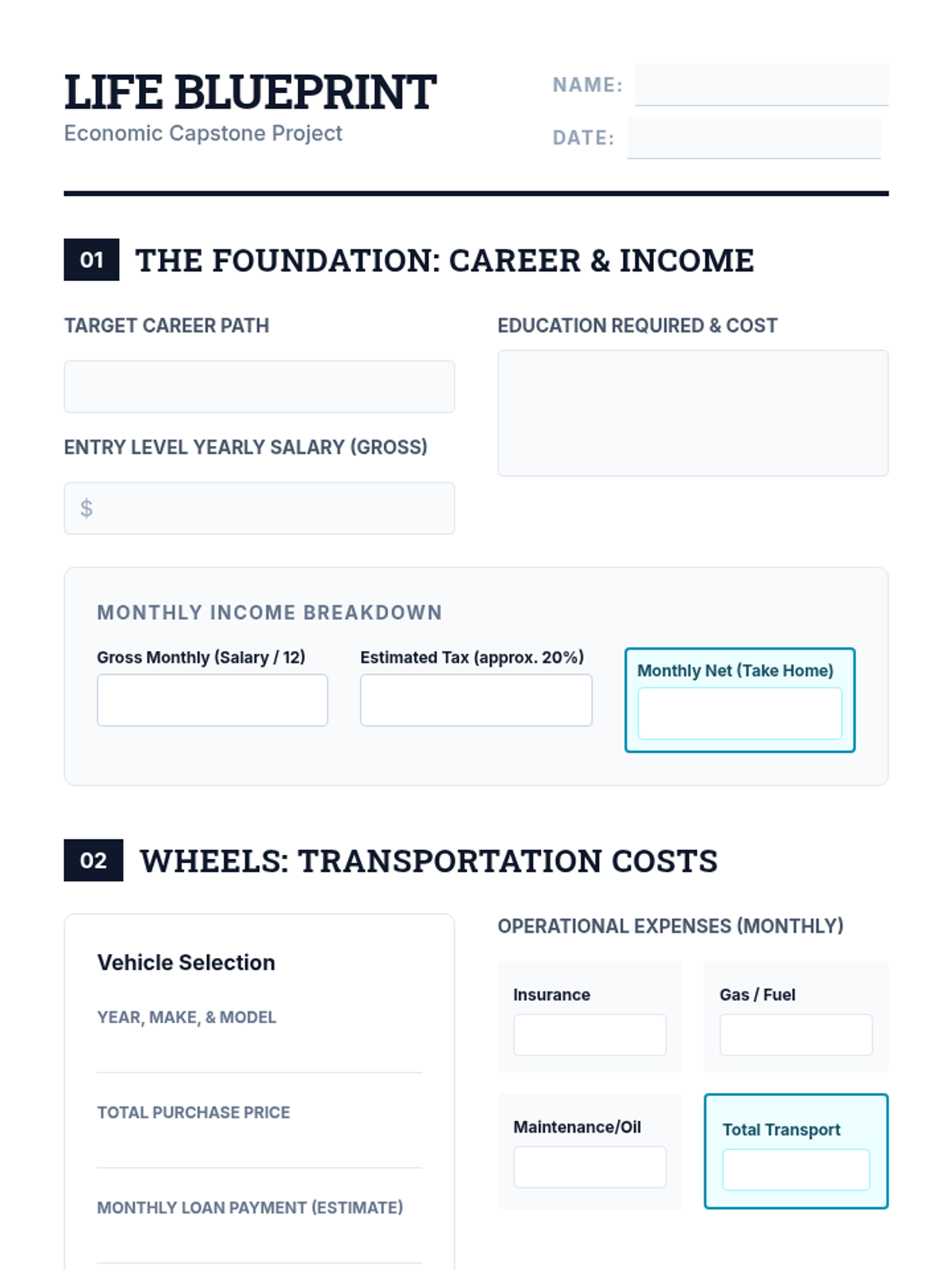
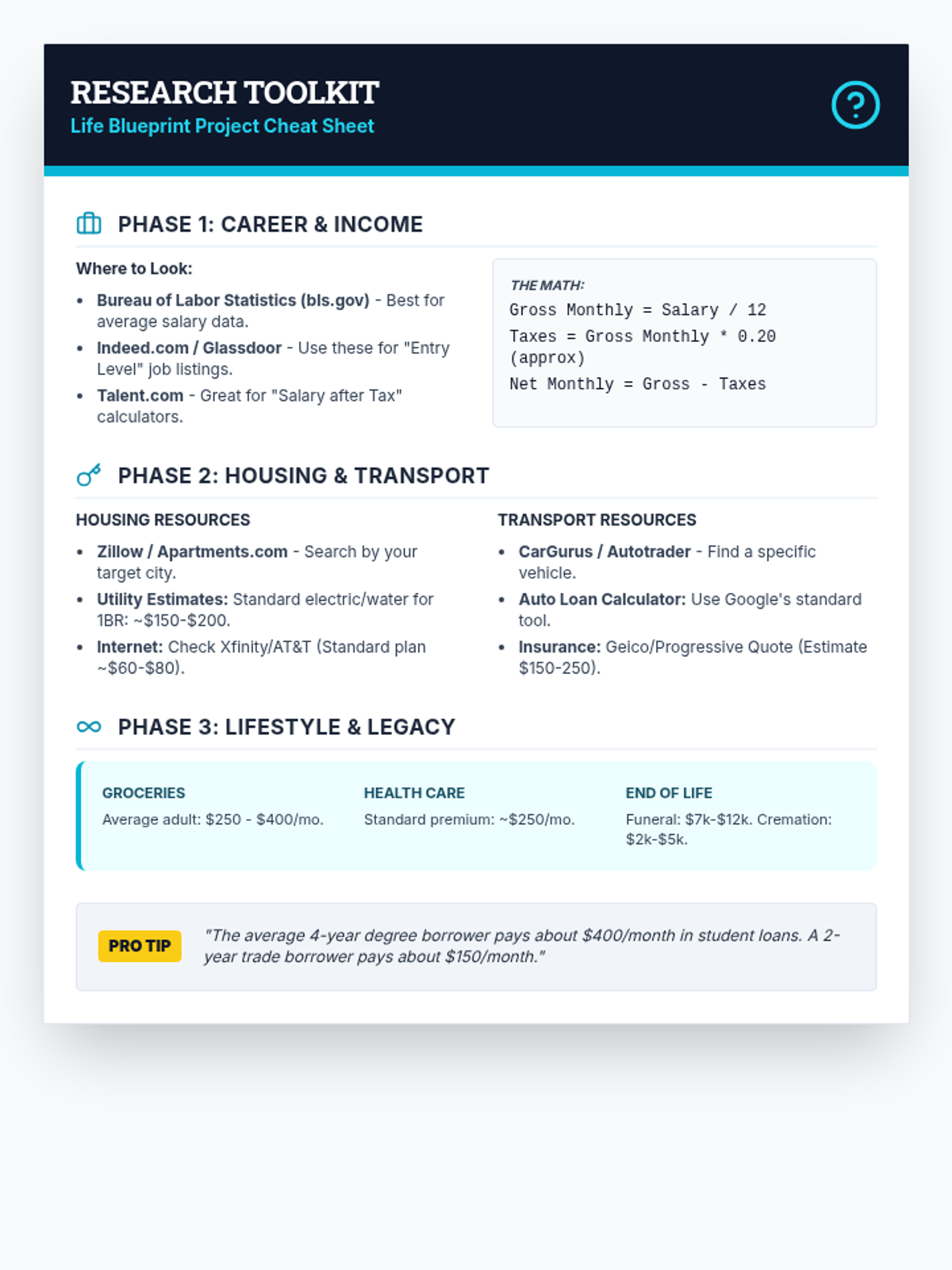
A lesson designed to ground student aspirations in financial reality by researching career salaries and mapping them against the actual costs of a desired lifestyle. Students will explore gross vs. net income, essential living expenses, and the long-term planning required to achieve financial goals.
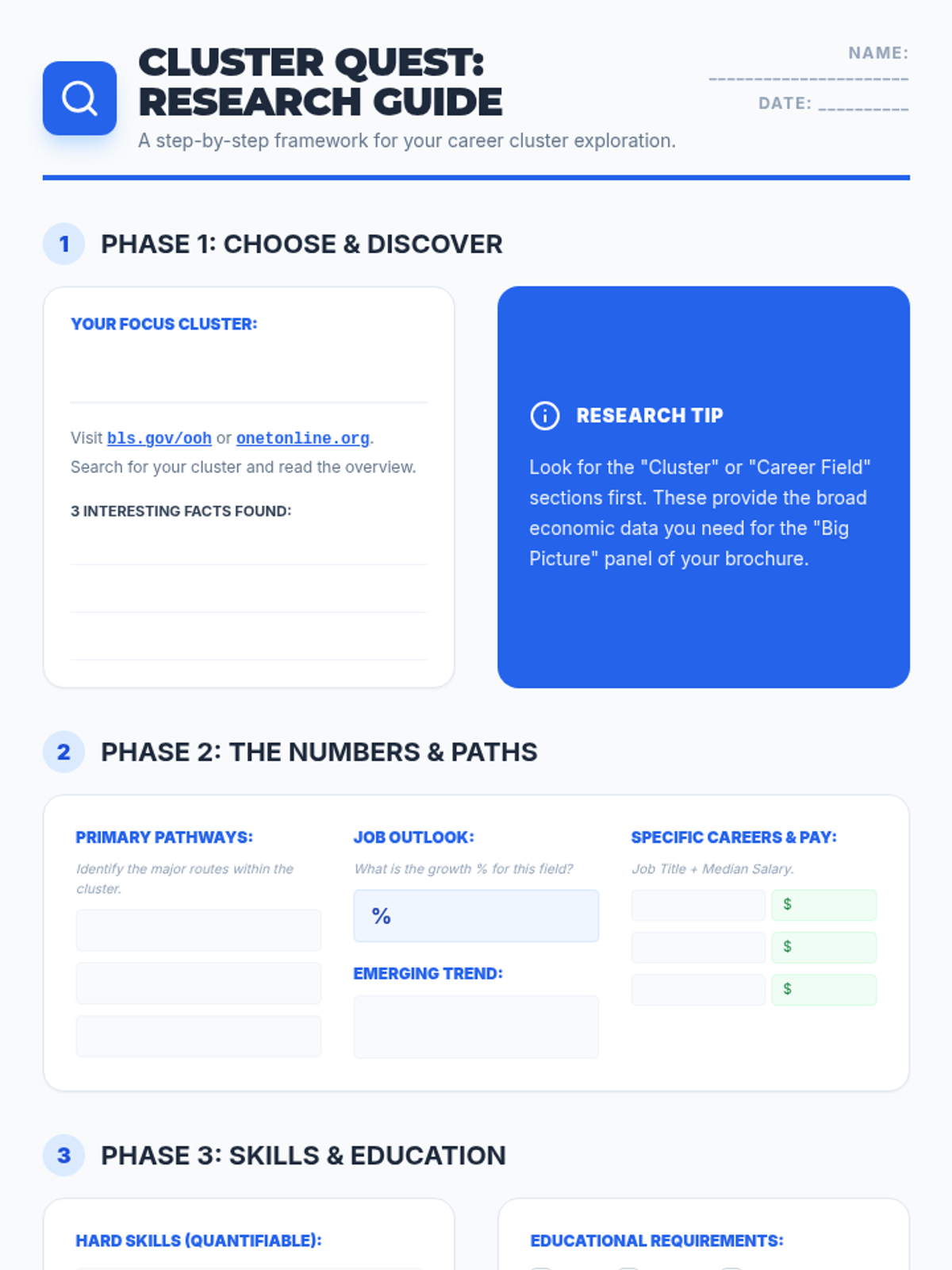
Deep dive into specific web research tools and strategies for data gathering and source validation.
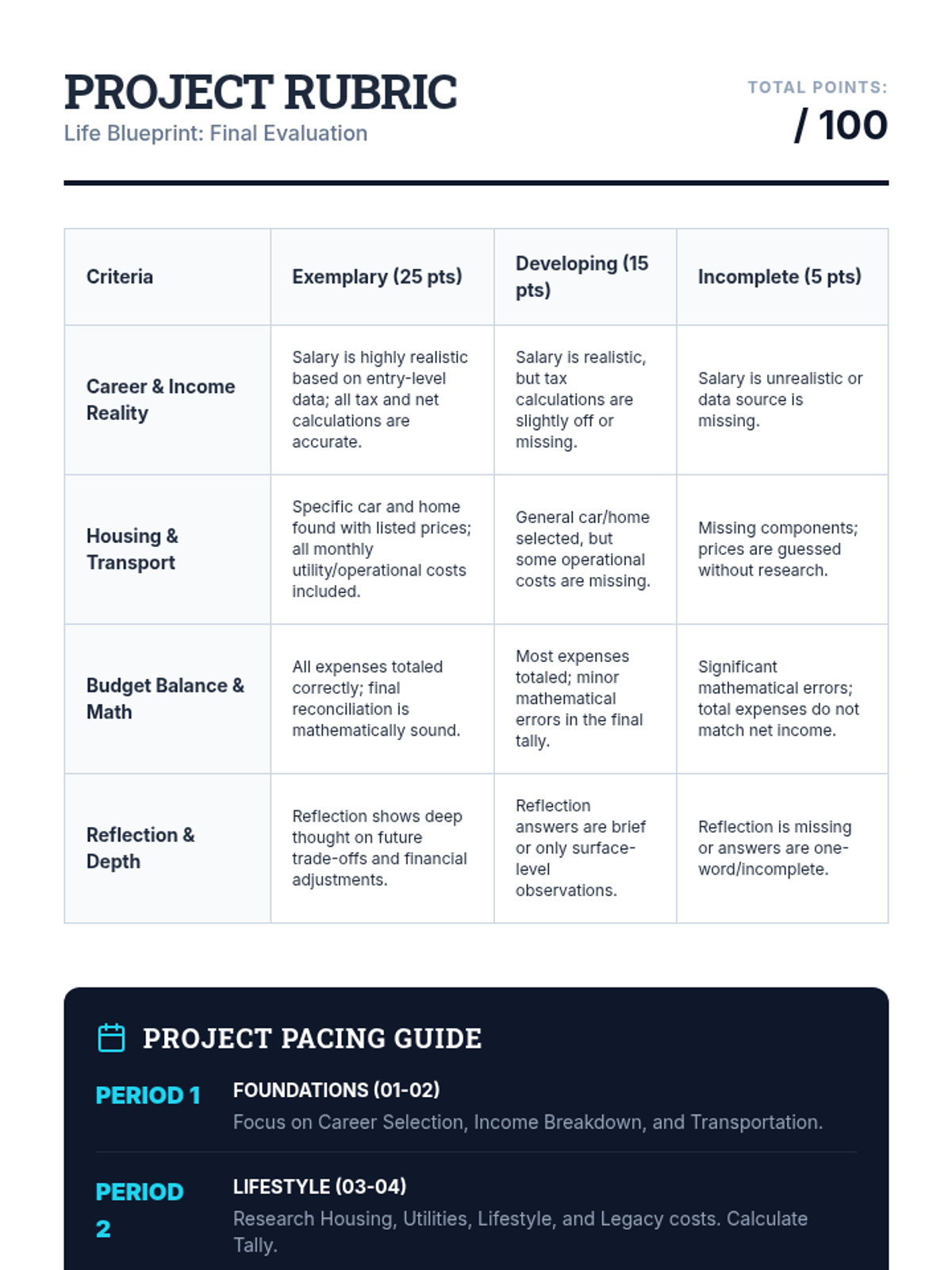
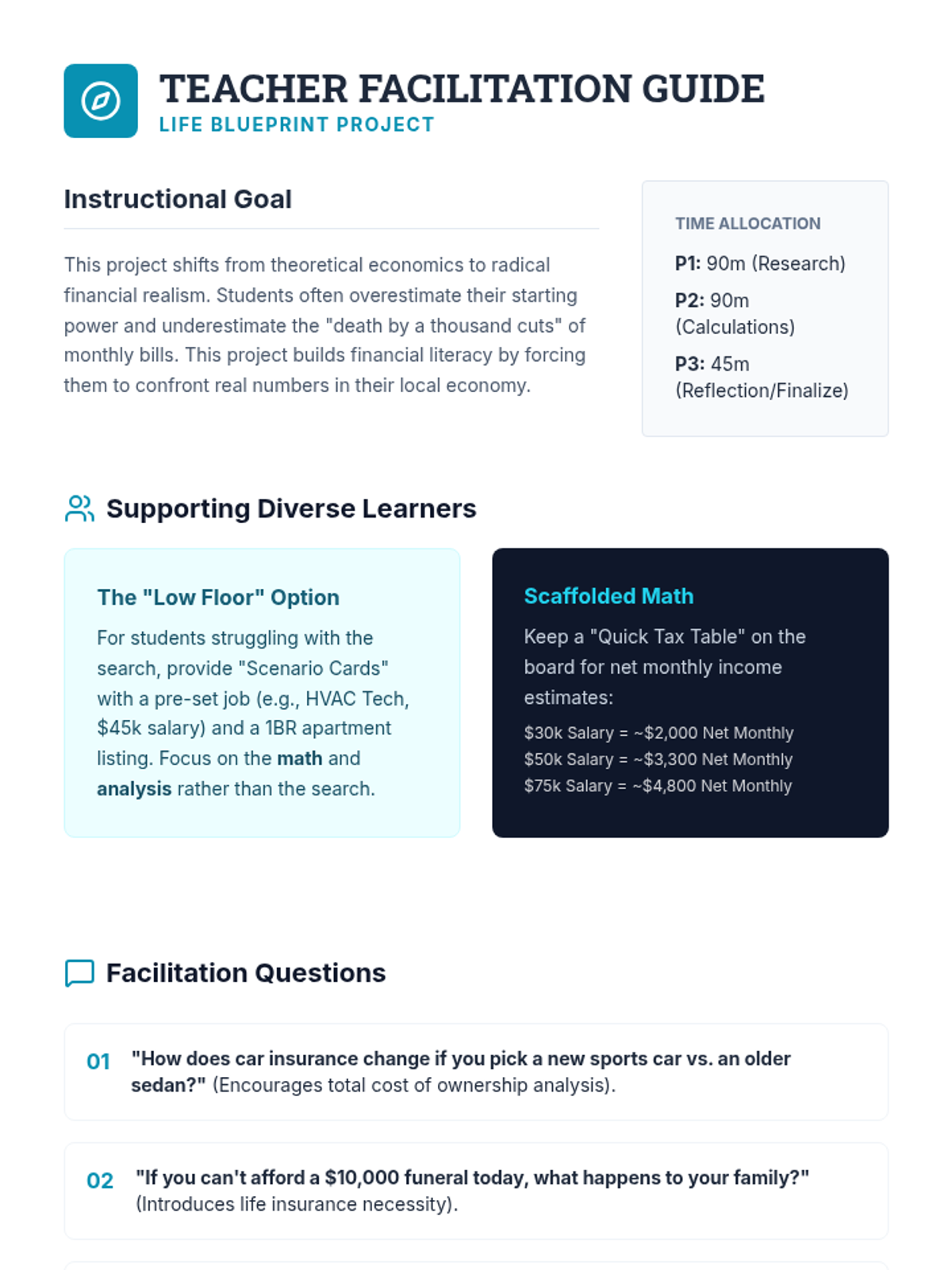
A comprehensive, multi-day project where students research and calculate the costs of a lifetime, from career entry to retirement and beyond. Students work independently to create a realistic 'Life Blueprint' based on their personal goals and current economic data.
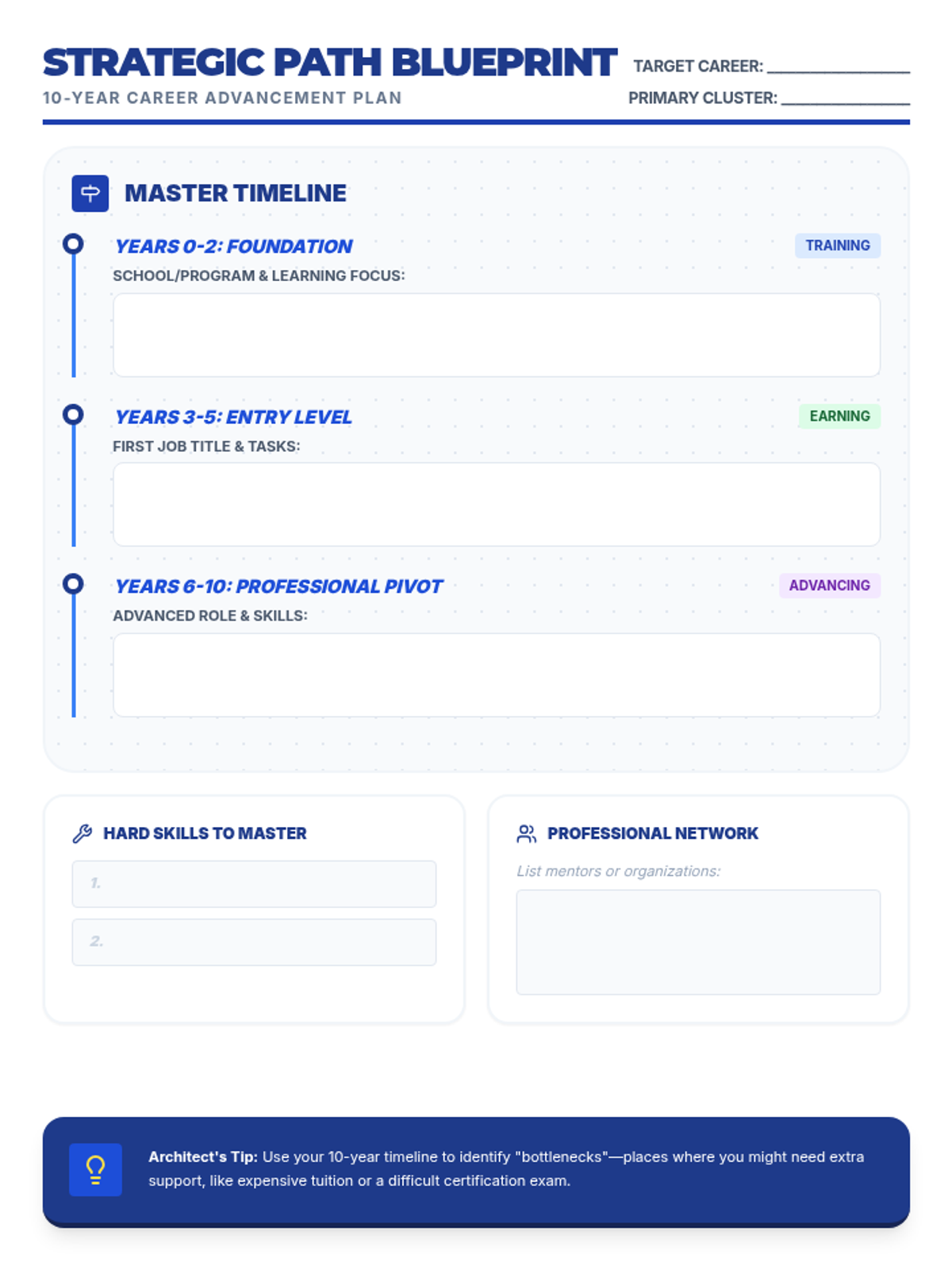
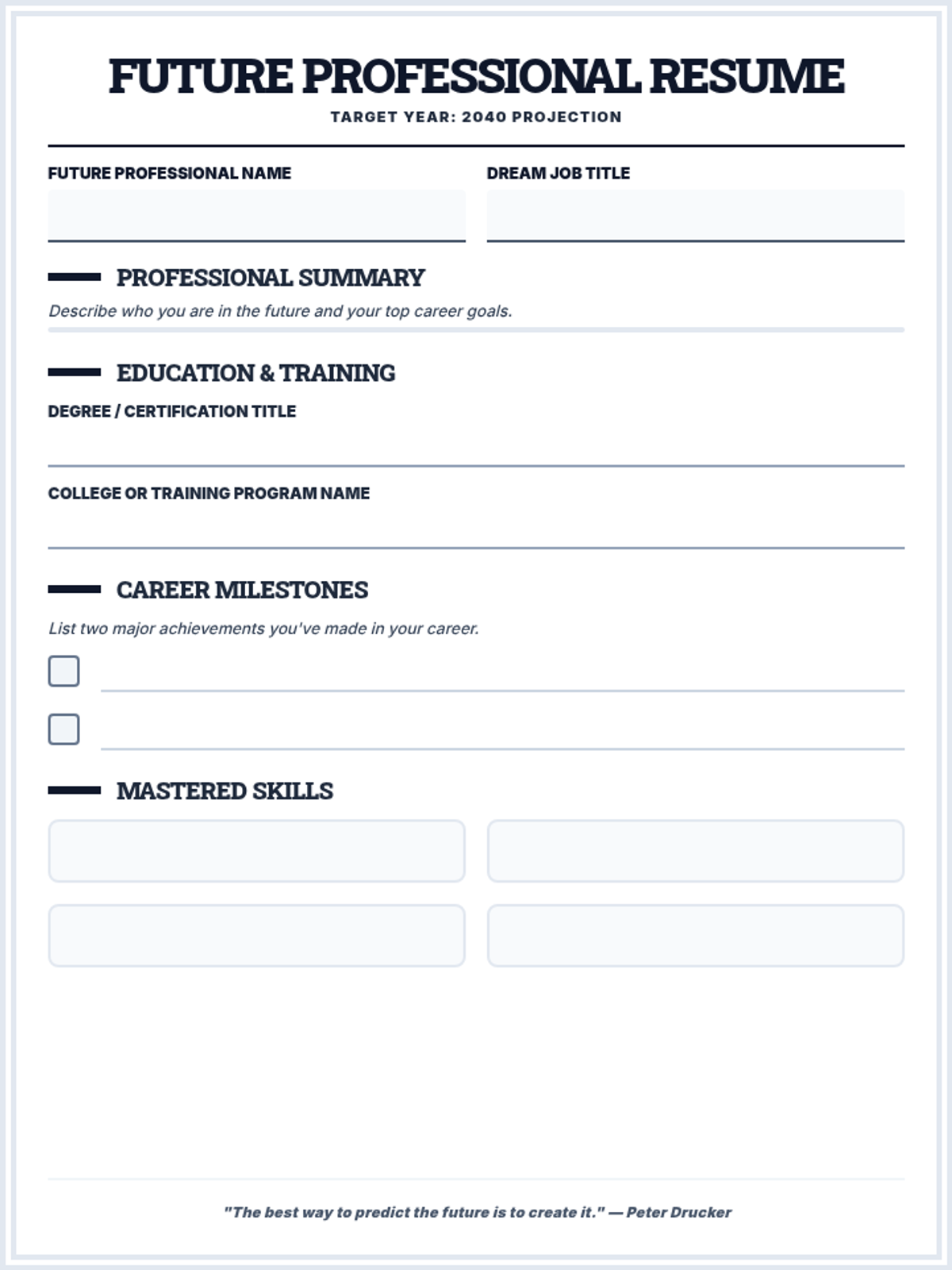
A follow-up project where students create a personalized career advancement timeline, mapping out specific post-secondary steps, financial requirements, and potential growth milestones for their chosen path.
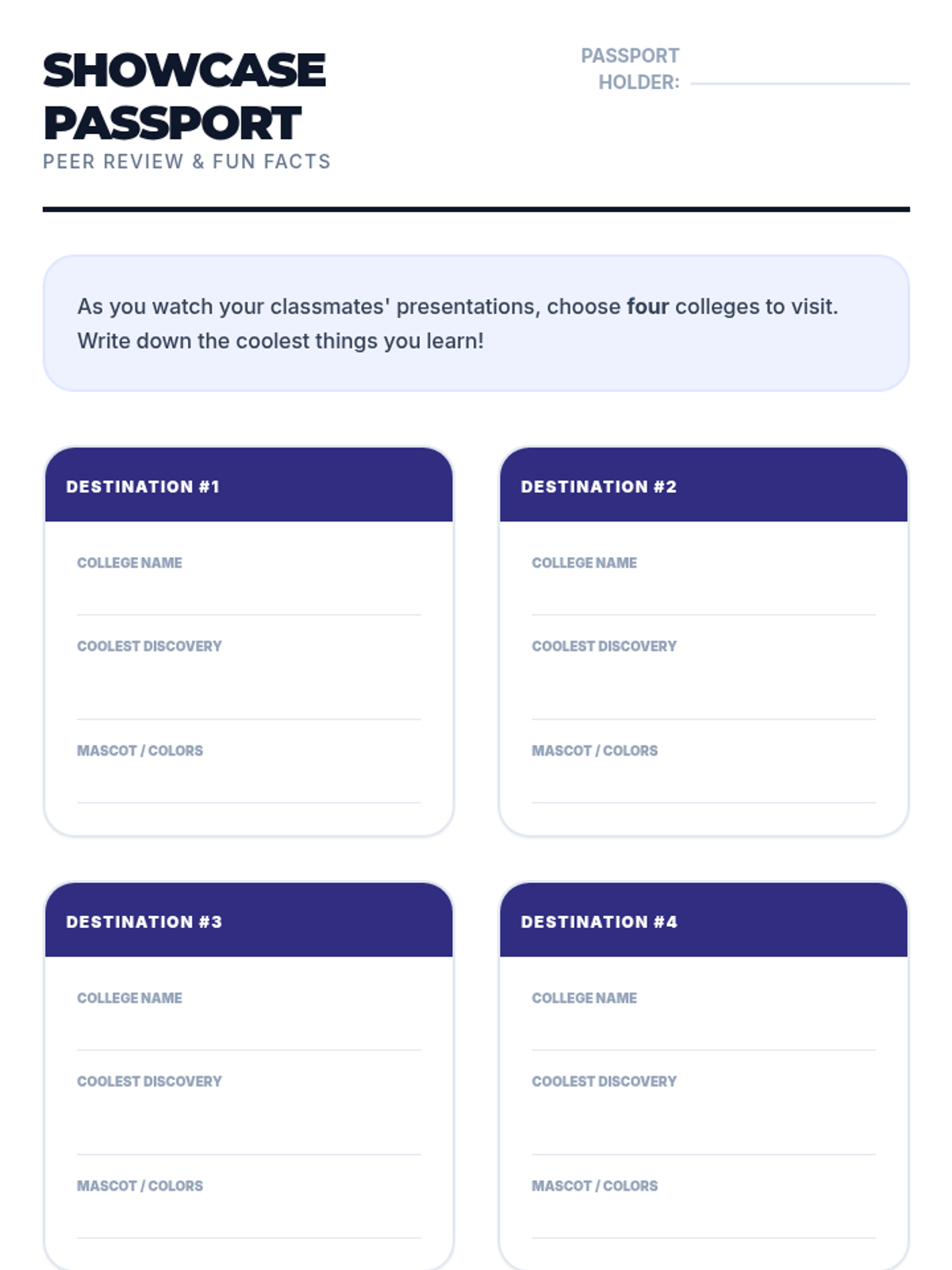
The unit concludes with students presenting their research to the class and providing peer feedback to their classmates.
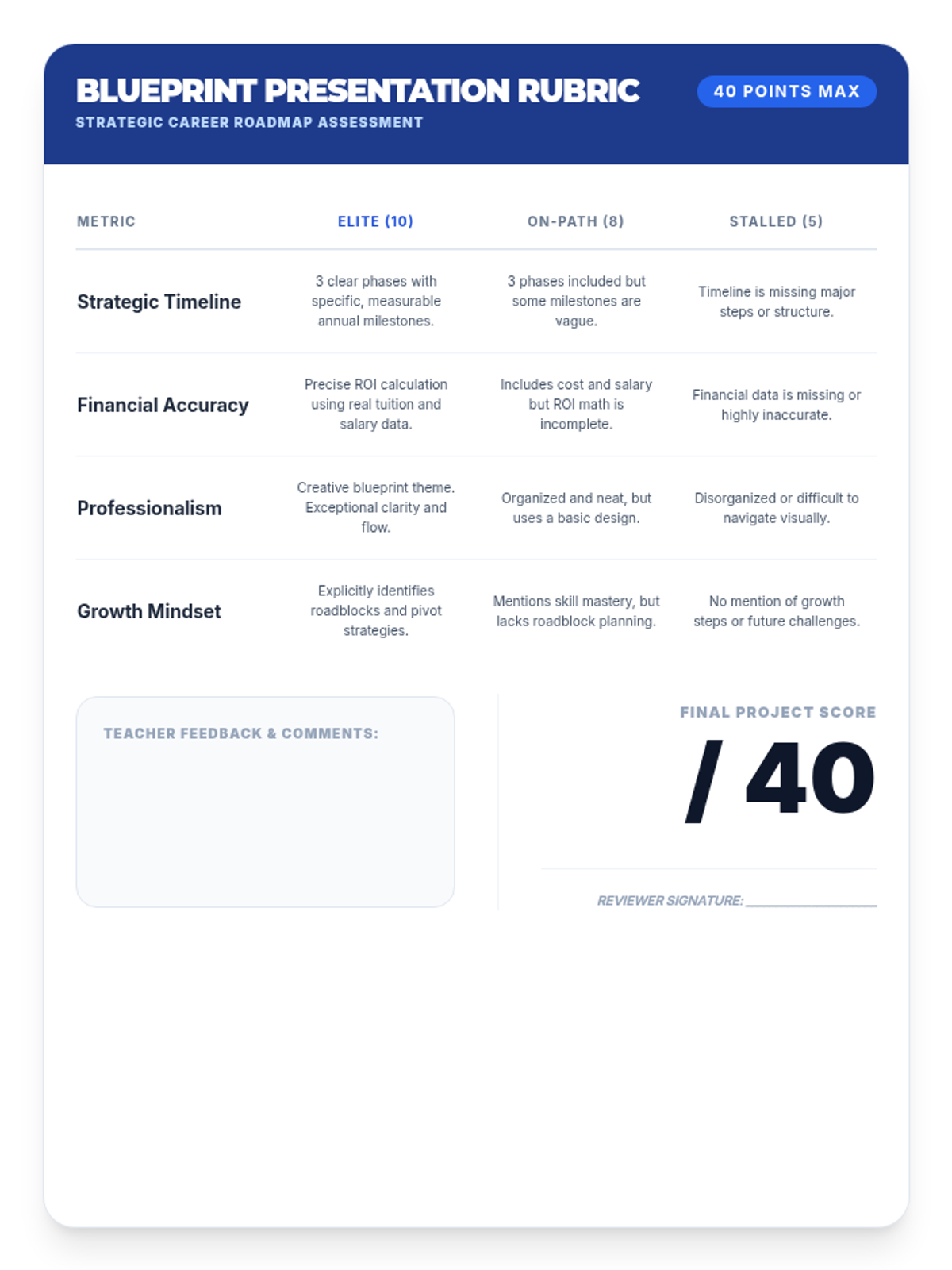
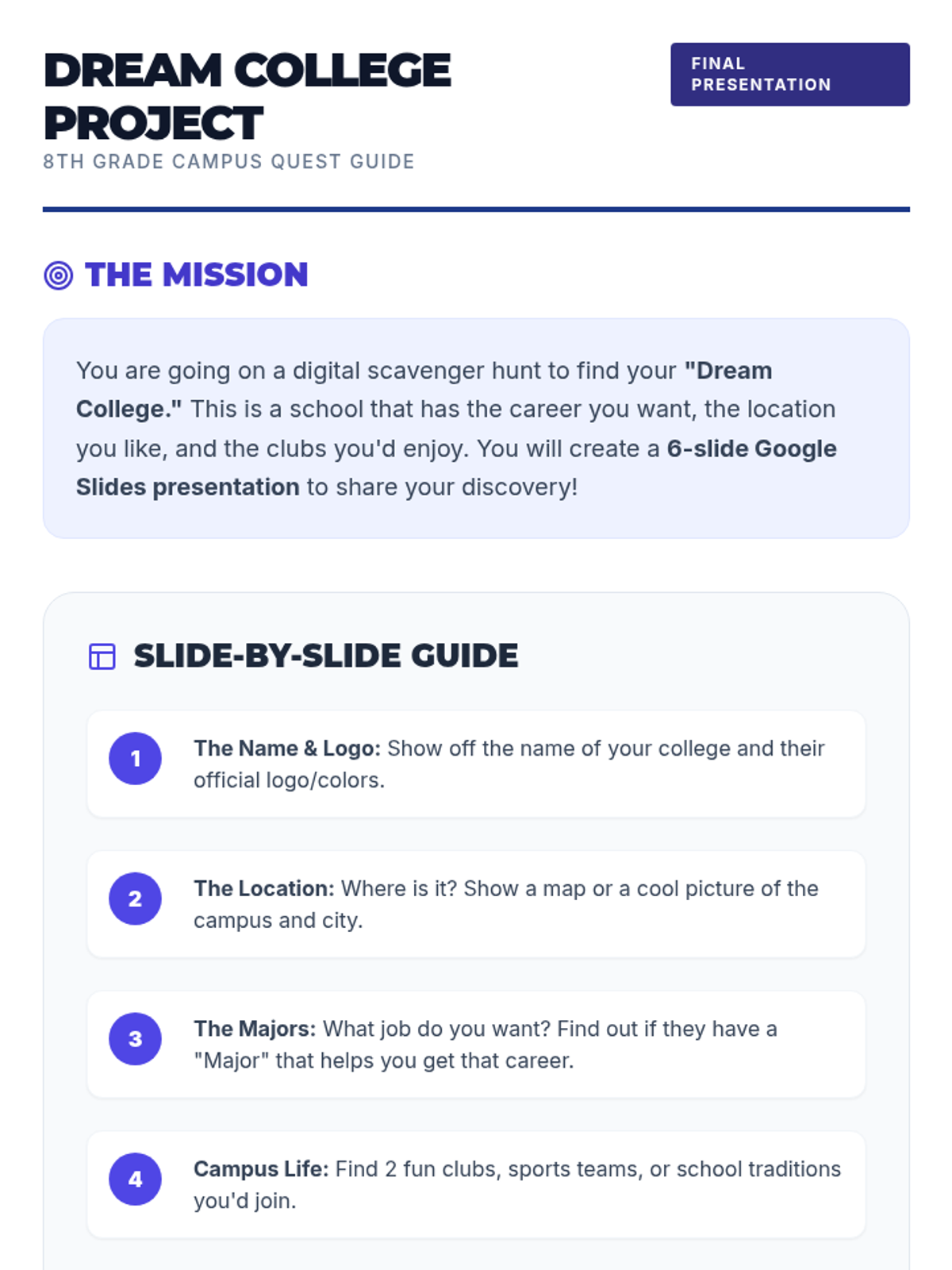
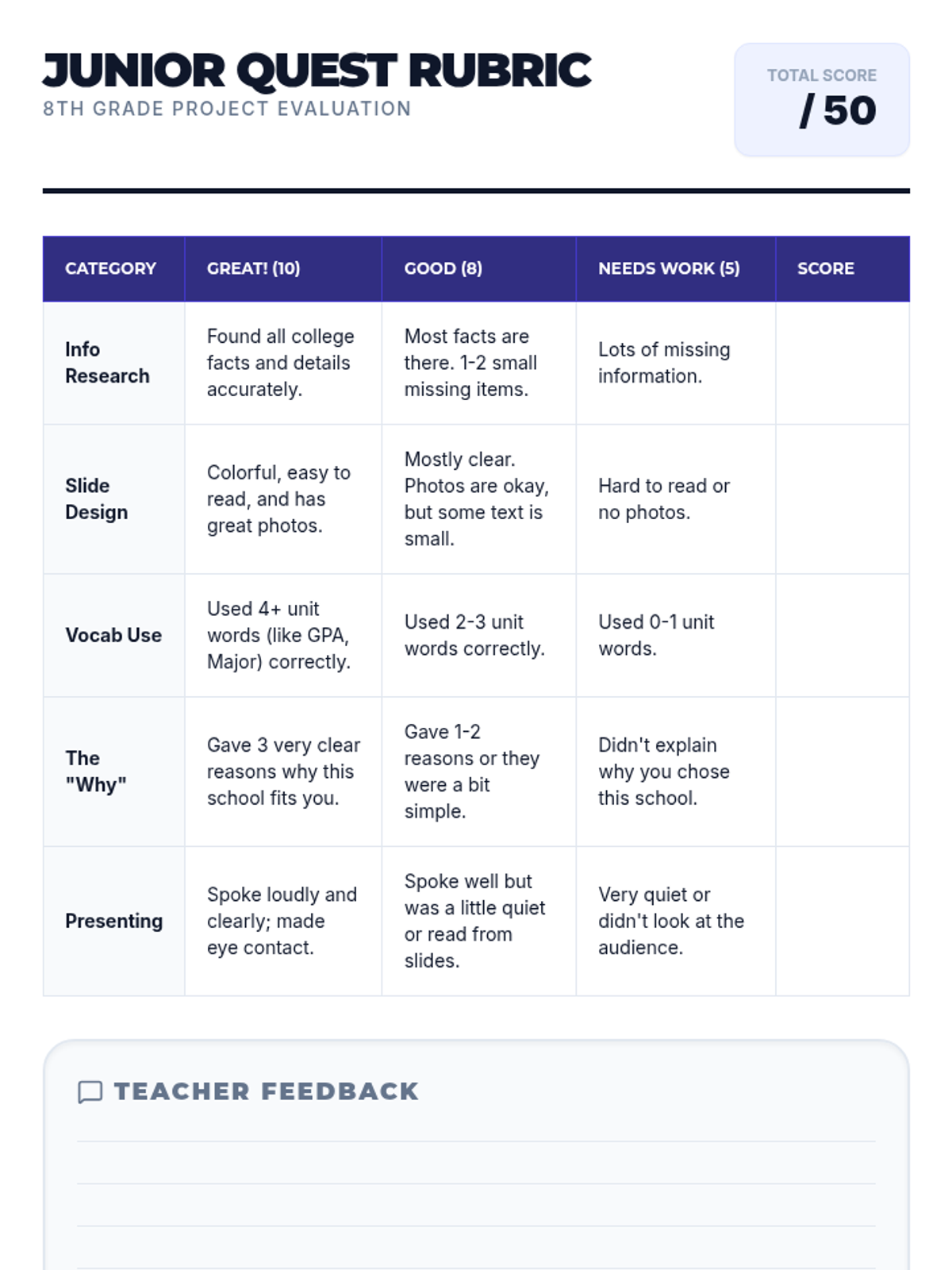
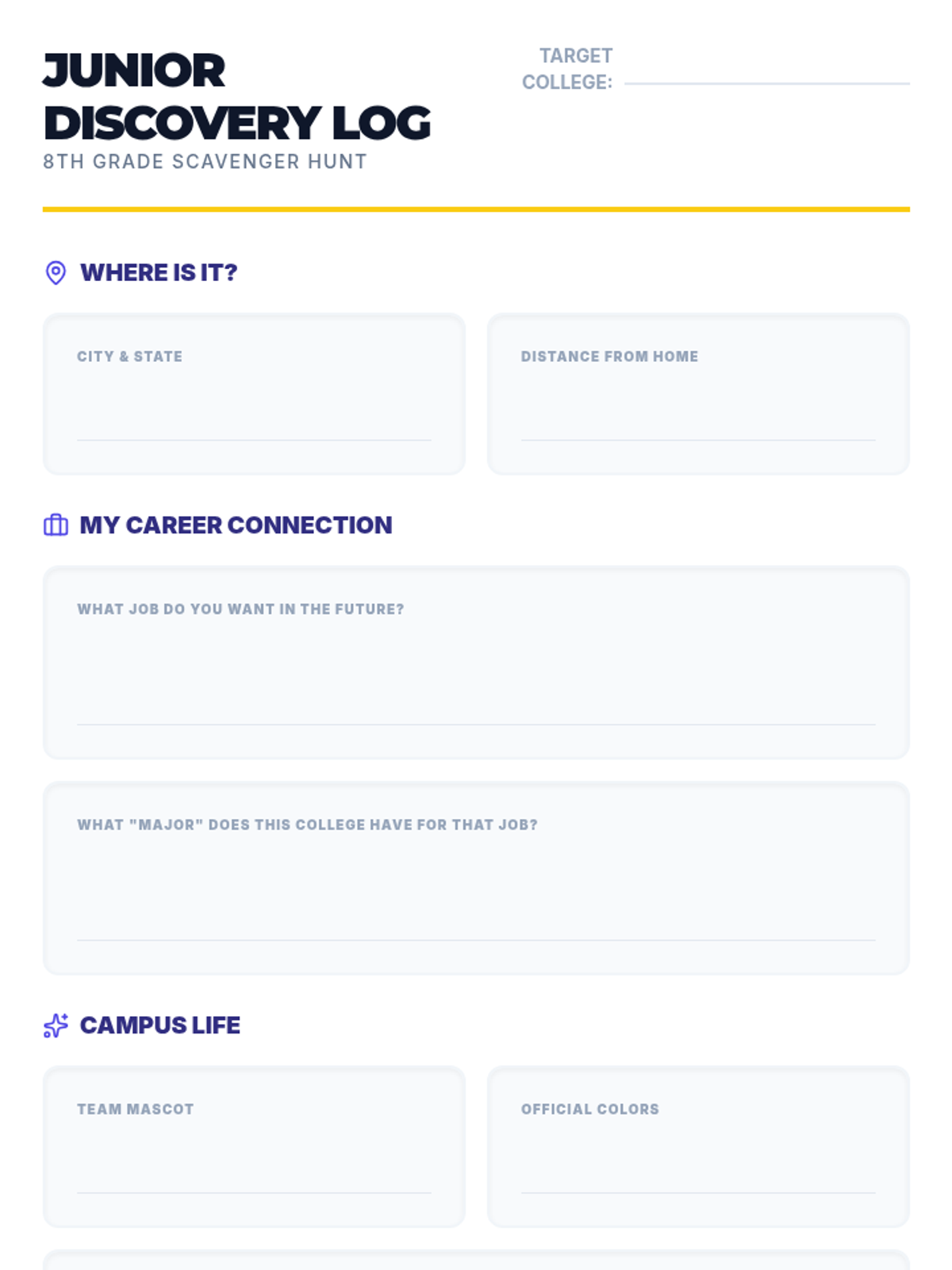
Students conduct independent research on a college of their choice and develop a comprehensive presentation following a specific rubric.
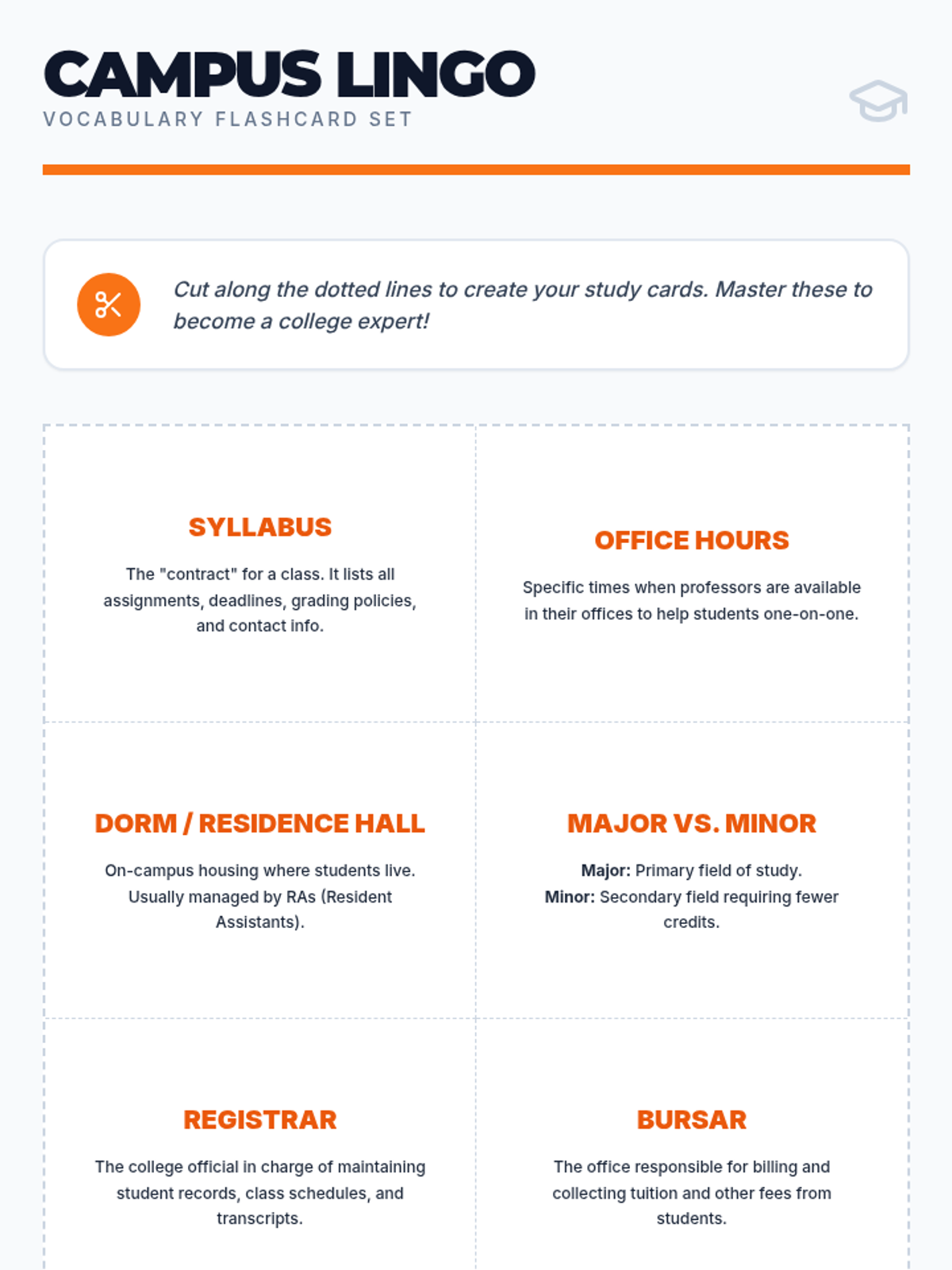
Students learn about the social and academic culture of college campuses, exploring student life, support services, and day-to-day terminology.
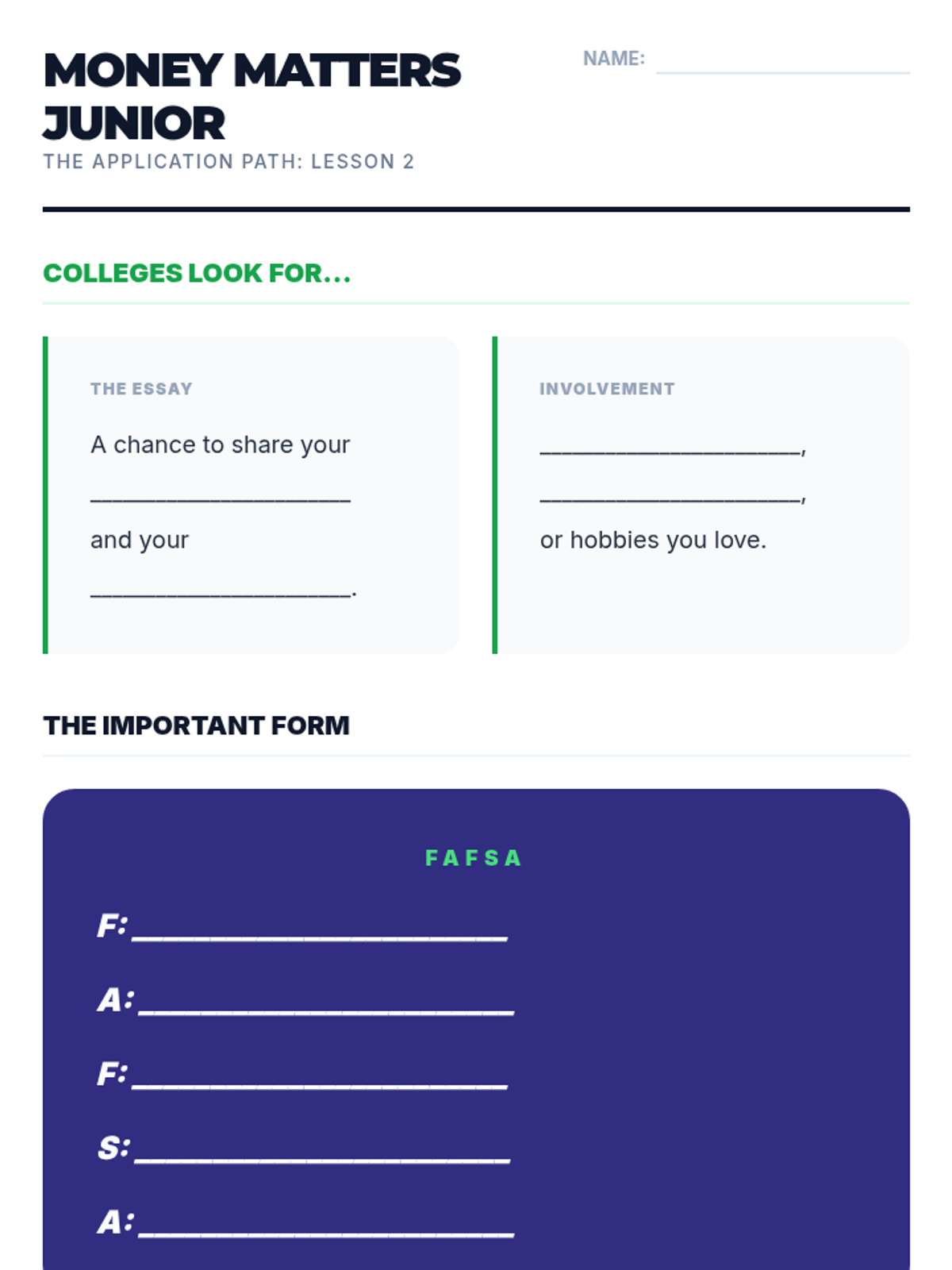
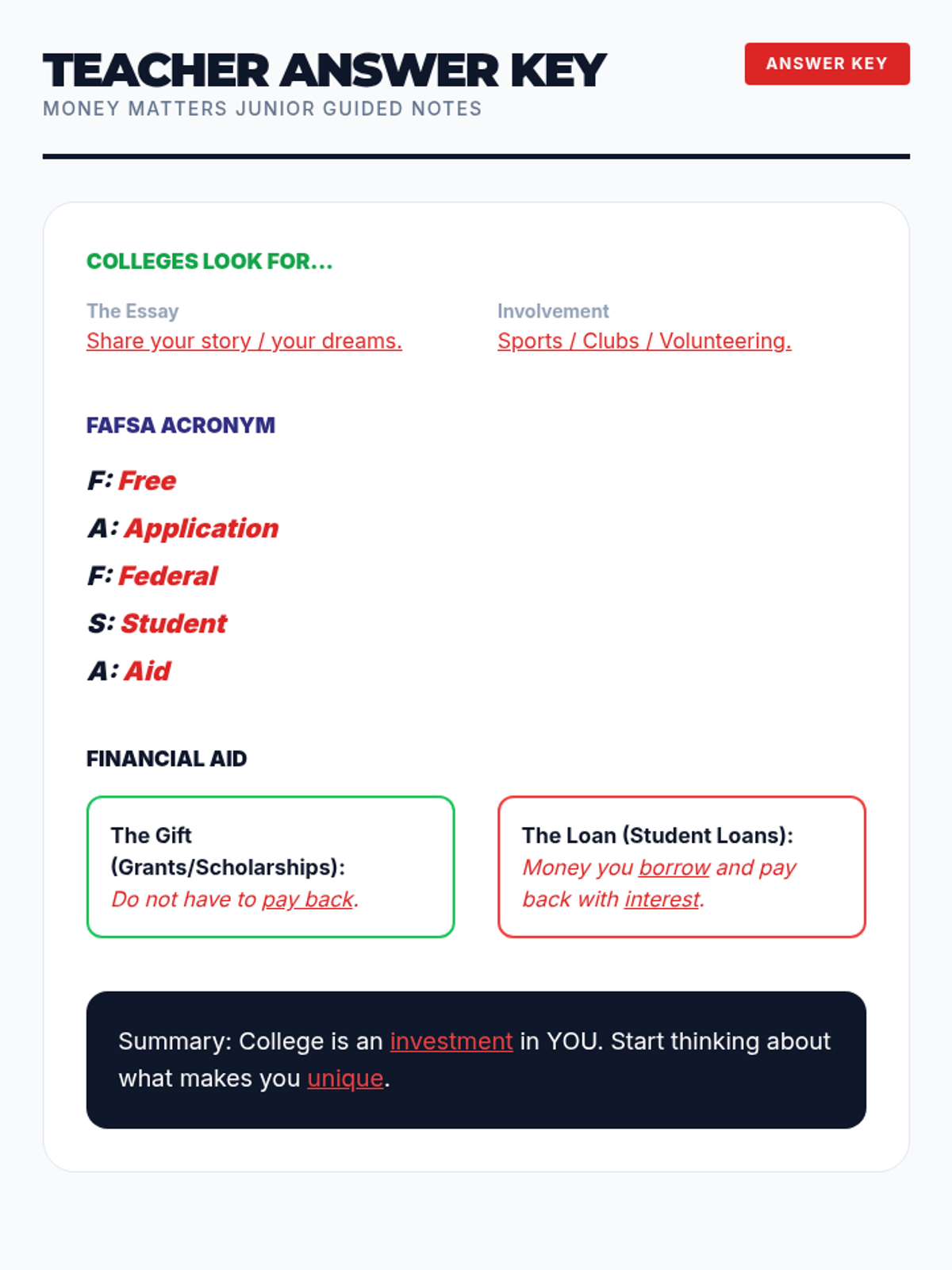
A simplified guide to what colleges look for in applicants and the basic ways students can pay for their education without the complex jargon.
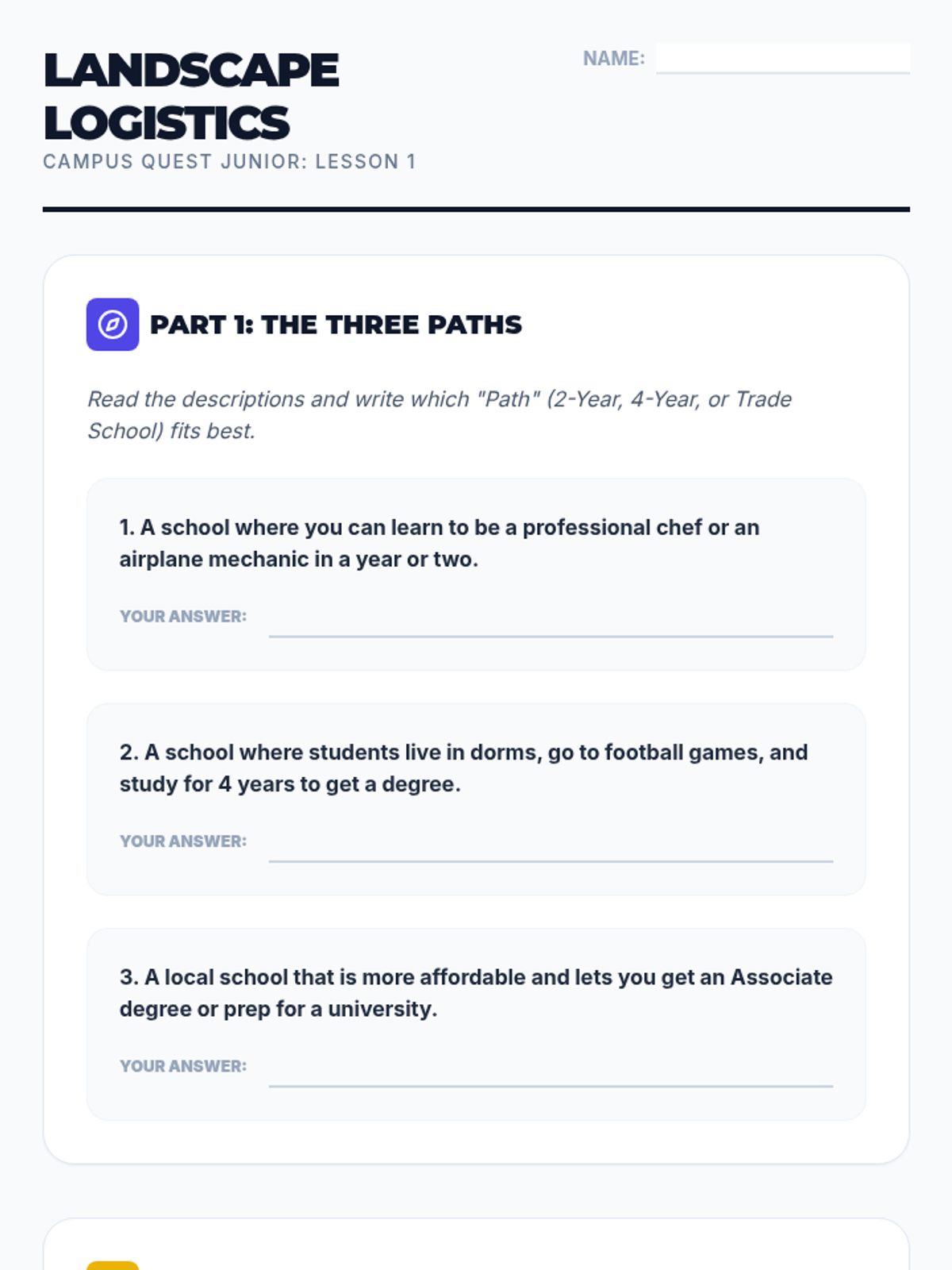
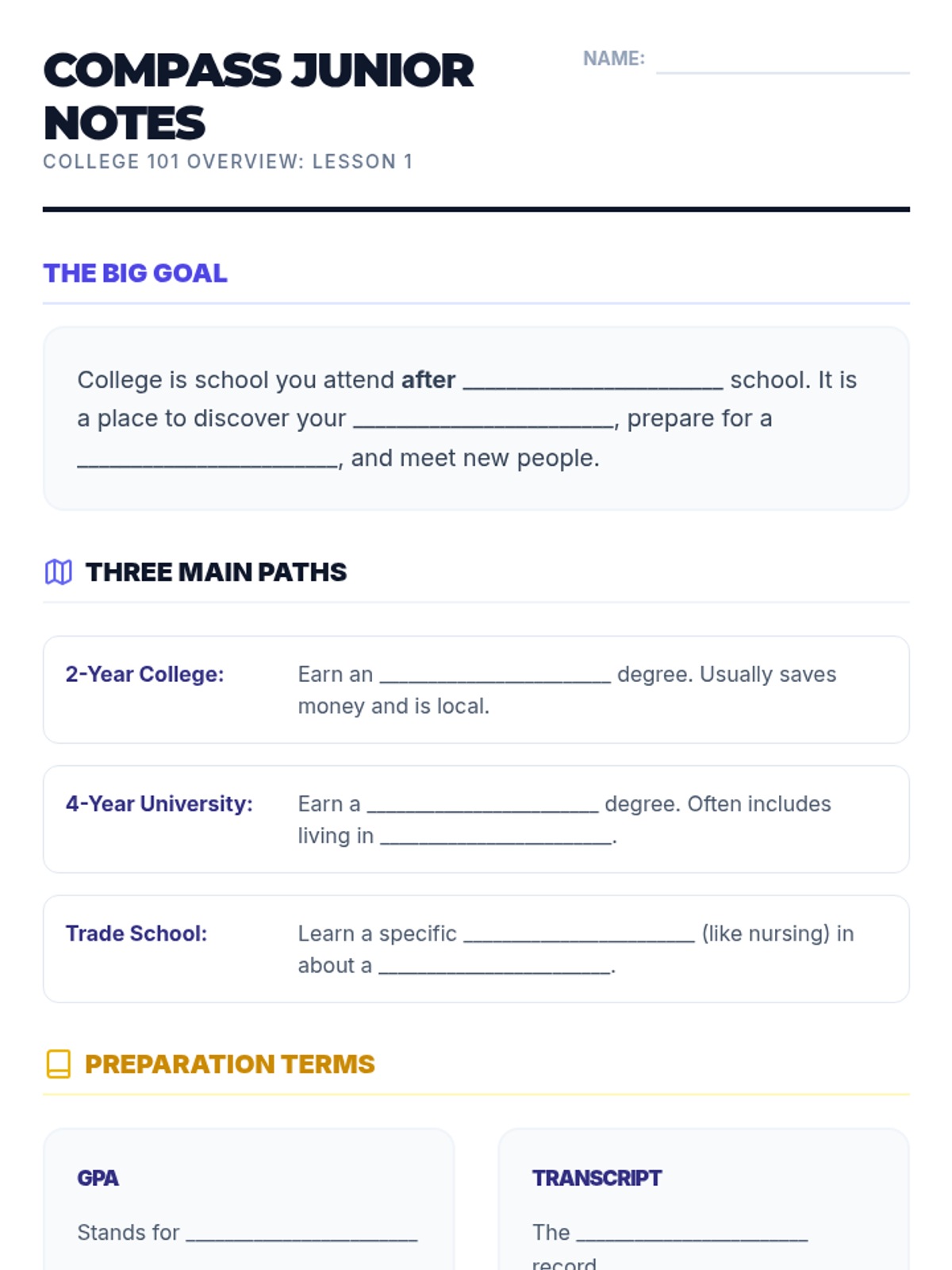
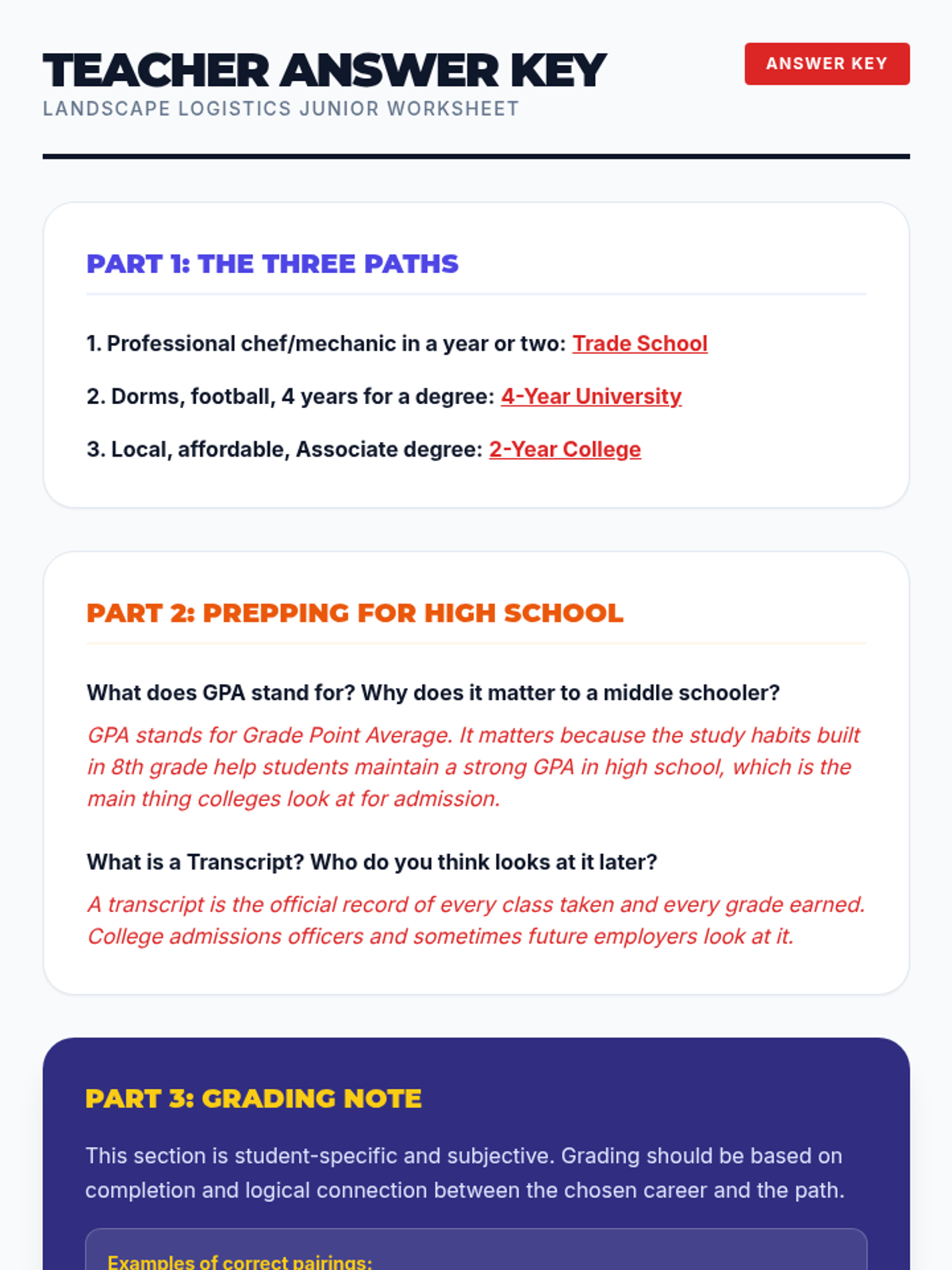
An introductory look at different types of colleges (2-year, 4-year, Trade) and the basic "rules" of high school that prepare students for college (GPA and Transcripts).
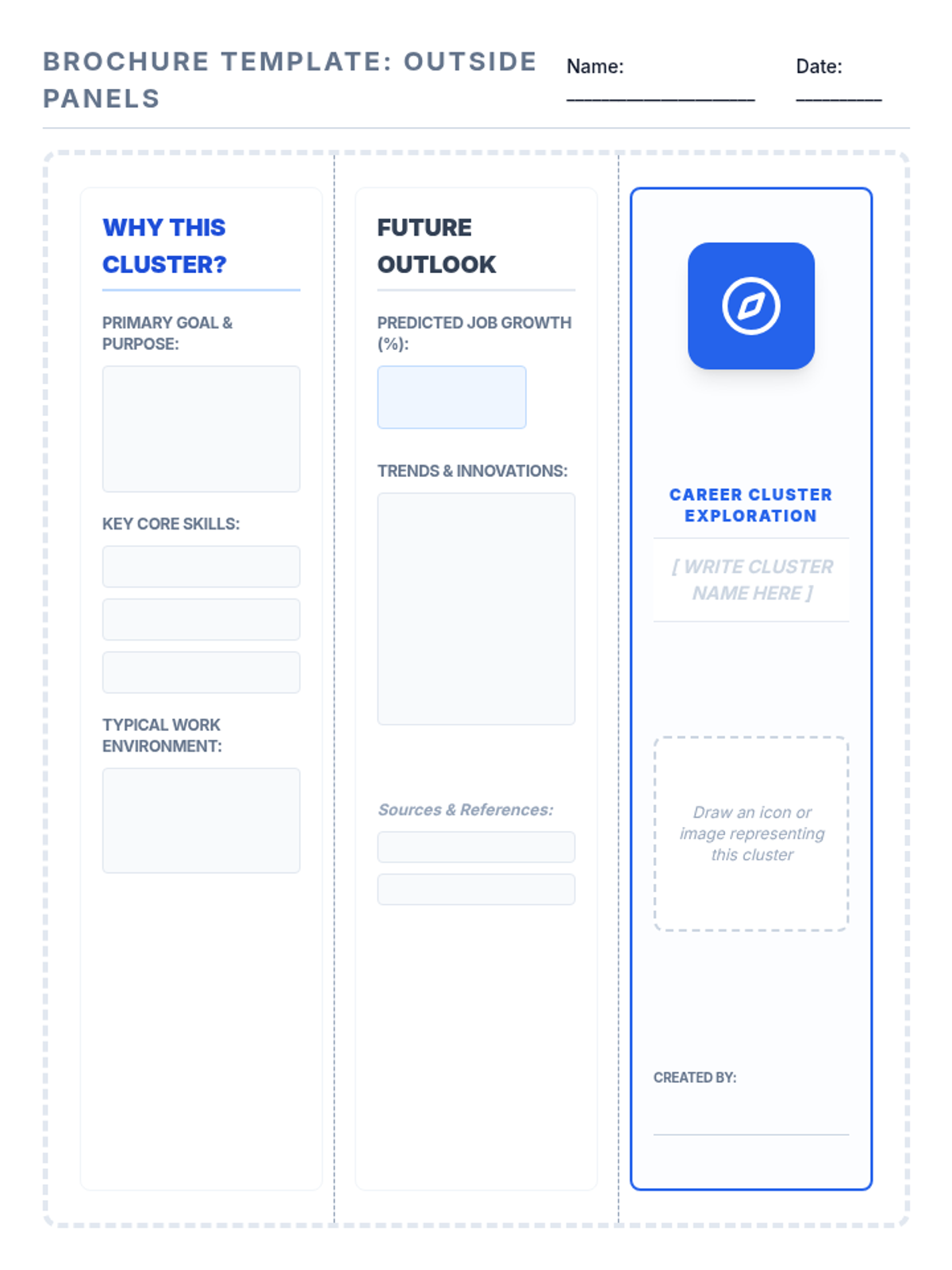
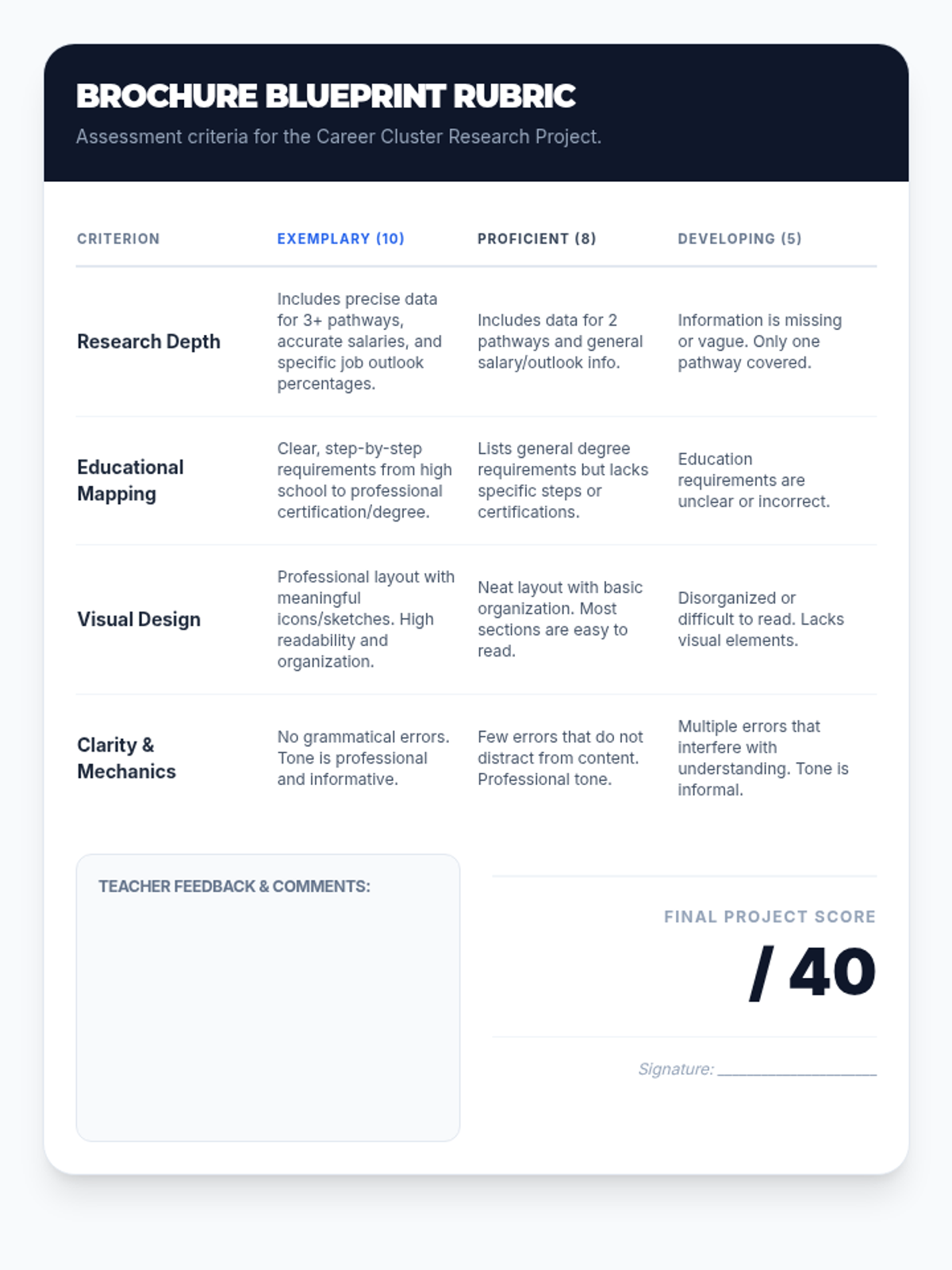
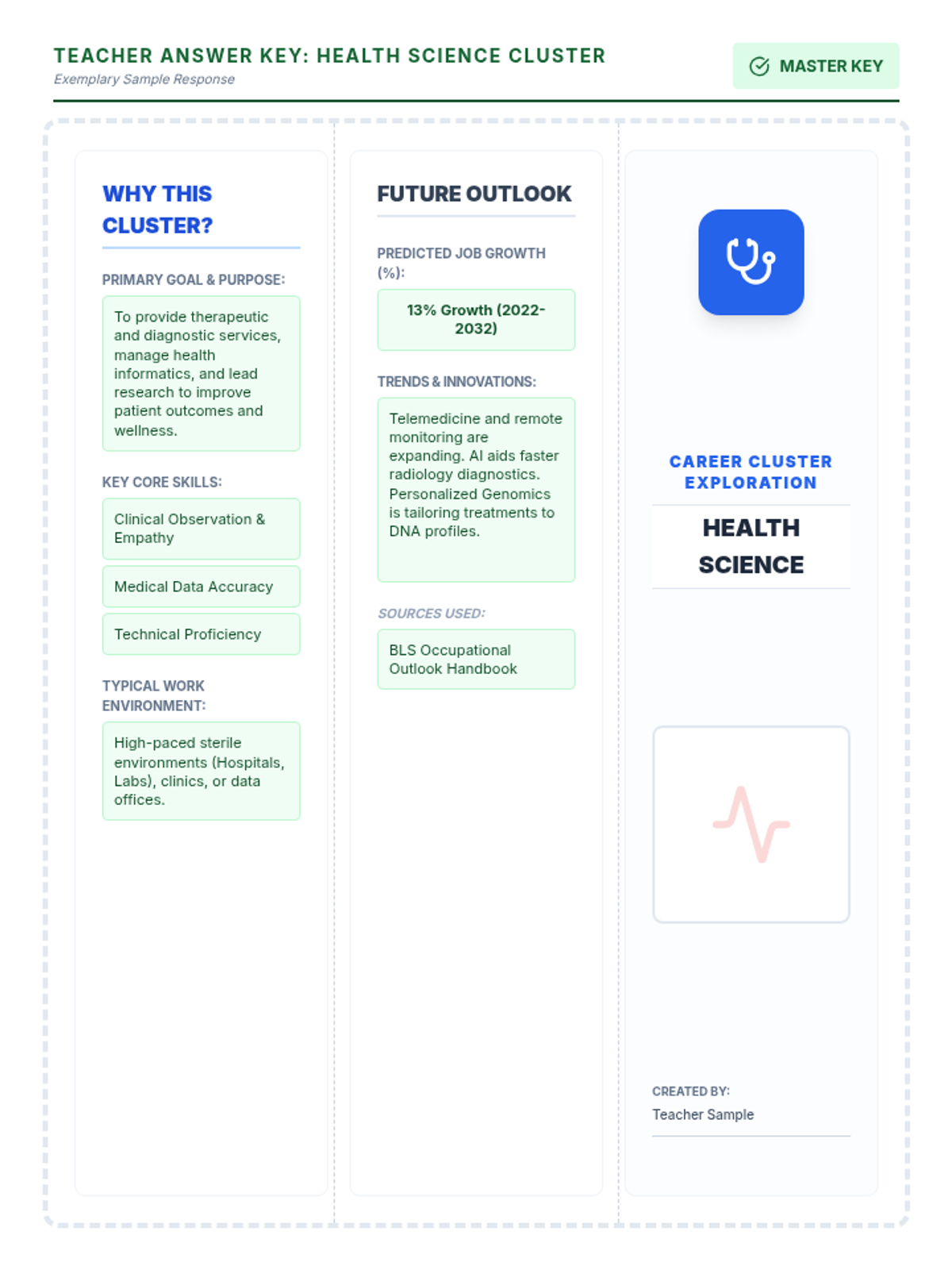
An introductory lesson that defines the 16 Career Clusters and sets the stage for students to research and design their own career brochures.
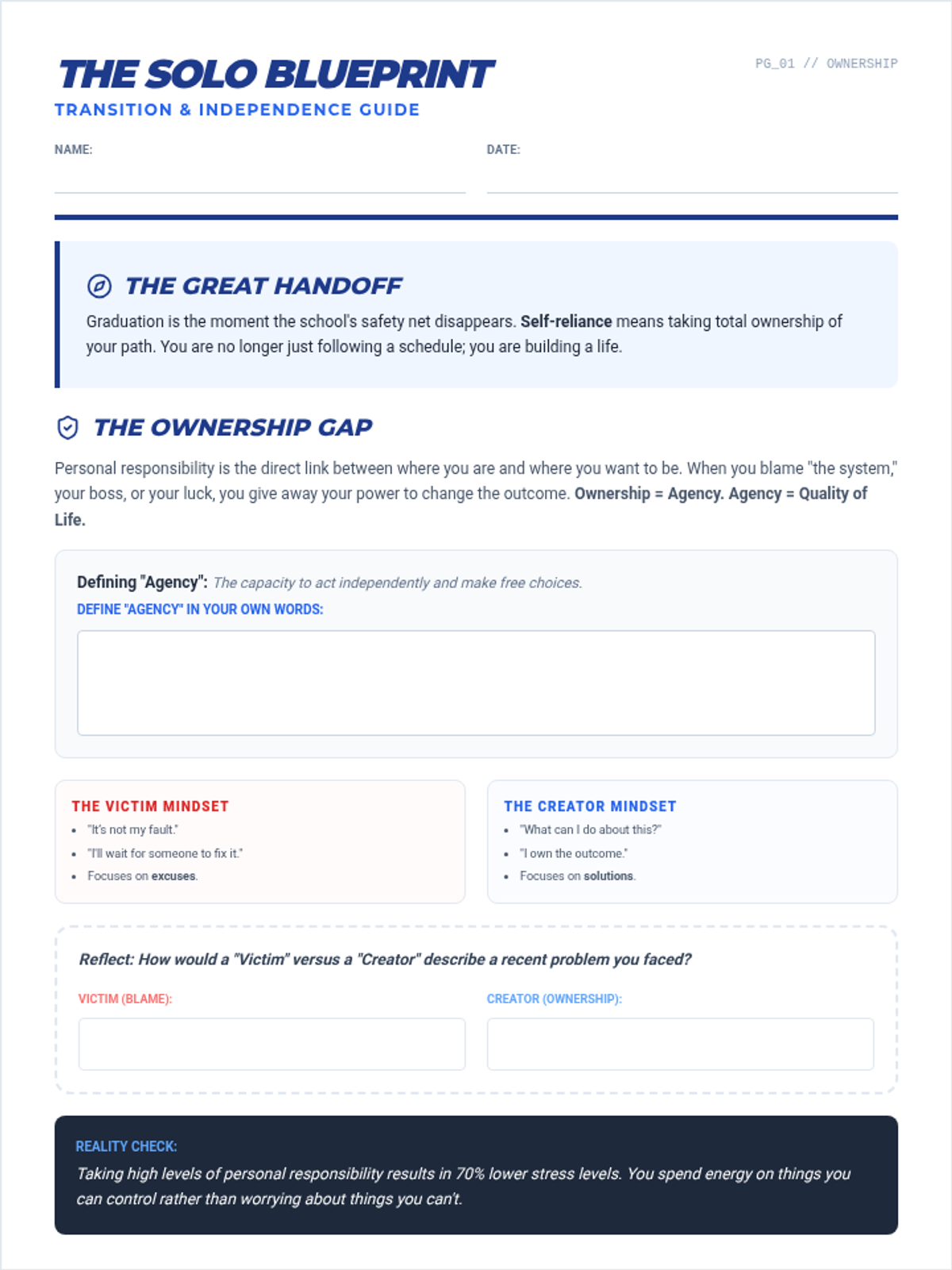
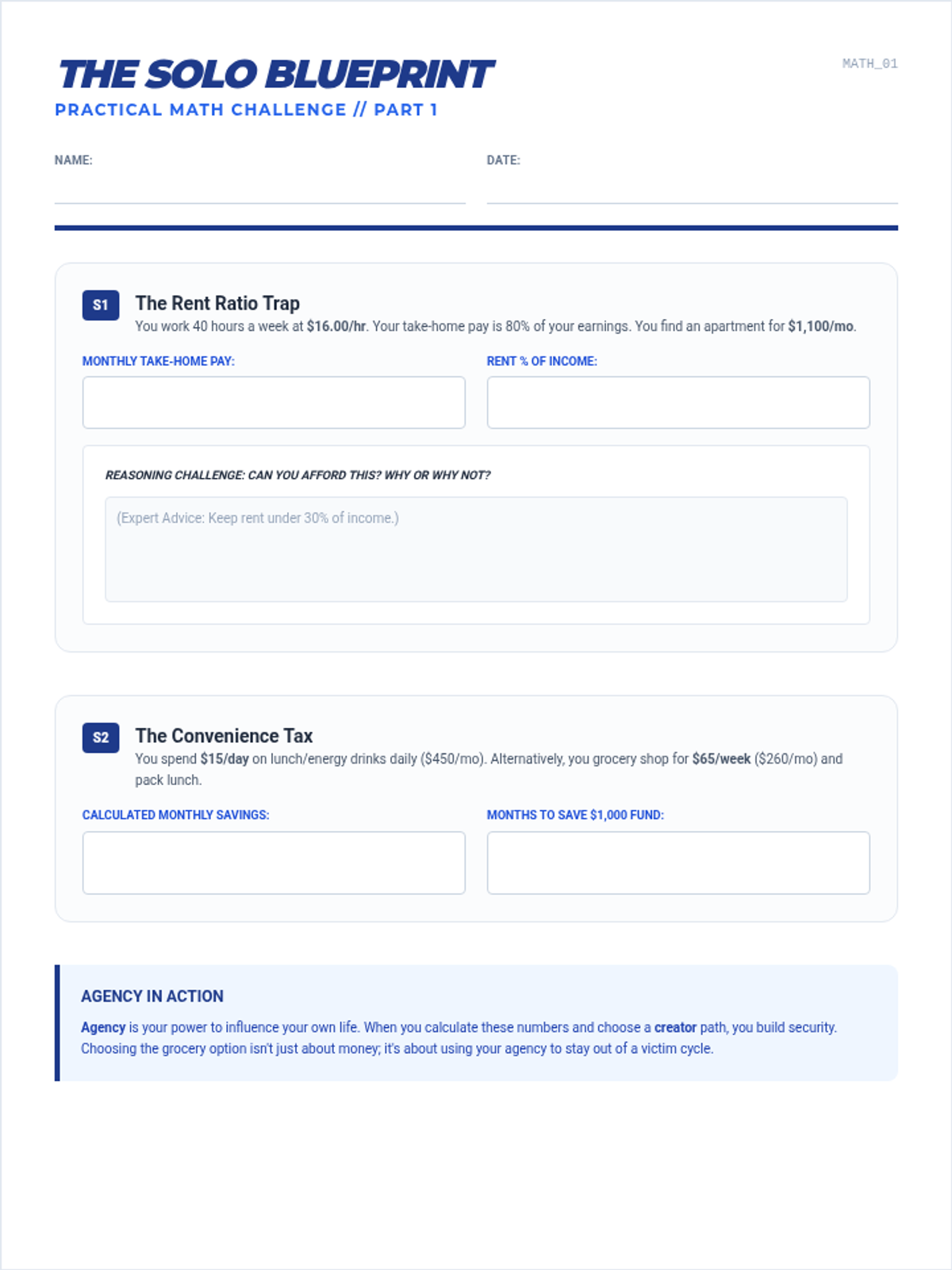
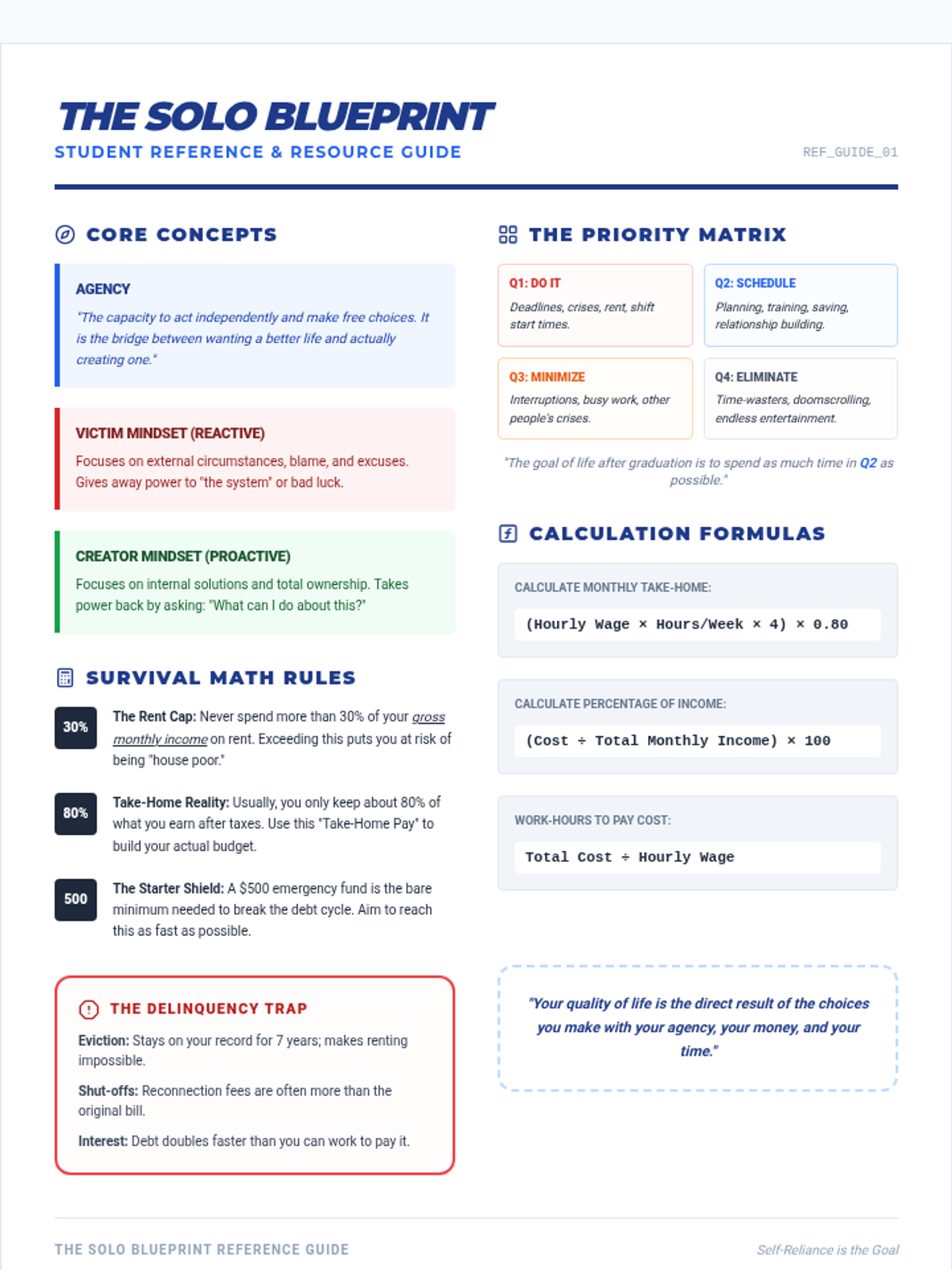
A comprehensive lesson for graduating seniors on transitioning to independence, covering ownership mindsets, financial survival, and time management.
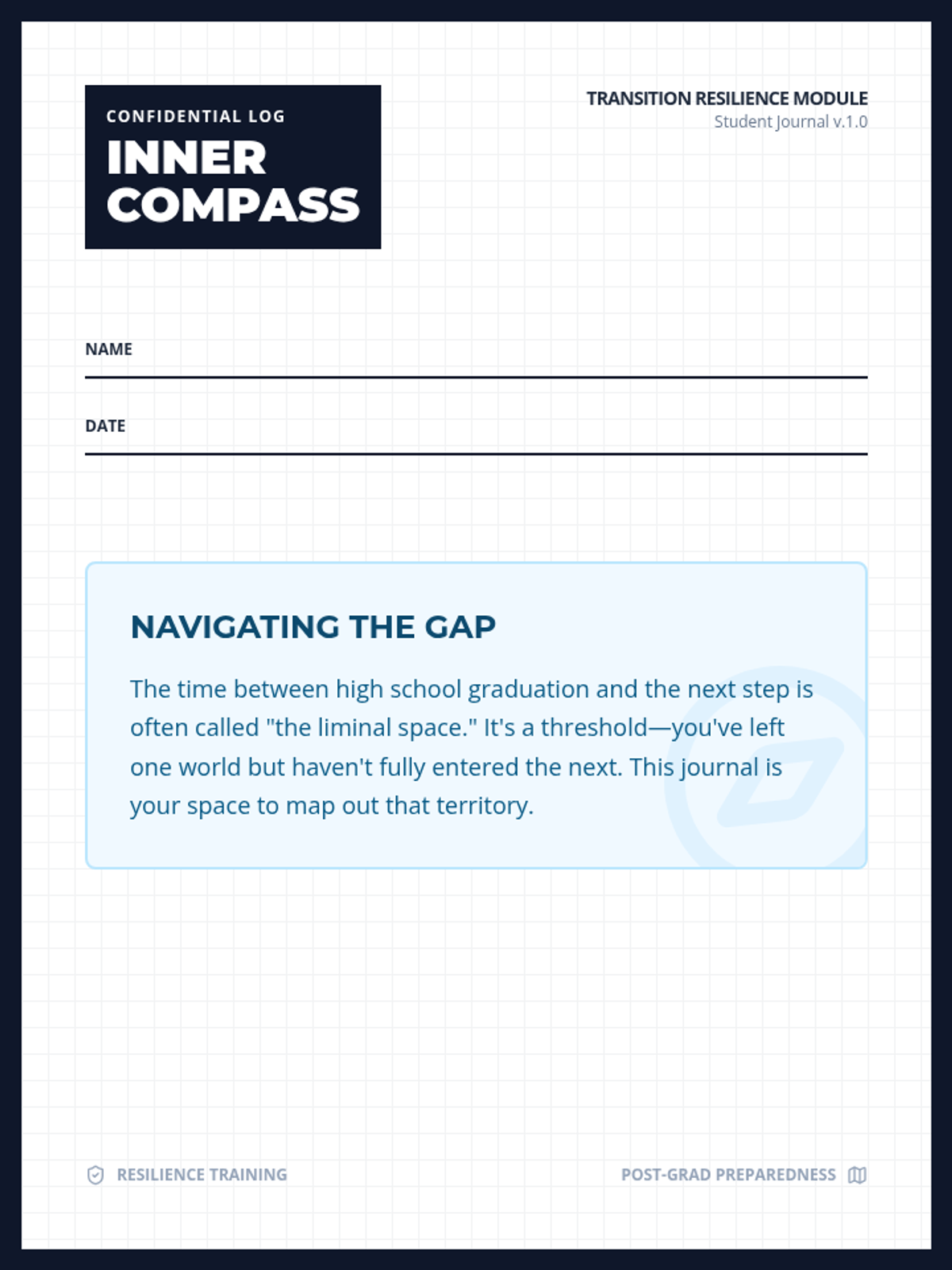
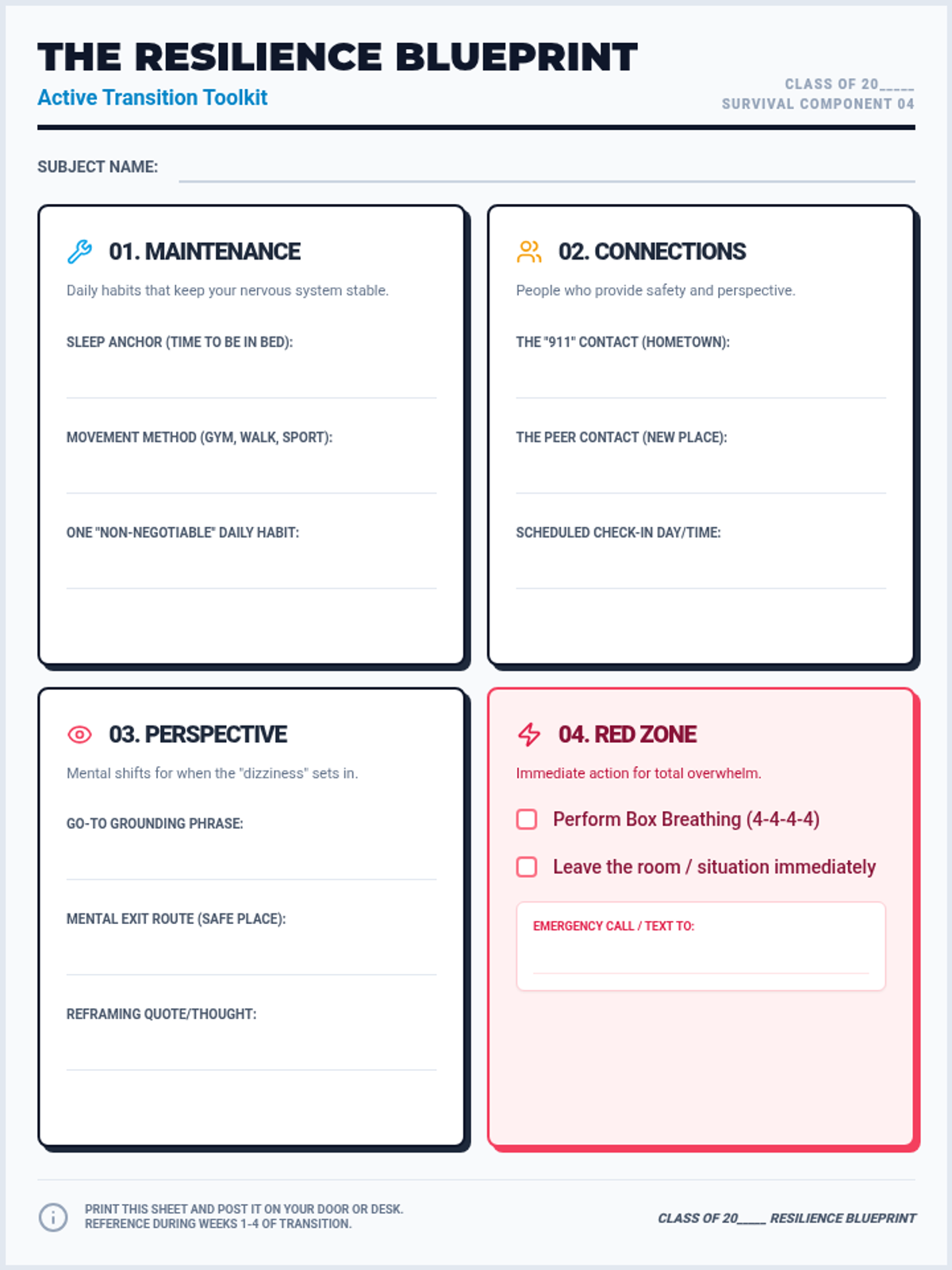
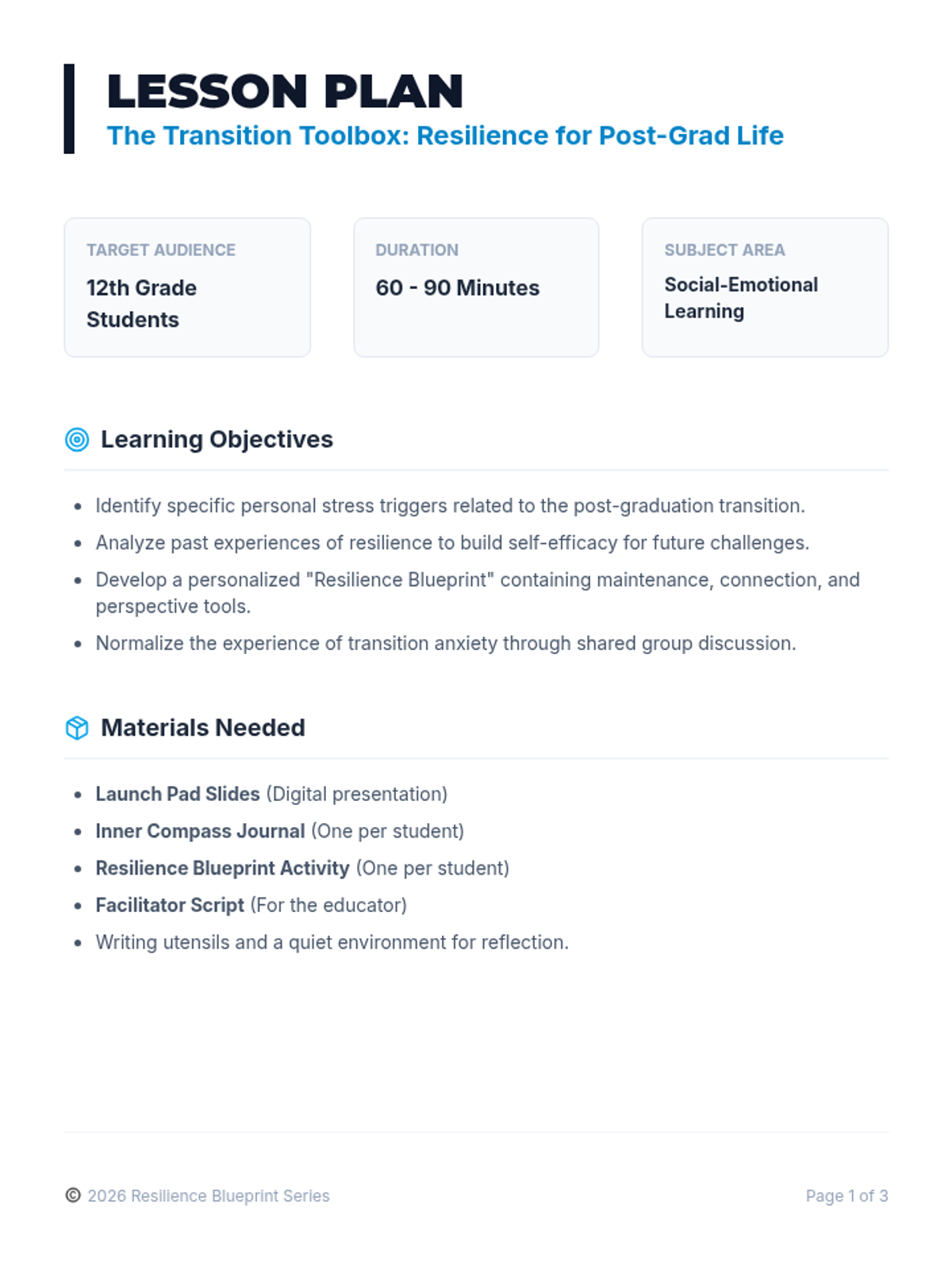
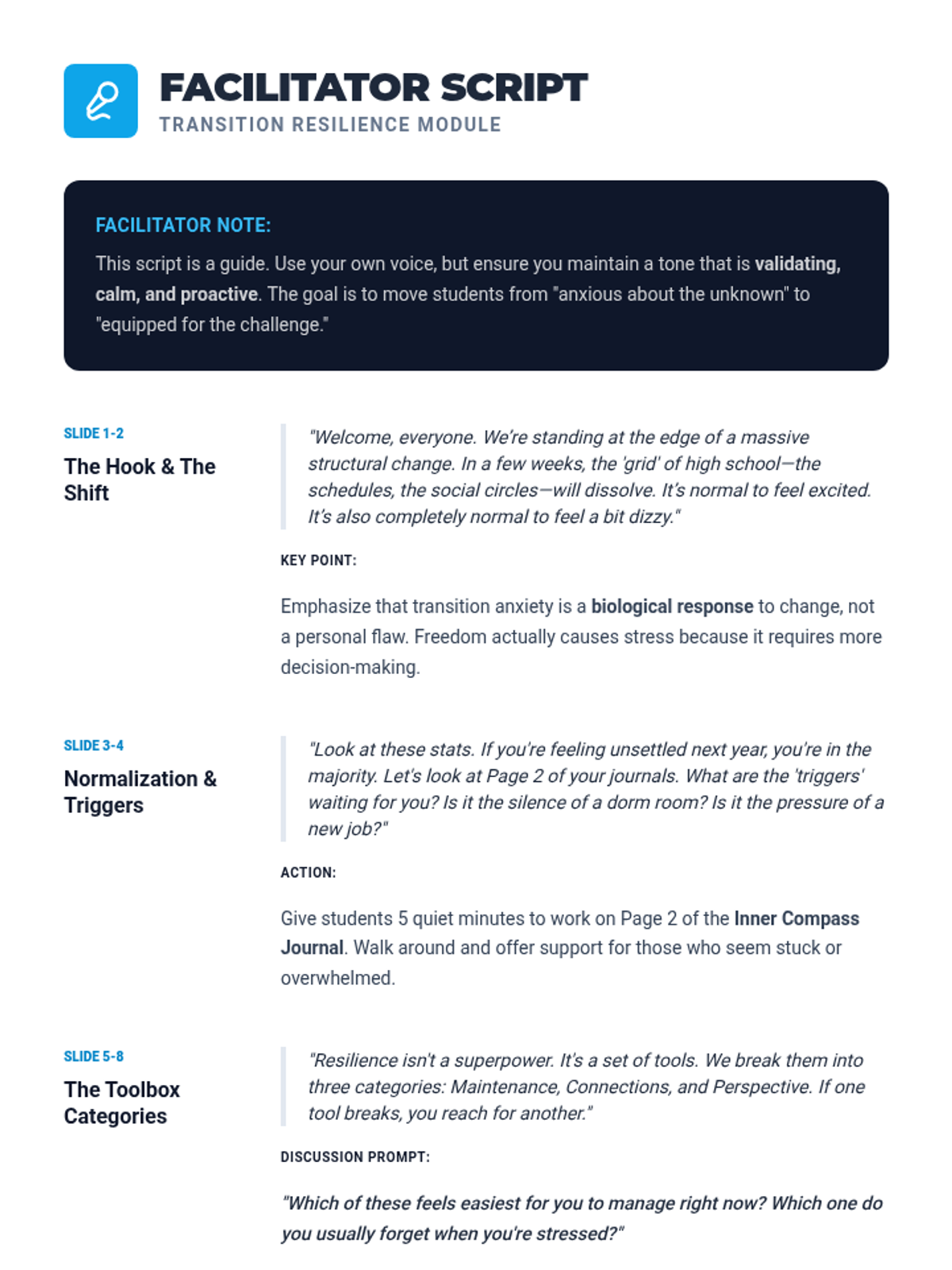
A comprehensive social-emotional module designed to equip graduating seniors with resilience strategies and coping mechanisms for the transition to post-grad life. through self-reflection and group discussion.
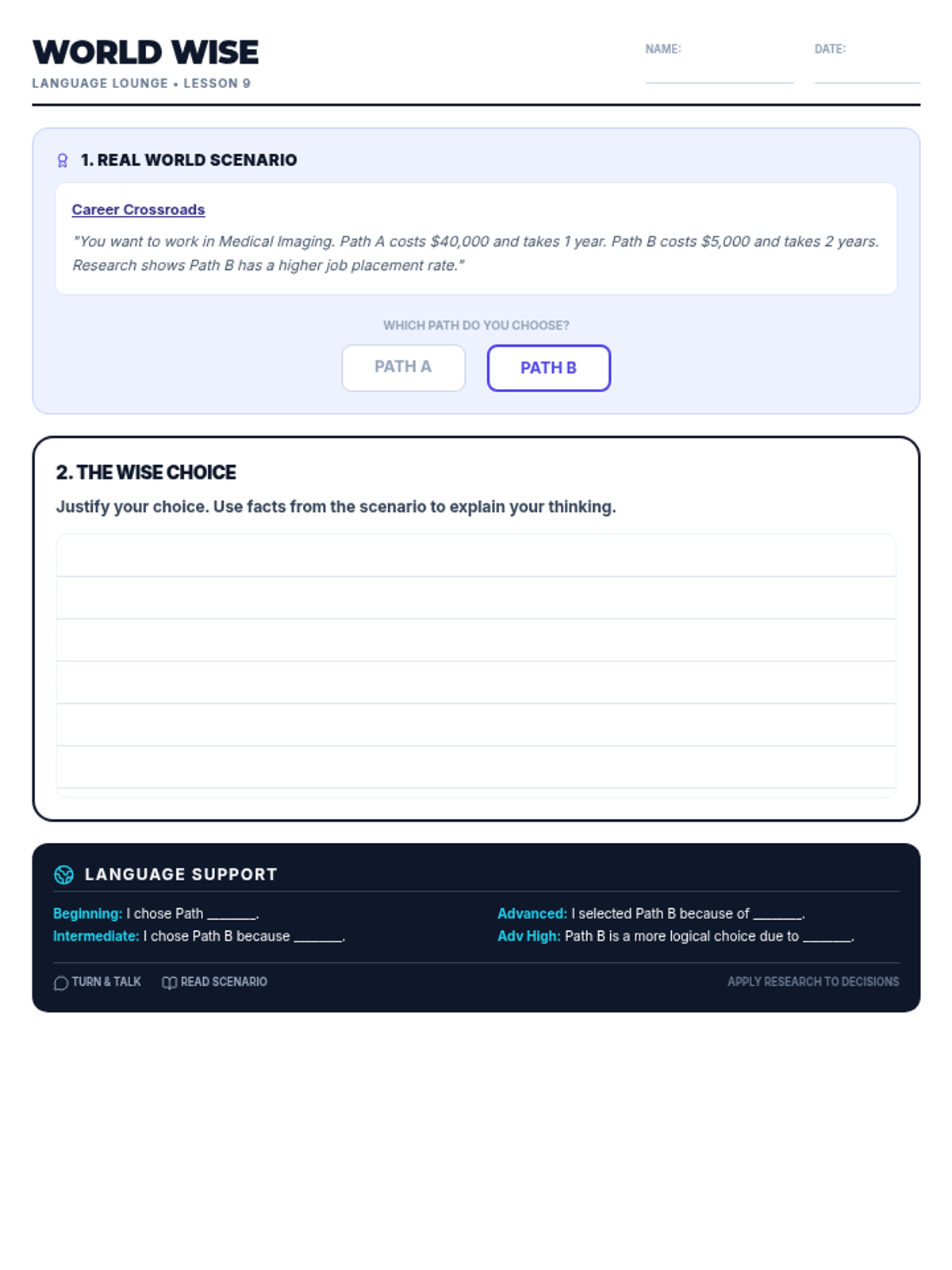
Students apply their research skills to a real-world scenario, justifying decisions with evidence.
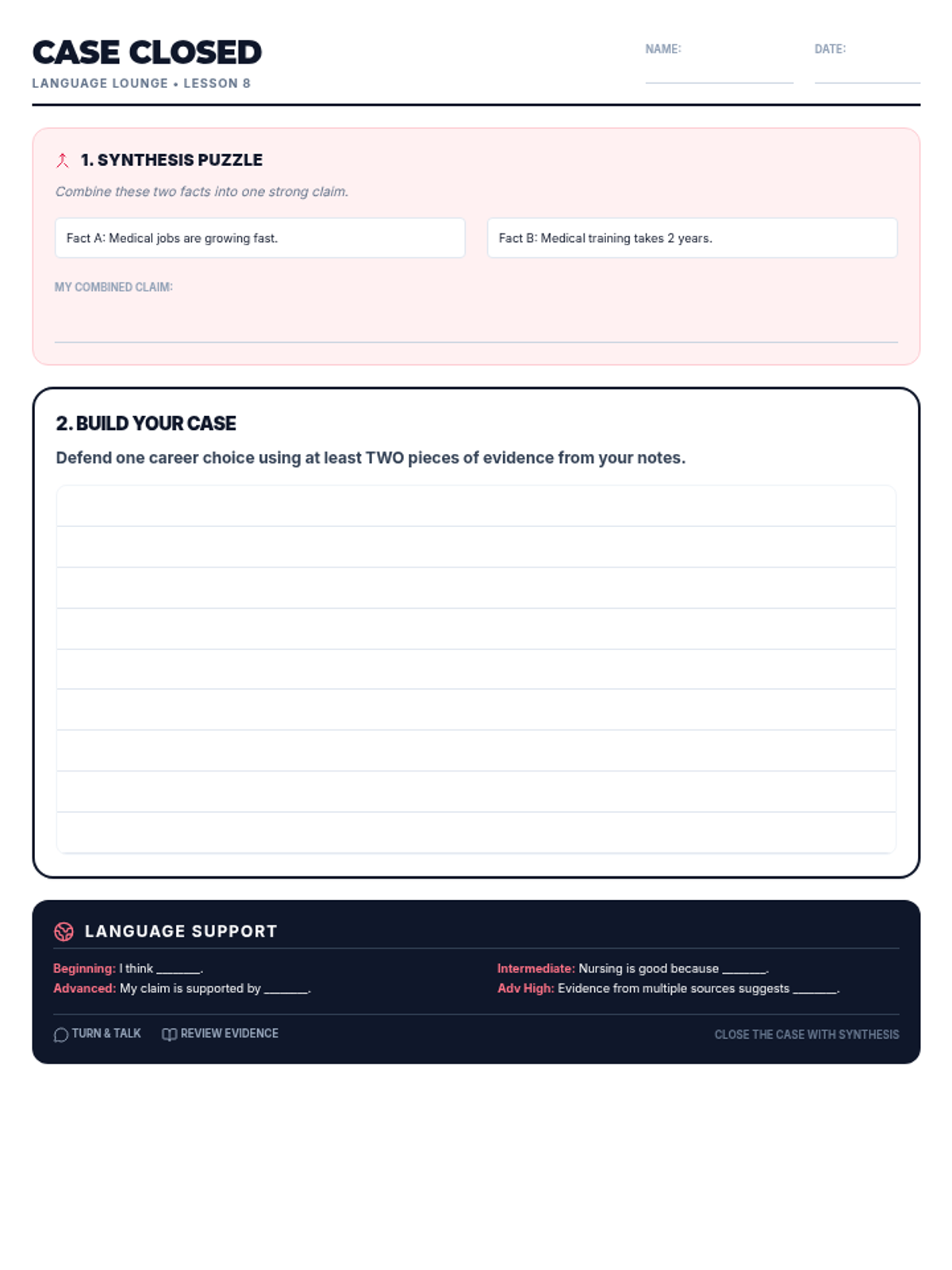
Students synthesize information from multiple sources to construct and defend academic claims.
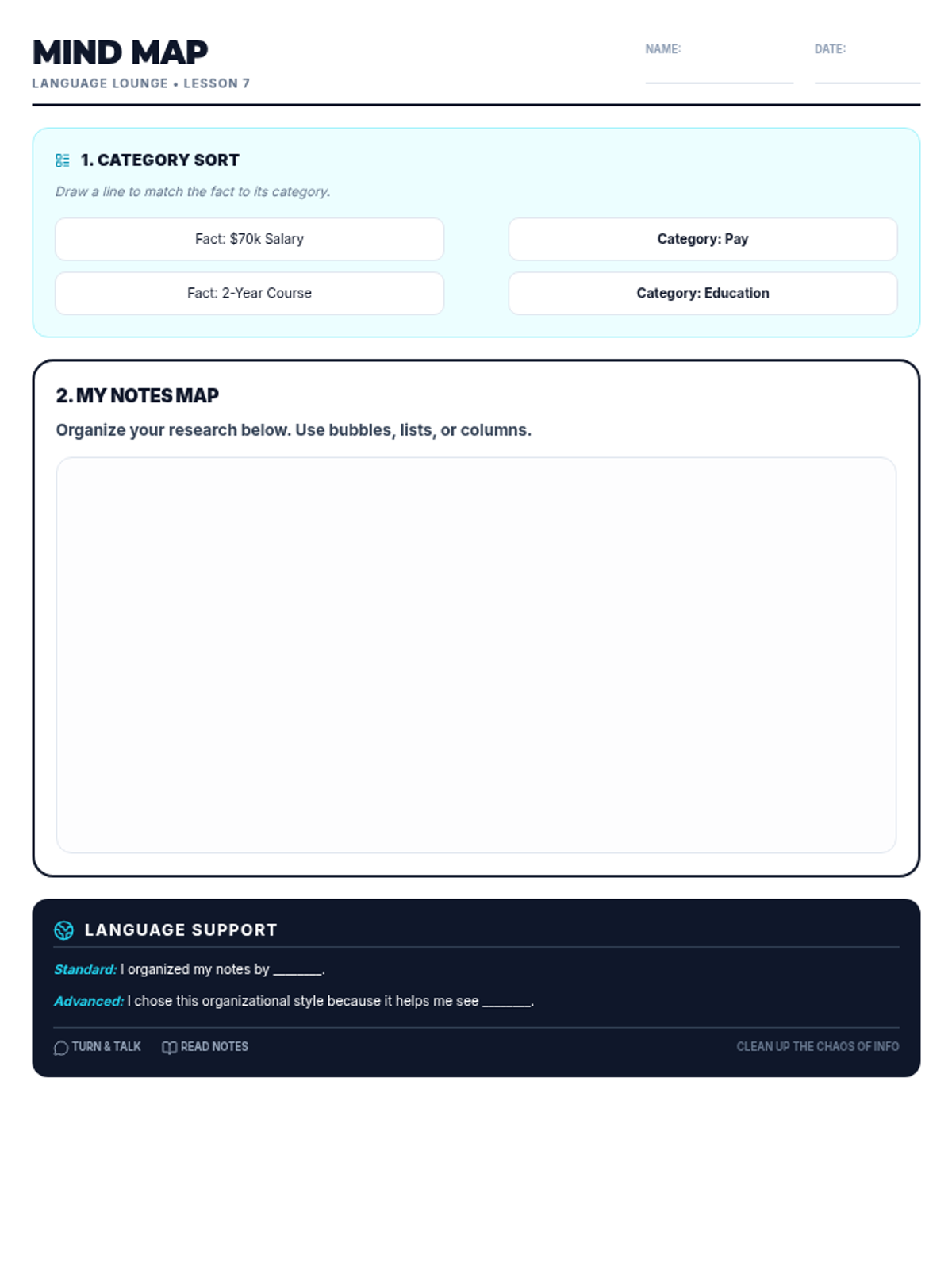
Students utilize various note-taking and organization strategies to manage career and college research.
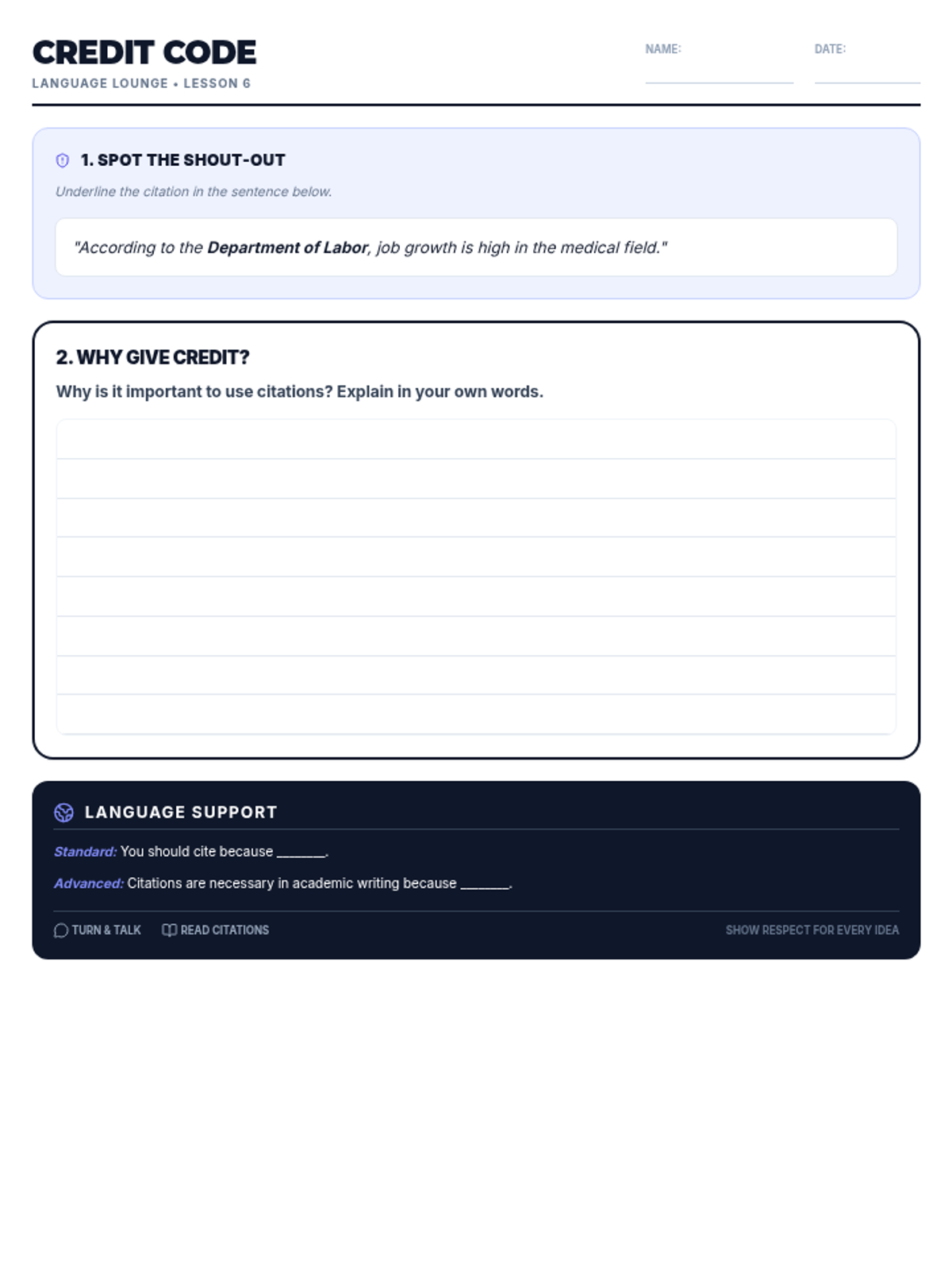
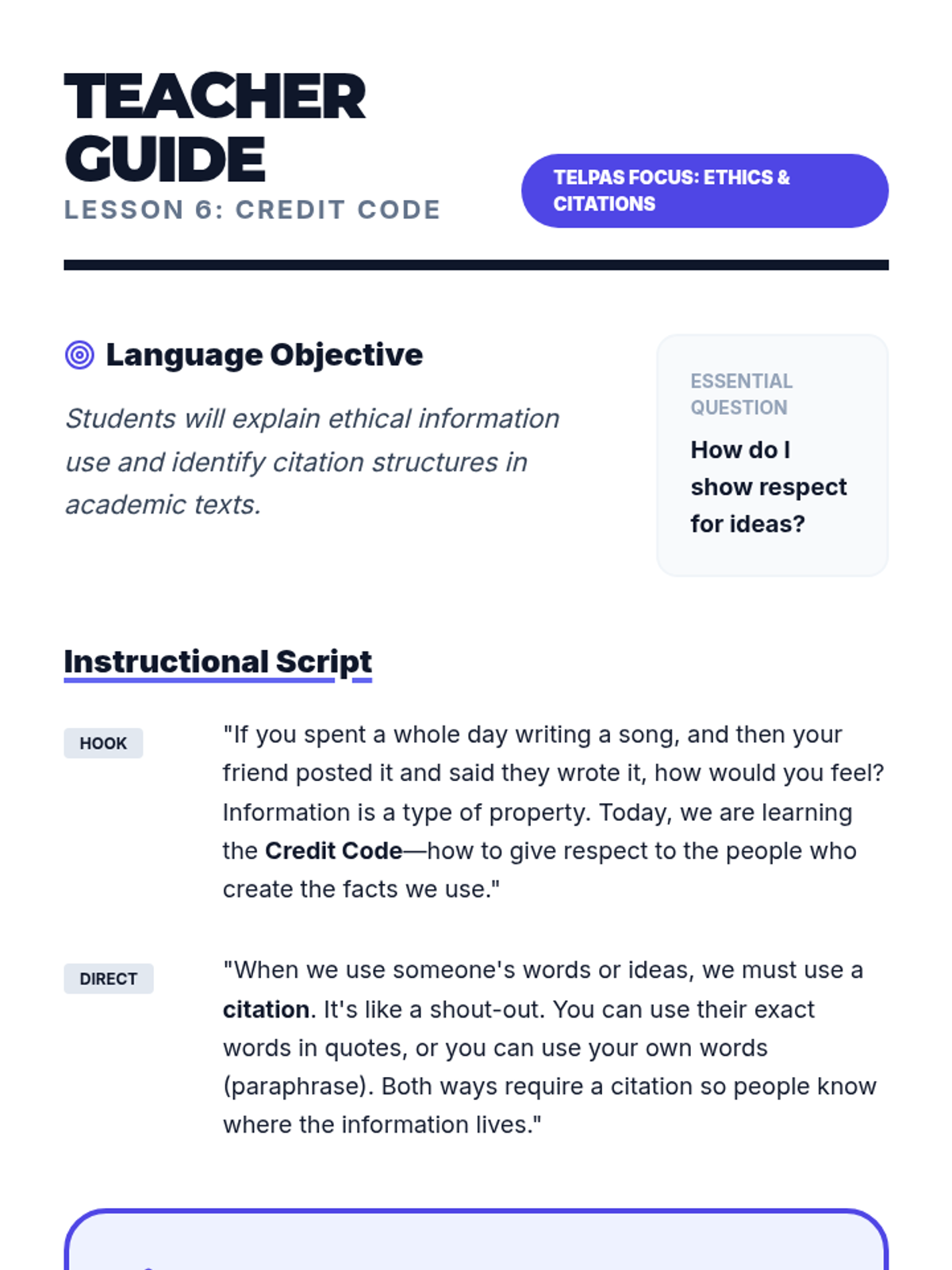
Students explore the ethics of information use, including plagiarism, citations, and responsible social media sharing.
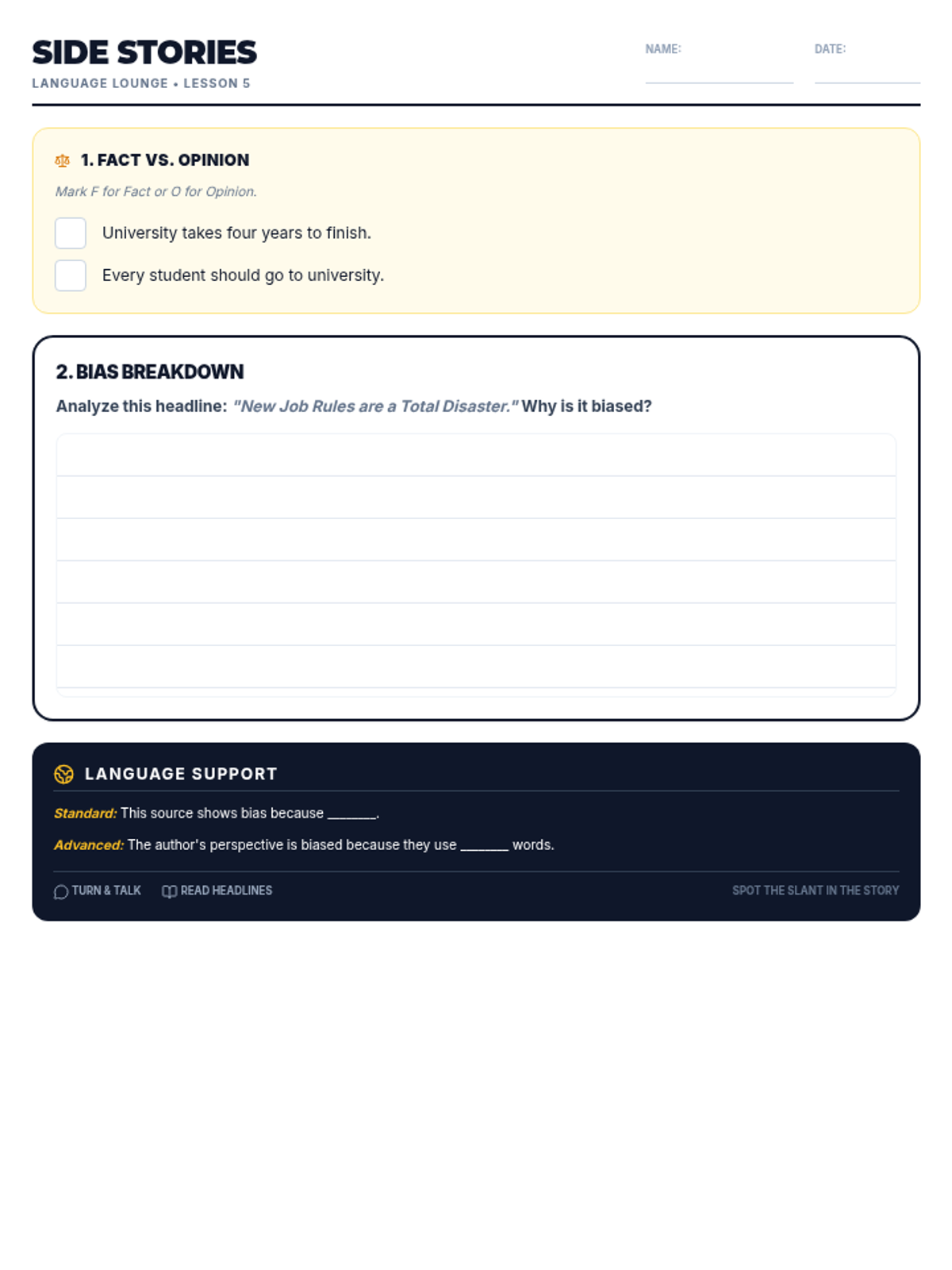
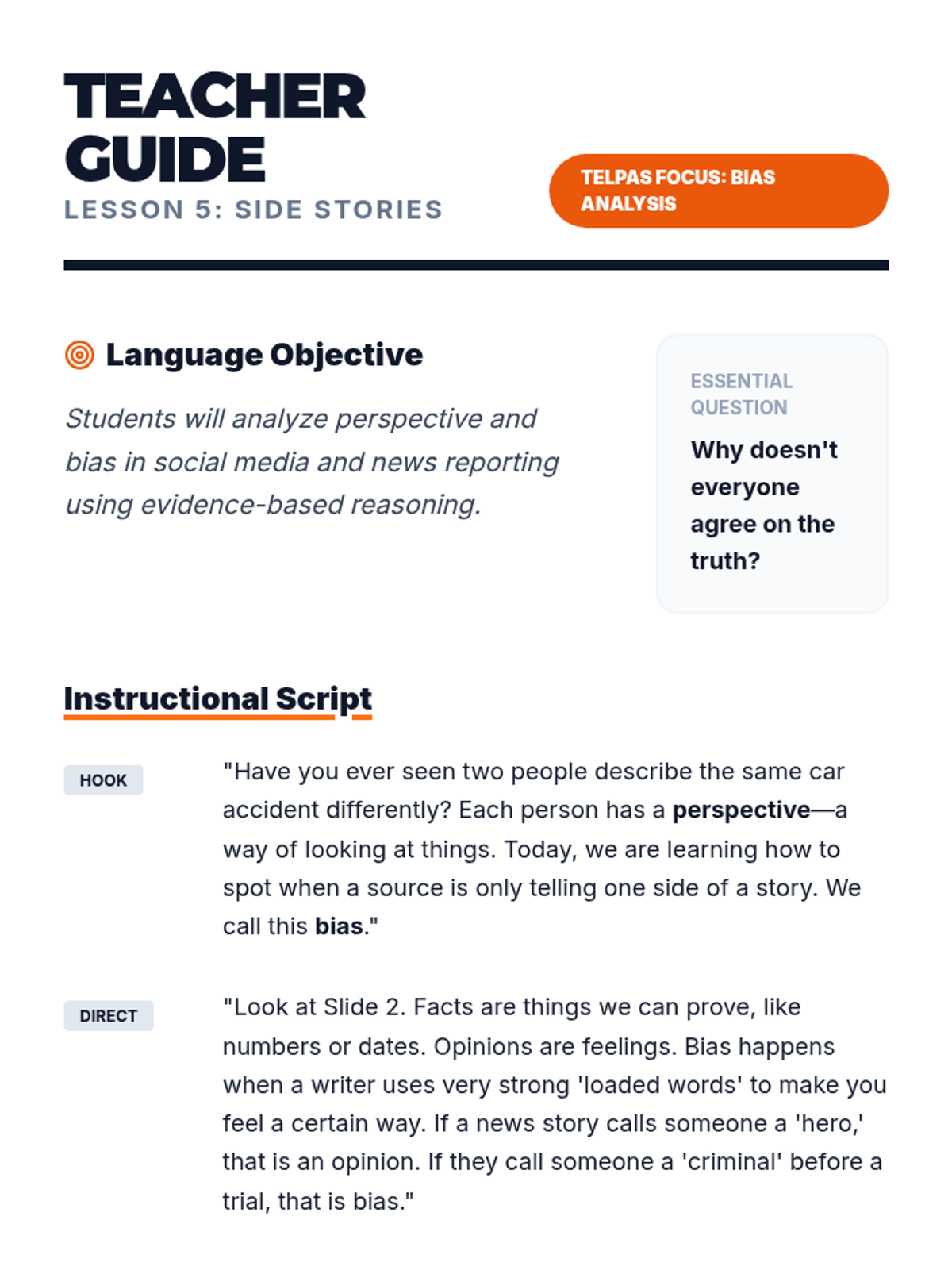
Students identify fact versus opinion and recognize bias in social media and news reporting.
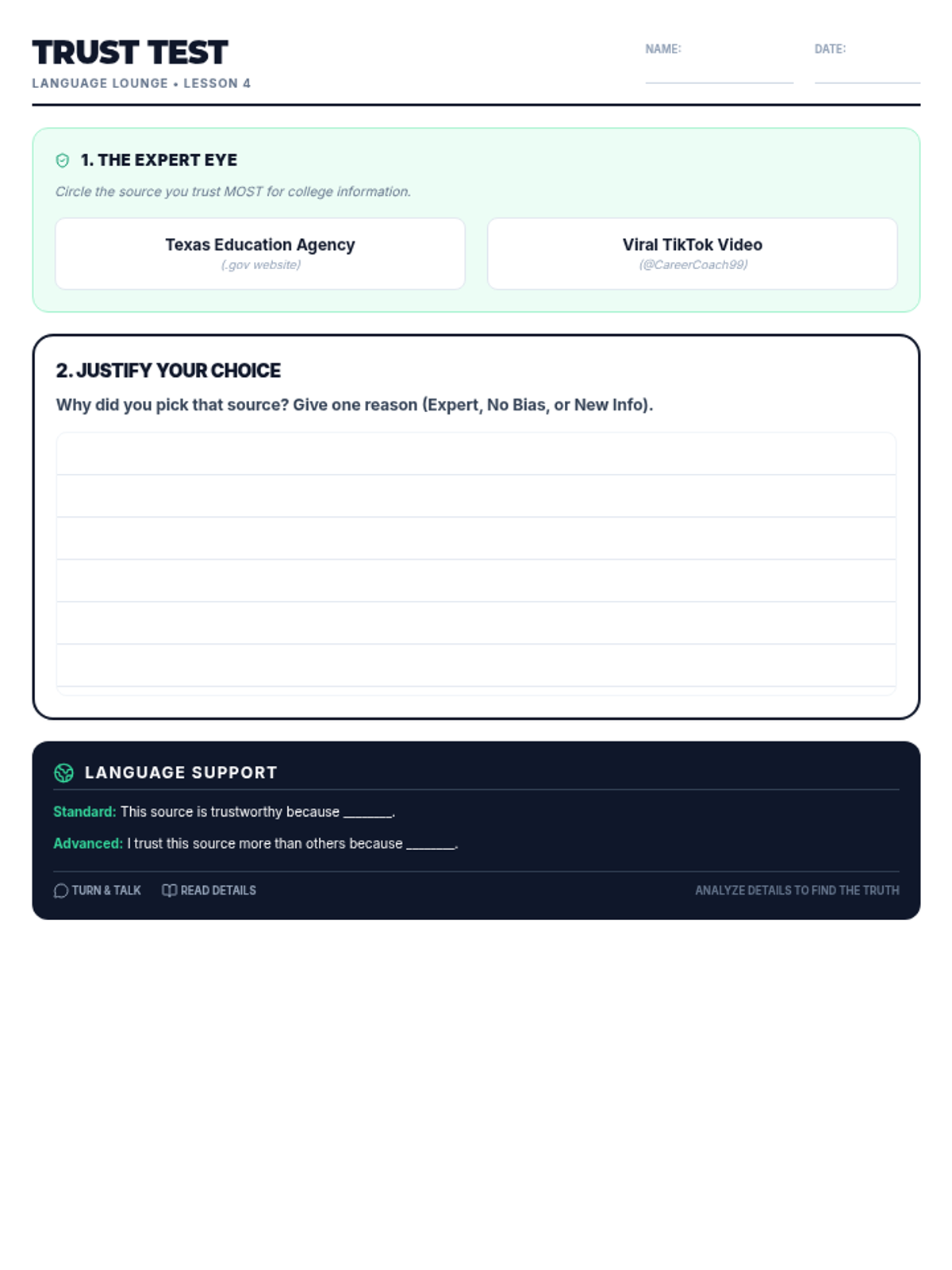
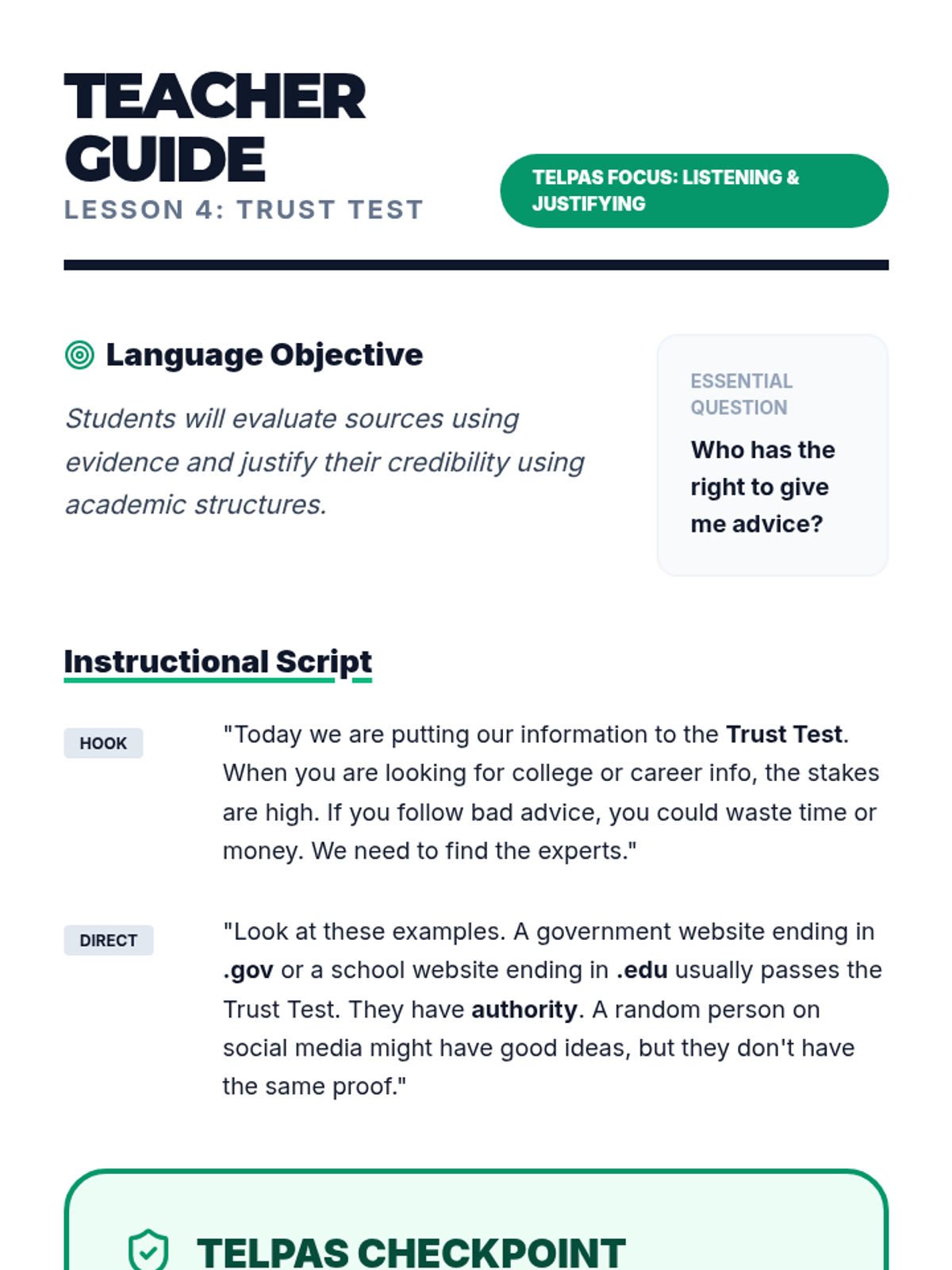
Students analyze the credibility of college and career resources using evidence-based evaluation techniques.
Students practice advanced search strategies to navigate current events and filter for high-quality information.
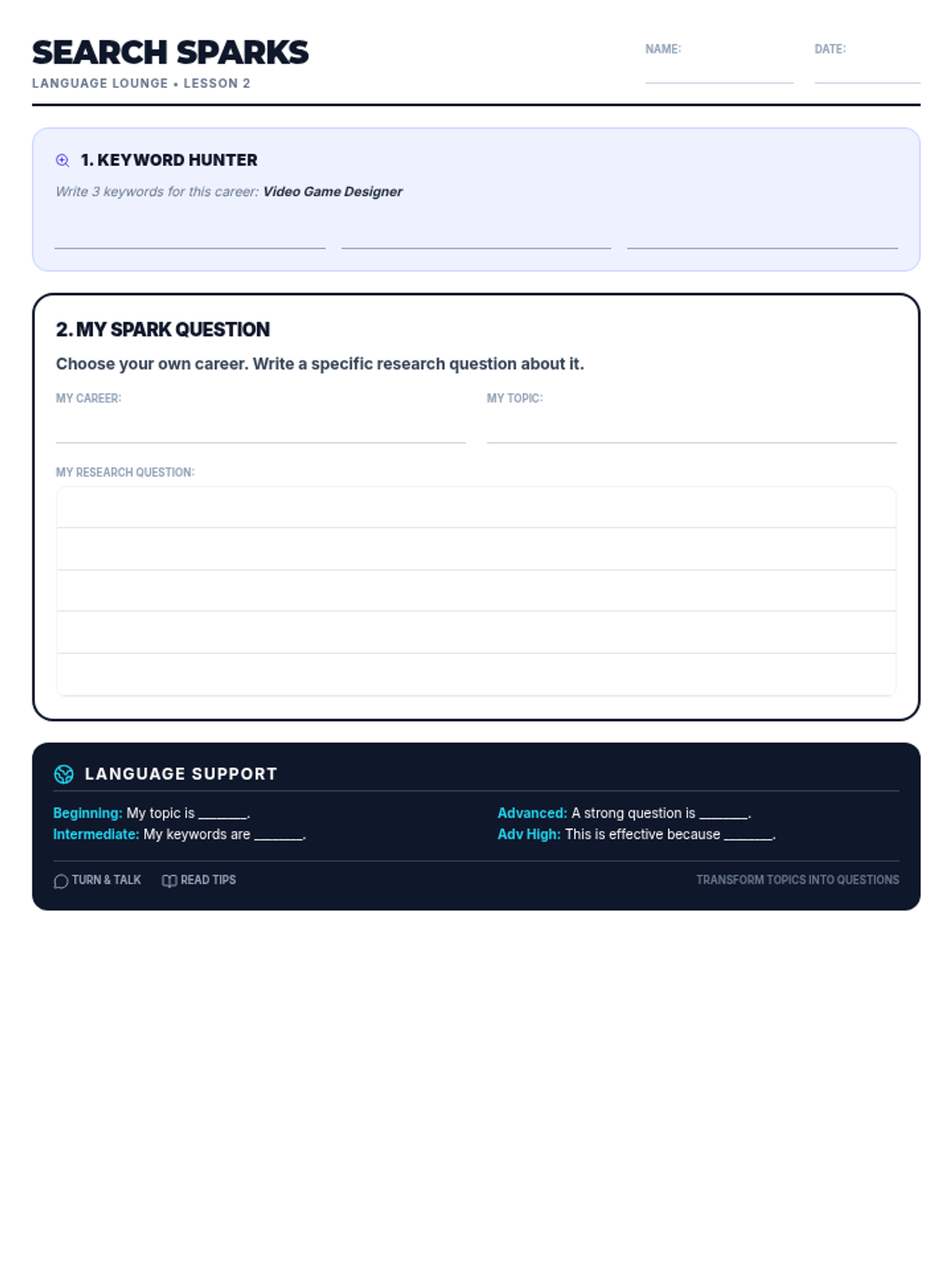
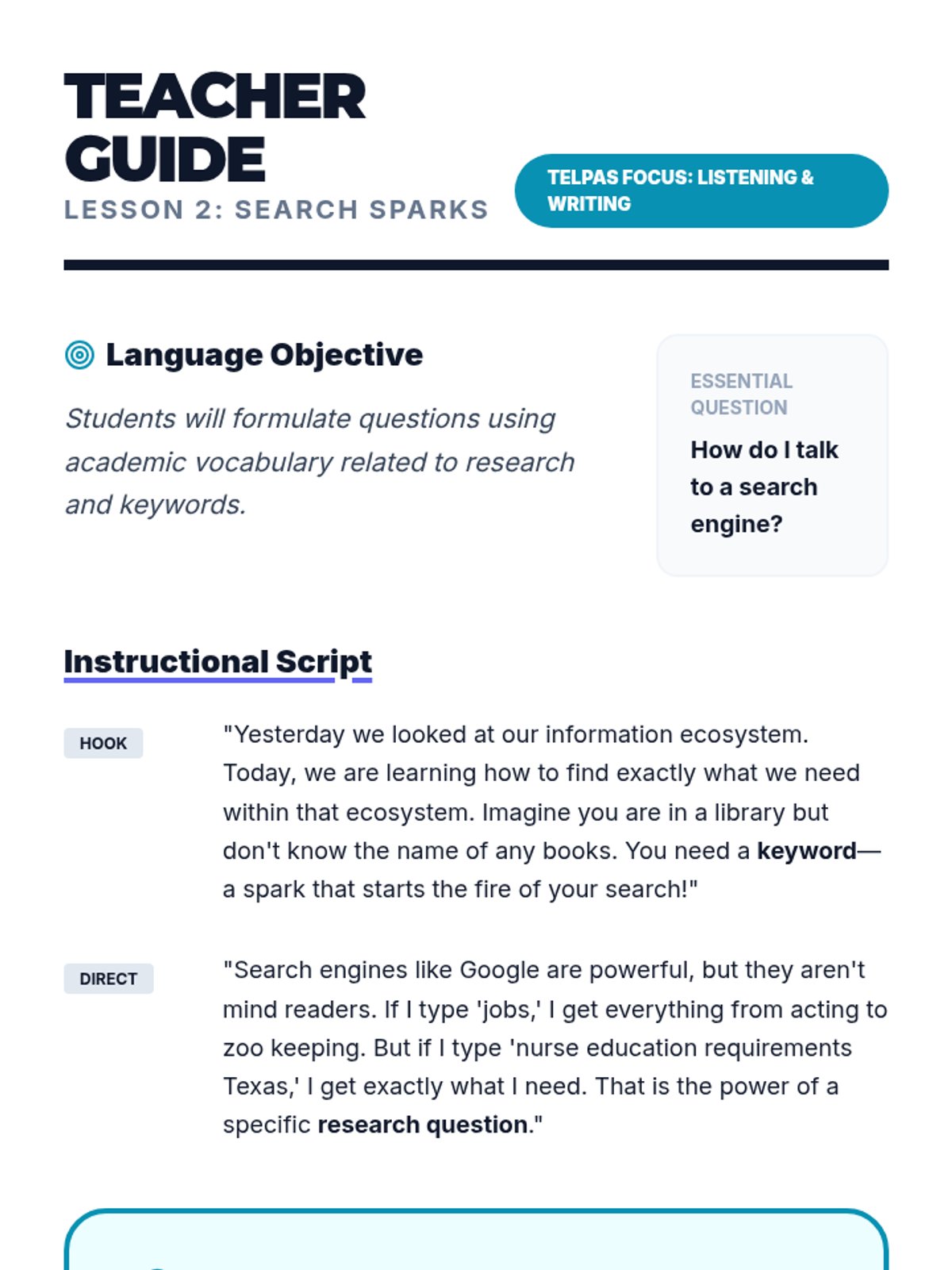
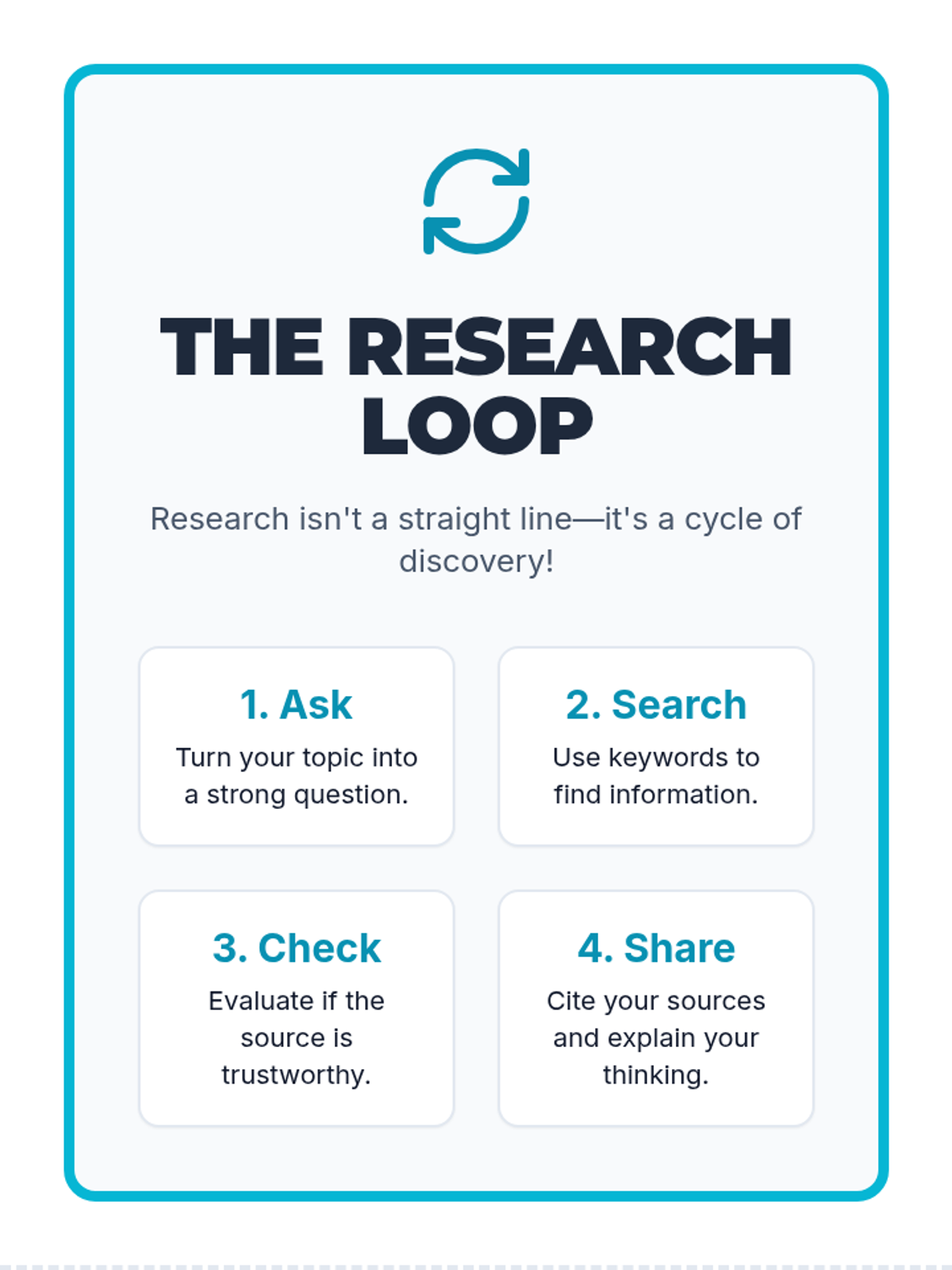
Students learn to transform broad topics like career interests into specific, searchable research questions and keywords.
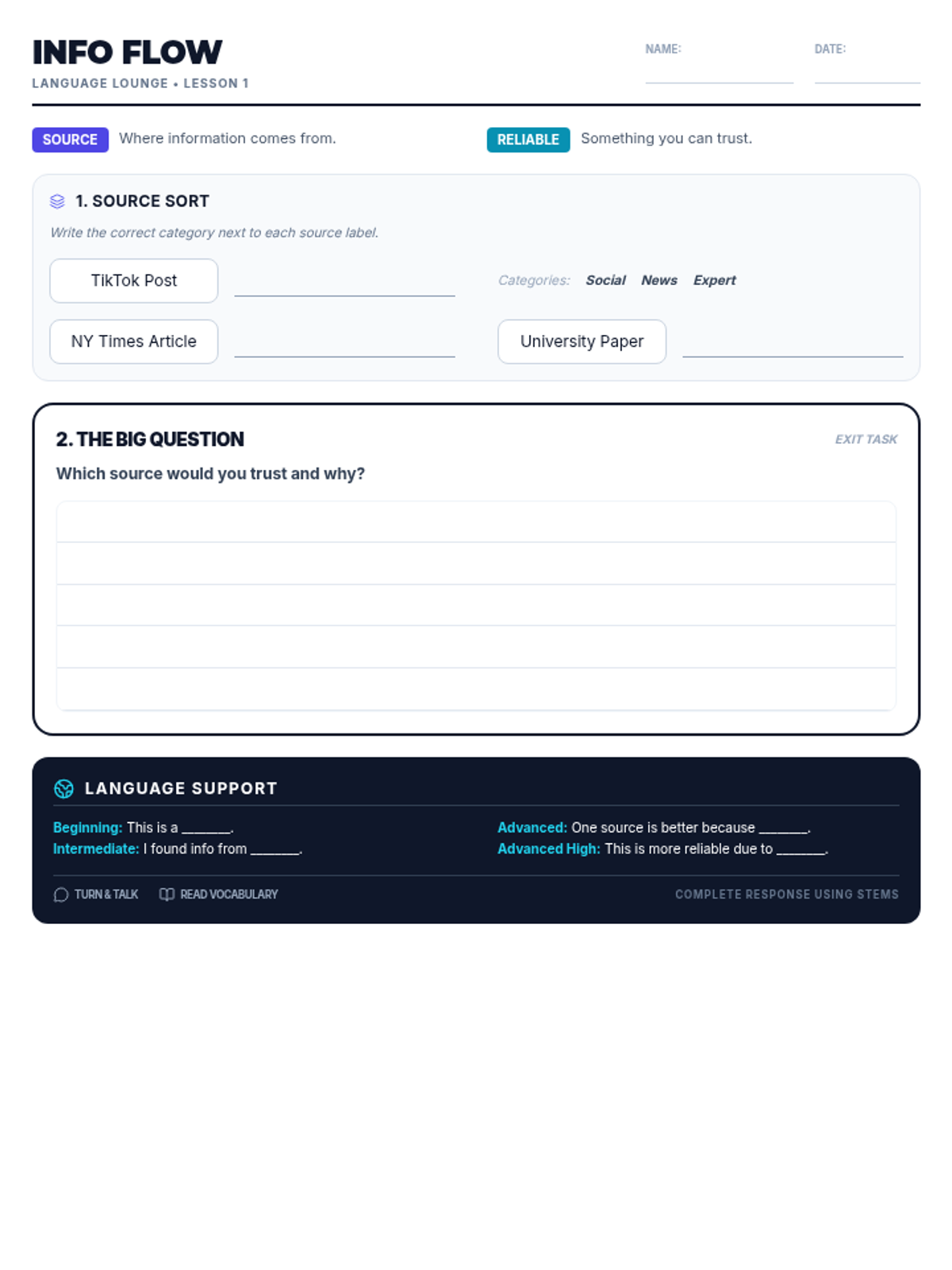
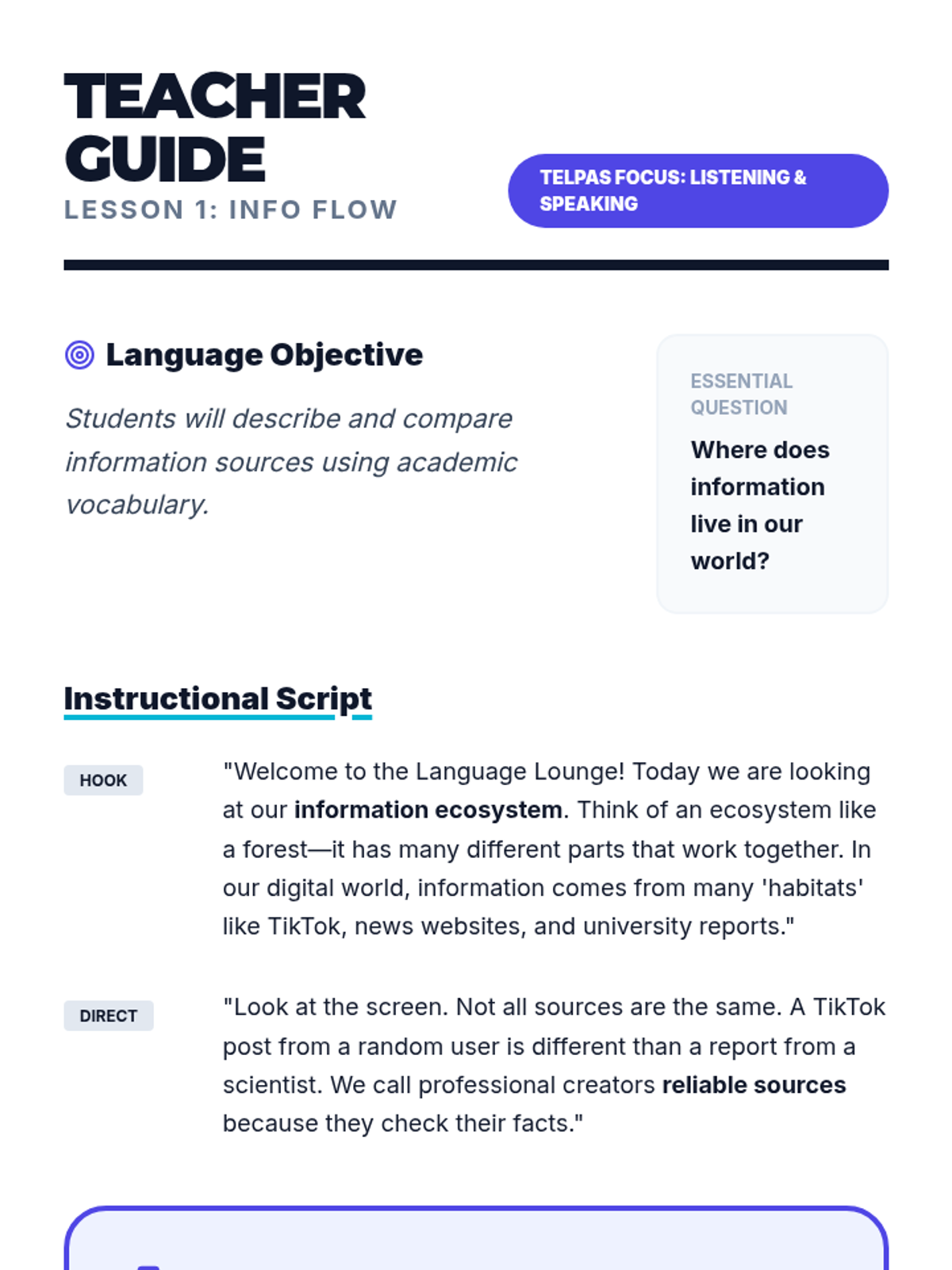
Students identify and classify different types of information sources within the digital ecosystem, focusing on social media and news outlets.
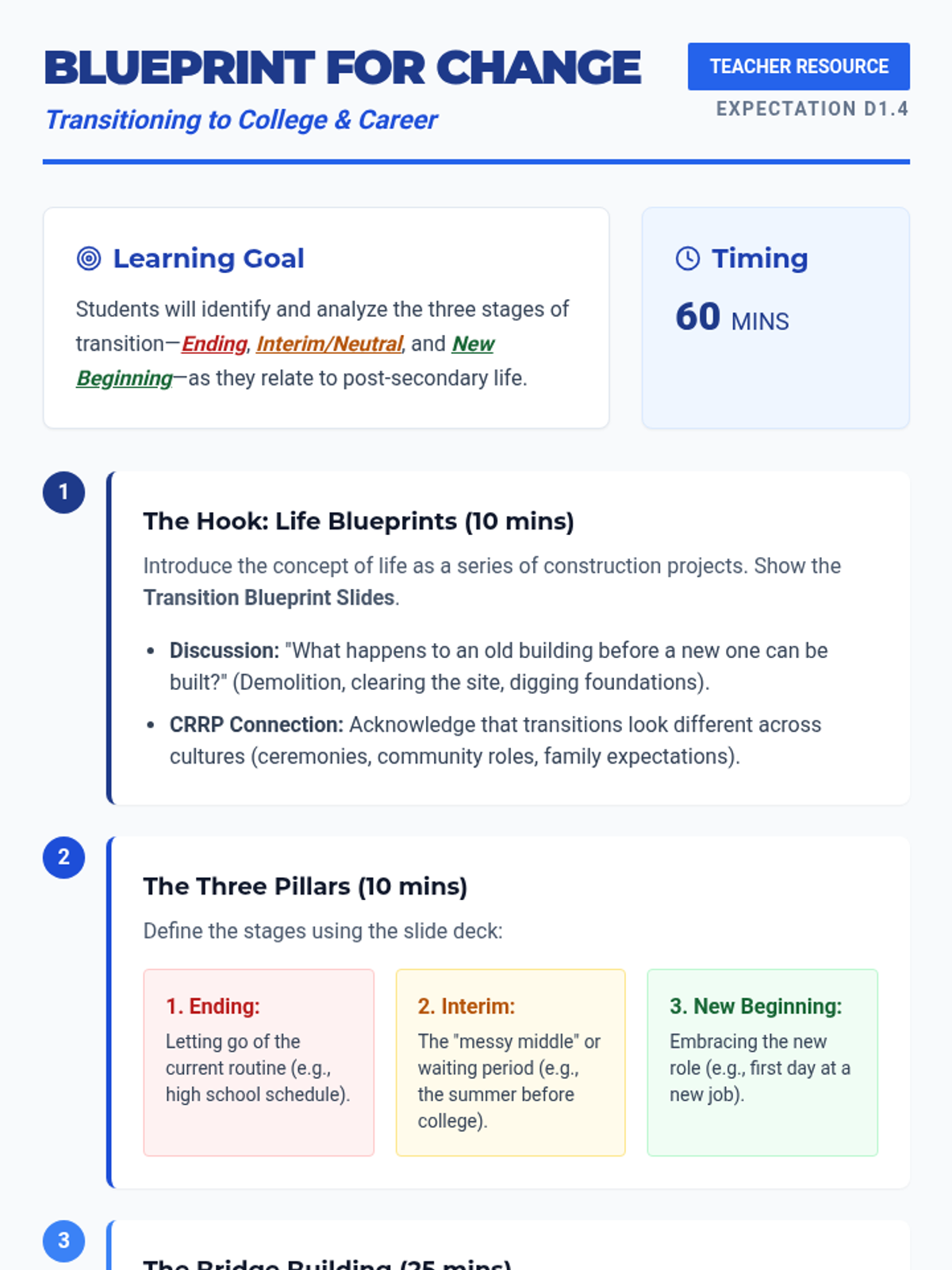
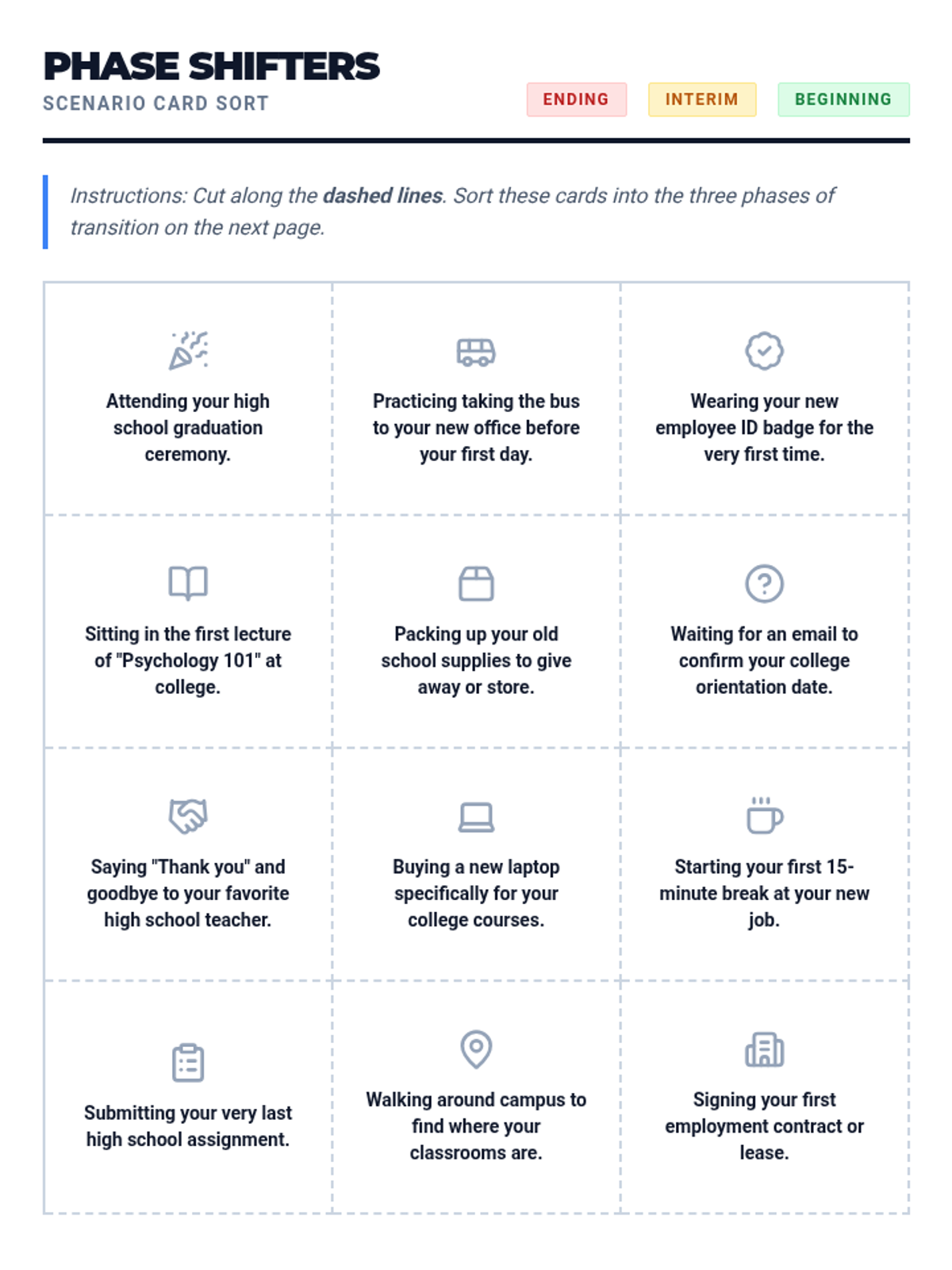
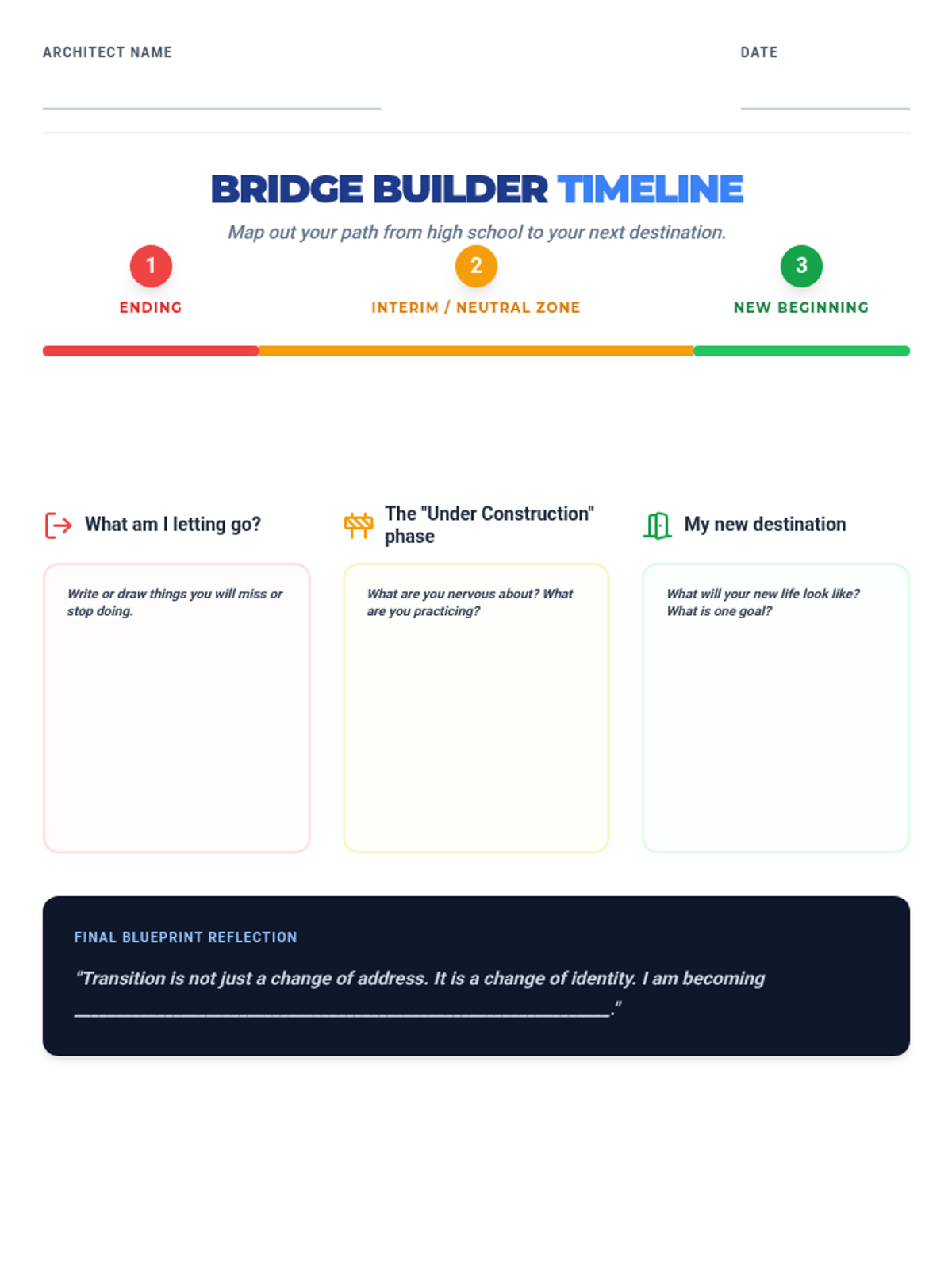
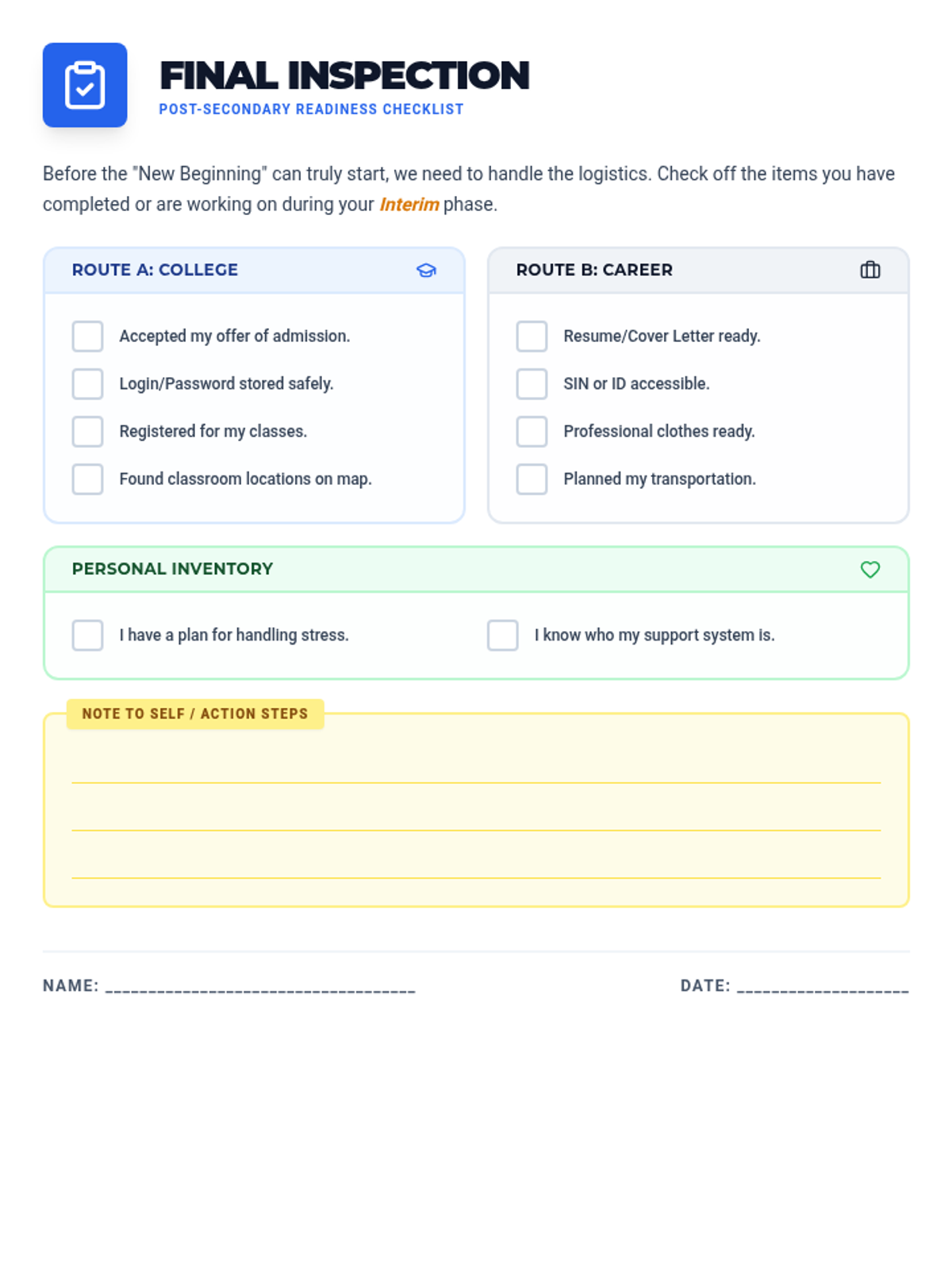
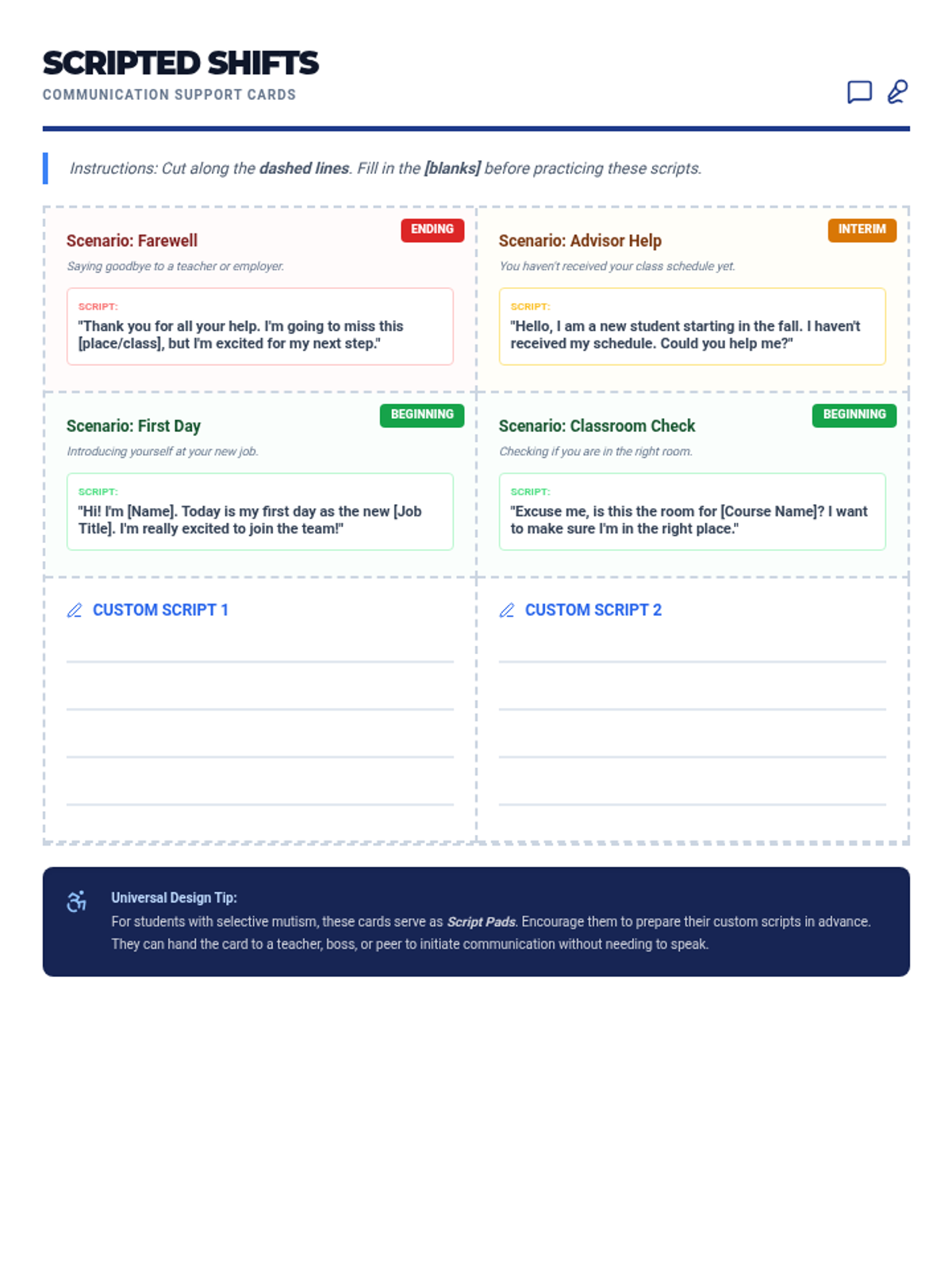
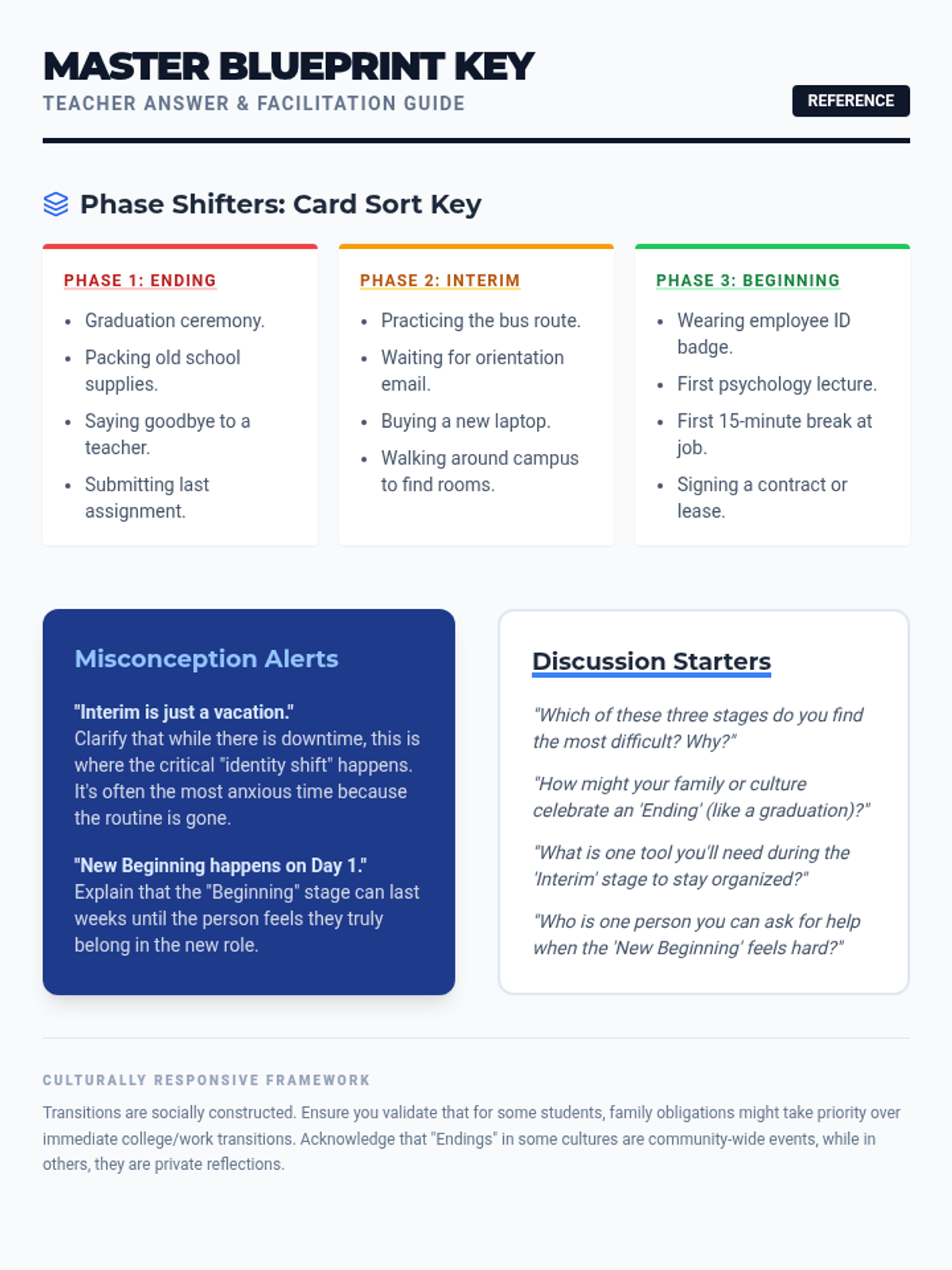
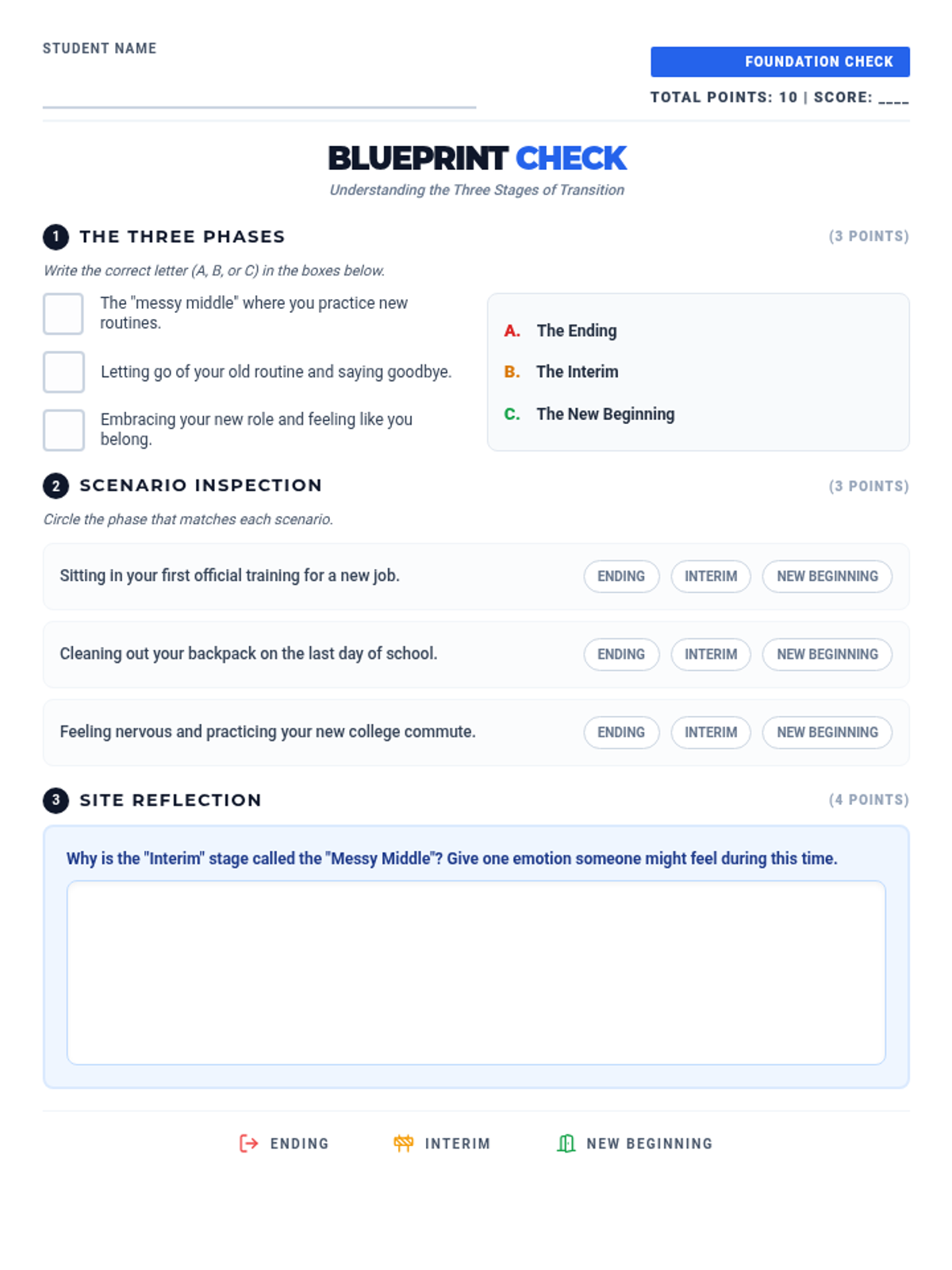
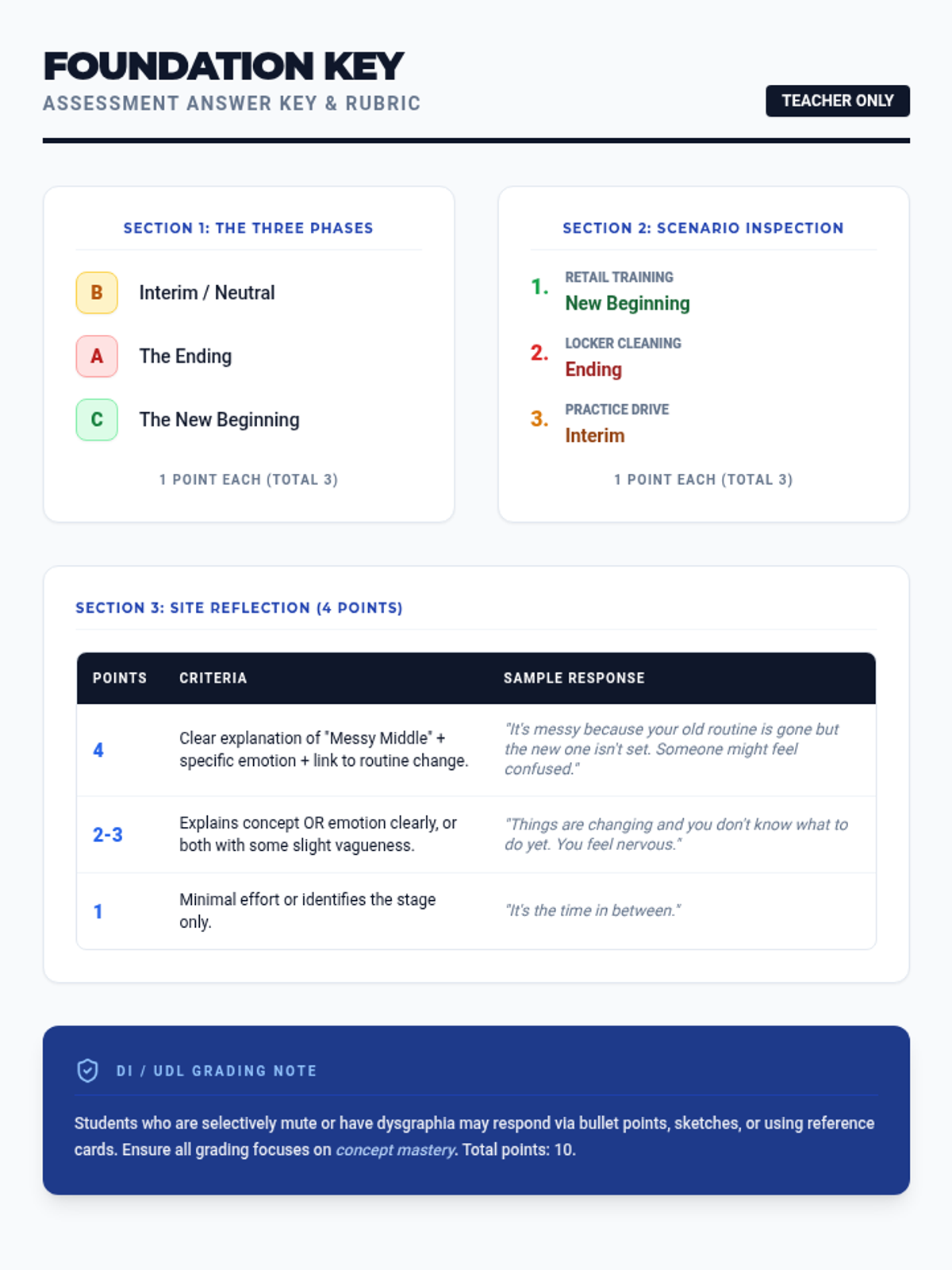
A comprehensive 60-minute lesson focused on the three stages of transition (Ending, Interim, and New Beginning) specifically tailored for students moving toward college or the workplace. This lesson employs UDL and DI strategies to support students with LD, autism, and those who are selectively mute through visual mapping and structured role-play.
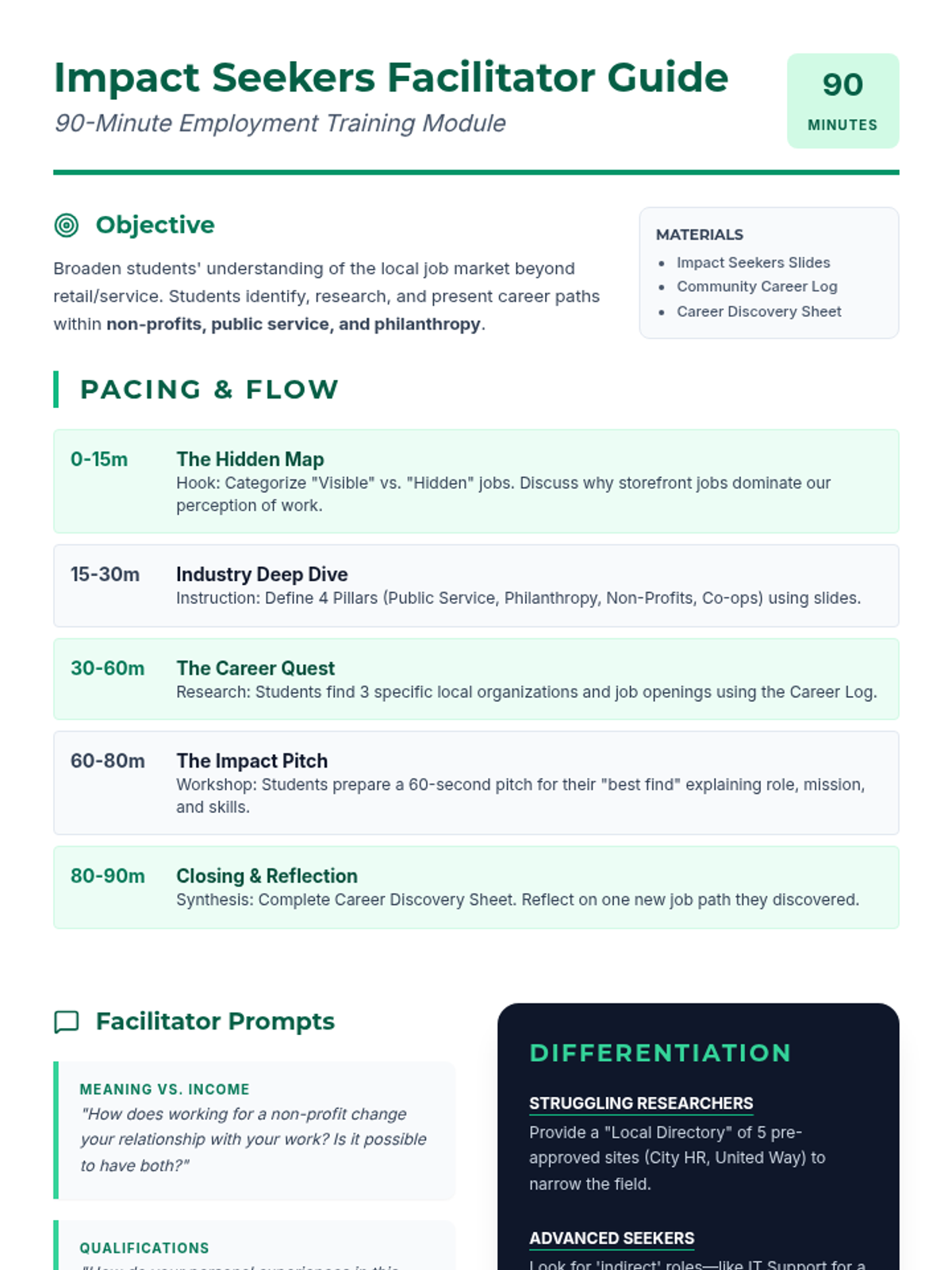
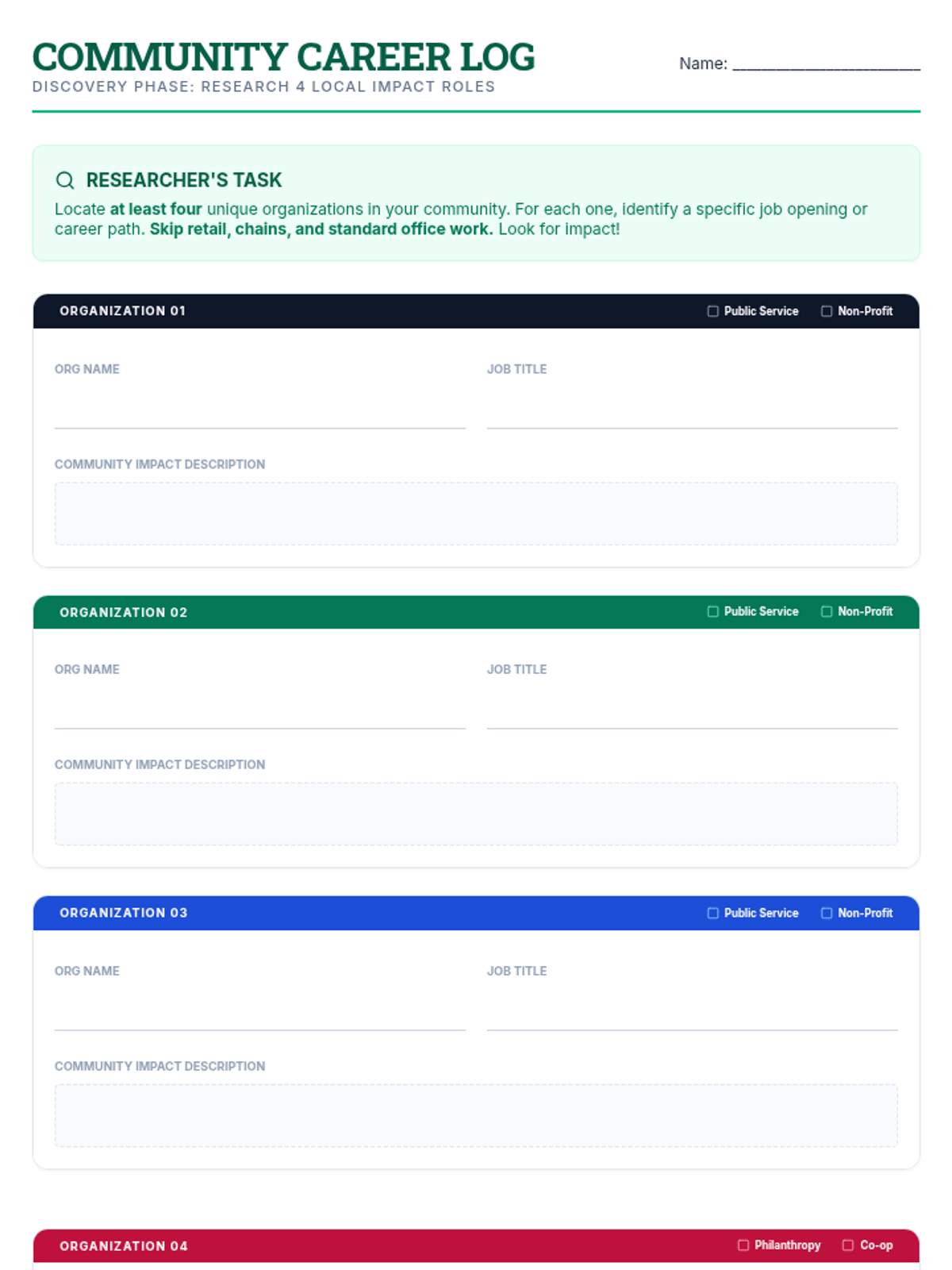
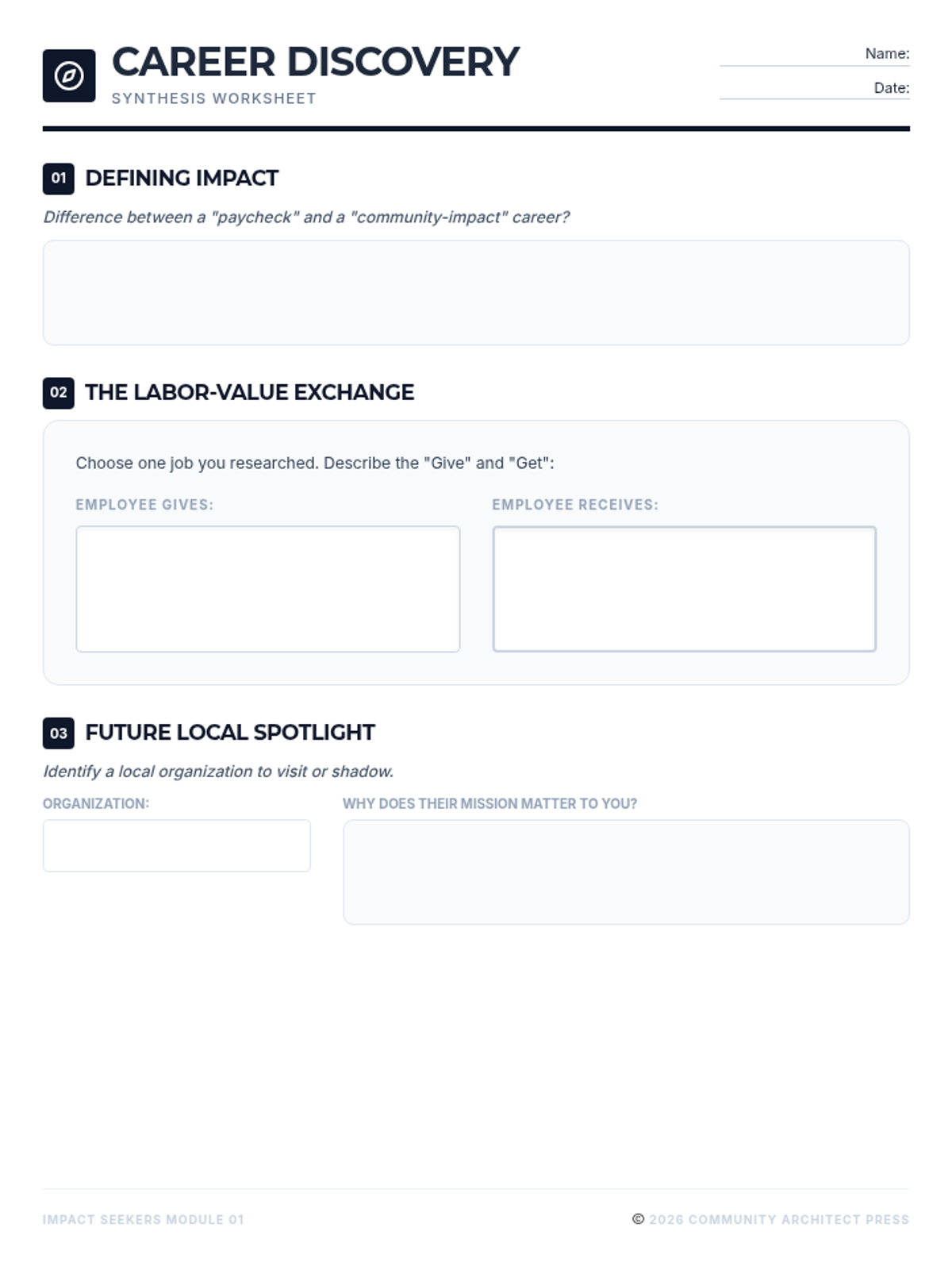
A 90-minute employment training session focused on discovering meaningful community-based careers beyond traditional retail. Students explore non-profits, public service, and philanthropic organizations to understand diverse career paths.
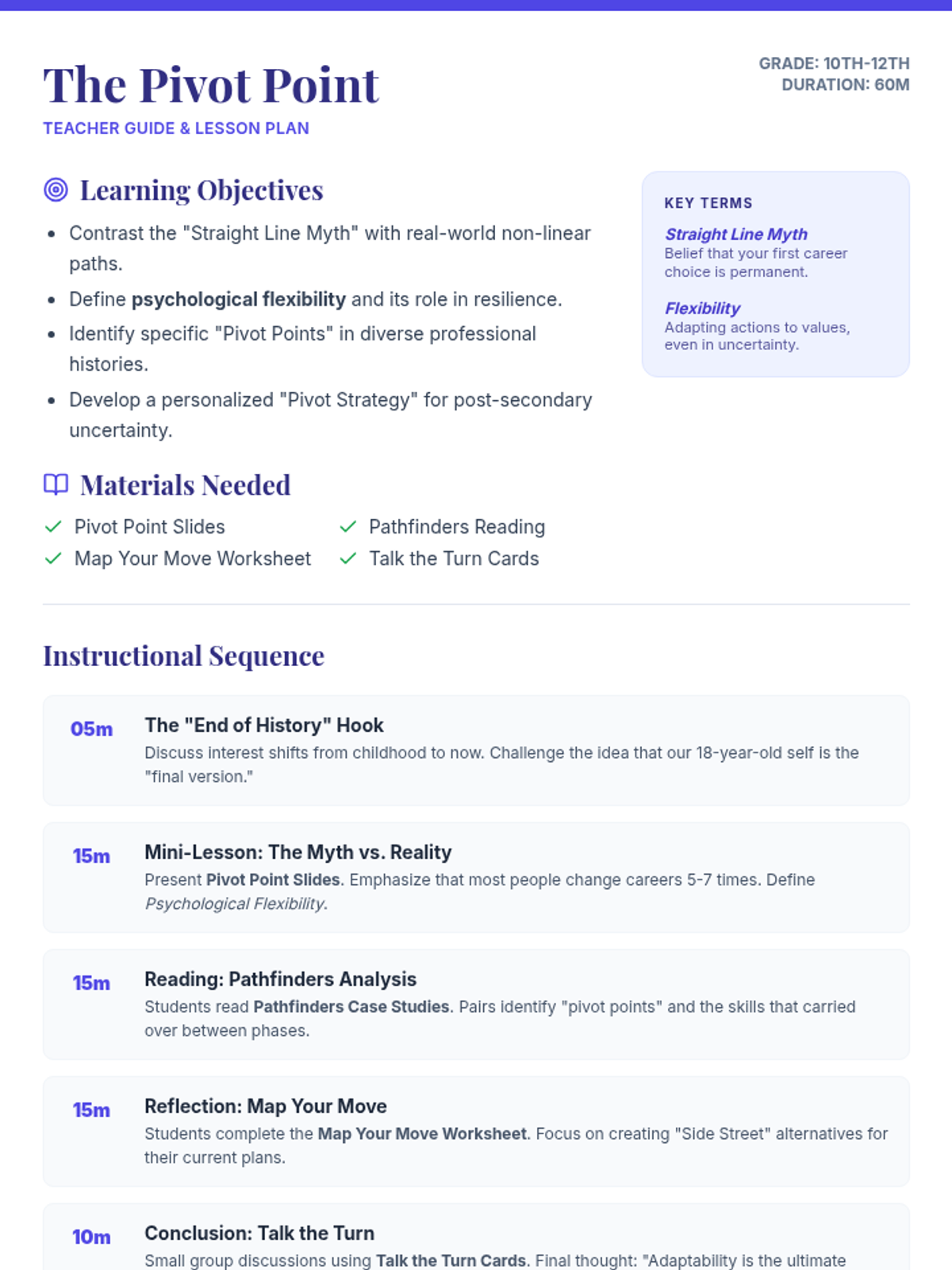
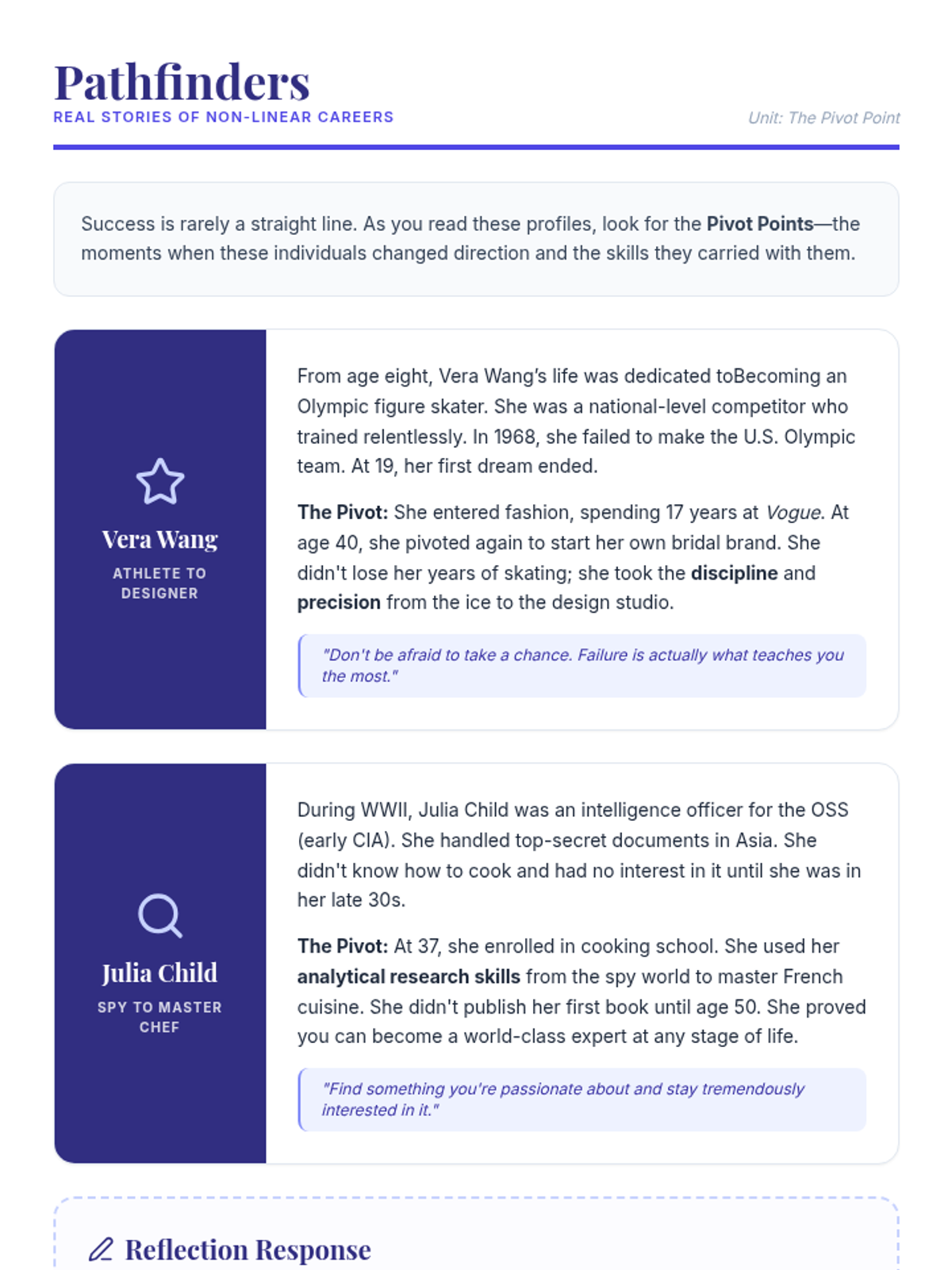
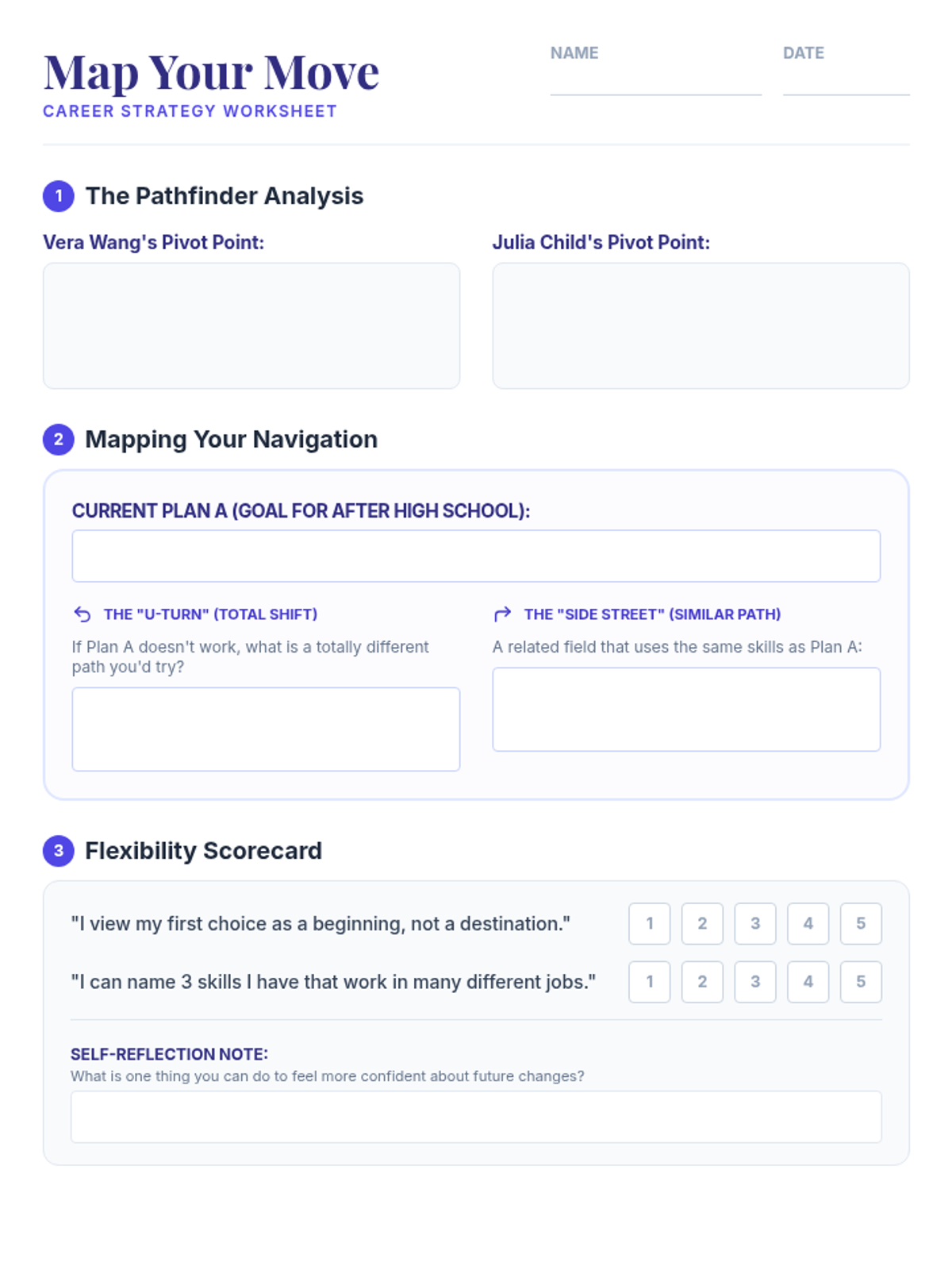
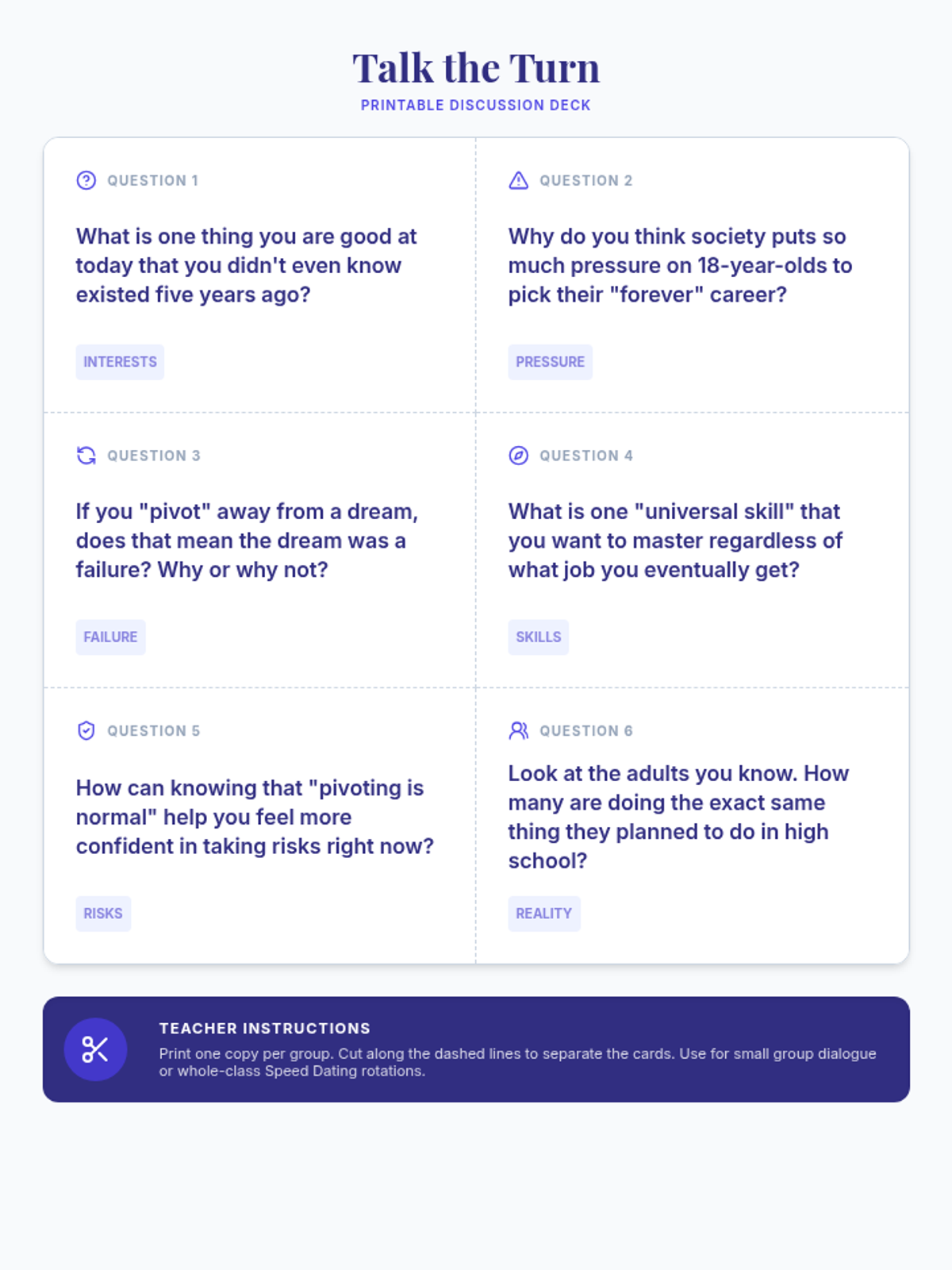
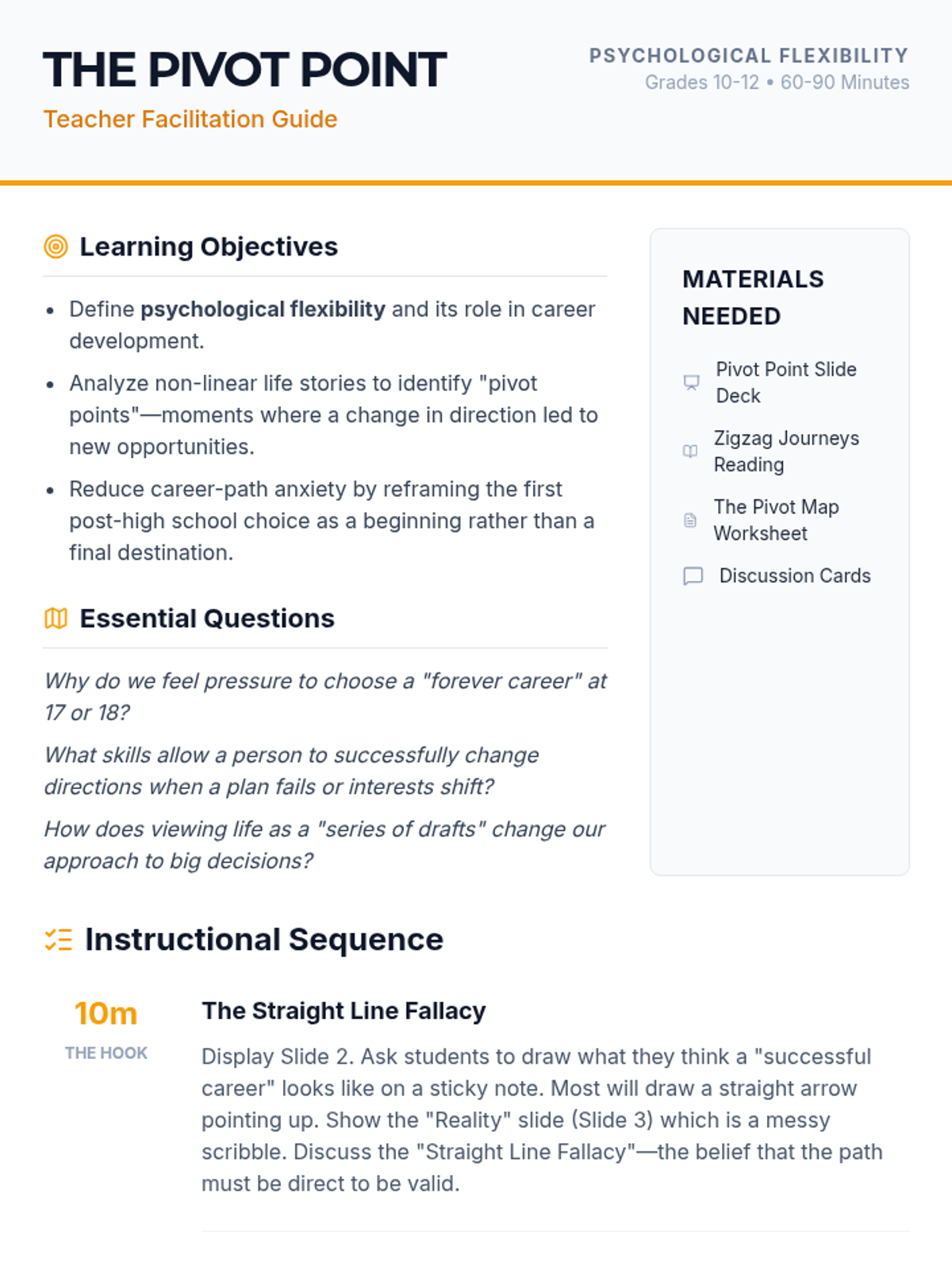
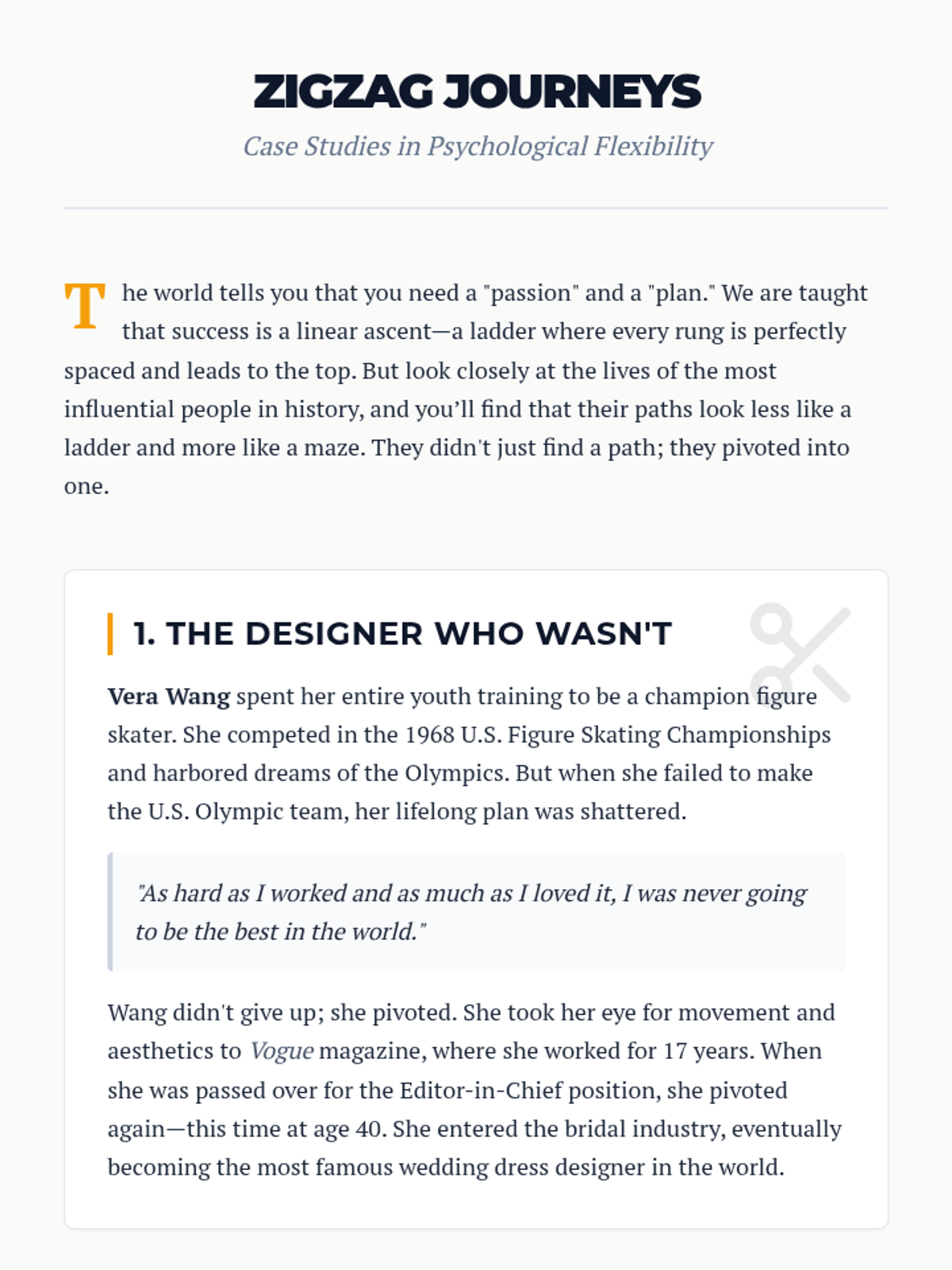
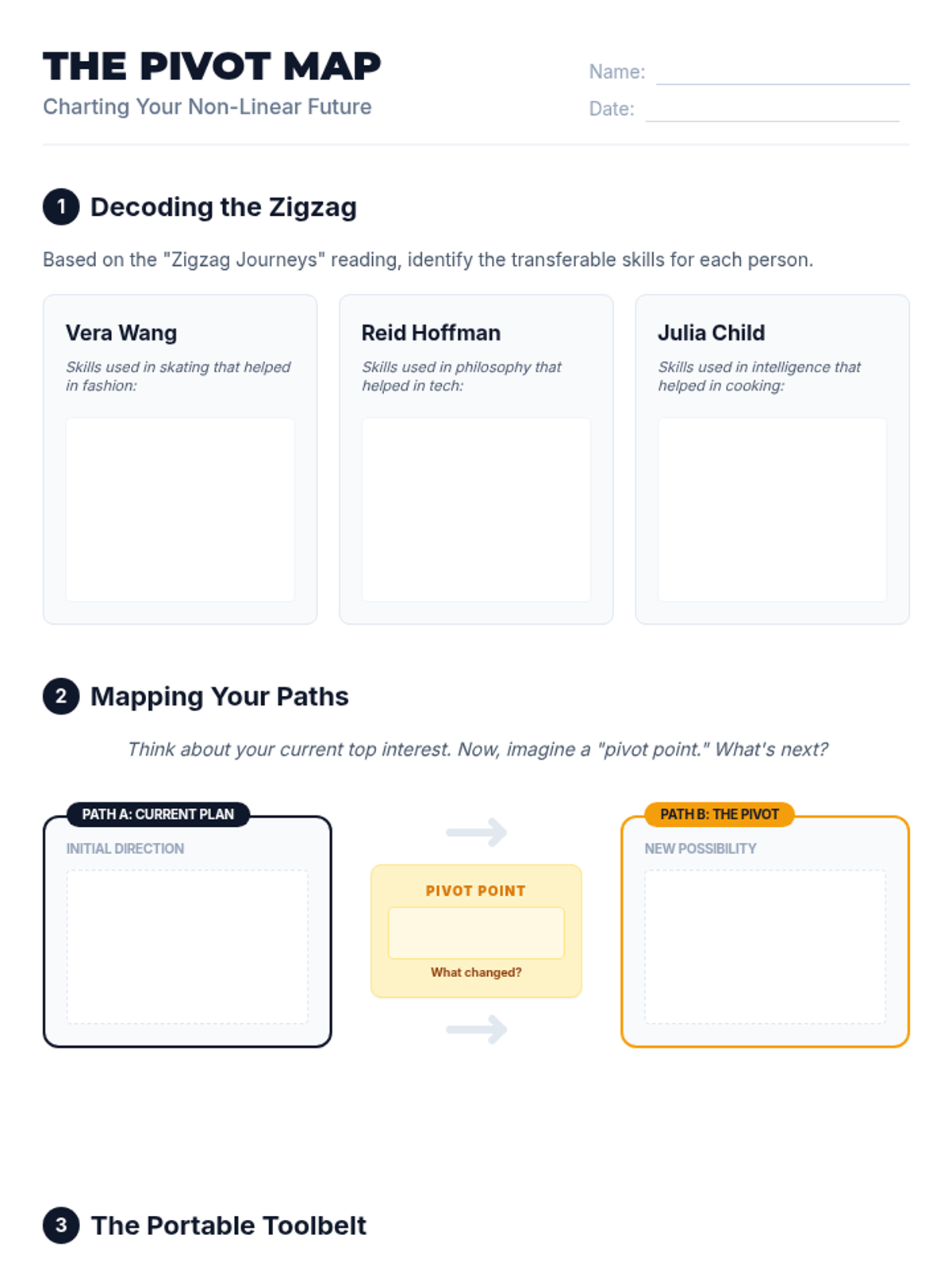
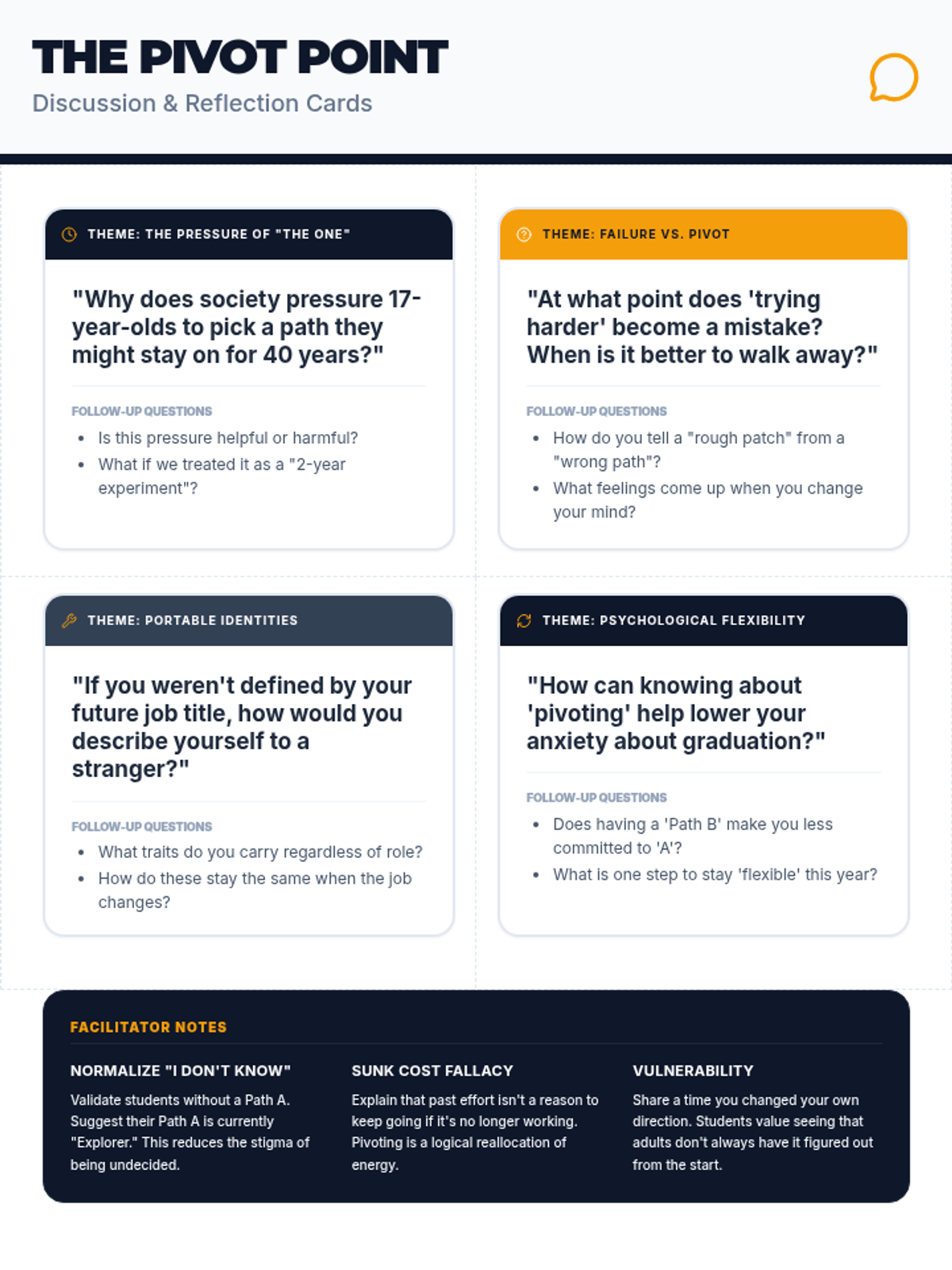
A high school lesson focused on psychological flexibility, helping students understand that career paths are rarely linear and that 'pivoting' is a strength, not a failure. Students analyze real-world case studies to build resilience for their post-graduation journeys.
A lesson designed to build psychological flexibility in high schoolers by exploring non-linear career paths and the power of the 'pivot.' Students analyze real-world case studies to understand that career journeys are rarely straight lines.
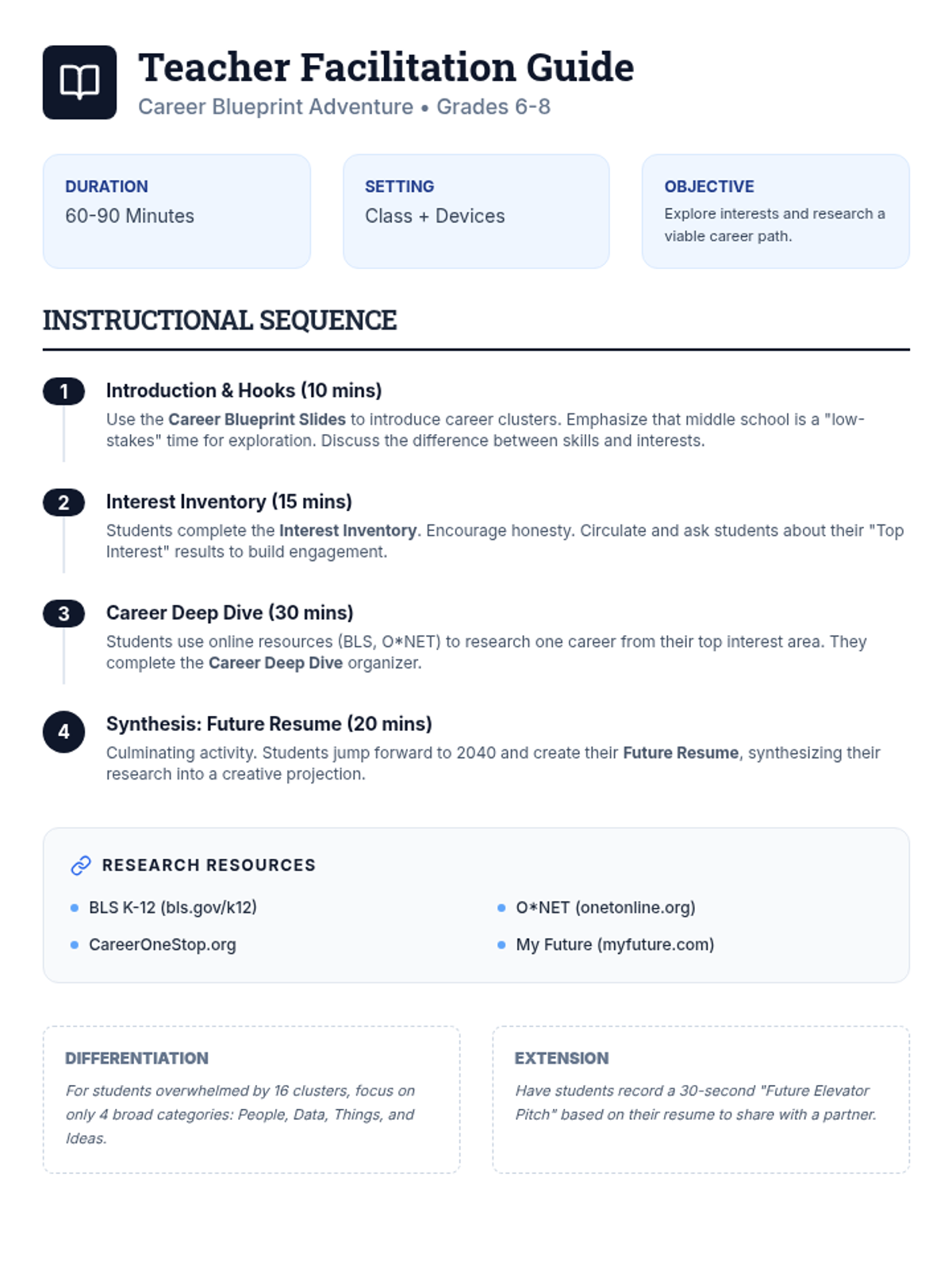
A comprehensive career exploration unit where middle schoolers investigate their interests, research potential career paths, and design a 'blueprint' for their future professional selves.
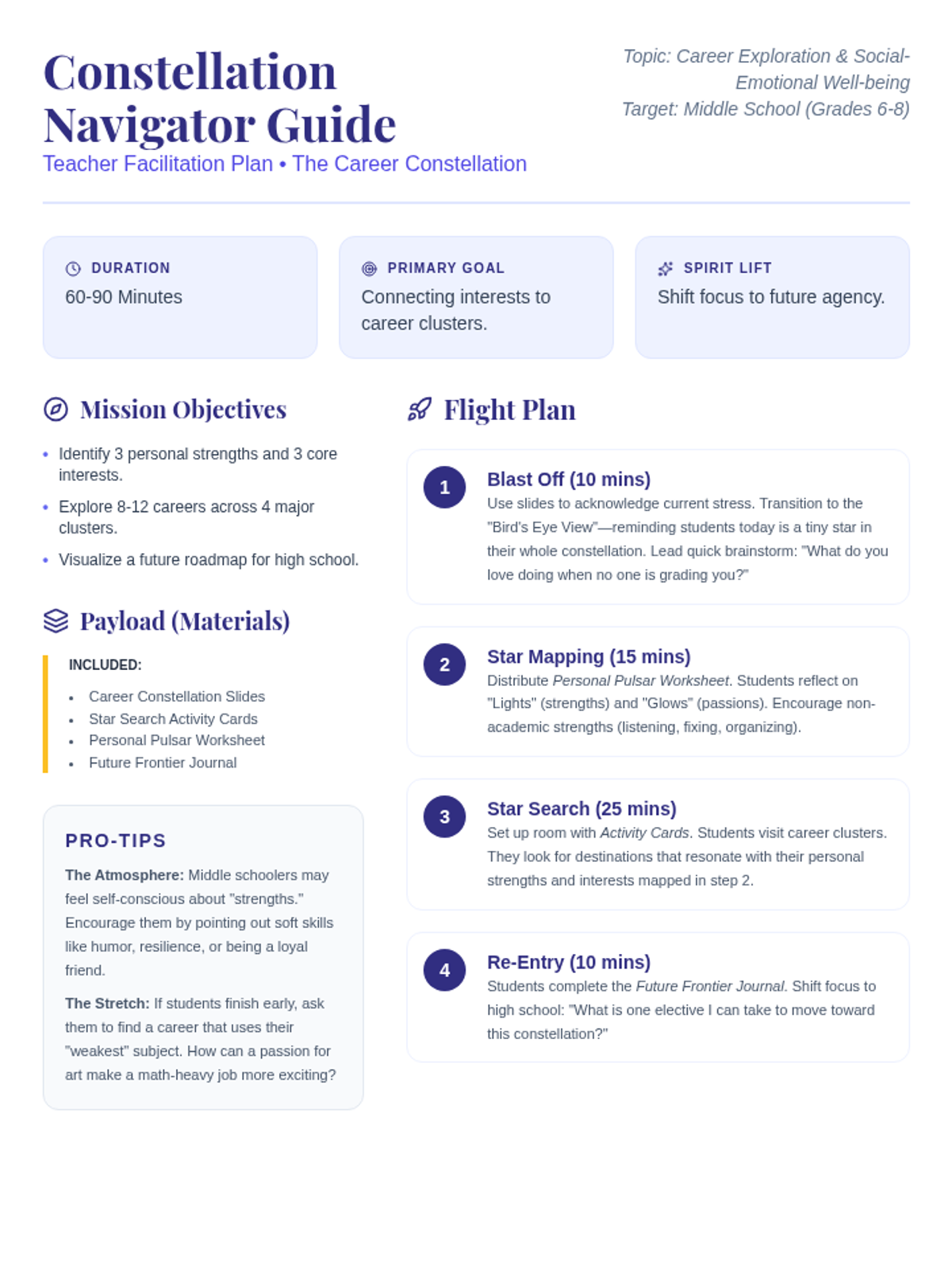
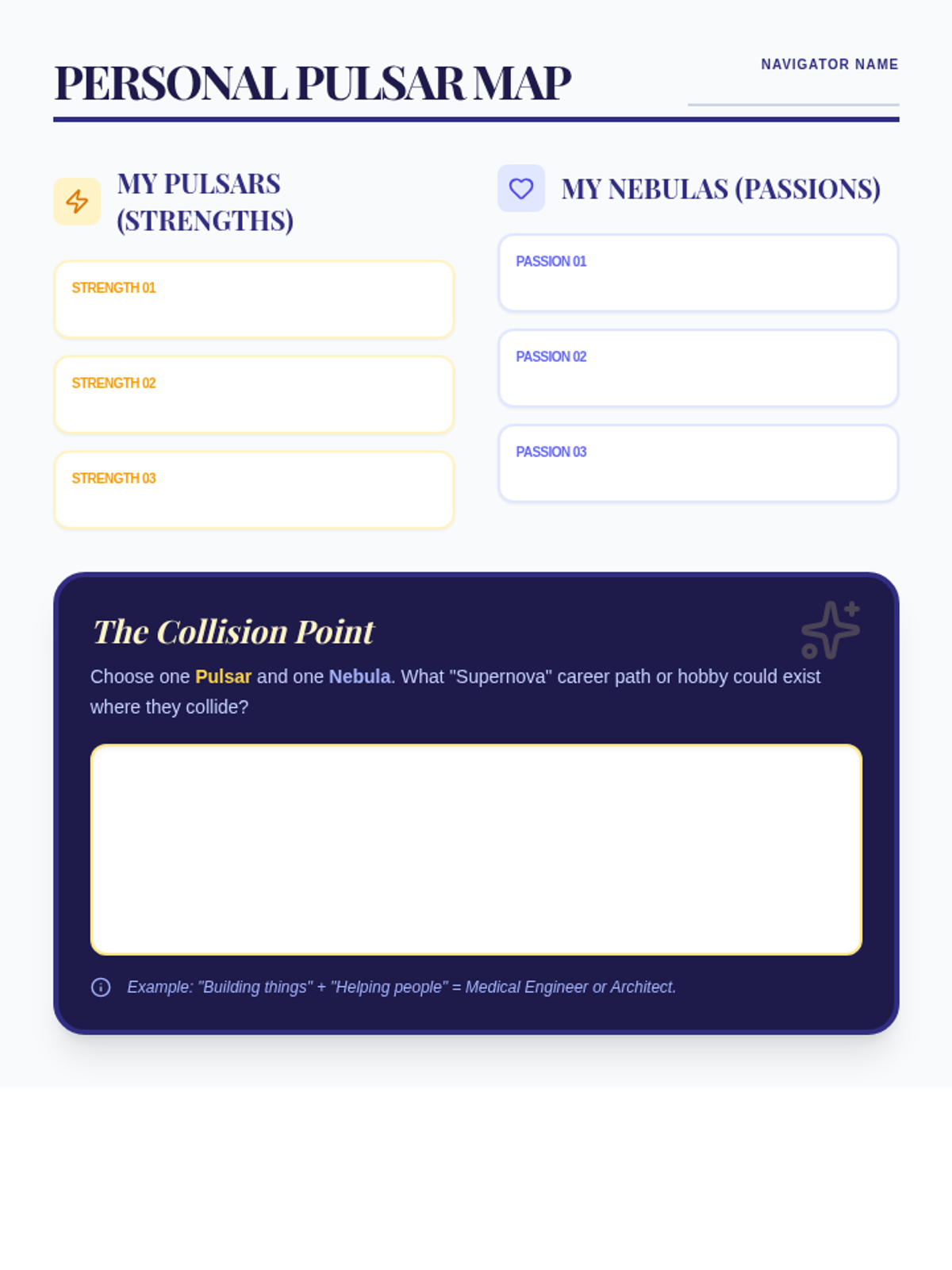
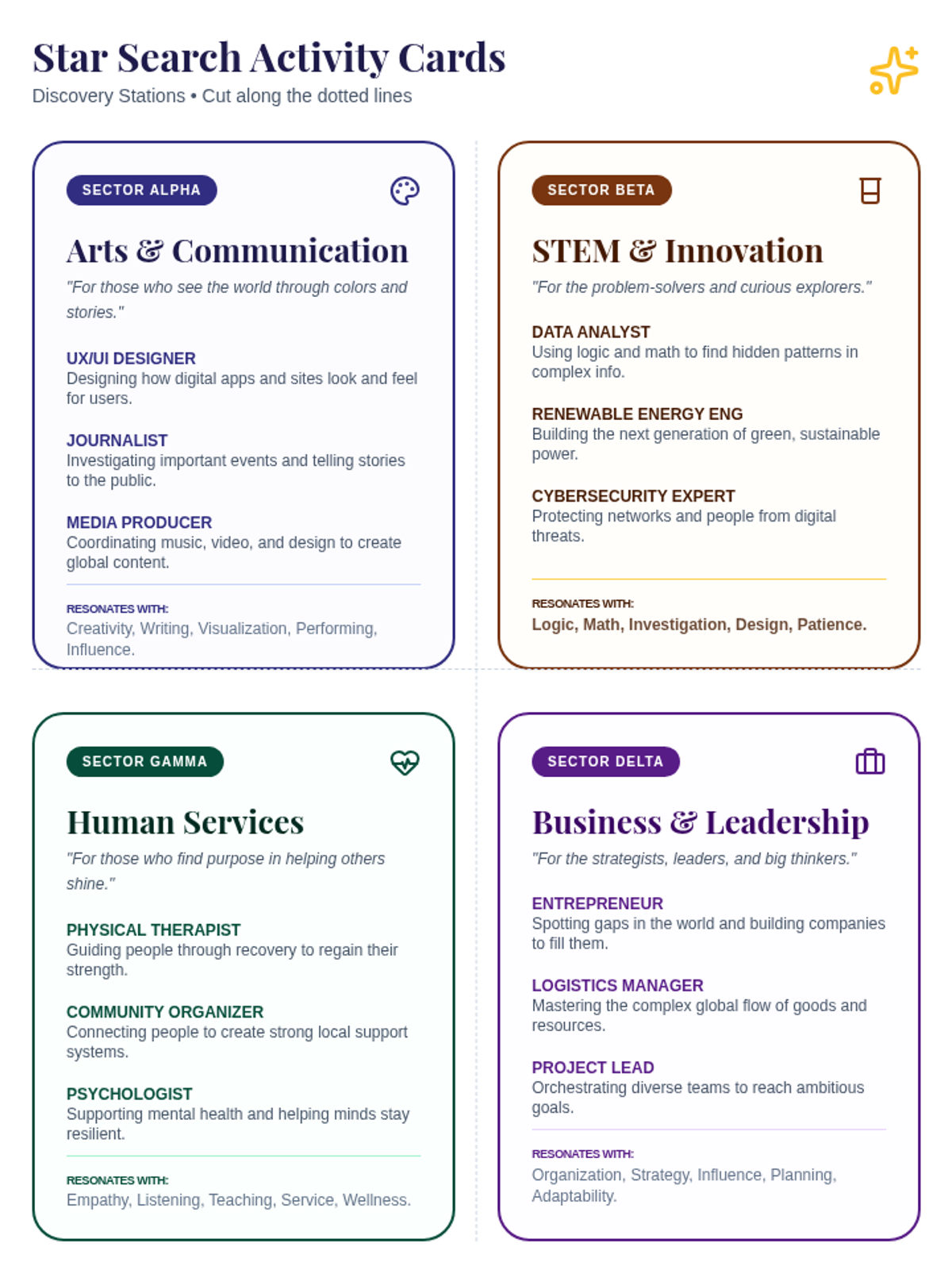
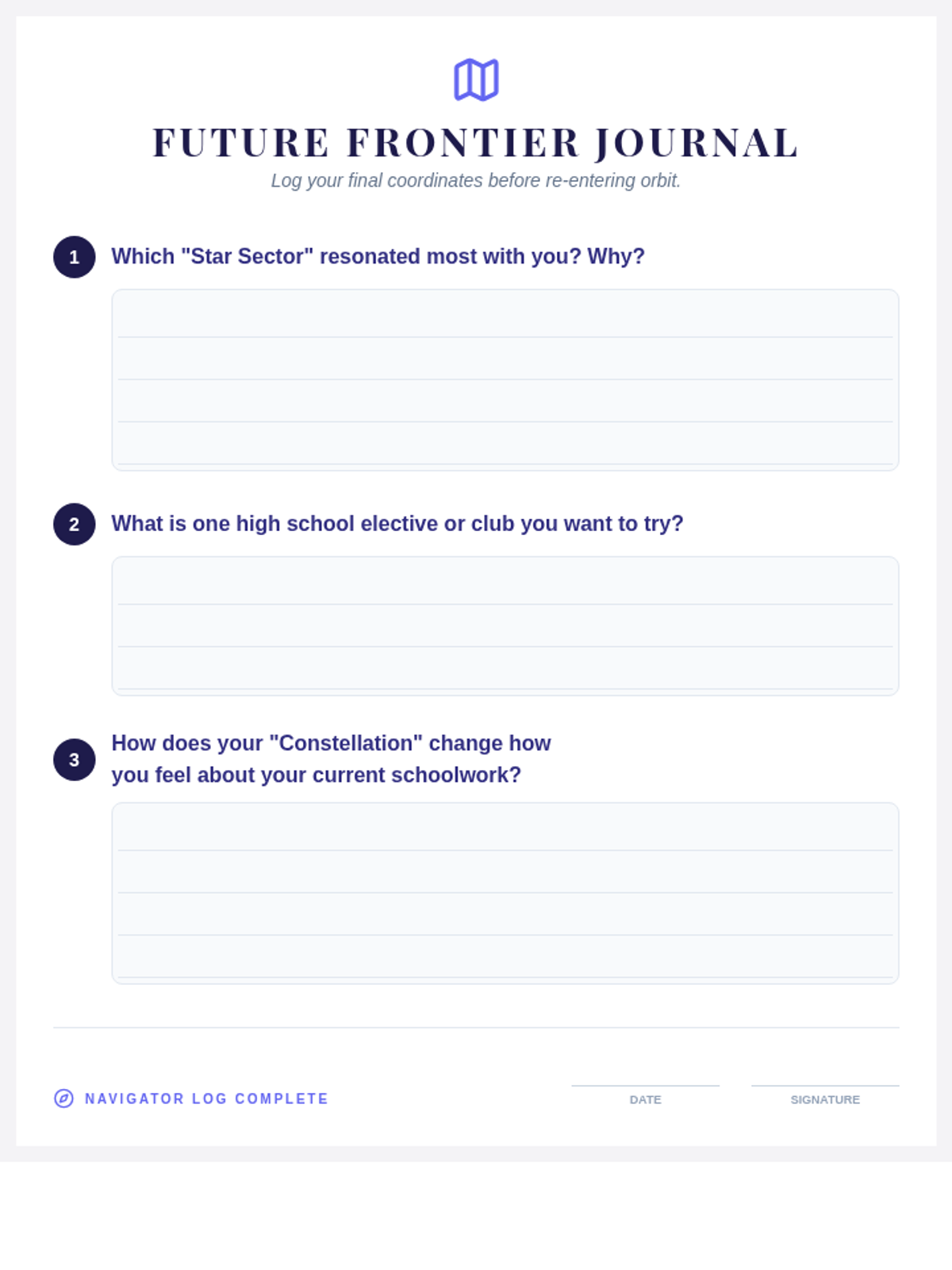
A cosmic-themed career exploration lesson designed to help middle schoolers connect their current passions and strengths to future career clusters, fostering hope and direction during a demanding academic season.
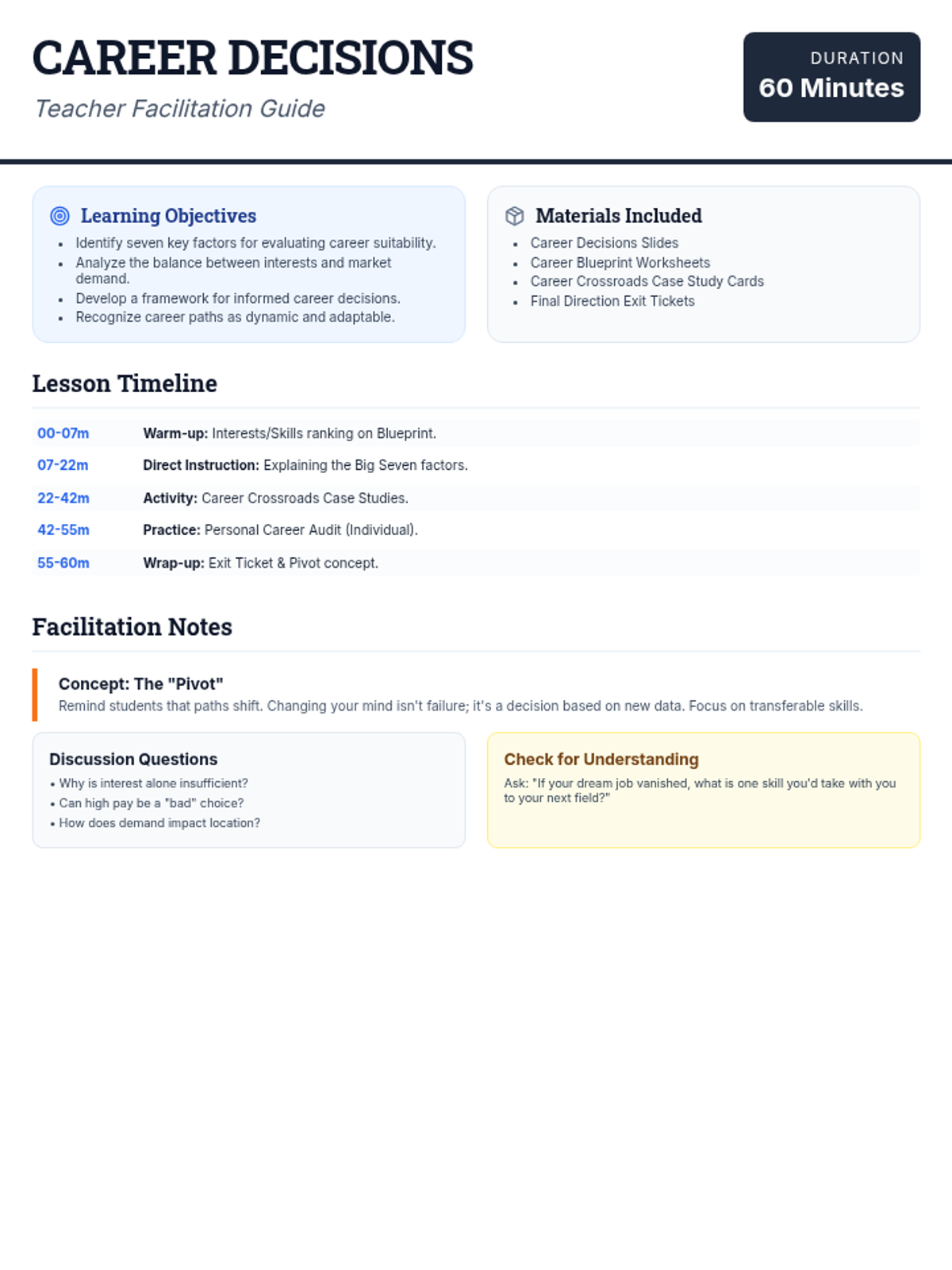
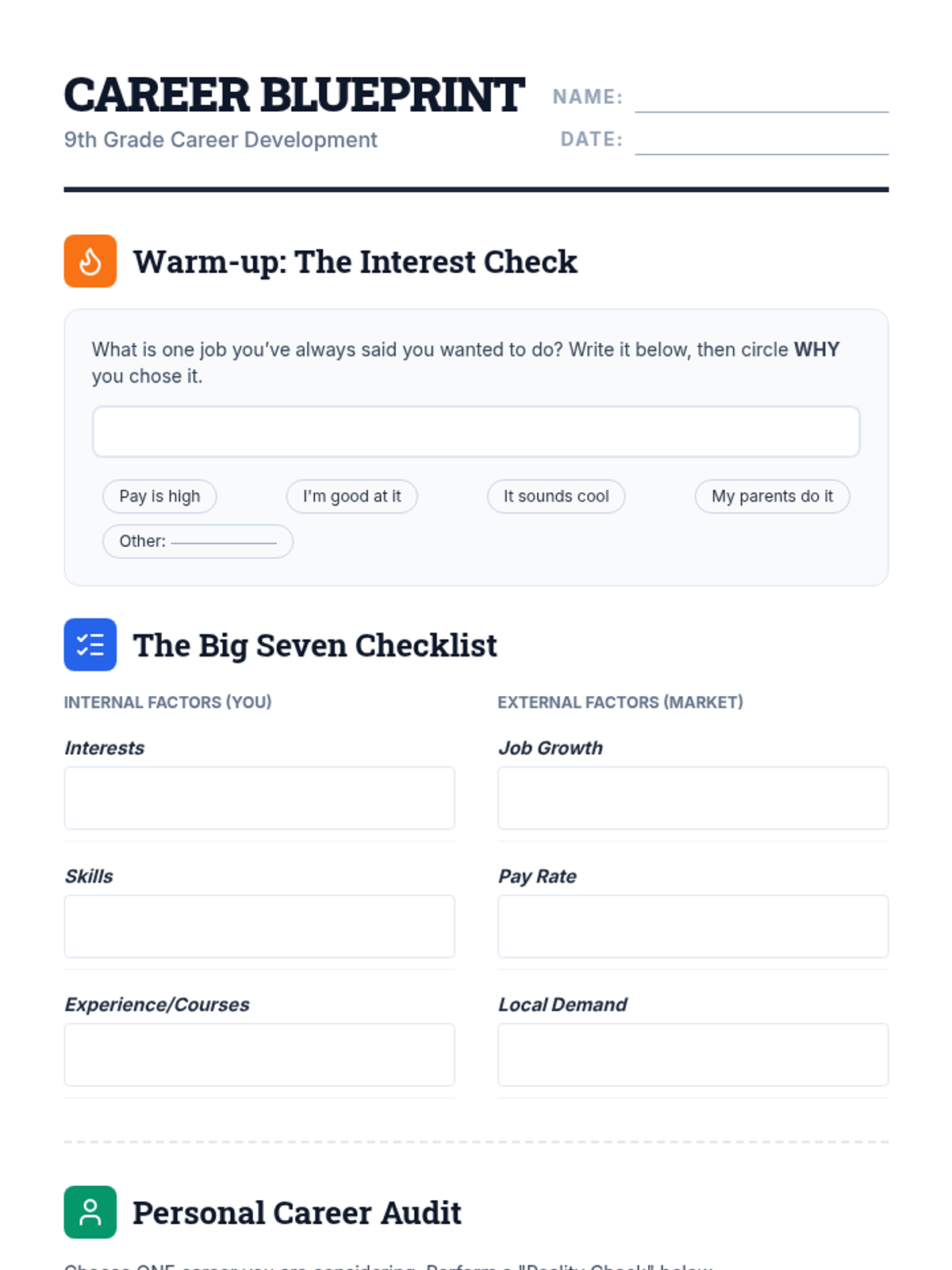
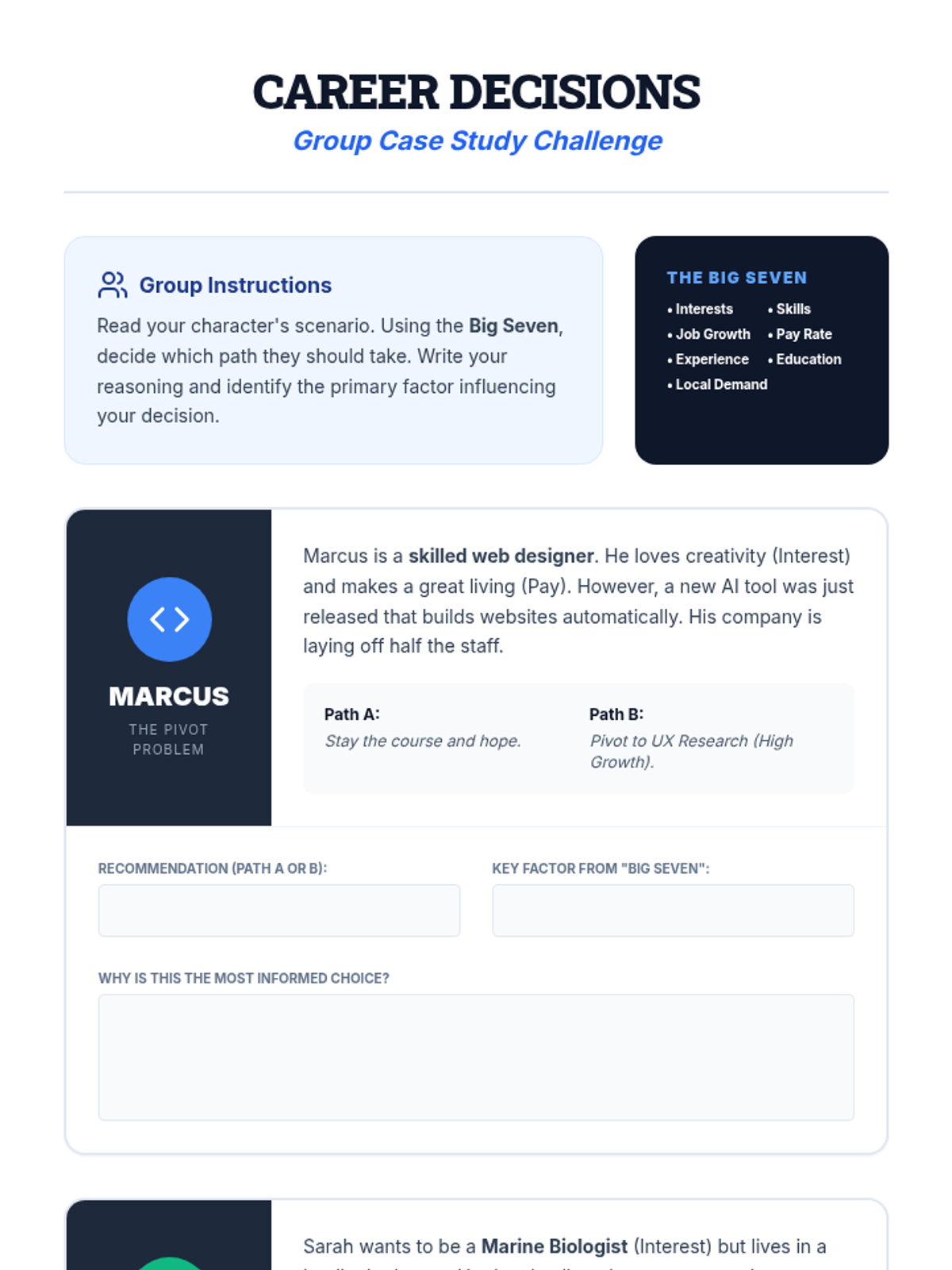
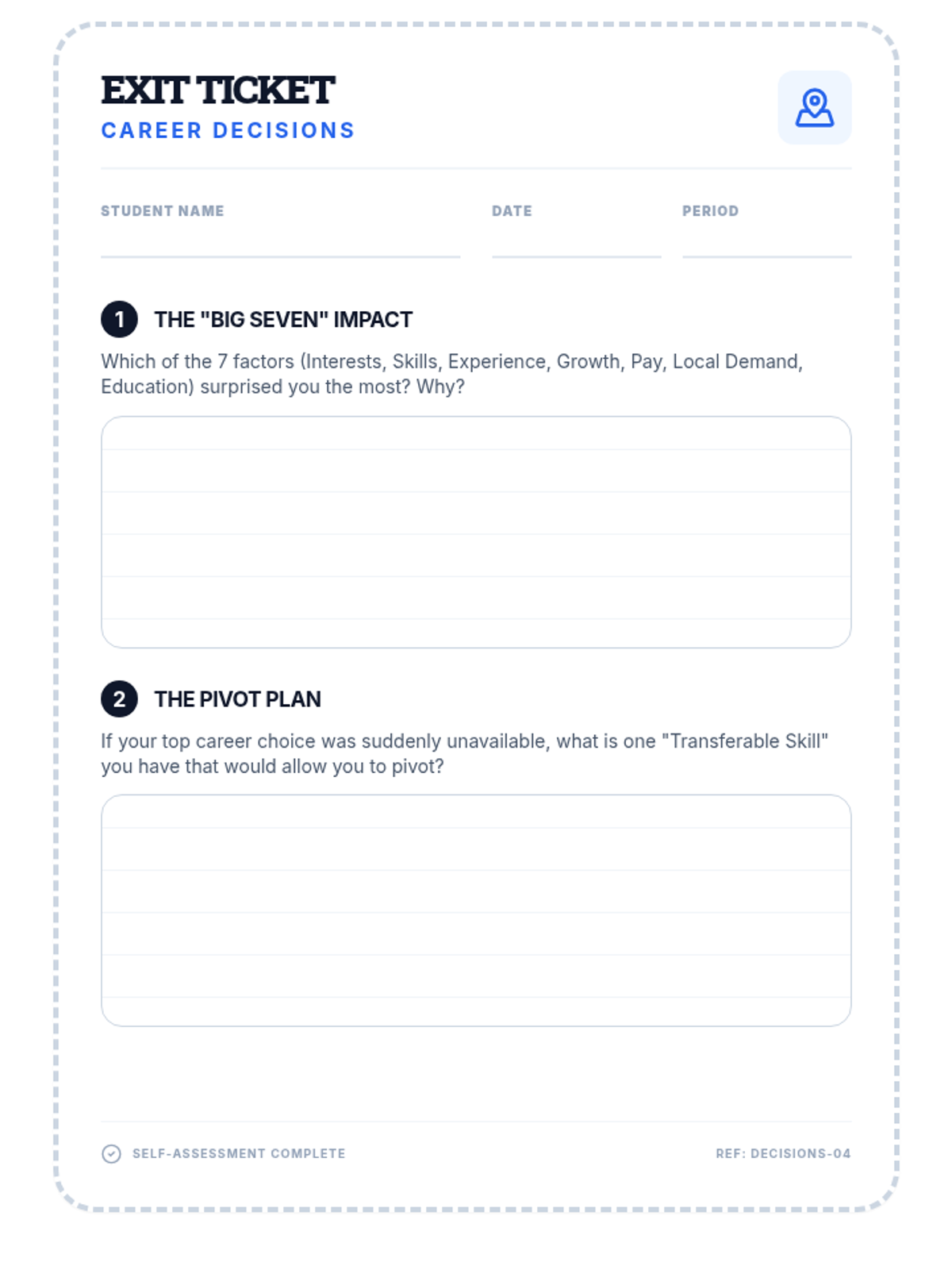
A 60-minute lesson for 9th graders exploring the key factors of career selection, including self-assessment, economic reality, and adaptability. Students learn to weigh interests and skills against job market data like growth and demand.
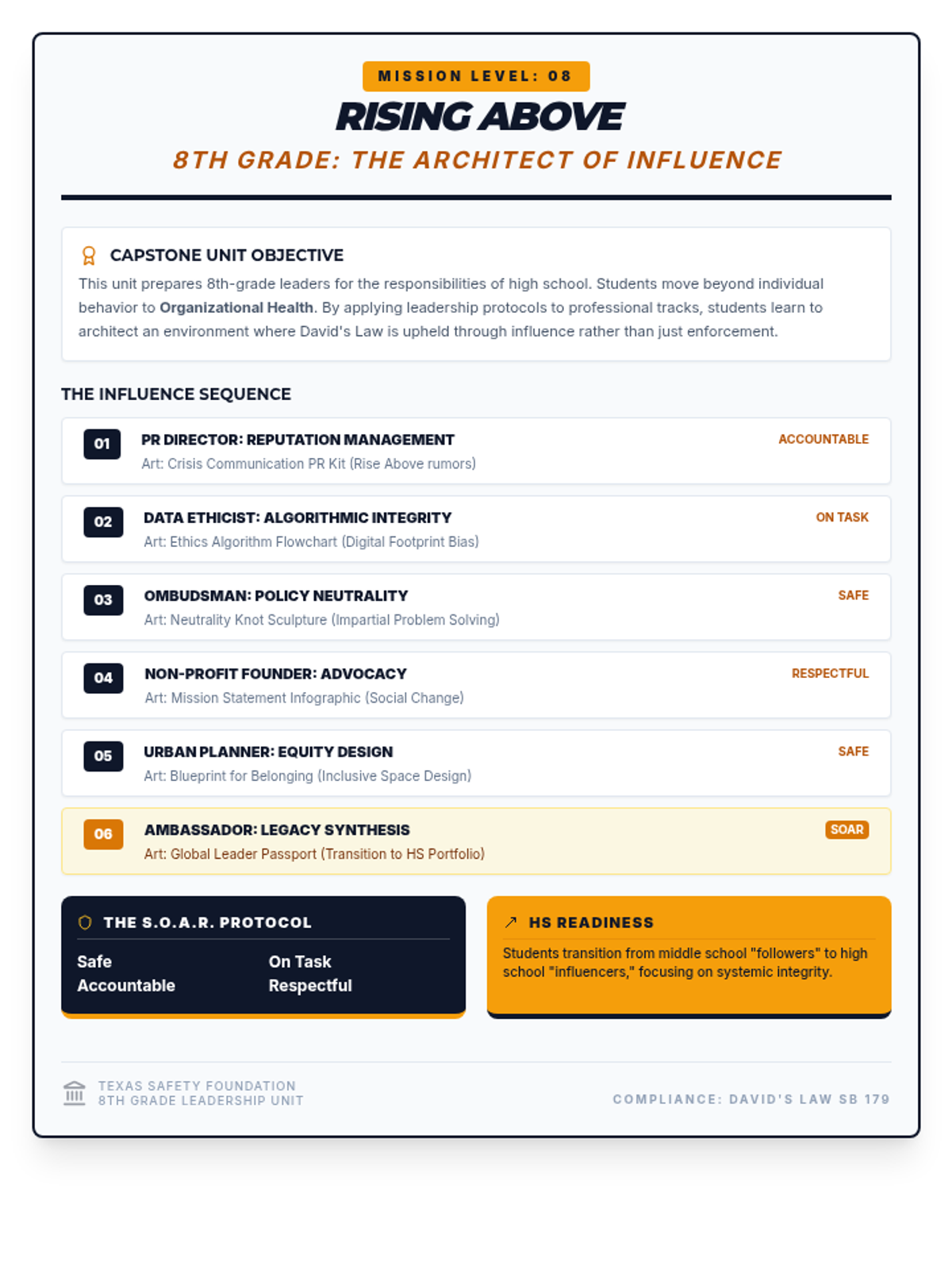
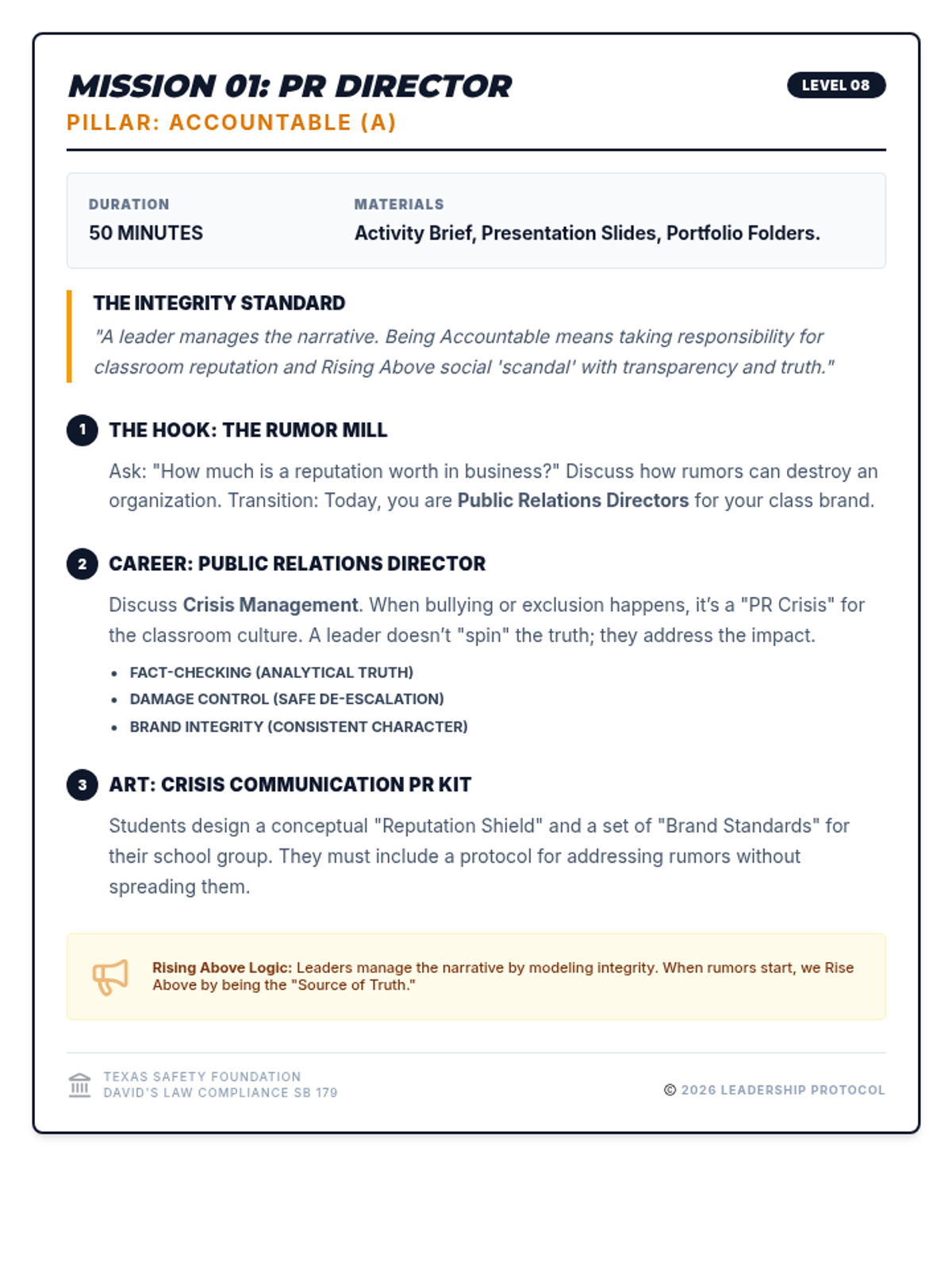
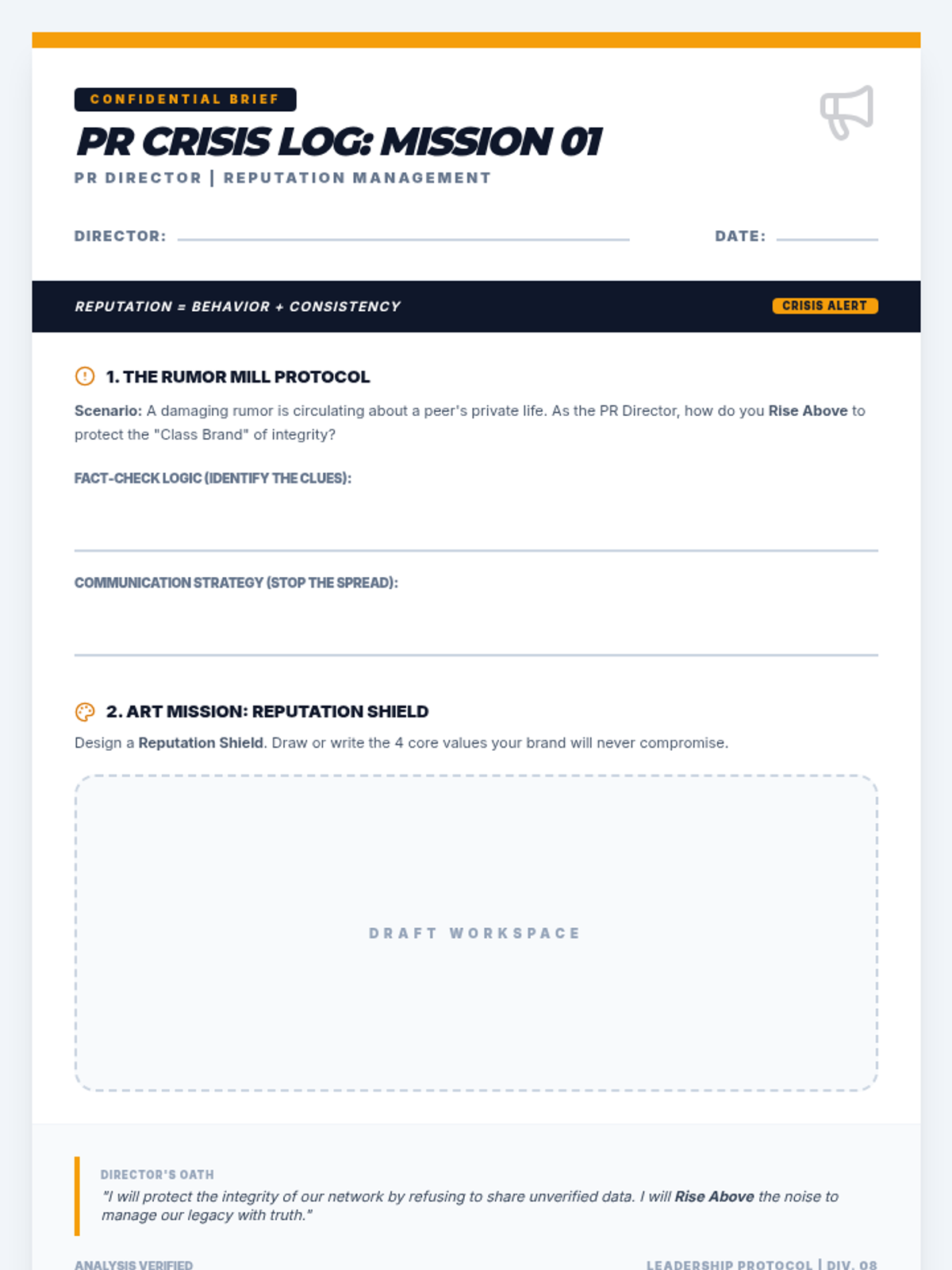
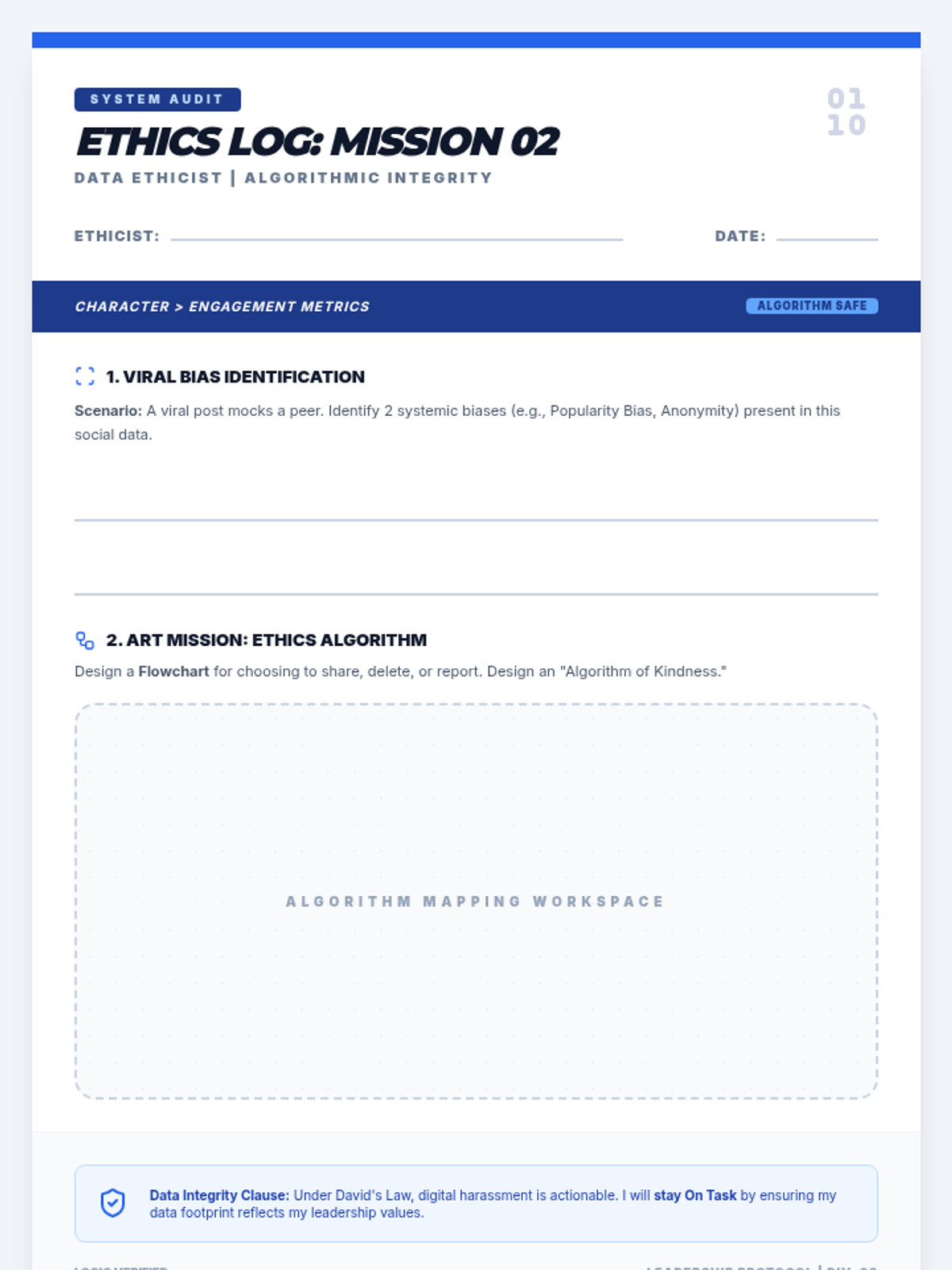
8th Grade focus on reputation management and accountability through a PR Director lens. Art: Crisis Communication PR Kit.
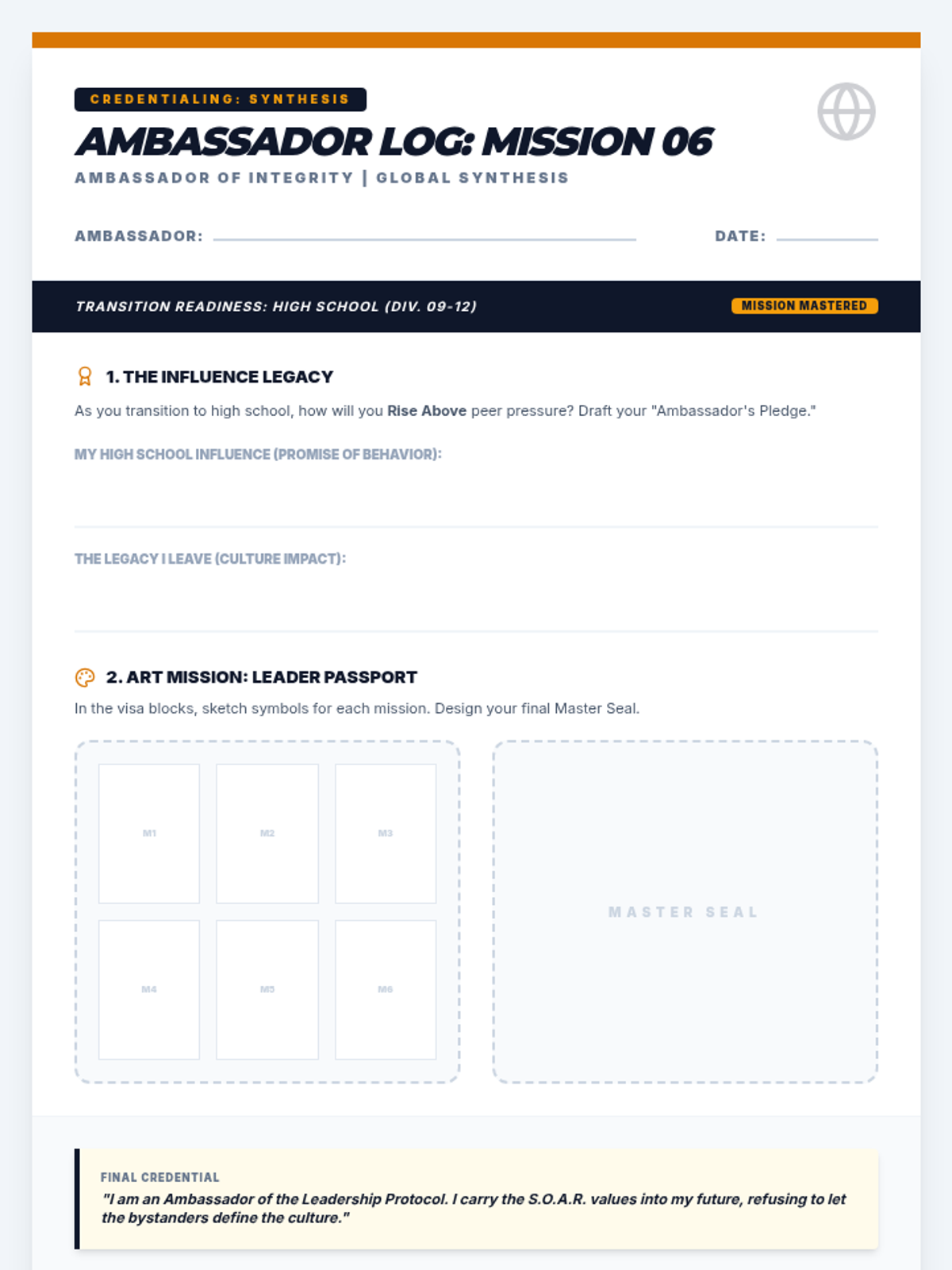
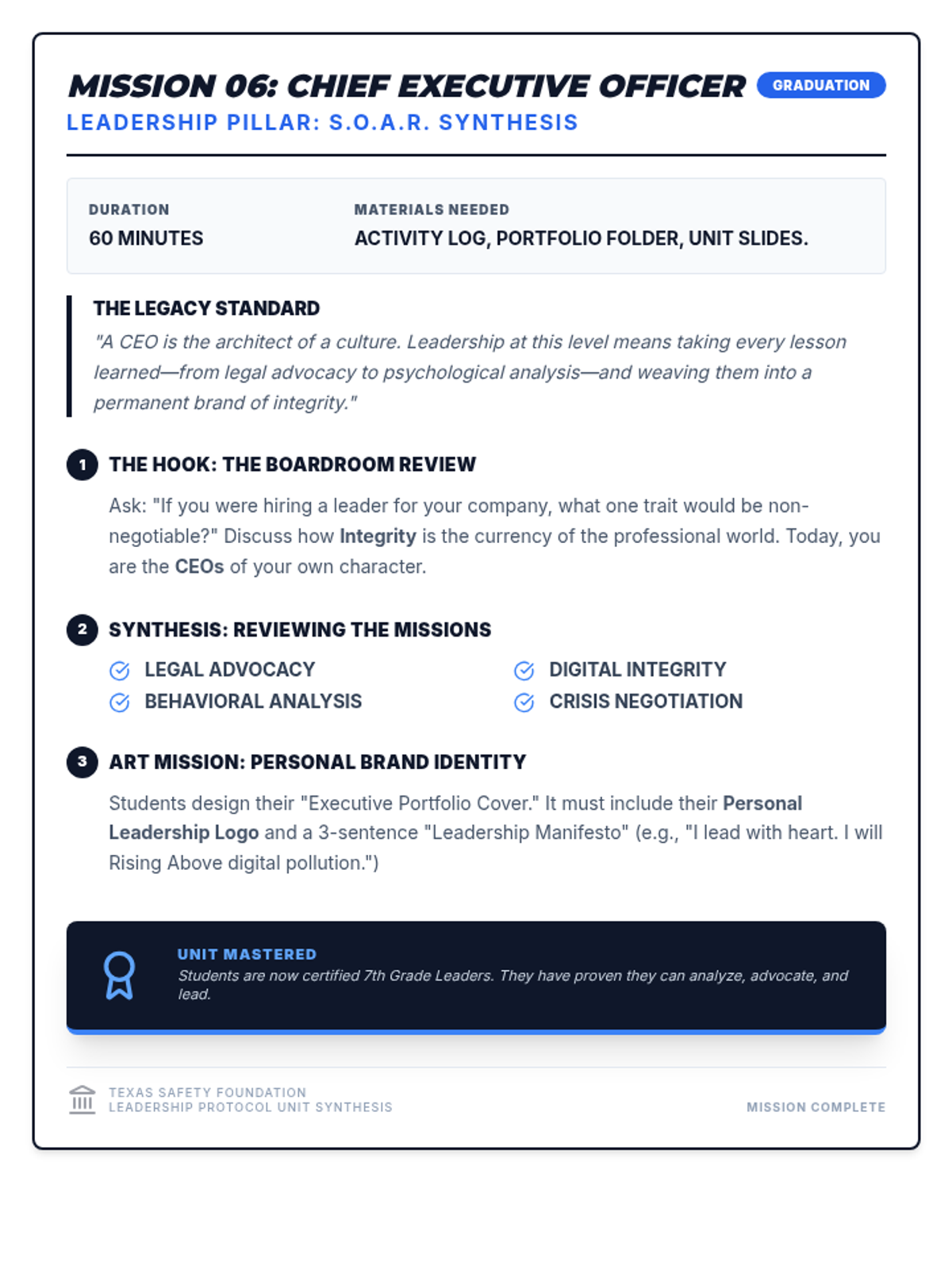
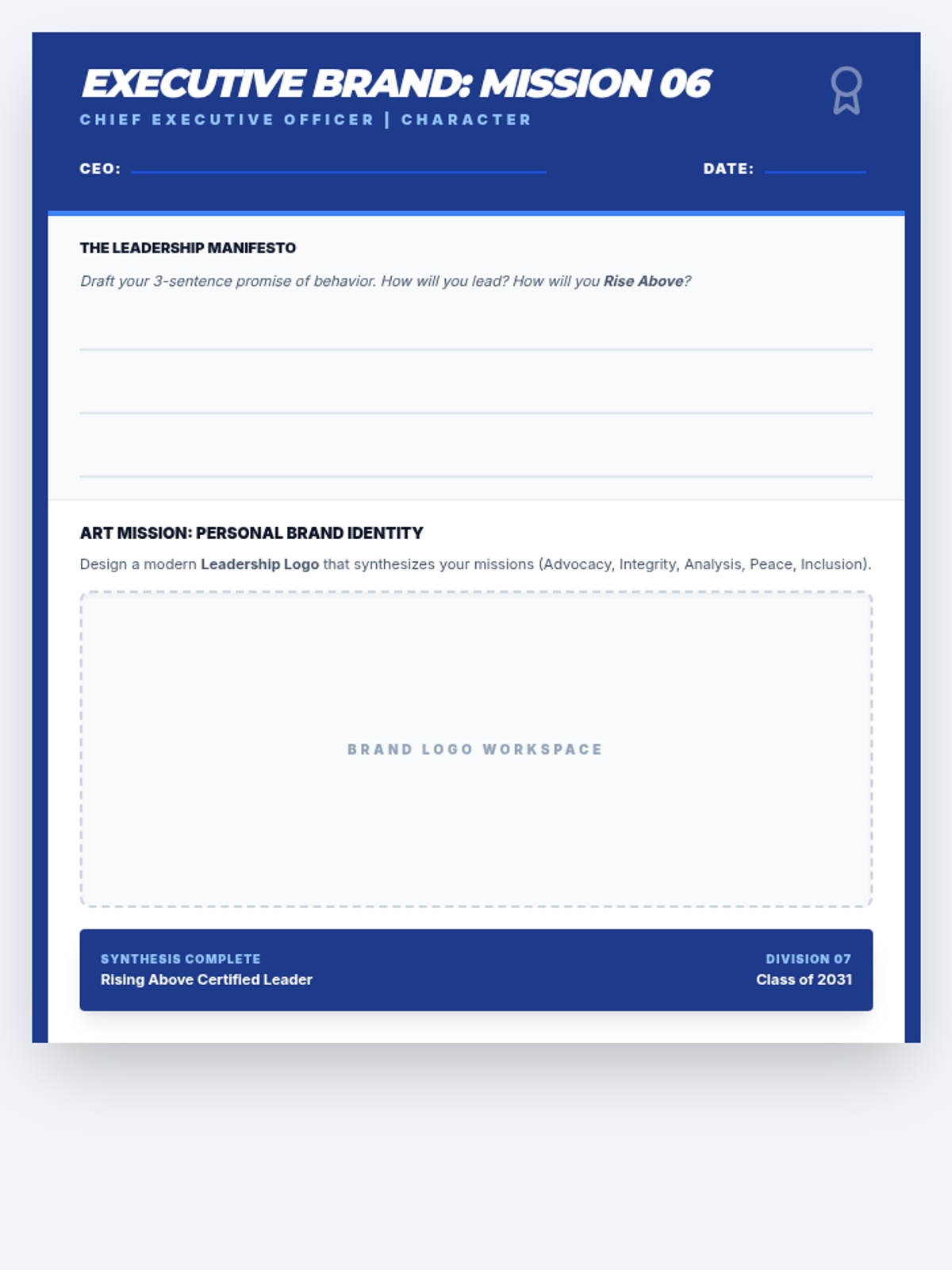
7th Grade unit synthesis focusing on personal leadership branding and the S.O.A.R. framework. Art: Personal Brand Identity.
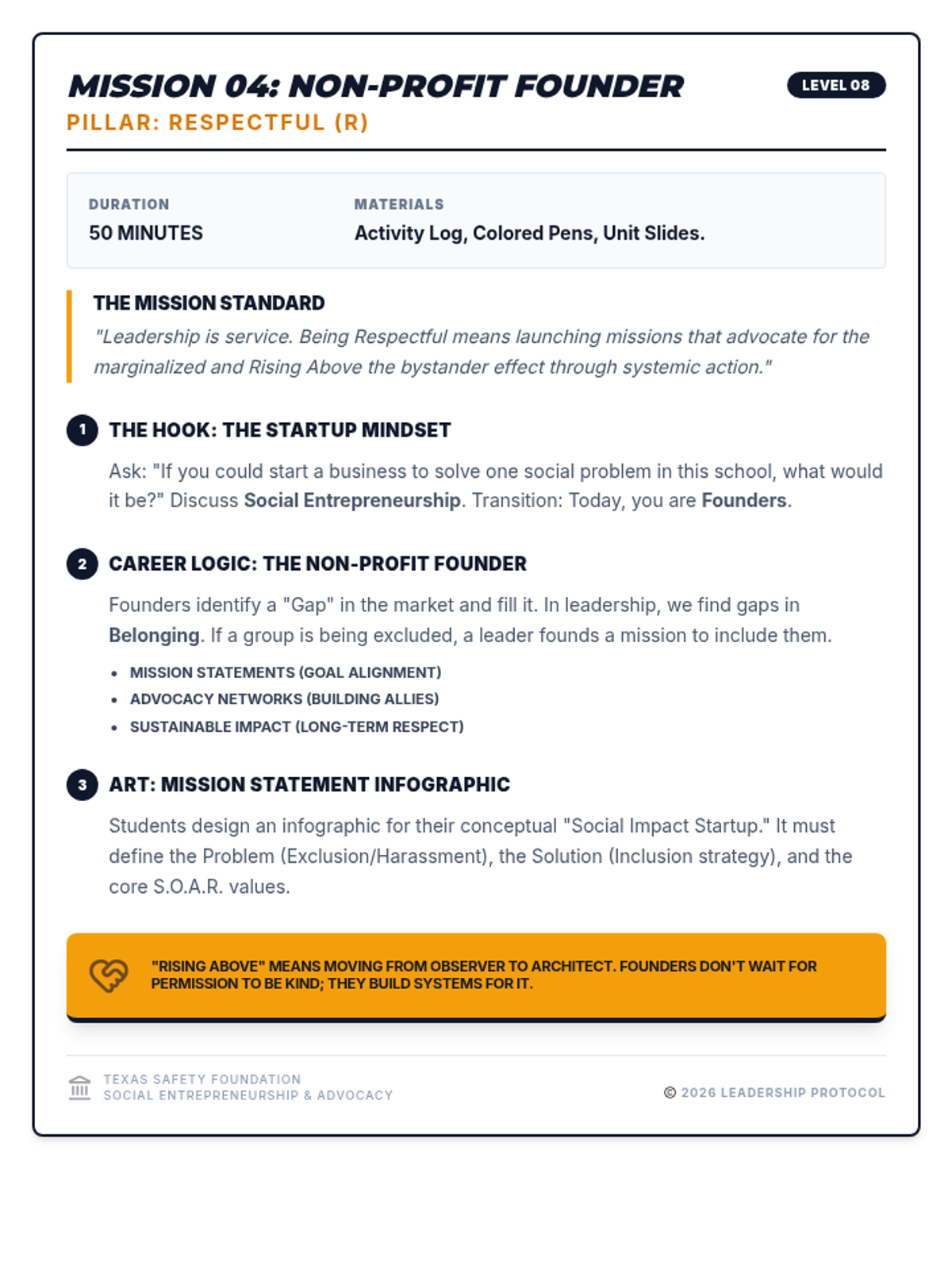
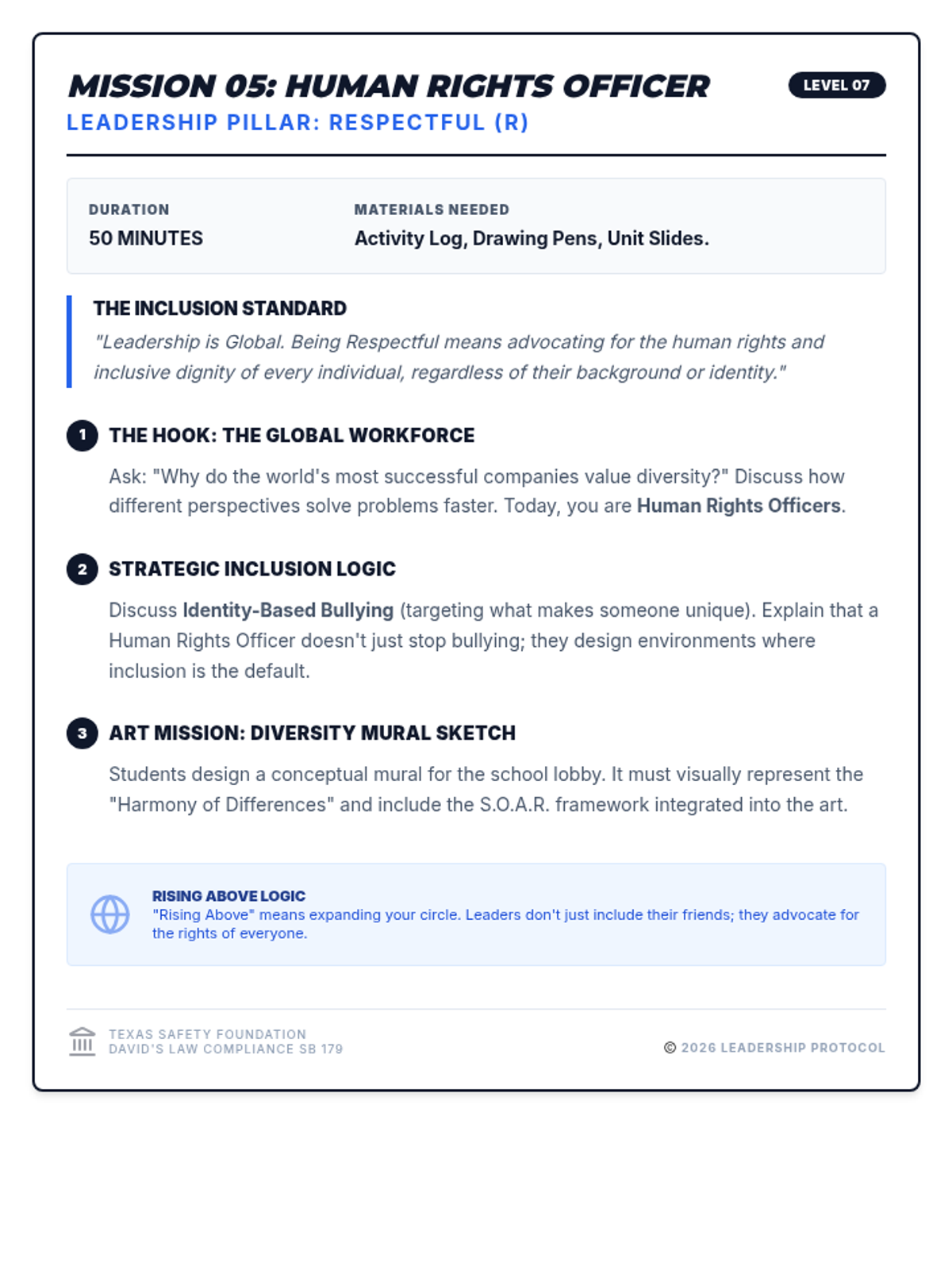
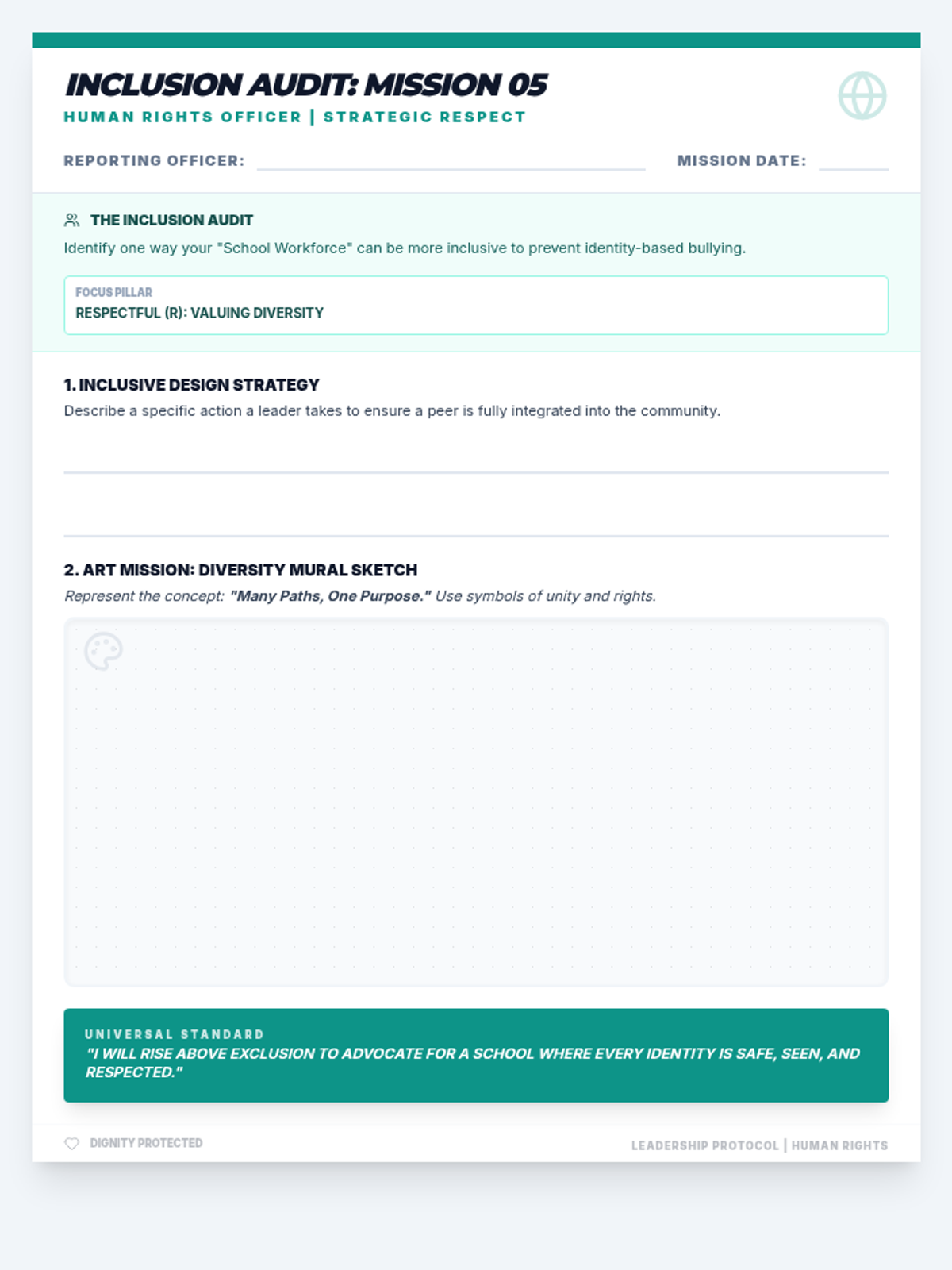
7th Grade focus on diversity, equity, and inclusive leadership through the lens of a Human Rights Officer. Art: Diversity Mural Sketch.
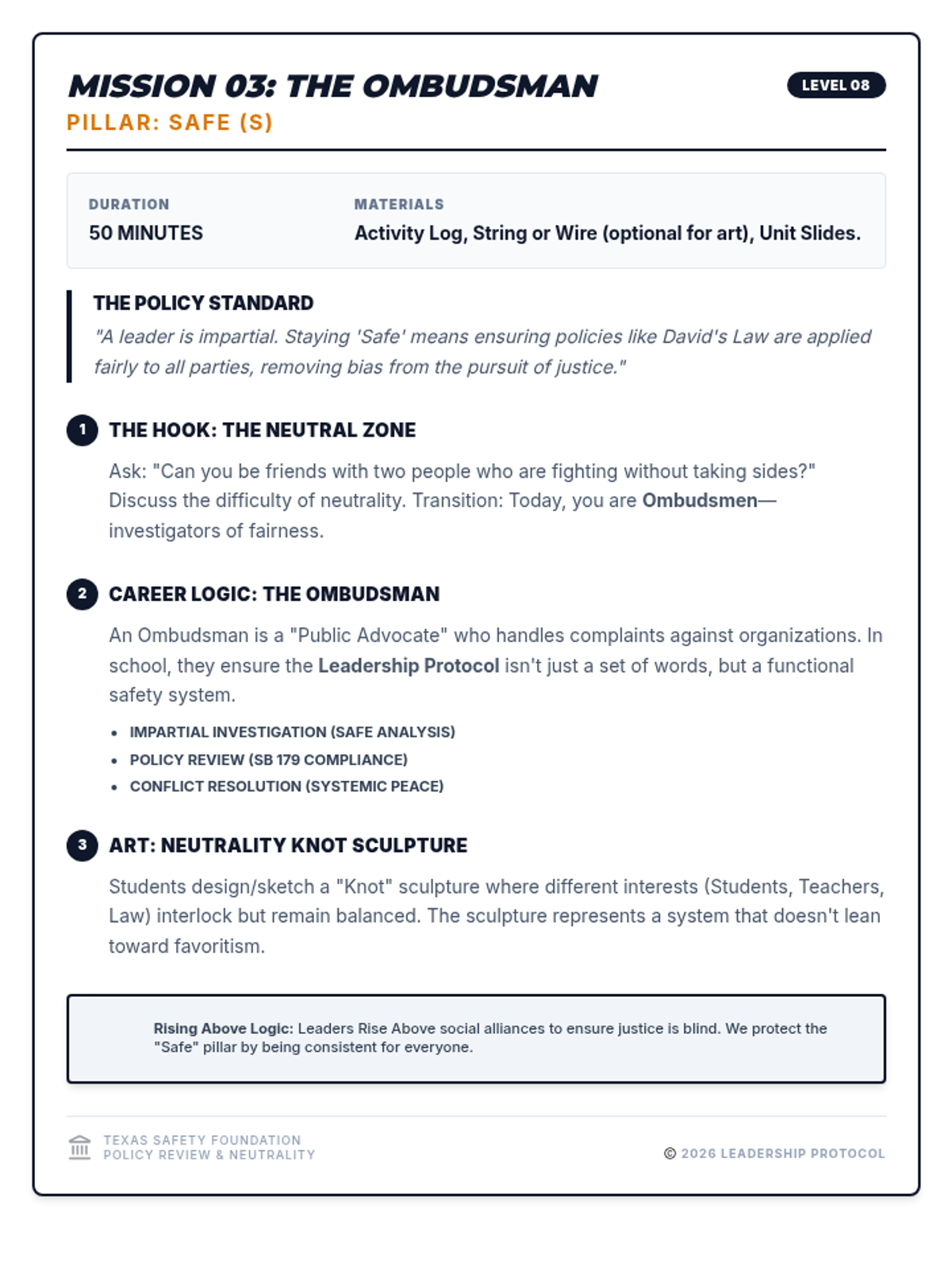
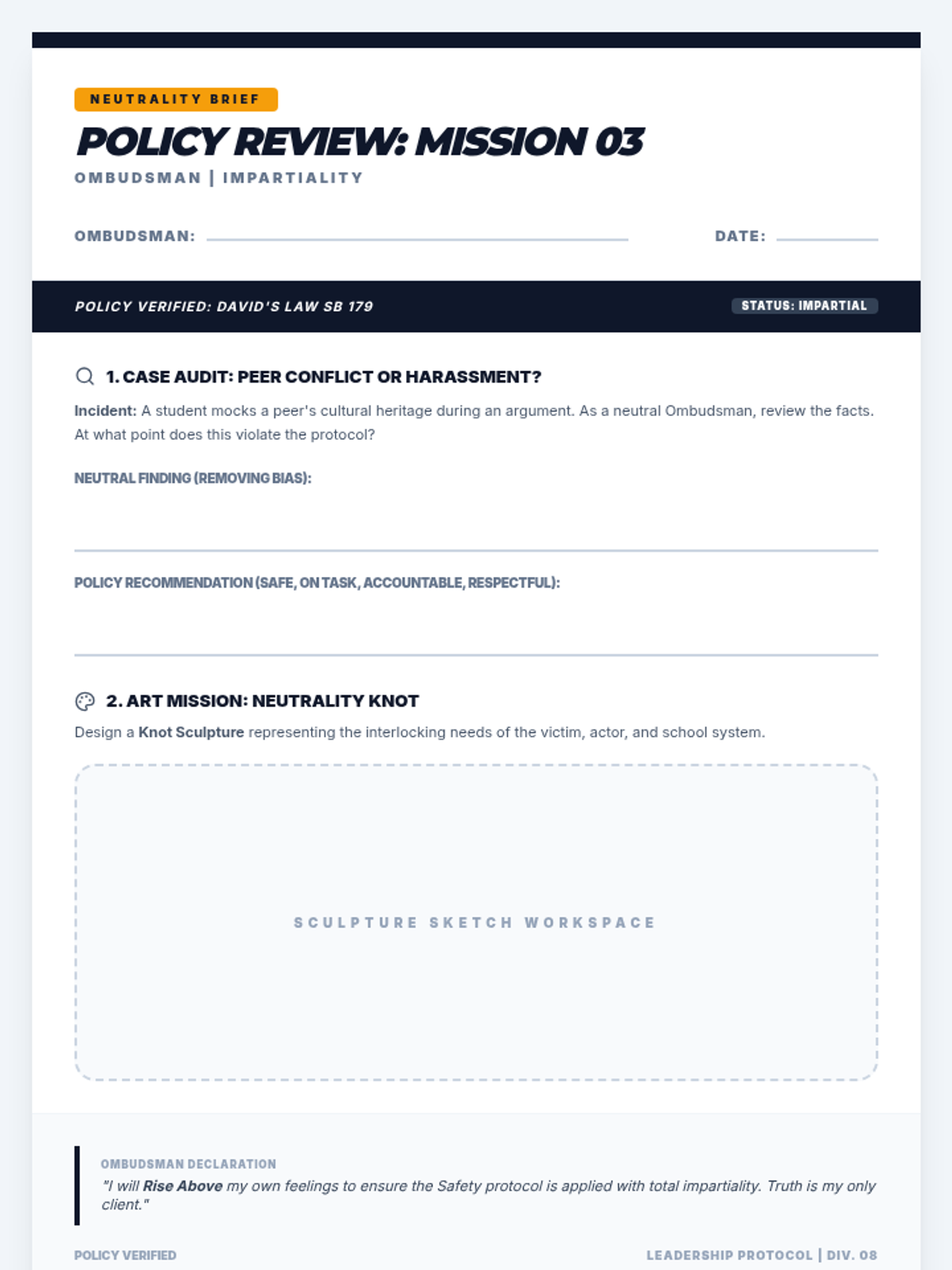
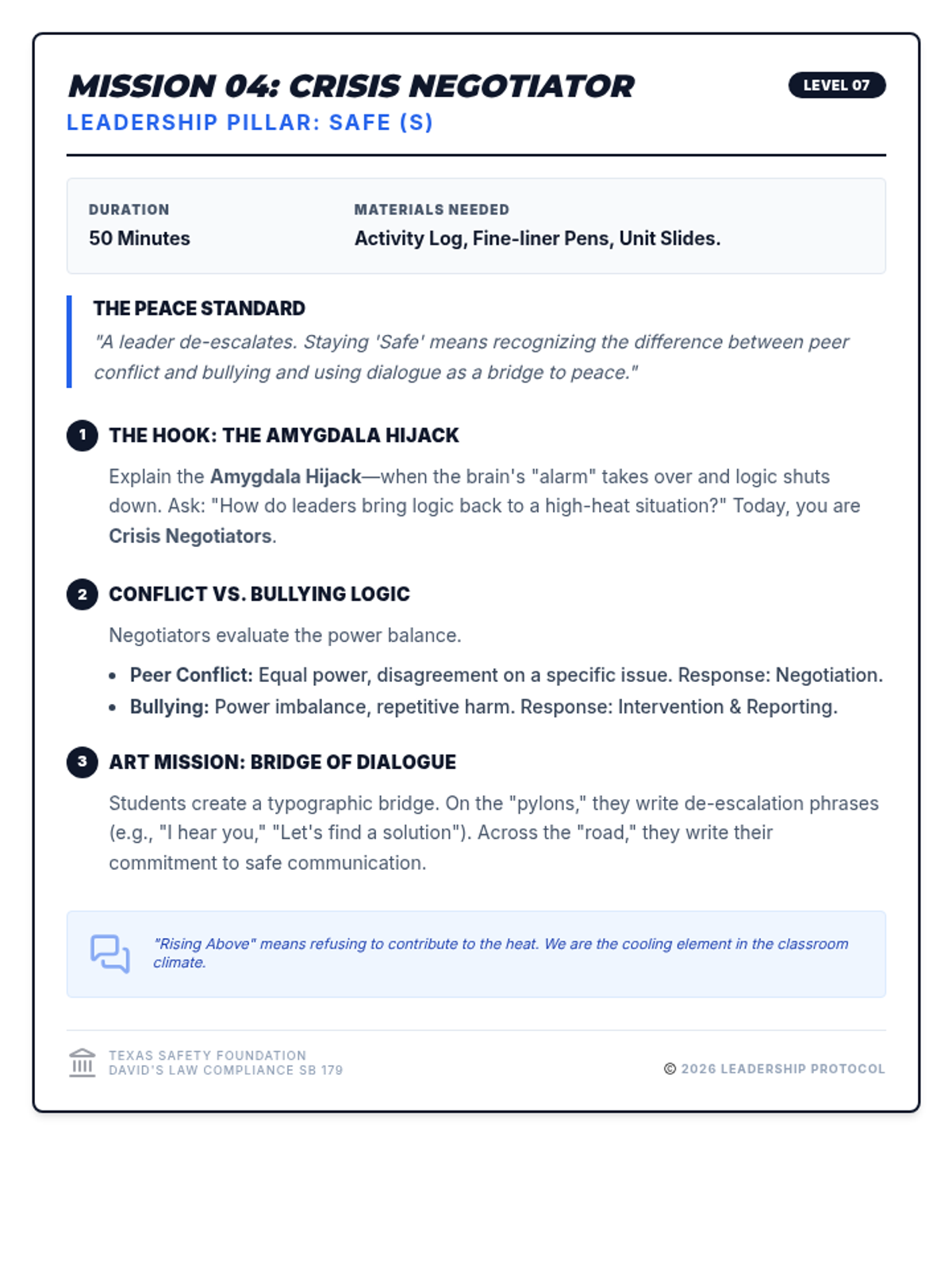
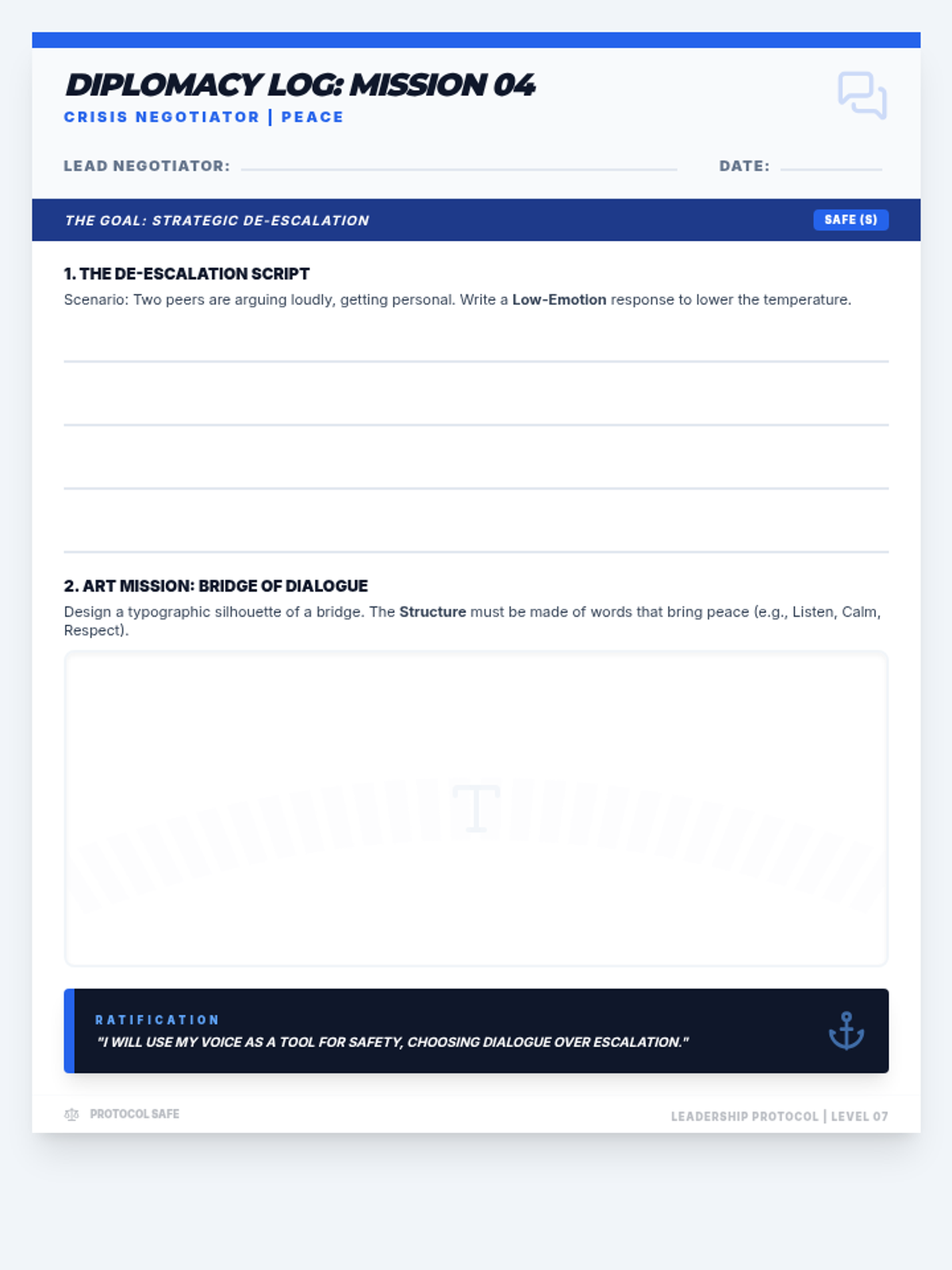
7th Grade focus on de-escalation, conflict vs. bullying, and maintaining a safe environment through the lens of a Crisis Negotiator. Art: Bridge of Dialogue.
A comprehensive guide for graduating seniors to prepare for life after high school, focusing on higher education, career readiness, and independent living skills.
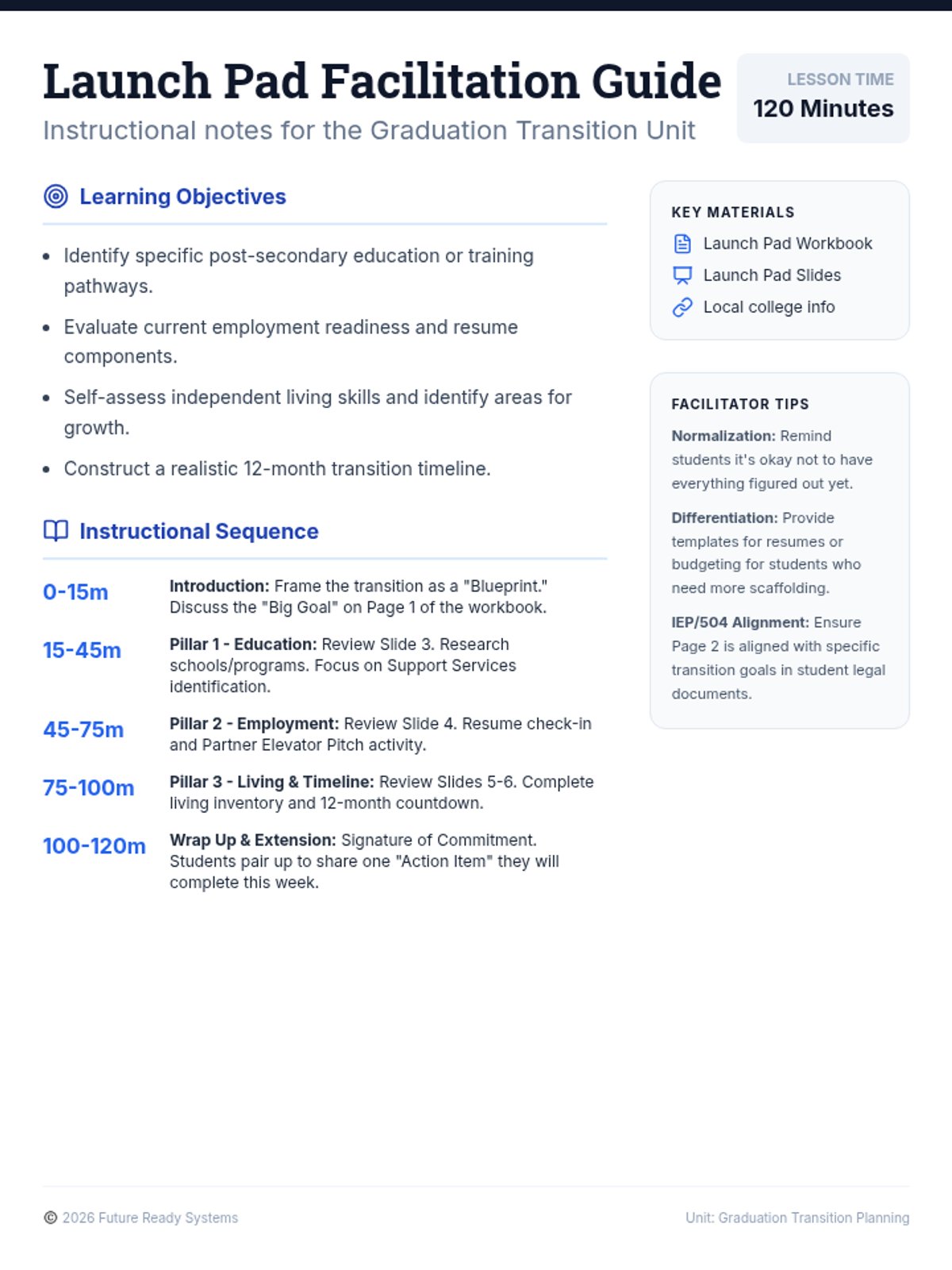
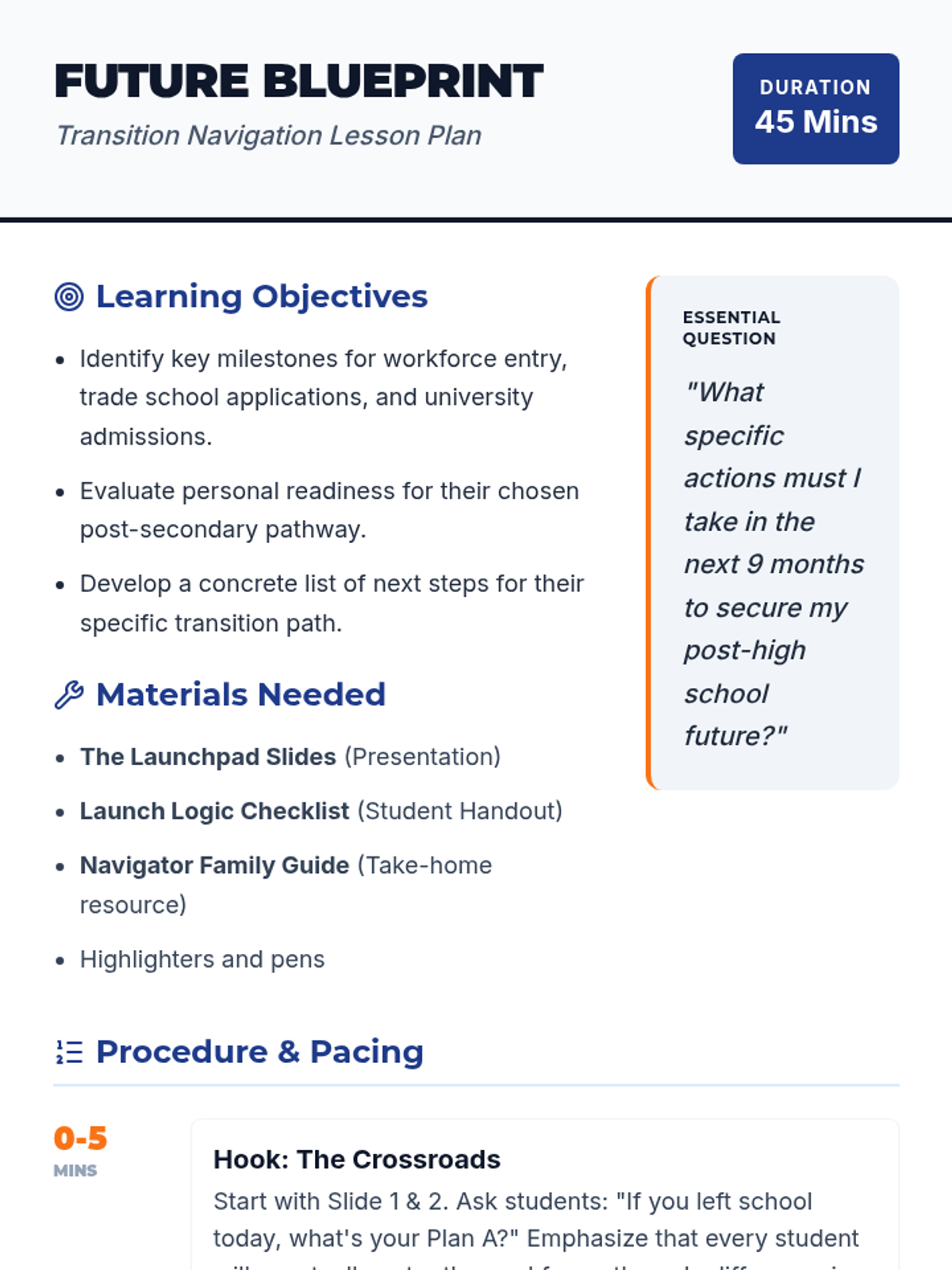
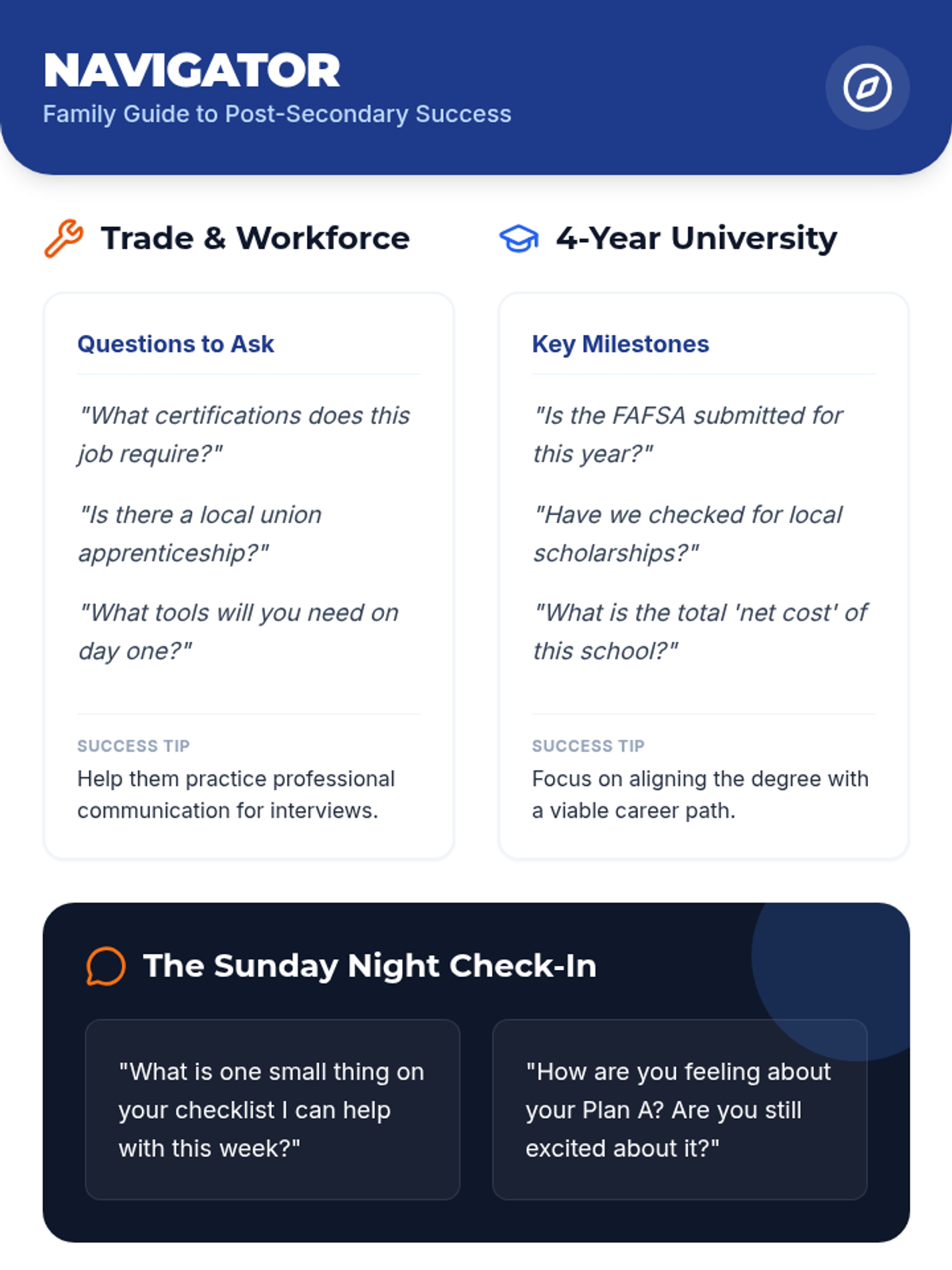
A comprehensive lesson designed to help high school seniors navigate their post-secondary transition, whether heading to trade school, the workforce, or a 4-year university.
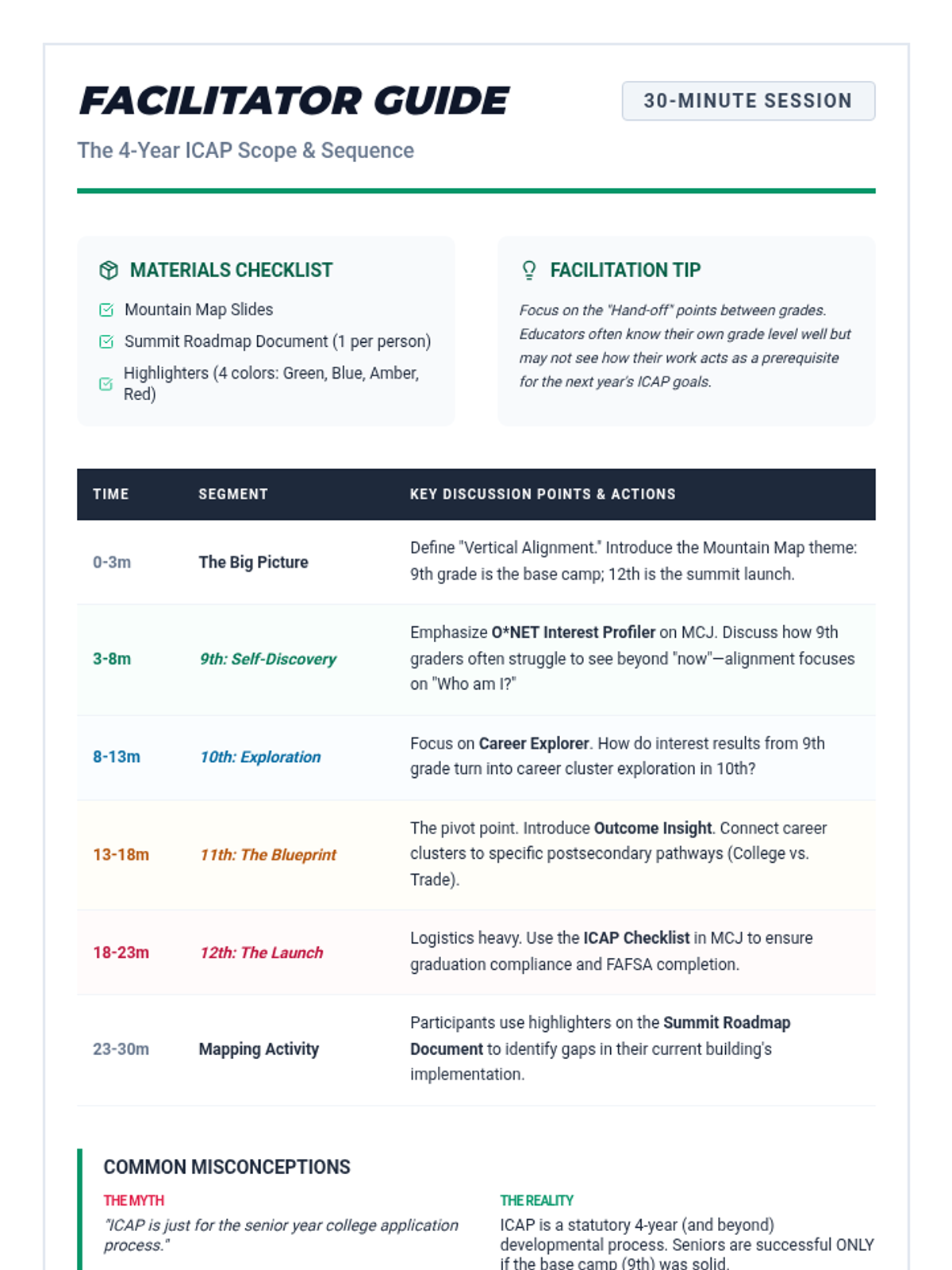
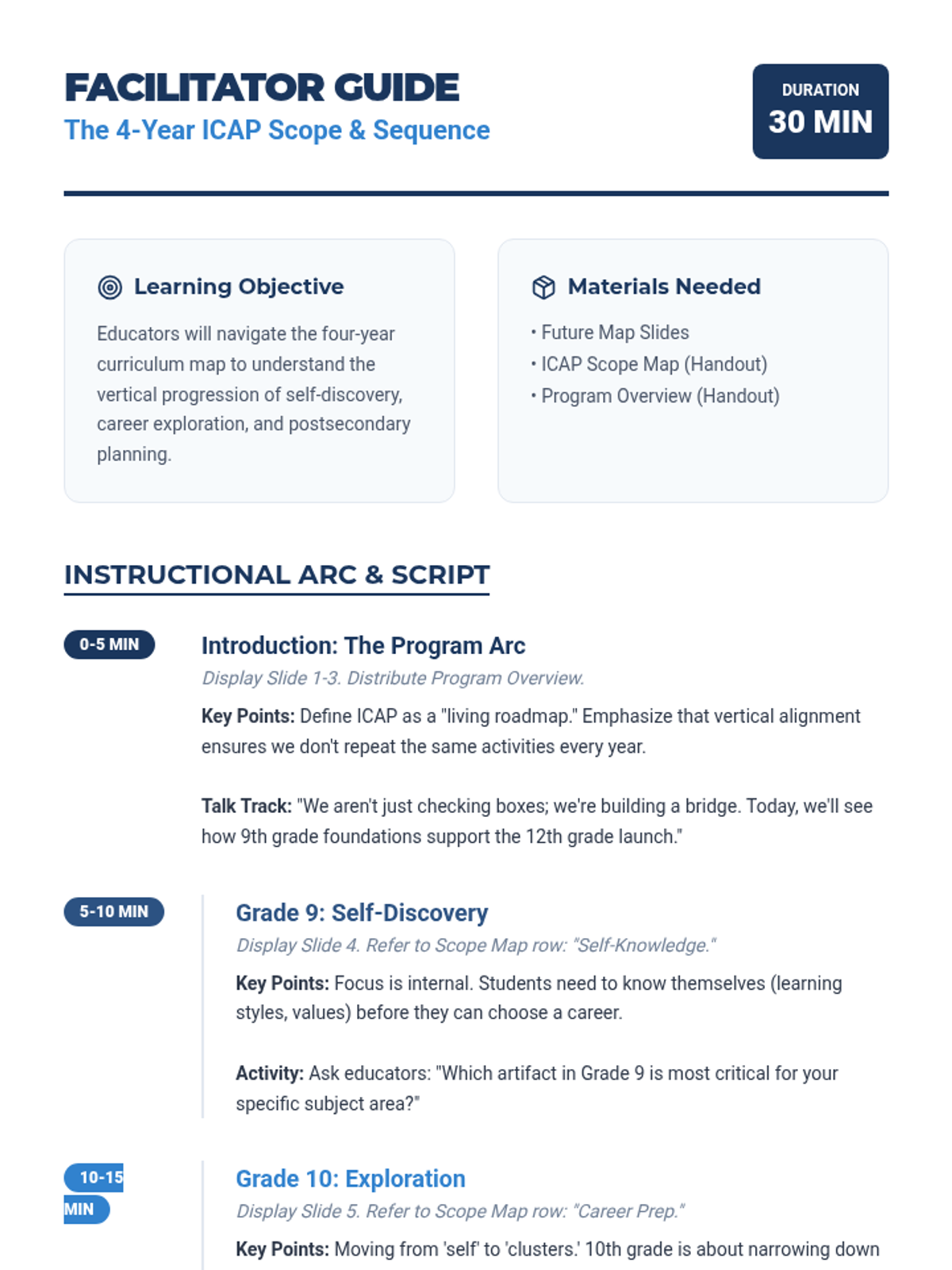
A 30-minute professional development session for educators focused on the vertical alignment of the Individual Career and Academic Plan (ICAP) across grades 9-12, featuring My Colorado Journey integration.
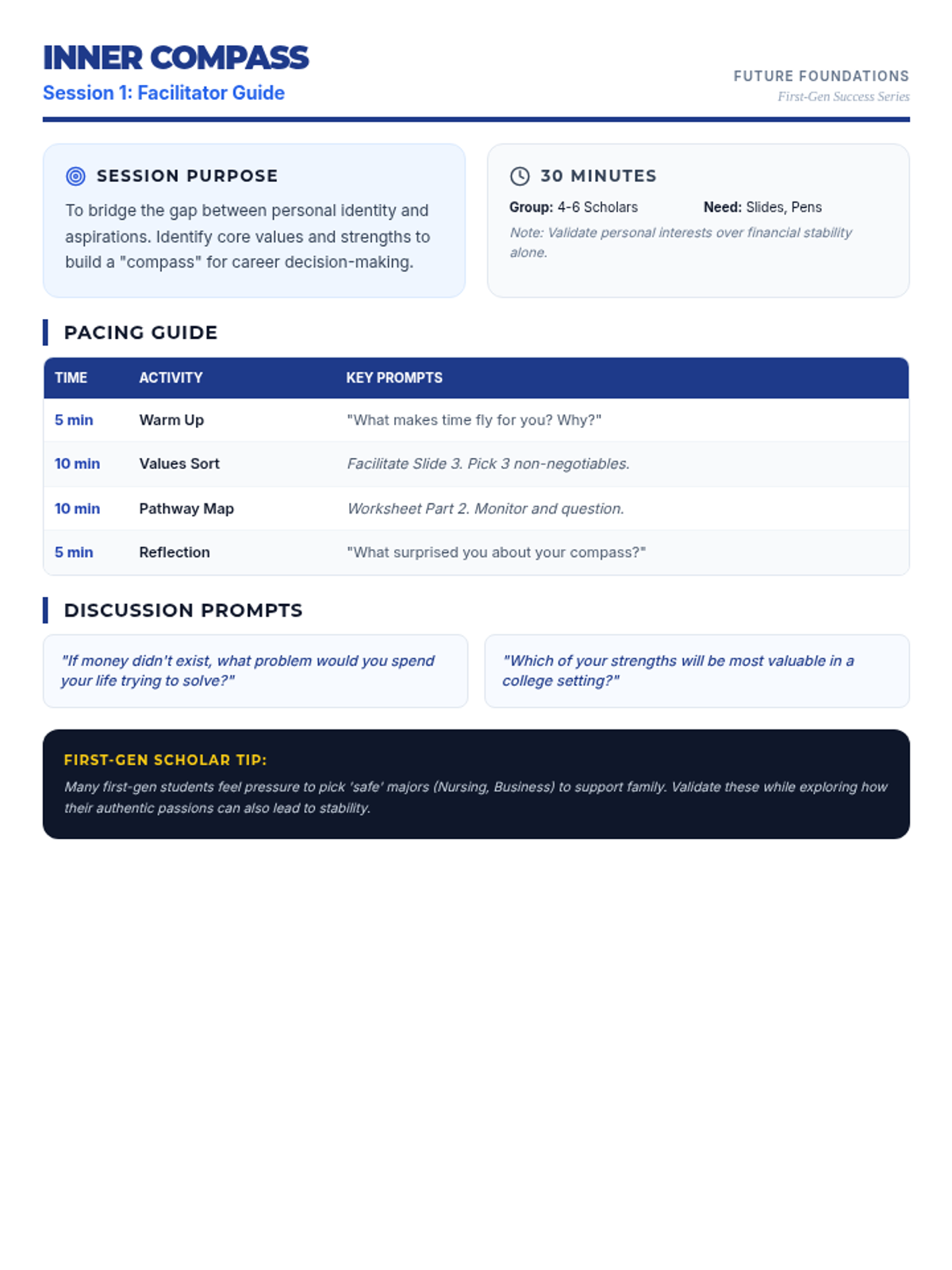
Phase 1 focuses on the foundation: aligning identity with essay narratives, executing the first steps of financial aid (FSA ID), and budgeting for senior year costs.
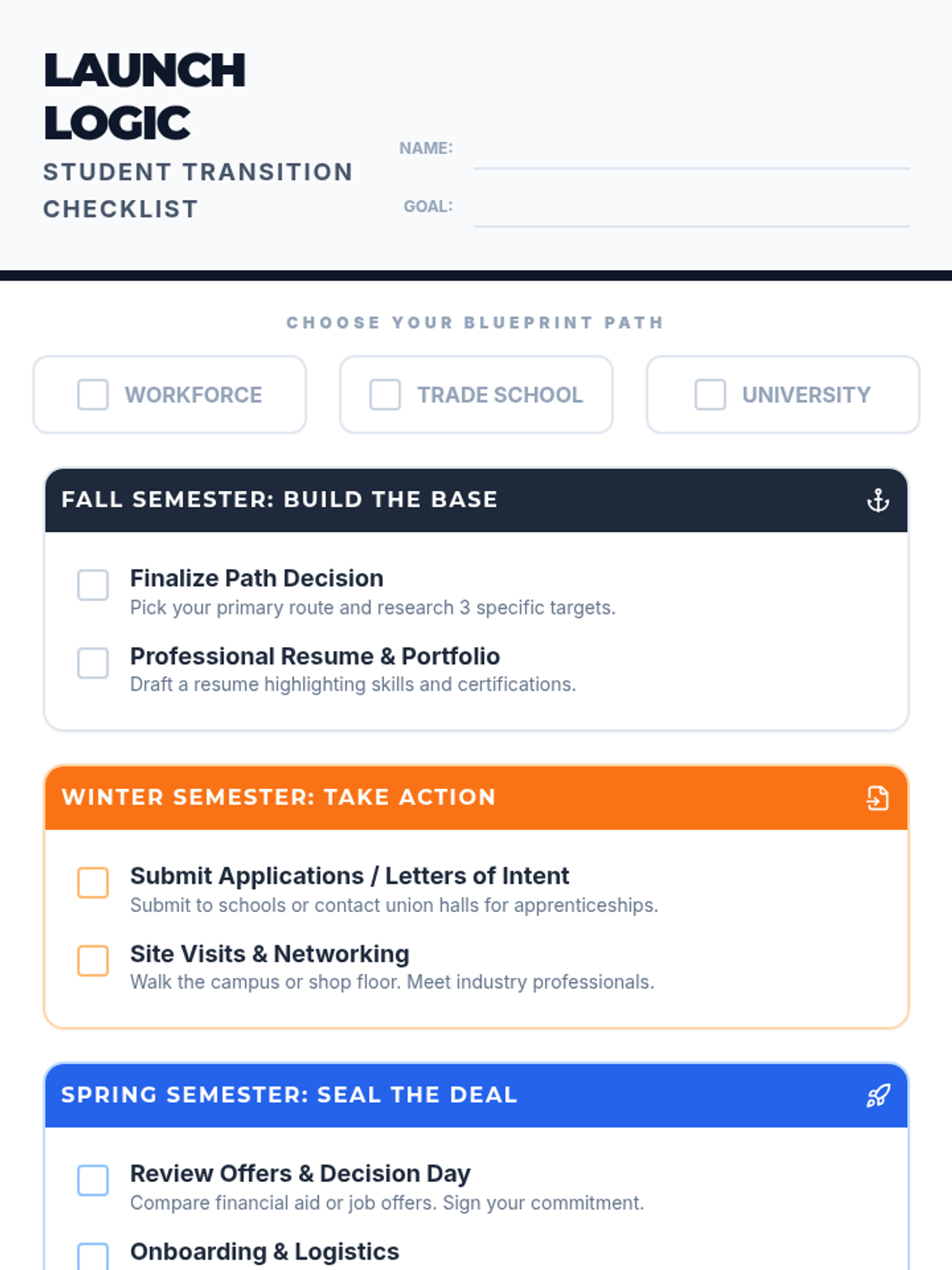
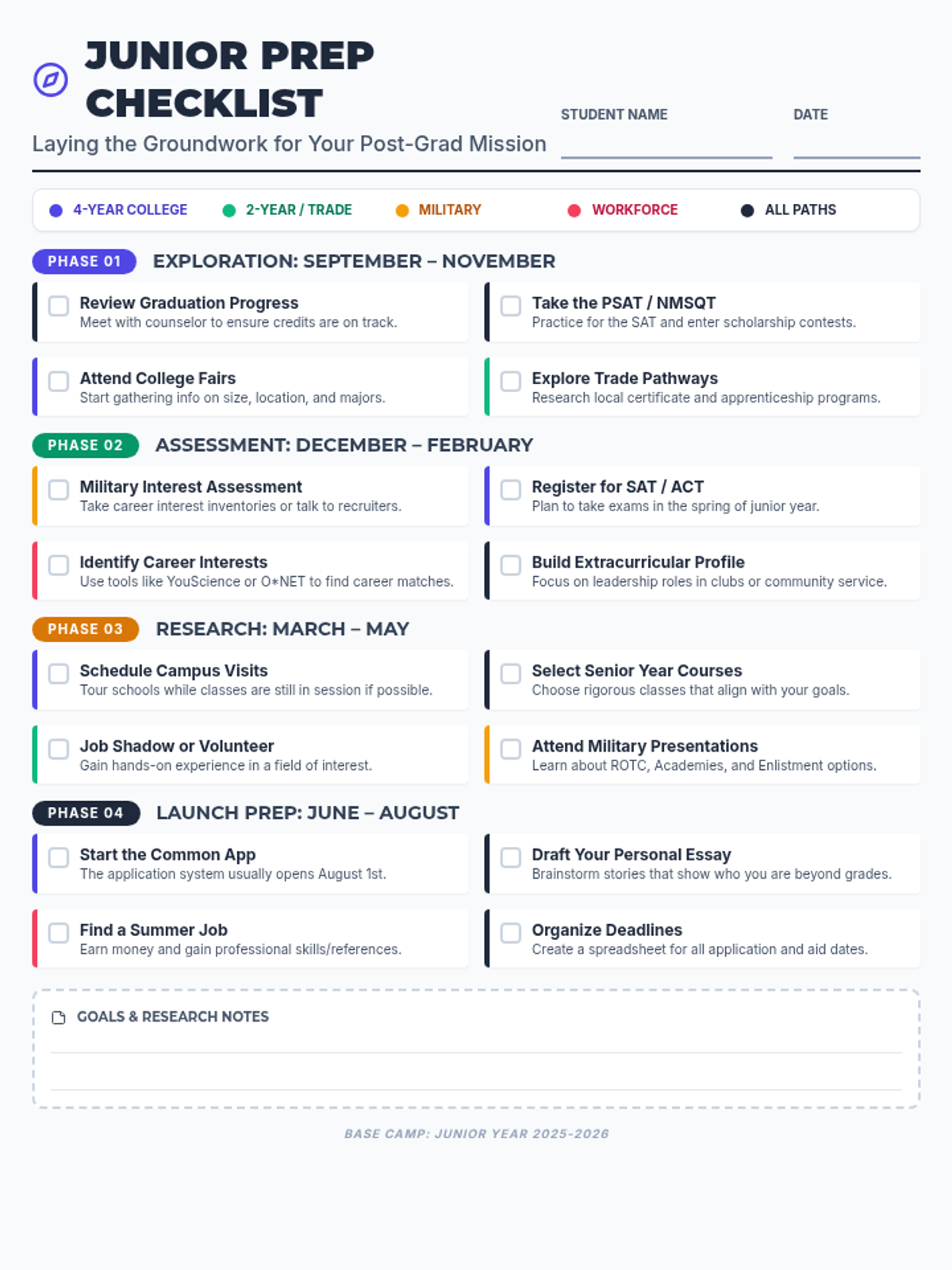
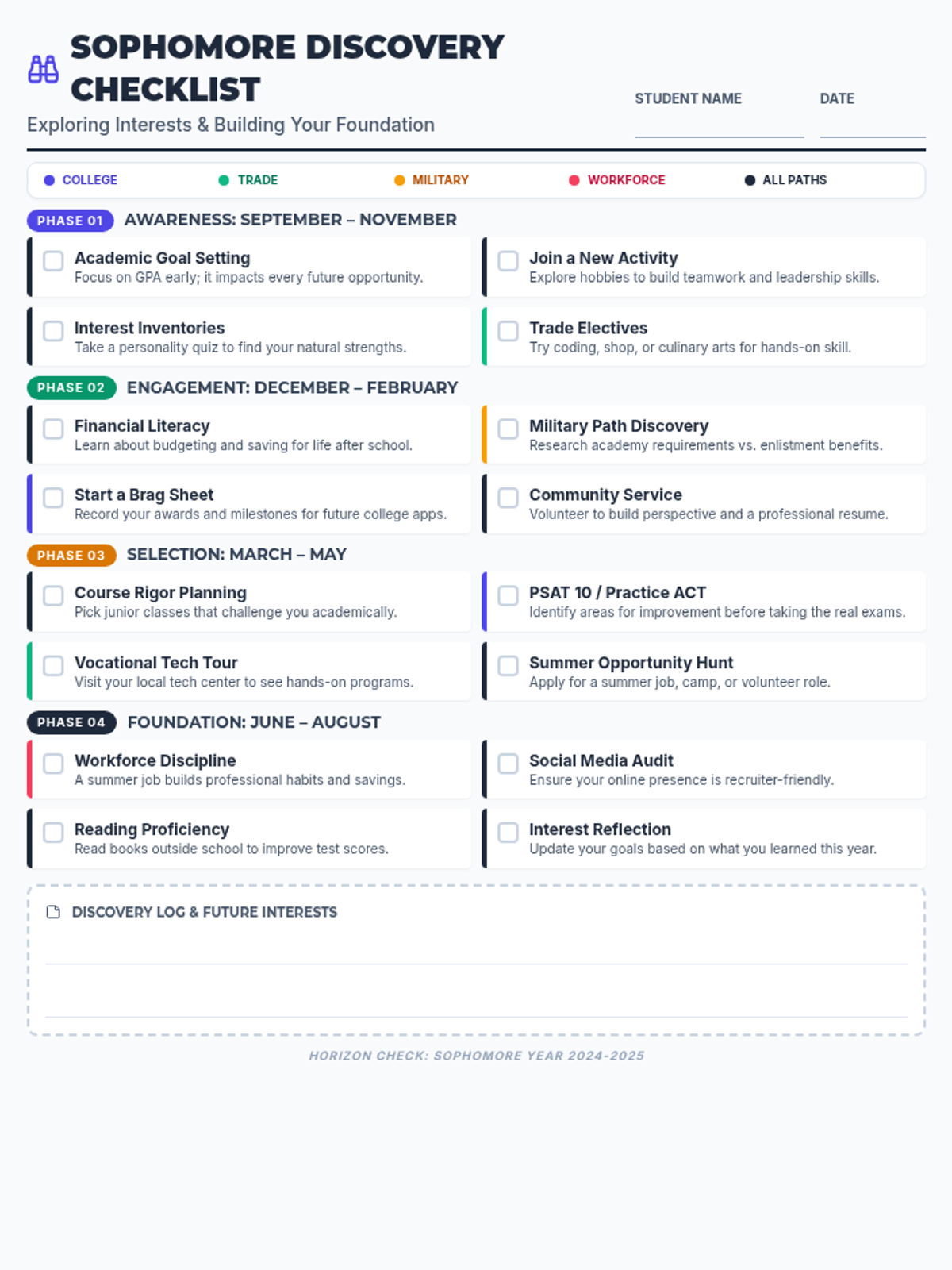
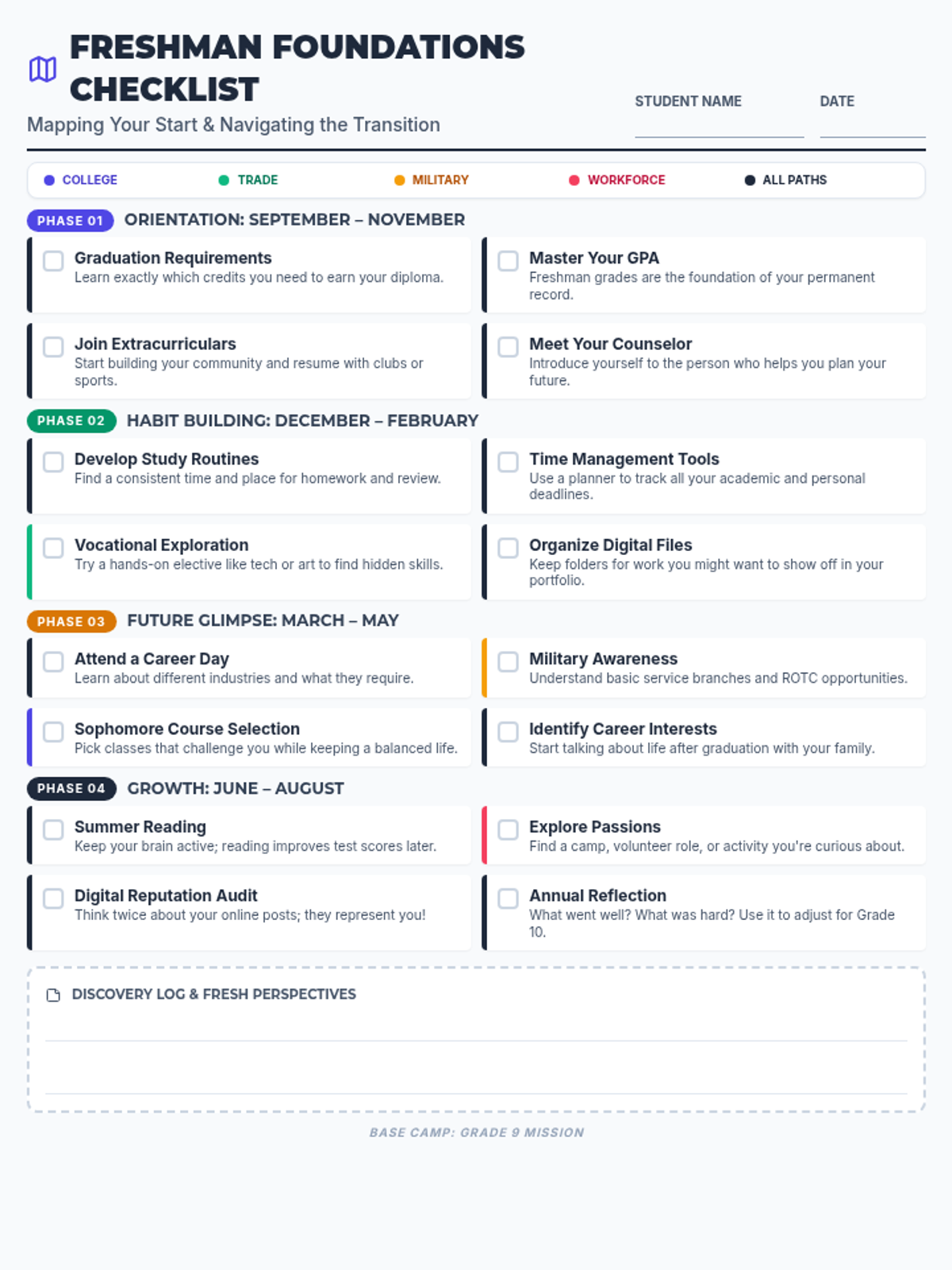
A collection of visual checklists and organizers to help high school students navigate the complex transition to post-secondary life, covering college, trade schools, military, and the workforce.
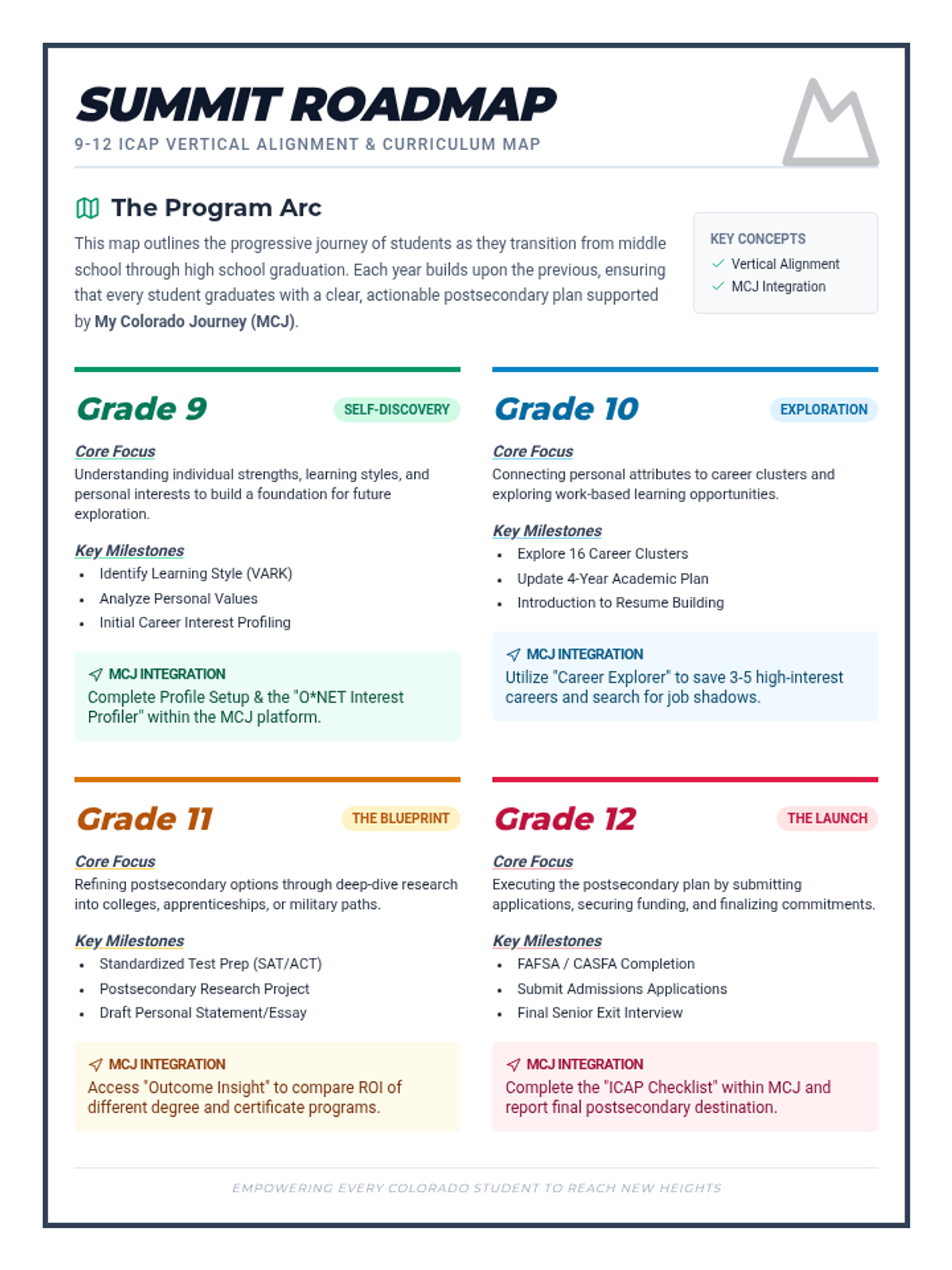
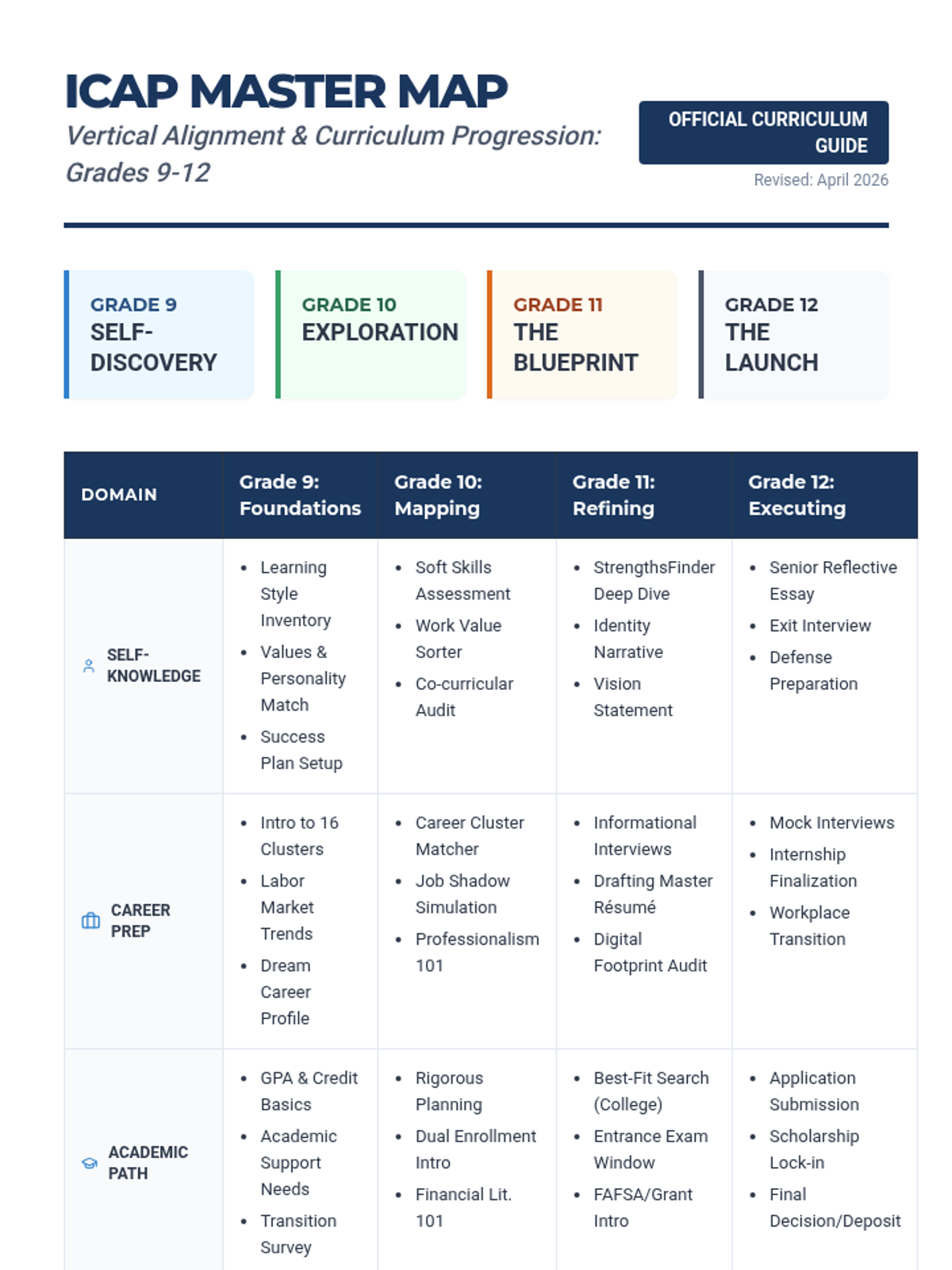
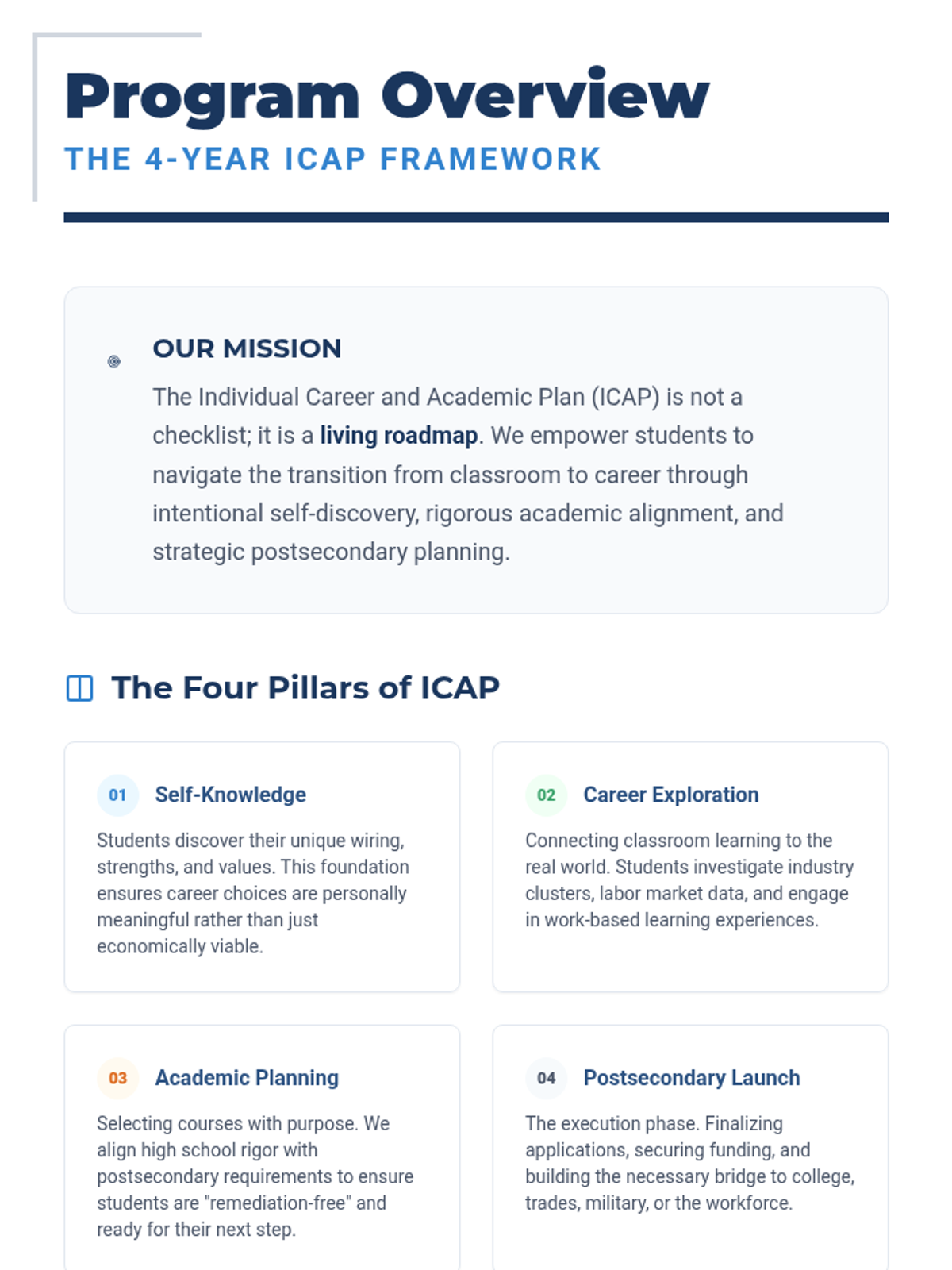
A professional development session for educators to master the vertical progression of the Individual Career and Academic Plan (ICAP) from 9th to 12th grade. Participants will analyze the curriculum map to ensure students move seamlessly from self-discovery to postsecondary launching.
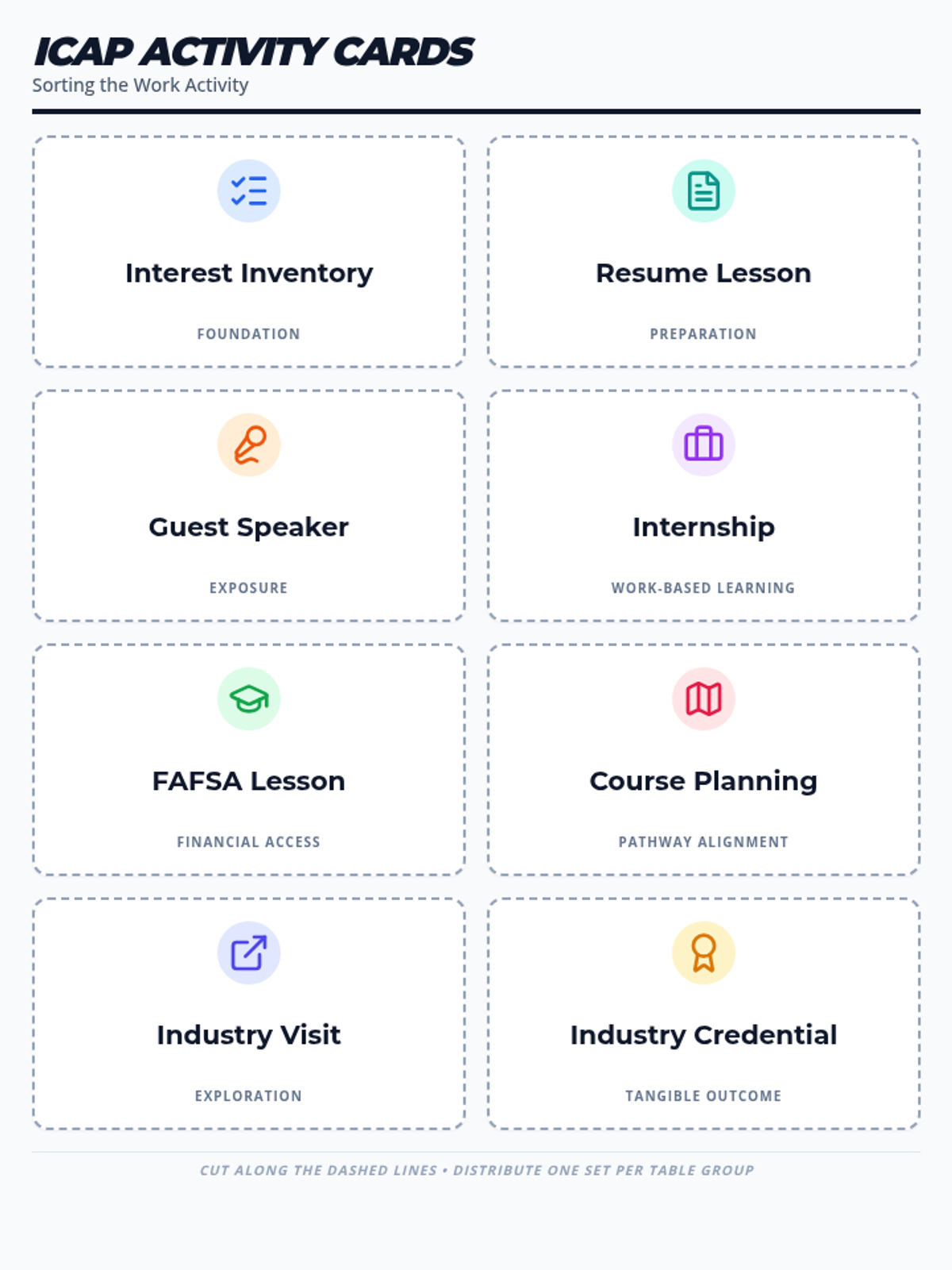
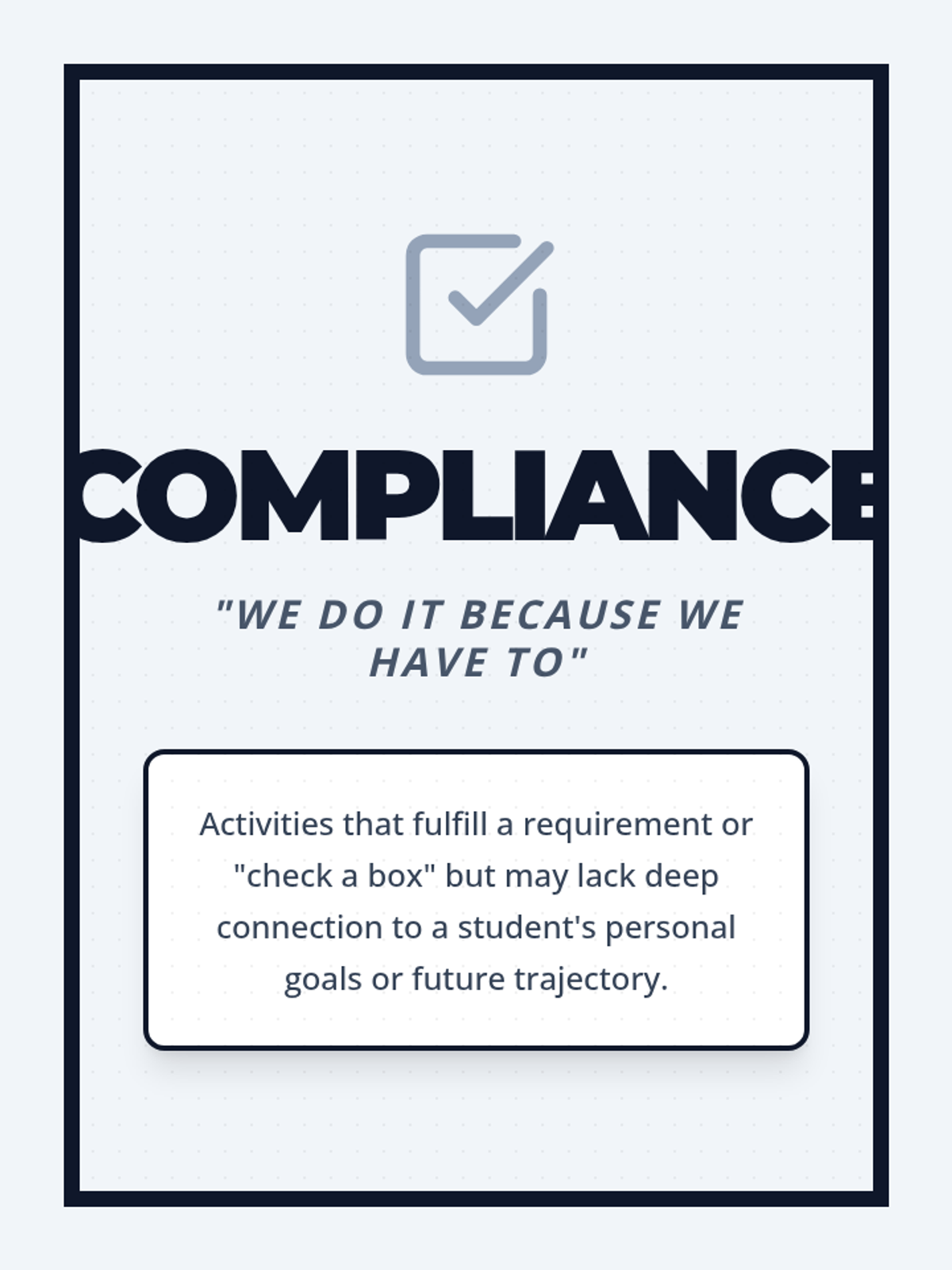
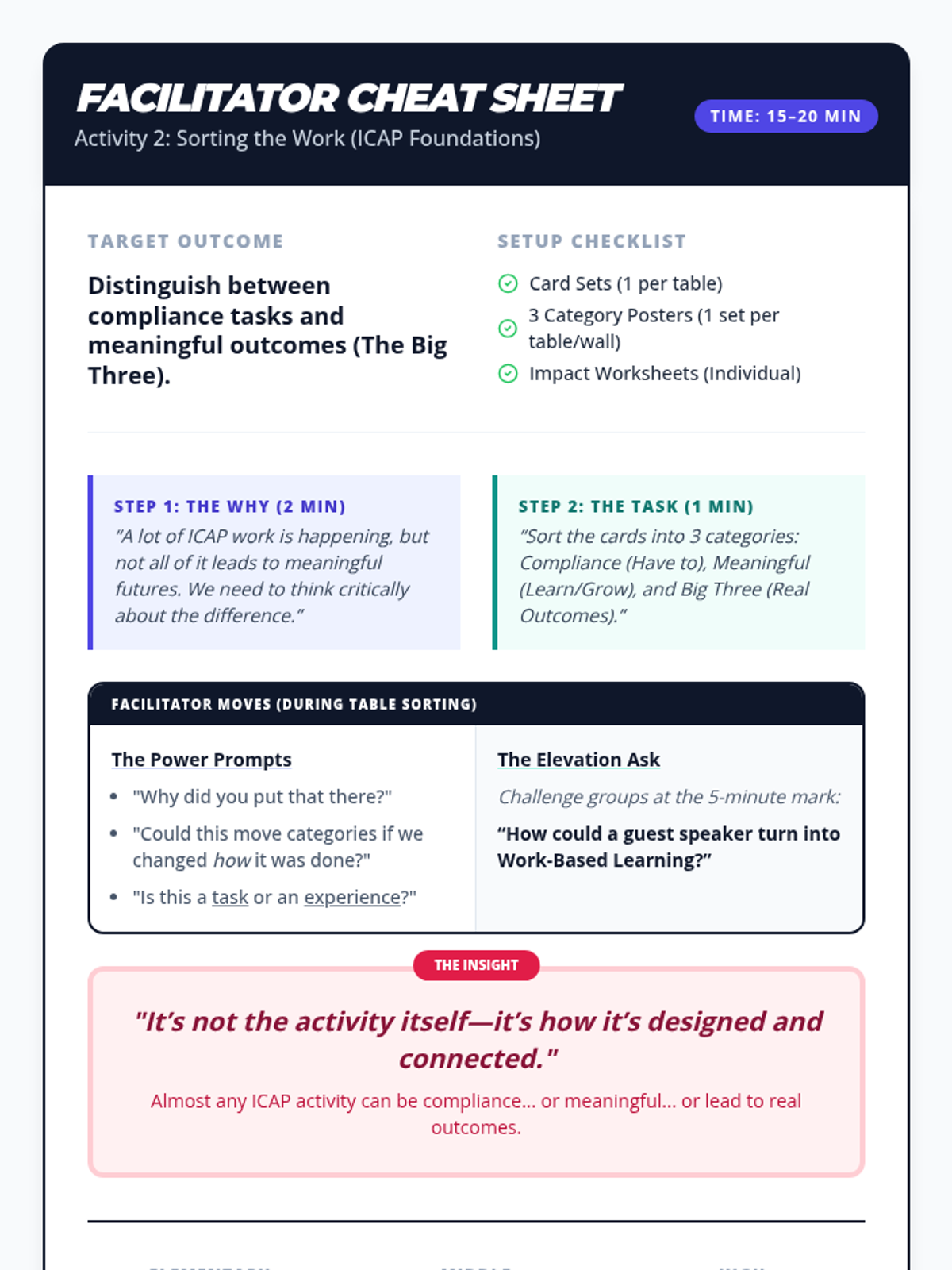
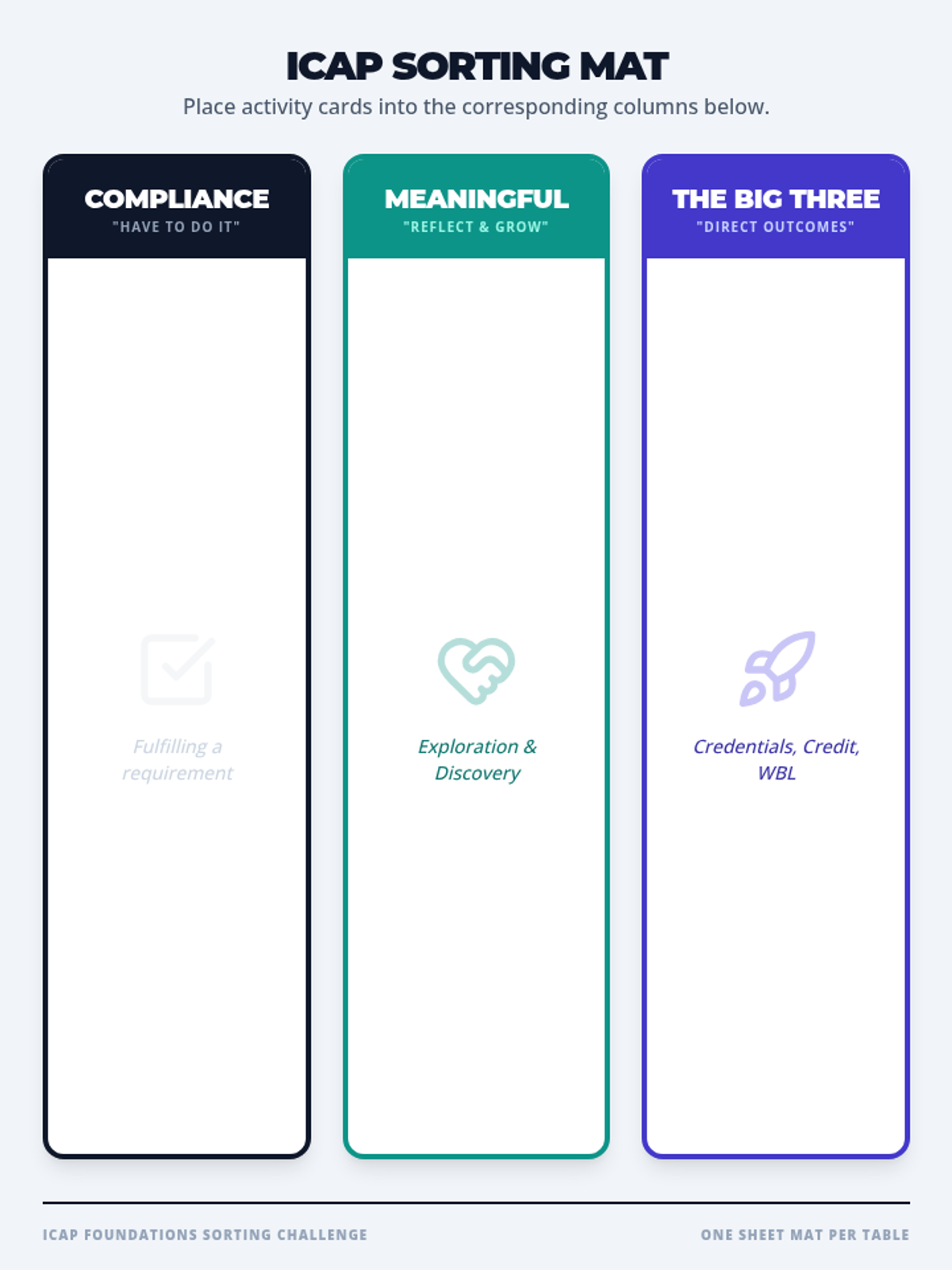
A hands-on professional development activity where participants categorize common ICAP tasks to distinguish between compliance-driven actions and high-impact outcomes that lead to student success.
Outlines the steps to take after receiving acceptance letters, including deposits, orientation, and housing, concluding with a reflection journal.