A comprehensive set of tools designed to help college students deconstruct a large research paper into manageable phases with a focus on time management and meeting deadlines.
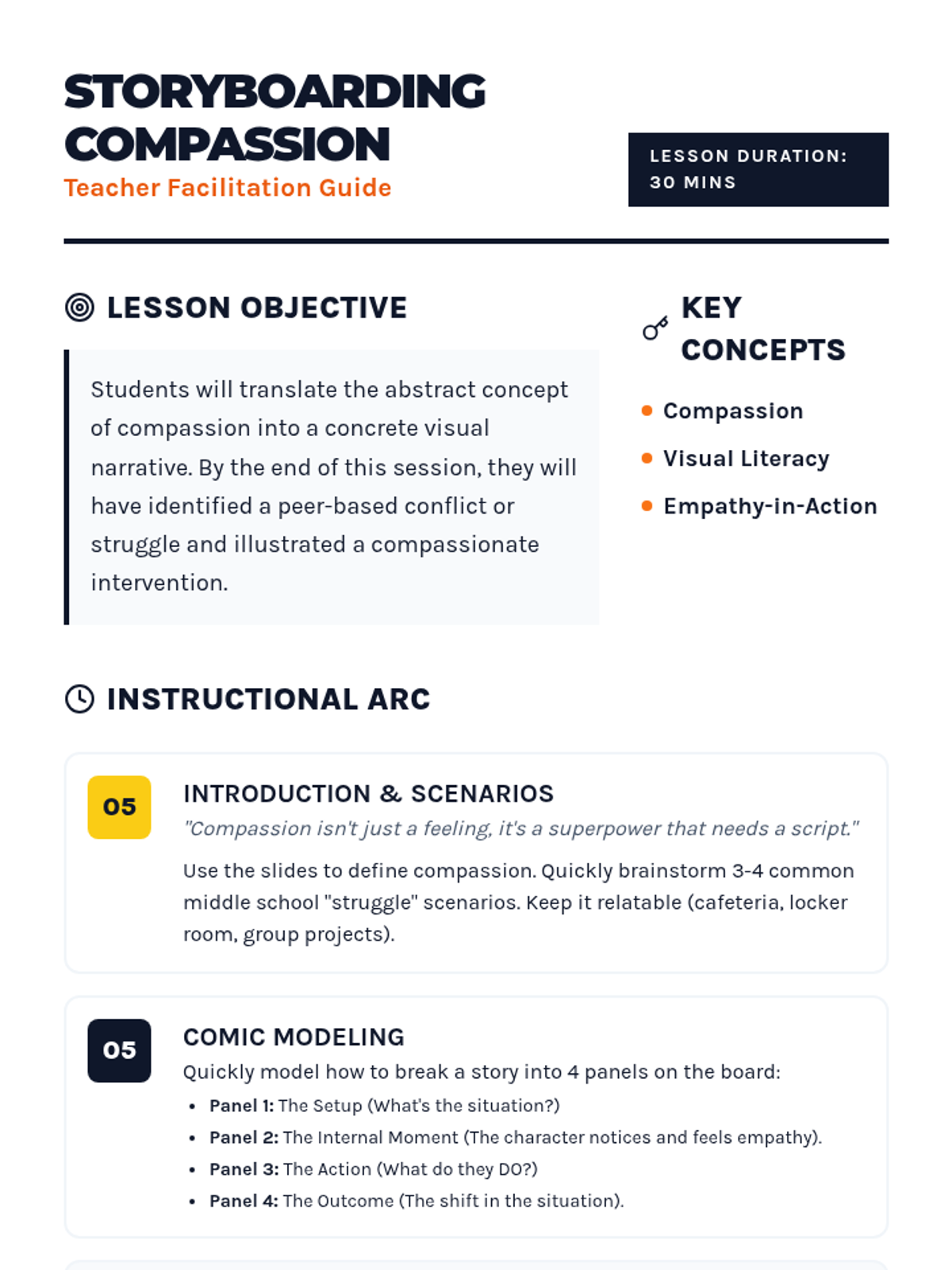
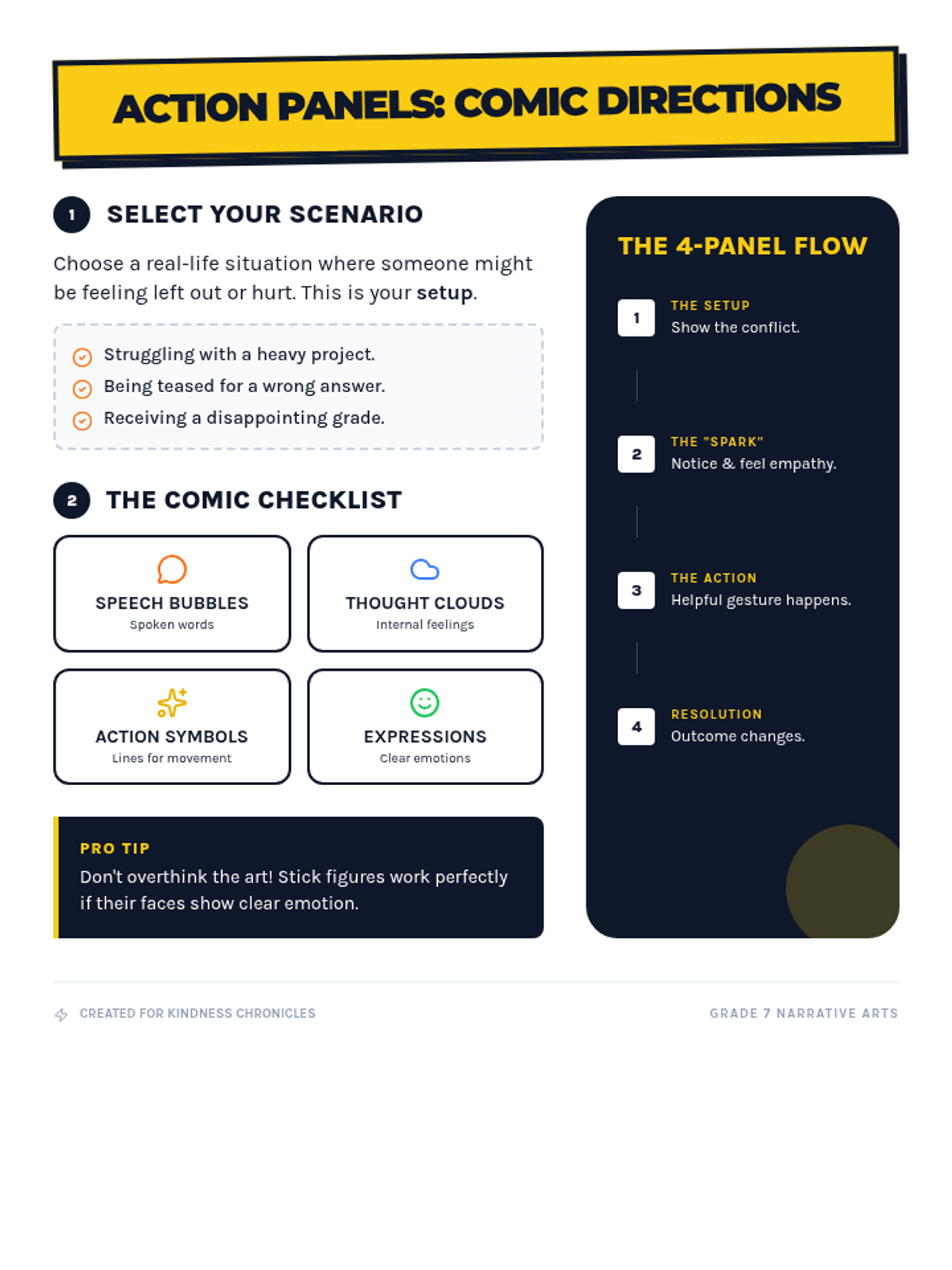
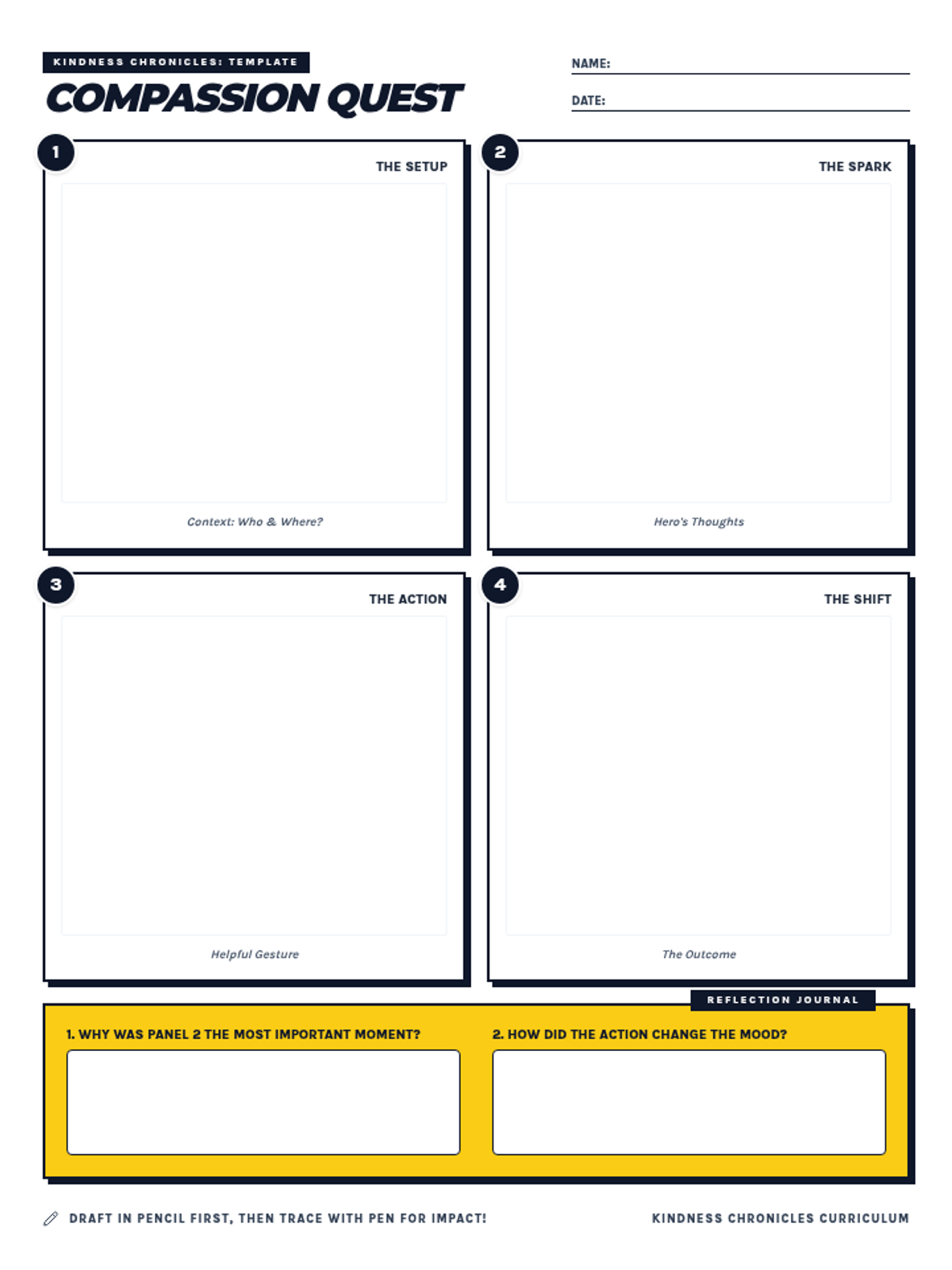
A creative arts-integrated lesson where 7th graders explore the concept of compassion by illustrating a peer-focused scenario through sequential visual storytelling. Students practice perspective-taking and identify concrete ways to show empathy in their daily lives.
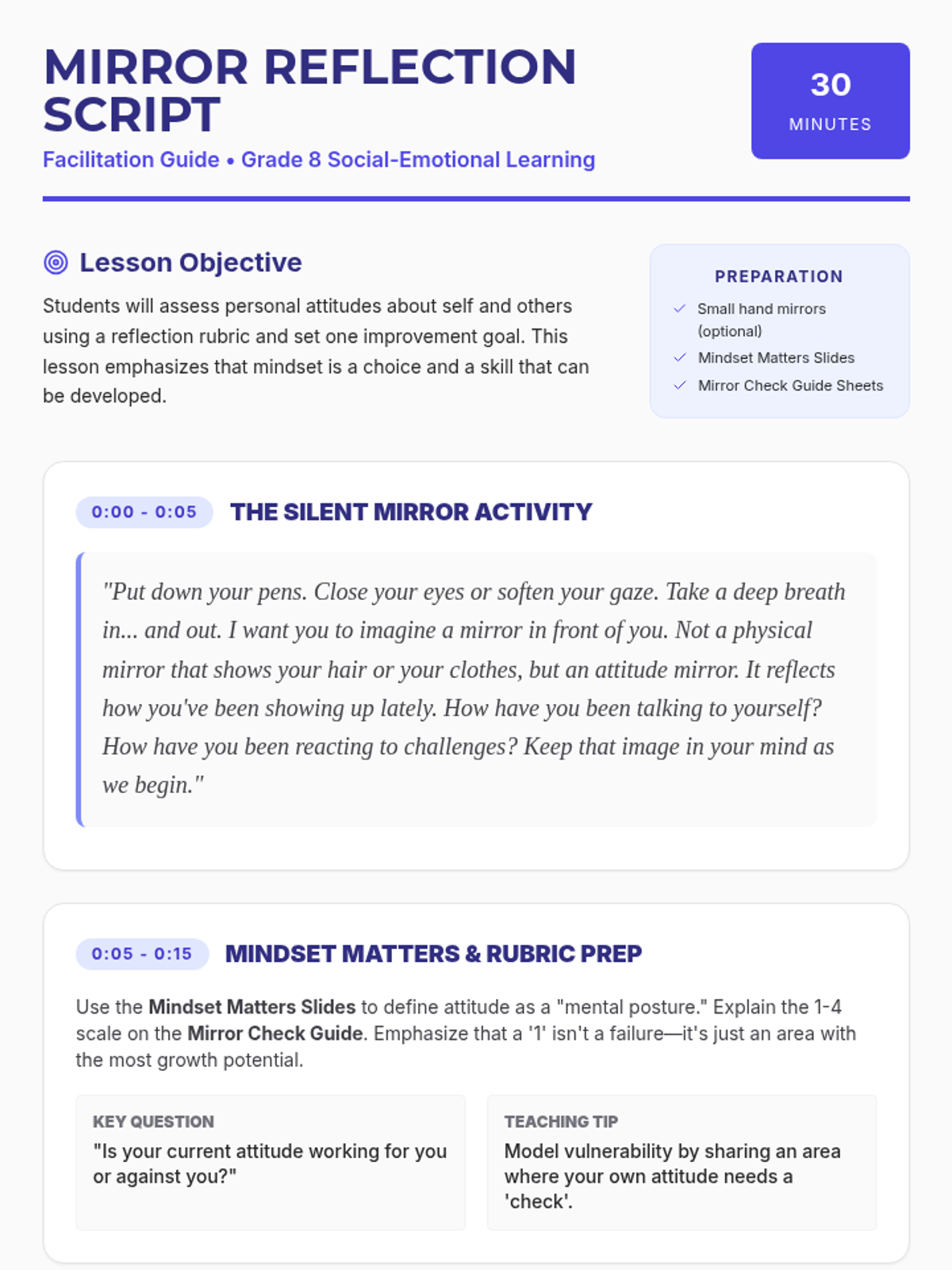
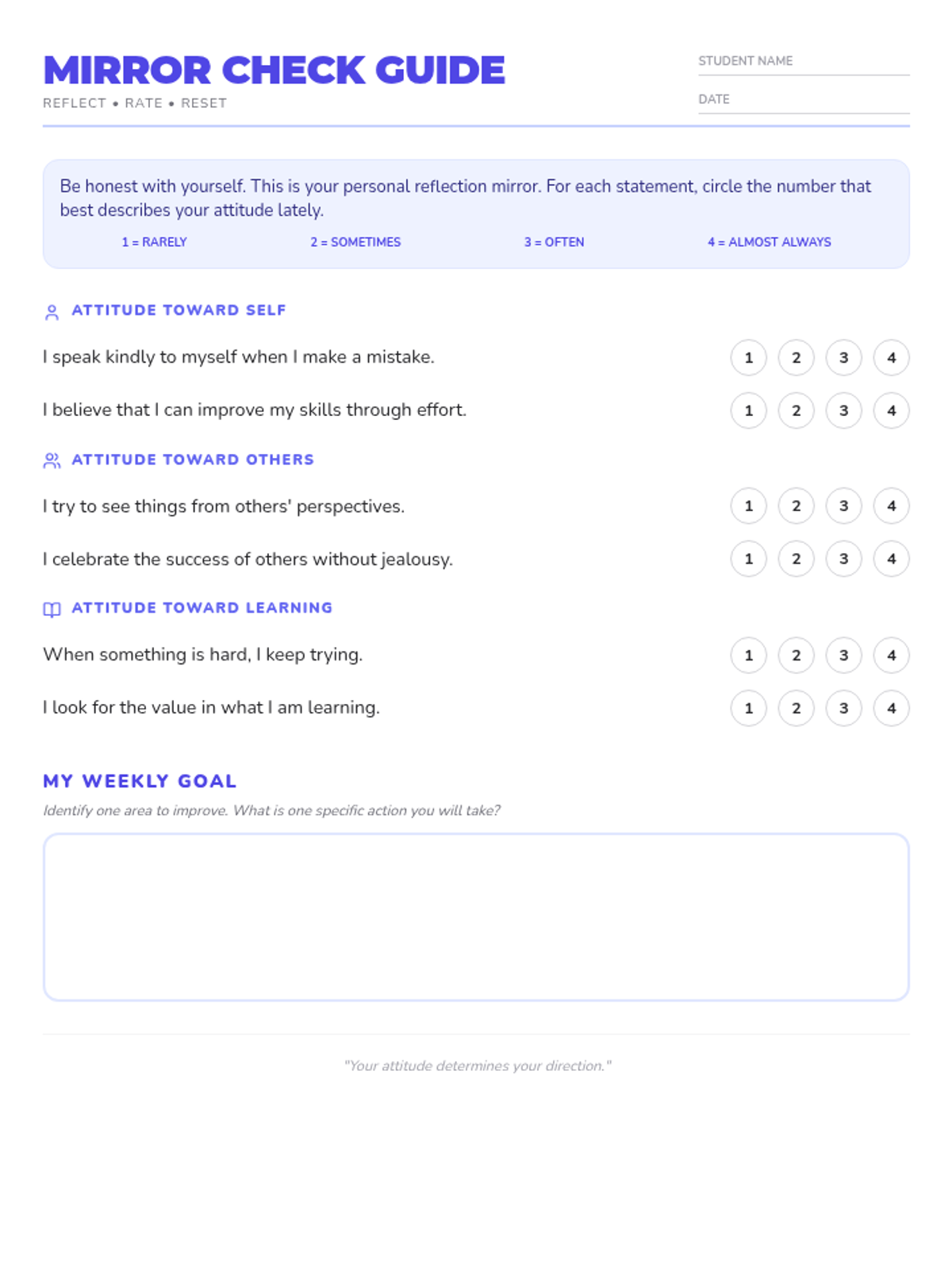
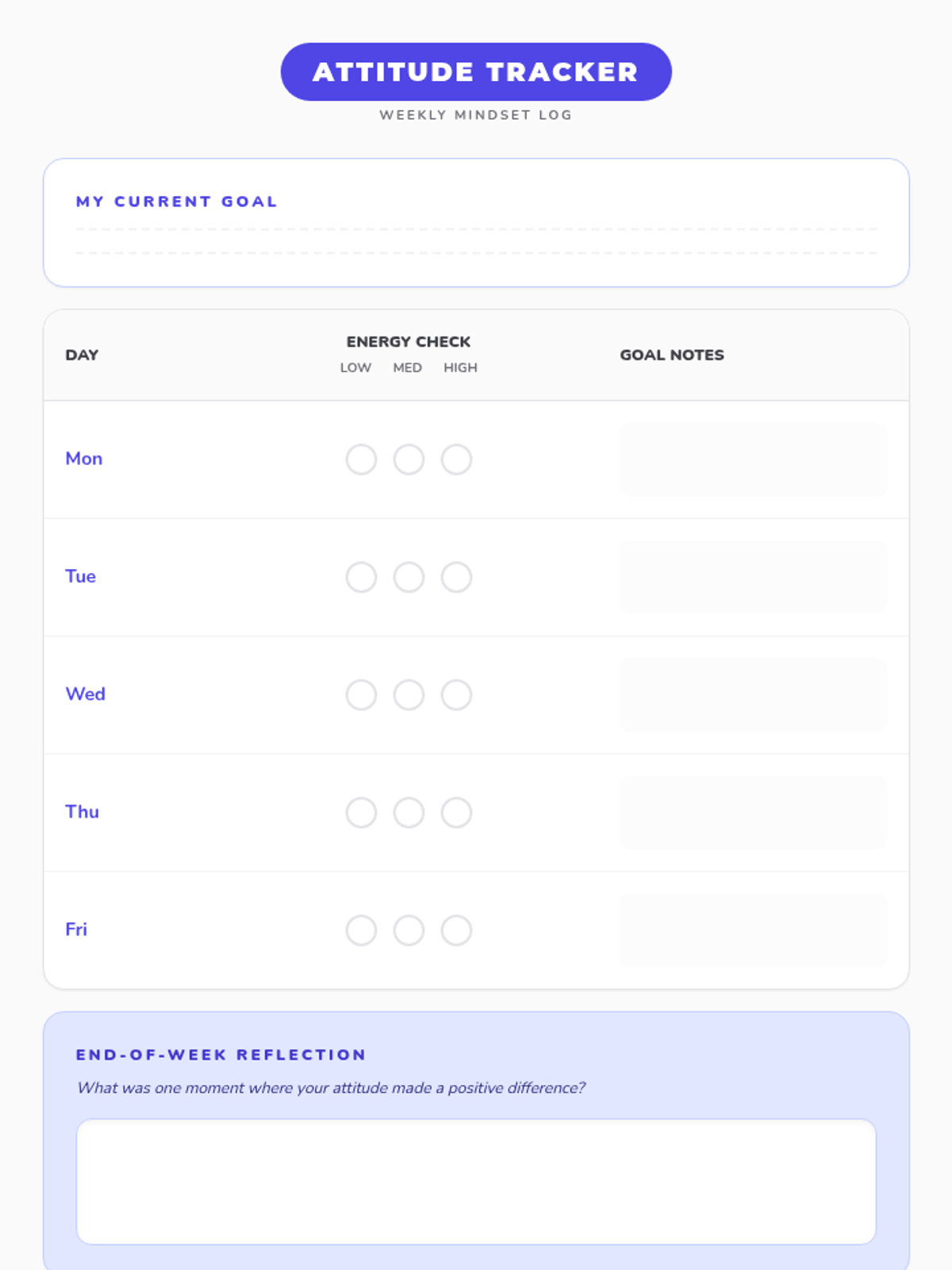
A 30-minute social-emotional learning lesson for 8th graders focused on self-reflection and personal growth. Students use a structured rubric to assess their current mindsets and set a concrete goal for attitude improvement.
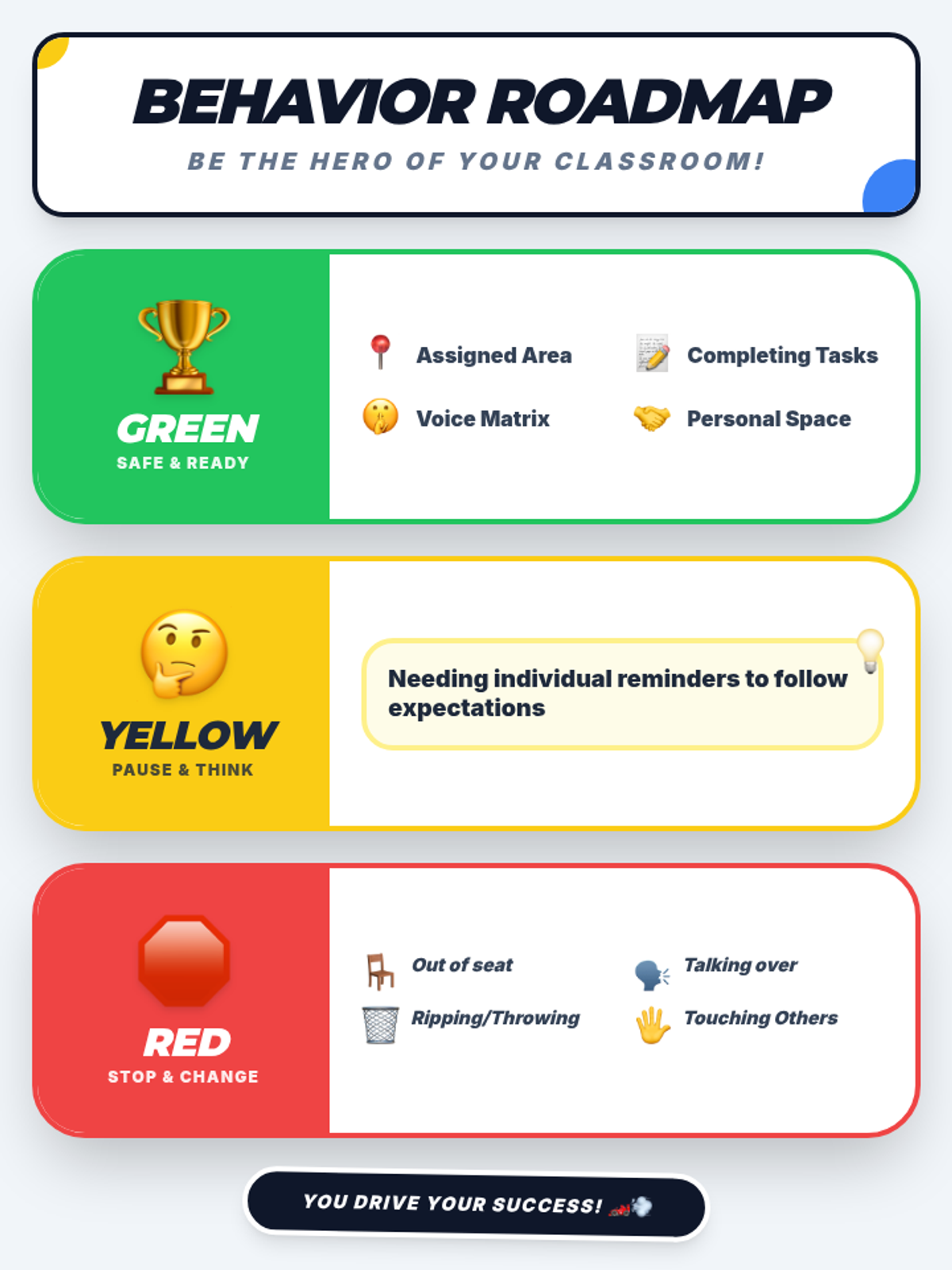
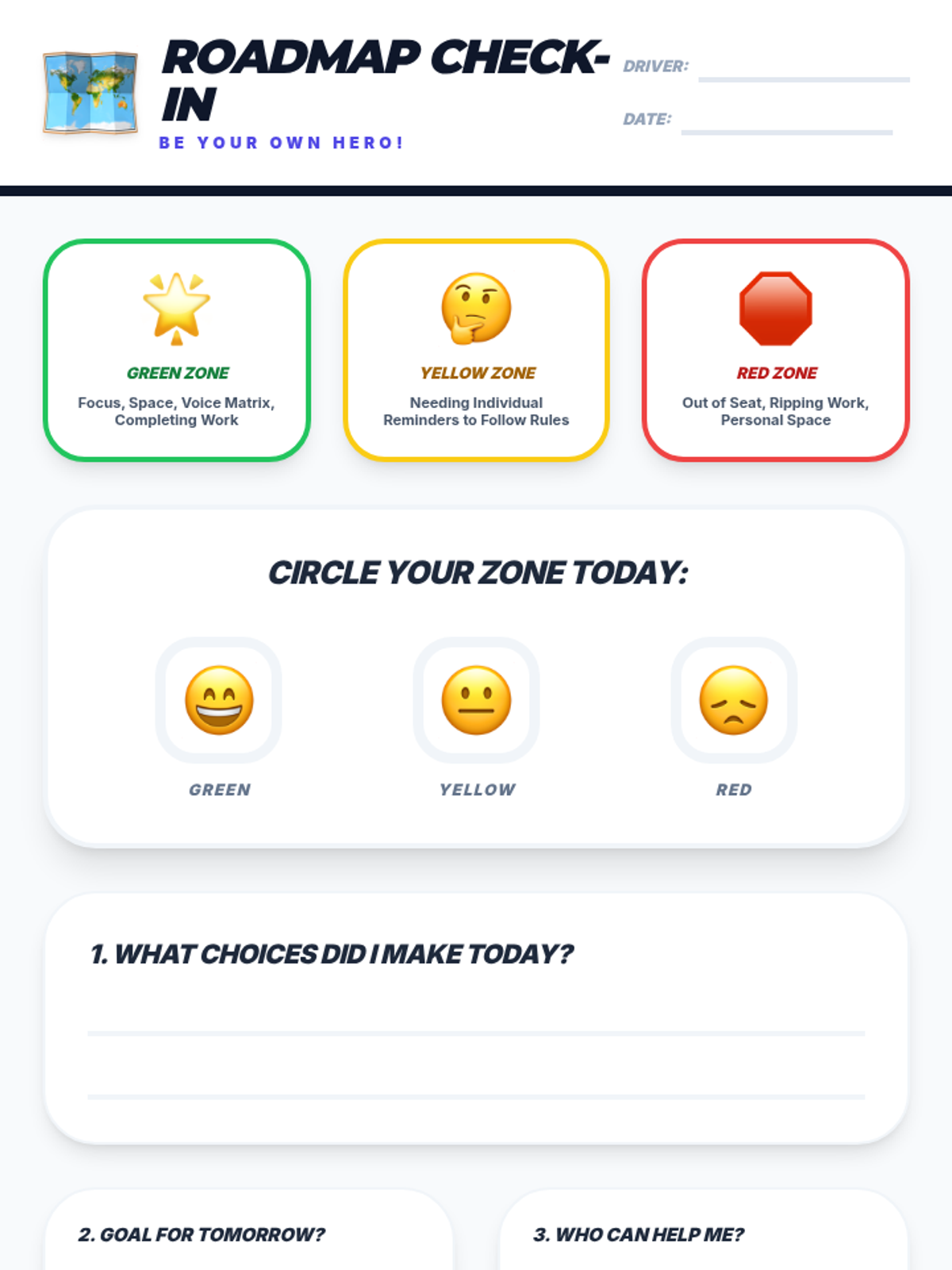
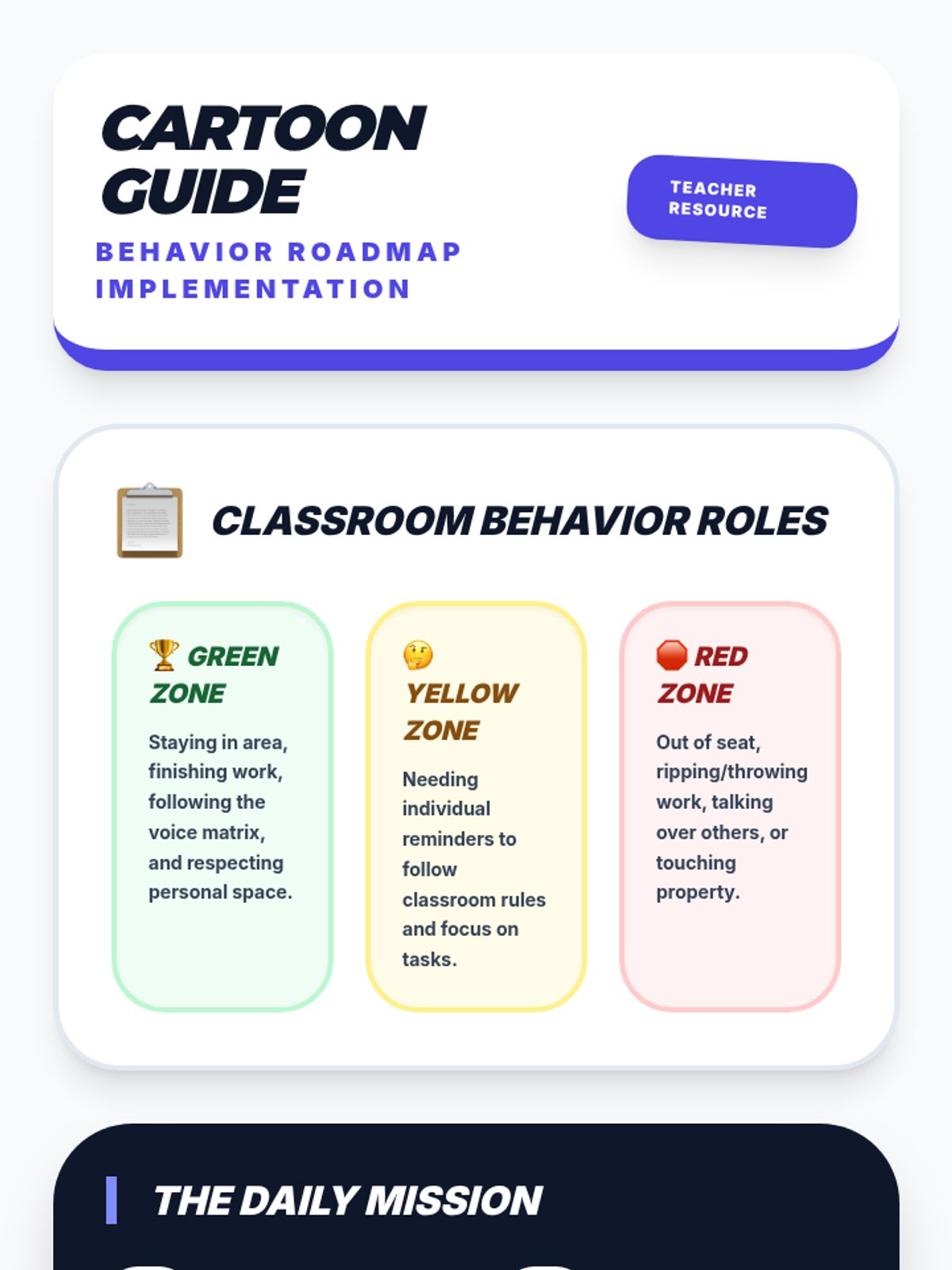
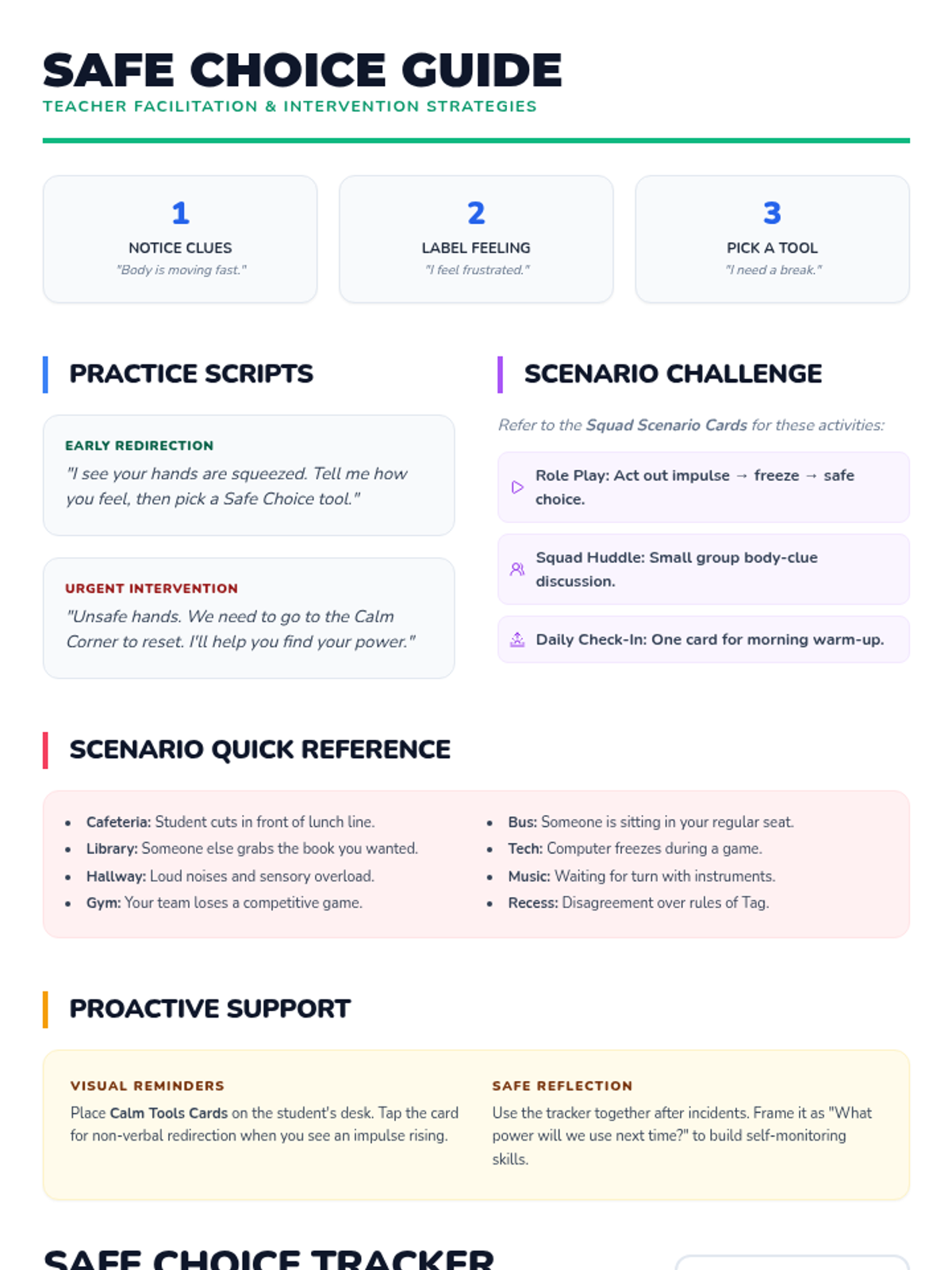
A comprehensive system for defining and maintaining a positive learning environment through a color-coded behavior framework. This lesson introduces students to green, yellow, and red behaviors with clear expectations and reflection tools.
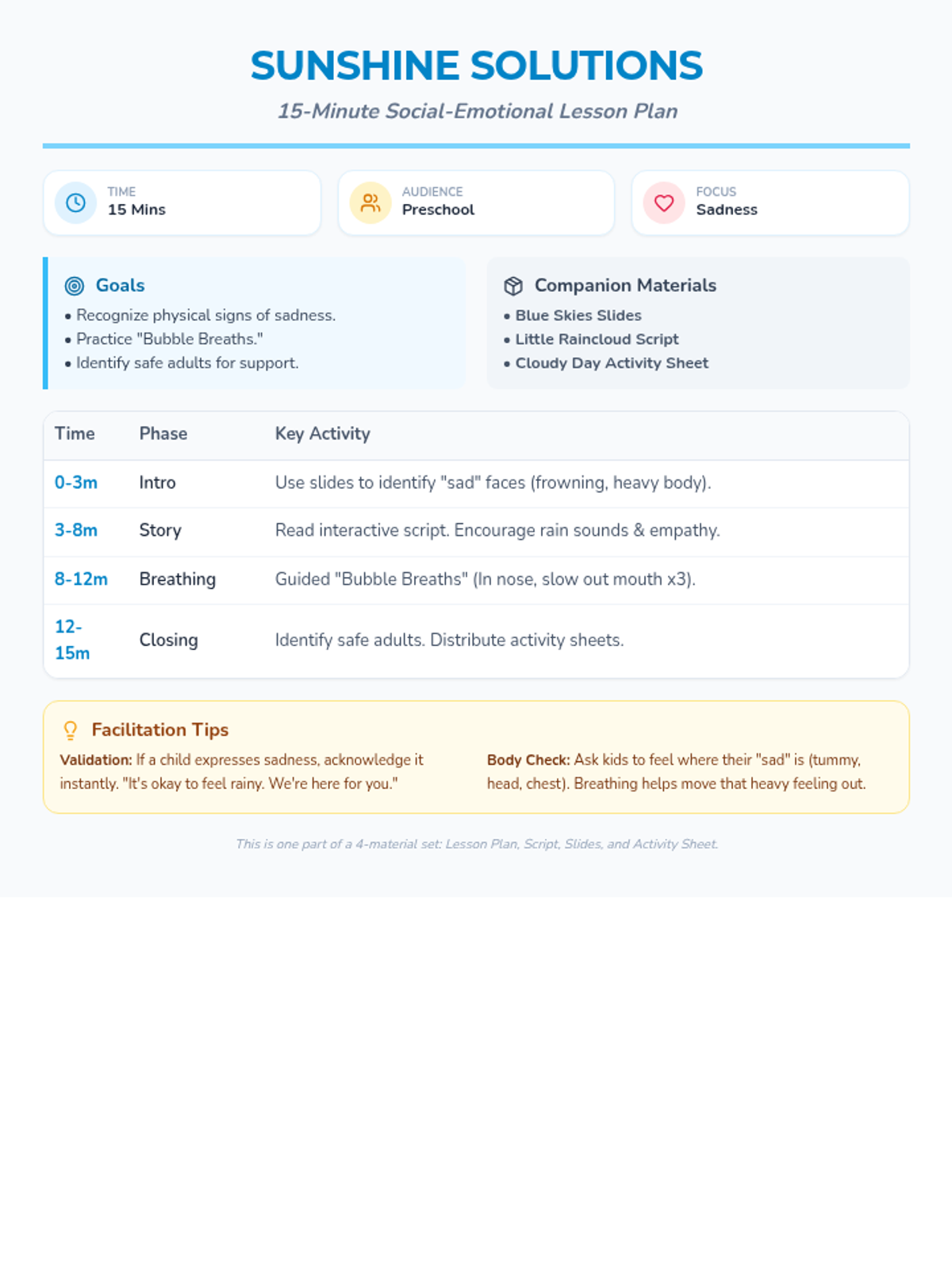
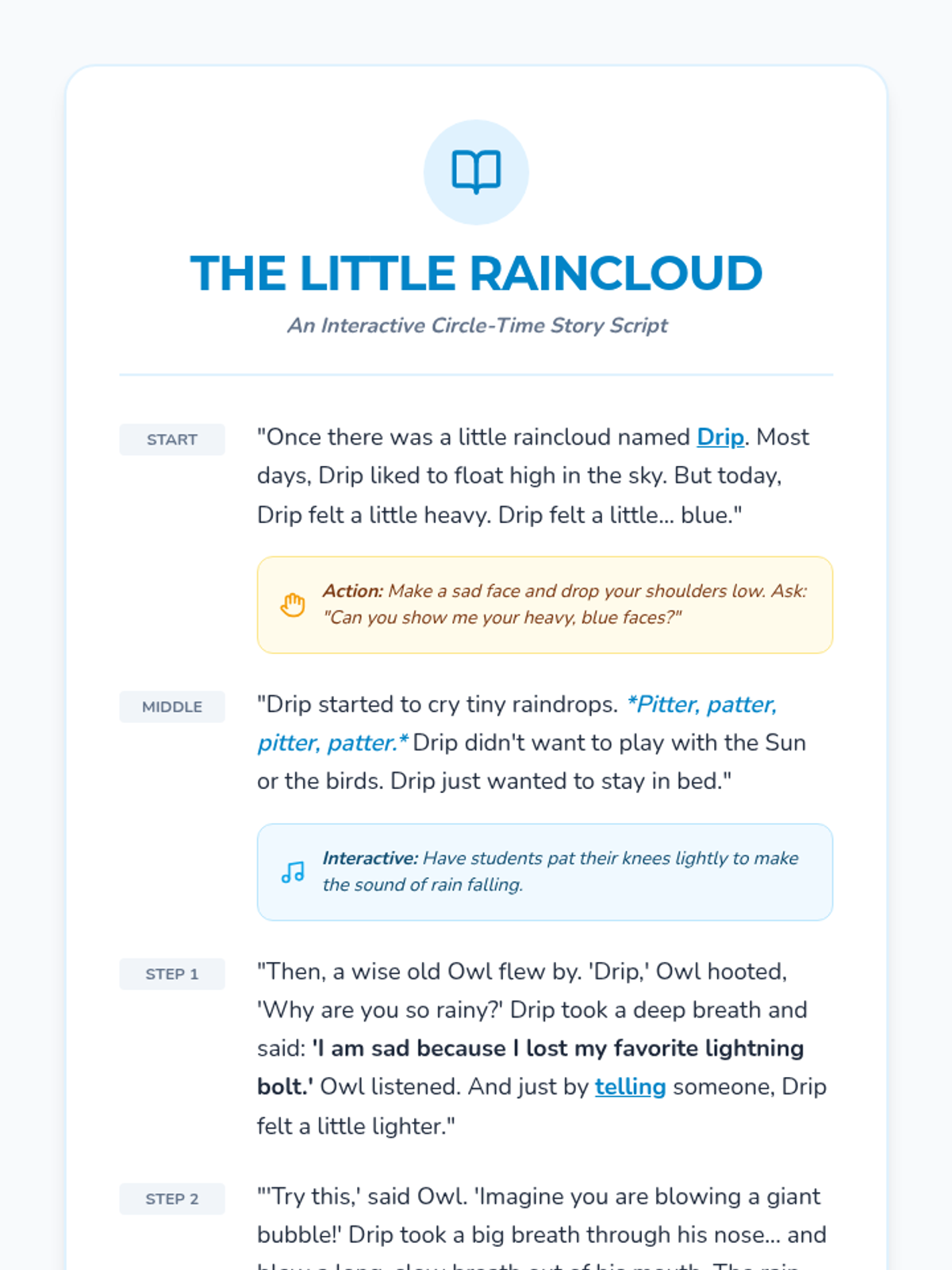
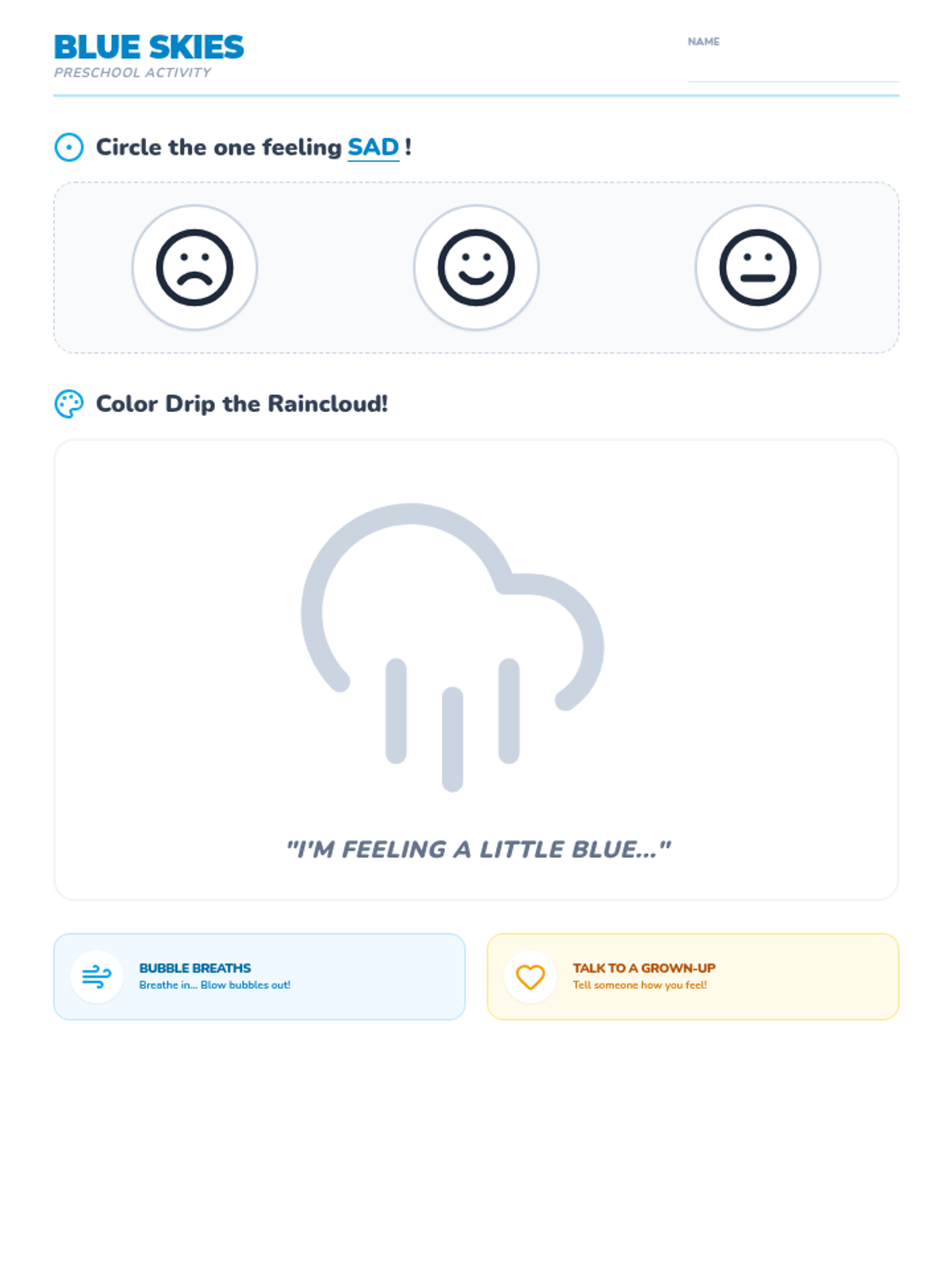
A gentle, 15-minute social-emotional learning lesson for preschoolers focused on identifying sadness and practicing two simple coping strategies: talking to a trusted adult and 'Bubble Breaths'.
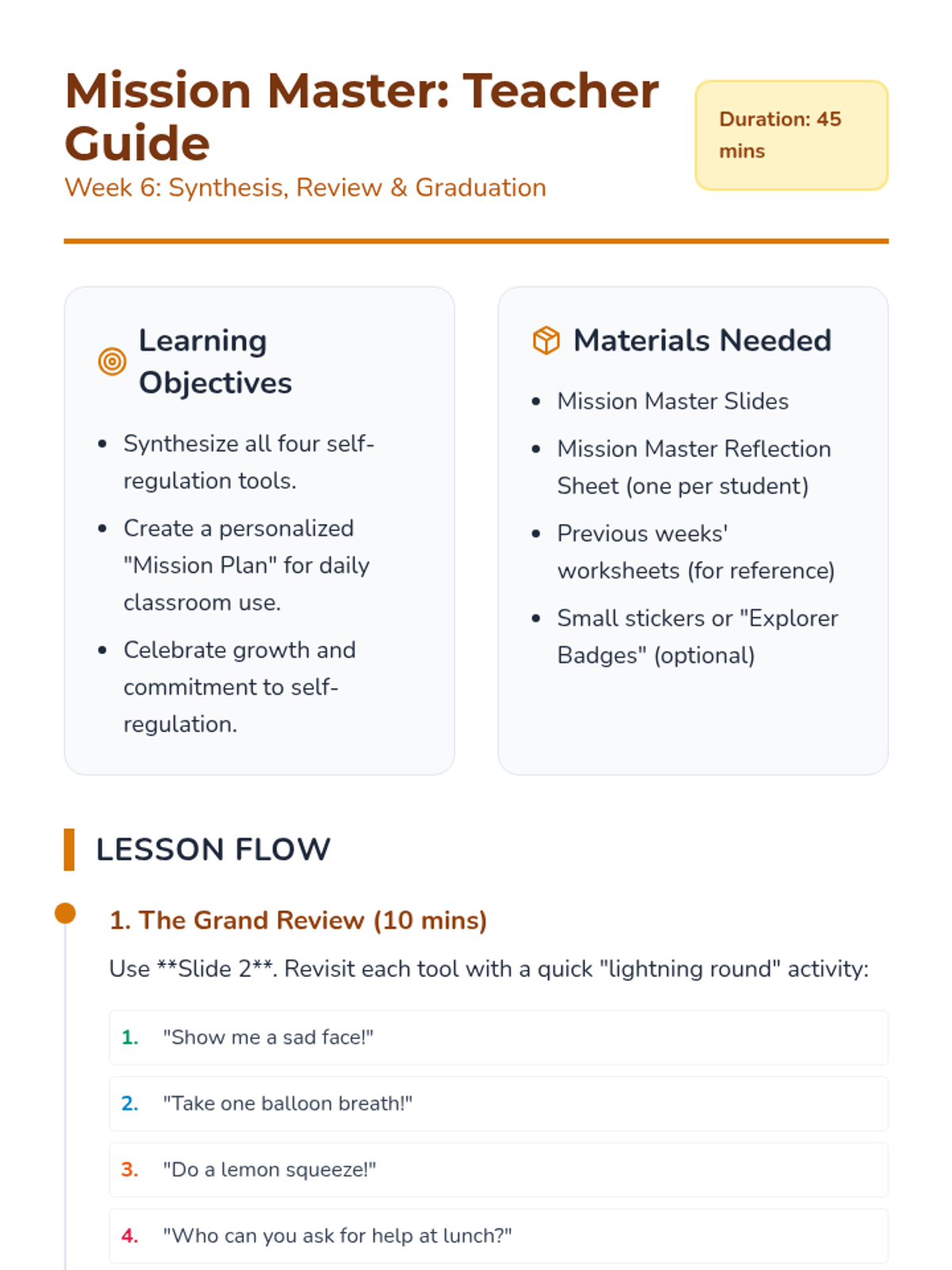
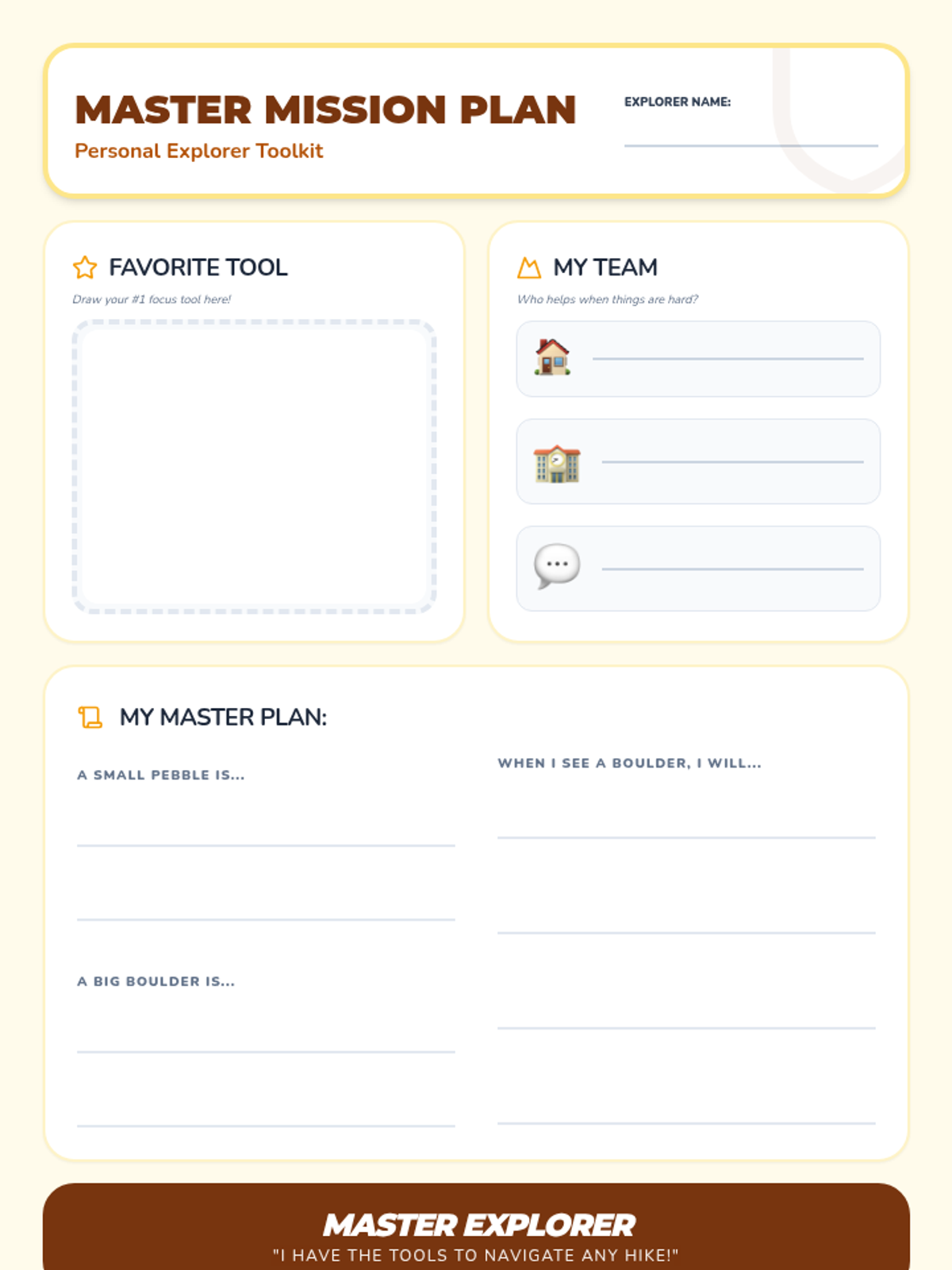
Reviewing all tools and creating a personalized 'Mission Plan' for classroom success.
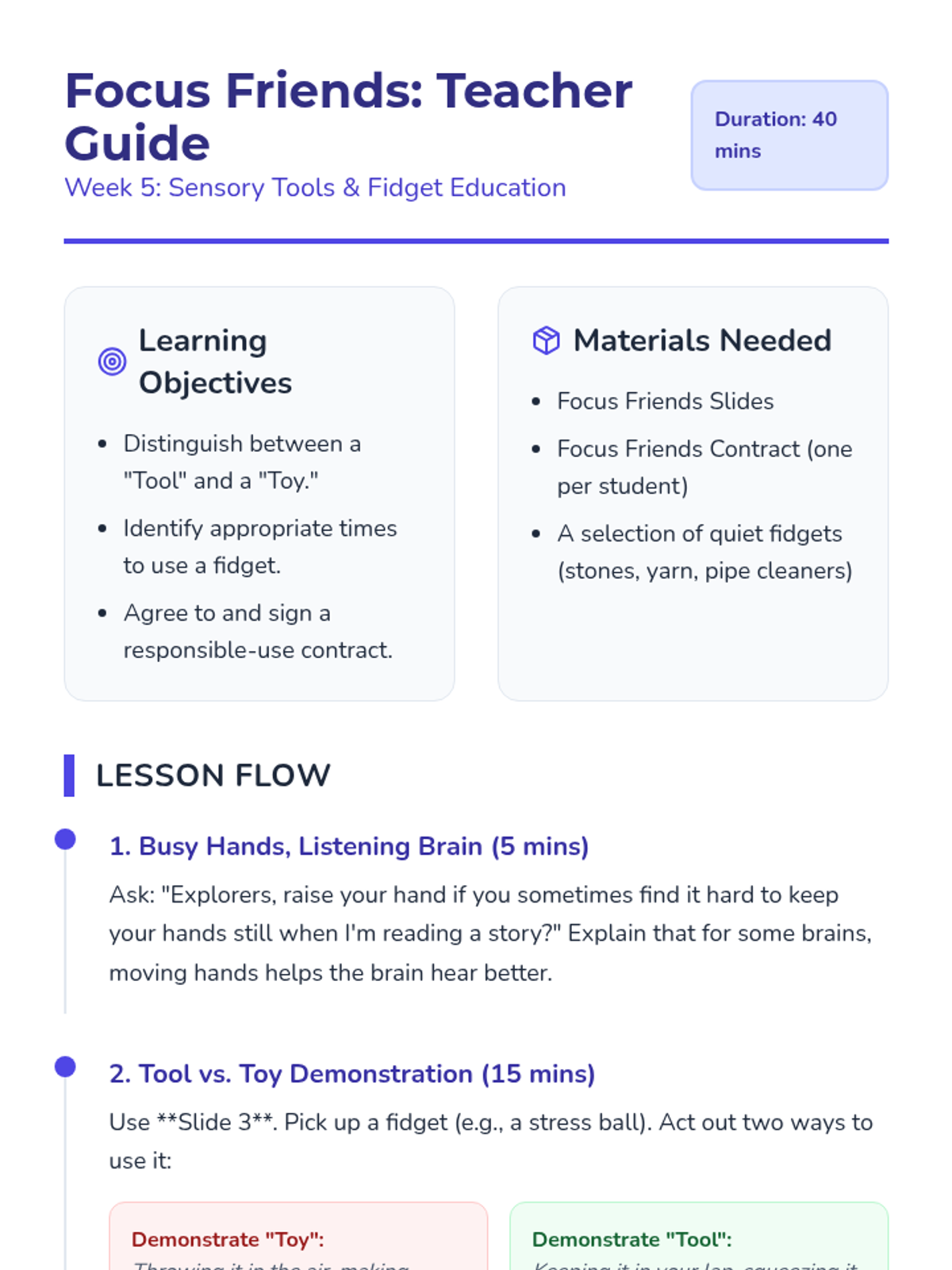
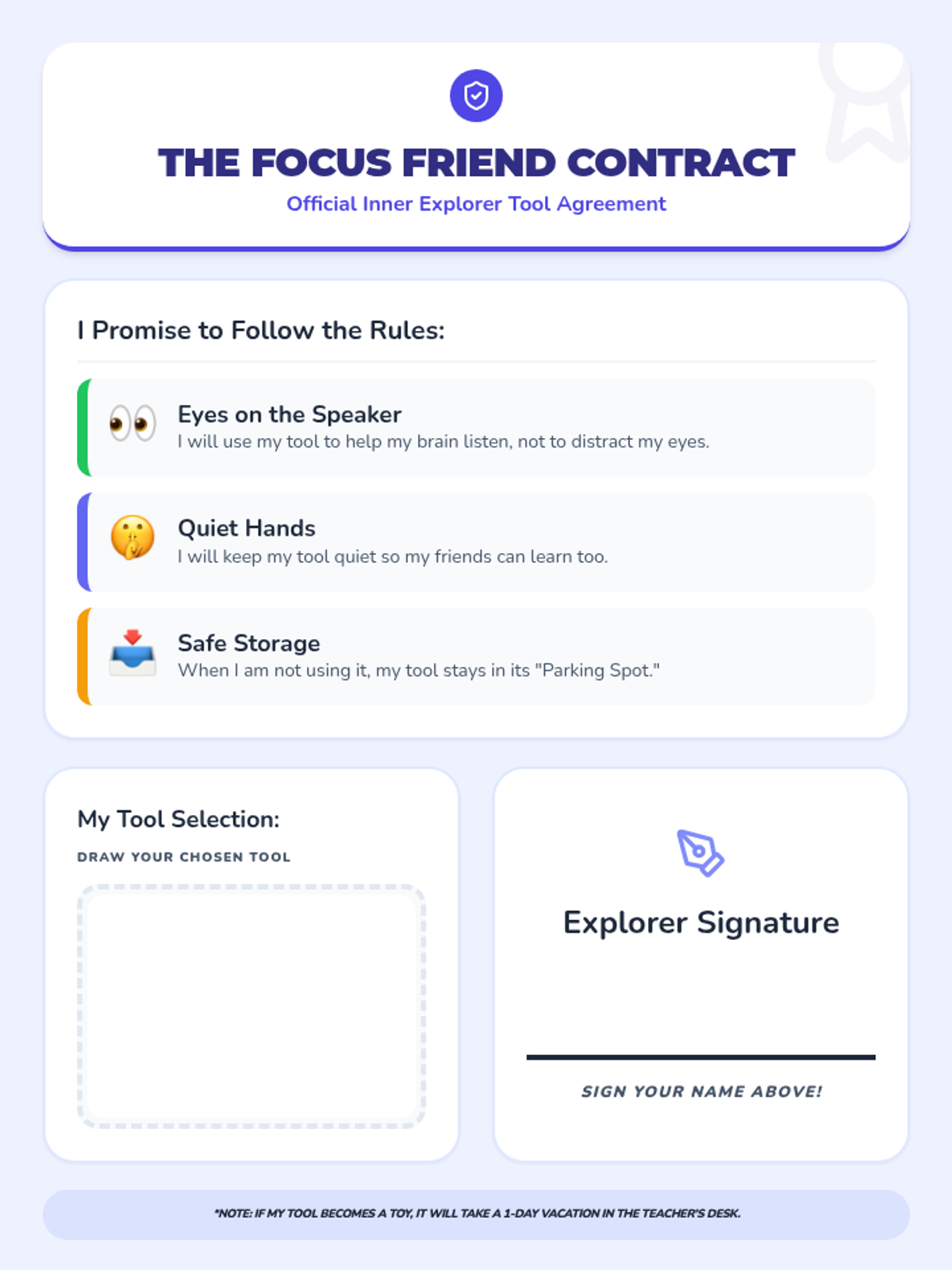
Learning how to use fidgets and sensory tools appropriately for focus.
Developing the skill of asking for help and talking through emotions with a trusted adult.
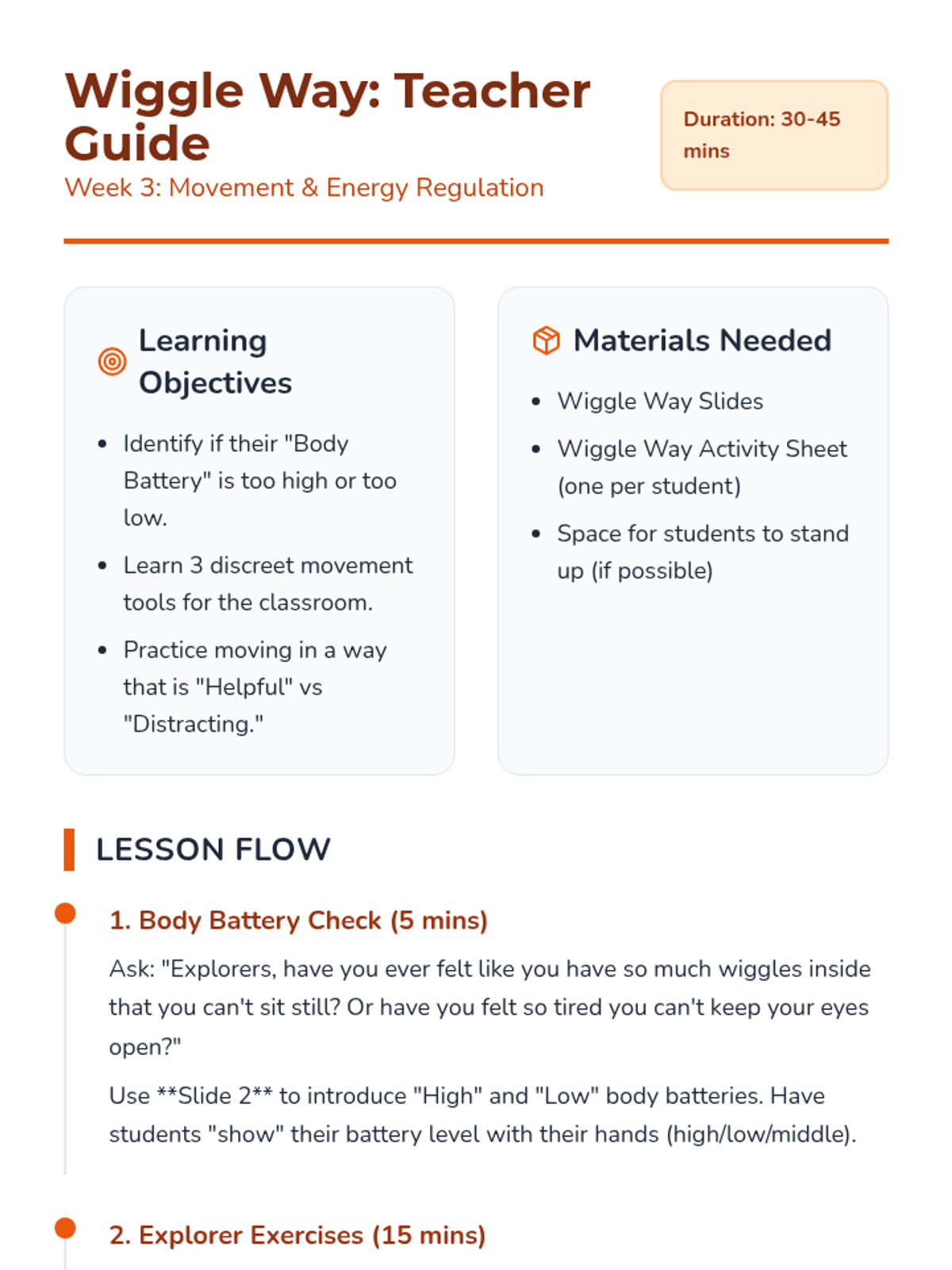
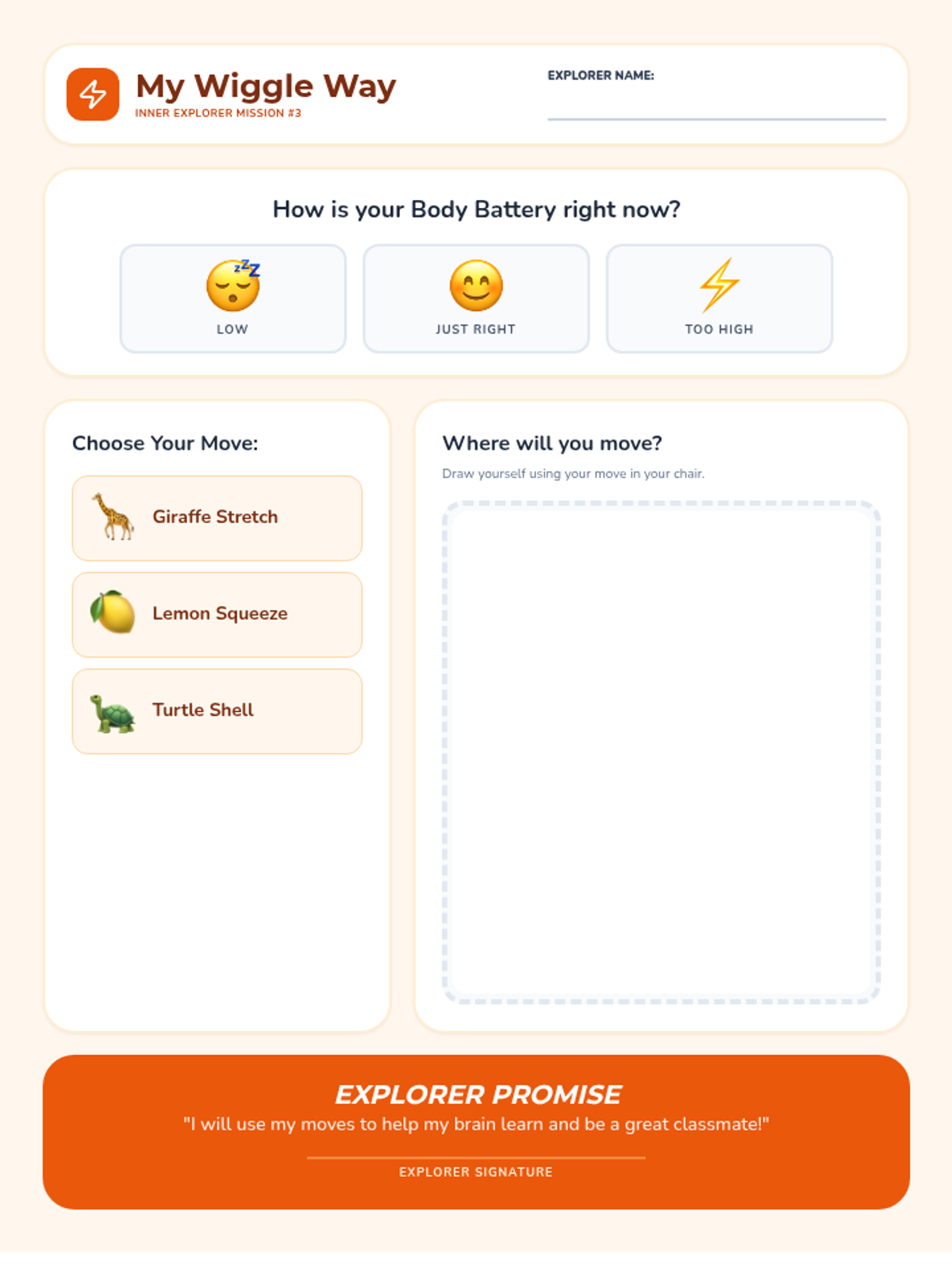
Understanding how movement can help refocus energy and stay on task.
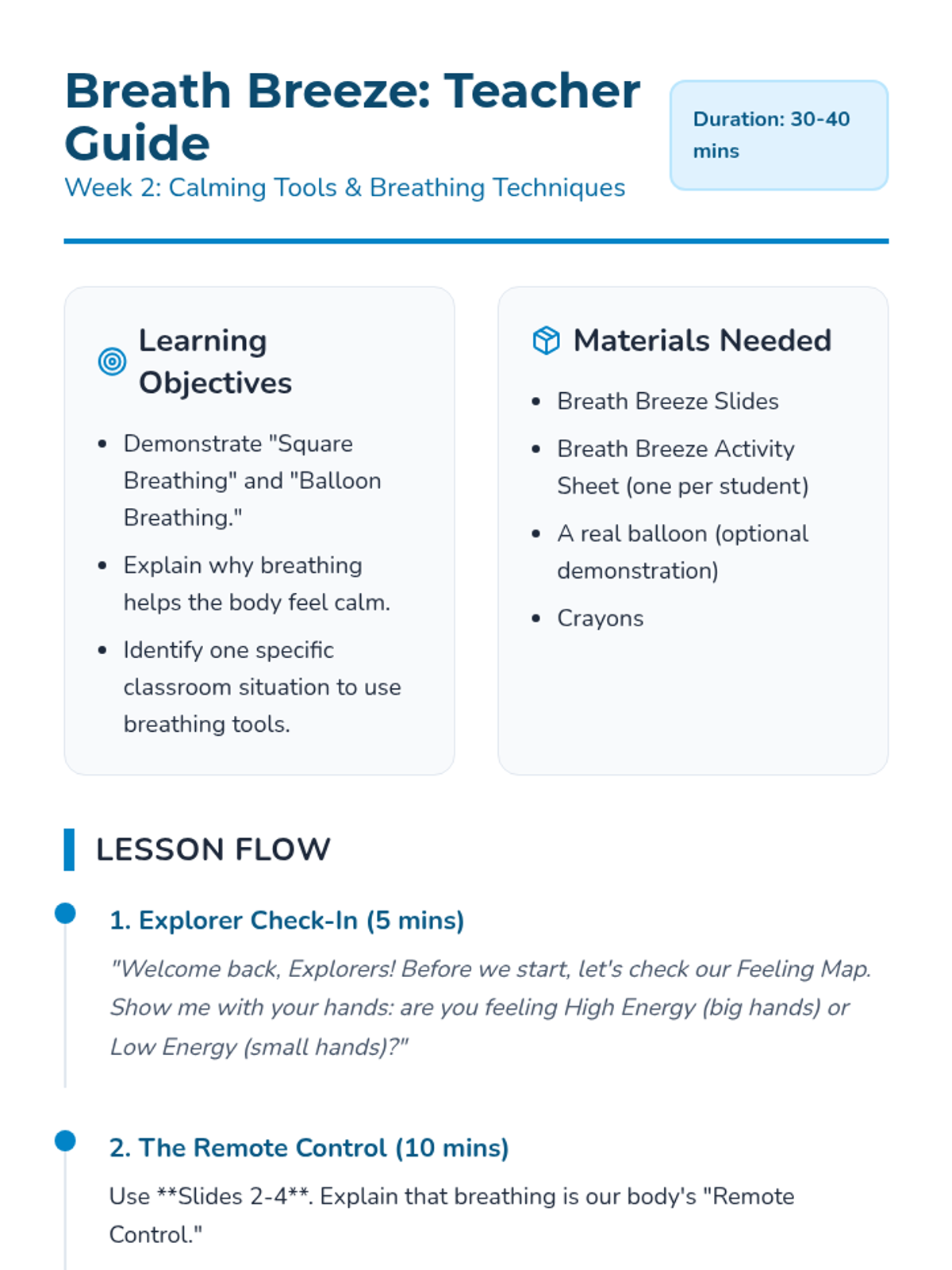
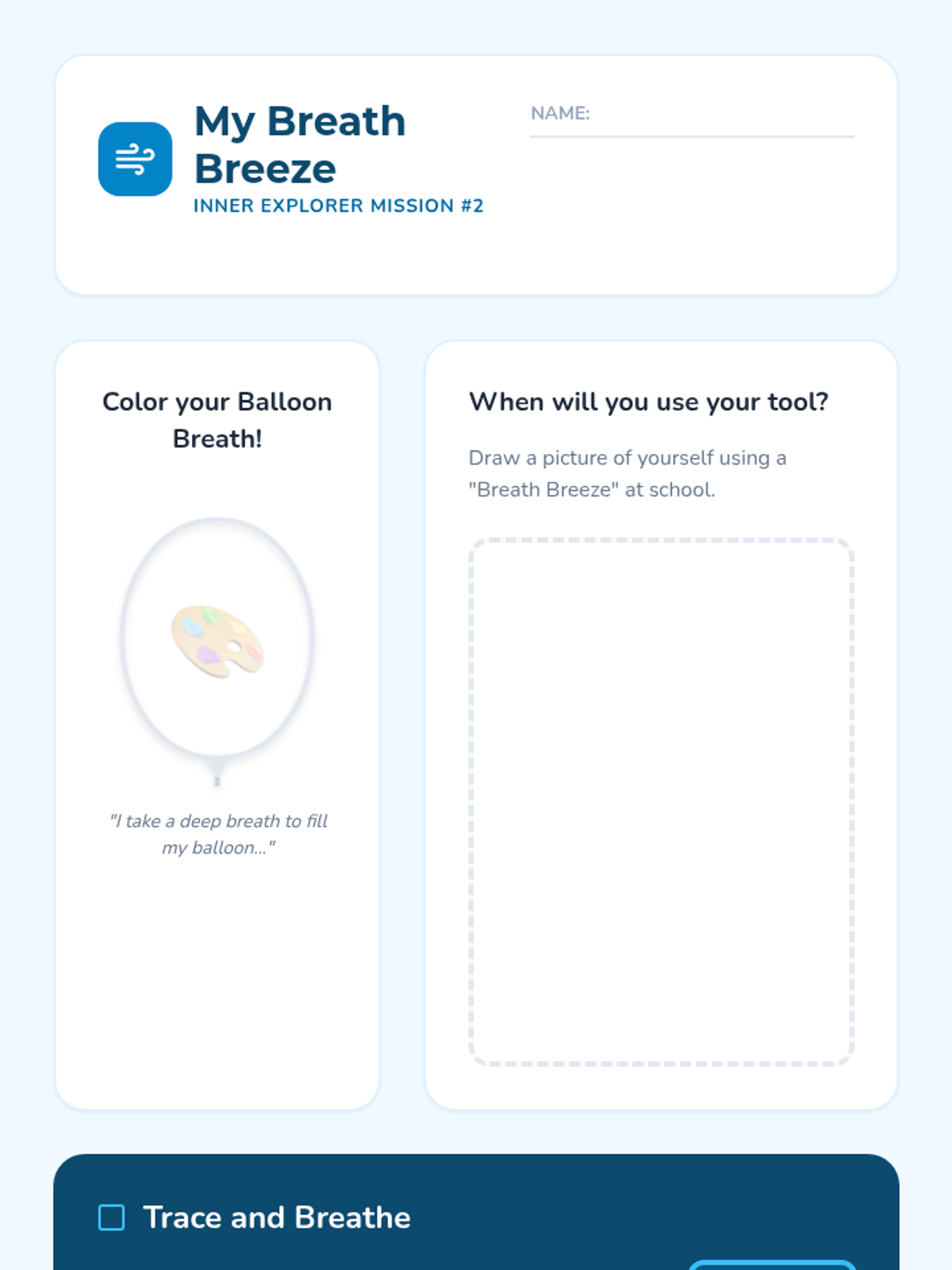
Learning different breathing techniques to calm the mind and body.
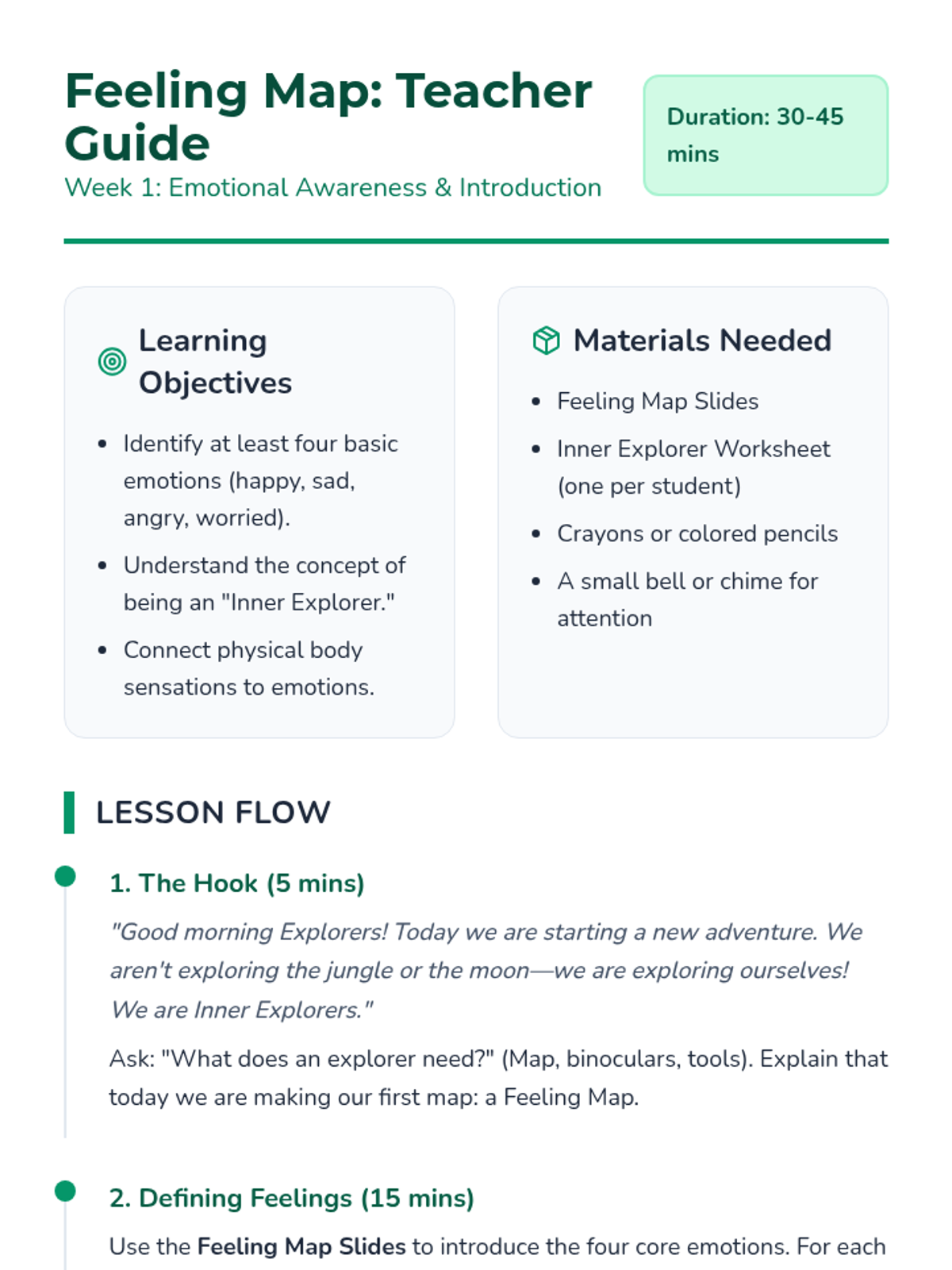
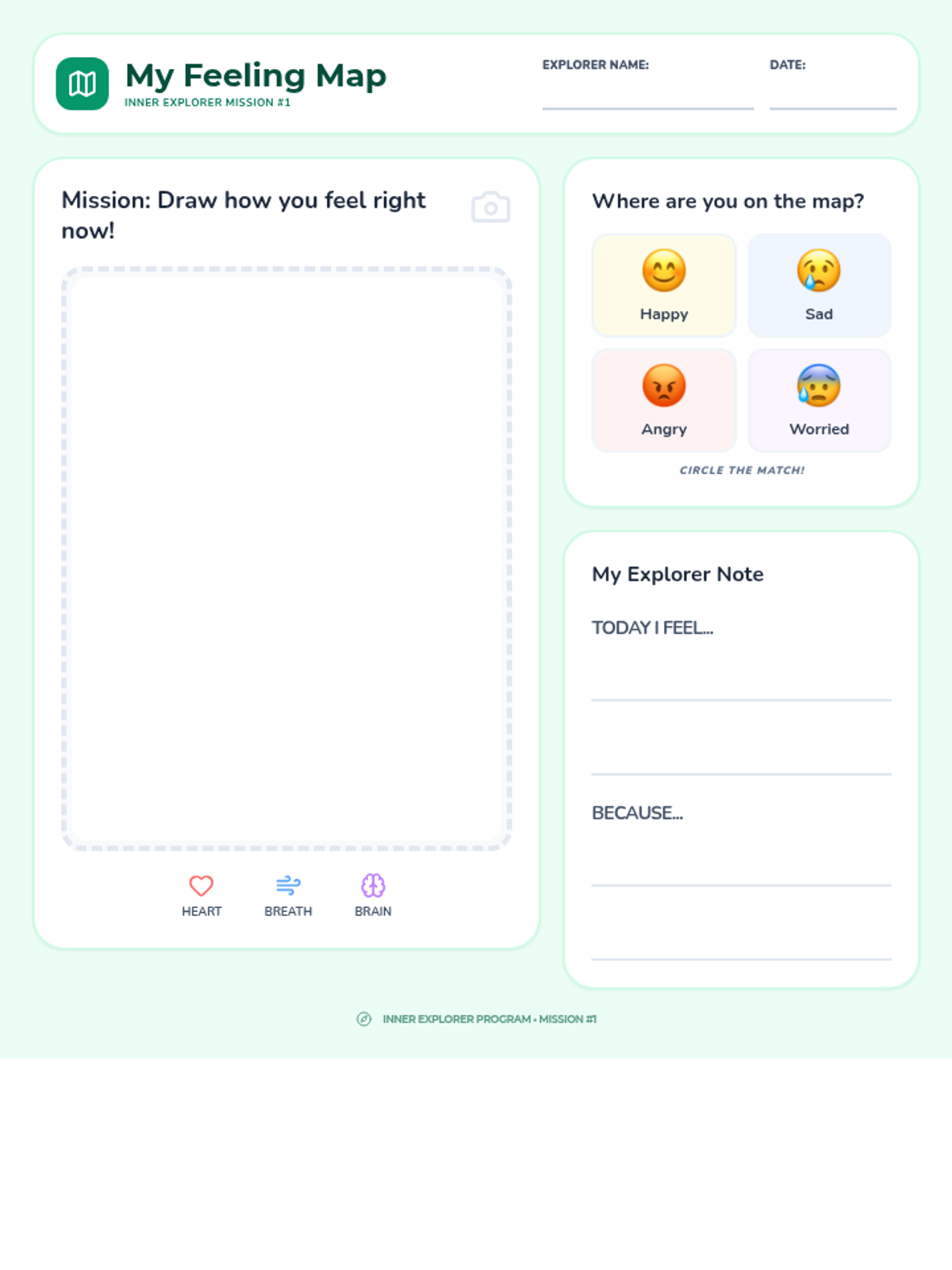
Introduction to the concept of feelings as a 'map' and identifying common emotions.
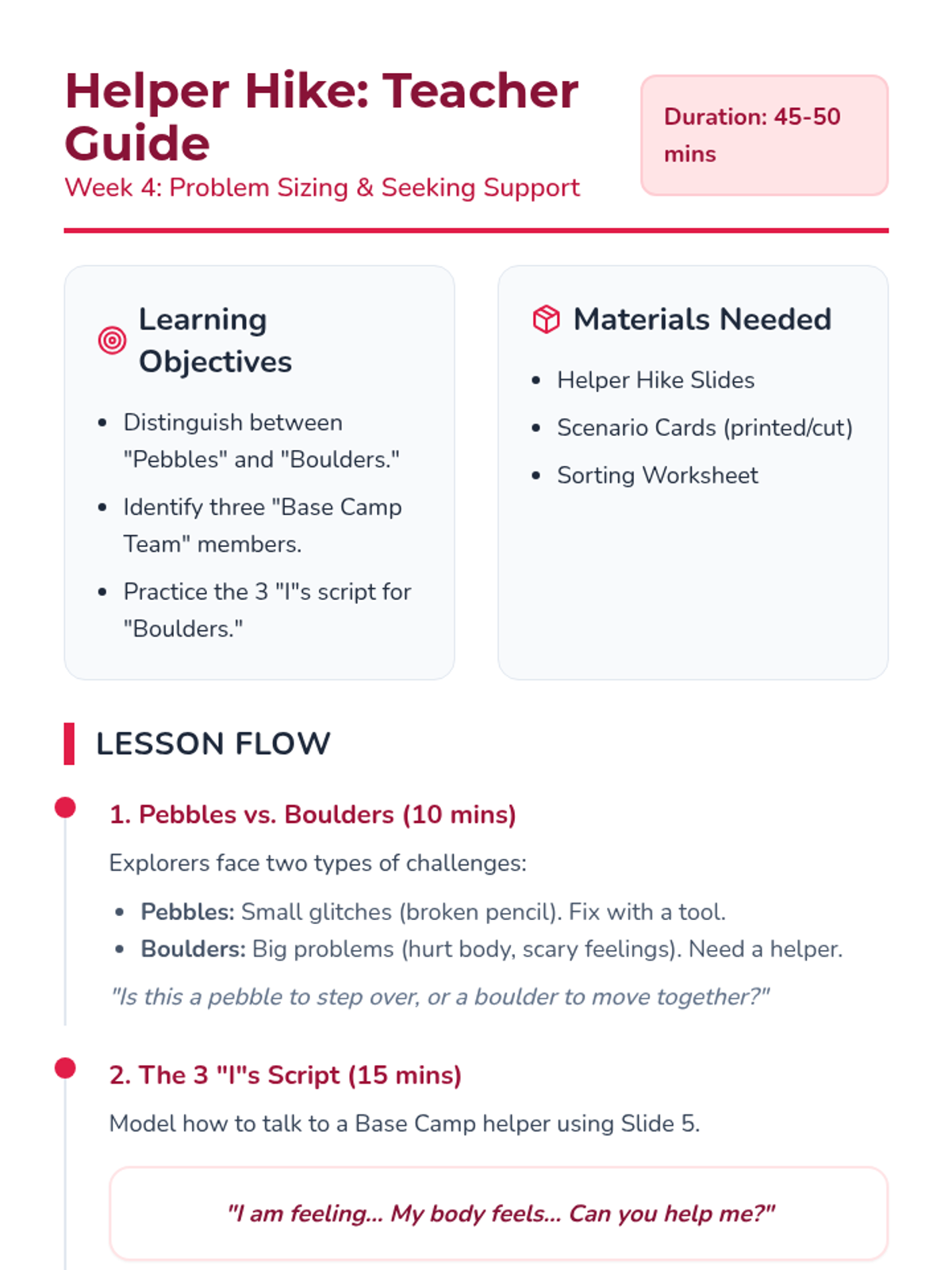
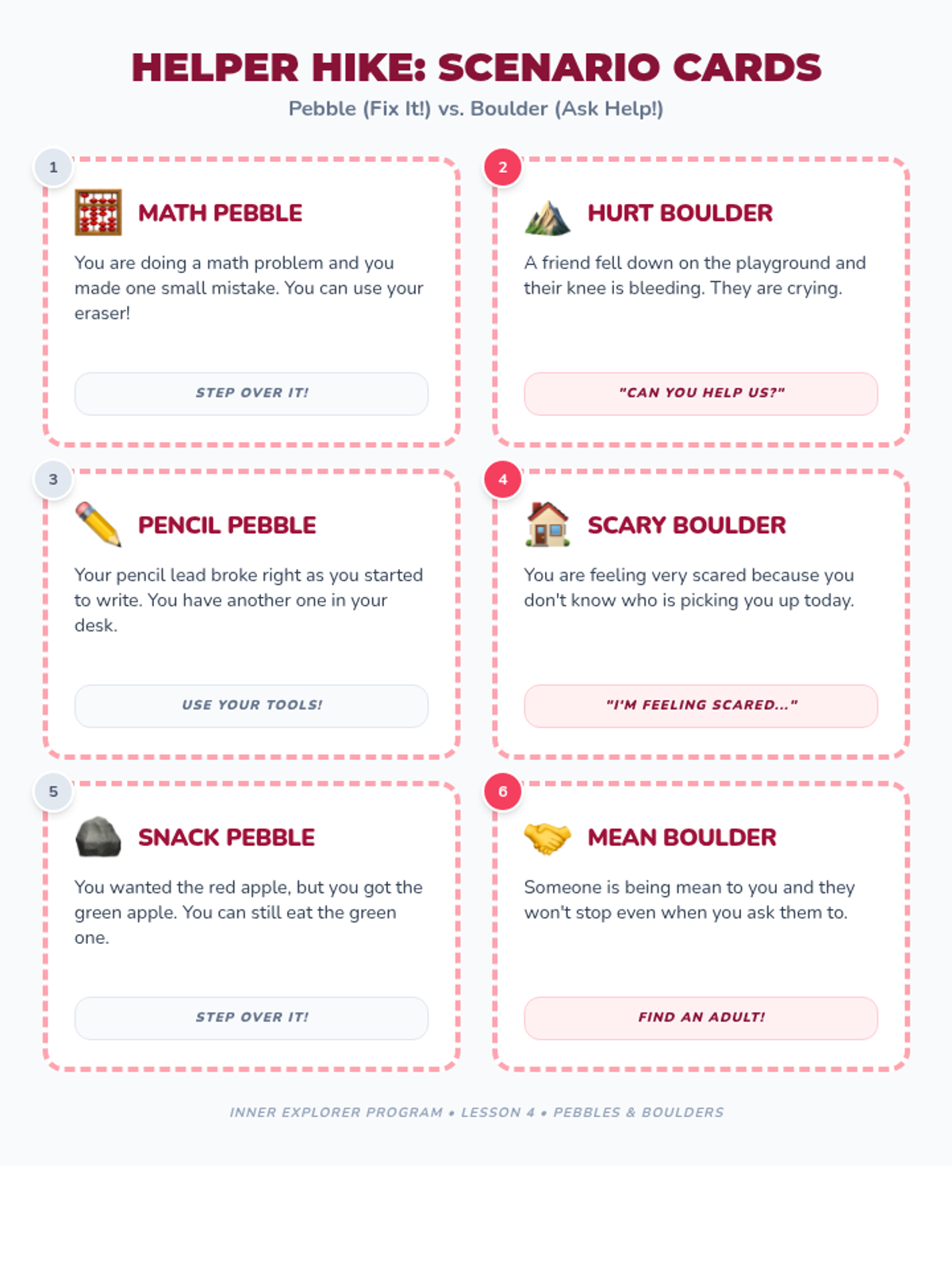
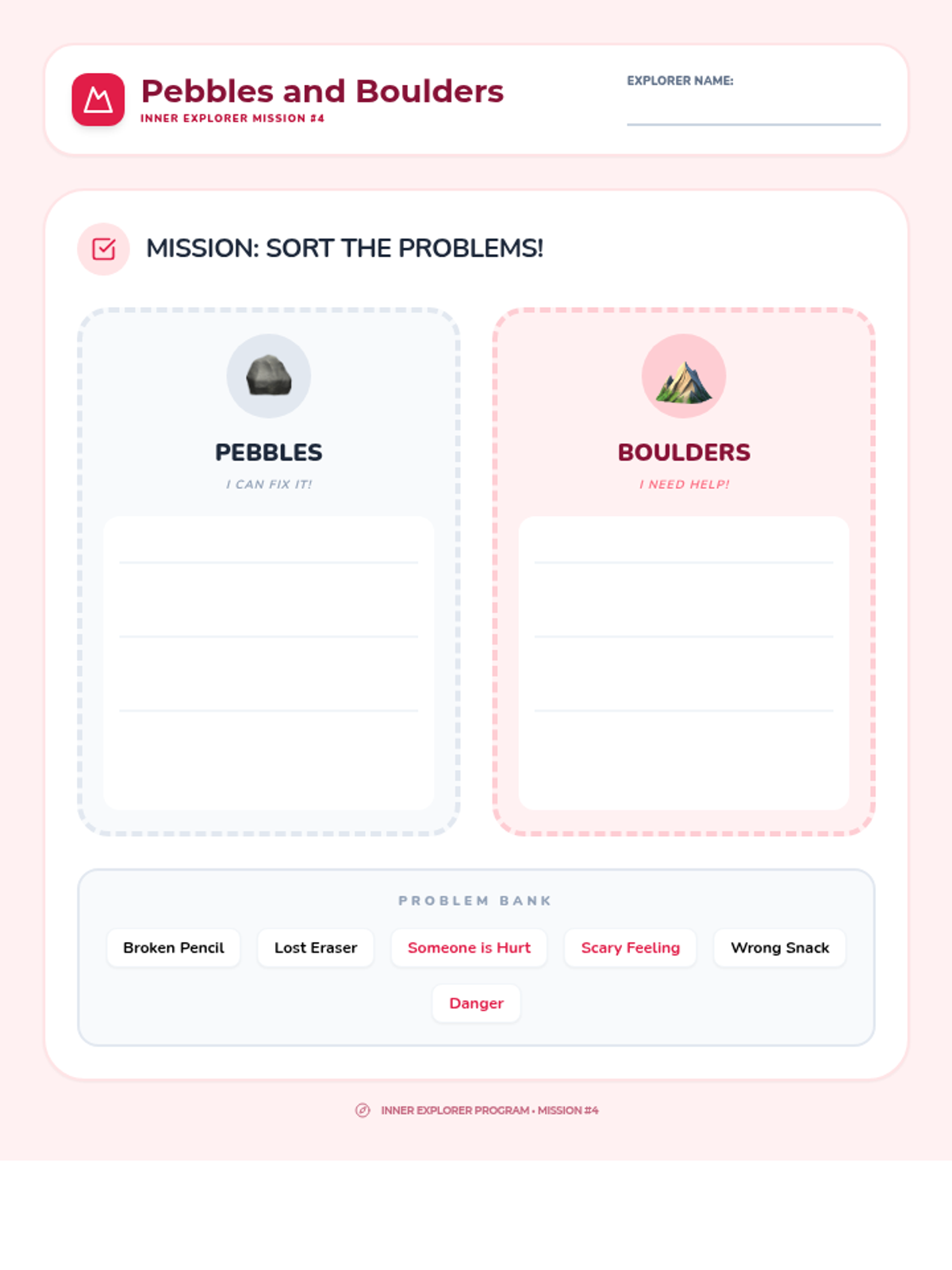
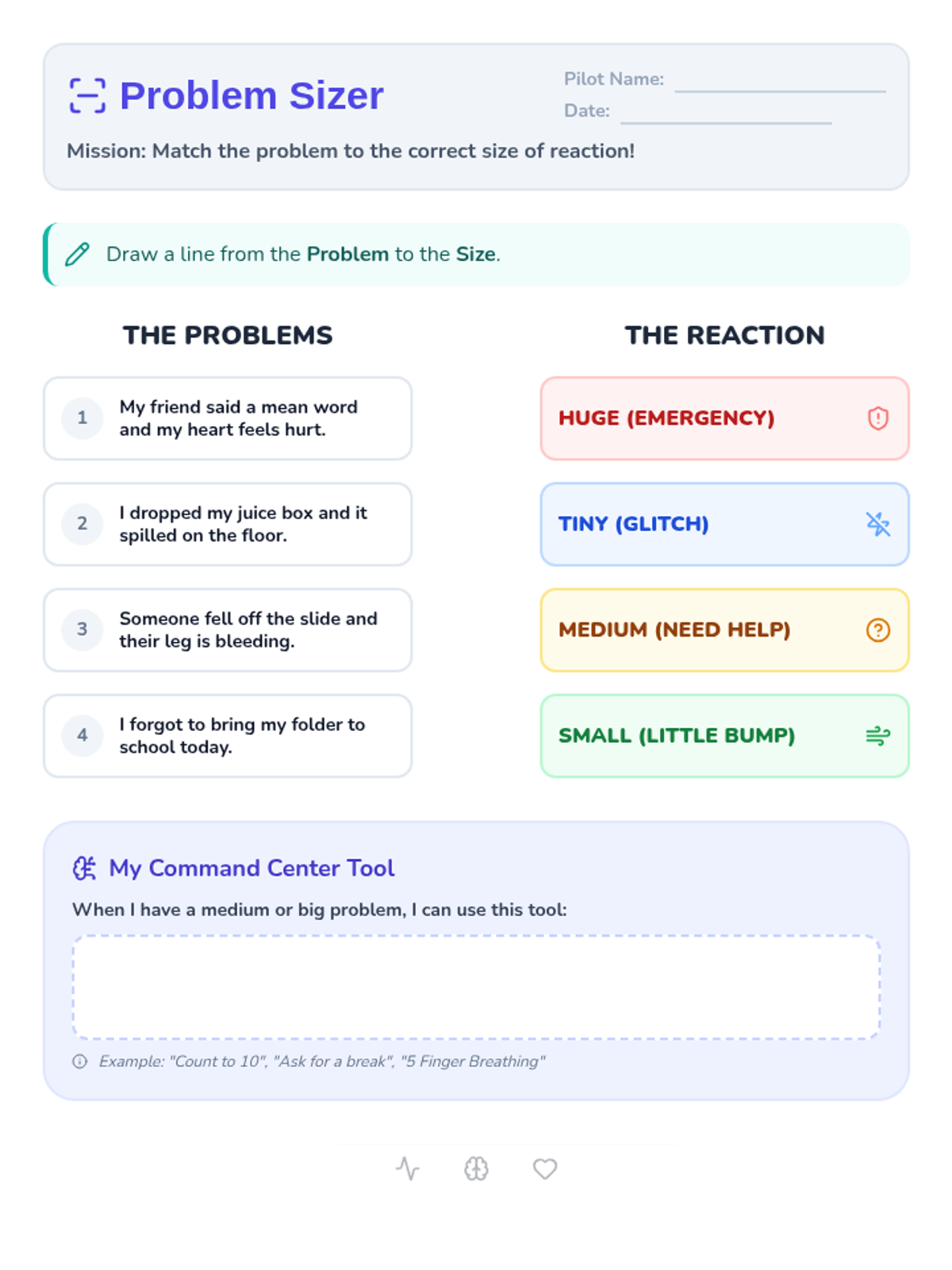
An introductory lesson focusing on identifying the size of problems and selecting appropriate self-regulation tools to manage emotions effectively in a virtual or classroom setting.
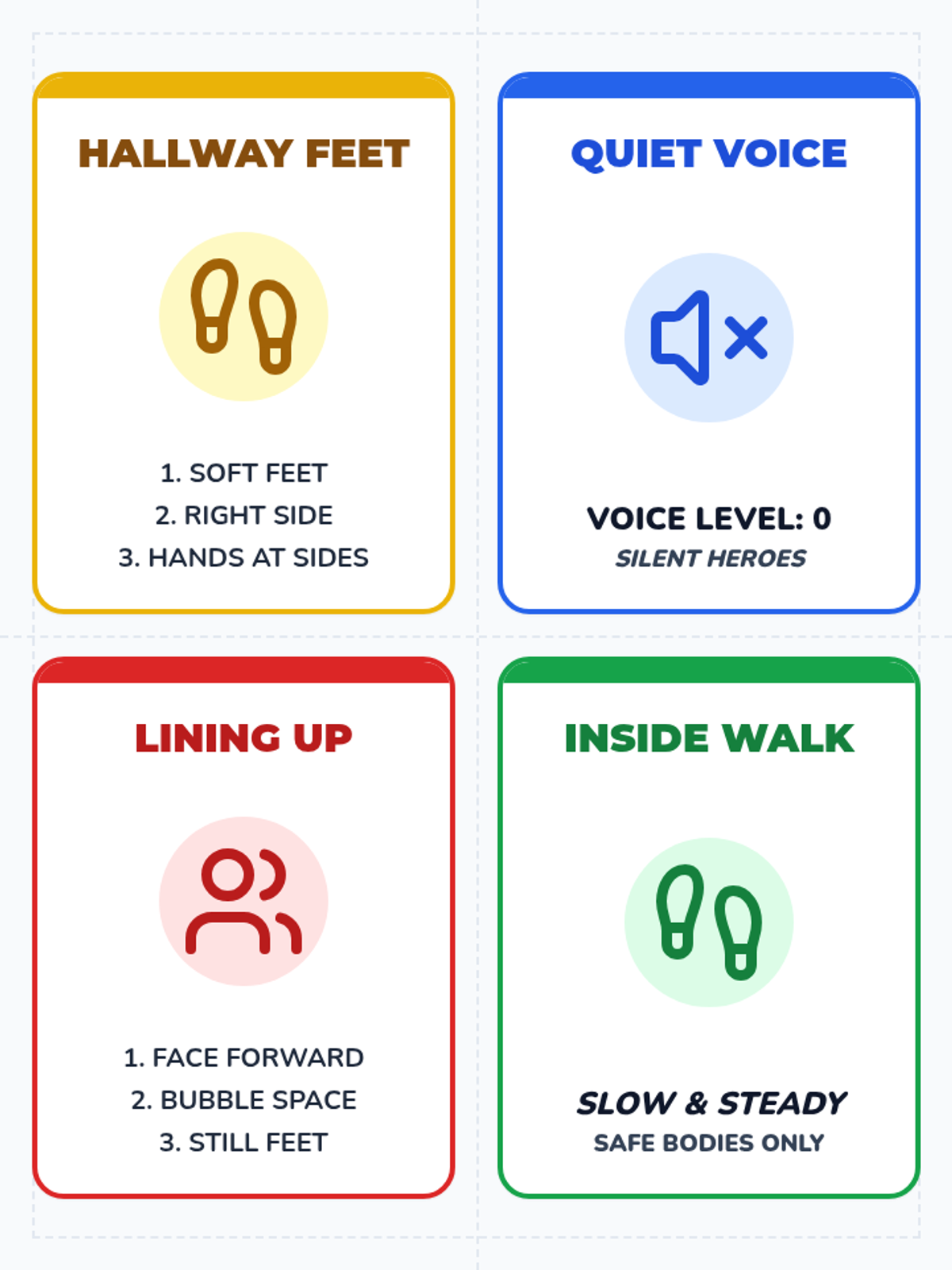
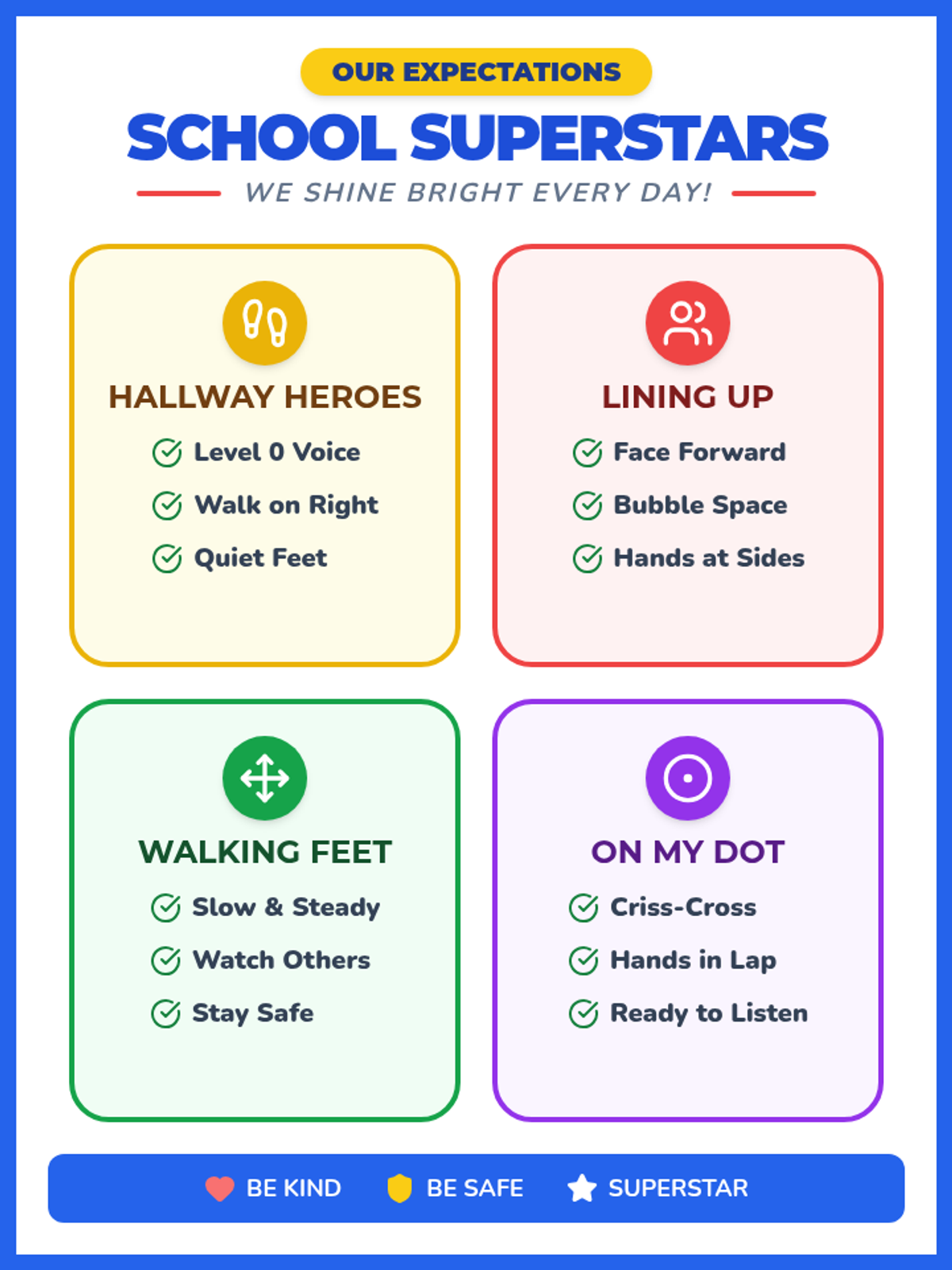
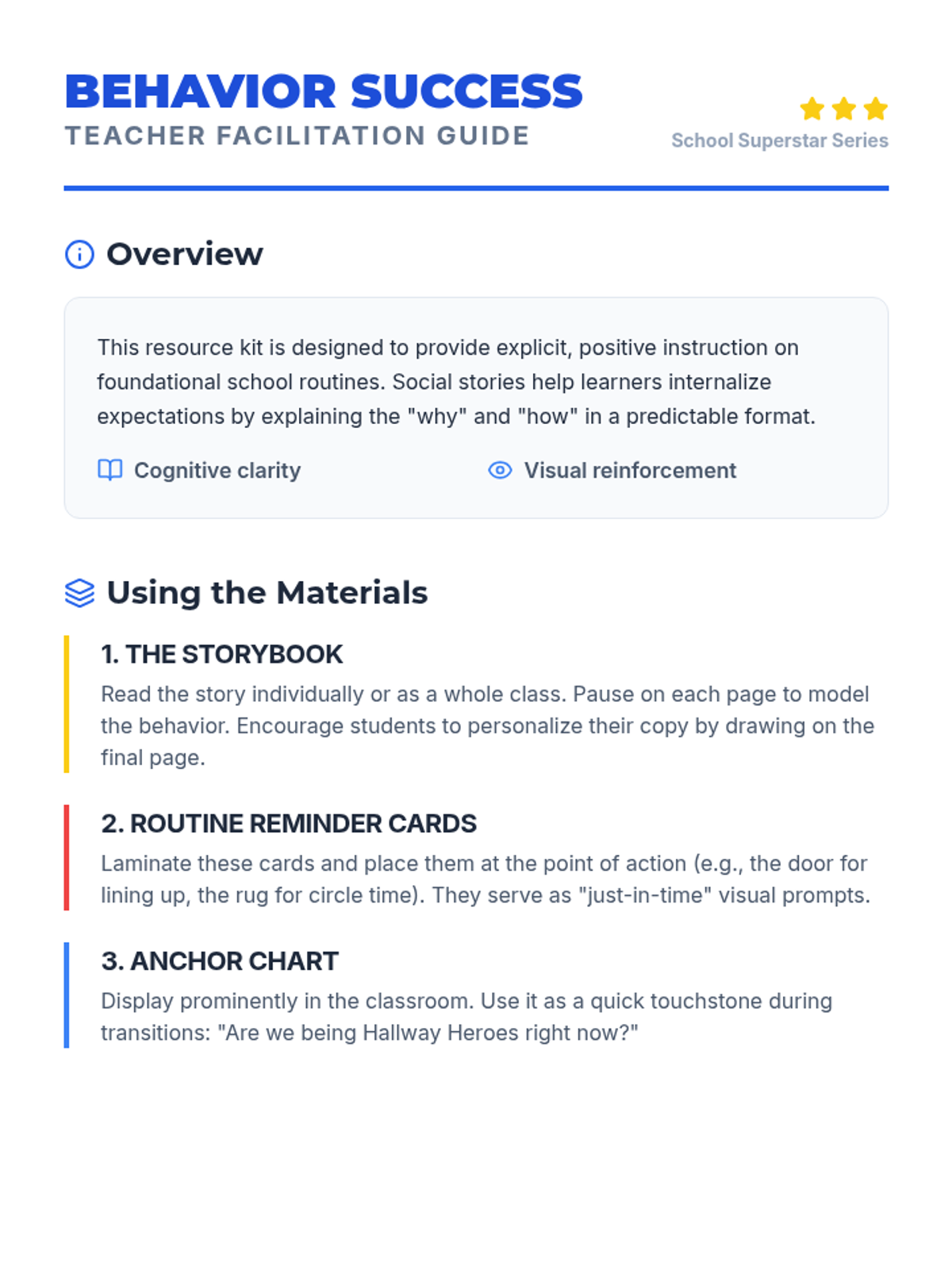
A comprehensive set of social story materials designed to teach and reinforce expected behaviors for walking in hallways, standing in lines, moving through the classroom, and participating in circle time.
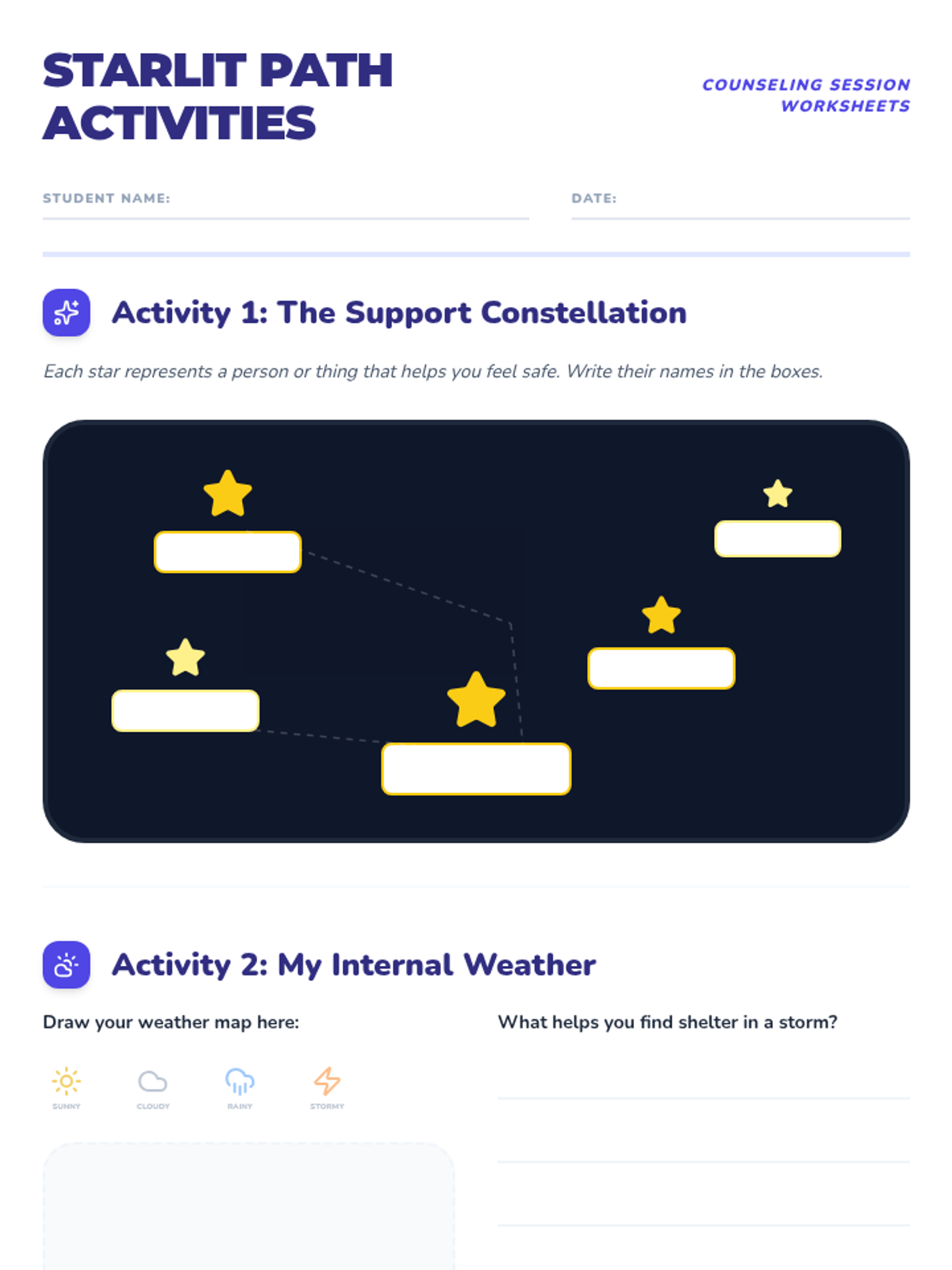
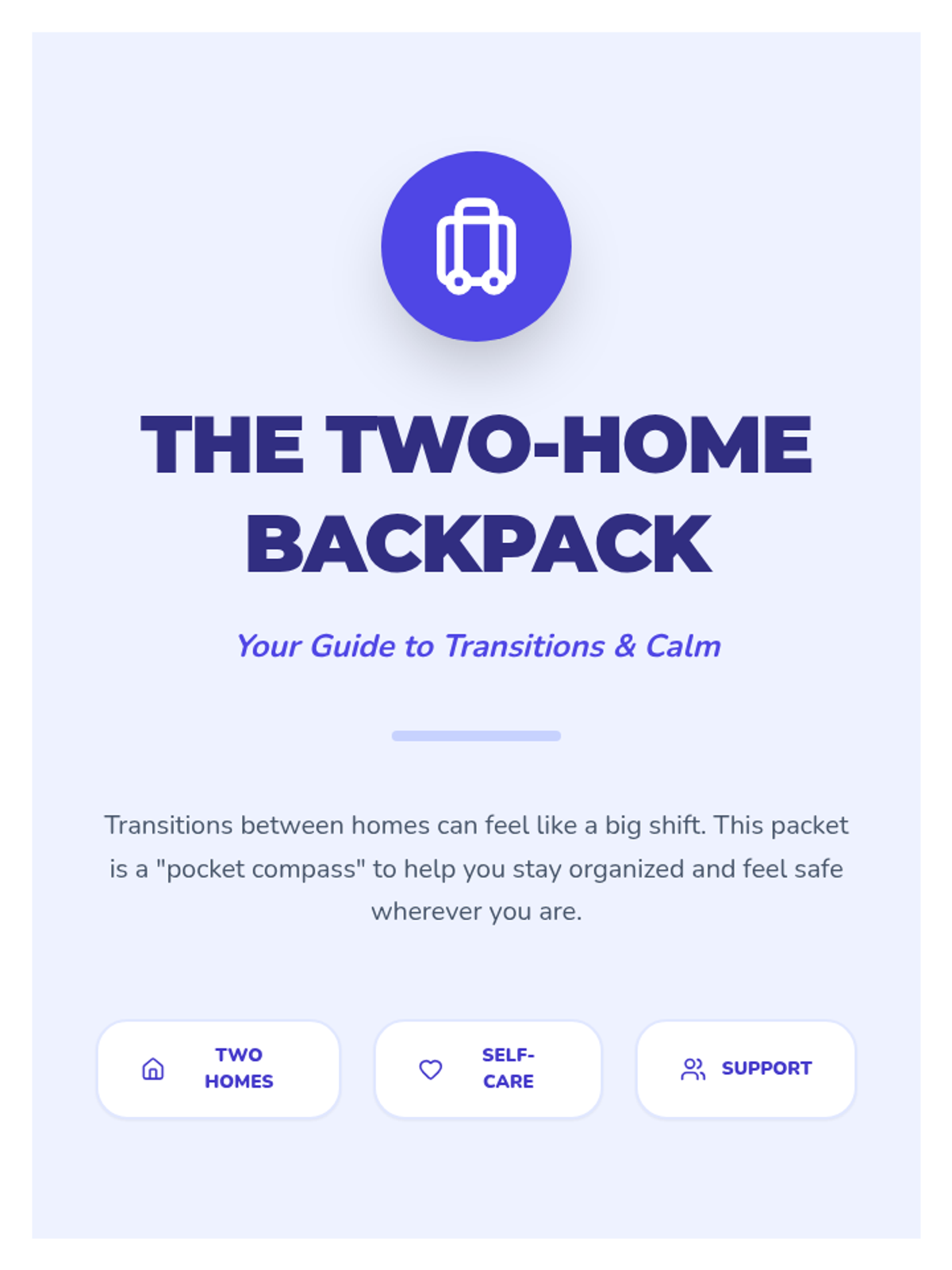
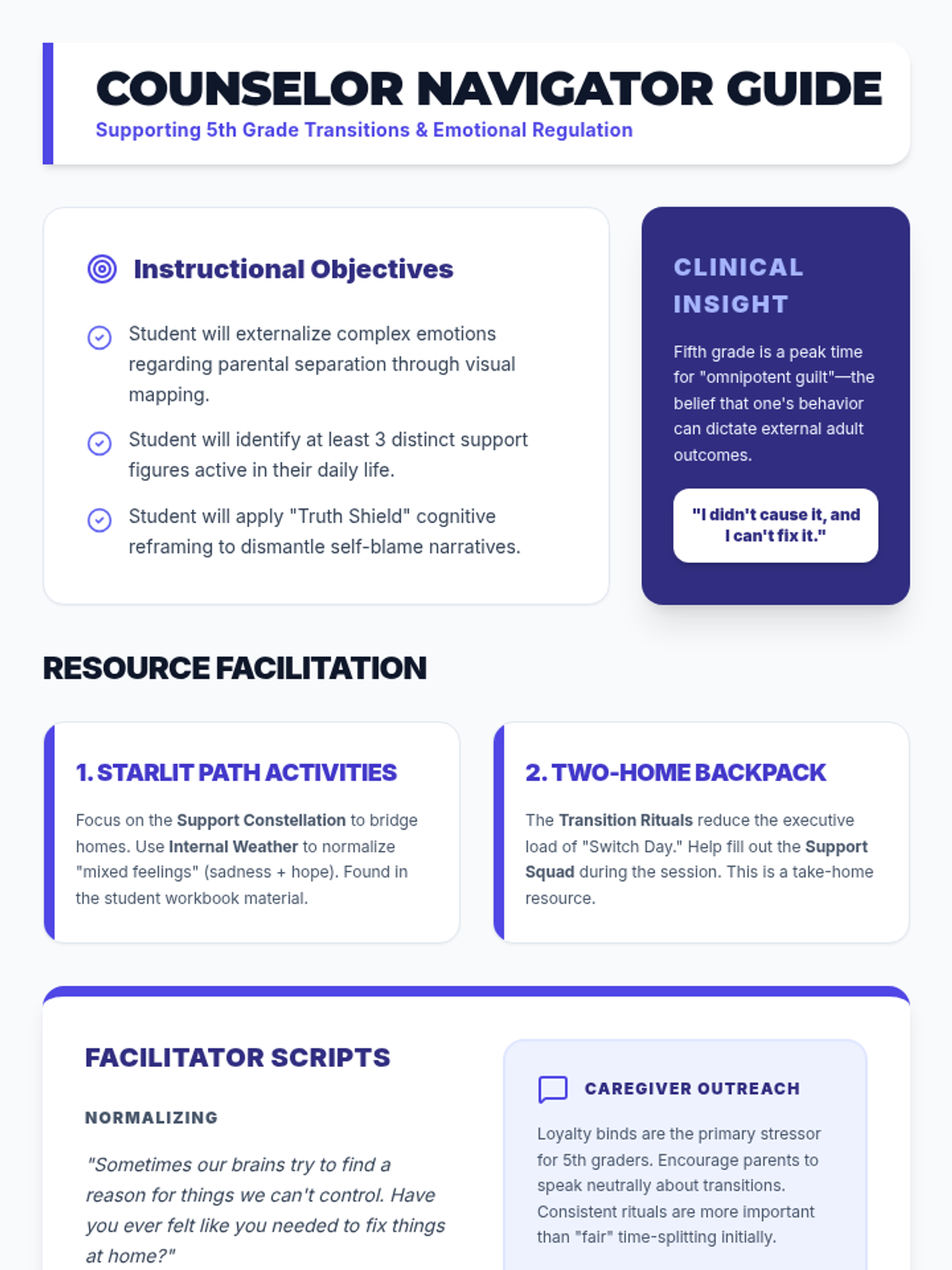
A comprehensive counseling framework designed for a 5th-grade student navigating parental separation. This lesson focuses on emotional regulation, identifying support networks, managing transitions between homes, and reinforcing that the separation is not the child's fault.
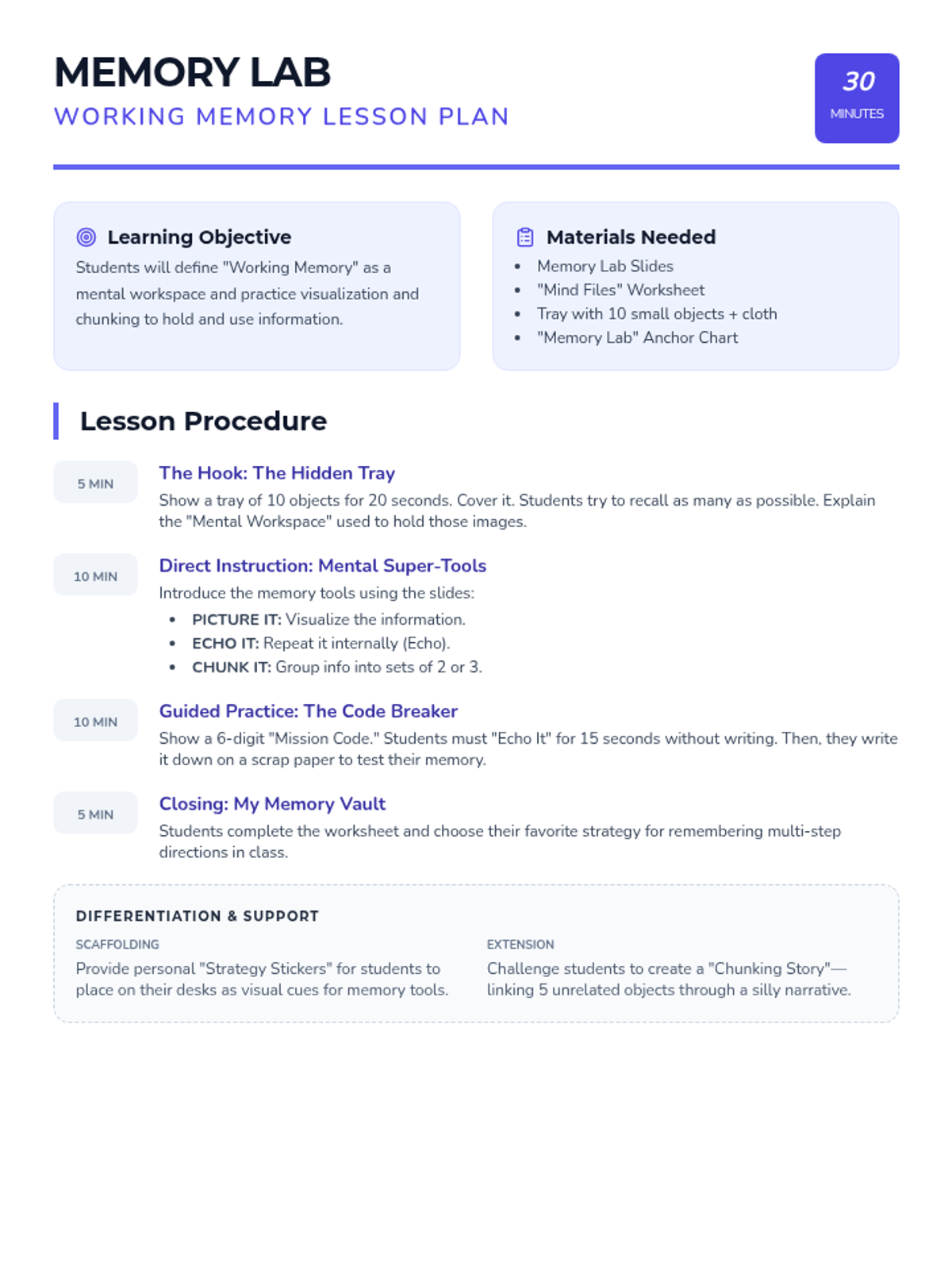
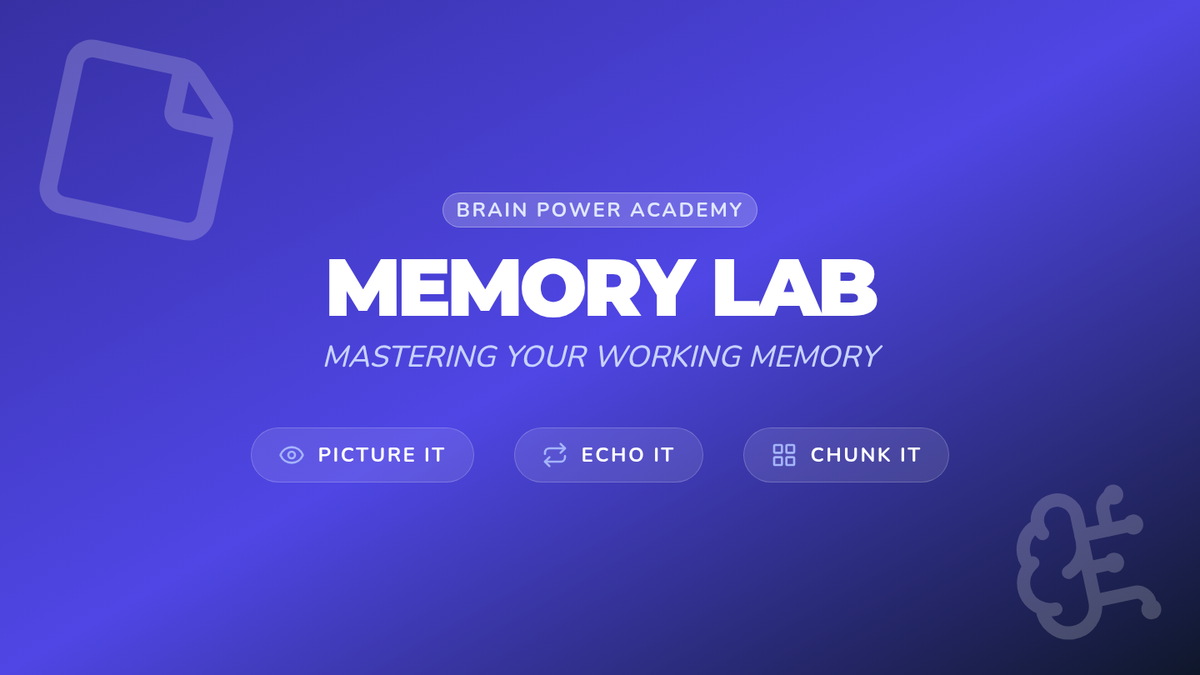
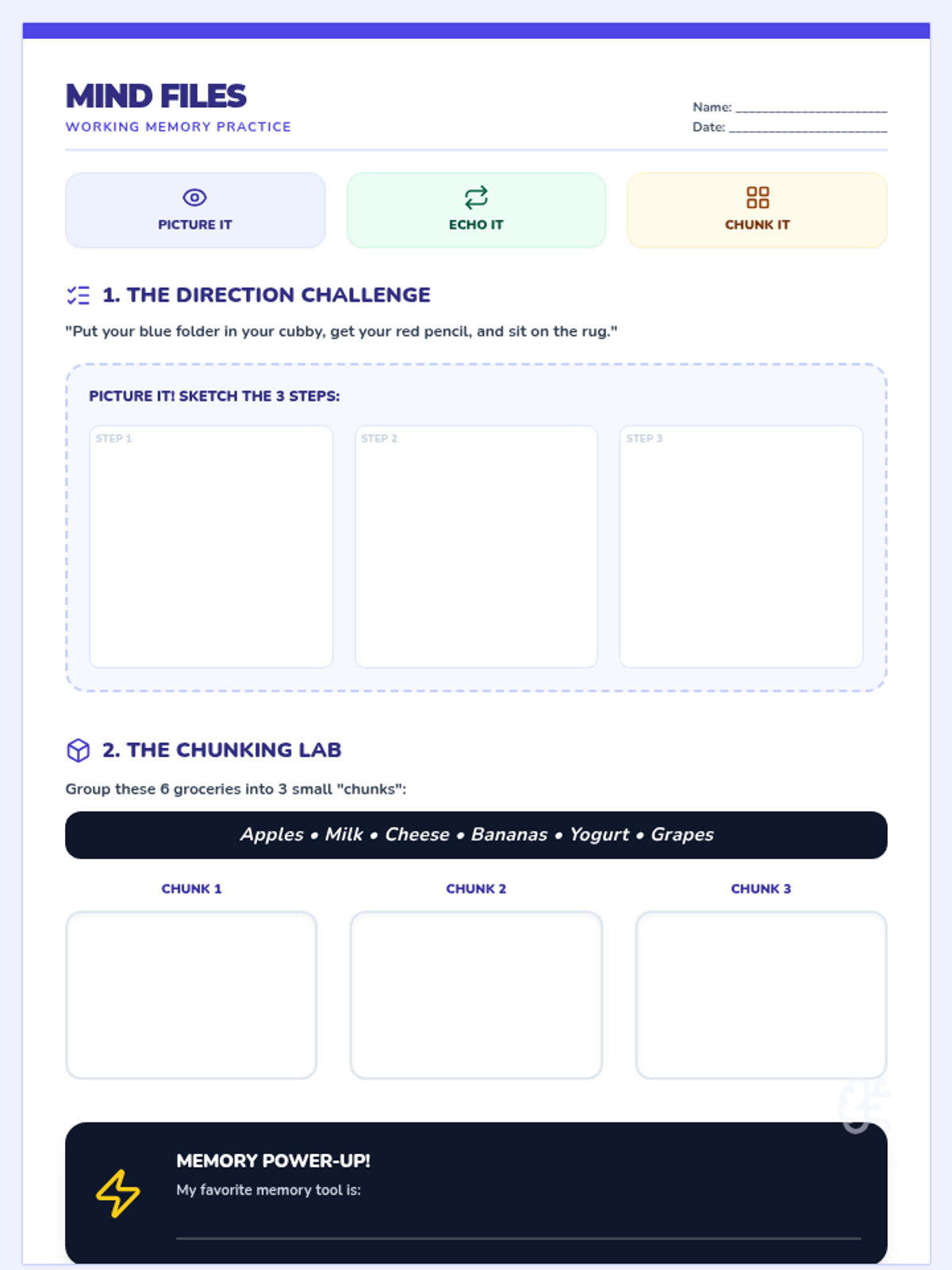
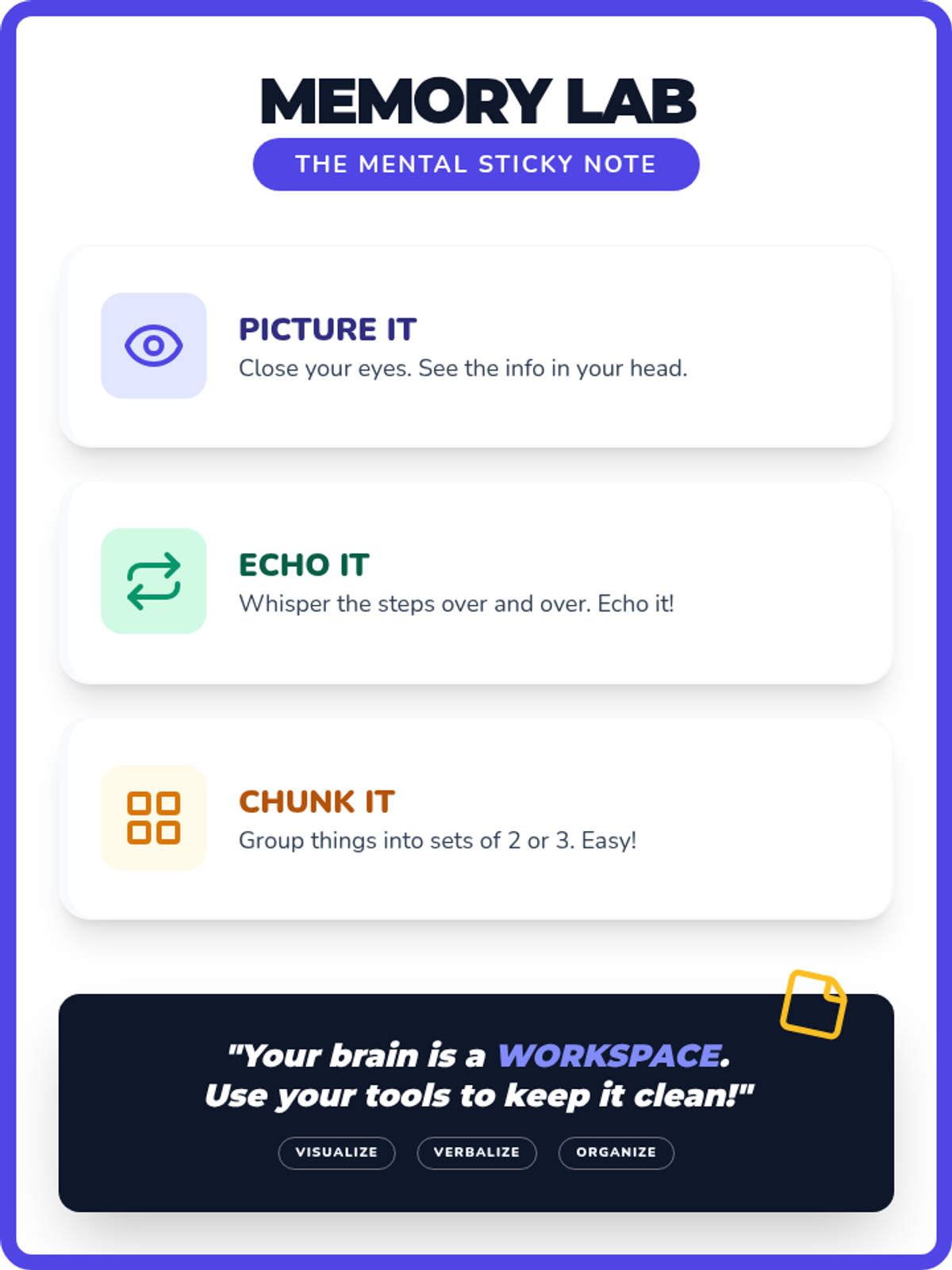
Students discover techniques like visualization and chunking to hold and manipulate information in their 'Memory Lab'.
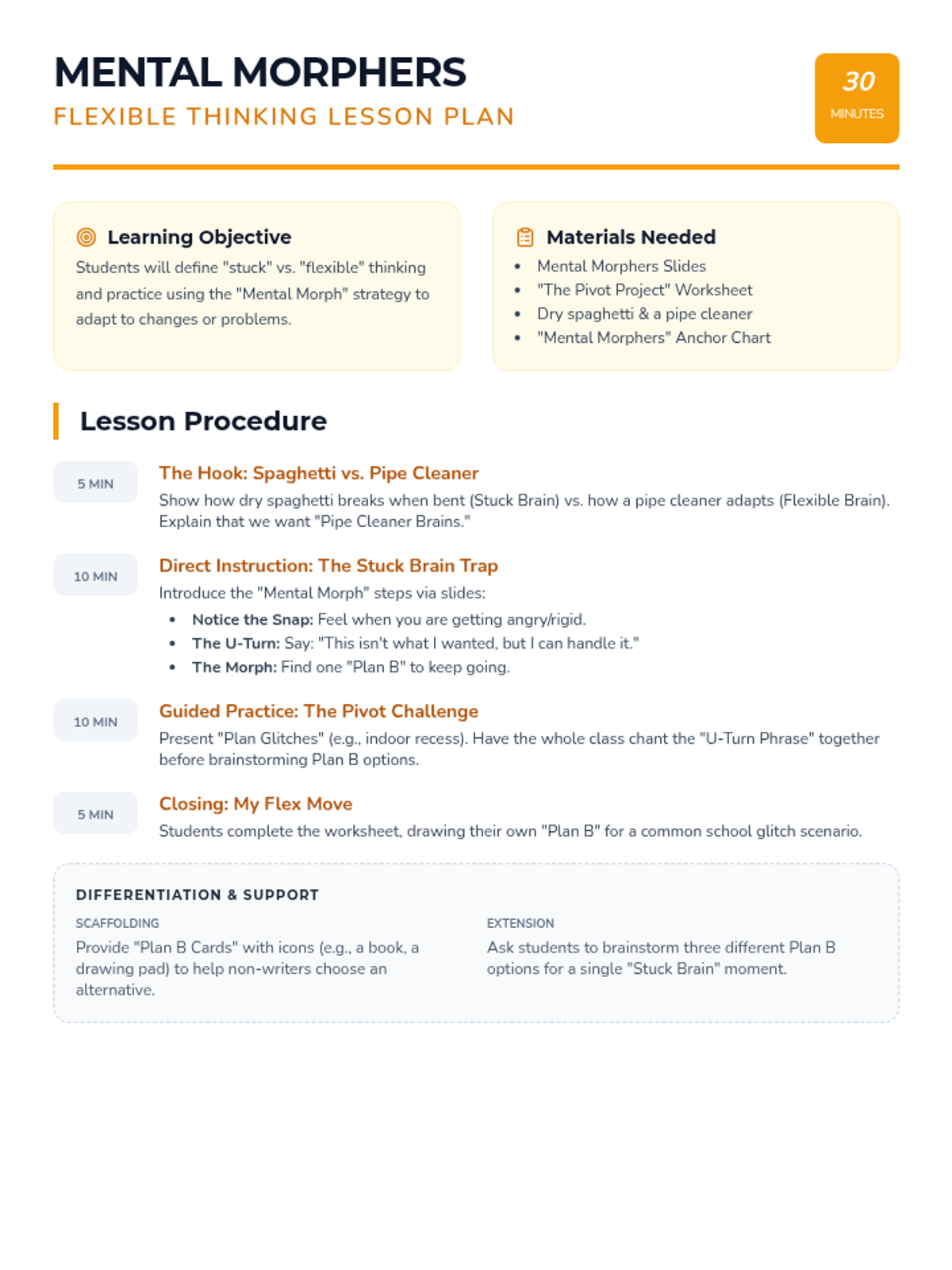
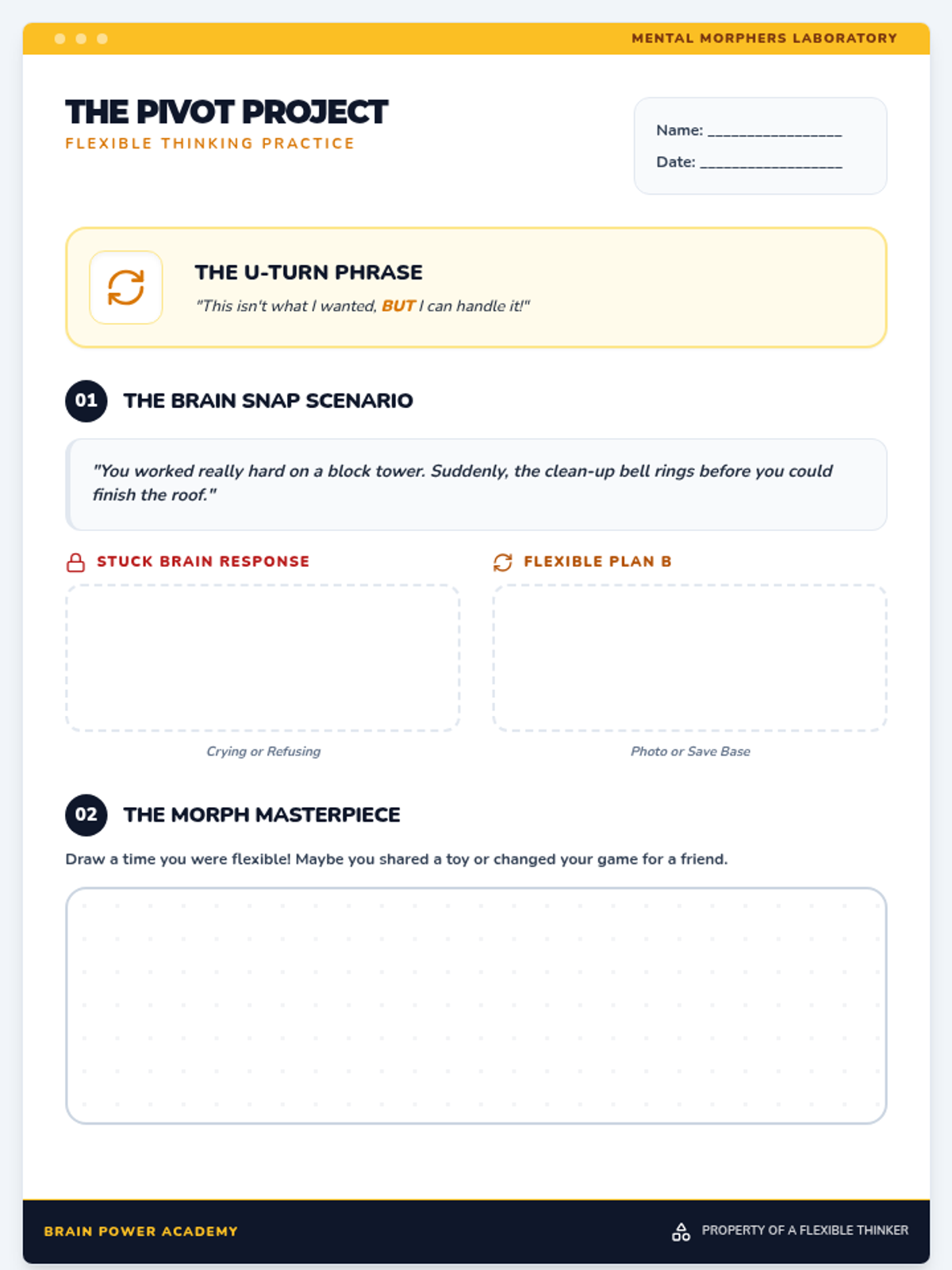
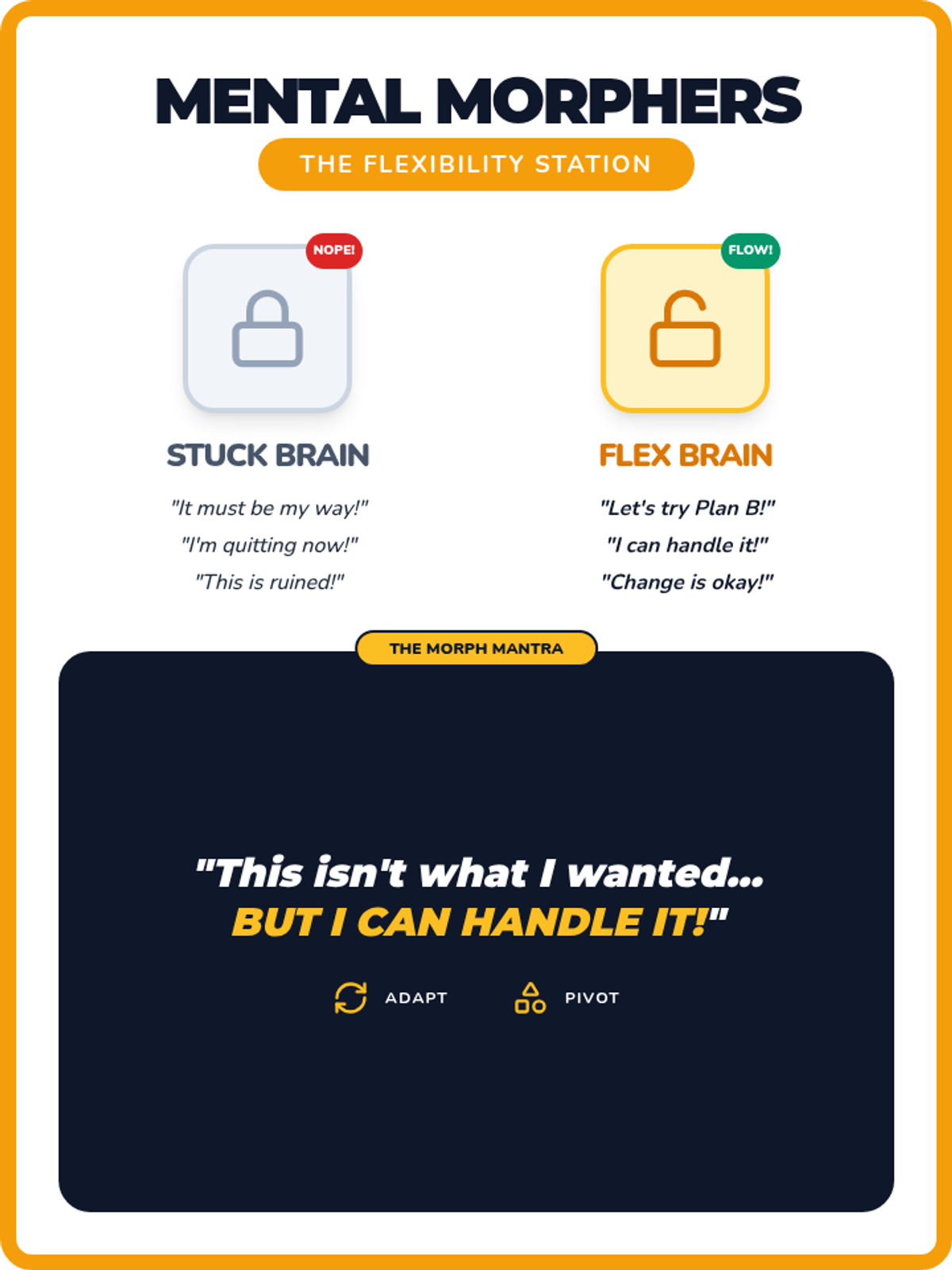
Students practice adapting to changes and seeing things from different perspectives using 'Mental Morphers' strategies.
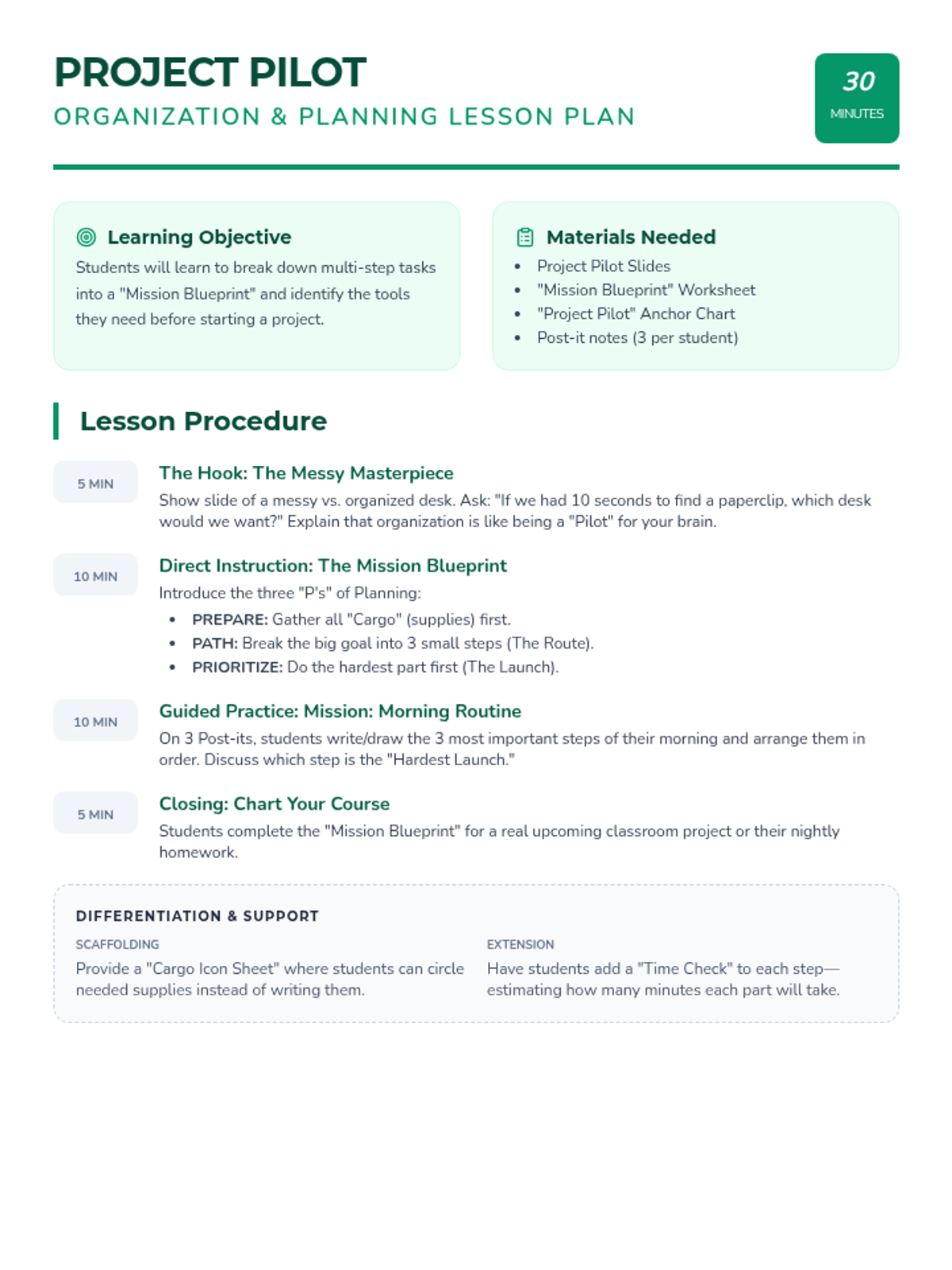
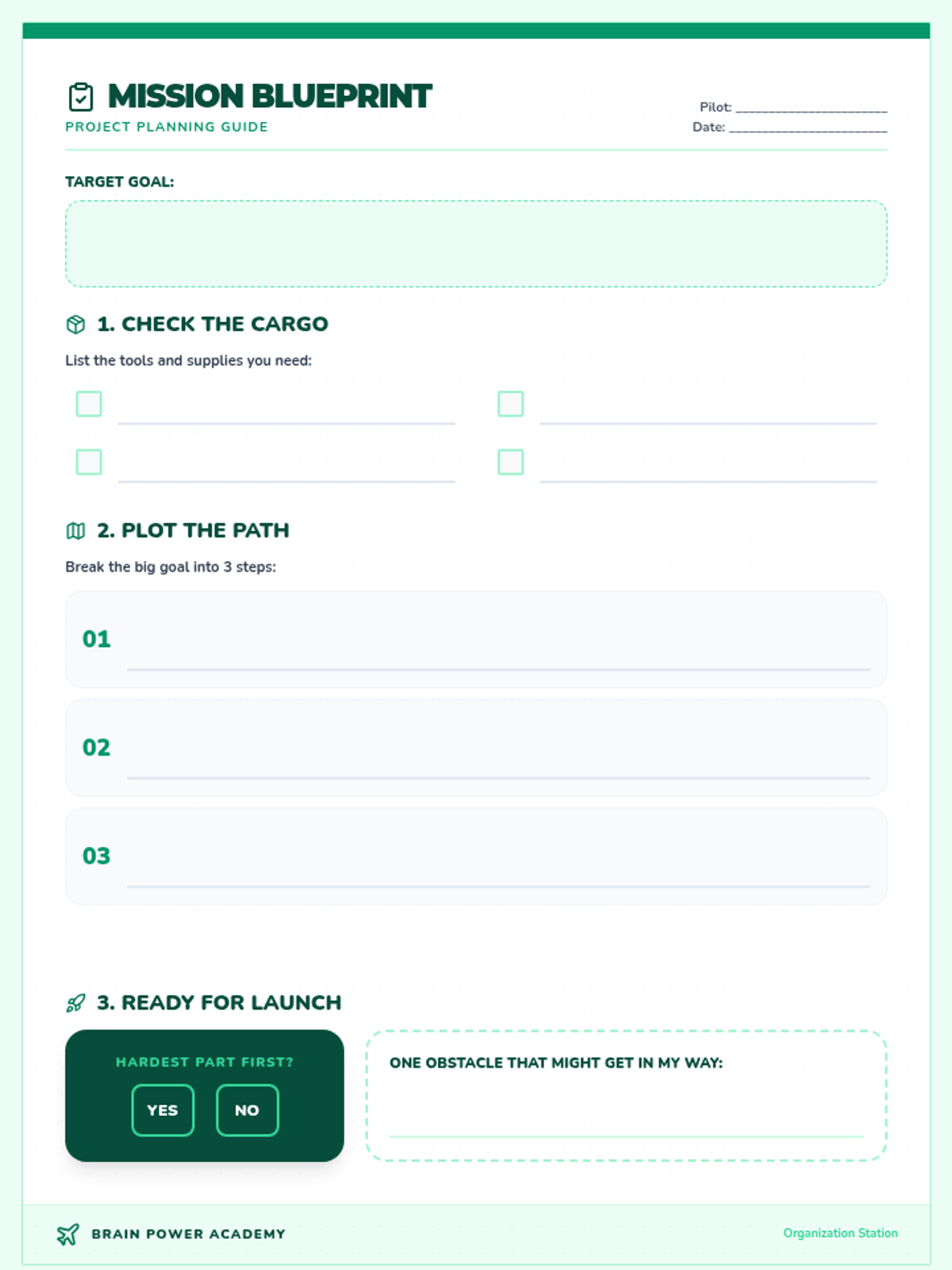
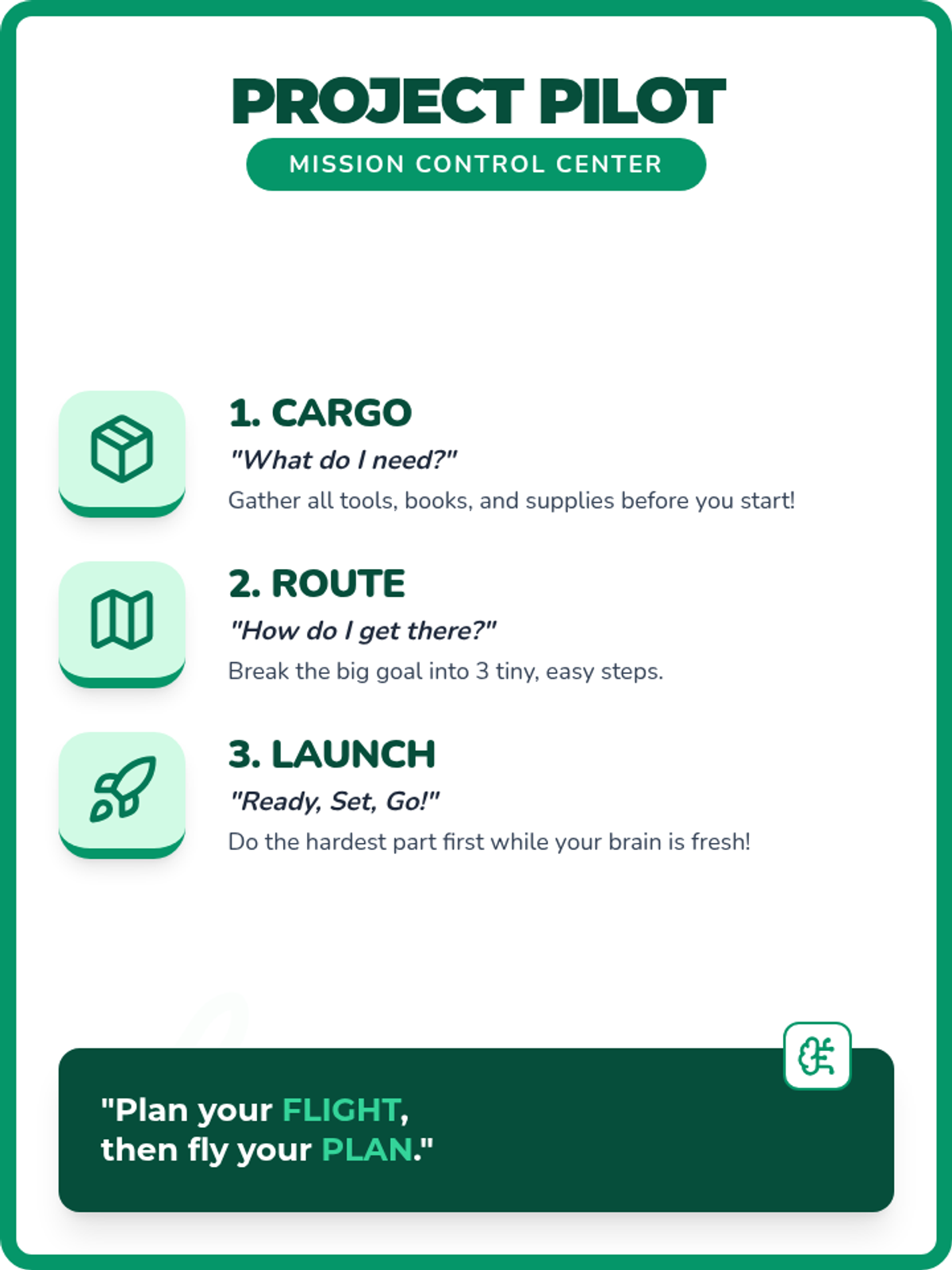
Students explore how to break big tasks into small steps and organize their tools for success using the 'Mission Blueprint' method.
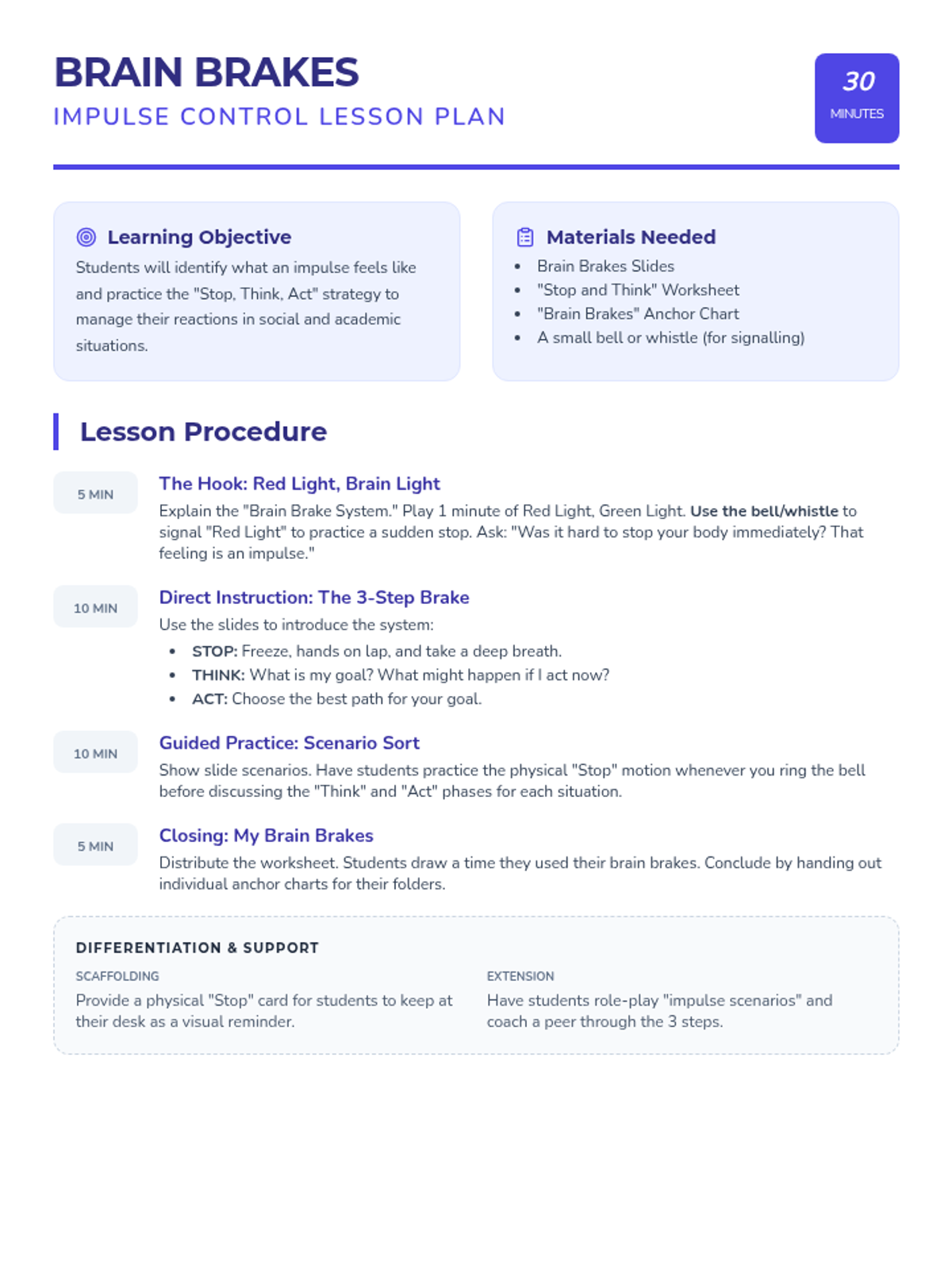
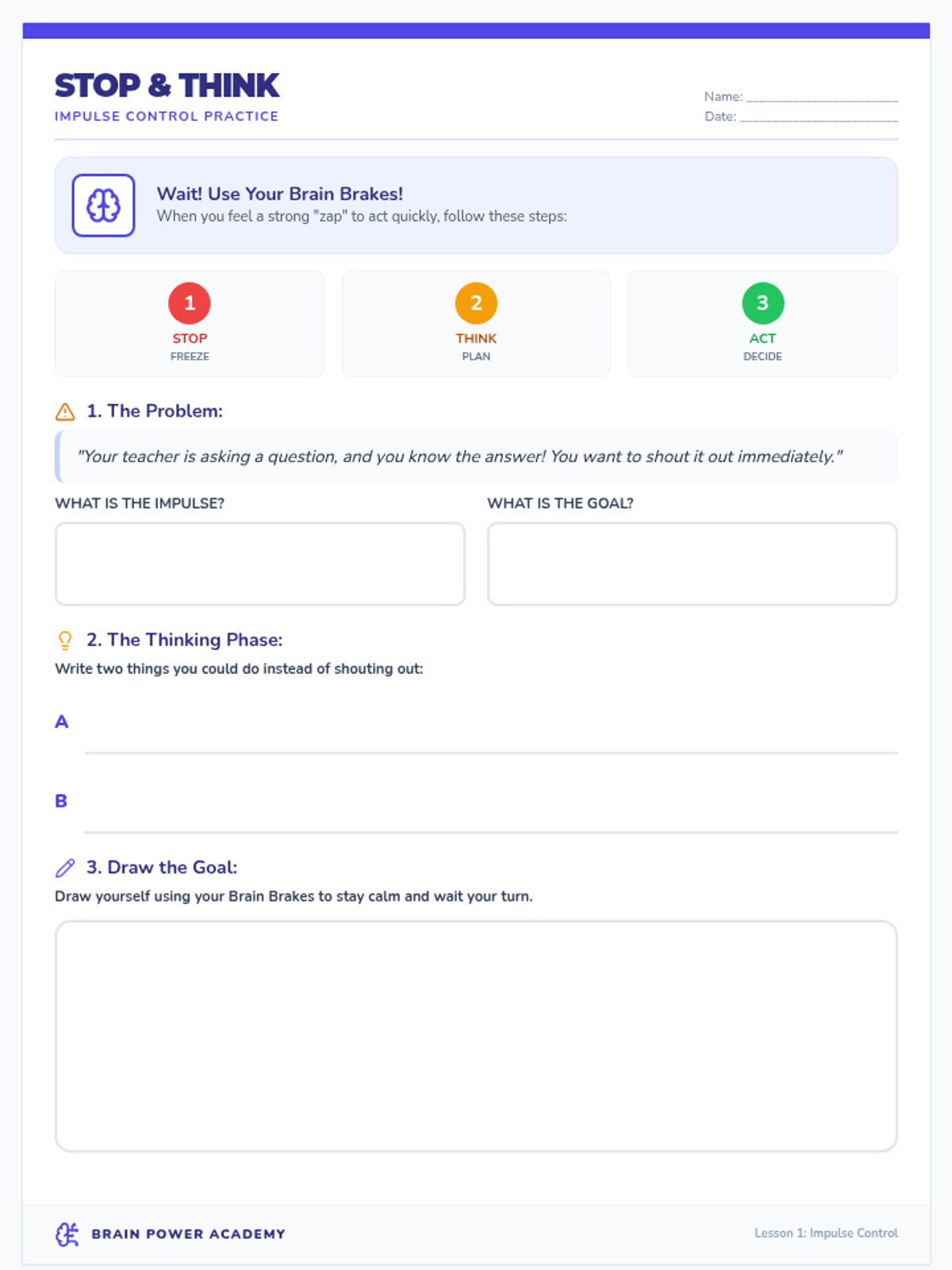
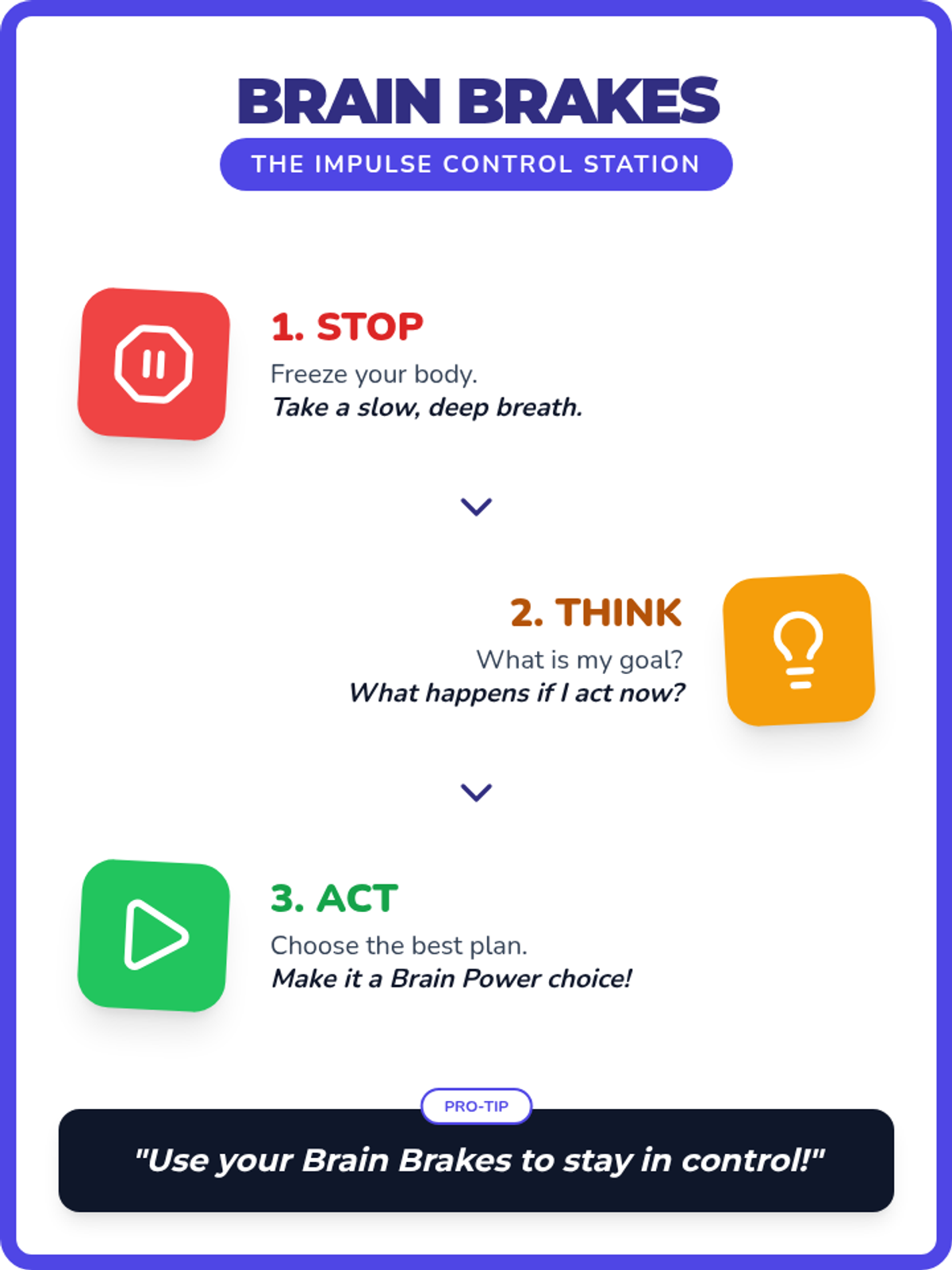
Students learn to identify impulsive urges and practice the 'Stop, Think, Act' strategy using the metaphor of 'Brain Brakes'.
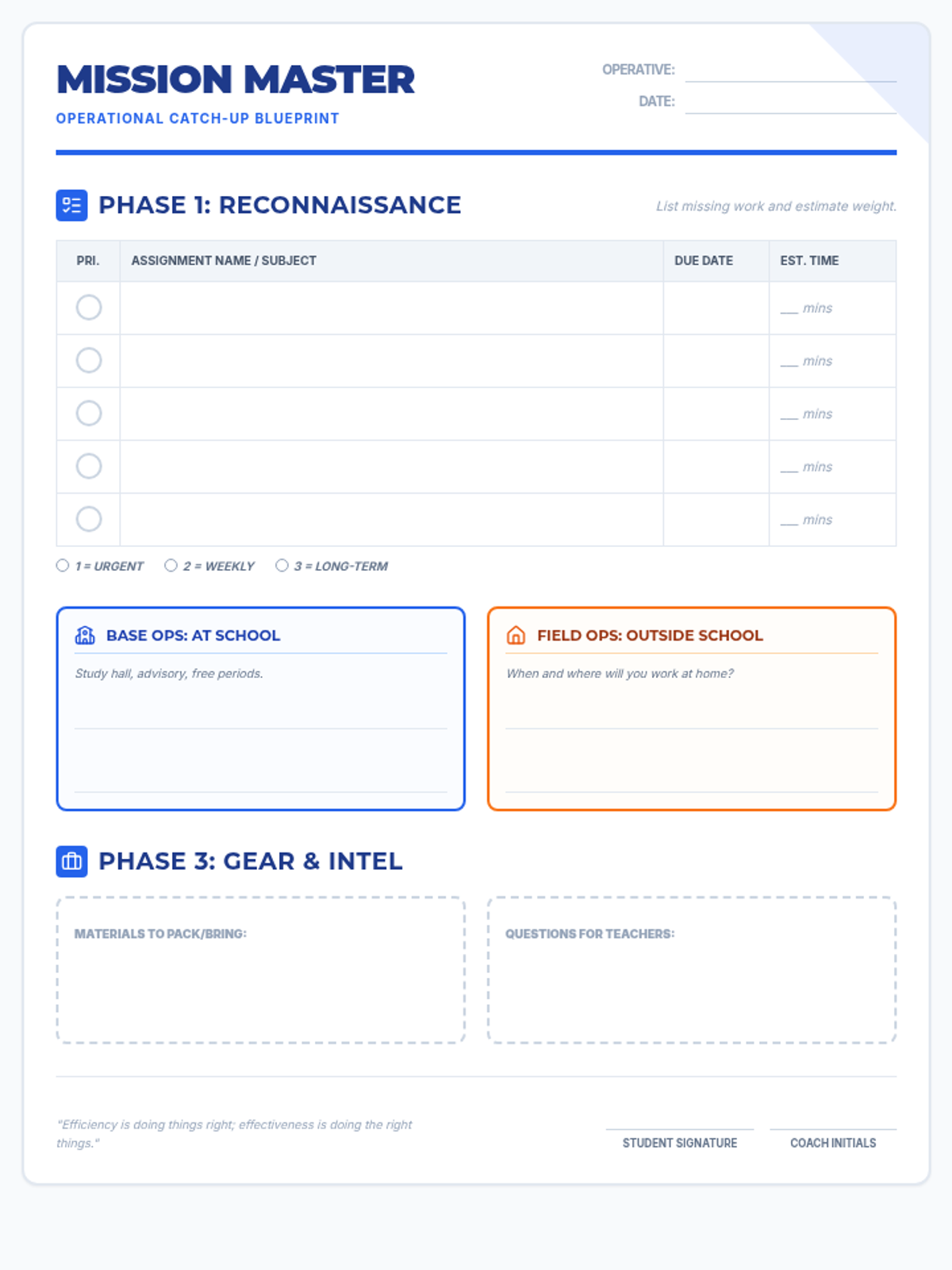
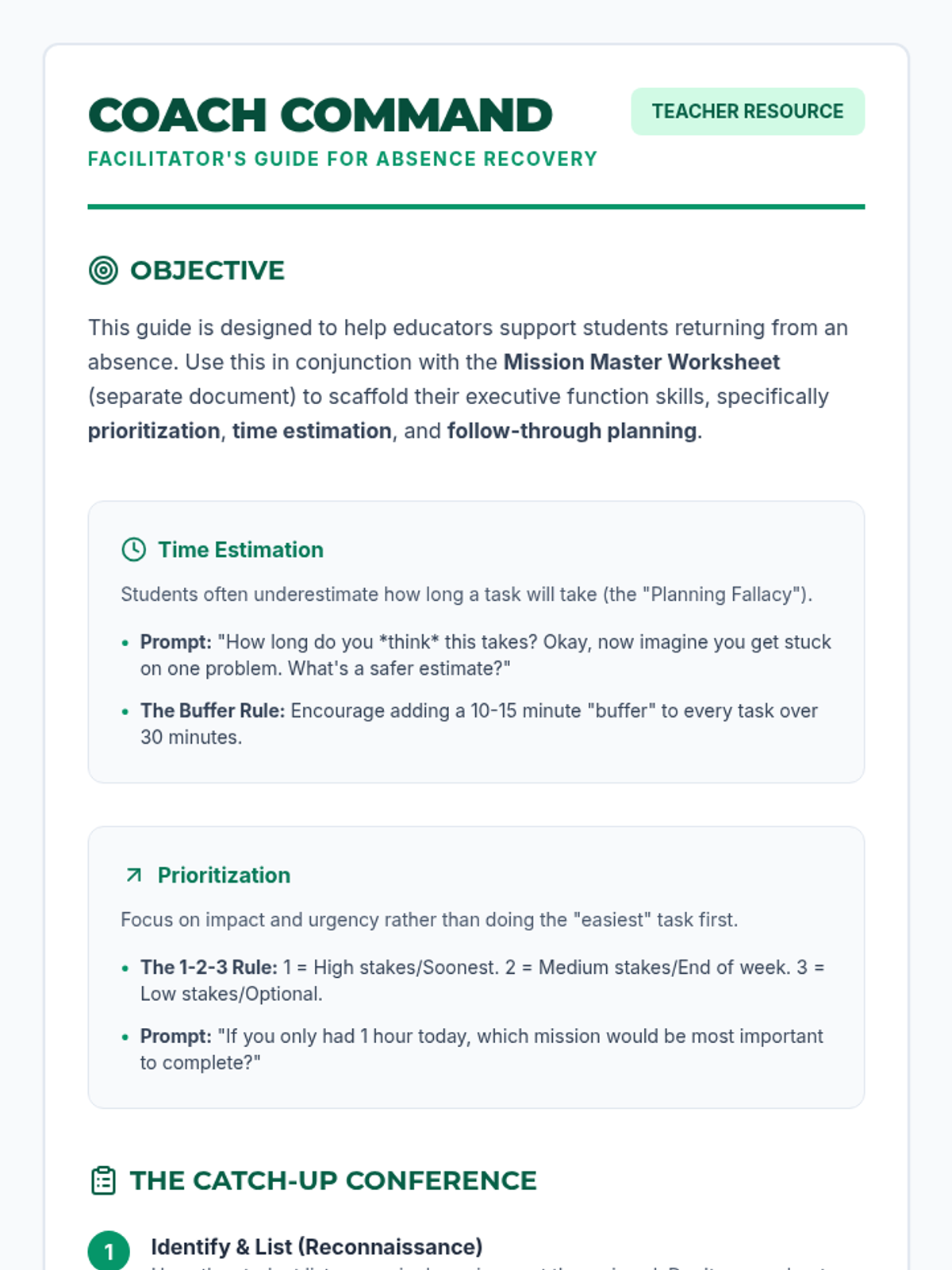
A toolkit designed to help students recover from absences by developing executive function skills like prioritization, time estimation, and resource management.
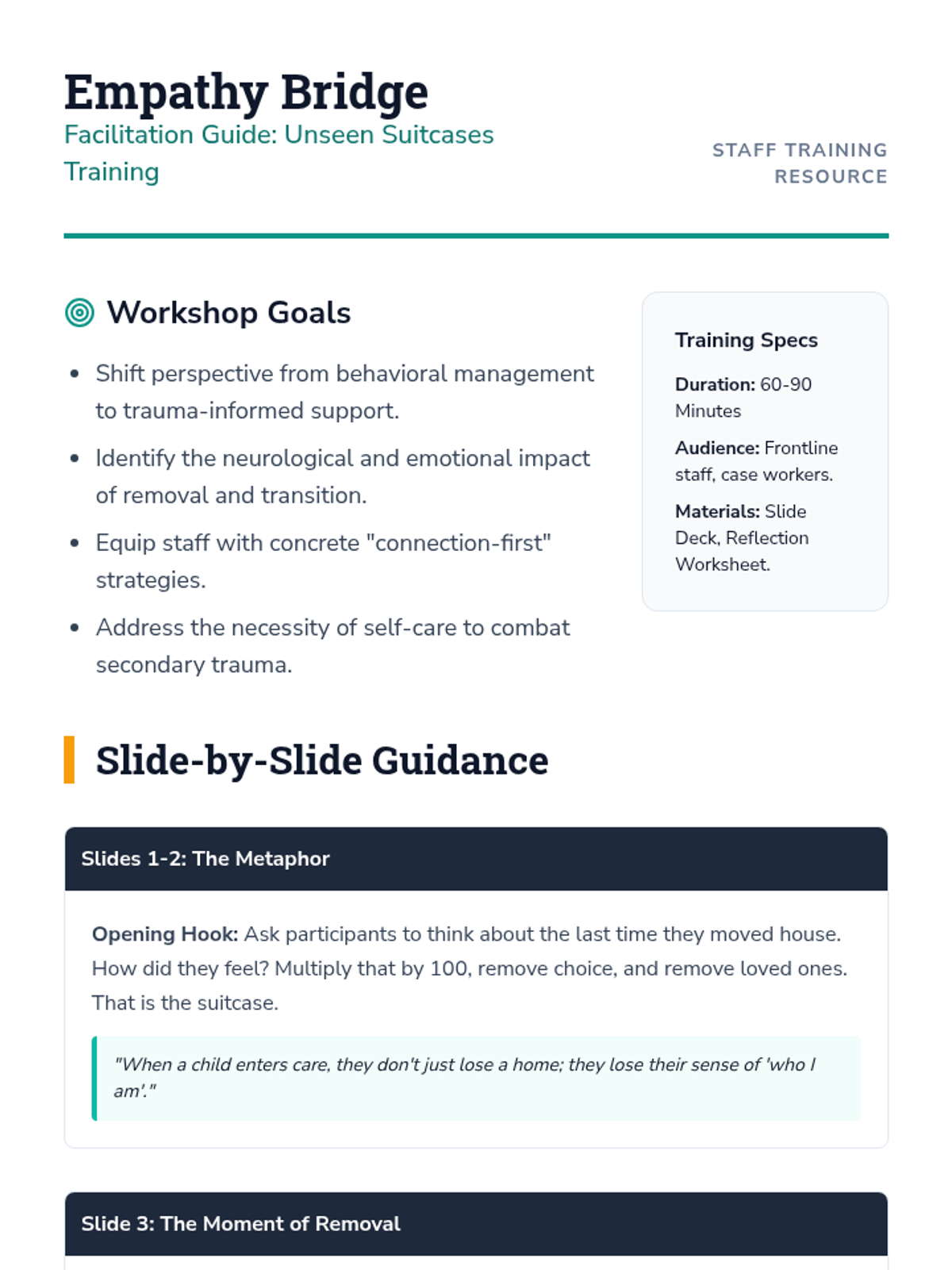
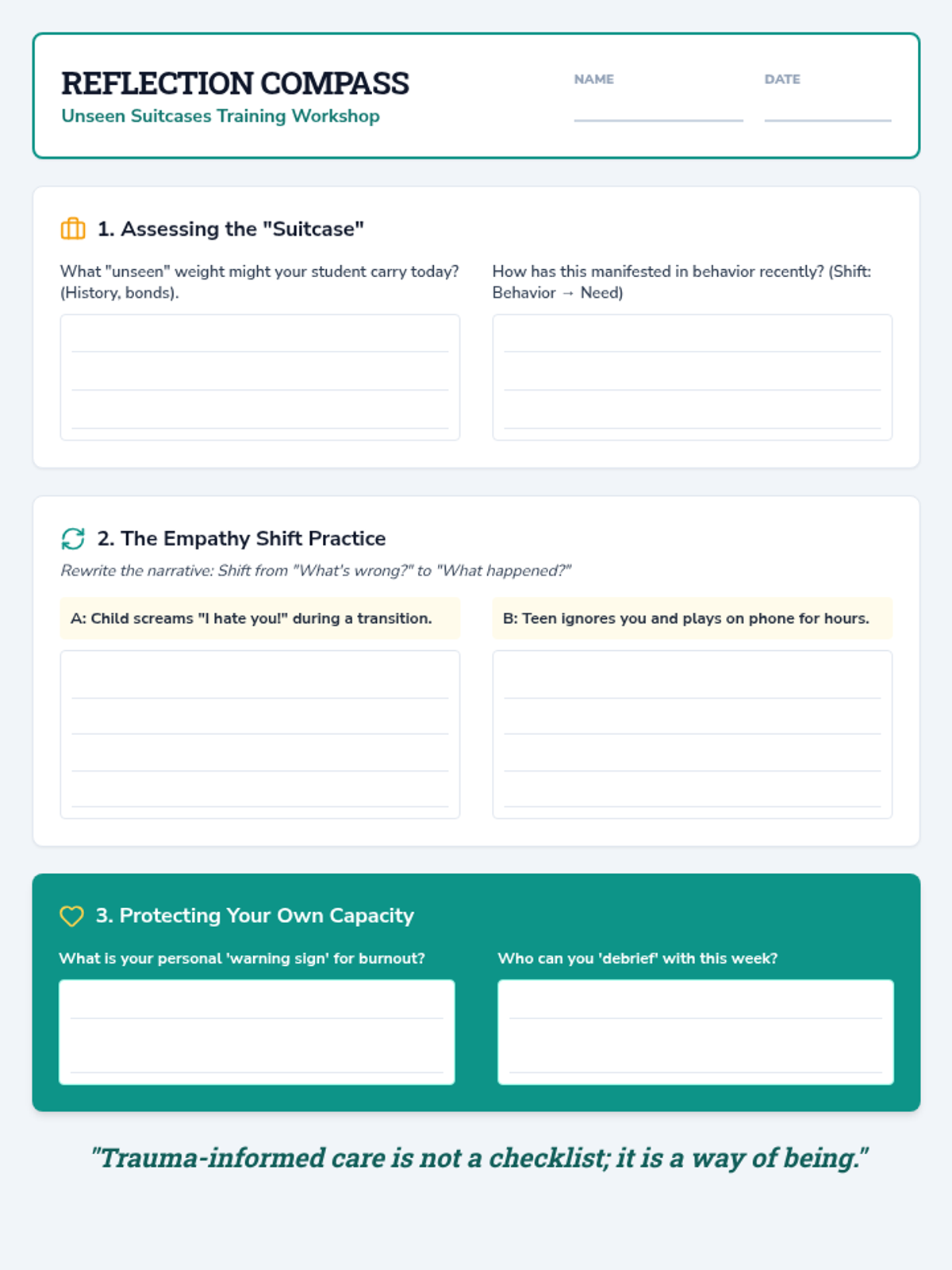
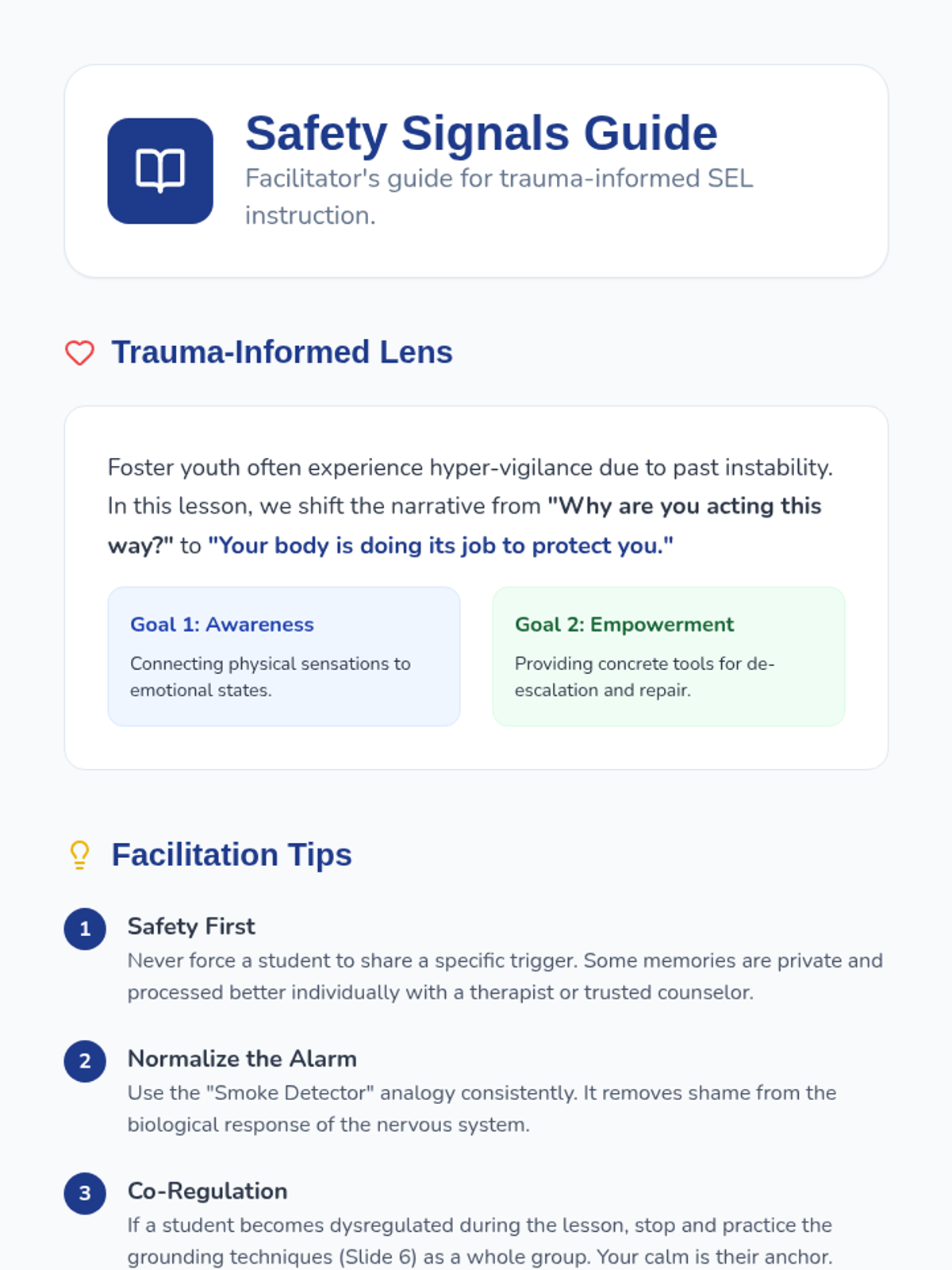
A trauma-informed training module for staff to build deep empathy for children in the foster care system by understanding the neurological and emotional impact of removal and placement.
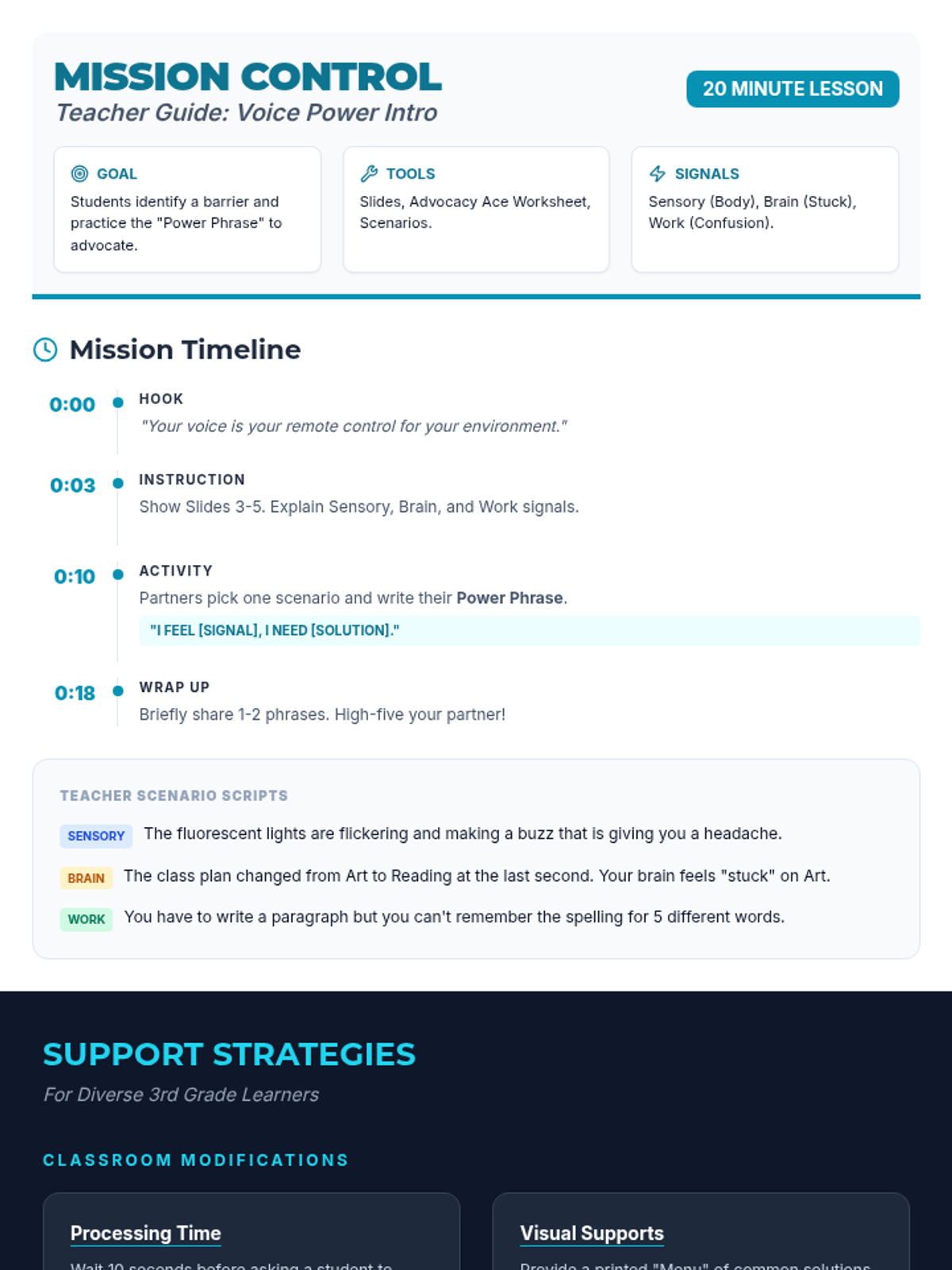
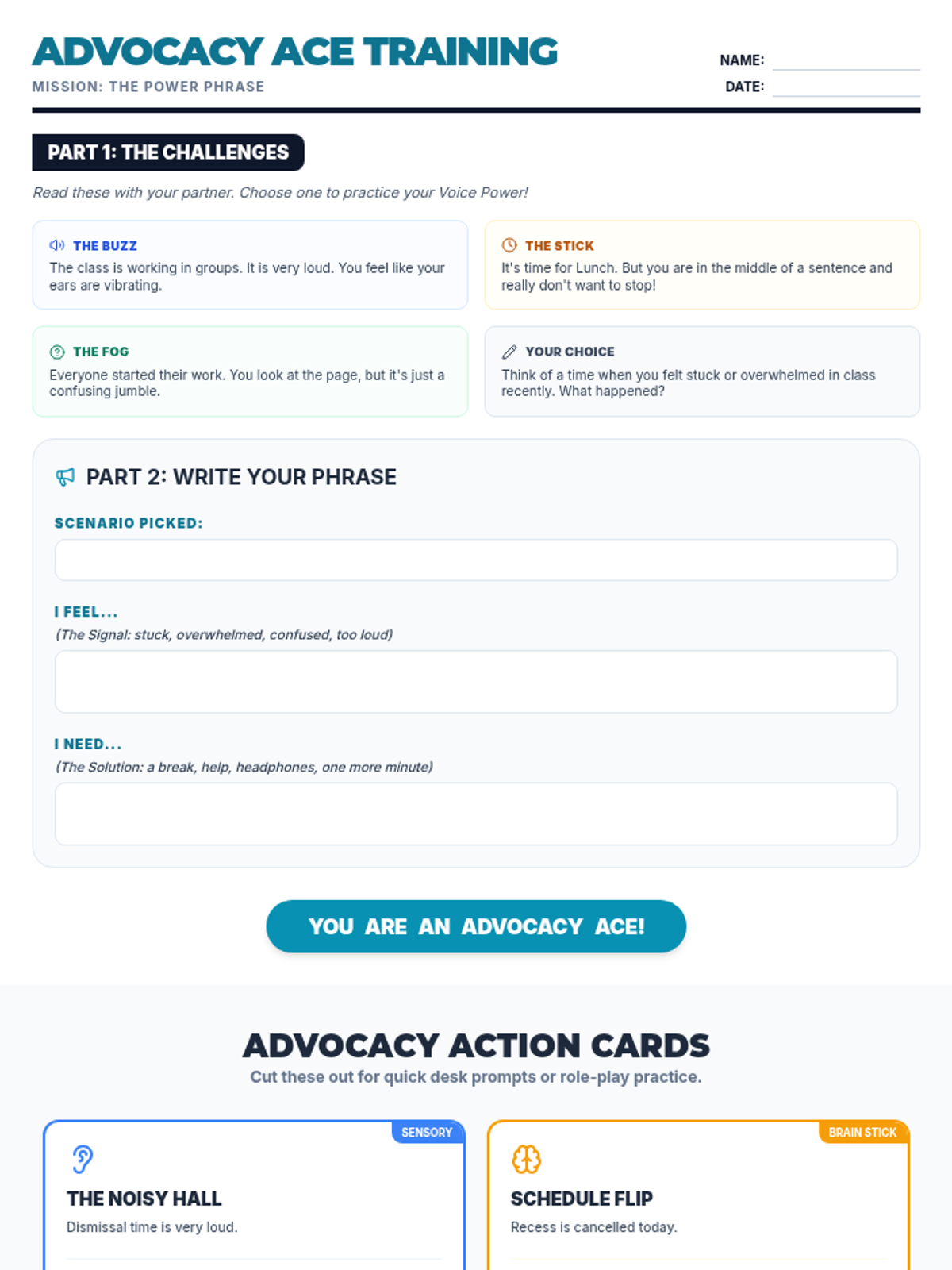
A high-energy, 20-minute introduction to self-advocacy focusing on sensory needs, inflexible thinking, and academic help-seeking for 3rd graders.
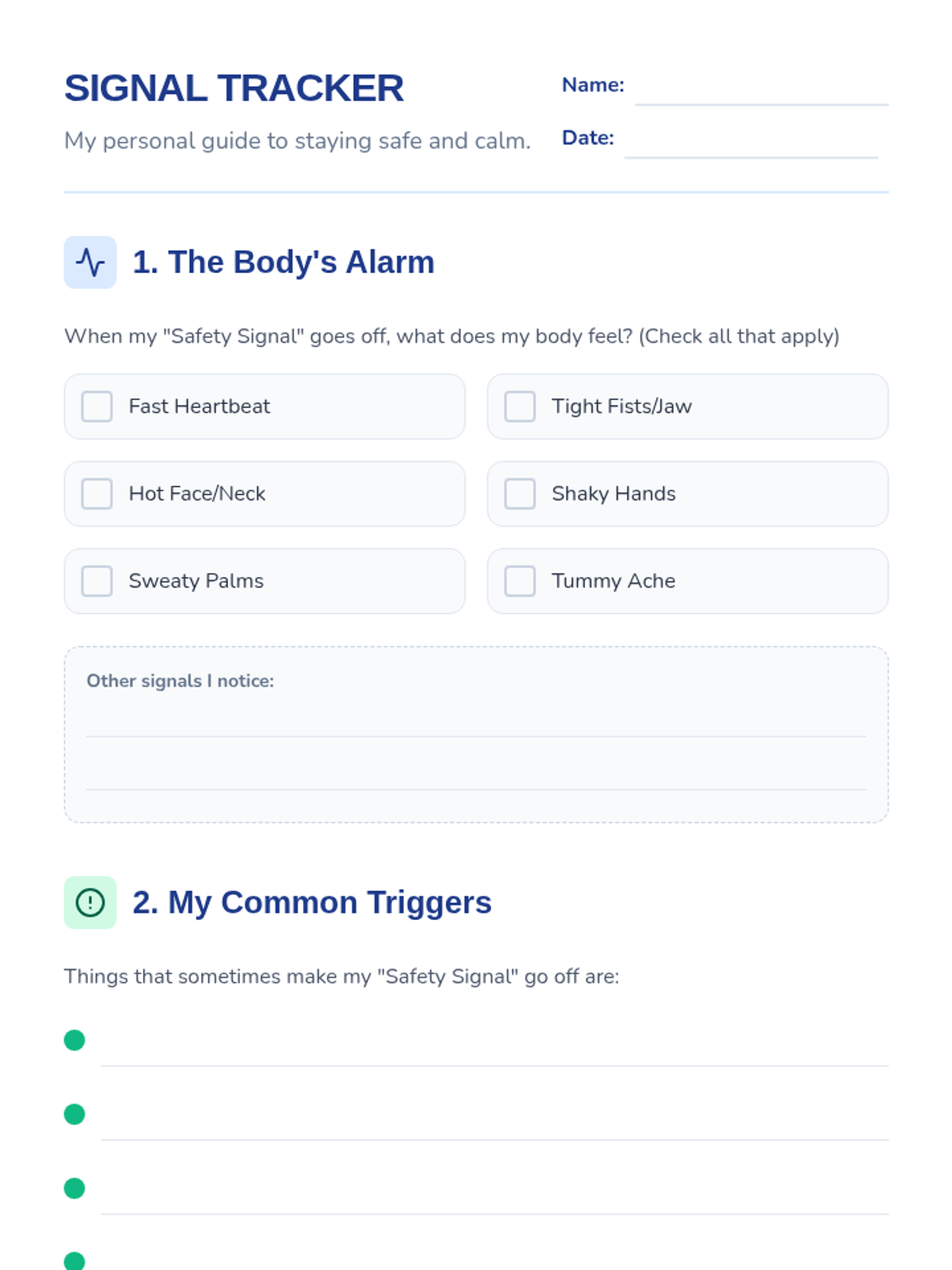
A trauma-informed lesson designed to help students identify their emotional triggers and develop healthy conflict resolution strategies in a safe, supportive environment.
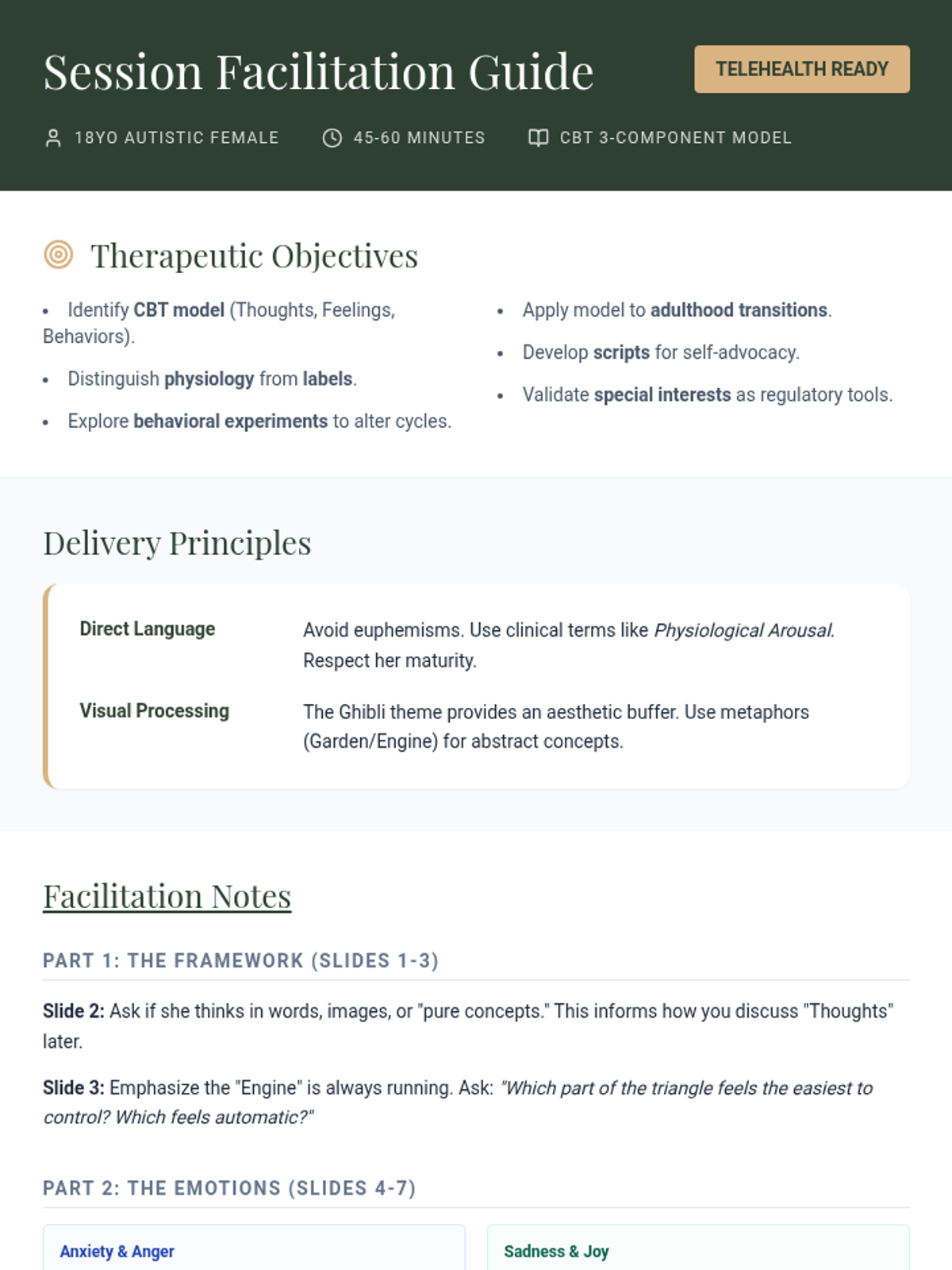
A psychoeducational exploration of the CBT triangle (thoughts, feelings, behaviors) tailored for an 18-year-old autistic girl, utilizing a mature Studio Ghibli-inspired aesthetic to navigate complex emotions and emerging adulthood.
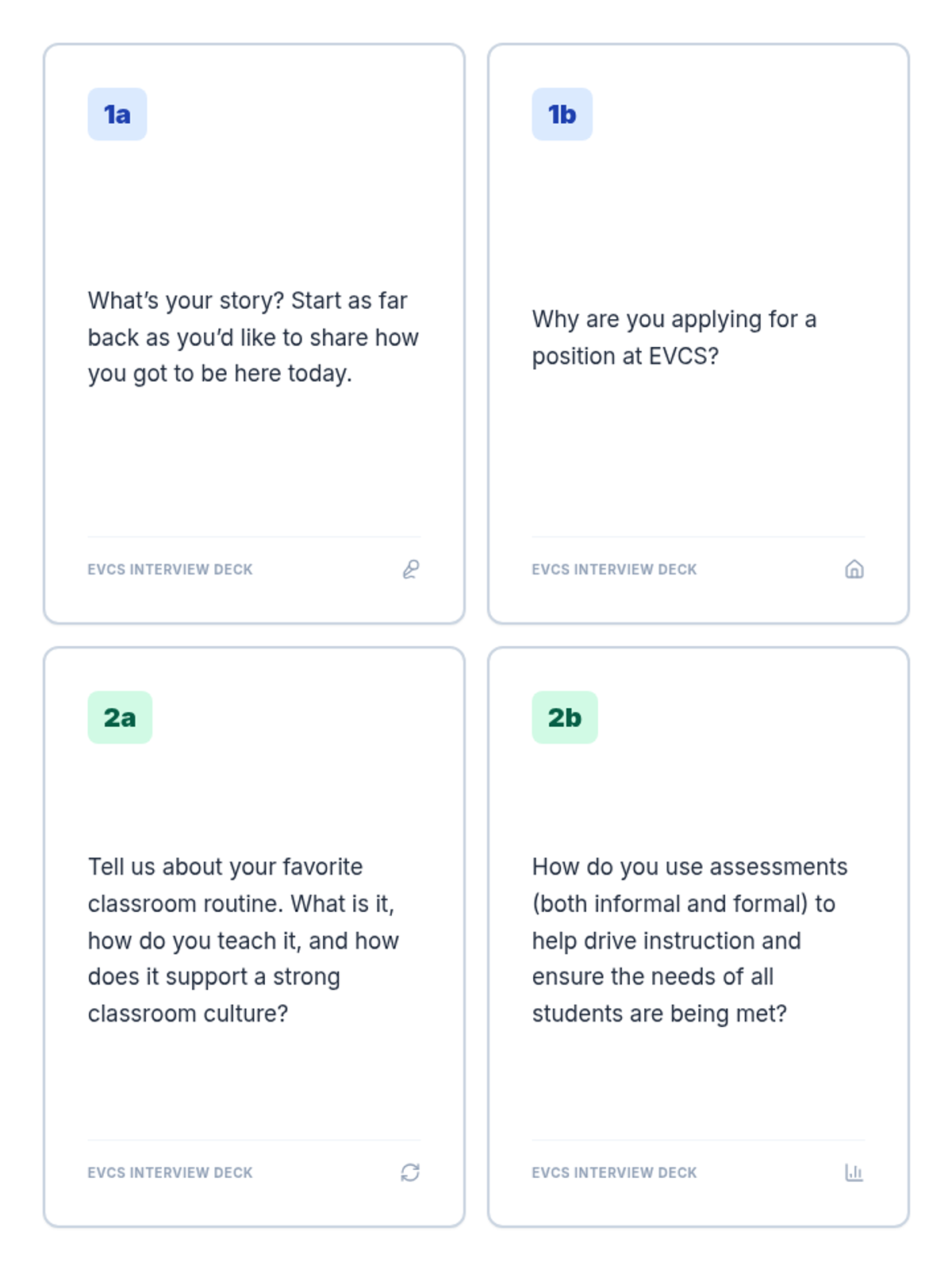
A comprehensive interview kit for school leadership and hiring committees, focusing on high-quality candidate evaluation through targeted questioning and scenario-based discussion.
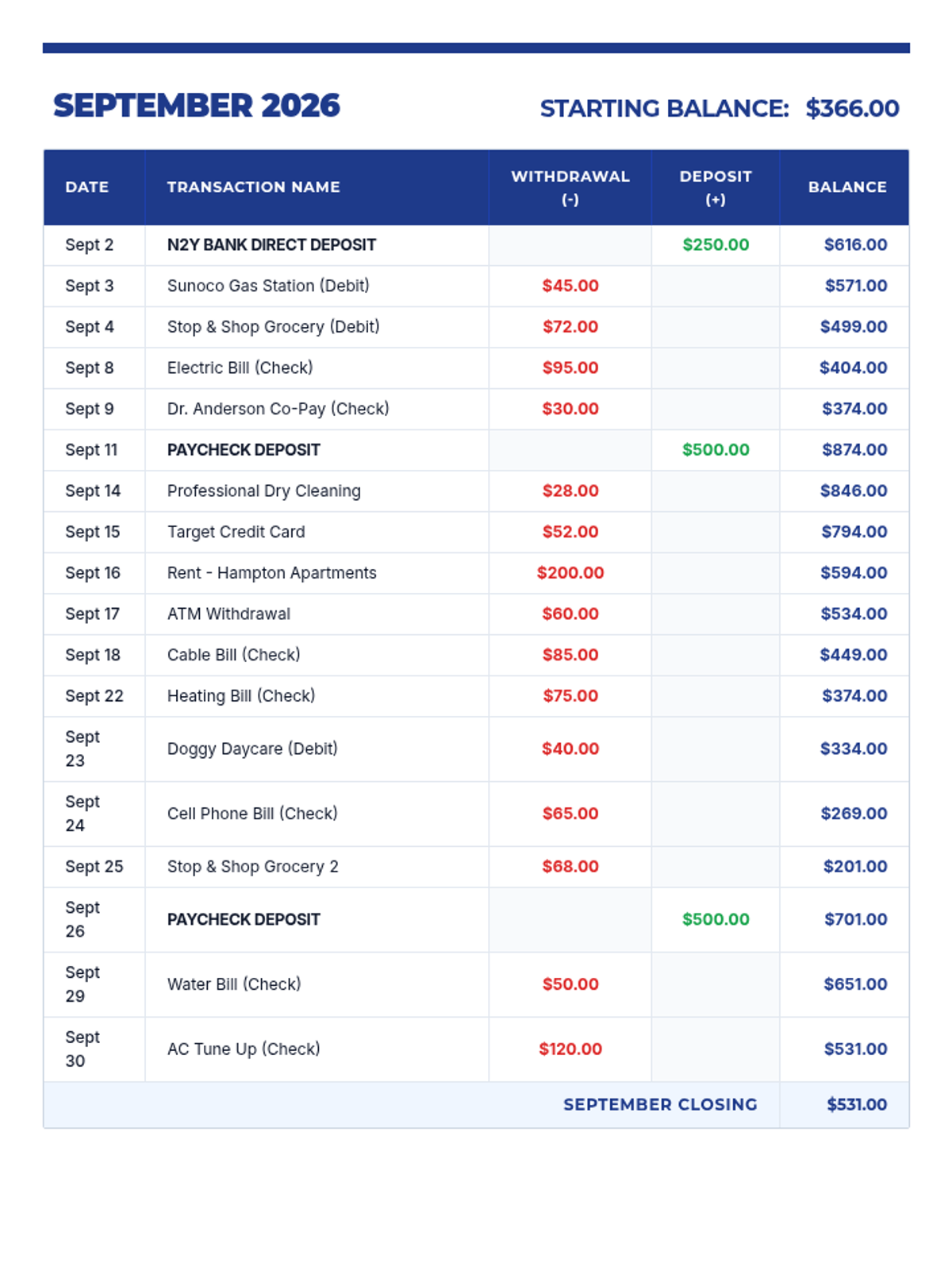
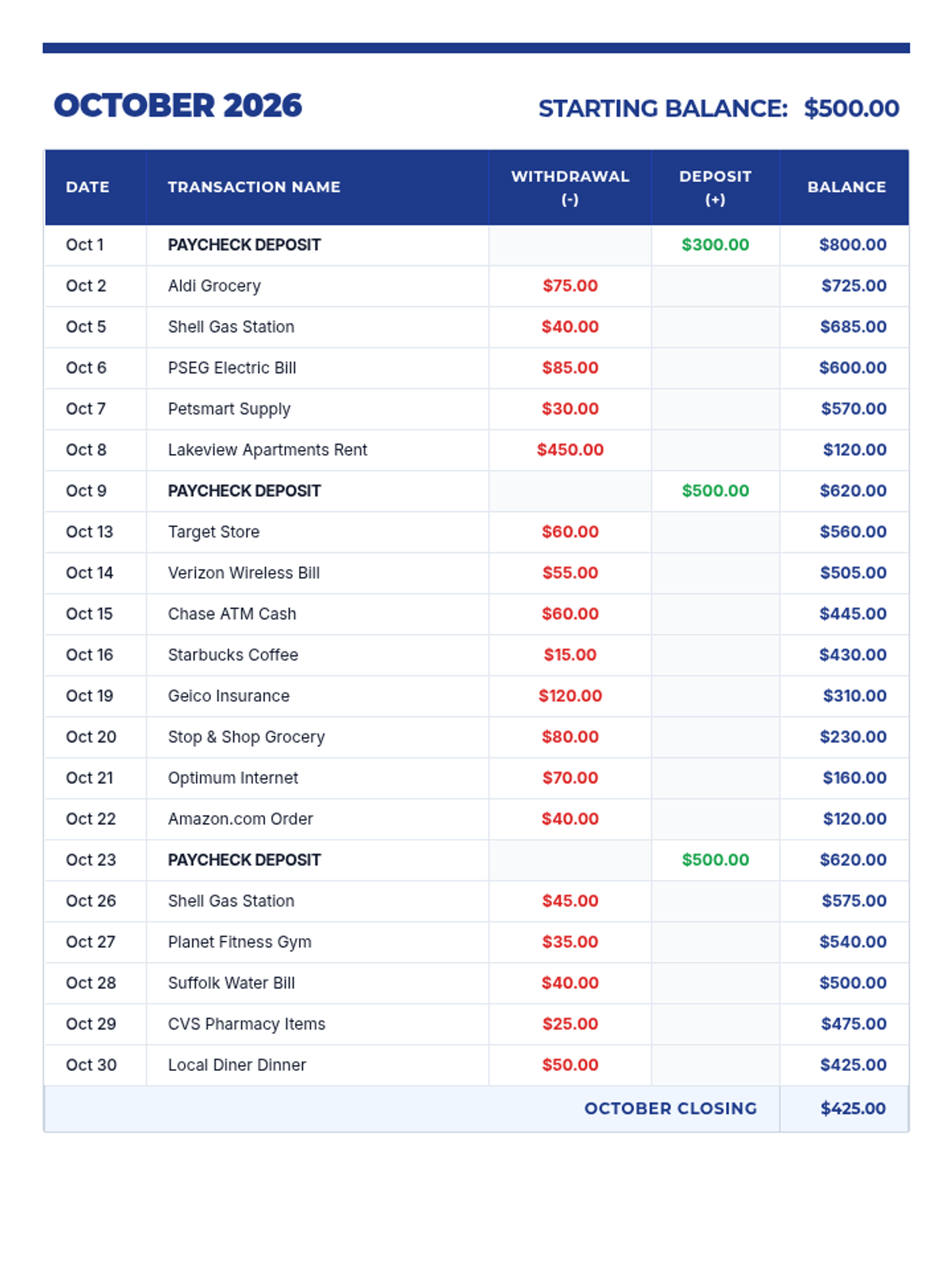
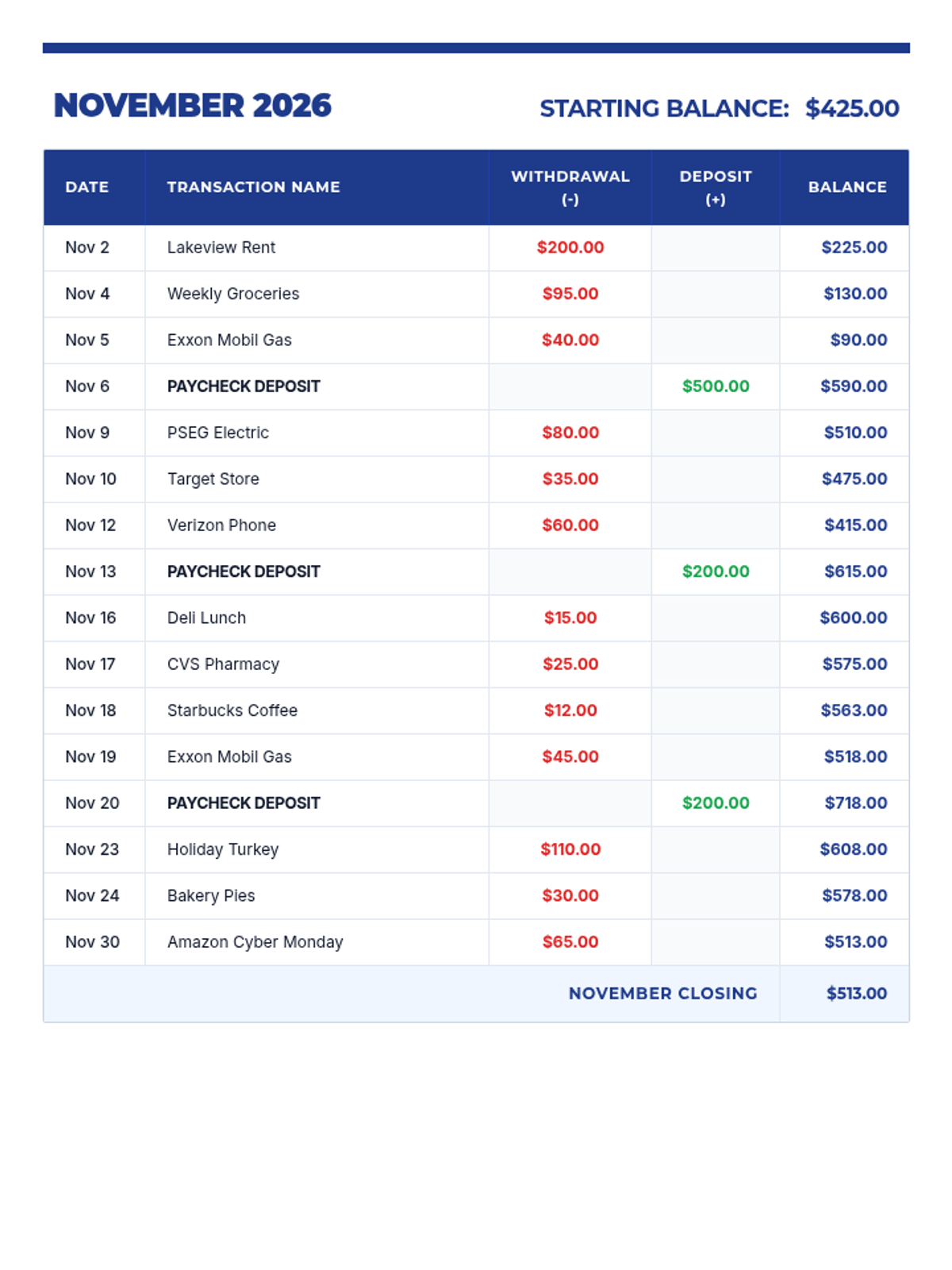
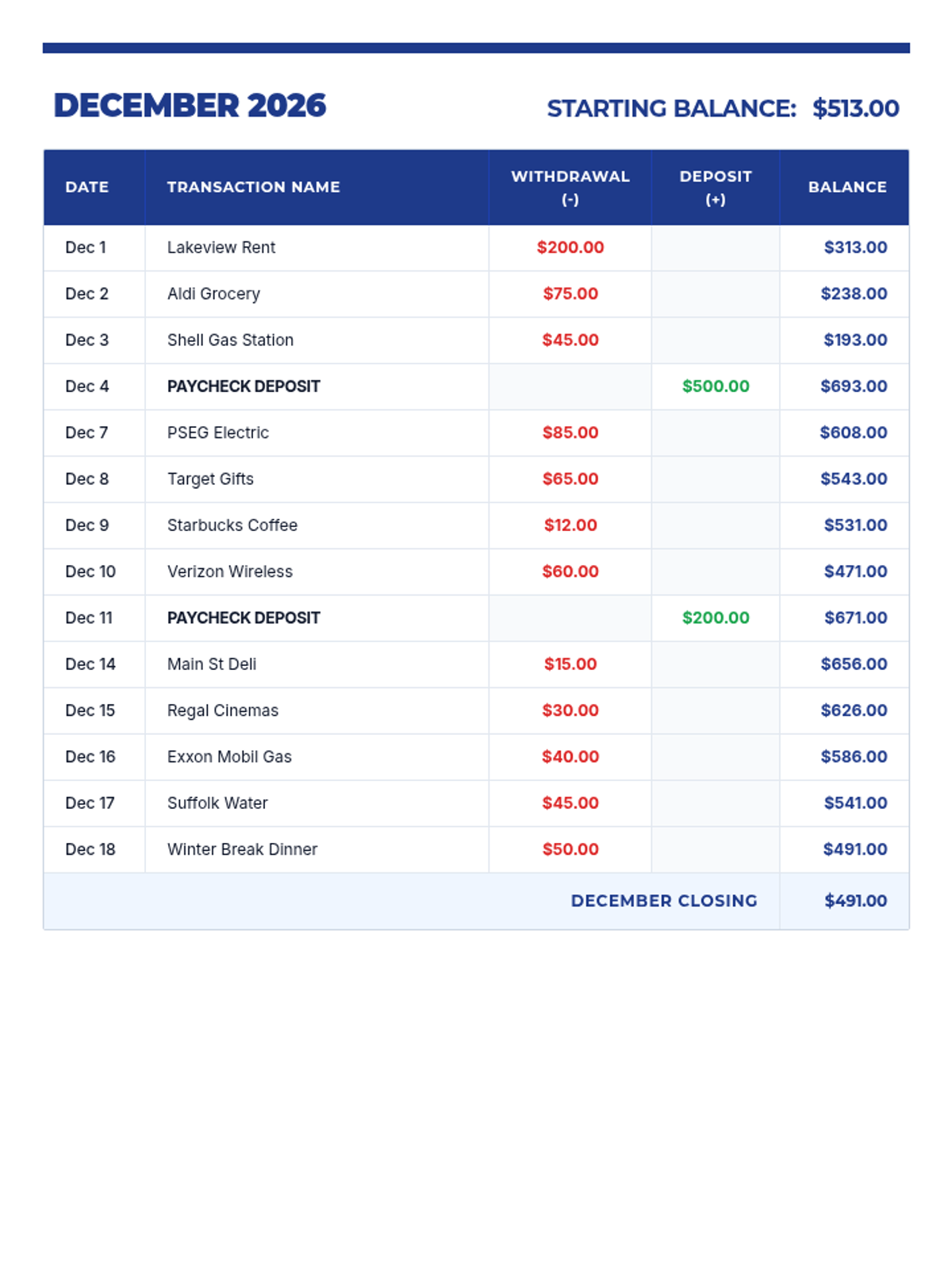
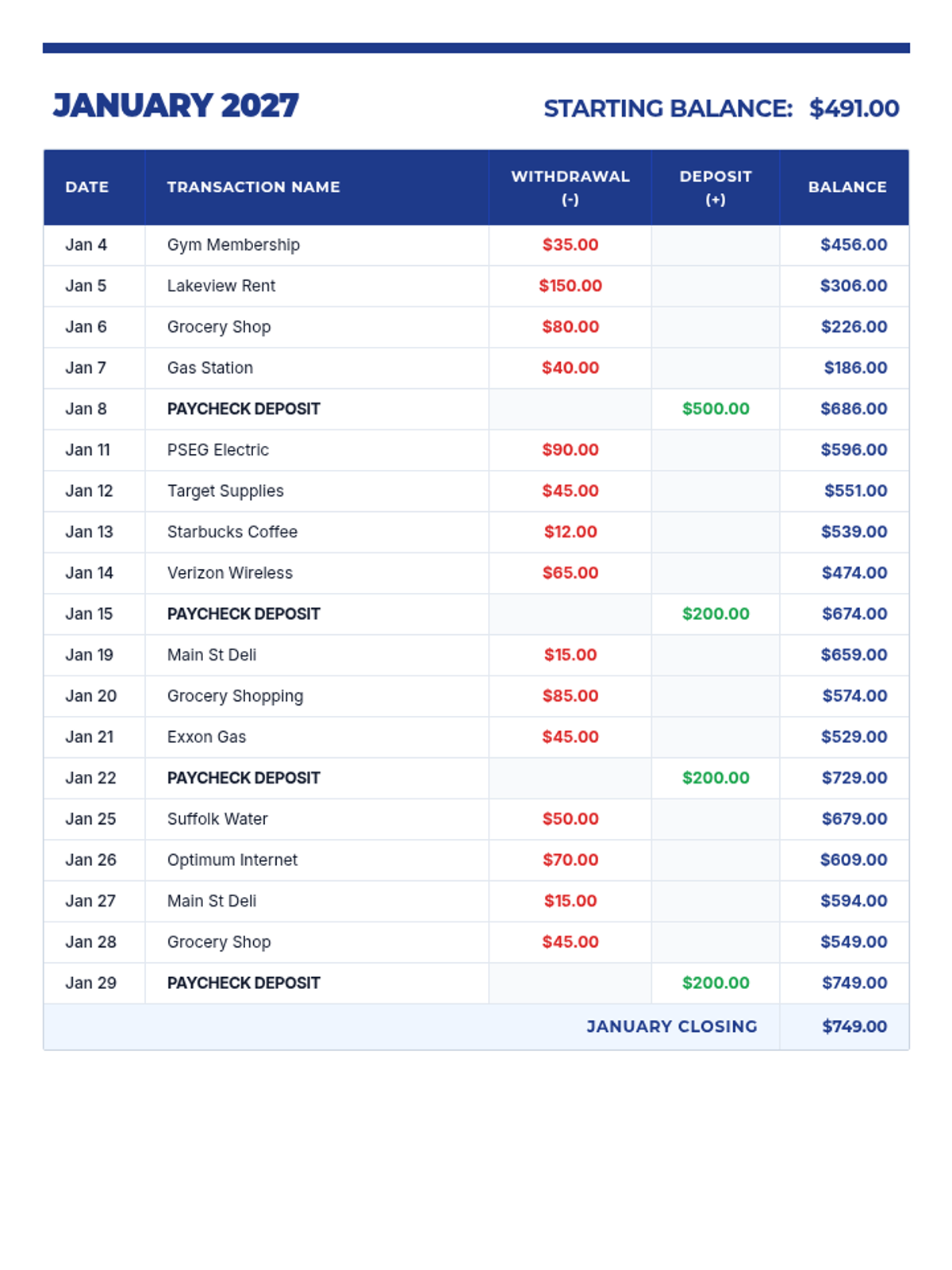
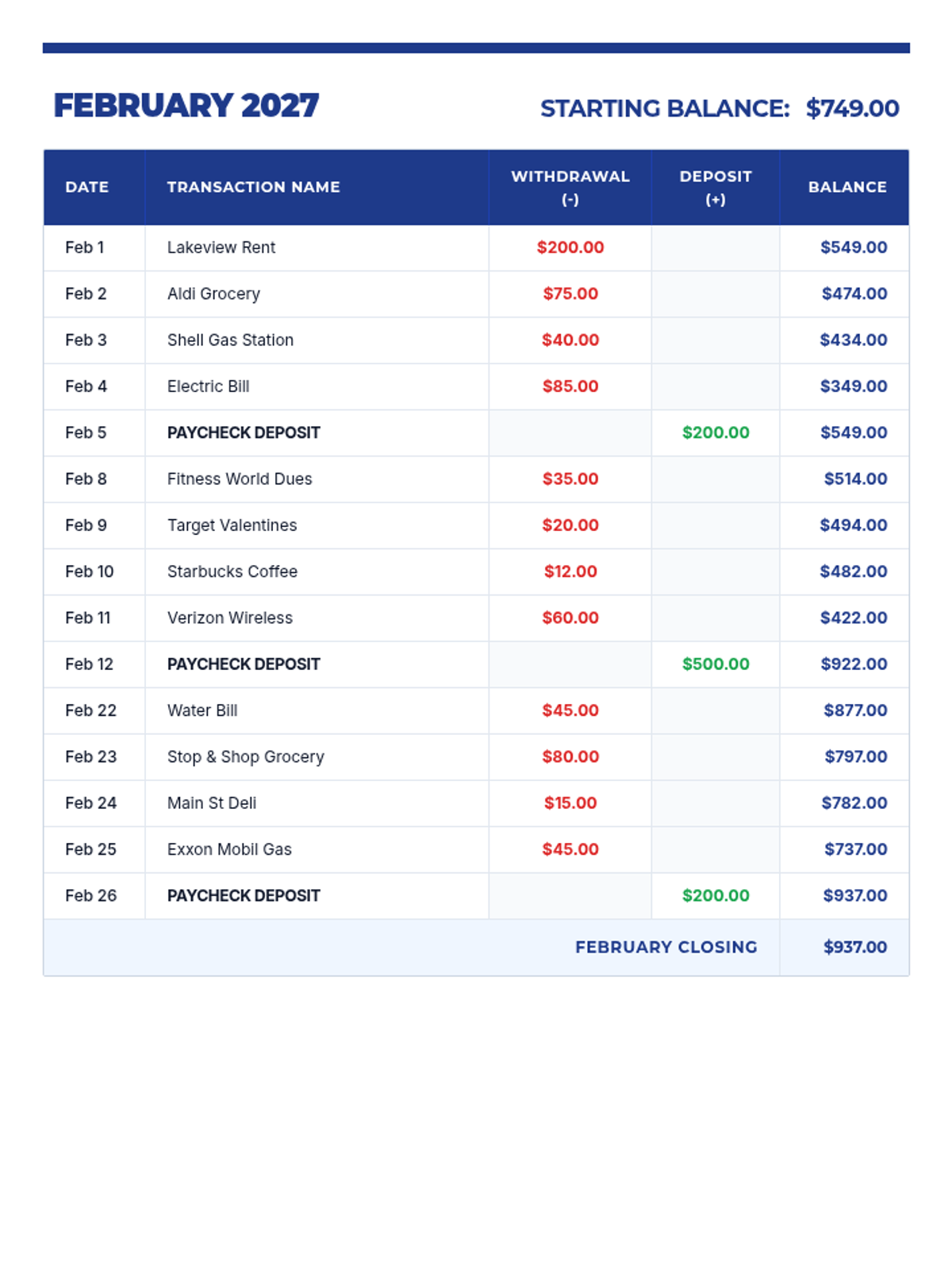
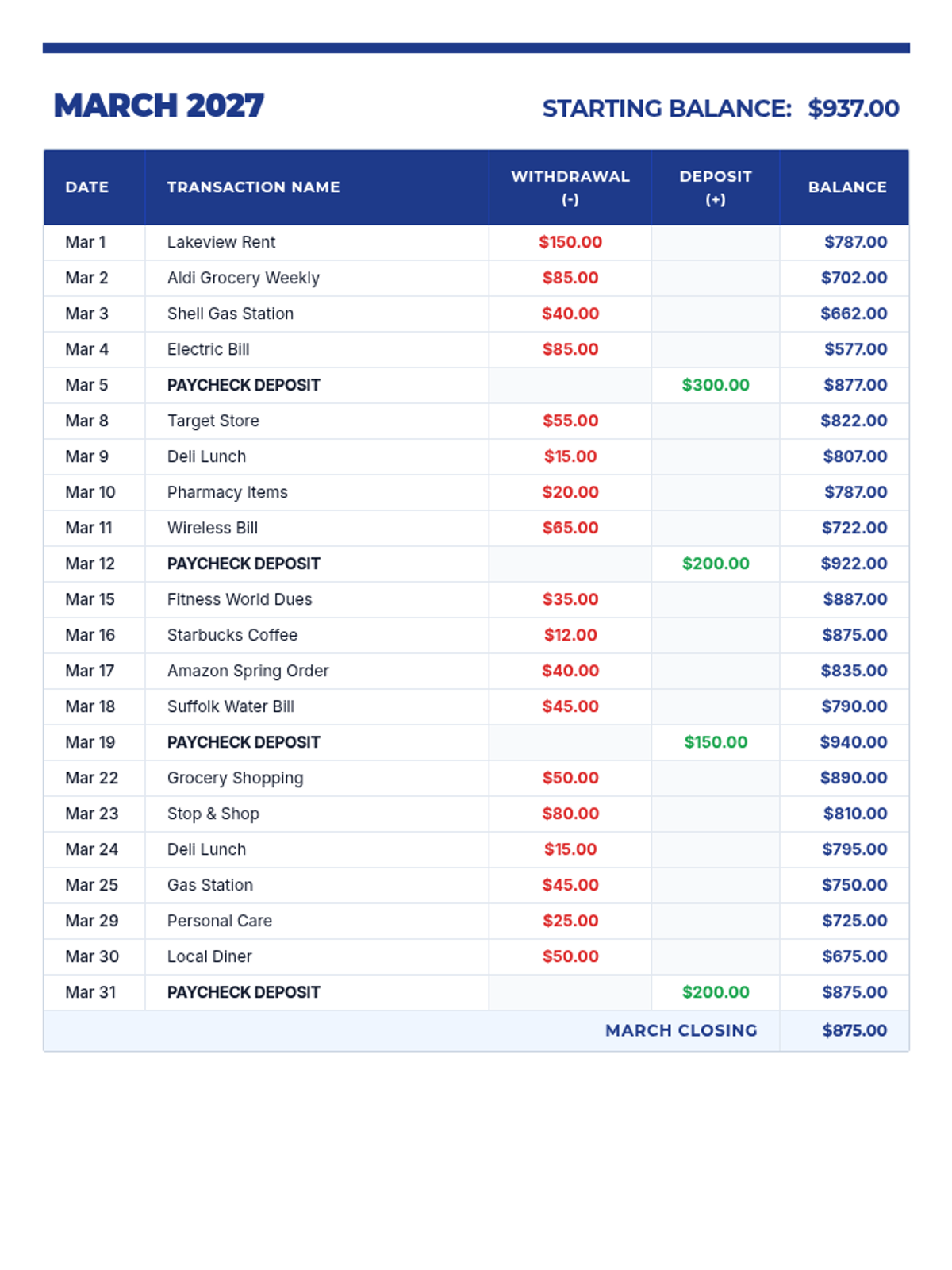
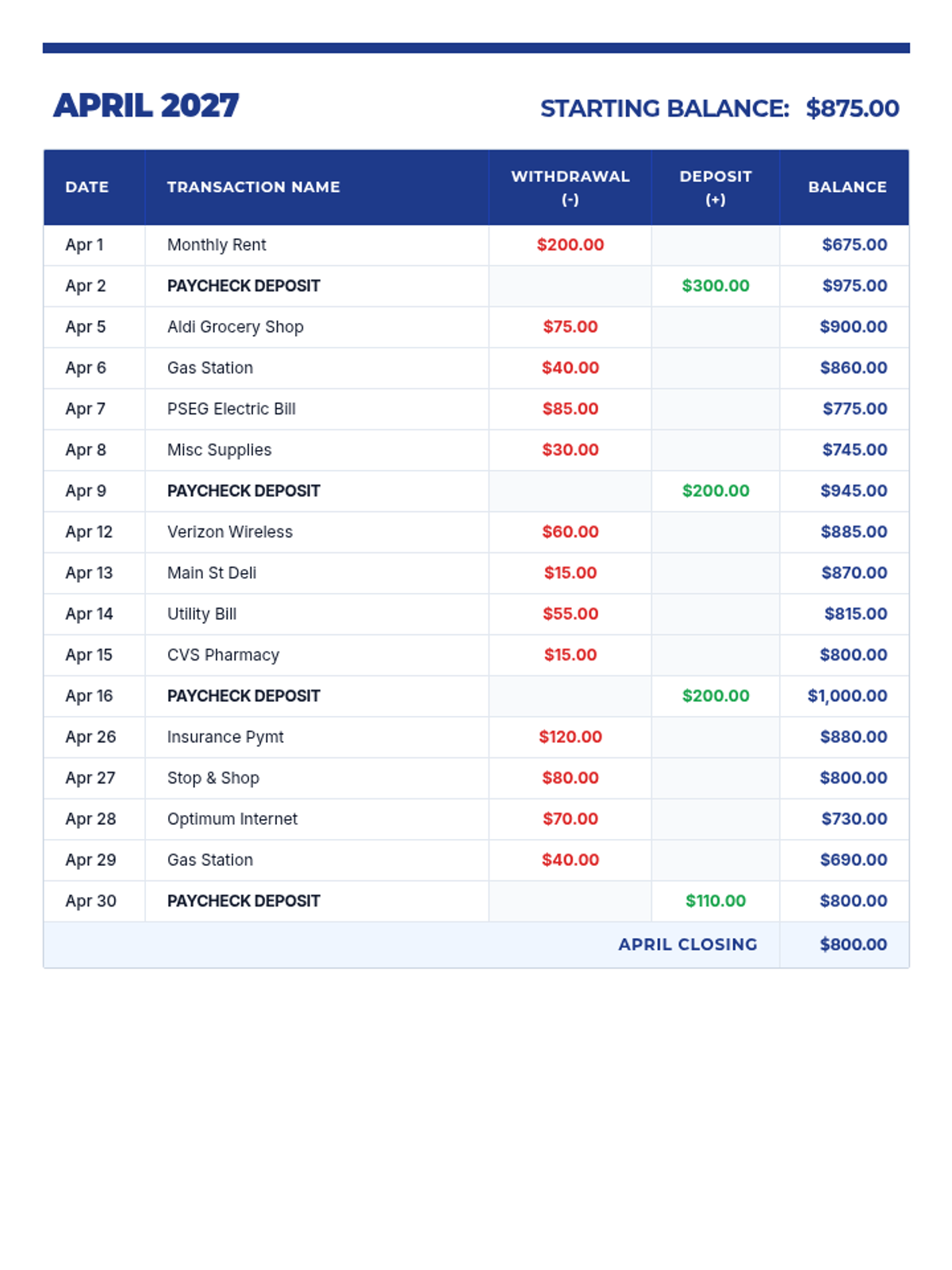
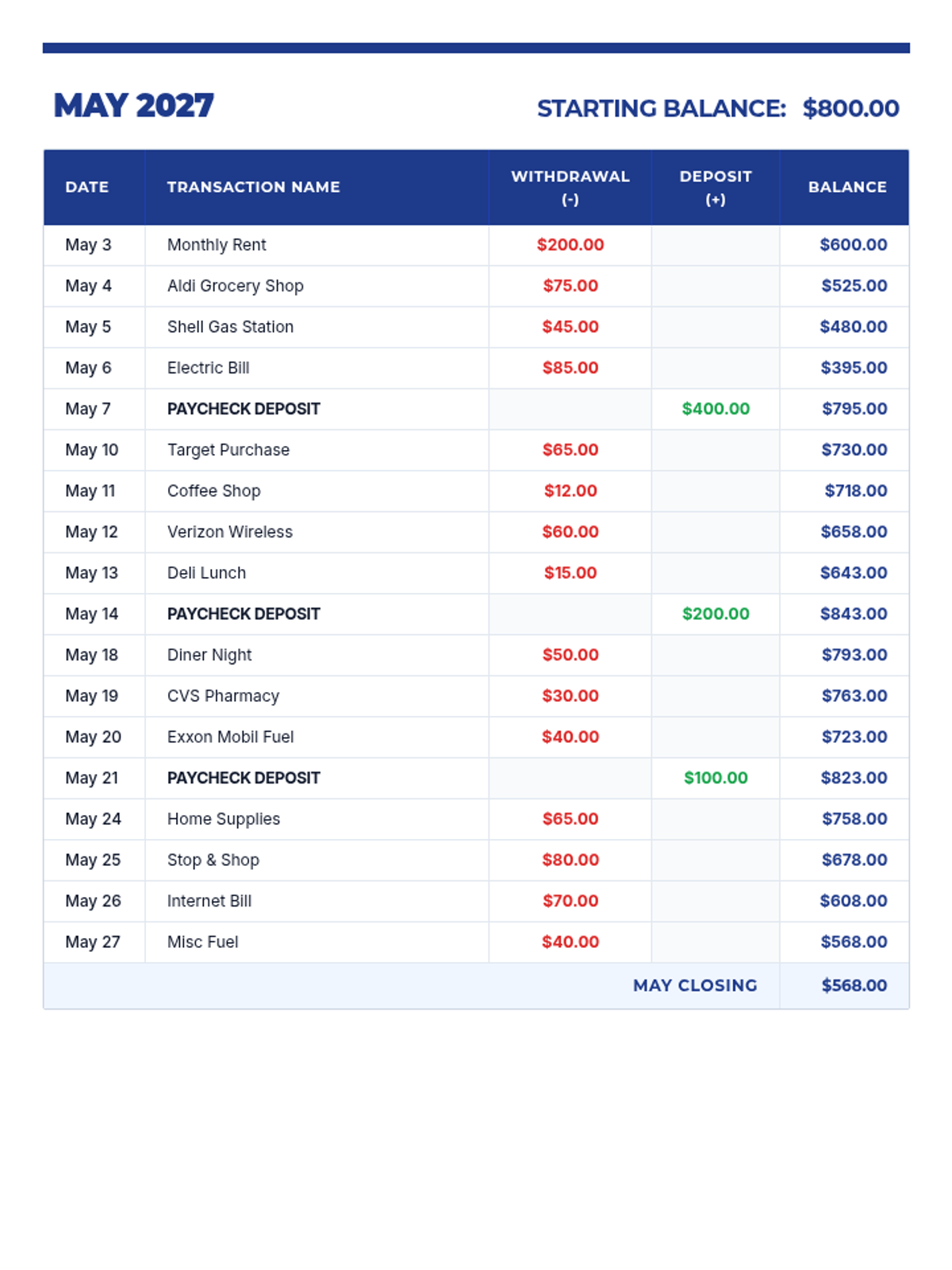
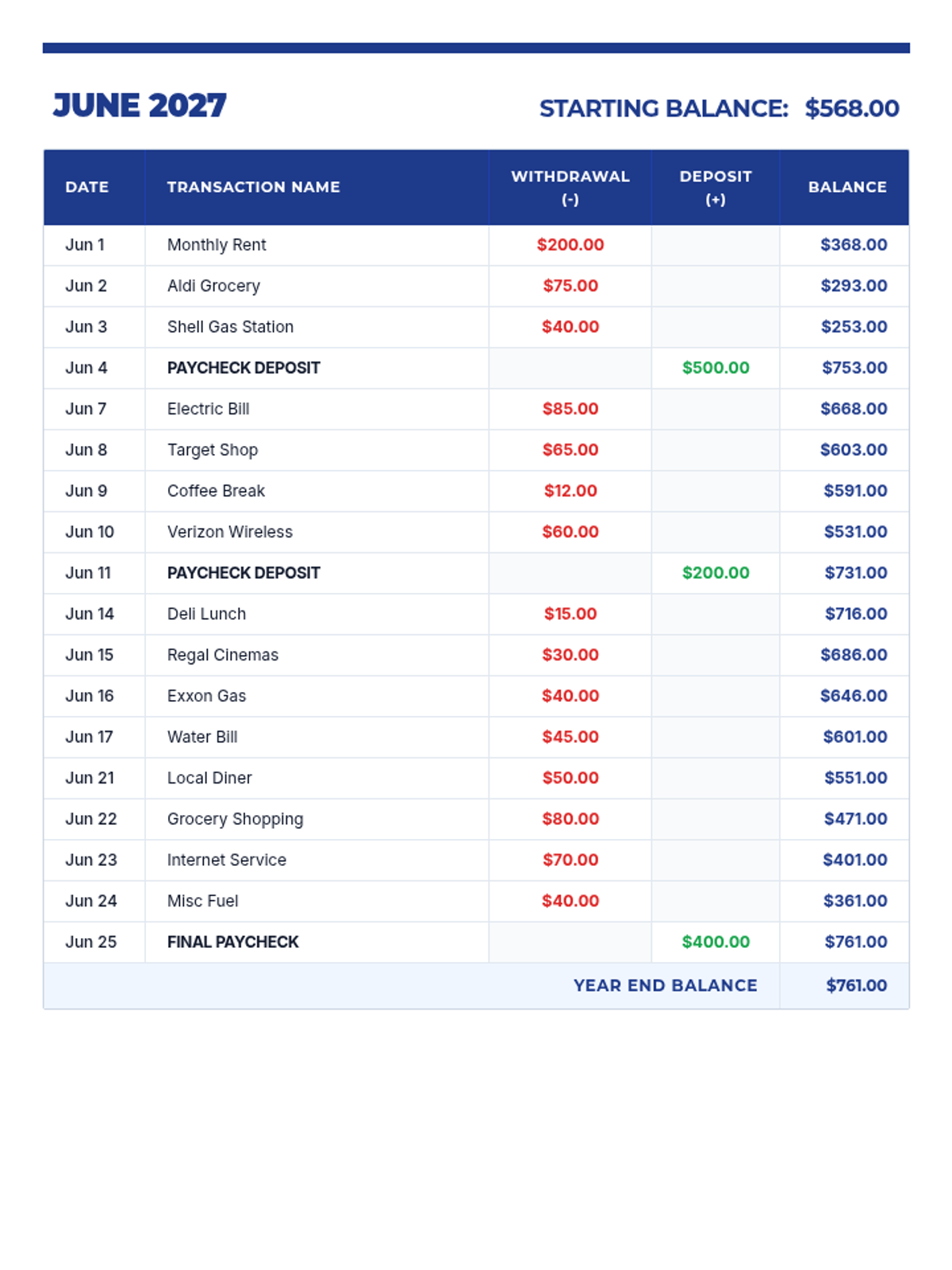
A collection of monthly paycheck registers for the 2026-2027 school year, designed to teach students real-world banking and transaction tracking.
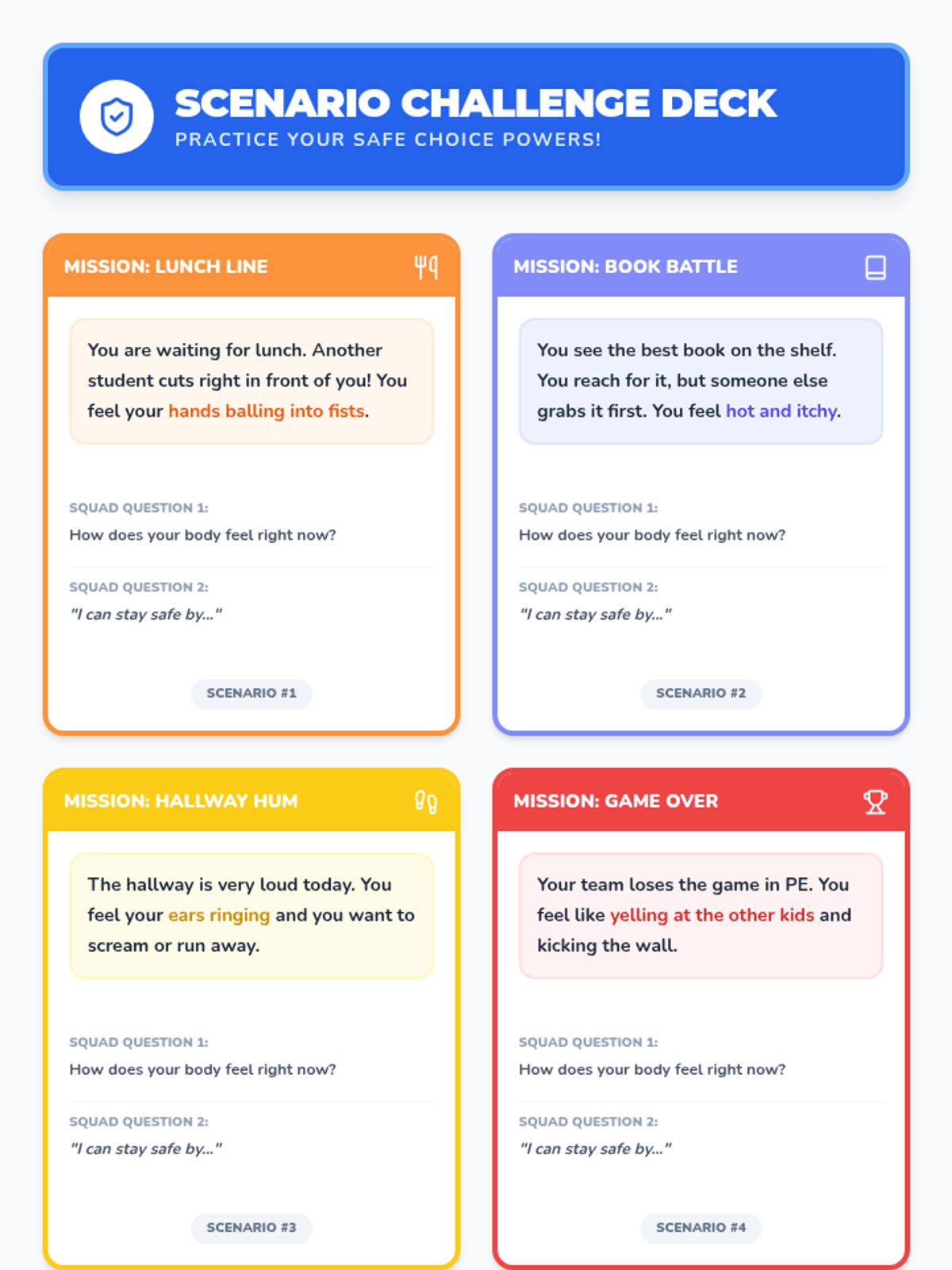
A comprehensive social-emotional learning lesson designed to help 2nd-grade students recognize impulsive urges and practice specific coping strategies in playground and classroom settings.
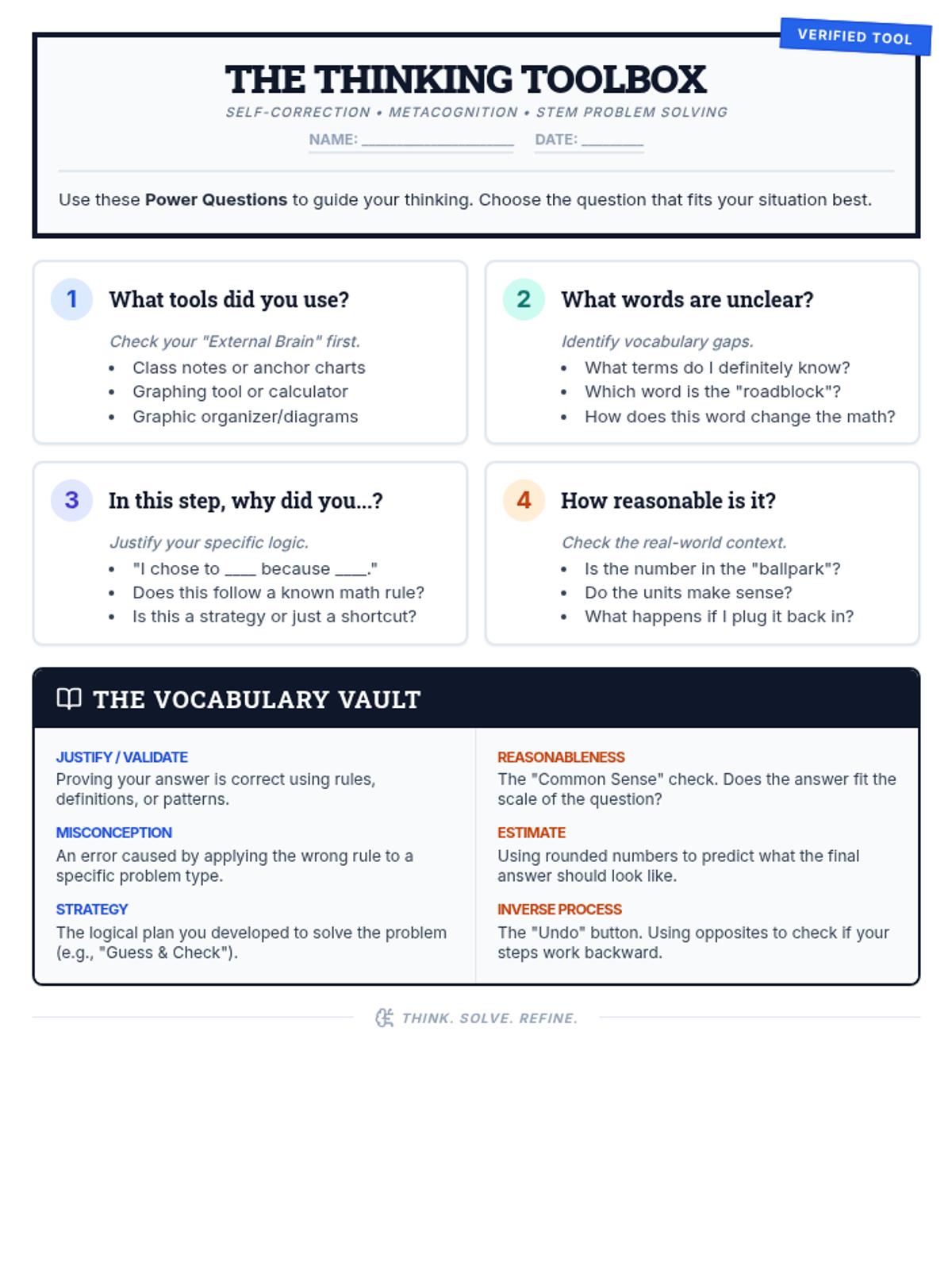
This lesson focuses on developing students' metacognitive skills and problem-solving language using Katherine Rowe's four essential questions. It empowers students to self-correct, identify vocabulary gaps, and justify their mathematical reasoning.
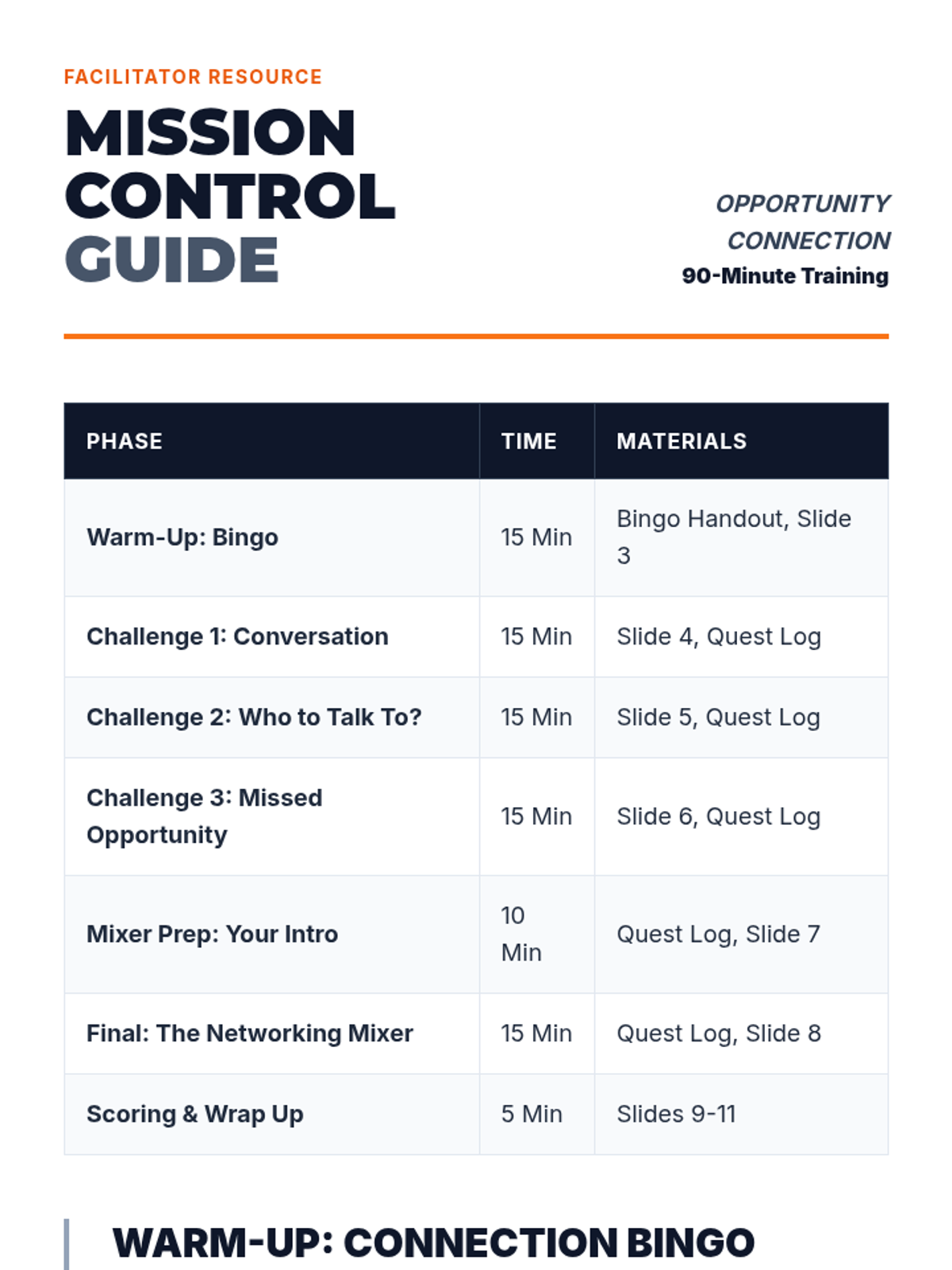
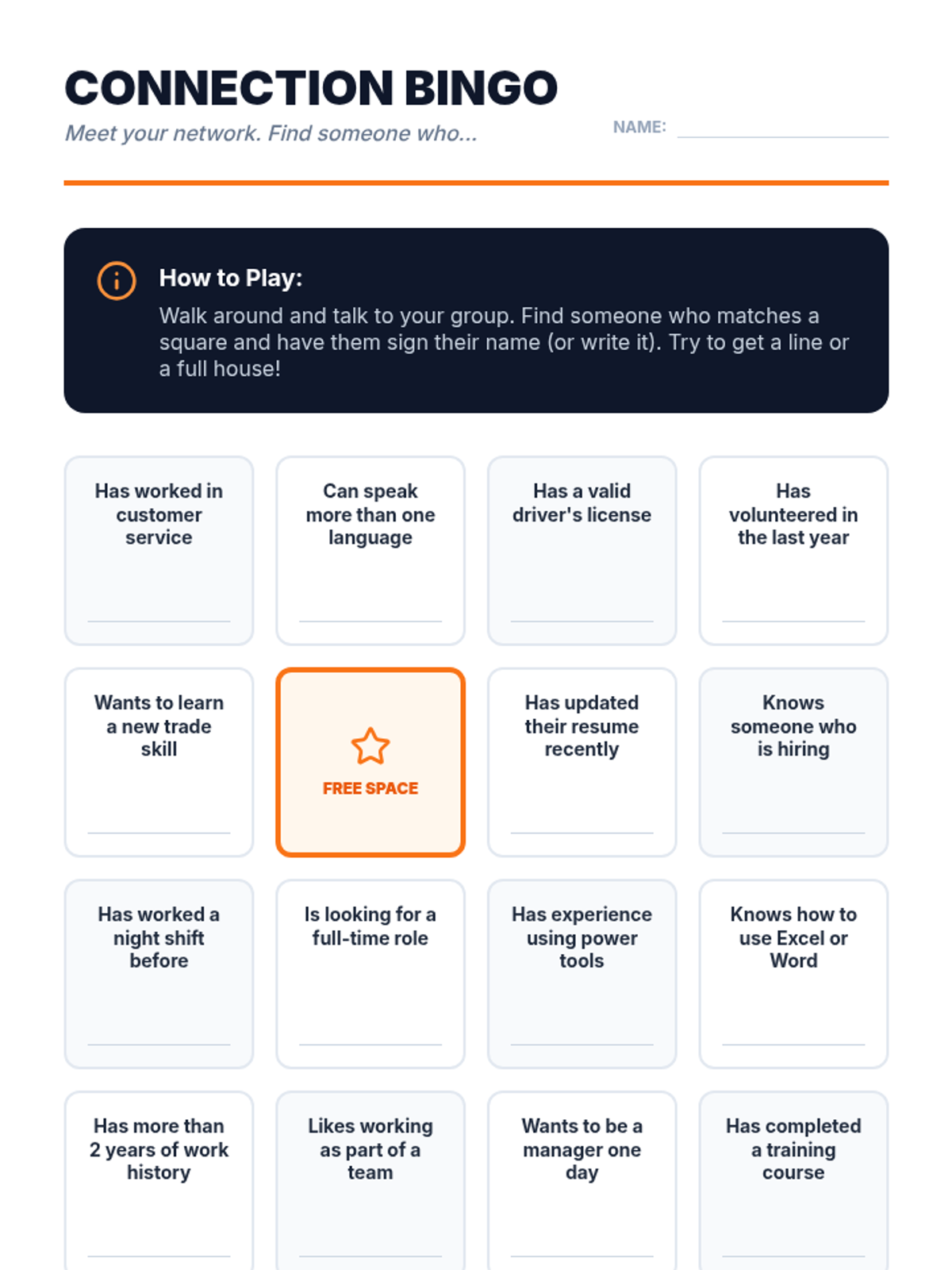
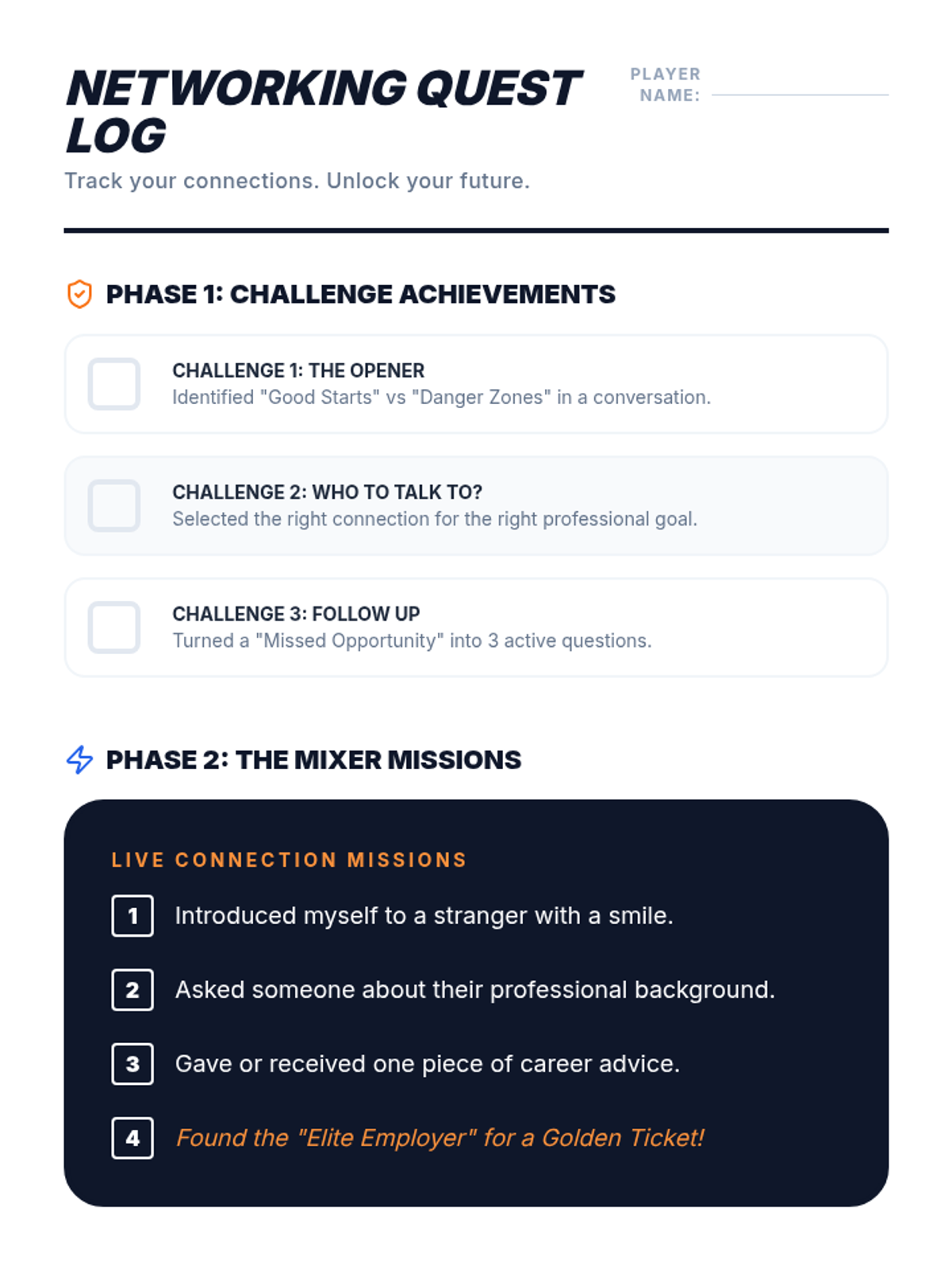
A 90-minute interactive session where participants learn to initiate conversations, identify helpful connections, and practice networking in a simulated environment to unlock career opportunities.
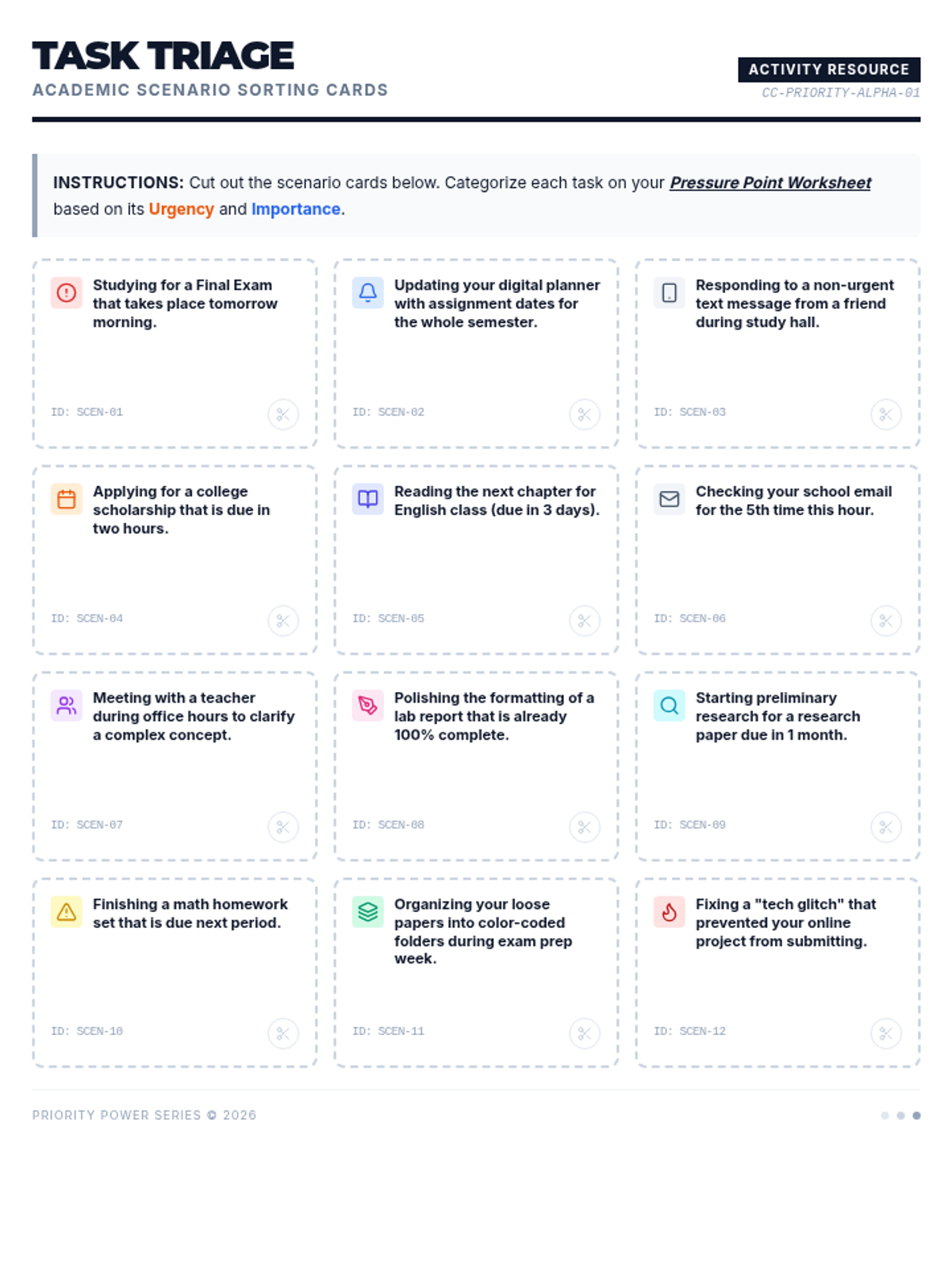
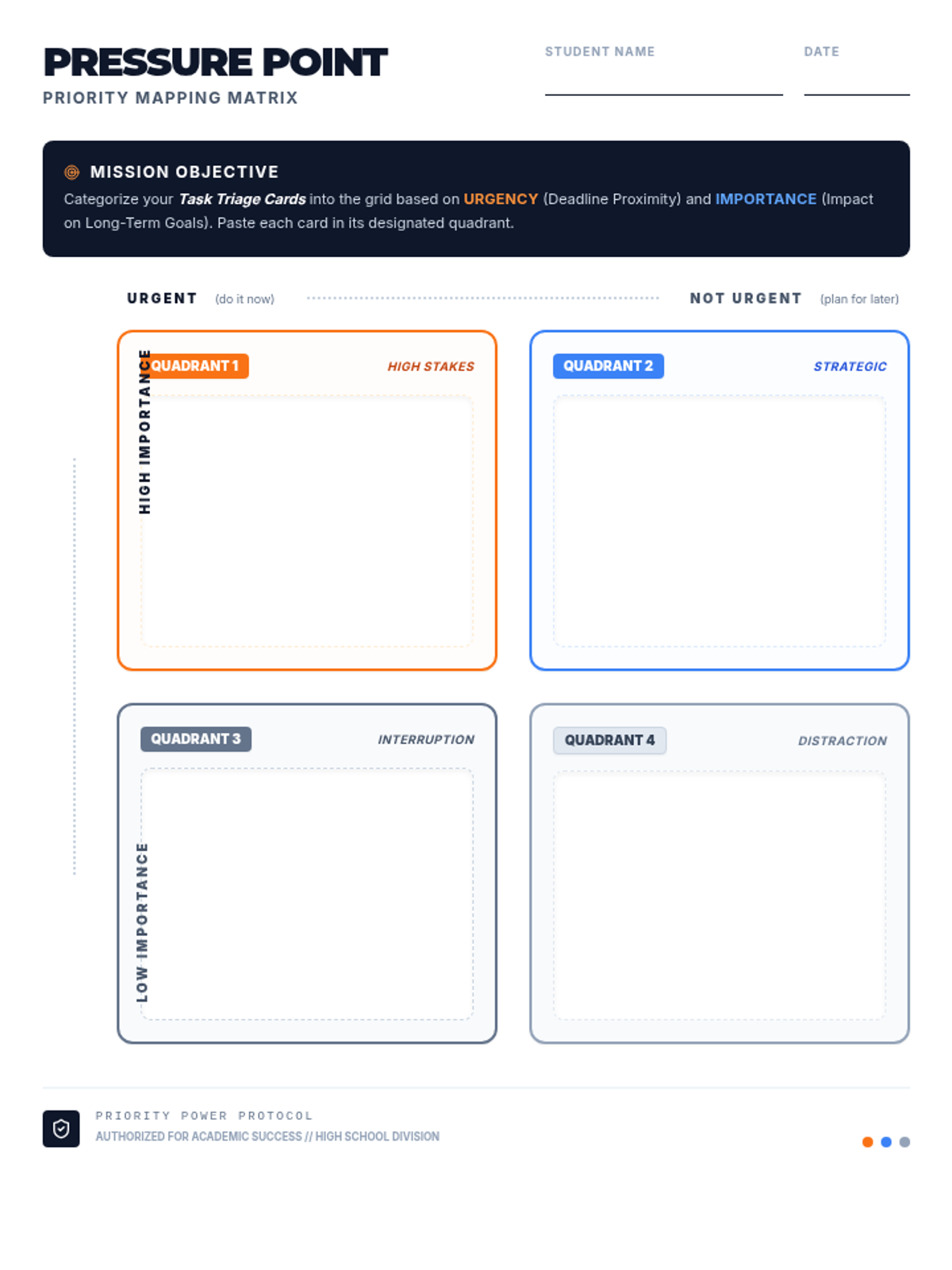
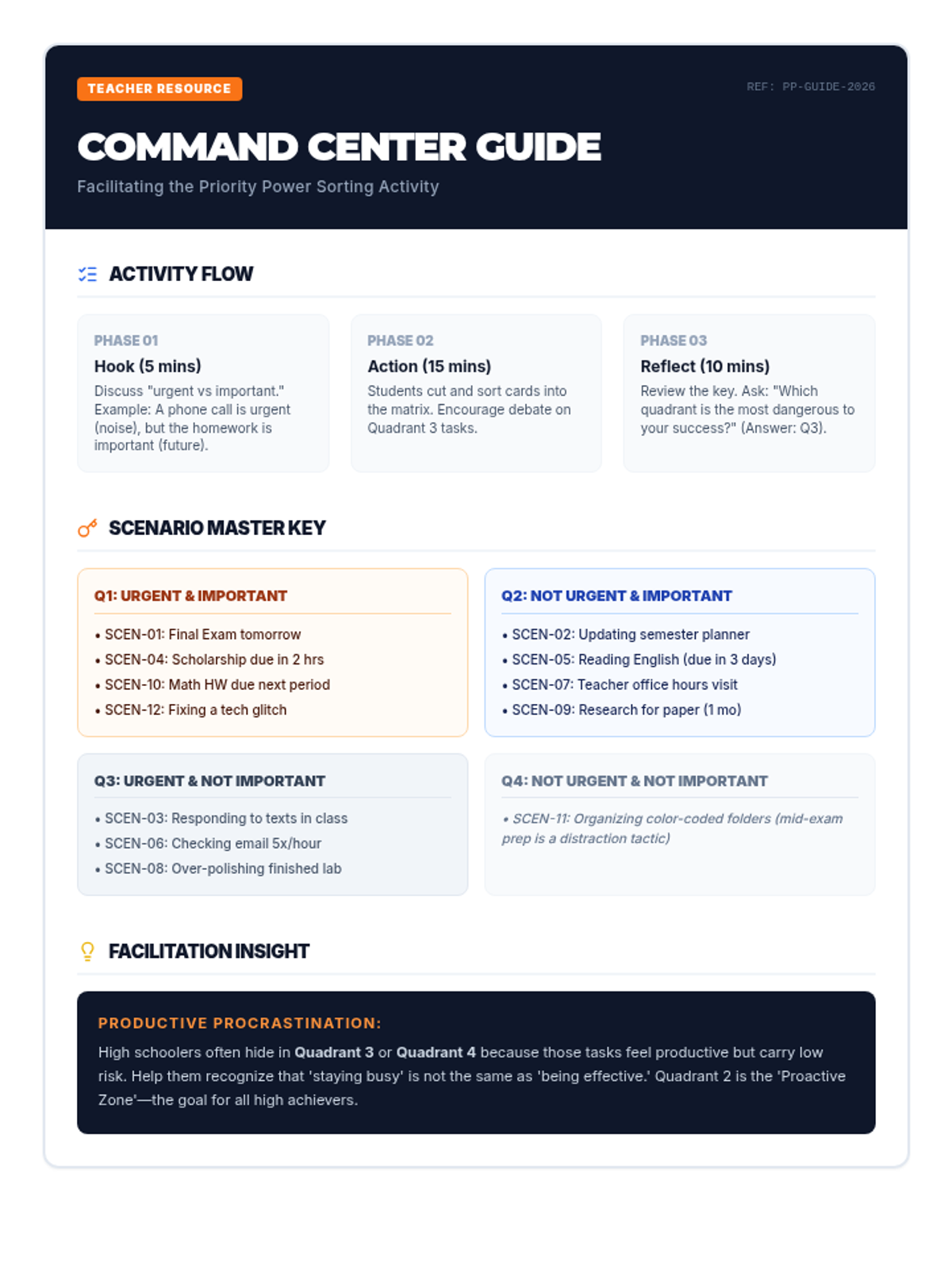
A hands-on workshop for high schoolers to master the art of academic prioritization. Students analyze common school scenarios to distinguish between genuine urgency and distractions, using the Eisenhower Matrix framework.
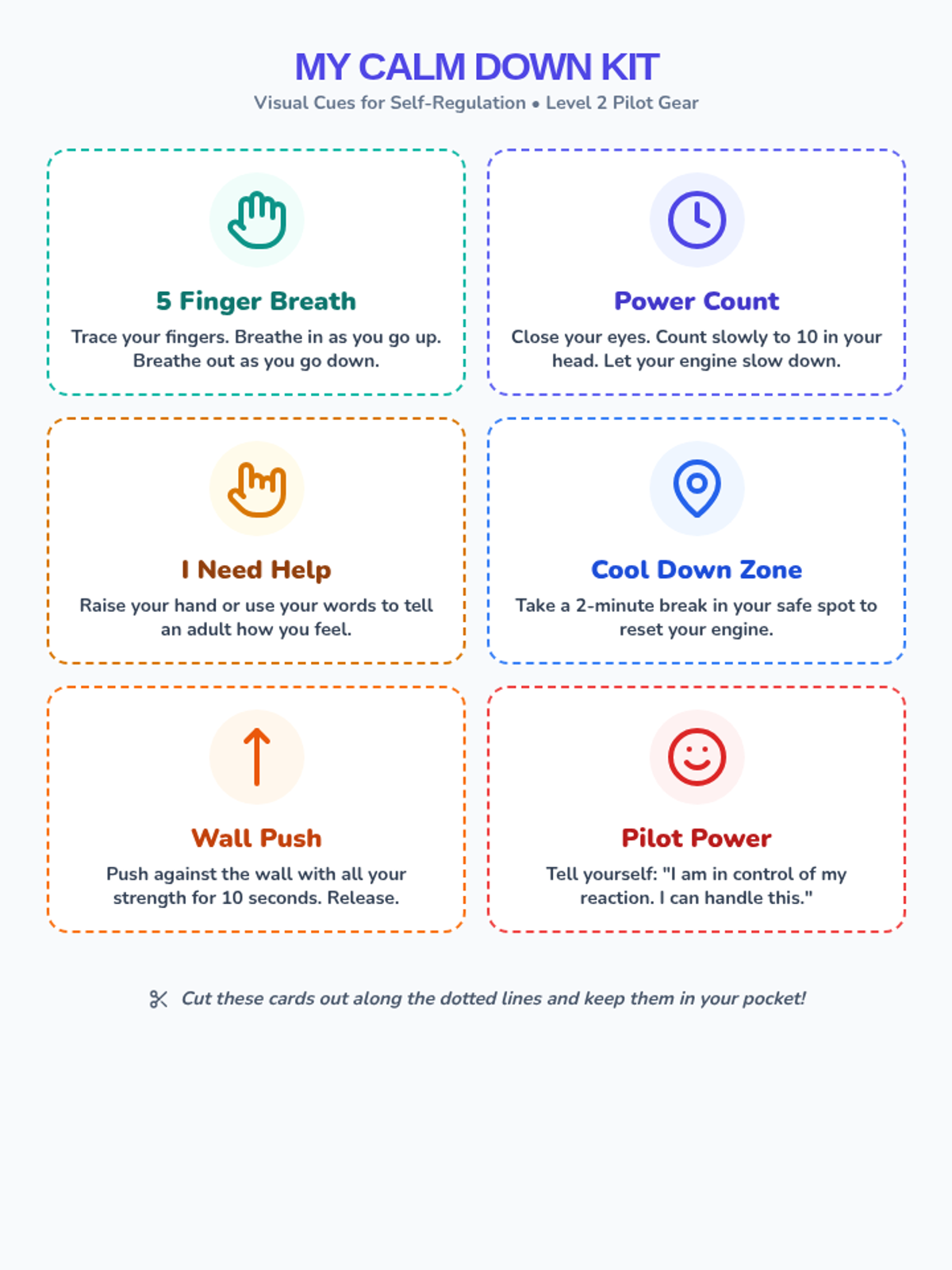
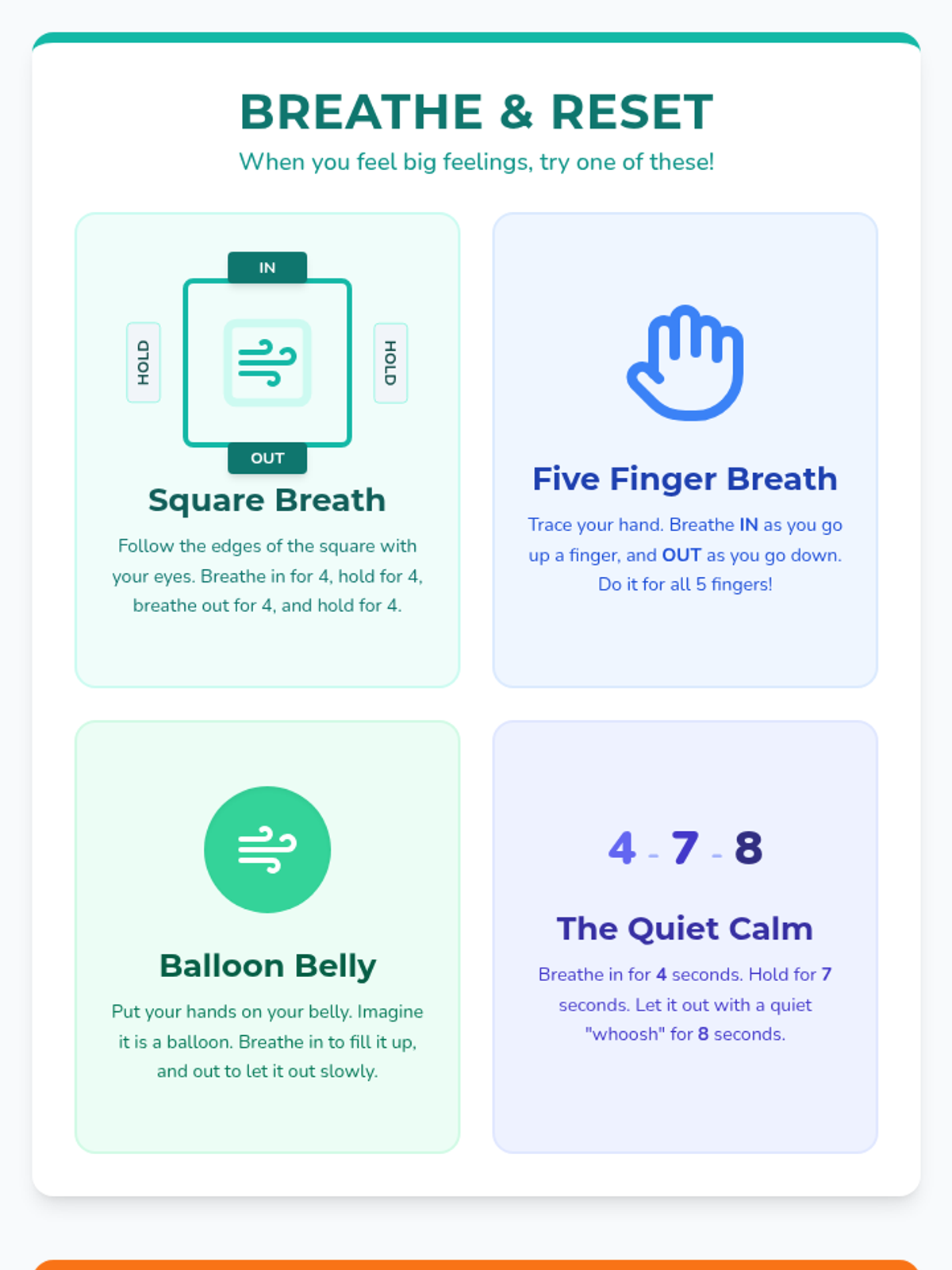
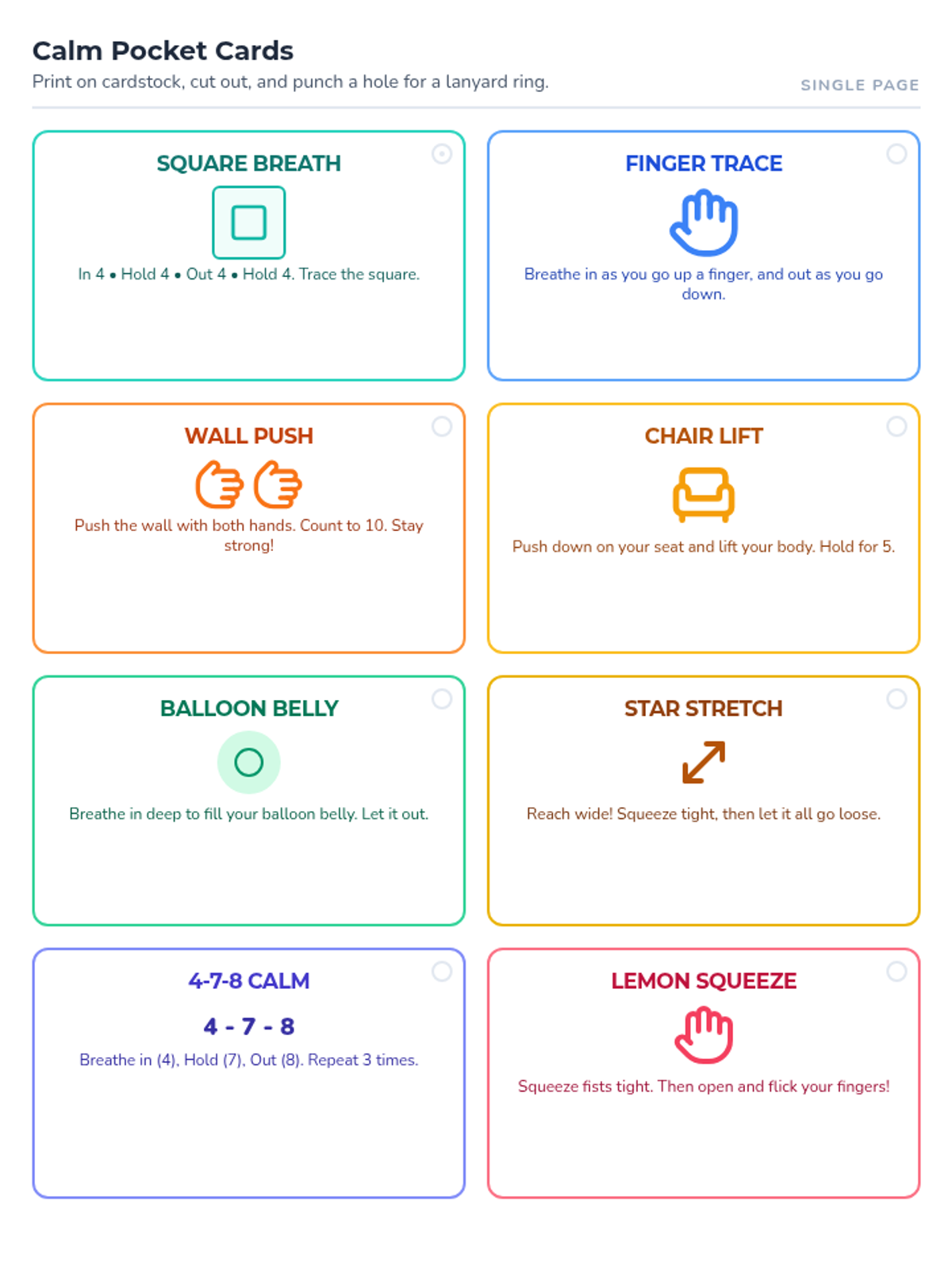
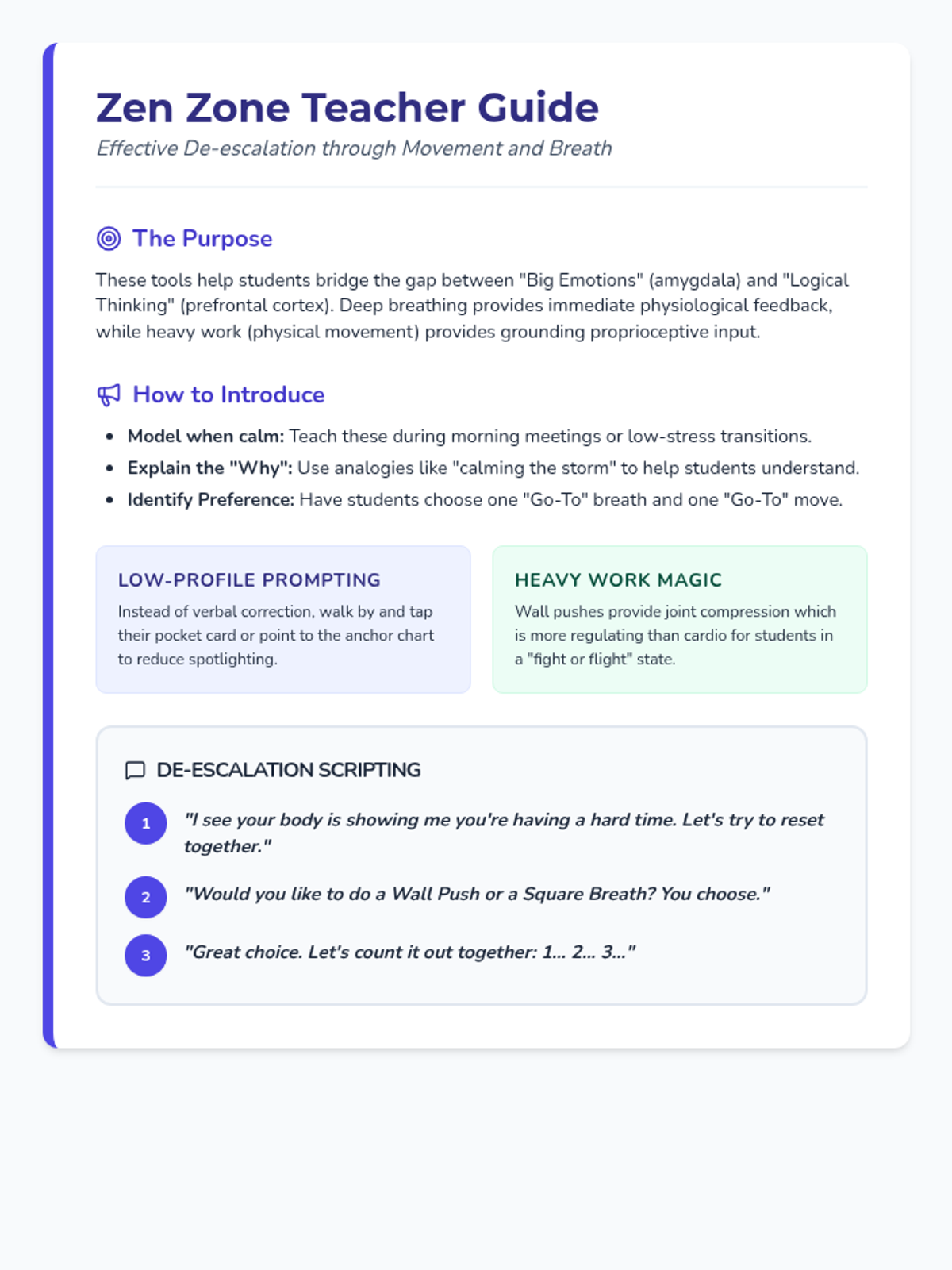
A collection of visual de-escalation resources focused on deep breathing and physical movement to help students manage big emotions and return to a state of calm.
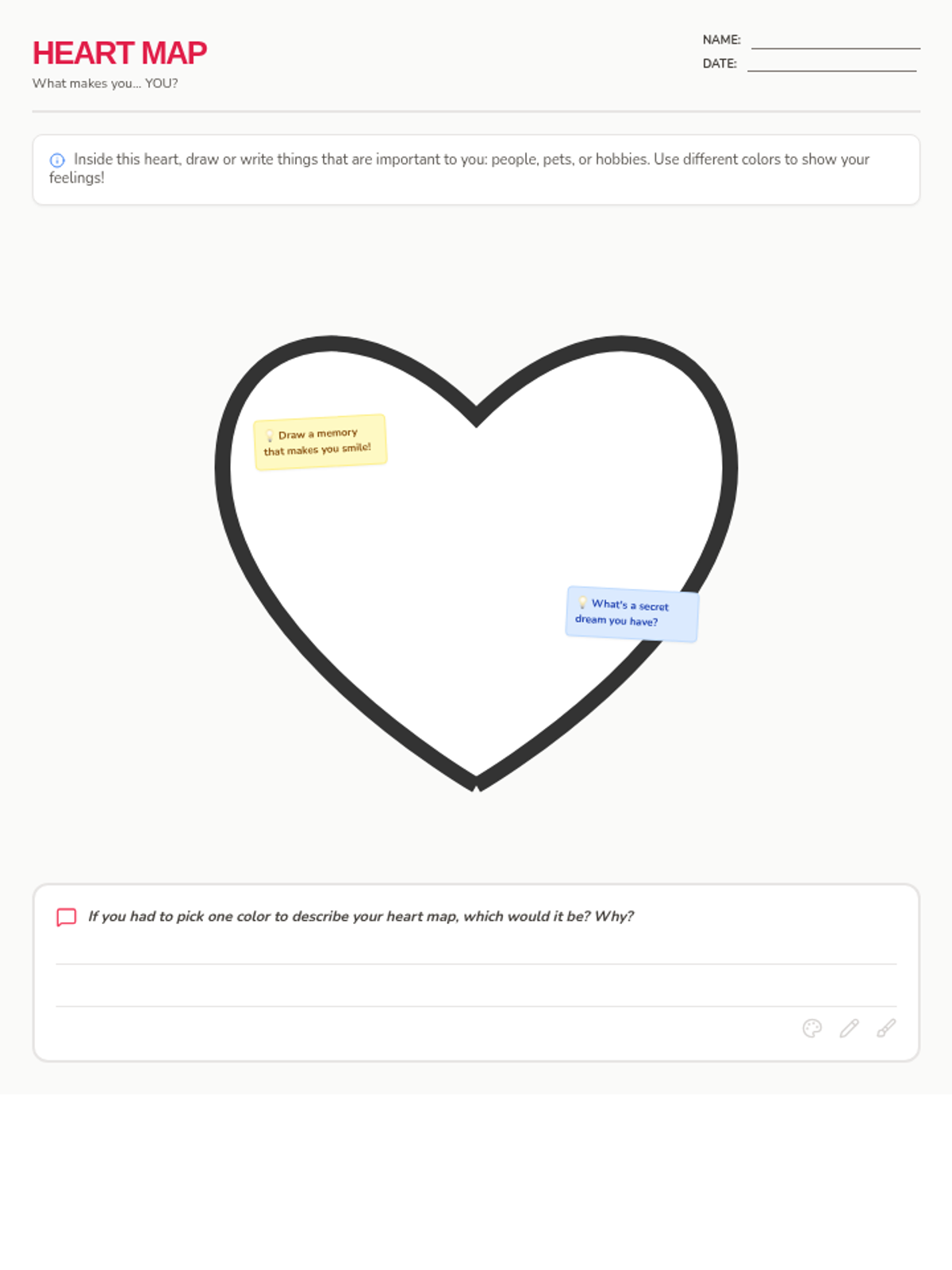
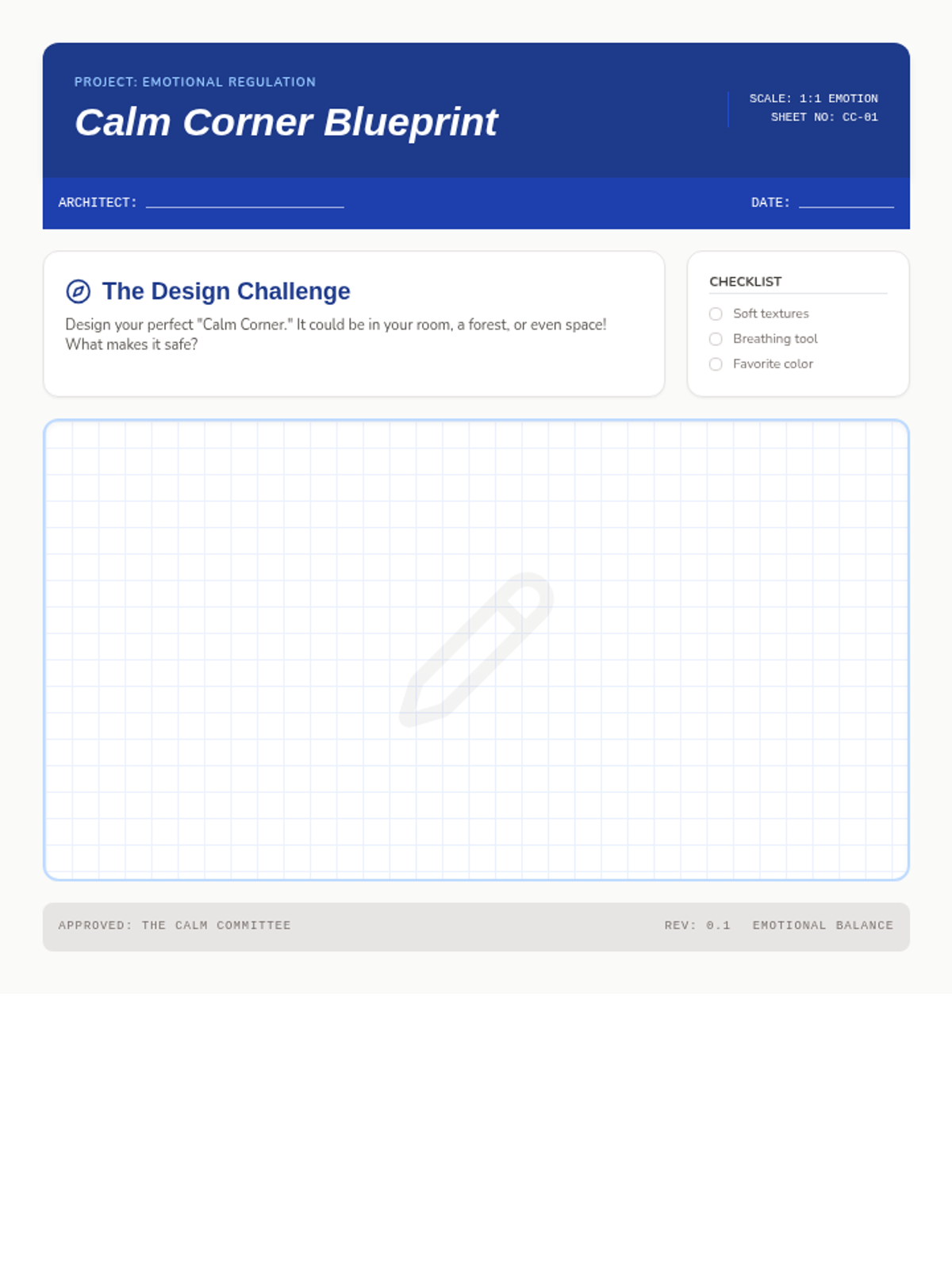
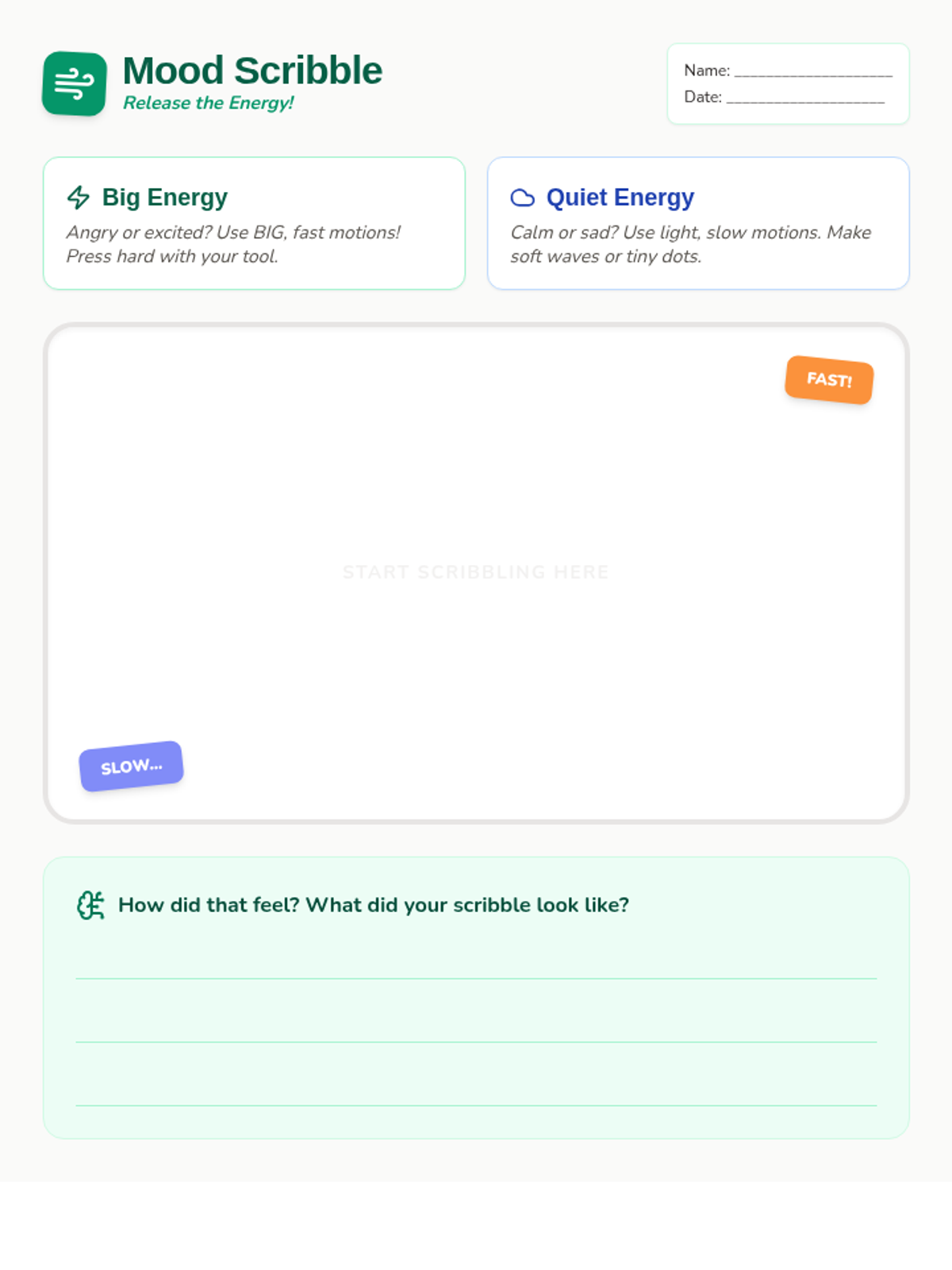
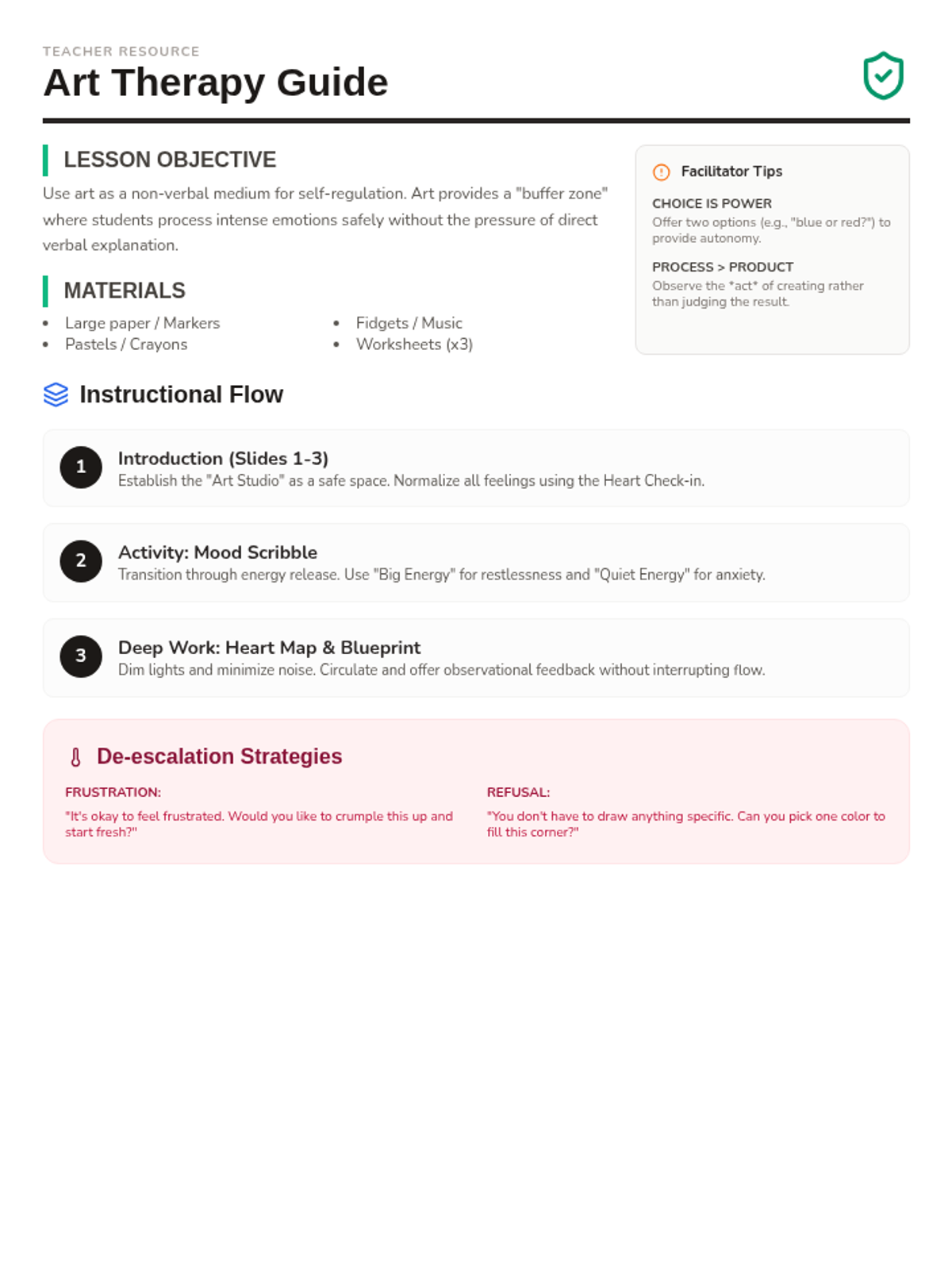
A creative exploration of emotions through art therapy, helping children with behavioral health concerns identify feelings and build self-regulation skills.
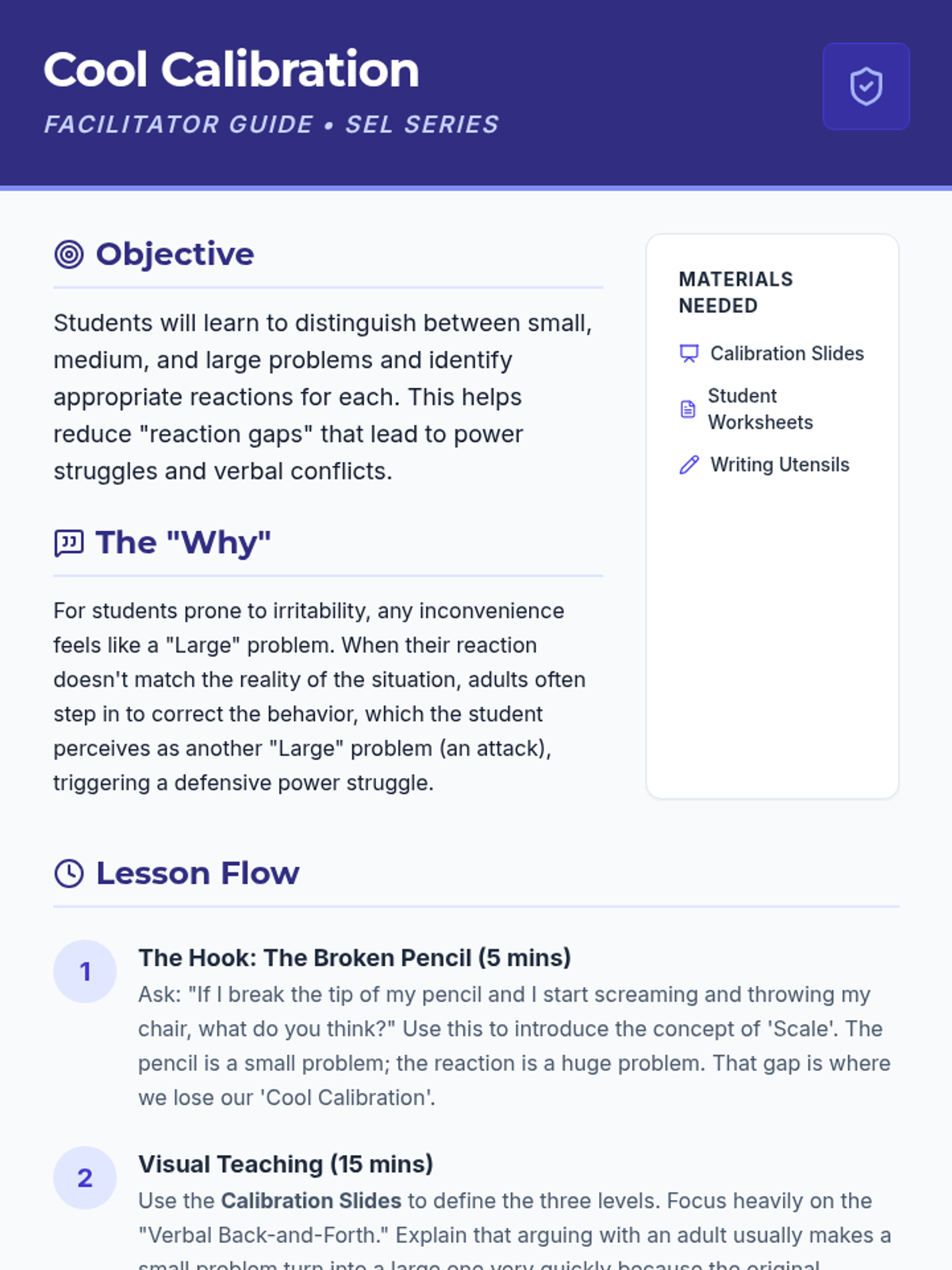
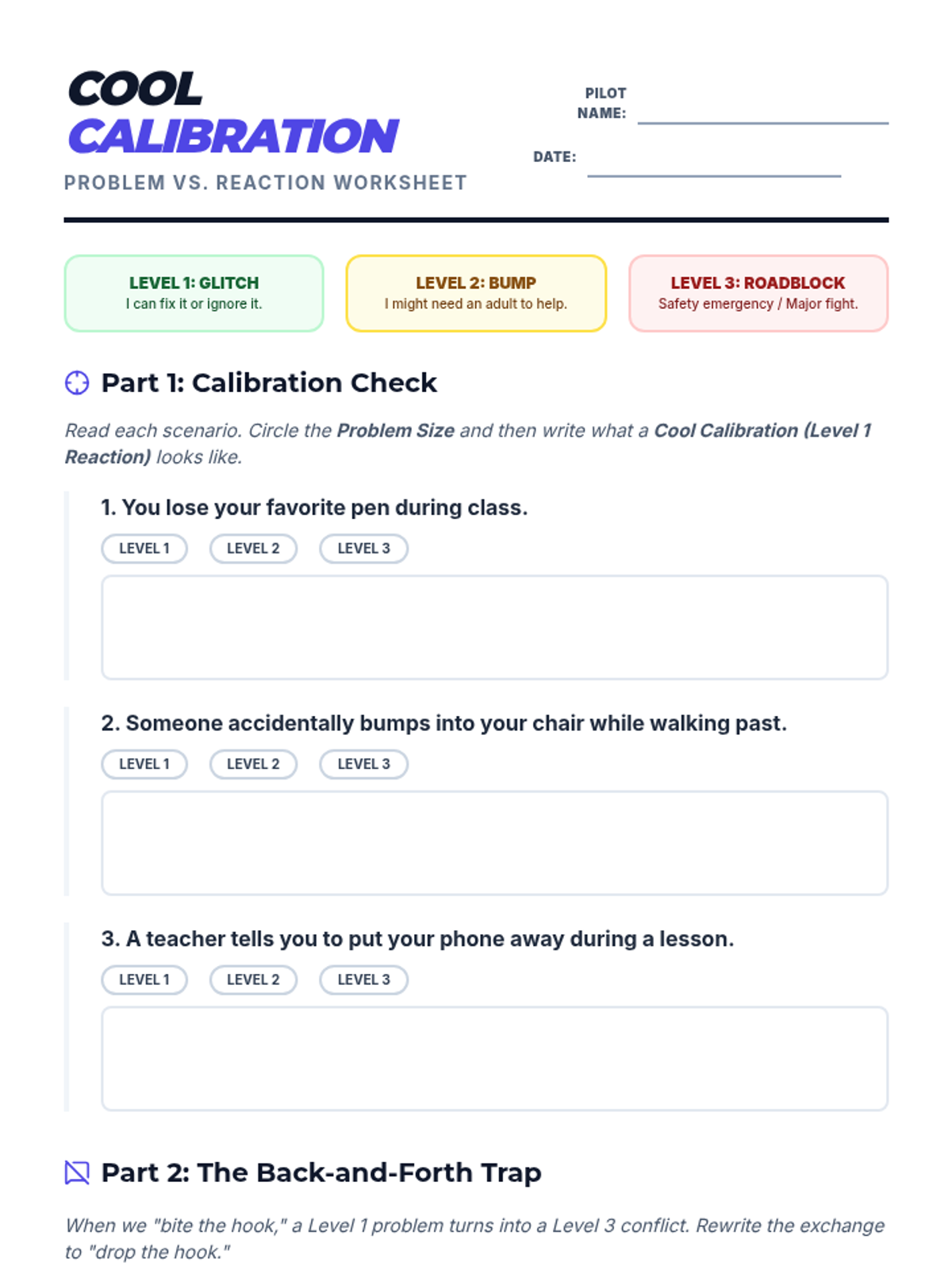
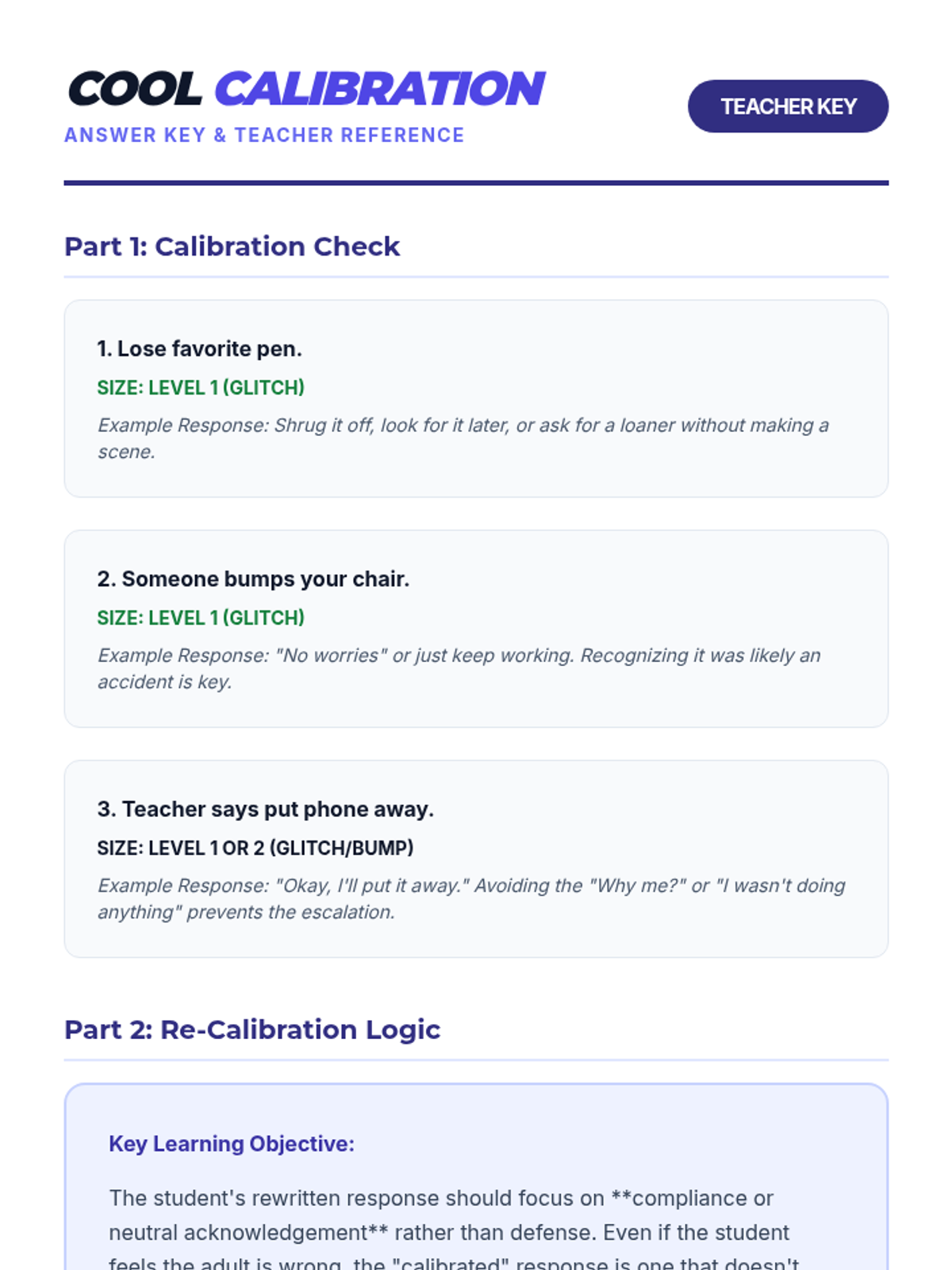
A social-emotional learning lesson focused on identifying the 'Size of the Problem' and matching it with an appropriate 'Size of Reaction' to avoid power struggles and verbal conflicts.
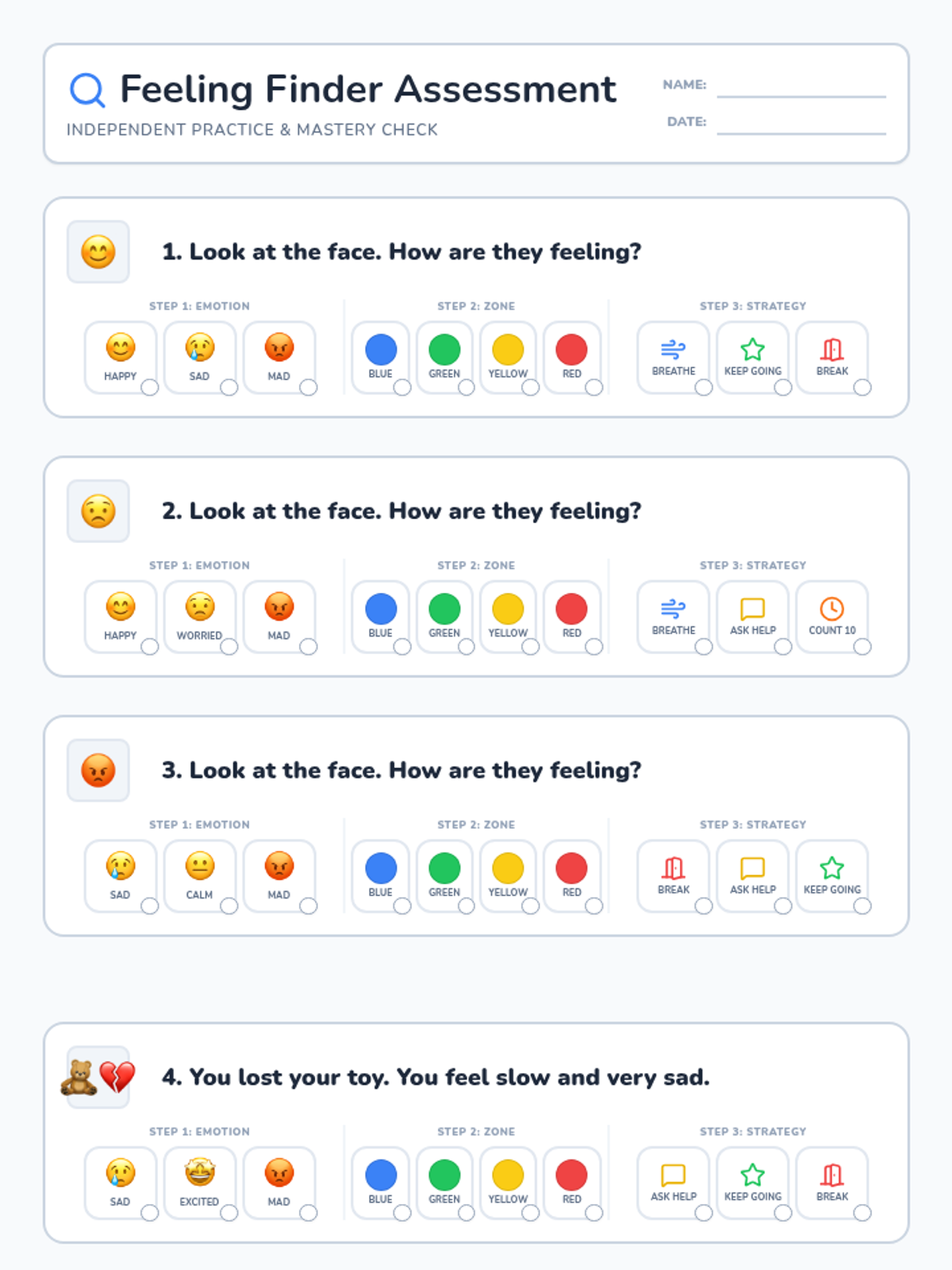
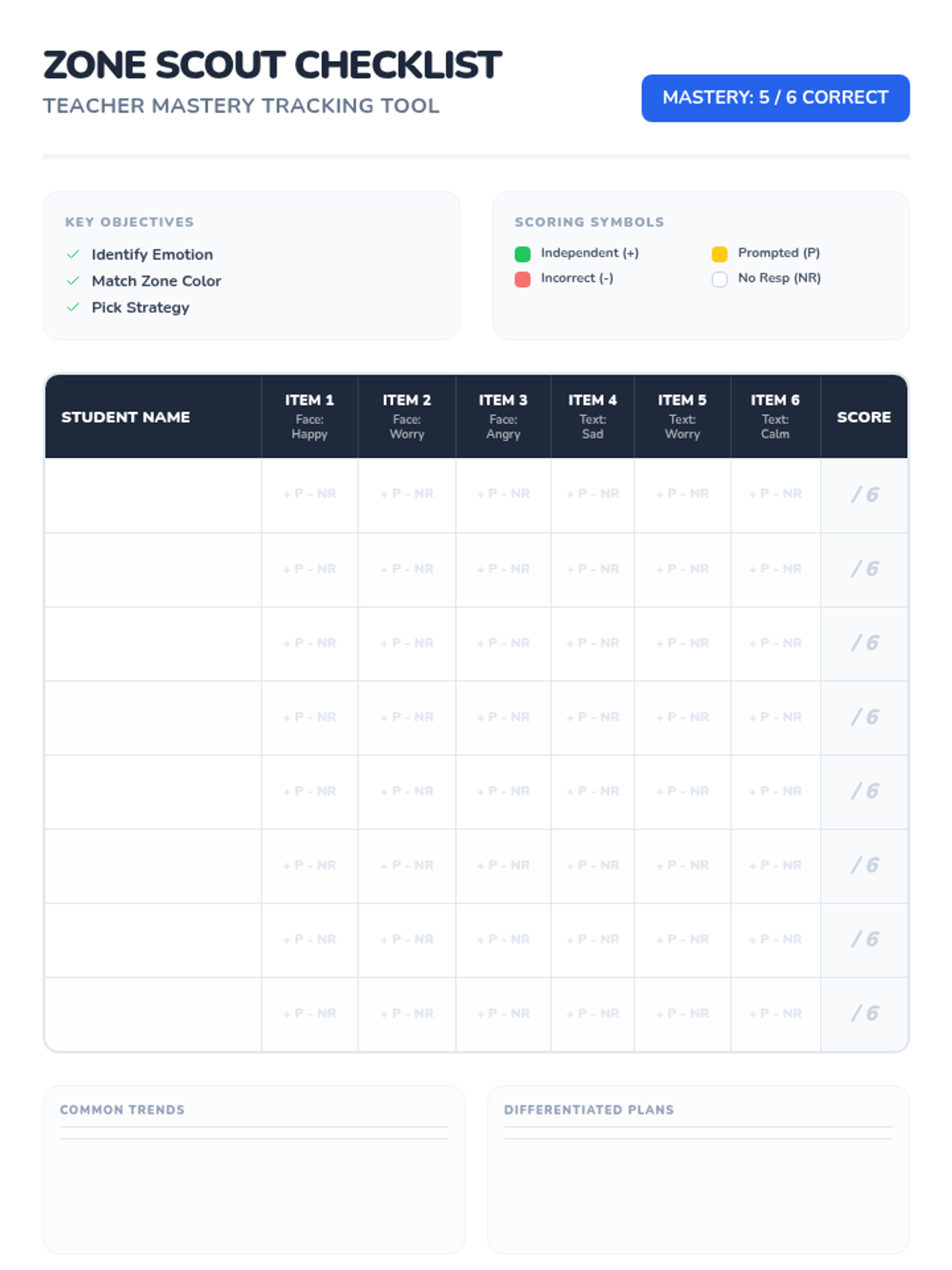
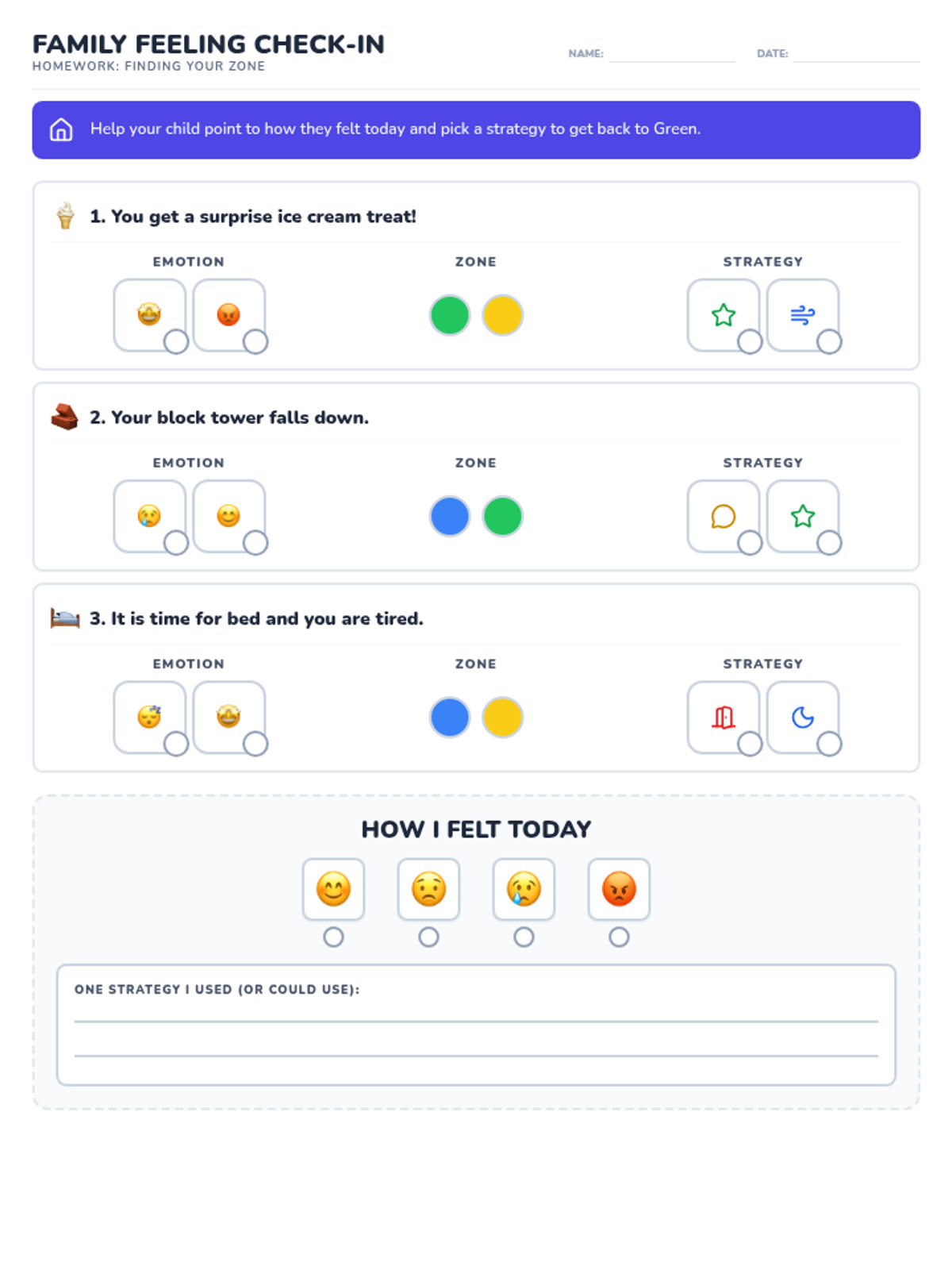
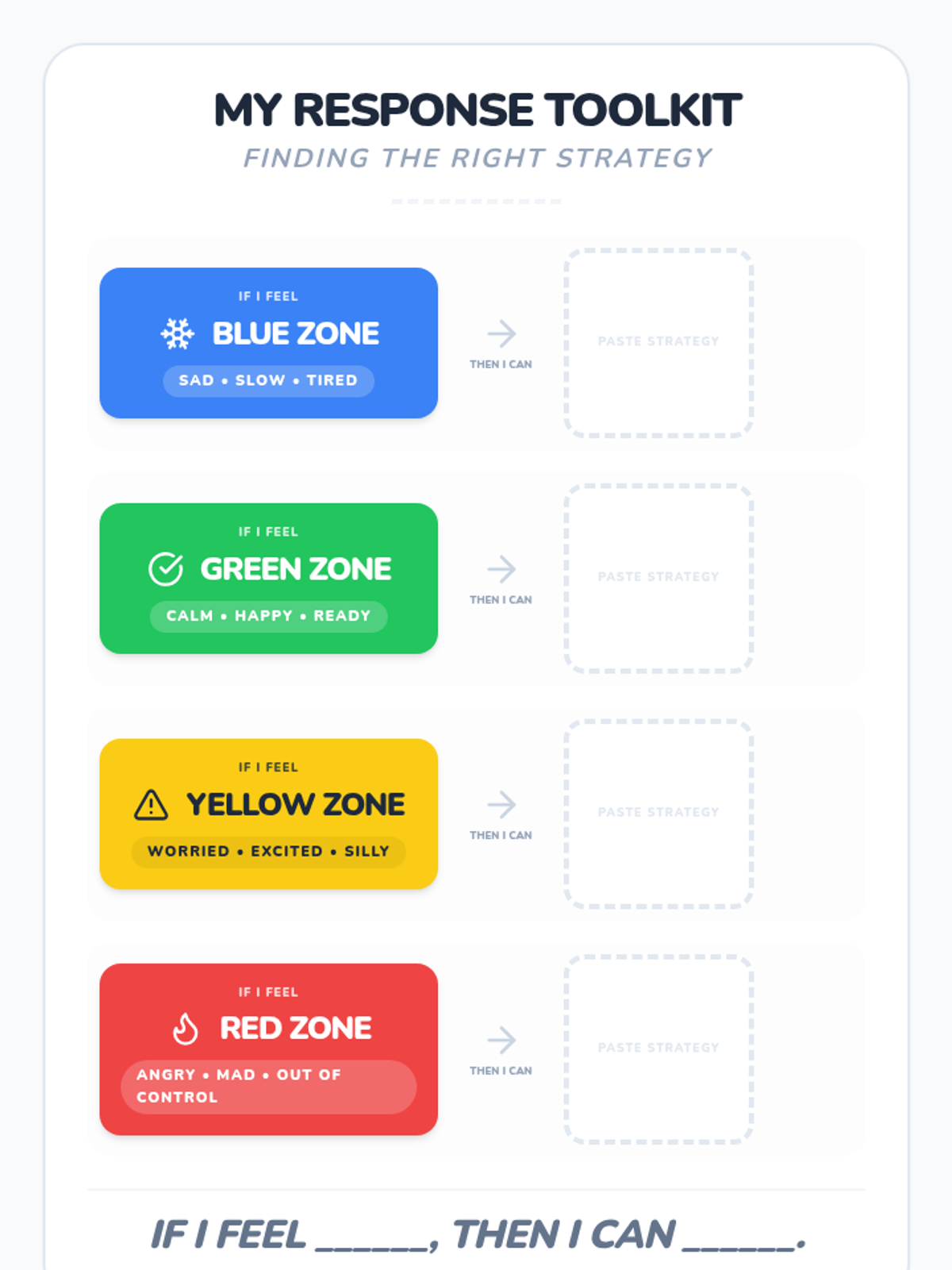
An introductory lesson to the Zones of Regulation, focusing on identifying emotions, linking them to zone colors, and selecting appropriate calming strategies using visual supports.
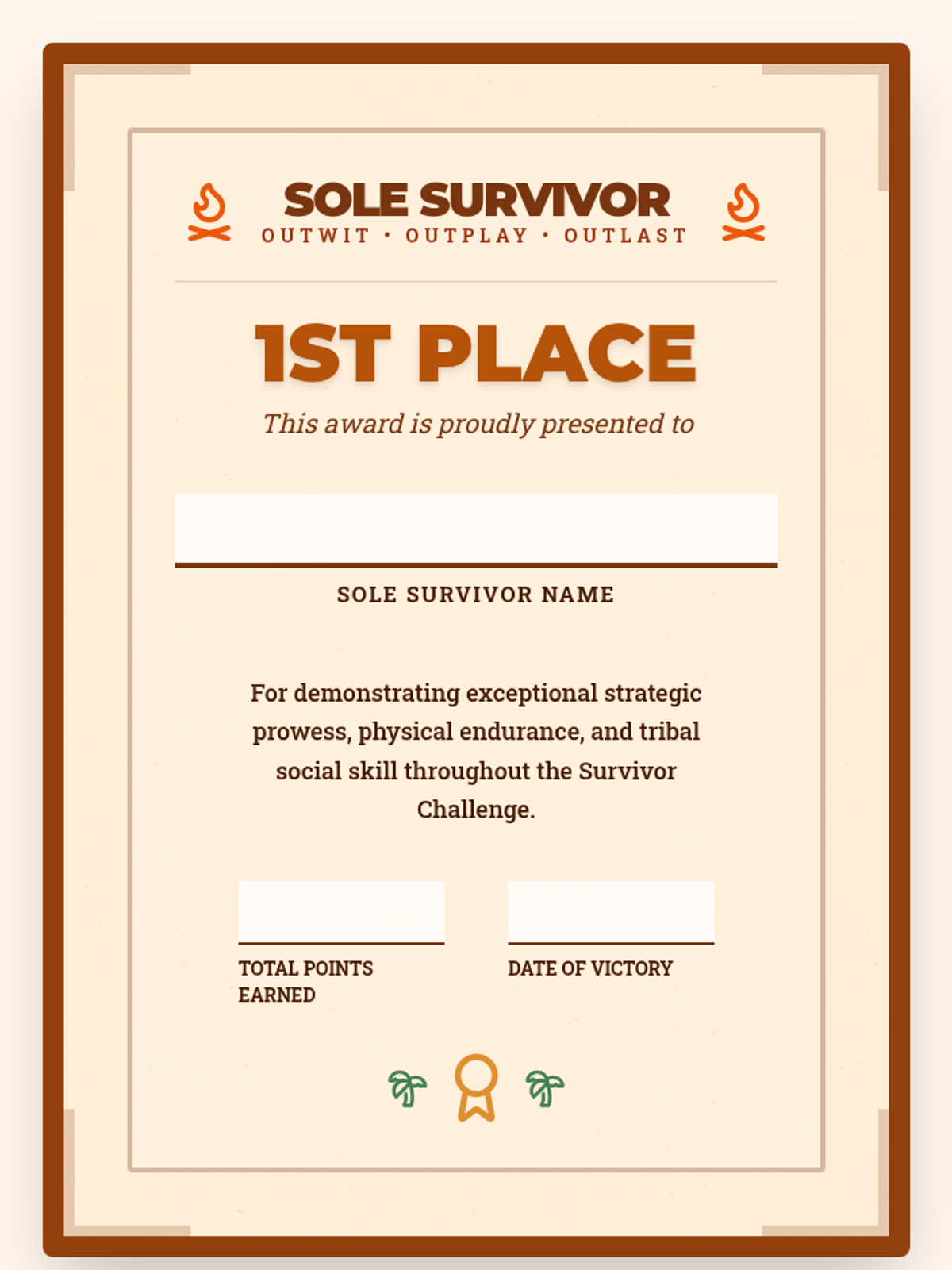
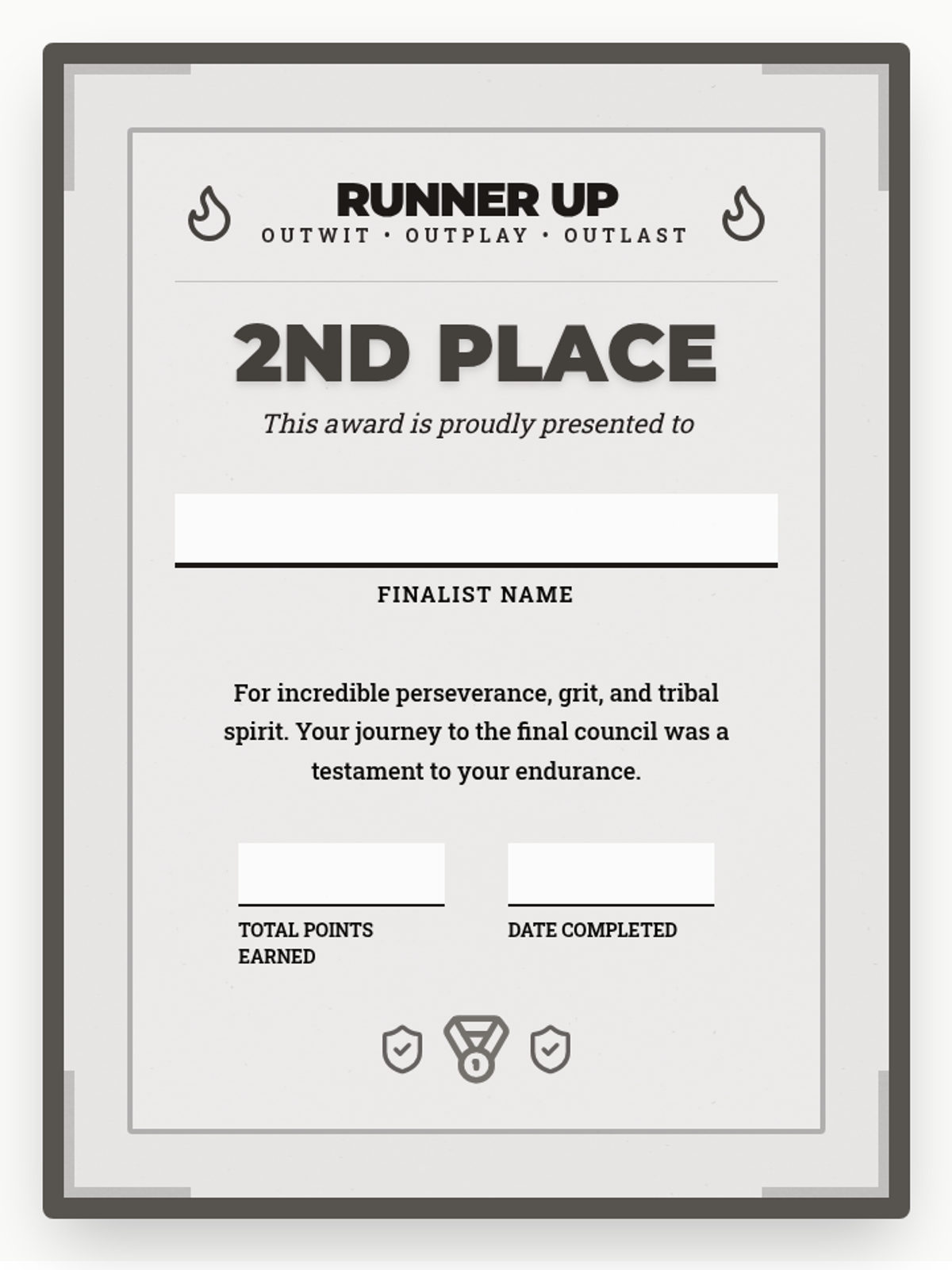
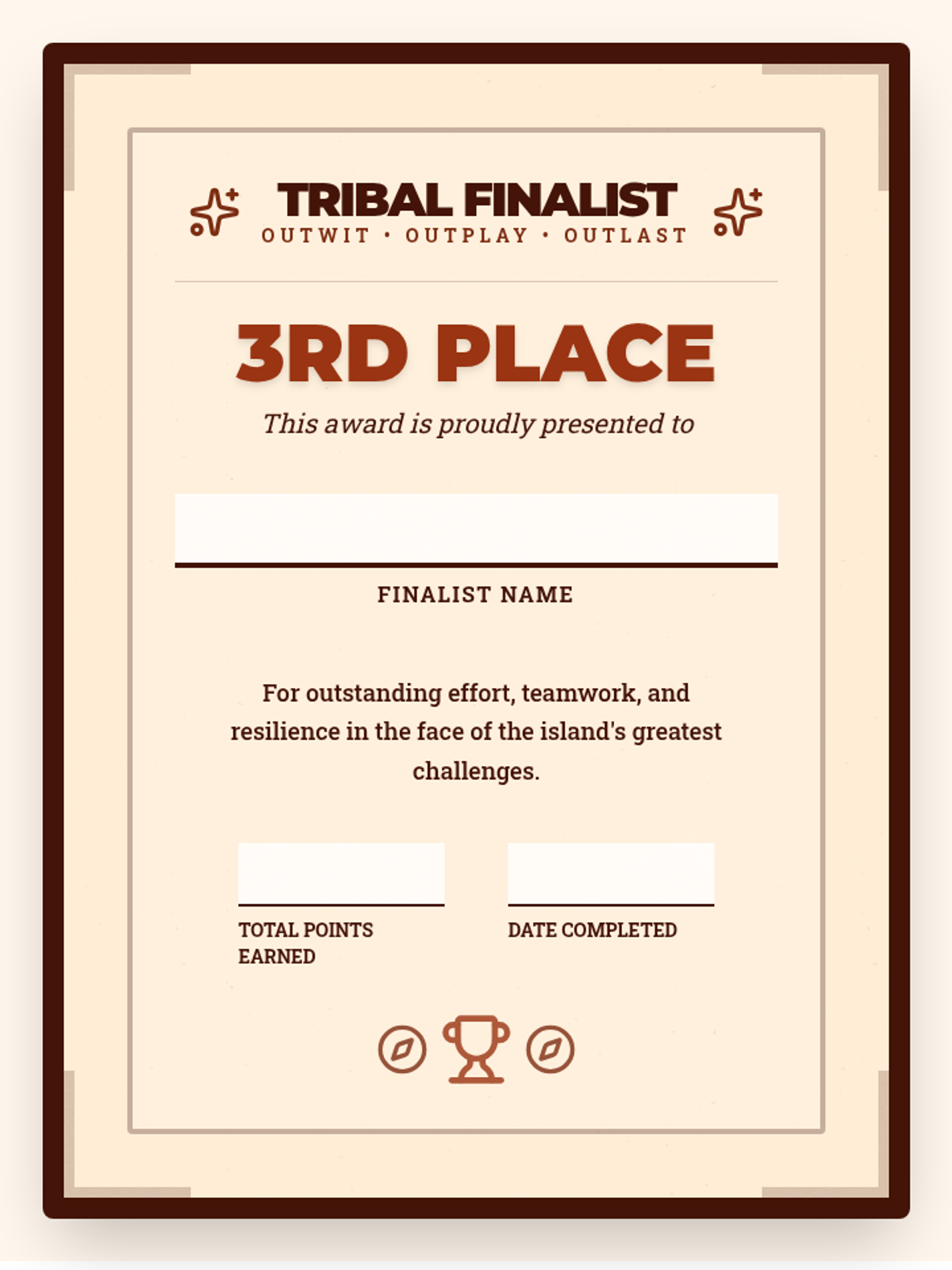
A collection of tribal-themed certificates to recognize the top performers in a classroom survivor challenge. Includes distinct designs for first, second, and third place.
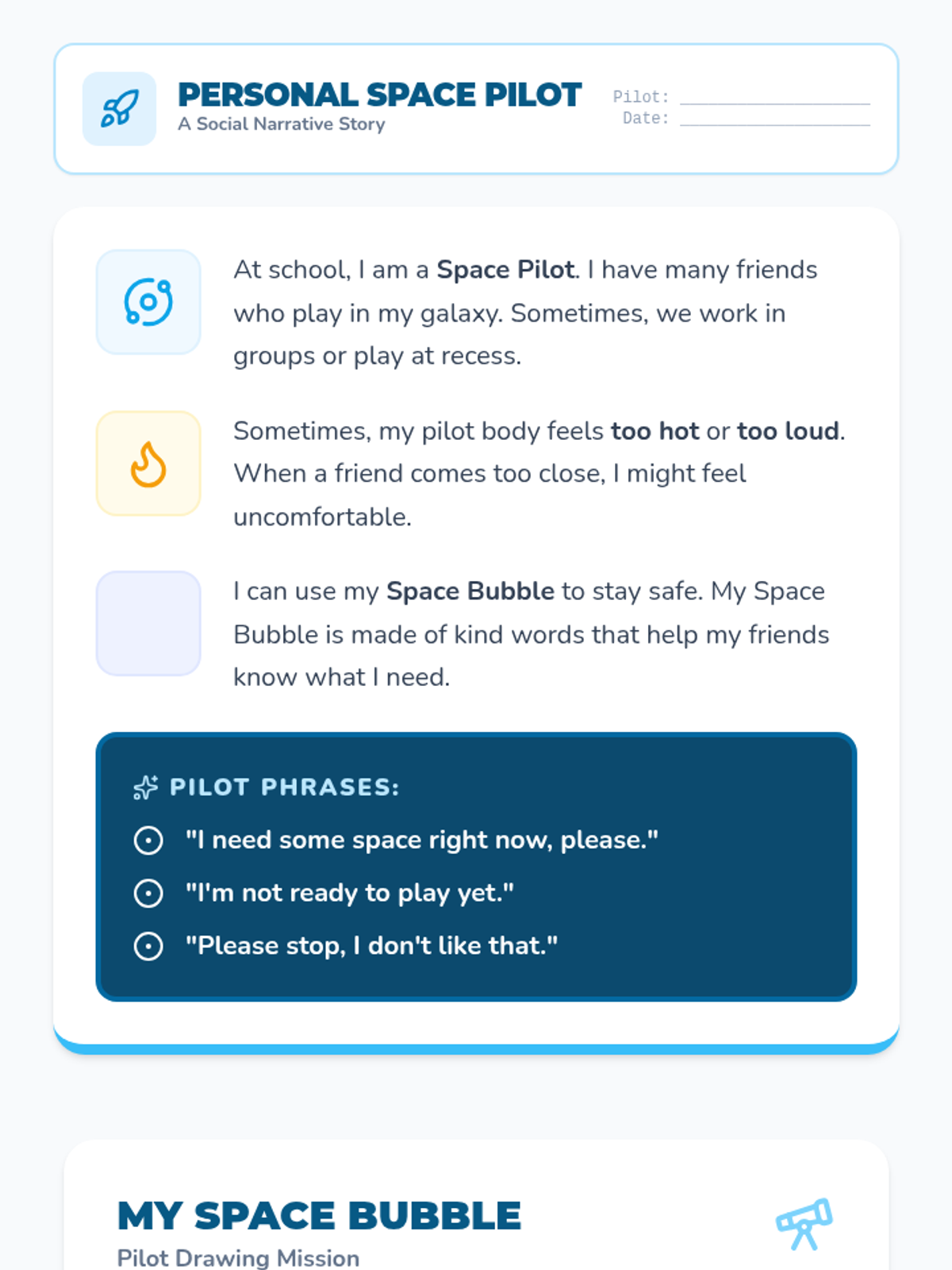
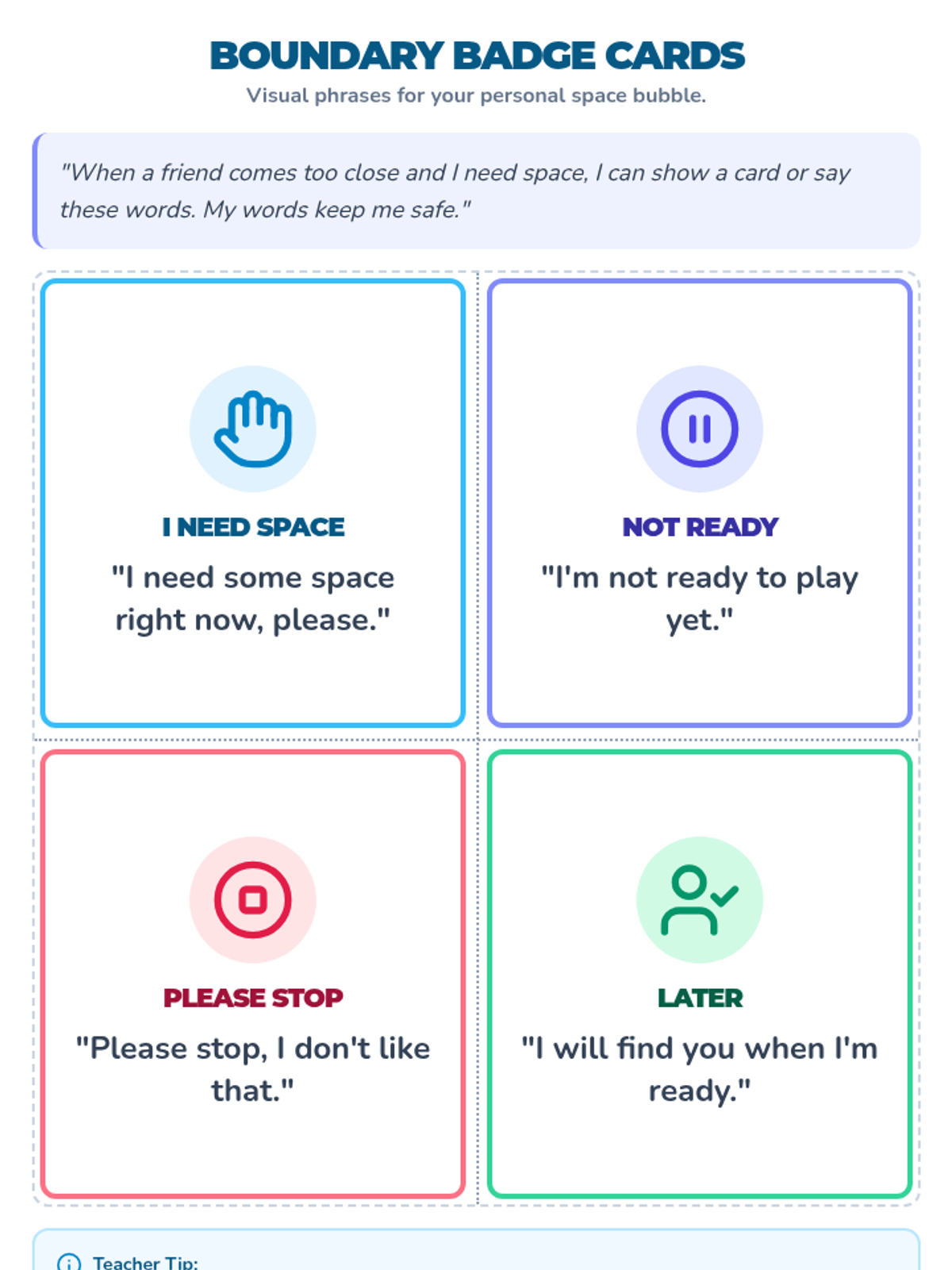
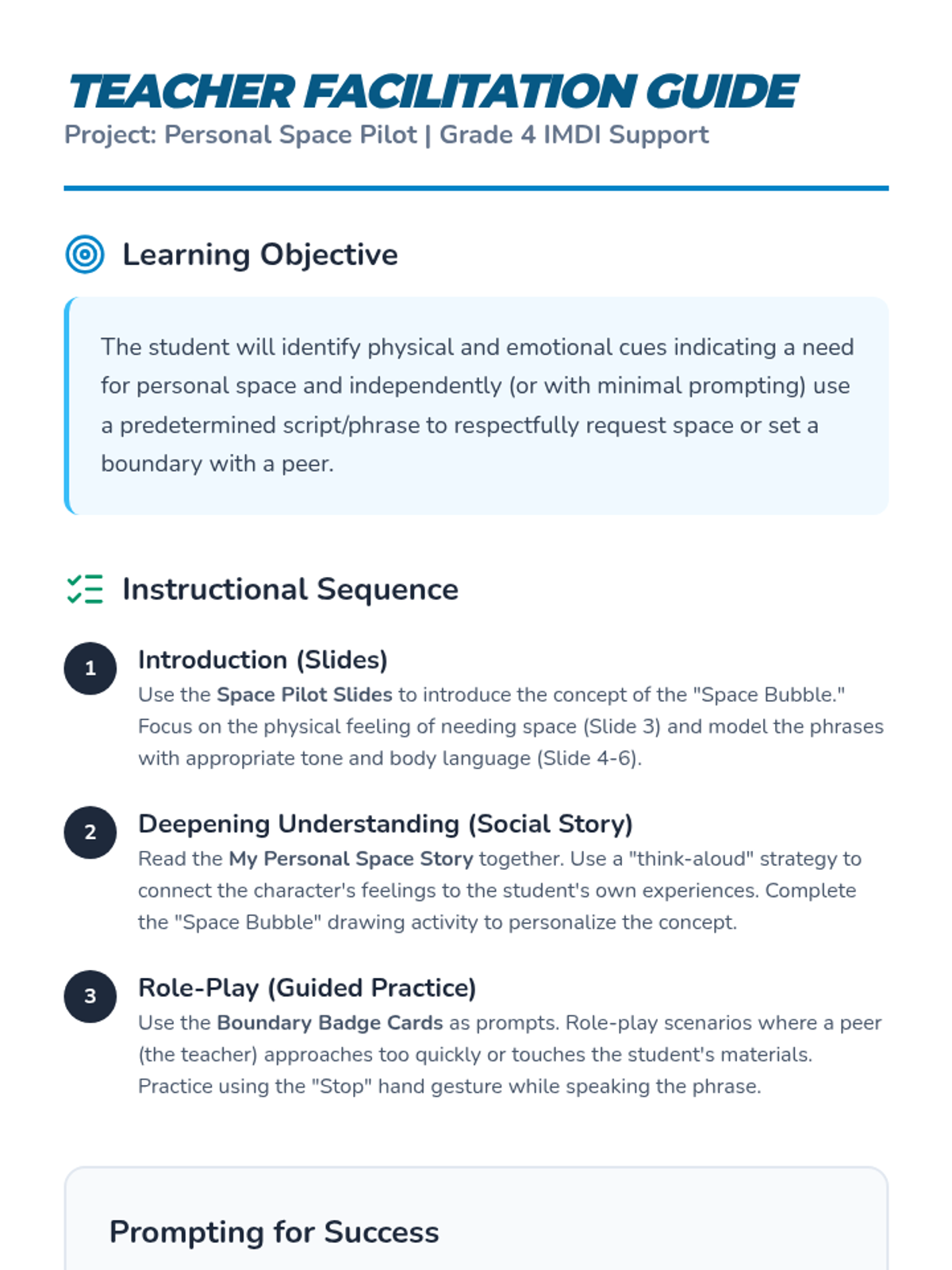
A lesson designed for 4th-grade students to learn respectful phrases and visual cues for setting boundaries and requesting personal space from peers. It includes a social narrative, visual aids, and a teacher facilitation guide.
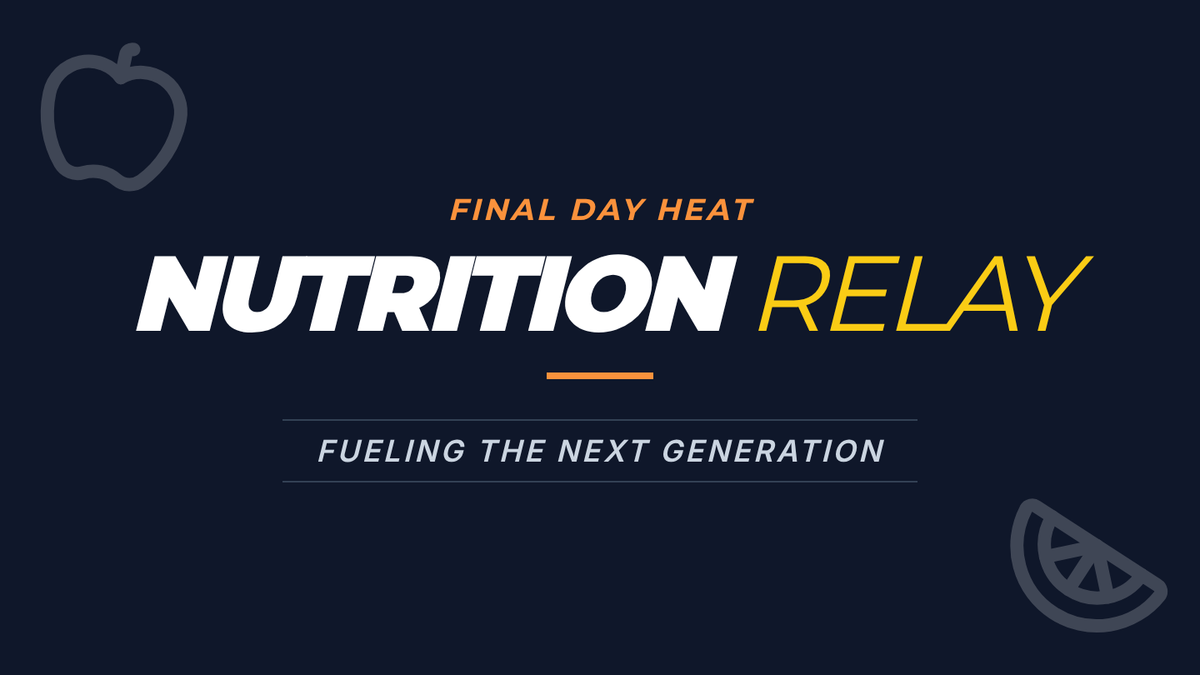
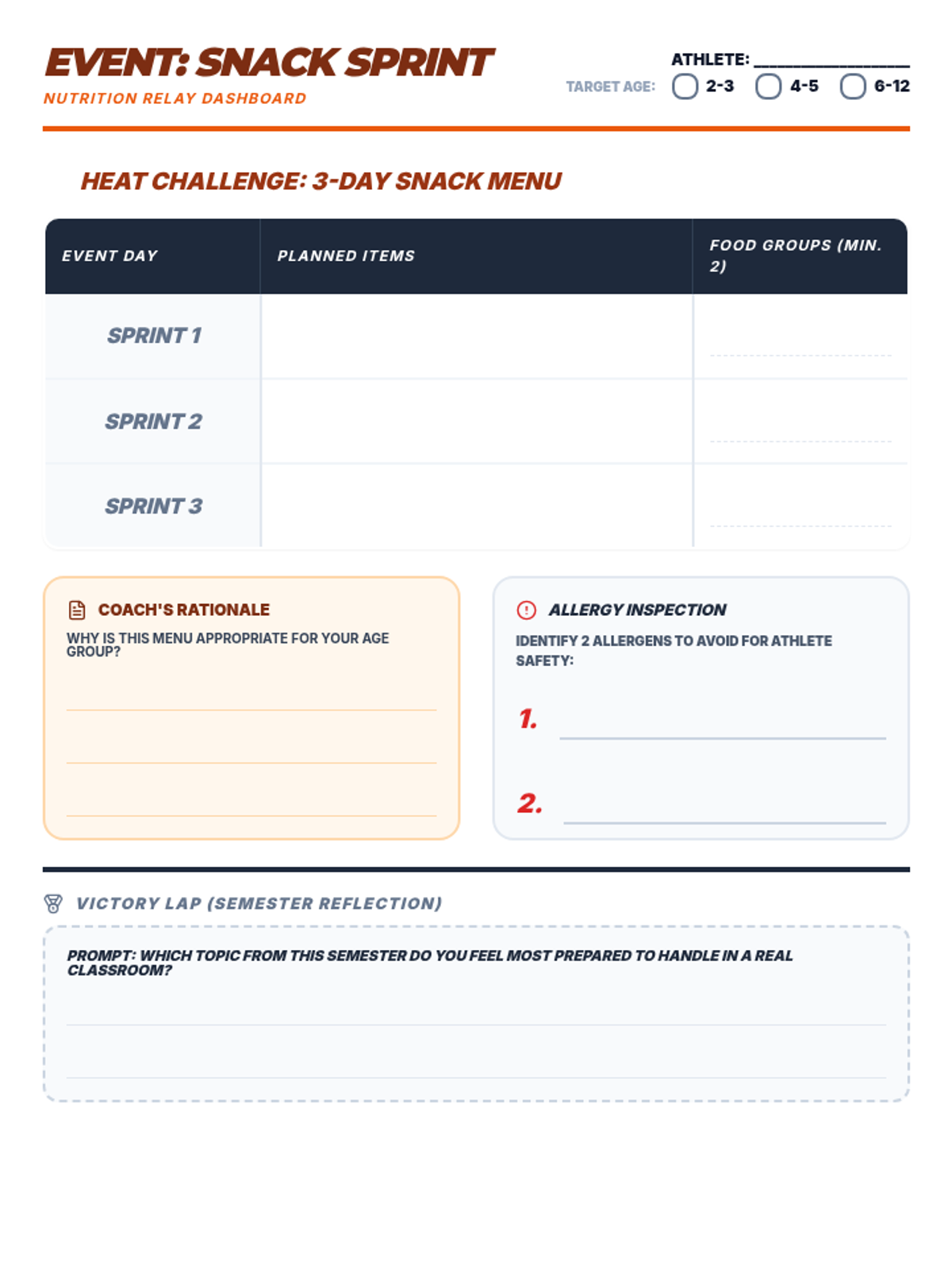
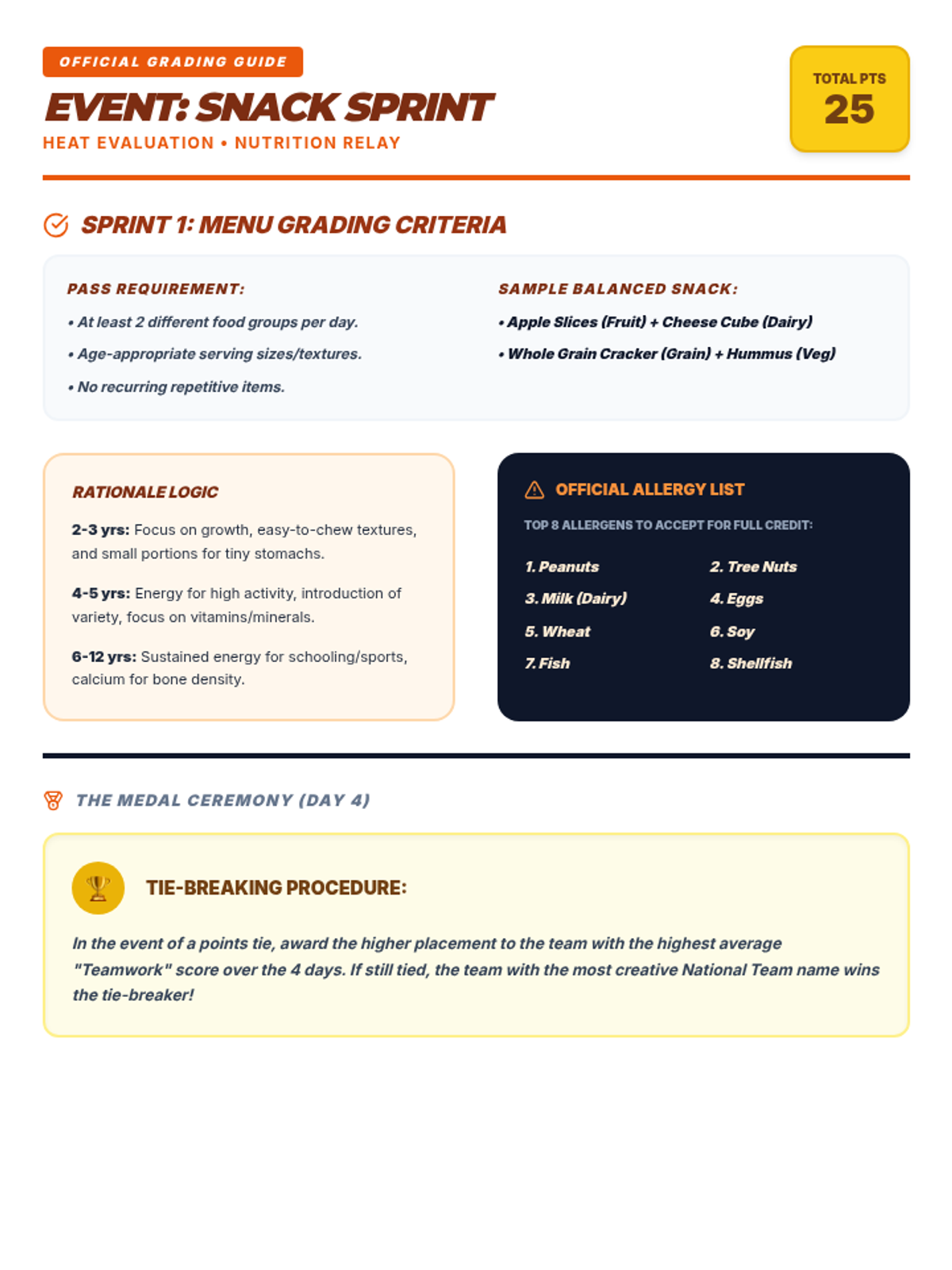
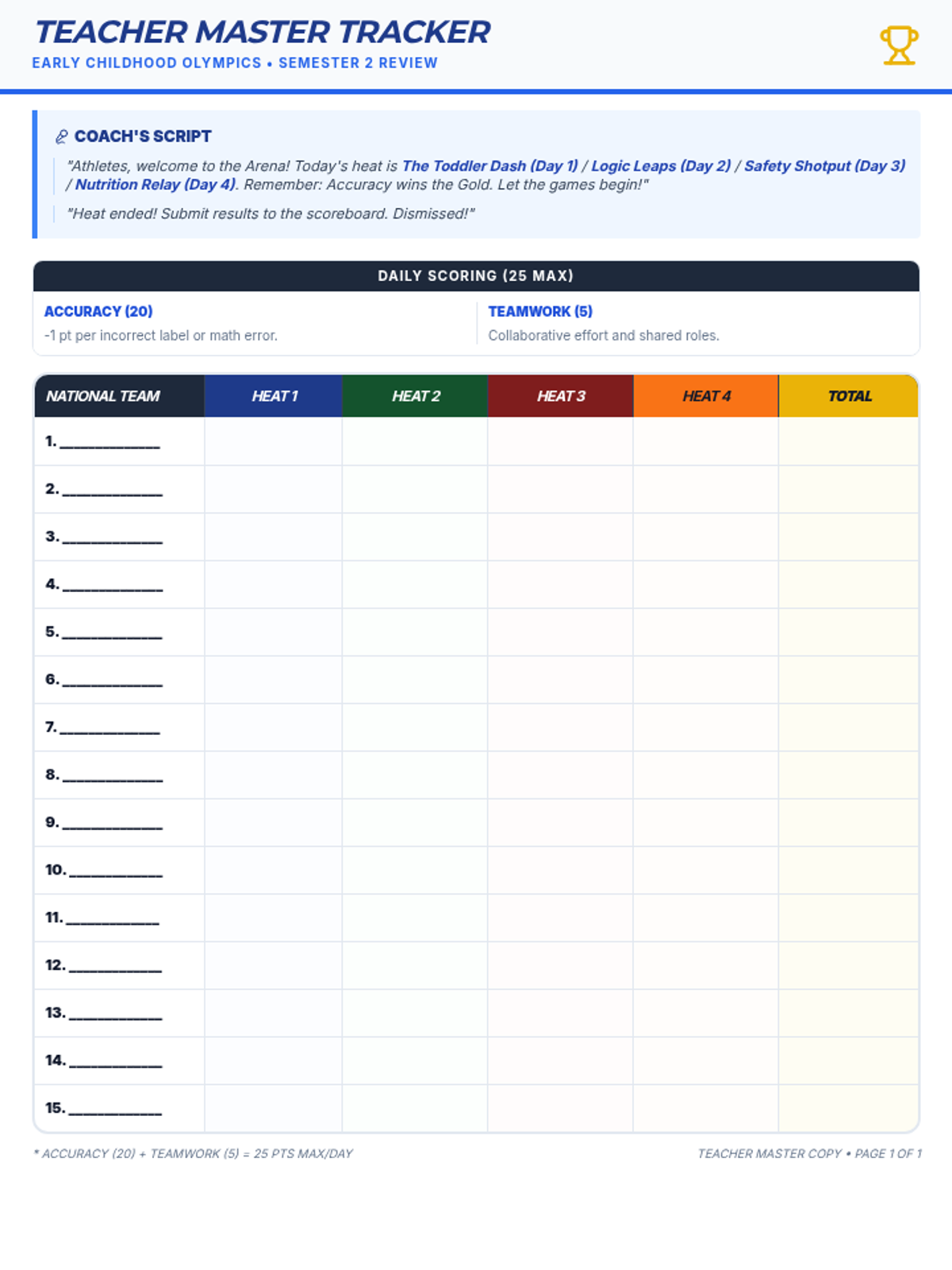
The final day covers nutrition and meal planning, followed by the grand tallying of points and the medal ceremony to conclude the semester.
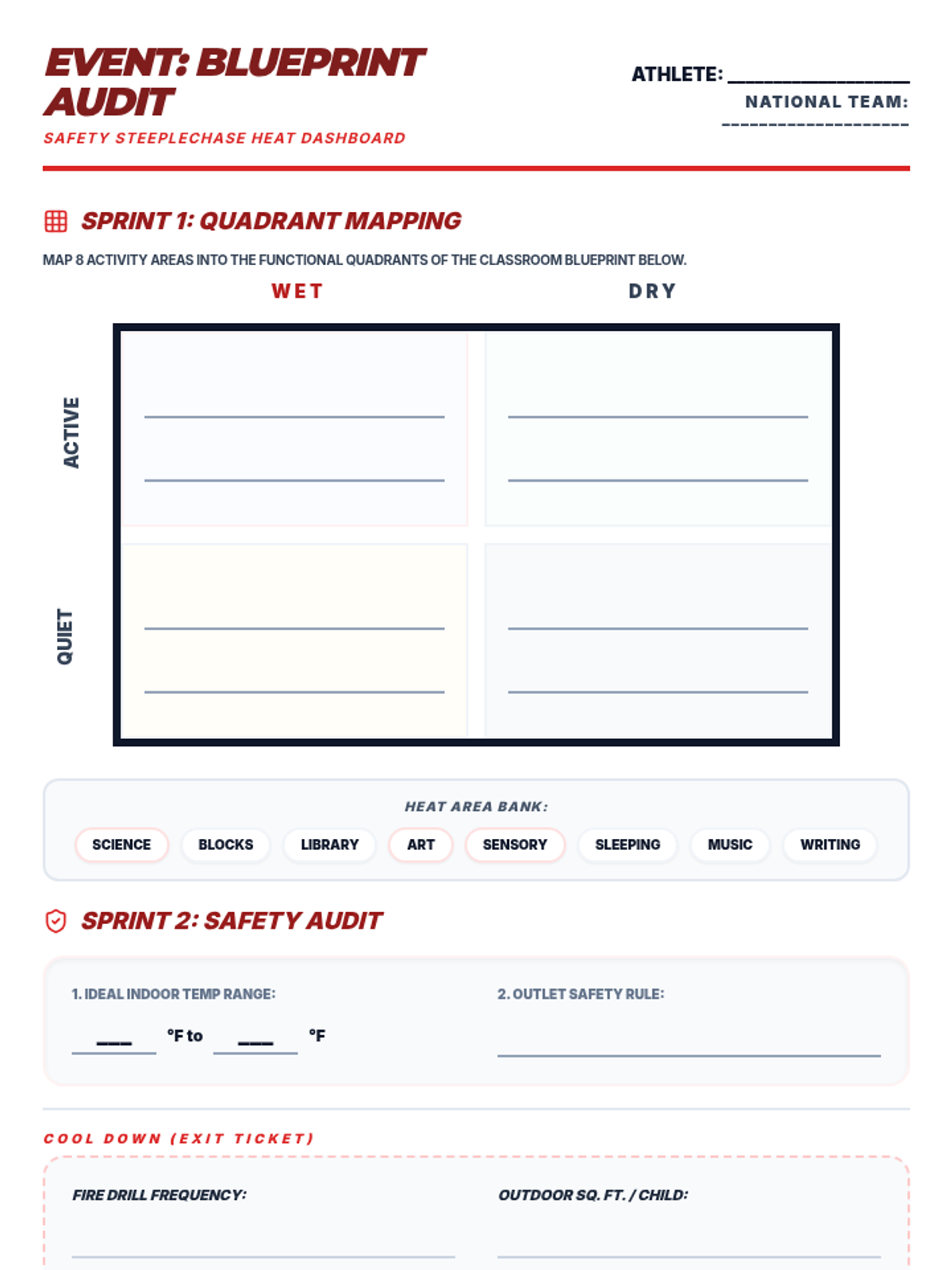
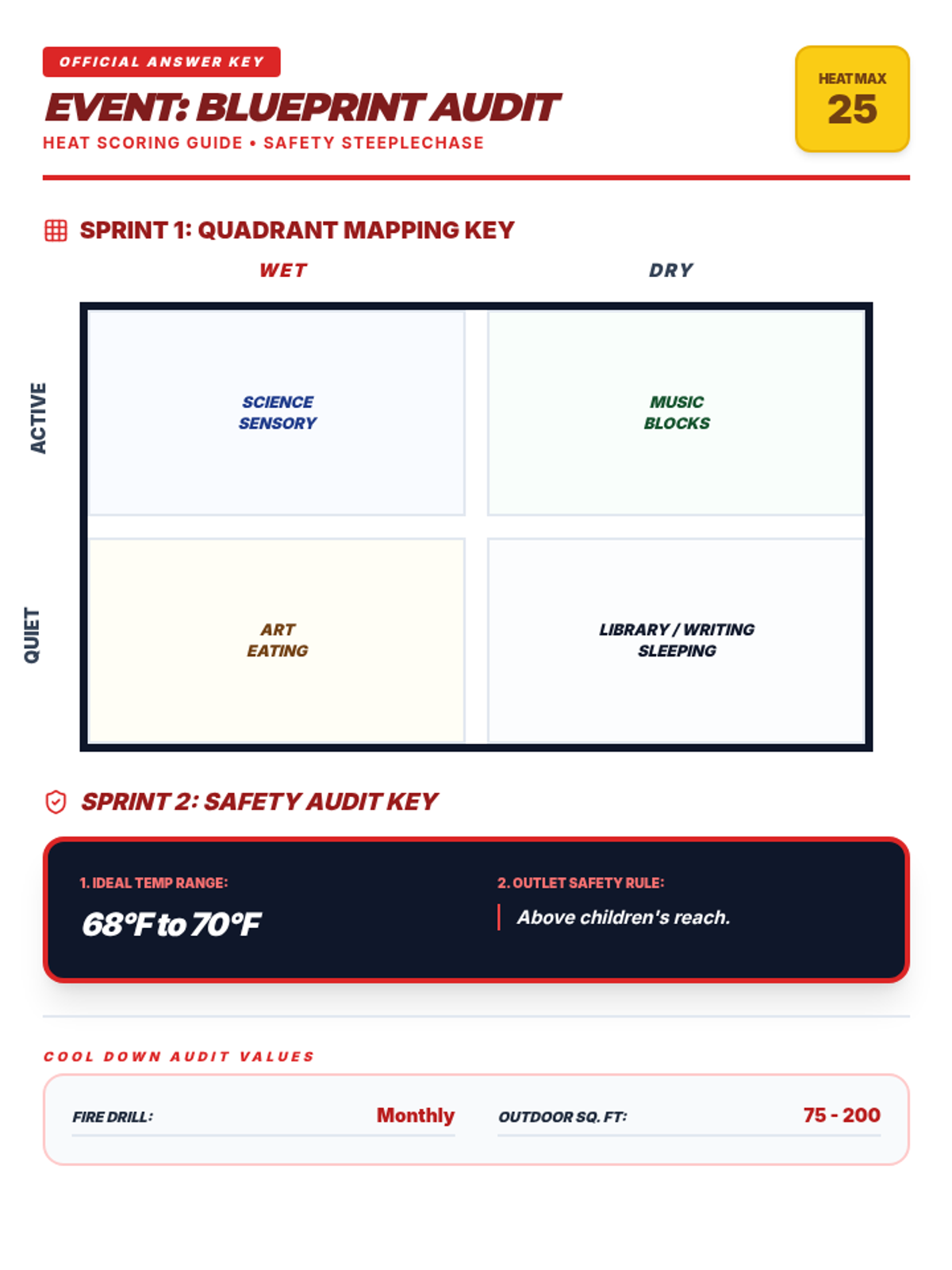
Day 3 focuses on environmental preparation and safety promotion, requiring students to apply knowledge of classroom layout and safety regulations to score points.
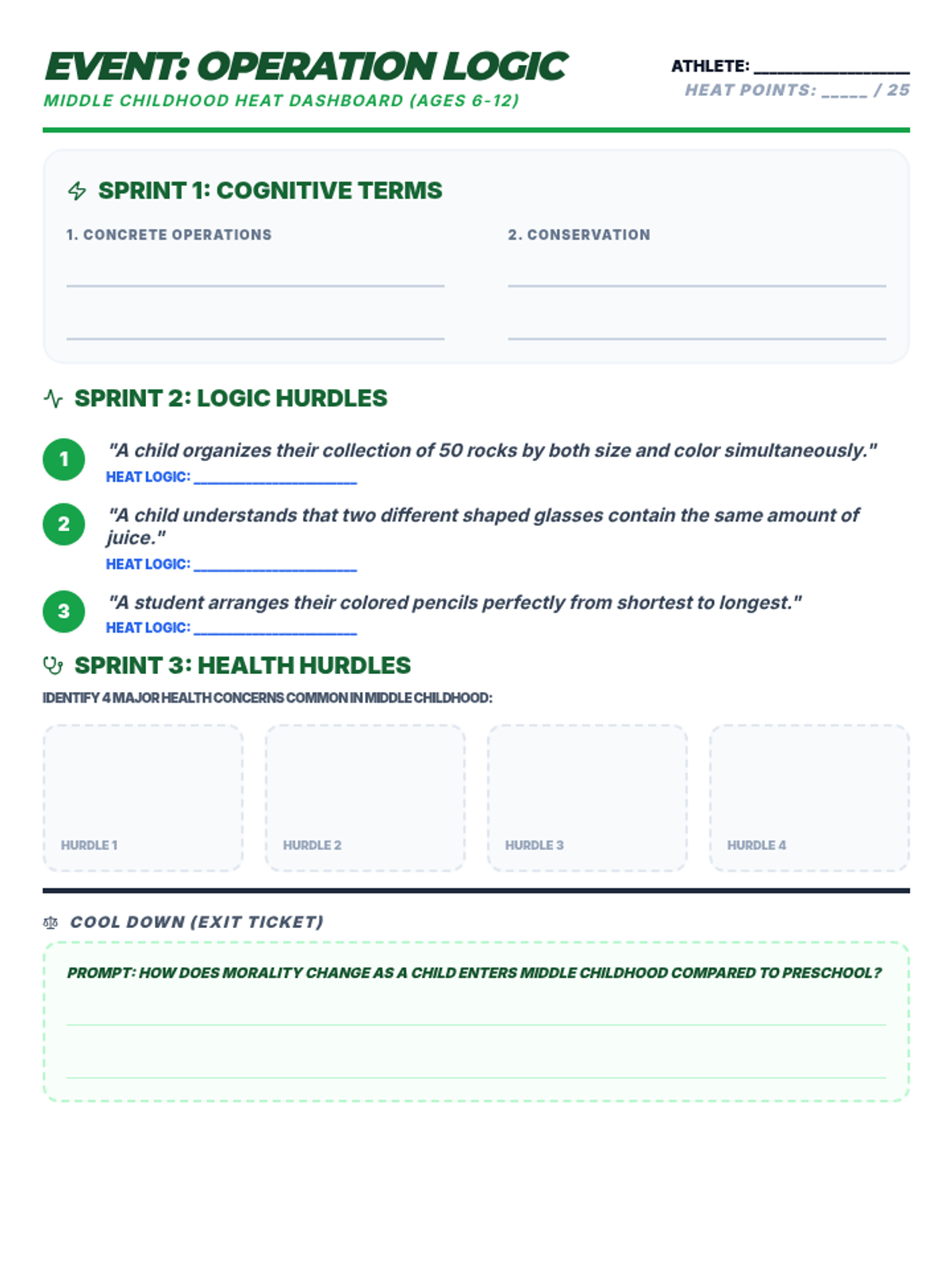
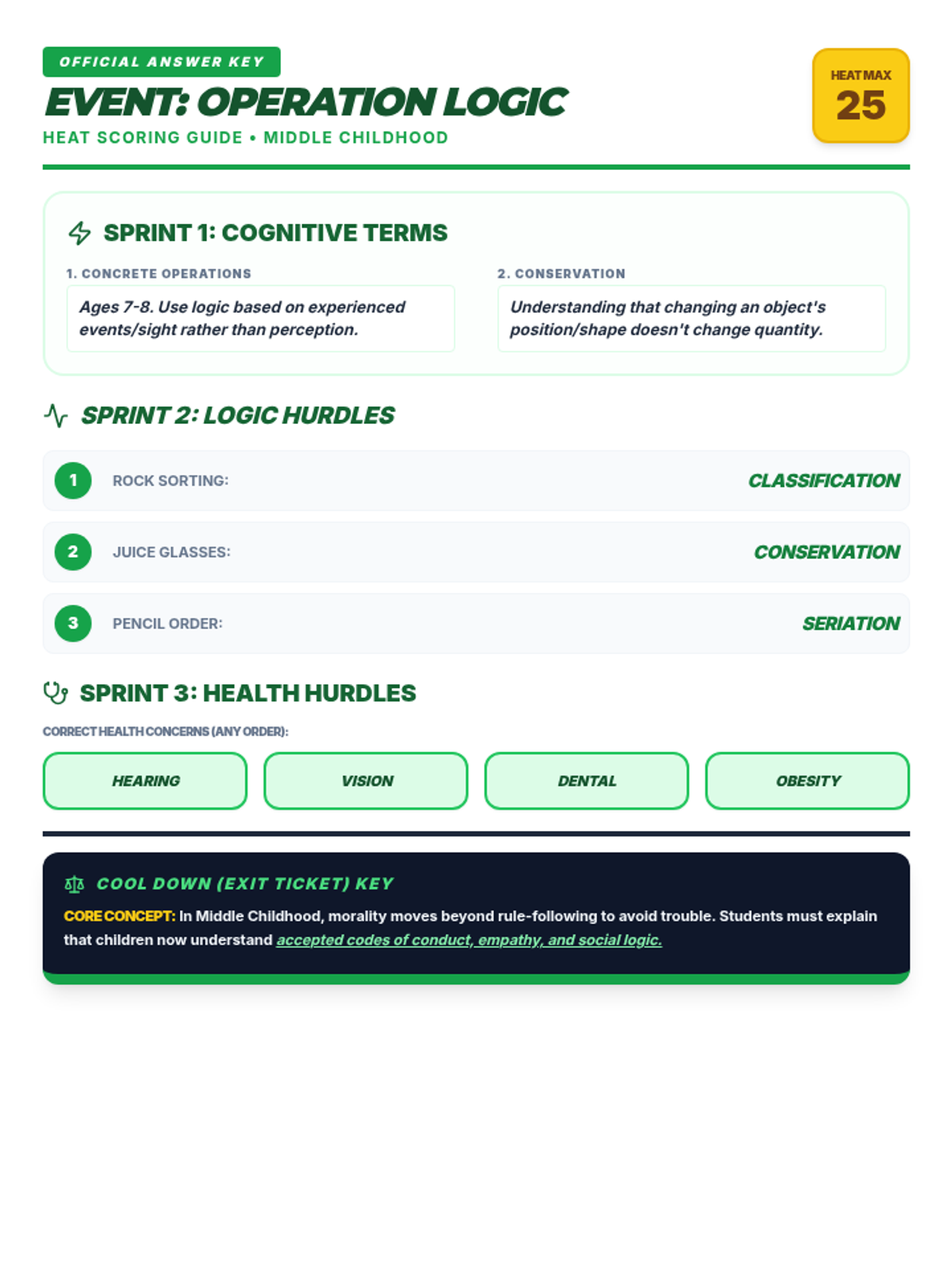
Day 2 explores middle childhood (ages 6-12), focusing on logical thinking, moral development, and the complexities of school-age social relationships.
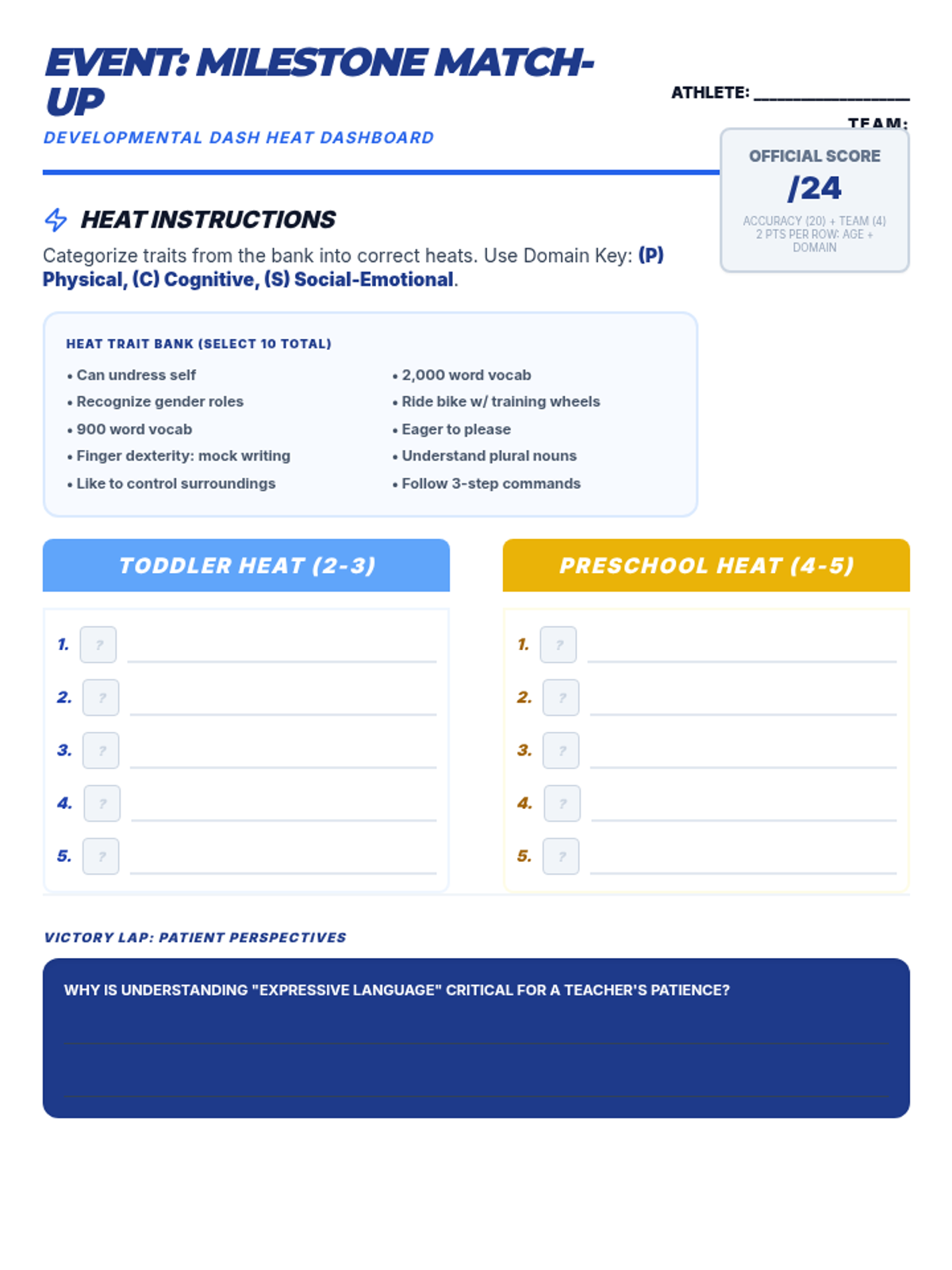
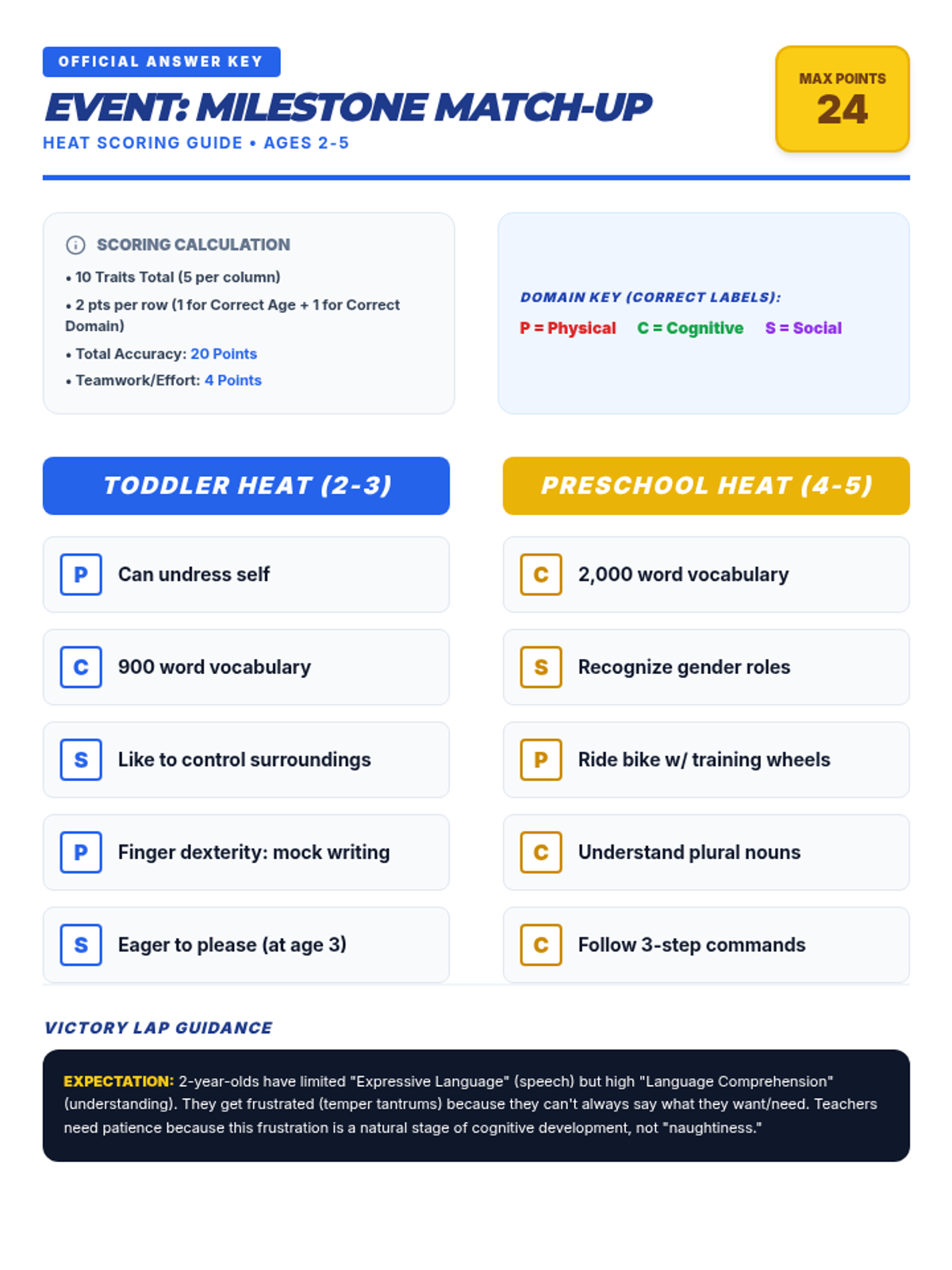
Day 1 of the Olympics focuses on the rapid development of children aged two through five, challenging students to accurately categorize physical, cognitive, and social milestones.
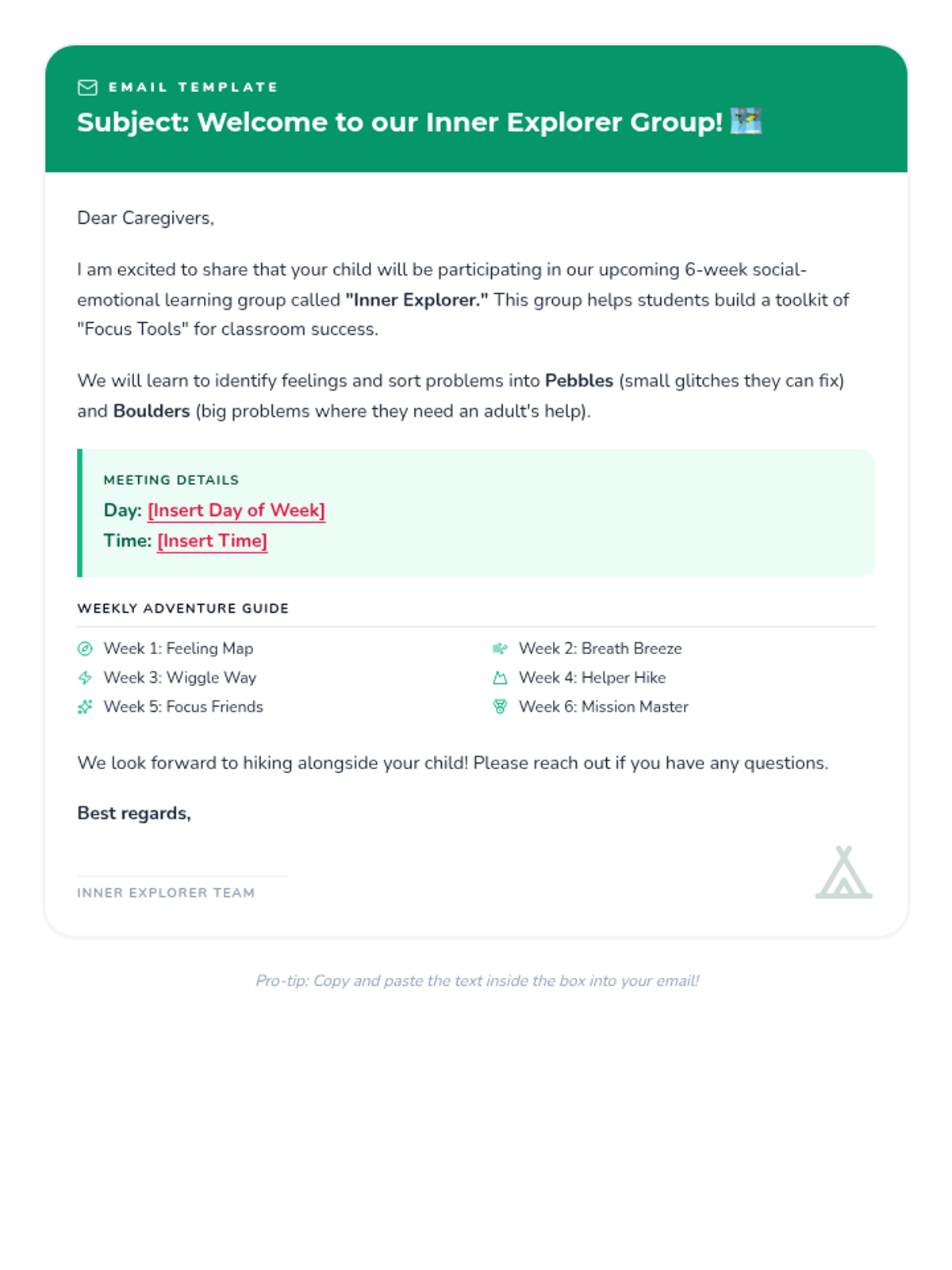
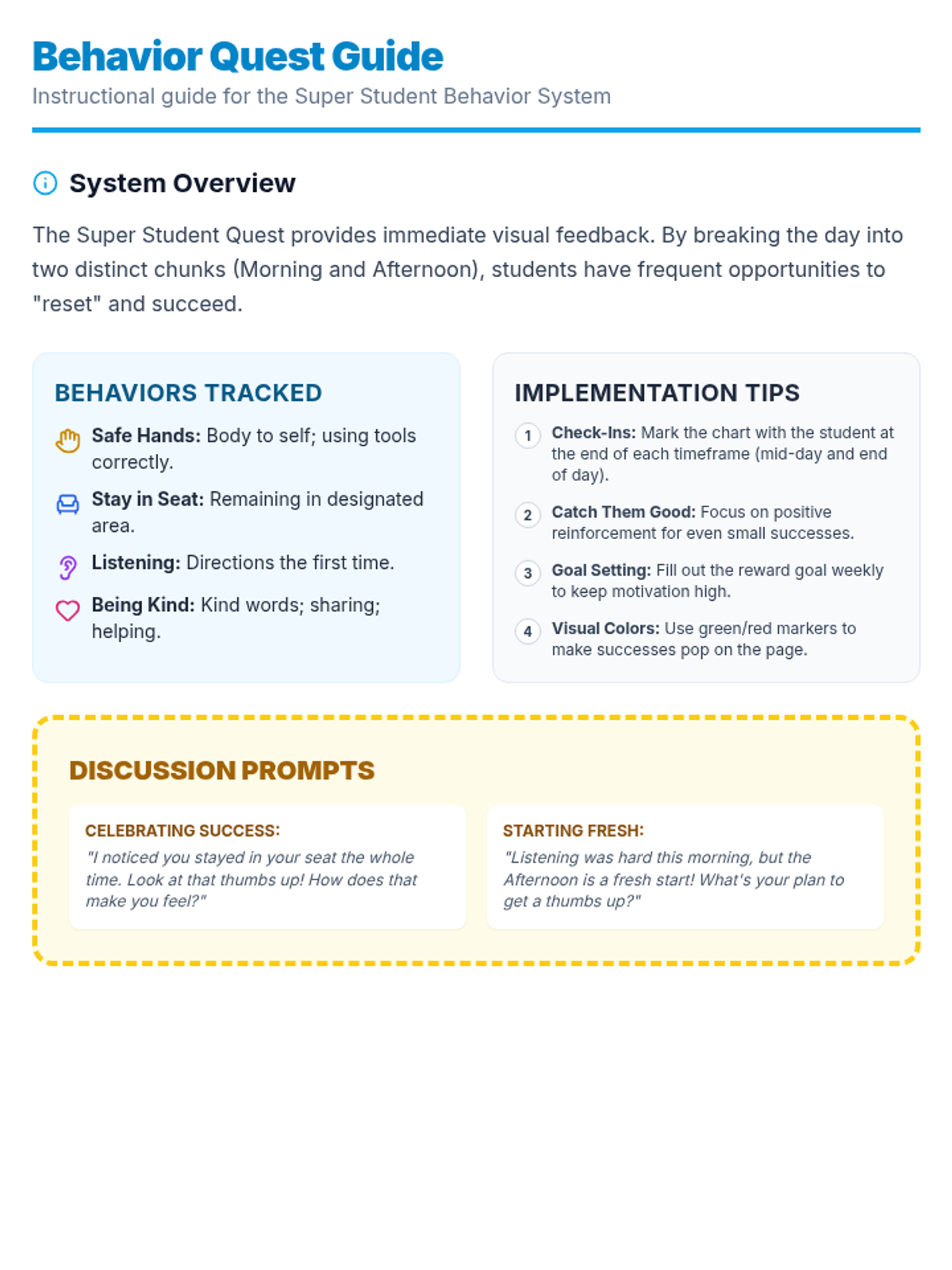
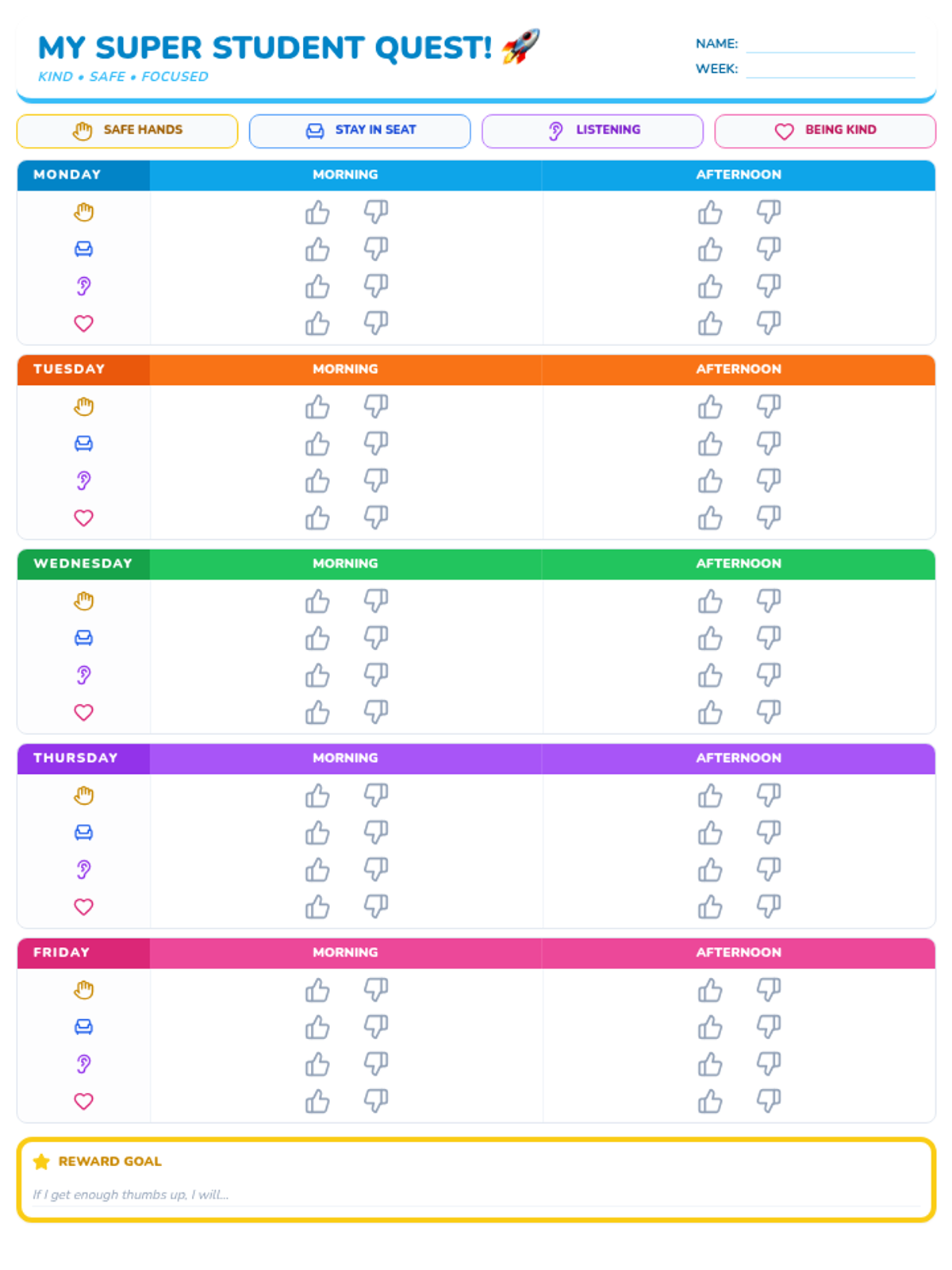
A comprehensive daily behavior tracking system designed for Kindergarteners, focusing on positive reinforcement and clear visual feedback across key school timeframes.
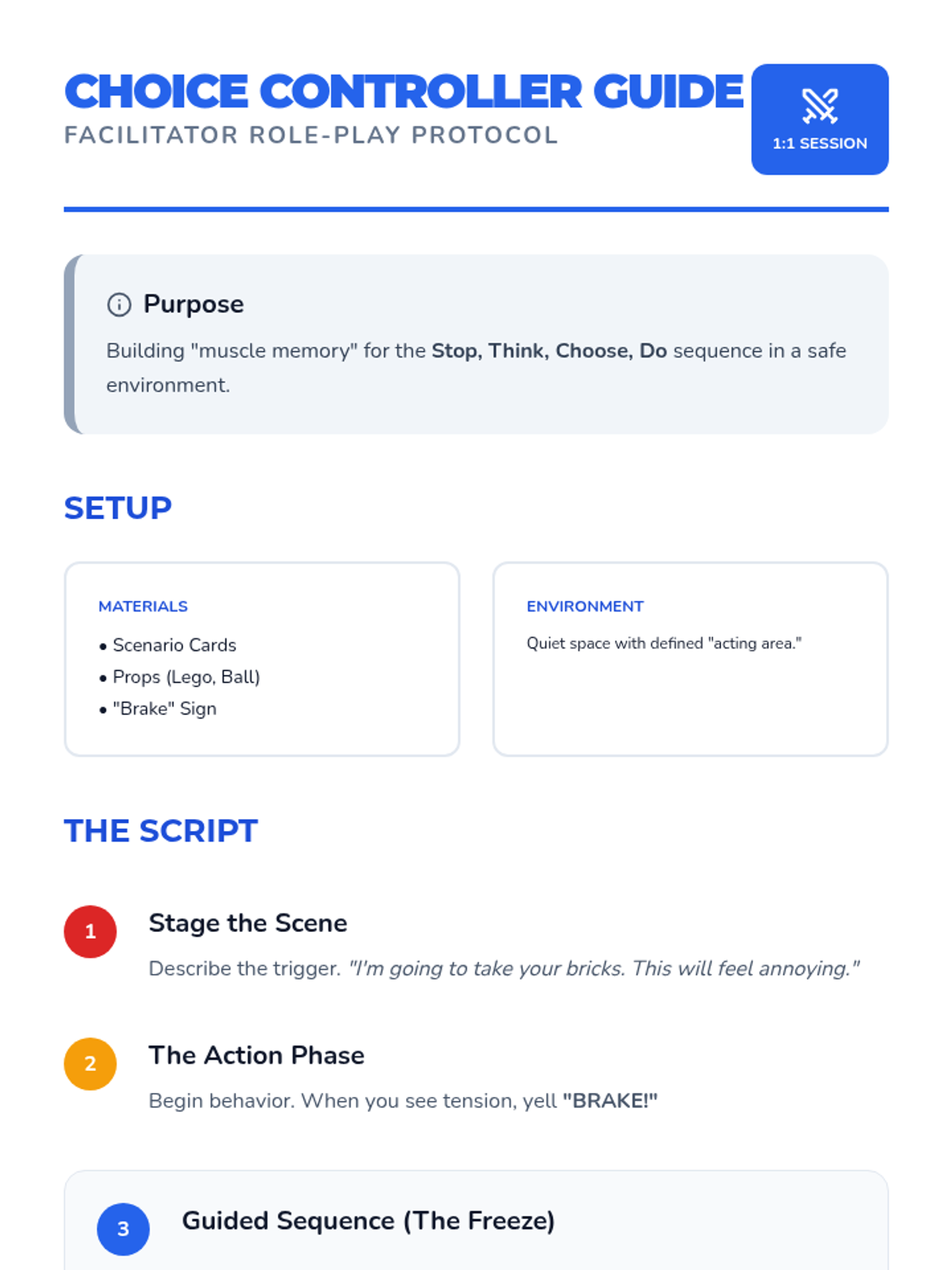
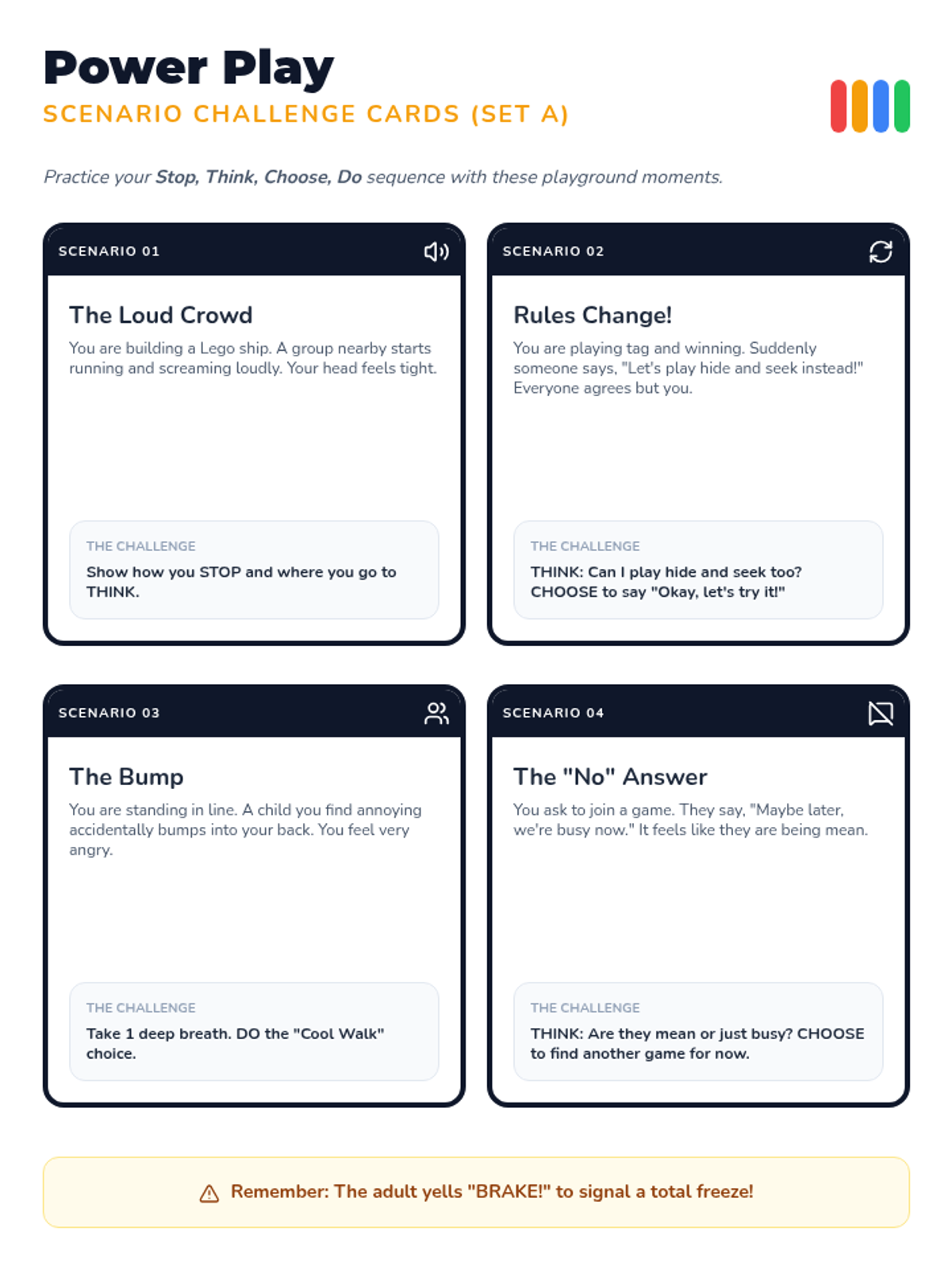
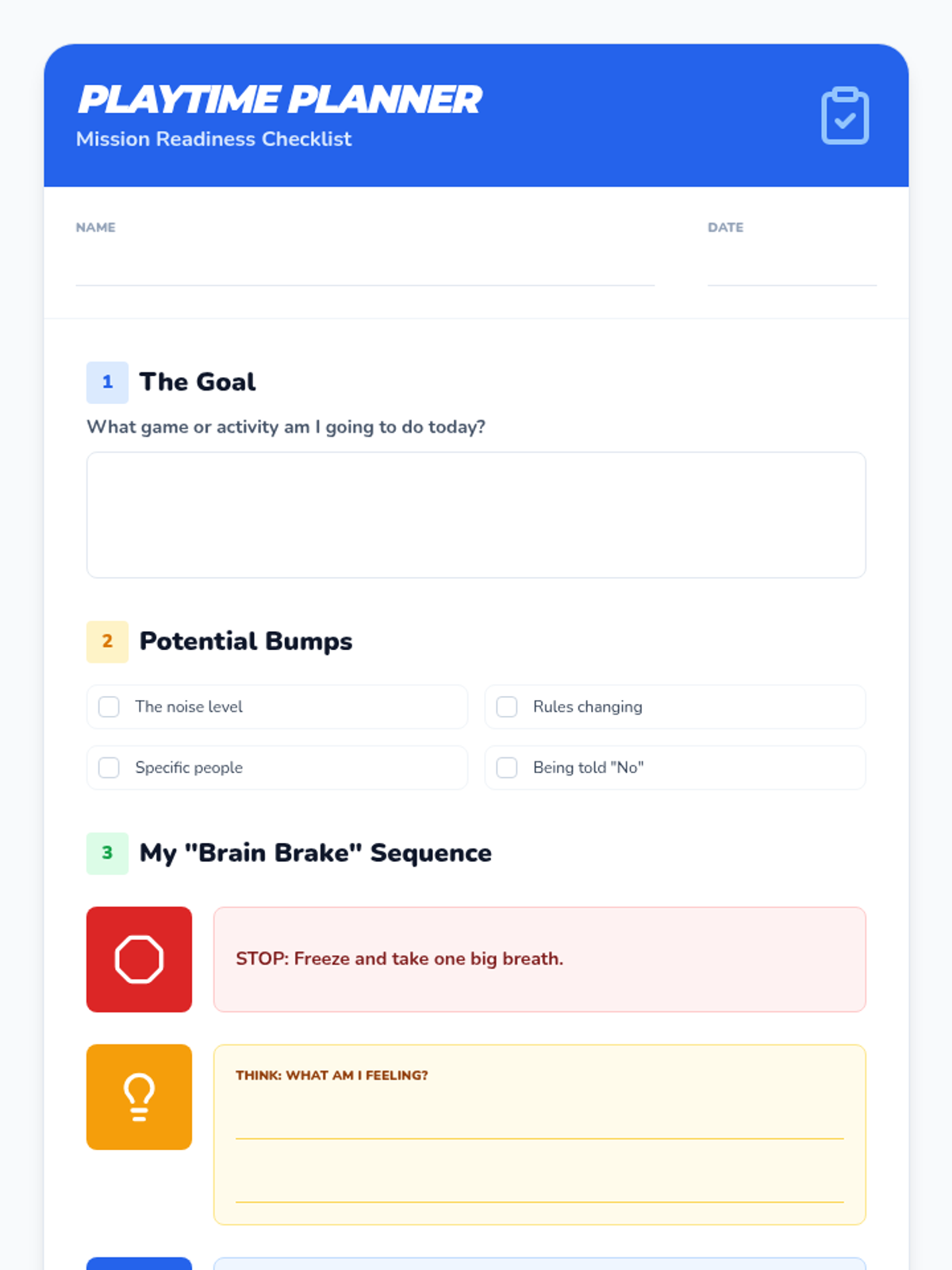
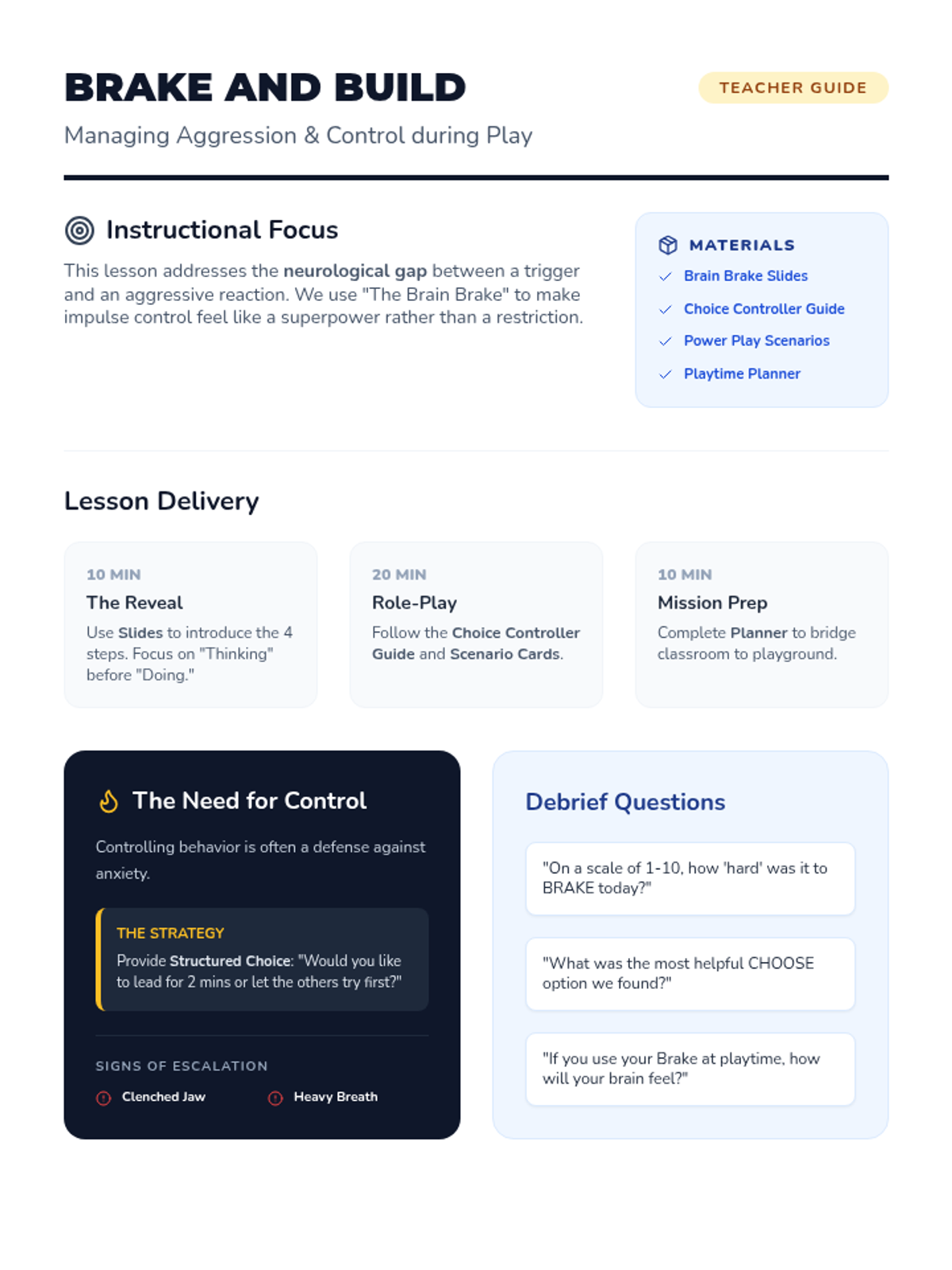
A therapeutic lesson focused on teaching a 4-step impulse control strategy (Stop, Think, Choose, Do) for an 8-year-old student struggling with social frustration and aggression. The lesson uses role-play and visual aids to help the student navigate peer conflict and controlling tendencies.
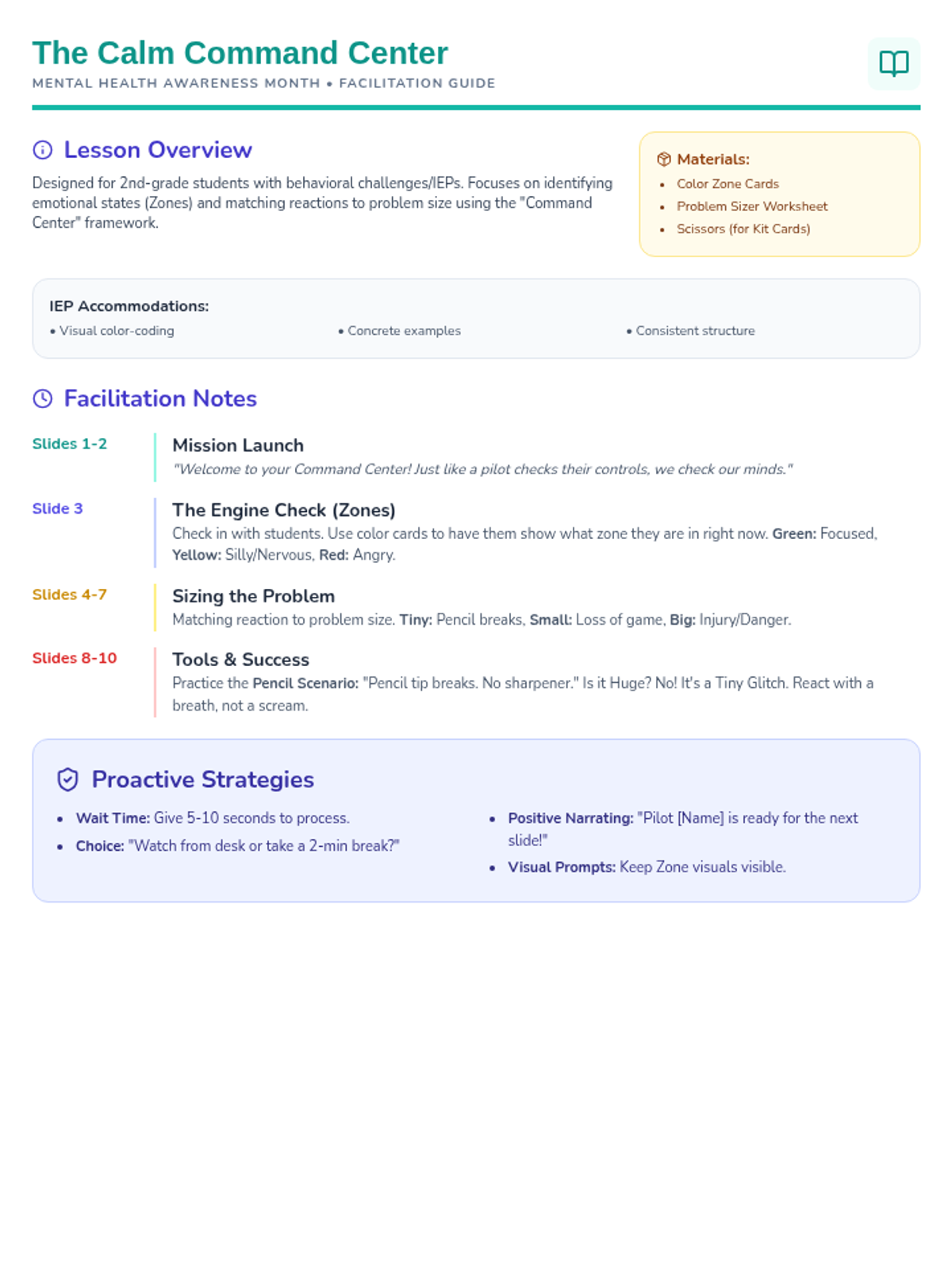
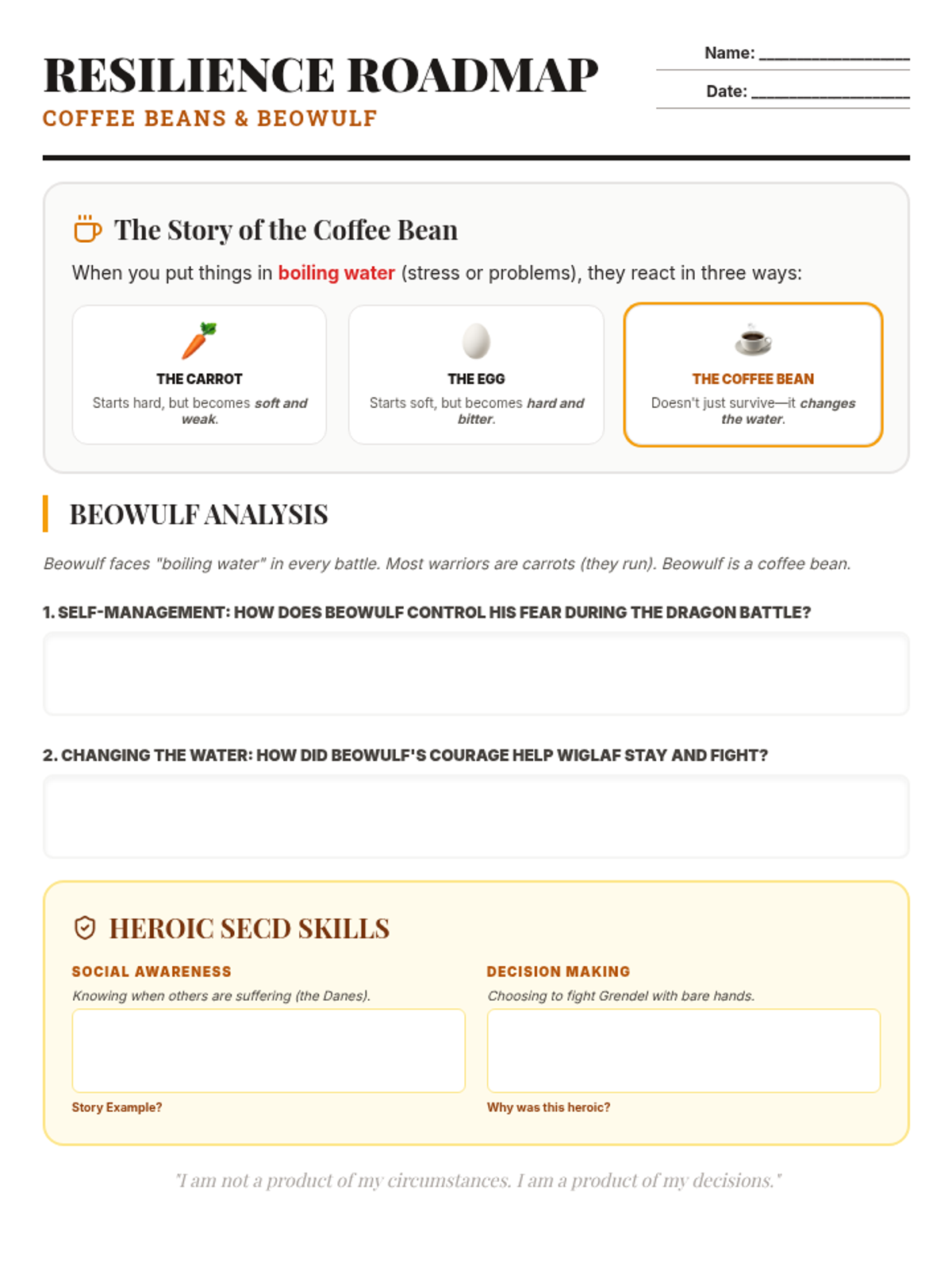
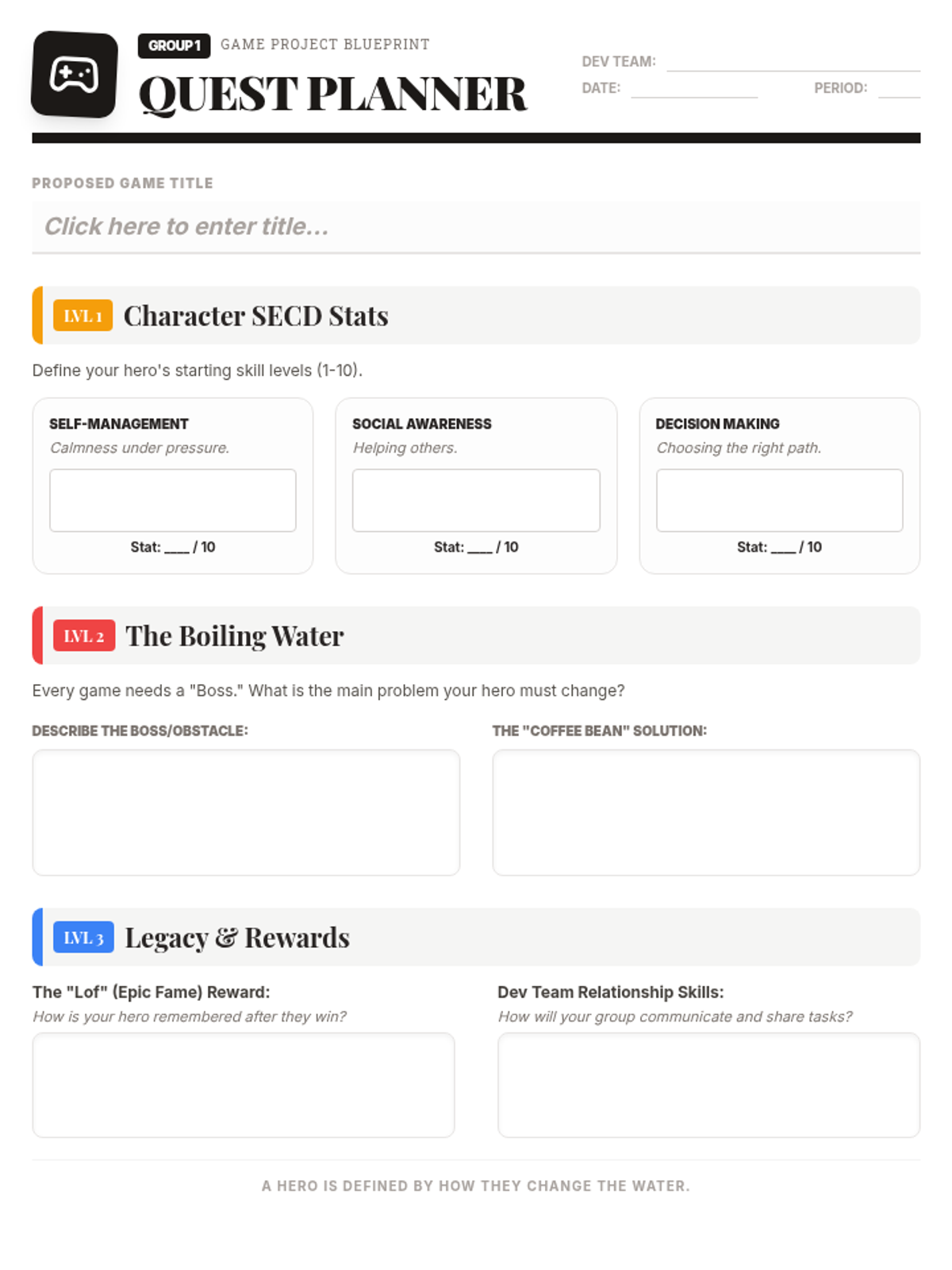
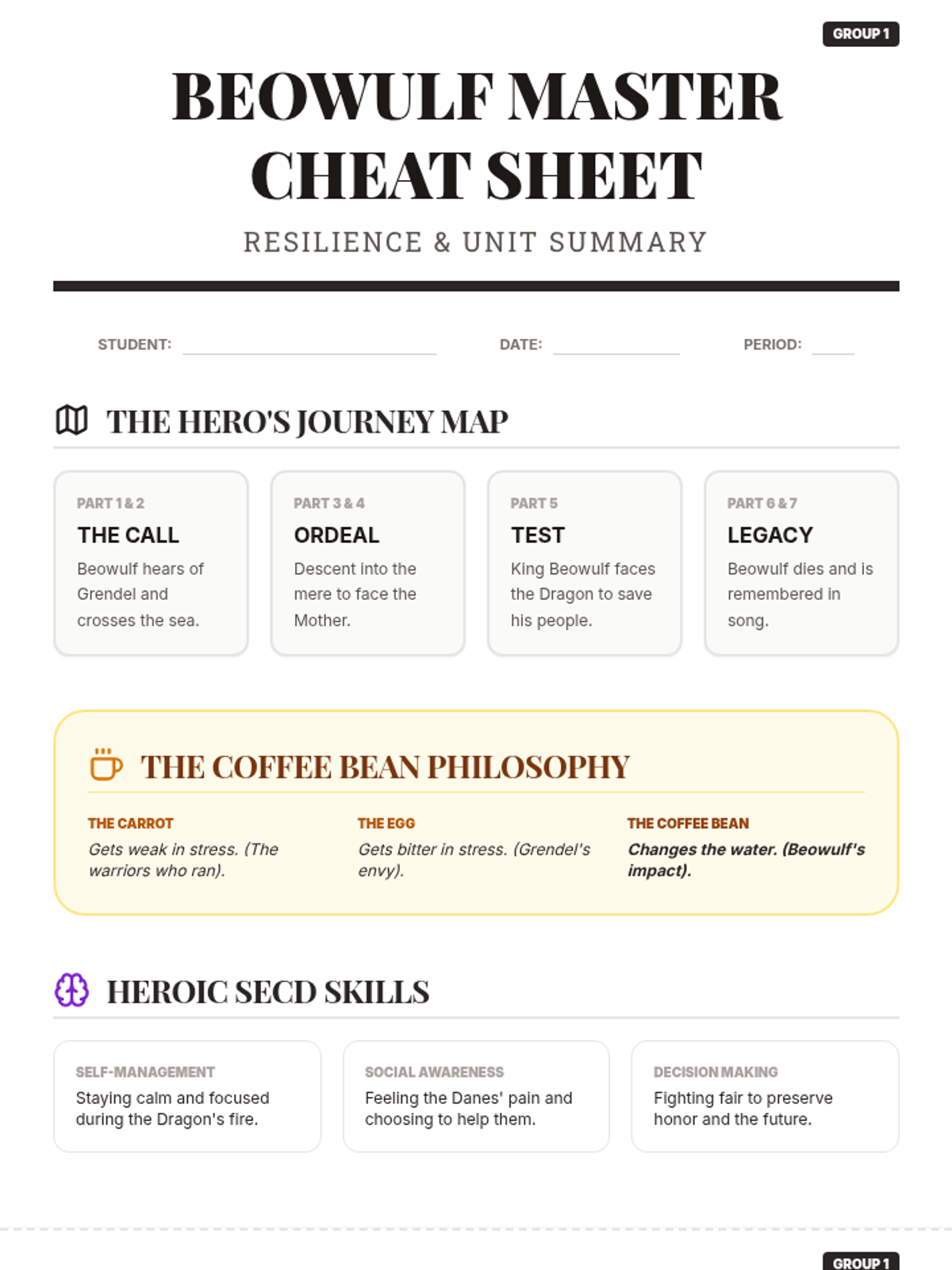
Connecting Beowulf's journey to personal resilience through the Coffee Bean metaphor and SECD frameworks, preparing students for the Hero's Journey game project.
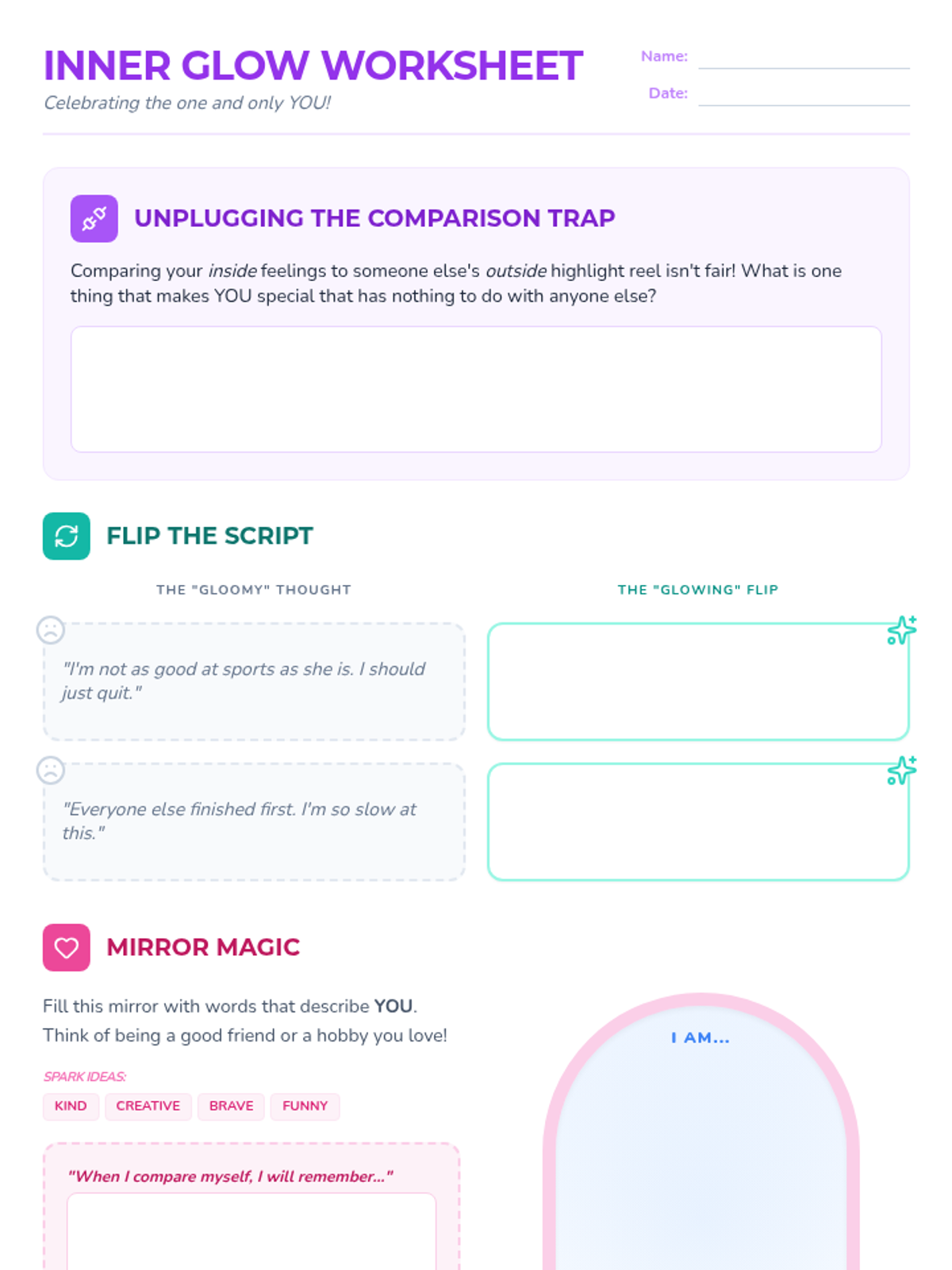
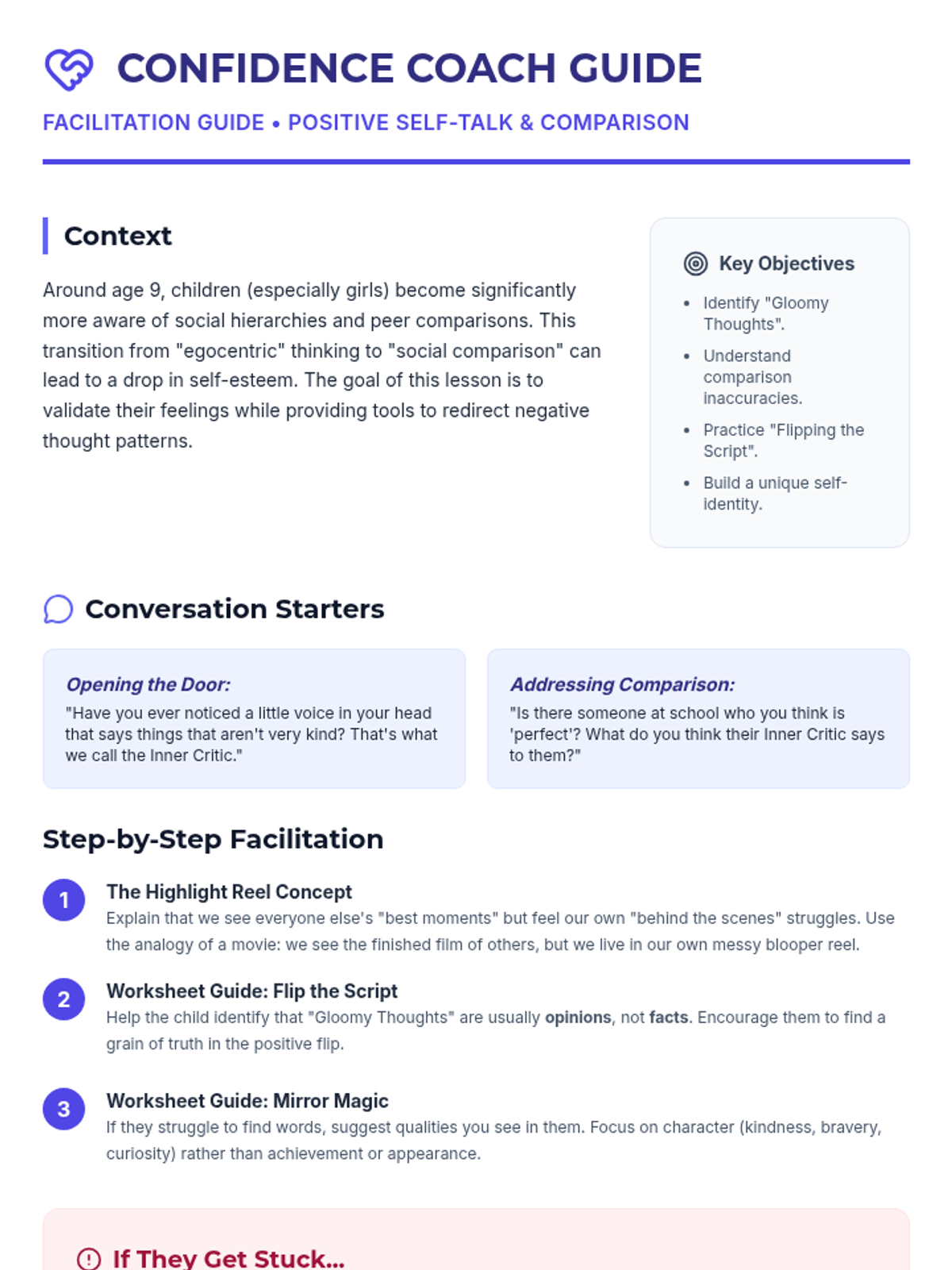
A lesson focused on helping young girls build self-esteem, identify negative self-talk patterns, and break the habit of comparing themselves to others.
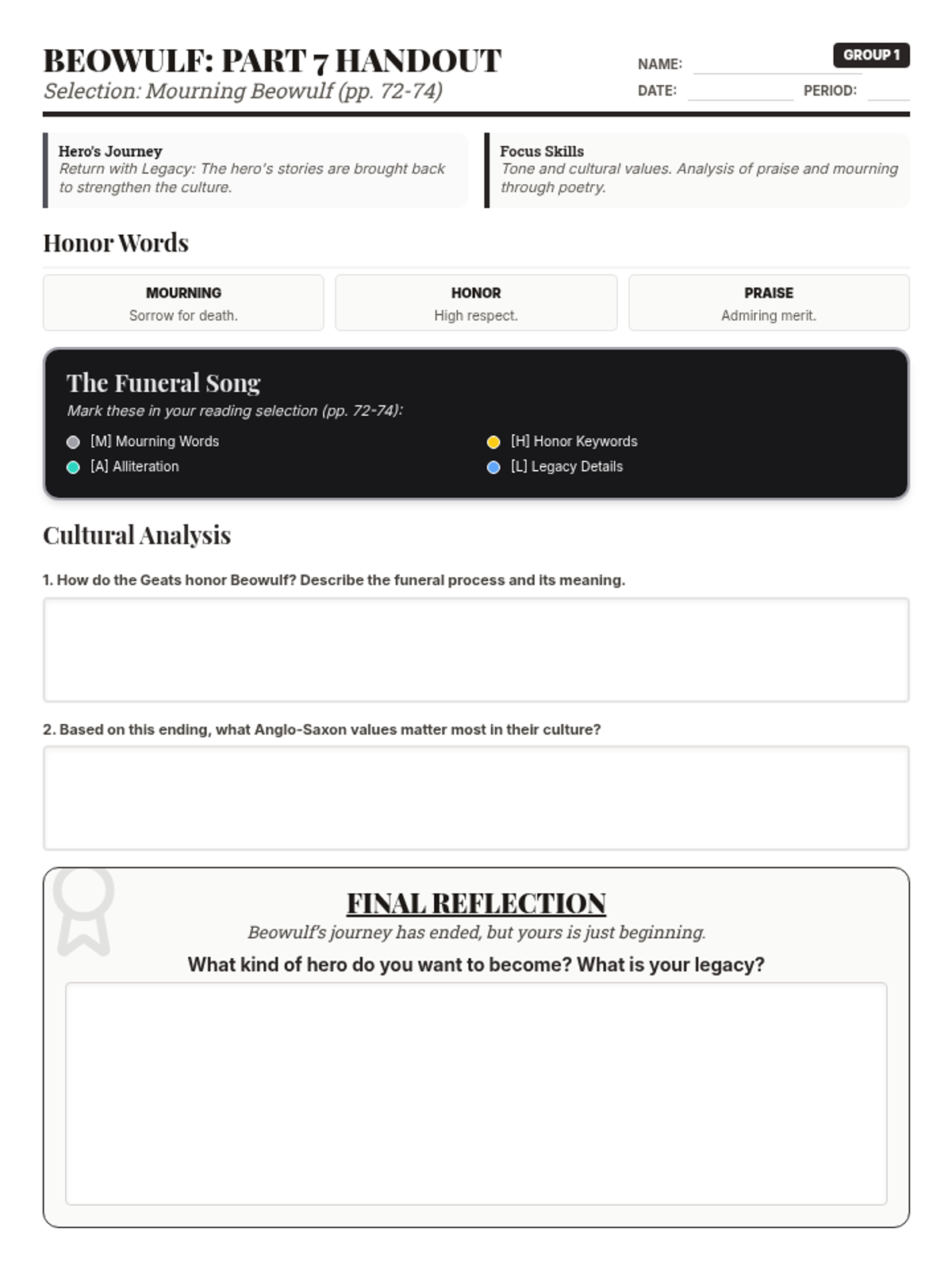
Cultural values of the Anglo-Saxons and how the hero is remembered through mourning and praise.
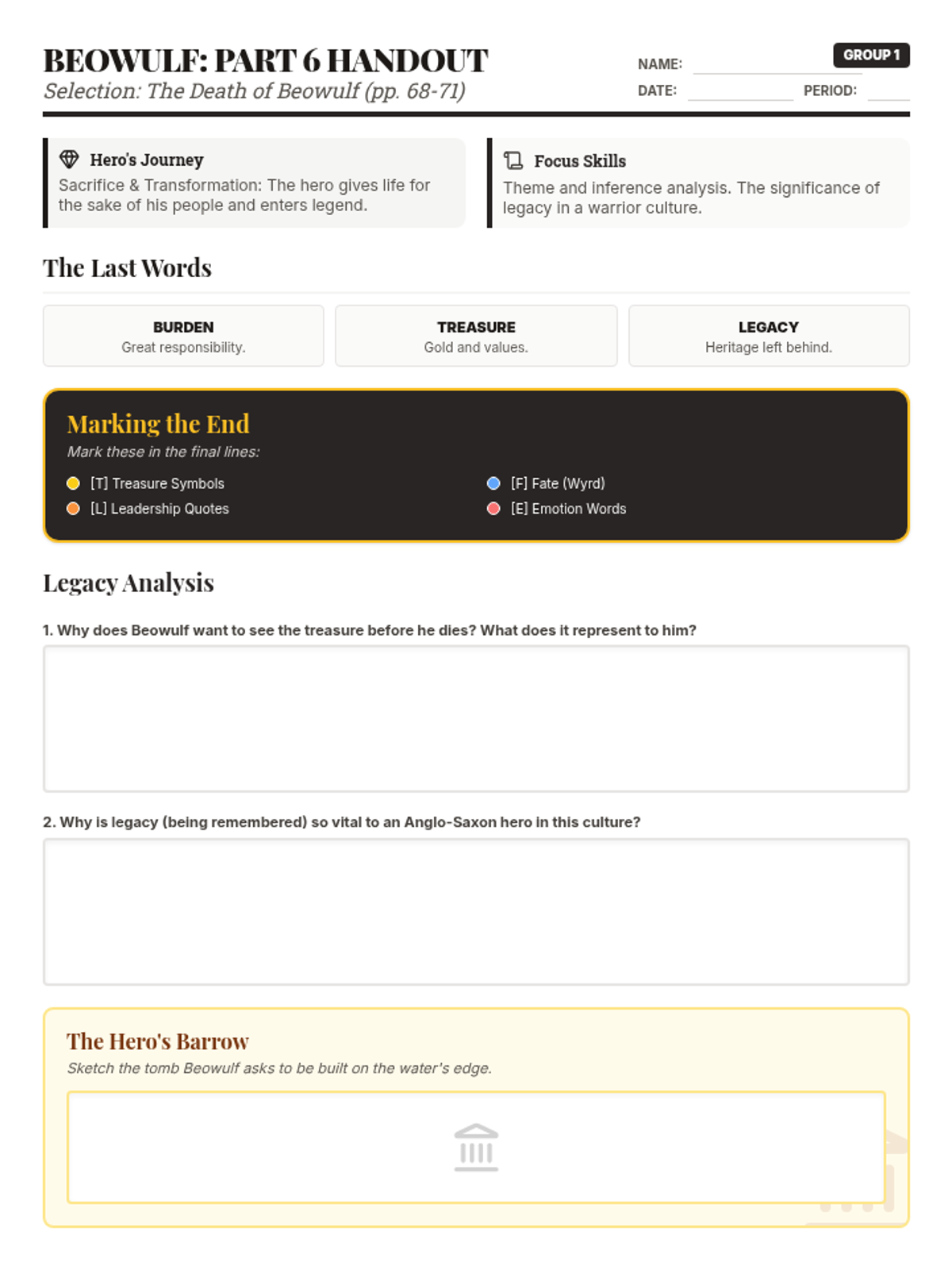
The death of Beowulf and the significance of treasure and legacy in the Hero's Journey.
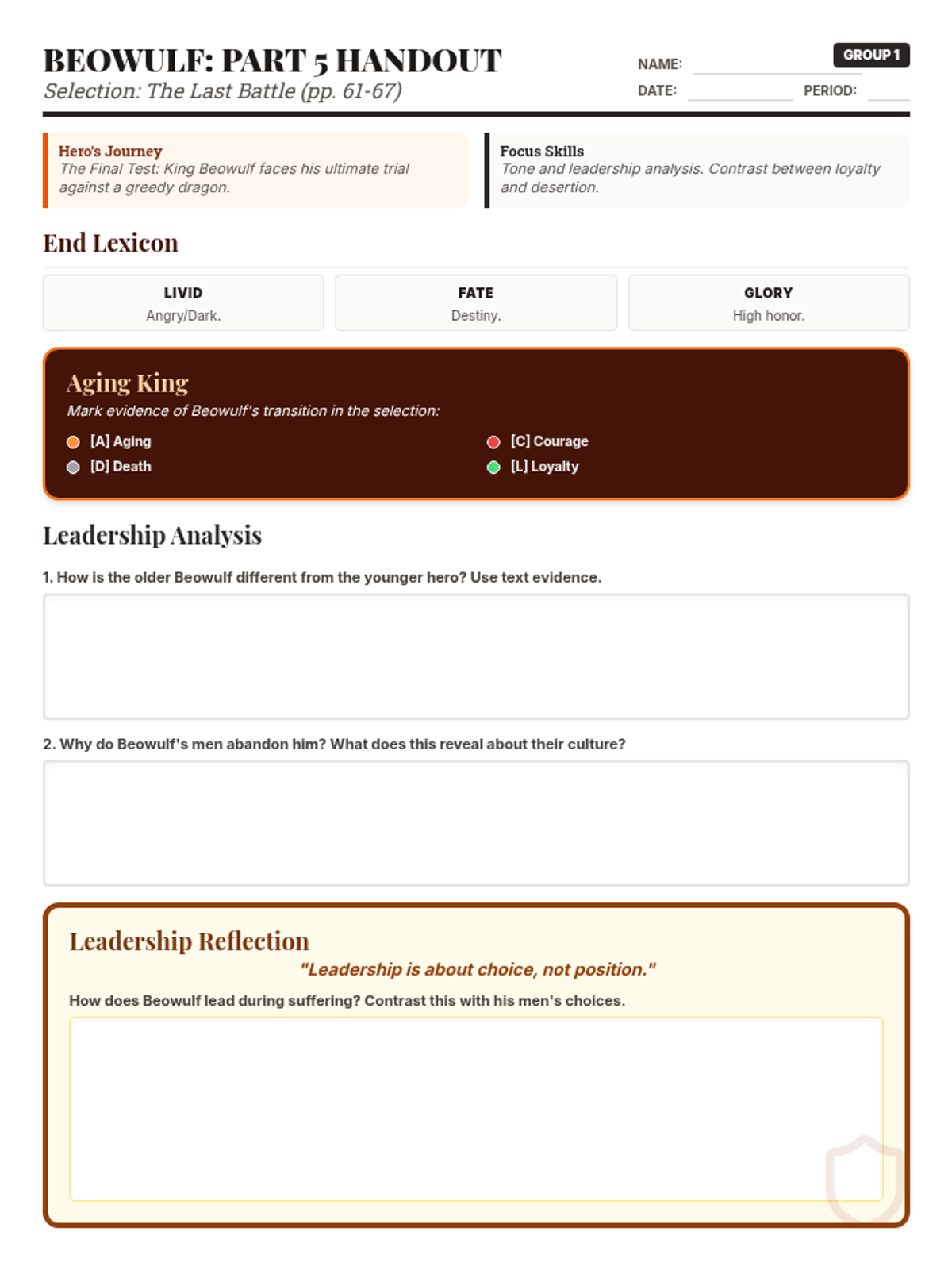
Beowulf's final battle against the dragon, focusing on themes of aging, leadership, and legacy.
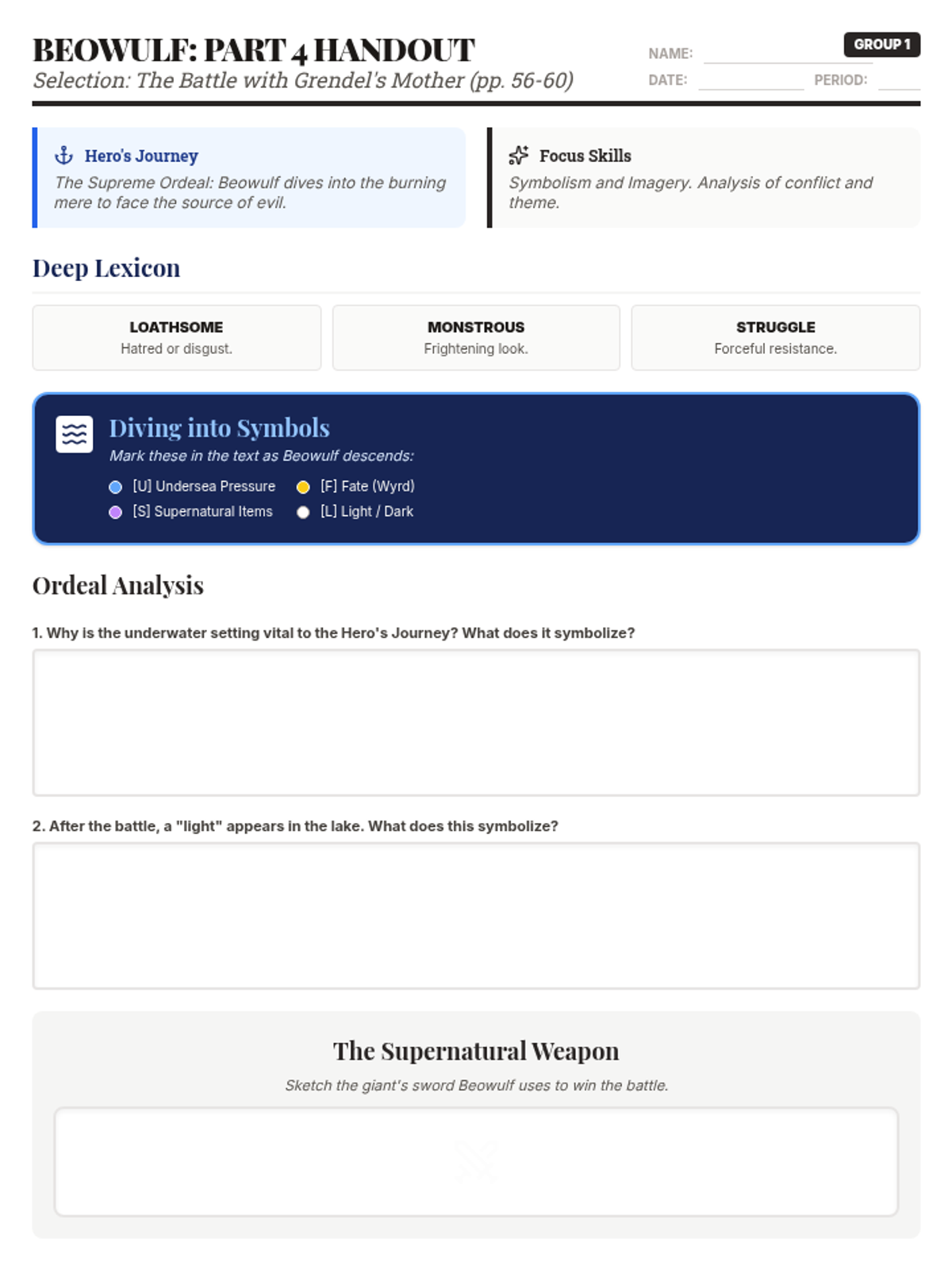
Beowulf's descent into the underwater lair, exploring symbolism and the Supreme Ordeal.
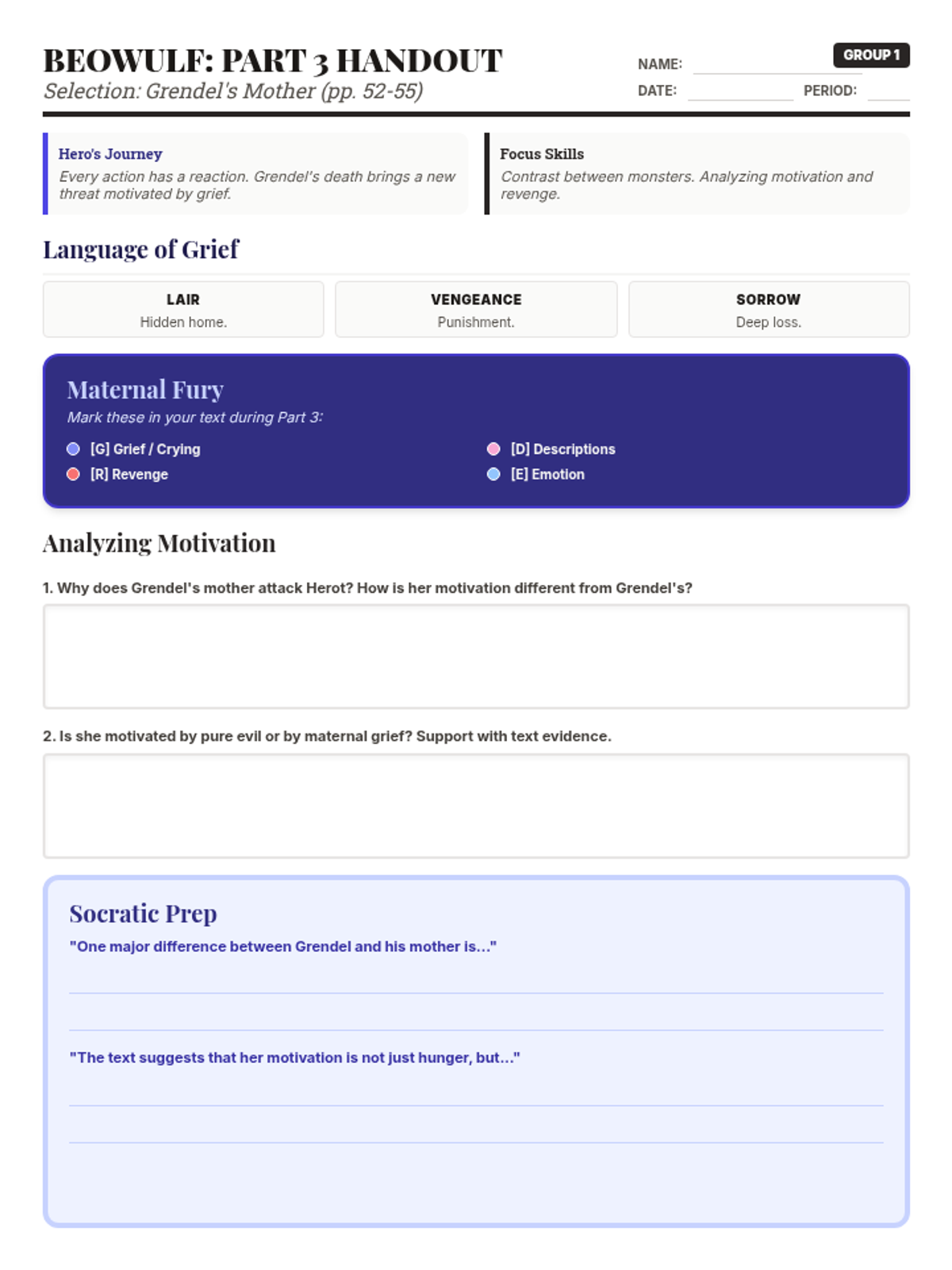
Analysis of Grendel's mother's motivation and the shift in threat, focusing on vengeance vs. evil.
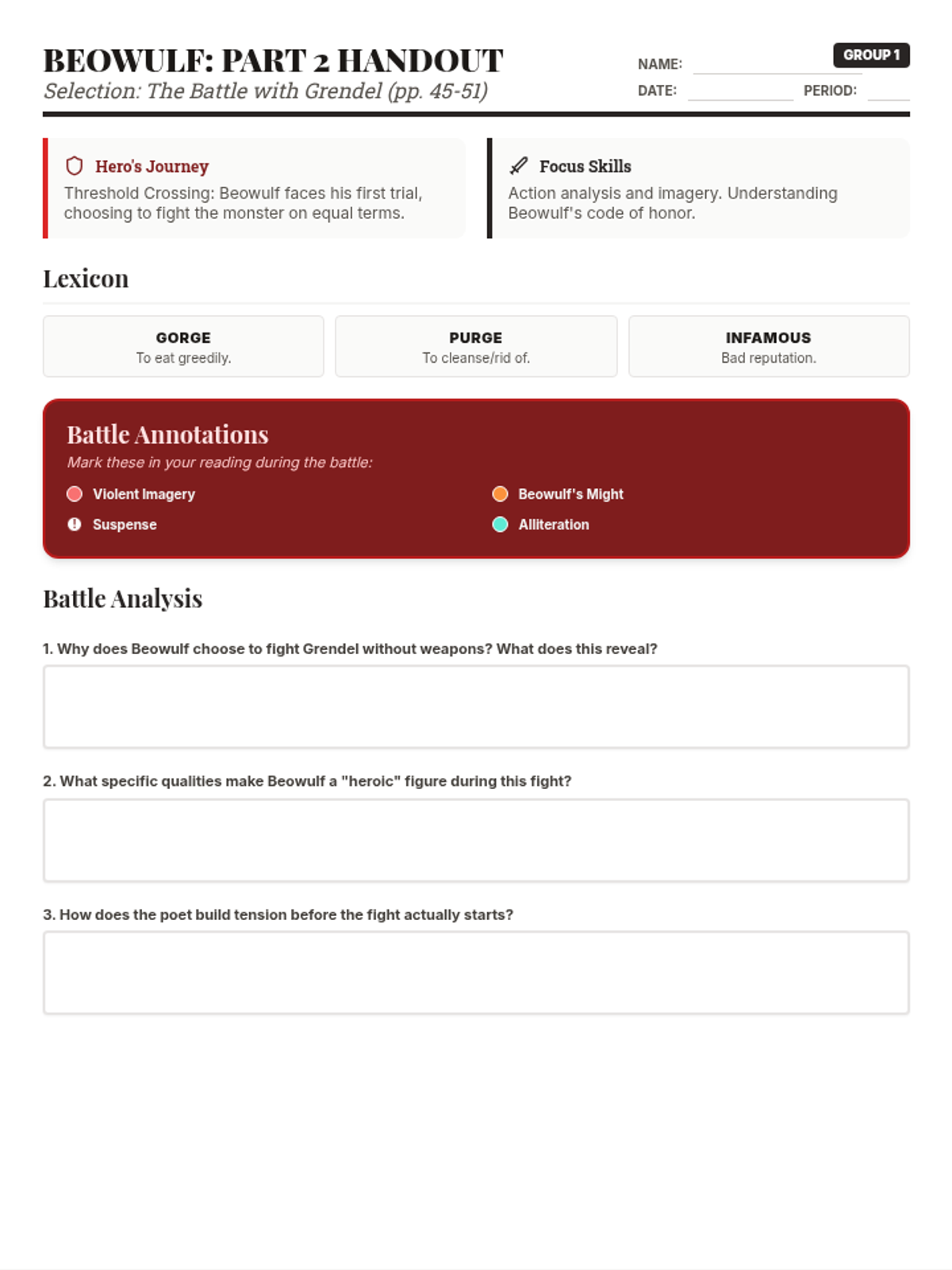
Beowulf's arrival and his first major trial against Grendel, emphasizing imagery, action analysis, and the Crossing of the Threshold.
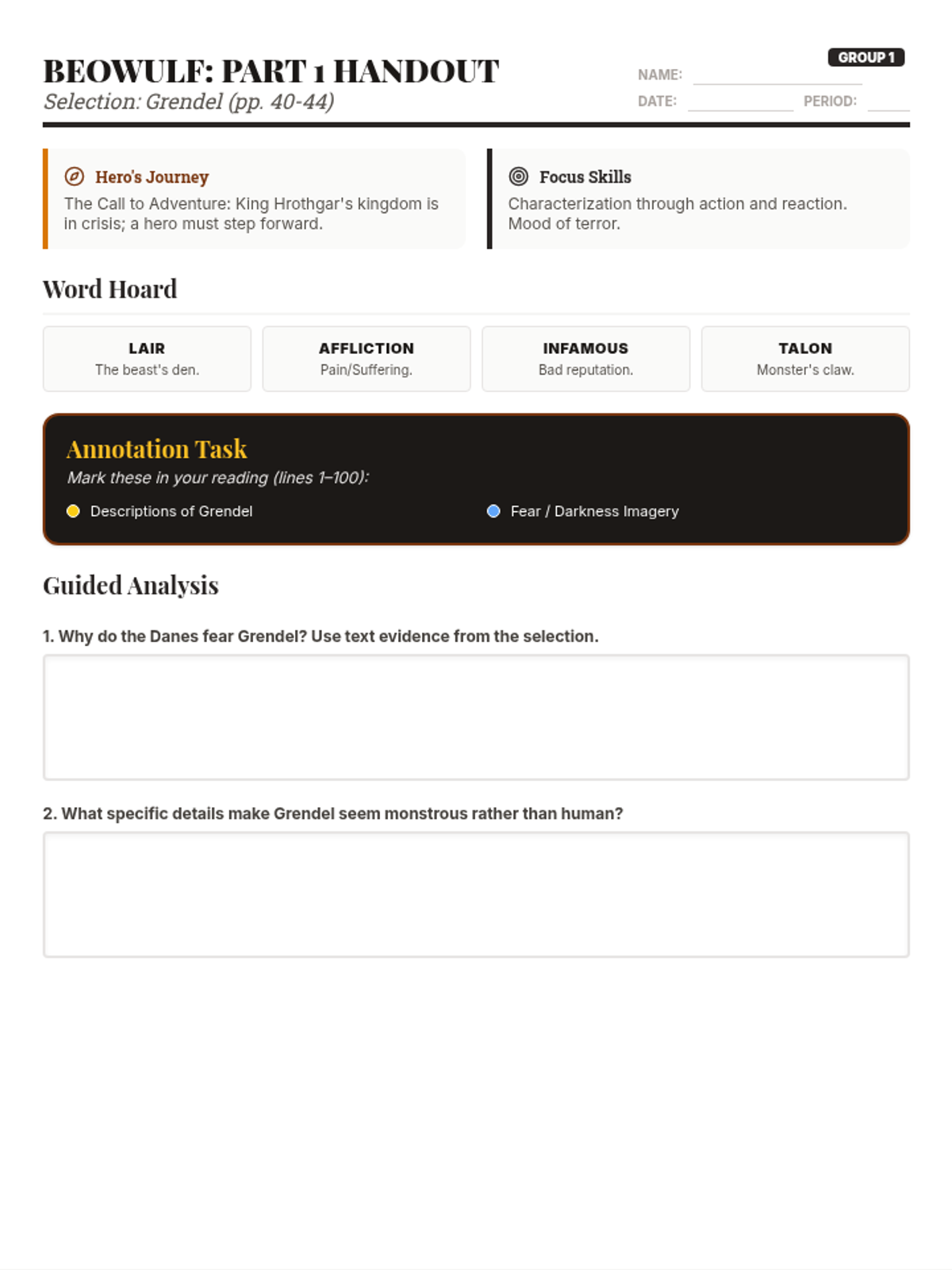
Introduction to Grendel, focusing on characterization, mood, and the initial Call to Adventure in the Hero's Journey.
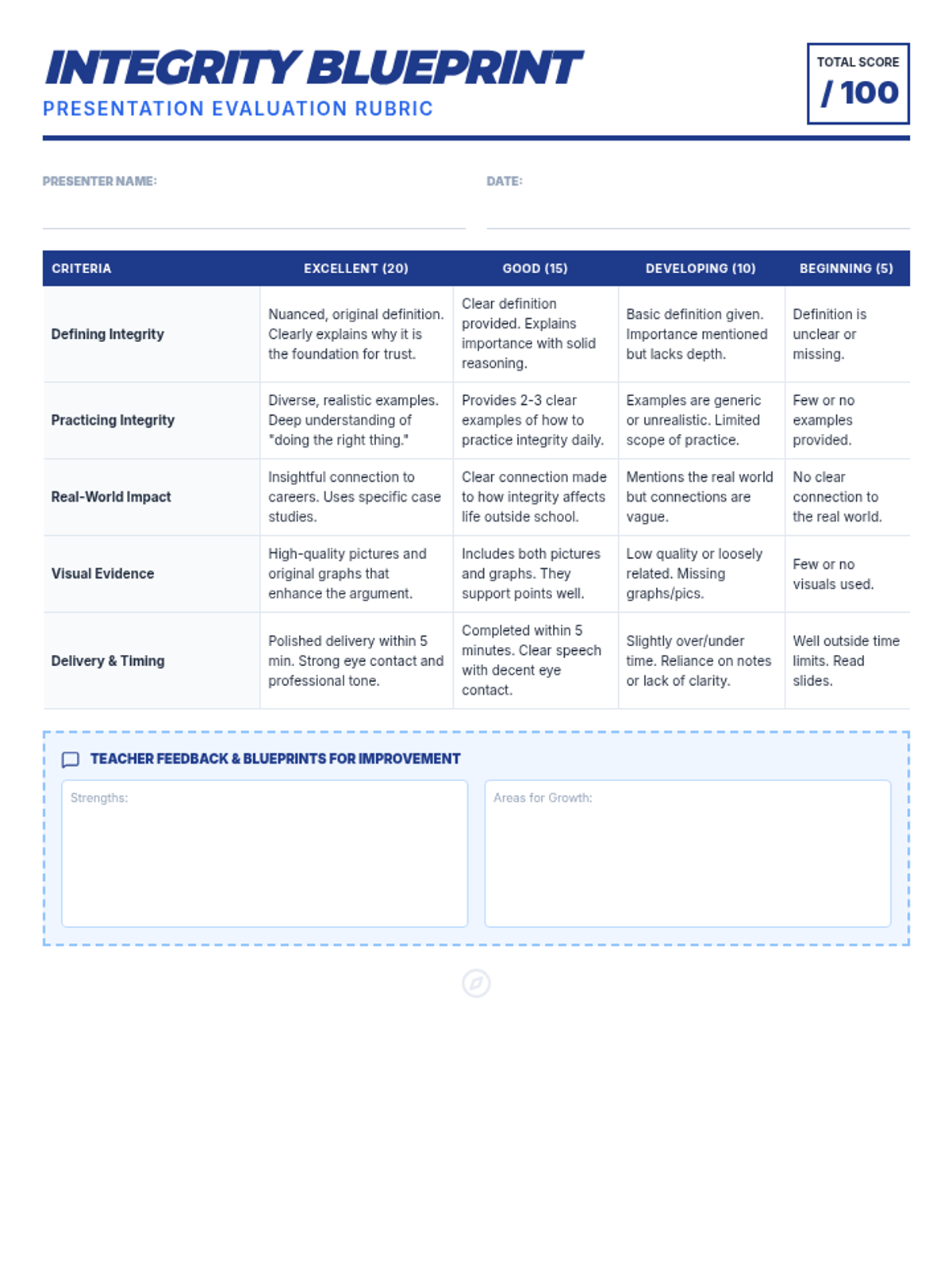
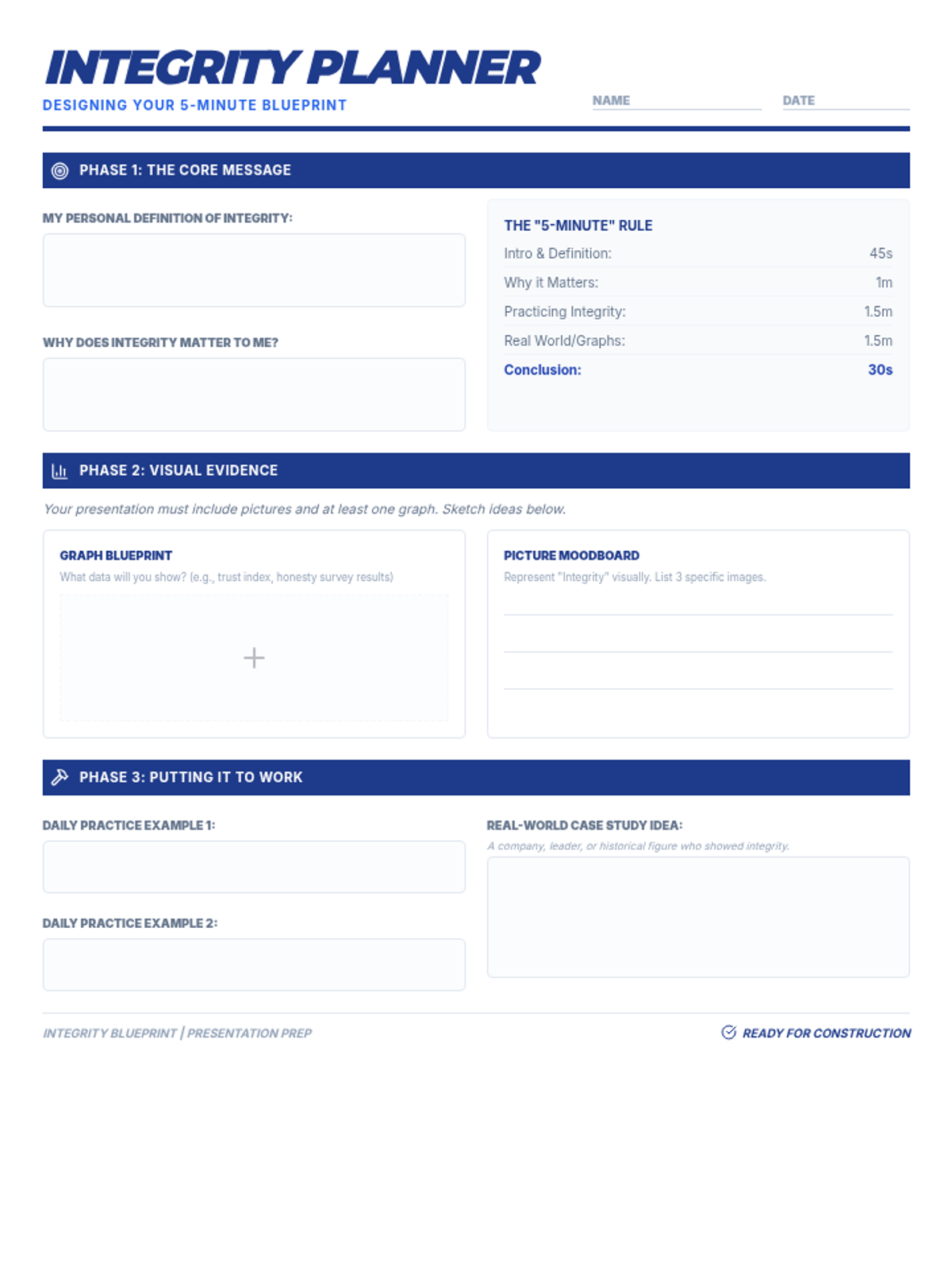
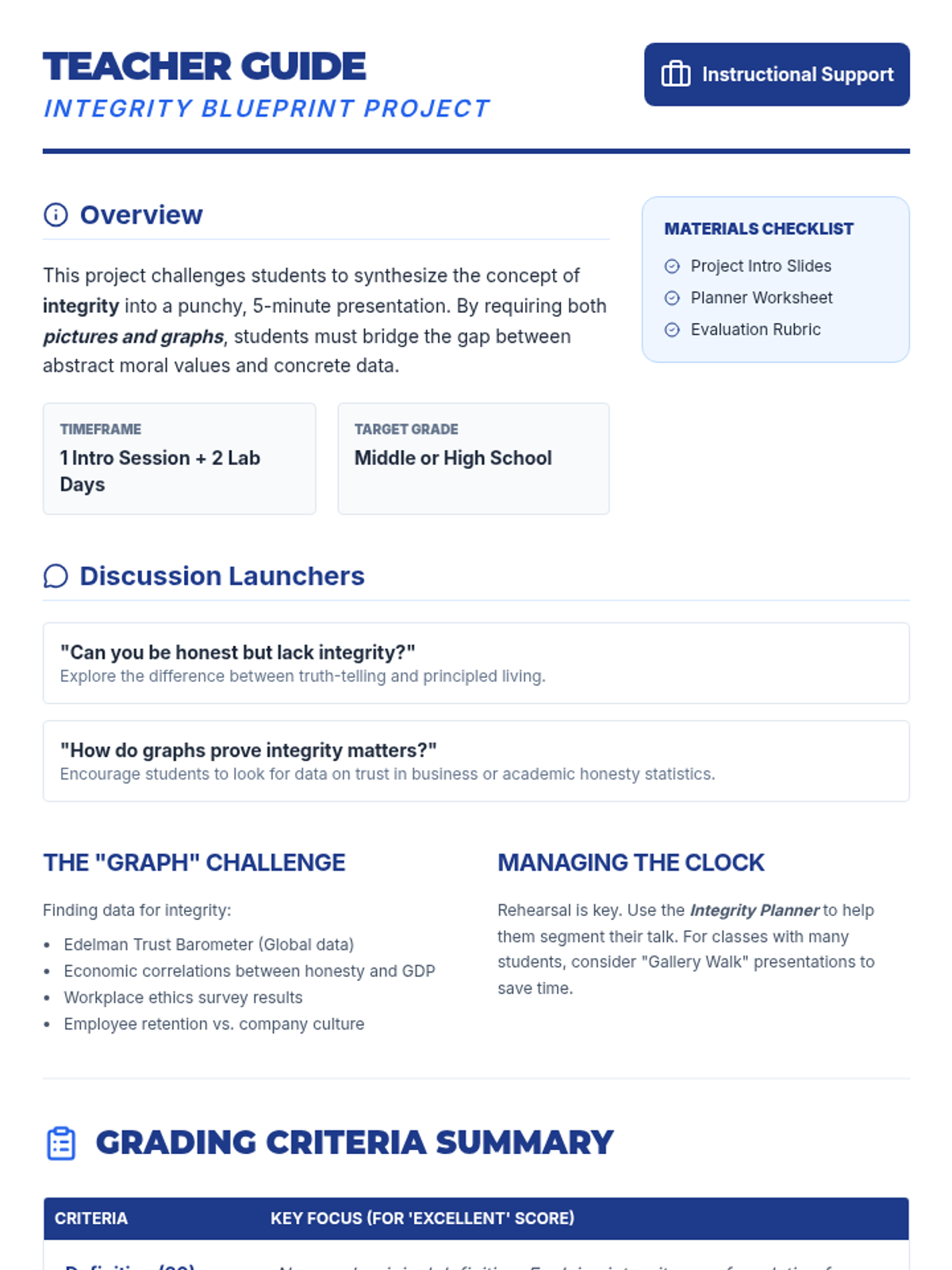
A comprehensive lesson guiding students through the definition, importance, and real-world application of integrity, culminating in a visually-driven 5-minute presentation.