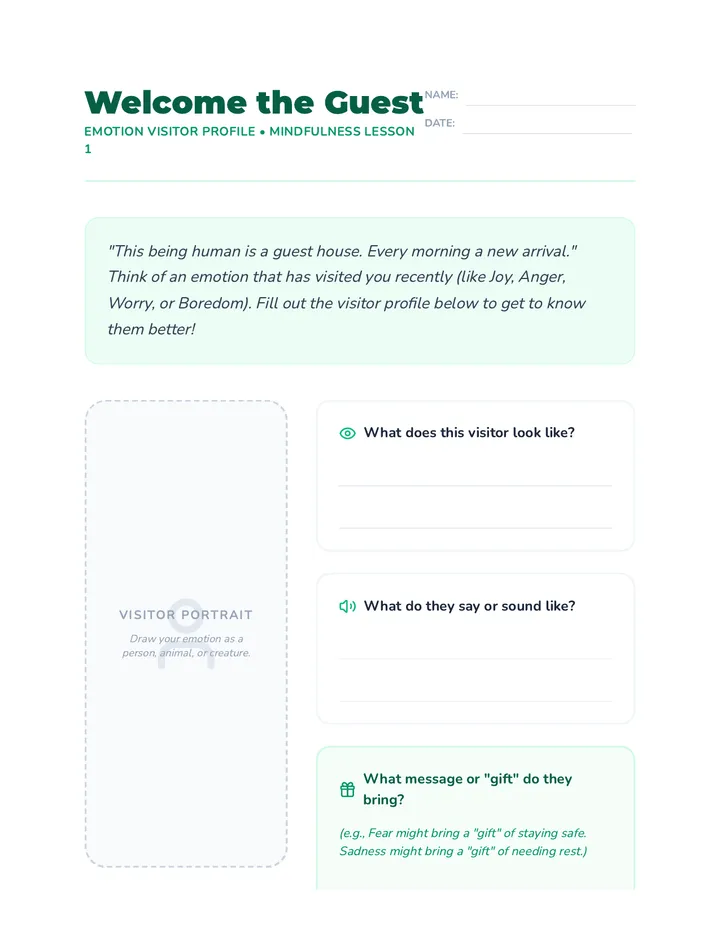
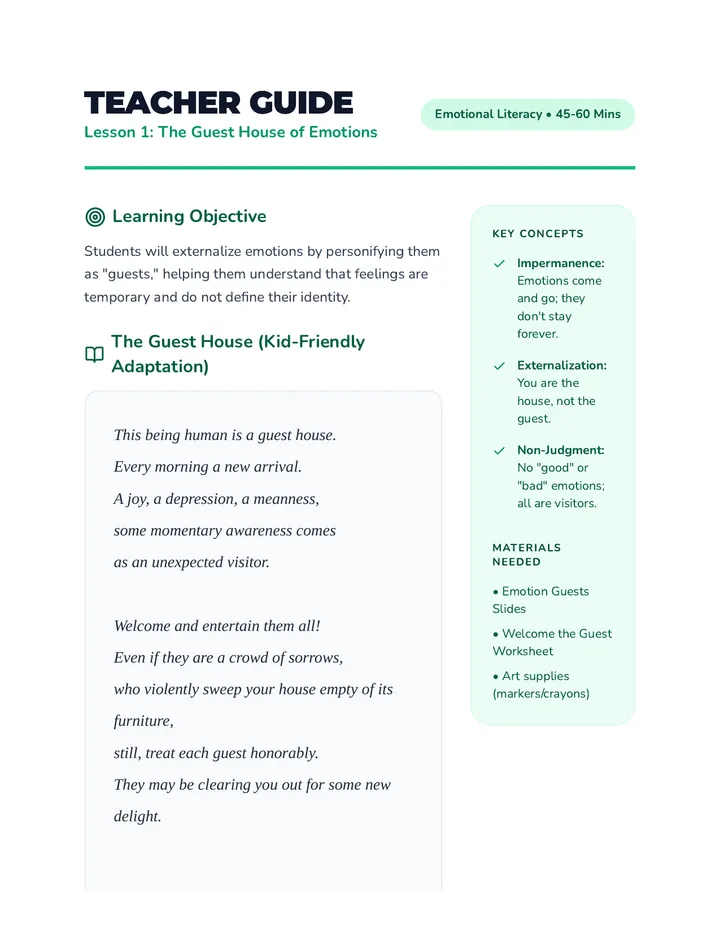
Mindful breathing and body scan meditation techniques integrated with daily self-care routines. Develops strategies for balancing life demands and advocating for personal wellness needs.
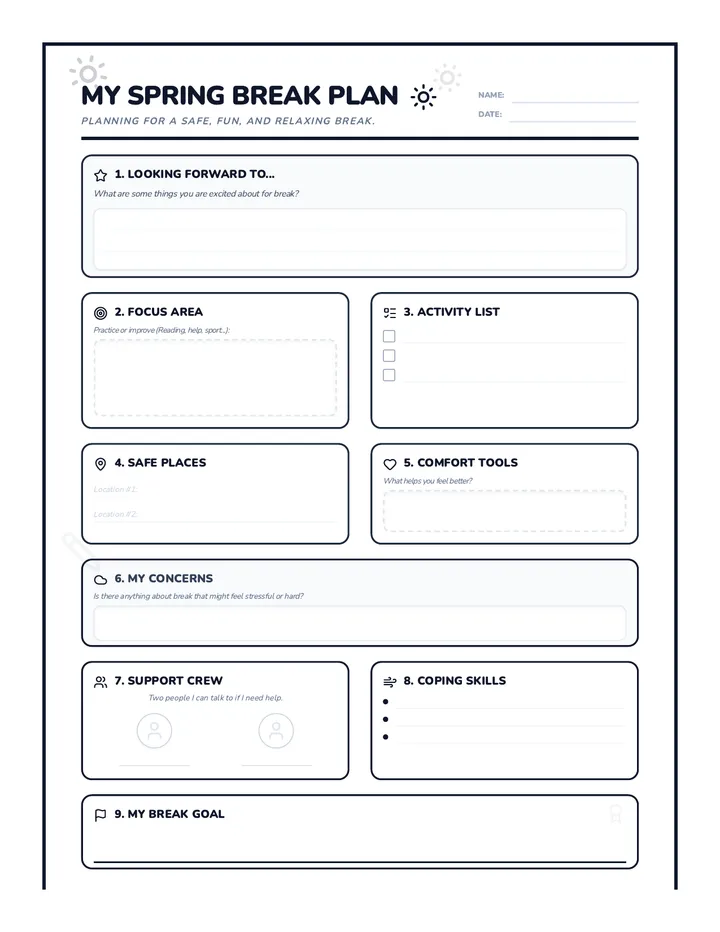
A finalized, single-page Spring Break Planner for middle school counseling. It features 9 journal-style sections optimized for black and white printing with a sun-themed aesthetic and explicitly listed crisis resources in a discrete footer.
The ultimate compact version of the Adulting Celebration Chart with ultra-reduced line spacing and minimal vertical gaps. It utilizes tiny icons, condensed font sizes, and tight leading to provide a high-density workplace tracking experience that fits multiple players and comprehensive metrics in a single printable view. It moves metric descriptions inline to save vertical space.
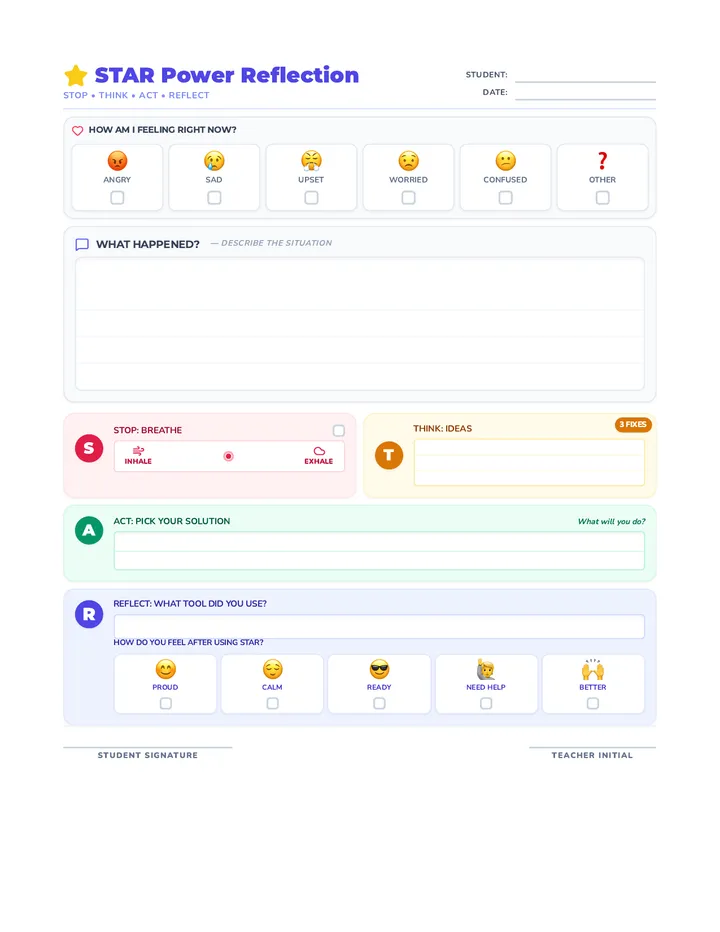
Updated STAR strategy reflection sheet. The "What happened?" section is expanded by reducing the size of feeling check-in boxes and tightening vertical spacing, providing more room for student writing. Includes a "3 Fixes" badge for student ideas.
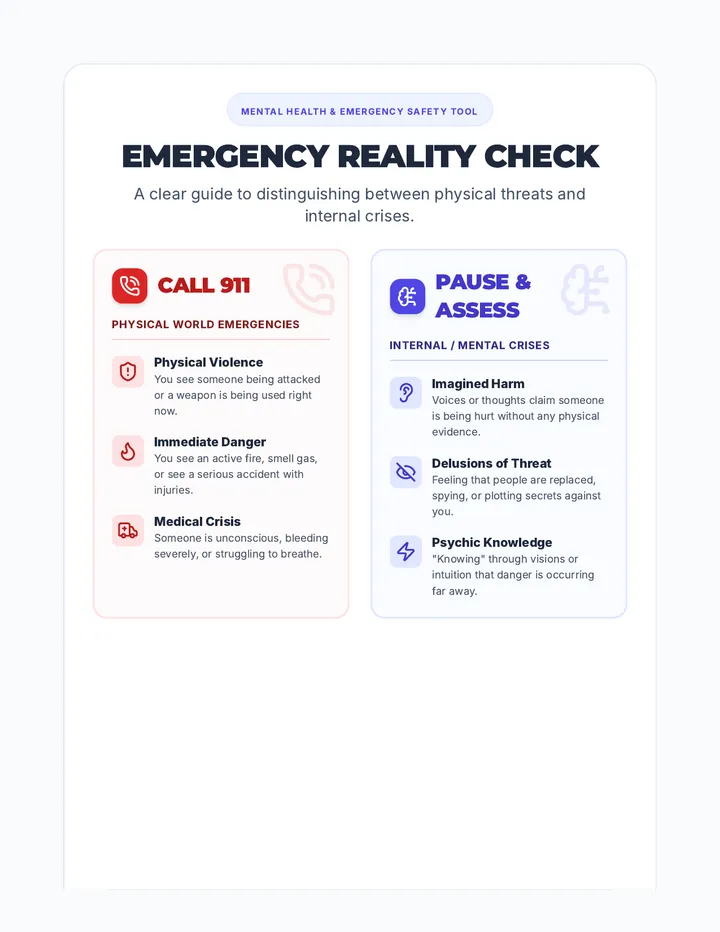
A refined, high-contrast one-page infographic for adults in mental health contexts. Optimized with page-break protection (break-inside-avoid) on all major objects to ensure clean printing on standard or legal sized paper. Includes actionable reality-checking steps and a personalized support network area.
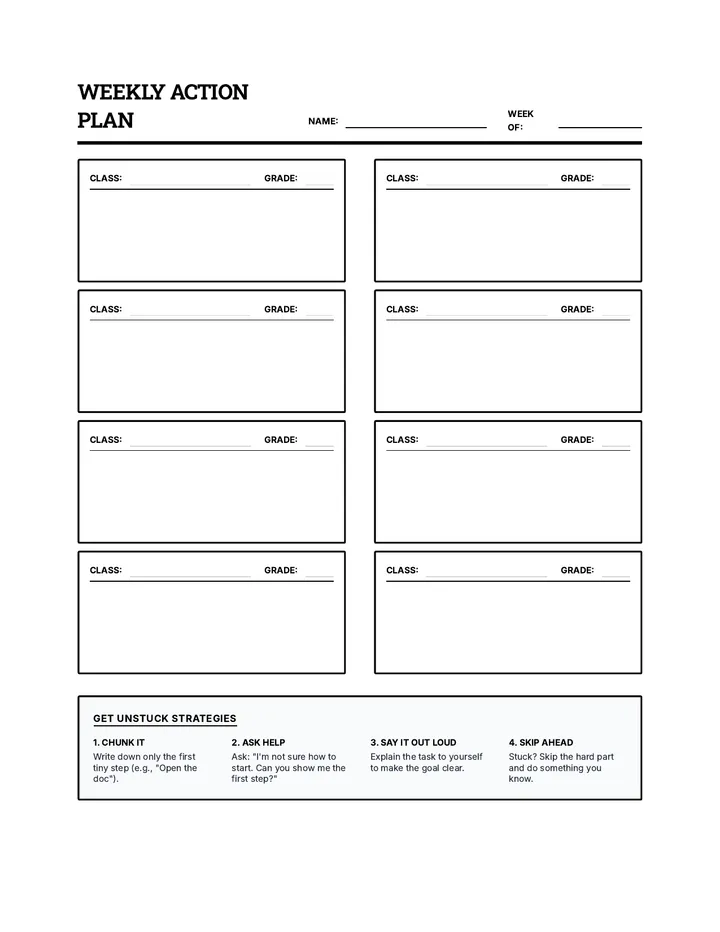
A highly efficient, single-page Weekly Action Plan designed for students with executive functioning needs. It features 8 streamlined class boxes with space for subjects and grades, plus a concise footer with 'Get Unstuck' strategies, all formatted to fit within a single printable page.
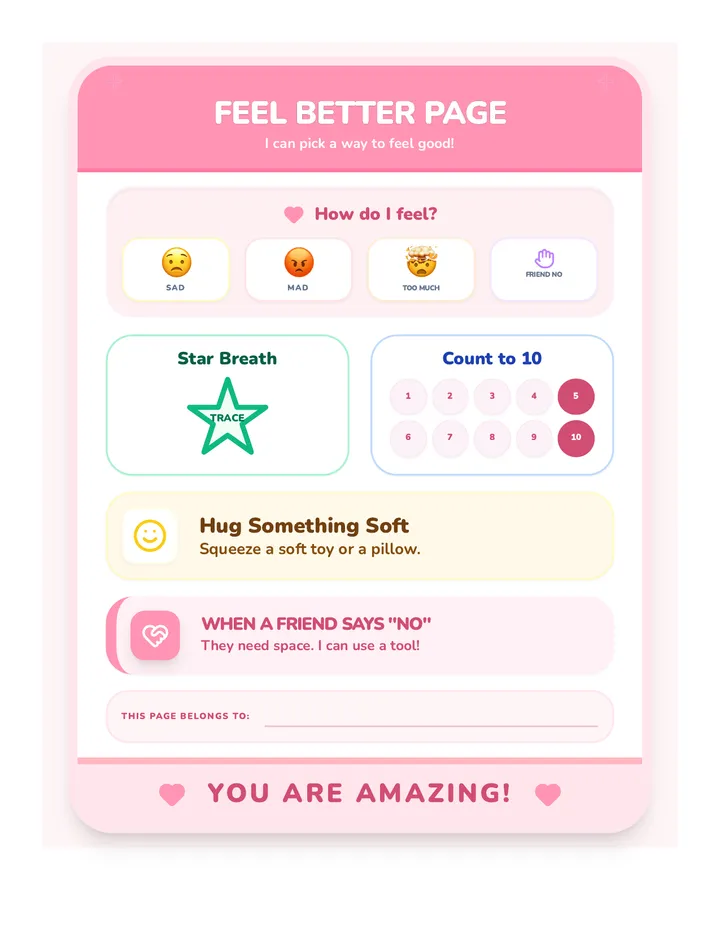
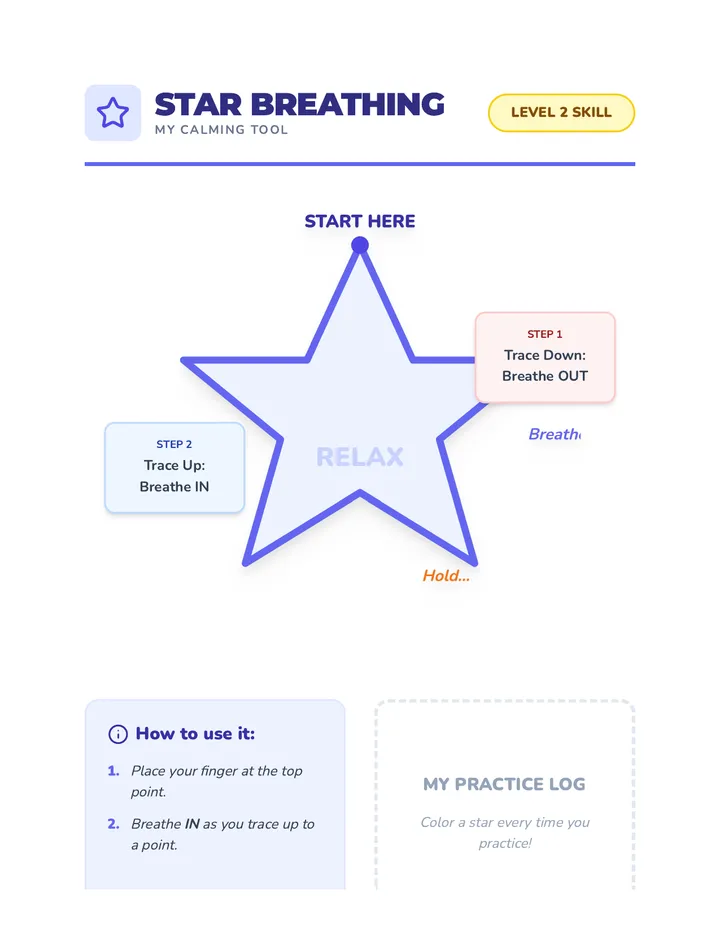
A child-friendly 'Feel Better Page' for a 2nd-grade girl, highly optimized for strict single-page printing by maintaining a total container height under standard margins. Features soft pink tones, simplified language, and sensory coping strategies (star breathing, heart counting, soft hugs) to help with emotional regulation and peer boundary sensitivity.
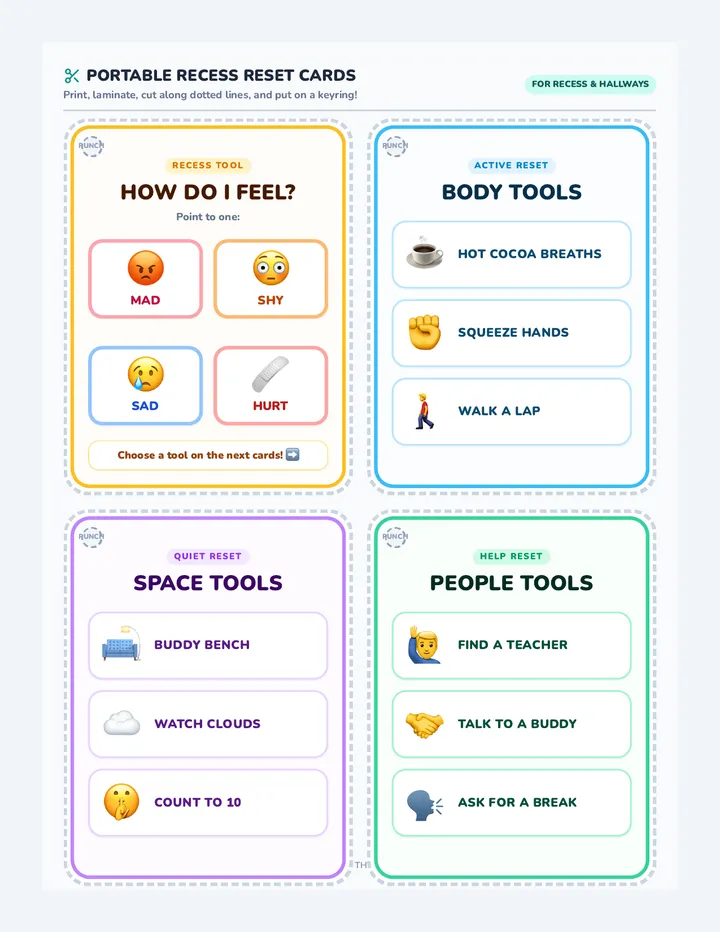
A highly simplified set of 4 pocket-sized visual cards with all subtext removed, optimized for minimal words, and featuring larger, highly prominent emoji illustrations (scaled up to text-5xl) for maximum clarity and engagement with first-grade students. Card 2 uses 'Deep Breaths' and Card 3 uses 'Walk Away'.
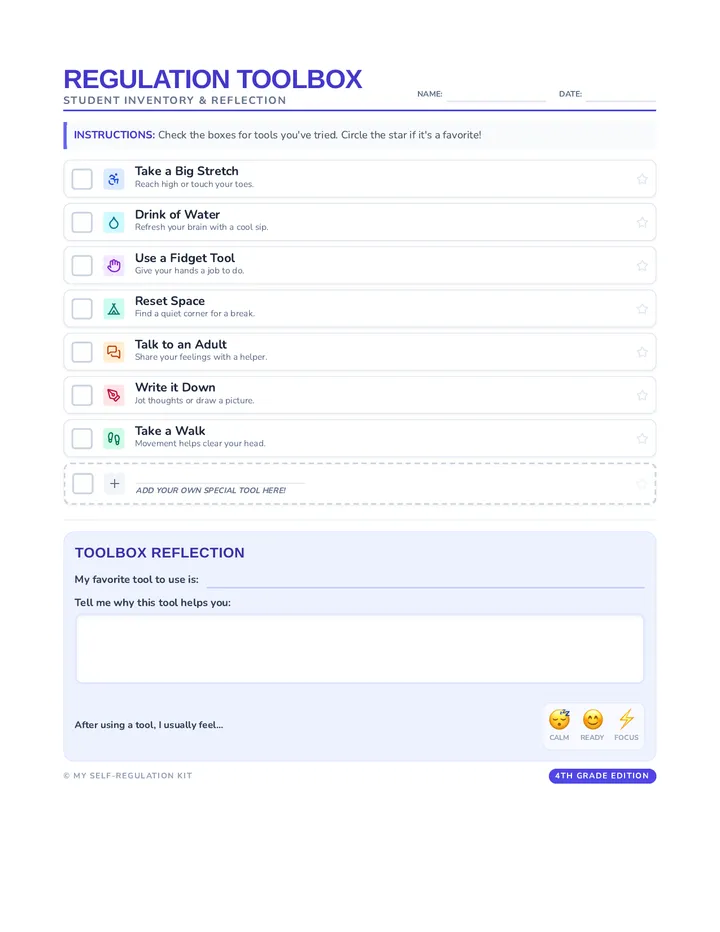
A one-page regulation inventory for 4th graders, updated with an open-ended reflection area for students to name their favorite tool and explain how it helps them. Includes a customizable blank slot in the checklist for students to add their own unique tool.
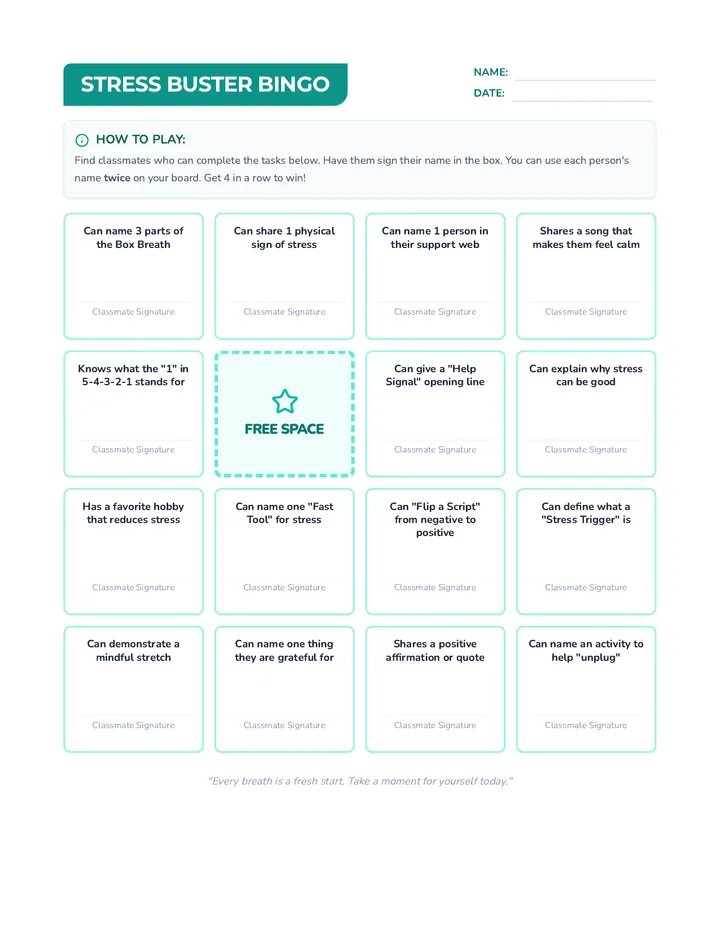
A revised 4x4 Human Bingo board activity designed to help students interact while reviewing stress-management strategies. Optimized for single-page printing and readability.
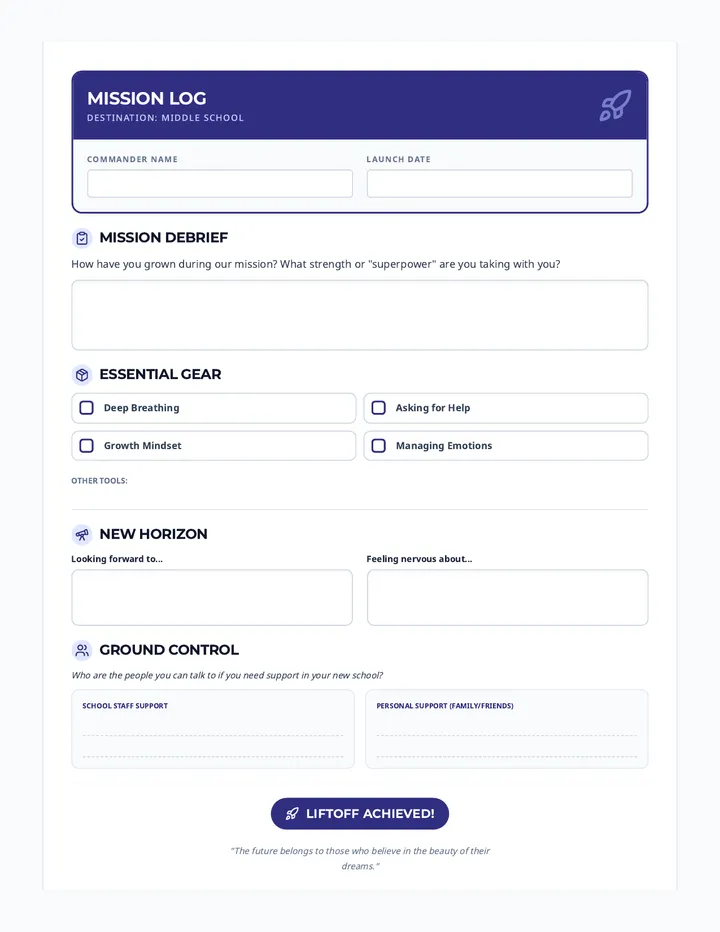
A transition activity sheet designed for elementary students finishing school counseling services as they move to middle school. It uses a space exploration theme to help students reflect on their growth, identify coping skills, and plan for their support system in their new school.
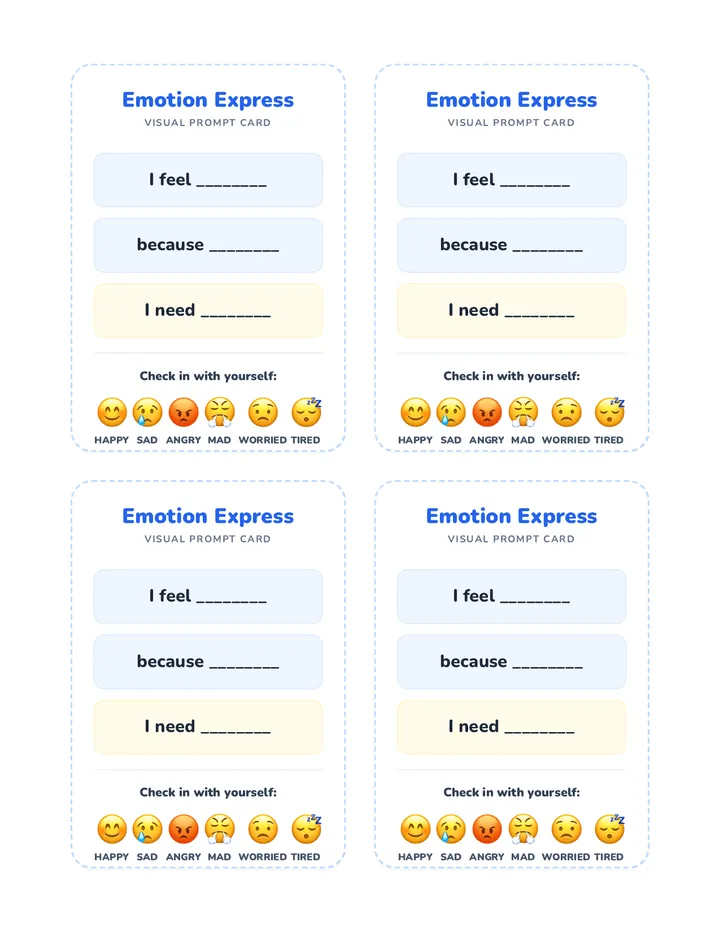
A two-page printable document. Page one features four small "Emotion Express" cards for desk use. Page two features a single large, full-page version of the visual prompt card for classroom display or whole-group instruction. Layout adjusted for better page fit and usage of space.
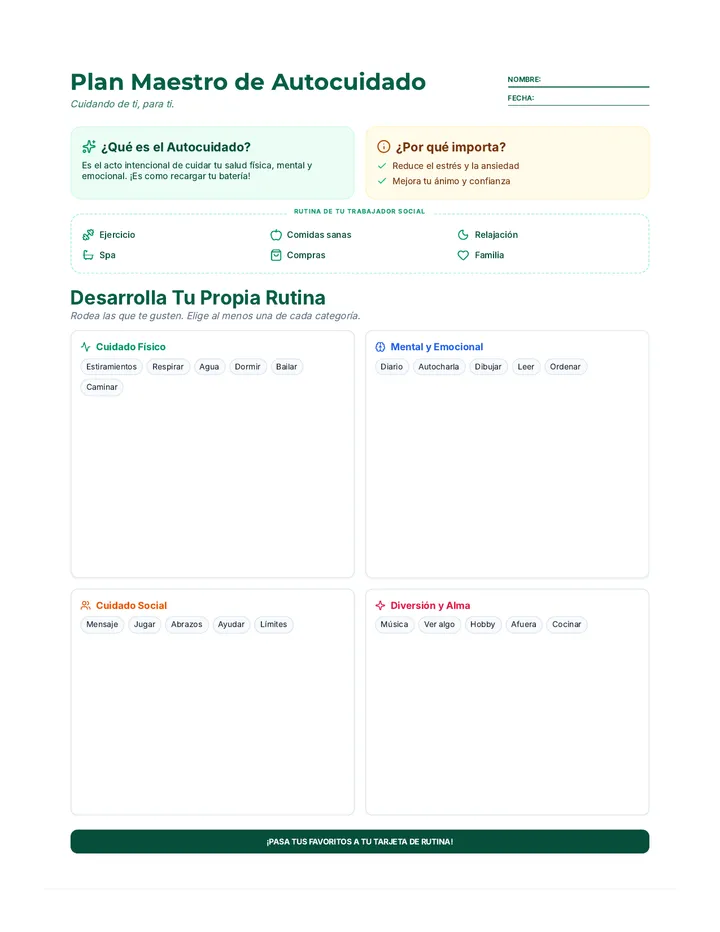
A Spanish translation of the Self-Care Blueprint toolkit. Page 1 helps students identify self-care practices across four categories, while Page 2 provides a significantly enlarged personal wellness ritual card with larger fonts and writing areas for better accessibility. Spacing and scale have been optimized to maximize the usable writing area on the second page.
A 5-week individual lesson series for 8th-grade students with social-emotional disabilities, introducing core DBT modules: Mindfulness, Distress Tolerance, Emotion Regulation, Interpersonal Effectiveness, and Walking the Middle Path.
A 10-session course for high school students exploring communication, boundaries, consent, and conflict resolution across romantic, platonic, and digital relationships.
A 10-week series of 30-minute group lessons for high school students exploring Cognitive Behavioral Therapy. Each session builds practical skills in identifying and reframing thoughts, managing emotions, and engaging in healthy behaviors through interactive activities. This Tier 2 program develops resilience and mental wellness.
A 6-week Tier 3 intervention sequence designed for a student with an IEP, focusing on identifying triggers, developing coping strategies, and practicing self-regulation to manage anger and anxiety.
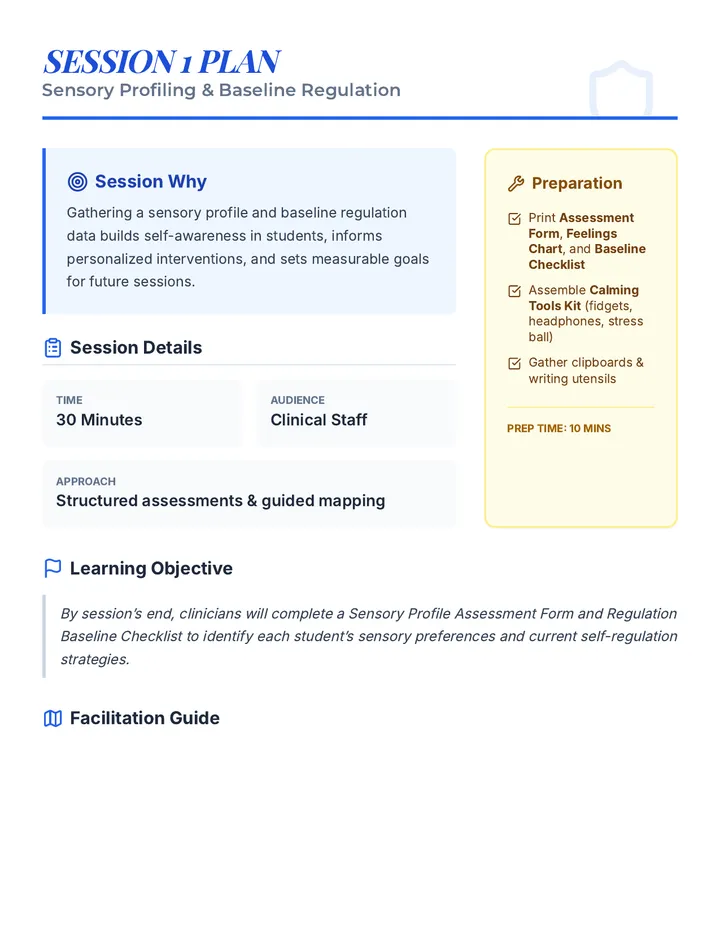
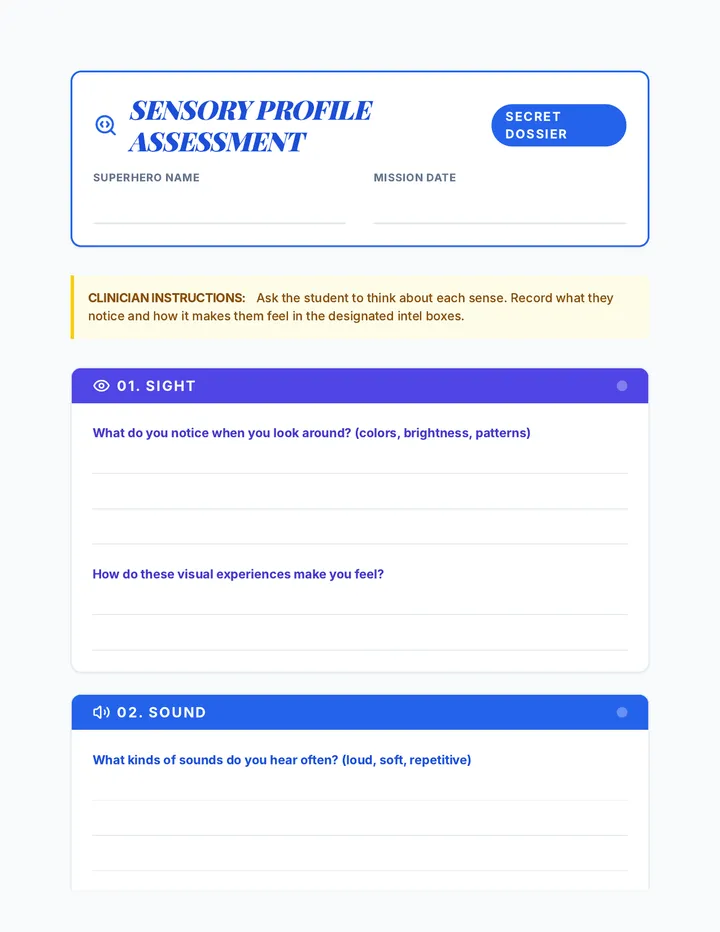
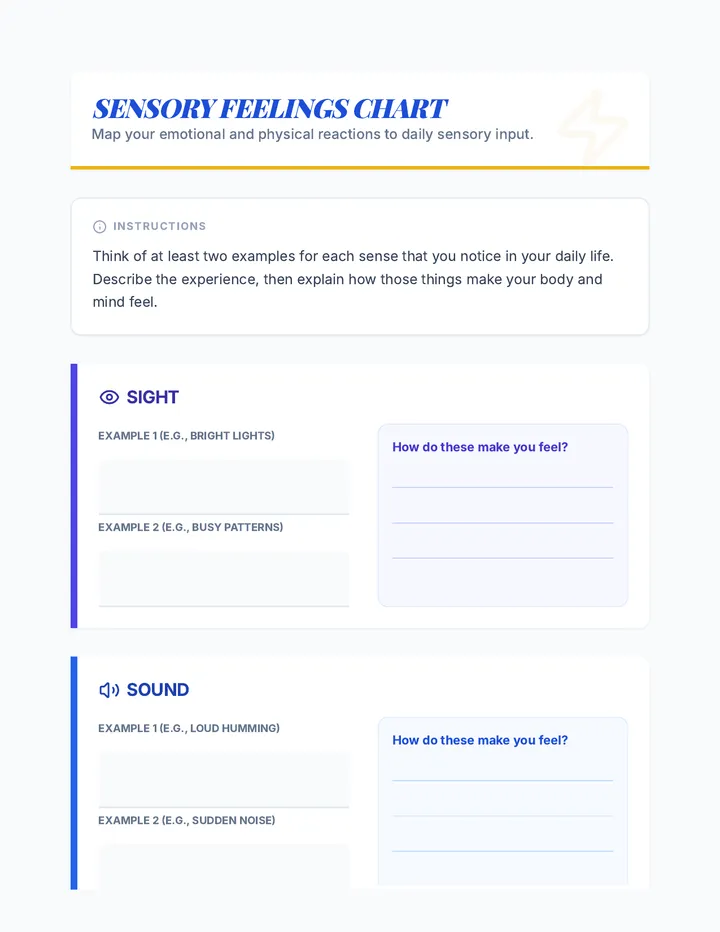
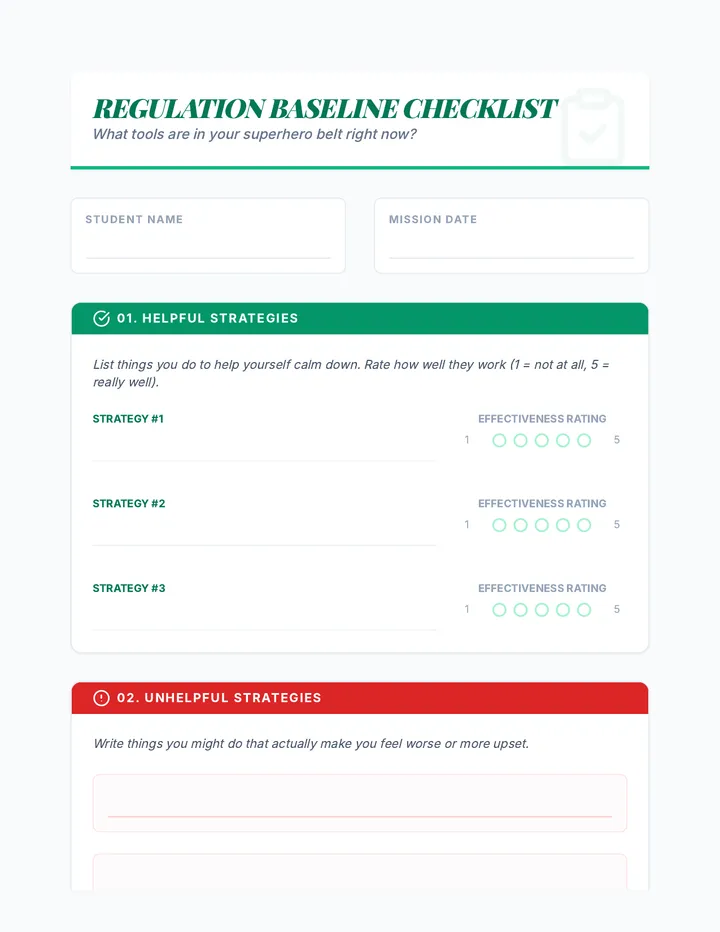
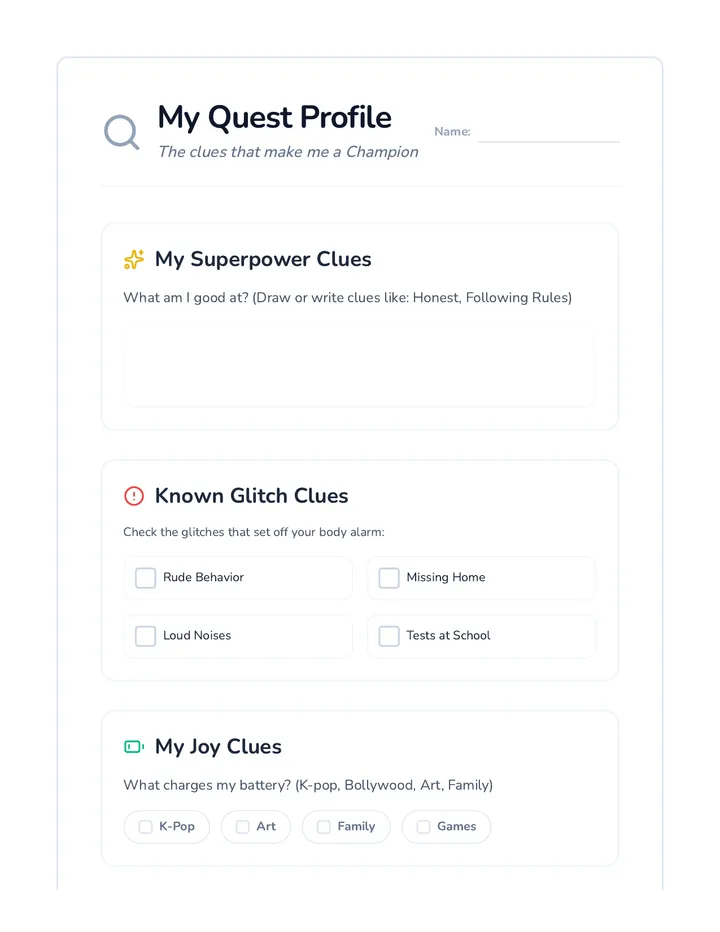
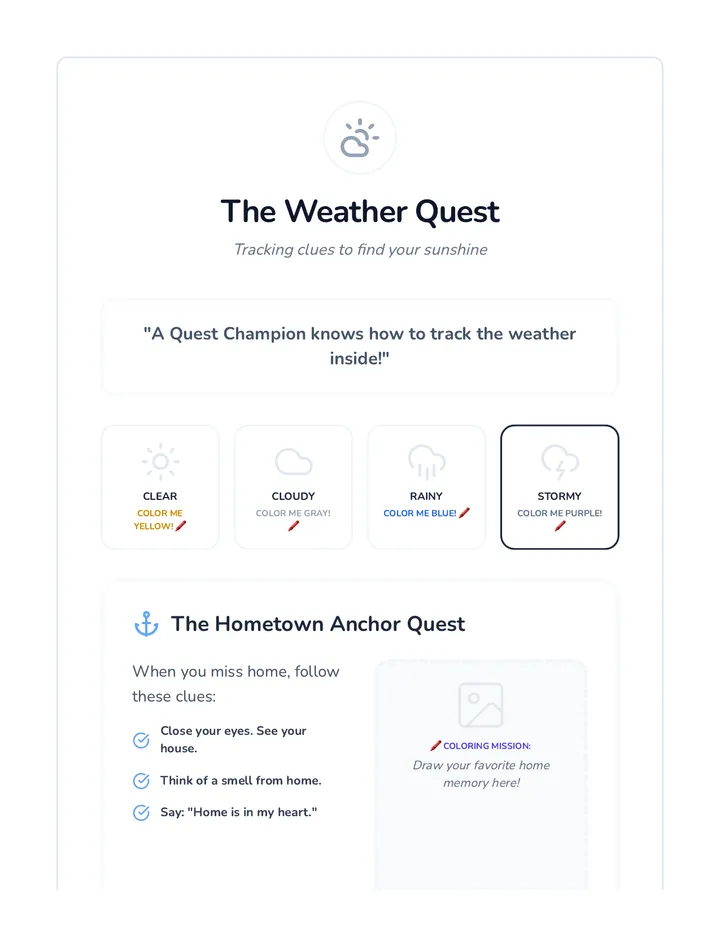
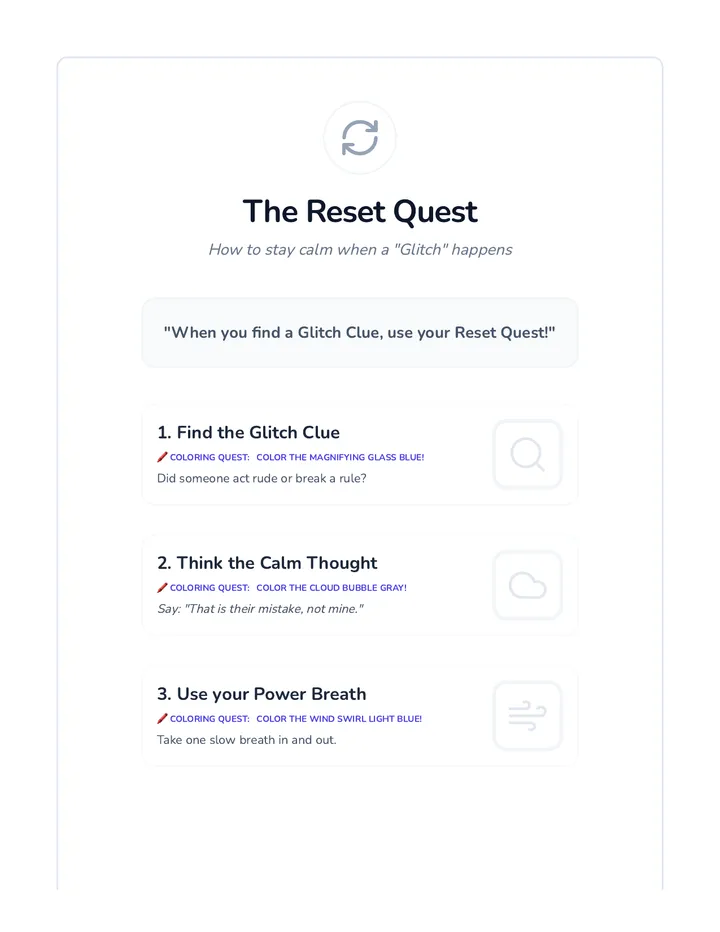
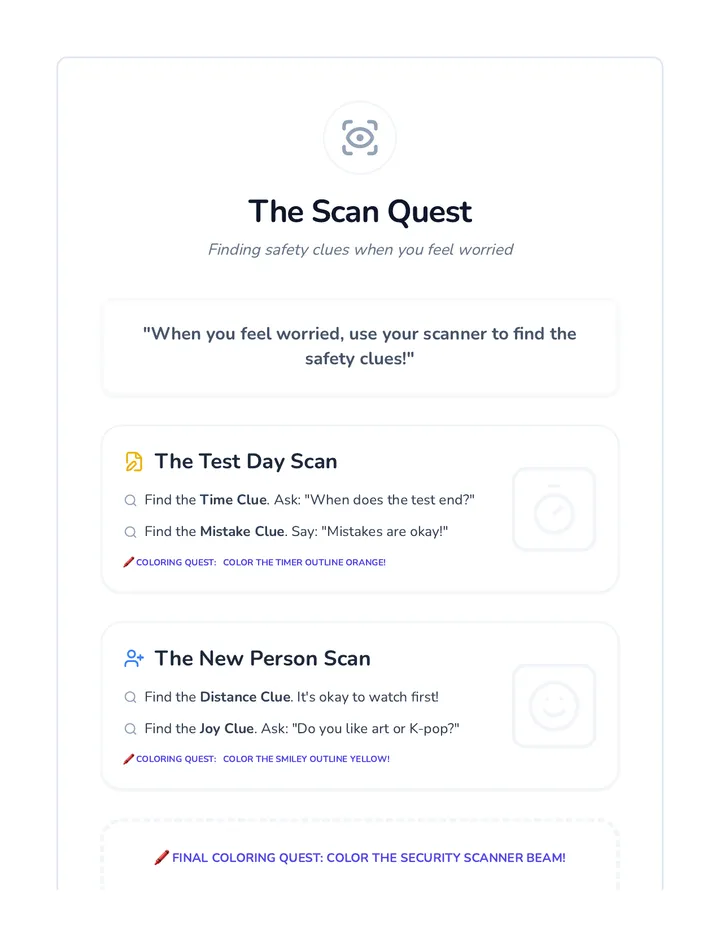
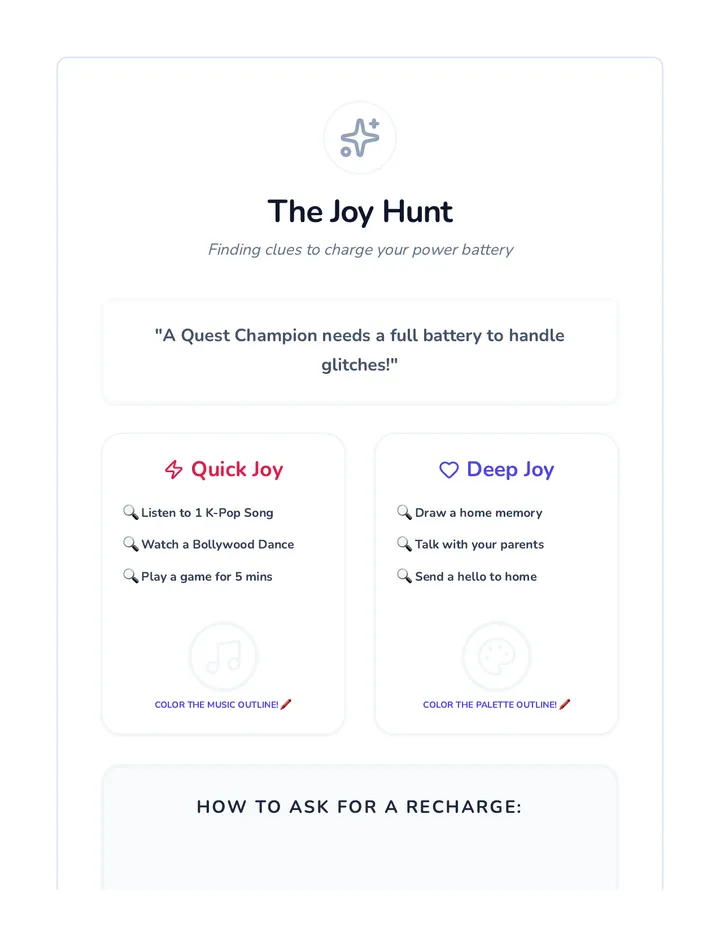
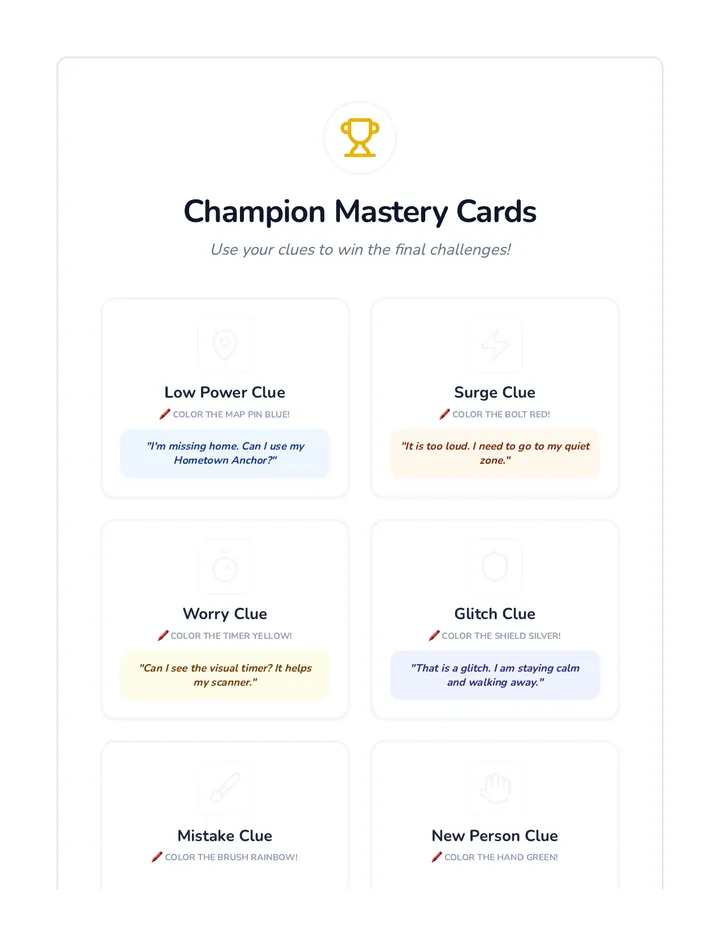
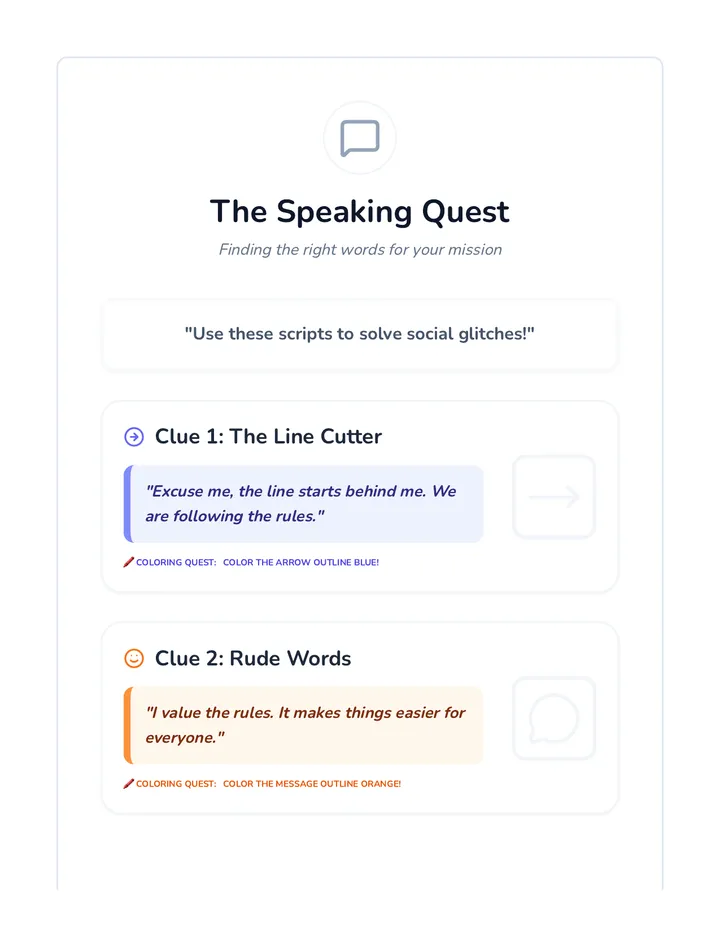
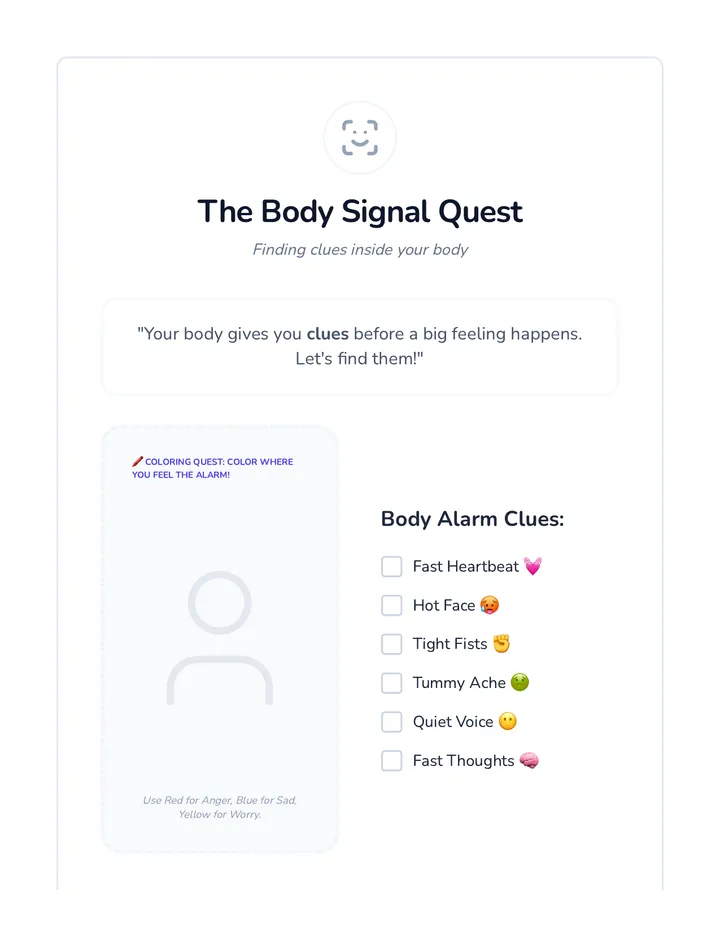
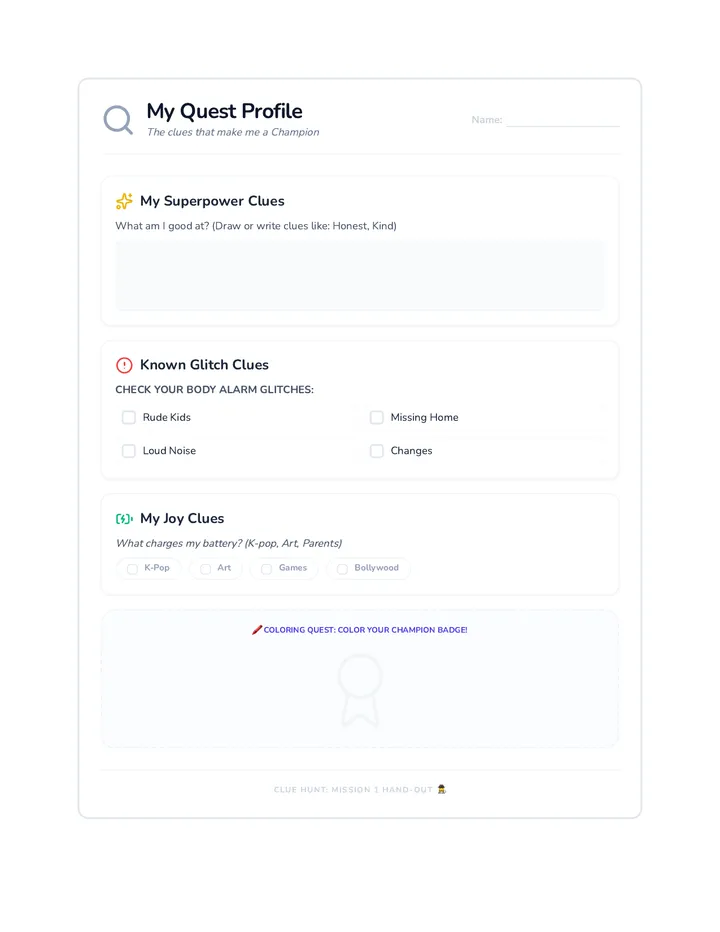
A 6-session individual counseling curriculum designed to help students develop sensory awareness and self-regulation skills through a 'Superhero' framework. The sequence covers profiling, strategy exploration, plan development, practice, advocacy, and graduation.
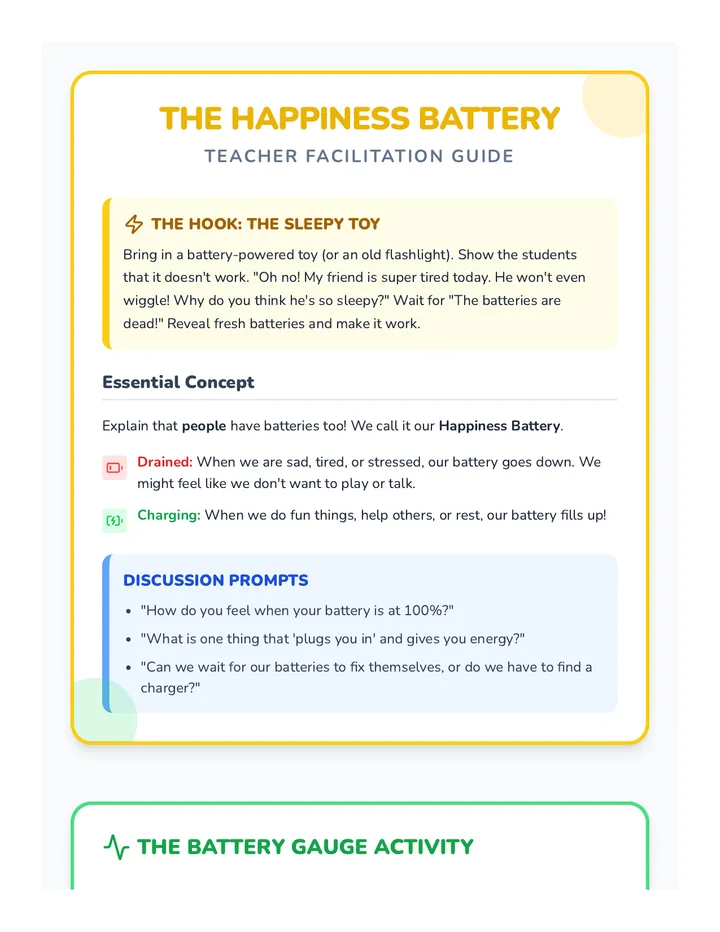
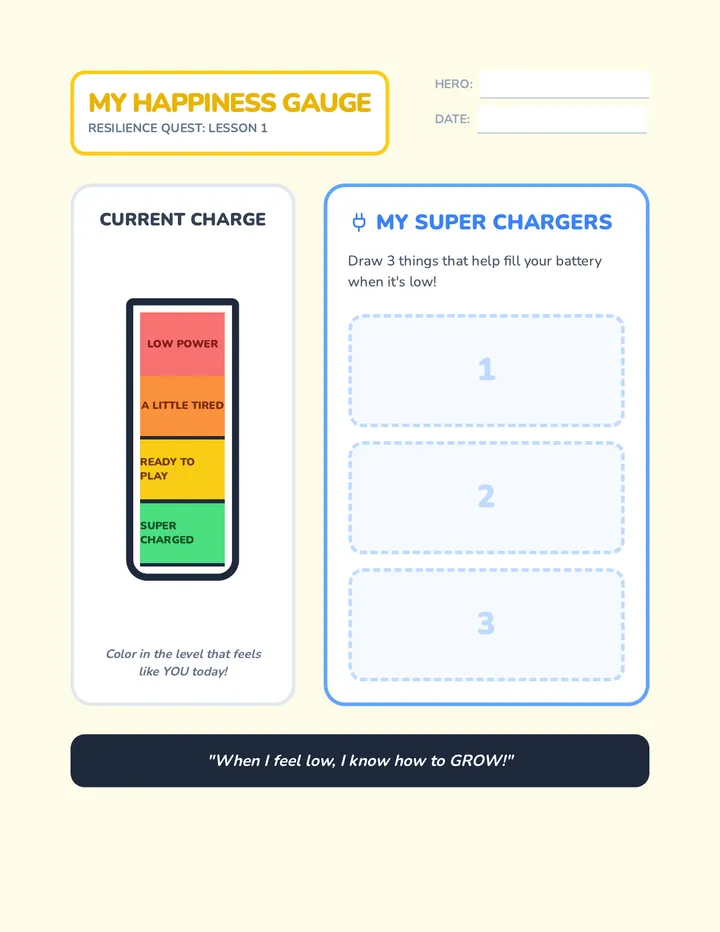
A 1st-grade counseling sequence that uses game-based mechanics and metaphors to teach behavioral activation, emotional resilience, and the importance of daily positive routines.
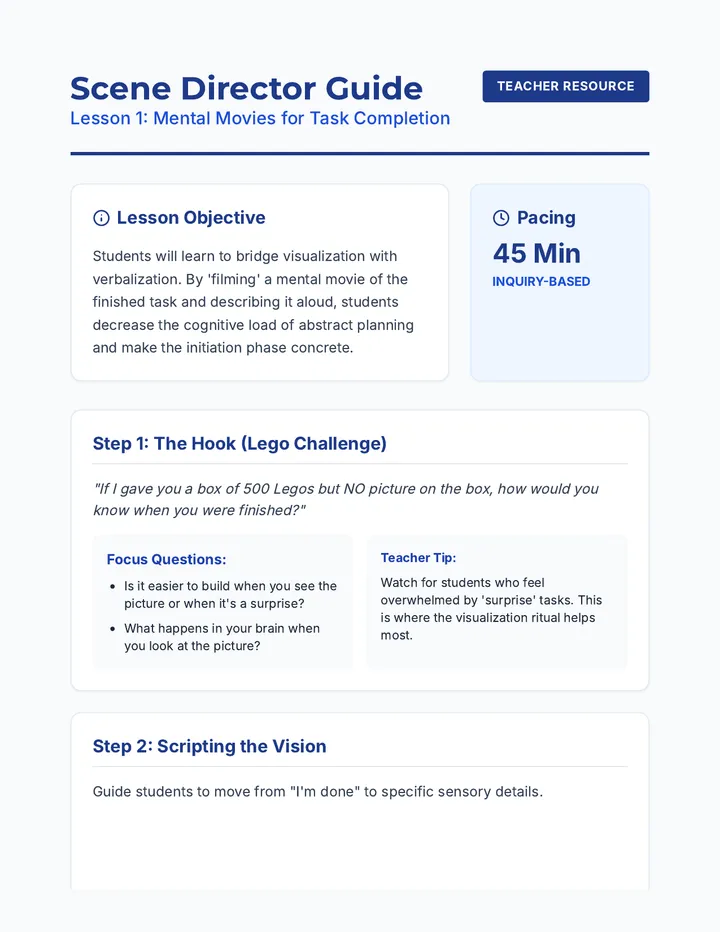
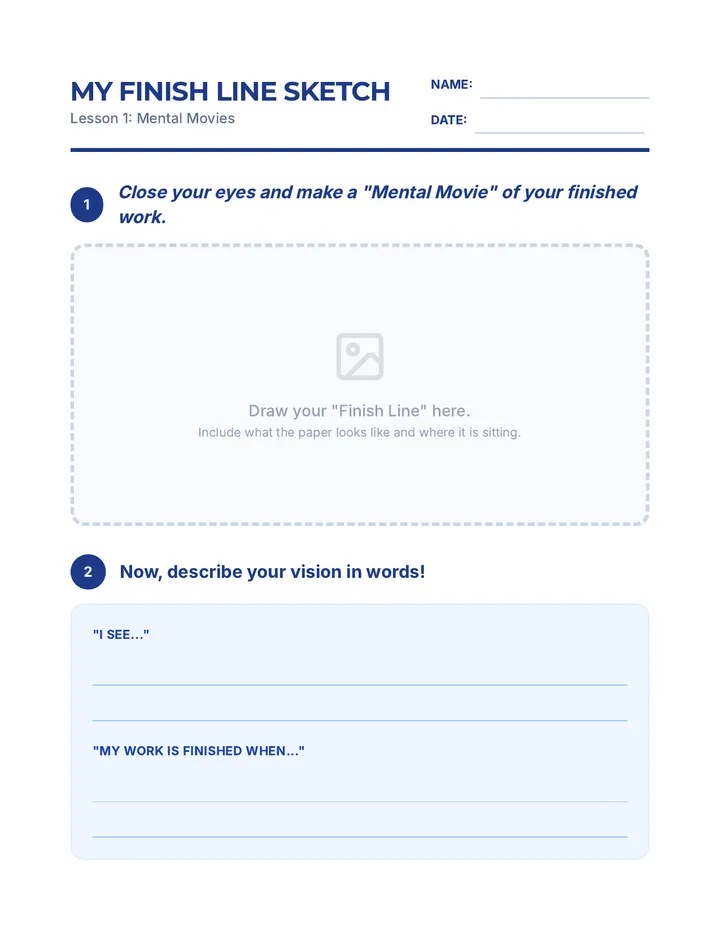
This sequence helps students overcome task initiation hurdles by combining visualization and verbal self-talk. Students learn to 'see' the finished product, reverse engineer the steps, estimate time accurately, and use micro-goals to take the first step.
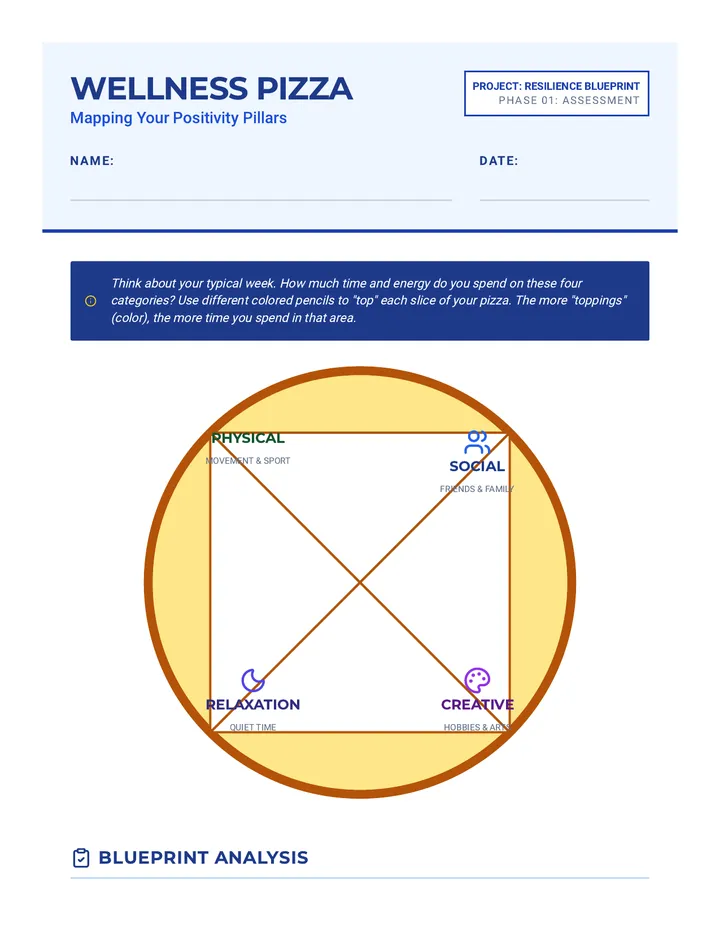
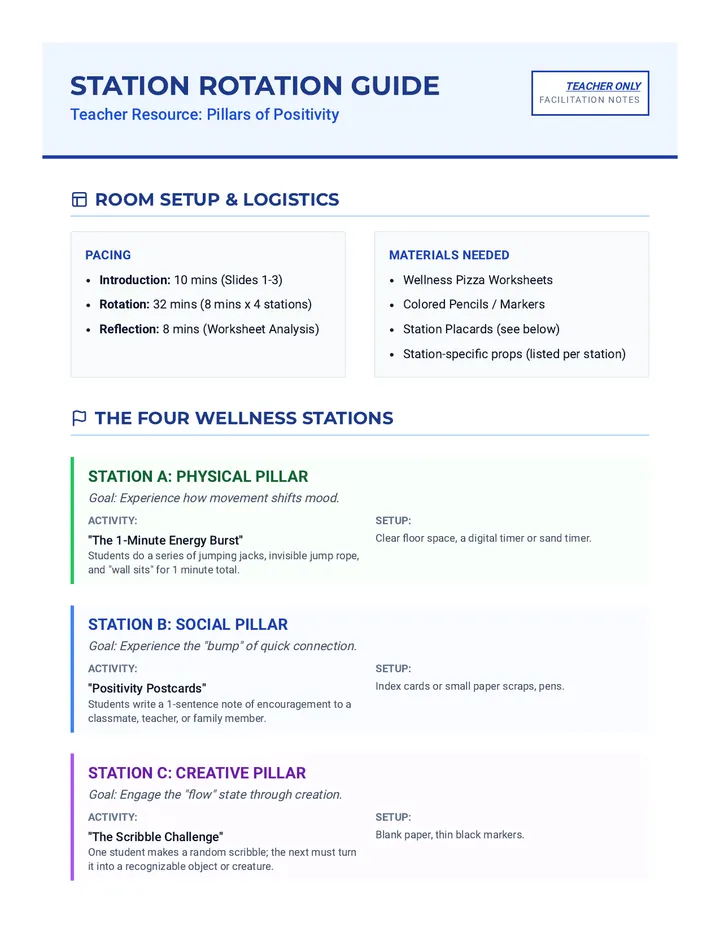
A 5-lesson project-based sequence for 5th graders focusing on building positive experiences through routine design and habit formation. Students learn to categorize wellness activities, overcome barriers like inertia, use habit-stacking techniques, and create a sustainable weekly wellness schedule to build emotional resilience.
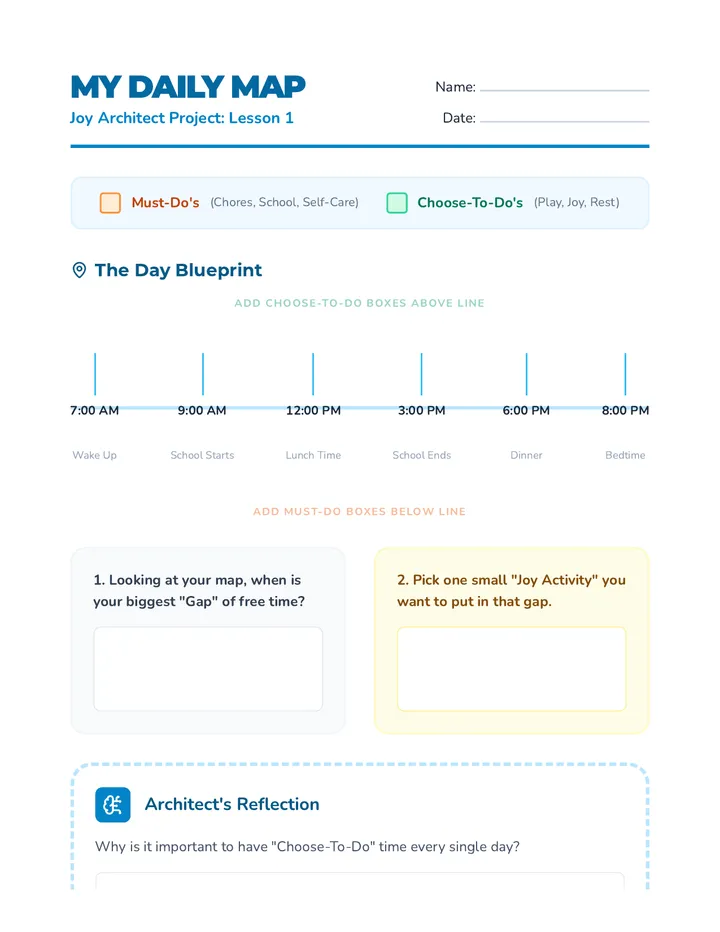
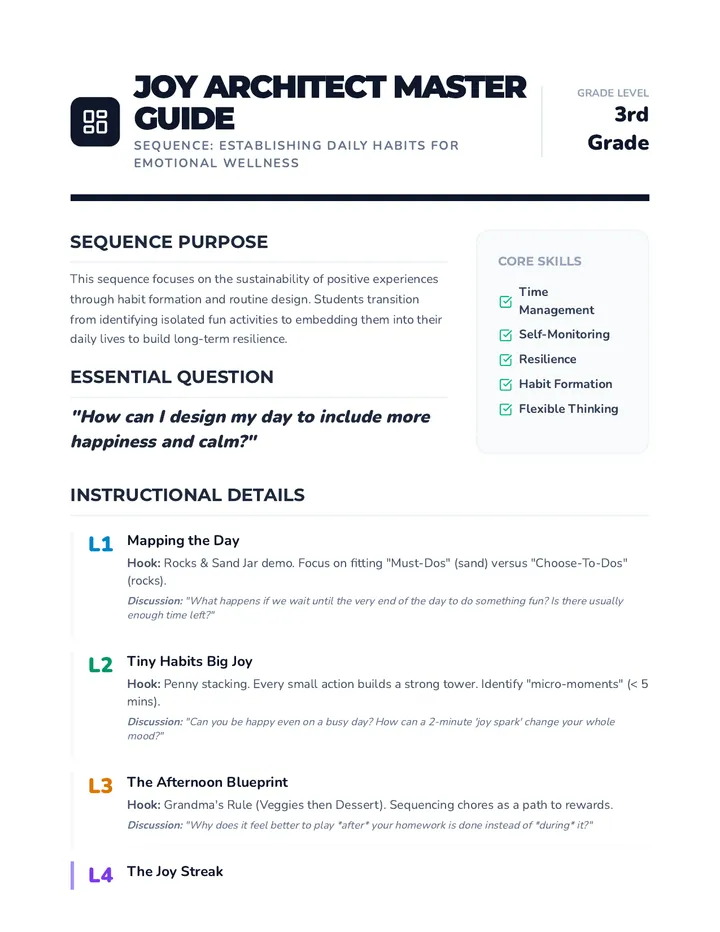
A 5-lesson unit for 3rd graders focused on building emotional resilience through habit formation. Students learn to audit their time, identify small 'micro-moments' of joy, and design balanced daily schedules that prioritize positive experiences.
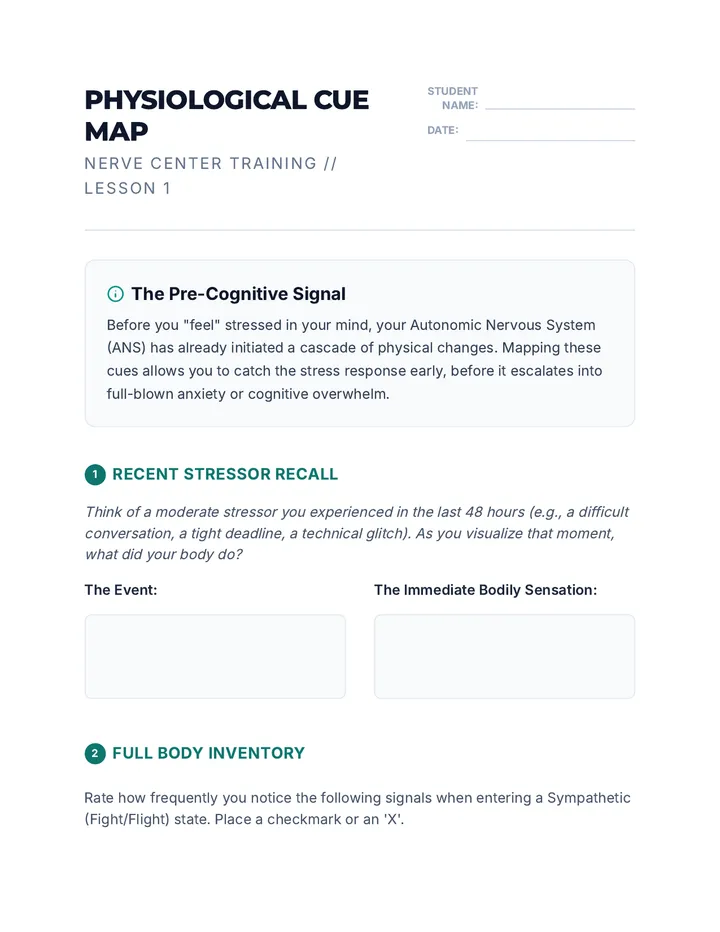
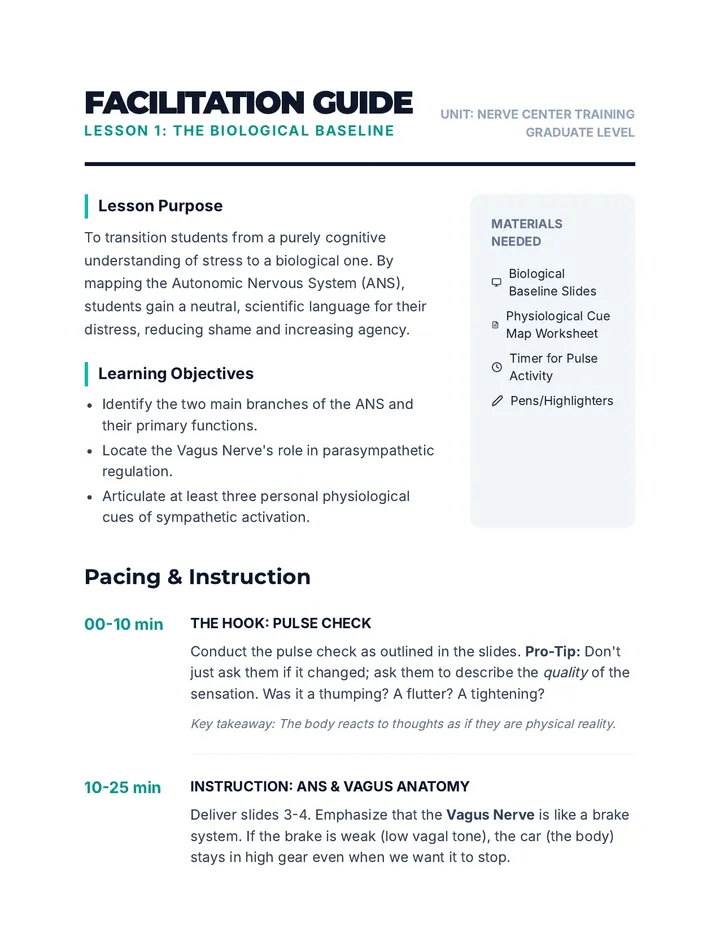
A graduate-level exploration of the biological underpinnings of stress. Students move from theoretical understanding of the autonomic nervous system and Polyvagal Theory to practical application of somatic regulation and interoceptive awareness, culminating in a personalized physiological safety plan.
Students design and create a personalized 'Coping Kit' (mental or physical) containing tools for managing crisis moments. This project-based sequence guides 3rd graders through self-reflection, visualization techniques, tool selection, and the creation of a comprehensive safety plan.
This sequence focuses on emotional intelligence and self-compassion through a case study approach. Students analyze hypothetical scenarios involving disappointment, anger, or anxiety, and apply mindfulness techniques to navigate them, shifting from reacting impulsively to responding thoughtfully.
A comprehensive DBT skills training sequence for elementary schools, split into K-2 and 3-5 curricula. This program covers Mindfulness, Distress Tolerance, Emotion Regulation, and Interpersonal Effectiveness using age-appropriate activities and narratives.
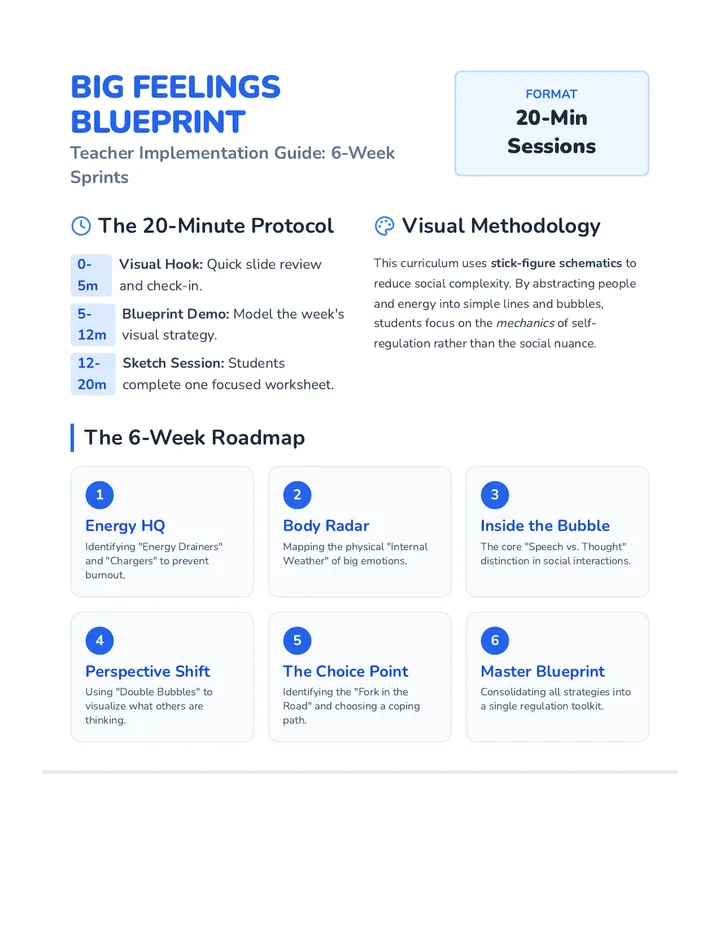
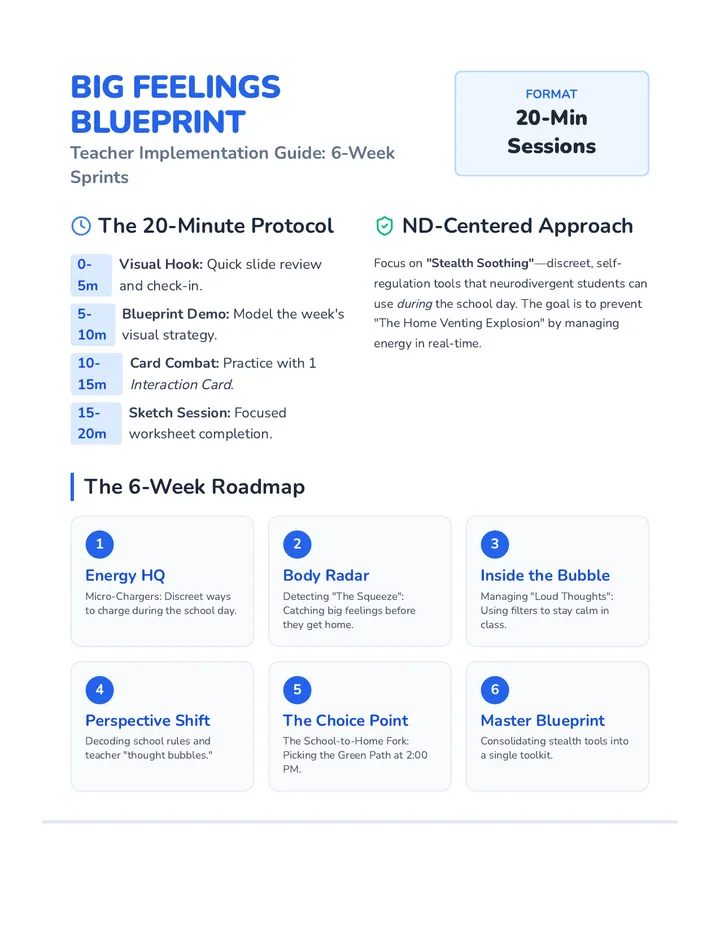
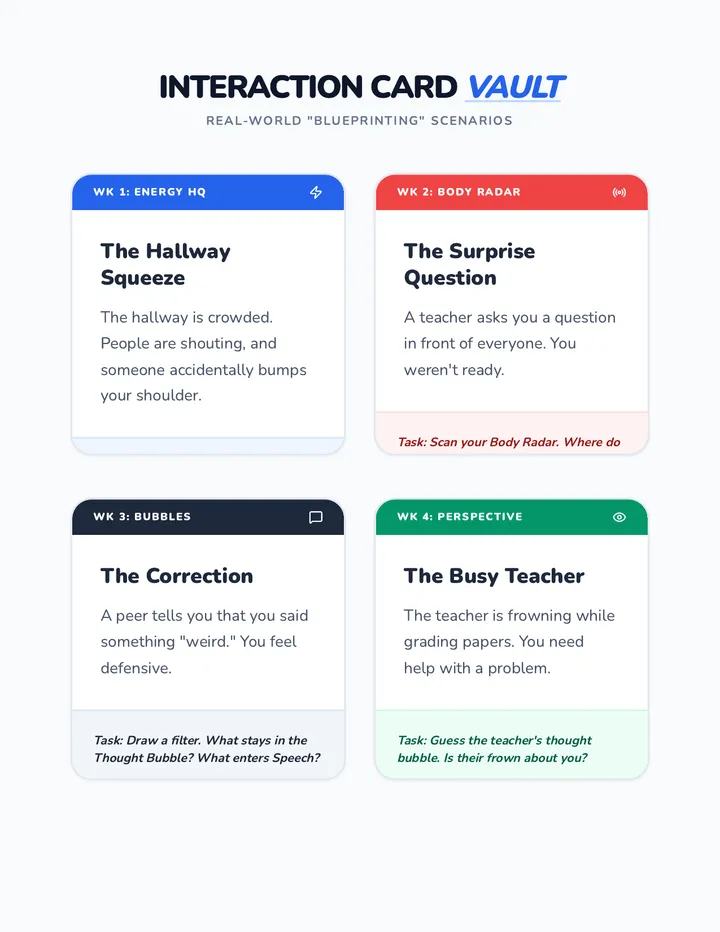
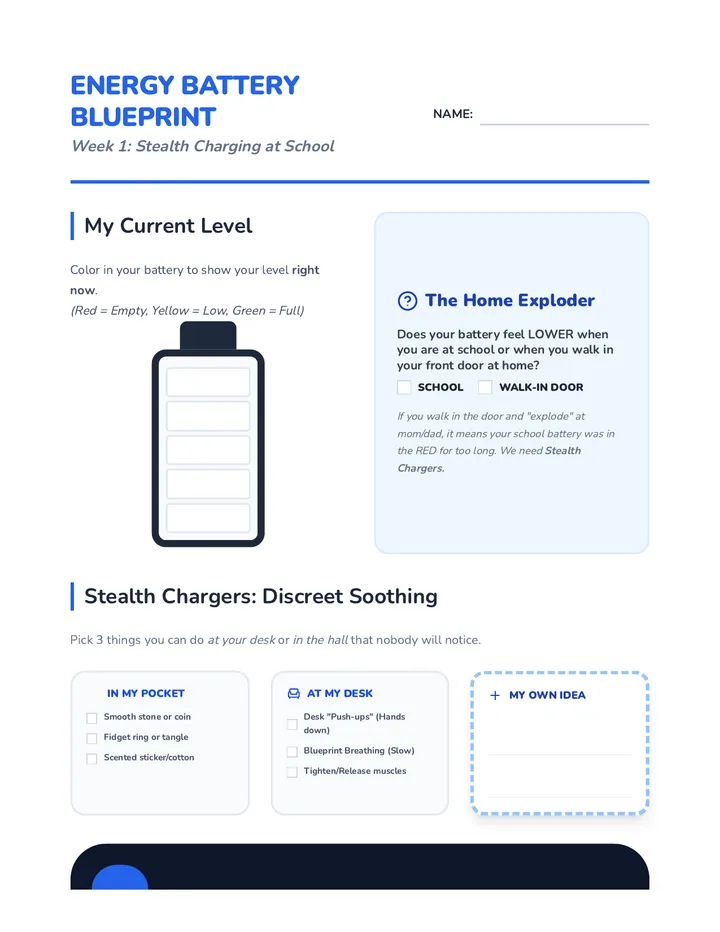
A 6-week social-emotional learning program for teenagers on the autism spectrum, delivered in focused 20-minute sessions. The program uses visual "blueprints" to teach energy management, body awareness, and Comic Strip Conversation techniques for emotional regulation and perspective taking.
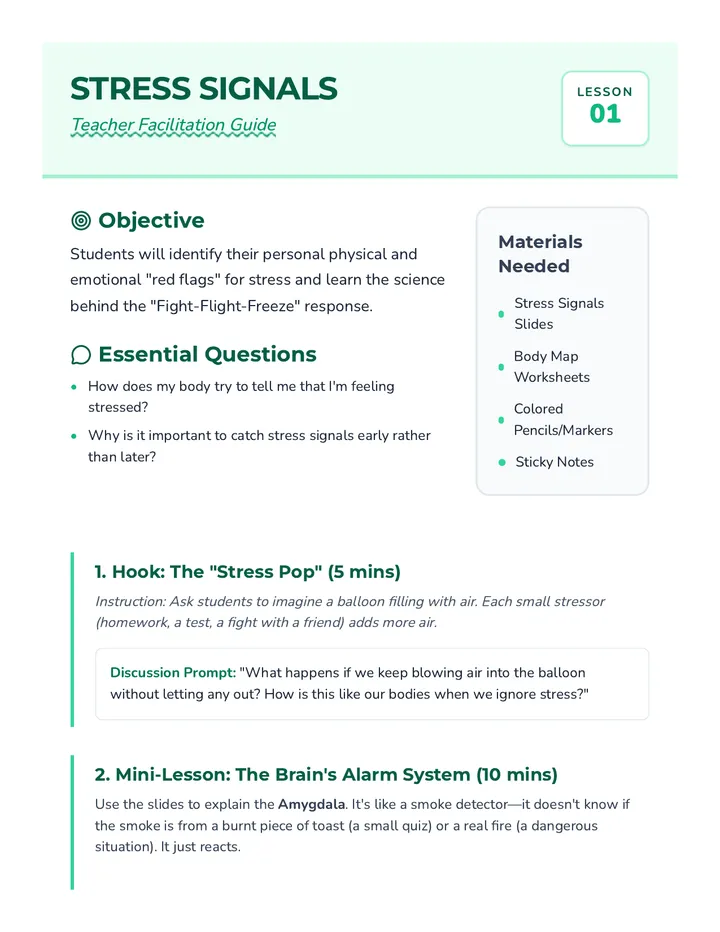
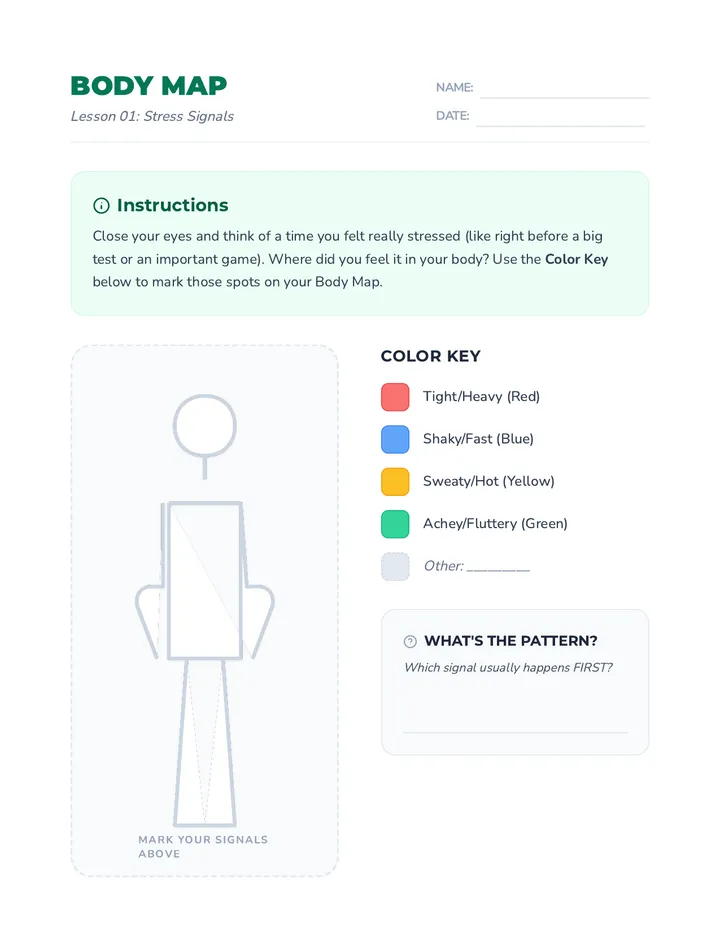
A 3-week comprehensive curriculum for middle schoolers focusing on identifying stress signals, developing healthy coping mechanisms, mastering positive self-talk, and building long-term resilience through interactive group activities and personal reflection.
A comprehensive 9-week social-emotional learning curriculum for 8th graders focusing on anxiety, self-esteem, and healthy relationships. Designed for two 2-hour sessions per week, with structured instruction on Day 1 and independent creative or research projects on Day 2.
An 8-week social-emotional learning unit for 4th graders focused on anxiety management, CBT strategies, growth mindset, and self-advocacy. This sequence builds from physiological awareness to advanced cognitive reframing and social conflict resolution.
A comprehensive 7-week lunch bunch curriculum designed for students in grades K-7. This program provides developmentally appropriate social-emotional tracks for Junior (K-3) and Senior (4-7) students, covering friendship foundations, emotional intelligence, and conflict resolution.
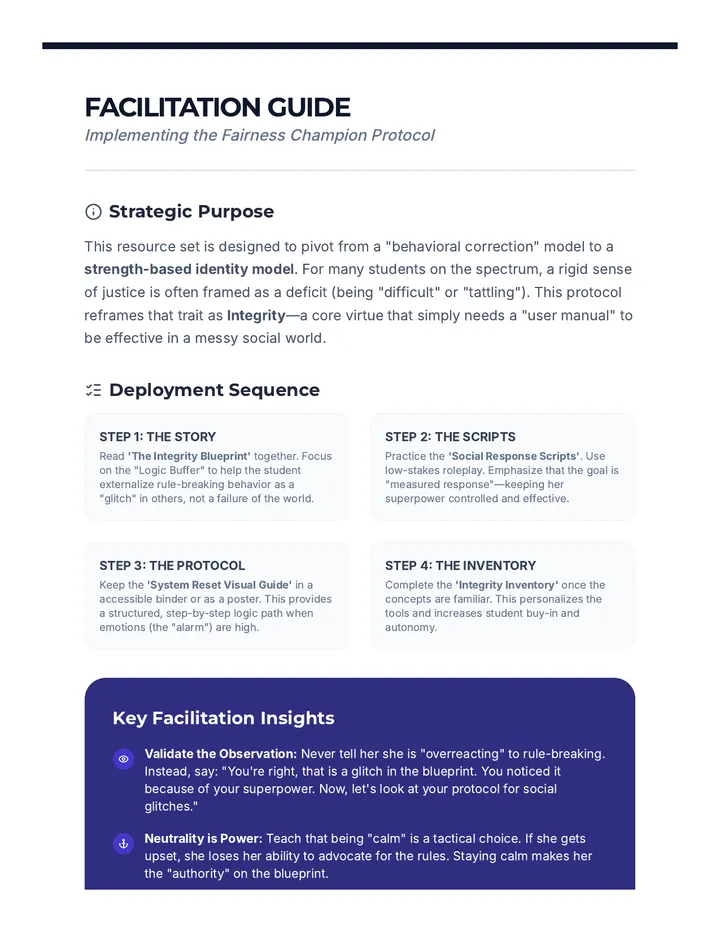
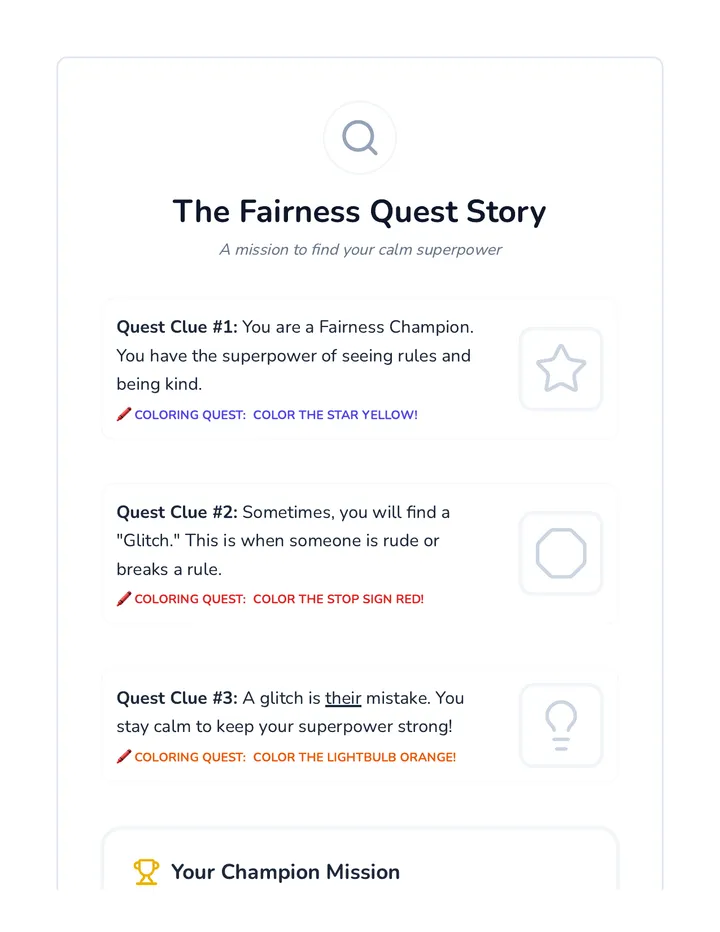
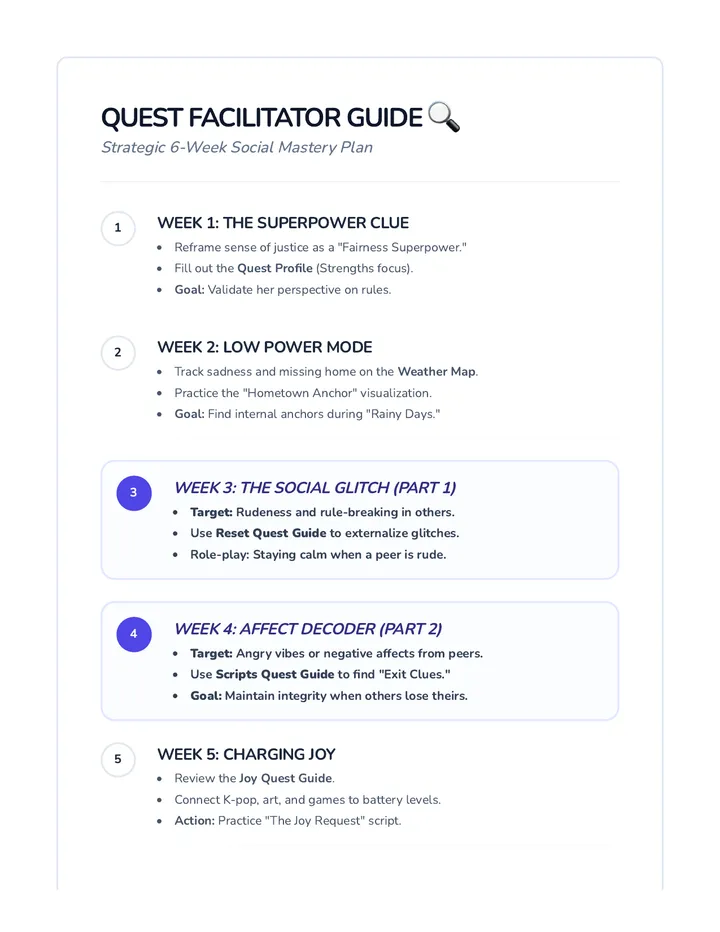
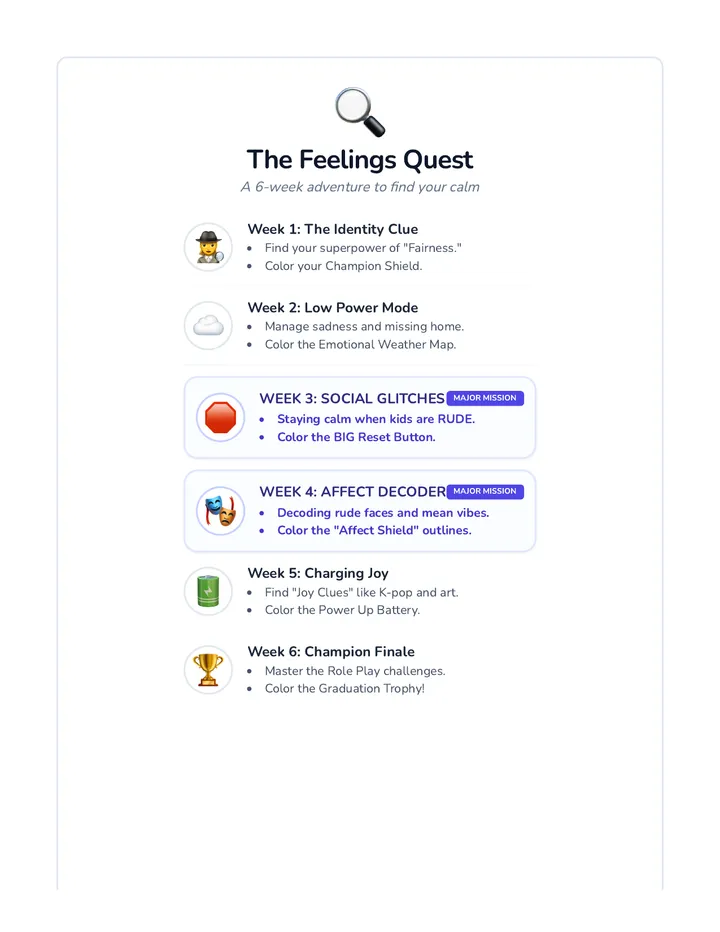
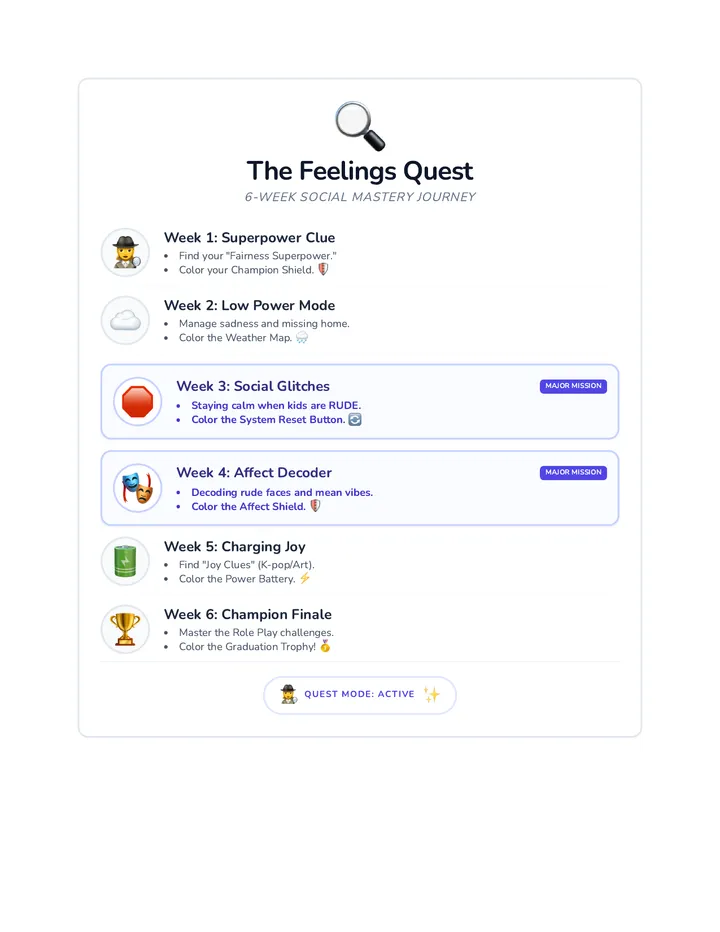
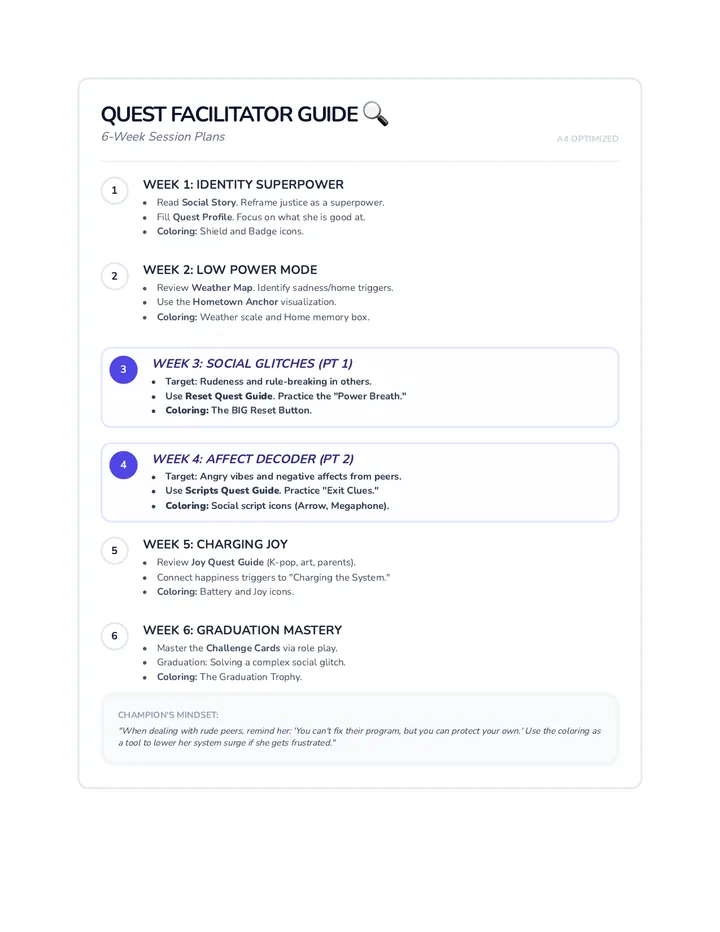
A 6-week social-emotional learning curriculum for a 13-year-old girl on the autism spectrum, focusing on managing specific triggers through a strength-based "Integrity Blueprint" lens.
An 8-week social-emotional learning unit for 4th graders focused on developing interpersonal problem-solving skills using the STEP process. Each 20-30 minute session includes behavior expectations, ice breakers, and interactive activities to build empathy, communication, and decision-making skills.
A comprehensive 5-session sequence for 6th-grade girls to manage anxiety through grounding, body awareness, cognitive reframing, support systems, and sensory mindfulness. Each 30-minute session provides practical 'chill skills' in a supportive small-group environment.
A 6-week curriculum for 11th and 12th graders focused on practical conflict resolution strategies with peers, teachers, parents, and romantic partners.
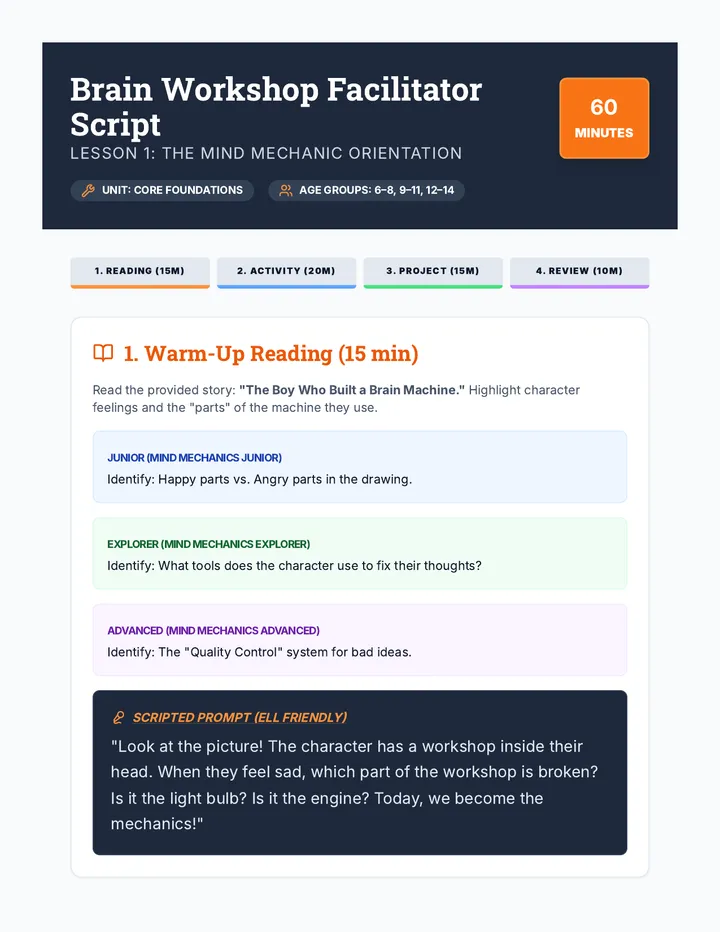
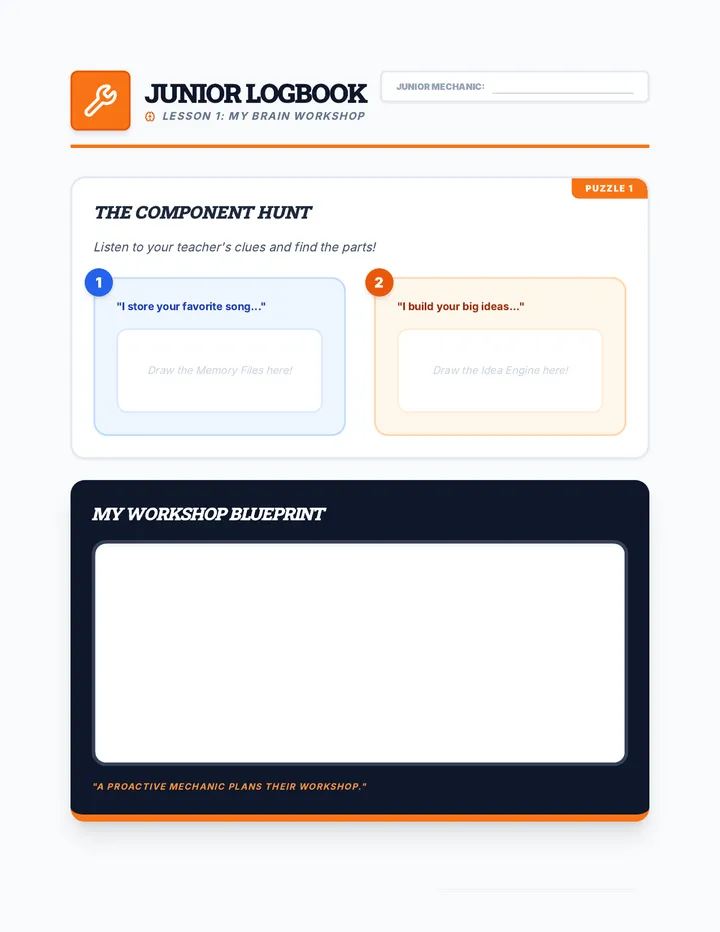
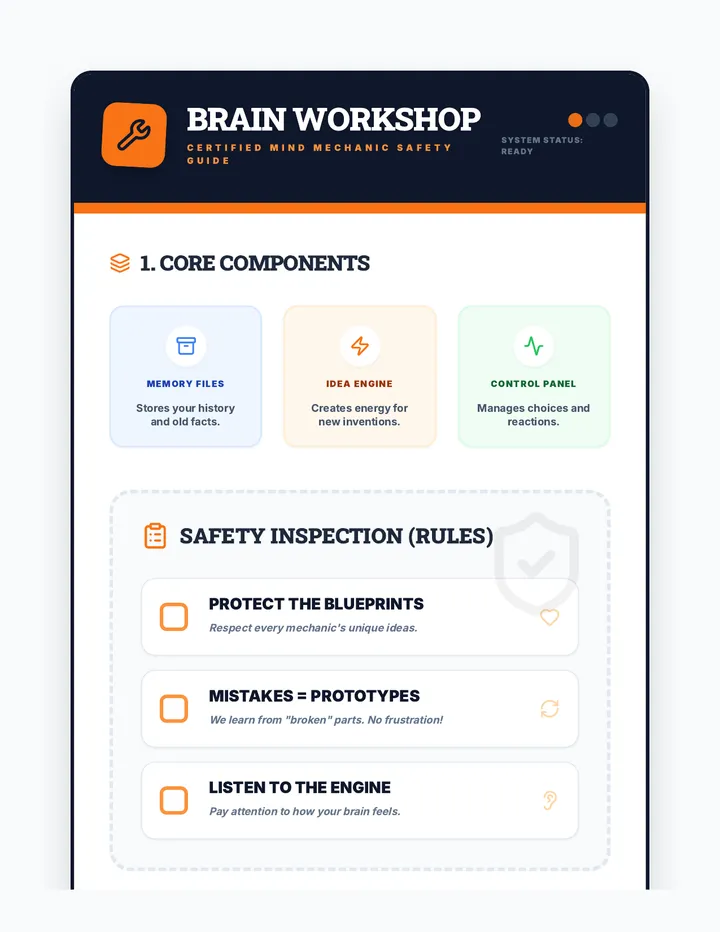
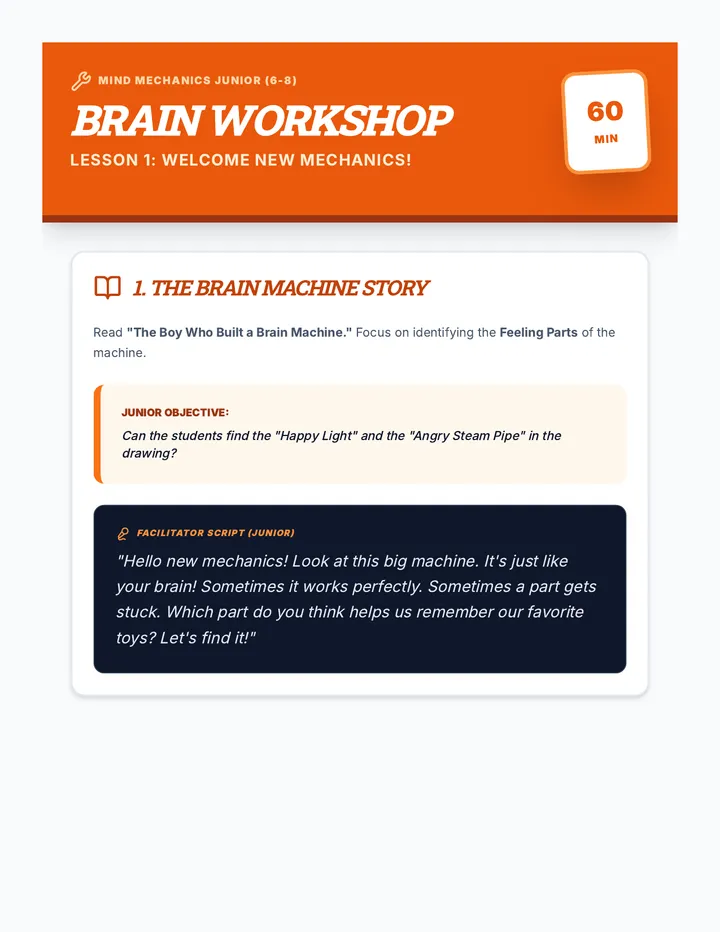
A 12-lesson social-emotional learning sequence themed around 'Mind Mechanics,' where students become 'mechanics' of their own minds to develop self-awareness, growth mindset, and social reasoning. Each lesson includes a facilitator script, student workbook pages, and visual anchor charts.
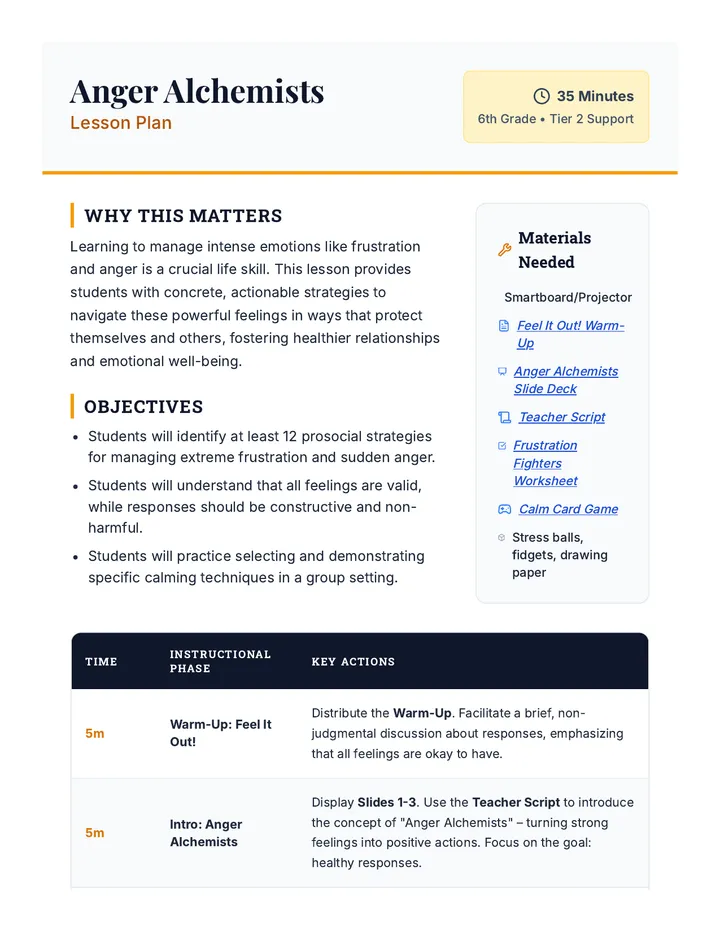
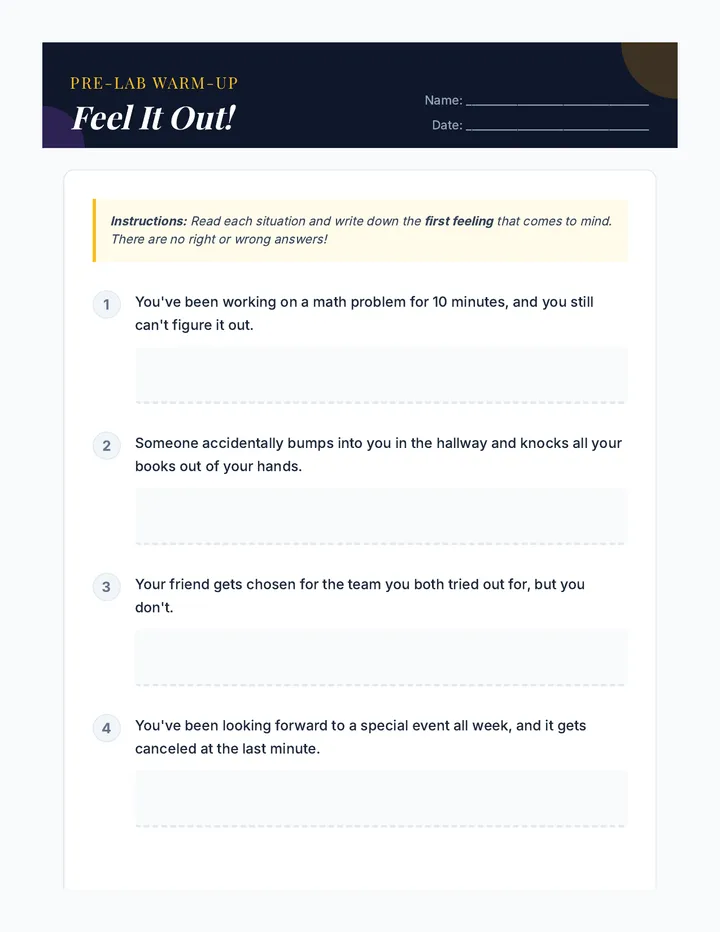
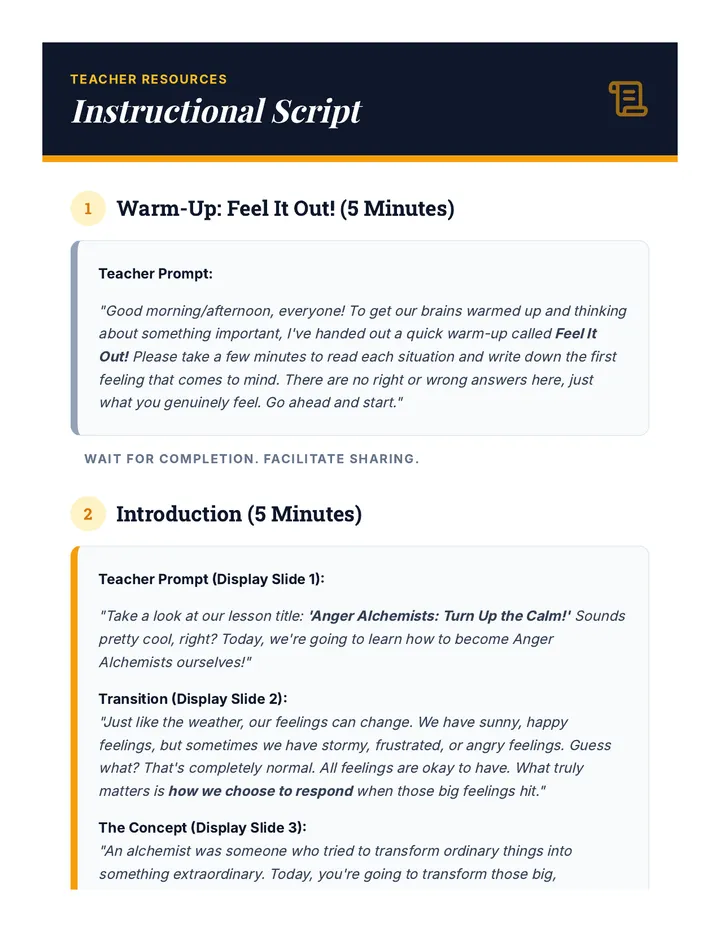
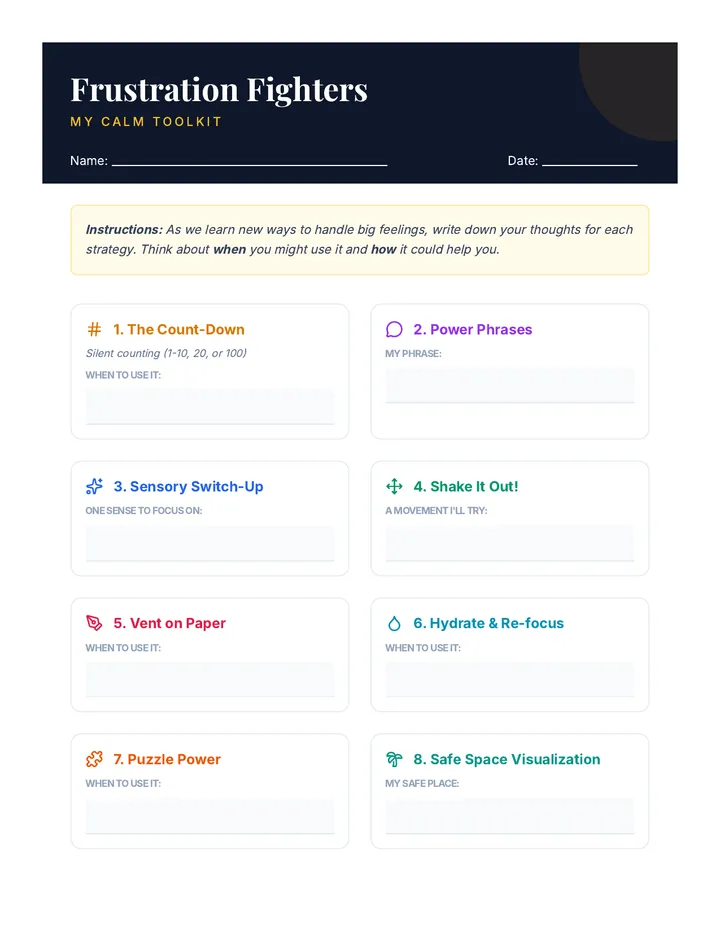
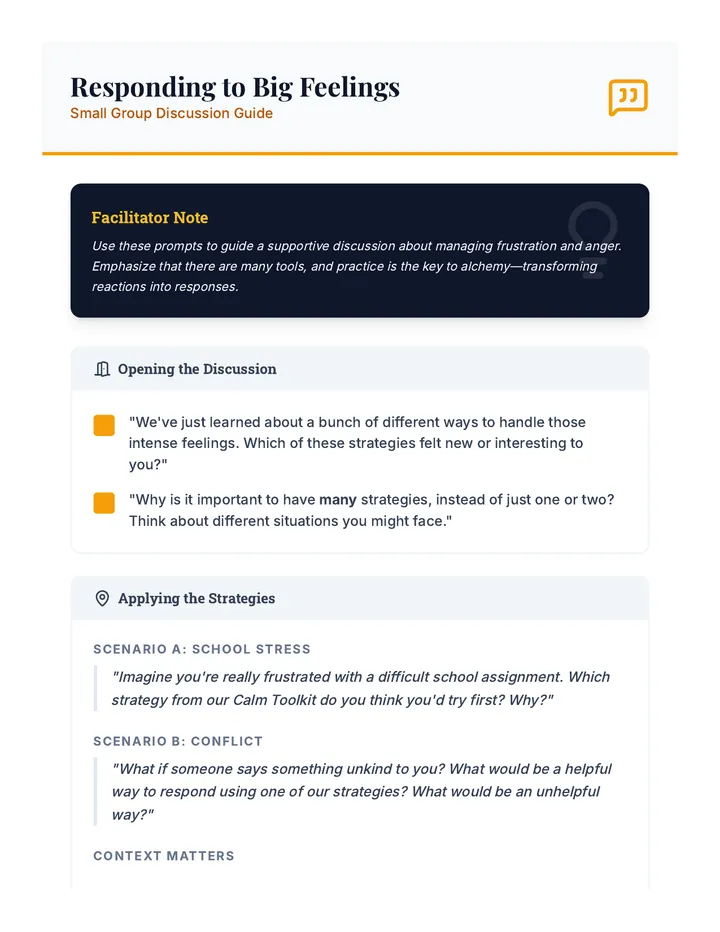
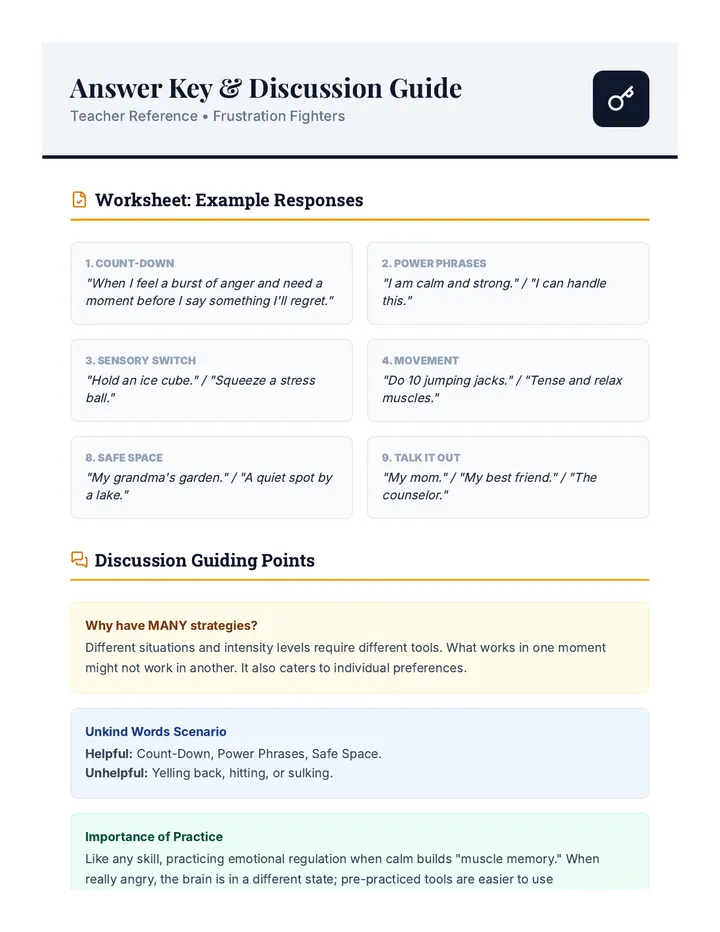
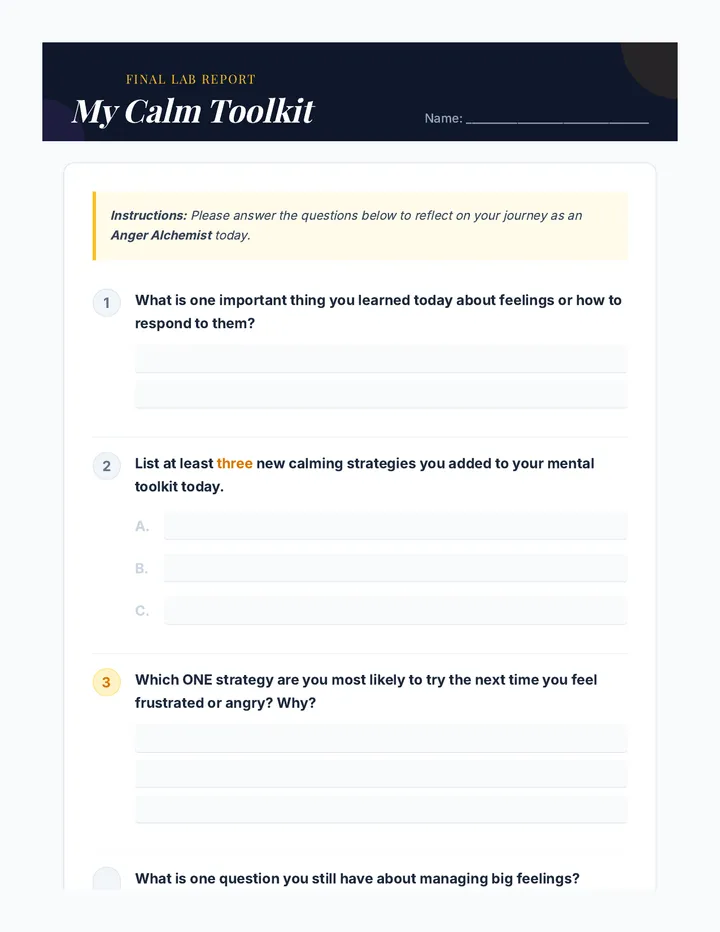
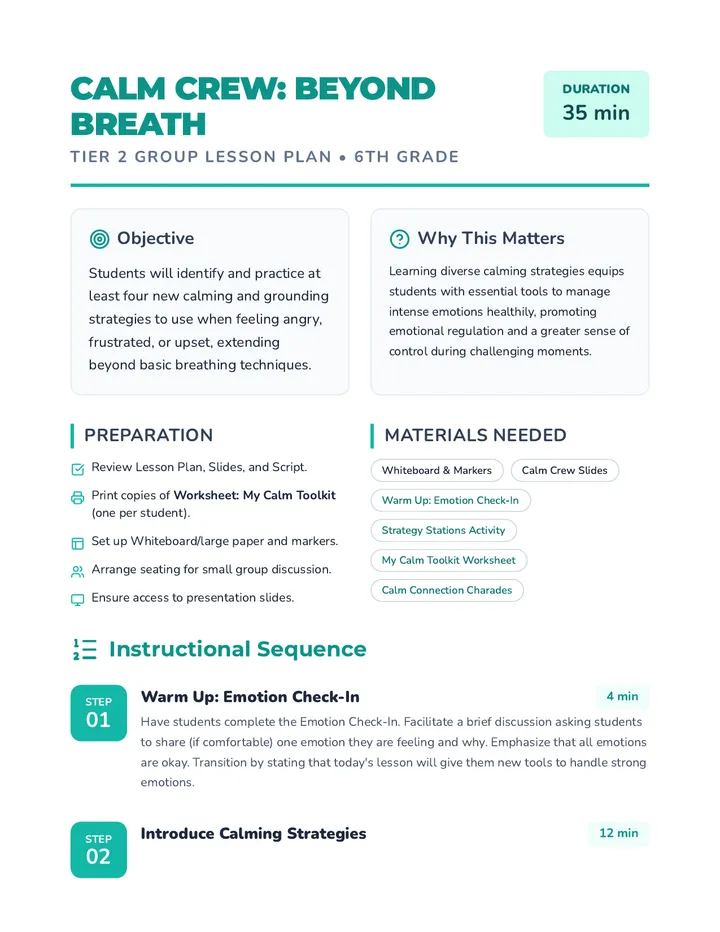
A 35-minute Tier 2 lesson for 6th-grade students to learn over 12 prosocial strategies for transforming intense frustration and anger into constructive responses.
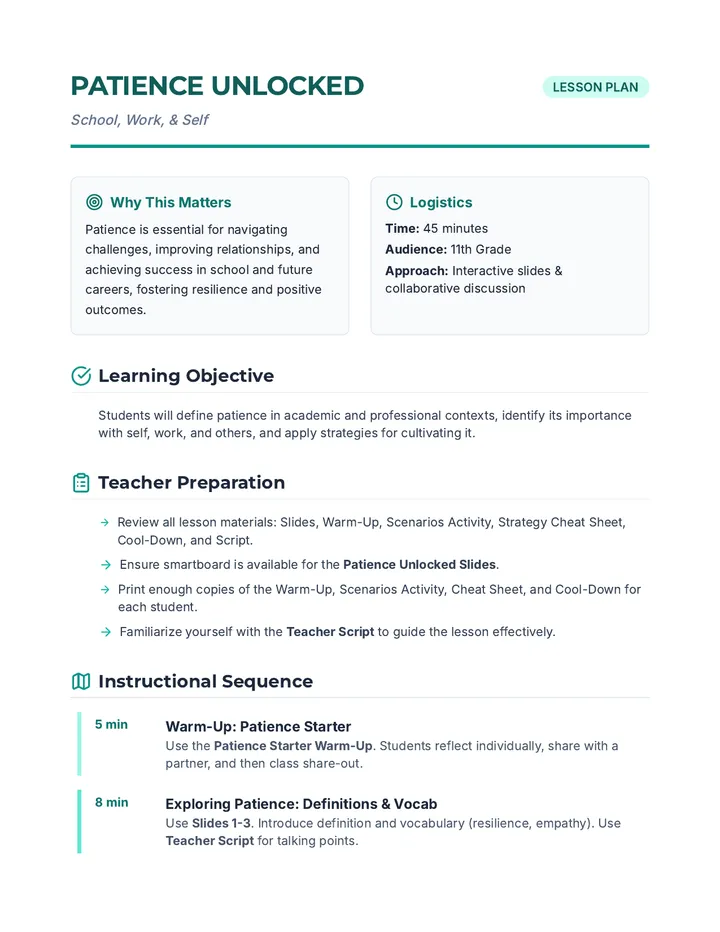
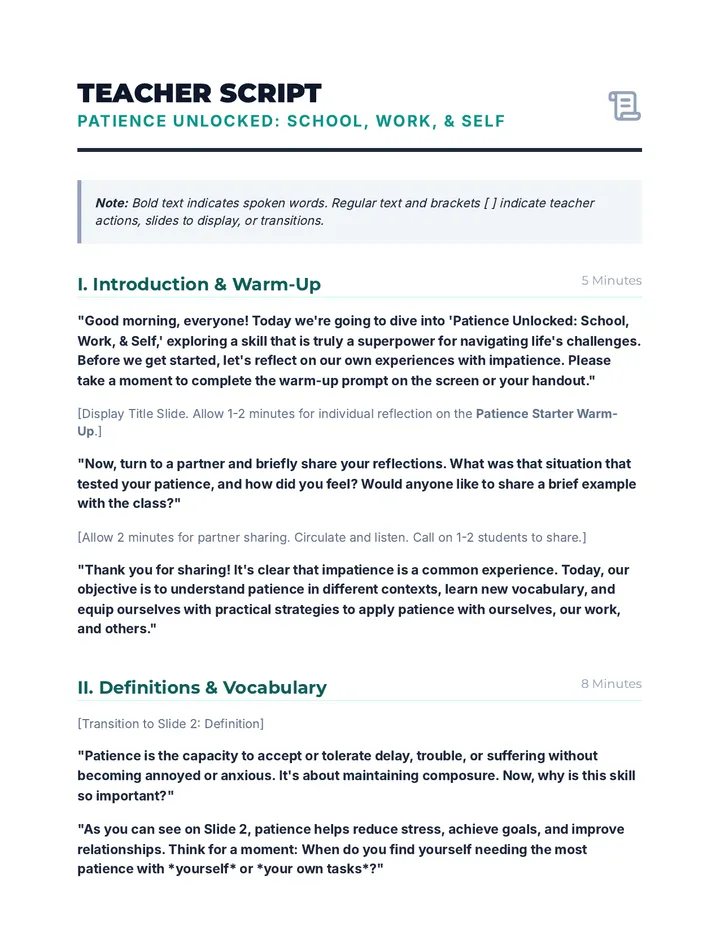
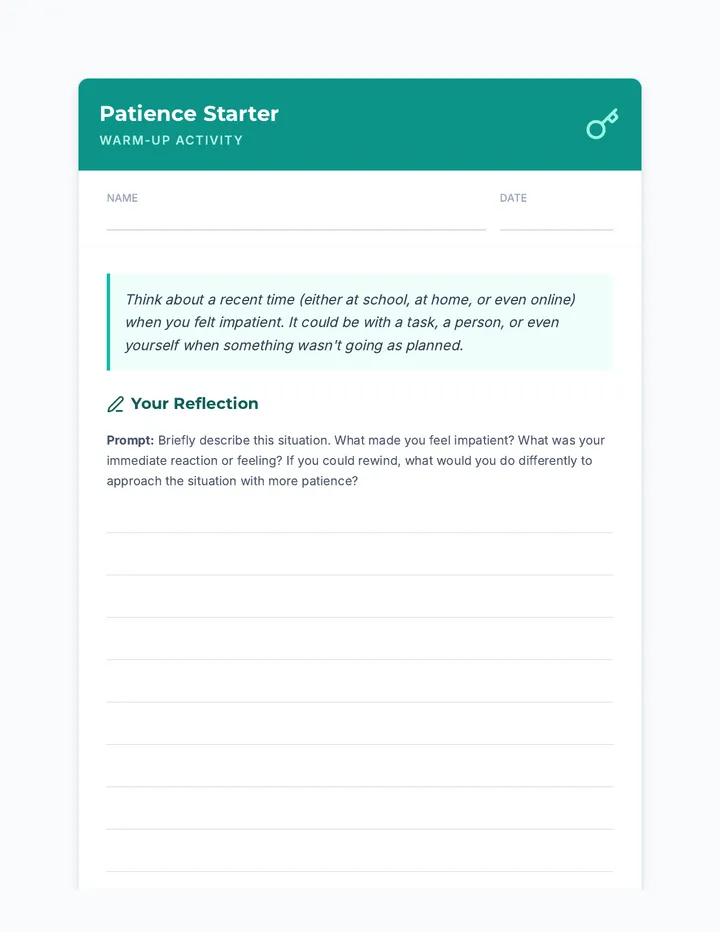
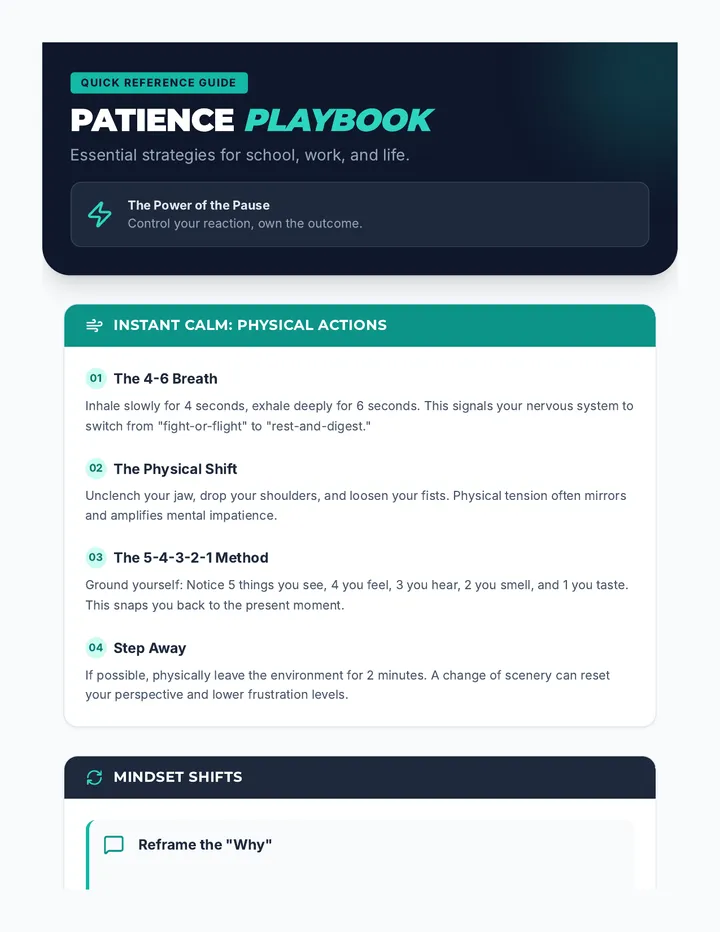
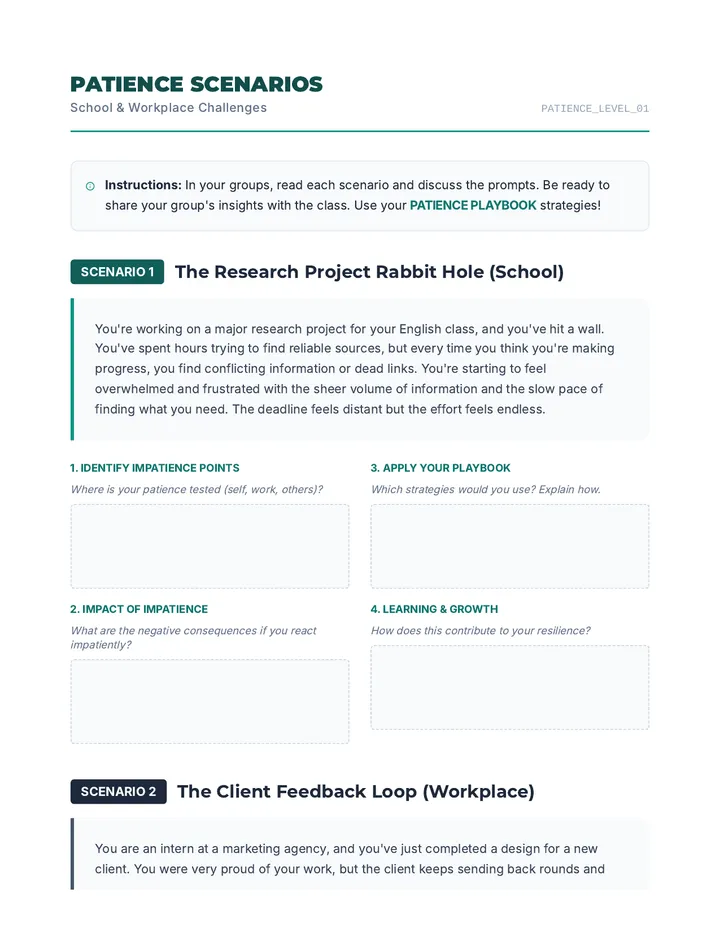
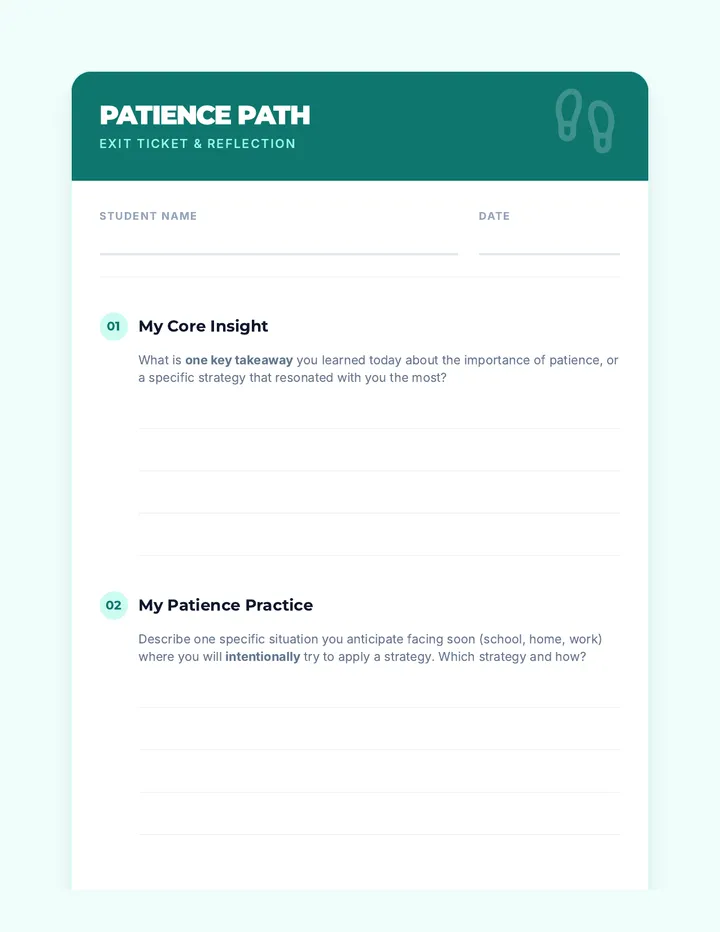
This lesson empowers 11th-grade students to cultivate patience as a critical skill in academic and professional settings. Students will explore strategies for managing impatience with themselves, their work, and others, fostering resilience and positive relationships.
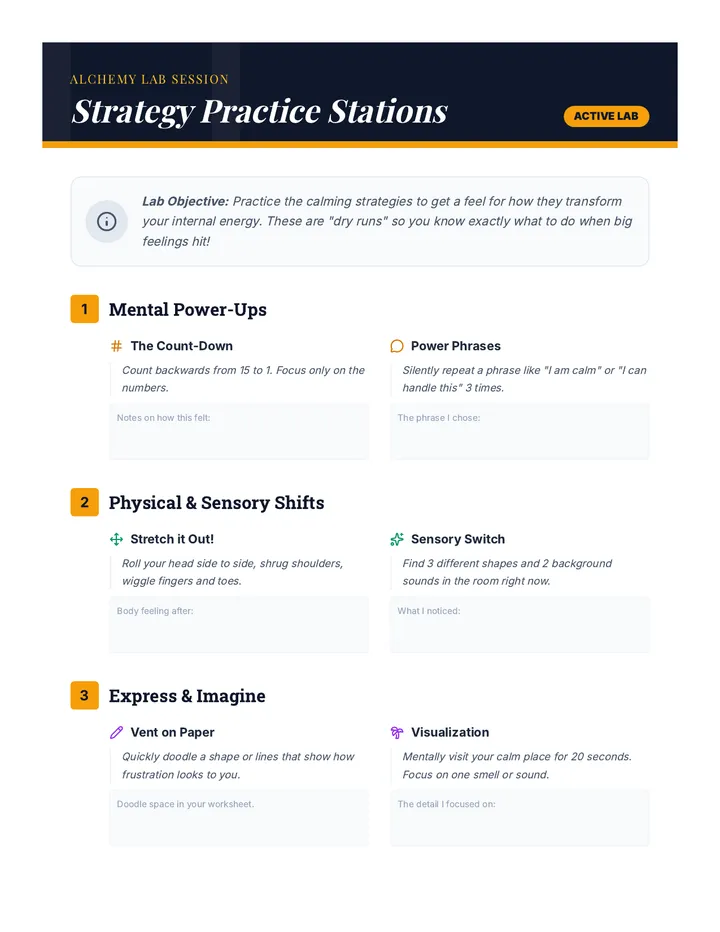
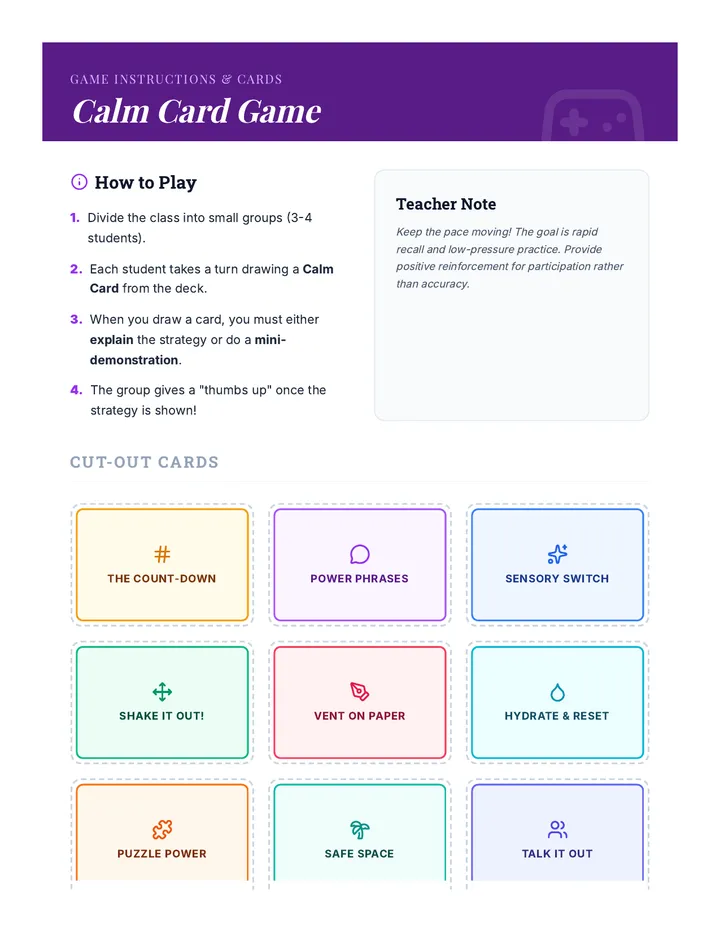
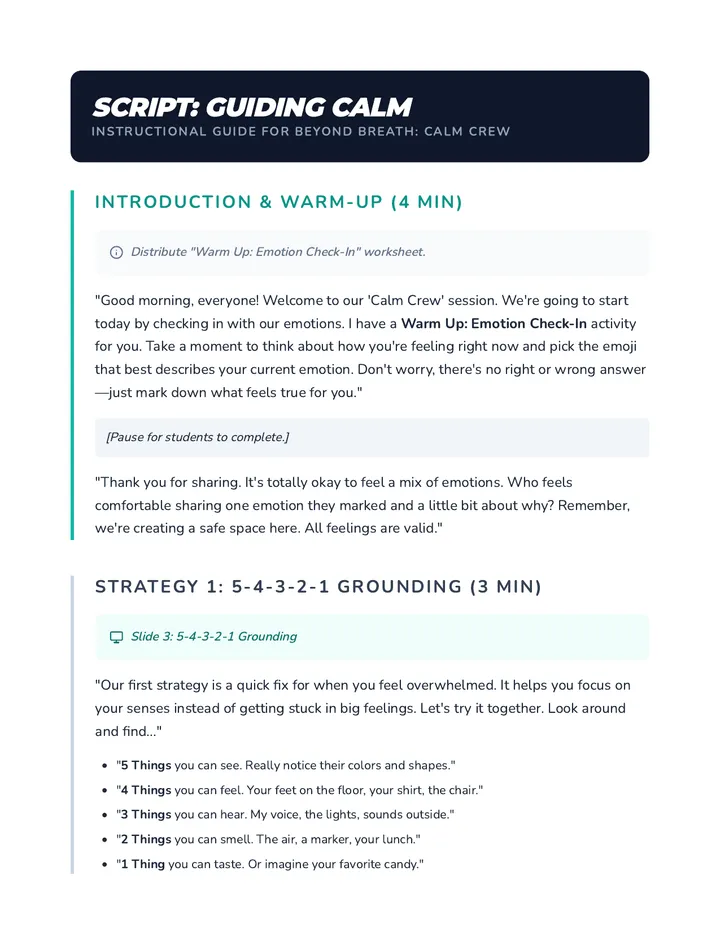
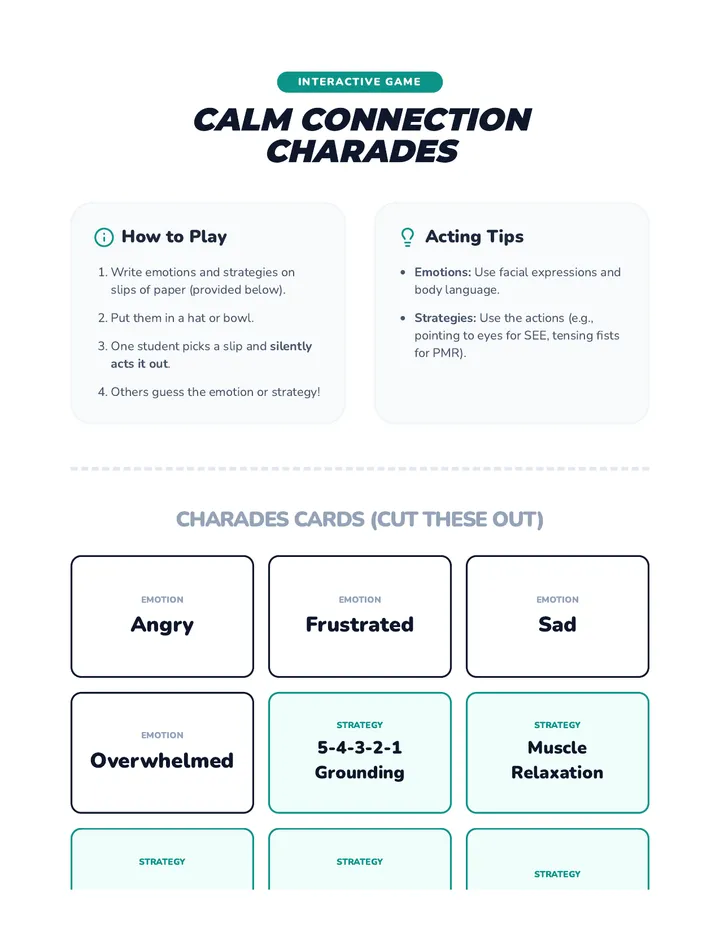
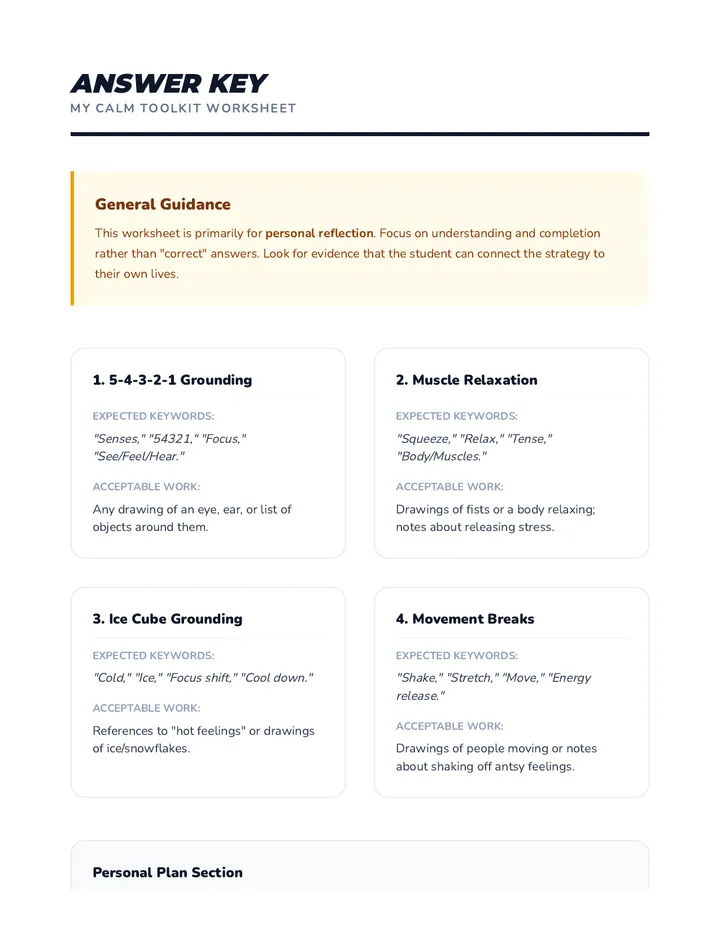
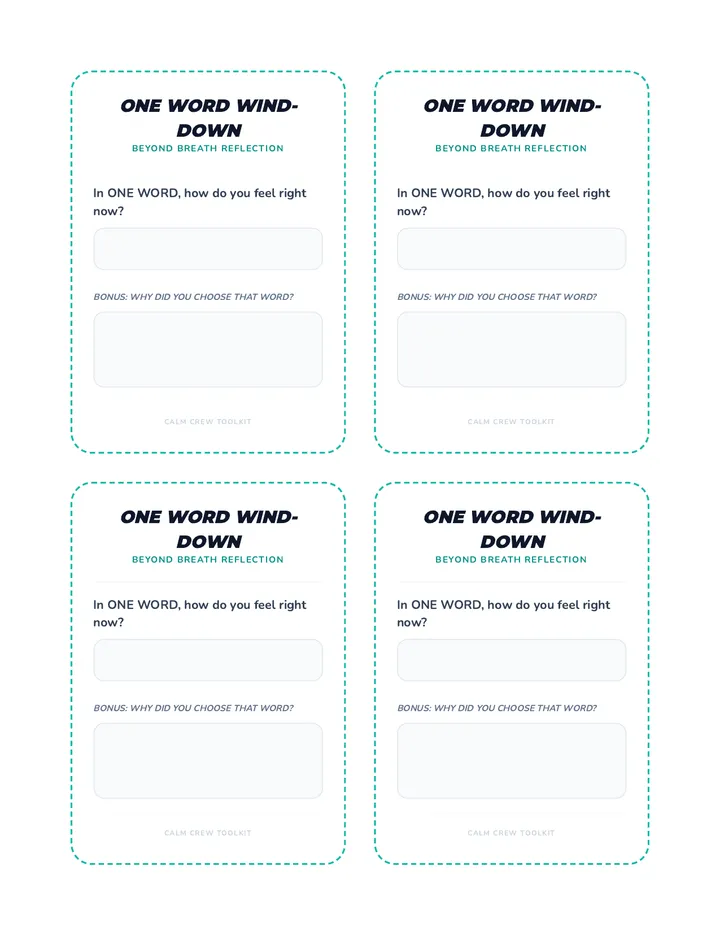
A 35-minute Tier 2 group lesson for 6th graders that introduces and practices various calming and grounding strategies beyond basic breathing, providing students with a toolkit to manage anger, frustration, and upset feelings.
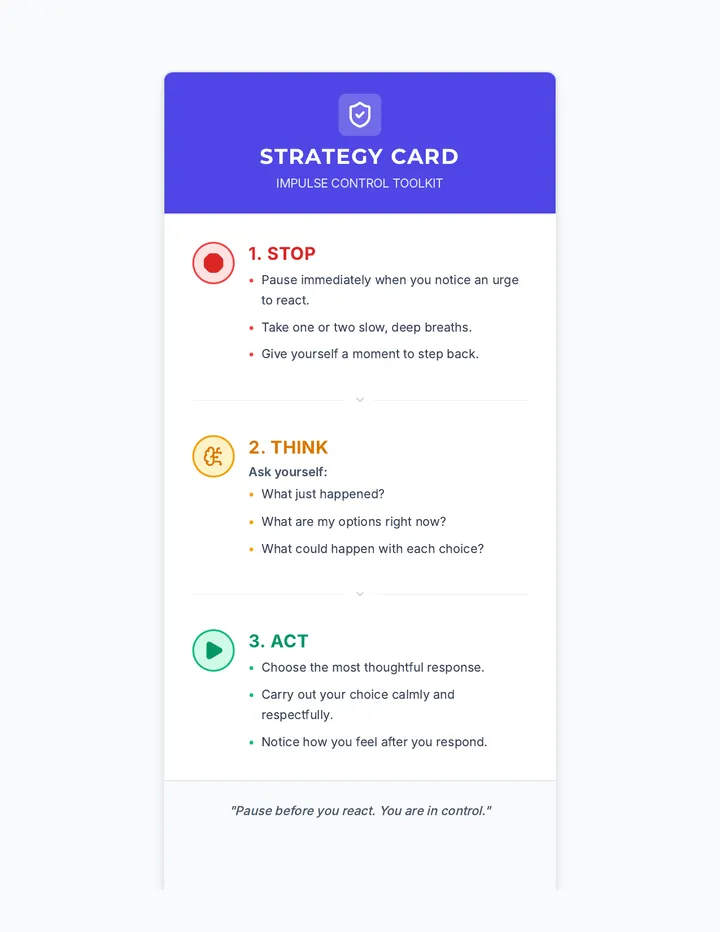
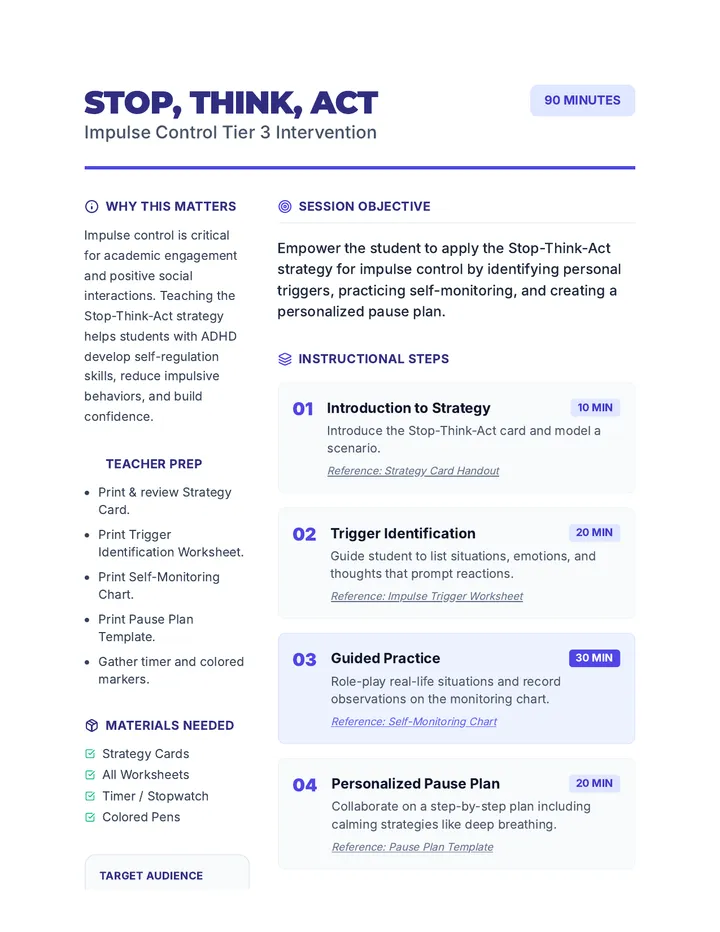
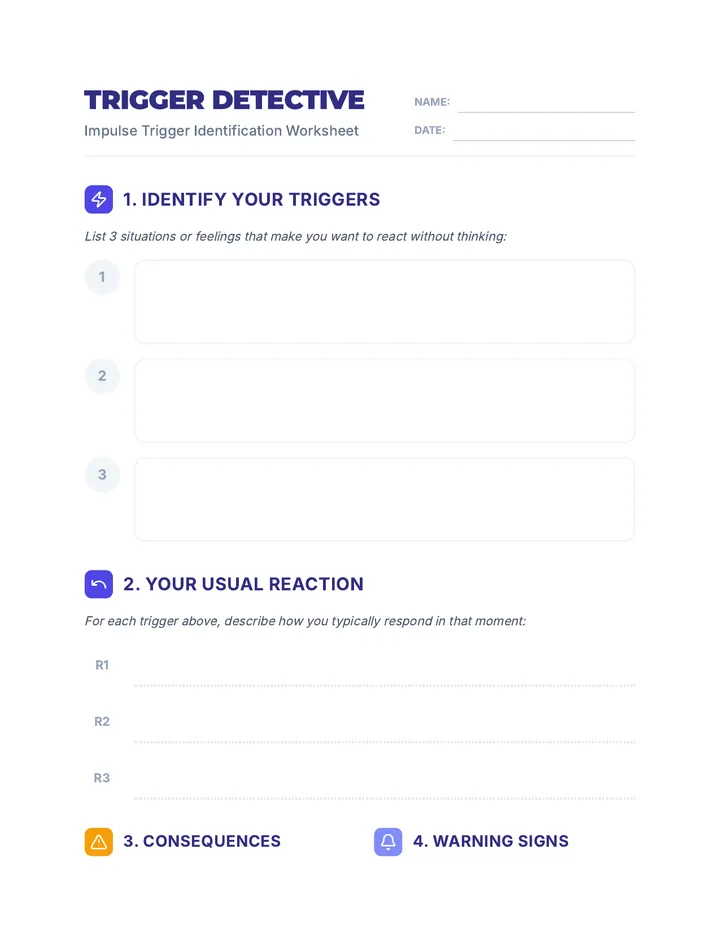
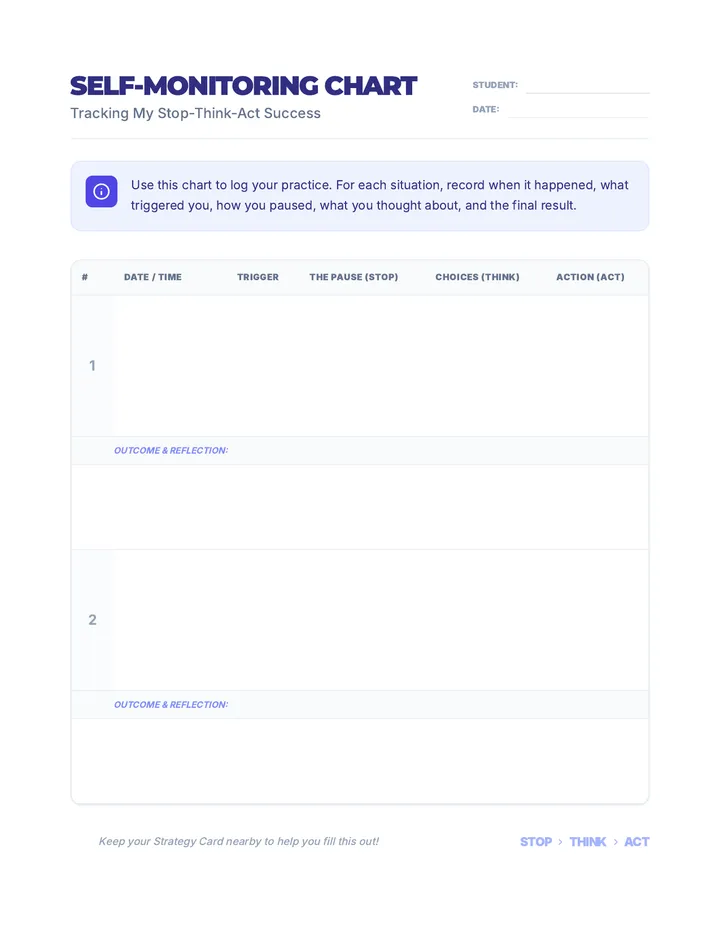
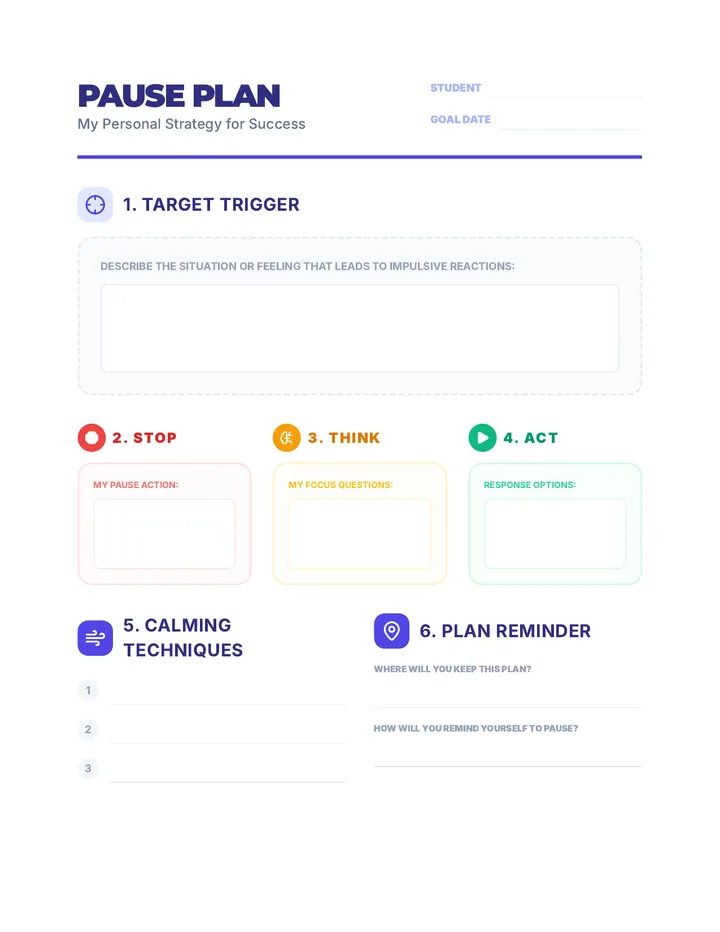
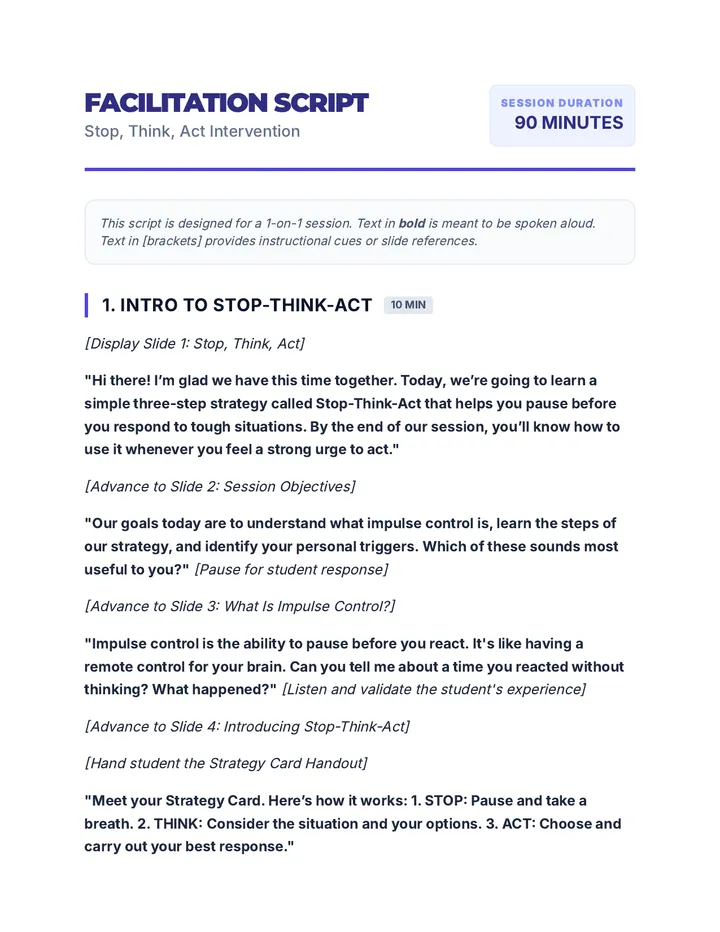
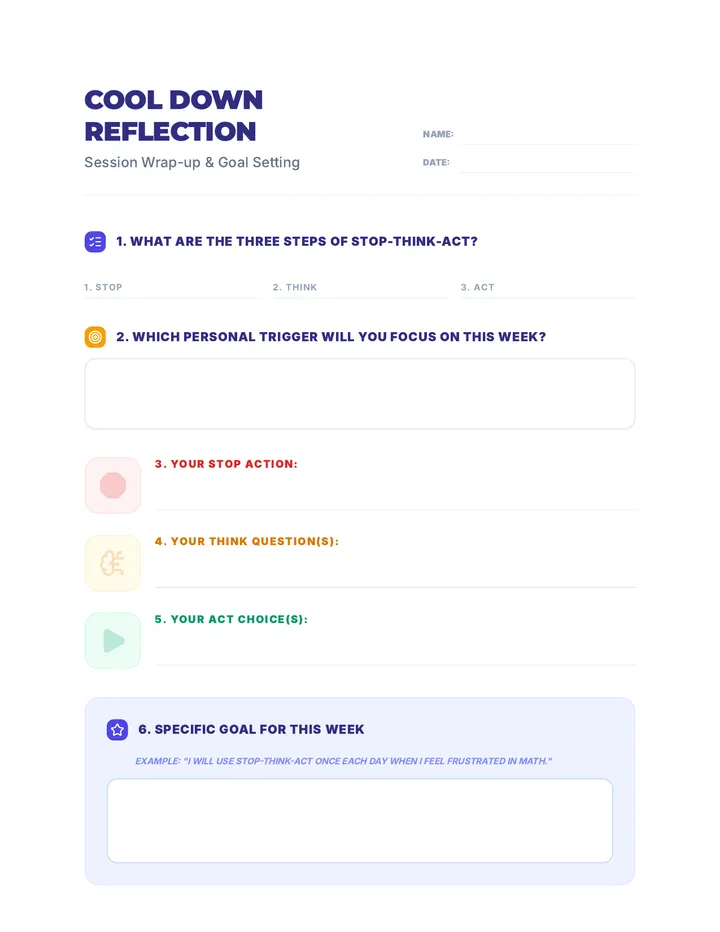
A 90-minute intensive Tier 3 intervention for 7th grade students with ADHD, focusing on the Stop-Think-Act strategy to build impulse control and self-regulation skills.
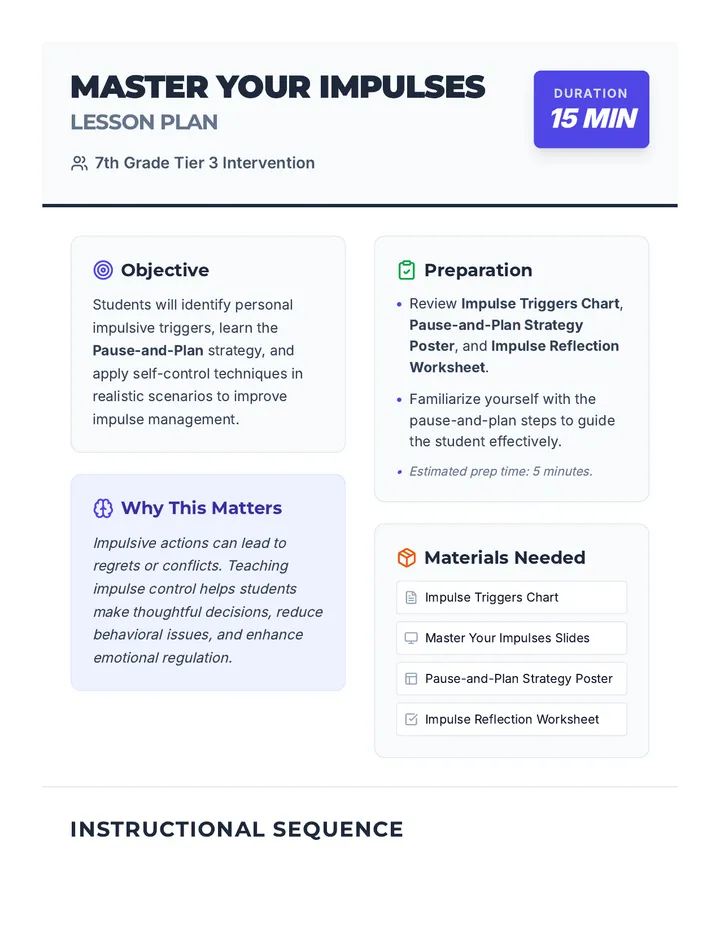
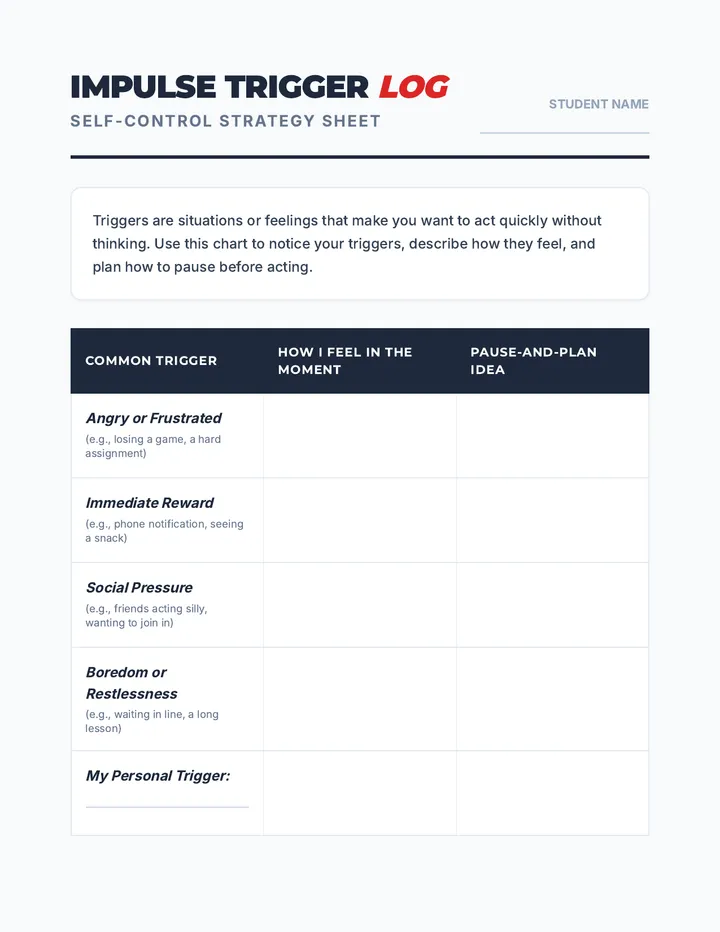
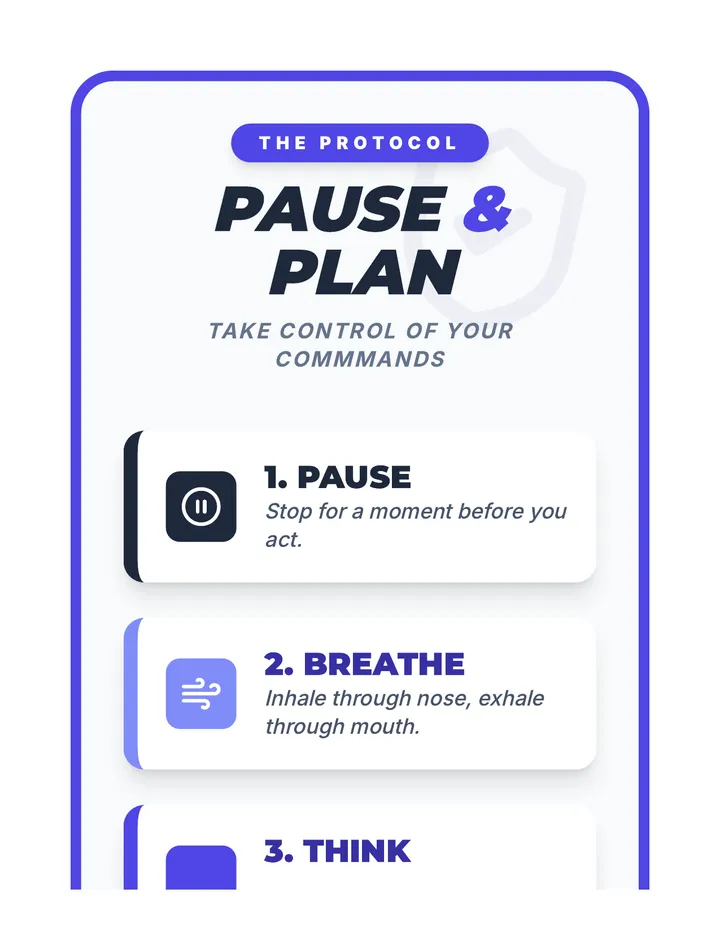
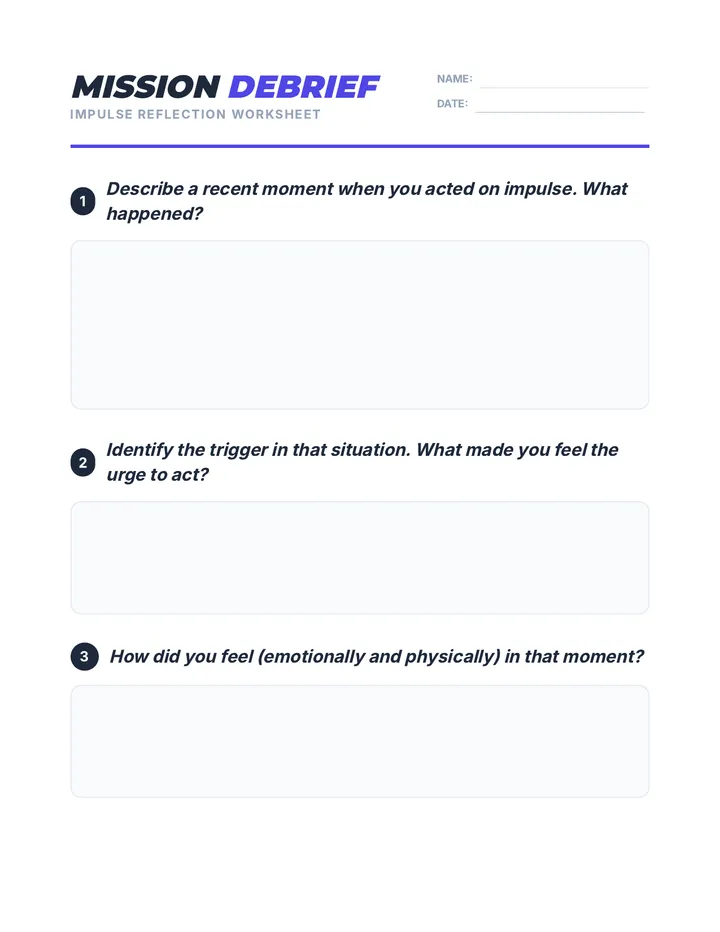
A focused 15-minute Tier 3 intervention for 7th graders to identify impulse triggers and master the Pause-and-Plan strategy for better self-regulation.
A 90-minute Tier 2 group lesson for 3rd graders focusing on self-control using the Stop-Think-Go strategy. Students learn to pause, consider consequences, and make thoughtful choices through modeling, role-play, and reflection.
A 6-week Tier 3 intervention for 4th-grade students focusing on self-regulation, anger management, and active listening. Students learn to identify triggers like personal space invasion and verbal threats, while practicing mindful breathing and calm communication.
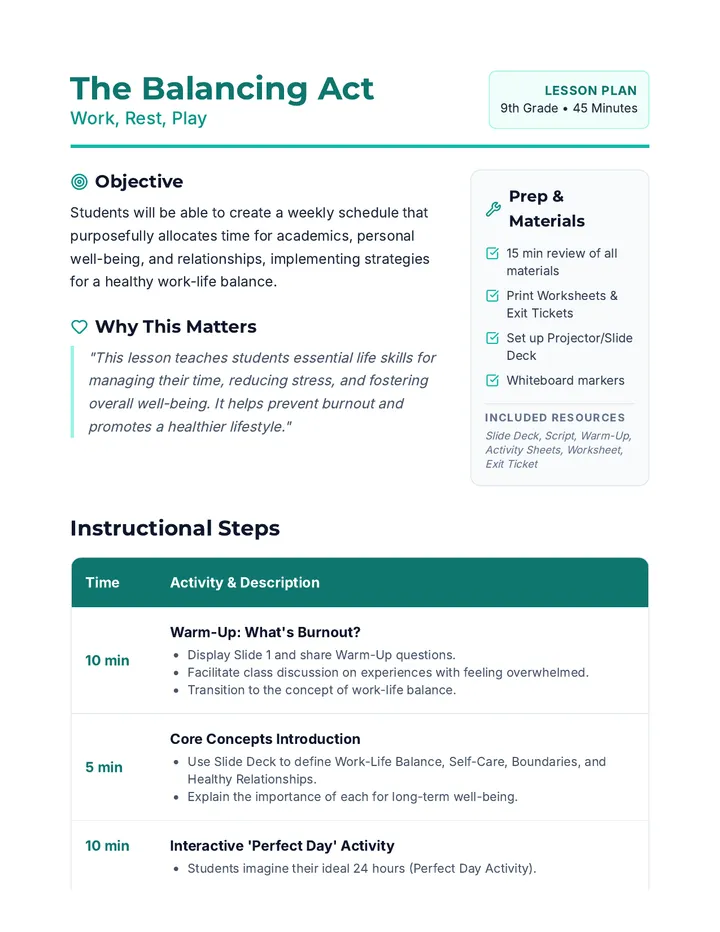
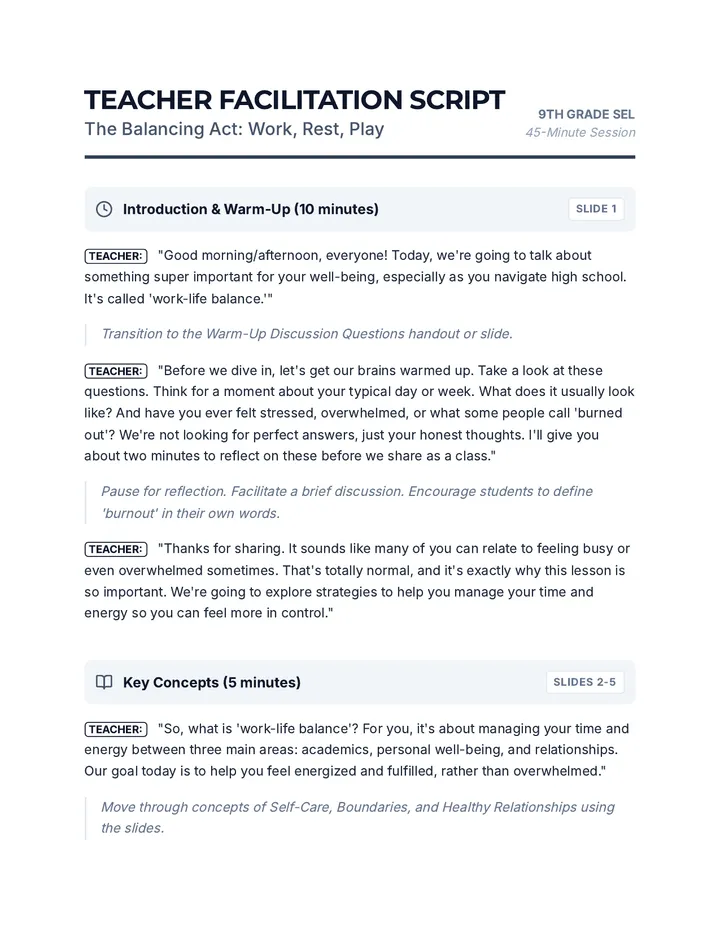
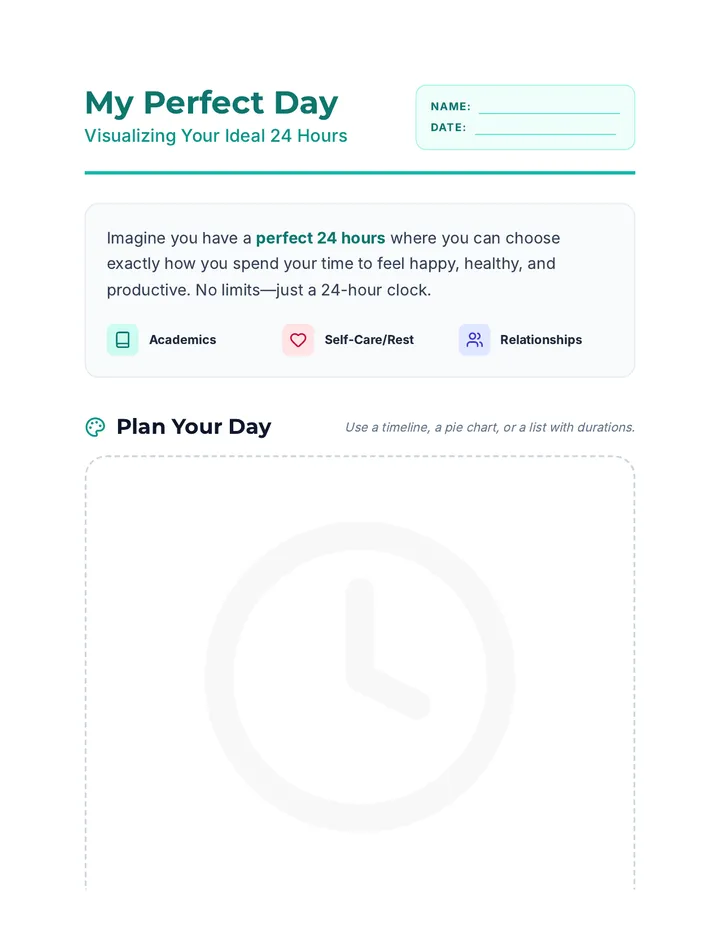
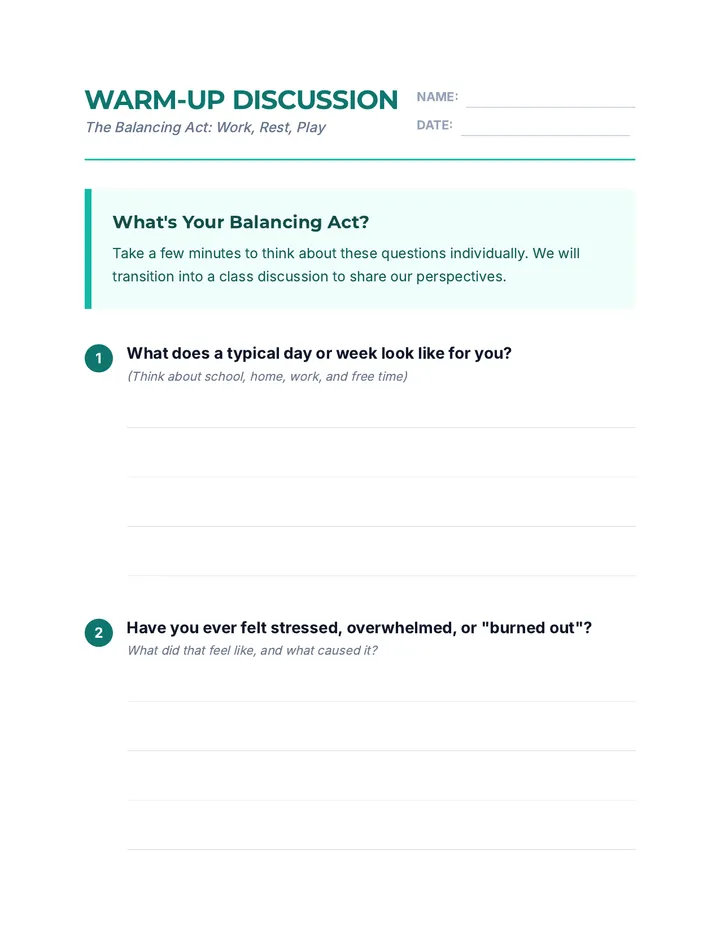
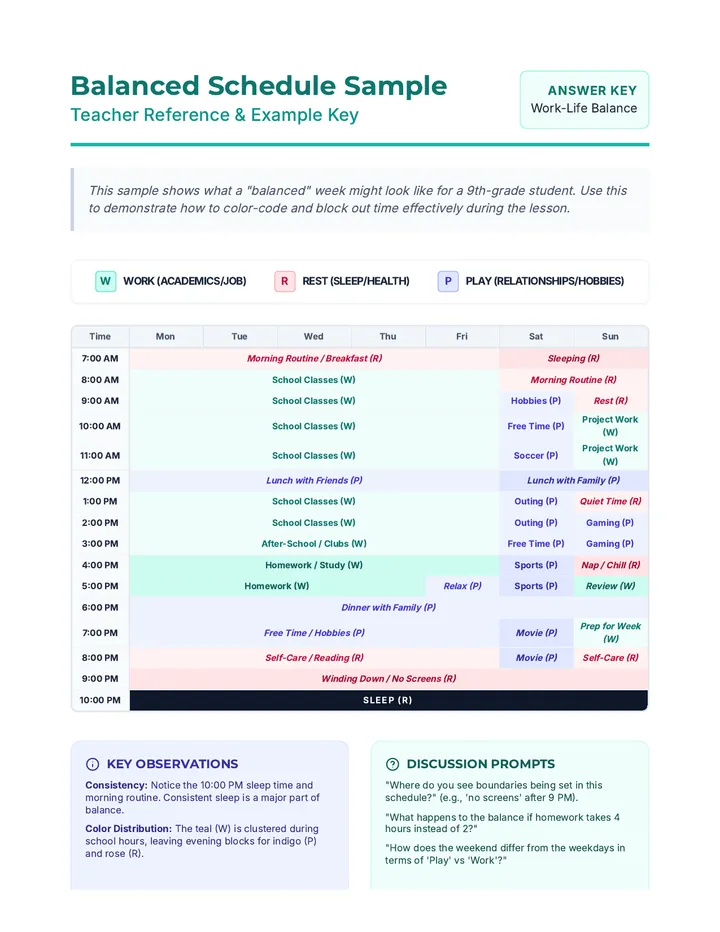
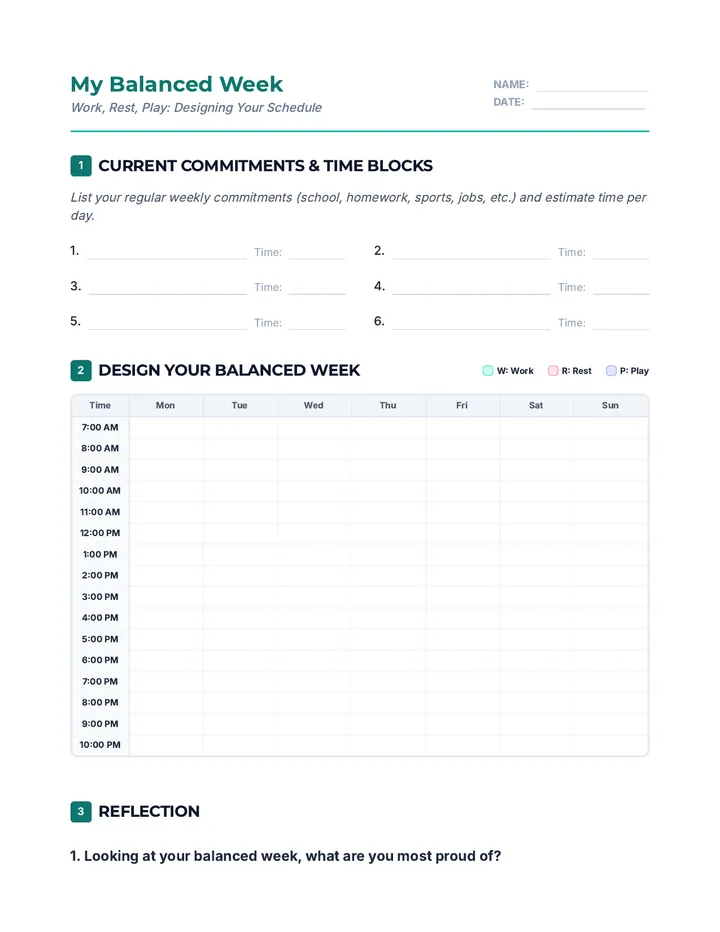
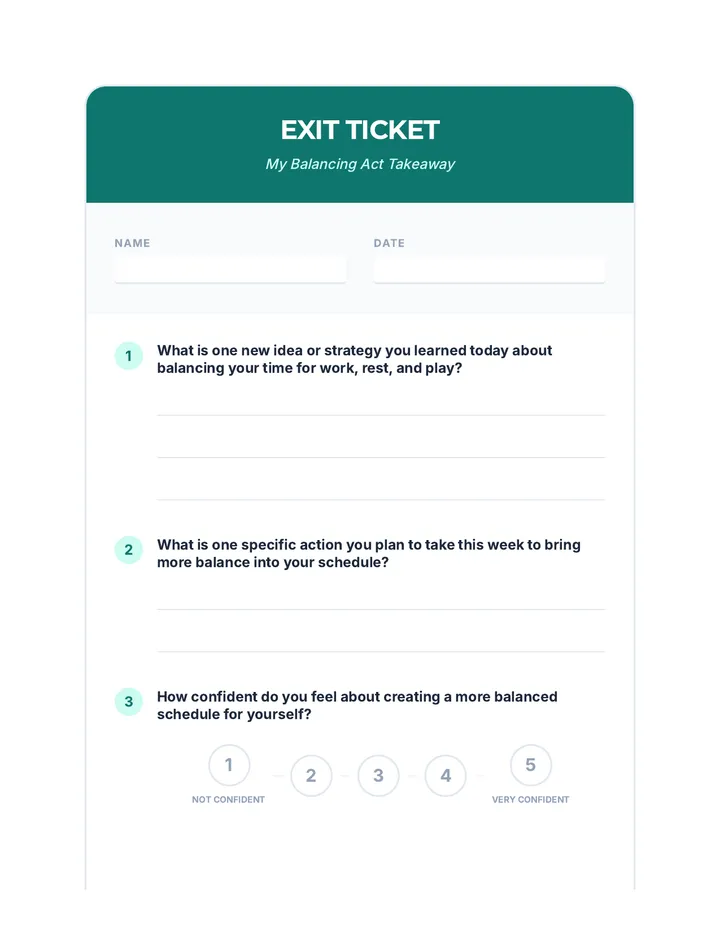
A 45-minute lesson for 9th-grade students to explore work-life balance, self-care, and boundaries through interactive scheduling activities. Students will create a realistic weekly plan that prioritizes academics, personal well-being, and relationships.
A 20-30 minute lesson for high school students to manage perfectionistic tendencies through deep breathing, positive self-talk, and time management strategies.
This lesson helps 12th graders recognize and address imposter syndrome, normalize feelings of inadequacy, and build self-compassion as they transition to post-secondary life. Students engage in reflective journaling and peer validation to acknowledge their inherent worth beyond external achievements.
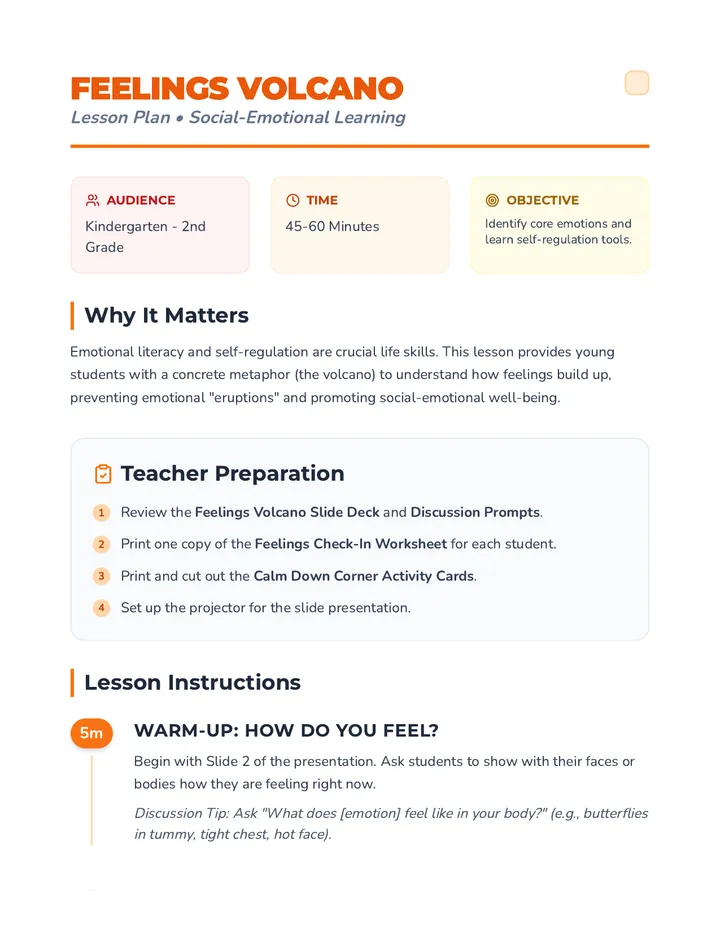
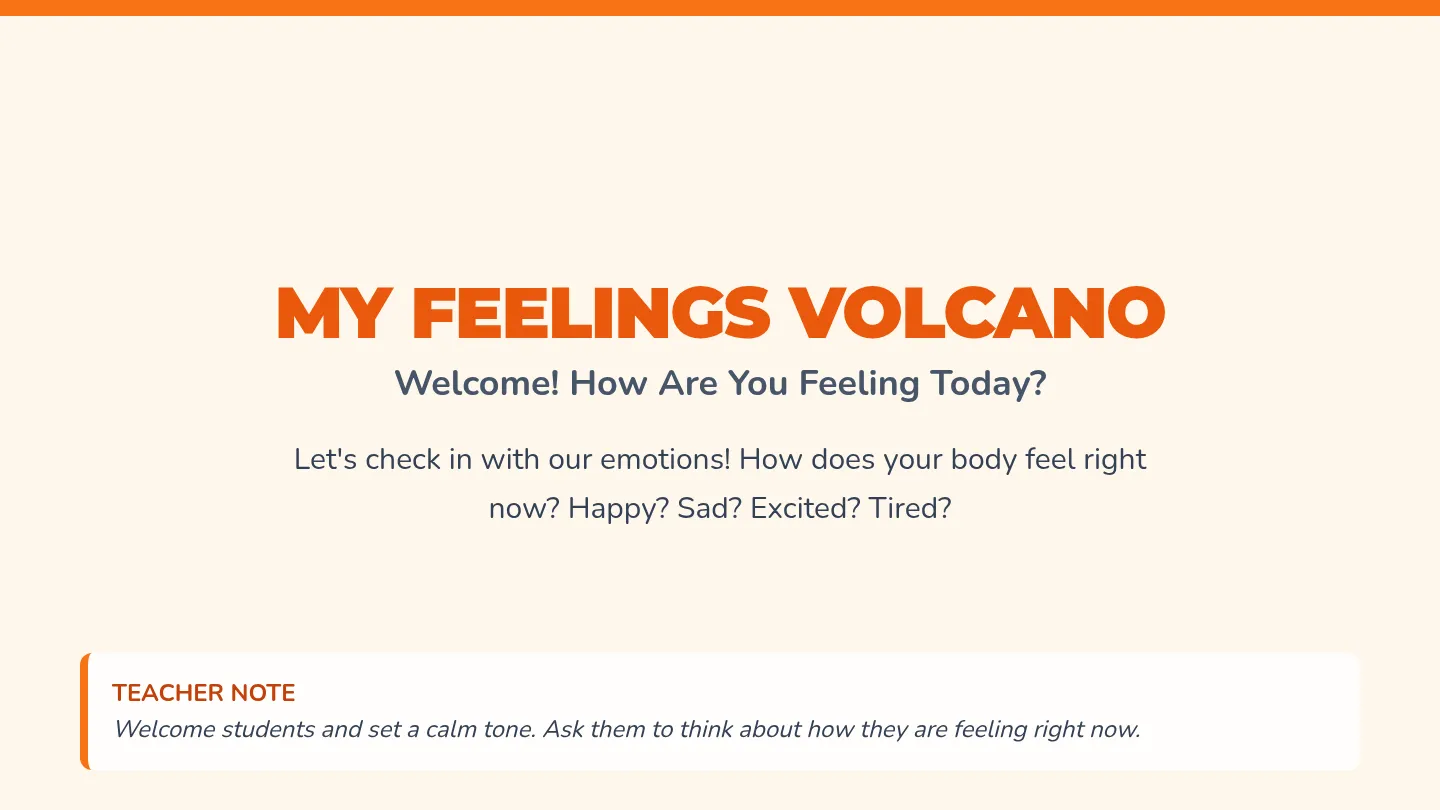
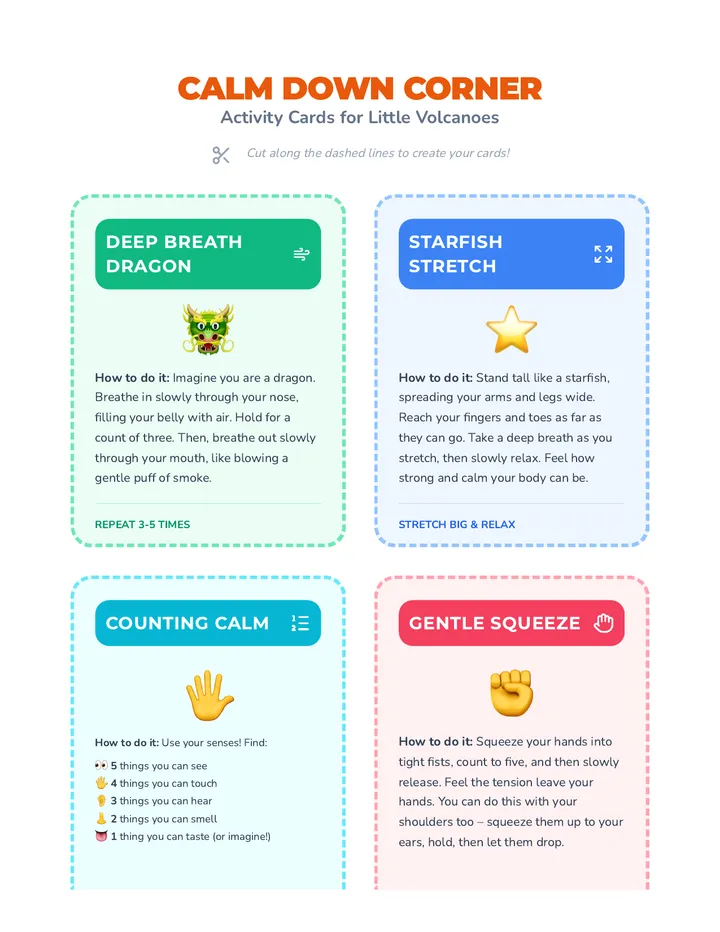
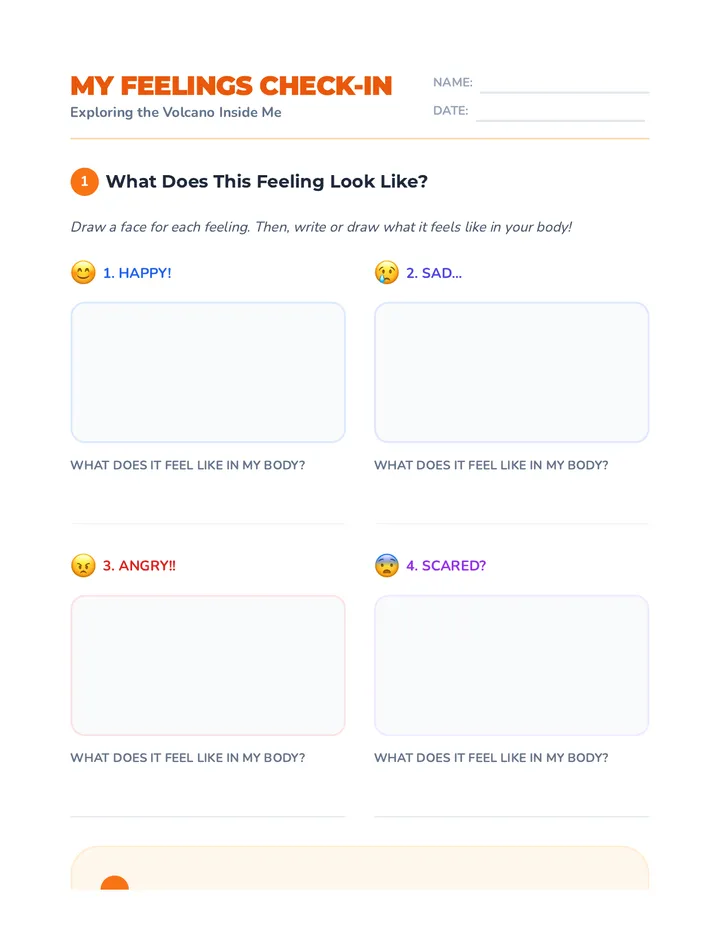
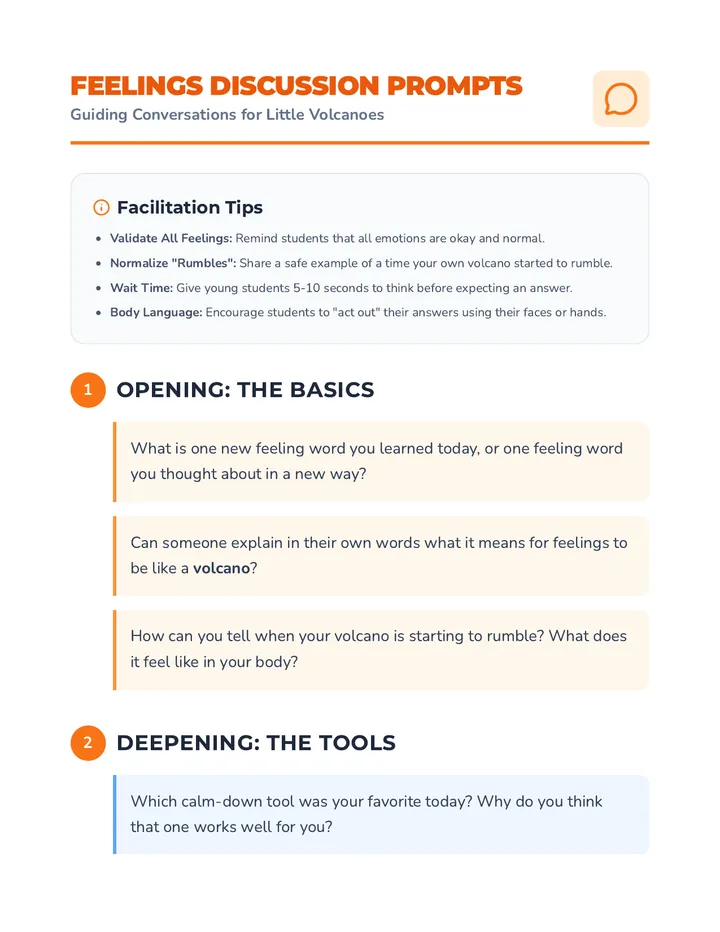
A foundational emotional literacy lesson for K-2 students using the 'Feelings Volcano' metaphor to help them identify emotions and practice self-regulation strategies. Students learn that all feelings are okay but can build up, and they discover practical 'calm down' tools to manage big emotions before an 'eruption'.
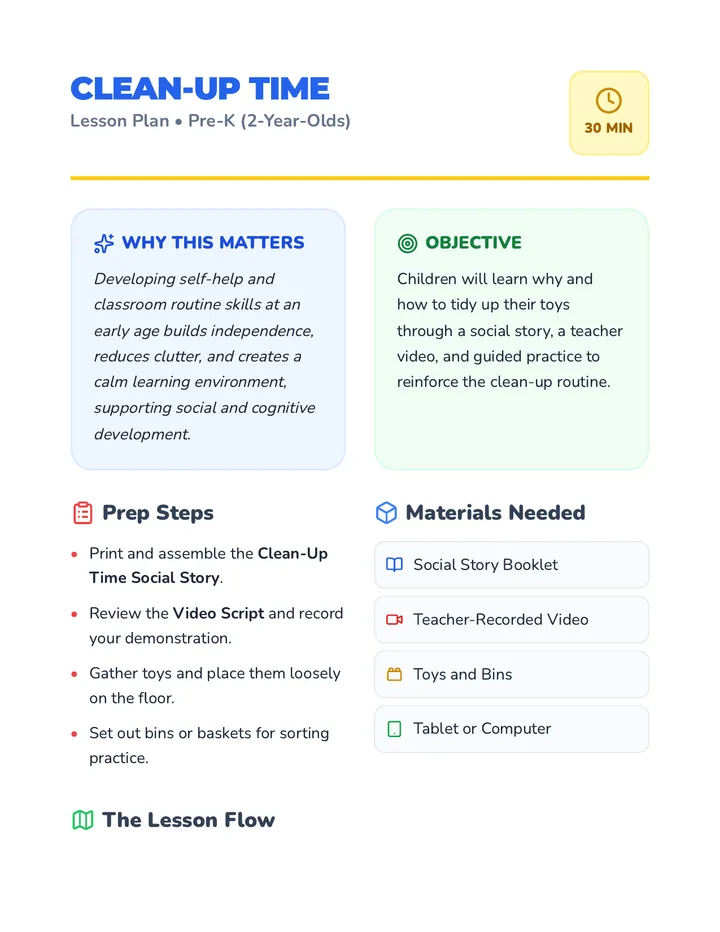
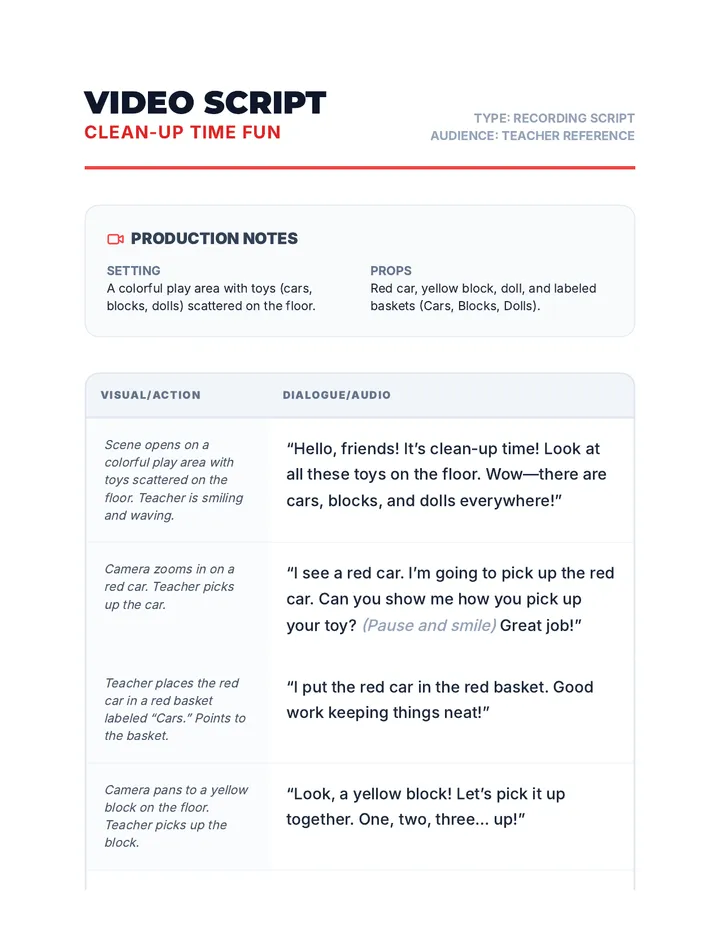
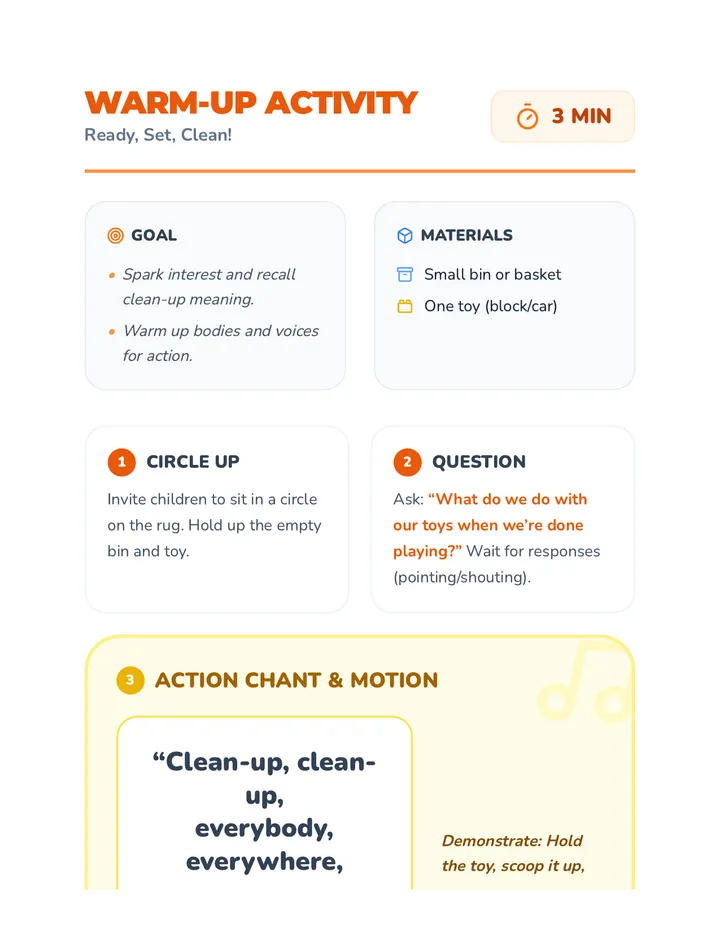
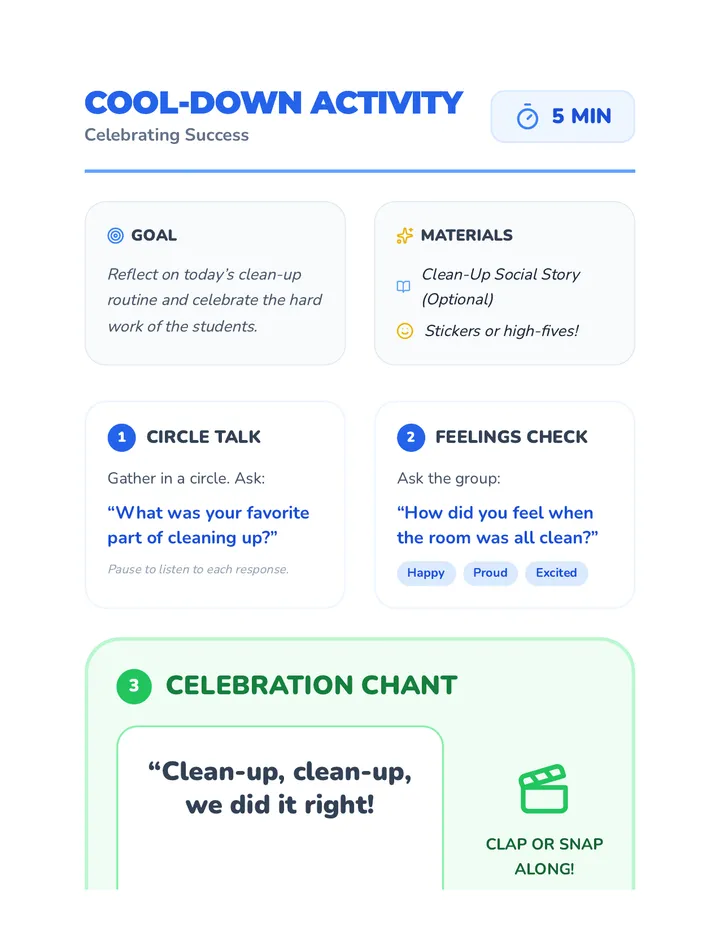
A foundational Pre-K lesson teaching 2-year-olds the routine of tidying up toys through a social story, teacher-led video, and guided practice.
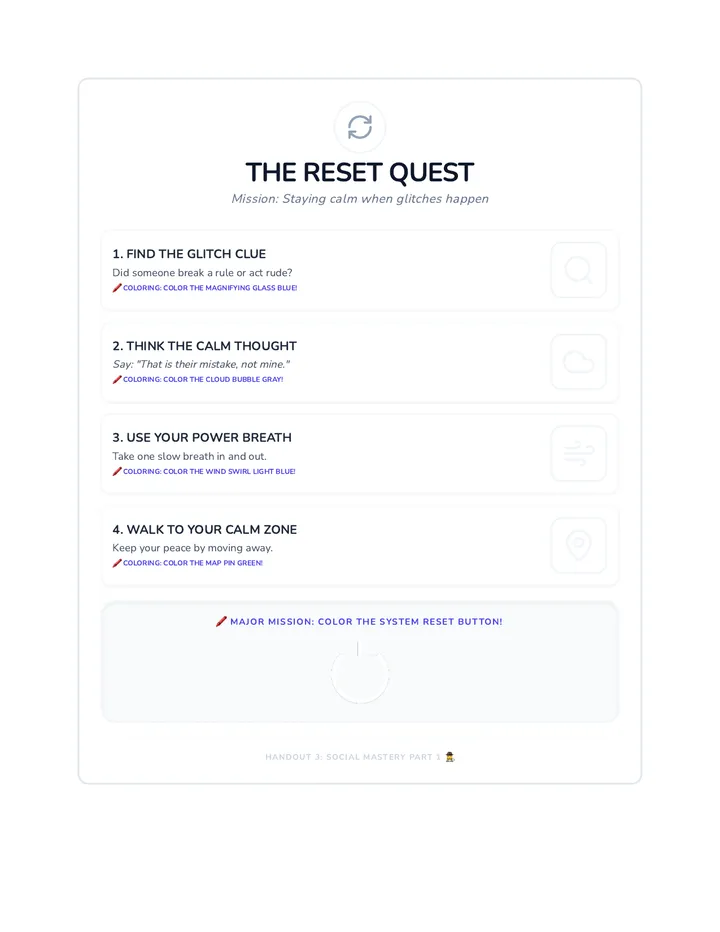
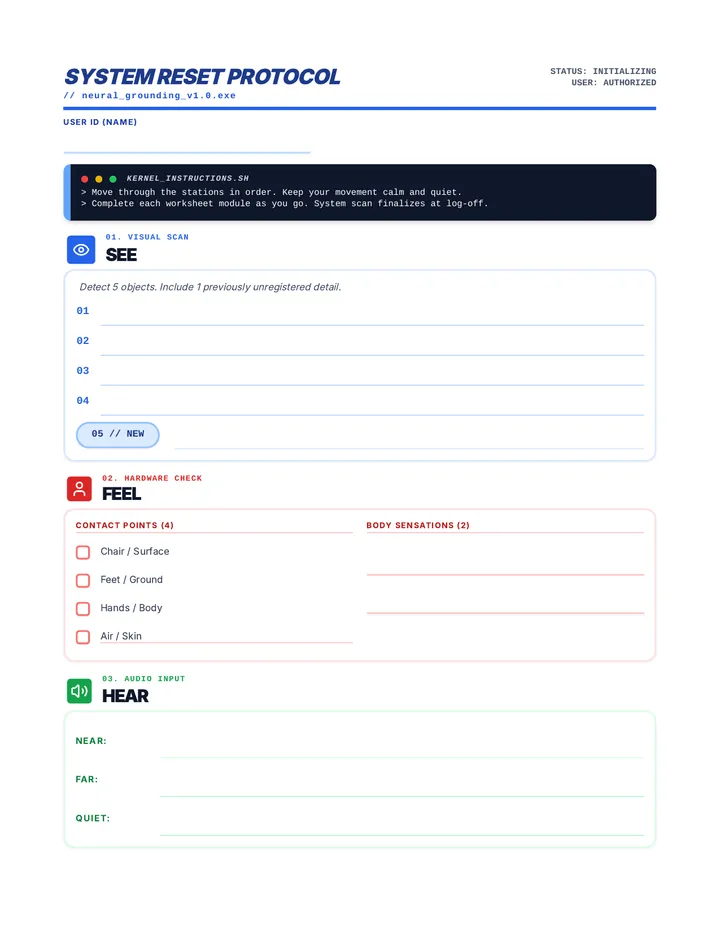
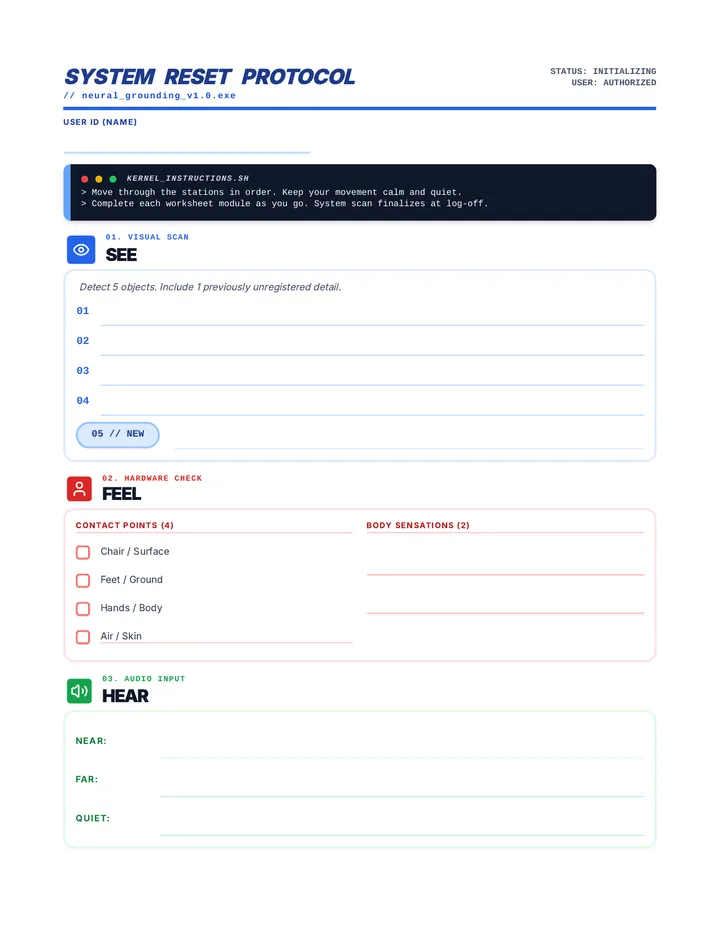
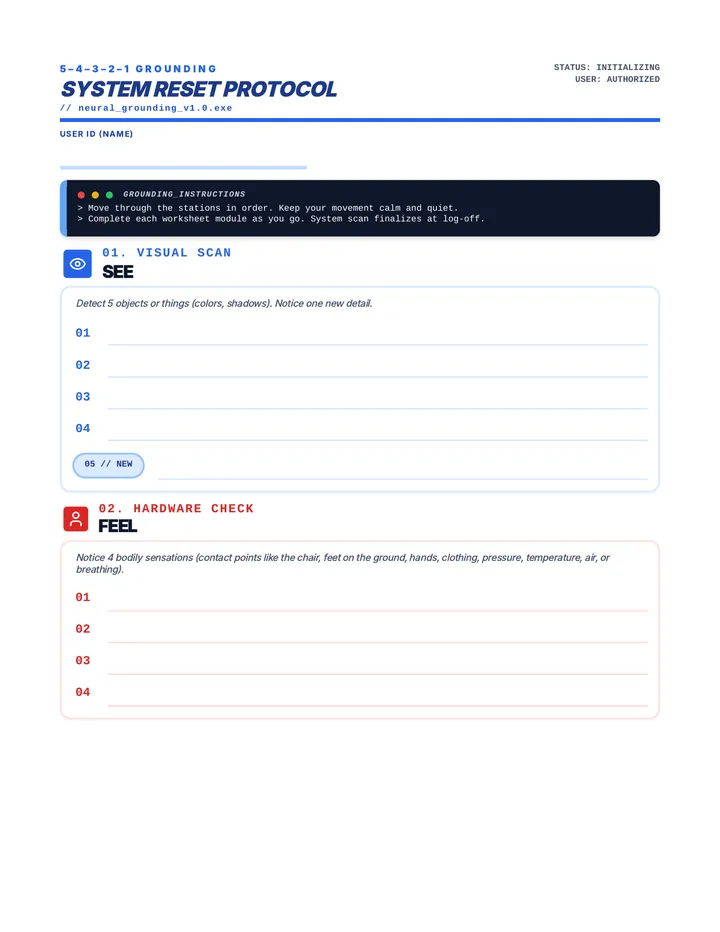
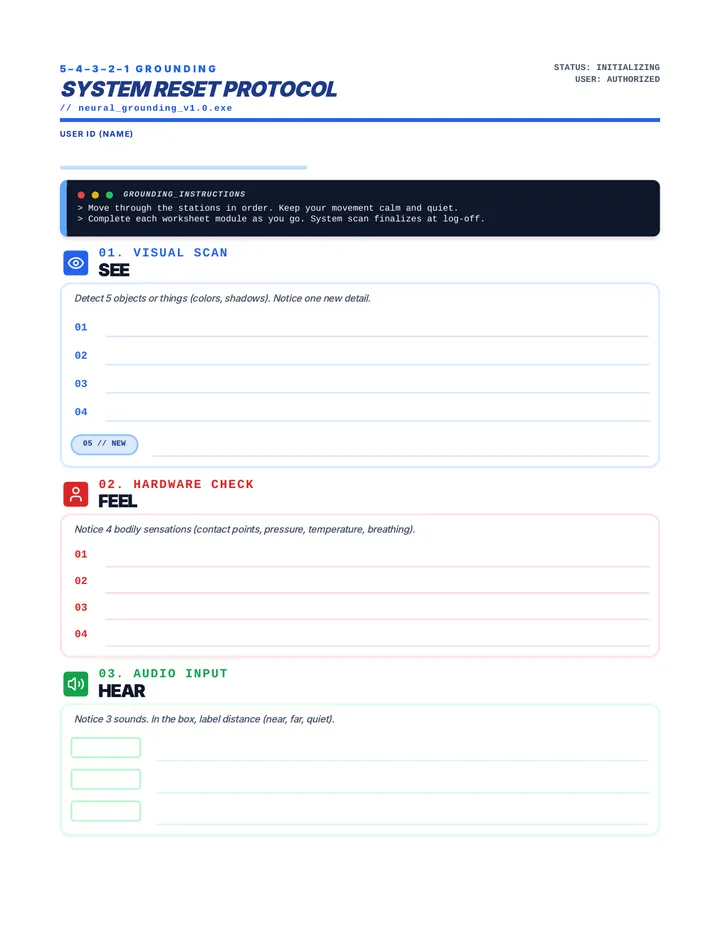
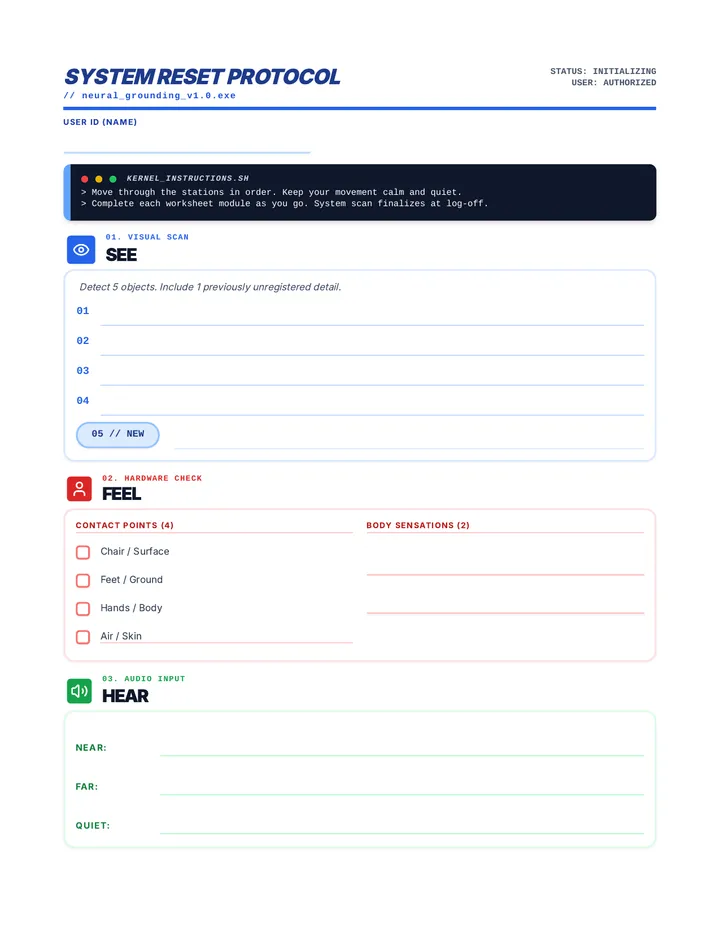
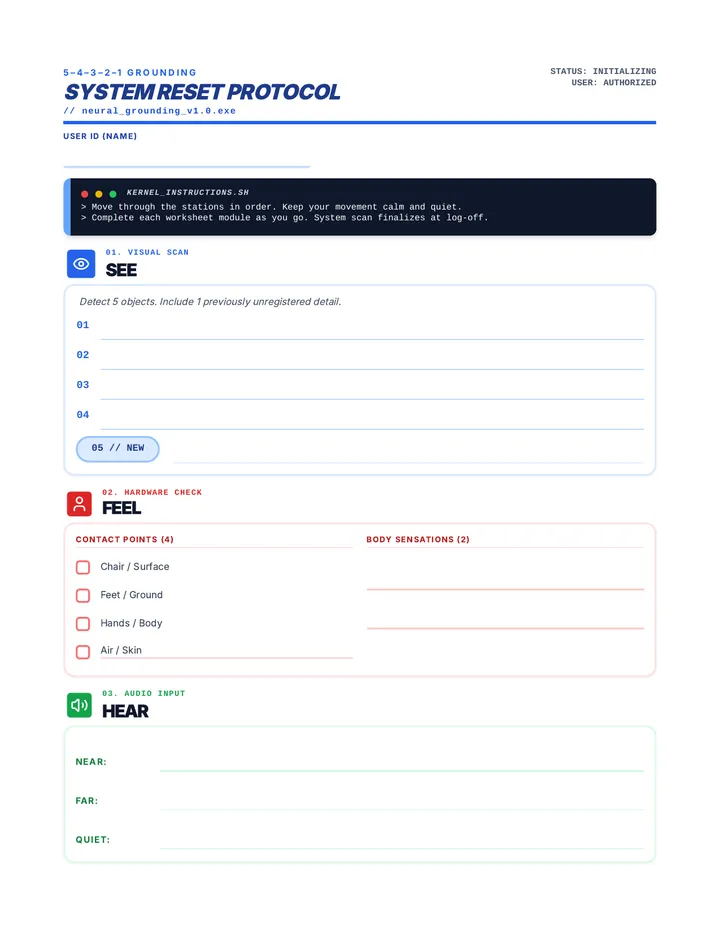
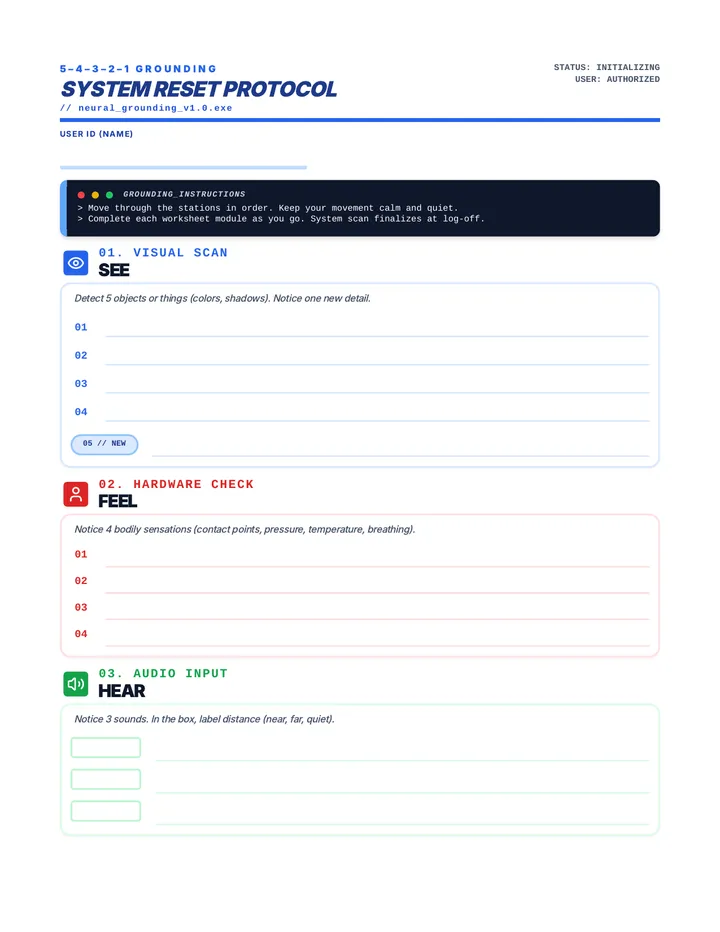
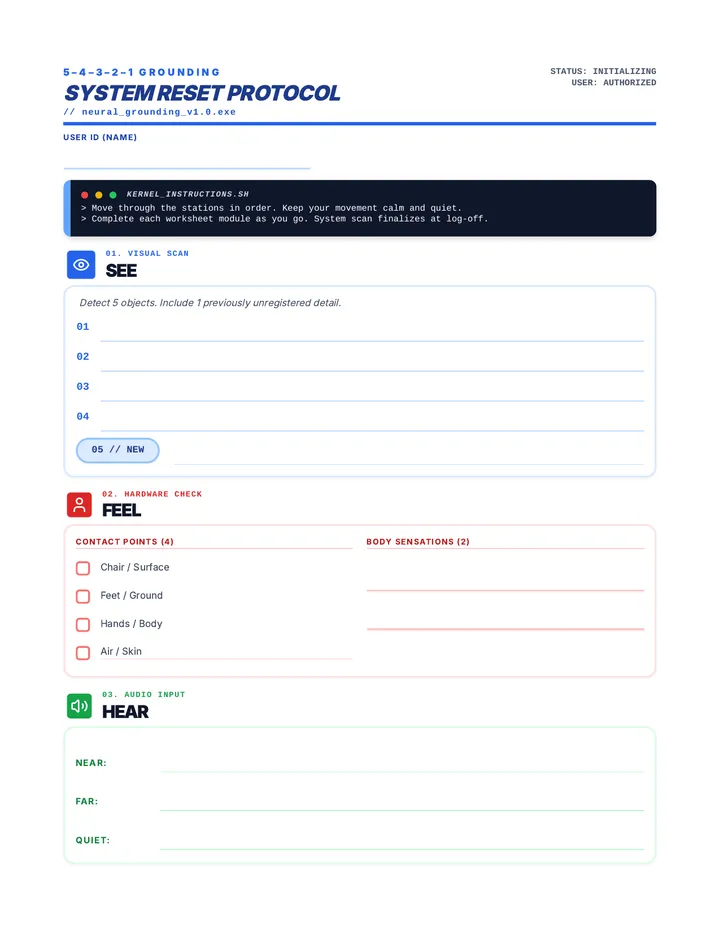
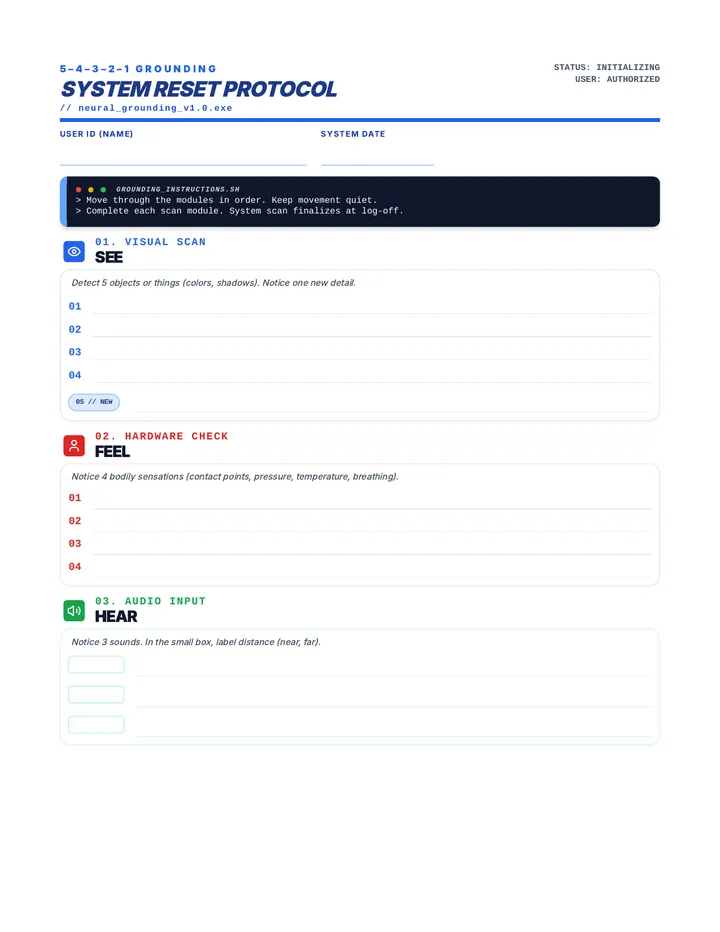
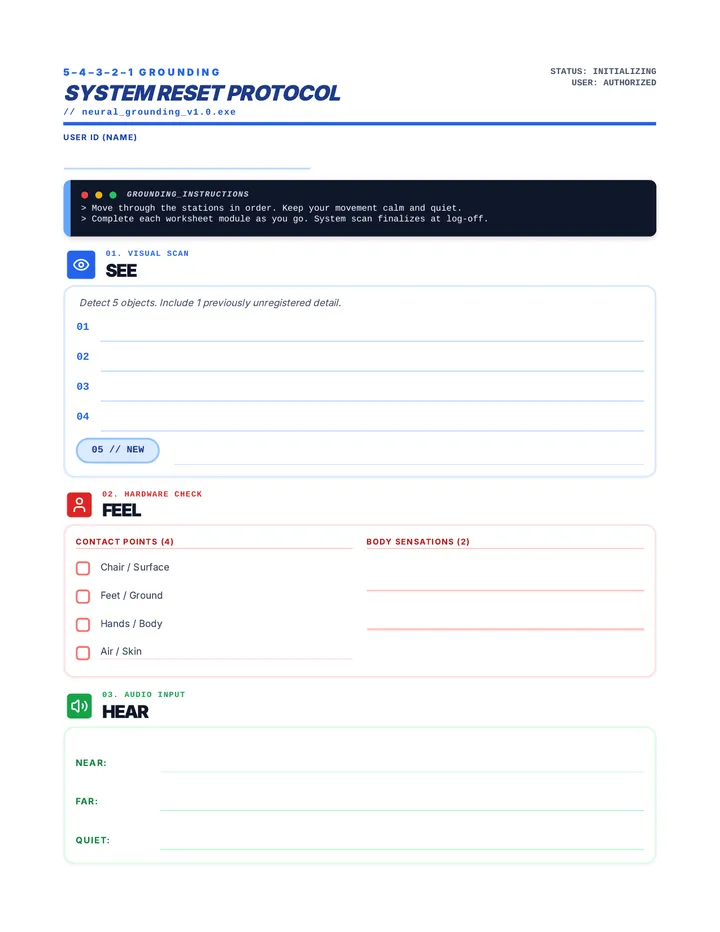
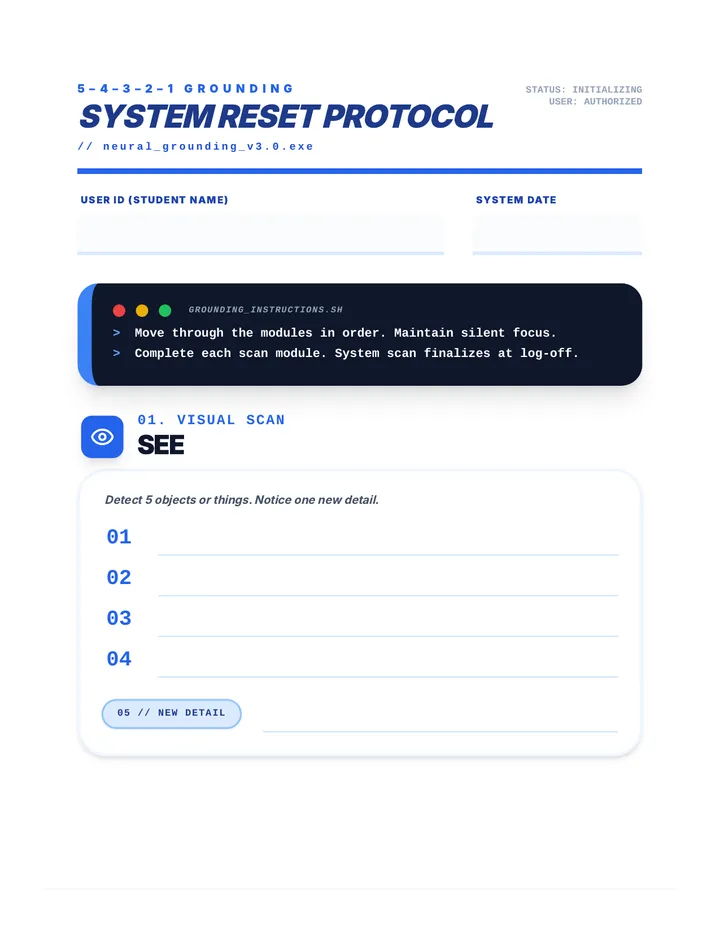
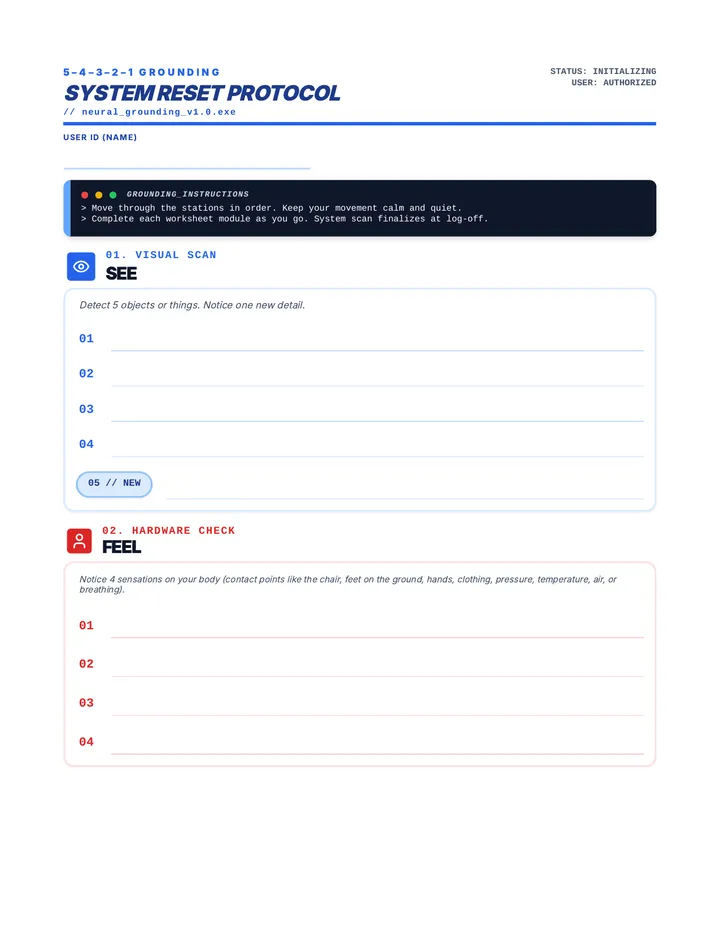
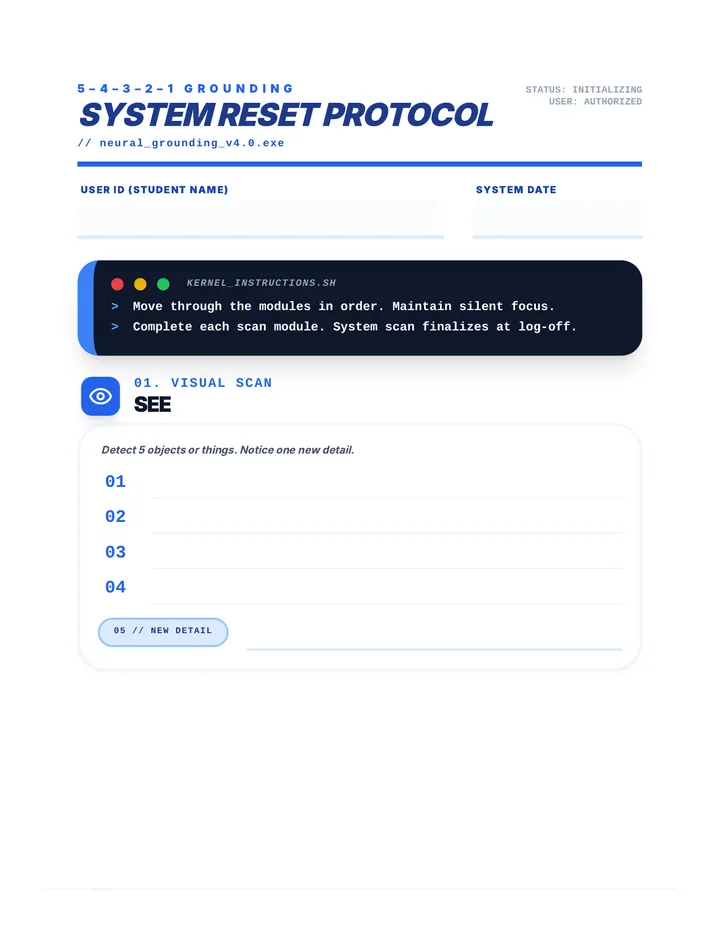
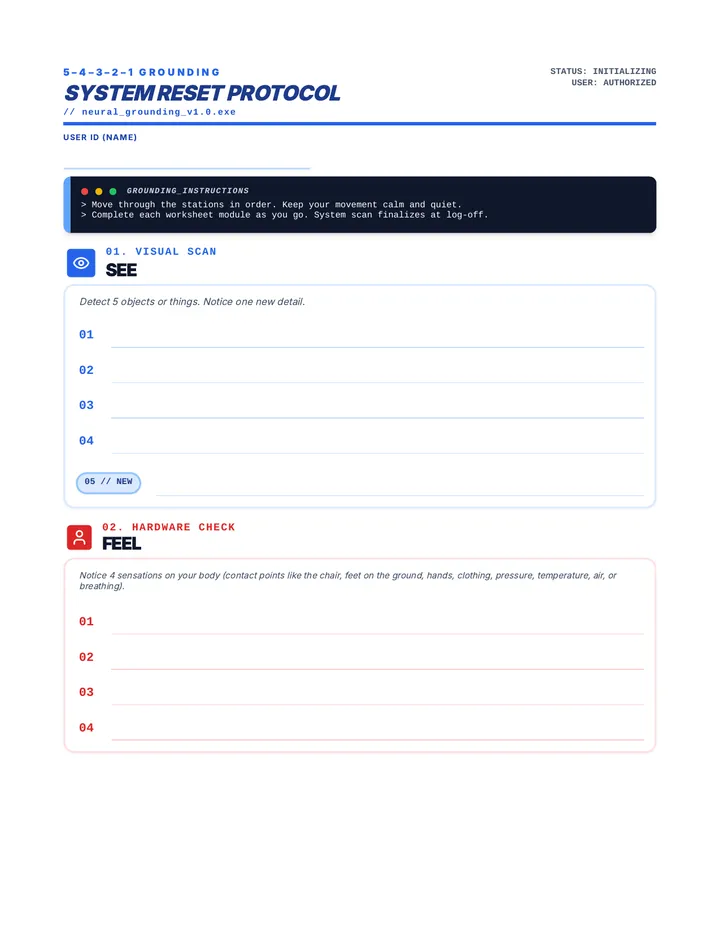
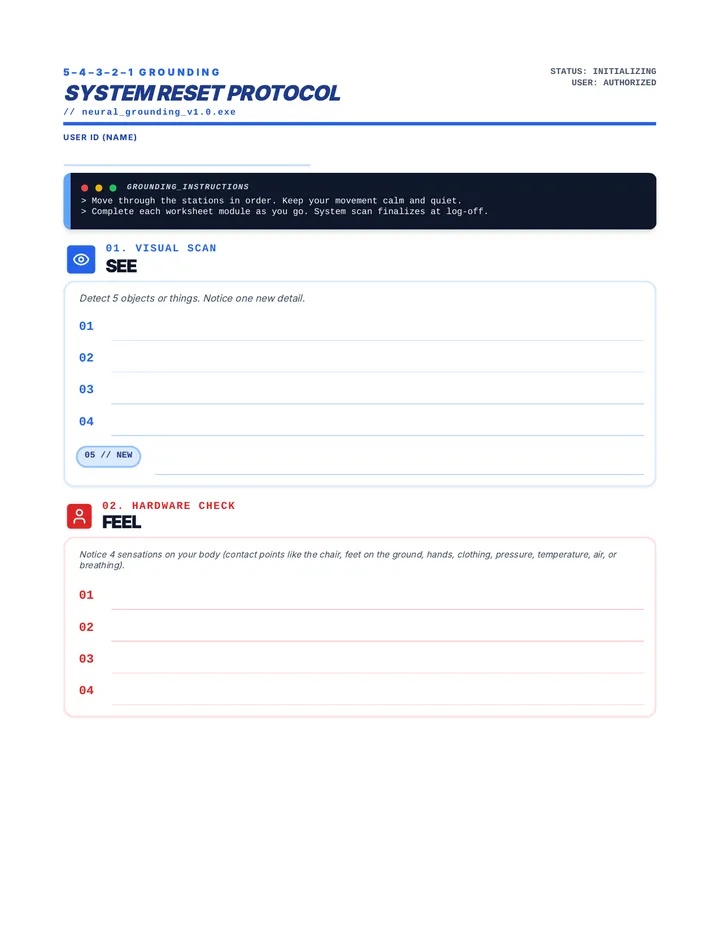
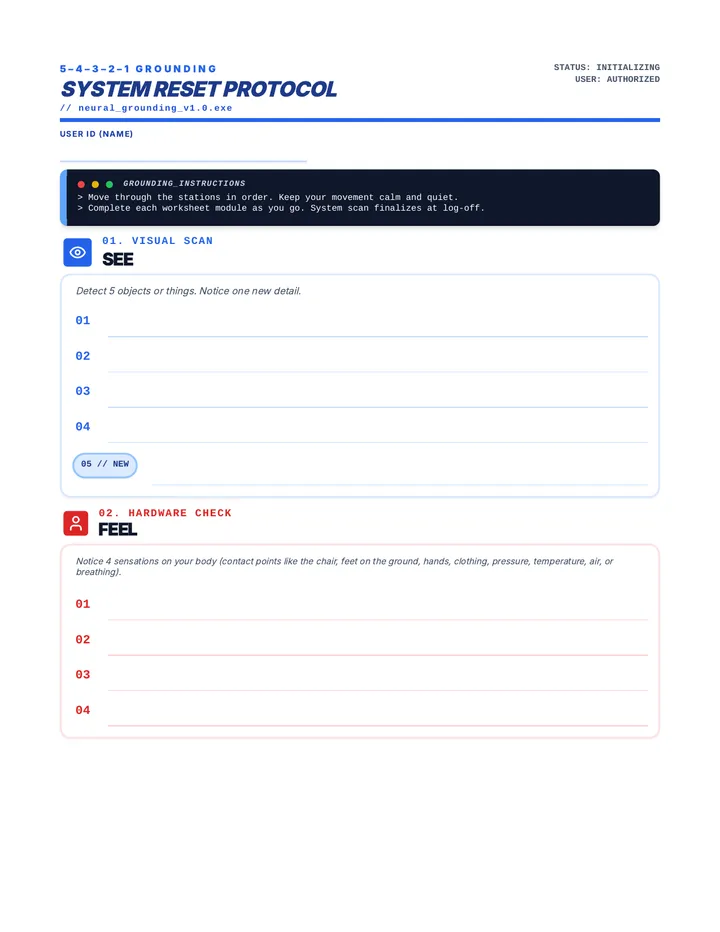
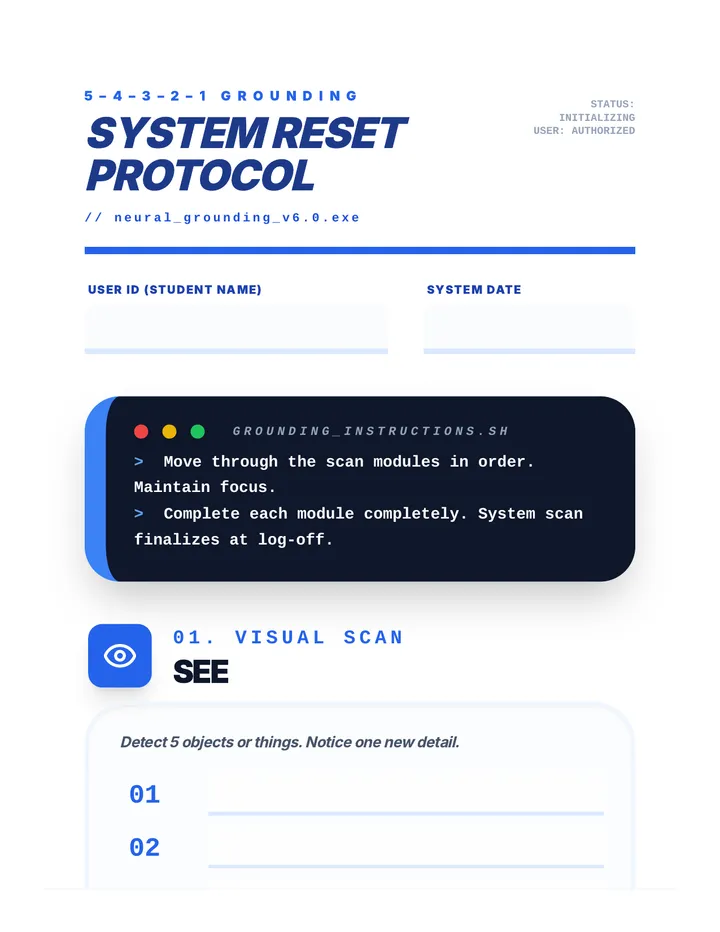
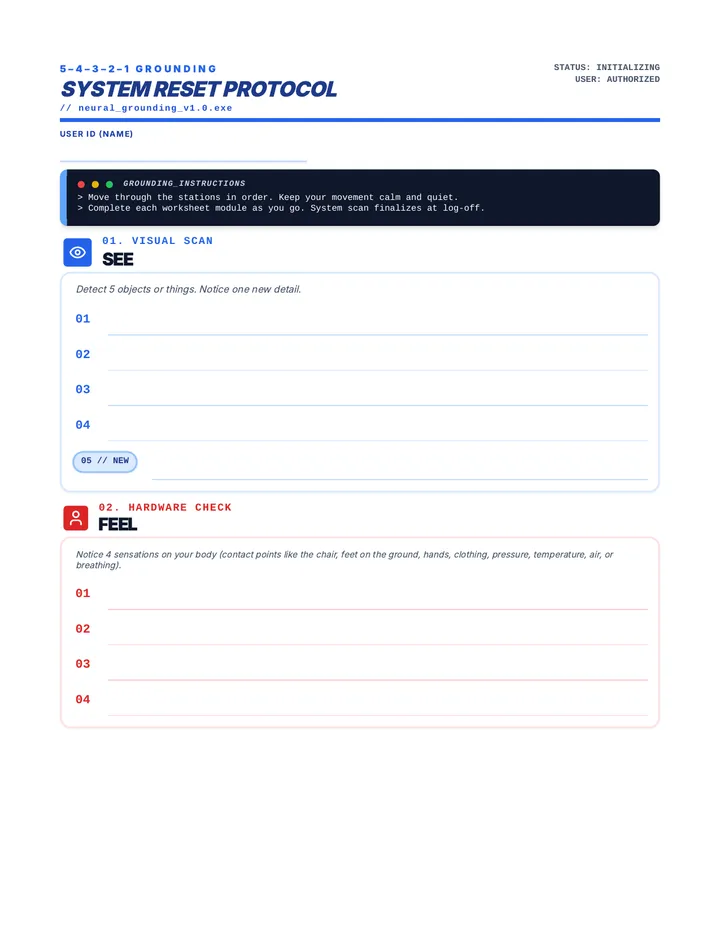
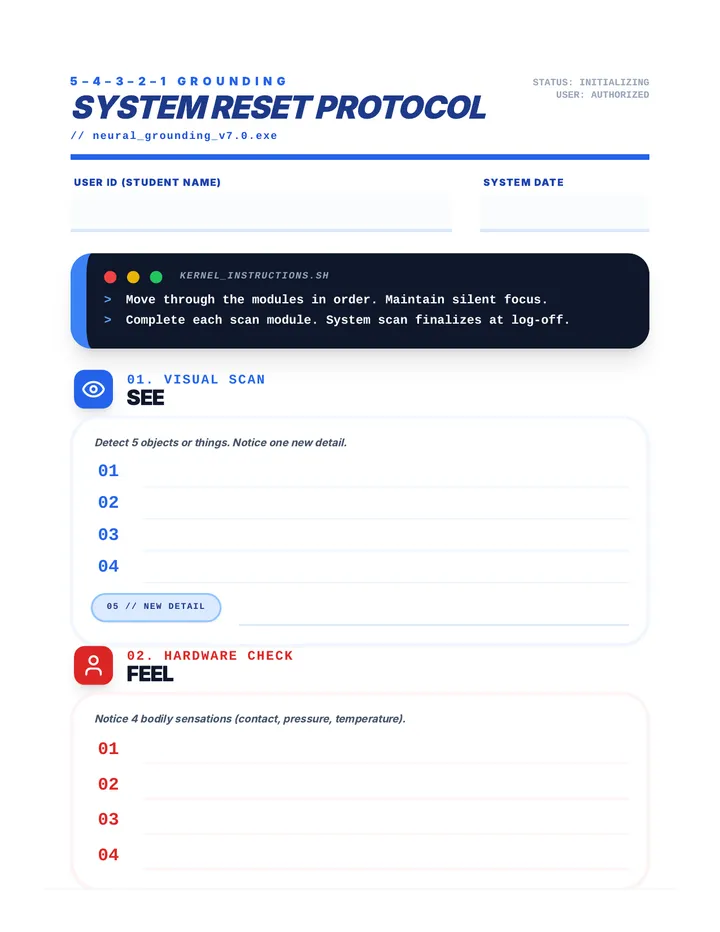
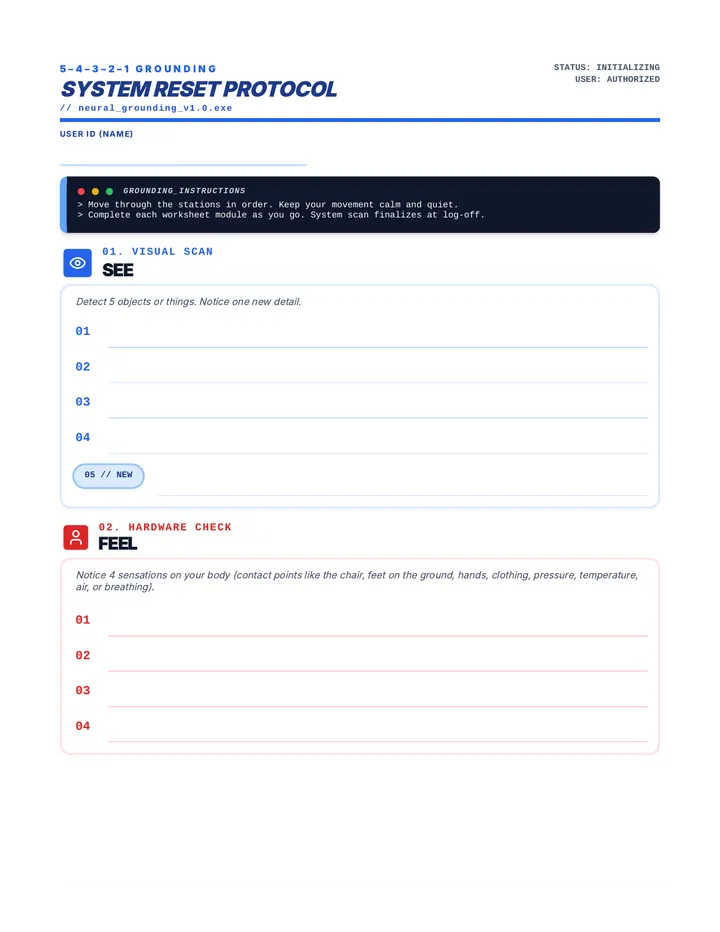
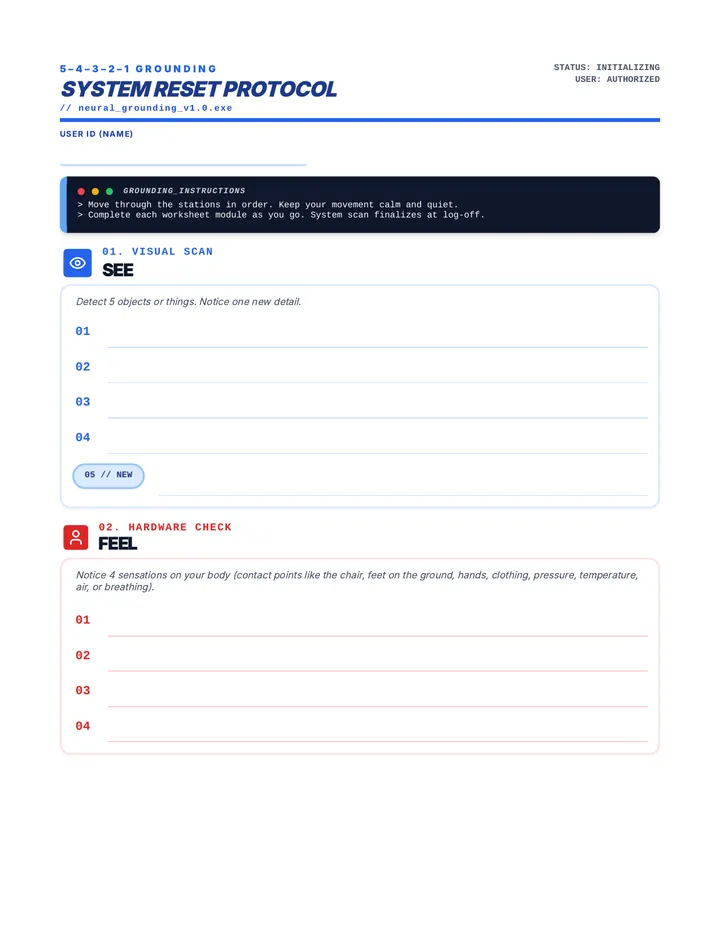
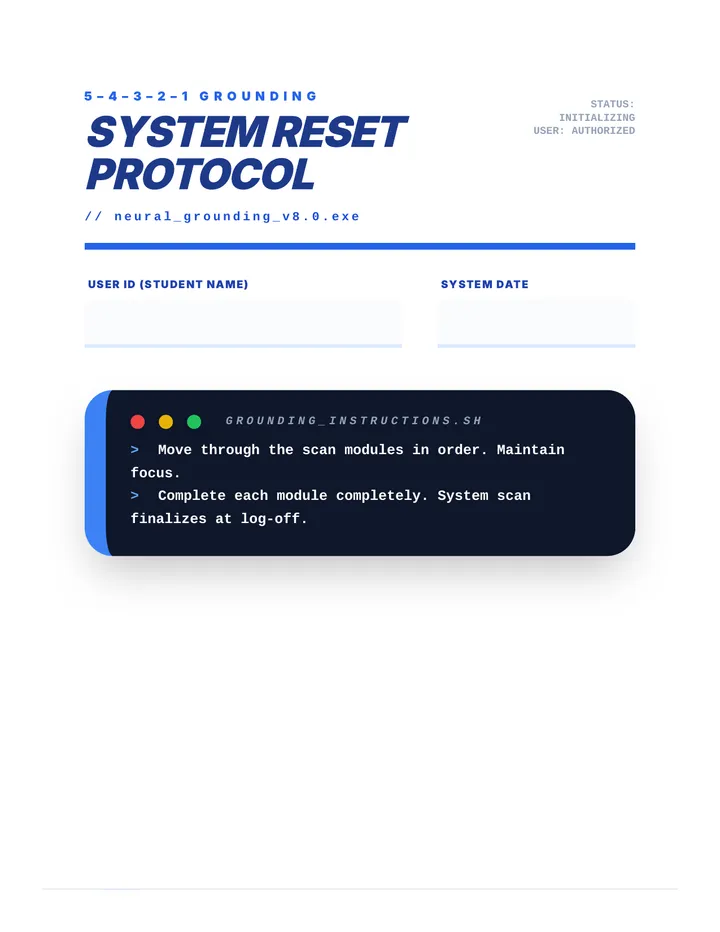
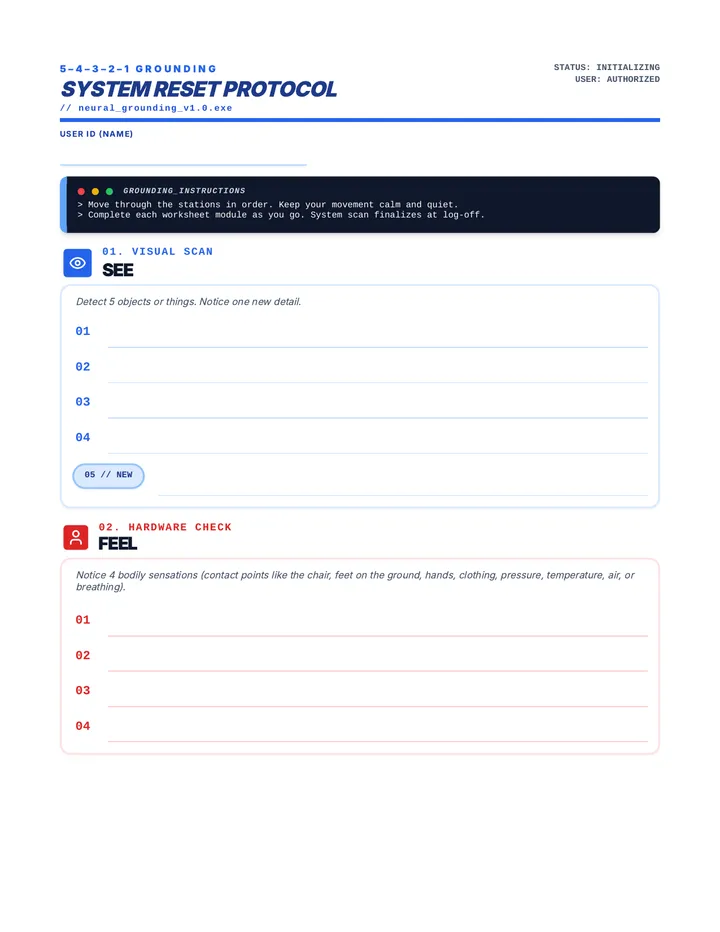
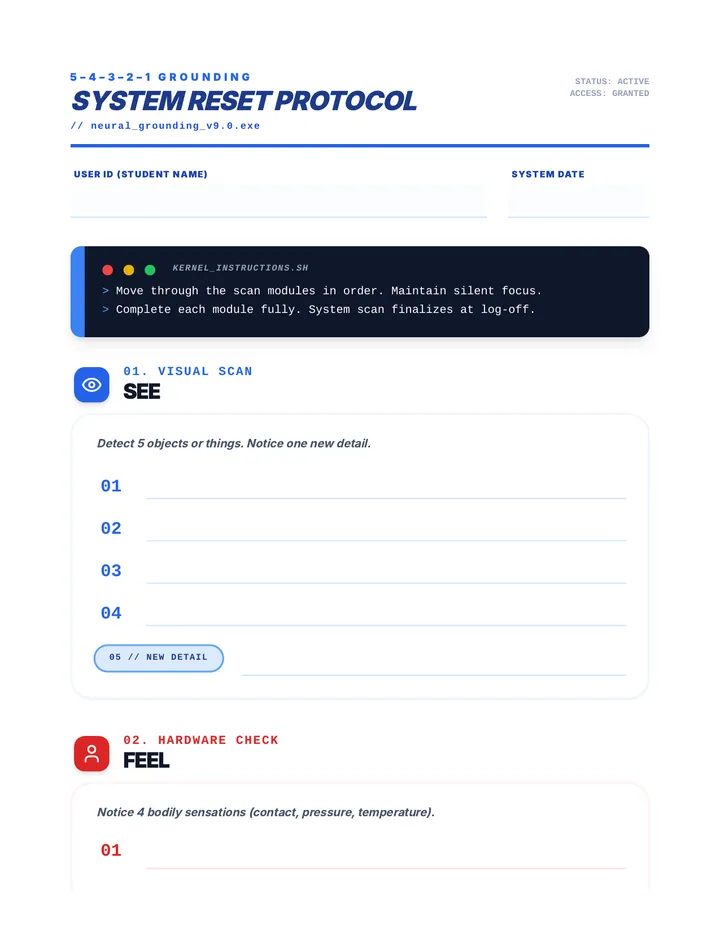
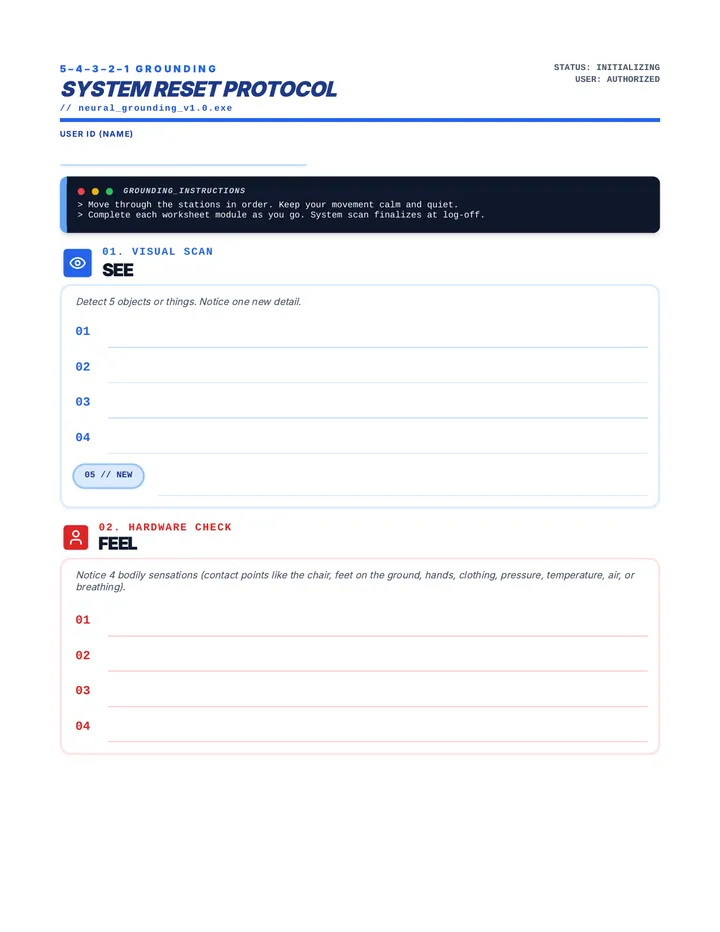
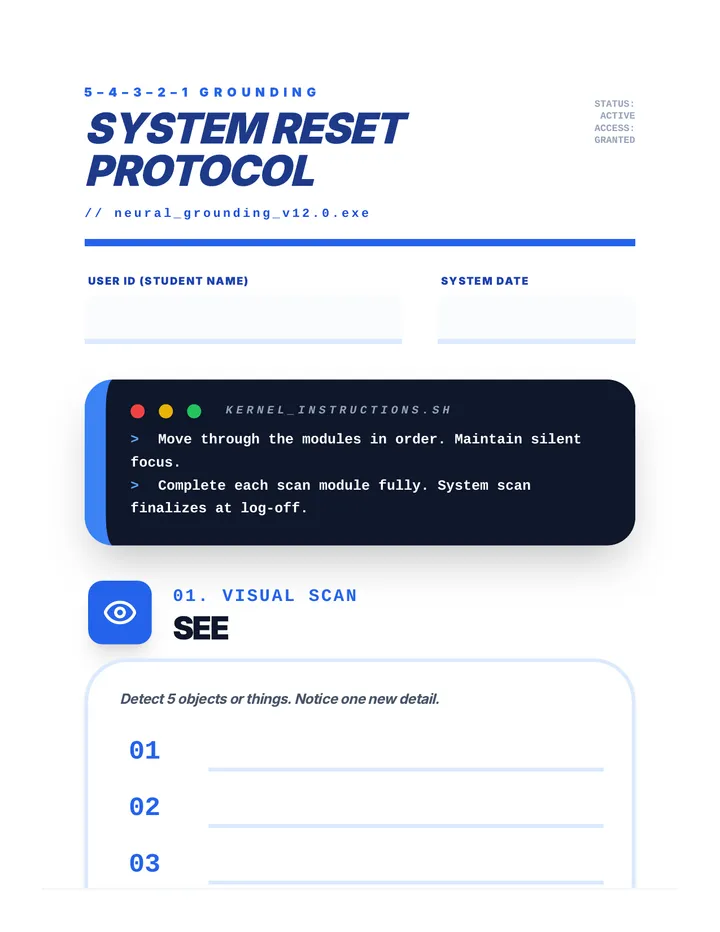
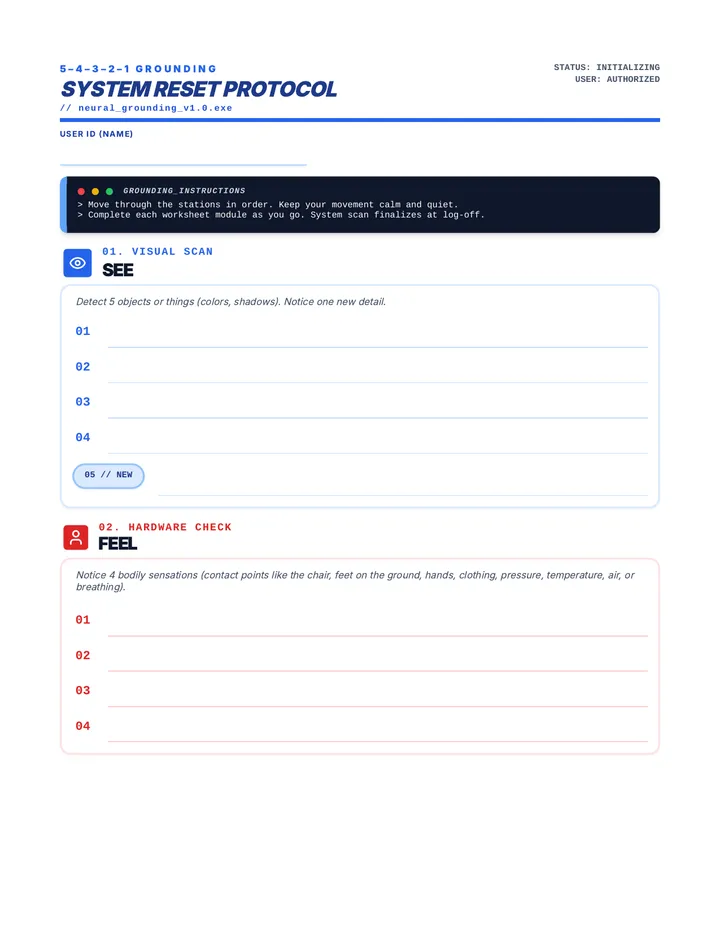
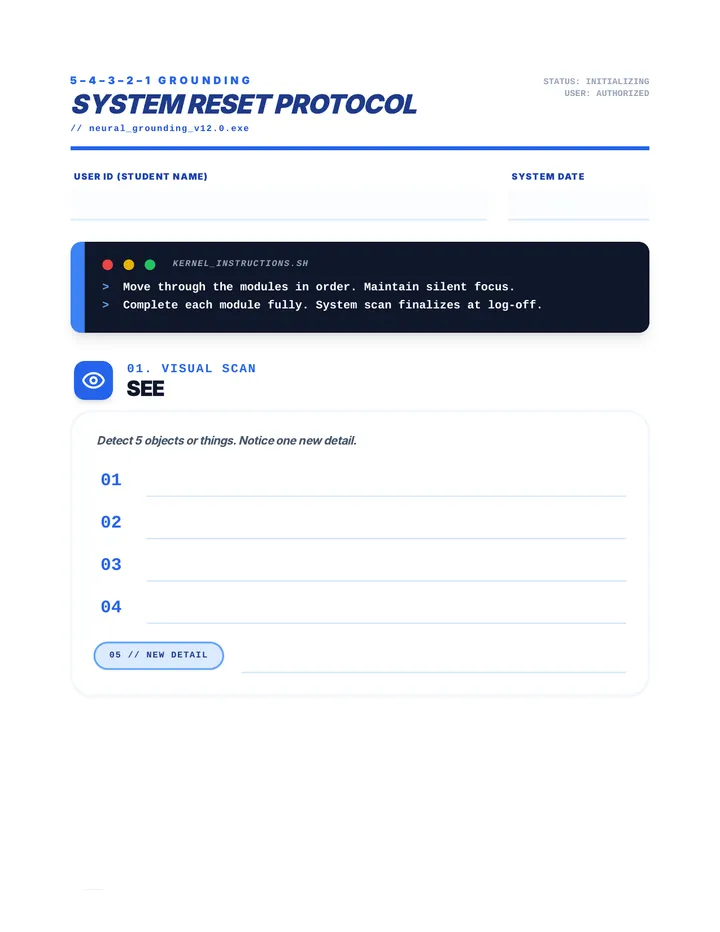
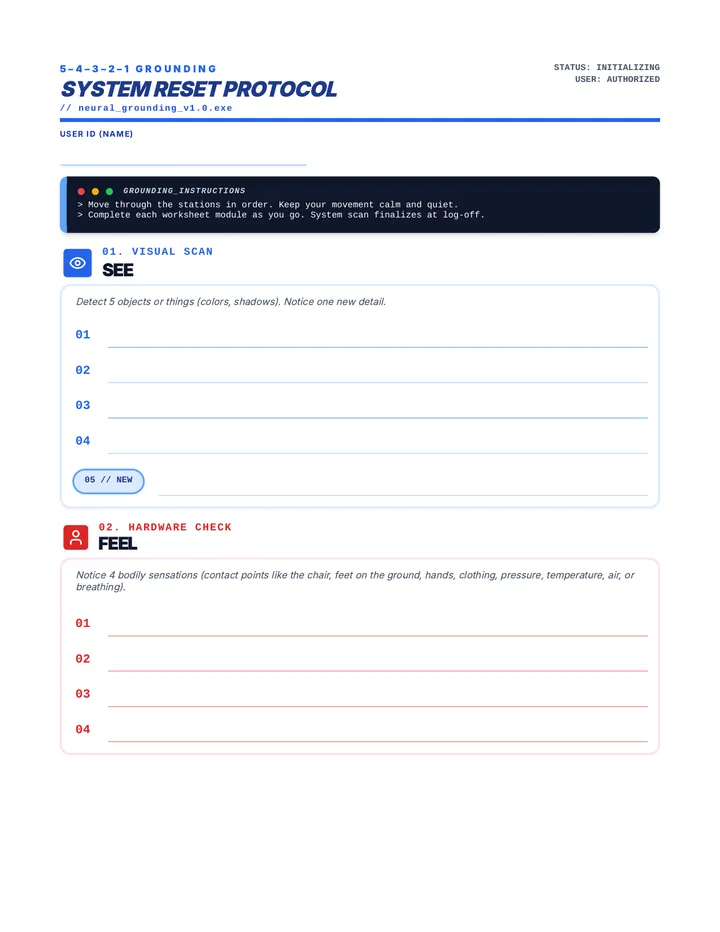
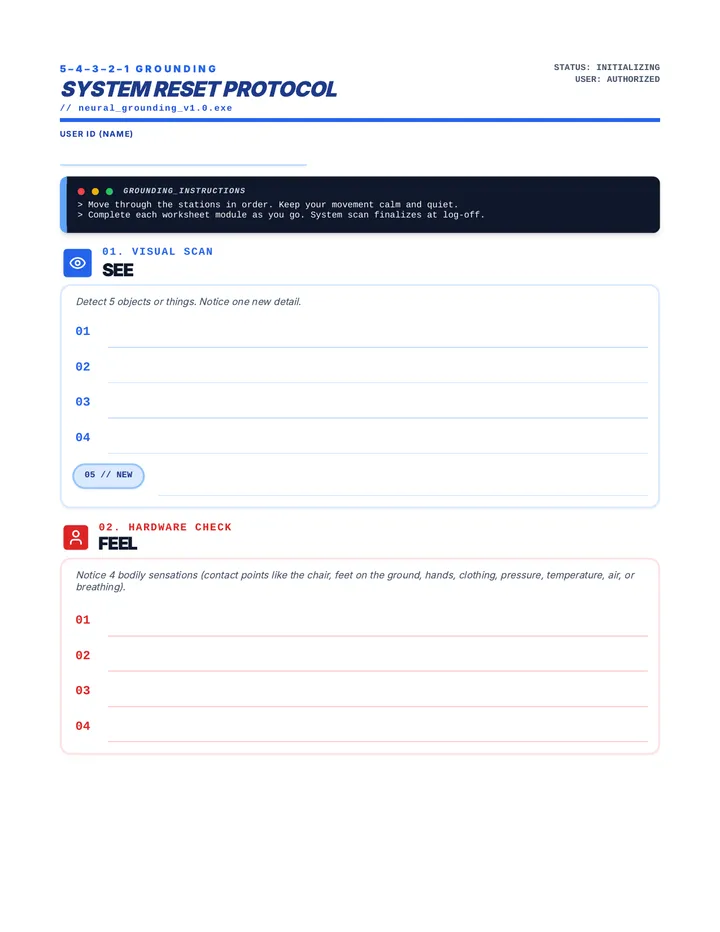
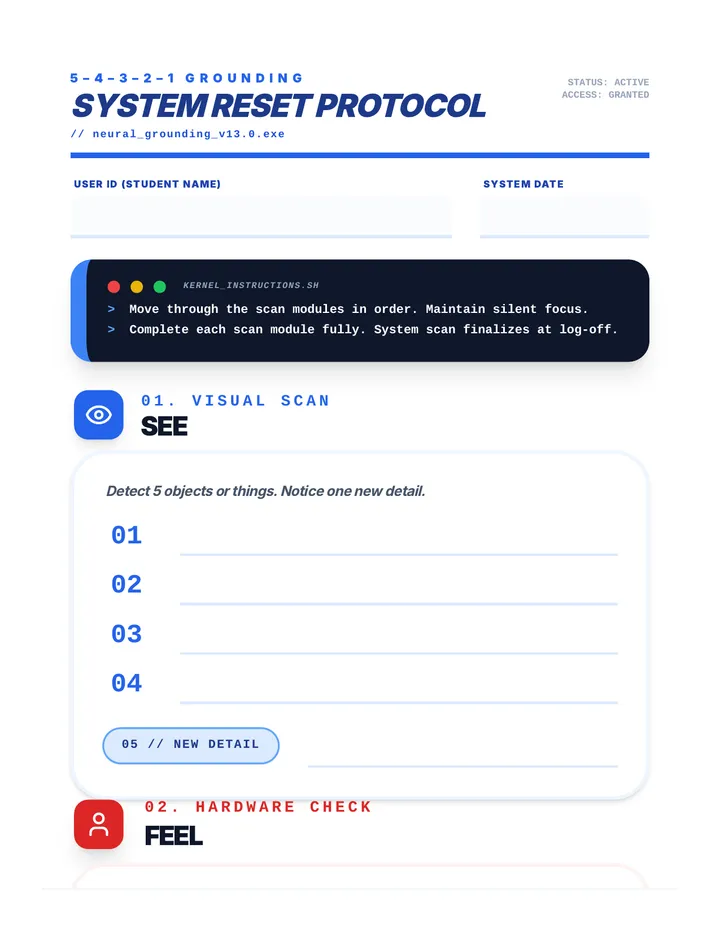
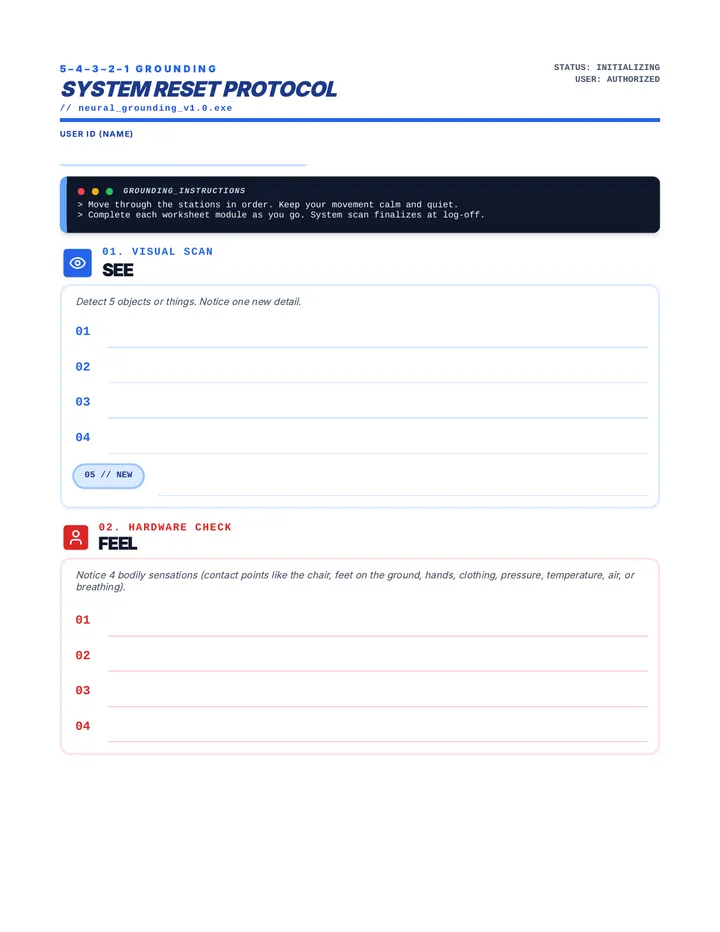
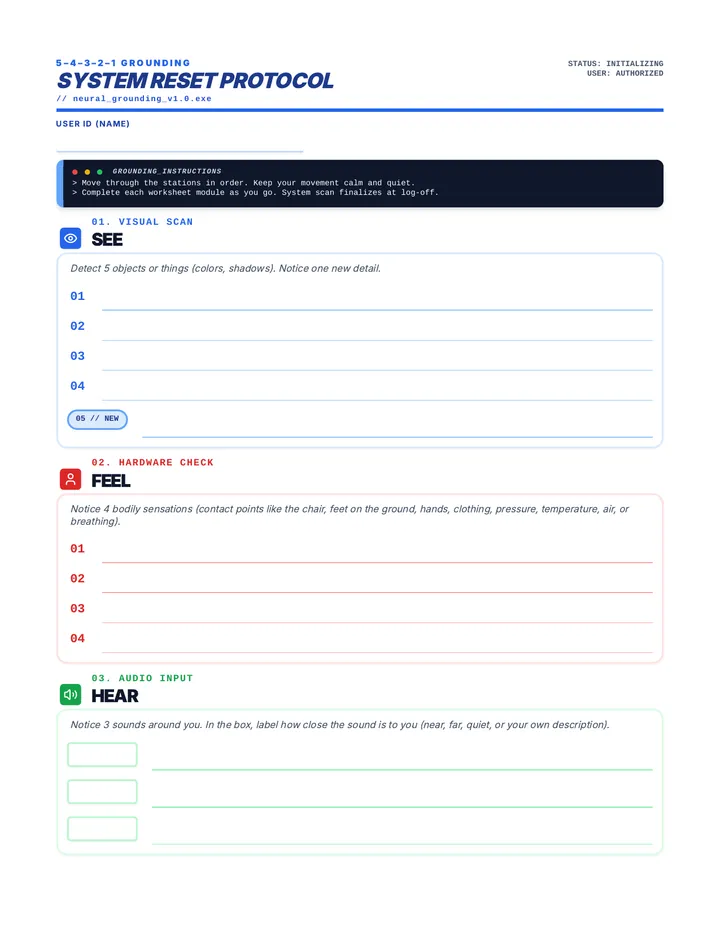
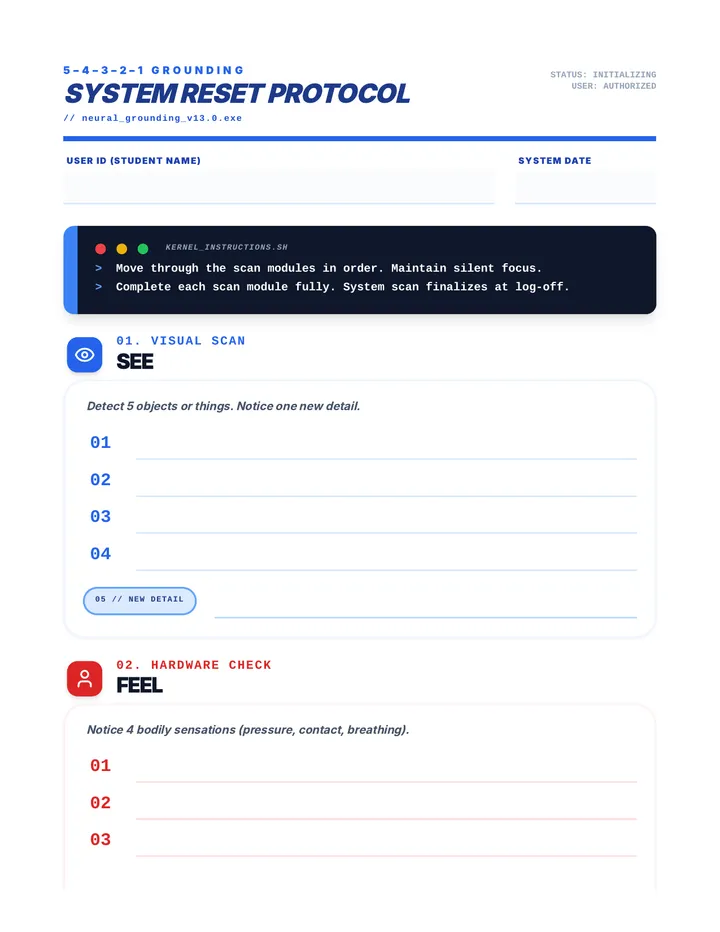
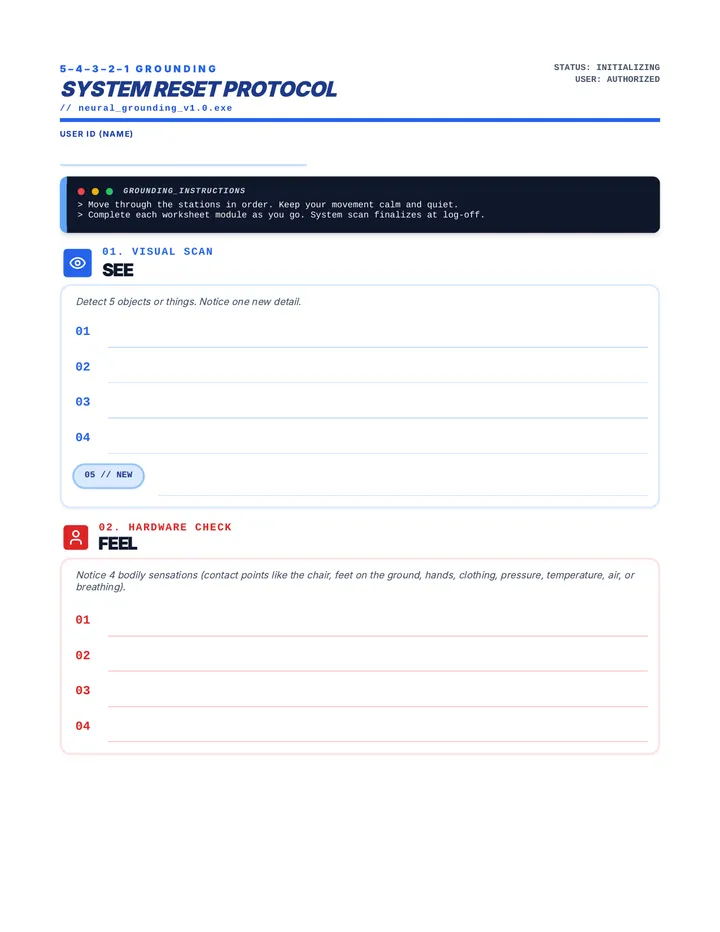
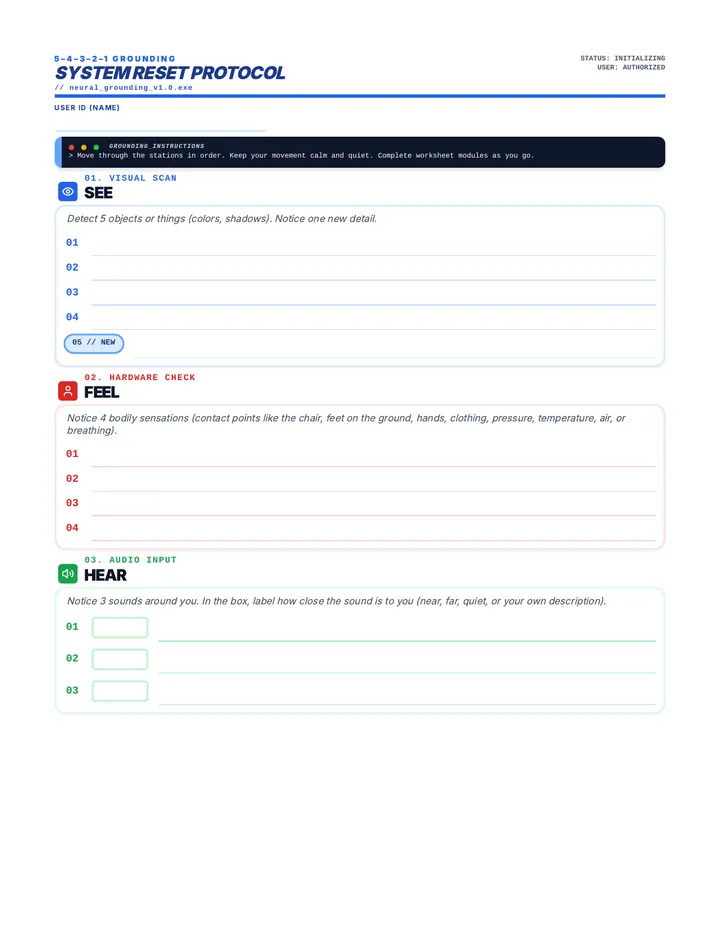
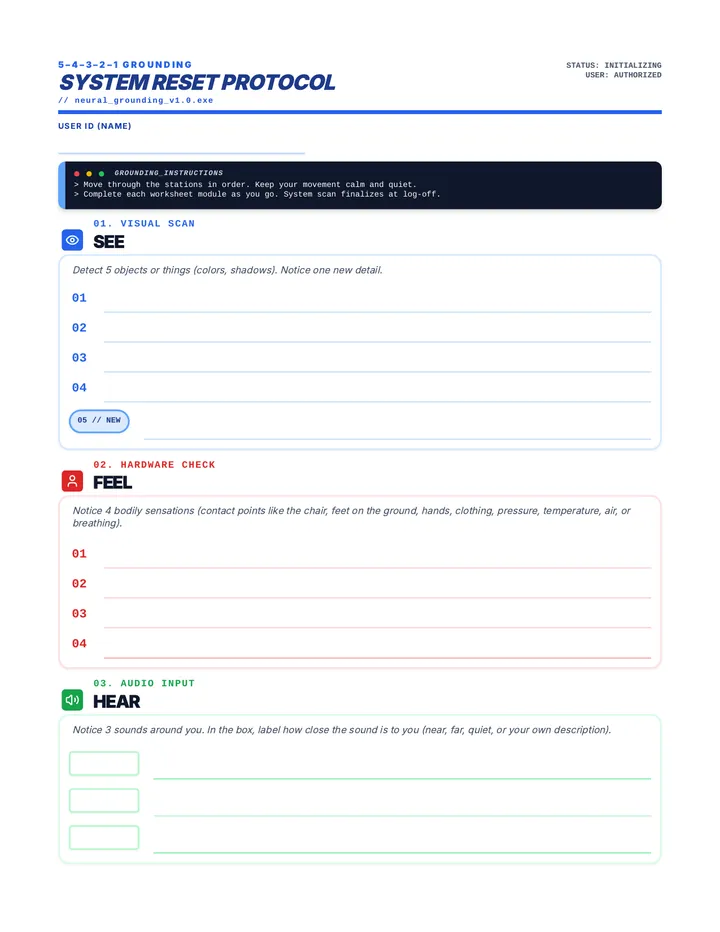
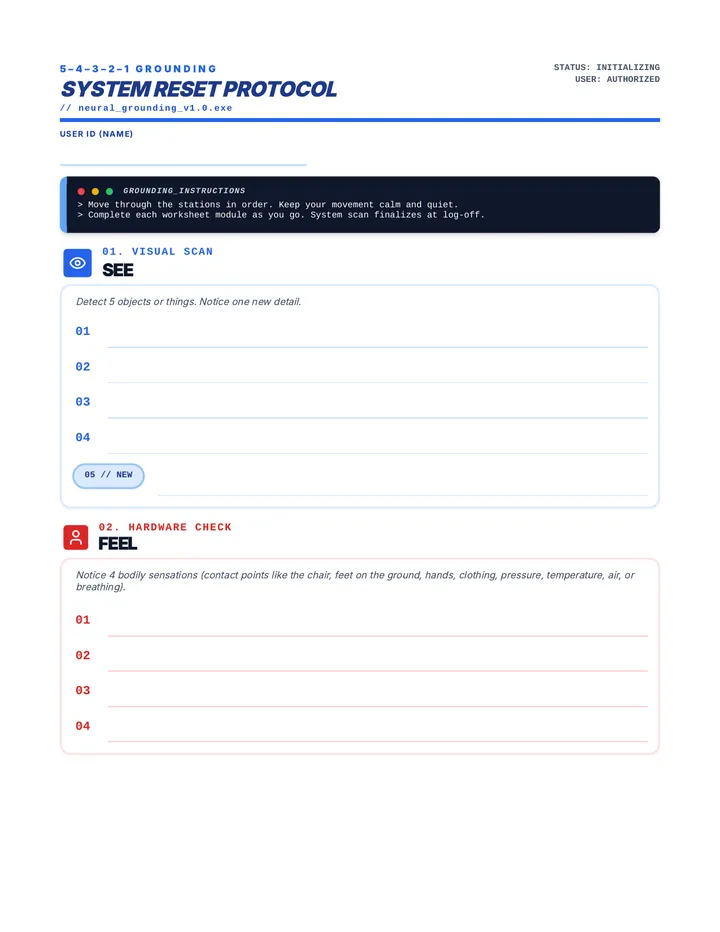
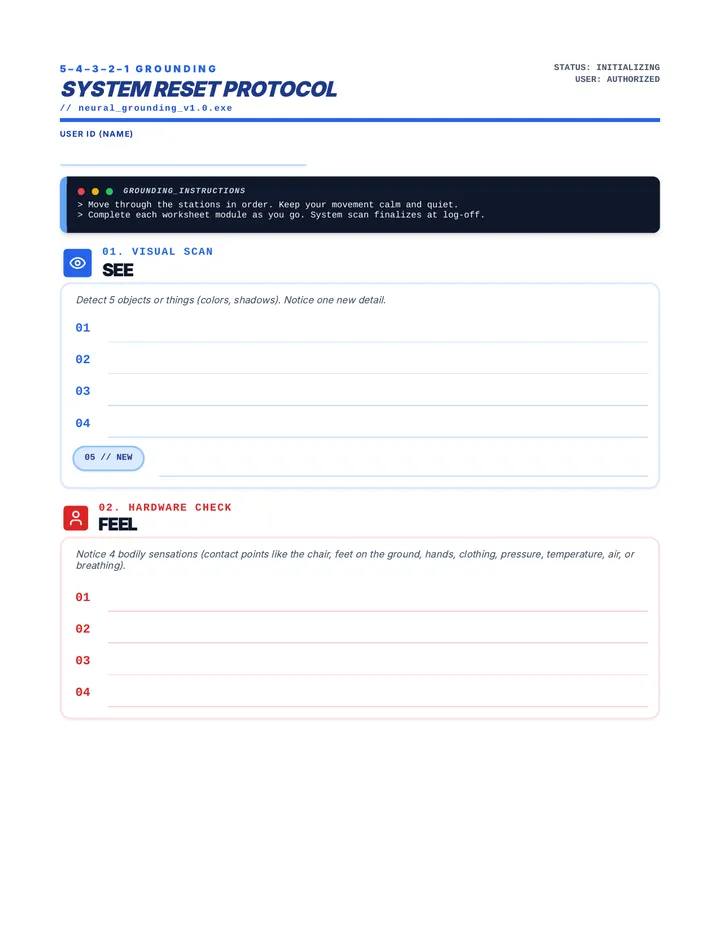
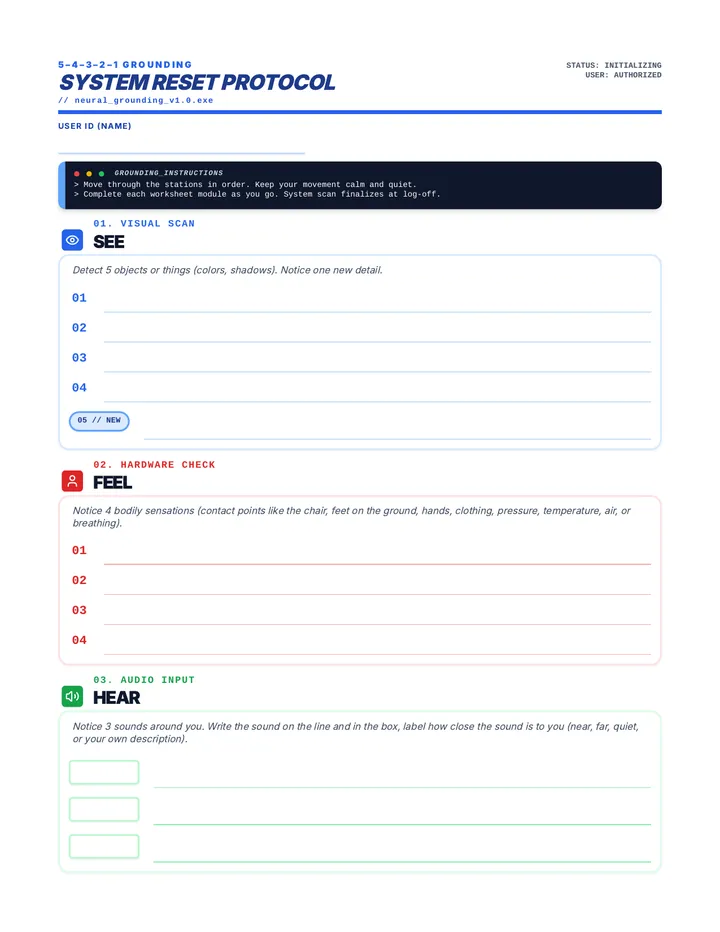
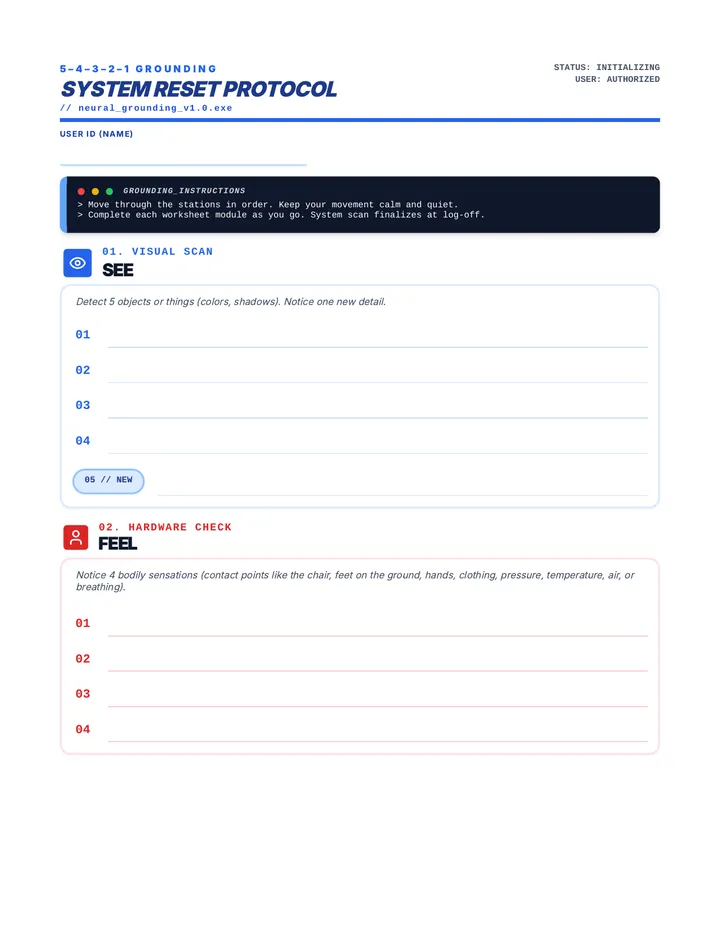
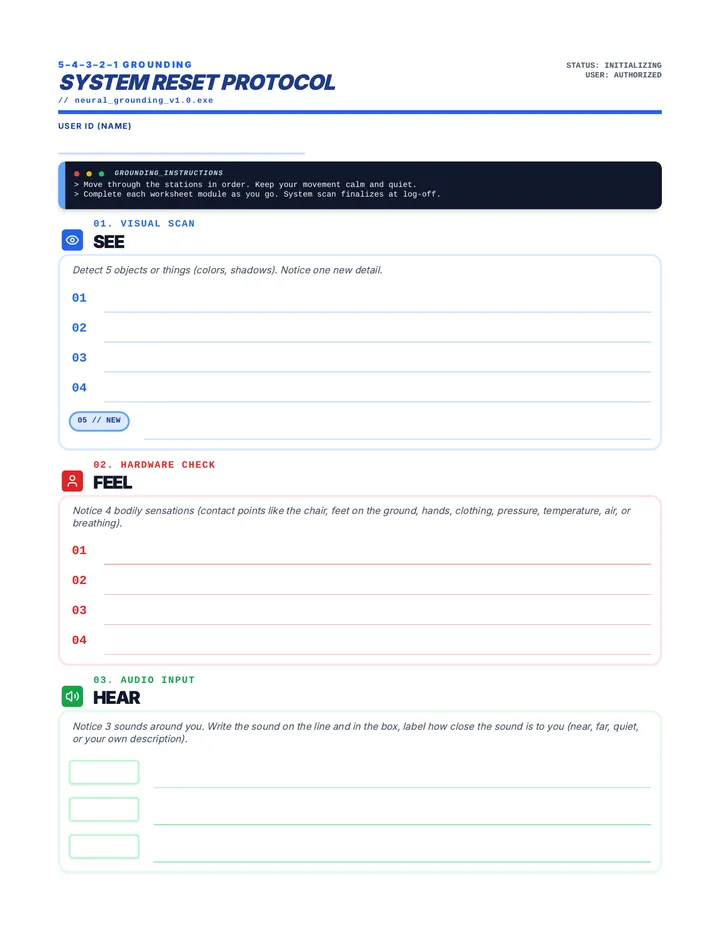
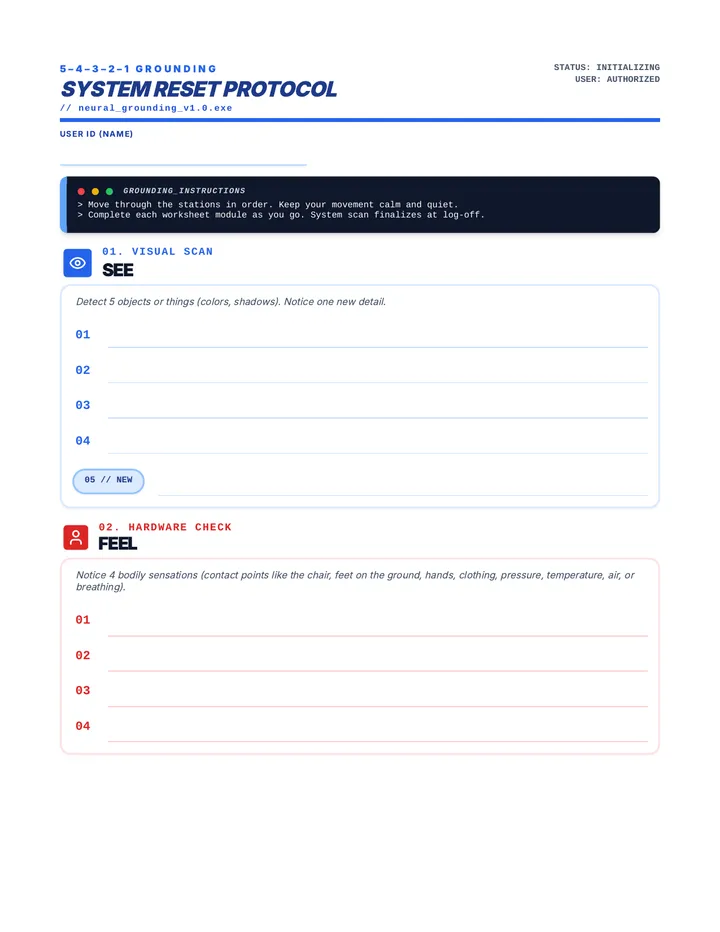
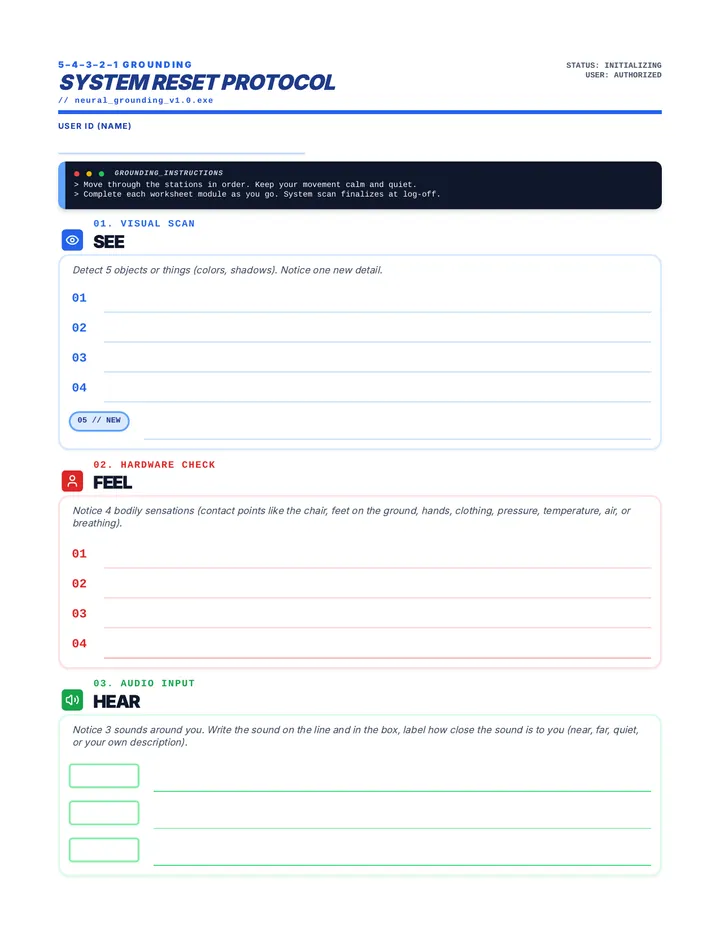
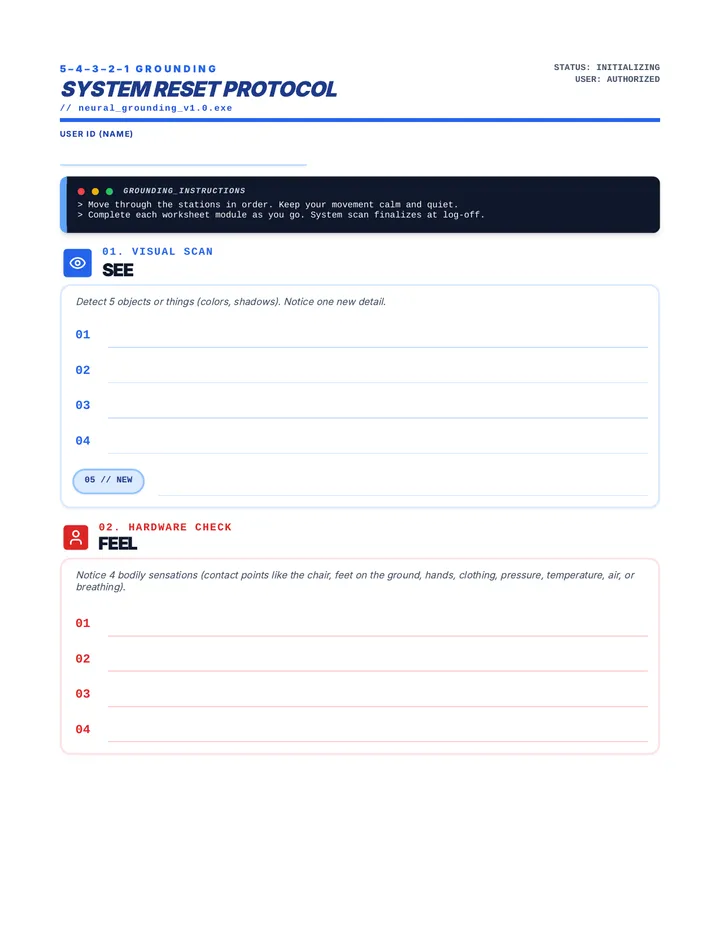
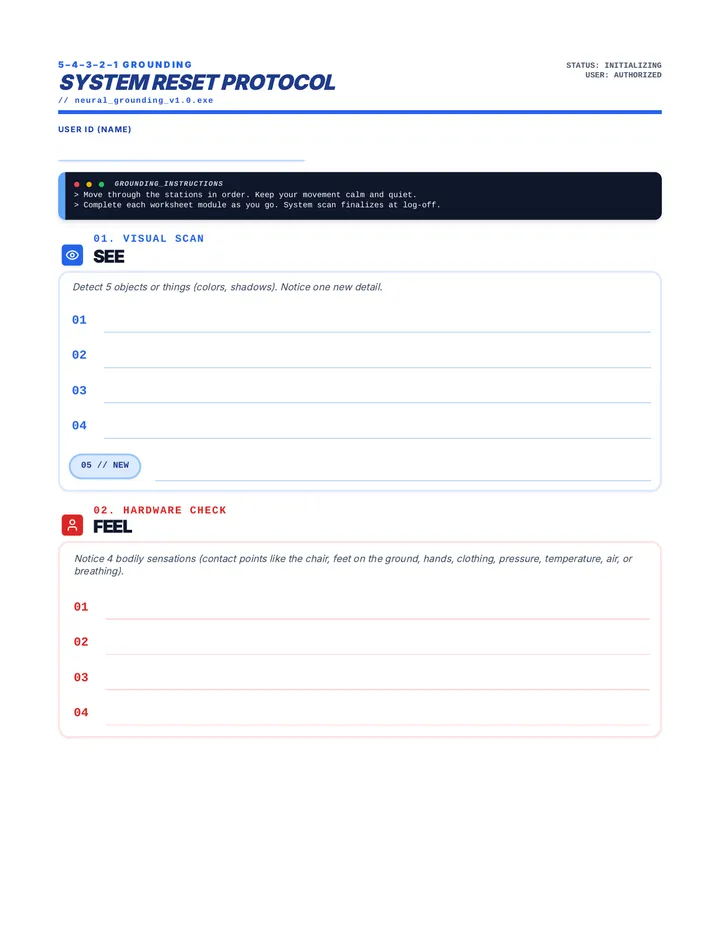
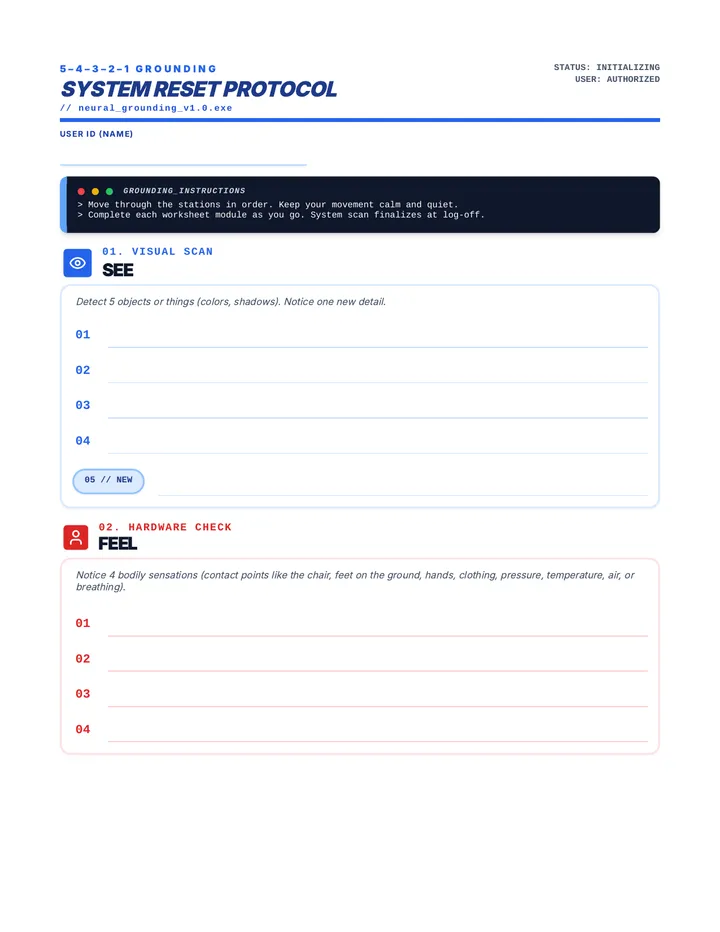
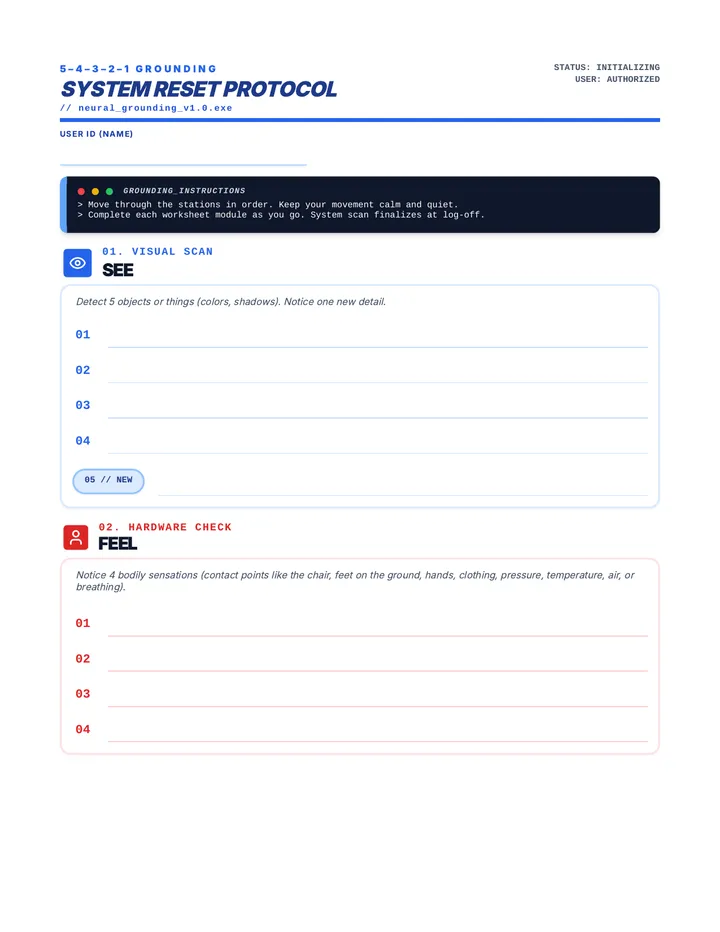
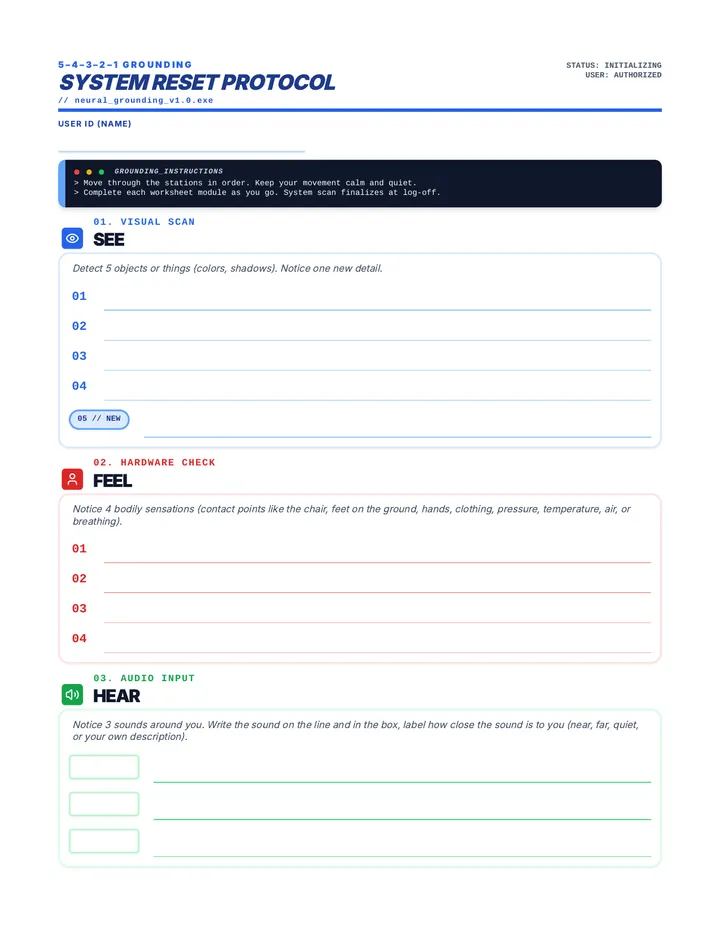
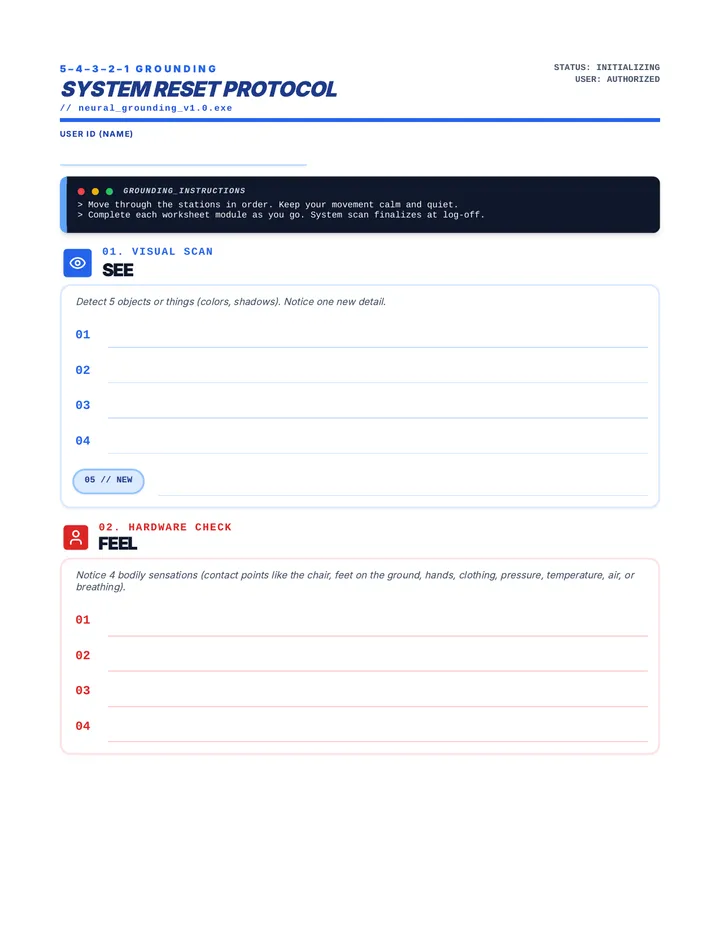
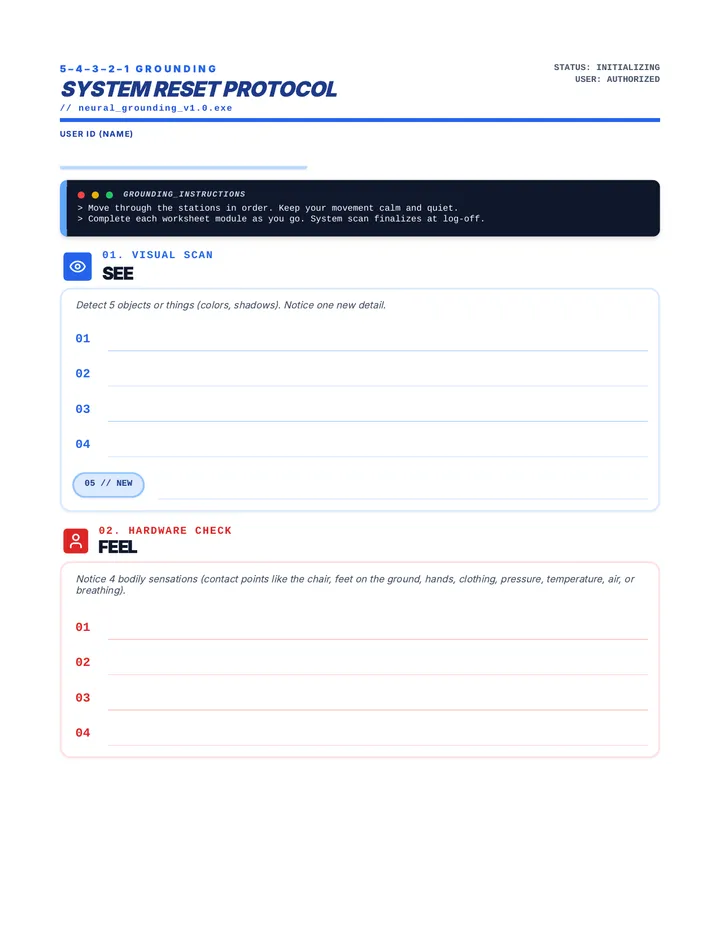
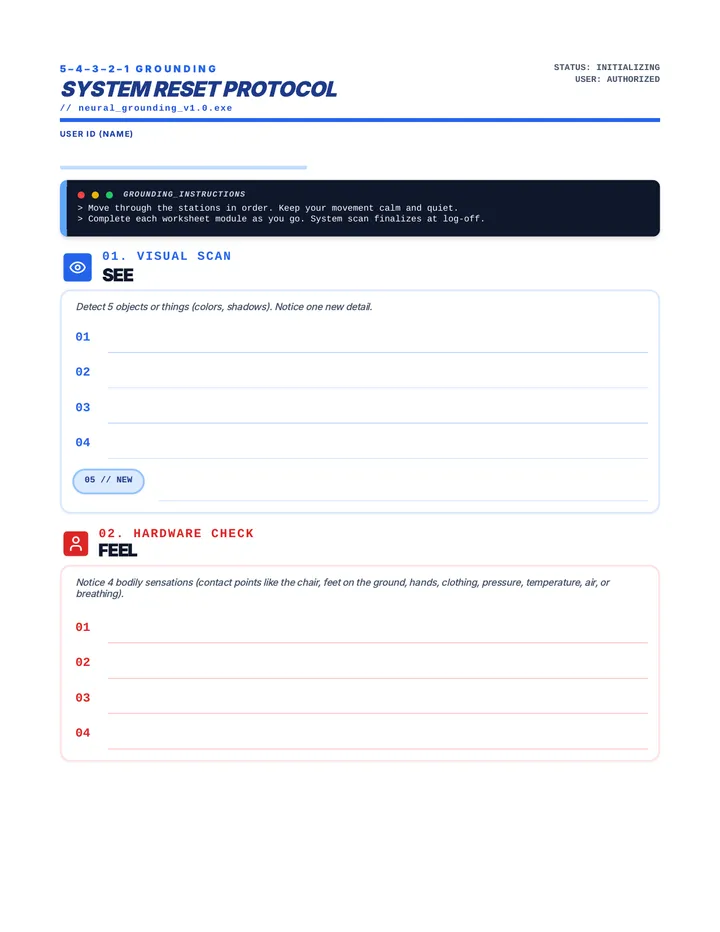
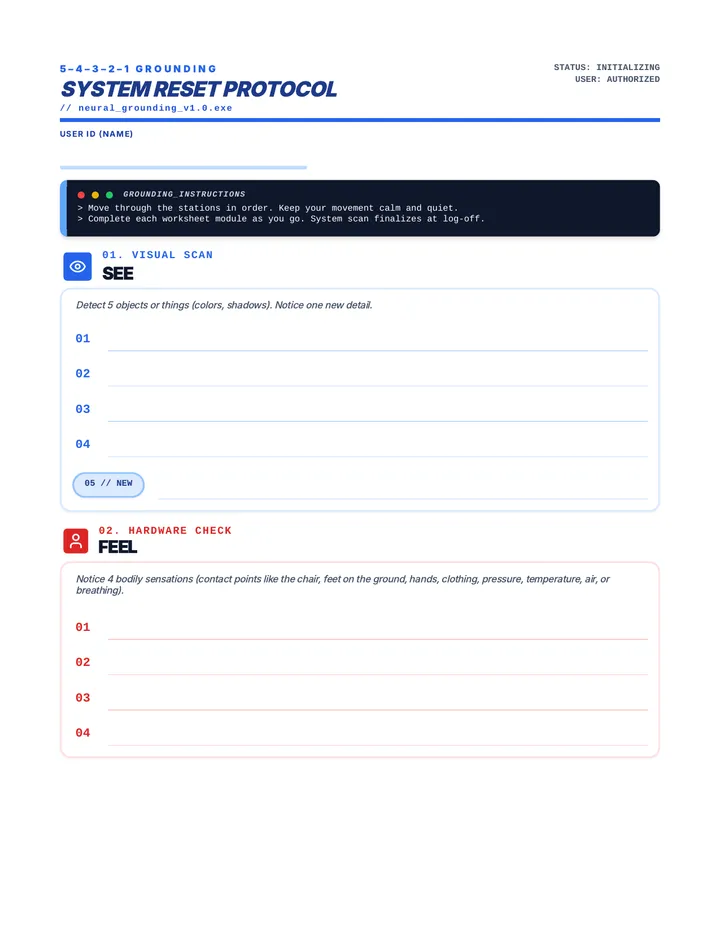
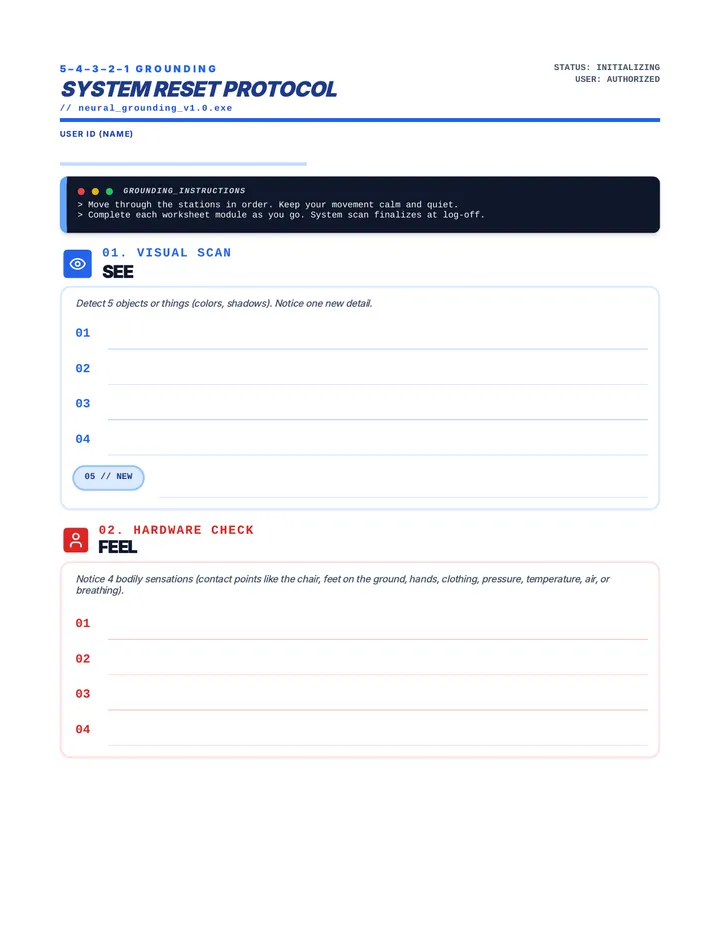
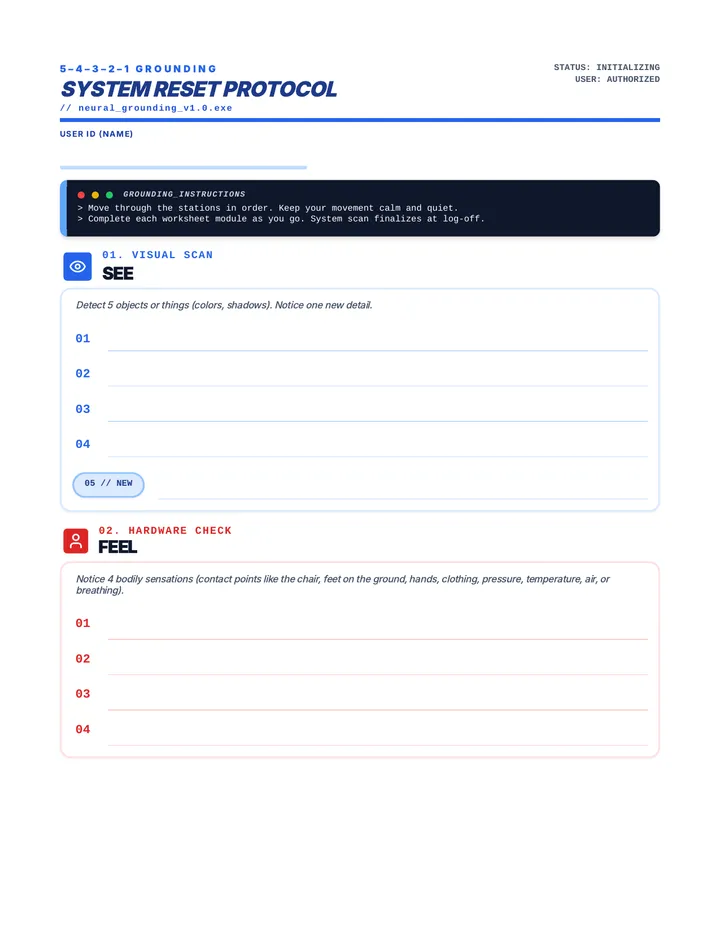
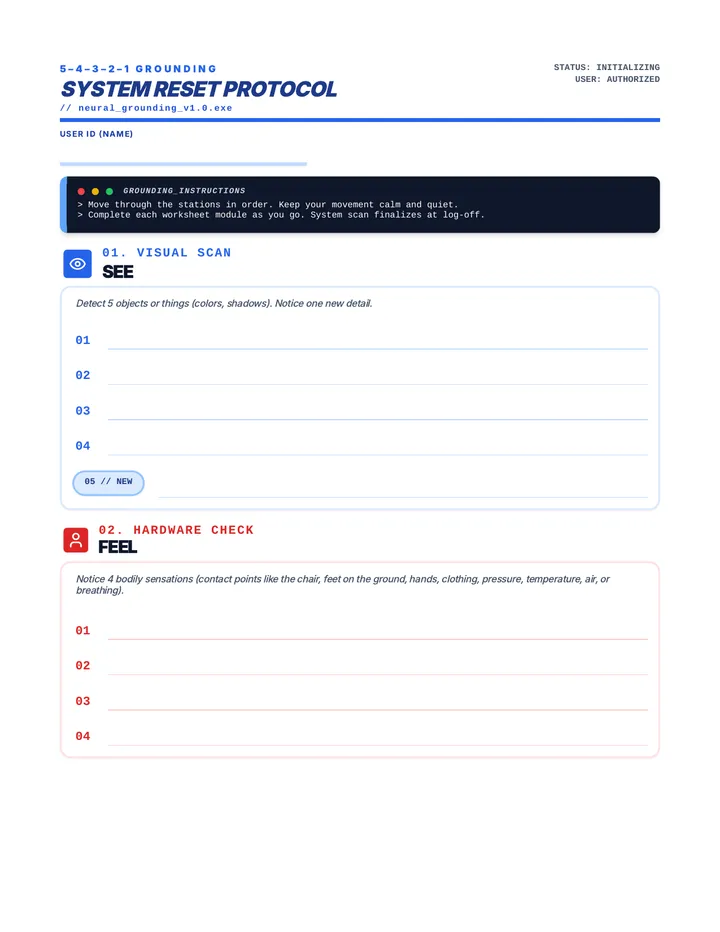
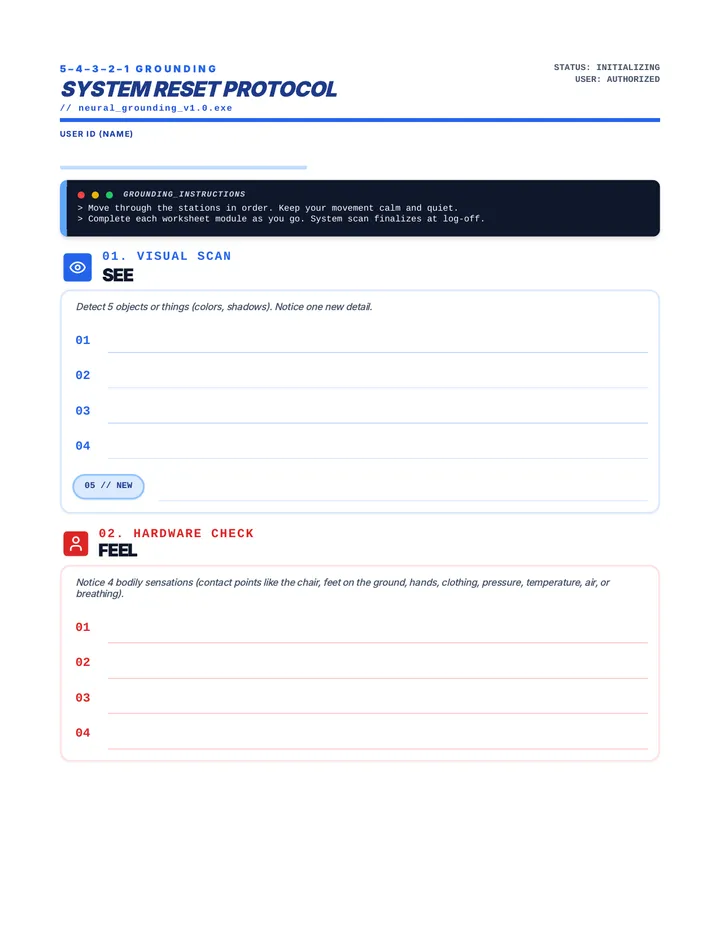
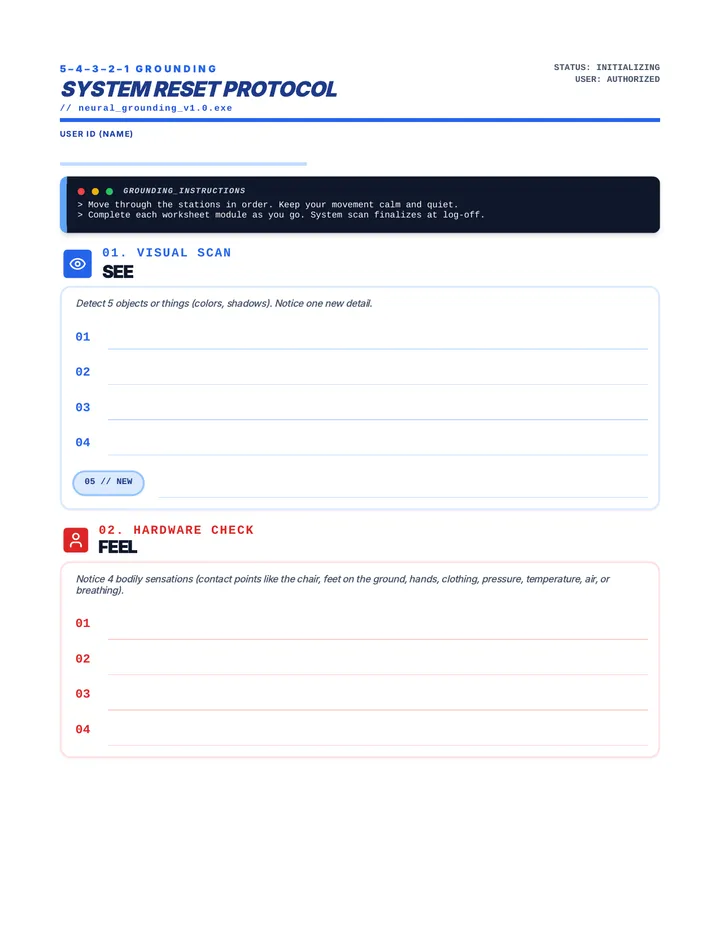
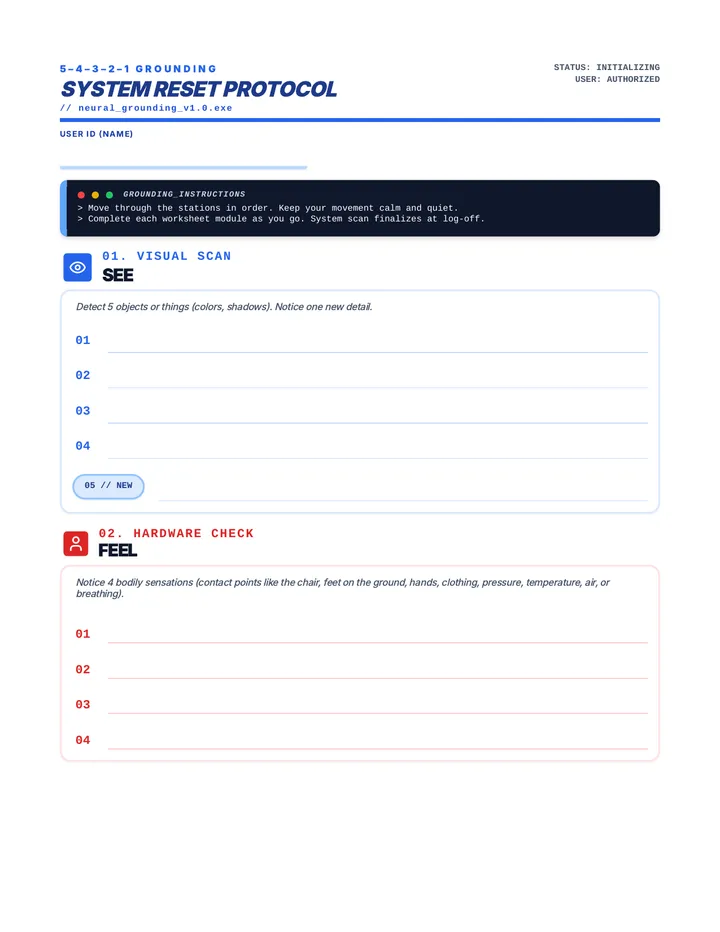
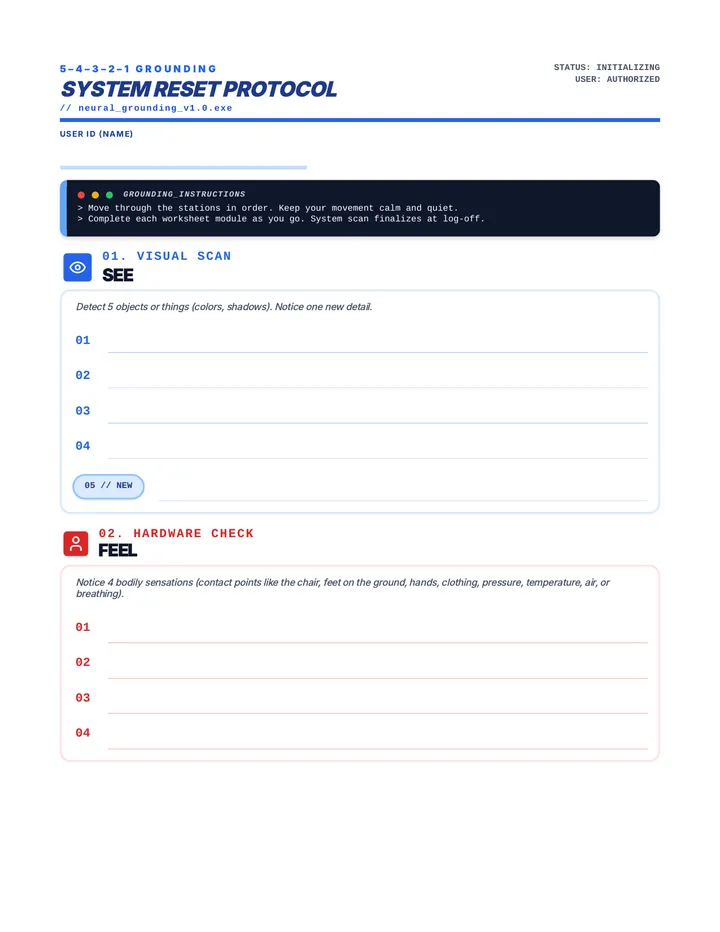
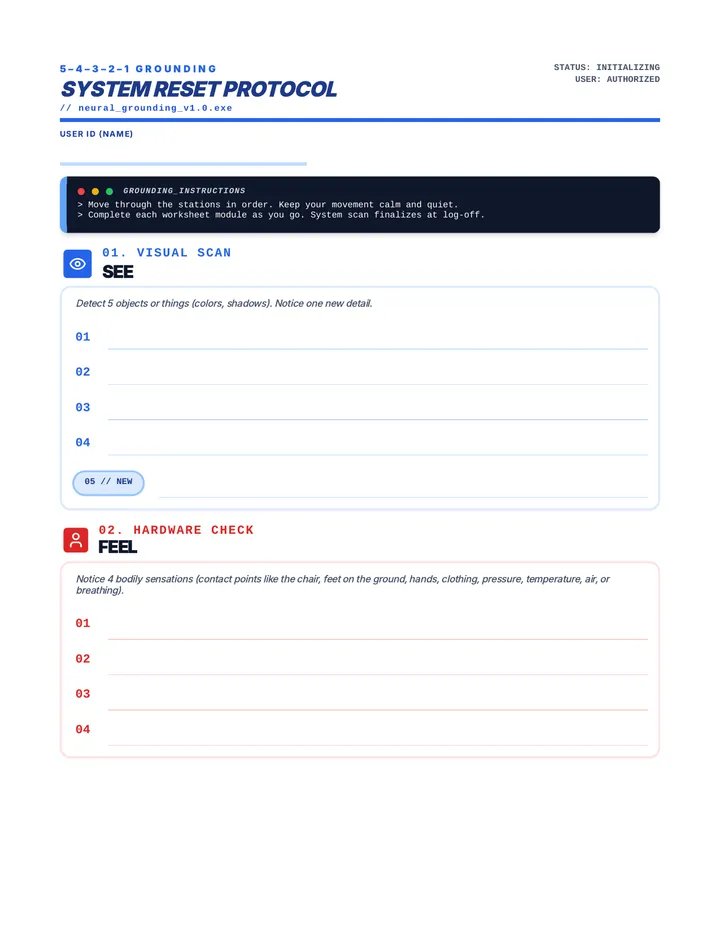
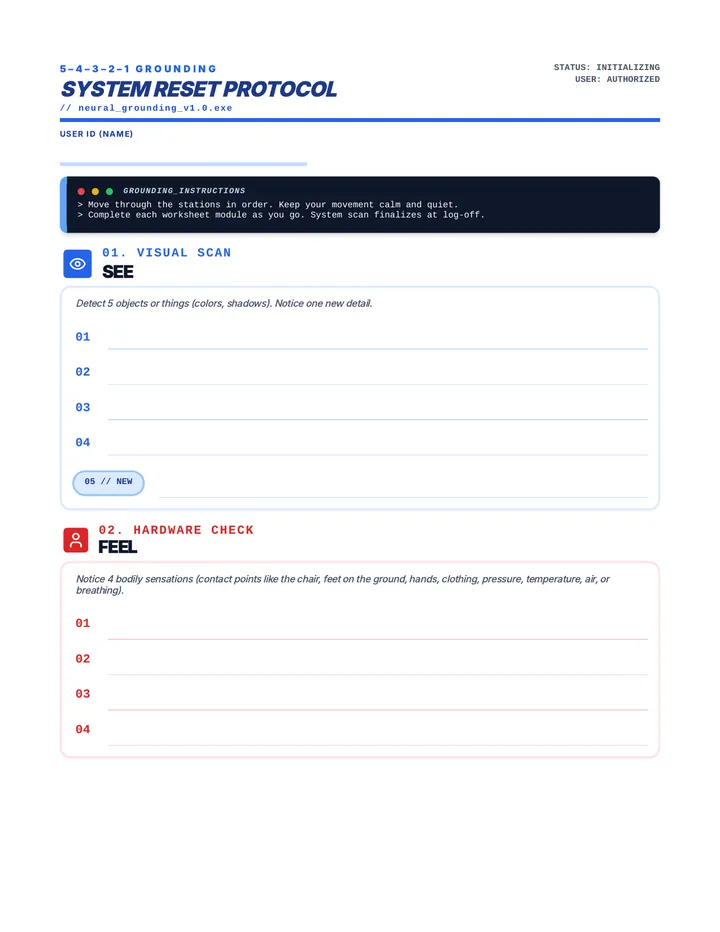
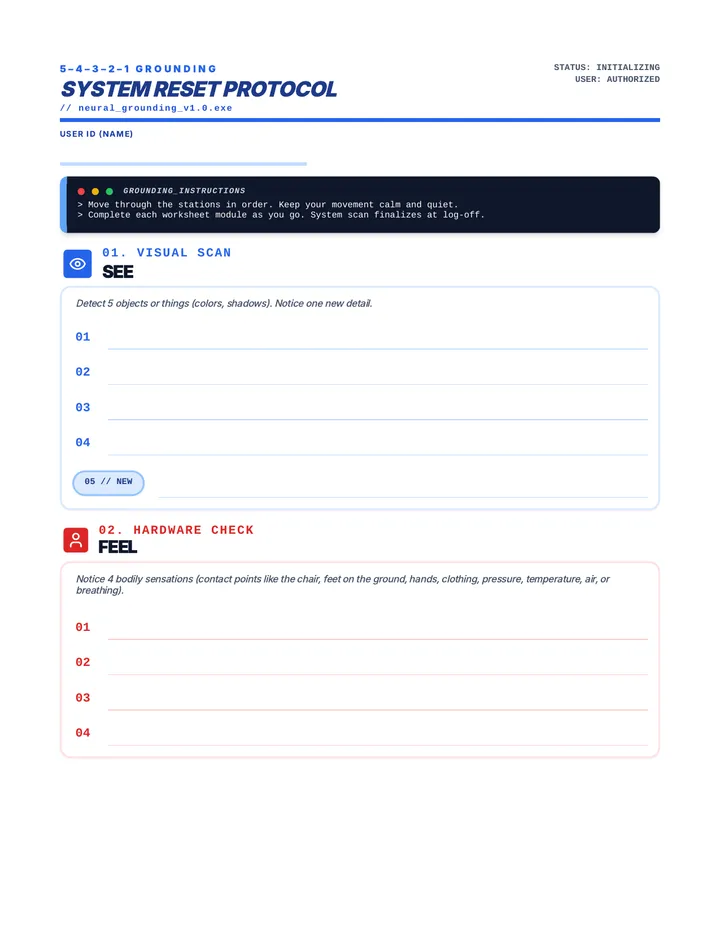
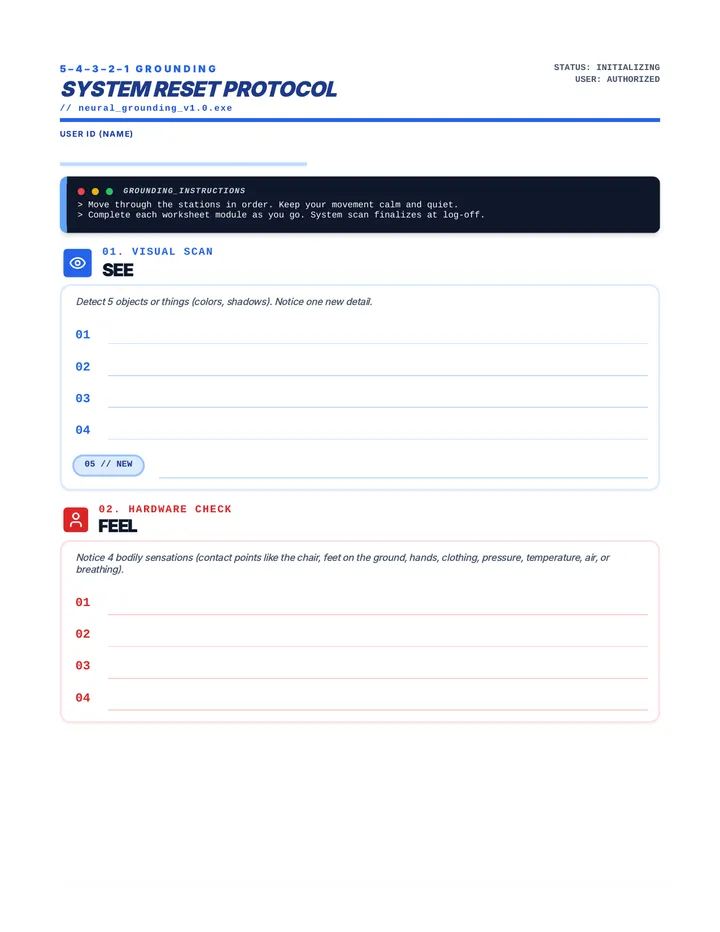
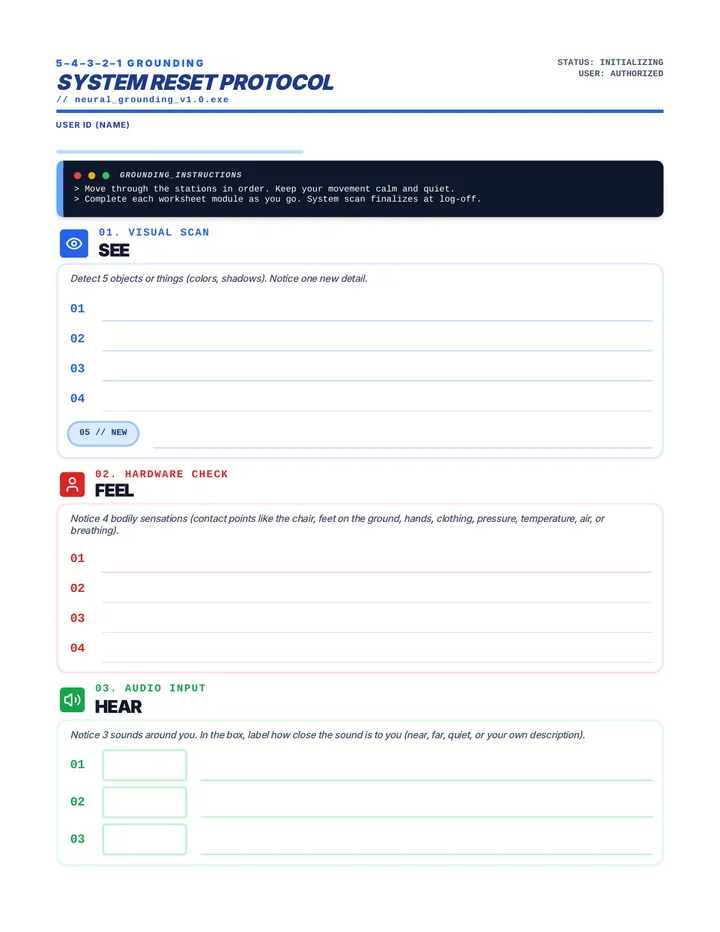
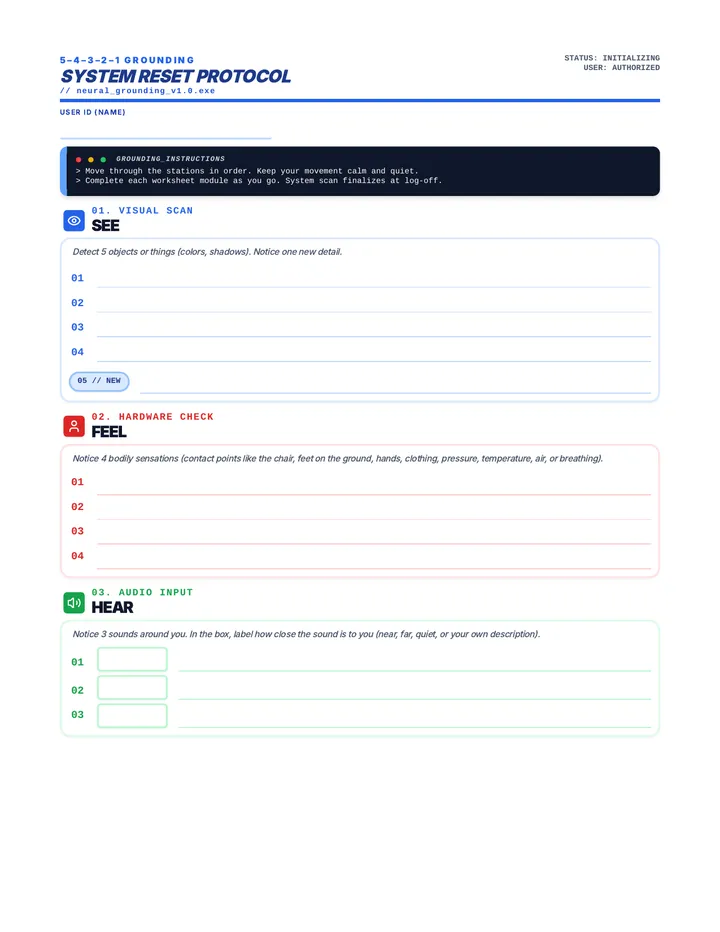
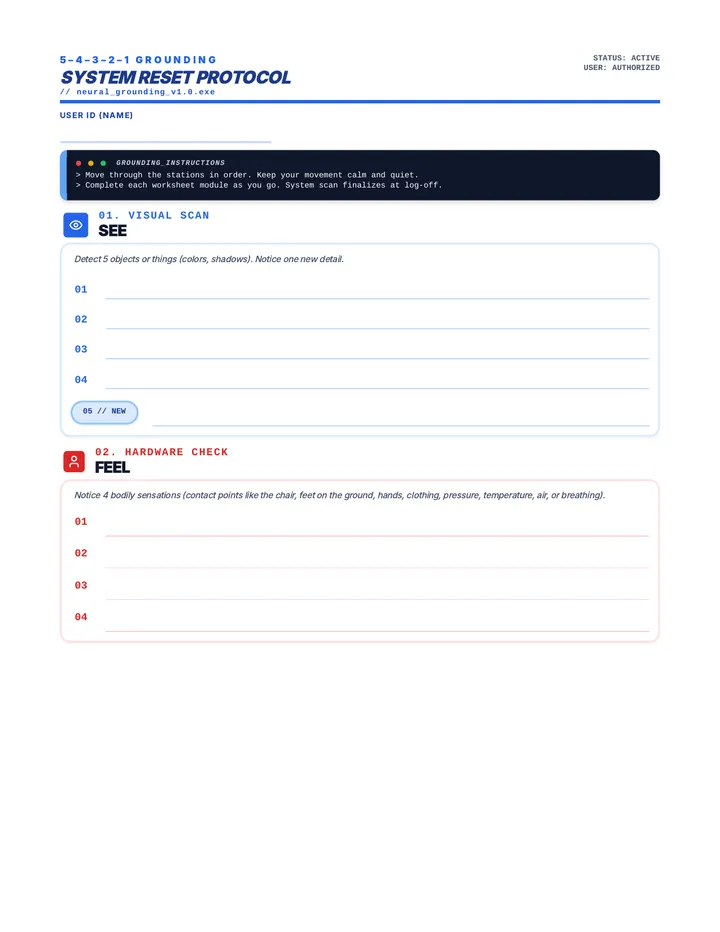
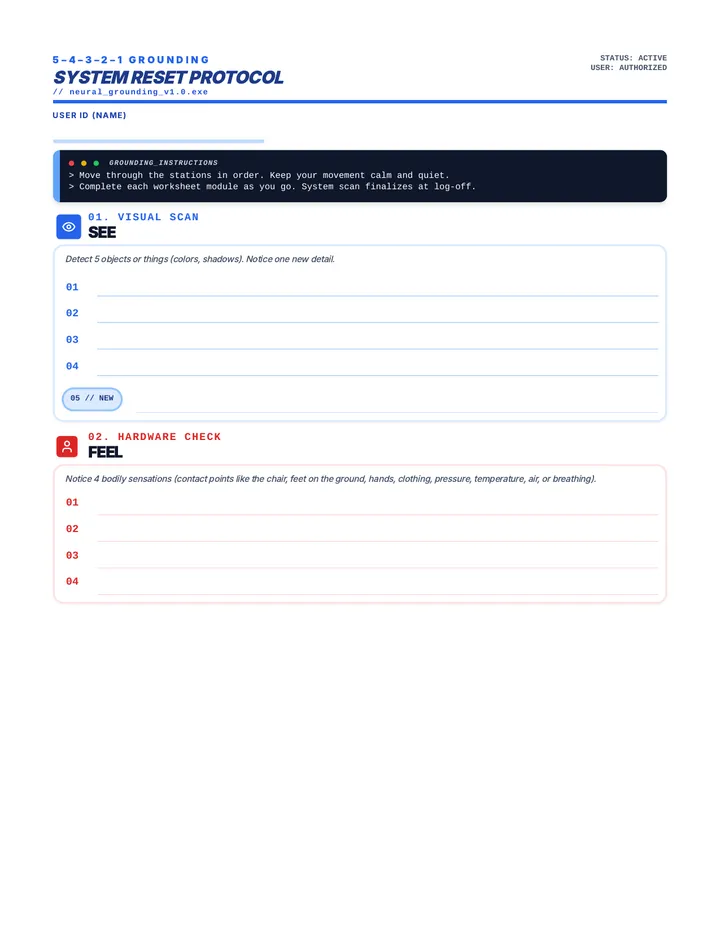
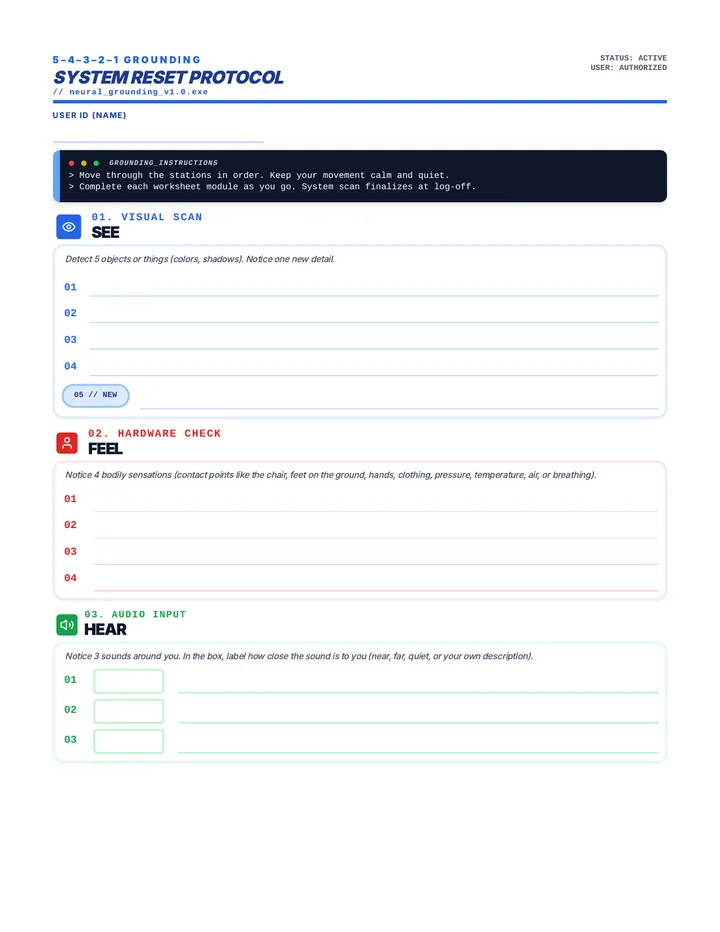
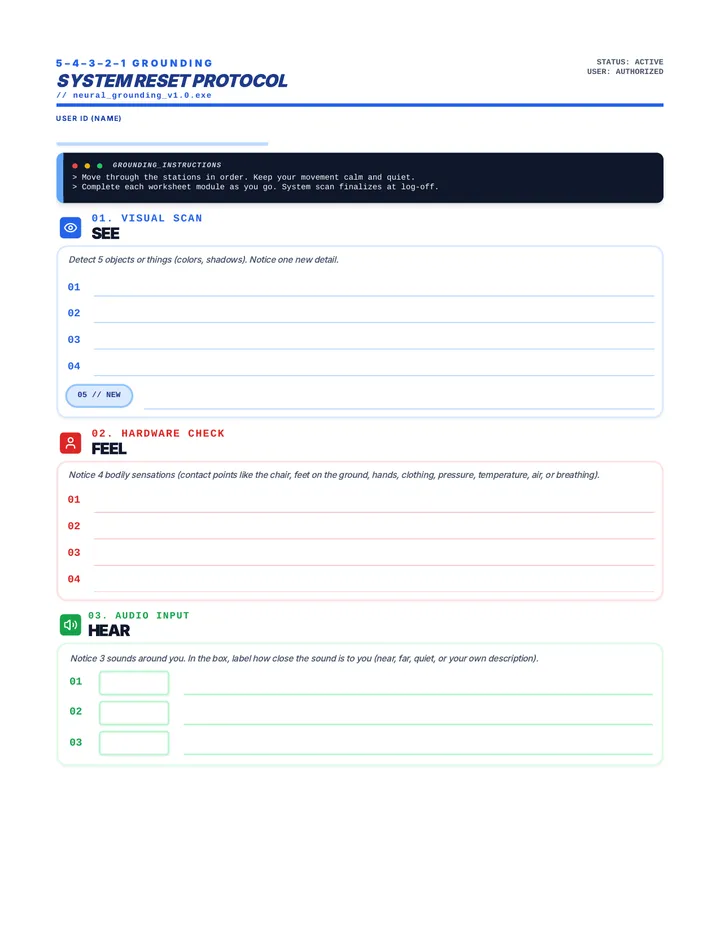
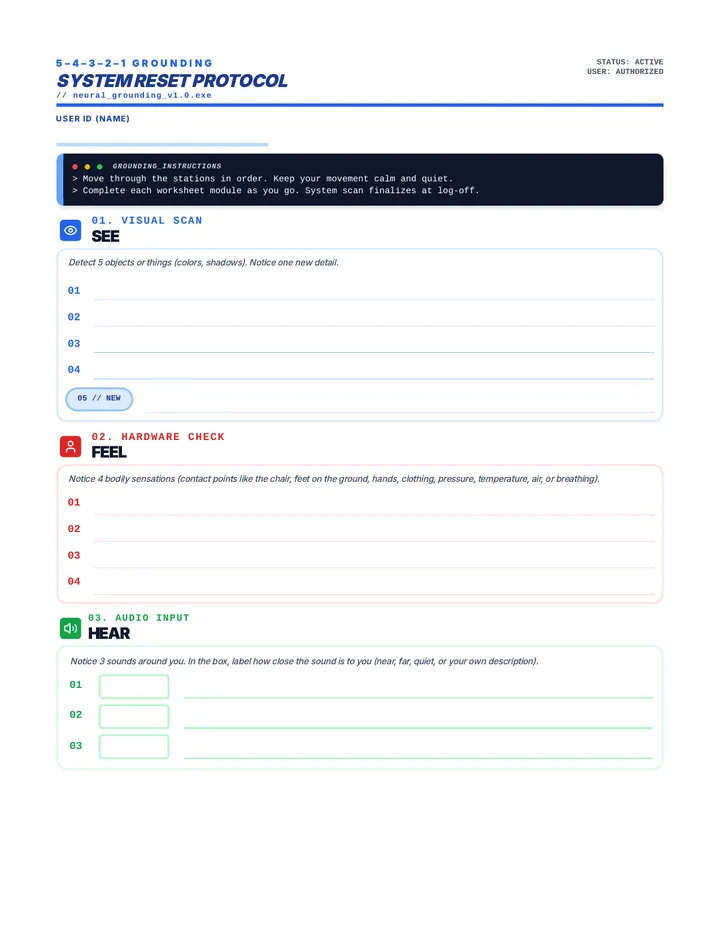
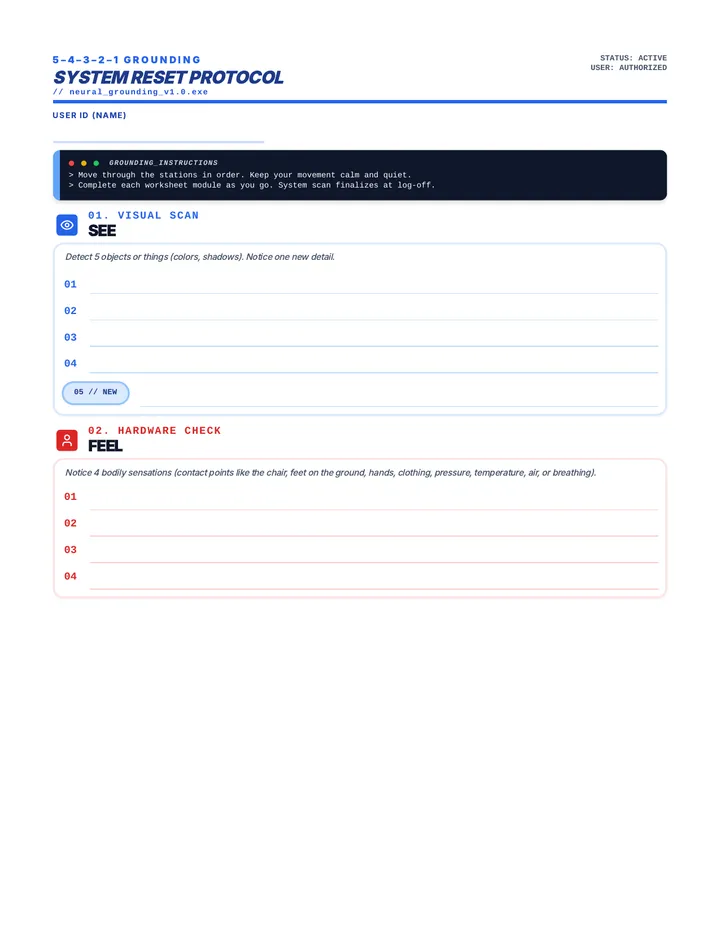
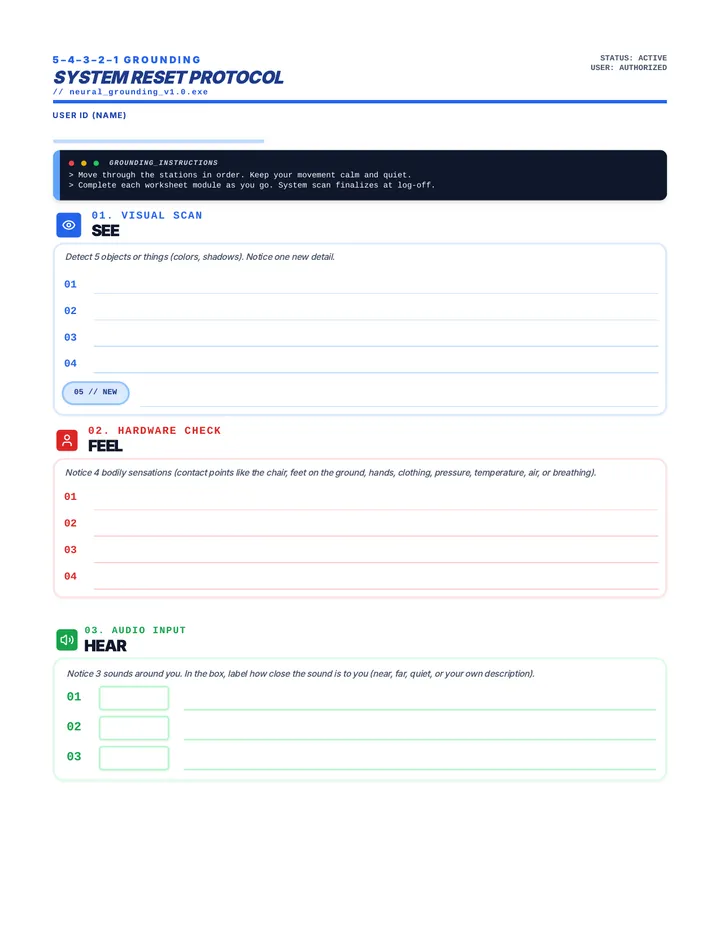
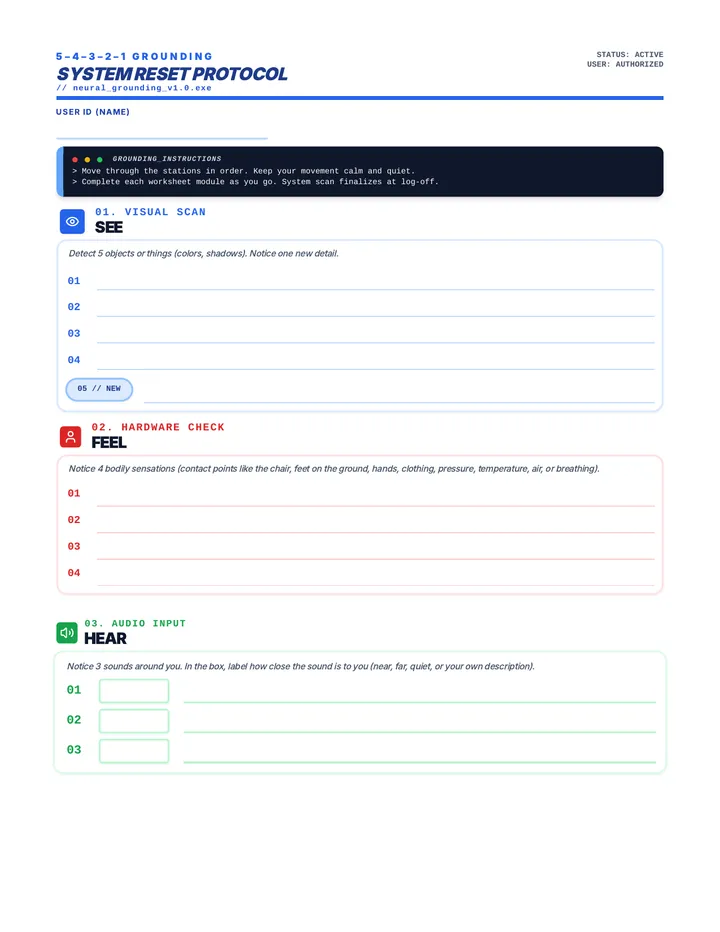
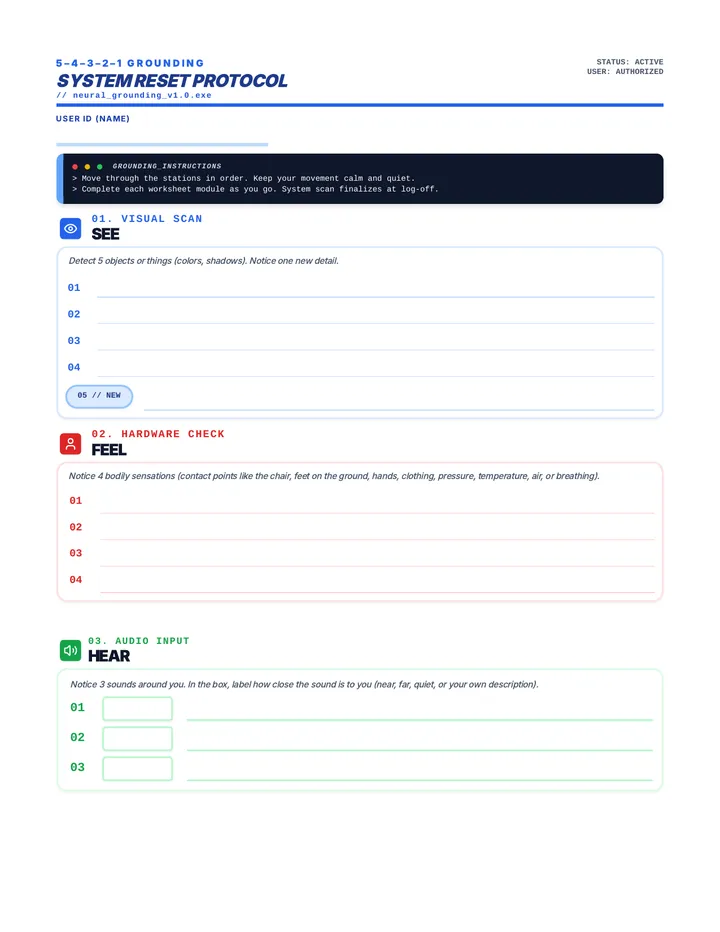
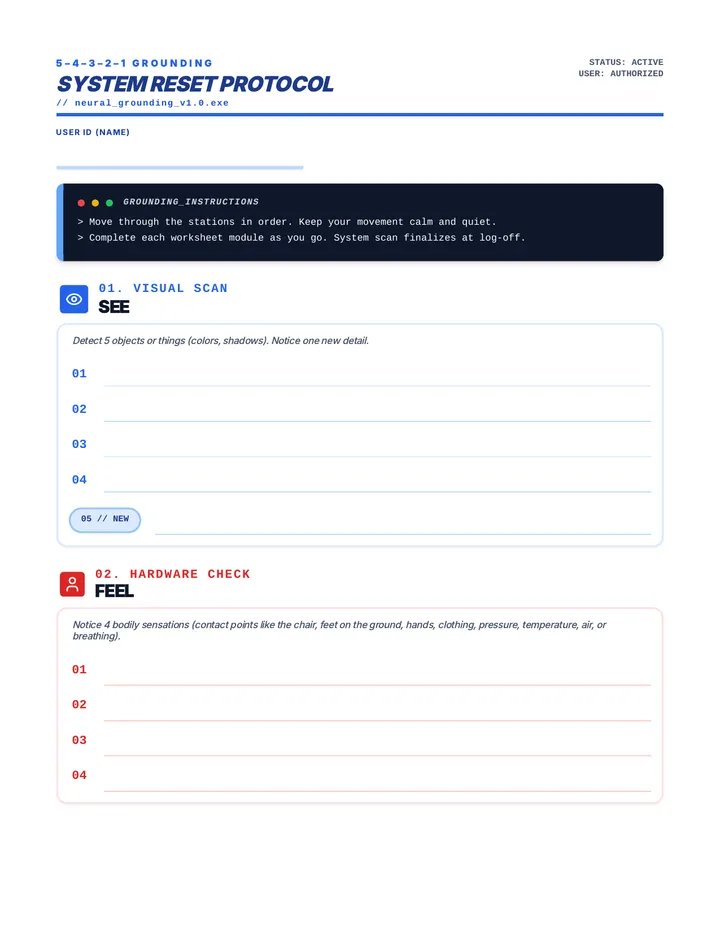
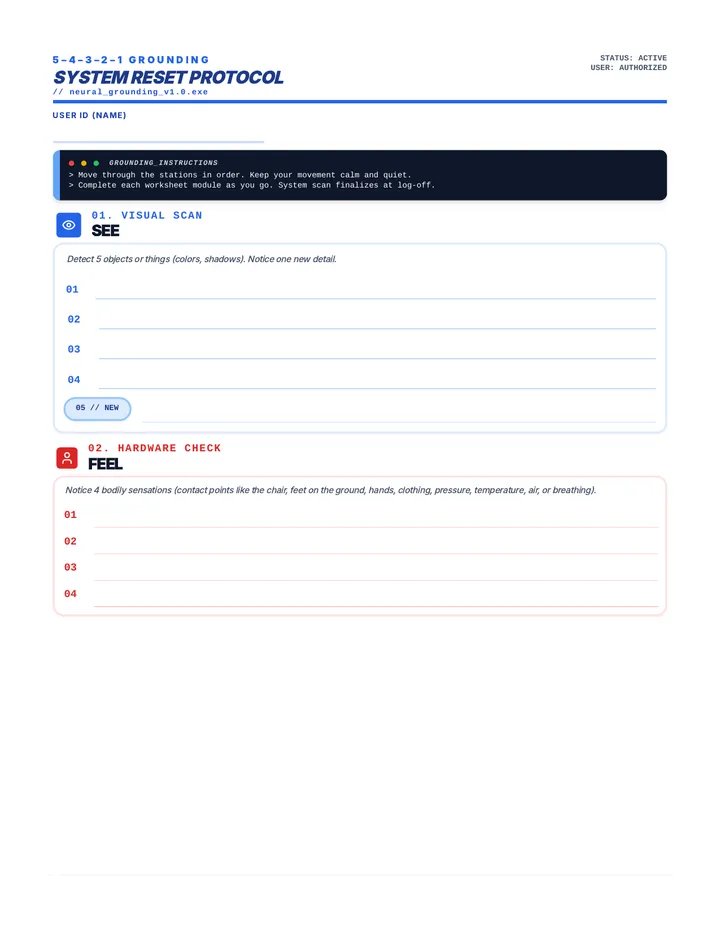
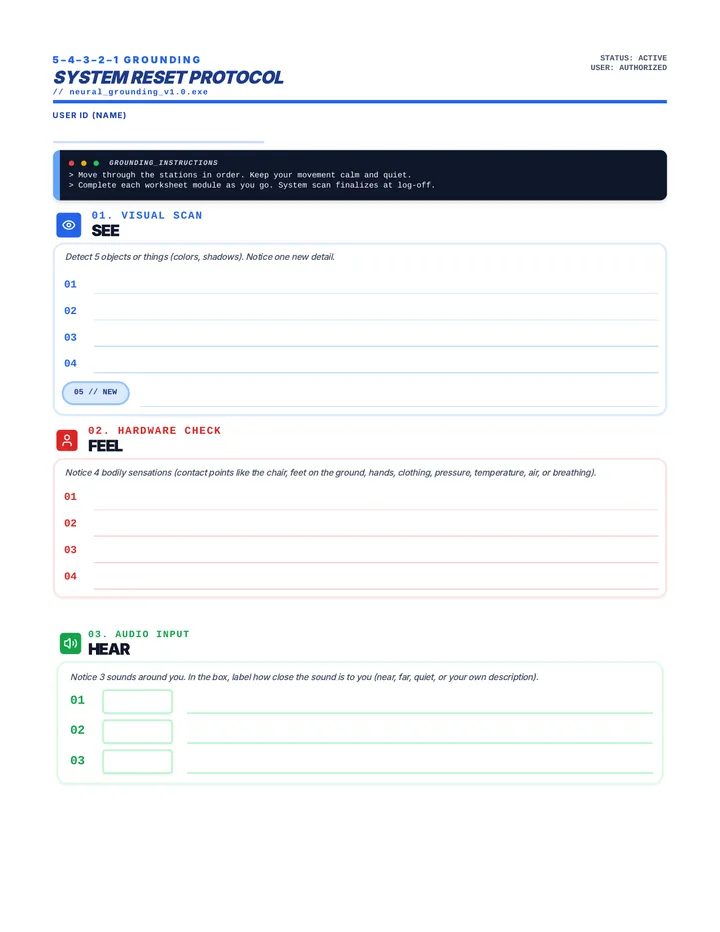
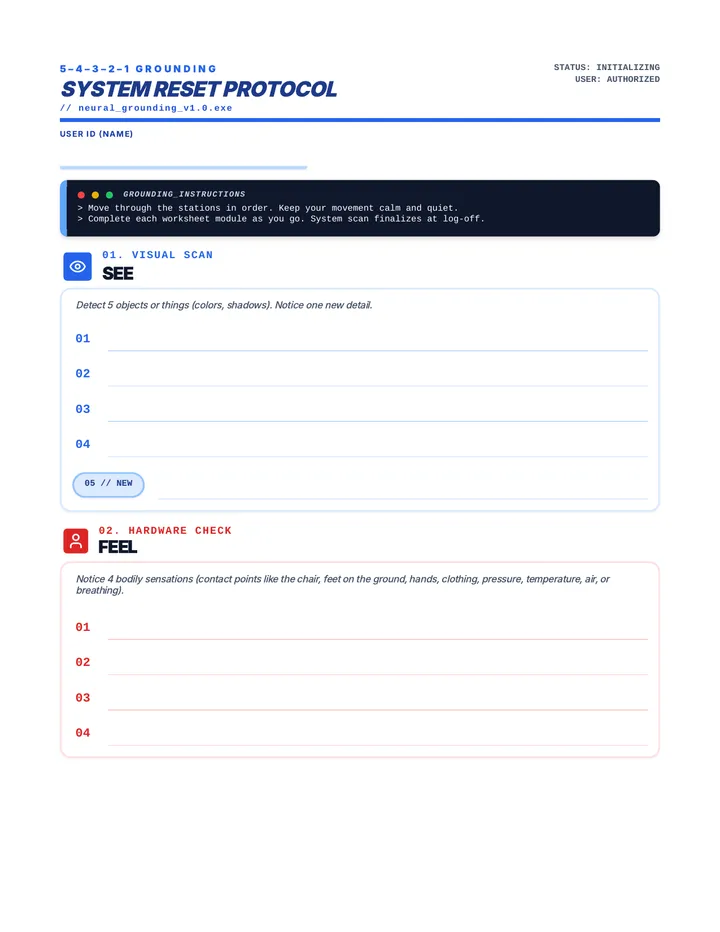
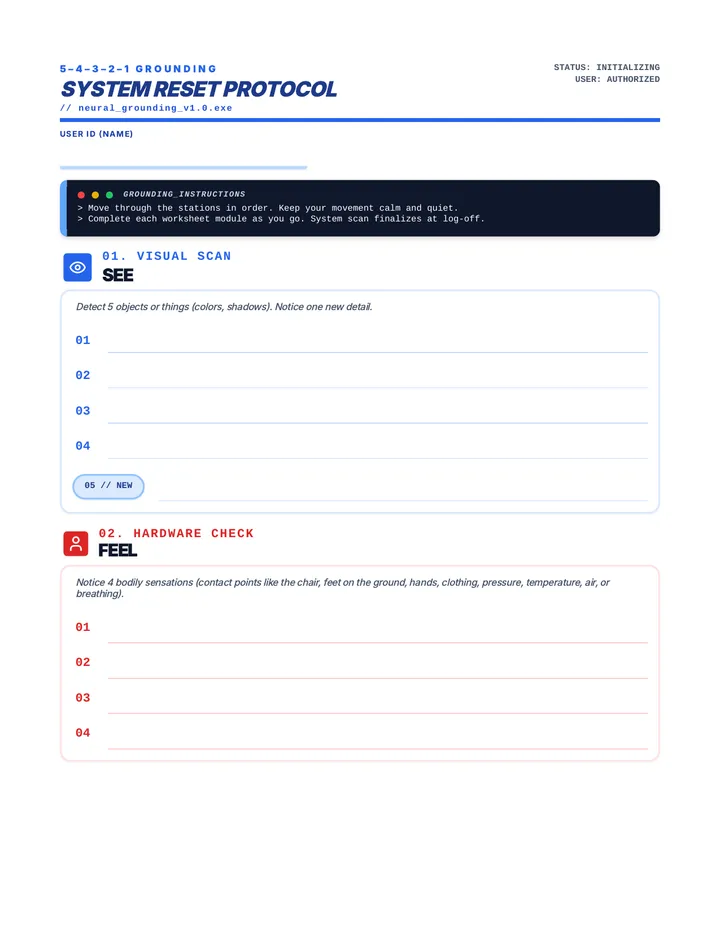
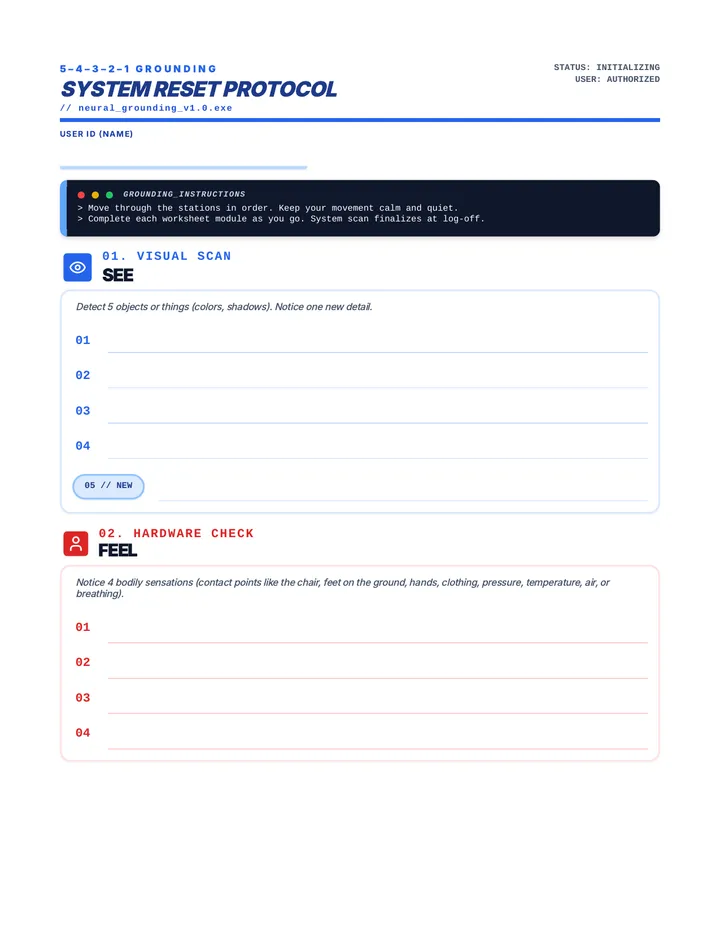
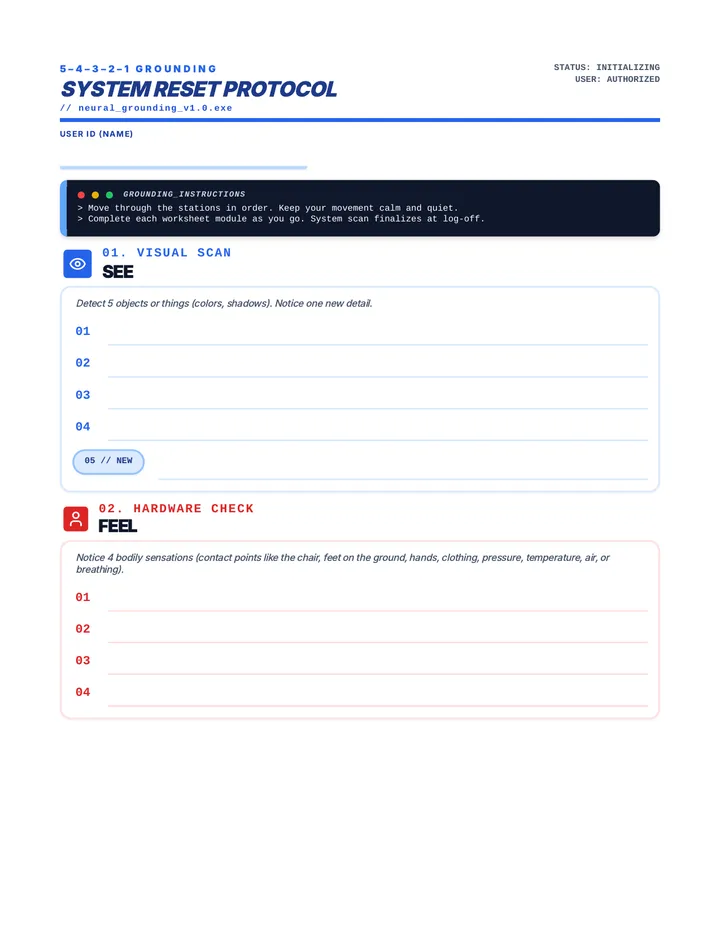
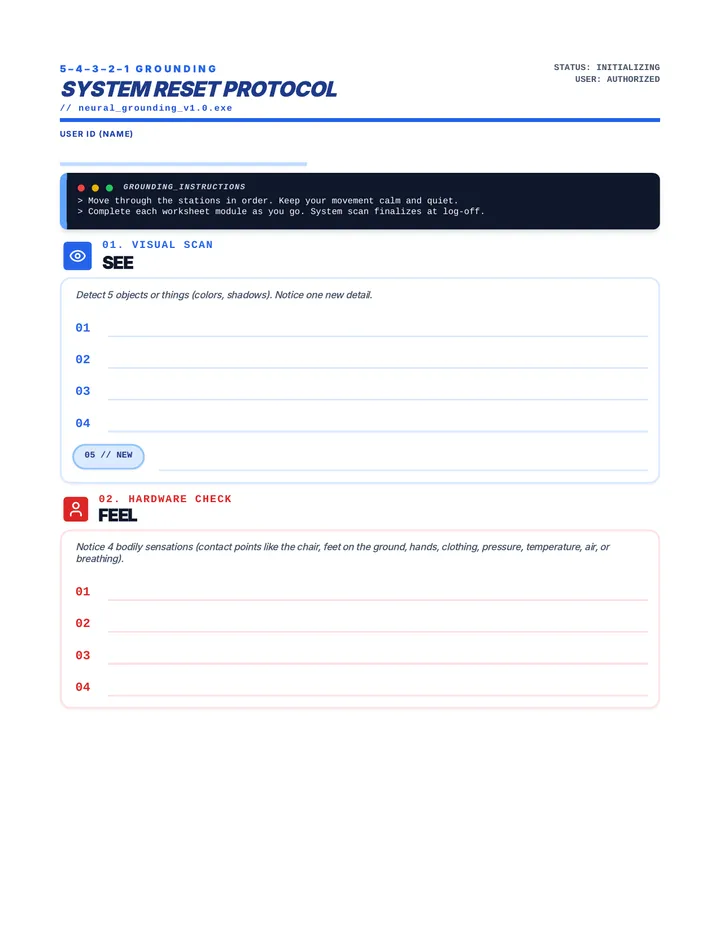
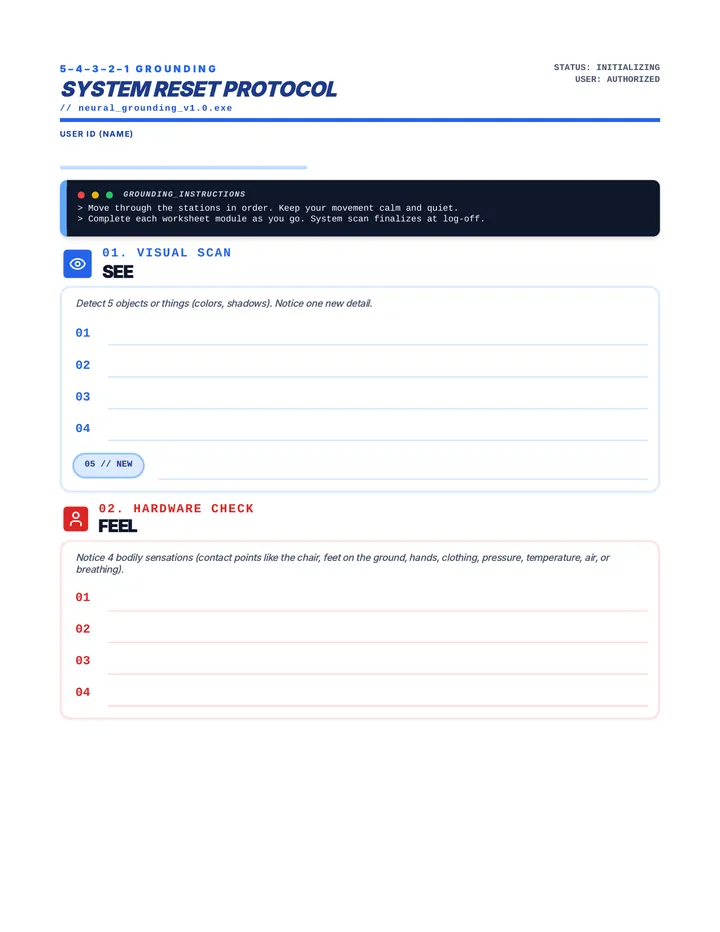
A grounding and mindfulness lesson using a coding-themed 'System Reset' protocol to help students focus and regulate their attention.
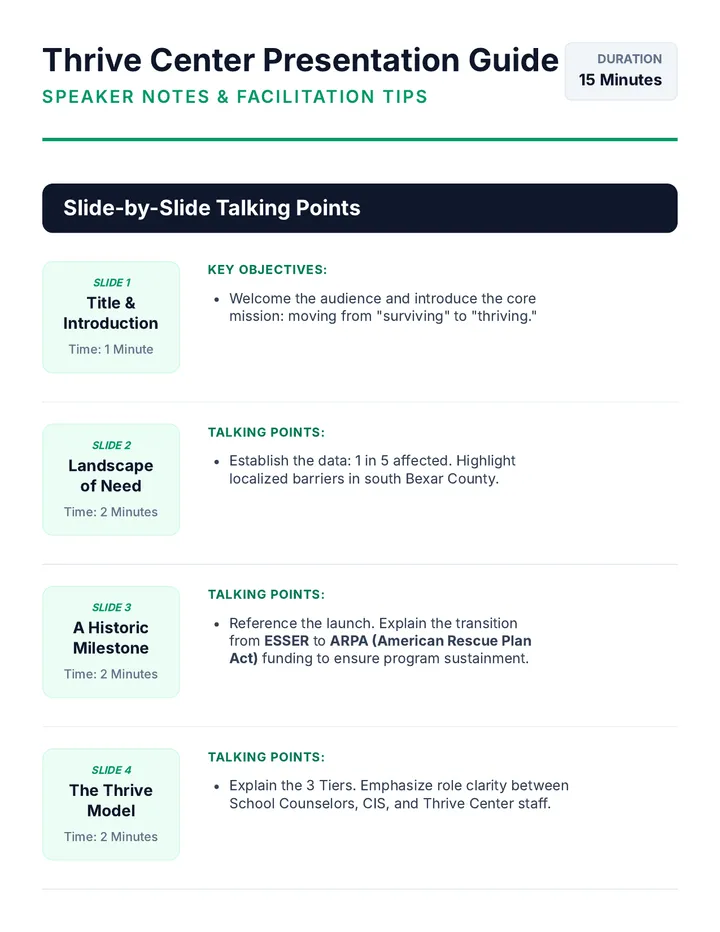
A comprehensive overview of Somerset ISD's Thrive Center model, transitioning from traditional barriers to a school-embedded mental health support system.
Students explore the intensity of their emotions using visual scales and "Feel-o-Meters." This lesson helps students move beyond simple labels to understand that emotions come in different sizes and intensities.
A comprehensive lesson focused on mindfulness and anxiety reduction strategies for students preparing for the ACAP assessment, featuring classroom activities and home support guides.
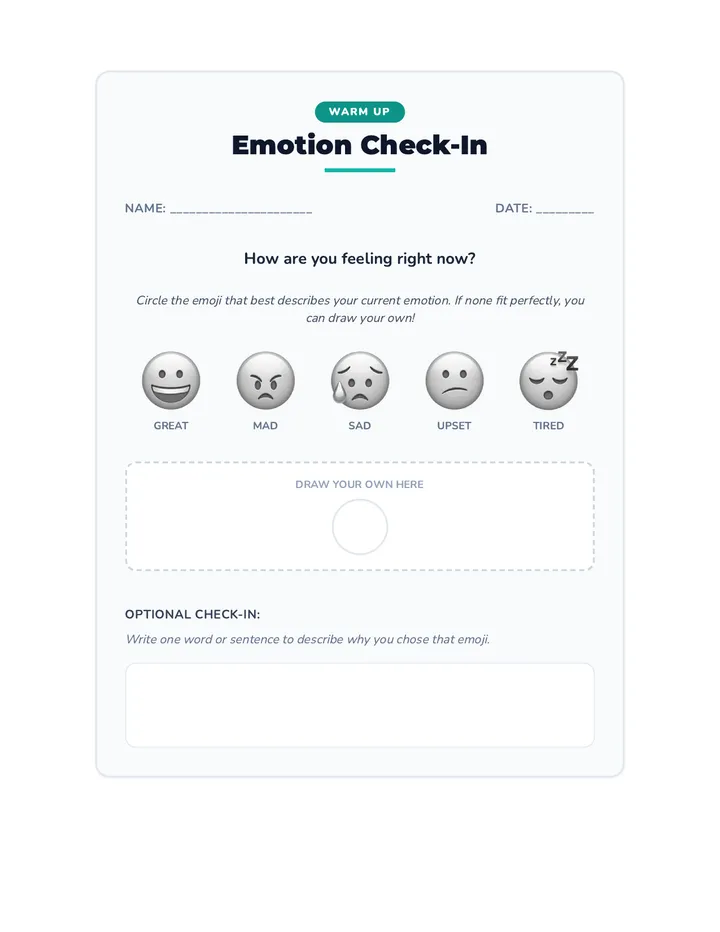
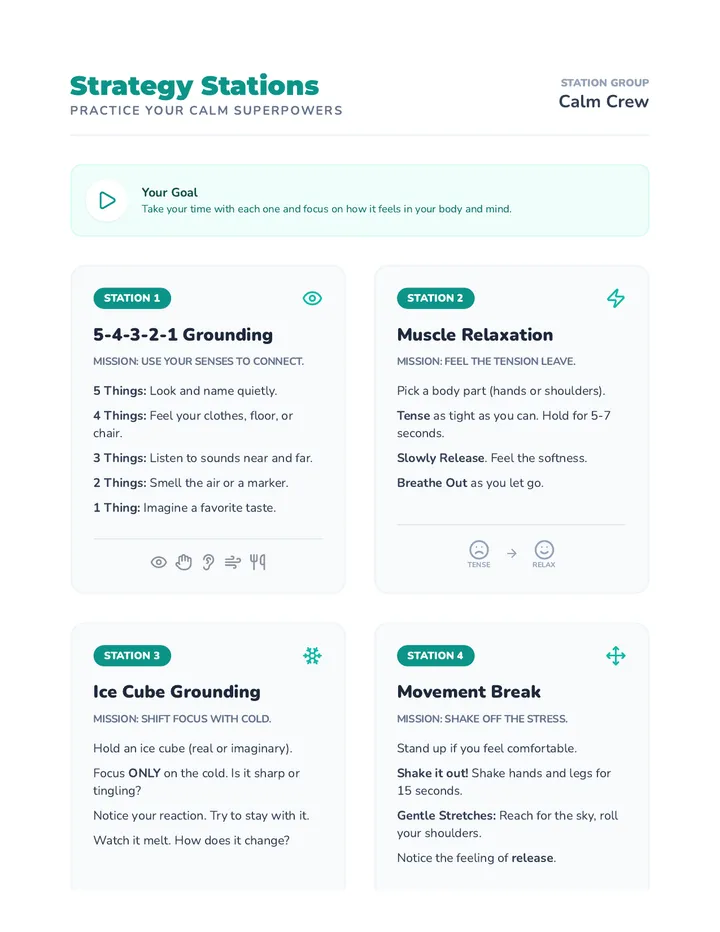
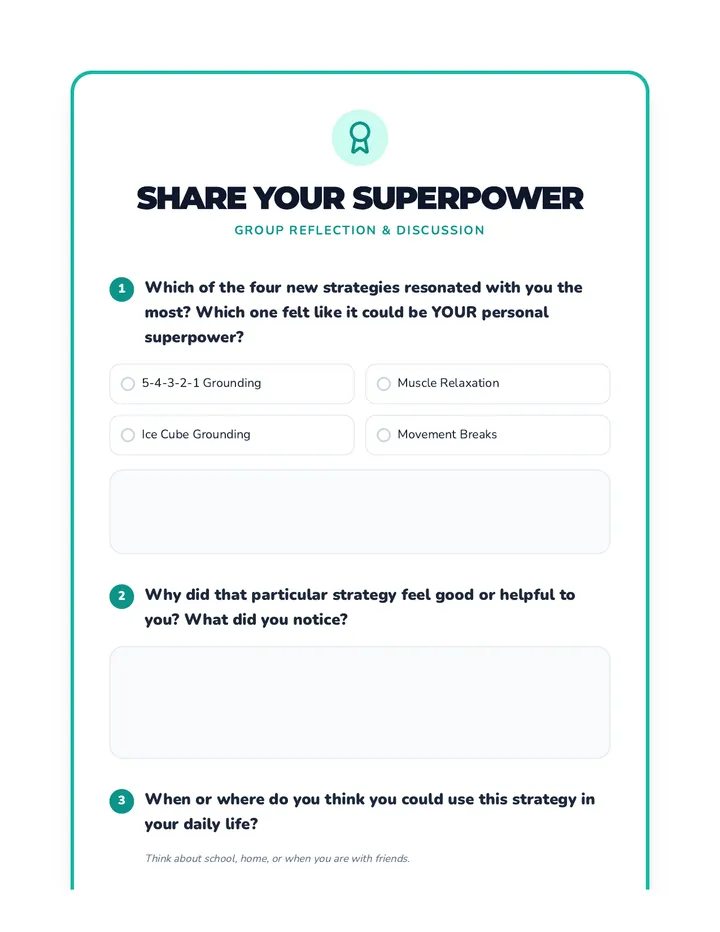
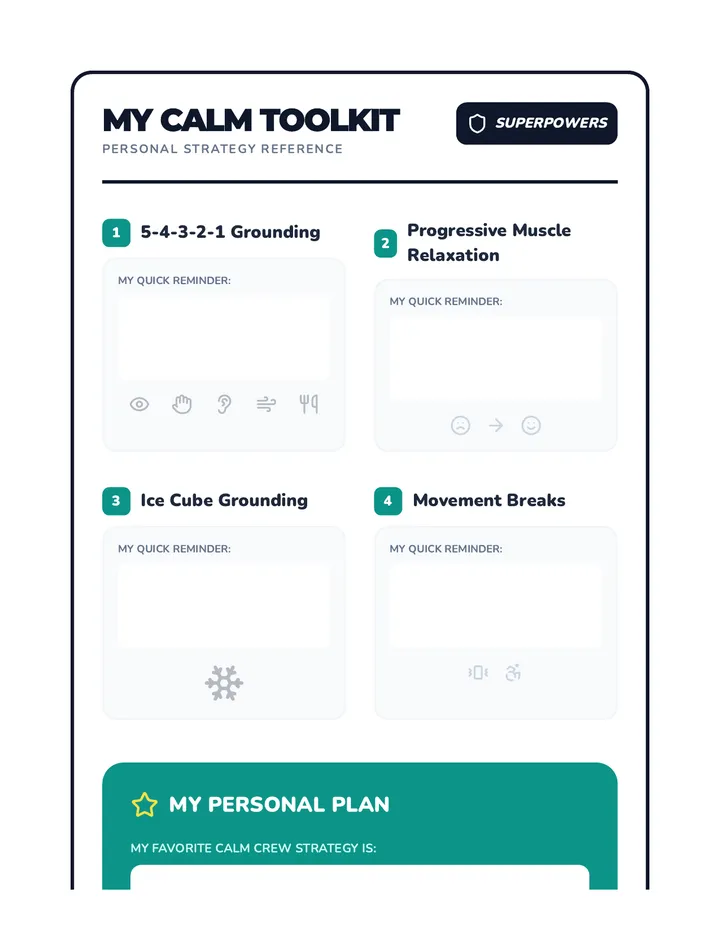
Students will identify physical signs of stress and learn three concrete 'superpower' coping strategies: deep breathing, positive self-talk, and movement. The lesson concludes with a collaborative activity to build a classroom 'Calm Corner'.
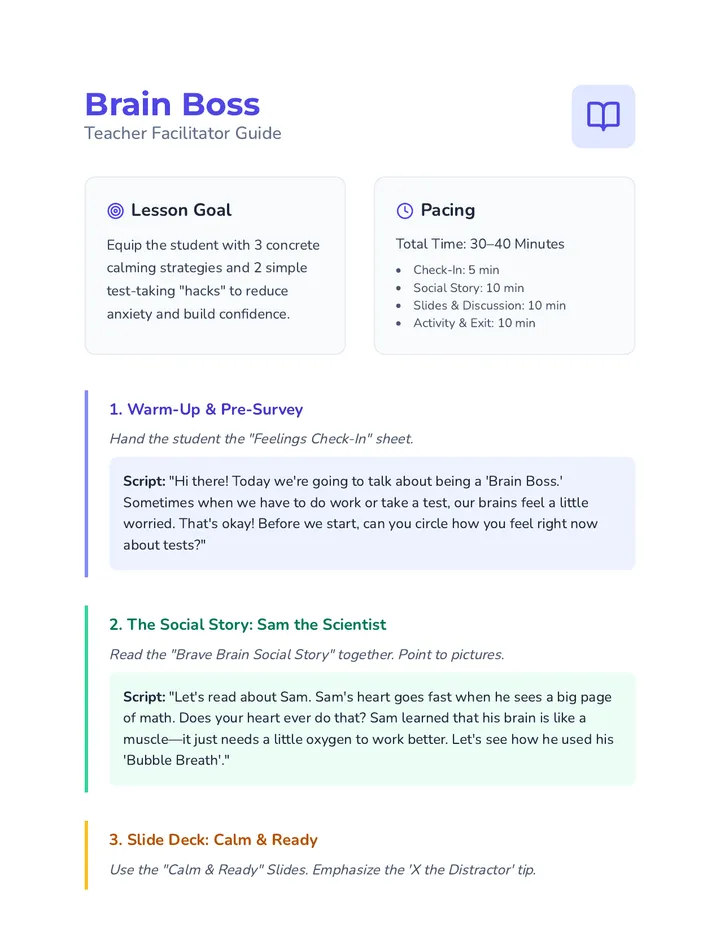
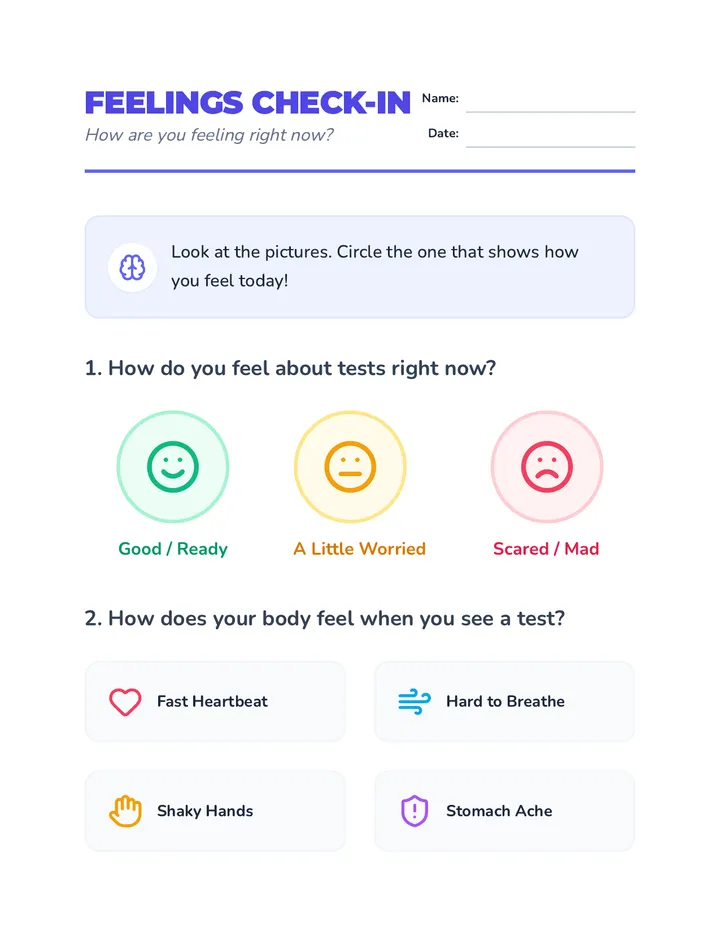
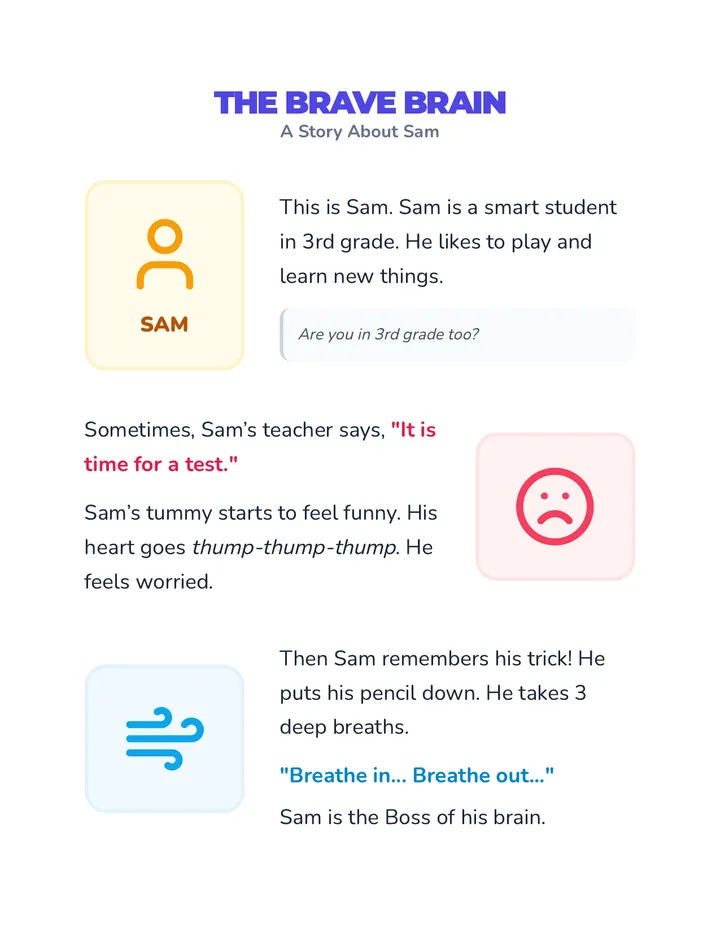
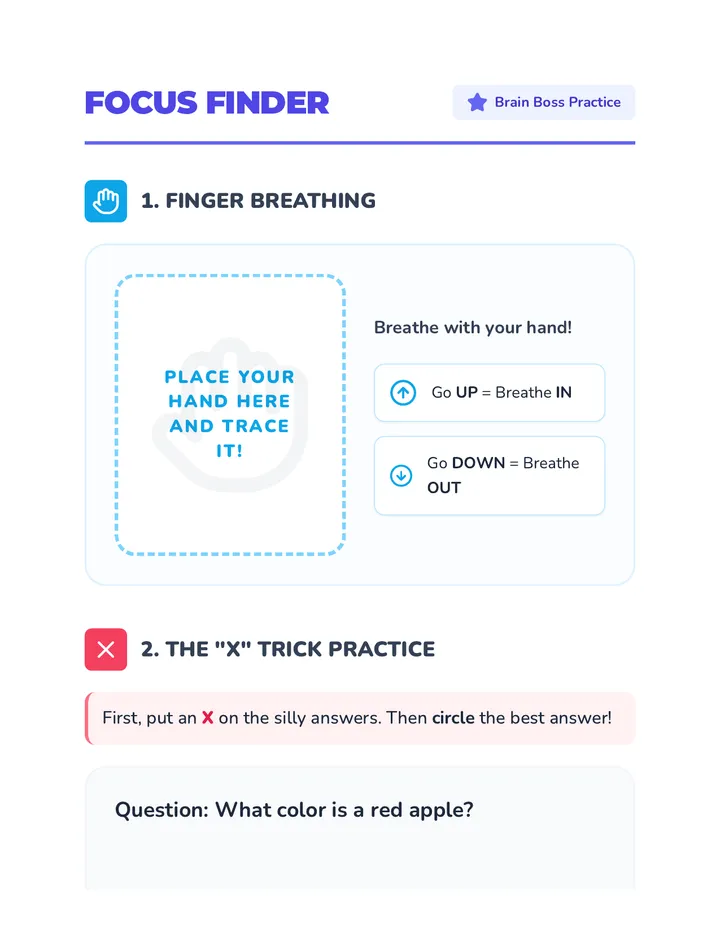
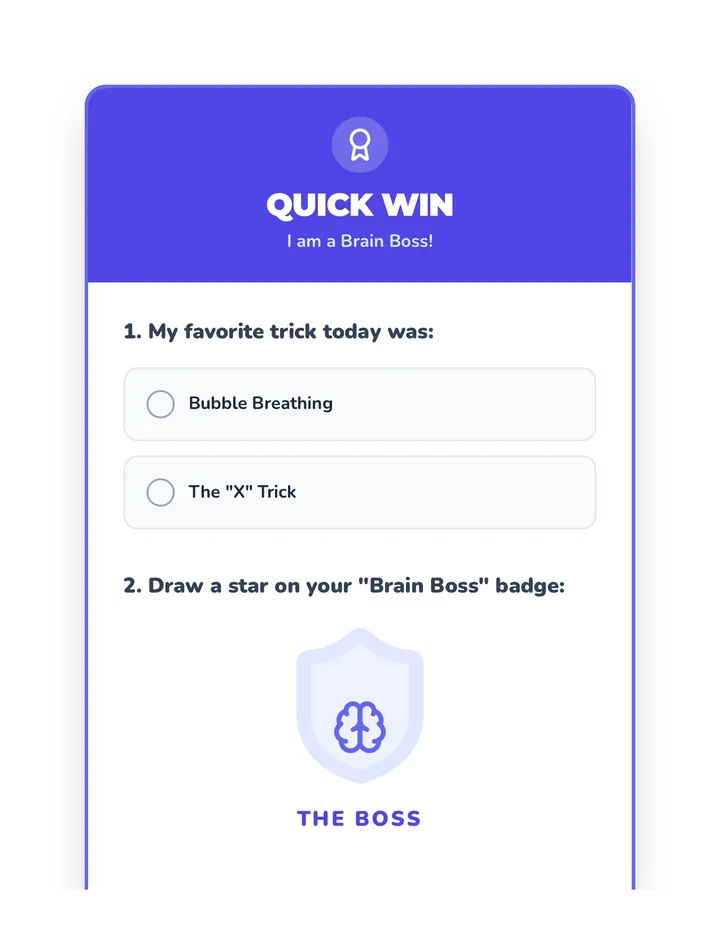
An individual lesson designed for a 3rd-grade student to manage test anxiety through calming strategies, simple test-taking tips, and confidence-building activities. The lesson is tailored for students with low reading and math foundational skills, emphasizing visual support and manageable steps.
A comprehensive 3-hour one-on-one session designed for adults with disabilities, covering pre-interview routines, professional presentation, and effective communication strategies during a job interview.
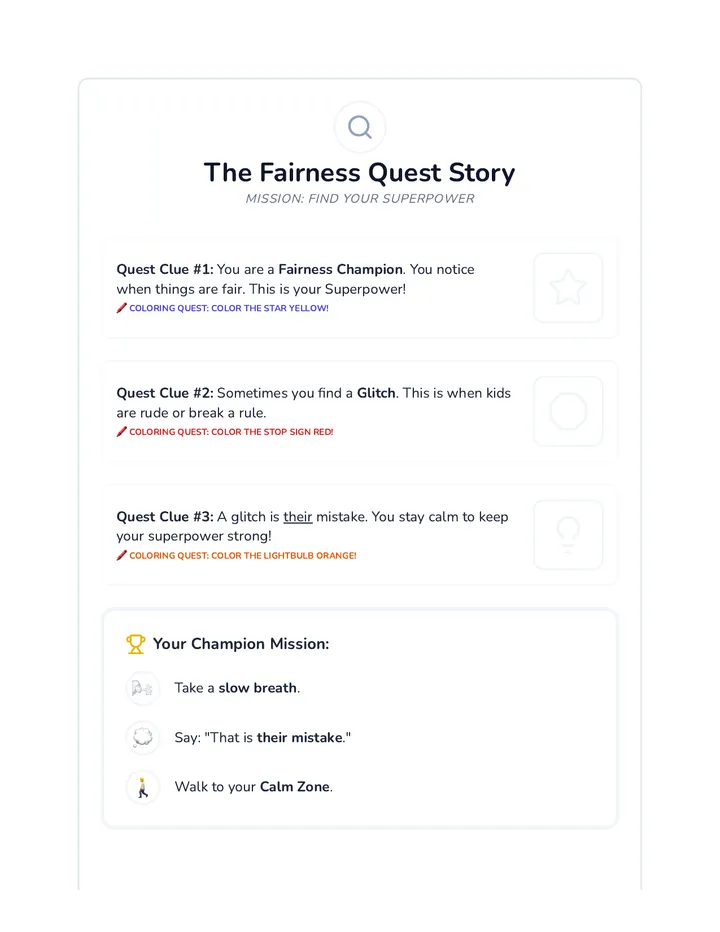
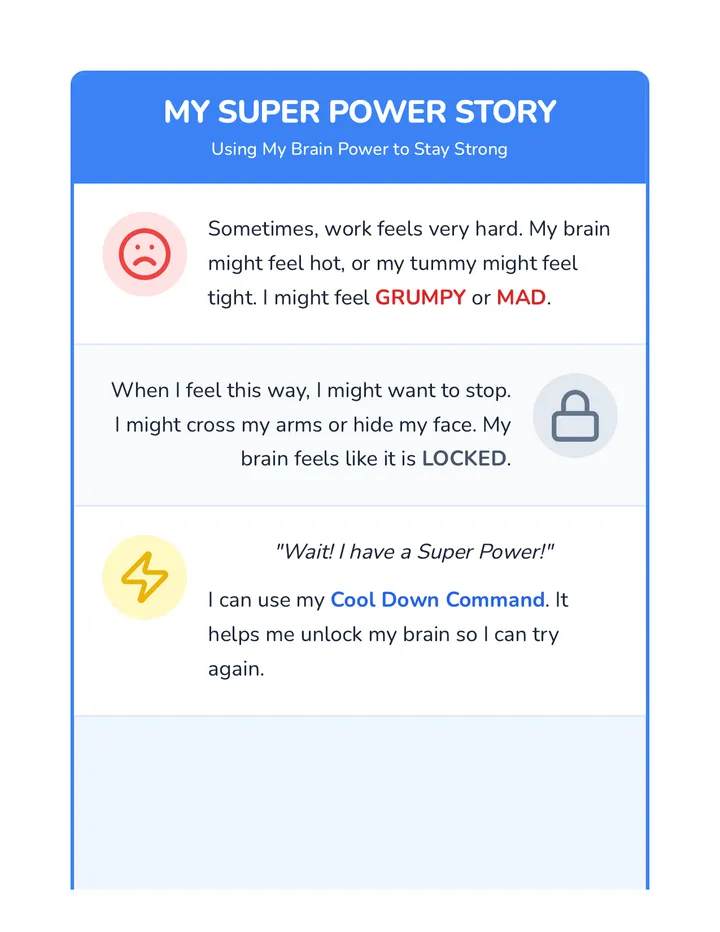
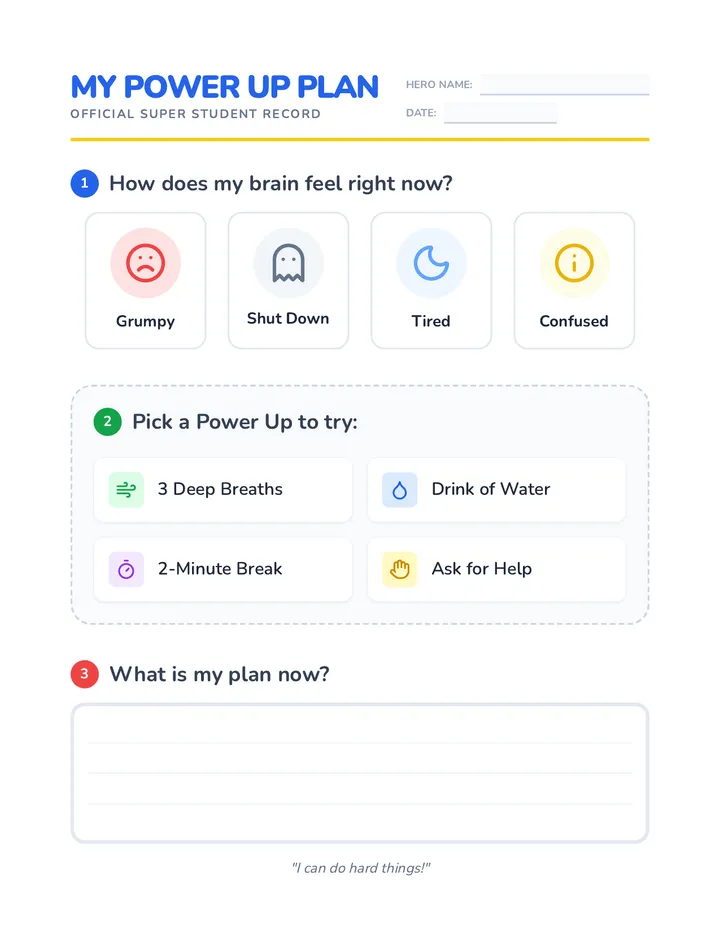
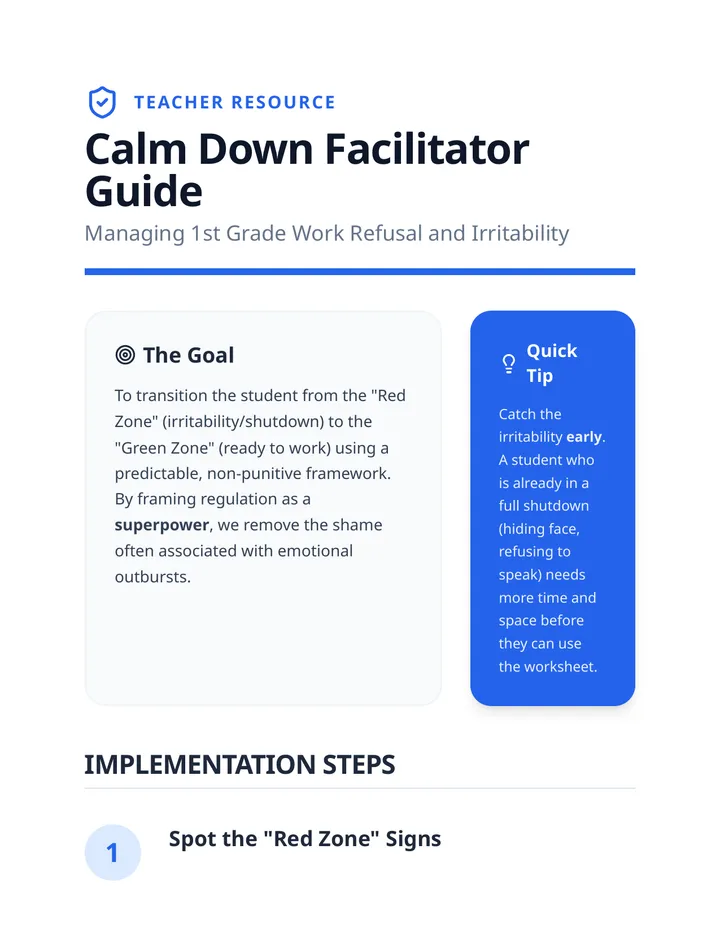
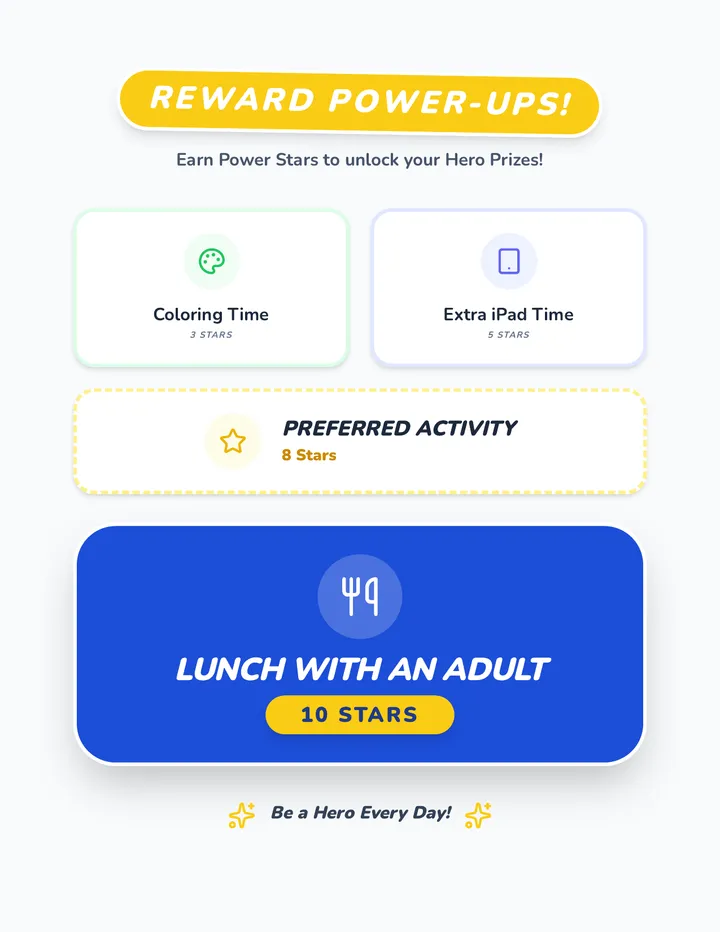
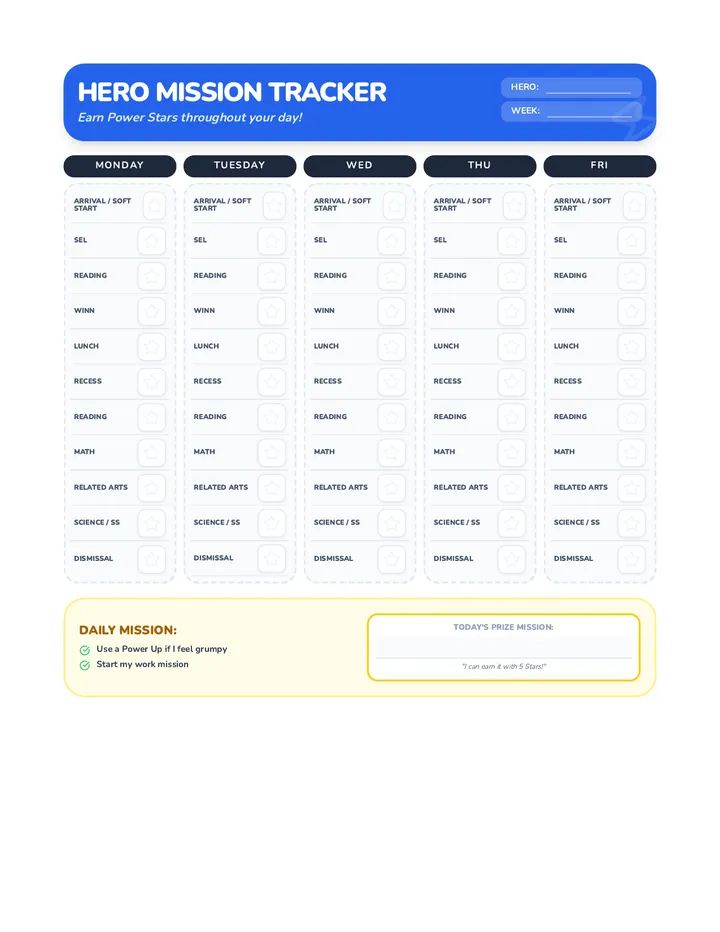
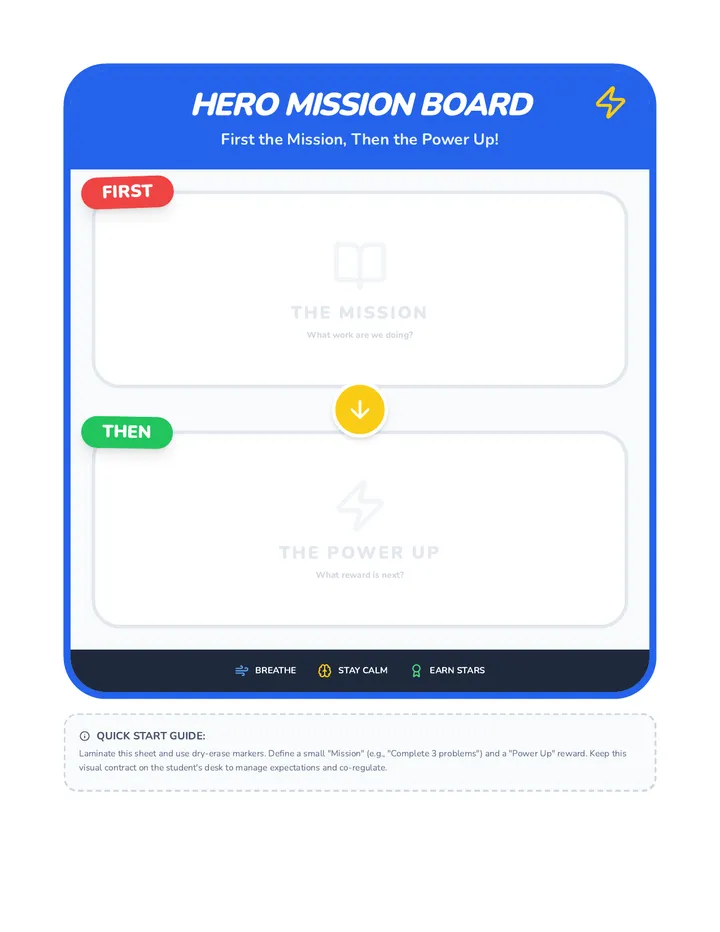
A collection of resources designed to help 1st-grade students navigate feelings of frustration and work refusal. These materials use a 'Superpower' theme to frame emotional regulation as a skill they can practice and master.