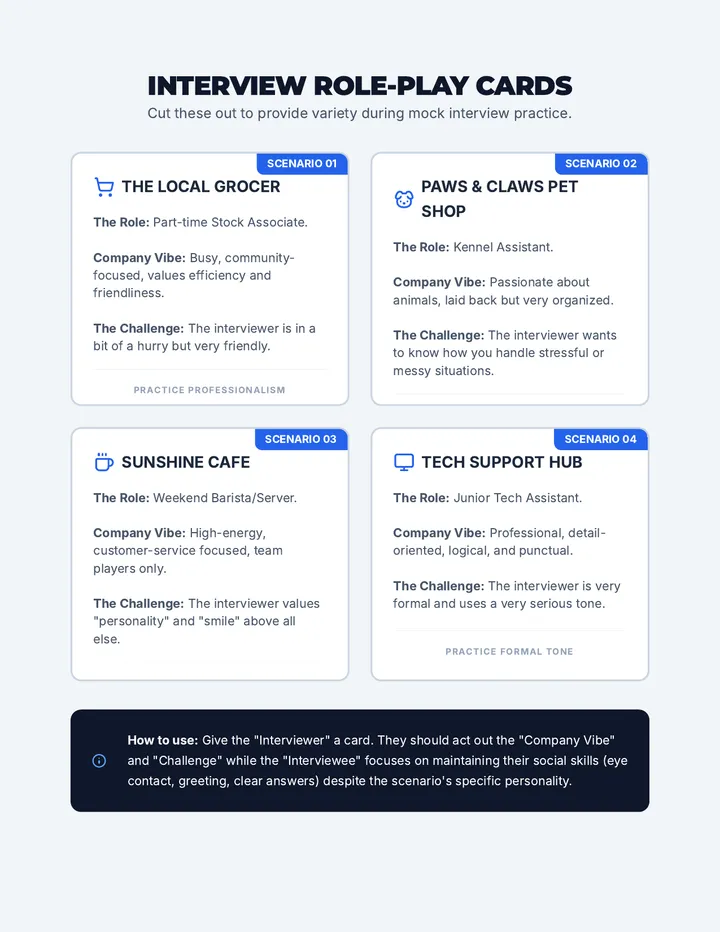
Employer research strategies and behavioral response techniques using the STAR method. Develops virtual interview etiquette, professional presence, and effective follow-up communication.
A simplified, professional fidelity checklist for instructors featuring a single, clean continuous list of key components. This version removes all section titles, phases, and note areas for a focused assessment tool.
A comprehensive 10-session Tier 1 life-skills curriculum for transition-age students (18–22) focusing on independence, self-advocacy, and career readiness.
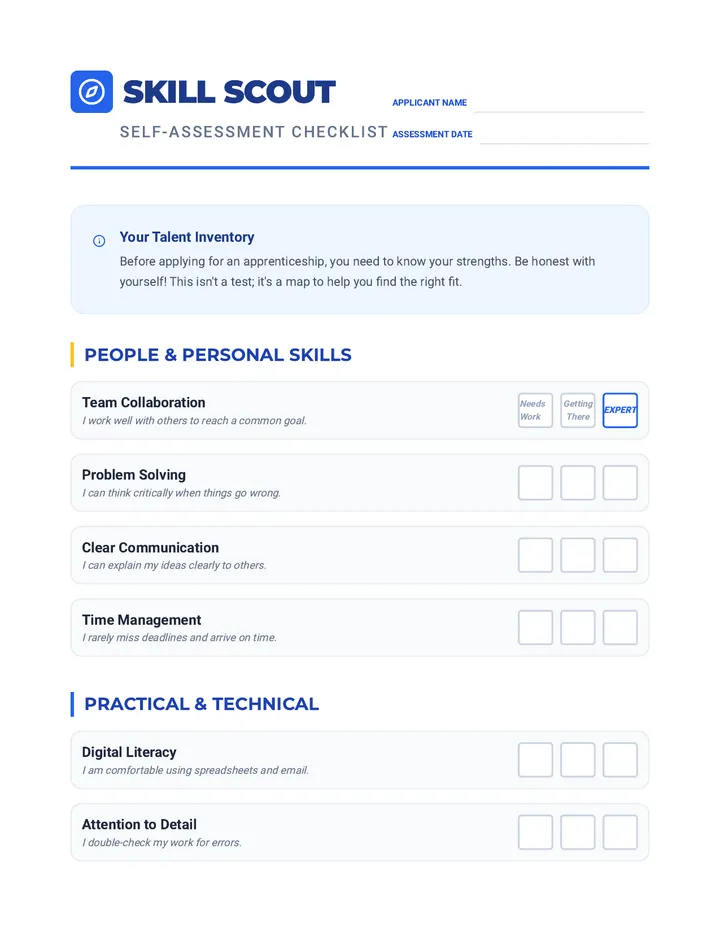
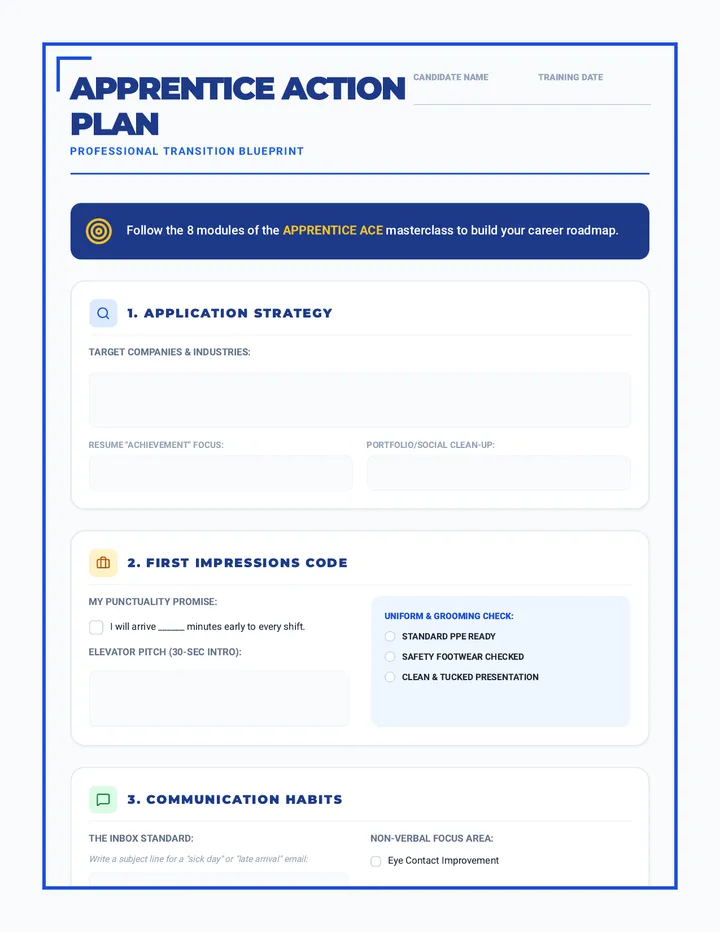
A comprehensive sequence designed for 9th-grade transition students to master the job acquisition cycle. Students progress from identifying soft skills to mastering resumes, applications, and interviews, with a heavy focus on the social 'hidden curriculum' of the workplace.
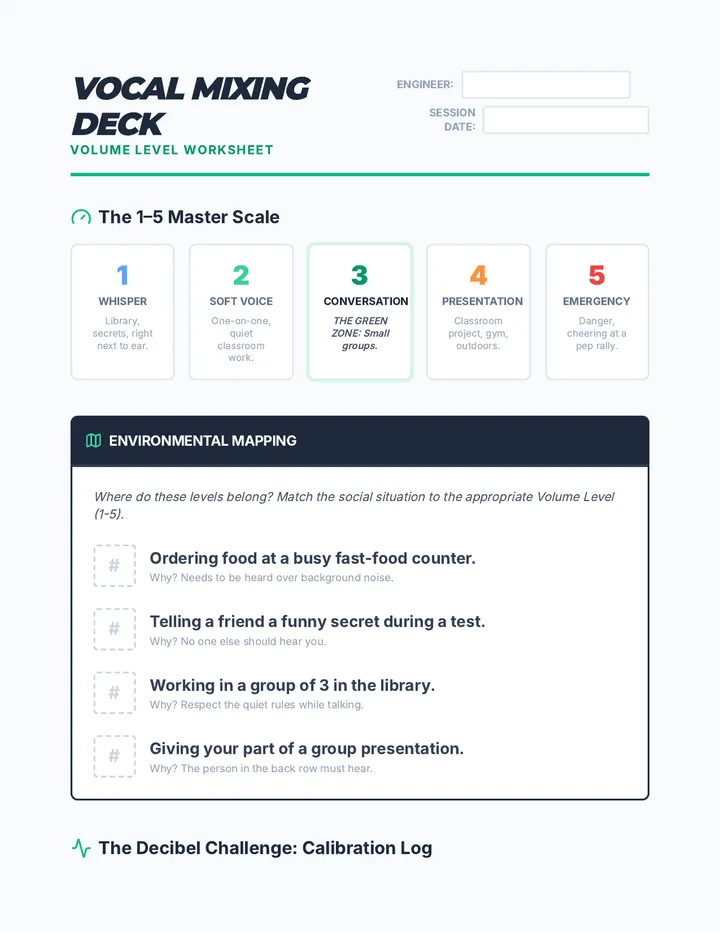
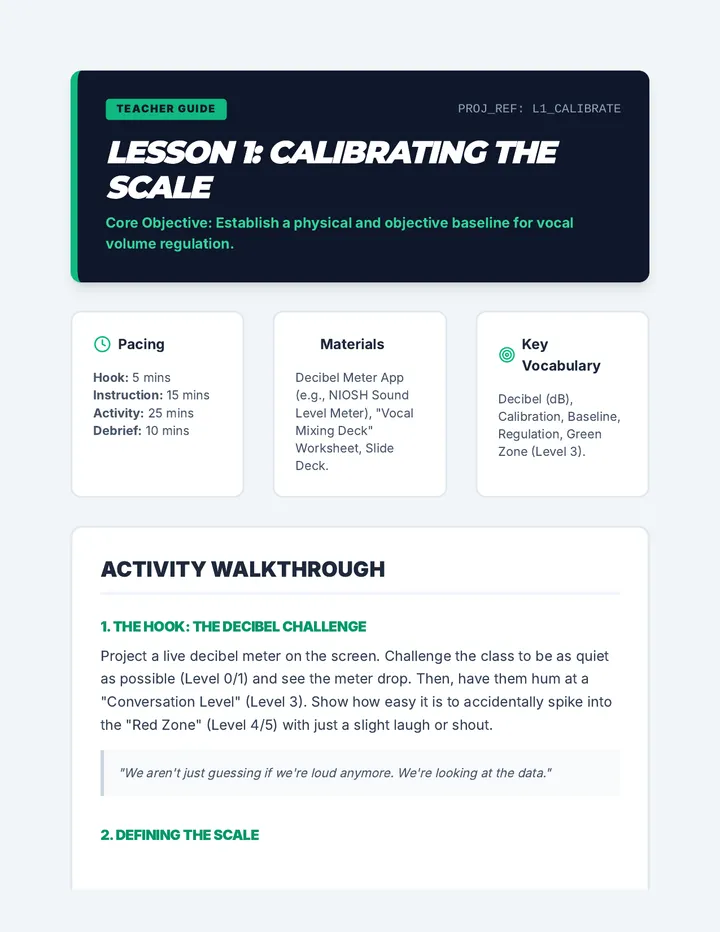
A 5-lesson sequence for 9th-grade students focusing on social communication through the lens of volume and tone regulation. Students will move from basic calibration of their 'internal volume knob' to high-stakes social and vocational simulations requiring rapid adaptation.
A comprehensive unit on professional communication, interview skills, and workplace etiquette. Students master non-verbal cues, the STAR response method, active listening, and professional follow-ups to prepare for classroom job simulations.
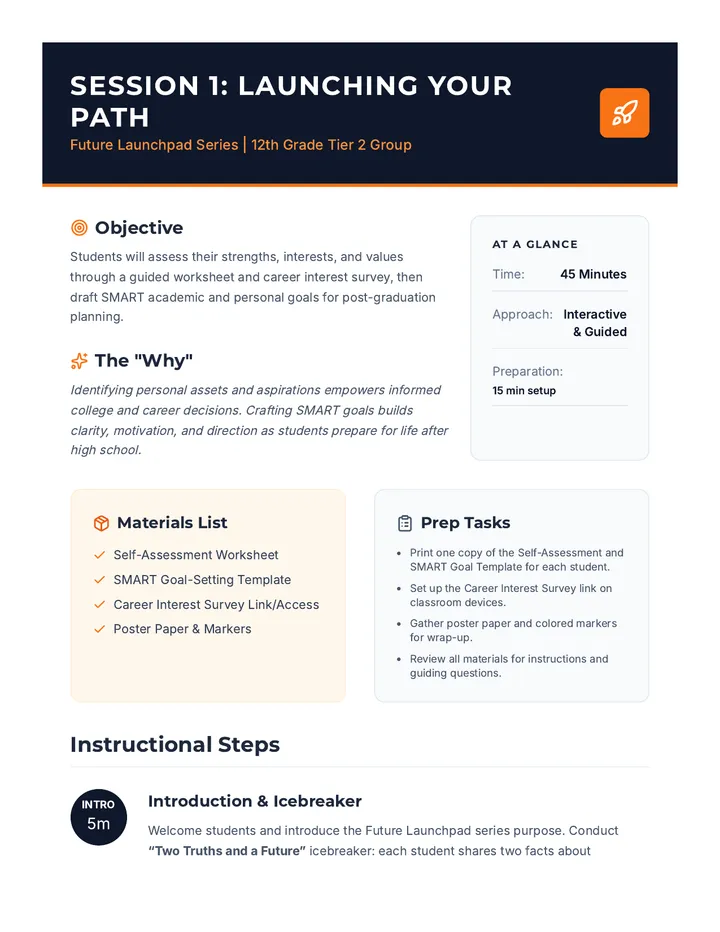
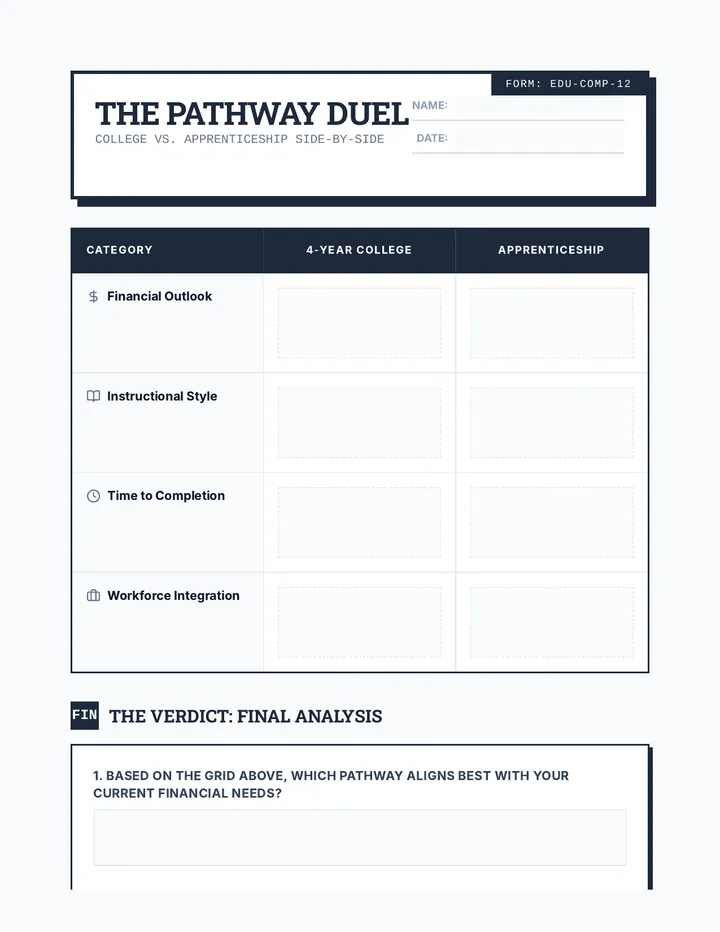
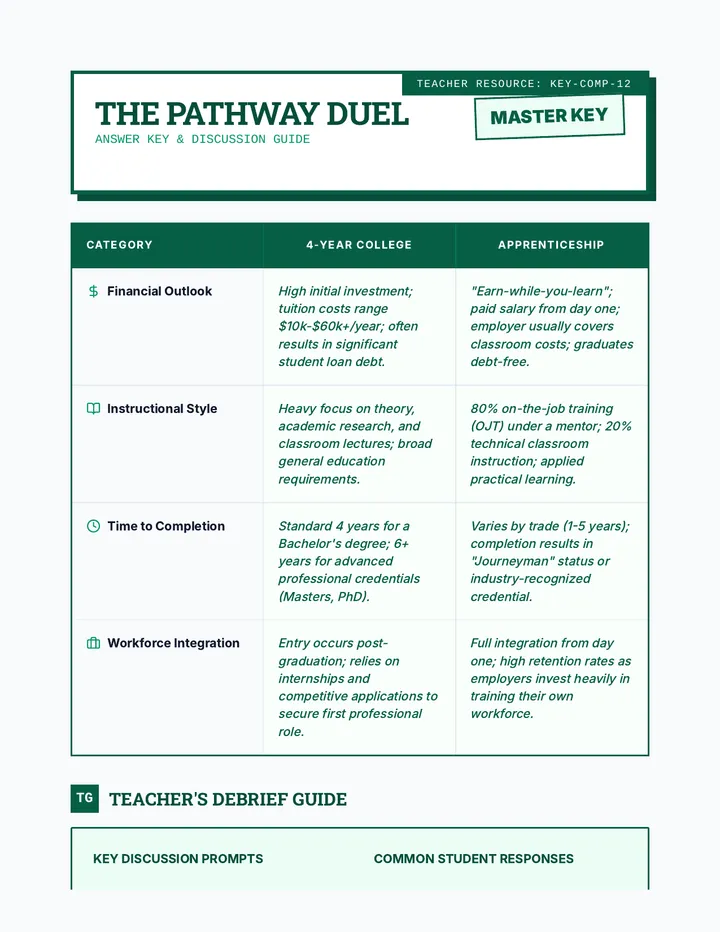
A 6-session Tier 2 group series for 12th-grade students to explore college and career pathways, develop application skills, and create a personalized post-graduation plan.
This curriculum equips transition-age learners (18–22) with essential life and work skills needed for independence and community engagement, covering daily living, financial literacy, job readiness, and more.
A workshop-style sequence for 12th graders to master the professional application process, covering resumes, personal statements, digital portfolios, networking, and interviewing.
This sequence treats interview preparation as a case study in effective communication and rhetoric. Students evaluate sample interviews, critique 'bad' STAR responses, and refine their own content based on high-level standards to create a 'Story Portfolio' for future applications.
A comprehensive workshop-style unit where 7th-grade students navigate the job-seeking process, from identifying transferable skills and drafting their first resumes to mastering professional etiquette and succeeding in mock interviews. Students will develop tangible professional documents and interpersonal communication skills critical for workforce entry.
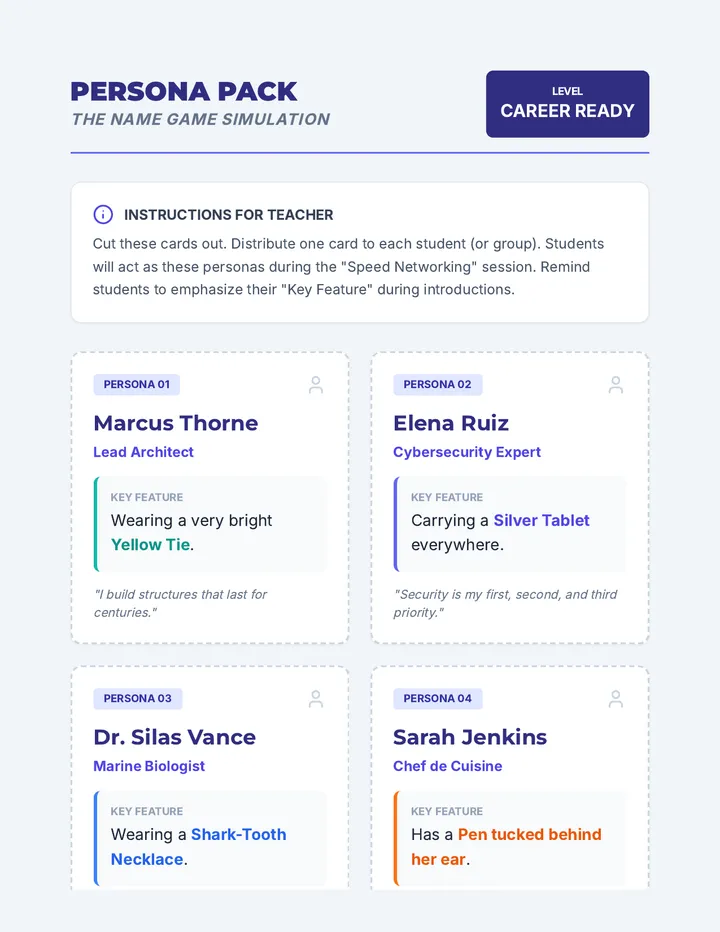
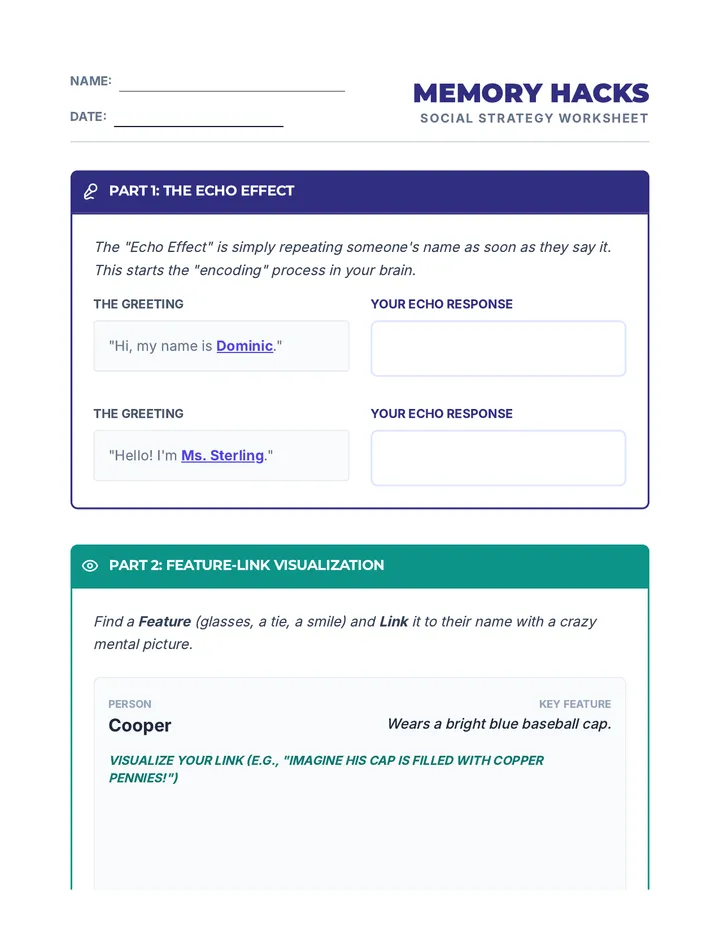
A career-focused memory strategy sequence for high school seniors, teaching mnemonic devices for social networking, workplace procedures, and numerical data to boost professional reliability.
A comprehensive sequence designed to transform 9th-grade students from passive applicants into strategic partners by mastering employer research, job description analysis, and high-impact questioning techniques.
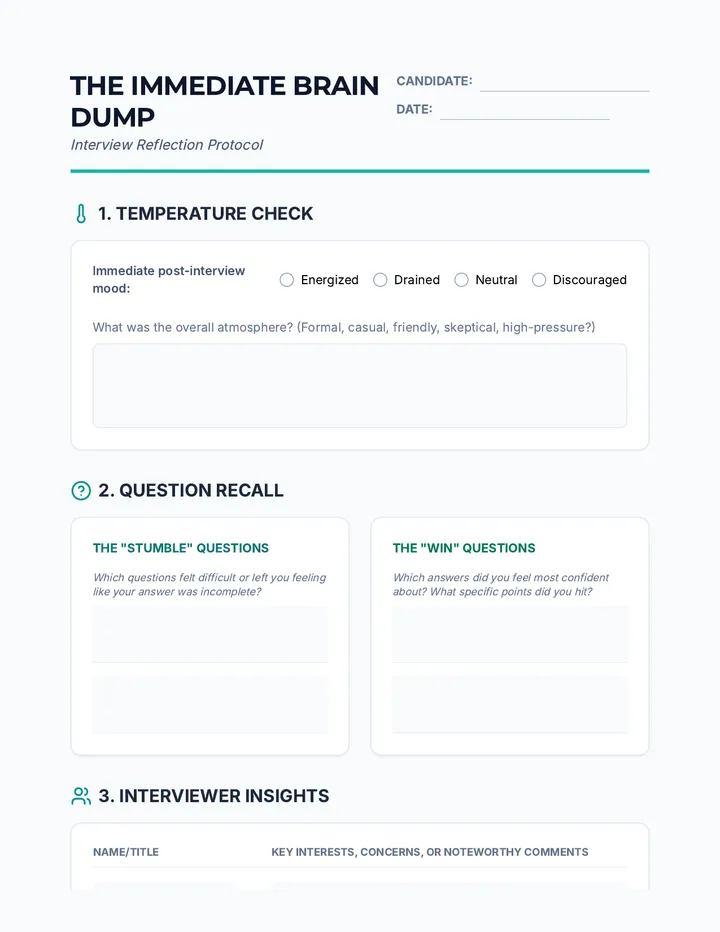
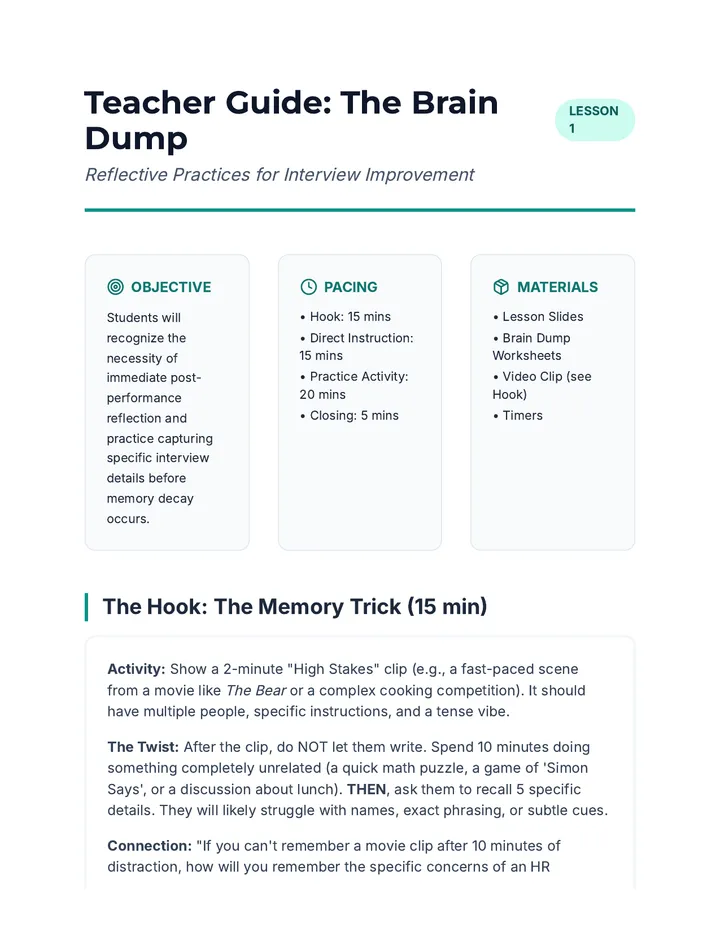
This inquiry-based sequence focuses on self-assessment and continuous improvement in the interview process. Students will develop habits for immediate post-interview reflection, analyze performance gaps, learn to process feedback with a growth mindset, and create actionable plans for professional growth.
A comprehensive year-long curriculum for high school seniors focusing on college readiness, career planning, financial literacy, and social-emotional well-being. This sequence guides students through the complexities of post-secondary transitions with a special focus on arts-based pathways.
A comprehensive unit designed to guide students through the modern job application process, focusing on strategic networking, deep company research, and high-stakes interview preparation. Students will learn to build professional connections and tailor their approach to specific company cultures and scenarios.
A dual-unit program designed to equip students with essential life skills for the post-application phase of job hunting and personal well-being. This sequence focuses on interpersonal communication, interview excellence, and mental health.
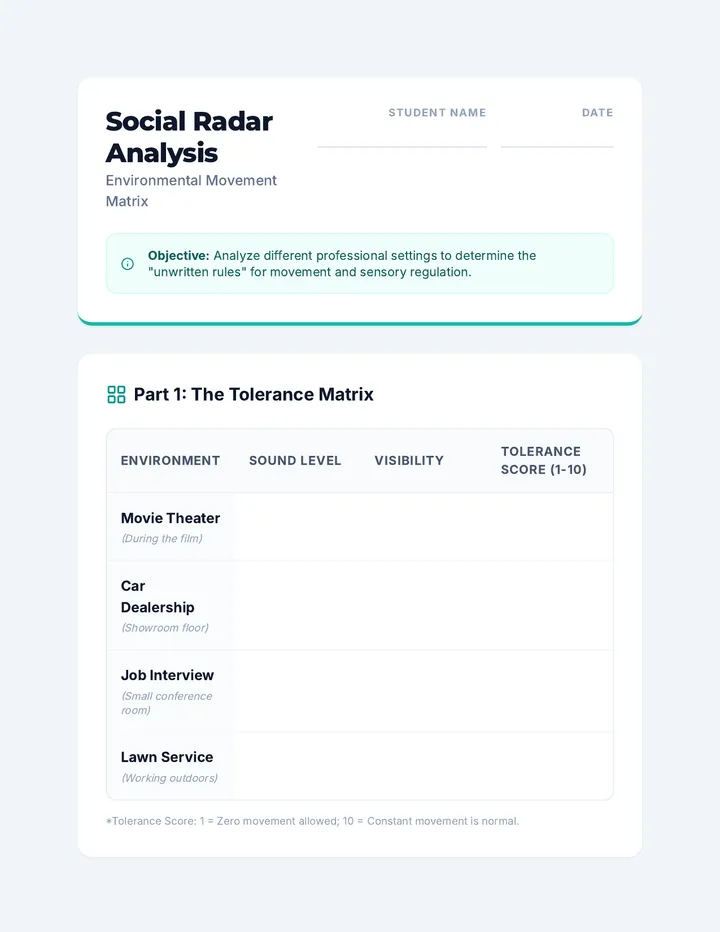
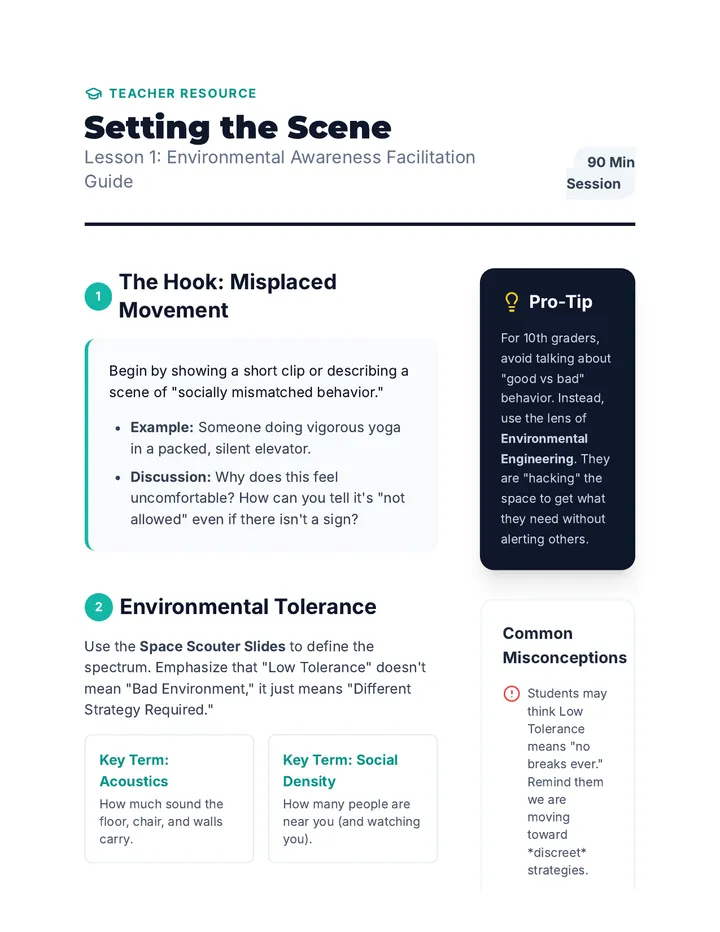
This sequence prepares 10th-grade students to adapt sensory regulation and movement strategies for professional, academic, and social settings beyond the classroom. Students learn to analyze environment-specific norms, practice discreet 'stealth' techniques, and plan for their post-secondary transition into careers and higher education.
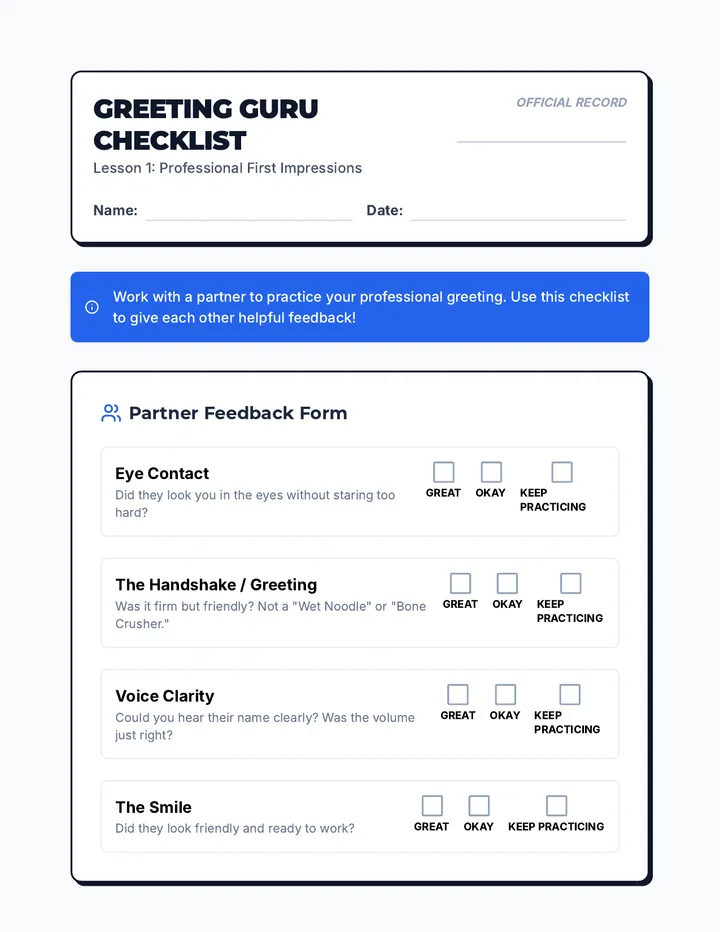
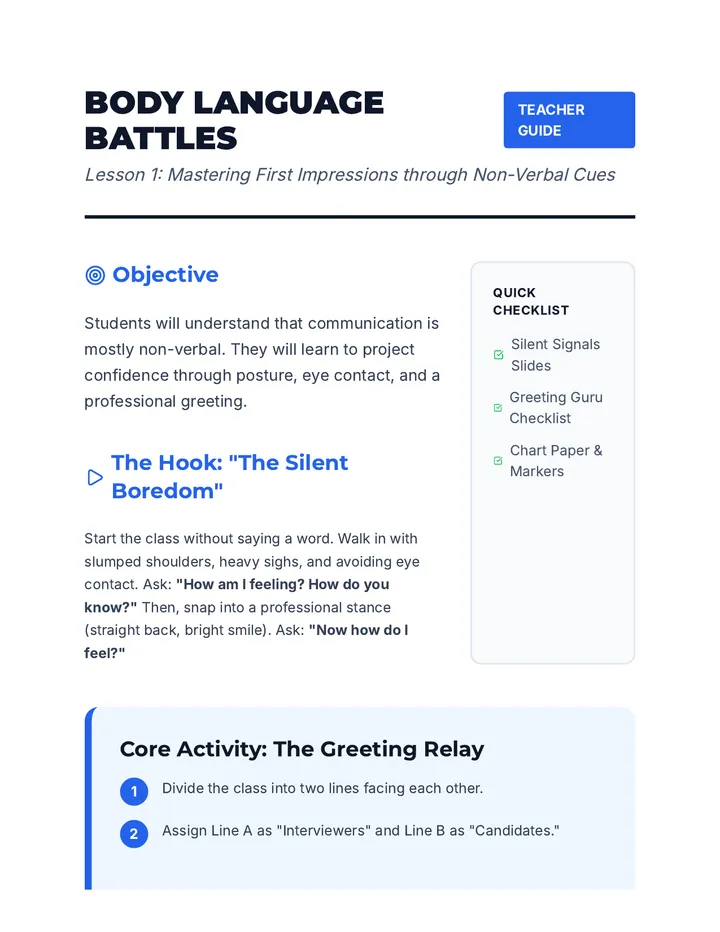
This sequence prepares 11th-grade students for professional environments by teaching the nuances of workplace greetings. Students will master physical mechanics, hierarchy-based title selection, elevator pitches, and digital etiquette through role-play and simulation.
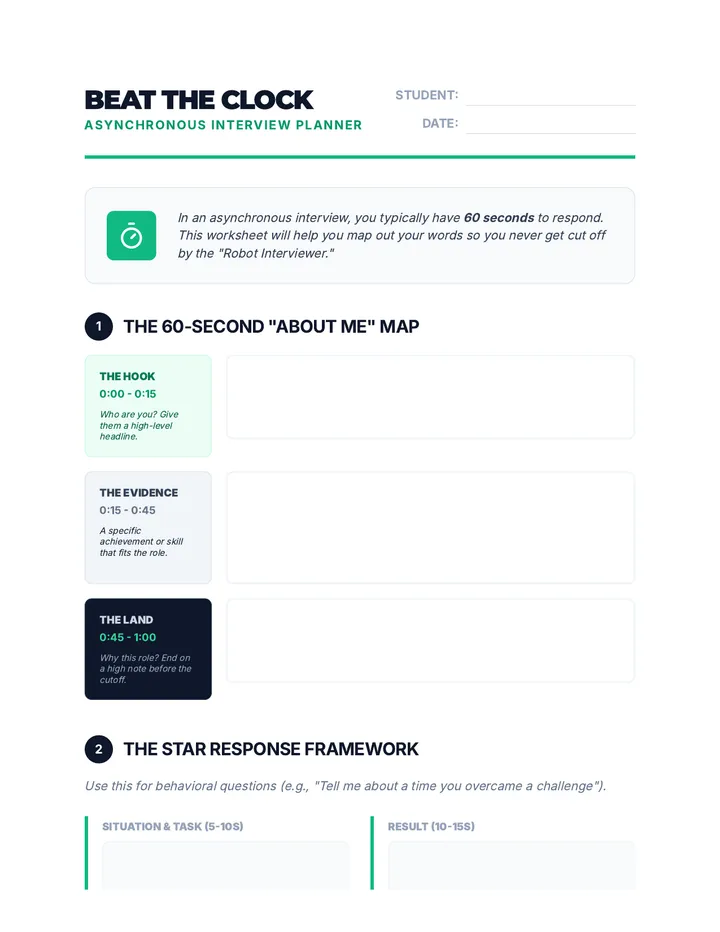
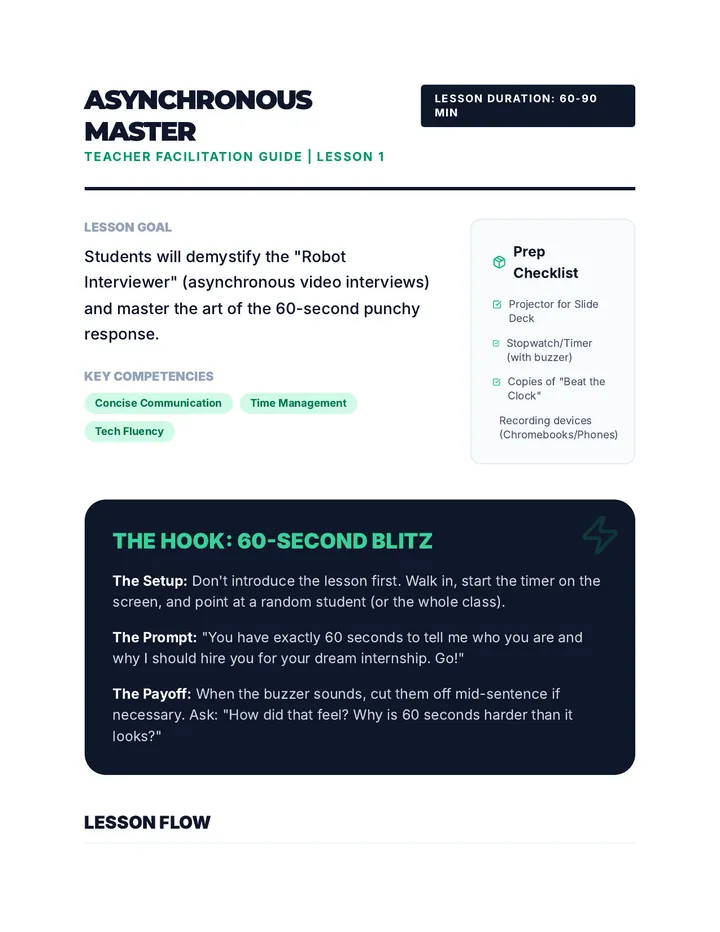
A comprehensive sequence for 10th graders to master virtual interviewing through asynchronous recordings, peer feedback loops, and a high-stakes capstone simulation. Students develop technical setup proficiency, non-verbal communication, and concise verbal pitching.
This sequence teaches 10th-grade students how to identify, prevent, and professionally manage technical failures during virtual interviews. Through simulations and role-plays, students build resilience and troubleshooting skills to maintain composure under pressure.
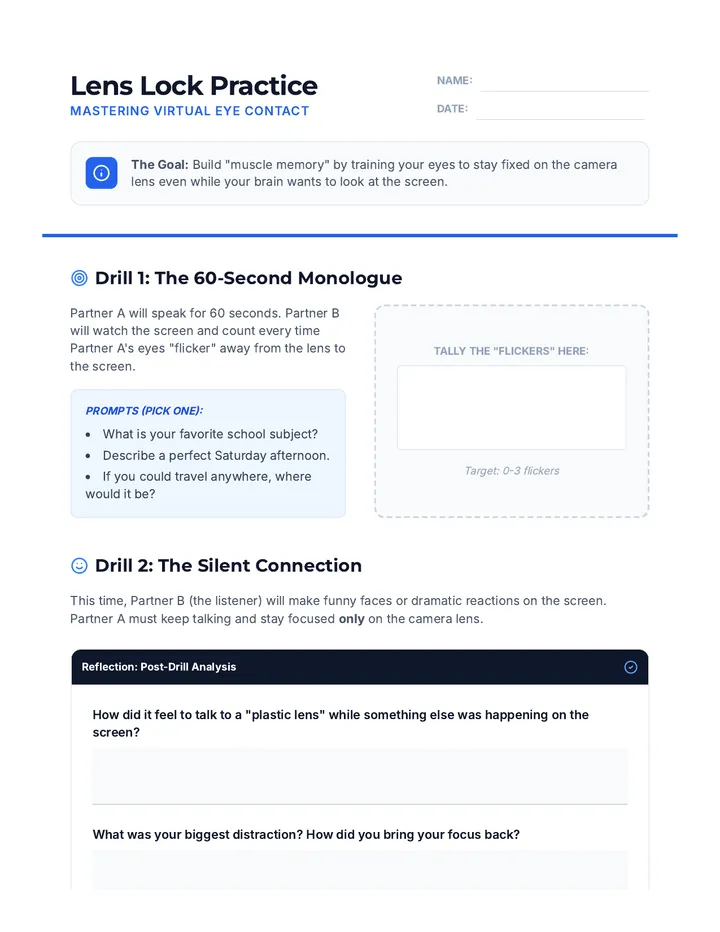
This sequence teaches 10th-grade students how to master non-verbal communication in virtual interviews, focusing on the specific shifts needed when moving from in-person to screen-mediated interaction. Students will master digital eye contact, framing, professional presence, and self-reflection.
A 5-lesson sequence for 10th-grade students on optimizing their physical and technical environment for virtual interviews, covering lighting, camera angles, audio quality, and platform settings.
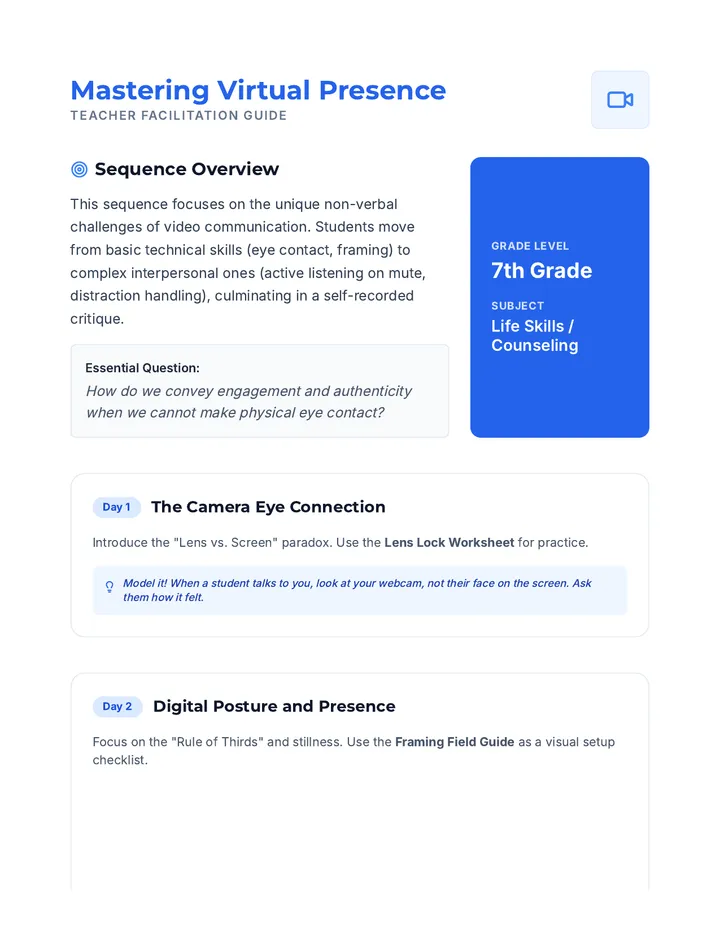
A comprehensive sequence for 7th-grade students to master non-verbal communication in virtual interviews. Students move from basic eye-contact techniques to managing presence, active listening, and distraction handling, culminating in a self-recorded critique.
A project-based sequence for 7th graders to master the art of virtual interview backgrounds. Students explore visual rhetoric, set design, lighting, and digital tools to curate professional spaces that communicate their personal brand effectively.
A workshop-style sequence for 7th graders to master the technical aspects of virtual interviews, focusing on framing, lighting, audio, and platform controls.
A comprehensive lesson for high school students on mastering their first job interviews, focusing on personal branding, soft skills, and professional inquiry.
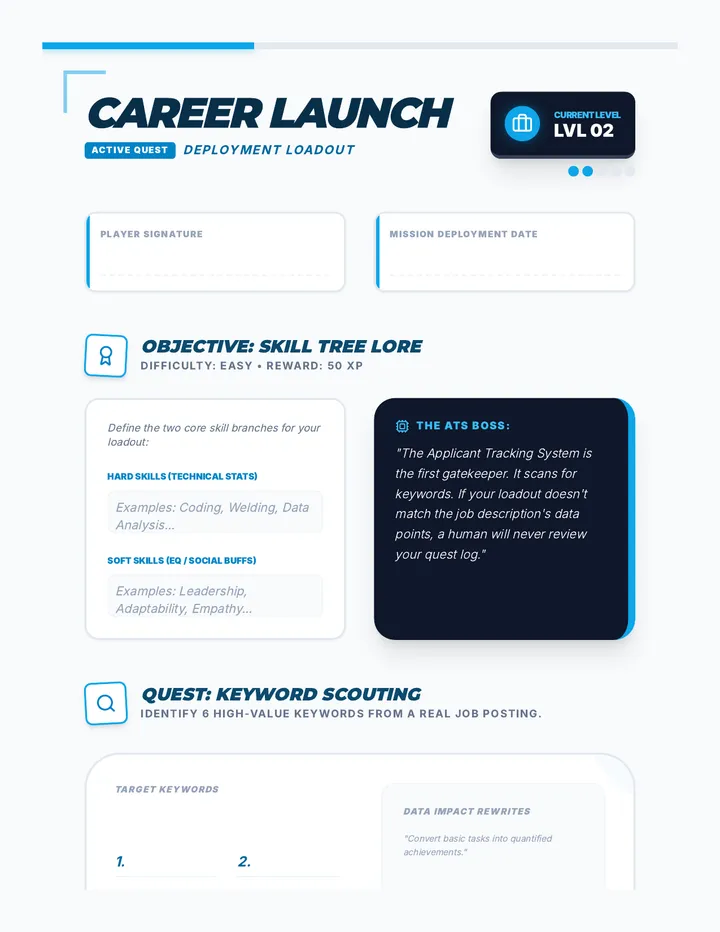
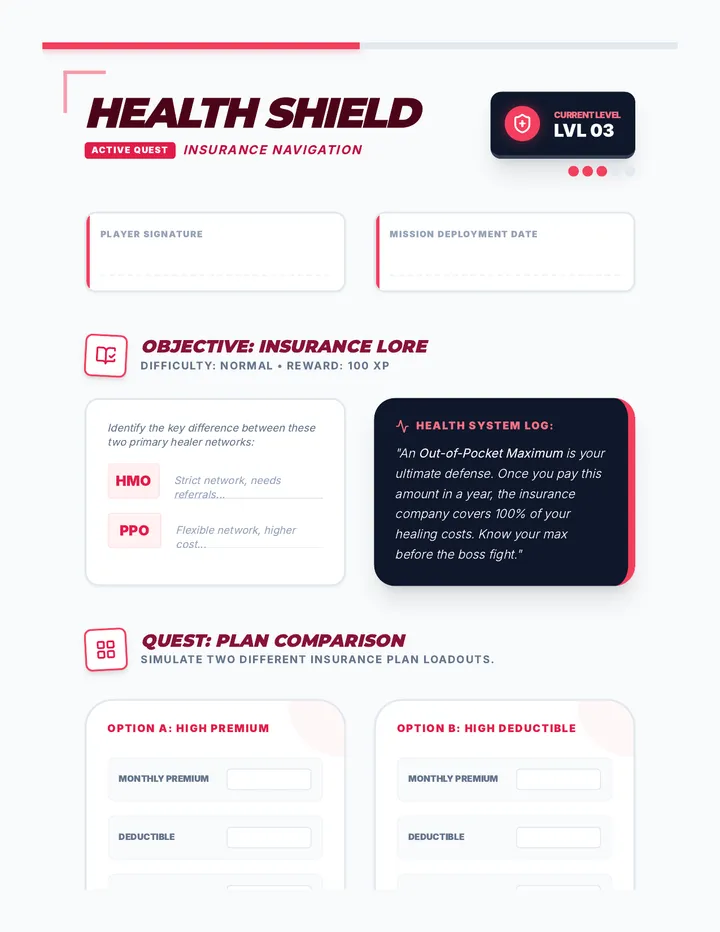
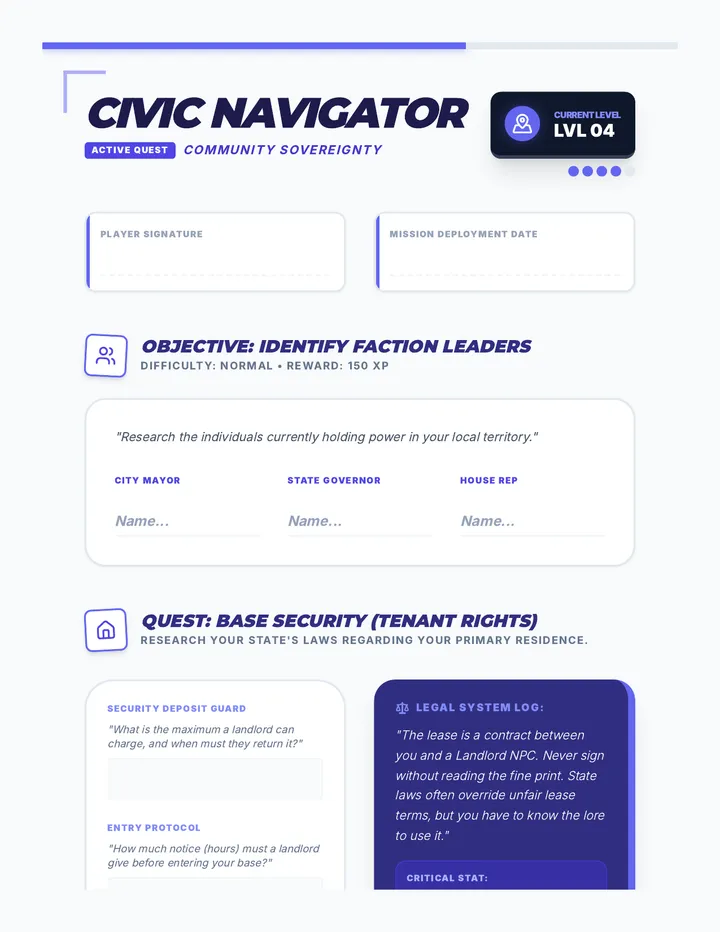
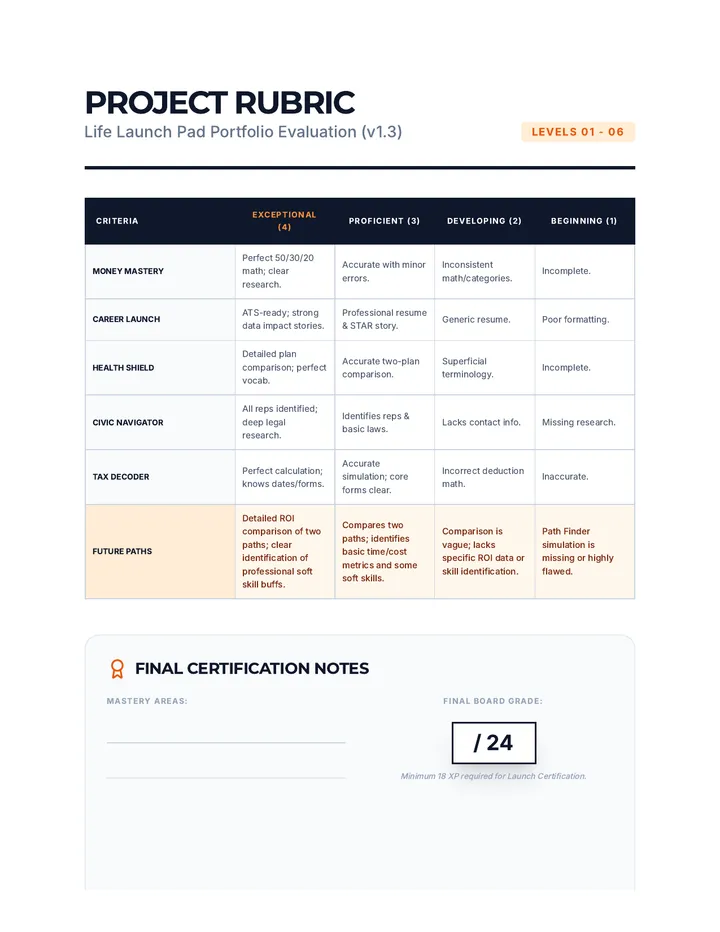
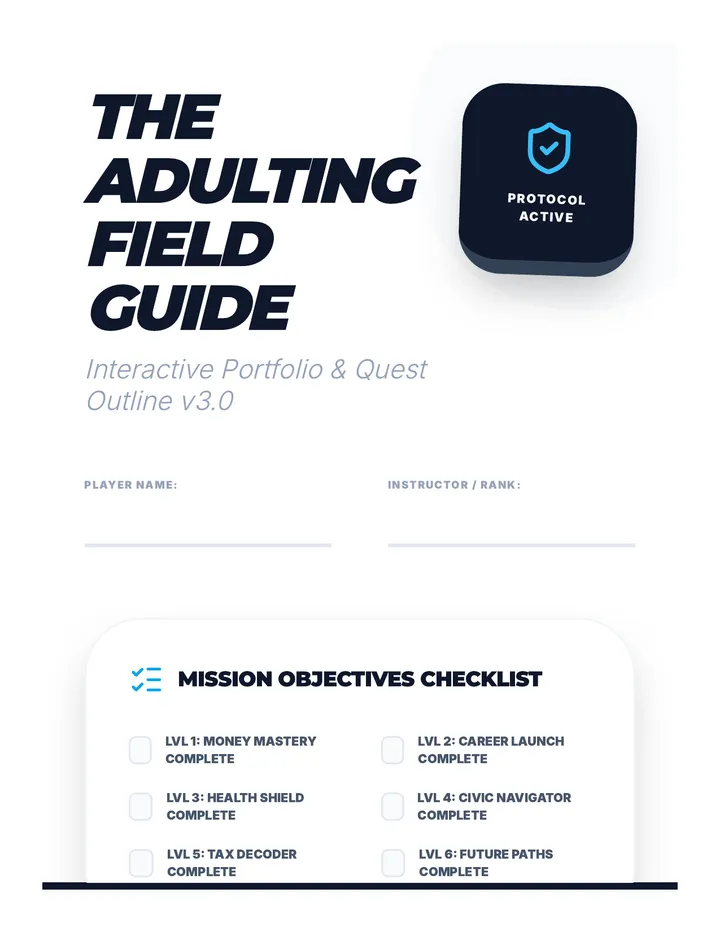
A comprehensive guide to essential adulting skills covering financial literacy, career development, health navigation, and civic responsibilities.
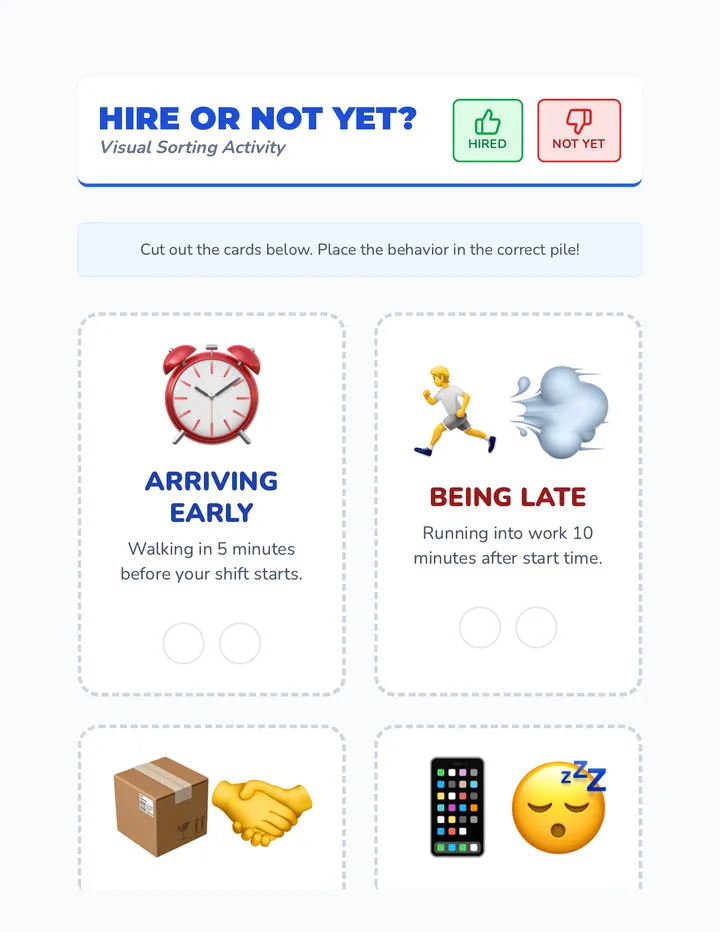
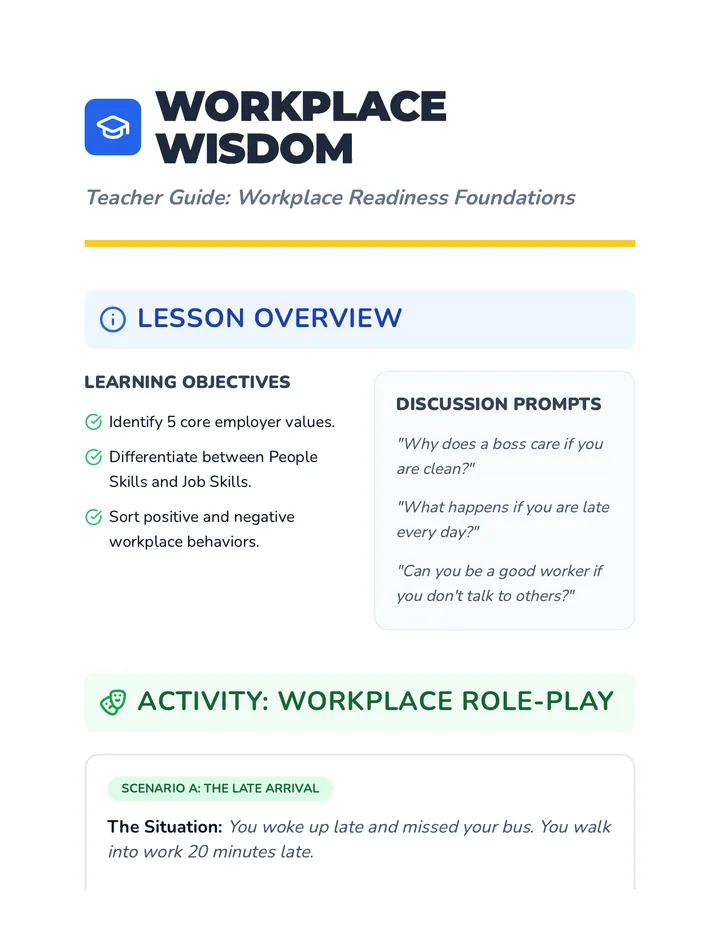
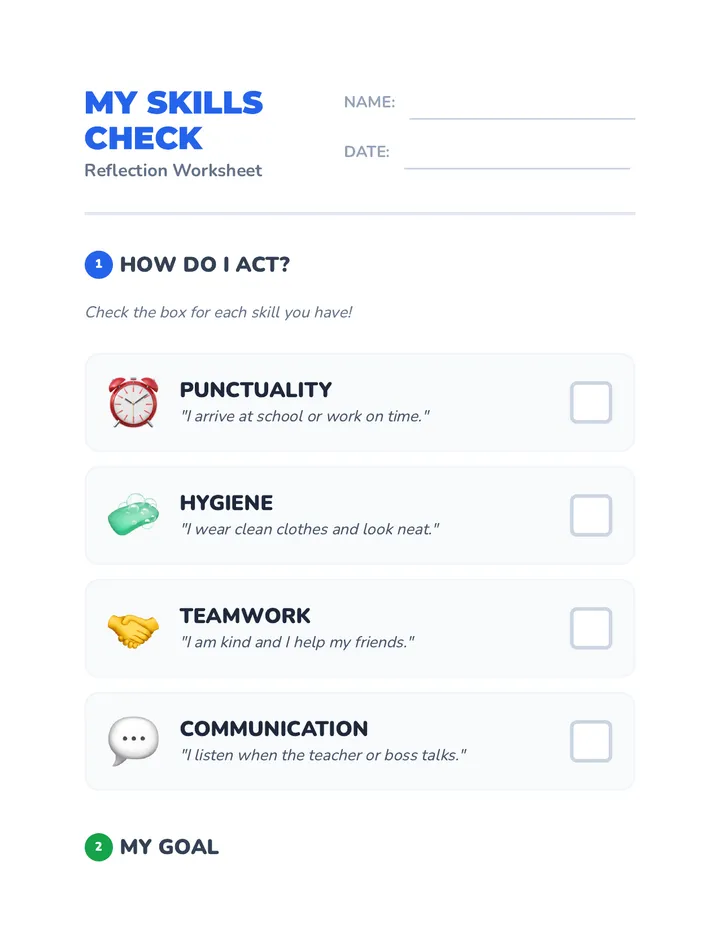
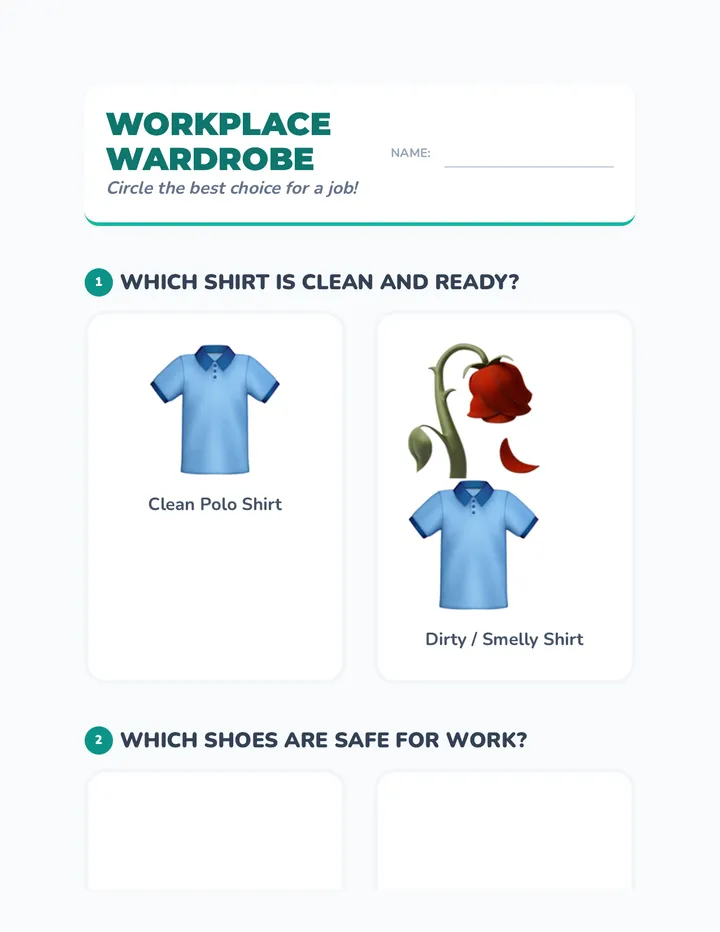
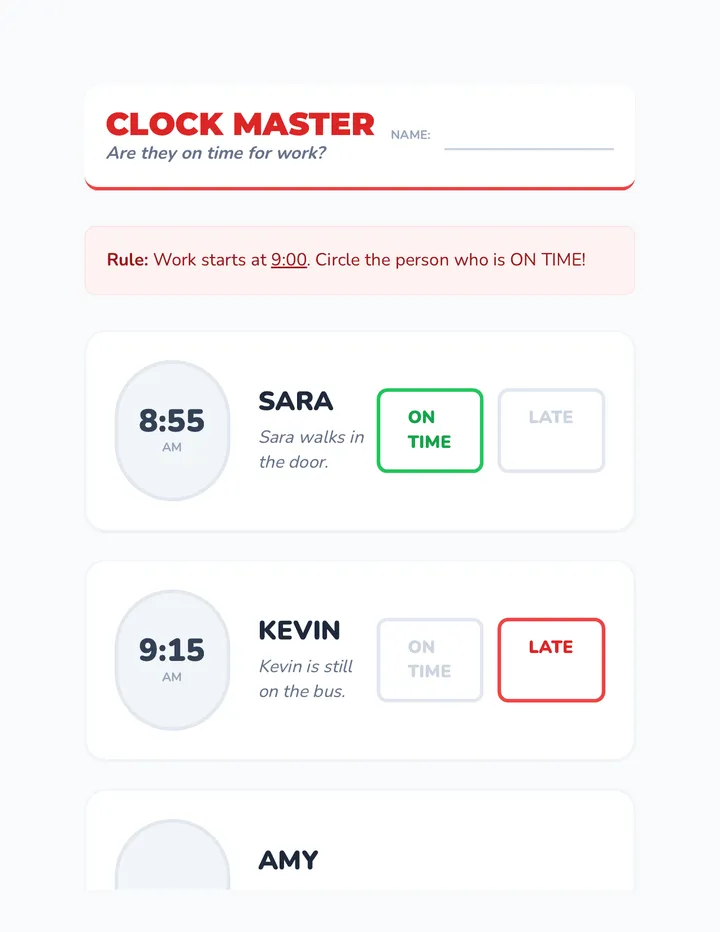
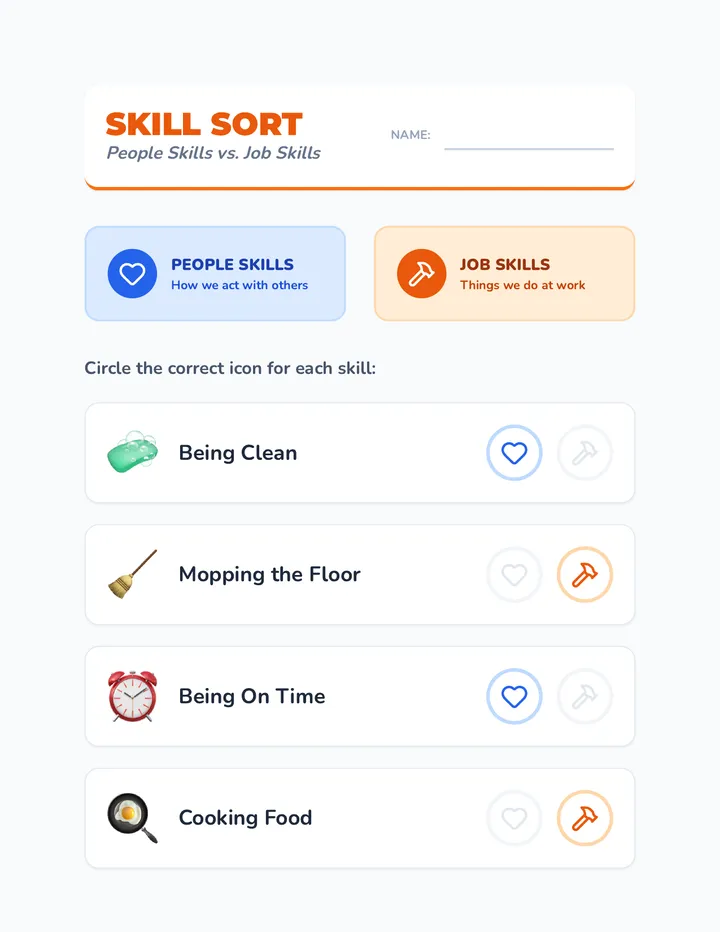
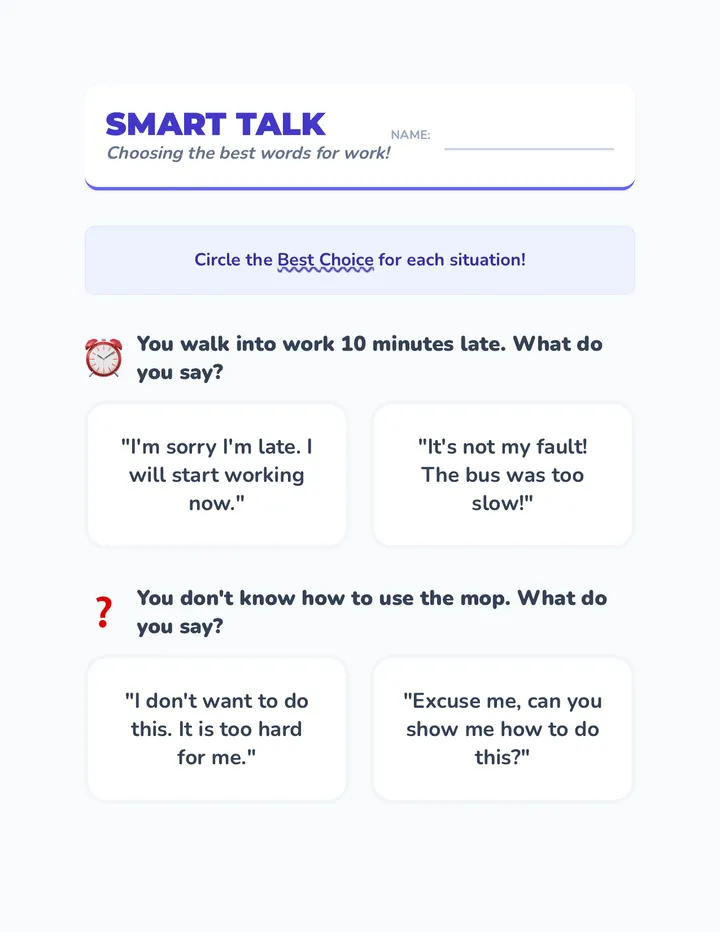
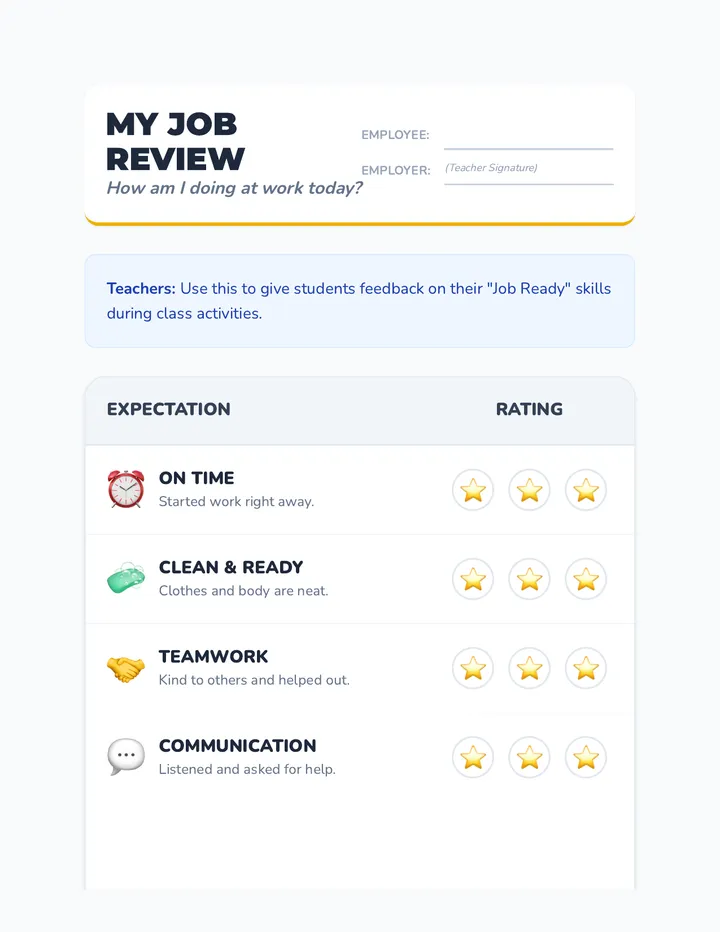
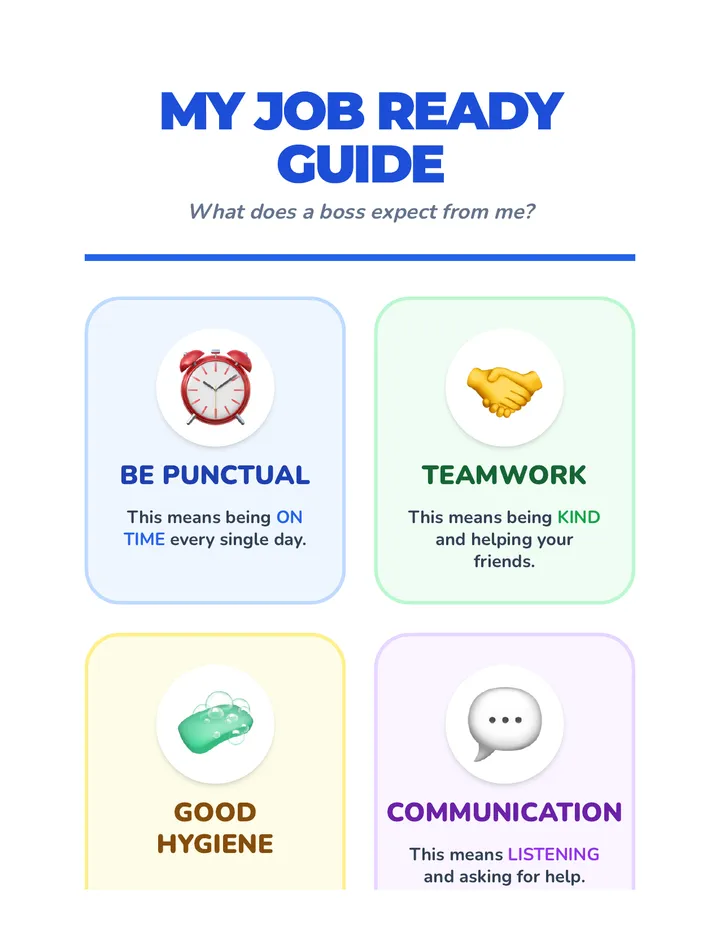
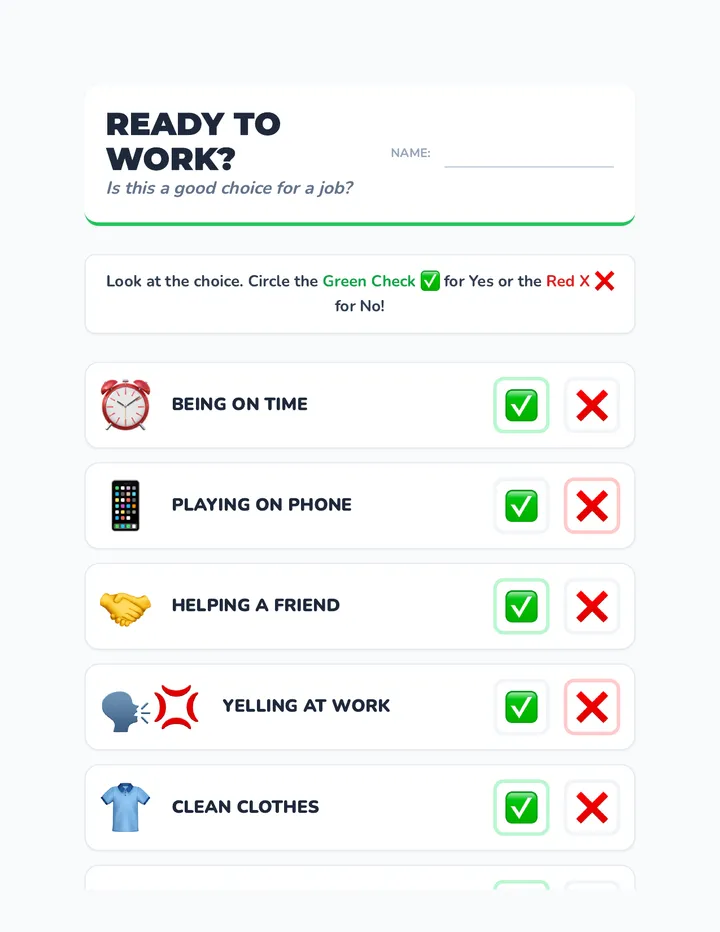
A comprehensive lesson designed for life skills students to understand what employers look for, focusing on core values like punctuality, teamwork, and hygiene through visual aids and interactive activities.
Master the transition from student to professional. This lesson covers workplace etiquette and the application process through engaging puzzles and reflective self-assessments.
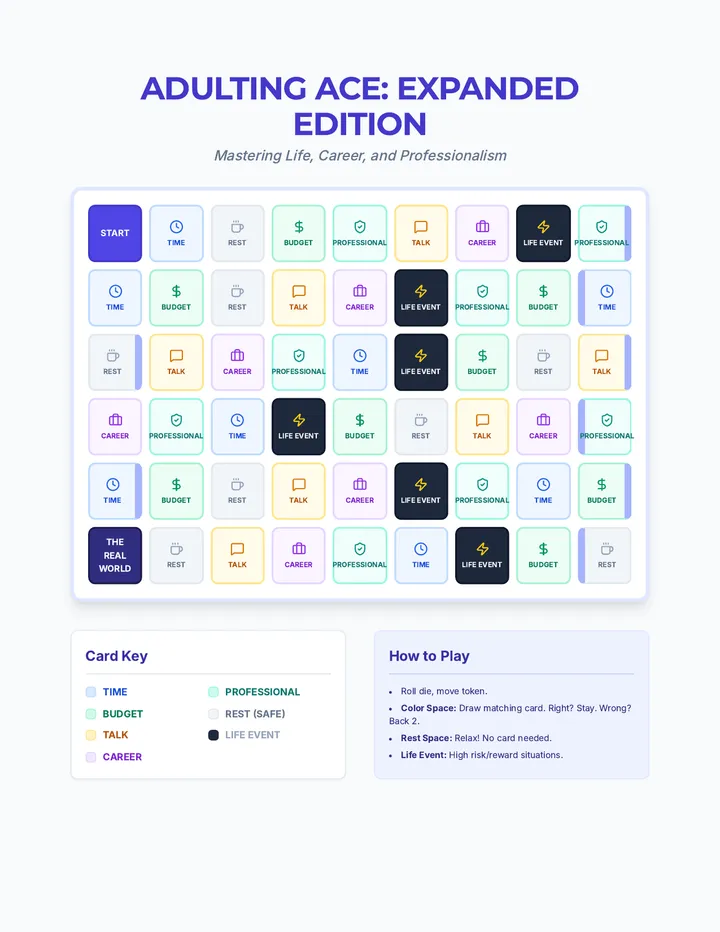
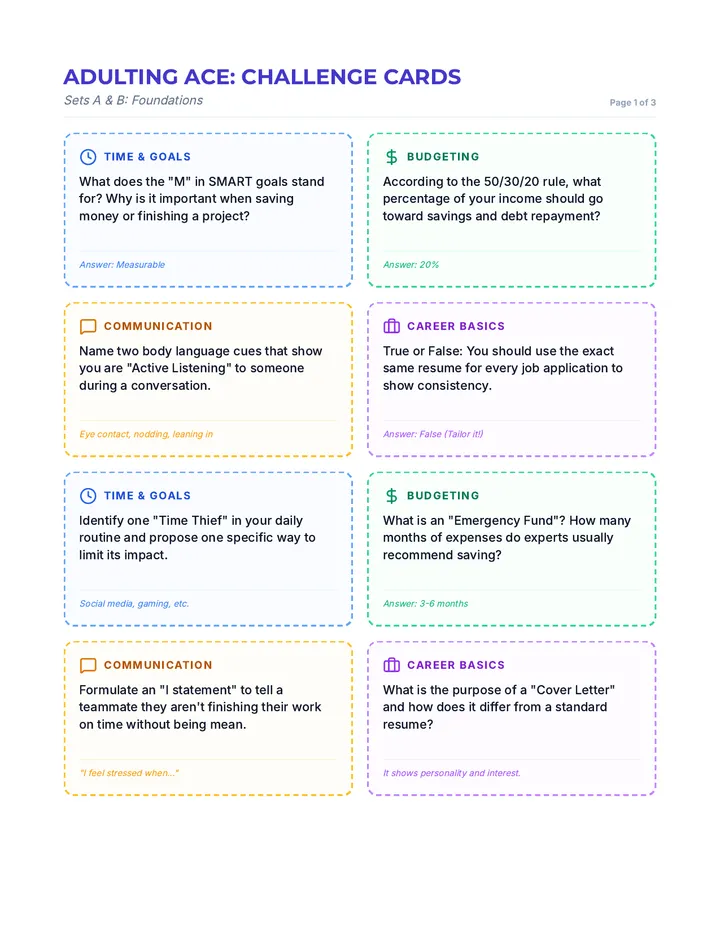
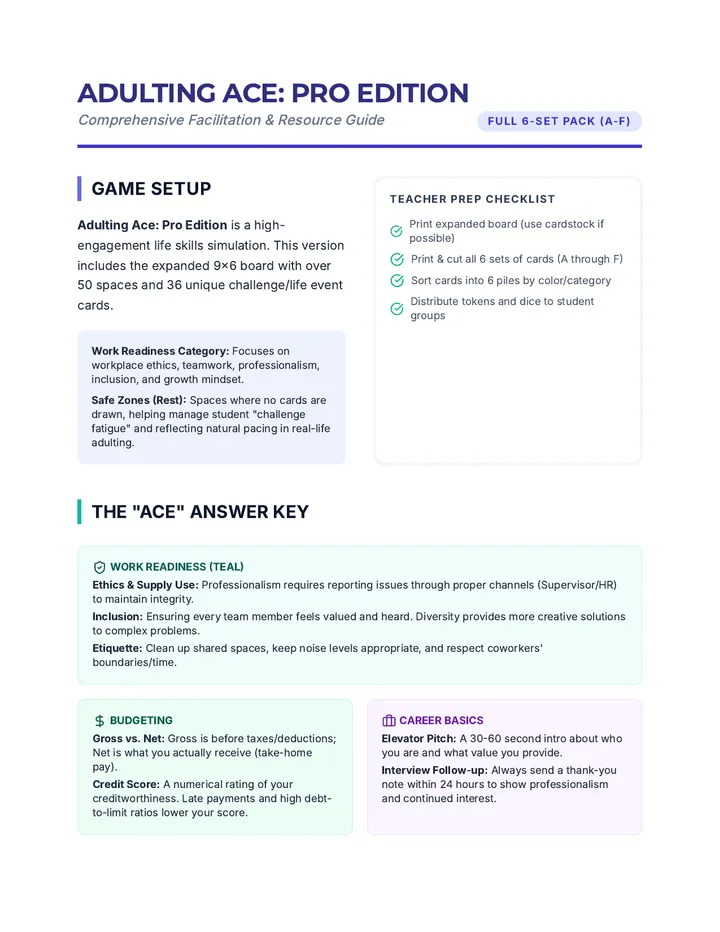
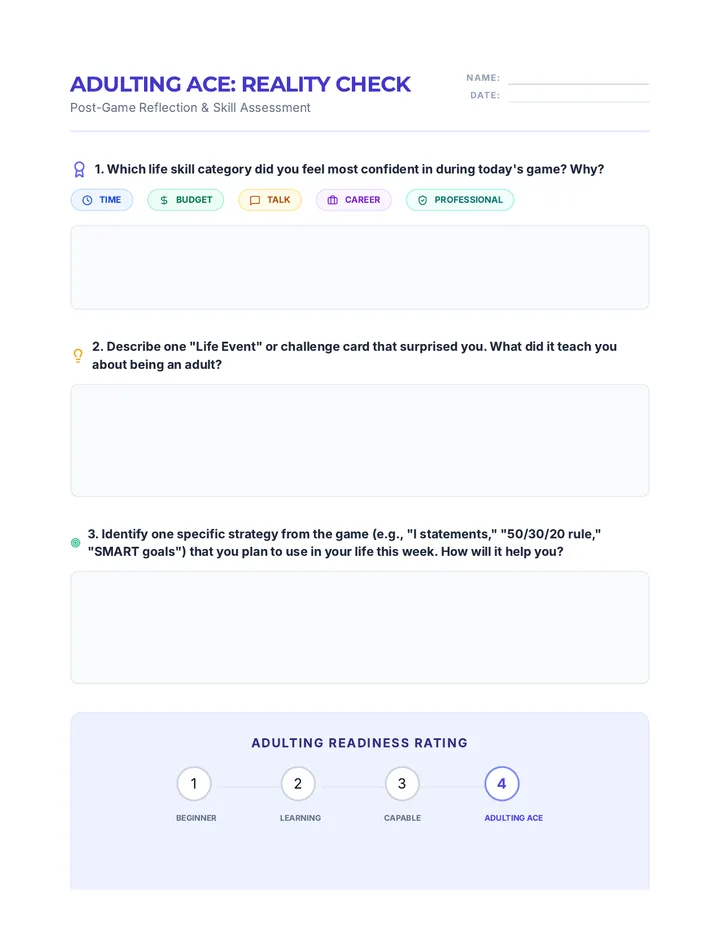
An interactive board game experience covering essential life skills including financial literacy, time management, communication, and career readiness.
A comprehensive guide for Arlington High School students to navigate the local summer job market, covering specific local employers, application strategies, and interview techniques.
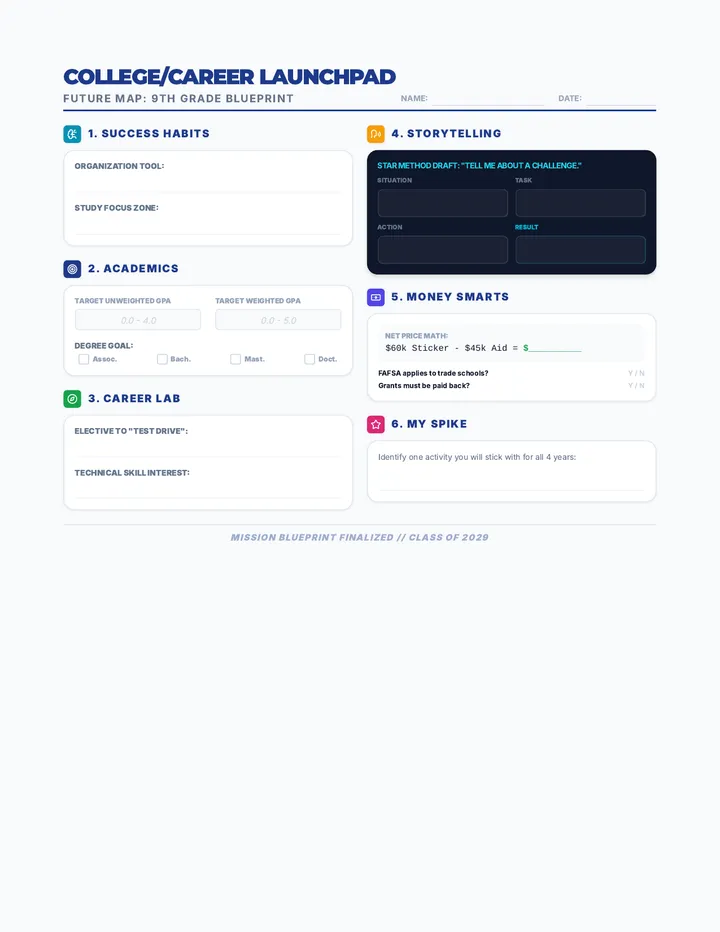
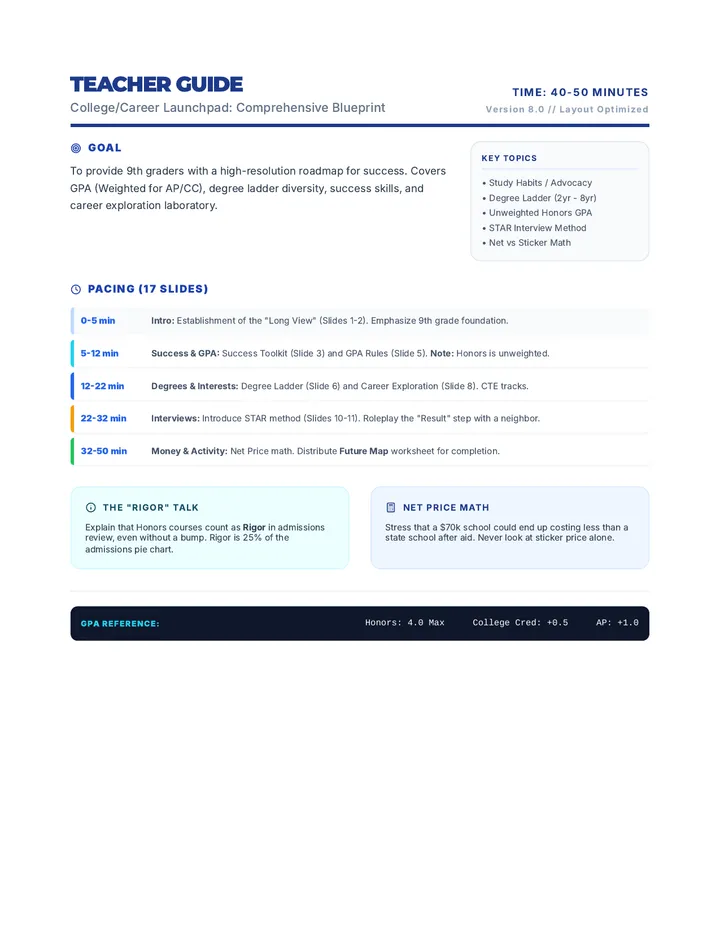
An introductory lesson for 9th graders to understand high school academics, college and career pathways, entrance requirements, and the basics of financial aid including GPA, FAFSA, and scholarships.
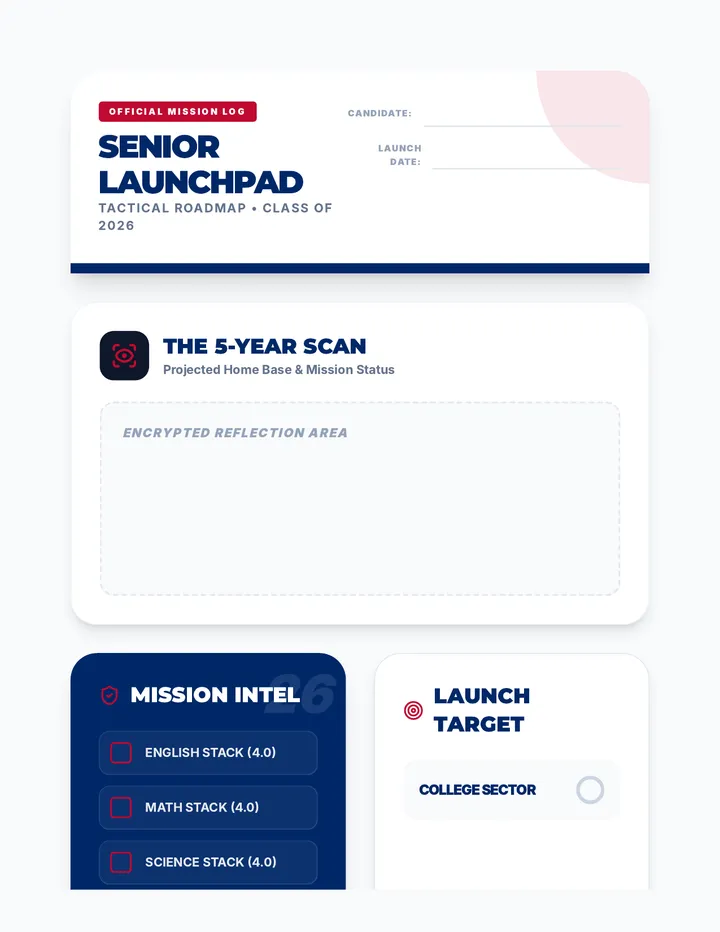
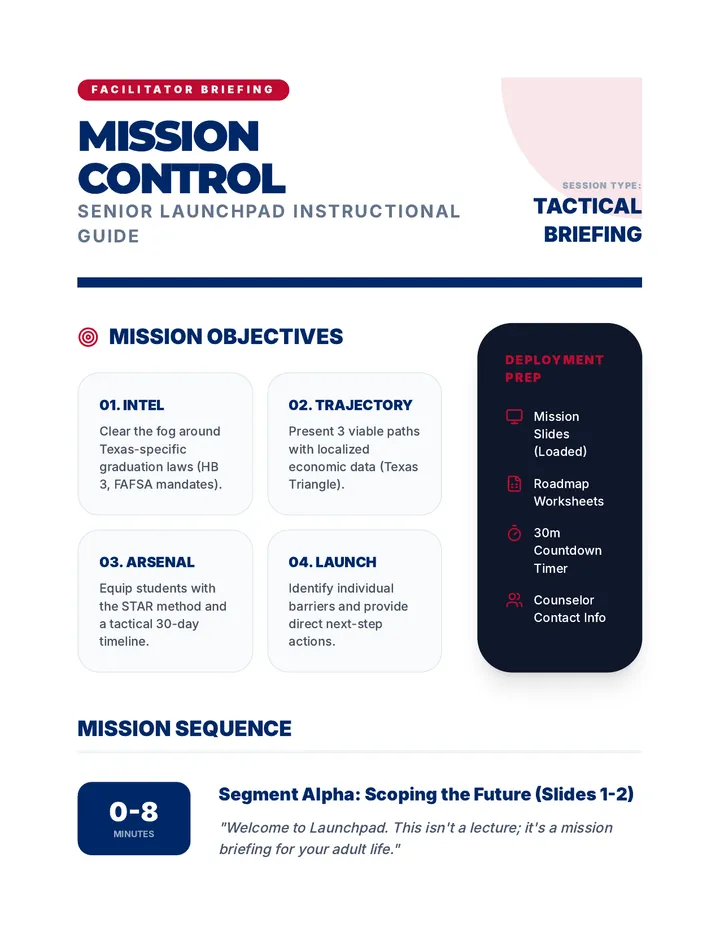
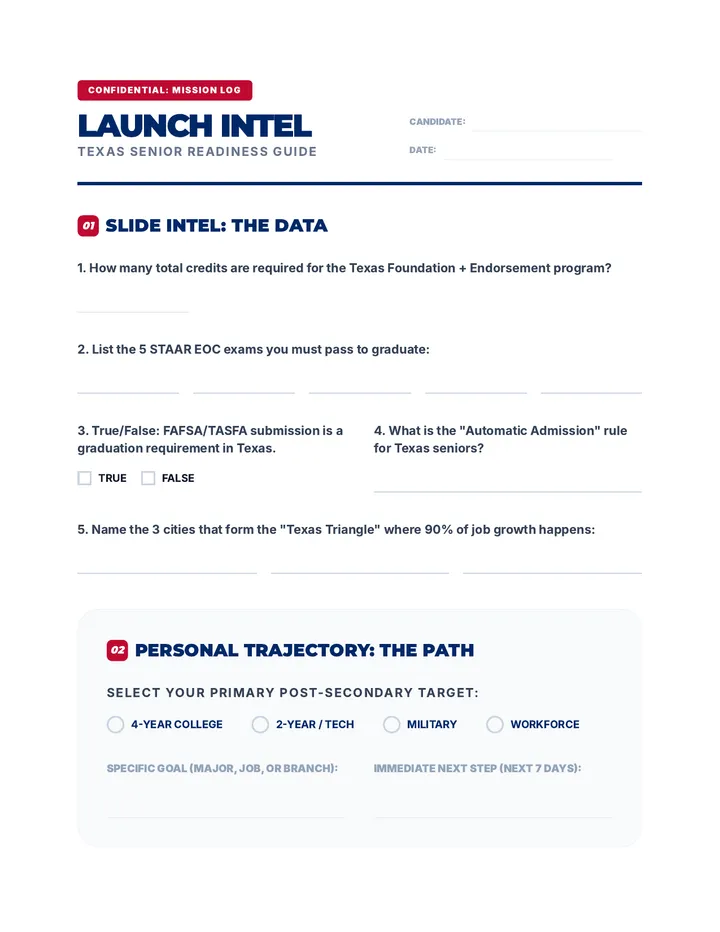
A comprehensive guide for Texas high school seniors to navigate graduation requirements, college applications, military enlistment, and workforce entry.
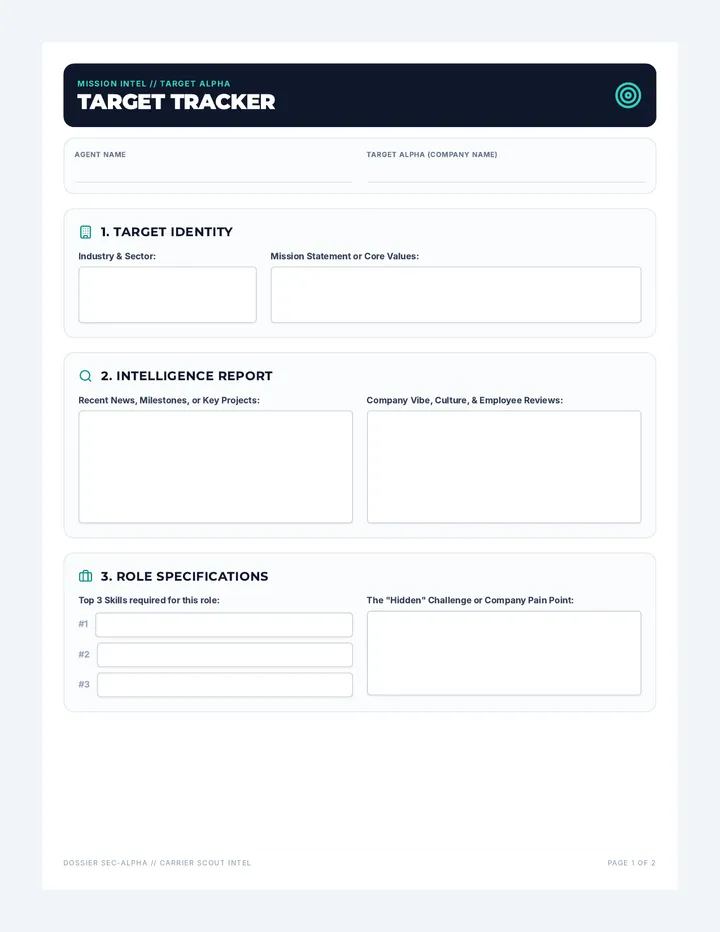
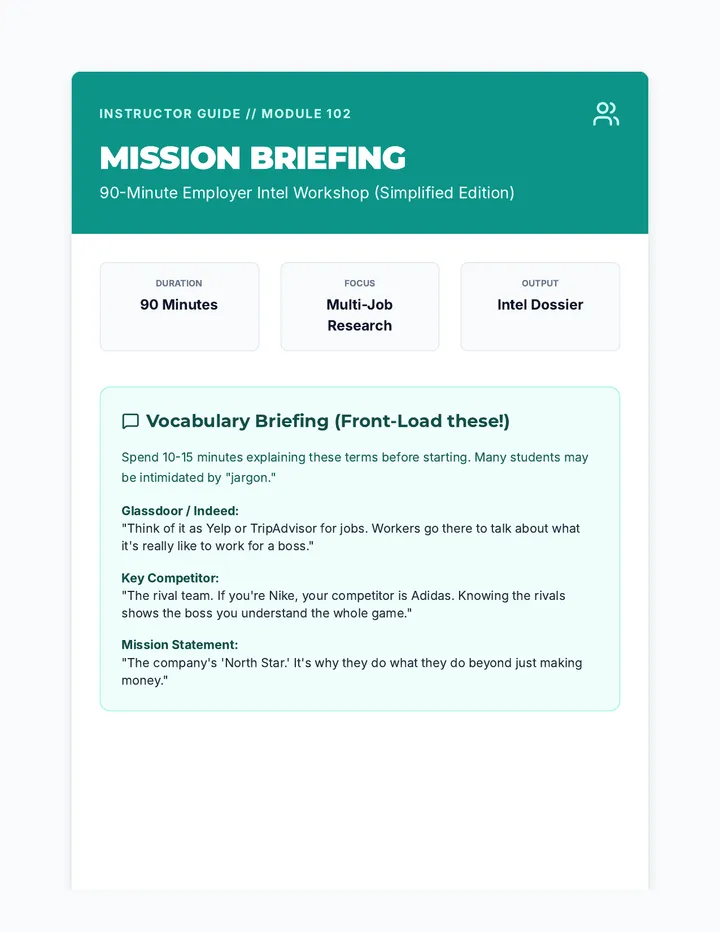
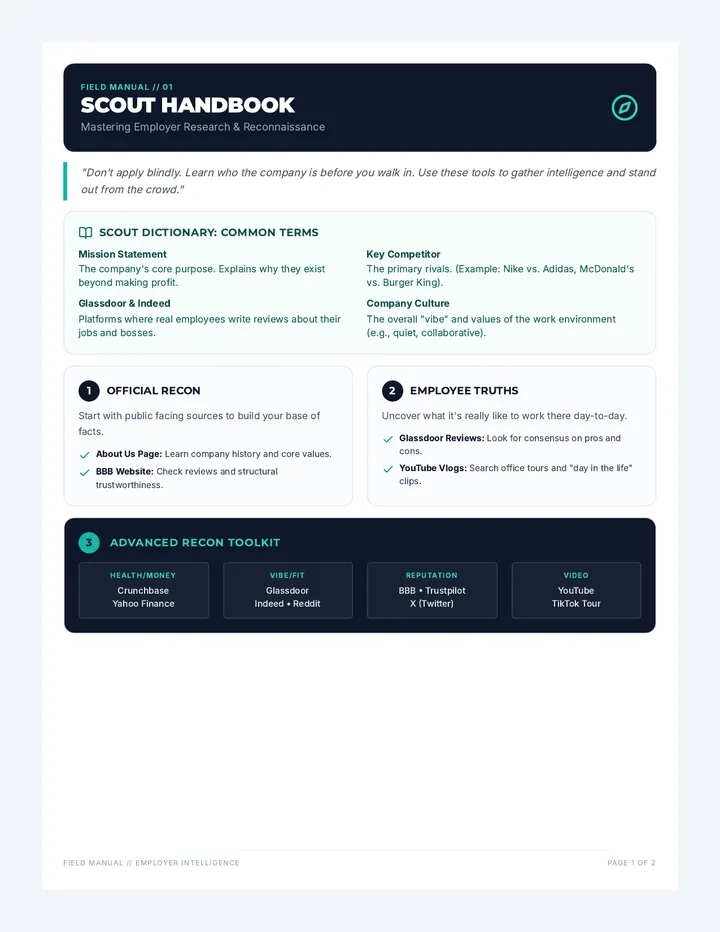
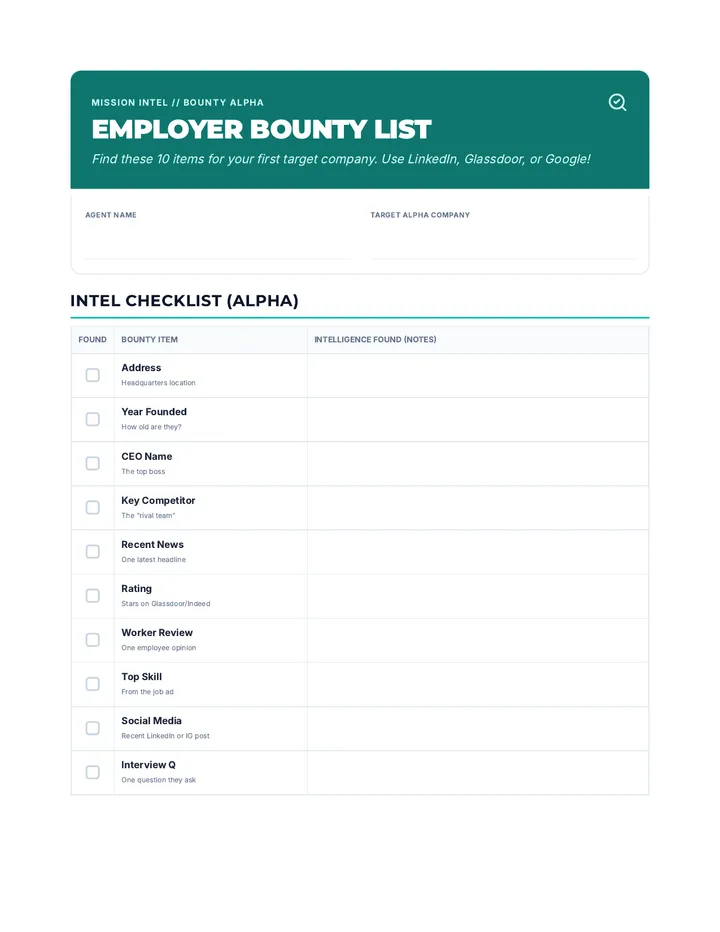
A comprehensive training module focused on teaching job seekers how to perform deep-dive research into potential employers and job listings to prepare for applications and interviews.
A comprehensive review lesson for 11th-grade students covering workplace professionalism, financial literacy, portfolio development, and ethics. This lesson prepares students for their Quarter 3 assessment through summaries, matching activities, and practice quizzes.
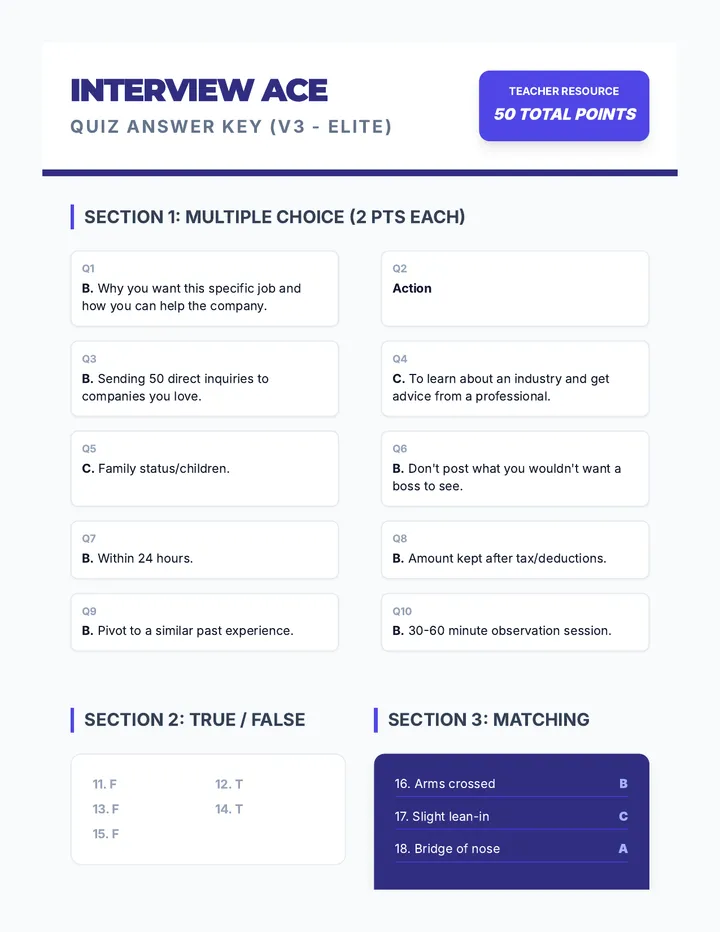
A comprehensive assessment covering job interview preparation, execution, and follow-up techniques to evaluate student readiness for the professional world.
A comprehensive lesson designed to help students understand the purpose of a resume, explore various formatting styles, and craft their own professional profile for future opportunities.
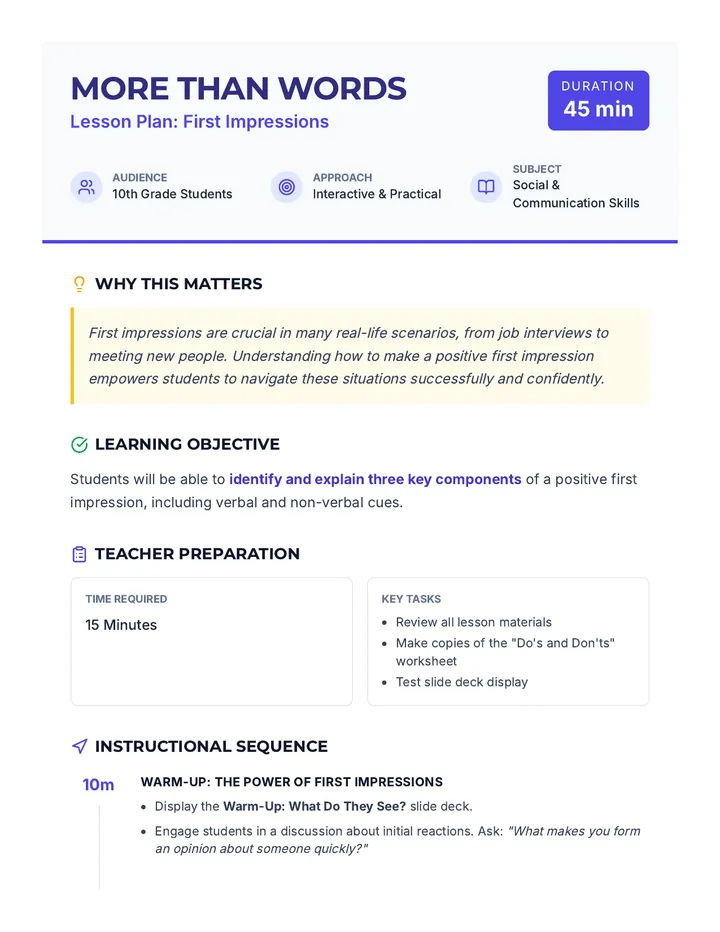
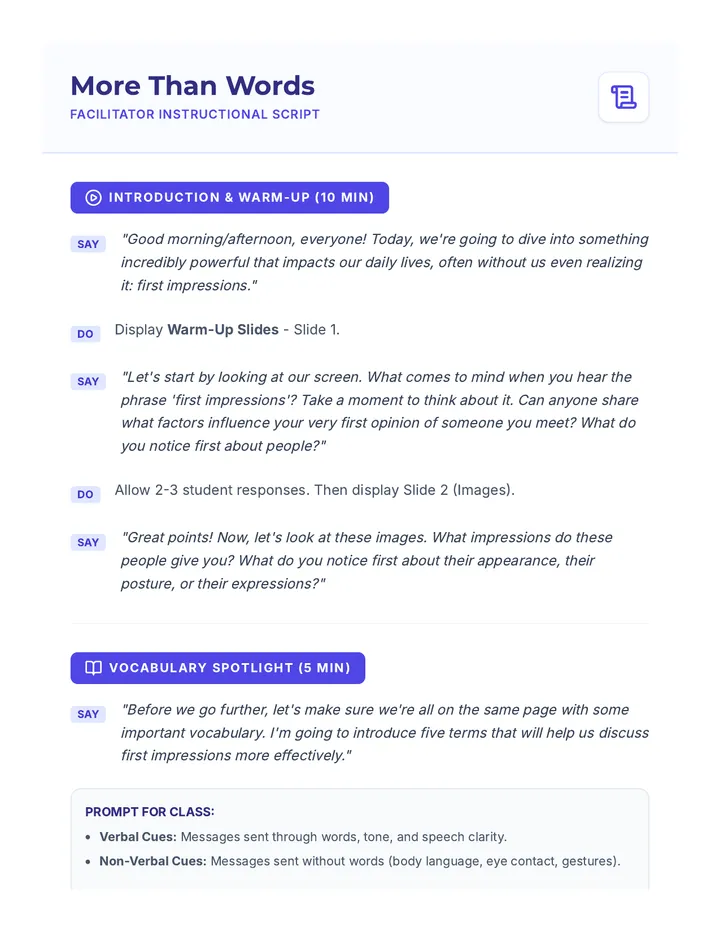
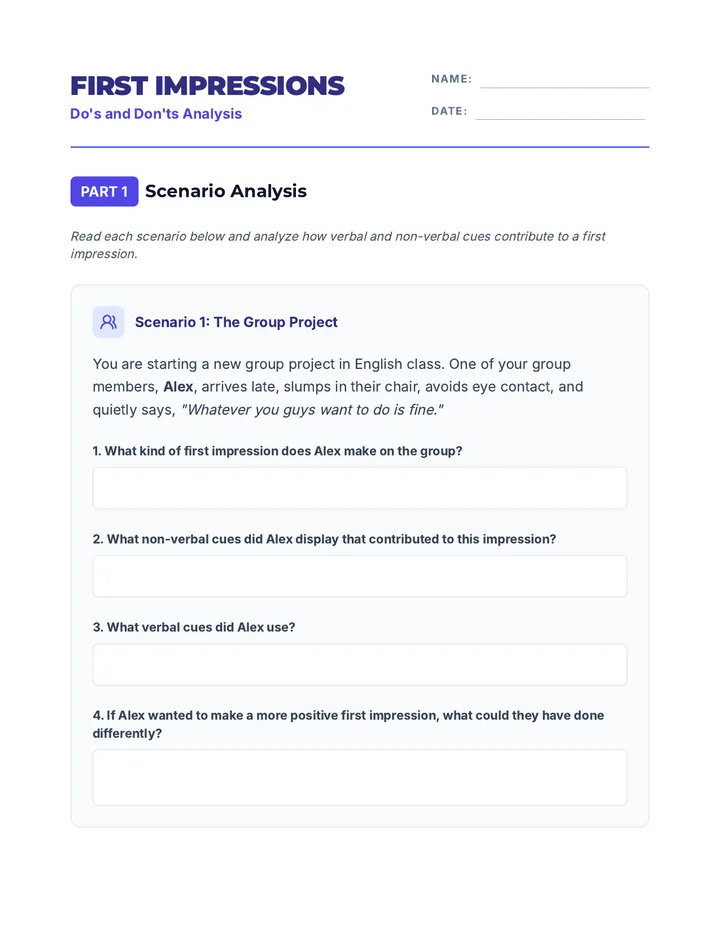
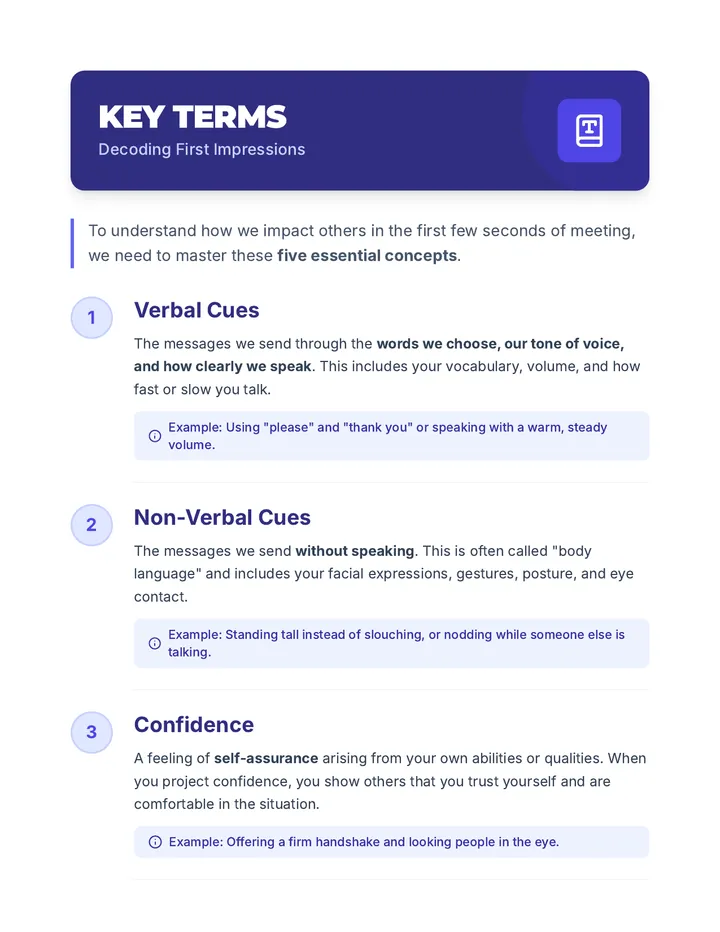
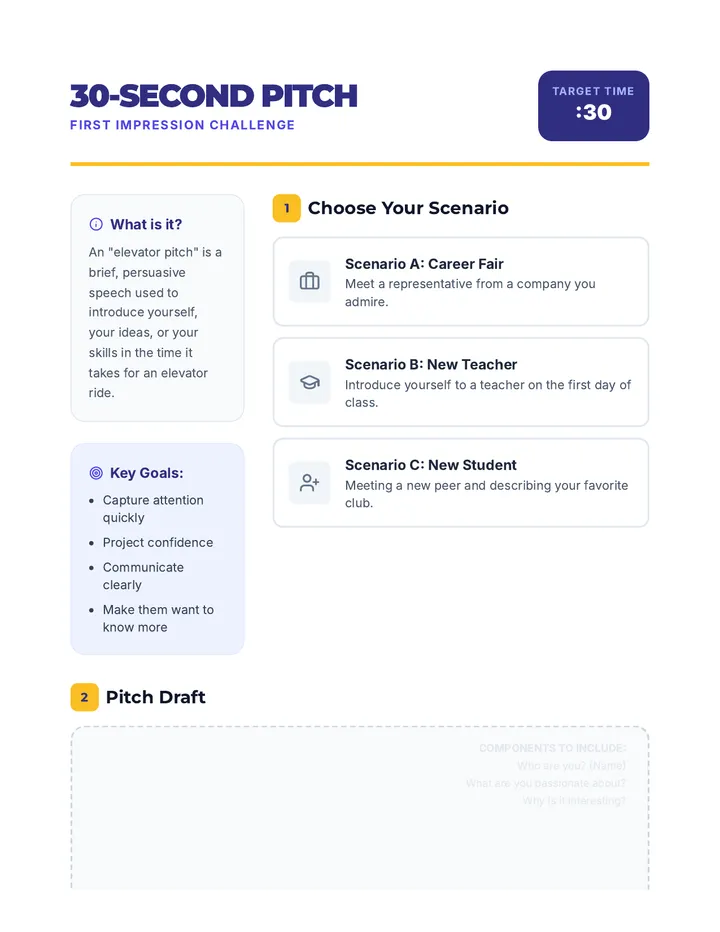
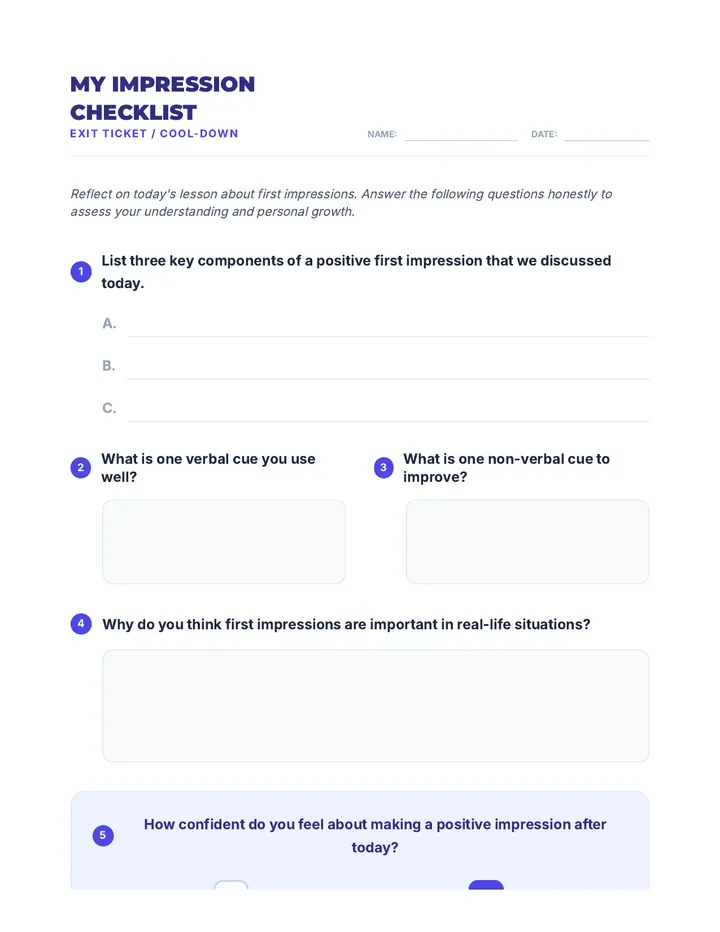
This lesson helps 10th-grade students understand the critical role of first impressions in various situations. It covers identifying key verbal and non-verbal cues to make a positive impact.
A comprehensive 3-hour one-on-one session designed for adults with disabilities, covering pre-interview routines, professional presentation, and effective communication strategies during a job interview.
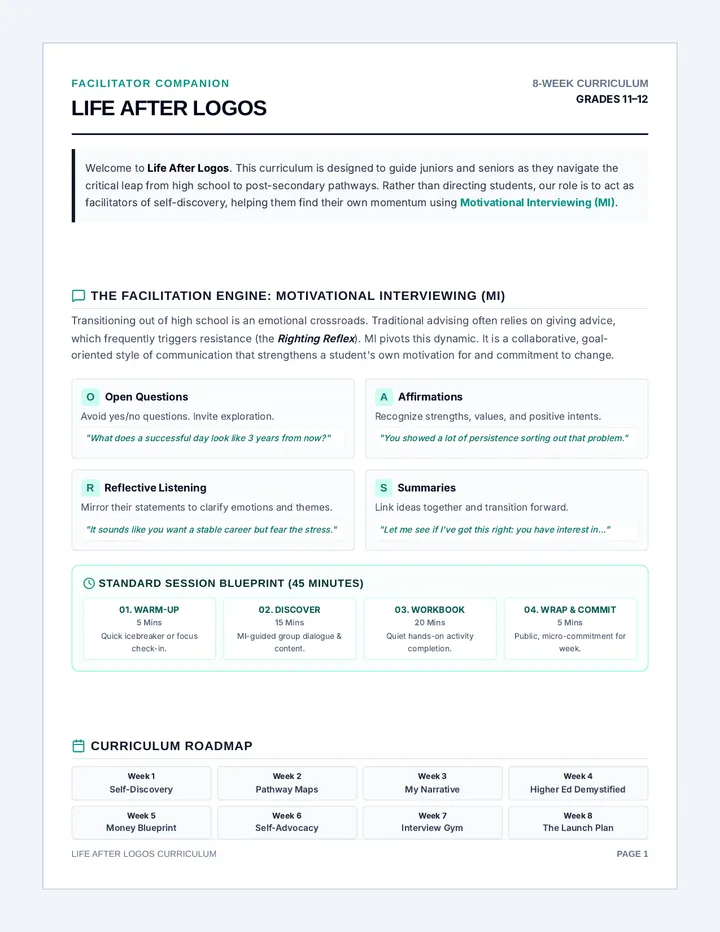
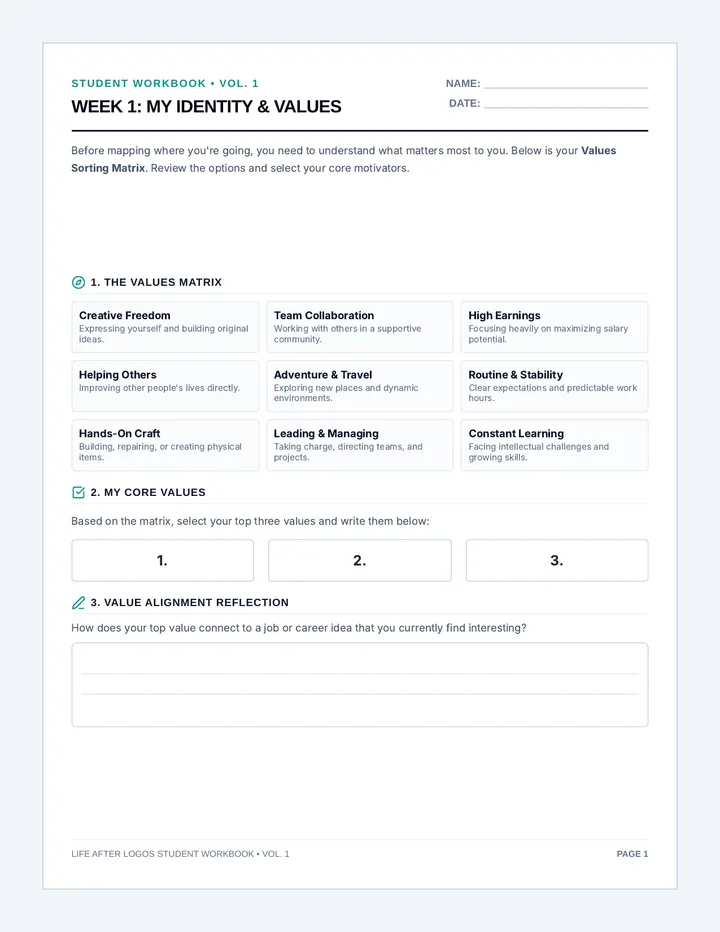
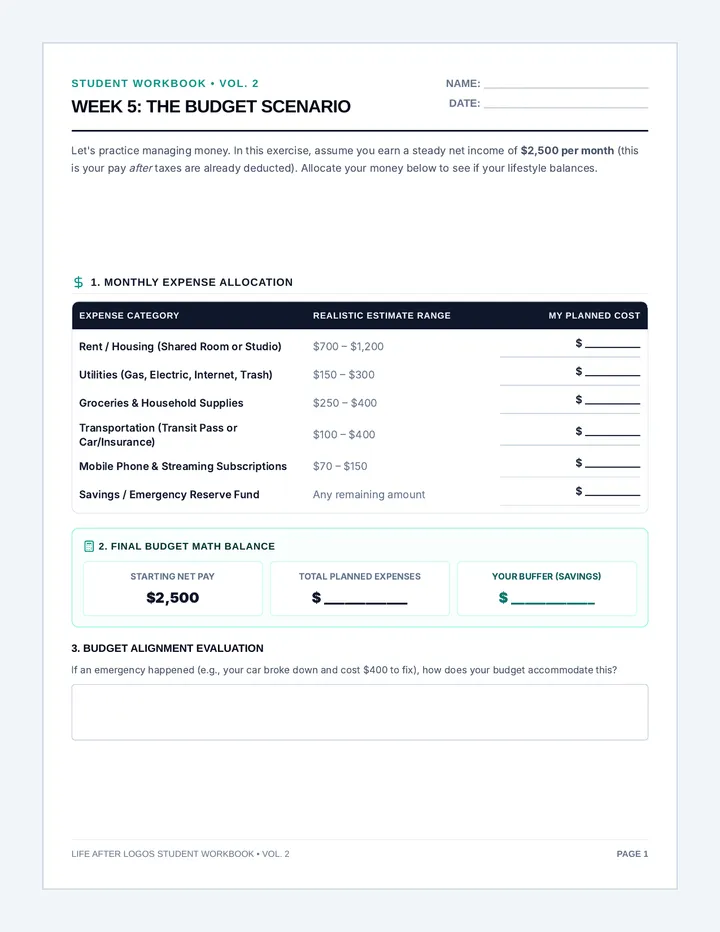
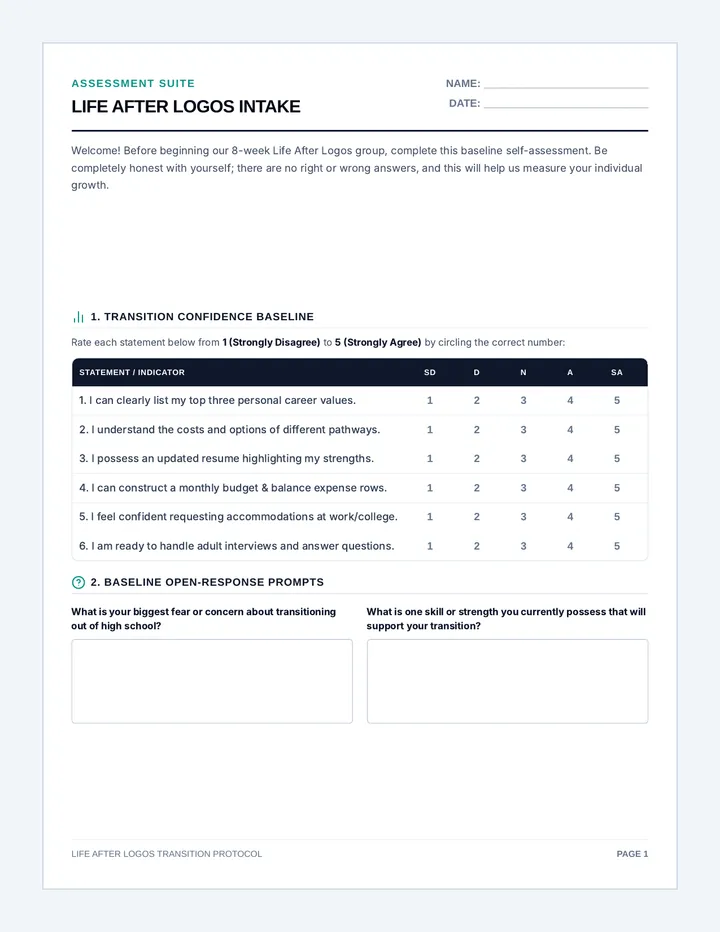
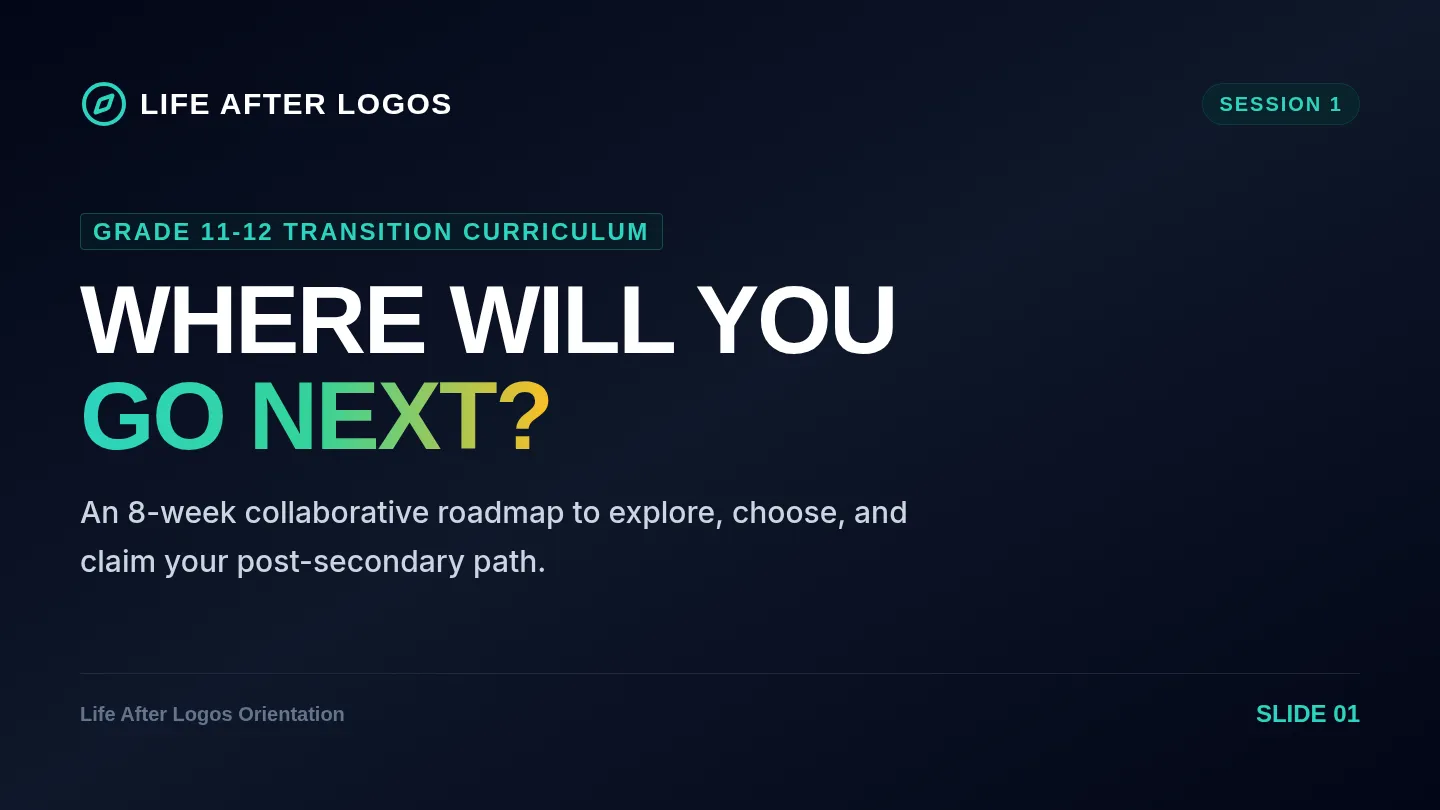
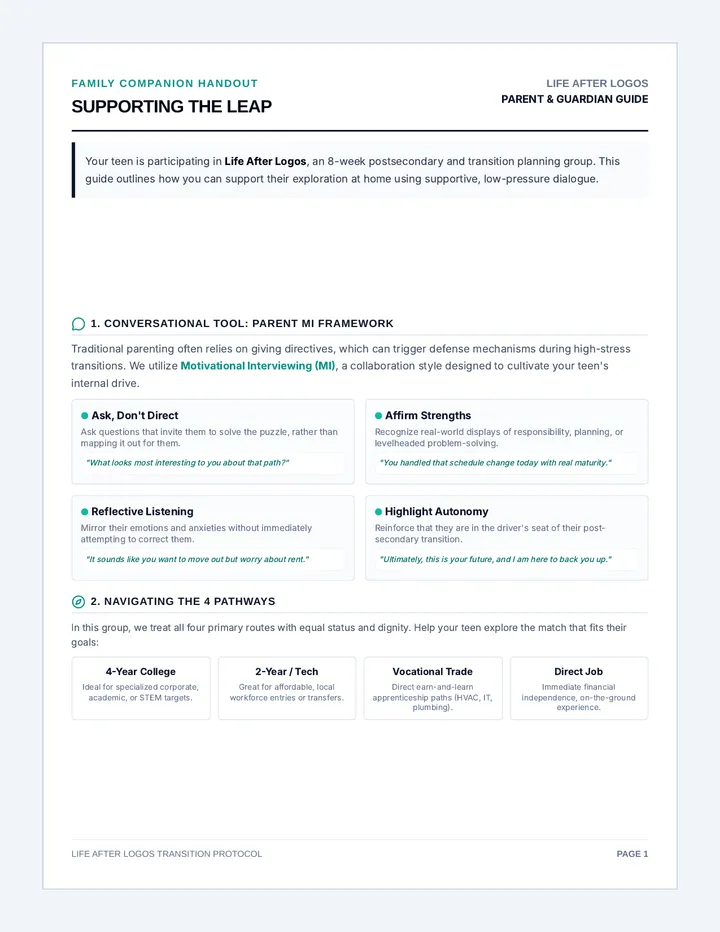
An 8-week transition and career curriculum designed for 11th-12th grade students entitled Life After Logos. Includes a comprehensive Facilitator Guide emphasizing motivational interviewing and two volumes of structured student workbooks covering assessments, pathways, and adult responsibilities.
A specialized career preparation lesson focused on entering the automotive and mechanical trades, covering technical resumes, shop-floor communication, and navigating disability disclosure in a physical work environment.
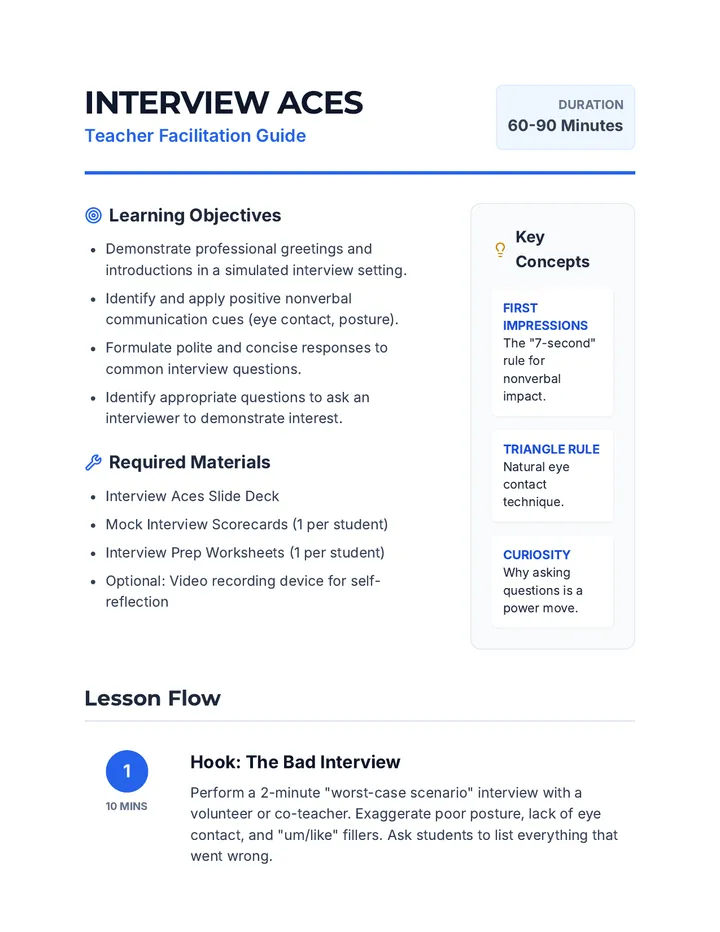
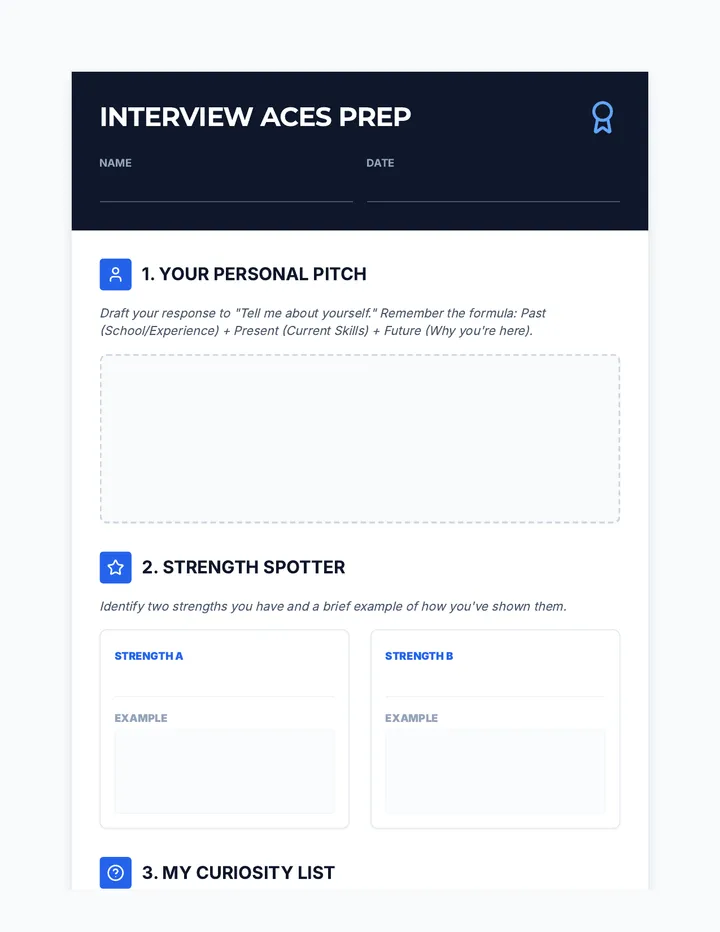
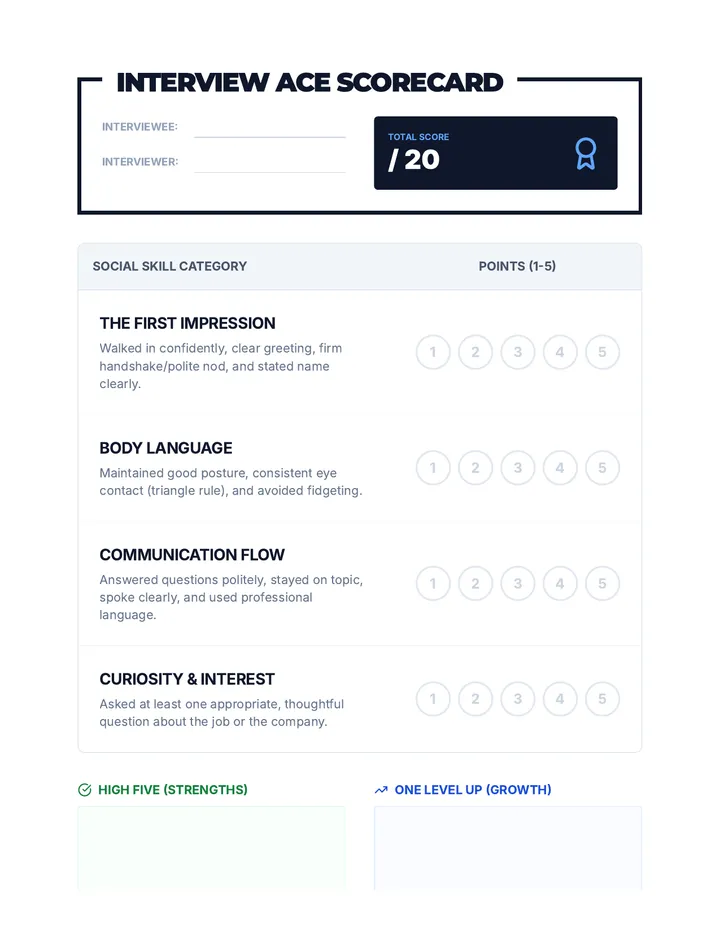
A comprehensive lesson designed to equip students with essential social skills for job interviews, including professional greetings, nonverbal cues, and effective communication strategies.