Root cause analysis and brainstorming techniques for everyday problem-solving. Equips learners with ethical frameworks and risk-benefit evaluation skills to predict consequences and make informed choices.
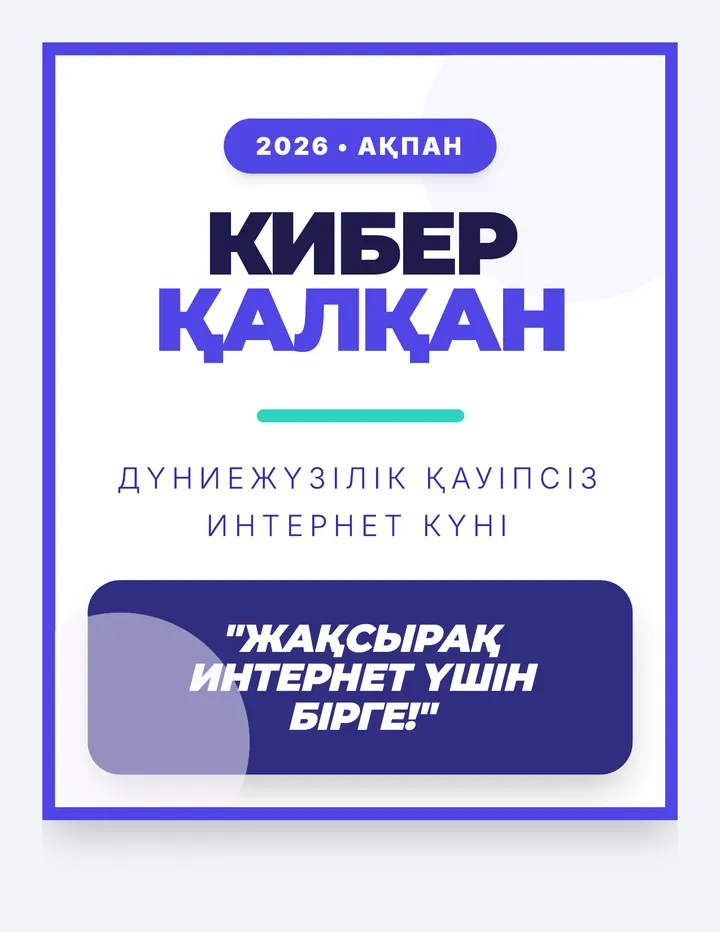
Set of 5 individual large-format posters for a school wall newspaper. Includes: Title Poster, Primary School Guide (1-4), Middle School Guide (5-9), Video/QR Poster, and an Interactive Quiz/Sticker Zone. Each page is designed as a high-visibility, standalone piece for World Safer Internet Day.
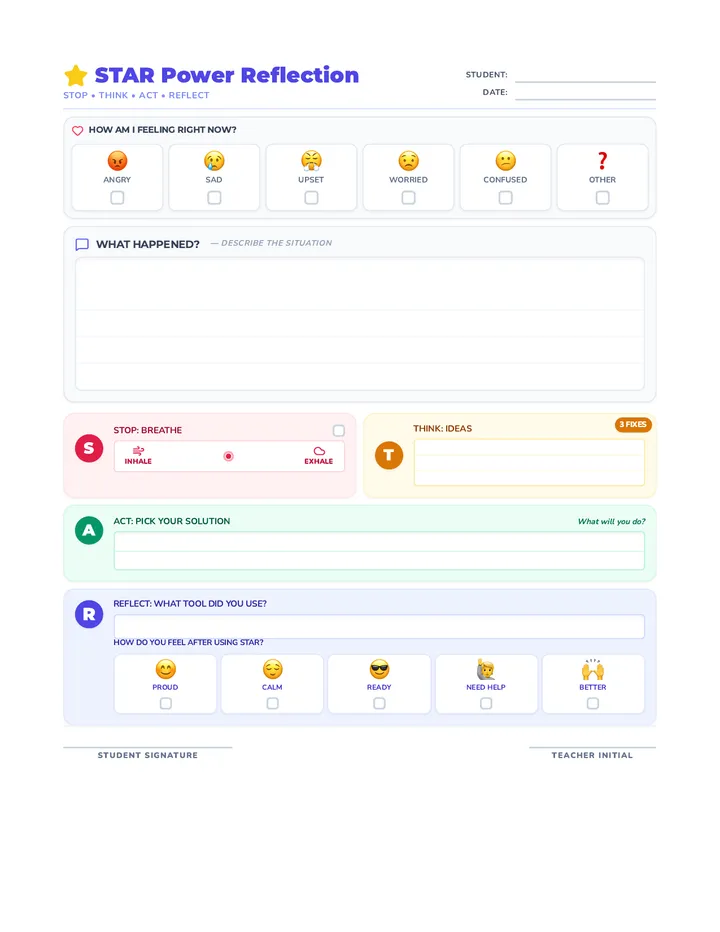
Updated STAR strategy reflection sheet. The "What happened?" section is expanded by reducing the size of feeling check-in boxes and tightening vertical spacing, providing more room for student writing. Includes a "3 Fixes" badge for student ideas.
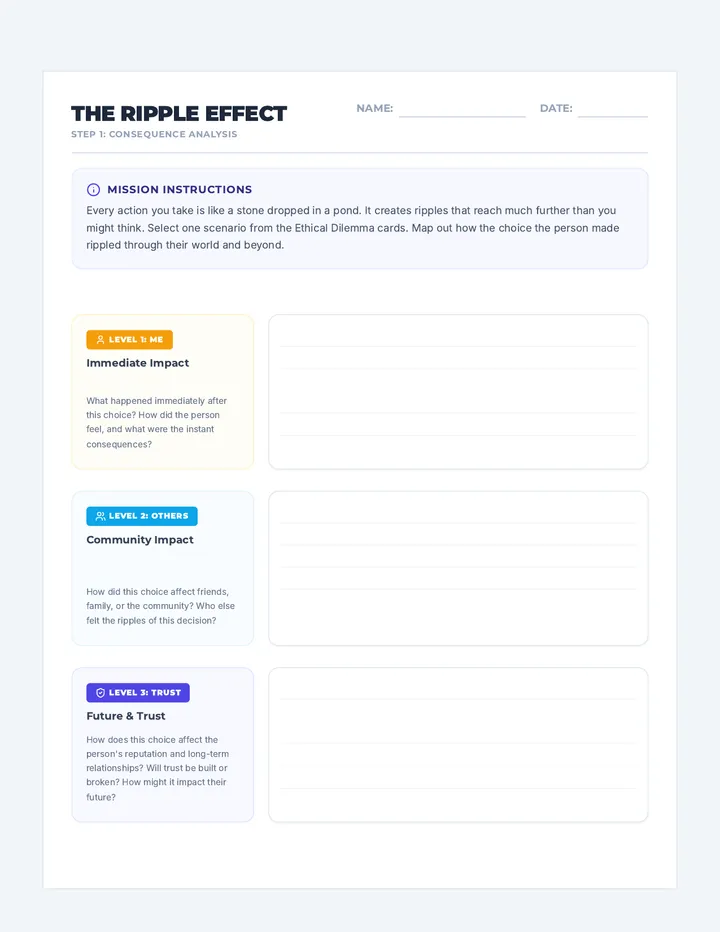
A 2-page graphic organizer for students to visualize and analyze choices made in ethical dilemmas. Page 1 contains instructions and detailed reflection boxes for Levels 1-3. Page 2 provides a large, full-page concentric ripple map with a transparent center box and a Step 3 Rate the Verdict section.
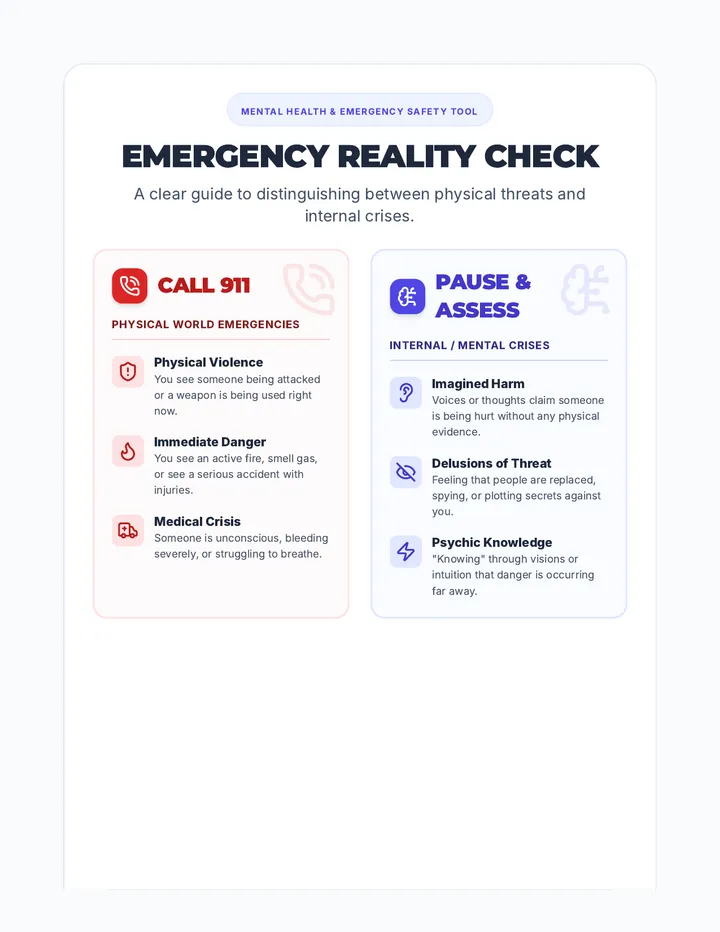
A refined, high-contrast one-page infographic for adults in mental health contexts. Optimized with page-break protection (break-inside-avoid) on all major objects to ensure clean printing on standard or legal sized paper. Includes actionable reality-checking steps and a personalized support network area.
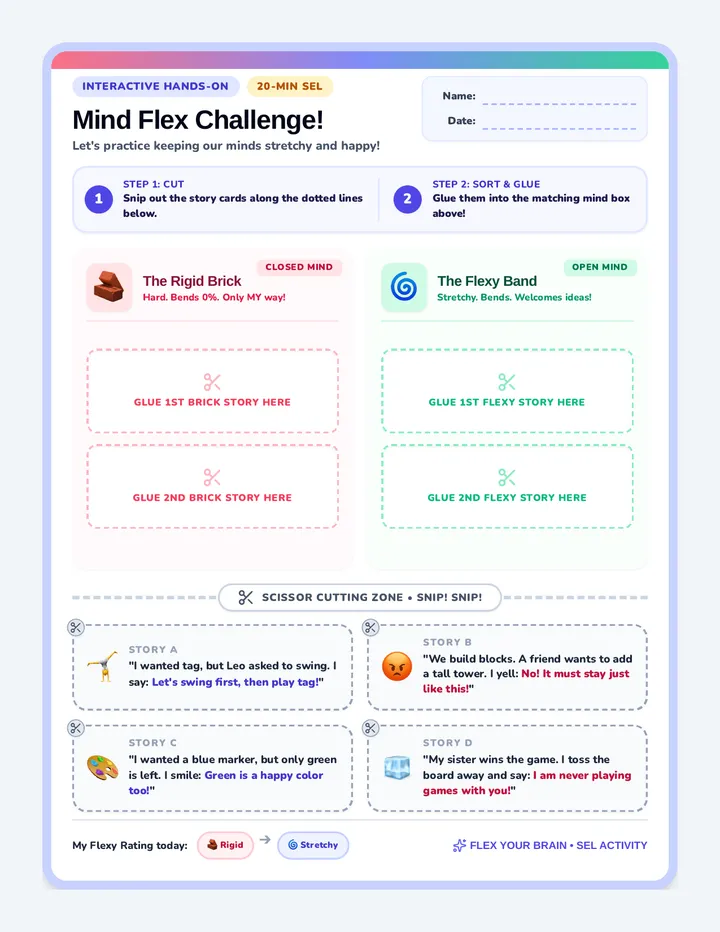
An interactive, hands-on 'Mind Flex Challenge' worksheet designed for 1st and 2nd graders with enlarged fonts, cards, and drop-zones for easier reading, cutting, and handling. This 20-minute SEL activity features a cut-and-paste sort where students categorize real-world recess and classroom scenarios into 'Rigid Brick' (Closed Mind) or 'Flexy Band' (Open Mind) categories.
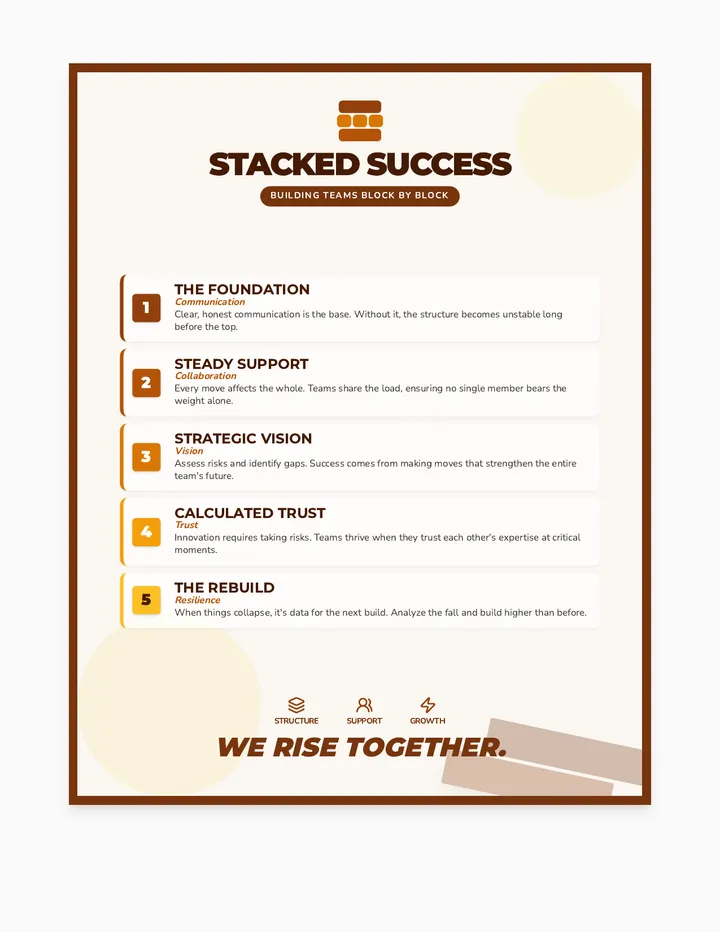
A polished poster connecting Jenga to team building, with a height carefully set to 840px within the 960px viewport to guarantee a single-page fit on US Letter paper without cutoffs.
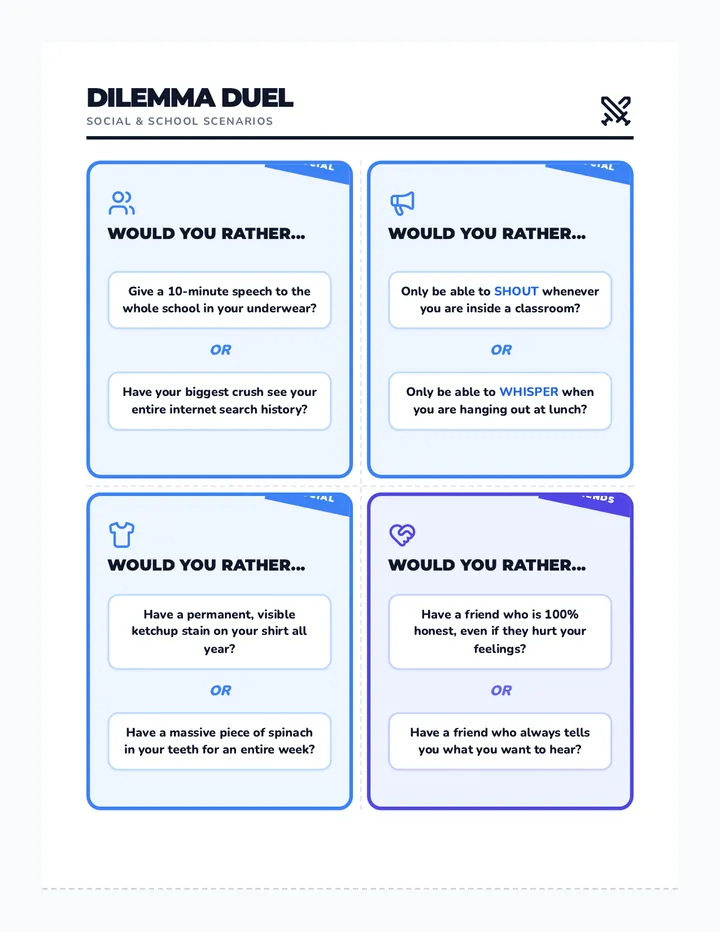
An expanded set of 16 high-energy Would You Rather cards designed for 6th-grade boys, now including deeper scenarios on peer relationships and self-esteem. Layout adjusted with larger margins for safer printing.
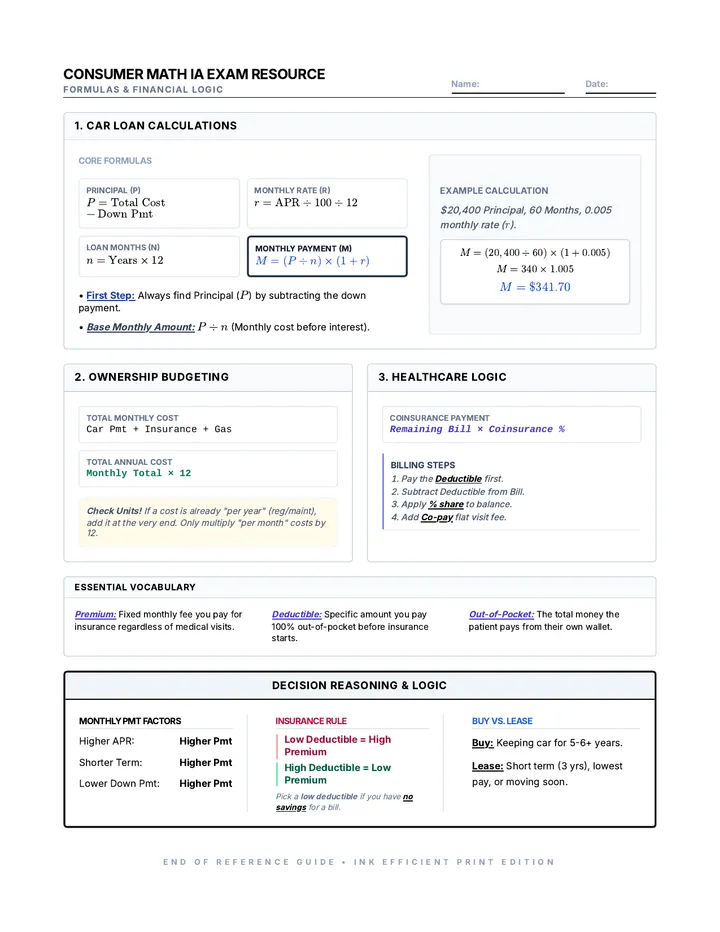
A hyper-compact, print-friendly one-page resource sheet for consumer math exams. Features ink-efficient white backgrounds, very small font sizes (8-10px) for maximum density, and grouped reference sections for car loans, ownership costs, and health insurance billing logic.
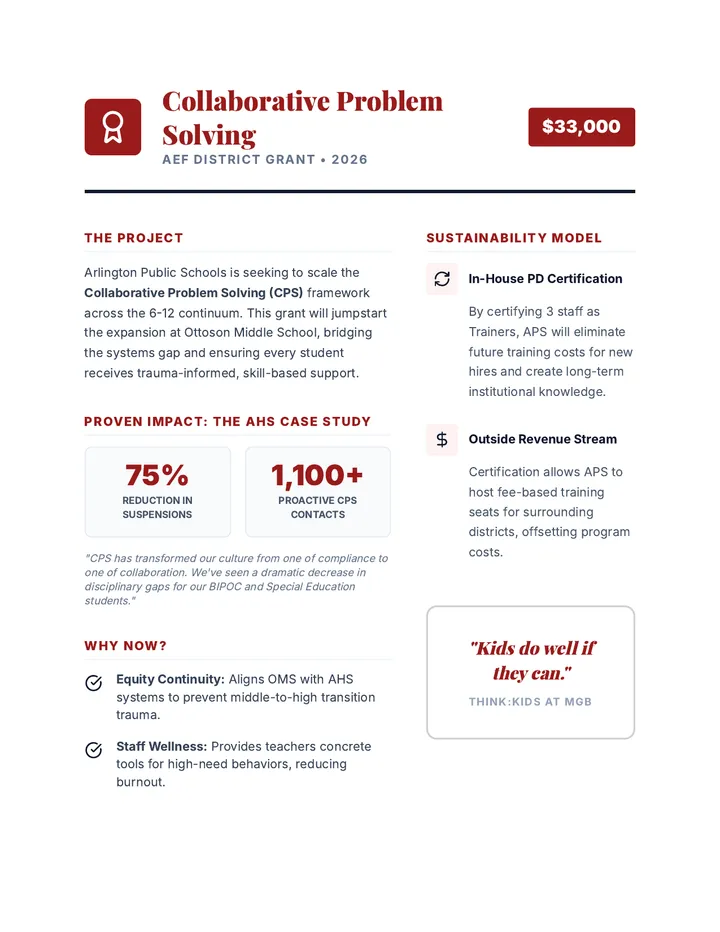
A high-impact executive summary and leave-behind handout for the CPS District Grant pitch. This version updates the quote attribution to "Think:Kids at MGB" and focuses on project vision, impact data, and long-term sustainability.
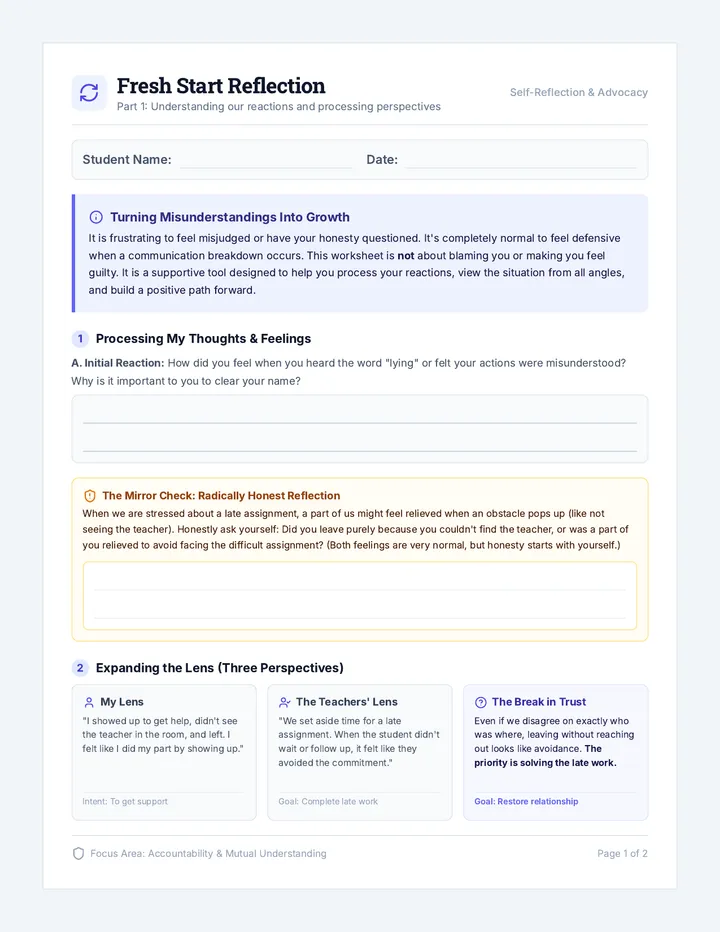
An updated two-page self-reflection worksheet adding a proactive timing section to help students recognize the value of seeking help before an assignment becomes overdue.
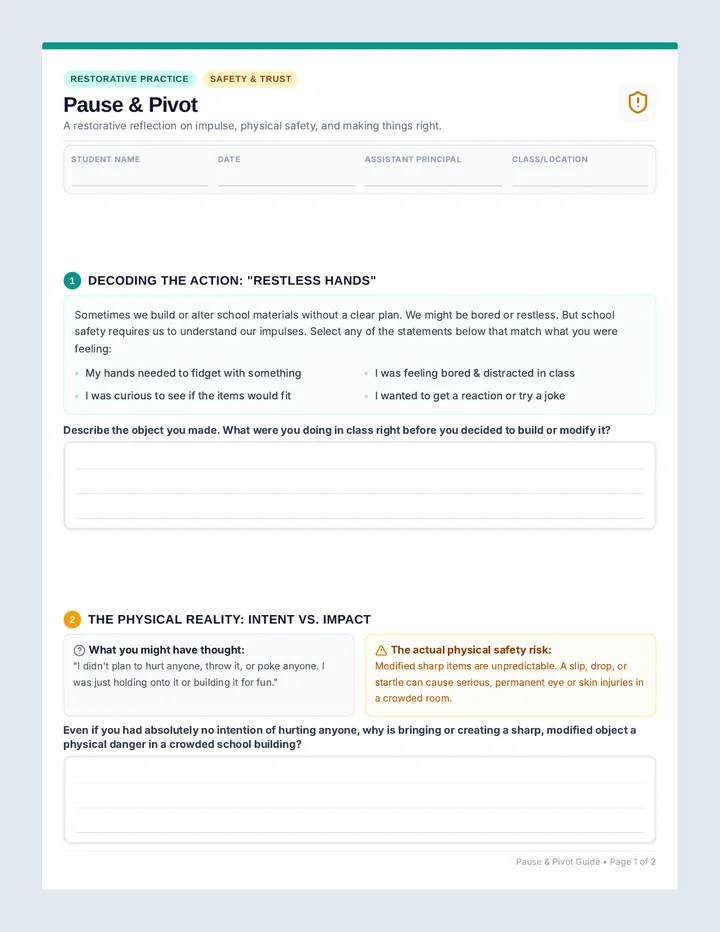
A restorative 2-page reflection packet designed for a student who created a dangerous object from a push pin and paper. Formatted with large, highly legible fonts and spacious, multi-line writing boxes, it guides the student through impulse control coaching, understanding physical safety risks, and co-creating a restore plan with their Assistant Principal.
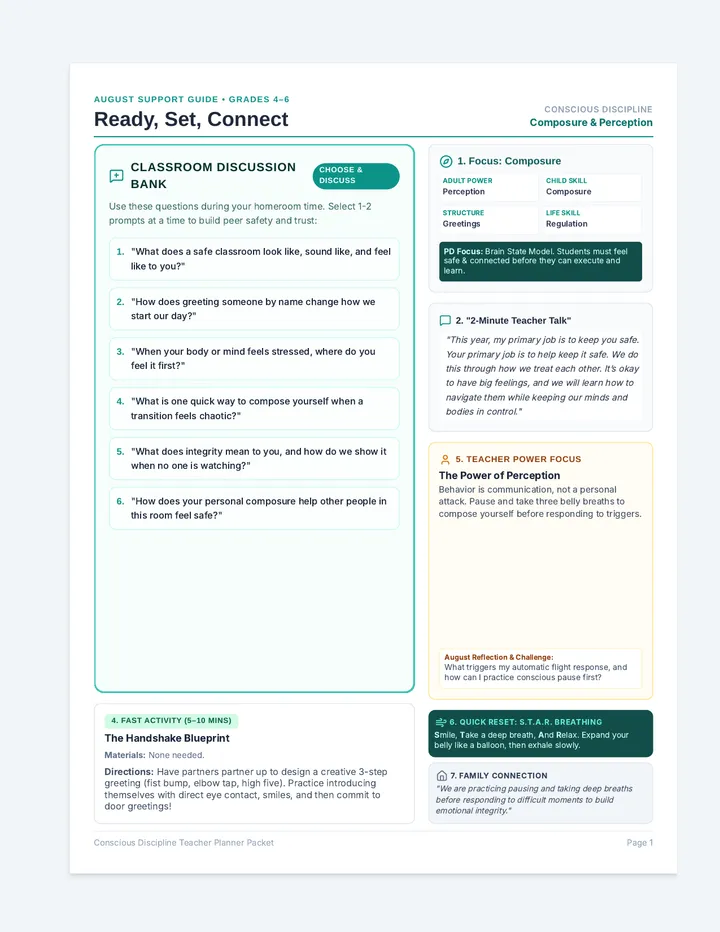
A professional, highly encouraging 9-page planner packet of monthly classroom support guides for elementary educators. Designed with the Classroom Discussion Bank as the dominant visual focal point on each page, featuring a dedicated list of highly engaging questions for grades 4–6 without subcategories, set to be utilized during homeroom time.
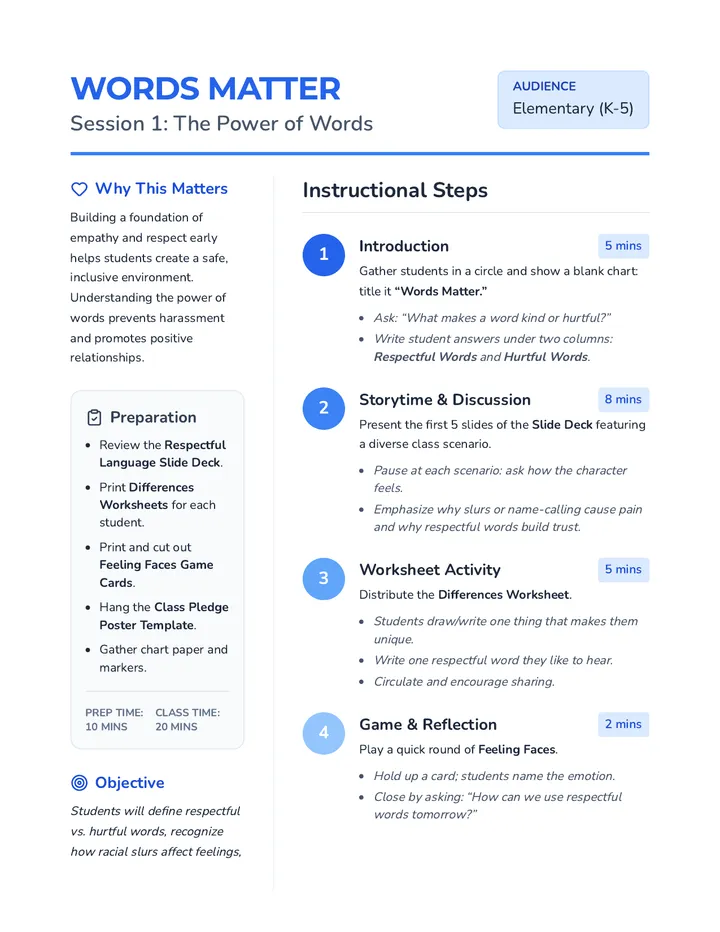
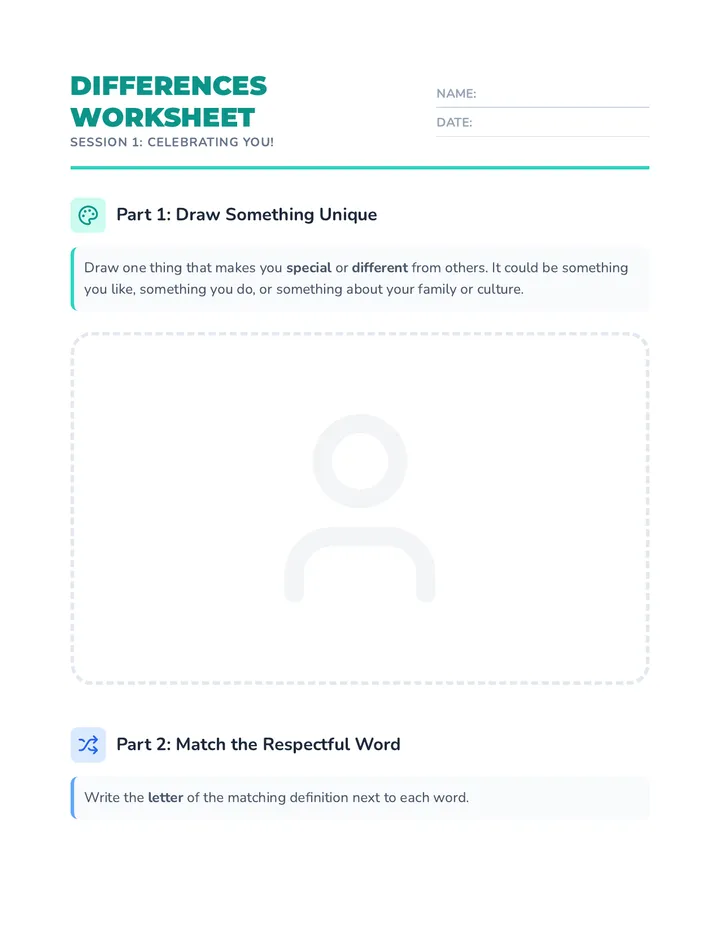
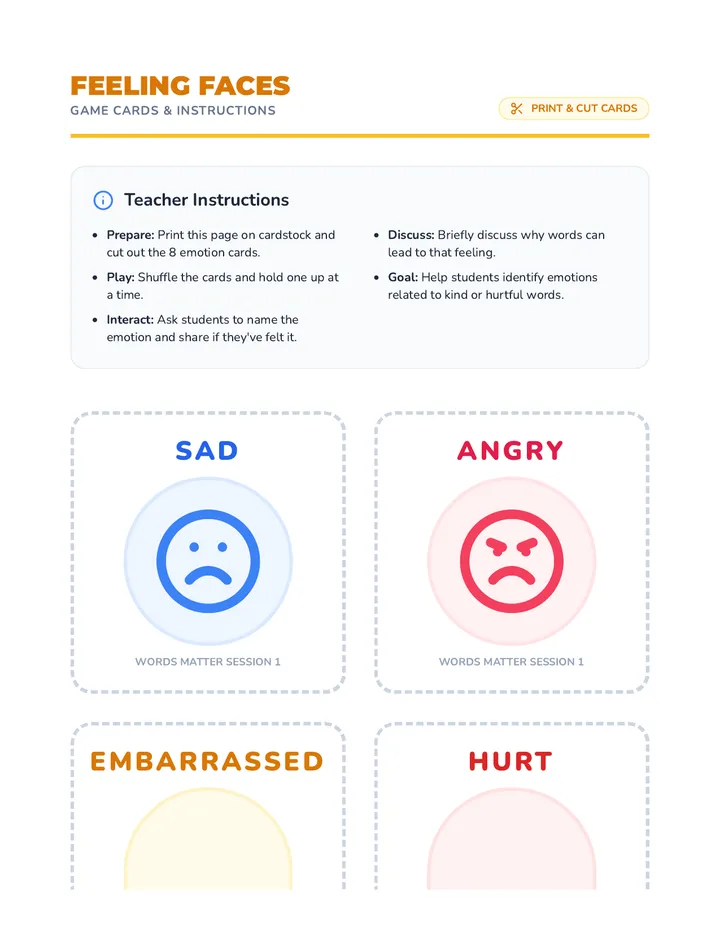
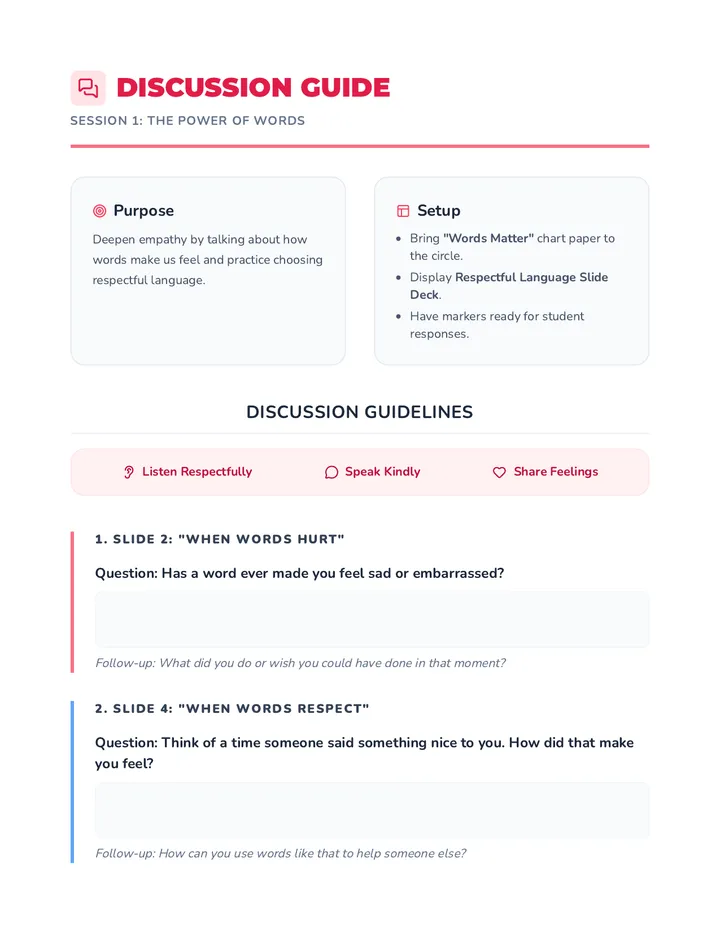
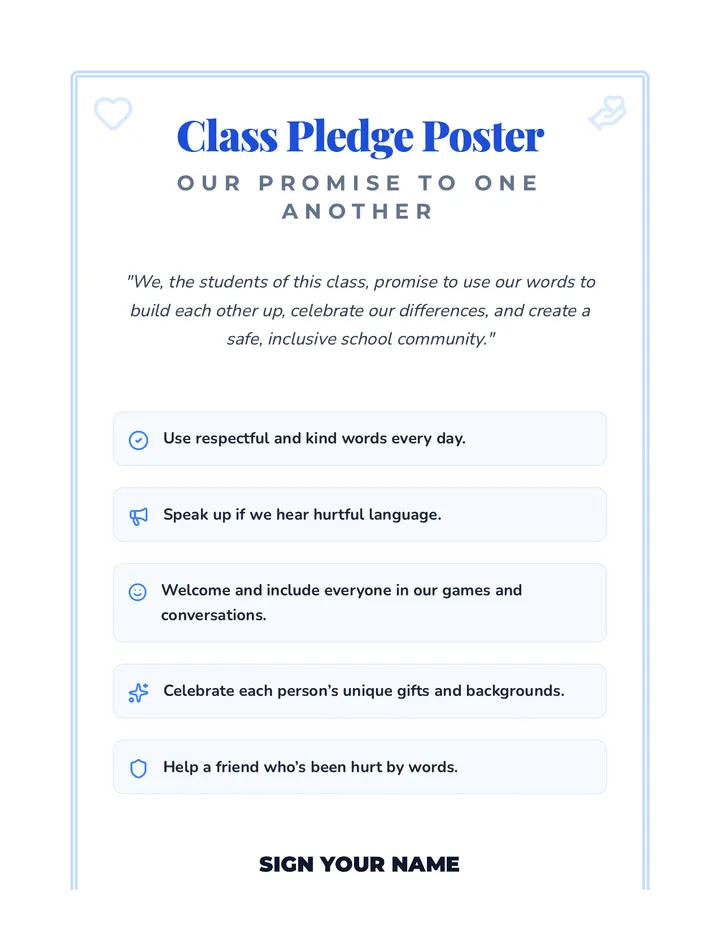
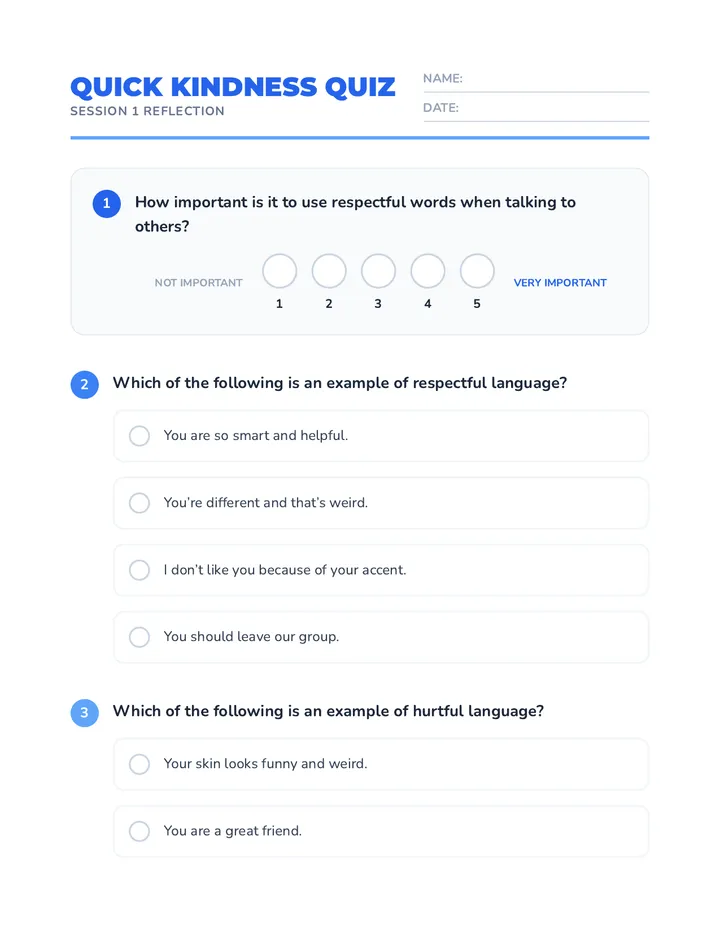
A 4-session Tier 1 sequence for K-5 students focused on racial slur prevention, respectful language, and celebrating diversity. Students learn empathy through role-play, sharing traditions, and creating a collective class pledge.
A 10-day SEL semester cycle for 9th graders, cycling through the five CASEL competencies to support high school adjustment and community projects.
A five-session unit teaching 1st and 2nd graders the foundational concepts of respect, including self-respect, respecting others, and caring for the environment and community.
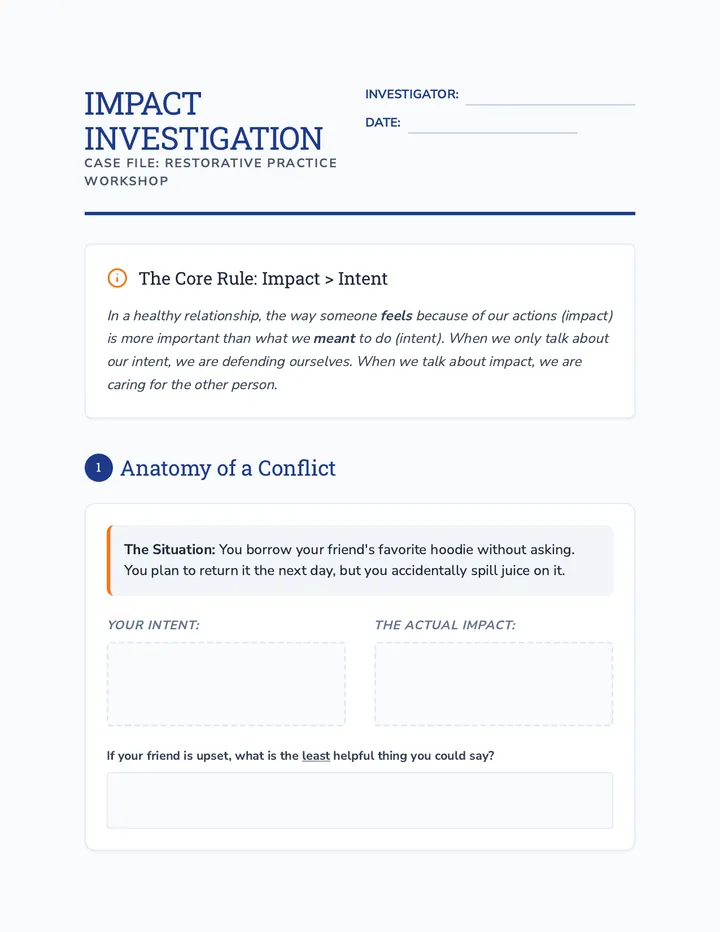
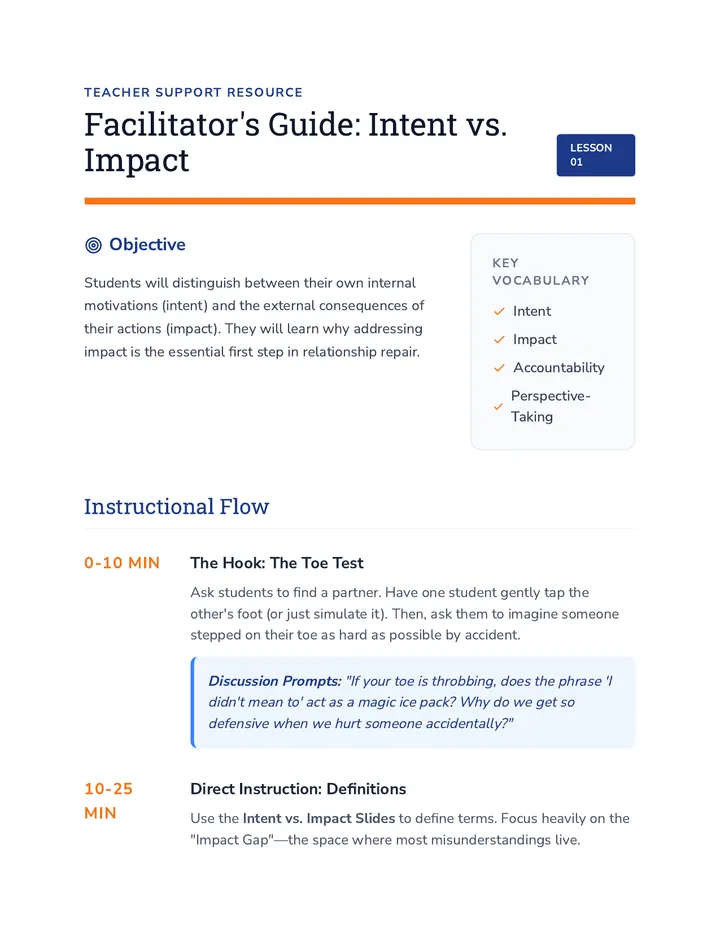
A 5-lesson sequence for 7th grade students focusing on restorative practices, the difference between intent and impact, crafting genuine apologies, and the long-term process of rebuilding trust after conflict.
A kindergarten sequence exploring the difference between bossy behavior and responsible leadership. Students learn that true power comes from helping others, using words instead of force, and following fair rules that apply to everyone.
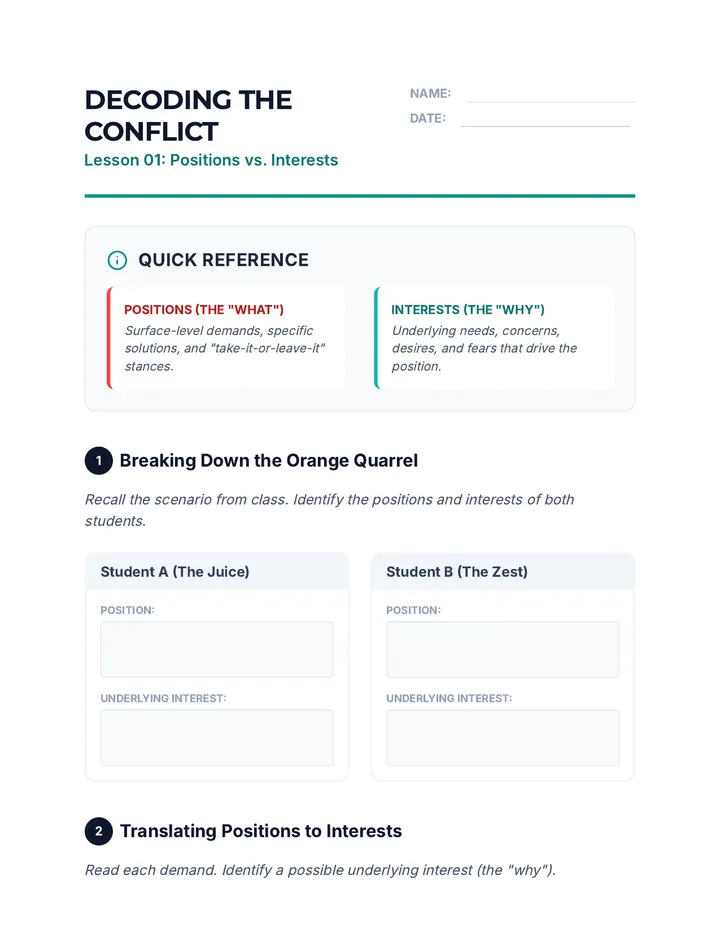
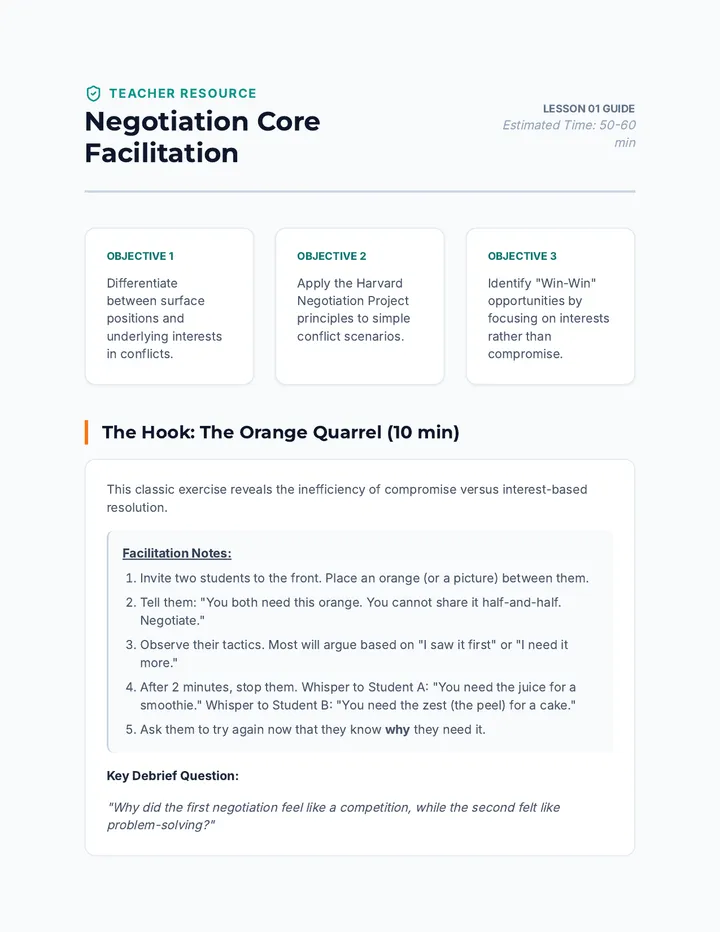
A comprehensive high school unit on interest-based negotiation and formal mediation. Students move from understanding individual interests to facilitating multi-party resolutions using the Harvard Negotiation Project framework and professional mediation stages.
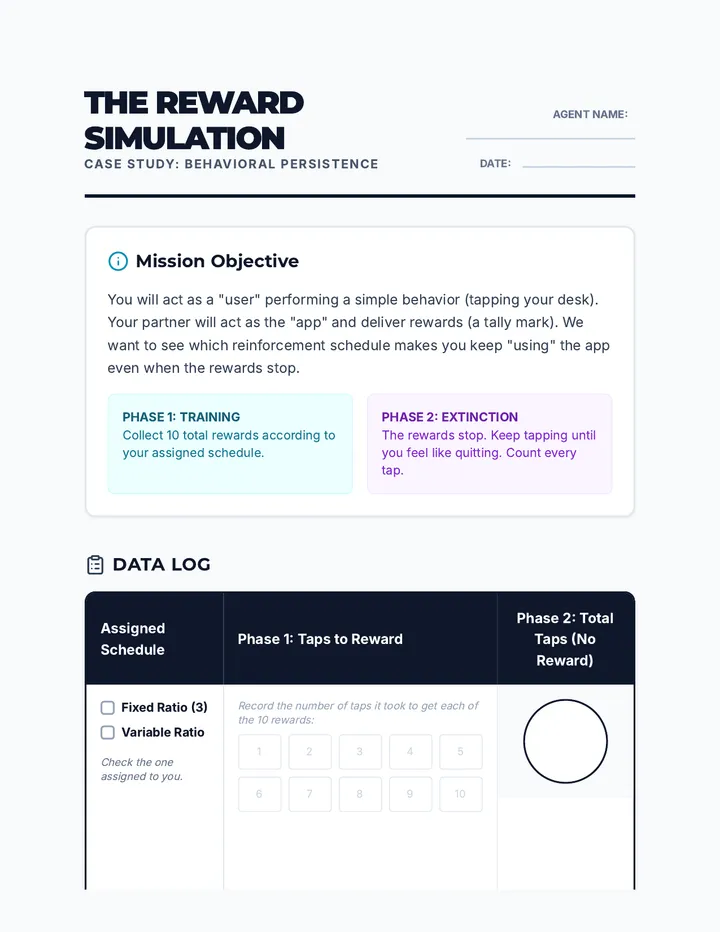
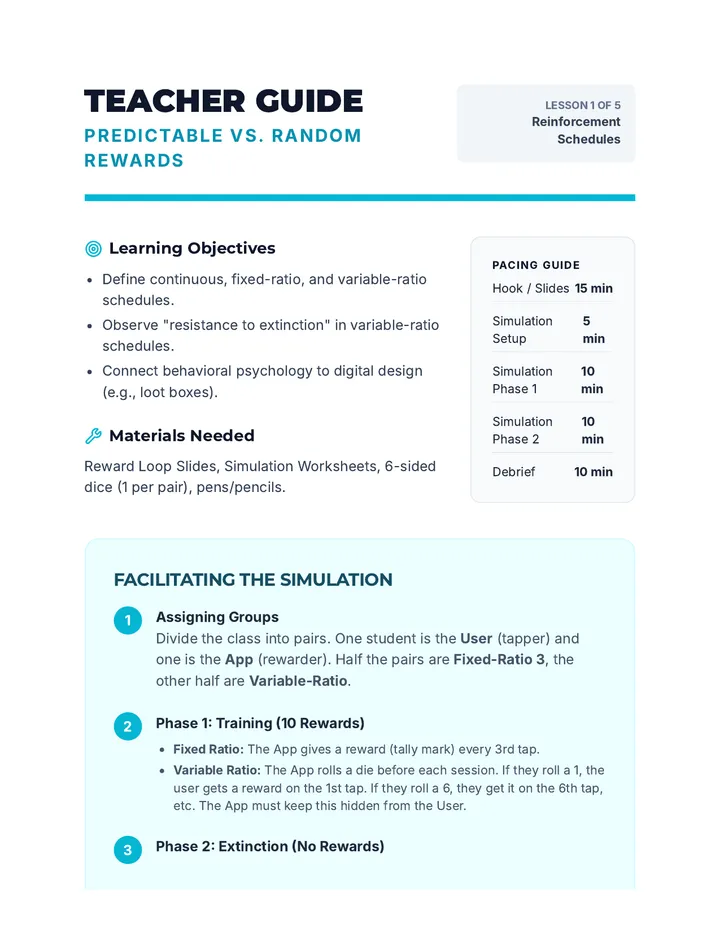
A 5-lesson sequence exploring how technology uses schedules of reinforcement (fixed and variable) to drive engagement. Students analyze gamification, social media mechanics, and ethical design to build digital literacy.
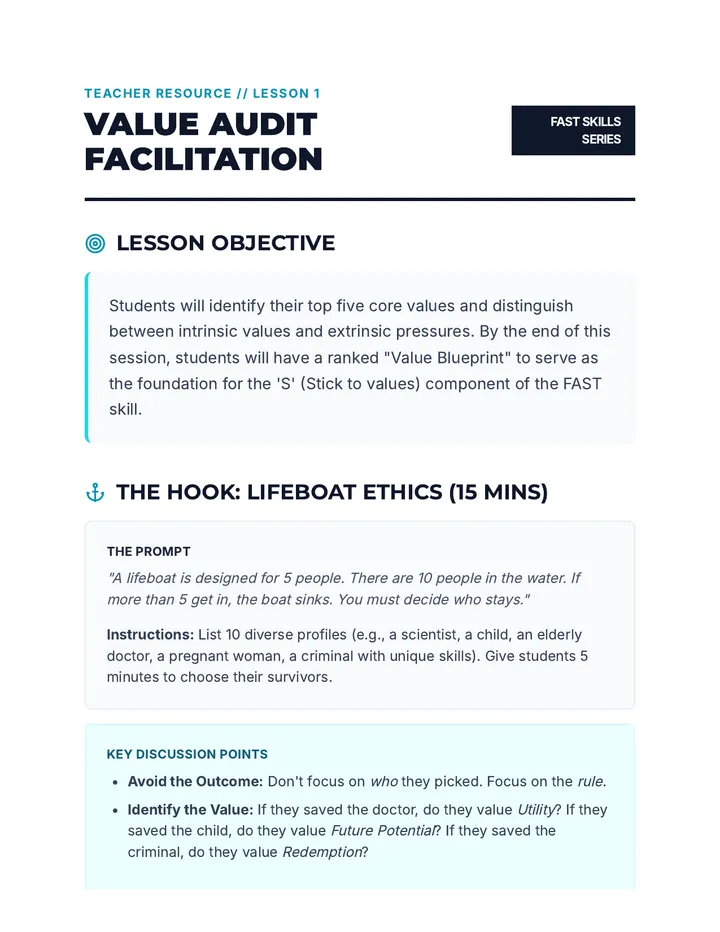
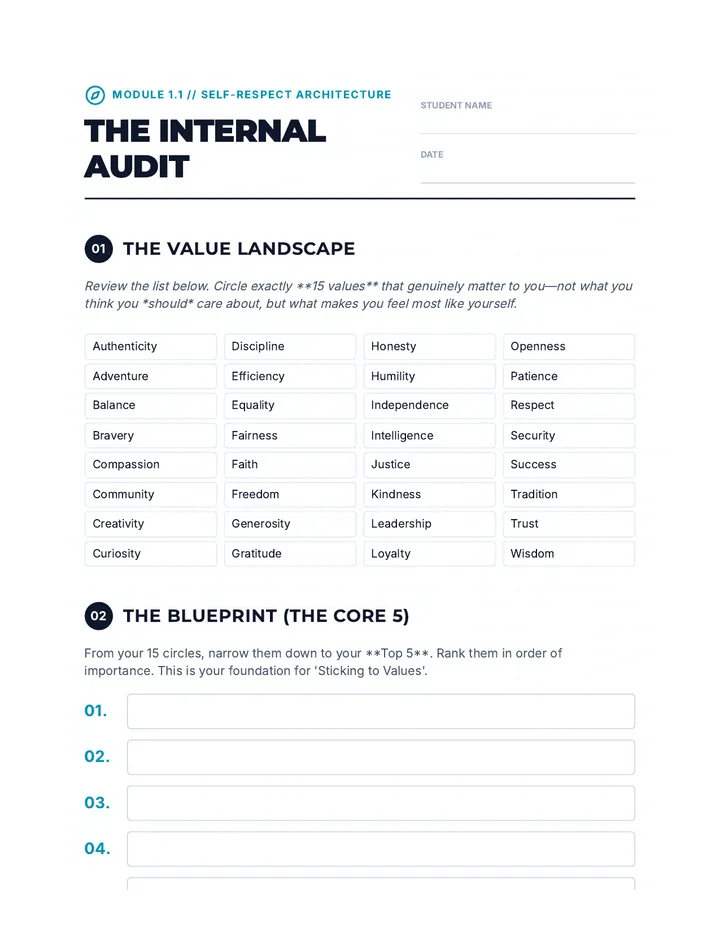
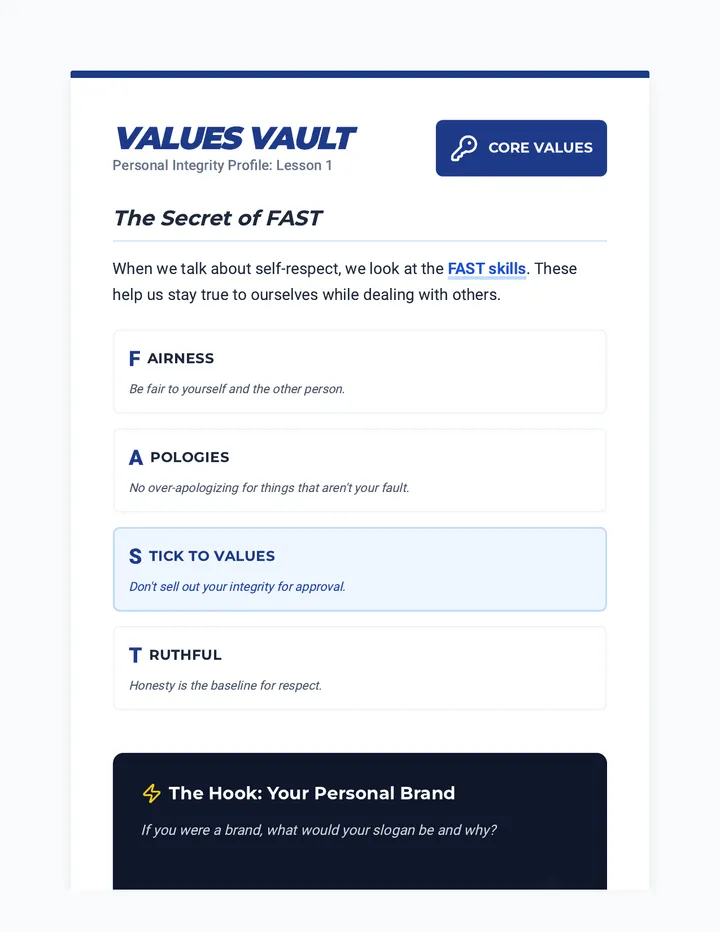
A 12th-grade sequence on FAST skills for self-respect, focusing on personal ethics, integrity in communication, and maintaining values in the face of external pressure and digital influence.
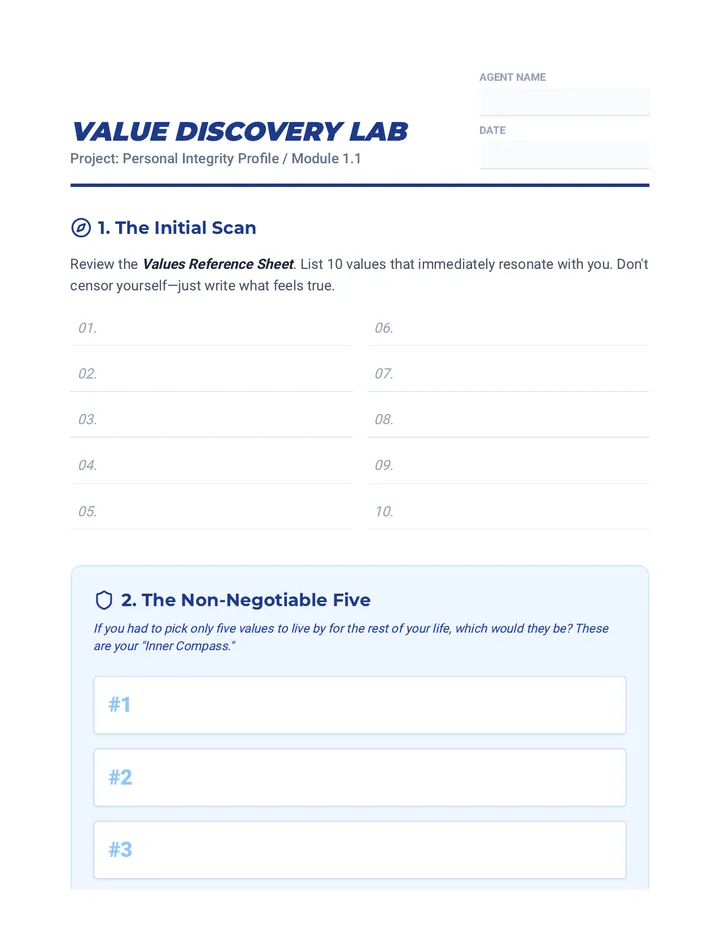
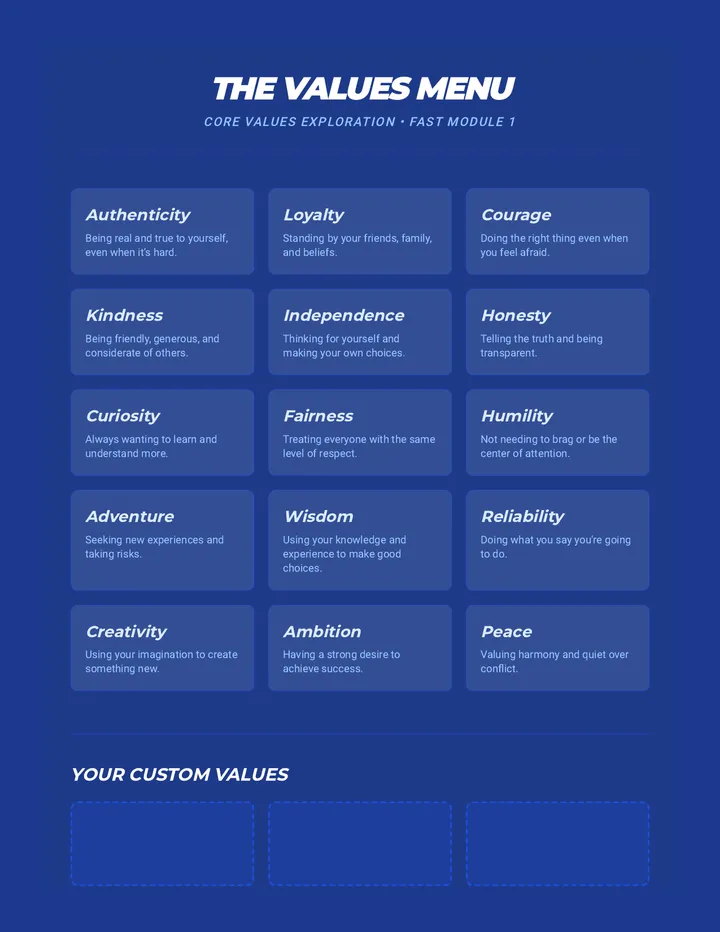
A project-based sequence for 6th graders to develop self-respect using FAST skills. Students explore personal values, digital authenticity, boundaries, and assertive communication to create a comprehensive 'Personal Code of Conduct' manifesto.
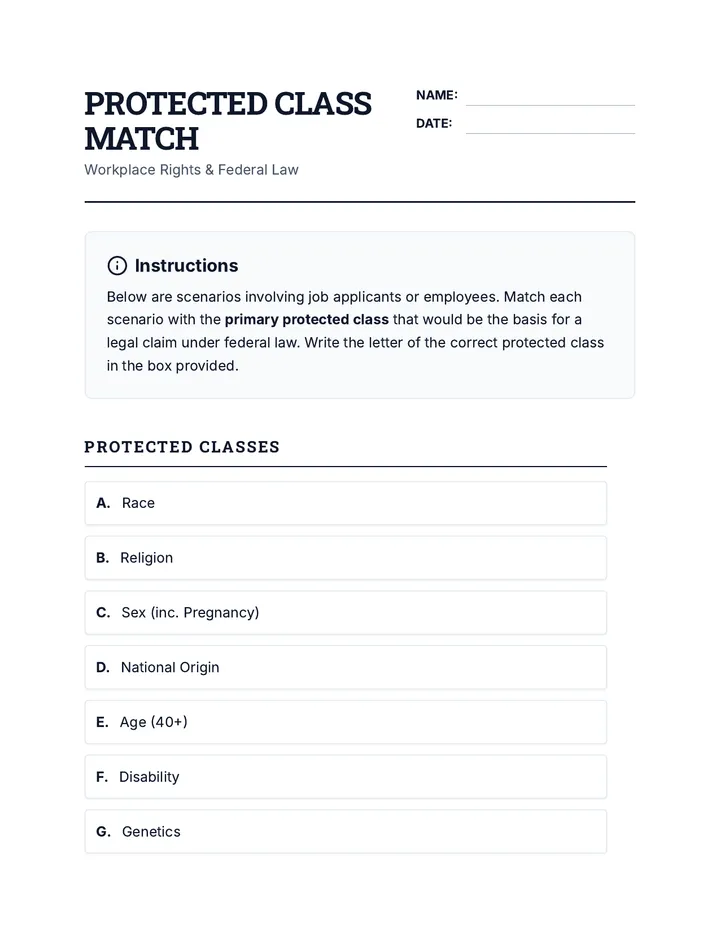
This sequence provides 10th-grade students with a comprehensive understanding of federal anti-discrimination laws in the workplace, covering protected classes, major legislative acts, legal theories of discrimination, and practical compliance application.
An advanced course for graduate students exploring the intersection of neurobiology, psychological theory, and organizational leadership. Students develop high-level social and emotional competencies to navigate complex professional environments and foster psychological safety.
A high-level sequence for 11th graders focusing on the legal, ethical, and operational standards of professional telecommunications through the lens of quality assurance and management.
A comprehensive two-part unit for Secondary 1 and 2 students focusing on developing impulse control. Students learn to navigate immediate urges using the 'Pause, Think, Act' and 'Pause, Process, Proceed' frameworks through interactive activities, real-world scenarios, and personal planning.
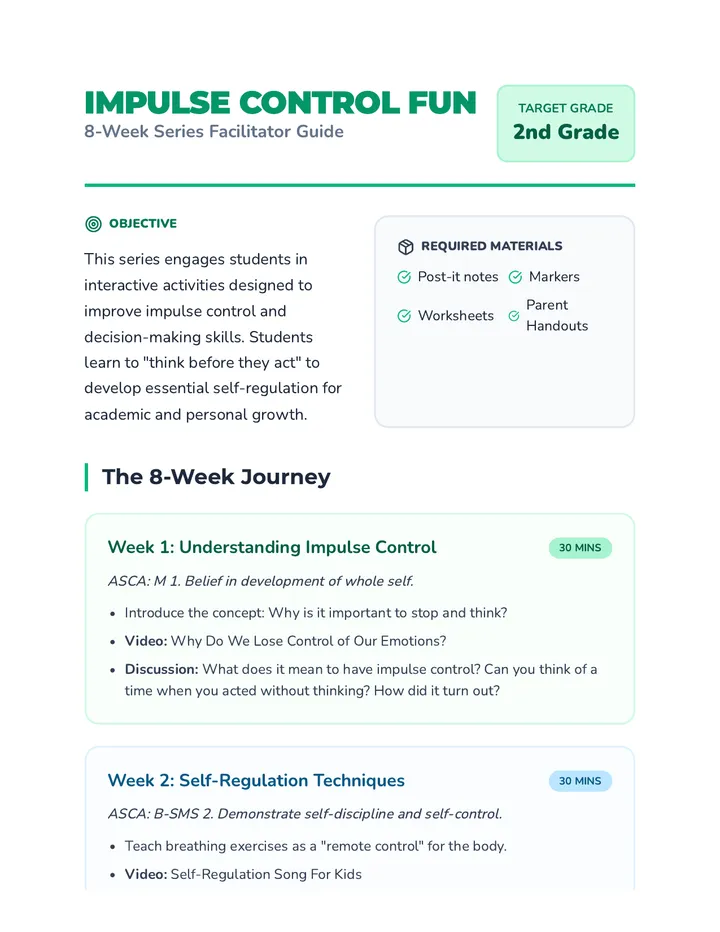
An 8-week series for 2nd graders to develop impulse control, self-regulation, and decision-making skills through interactive activities and reflection.
A 6-week social-emotional learning program for 6th-grade girls focused on building healthy friendships, resolving conflicts, practicing empathy, and setting boundaries.
A 10-week series of 30-minute group lessons for high school students exploring Cognitive Behavioral Therapy. Each session builds practical skills in identifying and reframing thoughts, managing emotions, and engaging in healthy behaviors through interactive activities. This Tier 2 program develops resilience and mental wellness.
A 6-session small-group course for 2nd grade boys designed to build self-control, manage impulsivity, and handle frustration using the 'Stop, Think, Shine' framework.
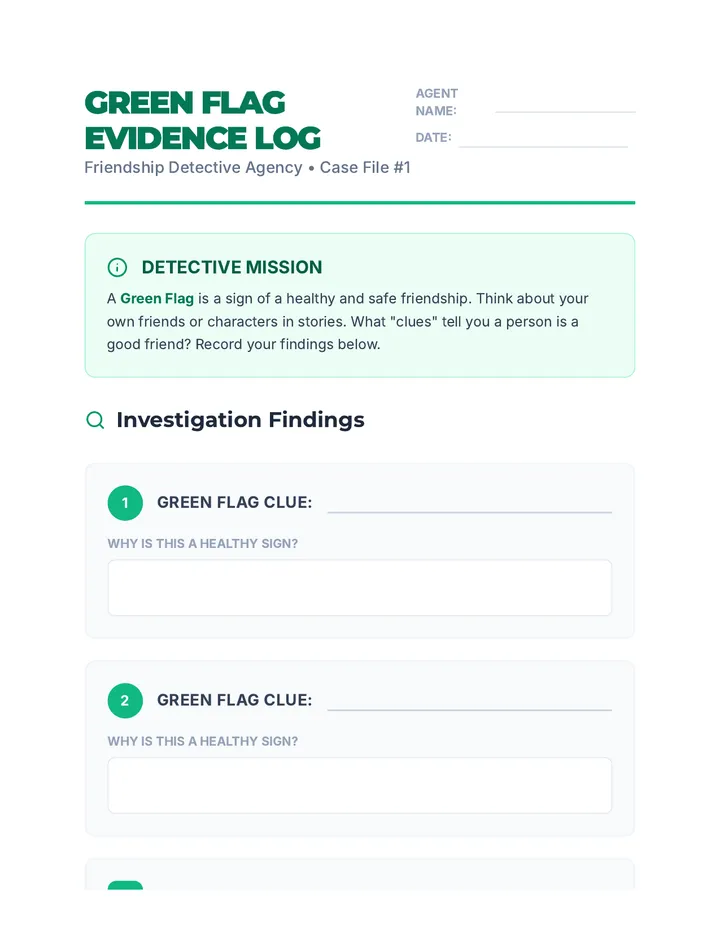
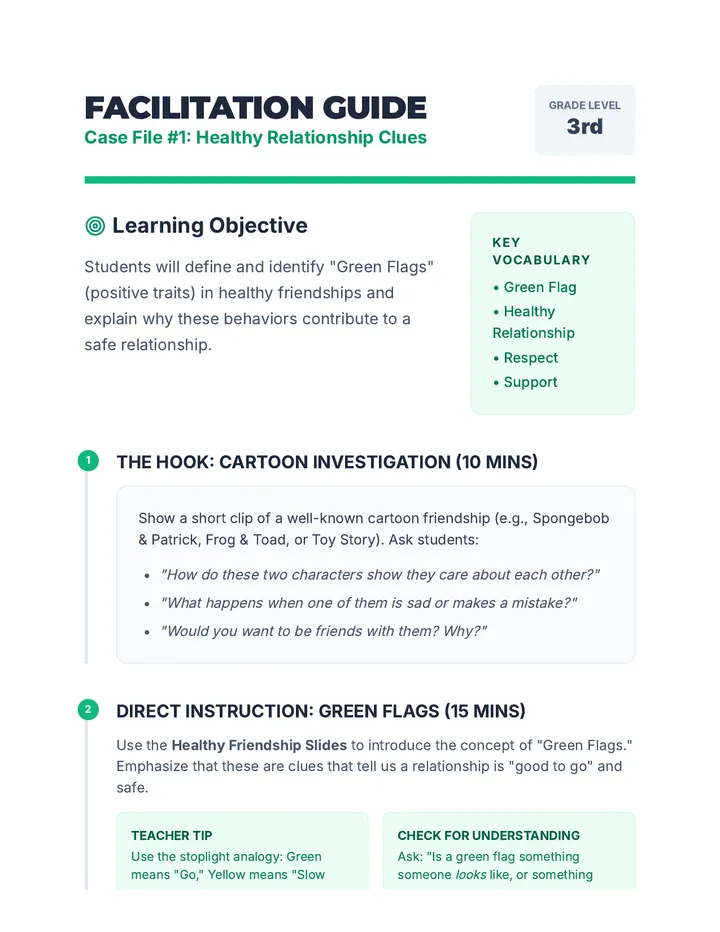
A 5-lesson unit where students become 'Friendship Detectives' to identify healthy and unhealthy relationship dynamics. Using case studies, sorting games, and creative projects, students learn to recognize green and red flags, distinguish between teasing and bullying, and resolve conflicts safely.
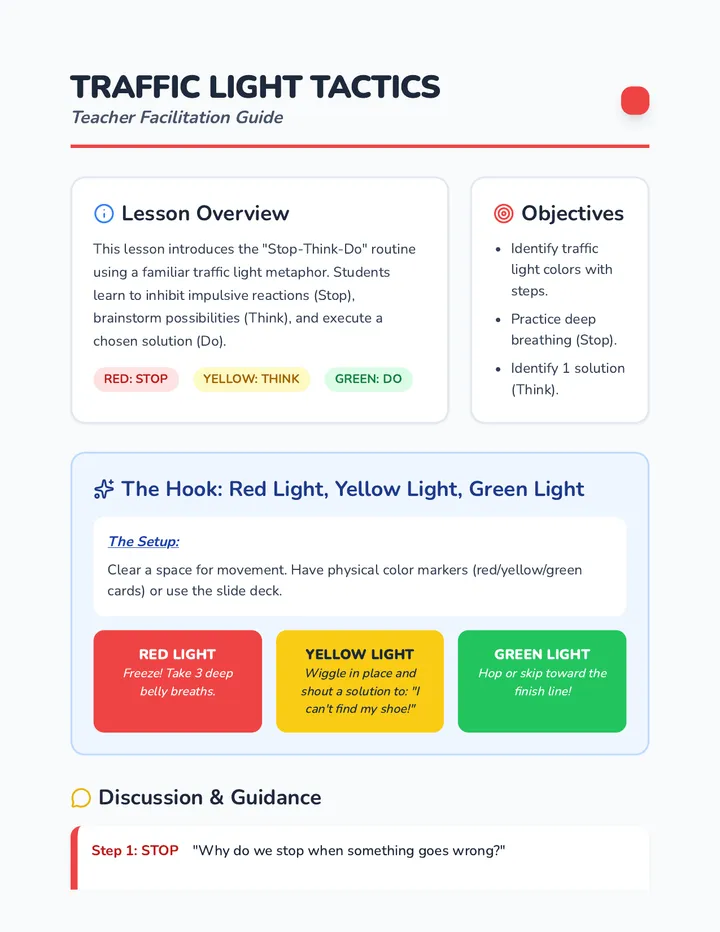
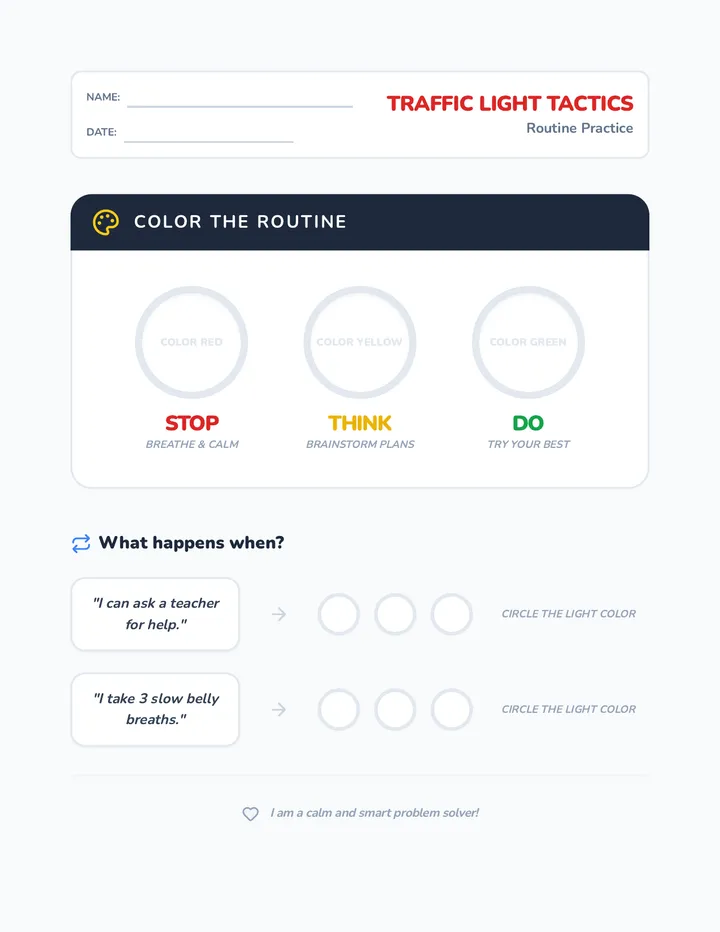
A Kindergarten sequence focused on teaching students a structured problem-solving routine (Stop, Think, Do) and applying it to multi-step challenges through games, sequencing activities, and a final detective project.
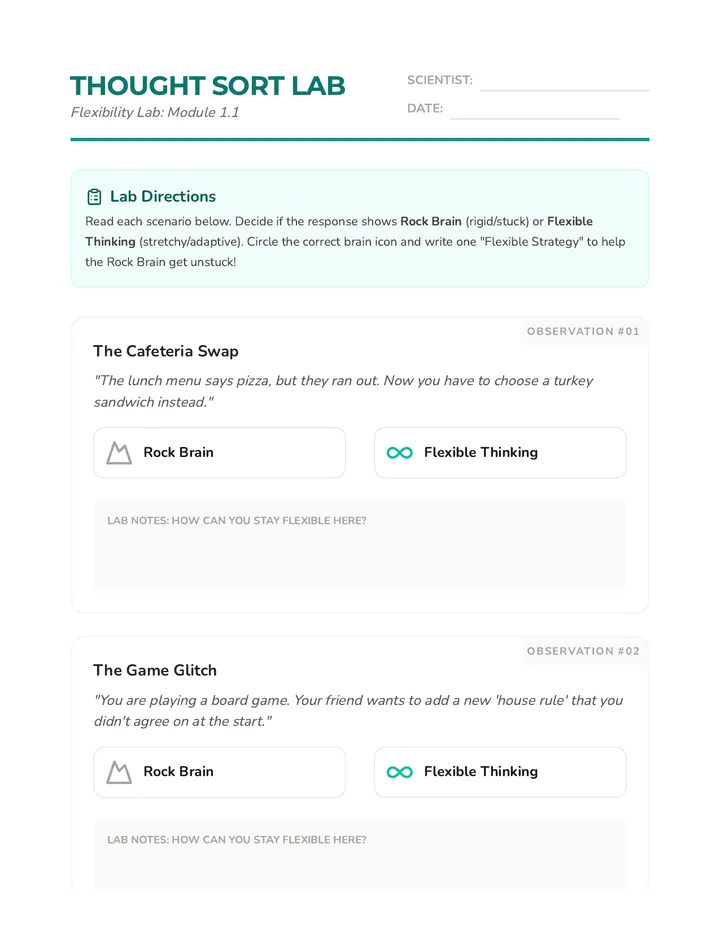
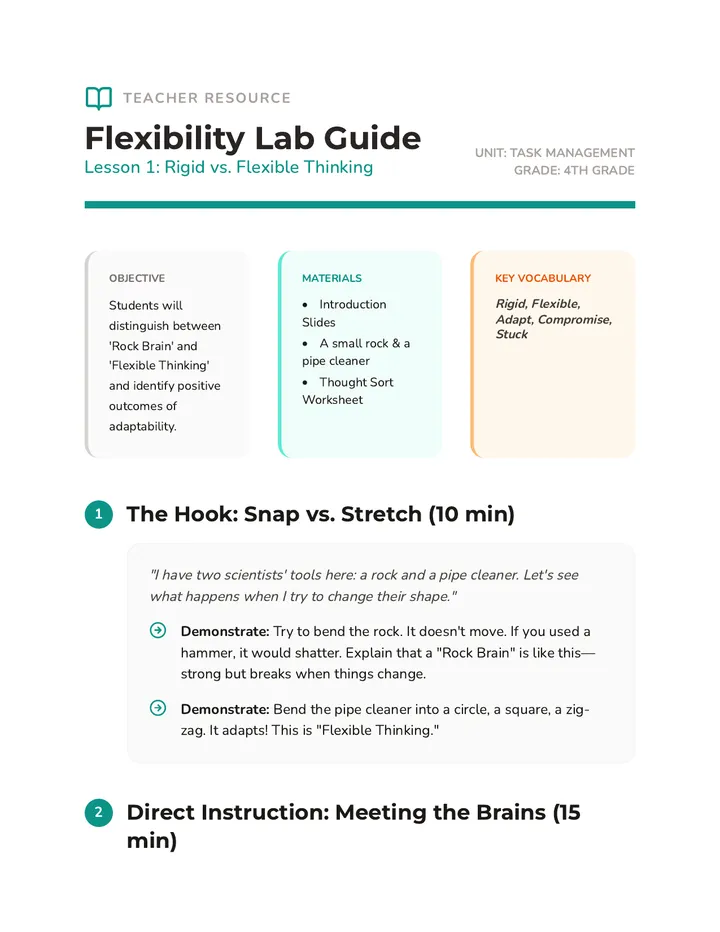
A 5-lesson sequence designed for 4th-grade students to build cognitive flexibility. Students learn to identify rigid versus flexible thinking, recognize physical stress responses to change, practice rapid task-switching, and apply emotional regulation strategies through role-play and a final 'flexibility obstacle course'.
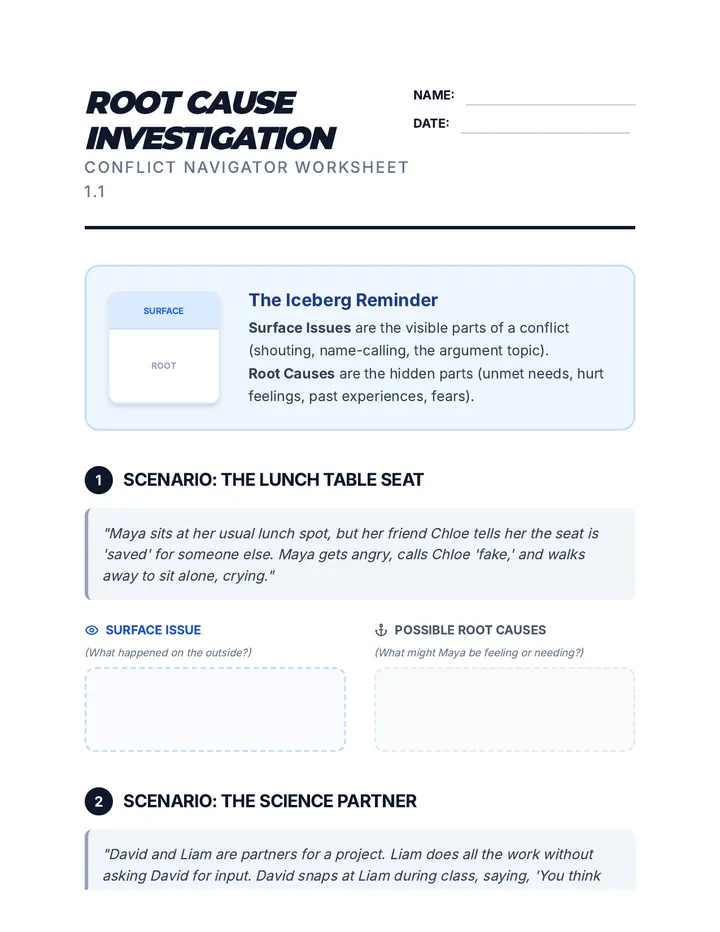
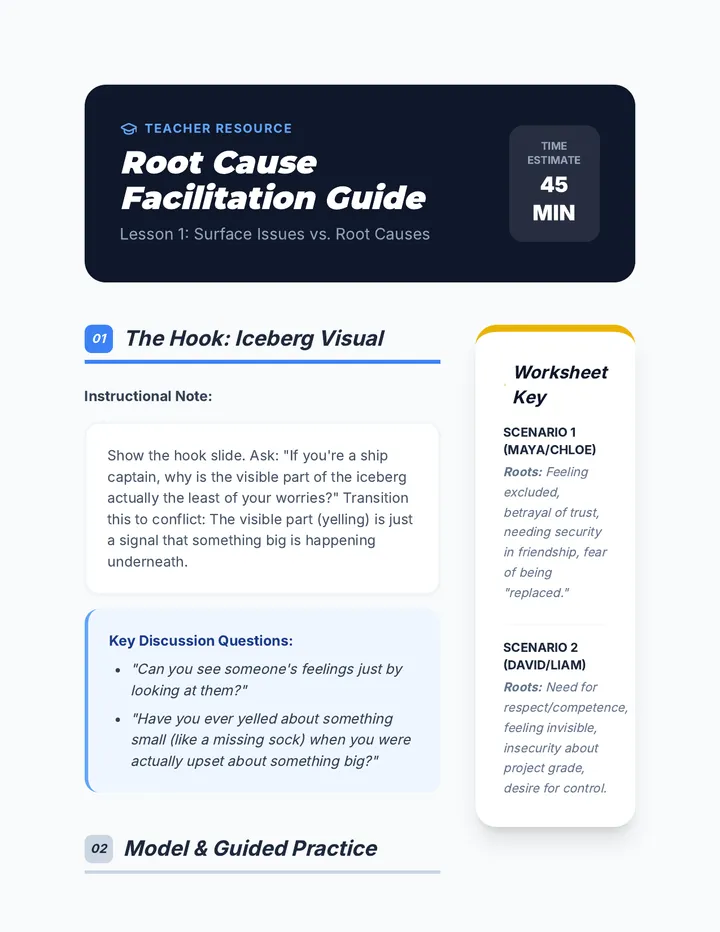
A comprehensive 6th-grade sequence on conflict navigation, teaching students to identify root causes, recognize personal conflict styles, practice perspective-taking, understand escalation, and diagnose complex disputes.
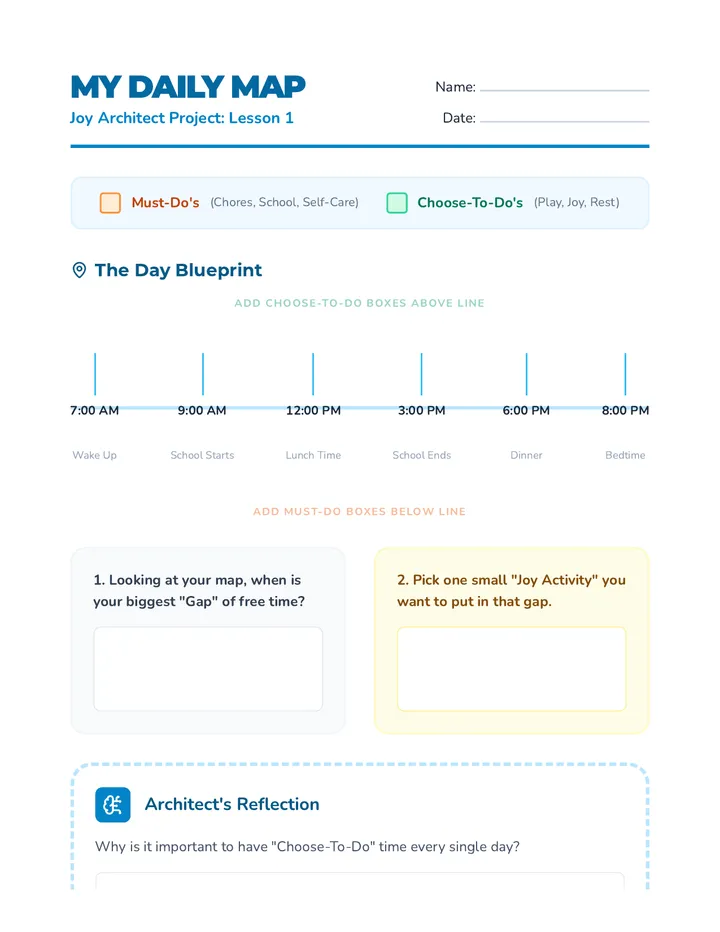
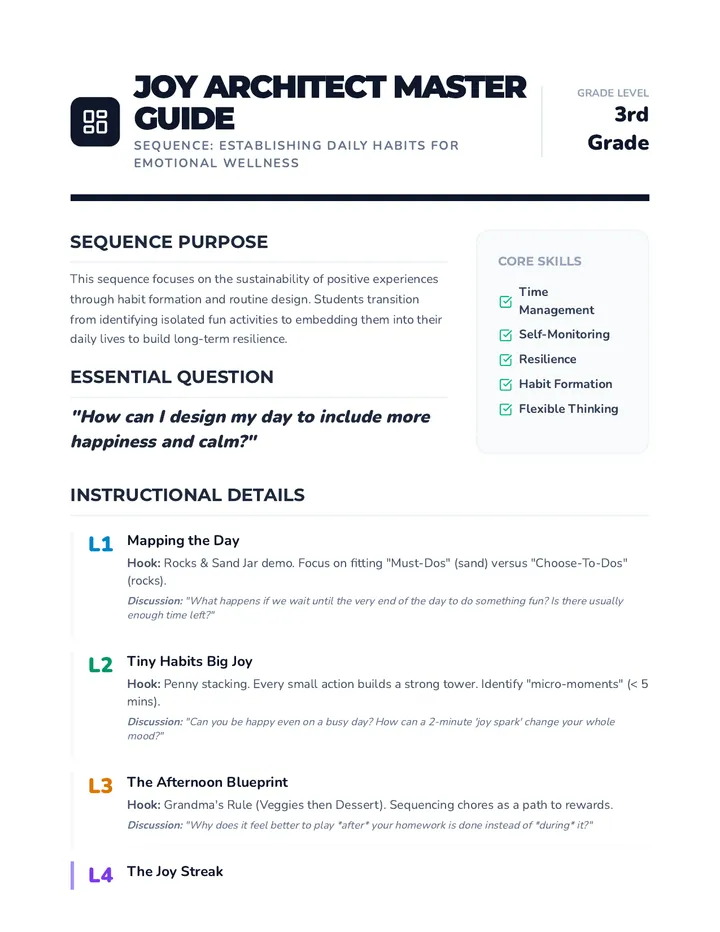
A 5-lesson unit for 3rd graders focused on building emotional resilience through habit formation. Students learn to audit their time, identify small 'micro-moments' of joy, and design balanced daily schedules that prioritize positive experiences.
An 8-week social skills group for 3rd graders focused on social observation, expected behaviors, and problem-solving using a 'Social Detective' theme. Each session provides interactive instruction and hands-on practice to build emotional intelligence.
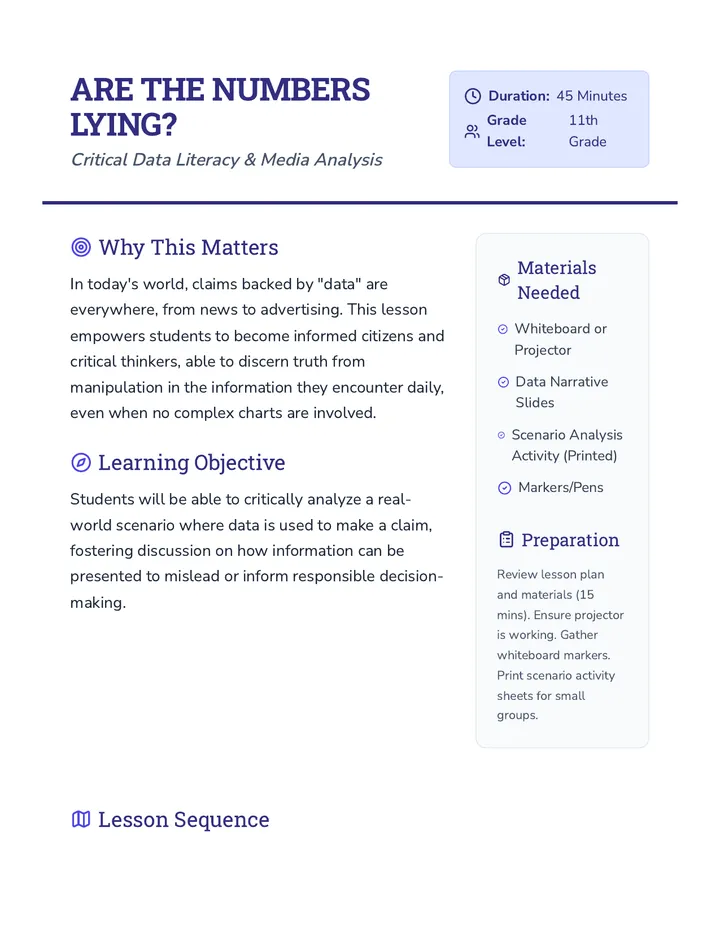
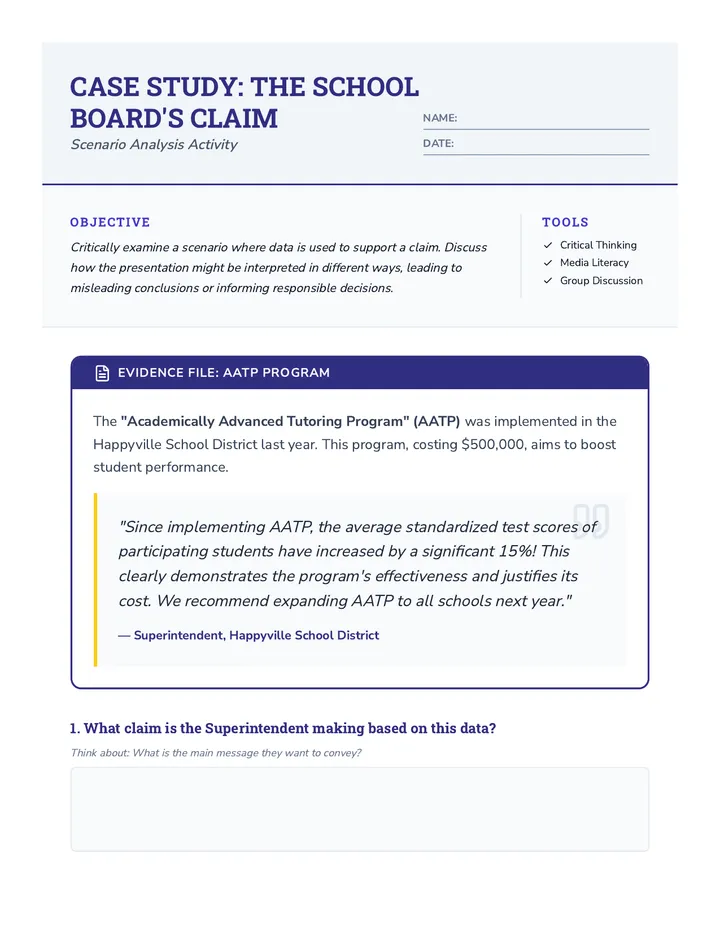
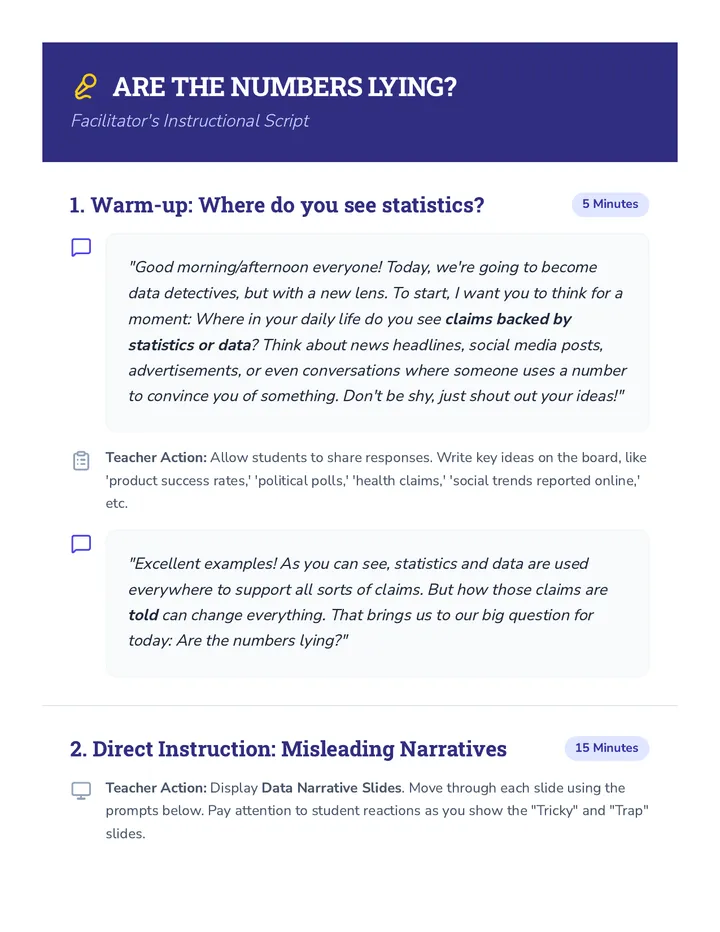
This 45-minute lesson for 11th-grade students explores how data narratives can be used to mislead or inform. Students critically analyze real-world scenarios to develop media literacy and responsible decision-making skills.
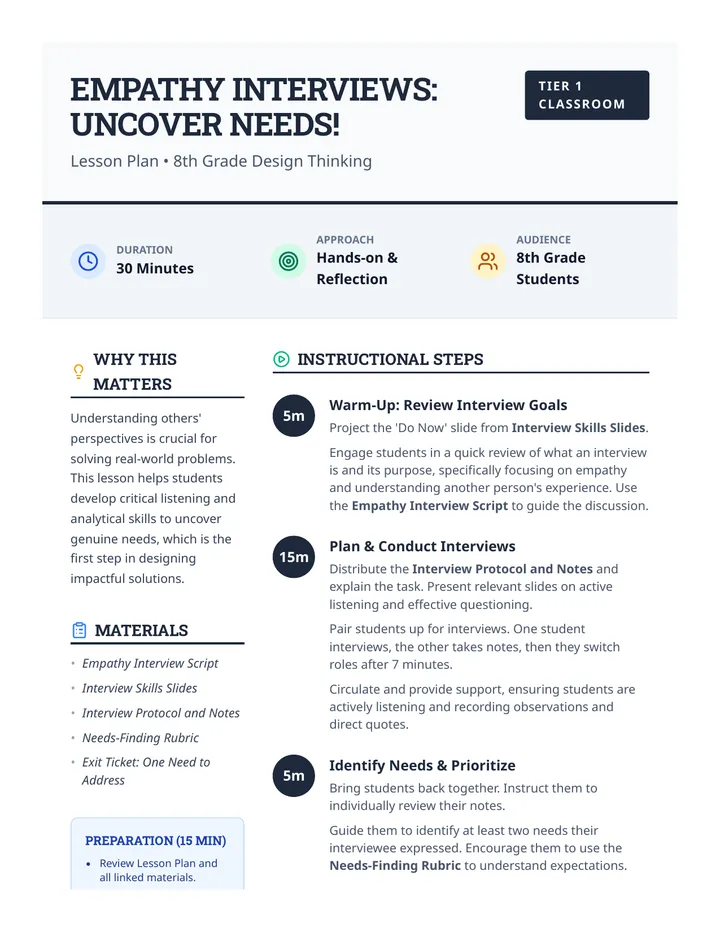
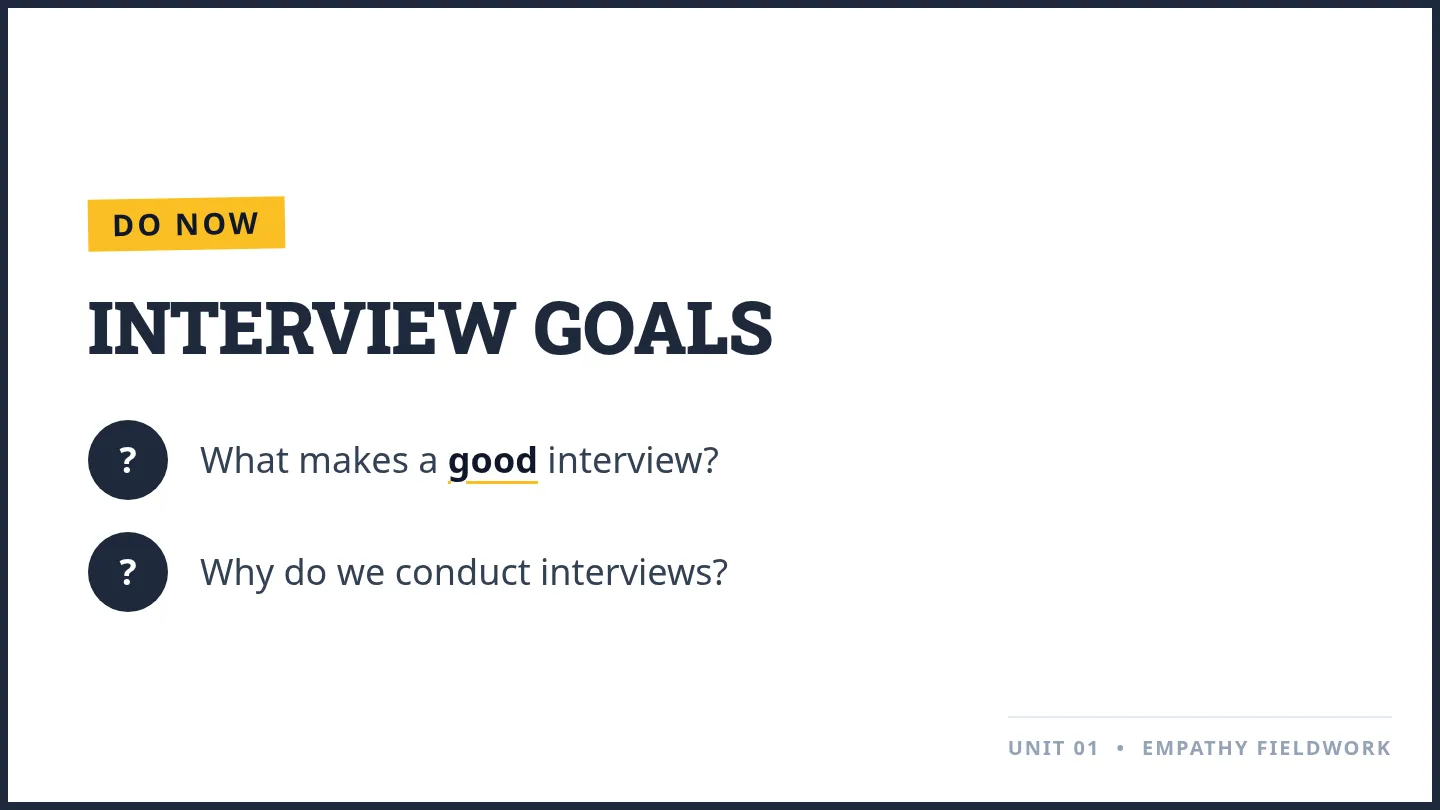
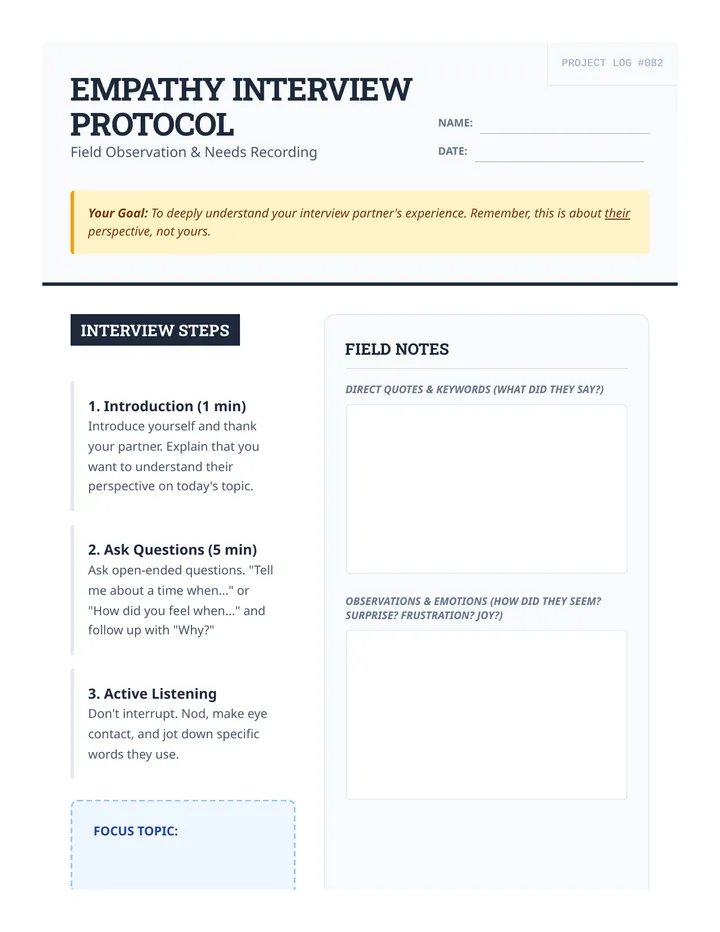
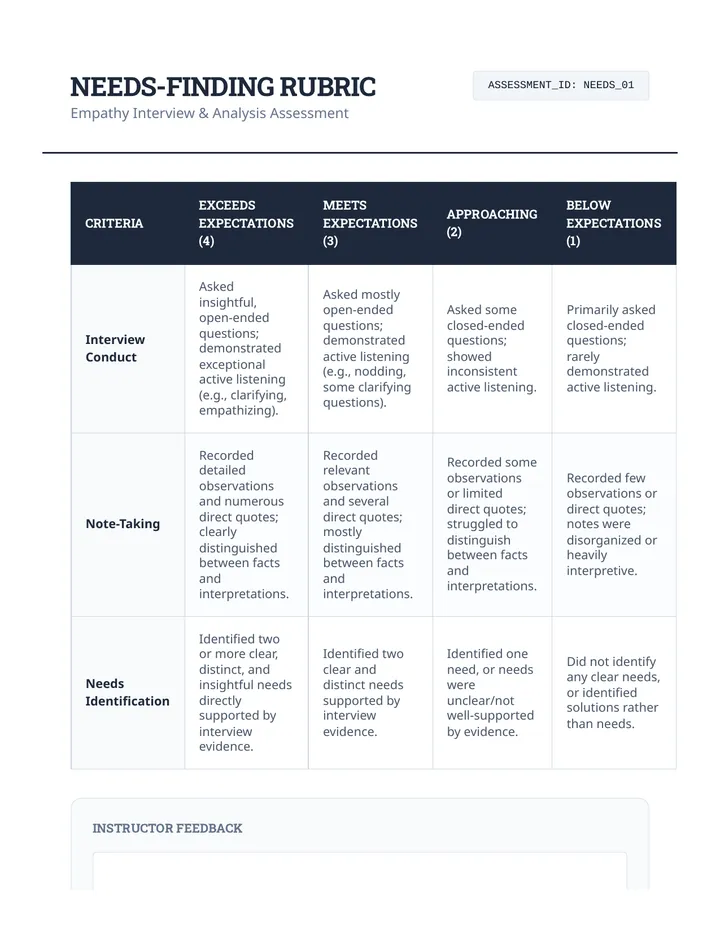
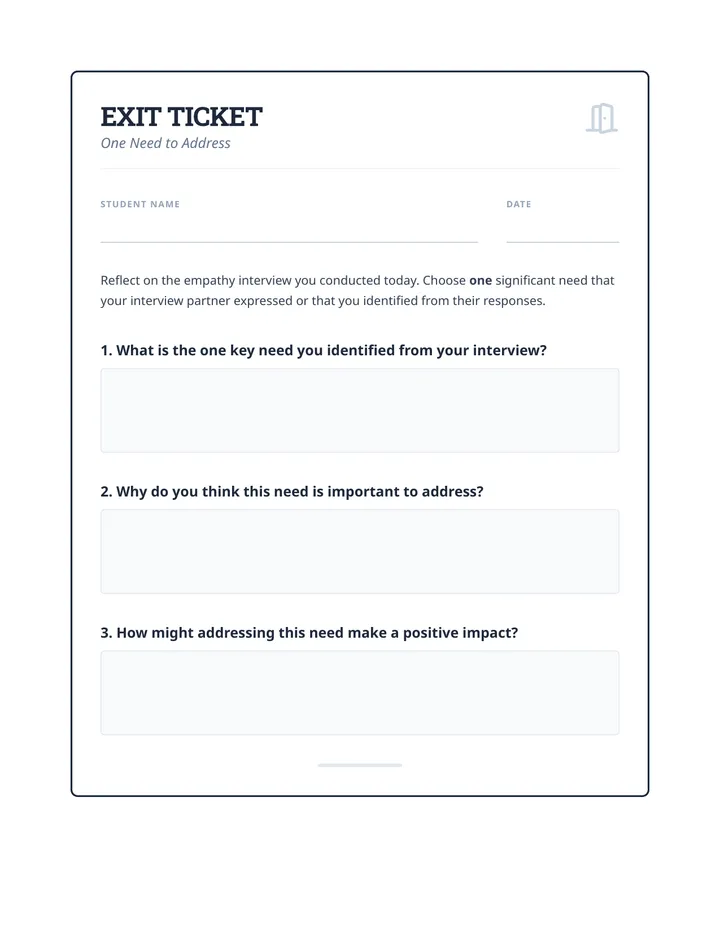
This 30-minute lesson introduces 8th-grade students to empathy interviewing, focusing on active listening and extracting core needs from user experiences. Students will conduct peer interviews to identify meaningful problems to solve in future design projects.
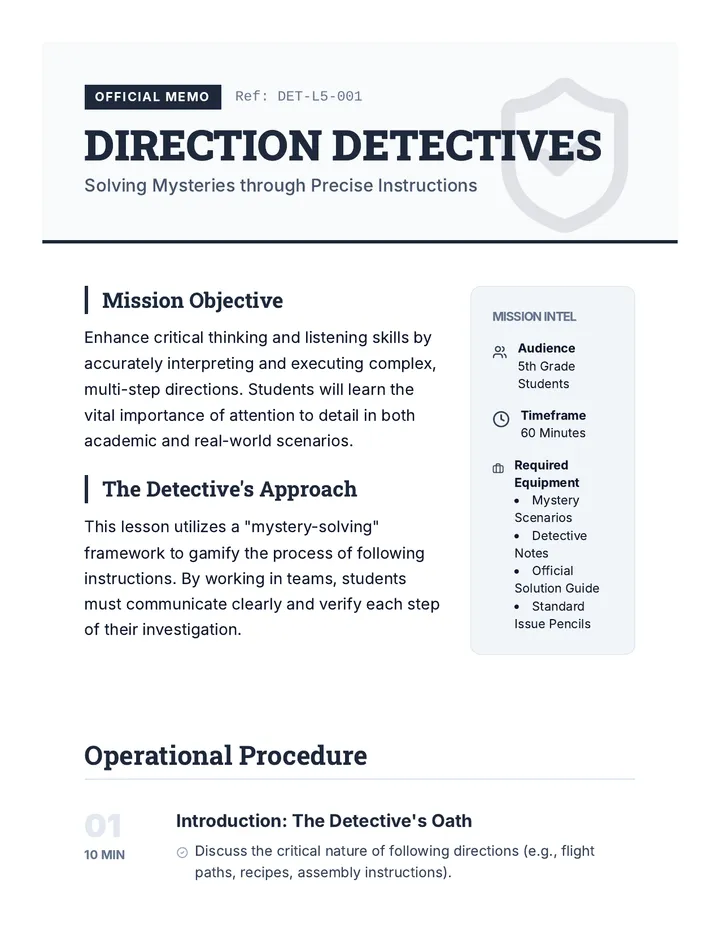
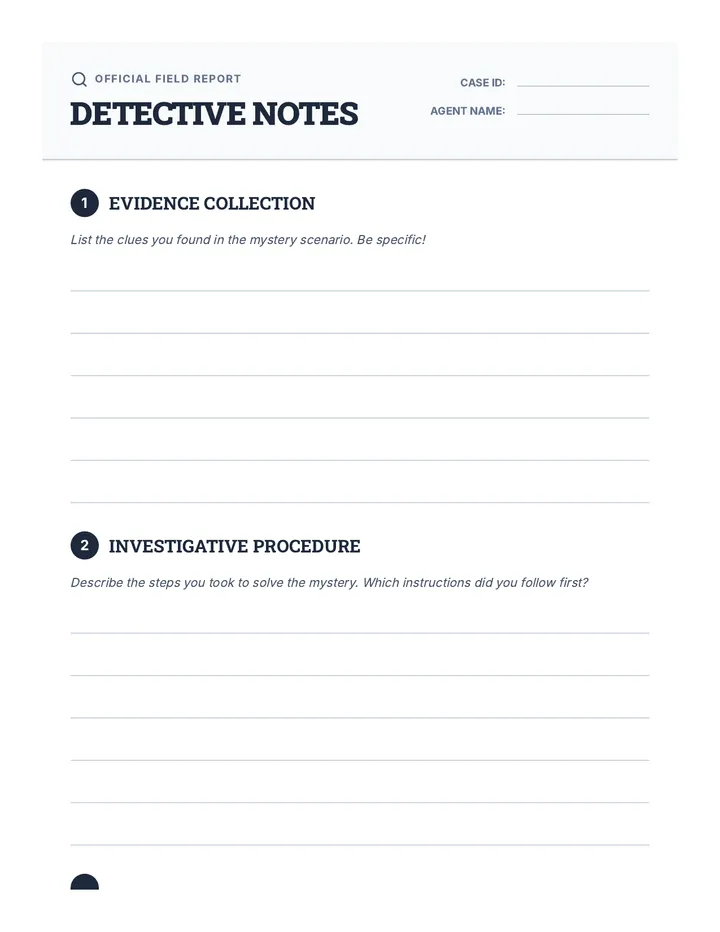
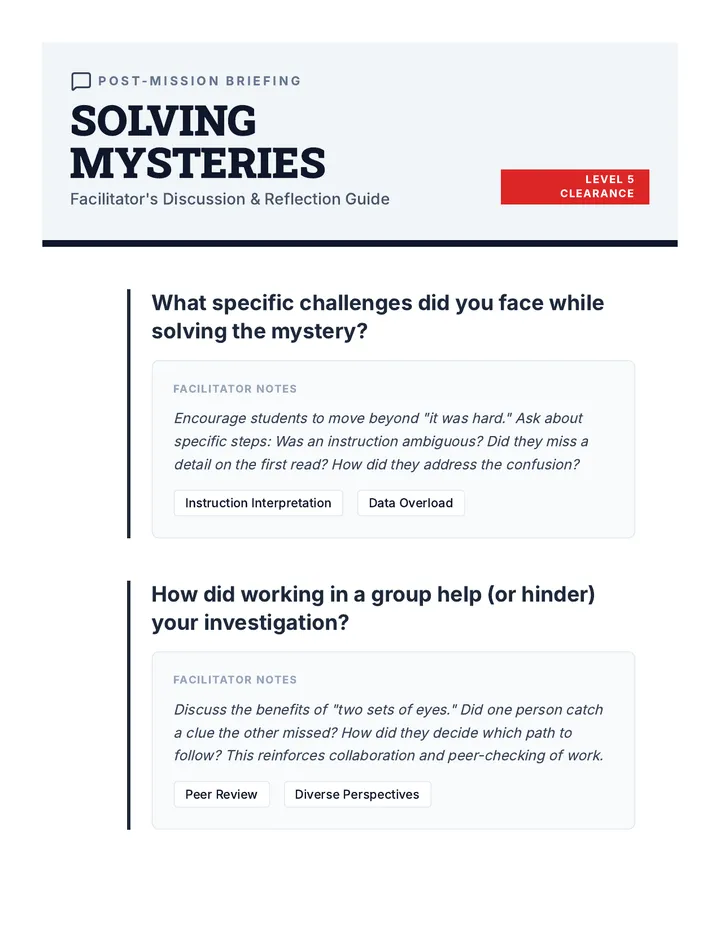
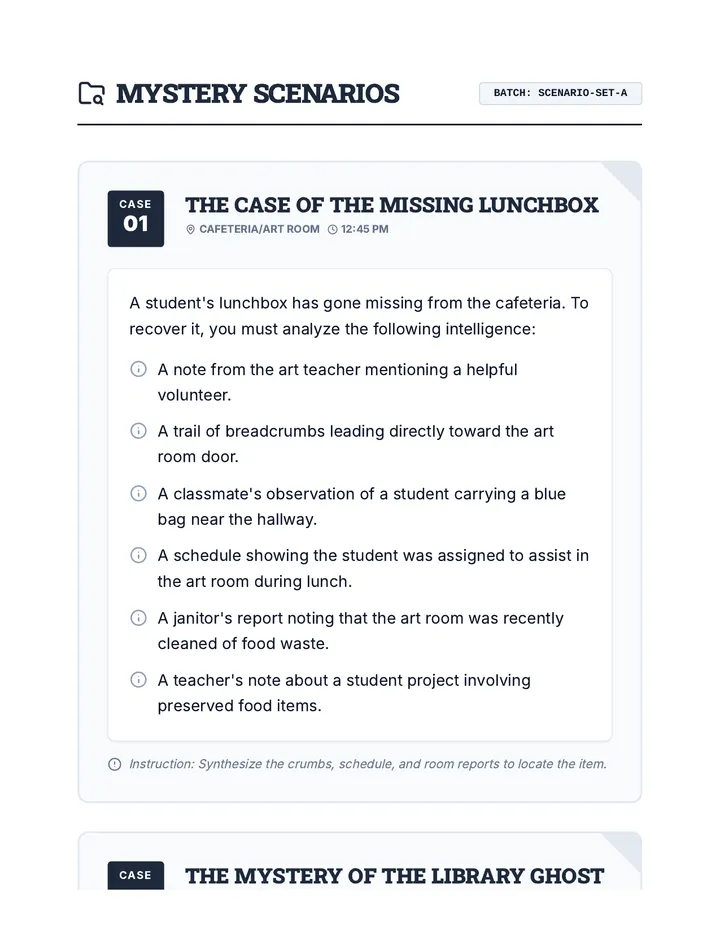
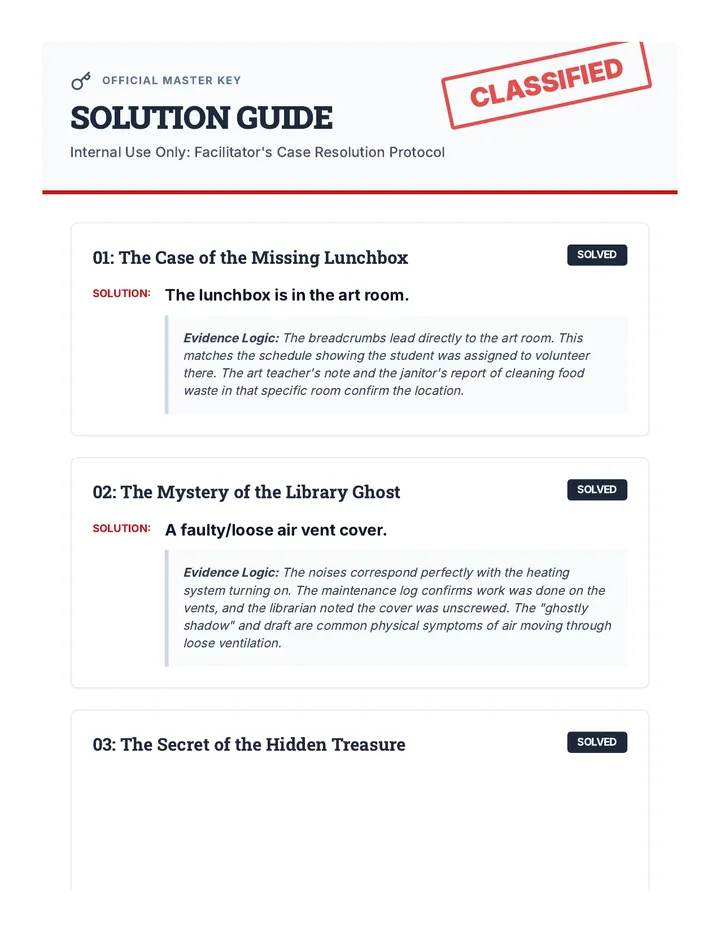
Students become detectives to solve mysteries by following multi-step instructions, enhancing critical thinking, listening skills, and attention to detail.
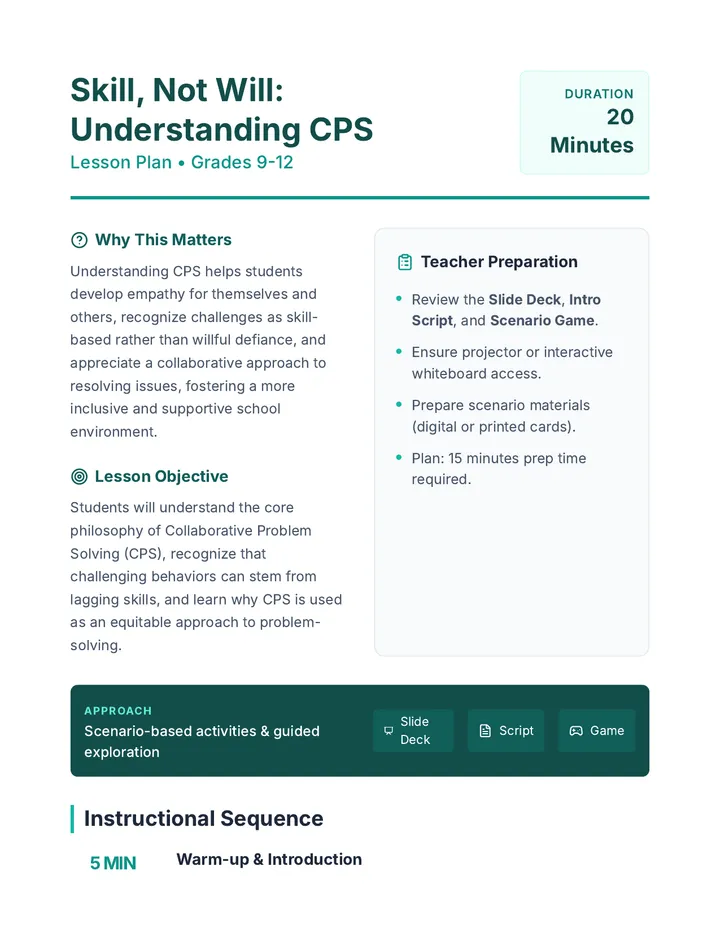
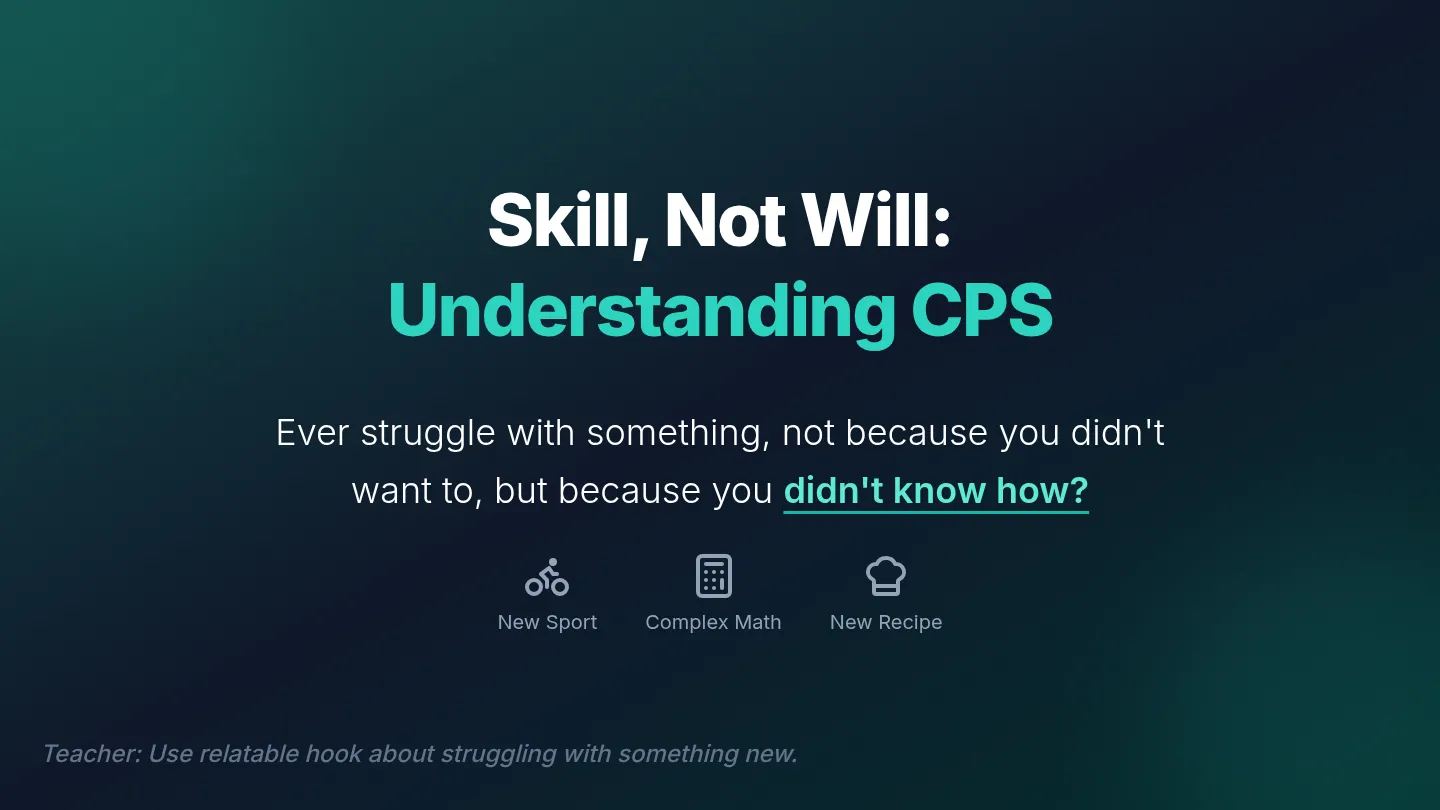
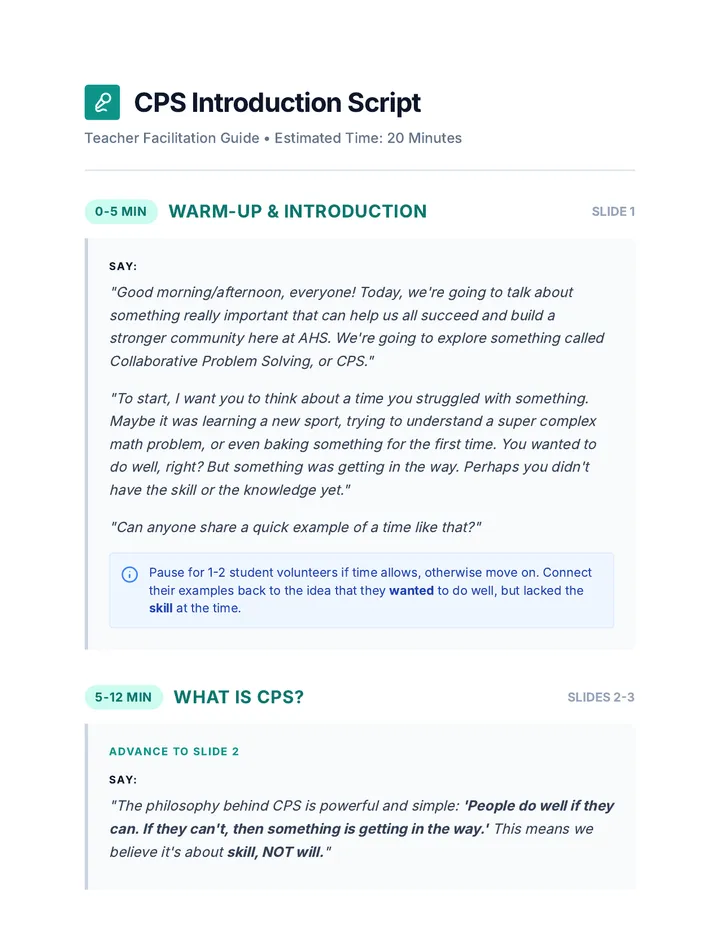
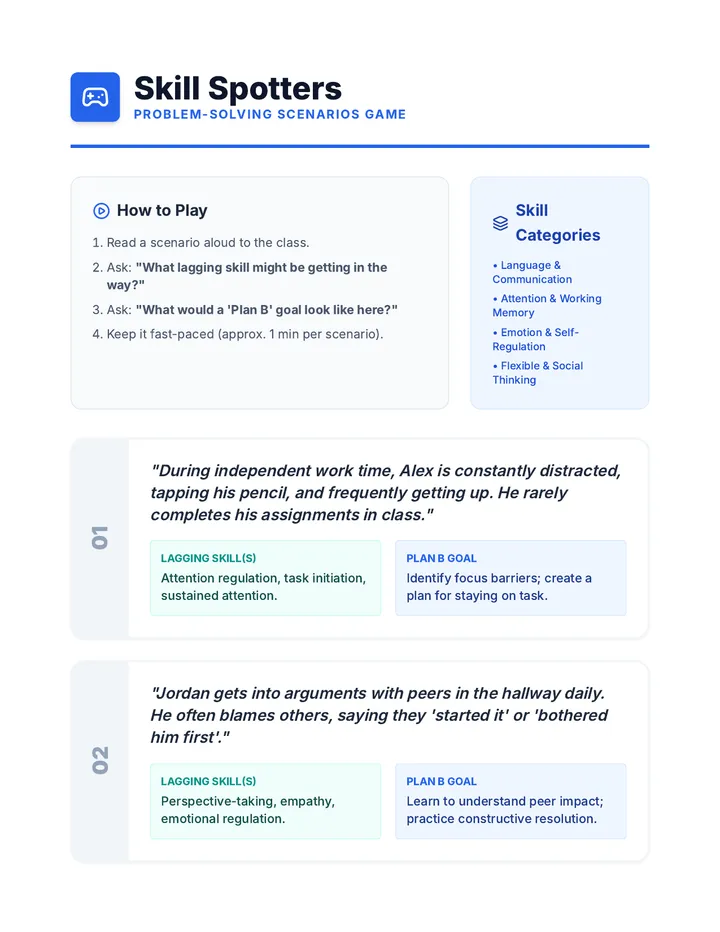
This lesson introduces high school students to Collaborative Problem Solving (CPS), emphasizing that behavioral challenges stem from a lack of skill rather than a lack of will. Students will explore lagging skills, the 'Plan B' conversation, and how this approach fosters equity and inclusion at their school.
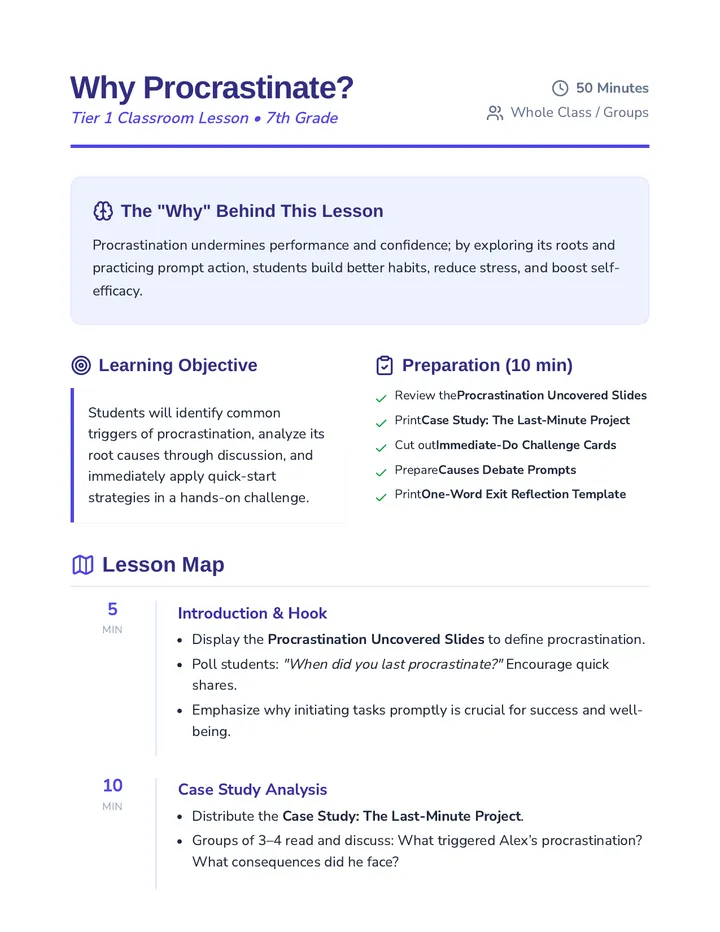
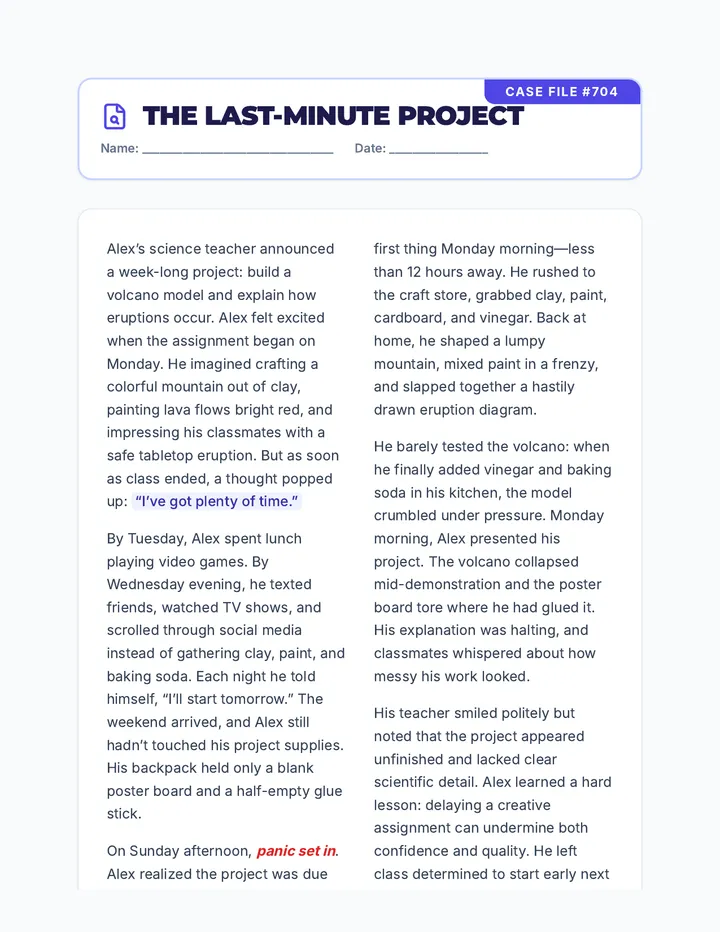
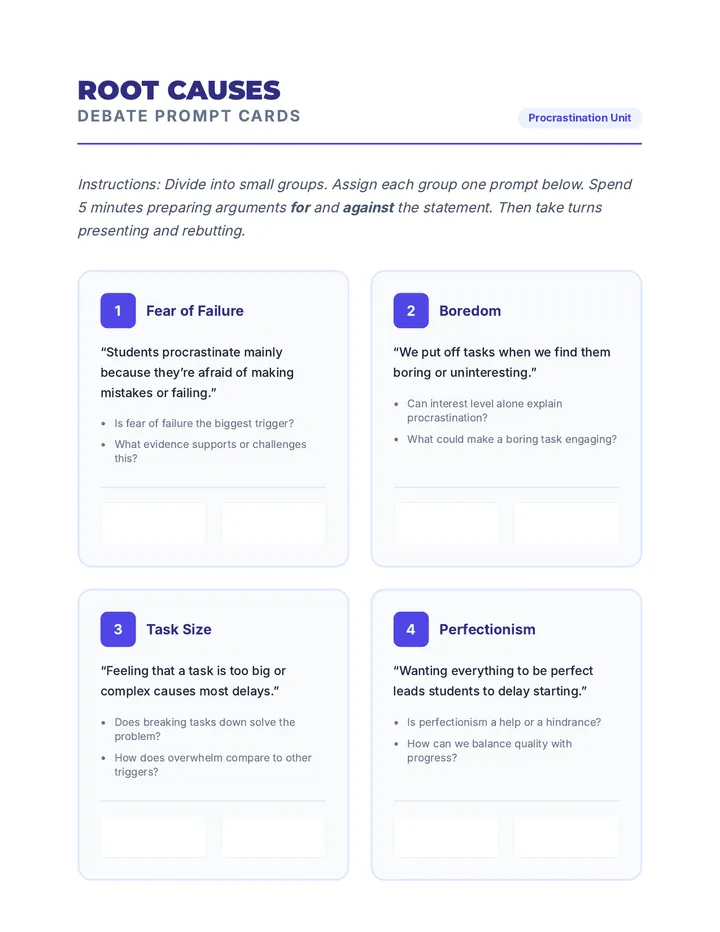
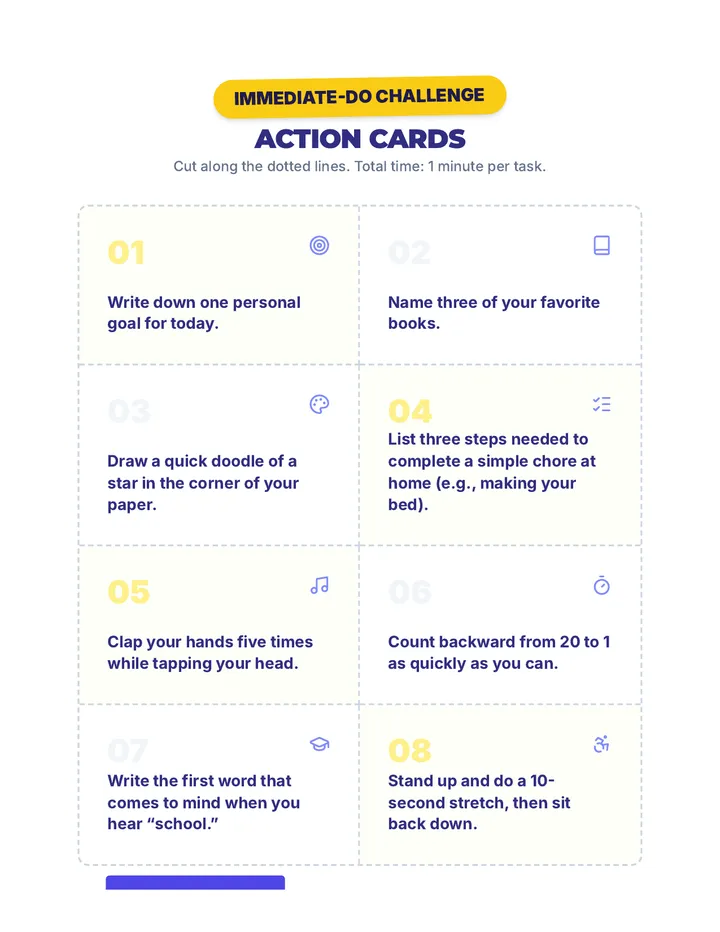
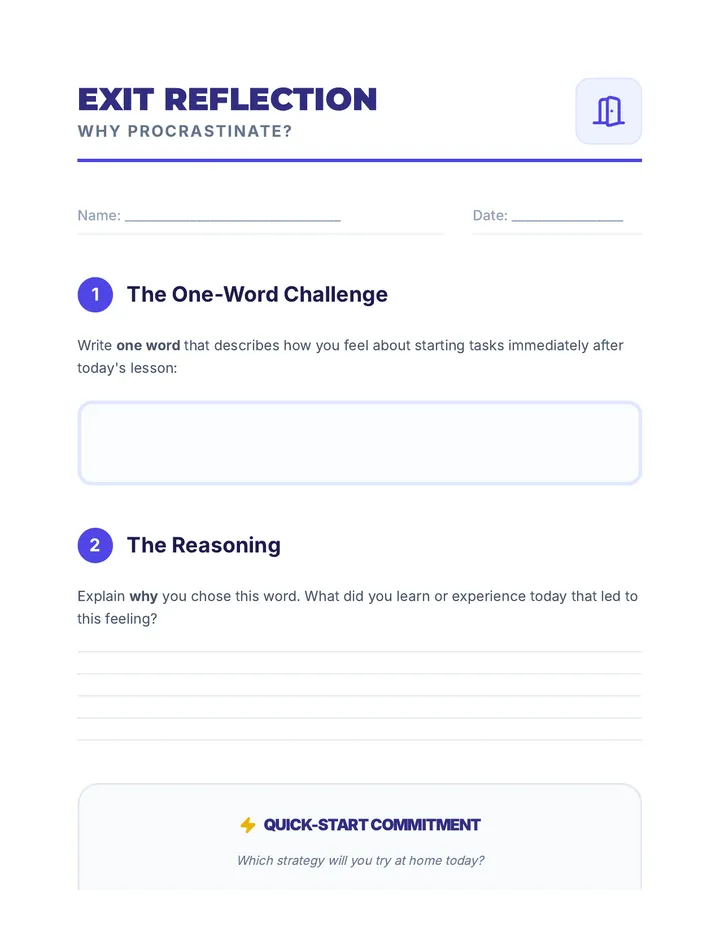
A 50-minute Tier 1 lesson for 7th graders that explores the psychological roots of procrastination and teaches immediate action techniques through a case study, debate, and hands-on challenge.
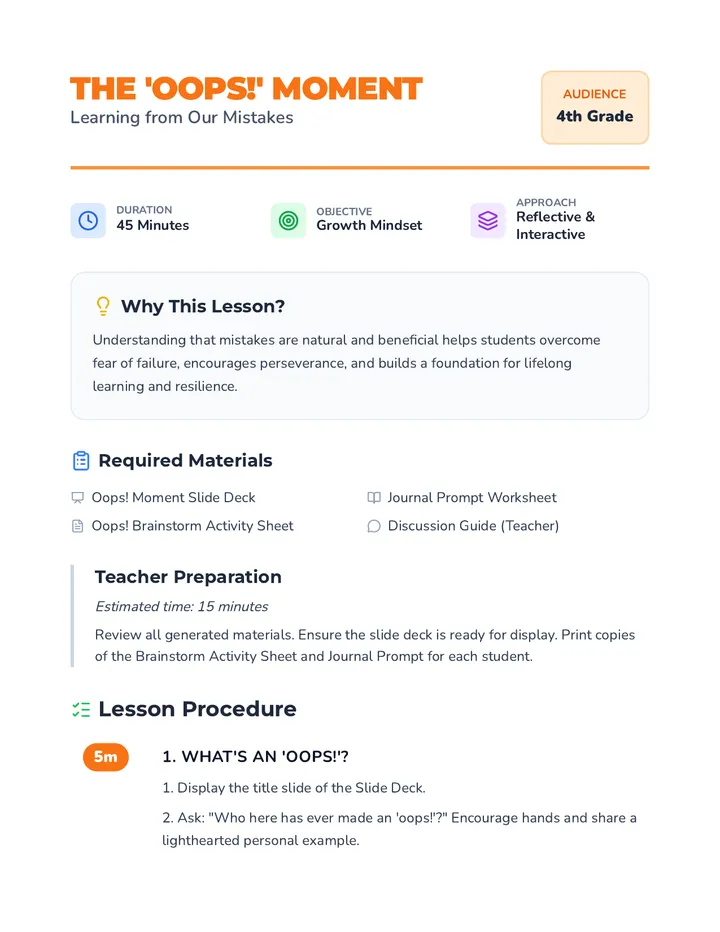
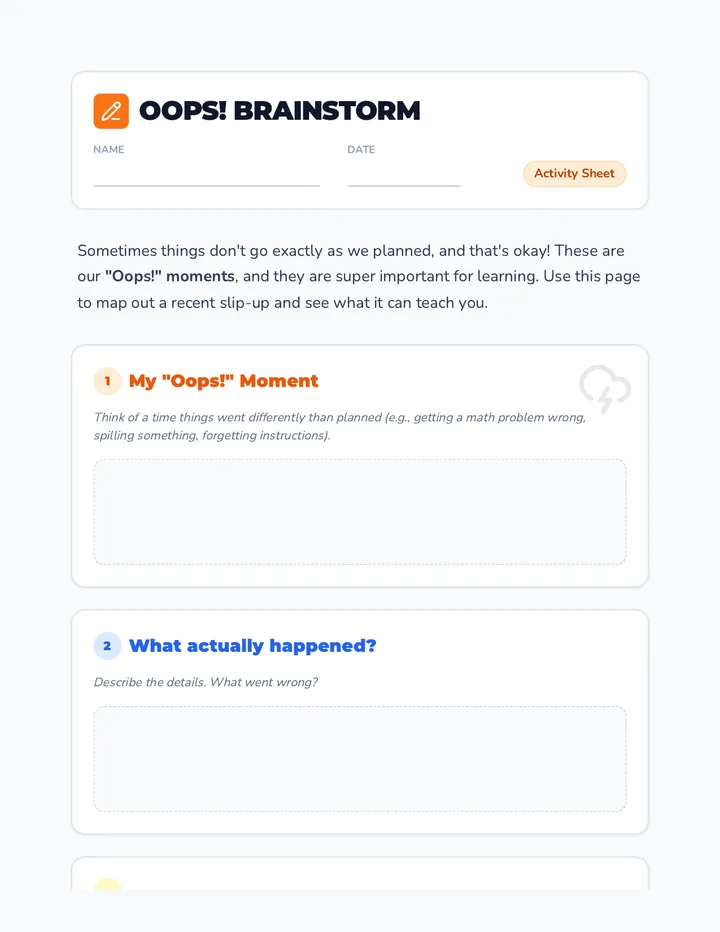
This lesson teaches 4th-grade students to view mistakes as opportunities for growth rather than sources of shame. The objective is to cultivate a growth mindset by helping students understand that everyone makes errors and that reflecting on these 'oops!' moments leads to valuable learning and resilience.
A Social-Emotional Learning lesson for 4th graders to develop empathy and perspective-taking skills through scenarios and role-play.
A 30-minute lesson for 7th-grade students to reframe failure as constructive feedback and foster a growth mindset through scenario analysis and reflection.
A 65-minute individual Tier 3 lesson for 12th graders to identify procrastination triggers and implement actionable strategies like the Pomodoro Technique and time blocking.
A 45-minute social-emotional learning lesson for 5th grade students to identify emotional triggers and practice cognitive reappraisal using the ABC model.
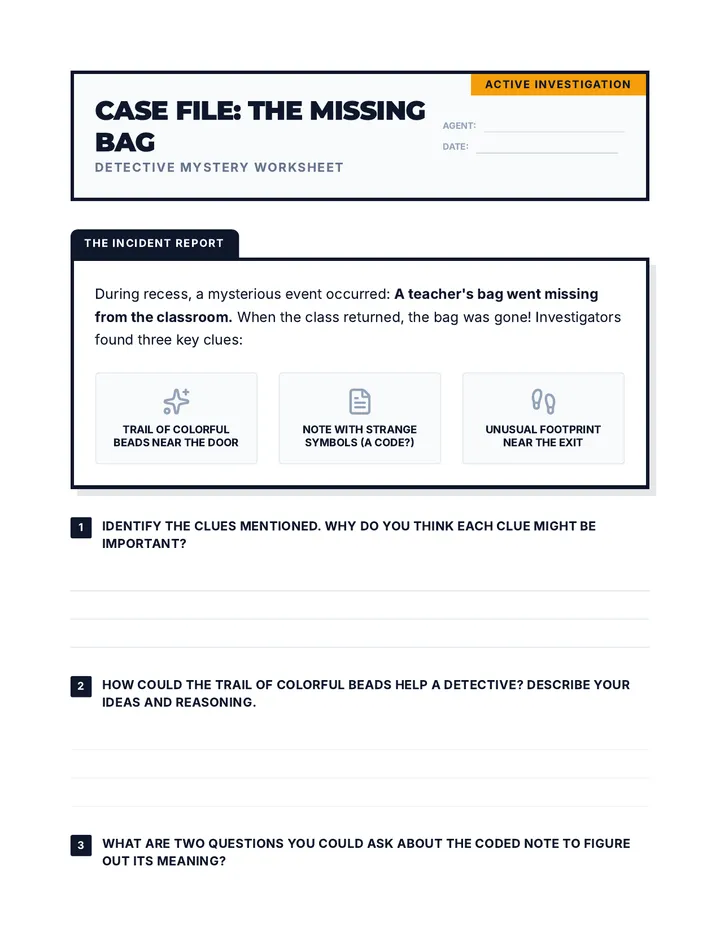
A 30-minute introductory lesson for 6th graders on evidence-based thinking and logical deduction using a detective mystery theme. Students practice observing clues, analyzing evidence, and drawing conclusions through interactive tasks and a case file simulation.
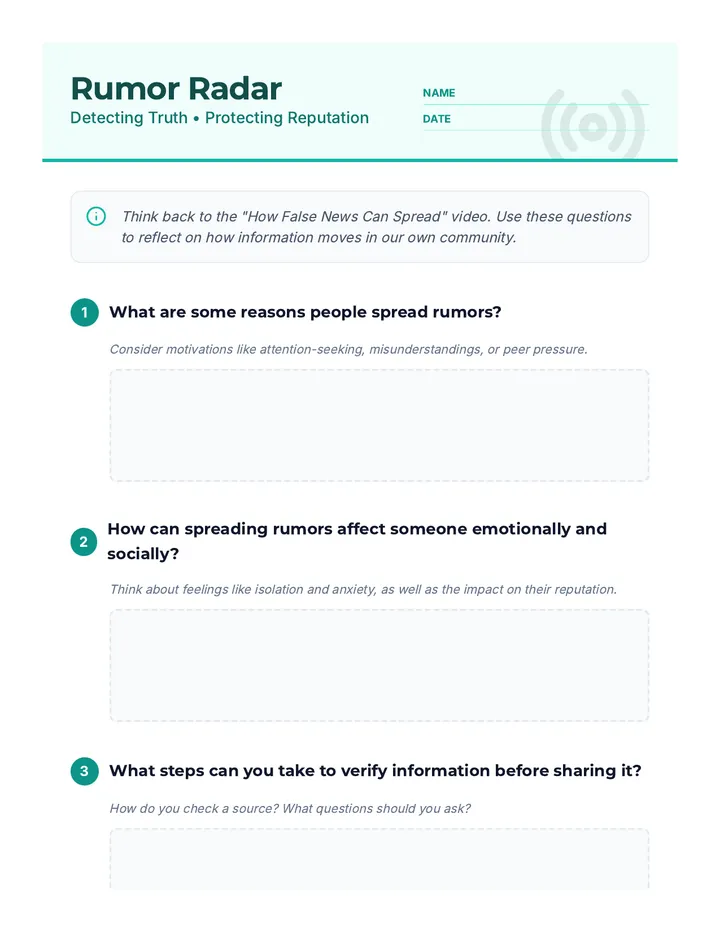
A 30-minute lesson for 7th grade girls exploring the mechanics of rumors, their social-emotional impact, and practical strategies for verifying information before sharing.
Students explore the intensity of their emotions using visual scales and "Feel-o-Meters." This lesson helps students move beyond simple labels to understand that emotions come in different sizes and intensities.
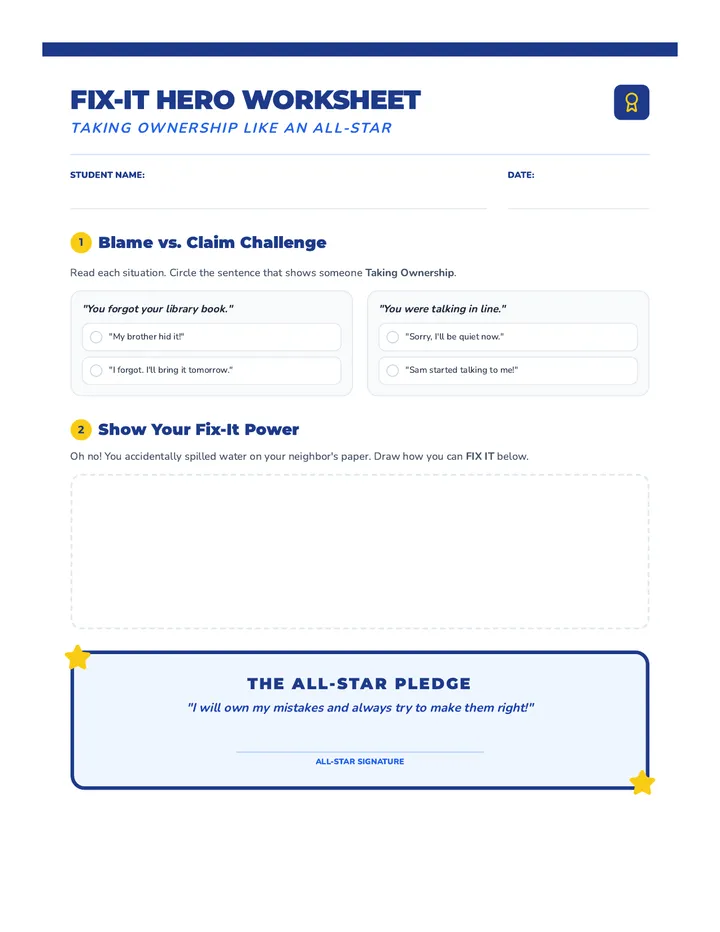
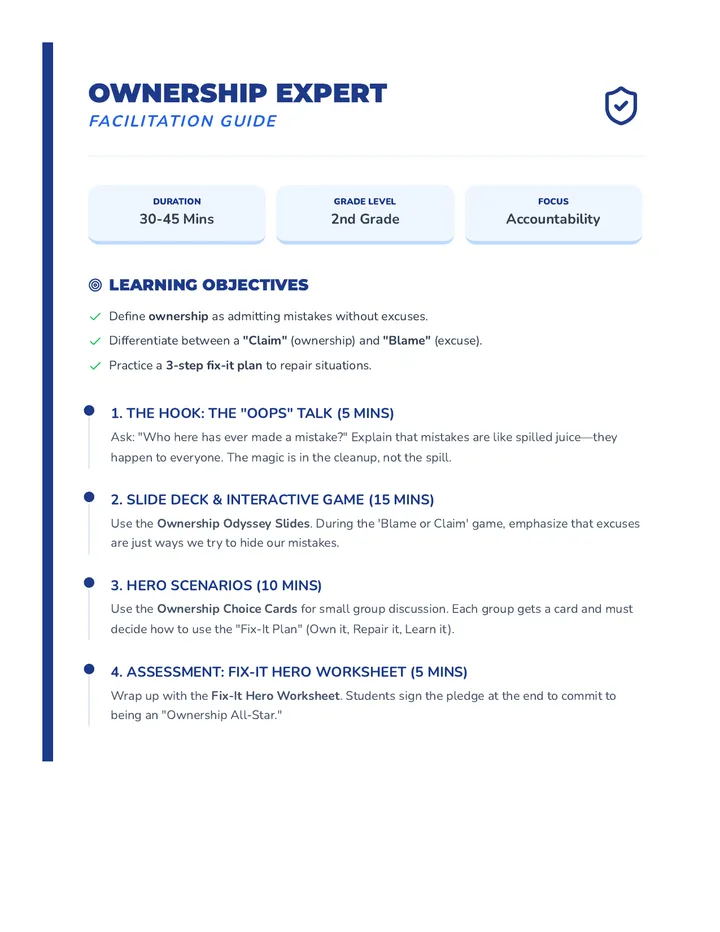
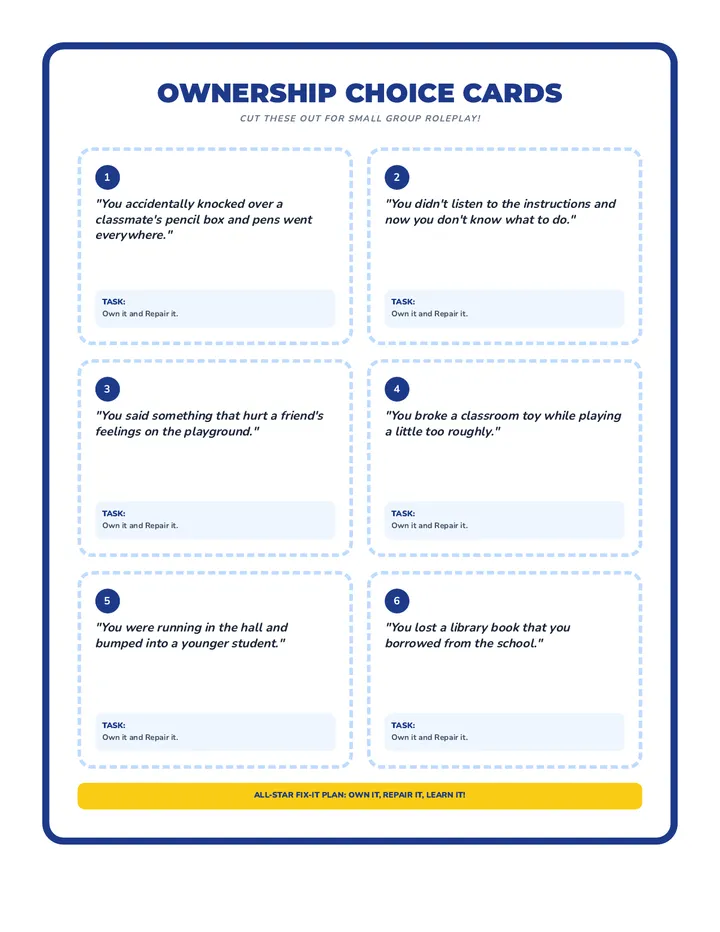
A 2nd-grade counseling lesson focused on the power of taking ownership for one's actions. Students learn to recognize the difference between making excuses and taking responsibility through interactive scenarios and 'Fix-it' strategies.
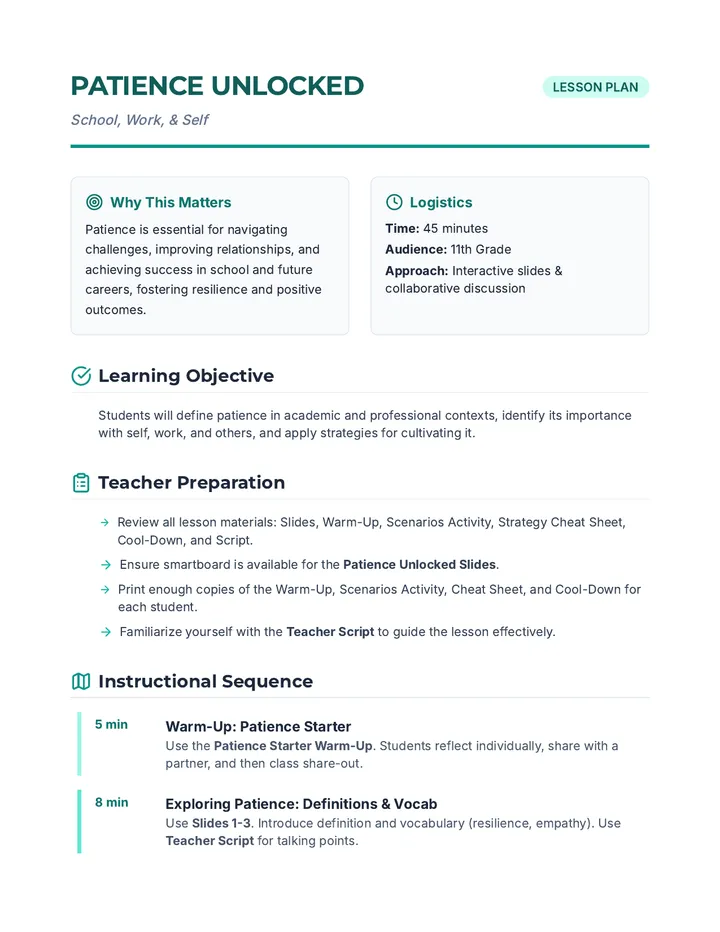
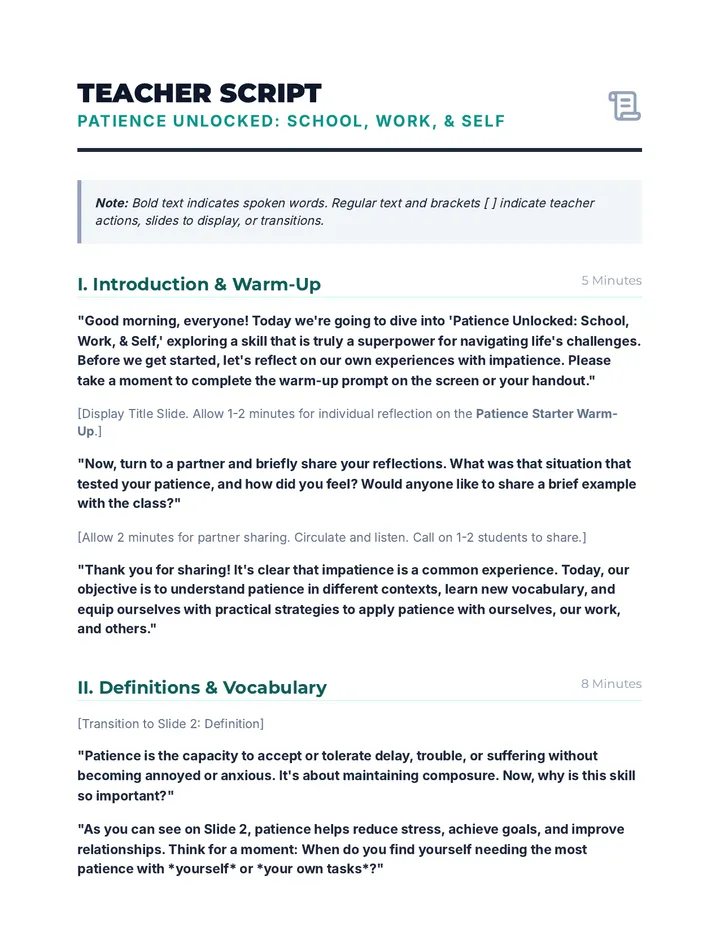
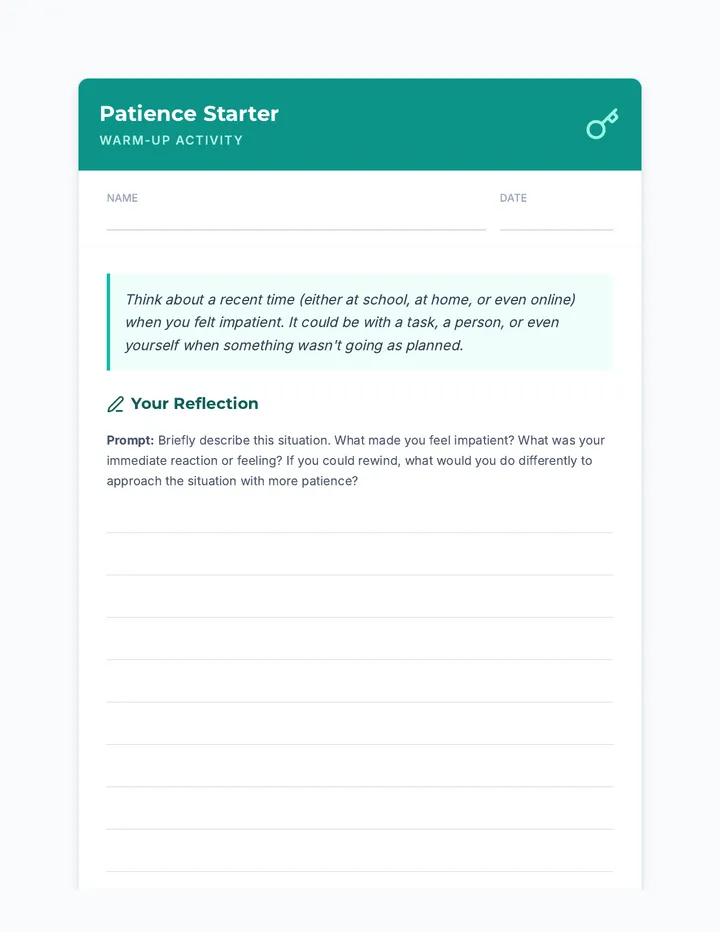
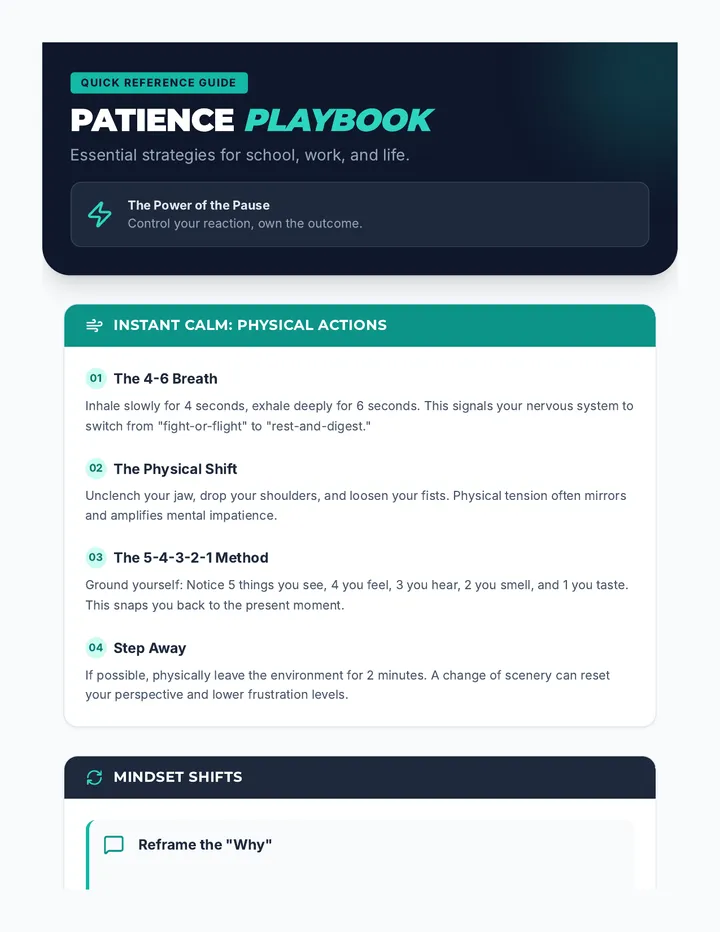
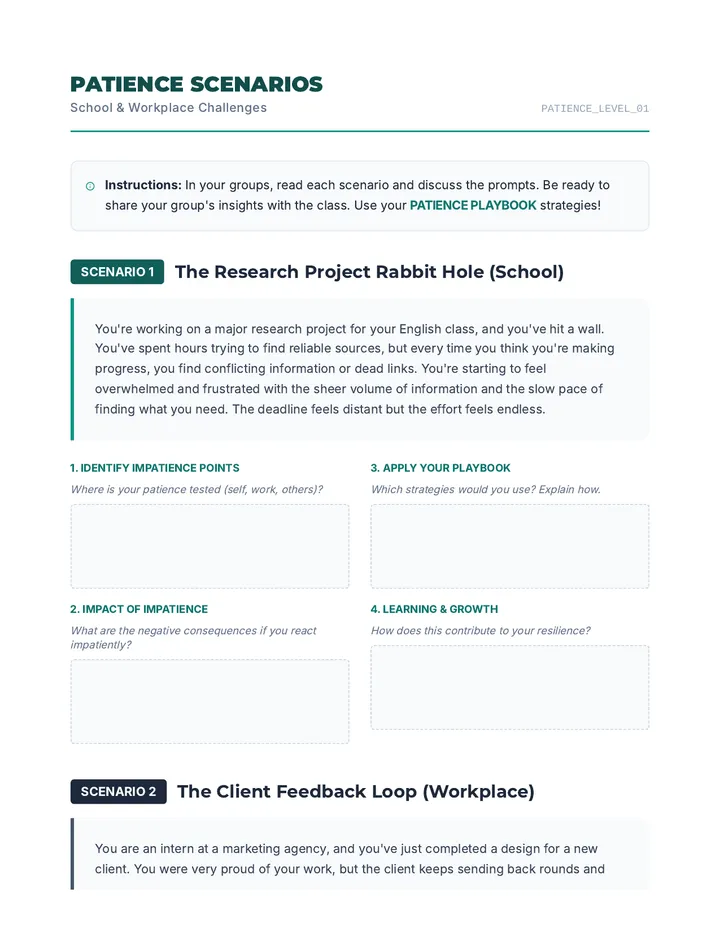
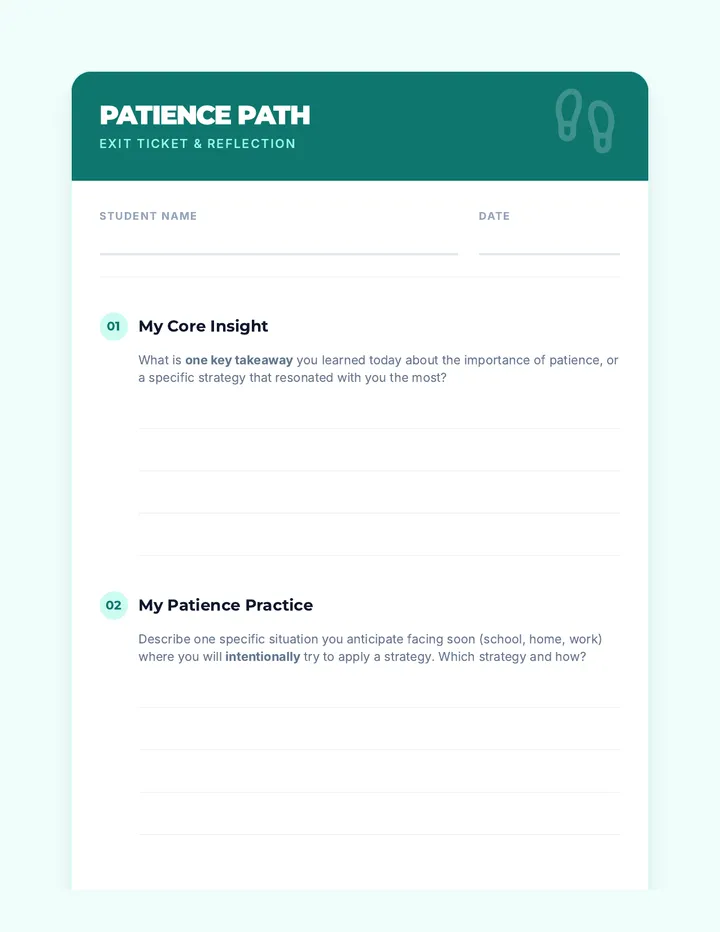
This lesson empowers 11th-grade students to cultivate patience as a critical skill in academic and professional settings. Students will explore strategies for managing impatience with themselves, their work, and others, fostering resilience and positive relationships.
A 45-minute lesson for 9th-grade students to master the Eisenhower Matrix, learning to distinguish between urgent and important tasks to boost efficiency and reduce stress.
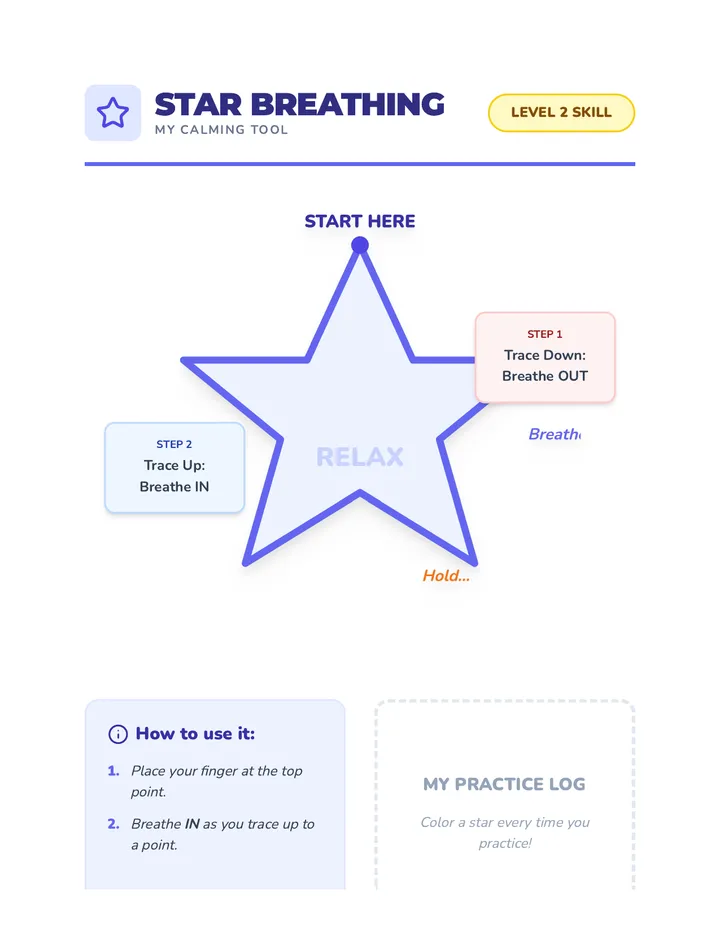
Students will identify physical signs of stress and learn three concrete 'superpower' coping strategies: deep breathing, positive self-talk, and movement. The lesson concludes with a collaborative activity to build a classroom 'Calm Corner'.
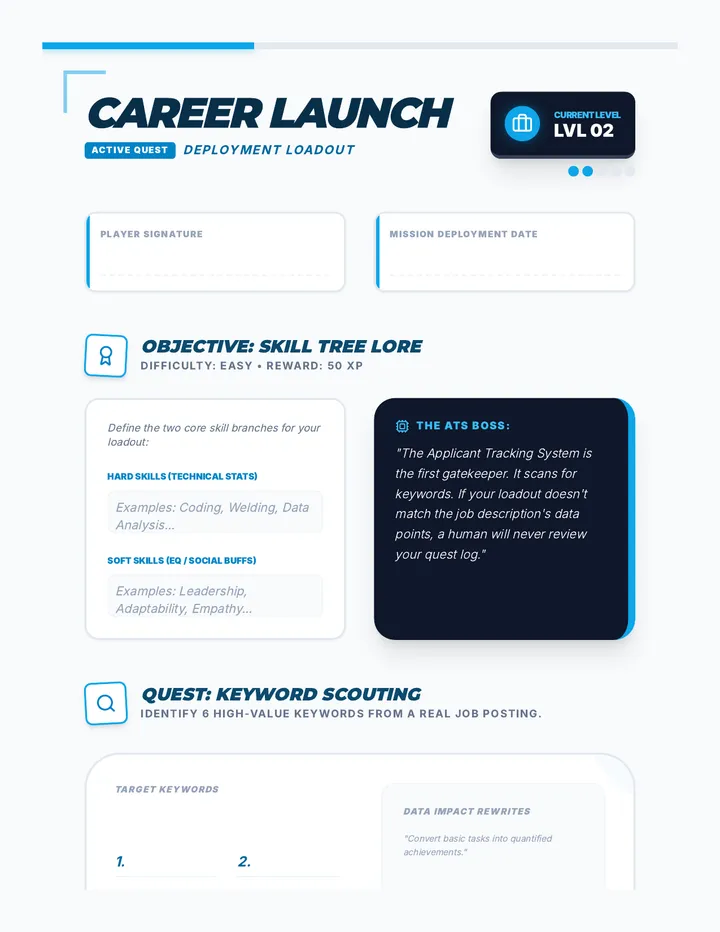
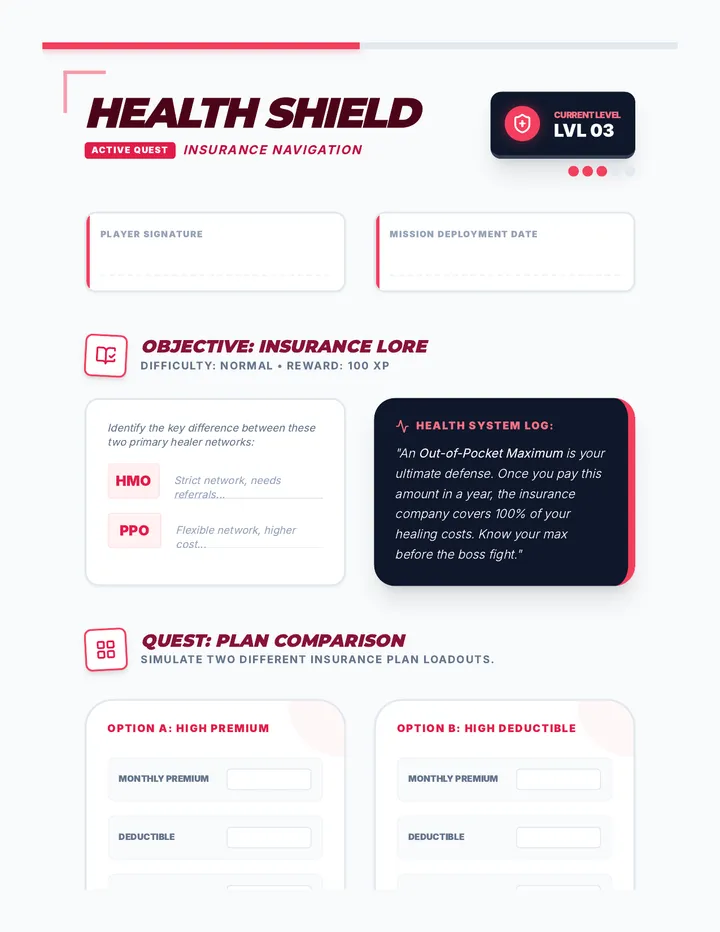
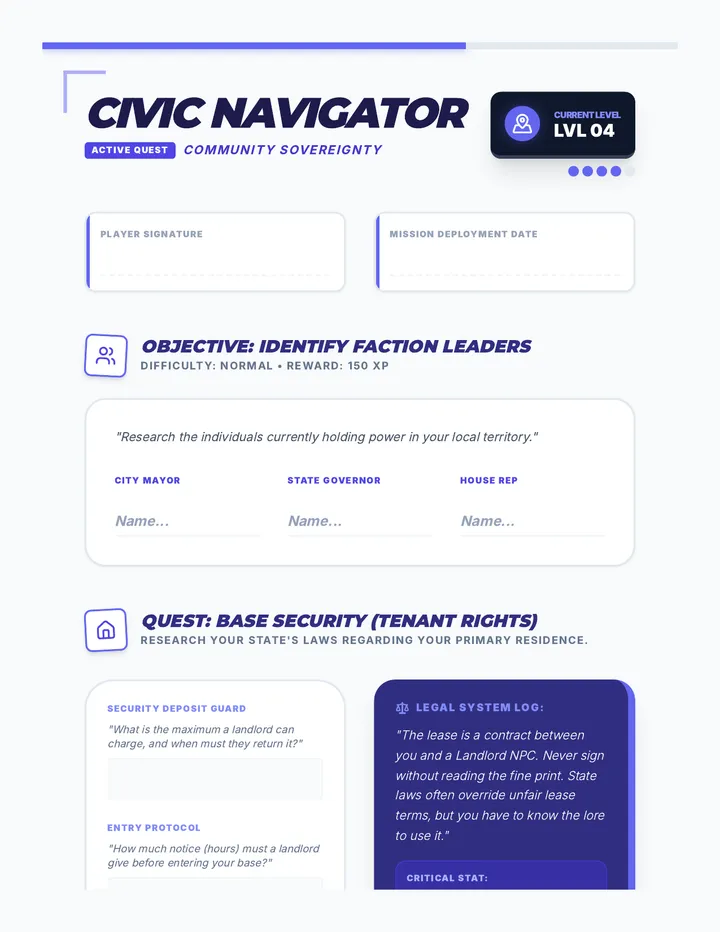
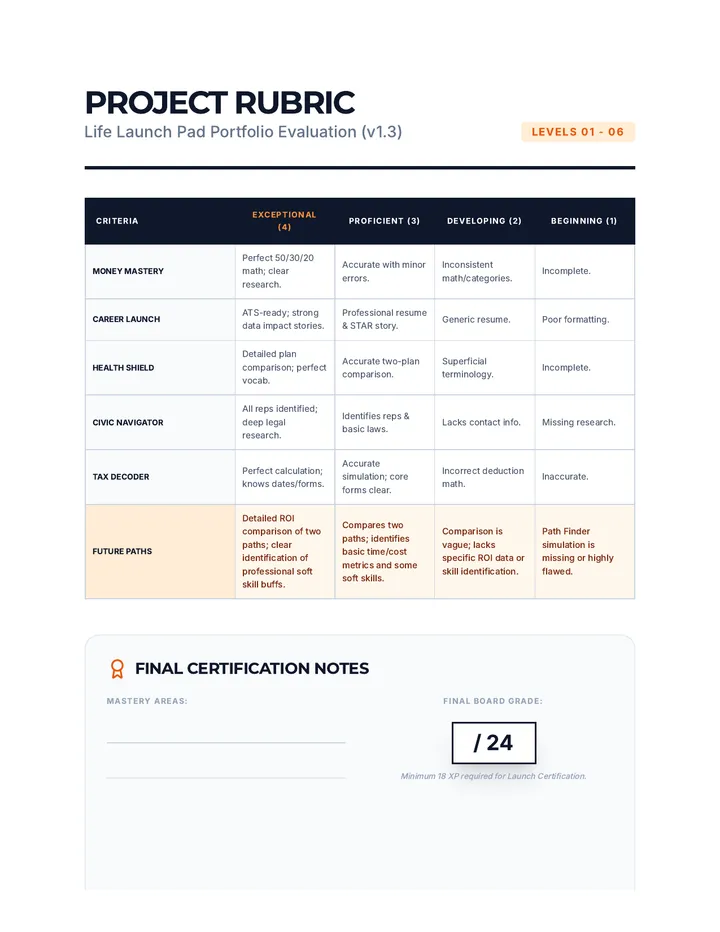
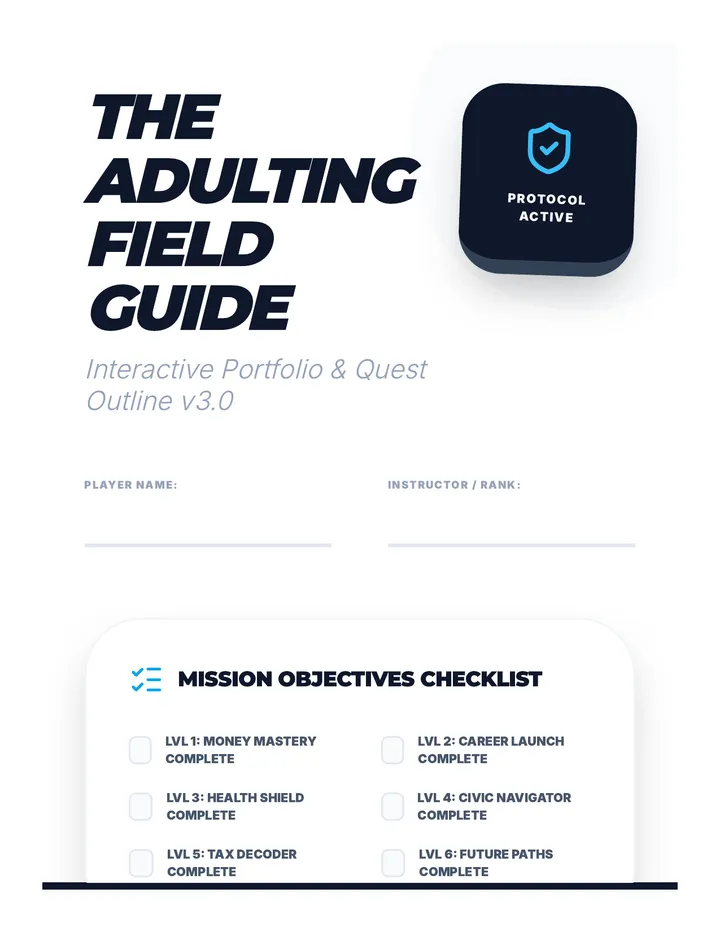
A comprehensive guide to essential adulting skills covering financial literacy, career development, health navigation, and civic responsibilities.
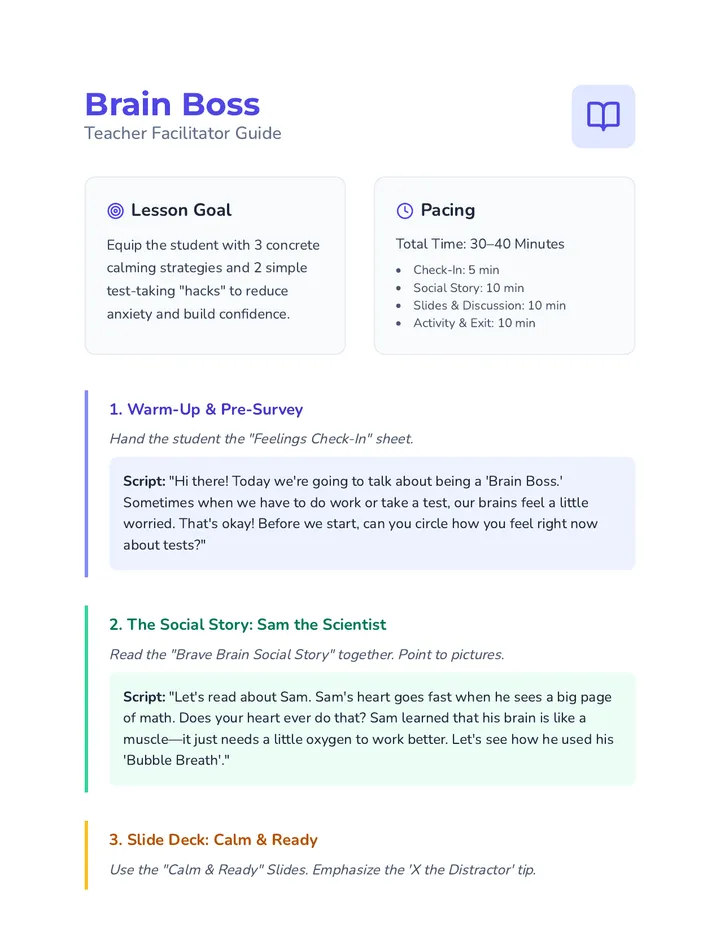
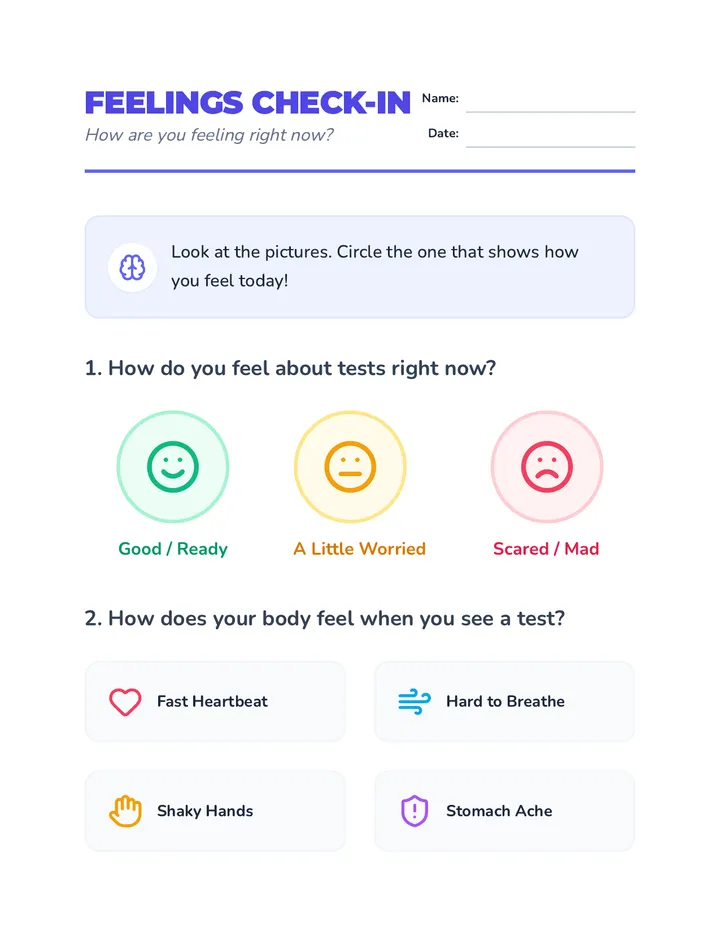
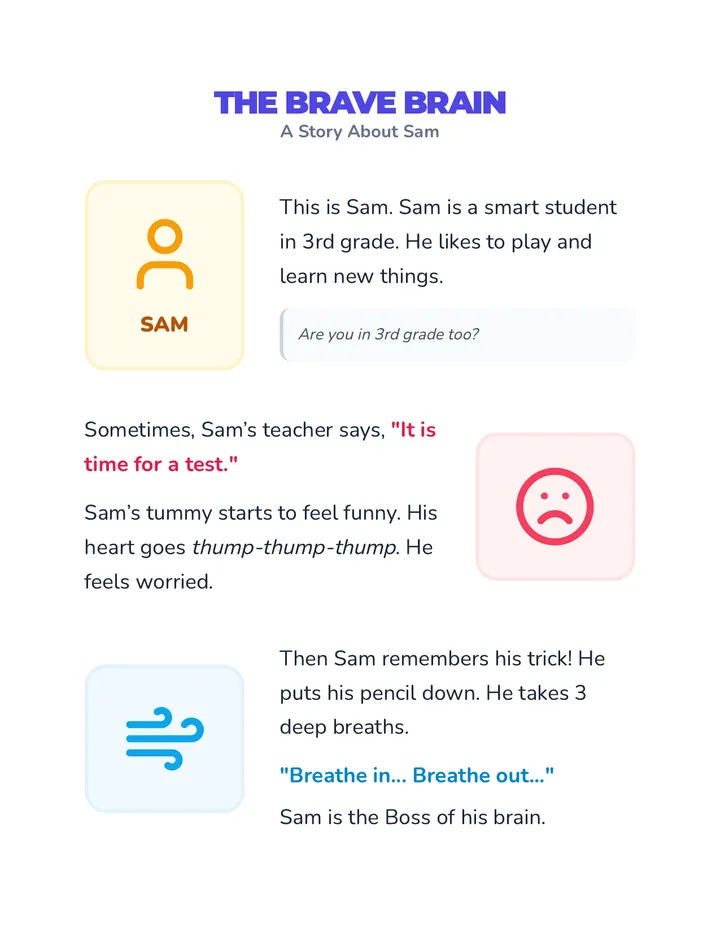
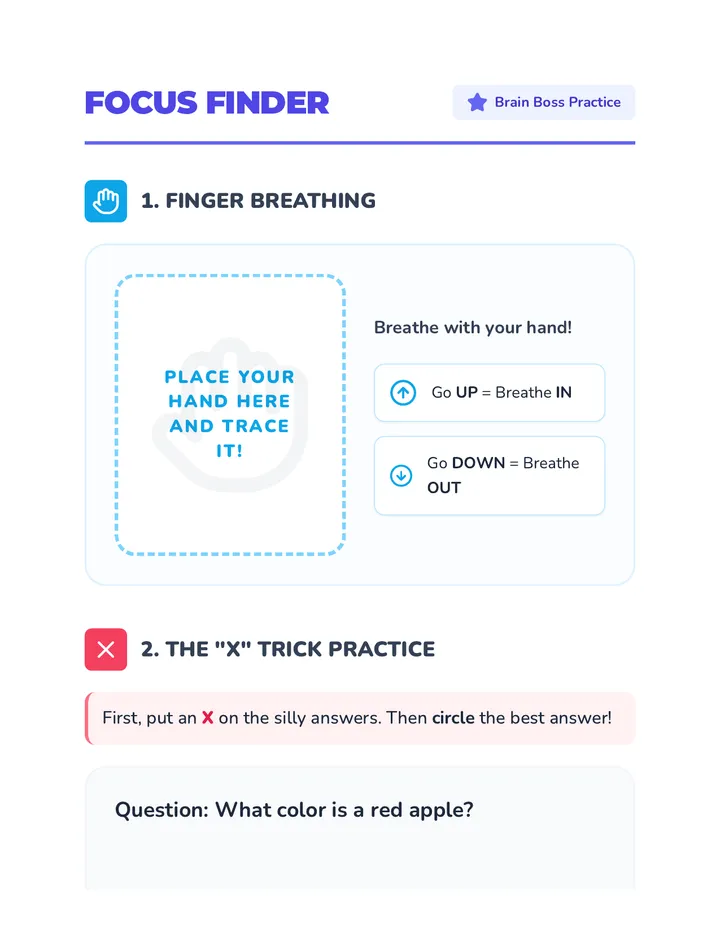
An individual lesson designed for a 3rd-grade student to manage test anxiety through calming strategies, simple test-taking tips, and confidence-building activities. The lesson is tailored for students with low reading and math foundational skills, emphasizing visual support and manageable steps.
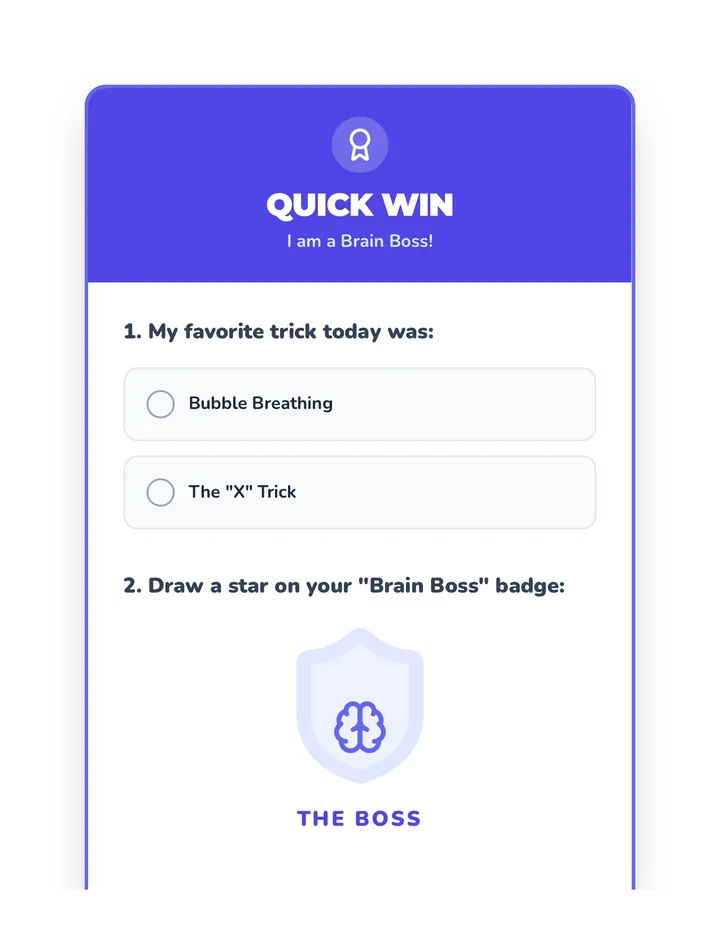
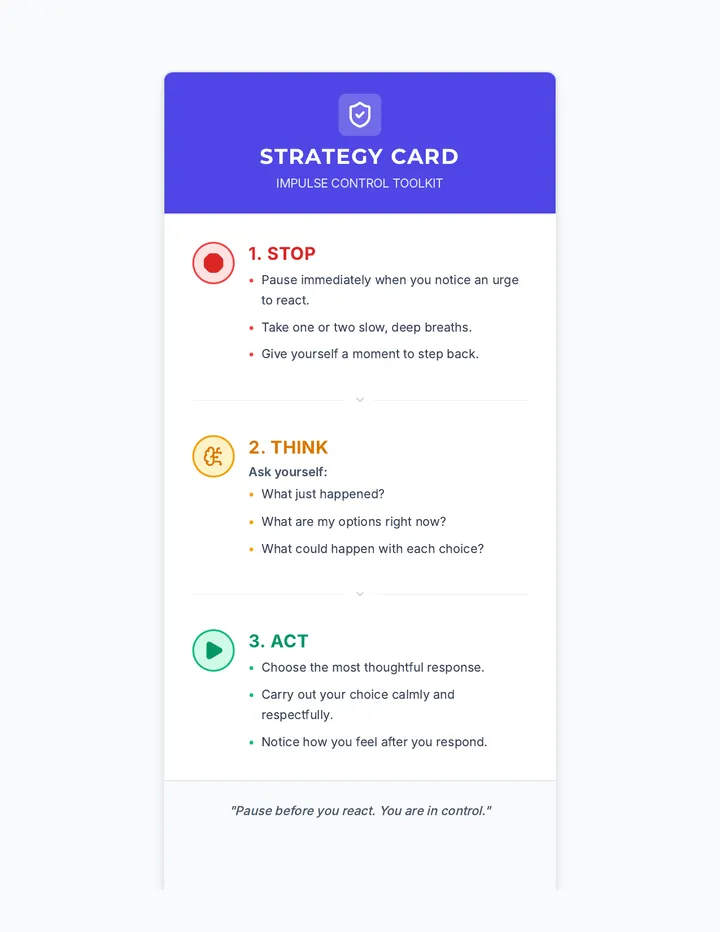
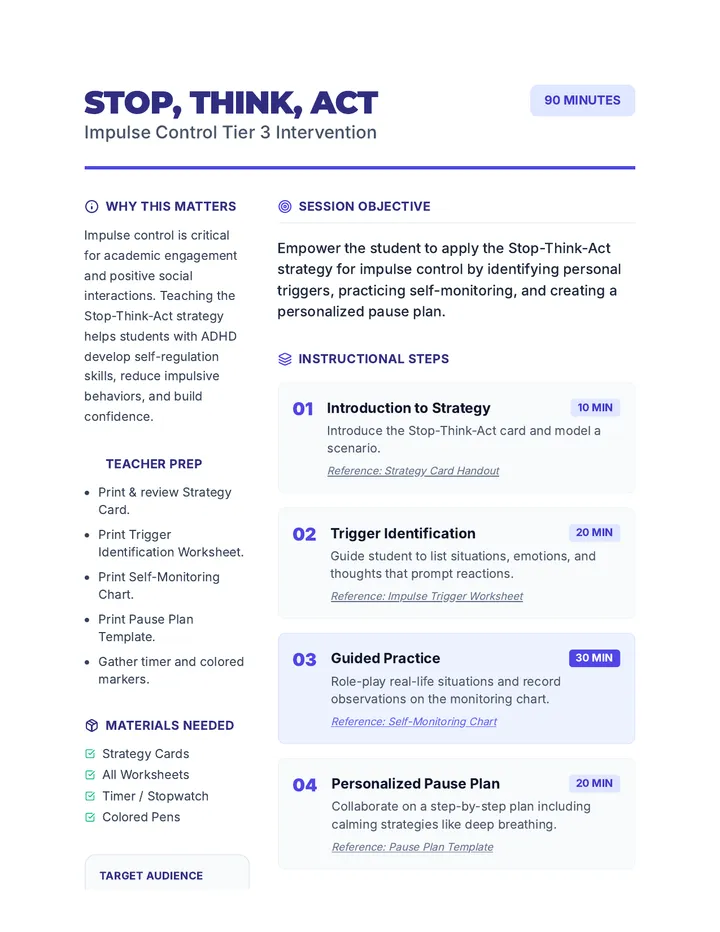
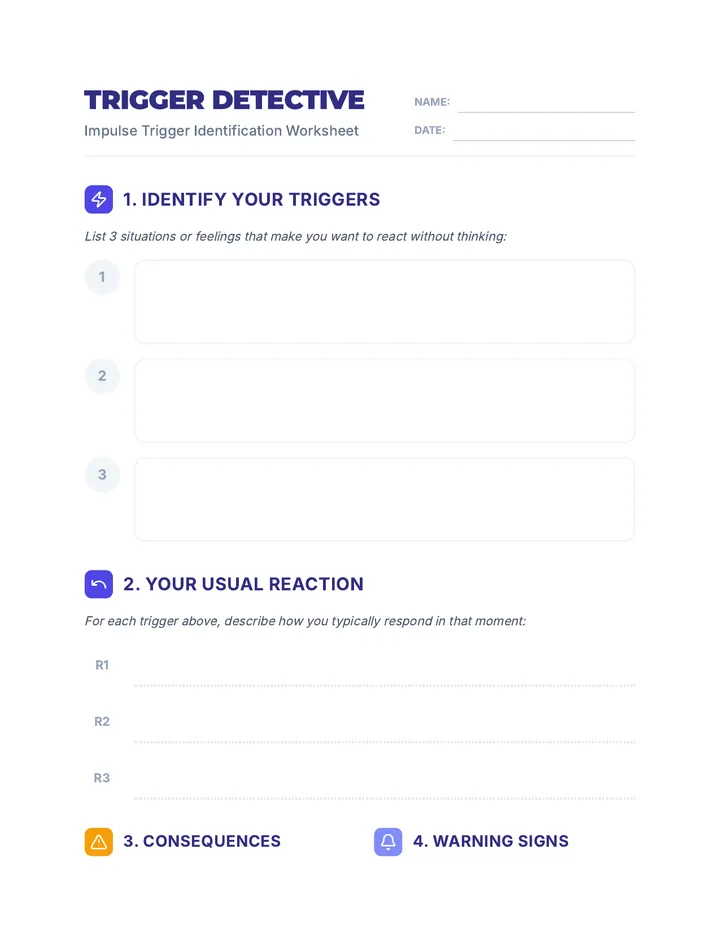
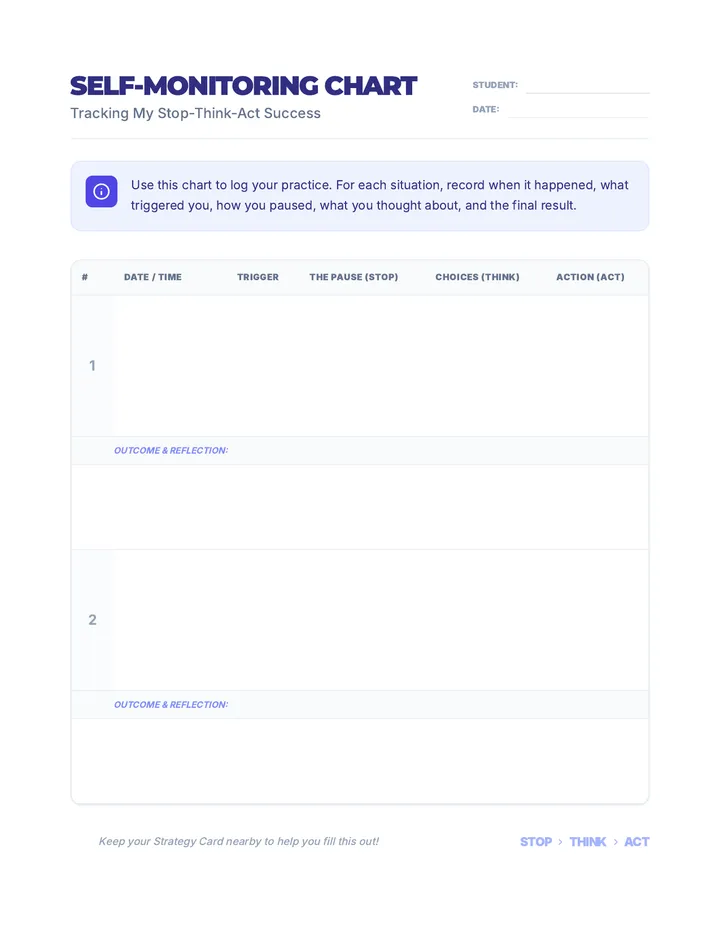
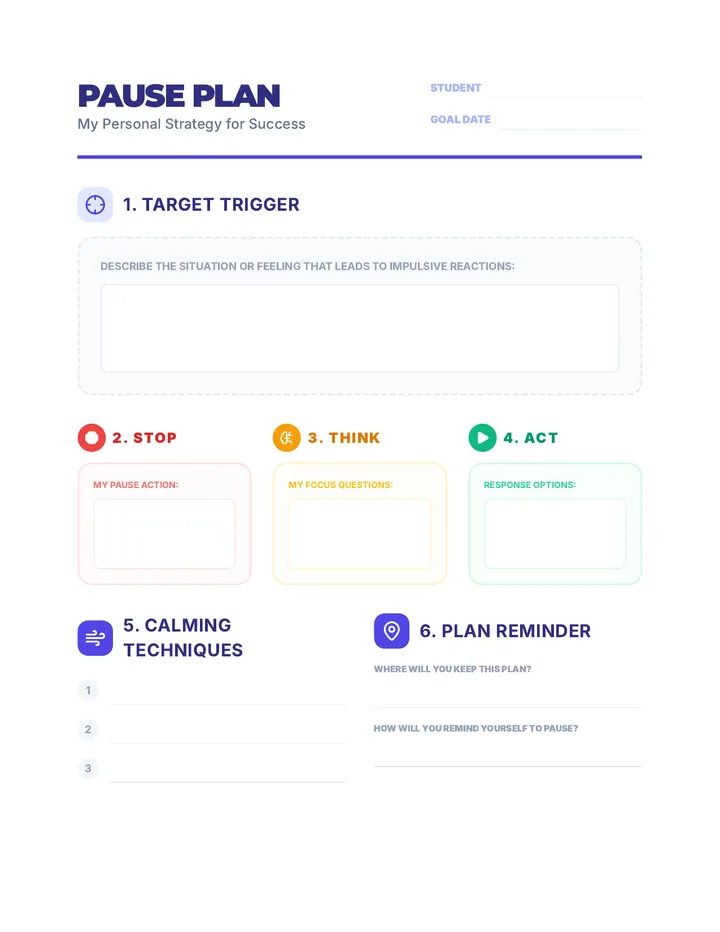
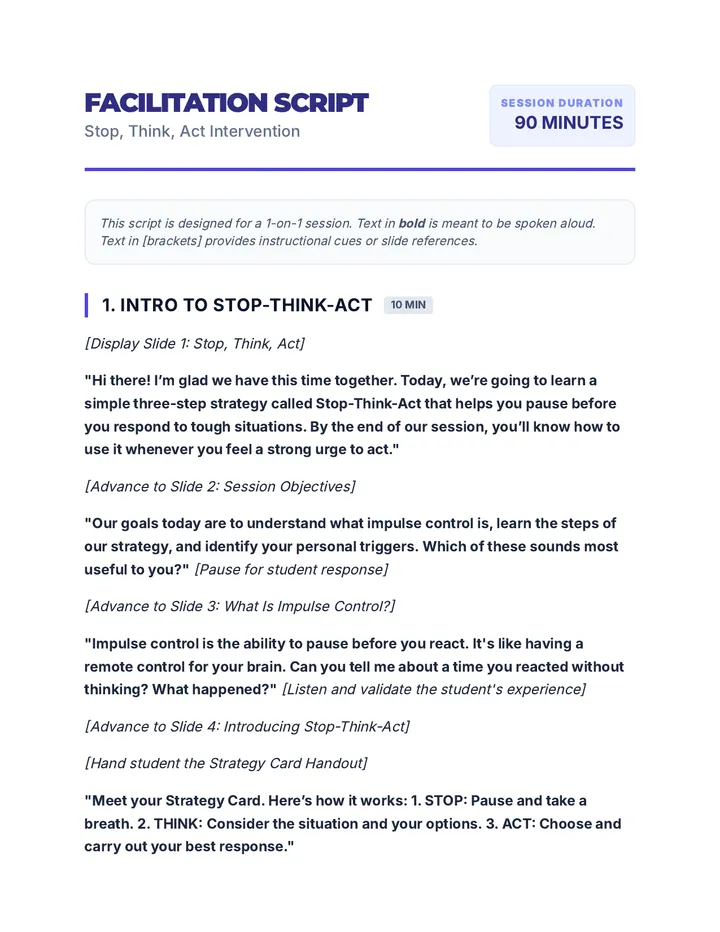
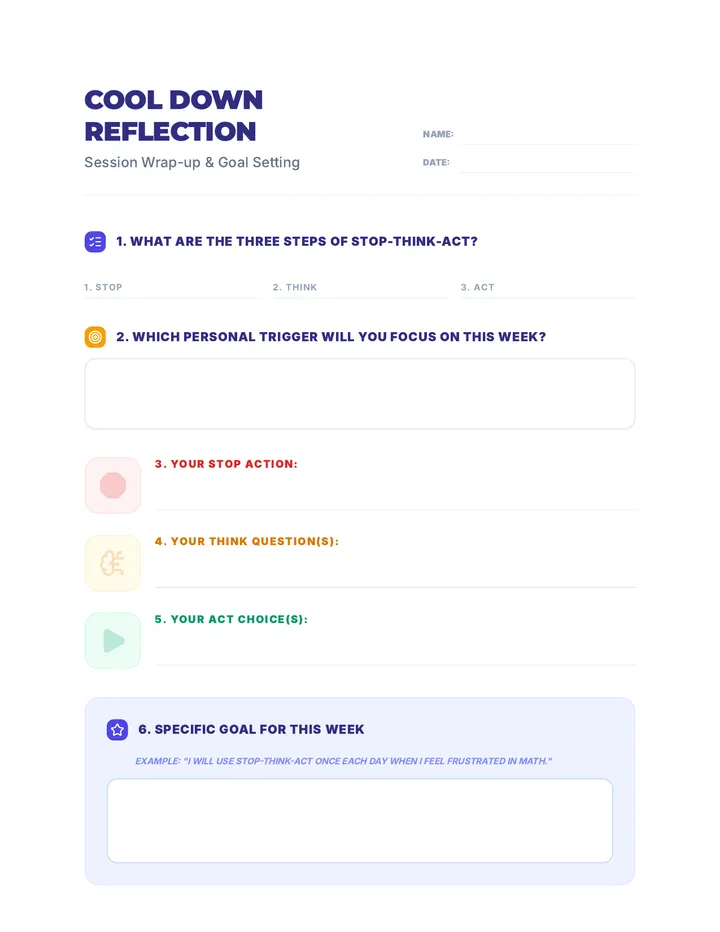
A 90-minute intensive Tier 3 intervention for 7th grade students with ADHD, focusing on the Stop-Think-Act strategy to build impulse control and self-regulation skills.
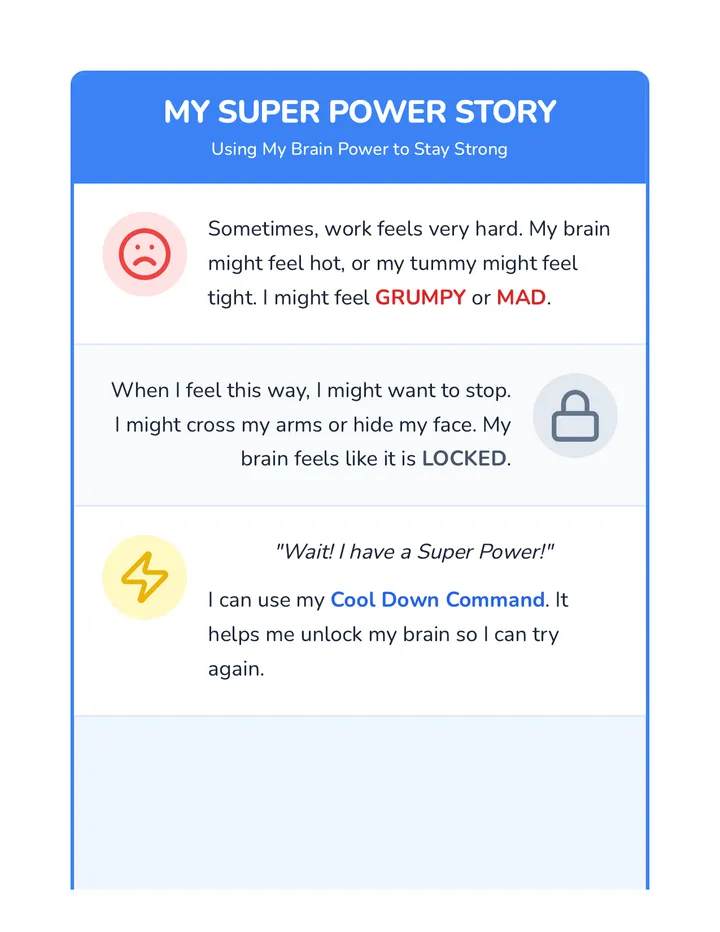
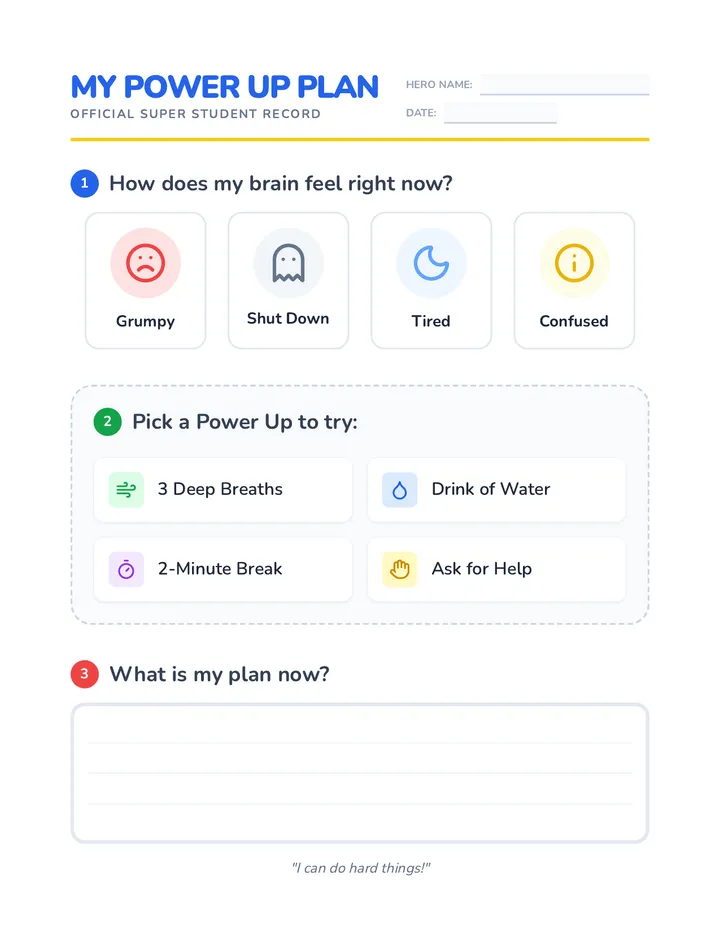
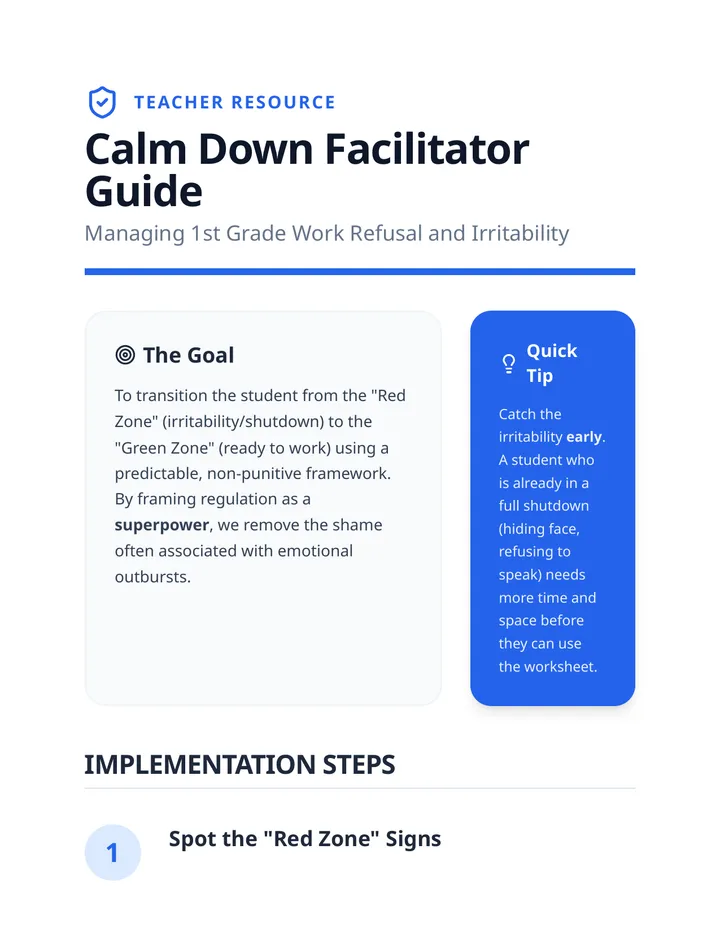
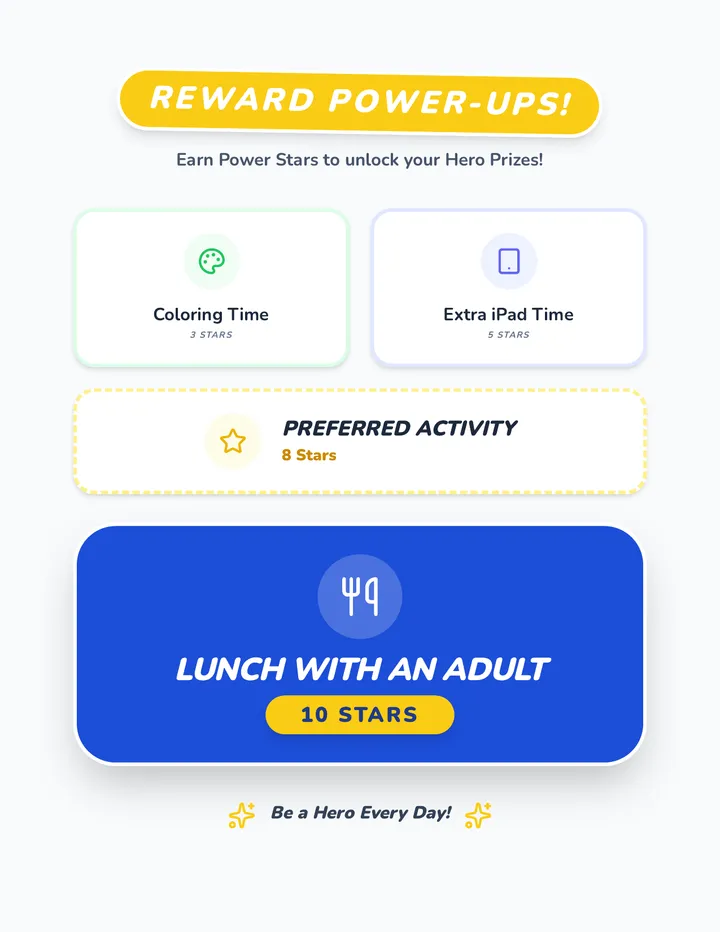
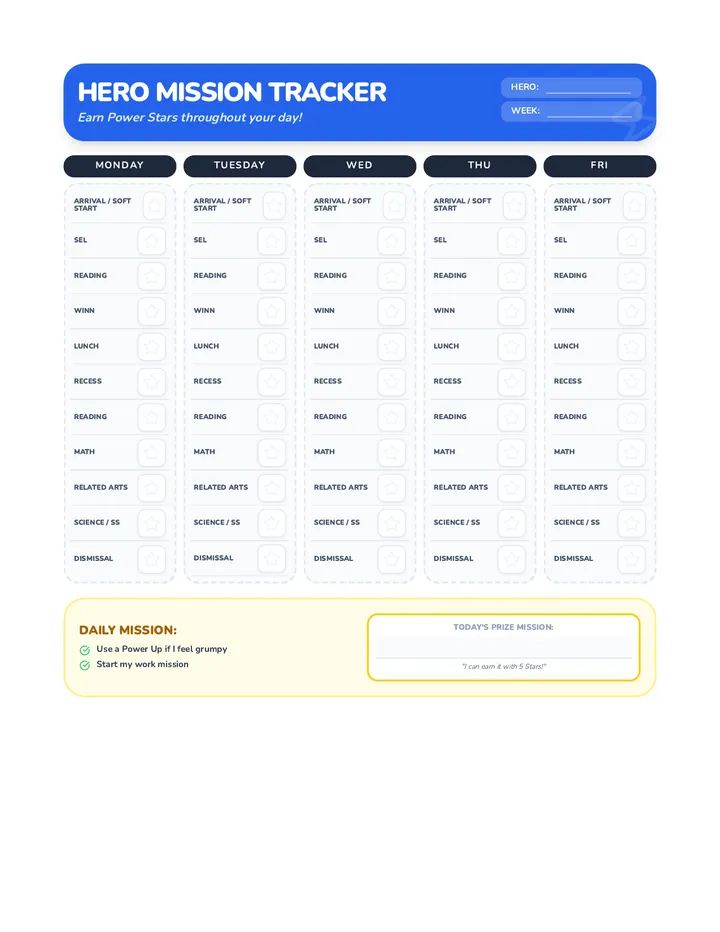
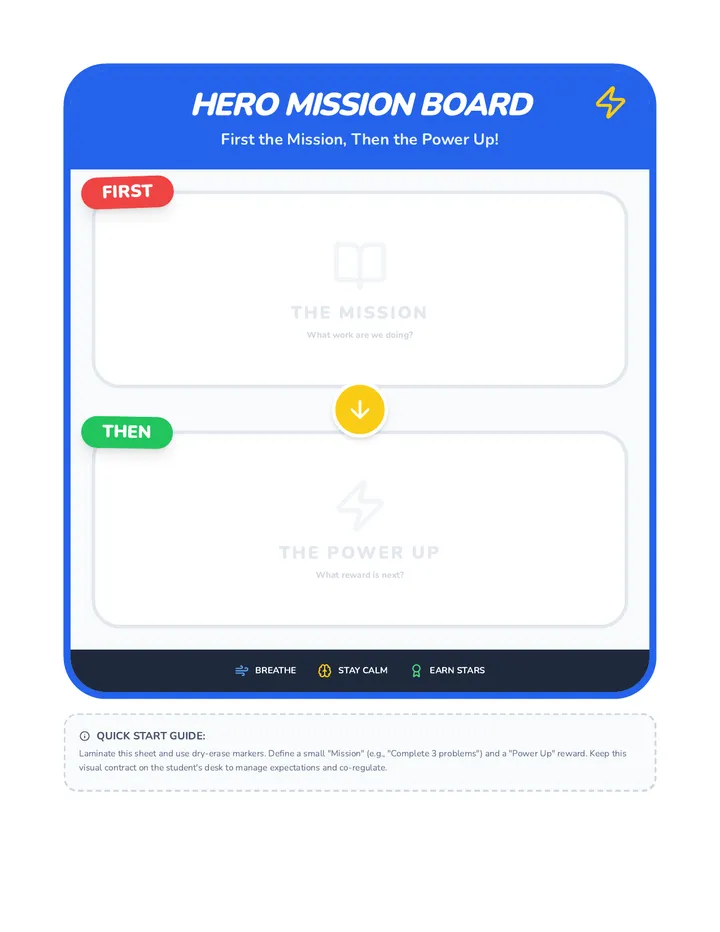
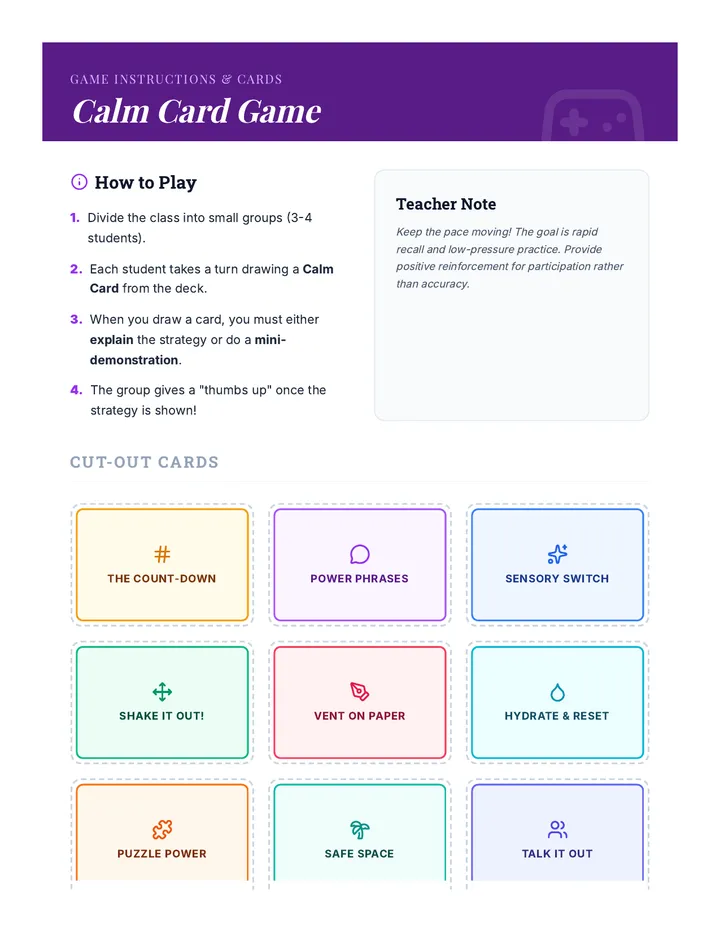
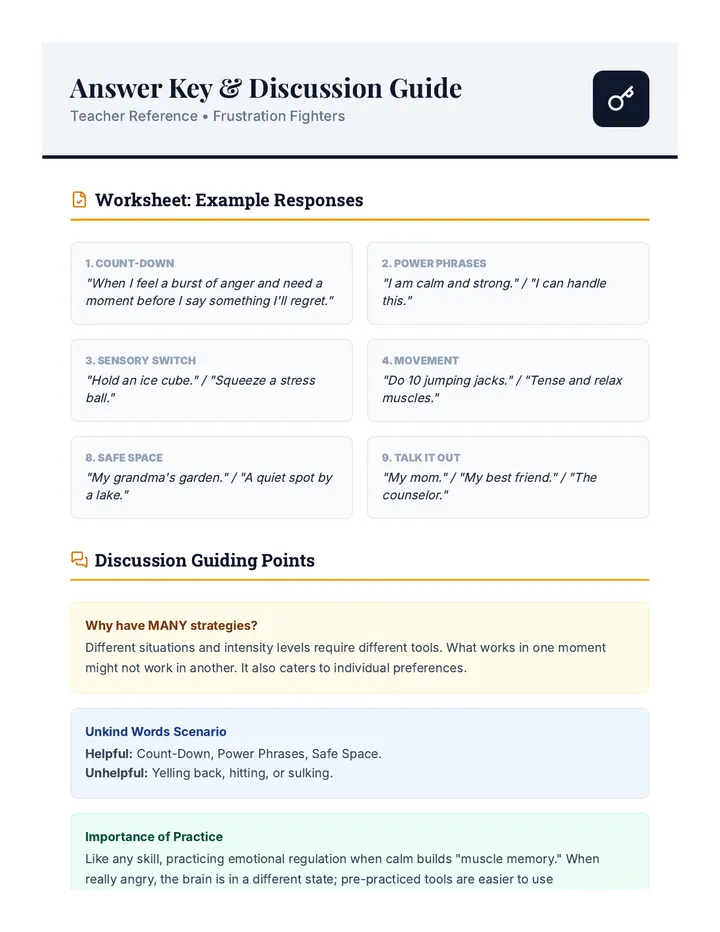
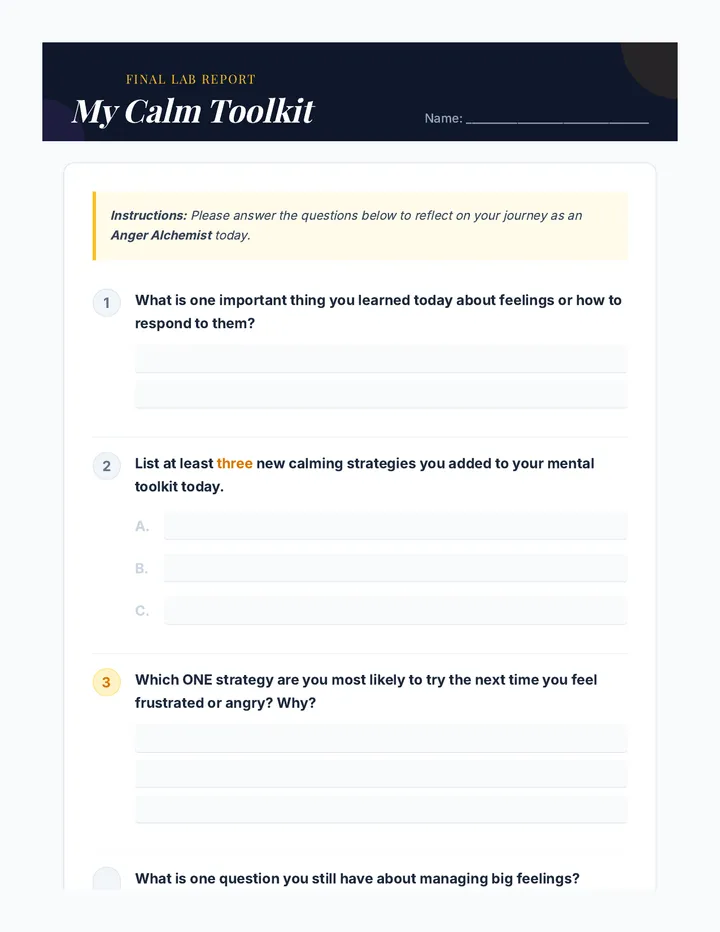
A collection of resources designed to help 1st-grade students navigate feelings of frustration and work refusal. These materials use a 'Superpower' theme to frame emotional regulation as a skill they can practice and master.
A PBIS-focused lesson set designed to promote positive behavior during recess, including printable incentive tickets and a guide for consistent implementation by school staff.
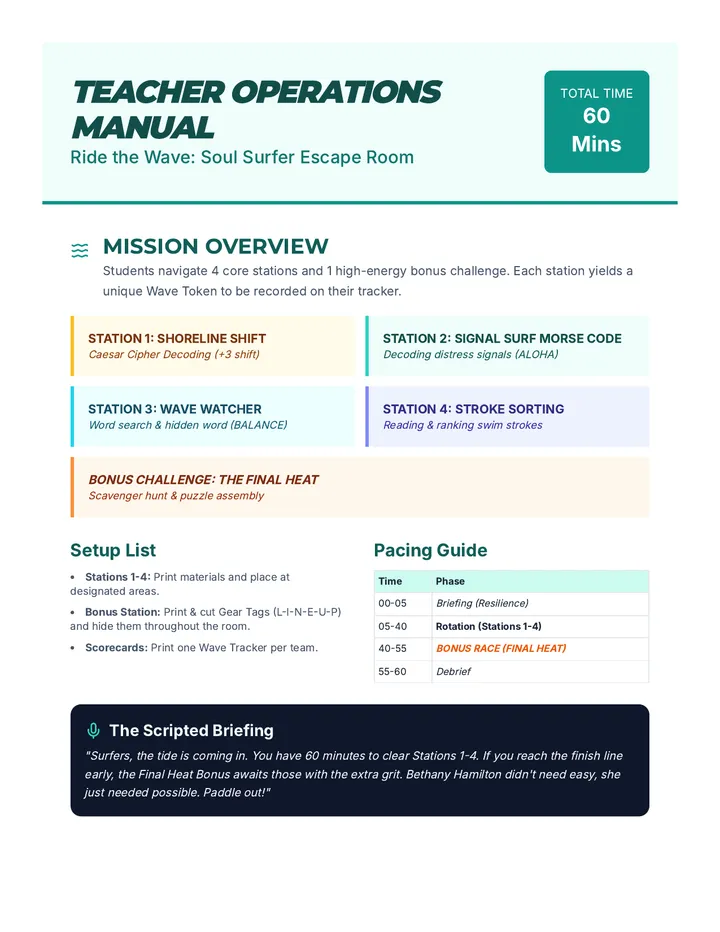
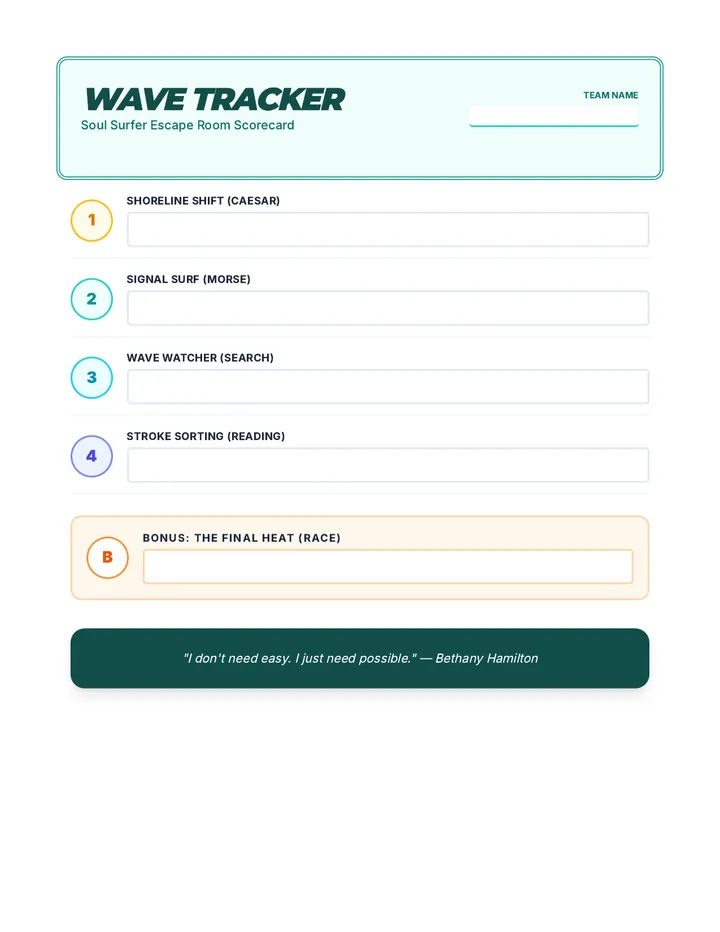
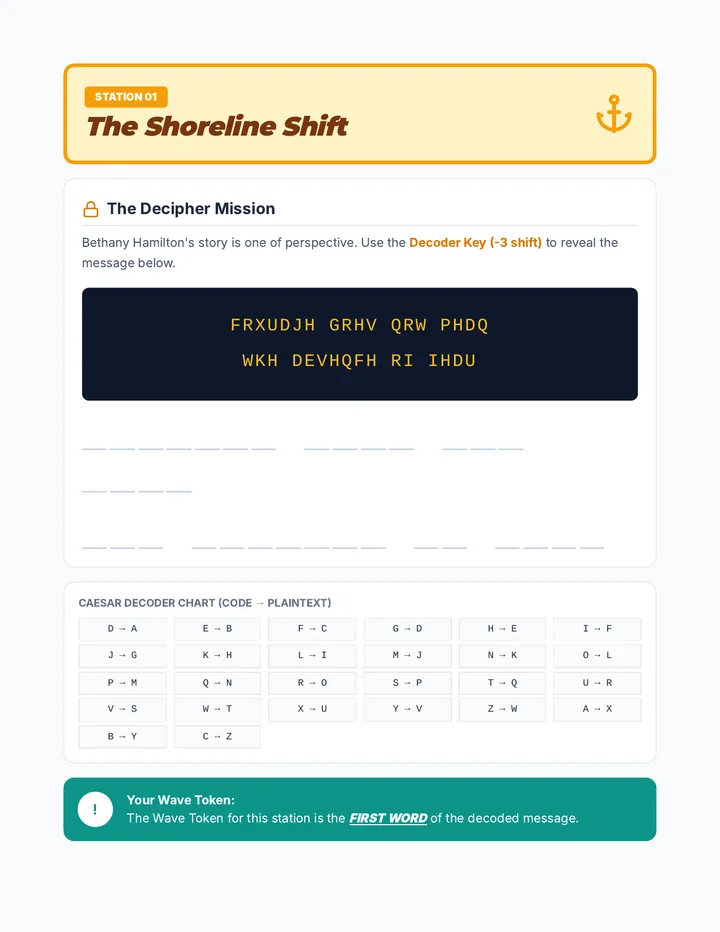
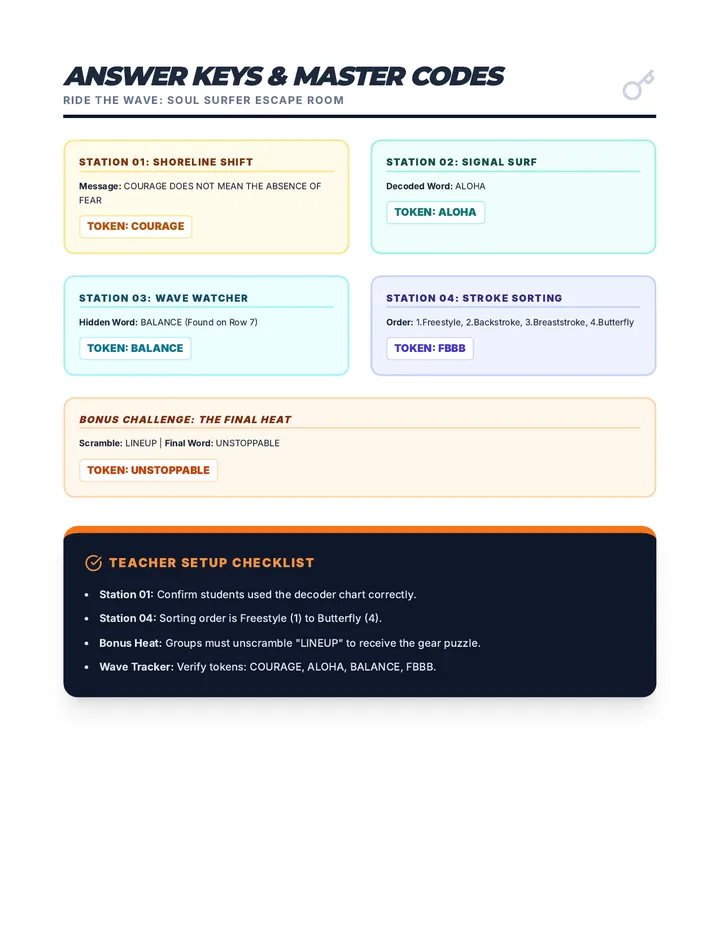
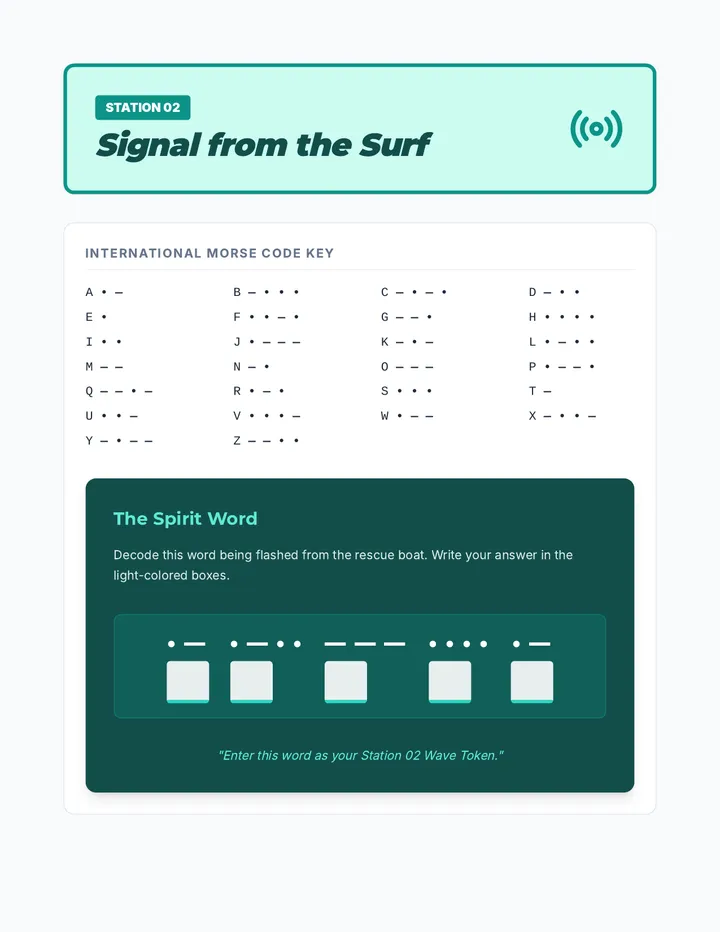
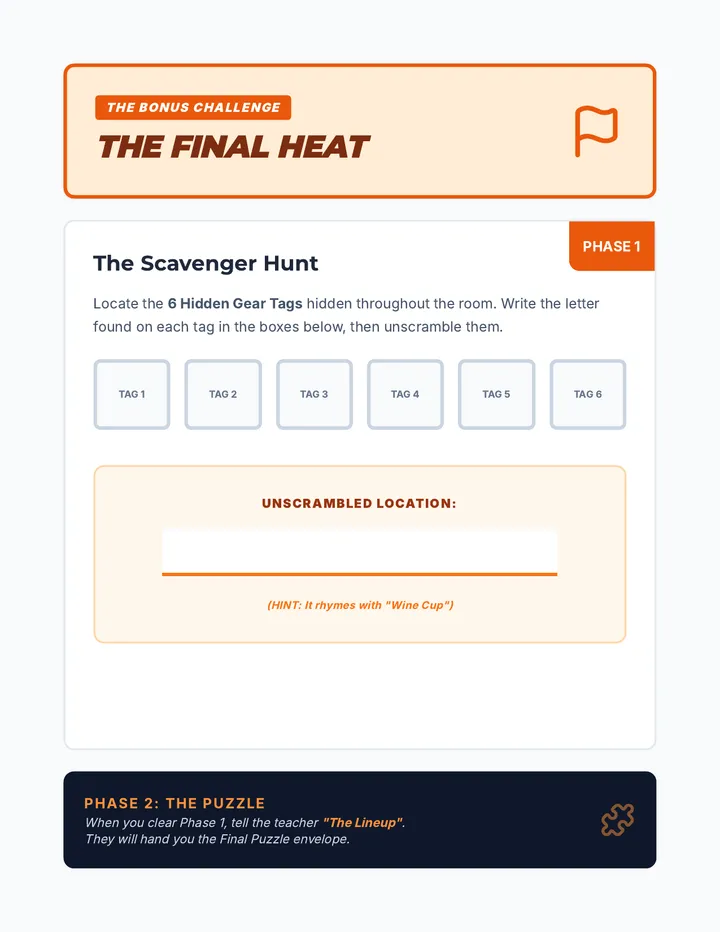
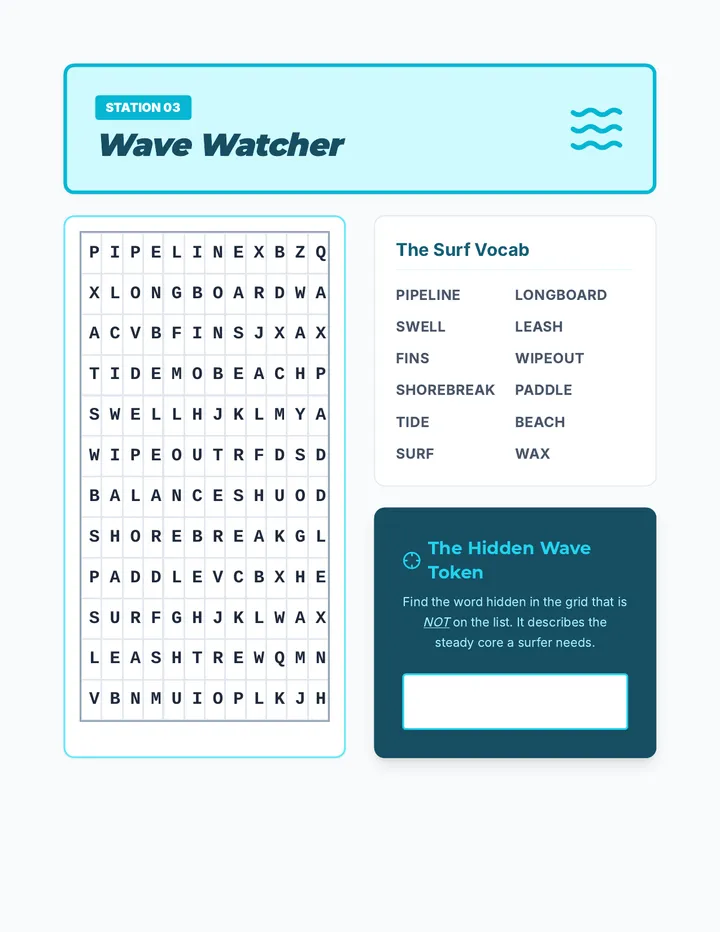
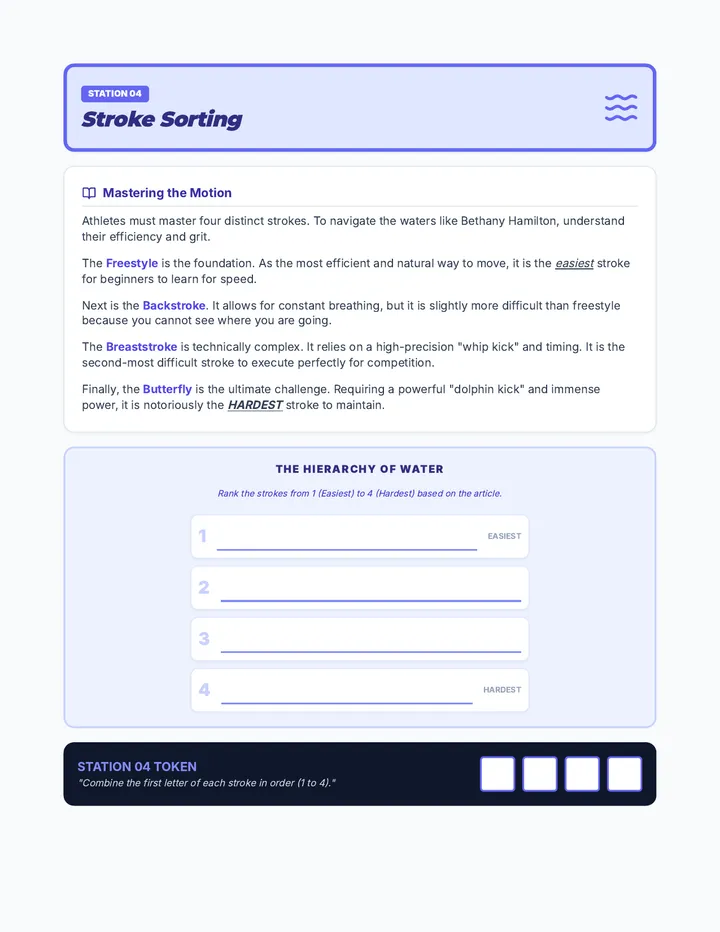
A 60-minute immersive escape room experience where students navigate five themed stations based on the movie Soul Surfer, exploring Bethany Hamilton's resilience and Hawaiian surfing history through ciphers, research, and a physical race.
An interactive lesson for 11th-grade students focused on developing empathy and perspective-taking skills to foster ethical relationships and resolve conflicts. Students engage in discussions, scenario analysis, and personal reflection to understand the impact of empathy on social interactions.
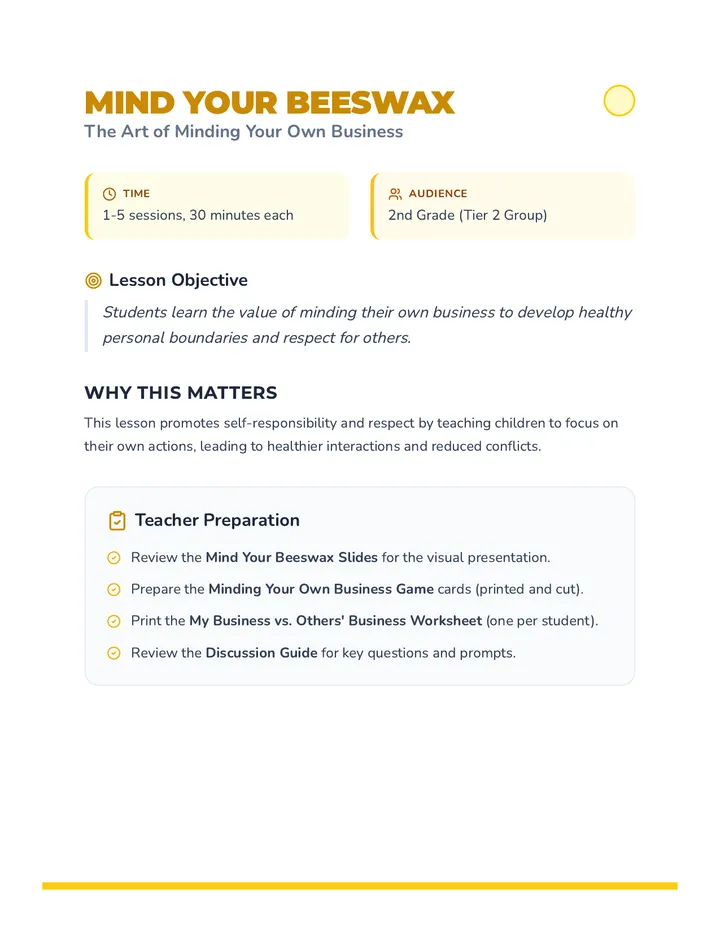
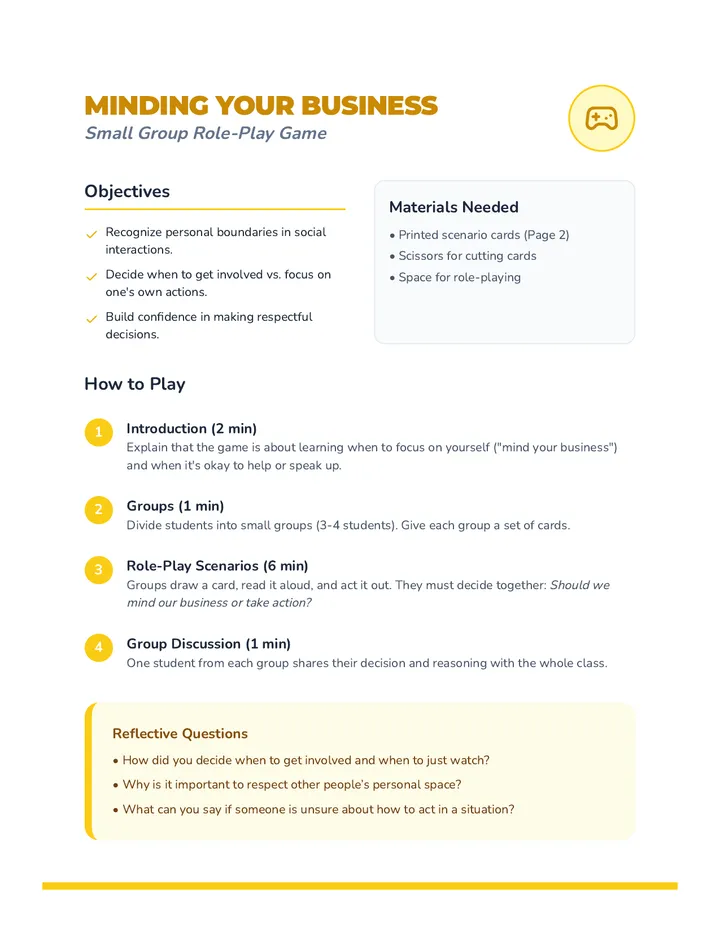
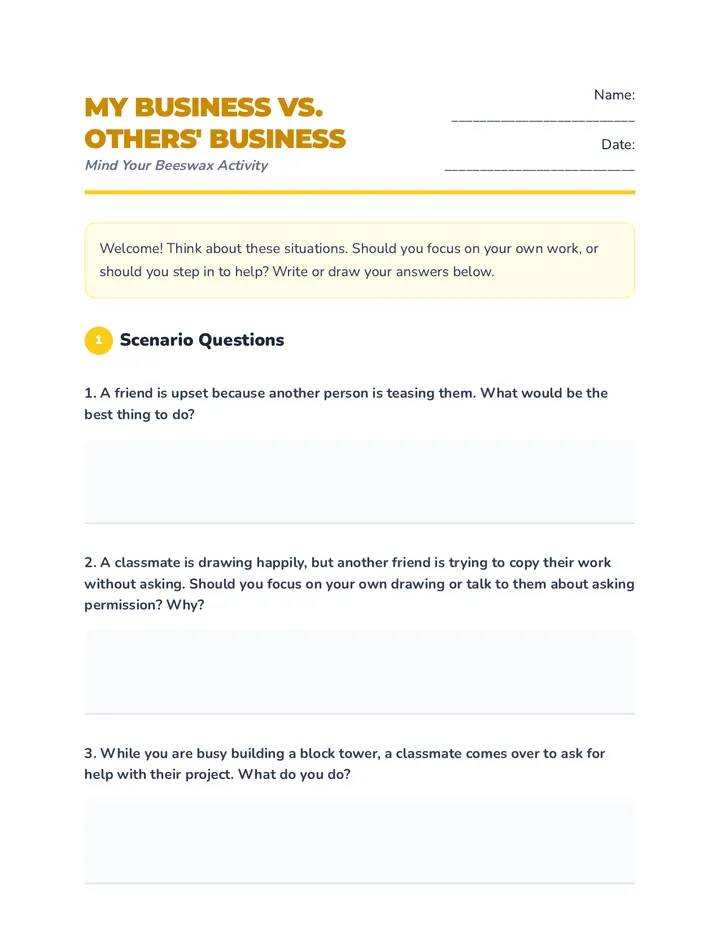
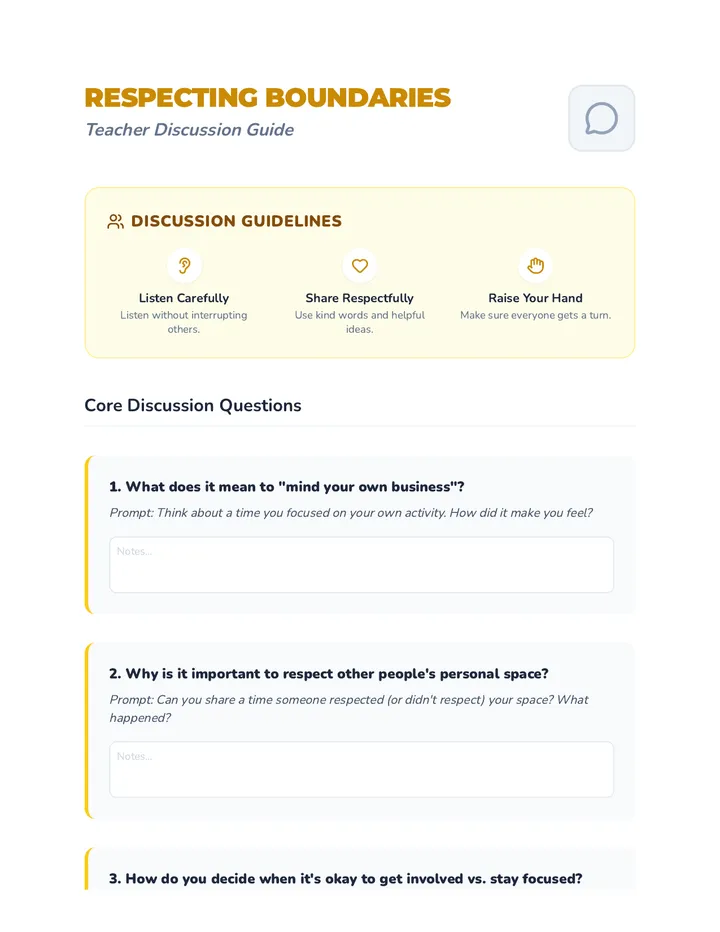
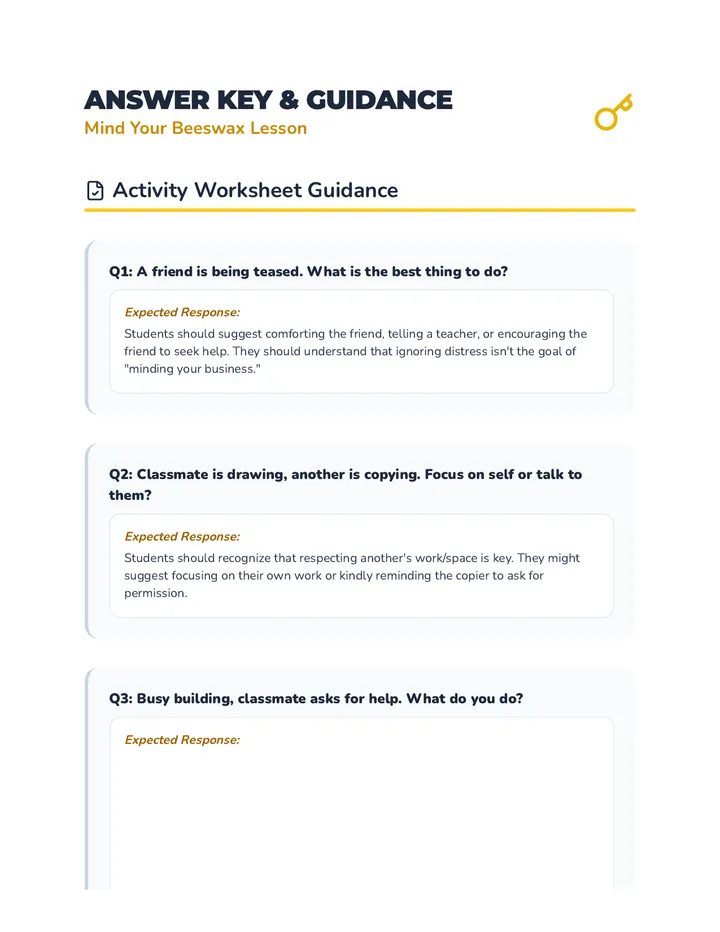
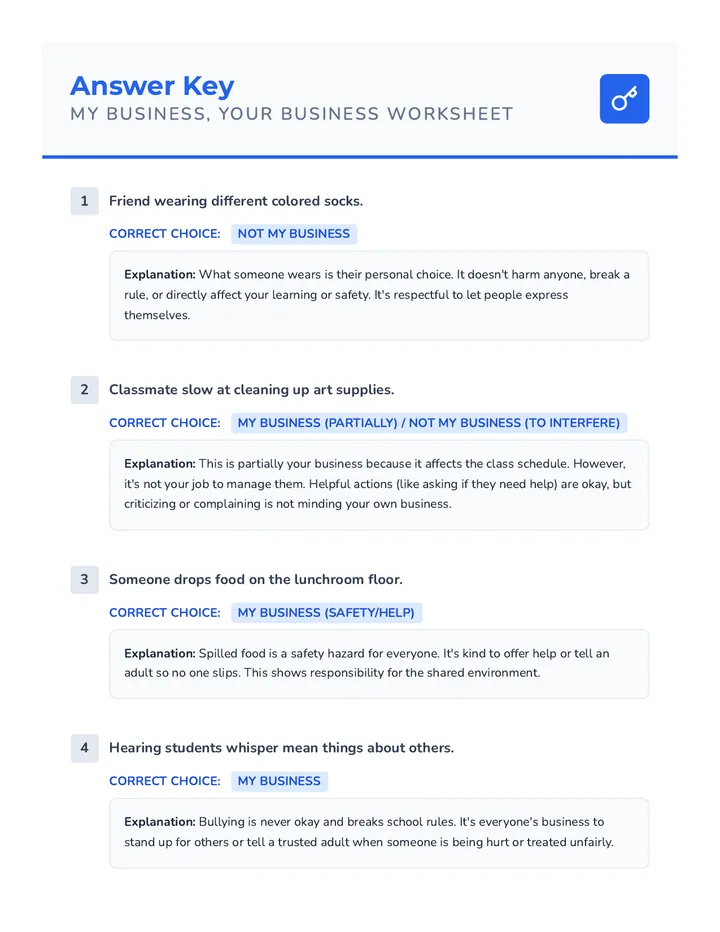
A social skills lesson for 2nd graders focusing on understanding personal boundaries and learning when to focus on one's own tasks versus when to intervene in others' business.
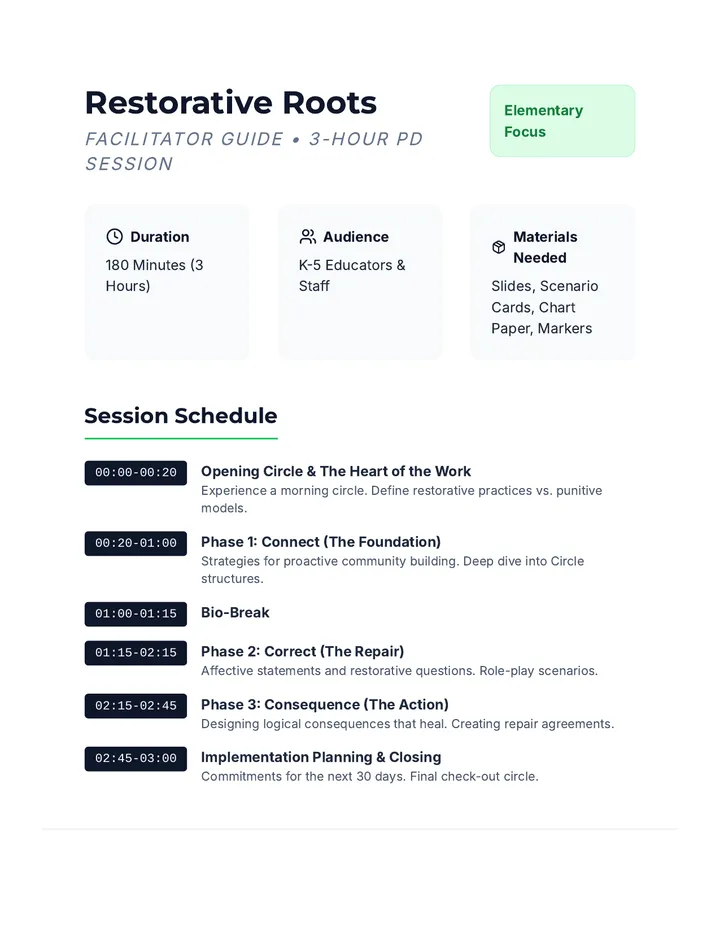
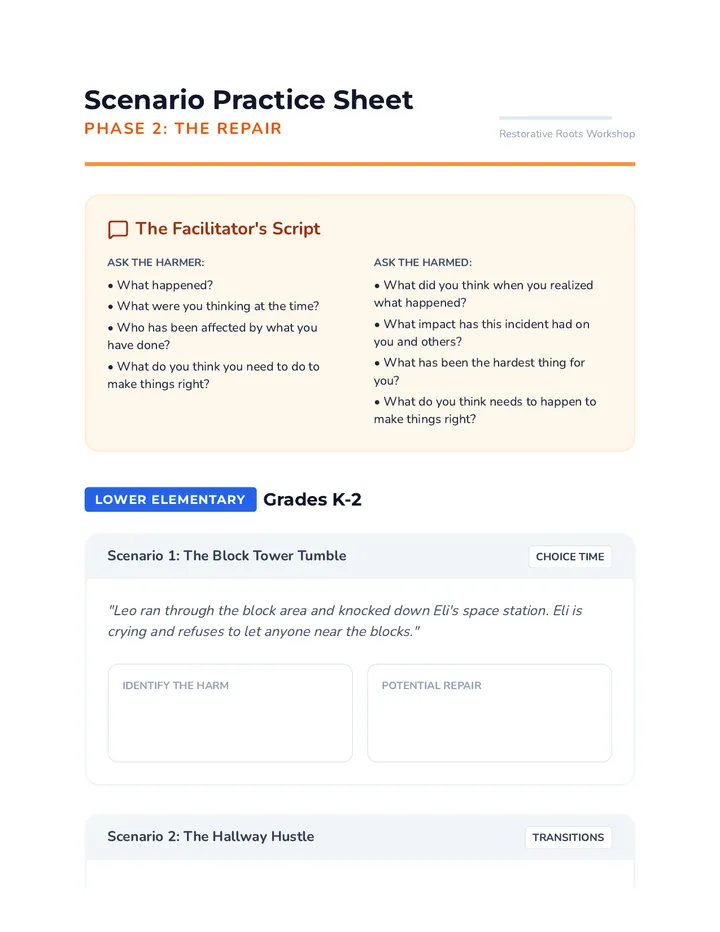
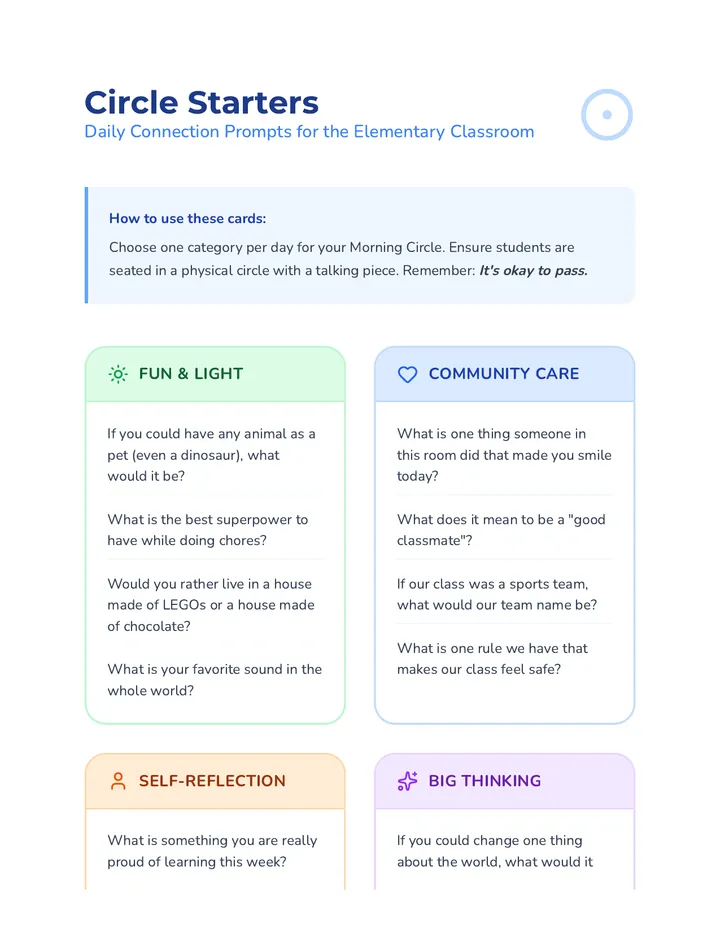
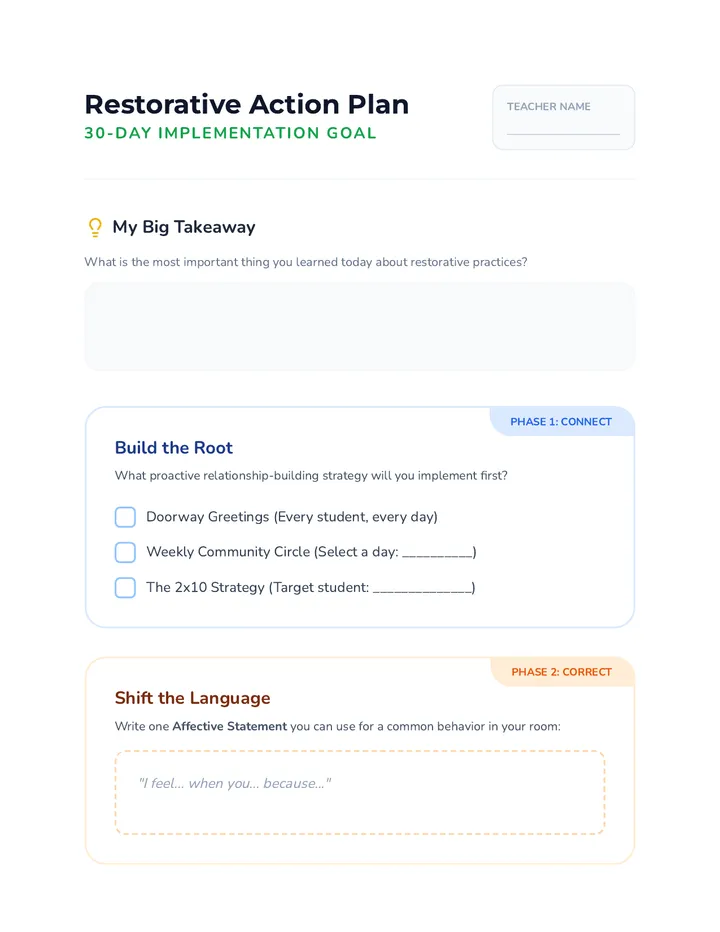
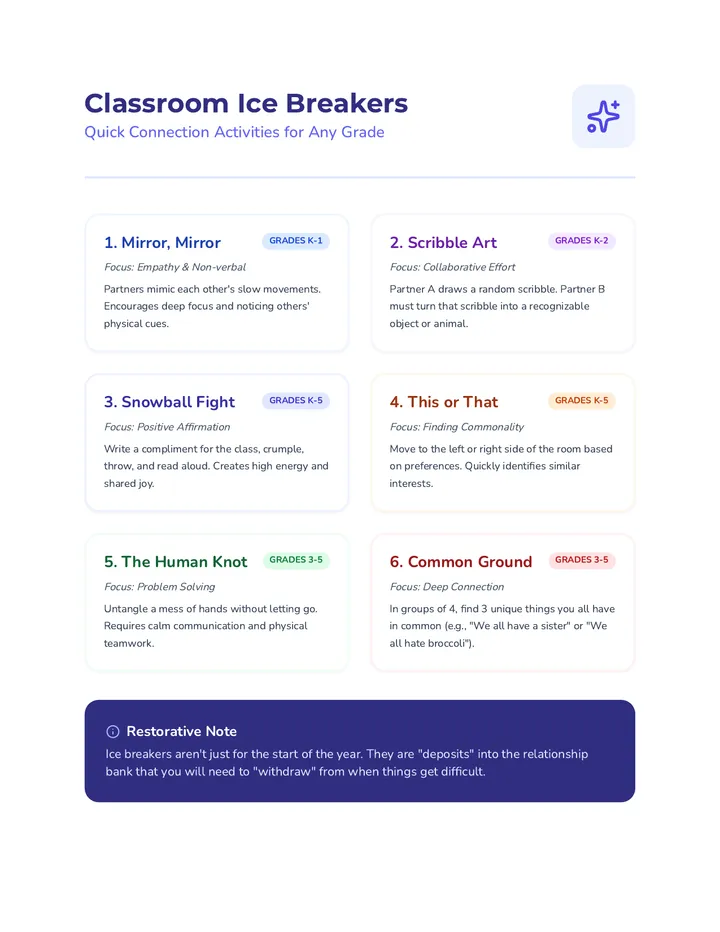
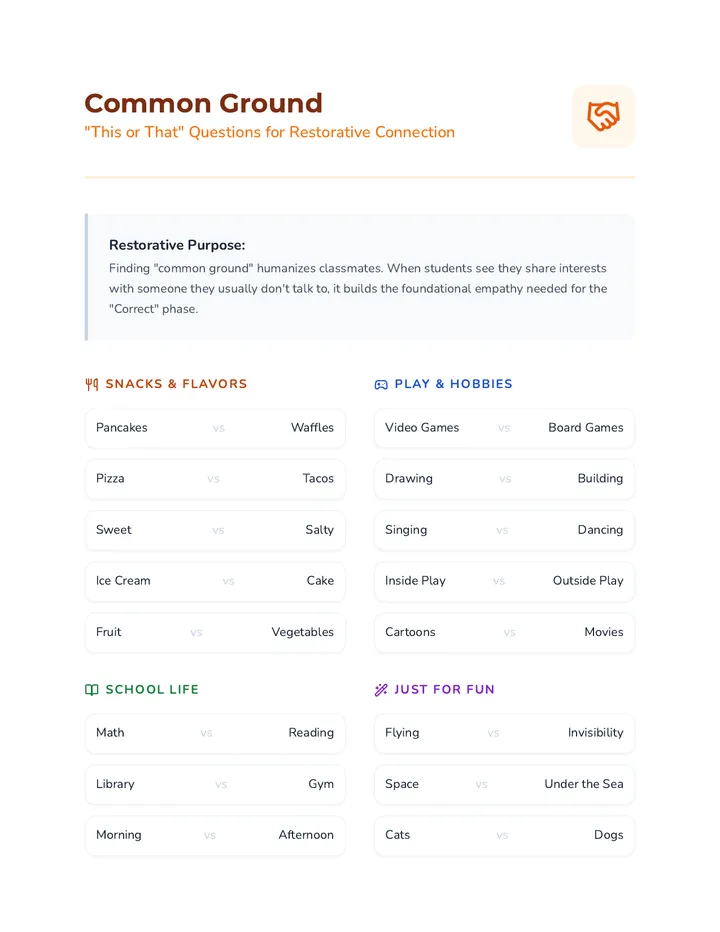
A comprehensive professional development session for elementary teachers on implementing restorative practices, focusing on building community through the Connect, Correct, and Consequence phases.
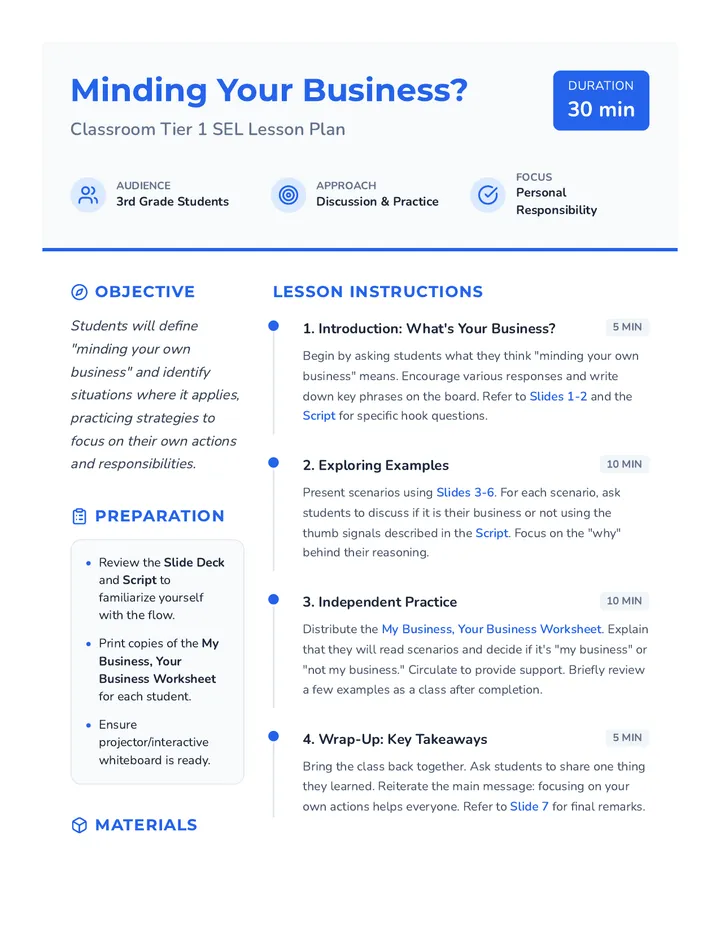
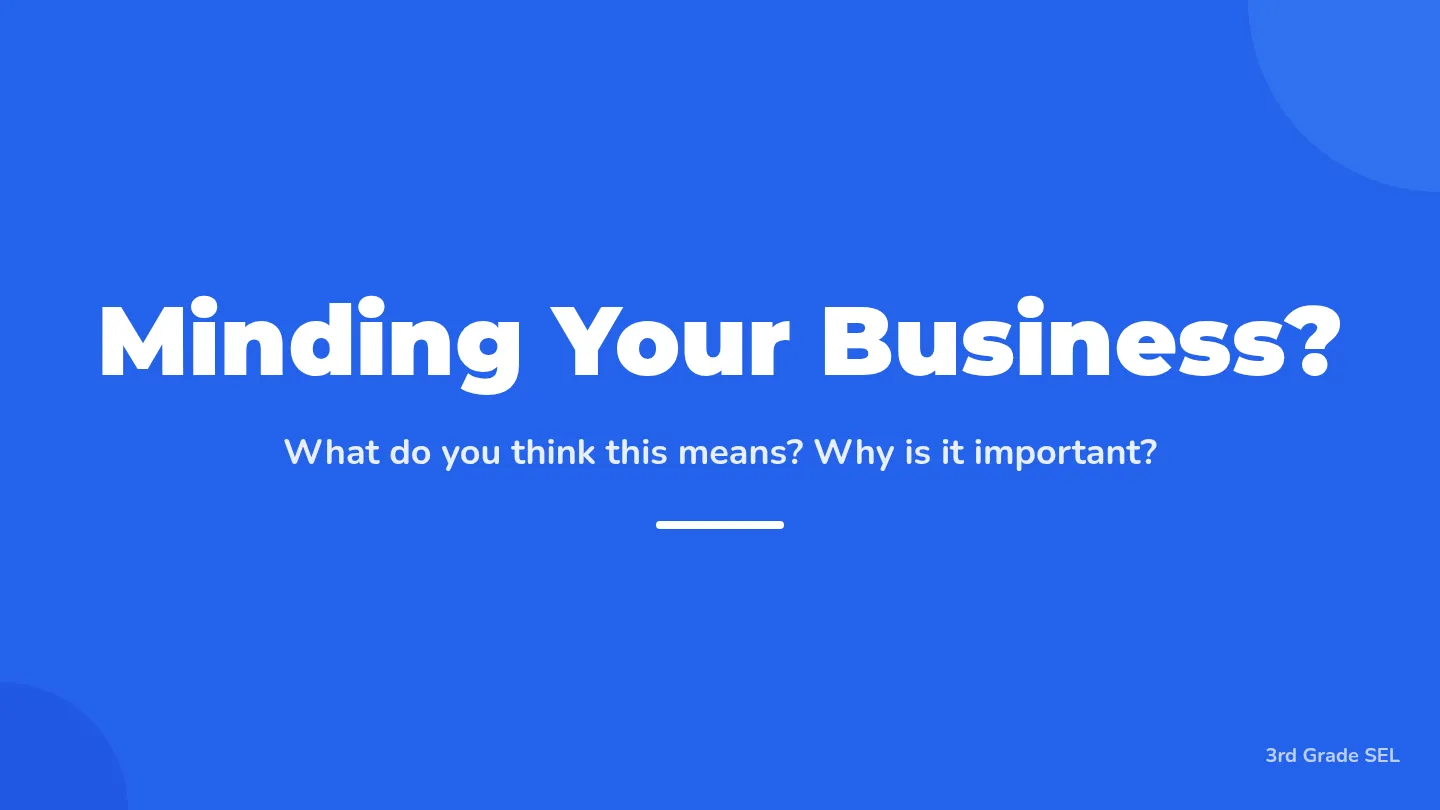
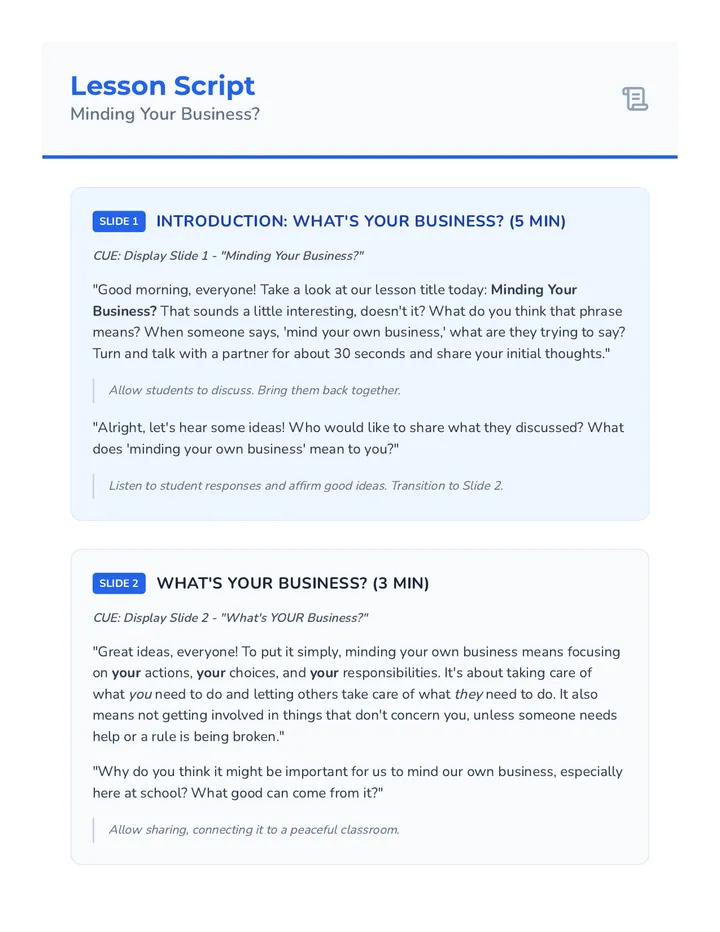
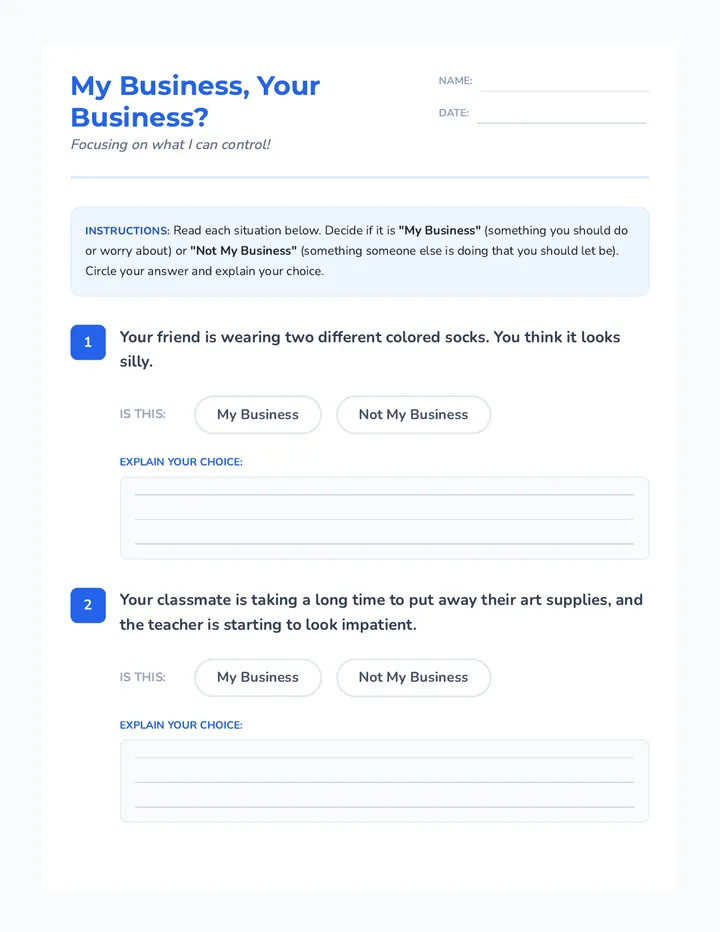
A 30-minute social-emotional learning lesson for 3rd graders that teaches the difference between personal responsibility and interfering in others' affairs through scenarios and discussion.
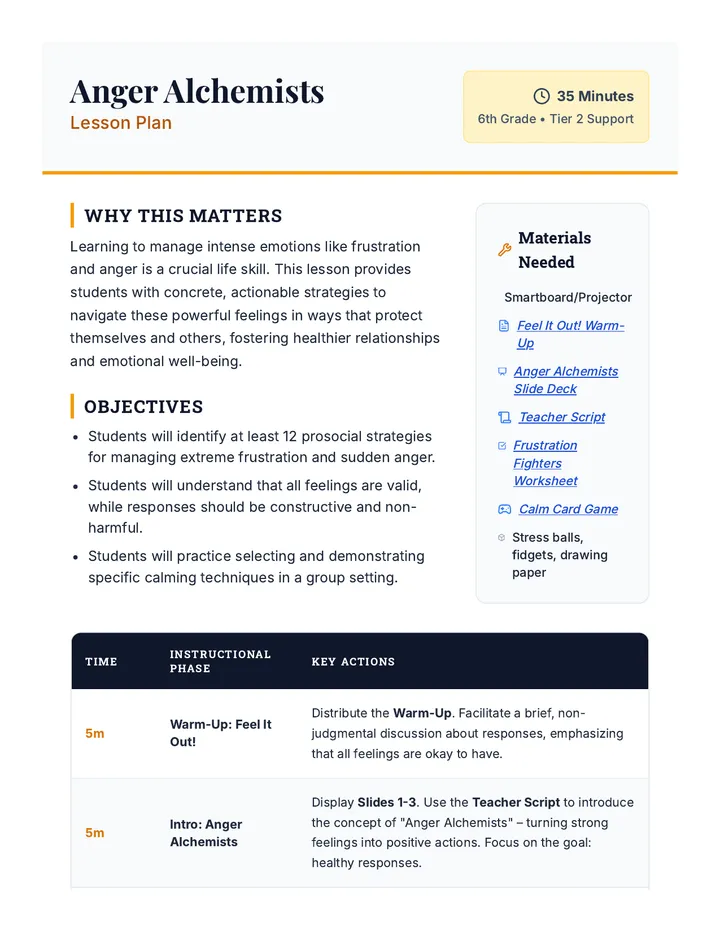
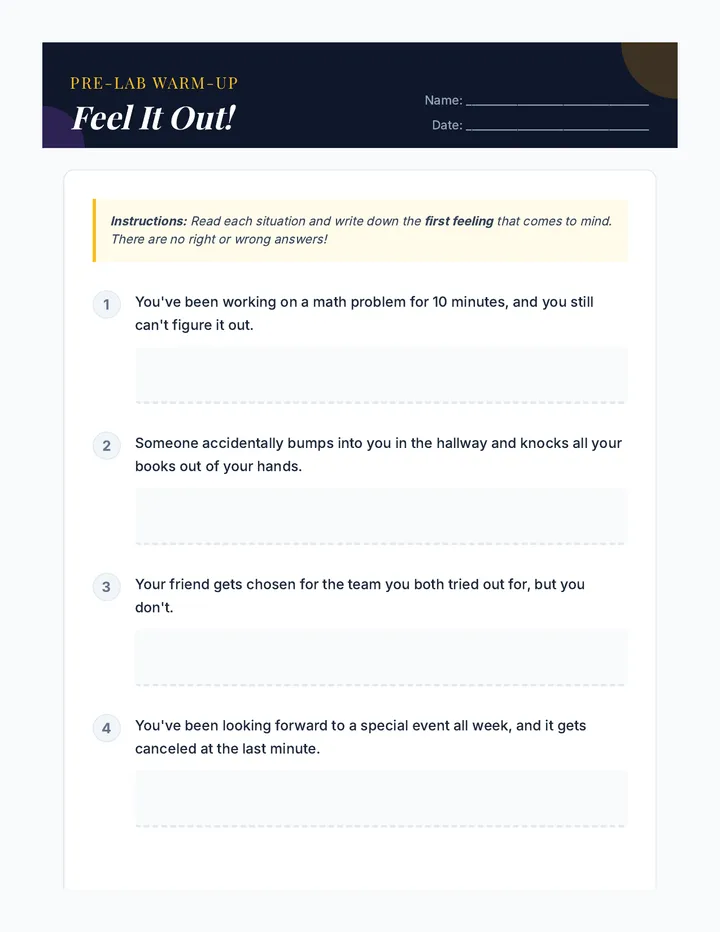
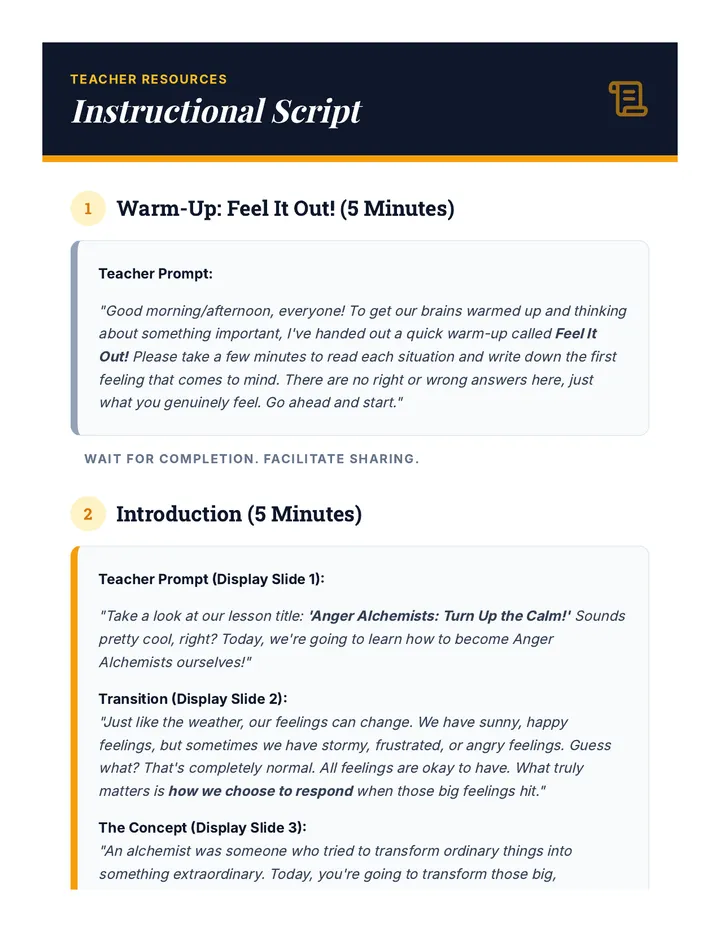
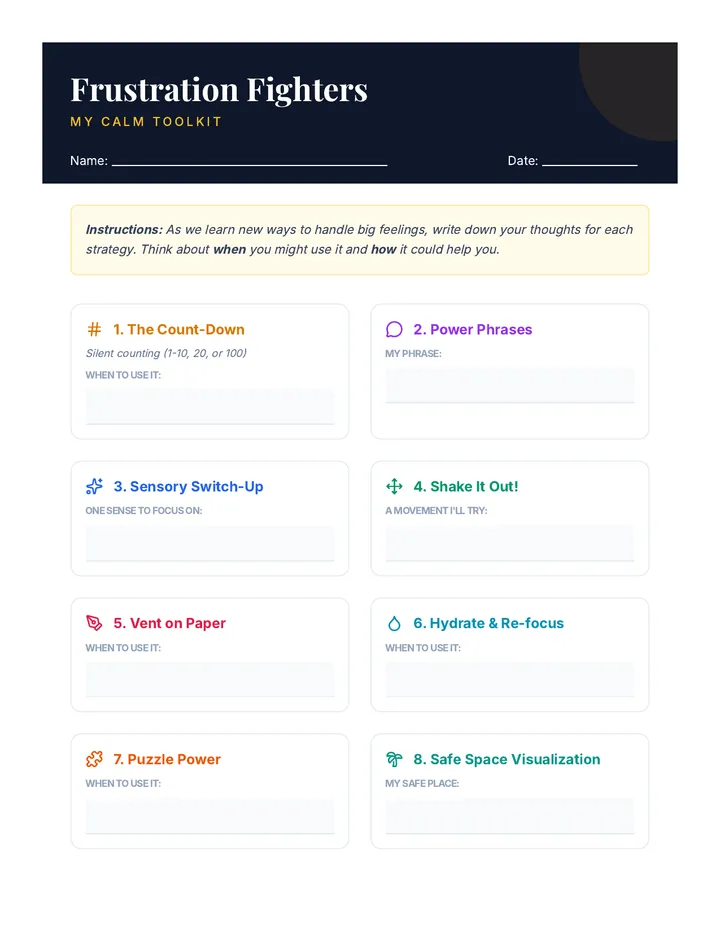
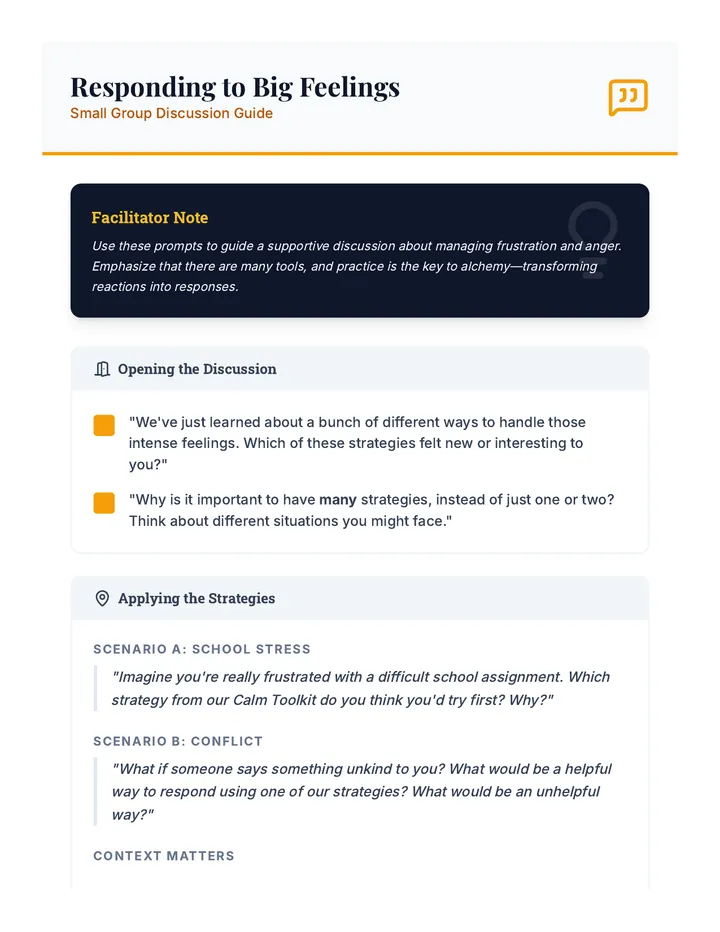
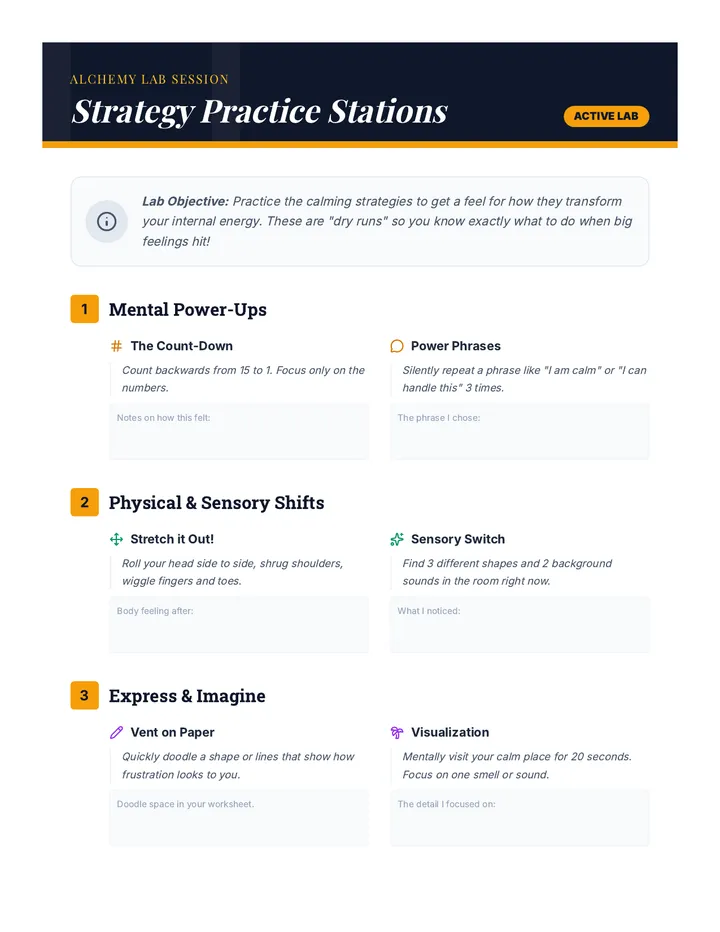
A 35-minute Tier 2 lesson for 6th-grade students to learn over 12 prosocial strategies for transforming intense frustration and anger into constructive responses.
A 90-minute individual support lesson for adult learners with disabilities to distinguish between essential needs and non-essential wants, promoting financial independence.
A comprehensive suite of academic planning tools designed for high school students to map out their graduation requirements and future career paths with their school counselor.
A comprehensive lesson focused on mindfulness and anxiety reduction strategies for students preparing for the ACAP assessment, featuring classroom activities and home support guides.
Students simulate real-life scenarios using a board game to explore financial literacy and the consequences of everyday life choices. Designed for 6th grade, this lesson connects decision-making with future financial outcomes through interactive play and guided reflection.