Lenny LearningLenny
Create
Explore
Workspace
LoginSign up
MathEnglish Language ArtsScience & EngineeringSocial StudiesGlobal LanguagesHealth & Physical EducationSpecial EducationCounseling & Life SkillsArts & CreativityESL
Lenny LearningLenny
Lenny Learning
About
Training
Pricing
Support
Contact
© 2026 Lenny Learning Inc.

Social Awareness

SequencesLessonsMaterialsVideos
  1. Counseling & Life Skills

Social Awareness

SequencesLessonsMaterialsVideos

Empathetic skill development through emotion recognition, cultural diversity appreciation, and bias confrontation. Targets multi-perspective analysis to support respectful interactions and complex social responses.

Counseling & Life SkillsSelf-AwarenessBasic Emotion RecognitionComplex Emotion IdentificationEmotional Nuance & Mixed FeelingsBuilding Positive Self-ImageRecognizing Strengths & Growth AreasAccurate Self-AssessmentPersonal Values IdentificationCultural & Individual Identity ExplorationValues-Based Decision MakingSelf-ManagementStop-and-Think StrategiesDelaying GratificationIndependent Impulse ManagementIdentifying Stress TriggersShort-Term Goal SettingSMART Goals DevelopmentGoal Monitoring & AdjustmentBuilding Perseverance & ResilienceInternal Motivation DevelopmentComprehensive Stress Reduction PlanningSocial AwarenessRecognizing Others' FeelingsDemonstrating EmpathyRespecting Individual DifferencesUnderstanding Cultural DiversityComplex Empathetic ResponsesMultiple Viewpoint ConsiderationMulti-Perspective AnalysisChallenging Stereotypes & BiasRelationship SkillsActive ListeningClear Verbal & Nonverbal CommunicationBuilding Positive FriendshipsWorking Cooperatively in GroupsCommunicating Personal BoundariesRespecting Others' BoundariesAssertive ExpressionPeaceful Problem-SolvingContributing to Team GoalsComplex Conflict NavigationMediation & NegotiationHealthy Romantic RelationshipsResponsible Decision-MakingDaily Problem IdentificationBrainstorming Multiple SolutionsEvaluating Pros & ConsRecognizing Risks & ConsequencesApplying Ethical FrameworksInformed Risk-Benefit DecisionsRoot Cause AnalysisMindfulnessMindful BreathingBody Scan MeditationDaily Mindfulness ApplicationDaily Self-Care RoutinesBalancing Life DemandsAdvocating for Wellness NeedsMental Health SupportUnderstanding Anxiety SymptomsWorry Management StrategiesProgressive Muscle RelaxationRecognizing Depression SignsBuilding Mood-Supporting RoutinesBehavioral Activation for MoodUnderstanding Grief StagesHealthy Grief CopingCreative Expression of LossBehavioral SupportDaily Check-In ProceduresDaily Goal Setting & ReviewRecognizing Escalation Warning SignsRequesting Breaks & SupportSelf-Calming During DistressUnderstanding Positive ReinforcementToken Economy ImplementationBehavior Chart TrackingAnalyzing Behavior PatternsIdentifying Antecedents & ConsequencesDetermining Behavior FunctionFunction-Based InterventionsIndividualized Behavior ContractsData-Driven Behavior AdjustmentTherapeutic ApproachesThoughts-Feelings-Behaviors ConnectionRecognizing Thinking PatternsChallenging Negative ThoughtsPositive Self-Talk PracticeThought Record TrackingAdvanced Cognitive RestructuringComprehensive CBT PlansBehavioral Activation TechniquesBuilding Positive ExperiencesExposure Hierarchies for AnxietyPresent-Moment AwarenessNon-Judgmental ObservationSelf-Soothing & DistractionComplex Emotion LabelingReducing Emotional Vulnerability (PLEASE)DEAR MAN CommunicationGIVE Skills for RelationshipsFAST Skills for Self-RespectRadical Acceptance PracticeCrisis Survival Skills (TIPP)Understanding Trauma EffectsTrauma Responses & TriggersIdentifying Trauma FeelingsGrounding TechniquesRegulation During Trauma DistressSafe Place VisualizationProcessing Through NarrativeDeveloping Trauma StoryPersonalized Safety PlanningGroup SupportTurn-Taking & SharingGroup Conversation SkillsSharing in Supportive EnvironmentLearning from Similar ChallengesBuilding Community & BelongingNavigating Peer RelationshipsGroup Skill PracticeGroup Mental Health EducationStress & Anxiety UnderstandingCrisis Support & SafetyKnowing When to Seek HelpIdentifying Mental Health CrisesGrounding During CrisisUsing Crisis HotlinesBuilding Support NetworksAccessing Mental Health ResourcesWarning Signs & Coping StrategiesDeveloping Personal Safety PlansUnderstanding Suicide Warning SignsGatekeeper Skills for PeersDigital LiteracySocial MediaTechnology BasicsProductivity ToolsInternet and Online ResearchWeb Design and PublishingDigital CitizenshipOnline Safety and PrivacyEmerging TechnologiesFinancial LiteracyMaking Financial DecisionsBanking and AccountsConsumer SkillsSaving and InvestingCredit and DebtEmployment and IncomeTaxesInsuranceMajor PurchasesEconomic ConceptsFinancial PlanningCollege & Post-Secondary PlanningCareer ExplorationUnderstanding Post-Secondary OptionsCollege Research & SelectionAdmission RequirementsCollege Application ProcessPersonal Statement WritingFAFSA CompletionScholarship Search & ApplicationsUnderstanding Student LoansContinuing Education PlanningInterview PreparationResearching EmployersCommon Interview QuestionsSTAR Method ResponsesProfessional Interview PresenceVirtual Interview SkillsInterview Follow-UpJob Search SkillsUnderstanding Job PostingsEffective Job Search StrategiesNetworking for OpportunitiesResume Writing BasicsAction Verbs & AchievementsTailoring Resumes to JobsCover Letter WritingProfessional ReferencesProfessional CommunicationBusiness Email EtiquettePhone & Voicemail ProfessionalismMeeting ParticipationPresentation SkillsProfessional Work EthicTime Management & ProductivityTeamwork & CollaborationAdaptability & FlexibilityProblem-Solving at WorkConstructive FeedbackWorkplace RightsUnderstanding Employment LawsPay & Benefits UnderstandingWorkplace SafetyAnti-Discrimination & Harassment
Recognizing Others' FeelingsIdentification of facial expressions, body language, and tone of voice to understand the emotional states of others. Develops empathy and situational awareness across diverse social contexts.
Demonstrating EmpathyPerspective-taking strategies and recognition of emotional cues in others. Builds skills in active listening, compassionate response, and understanding diverse viewpoints.
Respecting Individual DifferencesRecognition of diverse cultural backgrounds, neurodiversity, and personal identities to foster inclusive communities. Strengthens empathy and perspective-taking skills by addressing stereotypes and valuing unique individual contributions.
Understanding Cultural DiversityCultural identities, traditions, and belief systems across global communities. Develops empathy and cross-cultural communication skills to foster inclusive social environments.
Complex Empathetic ResponsesNuanced perspective-taking strategies and the integration of cognitive and affective empathy. Develops skills for identifying subtle social cues and validating multifaceted emotional experiences.
Multiple Viewpoint ConsiderationPerspective-taking strategies to recognize and value diverse viewpoints across social settings. Builds empathy and conflict resolution skills by examining the impact of personal background and context on individual perceptions.
Multi-Perspective AnalysisExamines diverse viewpoints and social contexts to build empathy and critical thinking skills. Targets identifying personal biases and resolving interpersonal conflicts through active perspective-taking.
Challenging Stereotypes & BiasCritical analysis of unconscious bias and the social impact of harmful stereotypes. Equips learners with strategies for perspective-taking and promoting inclusive environments.
Sequence
Joy Sparks Slides
Joy Map Worksheet
Joy Detective Guide

Joy Sparks

A therapeutic and self-discovery sequence for 2nd graders to identify personal sources of joy. Students explore the physical sensations of happiness, categorize their interests, and create a personalized 'Joy Menu' to use as a coping strategy for emotional regulation.

Lenny Avatar
Lenny
1/18
Sequence
Fair or Foul Worksheet
Legal Foundations Slides
Protected Classes Reference Guide

Workplace Rights Legal Frameworks

This sequence immerses undergraduate students in the federal legal frameworks of workplace discrimination and harassment, focusing on Title VII, the ADA, and the ADEA. Students learn to distinguish between general conflict and legally actionable harassment through case law analysis and real-world simulation.

Lenny Avatar
Lenny
1/18
Sequence
Lag Logic Slides
Experiential Bridges Guide
Logic vs Feeling Worksheet

Deep Cognition Sequence

An advanced clinical sequence for graduate-level counseling students focused on the nuances, cultural adaptations, and schema-level applications of thought record tracking in cognitive-behavioral therapy.

Lenny Avatar
Lenny
1/18
Sequence
Apology Nuance Slides
Cultural Bridging Case Studies
Apology Bridging Facilitation Guide

The Adaptive Lens FAST Skills

This graduate-level sequence critically examines the DBT FAST skills (Fair, Apology-free, Stick to values, Truthful) through the lenses of cultural humility, intersectionality, and systemic power dynamics. Students will move beyond a Eurocentric assertiveness model to develop nuanced, safe, and culturally responsive clinical interventions.

Lenny Avatar
Lenny
1/18
Sequence
GPA Mechanics Slides
GPA Workshop Handout
GPA Recalculation Key

Metrics and Equity

A graduate-level inquiry into the role of quantitative metrics in admissions, exploring the technical mechanics of GPA recalculation and the ethical implications of standardized testing through an equity lens.

Lenny Avatar
Lenny
1/18
Sequence
Priority Rubrics Slides
Institutional Mission Handout

Admissions Decision Making

A graduate-level exploration of the admissions 'black box,' where students act as admissions officers to navigate the complexities of holistic review, institutional priorities, and systemic bias in post-secondary gatekeeping.

Lenny Avatar
Lenny
1/18
Sequence
Feelings Lab Guide
What Happened Next Worksheet

Identifying Triggers and Emotional Associations

A 5-lesson sequence for Pre-K students to help them understand triggers and distinguish past memories from present safety through play and sensory exploration.

Lenny Avatar
Lenny
1/18
Sequence
Systems Foundations Slides
Census Identity Worksheet

Architects of Identity

A graduate-level exploration of how social structures, laws, and algorithms construct identity, moving from sociological theory to clinical 'Structural Competency' and advocacy.

Lenny Avatar
Lenny
1/18
Sequence
Intersectionality Foundations Slides
Rupture Analysis Worksheet
Theory Seminar Facilitation Guide

Professional Identity and Intersectionality

A 5-lesson sequence for graduate counseling students to explore intersectionality, social location, and family scripts to build cultural humility and professional identity. Students move from theoretical critique to personal excavation and clinical application.

Lenny Avatar
Lenny
1/18
Sequence
Idioms of Distress Slides
Global Pain Metaphors Worksheet
Idioms Discussion Guide

Cultural Nuance in Peer Support

A comprehensive graduate-level training sequence exploring how cultural identity, systemic barriers, and implicit bias influence crisis presentation and peer support. Students move from understanding diverse cultural idioms of distress to developing culturally responsive safety plans that challenge traditional Western medical models.

Lenny Avatar
Lenny
1/18
Sequence
System Check Slides
System Selection Worksheet
System Check Teacher Guide

Navigating Crisis Intervention Systems

This sequence guides 11th-grade students through the logistical and procedural aspects of crisis intervention. Students learn to distinguish between 911 and 988, understand hotline intake protocols, navigate the ethics of confidentiality, explore specialized digital tools, and practice referring peers to appropriate professional resources.

Lenny Avatar
Lenny
1/18
Sequence
Trauma Informed Facilitation Guide
Safe Space Foundations Slides
Policy Review Worksheet

Restoring Hope and Justice

A comprehensive unit for undergraduate students focusing on the aftermath of human trafficking. Students explore trauma-informed care, legal advocacy for survivors, ethical storytelling, the neurological impacts of trauma, and community-based action planning to support recovery and reintegration.

Lenny Avatar
Lenny
1/18
Sequence
Neural Blueprint Slides
Regulation Protocol Worksheet
Neurobiology Teacher Guide

Advanced Emotional Intelligence and Organizational Leadership

An advanced course for graduate students exploring the intersection of neurobiology, psychological theory, and organizational leadership. Students develop high-level social and emotional competencies to navigate complex professional environments and foster psychological safety.

Lenny Avatar
Lenny
1/18
Sequence
Image Standard Slides
Media Trends Dataset Analysis
Systemic Bias Discussion Guide

Identity Reauthored

A graduate-level counseling sequence exploring how sociocultural forces shape self-image through Narrative Therapy and intersectional analysis. Students learn to externalize negative narratives and re-author their professional and personal identities.

Lenny Avatar
Lenny
1/18
Sequence
Affect Landscapes Slides
Affective Mapping Exercise
Constructing Affect Teacher Guide

Affective Landscapes

This sequence for graduate counseling students examines how culture, language, and systemic context shape emotional labeling and expression. It challenges Western-centric models and prepares students to use culturally humble inquiry in clinical settings.

Lenny Avatar
Lenny
1/18
Sequence
Intersectionality Slides
Identity Map Worksheet
Foundations Facilitator Guide

Social Awareness and Cultural Humility

A comprehensive exploration of intersectionality and cultural humility for undergraduate students. This sequence moves from personal identity mapping to institutional accountability, emphasizing lifelong self-reflection and the recognition of power dynamics in professional and community settings.

Lenny Avatar
Lenny
1/18
Sequence
Neurodiversity Foundations Teacher Guide
Neurodiversity Models Slides
Medical vs Social Model Worksheet

Navigating Neurodiversity and Inclusion

This sequence explores neurodiversity through the Social Model of disability, challenging traditional norms of professionalism and designing inclusive environments. Students will move from theoretical understanding to practical application in organizational policy and advocacy.

Lenny Avatar
Lenny
1/18
Sequence
Safety Foundations Slides
Living Contract Worksheet
Safety Foundations Teacher Guide

Community Blueprint

A comprehensive sequence for undergraduate students to master the art of creating psychological safety, fostering belonging, and designing inclusive community rituals through theoretical frameworks and practical facilitation skills.

Lenny Avatar
Lenny
1/18
Sequence
Family Roles Teacher Guide
Family Roles Slides
Family Finger Puppets Worksheet

Exploring Family Structures and Belonging

A Pre-K sequence focused on family identity, helping children recognize their roles, celebrate their home culture, and see their classroom as a supportive community.

Lenny Avatar
Lenny
1/18
Sequence
Mirror Mirror Slides
Mirror Mirror Teacher Guide
My Unique Portrait Worksheet

Identity Explorers

A Kindergarten sequence exploring personal attributes, preferences, and names. Students use inquiry-based activities like mirror observation and fingerprinting to understand what makes them unique, culminating in a personal portfolio.

Lenny Avatar
Lenny
1/18
Sequence
Radar Vision Slides
Environment Scan Checklist
Observation Master Script

Pulse Watch

A high-intensity simulation-based unit for 12th graders focusing on situational awareness and the early detection of behavioral escalation in dynamic environments. Students take on the role of behavioral analysts to identify subtle cues before they lead to crisis.

Lenny Avatar
Lenny
1/18
Sequence
Baseline Basics Slides
Baseline Facilitation Guide
Baseline Observation Worksheet

Behavioral Cues and Escalation Cycles

A comprehensive 5-lesson unit for 12th-grade students on identifying behavioral baselines and recognizing early warning signs of emotional escalation through analytical observation of verbal, para-verbal, and non-verbal cues.

Lenny Avatar
Lenny
1/18
Sequence
Anatomy of Sound Slides
Vocal Profiling Worksheet

Vocal Signals and Auditory Warnings

A comprehensive 11th-grade sequence focusing on auditory and paraverbal warning signs of behavioral escalation. Students learn to analyze tone, volume, cadence, and speech patterns to identify emotional states and prevent conflict.

Lenny Avatar
Lenny
1/18
Sequence
Workplace Lines Slides
Line Tracker Worksheet
Boundaries Teacher Guide

Workplace Boundary Lines

A comprehensive sequence for 9th-grade students exploring the legal definitions, impacts, and identification of sexual harassment and hostile work environments in the professional world. Students move from basic legal definitions to nuanced evaluations of intent versus impact and digital professional conduct.

Lenny Avatar
Lenny
1/18
Sequence
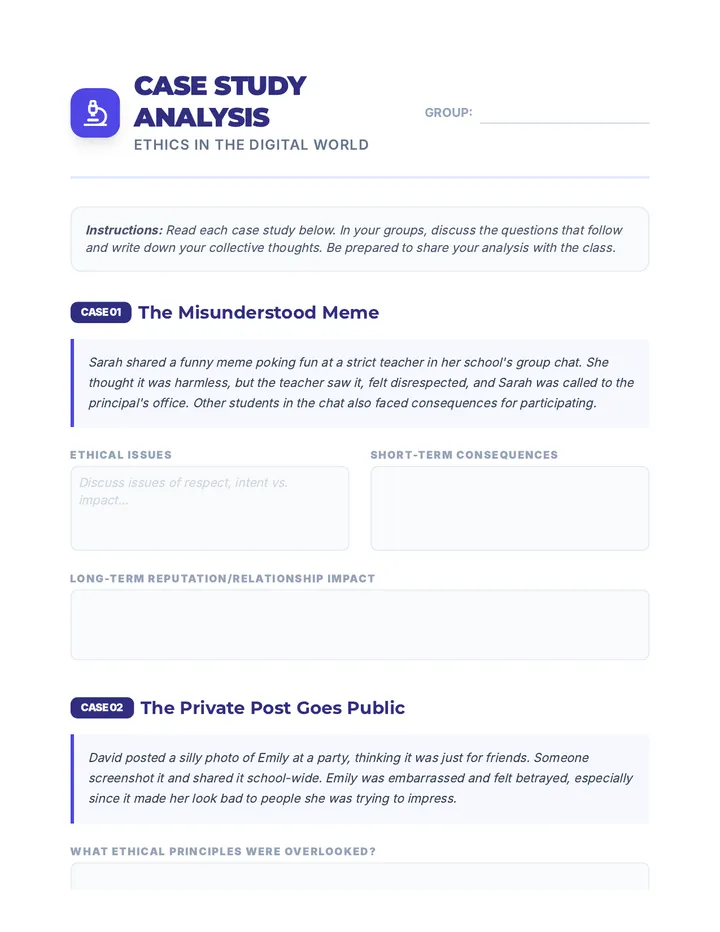
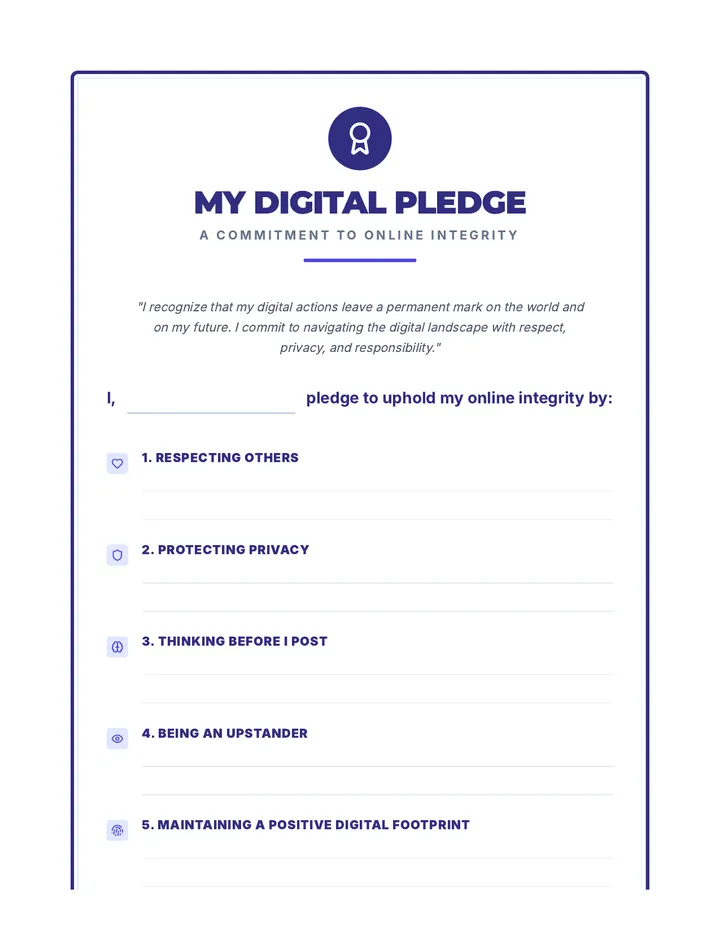
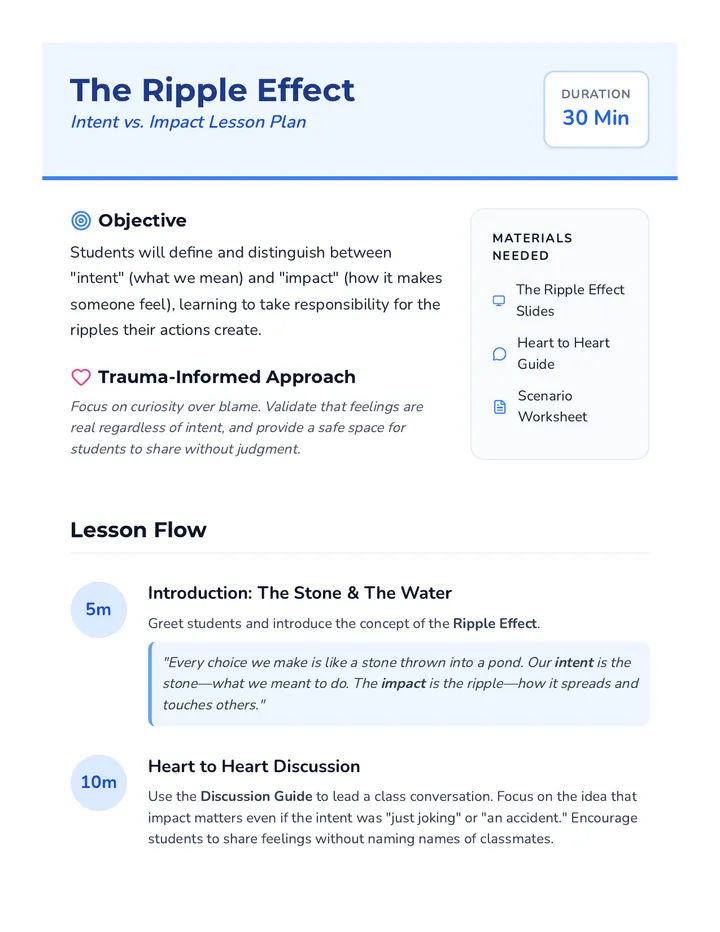
Intent Impact Slides
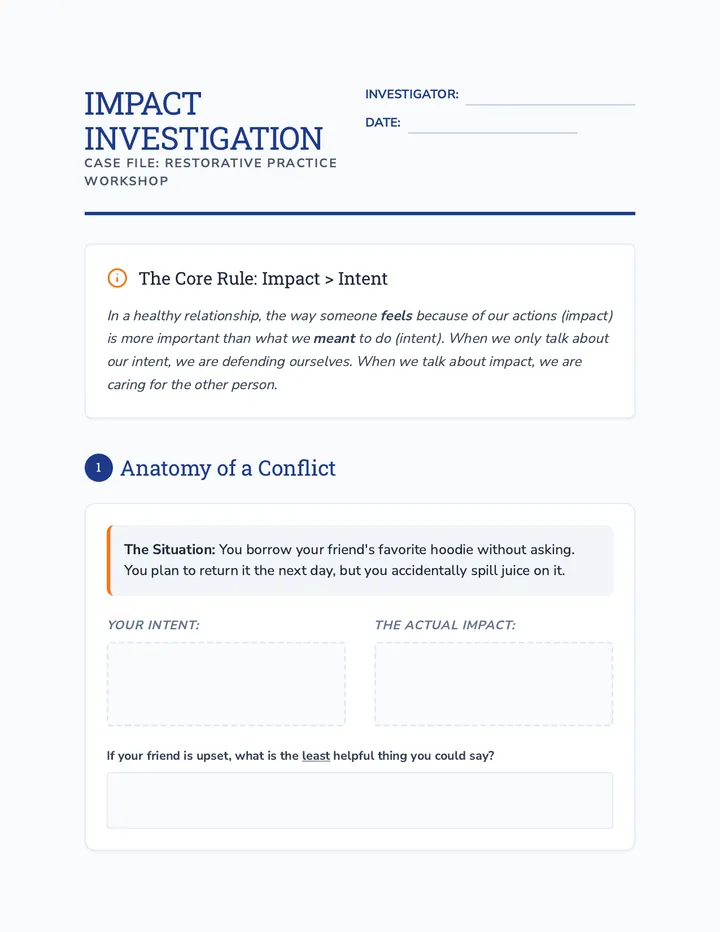
Impact Investigation Worksheet
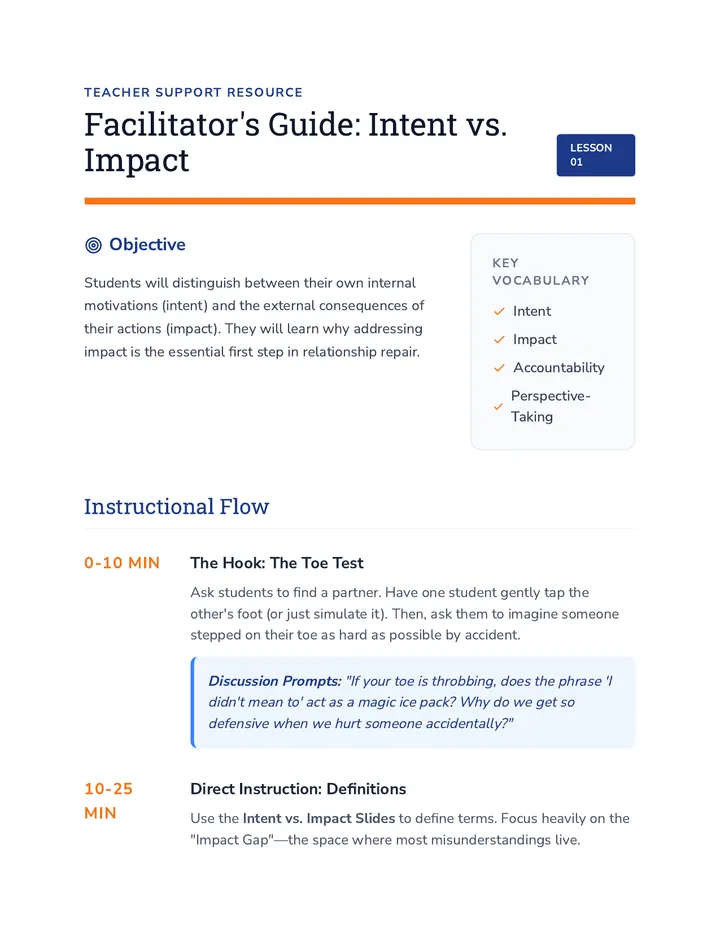
Intent Impact Teacher Guide

Repairing Relationships Sequence

A 5-lesson sequence for 7th grade students focusing on restorative practices, the difference between intent and impact, crafting genuine apologies, and the long-term process of rebuilding trust after conflict.

Lenny Avatar
Lenny
1/18
Sequence
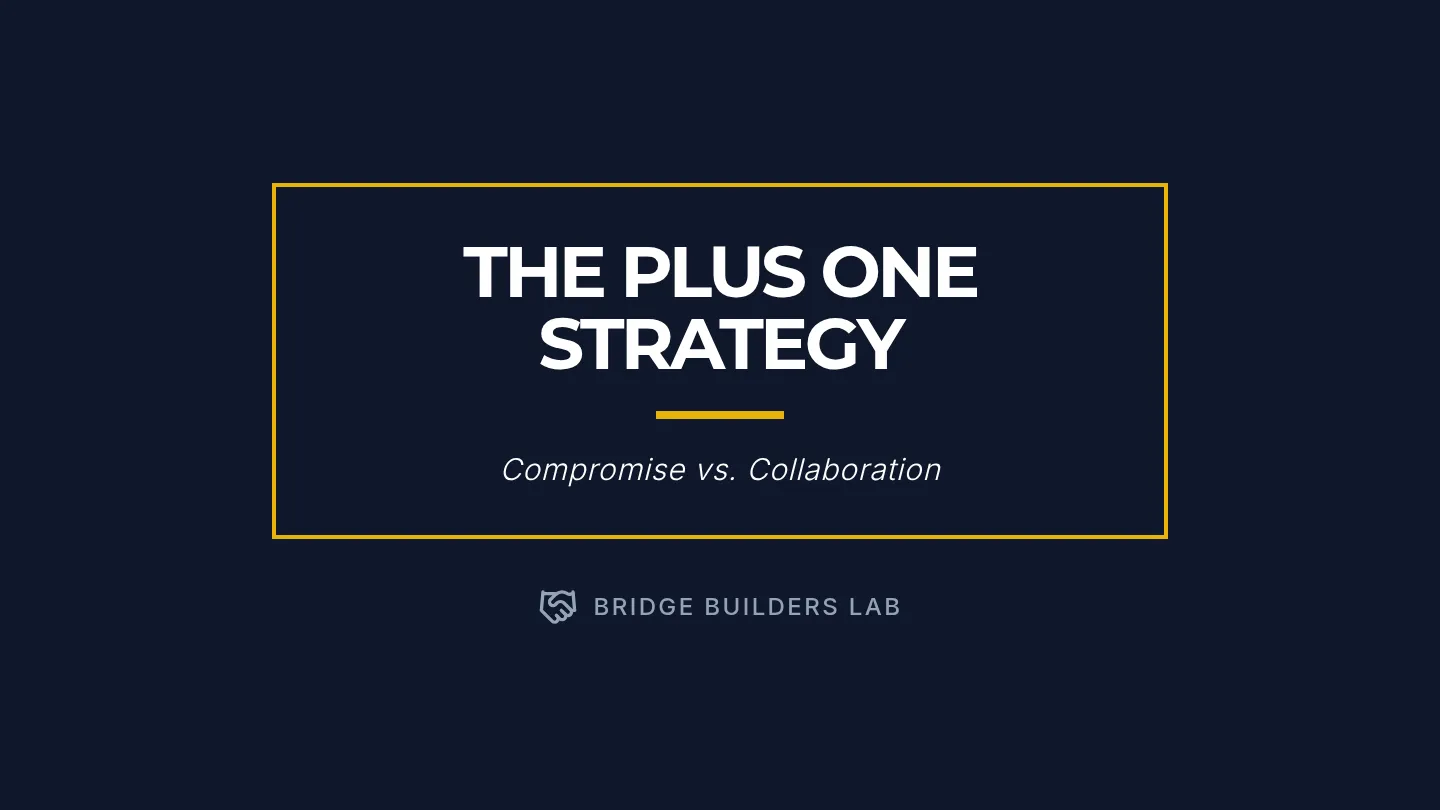
Plus One Strategy Slides
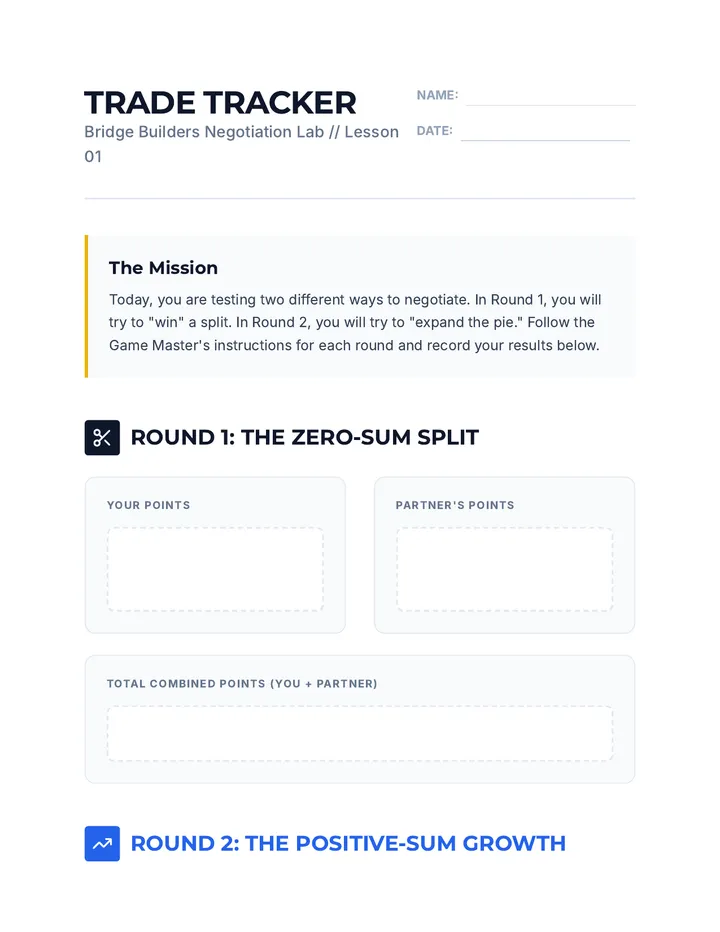
Trade Tracker Worksheet
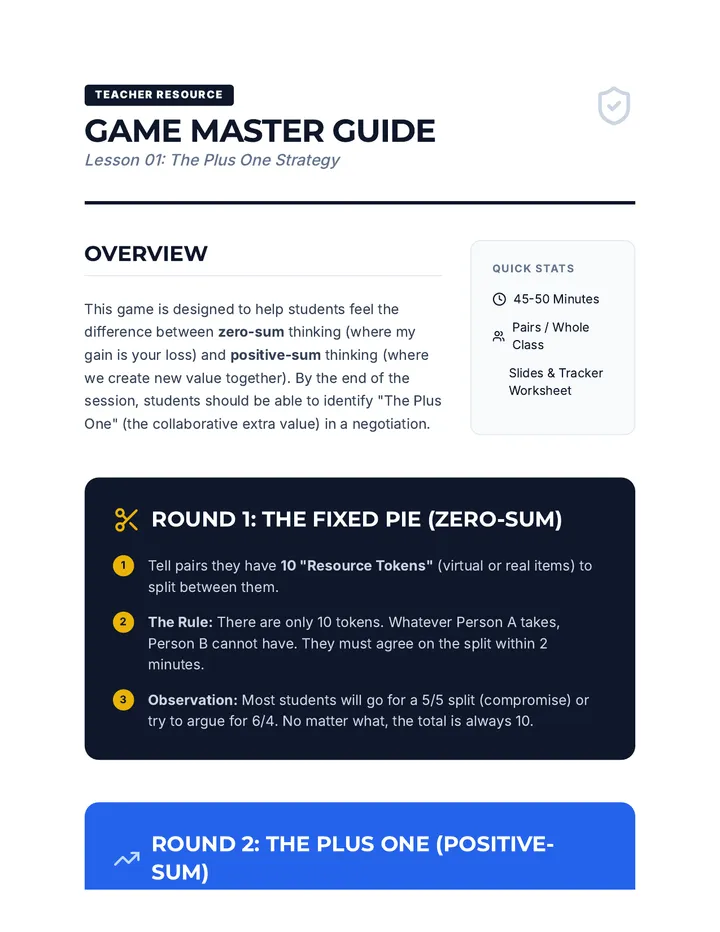
Game Master Guide Lesson 1

Bridge Builders Negotiation Lab

This sequence teaches 7th-grade students how to move beyond simple compromise to collaborative negotiation. Students learn to separate people from problems, brainstorm creative 'win-win' options, use objective criteria for fairness, and develop a BATNA (Best Alternative to a Negotiated Agreement) to handle complex conflicts effectively while preserving relationships.

Lenny Avatar
Lenny
1/18
Sequence
Iceberg Model Teacher Guide
Iceberg Model Slides

Beneath the Surface Conflict Navigation

This sequence teaches 7th-grade students to navigate complex conflicts using the Iceberg Model. Students learn to look beneath surface-level arguments ('positions') to identify underlying human needs ('interests') through techniques like the Five Whys, core needs analysis, and multi-party mapping.

Lenny Avatar
Lenny
1/18
Sequence
Mediator Mindset Teacher Guide
Mediator Mindset Slides
Neutrality Check Worksheet

Peer Mediation Protocols

A 5-lesson unit for 7th graders on the formal structure of peer mediation. Students transition from observers to facilitators, learning to maintain neutrality, set ground rules, reframe toxic language, and guide parties toward mutually agreed-upon solutions.

Lenny Avatar
Lenny
1/18
Sequence
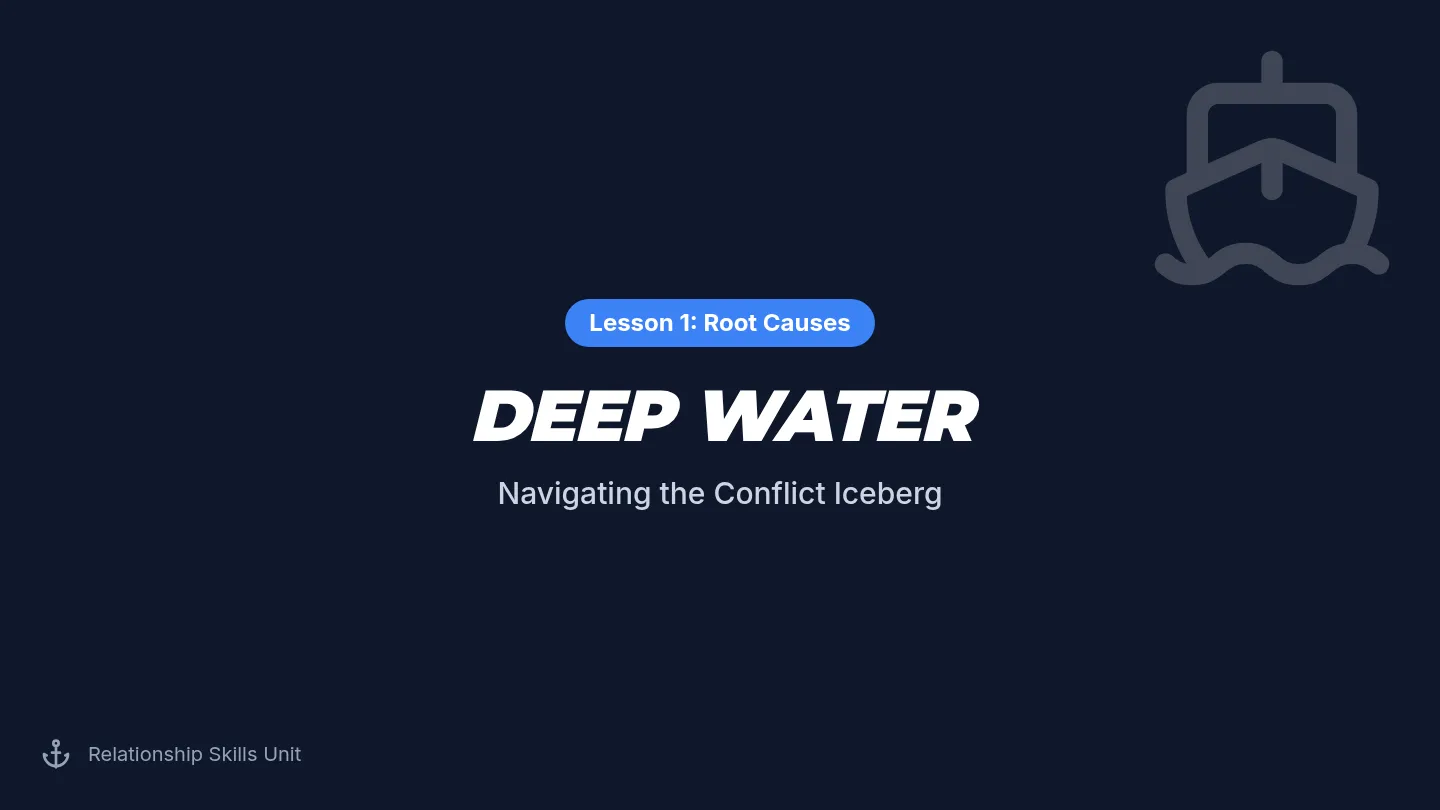
Iceberg Presentation Slides
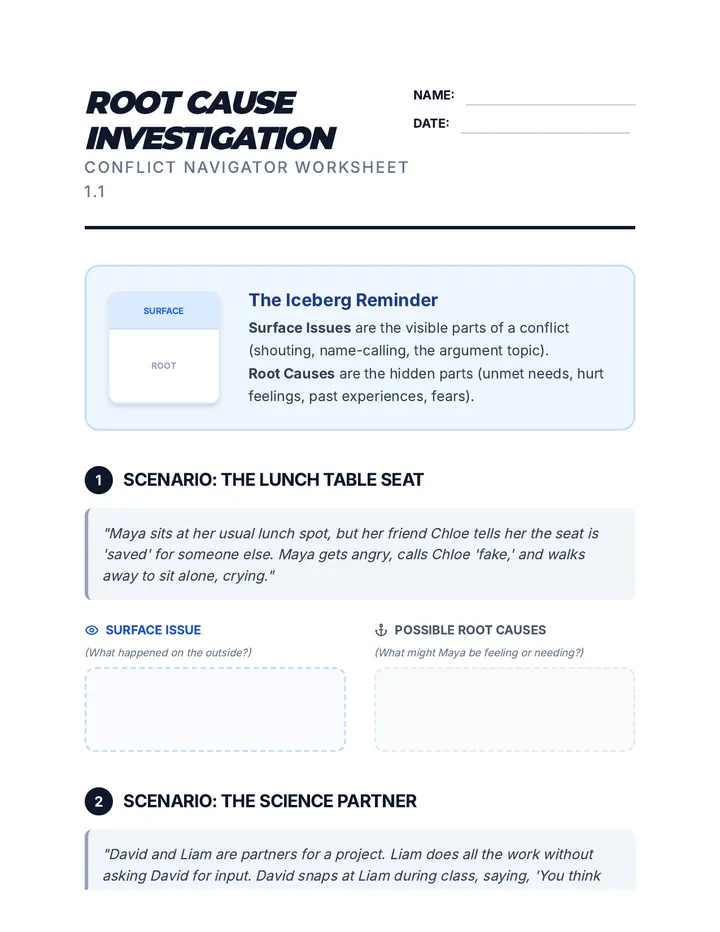
Root Cause Investigation Worksheet
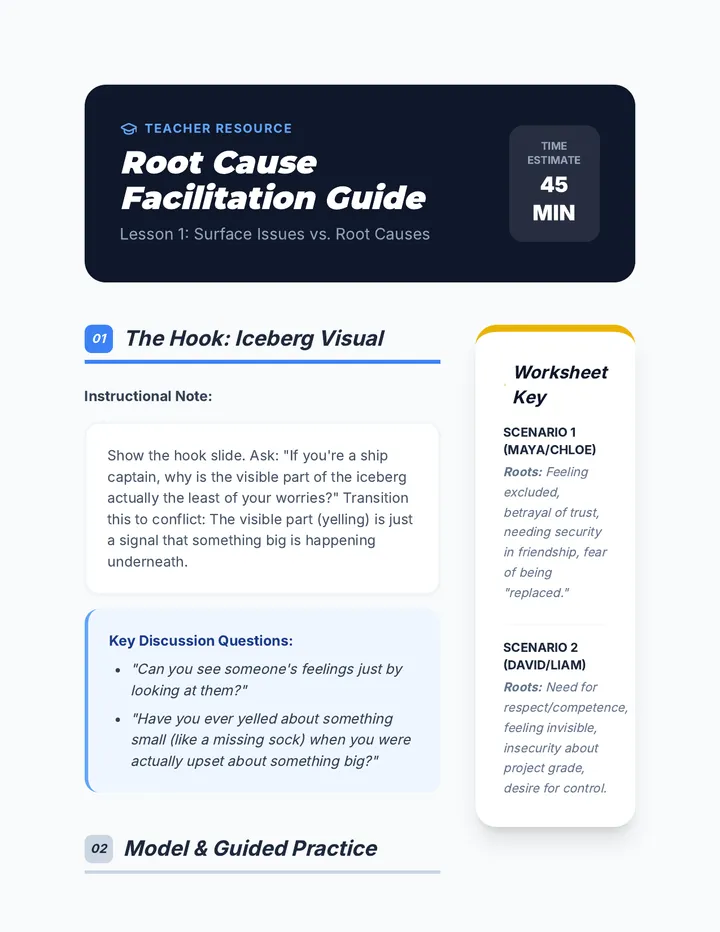
Root Cause Facilitation Guide

Conflict Navigator Sequence

A comprehensive 6th-grade sequence on conflict navigation, teaching students to identify root causes, recognize personal conflict styles, practice perspective-taking, understand escalation, and diagnose complex disputes.

Lenny Avatar
Lenny
1/18
Sequence
Neutral Ground Slides
Opening Statement Worksheet
Neutral Ground Teacher Guide

Dialogue Lab Peer Mediation

This simulation-heavy sequence trains 8th-grade students to act as neutral peer mediators. Students move from establishing ground rules and neutrality to mastering advanced communication skills like reframing and open-ended questioning, culminating in a full mock mediation of complex social conflicts.

Lenny Avatar
Lenny
1/18
Sequence
Lag Logic Slides
Experiential Bridges Guide
Logic vs Feeling Worksheet

Deep Cognition Sequence

An advanced clinical sequence for graduate-level counseling students focused on the nuances, cultural adaptations, and schema-level applications of thought record tracking in cognitive-behavioral therapy.

Lenny Avatar
Lenny
1/18
Sequence
Iceberg Logic Slides
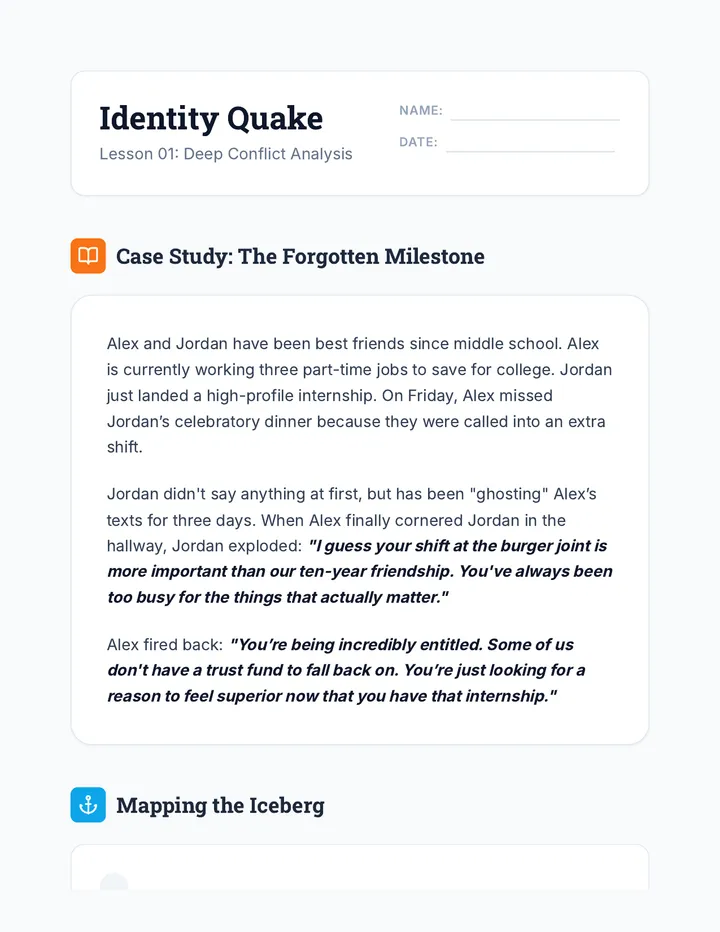
Identity Quake Worksheet
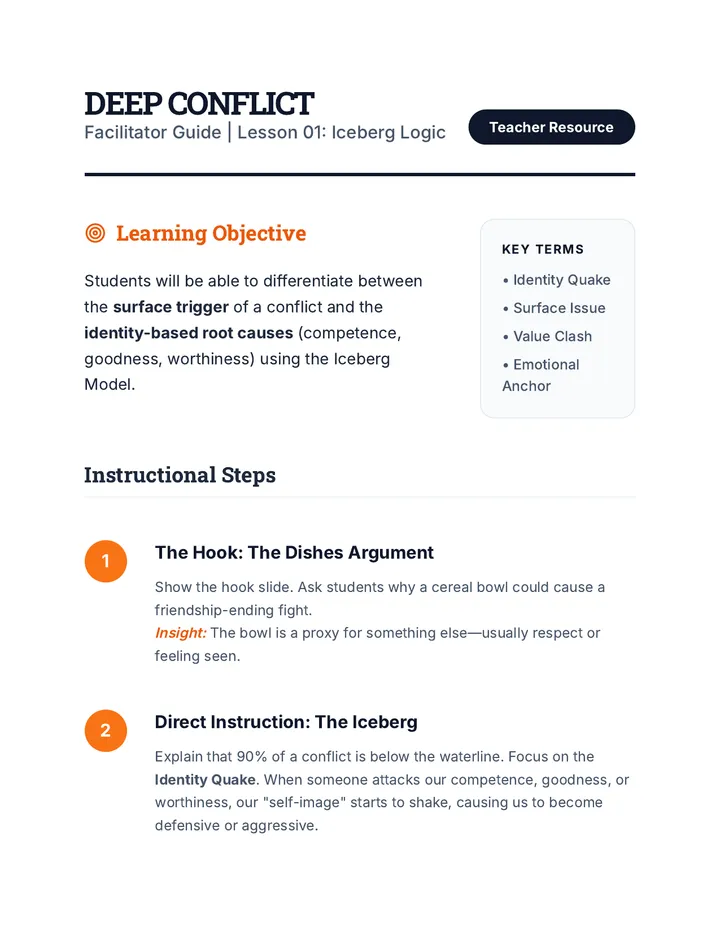
Deep Conflict Facilitator Guide

Social Fabric Restoration

This sequence explores complex conflict navigation for 12th graders, moving from the psychological roots of identity-based conflict to the practical application of restorative circles and sustainable resolution design.

Lenny Avatar
Lenny
1/18
Sequence
Tool Talk Slides
Bad Pitch Breakdown Worksheet

Thought Record Analysis Facilitation

A comprehensive training sequence for undergraduate students focused on the clinical application of Thought Record tracking. Students transition from understanding the tool to facilitating it, mastering psychoeducation, Socratic questioning, and managing clinical resistance.

Lenny Avatar
Lenny
1/18
Sequence
Iceberg Insight Slides
Interest Deep Dive Guide
Position Mapper Worksheet
Border Dispute Case Study

Mediation Mastery

This sequence immerses undergraduate students in the theoretical and practical application of advanced conflict resolution, moving beyond basic interpersonal skills to systemic mediation strategies. Students will master interest-based negotiation, emotional regulation, reframing, and power analysis through simulations and case studies.

Lenny Avatar
Lenny
1/18
Sequence
Team Trust Slides
Team Safety Audit Worksheet

Community Care and Advocacy

This sequence explores the psychology of group dynamics and community care. Students learn to recognize burnout, offer effective support, and advocate for cultures where requesting breaks is normalized and valued.

Lenny Avatar
Lenny
1/18
Sequence
Social Script Slides
Script Critique Worksheet
Social Script Facilitation Guide

Self Respect Social Lab

A simulation-heavy sequence for 7th graders to master FAST skills (Fair, Apologies, Stick to values, Truthful) through social labs, role-plays, and pattern recognition.

Lenny Avatar
Lenny
1/18
Sequence
Compromise Scenario Slides
Compromise Mission Worksheet
Compromise Scenario Teacher Guide

Flex Squad Social Heroes

This sequence teaches 2nd-grade students how to adapt to social plan changes and peer conflicts using flexibility strategies. Students learn to negotiate compromises, handle absent partners, solve resource problems, and support peers experiencing change-related distress.

Lenny Avatar
Lenny
1/18
Sequence
Flexibility Lab Intro Slides
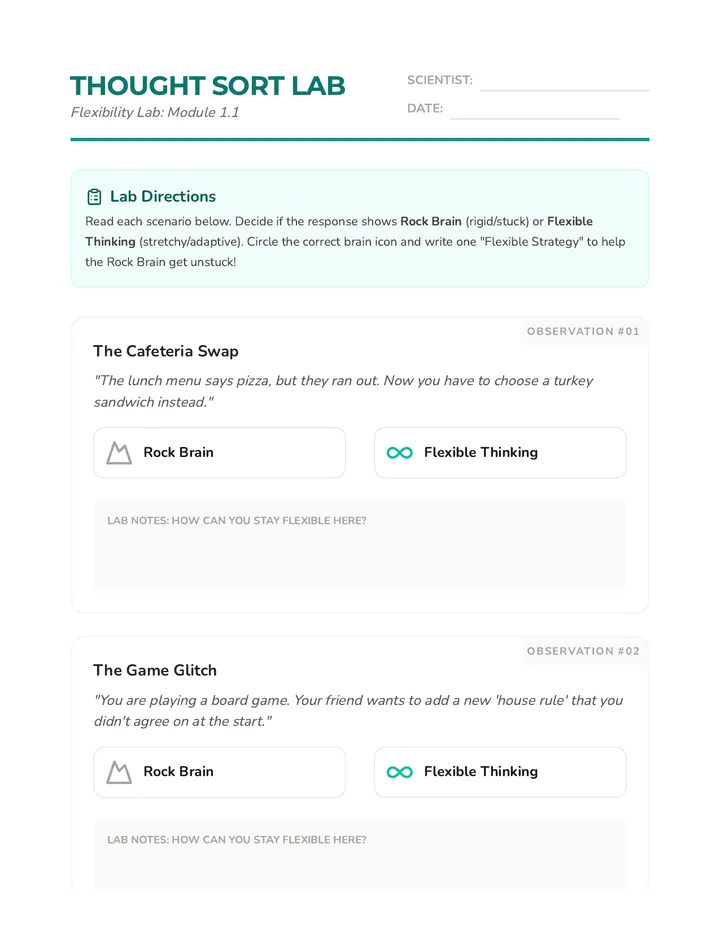
Thought Sort Lab Worksheet
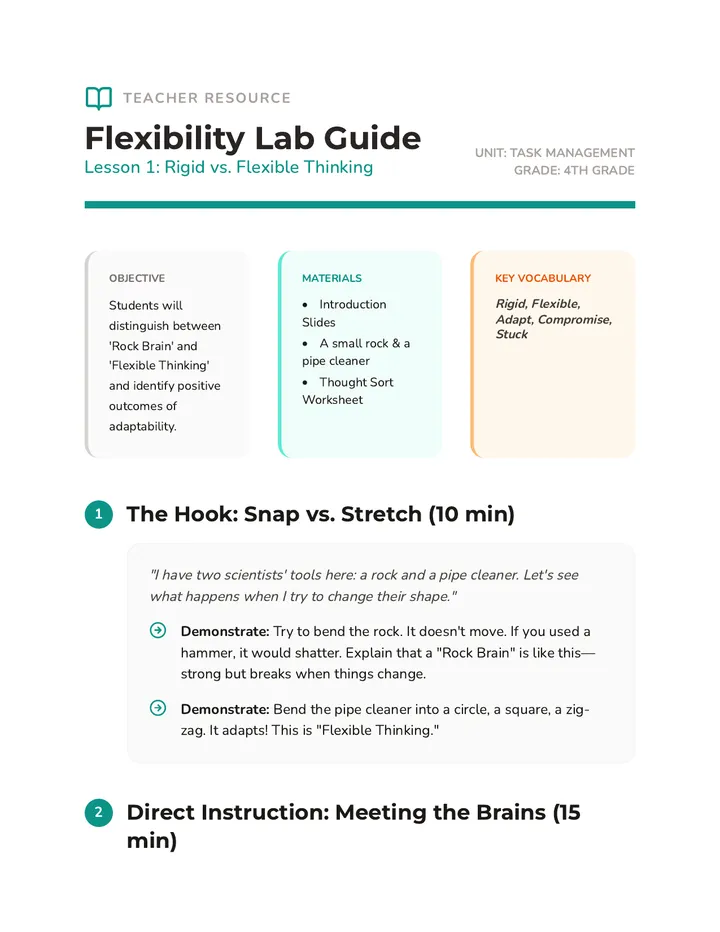
Flexibility Lab Teacher Guide

Flexibility Lab

A 5-lesson sequence designed for 4th-grade students to build cognitive flexibility. Students learn to identify rigid versus flexible thinking, recognize physical stress responses to change, practice rapid task-switching, and apply emotional regulation strategies through role-play and a final 'flexibility obstacle course'.

Lenny Avatar
Lenny
1/18
Sequence
State of Mind Slides
Emotion Sort Worksheet
Spectrum Teacher Guide

Mind Matters Sequence

This sequence helps 8th-grade students distinguish between temporary sadness and clinical depression by analyzing behavioral, physical, and emotional indicators. It culminates in learning the ACT (Acknowledge, Care, Tell) strategy for seeking help from trusted adults.

Lenny Avatar
Lenny
1/18
Sequence
Office Code Slides
Hidden Expectations Worksheet
Office Intel Teacher Guide

Office Intel Sequence

A workplace-readiness sequence for 12th-grade students focusing on inference and prediction within professional contexts. Students learn to navigate 'unwritten rules,' decode professional tone, and predict outcomes of workplace conflicts.

Lenny Avatar
Lenny
1/18
Sequence
Power of Yet Slides
Not Yet Lesson Plan Teacher Guide
My Yet Garden Worksheet Student

Star Power Mastery

A Pre-K sequence focused on building self-esteem and positive experiences through mastery, growth mindset, and persistence. Students learn to navigate challenges and celebrate their own progress.

Lenny Avatar
Lenny
1/18
Sequence
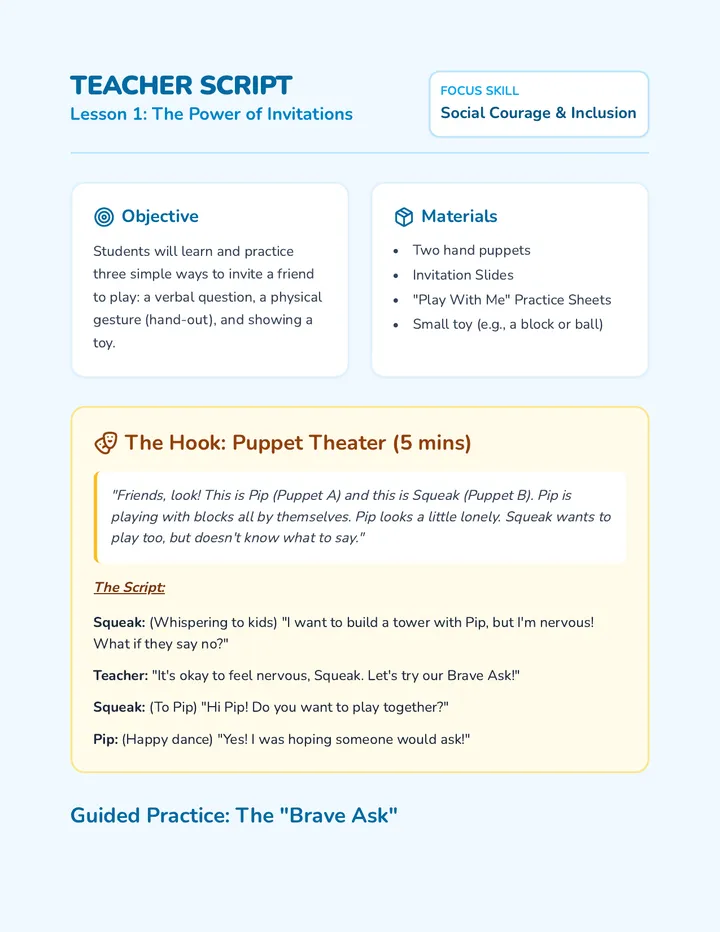
Invitation Teacher Guide
Invitation Slides
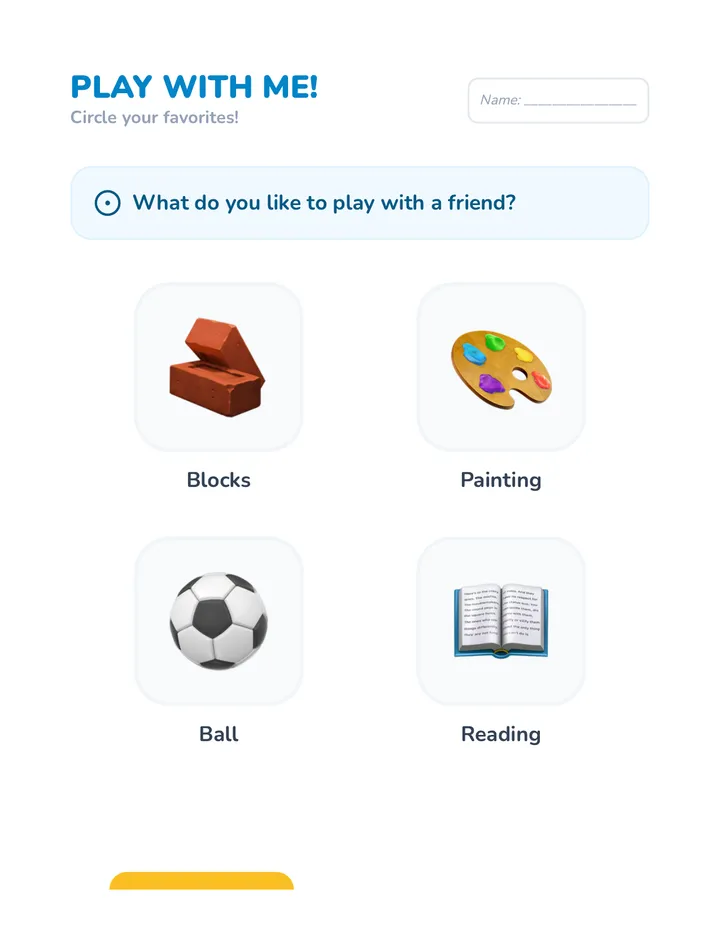
Invitation Practice Sheet

Happy Hearts Together

A Pre-K sequence focused on moving from individual joy to shared happiness through social connection, invitations, collaboration, and celebration. Students learn how community and play amplify positive emotions and build resilience.

Lenny Avatar
Lenny
1/18
Sequence
Greeting Menu Resource
Happy Starts Slides
Favorite Hello Worksheet

Routine Heroes

A sequence for Pre-K students focused on building emotional resilience through predictable, positive daily routines. Students explore greetings, reframing chores, managing transitions, finding peace in quiet time, and practicing daily gratitude.

Lenny Avatar
Lenny
1/18
Sequence
Join the Fun Slides
Invitation Master Class Teacher Guide
Invitation Superpower Worksheet

Sunshine and Smiles

A Kindergarten sequence focused on shared positive experiences to boost mood and build social connections through invitations, cooperation, laughter, altruism, and gratitude.

Lenny Avatar
Lenny
1/18
Sequence
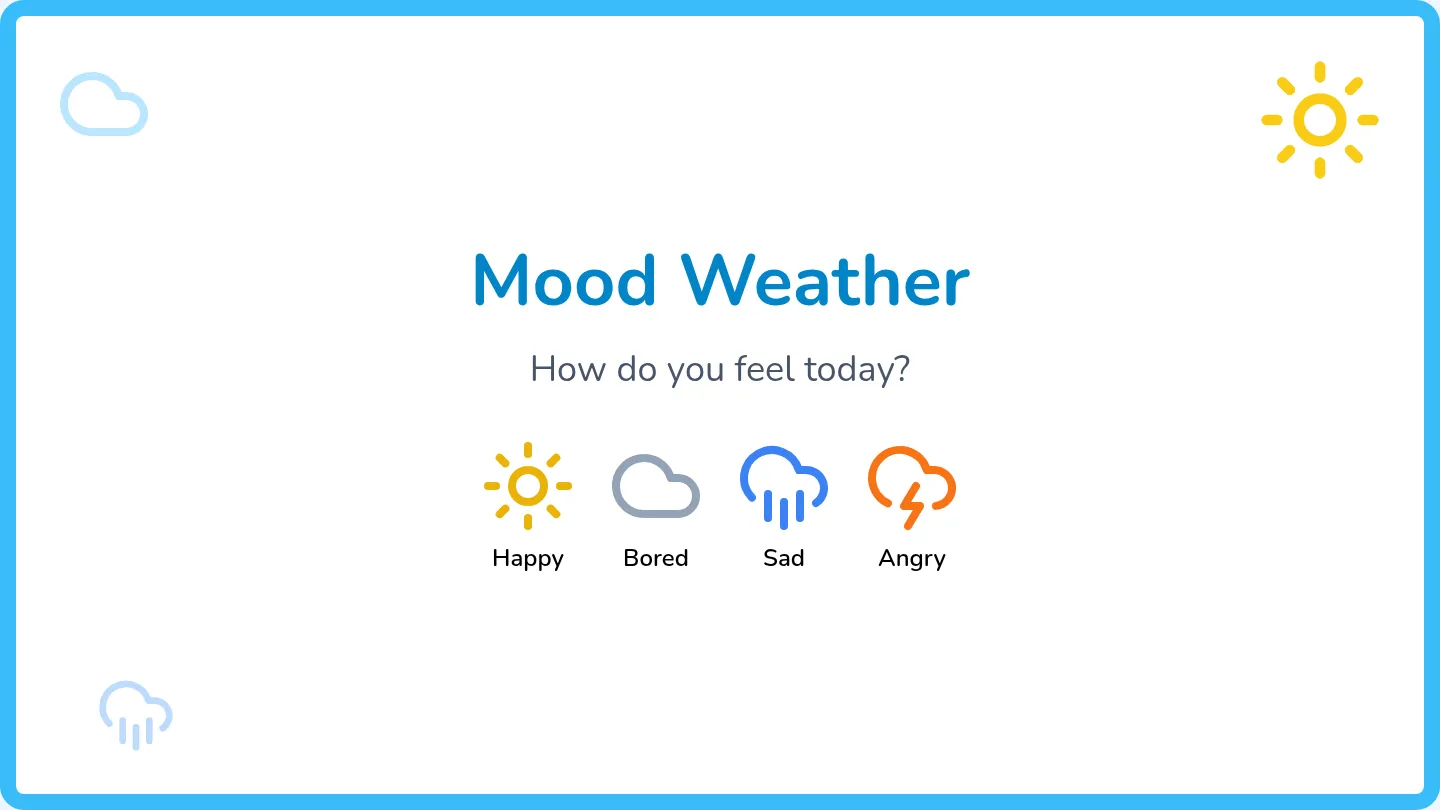
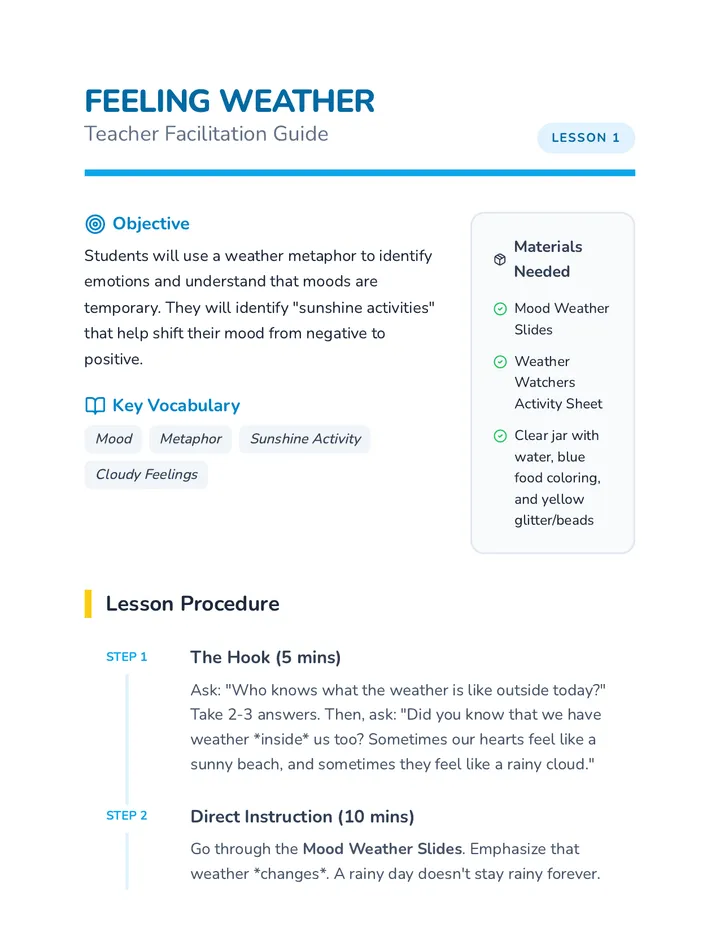
Mood Weather Slides
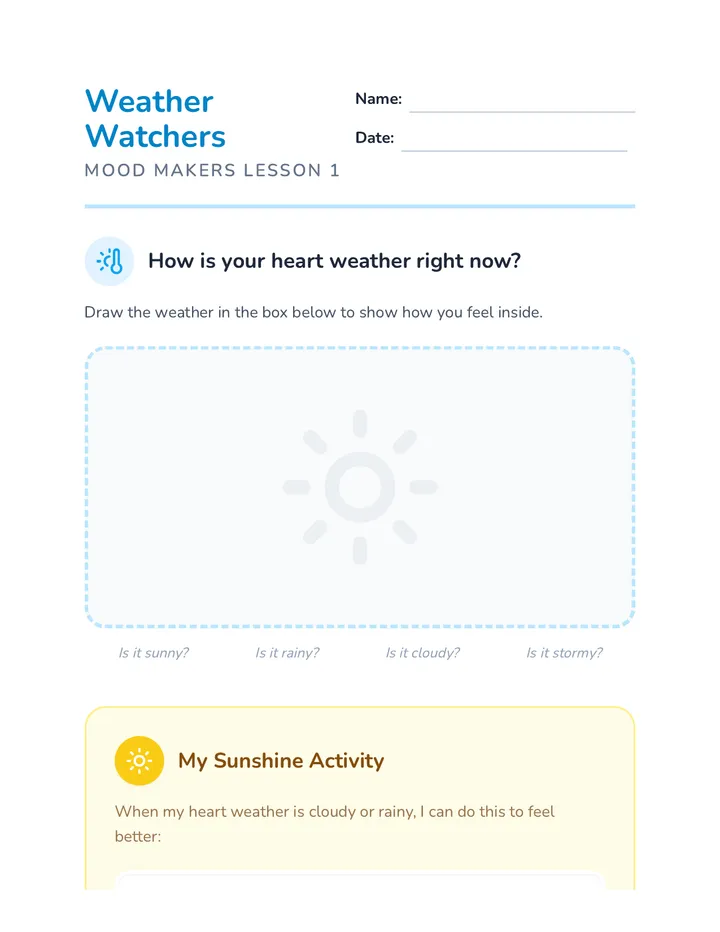
Weather Watchers Activity
Sunshine Shifts Teacher Guide

Mood Makers

A Kindergarten sequence focused on teaching emotional regulation through positive actions. Students learn to use activities like physical movement, deep breathing, and creative expression to 'switch the channel' from negative to positive emotions, building a toolkit of coping strategies.

Lenny Avatar
Lenny
1/18
Sequence
Joy Signals Slides
Body Detective Teacher Guide
Mirror Me Worksheet

Joy Discovery Lab

A Kindergarten sequence focused on helping students identify personal interests and the link between activities and emotions through sensory exploration and creative mapping.

Lenny Avatar
Lenny
1/18
Sequence
Joy Sparks Slides
Joy Map Worksheet
Joy Detective Guide

Joy Sparks

A therapeutic and self-discovery sequence for 2nd graders to identify personal sources of joy. Students explore the physical sensations of happiness, categorize their interests, and create a personalized 'Joy Menu' to use as a coping strategy for emotional regulation.

Lenny Avatar
Lenny
1/18
Sequence
Footprint Detectives Slides
My Online Trail Activity
Footprint Detectives Teacher Guide

Digital Footprint Explorers

A Kindergarten sequence focused on making digital footprints concrete through physical analogies, promoting online kindness, and establishing safety protocols for young internet users.

Lenny Avatar
Lenny
1/18
Sequence
Systemic Barriers PLEASE Slides
Systemic Barriers Teacher Guide
Barriers Audit Worksheet

Equity PLEASE Sequence

This sequence examines the PLEASE skills (Physical illness, Lunch/Eating, Avoid mood-altering substances, Sleep, Exercise) through a Social Determinants of Health lens. Undergraduate counseling students will learn to adapt these therapeutic interventions for clients facing systemic barriers such as food insecurity, housing instability, and physical disability.

Lenny Avatar
Lenny
1/18
Sequence
Stuck Signals Slides
Stuck Signal Map Worksheet
Stuck Signals Teacher Guide

Barrier Detectives Sequence

A 5-lesson unit for 3rd-grade students focused on identifying and categorizing obstacles that prevent task completion. Students learn to recognize internal emotional signals and external barriers (physical, informational, and environmental) to build self-advocacy and problem-solving skills.

Lenny Avatar
Lenny
1/18
Sequence
Fairness Forest Slides
Heart Feelings Worksheet
Fairness Facilitation Guide

The Belonging Brigade

A social-emotional learning sequence for 1st graders focused on empathy, perspective-taking, and challenging exclusion. Students experience simulations, role-play, and creative projects to build an inclusive classroom community.

Lenny Avatar
Lenny
1/18
Sequence
Mystery Box Slides
Detective Discovery Worksheet
Mystery Box Teacher Guide

Hidden Treasures Identifying Assumptions

This 5-lesson sequence for 1st-grade students explores social awareness through the lens of challenging stereotypes and bias. Students move from understanding basic assumptions via object lessons to identifying and debunking gender-based and role-based stereotypes in play and careers, ultimately celebrating individual uniqueness.

Lenny Avatar
Lenny
1/18
Sequence
Radar Vision Slides
Environment Scan Checklist
Observation Master Script

Pulse Watch

A high-intensity simulation-based unit for 12th graders focusing on situational awareness and the early detection of behavioral escalation in dynamic environments. Students take on the role of behavioral analysts to identify subtle cues before they lead to crisis.

Lenny Avatar
Lenny
1/18
Sequence
Baseline Basics Slides
Baseline Facilitation Guide
Baseline Observation Worksheet

Behavioral Cues and Escalation Cycles

A comprehensive 5-lesson unit for 12th-grade students on identifying behavioral baselines and recognizing early warning signs of emotional escalation through analytical observation of verbal, para-verbal, and non-verbal cues.

Lenny Avatar
Lenny
1/18
Sequence
Anatomy of Sound Slides
Vocal Profiling Worksheet

Vocal Signals and Auditory Warnings

A comprehensive 11th-grade sequence focusing on auditory and paraverbal warning signs of behavioral escalation. Students learn to analyze tone, volume, cadence, and speech patterns to identify emotional states and prevent conflict.

Lenny Avatar
Lenny
1/18
Sequence
Baseline Basics Slides
The Baseline Blueprint Teacher Guide
Behavioral Profiling Log Worksheet

Observing Non-Verbal Escalation Patterns

This sequence teaches 11th-grade students how to observe and document behavioral baselines and non-verbal escalation cues. Students move from identifying neutral behaviors to recognizing subtle kinetic and facial indicators of stress to prevent conflict through early observation.

Lenny Avatar
Lenny
1/18
Sequence
Facts Not Feelings Slides
Fact Finder Worksheet
Peer Behavior Unit Guide

Peer Behavior Analysts

A 5-lesson sequence for 9th-grade students focused on developing social awareness and safety by identifying peer behavioral shifts and escalation warning signs through objective observation and non-verbal analysis.

Lenny Avatar
Lenny
1/18
Sequence
Sound Dial Slides
Sound Dial Craft

Feelings Radio

A Pre-K sequence focused on identifying vocal and communication cues that signal emotional escalation. Students learn to recognize changes in volume, speed, tone, and silence as indicators of their own and others' internal states.

Lenny Avatar
Lenny
1/18
Sequence
Bystander Psychology Slides
Bystander Psychology Worksheet
Bystander Psychology Teacher Guide

Active Allyship at Work

This sequence trains 9th-grade students in bystander intervention techniques and active allyship within a workplace context. Students explore the psychological barriers to action (the bystander effect) and master the '4 Ds'—Direct, Distract, Delegate, and Delay—to safely interrupt harassment and support colleagues.

Lenny Avatar
Lenny
1/18
Sequence
Workplace Lines Slides
Line Tracker Worksheet
Boundaries Teacher Guide

Workplace Boundary Lines

A comprehensive sequence for 9th-grade students exploring the legal definitions, impacts, and identification of sexual harassment and hostile work environments in the professional world. Students move from basic legal definitions to nuanced evaluations of intent versus impact and digital professional conduct.

Lenny Avatar
Lenny
1/18
Sequence
Power of Yet Slides
Not Yet Lesson Plan Teacher Guide
My Yet Garden Worksheet Student

Star Power Mastery

A Pre-K sequence focused on building self-esteem and positive experiences through mastery, growth mindset, and persistence. Students learn to navigate challenges and celebrate their own progress.

Lenny Avatar
Lenny
1/18
Sequence
Invitation Teacher Guide
Invitation Slides
Invitation Practice Sheet

Happy Hearts Together

A Pre-K sequence focused on moving from individual joy to shared happiness through social connection, invitations, collaboration, and celebration. Students learn how community and play amplify positive emotions and build resilience.

Lenny Avatar
Lenny
1/18
Sequence
Greeting Menu Resource
Happy Starts Slides
Favorite Hello Worksheet

Routine Heroes

A sequence for Pre-K students focused on building emotional resilience through predictable, positive daily routines. Students explore greetings, reframing chores, managing transitions, finding peace in quiet time, and practicing daily gratitude.

Lenny Avatar
Lenny
1/18
Sequence
Join the Fun Slides
Invitation Master Class Teacher Guide
Invitation Superpower Worksheet

Sunshine and Smiles

A Kindergarten sequence focused on shared positive experiences to boost mood and build social connections through invitations, cooperation, laughter, altruism, and gratitude.

Lenny Avatar
Lenny
1/18
Sequence
Mood Weather Slides
Weather Watchers Activity
Sunshine Shifts Teacher Guide

Mood Makers

A Kindergarten sequence focused on teaching emotional regulation through positive actions. Students learn to use activities like physical movement, deep breathing, and creative expression to 'switch the channel' from negative to positive emotions, building a toolkit of coping strategies.

Lenny Avatar
Lenny
1/18
Sequence
Tipping Point Slides
Try It Tracker Worksheet
Effort Jar Teacher Guide

Help Highway Pathfinder

This sequence empowers 2nd-grade students with self-advocacy skills to navigate obstacles. It moves from recognizing when help is needed to choosing the right helper and using specific, actionable language or non-verbal signals.

Lenny Avatar
Lenny
1/18
Sequence
Helper Heroes Slides
Classroom Helpers Worksheet
Helper Identity Teacher Guide

Help Hero Training

A 5-lesson sequence for 1st Grade students on identifying classroom helpers, getting attention appropriately, phrasing requests, and managing wait time. This program empowers students to advocate for their needs independently and politely.

Lenny Avatar
Lenny
1/18
Sequence
Footprint Detectives Slides
My Online Trail Activity
Footprint Detectives Teacher Guide

Digital Footprint Explorers

A Kindergarten sequence focused on making digital footprints concrete through physical analogies, promoting online kindness, and establishing safety protocols for young internet users.

Lenny Avatar
Lenny
1/18
Sequence
Stuck Signals Slides
Stuck Signal Map Worksheet
Stuck Signals Teacher Guide

Barrier Detectives Sequence

A 5-lesson unit for 3rd-grade students focused on identifying and categorizing obstacles that prevent task completion. Students learn to recognize internal emotional signals and external barriers (physical, informational, and environmental) to build self-advocacy and problem-solving skills.

Lenny Avatar
Lenny
1/18
Sequence
Mystery Box Slides
Detective Discovery Worksheet
Mystery Box Teacher Guide

Hidden Treasures Identifying Assumptions

This 5-lesson sequence for 1st-grade students explores social awareness through the lens of challenging stereotypes and bias. Students move from understanding basic assumptions via object lessons to identifying and debunking gender-based and role-based stereotypes in play and careers, ultimately celebrating individual uniqueness.

Lenny Avatar
Lenny
1/18
Sequence
Radar Vision Slides
Environment Scan Checklist
Observation Master Script

Pulse Watch

A high-intensity simulation-based unit for 12th graders focusing on situational awareness and the early detection of behavioral escalation in dynamic environments. Students take on the role of behavioral analysts to identify subtle cues before they lead to crisis.

Lenny Avatar
Lenny
1/18
Sequence
Baseline Basics Slides
Baseline Facilitation Guide
Baseline Observation Worksheet

Behavioral Cues and Escalation Cycles

A comprehensive 5-lesson unit for 12th-grade students on identifying behavioral baselines and recognizing early warning signs of emotional escalation through analytical observation of verbal, para-verbal, and non-verbal cues.

Lenny Avatar
Lenny
1/18
Sequence
Anatomy of Sound Slides
Vocal Profiling Worksheet

Vocal Signals and Auditory Warnings

A comprehensive 11th-grade sequence focusing on auditory and paraverbal warning signs of behavioral escalation. Students learn to analyze tone, volume, cadence, and speech patterns to identify emotional states and prevent conflict.

Lenny Avatar
Lenny
1/18
Sequence
Baseline Basics Slides
The Baseline Blueprint Teacher Guide
Behavioral Profiling Log Worksheet

Observing Non-Verbal Escalation Patterns

This sequence teaches 11th-grade students how to observe and document behavioral baselines and non-verbal escalation cues. Students move from identifying neutral behaviors to recognizing subtle kinetic and facial indicators of stress to prevent conflict through early observation.

Lenny Avatar
Lenny
1/18
Sequence
Facts Not Feelings Slides
Fact Finder Worksheet
Peer Behavior Unit Guide

Peer Behavior Analysts

A 5-lesson sequence for 9th-grade students focused on developing social awareness and safety by identifying peer behavioral shifts and escalation warning signs through objective observation and non-verbal analysis.

Lenny Avatar
Lenny
1/18
Sequence
Sound Dial Slides
Sound Dial Craft

Feelings Radio

A Pre-K sequence focused on identifying vocal and communication cues that signal emotional escalation. Students learn to recognize changes in volume, speed, tone, and silence as indicators of their own and others' internal states.

Lenny Avatar
Lenny
1/18
Sequence
Paper Trail Slides
Incident Report Worksheet
Reporting Roadmap Teacher Guide

Workplace Rights Intervention

This sequence shifts from identification to action, equipping students with the tools to report misconduct and intervene safely. Students learn the formal mechanisms for reporting discrimination, protections against retaliation, and the '4 Ds' of bystander intervention.

Lenny Avatar
Lenny
1/18
Sequence
Baseline Blueprint Slides
Normalcy Log Worksheet
Baseline Analysis Guide

The Human Gauge

This sequence guides students through identifying physiological and behavioral warning signs of distress, focusing on establishing baselines, mapping internal stress responses, and analyzing external kinetic and vocal shifts to prevent crisis.

Lenny Avatar
Lenny
1/18
Sequence
Body Scan Teacher Script
Calm Body Worksheet

Body Detectives

A comprehensive 5-lesson unit for 2nd graders to build somatic awareness, identifying physiological and behavioral signs of emotional escalation before they reach a crisis point. Students learn to recognize their 'baseline' calm state, map sensations to emotions, use an emotional thermometer, and identify personal warning signals.

Lenny Avatar
Lenny
1/18
Sequence
One at a Time Slides
One at a Time Teacher Guide
One at a Time Feeding Mat

Hands On Heroes

A Pre-K sequence focused on working memory and auditory processing through single-step directions using table-top manipulatives. Students develop fine motor skills and inhibitory control while following specific verbal commands in a hands-on workshop environment.

Lenny Avatar
Lenny
1/18
Sequence
Brain Lab Teacher Guide
Brain Sort Worksheet
Brain Power Slides

Flexibility Lab

A 5-lesson unit for 1st-grade students focusing on cognitive flexibility. Students learn to navigate obstacles, tool breakage, schedule changes, and unavailability using the 'Rock Brain' vs. 'Noodle Brain' metaphor and the 'Plan B' framework.

Lenny Avatar
Lenny
1/18
Sequence
Systemic Barriers PLEASE Slides
Systemic Barriers Teacher Guide
Barriers Audit Worksheet

Equity PLEASE Sequence

This sequence examines the PLEASE skills (Physical illness, Lunch/Eating, Avoid mood-altering substances, Sleep, Exercise) through a Social Determinants of Health lens. Undergraduate counseling students will learn to adapt these therapeutic interventions for clients facing systemic barriers such as food insecurity, housing instability, and physical disability.

Lenny Avatar
Lenny
1/18
Sequence
Stuck Signals Slides
Stuck Signal Map Worksheet
Stuck Signals Teacher Guide

Barrier Detectives Sequence

A 5-lesson unit for 3rd-grade students focused on identifying and categorizing obstacles that prevent task completion. Students learn to recognize internal emotional signals and external barriers (physical, informational, and environmental) to build self-advocacy and problem-solving skills.

Lenny Avatar
Lenny
1/18
Sequence
Mystery Box Slides
Detective Discovery Worksheet
Mystery Box Teacher Guide

Hidden Treasures Identifying Assumptions

This 5-lesson sequence for 1st-grade students explores social awareness through the lens of challenging stereotypes and bias. Students move from understanding basic assumptions via object lessons to identifying and debunking gender-based and role-based stereotypes in play and careers, ultimately celebrating individual uniqueness.

Lenny Avatar
Lenny
1/18
Sequence
Bystander Psychology Slides
Bystander Psychology Worksheet
Bystander Psychology Teacher Guide

Active Allyship at Work

This sequence trains 9th-grade students in bystander intervention techniques and active allyship within a workplace context. Students explore the psychological barriers to action (the bystander effect) and master the '4 Ds'—Direct, Distract, Delegate, and Delay—to safely interrupt harassment and support colleagues.

Lenny Avatar
Lenny
1/18
Sequence
Workplace Lines Slides
Line Tracker Worksheet
Boundaries Teacher Guide

Workplace Boundary Lines

A comprehensive sequence for 9th-grade students exploring the legal definitions, impacts, and identification of sexual harassment and hostile work environments in the professional world. Students move from basic legal definitions to nuanced evaluations of intent versus impact and digital professional conduct.

Lenny Avatar
Lenny
1/18
Sequence
Legal Line Drawing Slides
Defining the Lines Worksheet
Harassment Guide Teacher Key

Professional Boundaries Sequence

A comprehensive unit for 10th graders on identifying, distinguishing, and responding to workplace harassment. Students explore the legal definitions of 'quid pro quo' and 'hostile work environment' while investigating the nuances of intent versus impact.

Lenny Avatar
Lenny
1/18
Sequence
Paper Trail Slides
Incident Report Worksheet
Reporting Roadmap Teacher Guide

Workplace Rights Intervention

This sequence shifts from identification to action, equipping students with the tools to report misconduct and intervene safely. Students learn the formal mechanisms for reporting discrimination, protections against retaliation, and the '4 Ds' of bystander intervention.

Lenny Avatar
Lenny
1/18
Sequence
Fair or Foul Worksheet
Legal Foundations Slides
Protected Classes Reference Guide

Workplace Rights Legal Frameworks

This sequence immerses undergraduate students in the federal legal frameworks of workplace discrimination and harassment, focusing on Title VII, the ADA, and the ADEA. Students learn to distinguish between general conflict and legally actionable harassment through case law analysis and real-world simulation.

Lenny Avatar
Lenny
1/18
Sequence
Intent Impact Slides
Impact Investigation Worksheet
Intent Impact Teacher Guide

Repairing Relationships Sequence

A 5-lesson sequence for 7th grade students focusing on restorative practices, the difference between intent and impact, crafting genuine apologies, and the long-term process of rebuilding trust after conflict.

Lenny Avatar
Lenny
1/18
Sequence
Plus One Strategy Slides
Trade Tracker Worksheet
Game Master Guide Lesson 1

Bridge Builders Negotiation Lab

This sequence teaches 7th-grade students how to move beyond simple compromise to collaborative negotiation. Students learn to separate people from problems, brainstorm creative 'win-win' options, use objective criteria for fairness, and develop a BATNA (Best Alternative to a Negotiated Agreement) to handle complex conflicts effectively while preserving relationships.

Lenny Avatar
Lenny
1/18
Sequence
Iceberg Model Teacher Guide
Iceberg Model Slides

Beneath the Surface Conflict Navigation

This sequence teaches 7th-grade students to navigate complex conflicts using the Iceberg Model. Students learn to look beneath surface-level arguments ('positions') to identify underlying human needs ('interests') through techniques like the Five Whys, core needs analysis, and multi-party mapping.

Lenny Avatar
Lenny
1/18
Sequence
Mediator Mindset Teacher Guide
Mediator Mindset Slides
Neutrality Check Worksheet

Peer Mediation Protocols

A 5-lesson unit for 7th graders on the formal structure of peer mediation. Students transition from observers to facilitators, learning to maintain neutrality, set ground rules, reframe toxic language, and guide parties toward mutually agreed-upon solutions.

Lenny Avatar
Lenny
1/18
Sequence
Verdict or Voice Worksheet
Neutral Party Slides
Mediator Ethics Teacher Guide

Peace Makers Academy

This sequence trains 9th-grade students to facilitate peer mediation. It covers the ethics of neutrality, the structural stages of a mediation session, summarizing complex issues into actionable agendas, and drafting sustainable, SMART agreements, culminating in a mock mediation certification.

Lenny Avatar
Lenny
1/18
Sequence
Cooling the Room Slides
Body Language Blueprint Worksheet
De-escalation Drills Teacher Guide

Tactical Communication Sequence

A comprehensive 9th-grade sequence on de-escalation, active listening, and assertive communication to navigate complex conflicts effectively. Students move from understanding non-verbal cues to mastering the 'XYZ' formula and reframing toxic language.

Lenny Avatar
Lenny
1/18
Sequence
The Role of the Mediator Slides
Mediator Case Studies Worksheet

Peer Mediation Fundamentals

This sequence empowers students to act as third-party neutrals, introducing the specific structure and skills of Peer Mediation. Students learn the distinct phases of a mediation session, the importance of neutrality, and how to facilitate dialogue without taking sides.

Lenny Avatar
Lenny
1/18
Sequence
Hidden Depths Teacher Guide
Iceberg Insights Slides
Submerged Truths Worksheet

Conflict Blueprints

A comprehensive 9th-grade sequence exploring the psychological and biological roots of conflict. Students learn to distinguish visible behaviors from hidden needs, understand the neuroscience of emotional escalation, and develop practical self-regulation strategies to navigate complex interpersonal disputes.

Lenny Avatar
Lenny
1/18
Sequence
The Art of Repair Slides
The Repair Shop Worksheet
The Art of Repair Teacher Guide

Mending Fences

A 5-lesson sequence for 6th graders focusing on the aftermath of conflict: restoration, genuine apologies, sustainable agreements, and rebuilding trust. Students move beyond just 'stopping a fight' to actively repairing relationships and creating long-term peace.

Lenny Avatar
Lenny
1/18
Sequence
Iceberg Presentation Slides
Root Cause Investigation Worksheet
Root Cause Facilitation Guide

Conflict Navigator Sequence

A comprehensive 6th-grade sequence on conflict navigation, teaching students to identify root causes, recognize personal conflict styles, practice perspective-taking, understand escalation, and diagnose complex disputes.

Lenny Avatar
Lenny
1/18
Sequence
Positions vs Interests Slides
The Why Behind the What Worksheet
Orange Story Teacher Guide

Collaborative Negotiation and Problem Solving

A 5-lesson sequence for 6th graders focusing on Interests-Based Negotiation. Students move from rigid positions to understanding underlying needs, brainstorming creative solutions, and evaluating fairness, culminating in a complex negotiation simulation.

Lenny Avatar
Lenny
1/18
Sequence
Joy Signals Slides
Body Detective Teacher Guide
Mirror Me Worksheet

Joy Discovery Lab

A Kindergarten sequence focused on helping students identify personal interests and the link between activities and emotions through sensory exploration and creative mapping.

Lenny Avatar
Lenny
1/18
Sequence
Joy Sparks Slides
Joy Map Worksheet
Joy Detective Guide

Joy Sparks

A therapeutic and self-discovery sequence for 2nd graders to identify personal sources of joy. Students explore the physical sensations of happiness, categorize their interests, and create a personalized 'Joy Menu' to use as a coping strategy for emotional regulation.

Lenny Avatar
Lenny
1/18
Sequence
Systemic Barriers PLEASE Slides
Systemic Barriers Teacher Guide
Barriers Audit Worksheet

Equity PLEASE Sequence

This sequence examines the PLEASE skills (Physical illness, Lunch/Eating, Avoid mood-altering substances, Sleep, Exercise) through a Social Determinants of Health lens. Undergraduate counseling students will learn to adapt these therapeutic interventions for clients facing systemic barriers such as food insecurity, housing instability, and physical disability.

Lenny Avatar
Lenny
1/18
Sequence
Fairness Forest Slides
Heart Feelings Worksheet
Fairness Facilitation Guide

The Belonging Brigade

A social-emotional learning sequence for 1st graders focused on empathy, perspective-taking, and challenging exclusion. Students experience simulations, role-play, and creative projects to build an inclusive classroom community.

Lenny Avatar
Lenny
1/18
Sequence
Mystery Box Slides
Detective Discovery Worksheet
Mystery Box Teacher Guide

Hidden Treasures Identifying Assumptions

This 5-lesson sequence for 1st-grade students explores social awareness through the lens of challenging stereotypes and bias. Students move from understanding basic assumptions via object lessons to identifying and debunking gender-based and role-based stereotypes in play and careers, ultimately celebrating individual uniqueness.

Lenny Avatar
Lenny
1/18
Sequence
Priority Rubrics Slides
Institutional Mission Handout

Admissions Decision Making

A graduate-level exploration of the admissions 'black box,' where students act as admissions officers to navigate the complexities of holistic review, institutional priorities, and systemic bias in post-secondary gatekeeping.

Lenny Avatar
Lenny
1/18
Sequence
Feelings Lab Guide
What Happened Next Worksheet

Identifying Triggers and Emotional Associations

A 5-lesson sequence for Pre-K students to help them understand triggers and distinguish past memories from present safety through play and sensory exploration.

Lenny Avatar
Lenny
1/18
Sequence
Systems Foundations Slides
Census Identity Worksheet

Architects of Identity

A graduate-level exploration of how social structures, laws, and algorithms construct identity, moving from sociological theory to clinical 'Structural Competency' and advocacy.

Lenny Avatar
Lenny
1/18
Sequence
Dynamic Stages Slides
Icebreaker Critique Log
Initial Contact Guide

Facilitating Group Dynamics and Leadership Strategies

This sequence transitions undergraduate students from participants to facilitators of outdoor adventure activities. It explores group development theory, psychological safety, conflict mediation, universal design, and advanced debriefing techniques through a workshop-based approach.

Lenny Avatar
Lenny
1/18
Sequence
Screen vs Green Slides
Balanced Architect Worksheet

Digital Citizen Architects

A 5-lesson sequence for 3rd graders on digital citizenship, focusing on screen time balance, intellectual property, safety rules, and family media planning. Students transition from learners to 'Digital Architects' who design their own healthy online habits.

Lenny Avatar
Lenny
1/18
Sequence
Tool Testing Slides
Tool Testing Log
Project Facilitation Guide

Sensory Station Design

A project-based sequence where 4th-grade students evaluate sensory tools, design a classroom 'Sensory Station,' and establish community norms for its use to support proactive self-regulation.

Lenny Avatar
Lenny
1/18
Sequence
Sensory Detective Guide
Detective Audit Slides
Classroom Audit Checklist

Sensory Lab Squad

This sequence explores how environmental factors and community interactions impact sensory regulation. Students learn to audit their surroundings, respect diverse sensory needs, practice co-regulation, troubleshoot transitions, and collaboratively create a classroom sensory contract.

Lenny Avatar
Lenny
1/18
Sequence
Trauma Informed Facilitation Guide
Safe Space Foundations Slides
Policy Review Worksheet

Restoring Hope and Justice

A comprehensive unit for undergraduate students focusing on the aftermath of human trafficking. Students explore trauma-informed care, legal advocacy for survivors, ethical storytelling, the neurological impacts of trauma, and community-based action planning to support recovery and reintegration.

Lenny Avatar
Lenny
1/18
Sequence
Environmental Audit Slides
Sensory Audit Worksheet
Environmental Audit Teacher Guide

Sensory Architects Sequence

A 5th-grade sequence where students act as 'Sensory Architects' to analyze, design, and implement proactive sensory routines in their classroom. Students focus on environmental audits, schedule analysis, and peer-led interventions to support collective focus and regulation.

Lenny Avatar
Lenny
1/18
Sequence
Image Standard Slides
Media Trends Dataset Analysis
Systemic Bias Discussion Guide

Identity Reauthored

A graduate-level counseling sequence exploring how sociocultural forces shape self-image through Narrative Therapy and intersectional analysis. Students learn to externalize negative narratives and re-author their professional and personal identities.

Lenny Avatar
Lenny
1/18
Sequence
Affect Landscapes Slides
Affective Mapping Exercise
Constructing Affect Teacher Guide

Affective Landscapes

This sequence for graduate counseling students examines how culture, language, and systemic context shape emotional labeling and expression. It challenges Western-centric models and prepares students to use culturally humble inquiry in clinical settings.

Lenny Avatar
Lenny
1/18
Sequence
Neurodiversity Foundations Teacher Guide
Neurodiversity Models Slides
Medical vs Social Model Worksheet

Navigating Neurodiversity and Inclusion

This sequence explores neurodiversity through the Social Model of disability, challenging traditional norms of professionalism and designing inclusive environments. Students will move from theoretical understanding to practical application in organizational policy and advocacy.

Lenny Avatar
Lenny
1/18
Sequence
Sensory Detective Slides
Sensory Detective Map Worksheet

Calm Corner Architects

A project-based sequence where 3rd-grade students analyze their classroom environment and design a 'Calm Corner' to aid in dysregulation recovery. Students move from environmental auditing to design thinking and protocol establishment.

Lenny Avatar
Lenny
1/18
Sequence
Space Bubble Teacher Guide
Bubble Boundaries Slides
Space Bubble Worksheet

Friendship Toolbox Sequence

A Kindergarten social-emotional learning sequence focused on building positive peer interaction skills through social scripting, personal boundaries, and conflict resolution. Students use role-play and visual stories to internalize strategies for sharing, joining groups, and handling social rejection.

Lenny Avatar
Lenny
1/18
Sequence
Family Roles Teacher Guide
Family Roles Slides
Family Finger Puppets Worksheet

Exploring Family Structures and Belonging

A Pre-K sequence focused on family identity, helping children recognize their roles, celebrate their home culture, and see their classroom as a supportive community.

Lenny Avatar
Lenny
1/18
Sequence
Joy Signals Slides
Body Detective Teacher Guide
Mirror Me Worksheet

Joy Discovery Lab

A Kindergarten sequence focused on helping students identify personal interests and the link between activities and emotions through sensory exploration and creative mapping.

Lenny Avatar
Lenny
1/18
Sequence
Brain Lab Teacher Guide
Brain Sort Worksheet
Brain Power Slides

Flexibility Lab

A 5-lesson unit for 1st-grade students focusing on cognitive flexibility. Students learn to navigate obstacles, tool breakage, schedule changes, and unavailability using the 'Rock Brain' vs. 'Noodle Brain' metaphor and the 'Plan B' framework.

Lenny Avatar
Lenny
1/18
Sequence
Systemic Barriers PLEASE Slides
Systemic Barriers Teacher Guide
Barriers Audit Worksheet

Equity PLEASE Sequence

This sequence examines the PLEASE skills (Physical illness, Lunch/Eating, Avoid mood-altering substances, Sleep, Exercise) through a Social Determinants of Health lens. Undergraduate counseling students will learn to adapt these therapeutic interventions for clients facing systemic barriers such as food insecurity, housing instability, and physical disability.

Lenny Avatar
Lenny
1/18
Sequence
Fairness Forest Slides
Heart Feelings Worksheet
Fairness Facilitation Guide

The Belonging Brigade

A social-emotional learning sequence for 1st graders focused on empathy, perspective-taking, and challenging exclusion. Students experience simulations, role-play, and creative projects to build an inclusive classroom community.

Lenny Avatar
Lenny
1/18
Sequence
Bystander Psychology Slides
Bystander Psychology Worksheet
Bystander Psychology Teacher Guide

Active Allyship at Work

This sequence trains 9th-grade students in bystander intervention techniques and active allyship within a workplace context. Students explore the psychological barriers to action (the bystander effect) and master the '4 Ds'—Direct, Distract, Delegate, and Delay—to safely interrupt harassment and support colleagues.

Lenny Avatar
Lenny
1/18
Sequence
Workplace Lines Slides
Line Tracker Worksheet
Boundaries Teacher Guide

Workplace Boundary Lines

A comprehensive sequence for 9th-grade students exploring the legal definitions, impacts, and identification of sexual harassment and hostile work environments in the professional world. Students move from basic legal definitions to nuanced evaluations of intent versus impact and digital professional conduct.

Lenny Avatar
Lenny
1/18
Sequence
Legal Line Drawing Slides
Defining the Lines Worksheet
Harassment Guide Teacher Key

Professional Boundaries Sequence

A comprehensive unit for 10th graders on identifying, distinguishing, and responding to workplace harassment. Students explore the legal definitions of 'quid pro quo' and 'hostile work environment' while investigating the nuances of intent versus impact.

Lenny Avatar
Lenny
1/18
Sequence
Fair or Foul Worksheet
Legal Foundations Slides
Protected Classes Reference Guide

Workplace Rights Legal Frameworks

This sequence immerses undergraduate students in the federal legal frameworks of workplace discrimination and harassment, focusing on Title VII, the ADA, and the ADEA. Students learn to distinguish between general conflict and legally actionable harassment through case law analysis and real-world simulation.

Lenny Avatar
Lenny
1/18
Sequence
Intent Impact Slides
Impact Investigation Worksheet
Intent Impact Teacher Guide

Repairing Relationships Sequence

A 5-lesson sequence for 7th grade students focusing on restorative practices, the difference between intent and impact, crafting genuine apologies, and the long-term process of rebuilding trust after conflict.

Lenny Avatar
Lenny
1/18
Sequence
Plus One Strategy Slides
Trade Tracker Worksheet
Game Master Guide Lesson 1

Bridge Builders Negotiation Lab

This sequence teaches 7th-grade students how to move beyond simple compromise to collaborative negotiation. Students learn to separate people from problems, brainstorm creative 'win-win' options, use objective criteria for fairness, and develop a BATNA (Best Alternative to a Negotiated Agreement) to handle complex conflicts effectively while preserving relationships.

Lenny Avatar
Lenny
1/18
Sequence
Iceberg Model Teacher Guide
Iceberg Model Slides

Beneath the Surface Conflict Navigation

This sequence teaches 7th-grade students to navigate complex conflicts using the Iceberg Model. Students learn to look beneath surface-level arguments ('positions') to identify underlying human needs ('interests') through techniques like the Five Whys, core needs analysis, and multi-party mapping.

Lenny Avatar
Lenny
1/18
Sequence
Mediator Mindset Teacher Guide
Mediator Mindset Slides
Neutrality Check Worksheet

Peer Mediation Protocols

A 5-lesson unit for 7th graders on the formal structure of peer mediation. Students transition from observers to facilitators, learning to maintain neutrality, set ground rules, reframe toxic language, and guide parties toward mutually agreed-upon solutions.

Lenny Avatar
Lenny
1/18
Sequence
Verdict or Voice Worksheet
Neutral Party Slides
Mediator Ethics Teacher Guide

Peace Makers Academy

This sequence trains 9th-grade students to facilitate peer mediation. It covers the ethics of neutrality, the structural stages of a mediation session, summarizing complex issues into actionable agendas, and drafting sustainable, SMART agreements, culminating in a mock mediation certification.

Lenny Avatar
Lenny
1/18
Sequence
Cooling the Room Slides
Body Language Blueprint Worksheet
De-escalation Drills Teacher Guide

Tactical Communication Sequence

A comprehensive 9th-grade sequence on de-escalation, active listening, and assertive communication to navigate complex conflicts effectively. Students move from understanding non-verbal cues to mastering the 'XYZ' formula and reframing toxic language.

Lenny Avatar
Lenny
1/18
Sequence
The Role of the Mediator Slides
Mediator Case Studies Worksheet

Peer Mediation Fundamentals

This sequence empowers students to act as third-party neutrals, introducing the specific structure and skills of Peer Mediation. Students learn the distinct phases of a mediation session, the importance of neutrality, and how to facilitate dialogue without taking sides.

Lenny Avatar
Lenny
1/18
Sequence
Hidden Depths Teacher Guide
Iceberg Insights Slides
Submerged Truths Worksheet

Conflict Blueprints

A comprehensive 9th-grade sequence exploring the psychological and biological roots of conflict. Students learn to distinguish visible behaviors from hidden needs, understand the neuroscience of emotional escalation, and develop practical self-regulation strategies to navigate complex interpersonal disputes.

Lenny Avatar
Lenny
1/18
Sequence
The Art of Repair Slides
The Repair Shop Worksheet
The Art of Repair Teacher Guide

Mending Fences

A 5-lesson sequence for 6th graders focusing on the aftermath of conflict: restoration, genuine apologies, sustainable agreements, and rebuilding trust. Students move beyond just 'stopping a fight' to actively repairing relationships and creating long-term peace.

Lenny Avatar
Lenny
1/18
Sequence
Iceberg Presentation Slides
Root Cause Investigation Worksheet
Root Cause Facilitation Guide

Conflict Navigator Sequence

A comprehensive 6th-grade sequence on conflict navigation, teaching students to identify root causes, recognize personal conflict styles, practice perspective-taking, understand escalation, and diagnose complex disputes.

Lenny Avatar
Lenny
1/18
Sequence
Positions vs Interests Slides
The Why Behind the What Worksheet
Orange Story Teacher Guide

Collaborative Negotiation and Problem Solving

A 5-lesson sequence for 6th graders focusing on Interests-Based Negotiation. Students move from rigid positions to understanding underlying needs, brainstorming creative solutions, and evaluating fairness, culminating in a complex negotiation simulation.

Lenny Avatar
Lenny
1/18
Sequence
On The Move Slides
Brevity Boss Worksheet
Quick Comm Teacher Guide

Professional Communication and Self-Advocacy

This sequence prepares 11th-grade students to use speech recognition dictation in professional and higher education settings. It focuses on workplace efficiency, professional tone, social awareness in shared spaces, self-advocacy for accommodations under the ADA, and technical troubleshooting to foster independence.

Lenny Avatar
Lenny
1/18
Sequence
Fairness Forest Slides
Heart Feelings Worksheet
Fairness Facilitation Guide

The Belonging Brigade

A social-emotional learning sequence for 1st graders focused on empathy, perspective-taking, and challenging exclusion. Students experience simulations, role-play, and creative projects to build an inclusive classroom community.

Lenny Avatar
Lenny
1/18
Sequence
Mystery Box Slides
Detective Discovery Worksheet
Mystery Box Teacher Guide

Hidden Treasures Identifying Assumptions

This 5-lesson sequence for 1st-grade students explores social awareness through the lens of challenging stereotypes and bias. Students move from understanding basic assumptions via object lessons to identifying and debunking gender-based and role-based stereotypes in play and careers, ultimately celebrating individual uniqueness.

Lenny Avatar
Lenny
1/18
Sequence
Bystander Psychology Slides
Bystander Psychology Worksheet
Bystander Psychology Teacher Guide

Active Allyship at Work

This sequence trains 9th-grade students in bystander intervention techniques and active allyship within a workplace context. Students explore the psychological barriers to action (the bystander effect) and master the '4 Ds'—Direct, Distract, Delegate, and Delay—to safely interrupt harassment and support colleagues.

Lenny Avatar
Lenny
1/18
Sequence
Workplace Lines Slides
Line Tracker Worksheet
Boundaries Teacher Guide

Workplace Boundary Lines

A comprehensive sequence for 9th-grade students exploring the legal definitions, impacts, and identification of sexual harassment and hostile work environments in the professional world. Students move from basic legal definitions to nuanced evaluations of intent versus impact and digital professional conduct.

Lenny Avatar
Lenny
1/18
Sequence
Legal Line Drawing Slides
Defining the Lines Worksheet
Harassment Guide Teacher Key

Professional Boundaries Sequence

A comprehensive unit for 10th graders on identifying, distinguishing, and responding to workplace harassment. Students explore the legal definitions of 'quid pro quo' and 'hostile work environment' while investigating the nuances of intent versus impact.

Lenny Avatar
Lenny
1/18
Sequence
Paper Trail Slides
Incident Report Worksheet
Reporting Roadmap Teacher Guide

Workplace Rights Intervention

This sequence shifts from identification to action, equipping students with the tools to report misconduct and intervene safely. Students learn the formal mechanisms for reporting discrimination, protections against retaliation, and the '4 Ds' of bystander intervention.

Lenny Avatar
Lenny
1/18
Sequence
Fair or Foul Worksheet
Legal Foundations Slides
Protected Classes Reference Guide

Workplace Rights Legal Frameworks

This sequence immerses undergraduate students in the federal legal frameworks of workplace discrimination and harassment, focusing on Title VII, the ADA, and the ADEA. Students learn to distinguish between general conflict and legally actionable harassment through case law analysis and real-world simulation.

Lenny Avatar
Lenny
1/18
Sequence
The Role of the Mediator Slides
Mediator Case Studies Worksheet

Peer Mediation Fundamentals

This sequence empowers students to act as third-party neutrals, introducing the specific structure and skills of Peer Mediation. Students learn the distinct phases of a mediation session, the importance of neutrality, and how to facilitate dialogue without taking sides.

Lenny Avatar
Lenny
1/18
Sequence
Neutral Ground Slides
Opening Statement Worksheet
Neutral Ground Teacher Guide

Dialogue Lab Peer Mediation

This simulation-heavy sequence trains 8th-grade students to act as neutral peer mediators. Students move from establishing ground rules and neutrality to mastering advanced communication skills like reframing and open-ended questioning, culminating in a full mock mediation of complex social conflicts.

Lenny Avatar
Lenny
1/18
Sequence
Lag Logic Slides
Experiential Bridges Guide
Logic vs Feeling Worksheet

Deep Cognition Sequence

An advanced clinical sequence for graduate-level counseling students focused on the nuances, cultural adaptations, and schema-level applications of thought record tracking in cognitive-behavioral therapy.

Lenny Avatar
Lenny
1/18
Sequence
Apology Nuance Slides
Cultural Bridging Case Studies
Apology Bridging Facilitation Guide

The Adaptive Lens FAST Skills

This graduate-level sequence critically examines the DBT FAST skills (Fair, Apology-free, Stick to values, Truthful) through the lenses of cultural humility, intersectionality, and systemic power dynamics. Students will move beyond a Eurocentric assertiveness model to develop nuanced, safe, and culturally responsive clinical interventions.

Lenny Avatar
Lenny
1/18
Sequence
GPA Mechanics Slides
GPA Workshop Handout
GPA Recalculation Key

Metrics and Equity

A graduate-level inquiry into the role of quantitative metrics in admissions, exploring the technical mechanics of GPA recalculation and the ethical implications of standardized testing through an equity lens.

Lenny Avatar
Lenny
1/18
Sequence
Priority Rubrics Slides
Institutional Mission Handout

Admissions Decision Making

A graduate-level exploration of the admissions 'black box,' where students act as admissions officers to navigate the complexities of holistic review, institutional priorities, and systemic bias in post-secondary gatekeeping.

Lenny Avatar
Lenny
1/18
Sequence
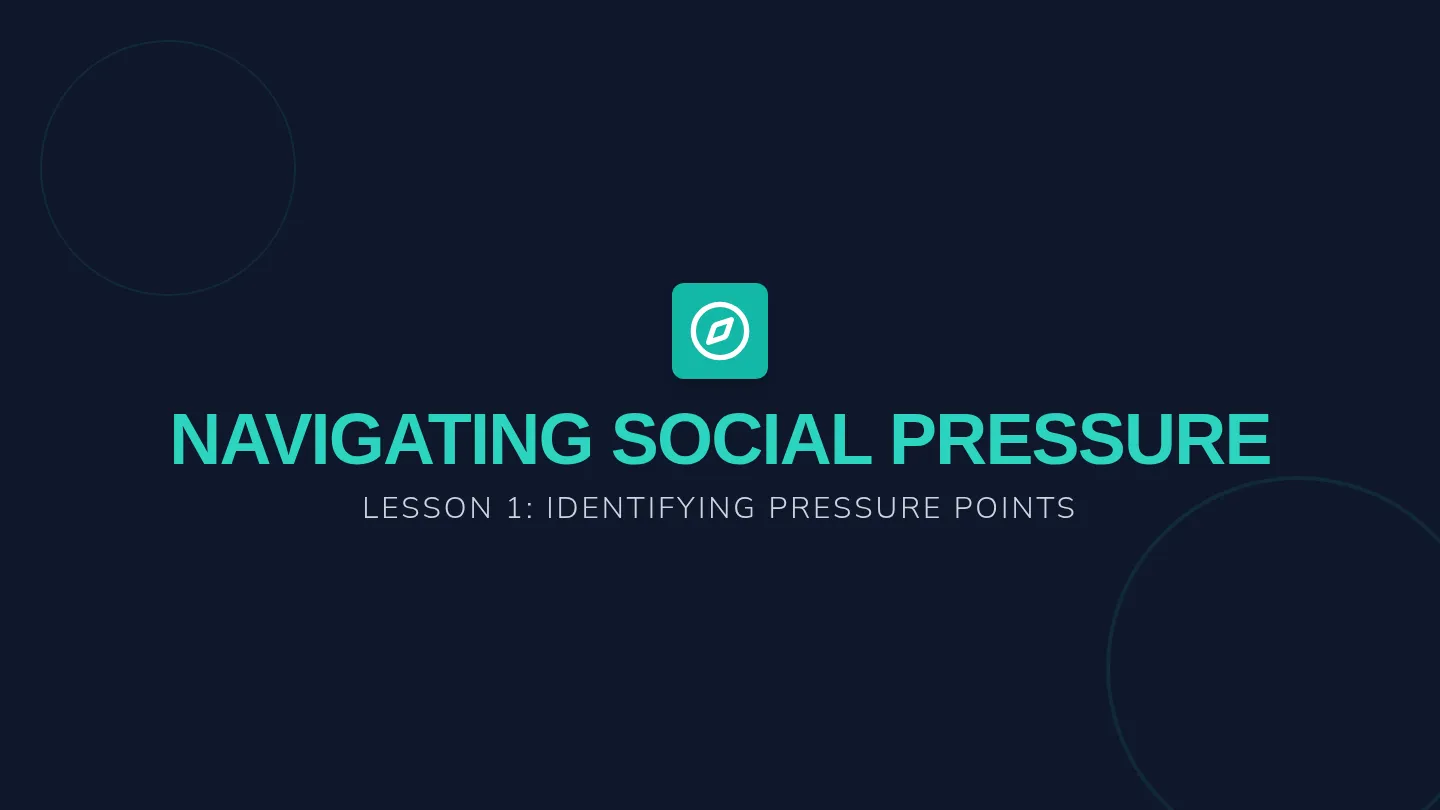
Pressure Points Slides
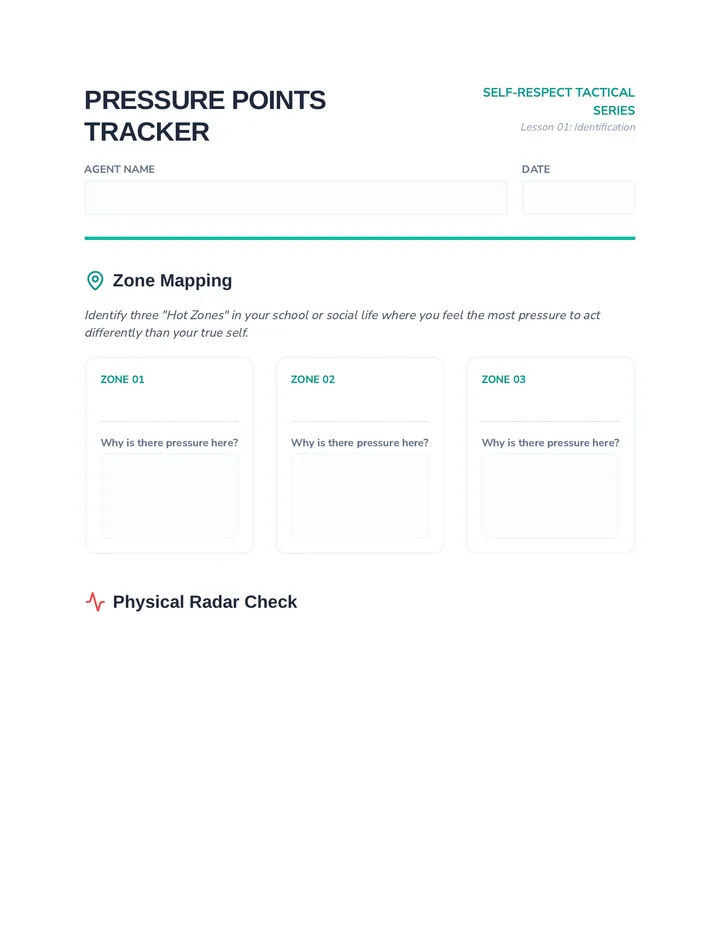
Pressure Points Worksheet
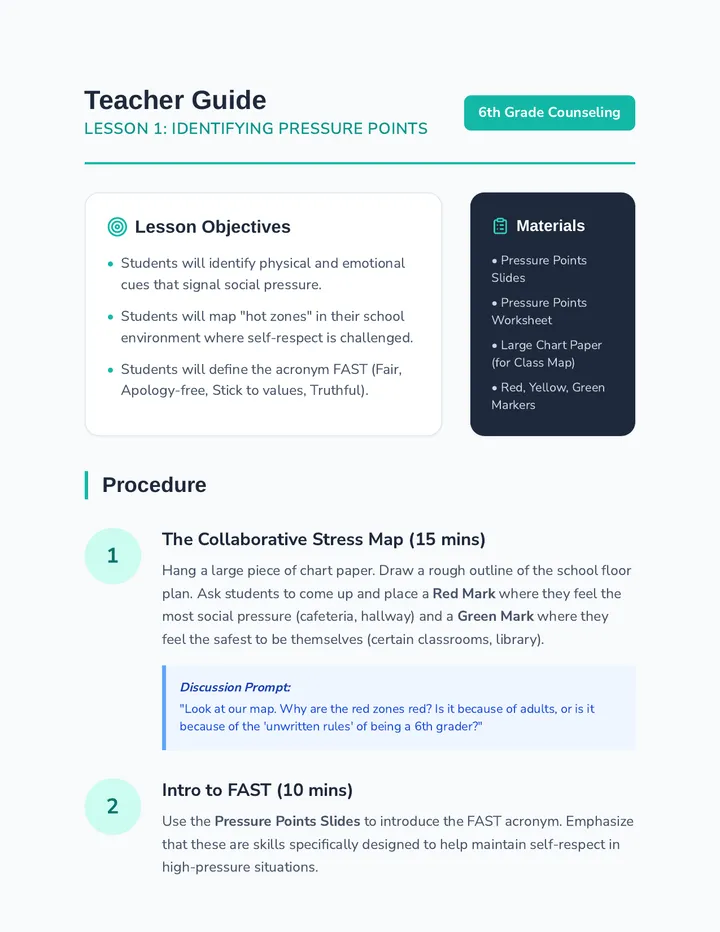
Pressure Points Teacher Guide

Navigating Social Pressure

A simulation-heavy sequence teaching 6th graders to use DBT FAST skills (Fair, Apology-free, Stick to values, Truthful) to maintain self-respect during social challenges. Students engage in role-play and real-world scenarios to build integrity and refusal skills.

Lenny Avatar
Lenny
1/18
Sequence
Impostor Insight Slides
Impostor Analysis Worksheet
Impostor Discussion Guide

Reframing Academic Narratives

A 5-lesson sequence for graduate students designed to deconstruct the 'Impostor Phenomenon' and normalize academic failure. Students will analyze their internal narratives, create 'Shadow CVs', and reconstruct their professional identities through cognitive reframing and narrative inquiry.

Lenny Avatar
Lenny
1/18
Sequence
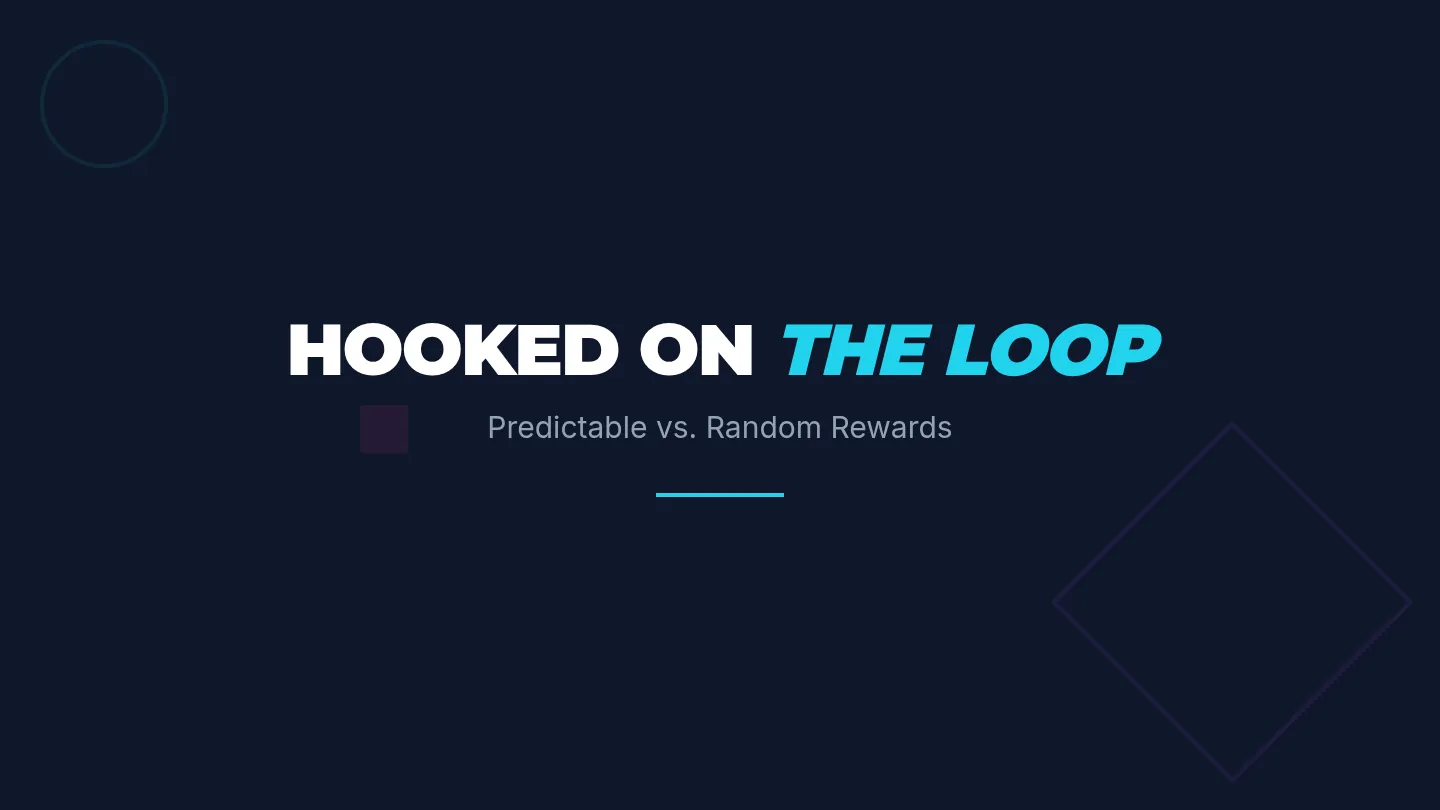
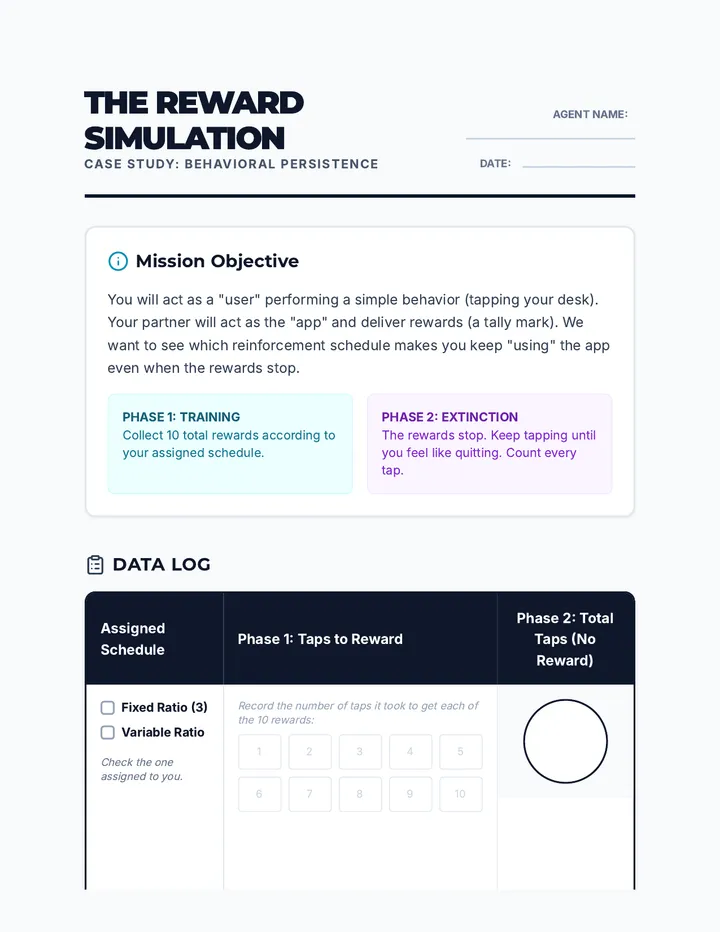
Reward Loop Slides
Reward Simulation Worksheet
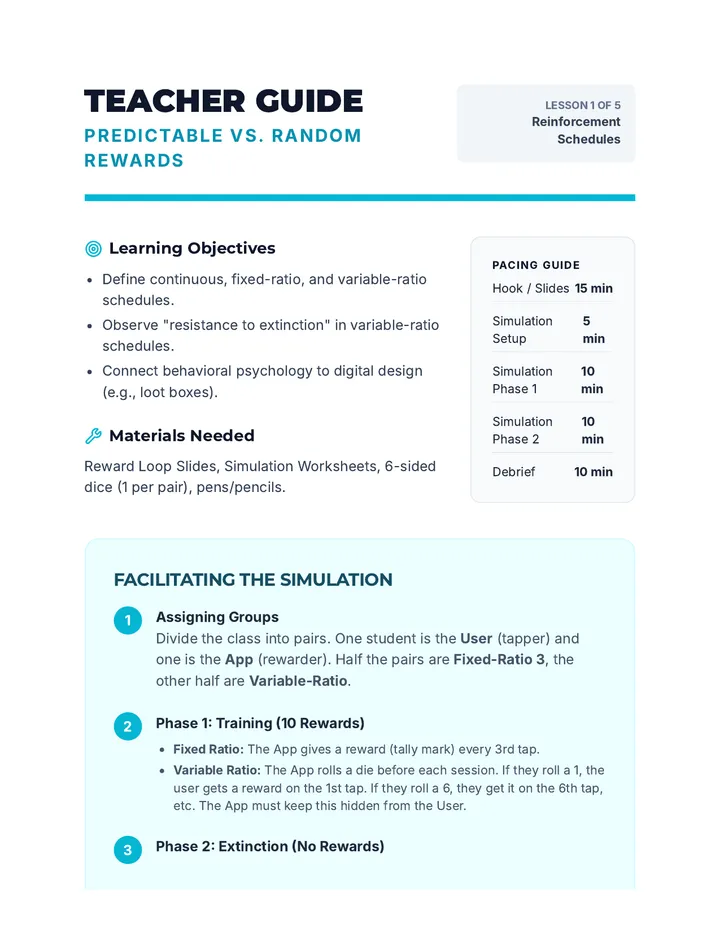
Reinforcement Simulation Teacher Guide

Hooked on the Loop

A 5-lesson sequence exploring how technology uses schedules of reinforcement (fixed and variable) to drive engagement. Students analyze gamification, social media mechanics, and ethical design to build digital literacy.

Lenny Avatar
Lenny
1/18
Sequence
Mind Matters Slides
Professional Profile Worksheet
Helper Briefing Teacher Guide

Navigating Community Crisis Resources and Hotlines

This sequence introduces 5th-grade students to community mental health resources, crisis hotlines like 988, and the different types of professionals available for support. Students learn to distinguish between emergency and non-emergency needs and practice navigating barriers to care.

Lenny Avatar
Lenny
1/18
Sequence
Should Detective Slides
Should Detective Worksheet
Should Detective Teacher Guide

Reality Lab Sequence

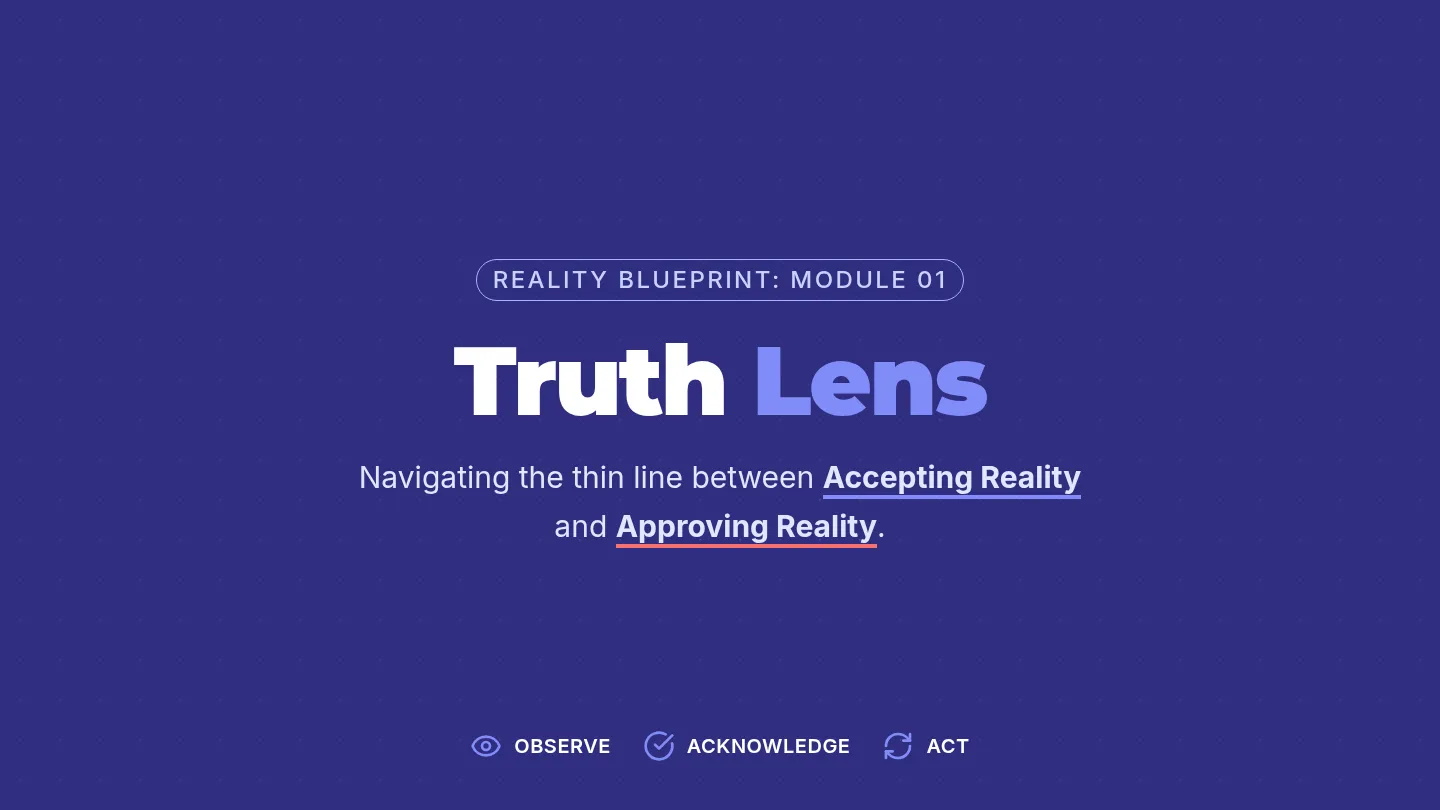
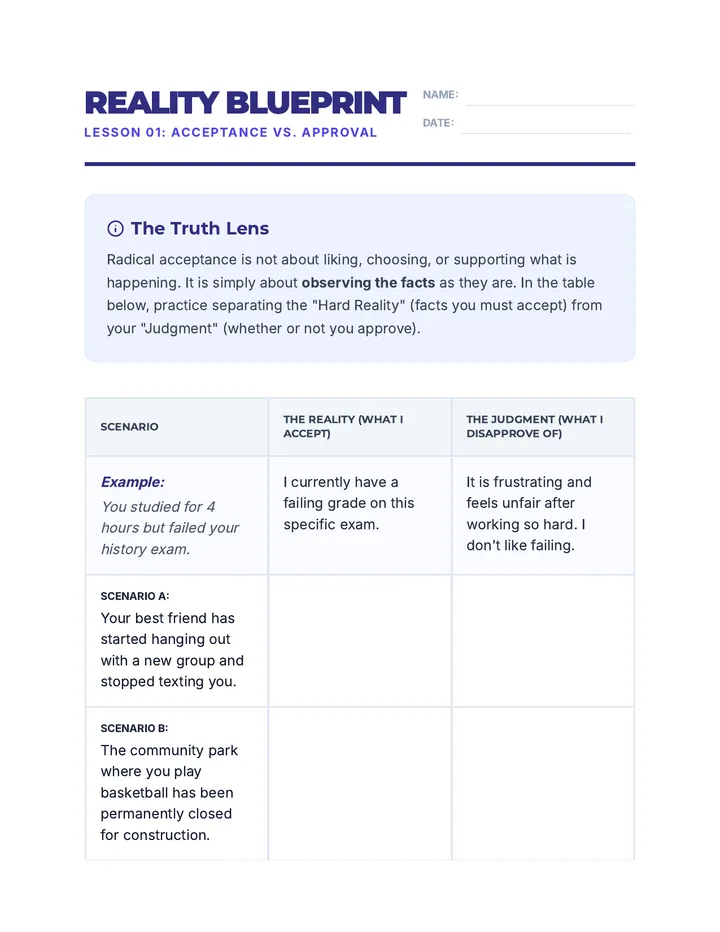
A sequence for 7th-grade students focused on cognitive reframing and distress tolerance. Students learn to identify 'should' statements, distinguish facts from judgments, and use radical acceptance to manage social changes and personal frustrations.

Lenny Avatar
Lenny
1/18
Sequence
Systems Foundations Slides
Census Identity Worksheet

Architects of Identity

A graduate-level exploration of how social structures, laws, and algorithms construct identity, moving from sociological theory to clinical 'Structural Competency' and advocacy.

Lenny Avatar
Lenny
1/18
Sequence
Intersectionality Foundations Slides
Rupture Analysis Worksheet
Theory Seminar Facilitation Guide

Professional Identity and Intersectionality

A 5-lesson sequence for graduate counseling students to explore intersectionality, social location, and family scripts to build cultural humility and professional identity. Students move from theoretical critique to personal excavation and clinical application.

Lenny Avatar
Lenny
1/18