Employment laws, safety protocols, and legal protections against workplace harassment and discrimination. Connects regulatory requirements to practical understandings of pay stubs, insurance benefits, and employee advocacy.
A comprehensive year-long curriculum for high school seniors focusing on college readiness, career planning, financial literacy, and social-emotional well-being. This sequence guides students through the complexities of post-secondary transitions with a special focus on arts-based pathways.
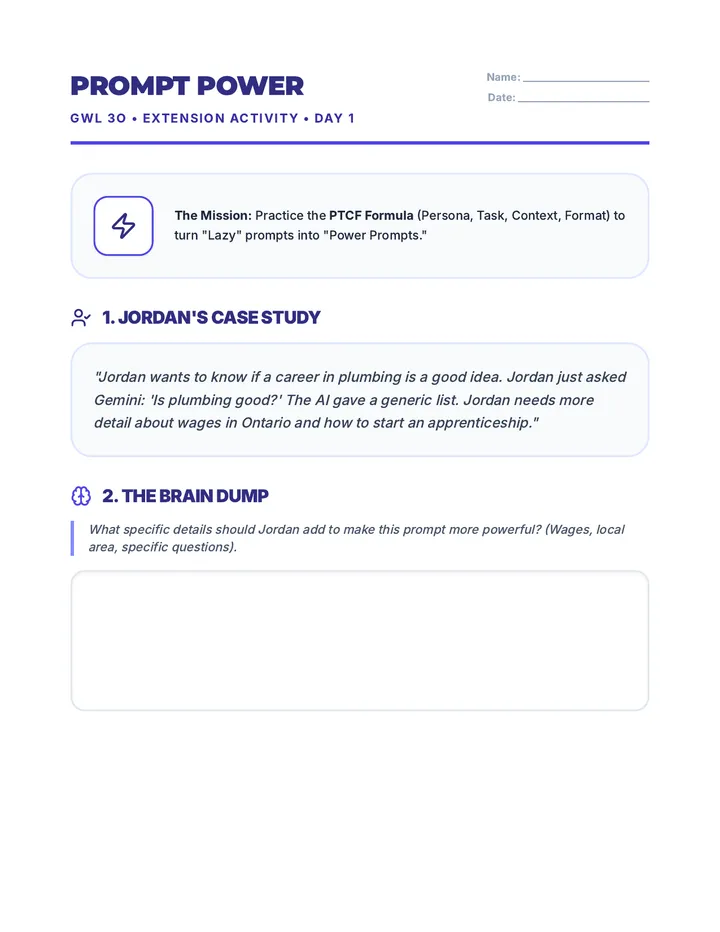
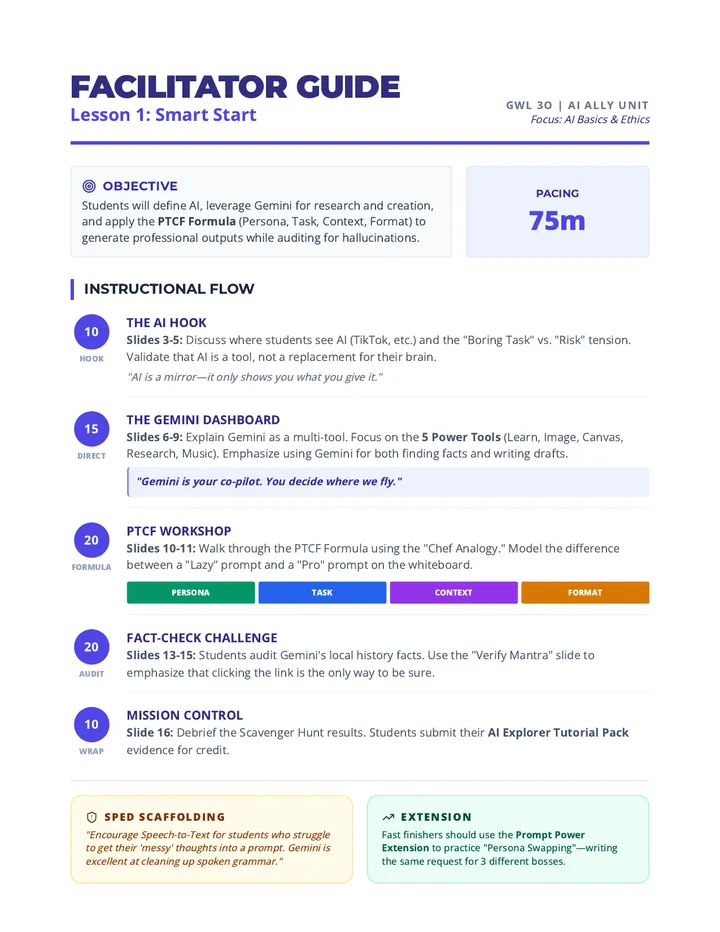
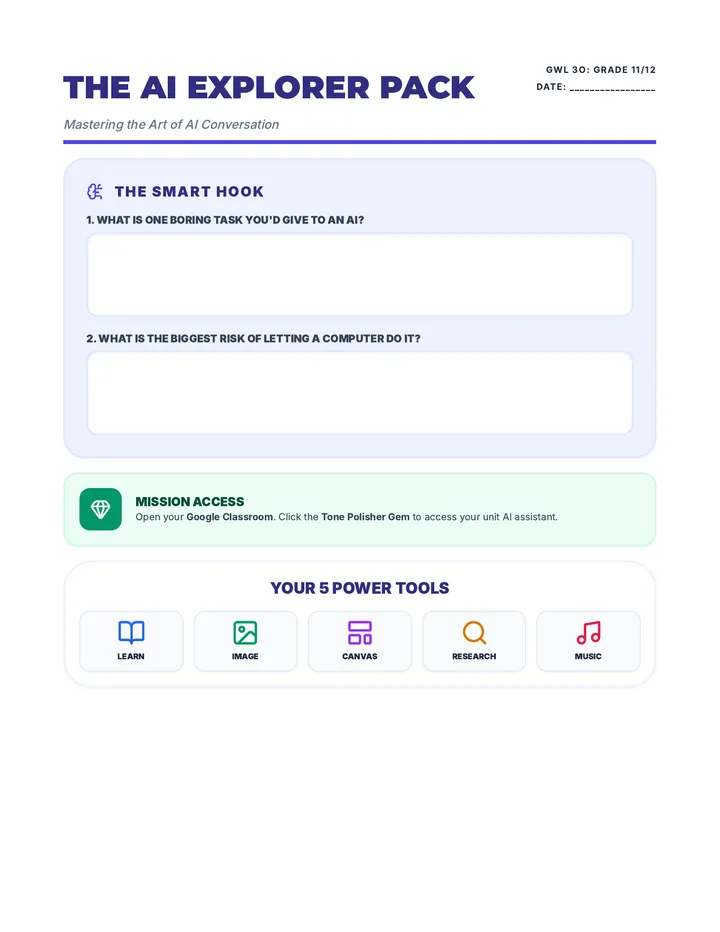
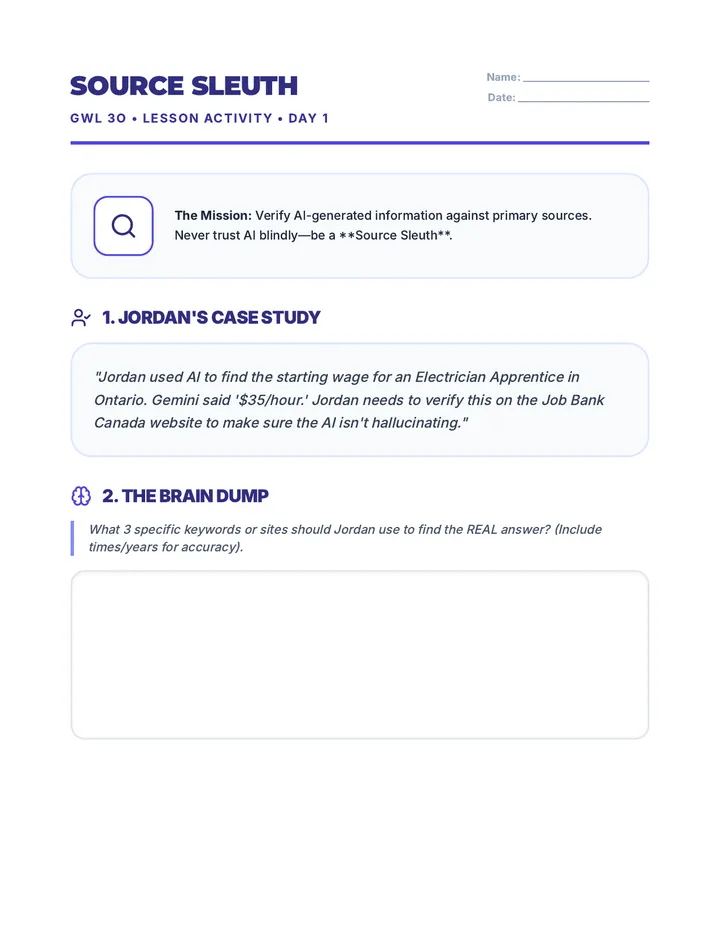
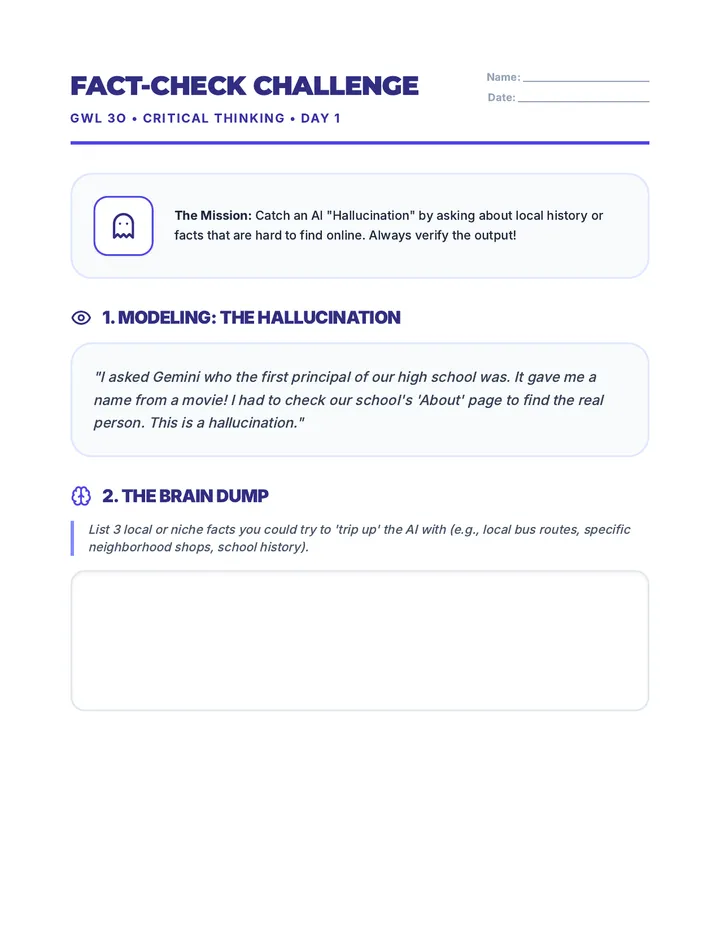
A comprehensive 7-day unit for Grade 11/12 Designing Your Future students, focusing on leveraging AI tools like Gemini for workplace and college success. Designed for special education contexts, it emphasizes self-advocacy, professional communication, research, and project management through visual and digital tasks.
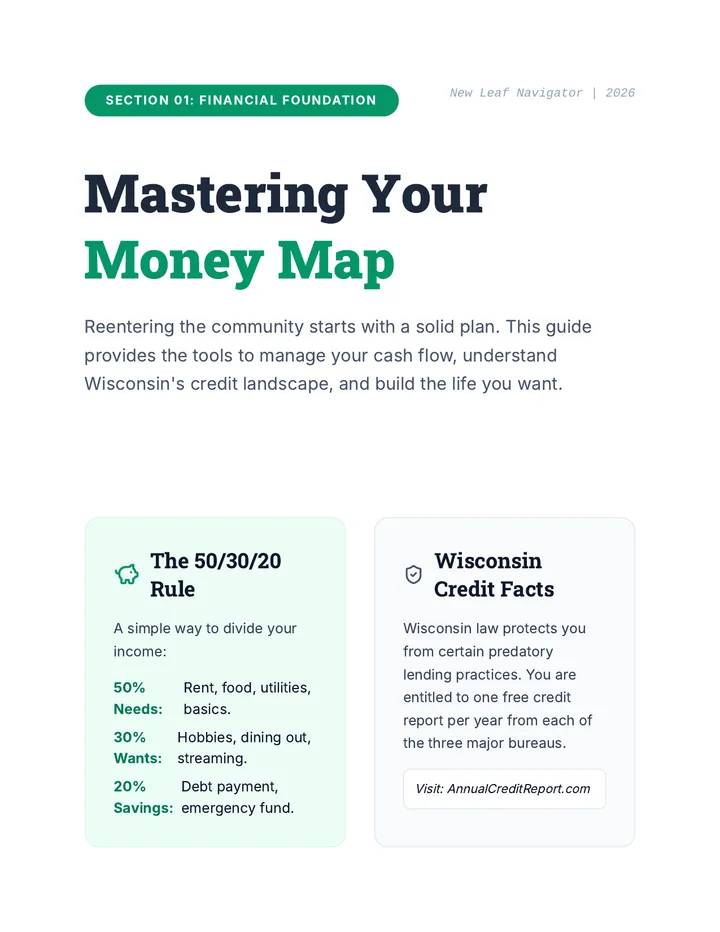
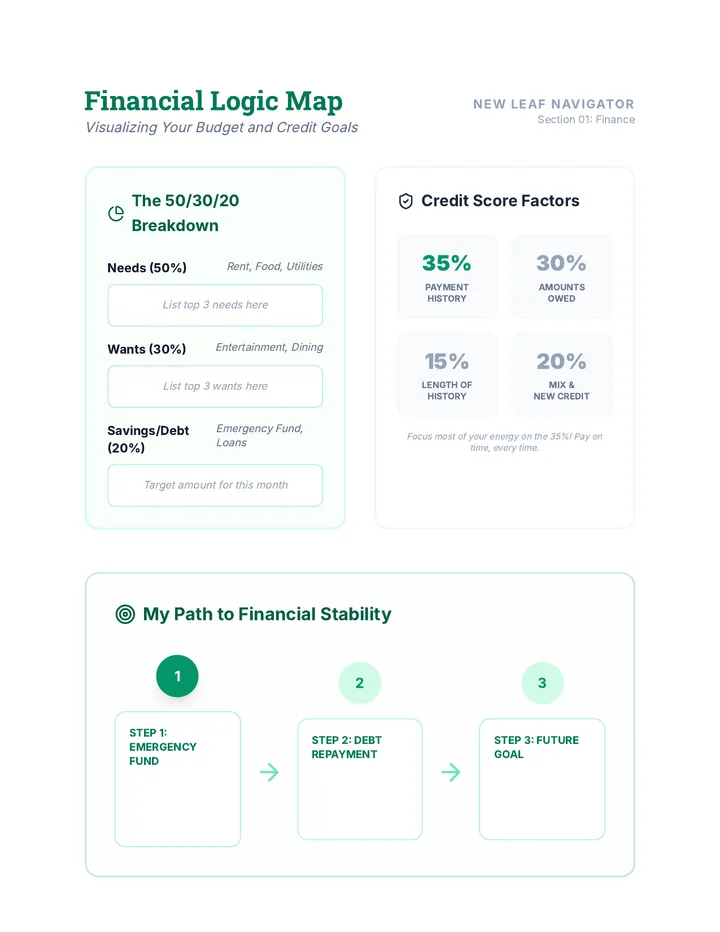
A comprehensive reentry toolkit for adult learners in Wisconsin, covering personal finance, housing, transportation, and career development after incarceration.
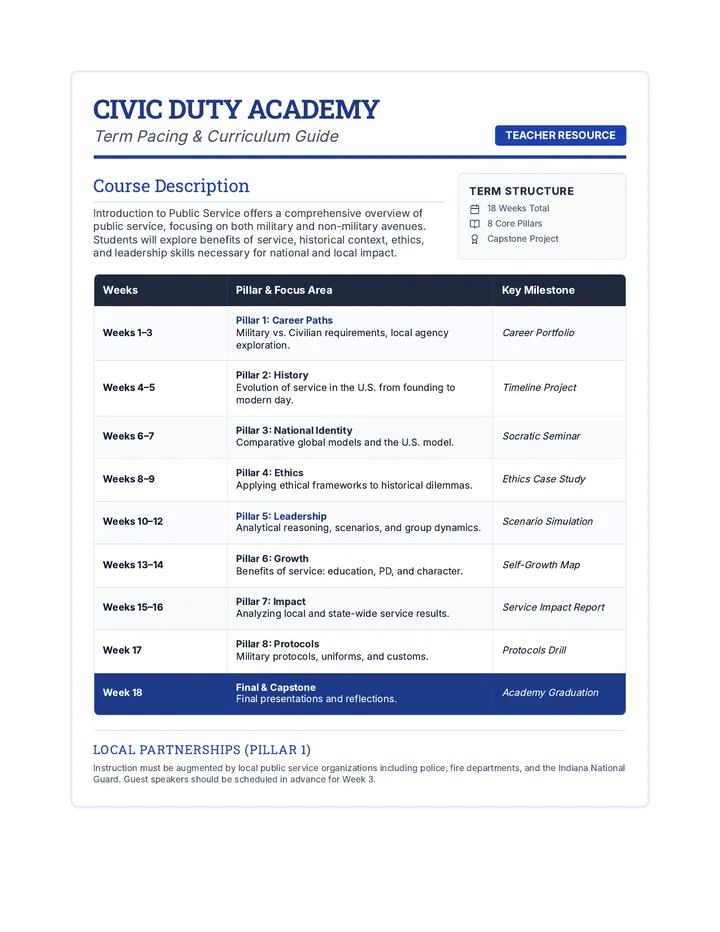
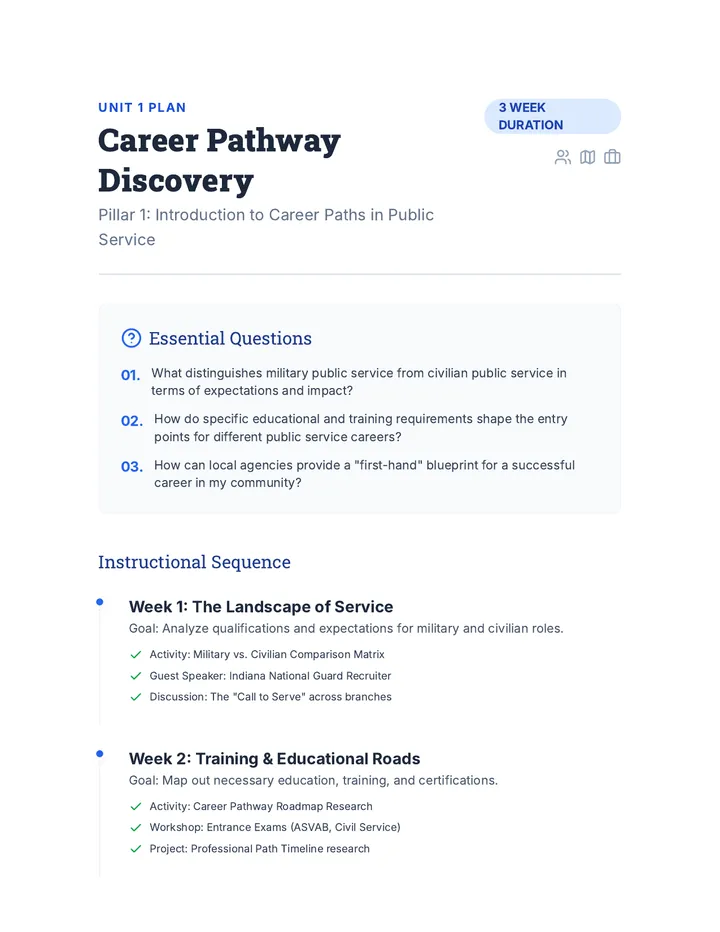
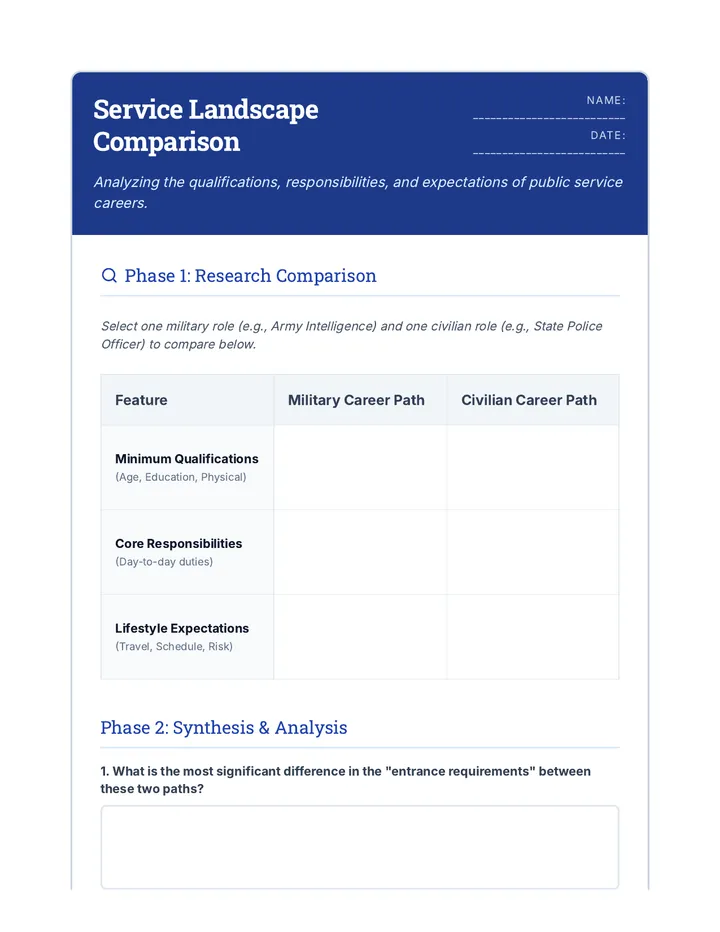
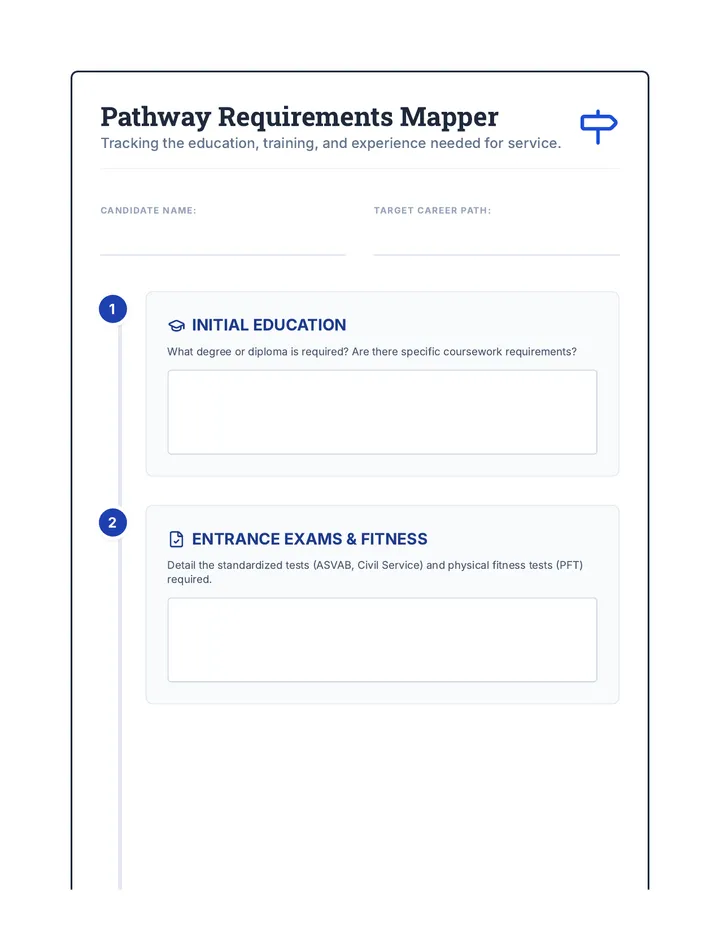
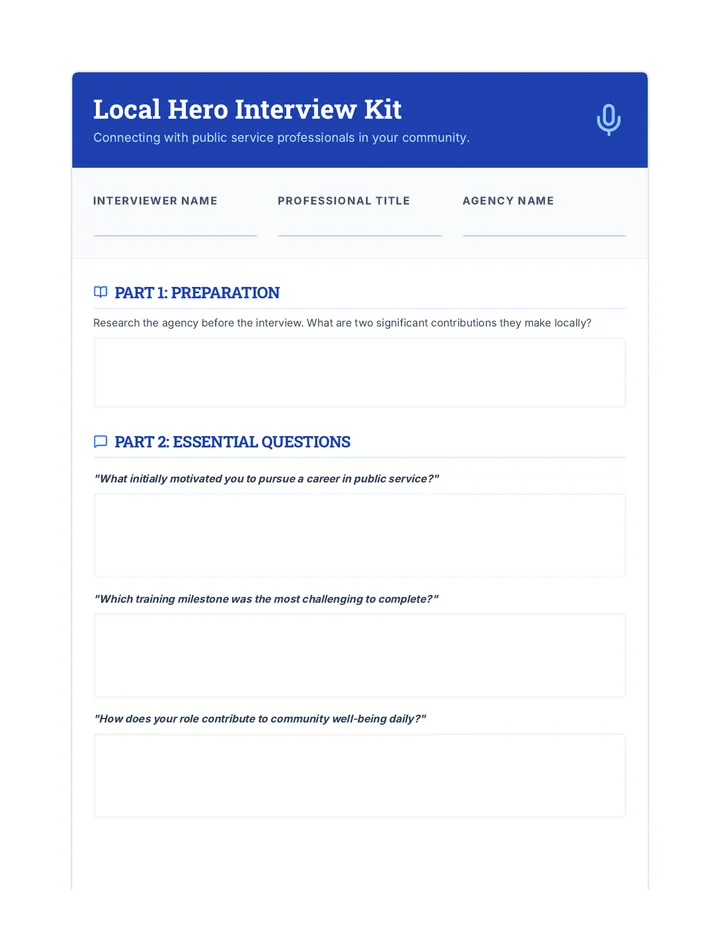
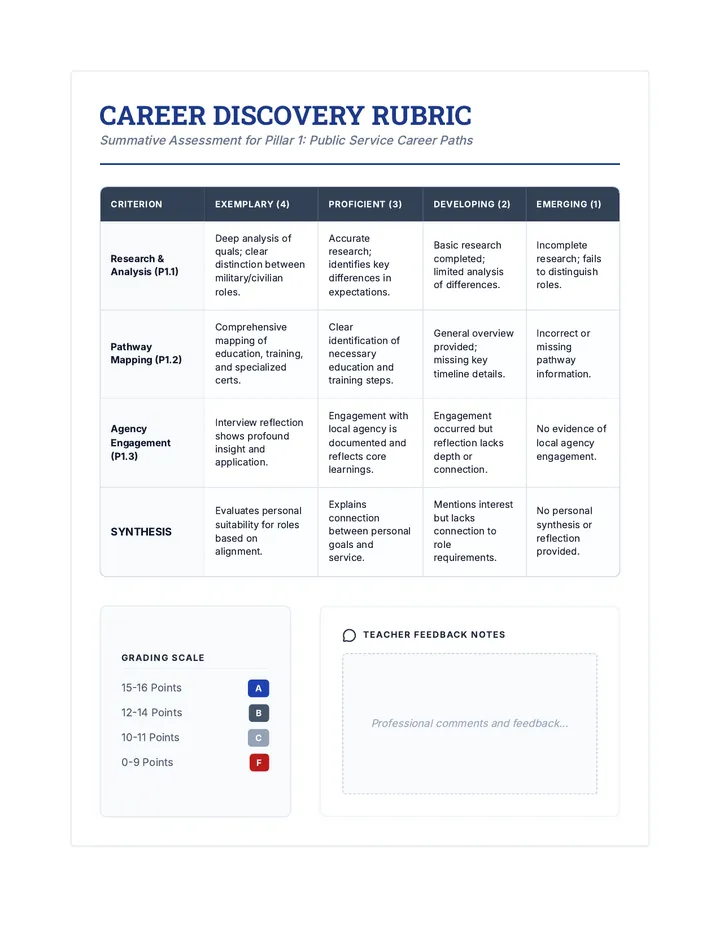
A comprehensive 18-week course exploring military and non-military public service, focusing on career paths, ethics, leadership, and community impact. This sequence follows the Indiana state guidelines for Introduction to Public Service.
A comprehensive unit designed to guide students through the modern job application process, focusing on strategic networking, deep company research, and high-stakes interview preparation. Students will learn to build professional connections and tailor their approach to specific company cultures and scenarios.
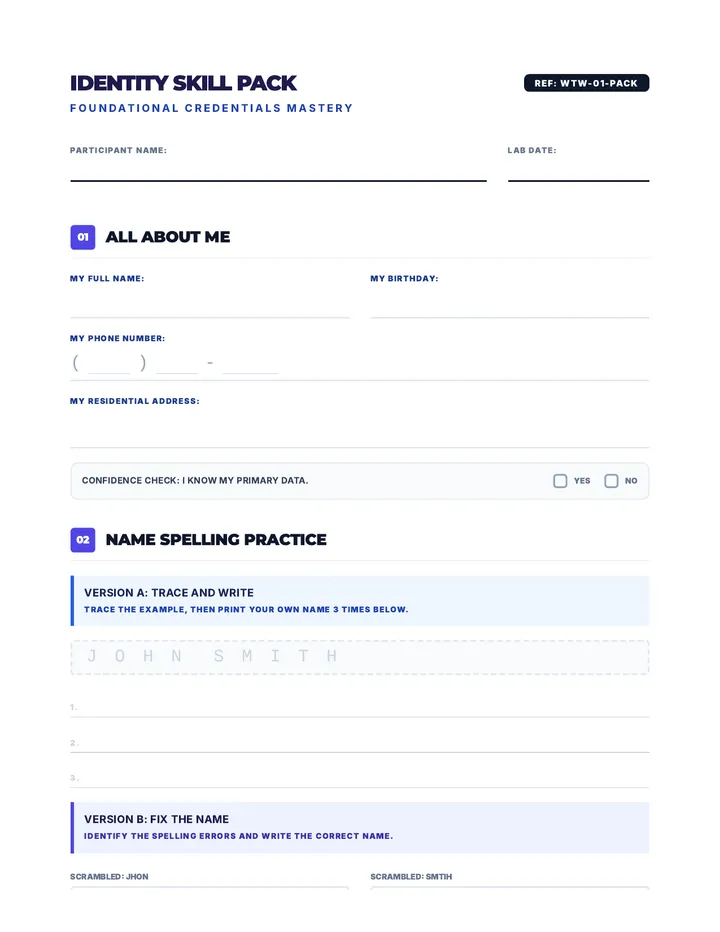
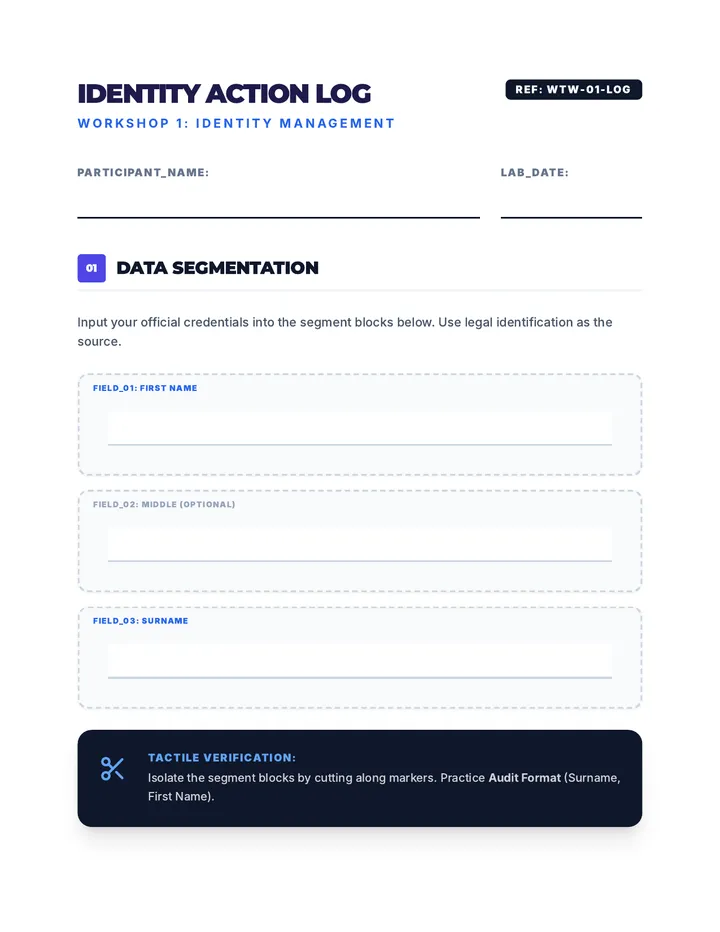
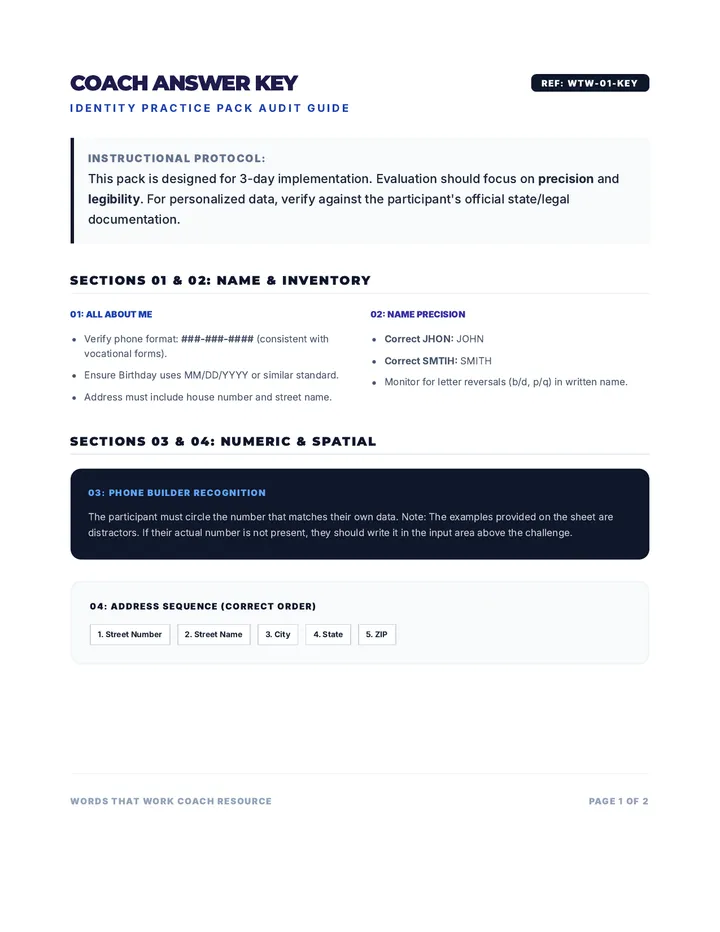
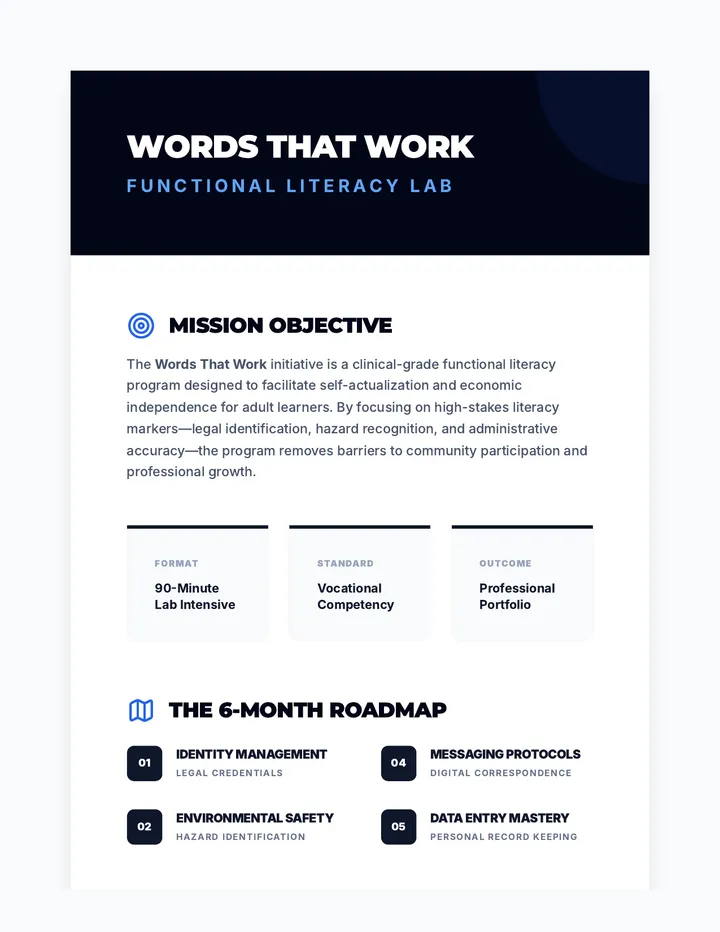
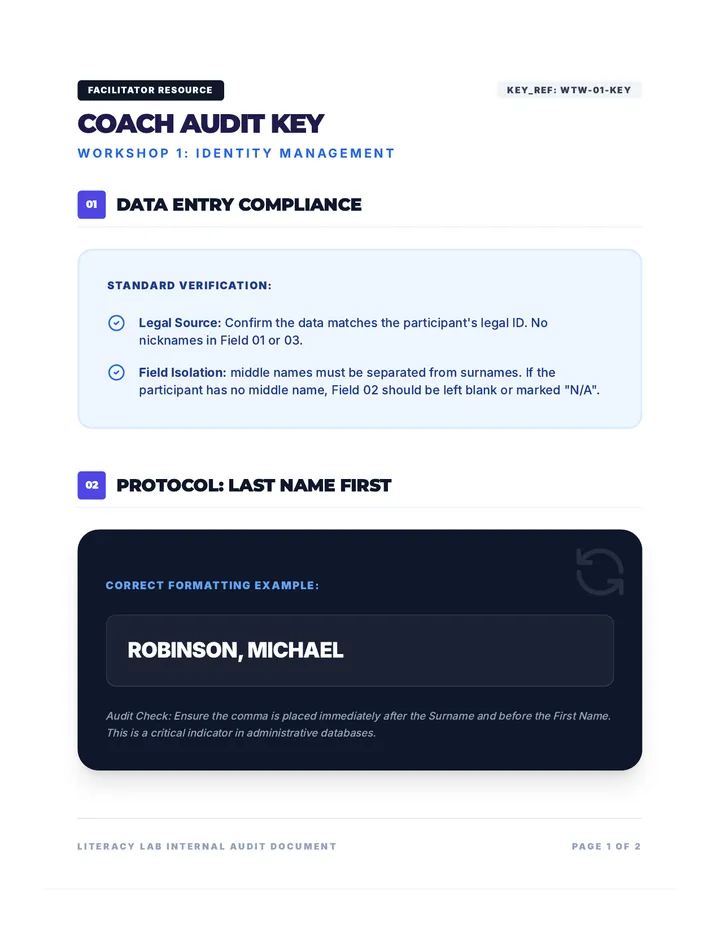
A professional-grade functional literacy program for adults, designed as a vocational training 'do-over'. The curriculum focuses on high-stakes literacy for professional independence, community navigation, and administrative accuracy, utilizing a clinical 'Lab' aesthetic that respects the learner's age and experience.
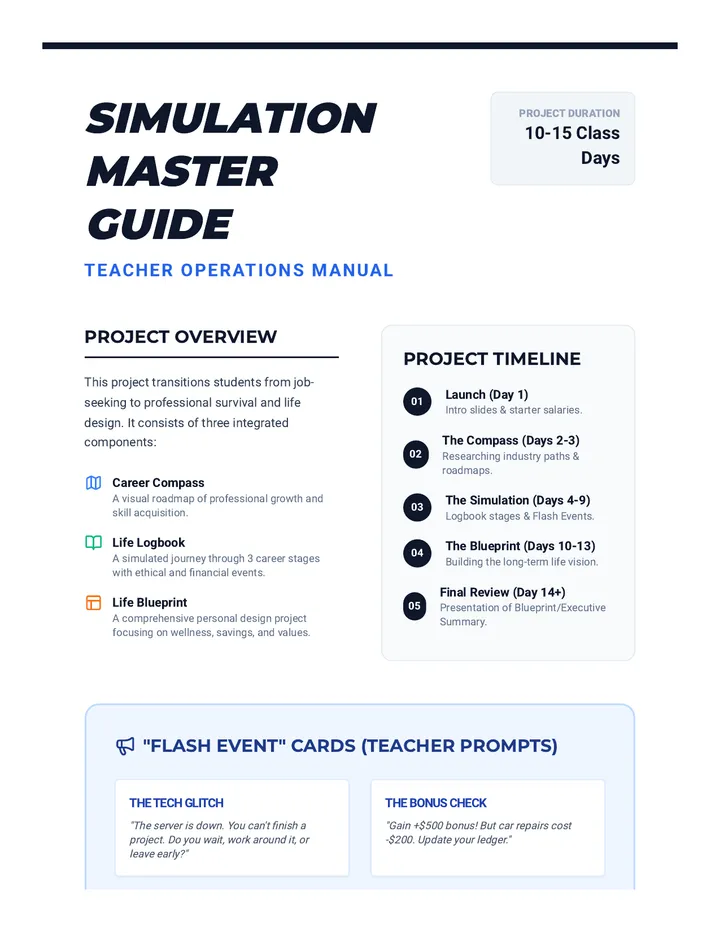
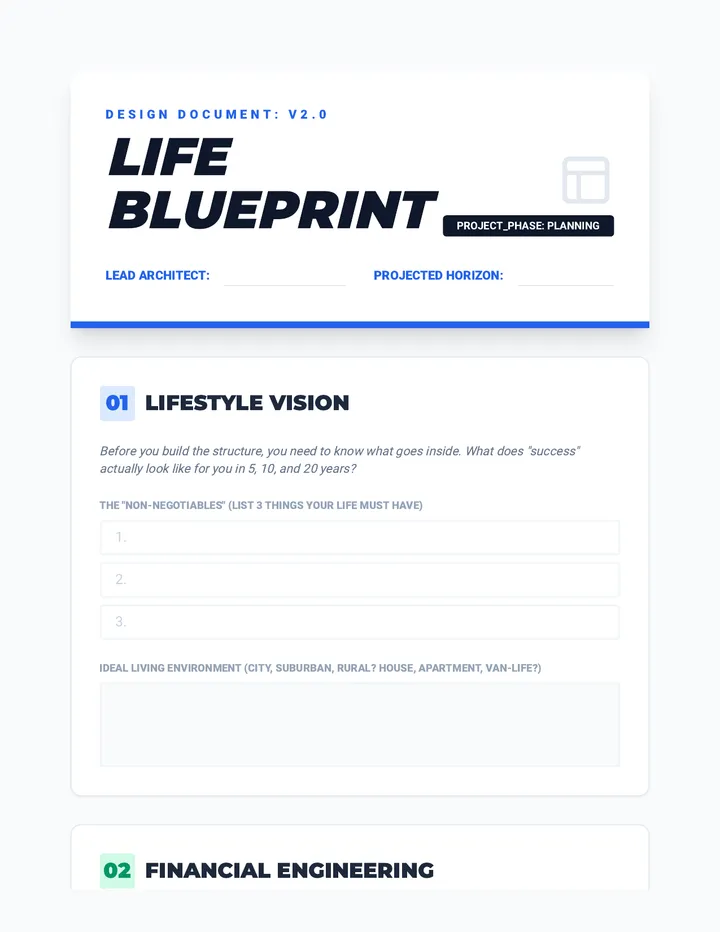
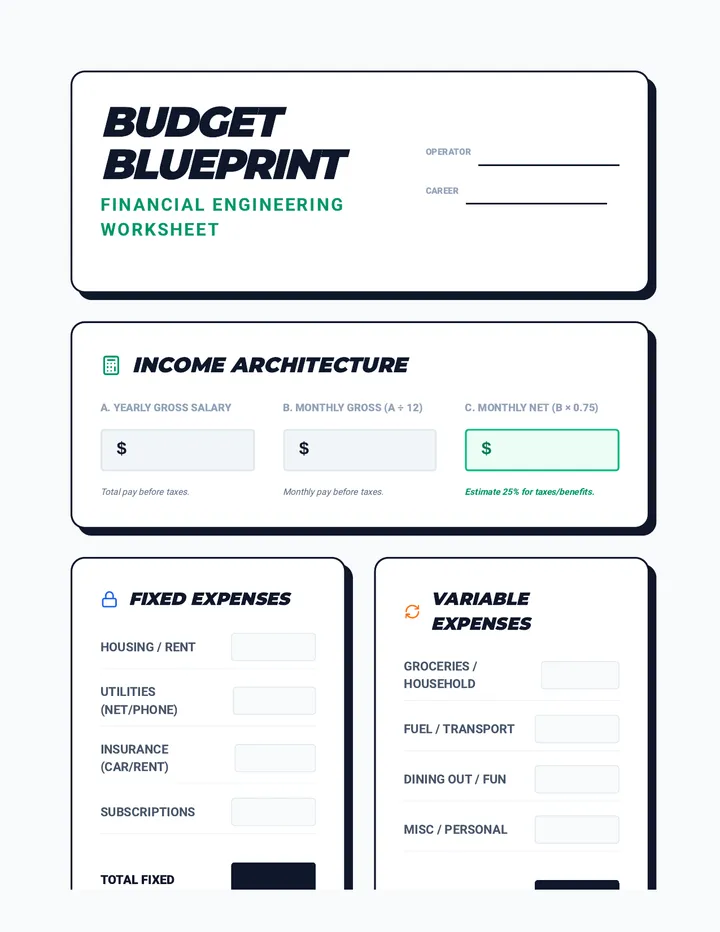
A series of lessons and projects designed to transition students from job-seeking skills to workplace success and independent living, focusing on professional ethics, communication, and long-term planning.
A series of lessons focused on professional communication and career readiness, helping students master the written and verbal skills needed for the workplace.
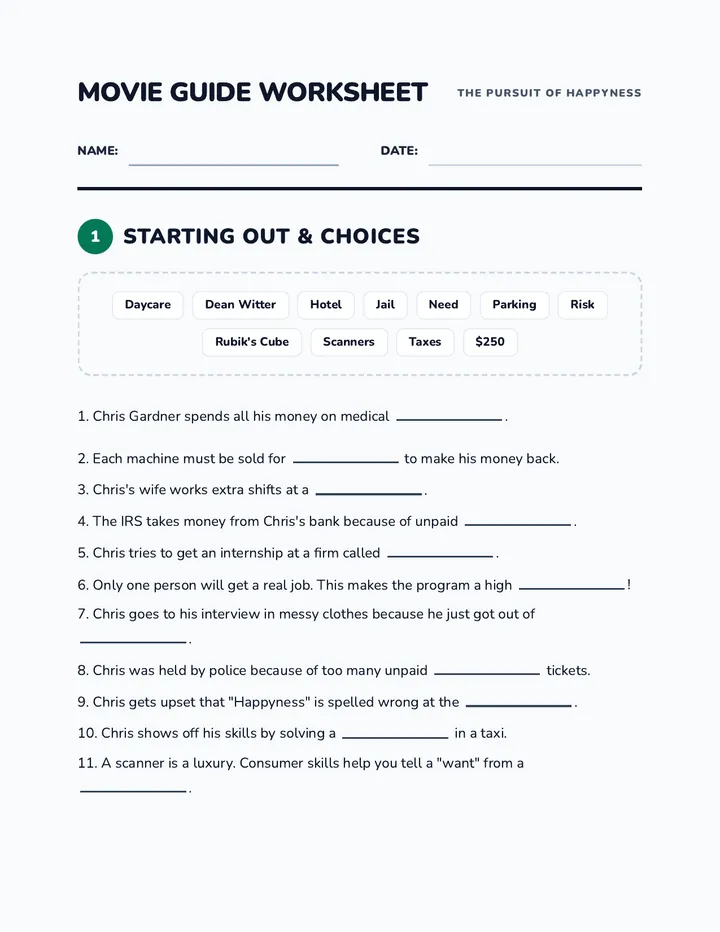
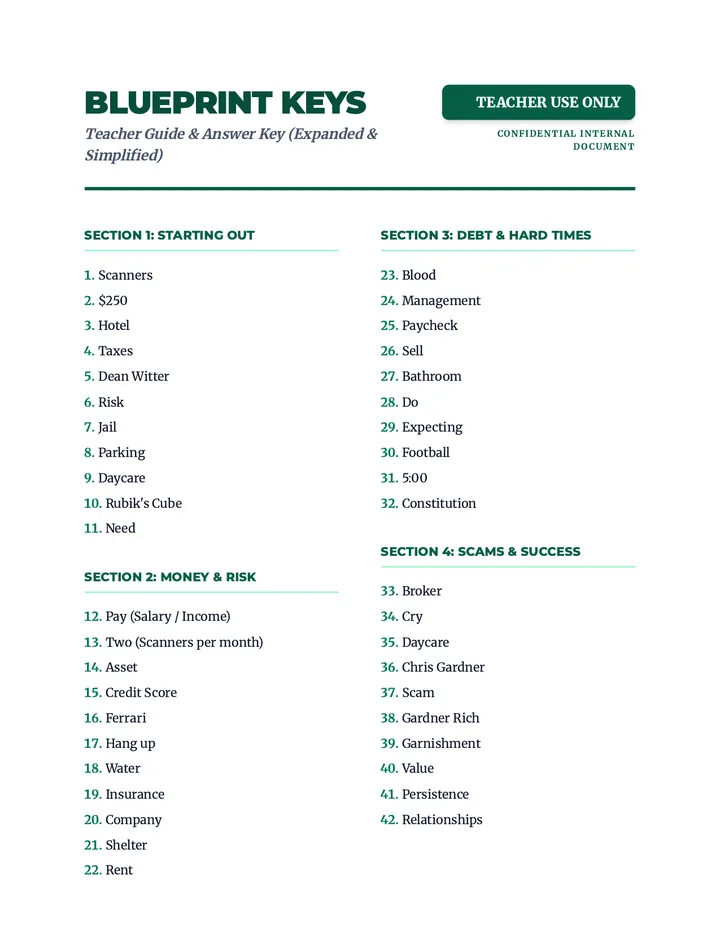
A series of lessons exploring real-world financial concepts through the lens of popular cinema, helping students connect abstract economic theories to relatable human stories.
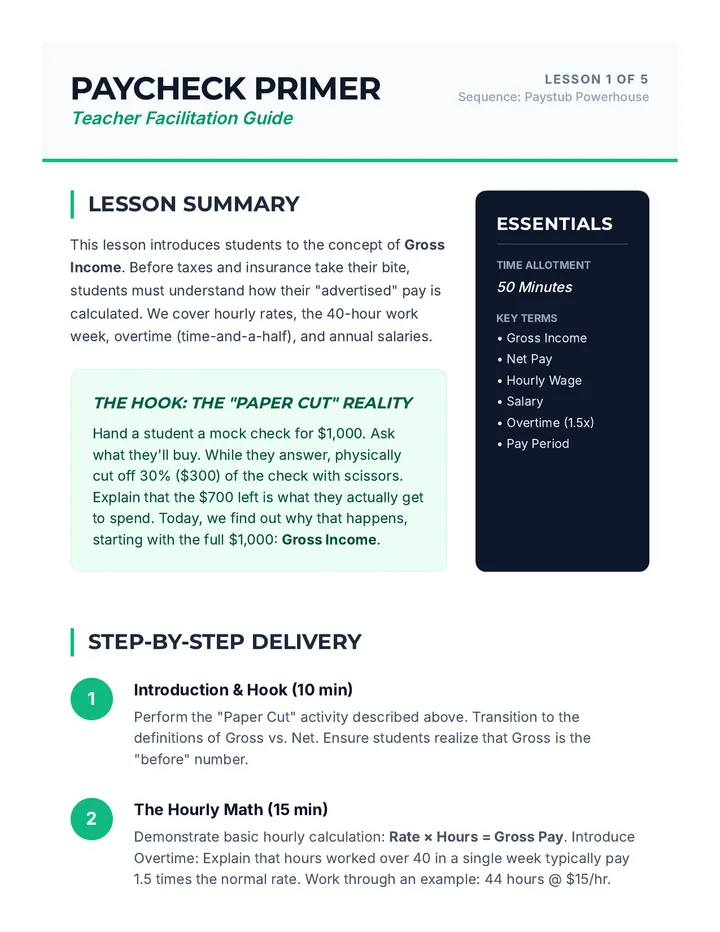
This sequence guides 12th-grade students through the complexities of payroll earnings, deductions, and tax forms. Students act as 'Paycheck Detectives' to uncover the reasons behind the difference between gross and net income, master the W-4 form, and learn to audit financial documents for errors.
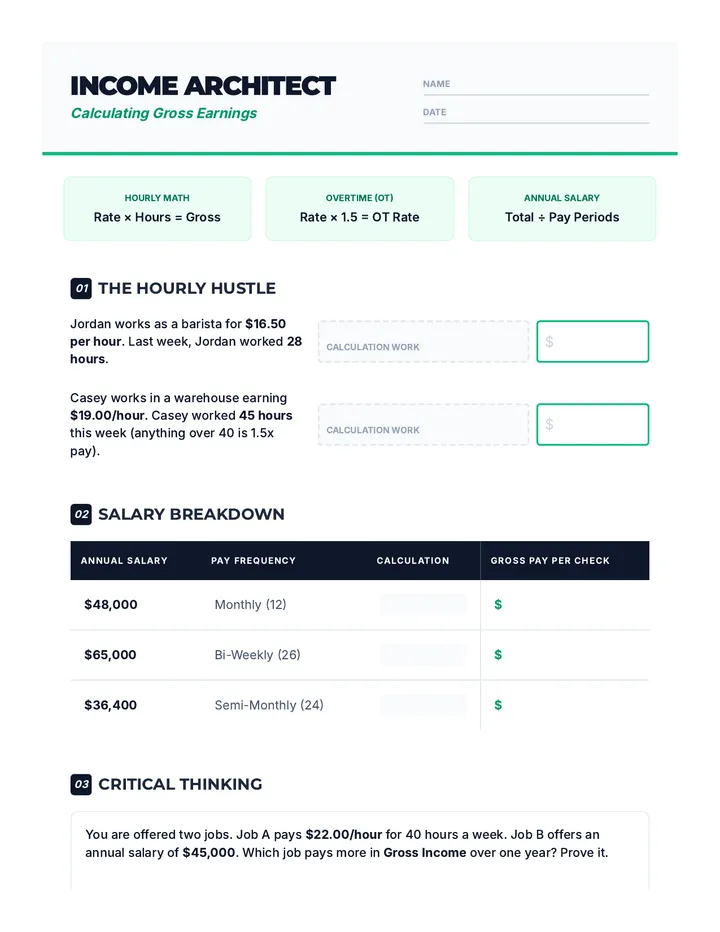
This unit demystifies the transition from gross salary to net take-home pay, helping students understand earnings, mandatory taxes, and deductions. Students will learn to calculate gross pay, interpret tax forms, and audit their own paystubs for accuracy.
This sequence introduces 9th-grade students to the mechanics of payroll taxes, the distinction between gross and net income, and the practical skills needed to navigate employment documentation like pay stubs and W-4 forms. Students will learn to calculate withholdings, decode tax acronyms, and audit paychecks for accuracy.
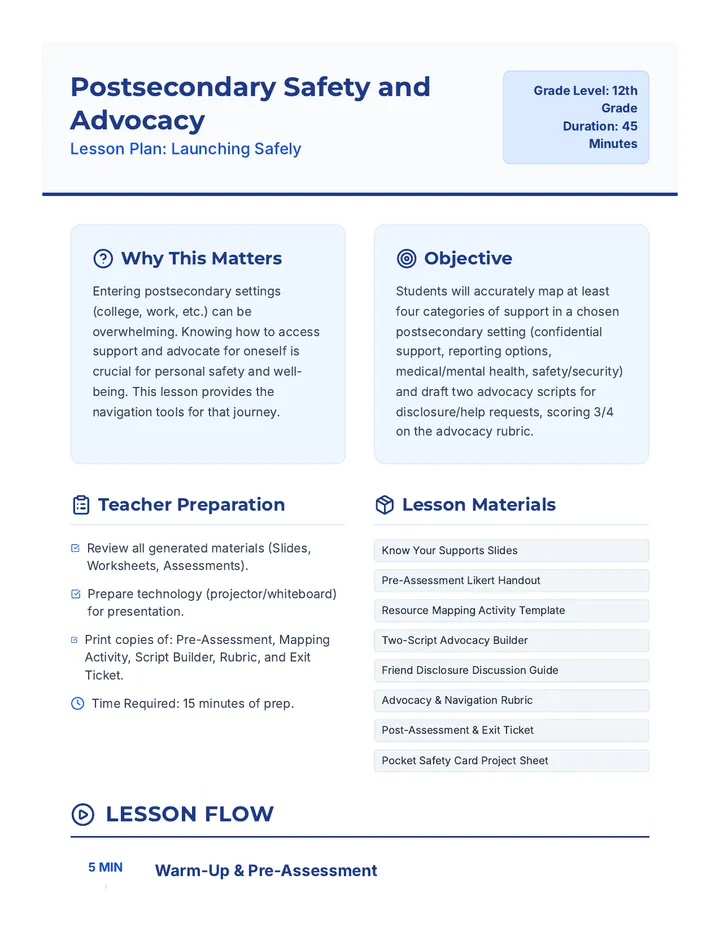
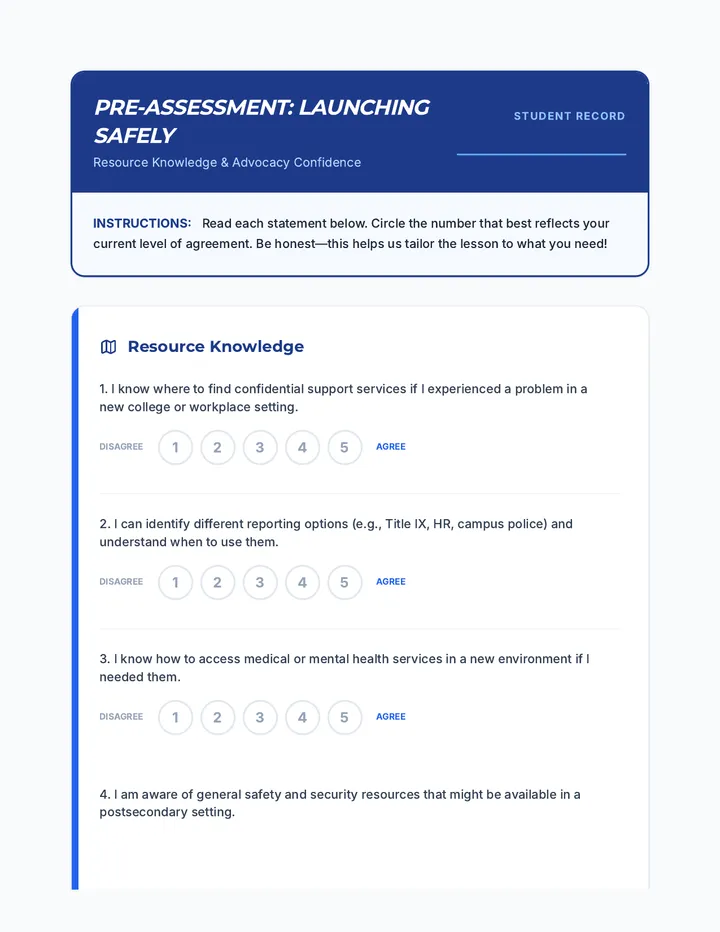
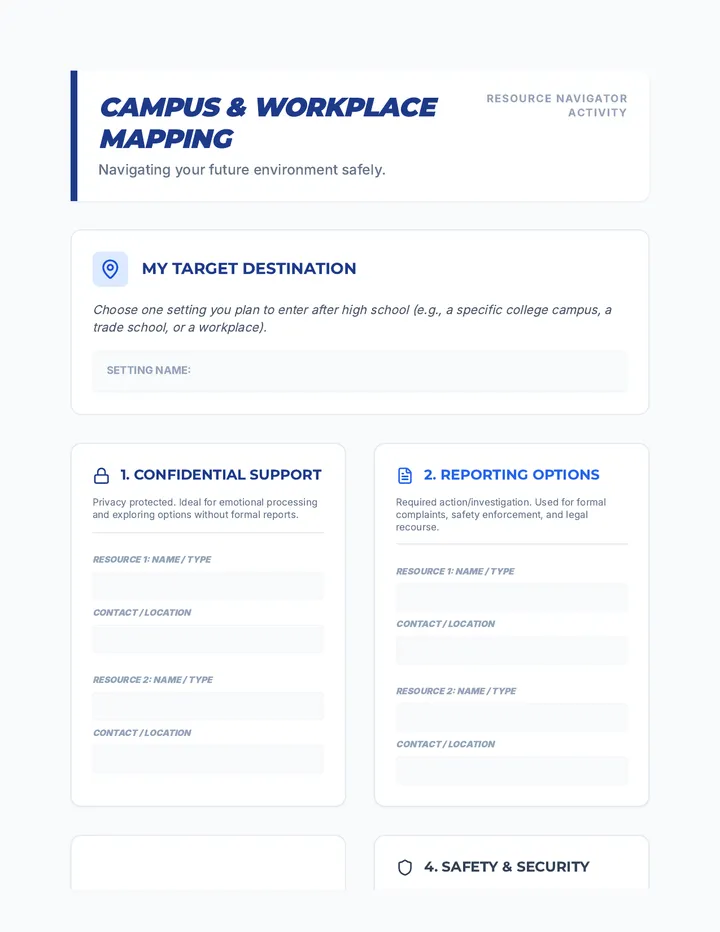
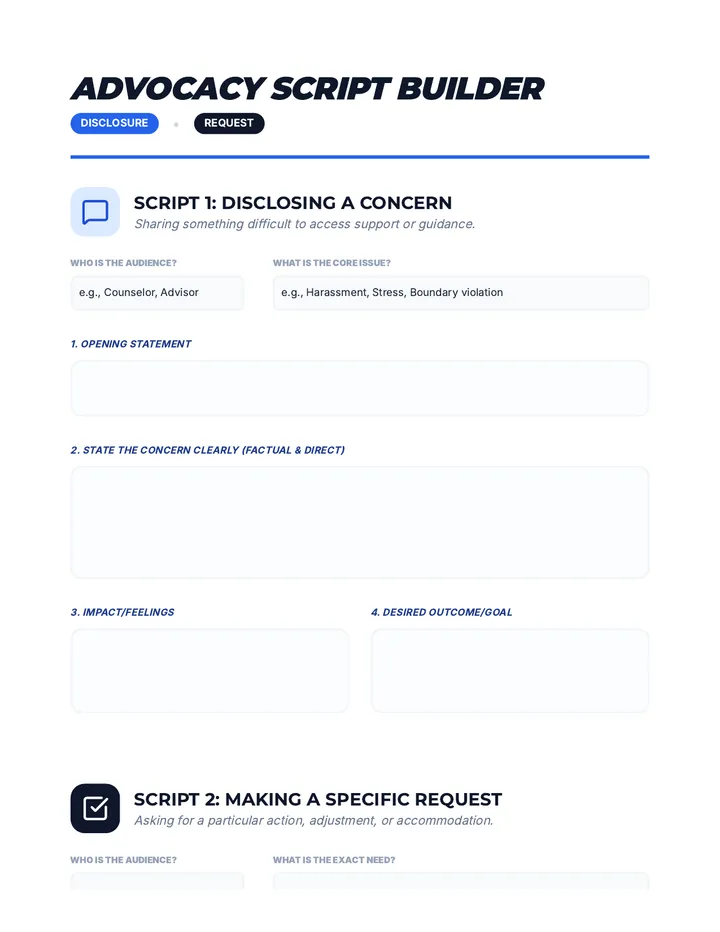
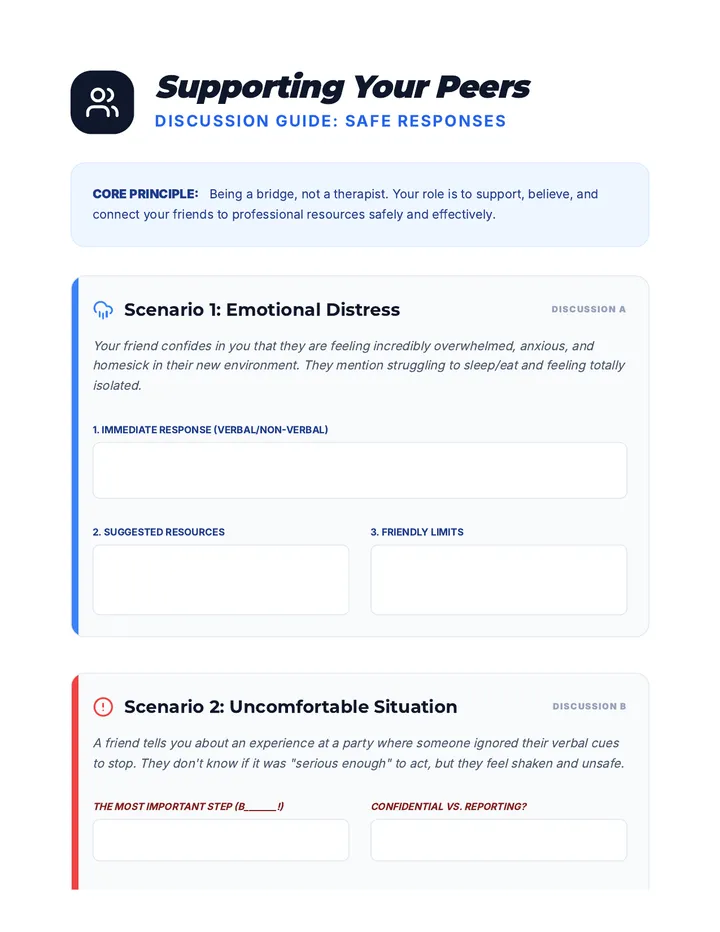
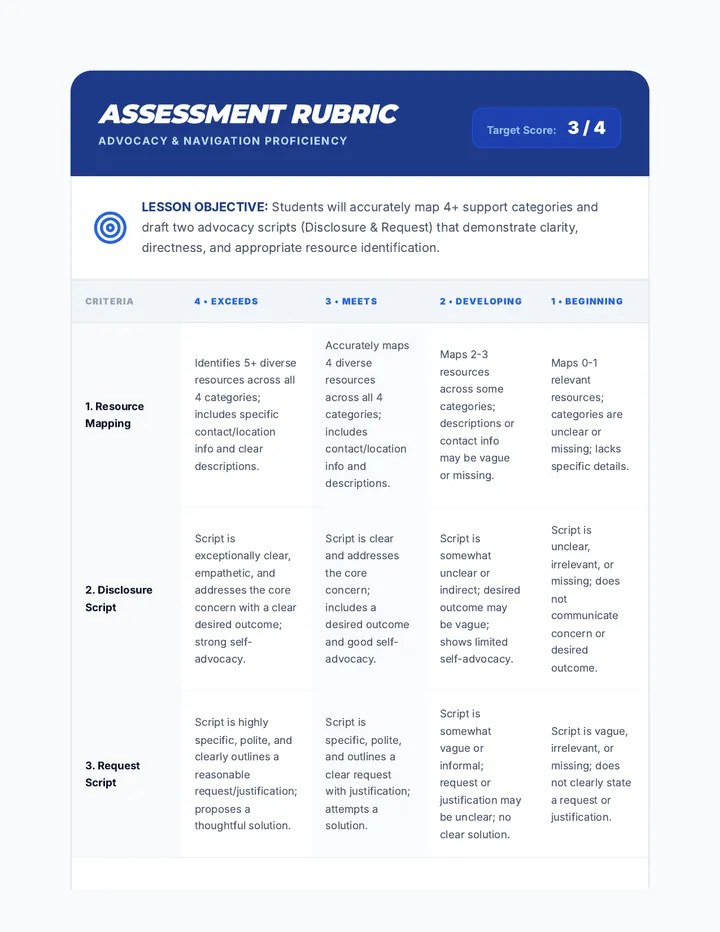
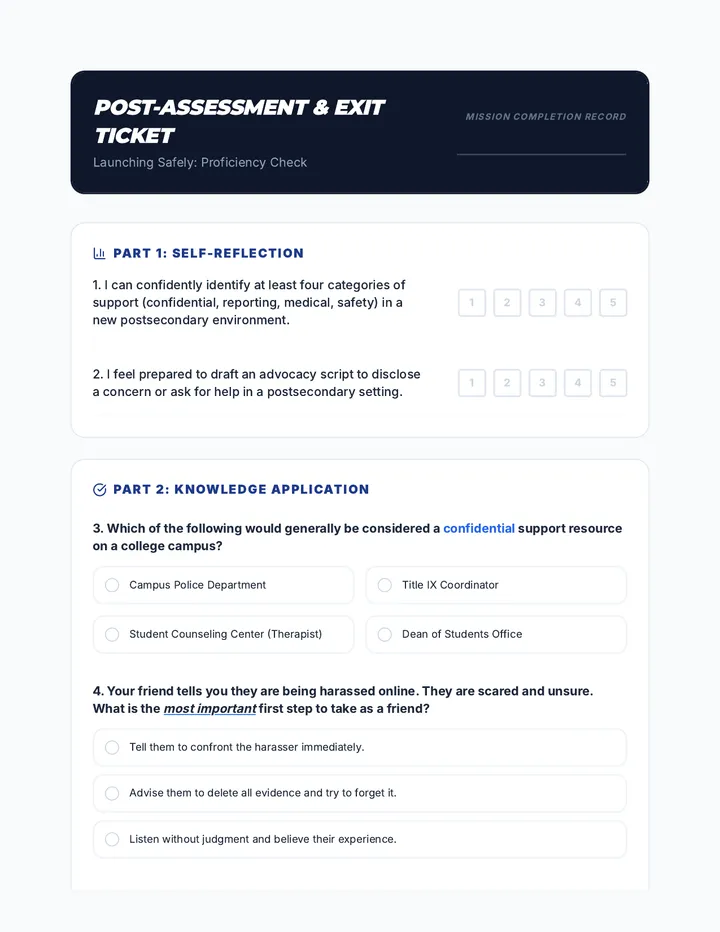
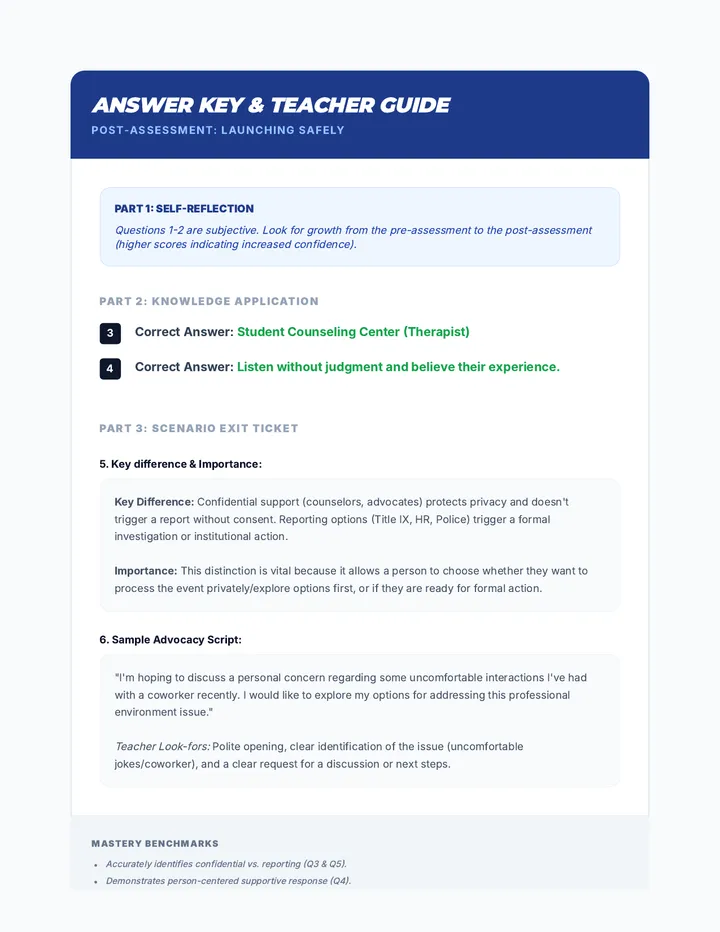
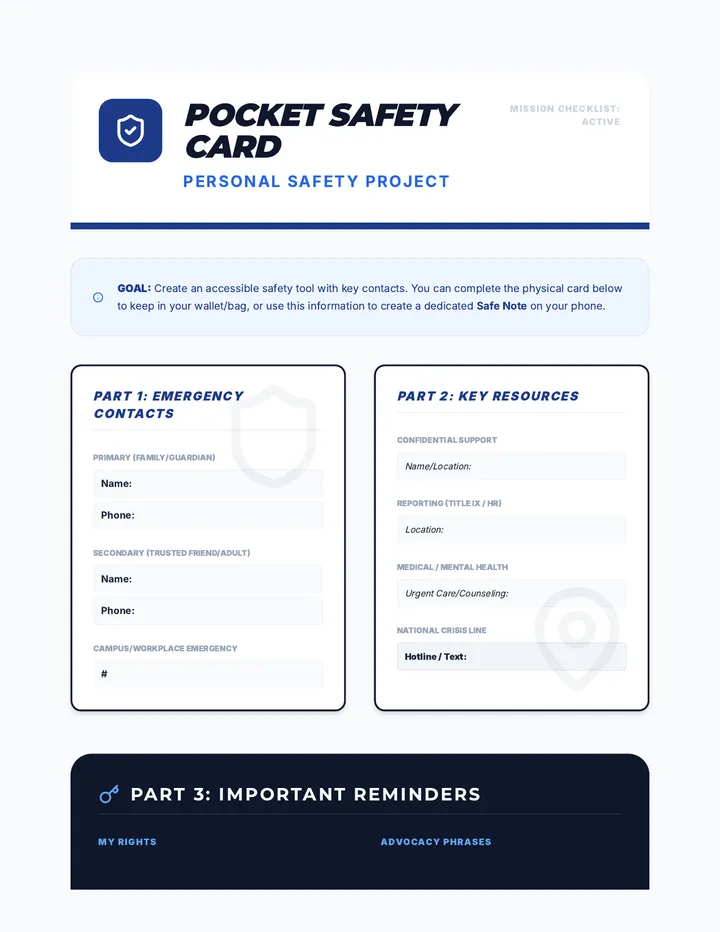
This 45-minute lesson for 12th-grade students helps them identify and utilize safety resources in postsecondary settings and develop effective advocacy skills. Students will gain practical tools for navigating new environments safely and confidently.
A 2-hour individualized lesson designed to empower adult males with disabilities to effectively advocate for themselves in the job search and workplace, fostering confidence and independence.
A 30-minute introductory lesson for 7th graders on workplace health and safety (WHS), preventing harassment, and the 'YouMeUs' approach to shared responsibility. Students learn to identify hazards, understand boundaries, and know how to report concerns.
A 30-minute lesson for 10th-grade students to understand New Jersey's Harassment, Intimidation, and Bullying (HIB) law, including definitions, reporting, and support.
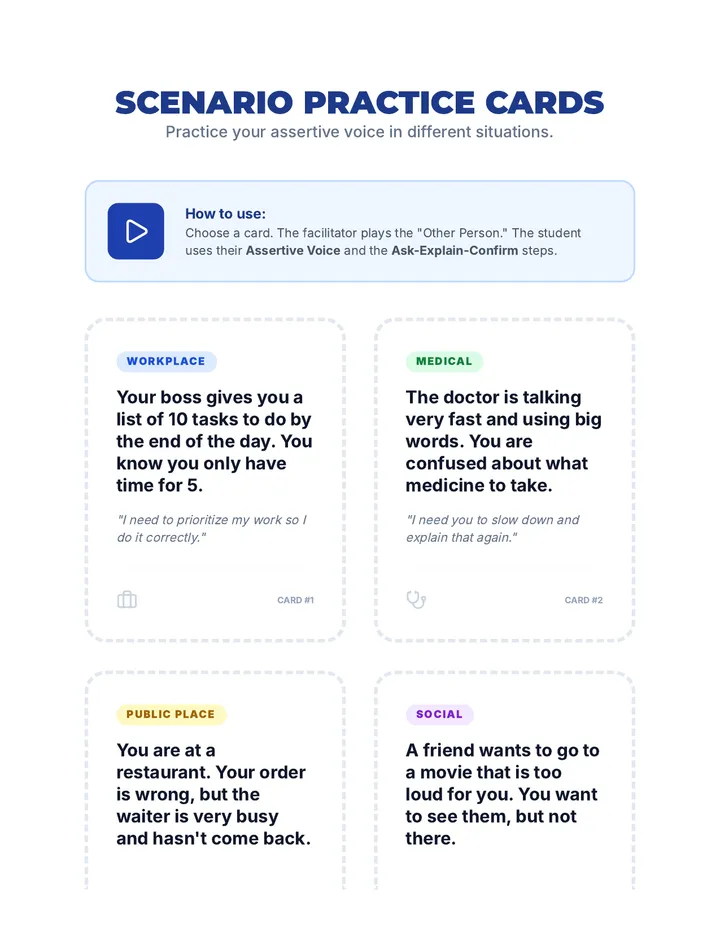
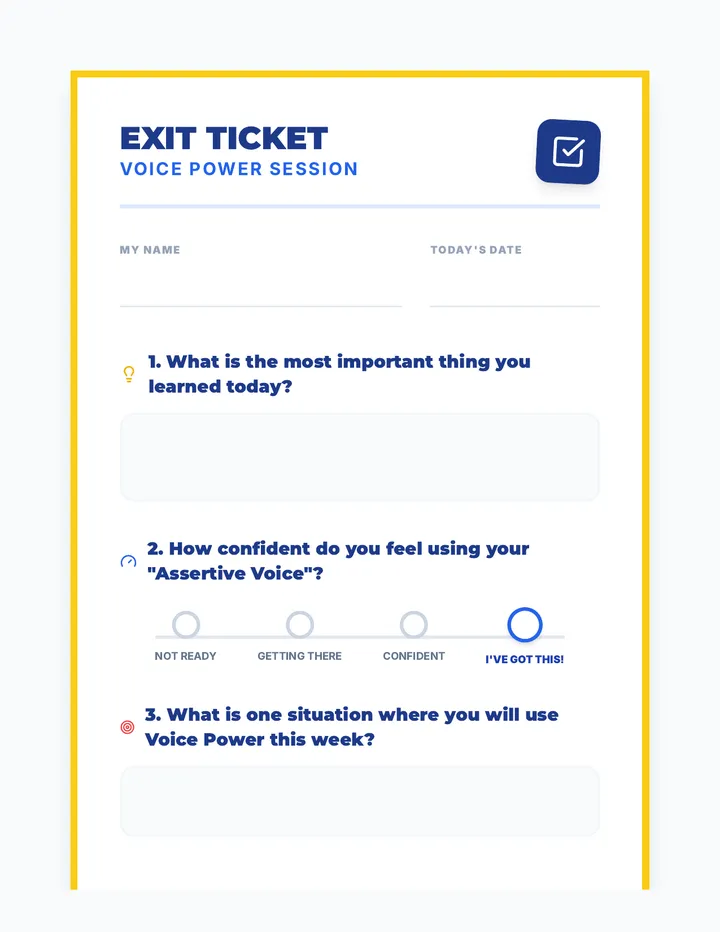
This lesson empowers adult males with disabilities to advocate for themselves in the workplace, fostering confidence to maintain employment and pursue advancement. Students learn practical strategies for communication, rights awareness, and problem-solving through interactive role-play and personal action planning.
A 2-hour lesson empowering adult males with disabilities to advocate for themselves in the workplace, covering rights, communication, and problem-solving.
This 15-minute Tier 2 group session for 9th graders empowers students to identify bullying, understand their rights under the Jamari Terrell Act, and master effective reporting strategies. Students will develop a personal action commitment to foster a safer school environment.
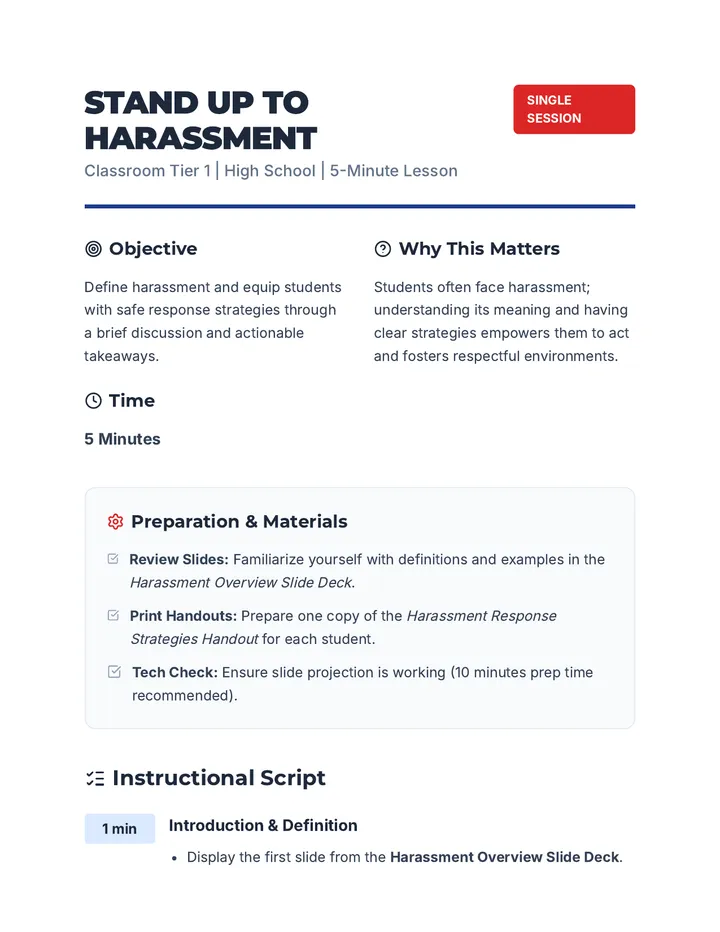
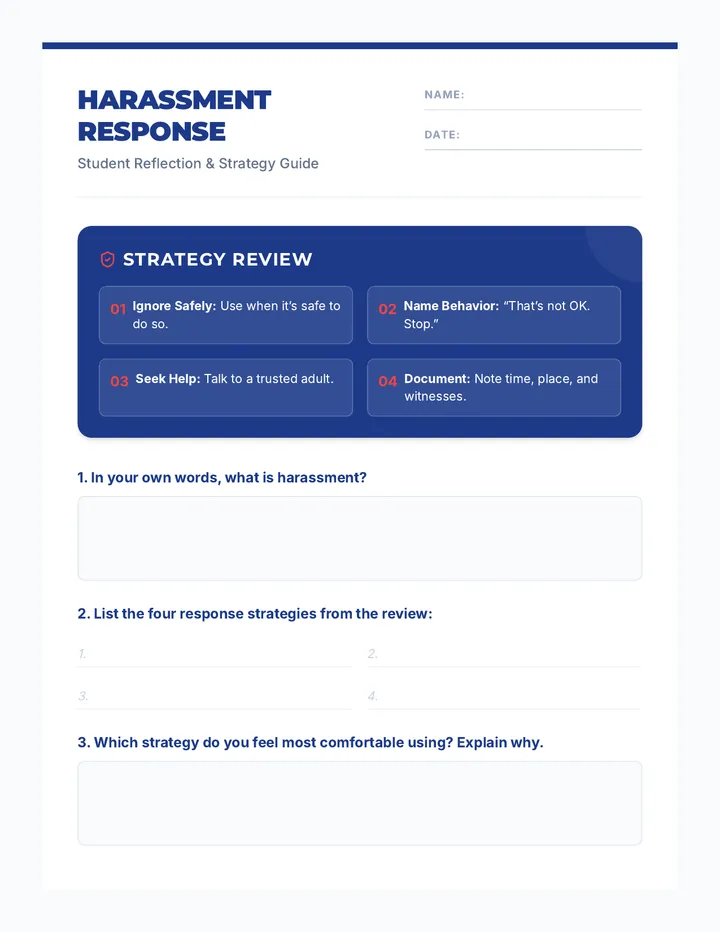
A quick 5-minute high school lesson that defines harassment, highlights its impact, and provides practical, safe response strategies to foster a respectful environment.
A 15-minute Tier 1 lesson for 10th graders focused on defining bullying, harassment, and racism, and empowering students with reporting and intervention tools.
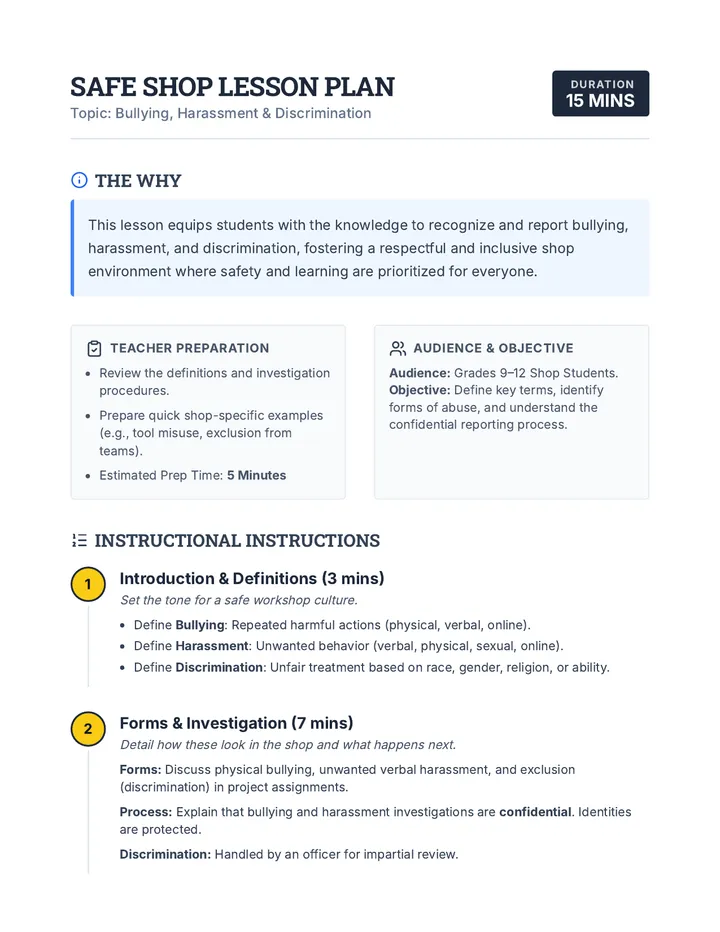
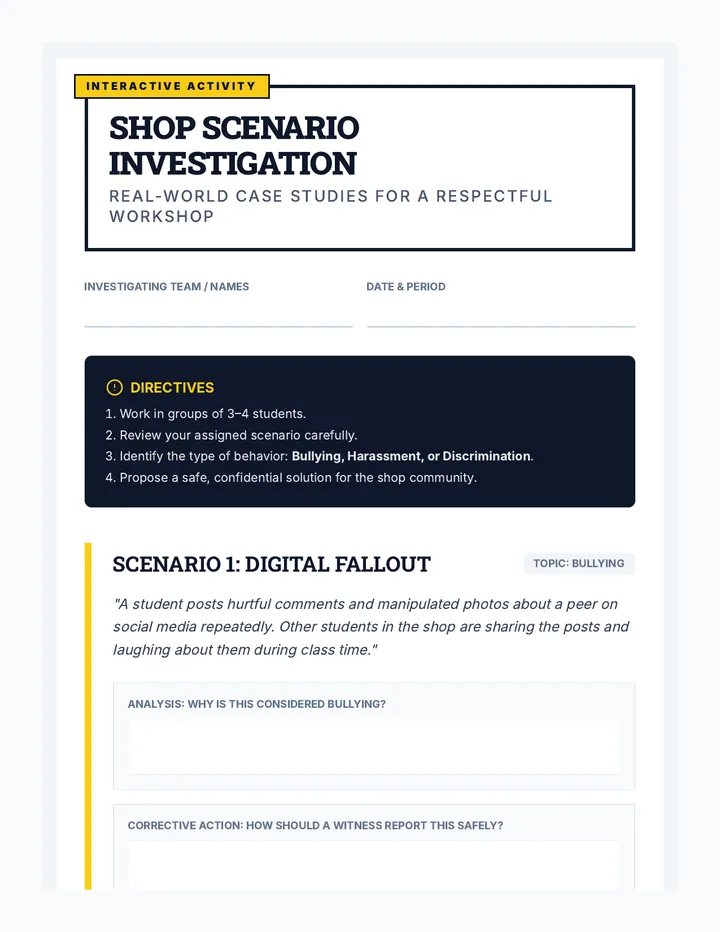
A high-impact 15-minute session for shop students to define, identify, and report bullying, harassment, and discrimination, fostering a safe workshop culture.
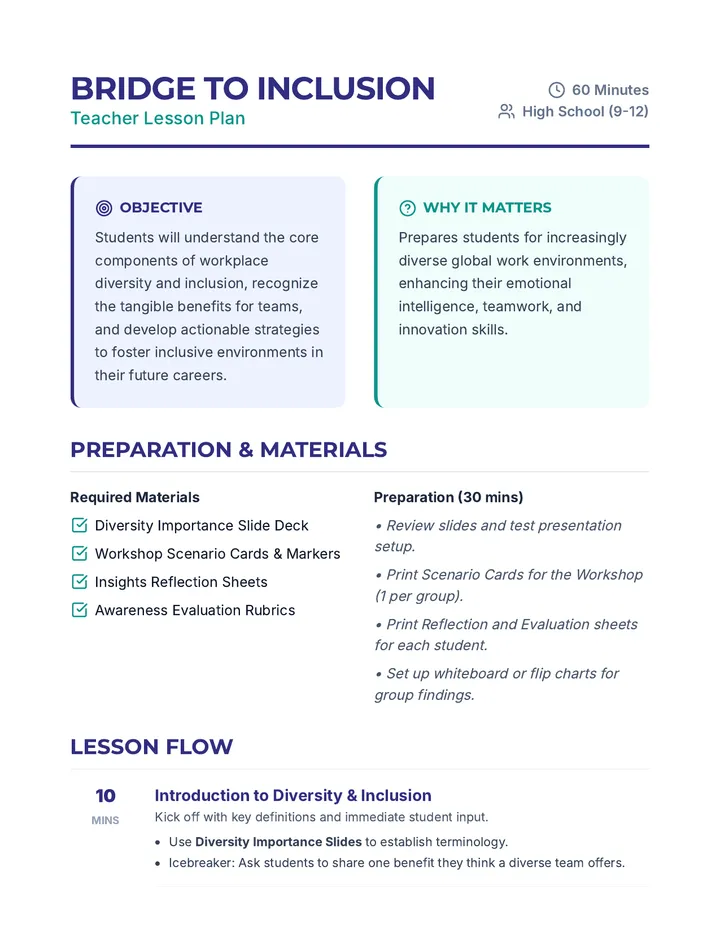
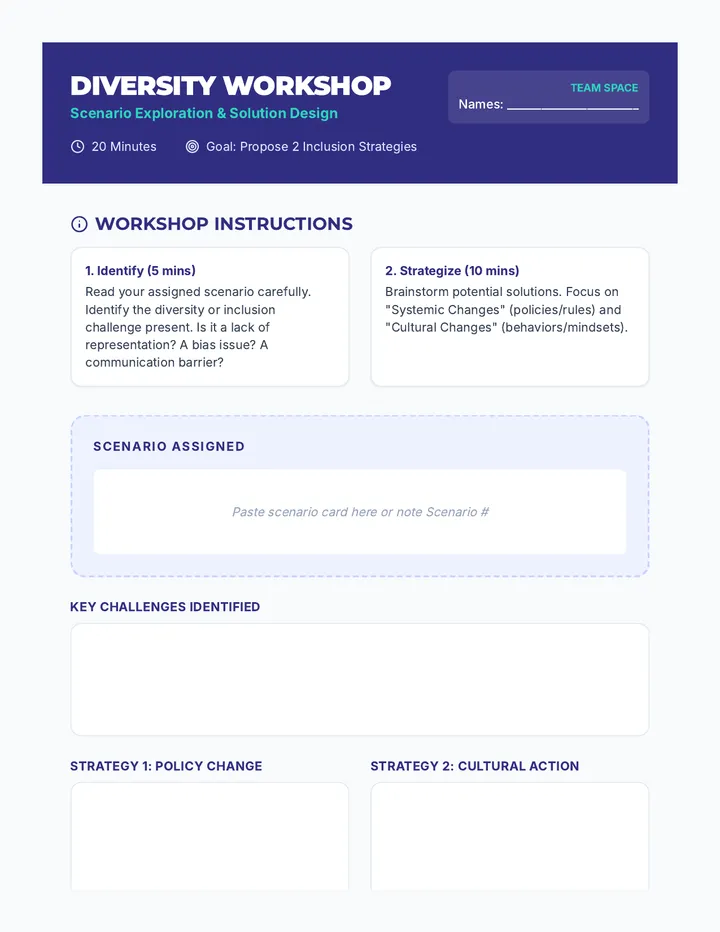
An introduction to workplace diversity and inclusion for high school students, exploring benefits and strategies for fostering inclusive environments through interactive activities and reflection.
An introduction to workplace diversity and its importance for high school students, focusing on the benefits of diverse work environments and strategies for fostering inclusion.
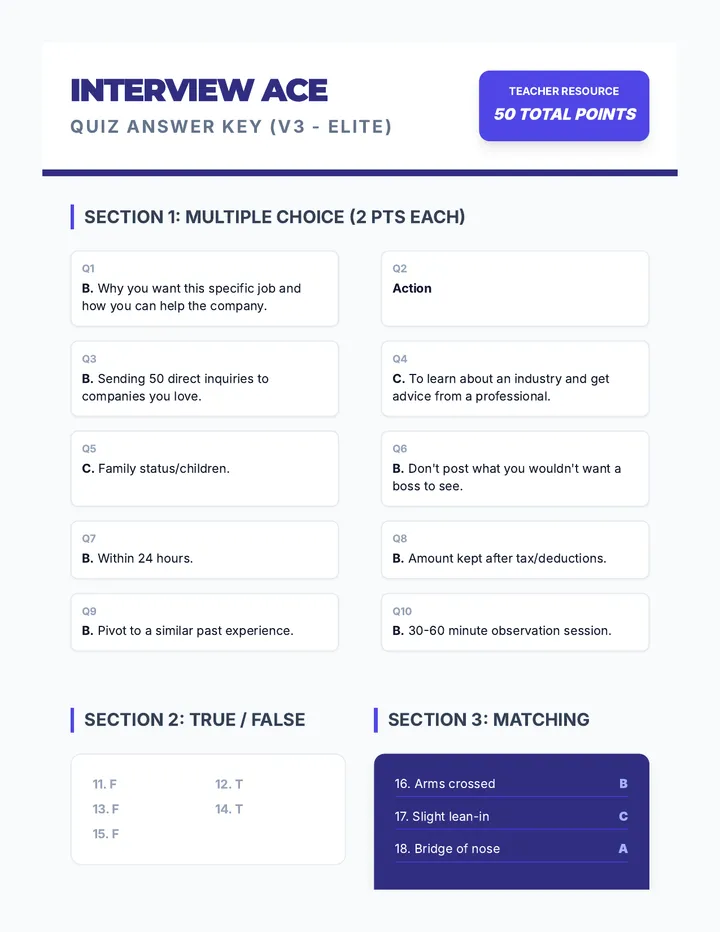
A comprehensive lesson for high school students on mastering their first job interviews, focusing on personal branding, soft skills, and professional inquiry.
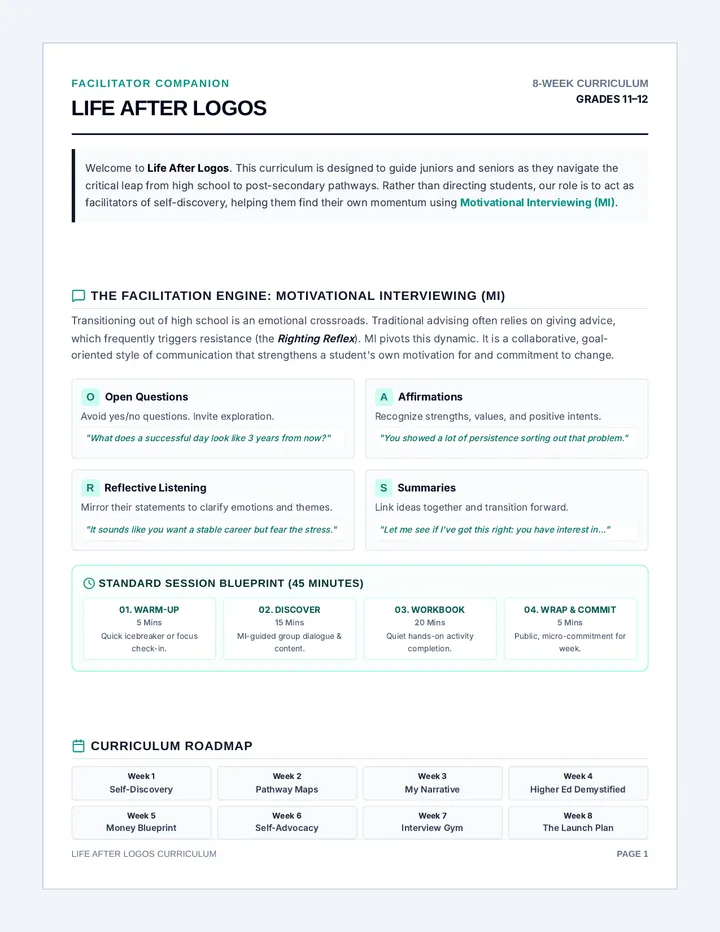
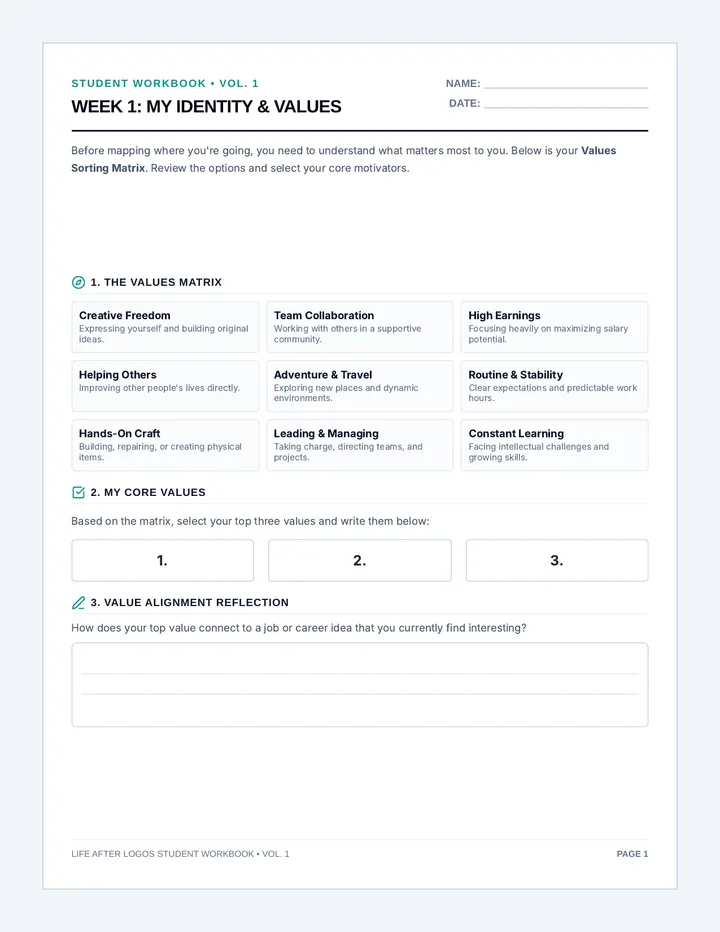
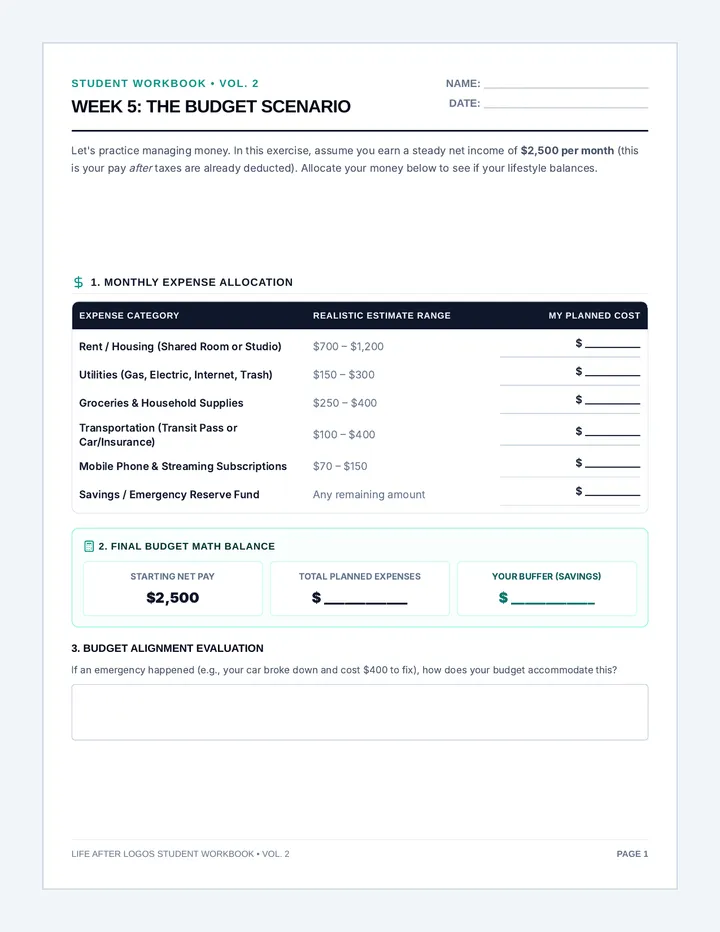
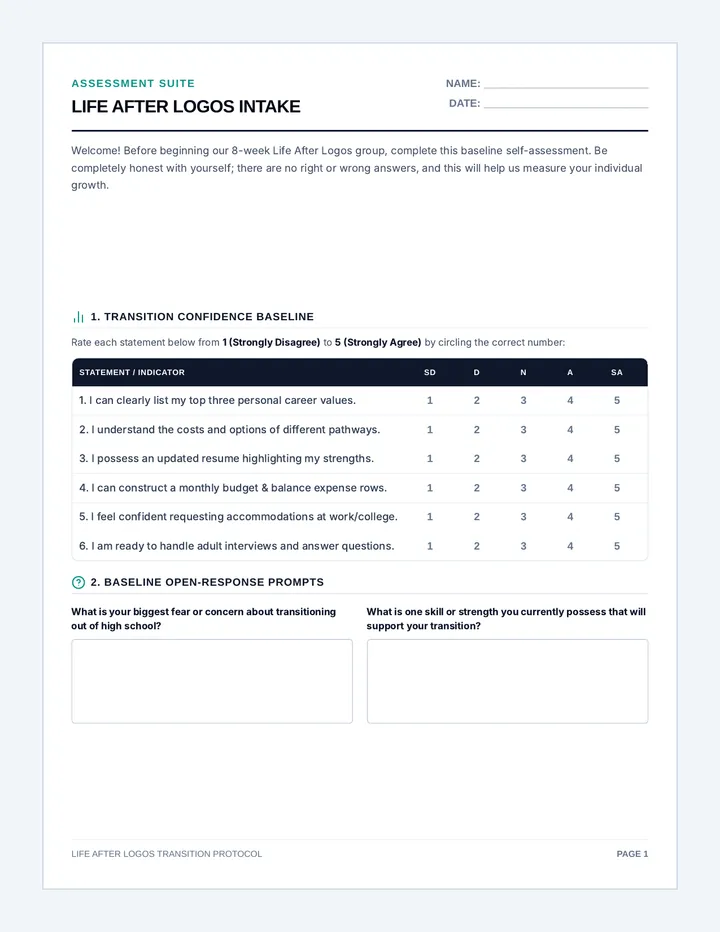
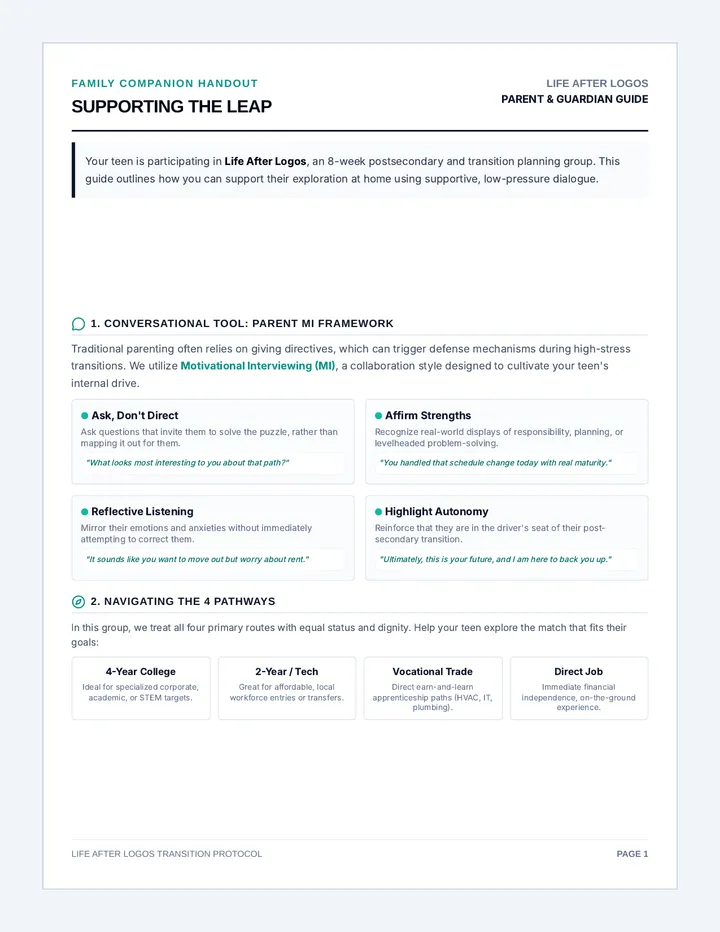
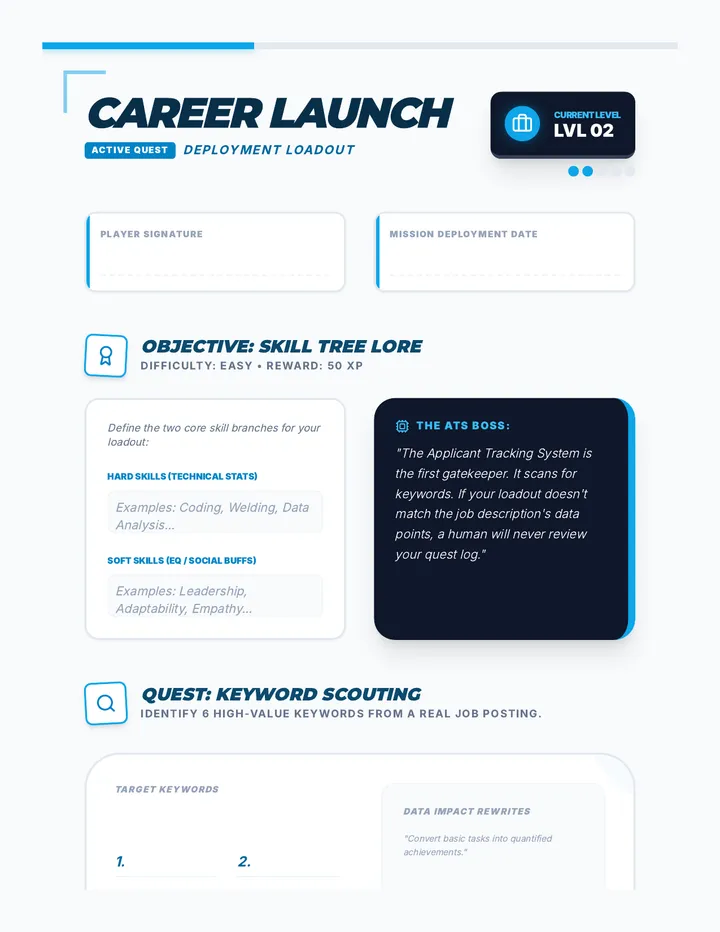
An 8-week transition and career curriculum designed for 11th-12th grade students entitled Life After Logos. Includes a comprehensive Facilitator Guide emphasizing motivational interviewing and two volumes of structured student workbooks covering assessments, pathways, and adult responsibilities.
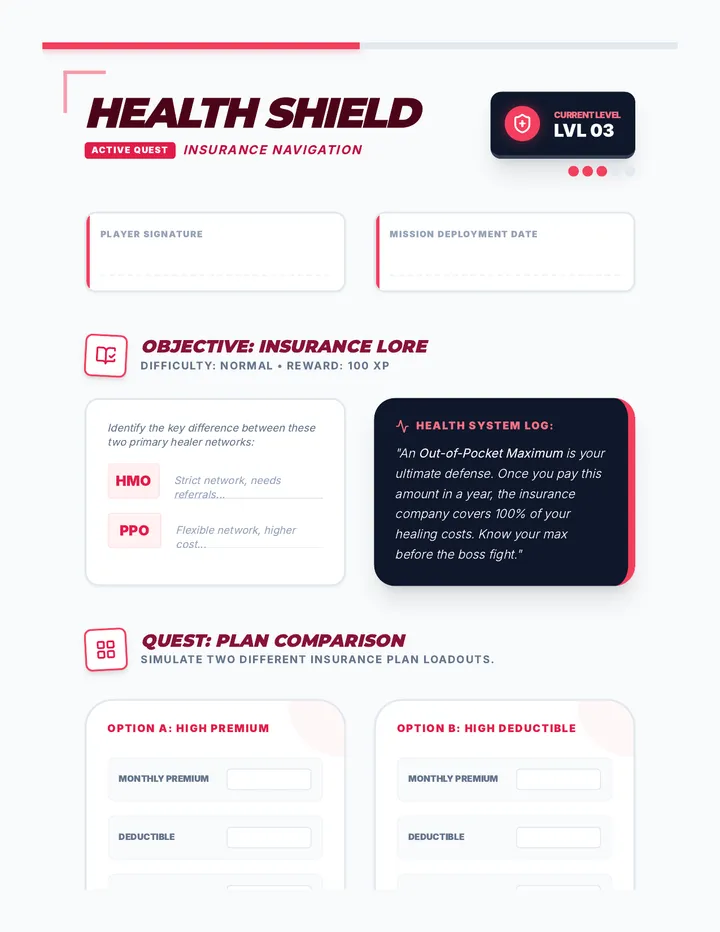
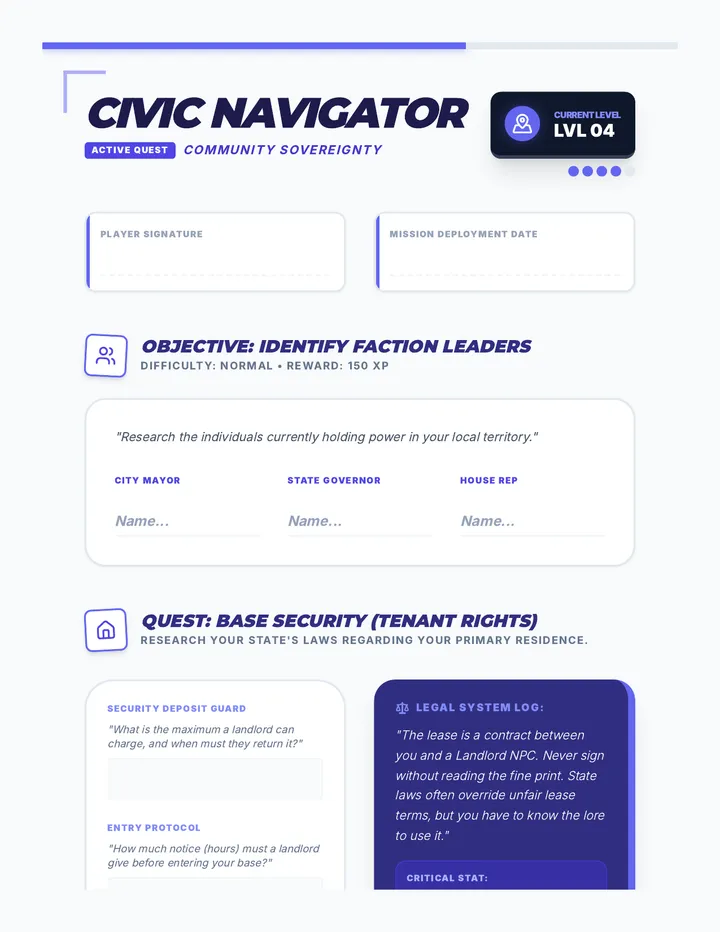
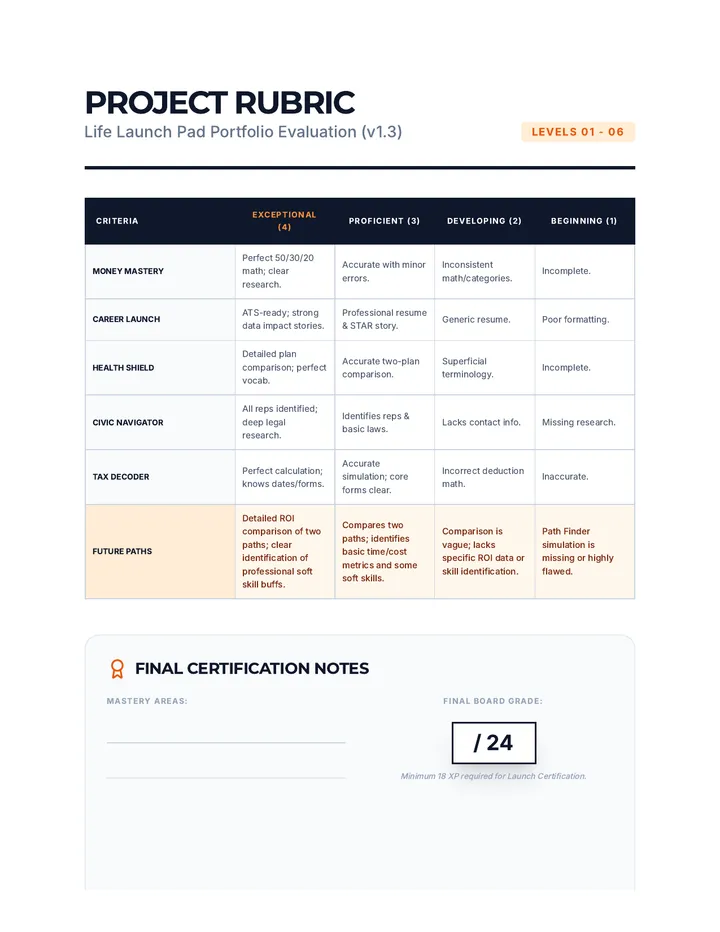
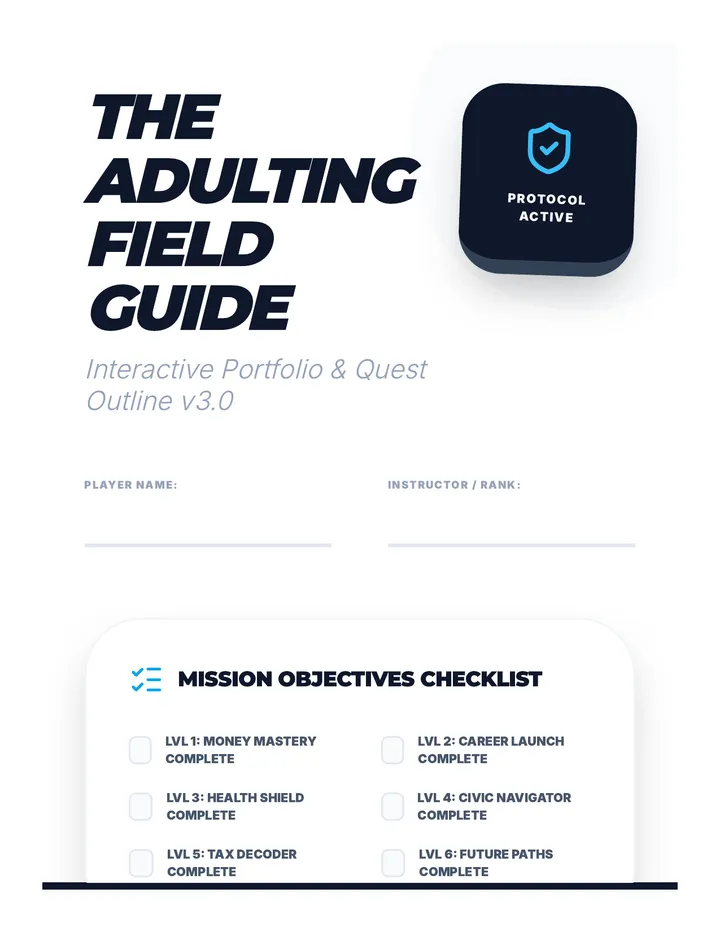
A comprehensive guide to essential adulting skills covering financial literacy, career development, health navigation, and civic responsibilities.
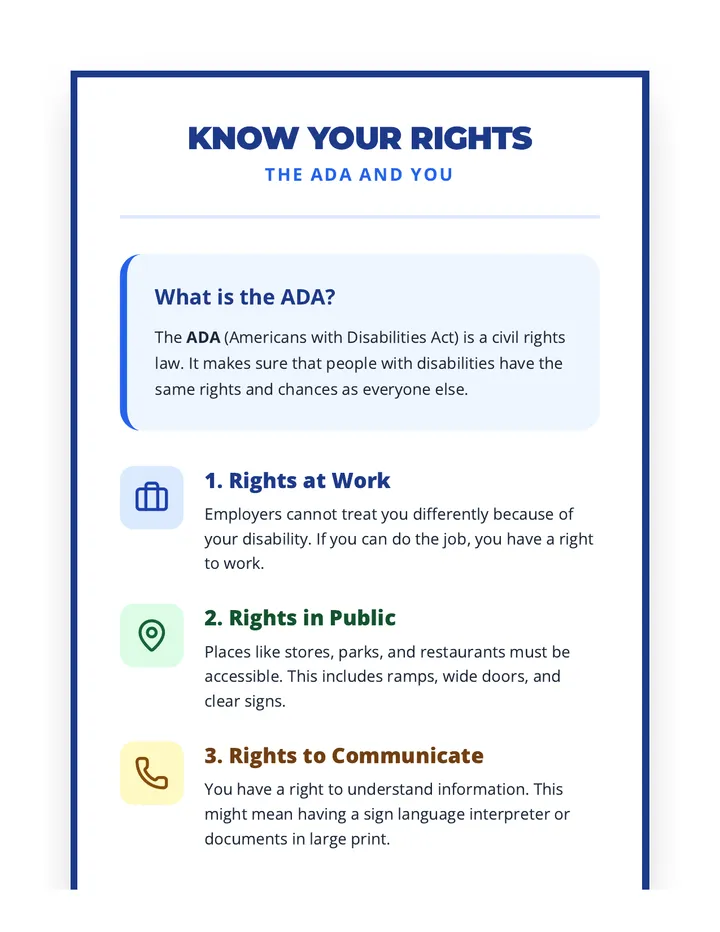
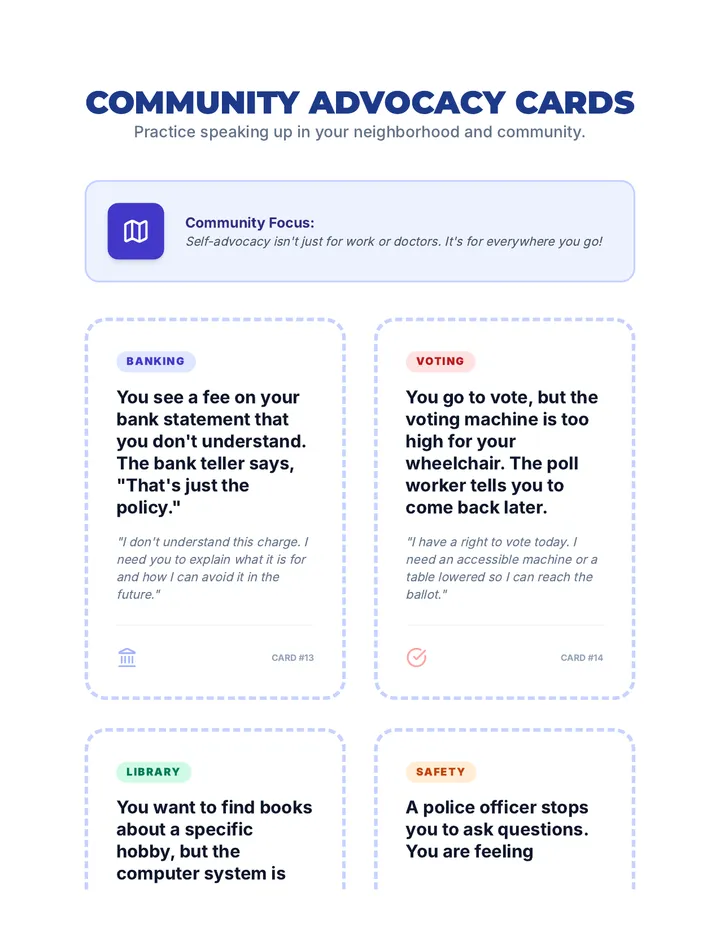
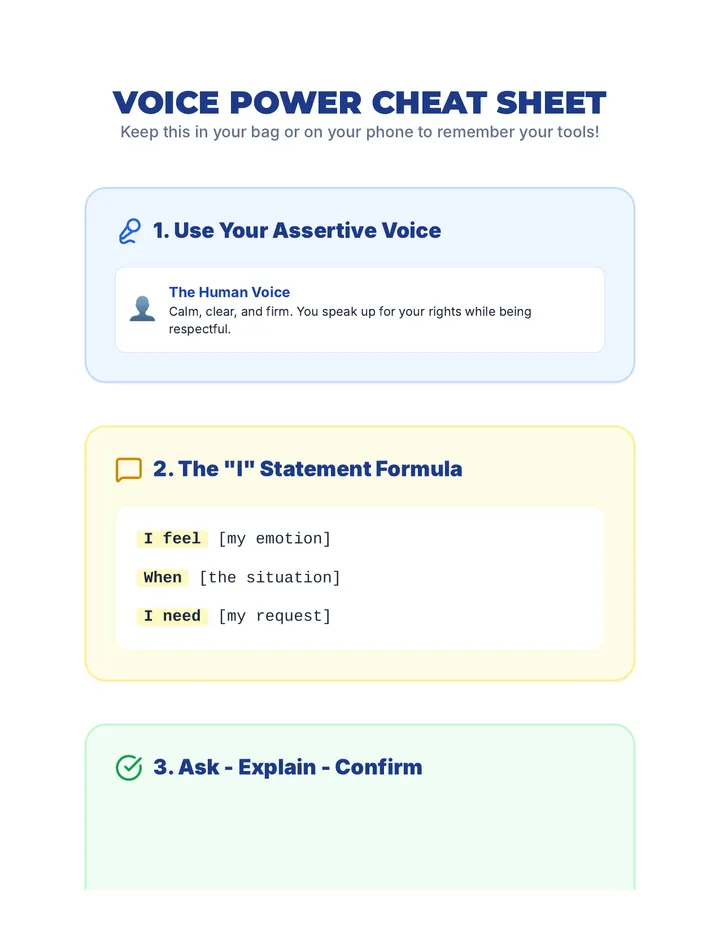
A comprehensive self-advocacy curriculum designed for young adults to navigate school, home, community, and the workplace with confidence. Focuses on personal identity (pronouns), legal rights (ADA/IDEA), and practical communication strategies.
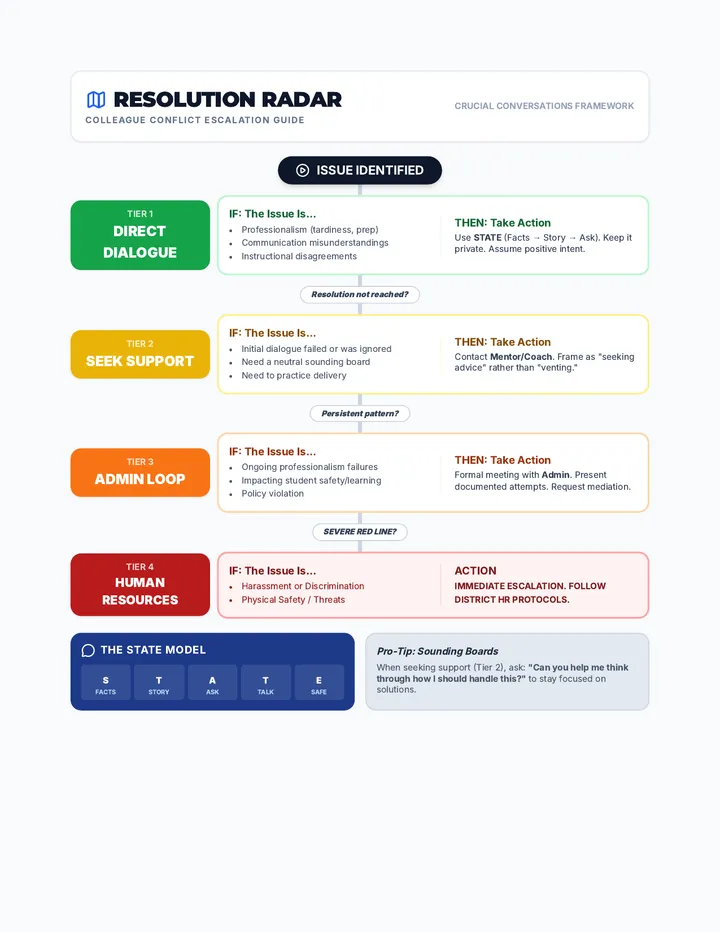
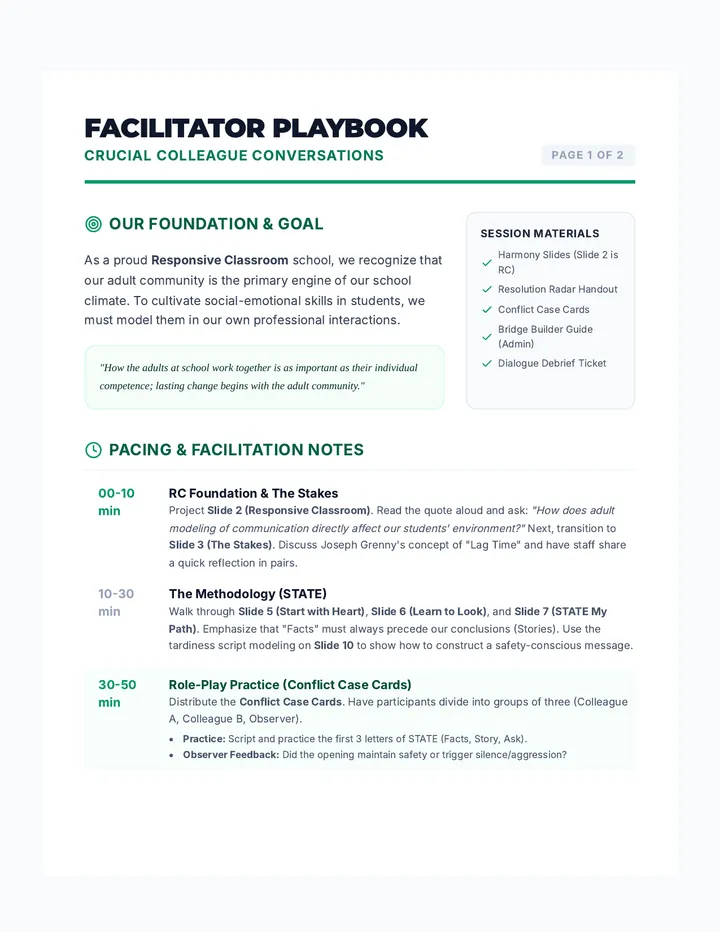
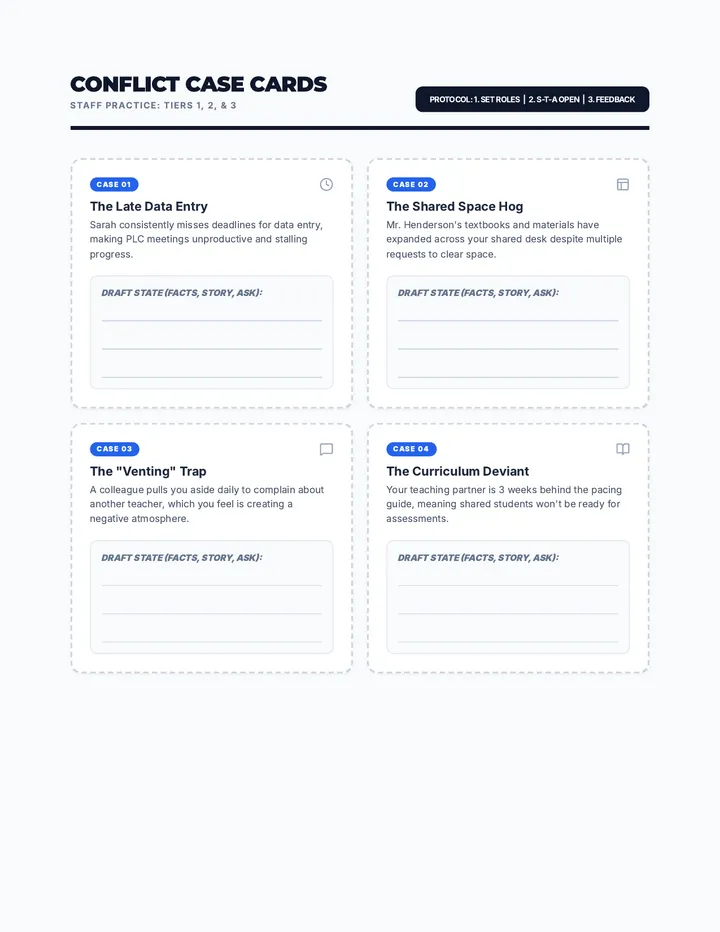
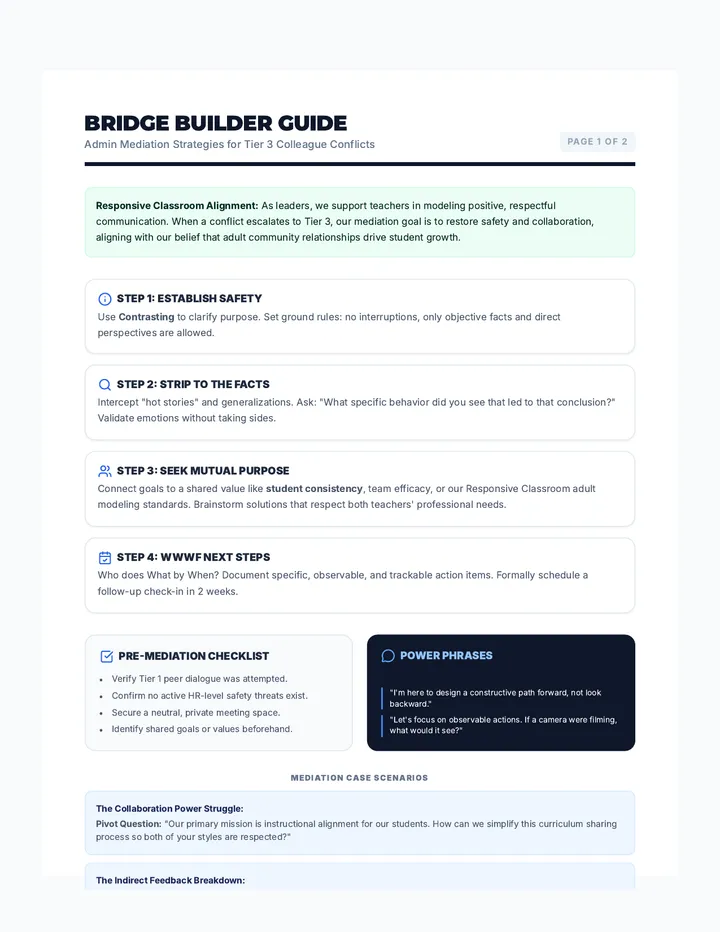
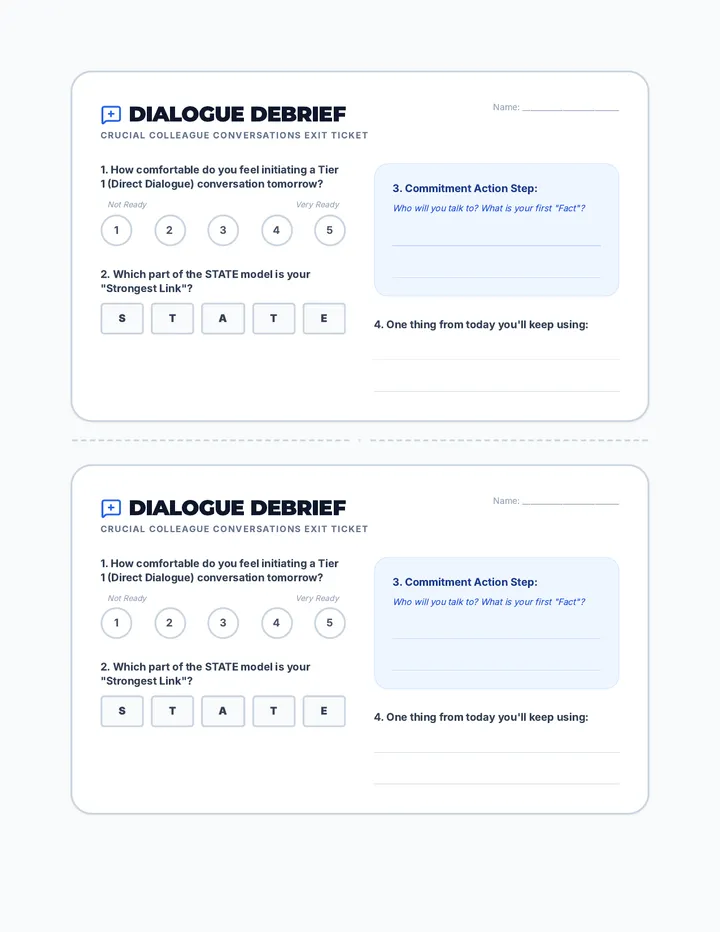
A professional development session designed to equip educators with the tools of Crucial Conversations to navigate colleague conflicts and professionalism issues through a clear, progressive escalation framework.
Master the transition from student to professional. This lesson covers workplace etiquette and the application process through engaging puzzles and reflective self-assessments.
A comprehensive guide for Arlington High School students to navigate the local summer job market, covering specific local employers, application strategies, and interview techniques.
A specialized career preparation lesson focused on entering the automotive and mechanical trades, covering technical resumes, shop-floor communication, and navigating disability disclosure in a physical work environment.
A focused session on postsecondary self-advocacy, teaching students with learning differences how to communicate their needs to professors and employers. The lesson emphasizes the transition from high school's automatic support to the self-initiated systems of college and the workplace.
A comprehensive orientation for the Workforce Internship program, covering policies, expectations, and success strategies for new interns at Commonpoint Queens.
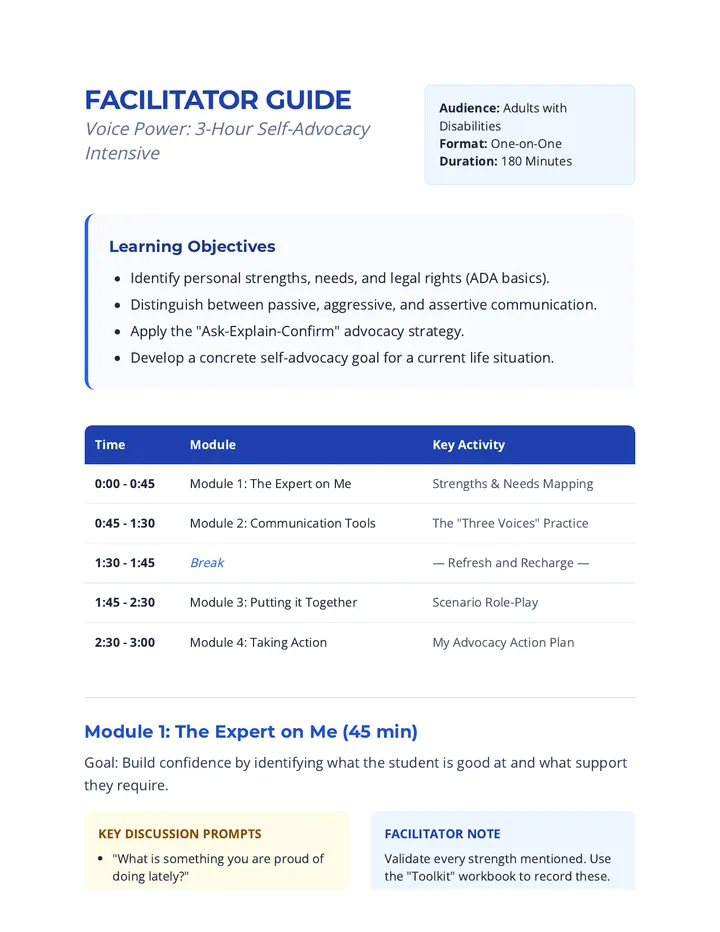
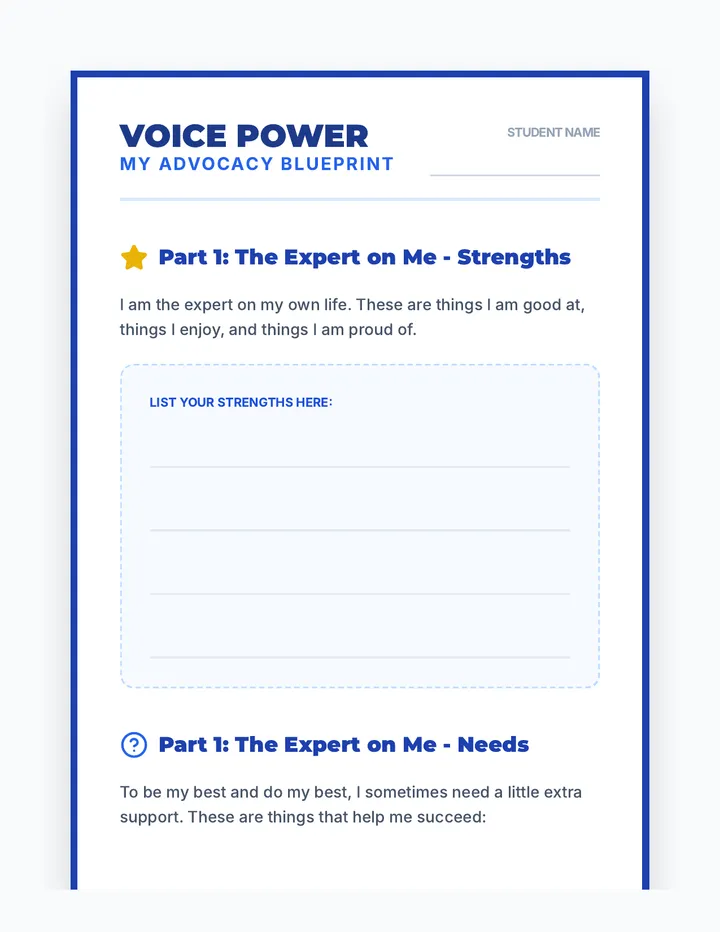
A comprehensive 3-hour intensive lesson designed for one-on-one instruction with adults with disabilities, focusing on identifying needs, communicating effectively, and practicing self-advocacy in real-world situations.
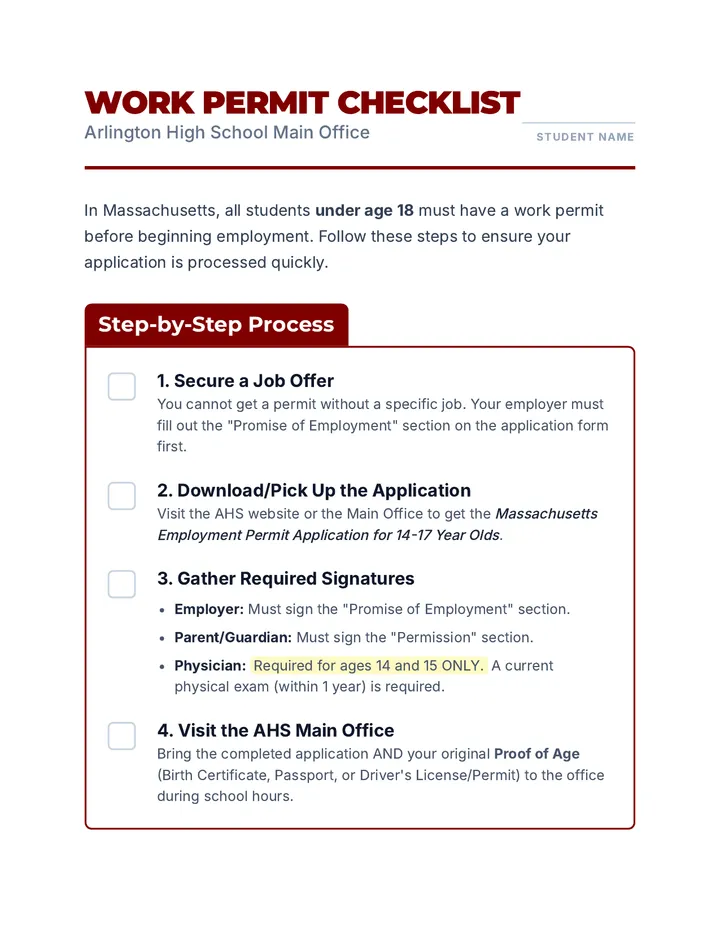
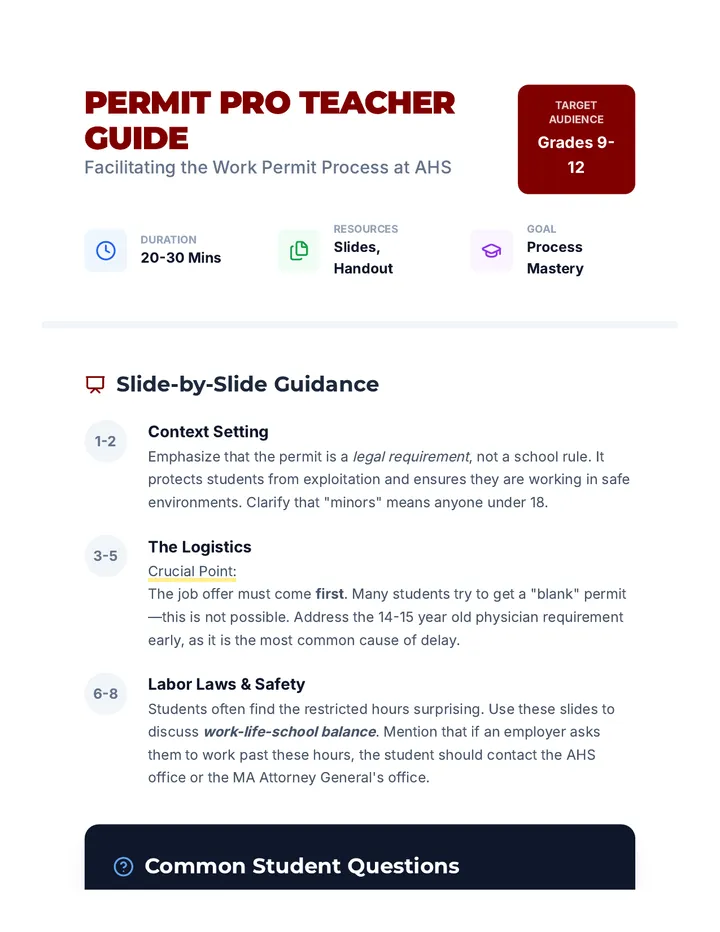
A comprehensive guide for students at Arlington High School to understand the Massachusetts work permit process, including eligibility, documentation, and labor laws.