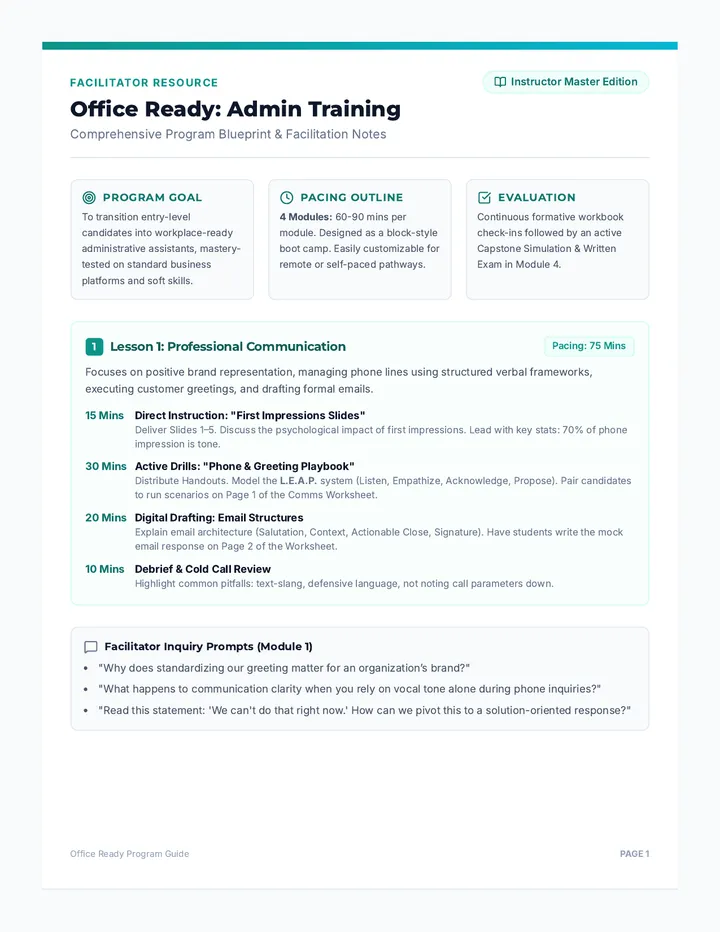
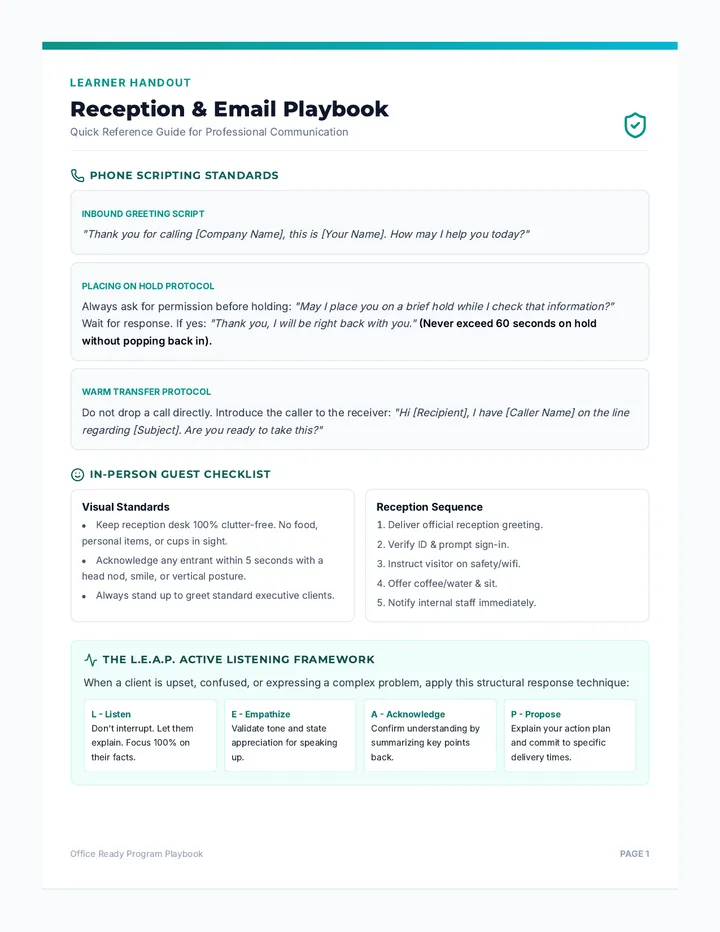
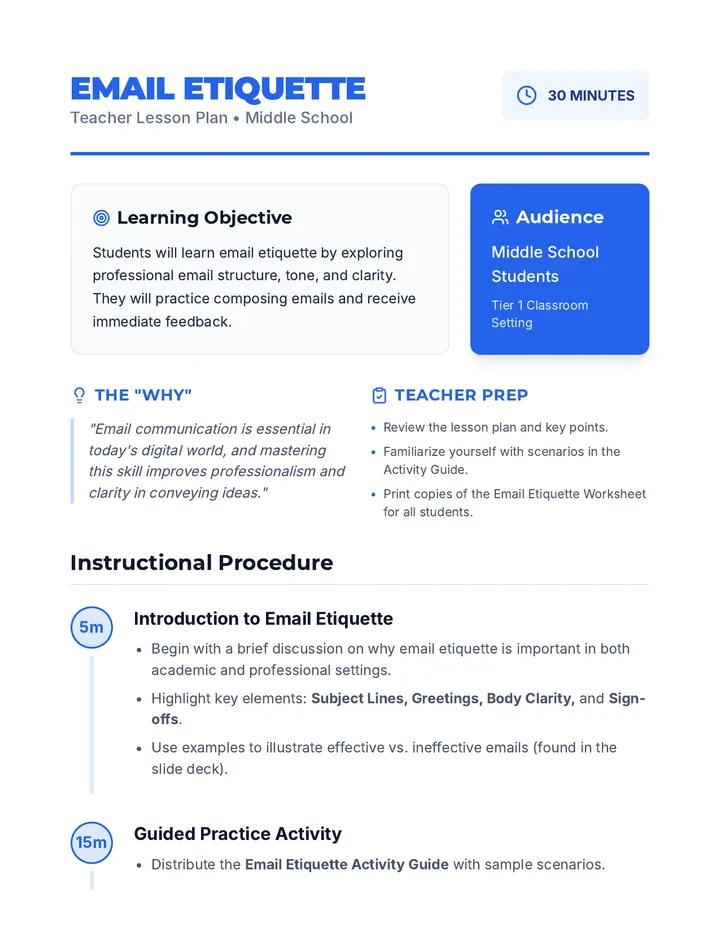
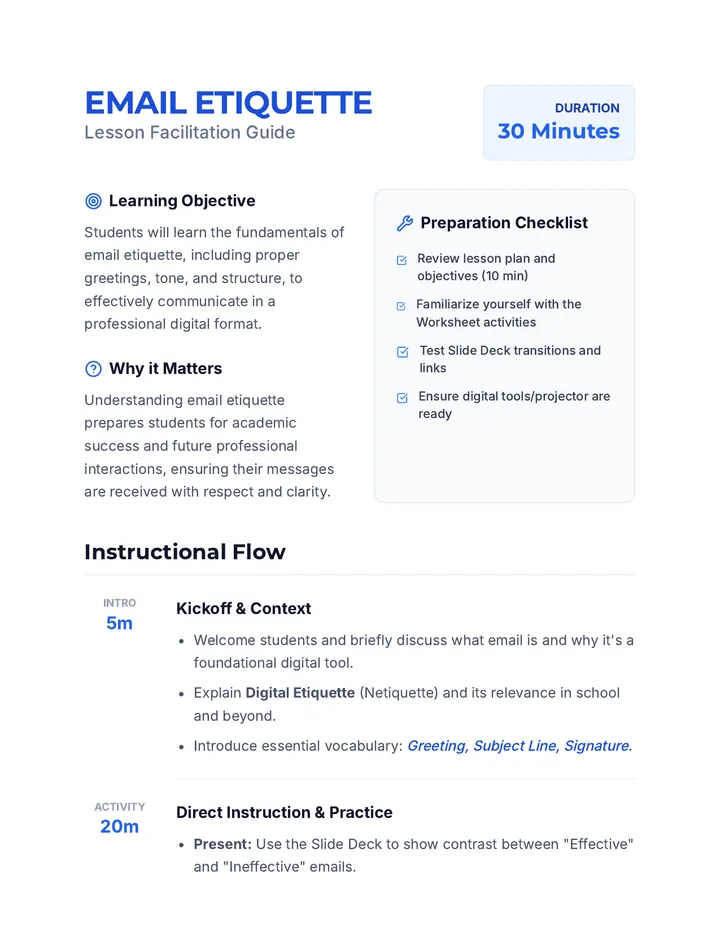
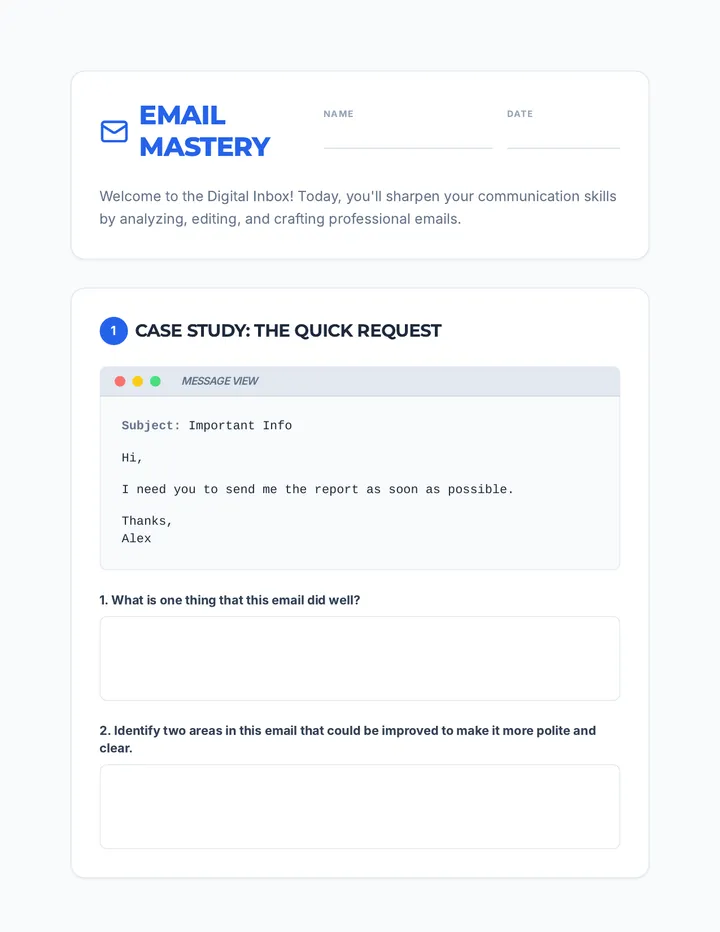
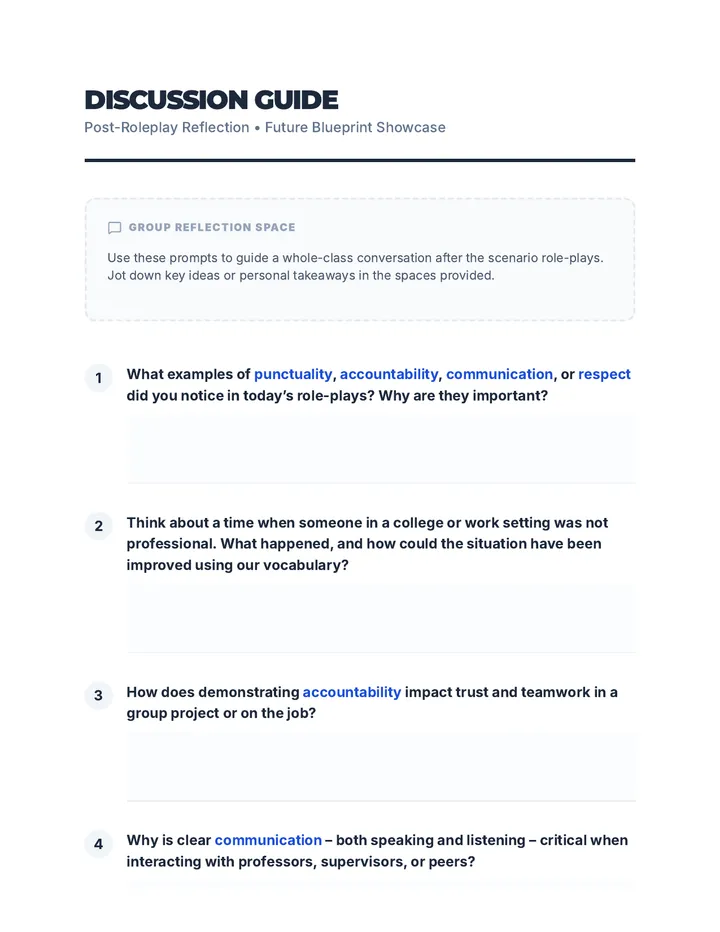
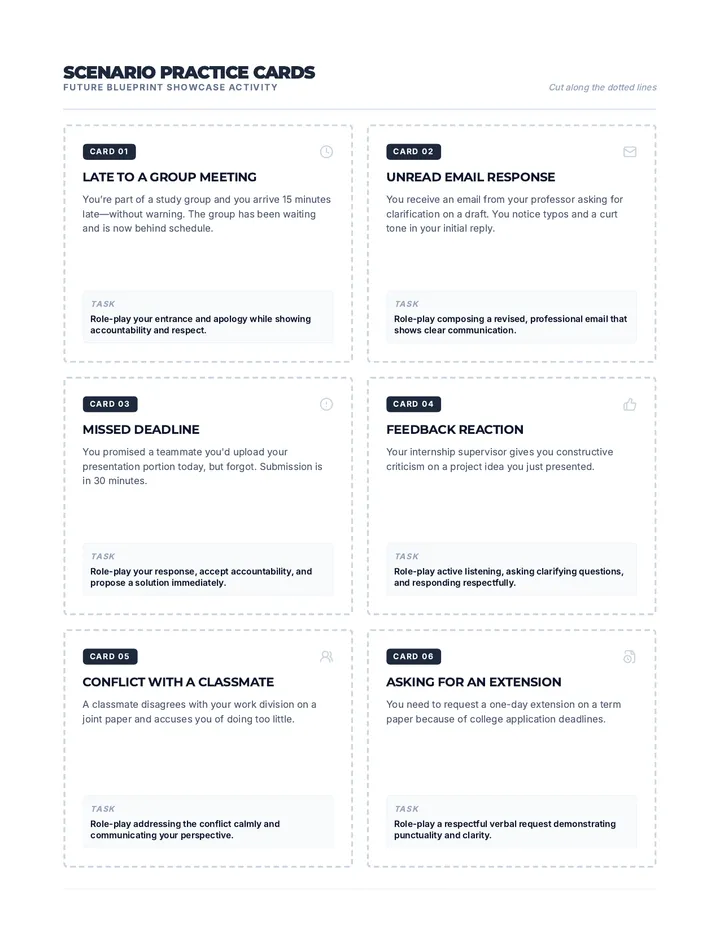
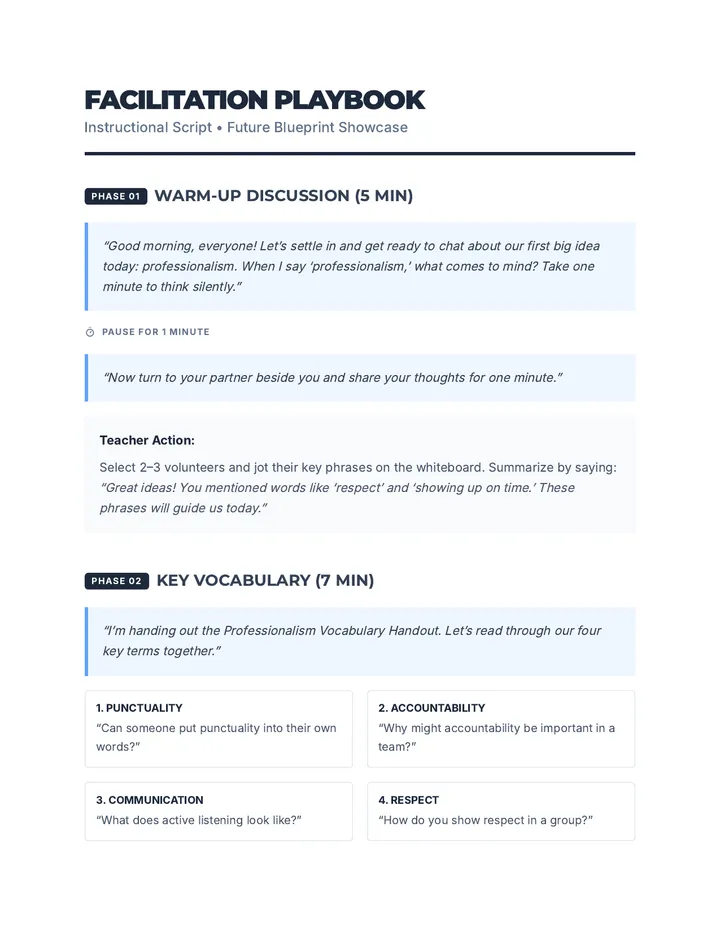
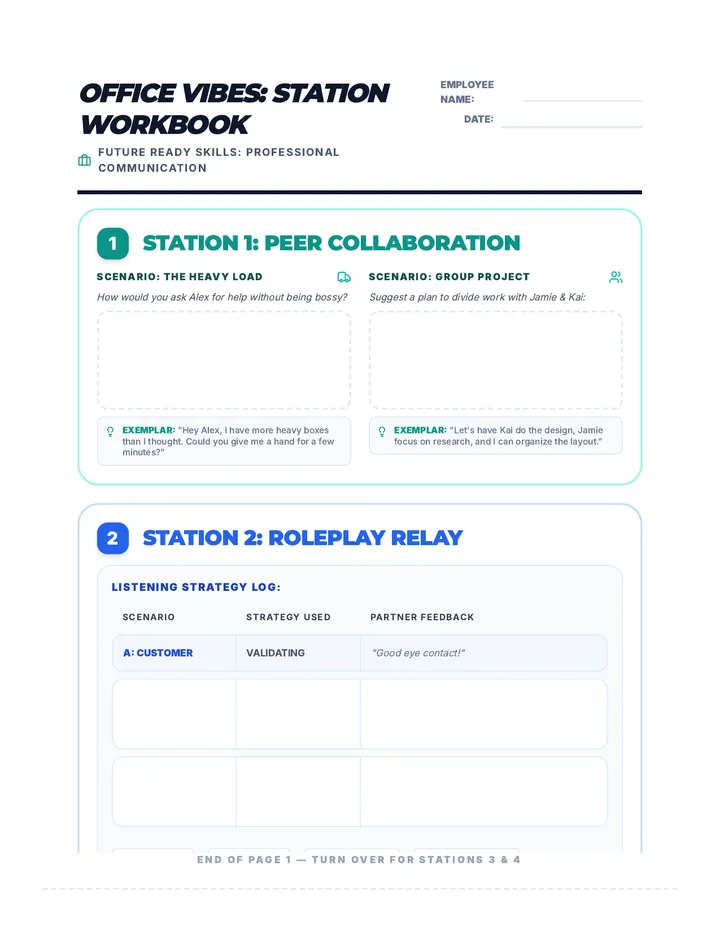
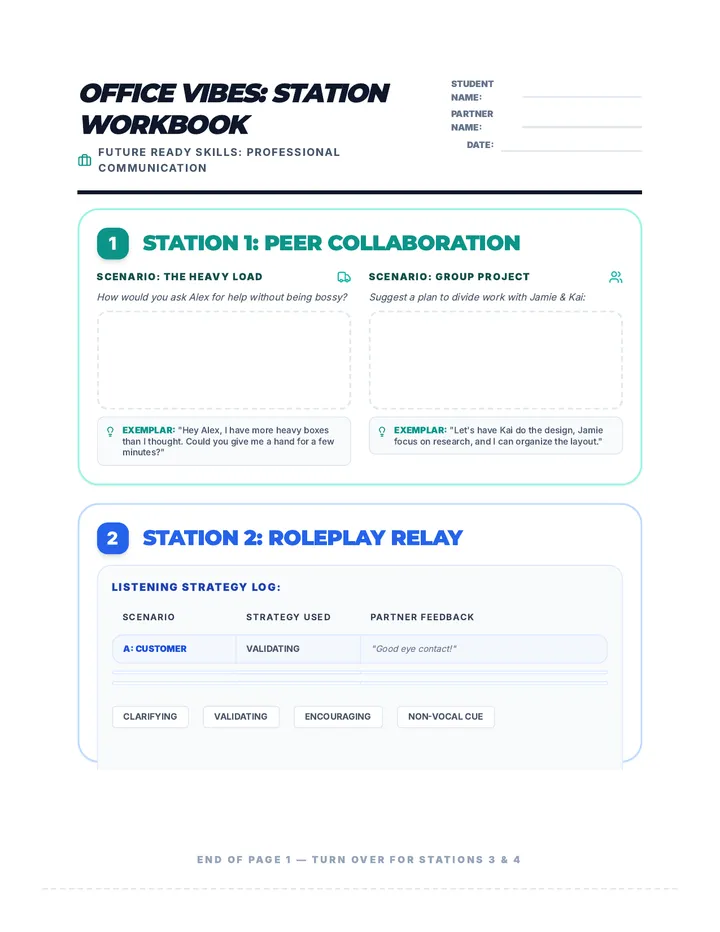
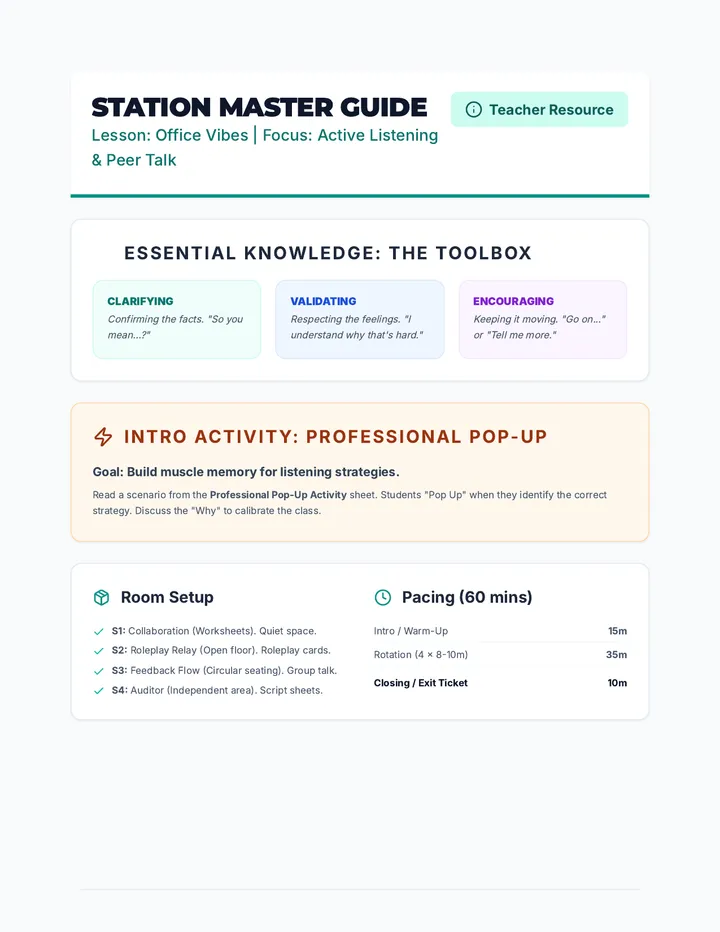
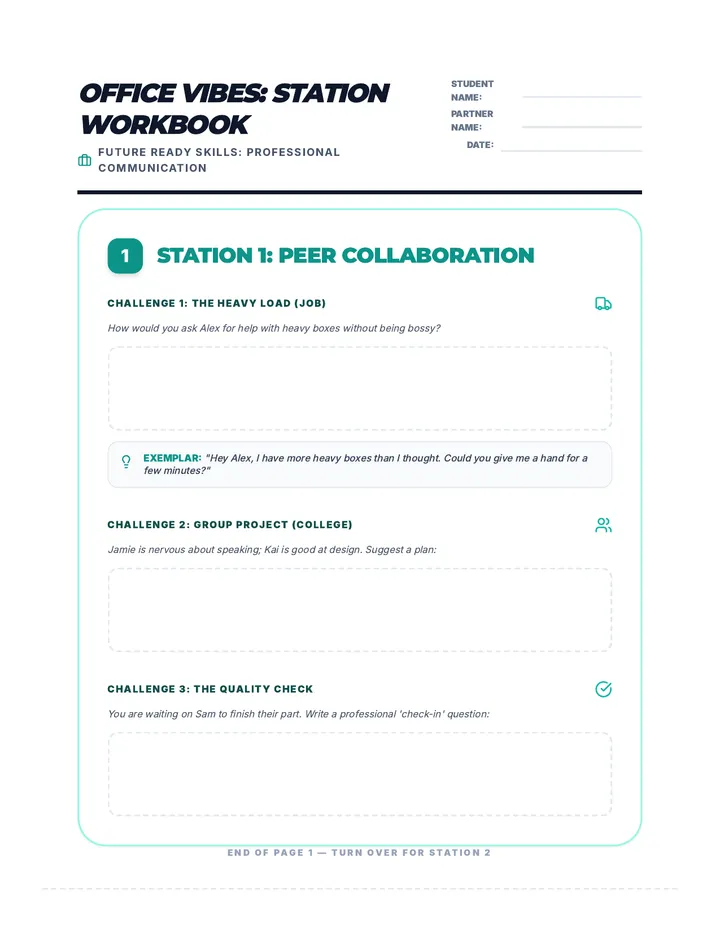
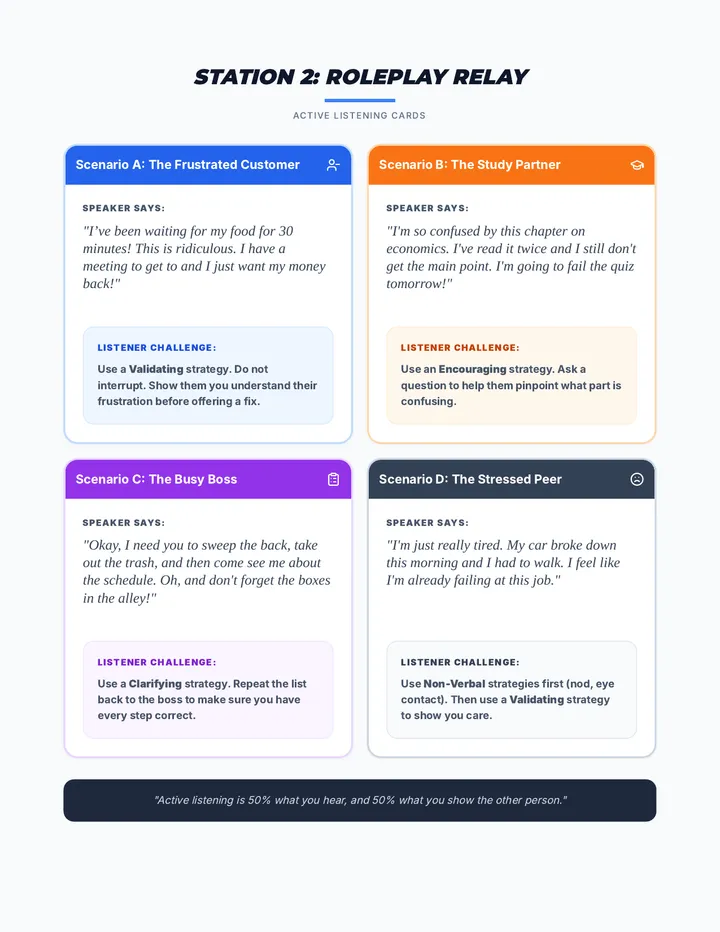
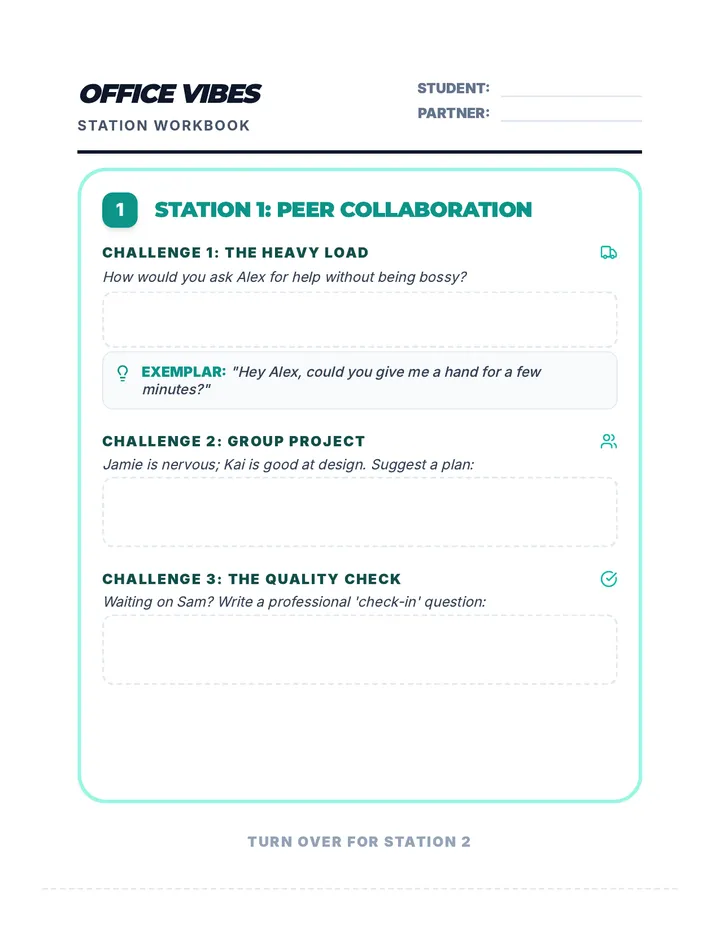
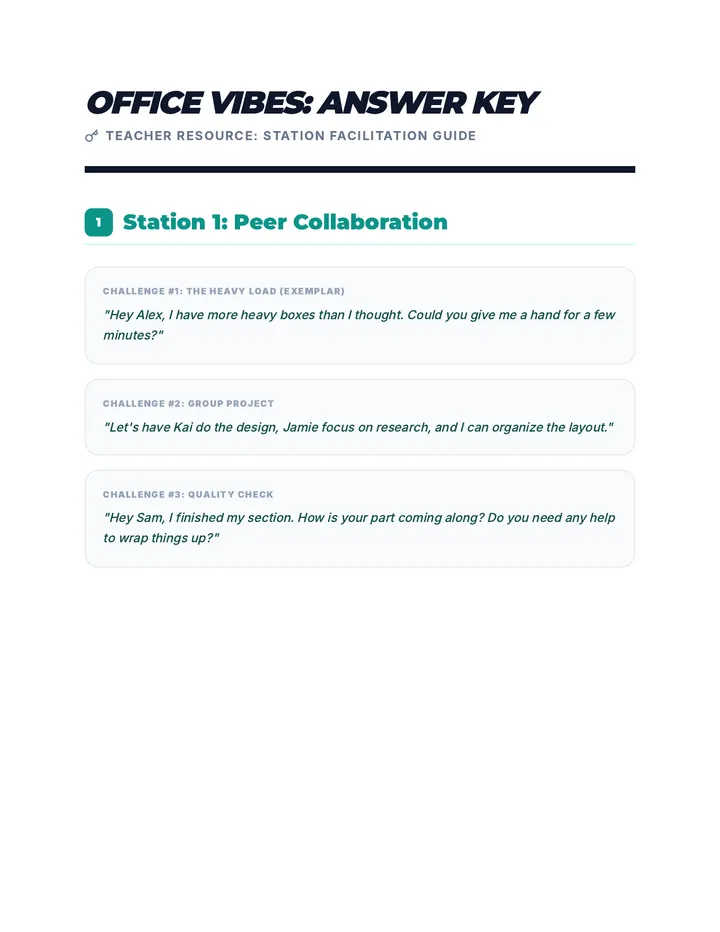
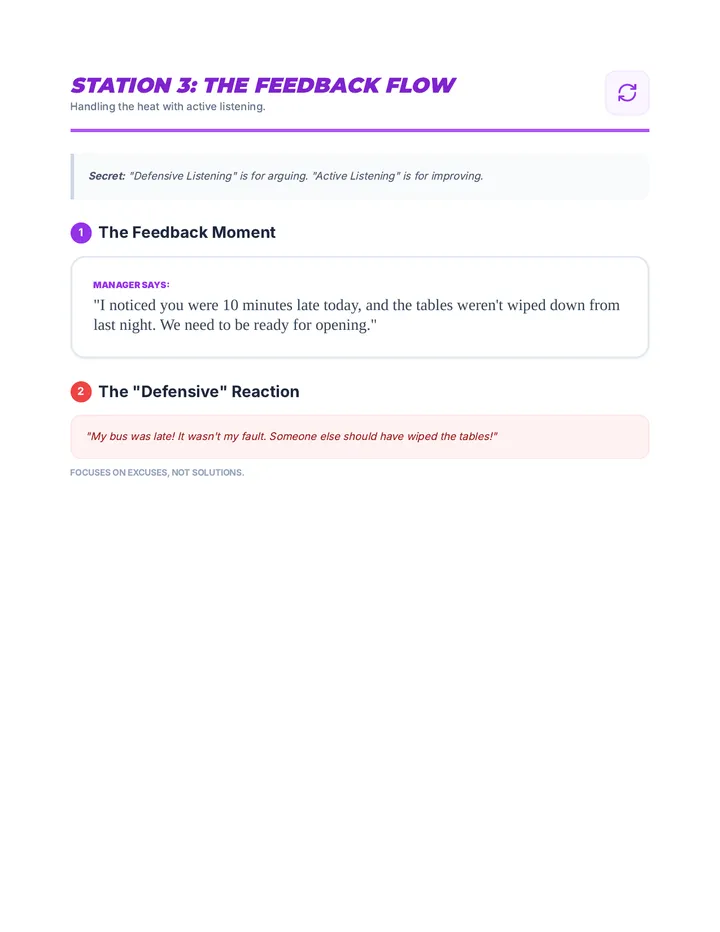
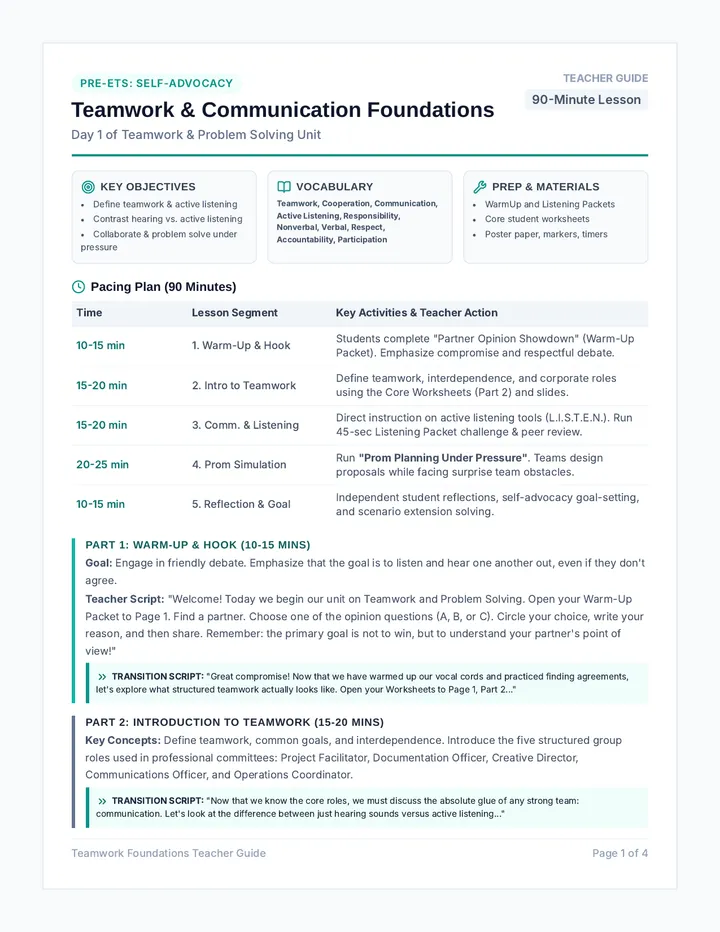
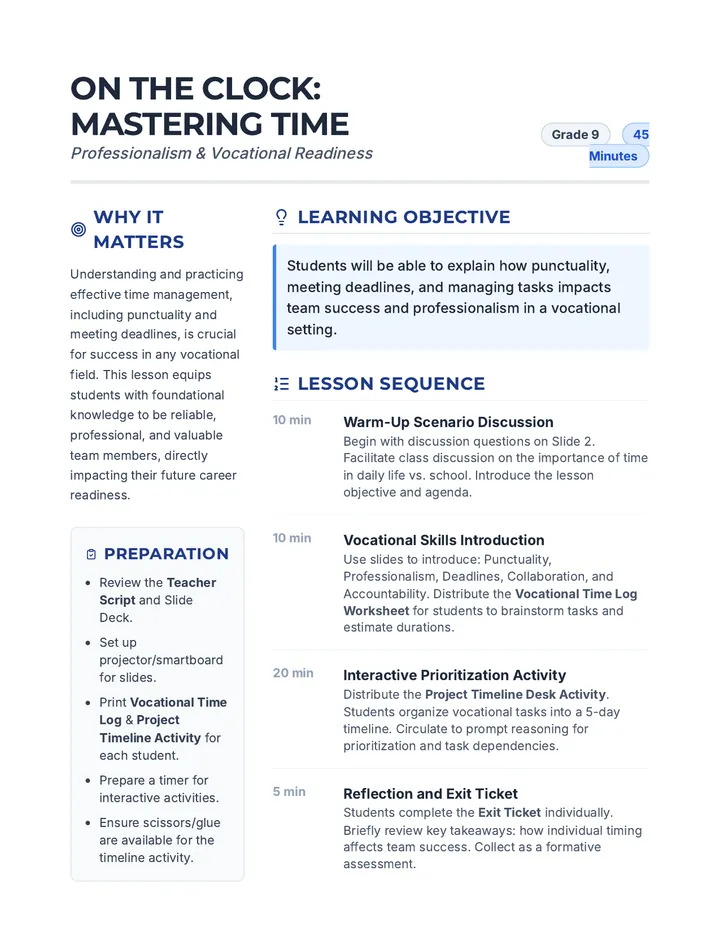
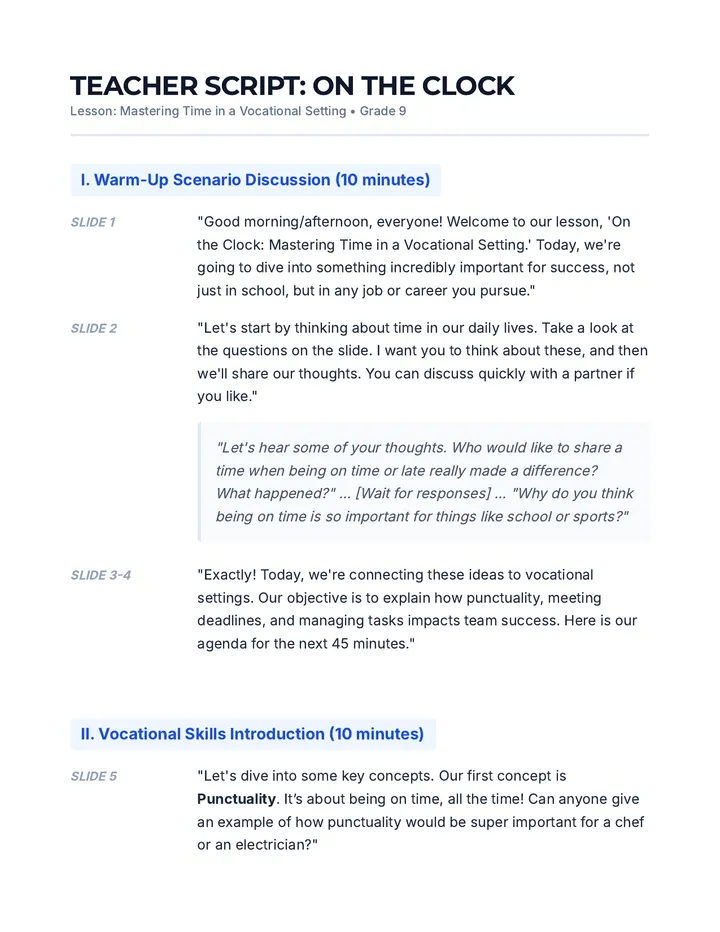
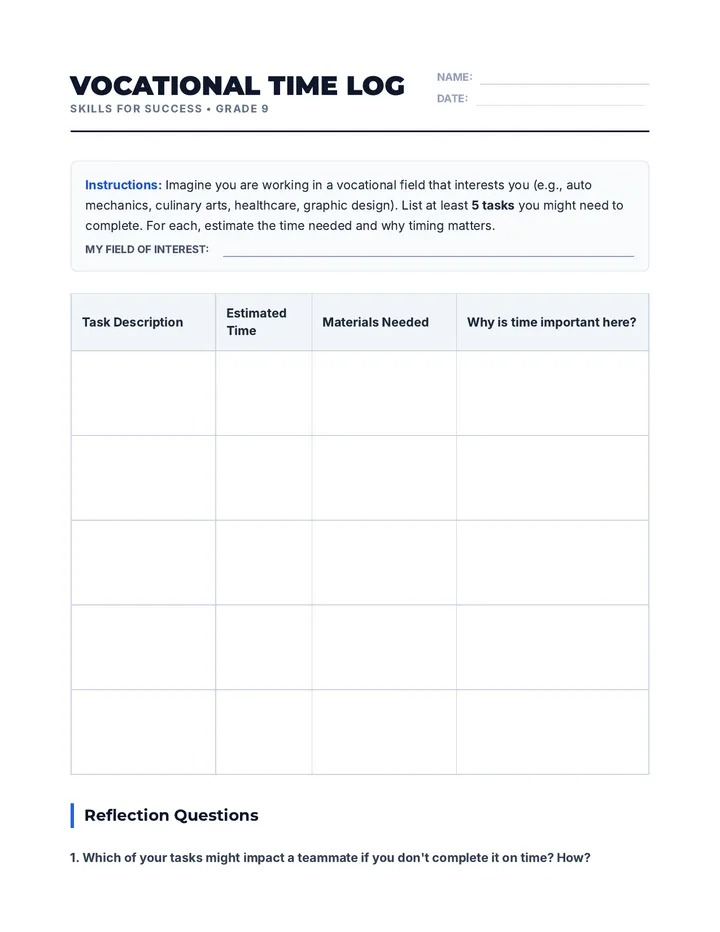
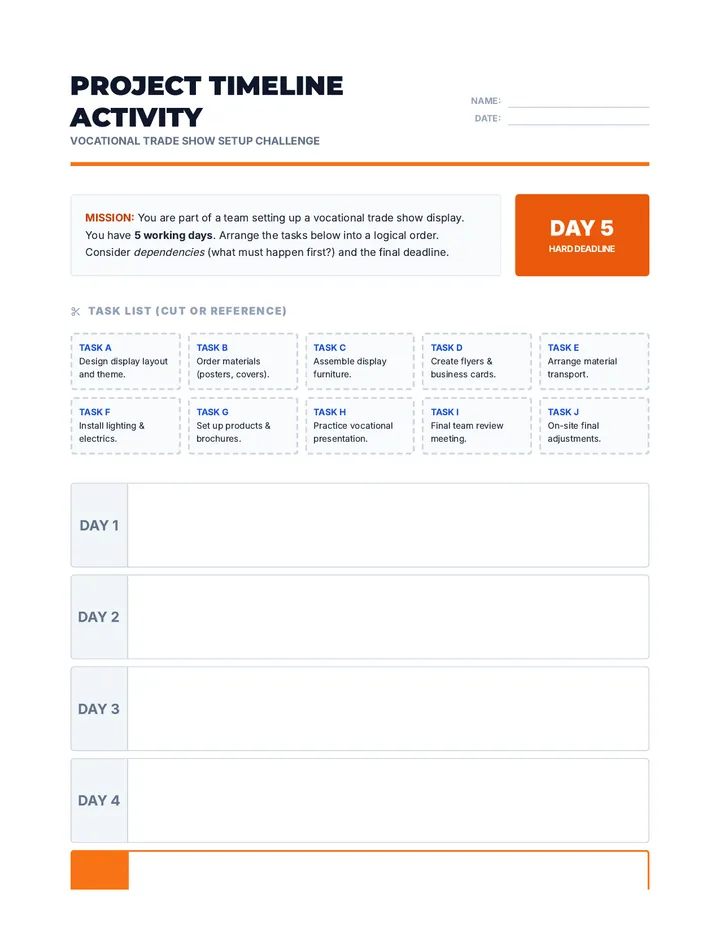
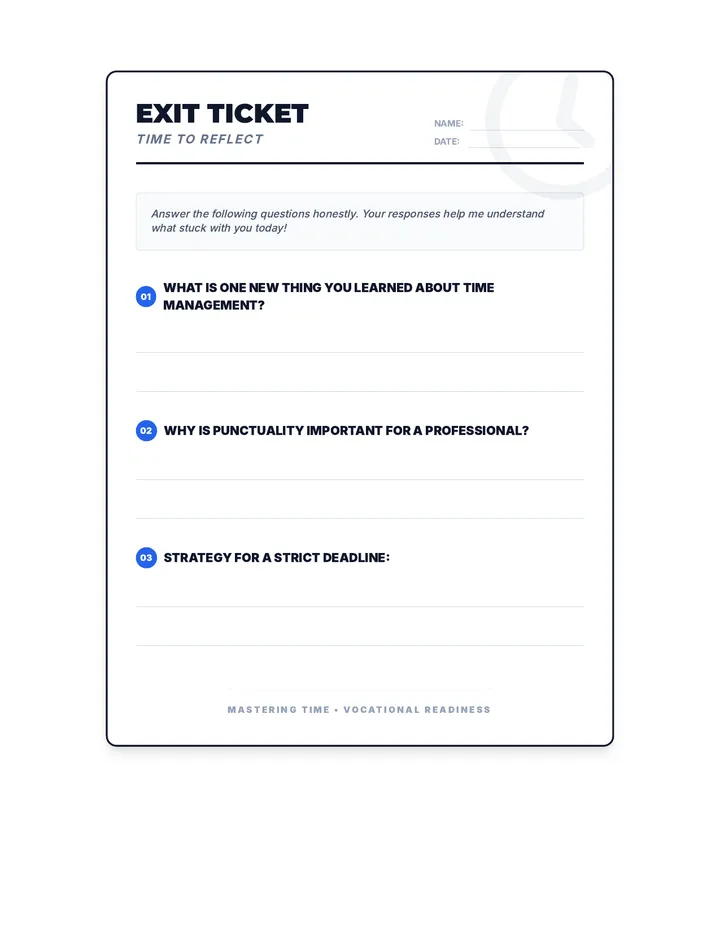
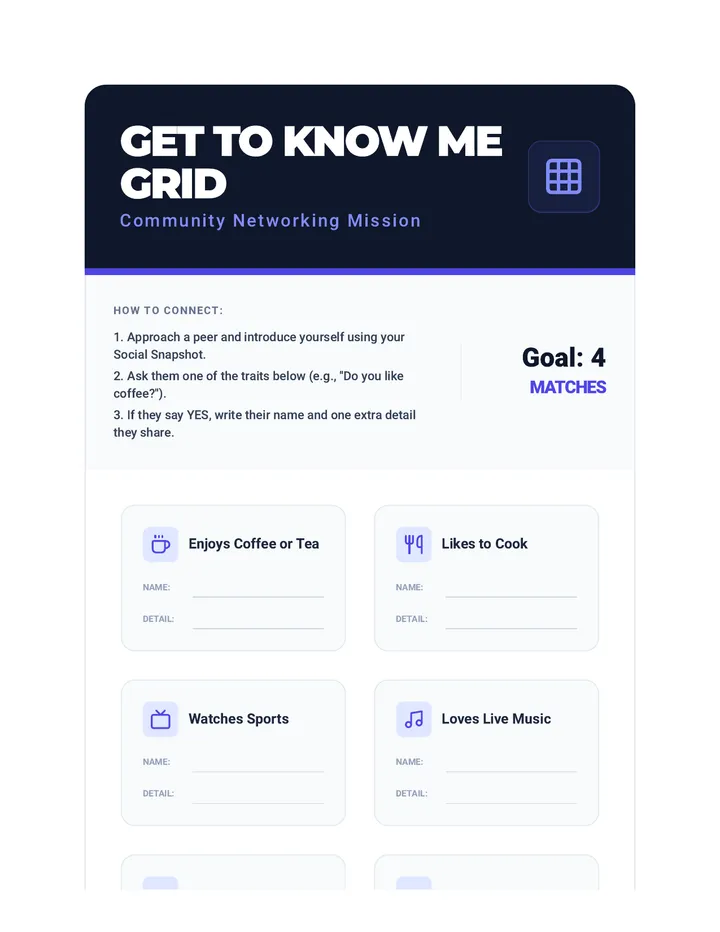
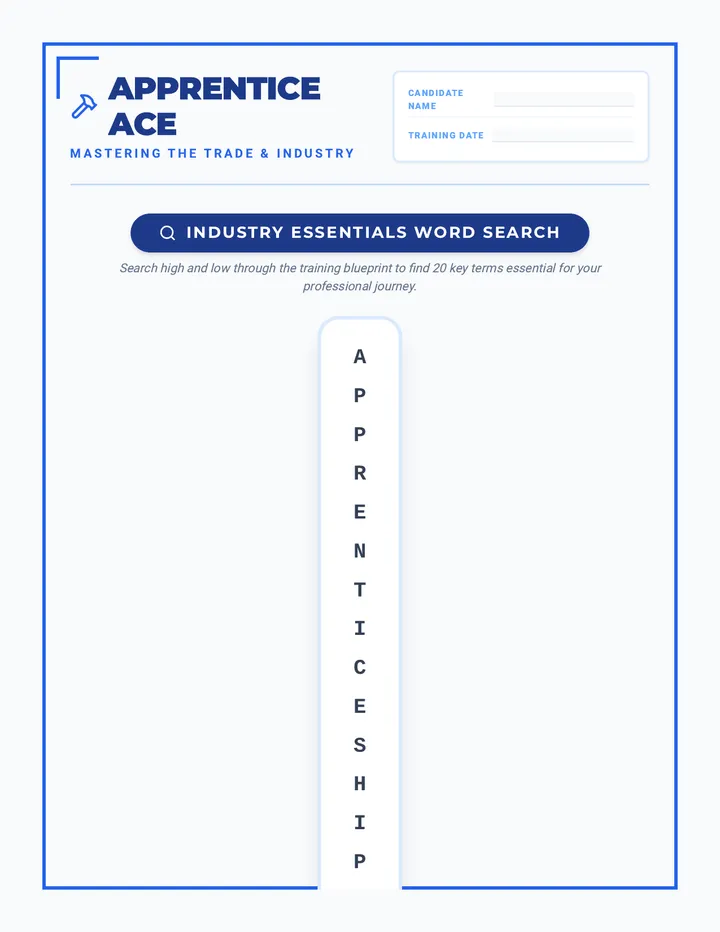
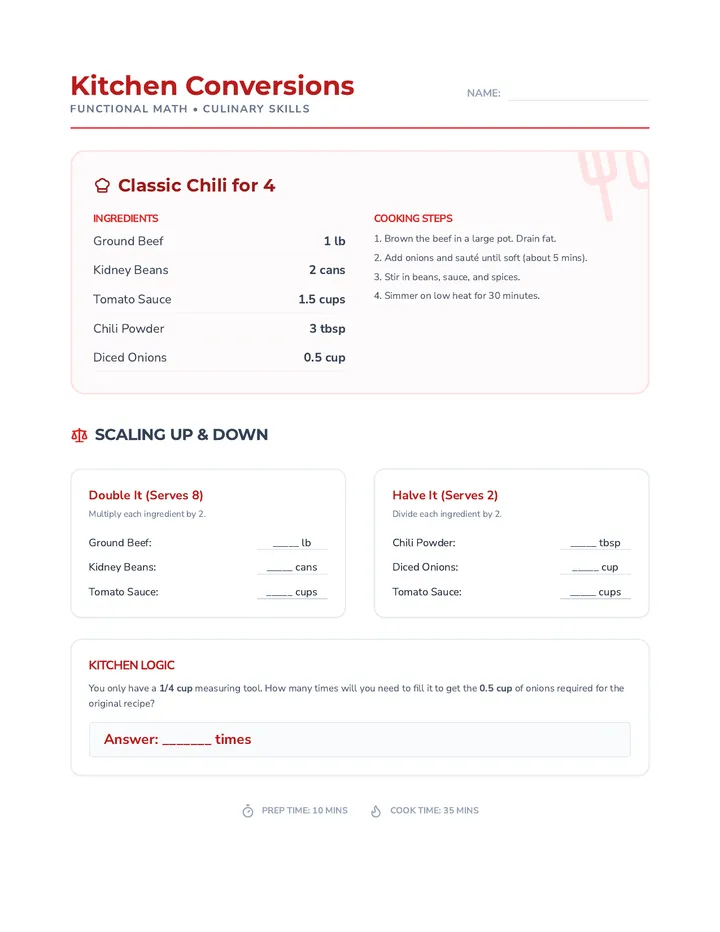
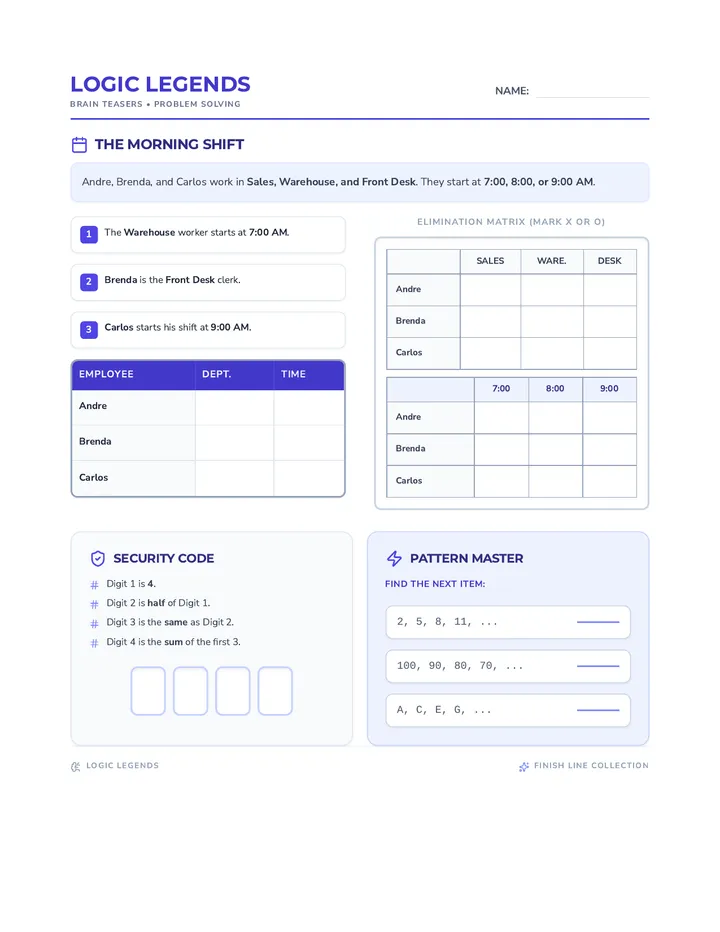
Written and verbal communication standards for the workplace, including email etiquette, presentation delivery, and professional phone conduct. Develops collaborative skills for teamwork, constructive feedback, and efficient time management.
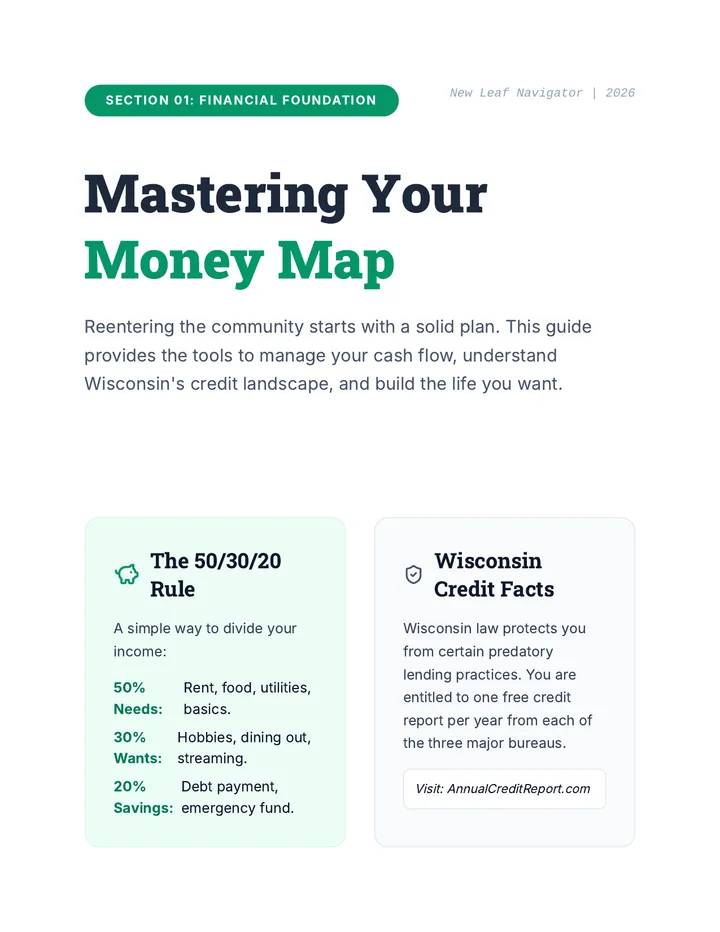
A 5-day communication and emotional intelligence unit for 8th graders. Using the metaphor of radio signals, students learn to identify emotional "static," regulate their "frequency," and broadcast "clear signals" in collaborative environments.
An advanced five-part professional development series for 11th graders focusing on the psychology of conflict, high-stakes communication, and strategic diplomacy. Students prepare for adult environments by mastering emotional intelligence, interest-based negotiation, and professional digital protocols.
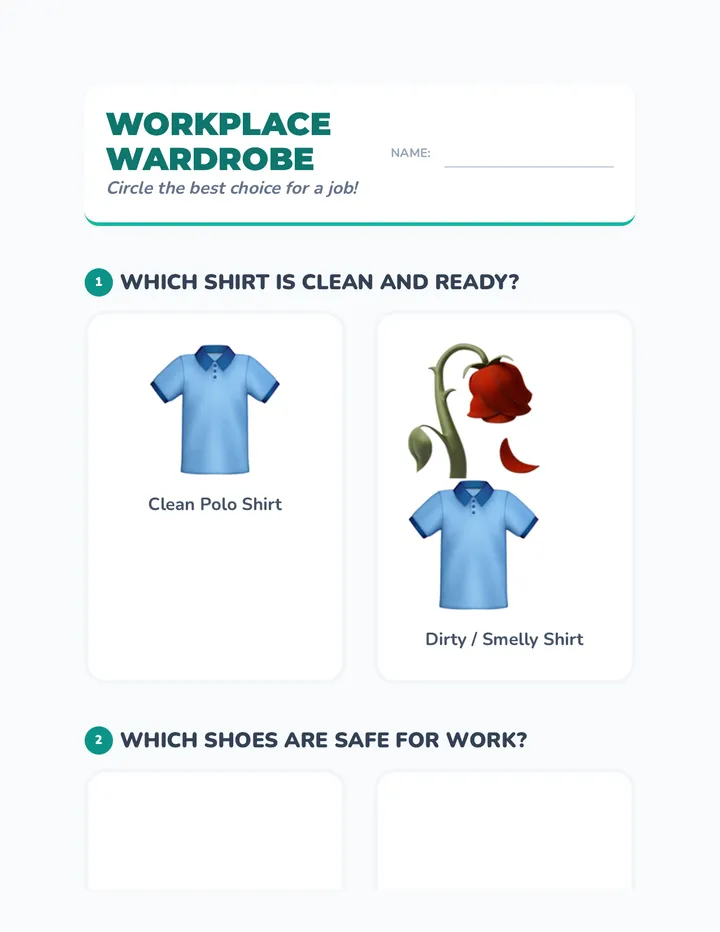
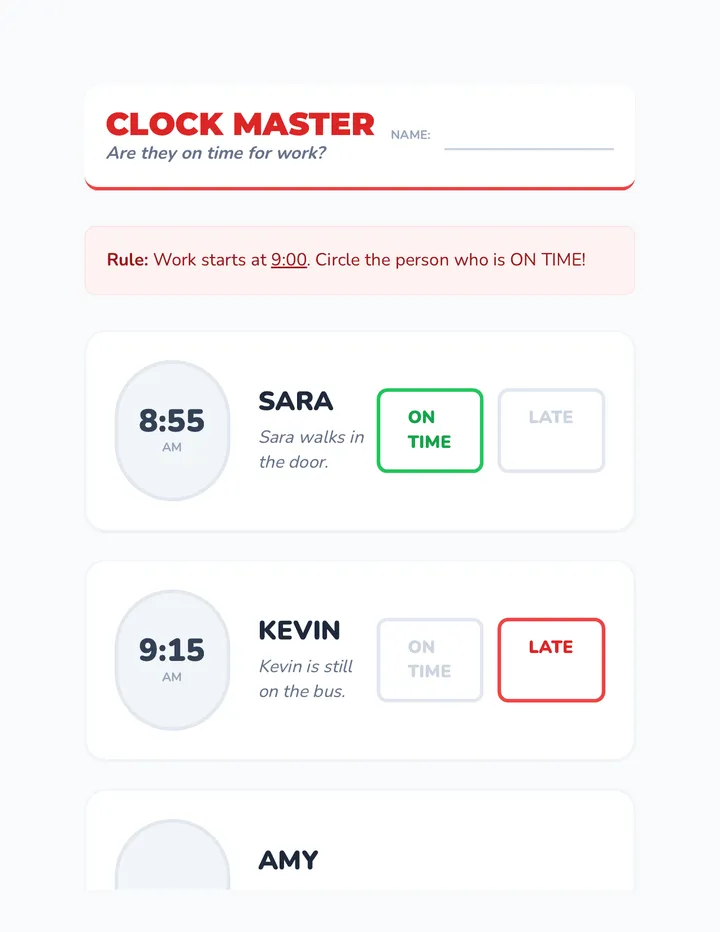
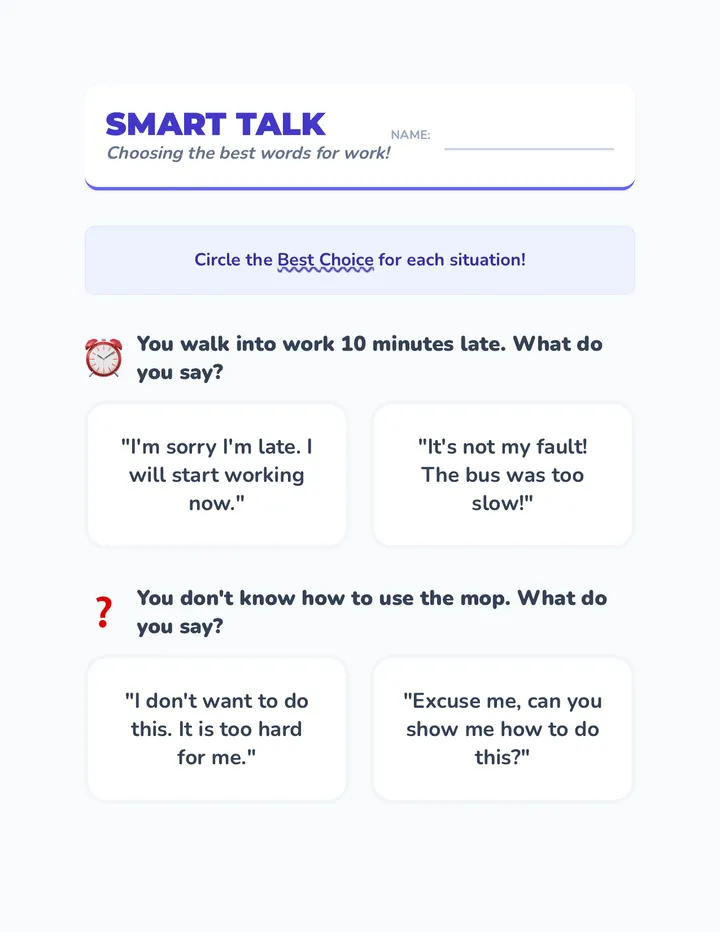
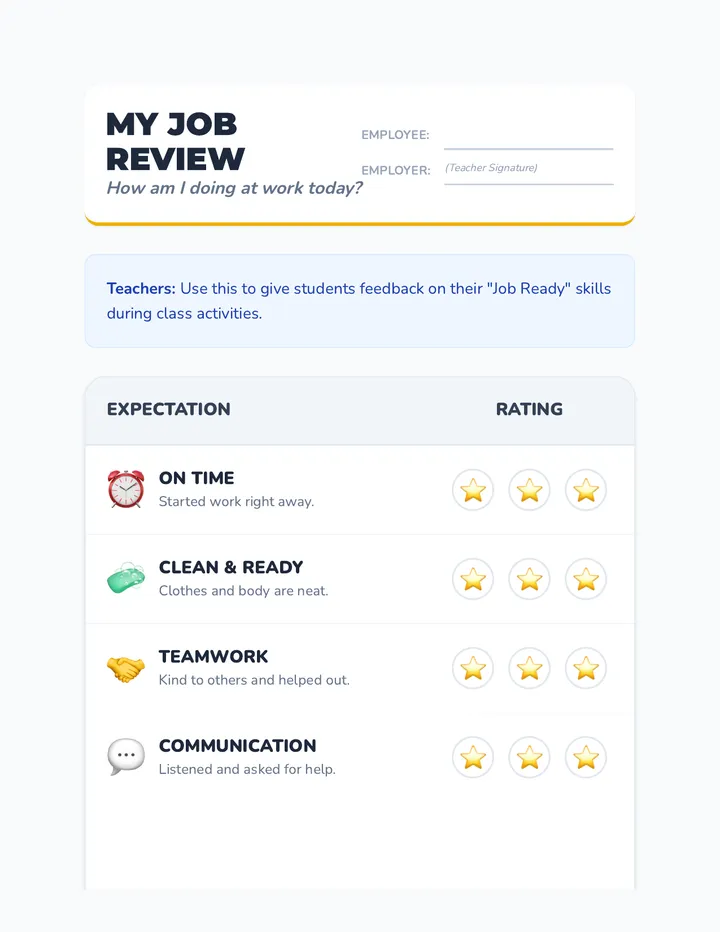
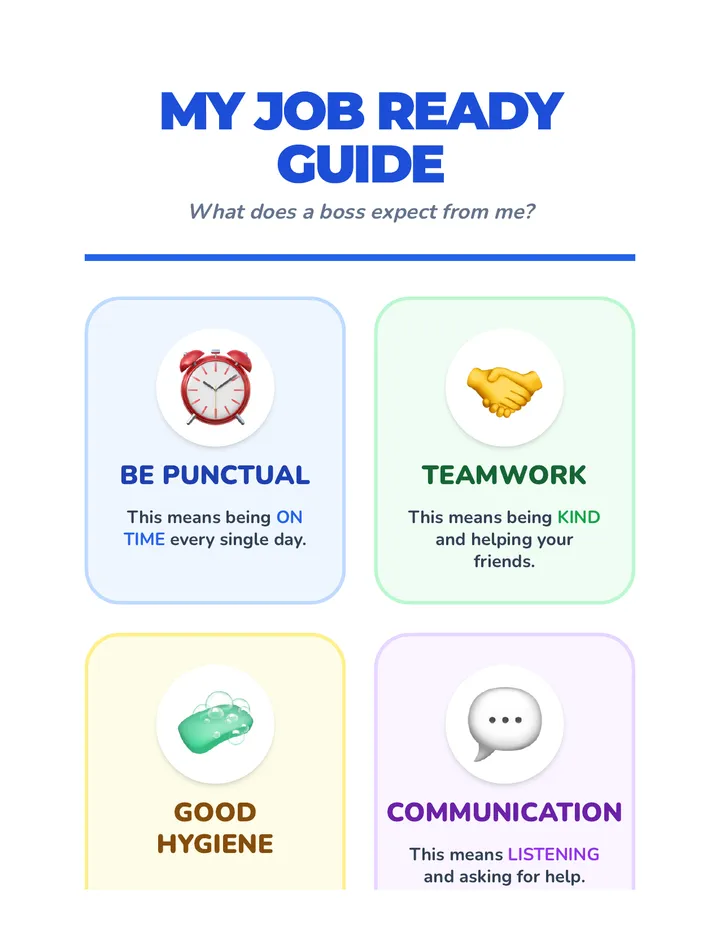
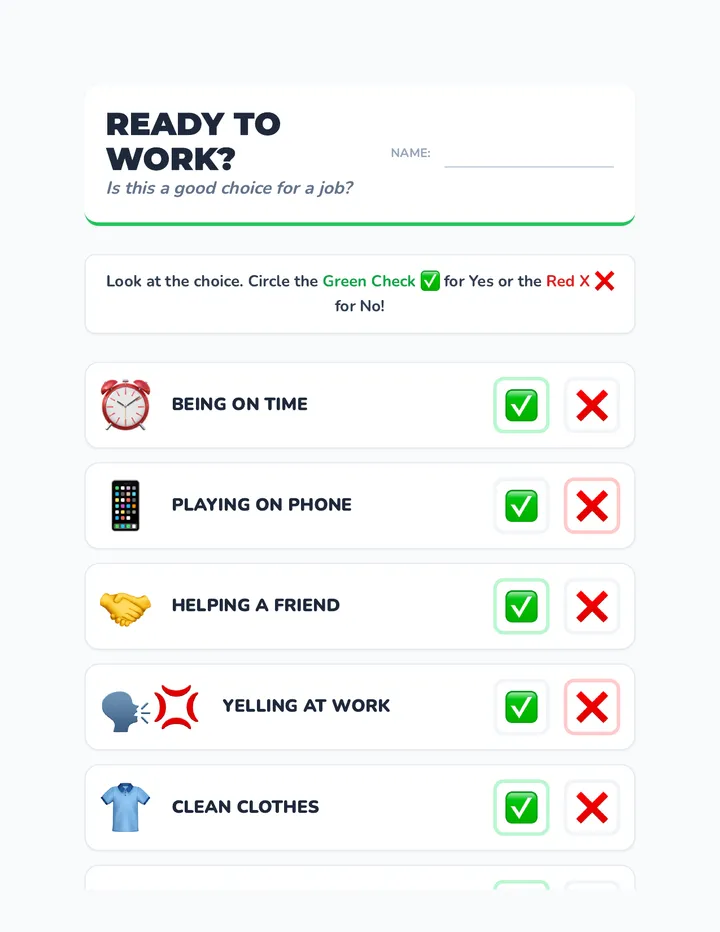
A comprehensive 3-hour one-on-one employment readiness curriculum designed for adults with disabilities. The sequence focuses on self-discovery, workplace etiquette, and practical application skills through engaging, accessible worksheets.
A series of workshops designed for student council and youth leaders to develop community-focused initiatives and positive school culture.
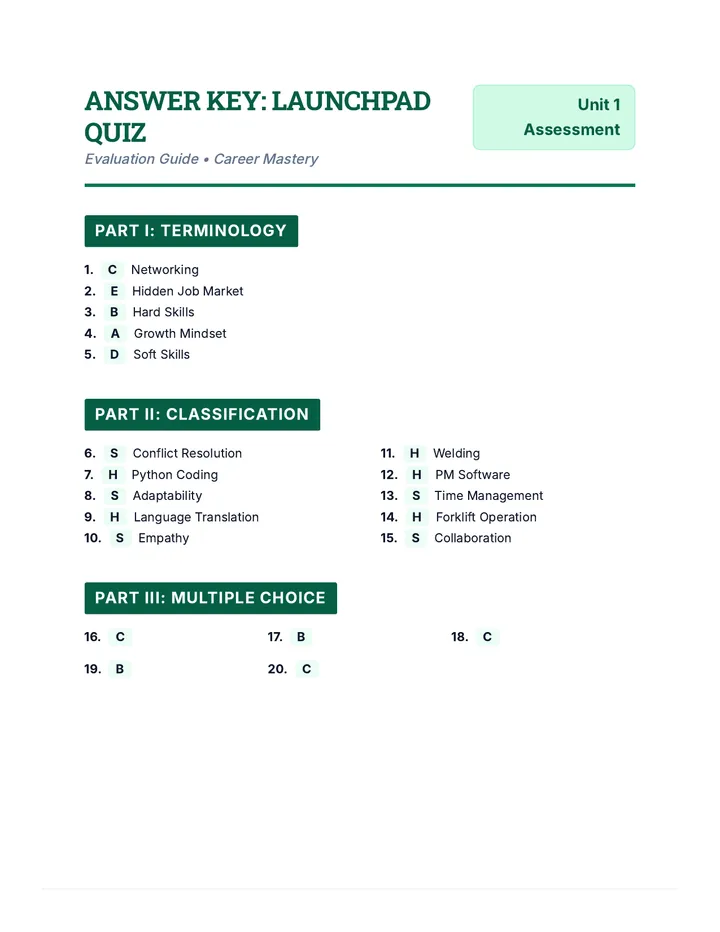
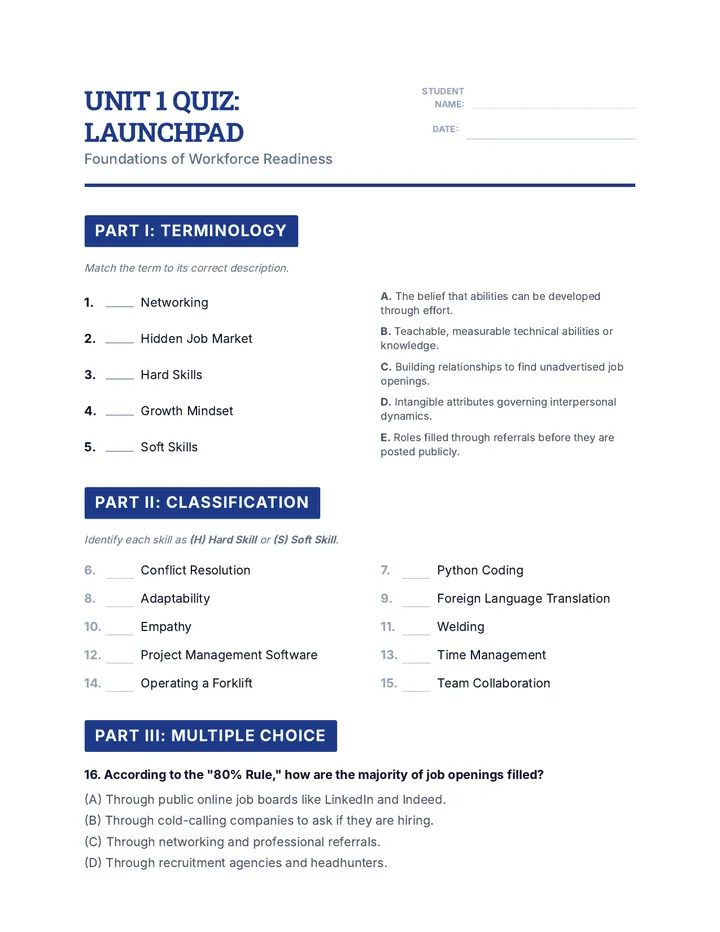
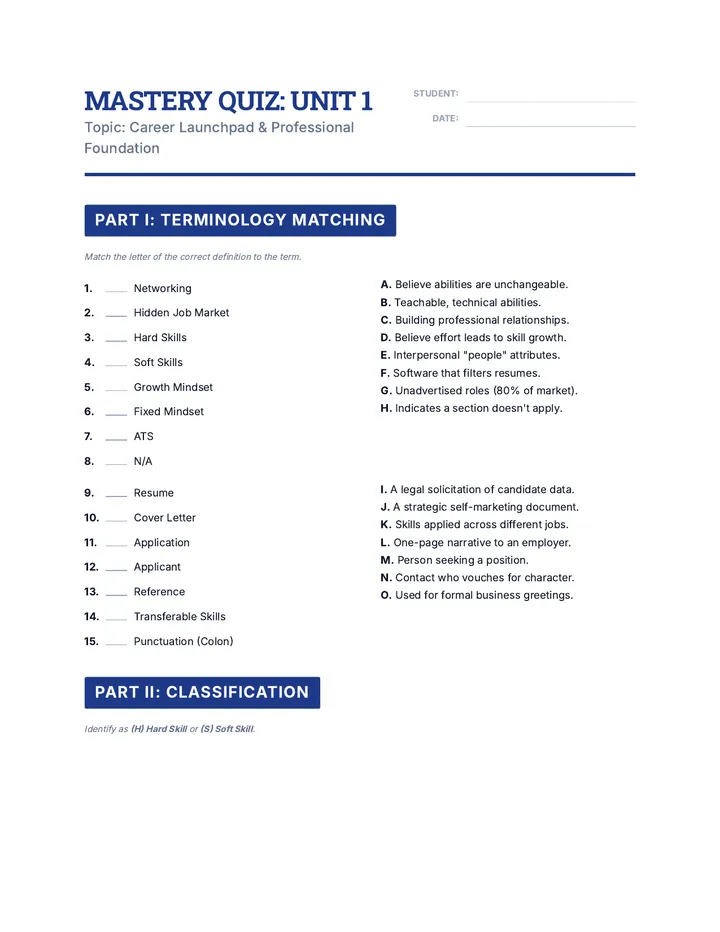
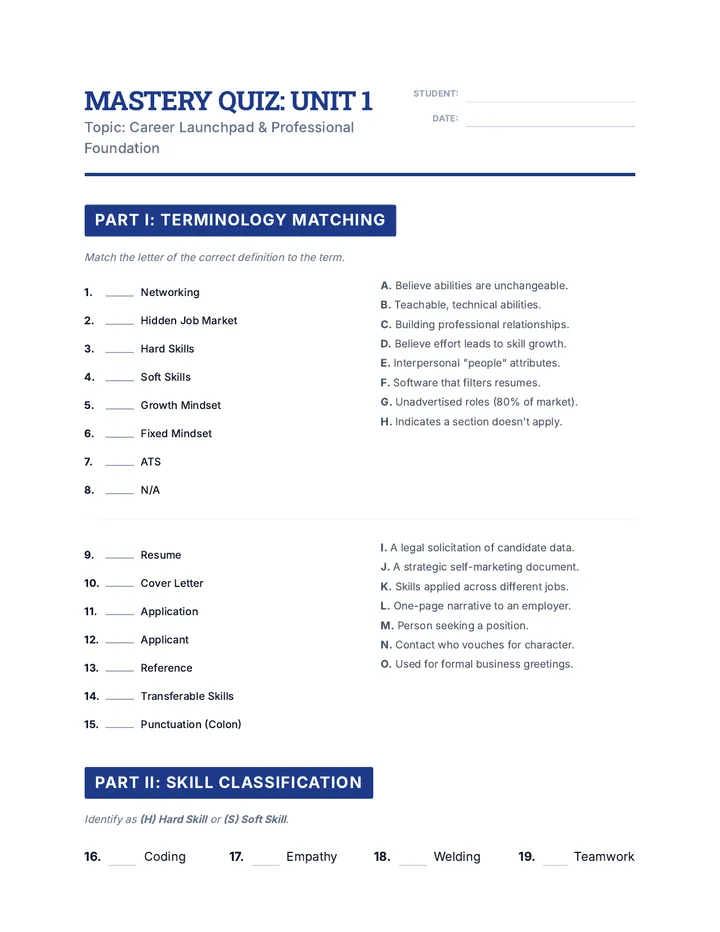
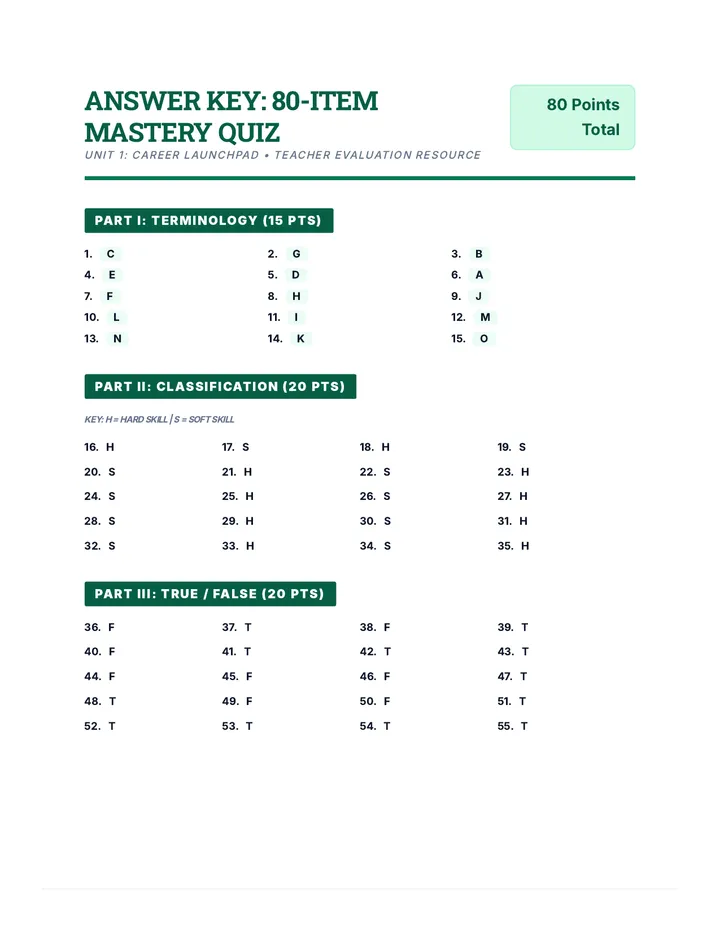
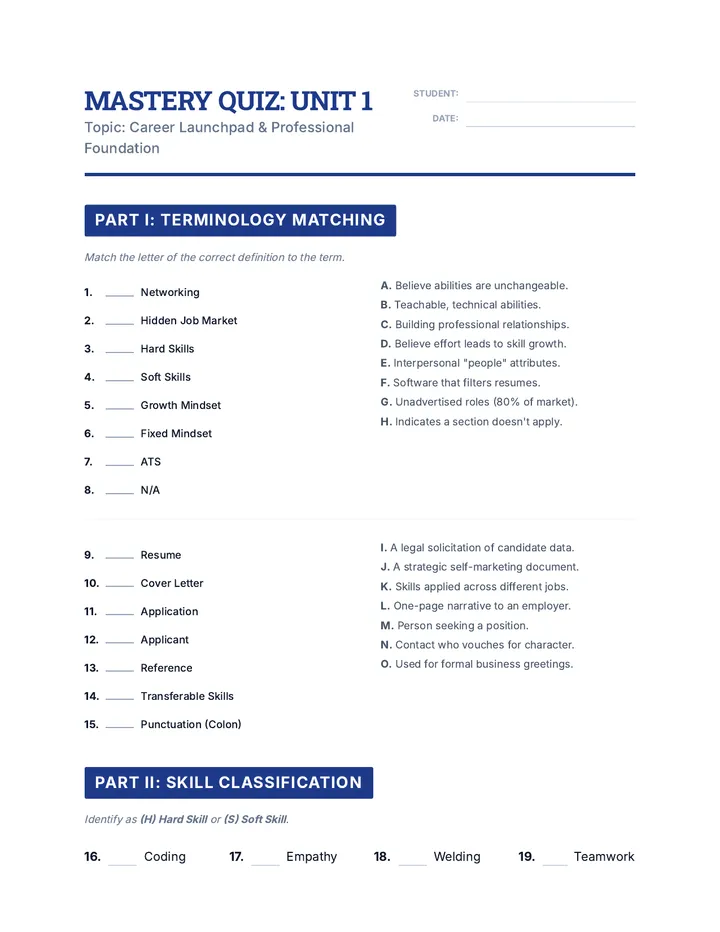
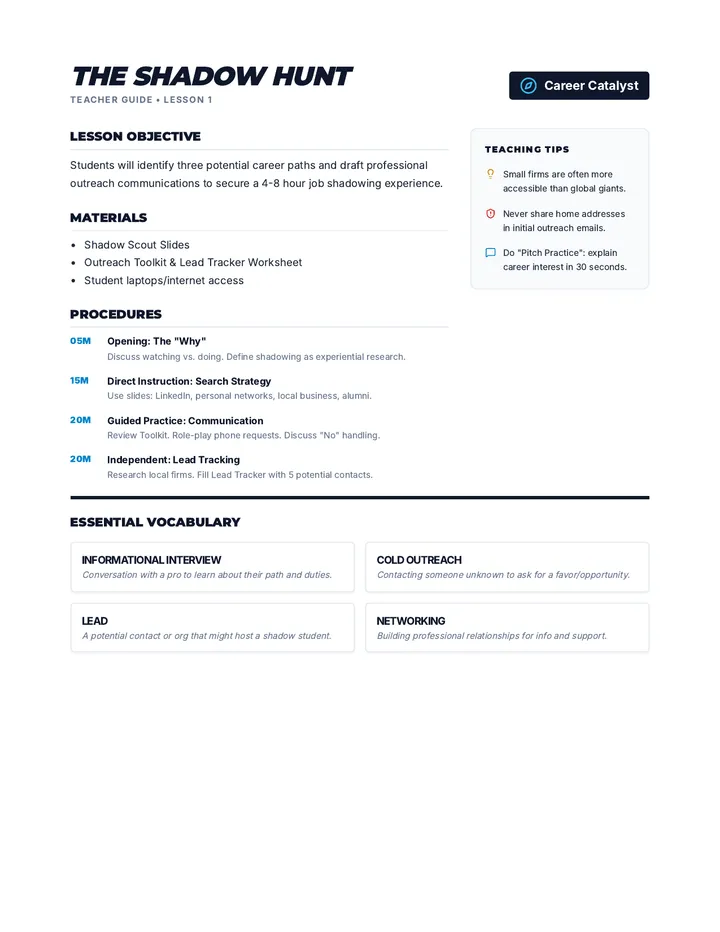
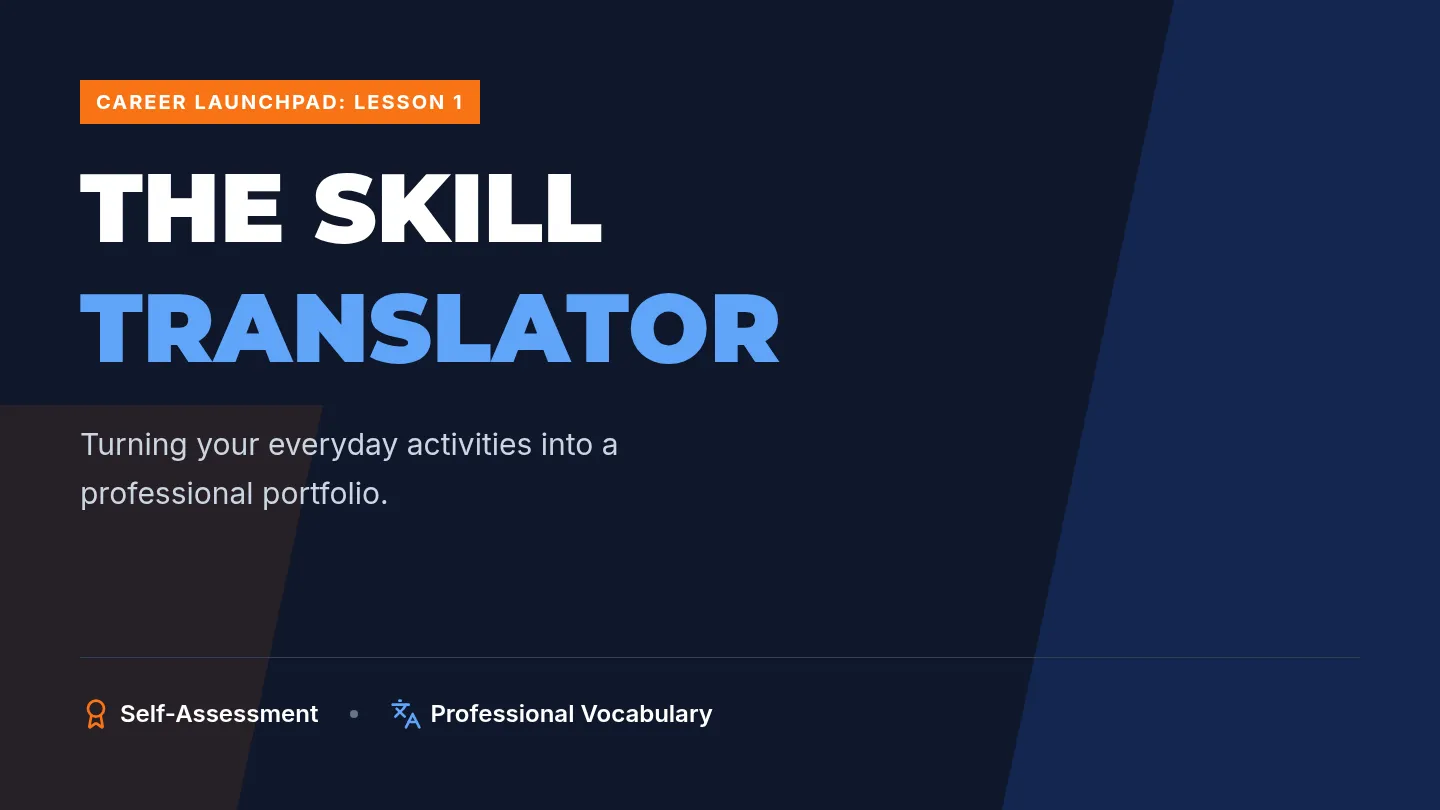
A comprehensive 2-hour lesson sequence focused on career exploration, starting with O*NET interest profiling and transitioning into an in-depth study of hard and soft skills. Students will explore skill definitions, transferability, and development through reading, role-play, and interactive activities.
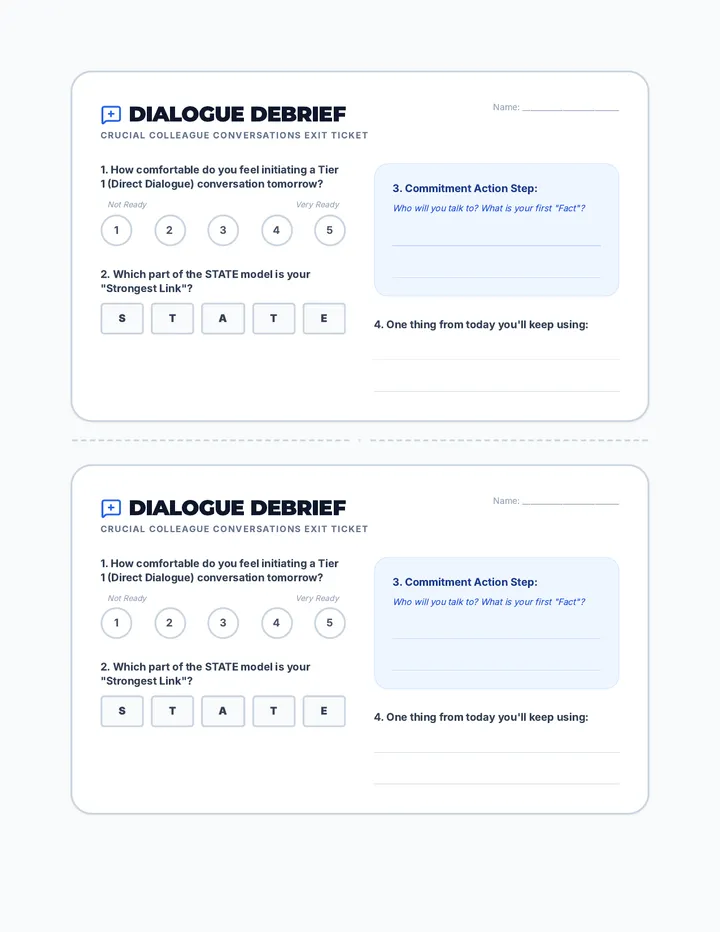
A series of workshops designed to foster empathy, emotional regulation, and effective communication skills across different age groups.
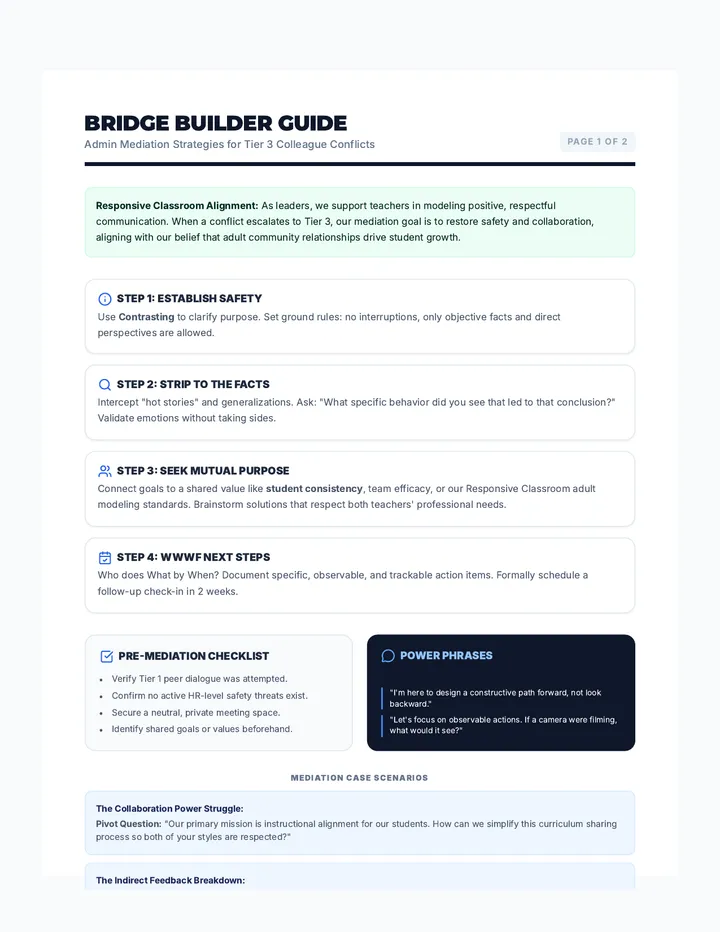
A professional development series for school leaders focused on applying David Rock's SCARF model to navigate high-stakes social interactions, feedback cycles, and organizational change.
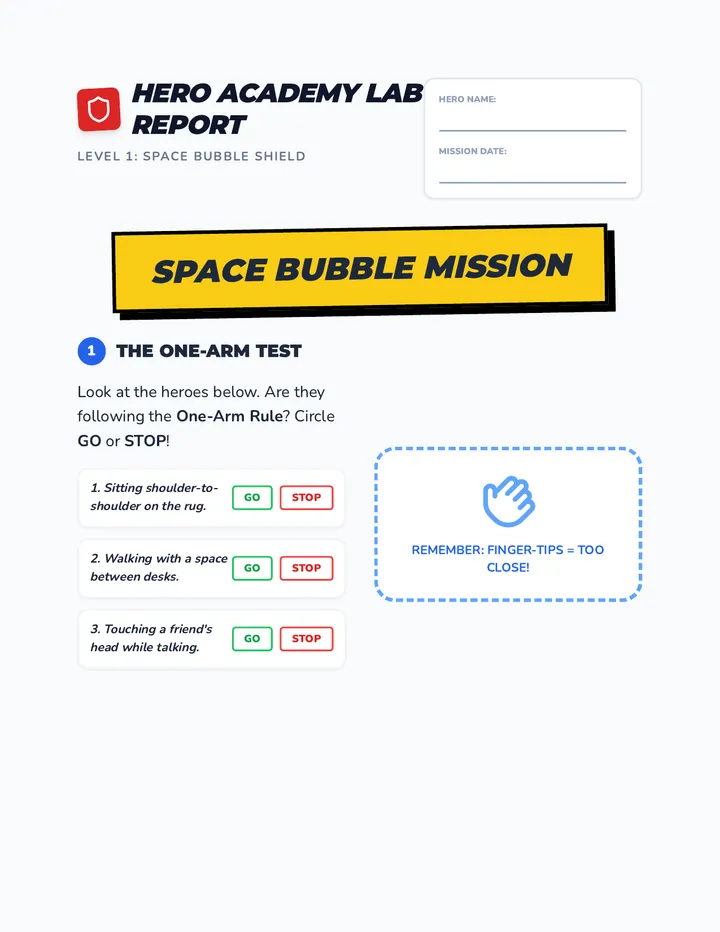
A comprehensive social skills curriculum designed to help students navigate school and community interactions with confidence. Students learn to read social cues, join groups, and communicate effectively through a superhero-themed framework.
A social-emotional learning sequence for grades 4-10 focused on identifying systemic exclusion, practicing nuanced perspective-taking, and designing inclusive social structures. Students move from awareness to activism through simulation, case studies, and design thinking.
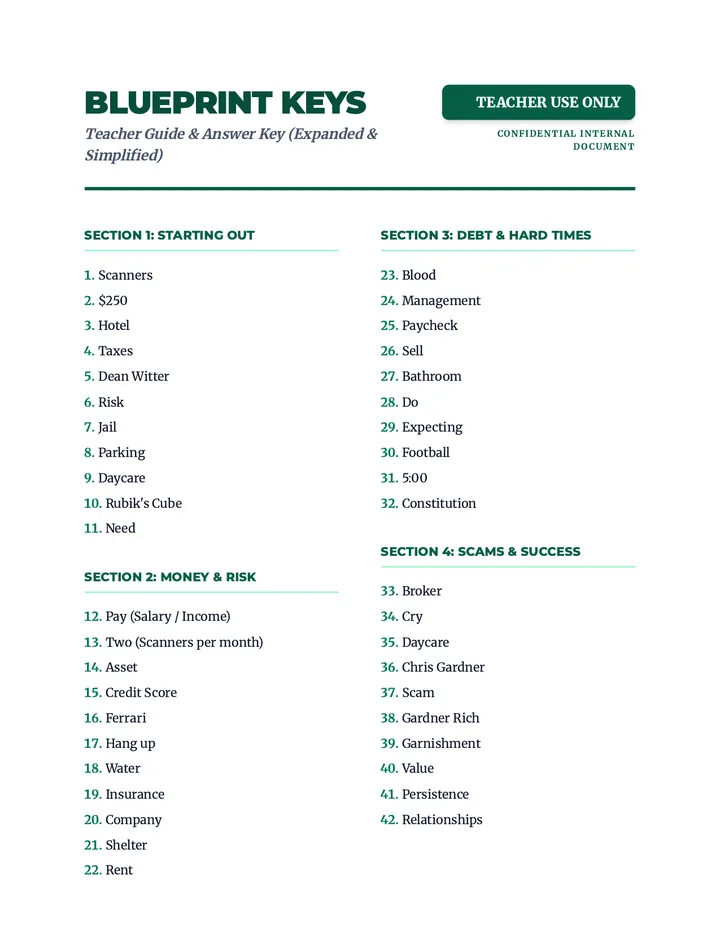
A 4-week counseling series for high school seniors focused on emotional literacy and expression. Using a 'Personal Blueprint' theme, the sequence treats emotions as data points and internal systems to help remove the stigma of sensitivity and focus on self-mastery.
A series of seasonal and social-emotional learning activities designed to build professional soft skills, teamwork, and functional independence for adults with IDD.
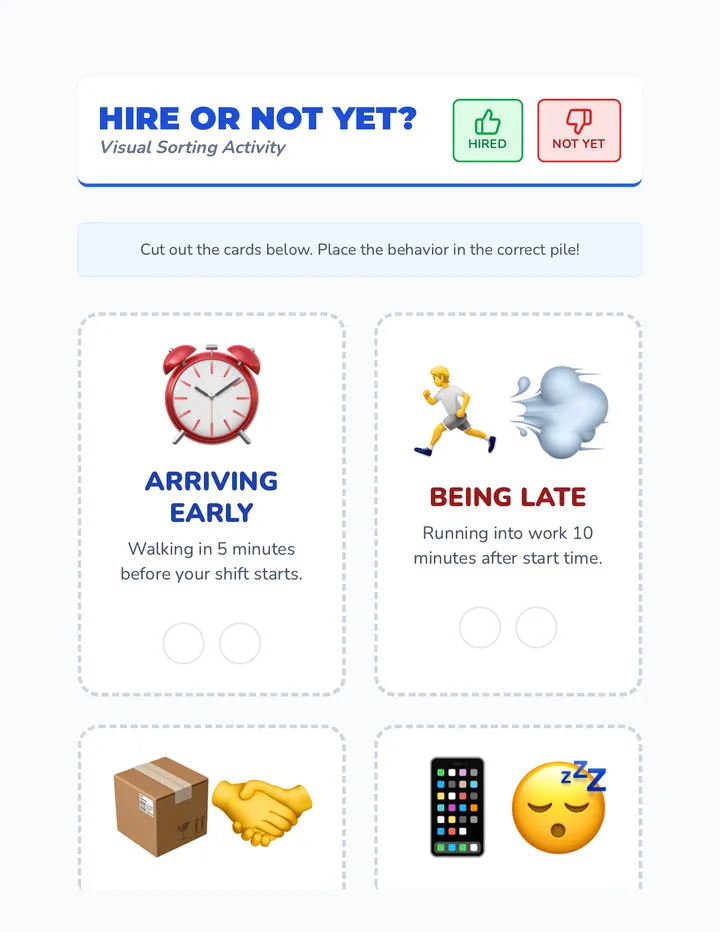
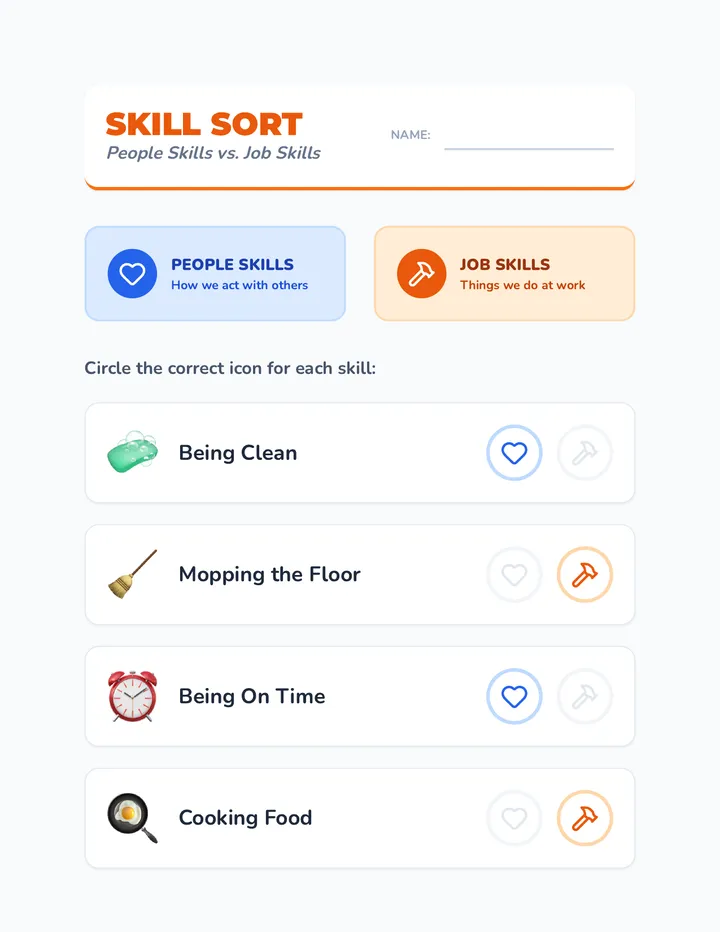
A comprehensive unit designed for high school life skills students with intellectual disabilities to distinguish between hard (technical) and soft (interpersonal) job skills through visual aids and interactive sorting activities.
Une formation complète de 9h destinée aux AED pour transformer une salle polyvalente (permanence, foyer, cours) en espace flexible, abordant les postures professionnelles et l'aménagement spatial.
Une formation complète pour les Assistants d'Éducation (AED) sur la transformation de la salle d'étude en un espace flexible et inclusif, comprenant des ateliers de design thinking et des guides de posture professionnelle.
Une formation immersive de 6 heures destinée aux AED débutants pour transformer une salle d'étude traditionnelle en un espace flexible favorisant l'autonomie et le bien-être des élèves. La formation alterne entre apports théoriques, ateliers d'analyse et sessions de conception créative.
A five-lesson SEL sequence for K-1 students focused on leadership through the lens of empathy, initiative, teamwork, and communication. Students learn that being a leader means helping others, listening well, and working together.
A series of high-impact, 15-minute mini-lessons designed to build essential classroom culture skills through a secret agent lens. From working independently to active listening, students train to become 'Elite Agents' in their learning community.
A two-part series designed for students aged 6-10 to master the art of the interview, focusing on crafting open-ended questions and practicing active listening to build connections.
A 10-day behavioral intervention sequence designed to help students develop self-awareness, impulse control, and respectful communication skills to reduce classroom interruptions and rude comments.
A comprehensive 20-week curriculum designed to empower students with self-advocacy skills, moving from identifying barriers to implementing personalized solutions.
A comprehensive 5-lesson unit for 10th graders on the nuances of post-interview communication, focusing on professional reputation, emotional intelligence, and interpersonal dynamics. Students move through role-plays, simulations, and case studies to master phone etiquette, networking, and handling both offers and rejections with grace.
A project-based sequence where 9th-grade students build a 'Follow-Up Kit' of templates, trackers, and scripts to navigate the post-interview process with confidence and organization.
A comprehensive workshop-style unit where 7th-grade students navigate the job-seeking process, from identifying transferable skills and drafting their first resumes to mastering professional etiquette and succeeding in mock interviews. Students will develop tangible professional documents and interpersonal communication skills critical for workforce entry.
This sequence treats phone communication as a high-precision discipline. Students master active listening, the NATO phonetic alphabet, information filtering, and verification techniques to ensure the integrity of data moving from verbal to written formats.
A high-level sequence for 11th graders focusing on the legal, ethical, and operational standards of professional telecommunications through the lens of quality assurance and management.
Students step into the role of corporate communication architects to design audio brand identities, professional voicemail systems, and efficient call flow structures. This sequence bridges technical writing, user experience (UX) design, and professional speaking through a project-based approach.
An advanced series for 11th graders focusing on high-stakes phone communication. Students master de-escalation, seamless transfers, intercultural clarity, and professional improvisation to handle conflict and ambiguity with composure.
This unit focuses on the fundamental mechanics of professional telephone interactions, from vocal modulation and tone to standardized greetings and message-taking. Students will develop a professional vocal persona and learn to navigate the differences between mobile and landline etiquette in a business setting.
A case-study driven sequence where students act as communication consultants to evaluate and improve business phone protocols, focusing on brand identity, privacy, and etiquette.
A comprehensive unit for 9th-grade students on navigating difficult phone interactions. Students explore conflict triggers, de-escalation techniques, communication barriers, and professional resilience to build a toolkit for maintaining professionalism under pressure.
A comprehensive 9th-grade sequence on professional asynchronous communication, focusing on voicemail greetings and messaging. Students analyze, script, record, and practice follow-up protocols to build a professional digital presence.
This sequence transforms students into professional communication experts through immersive simulations of office call flows. Students will master screening callers, executing polite holds and transfers, taking accurate messages, and managing multiple incoming lines with efficiency and courtesy.
This sequence establishes the foundational skills required for professional verbal communication, focusing specifically on tone, volume, and clarity in the absence of visual cues. Students practice enunciation, reducing filler words, and mastering the structure of professional phone interactions through workshops and simulations.
This sequence examines telephone communication as a complex system of cultural and organizational behavior, focusing on paralanguage, global etiquette, AI integration, and remote workplace presence for undergraduate students.
A project-based sequence for undergraduate students focusing on the scripting, recording, and analysis of professional voicemail and asynchronous audio communication to build a personal brand.
An advanced series for undergraduate students focusing on high-stakes phone communication, conflict resolution, and ethical call management. Students progress from active listening techniques to handling hostile callers and navigating complex ethical scenarios.
This sequence equips undergraduate students with essential professional telephone skills, focusing on vocal tone, standard protocols, screening techniques, message accuracy, and transfer etiquette. Students progress from basic vocal modulation to managing complex business call flows through simulations and workshops.
This sequence prepares 7th-grade students for non-standard phone interactions, focusing on problem-solving, de-escalation, and professional etiquette in complex telephonic scenarios. Students move from basic technical issues like wrong numbers to managing high-stress interpersonal friction.
This project-based sequence explores the world of asynchronous audio communication, specifically voicemail systems. Students investigate professional standards, script their own greetings, and practice leaving clear, actionable messages, culminating in a digital audio portfolio.
A game-based sequence focusing on the vocal mechanics of phone communication, including enunciation, pacing, volume, and emotional tone. Students build professional audio communication skills through interactive drills and simulations.
A 6-week small group curriculum for middle schoolers designed to build school readiness through organization, time management, study strategies, and stress management. The 'Level Up' theme uses a quest-based narrative to engage students in mastering academic skills.
A career and college readiness series designed to help high school students navigate the transition from school to the workforce, military, or higher education.
A comprehensive suite of resources designed to empower students with the habits, strategies, and tools needed for successful supported study sessions. This sequence covers organization, reading and math strategies, and self-advocacy skills.
A comprehensive 4-hour mastery course on time satisfaction, moving from personal energy management to systemic leverage and environmental design.
A systemic approach to stress and burnout prevention for graduate students, reframing personal well-being as a design challenge. Students develop a personalized 'resilience architecture' through structural changes in time management, sleep hygiene, and boundary setting.
A comprehensive workshop sequence for graduate students to address academic anxiety through cognitive restructuring. The sequence explores Impostor Phenomenon, cognitive distortions, perfectionism, and professional identity to build long-term resilience.
A 10th-grade sequence focused on building a digital ecosystem to manage multiple commitments. Students learn to use calendars, reminders, file management, and distraction-blocking tools to reduce cognitive load and improve organizational compliance.
A 5-lesson sequence for 10th-grade students focusing on project management skills like backward design, task deconstruction, and time estimation to balance multiple commitments.
A simulation-based sequence where 10th-grade students act as 'Student-Consultants' to master schedule management and adaptive resiliency. Students learn to handle 'Chaos Factors', negotiate deadlines, and manage energy levels to maintain balance amidst competing demands.
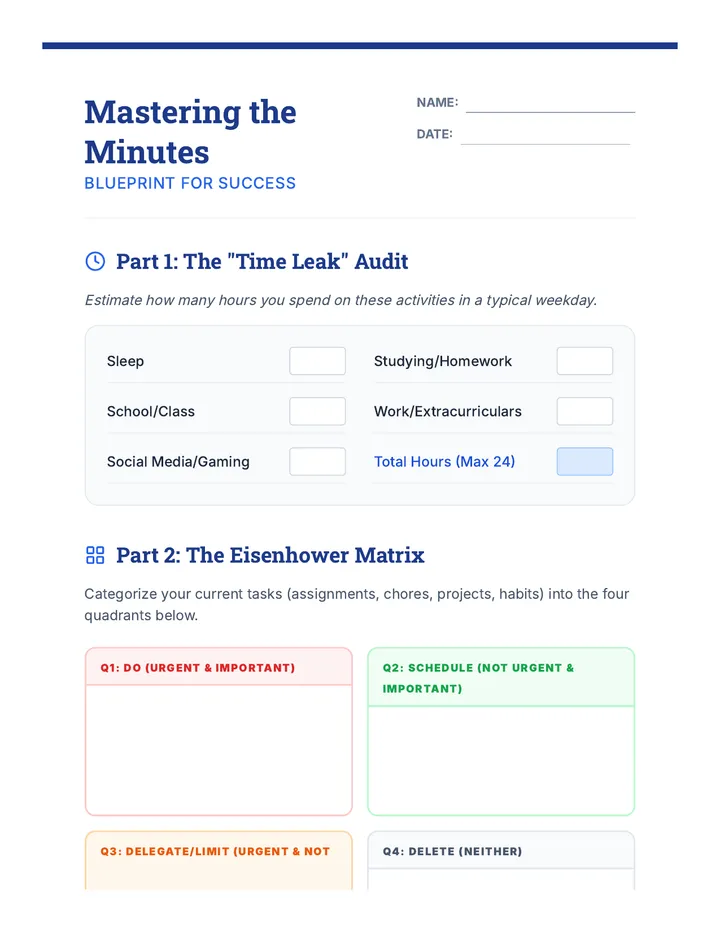
A comprehensive 5-lesson unit for 10th-grade students focusing on executive functioning skills to balance multiple commitments. Students learn time auditing, the Eisenhower Matrix, task batching, and weekly triage systems to develop a personalized priority protocol.
A 2nd-grade sequence on digital literacy focusing on file naming, folder organization, search retrieval, cloud storage, and digital collaboration. Students learn to maintain a clean digital workspace through a 'Cyber Space Station' theme.
A comprehensive sequence for 9th-grade students focusing on self-advocacy, communication skills, and boundary setting to manage schedule conflicts and prevent burnout. Students learn to recognize stress signals, draft professional requests, negotiate deadlines, and prioritize tasks during crises.
This sequence guides 8th-grade students through the engineering of their physical and digital environments to support executive function. Students move from understanding the neurological 'why' of organization to building a personalized operating manual for their own workflow optimization.
A comprehensive sequence where 8th-grade students act as 'organizational consultants' to diagnose and solve scheduling conflicts and executive functioning challenges through case studies. Students learn root cause analysis, professional self-advocacy, emotional regulation strategies for procrastination, and tool evaluation before creating a final consultancy report.
A specialized sequence for 8th-grade students focusing on executive functioning skills related to project management. Students learn to deconstruct complex assignments, plan backwards from deadlines, visualize overlapping tasks using Gantt charts, and adjust plans when setbacks occur.
A game-based simulation sequence for 8th-grade students to master time and energy management. Students treat time as a finite currency, navigate trade-offs through opportunity cost simulations, and design a sustainable weekly schedule.
A comprehensive unit for 12th-grade students focusing on translating traditional annotation skills to digital interfaces and professional documents. Students will learn to navigate digital tools, manage non-linear web texts, analyze legal leases, collaborate in shared documents, and troubleshoot using technical manuals to prepare for post-secondary life.
A 5-lesson unit for 7th-grade students focusing on the interpersonal skills required for time management: setting boundaries, communicating overload, and advocating for a balanced schedule. Students progress from identifying burnout to drafting a personal accountability contract.
A comprehensive sequence for 11th-grade students focusing on the metacognitive and self-advocacy skills needed for using Text-to-Speech (TTS) technology in post-secondary environments. Students investigate cognitive science, legal frameworks, and practical communication strategies to ensure accessibility in college and career.
A professional executive functioning sequence for 11th-grade students (specifically those in teaching or professional pathways) focused on high-stakes prioritization. Students master the Eisenhower Matrix, ABCDE method, and time-blocking to navigate the complex demands of educational environments.
A high-stakes simulation for 12th graders transitioning to professional environments, focusing on prioritizing competing demands, managing interruptions, and professional communication in a special education caseload context.
A comprehensive unit for 6th-grade students focusing on balancing academic requirements, extracurricular activities, and essential self-care. Through case studies, categorization activities, and communication practice, students learn to prevent burnout and advocate for their well-being.
This sequence introduces 6th-grade students to visual planning and time management. Students learn to use different tools, distinguish between fixed and flexible time, and develop routines to maintain a personalized organizational system.
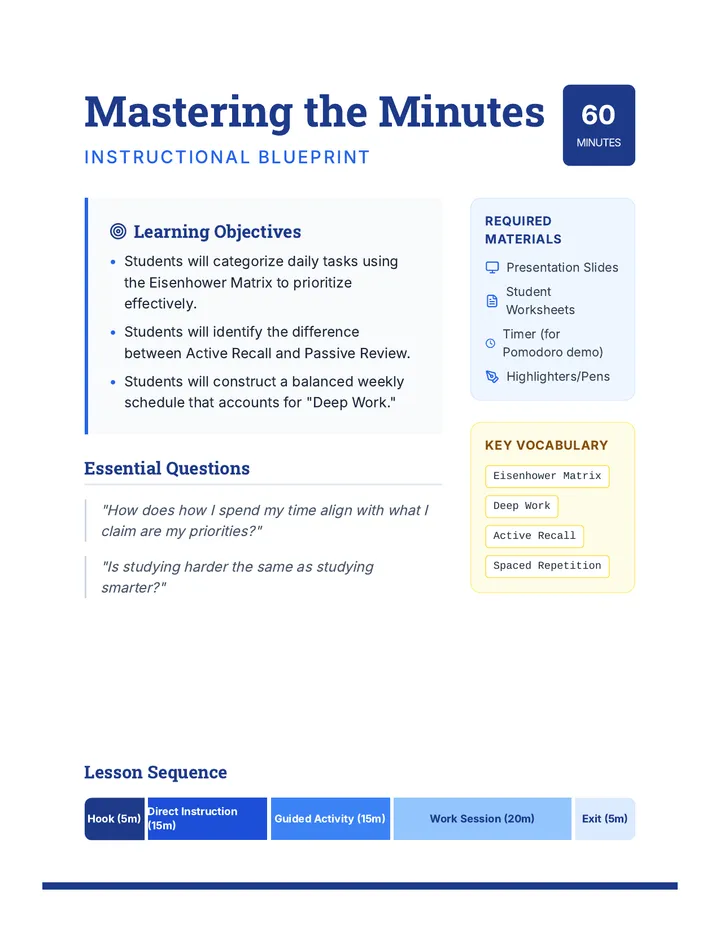
A comprehensive 5-lesson sequence for 11th-grade students focused on mastering the PLEASE skills (DBT therapeutic approach) to reduce emotional vulnerability. Students move from self-assessment to crisis planning, data analysis, and peer consultancy, culminating in a professional 'Resilience Portfolio' designed for their transition to young adulthood.
A graduate-level exploration of proactive workplace harassment prevention, focusing on bystander intervention, organizational policy design, leadership accountability, and cultural measurement to foster psychological safety.
This sequence equips 11th-grade students with actionable skills for workplace safety, focusing on bystander intervention, formal reporting procedures, and understanding legal protections against retaliation. Students move from individual intervention to systemic policy design, preparing them to foster professional environments free from harassment.
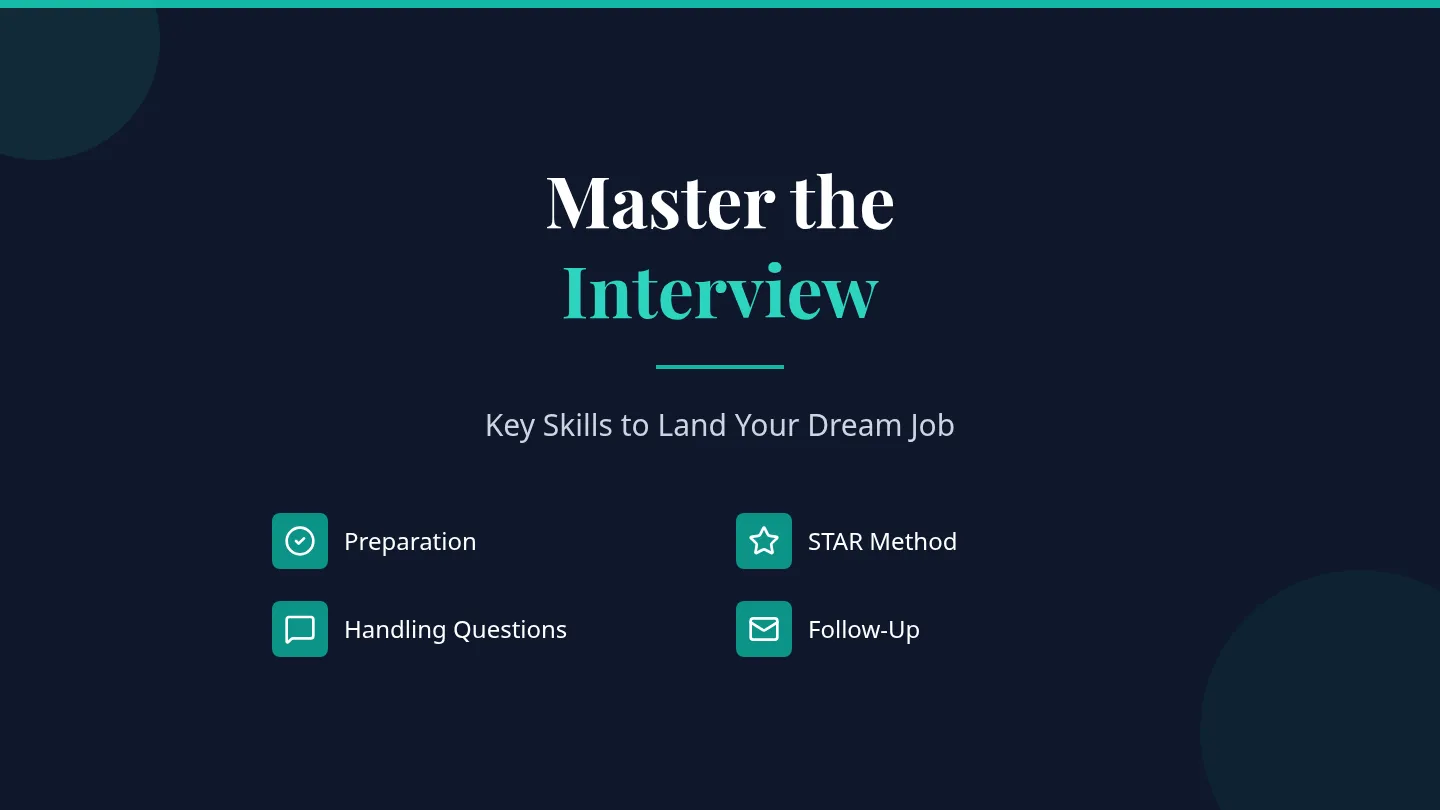
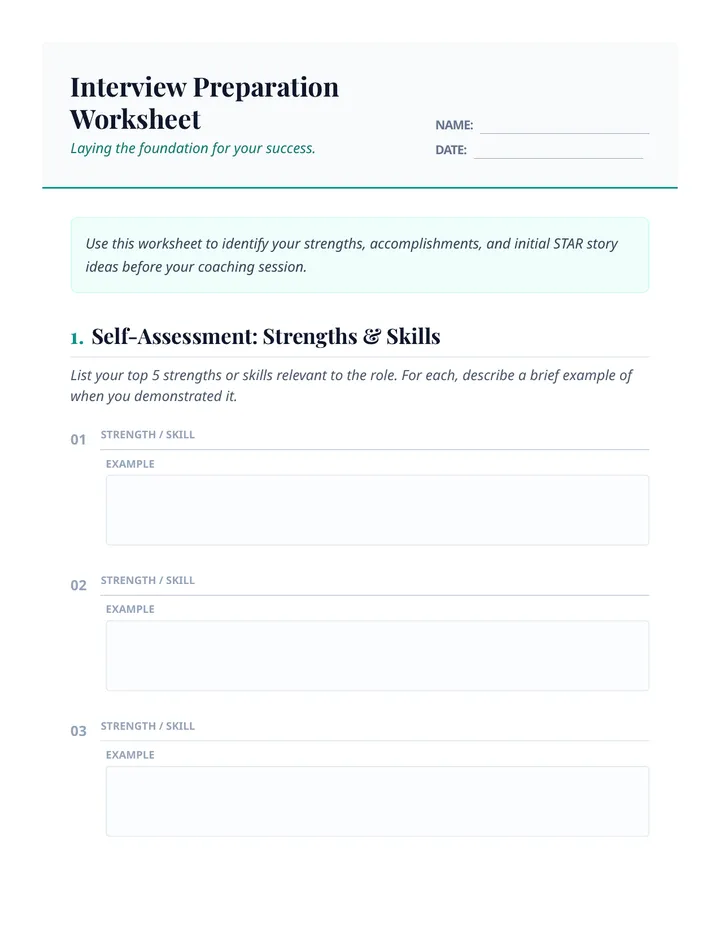
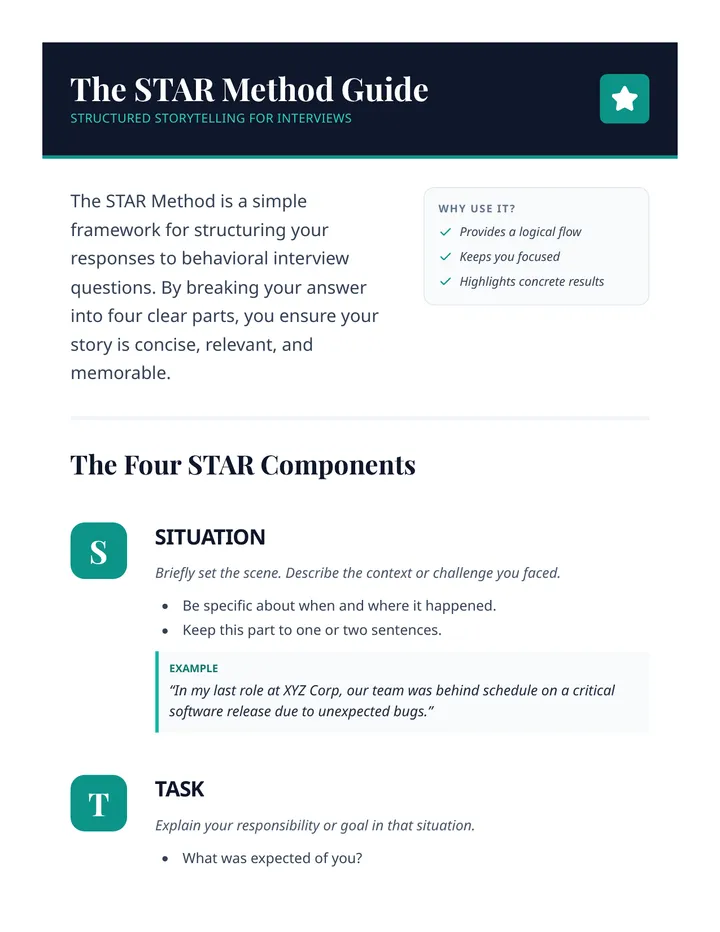
This sequence guides undergraduate students through building a professional scholarship portfolio and mastering the interview process. Students will transition from document creation (CVs, brag sheets) to interpersonal communication (STAR method, mock interviews), ensuring they present a cohesive and professional narrative to scholarship committees.
A career-readiness sequence focused on integrating speech recognition technology into professional environments. Students master professional communication, field reporting, self-advocacy, and collaborative workflows to prepare for life after graduation.
A comprehensive high school unit on interest-based negotiation and formal mediation. Students move from understanding individual interests to facilitating multi-party resolutions using the Harvard Negotiation Project framework and professional mediation stages.
A comprehensive sequence for undergraduate students exploring the professional application of dictation technology. Students master business communication, mobile productivity, data privacy, workplace etiquette, and real-time transcription to prepare for assistive technology integration in the workforce.
A comprehensive sequence for 11th-grade students on mastering assistive technology for dictation in professional settings. This unit covers email composition, mobile workflows, environmental adaptation, transcription, and real-time problem-solving using voice-to-text tools.
This sequence empowers 12th-grade students with neurodivergent profiles to design, test, and advocate for personalized note-taking systems. By analyzing real-world information demands and exploring digital and analog tools, students prepare for independent living and post-secondary success.
This sequence equips undergraduate students with the rhetorical skills and legal knowledge to advocate for their needs in academic and professional settings. It transitions from exploring cultural stigmas around help-seeking to practical skill-building in written and verbal communication, culminating in high-stakes negotiation simulations.
A 5-lesson unit for undergraduates on navigating interpersonal conflict, setting boundaries, and developing communication skills for shared living and working environments. Students explore their own conflict styles, engage in simulations, and practice assertive communication and de-escalation techniques.
This sequence explores the strategic use of positive reinforcement in leadership and peer counseling. Students progress from basic praise techniques to designing complex incentive systems and navigating the ethics of behavioral influence.
A case-study-driven sequence for graduate students to analyze professional stressors and develop evidence-based resilience strategies through collective insight.
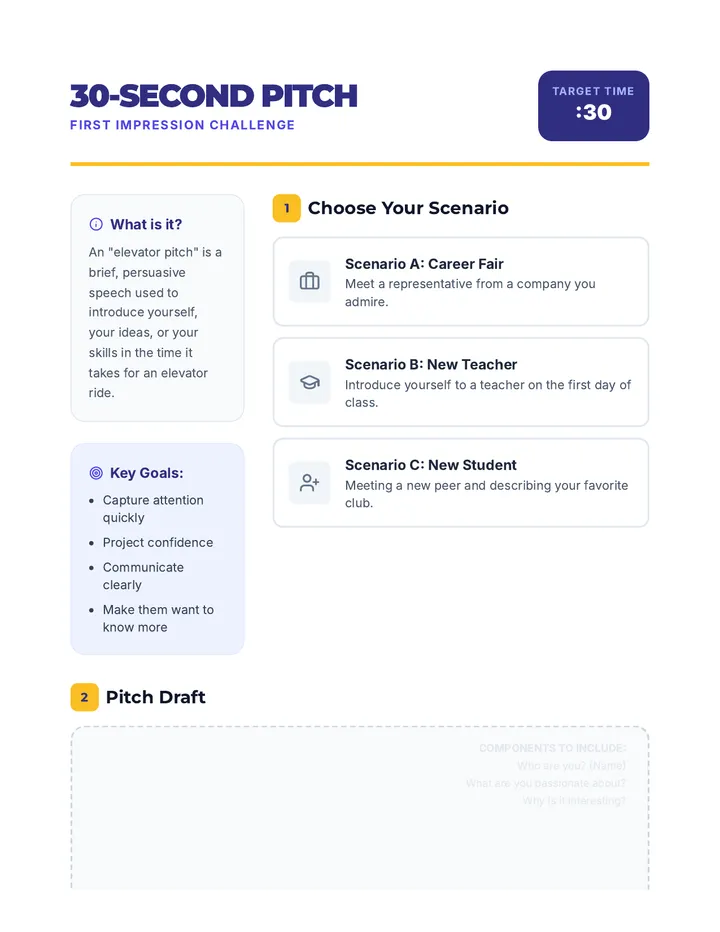
A comprehensive sequence for 10th-grade students focusing on the verbal and interpersonal skills of networking. Students learn to draft elevator pitches, practice non-verbal communication, design informational interview questions, and execute professional follow-ups.
A career-focused memory strategy sequence for high school seniors, teaching mnemonic devices for social networking, workplace procedures, and numerical data to boost professional reliability.
This graduate-level sequence bridges the gap between improvisational theater techniques and organizational leadership. Students explore how the mechanics of spontaneity, 'Yes, And' communication protocols, and narrative arcs can be applied to crisis management, negotiation, and high-stakes corporate communication.
A comprehensive sequence for 7th-grade students to master non-verbal communication in virtual interviews. Students move from basic eye-contact techniques to managing presence, active listening, and distraction handling, culminating in a self-recorded critique.
A 5-lesson unit designed for 7th-grade students to master the art of handling technical glitches during virtual interviews with professionalism, composure, and strategic troubleshooting.
A comprehensive training program for graduate students to master non-verbal communication in virtual interviews. The sequence covers eye contact, framing, digital active listening, vocal modulation, and self-critique using video playback.
A comprehensive sequence for 9th-grade students exploring the legal definitions, impacts, and identification of sexual harassment and hostile work environments in the professional world. Students move from basic legal definitions to nuanced evaluations of intent versus impact and digital professional conduct.
A comprehensive unit for 10th graders on identifying, distinguishing, and responding to workplace harassment. Students explore the legal definitions of 'quid pro quo' and 'hostile work environment' while investigating the nuances of intent versus impact.
A comprehensive graduate-level sequence focused on the professional project management of fellowship and scholarship applications. Students learn to build tracking systems, manage recommenders strategically, curate funding-specific CVs, and ensure quality control for final submissions.
A comprehensive sequence for graduate students to navigate the complex landscape of advanced degree funding, including fellowships, grants, and assistantships. Students will learn to analyze funder missions, leverage niche databases, and build a strategic 12-month funding roadmap.
A 12th-grade sequence focused on empowering students with working memory challenges to advocate for single-step directions in professional and academic settings. Students learn to recognize their processing limits, draft professional scripts, and practice high-stakes role-play to ensure they can manage information overload effectively.
An advanced sequence for 12th-grade students focused on integrating keyboard shortcuts into professional communication and workflow. Students master email, calendar management, and cross-application data transfer using assistive technology and efficiency strategies.
This sequence prepares 11th-grade students to use speech recognition dictation in professional and higher education settings. It focuses on workplace efficiency, professional tone, social awareness in shared spaces, self-advocacy for accommodations under the ADA, and technical troubleshooting to foster independence.
A 5-lesson unit for 7th-grade students focusing on the professional application of dictation technology. Students transition from casual speech to formal digital communication, mastering email efficiency, technical troubleshooting, and self-advocacy skills through workplace simulations.
A 5-lesson sequence for 9th-grade students focusing on spaced repetition, backward planning, interleaving, and self-advocacy to improve exam preparation and long-term retention.
A graduate-level sequence focused on applying FAST skills (Fair, Apologies, Stick to Values, Truthful) to professional identity, boundary setting, and therapist resilience. Students learn to navigate imposter syndrome, ethical documentation, and career advocacy through a clinician-centered lens.
A comprehensive 5-lesson series for undergraduate students on the Dialectical Behavior Therapy (DBT) FAST skills. Students explore Fairness, Apologies, Sticking to Values, and Truthfulness to build a foundation for maintaining self-respect in social and professional contexts.
A career-readiness unit for 12th-grade students using assistive technology to master professional written communication through dictation. Students learn to code-switch from casual speech to formal writing, use voice commands for complex formatting, and edit for business conciseness.
A comprehensive suite of professional resources for social work students and practitioners, covering ethical decision-making, crisis management, grant acquisition, trauma-informed practices, and community evaluation.
A middle school curriculum unit focused on critical thinking, information literacy, and strategic task management across digital and physical media.
An 8-week small group curriculum for 5th-grade girls focused on building healthy friendships, mastering communication, and navigating conflict through discussion, crafts, and reflection.
A comprehensive 20-week program designed for 8th graders to master self-advocacy. The sequence moves from internal self-awareness to external communication, conflict resolution, and academic independence, focusing on identifying barriers and implementing solutions.
A collection of quarterly bulletin board designs for TRC, providing visual blueprints and printable components to help students navigate orientation, skill-building, and transition planning.
An 8-session intensive support group curriculum designed for seniors at risk of not graduating, focusing on academic accountability, self-advocacy, and post-secondary planning.
A comprehensive sequence of lessons designed for high school students managing re-entry and school-based anxiety. The curriculum focuses on physical and psychological safety, self-regulation tools, self-advocacy skills, and navigating social peer dynamics.
A comprehensive 4-lesson sequence designed for high school students to develop emotional regulation skills, move away from physical aggression, and master professional communication and de-escalation strategies.
A three-part group counseling series designed for middle school students with autism, focusing on decoding digital communication through emojis, slang, and online safety protocols.
A 6-week life skills unit designed for high school students with low cognitive abilities, focusing on vocational readiness through visual resumes, on-campus job site visits, and simplified interview practice.
A three-part sequence where Grade 5 students prepare for and then execute a peer-mentoring session with their Kindergarten buddies, focusing on teaching a personal skill or talent.
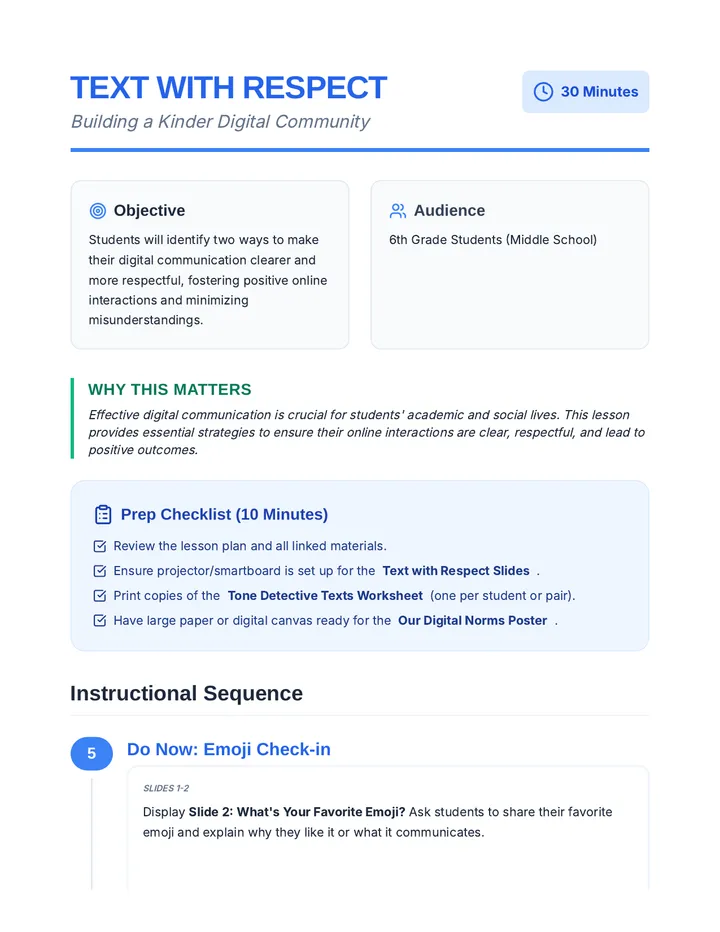
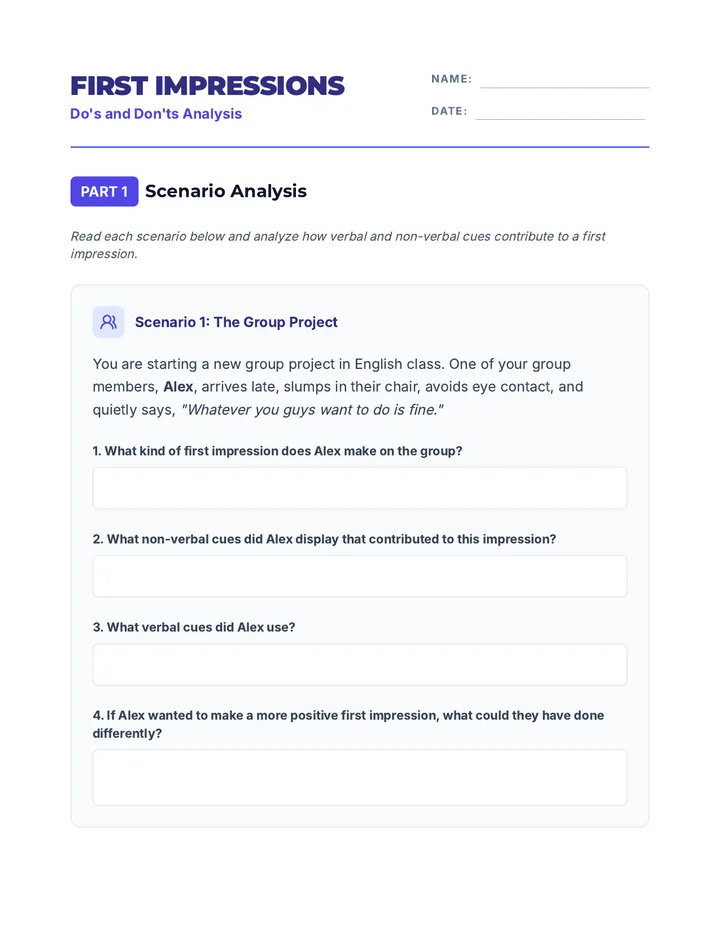
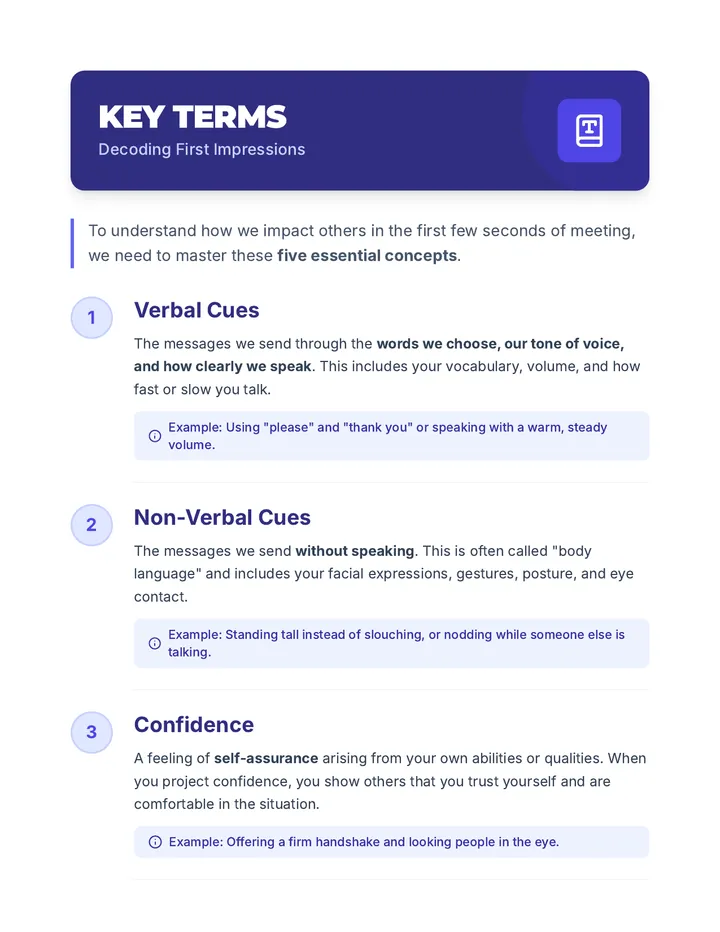
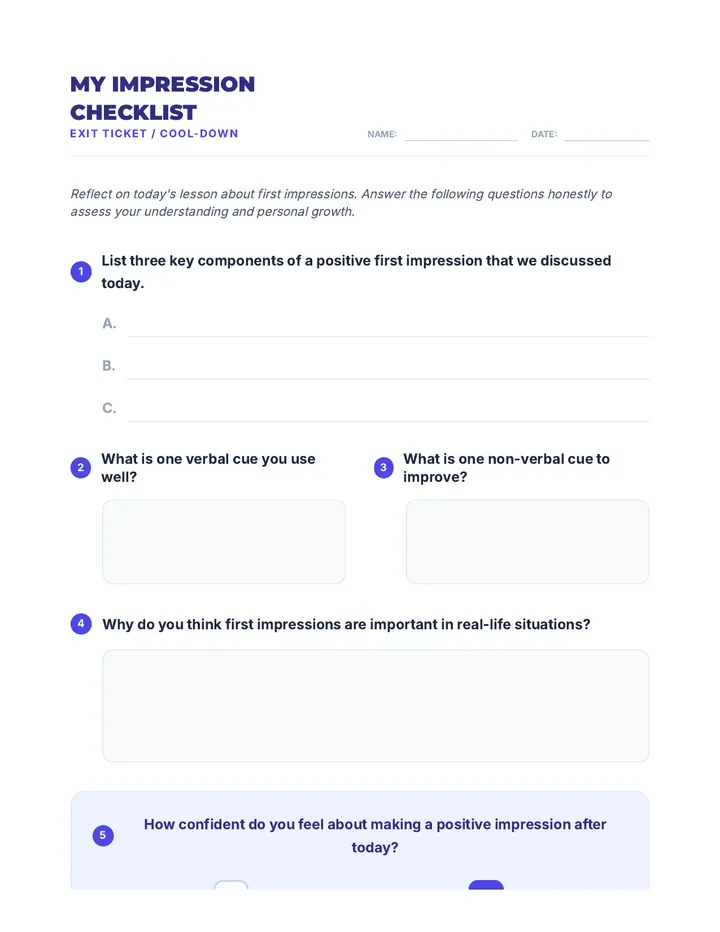
A sequence focused on developing social and professional communication skills, covering general social signals and their specific applications in the workplace.
A 6-week curriculum for 11th and 12th graders focused on practical conflict resolution strategies with peers, teachers, parents, and romantic partners.
An 8-week comprehensive unit designed to prepare high school students for entering the workforce, covering everything from legal working papers and job applications to interview techniques and long-term career planning.
A specialized collection of social navigation guides and visual protocols designed for high school students to master professional routines, interpersonal boundaries, and active engagement in academic and vocational settings.
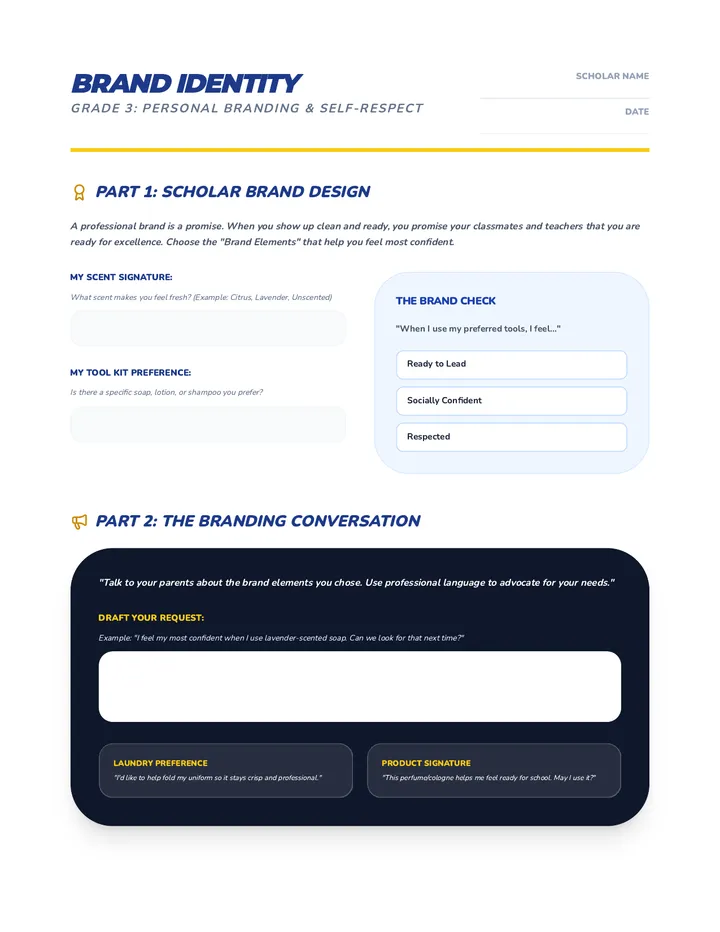
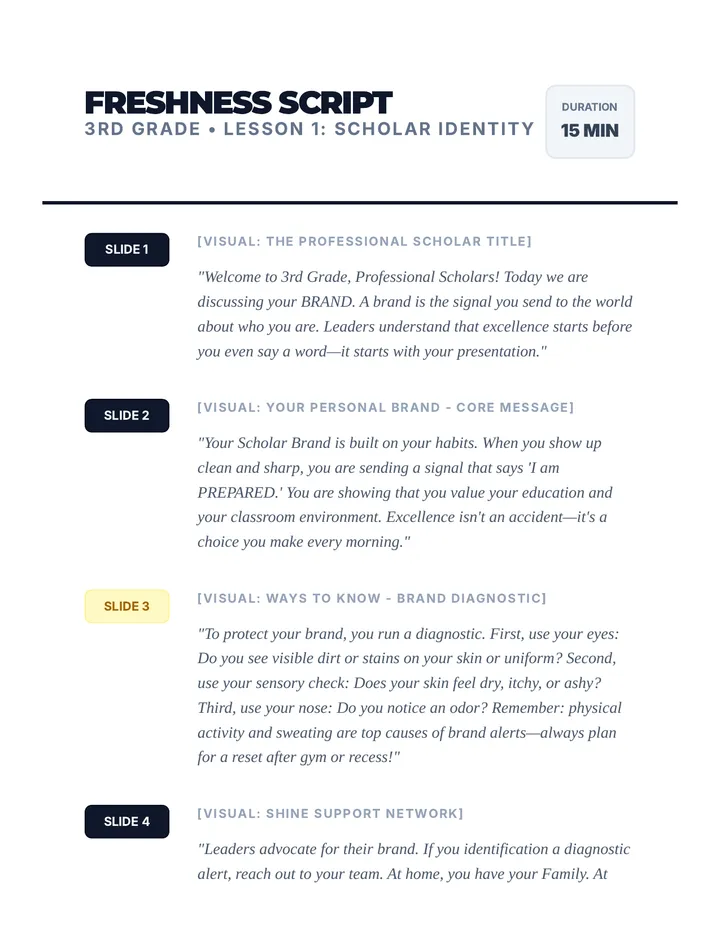
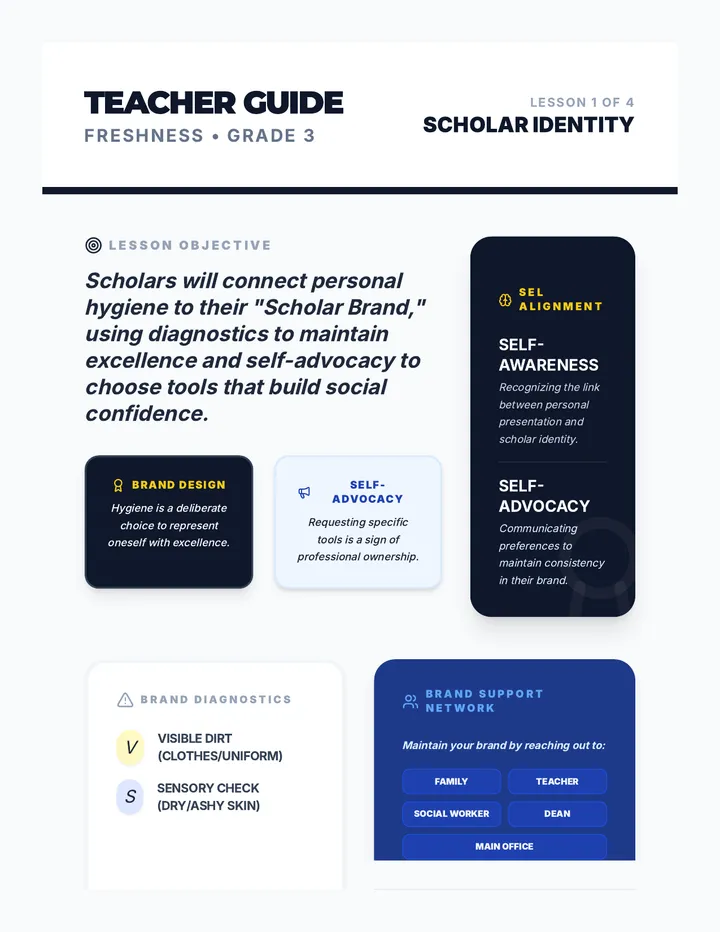
A comprehensive SEL-integrated hygiene curriculum for elementary scholars (K-4), focusing on self-awareness, social impact, and personal responsibility through the lens of a 'Glow Up'.
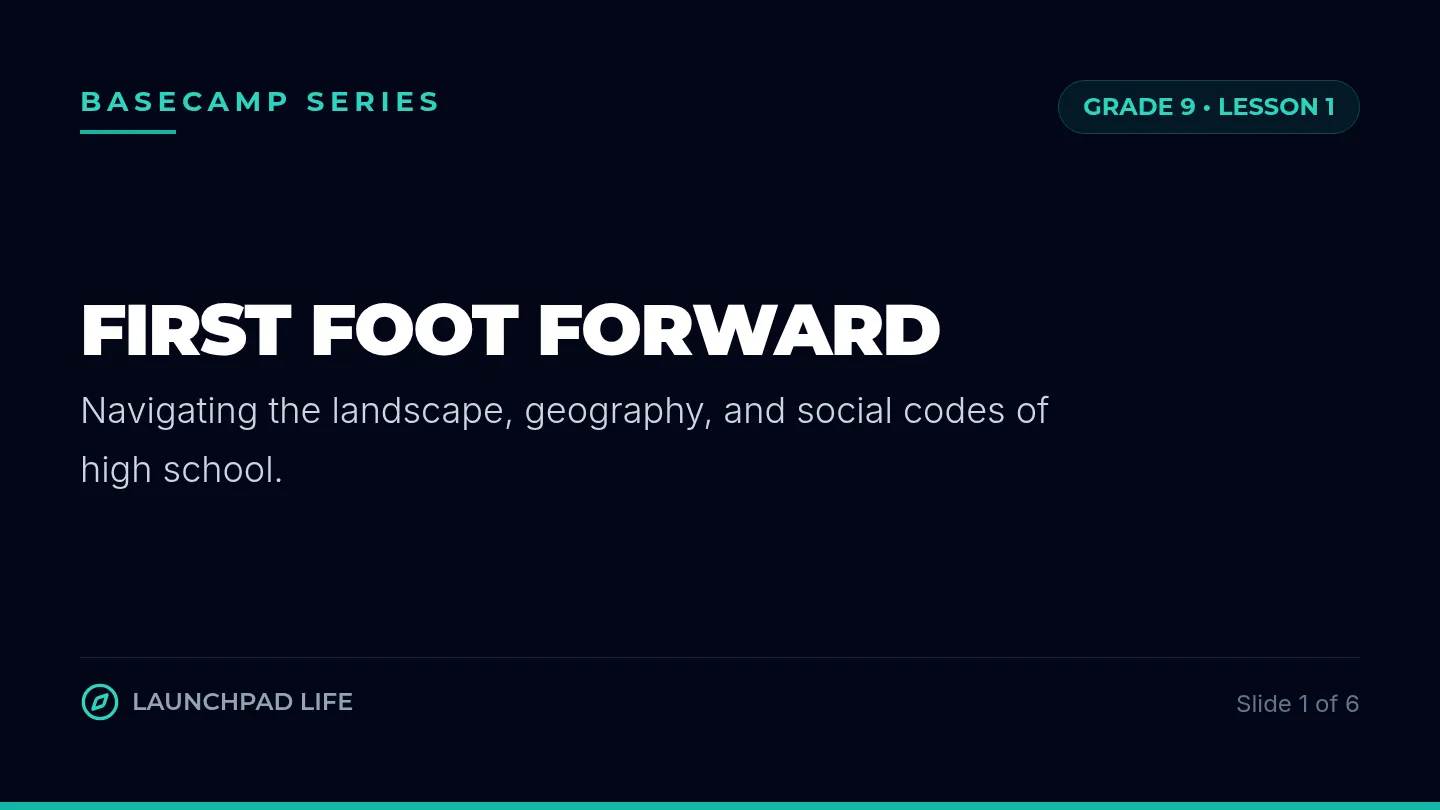
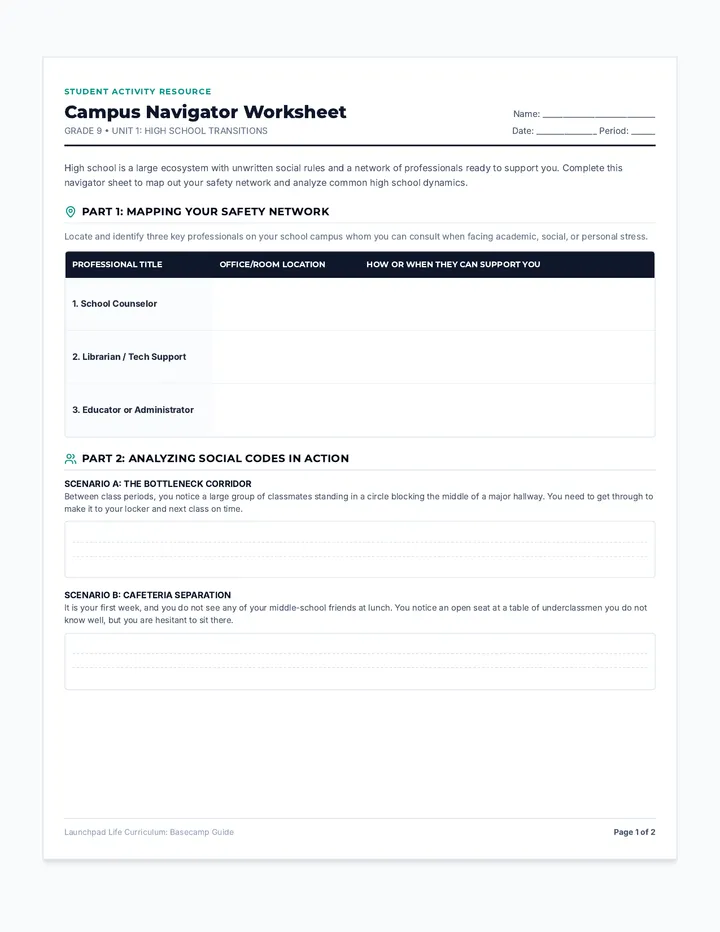
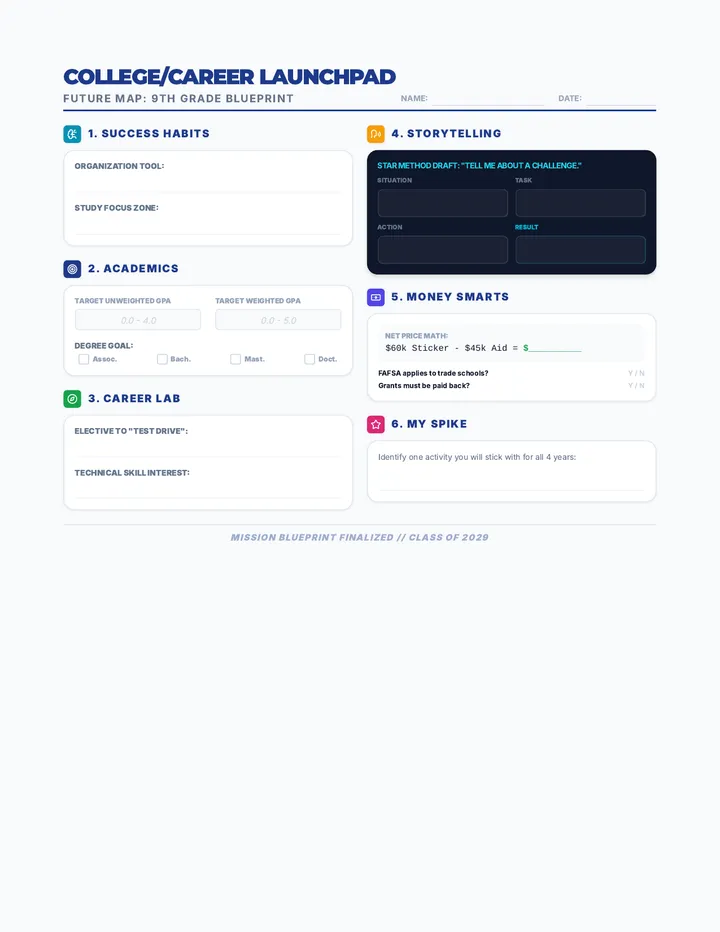
A comprehensive guide to help students navigate the transition from high school to post-secondary life, covering career exploration, college applications, financial aid, and essential life skills.
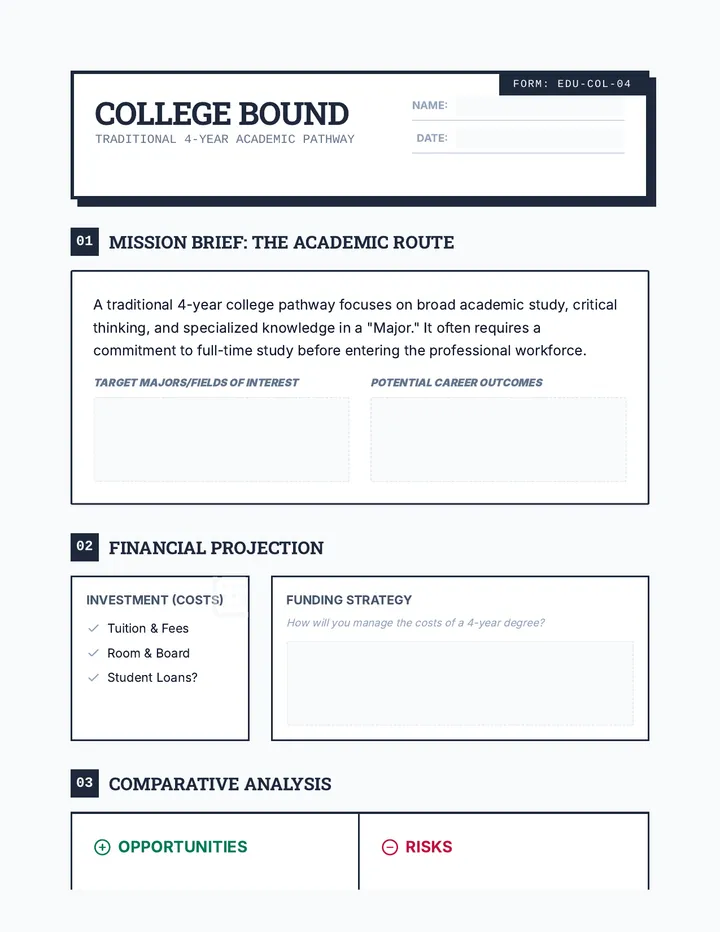
A comprehensive unit designed to prepare students for the transition from high school to adulthood, focusing on post-secondary pathways, resume building, and professional interview skills.
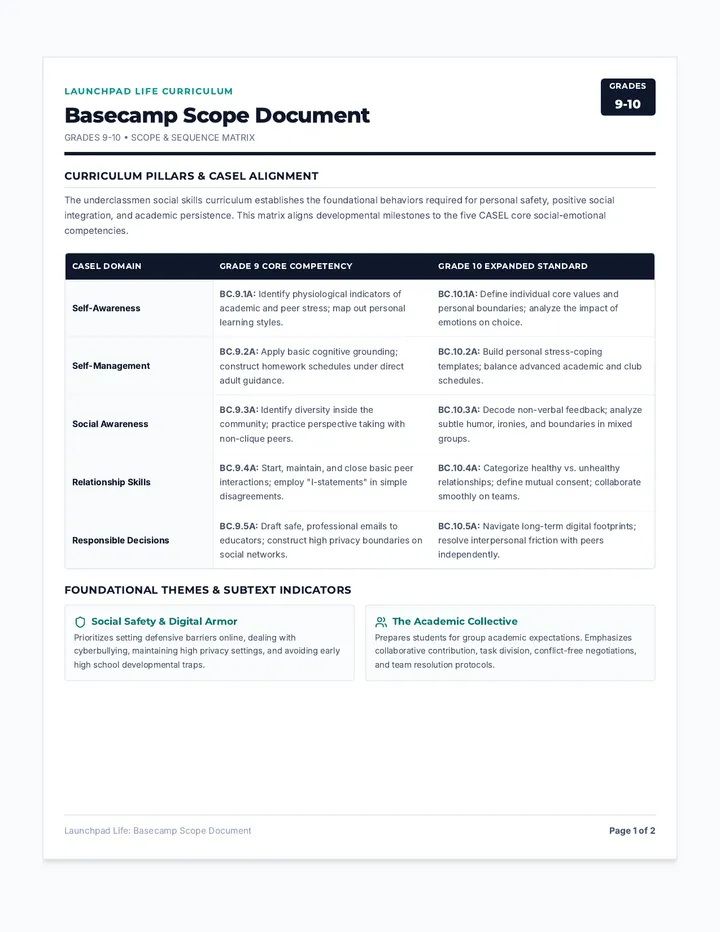
A comprehensive Tier 2 social skills curriculum for 10th graders, moving from initial peer connection to advanced communication, collaborative problem-solving, and a school-wide community impact project.
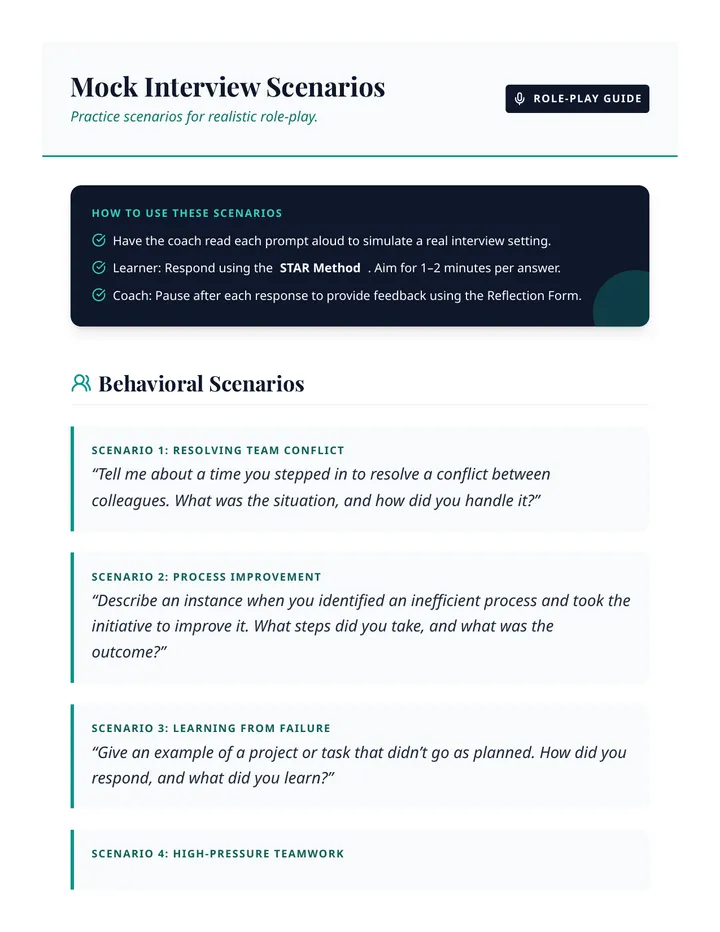
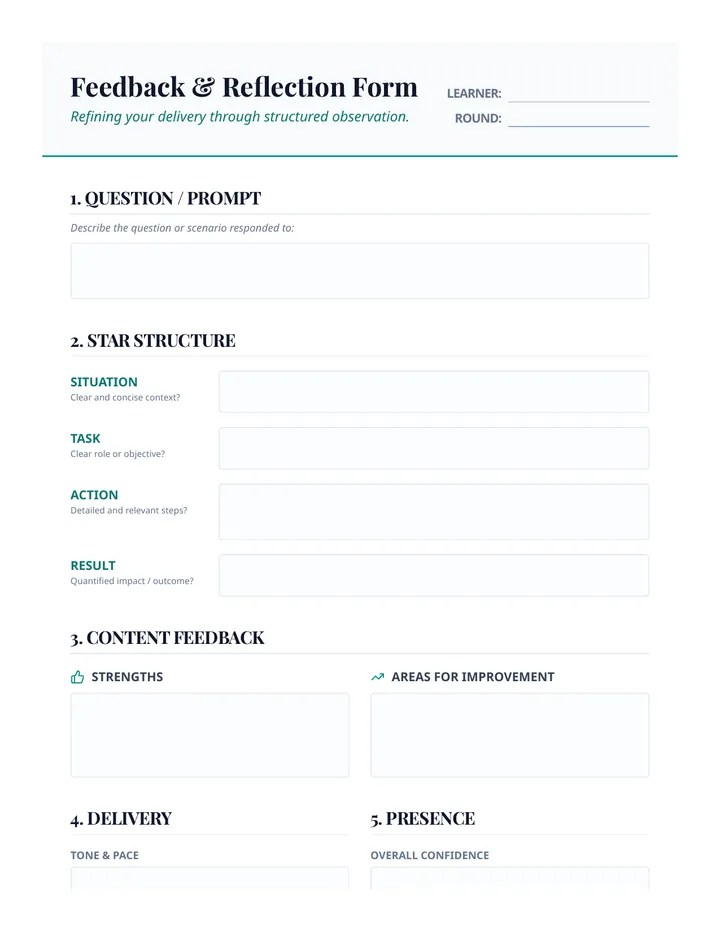
A comprehensive role-playing experience designed for adult learners and college students to master the art of networking and professional interviewing. The sequence uses a 'circuit' theme, guiding students through high-stakes scenarios and peer feedback loops.
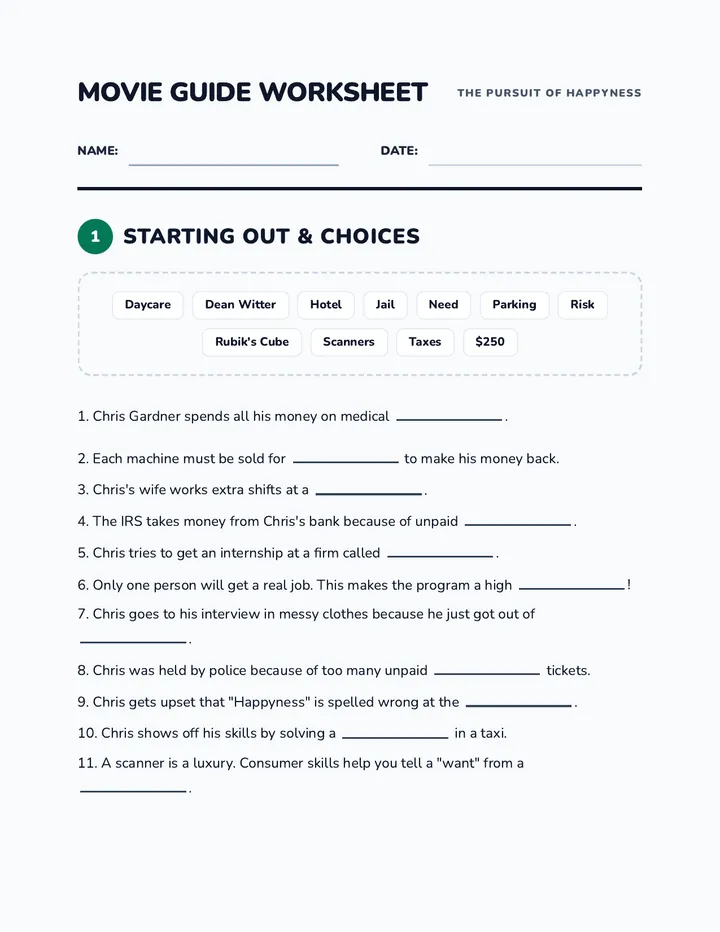
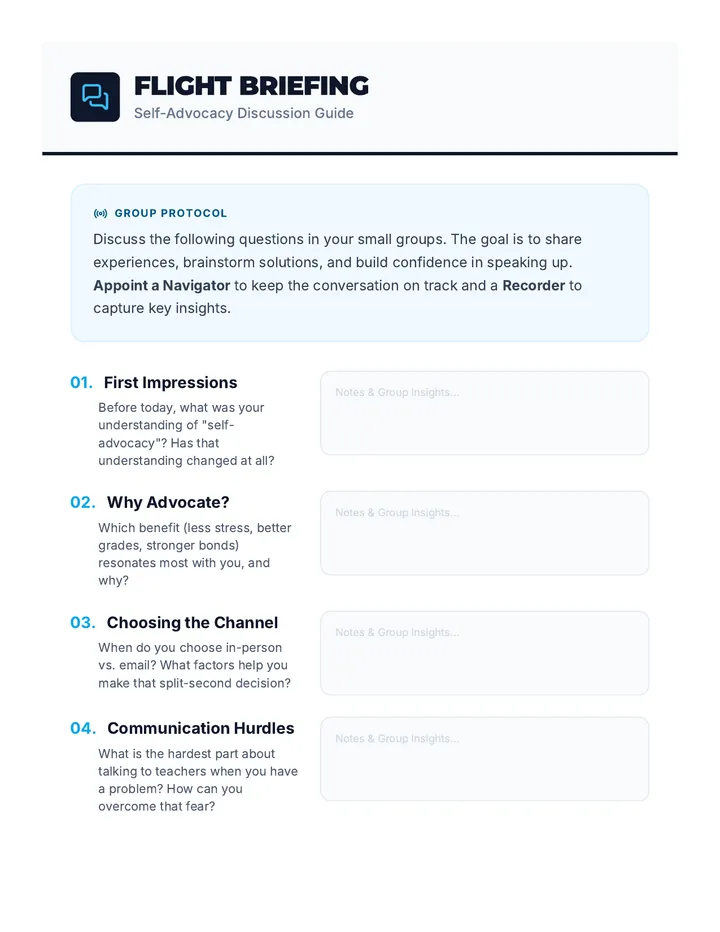
A group counseling unit designed for middle school girls to improve peer communication, master the art of constructive feedback, and navigate social conflicts with confidence through a game-based approach.
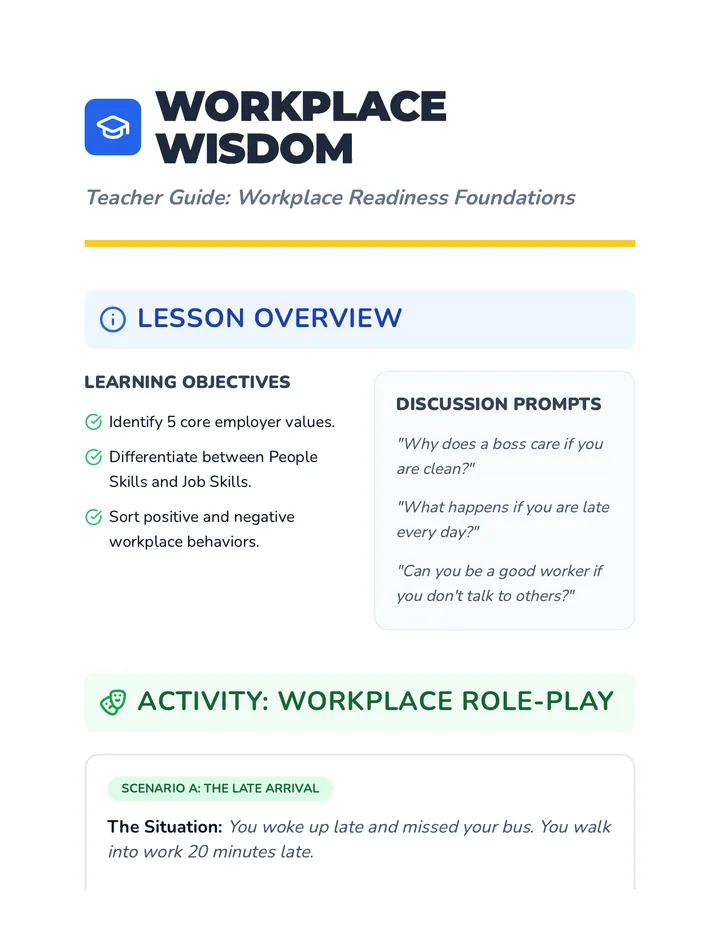
A comprehensive unit designed to equip students with foundational workplace behavior skills, focusing on self-awareness, self-advocacy, time management, and problem-solving through a UDL lens.
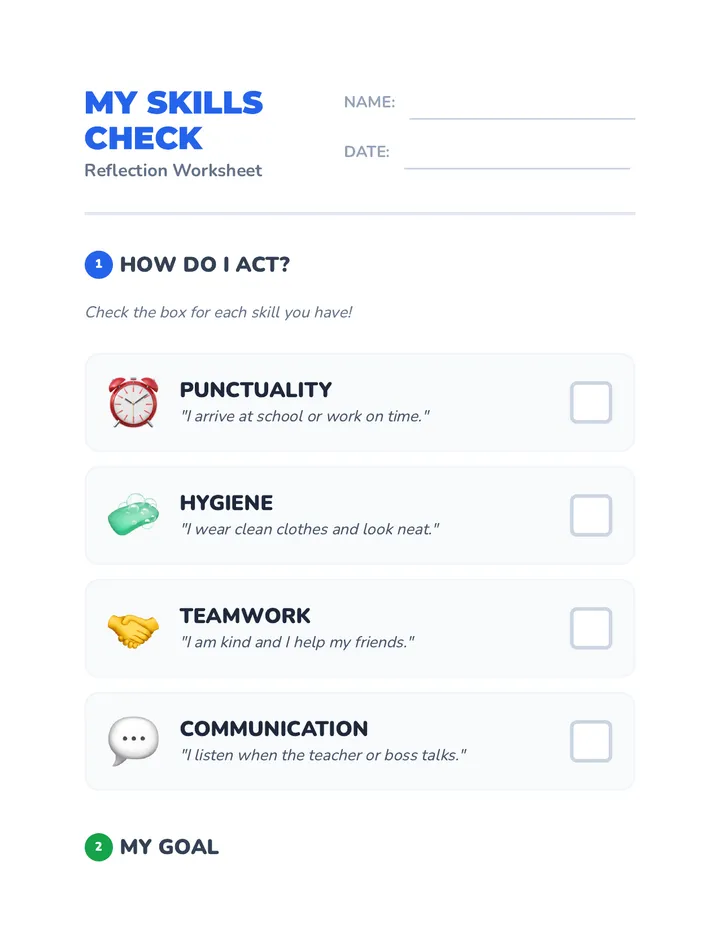
A comprehensive career readiness sequence for young adults focusing on professionalism, attire, teamwork, diversity, communication, and conflict resolution using UDL principles.
A 5-lesson series for 6th graders focused on developing impulse control, social filters, and respectful communication through a 'Master Controller' theme.
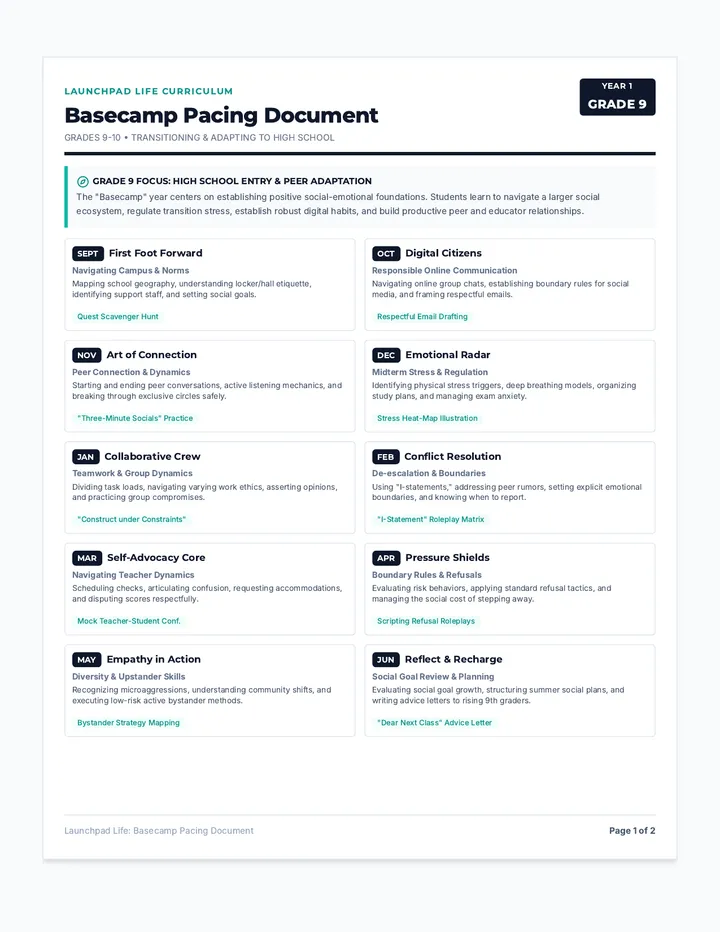
A comprehensive series on building and maintaining positive relationships in a school environment, focusing on communication, empathy, and professional interaction with peers and teachers.
A series of 30-minute workshops designed for high schoolers to develop authentic relationships with peers and professional connections with teachers through active listening, self-advocacy, and boundary setting.