Written and verbal communication standards for the workplace, including email etiquette, presentation delivery, and professional phone conduct. Develops collaborative skills for teamwork, constructive feedback, and efficient time management.
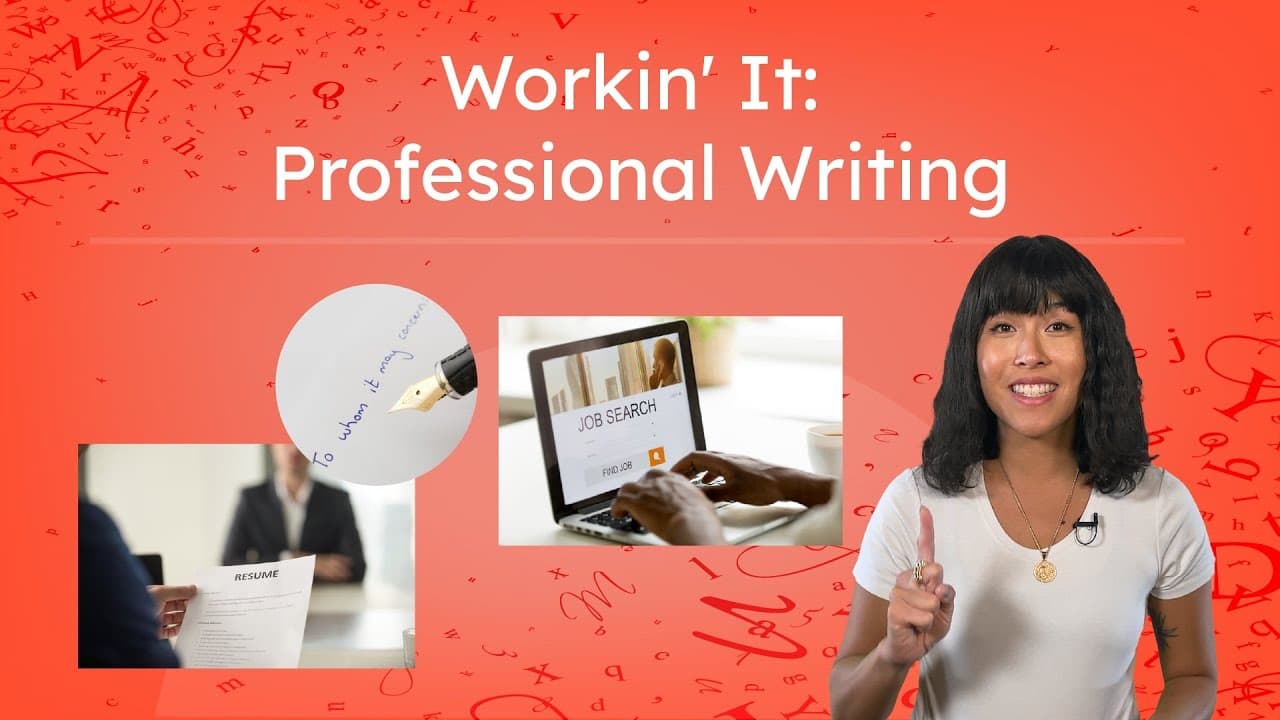
This video serves as a comprehensive introduction to professional writing for high school students entering the workforce or preparing for college. It demystifies the intimidating jargon of career fairs and job applications by breaking down the three pillars of professional communication: resumes, cover letters, and professional emails. The host guides viewers through the specific purpose, structure, and formatting of each document type, explaining how they function as tools to land opportunities and navigate the workplace. Key themes explored include the difference between job "requirements" and "preferred qualifications," the importance of tone and diction in professional settings, and the concept of Standard English. The video approaches the topic of Standard English with nuance, acknowledging the validity of diverse dialects like AAVE and Spanglish while framing Standard English as a specific tool for professional access and "language power." It emphasizes that mastering these forms of communication provides students with choices and agency in their future careers. For educators, this video is an excellent anchor for a Career Readiness or ELA unit on functional writing. It includes built-in pause points for students to analyze examples (referenced as being on a companion PDF), making it highly interactive. The content directly supports learning objectives related to technical writing, audience awareness, and practical life skills, moving students from academic writing styles to the specific, action-oriented writing required by employers.
10mins 24s
This behind-the-scenes documentary chronicles the origin and evolution of the popular educational YouTube channel 'Crash Course'. It traces the journey from John and Hank Green's early Brotherhood 2.0 vlogs to the development of a professional production company funded by Google's original channel initiative. Through interviews with the creators and key staff members, the video reveals the serendipitous moments, financial challenges, and collaborative efforts required to build a sustainable digital education platform. The video explores key themes of digital entrepreneurship, media literacy, and the economics of online content creation. It highlights the complex ecosystem behind high-quality educational videos, detailing the distinct roles of writers, editors, animators, and consultants. The narrative emphasizes the shift from ad-based revenue models to crowdfunding (Patreon) and partnerships (PBS) as necessary strategies for maintaining creative integrity and accessibility in educational media. For educators, this video serves as an excellent case study for Media Studies, Career Exploration, and Economics classes. It demystifies the production process, showing students that successful projects are often the result of teamwork, iteration, and non-traditional career paths. It provides a unique opportunity to discuss the value of open educational resources and the real-world logistics of turning a creative passion into a sustainable profession.
19mins 52s
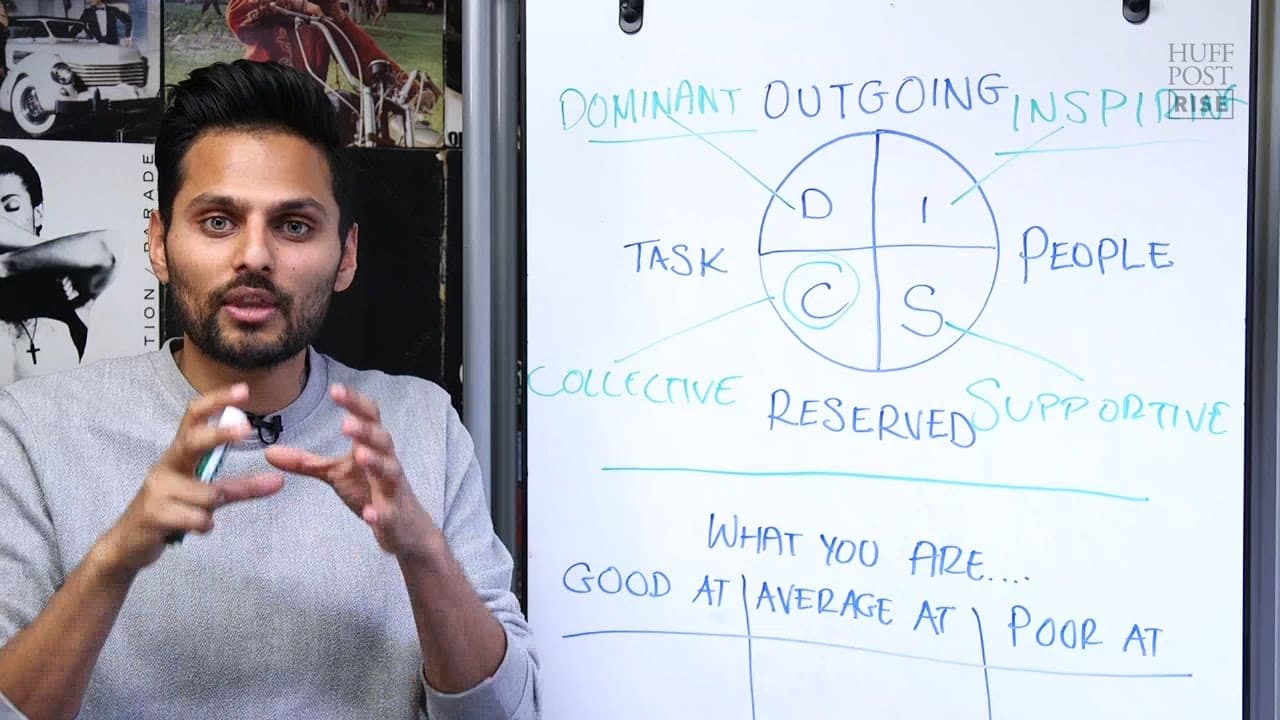
In this interactive workshop-style video, Jay Shetty guides viewers through a comprehensive process of self-discovery to identify their true passions and how to pursue them. Moving beyond the vague advice of "follow your dreams," Shetty introduces practical frameworks including the Japanese concept of Ikigai, the "Quadrant of Success," and the DISC personality assessment. The video combines high-energy motivational speaking with actionable exercises that require viewers to categorize their skills, interests, and behavioral traits. The content explores deep themes of self-awareness, career planning, and personal fulfillment. Shetty breaks down the misconception that passion is just a hobby, reframing it as an environment where an individual thrives. Key topics include distinguishing between "Passion" and "Potential," managing energy by auditing daily tasks, and understanding how different personality types (Outgoing vs. Reserved, People vs. Task-oriented) function best in leadership and team settings. For educators, this video is a goldmine for Career and Technical Education (CTE), Social-Emotional Learning (SEL), and psychology units. It provides ready-made frameworks for students to analyze their own strengths and weaknesses. The visual models drawn on the whiteboard serve as excellent graphic organizers for classroom activities, helping students map out their future paths, understand their communication styles, and develop a growth mindset regarding skills they love but haven't yet mastered.
33mins 43s
This animated video explores the concept of personal independence, breaking it down into five key behavioral indicators. It frames independence not just as living alone or paying bills, but as a holistic developmental milestone involving emotional maturity, financial responsibility, and resilience. The video uses the signature 'Psych2Go' character to guide viewers through relatable scenarios like fixing a leaky sink, grocery shopping, and dealing with criticism in the workplace. The content delves into themes of self-sufficiency, problem-solving, financial literacy, and emotional autonomy. It distinguishes between healthy independence (solving problems yourself but asking for help when needed) and isolation. It also emphasizes the importance of resilience when help isn't available and the maturity required to accept constructive criticism without letting others' opinions dictate one's self-worth. For educators, this video serves as an excellent resource for social-emotional learning (SEL) and life skills curriculums. It provides a structured way to discuss the transition from childhood dependence to adult autonomy. It can spark meaningful classroom discussions about what it really means to "grow up," how to handle failure, and the balance between self-reliance and community support.
3mins 59s