Emotion recognition ranging from basic feelings to complex nuances and mixed states. Strengthens accurate self-assessment through identity exploration, strength identification, and values-based decision making.
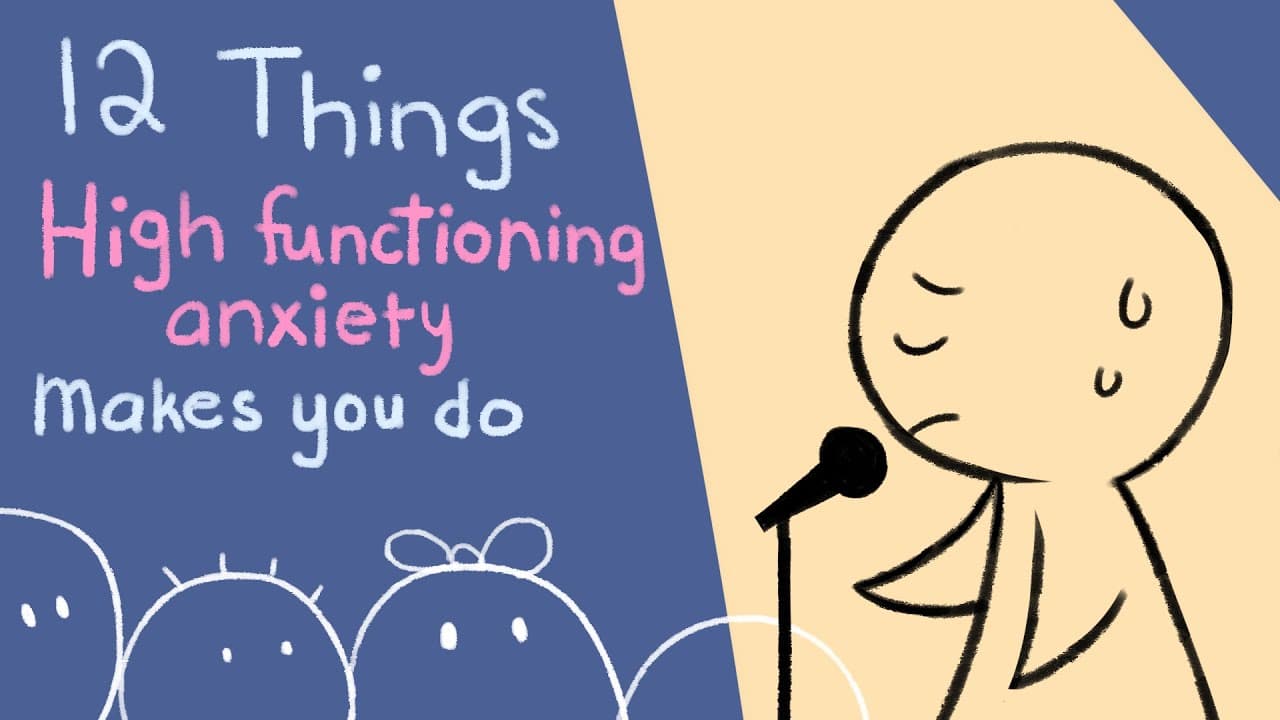
This educational animation explores the nuanced concept of "high-functioning anxiety," distinguishing it from stereotypical representations of anxiety disorders. While not a clinical diagnosis, the video validates the experiences of individuals who appear successful and calm on the outside but struggle with intense internal turmoil, worry, and stress. It breaks down complex emotional patterns into relatable, observable behaviors that students may recognize in themselves or others. Through twelve distinct points, the video illustrates how anxiety can manifest as perfectionism, people-pleasing, overthinking, and an inability to relax. It covers social scenarios like cancelling plans or fearing new introductions, as well as internal habits like fixating on minor details, replaying old conversations, and fearing the future. The content helps bridge the gap between external appearances and internal mental health realities. For educators, this resource is a powerful tool for social-emotional learning (SEL). It provides a vocabulary for students to discuss mental health without stigma, encourages empathy for peers who may be struggling silently, and offers a checklist for self-reflection. It is particularly useful for high-achieving students who may mask their anxiety behind good grades and busy schedules, helping them understand that their internal struggles are valid and common.
7mins 37s
This animated video features former U.S. Surgeon General Vivek Murthy explaining the biological and evolutionary roots of loneliness. He reframes loneliness not as a character flaw or a sign of being broken, but as a natural biological signal—like hunger or thirst—alerting us that we lack necessary social connection. The narrative explores how our ancestors relied on community for safety and survival, and how modern loneliness can create a negative feedback loop that damages self-esteem and makes reconnection difficult. The video delves into the insidious nature of chronic loneliness, illustrating how it often manifests in unexpected ways such as anger, irritability, or withdrawal rather than just sadness. Murthy argues that recognizing these alternative expressions of loneliness can help us respond to others with compassion instead of judgment. By understanding that loneliness is a common human experience, we can break the cycle of shame often associated with it. For educators, this resource provides a powerful tool for social-emotional learning (SEL). It offers a vocabulary for students to discuss feelings of isolation and provides actionable advice on how to help others: simply showing up and listening with full attention. The video's message emphasizes that listening validates another person's worth, making it an excellent starting point for lessons on empathy, active listening, community building, and mental health awareness.
3mins 49s
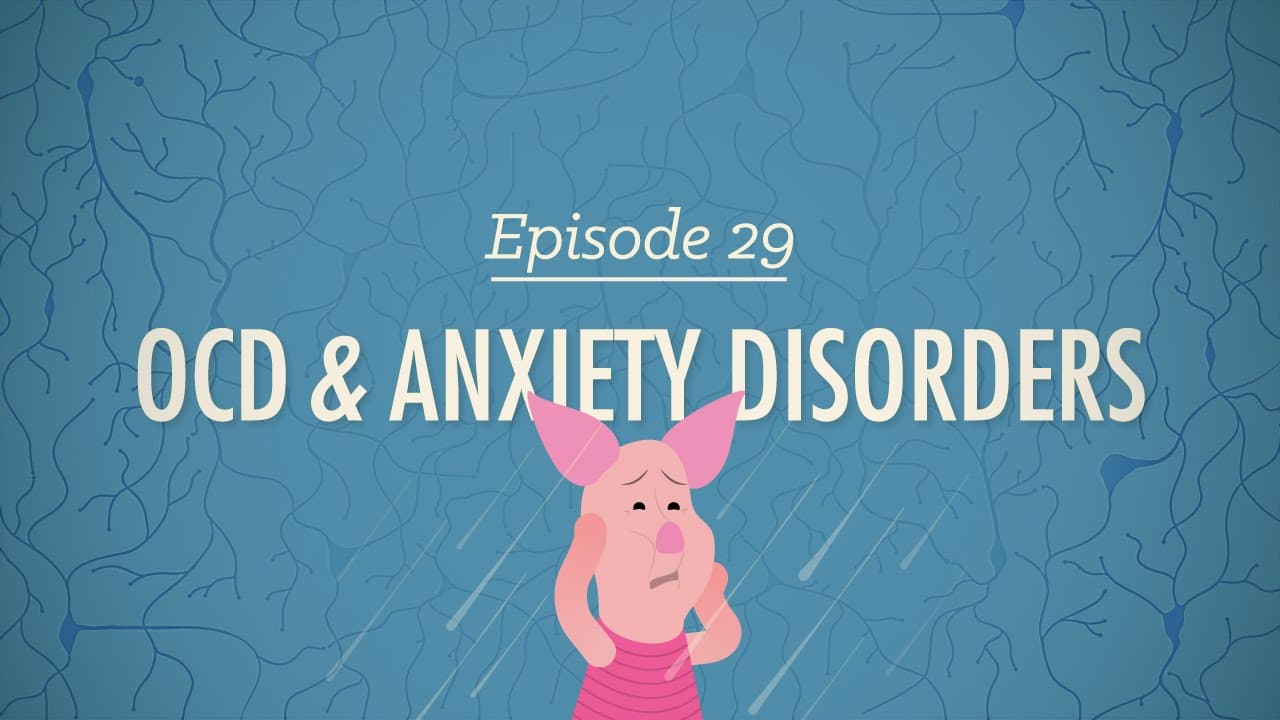
This educational video provides a comprehensive overview of anxiety disorders, distinguishing between normal anxiety and clinical conditions. It specifically breaks down Obsessive-Compulsive Disorder (OCD), Generalized Anxiety Disorder (GAD), Panic Disorder, and Phobias, clarifying the specific diagnostic criteria for each. The host, Hank Green, explains how these disorders are characterized by distressful, persistent anxiety and often dysfunctional behaviors used to reduce that anxiety. The video explores the etiology of these disorders through two main lenses: the Learning Perspective (conditioning, observational learning, and cognition) and the Biological Perspective (genetics, natural selection, and brain chemistry). Key concepts such as stimulus generalization, reinforcement, and the evolutionary basis for fears are discussed to help viewers understand why these disorders persist. For educators, this resource is invaluable for psychology and health curriculums. It actively works to de-stigmatize mental illness by correcting common misuse of terms like "OCD" and "bipolar" in casual conversation. The clear definitions, relatable examples, and engaging animations make complex psychological concepts accessible for high school and early college students, serving as an excellent springboard for discussions on mental health awareness and neurobiology.
11mins 32s
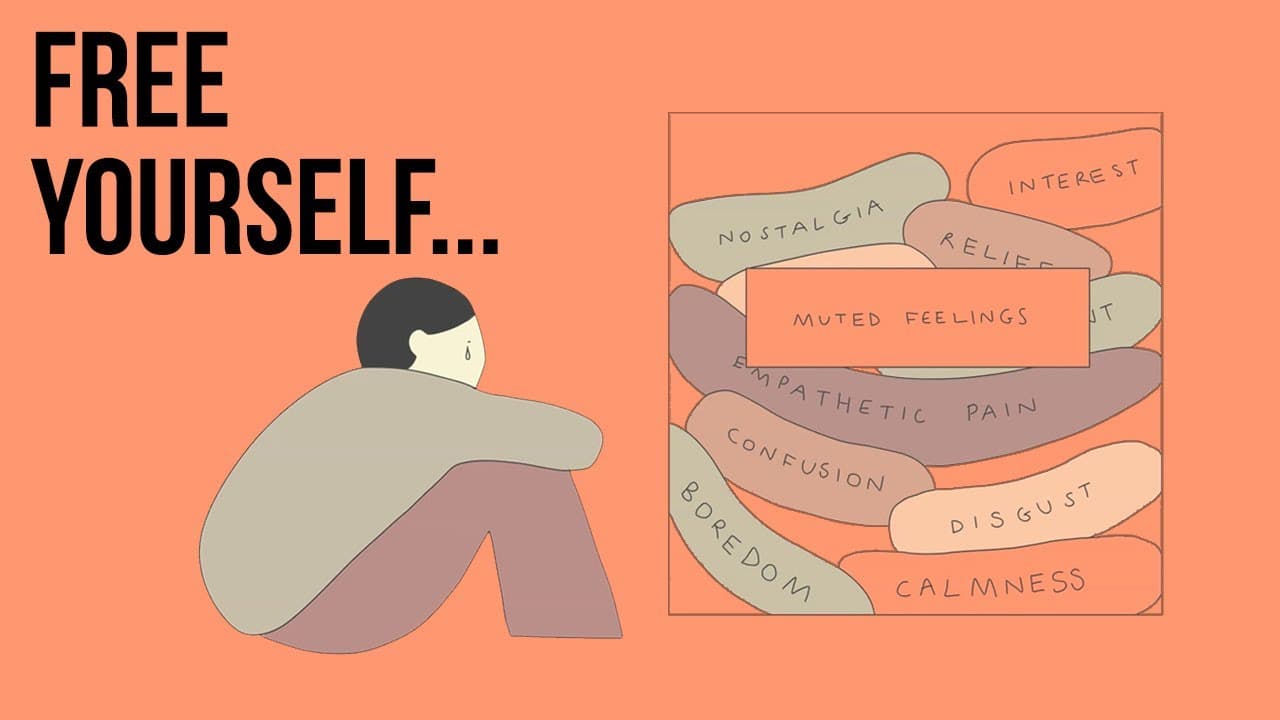
This animated video by The School of Life explores the importance of identifying and processing suppressed emotions to maintain psychological well-being. It argues that modern life often causes us to ignore our true feelings because they are too shocking, sad, or inconvenient to address in the moment. The video explains how "unfelt feelings" accumulate and manifest as anxiety, depression, or physical tension. Key themes include emotional intelligence, self-reflection, the mind-body connection, and the practice of introspection. The narrator suggests a specific daily technique involving quiet solitude and body scanning to "decode" these hidden emotions. It emphasizes that acknowledging difficult feelings like anger, grief, or resentment is necessary to transform them into manageable states and achieve peace of mind. For educators and students, this resource is a valuable tool for social-emotional learning (SEL). It provides a practical framework for understanding why we feel overwhelmed or anxious without an obvious cause. The video can be used to teach self-regulation strategies, mindfulness, and the vocabulary of emotions, helping students move from reactive states to responsive, self-aware behaviors.
4mins 7s
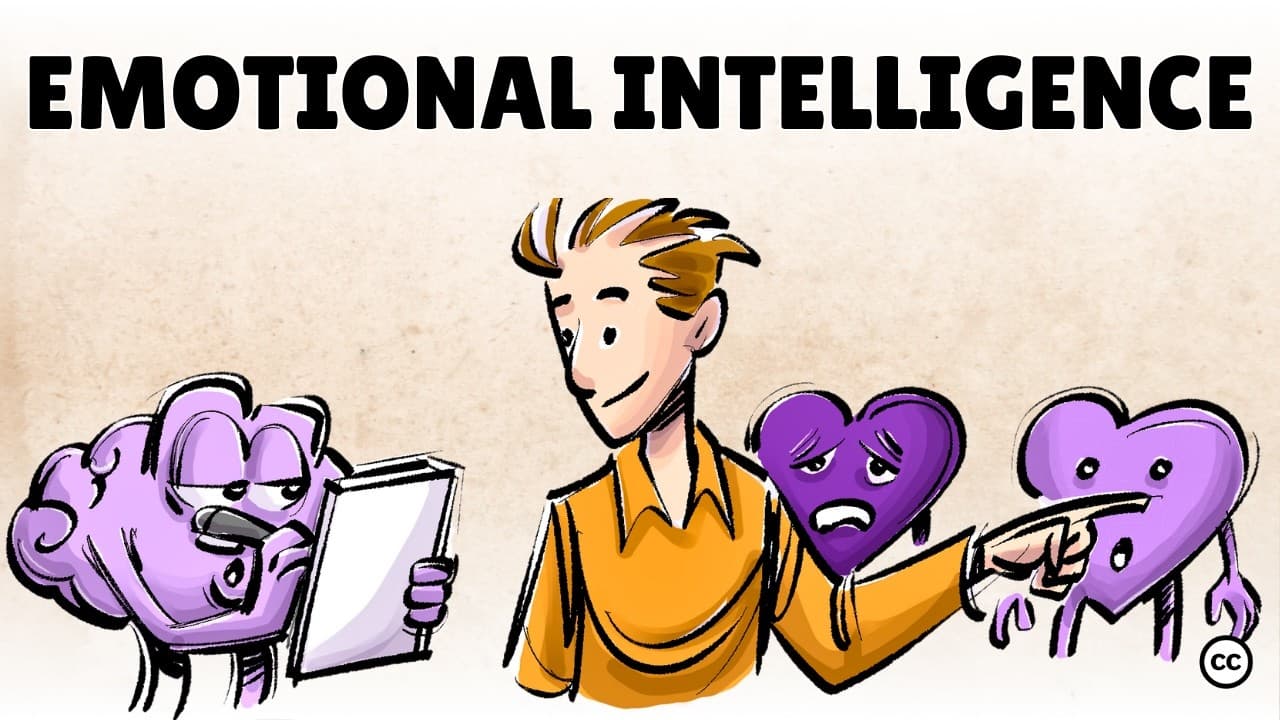
This animated video provides a clear and accessible introduction to the concept of Emotional Intelligence (EI or EQ), based on the model developed by psychologists John Mayer and Peter Salovey. It breaks down EI into four distinct skills: perceiving emotions, using emotions, understanding emotions, and managing emotions. Through simple yet effective illustrations, the video explains how these skills function individually and collectively to help individuals navigate social interactions and personal feelings. Key themes include self-awareness, empathy, emotional regulation, and the connection between emotional intelligence and academic or professional success. The video emphasizes that while some people are naturally gifted with these skills, EI is something that can be improved and developed over time through mindfulness, education, and practice. It frames emotions not as obstacles but as data points that can be used for better decision-making. For educators, this video is a valuable tool for Social Emotional Learning (SEL) curriculums. It provides a shared vocabulary for students to discuss their feelings and offers a scientific framework for why emotions matter in learning and life. The video is short enough to serve as a perfect hook for lessons on conflict resolution, stress management, or interpersonal communication skills.
3mins 24s
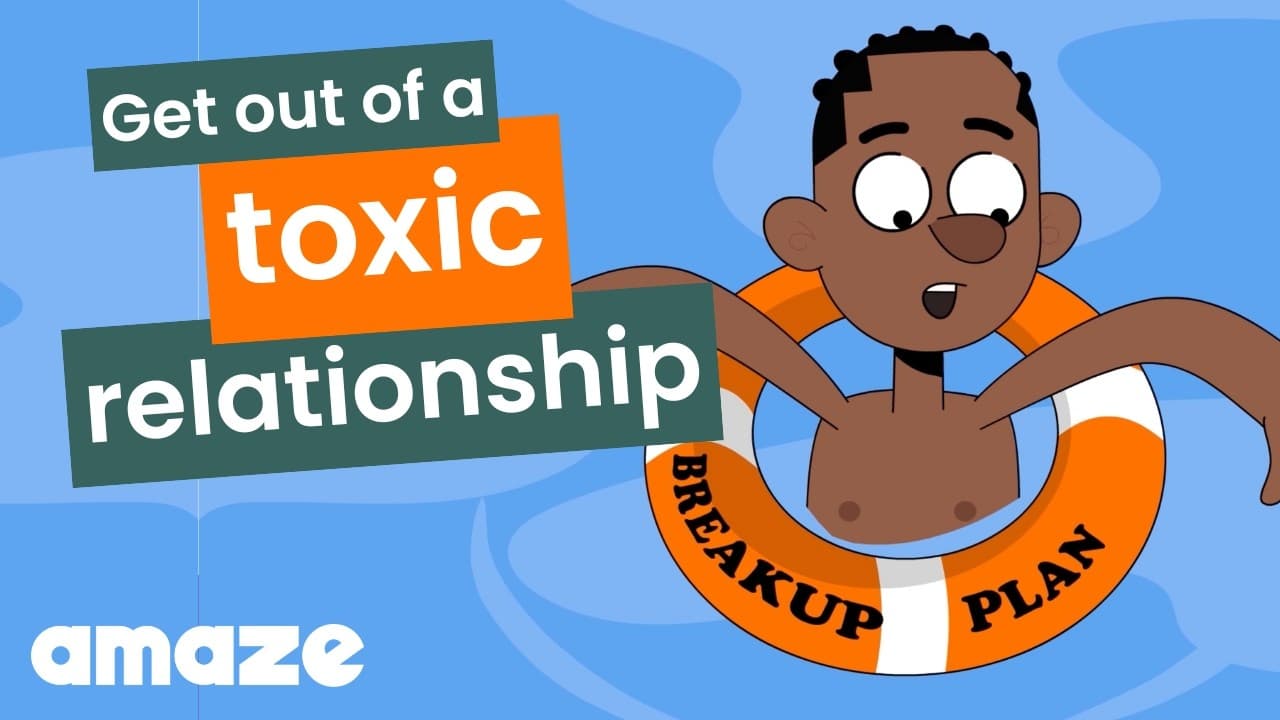
This animated video provides a compassionate and practical guide for young people on recognizing and leaving unhealthy relationships. It begins by contrasting the feelings associated with healthy versus unhealthy dynamics, such as safety and support versus fear and anxiety. The video clearly outlines "red flags" including teasing, blaming, controlling behavior, and physical harm, helping viewers identify toxic patterns in their own lives. The core of the video focuses on a step-by-step "breakup plan" designed to keep the individual safe and supported. It advises on choosing the right method of communication (phone, text, or public place), using clear language to state that the relationship isn't working, and setting boundaries without feeling obligated to manage the other person's emotions. It emphasizes the critical importance of involving a trusted adult, especially if safety is a concern. Finally, the video addresses the emotional aftermath of a breakup, validating feelings of sadness and loss even when the relationship was bad. It encourages self-care strategies like hobbies and spending time with friends. This resource is invaluable for health and guidance curriculums, providing students with the vocabulary and actionable steps needed to navigate difficult interpersonal situations and prioritize their emotional and physical well-being.
2mins 54s
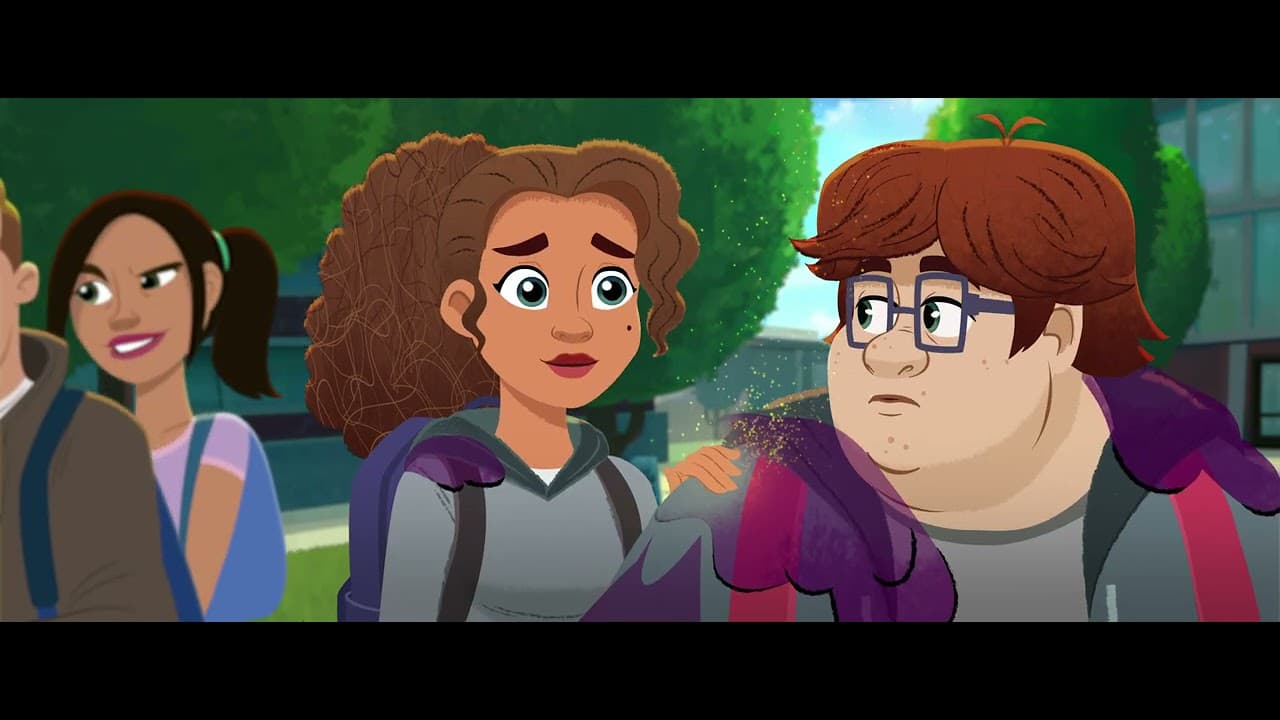
This poignant animated short film explores the suffocating impact of cyberbullying through the eyes of two students, Raquelle and Noah. The narrative follows Raquelle, a quiet artist who witnesses Noah being bullied both physically and online. When she attempts to help by reporting the incident to a school counselor, the system fails her; her anonymity is compromised, and she becomes the new target of harassment, labeled "Rat-quelle." The film utilizes a powerful visual metaphor—a heavy, purple sludge—to represent the lingering emotional weight of shame and abuse that clings to the victims, isolating them from their peers and families. Key themes include the failure of adult support systems, the reality of digital harassment, and the healing power of empathy. The story critically examines well-meaning but ineffective adult advice, such as a father telling his daughter to "just block them" or a counselor claiming they cannot "police the internet." It highlights the disconnect between the adult perception of online bullying and the visceral, 24/7 reality experienced by students. The narrative arc moves from isolation to connection, demonstrating how shared vulnerability can bridge the gap between victims. For educators, this video is a vital tool for Social-Emotional Learning (SEL) and digital citizenship curricula. It moves beyond generic "don't bully" messaging to address the nuance of bystander intervention and the emotional aftermath of harassment. The visual metaphor of the sludge provides a concrete language for students to articulate feelings of depression and anxiety. It is particularly useful for sparking discussions about how to genuinely support friends, the limitations of current anti-bullying policies, and the profound difference a simple check-in like "Are you okay?" can make.
8mins 46s
In this engaging and accessible talk, mindfulness expert Andy Puddicombe demystifies meditation and makes a compelling case for taking just ten minutes a day to look after our minds. He argues that we spend more time maintaining our cars, clothes, and physical appearance than we do caring for our most valuable resource: the human mind. Through personal anecdotes about his journey from a stressed university student to a Buddhist monk, Puddicombe illustrates how constant distraction and lack of presence contribute to unhappiness and anxiety. The video explores key themes of mental health, metacognition (thinking about thinking), and the science of focus. Puddicombe challenges the common misconception that meditation is about stopping thoughts completely; instead, he defines it as the practice of stepping back and witnessing thoughts without judgment. He uses a brilliant juggling demonstration to visually represent different mental states—anxious, dull, and balanced—making abstract psychological concepts concrete and understandable for viewers. For educators, this video is an invaluable resource for Social Emotional Learning (SEL) and mental health awareness. It provides a secular, scientific entry point into mindfulness that avoids religious overtones, making it suitable for public school settings. Teachers can use this video to launch discussions about stress management, the impact of digital distractions, and the importance of being present, while also introducing practical techniques for emotional regulation that students can apply immediately in their daily lives.
9mins 25s
This educational animation explores the nuances of teenage depression, highlighting how it often manifests differently than in adults due to developmental brain changes and adolescent-specific stressors. The video breaks down ten specific warning signs, ranging from emotional shifts like irritability and sensitivity to criticism, to behavioral changes such as social withdrawal and academic decline, and even physical symptoms like unexplained aches and pains. The content emphasizes that these signs are not merely indications of "laziness" or typical teenage angst but potential red flags for a serious mental health condition. It provides biological context about the "plastic" adolescent brain and how it regulates emotion, offering a scientific basis for why teens react the way they do. The video aims to destigmatize these symptoms and encourages viewers to look beyond surface-level behaviors to understand the underlying struggles. For educators, parents, and mental health professionals, this video serves as a crucial diagnostic and awareness tool. It can be used in health curriculums, guidance counseling sessions, or professional development workshops to help identify at-risk students who might otherwise fly under the radar. By clearly listing actionable signs, it empowers adults and peers to intervene early and support teens in seeking professional help.
7mins 28s
In this moving and humorous TEDx talk, Jake Tyler shares his personal journey of navigating severe depression and suicidal ideation. He begins by deconstructing the reflex of saying "I'm fine" and opens up about his "rock bottom" moment where he forgot what happiness felt like. Tyler details how a pivotal phone call to his mother and a reframing question from his doctor helped him distinguish between wanting to die and simply wanting his pain to stop. The talk explores Tyler's recovery strategy, which centered on physical movement and connection with nature. He recounts his experience walking 3,000 miles around Great Britain, which evolved from a personal fitness challenge into a journey of community connection. He introduces the metaphor of depression being the "biggest club in the world" that convinces you that you are the only member, highlighting the irony of isolation in mental health struggles. For educators, this video is a powerful tool for Social Emotional Learning (SEL), Health, and Psychology classes. It destigmatizes mental health discussions, introduces the concept of "movement" versus "exercise," and demonstrates how vulnerability can lead to strength. The narrative arc moves from despair to a triumphant desire to "live forever," offering a hopeful perspective on resilience and recovery.
16mins 5s
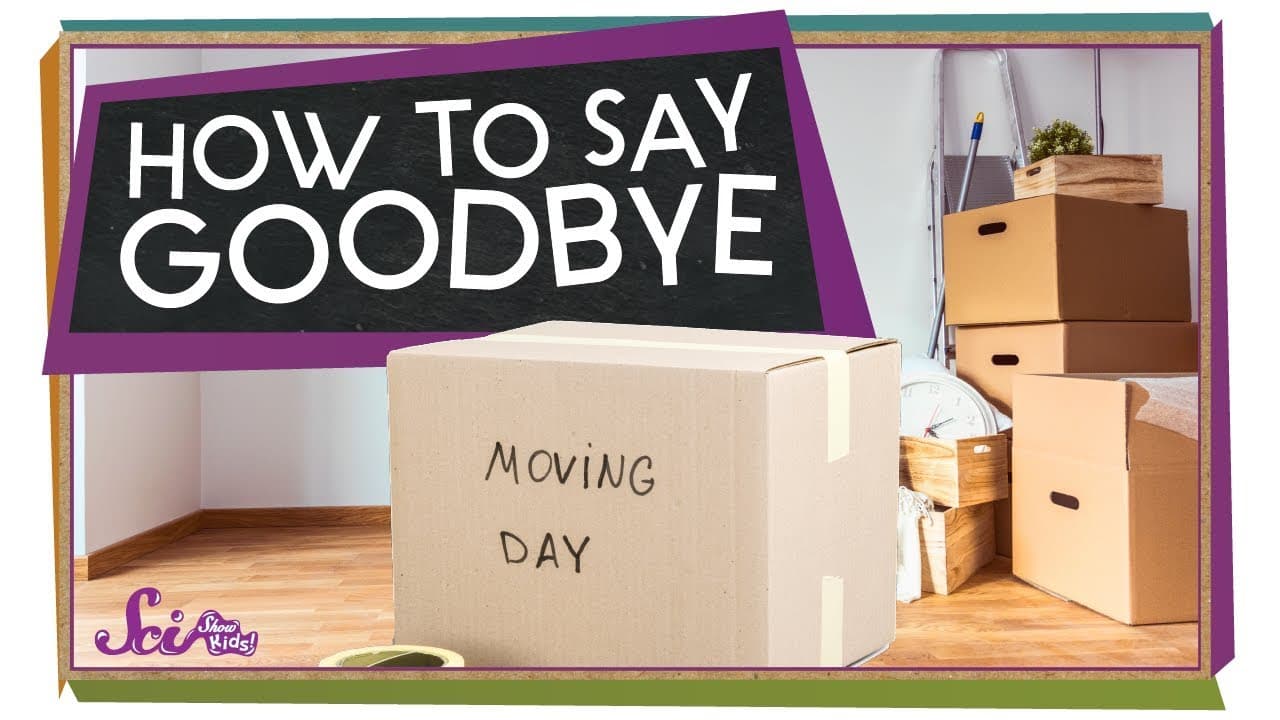
In this touching episode of SciShow Kids, host Jessi and her robot mouse friend Squeaks prepare for a major life transition: moving away from 'The Fort' to go on a long-term research trip. The video begins with an educational hook, introducing the destination of Cahokia, an ancient Native American city in Illinois known for its massive earthen mounds. Jessi briefly explains the historical significance of this site, which was once the largest city in what is now the United States, providing a fascinating context for their journey.
4mins 16s
This engaging music video introduces students to the concept of a "Growth Mindset" through a catchy, folk-pop style song. The video combines live-action footage of a singer-songwriter with diverse clips of people overcoming challenges, studying, playing sports, and exploring nature. The central narrative focuses on the power of changing one's internal dialogue—specifically shifting from saying "I can't" to "I can't yet." It emphasizes that intelligence and ability are not fixed traits but attributes that can be developed through hard work, focus, and practice. Key themes explored include the importance of perseverance, the value of making mistakes as learning opportunities, and the specific language students can use to reframe negative self-talk. The lyrics break down abstract psychological concepts into actionable steps, such as taking goals one step at a time and viewing challenges as opportunities to "train your brain." The video explicitly contrasts fixed mindset statements (e.g., "I don't understand, I must be dumb") with growth mindset alternatives (e.g., "I'm still learning"). For educators, this video serves as an excellent anchor for Social Emotional Learning (SEL) lessons centered on resilience and classroom culture. It provides a shared vocabulary ("The Power of Yet") that teachers can reference throughout the year when students face academic frustration. The song's bridge offers concrete examples of how to reframe thoughts, making it a practical tool for teaching cognitive reframing techniques suitable for elementary and middle school students.
4mins
This animated video explores the concept of personal independence, breaking it down into five key behavioral indicators. It frames independence not just as living alone or paying bills, but as a holistic developmental milestone involving emotional maturity, financial responsibility, and resilience. The video uses the signature 'Psych2Go' character to guide viewers through relatable scenarios like fixing a leaky sink, grocery shopping, and dealing with criticism in the workplace. The content delves into themes of self-sufficiency, problem-solving, financial literacy, and emotional autonomy. It distinguishes between healthy independence (solving problems yourself but asking for help when needed) and isolation. It also emphasizes the importance of resilience when help isn't available and the maturity required to accept constructive criticism without letting others' opinions dictate one's self-worth. For educators, this video serves as an excellent resource for social-emotional learning (SEL) and life skills curriculums. It provides a structured way to discuss the transition from childhood dependence to adult autonomy. It can spark meaningful classroom discussions about what it really means to "grow up," how to handle failure, and the balance between self-reliance and community support.
3mins 59s
This engaging animated video serves as a practical primer on understanding and improving self-esteem. Recognizing that many adolescent struggles—from peer pressure to assertiveness—stem from how we view ourselves, the video introduces a 6-week series dedicated to self-acceptance. It breaks down the abstract concept of self-esteem into manageble, actionable advice that connects mental wellness directly to physical health and happiness. The content focuses on three specific, manageable exercises to immediately lift one's mood and self-perception. First, it addresses the link between procrastination and negative self-talk, urging viewers to silence their inner critic by completing a nagging task. Second, it explores the scientifically proven benefits of gratitude. Finally, it presents the "crux" of self-esteem: learning to treat yourself with the same kindness and validation you would offer a best friend. For educators, this video is an excellent hook for Social Emotional Learning (SEL) units. It provides a non-threatening entry point for discussing mental health, negative self-talk, and resilience. The simple, whiteboard-animation style makes complex psychological concepts accessible for students from upper elementary through high school, offering them concrete tools they can use immediately inside and outside the classroom.
3mins 51s
In this insightful video, Joshua Becker explores the concept of happiness not as a fleeting emotion, but as a deliberate, long-term state of joy and satisfaction. He challenges the common misconception that happiness is dependent on perfect external circumstances and instead frames it as a series of daily choices and disciplines. Becker outlines eight specific, actionable steps individuals can take immediately to cultivate a deeper sense of fulfillment, ranging from shifting one's mindset to practical lifestyle changes. The video delves into key themes such as the corrosive nature of comparison, the power of gratitude and generosity, and the fallacy of consumerism. Becker argues that modern society often confuses acquiring possessions with achieving happiness, leading to wasted resources and distraction. He emphasizes the importance of nurturing relationships, maintaining physical health, and looking beyond oneself to find meaning through serving others. For educators and parents, this video serves as an excellent tool for social-emotional learning (SEL). It provides a structured framework for discussing mental well-being, character development, and values. The content is practical and accessible, making it suitable for classroom discussions on mindfulness, consumer culture, and building healthy communities. It encourages students to take agency over their own happiness rather than waiting for external validation.
6mins 18s
In this compelling TEDx talk, Lindsay Kite, PhD, challenges the traditional narrative of body positivity. Rather than simply widening the definition of beauty to include more shapes and sizes, Kite argues for a more radical shift: moving away from defining women by their appearance entirely. She shares her personal journey from quitting competitive swimming as a teenager due to body shame to reclaiming her power as an adult, illustrating how we can transition from viewing our bodies as ornaments to be looked at, to instruments for our use. The video dives deep into the psychological concept of "self-objectification"—the habitual monitoring of one's body from an outsider's perspective—and explains how this mental energy drain negatively impacts physical and cognitive performance. Kite introduces the framework of "Body Image Resilience," outlining three distinct paths people take when facing body shame: sinking into harmful behaviors, hiding and fixing (the status quo), or rising with resilience to repurpose the pain into power. This resource is highly valuable for high school and collegiate health, psychology, and sociology classrooms. It moves beyond superficial "love yourself" messaging to provide concrete theoretical frameworks and actionable strategies for mental health. Teachers can use this video to spark critical discussions about media literacy, the difference between health and aesthetics, and practical coping mechanisms for anxiety and shame.
16mins 48s
In this engaging and practical presentation, youth speaker Brooks Gibbs explains the sociology behind bullying, reframing it not as random meanness, but as 'dominance behavior' driven by a desire for power. He illustrates that bullying is a game of winners and losers: the bully wins when the victim gets upset, and the victim wins when they remain calm and resilient. Gibbs argues that teaching students to develop 'thick skin' and emotional resilience is more effective than merely telling bullies to stop. The video features a clear distinction between verbal bullying (hurting feelings) and physical violence (crimes like assault), emphasizing that crimes require adult intervention while social insults can often be handled by the students themselves. Gibbs posits that empowering students to solve their own social problems is the key to building genuine self-esteem, self-confidence, and self-worth. To demonstrate his method, Gibbs invites a student on stage for a role-play exercise. Through a humorous and memorable demonstration, he shows exactly how reacting with anger fuels the bully, while reacting with kindness, agreement, or indifference shuts the bullying down instantly. This video provides teachers with a concrete, actionable strategy for Social Emotional Learning (SEL) and conflict resolution units.
7mins 5s
This animated educational video explores Friedrich Nietzsche's philosophy on shame, authenticity, and freedom, drawing primarily from his work 'The Joyous Science'. The video argues that true freedom is the ability to 'become who you are'—to realize one's innate potential like an acorn growing into an oak tree. It posits that toxic shame acts as a barrier to this self-actualization because it stems from comparing one's authentic self to societal ideals or 'shoulds', leading individuals to adopt false personas to gain acceptance. The narrative delves into key psychological themes including the 'true self' versus the 'false self', the origins of conscience and social conditioning, and the isolating effects of performing a role for others. Through the relatable case study of 'Timmy', a sensitive artistic boy who adopts a hyper-masculine persona to please his mother, the video illustrates the high cost of conformity: alienation, loneliness, and the loss of one's unique identity. For educators, this video serves as a powerful tool for Social Emotional Learning (SEL), philosophy, and psychology classes. It provides a framework for discussing identity formation, peer pressure, and mental health. The approachable animation style makes complex philosophical concepts accessible to high school students, fostering deep discussions about the difference between doing what one 'wants' versus what one 'should' do, and the courage required to live authentically.
10mins 7s
In this powerful and vulnerable TEDx talk, model and self-care advocate Iskra Lawrence dismantles the toxic pursuit of physical perfection perpetuated by the fashion industry and social media. Sharing her own journey from a self-loathing teenager with body dysmorphia to a champion of body positivity, Lawrence exposes how insecurity is manufactured to create "motivated consumers." She breaks down the illusions of social media, the reality of photo retouching, and the damaging effects of the "beauty ideal myth" on mental health. The video explores critical themes of media literacy, self-esteem, mental health, and the economics of the beauty industry. Lawrence provides concrete, actionable strategies for building resilience, including the "Mirror Challenge" (shifting focus from appearance to personality and body functionality) and the "Gratitude List" (using gratitude to combat negative self-talk). She also addresses the often-overlooked fact that body image issues affect men and boys, not just women. For educators, this video is an invaluable resource for Social Emotional Learning (SEL), Health, and Media Literacy curriculums. It offers a relatable entry point for discussing difficult topics like eating disorders, cyberbullying, and digital citizenship. The practical tools Lawrence models—reframing negative thoughts and focusing on body gratitude—can be immediately applied in the classroom to help students navigate the pressures of adolescence in a digital world.
15mins 29s
This educational video provides a clear and structured breakdown of mental health stigma, defining it as viewing those with mental illness in a negative way. It categorizes stigma into three distinct types: Public Stigma (society's negative attitudes leading to discrimination), Self-Stigma (internalized negative beliefs about oneself), and Institutional Stigma (policies in government or organizations that limit opportunities). The narration explains each type with concrete examples, such as media stereotypes, feelings of being a burden, and unfair hiring practices. The video explores key themes of discrimination, self-esteem, and systemic inequality. It highlights how media representation fuels public misconceptions that people with mental illness are dangerous or incompetent. It also delves into the psychological toll of self-stigma, explaining how it prevents people from seeking necessary help, and touches upon the broader societal impact of institutional barriers in housing and employment. For educators, this video is a valuable resource for Health, Psychology, and Social-Emotional Learning (SEL) curriculums. It provides a shared vocabulary for discussing mental health and encourages students to recognize unfair treatment in their communities. By understanding these three layers of stigma, students can better identify harmful stereotypes in media, challenge their own negative self-talk, and advocate for fairer policies, ultimately fostering a more empathetic and supportive environment.
3mins 8s
In this powerful and personal TED Talk, Sangu Delle confronts the deep-seated stigma surrounding mental health, particularly among African men. He shares his own journey of grappling with anxiety while feeling pressured by cultural expectations to remain stoic and unemotional. Delle recounts a pivotal moment when he realized he could no longer suffer in silence, challenging the dangerous misconception that mental health struggles are a sign of weakness or spiritual failure. The video explores critical themes such as toxic masculinity, the scarcity of mental health resources in developing nations, and the human cost of ignoring psychological well-being. Delle provides startling statistics about the lack of psychiatrists in Nigeria and contrasts scientific understandings of mental illness with prevalent cultural superstitions like witchcraft or divine punishment. For educators, this video is an invaluable resource for discussing emotional intelligence, cultural perspectives on health, and the importance of empathy. It serves as a springboard for students to examine how societal norms influence individual behavior and to understand mental health as a universal human right rather than a taboo subject. It encourages vulnerability and seeks to normalize asking for help.
9mins 7s
In this insightful TEDxYouth talk, student speaker Caroline Allen challenges the conventional understanding of optimism as merely a cheerful personality trait. Sharing her personal journey from a self-proclaimed optimist to someone who struggled with negativity, she redefines optimism not as constant happiness, but as a deliberate, actionable choice. She explores the factors that contribute to an optimistic outlook—including environment and genetics—but ultimately argues that individual choice is the most powerful determinant in how we face challenges. Key themes include the distinction between happiness and optimism, the role of resilience in overcoming failure, and the science behind positive thinking. Allen references studies from Harvard Business Review and King's College to support her points, moving the discussion beyond platitudes into evidence-based reasoning. She emphasizes that optimism is a skill that can be learned and practiced, rather than just an innate quality one is born with. For educators, this video is a powerful tool for social-emotional learning (SEL) and character education. It provides a relatable peer perspective for middle and high school students who may feel pressure to be constantly happy. The talk can spark meaningful classroom discussions about growth mindset, coping strategies for academic stress, and the power of reframing negative situations. It is particularly useful for helping students understand that they have agency over their emotional responses and that resilience is an active process.
6mins 27s
This animated video provides a practical, four-step guide for students dealing with bullying, framing the issue not as a personal failure but as a common challenge faced even by successful celebrities. Through engaging whiteboard animations, it outlines a concrete action plan: boosting self-confidence by listing personal strengths, building a supportive social circle, ignoring bullies to deny them a reaction, and seeking help from trusted adults or hotlines when situations feel unsafe. The content explores key themes of self-worth, social resilience, and safety strategies. It actively reframes 'nerdy' or 'different' traits as unique strengths that will be valued in adulthood, directly countering the isolation victims often feel. By emphasizing that bullying often stems from the aggressor's personal issues rather than the victim's flaws, the video helps students detach their self-image from the abuse they receive. For educators, this video serves as an excellent social-emotional learning (SEL) tool. It provides a structured framework for difficult conversations about harassment and safety. The clear, actionable steps (Confidence, Army, Ignore, Talk) give students a mental checklist they can use in real-world scenarios. Teachers can use the suggested exercises—like writing down positive traits or identifying a "support army"—as classroom activities to build a culture of empathy and resilience.
5mins 31s
This educational video outlines seven actionable strategies for combating the stigma surrounding mental illness, emphasizing both personal responsibility and community action. The content moves from broad societal goals like scientific research to specific interpersonal behaviors, such as careful language choice and compassionate listening. It provides a structured framework for understanding how individual actions contribute to a larger cultural shift in how mental health is perceived and treated. The video explores key themes including the power of language (person-first language), the importance of open dialogue, the normalization of mental health care as equal to physical health care, and the role of social media in advocacy. It directly addresses misconceptions that link mental illness to moral failings or character flaws, reinforcing the scientific basis of these conditions. The narrative promotes empathy, suggesting that small, consistent actions like checking in on friends can create significant positive change. For educators, this resource is a valuable tool for social-emotional learning (SEL) and health curricula. It serves as an excellent prompt for discussions about empathy, communication skills, and destigmatization. Teachers can use the video to launch projects about mental health awareness, role-play supportive conversations, or analyze media representations of mental illness. Its clear, numbered structure makes it easy for students to take notes and recall specific action items.
5mins 16s
This animated video provides an empathetic and accessible overview of ten common behaviors associated with depression. Rather than focusing solely on clinical definitions, the video explores the functional impact of depression on daily life, illustrating how the disorder affects basic tasks like hygiene, sleep, eating habits, and social interaction. It uses simple, relatable animation to depict the internal struggle of living with a mental health disorder. The video covers key themes such as the cycle of isolation, the physical exhaustion of depression (often mistaken for laziness), cognitive distortions like catastrophizing, and the paralysis of decision-making. It breaks down complex psychological symptoms into tangible examples, such as the difficulty of cleaning a messy room or the overwhelming nature of personal care, making the abstract concept of "depression" concrete and understandable. For educators and counselors, this resource is invaluable for Social Emotional Learning (SEL) and Health curriculums. It serves as a powerful tool to destigmatize mental illness by reframing behaviors often judged as "lazy" or "antisocial" as symptoms of a health condition. It can spark critical classroom discussions about empathy, warning signs, and the importance of seeking help, helping students recognize these patterns in themselves or their peers.
4mins 35s
This powerful video features a diverse group of girls ranging from ages 6 to 18 candidly discussing their feelings about their bodies. Through a series of intimate interviews, the participants reveal their personal insecurities, the pressure to conform to societal beauty standards, and the impact of social media trends like the "thigh gap" or being "slim thick." The younger girls often focus on what their bodies can do (gymnastics, cartwheels), while the older girls frequently express deep-seated anxieties about weight, height, and comparing themselves to peers. The video explores critical themes such as body dysmorphia, the damaging effects of social media comparison, peer pressure, and the journey toward self-acceptance. It highlights the stark contrast between how younger children view themselves versus adolescents, showing a clear developmental shift where external validation becomes increasingly important. The narrative arc moves from vulnerability and pain to moments of empowerment, as older girls share how they handle criticism and advocate for inclusivity. For educators, this resource is an invaluable tool for social-emotional learning (SEL) and health curriculums. It provides a direct, relatable entry point for discussions about self-esteem, media literacy, and mental health. The video can spark vital conversations about how beauty standards are constructed, how to cultivate positive self-talk, and the importance of valuing one's body for its function and uniqueness rather than just its appearance.
5mins 45s
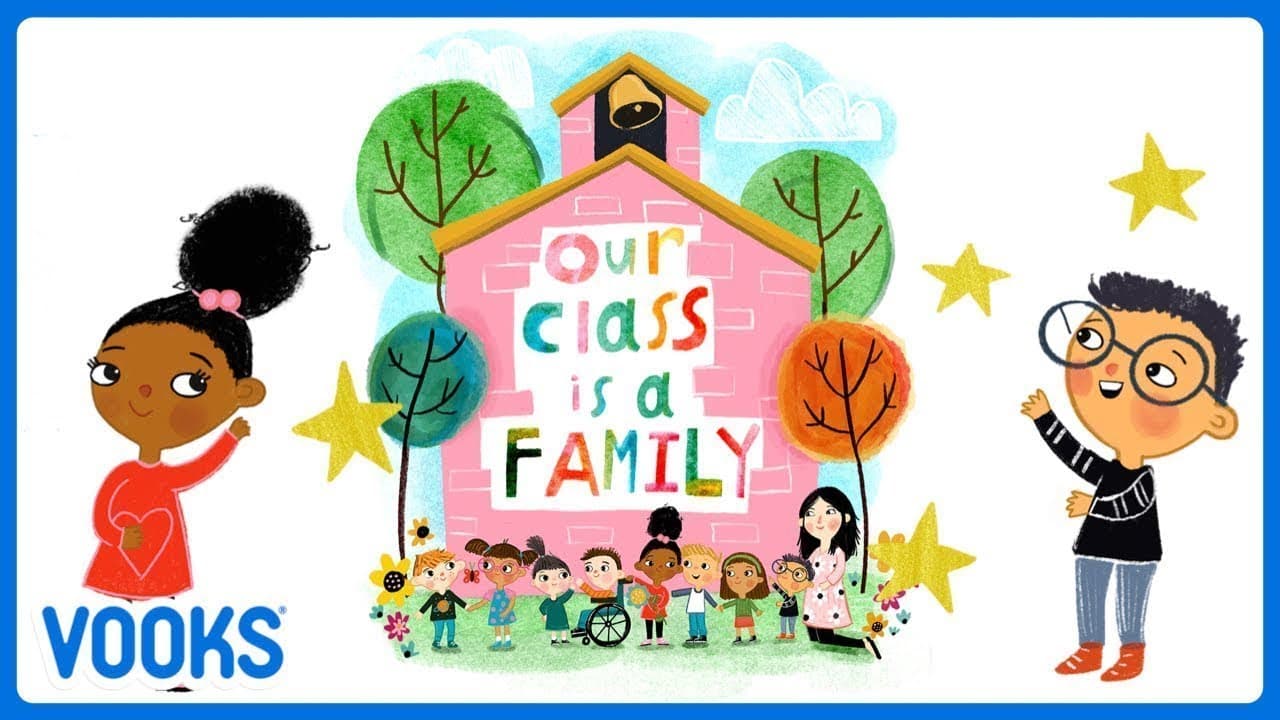
This animated read-aloud video brings Shannon Olsen's beloved picture book to life, exploring the concept that family extends beyond biological relatives to include the people we learn and grow with every day. The video begins with a live-action introduction by a young host who sets the stage by defining family through love rather than just relation, followed by a gentle, animated narration of the text. The story illustrates how a classroom serves as a "second home" where students spend most of their time, emphasizing that this shared space creates a unique bond among peers and teachers. Key themes include community building, social-emotional learning (SEL), diversity, and emotional safety. The narrative explicitly addresses that a classroom is a "haven" where it is safe to make mistakes, fostering a growth mindset. It highlights the importance of respecting differences, showing kindness, and sticking together through tough times. The illustrations depict a diverse group of students, including children of various races and abilities, reinforcing the message that everyone belongs. For educators, this video is an essential tool for establishing classroom culture, particularly during the back-to-school season. It provides a shared language for discussing how students should treat one another and helps define the classroom as a safe, supportive environment. Teachers can use this resource to spark discussions about class rules, conflict resolution, and the value of empathy, helping to transform a group of individual students into a cohesive, supportive team.

5mins 17s
This educational video explores the biological and psychological mechanisms behind anger, helping children understand why they feel mad and how their bodies react. Host Jessi and her robot mouse friend Squeaks begin by identifying facial expressions associated with different emotions, transitioning into a detailed explanation of the physiological "fight" response. The video explains that anger is actually the brain's way of preparing the body to face a perceived threat, triggering reactions like rapid breathing, muscle tension, and the release of adrenaline. The content breaks down complex biological concepts—such as the fight-or-flight response and adrenaline release—into kid-friendly terms, using clear animations and examples. It compares human reactions to animal behaviors, noting how dogs growl or cats arch their backs for similar reasons. The narrative emphasizes that while this response was useful for survival against physical threats, it often activates today during non-dangerous situations, like losing a game or being told "no." Ideally suited for Social-Emotional Learning (SEL) and elementary science curriculums, this resource provides practical strategies for emotional regulation. The video concludes by teaching students specific techniques to manage their anger, such as deep breathing, counting to ten, and ensuring they are well-rested and fed. It serves as an excellent tool for normalizing difficult emotions while empowering students with the science behind their feelings and the tools to control them.
4mins 34s
This educational animation explores the psychological science behind emotional regulation, challenging the notion that we are at the mercy of our feelings. Using a relatable opening scenario about failing a test, the video contrasts two different reactions to the same setback to illustrate that while we cannot always control external events, we can control our responses to them. It introduces the "Process Model," a framework used by psychologists to identify specific points in time where we can intervene to change how we feel. The content breaks down the four stages of emotion formation: Situation, Attention, Appraisal, and Response. through a hypothetical scenario involves running into an ex-partner at a party, the narrator demonstrates practical strategies for each stage, such as situation modification, attentional deployment, and cognitive reappraisal. The video also critically examines "response modulation" (managing emotions after they occur), warning against unhealthy suppression while advocating for sustainable outlets like exercise or social support. For educators, this video serves as an excellent foundation for Social Emotional Learning (SEL) and psychology curriculums. It provides students with a concrete vocabulary for their internal experiences and offers a toolkit for mental resilience. Crucially, the video concludes by debunking the "happiness trap," teaching students that negative emotions like sadness or anger are functional and necessary, and that the goal of emotional regulation is balance and appropriateness rather than constant positivity.
4mins 51s
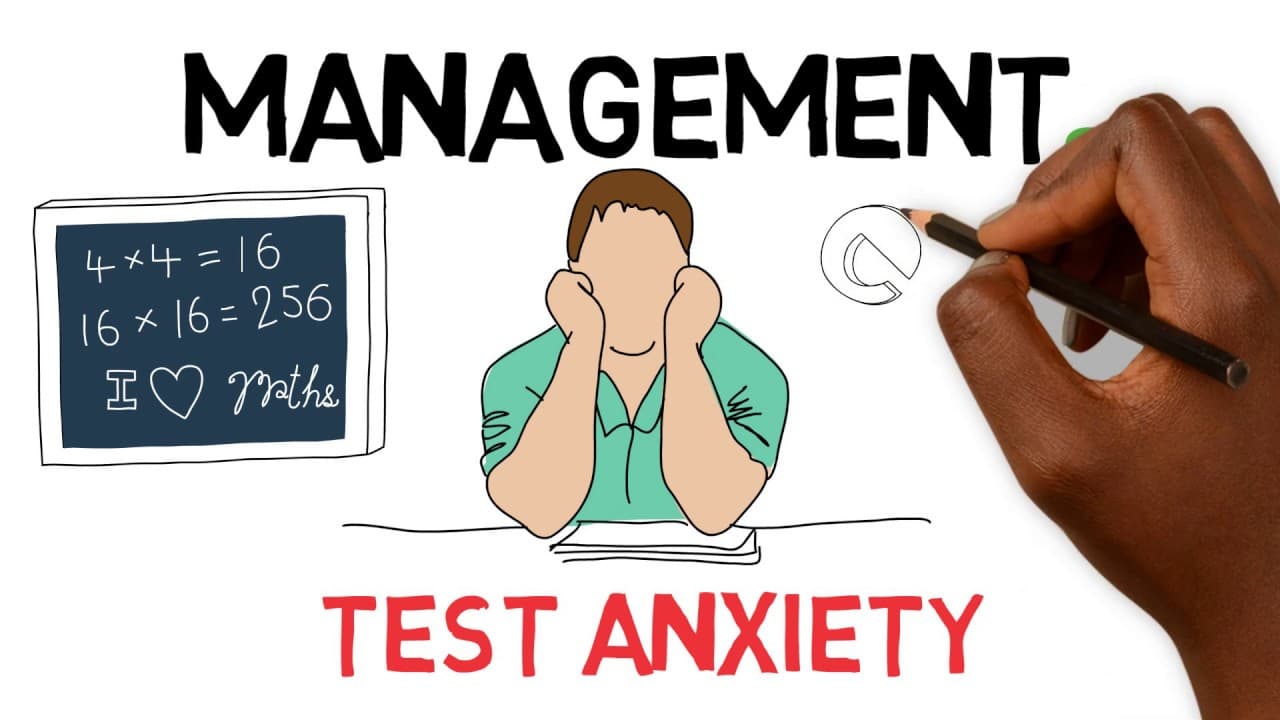
This educational video provides a comprehensive guide to understanding and managing test anxiety, a common issue affecting students of all ages. It begins by defining test anxiety through recognizable physical and mental symptoms like sweaty palms and blanking out, assuring viewers that they are not alone by citing statistics from the Anxiety and Depression Association of America. The video explains that test anxiety stems from factors like fear of failure, lack of preparation, or past negative experiences, and emphasizes that it can prevent students' grades from reflecting their true abilities. The content explores key themes of mental health, physical well-being, and practical study strategies. It breaks down actionable advice into three phases: preparation leading up to the test (eating well, sleeping, exercising), strategies for the day of the test (arriving early, deep breathing), and actual test-taking tactics (reading directions, time management). It also addresses the importance of seeking professional help if anxiety becomes debilitating, highlighting resources like school counselors and accommodations under the ADA. For educators, this video serves as an excellent resource for Social Emotional Learning (SEL) curriculums, study skills workshops, or exam preparation units. It normalizes the experience of anxiety while providing concrete tools students can use immediately. Teachers can use this video to open discussions about mental health, teach self-regulation techniques, and foster a supportive classroom environment where students feel empowered to manage their stress and advocate for their needs.
5mins 18s
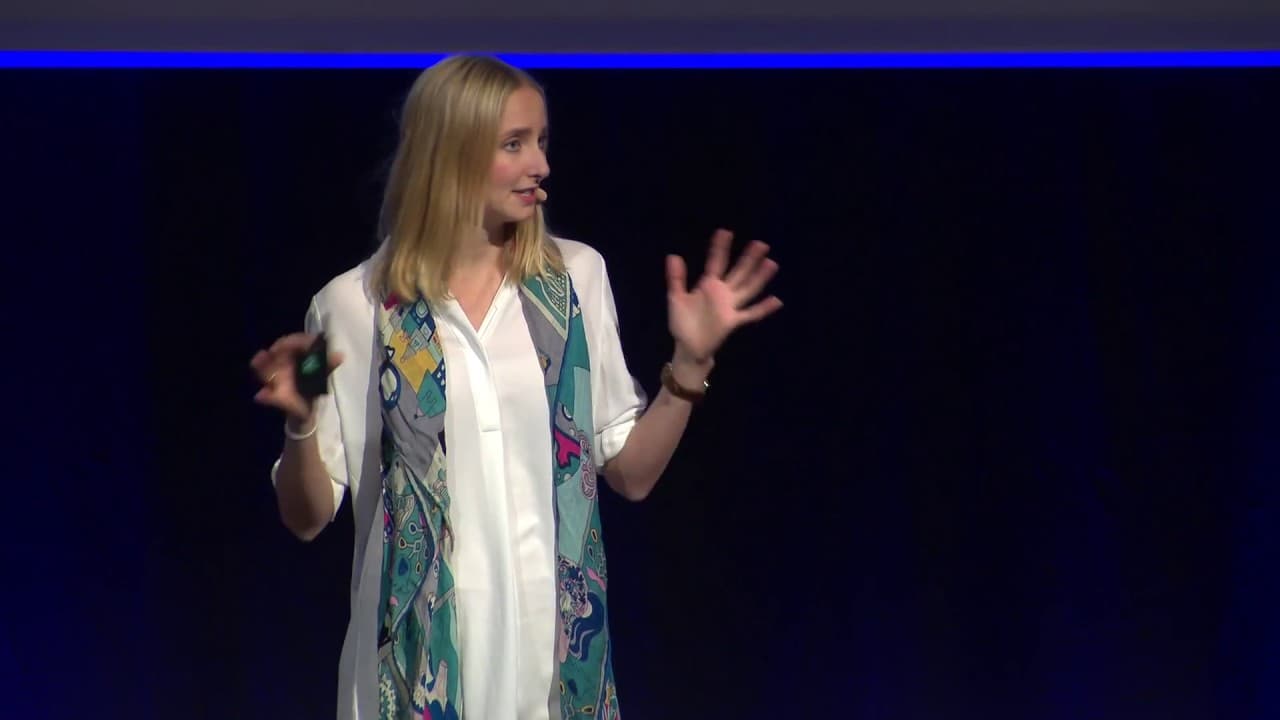
In this engaging TEDx talk, psychologist Katarina Blom challenges the common misconception that happiness is something we stumble upon, instead arguing that it is a skill we must actively practice. Drawing on neuroscience and psychology, she explains why the human brain is evolutionarily wired for negativity—prioritizing survival over happiness—and how this "negativity bias" impacts our daily lives and relationships. Blom explores the science behind our thoughts and emotions, revealing that positive thinking alone is insufficient because our minds naturally wander and focus on threats. Instead, she advocates for "positive action"—concrete behavioral changes that rewire our brains for well-being. She emphasizes that we are socially driven creatures and that strengthening our relationships is the most powerful "psychological smoothie" for long-term happiness. For educators, this video is a powerful tool for teaching Social Emotional Learning (SEL) concepts. It provides a scientific basis for gratitude, kindness, and relationship-building. The content is practical and relatable, offering students tangible strategies to manage anxiety, build resilience, and cultivate a supportive community within the classroom.
15mins 33s
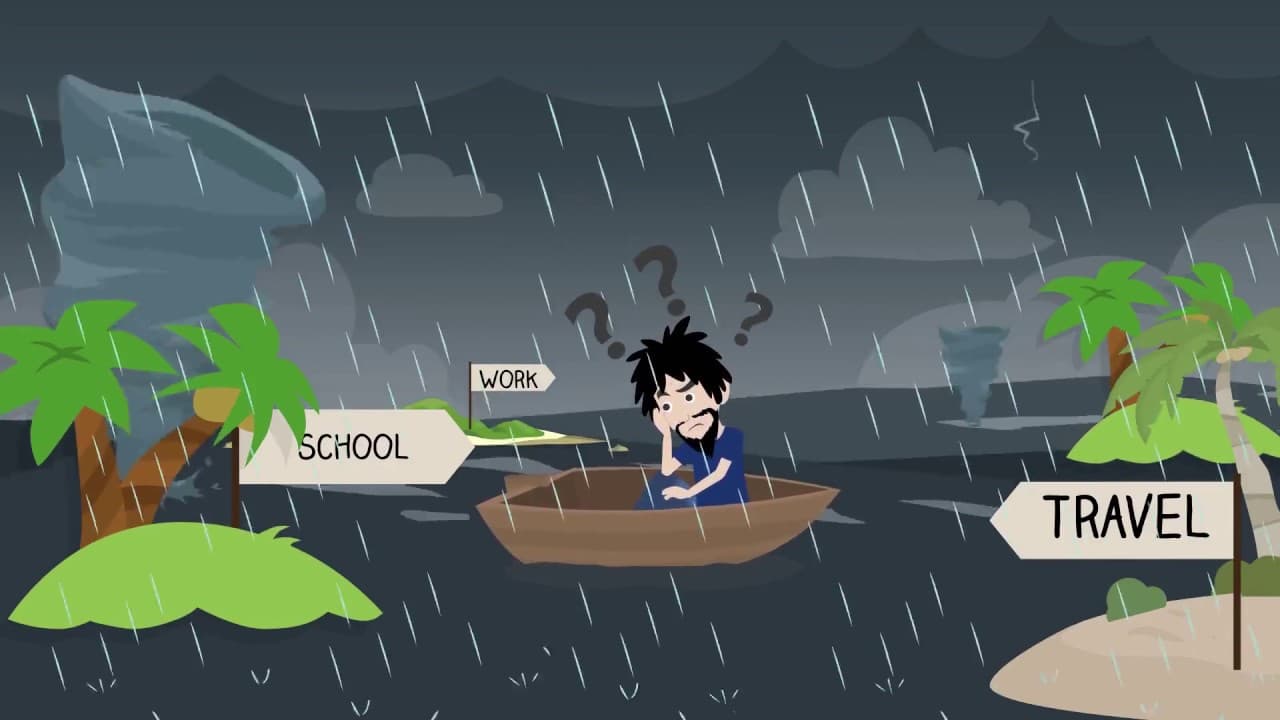
This animated short film addresses the common anxiety and confusion students face when approaching high school graduation. Through the relatable metaphor of a student lost in a small boat on a stormy "ocean of possibilities," the video validates the overwhelming feelings associated with post-secondary planning—including financial worries, fear of making the wrong choice, and the pressure of comparing oneself to peers who seem to have life figured out. The video explores key themes of "adulting," social comparison, and parental expectations. It contrasts the protagonist's feelings of isolation and aimlessness with the perceived success of others, highlighting the mental health aspects of career planning. The narrative shifts from a spiral of negative "what if" questions to positive, empowering inquiries introduced by a mentor figure. For educators, this video serves as an excellent emotional hook for guidance counseling, career planning, or advisory periods. It moves beyond dry statistics to address the emotional reality of leaving high school, providing a perfect segue into lessons about identifying support systems (the "crew"), researching options (the "telescope"), and financial planning (the "treasure").
2mins 25s
This animated lesson explores the complex biological relationship between stress and memory, specifically focusing on why our minds sometimes go blank during high-pressure situations like exams. It breaks down the three stages of memory formation—acquisition, consolidation, and retrieval—and explains how different levels of stress impact each stage. The video uses clear metaphors and character-driven animations to visualize how brain structures like the hippocampus, amygdala, and prefrontal cortex interact under pressure. The video distinguishes between moderate stress, which can actually aid memory formation, and chronic or extreme stress, which hinders it. It introduces the biological mechanism where stress hormones (corticosteroids) activate the amygdala's threat response, subsequently inhibiting the prefrontal cortex—the area responsible for reasoned thought and memory retrieval. This biological override explains the "fight, flight, or freeze" response that causes test anxiety. For educators, this video is an invaluable tool for social-emotional learning and study skills. It not only explains the science behind test anxiety but offers concrete, actionable strategies for students to manage it, such as simulating test conditions, exercising, and deep breathing. By understanding the biology of their own reactions, students can destigmatize their anxiety and learn practical techniques to regain control during stressful moments.
4mins 44s
In this compassionate and educational episode of SciShow Kids, host Jessi helps her robot friend Squeaks navigate a difficult emotional moment after his favorite soccer ball pops. Through this relatable scenario, the video explores the scientific and social reasons why humans cry. It validates sadness as a natural emotion and transitions into a dual explanation of crying: first as a tool for social communication, and second as a biological mechanism for relief.
3mins 10s
This animated lesson explores the psychological phenomenon of "decision fatigue," explaining why our ability to make good choices deteriorates after a long period of decision-making. Through the lens of a fascinating 2011 study on parole judges, the video demonstrates how cognitive exhaustion can lead to impulsive behavior or the avoidance of making decisions altogether. It breaks down the variables that contribute to this state, such as decision frequency, complexity, and novelty. The video delves into the biological reality that mental work consumes physical energy, creating a daily threshold for high-quality decision-making. It highlights the dangers of this fatigue in high-stakes professions like medicine and law, where exhaustion can lead to critical errors. The narrative moves from systemic issues to personal application, helping viewers understand their own cognitive limits. For educators, this resource offers practical strategies for students to manage their own mental energy. It provides actionable advice on combatting fatigue, such as simplifying daily routines, delegating choices, and tackling important tasks earlier in the day. It serves as an excellent tool for teaching executive function skills, self-regulation, and psychology concepts related to willpower and mental stamina.
In this compelling TEDx talk, Ryan Clements shares a personal journey of transitioning from a stressed, unfulfilled lawyer to a passionate entrepreneur and writer. He challenges the traditional narrative of career success often taught in schools—focusing on outcomes like salary, prestige, and security—and instead argues for a values-based approach to finding work that matters. Through vivid storytelling about a pivotal moment of despair in a parking lot, Clements illustrates the difference between "push motivation" (driven by external rewards and fear) and "pull motivation" (driven by internal purpose and engagement). Key themes explored include the distinction between career outcomes versus consequences, the psychological concept of "flow," and the importance of aligning one's daily work with their unique personal values. Clements critiques the "do what you love" advice as sometimes impractical, suggesting instead that we find work that aligns with *who we are* and what we value, such as freedom, creativity, or problem-solving. He provides a framework for students to evaluate potential career paths based on intrinsic rewards rather than just external validation. For educators, this video serves as a powerful tool for career counseling, social-emotional learning, and life skills curriculum. It moves beyond standard aptitude tests to help students understand the internal drivers of satisfaction. It is particularly useful for high school and college students facing pressure to choose a path, offering them permission to prioritize mental well-being and personal alignment over societal expectations of success. The talk provides actionable questions students can ask themselves to gauge whether a potential career path will lead to genuine fulfillment.
16mins 33s
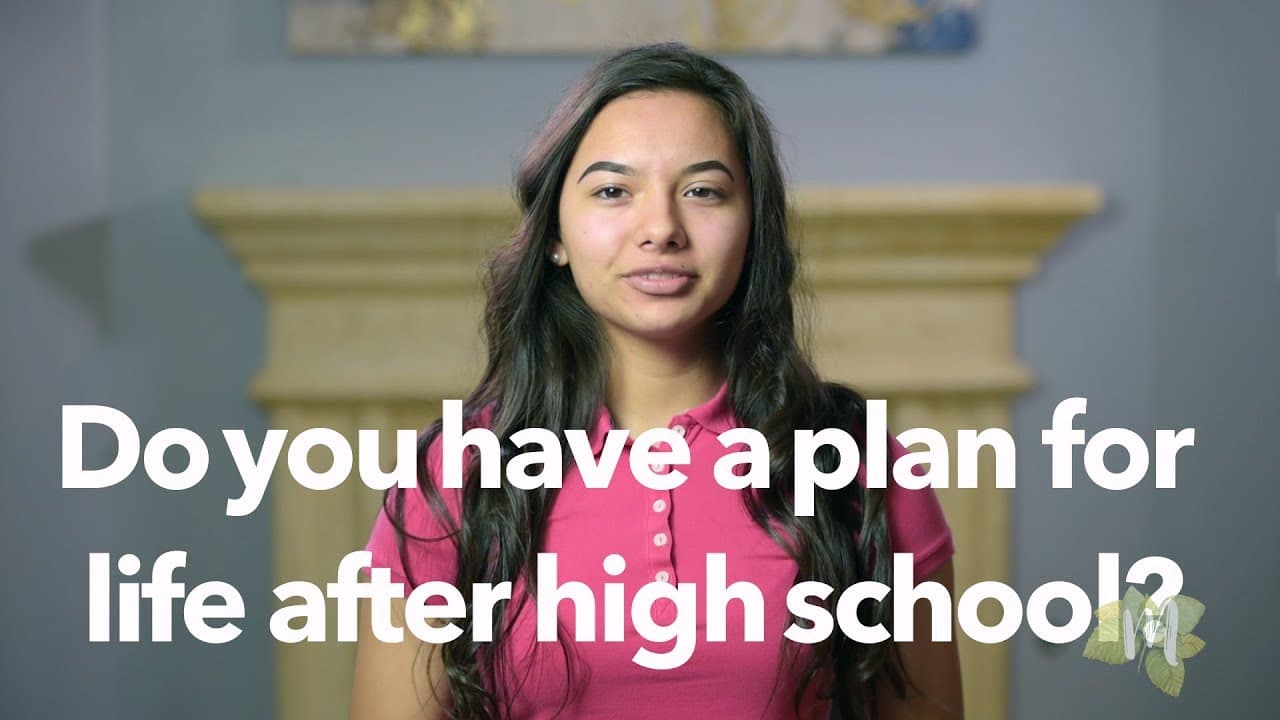
Hosted by a relatable teen peer named Maria, this video addresses the anxiety and uncertainty many students face when asked, "What are you going to do after high school?" Maria normalizes the fear of the unknown but emphasizes the necessity of creating a plan. She breaks down the overwhelming process of career selection into manageable steps, starting with self-reflection rather than job titles. The video explores various post-secondary pathways, including four-year colleges, trade schools, the military, and entering the workforce immediately. It provides a concrete framework for decision-making by encouraging students to list their interests, skills, desired lifestyle, and core beliefs. Maria models this behavior by sharing her own list and how it led her to pursue medicine. For educators, this resource serves as an excellent hook for career exploration units or advisory periods. It creates a safe space for students to admit they don't have all the answers while providing a practical "homework" assignment to get started. It specifically reinforces the role of school counselors as support systems and alleviates pressure by reminding students that career choices aren't permanent and can evolve over time.
2mins 15s
This animated video explores the timeless wisdom of Roman Emperor and Stoic philosopher Marcus Aurelius, specifically drawing from his personal writings, "Meditations." The narrative provides a practical framework for maintaining mental composure when life feels chaotic or uncertain, breaking down complex philosophical ideas into accessible, actionable advice appropriate for students navigating stress or anxiety. The content is structured around five core virtues derived from Stoic philosophy: Acceptance (embracing reality), Mindfulness (focusing on the present), Discrimination (understanding what is within one's control), Judgment (valuing character over material goods), and Adaptability (embracing change). Through simple animations and direct quotes from Aurelius, the video illustrates how shifting one's perspective can lead to greater emotional stability. For educators, this video serves as an excellent bridge between history, philosophy, and Social Emotional Learning (SEL). It provides concrete tools for students to manage anxiety, offering a historical context that validates their feelings while providing ancient strategies for resilience. It is particularly useful for discussions on mental health, character education, and the study of ancient civilizations.
6mins 36s
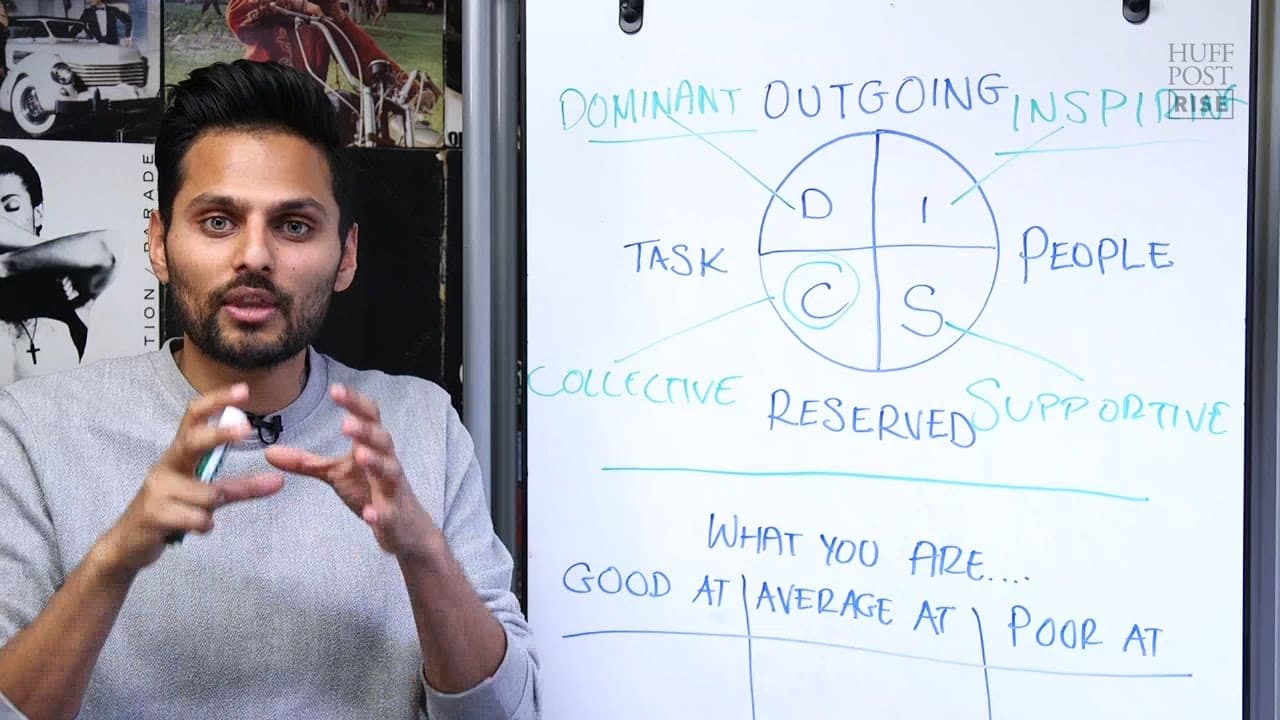
In this interactive workshop-style video, Jay Shetty guides viewers through a comprehensive process of self-discovery to identify their true passions and how to pursue them. Moving beyond the vague advice of "follow your dreams," Shetty introduces practical frameworks including the Japanese concept of Ikigai, the "Quadrant of Success," and the DISC personality assessment. The video combines high-energy motivational speaking with actionable exercises that require viewers to categorize their skills, interests, and behavioral traits. The content explores deep themes of self-awareness, career planning, and personal fulfillment. Shetty breaks down the misconception that passion is just a hobby, reframing it as an environment where an individual thrives. Key topics include distinguishing between "Passion" and "Potential," managing energy by auditing daily tasks, and understanding how different personality types (Outgoing vs. Reserved, People vs. Task-oriented) function best in leadership and team settings. For educators, this video is a goldmine for Career and Technical Education (CTE), Social-Emotional Learning (SEL), and psychology units. It provides ready-made frameworks for students to analyze their own strengths and weaknesses. The visual models drawn on the whiteboard serve as excellent graphic organizers for classroom activities, helping students map out their future paths, understand their communication styles, and develop a growth mindset regarding skills they love but haven't yet mastered.
33mins 43s
This animated educational video bridges the gap between early mathematics skills and Social-Emotional Learning (SEL). narrated by a quirky red oval character, the video begins by challenging the notion that math is solely about numbers, introducing concepts like patterns, sorting, and spatial awareness. It then explores various valid methods for counting to five—using numerals, words, ten-frames (called "five squares"), tally marks, and mental counting—demonstrating to young learners that there is no single "right" way to approach a problem.
7mins 51s
This animated video explores the emotional impact of cyberbullying and provides young students with concrete strategies to handle negative online interactions. Through the story of two friends, 'Guts' (a yellow character) and a purple friend, the video demonstrates how mean comments in online games and social media can hurt just as much as face-to-face insults. It challenges the old adage "sticks and stones may break my bones, but words will never hurt me" by showing the reality of digital communication. The content focuses on three key themes: identifying cyberbullying behaviors (like trash-talking and mean comments), understanding the emotional consequences of online words, and learning the "STOP" acronym as a safety tool. The narrative validates a child's feelings of hurt when targeted online and emphasizes that they are not alone in these experiences. For educators, this video is a vital resource for Digital Citizenship curriculums. It provides a memorable mnemonic device (STOP: Step away, Tell a trusted adult, Okay sites first, Pause and think online) that serves as a practical classroom management tool. The video naturally sparks discussions about empathy, the "real person" behind every avatar, and the difference between friendly competition and bullying.
2mins 43s
This animated musical video introduces young students to the fundamental soft skills required for academic and social success. featuring colorful, anthropomorphic book characters, the song breaks down complex metacognitive concepts—such as collaboration, perseverance, and reflection—into a catchy, repetitive melody that helps children memorize these essential behaviors. The video explores four primary themes of a "good learner": valuing collaboration (working together), persevering through difficulty while asking questions, thinking out loud to offer solutions, and reflecting on one's own actions. It uses clear visual metaphors, such as solving a jigsaw puzzle to represent collaboration and climbing a steep hill to represent perseverance. For educators, this video serves as an excellent tool for establishing classroom norms at the beginning of the school year or reinforcing growth mindset concepts. It provides a shared vocabulary for the classroom, allowing teachers to remind students to "persevere" or "collaborate" by referencing the song's catchy lyrics and memorable visuals.
1min 11s