Fundamental hardware proficiency, secure online behavior, and ethical social media engagement. Equips learners with productivity tool mastery, web publishing skills, and critical evaluation of emerging technologies.
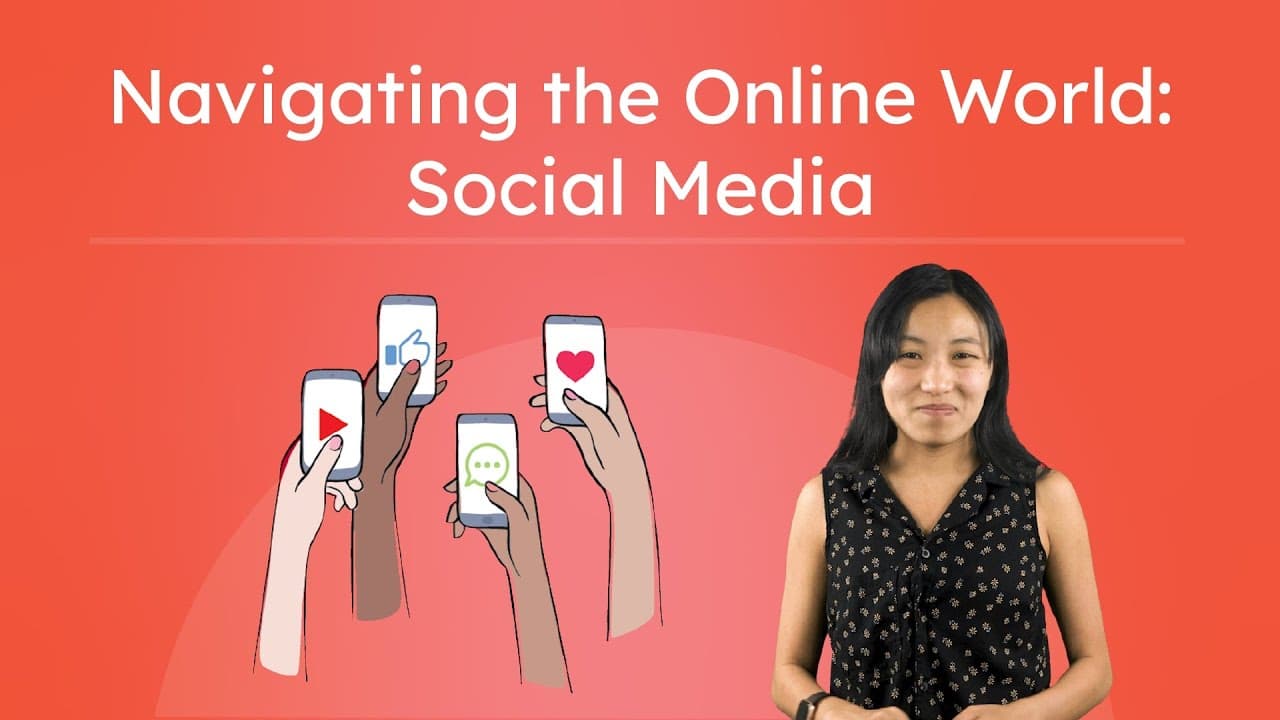
This educational video follows a host and an animated robot named Mia as they transport themselves into "Metatropolis," a fictional virtual world representing social media. The video defines social media as interactive platforms where users act as both producers and consumers of content. It explores the economic models of these platforms, explaining how advertising revenue drives features designed to maximize user engagement, such as algorithms, infinite scrolling, and gamification. The content focuses on two main analytical frameworks: analyzing platform intent (profit and engagement) versus user intent (Persuade, Inform, Entertain). It specifically addresses common digital pitfalls through three example posts: one sharing too much personal information, one spreading misinformation, and one engaging in cyberbullying. The video teaches students to apply the "In-Person Rule"—asking if they would say something to someone's face before typing it online. For educators, this video serves as a comprehensive introduction to Digital Citizenship and Media Literacy. It connects traditional ELA concepts like "Author's Purpose" to modern digital contexts, making it highly relevant for middle school students. The video provides actionable advice for maintaining mental health and safety online, such as limiting screen time, verifying news sources, and protecting personal data, making it a valuable tool for guidance counselors and classroom teachers alike.
9mins 35s
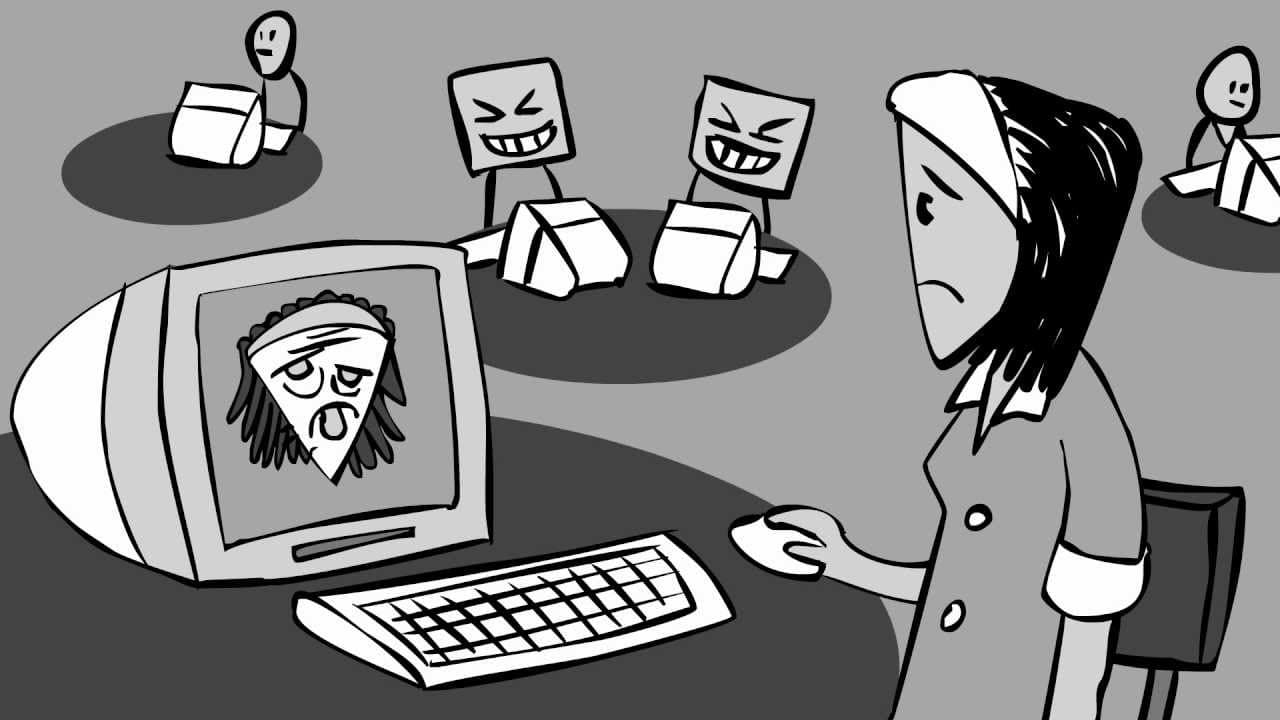
This wordless animated short film by UNICEF powerfully illustrates the pervasive nature of cyberbullying and the positive impact of bystander intervention. The story follows a young student who becomes the victim of online harassment when a cruel caricature of her is circulated among her peers. The video visualizes how cyberbullying follows a victim everywhere—from the schoolyard to the safety of their own bedroom—demonstrating that there is often no escape from digital harassment without external help. The narrative explores critical themes of isolation, the viral nature of digital content, and the responsibility of digital citizens. It highlights the emotional toll on the victim, showing her transition from a happy student to a withdrawn, fearful individual. Crucially, it models positive behavior through a male classmate who refuses to participate in the bullying and instead reports the issue to an adult, leading to a resolution that restores the victim's social standing and emotional well-being. For educators, this video is an exceptional resource because its lack of intelligible dialogue makes it universally accessible, regardless of language barriers or reading levels. It serves as a perfect anchor for Social Emotional Learning (SEL) lessons regarding empathy, digital footprints, and the specific steps students should take if they witness online bullying. The clear visual metaphors allow students to easily identify the roles of the bully, the victim, the bystander, and the upstander.
1min 21s
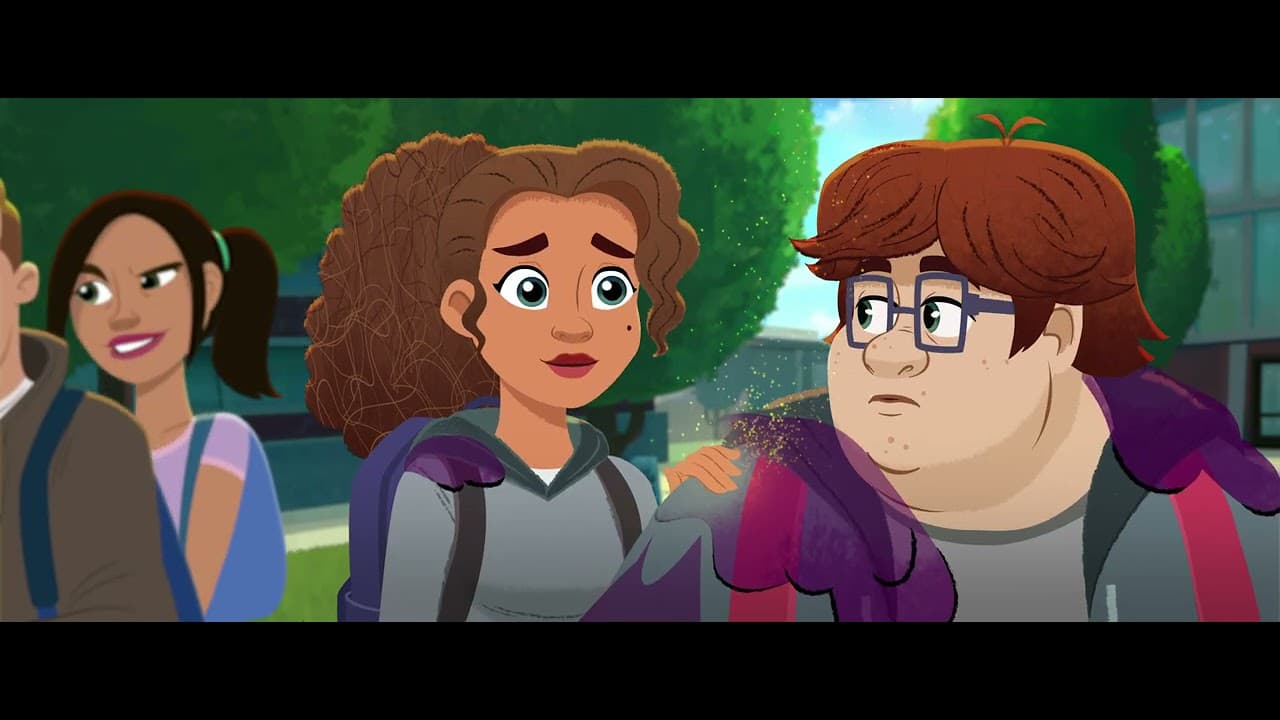
This poignant animated short film explores the suffocating impact of cyberbullying through the eyes of two students, Raquelle and Noah. The narrative follows Raquelle, a quiet artist who witnesses Noah being bullied both physically and online. When she attempts to help by reporting the incident to a school counselor, the system fails her; her anonymity is compromised, and she becomes the new target of harassment, labeled "Rat-quelle." The film utilizes a powerful visual metaphor—a heavy, purple sludge—to represent the lingering emotional weight of shame and abuse that clings to the victims, isolating them from their peers and families. Key themes include the failure of adult support systems, the reality of digital harassment, and the healing power of empathy. The story critically examines well-meaning but ineffective adult advice, such as a father telling his daughter to "just block them" or a counselor claiming they cannot "police the internet." It highlights the disconnect between the adult perception of online bullying and the visceral, 24/7 reality experienced by students. The narrative arc moves from isolation to connection, demonstrating how shared vulnerability can bridge the gap between victims. For educators, this video is a vital tool for Social-Emotional Learning (SEL) and digital citizenship curricula. It moves beyond generic "don't bully" messaging to address the nuance of bystander intervention and the emotional aftermath of harassment. The visual metaphor of the sludge provides a concrete language for students to articulate feelings of depression and anxiety. It is particularly useful for sparking discussions about how to genuinely support friends, the limitations of current anti-bullying policies, and the profound difference a simple check-in like "Are you okay?" can make.
8mins 46s
This animated video explores the emotional impact of cyberbullying and provides young students with concrete strategies to handle negative online interactions. Through the story of two friends, 'Guts' (a yellow character) and a purple friend, the video demonstrates how mean comments in online games and social media can hurt just as much as face-to-face insults. It challenges the old adage "sticks and stones may break my bones, but words will never hurt me" by showing the reality of digital communication. The content focuses on three key themes: identifying cyberbullying behaviors (like trash-talking and mean comments), understanding the emotional consequences of online words, and learning the "STOP" acronym as a safety tool. The narrative validates a child's feelings of hurt when targeted online and emphasizes that they are not alone in these experiences. For educators, this video is a vital resource for Digital Citizenship curriculums. It provides a memorable mnemonic device (STOP: Step away, Tell a trusted adult, Okay sites first, Pause and think online) that serves as a practical classroom management tool. The video naturally sparks discussions about empathy, the "real person" behind every avatar, and the difference between friendly competition and bullying.
2mins 43s
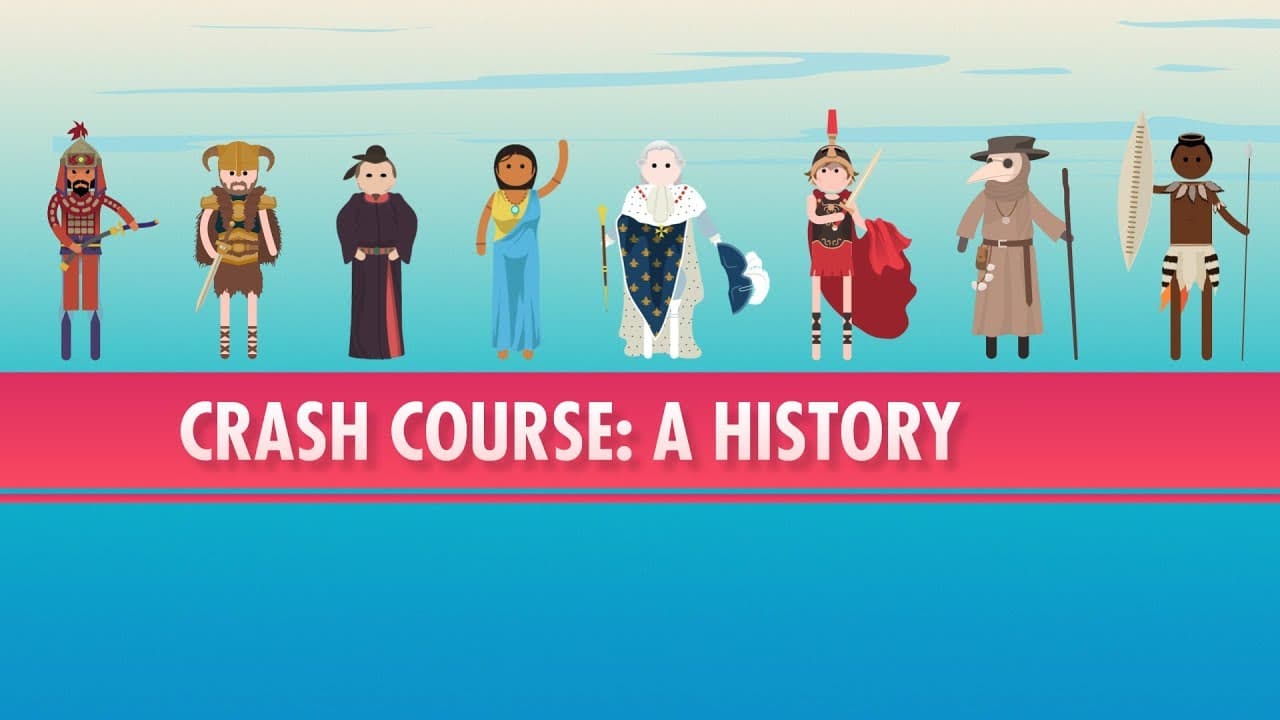
This behind-the-scenes documentary chronicles the origin and evolution of the popular educational YouTube channel 'Crash Course'. It traces the journey from John and Hank Green's early Brotherhood 2.0 vlogs to the development of a professional production company funded by Google's original channel initiative. Through interviews with the creators and key staff members, the video reveals the serendipitous moments, financial challenges, and collaborative efforts required to build a sustainable digital education platform. The video explores key themes of digital entrepreneurship, media literacy, and the economics of online content creation. It highlights the complex ecosystem behind high-quality educational videos, detailing the distinct roles of writers, editors, animators, and consultants. The narrative emphasizes the shift from ad-based revenue models to crowdfunding (Patreon) and partnerships (PBS) as necessary strategies for maintaining creative integrity and accessibility in educational media. For educators, this video serves as an excellent case study for Media Studies, Career Exploration, and Economics classes. It demystifies the production process, showing students that successful projects are often the result of teamwork, iteration, and non-traditional career paths. It provides a unique opportunity to discuss the value of open educational resources and the real-world logistics of turning a creative passion into a sustainable profession.
19mins 52s
In this powerful and vulnerable TEDx talk, model and self-care advocate Iskra Lawrence dismantles the toxic pursuit of physical perfection perpetuated by the fashion industry and social media. Sharing her own journey from a self-loathing teenager with body dysmorphia to a champion of body positivity, Lawrence exposes how insecurity is manufactured to create "motivated consumers." She breaks down the illusions of social media, the reality of photo retouching, and the damaging effects of the "beauty ideal myth" on mental health. The video explores critical themes of media literacy, self-esteem, mental health, and the economics of the beauty industry. Lawrence provides concrete, actionable strategies for building resilience, including the "Mirror Challenge" (shifting focus from appearance to personality and body functionality) and the "Gratitude List" (using gratitude to combat negative self-talk). She also addresses the often-overlooked fact that body image issues affect men and boys, not just women. For educators, this video is an invaluable resource for Social Emotional Learning (SEL), Health, and Media Literacy curriculums. It offers a relatable entry point for discussing difficult topics like eating disorders, cyberbullying, and digital citizenship. The practical tools Lawrence models—reframing negative thoughts and focusing on body gratitude—can be immediately applied in the classroom to help students navigate the pressures of adolescence in a digital world.
15mins 29s
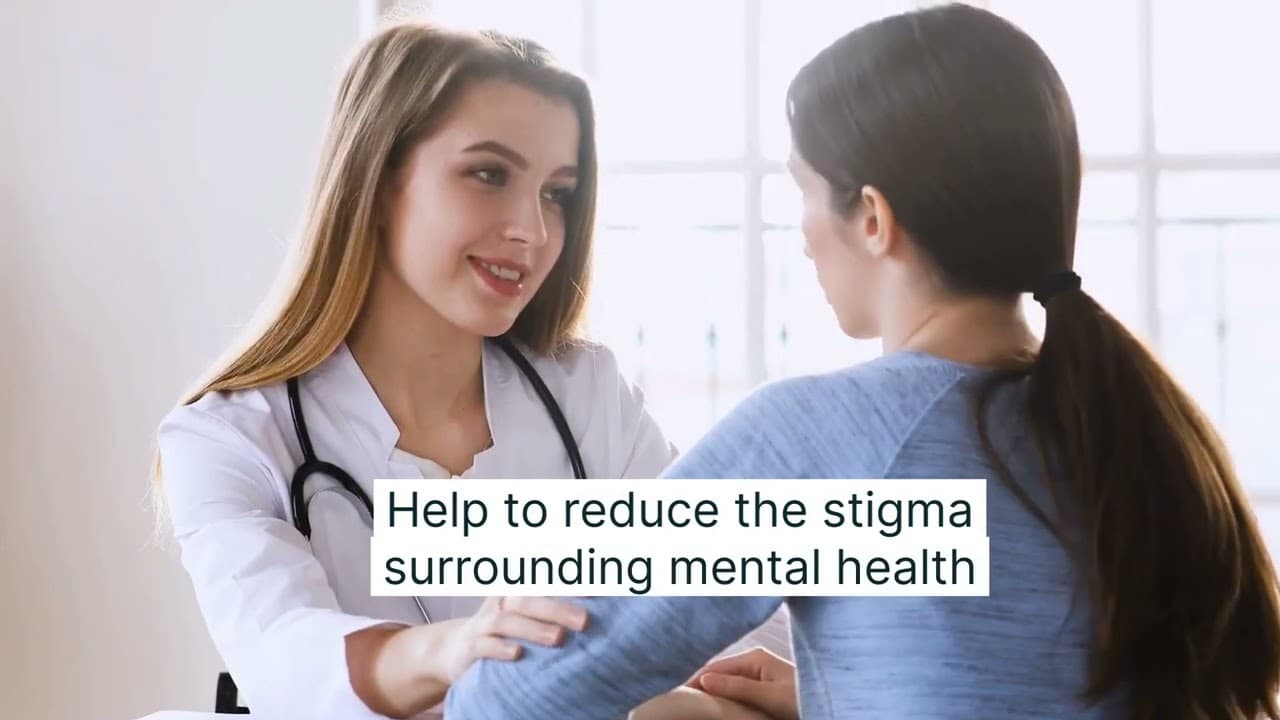
This educational video outlines seven actionable strategies for combating the stigma surrounding mental illness, emphasizing both personal responsibility and community action. The content moves from broad societal goals like scientific research to specific interpersonal behaviors, such as careful language choice and compassionate listening. It provides a structured framework for understanding how individual actions contribute to a larger cultural shift in how mental health is perceived and treated. The video explores key themes including the power of language (person-first language), the importance of open dialogue, the normalization of mental health care as equal to physical health care, and the role of social media in advocacy. It directly addresses misconceptions that link mental illness to moral failings or character flaws, reinforcing the scientific basis of these conditions. The narrative promotes empathy, suggesting that small, consistent actions like checking in on friends can create significant positive change. For educators, this resource is a valuable tool for social-emotional learning (SEL) and health curricula. It serves as an excellent prompt for discussions about empathy, communication skills, and destigmatization. Teachers can use the video to launch projects about mental health awareness, role-play supportive conversations, or analyze media representations of mental illness. Its clear, numbered structure makes it easy for students to take notes and recall specific action items.
5mins 16s