Budgeting, saving, and investment strategies alongside practical skills for managing credit, taxes, and banking. Addresses insurance needs, employment income, and major purchase decisions to support comprehensive long-term financial planning.
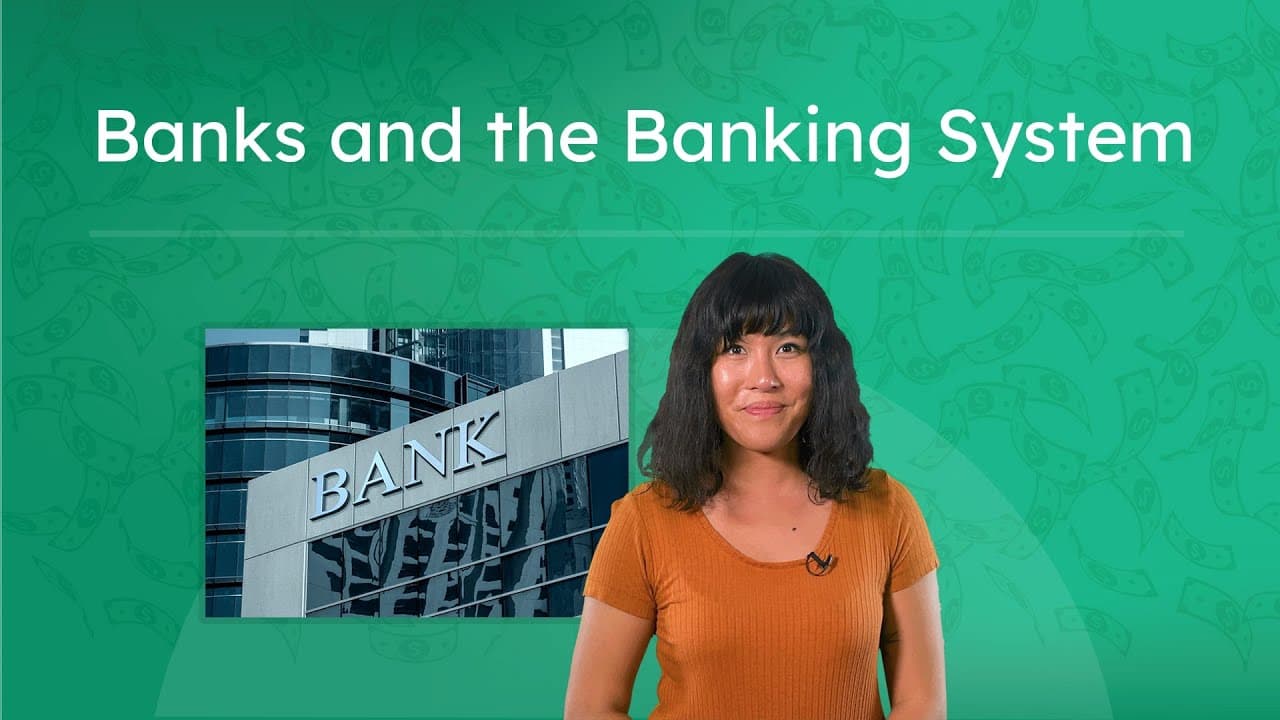
This video provides a comprehensive and engaging introduction to how the banking system works, moving from the basic concept of storing money to the complex roles banks play in the global economy. It begins by challenging viewers to imagine a cash-only existence, highlighting the risks and inconveniences of storing wealth under a mattress versus the security of a bank vault. The narrator explains fundamental concepts such as deposits, the difference between checking and savings accounts, and the critical role of the FDIC in maintaining public trust by insuring deposits up to $250,000.
8mins 57s
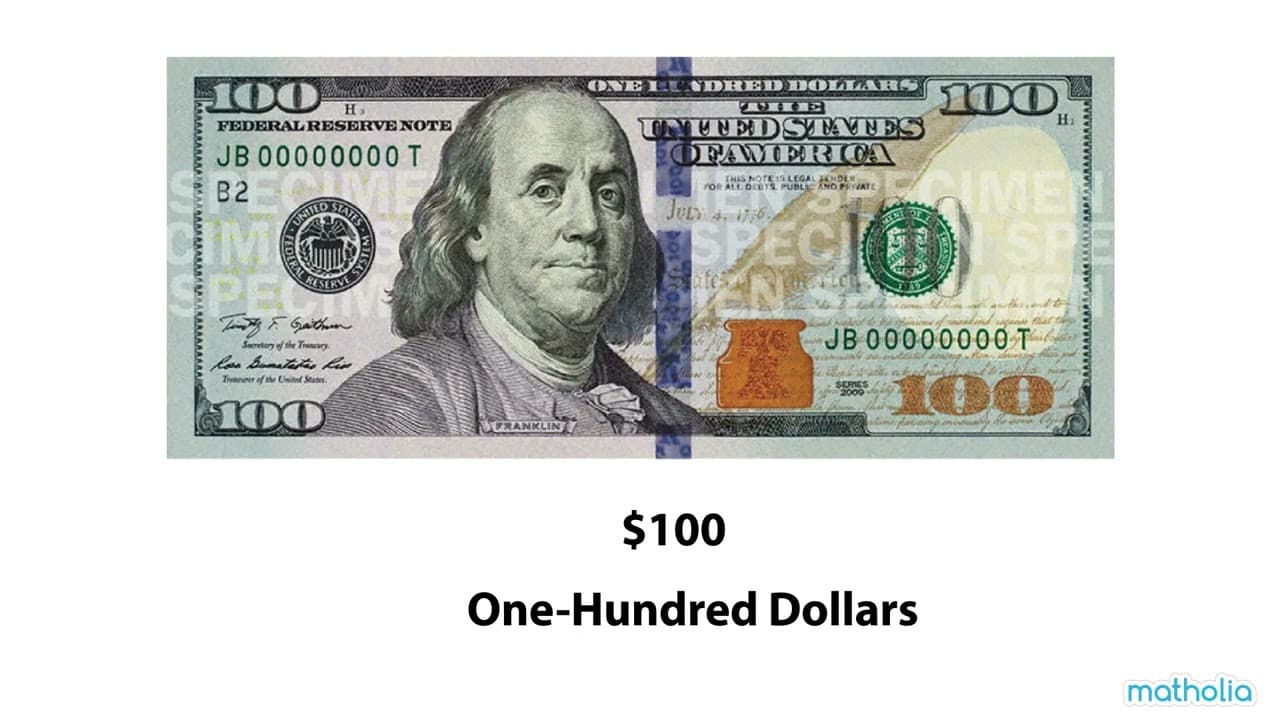
This educational video serves as a clear and structured introduction to United States paper currency. The video systematically presents each denomination of US dollar notes currently in circulation, starting from the one-dollar bill and progressing through the two, five, ten, twenty, fifty, and one-hundred dollar bills. For each denomination, the video displays a high-quality image of the bill's obverse (front) side, accompanied by on-screen text indicating the numeric symbol and written value, while a narrator clearly articulates the name and value of the note. The core themes of the video are currency recognition, numerical literacy regarding money, and an implicit introduction to US history through the portraits featured on the bills. By including the often-overlooked two-dollar bill, the video provides a comprehensive overview of legal tender. The pacing is deliberate and repetitive, designed to reinforce association between the visual appearance of the bill and its spoken and written value. For educators, this video is an excellent foundational tool for early financial literacy lessons in primary grades. It can be used to introduce a unit on money, helping students distinguish between look-alike bills before moving on to counting money or making change. The video concludes with a challenge question asking viewers to name the historical figures on the notes, which offers a perfect bridge to social studies lessons regarding American history, presidents, and founding fathers.
1min 23s
This behind-the-scenes documentary chronicles the origin and evolution of the popular educational YouTube channel 'Crash Course'. It traces the journey from John and Hank Green's early Brotherhood 2.0 vlogs to the development of a professional production company funded by Google's original channel initiative. Through interviews with the creators and key staff members, the video reveals the serendipitous moments, financial challenges, and collaborative efforts required to build a sustainable digital education platform. The video explores key themes of digital entrepreneurship, media literacy, and the economics of online content creation. It highlights the complex ecosystem behind high-quality educational videos, detailing the distinct roles of writers, editors, animators, and consultants. The narrative emphasizes the shift from ad-based revenue models to crowdfunding (Patreon) and partnerships (PBS) as necessary strategies for maintaining creative integrity and accessibility in educational media. For educators, this video serves as an excellent case study for Media Studies, Career Exploration, and Economics classes. It demystifies the production process, showing students that successful projects are often the result of teamwork, iteration, and non-traditional career paths. It provides a unique opportunity to discuss the value of open educational resources and the real-world logistics of turning a creative passion into a sustainable profession.
19mins 52s
This educational video addresses one of the most significant barriers to higher education: the immense cost of both tuition and time. The narrator guides viewers through a practical financial analysis of college attendance, breaking down the costs per credit hour at public versus private universities and highlighting often-overlooked expenses like commuting, housing, and textbooks. Beyond financial costs, the video introduces the concept of "opportunity cost" regarding time, asking students to consider the hundreds of hours spent in lectures and commuting that could be saved. The core solution presented is the College-Level Examination Program (CLEP), a credit-by-examination program that allows students to earn college credit for what they already know. The video details how taking a single standardized test costing under $100 can replace a semester-long course costing thousands. It compares the efficiency of spending two weeks studying for an exam versus four months sitting in a classroom, offering a compelling argument for alternative pathways to credit acquisition. This resource is highly valuable for high school upperclassmen, current college students, and school counselors. It serves as an excellent tool for lessons on financial literacy, college planning, and economics. Teachers can use this video to spark discussions about the return on investment for higher education and to assign practical research projects where students investigate the credit-transfer policies of their prospective universities.
6mins 1s
This animated video explores the concept of personal independence, breaking it down into five key behavioral indicators. It frames independence not just as living alone or paying bills, but as a holistic developmental milestone involving emotional maturity, financial responsibility, and resilience. The video uses the signature 'Psych2Go' character to guide viewers through relatable scenarios like fixing a leaky sink, grocery shopping, and dealing with criticism in the workplace. The content delves into themes of self-sufficiency, problem-solving, financial literacy, and emotional autonomy. It distinguishes between healthy independence (solving problems yourself but asking for help when needed) and isolation. It also emphasizes the importance of resilience when help isn't available and the maturity required to accept constructive criticism without letting others' opinions dictate one's self-worth. For educators, this video serves as an excellent resource for social-emotional learning (SEL) and life skills curriculums. It provides a structured way to discuss the transition from childhood dependence to adult autonomy. It can spark meaningful classroom discussions about what it really means to "grow up," how to handle failure, and the balance between self-reliance and community support.
3mins 59s