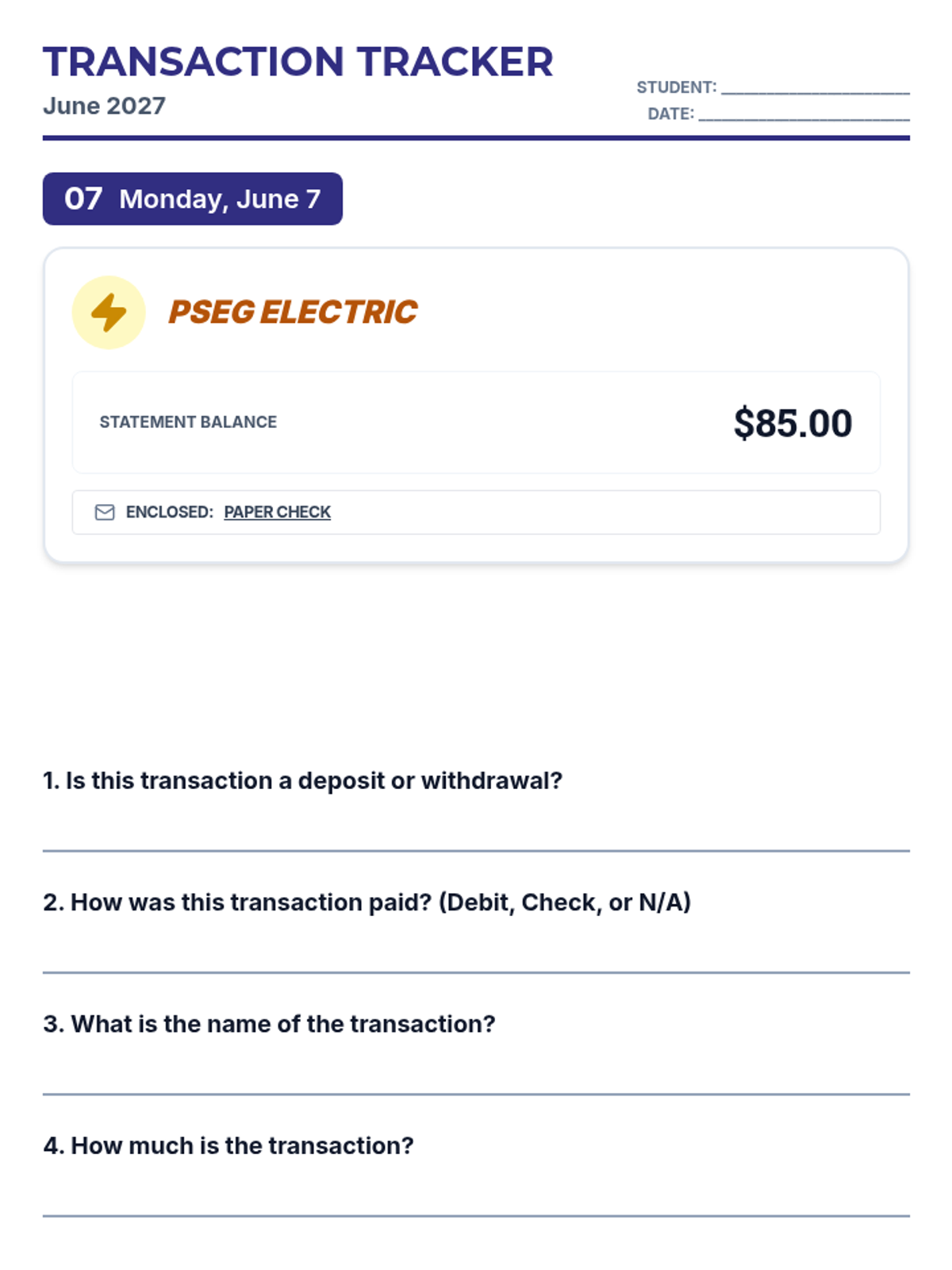
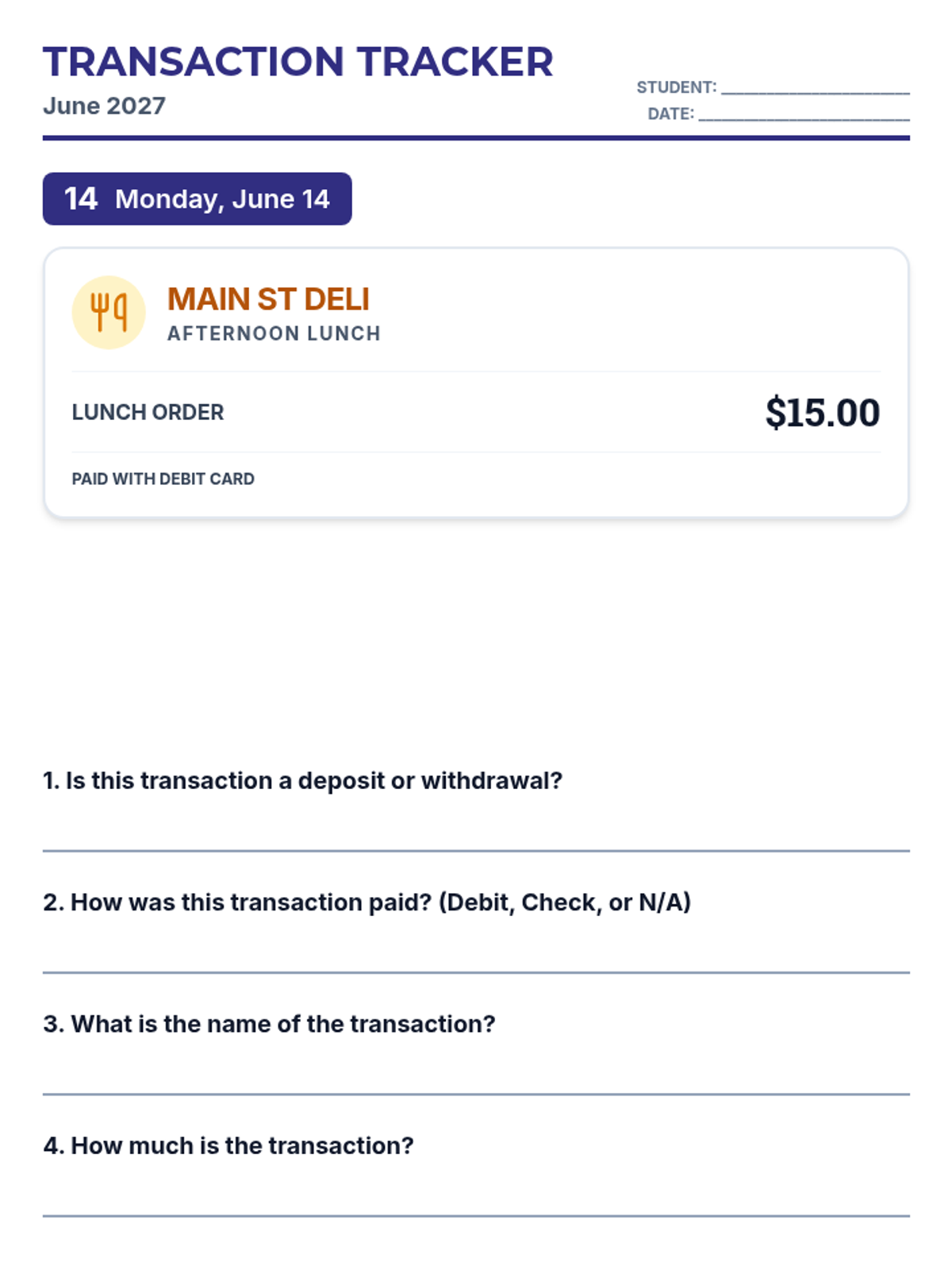
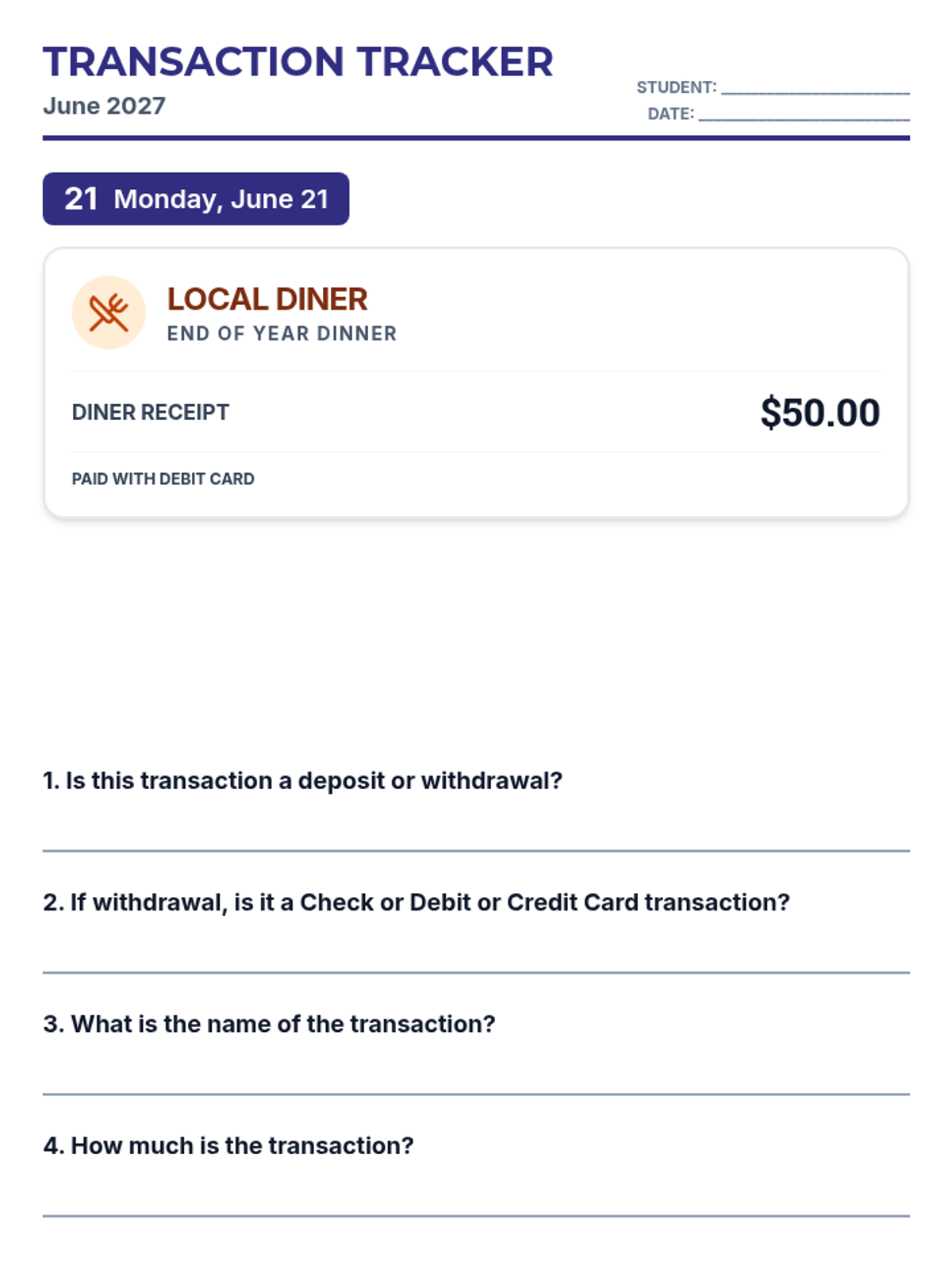
Budgeting, saving, and investment strategies alongside practical skills for managing credit, taxes, and banking. Addresses insurance needs, employment income, and major purchase decisions to support comprehensive long-term financial planning.
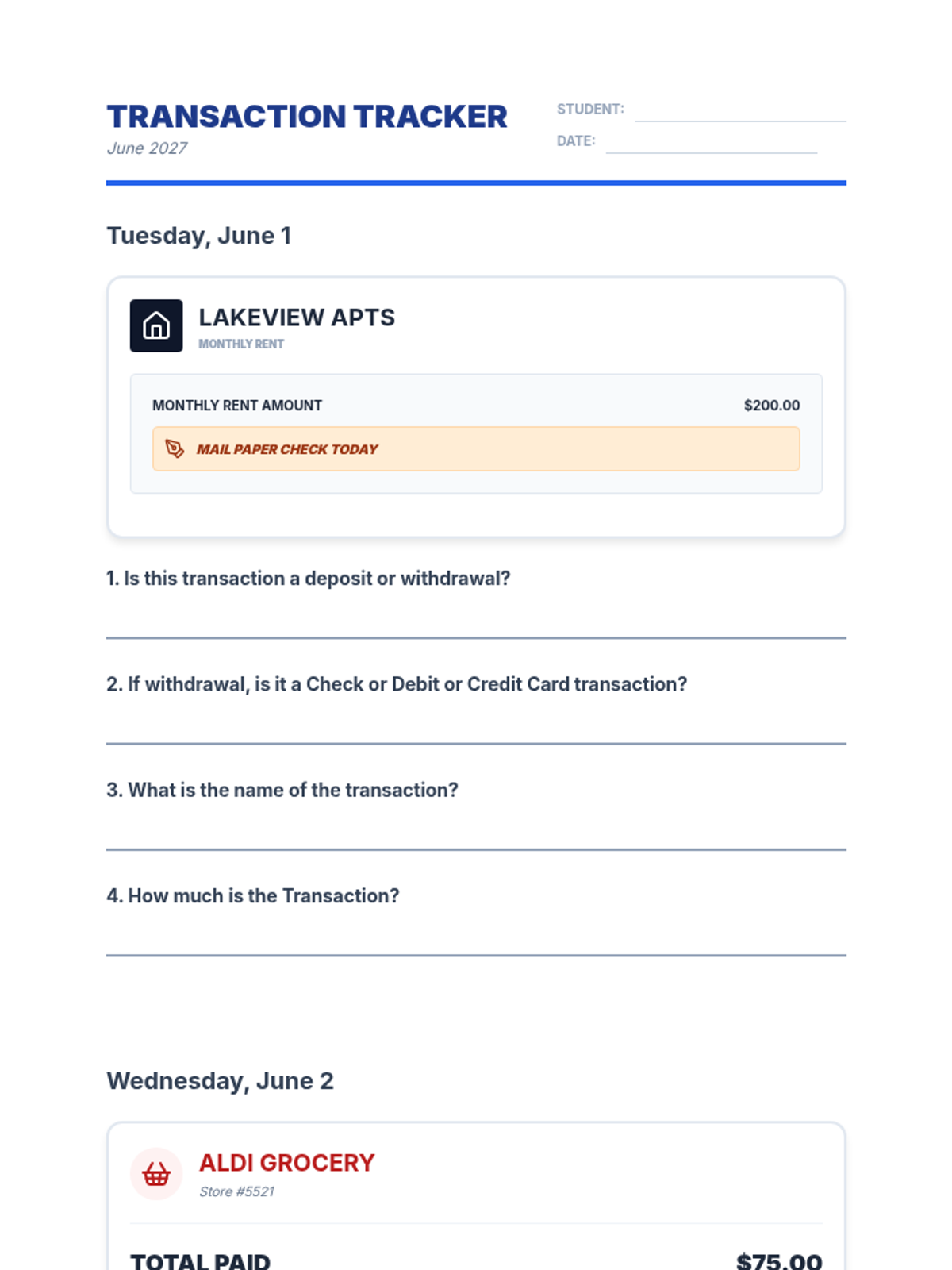
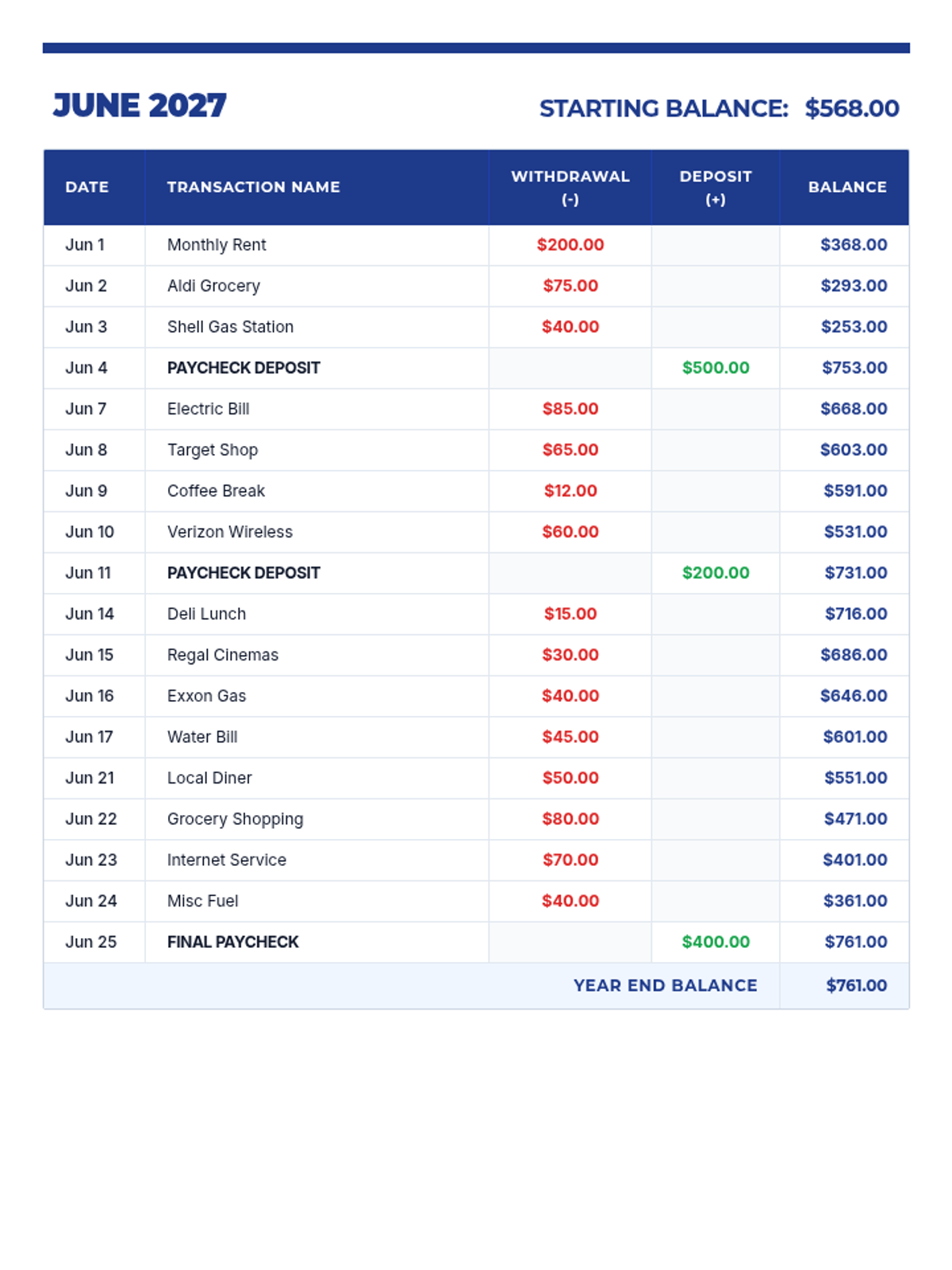
Banking practice for June 2027, focusing on final expenses and summer preparations over 18 instructional days.
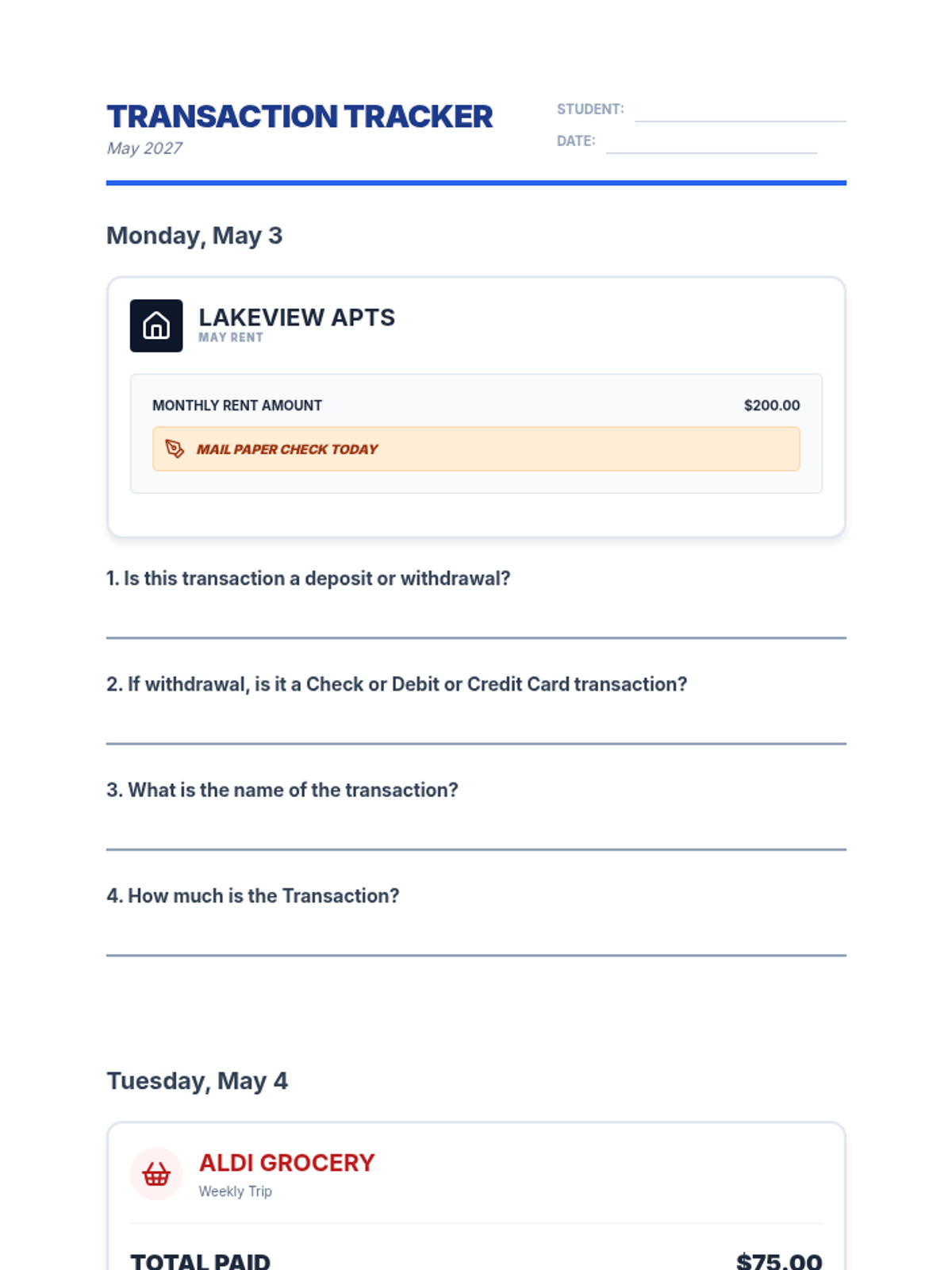
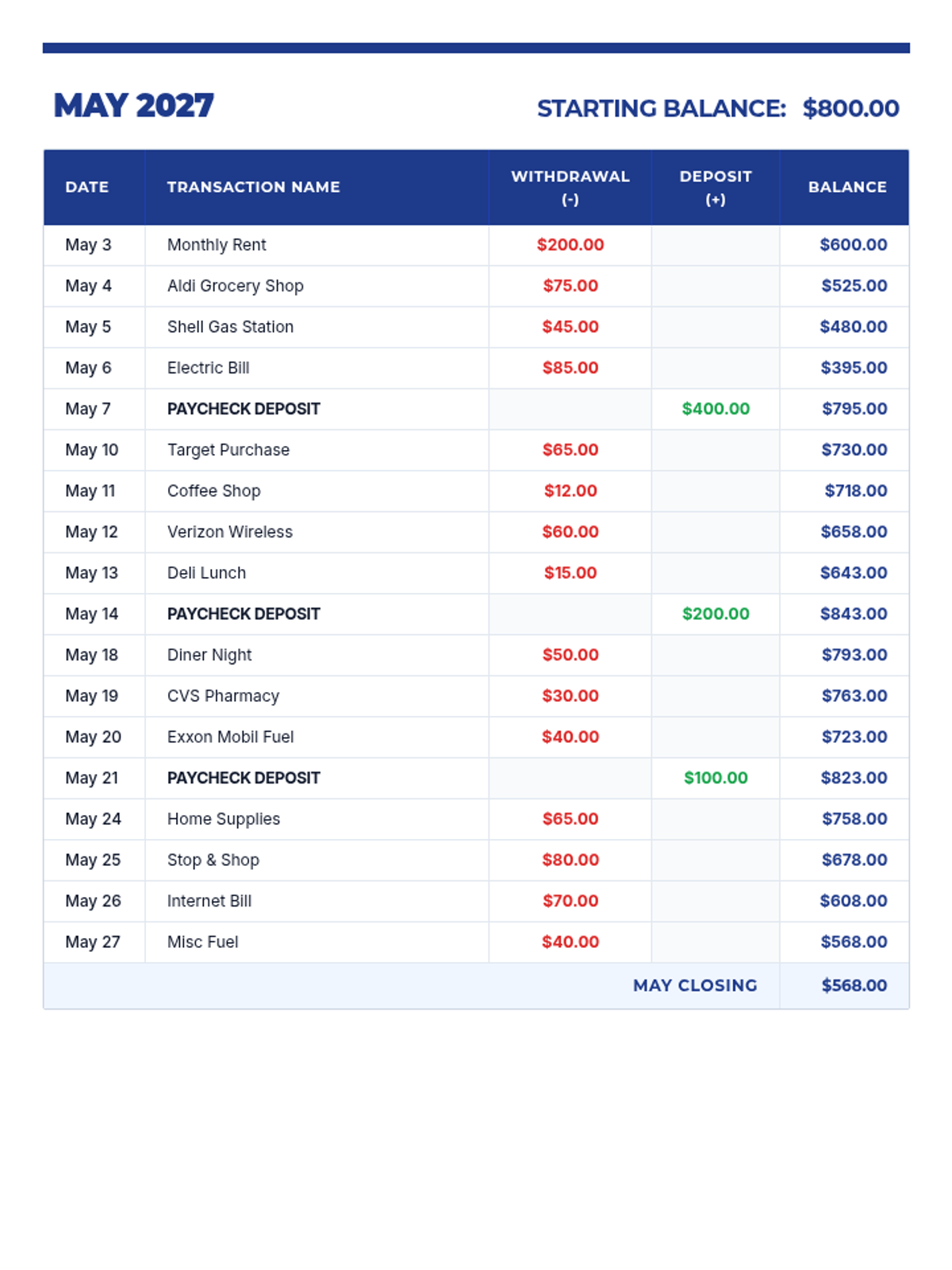
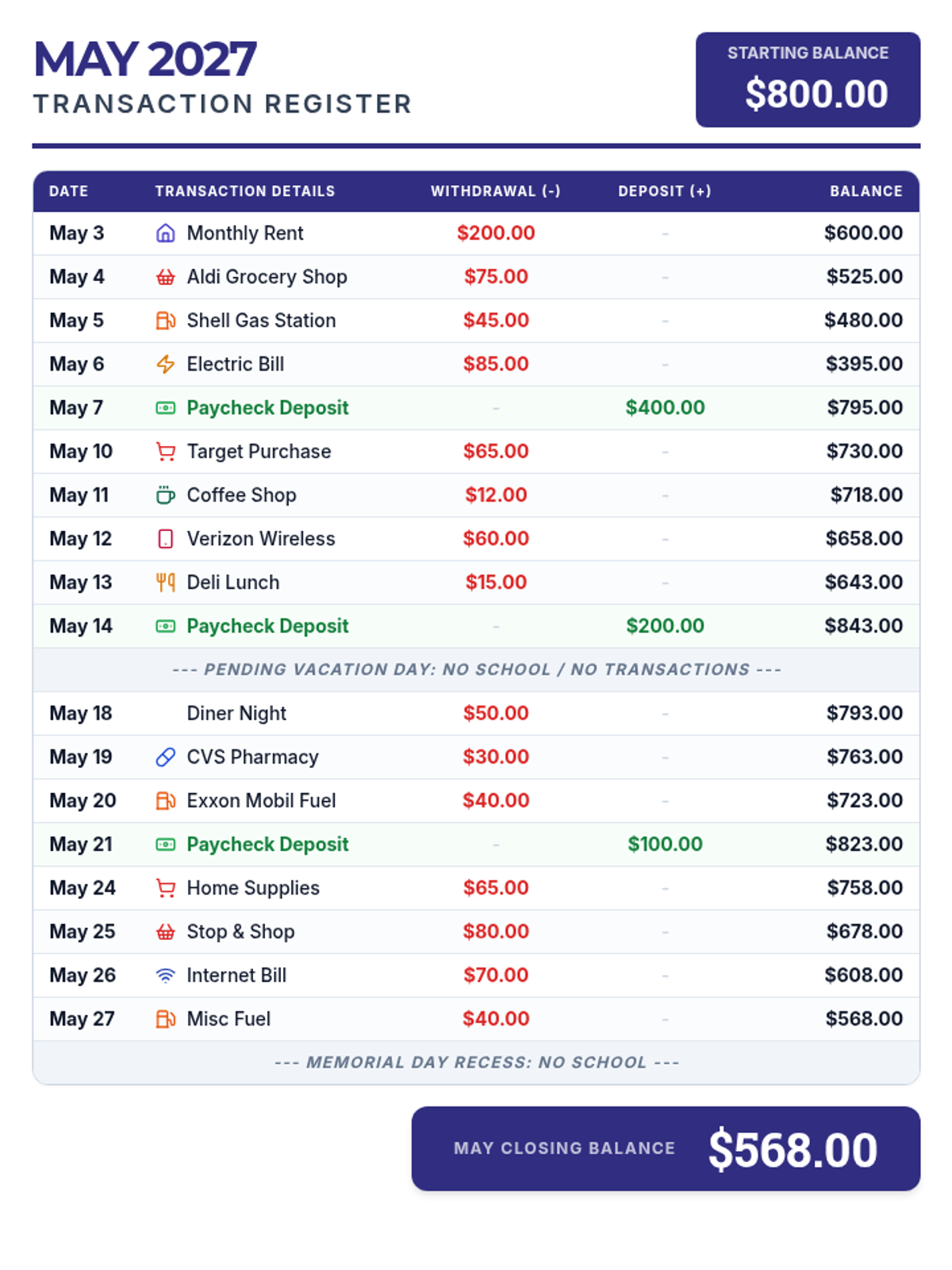
Banking practice for May 2027, focusing on regular expenses and spring activities over 22 instructional days.
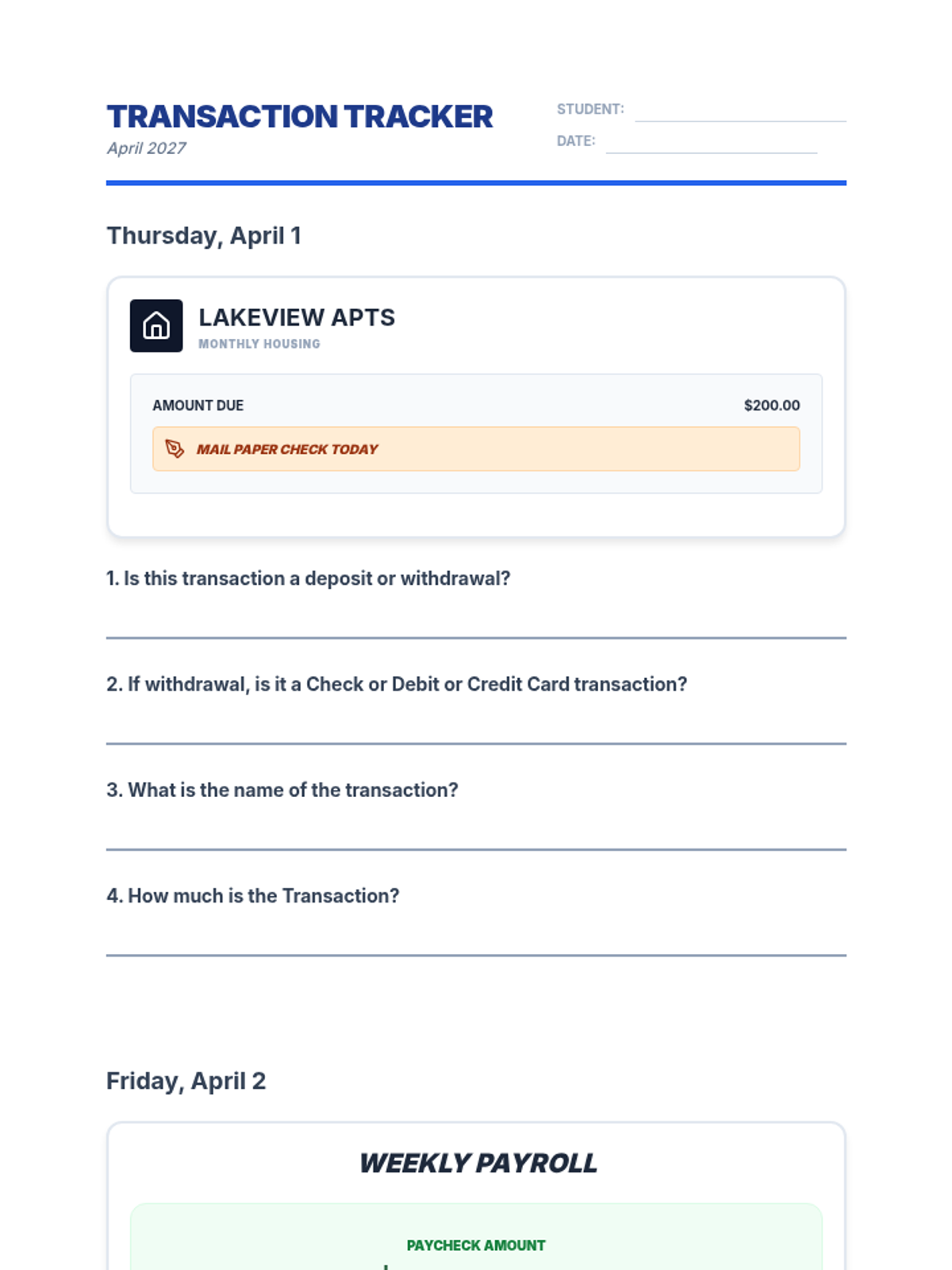
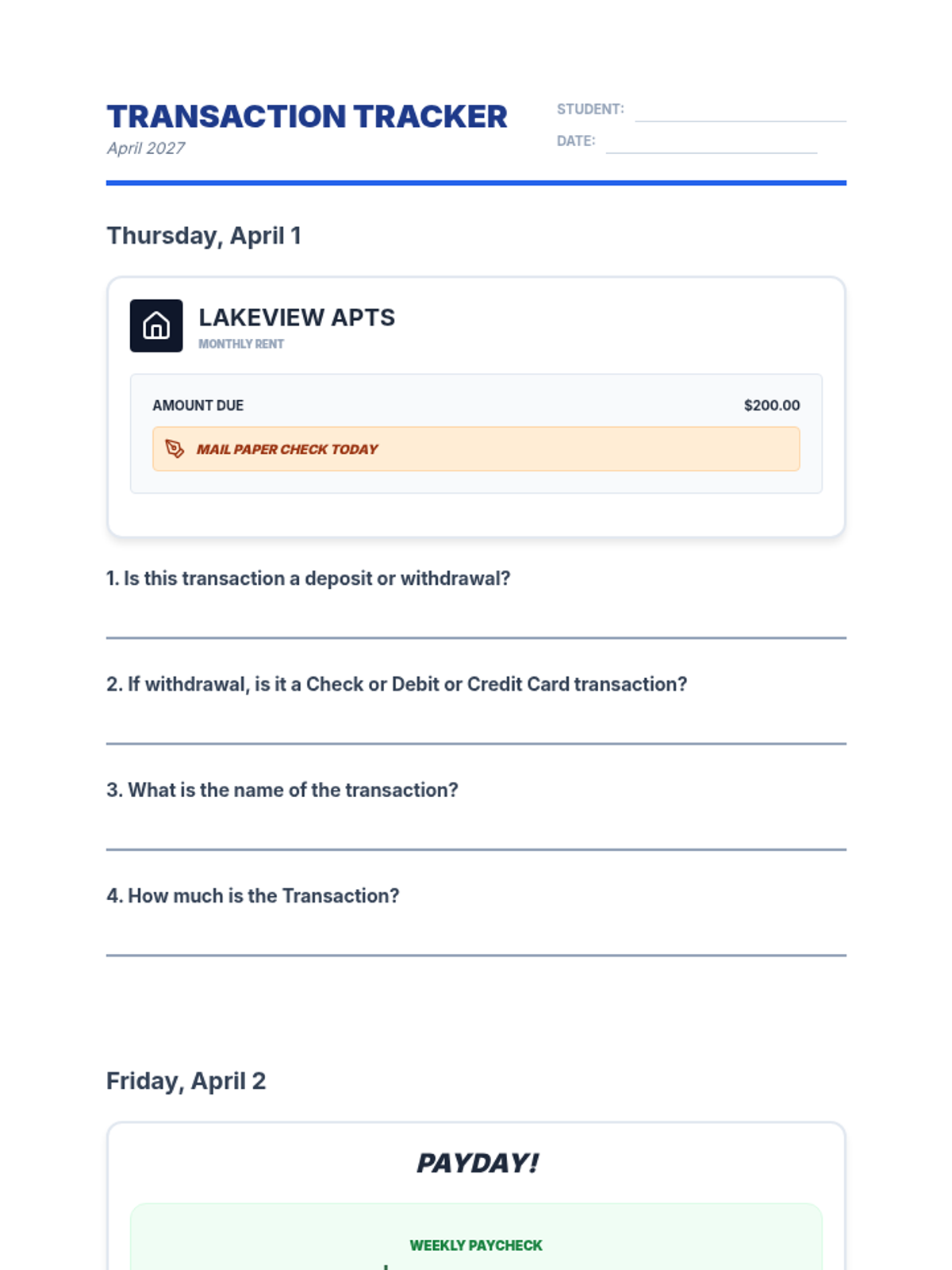
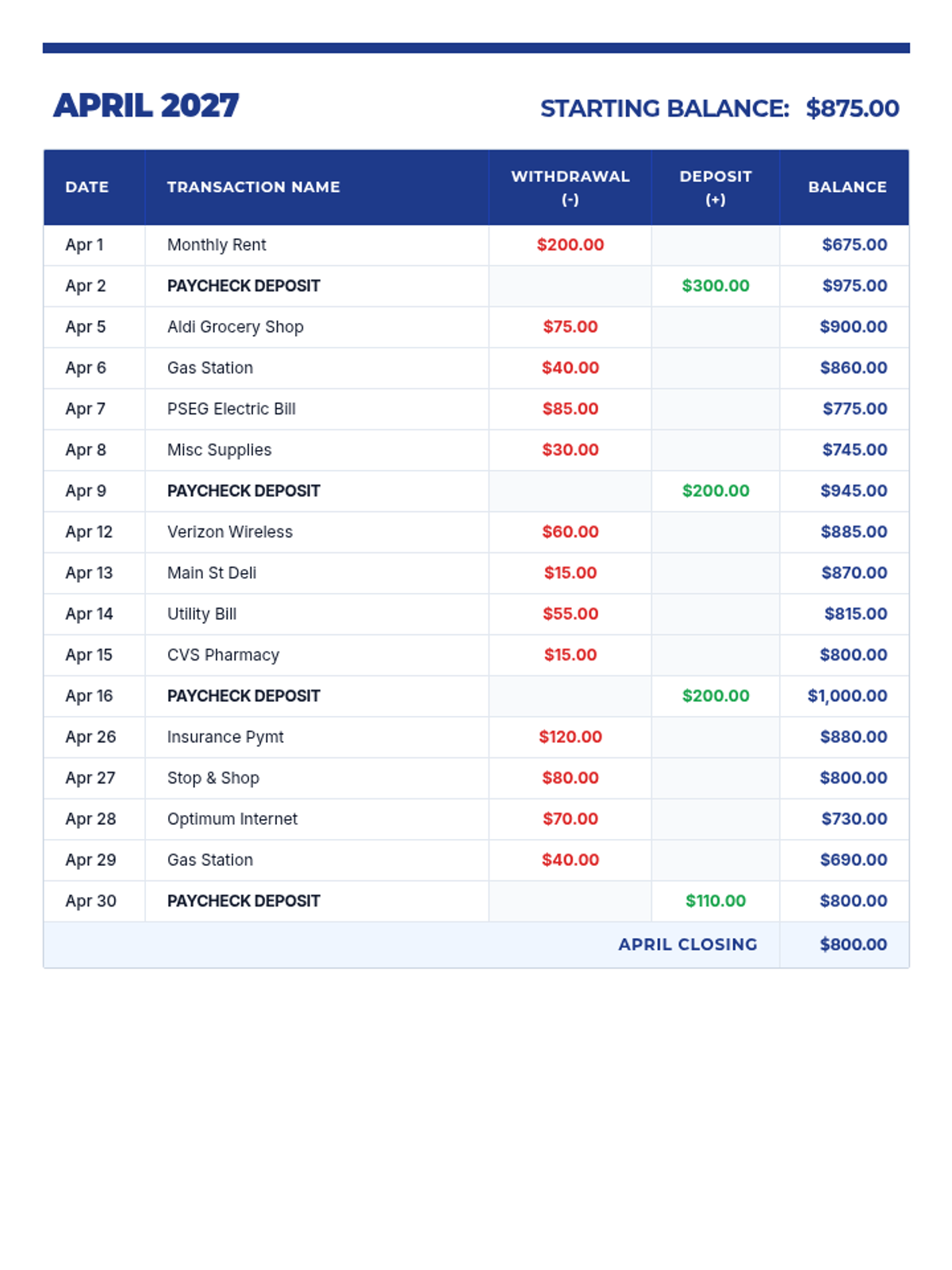
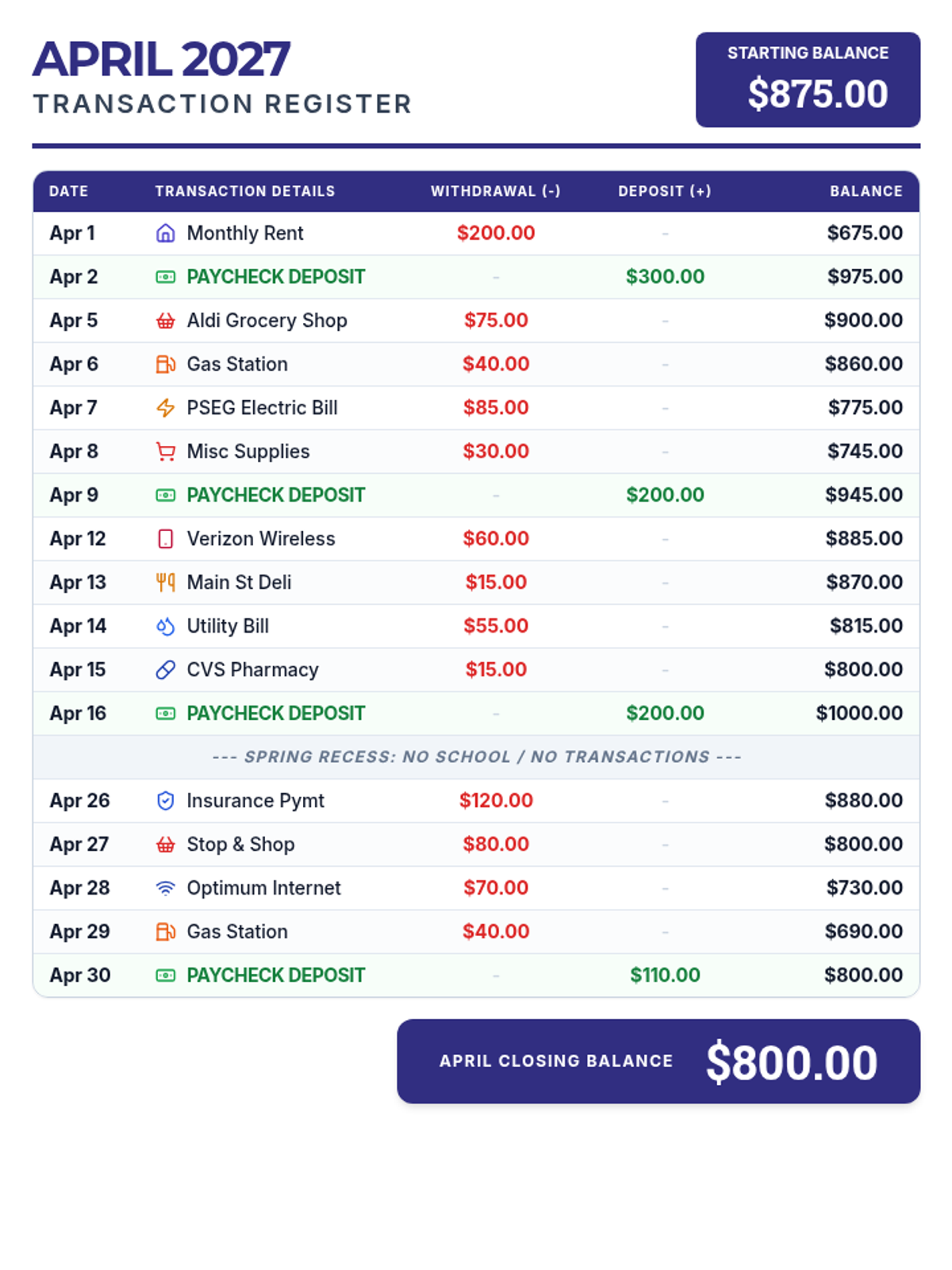
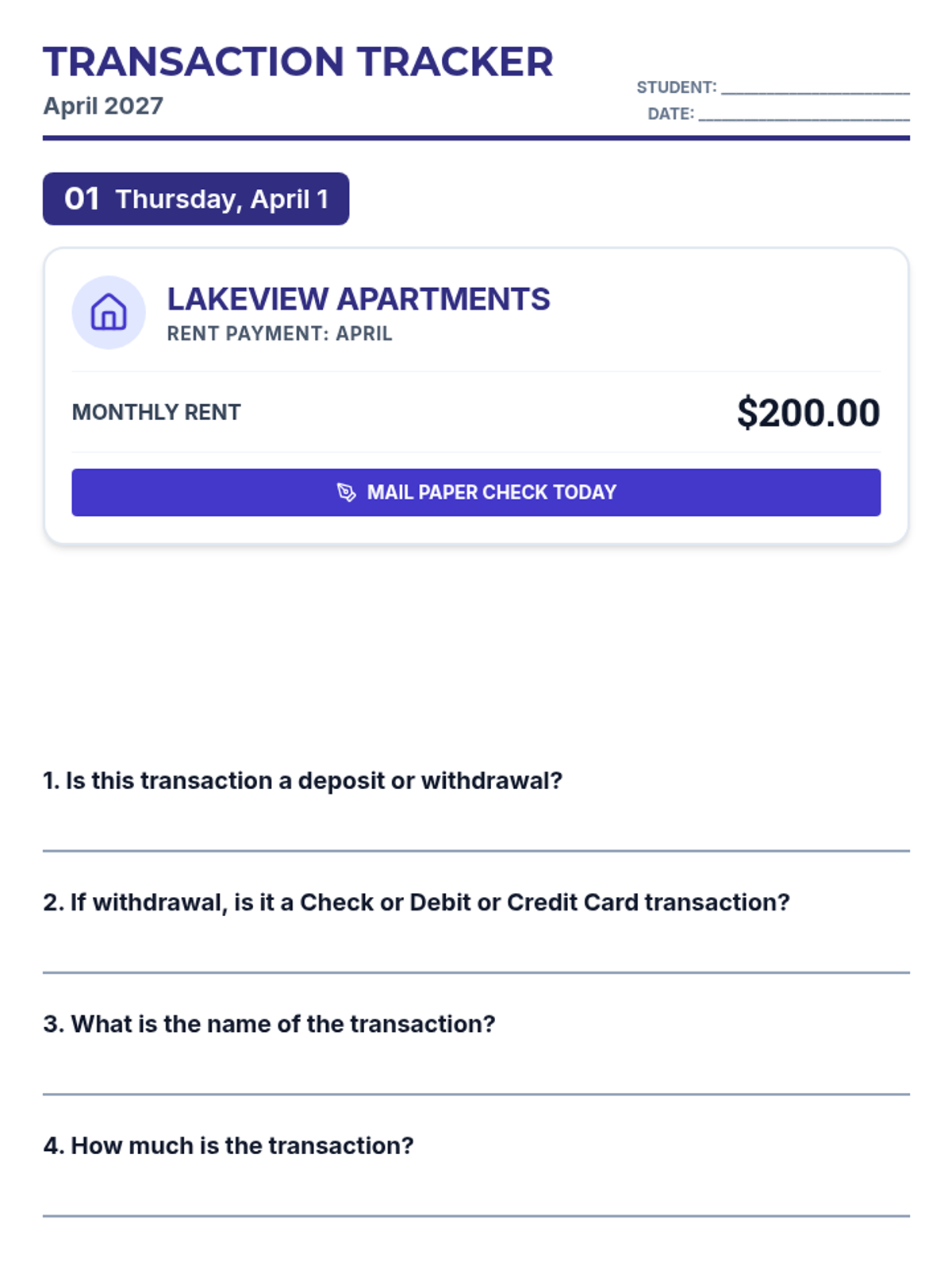
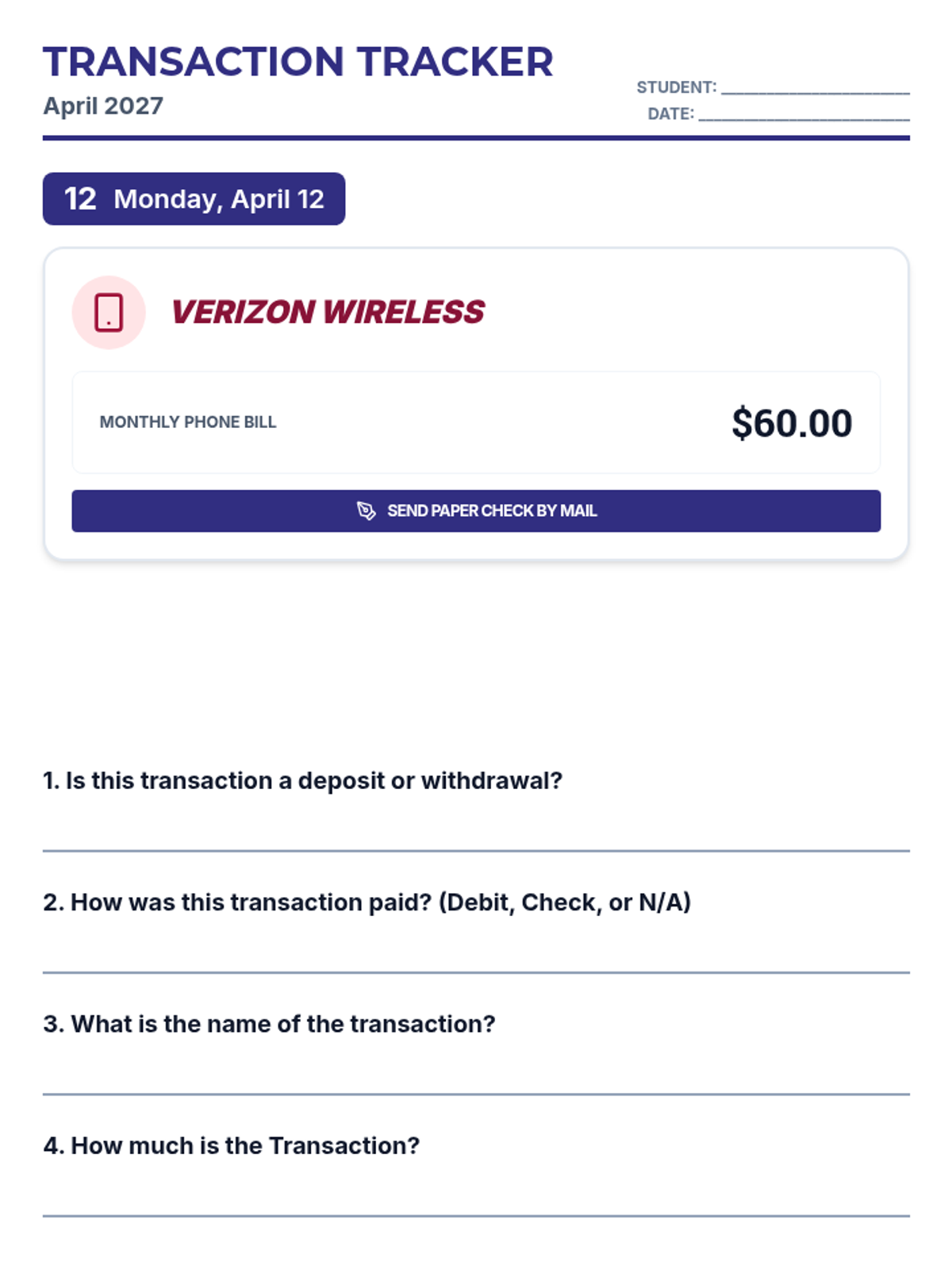
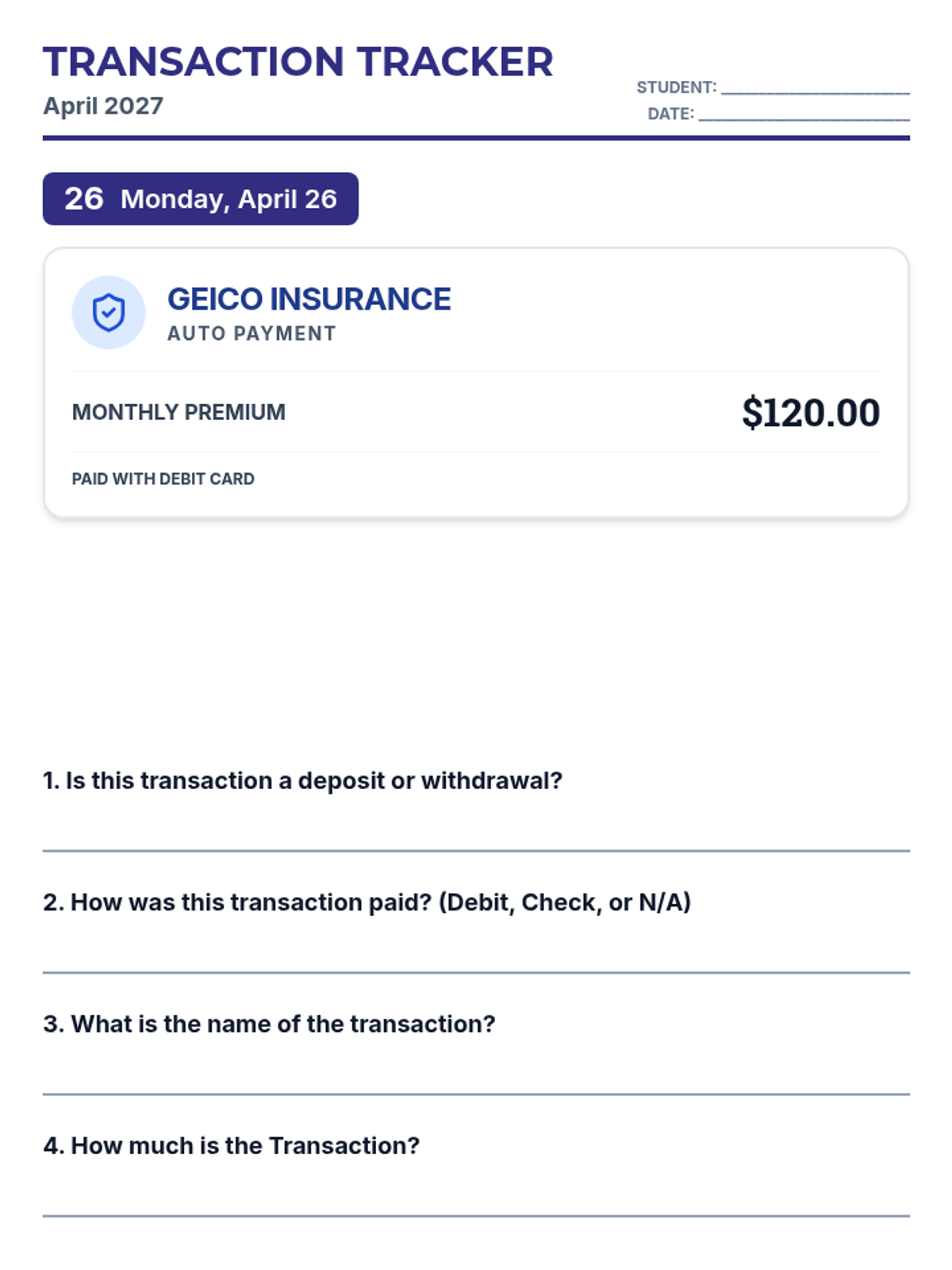
Banking practice for April 2027, focusing on spring recess and seasonal spending over 17 instructional days.
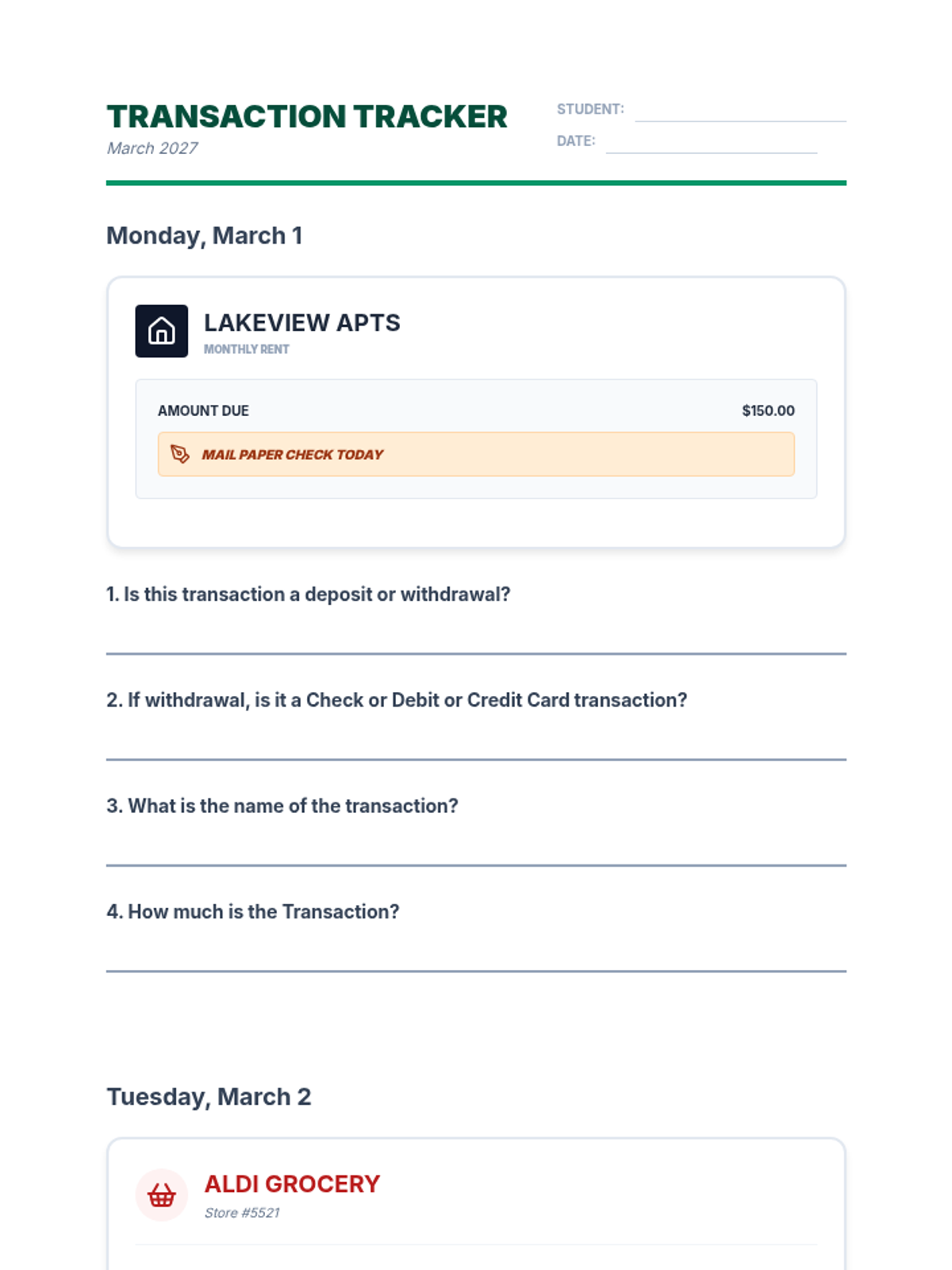
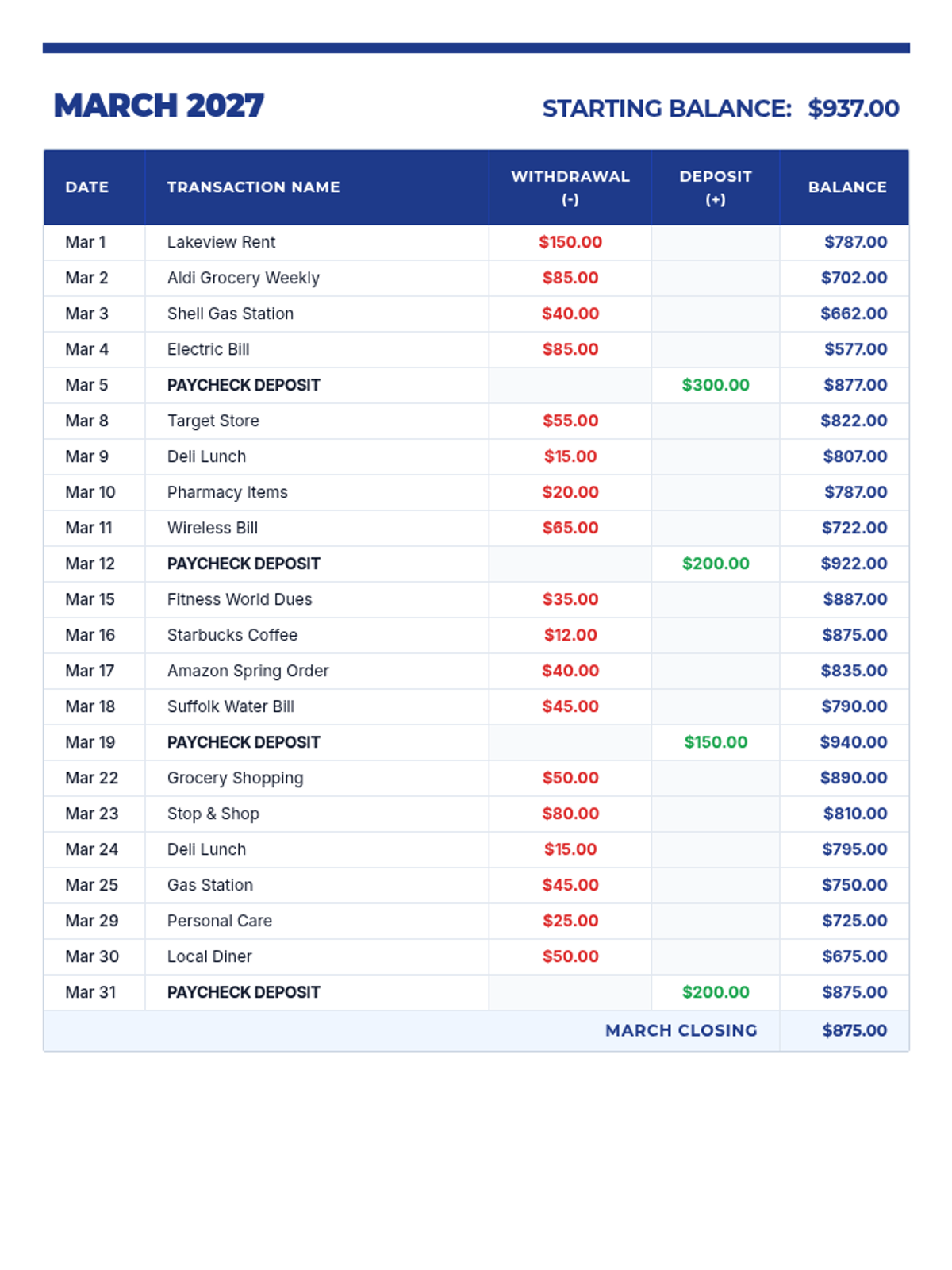
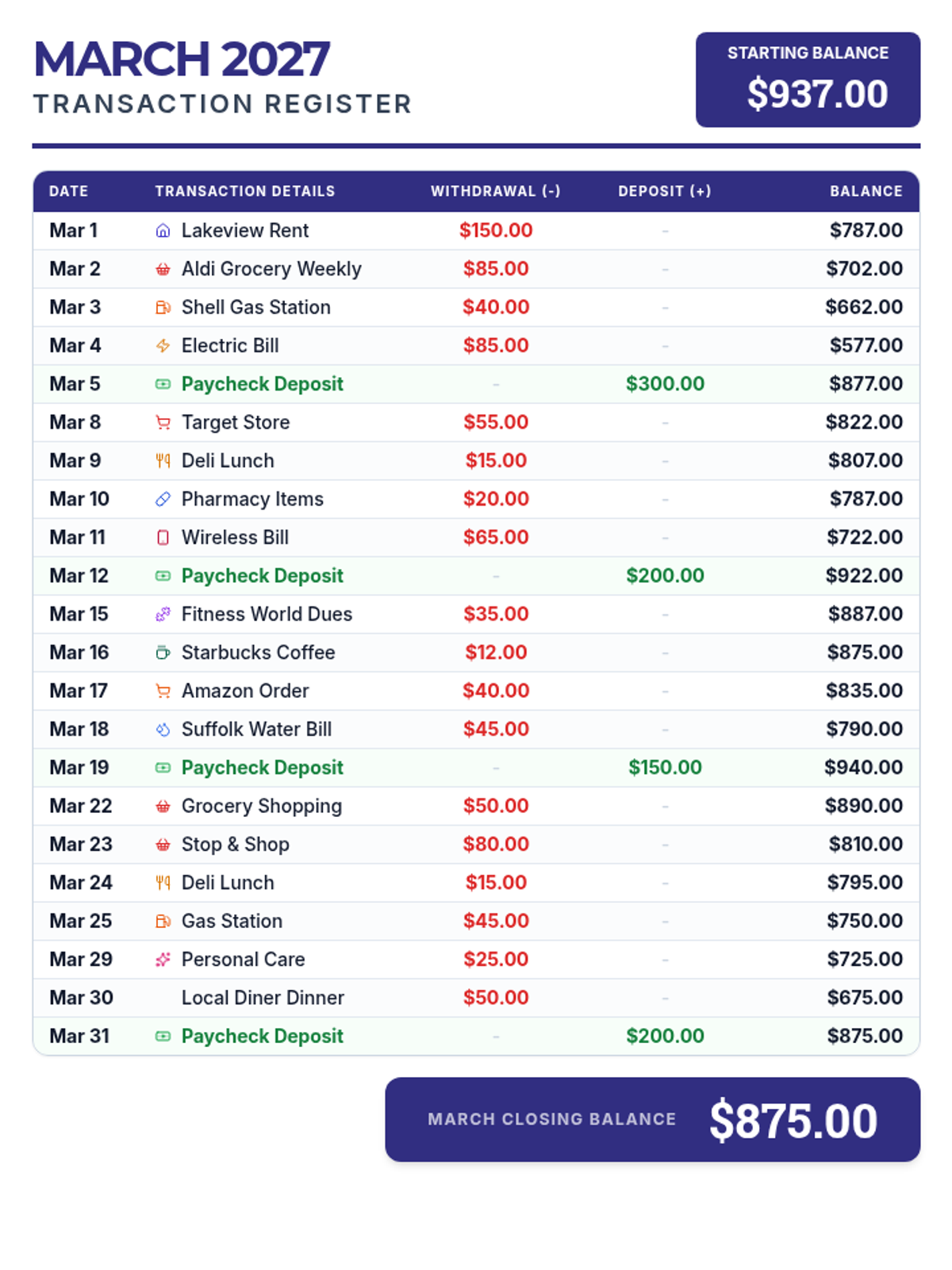
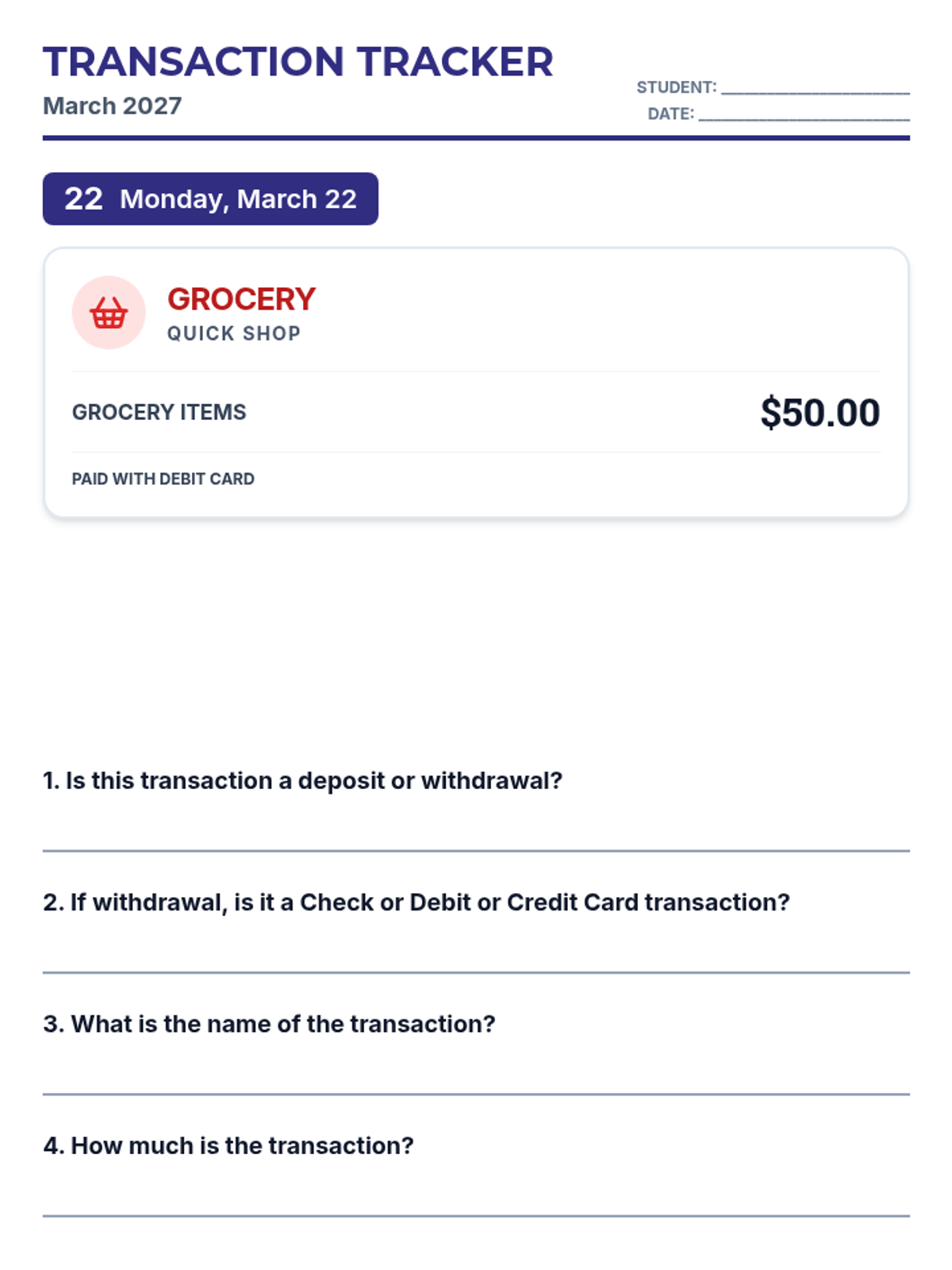
Banking practice for March 2027, focusing on spring preparations and regular expenses over 22 instructional days.
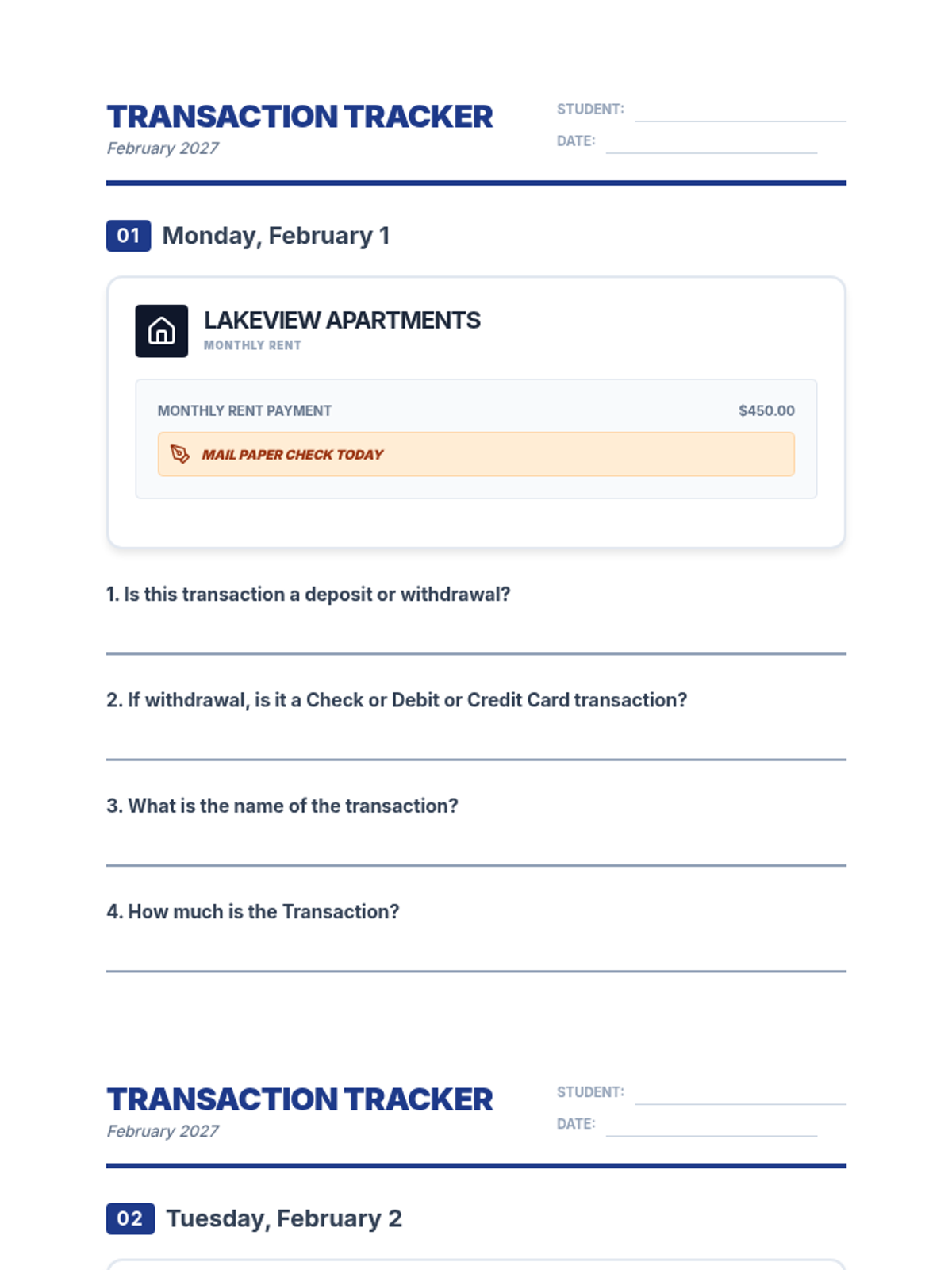
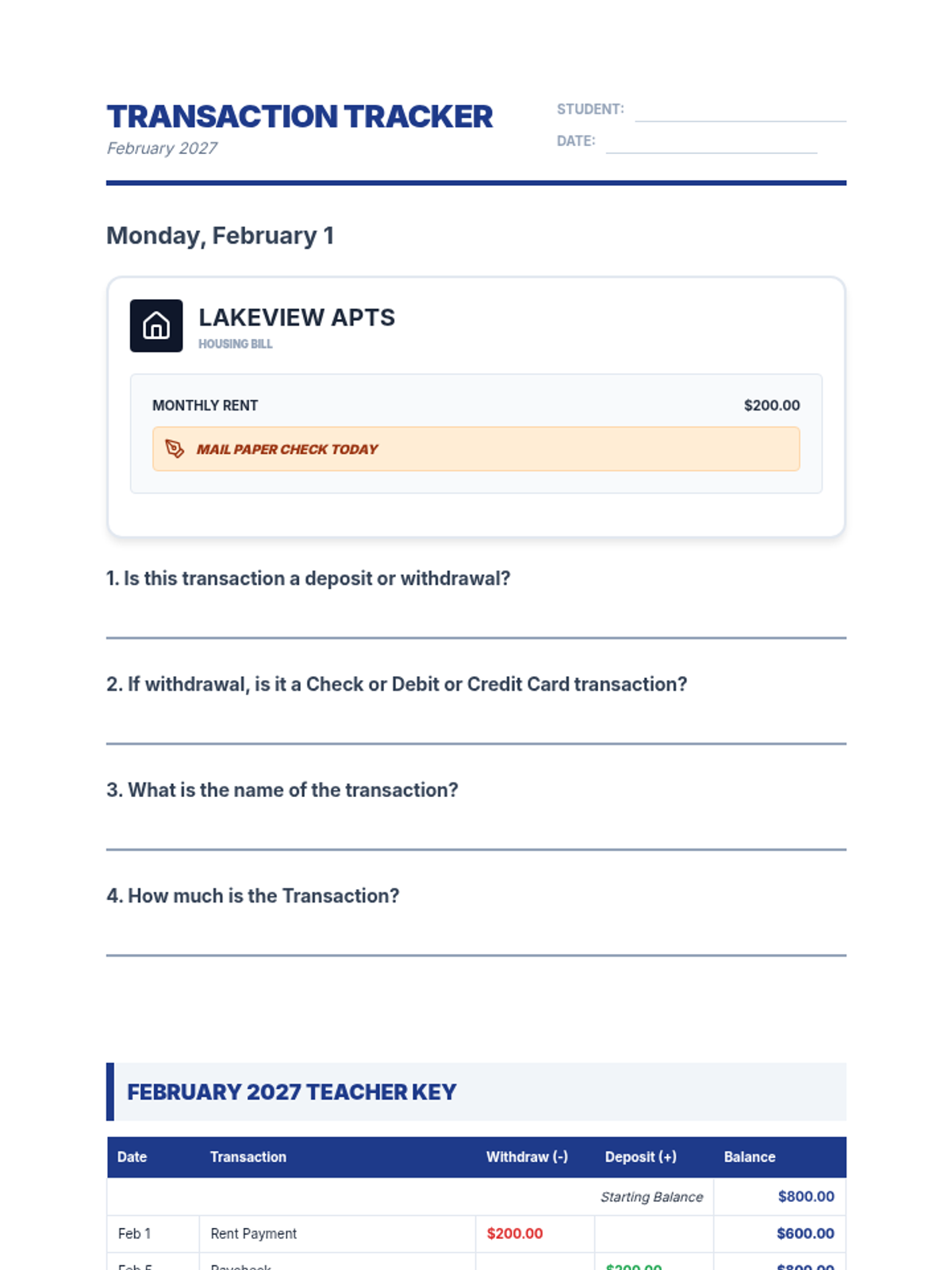
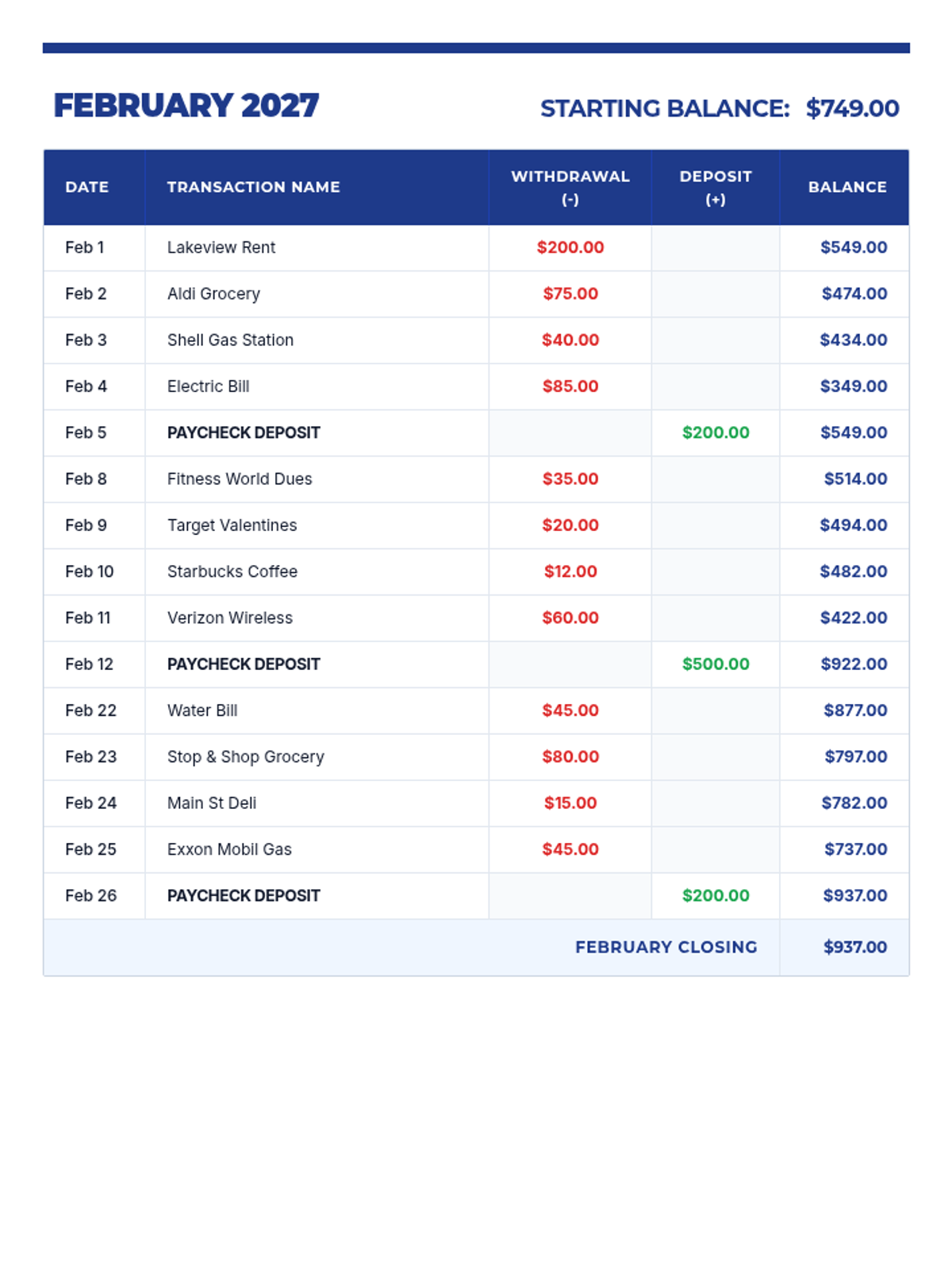
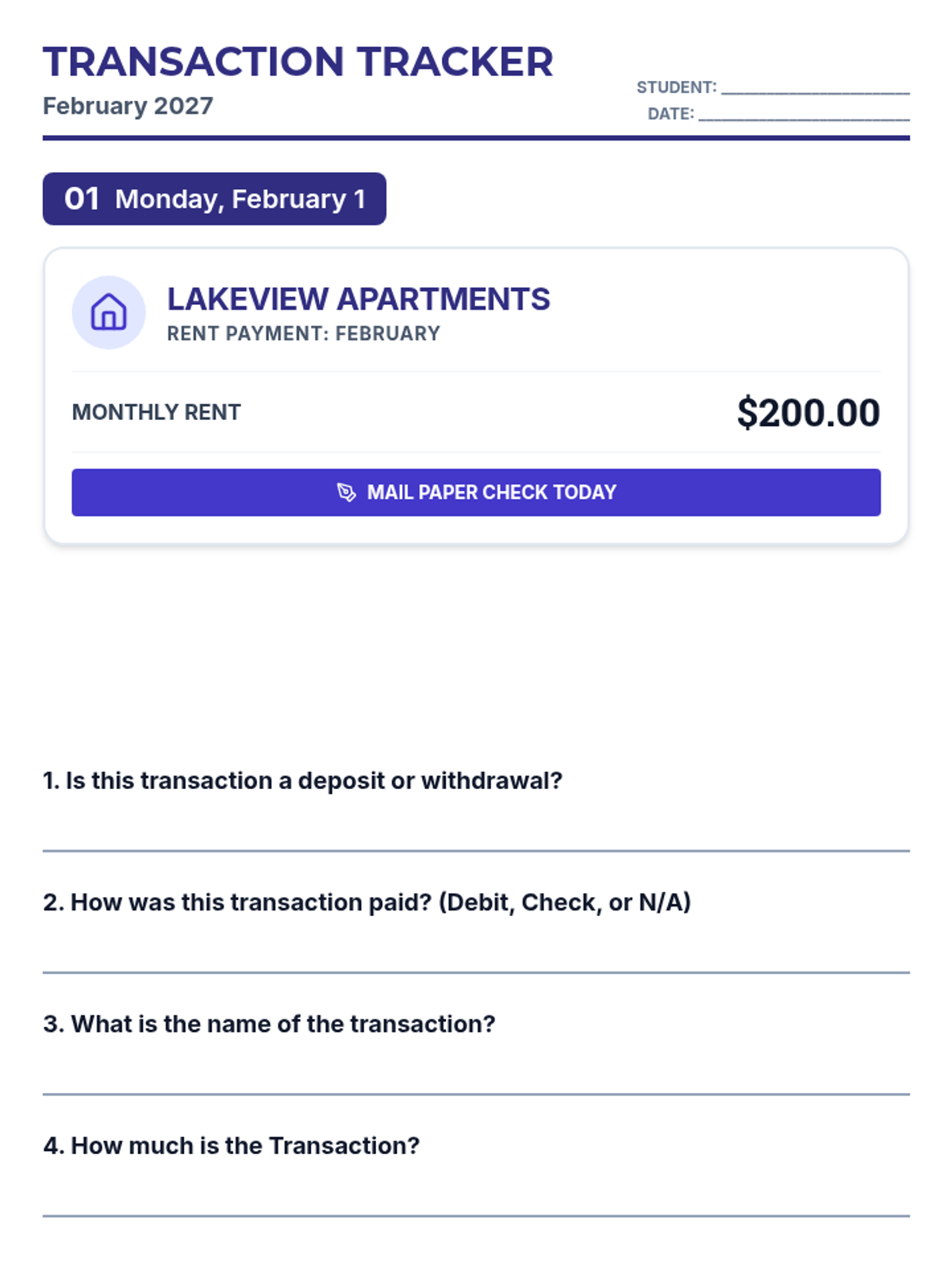
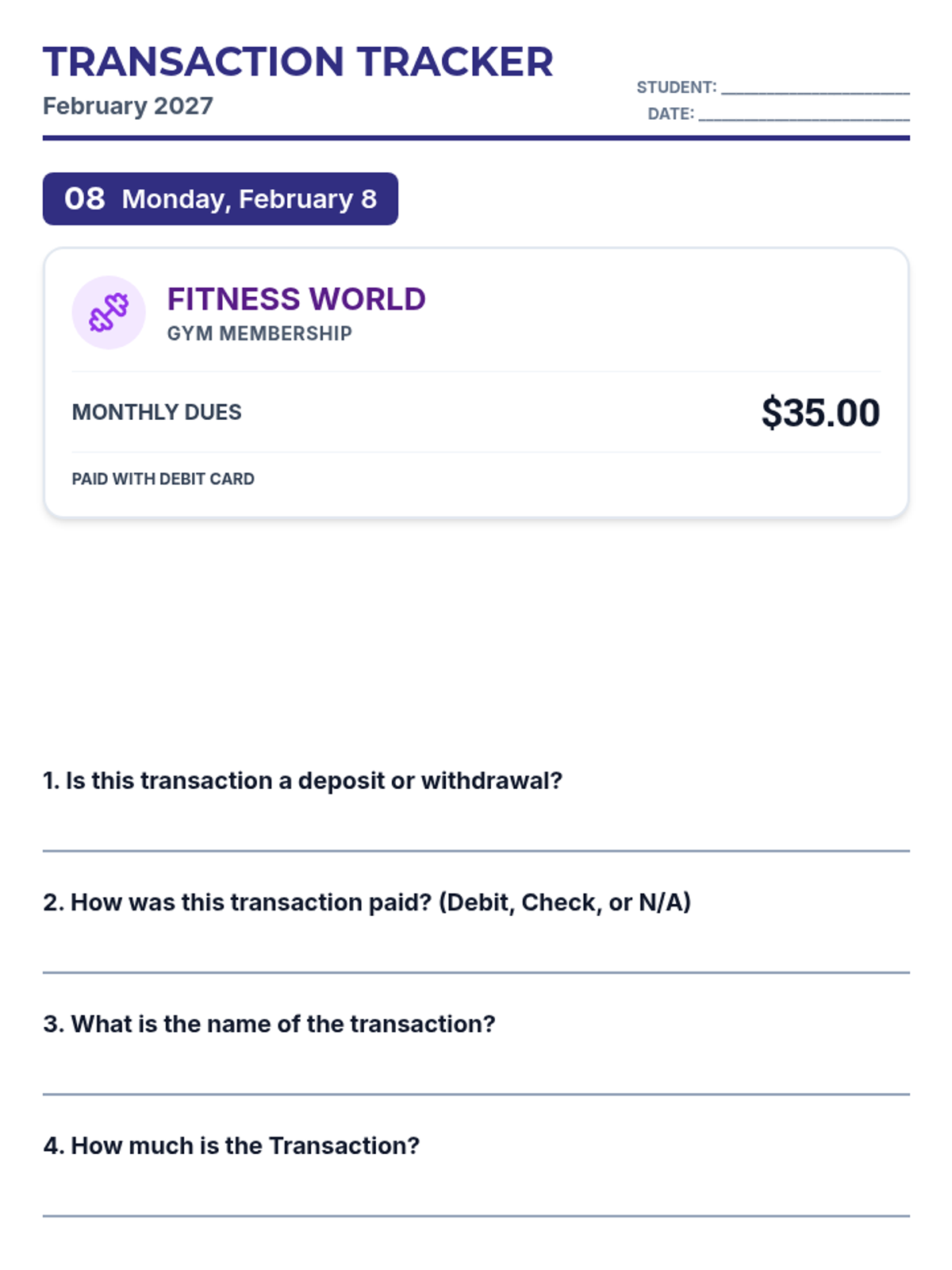
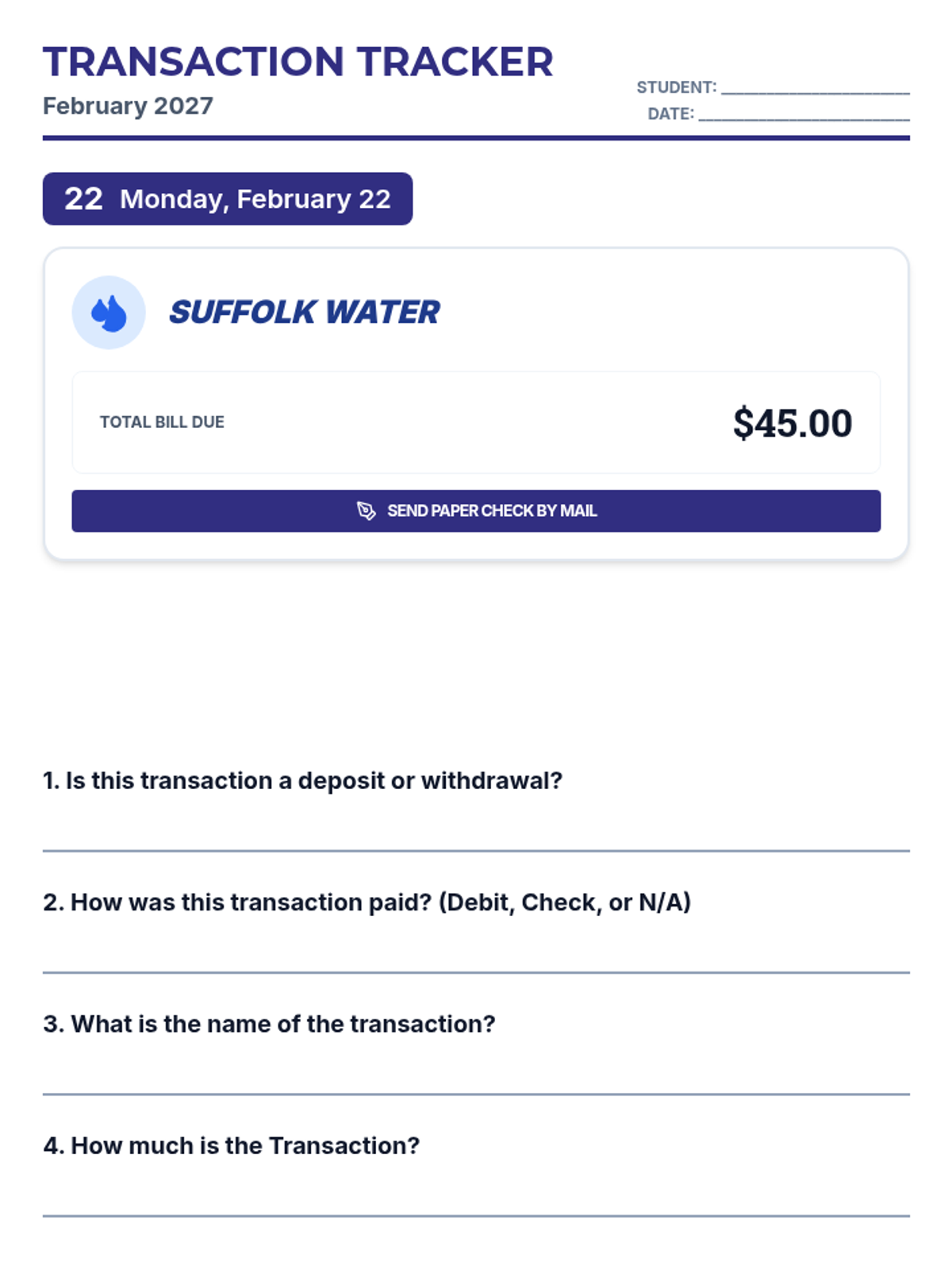
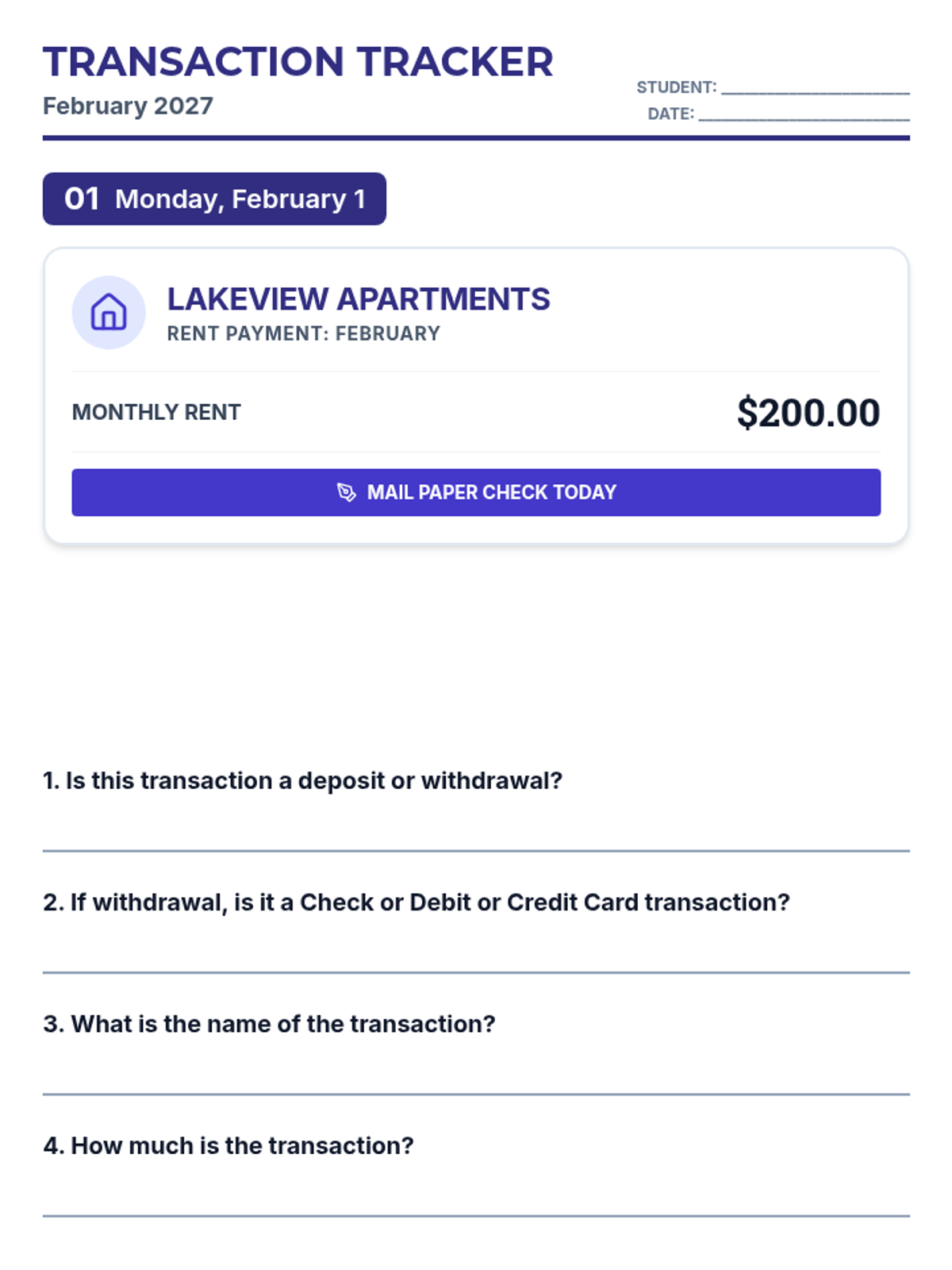
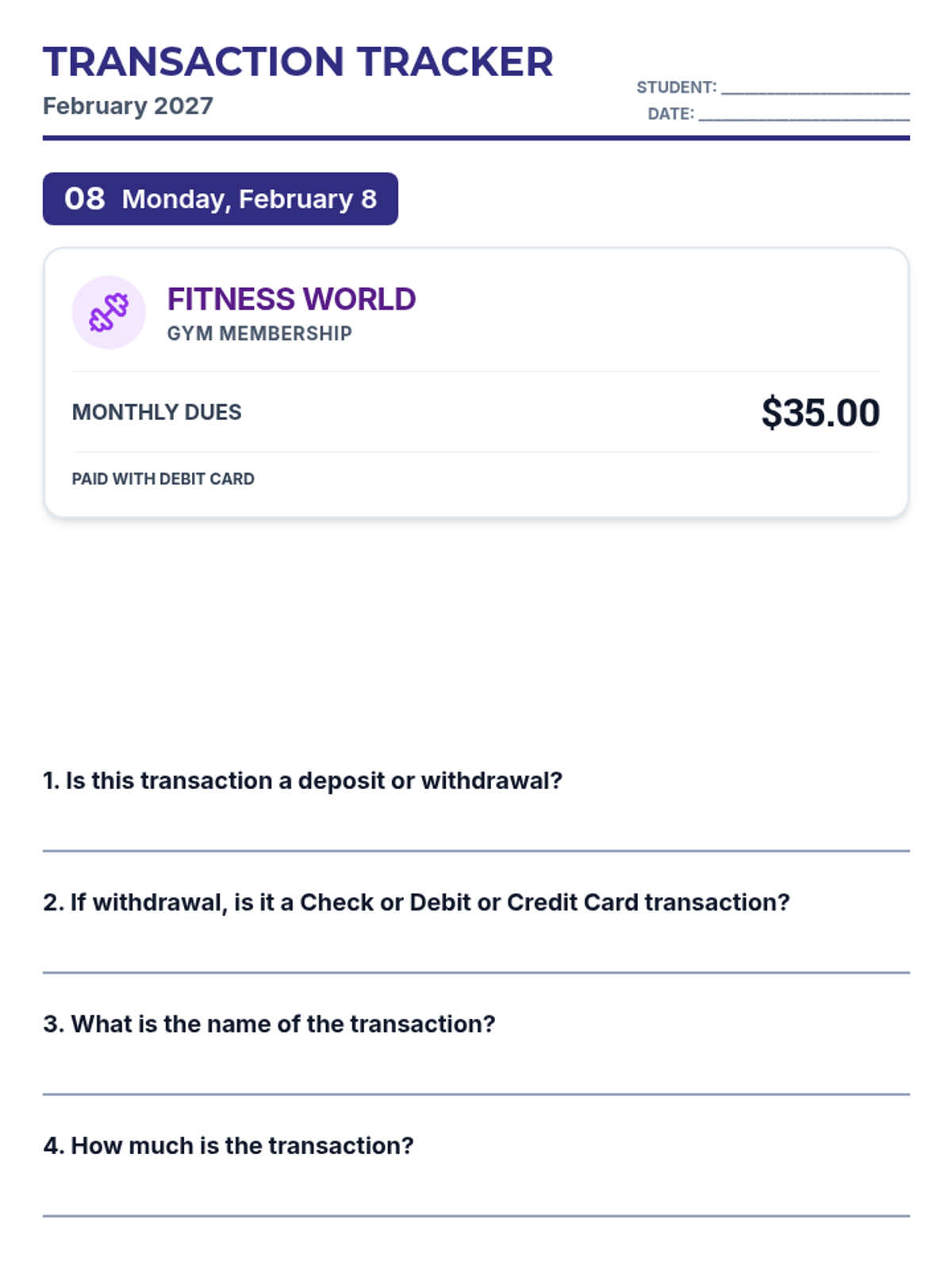
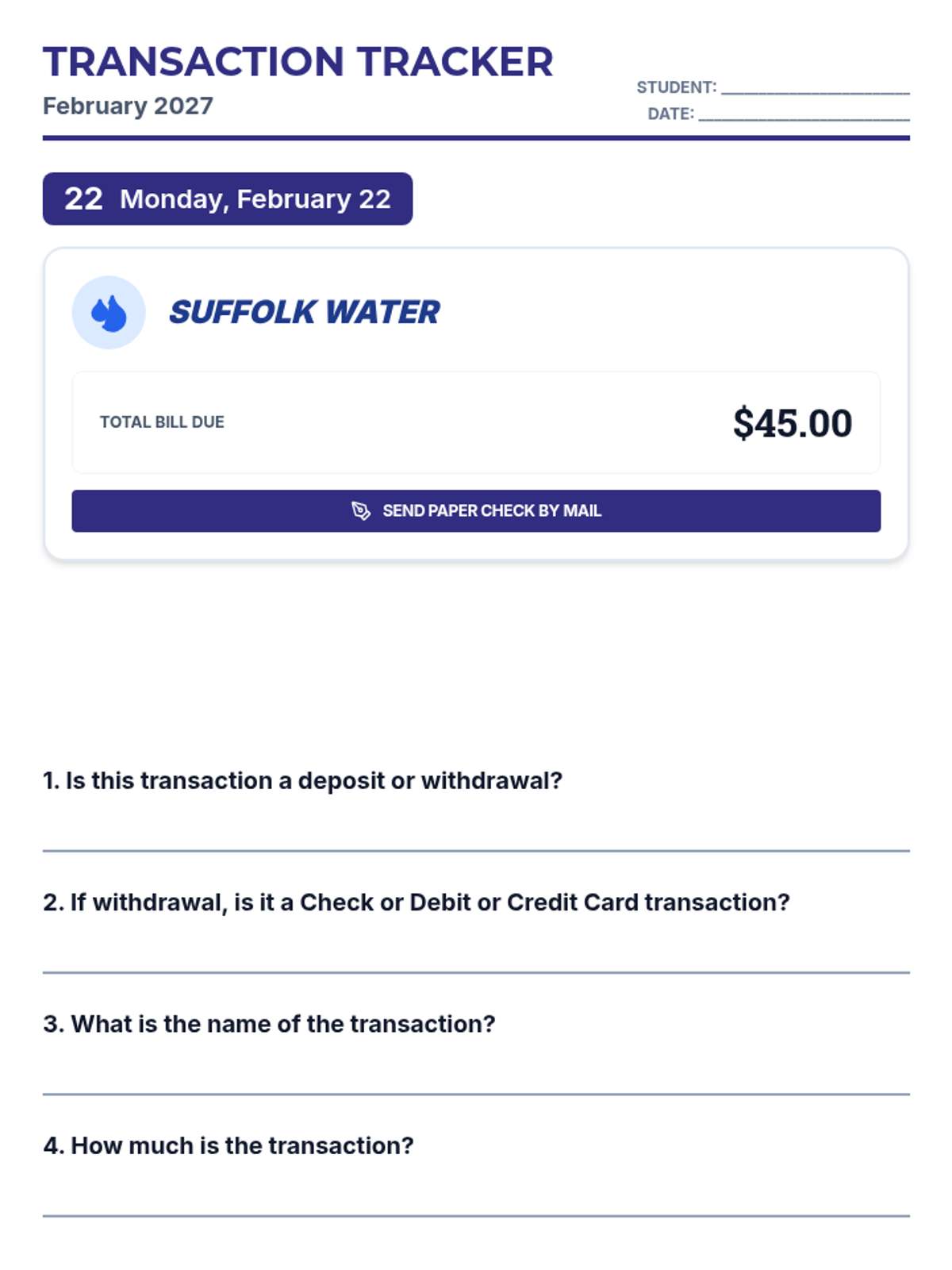
Banking practice for February 2027, focusing on Valentine's Day budgeting and mid-winter recess over 15 instructional days.
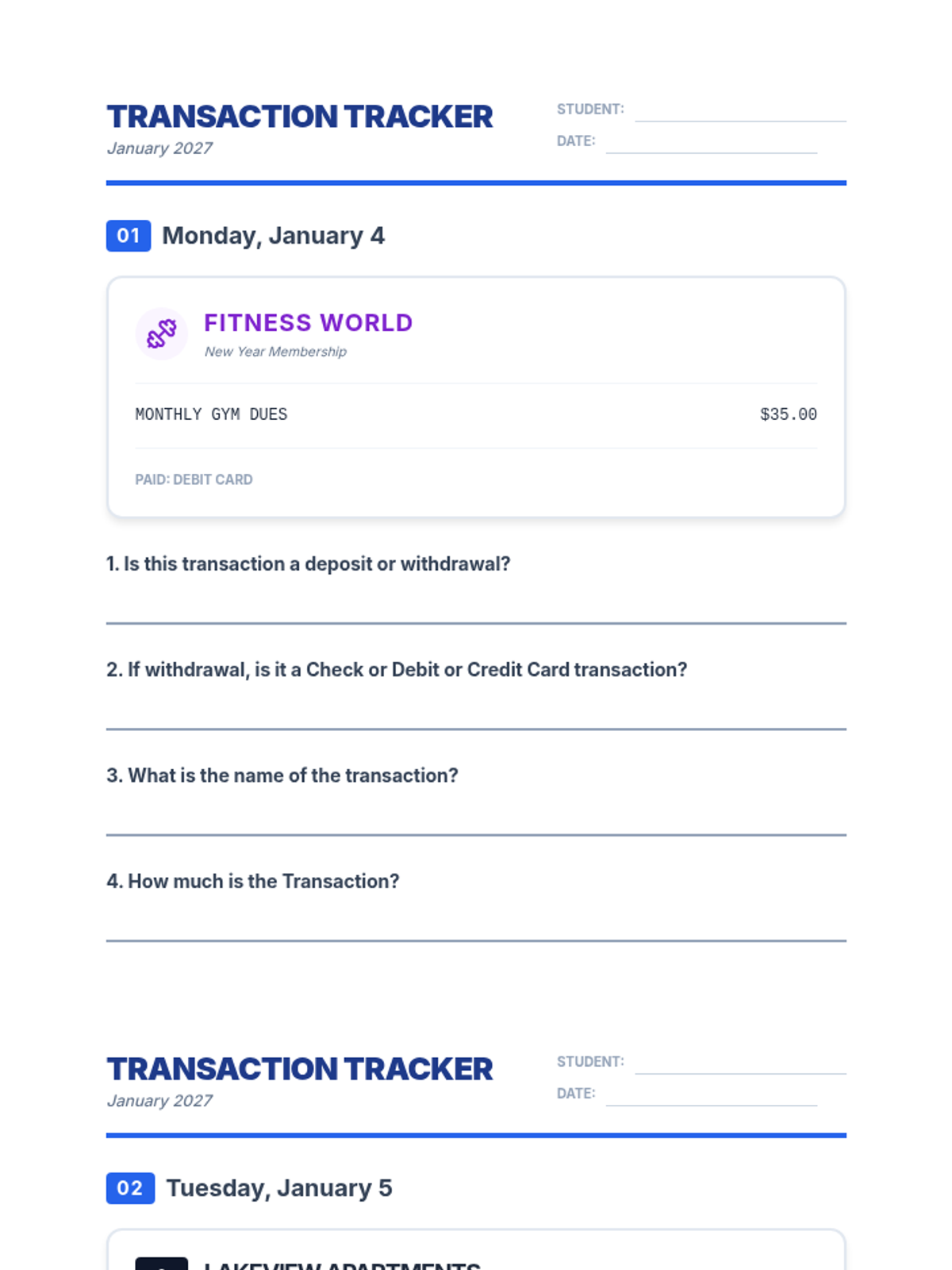
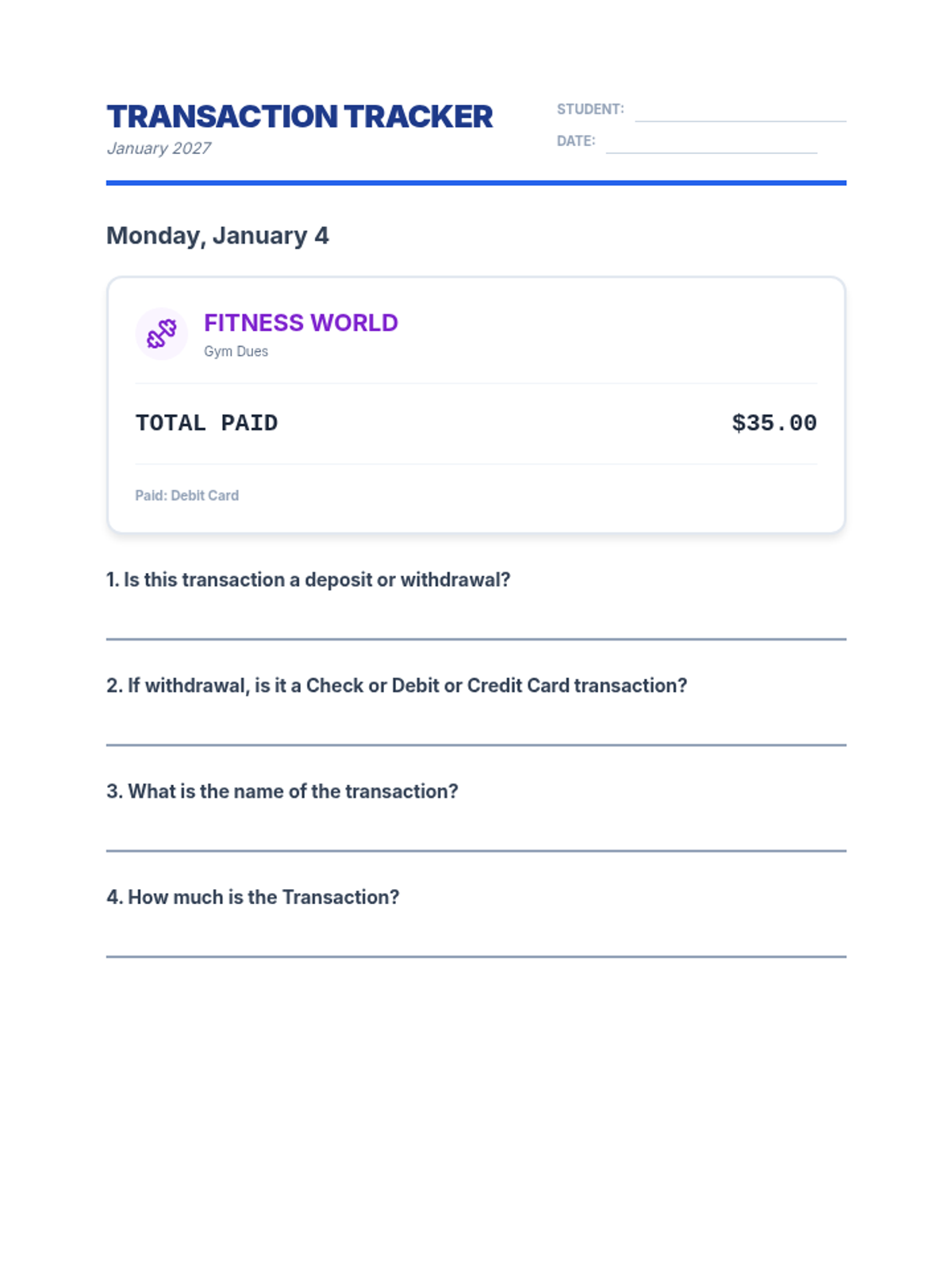
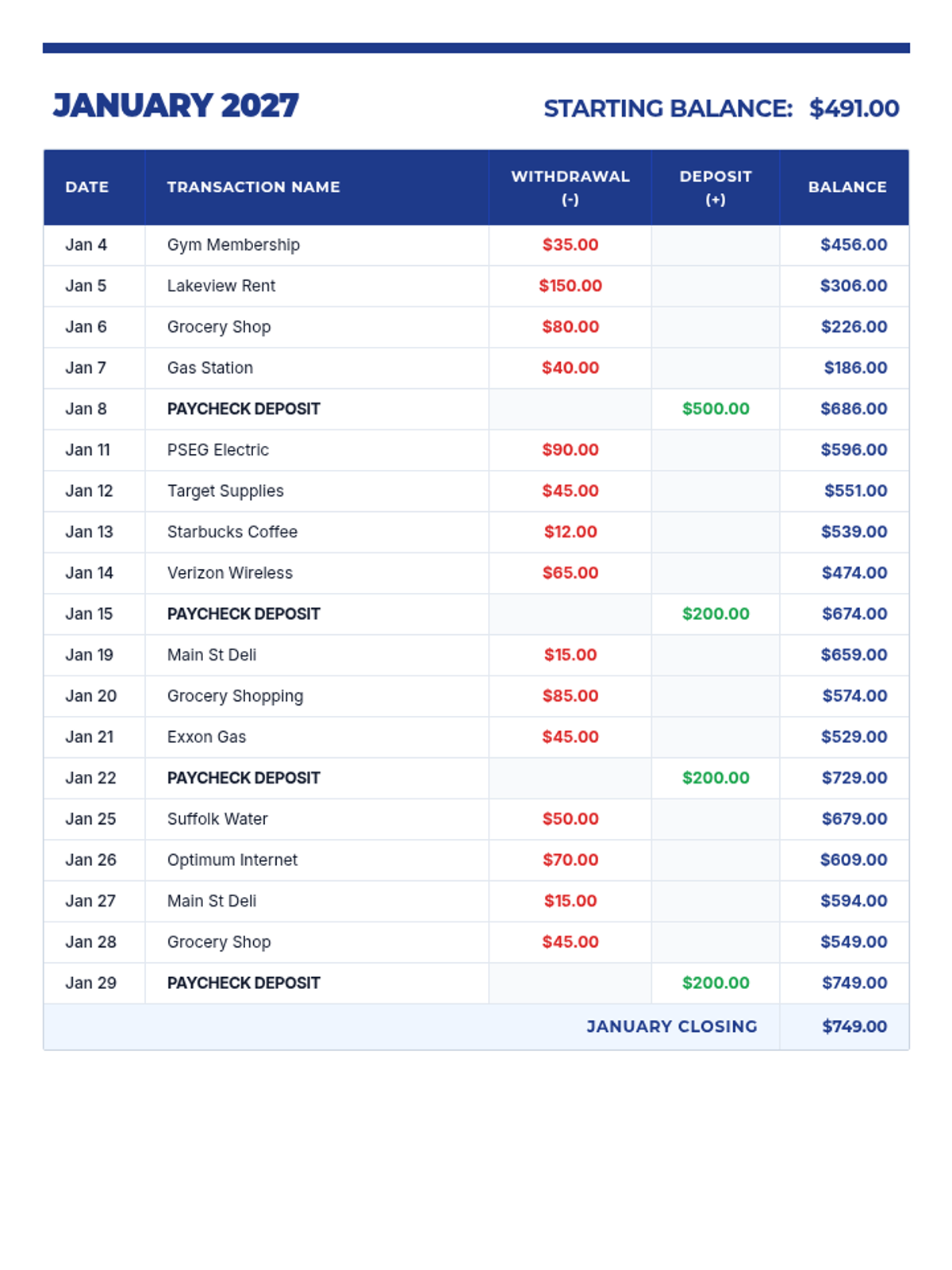
Banking practice for January 2027, focusing on new beginnings, gym memberships, and winter energy management over 19 instructional days.
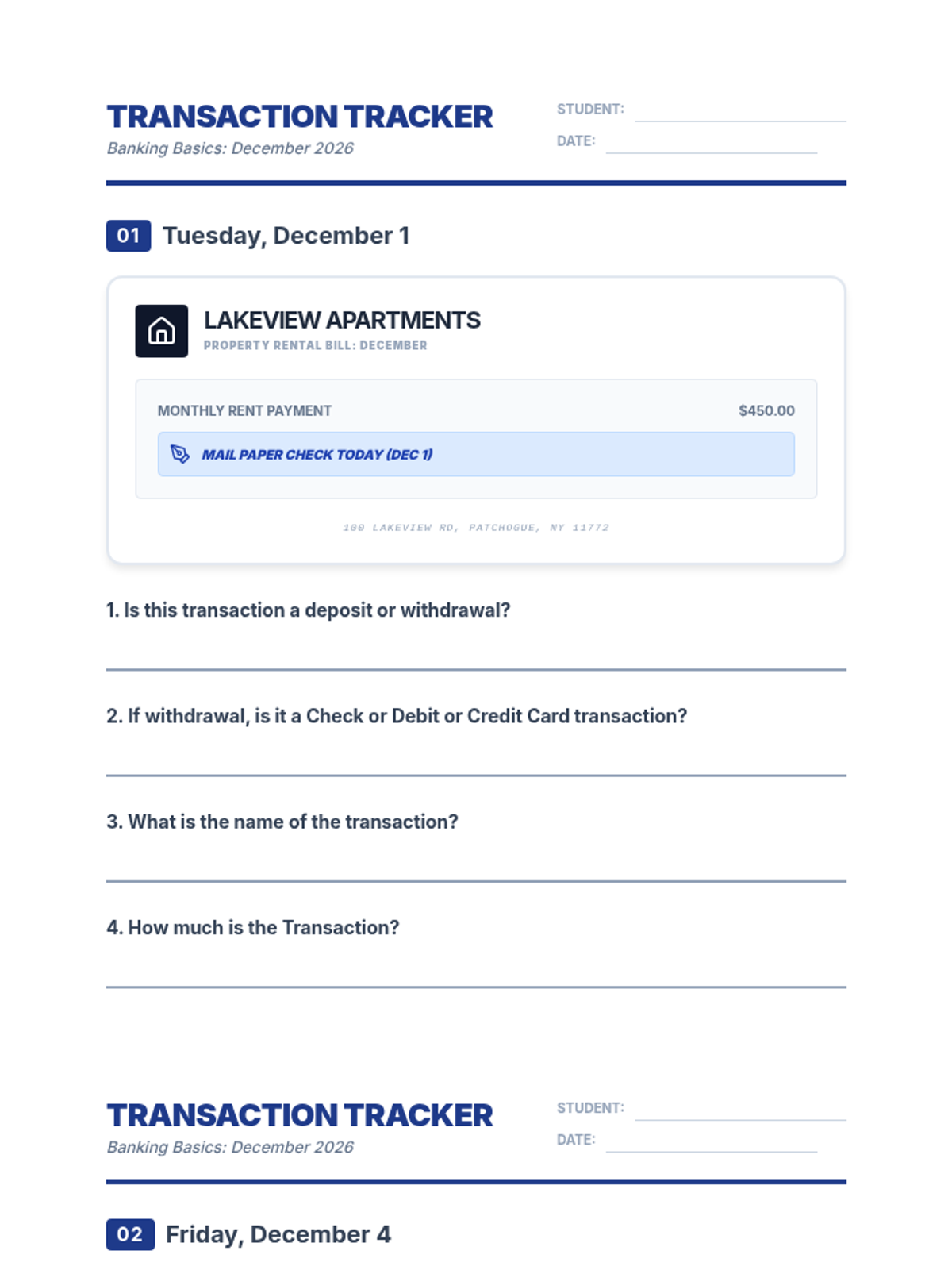
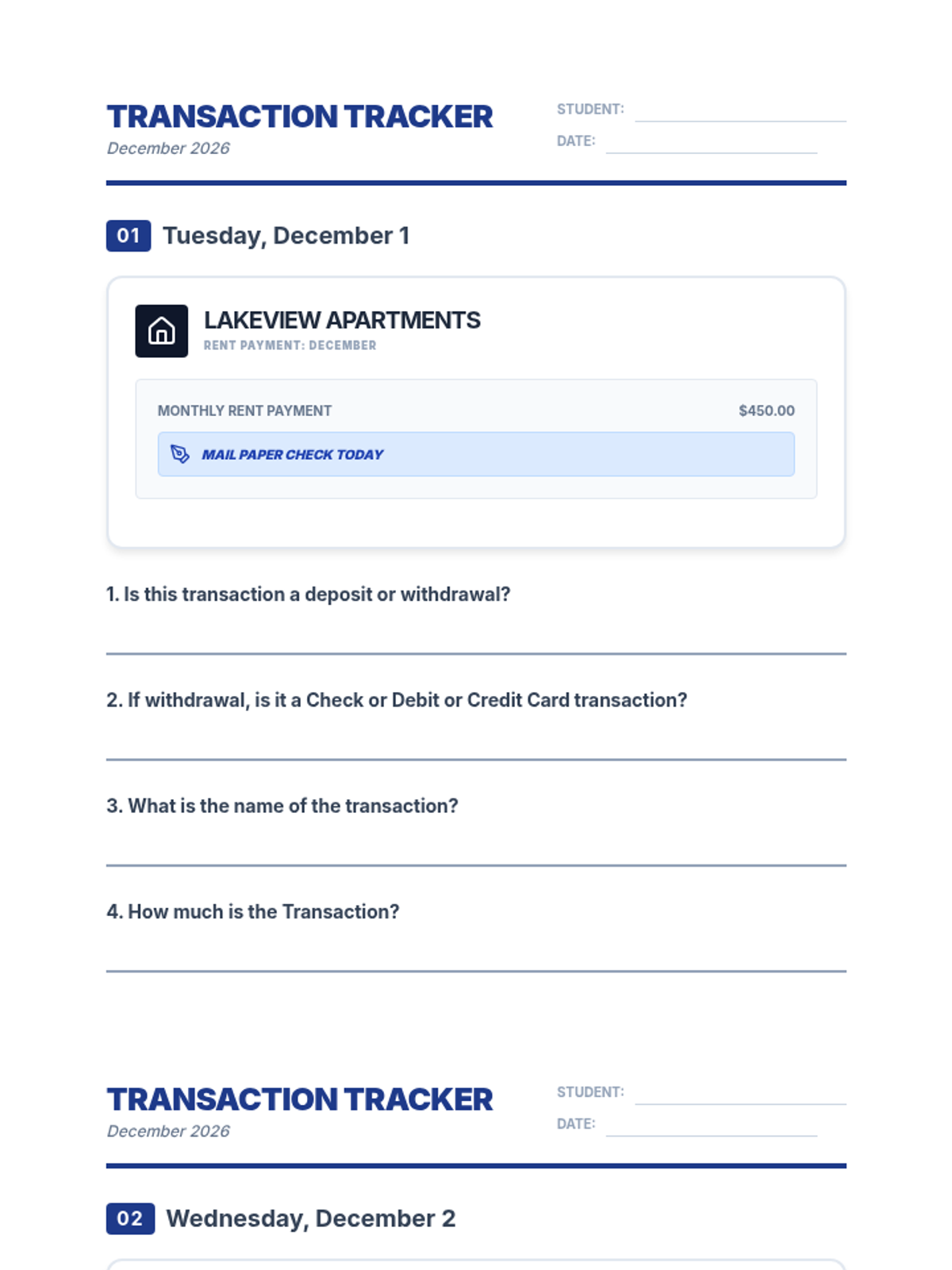
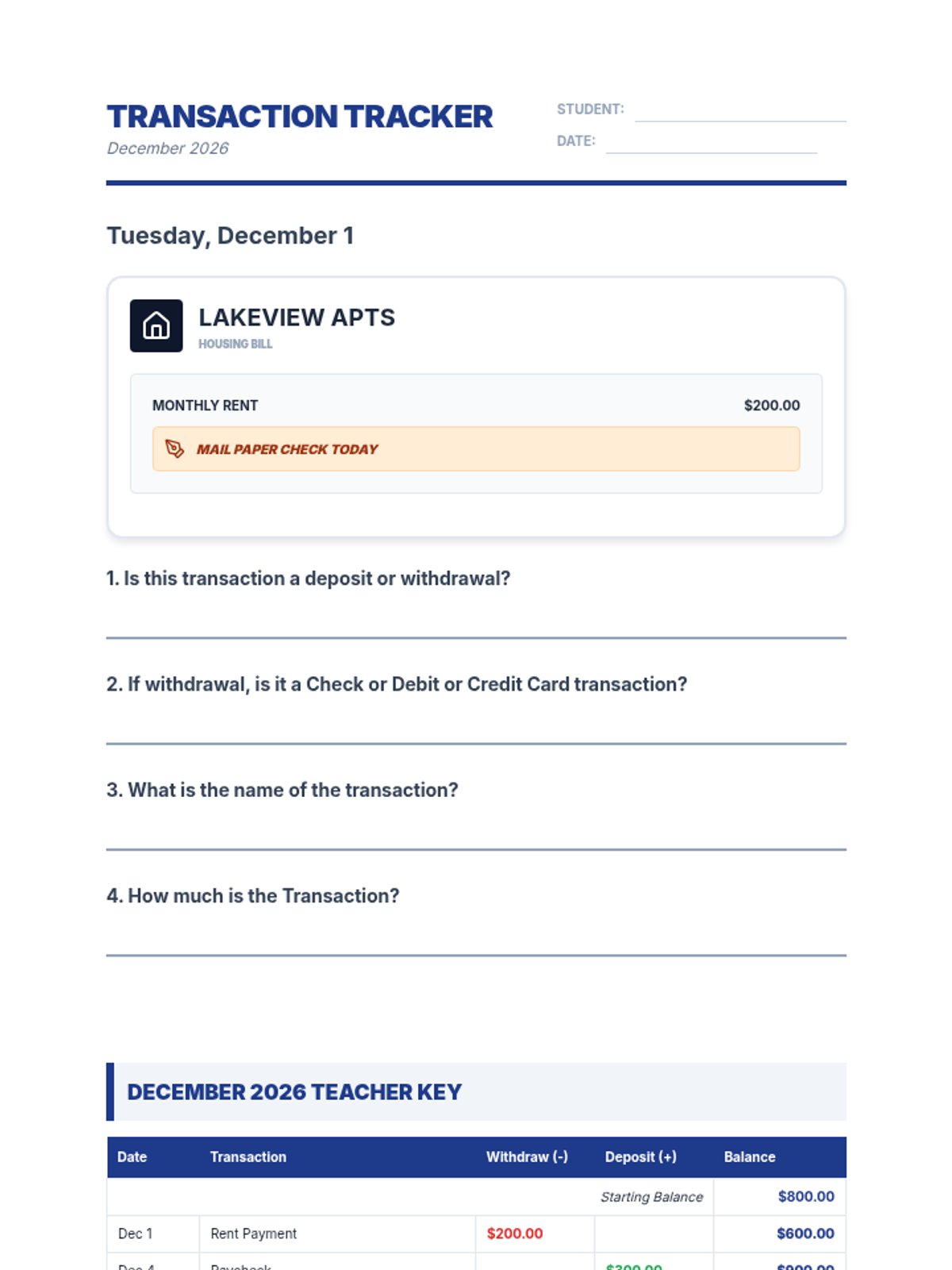
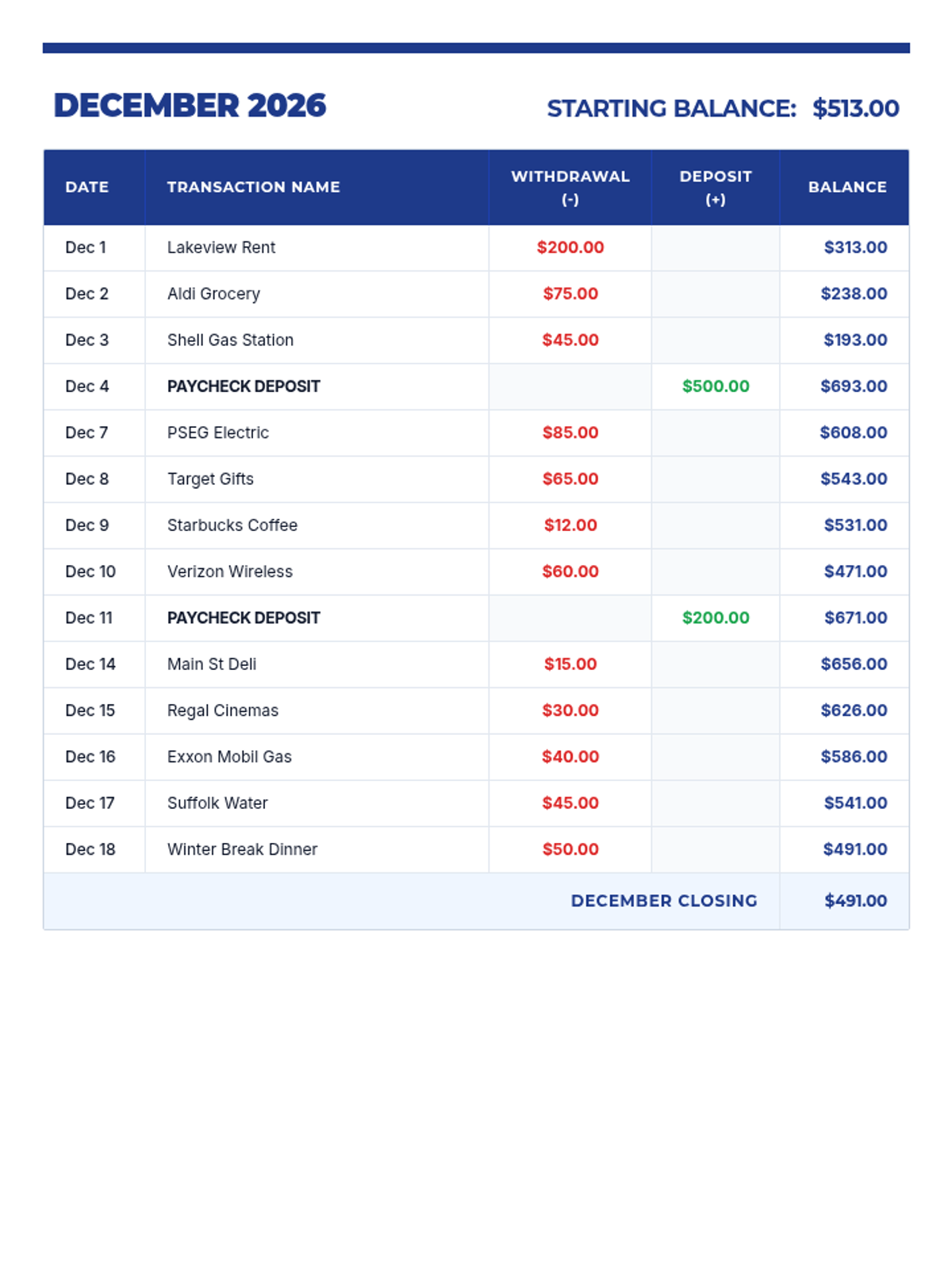
Banking practice for December 2026, focusing on holiday expenses and reduced school days due to winter recess. 14 instructional days.
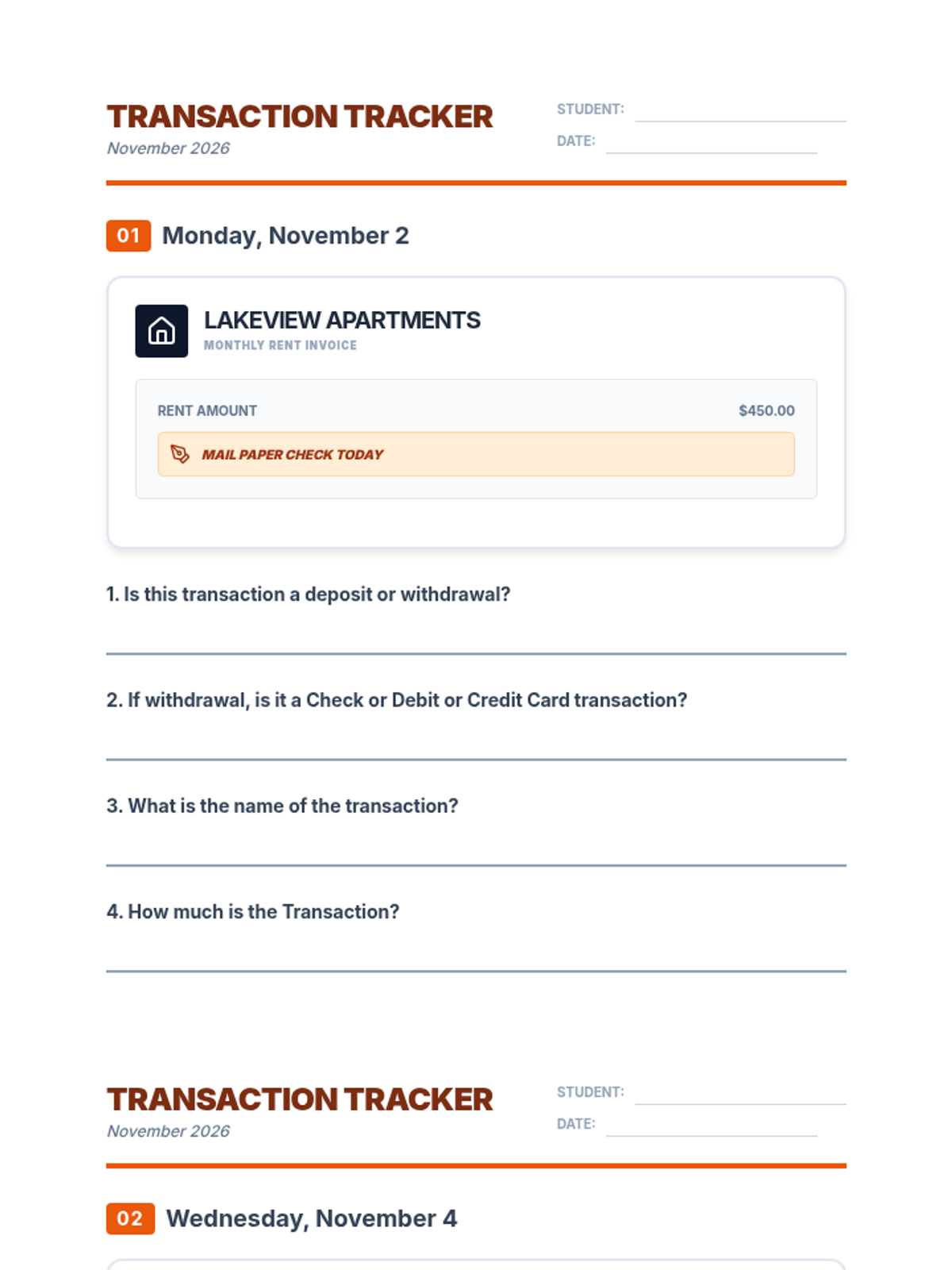
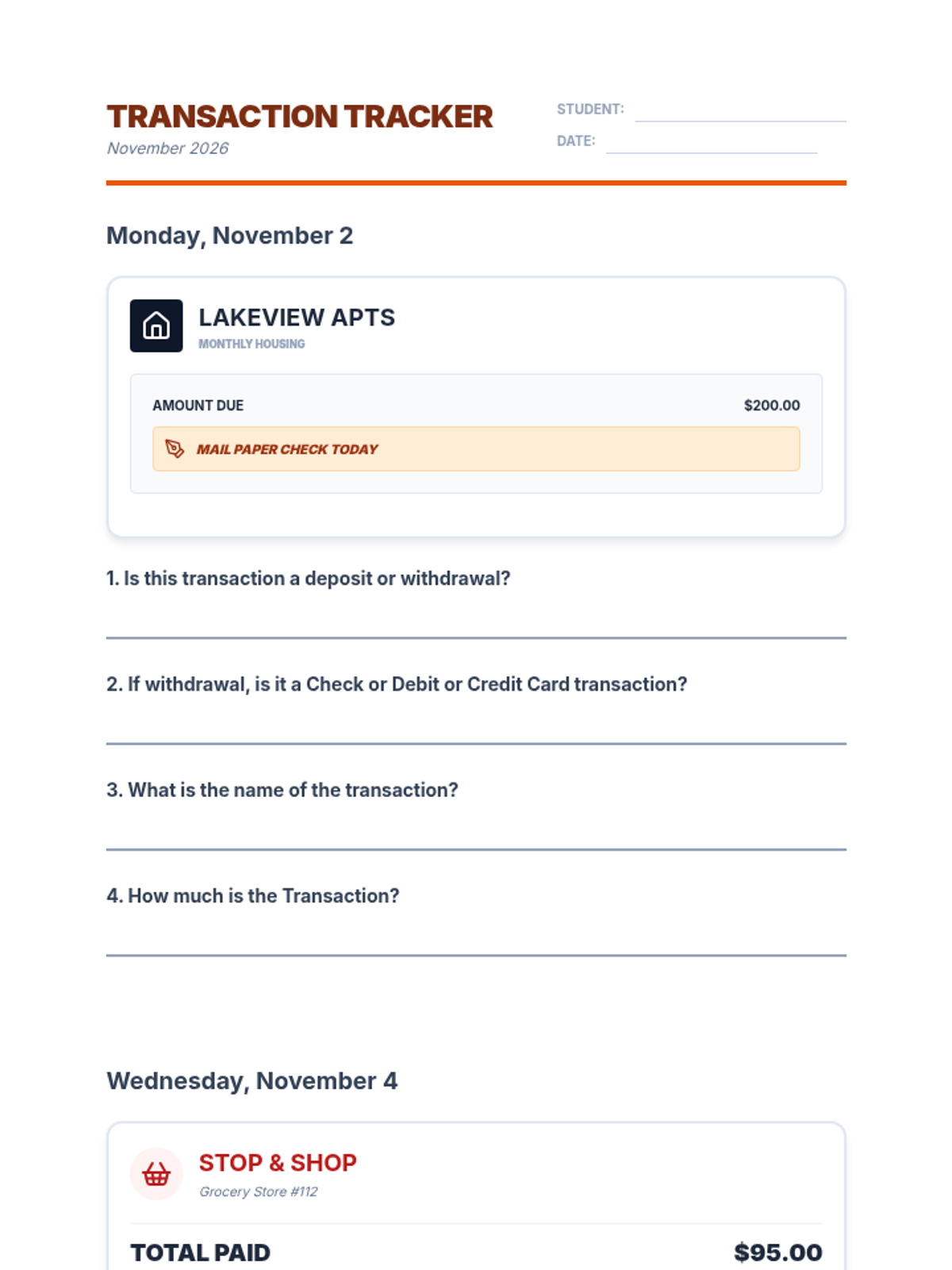
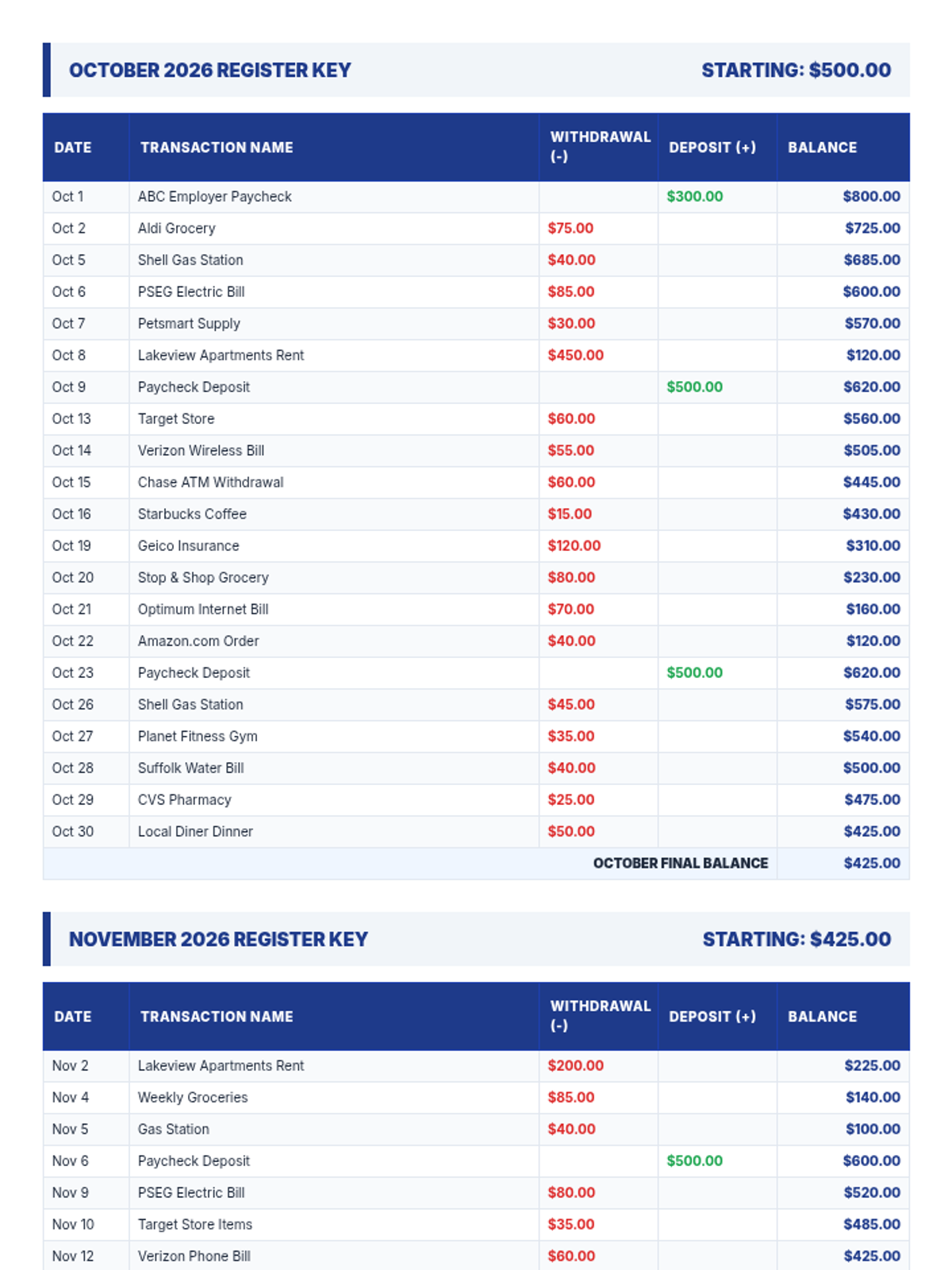
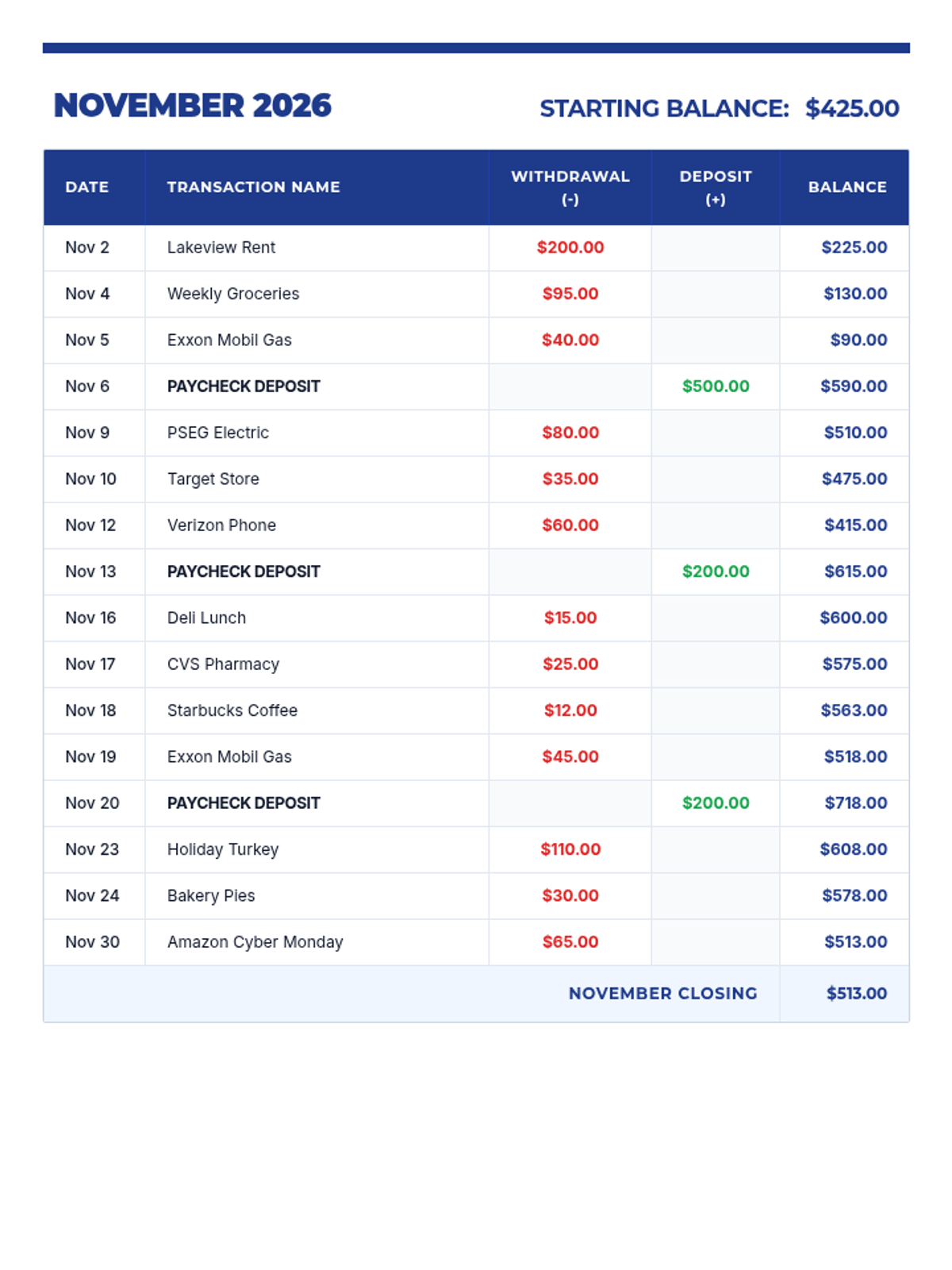
Banking practice for November 2026, including Thanksgiving holiday budgeting and seasonal expenses over 17 instructional days.
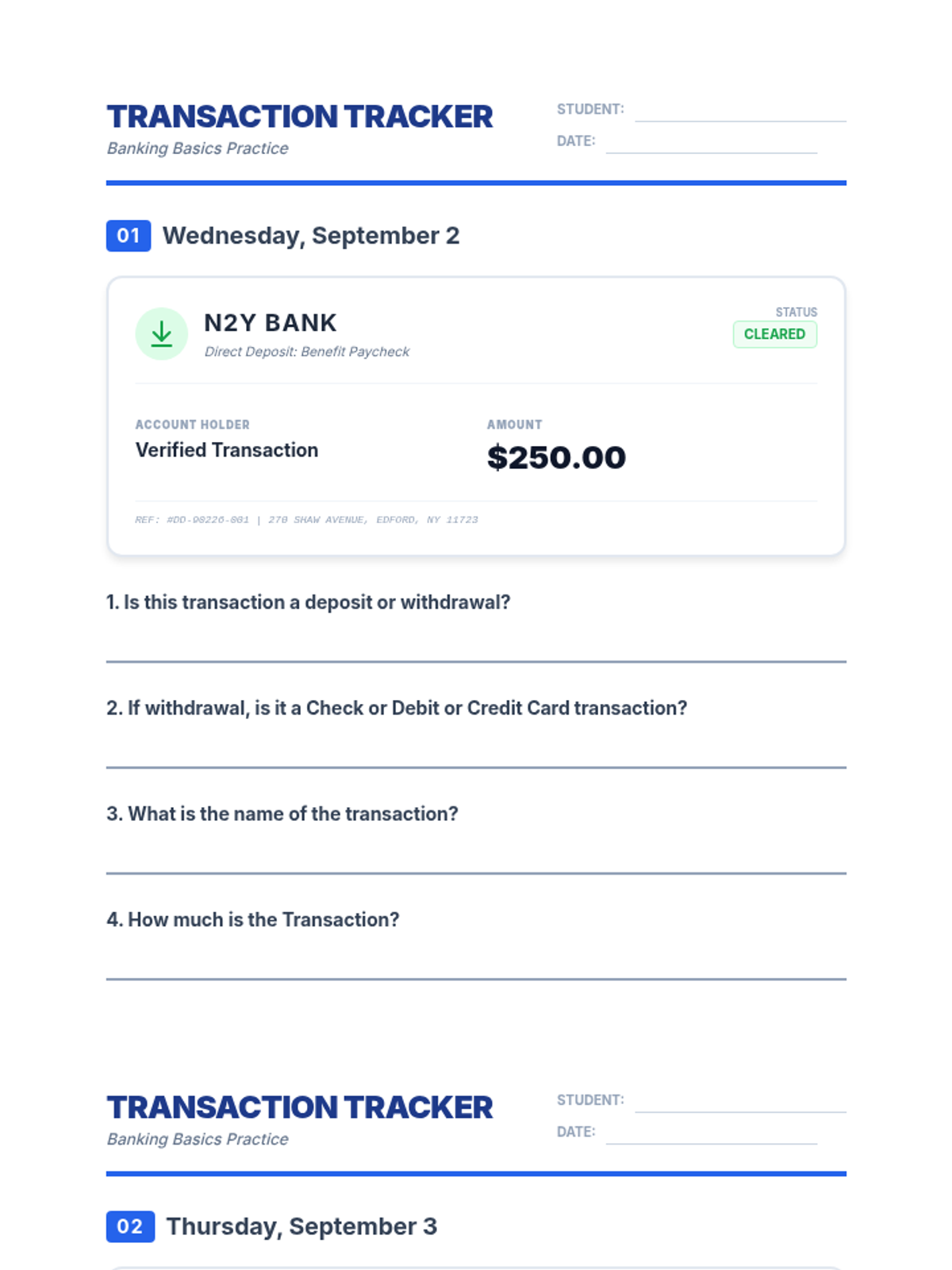
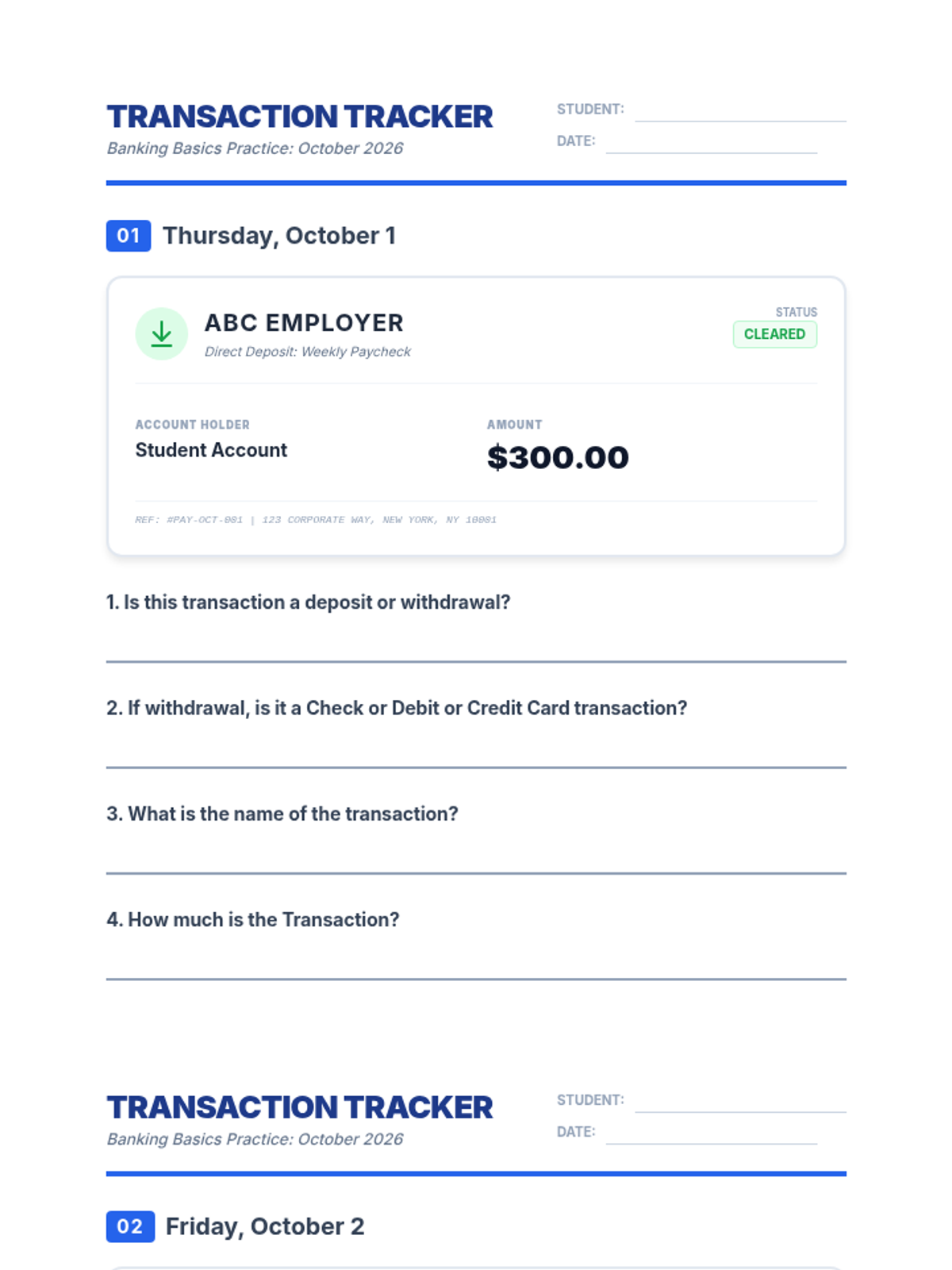
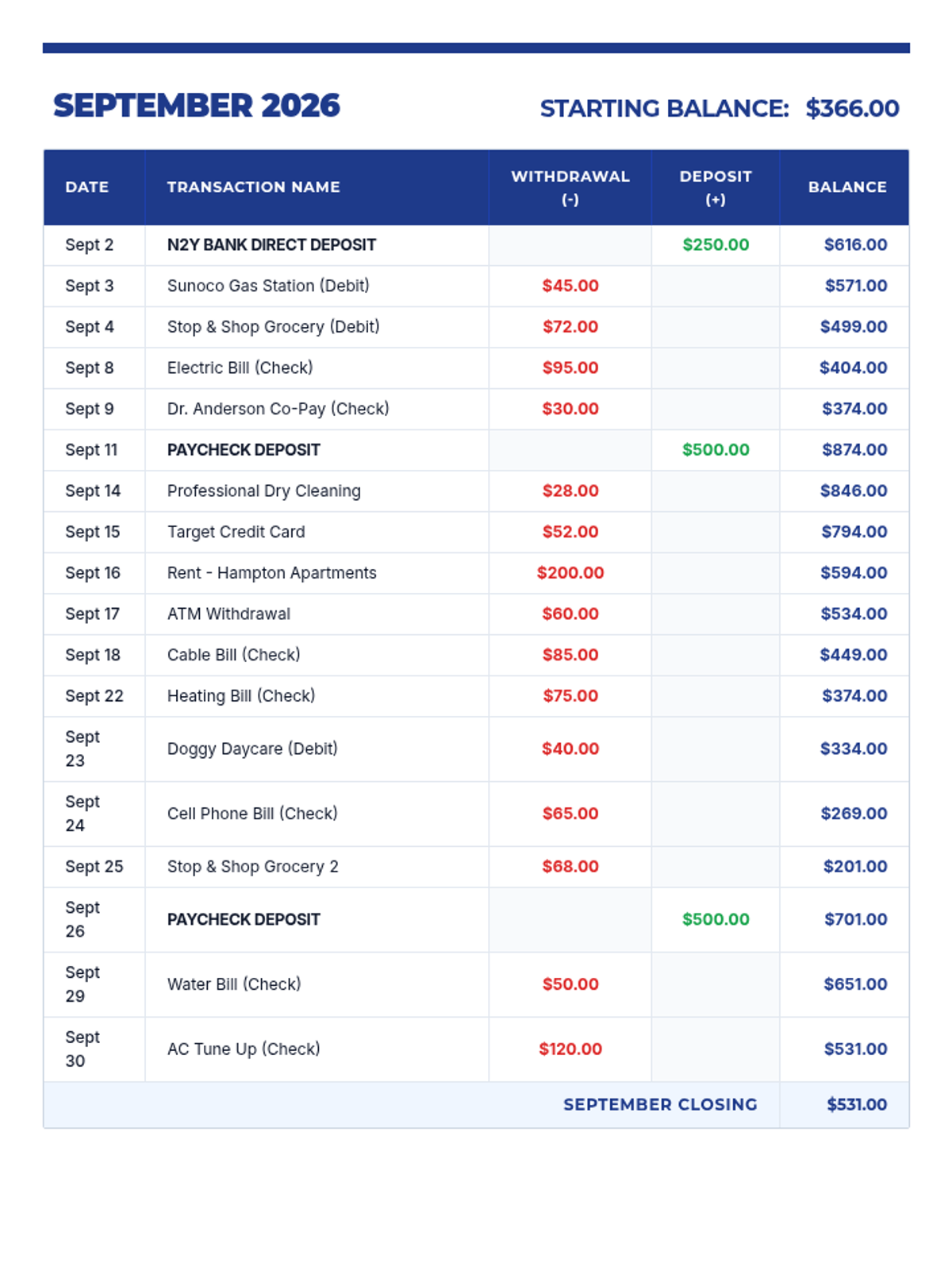
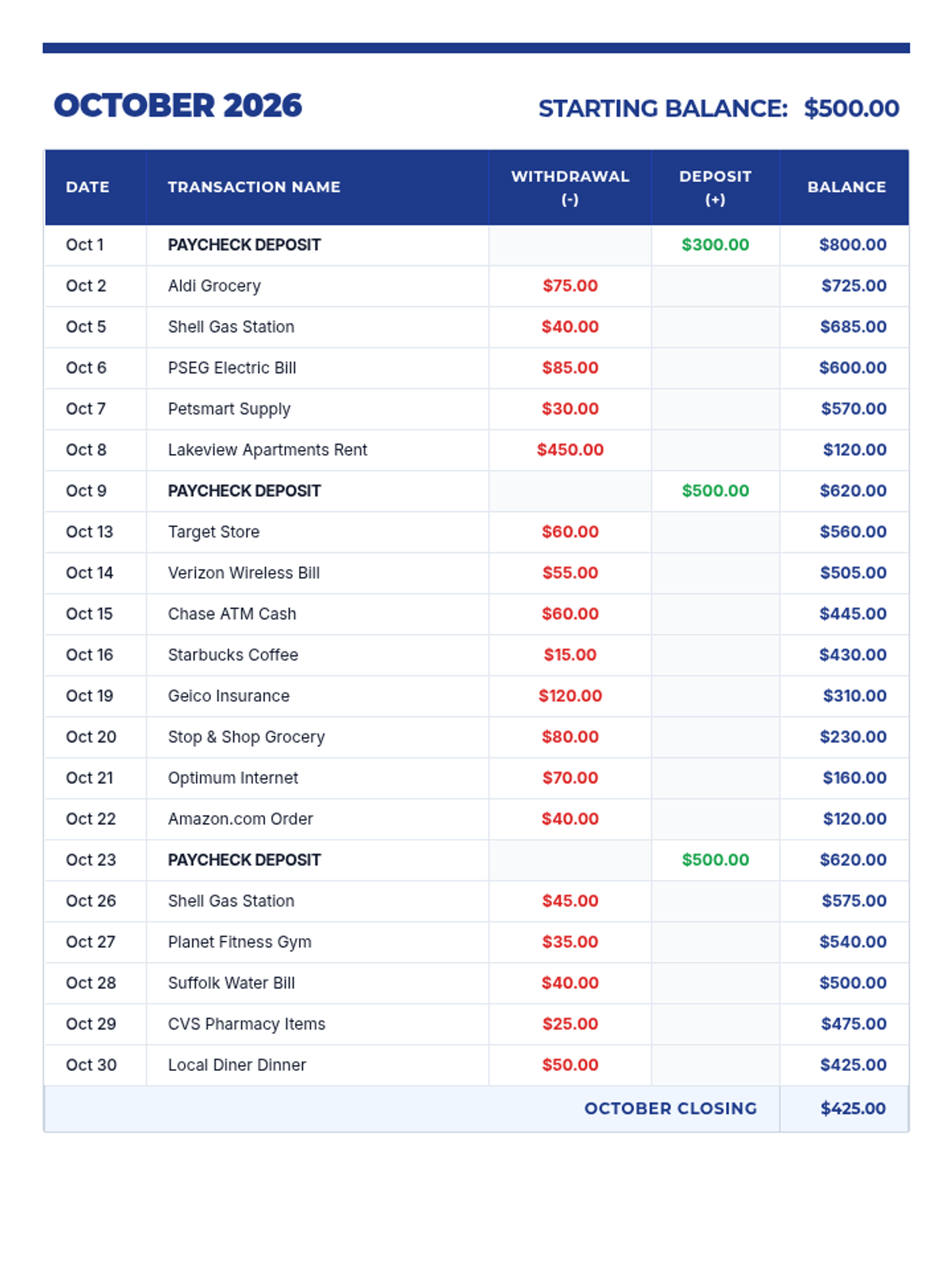
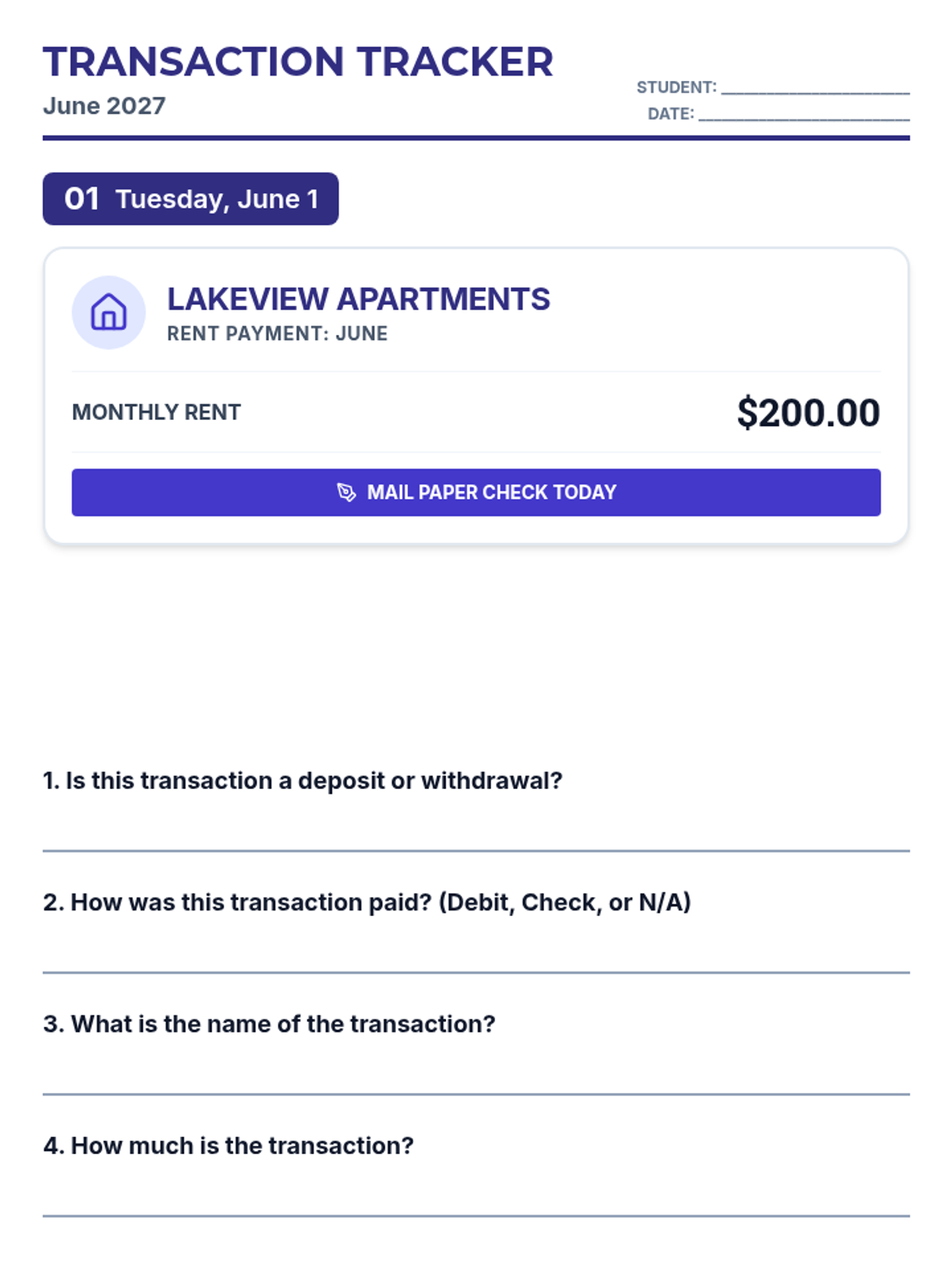
A series of practical banking exercises where students analyze various financial transactions including deposits, withdrawals, bills, and paychecks to build essential financial literacy skills.
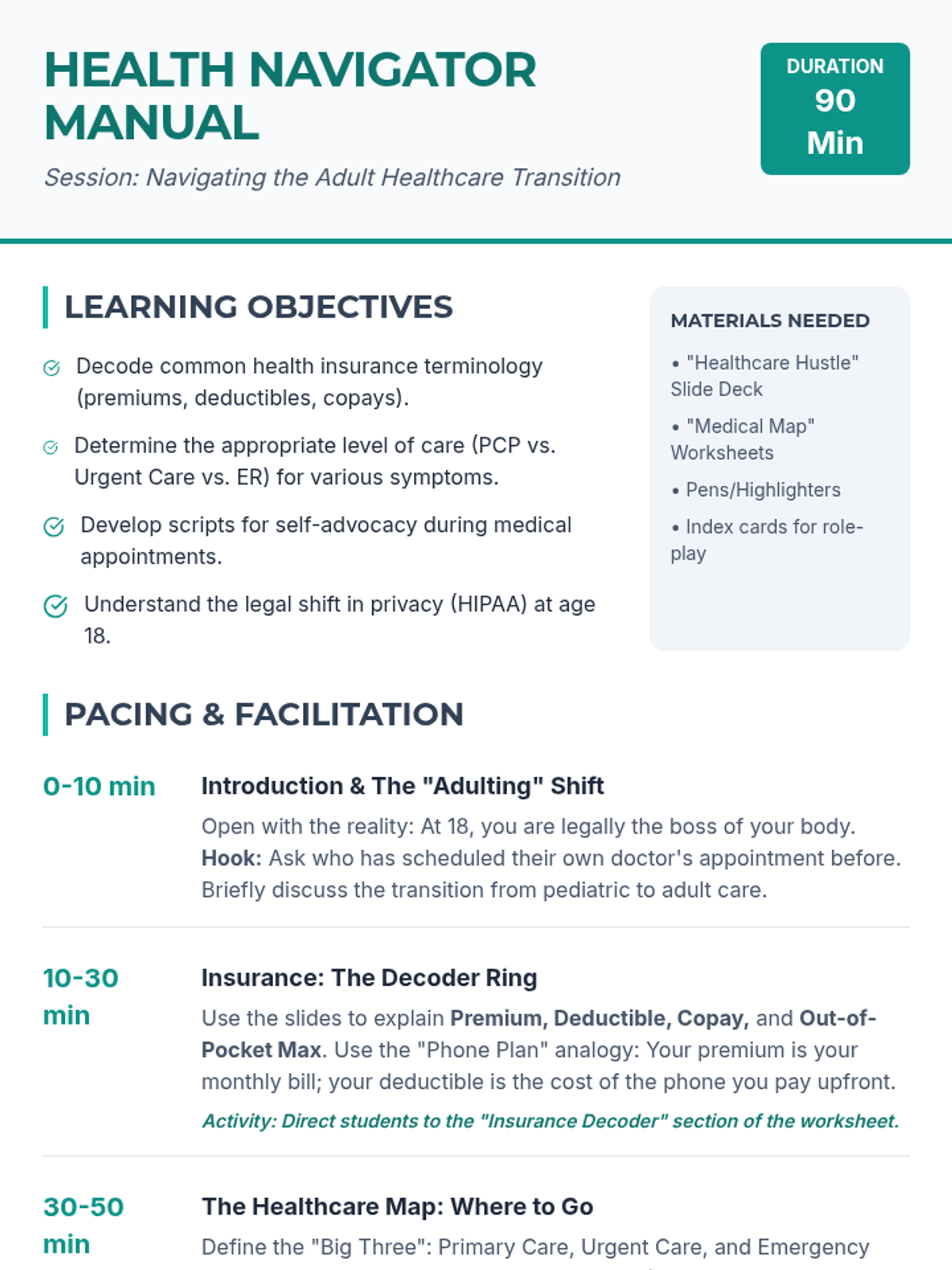
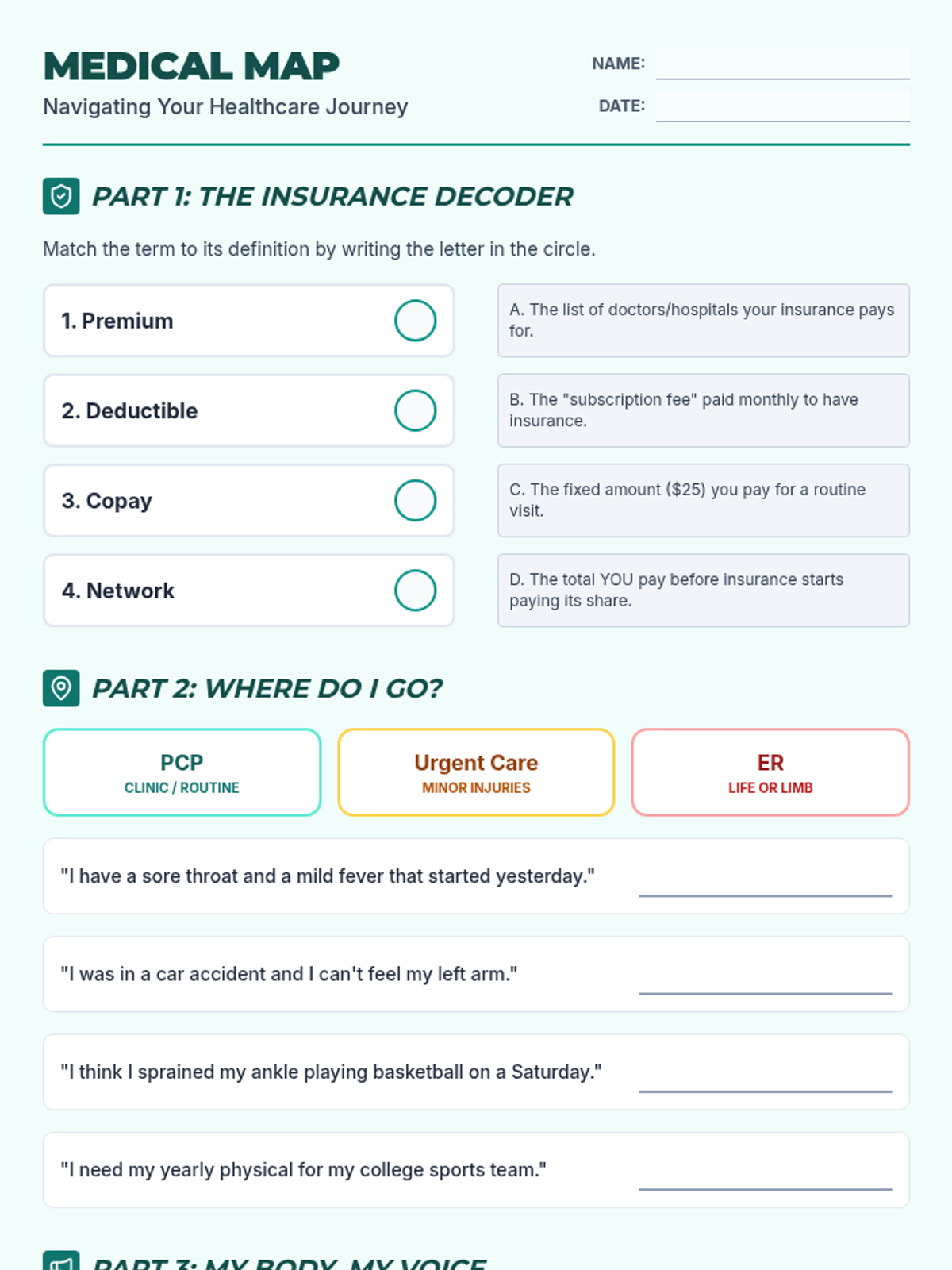
A 90-minute workshop designed for young adults (ages 16-21) to master the transition into independent healthcare management, covering insurance, provider types, and self-advocacy.
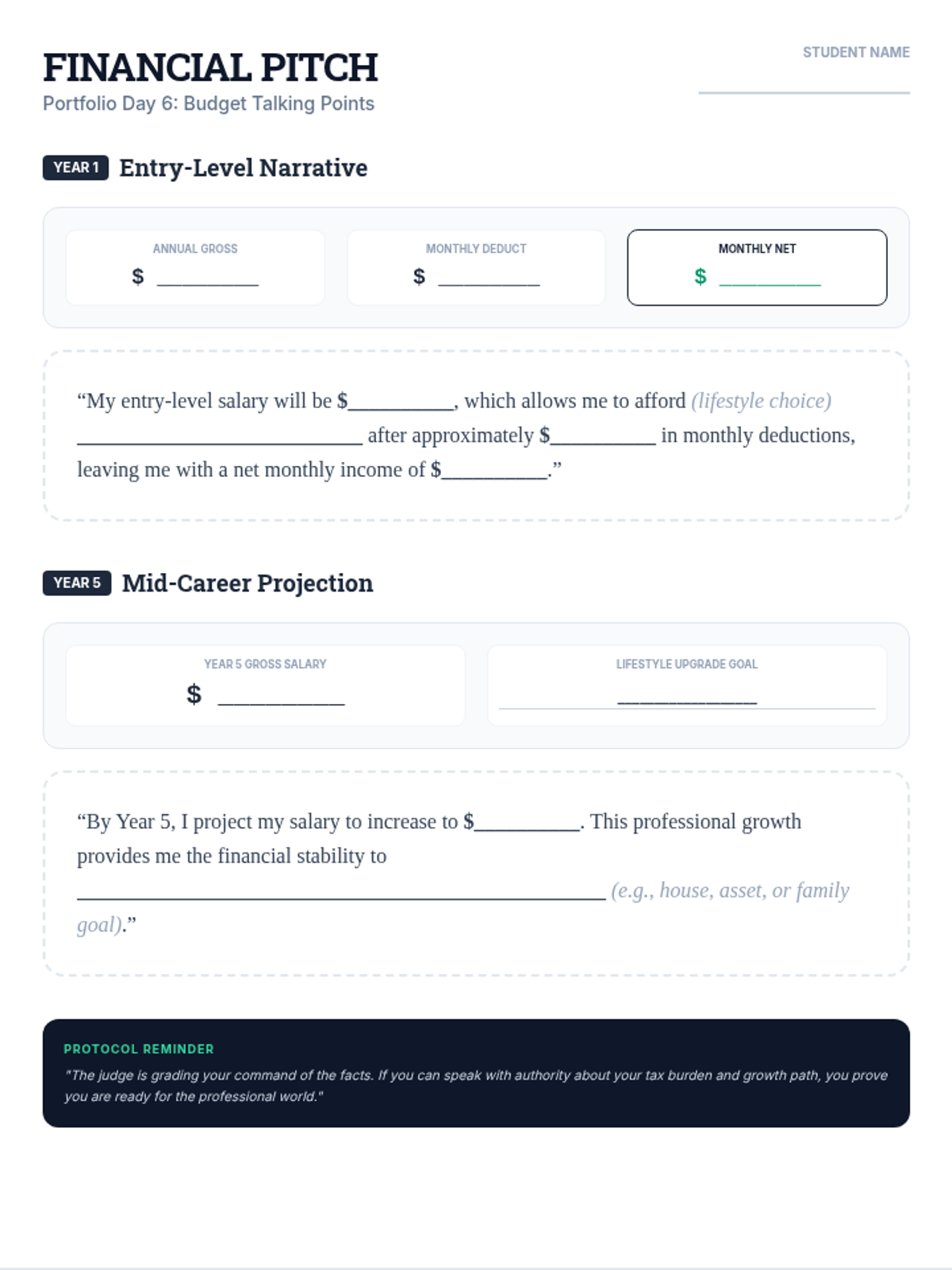
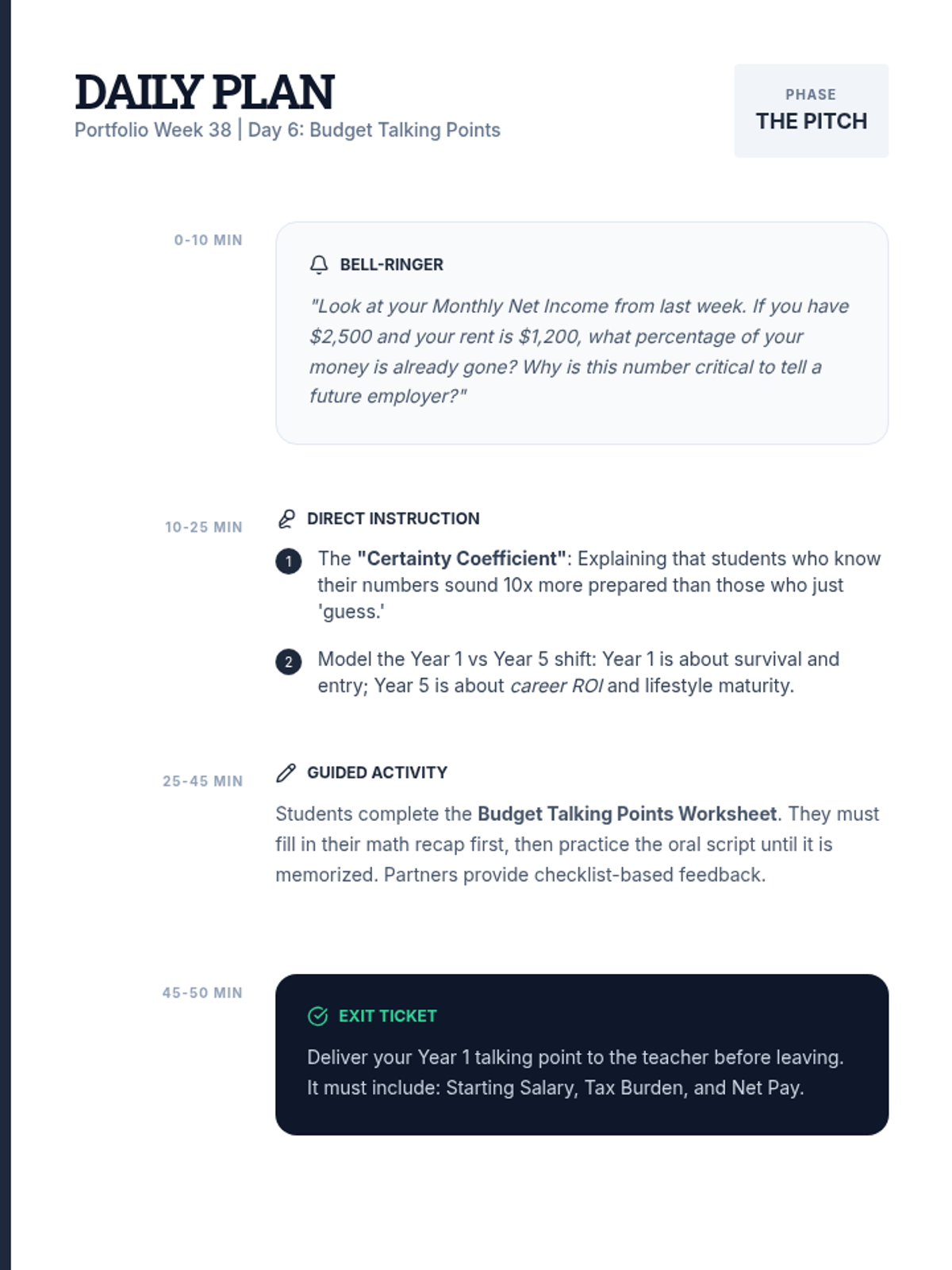
Students draft and practice their core financial talking points for both their entry-level and mid-career projections.
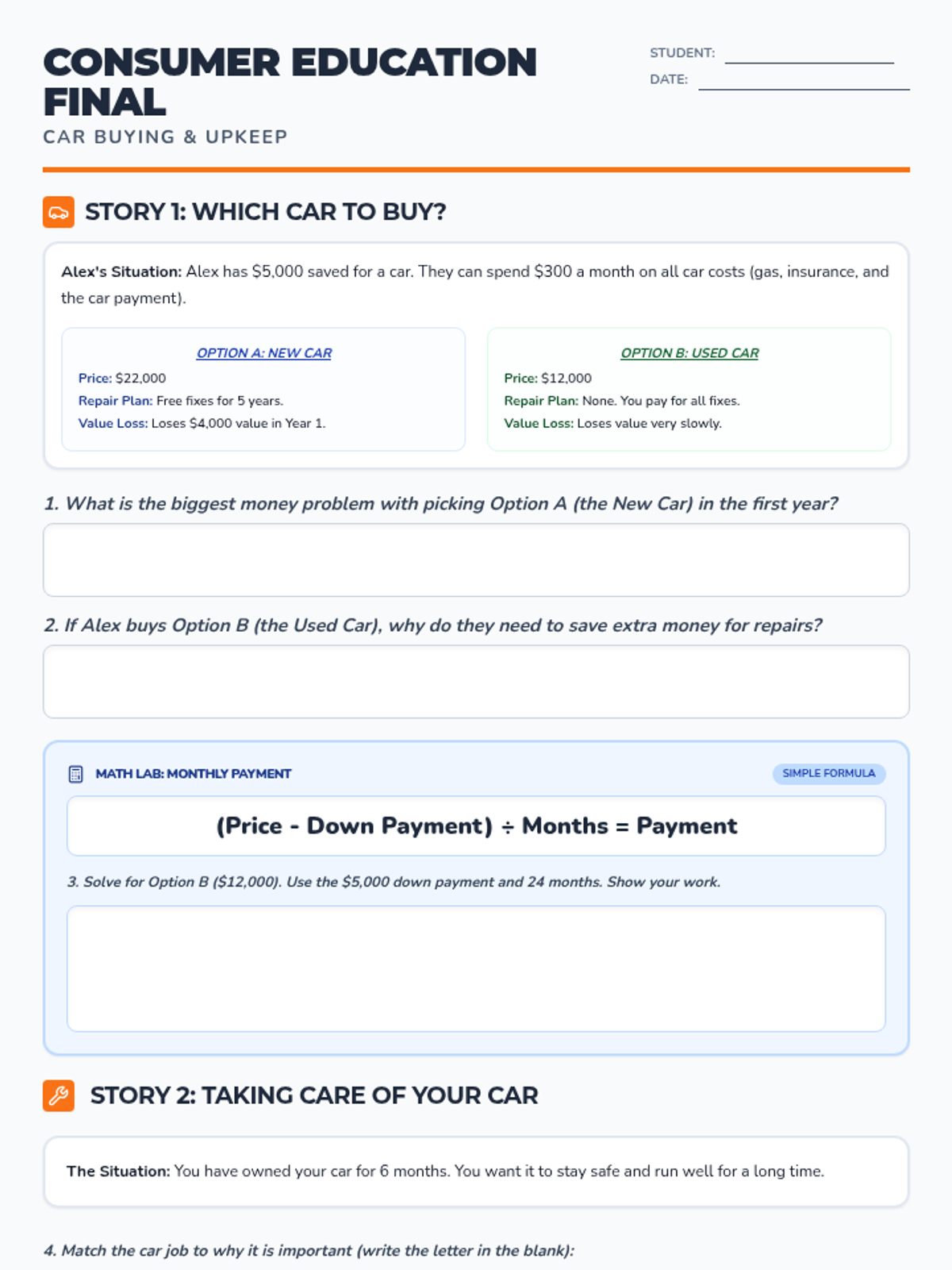
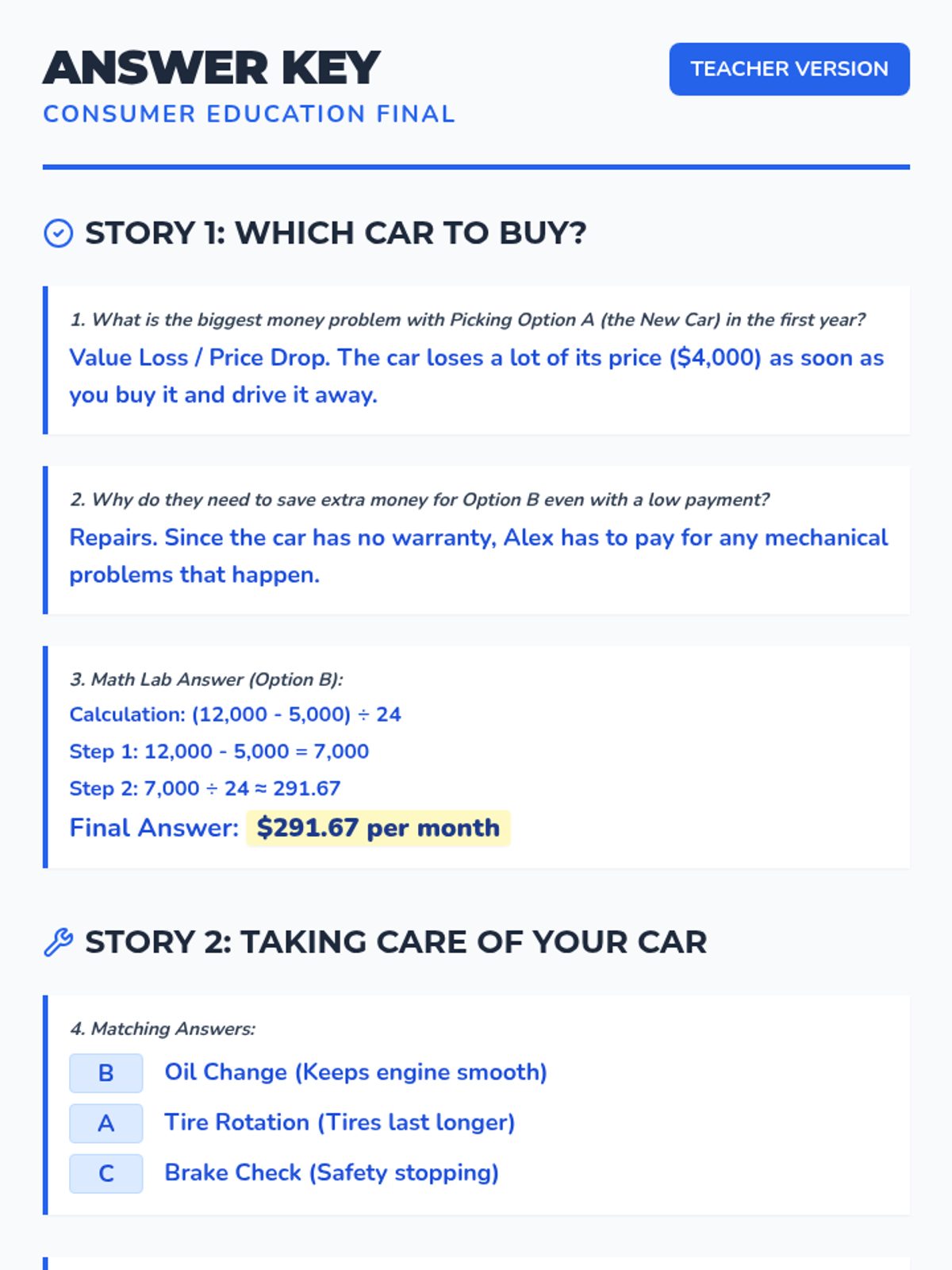
A scenario-based final assessment focusing on the practical decisions involved in purchasing and maintaining a vehicle, designed for a life skills consumer education course.
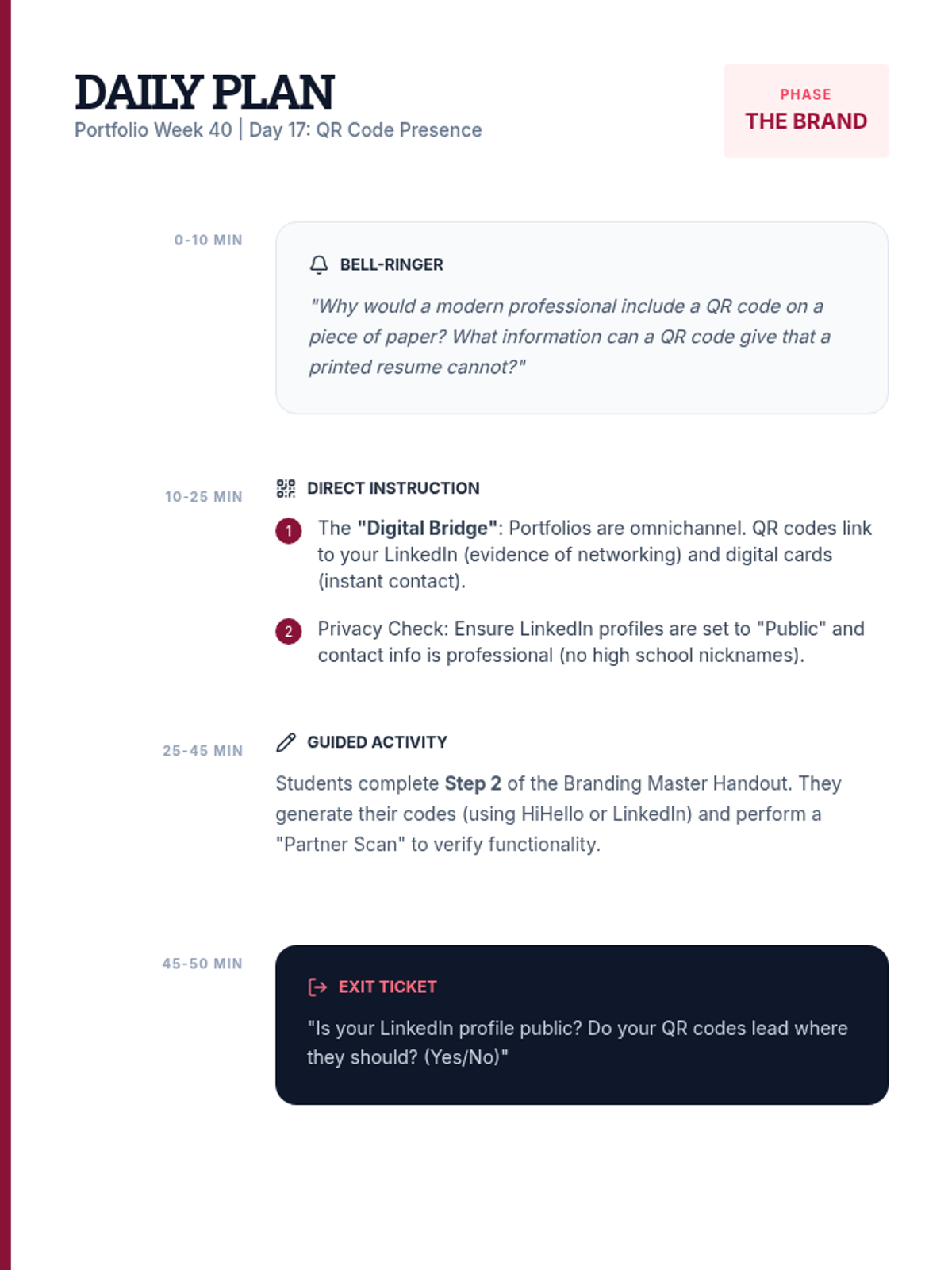
Students generate and test QR codes for LinkedIn and digital business cards.
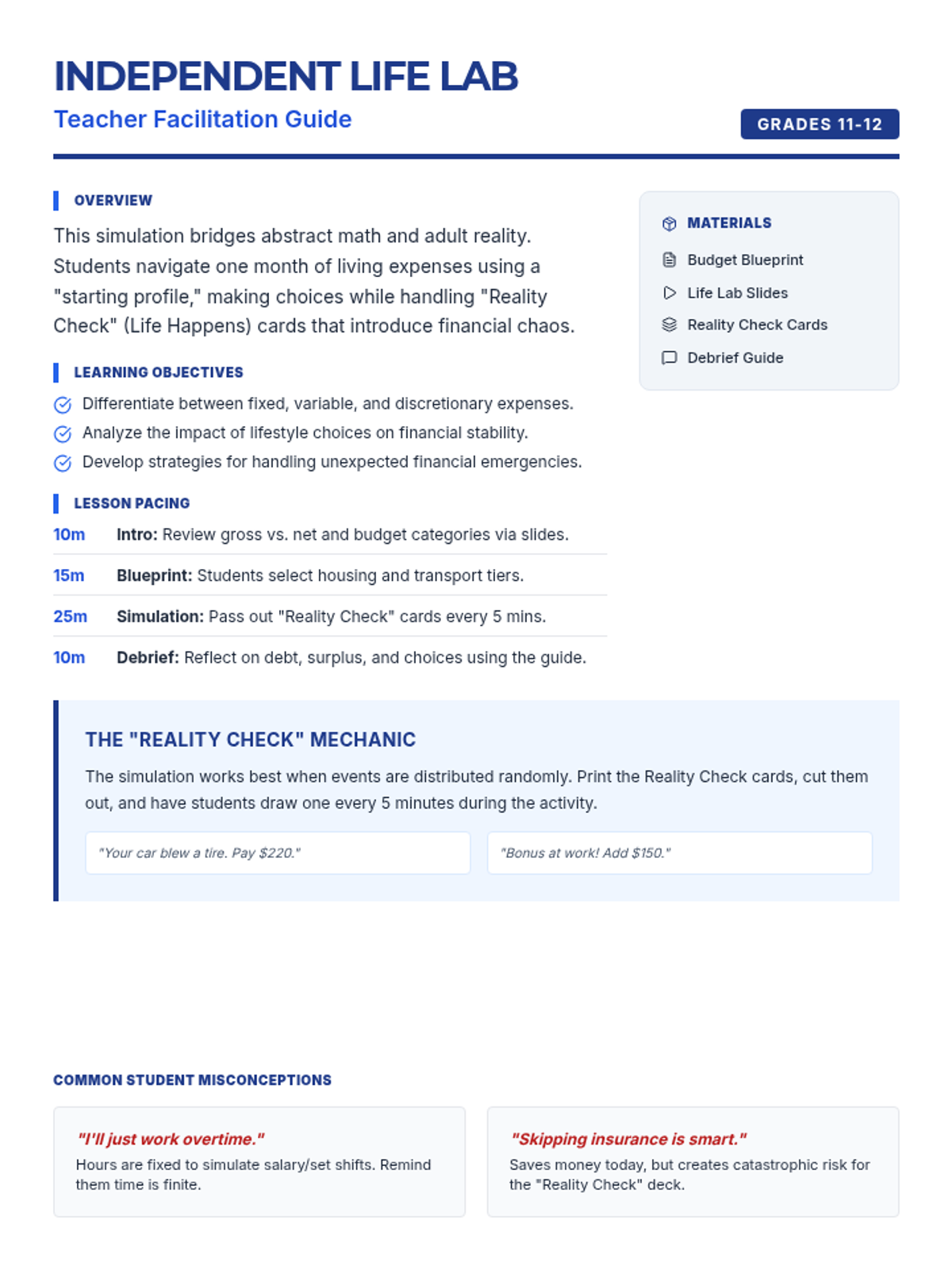
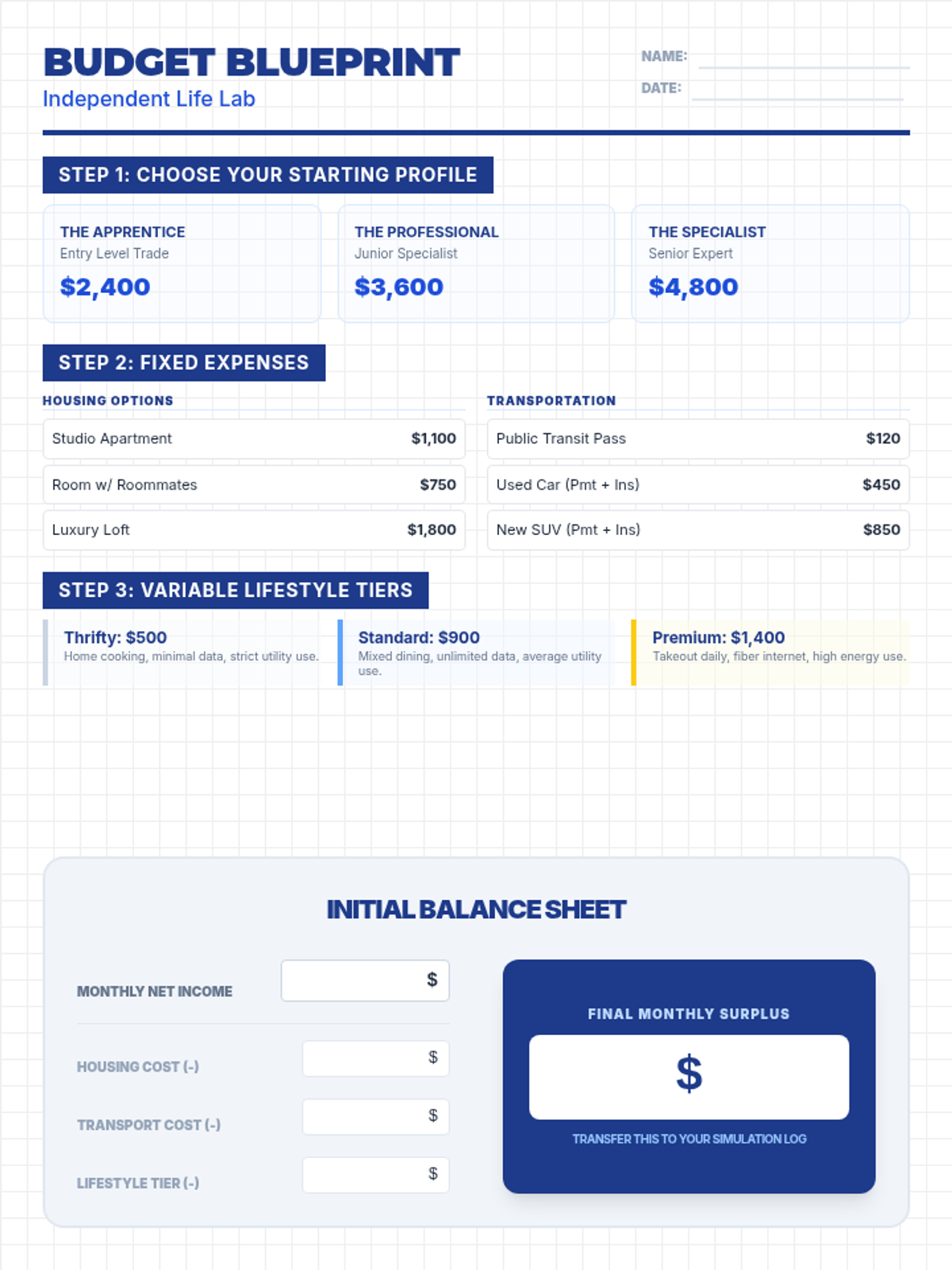
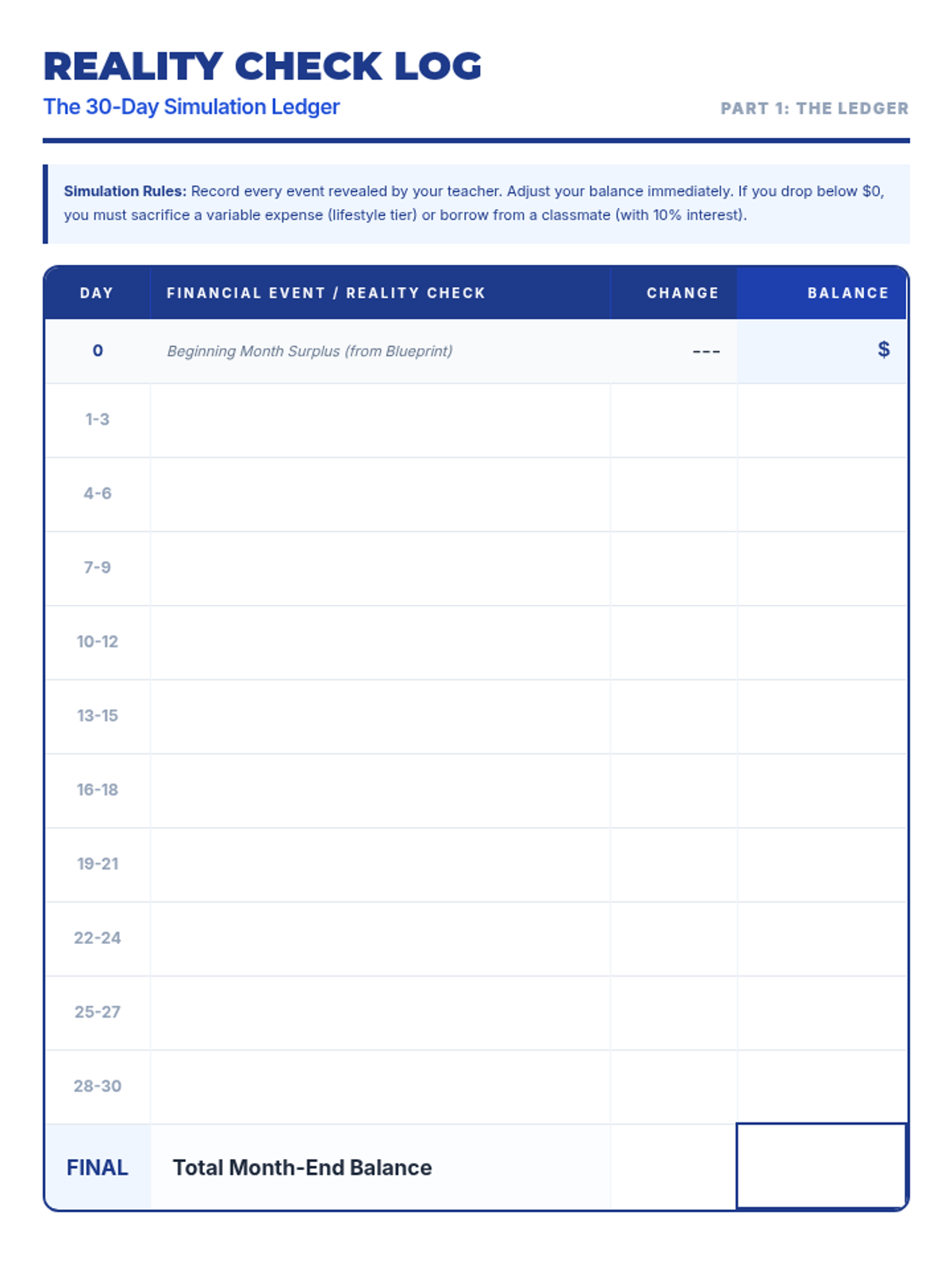
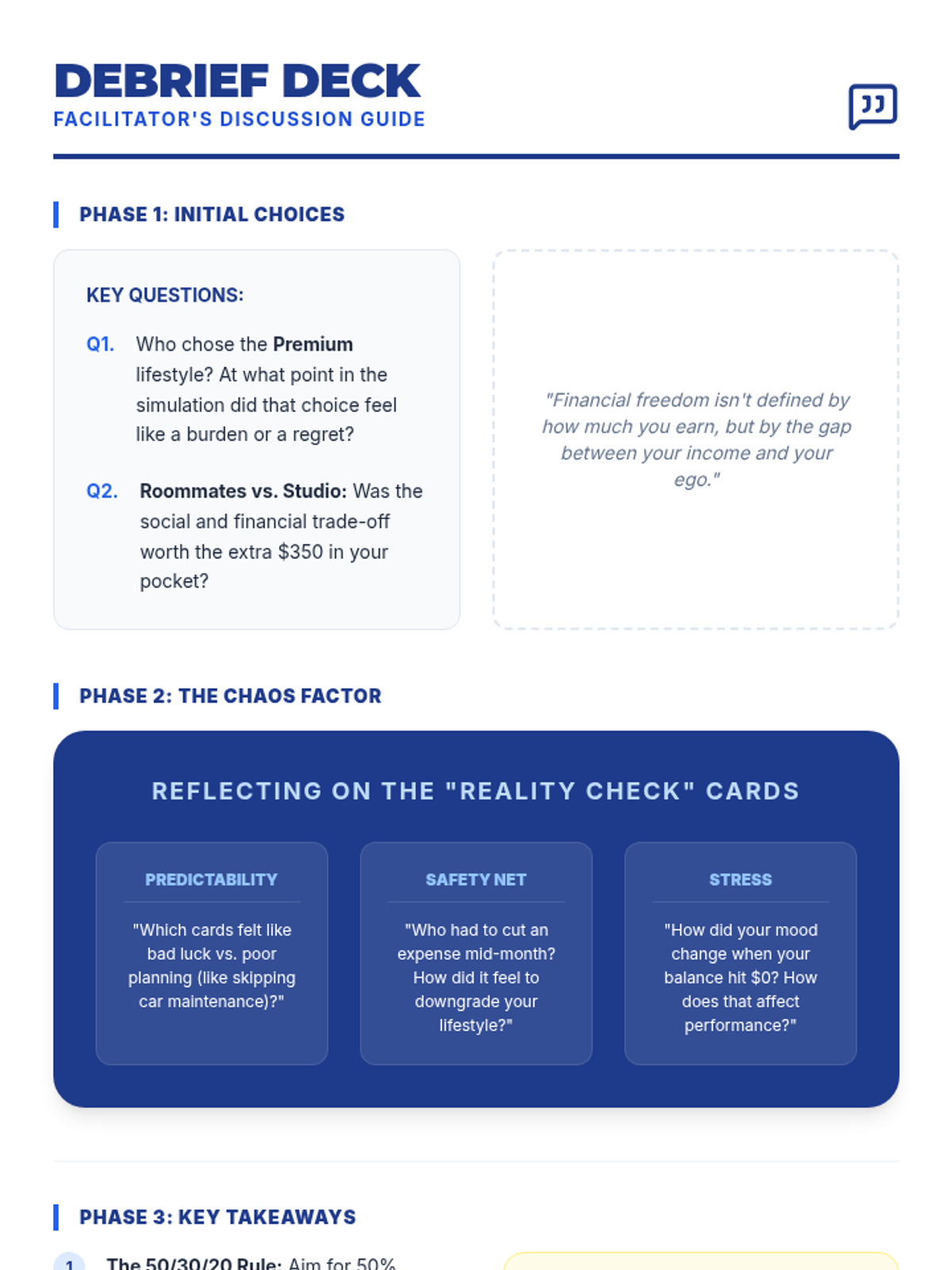
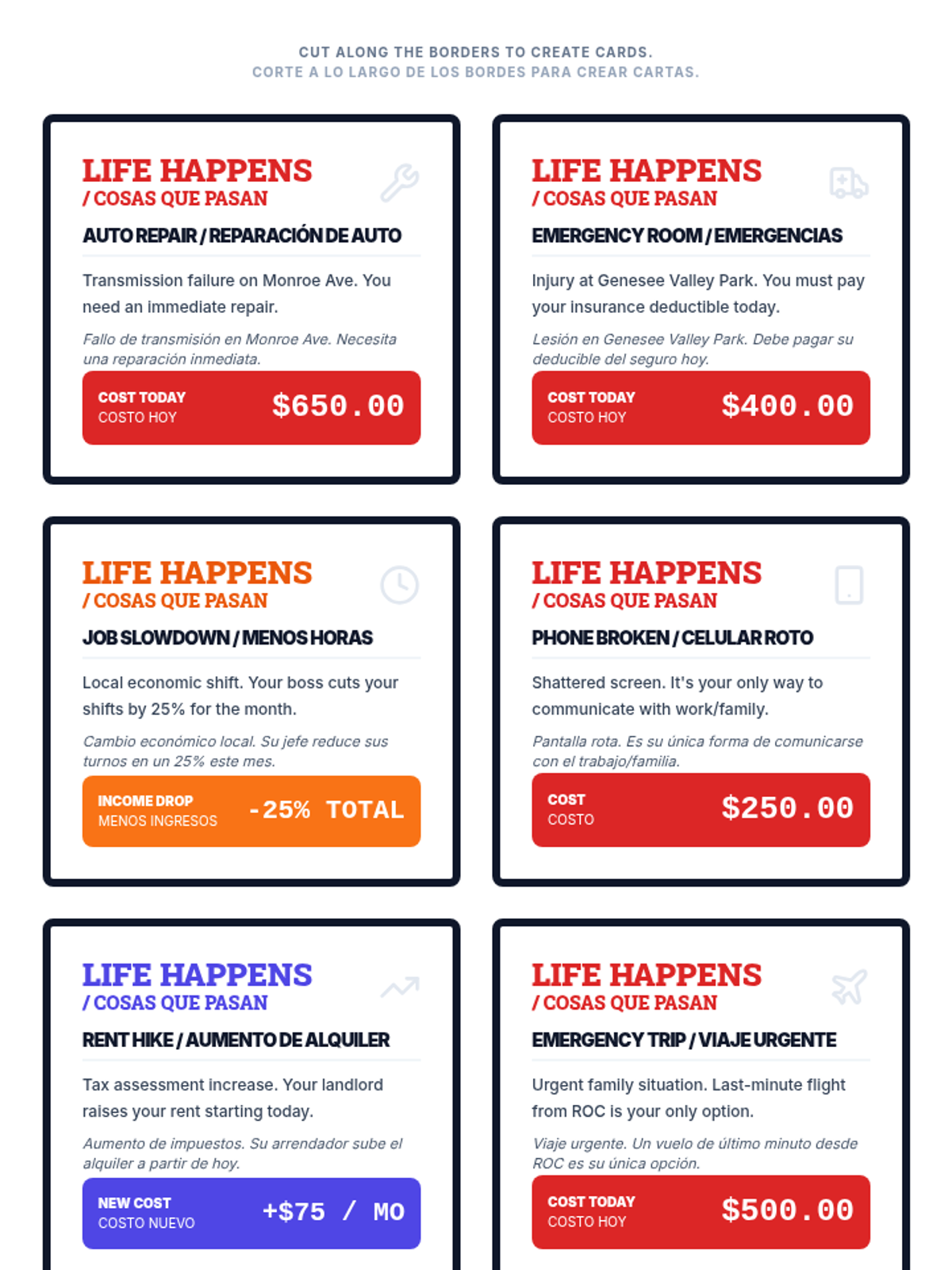
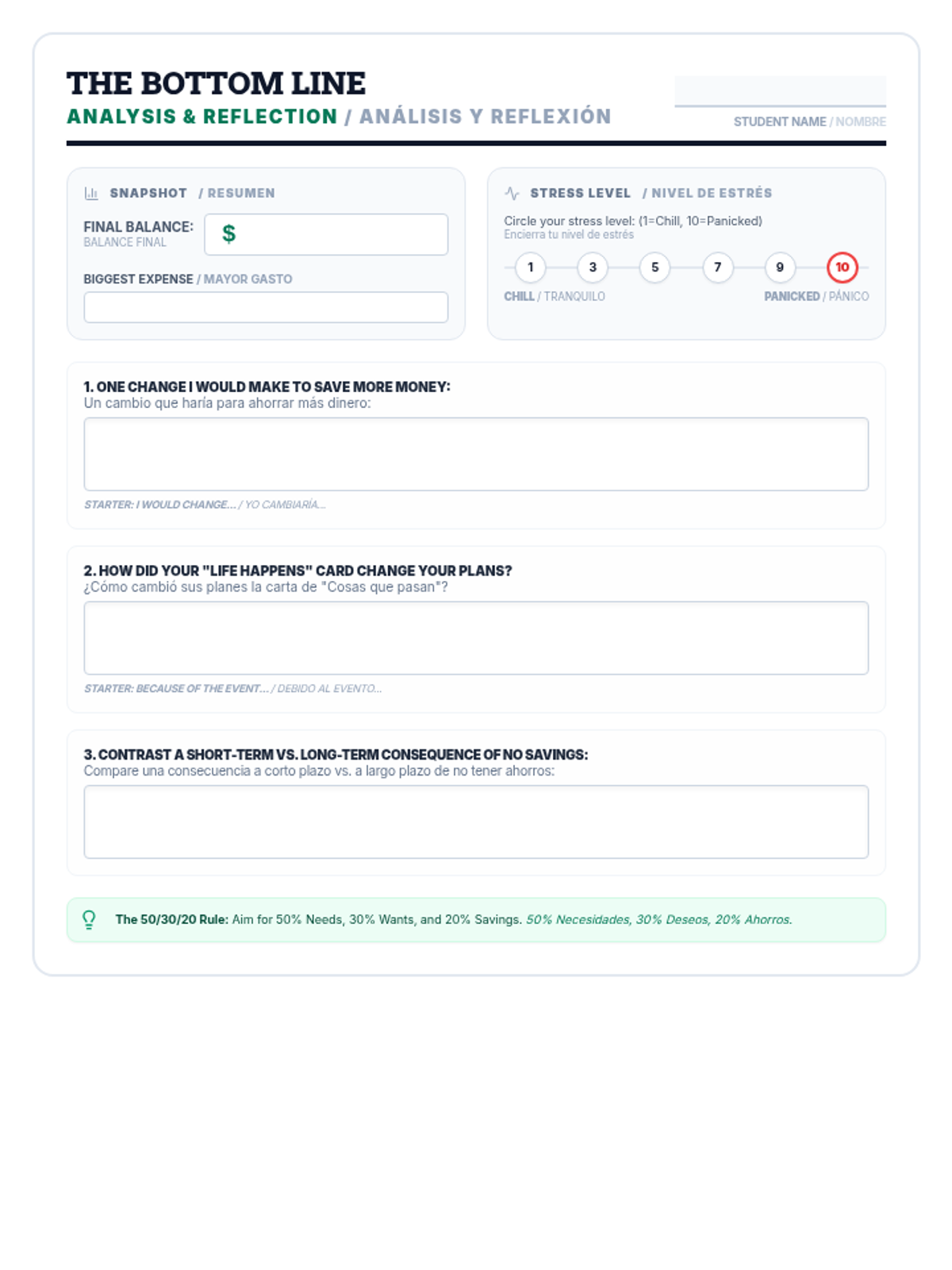
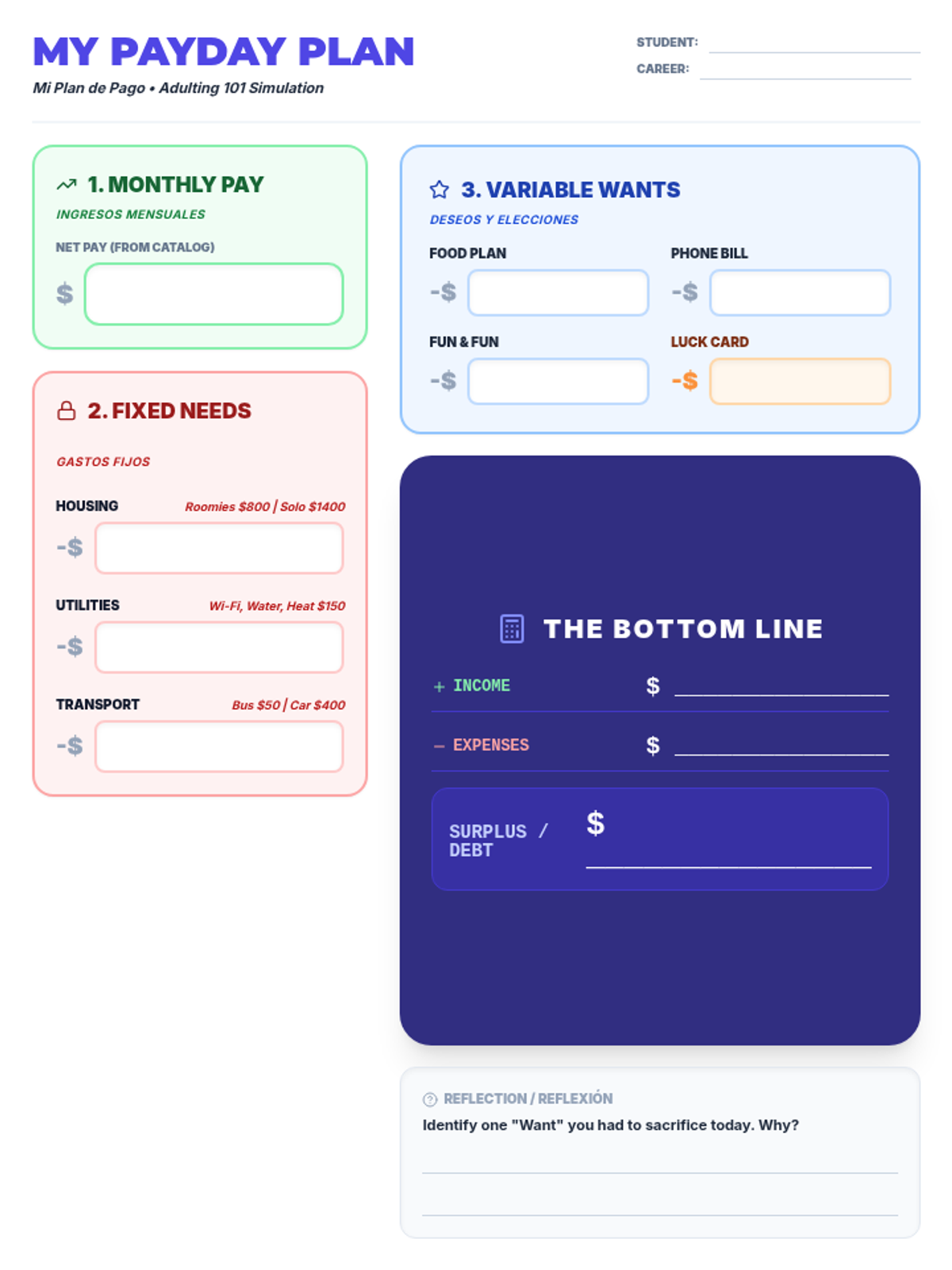
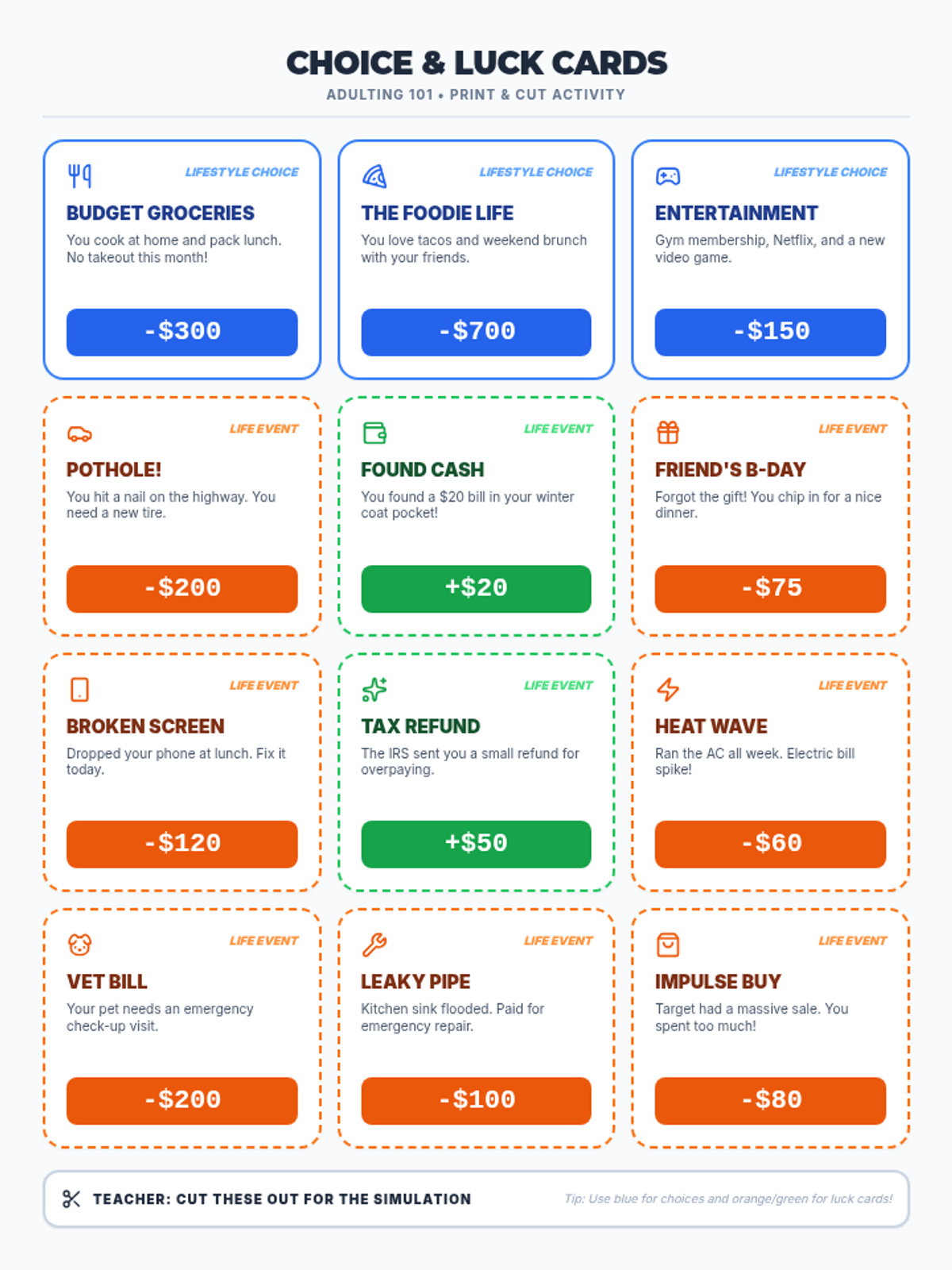
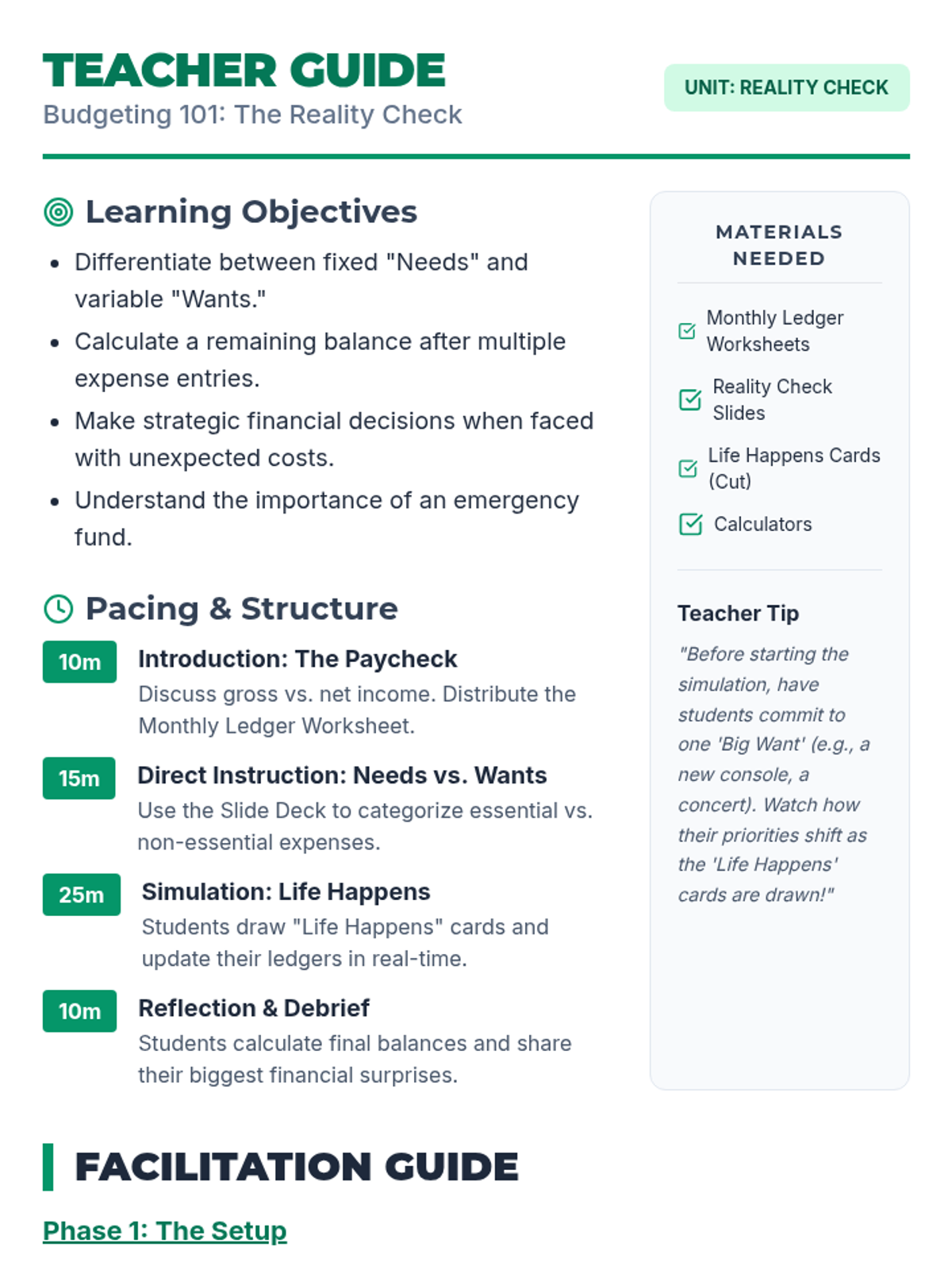
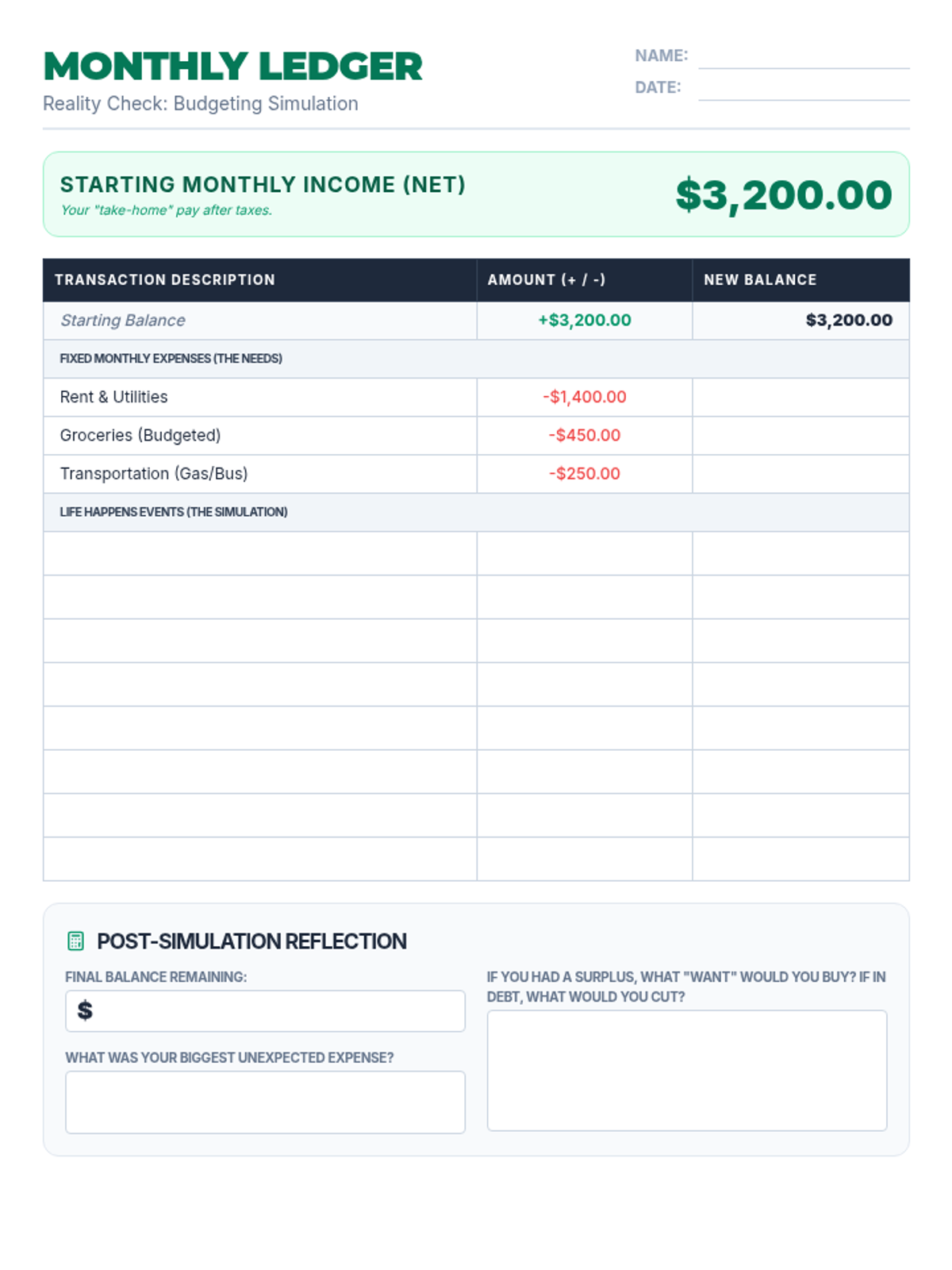
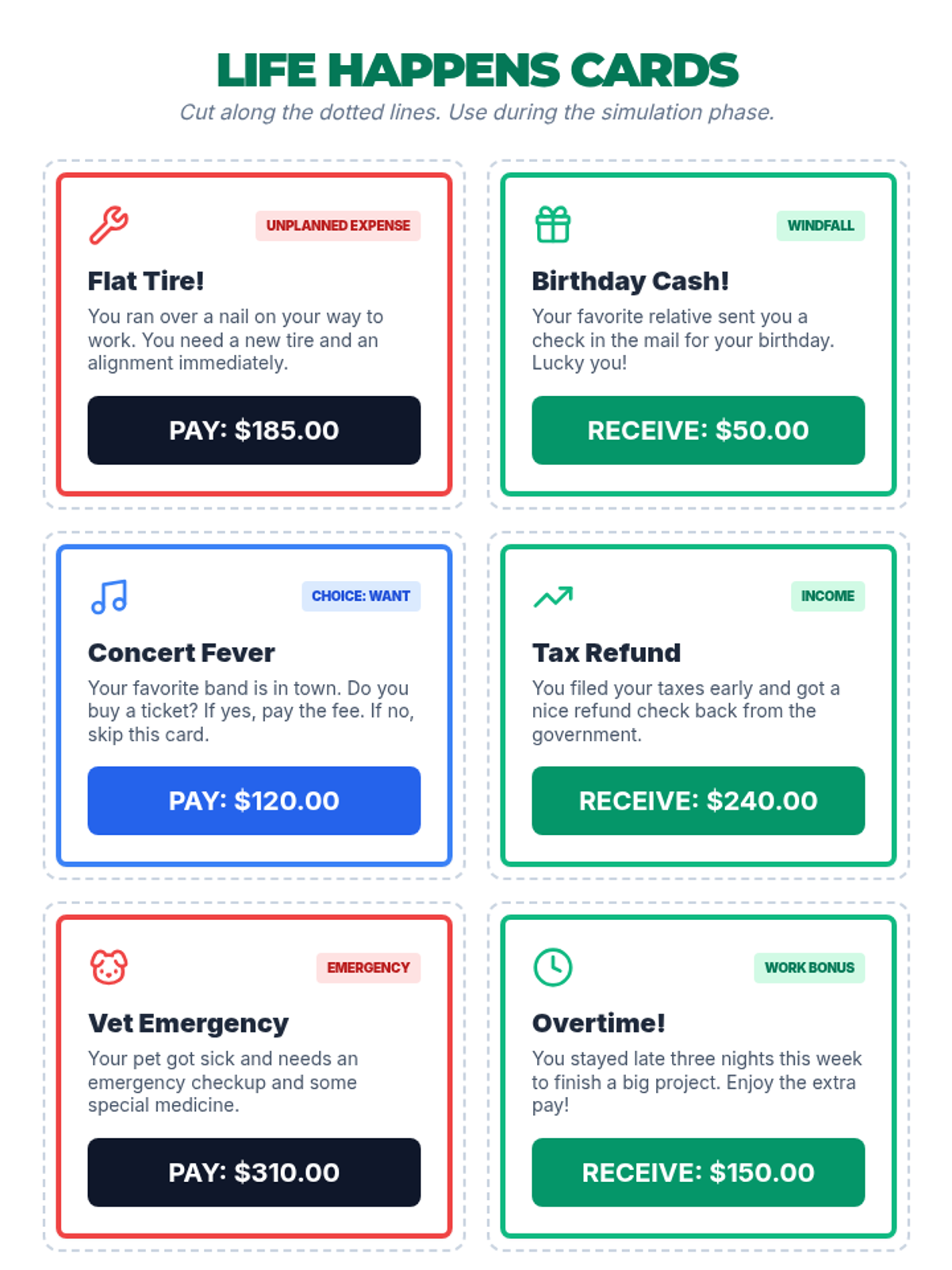
A hands-on financial literacy simulation where students manage a month of income and expenses, navigating real-world trade-offs and unexpected financial hurdles.
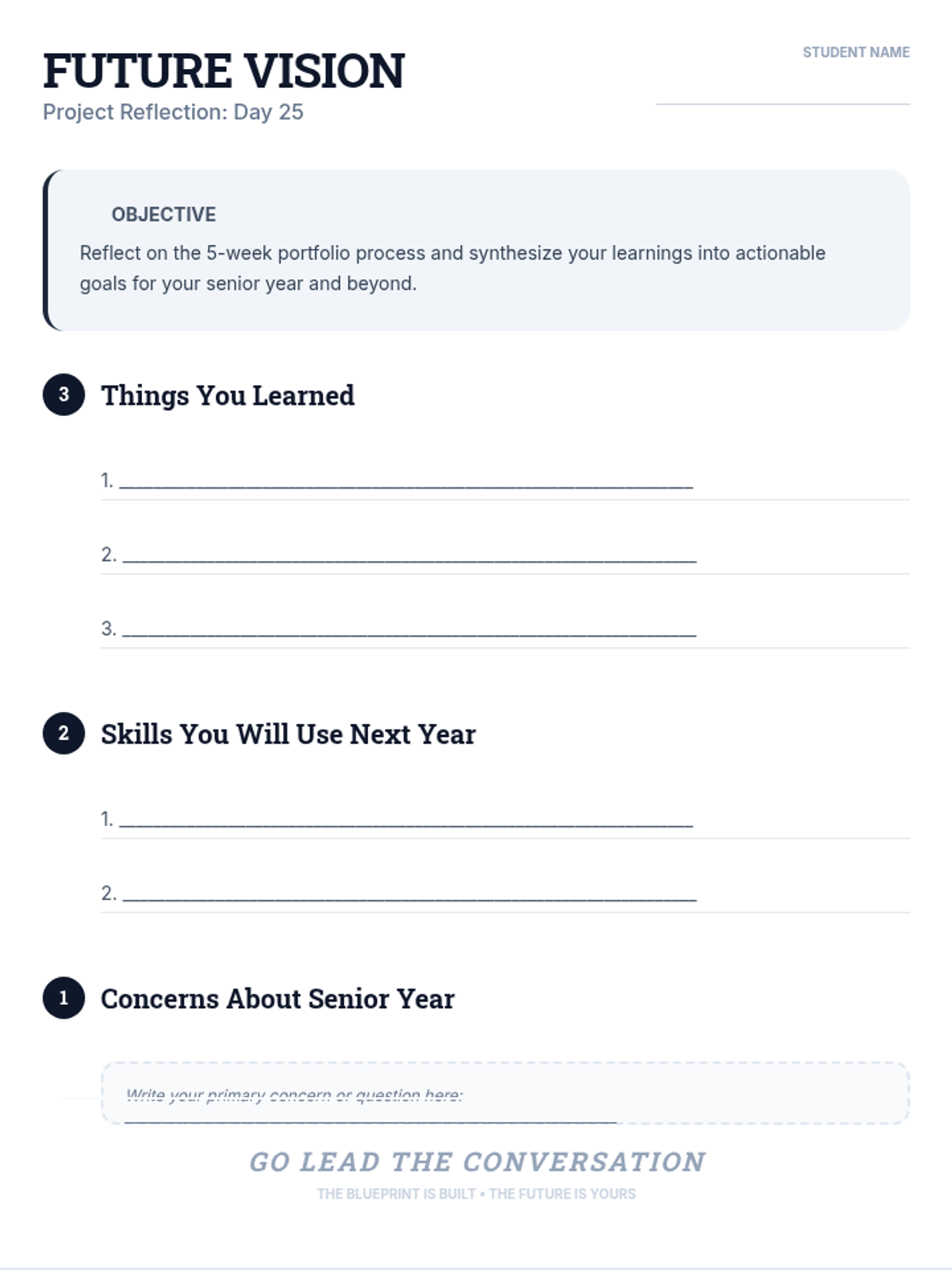
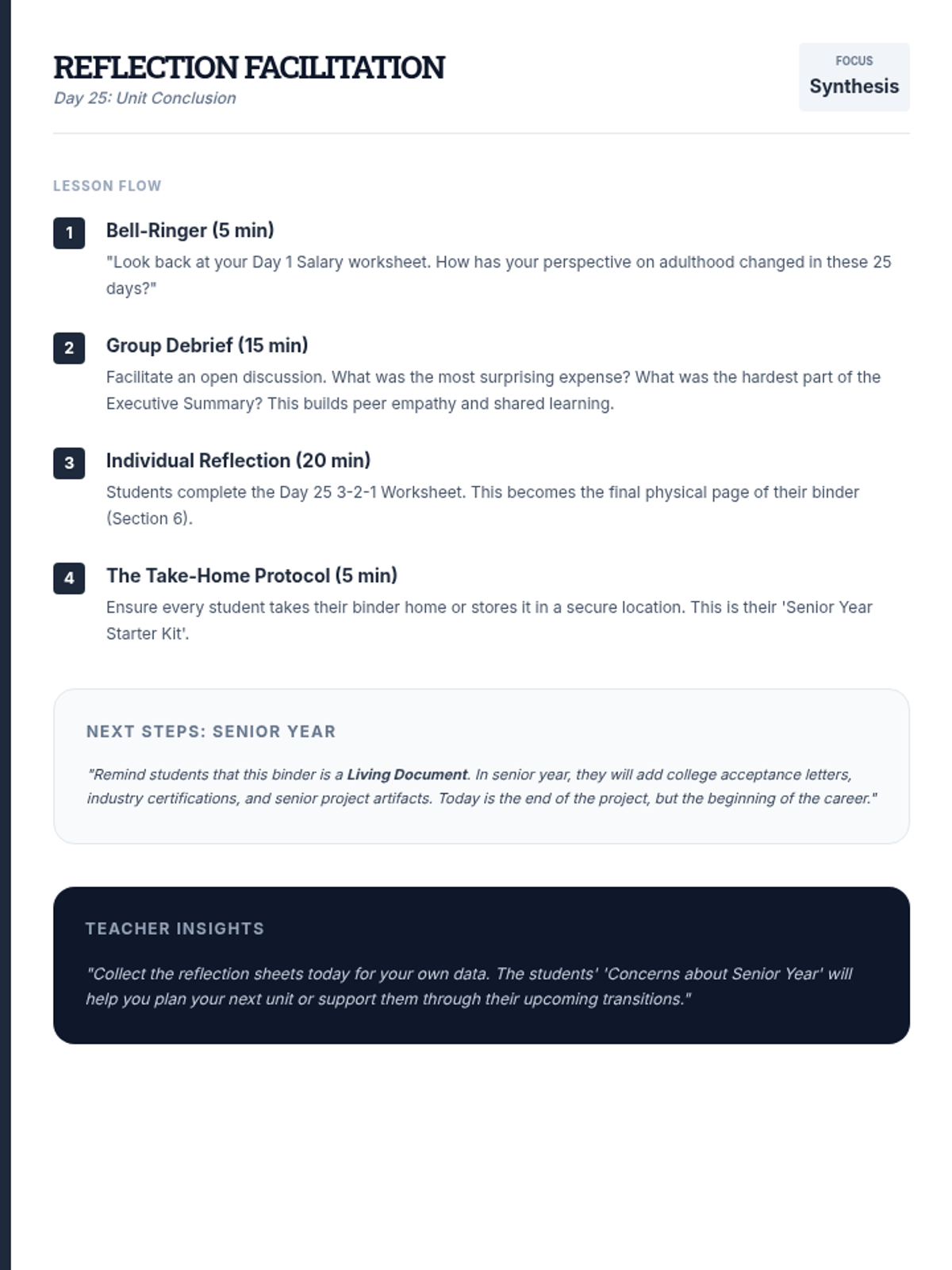
Students reflect on the 5-week portfolio process and set goals for senior year.
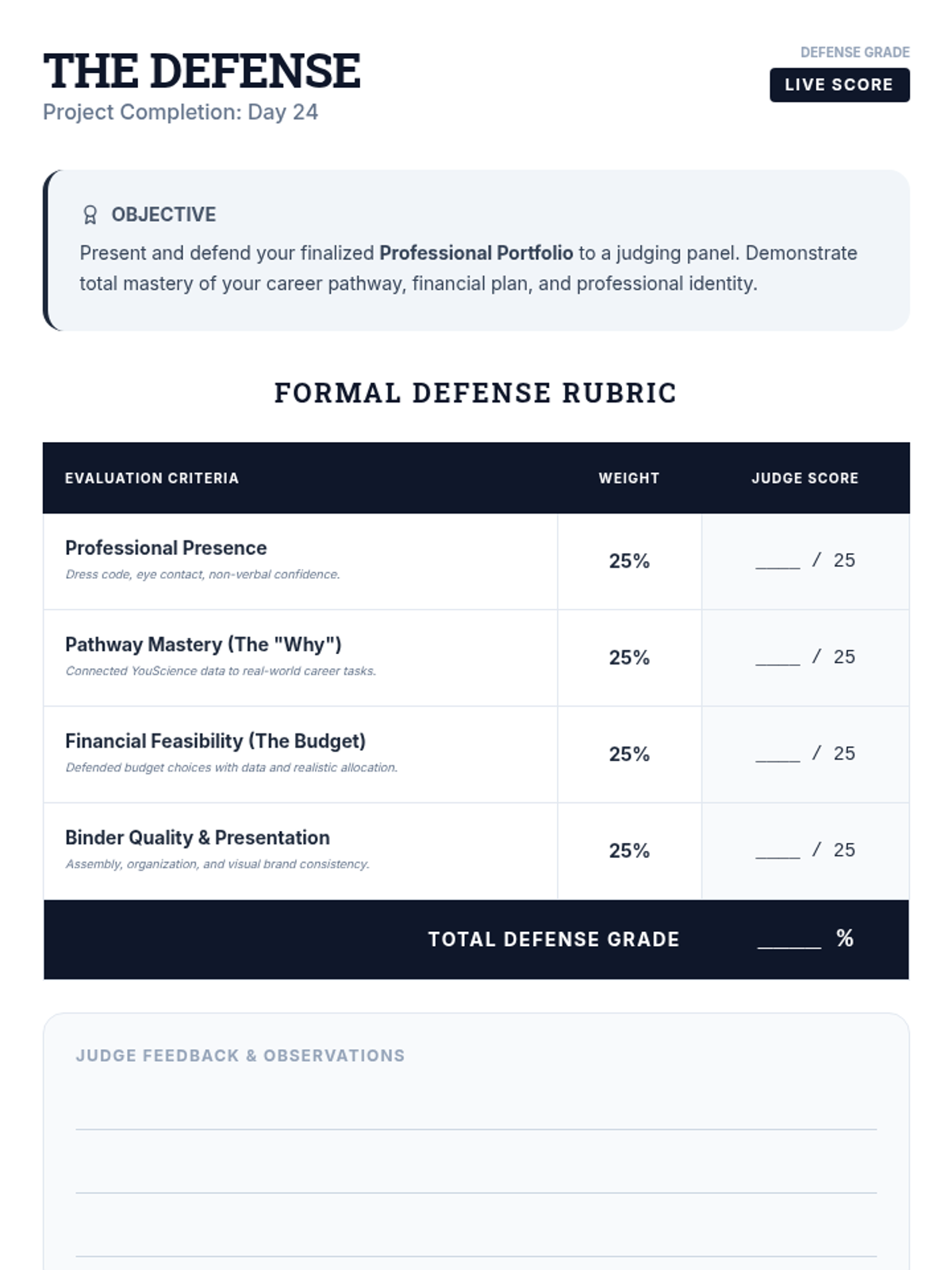
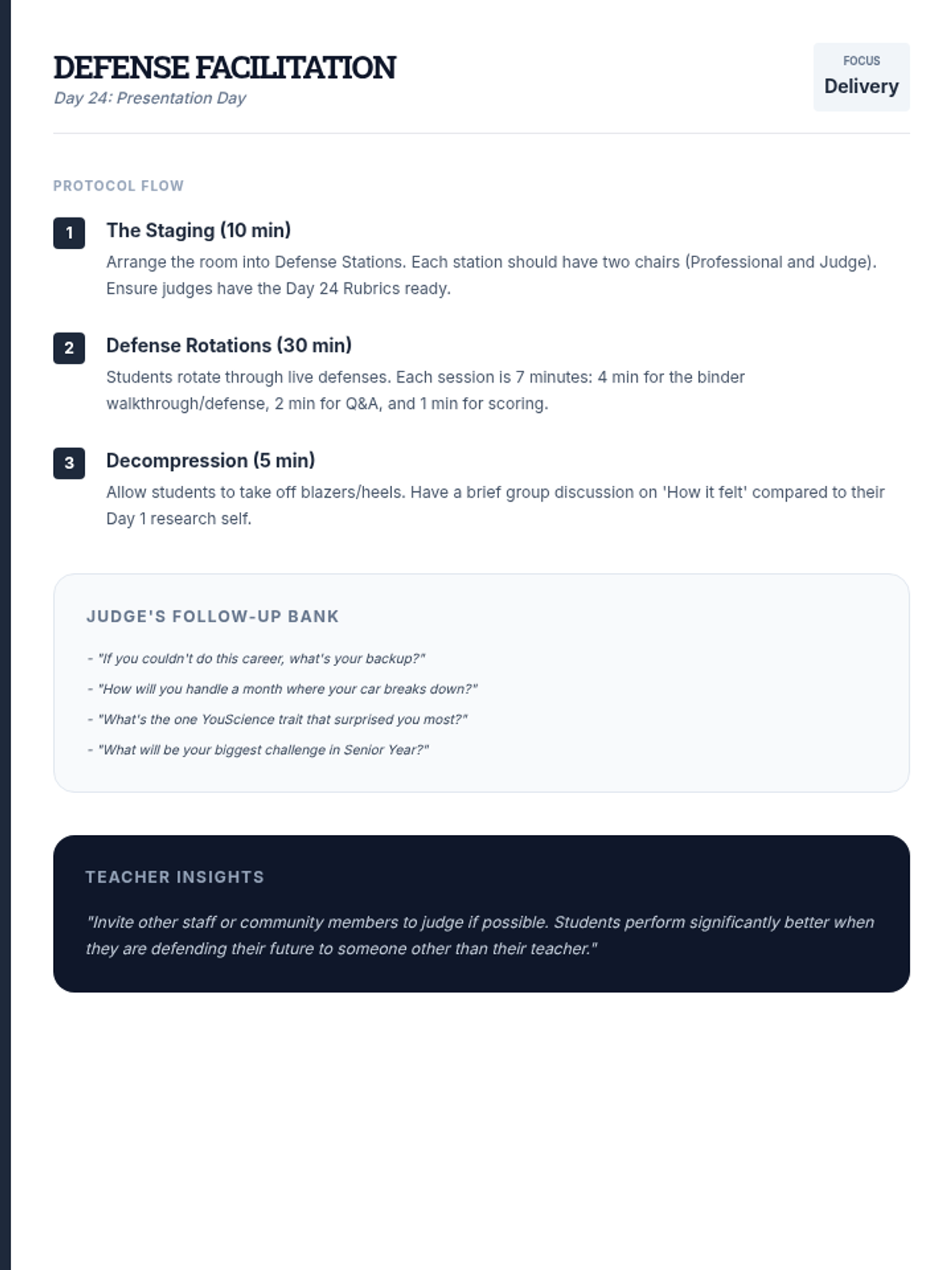
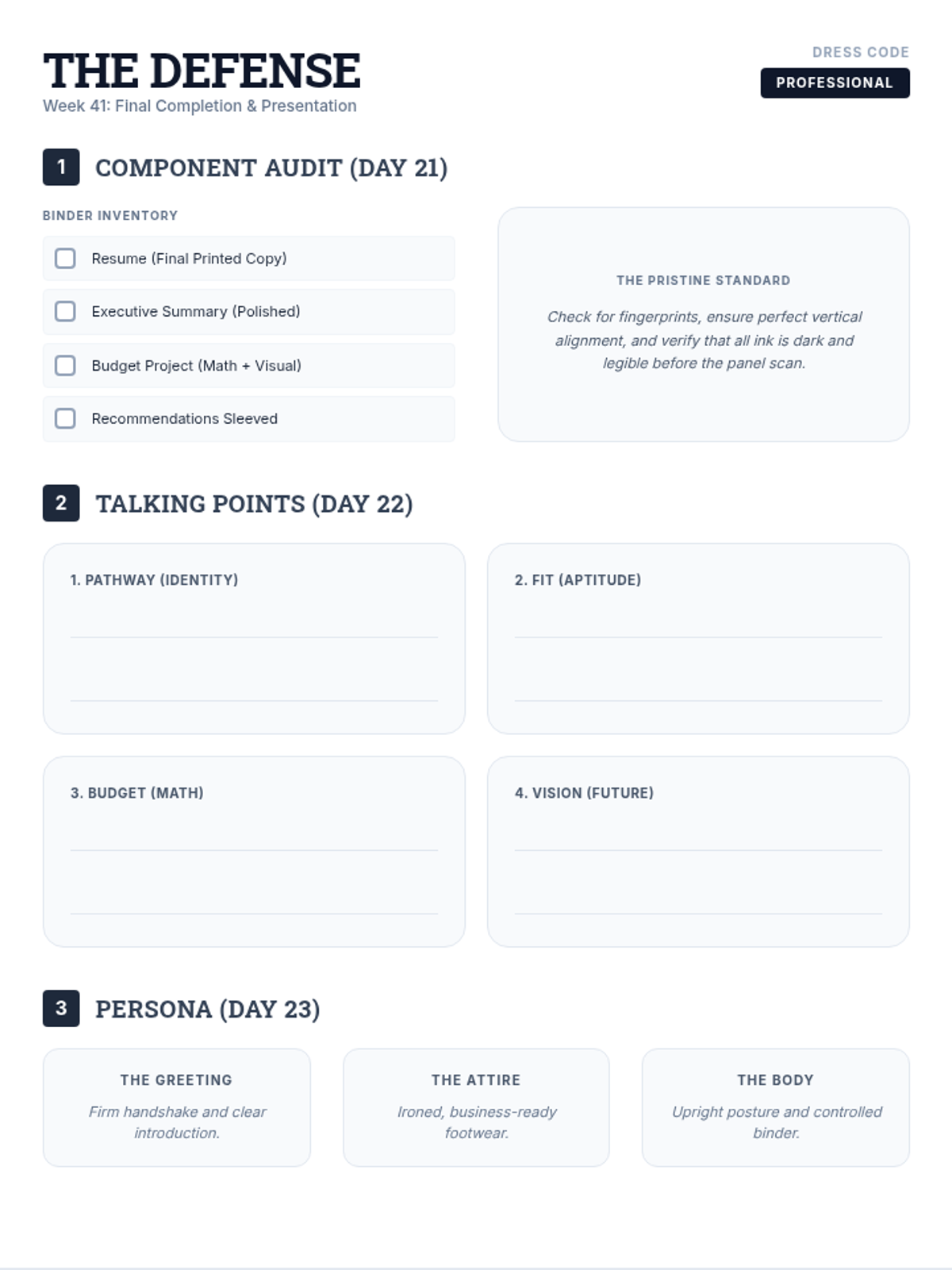
Students present their finalized portfolio defense to a professional panel.
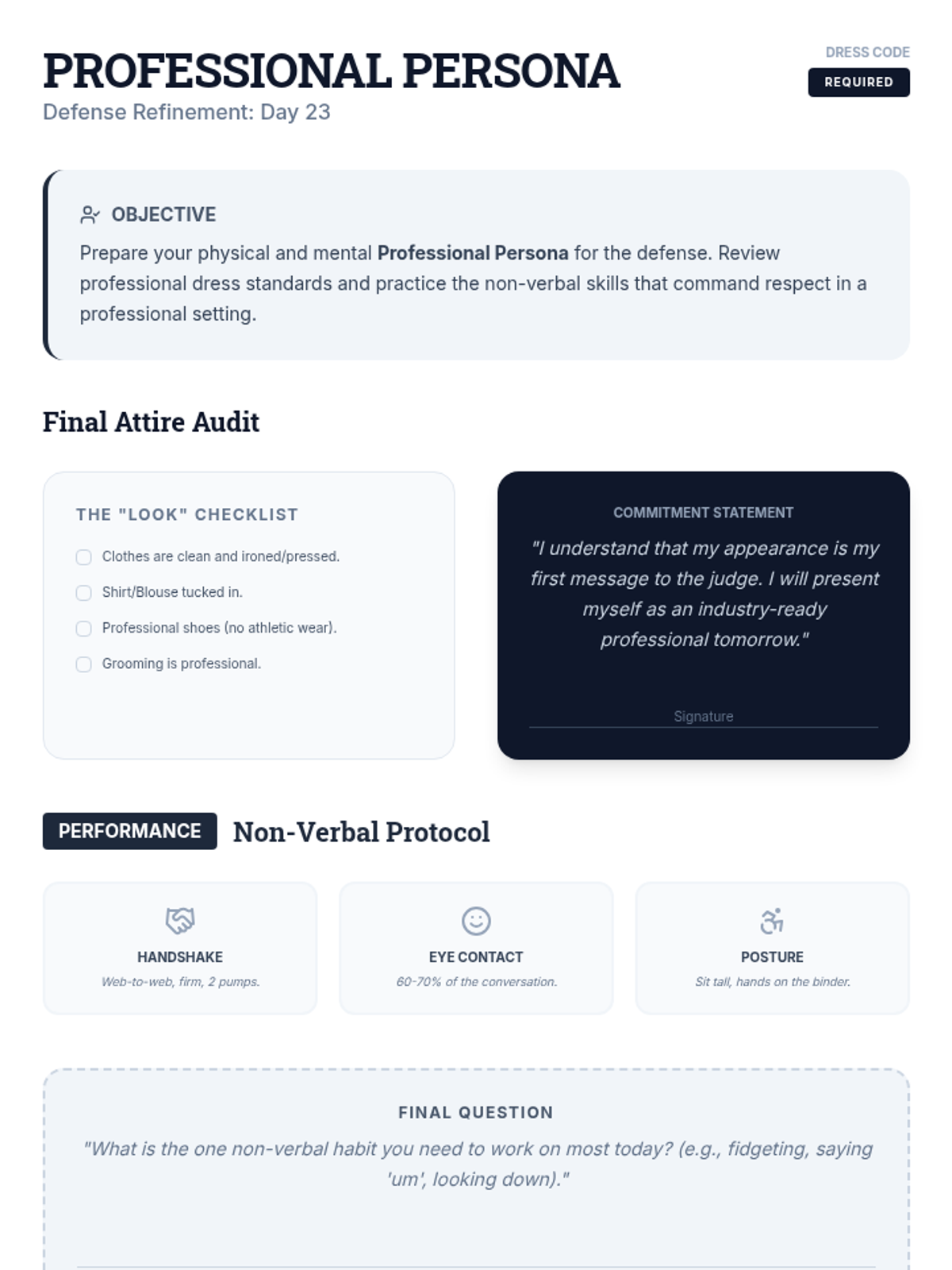
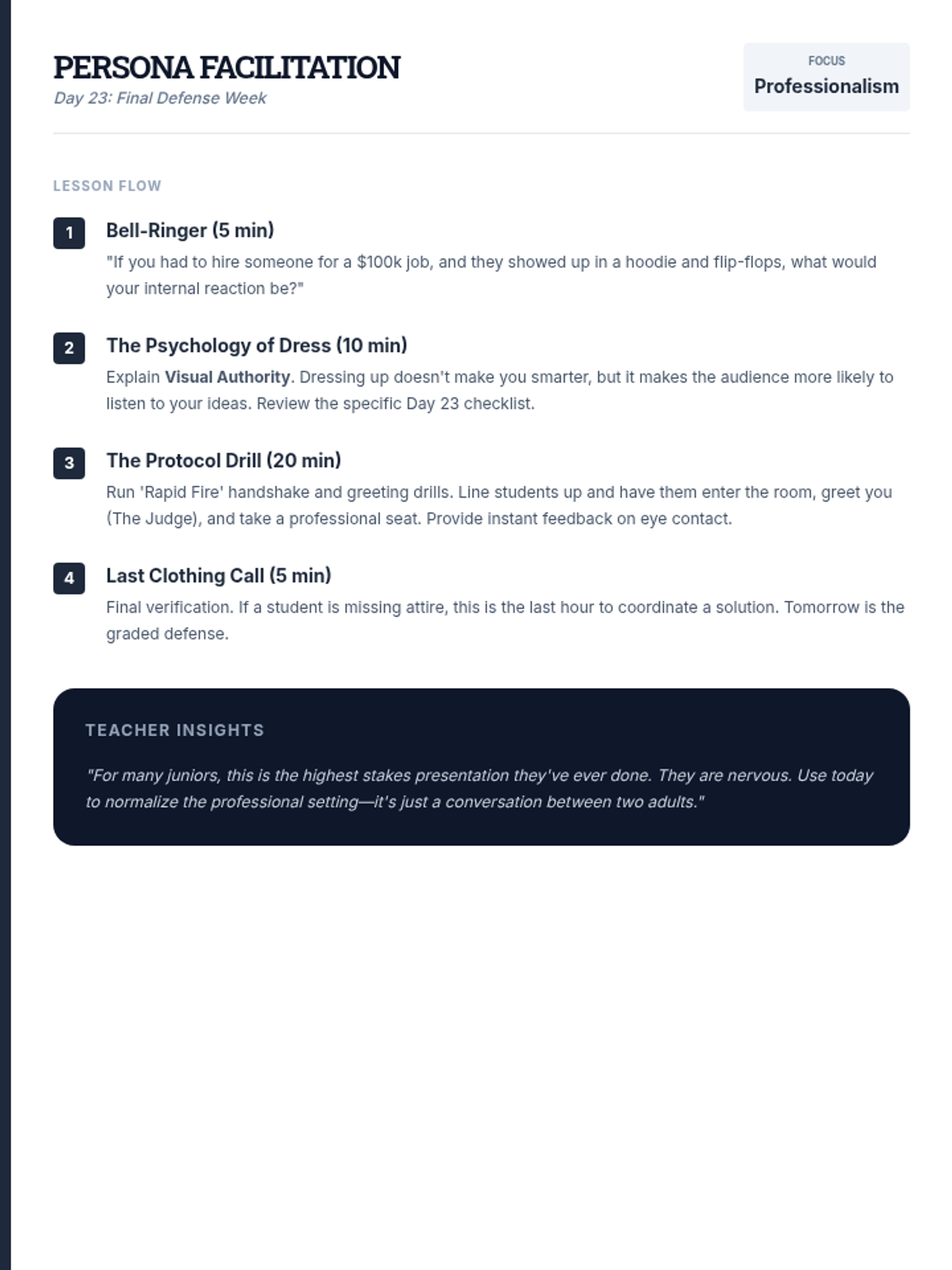
Students prepare their professional attire and non-verbal presentation skills.
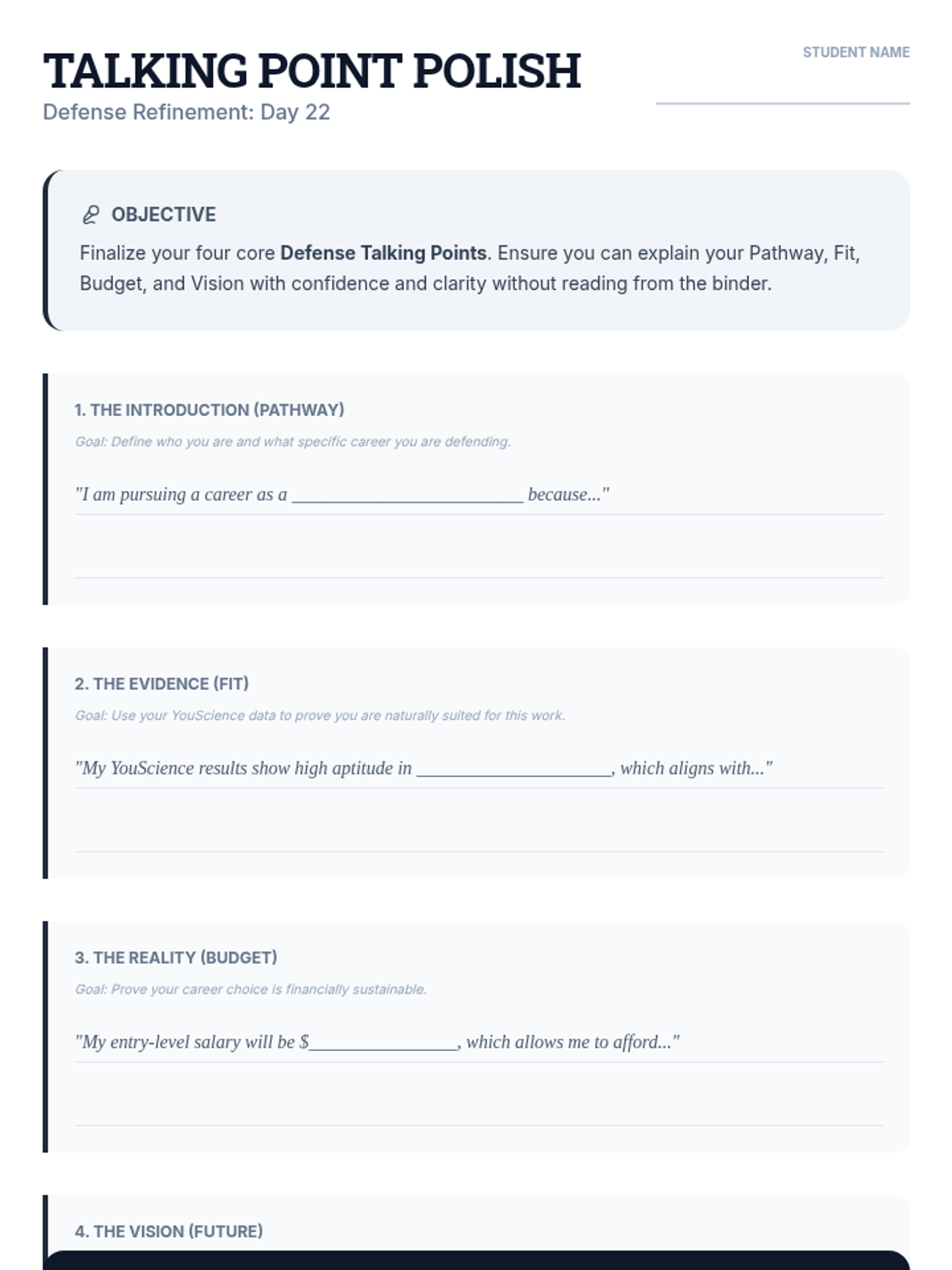
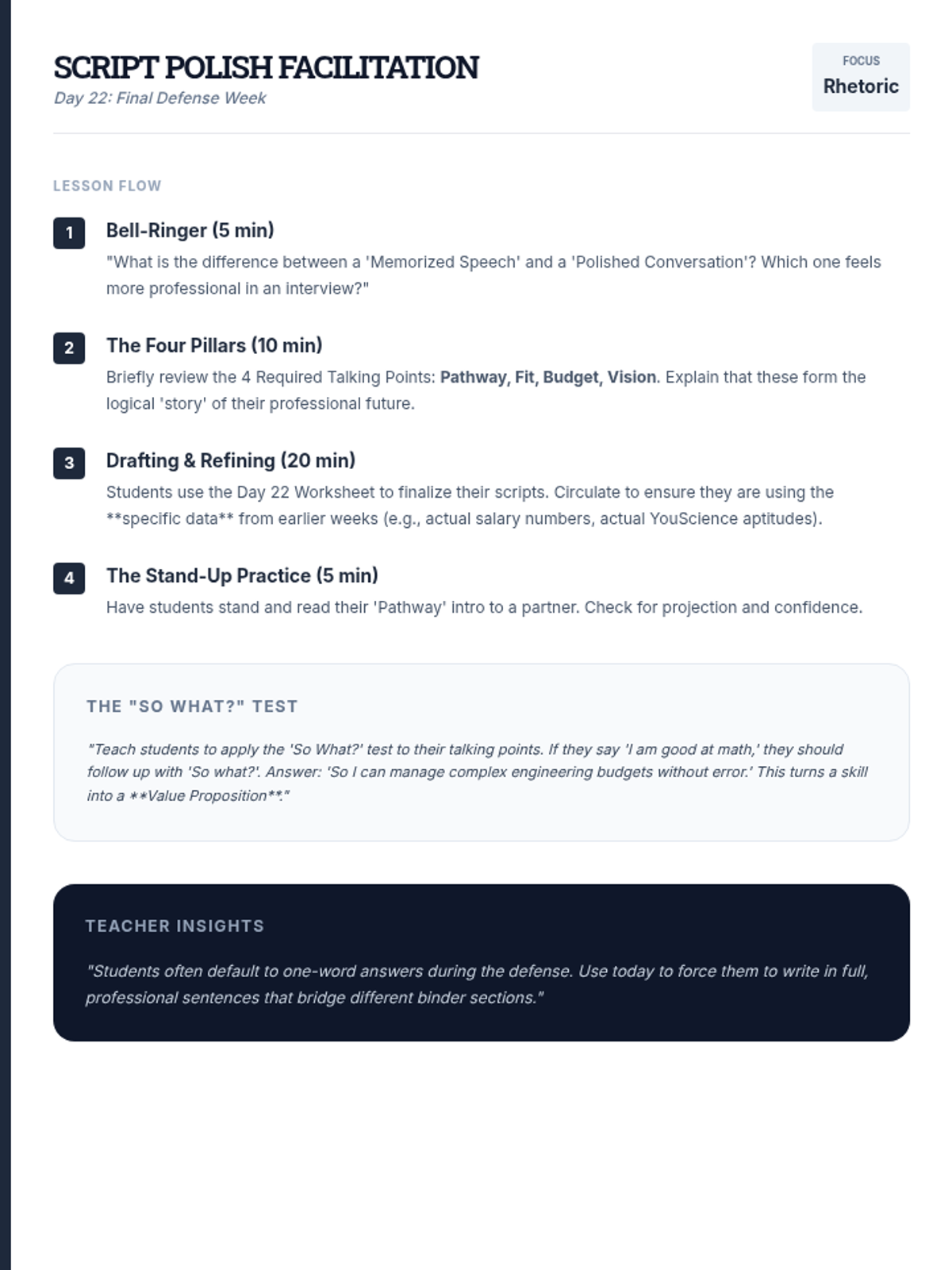
Students finalize their defense talking points for the formal presentation.
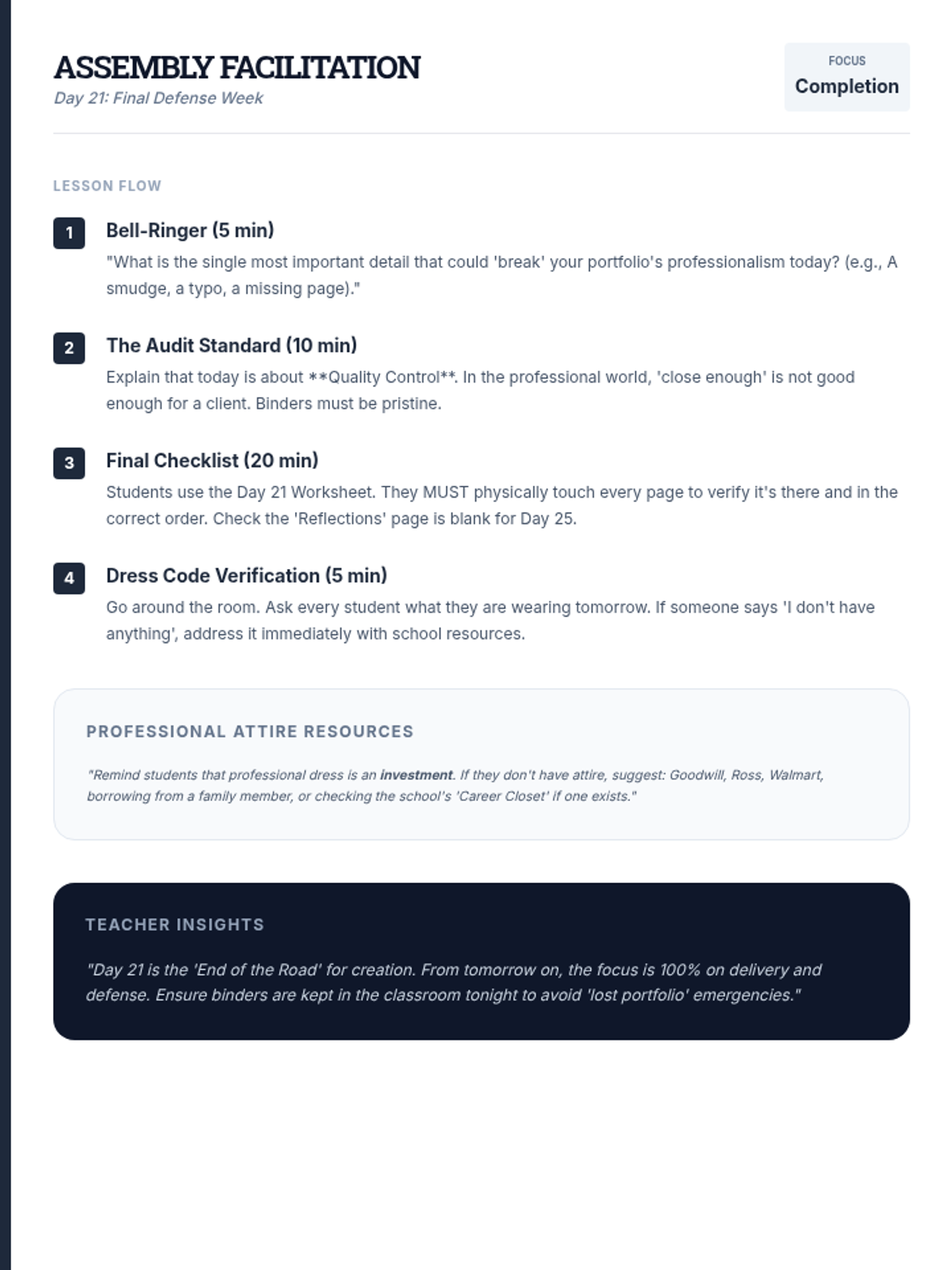
Students perform a final audit of all 6 physical portfolio components.
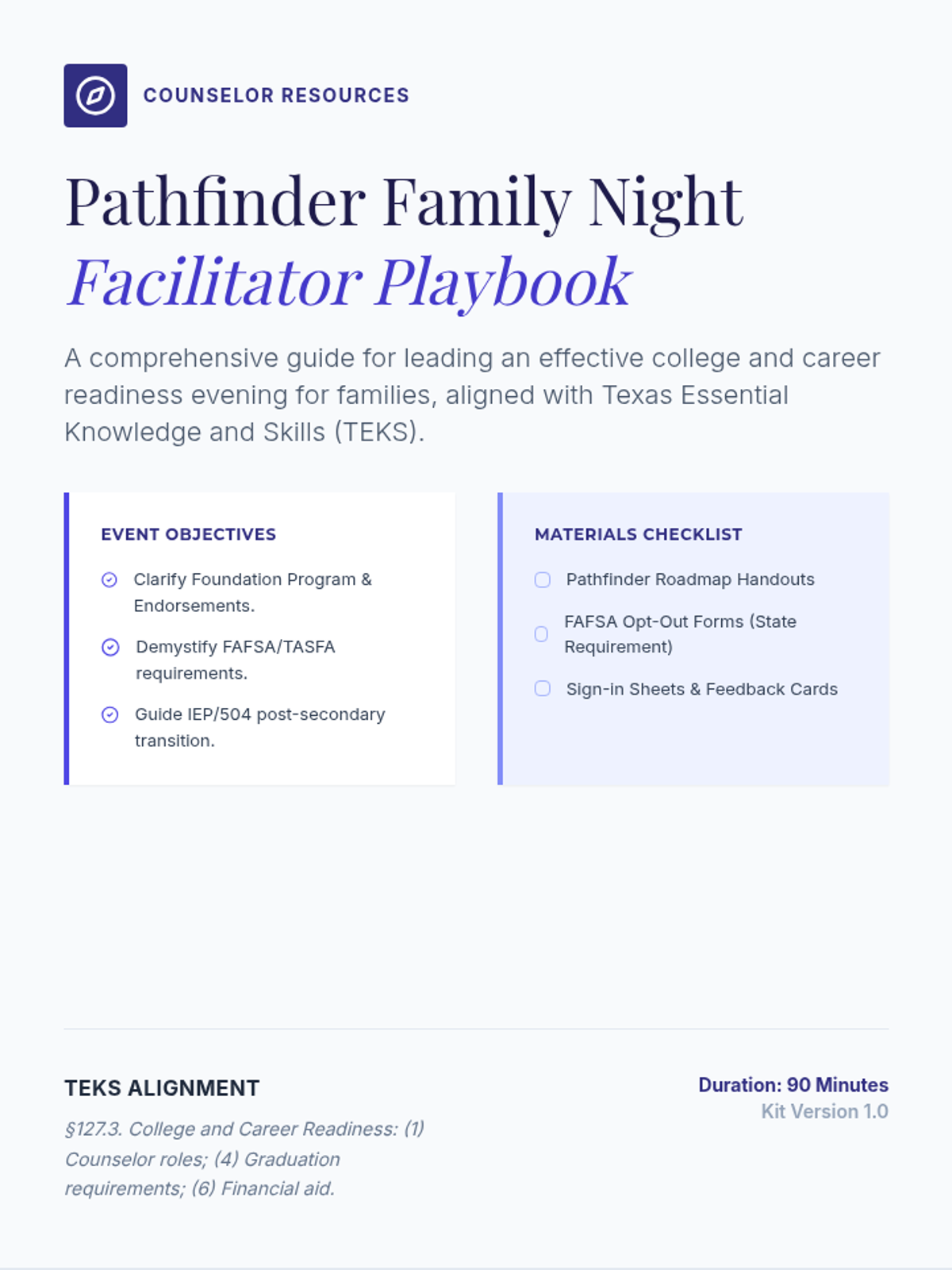
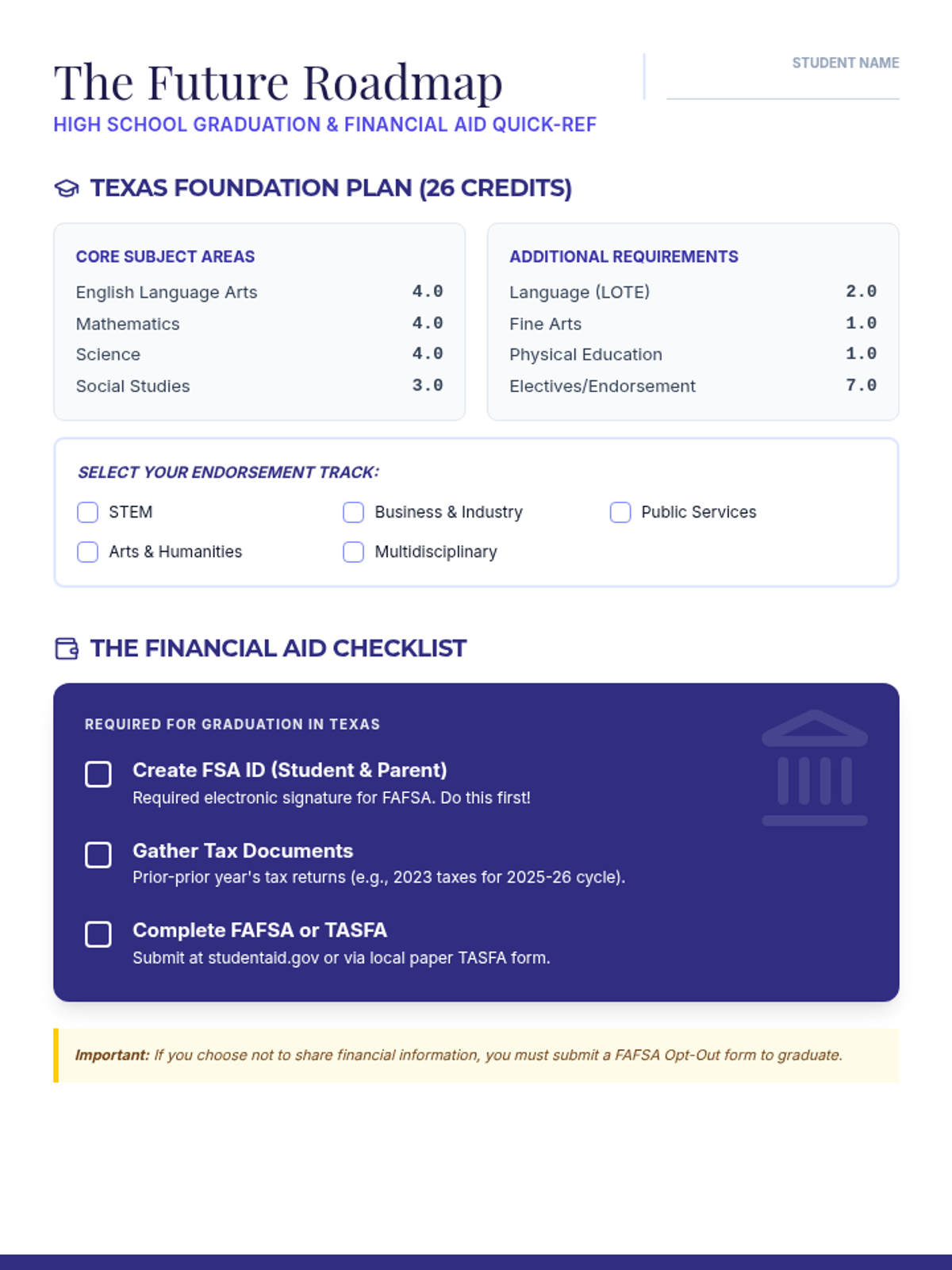
A comprehensive facilitation kit for high school counselors to lead a College and Career Readiness Family Night, covering graduation requirements, FAFSA, and post-secondary transitions for students with IEPs/504s.
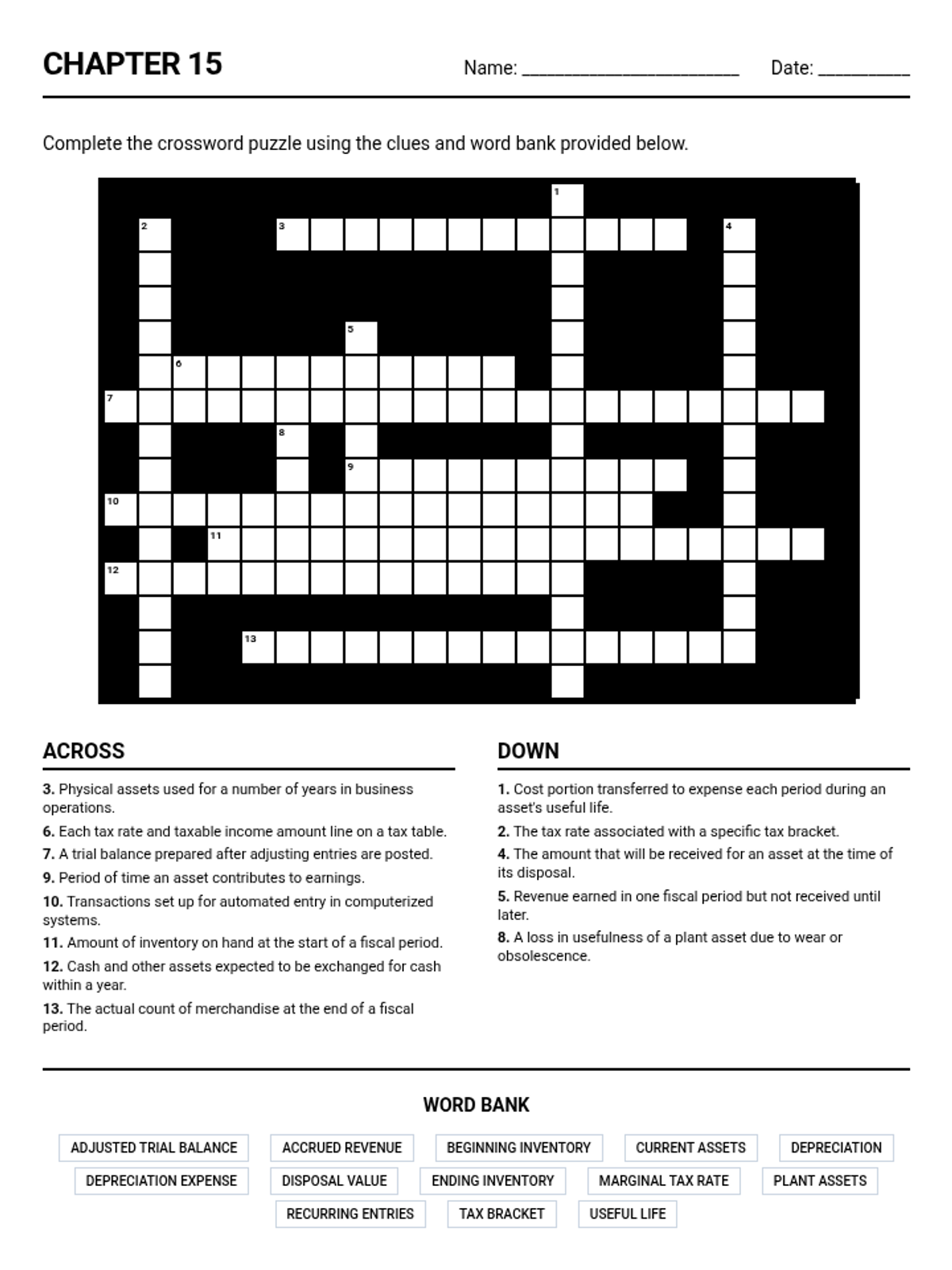
This lesson covers fundamental accounting concepts including asset valuation, tax structures, and inventory management through a hands-on crossword challenge.
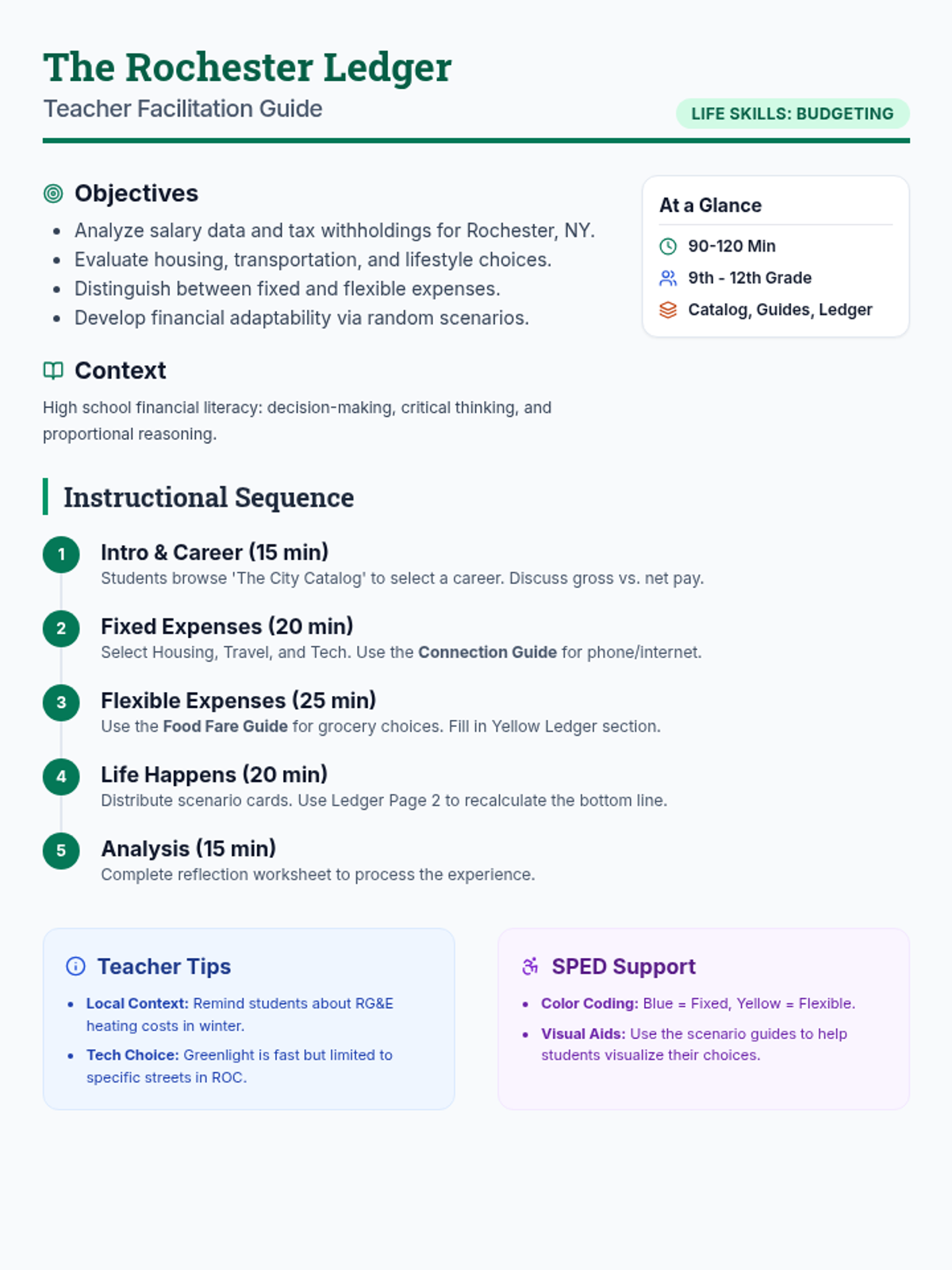
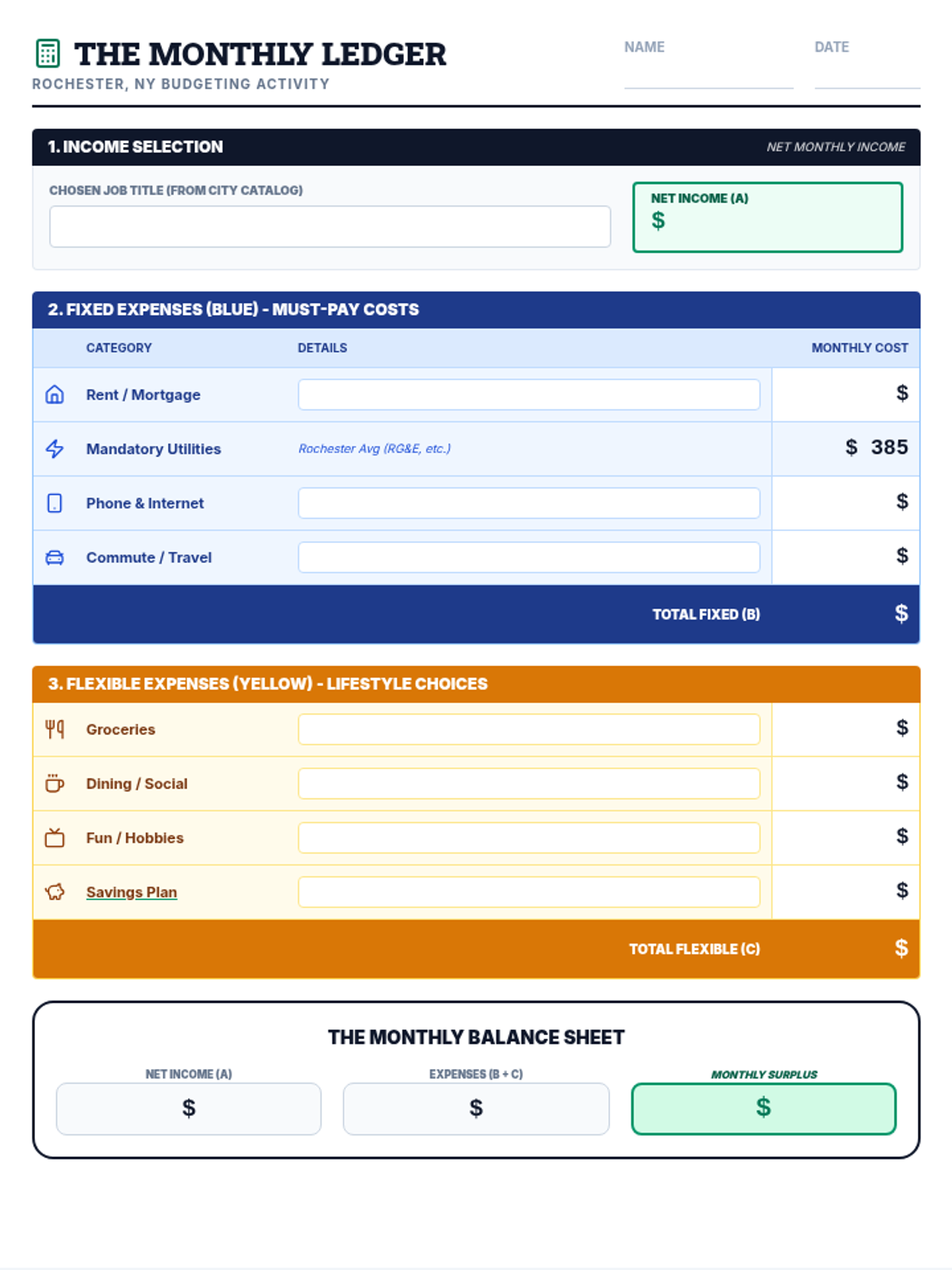
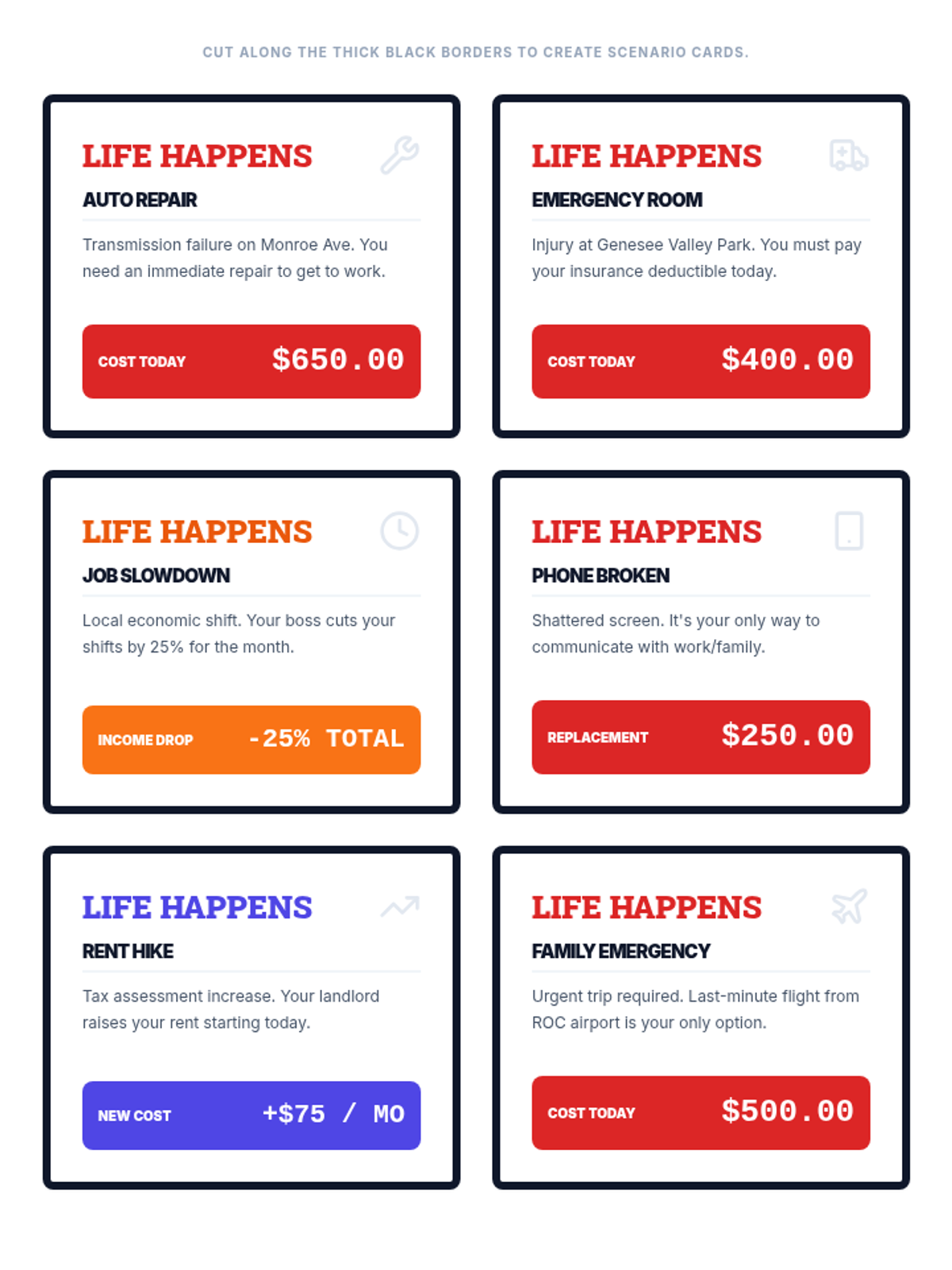
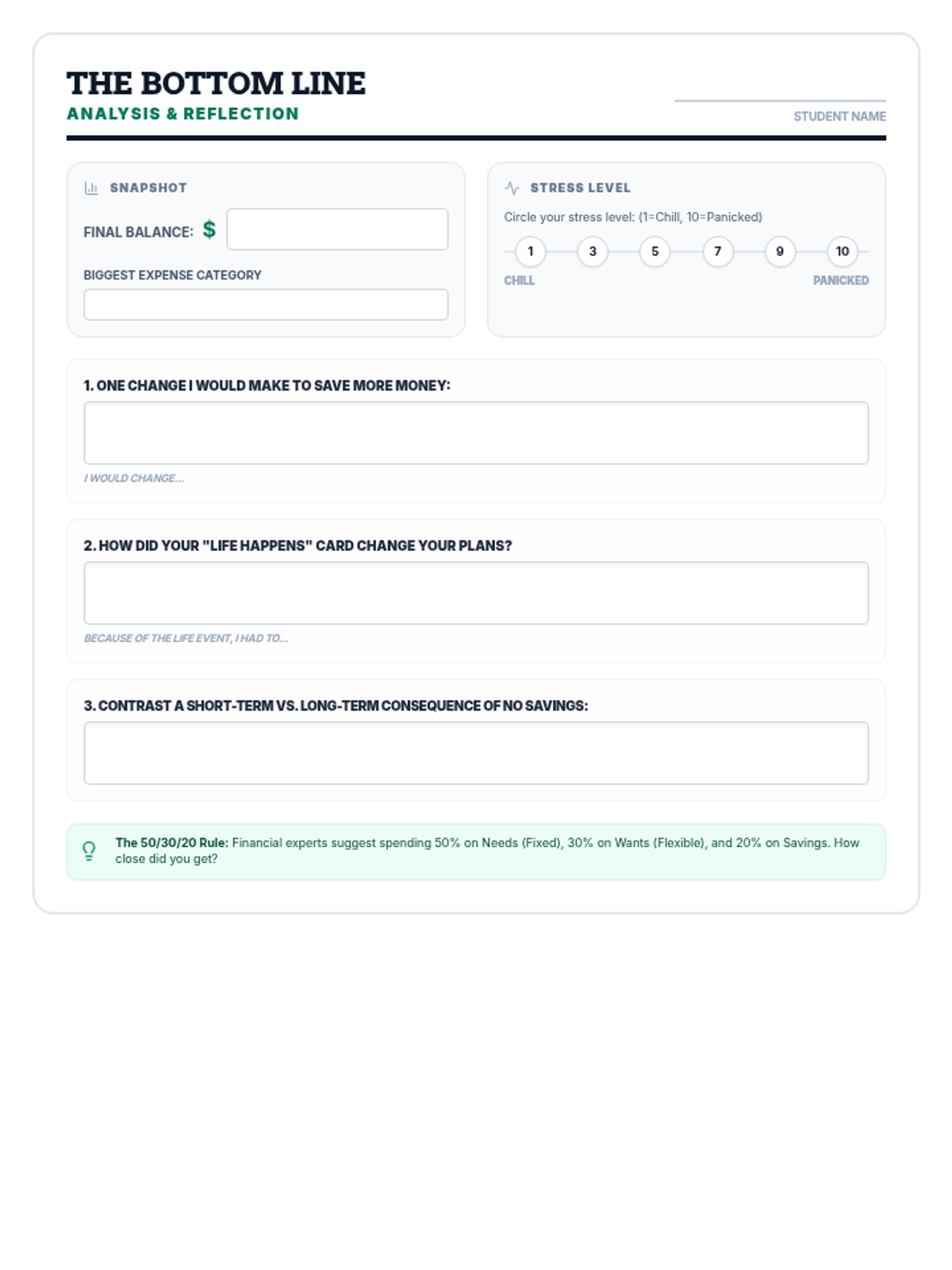
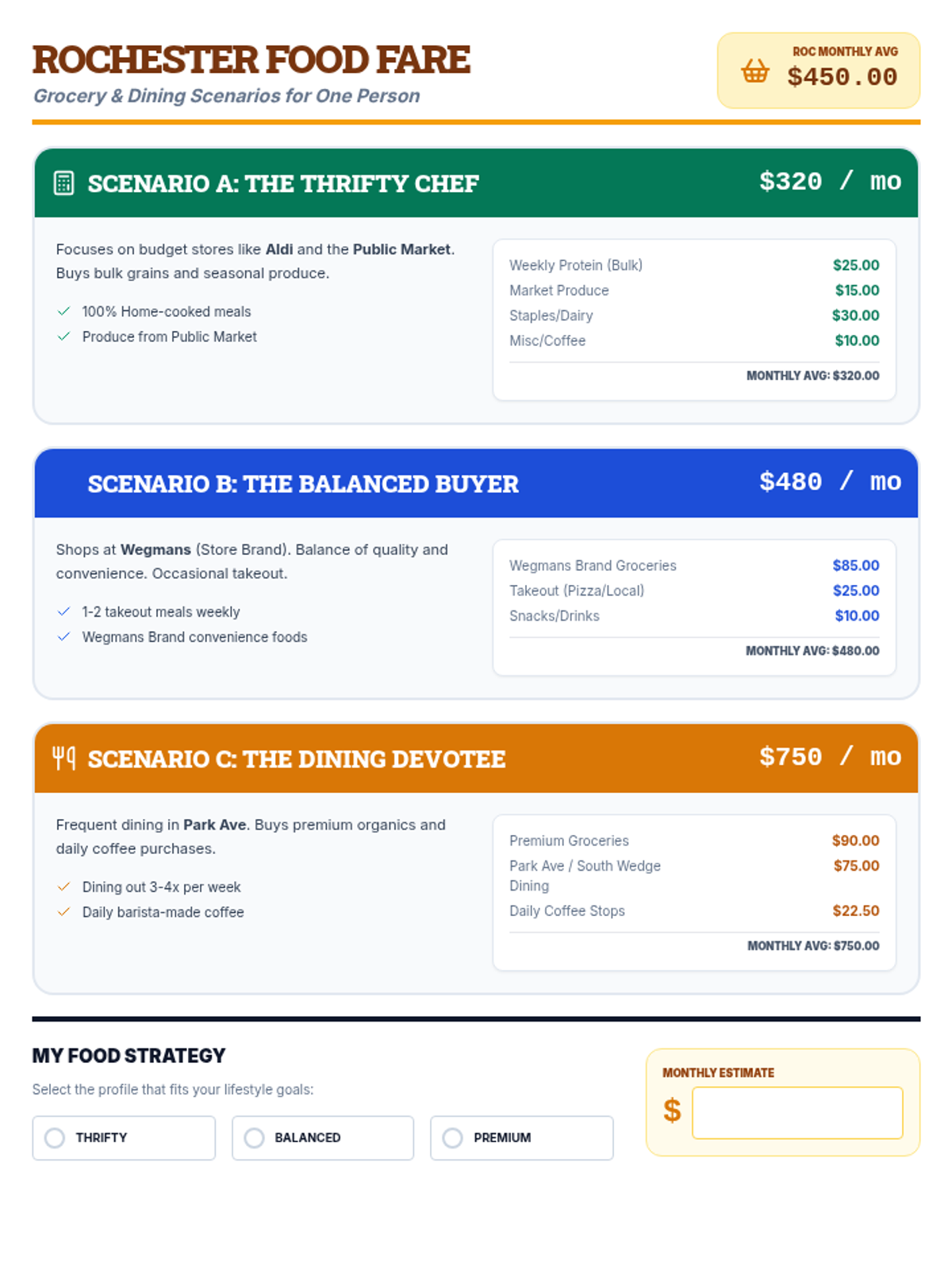
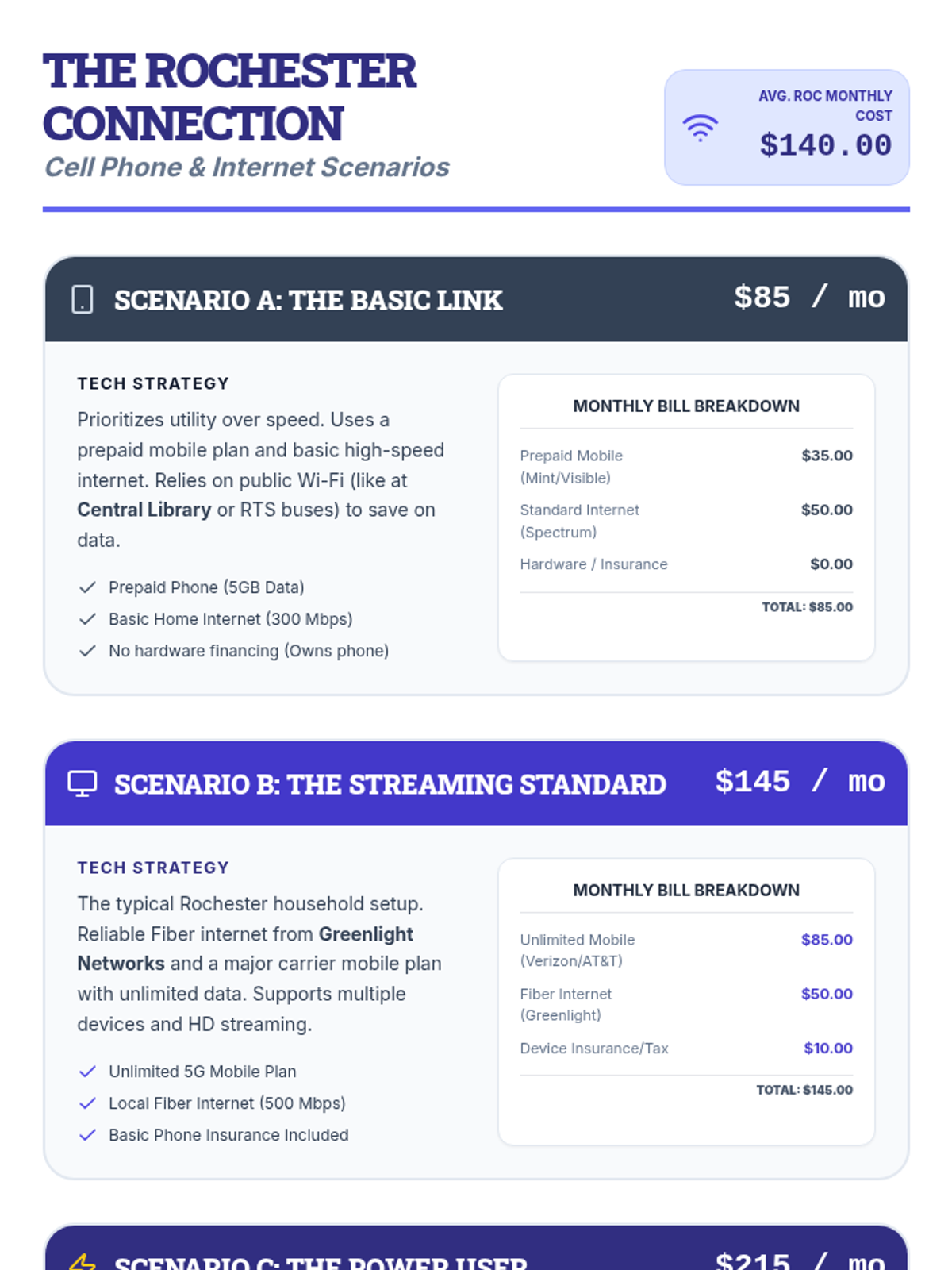
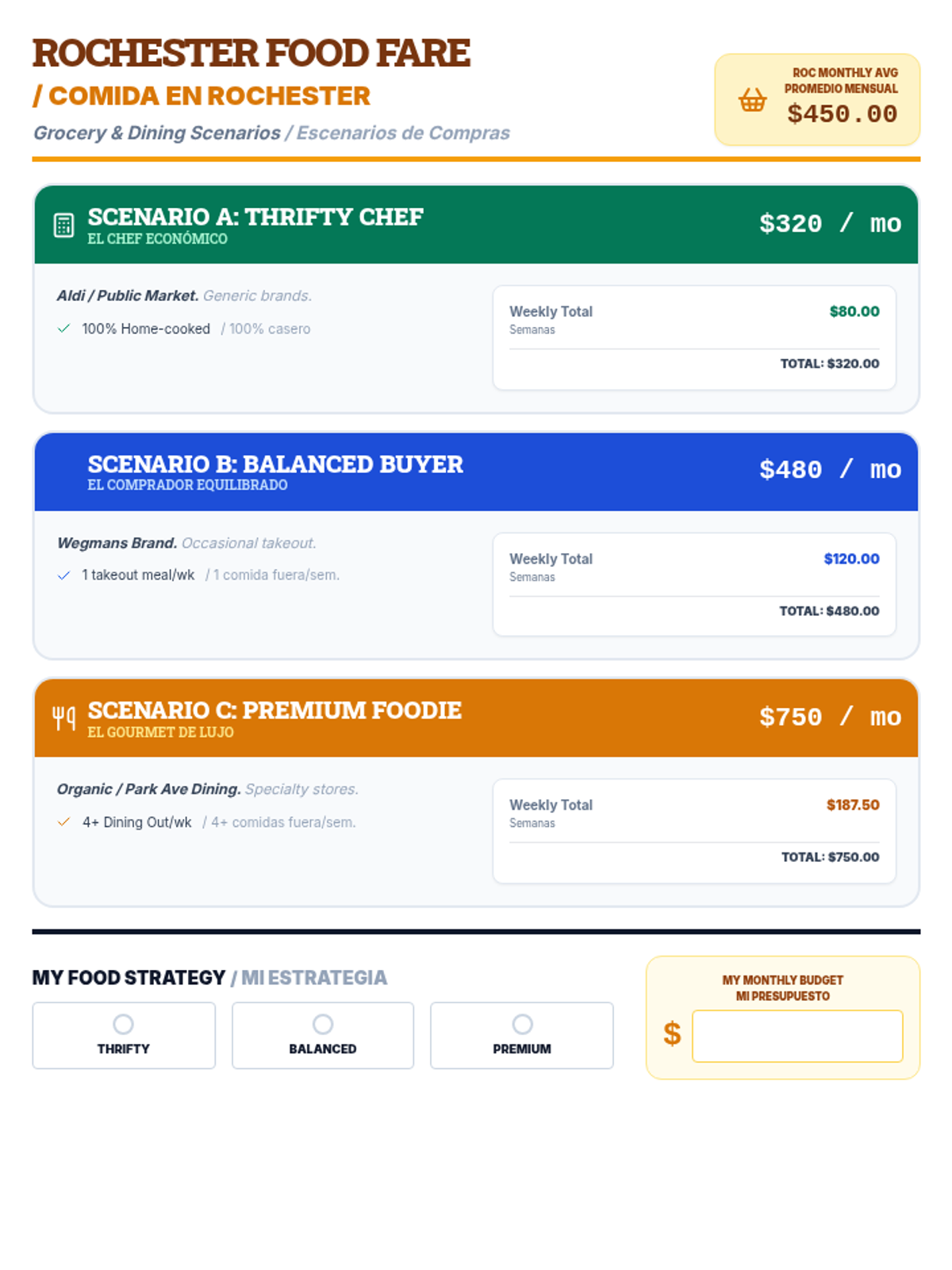
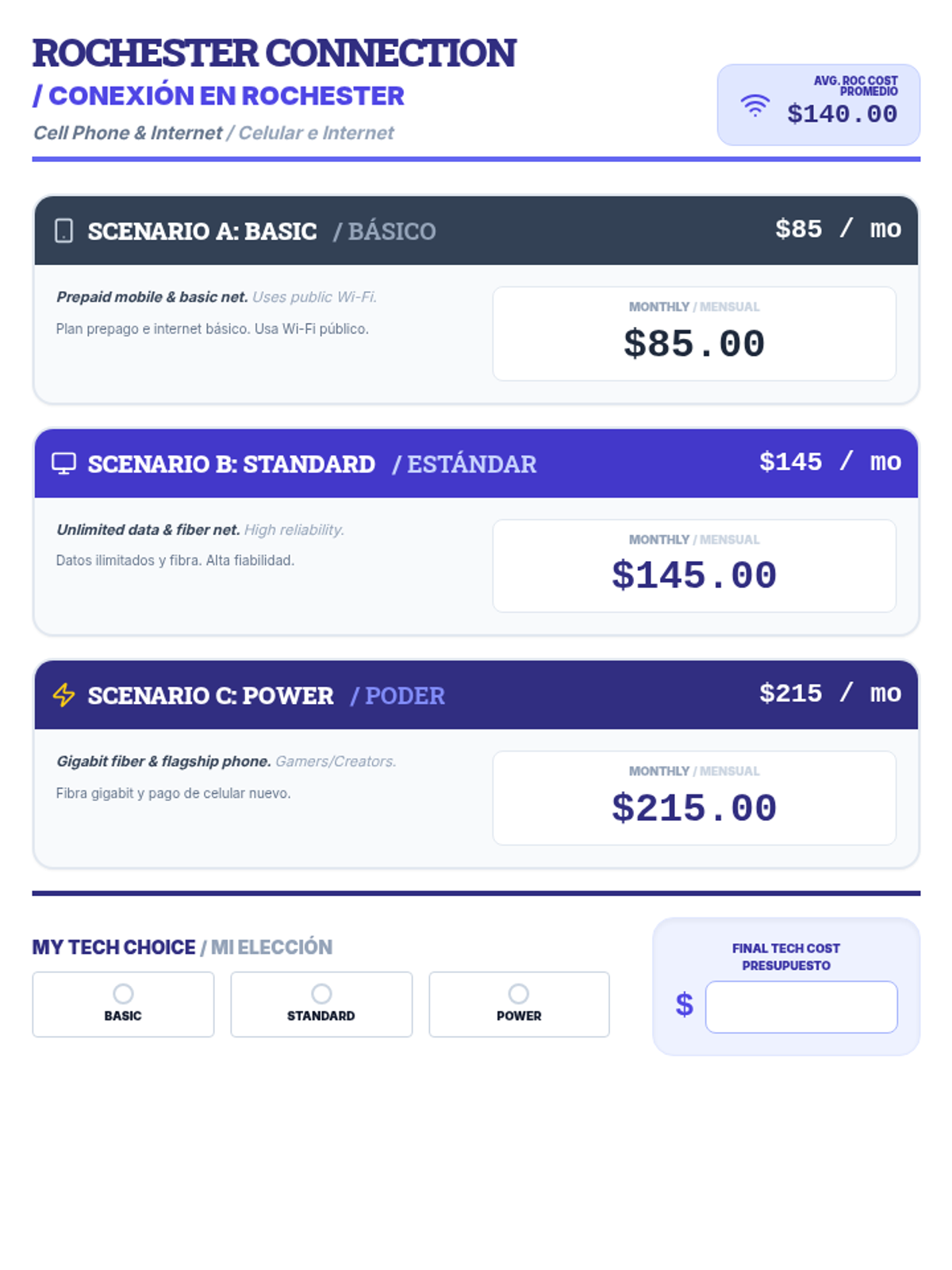
A comprehensive high school life skills lesson on budgeting within the Rochester, NY economy, featuring realistic job data, housing costs, and unexpected life scenarios.
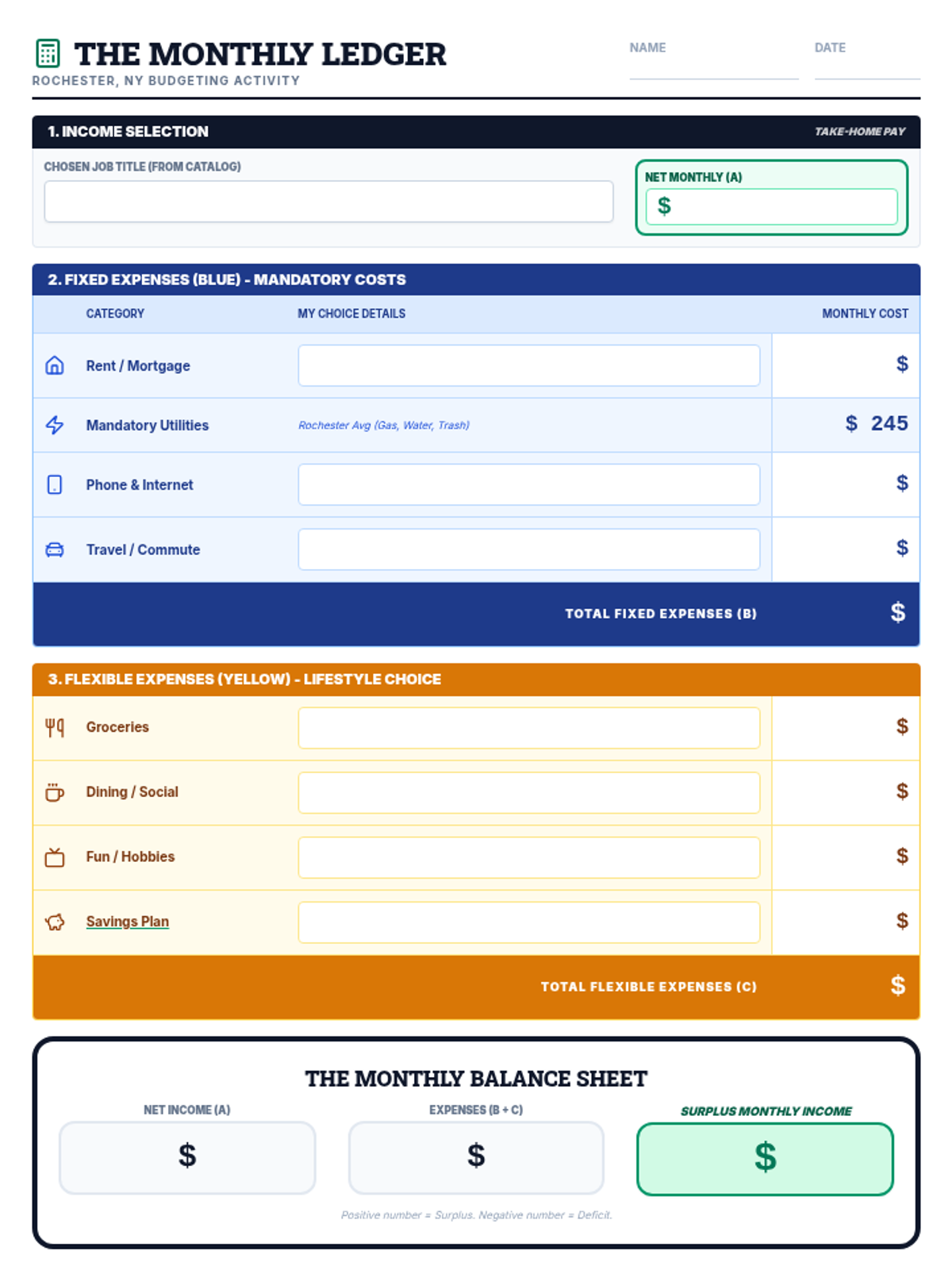
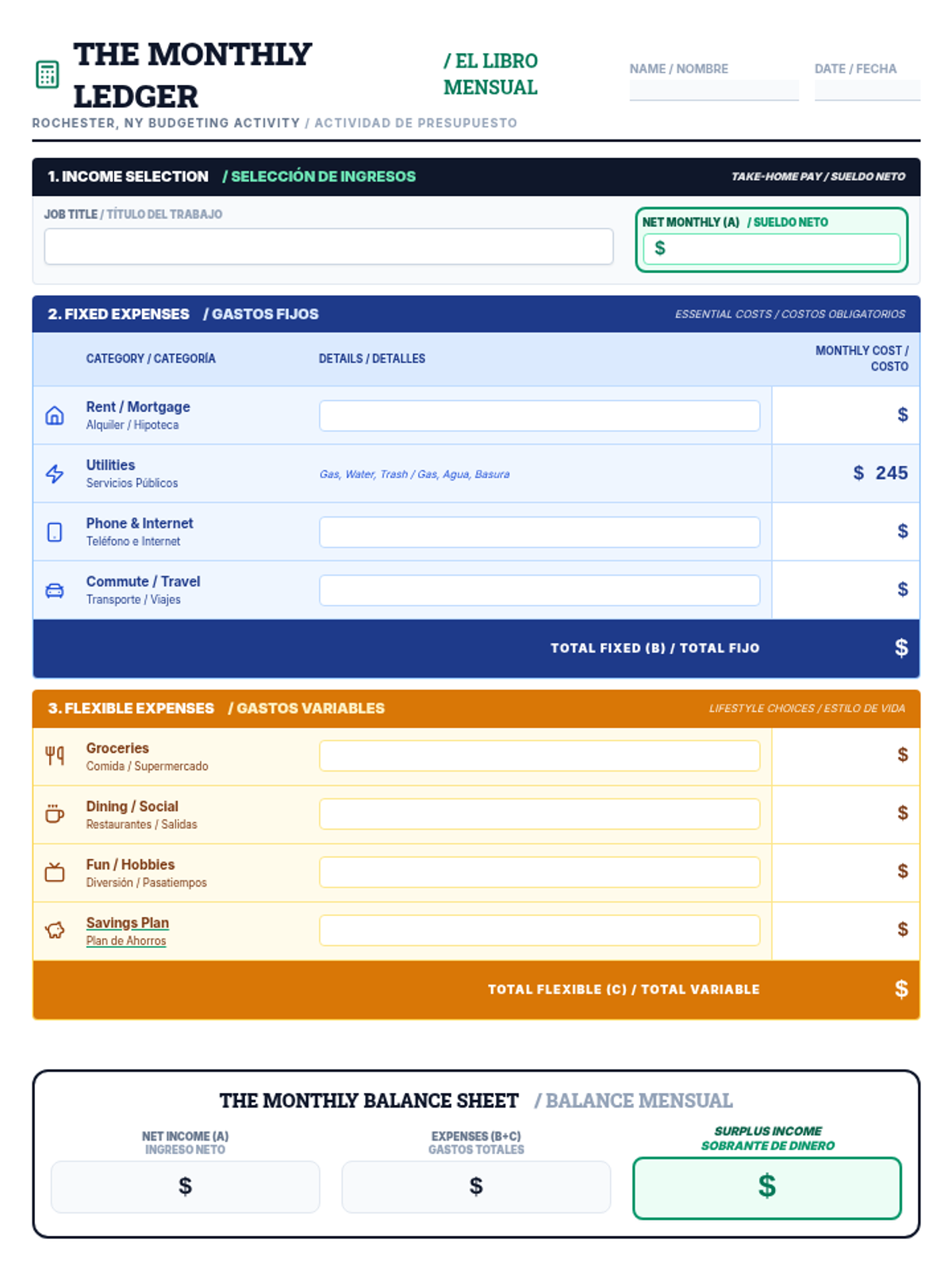
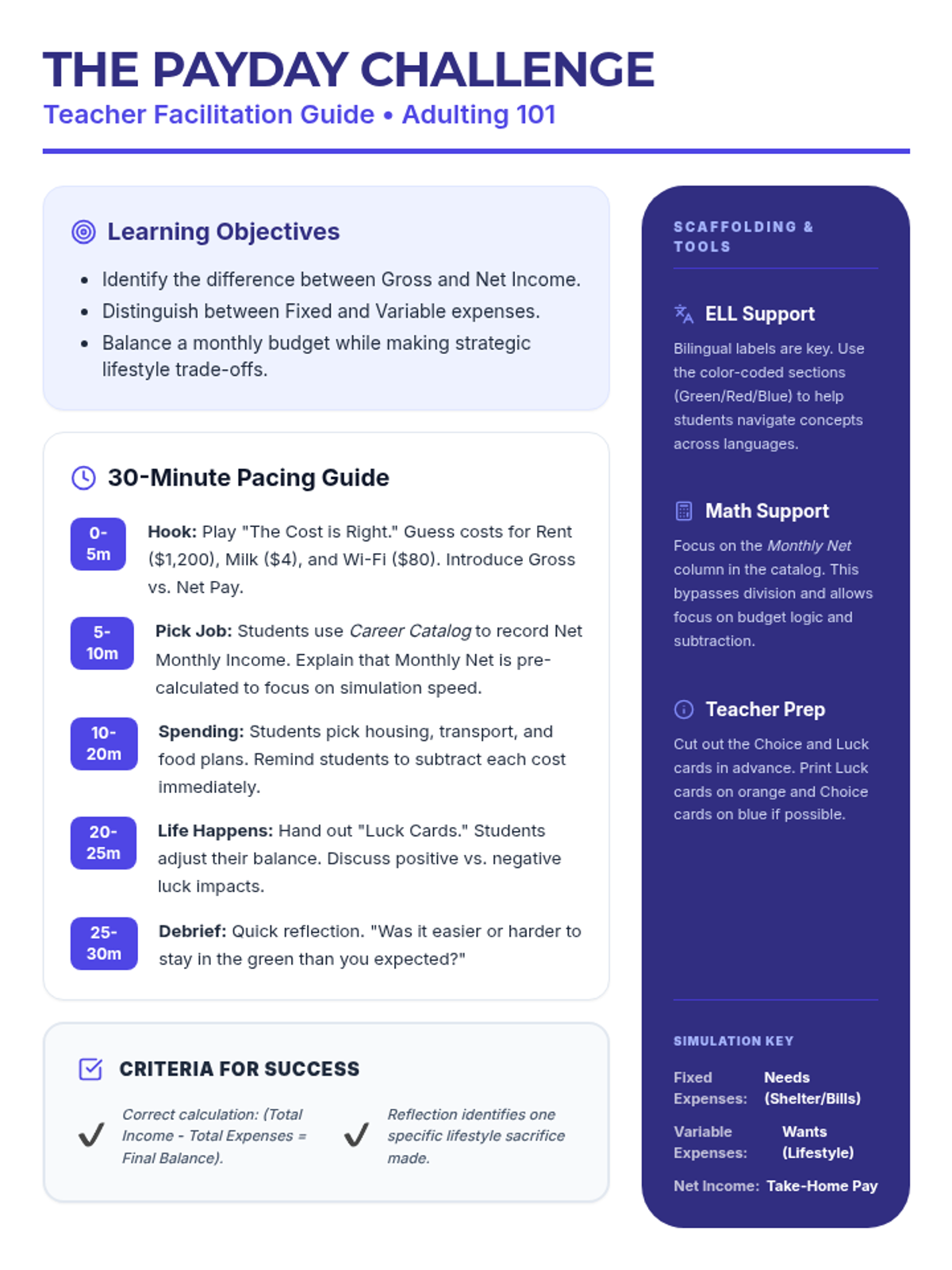
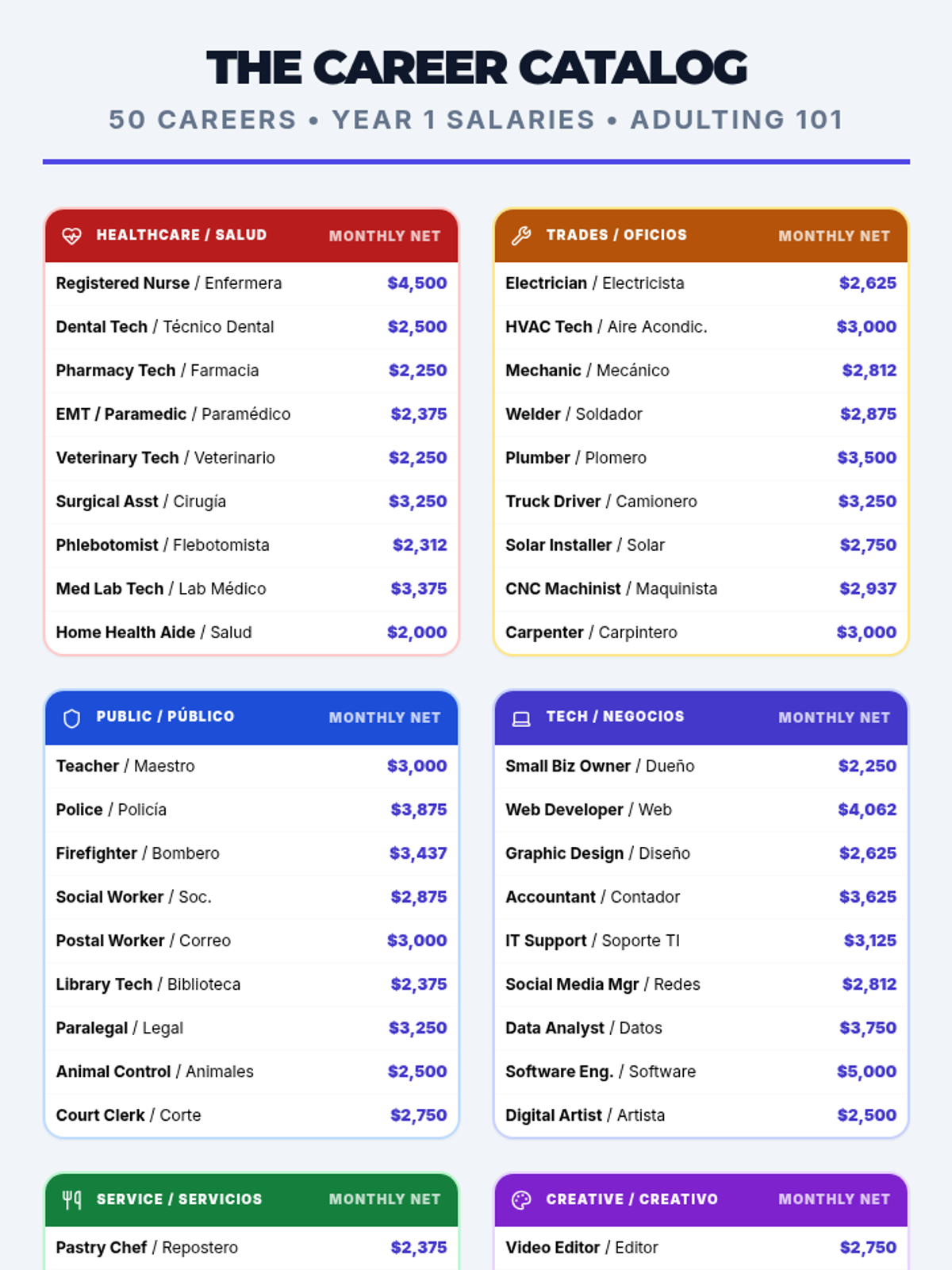
A high-energy, 30-minute simulation where students pick a career, calculate monthly take-home pay, and navigate adult expenses using a color-coded budget template designed for diverse learners.
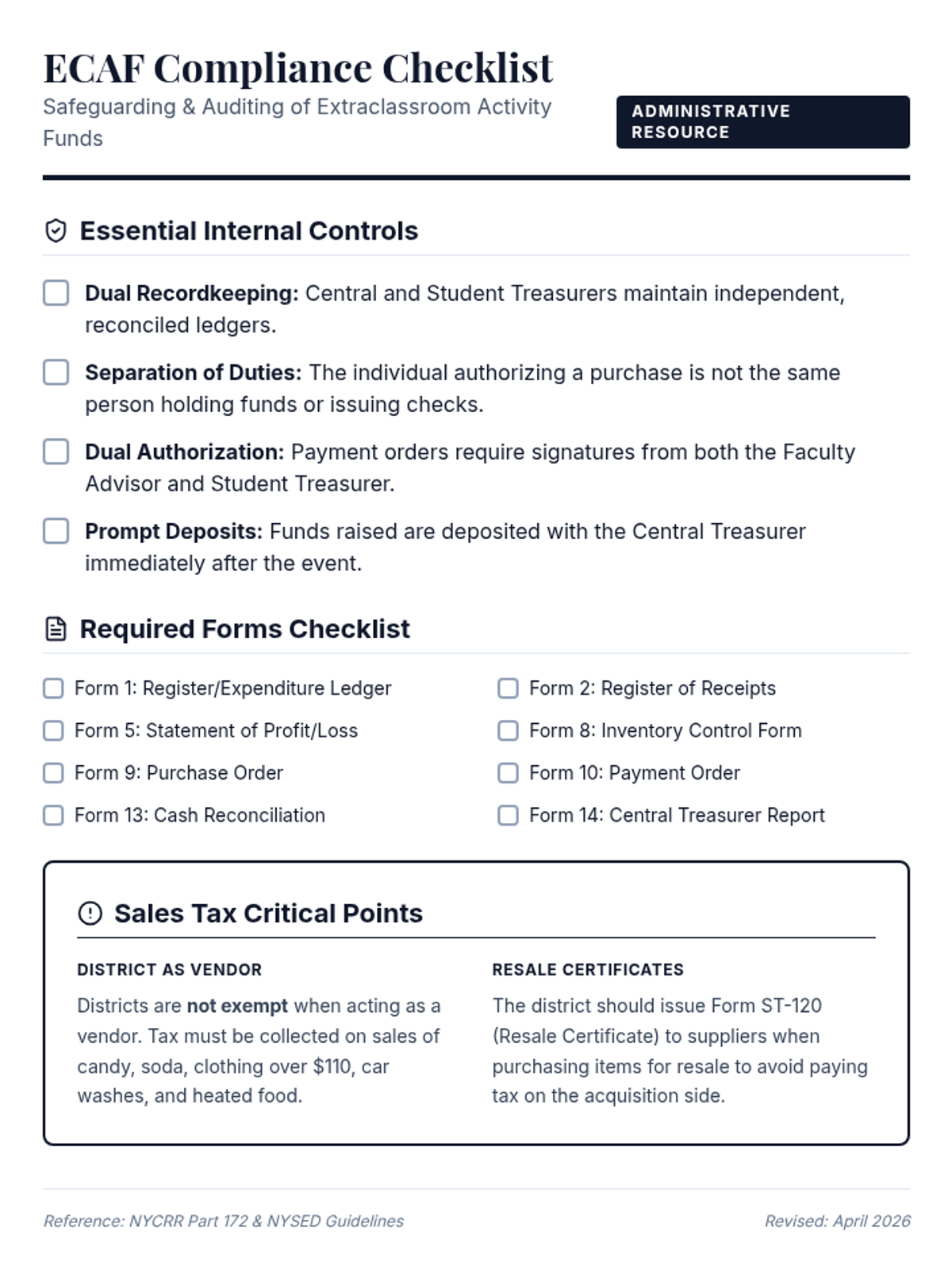
A comprehensive professional guide to the safeguarding, accounting, and auditing of extraclassroom activity funds, covering regulatory requirements, internal controls, and operational procedures.
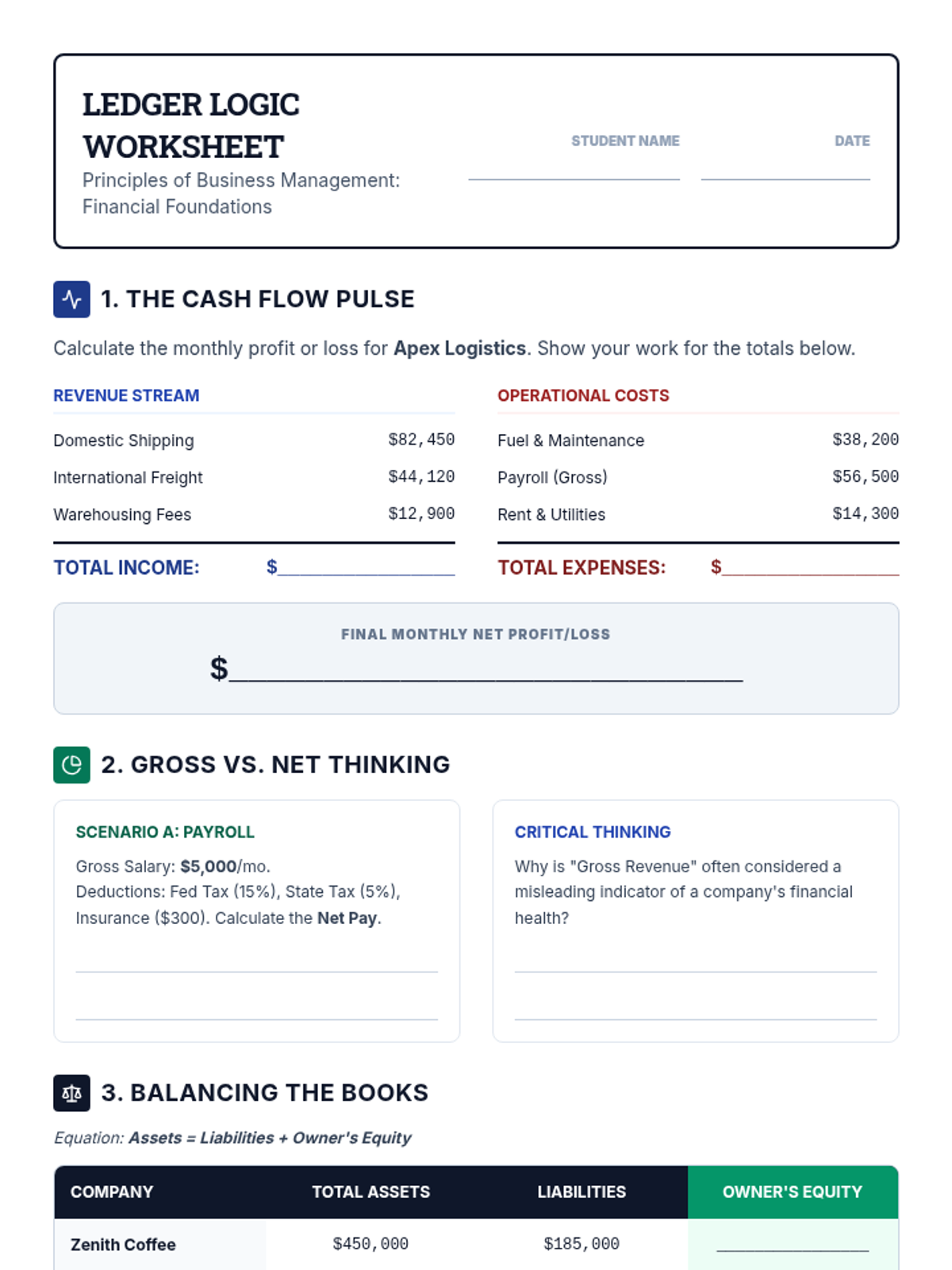
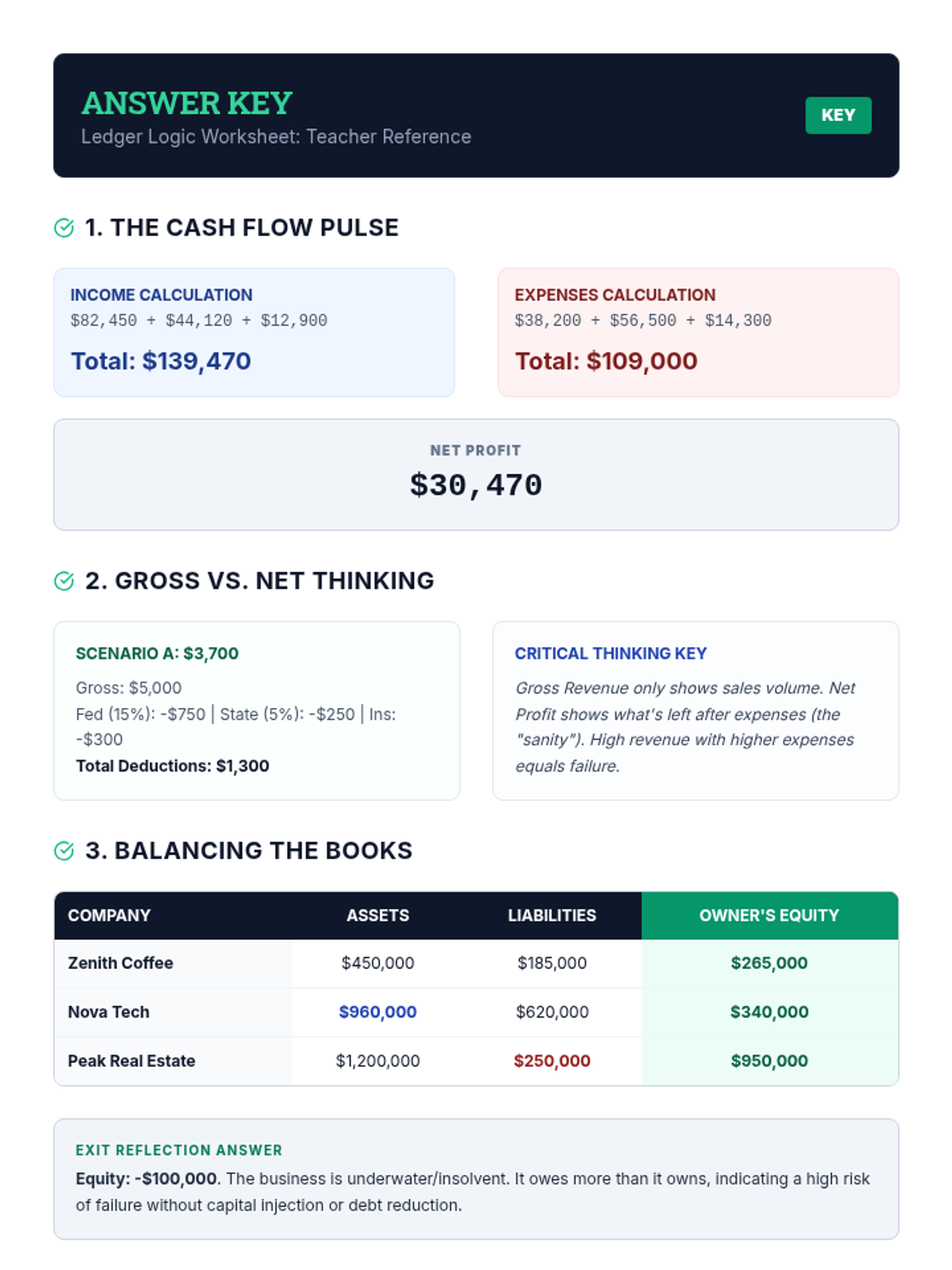
This lesson clarifies the relationship between income, expenses, and savings, distinguishes between gross and net pay/profit, and introduces the balance sheet equation with a focus on owner's equity.
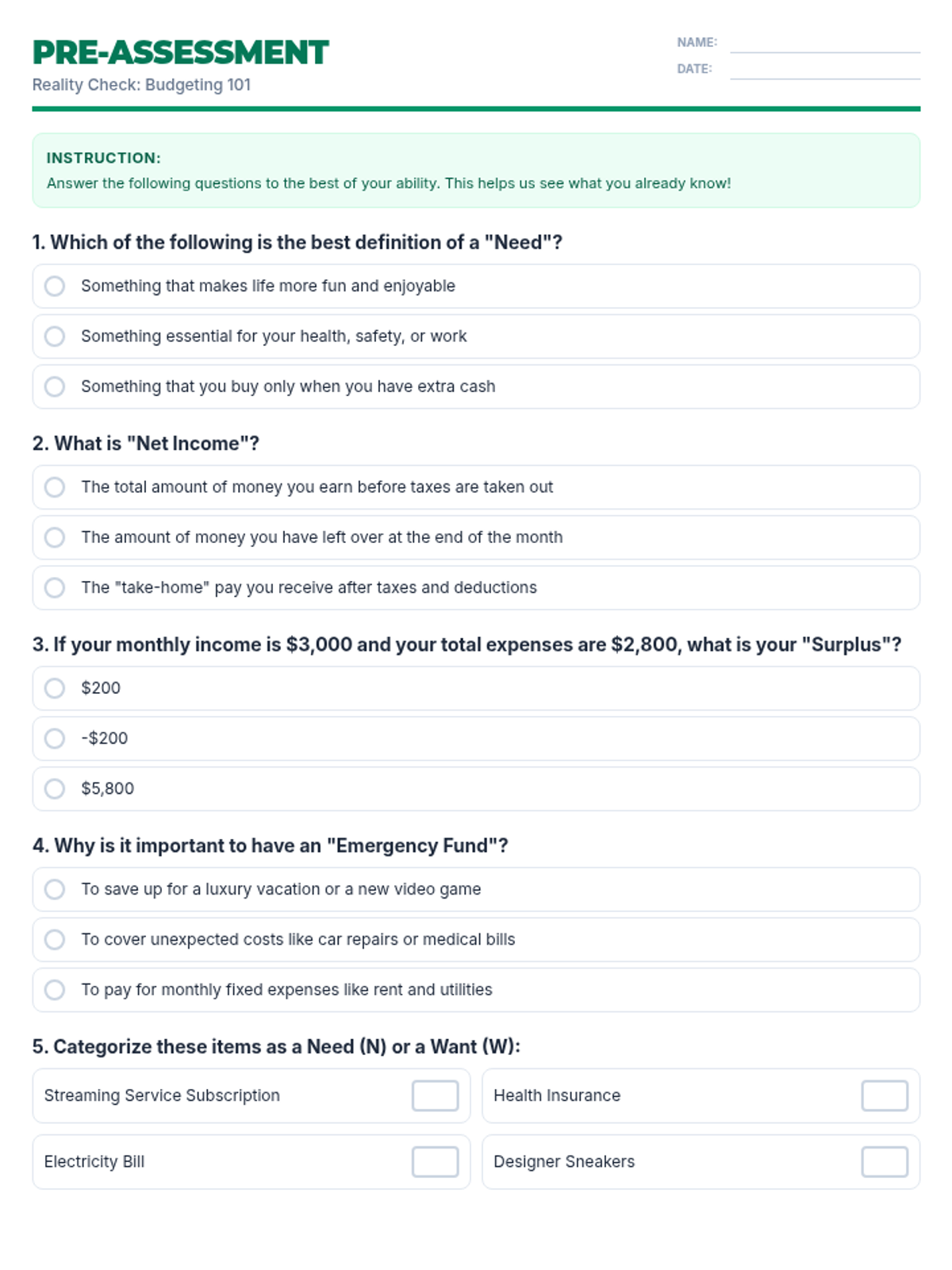
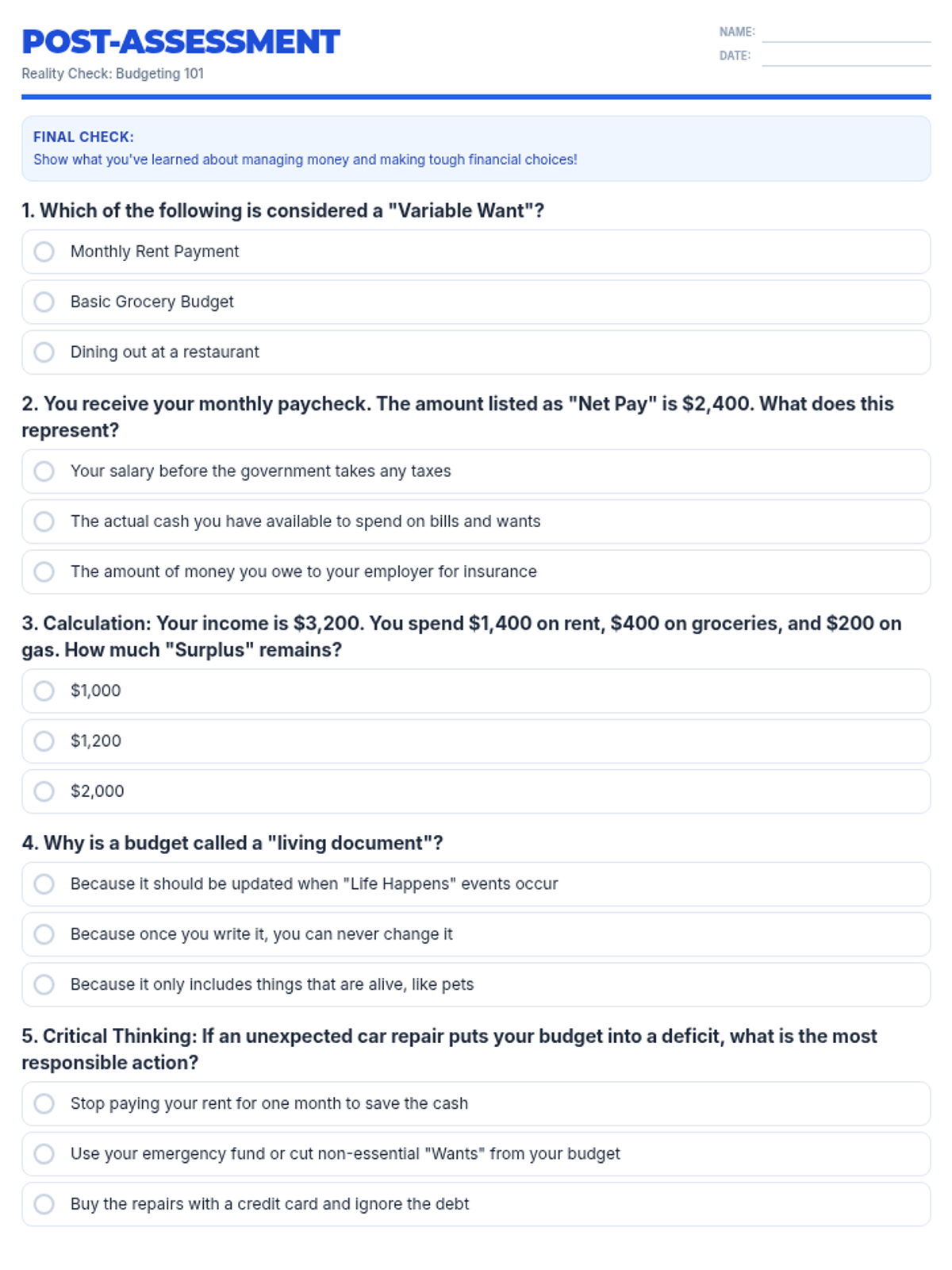
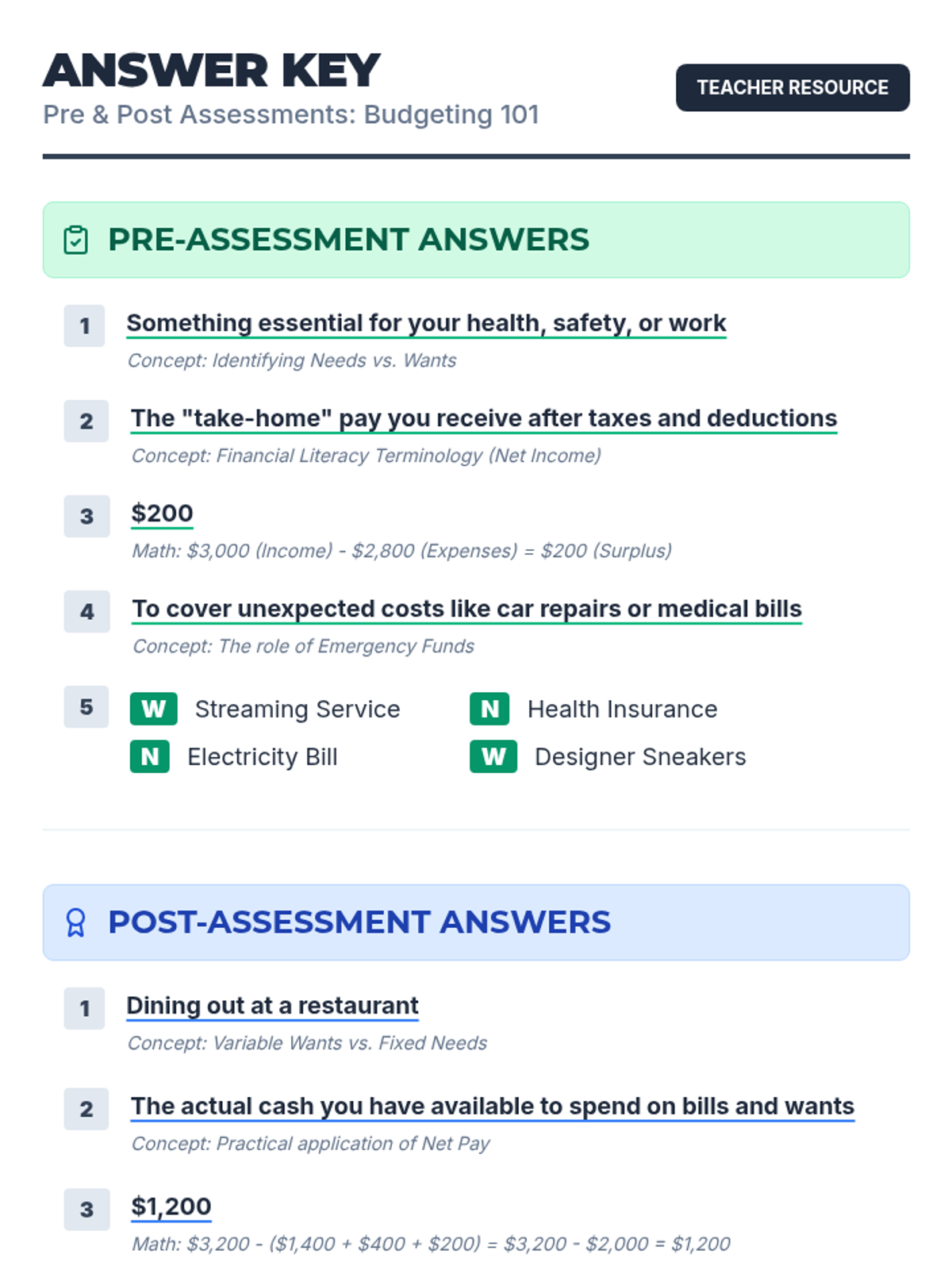
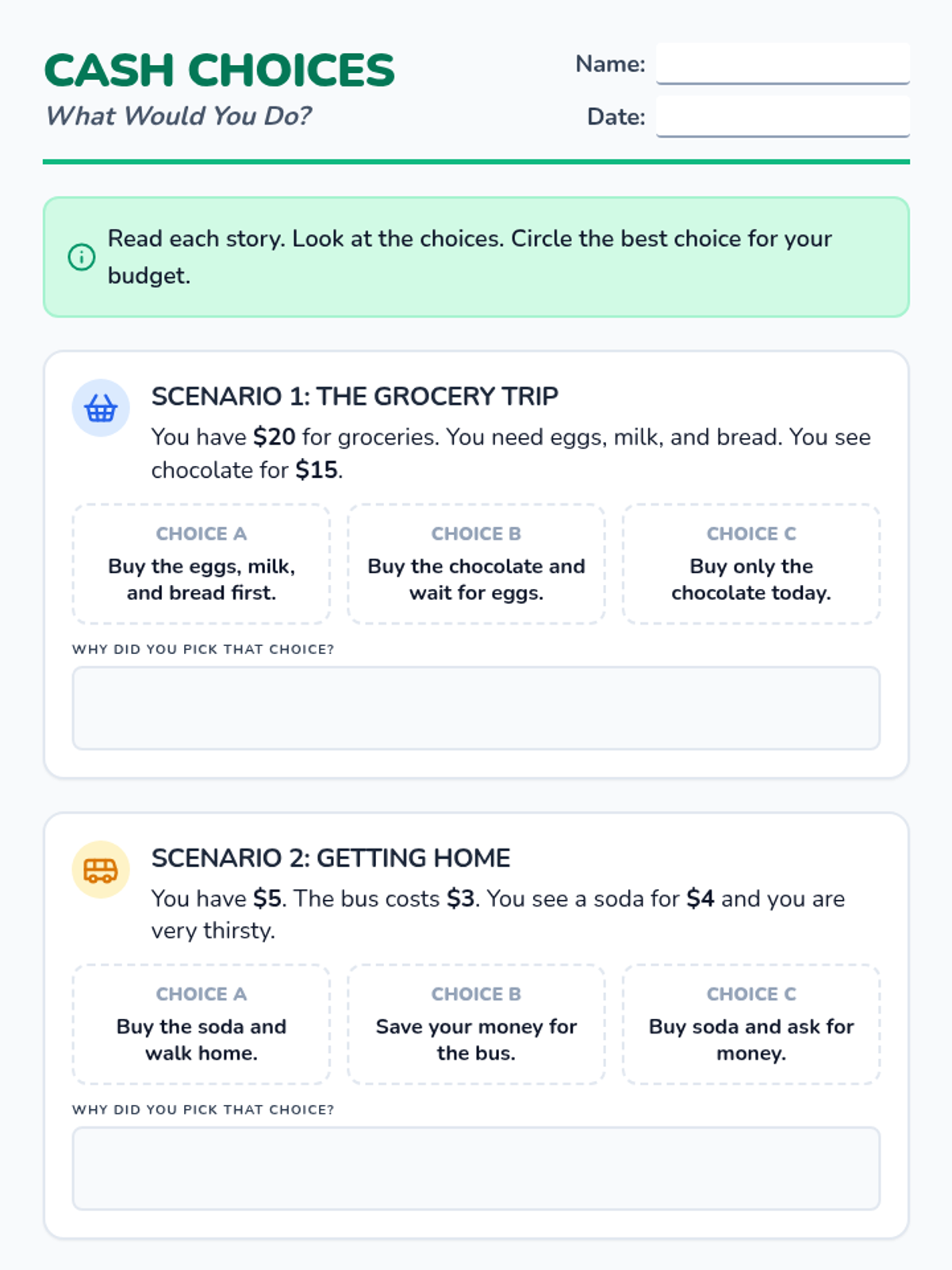
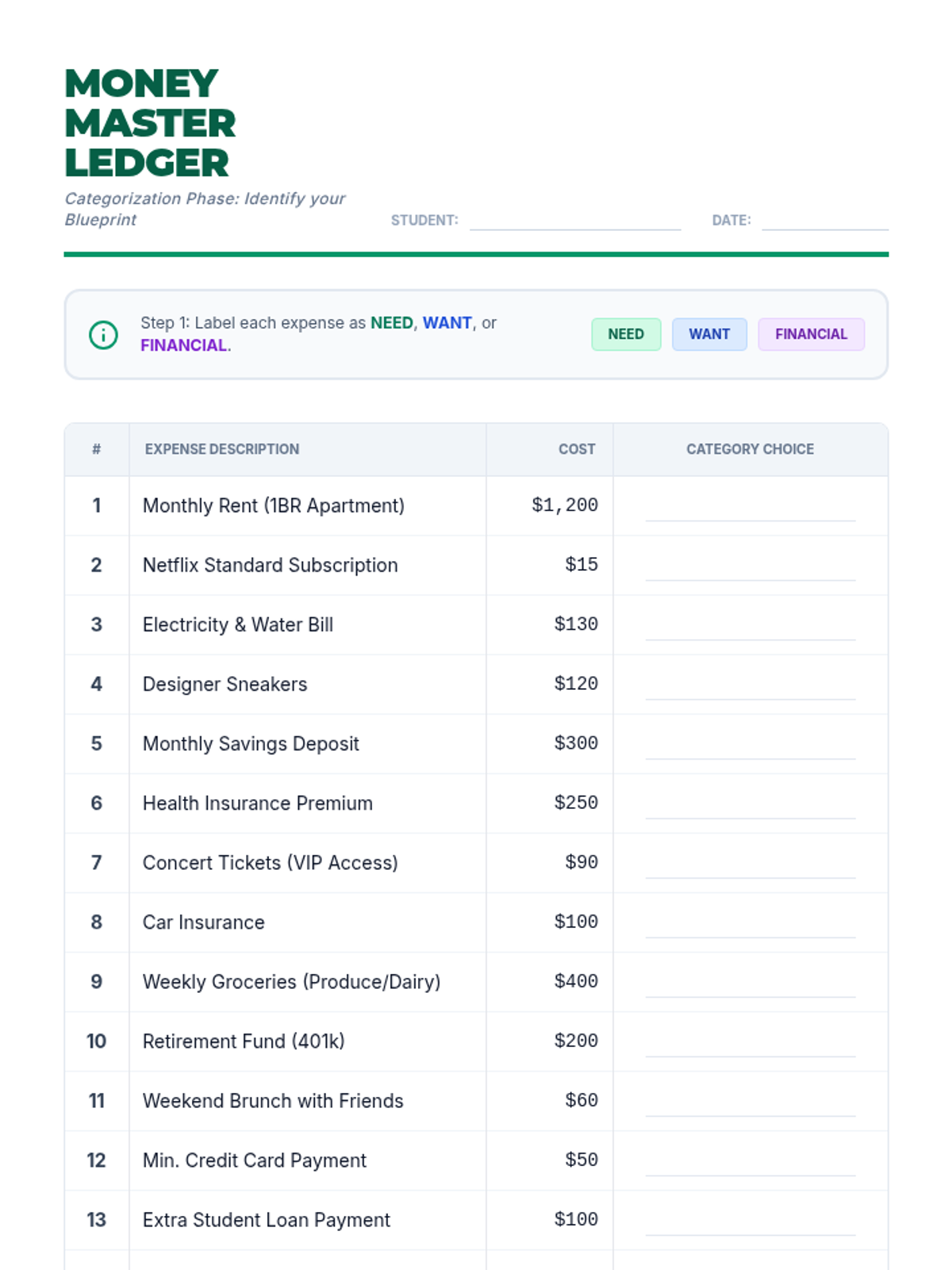
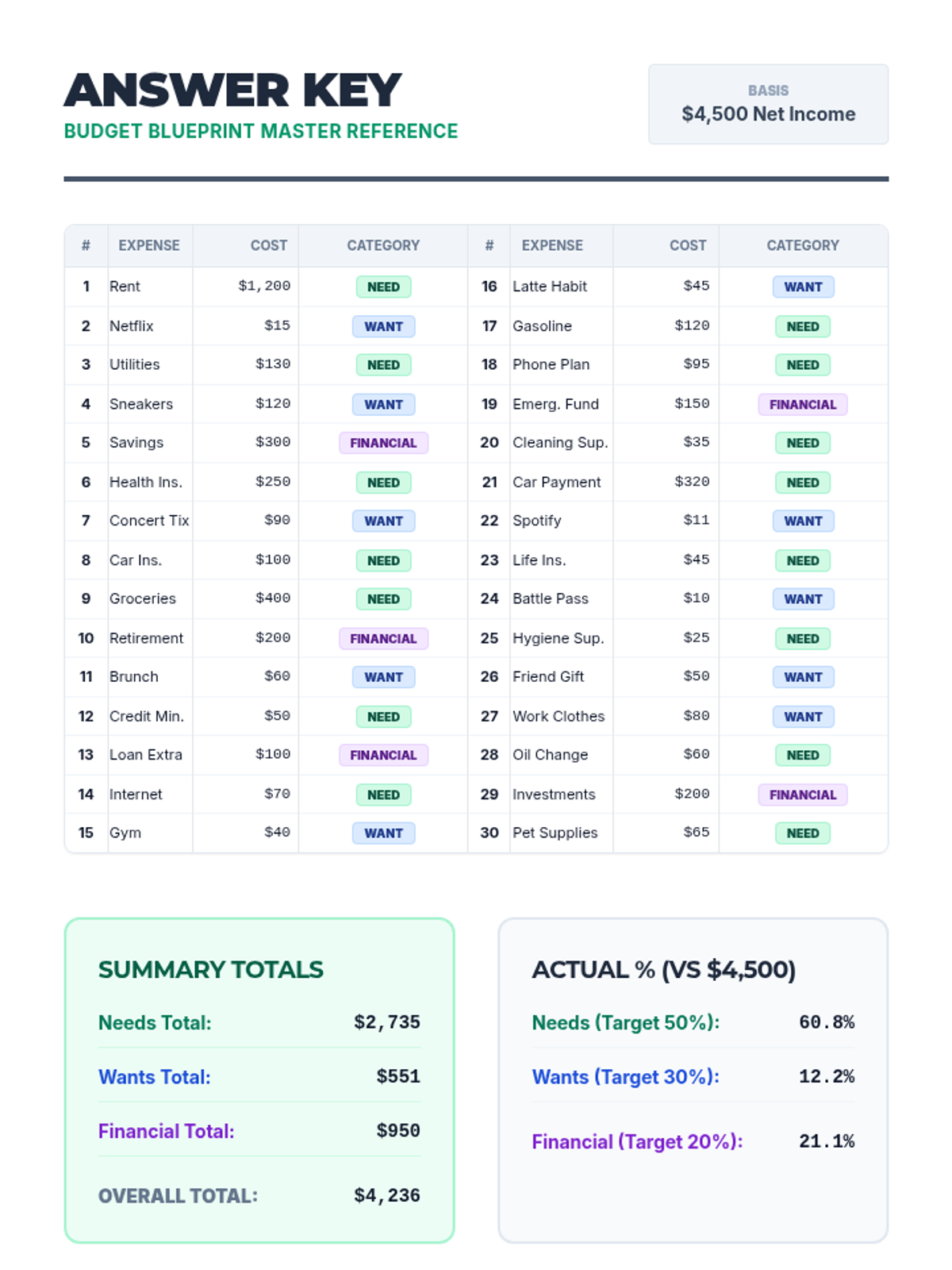
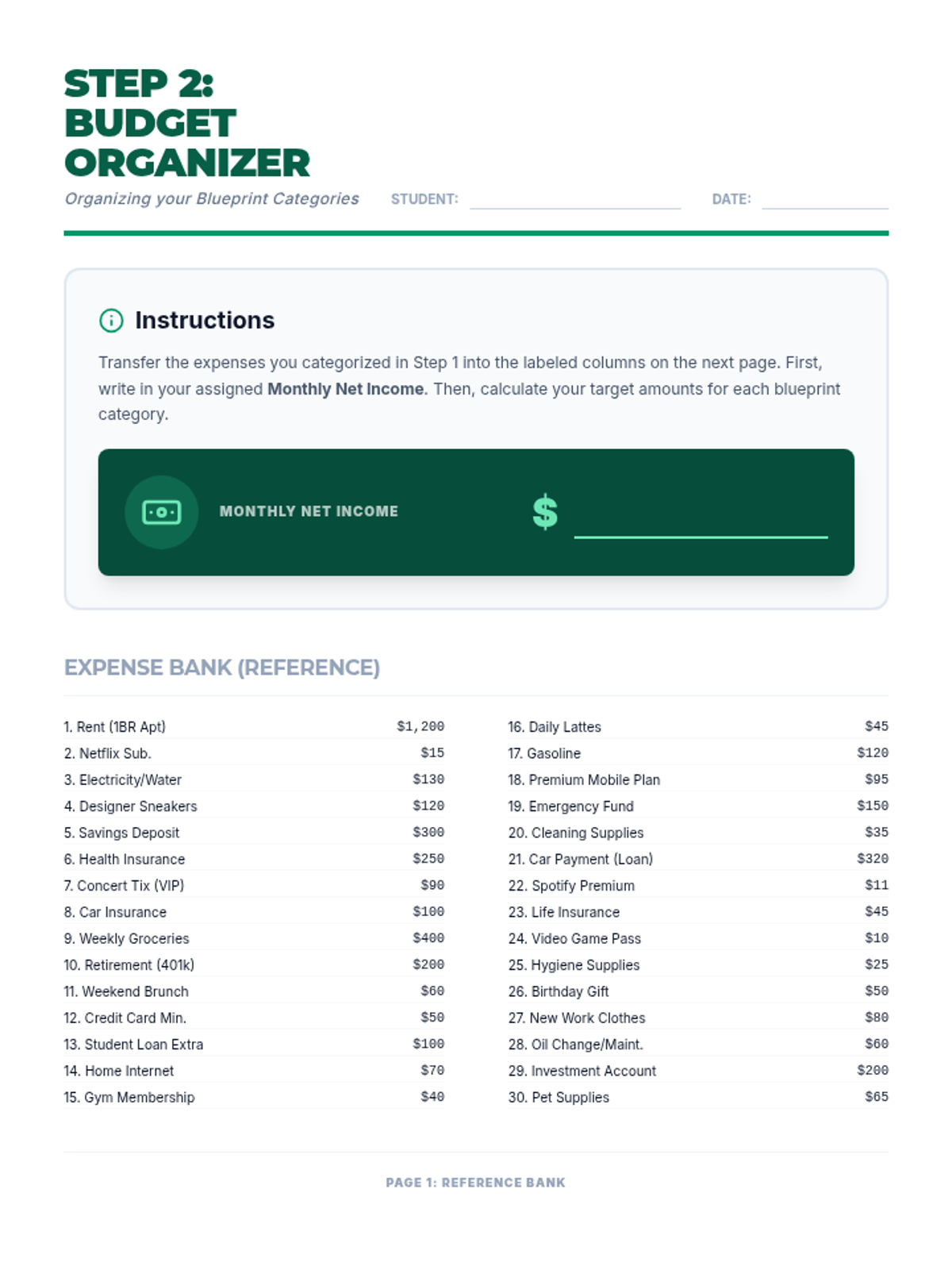
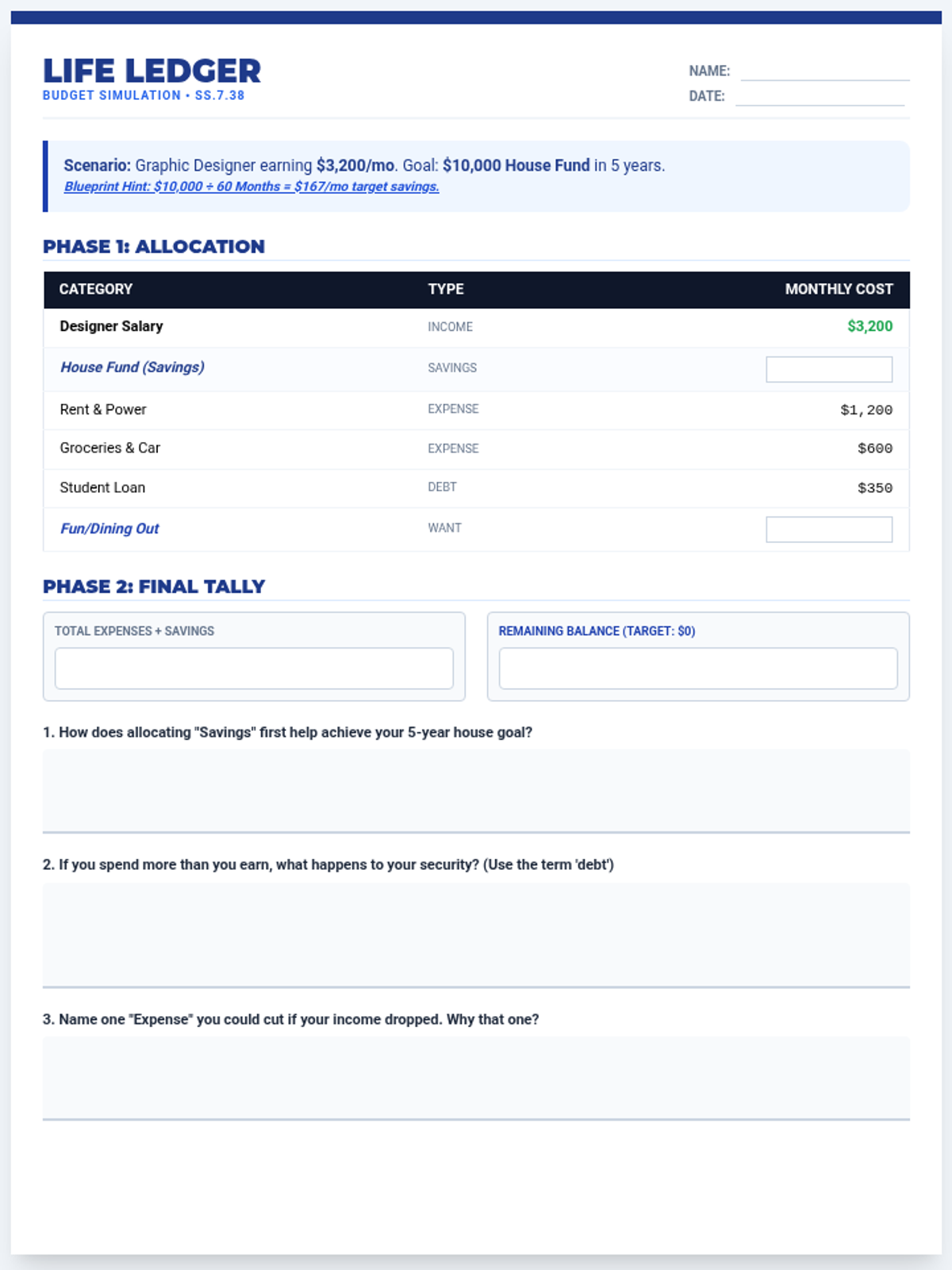
Introduction to the fundamentals of personal budgeting, differentiating between needs and wants, and managing a simulated monthly ledger.
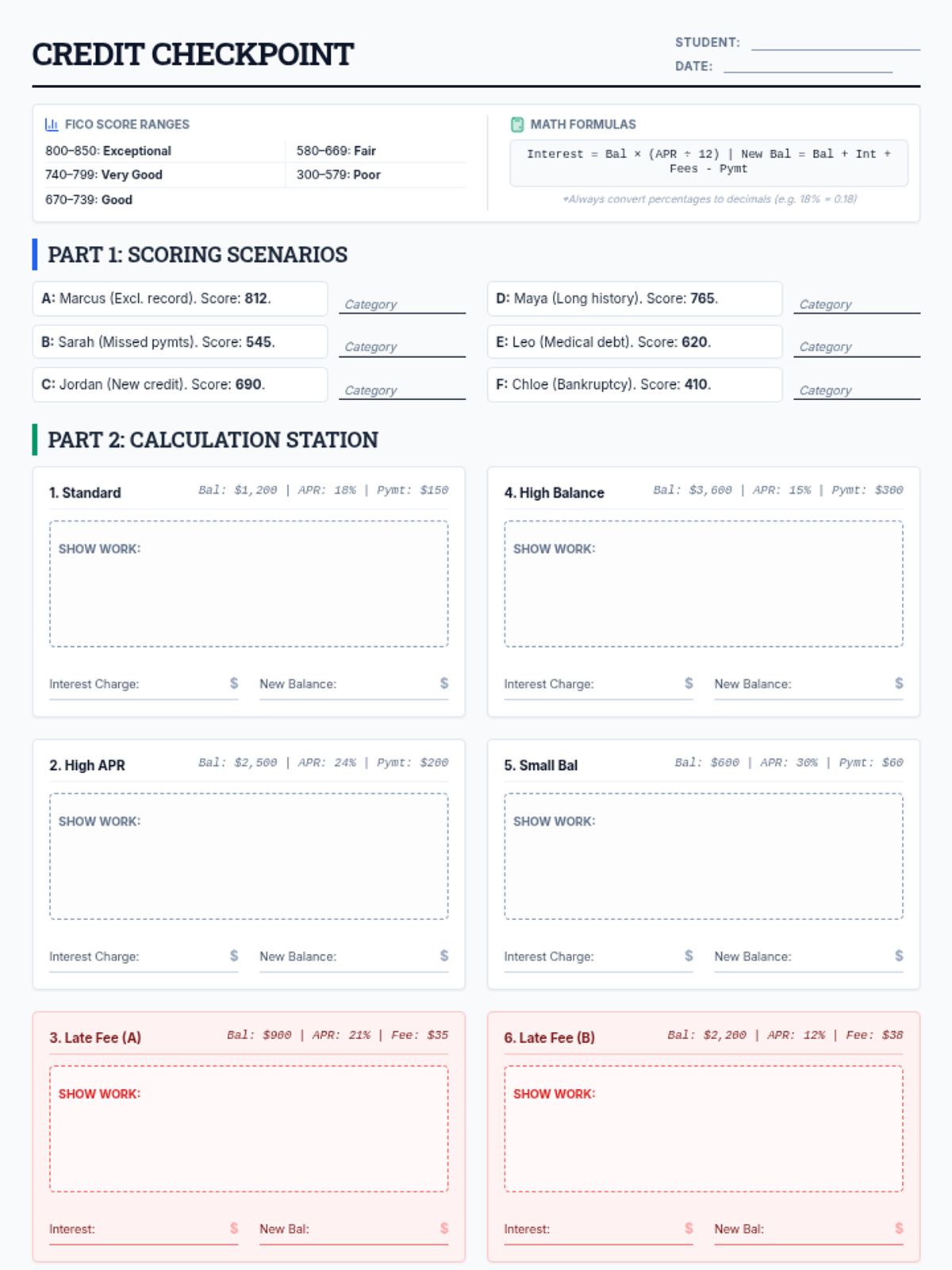
A practical lesson on understanding credit score rankings and the mathematical reality of credit card interest and late fees. Students identify score categories and perform monthly interest calculations.
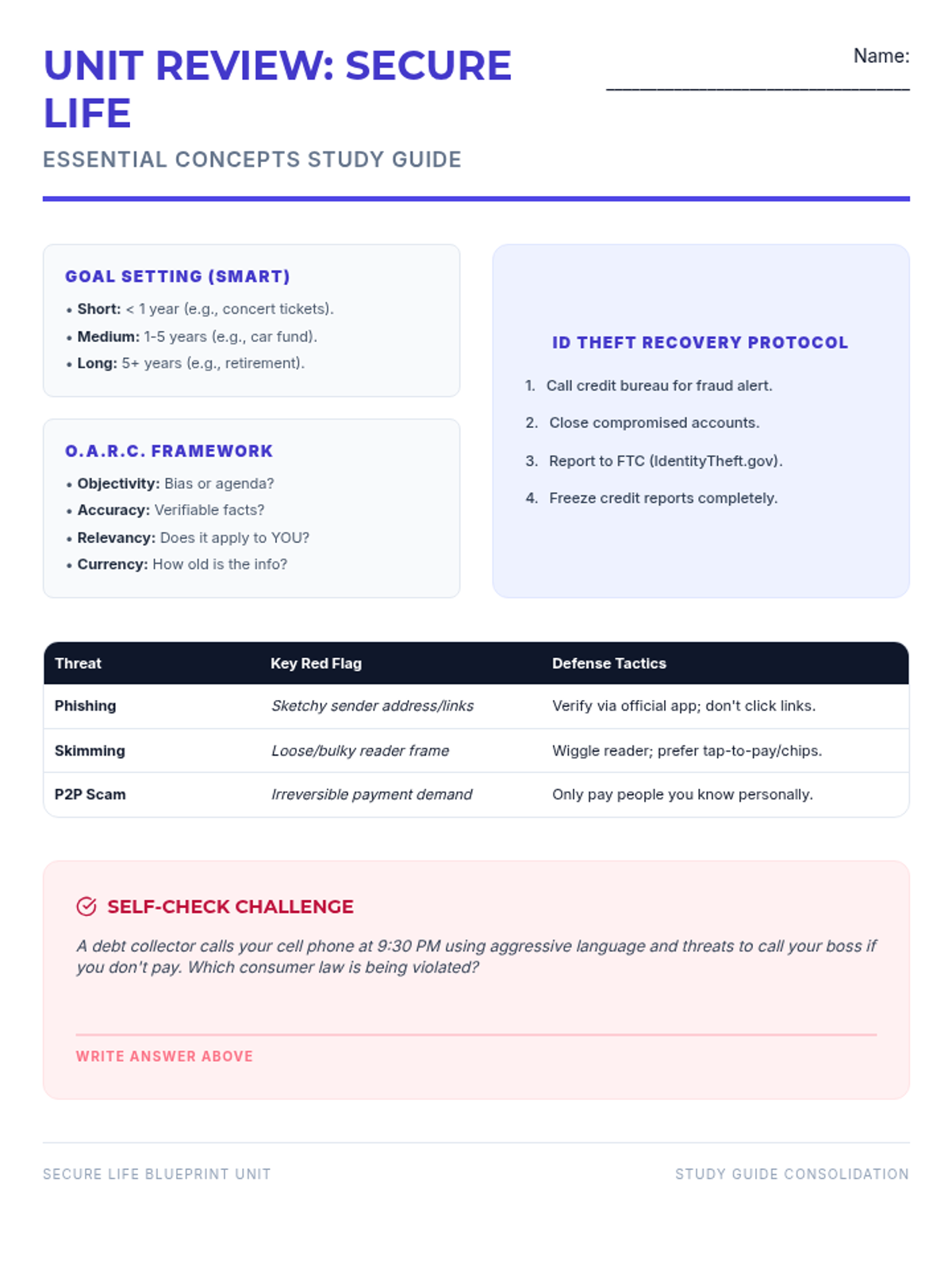
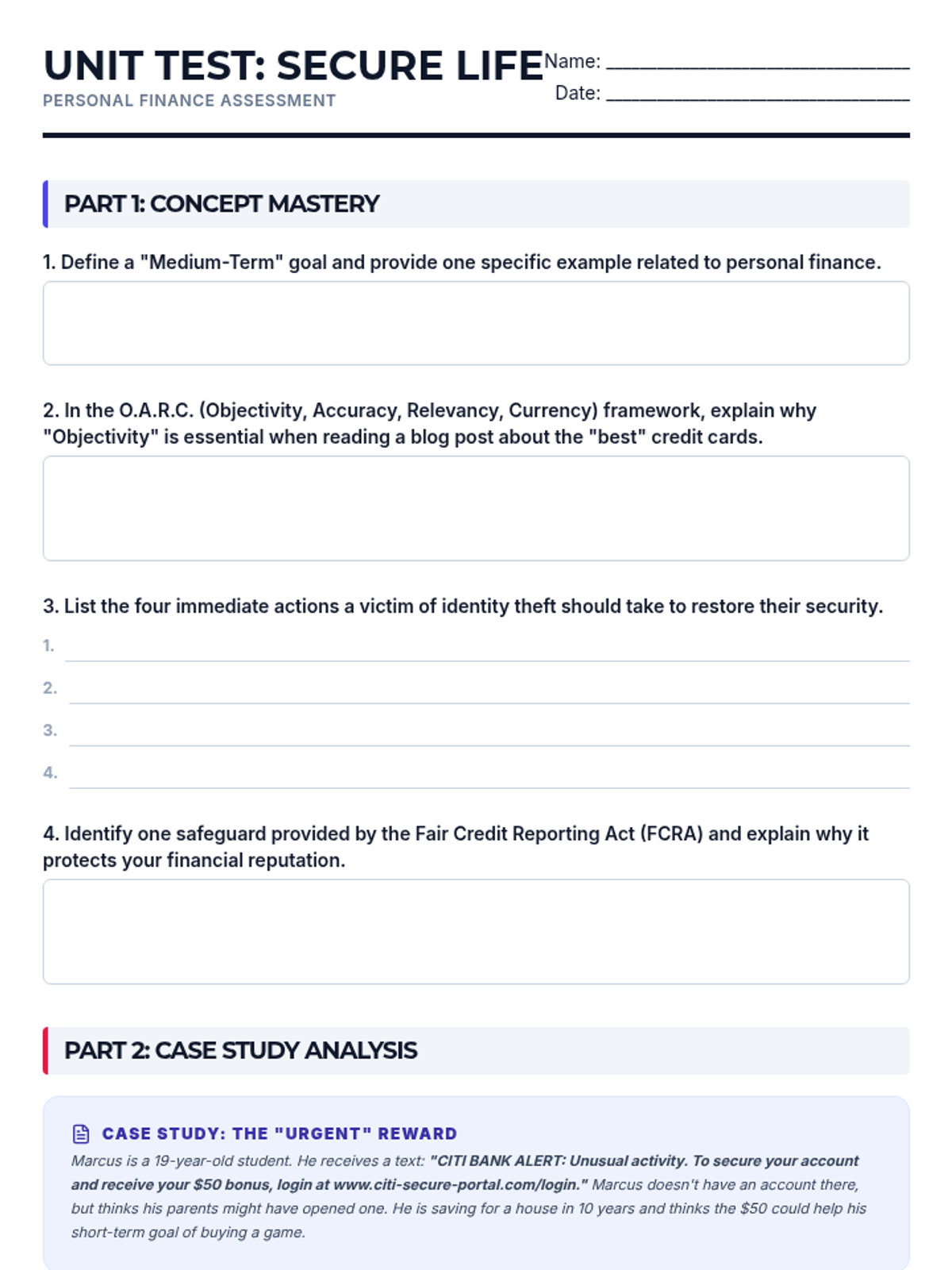
A final review session followed by a mixed-format unit test featuring short answer questions and case study analysis.
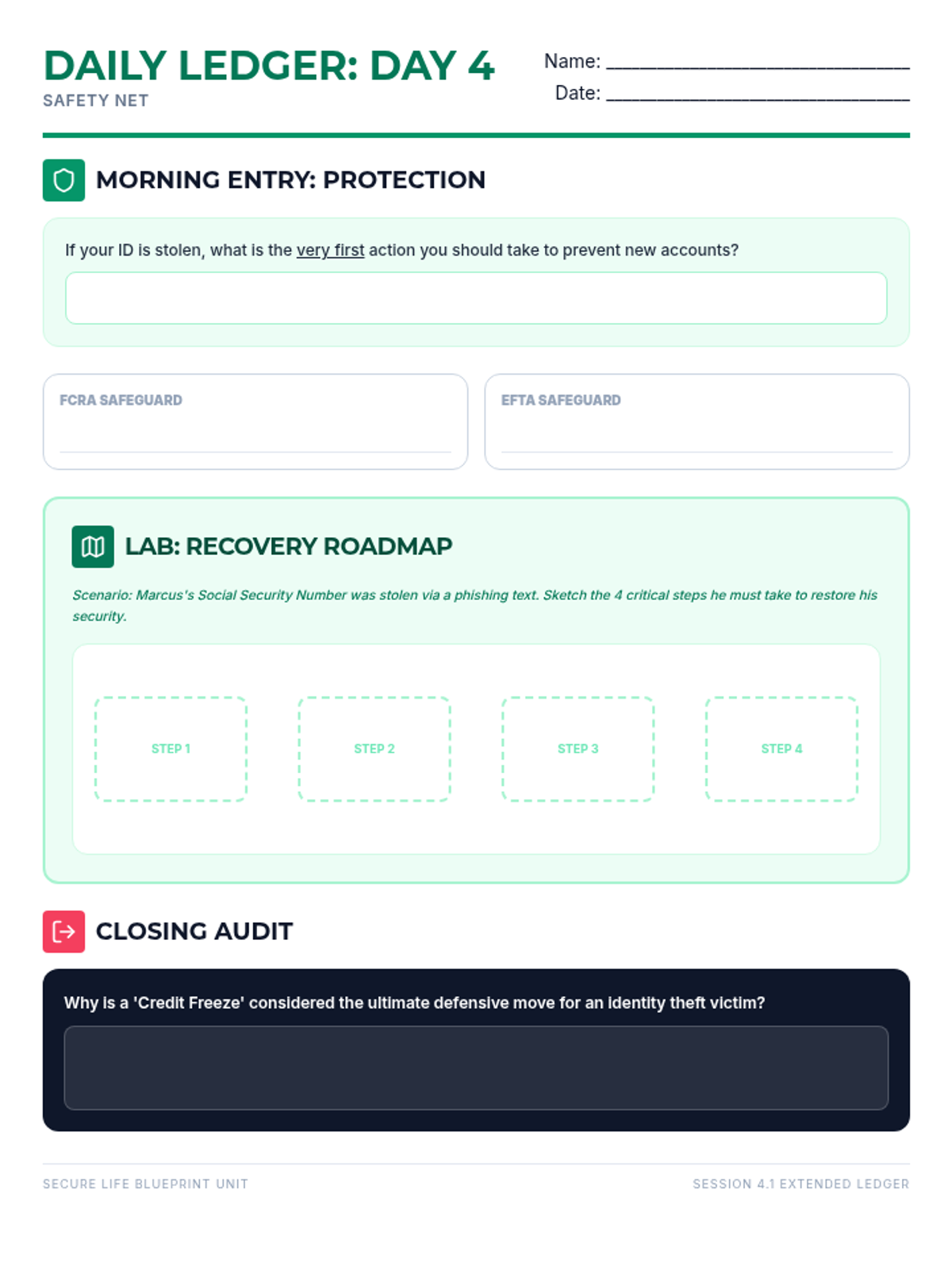
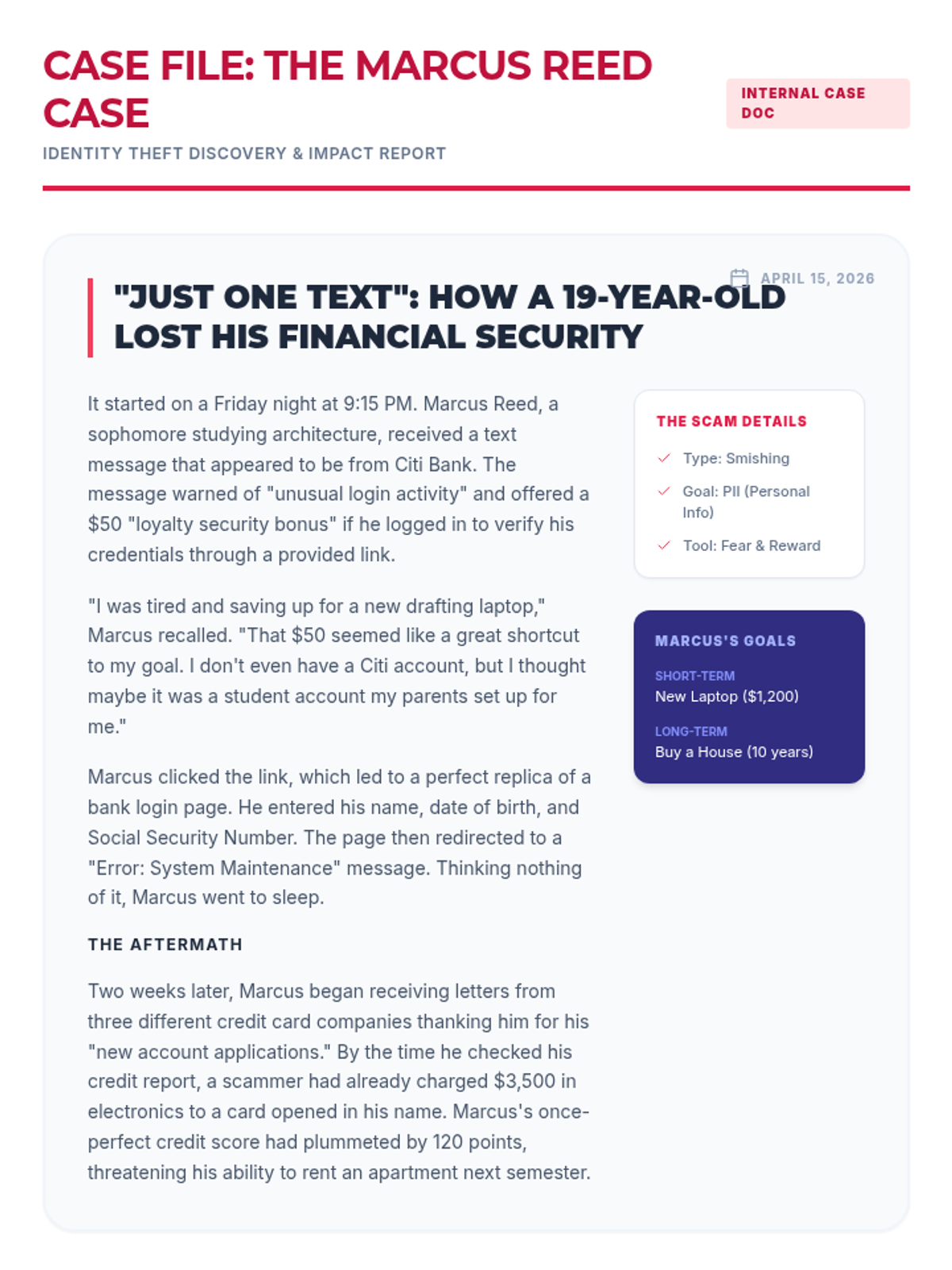
Covers consumer protection laws and the specific steps victims of identity theft should take to recover their security.
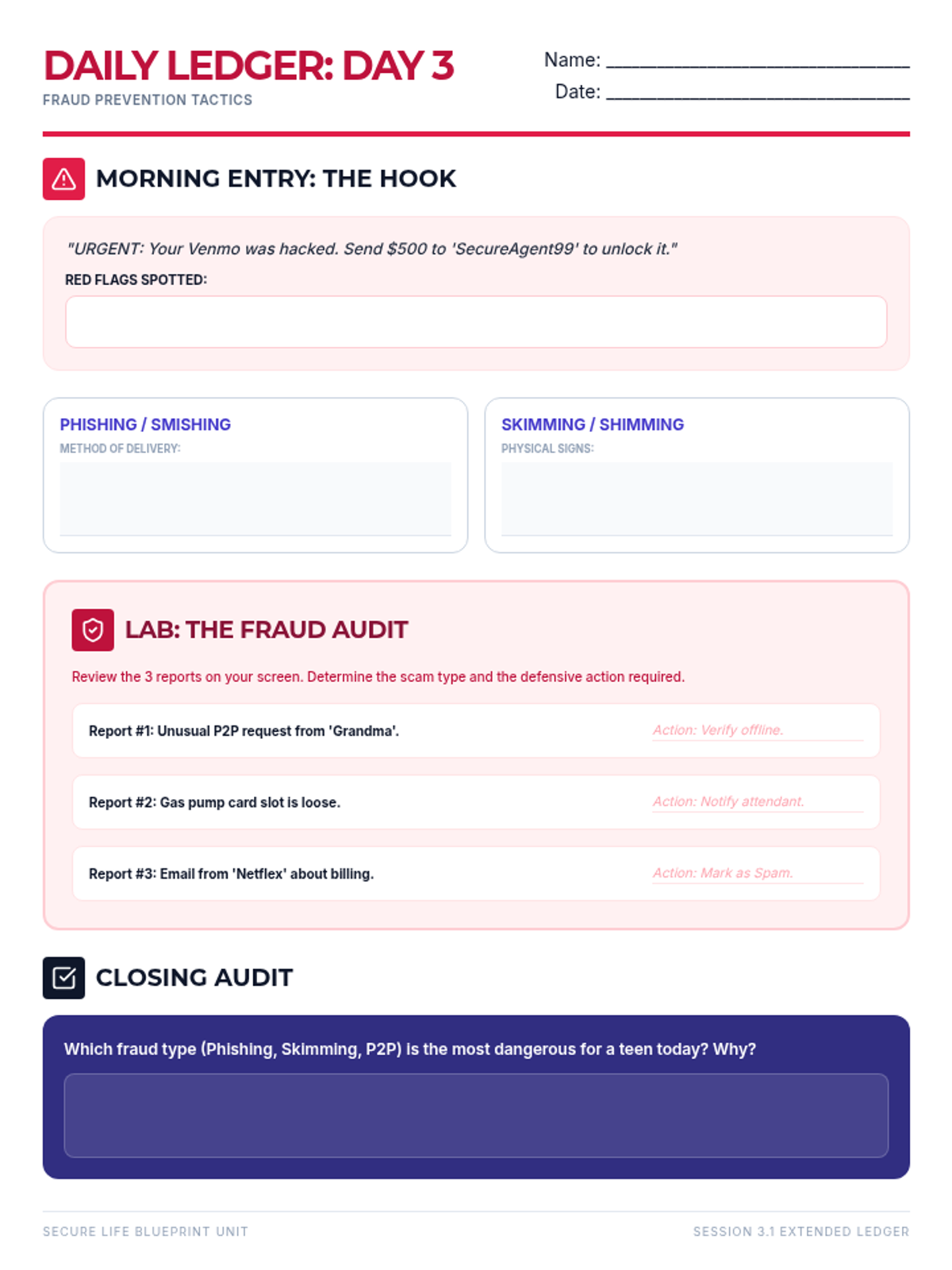
Explores modern consumer fraud including phishing, smishing, credit card skimming, and social media scams.
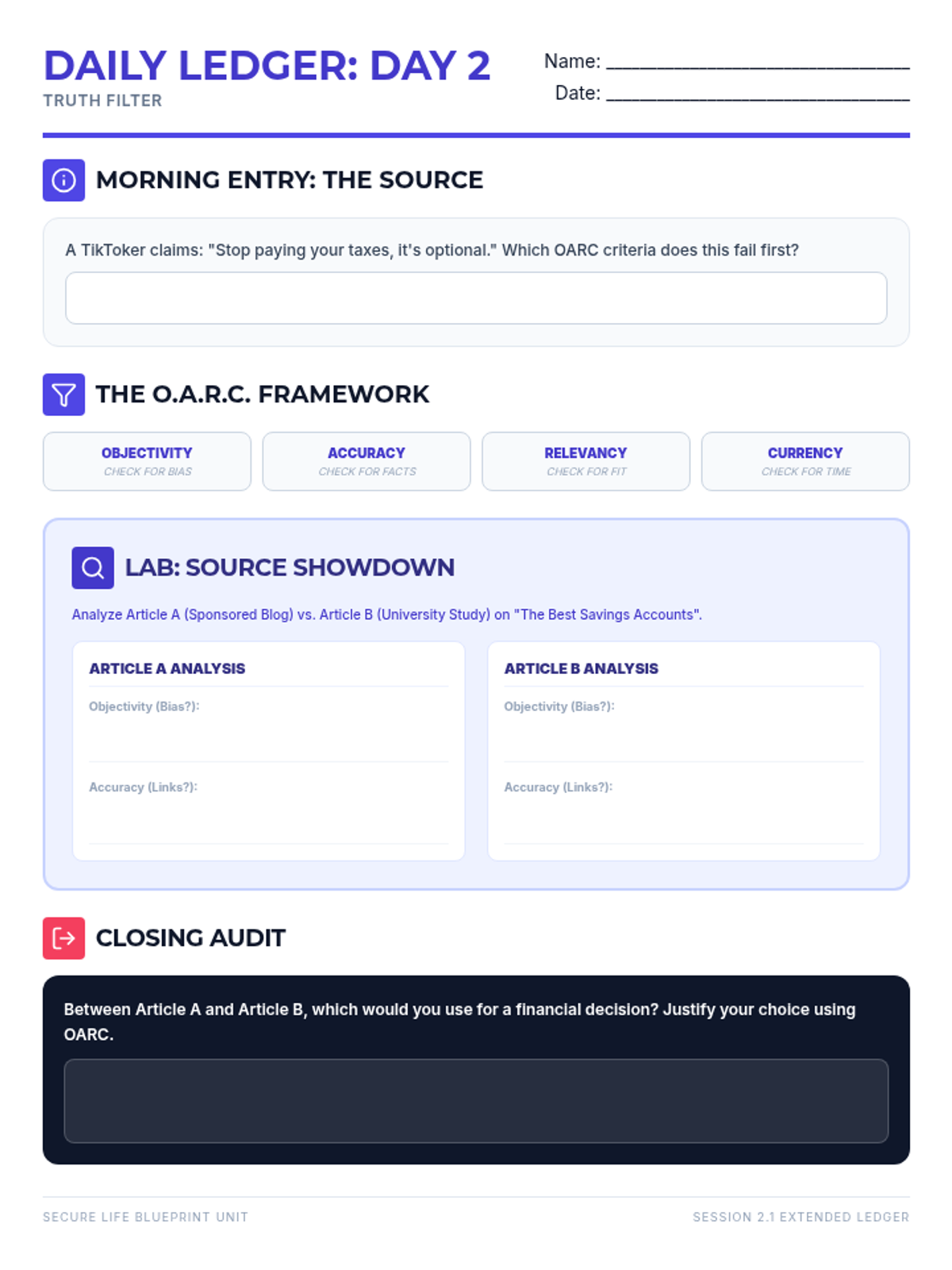
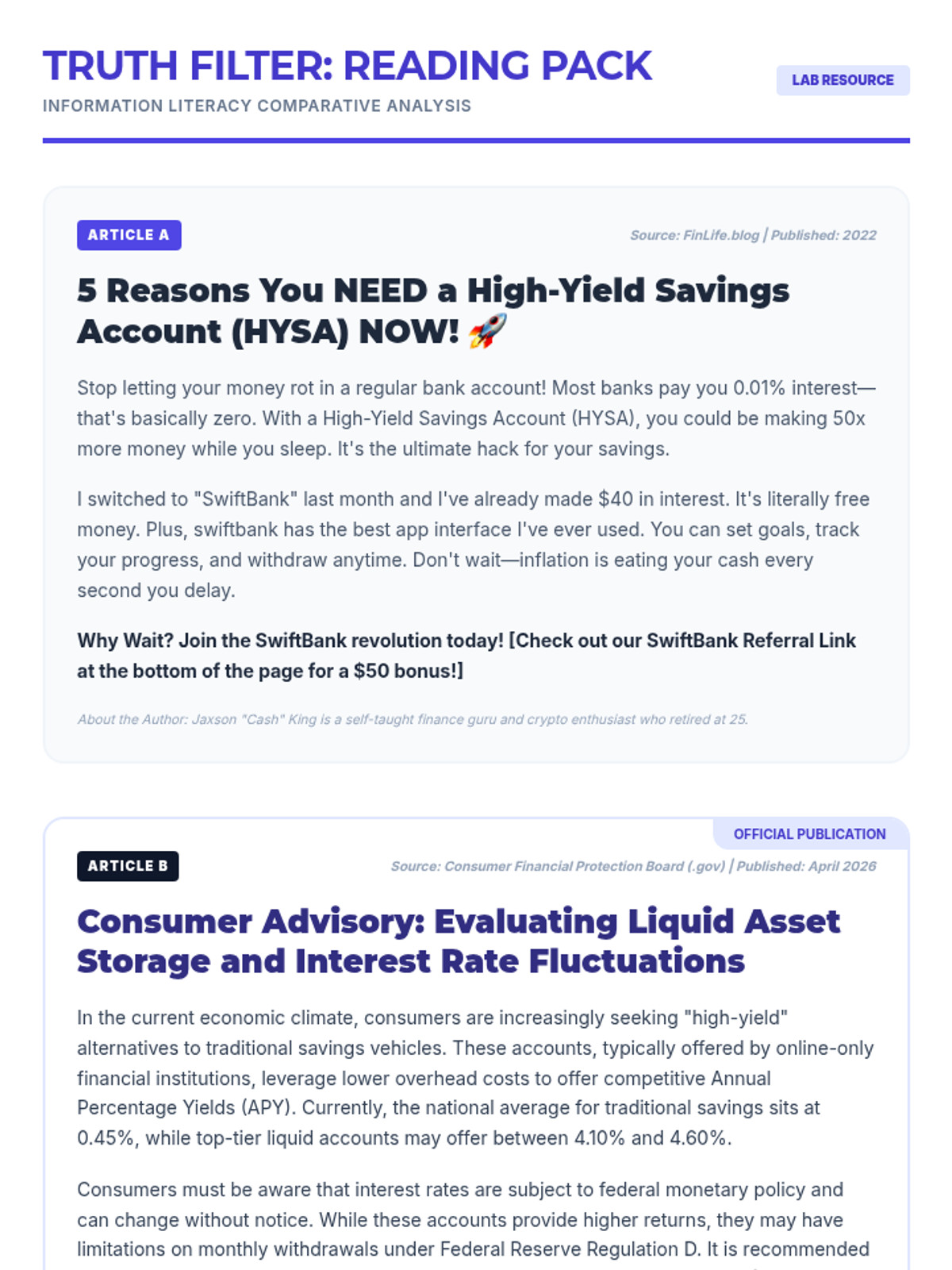
Teaches students how to evaluate financial information for objectivity, accuracy, relevancy, and currency to make informed choices.
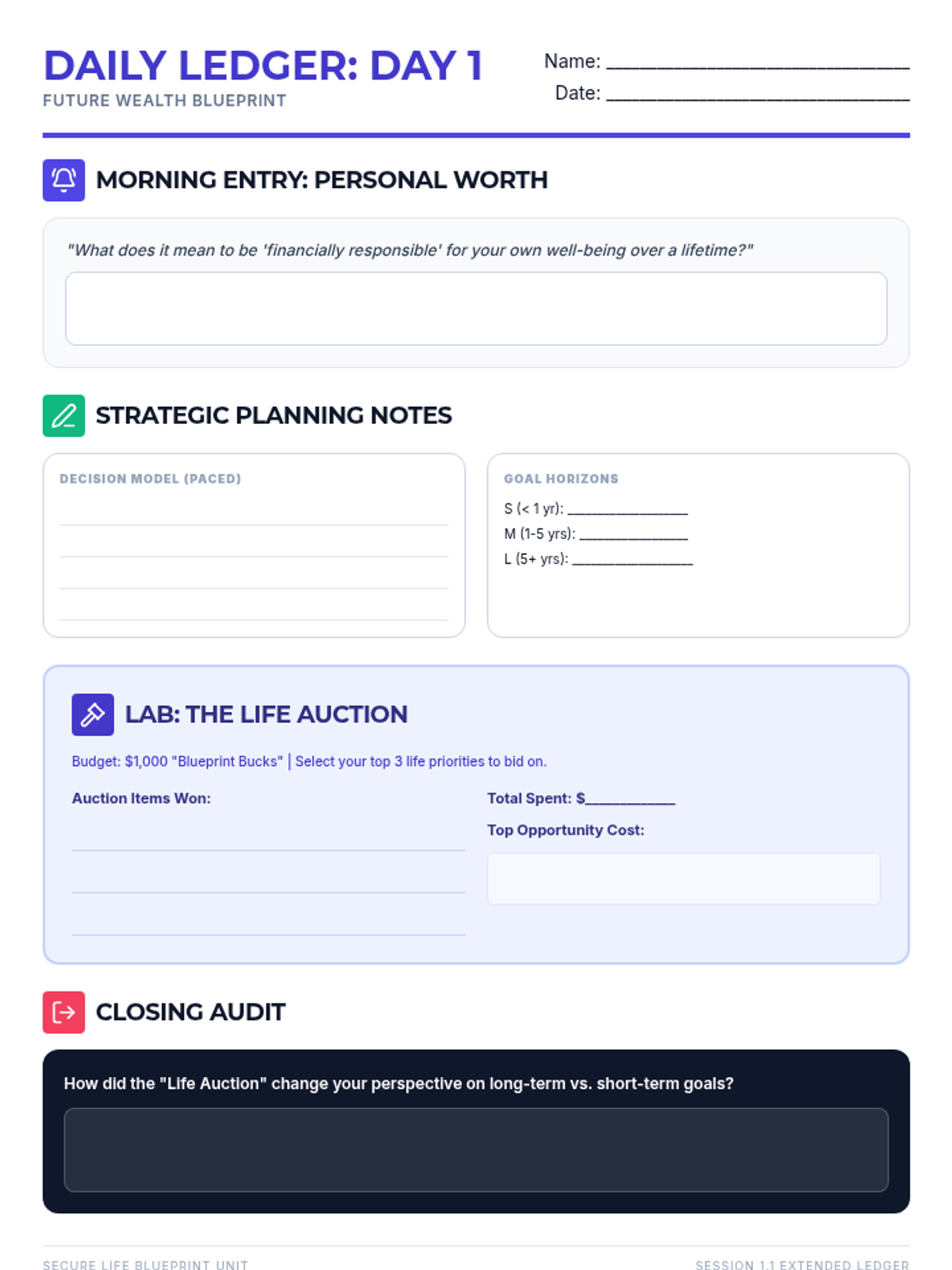
Focuses on lifetime financial well-being, systematic decision-making, and setting SMART short-, medium-, and long-term financial goals.
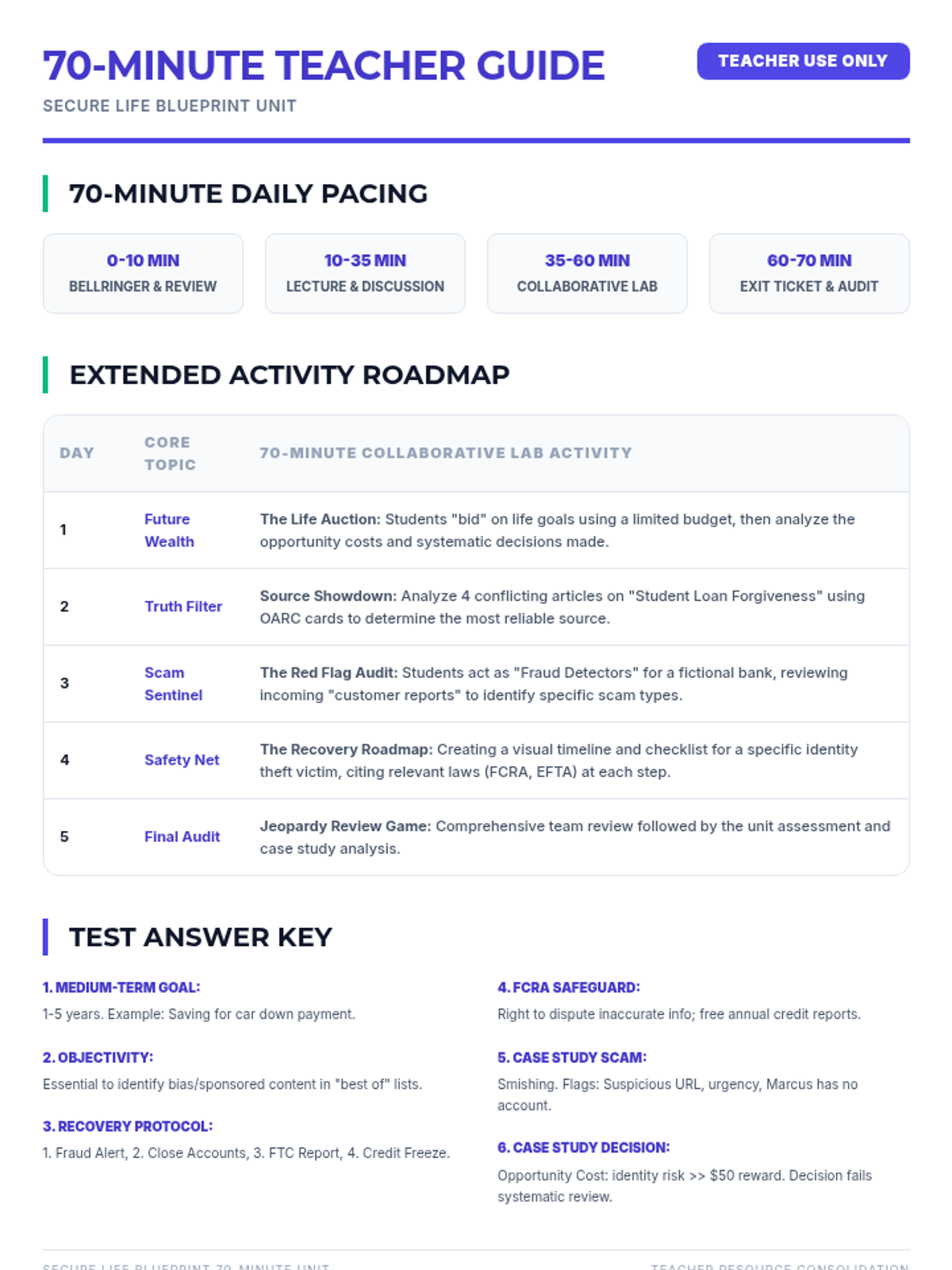
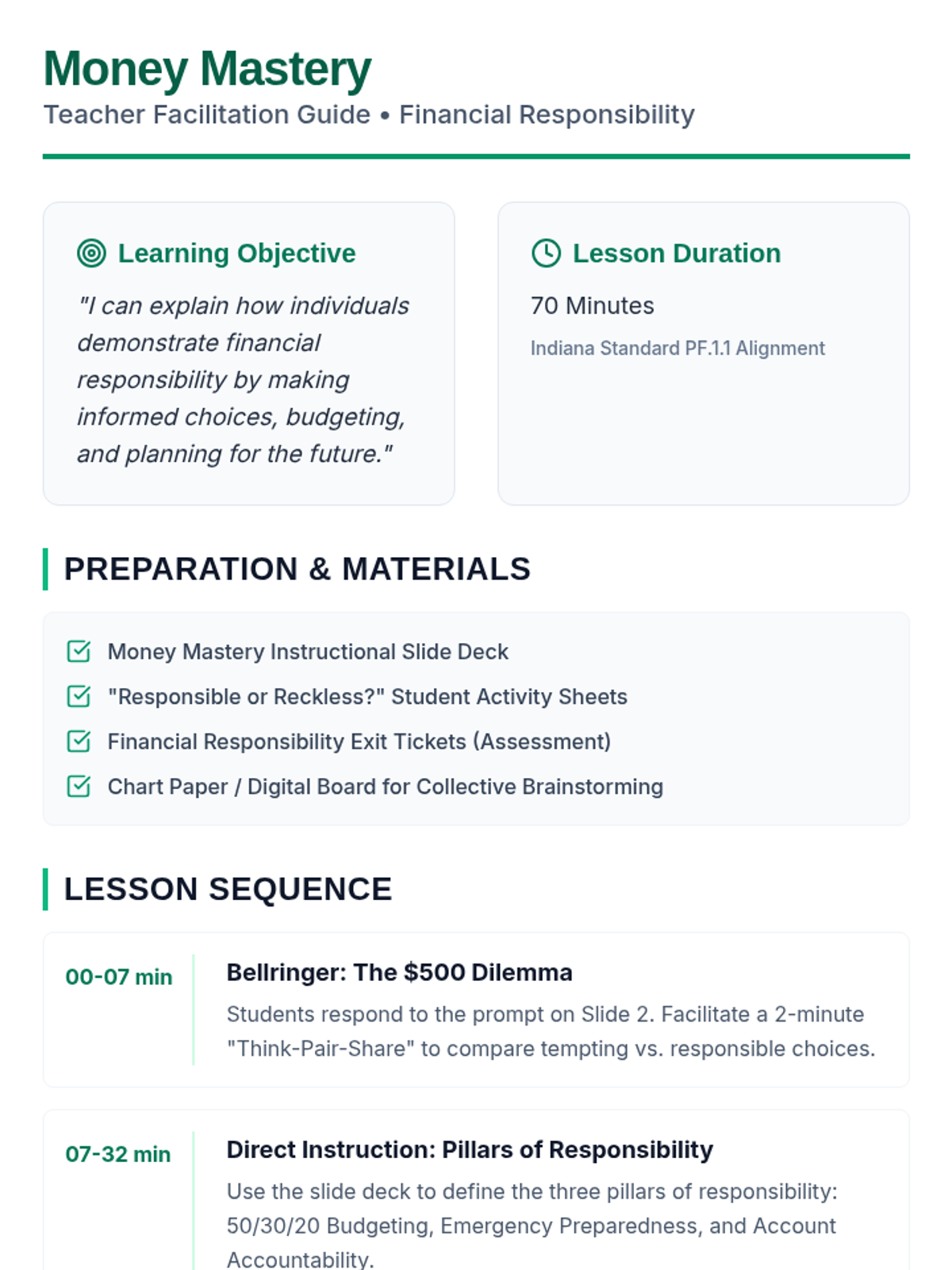
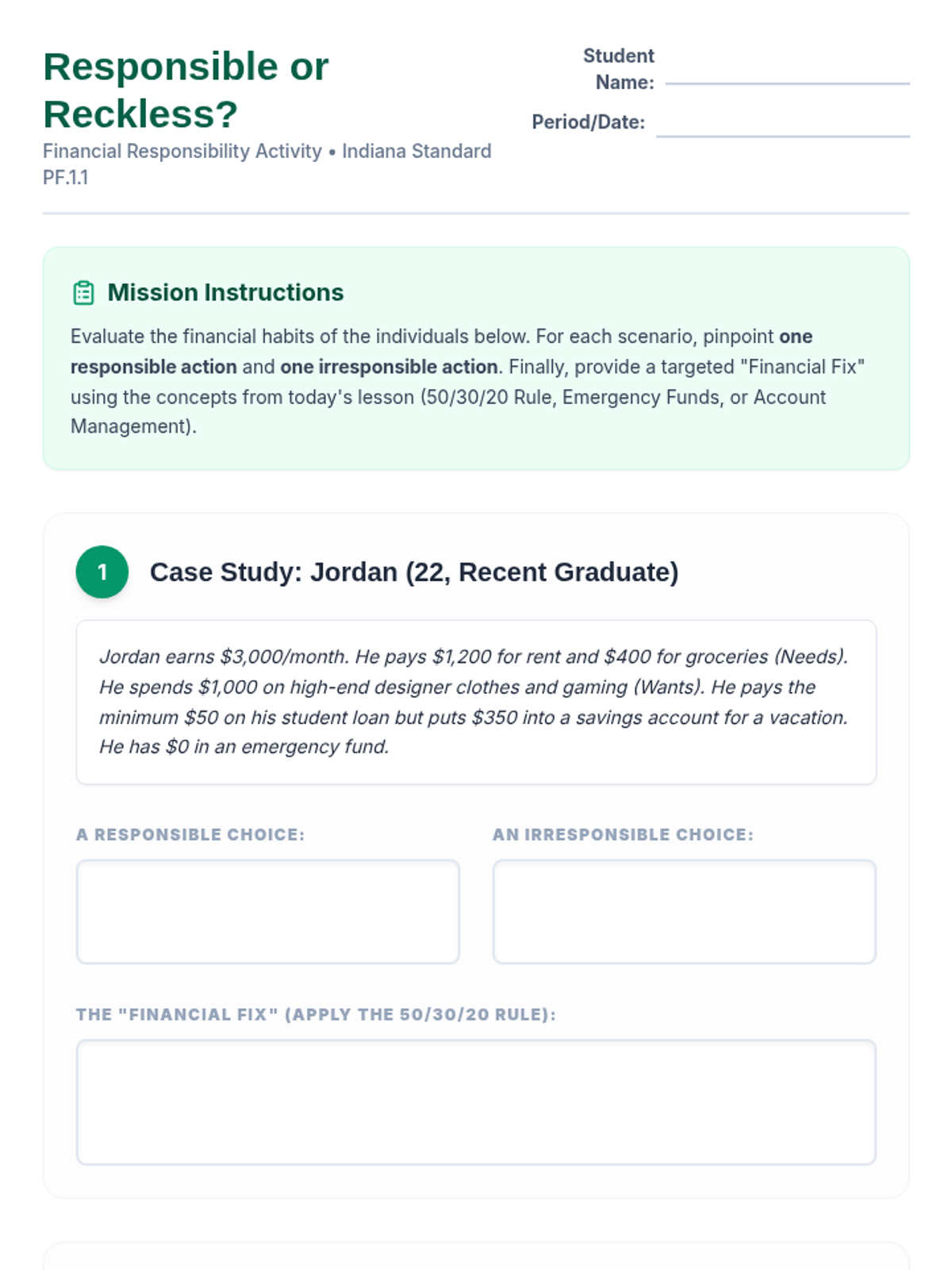
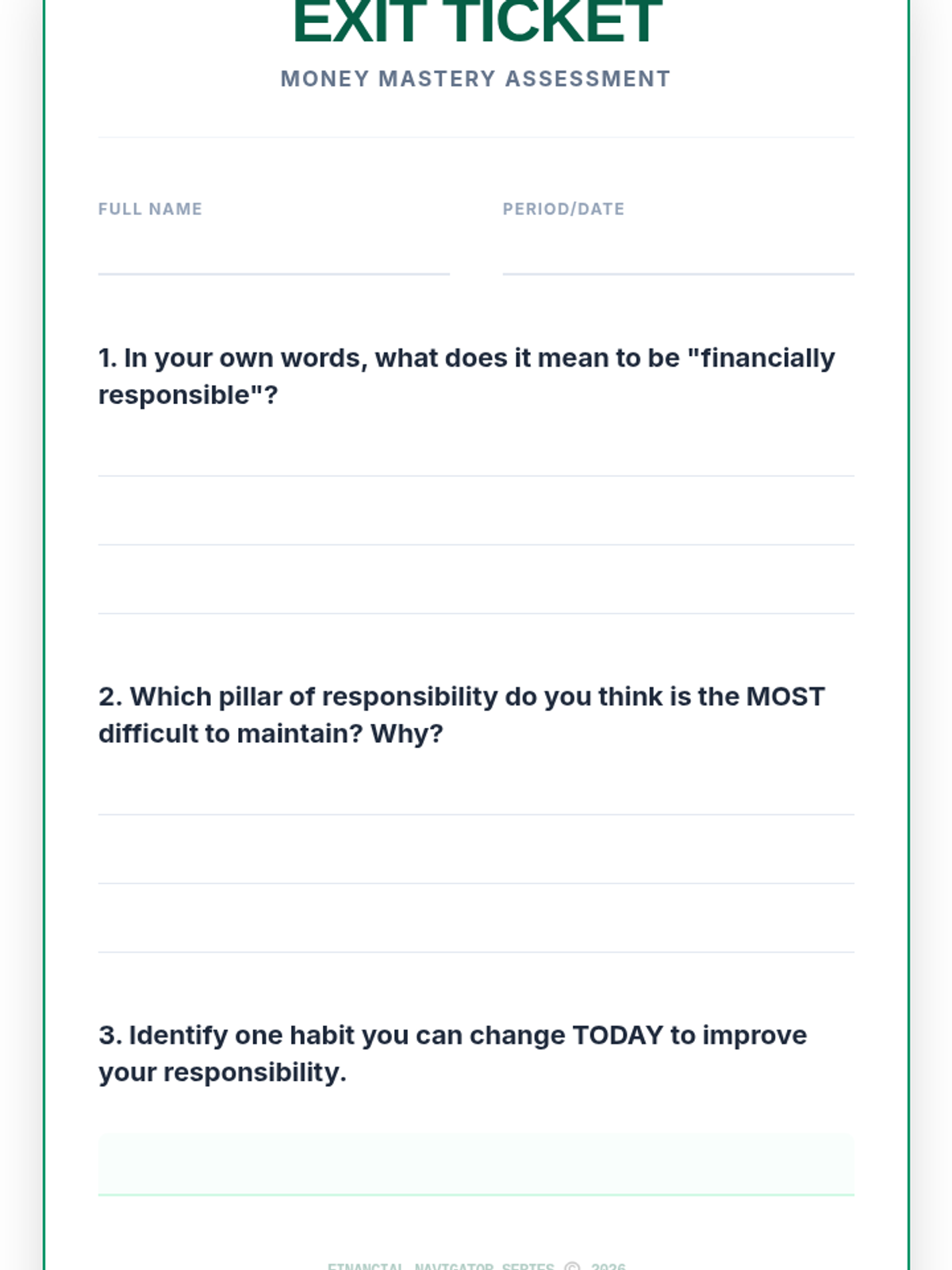
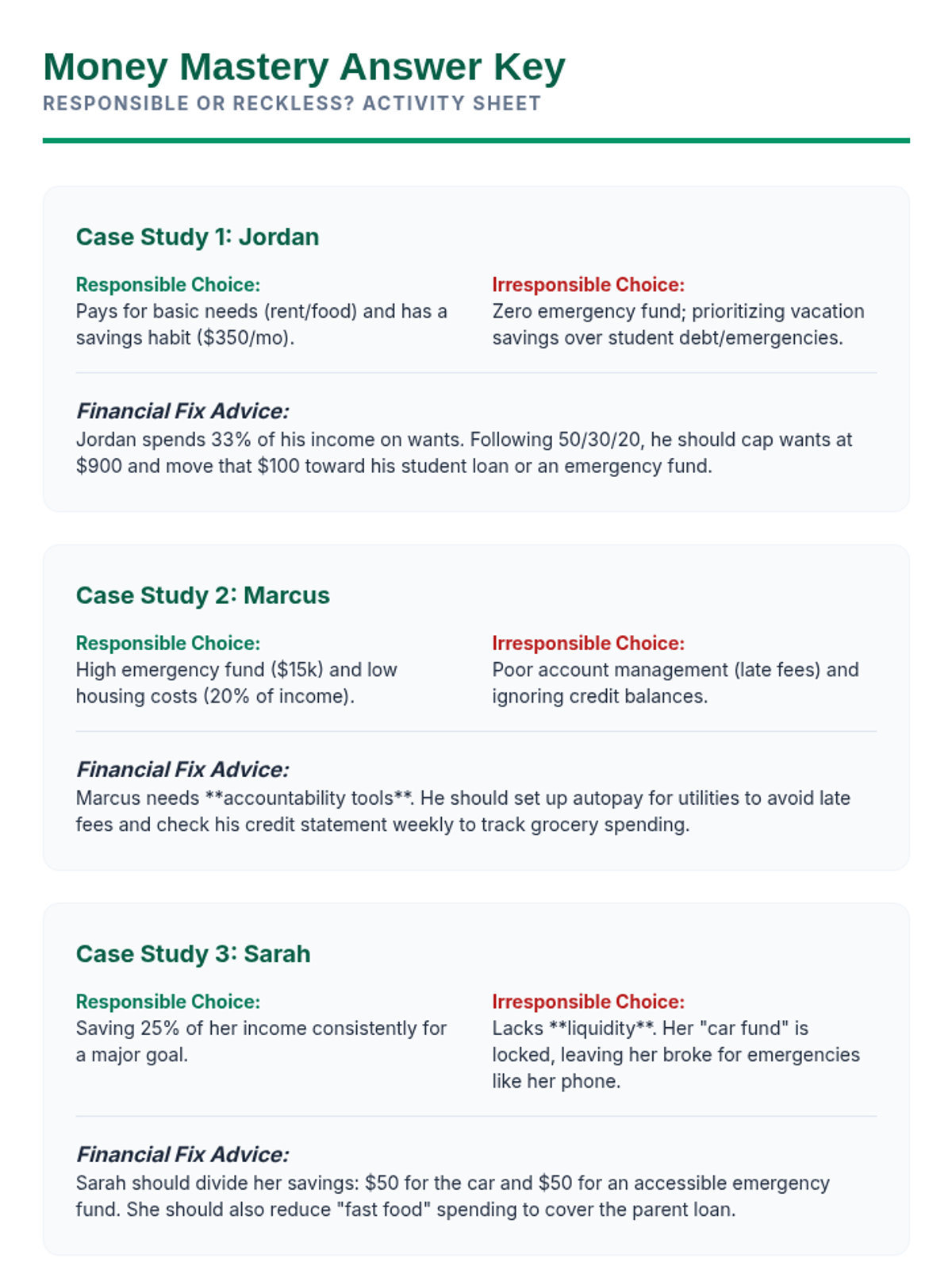
A comprehensive 70-minute lesson focused on the pillars of financial responsibility, including budgeting, saving, and informed decision-making aligned with Indiana personal finance standards.
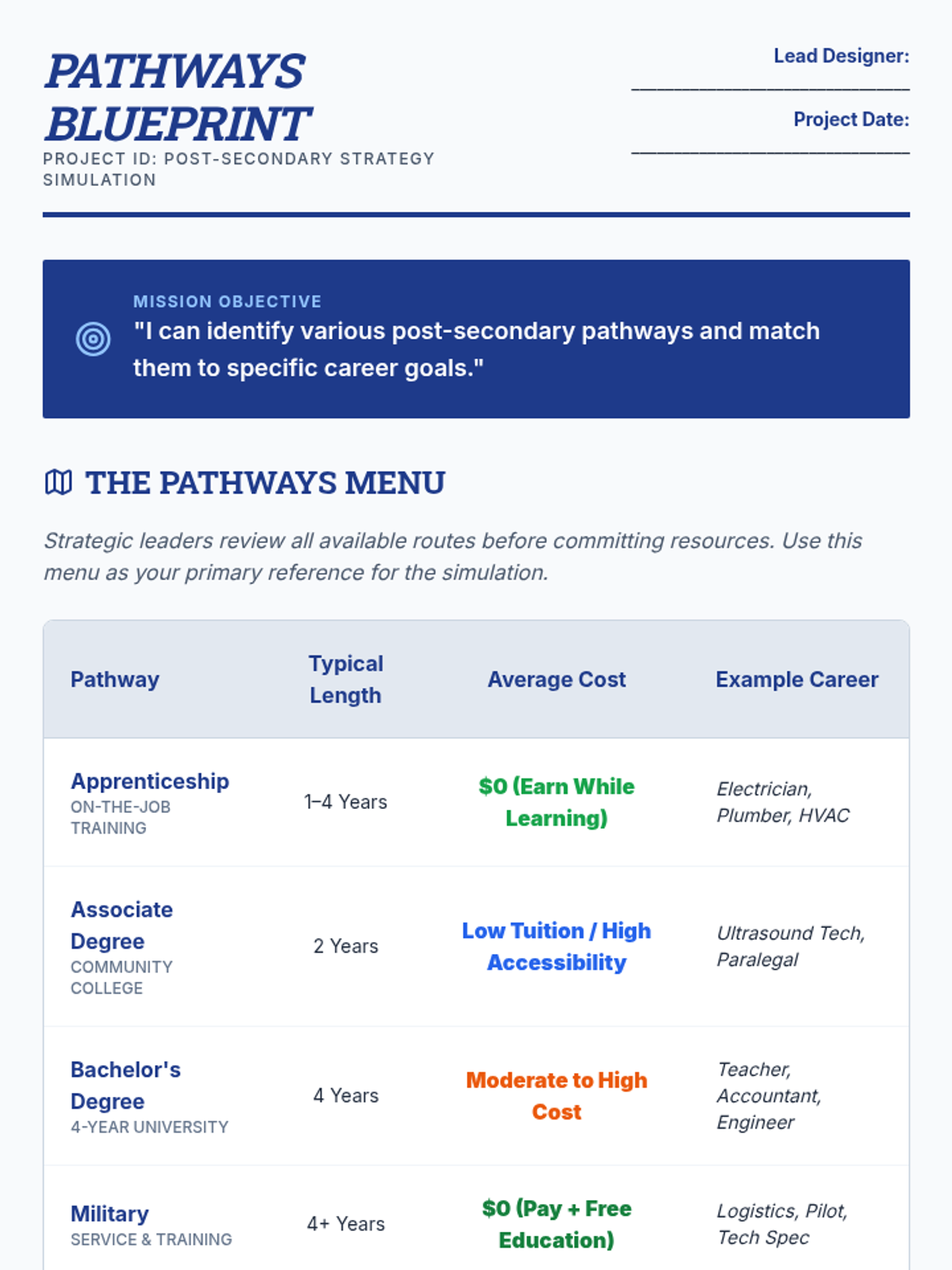
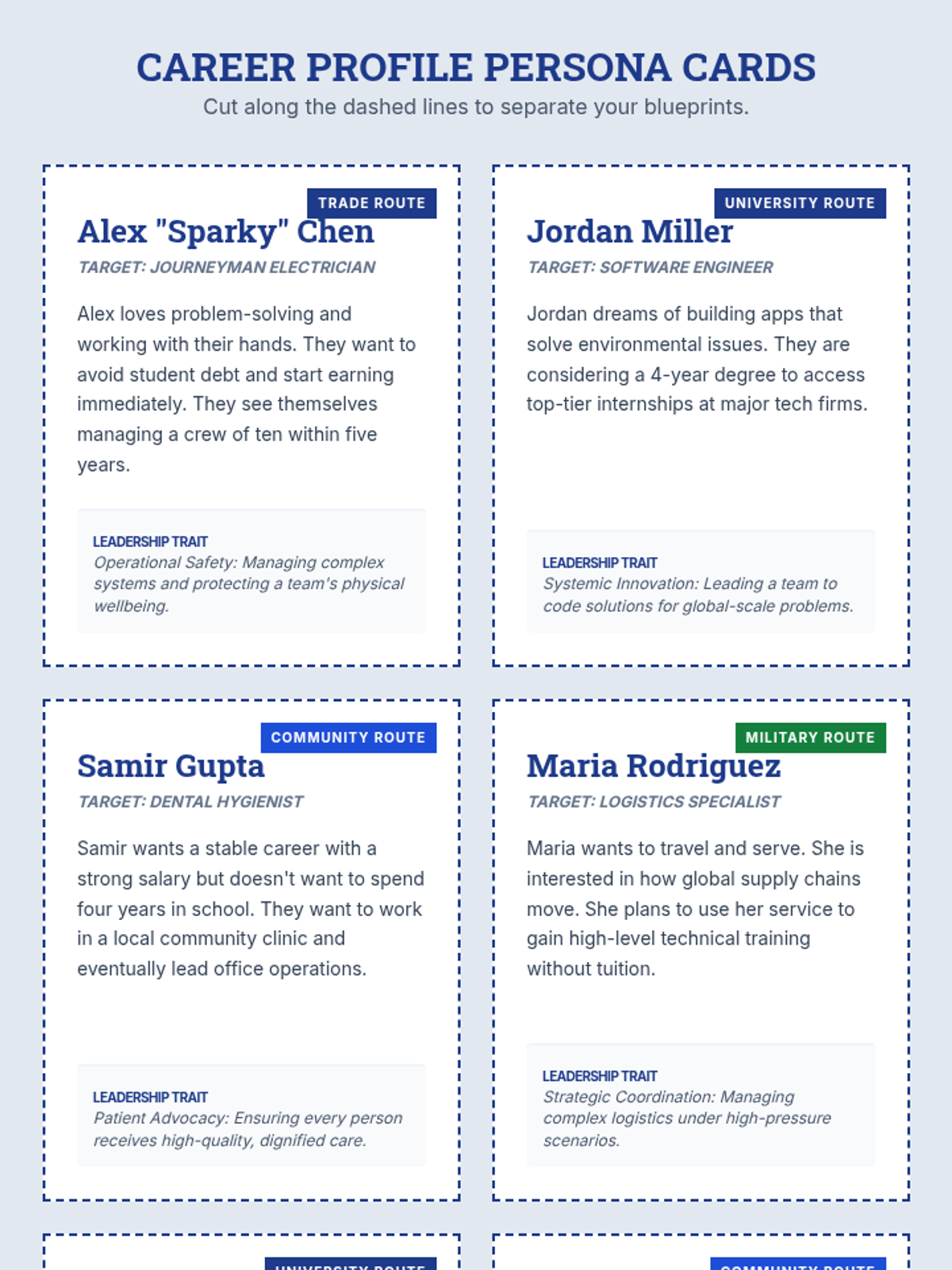
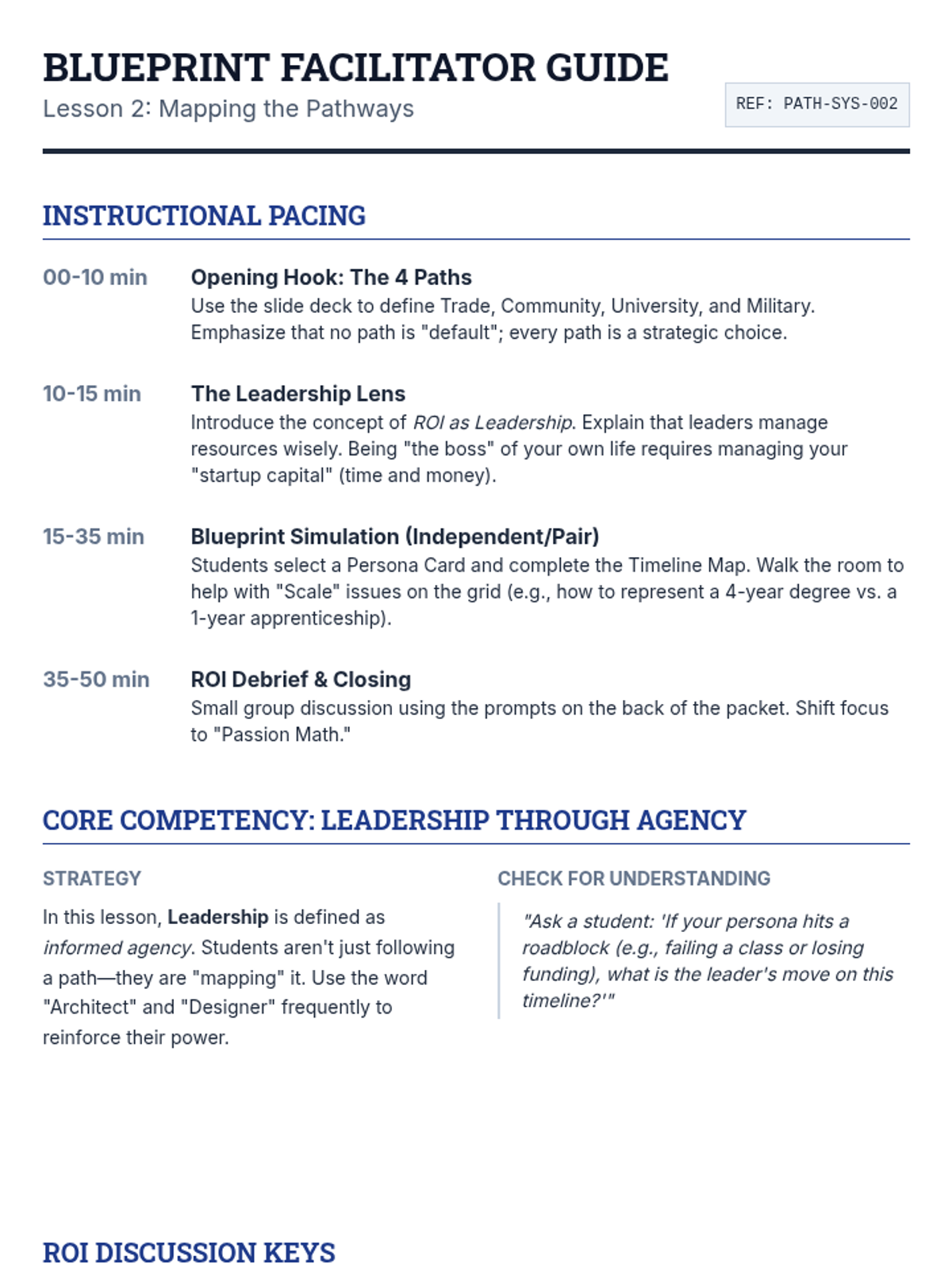
A hands-on simulation where students explore post-secondary pathways (Trade, College, Military) through the lens of a career 'blueprint.' Students analyze ROI and practice leadership by taking agency over their financial and professional futures.
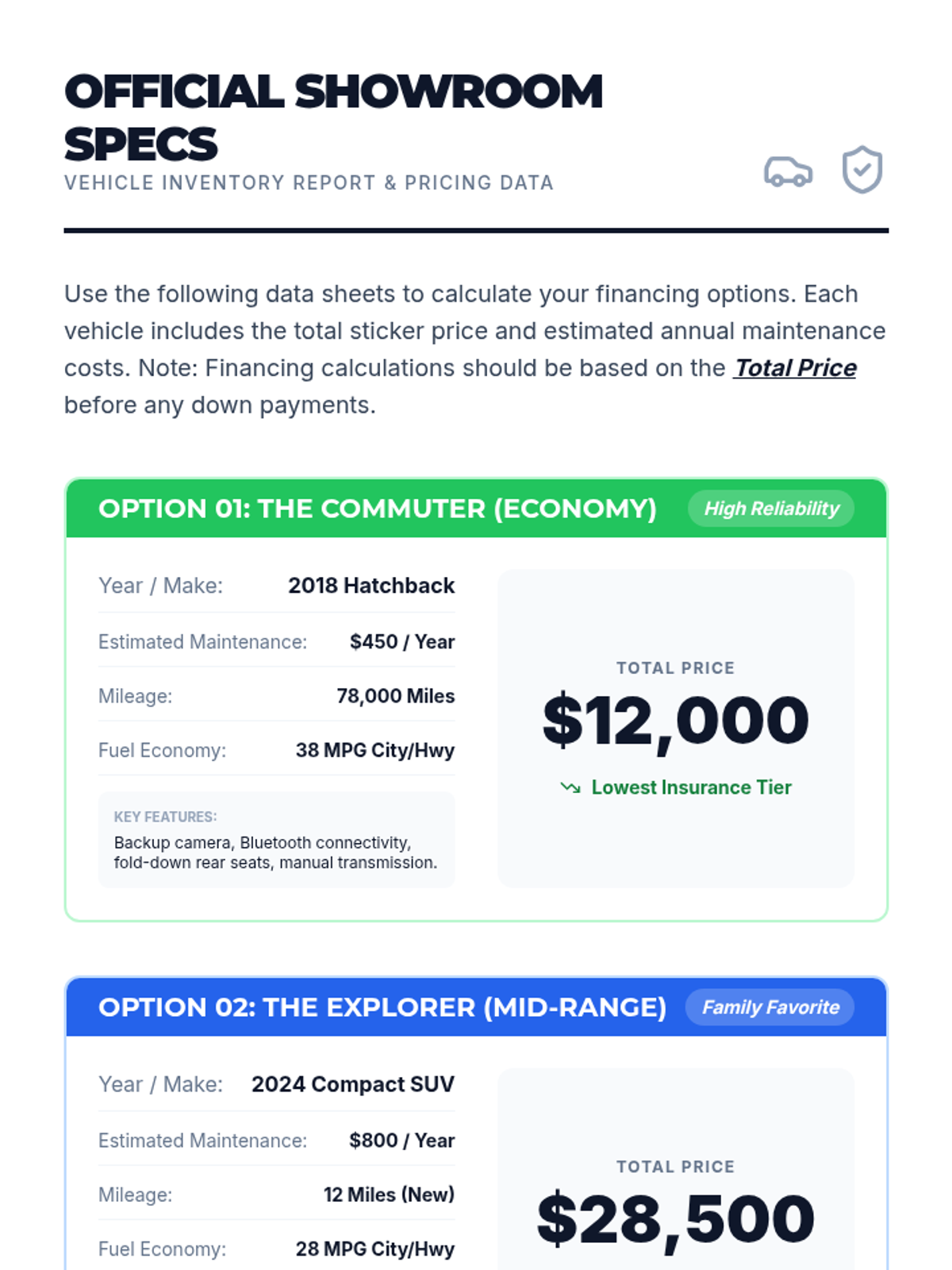
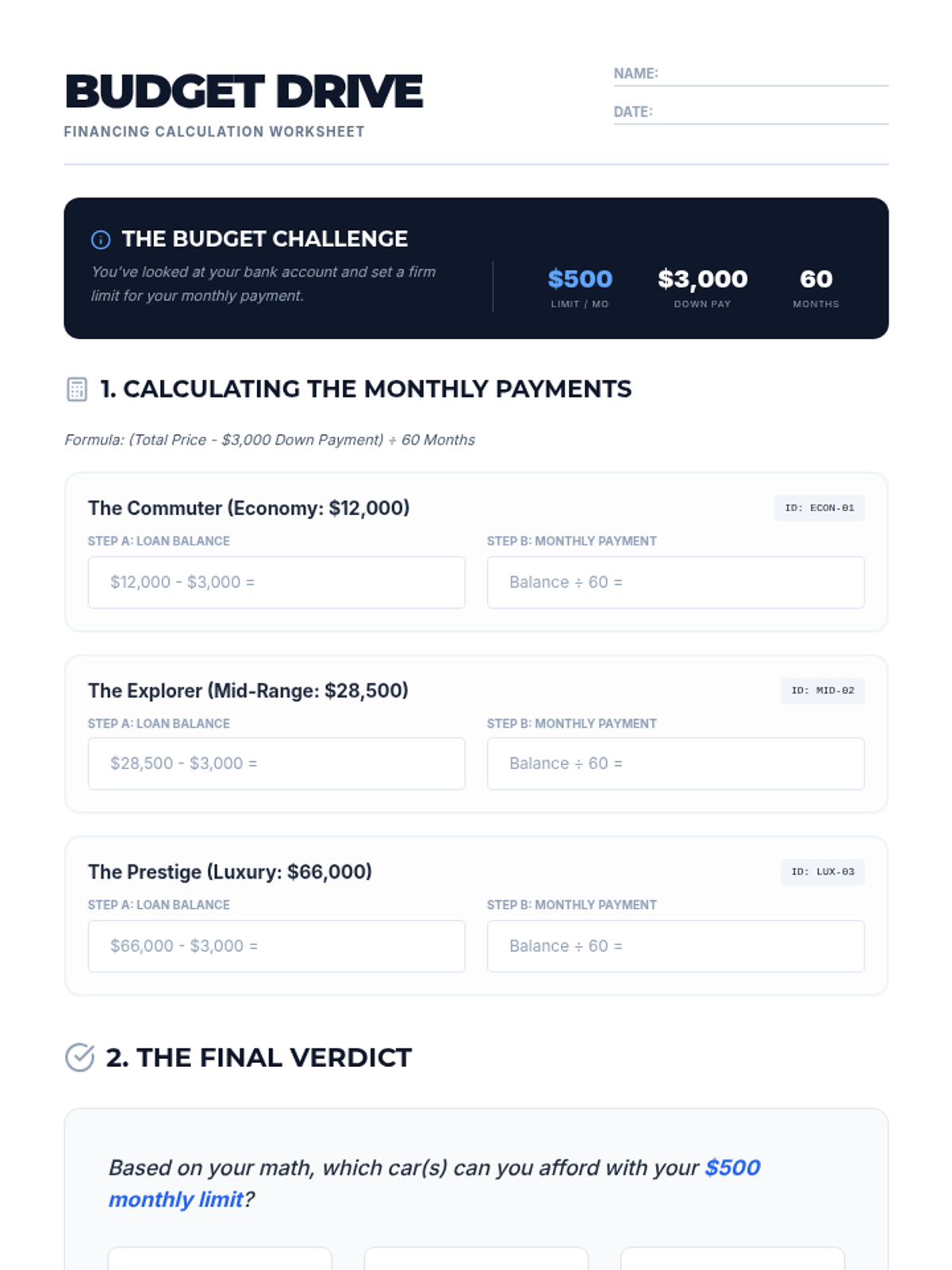
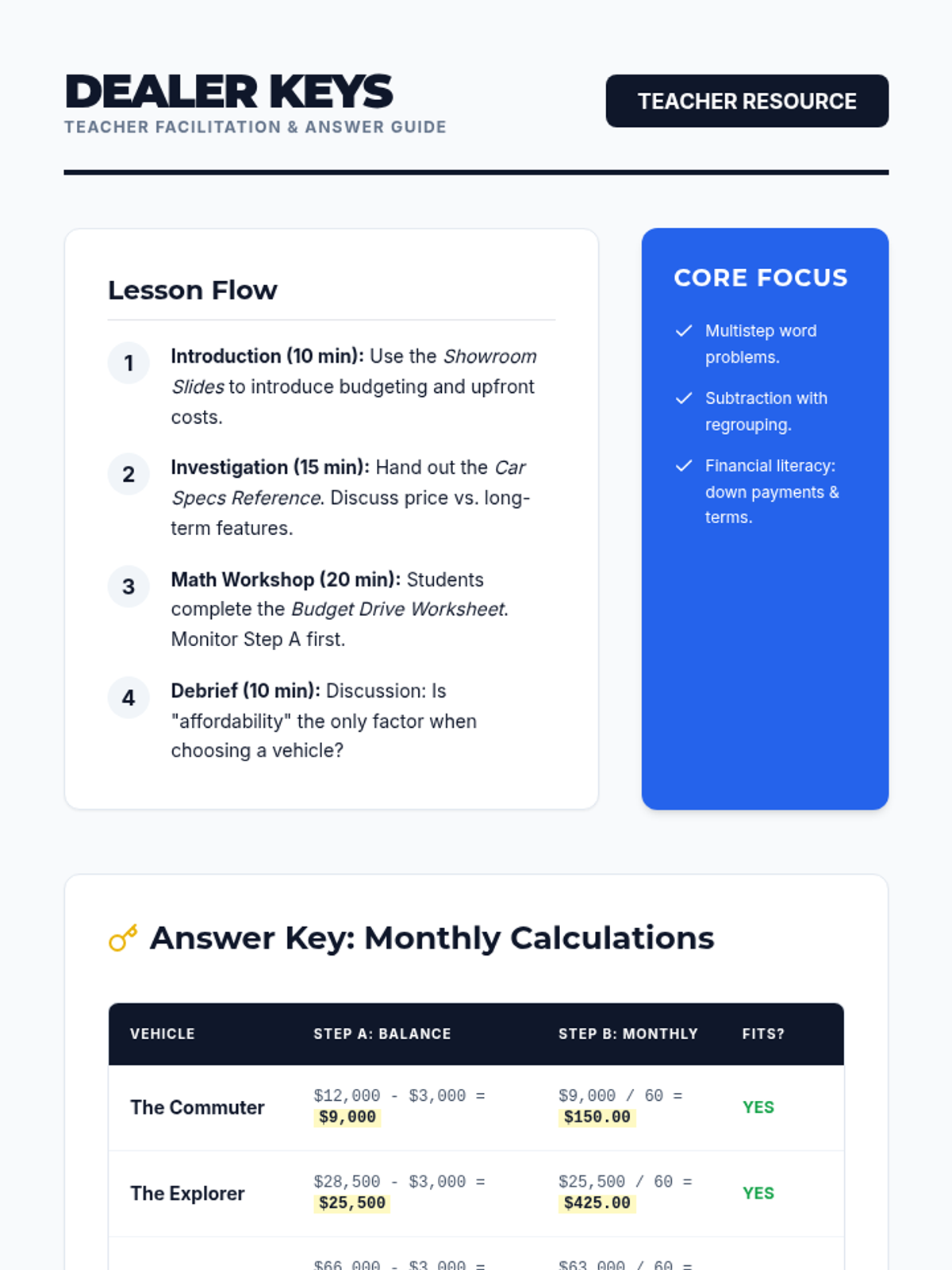
A practical financial literacy lesson where students evaluate three different car options (economy, mid-range, and luxury) to determine which best fits a monthly budget using simple payment calculations.
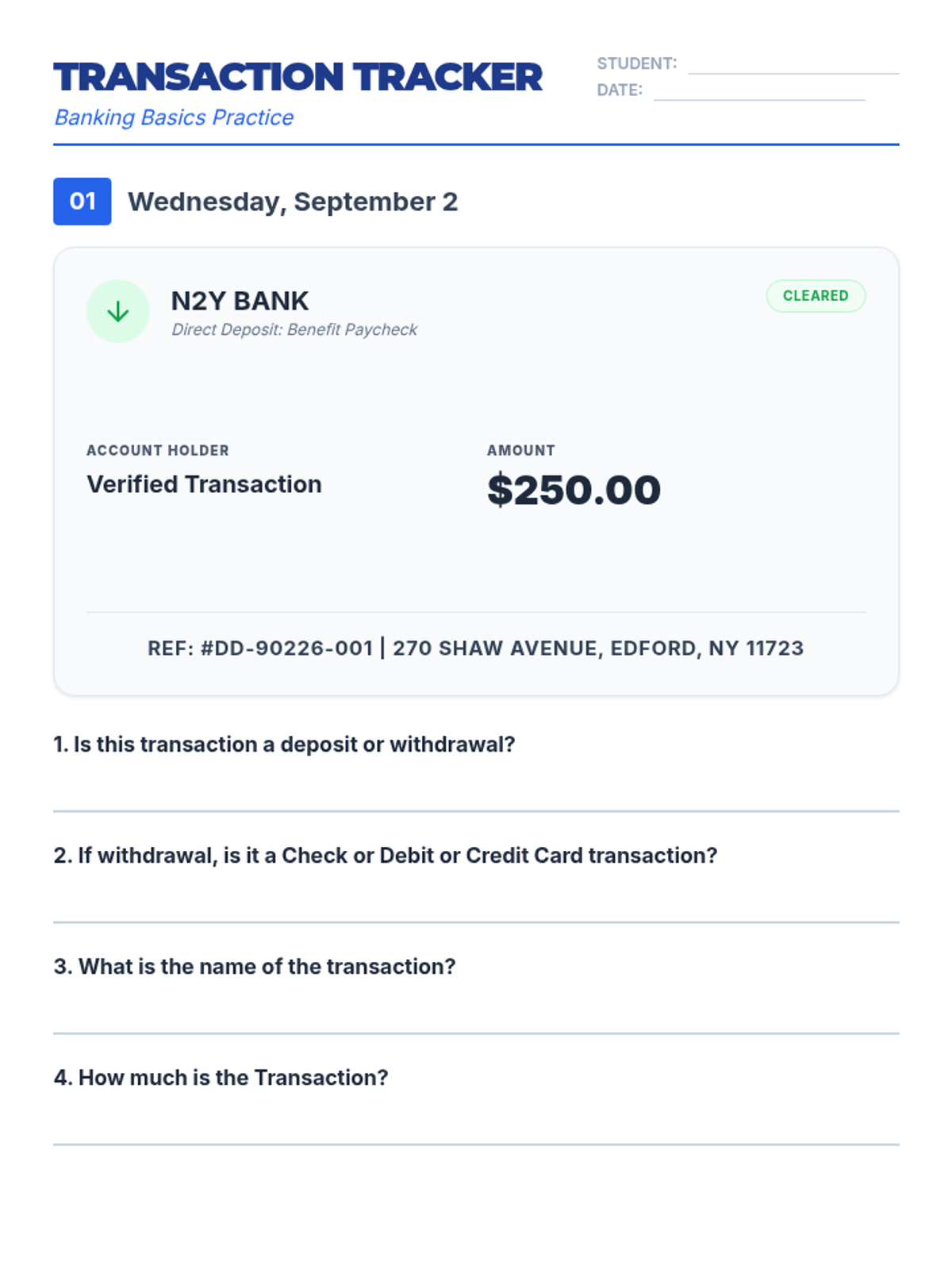
A series of practical exercises where students analyze various financial transactions including deposits, withdrawals, and bill payments.
A collection of monthly paycheck registers for the 2026-2027 school year, designed to teach students real-world banking and transaction tracking.
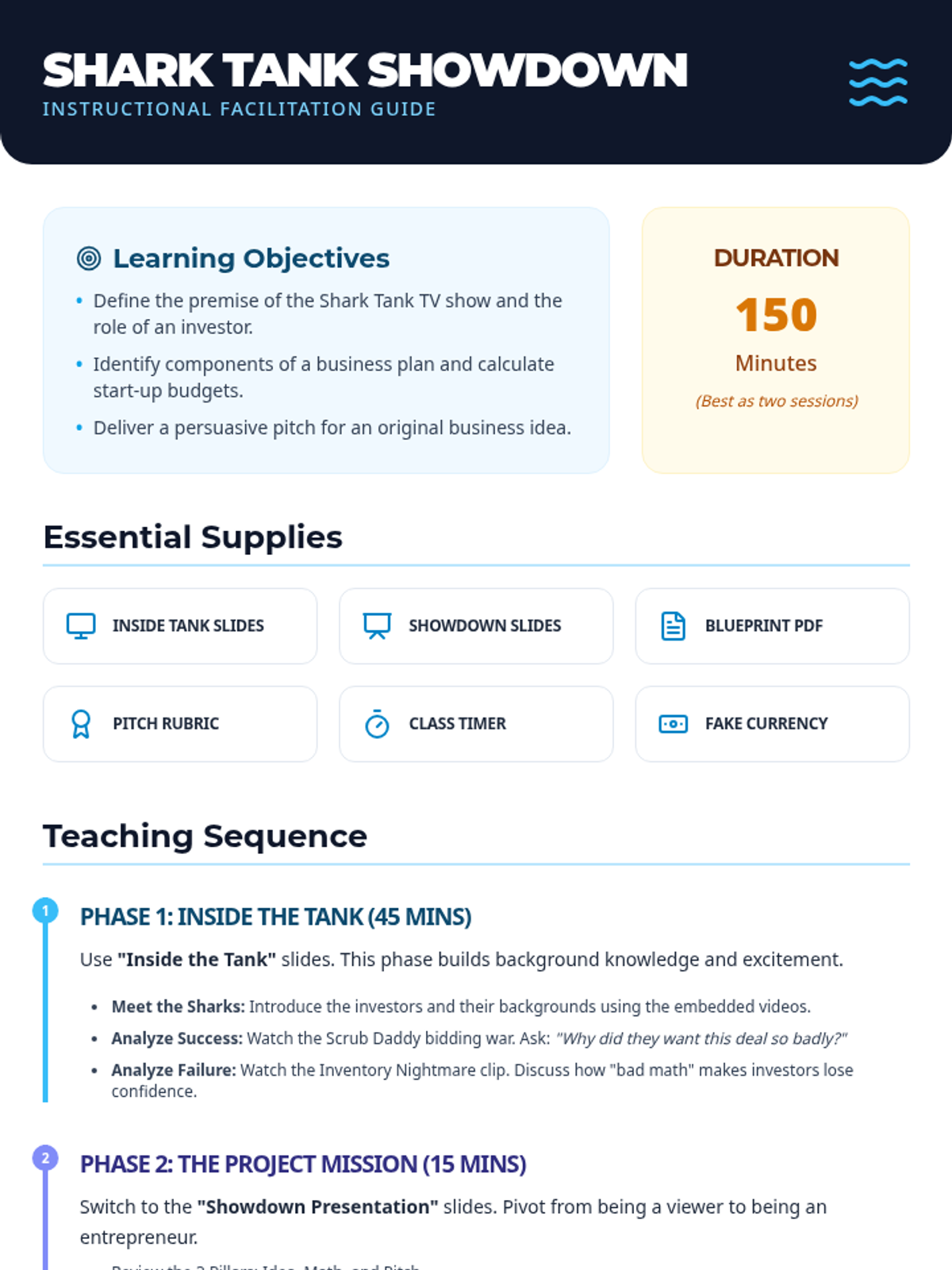
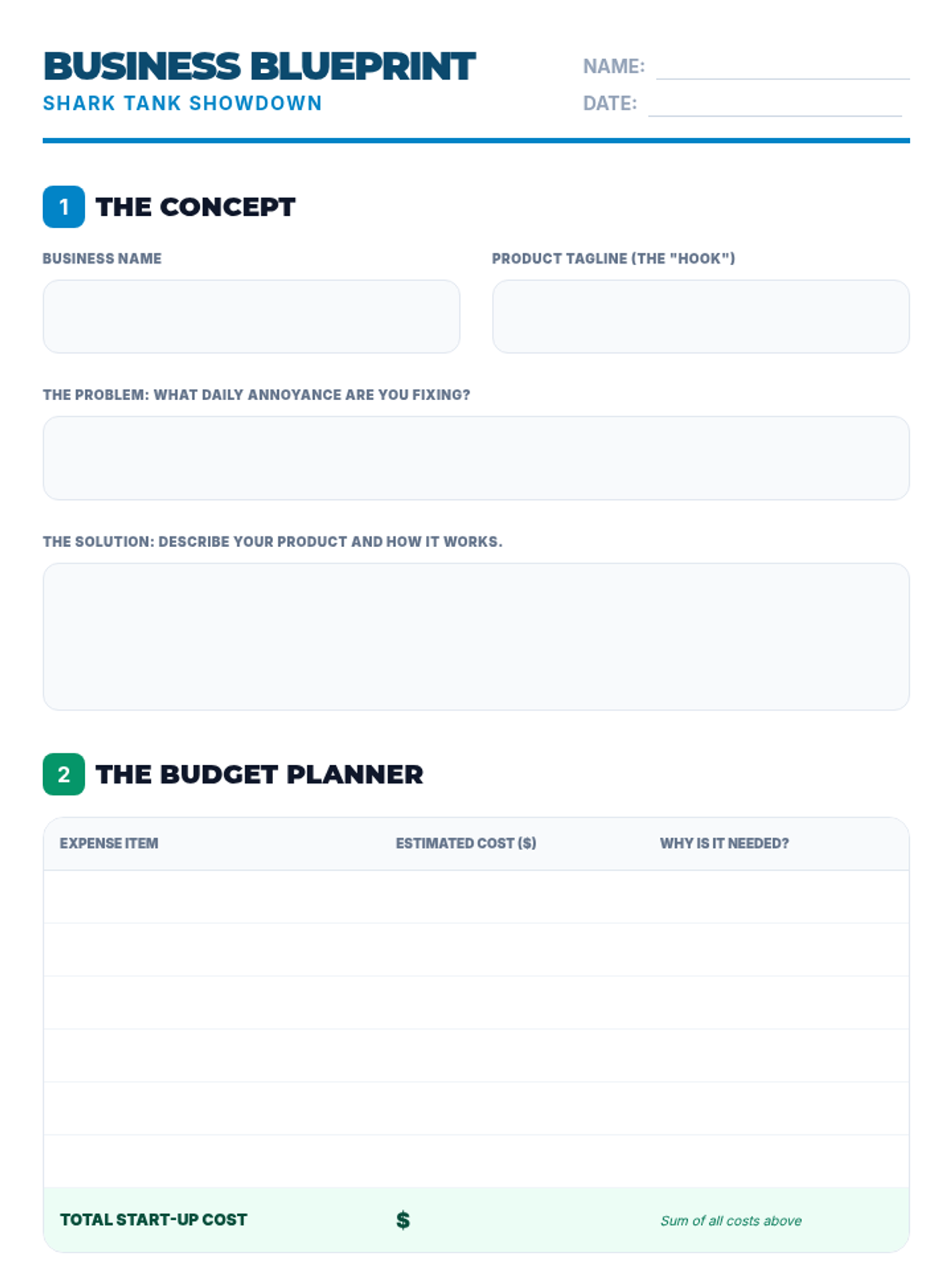
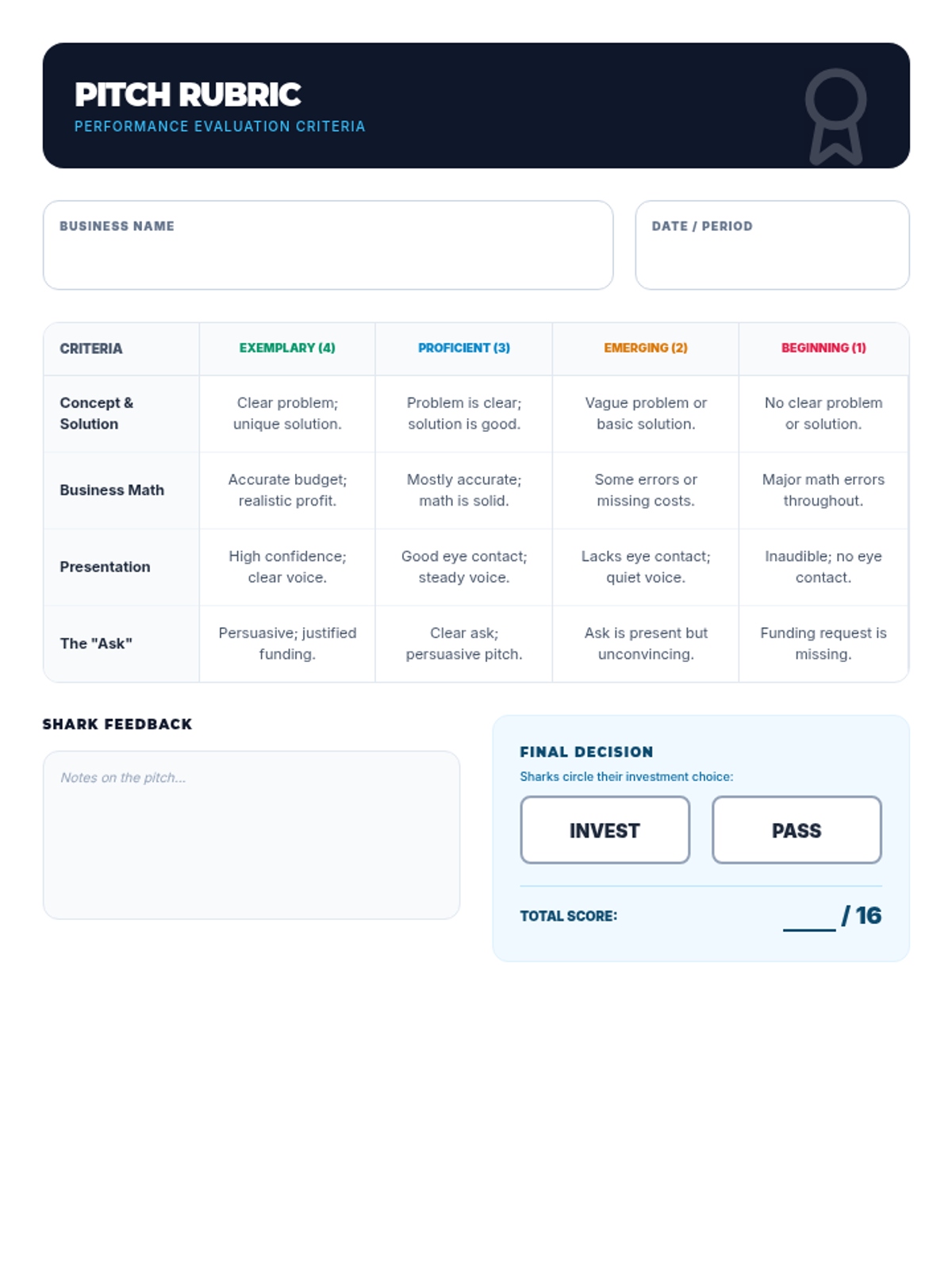
An immersive entrepreneurship lesson where students learn business basics, budgeting, and persuasive pitching to secure 'funding' for their original ideas.
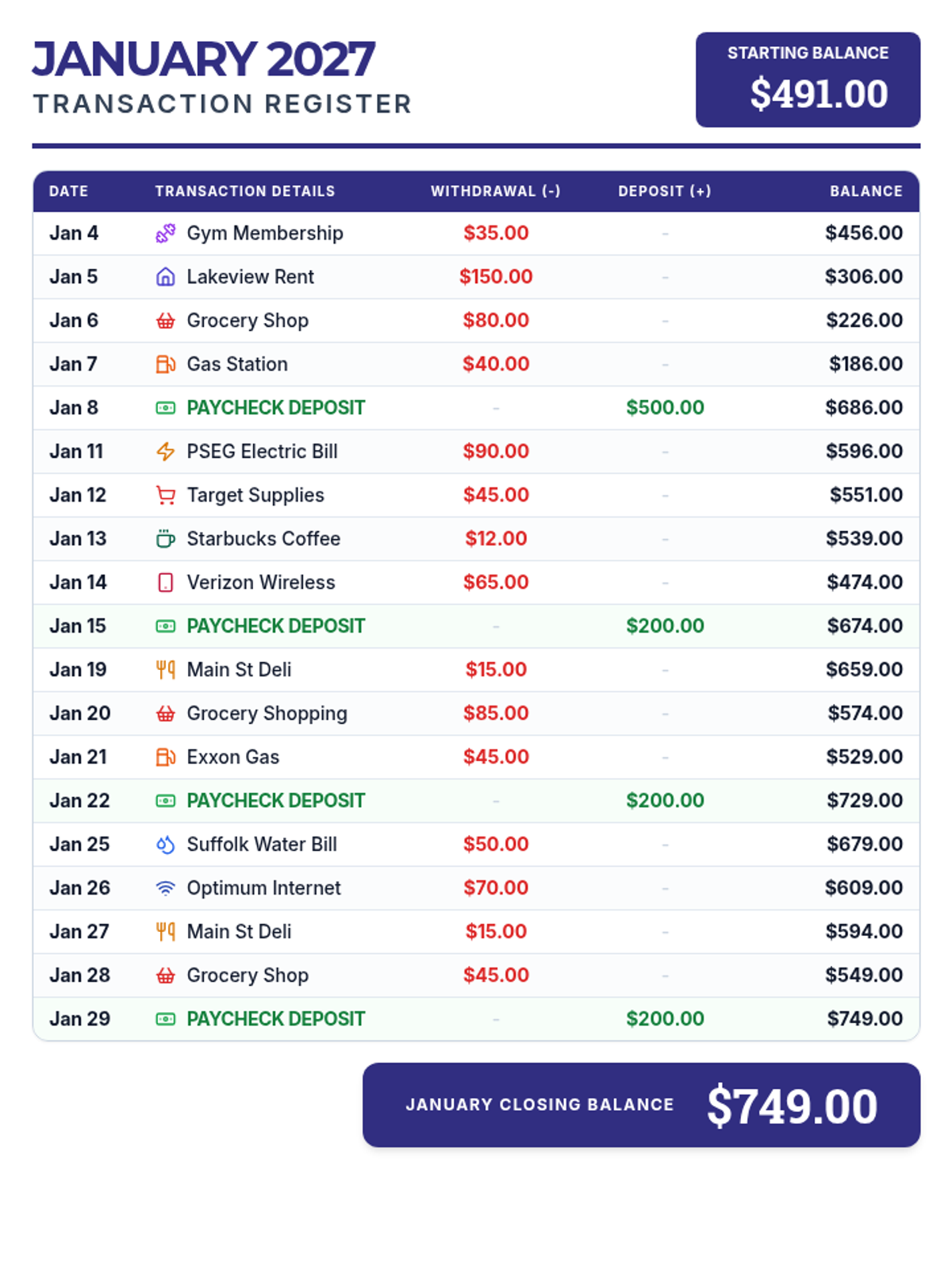
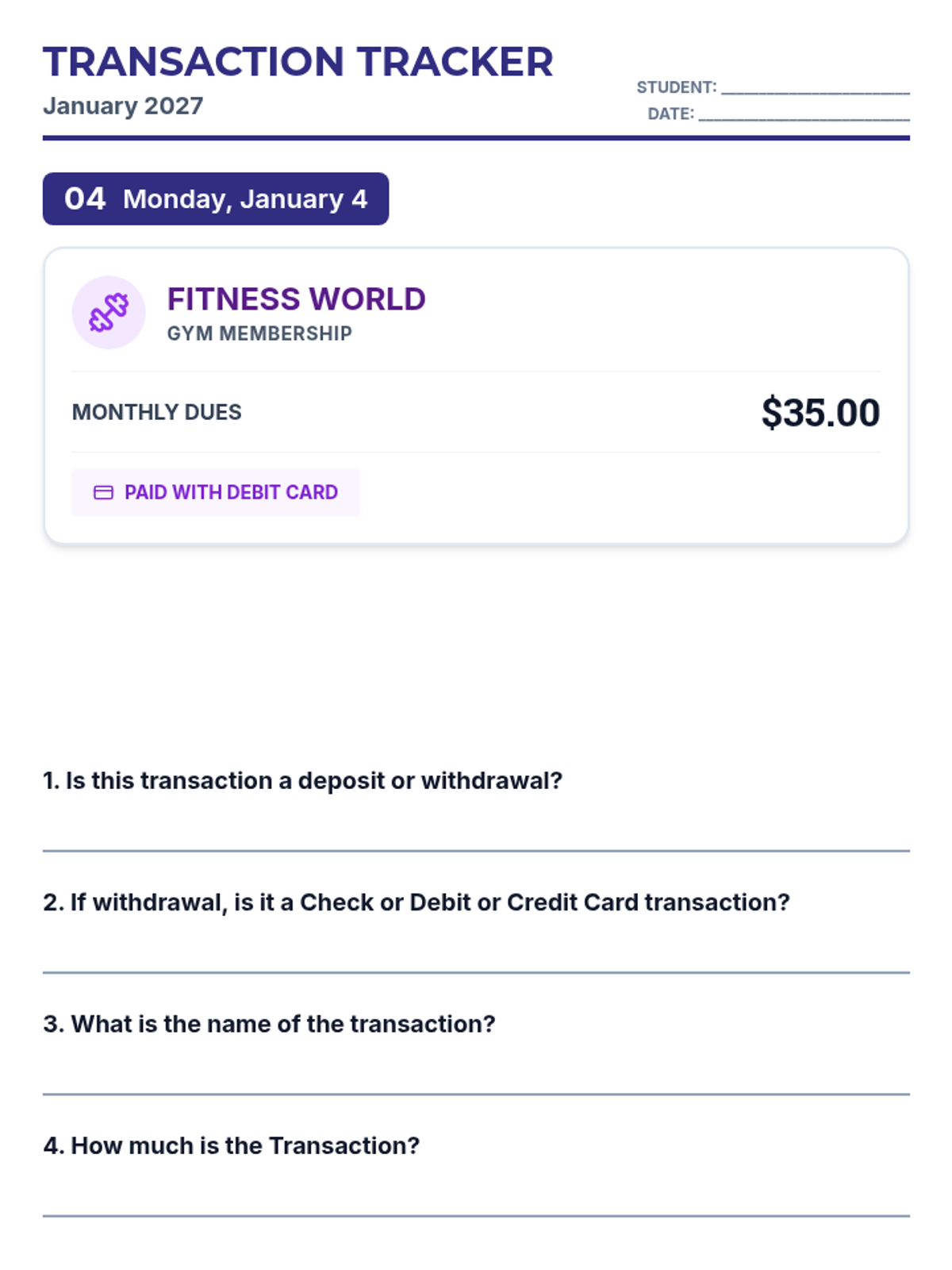
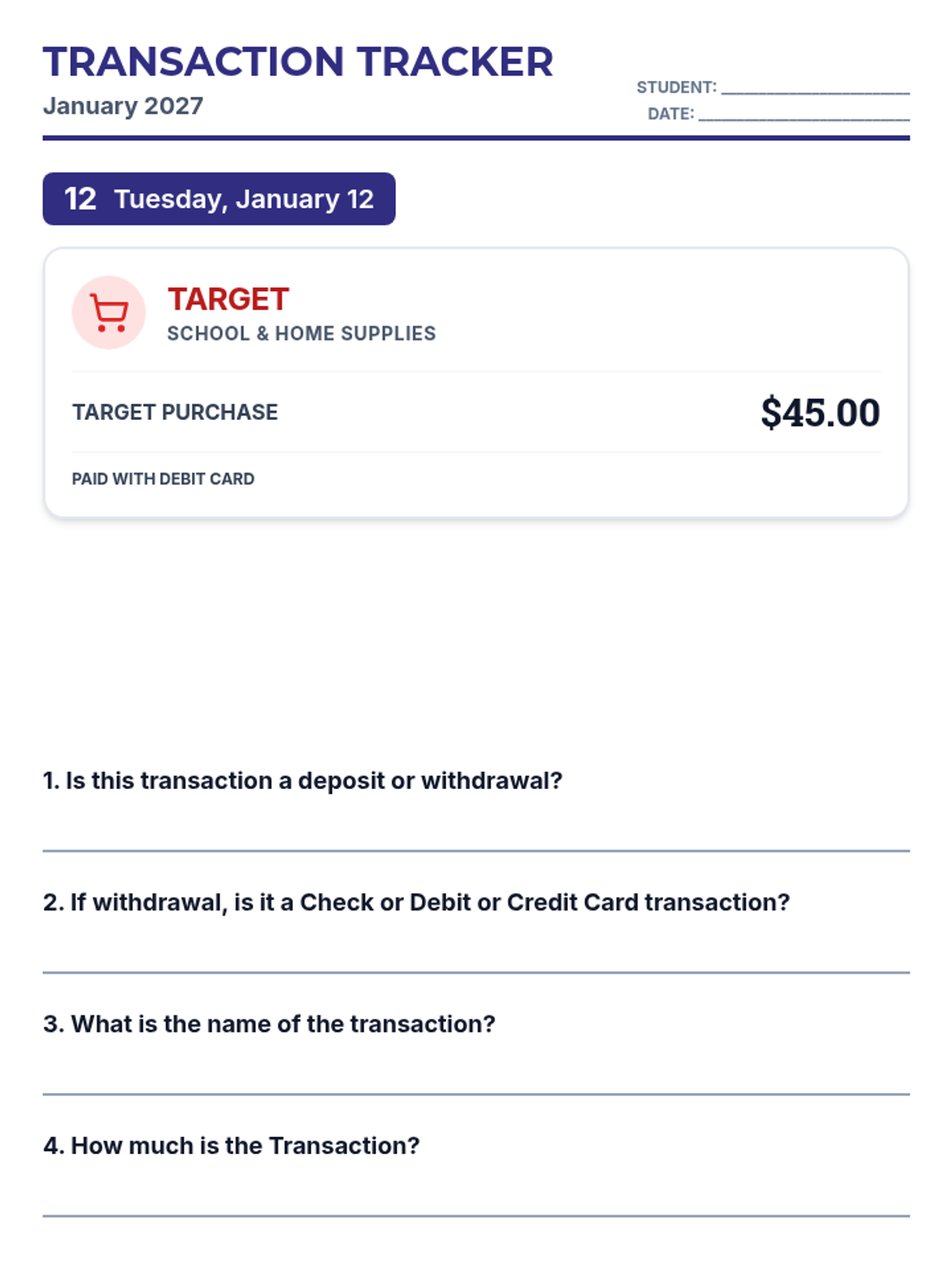
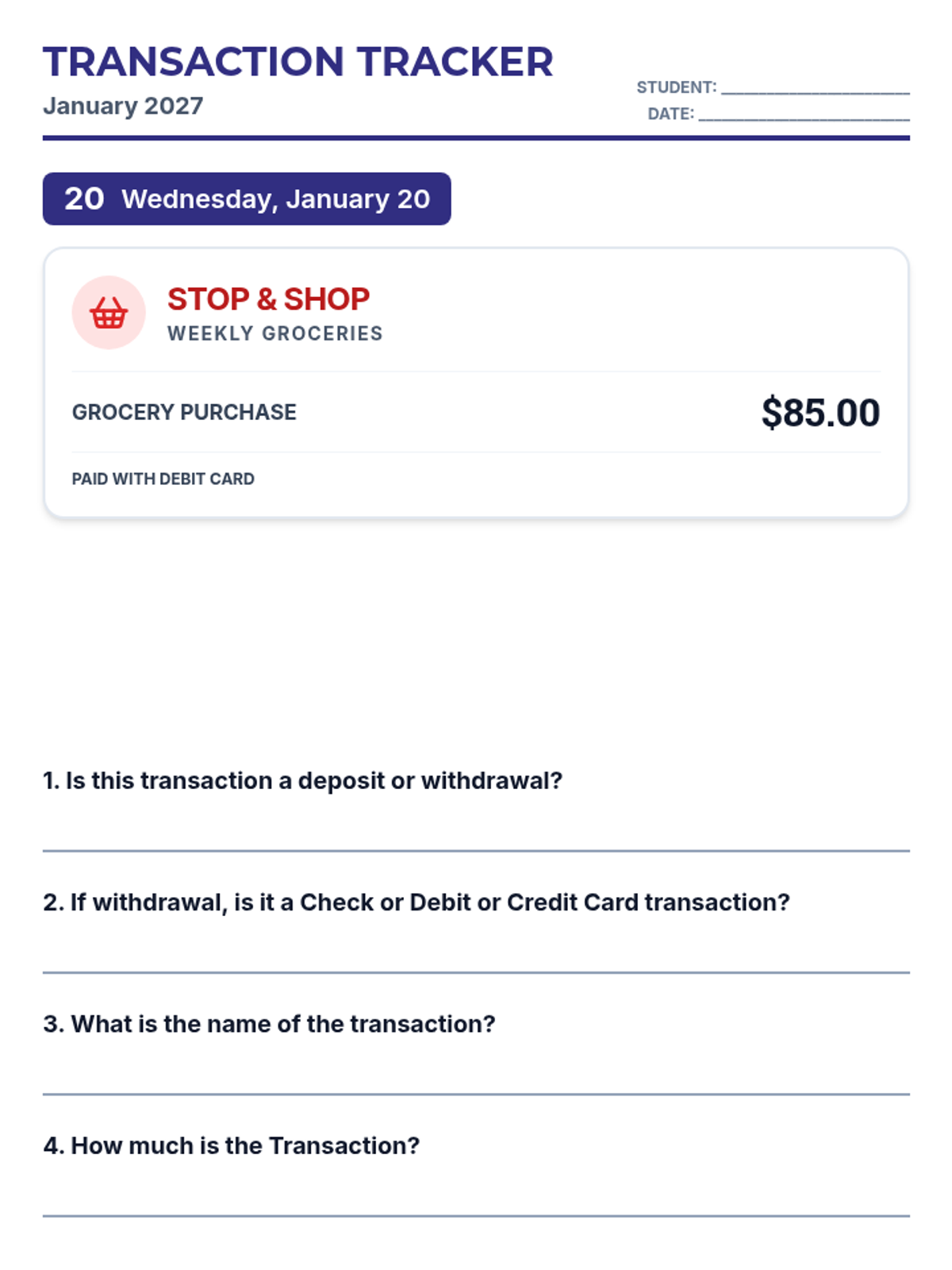
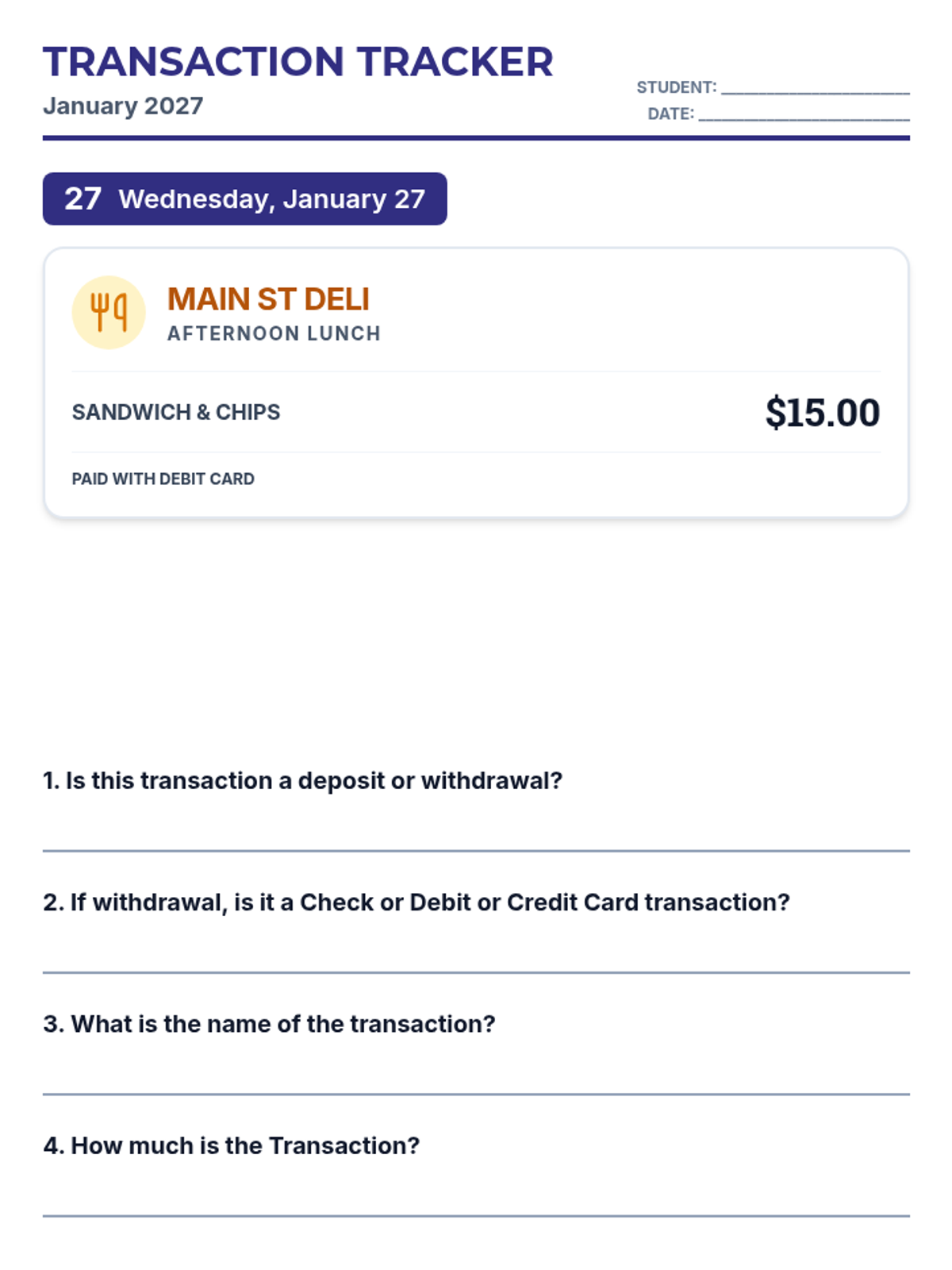
A lesson focused on managing finances for January 2027, featuring a transaction register and a daily tracking system for student practice. Students will process utility bills, store receipts, and paycheck deposits following a real school calendar.
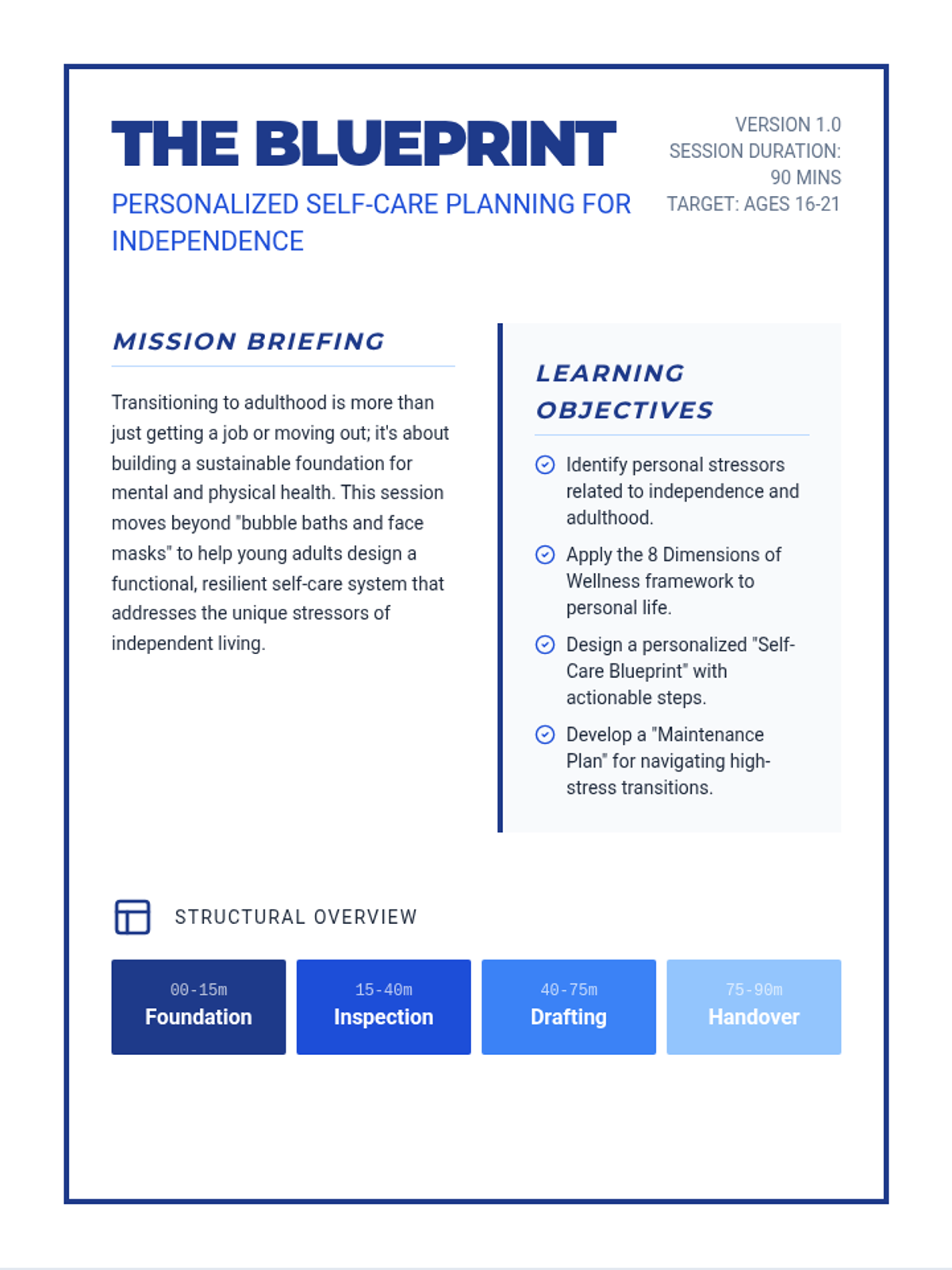
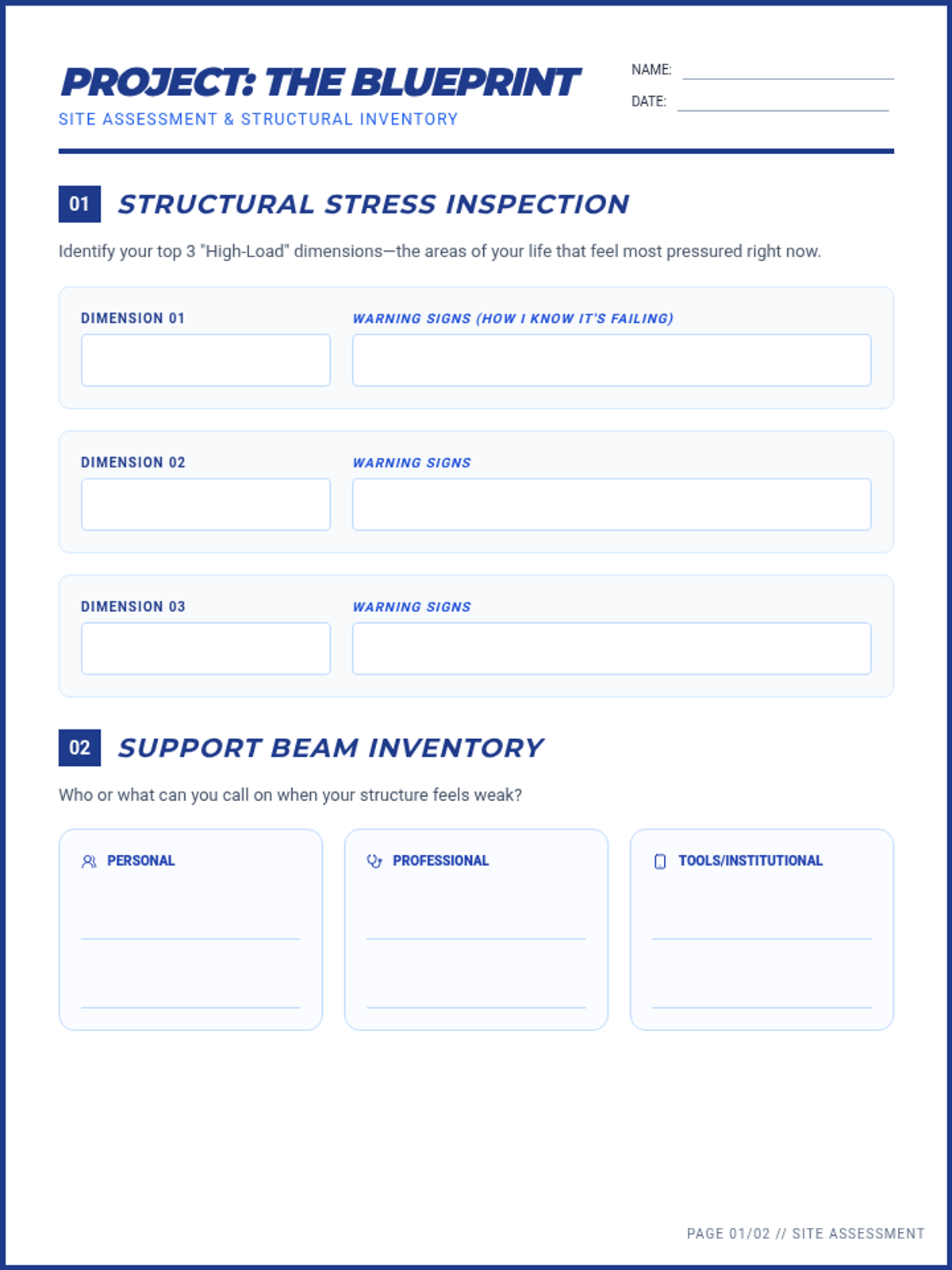
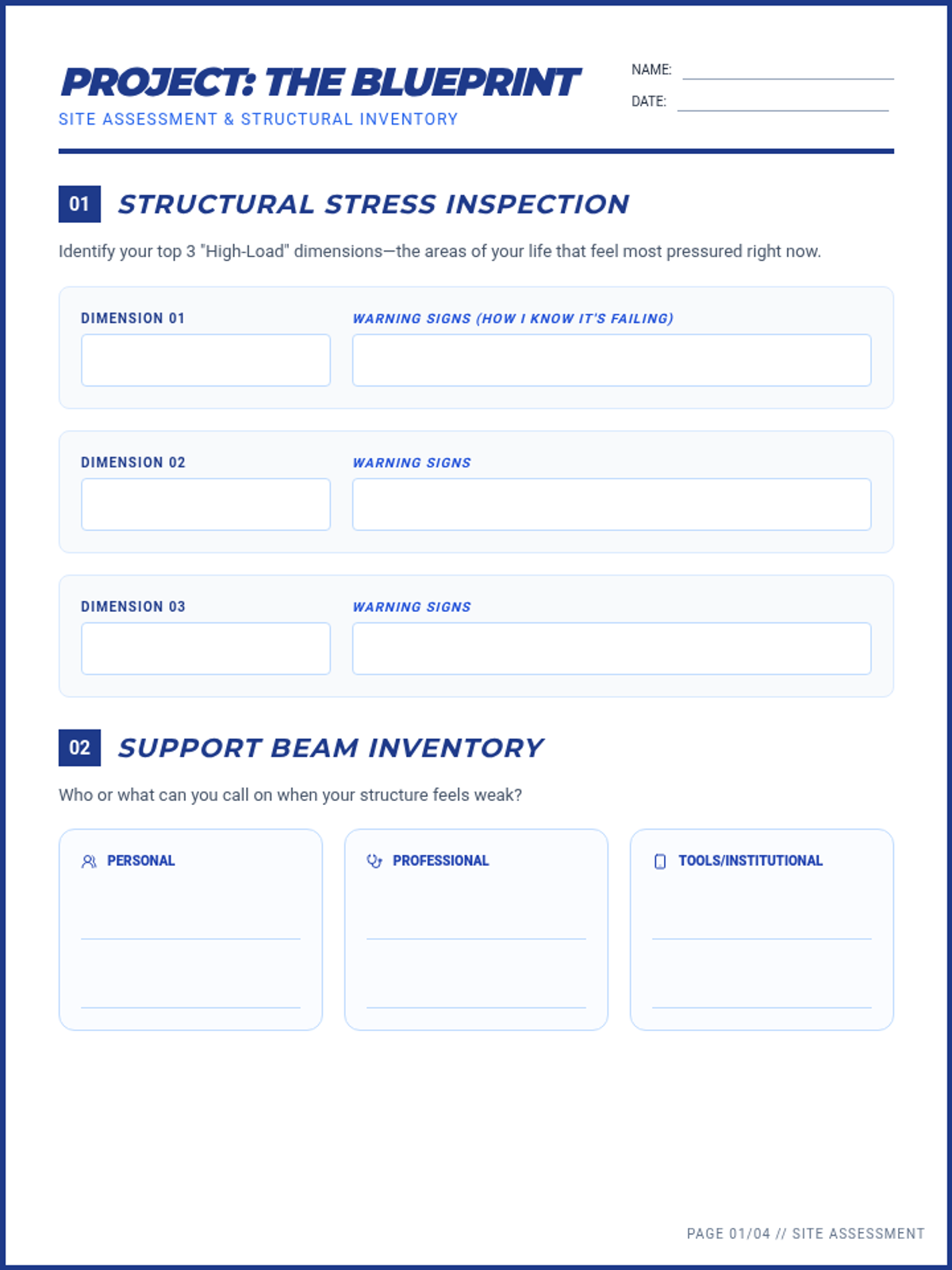
A 90-minute workshop designed for transition-age youth (16-21) to develop a personalized self-care blueprint. The session focuses on the 8 dimensions of wellness as a foundation for independent living and stress management.
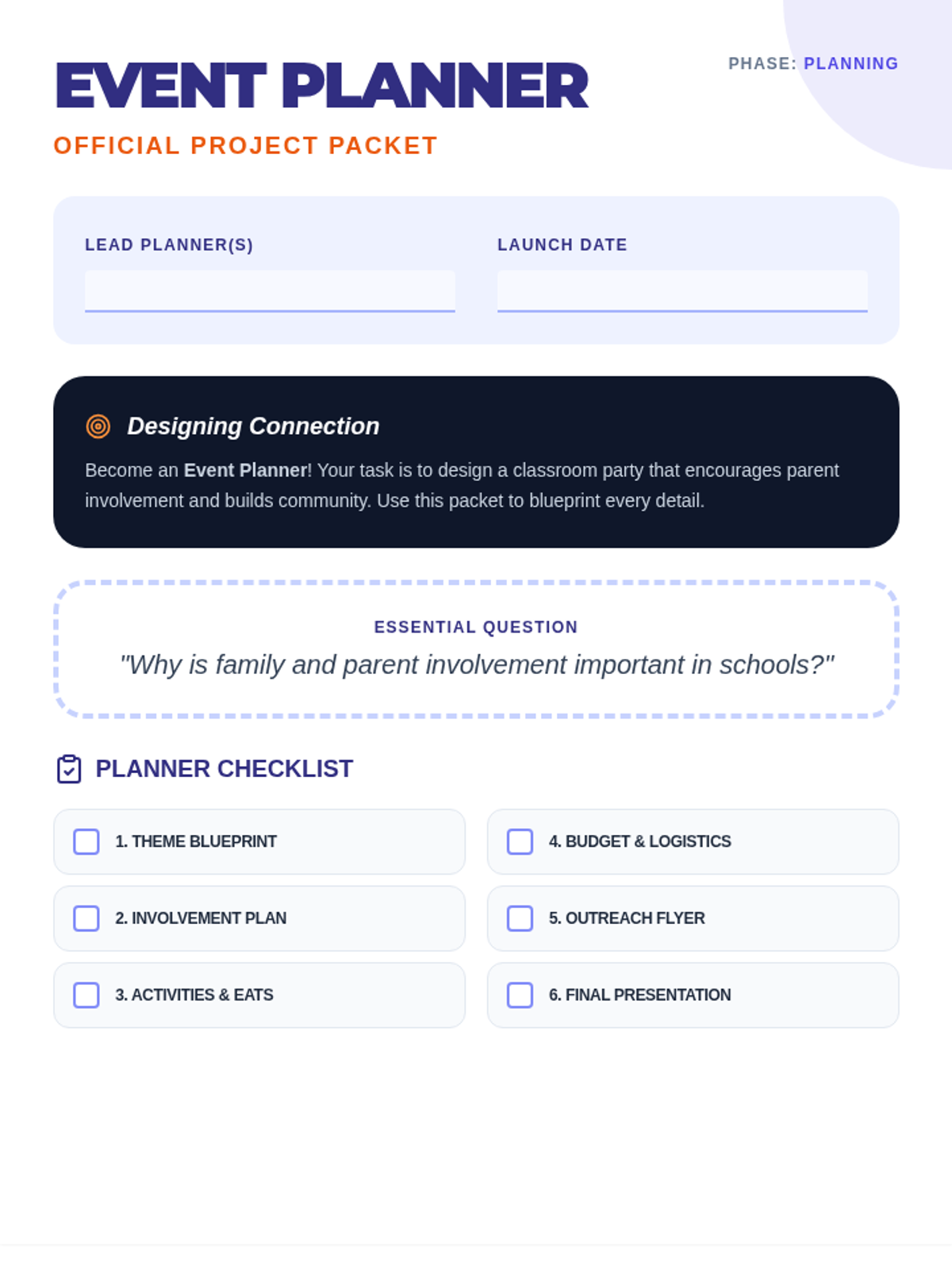
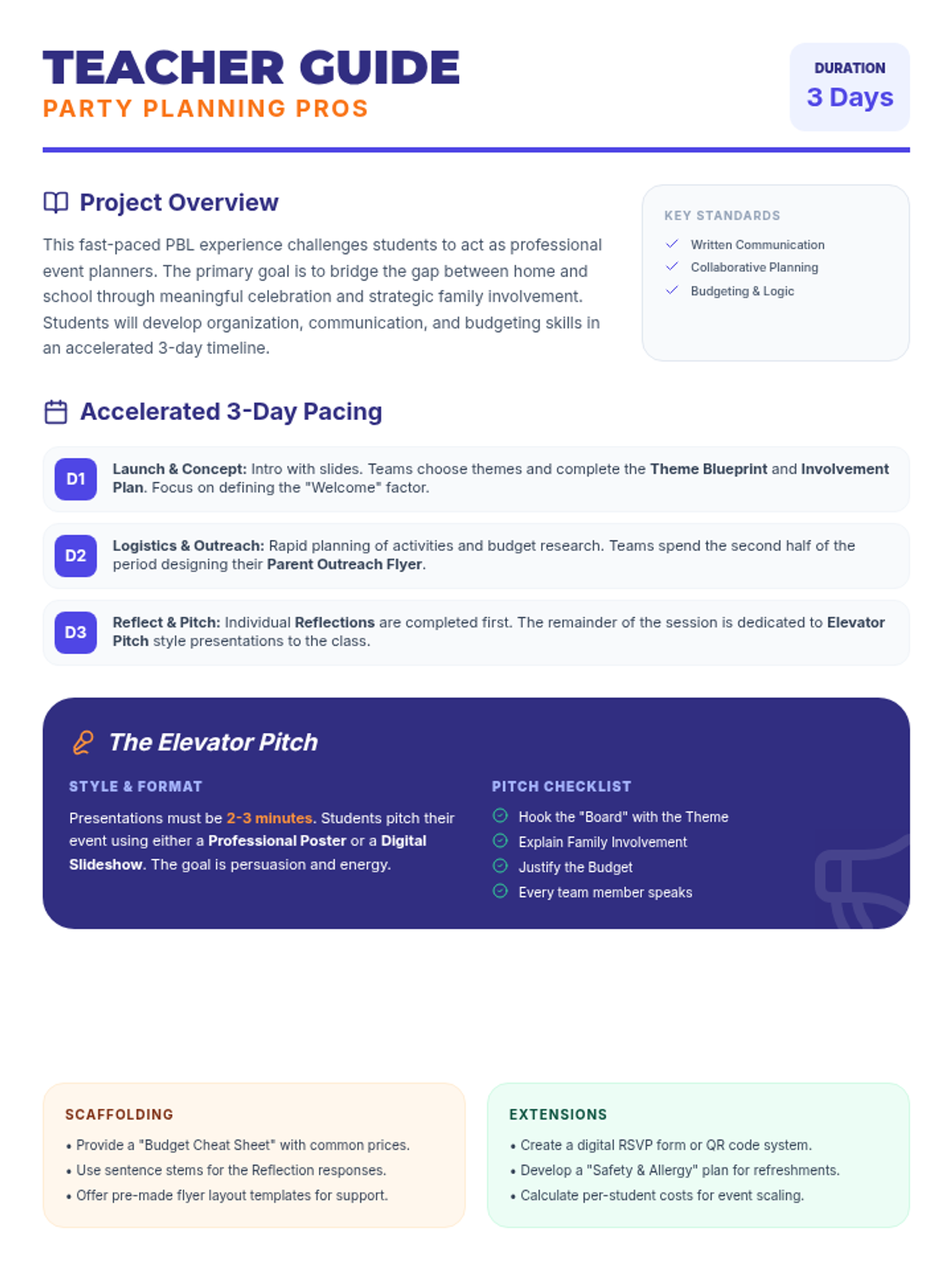
Students step into the role of professional event planners to design a classroom celebration that bridges the gap between home and school. They will create a comprehensive plan including activities, budgets, and volunteer recruitment strategies to maximize family engagement.
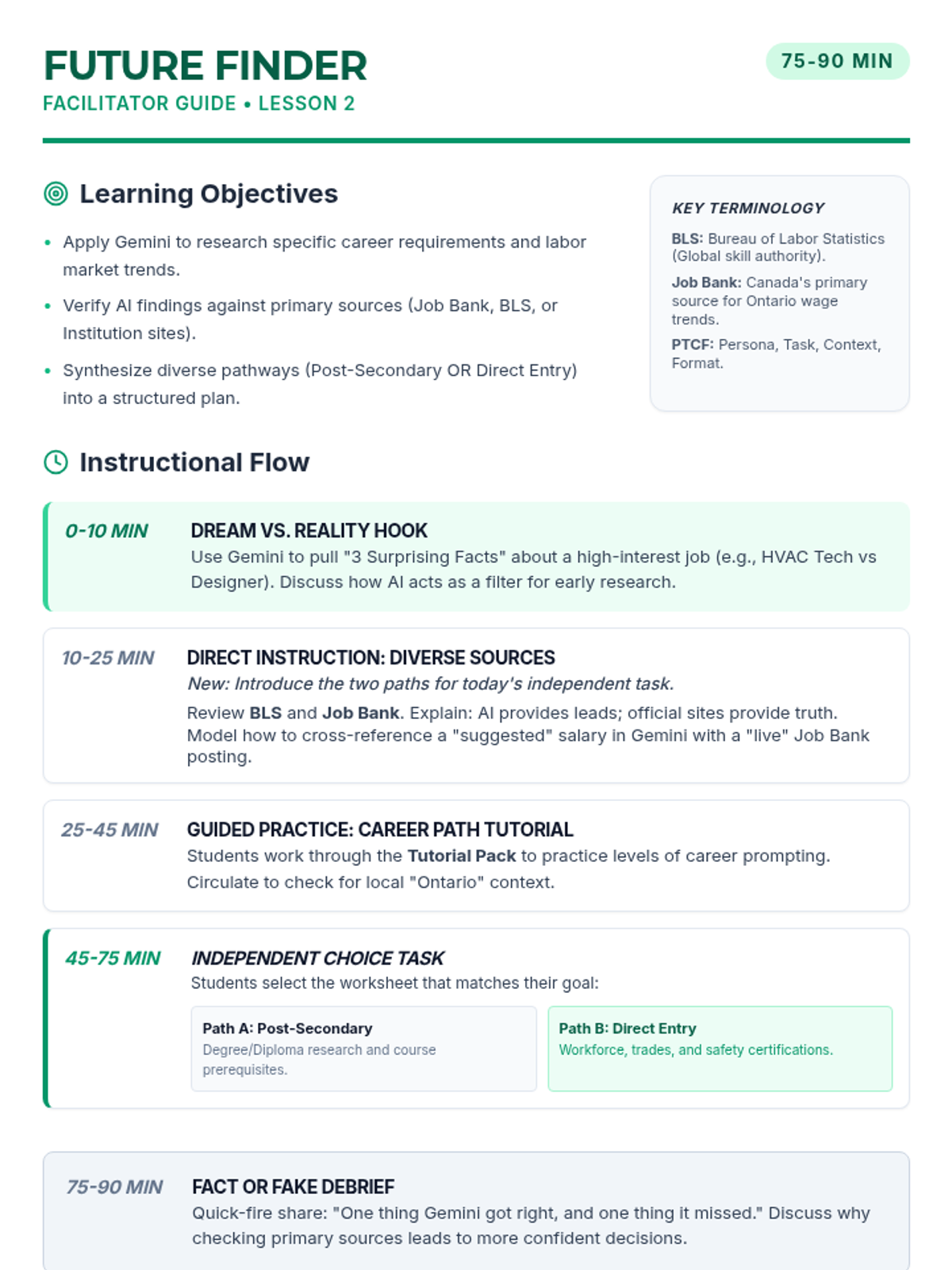
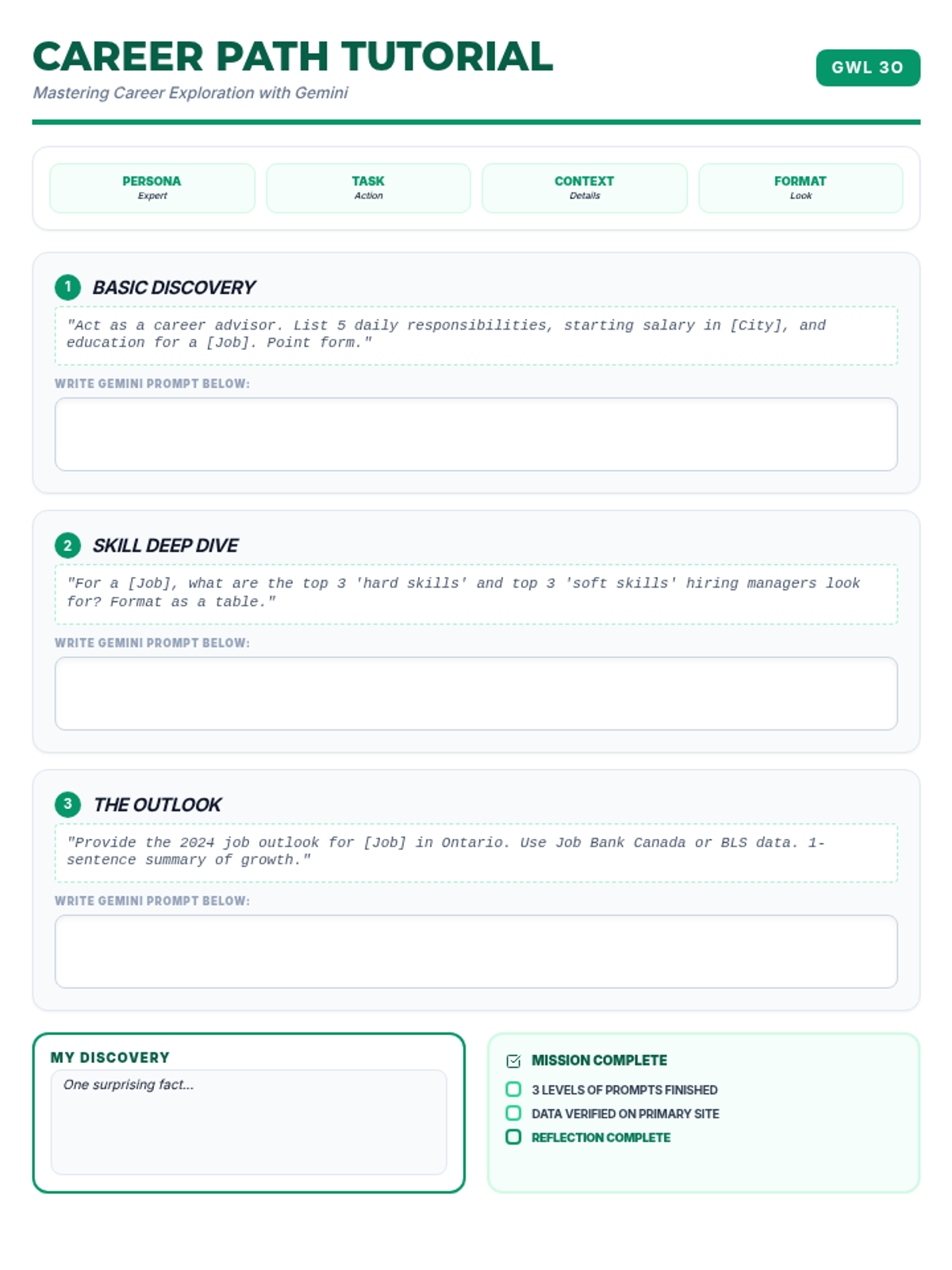
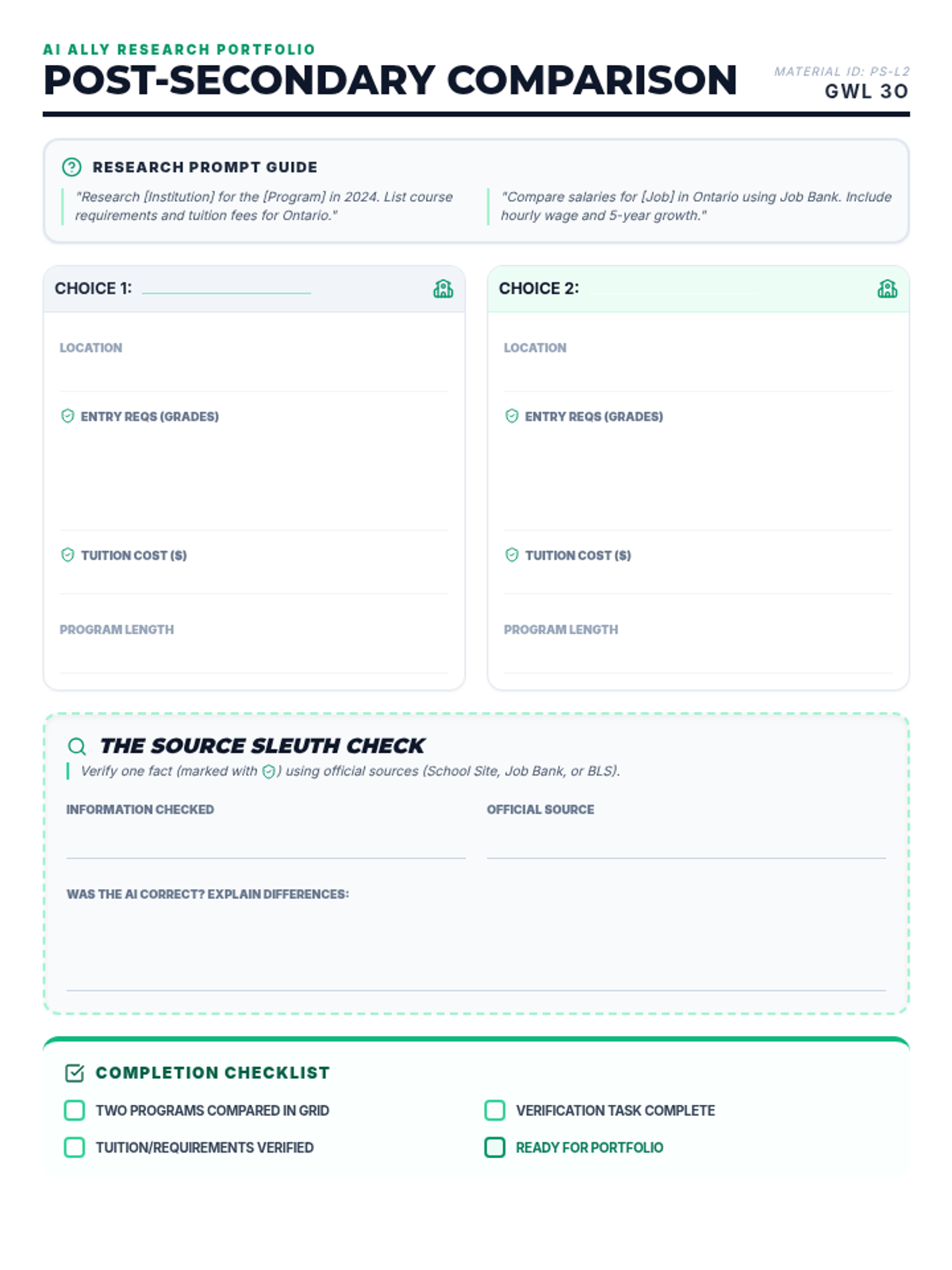
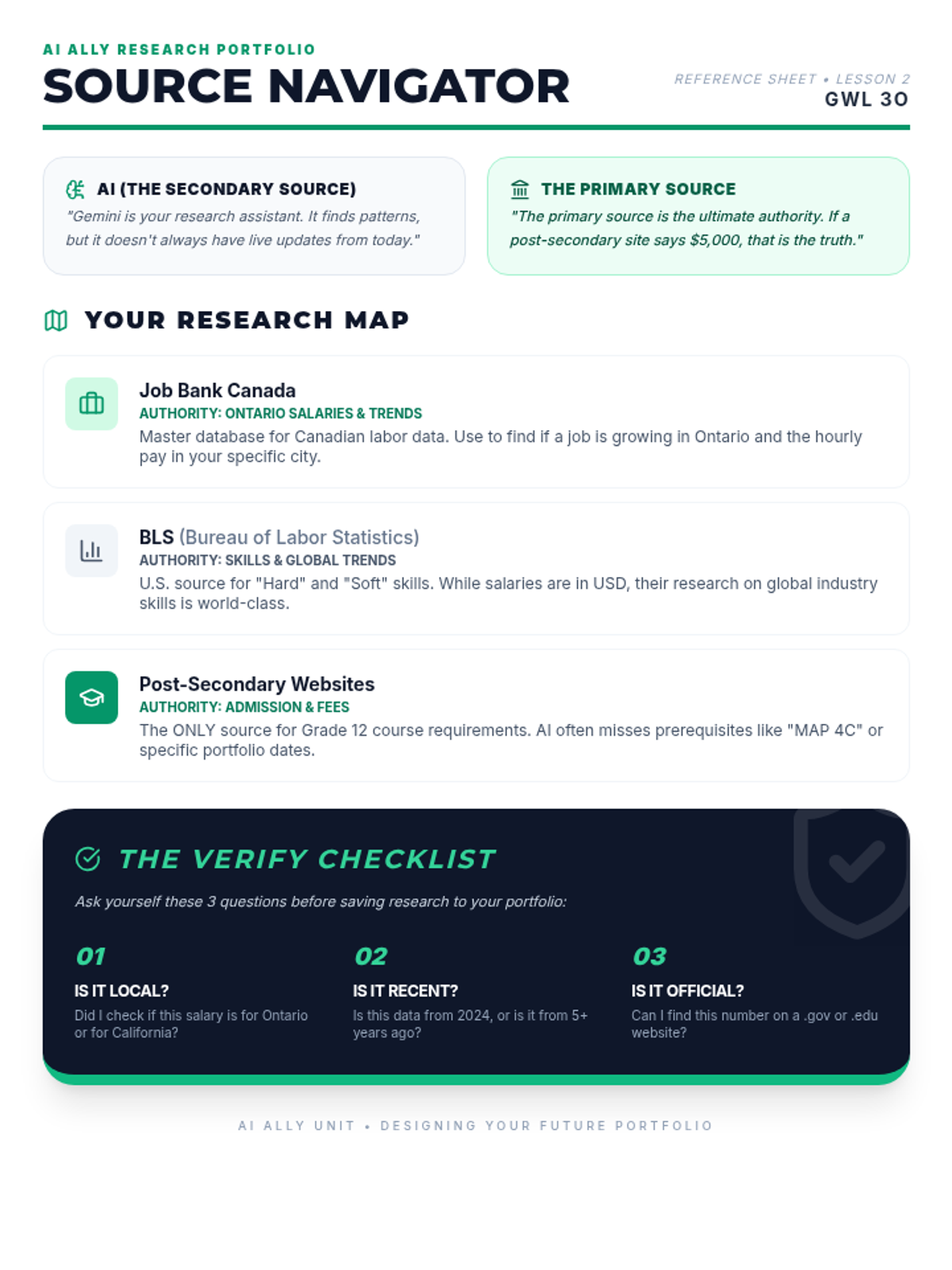
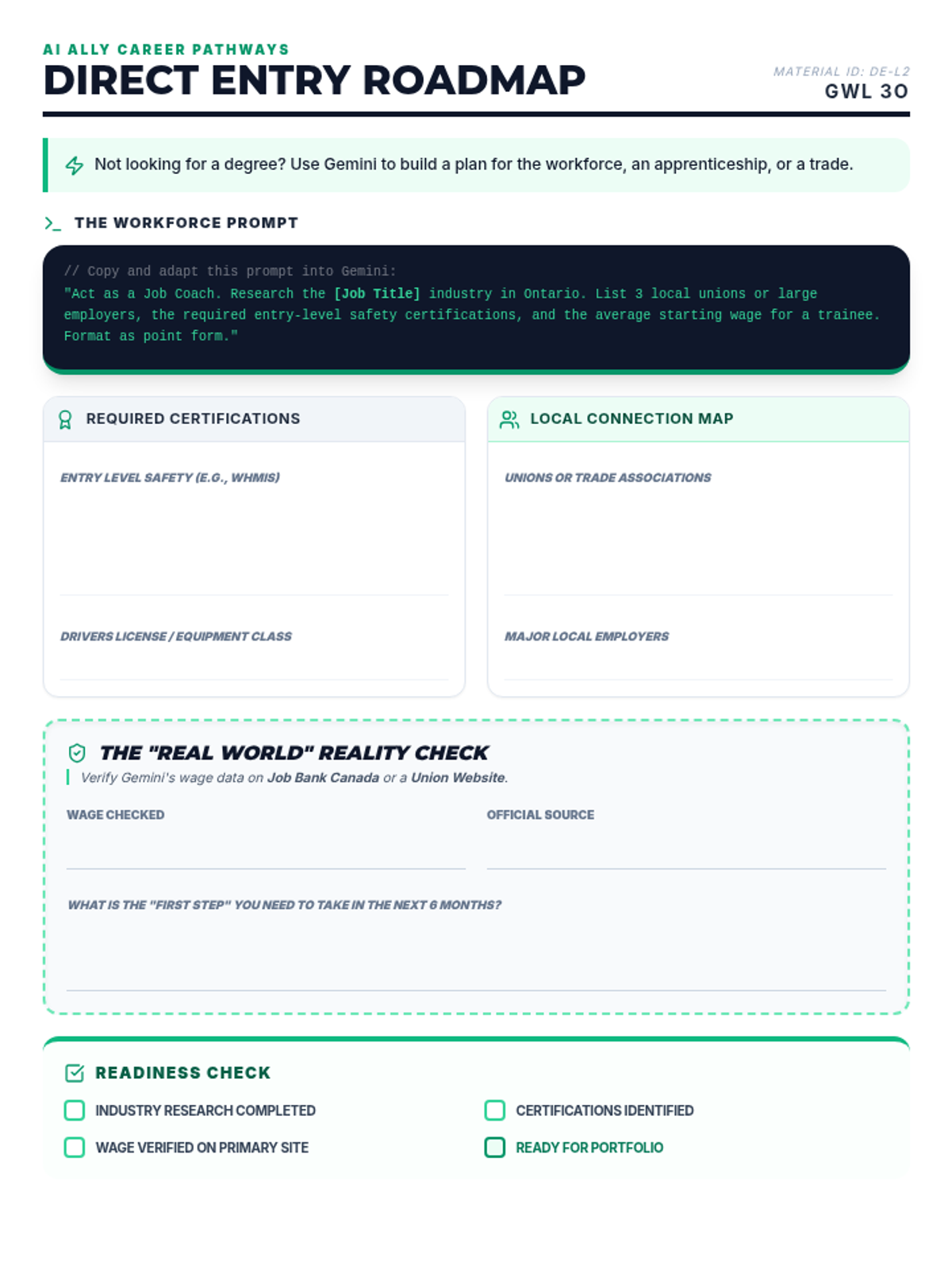
Students use Gemini to explore diverse career pathways, post-secondary requirements, and labor market trends, learning how to cross-reference AI findings with primary sources like government databases and institution websites.
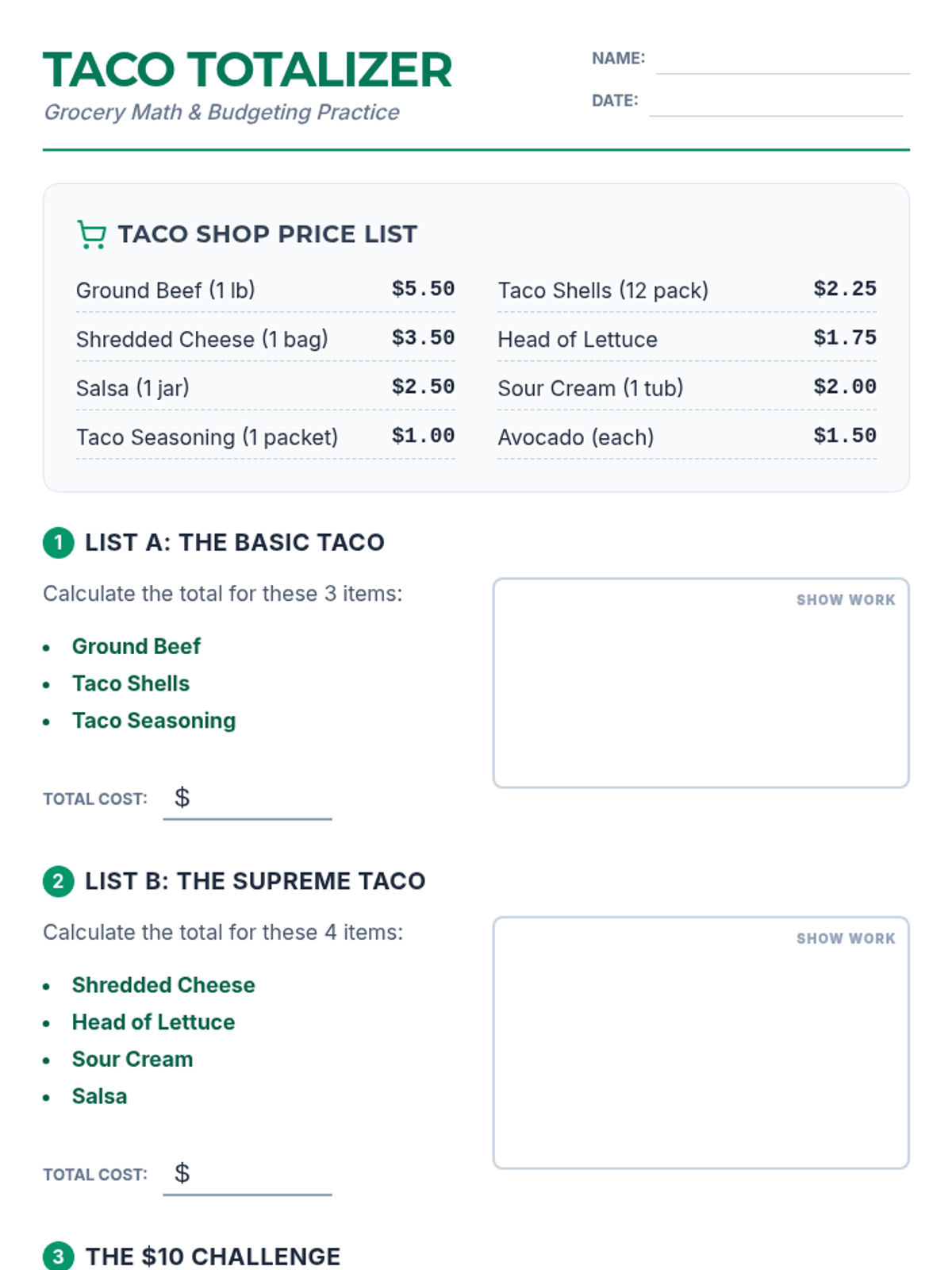
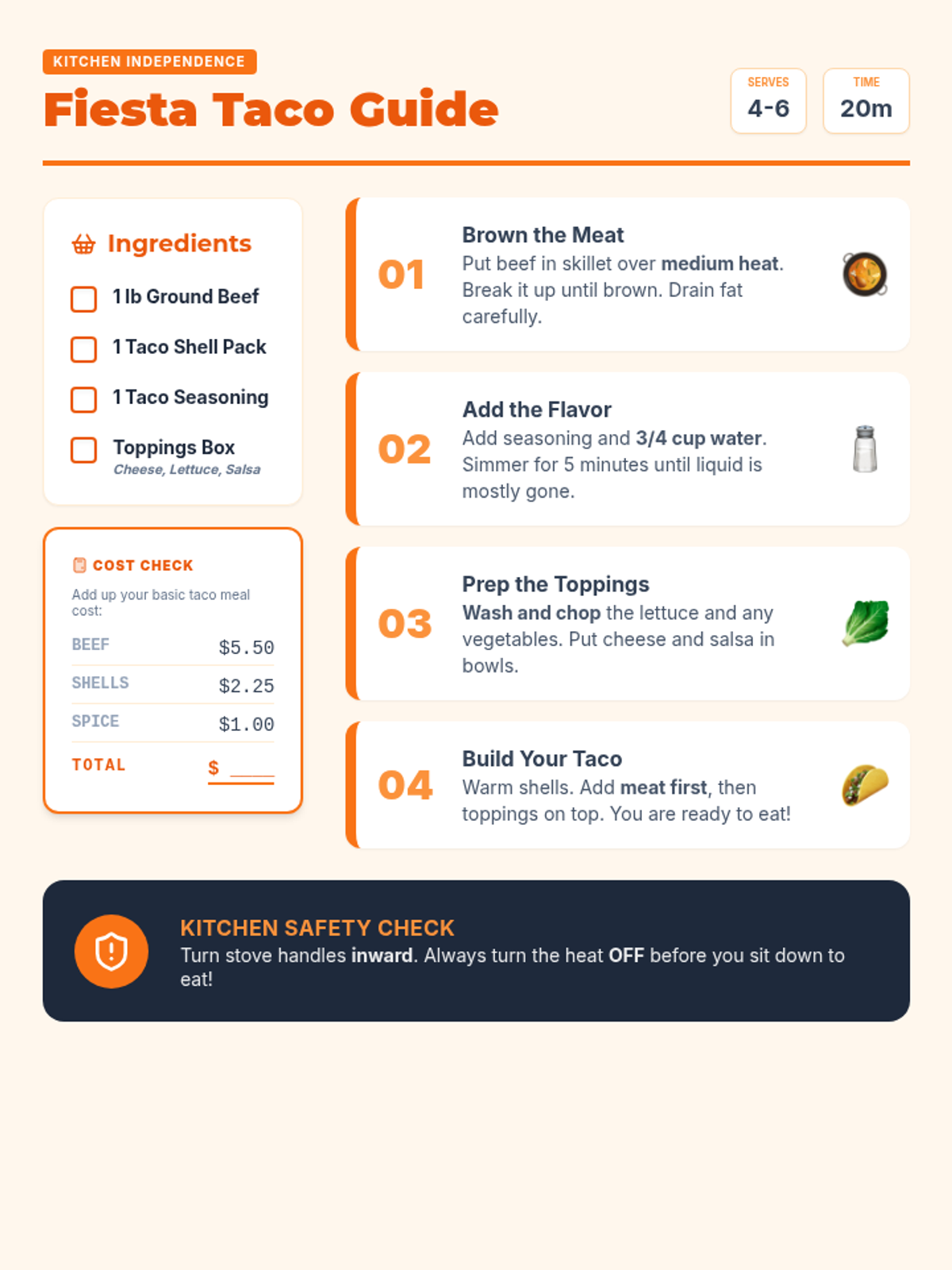
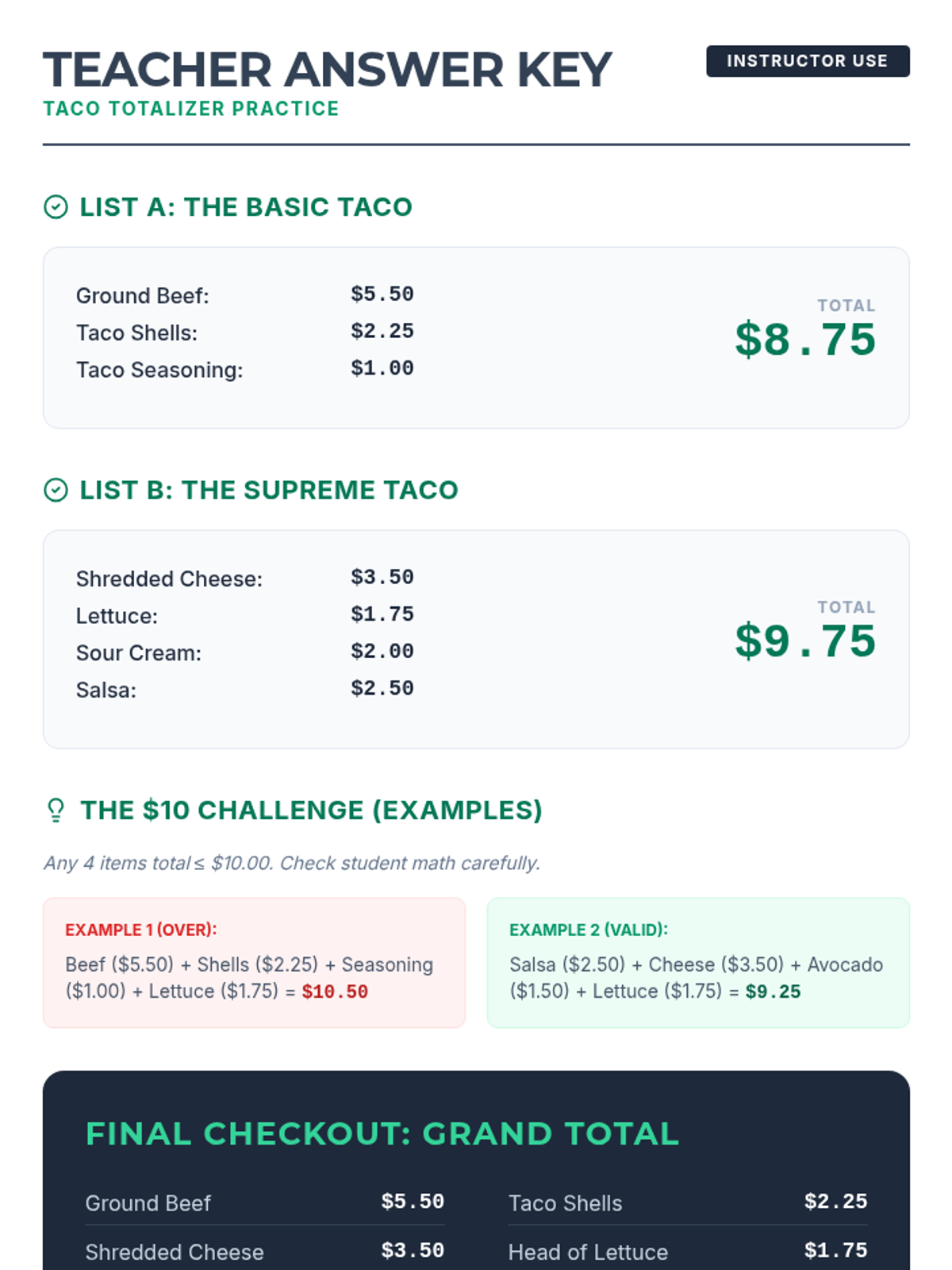
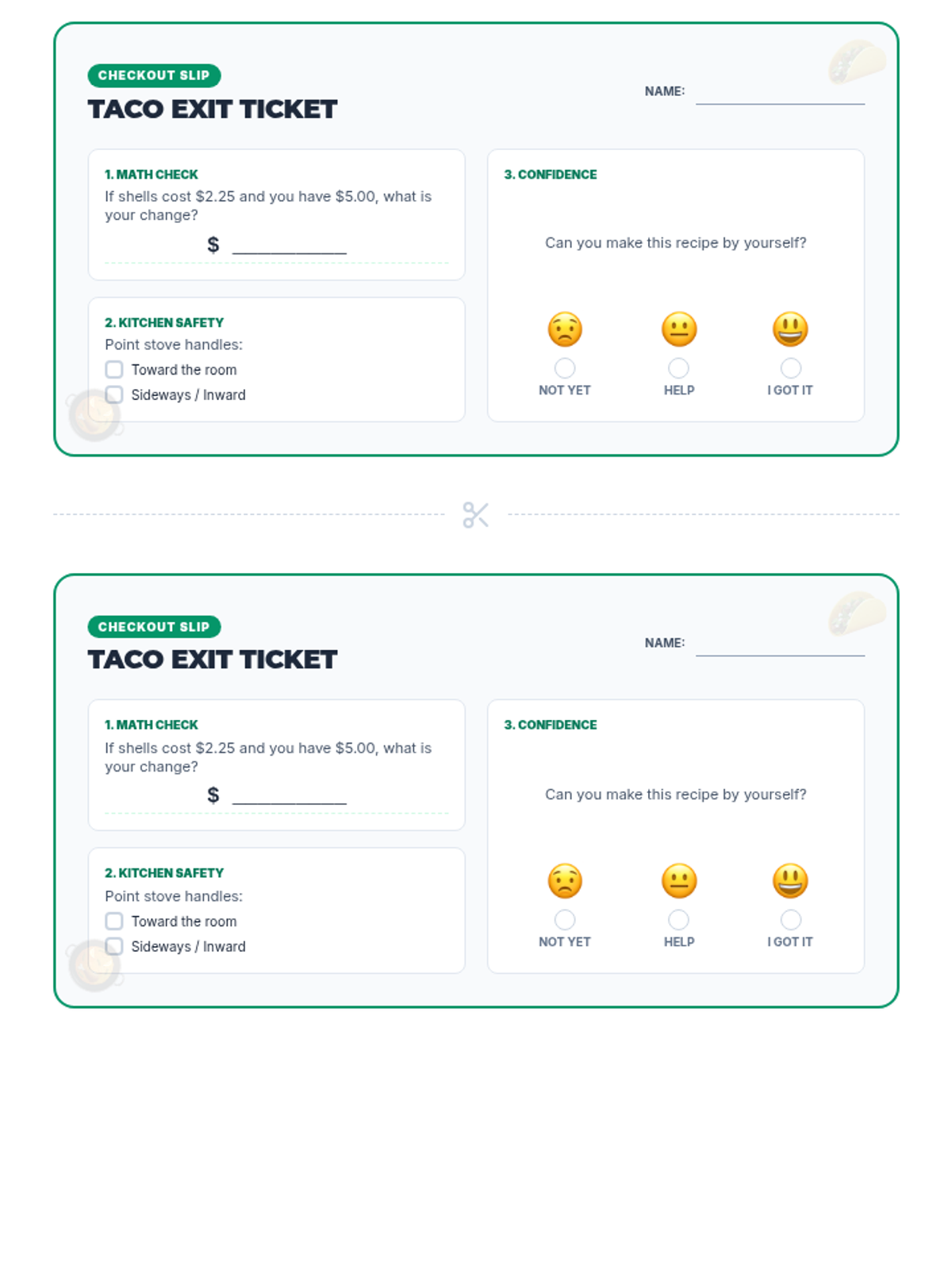
A life skills lesson focused on grocery budgeting and following a visual recipe to build independence in the kitchen. Students calculate ingredient costs before preparing a simple meal.
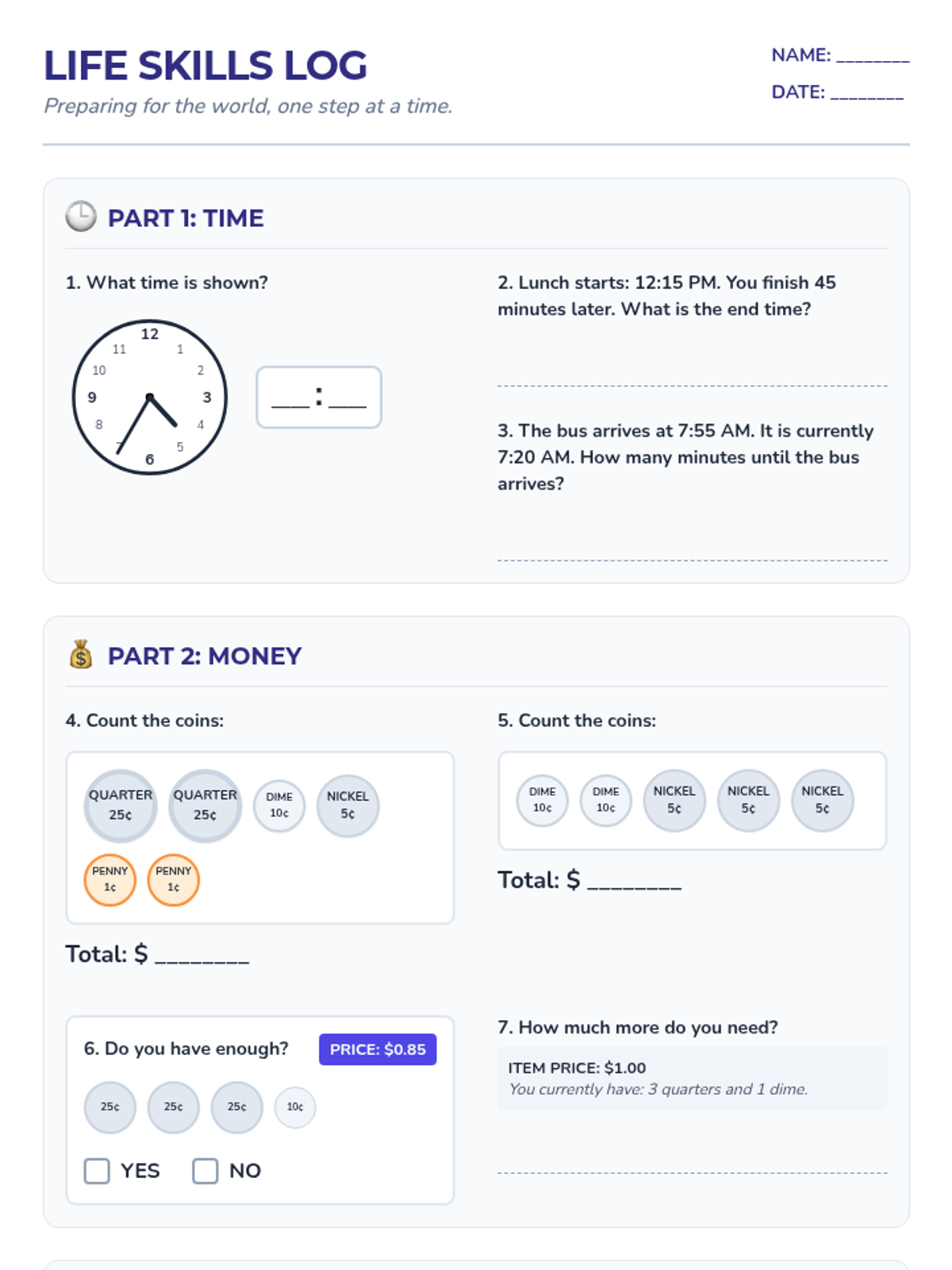
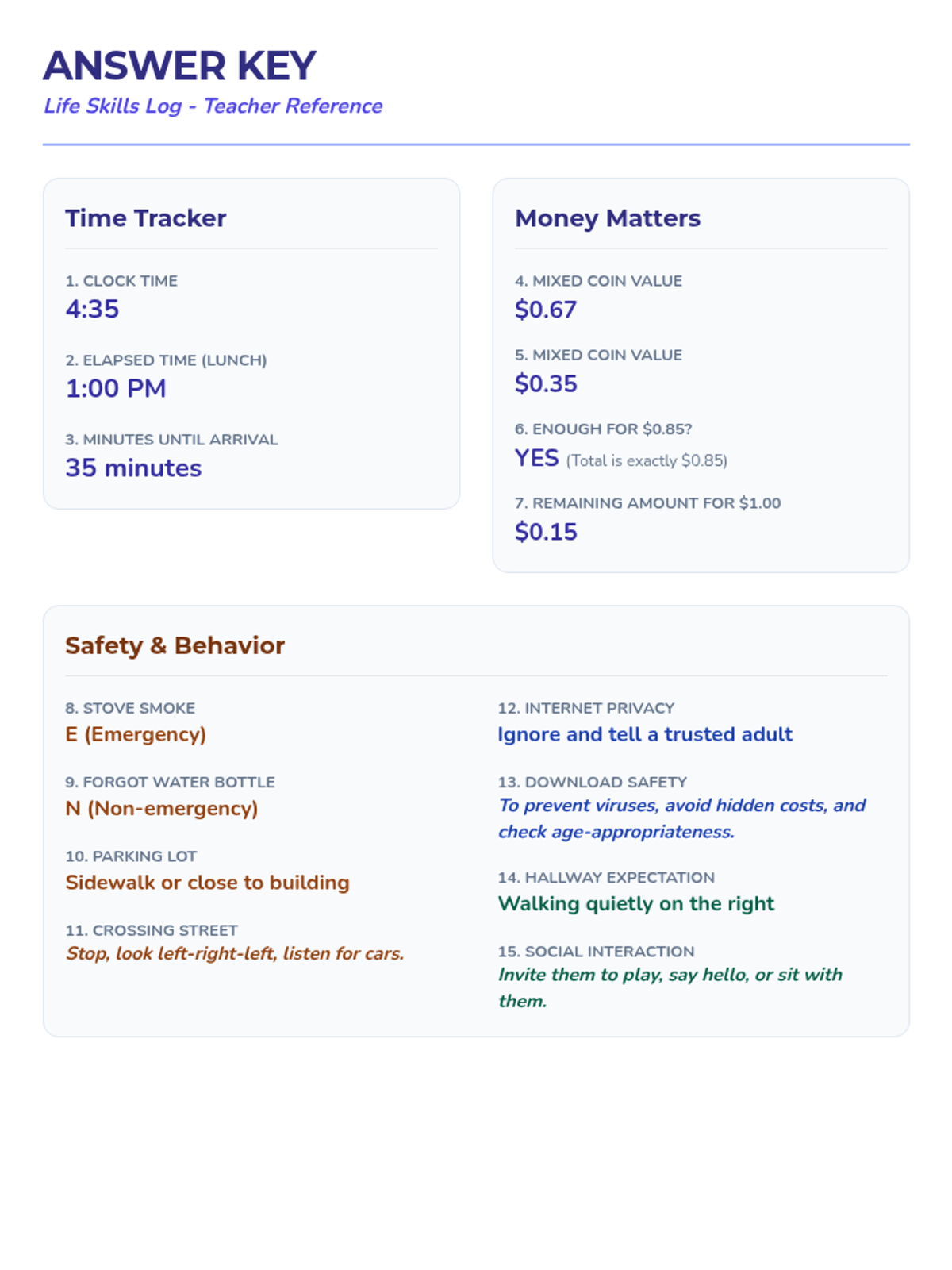
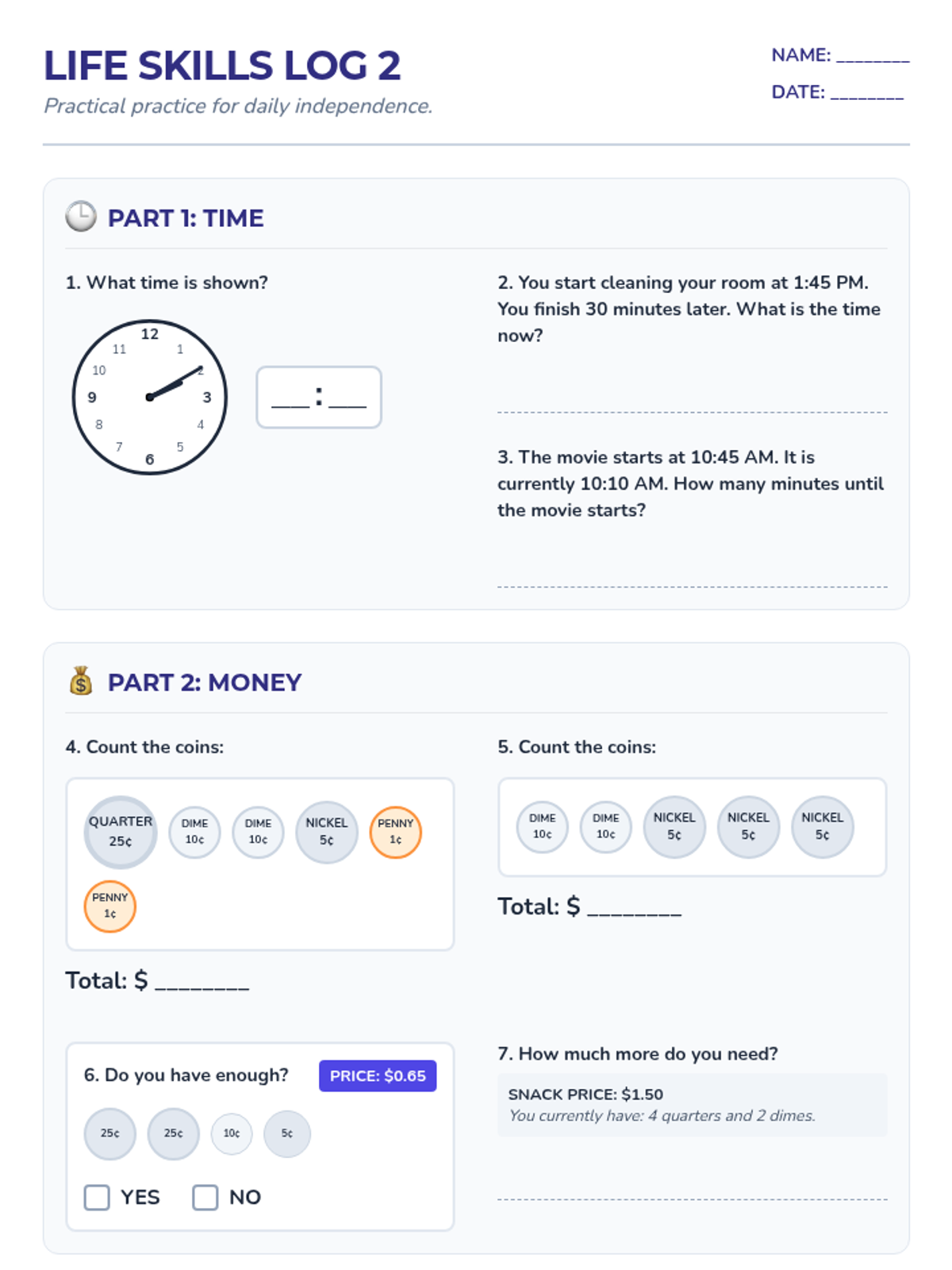
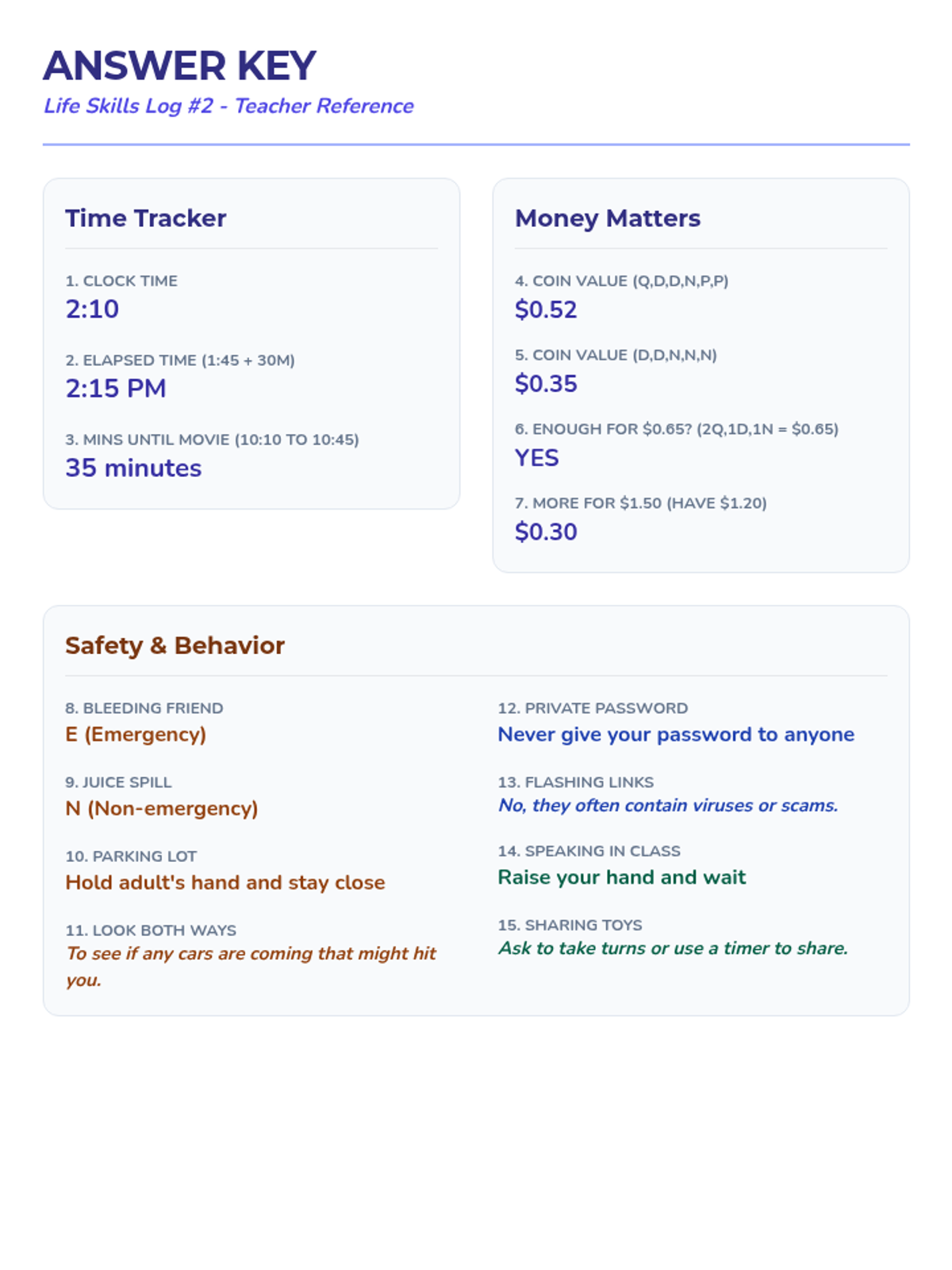
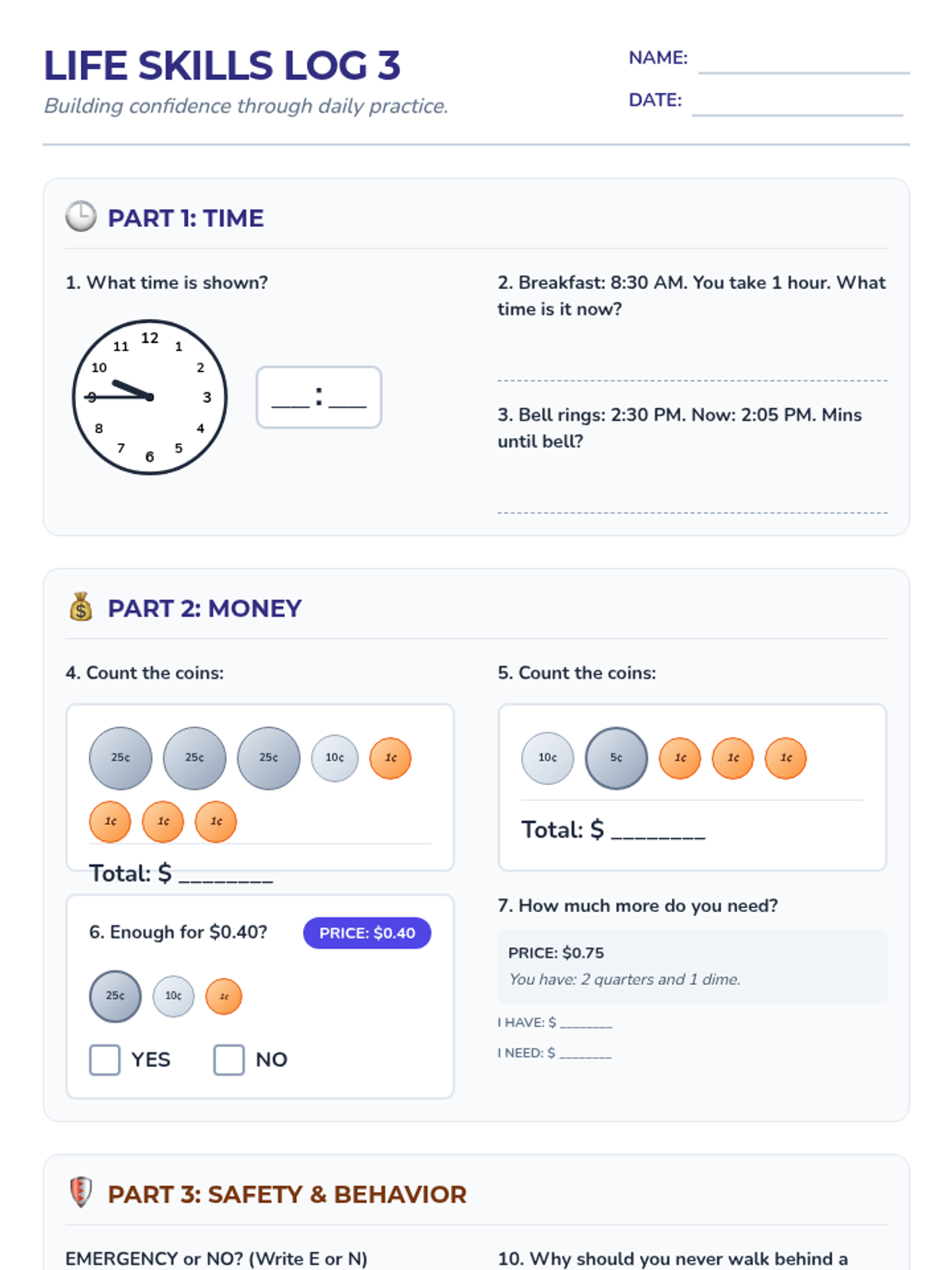
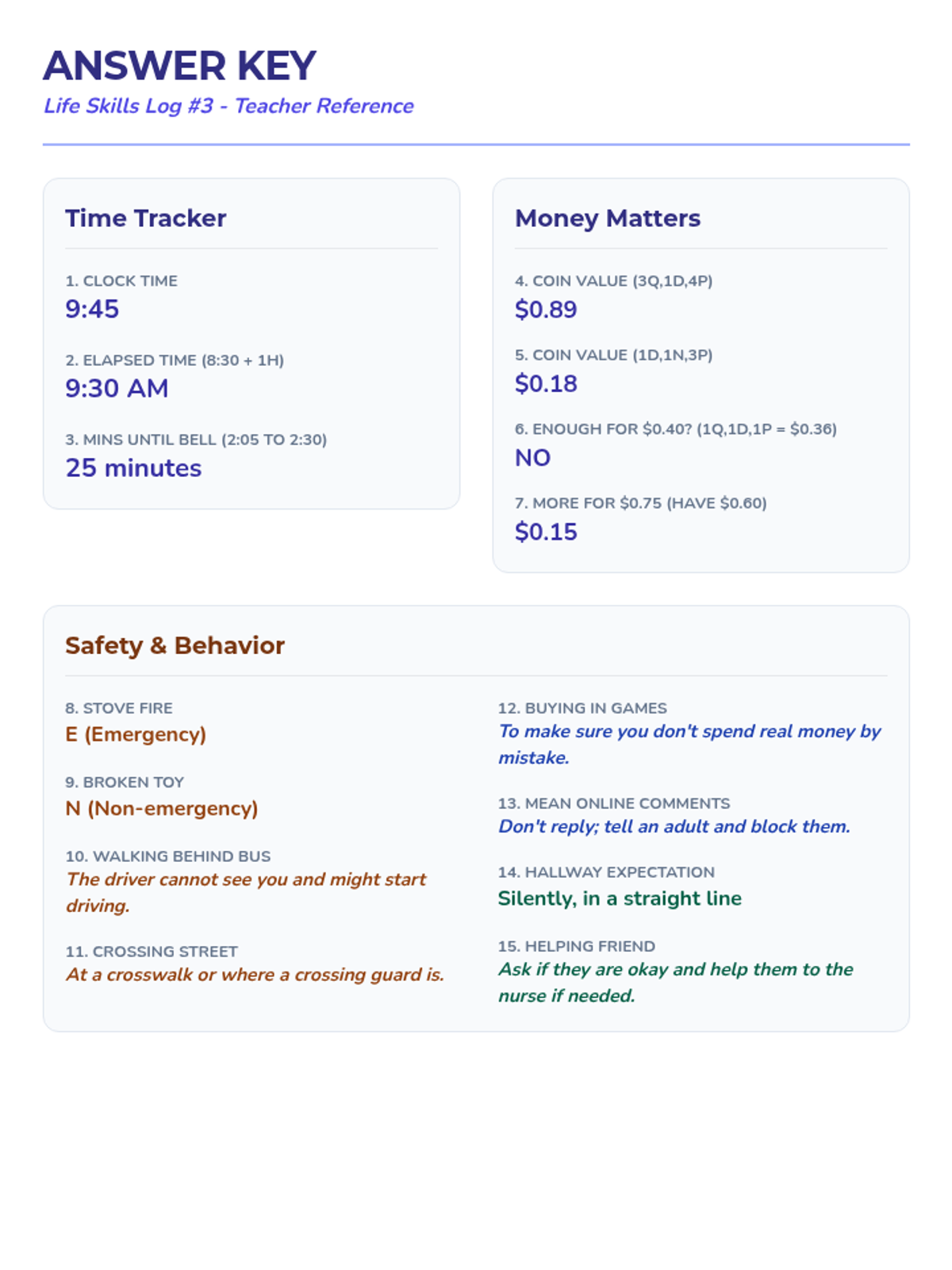
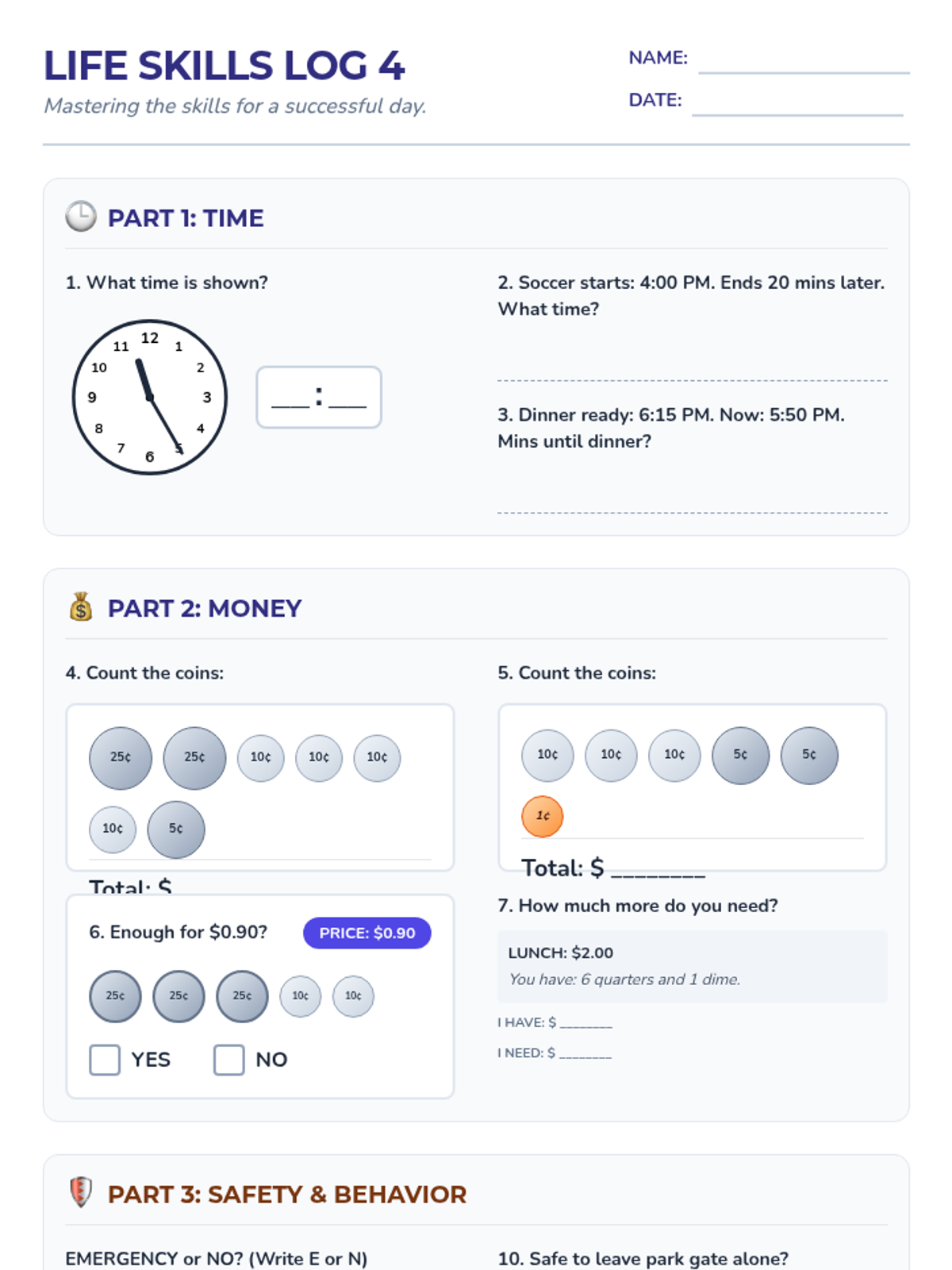
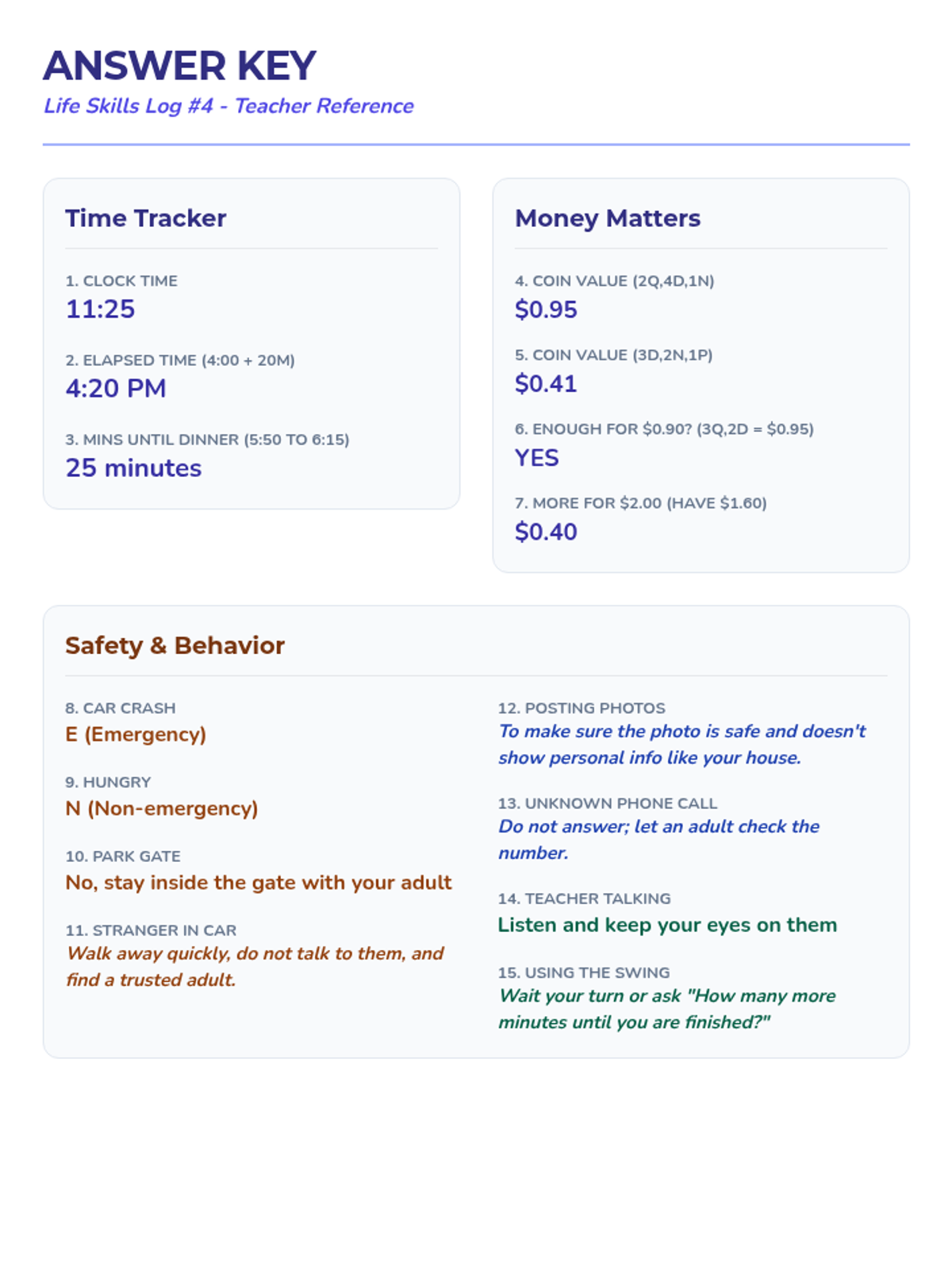
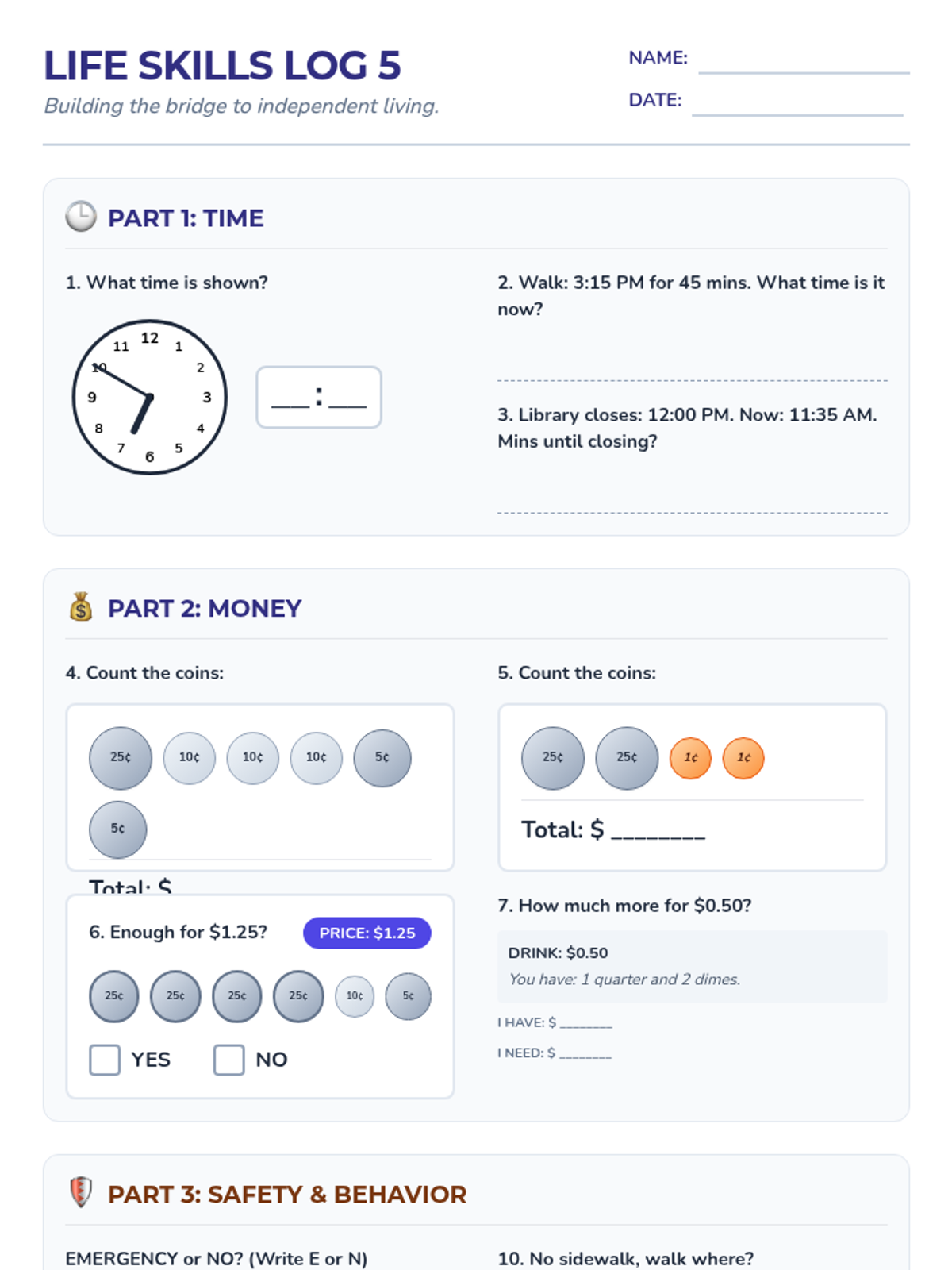
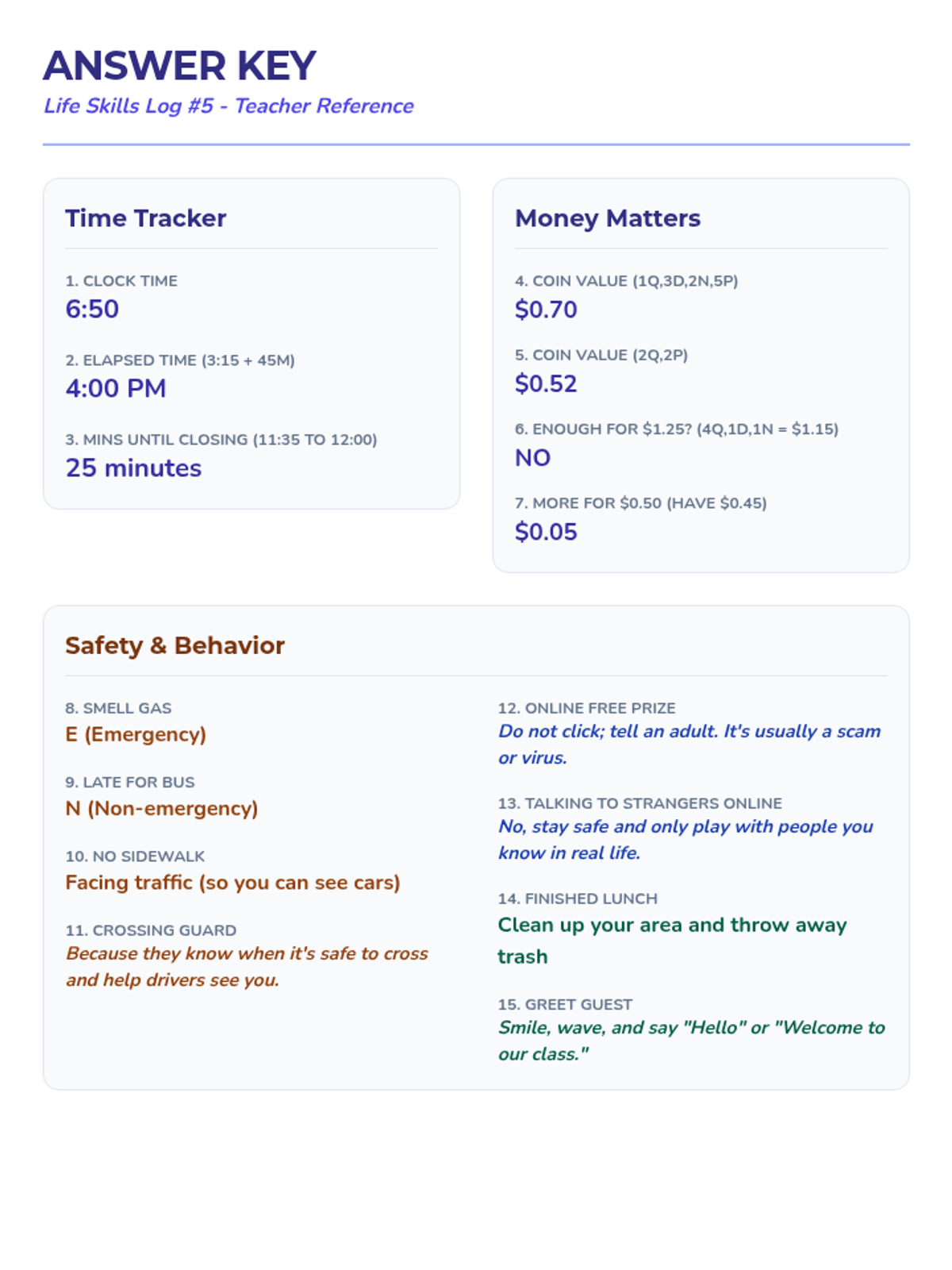
A comprehensive morning work session focusing on essential life skills including financial literacy, time management, personal safety, and digital citizenship. Students practice counting mixed coins, calculating elapsed time, and identifying appropriate behaviors in various social and safety scenarios.
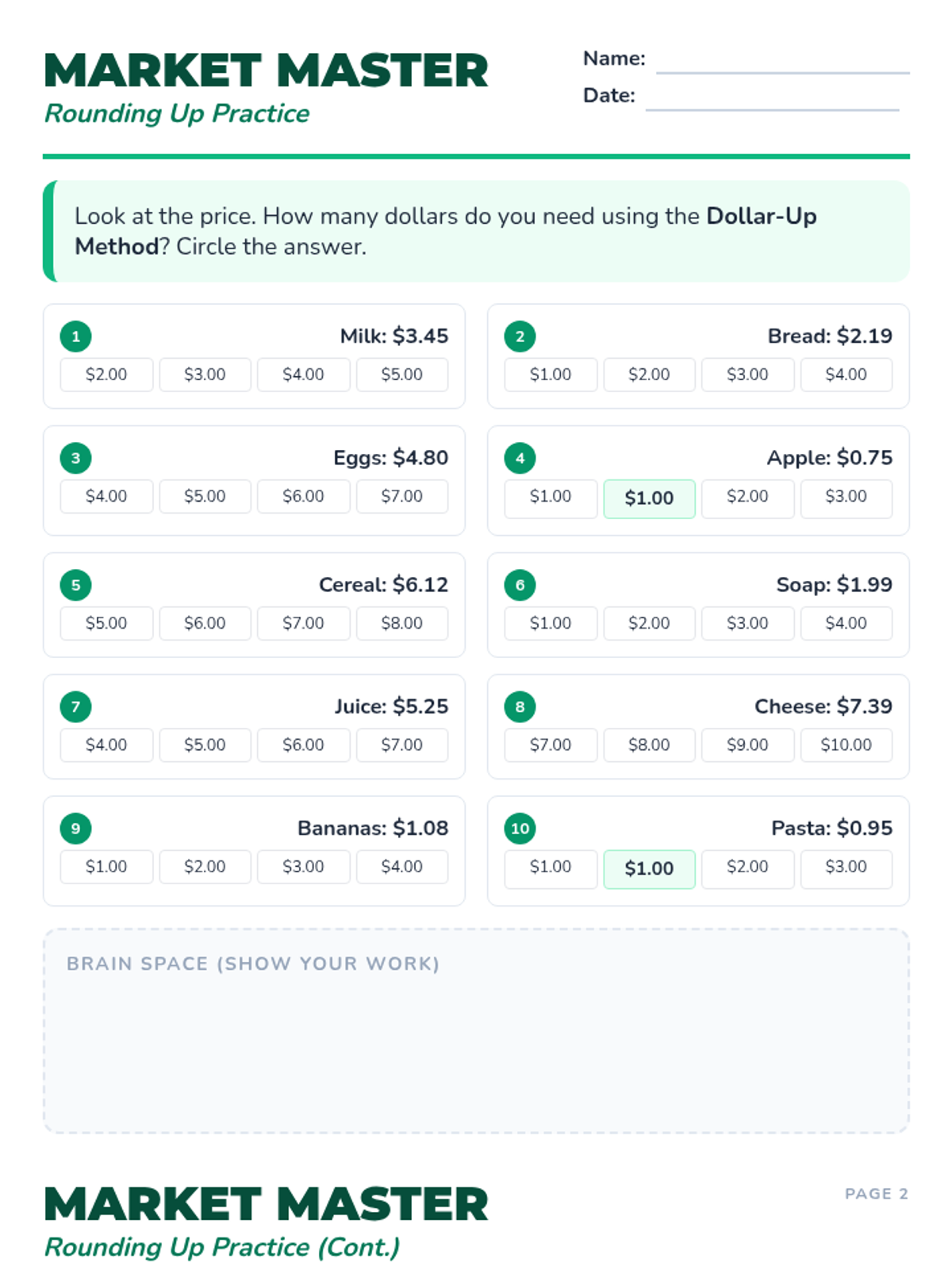
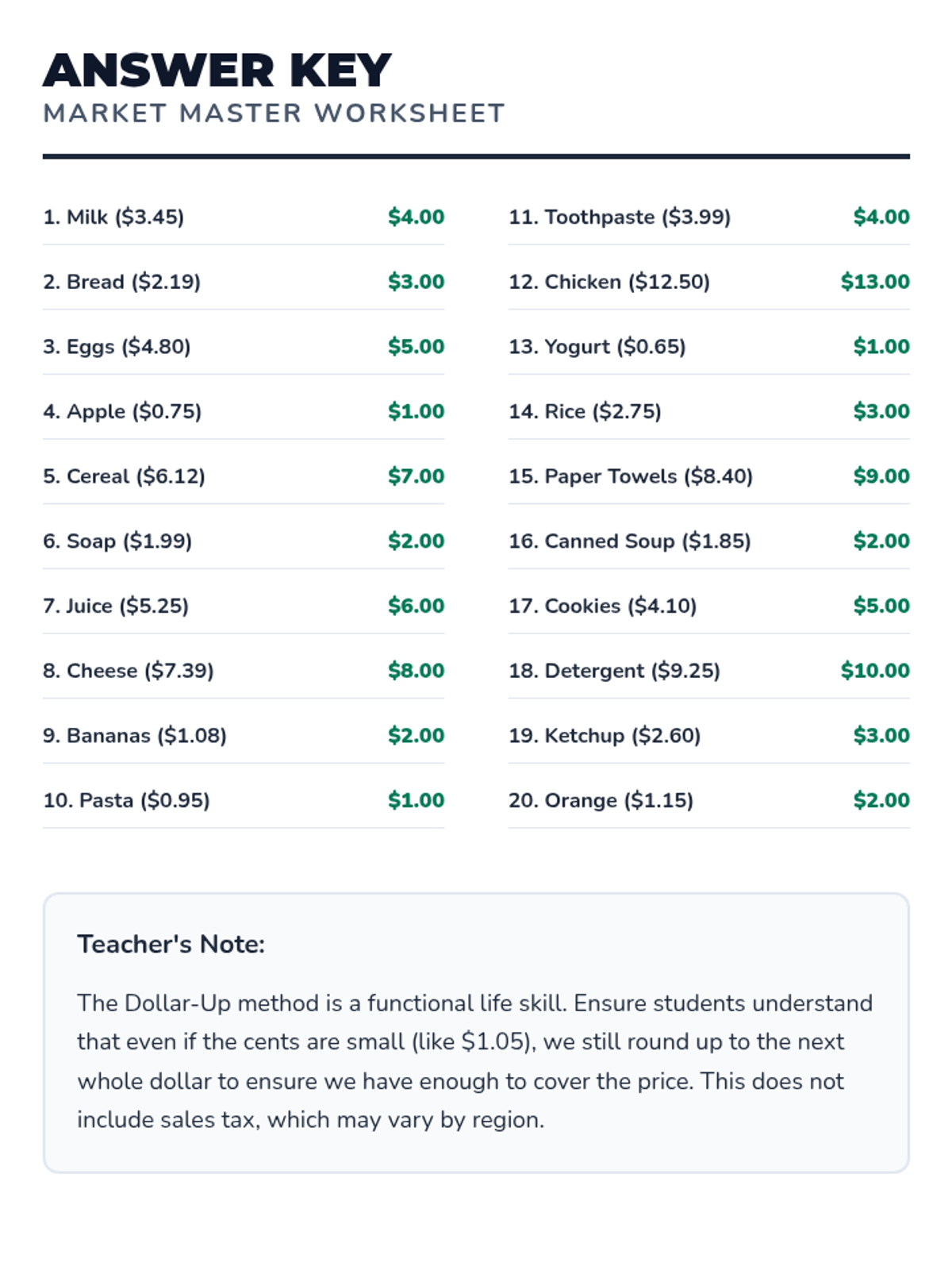
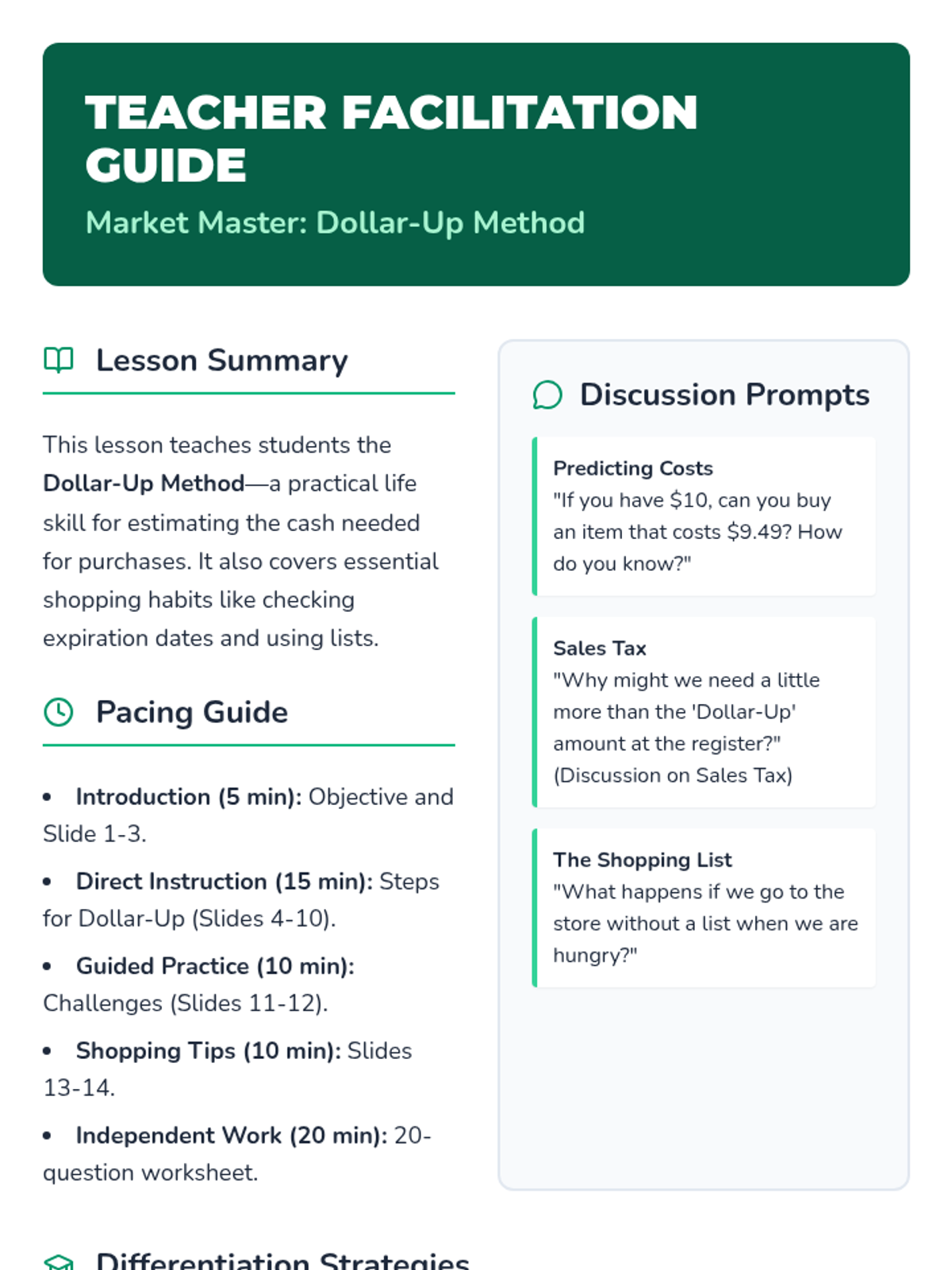
A practical math lesson focused on the 'dollar-up' method for making purchases at a grocery store, including shopping tips and rounding practice.
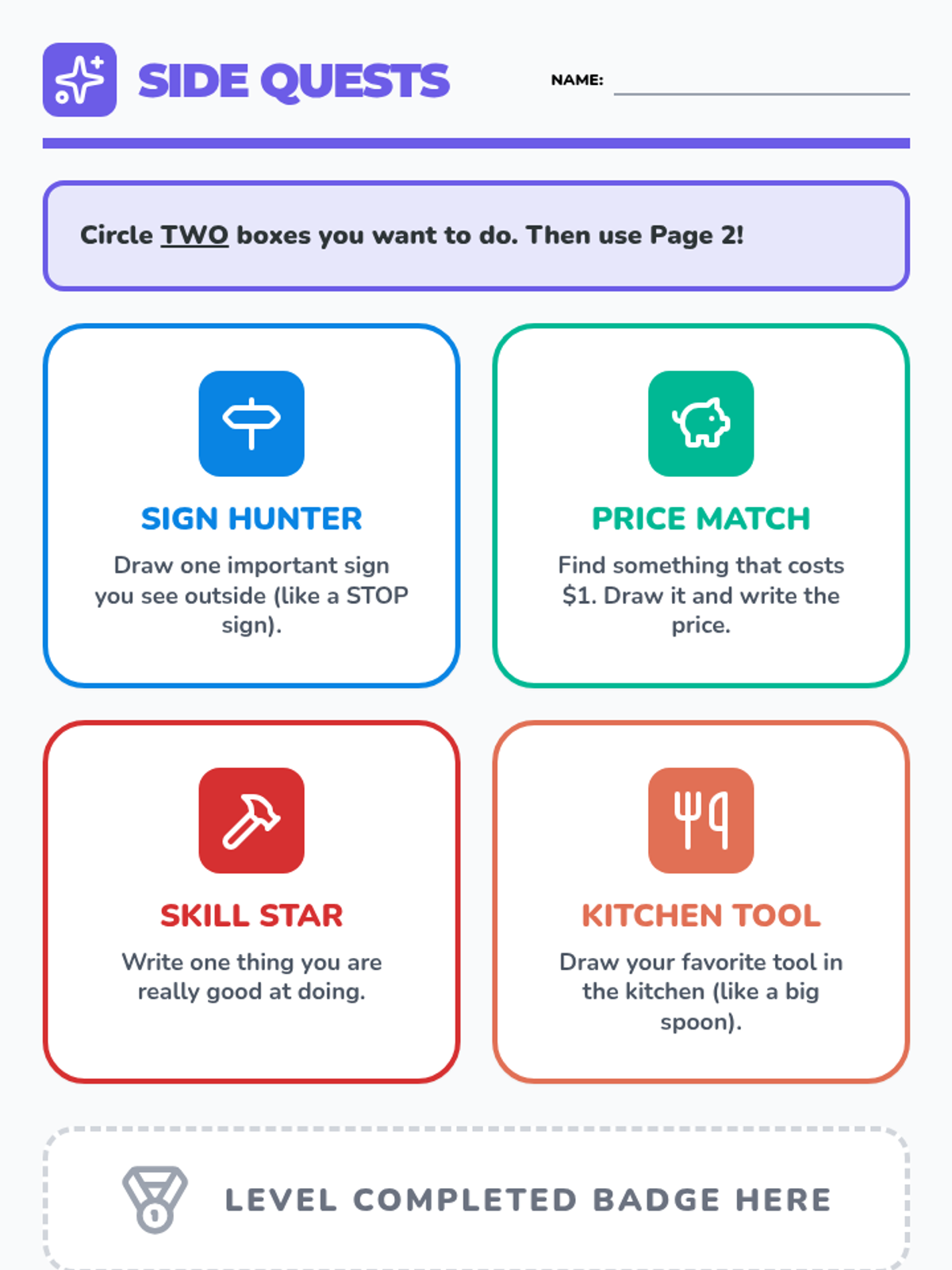
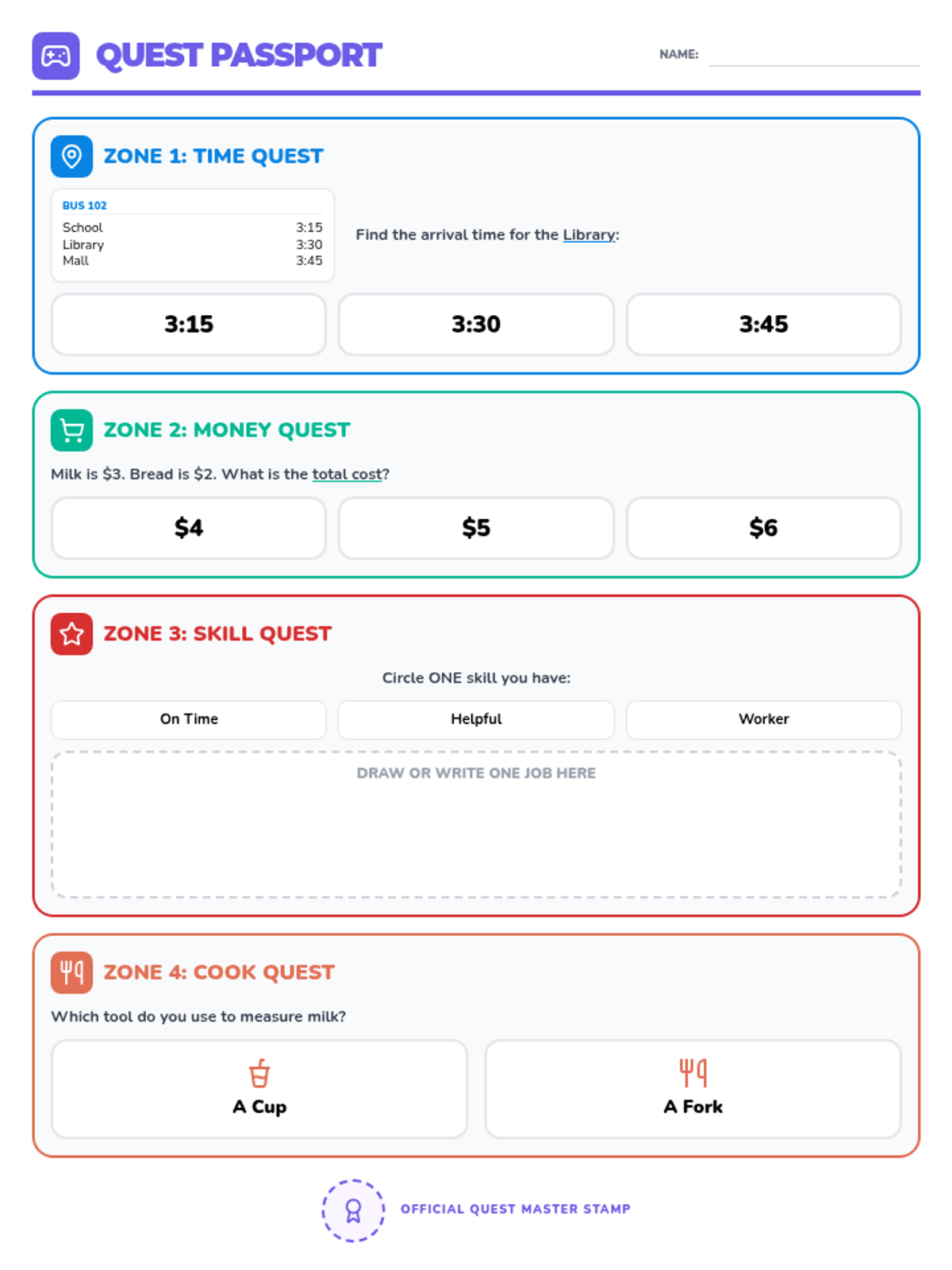
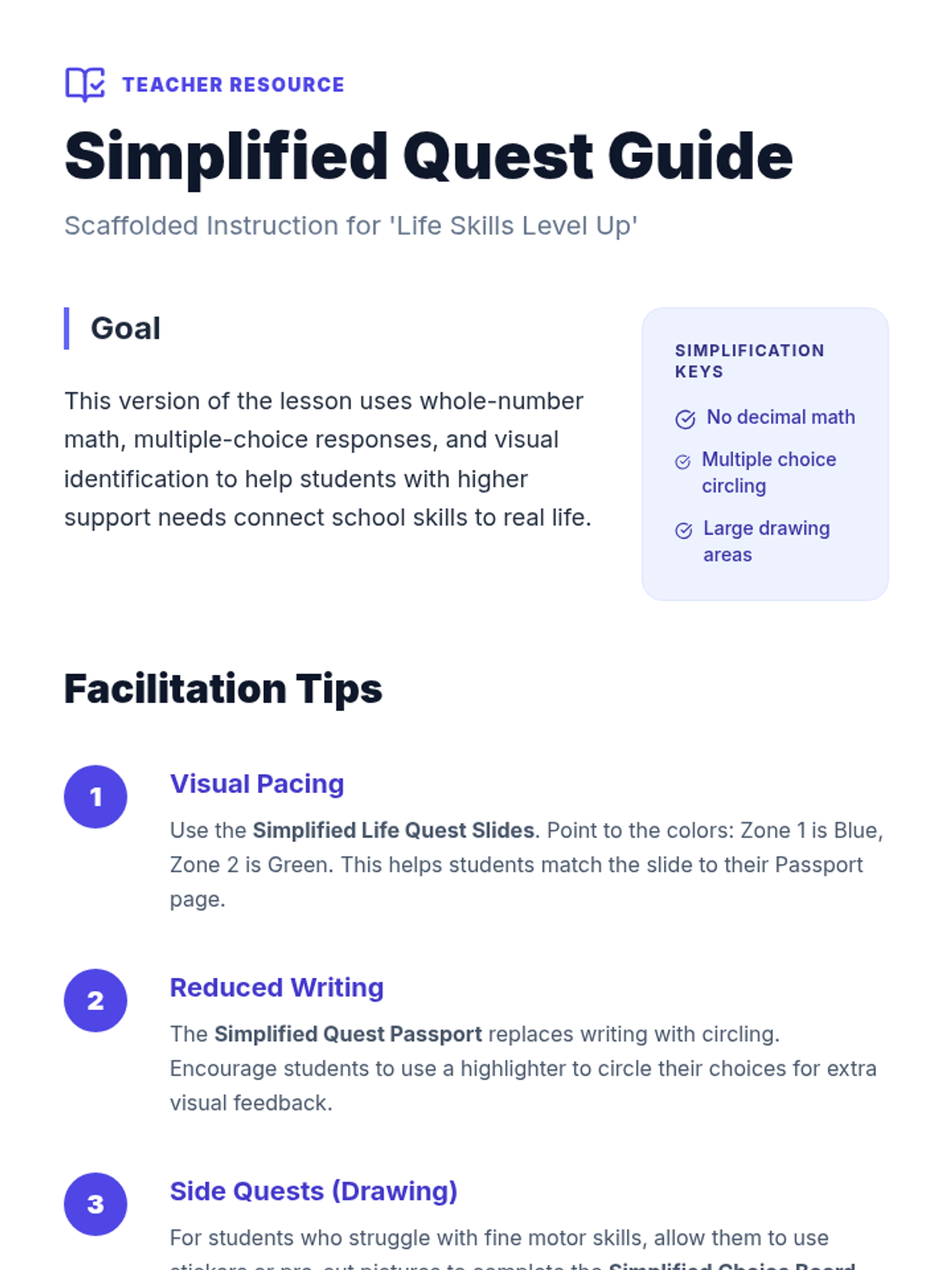
A comprehensive lesson for 6th-grade IEP students connecting academic skills (reading, writing, math) to essential life functions like navigation, budgeting, employment, and cooking. Through a 'Life Quest' theme, students explore how classroom learning prepares them for independence.
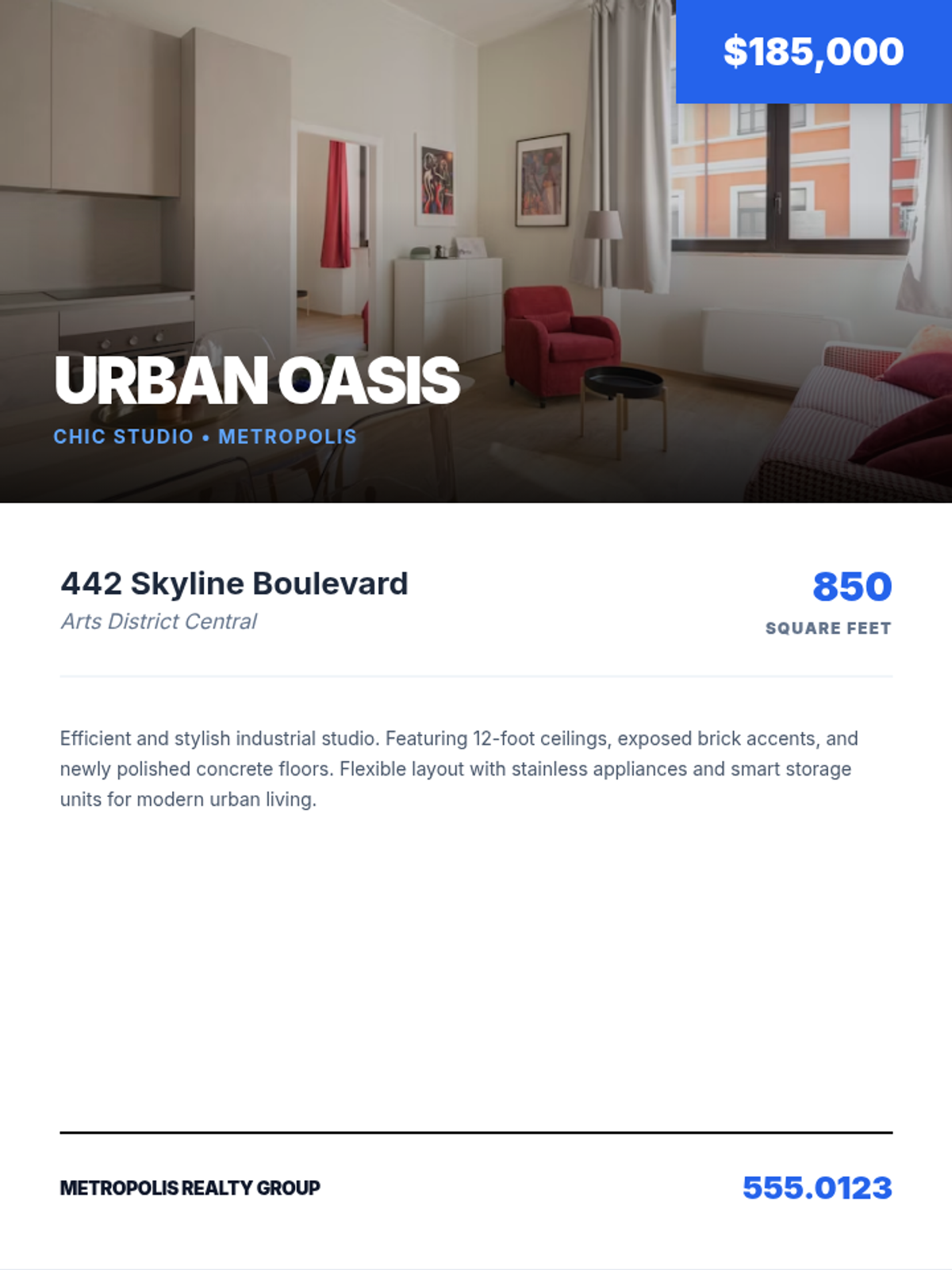
A collection of professionally designed real estate listing posters featuring unique properties with detailed descriptions, pricing, and specifications.
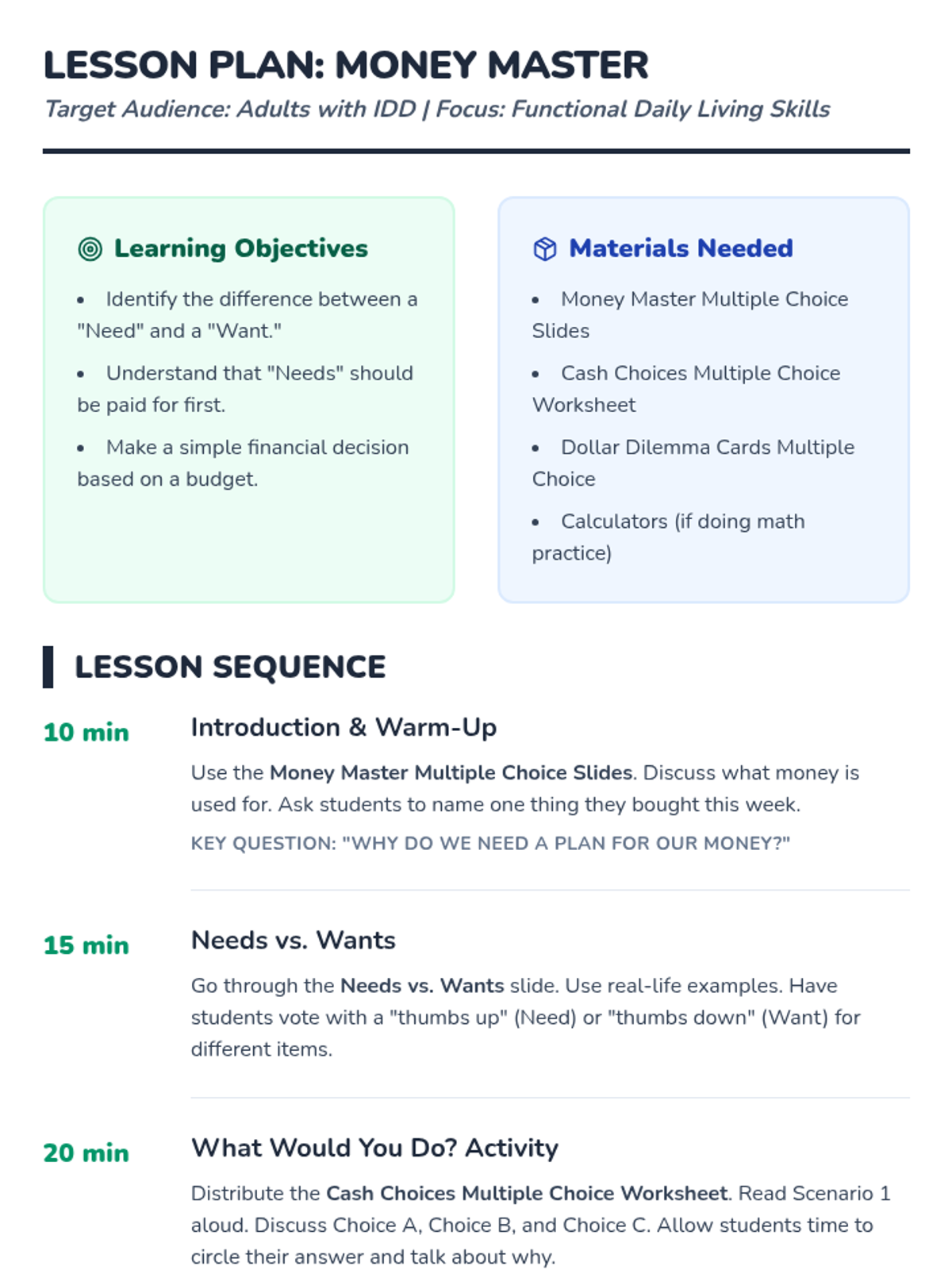
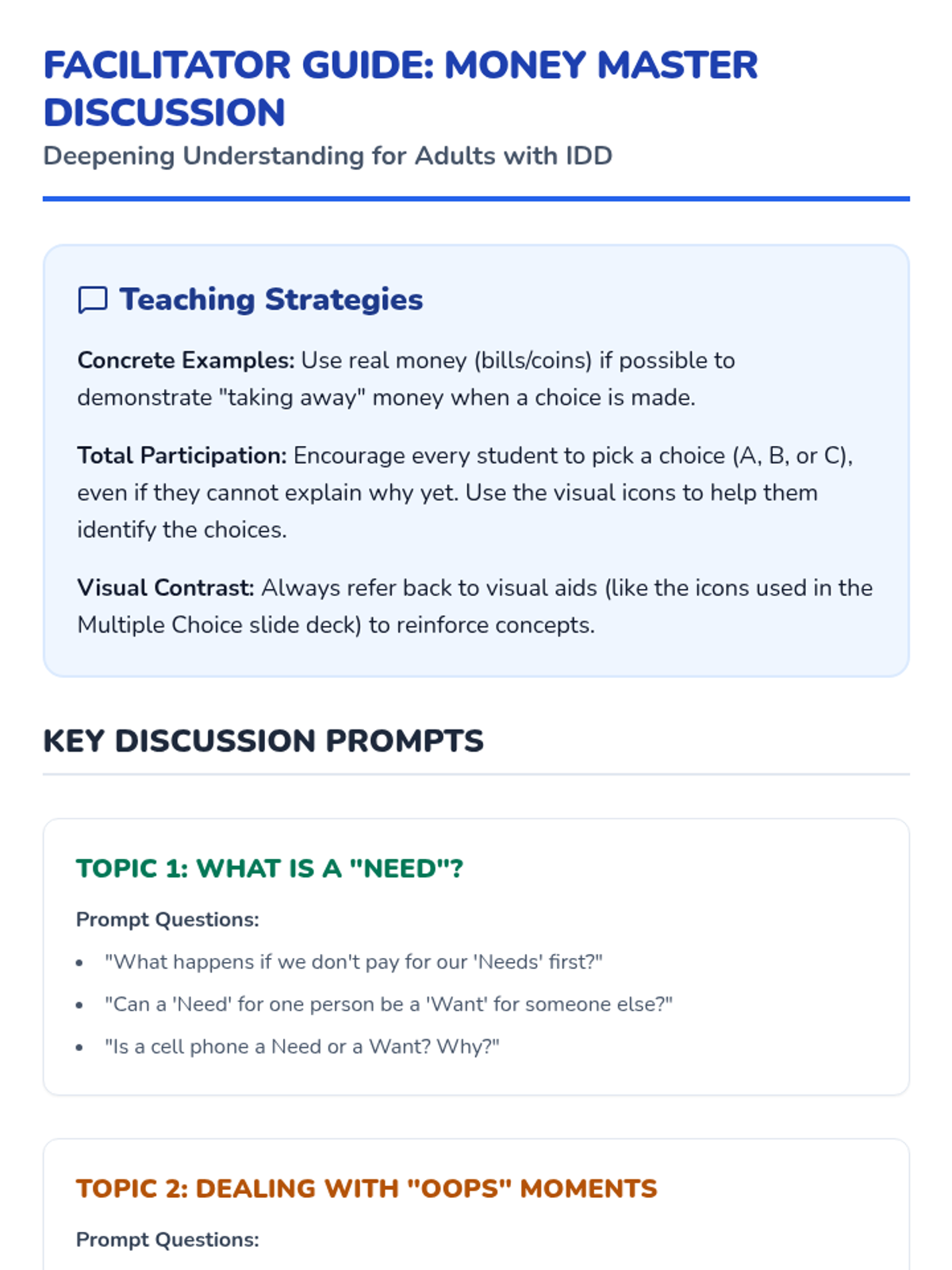
This lesson focuses on practical, real-world budgeting decisions for adults with IDD, emphasizing essential daily living expenses, needs versus wants, and simple savings strategies.
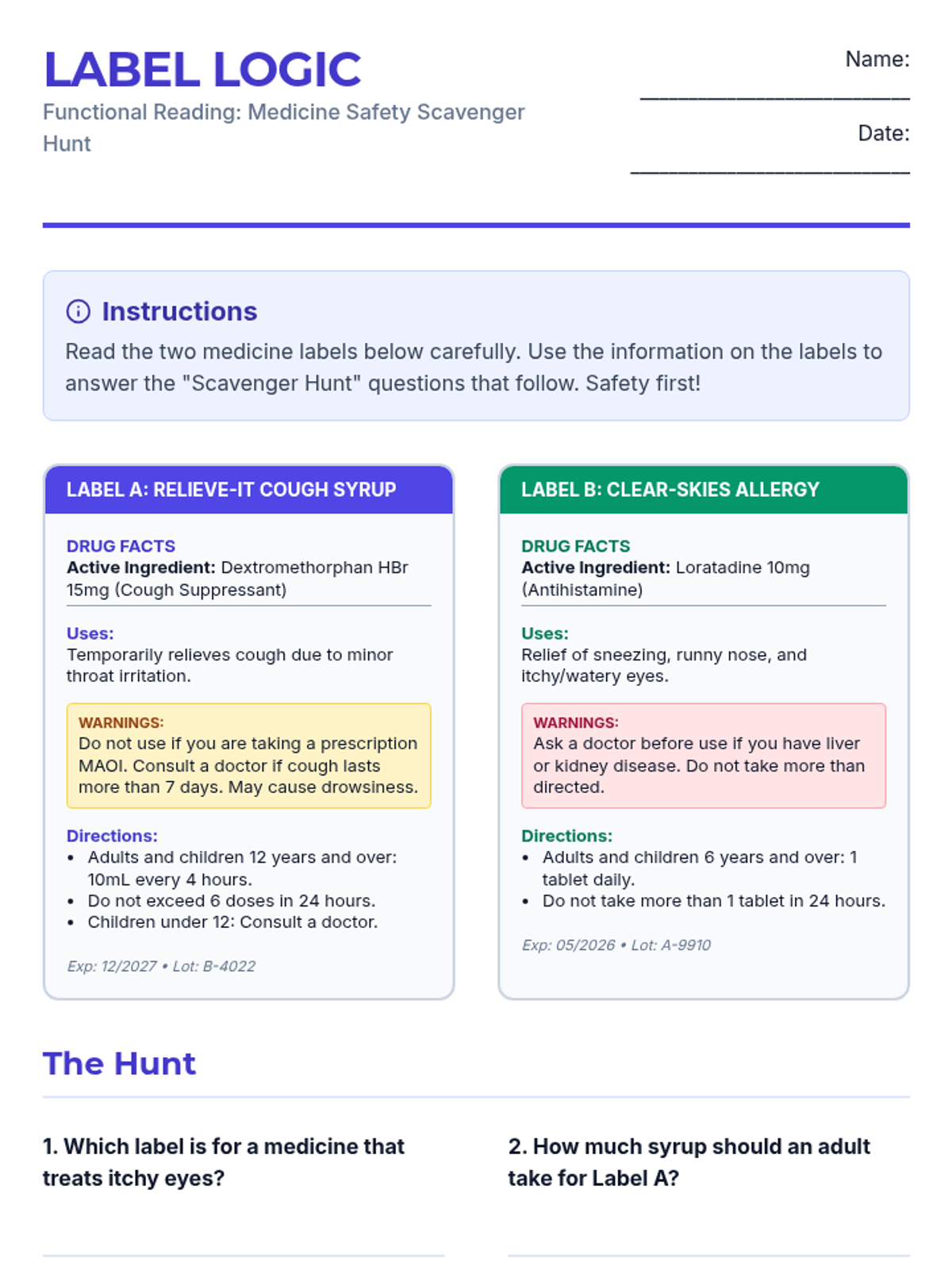
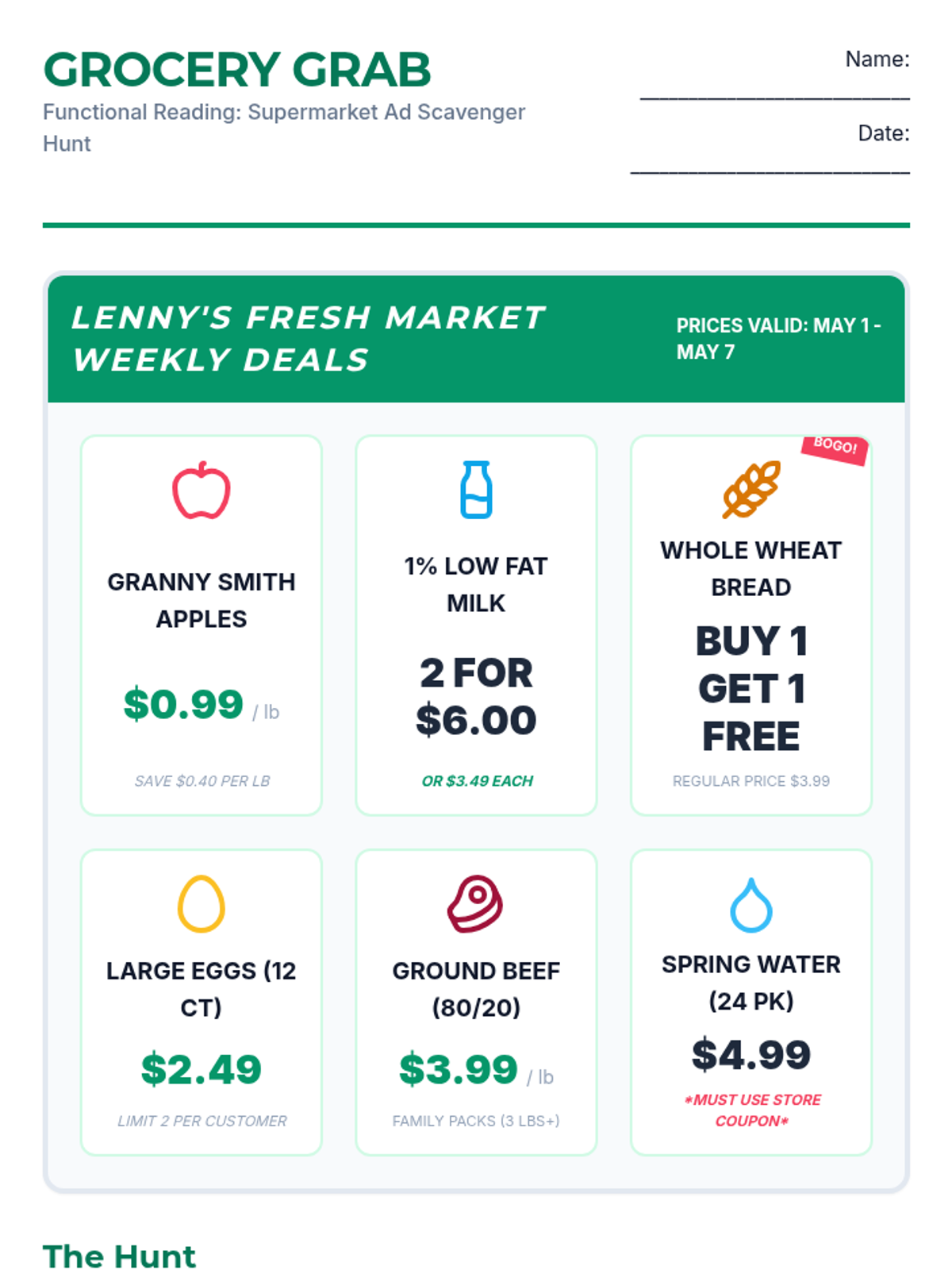
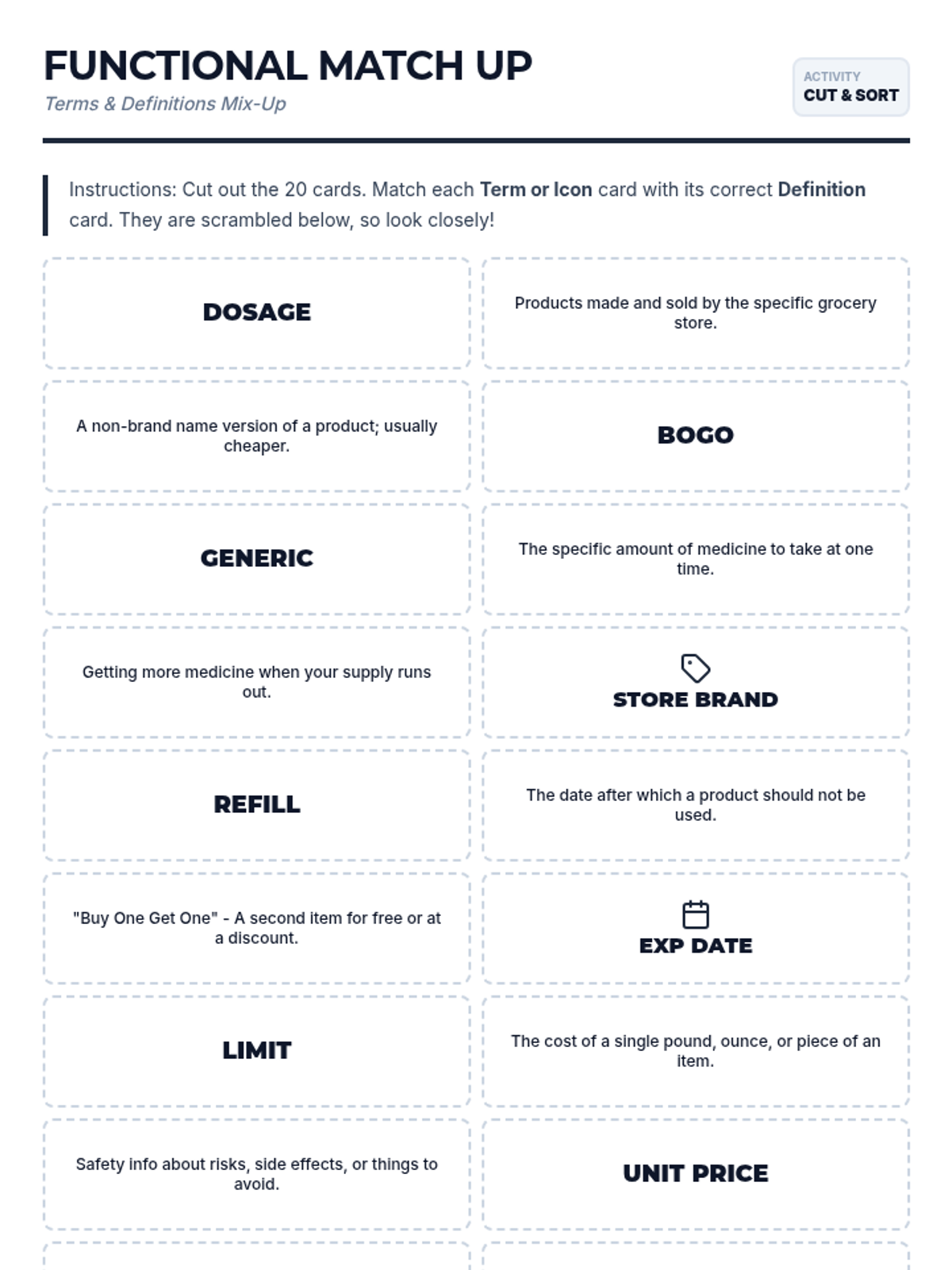
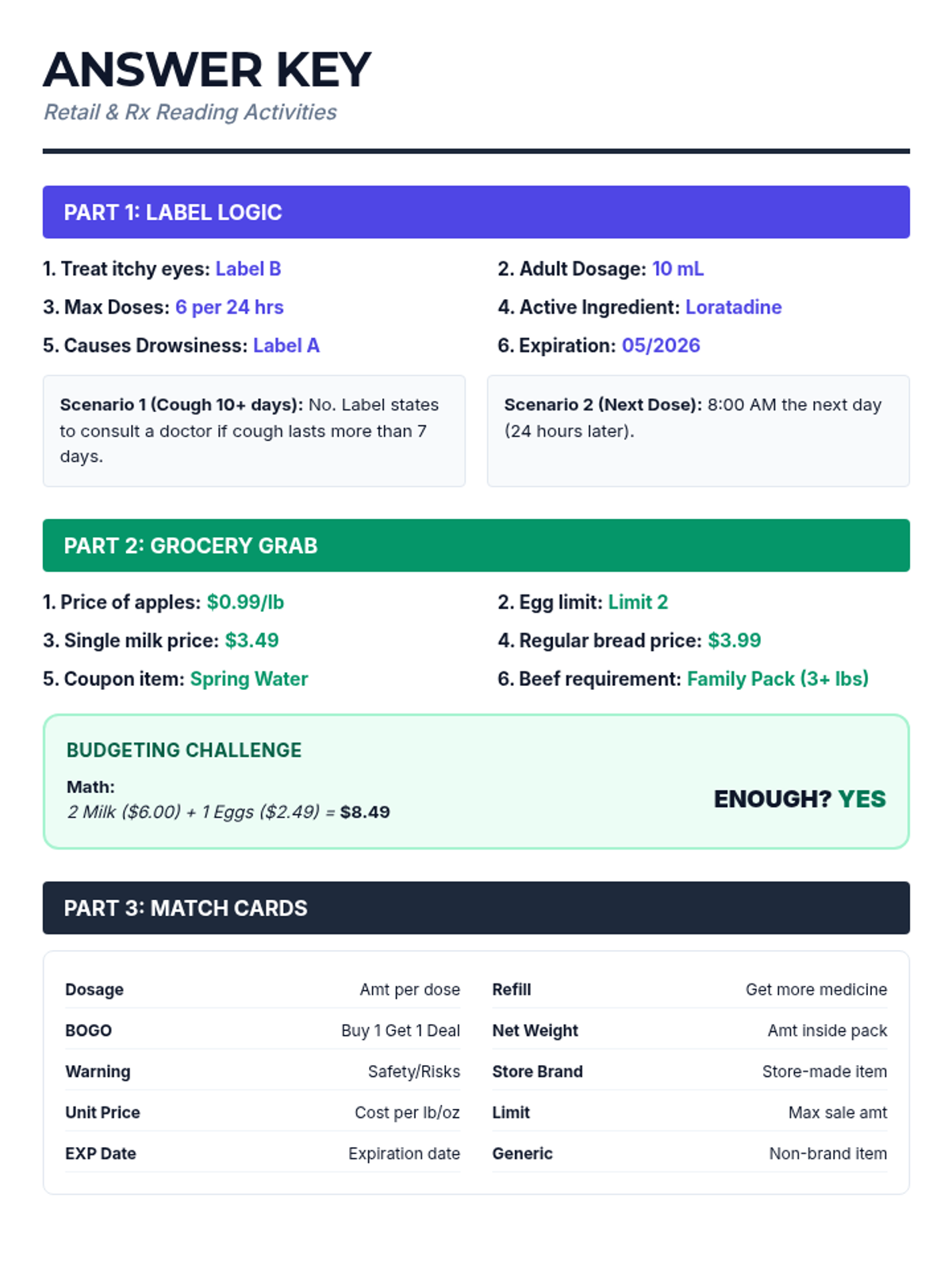
A lesson focused on navigating medicine labels for safety and grocery ads for budgeting and meal planning.
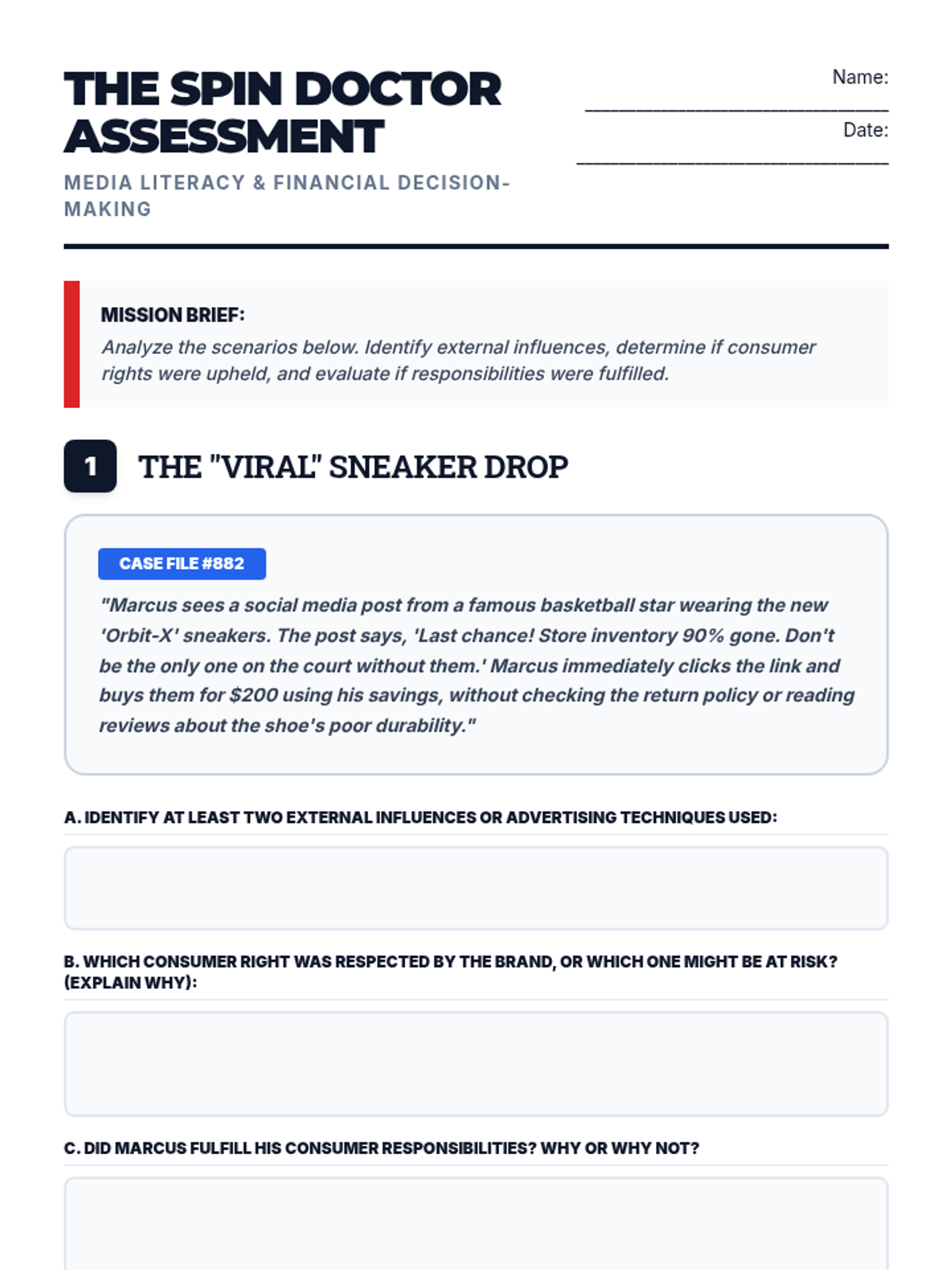
Students explore the rights and responsibilities of a consumer, focusing on how social media and peer pressure impact decision-making.
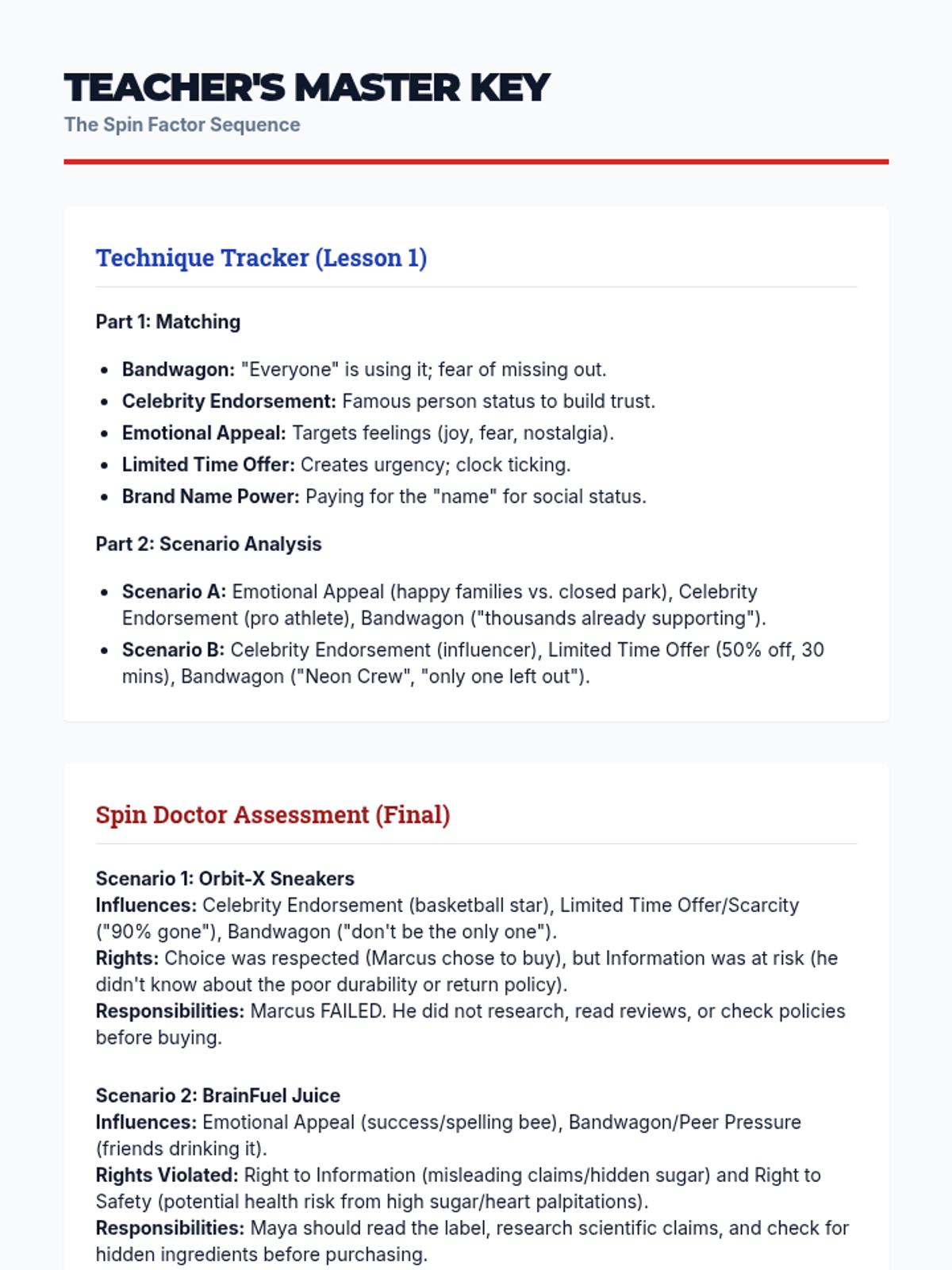
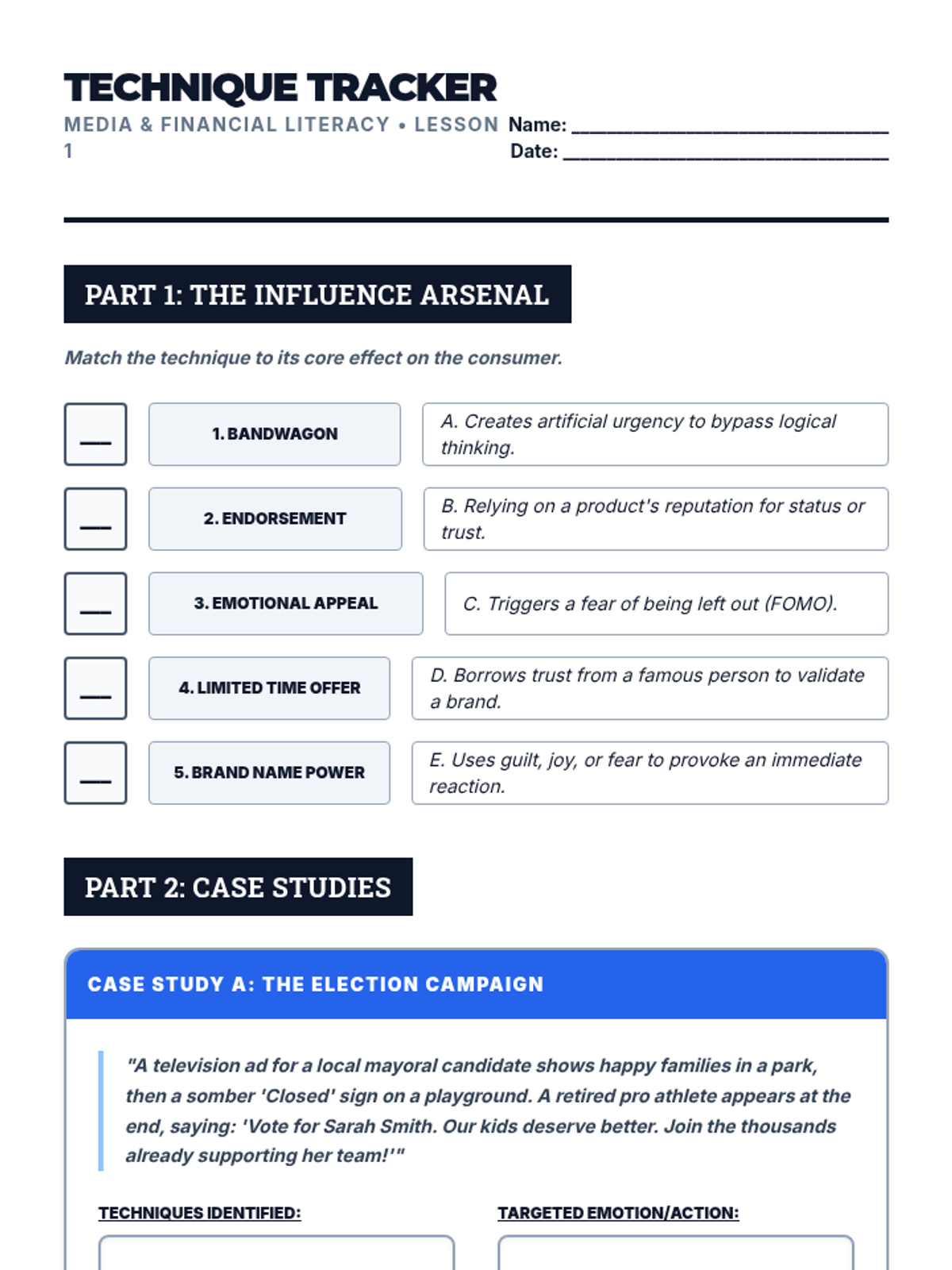
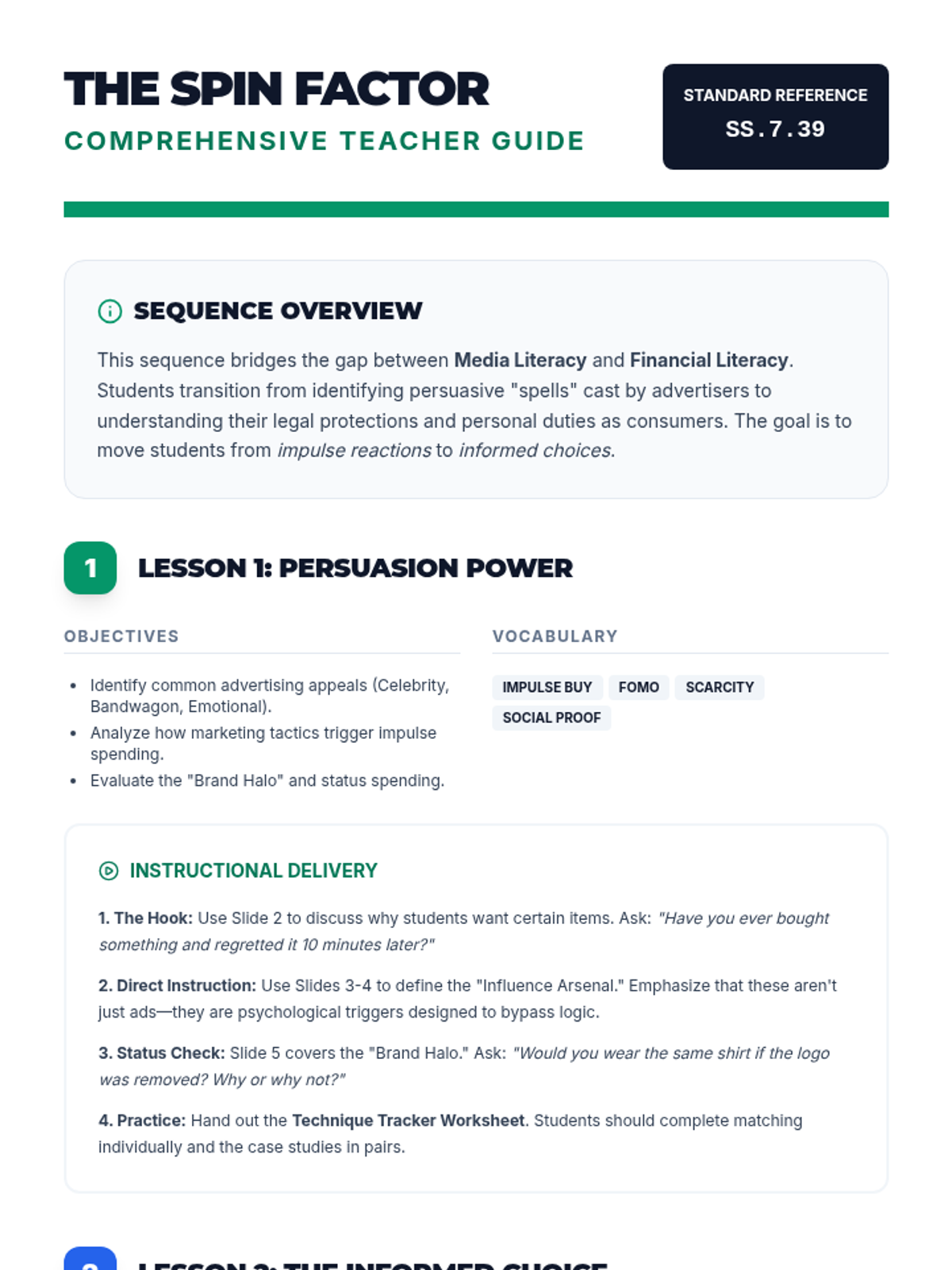
Students analyze how political and commercial advertising use techniques like bandwagon, celebrity endorsements, and emotional appeals to influence spending and voting.
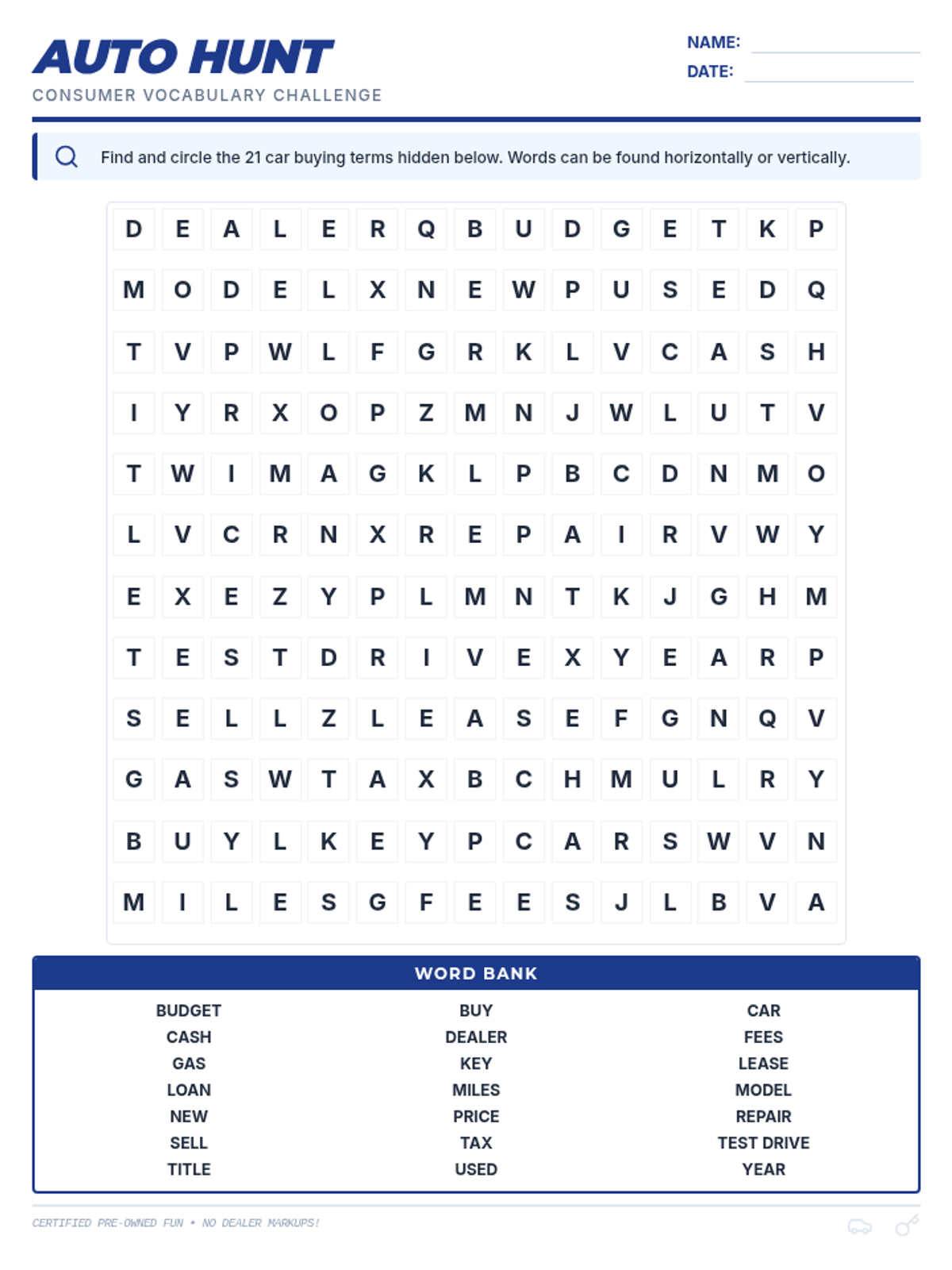
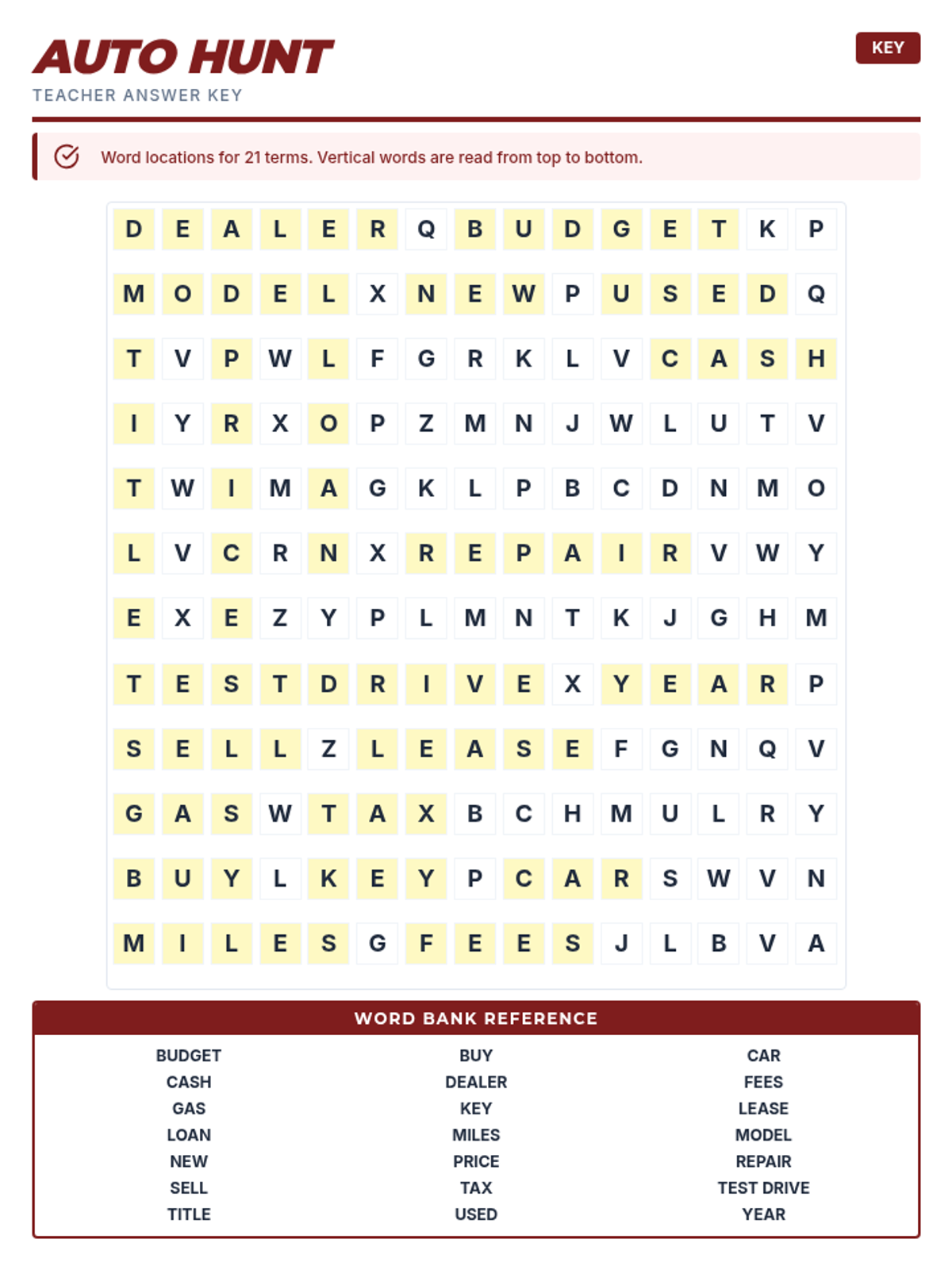
A focused lesson on car buying vocabulary and consumer basics, featuring a themed word search activity and answer key.
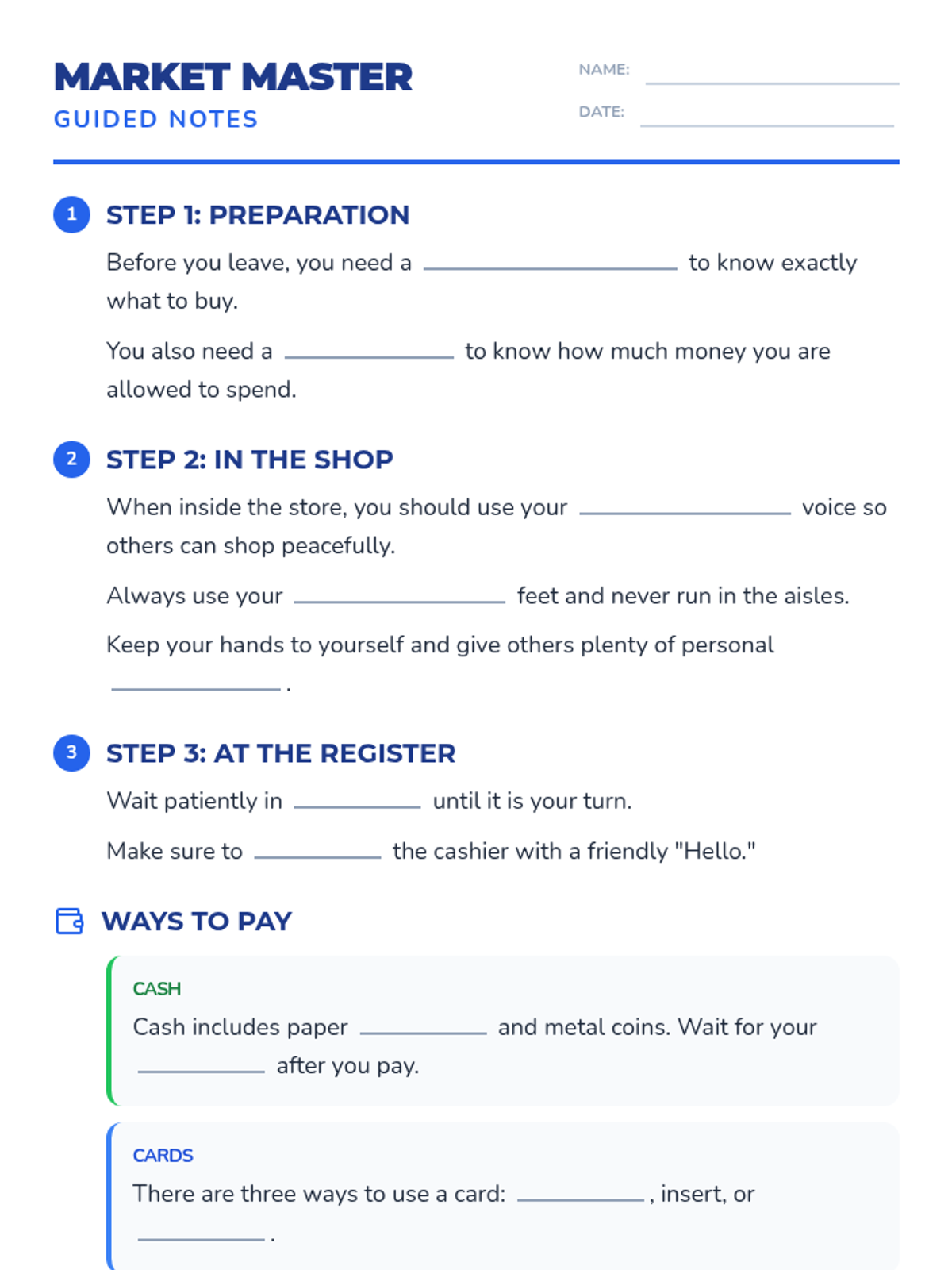
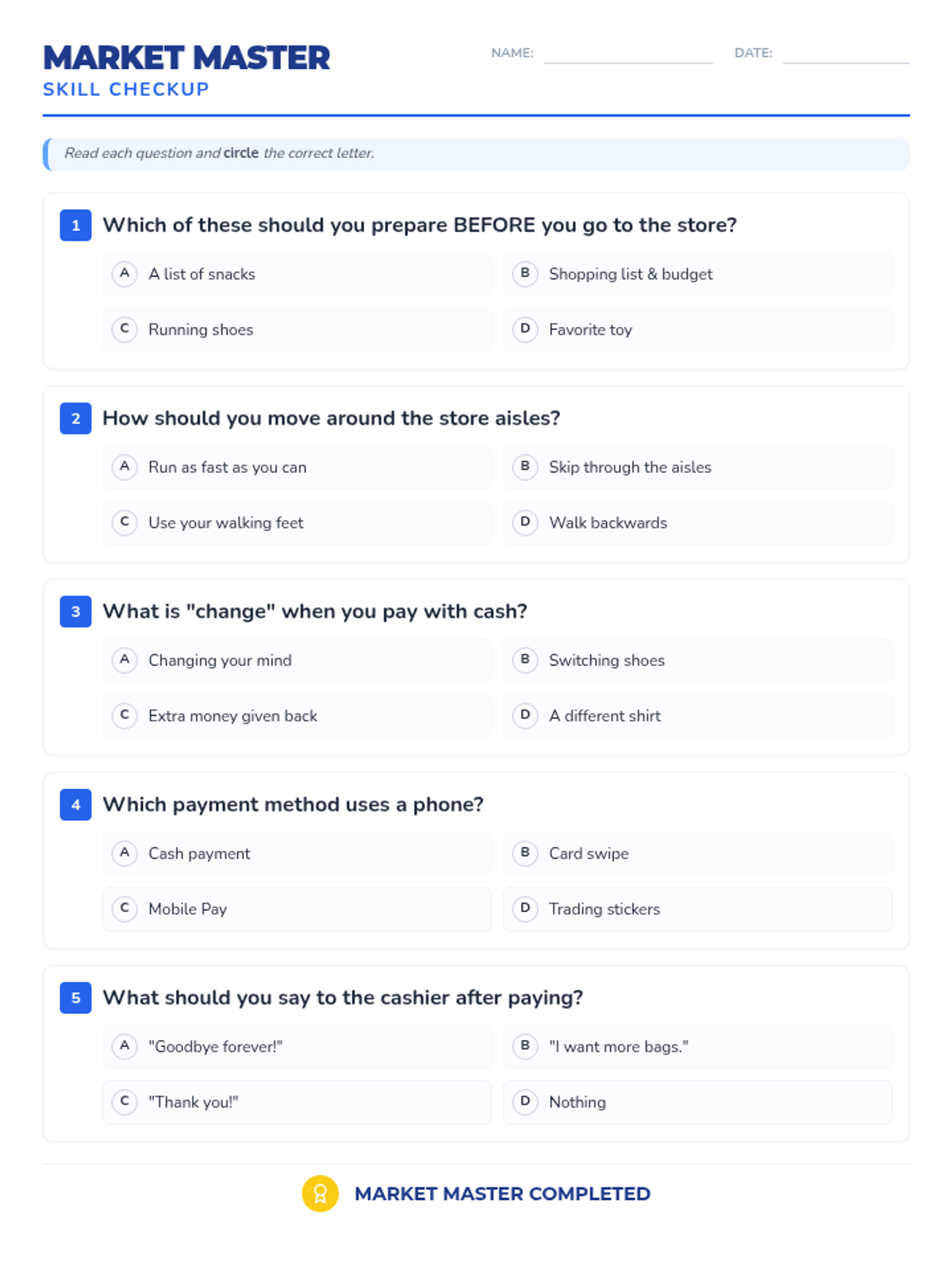
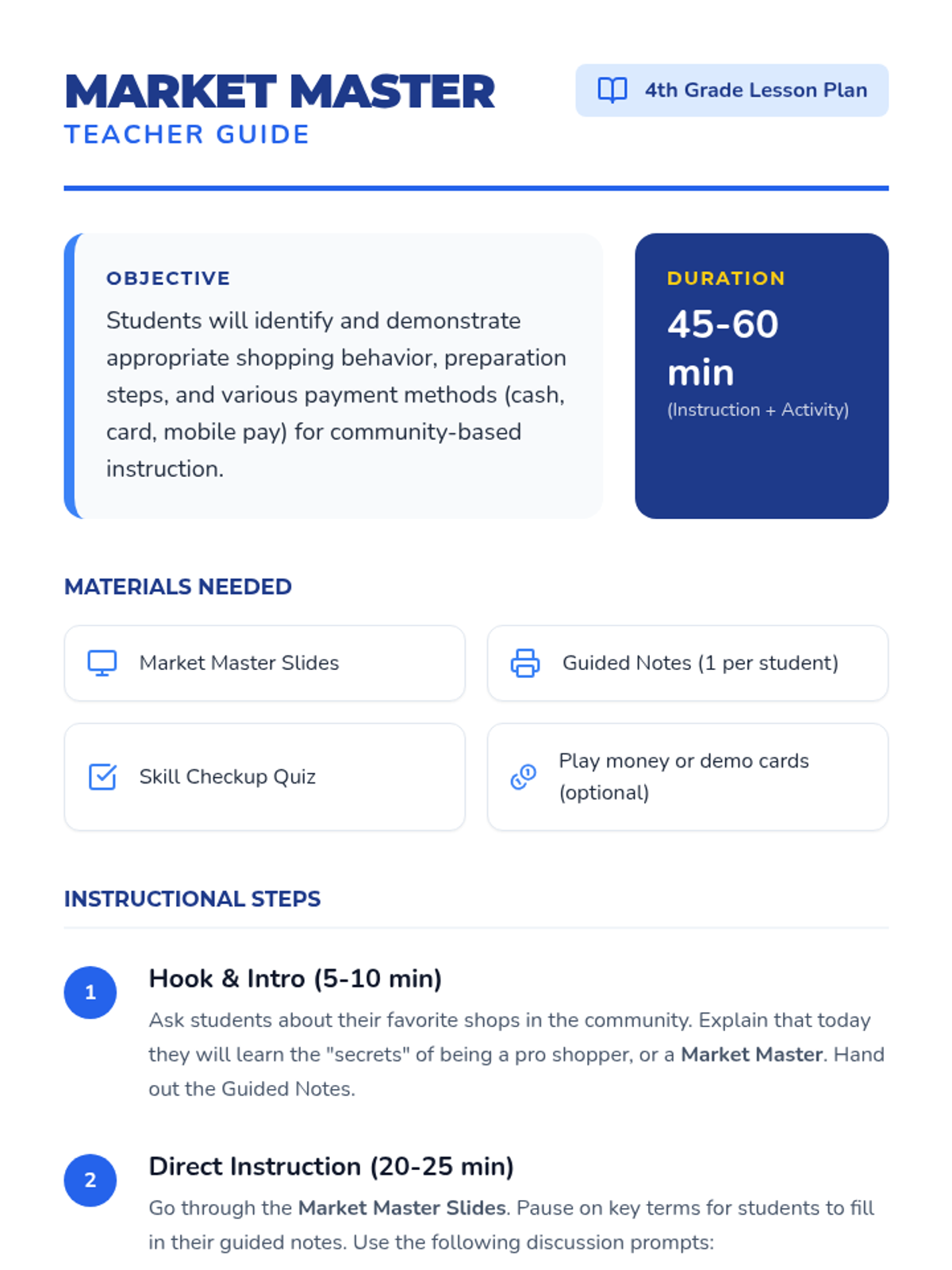
A comprehensive lesson for 4th-grade students on navigating community shopping trips, covering preparation, etiquette, and all payment methods.
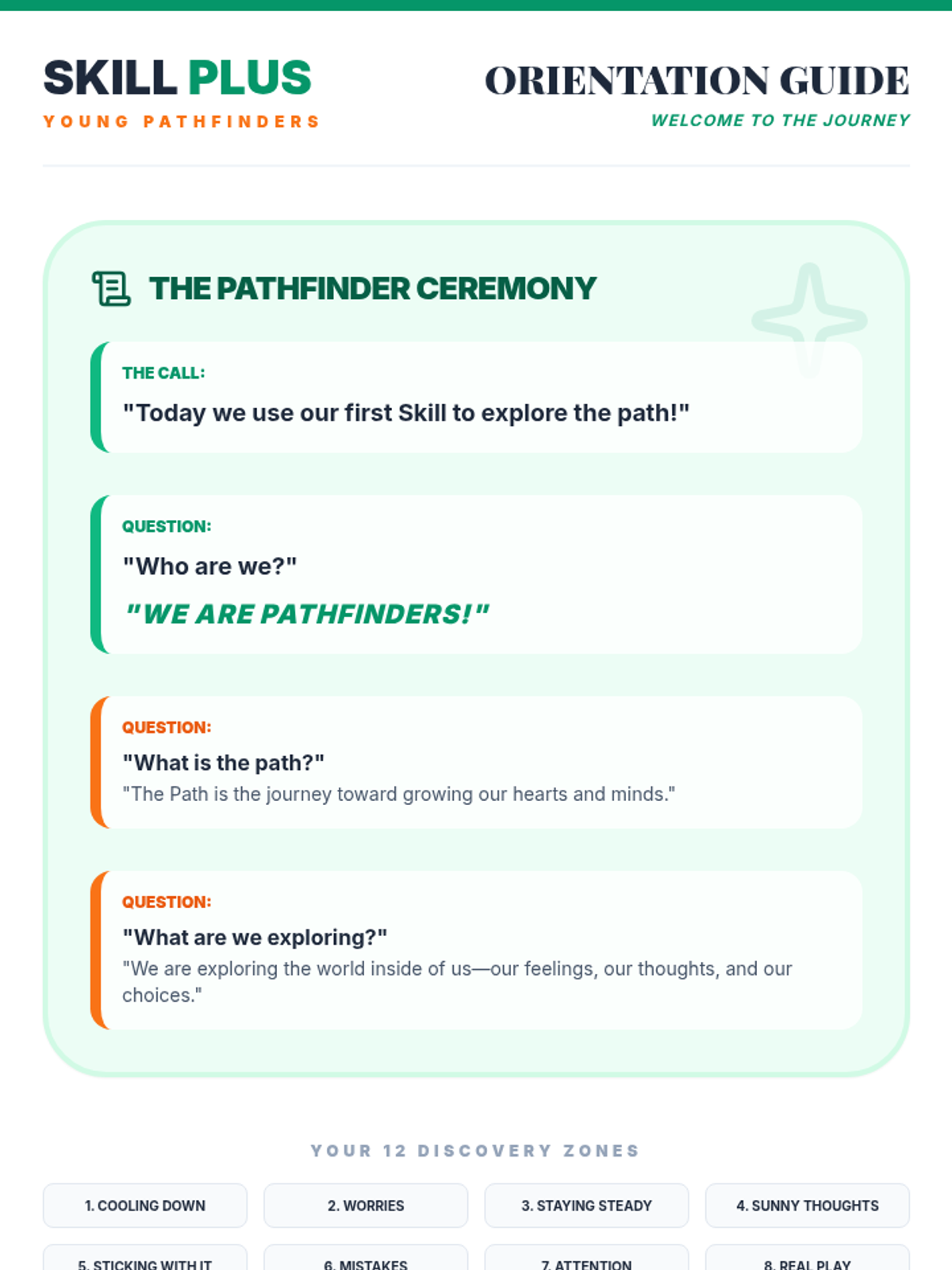
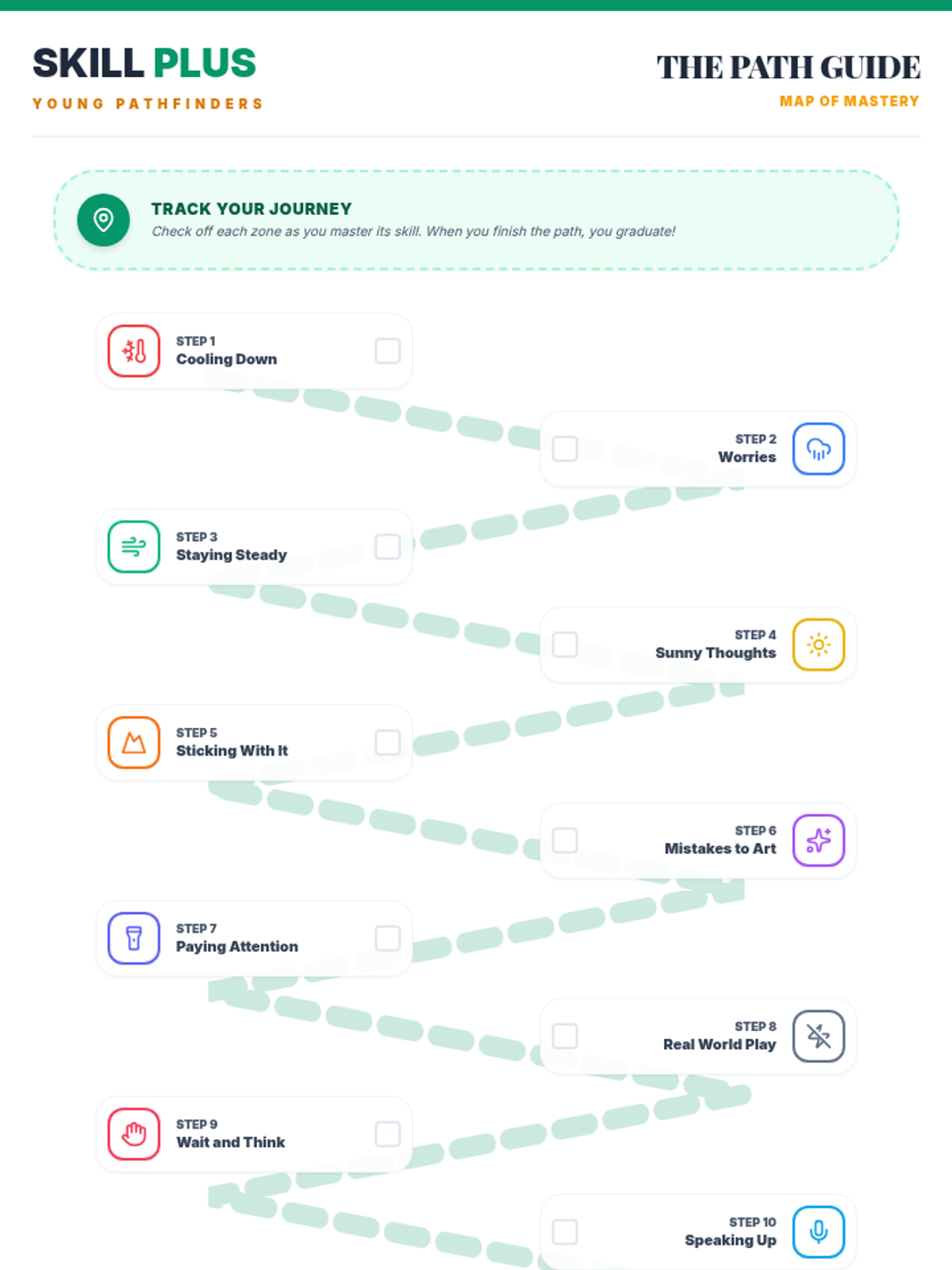
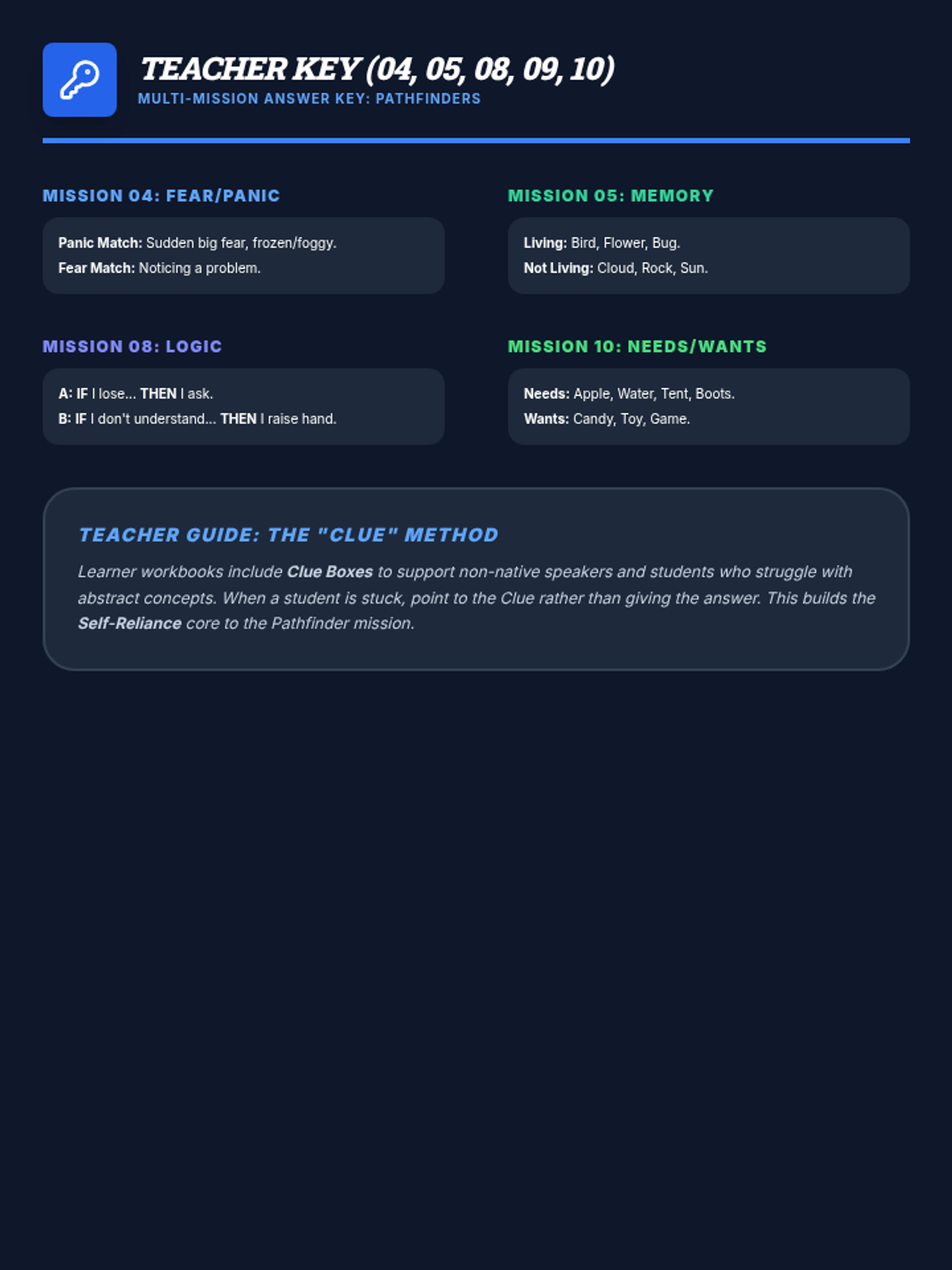
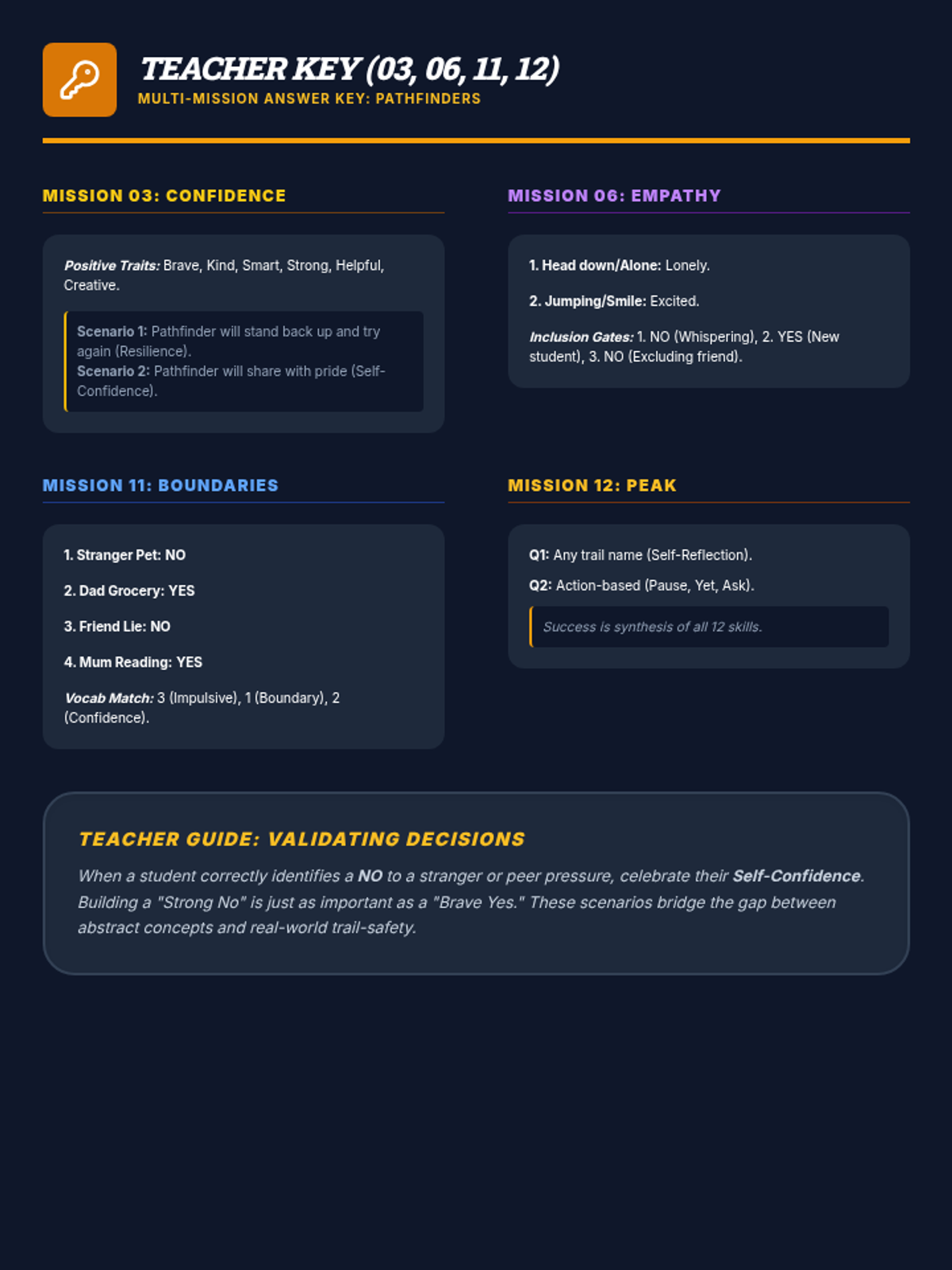
Introduction to the Young Pathfinders program. Students learn the core metaphors of 'The Path' and 'Exploring' their skills, setting goals for their journey.
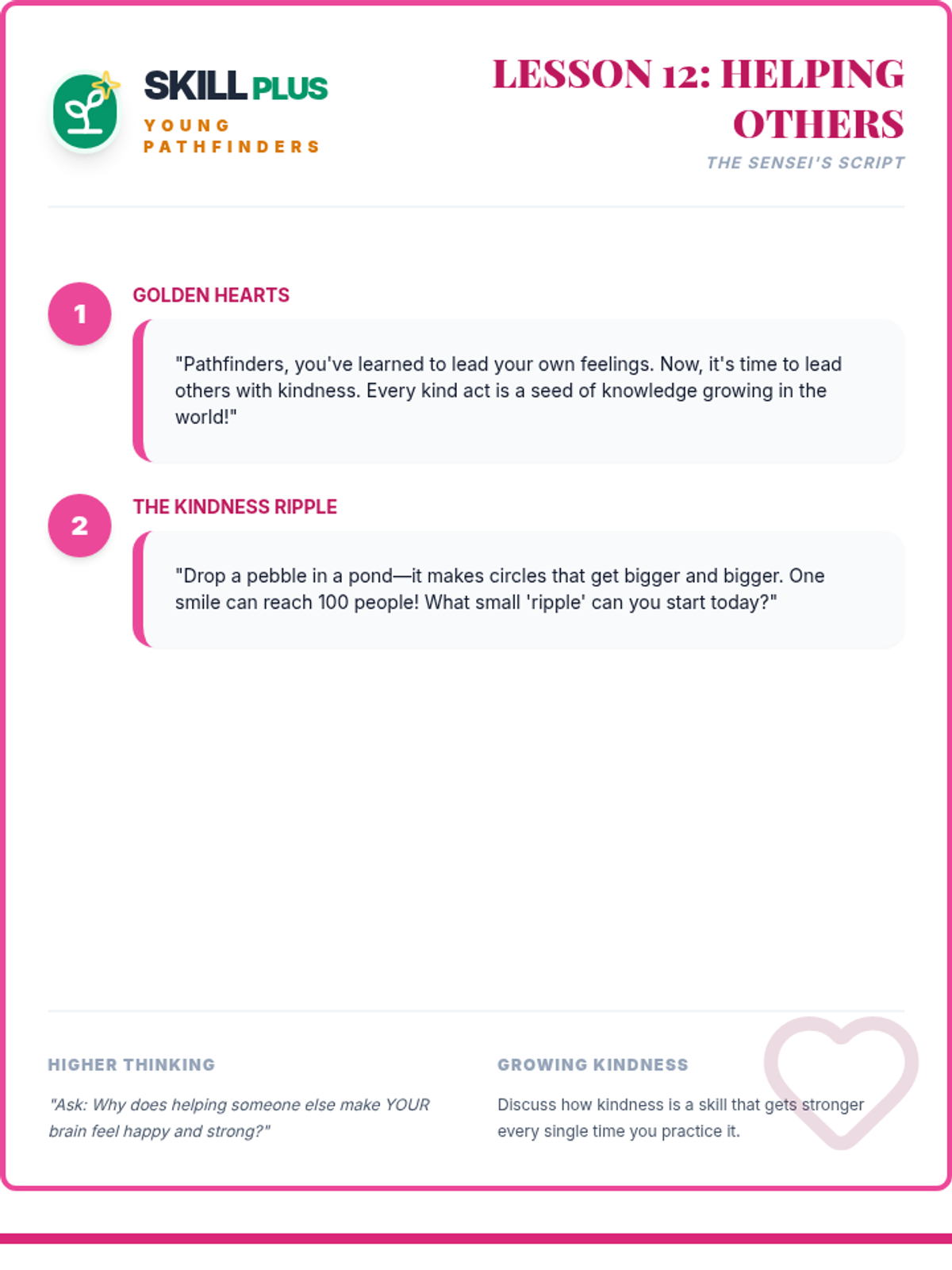
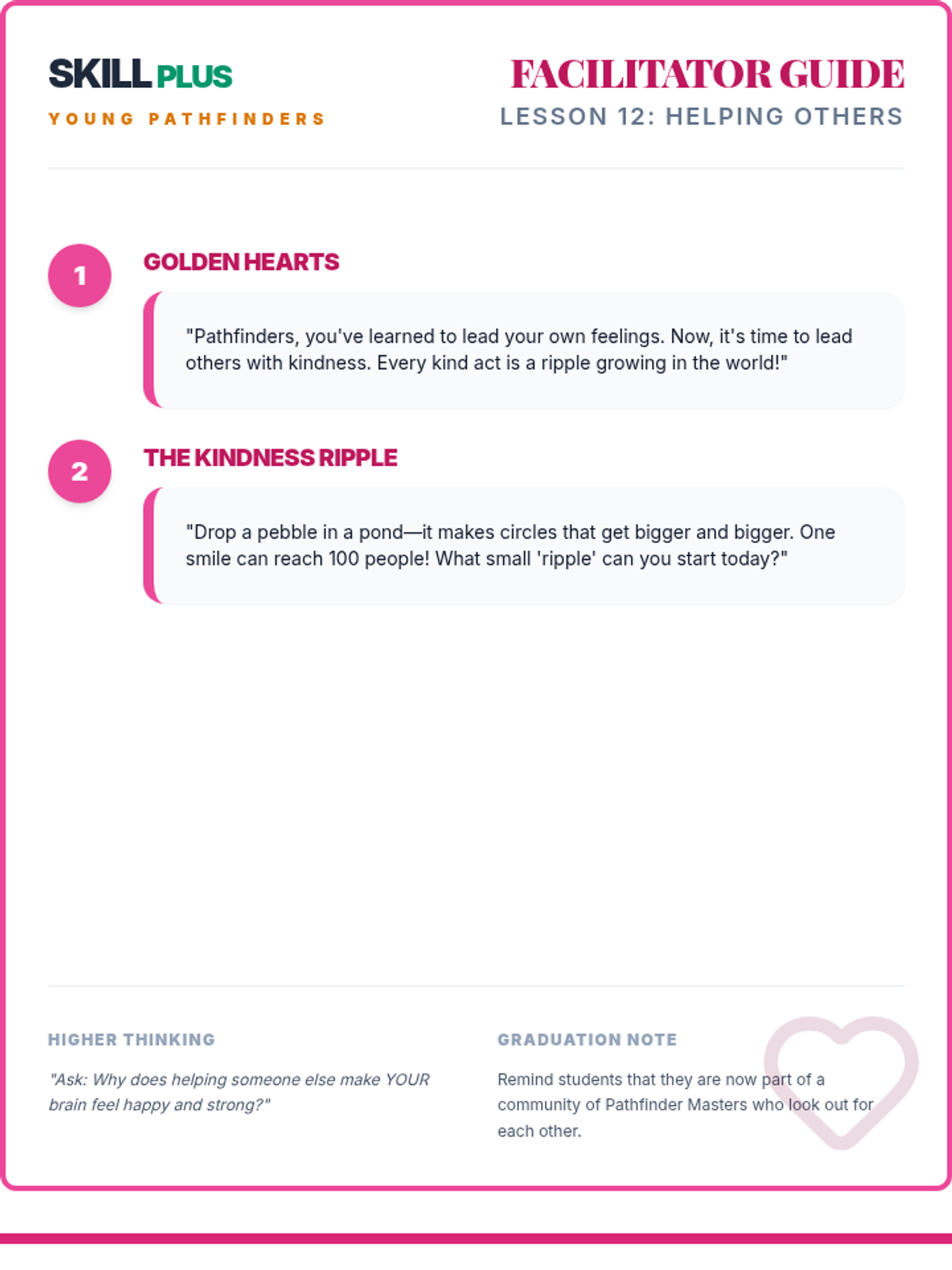
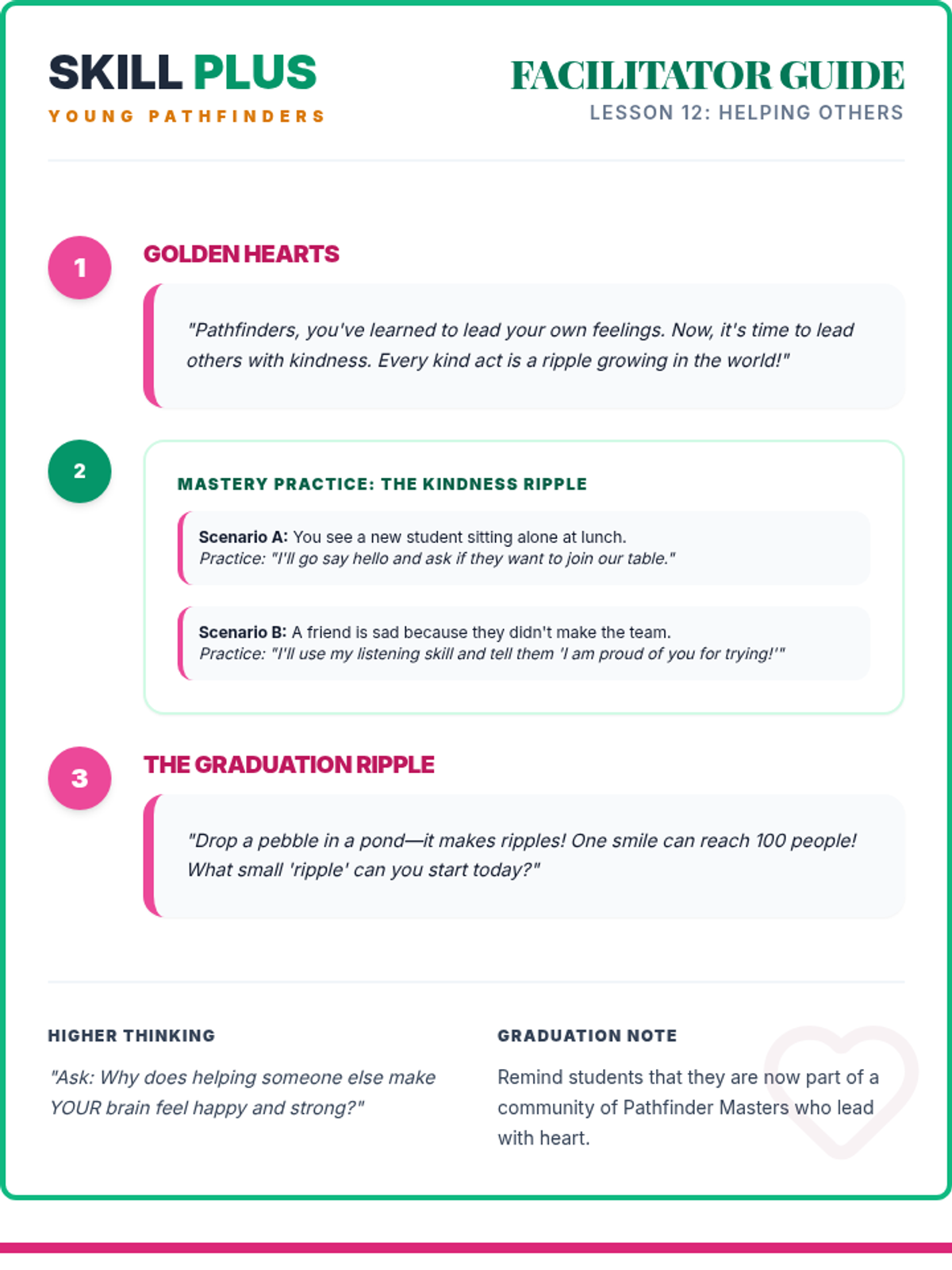
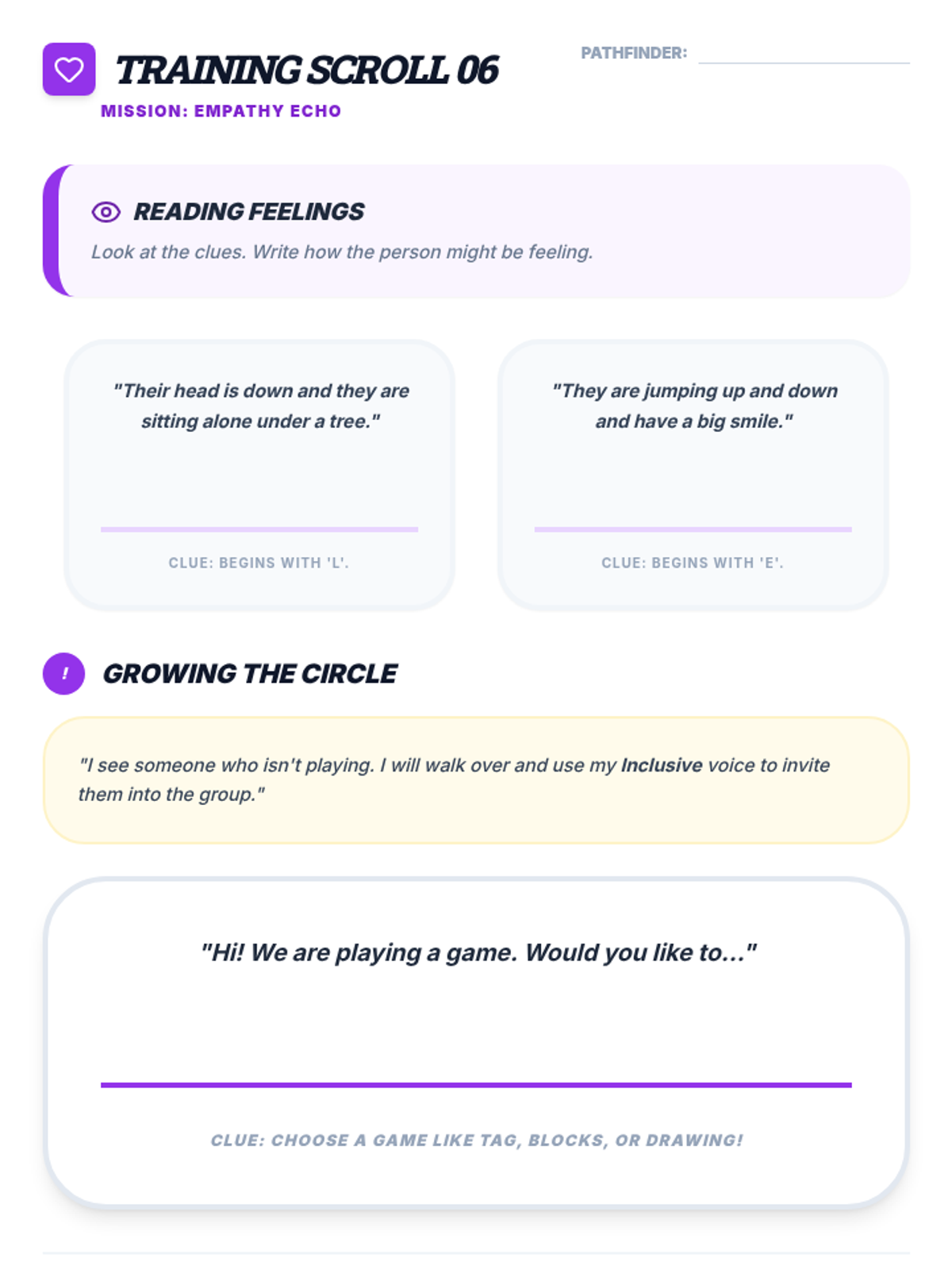
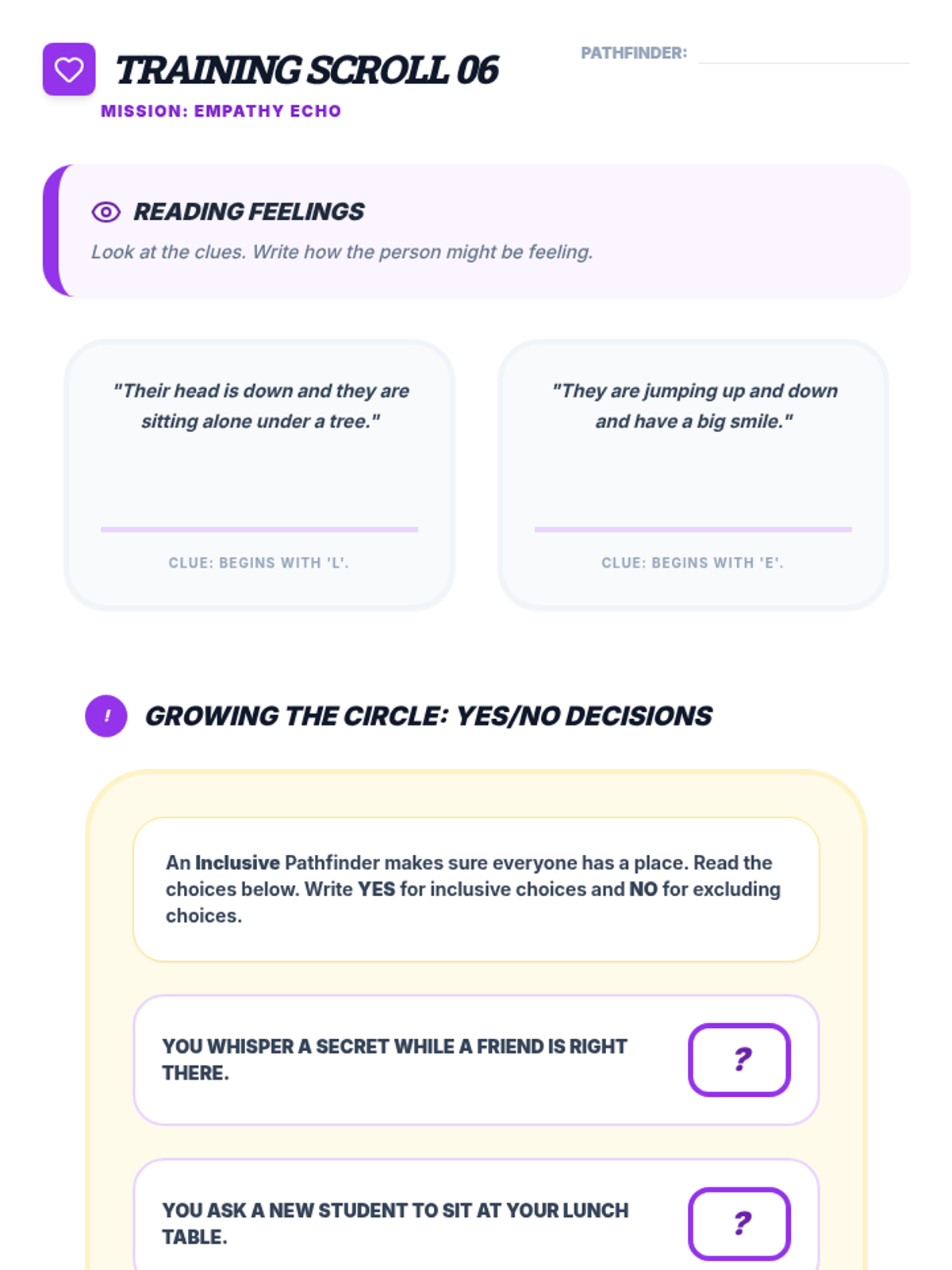
Cultivate a 'Heart of Gold' by practicing empathy, active listening, and inclusion to build strong community bonds.
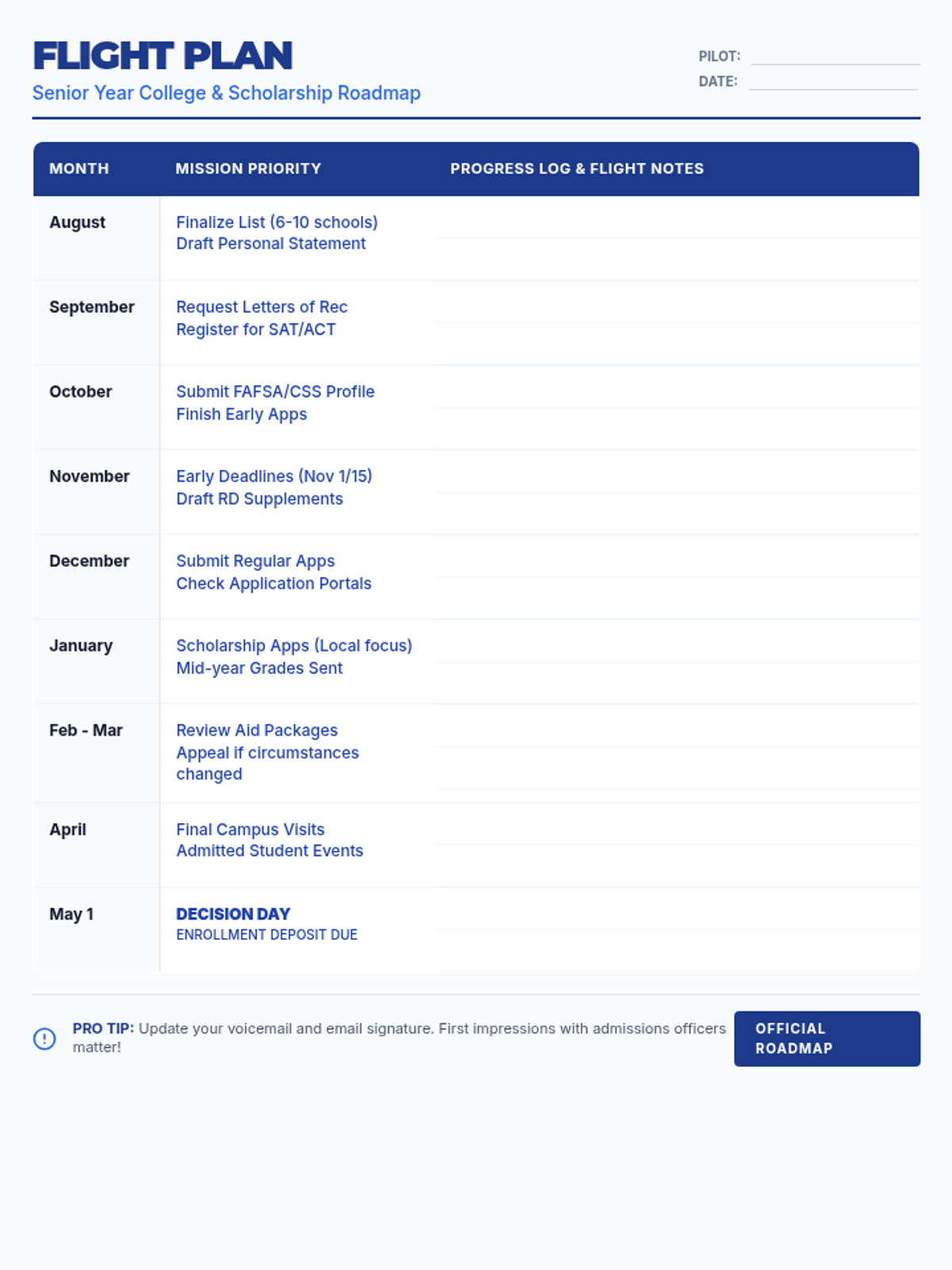
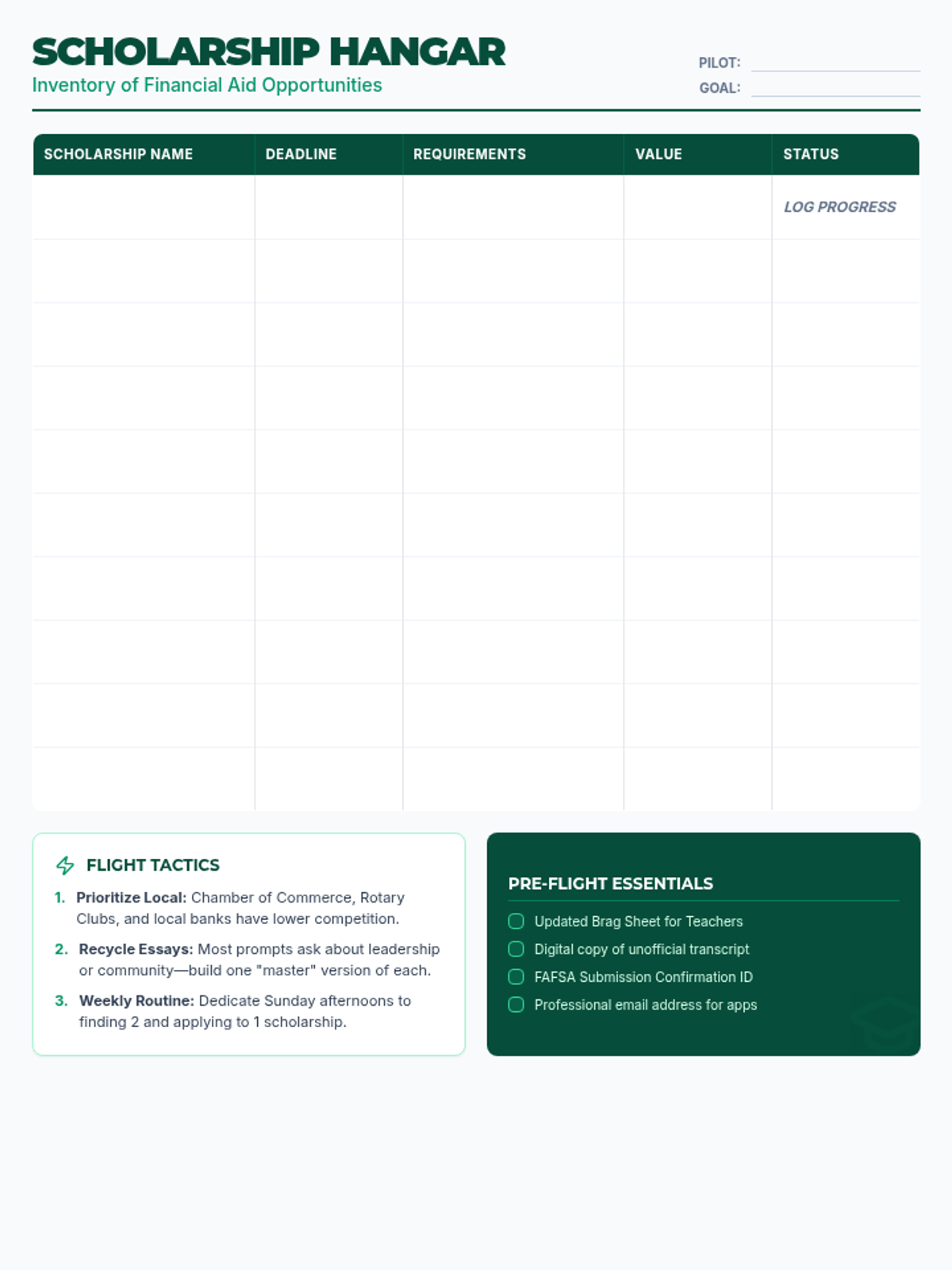
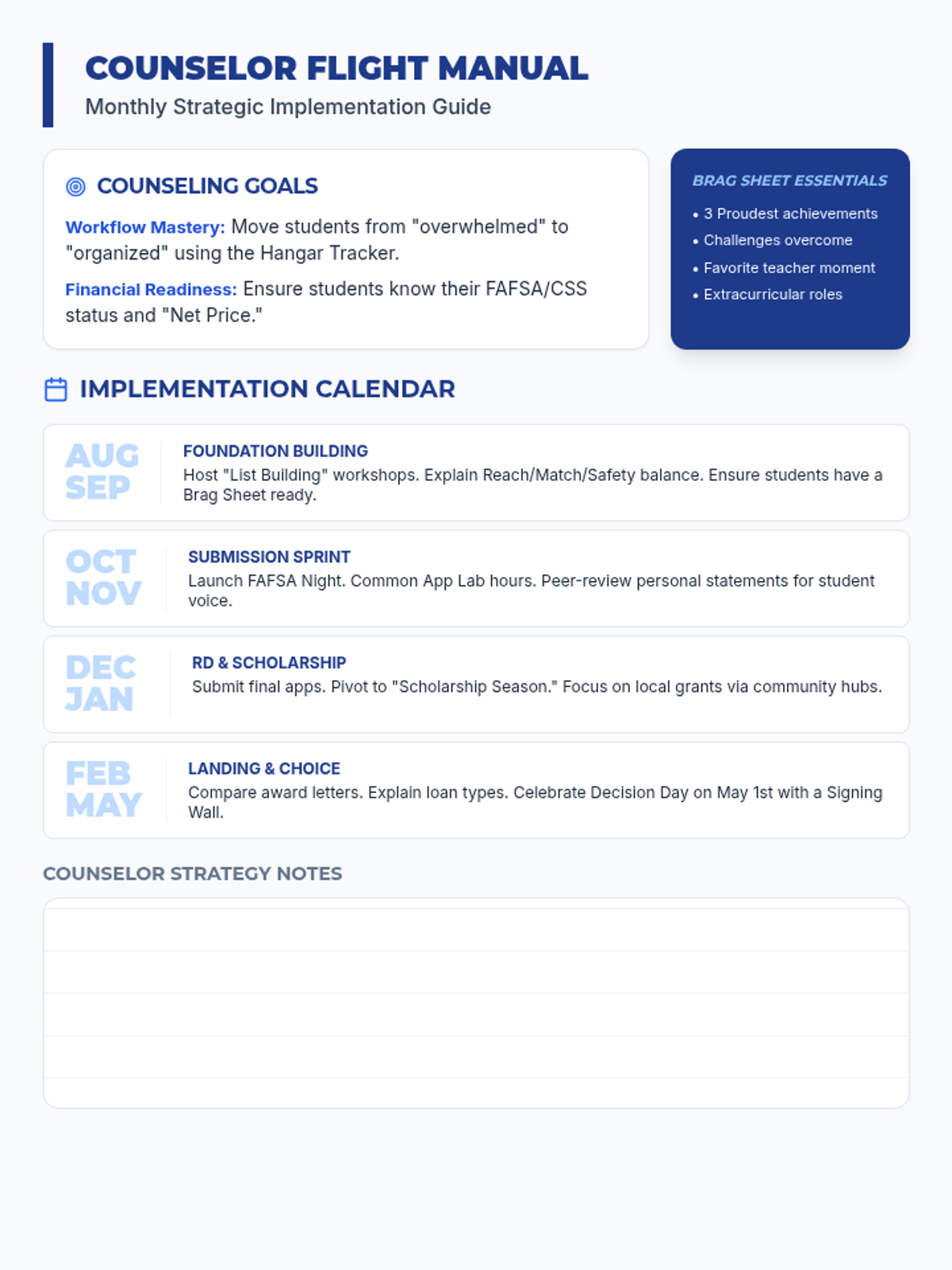
A comprehensive set of resources to guide high school seniors through the college application process, from early summer preparation to final spring decisions.
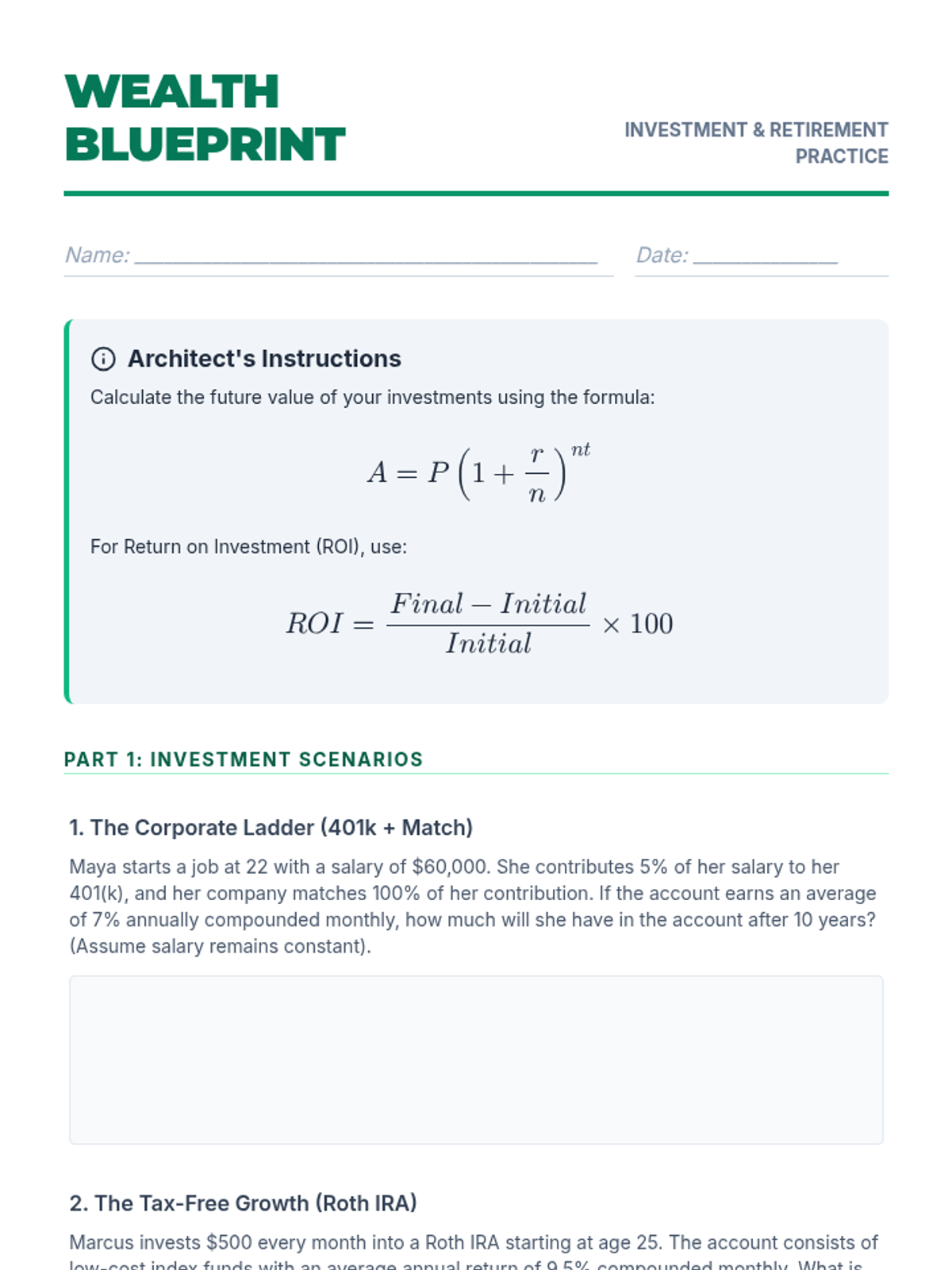
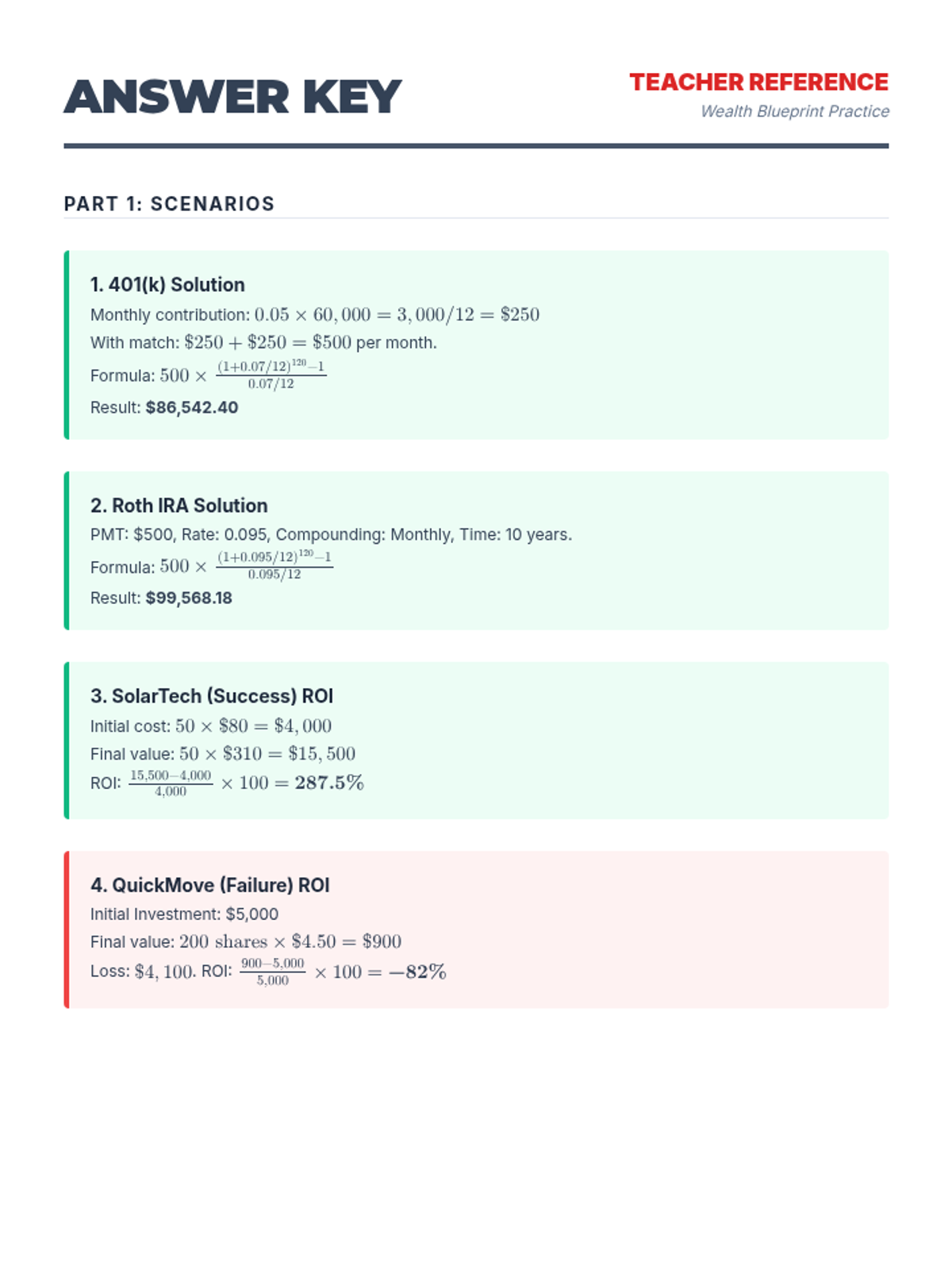
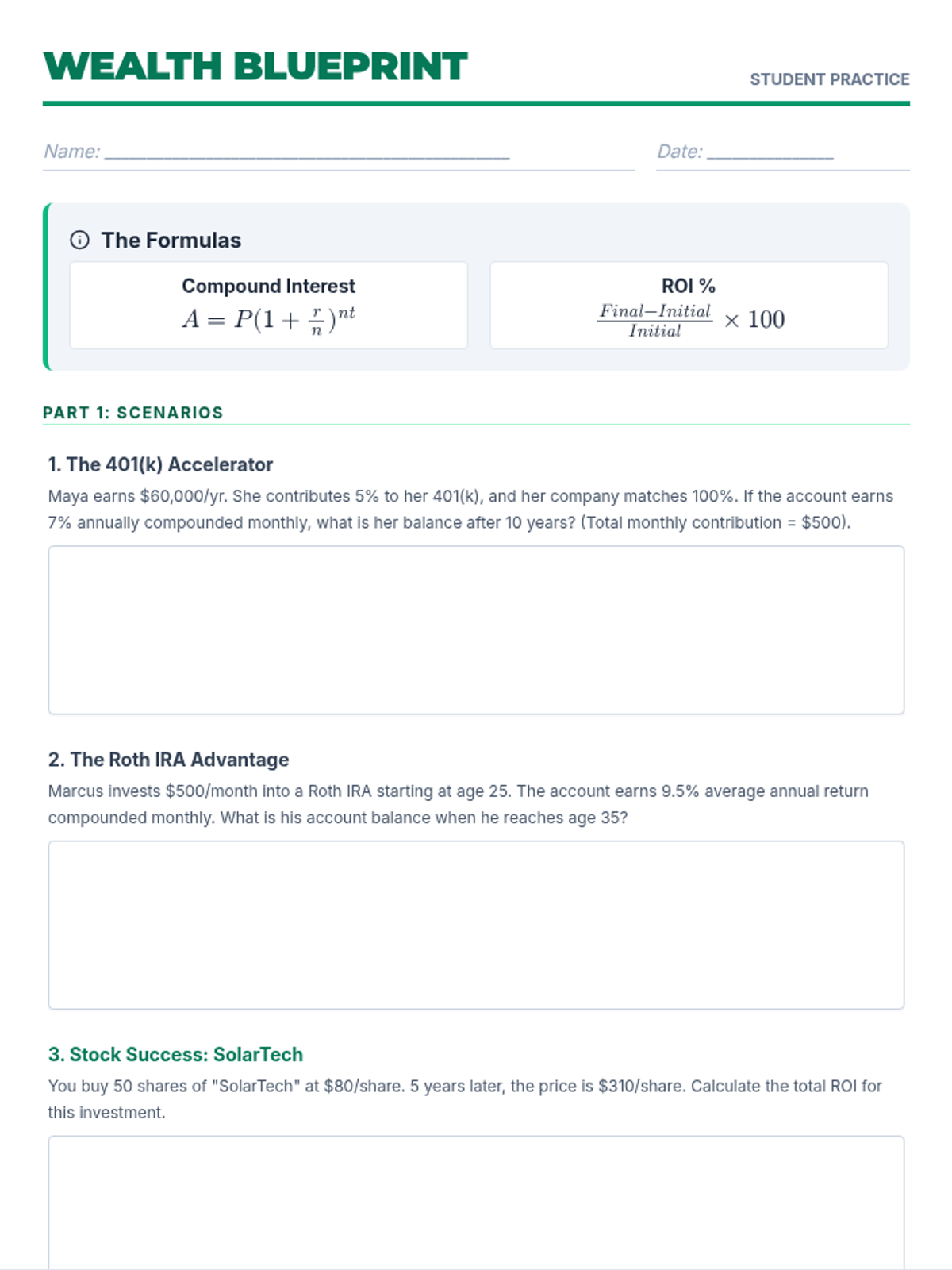
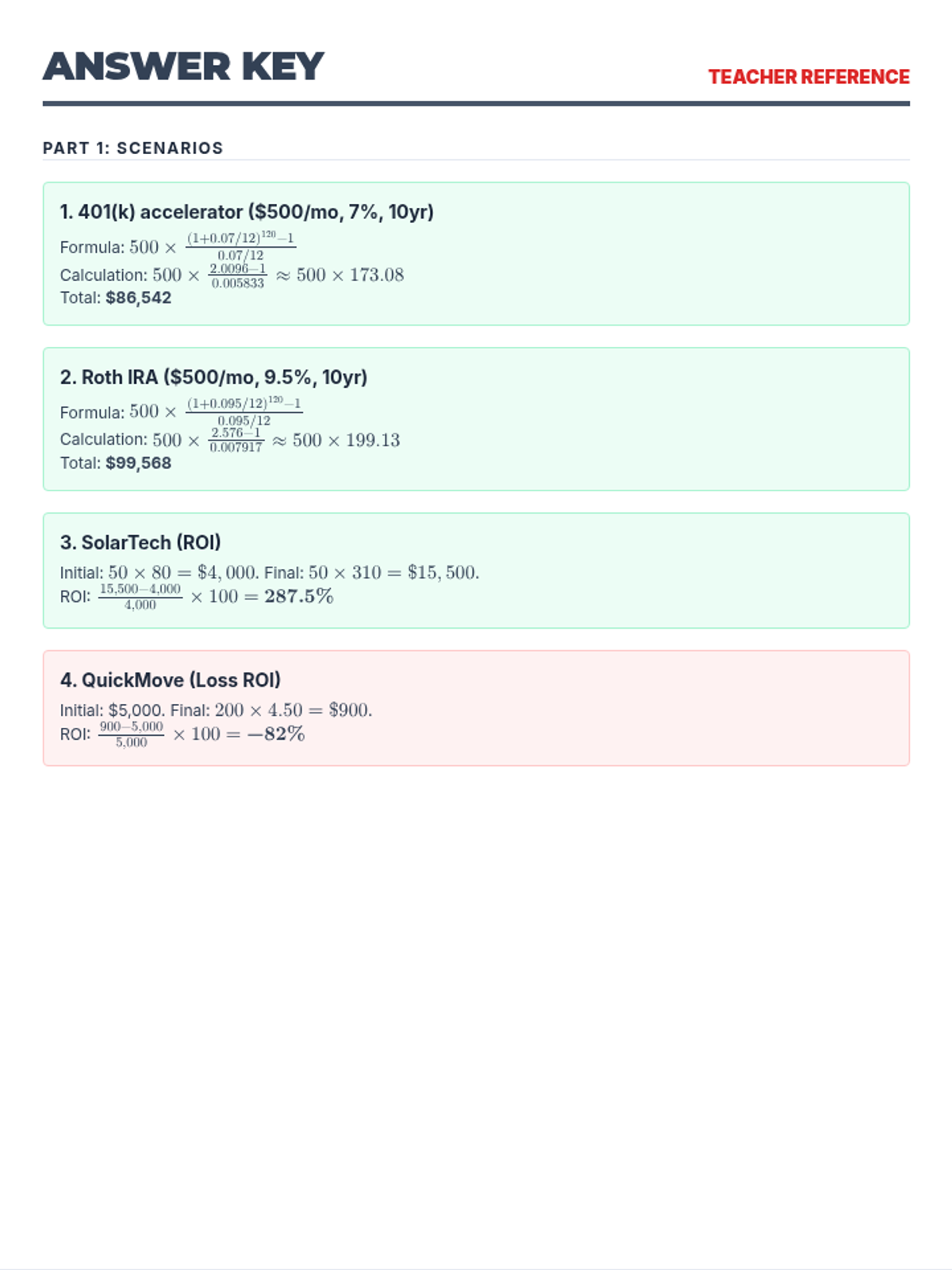
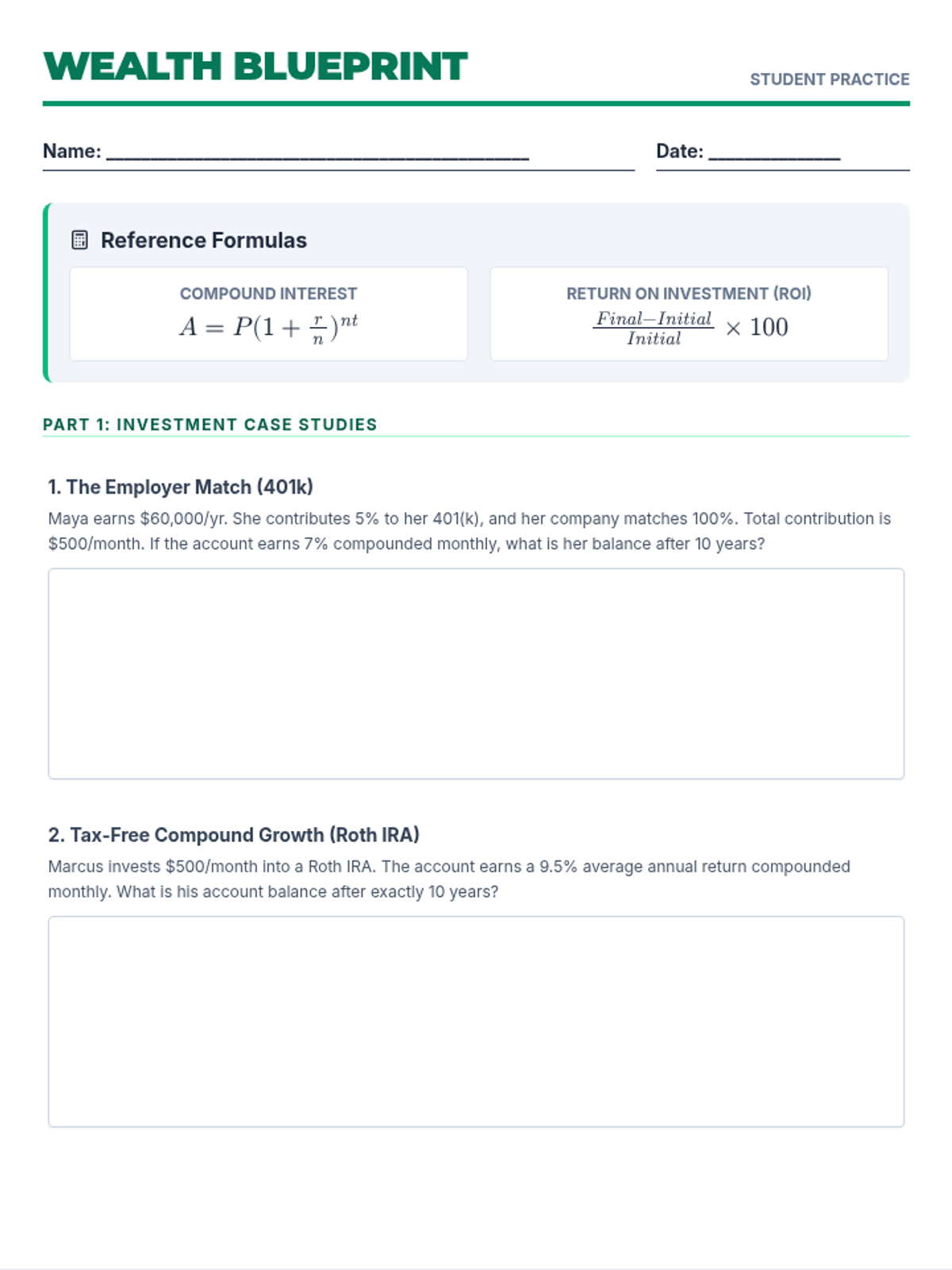
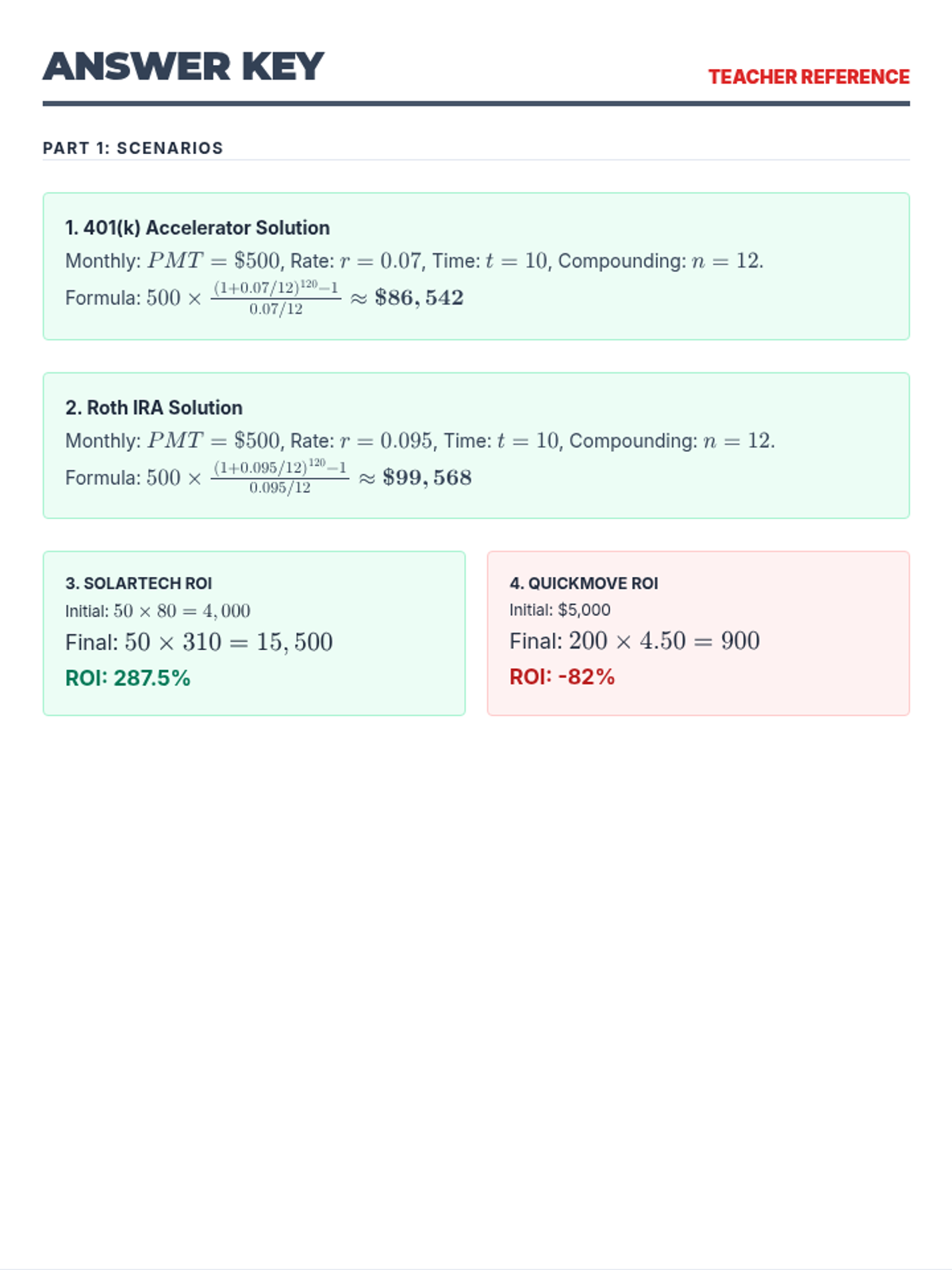
A comprehensive lesson on financial literacy focusing on compound interest, retirement accounts, and stock market ROI through scenario-based practice and data analysis.
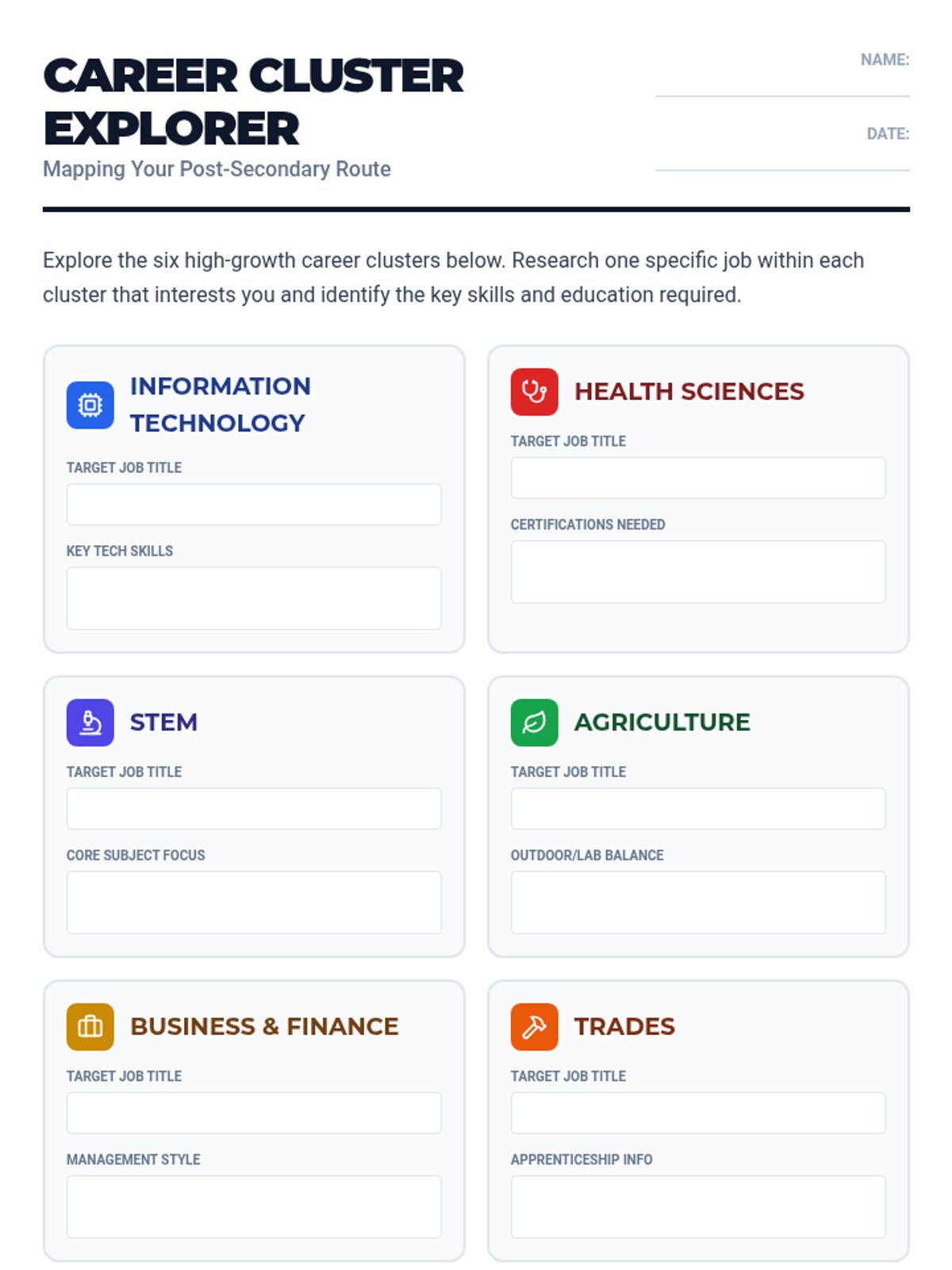
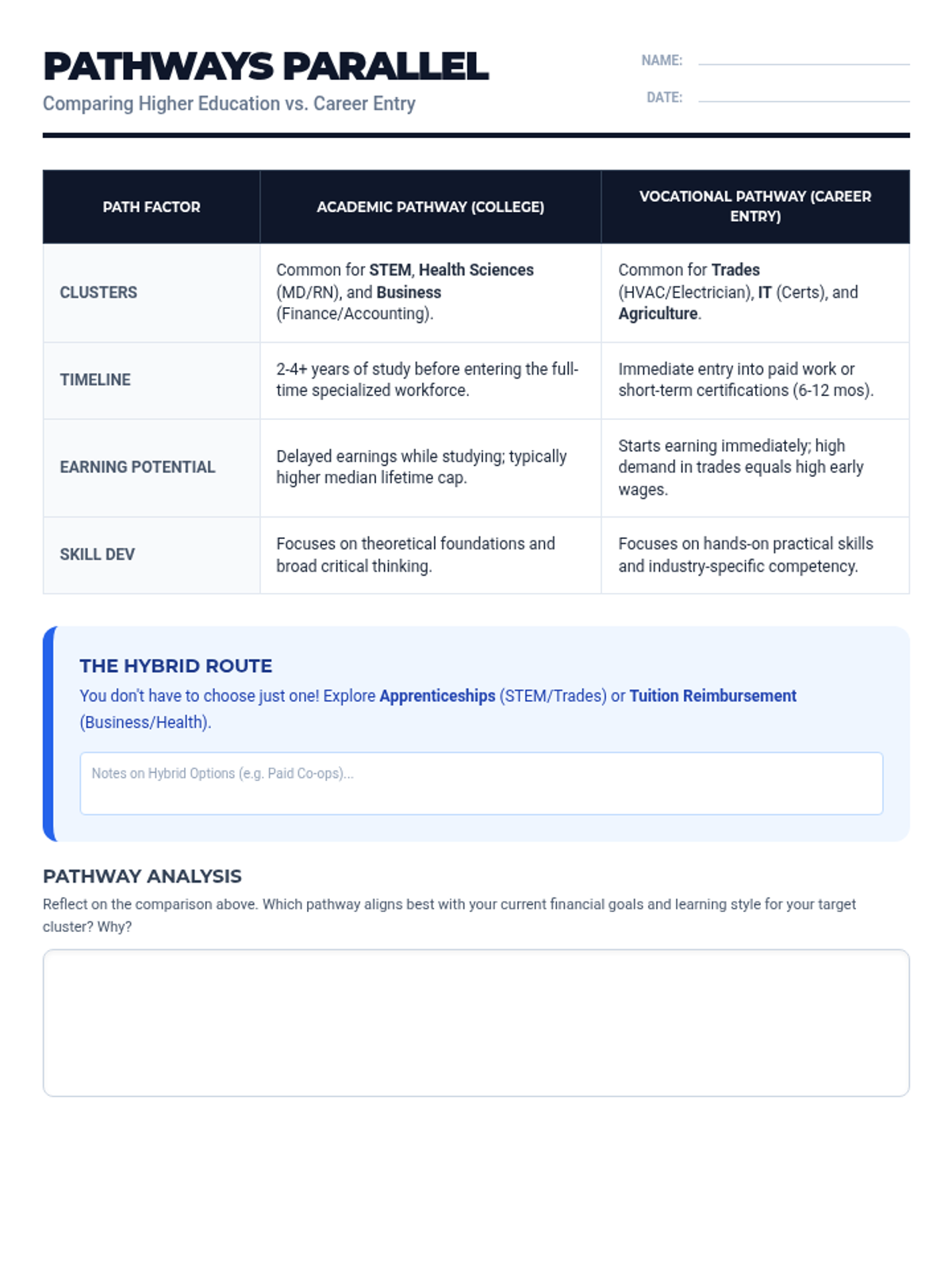
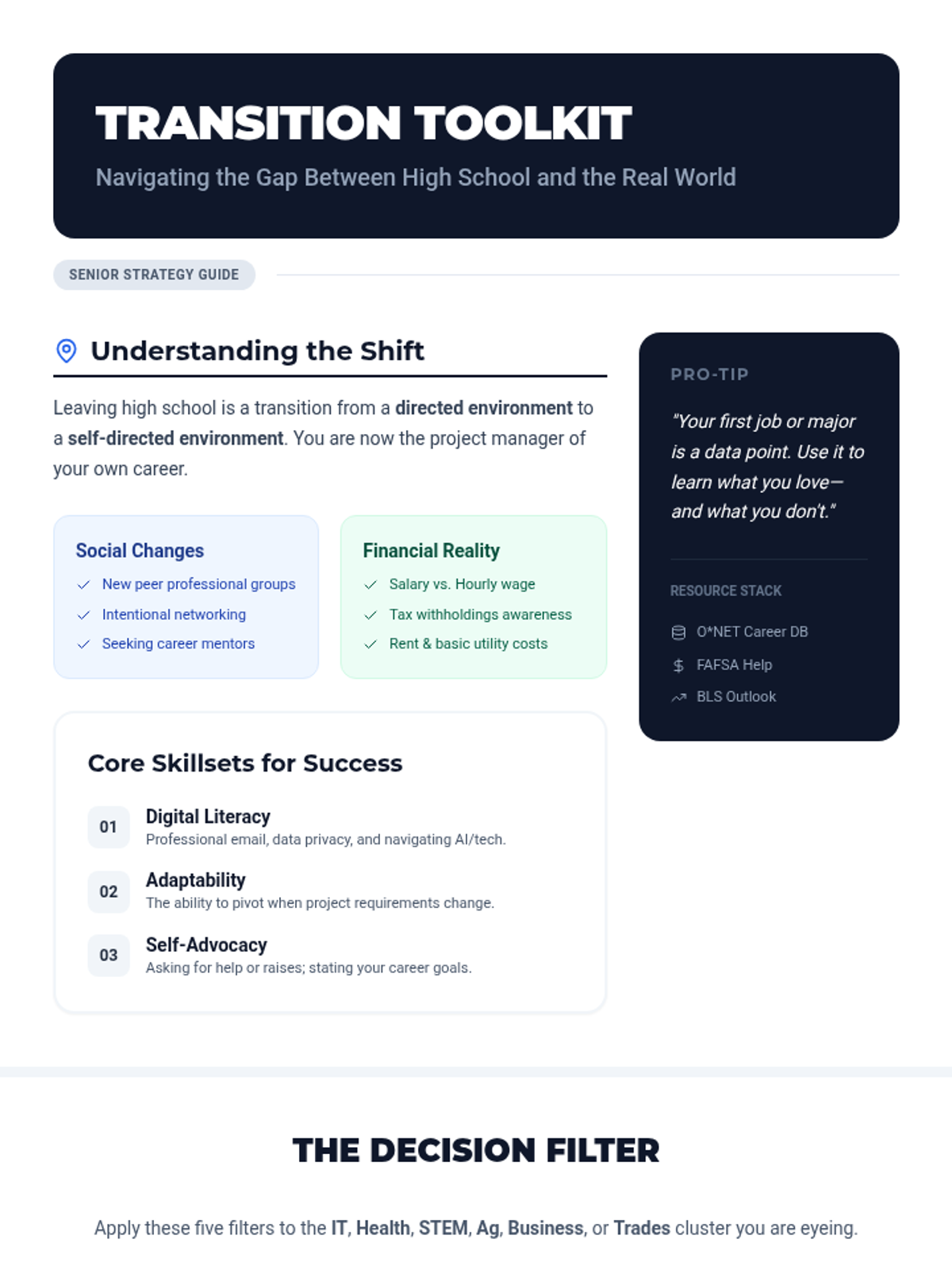
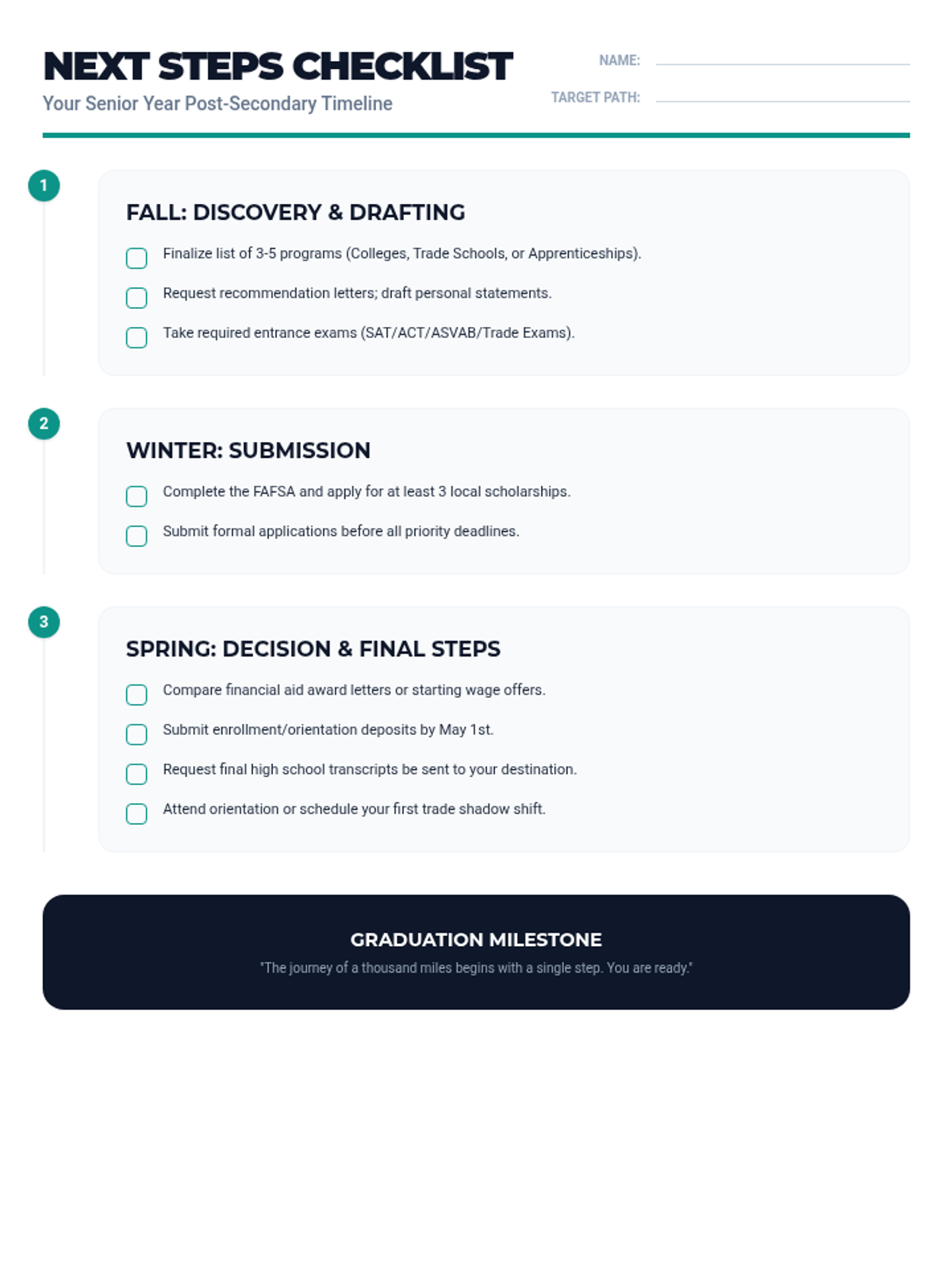
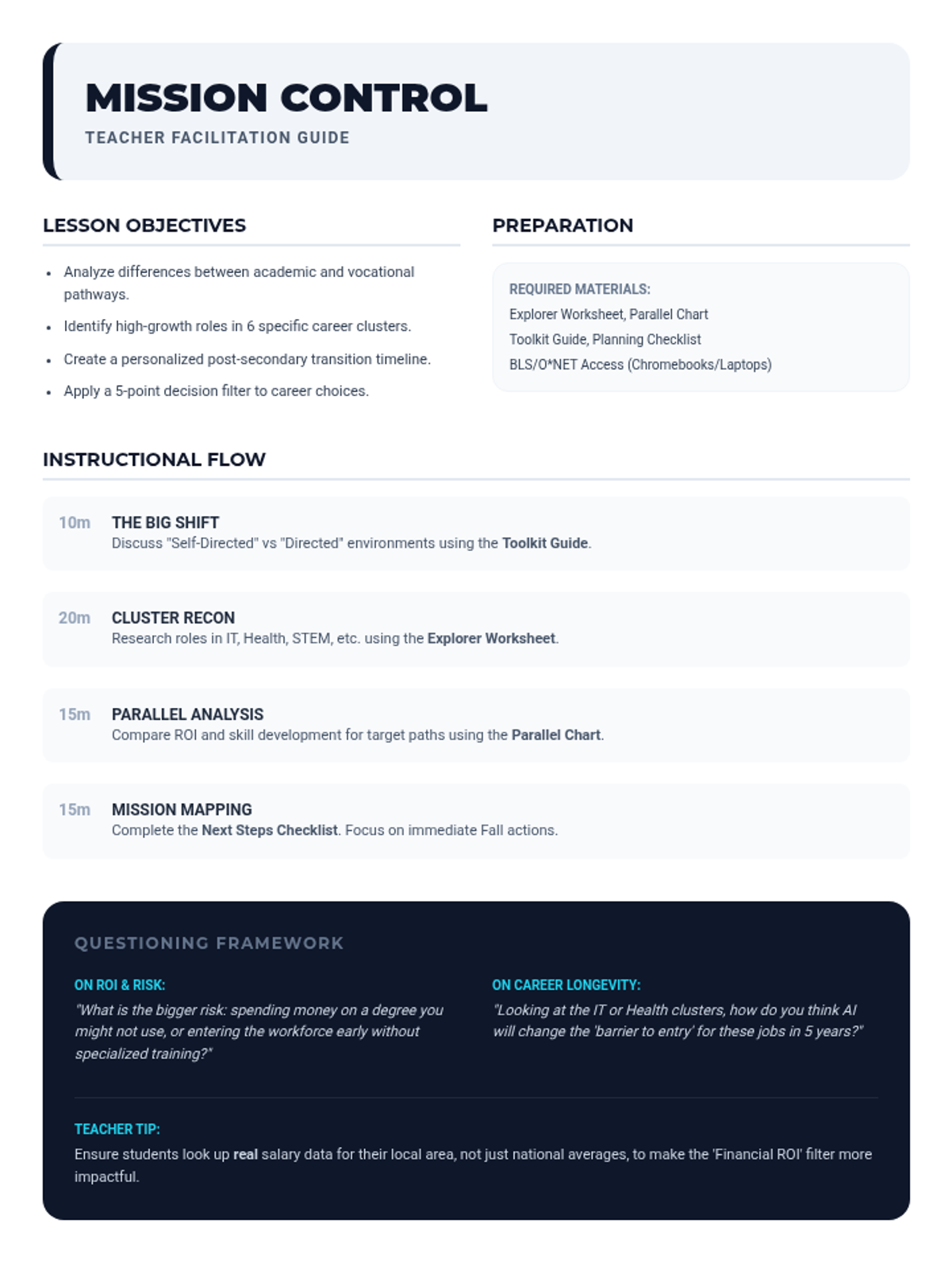
A comprehensive lesson focused on helping high school students explore career clusters and navigate the transition to post-secondary life through planning and comparison.
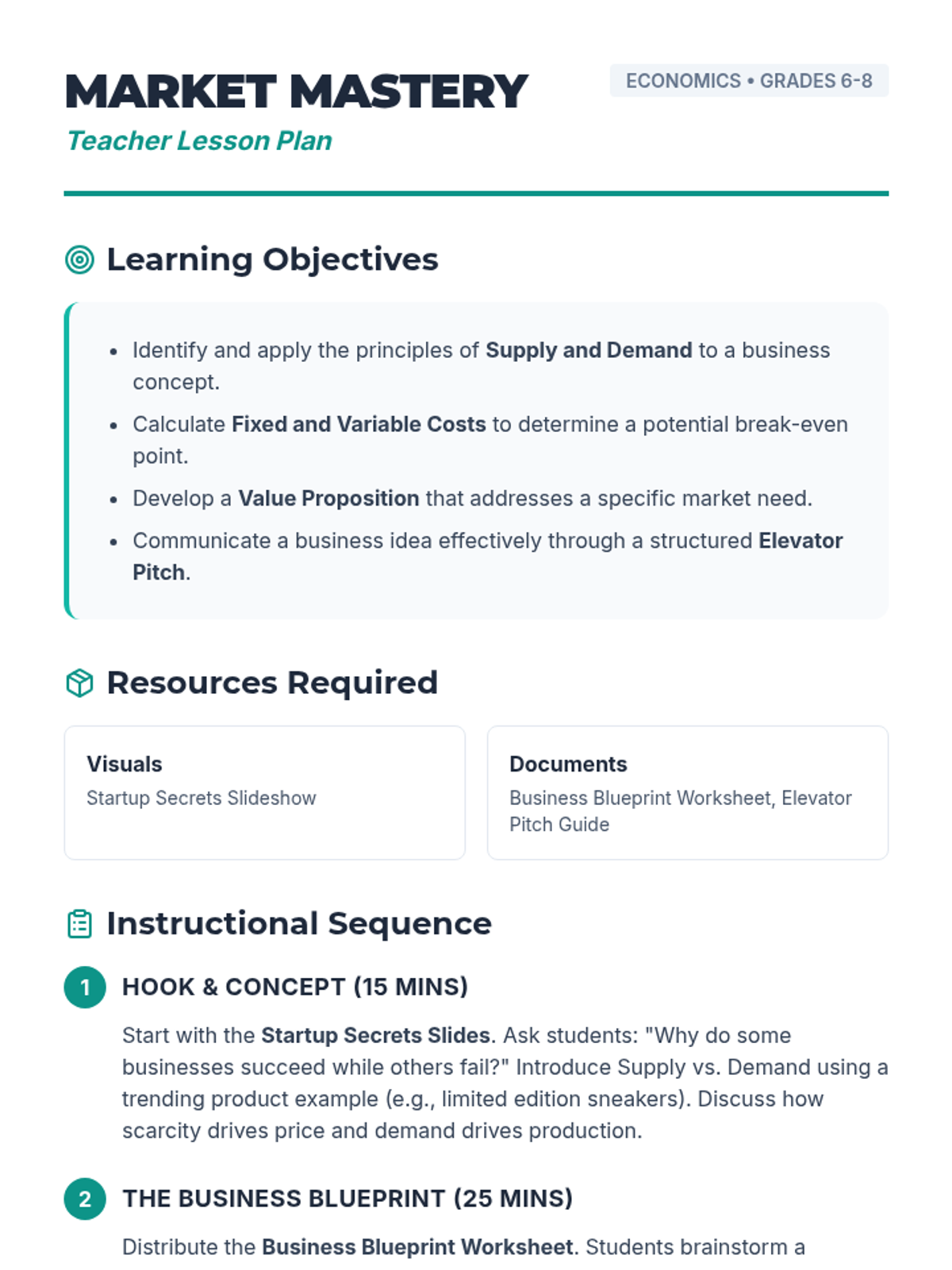
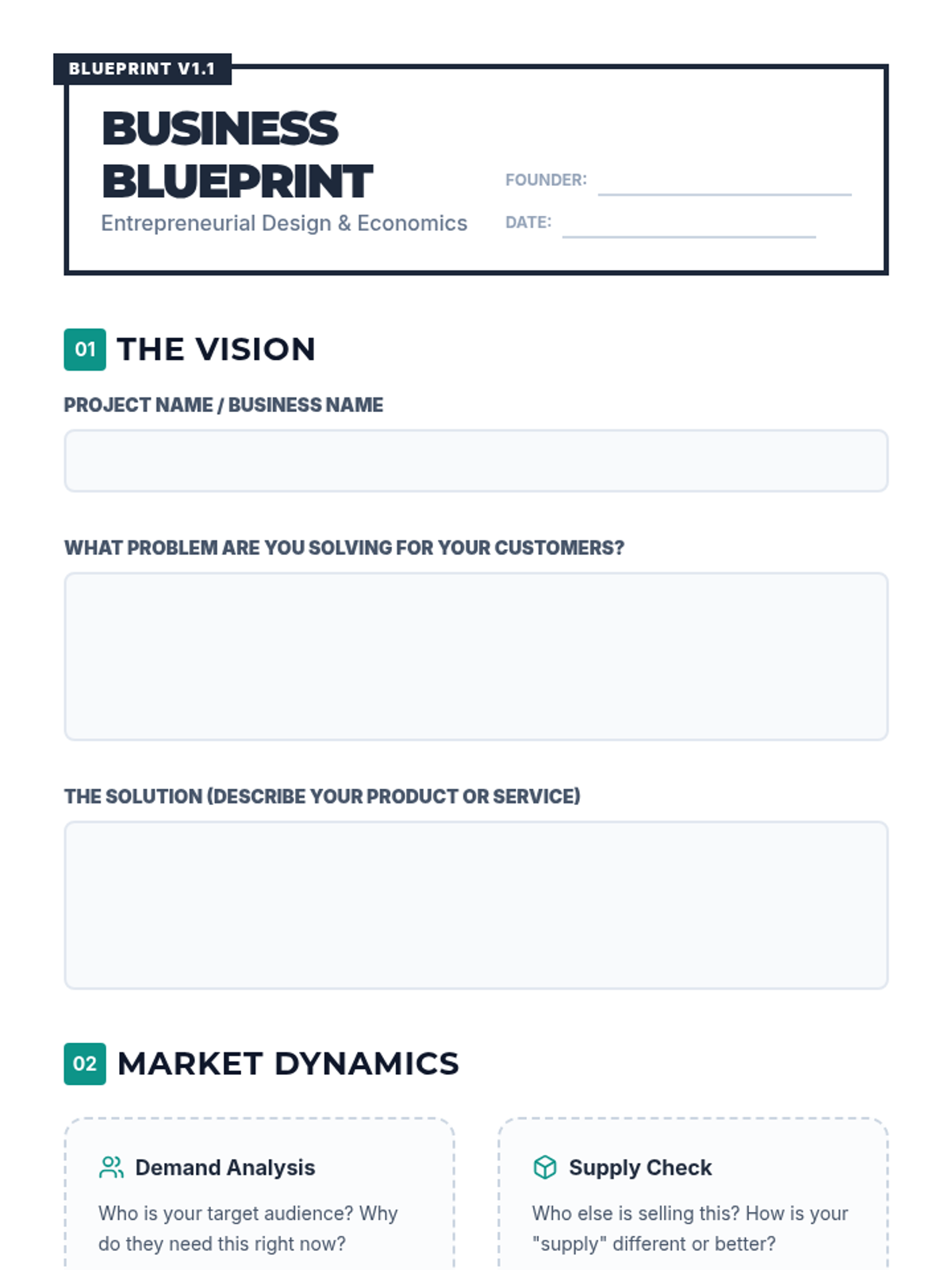
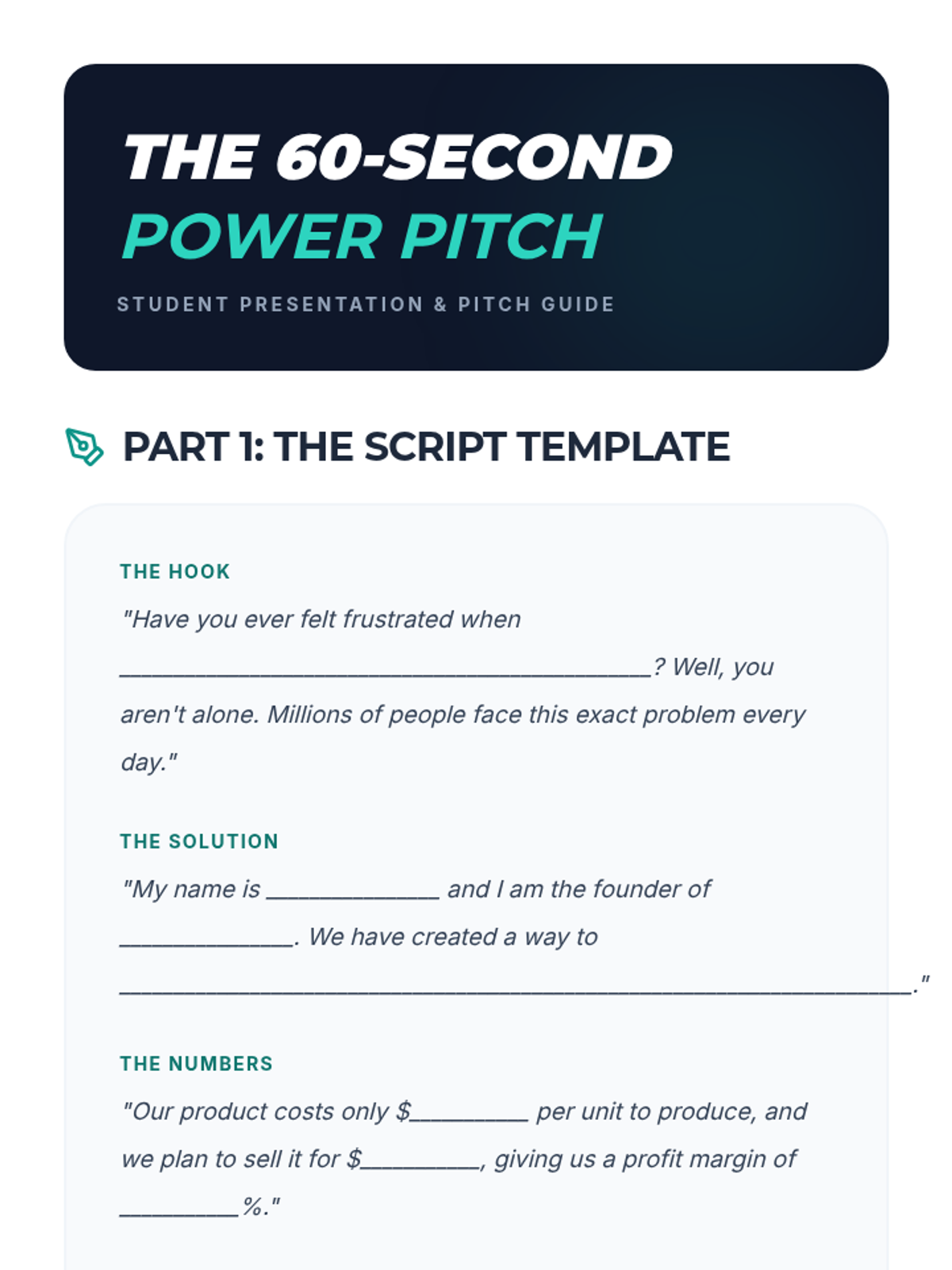
Students learn economic fundamentals by designing a business concept, analyzing supply and demand, and calculating costs before pitching their idea to the class.
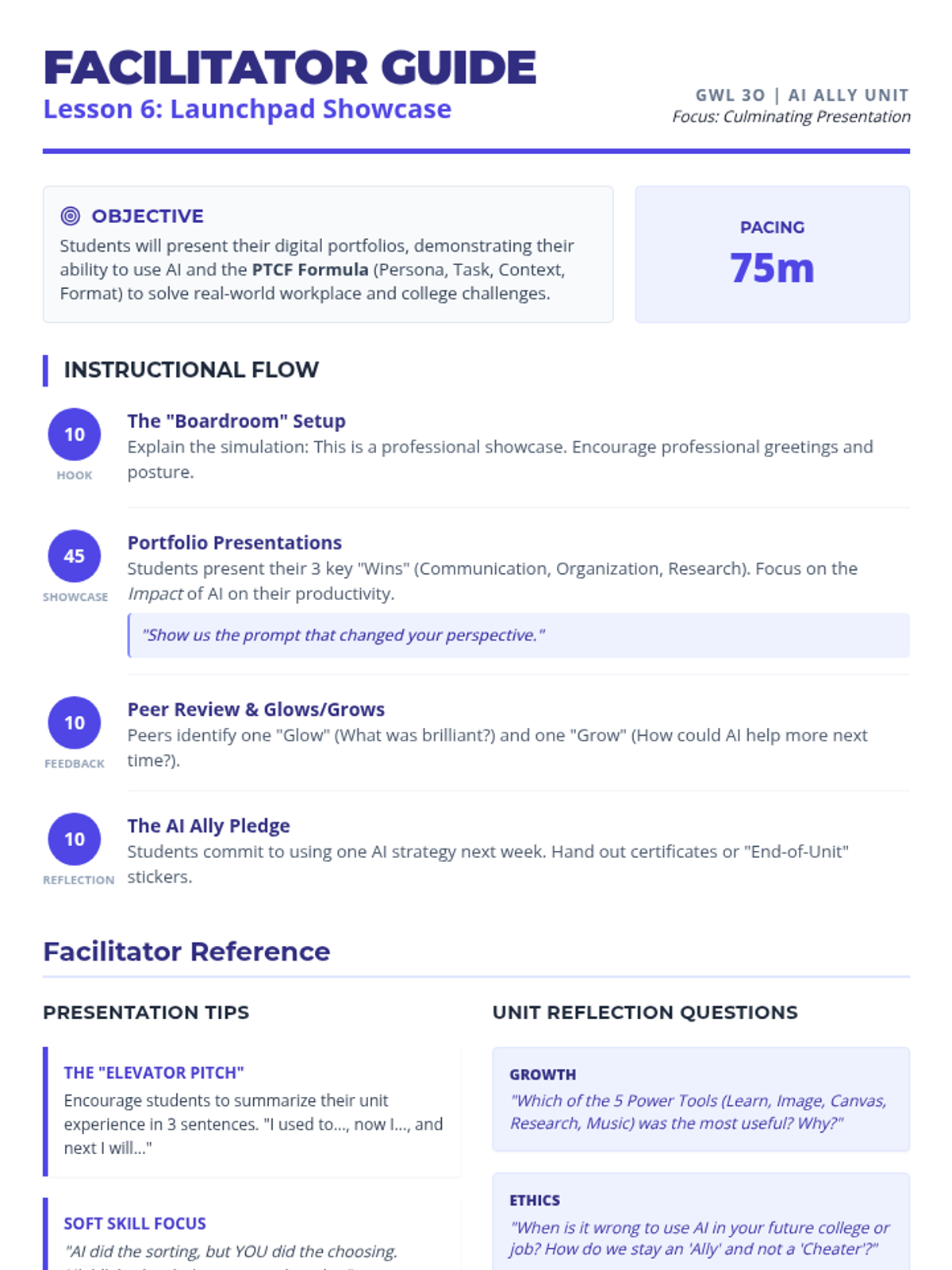
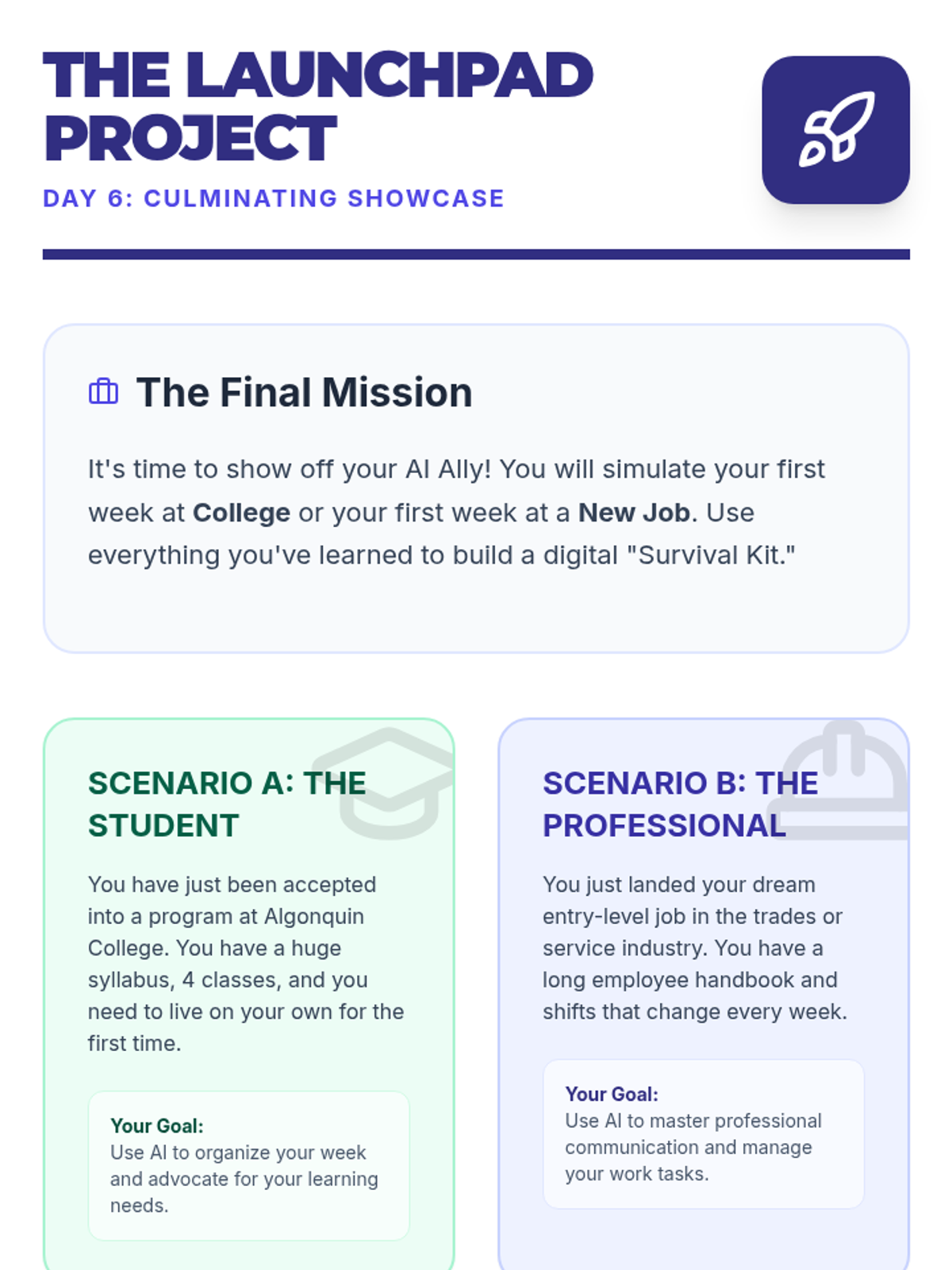
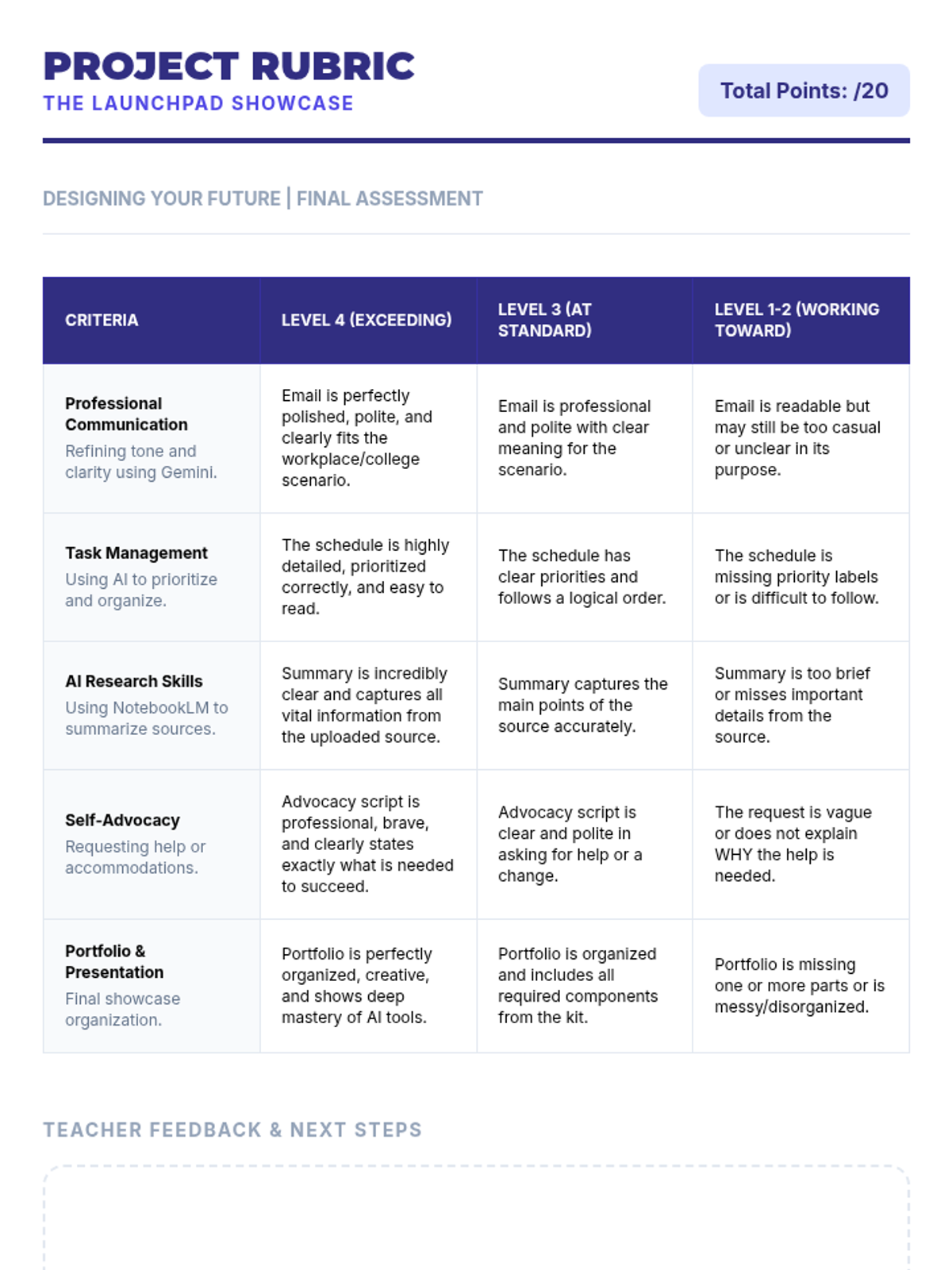
A culminating activity where students apply their AI skills to a real-world college or workplace simulation, presenting their findings in a digital portfolio.
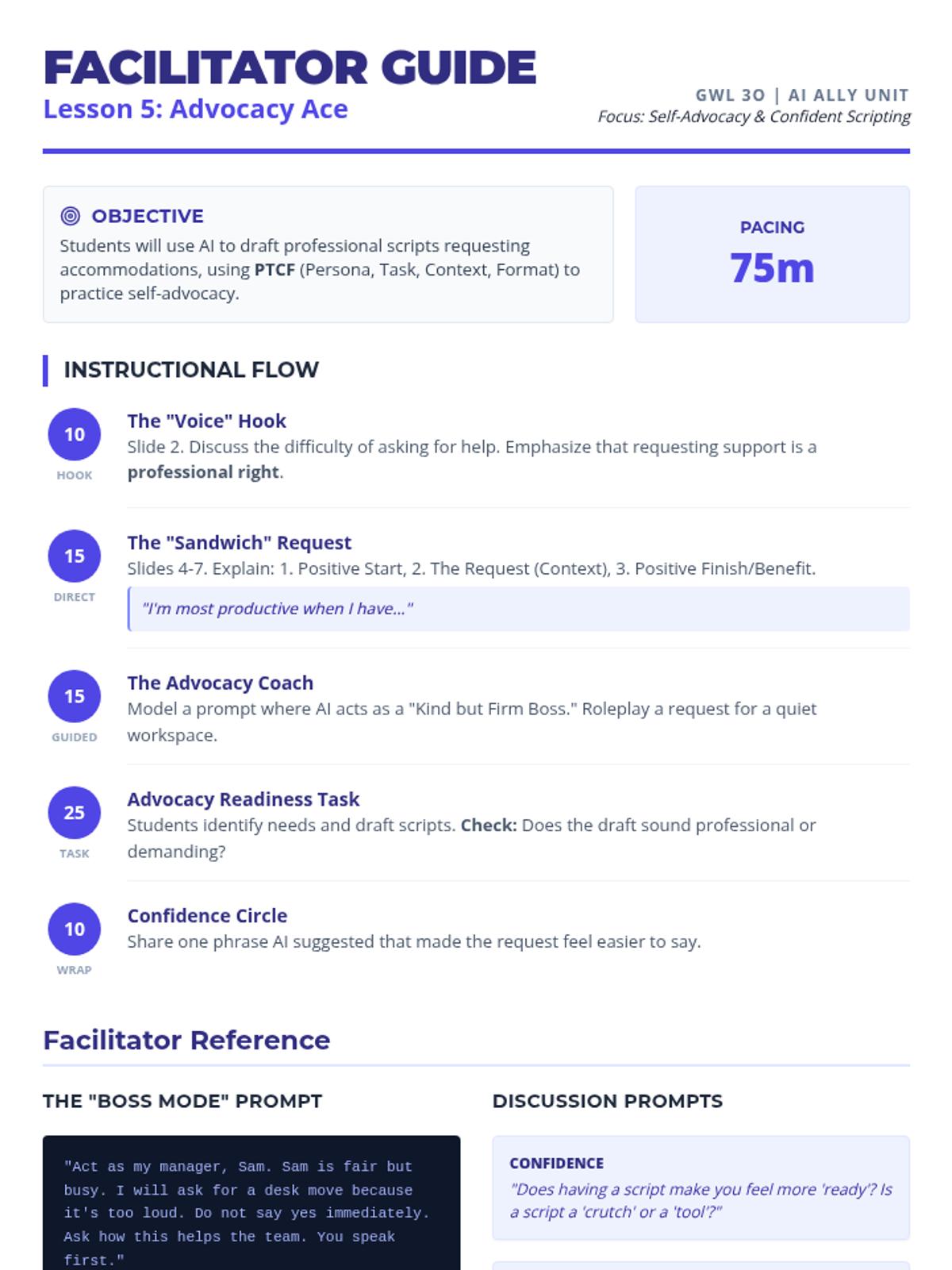
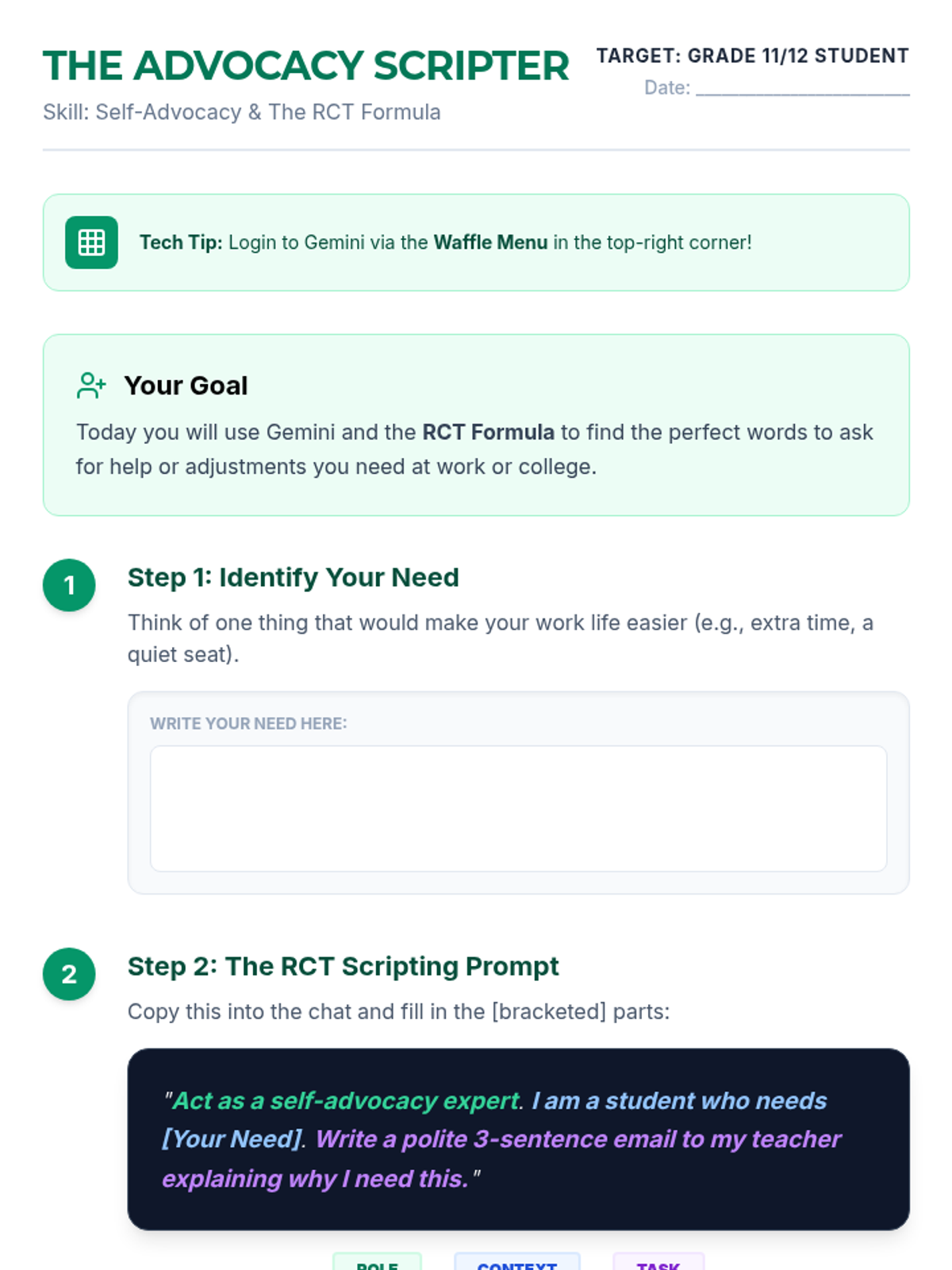
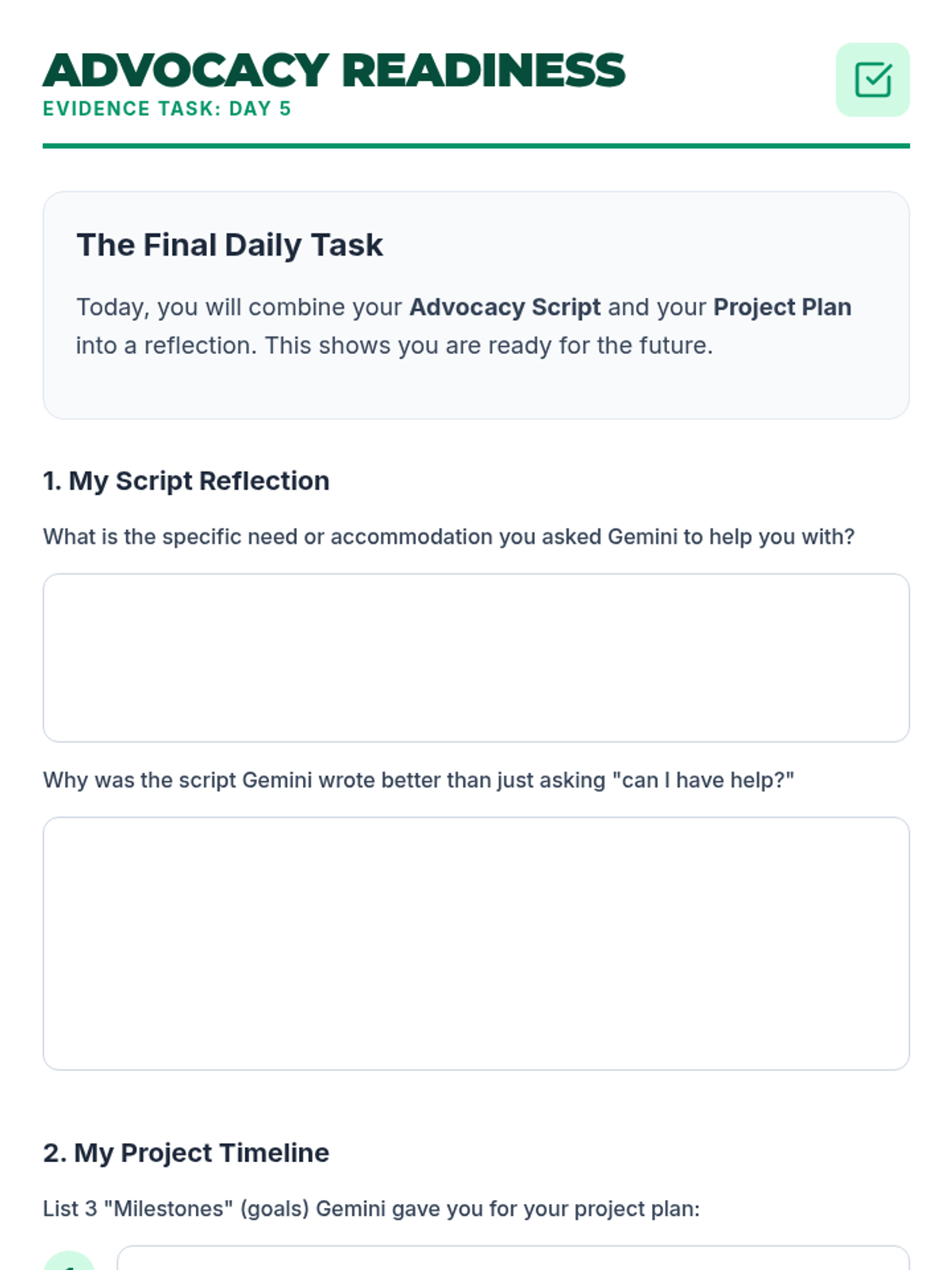
Focuses on self-advocacy and project planning, using AI to draft scripts for accommodation requests and breakdown long-term goals.
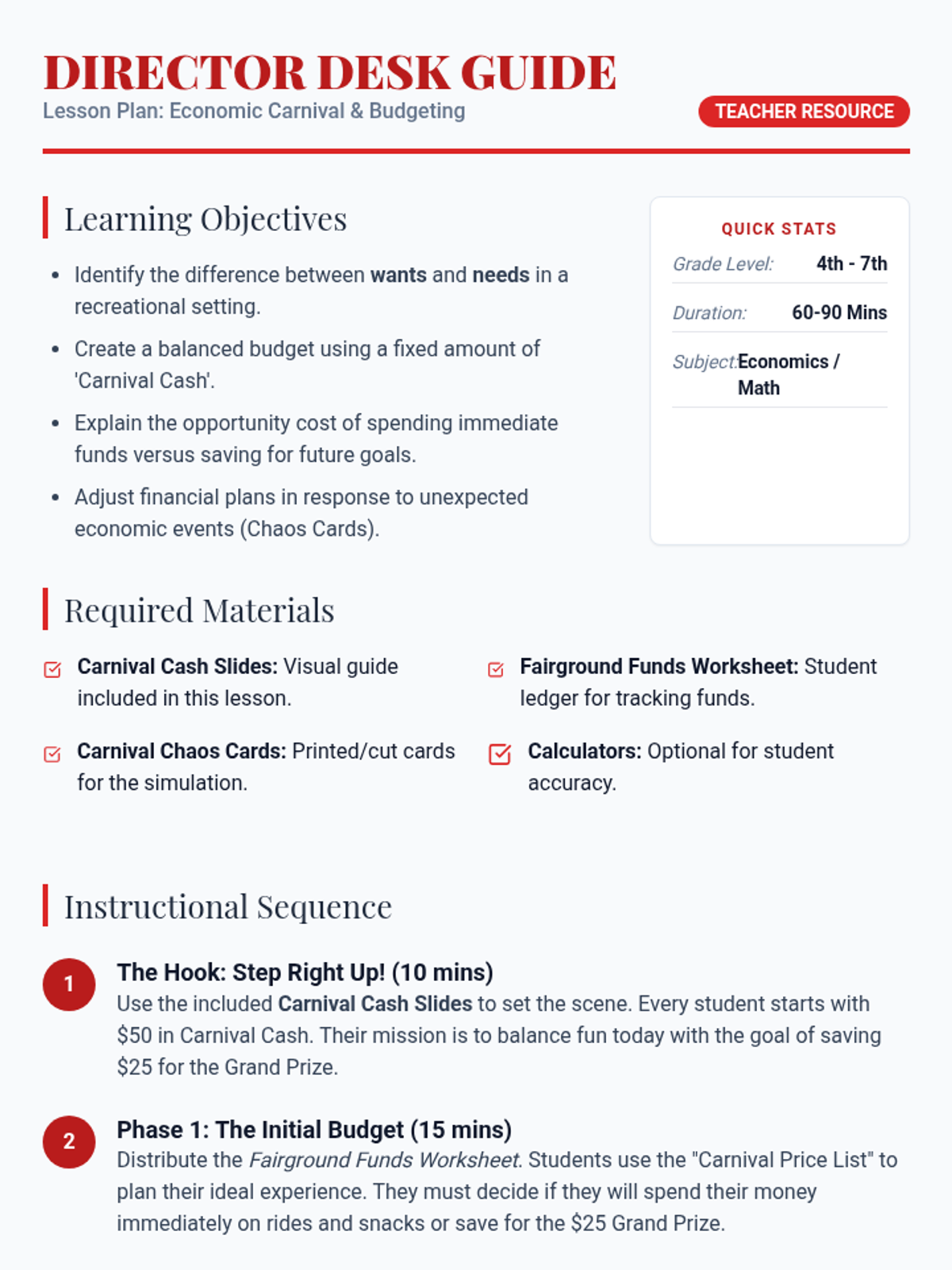
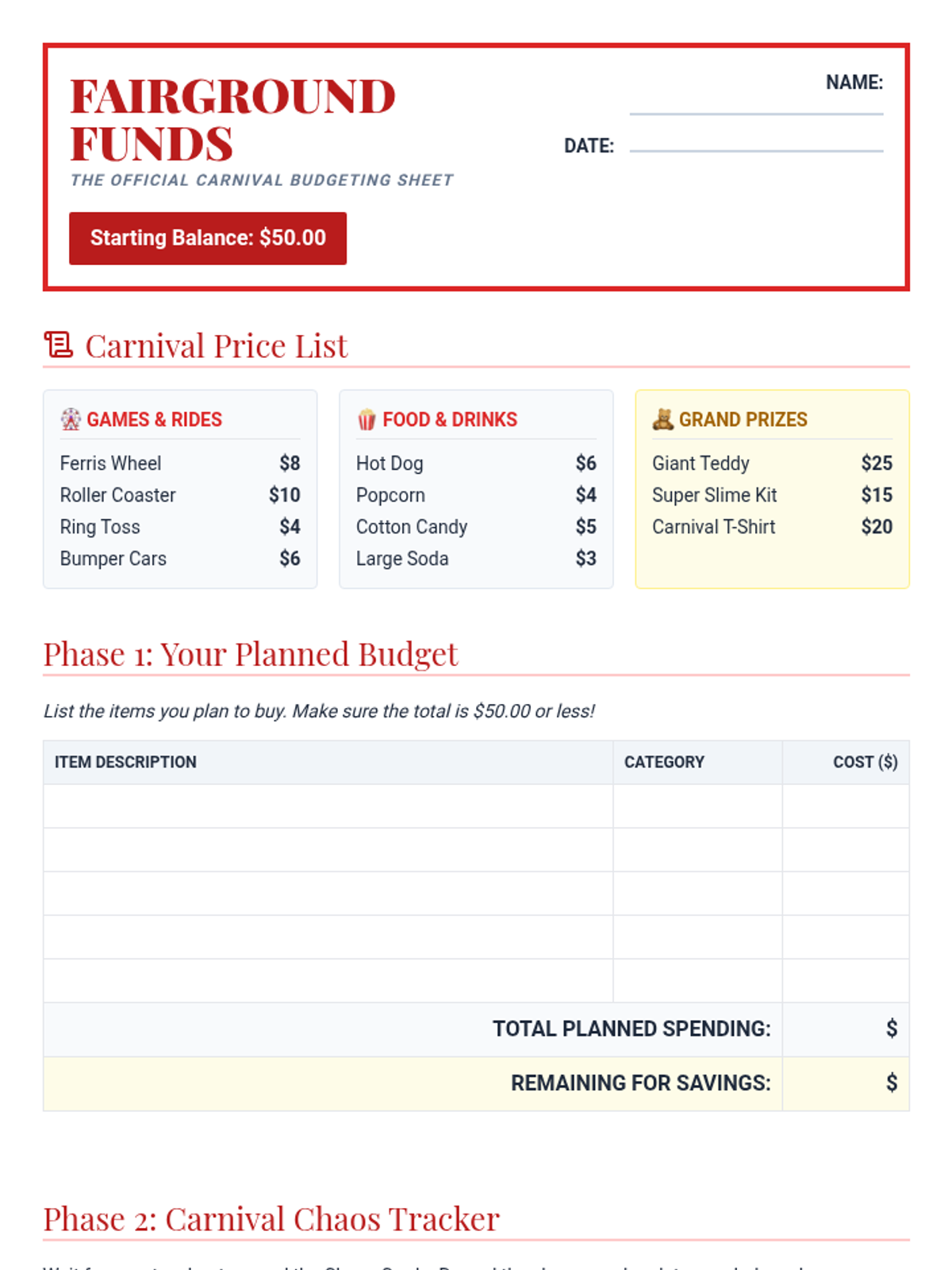
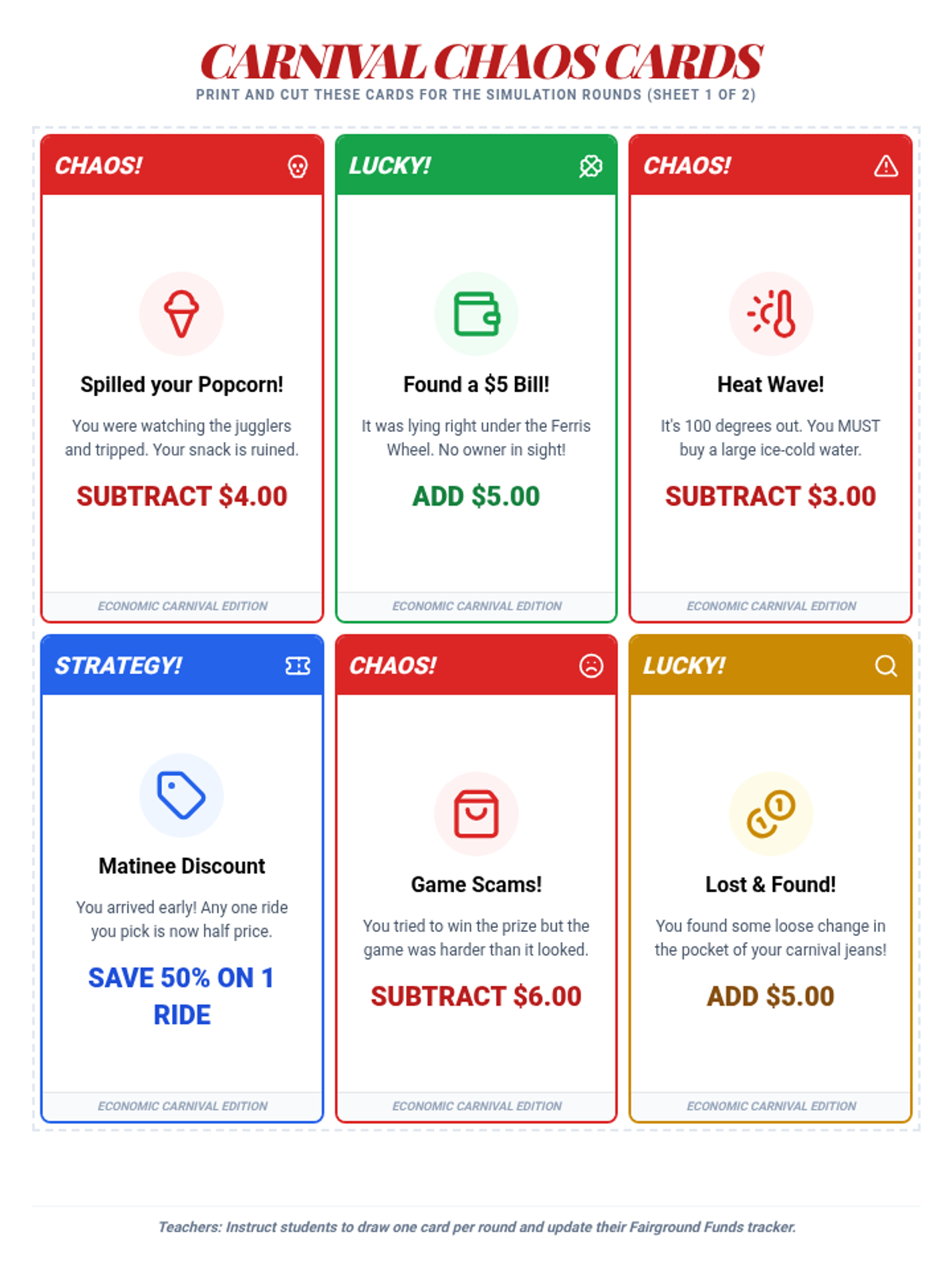
A high-energy simulation where students manage a budget at a carnival, making decisions about spending on games and treats versus saving for a grand prize. Students navigate unexpected 'chaos cards' that test their financial planning.
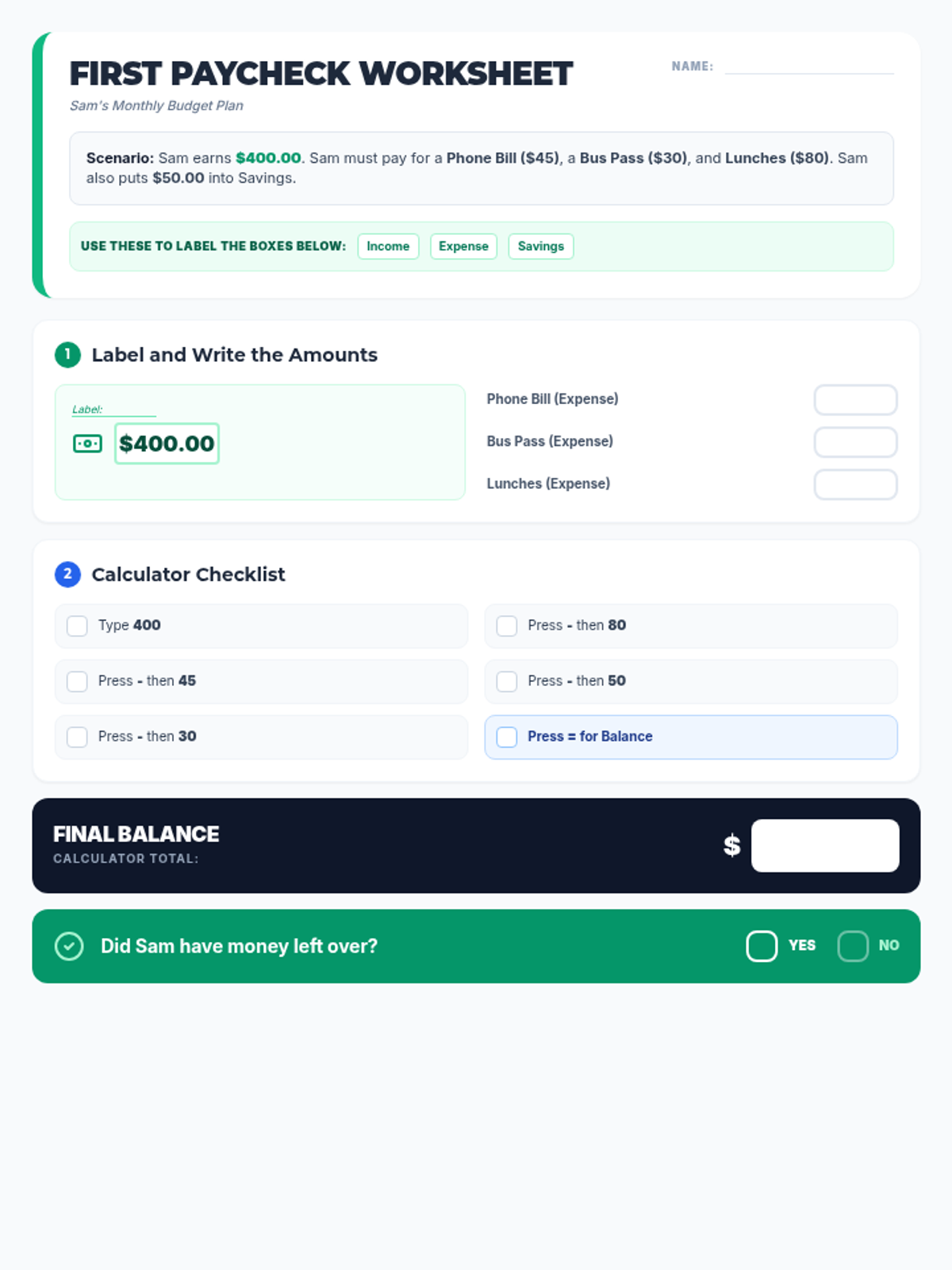
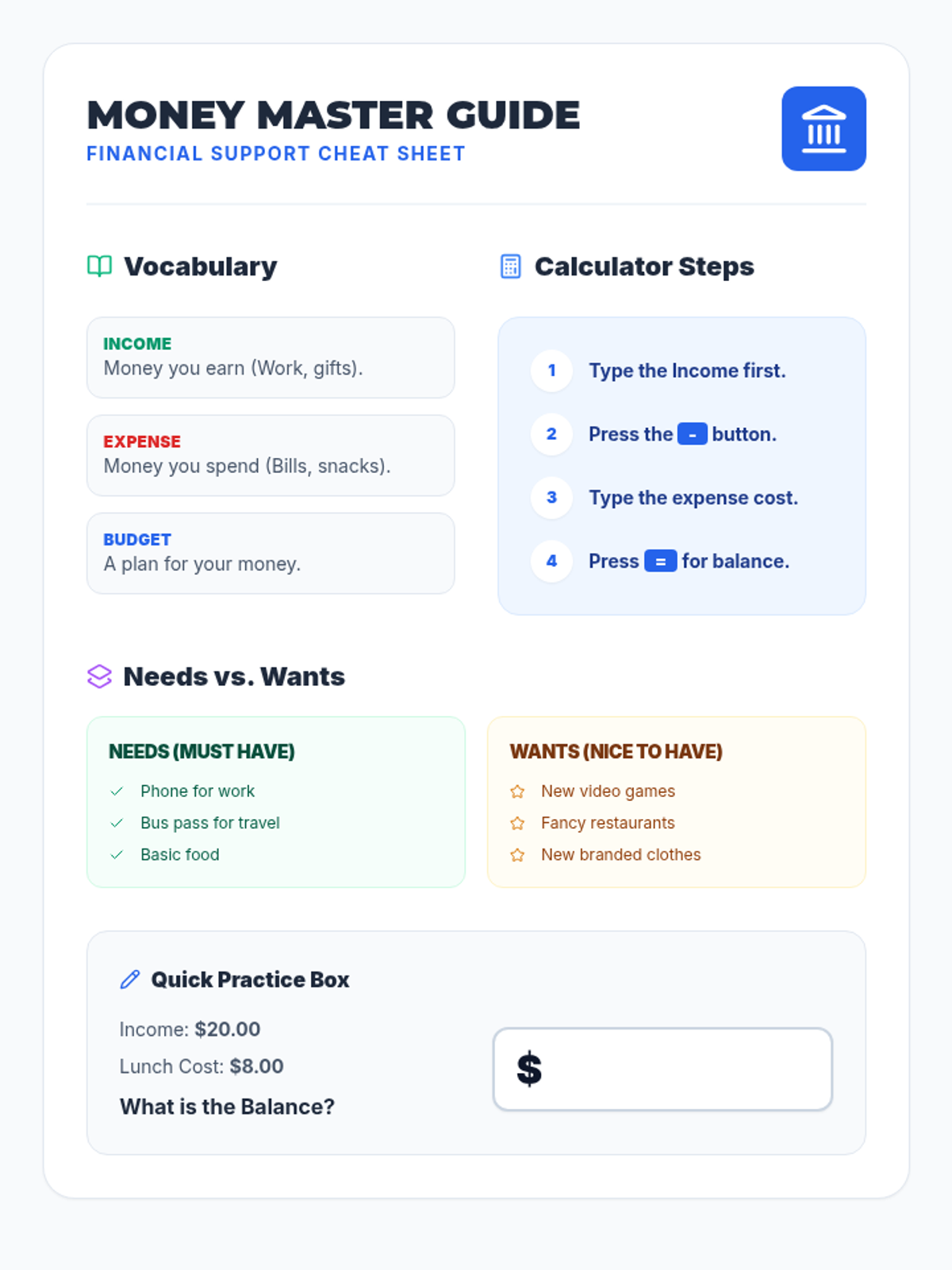
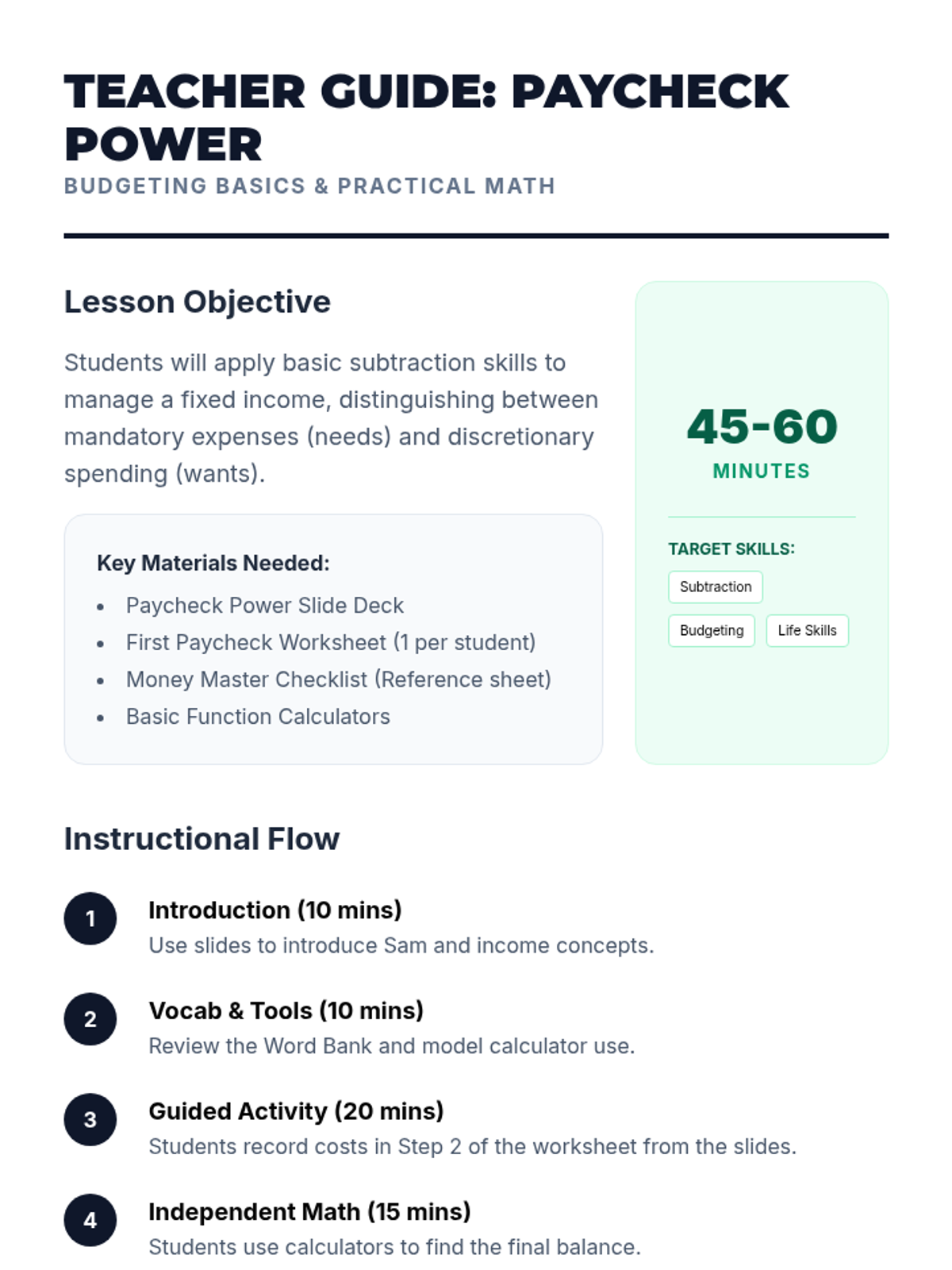
A practical introduction to budgeting for students getting their first part-time job, focusing on income, fixed vs. variable expenses, and using tools like calculators to manage money.
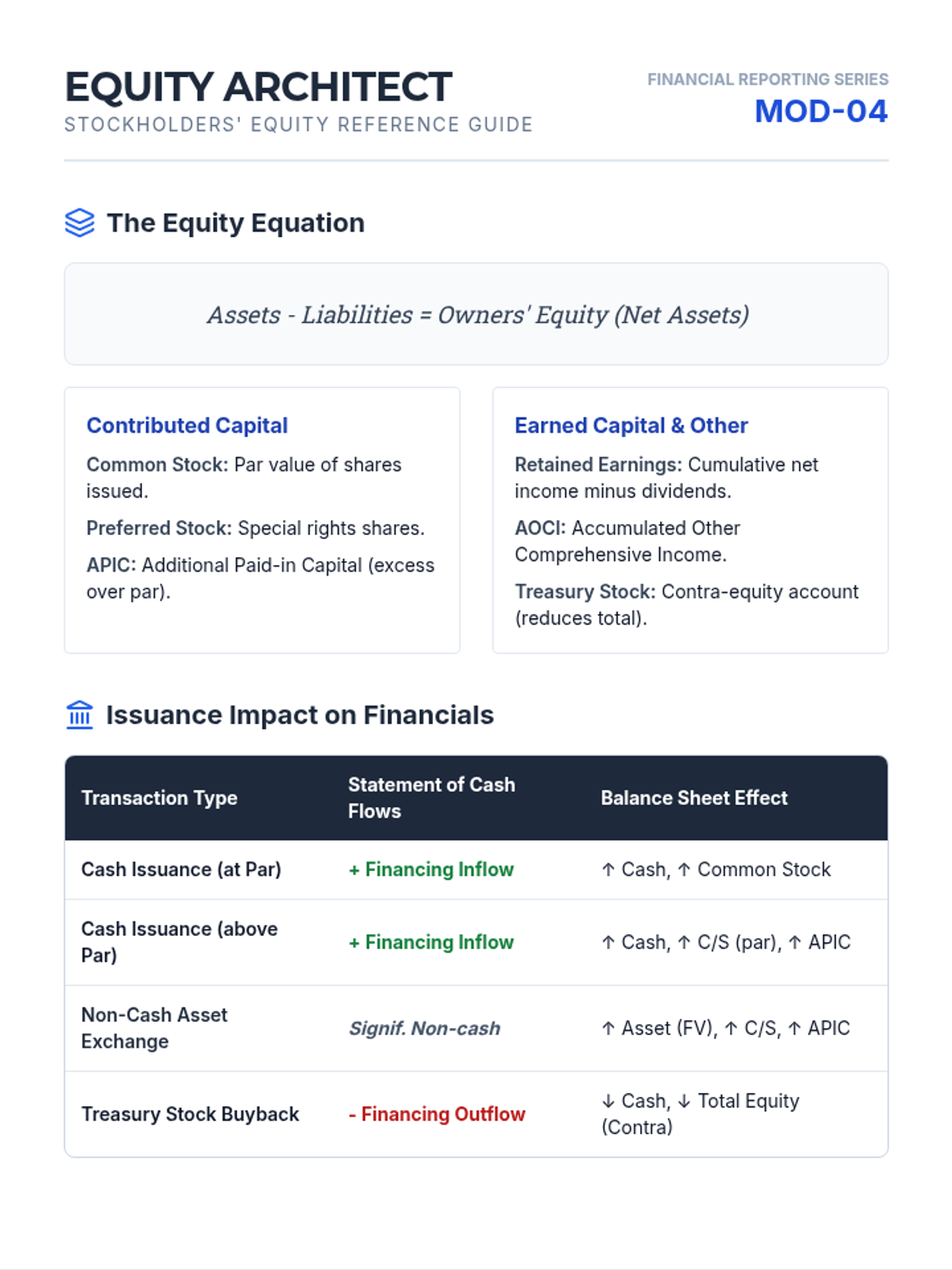
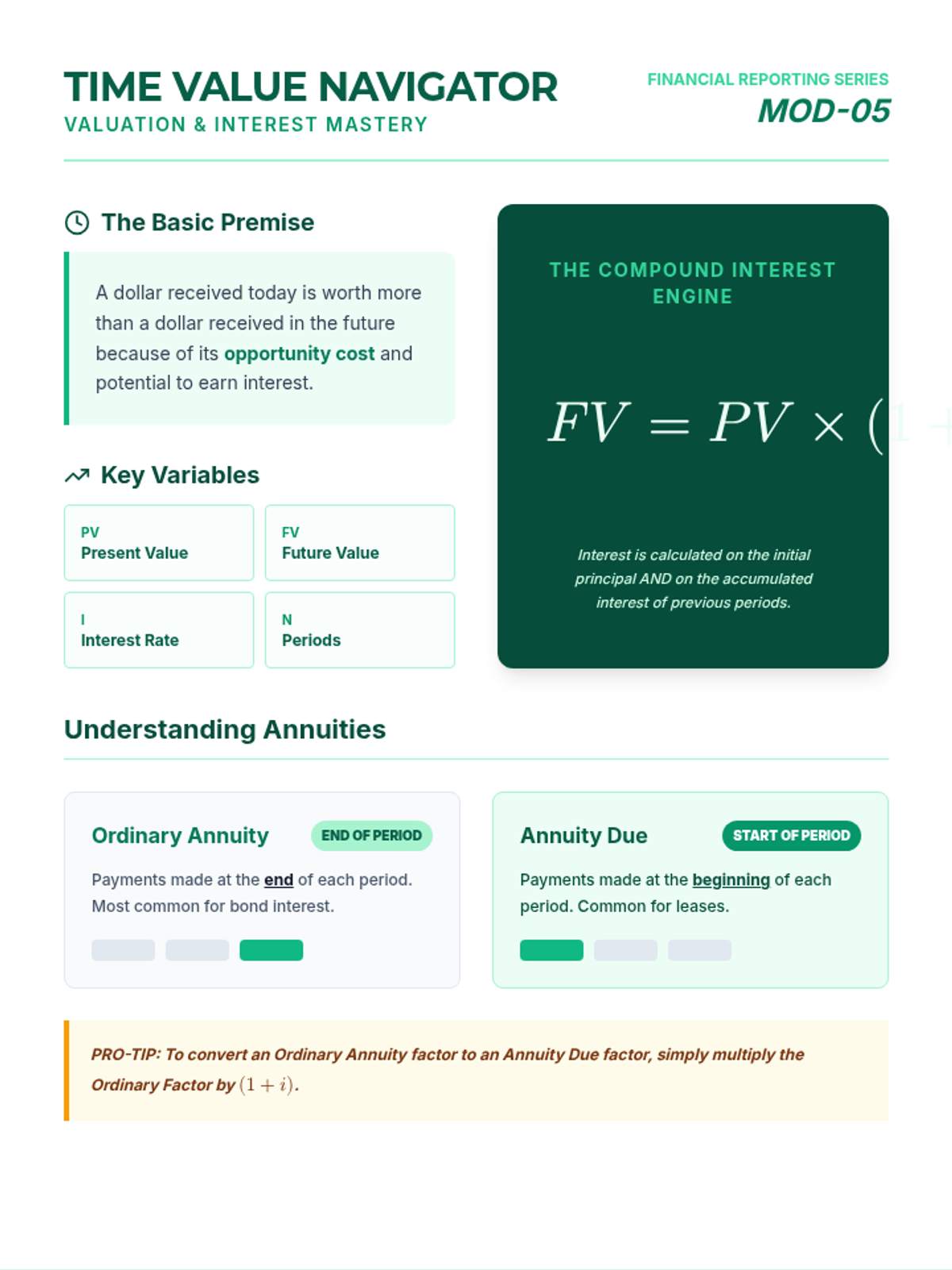
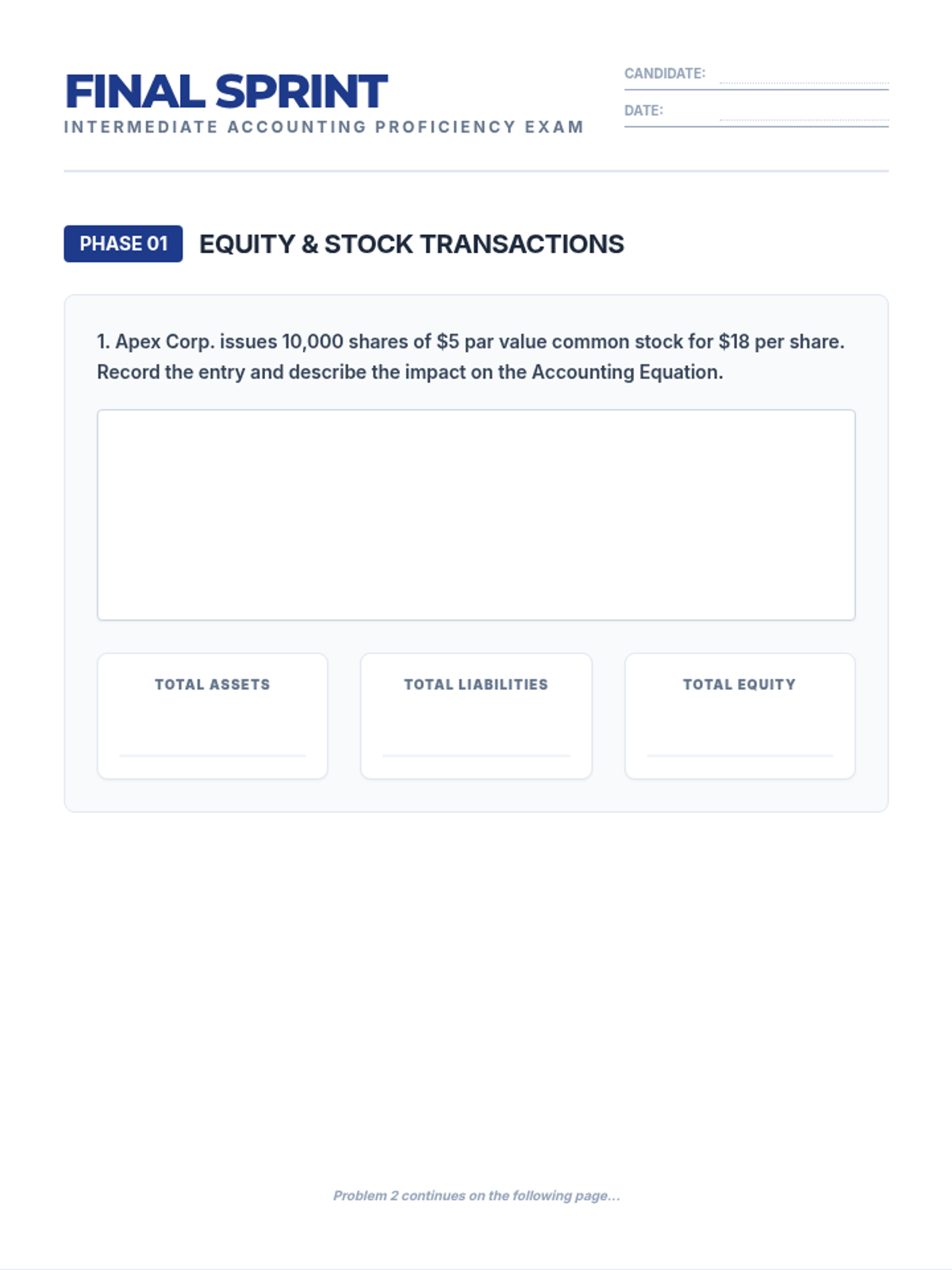
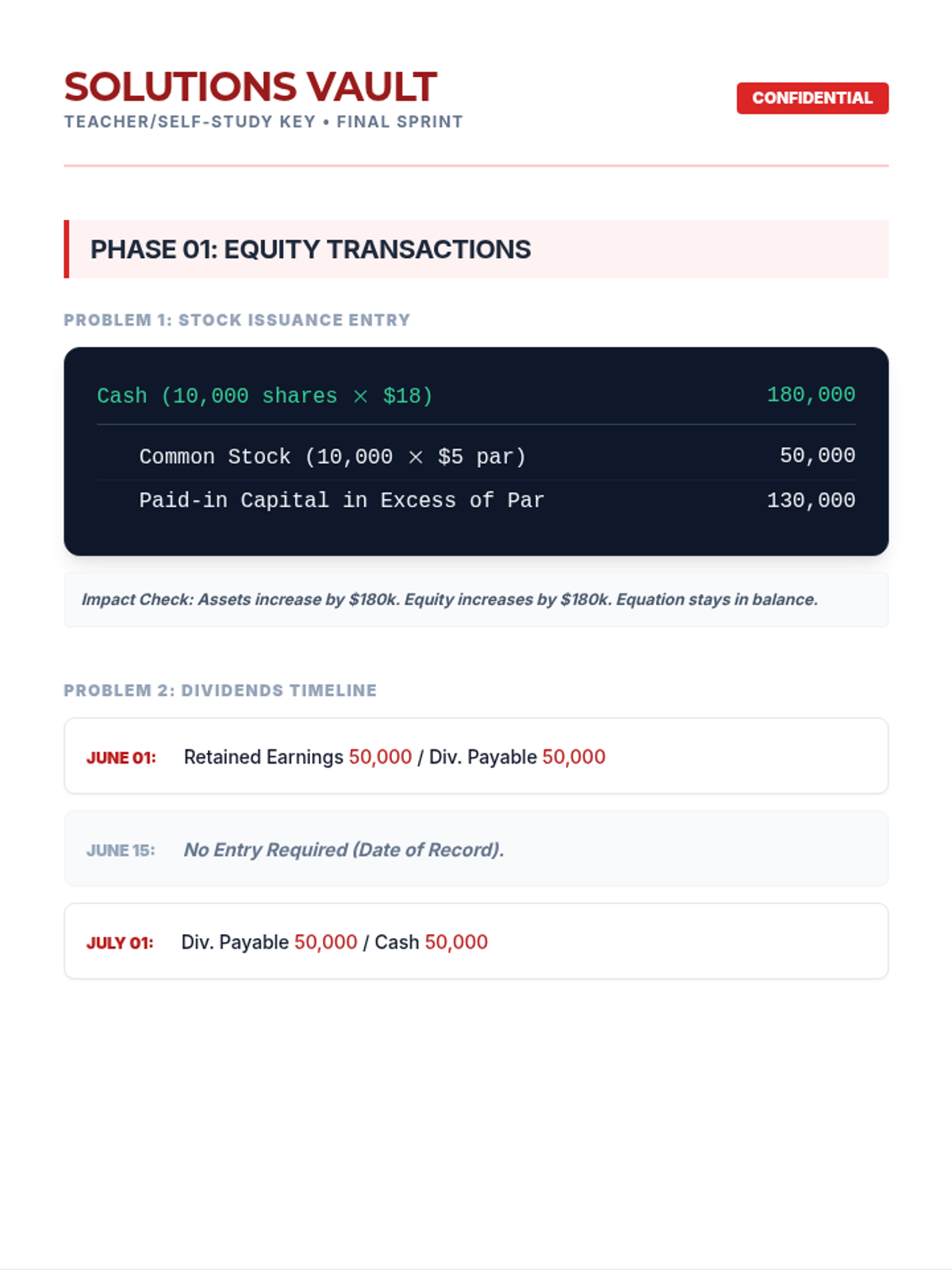
A deep dive into Stockholders' Equity transactions and Time Value of Money applications for accounting professionals.
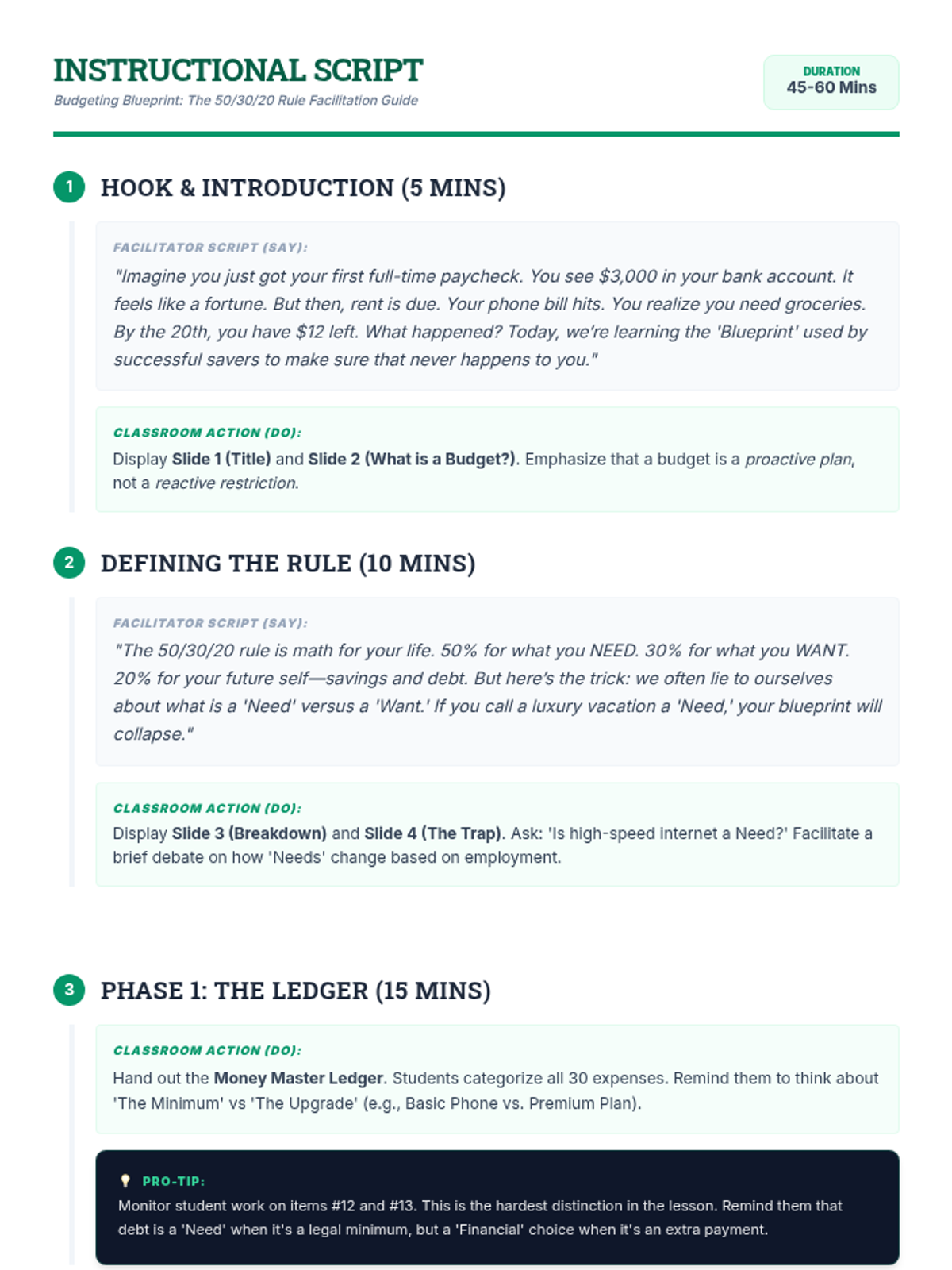
A high school financial literacy lesson introducing the 50/30/20 budgeting rule through a hands-on expense categorization activity and reflection.
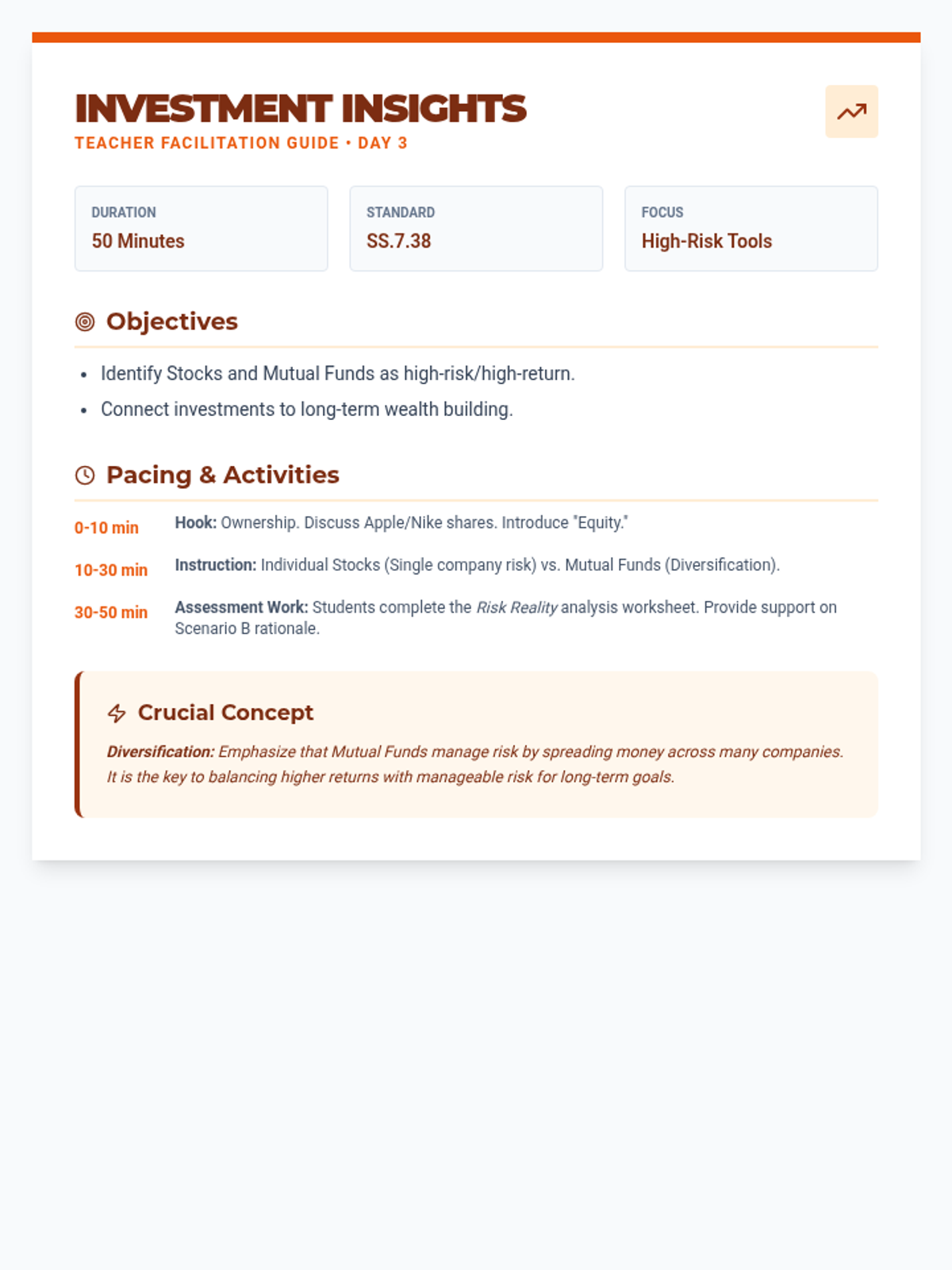
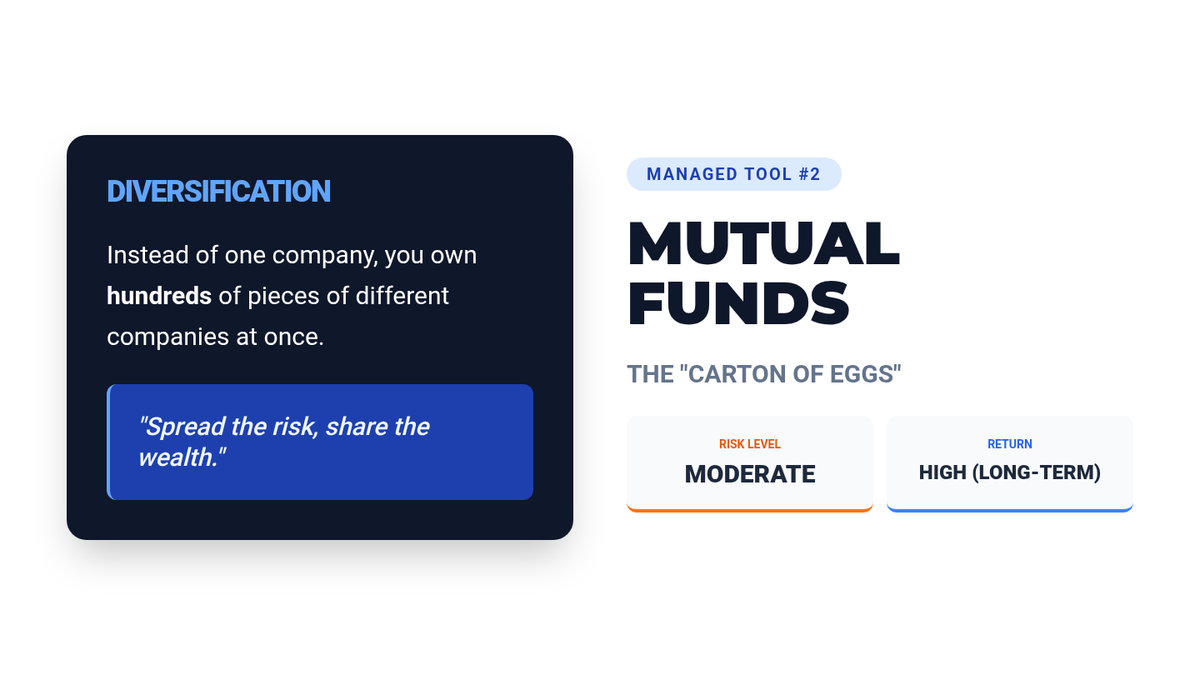
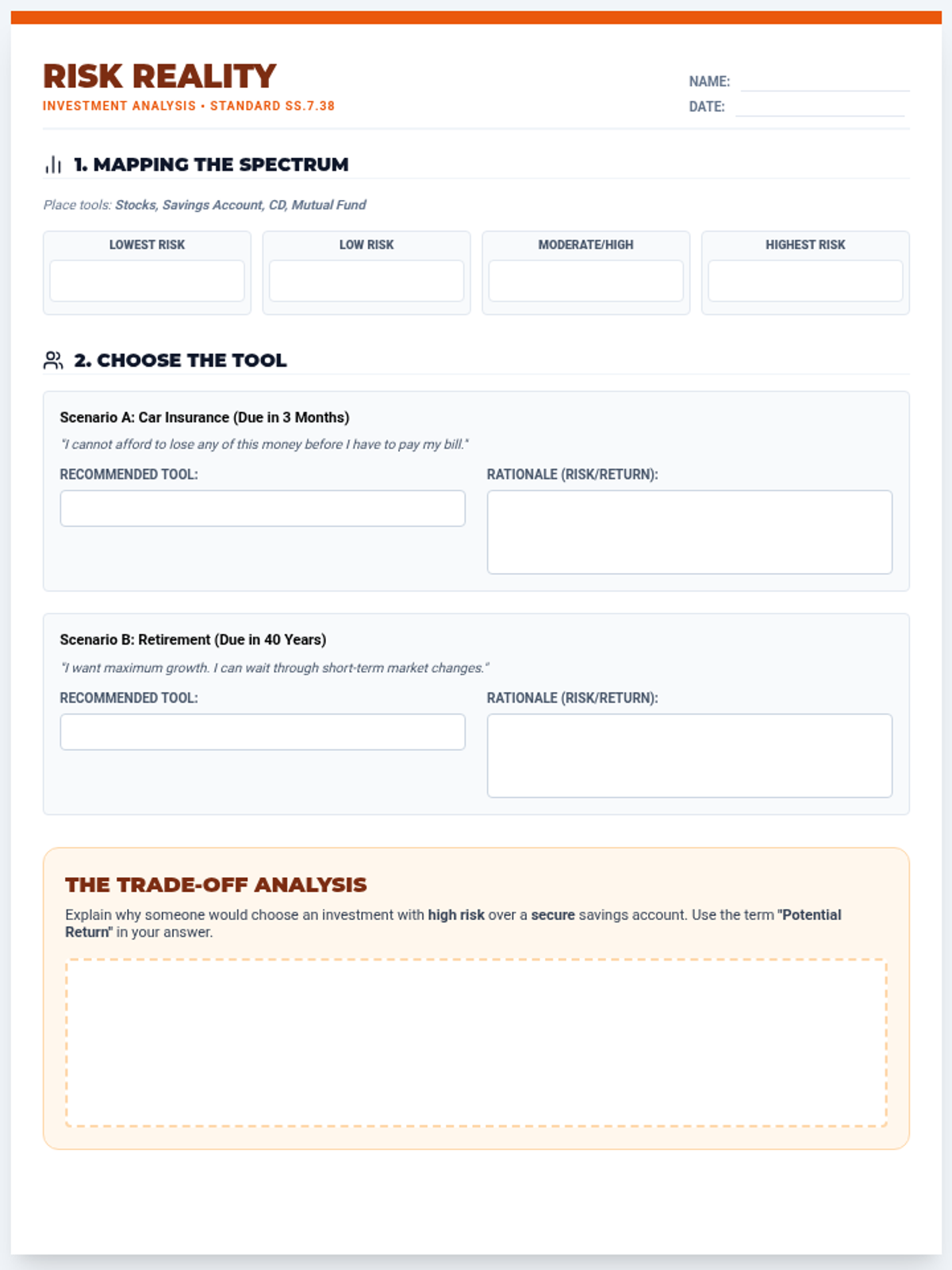
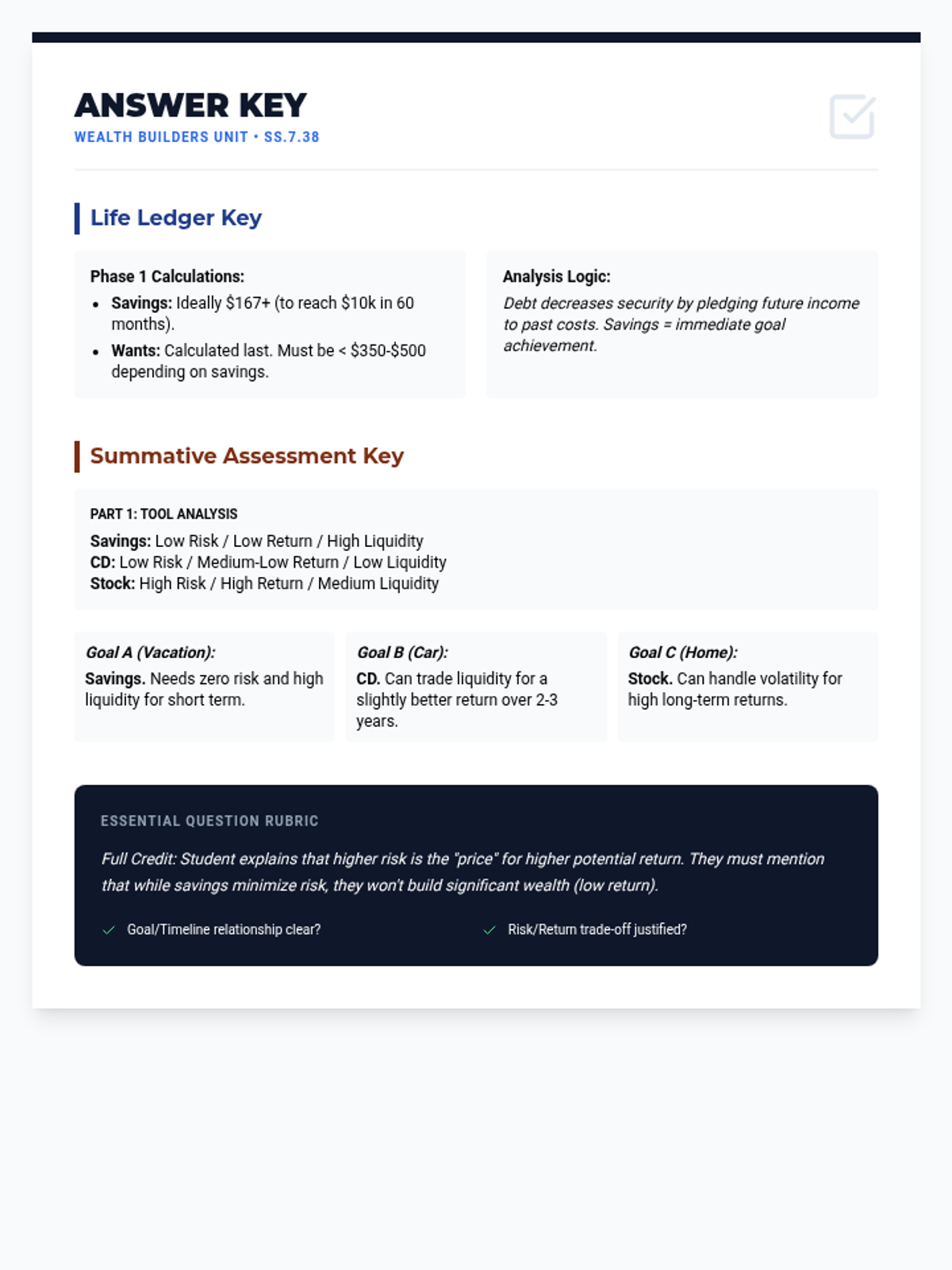
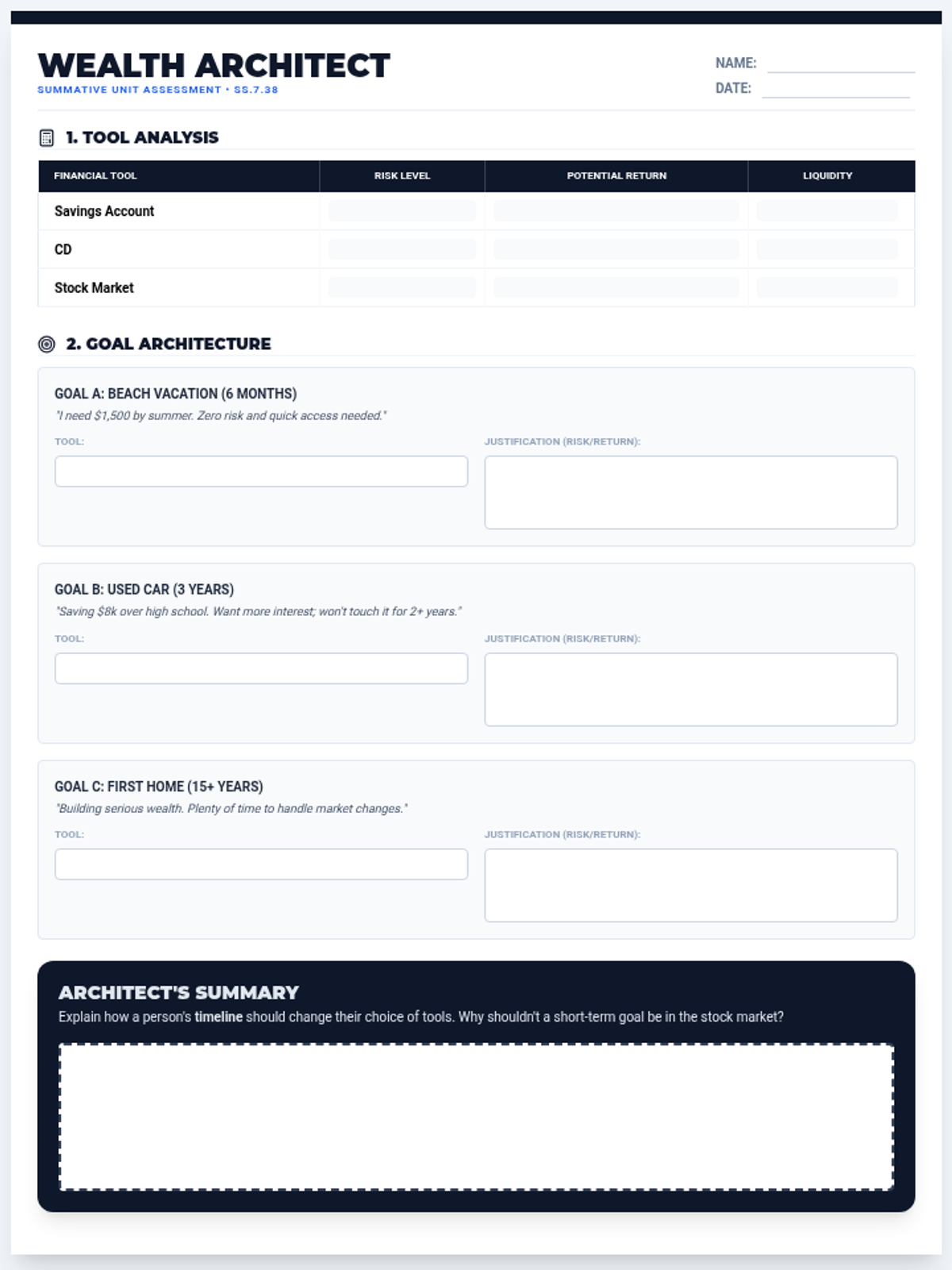
An investigation into high-risk investment tools like stocks and mutual funds, focusing on the principle that higher potential returns often carry higher risks for long-term wealth.
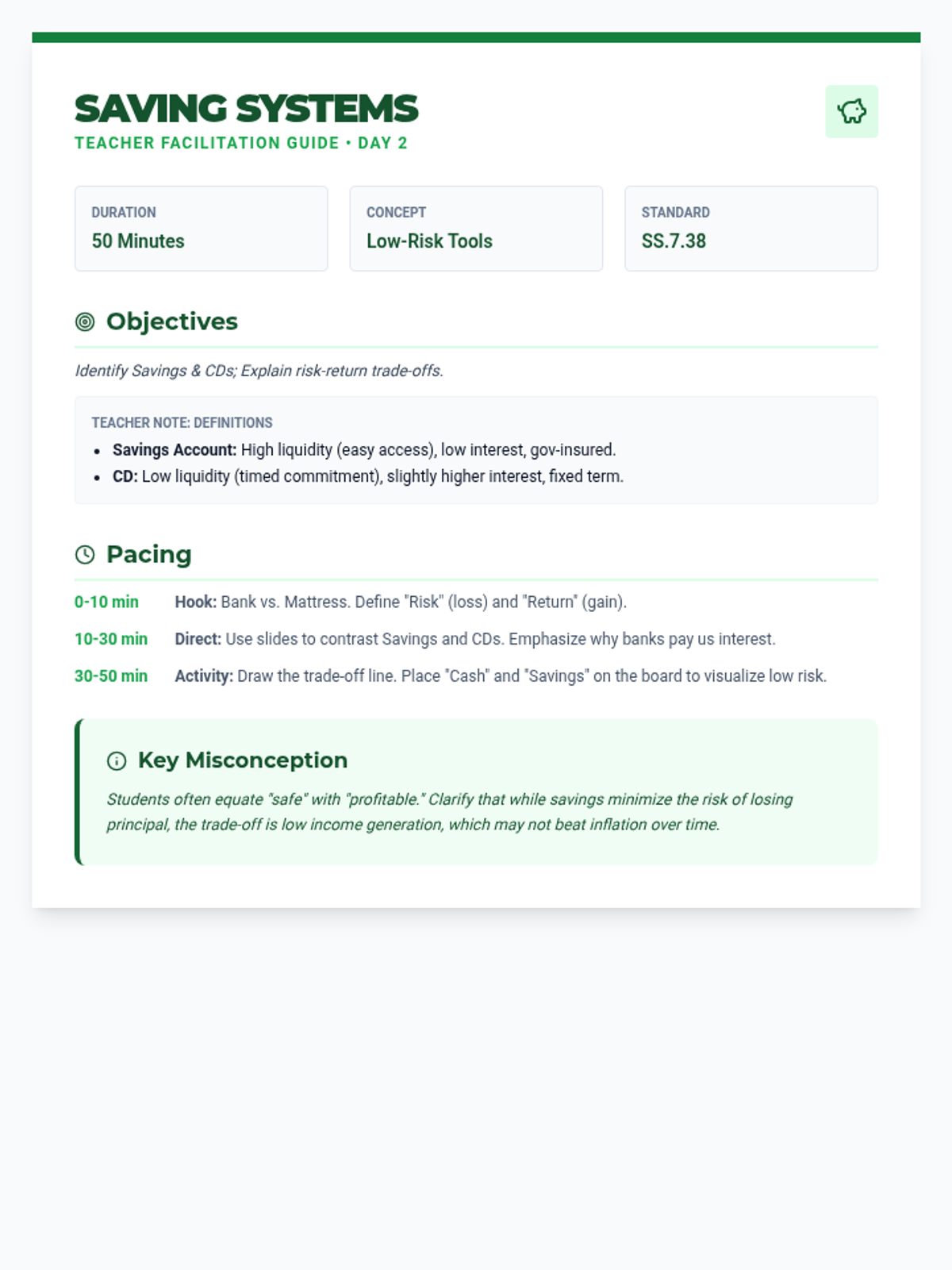
An exploration of low-risk financial tools including savings accounts and CDs, highlighting the balance between security and lower returns.
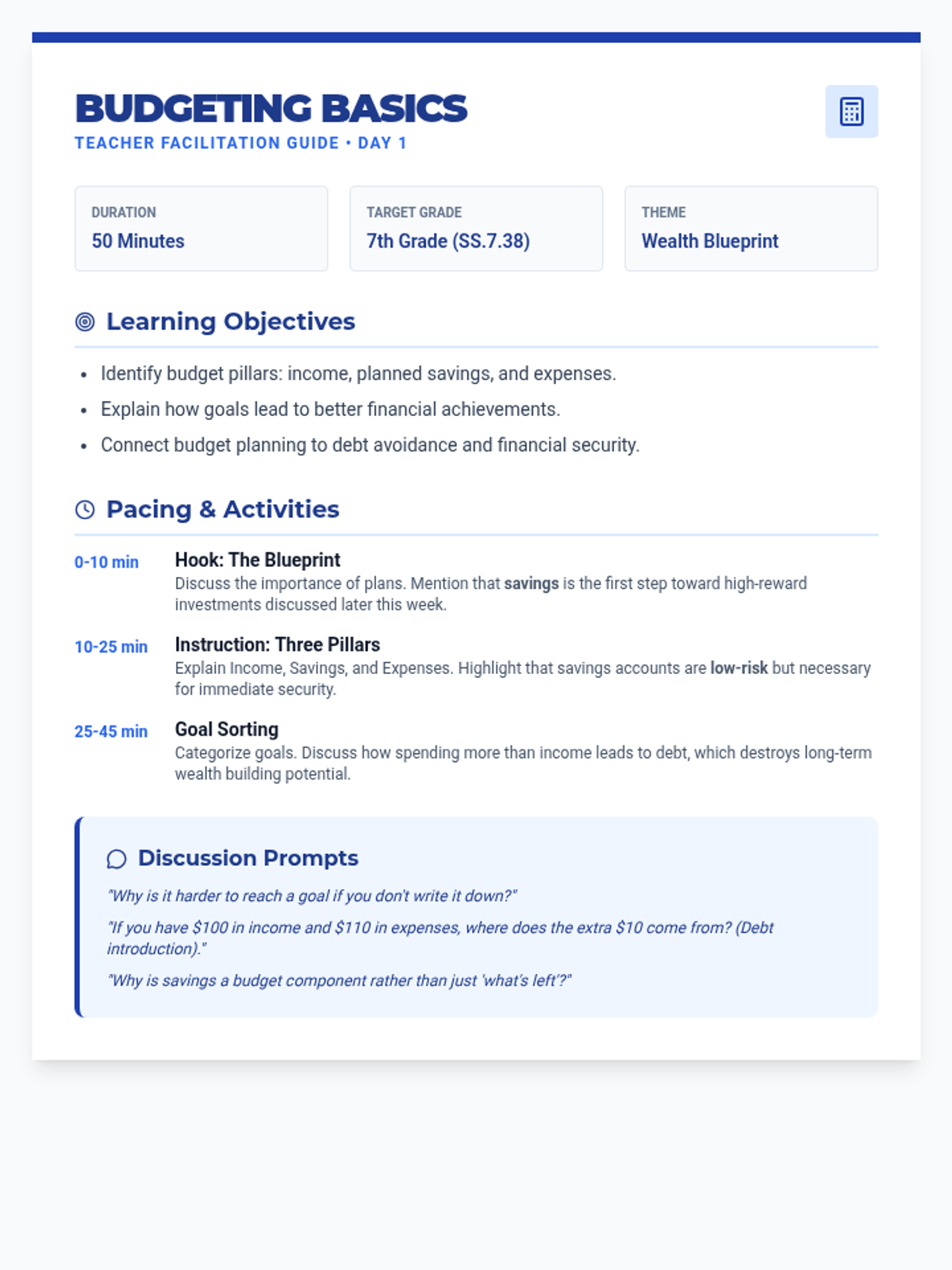
Students explore the foundational components of a personal budget—income, expenses, and planned savings—while learning how goal-setting and planning can prevent debt and build security.
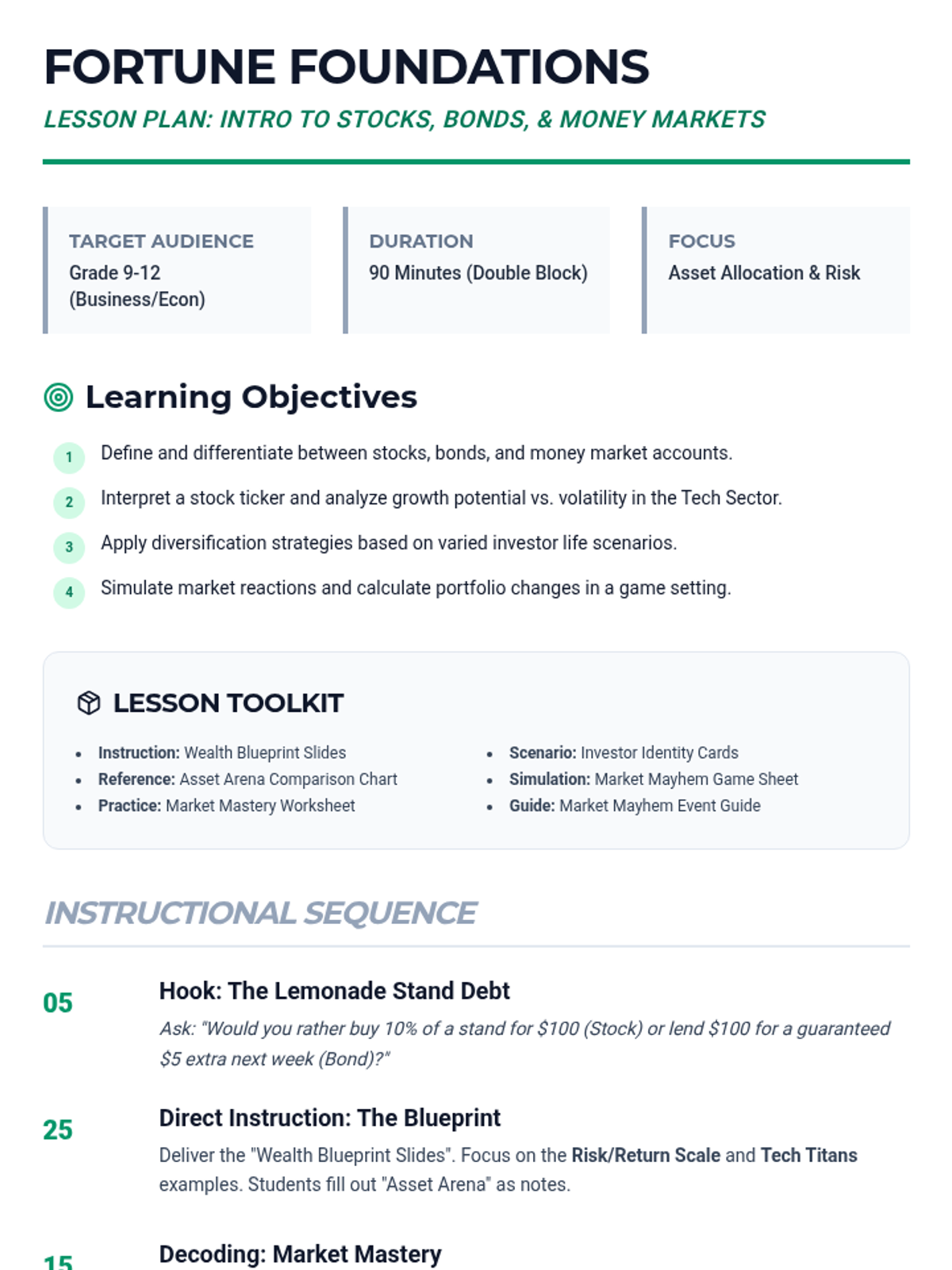
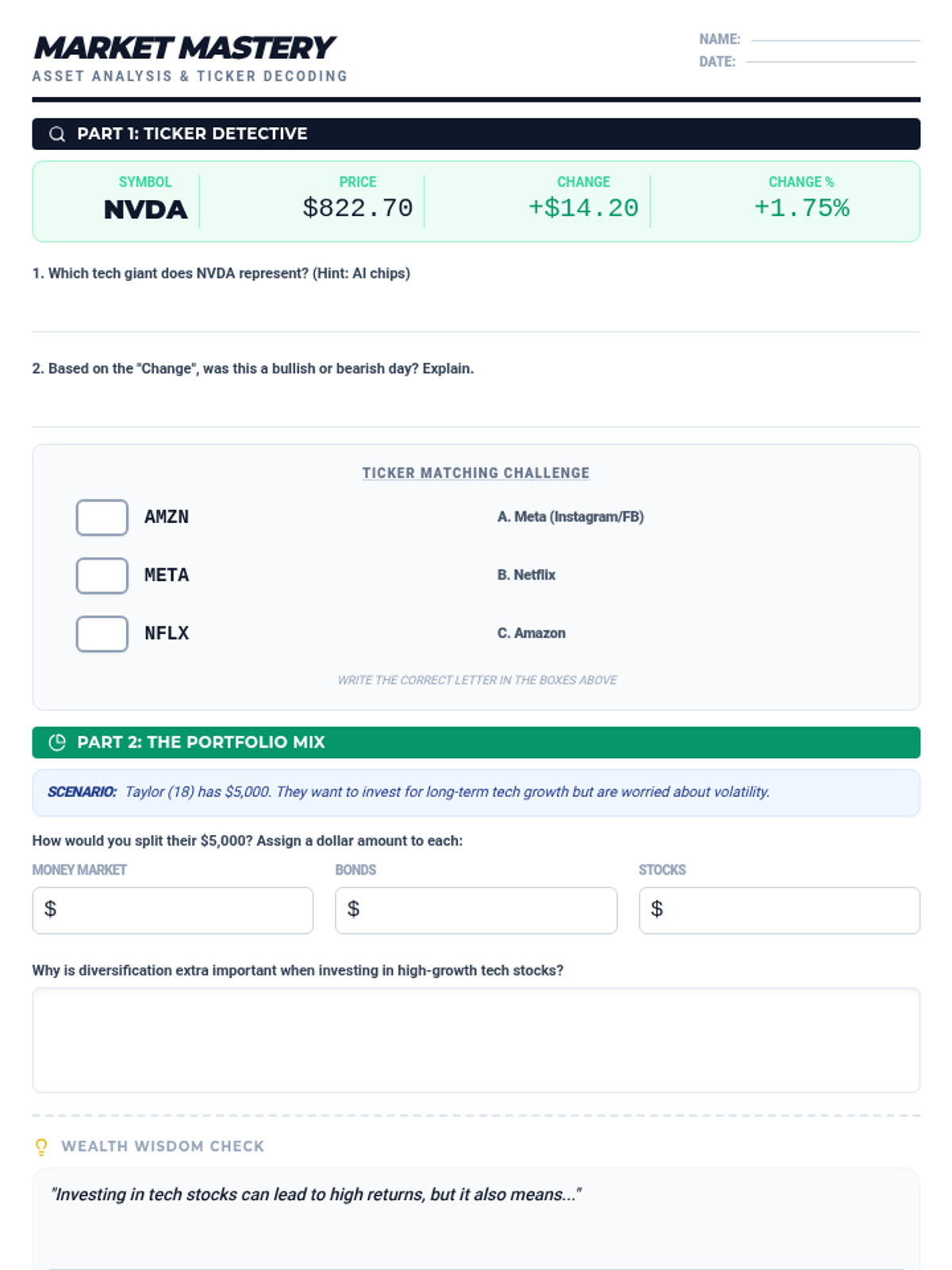
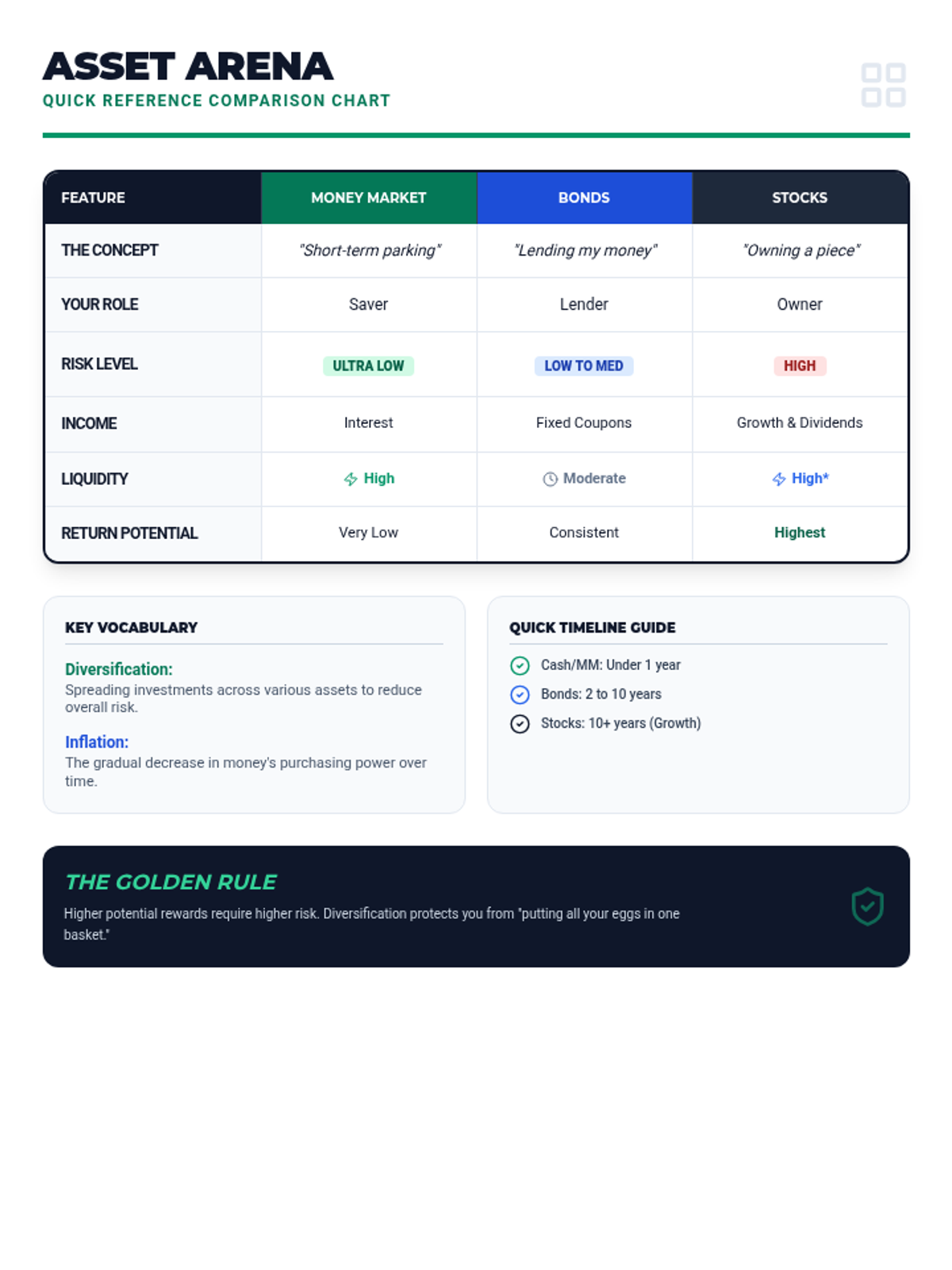
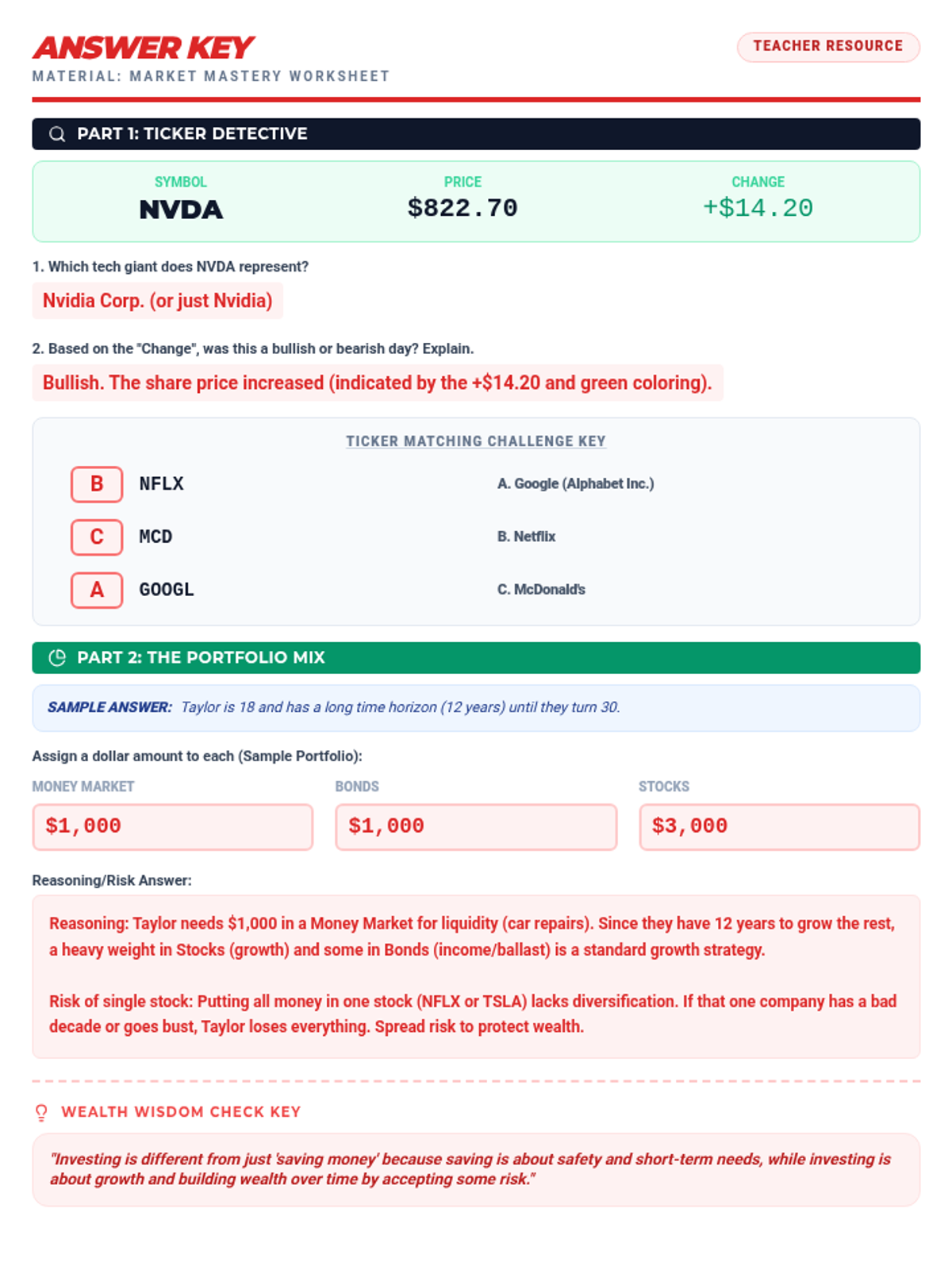
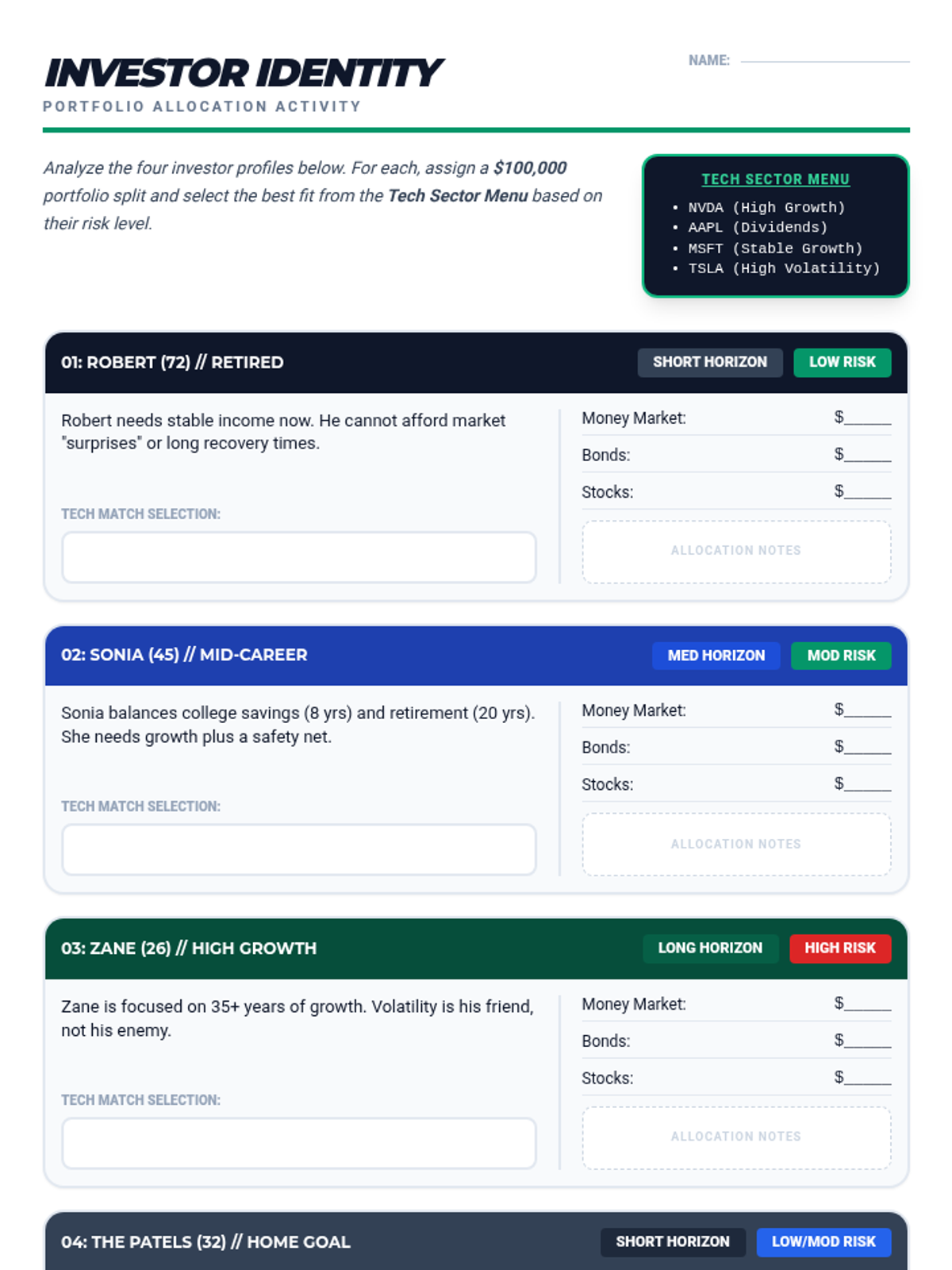
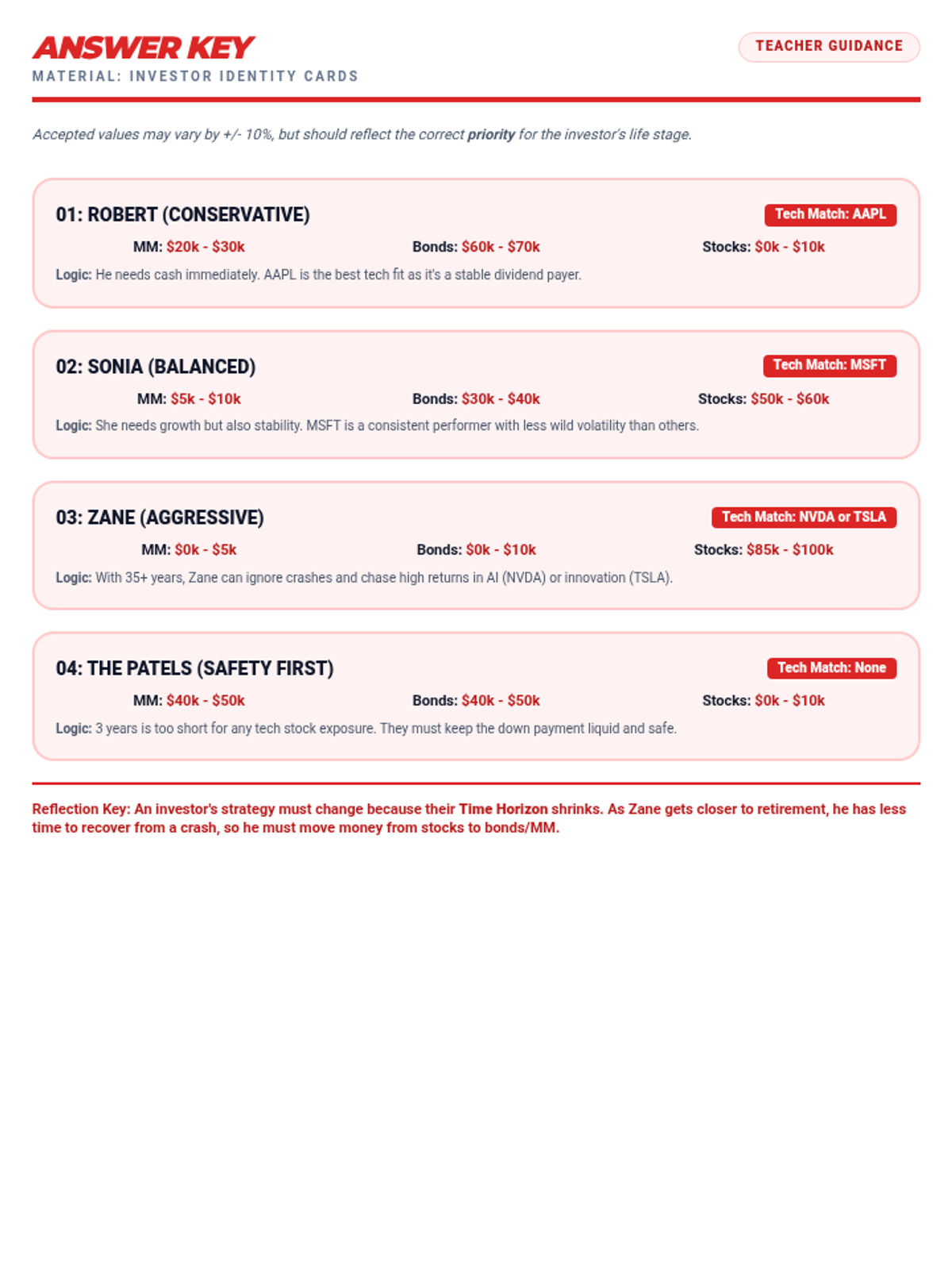
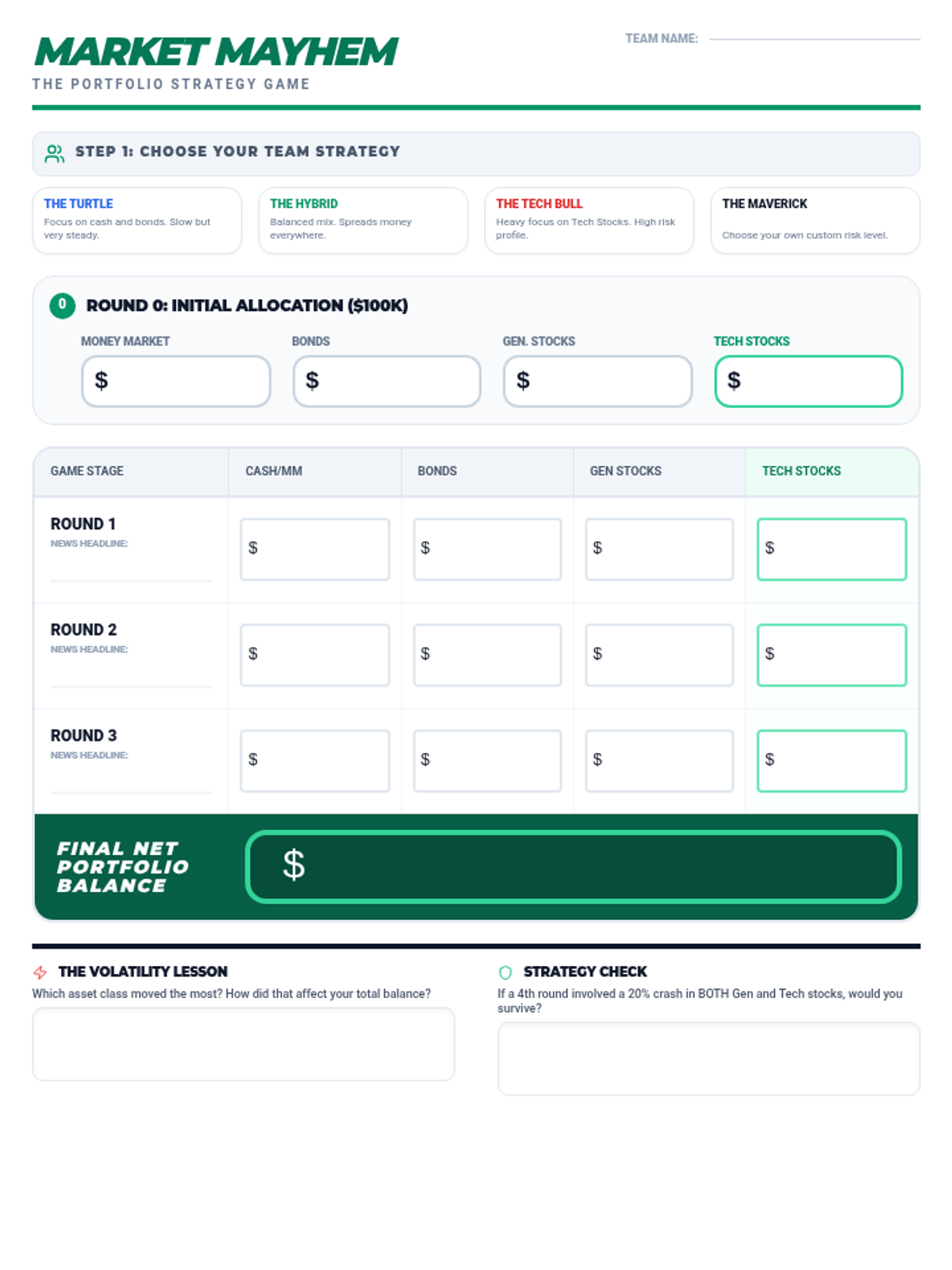
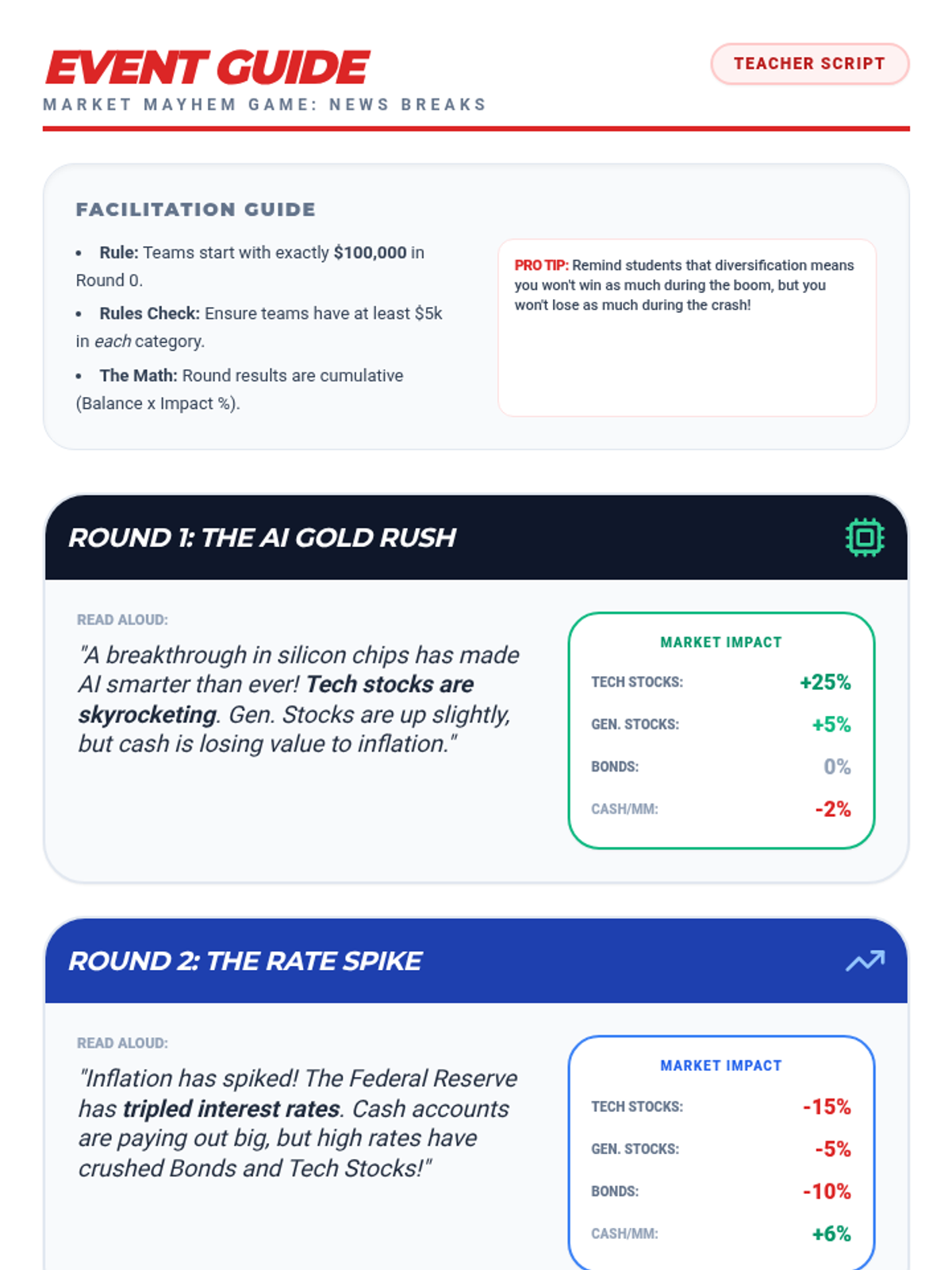
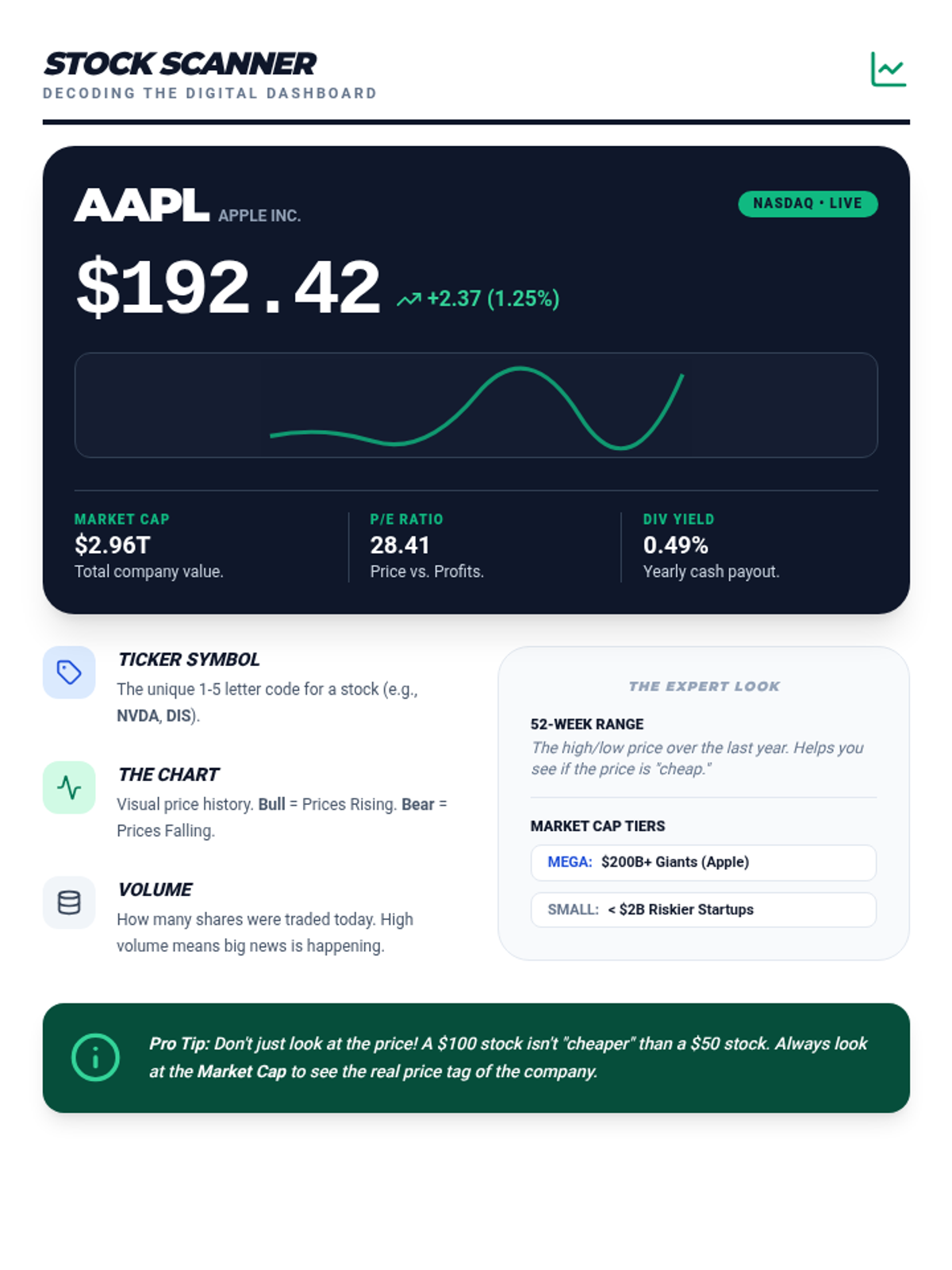
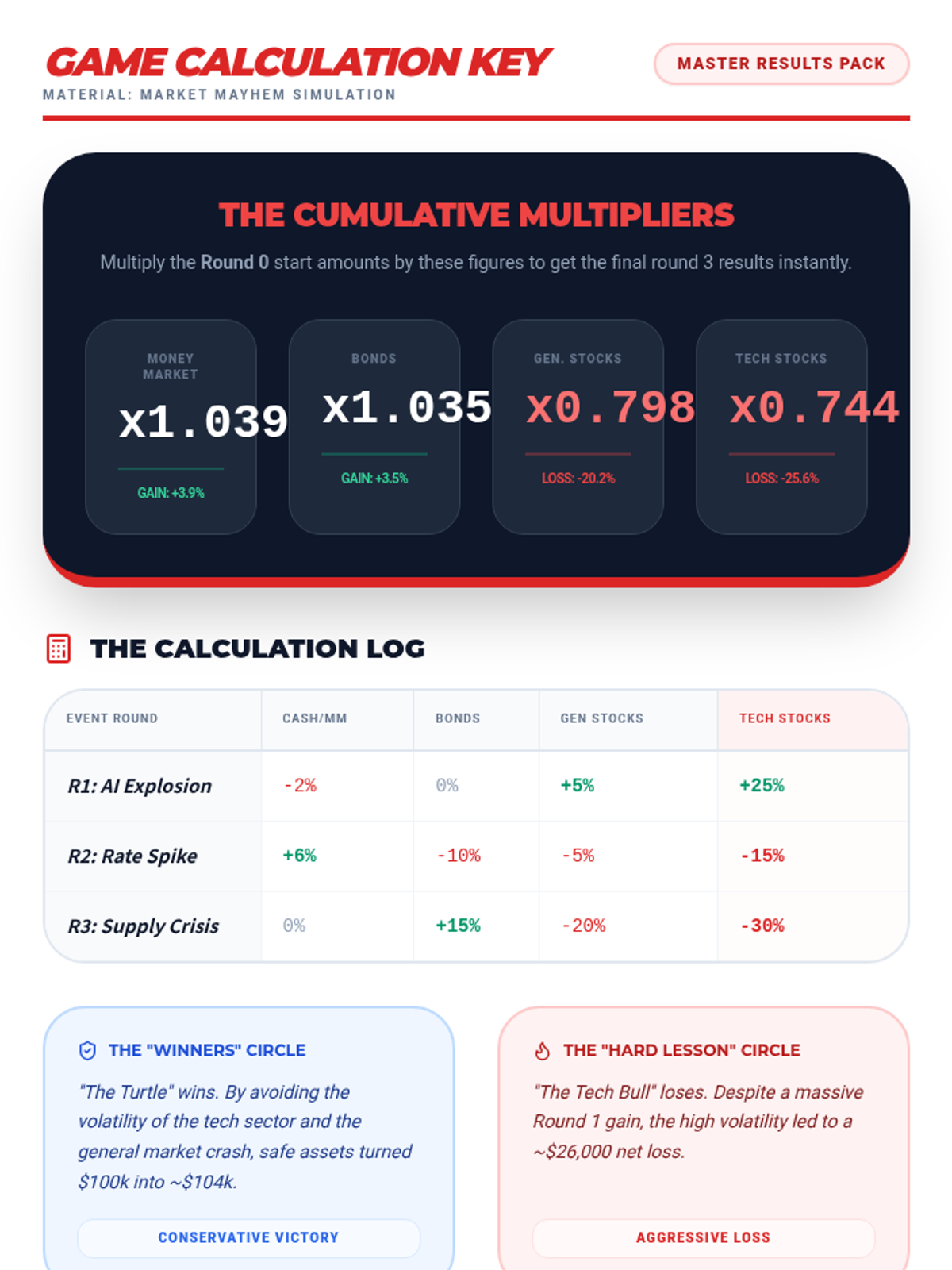
An introductory lesson on the fundamental building blocks of investing, covering stocks, bonds, and money market accounts with a focus on risk vs. return and diversification.
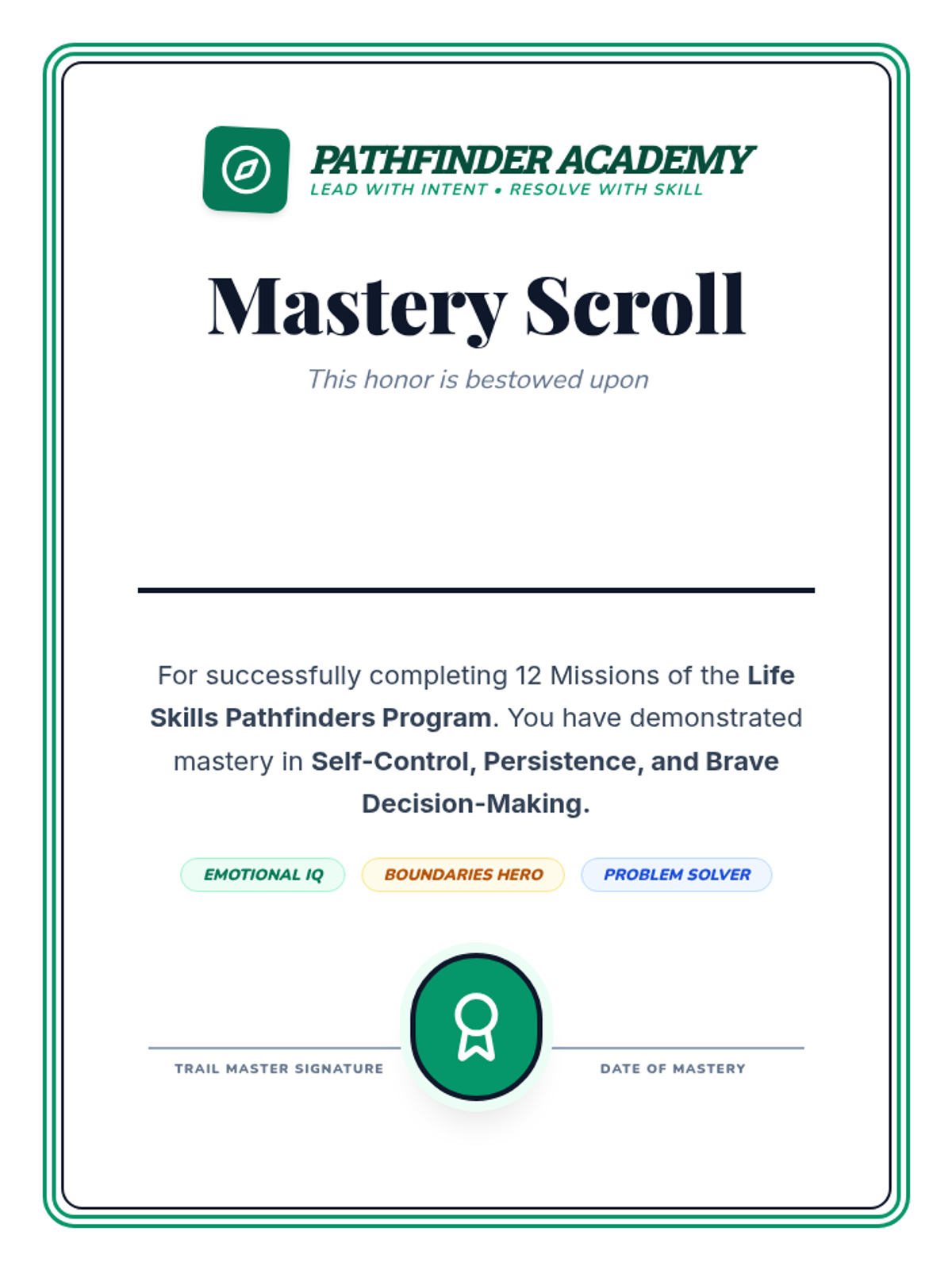
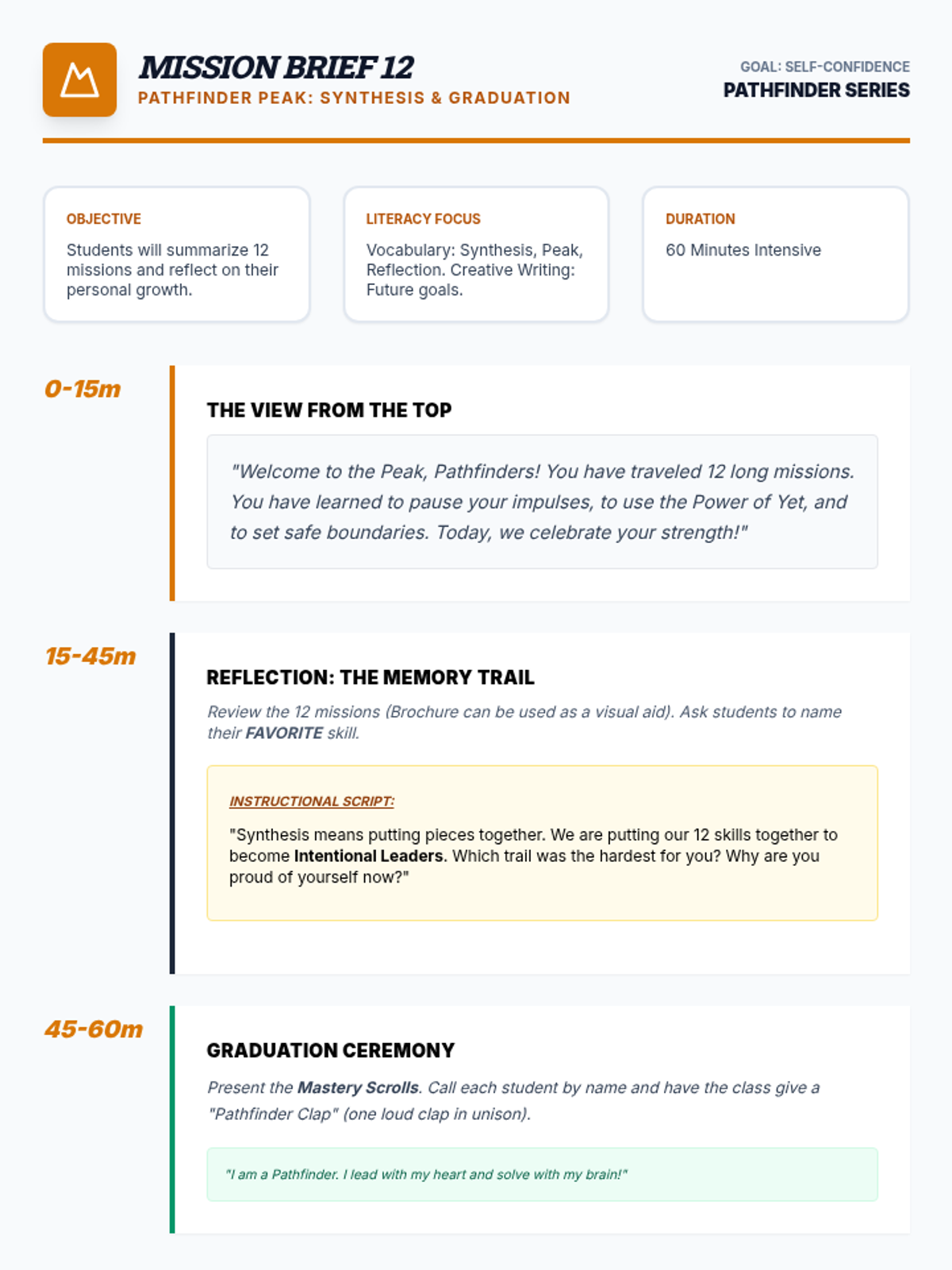
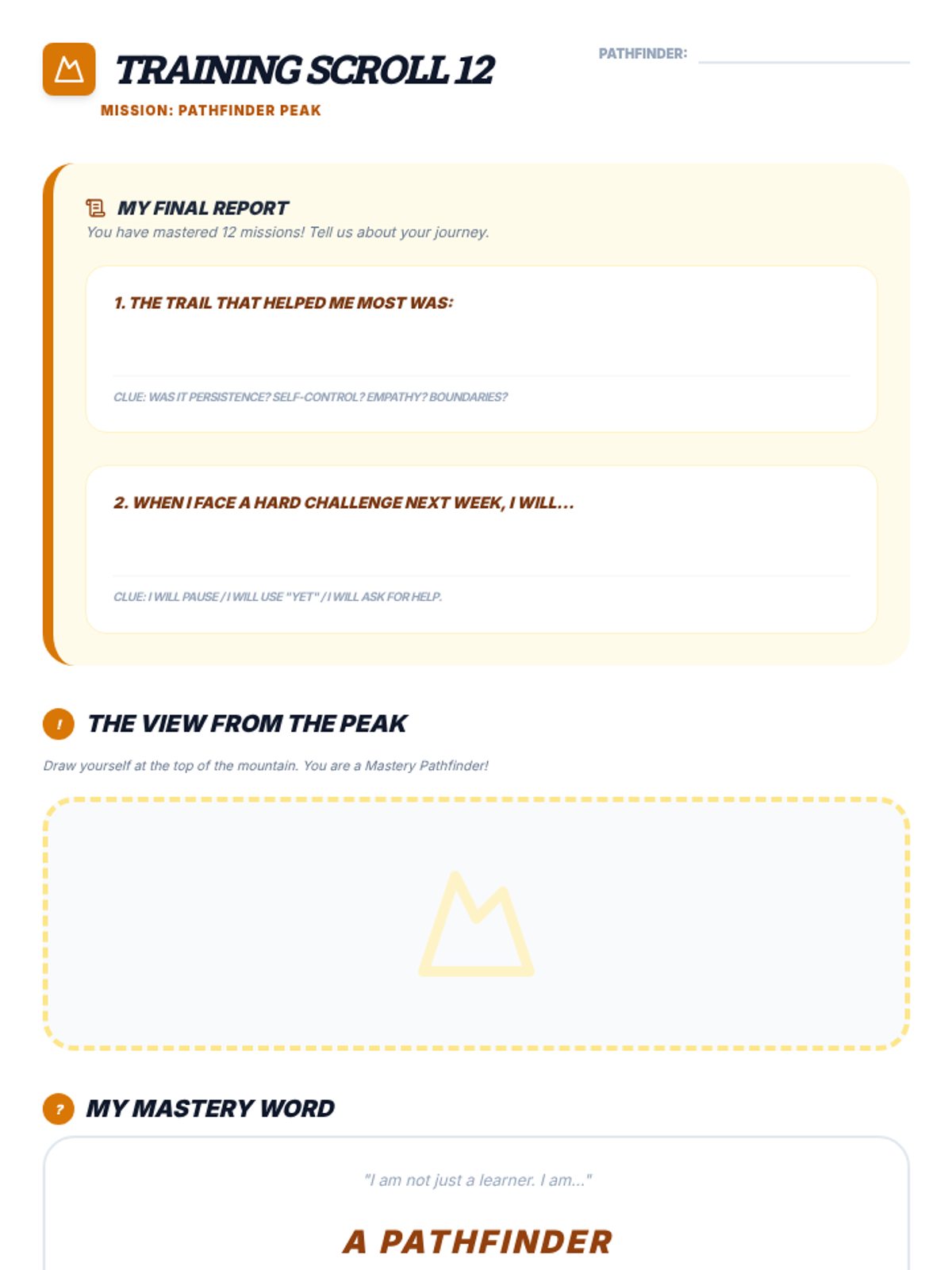
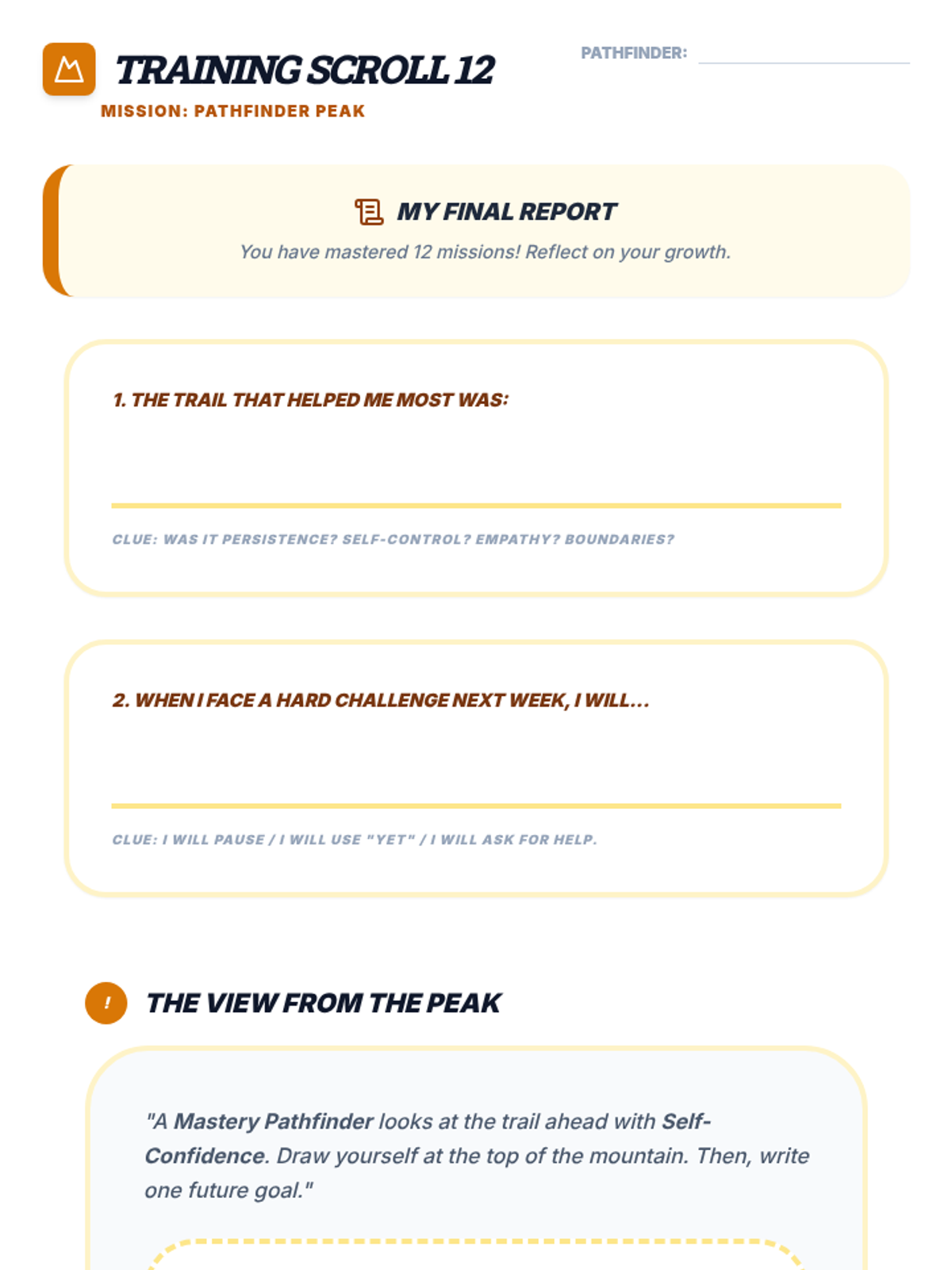
Course synthesis and graduation. Reflecting on the journey from impulsive to intentional Pathfinder.
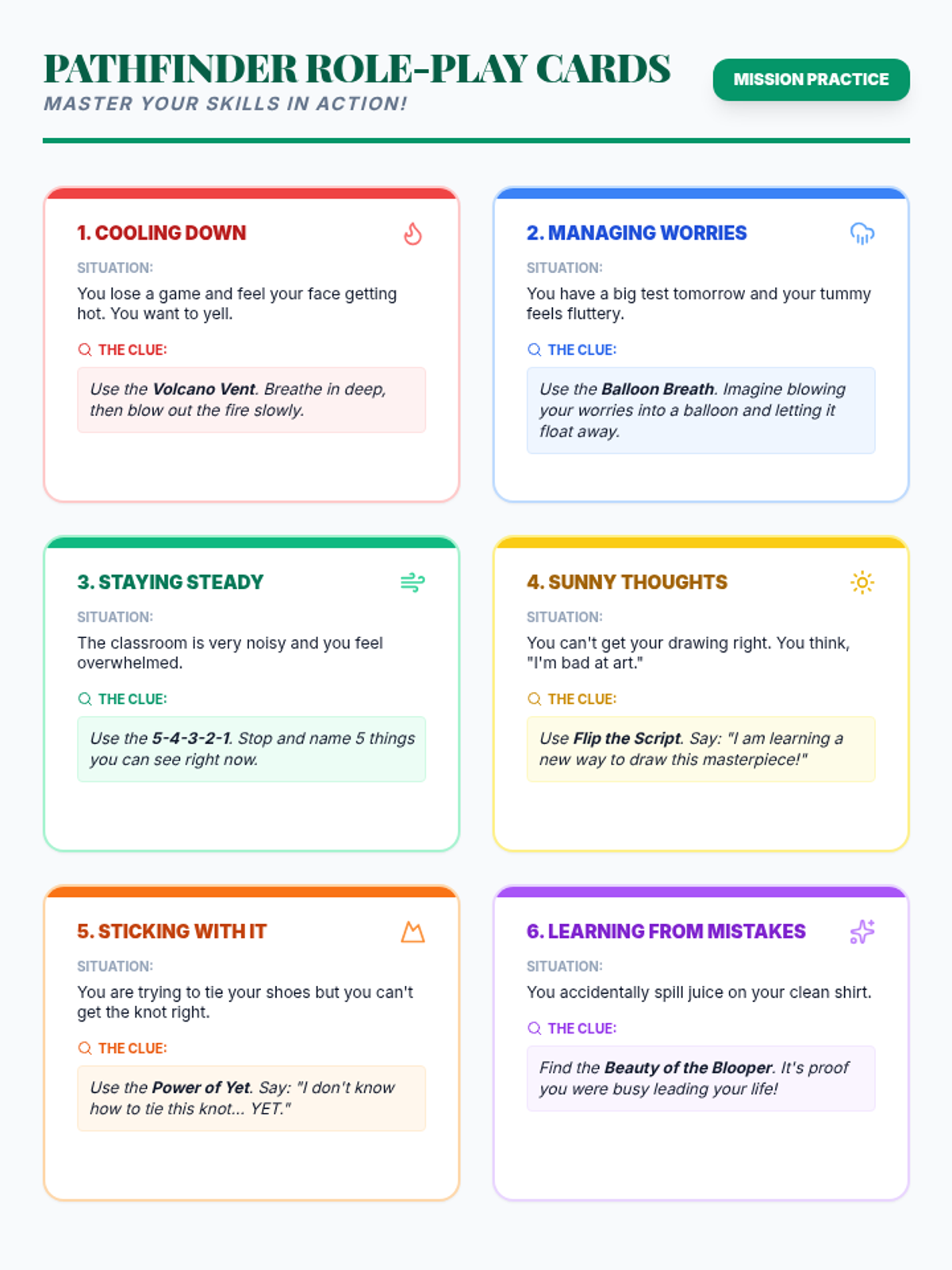
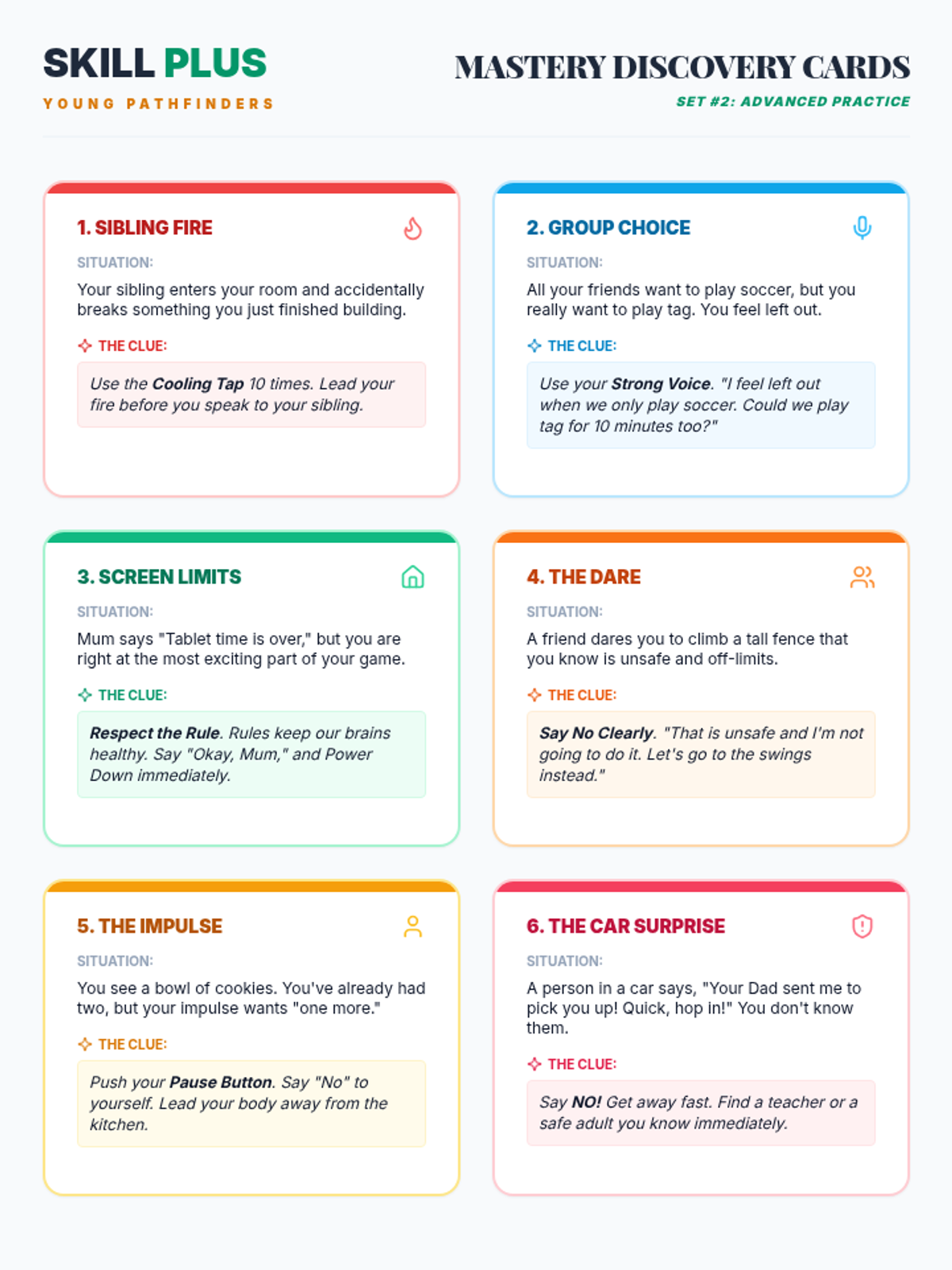
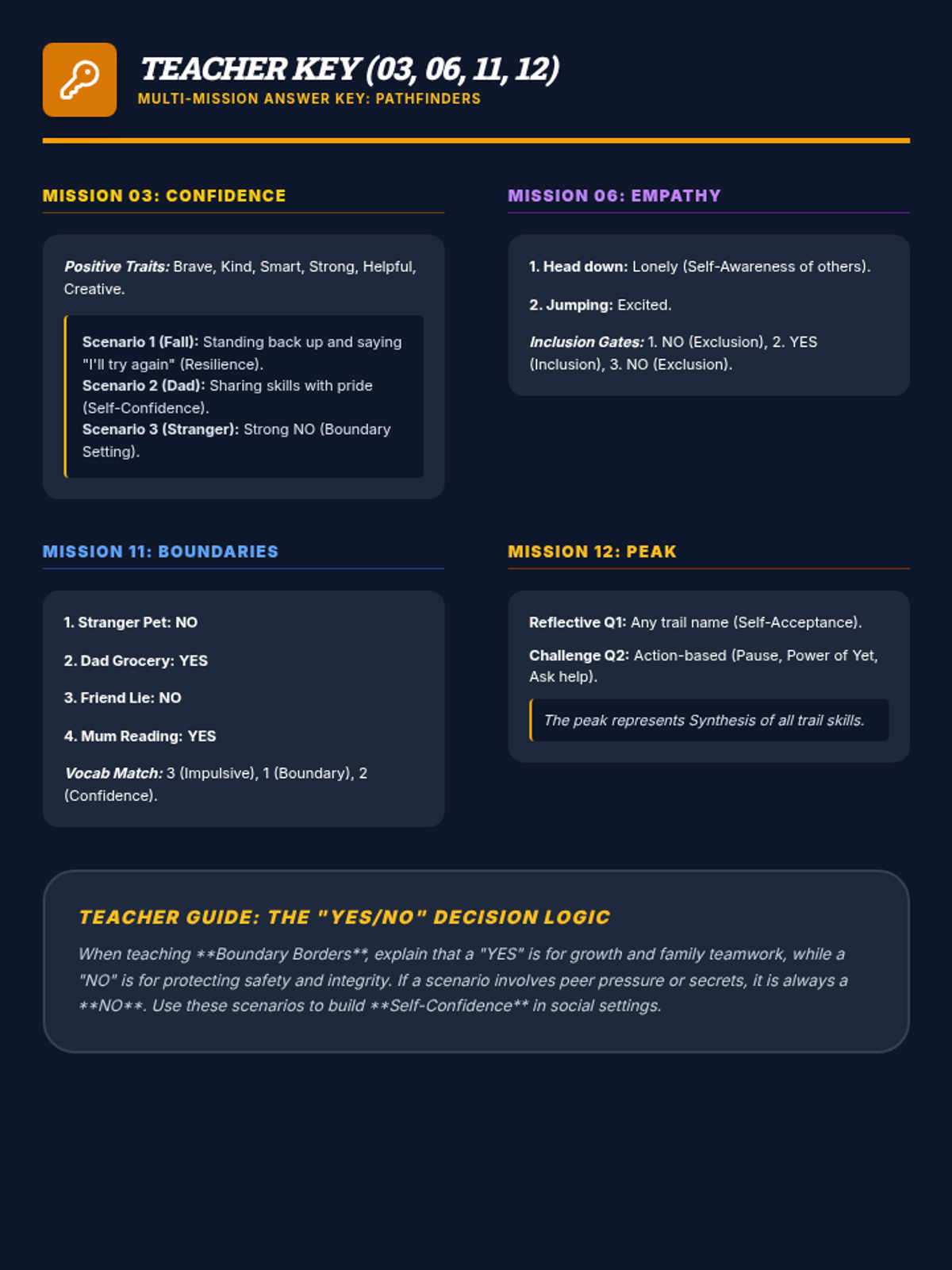
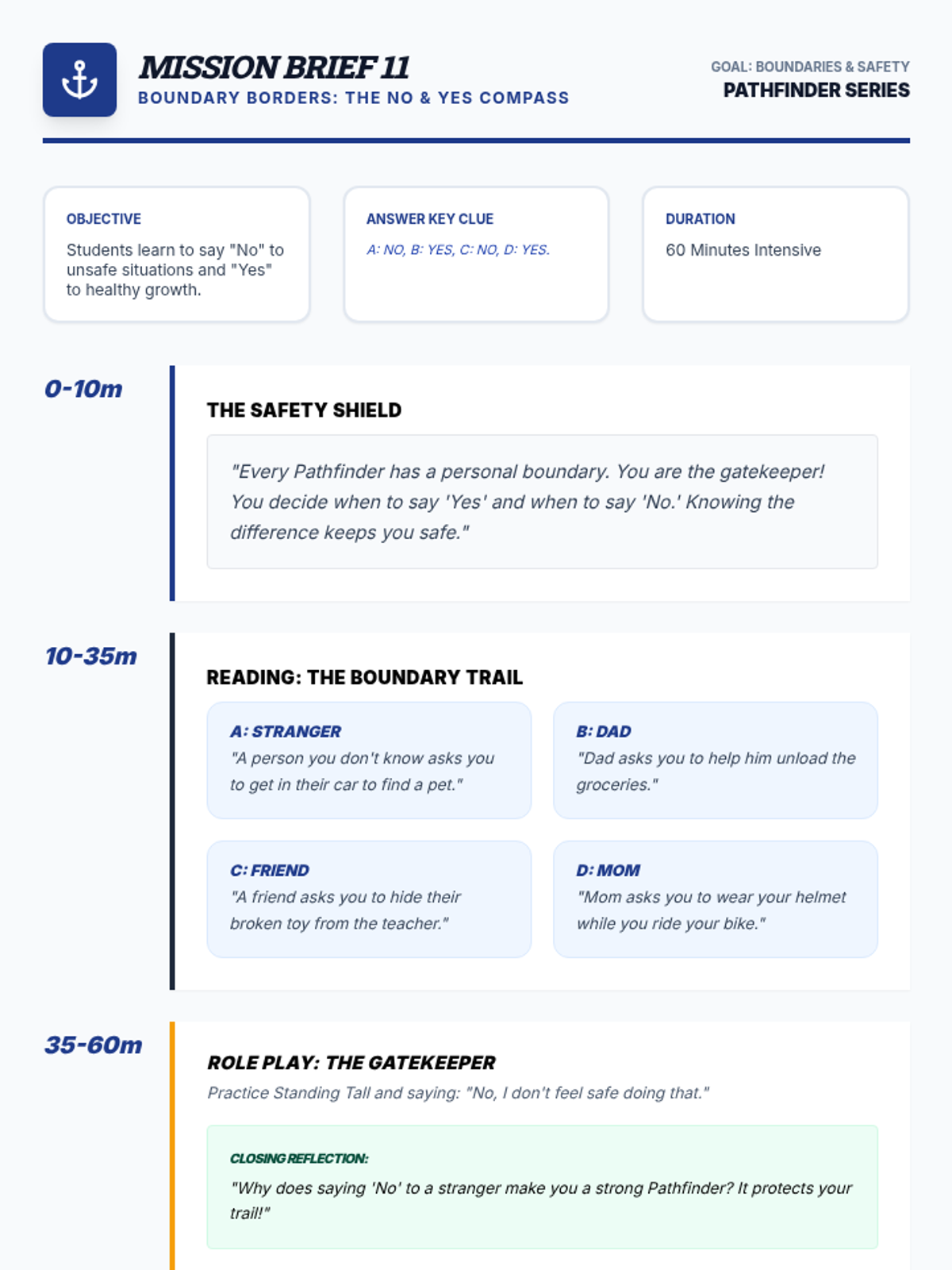
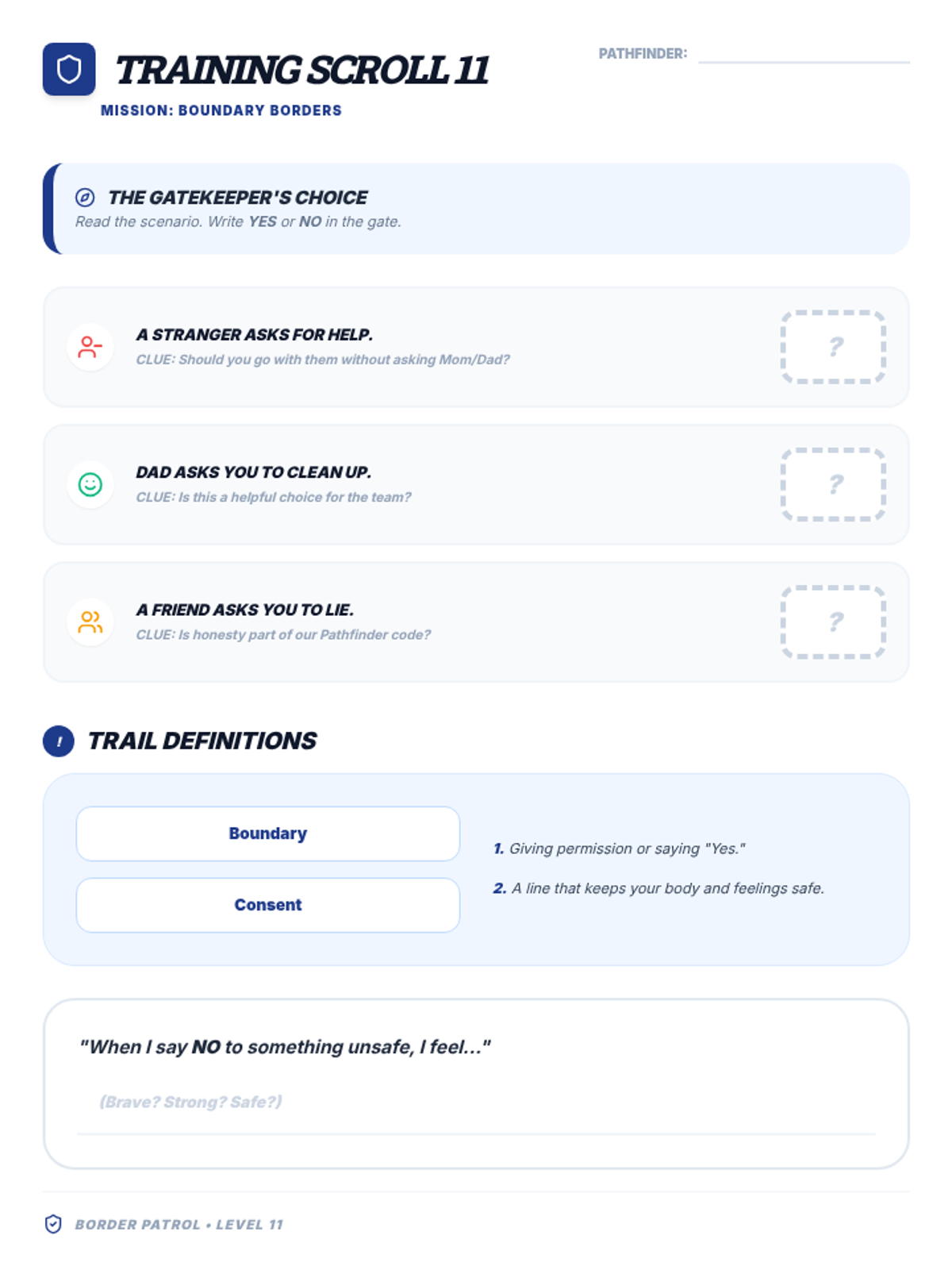
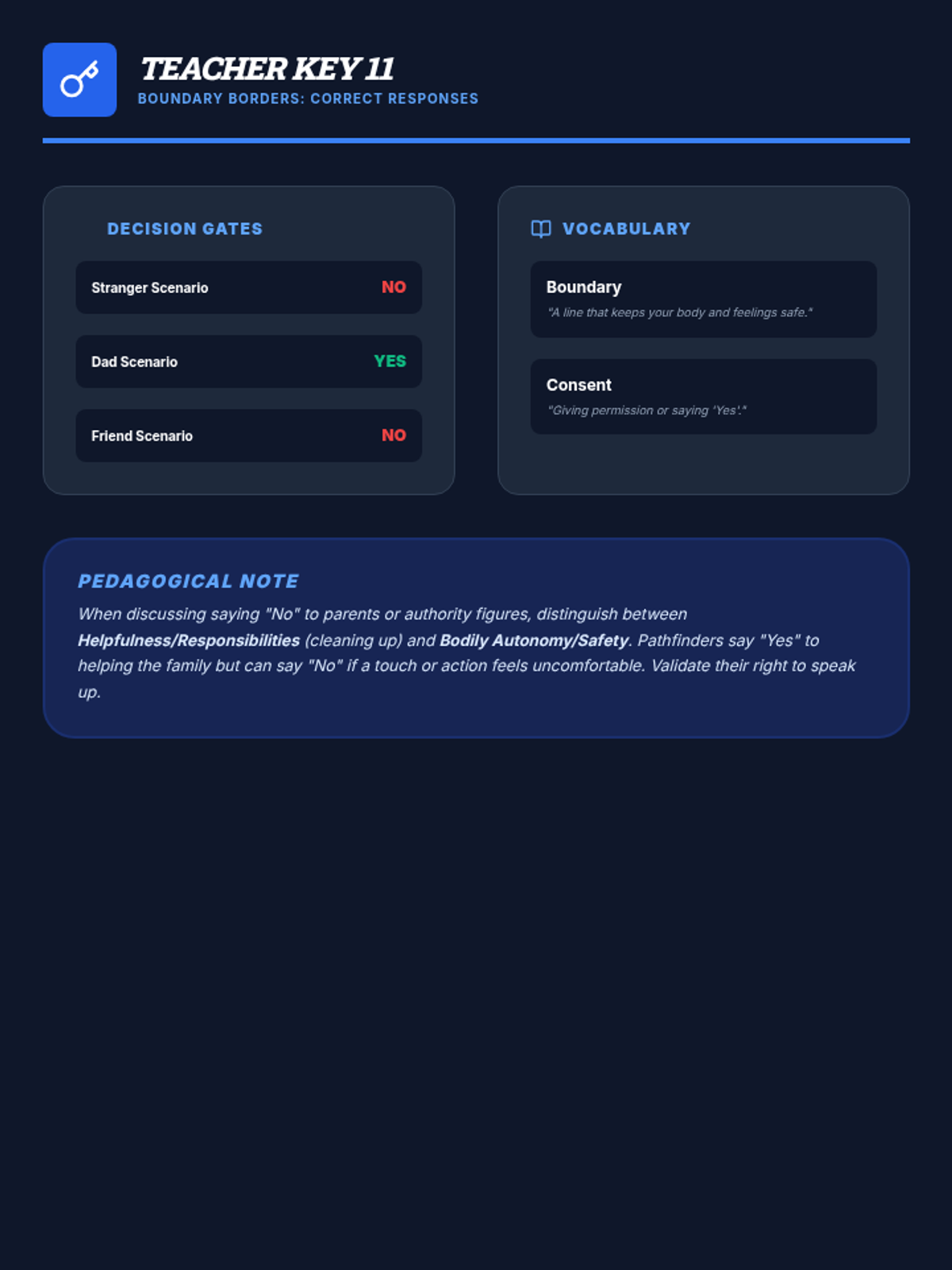
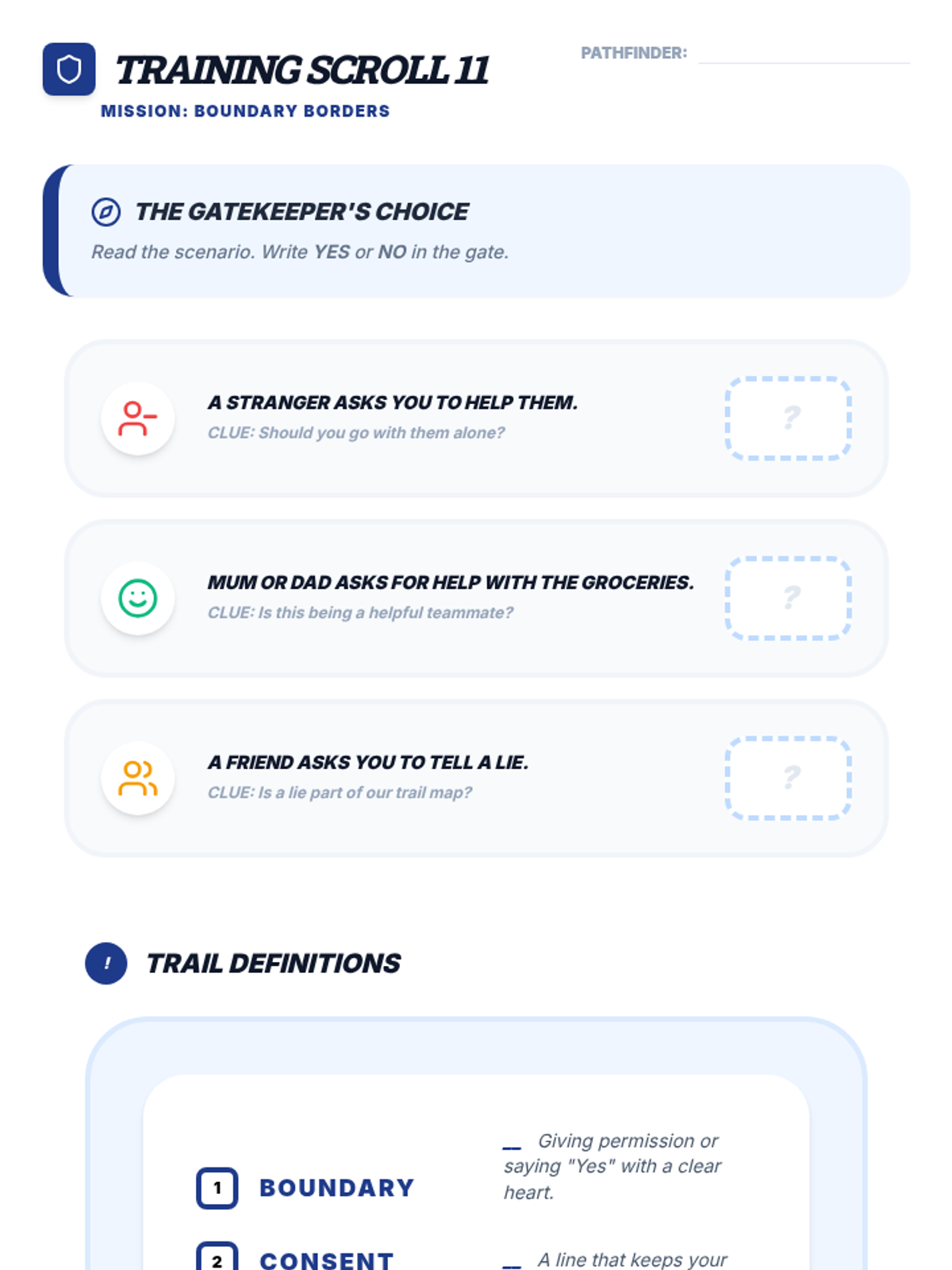
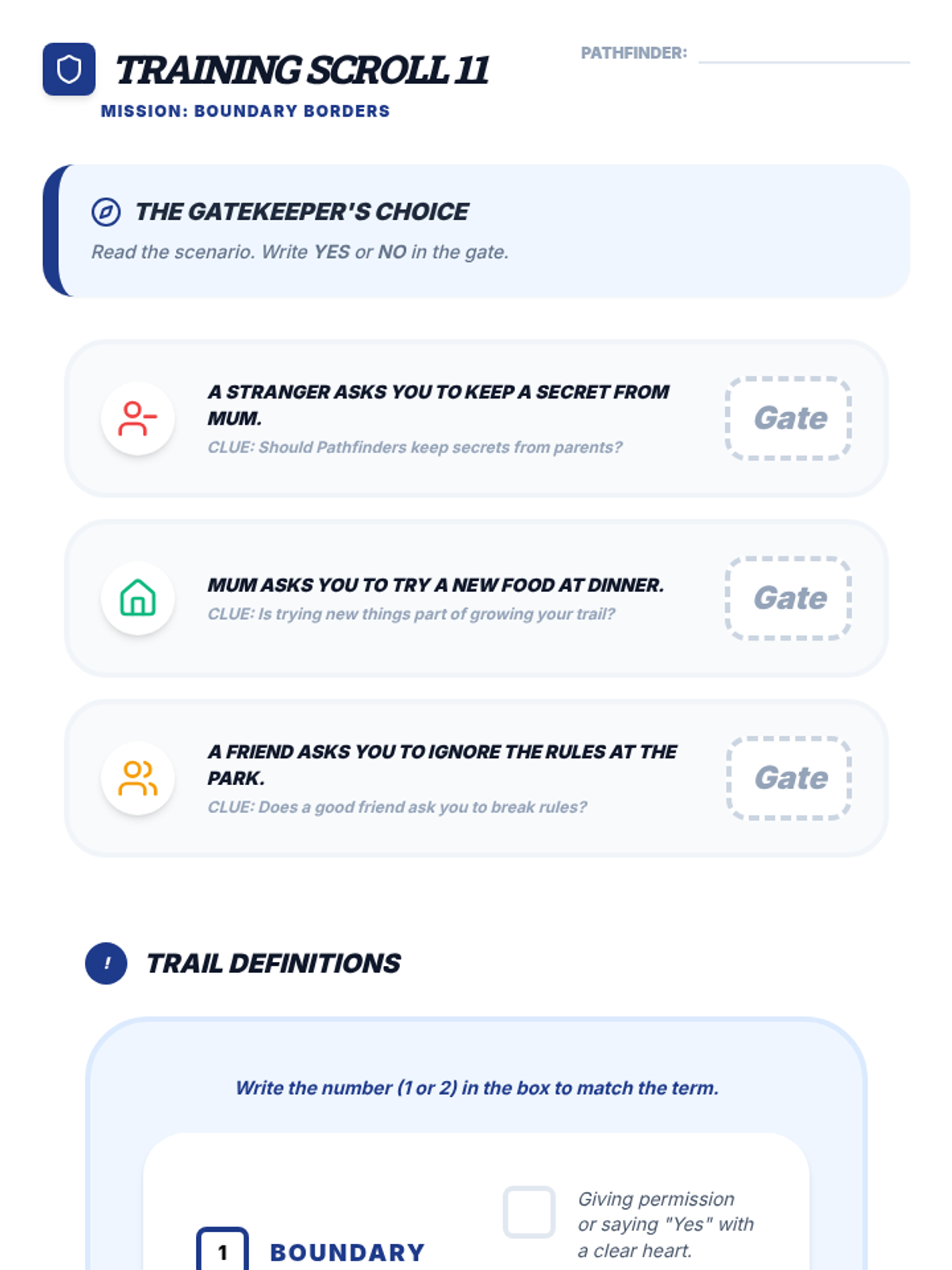
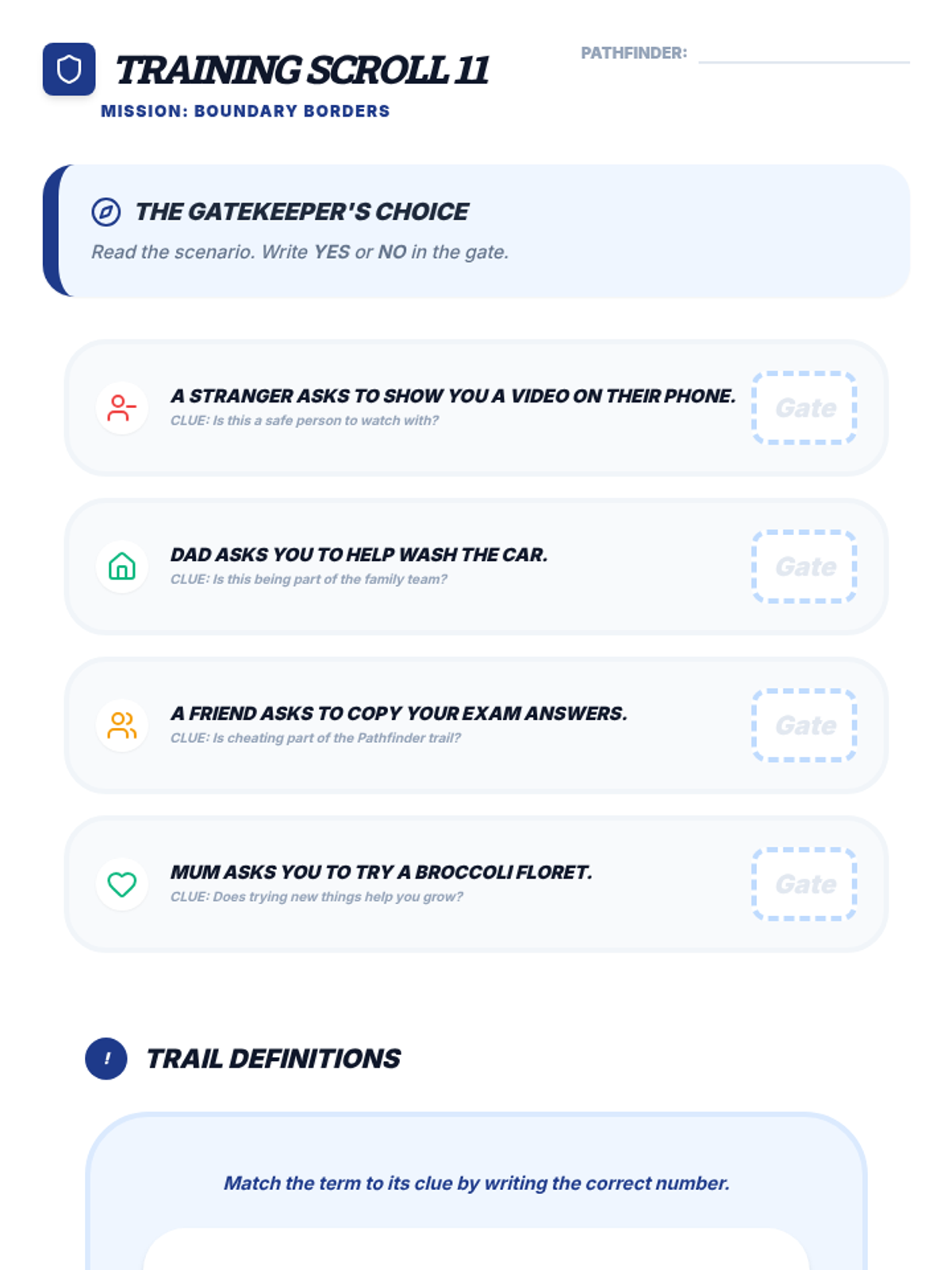
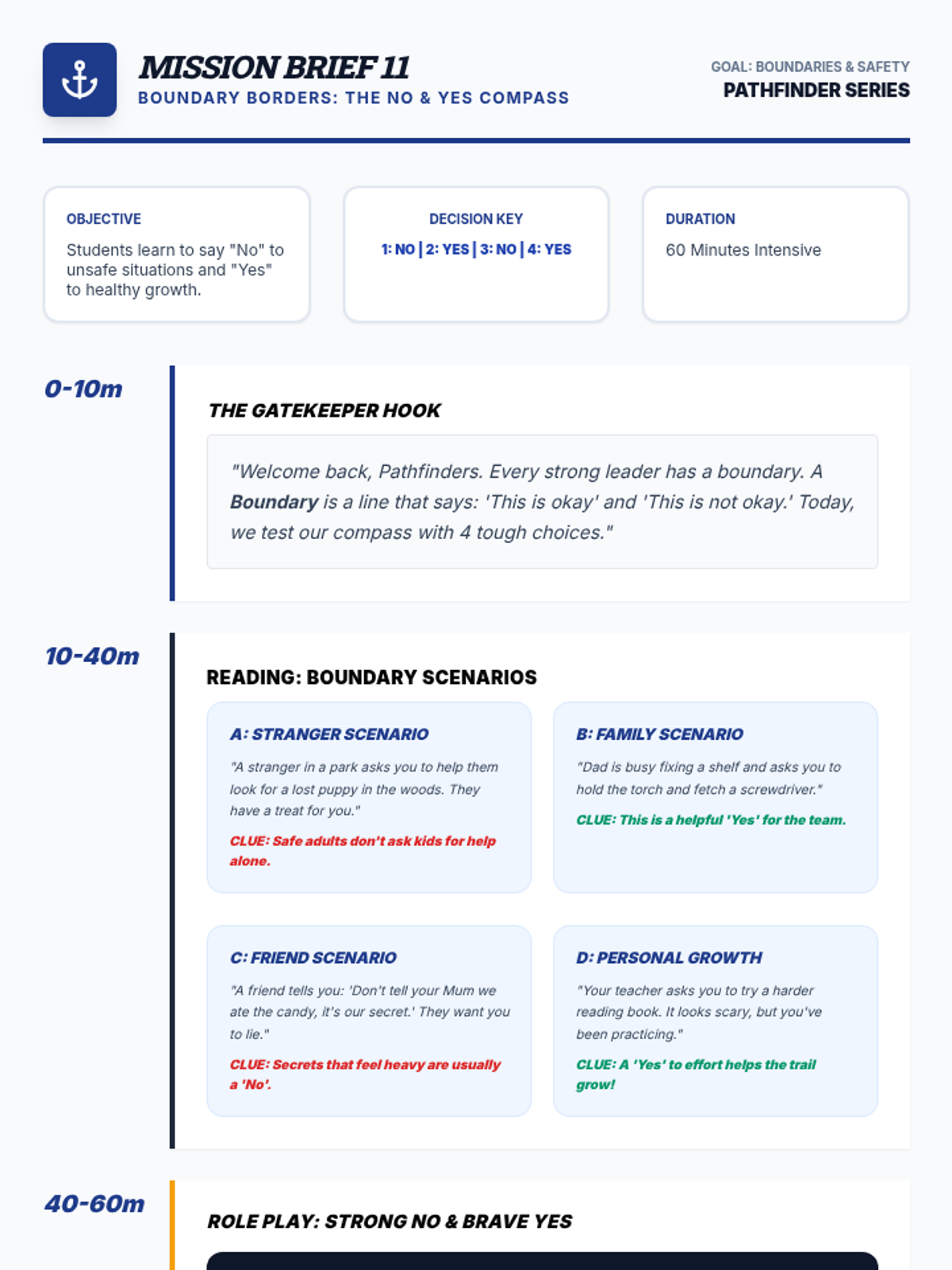
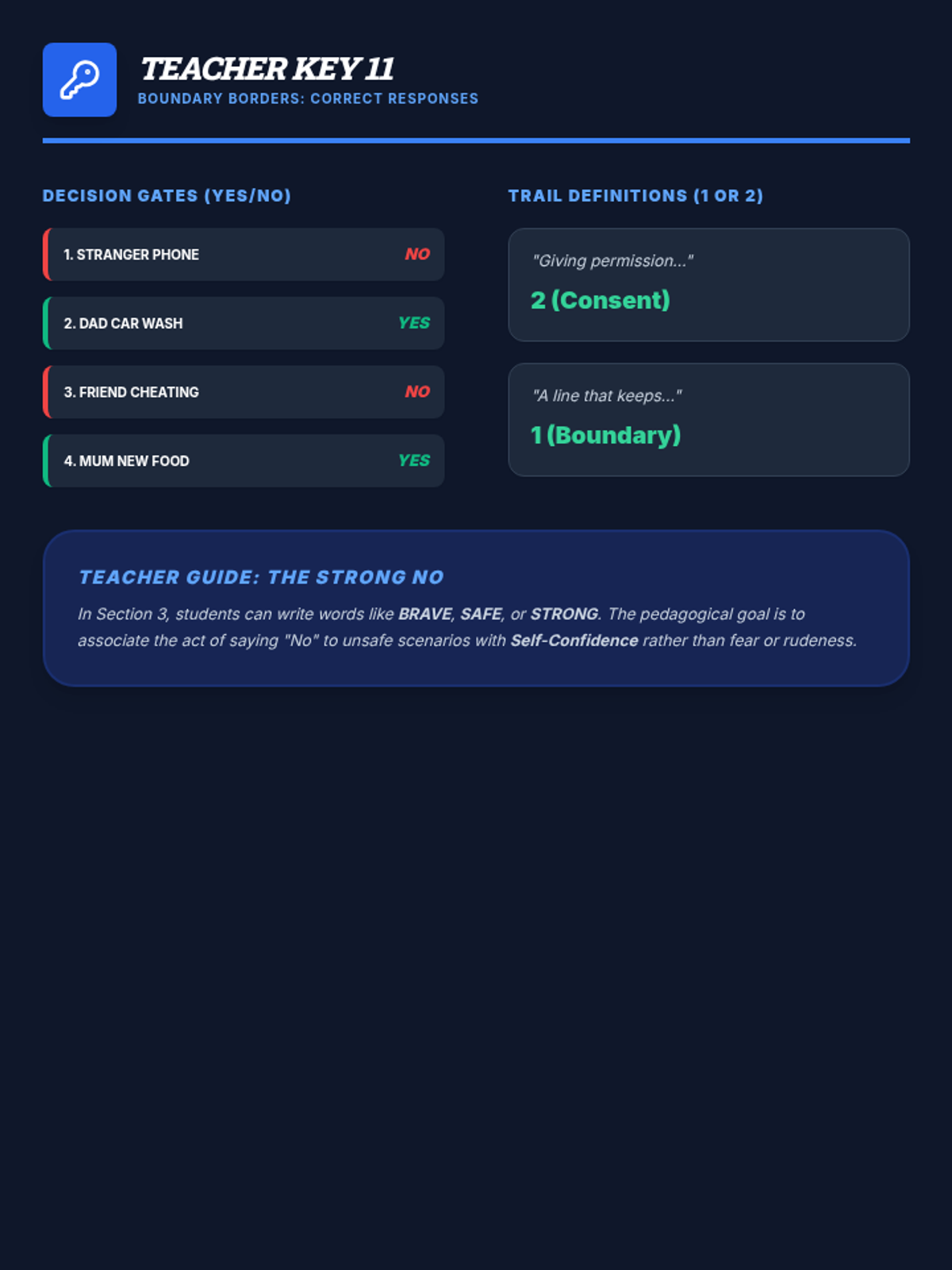
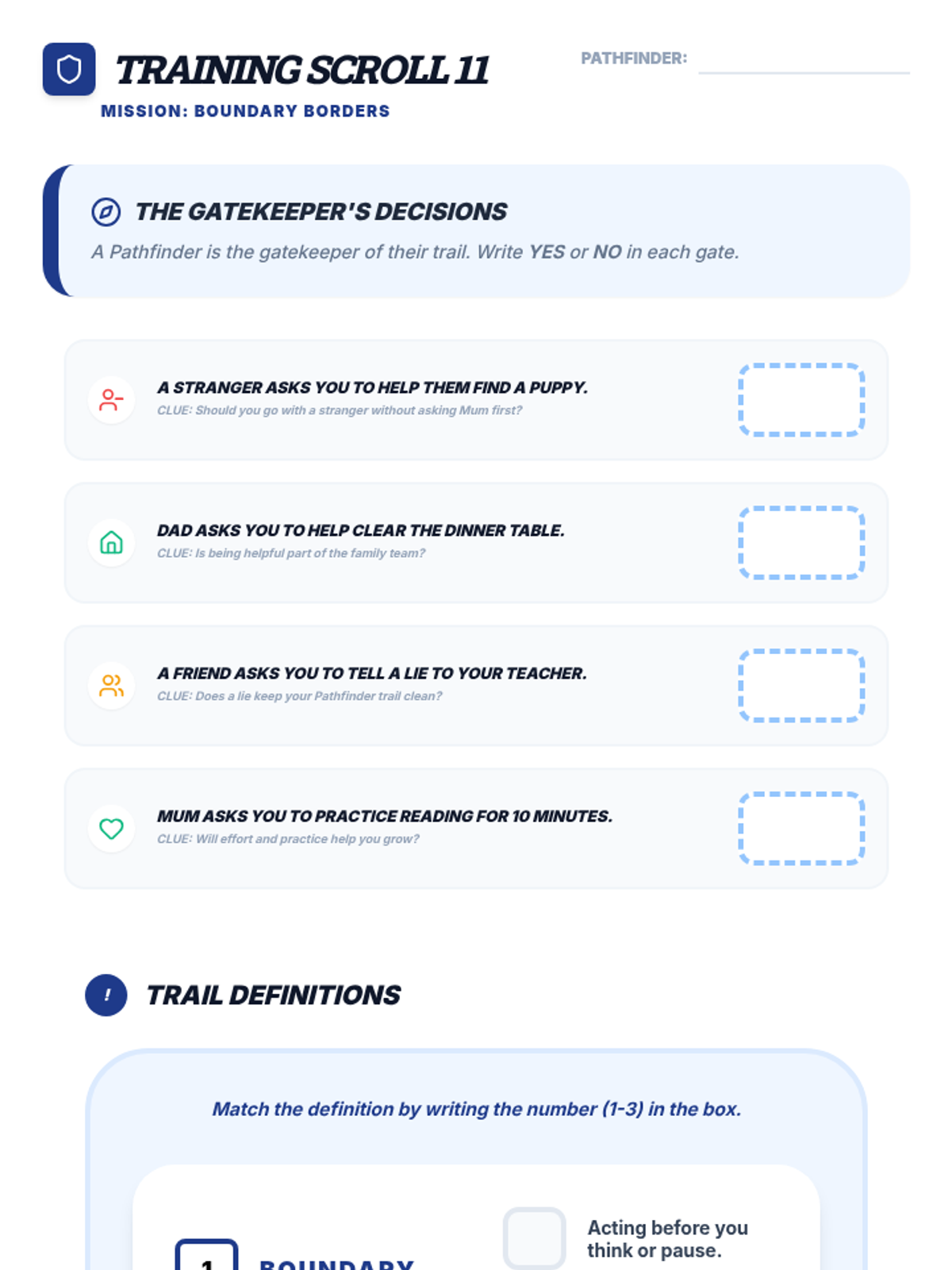
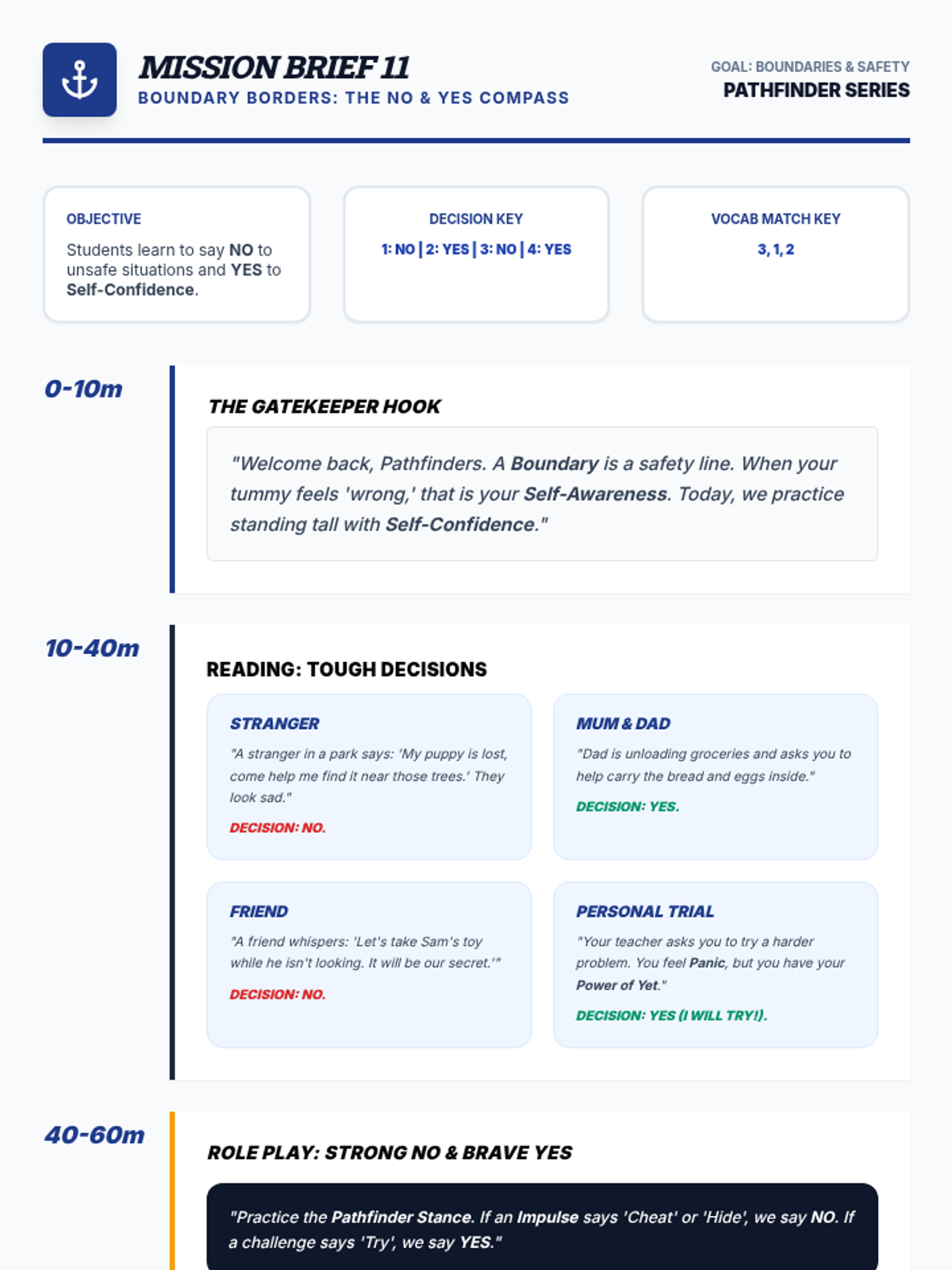
Mastering boundaries. Learning when and how to say 'No' or 'Yes' to family, friends, and strangers.
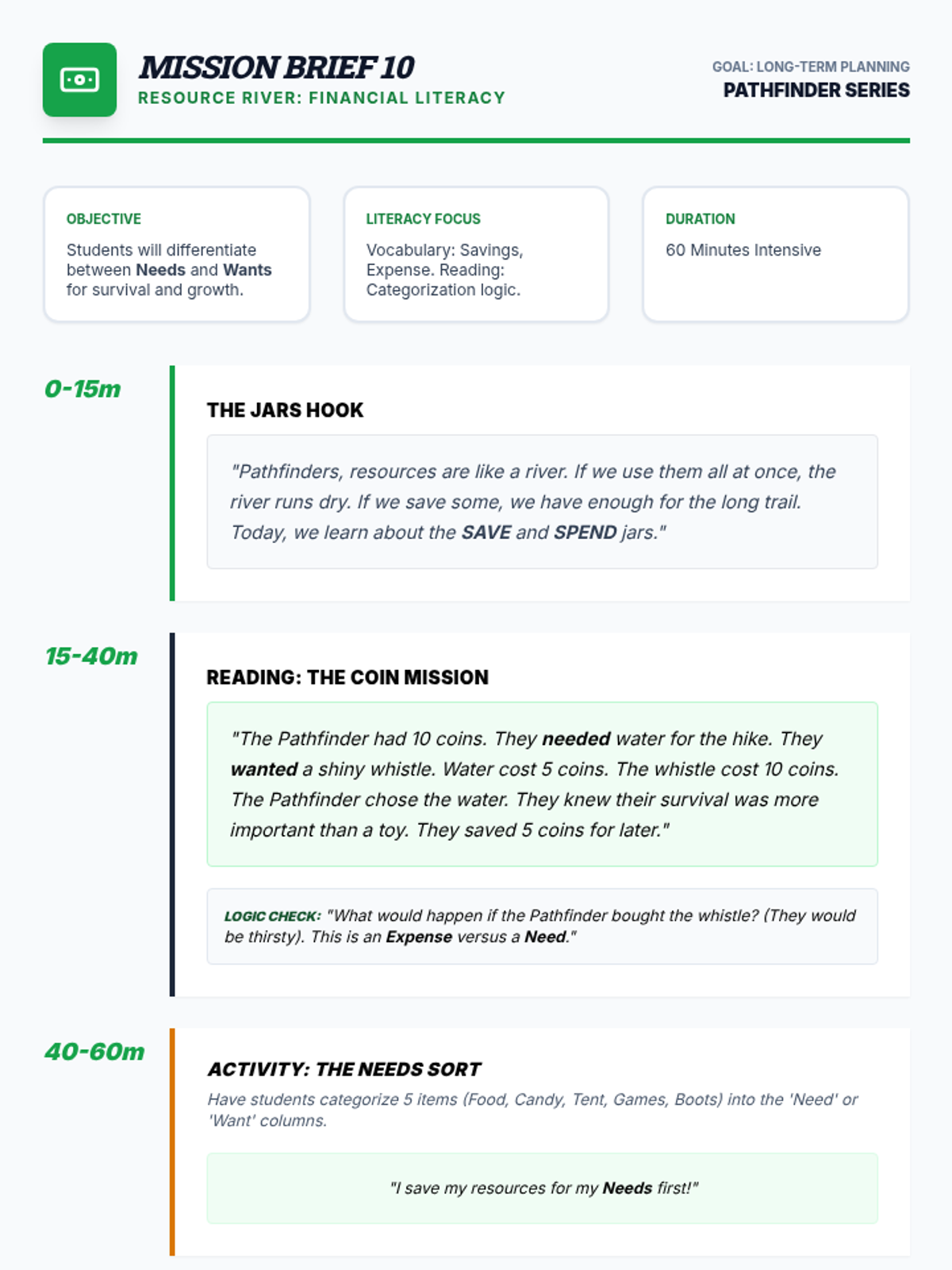
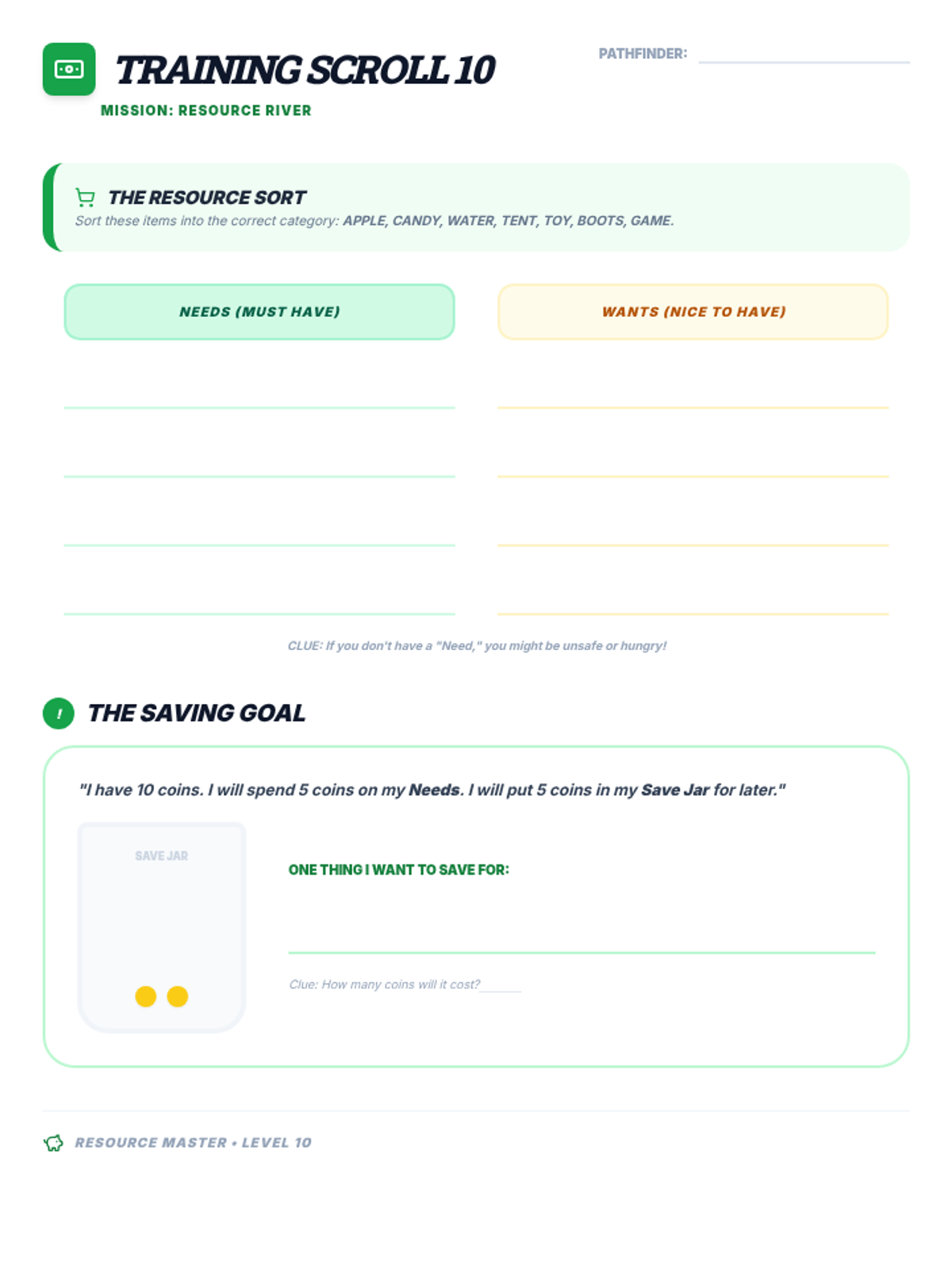
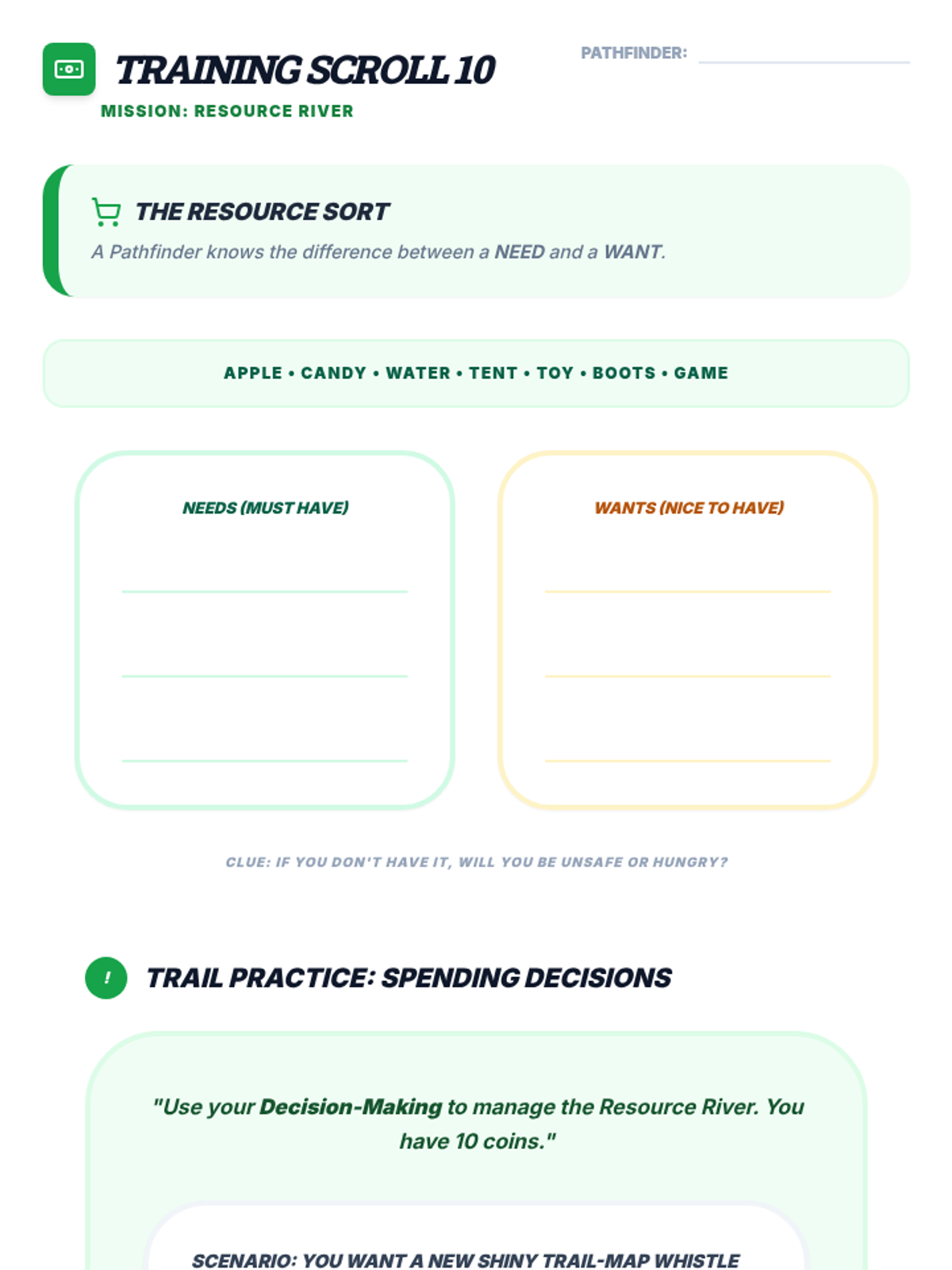
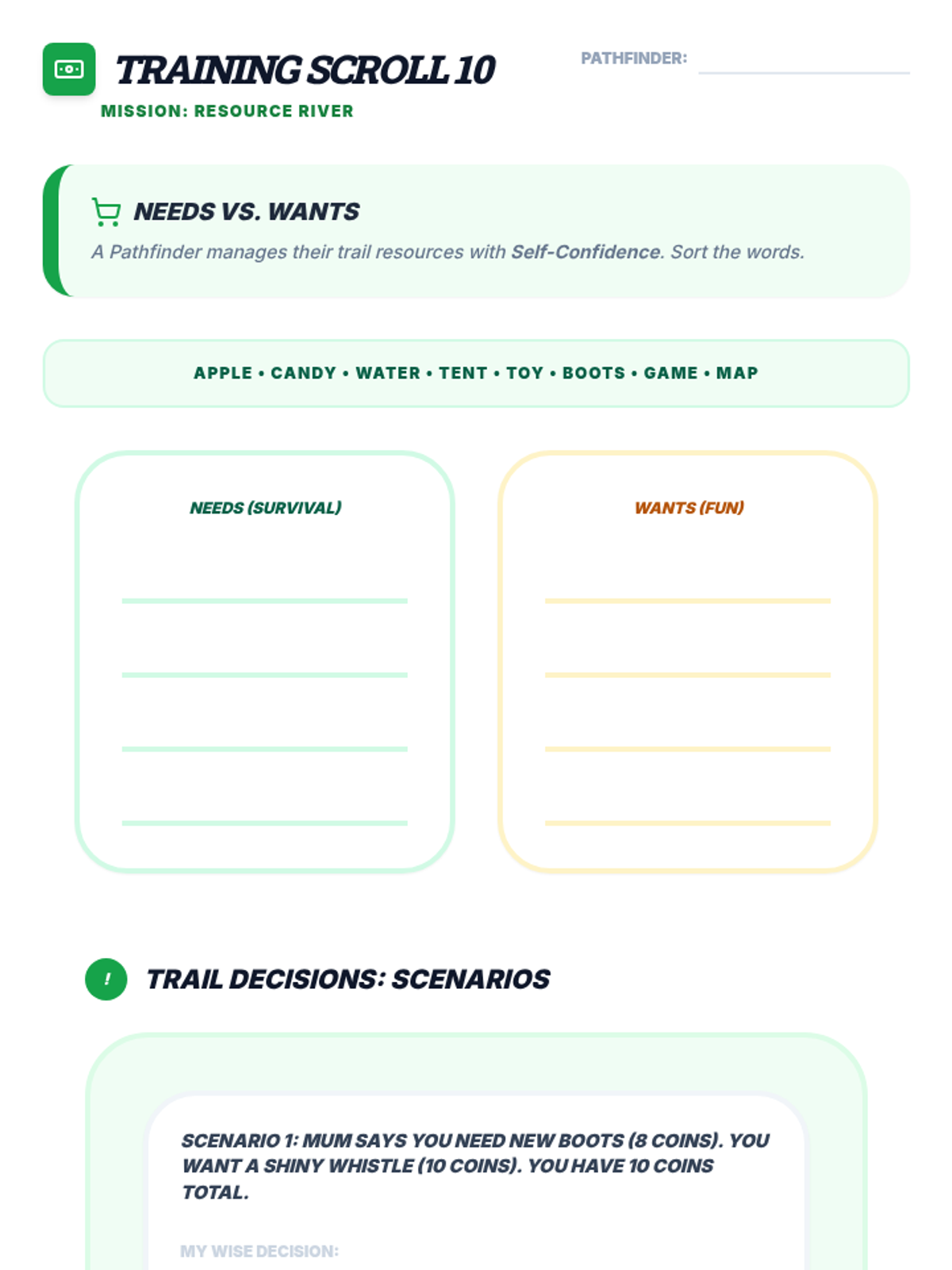
Financial literacy basics. Categorizing needs vs. wants to build long-term planning skills.
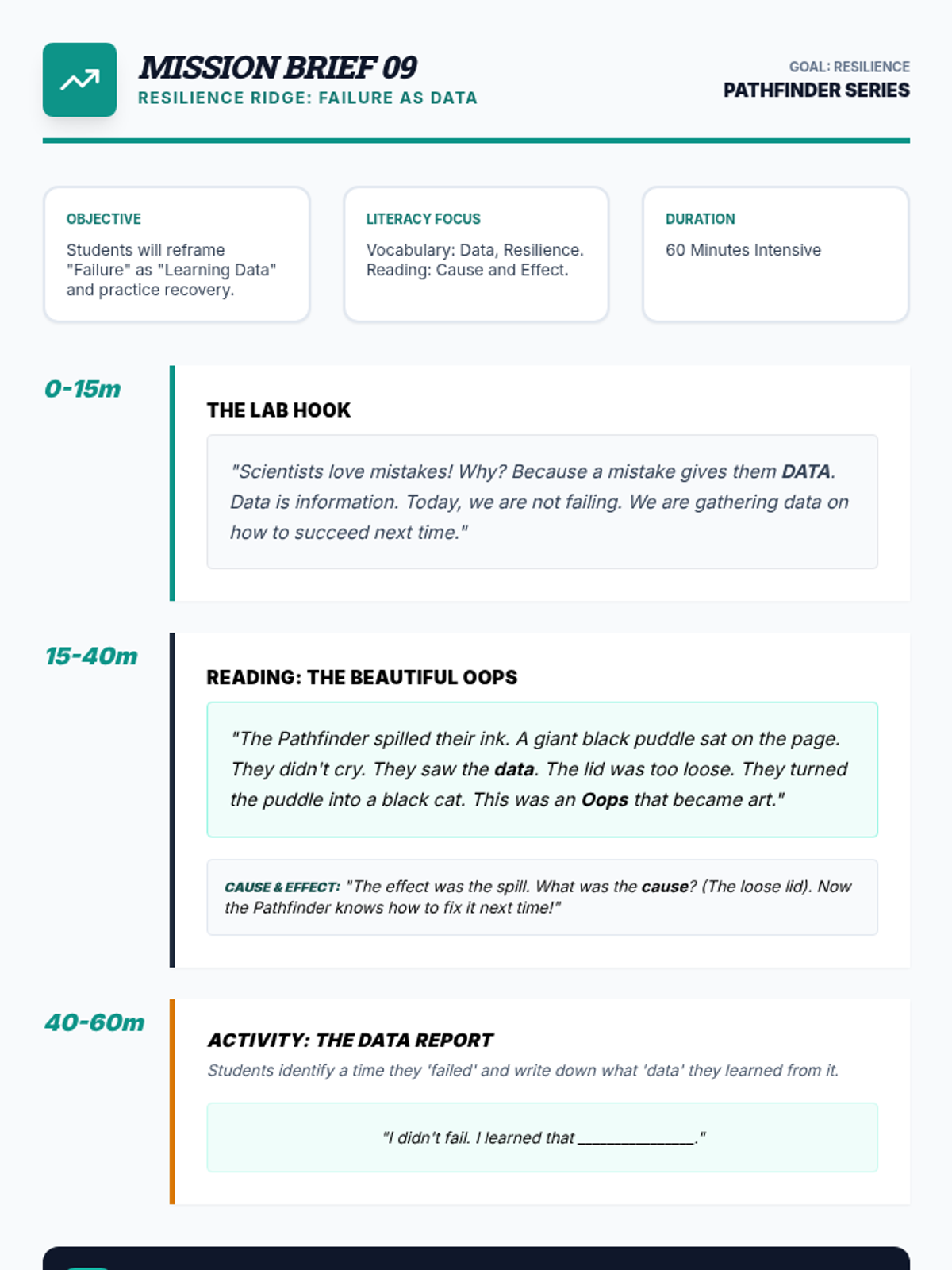
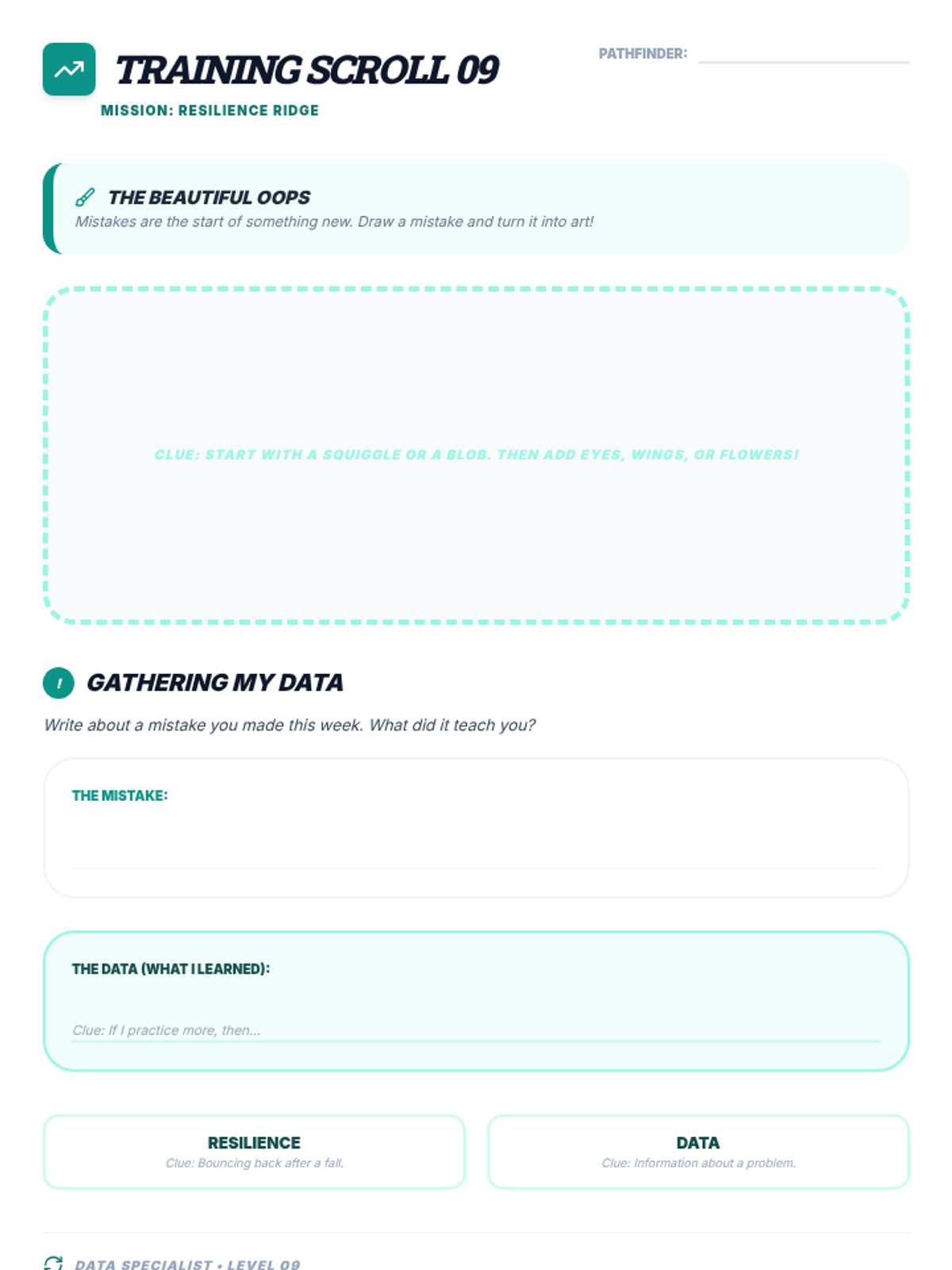
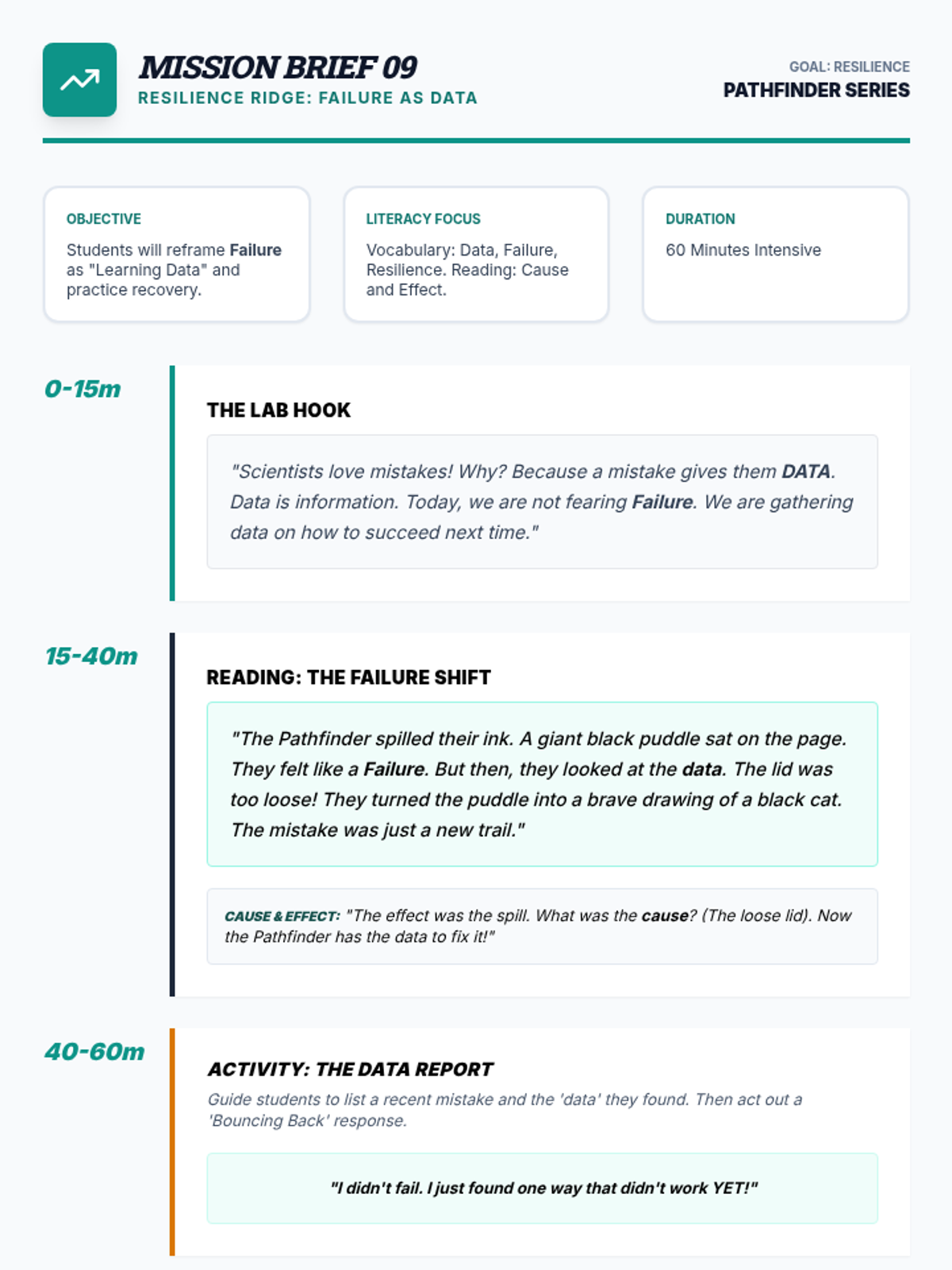
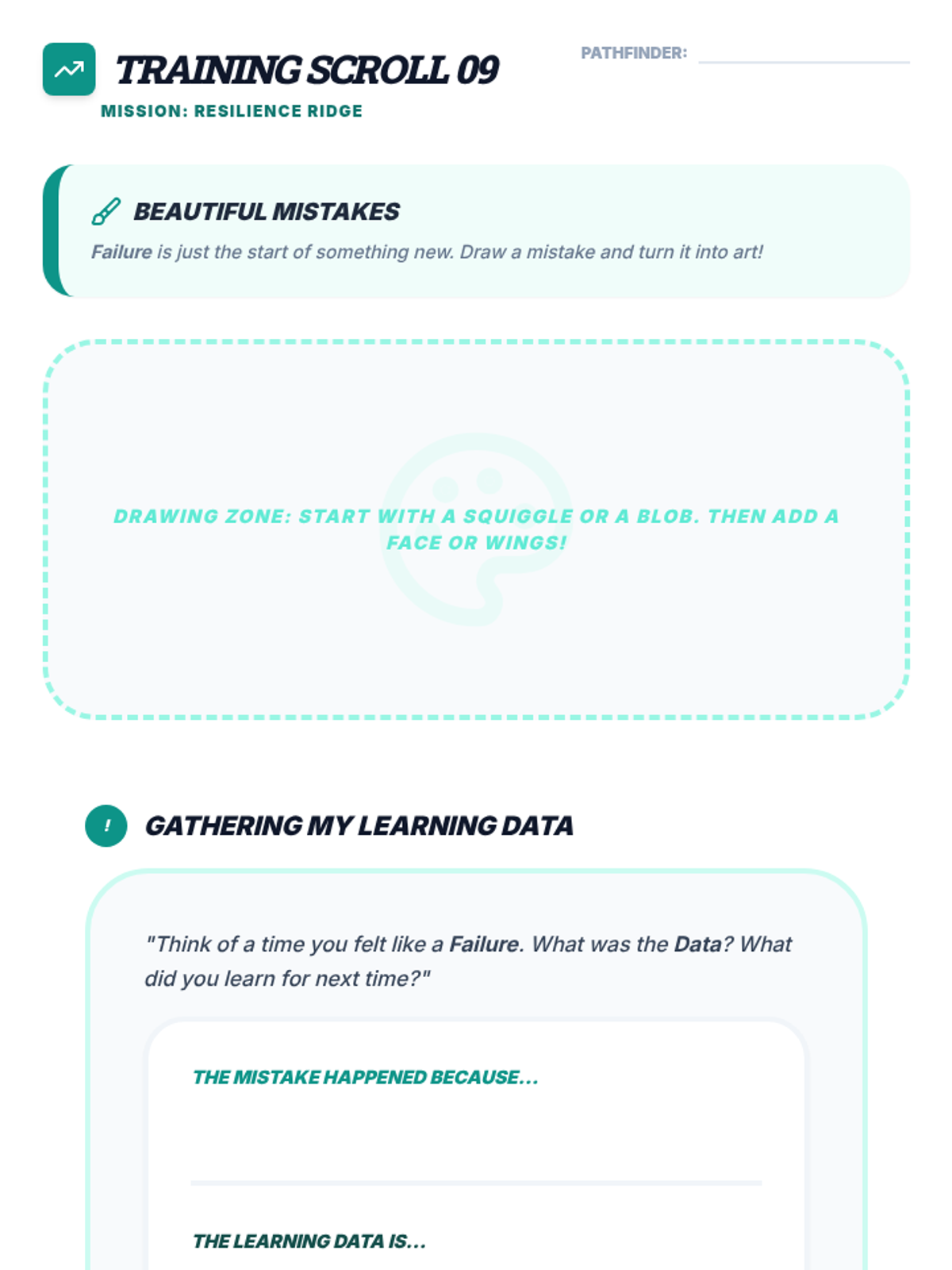
Learning to see failure as data. Celebrating 'Beautiful Oops' moments and messy progress.
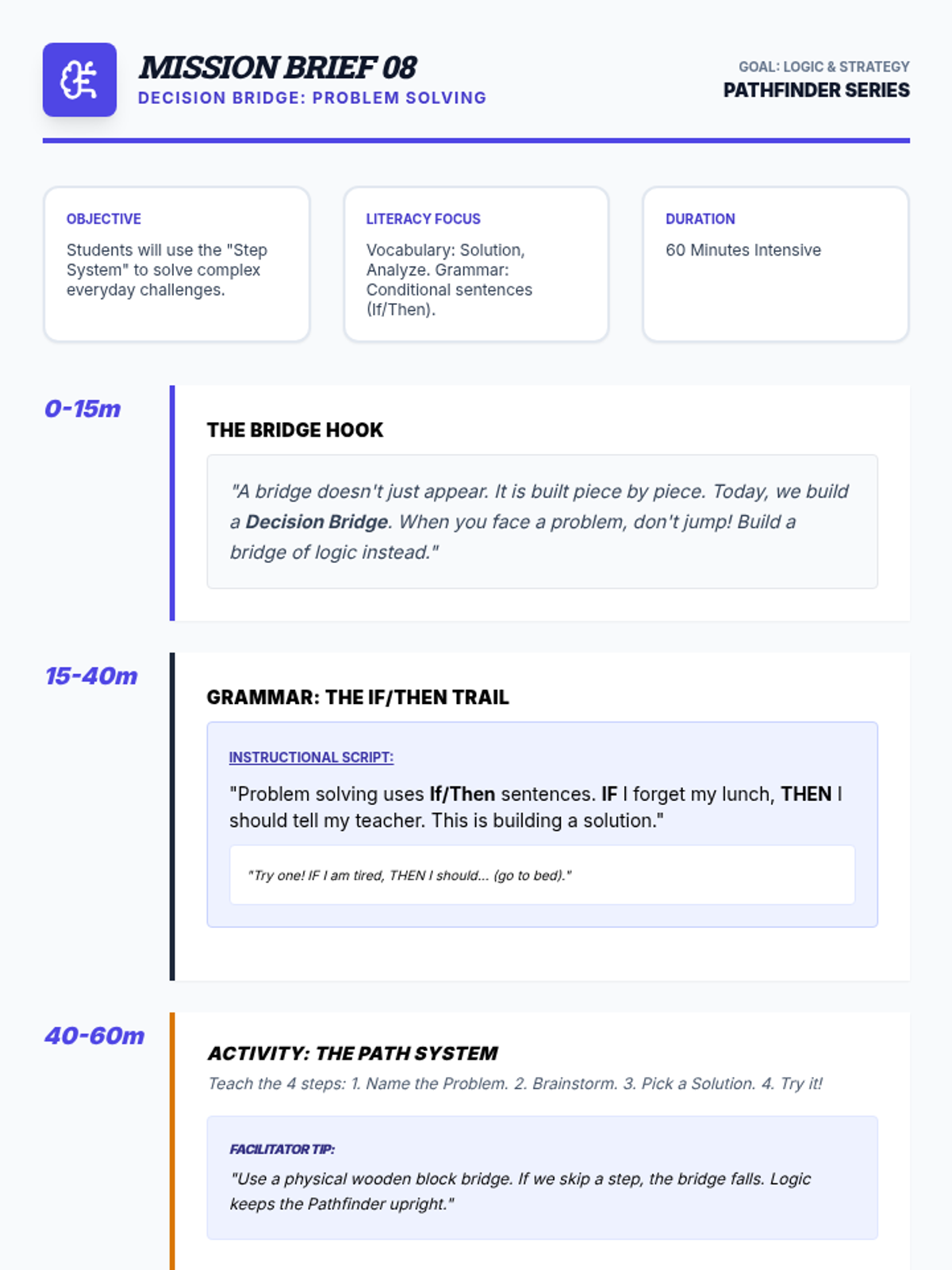
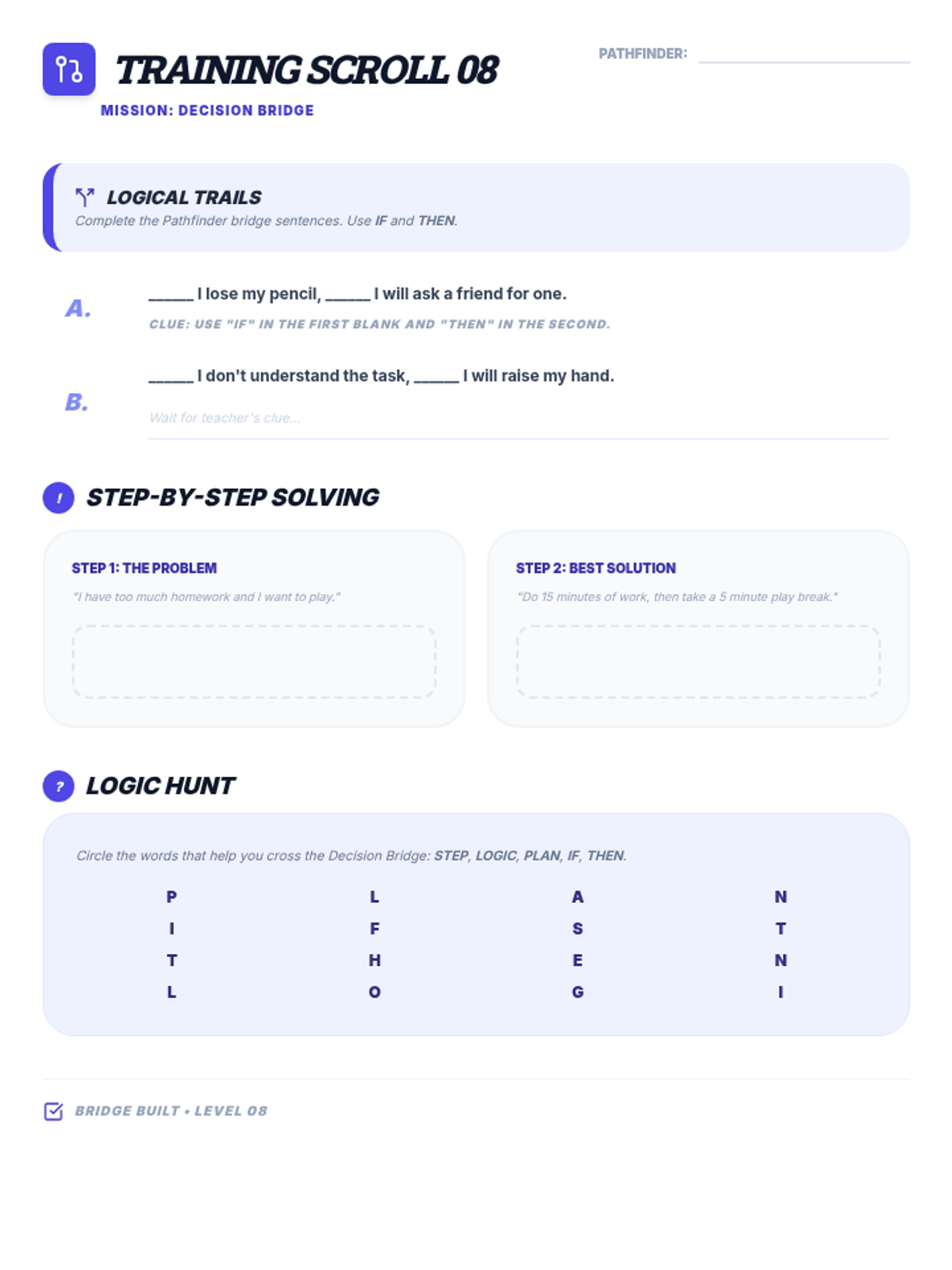
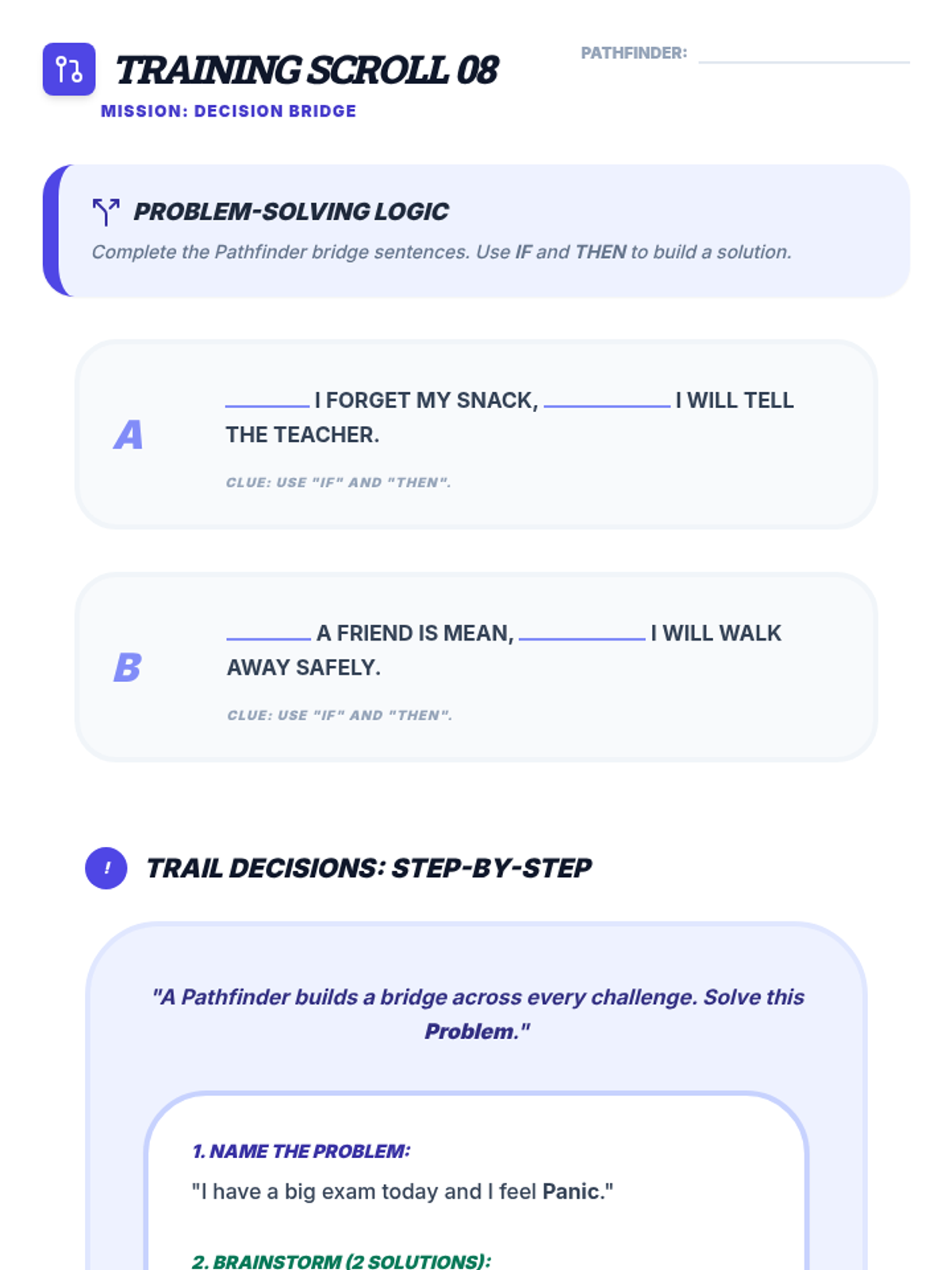
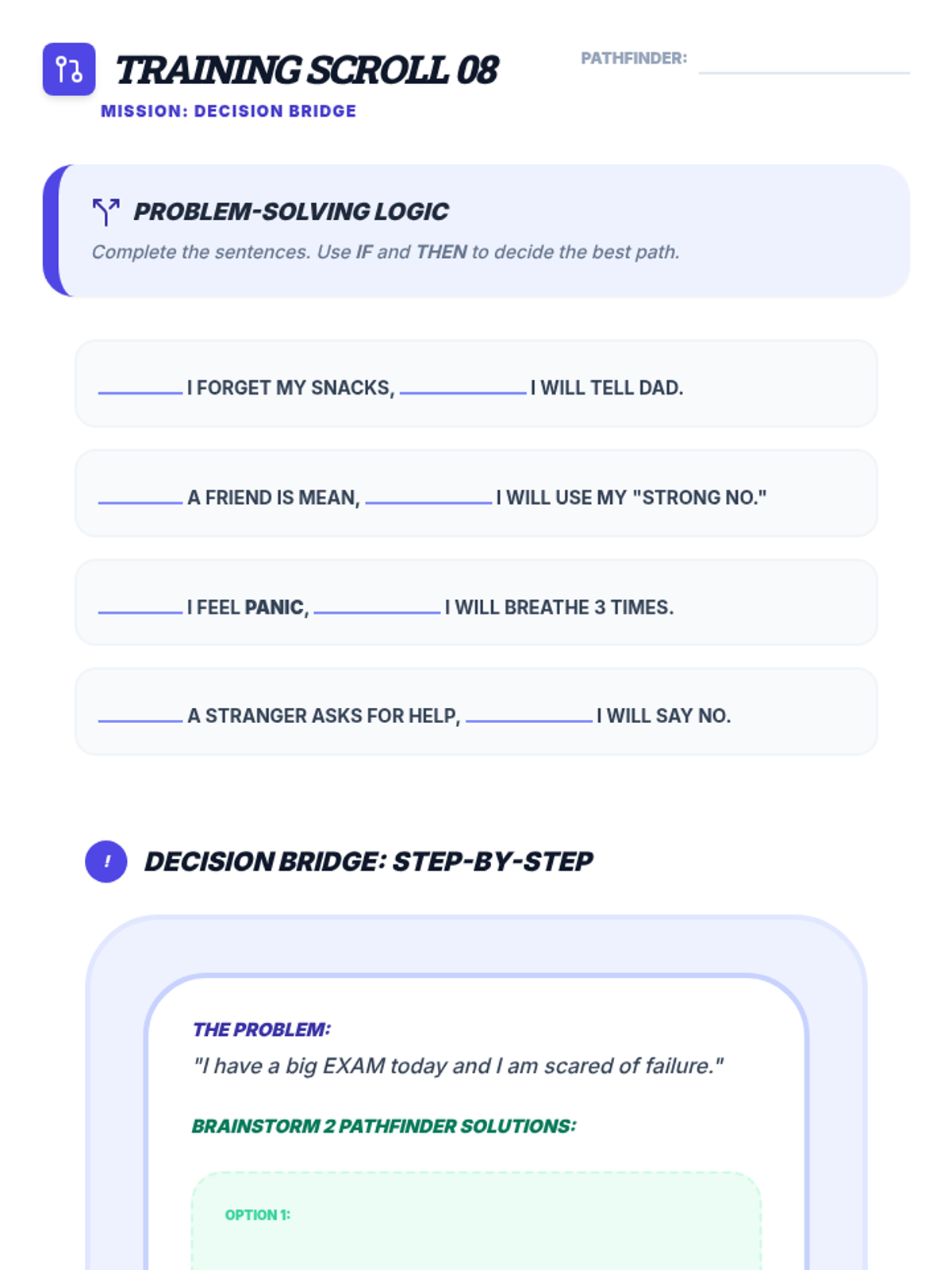
Applying logic to everyday challenges. The 'Pathfinder Step System' for making thoughtful choices.
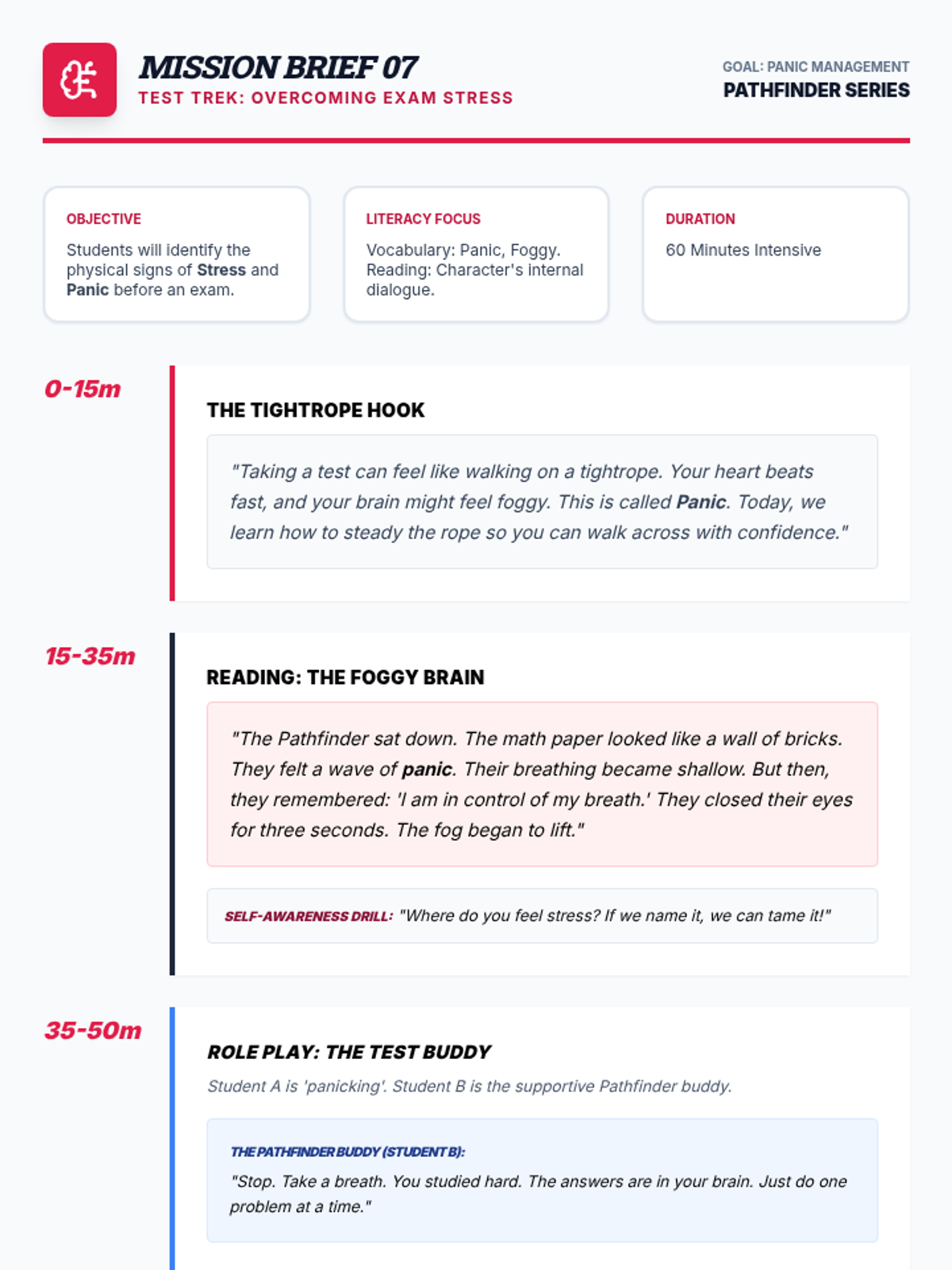
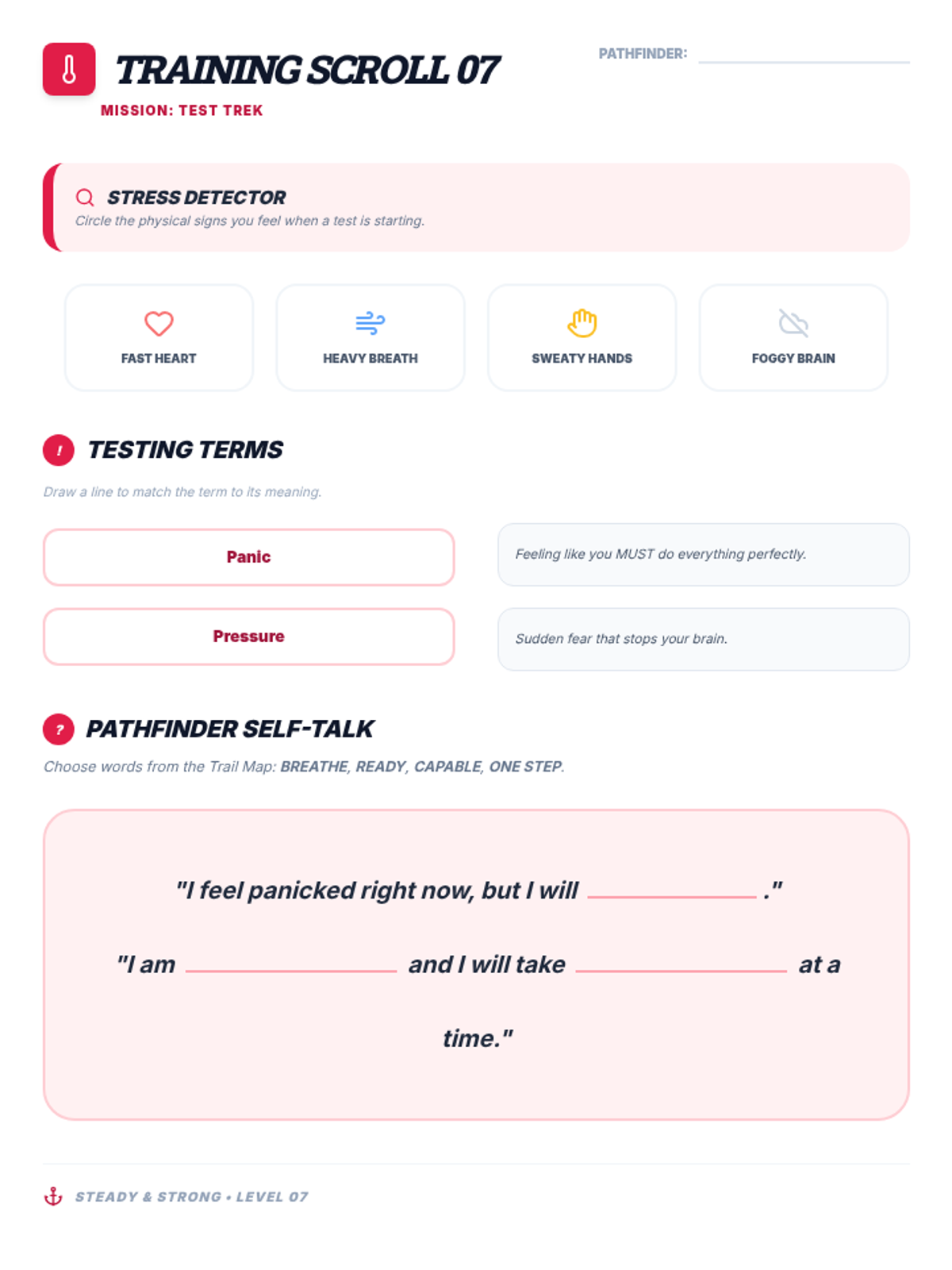
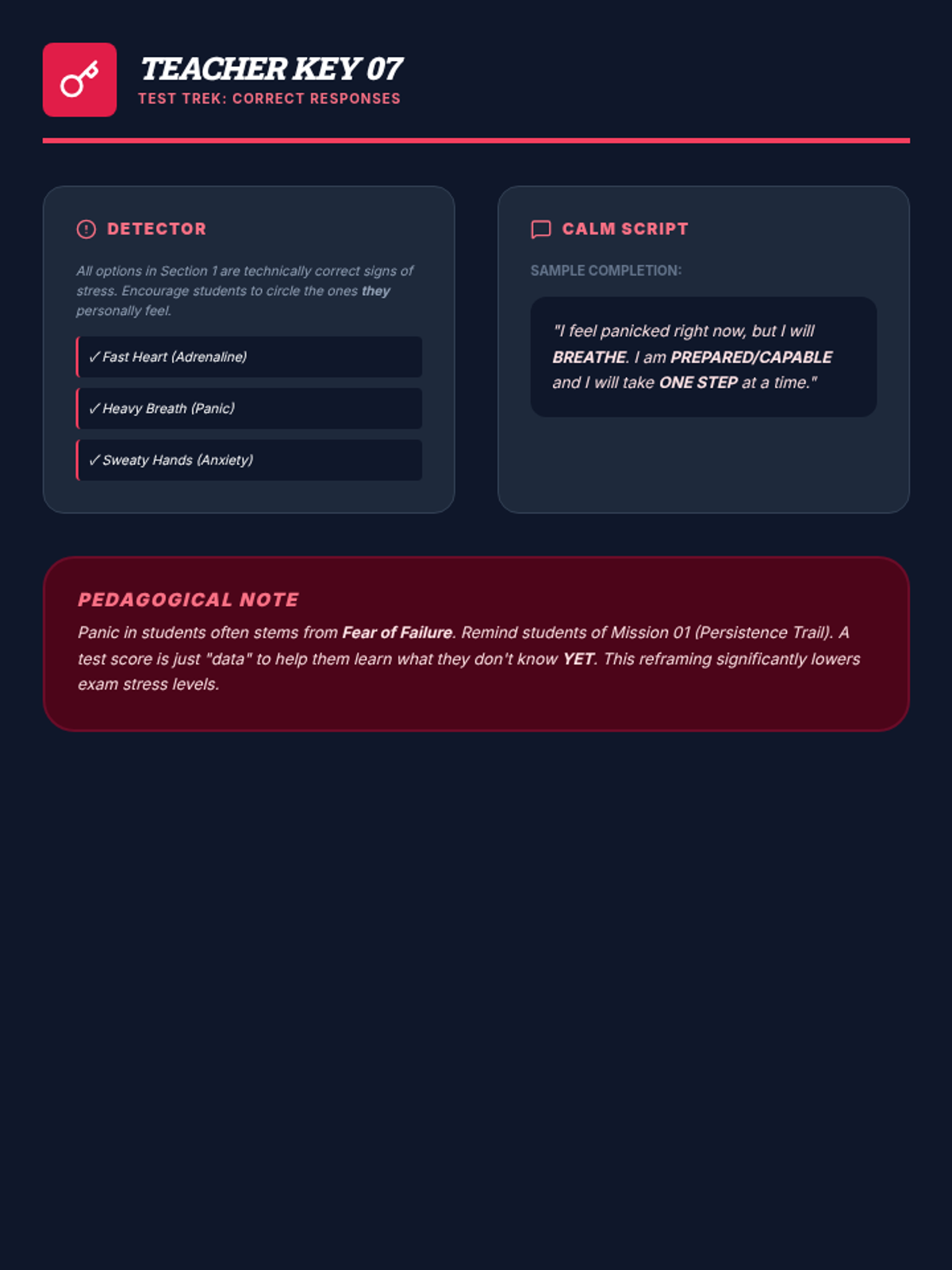
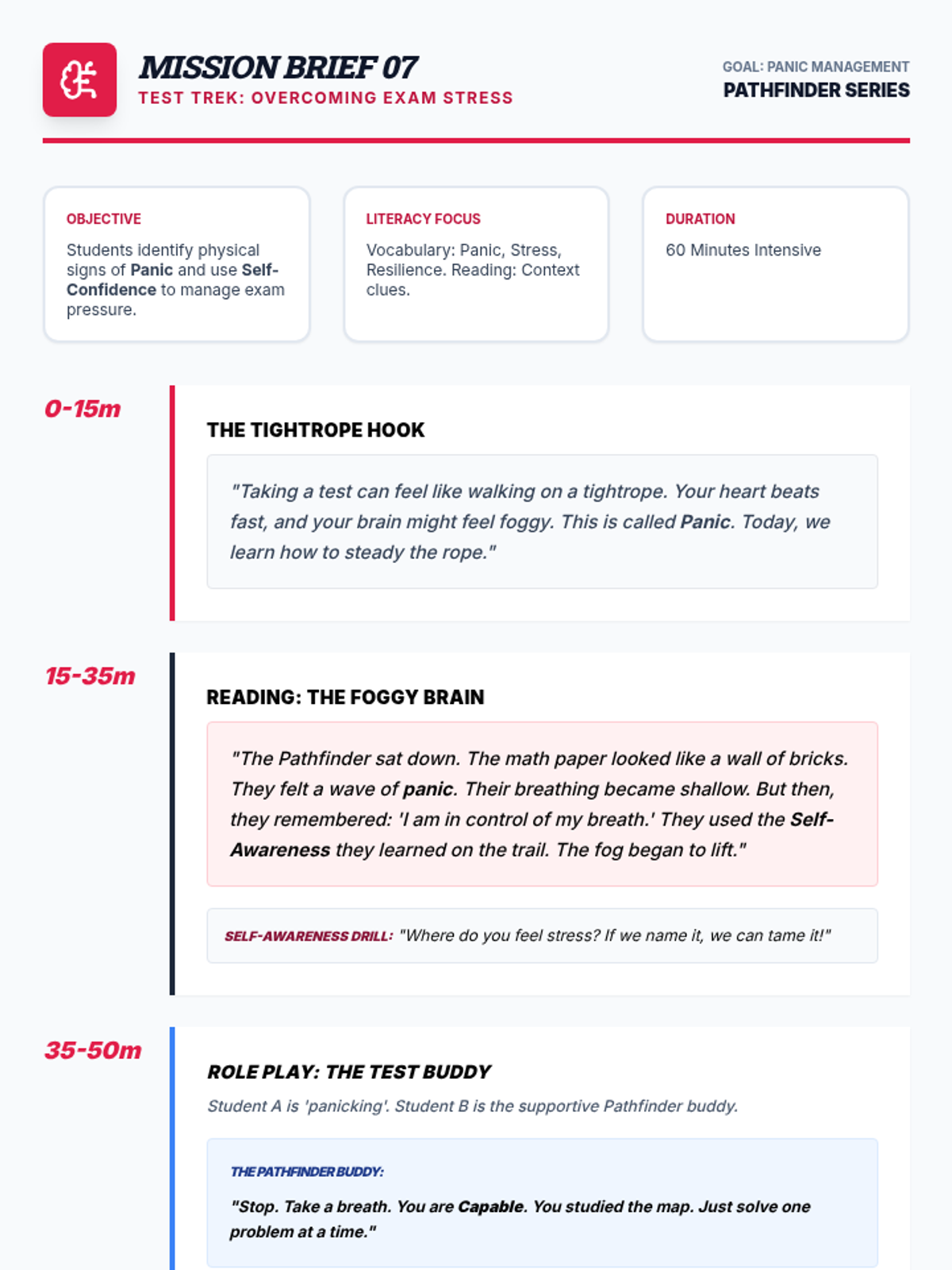
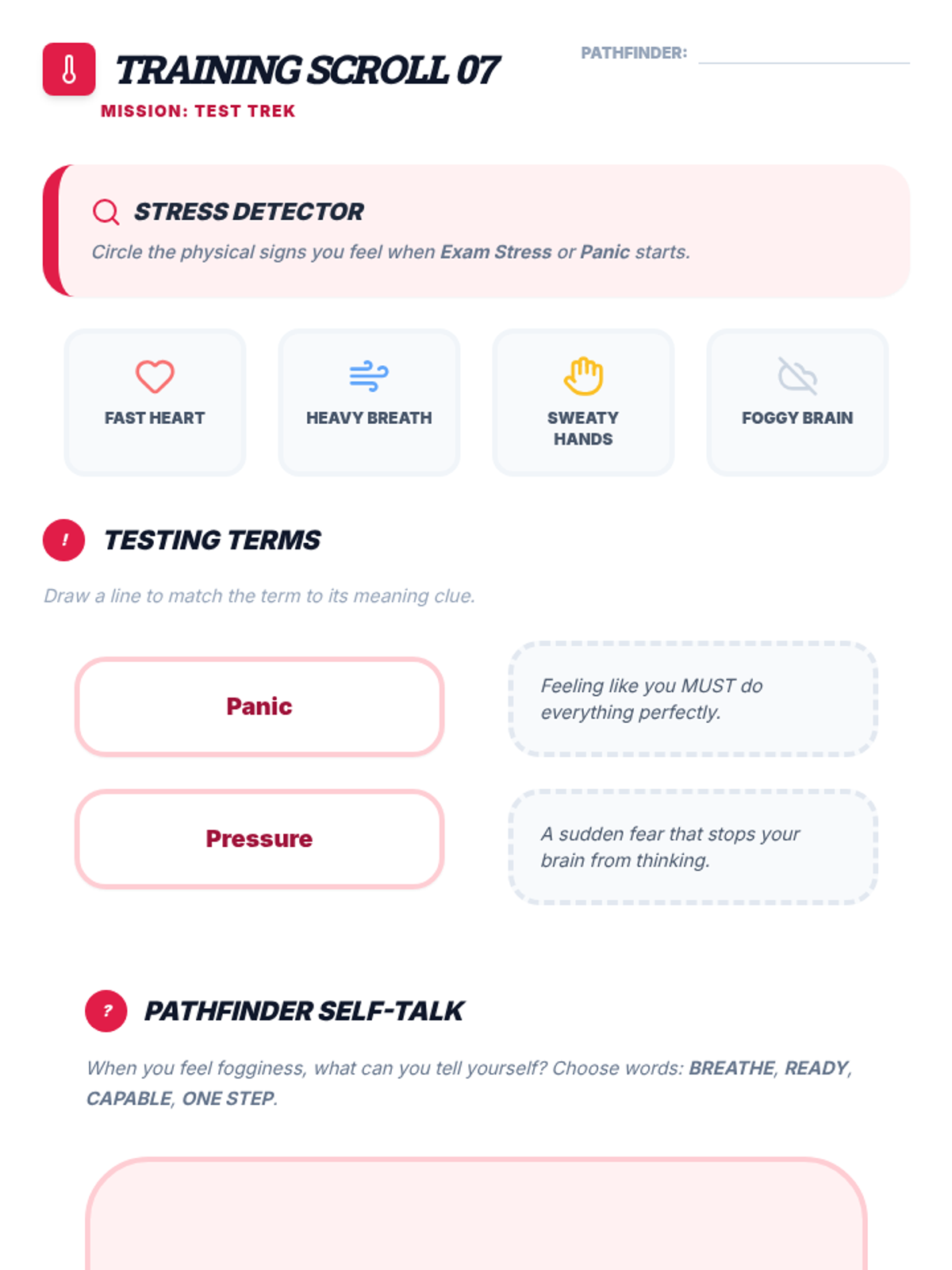
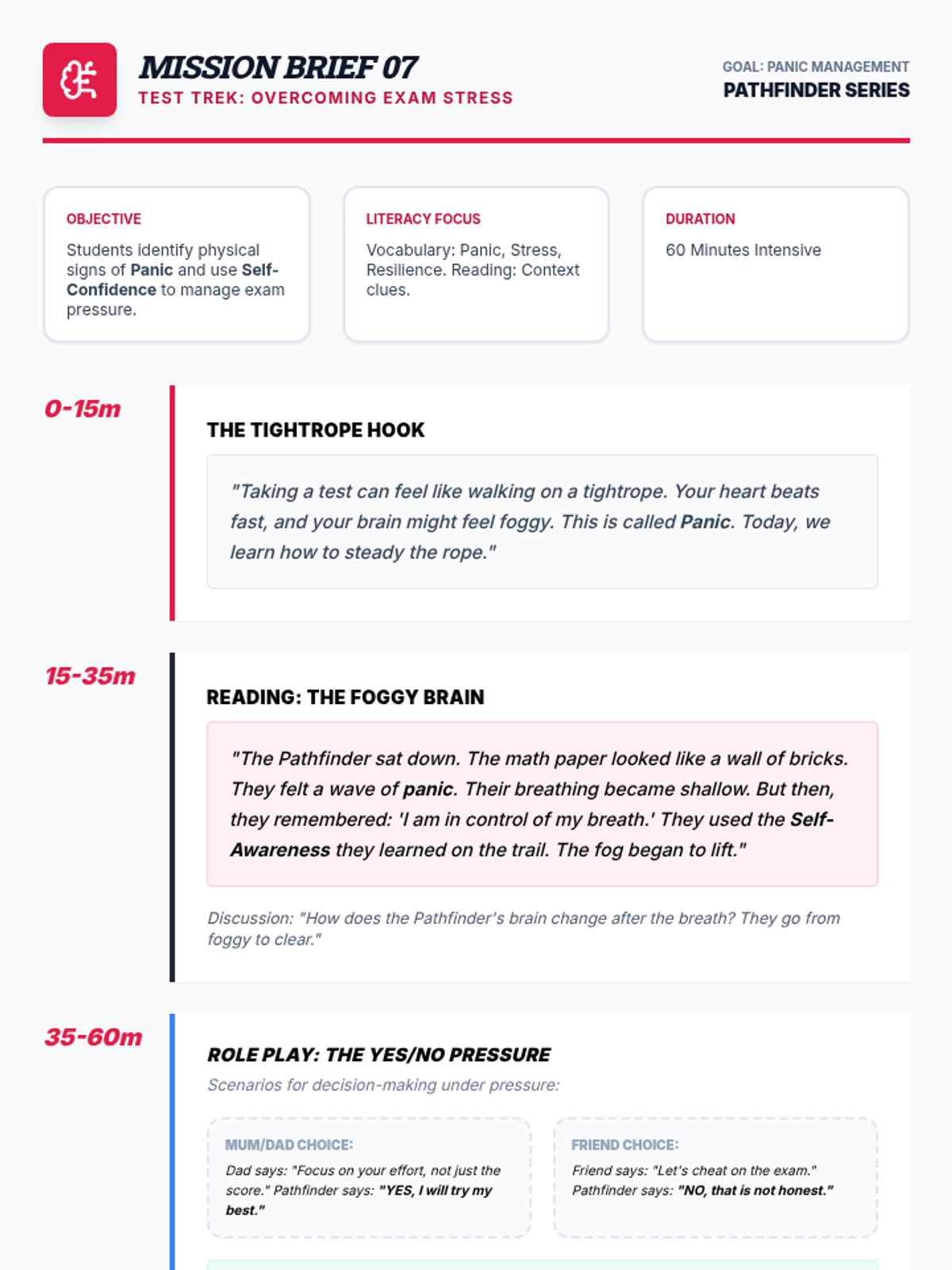
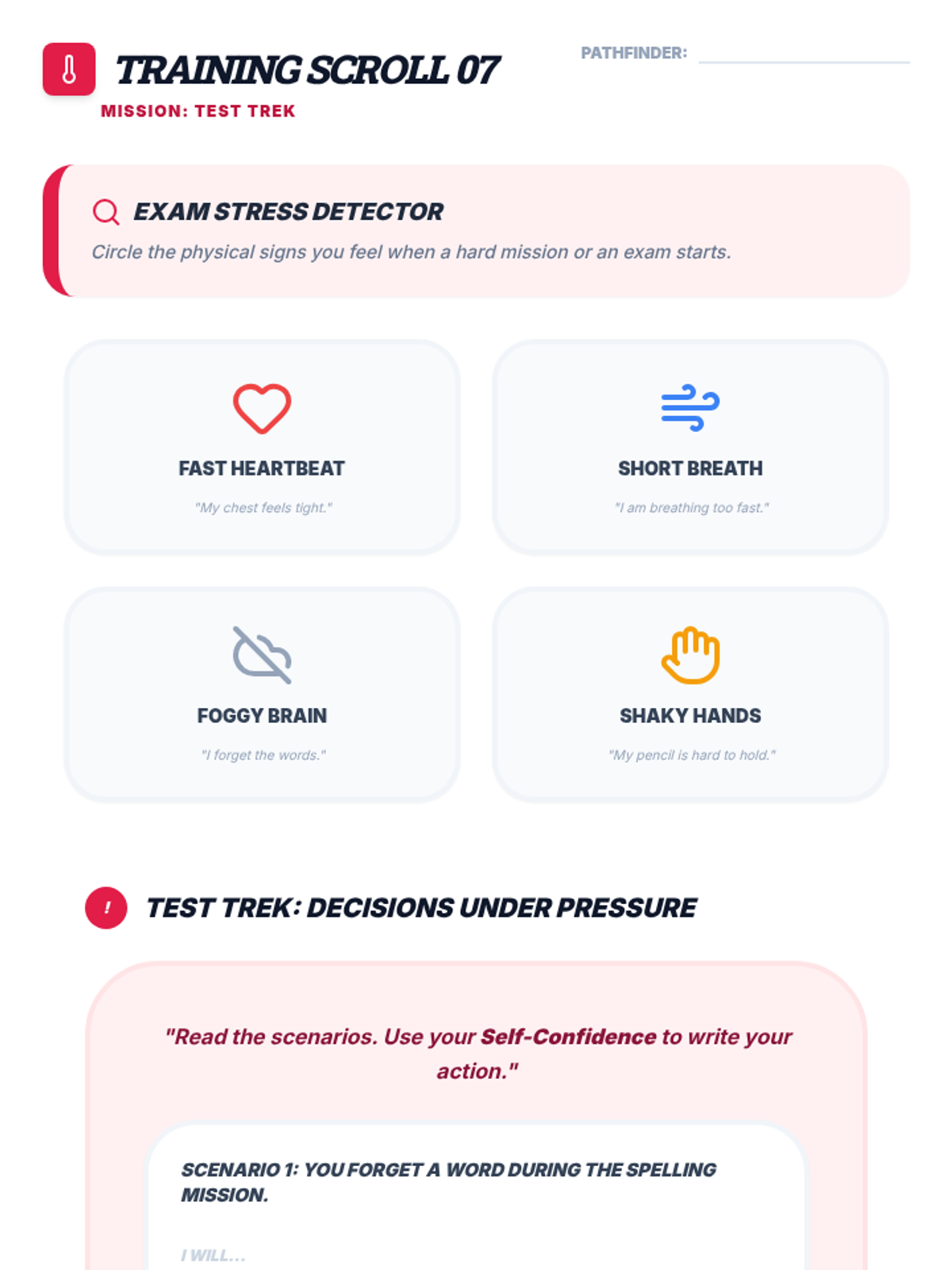
Practical tools for managing exam stress and academic pressure. Transitioning from panic to self-awareness.
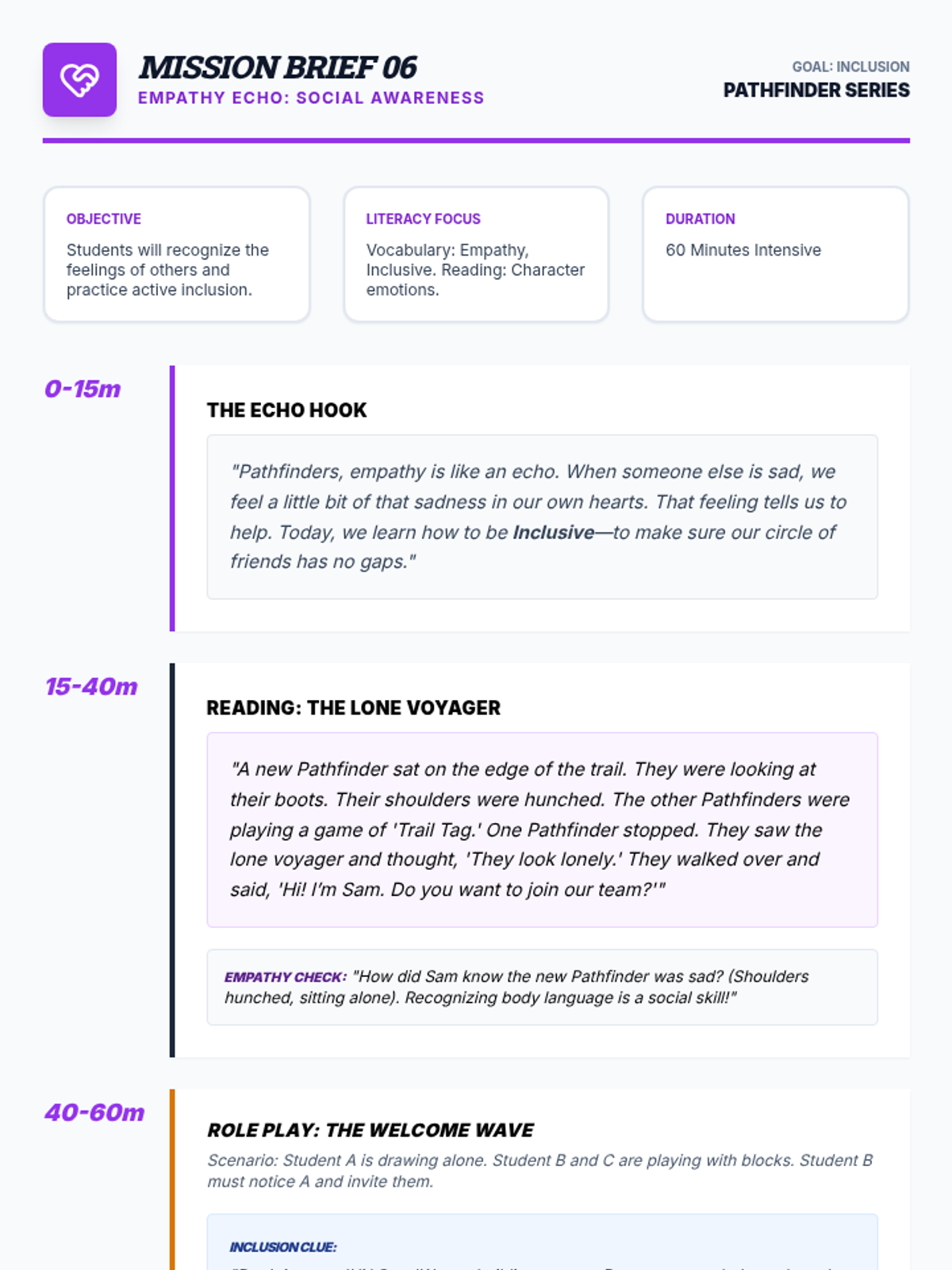
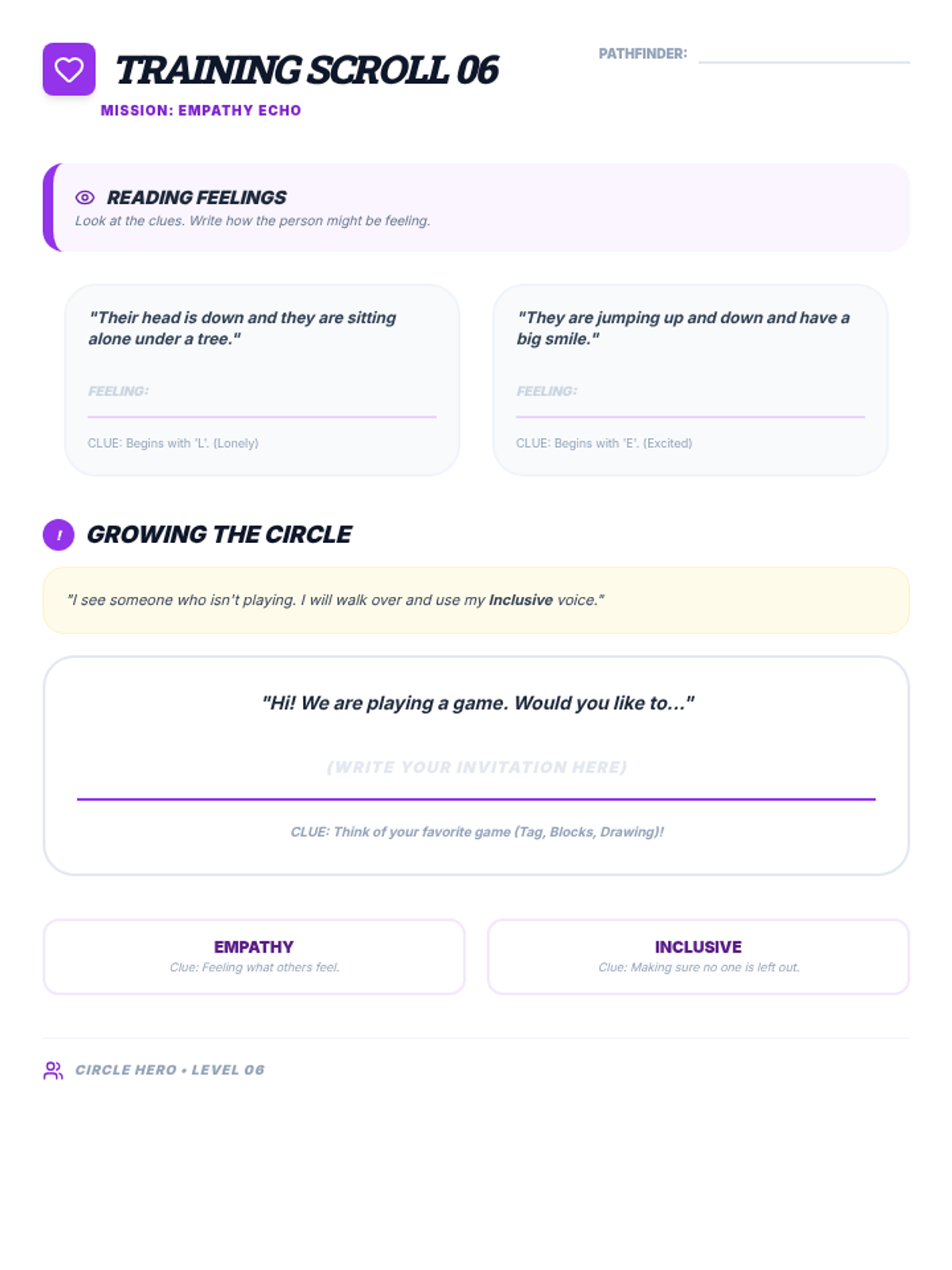
Developing empathy and social awareness to build an inclusive community.
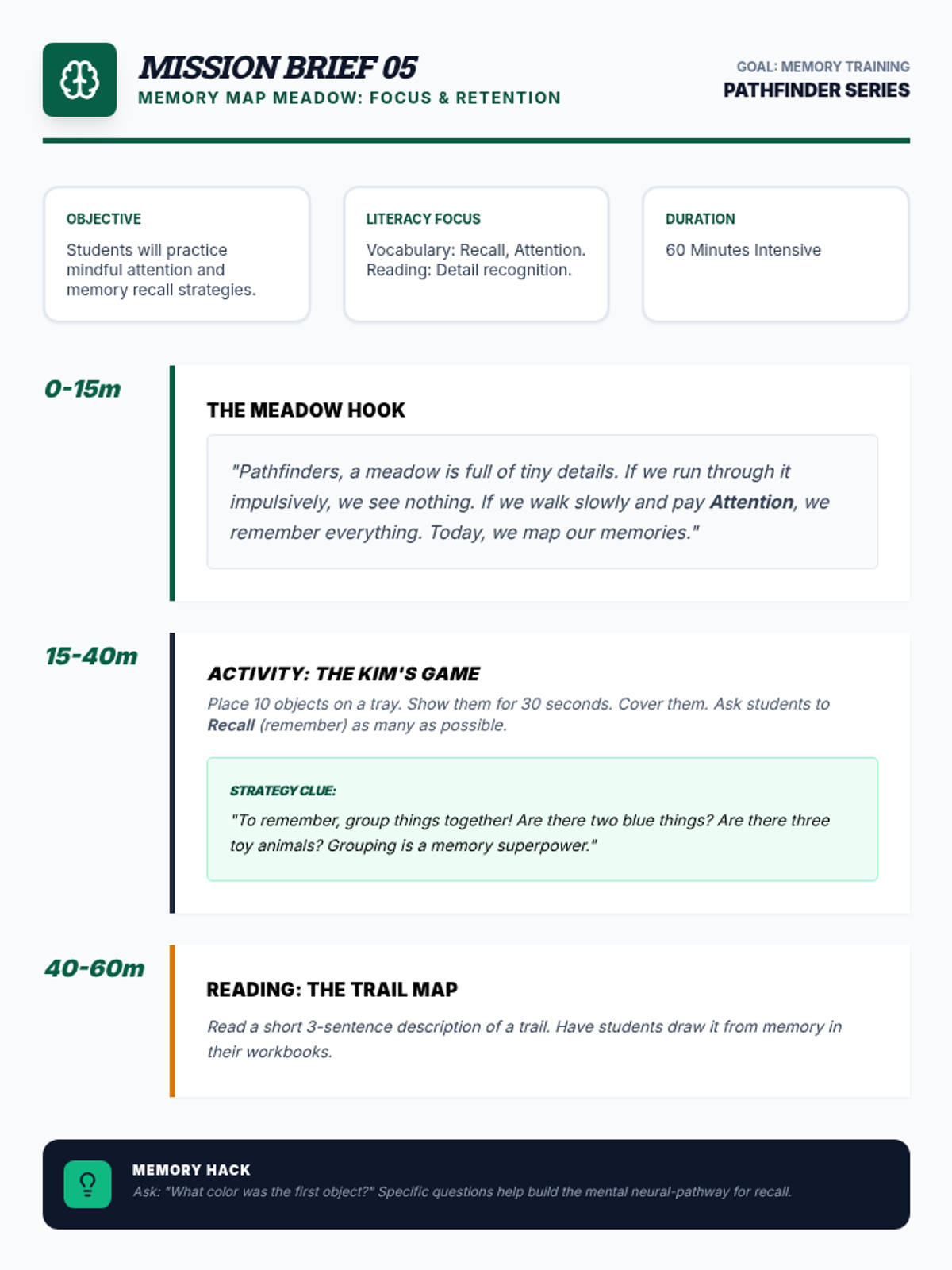
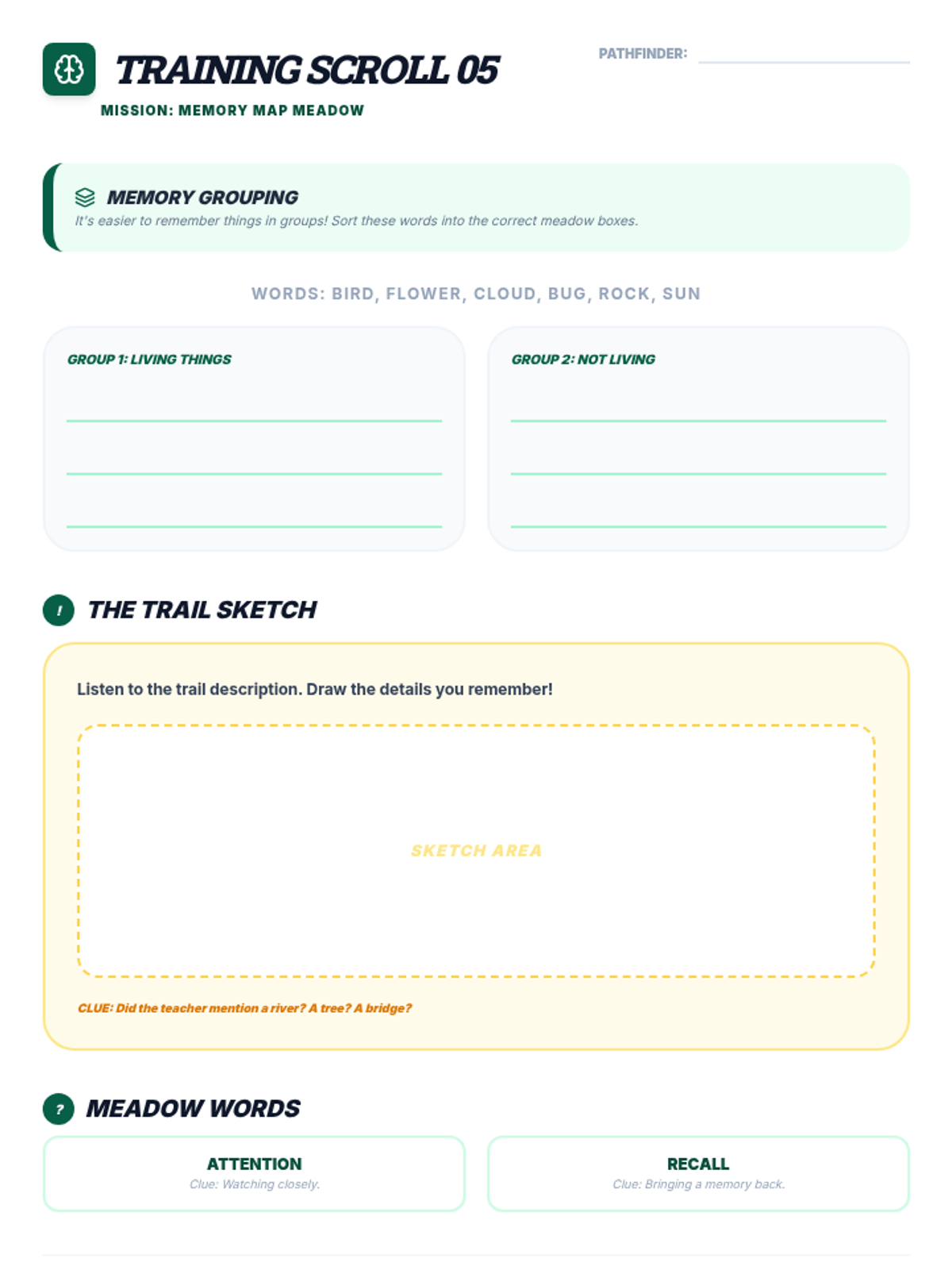
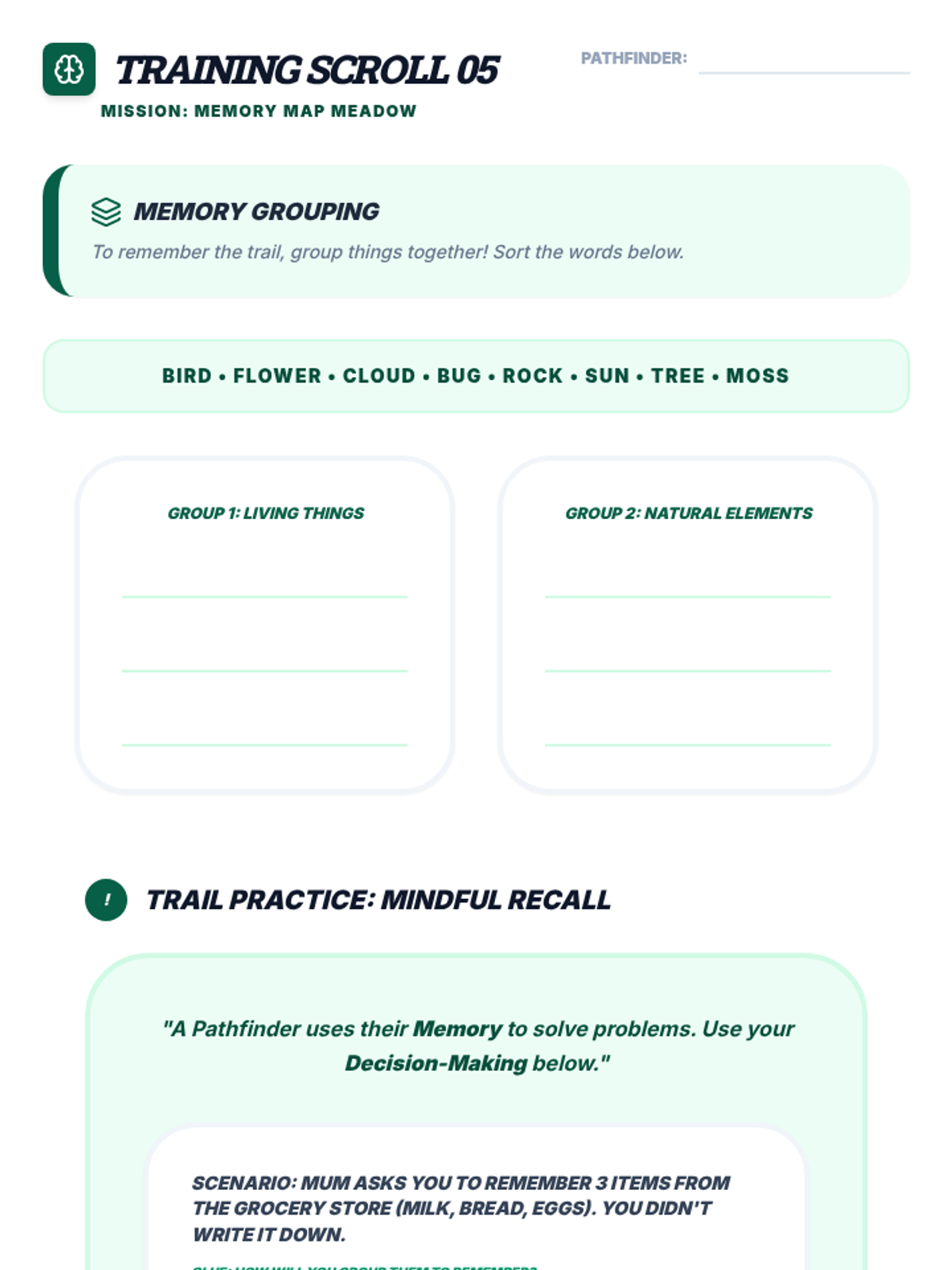
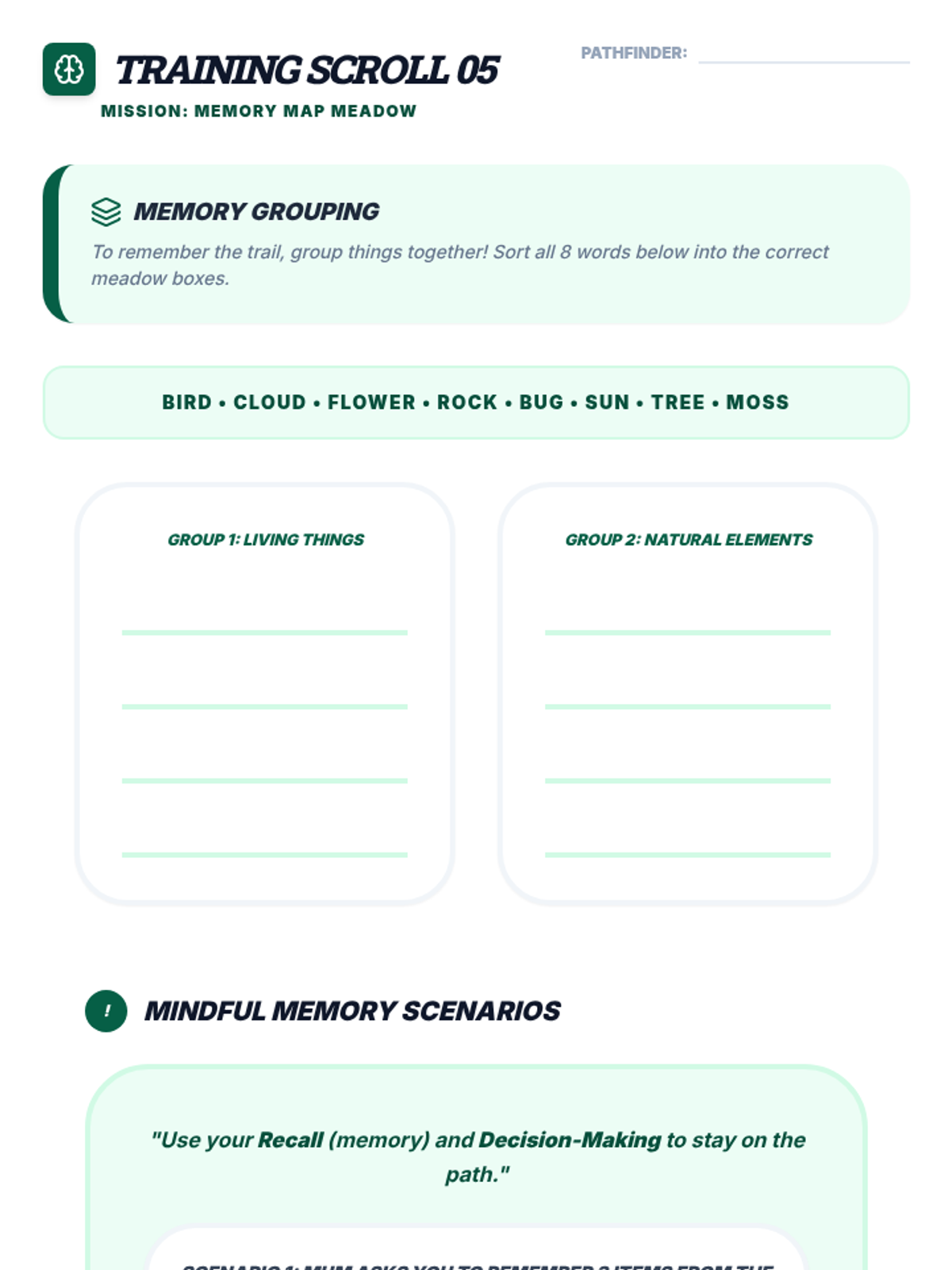
Training the brain for better focus and memory retention. Strategies for mindful attention.
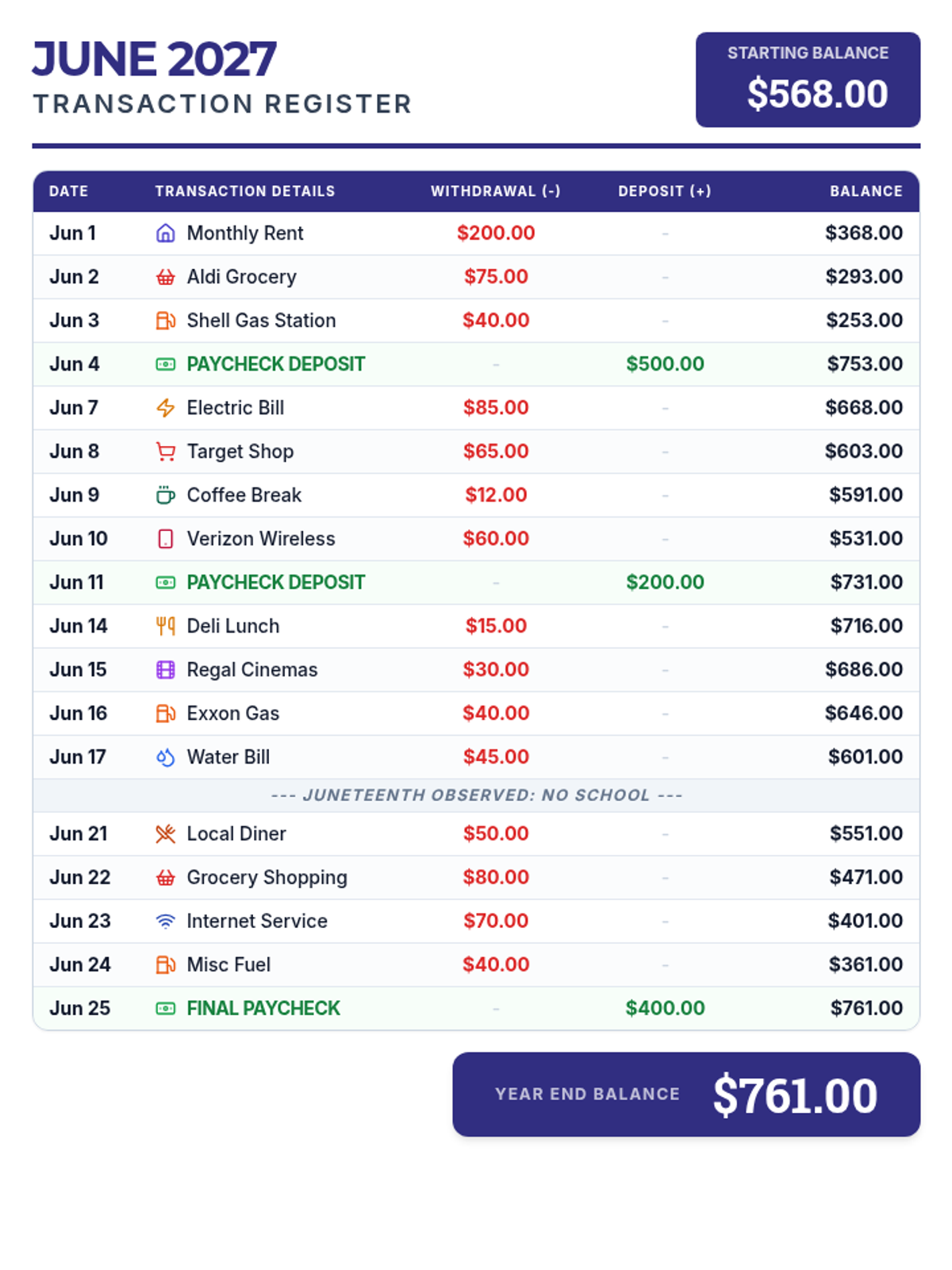
A lesson focused on managing finances for June 2027, the final month of the school year. Students track rent, utilities, and graduation-season expenses while managing their final balance. Includes accounting for the Juneteenth holiday.
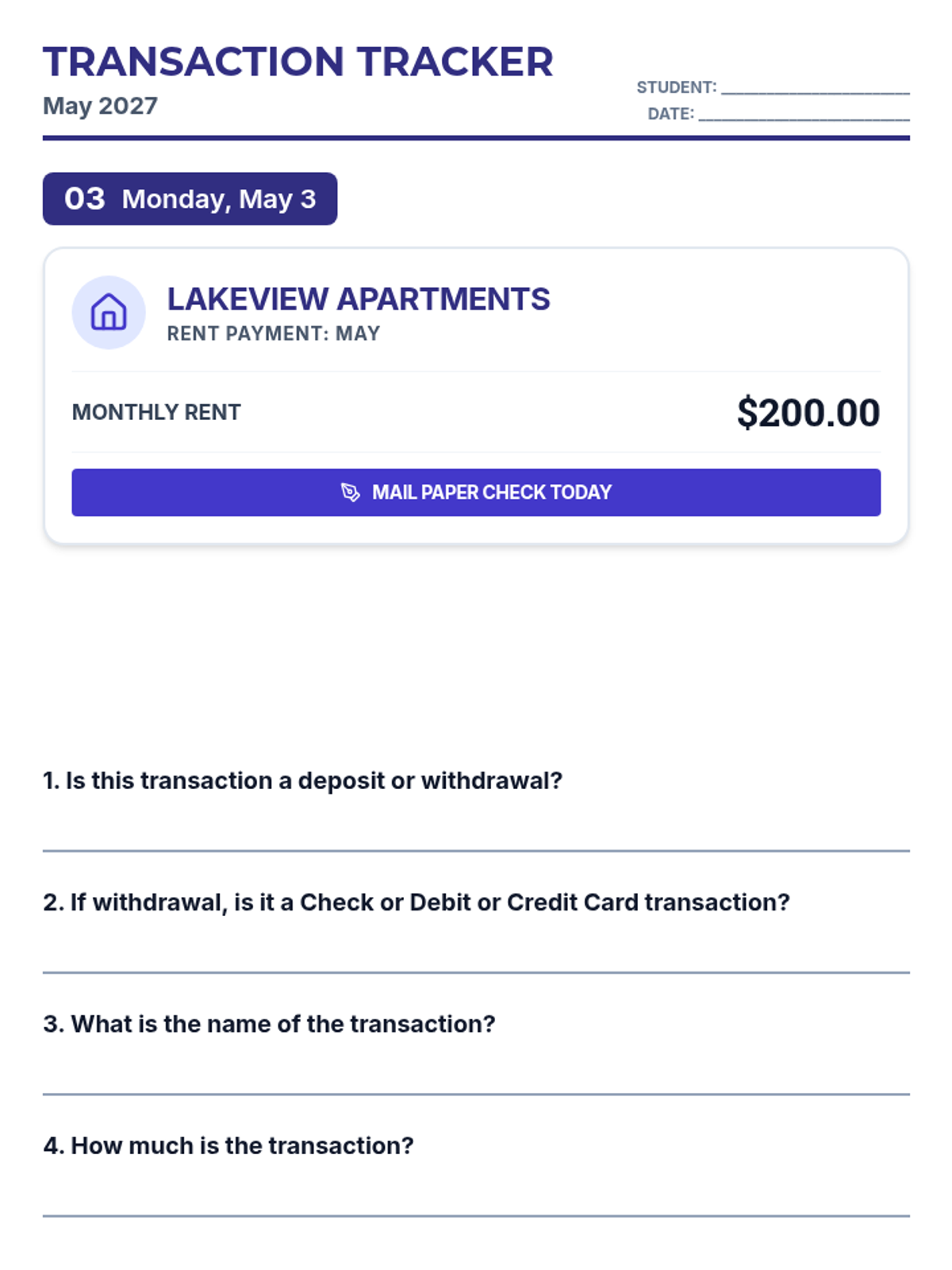
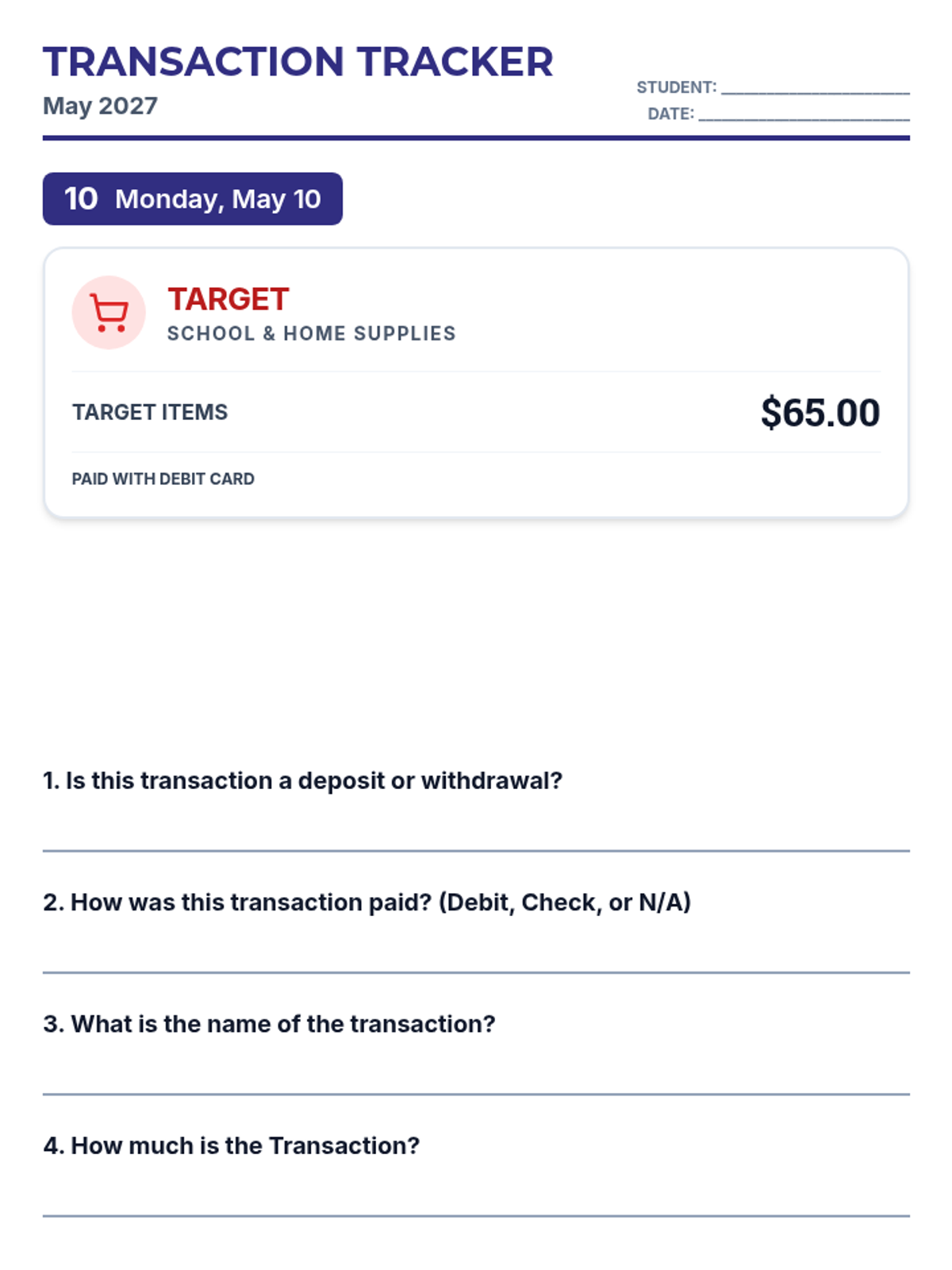
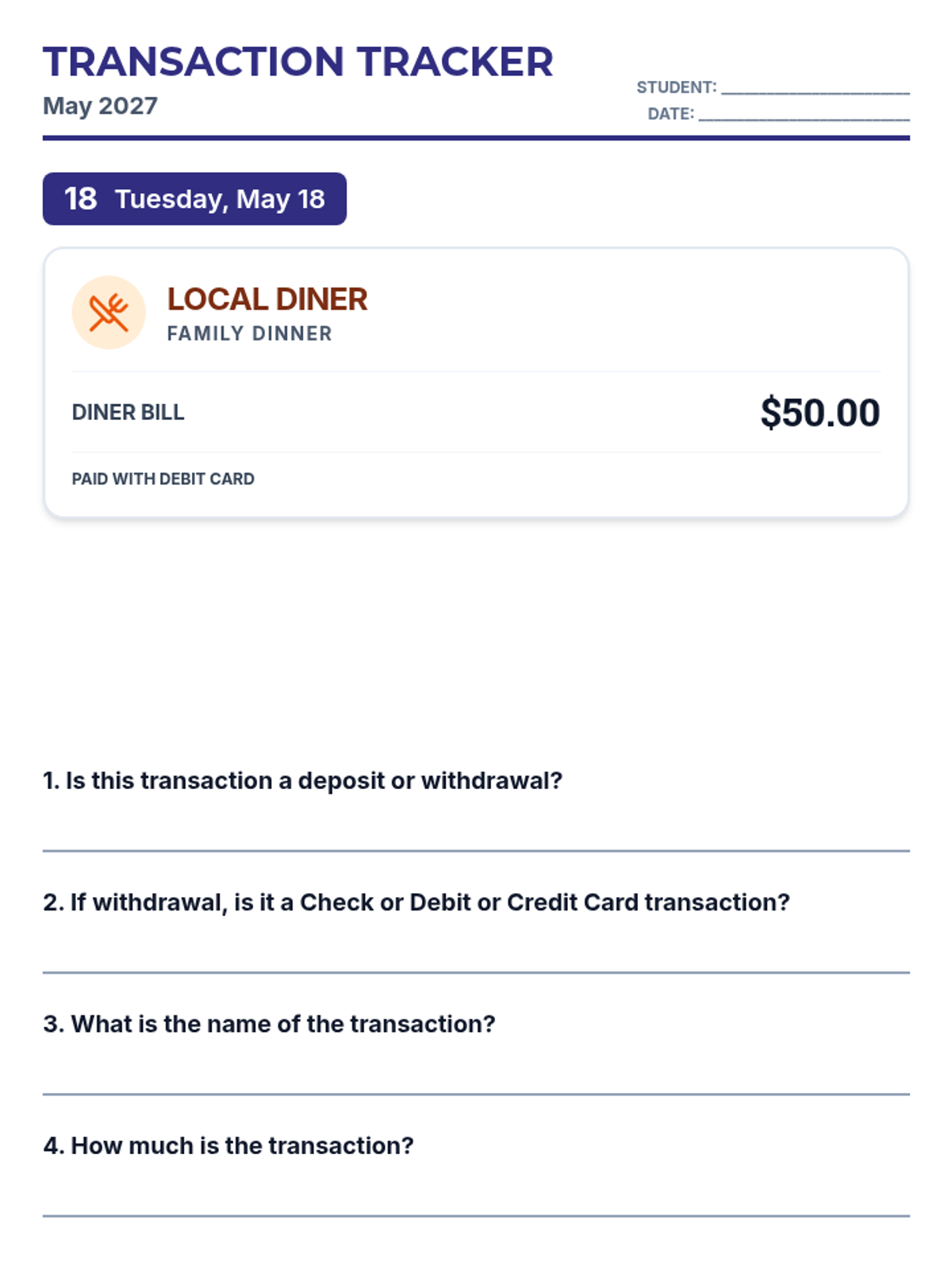
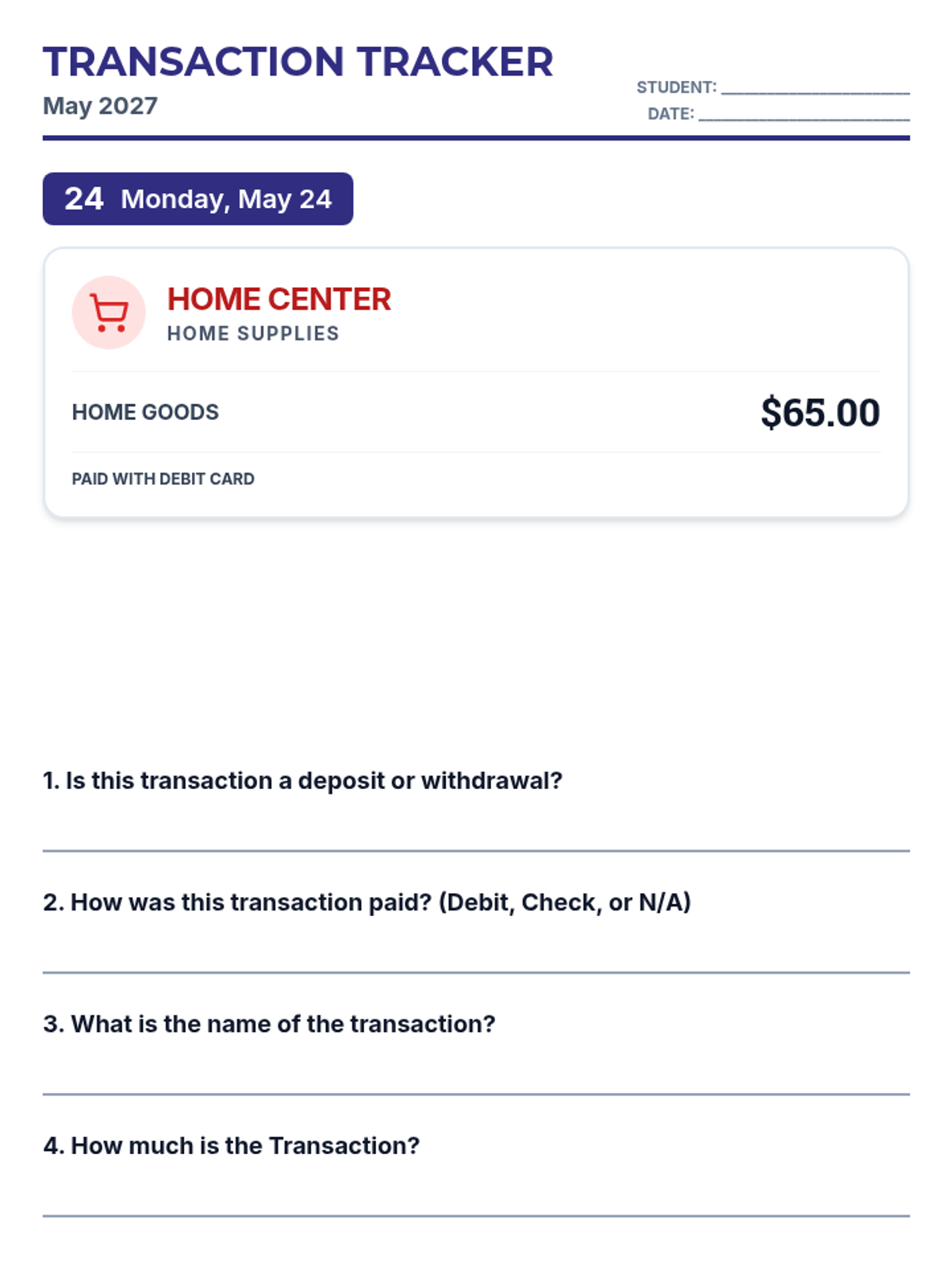
A lesson focused on managing finances for May 2027. Students track rent, utilities, and a variety of retail receipts while navigating a real school calendar with several holidays and pending vacation days.
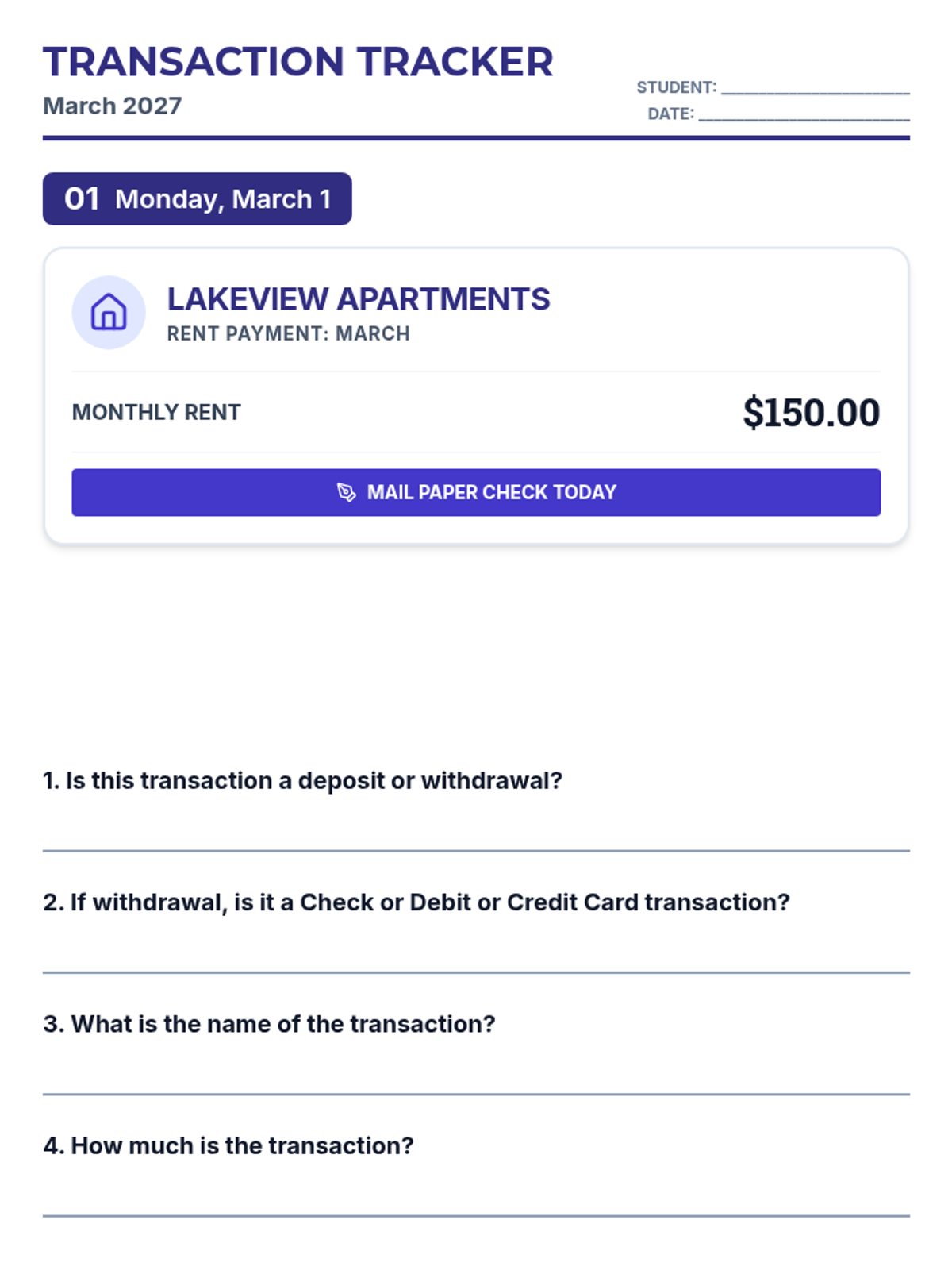
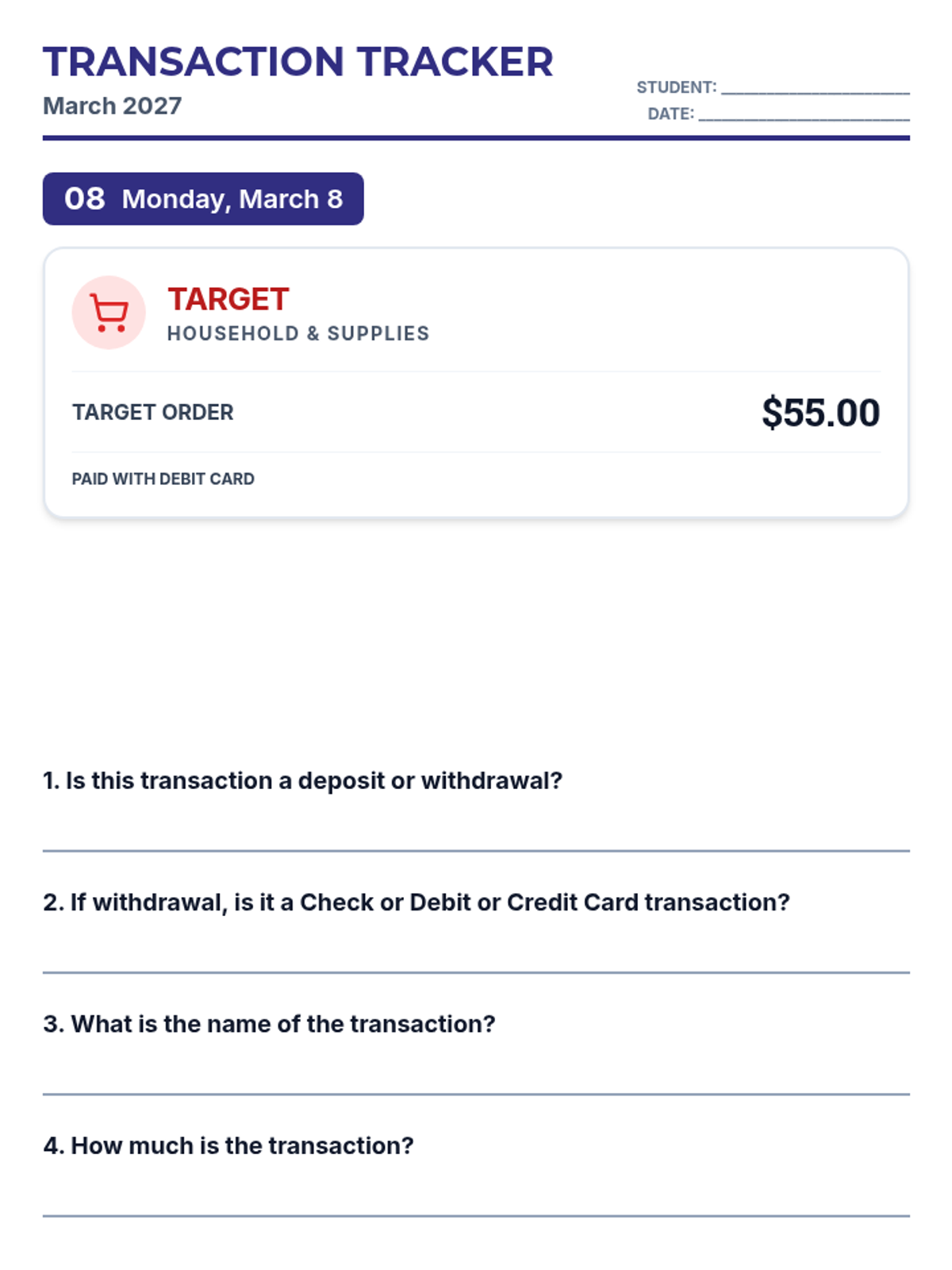
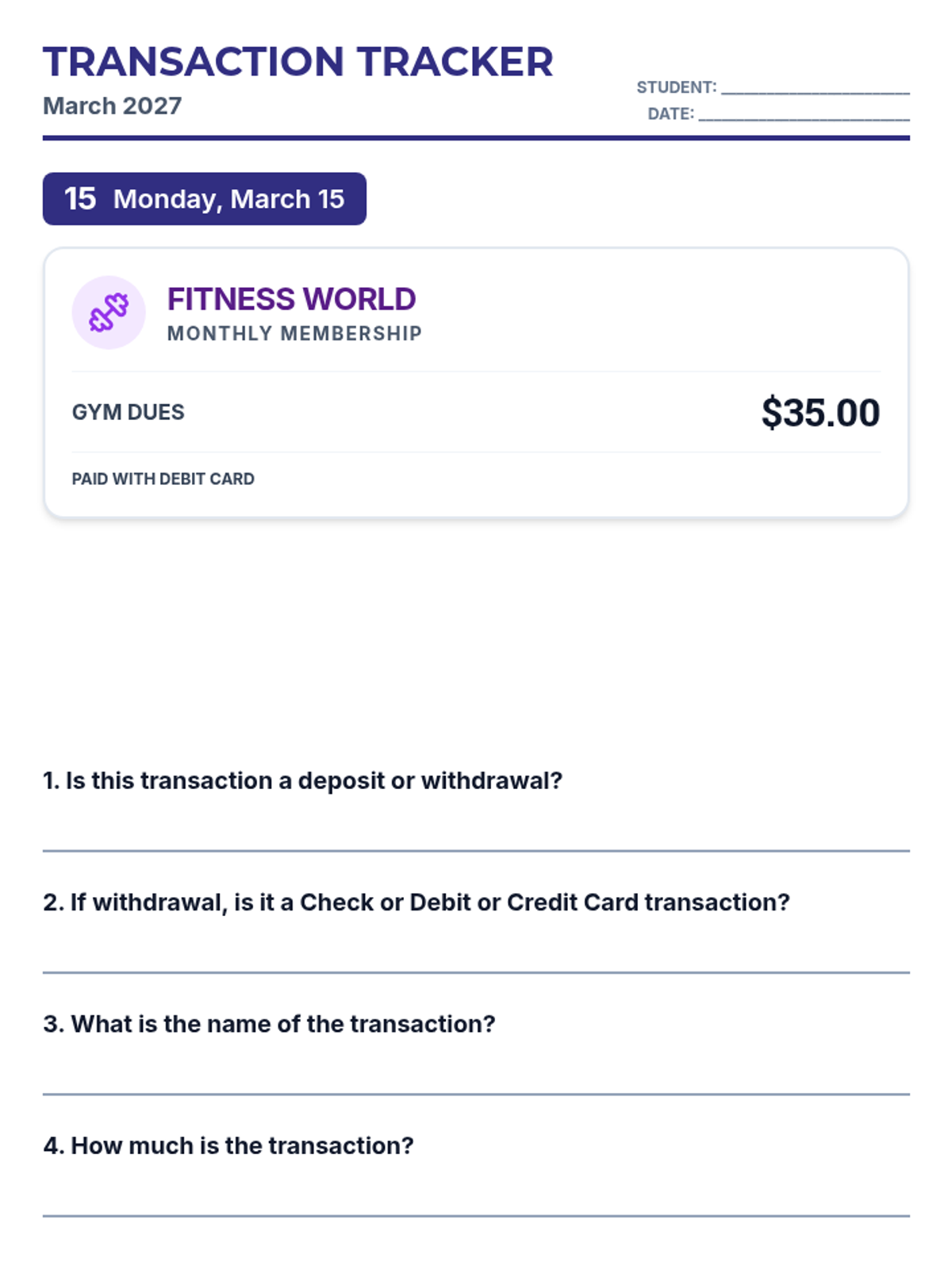
A lesson focused on managing finances for March 2027, featuring a transaction register and daily trackers. Students manage a variety of retail receipts, utility bills, and weekly paychecks while accounting for the school calendar.
A lesson focused on managing finances for April 2027, including spring recess. Students process a higher volume of transactions including insurance payments and utility bills, following the school calendar.
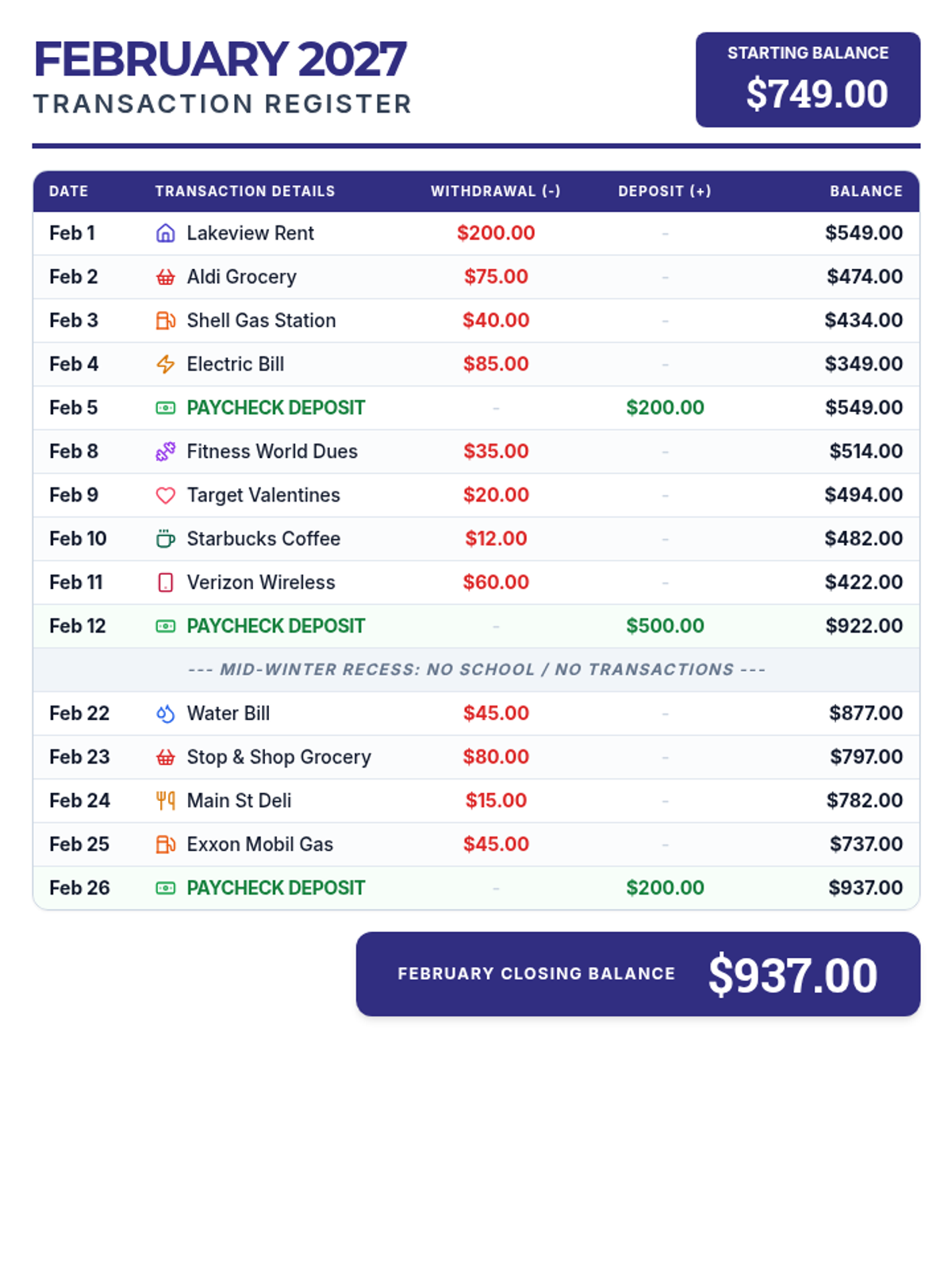
A lesson focused on managing finances for February 2027, including mid-winter recess. Students track rent, groceries, and utilities while managing their balance after January expenses.
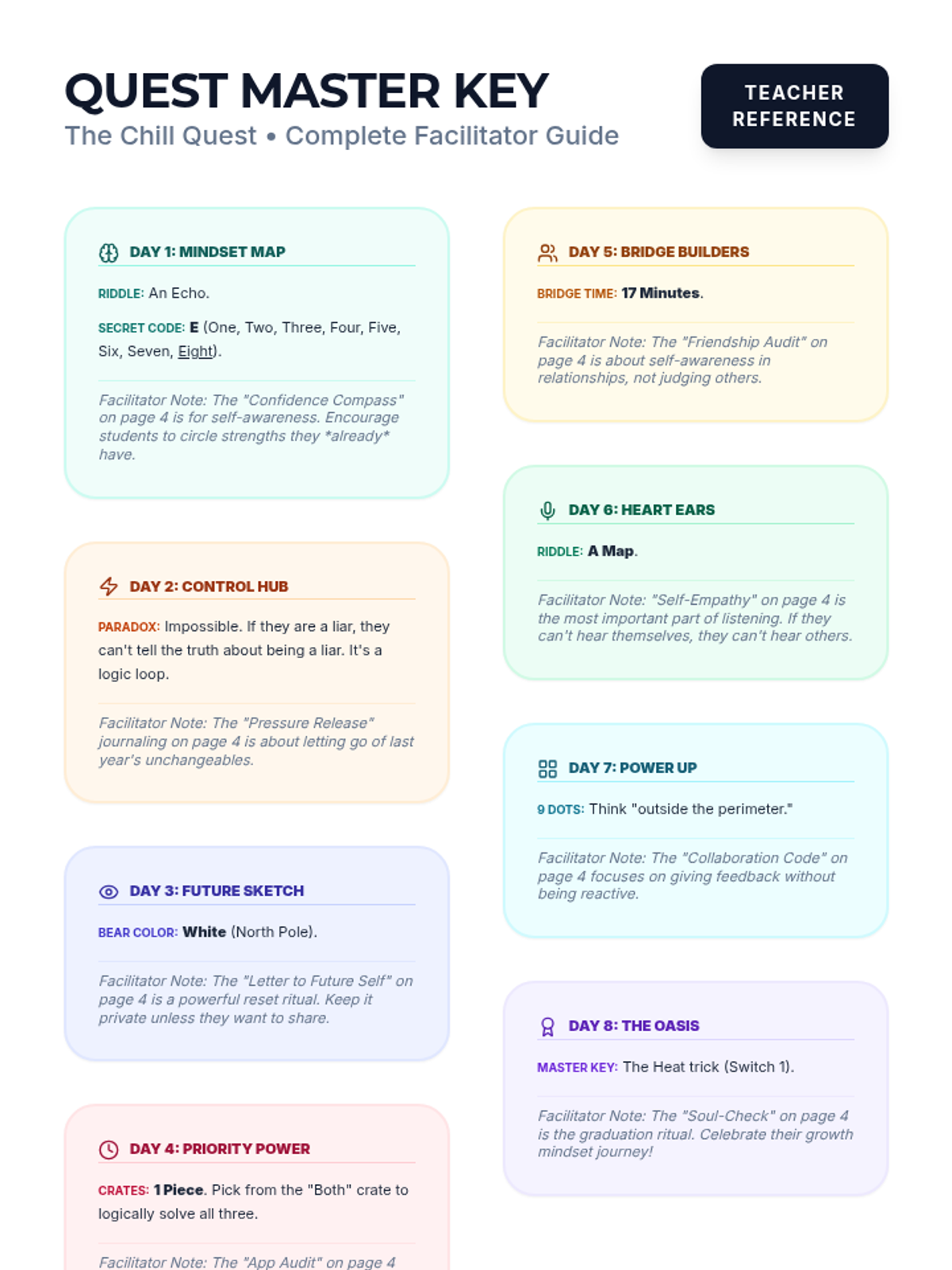
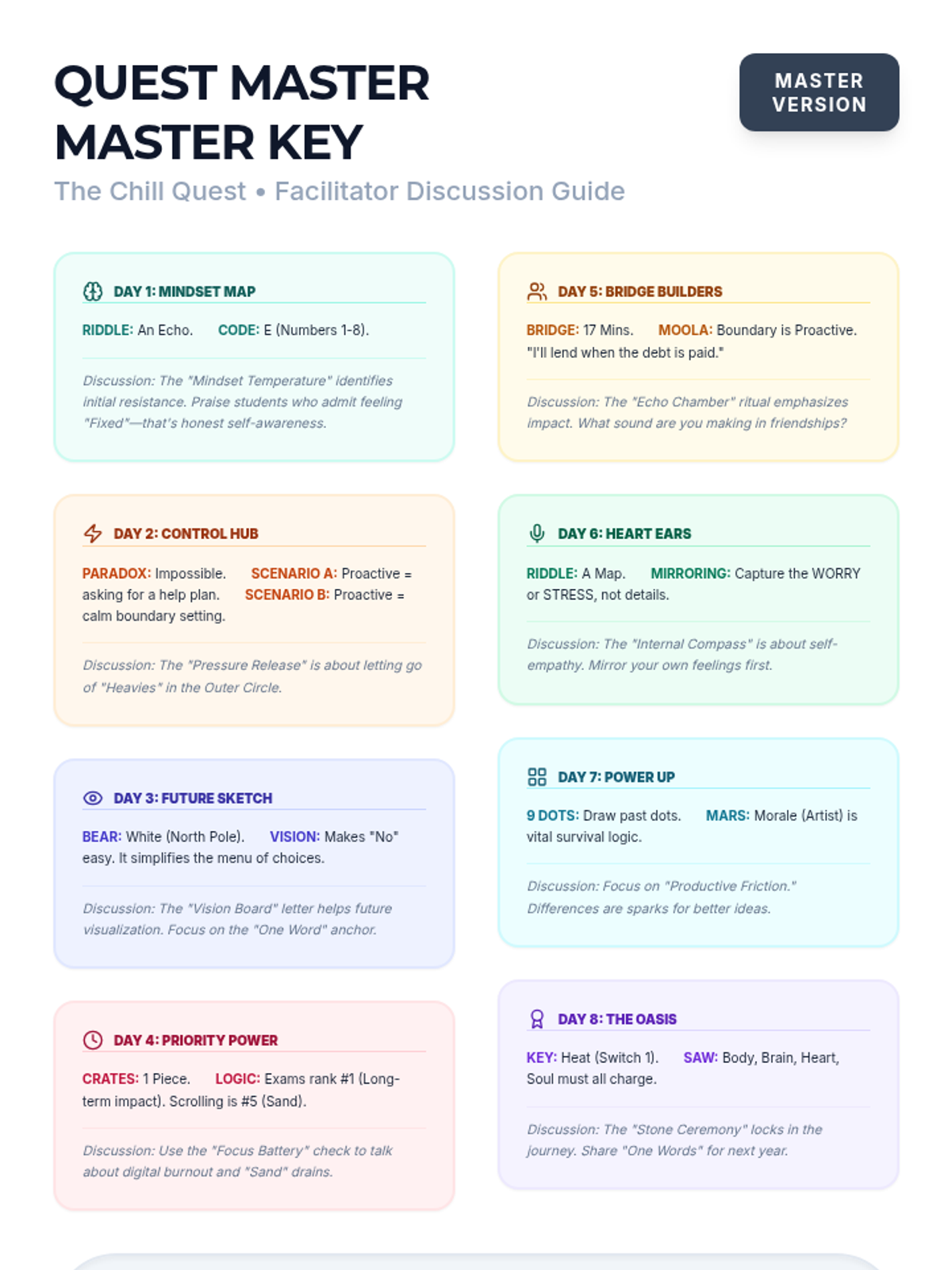
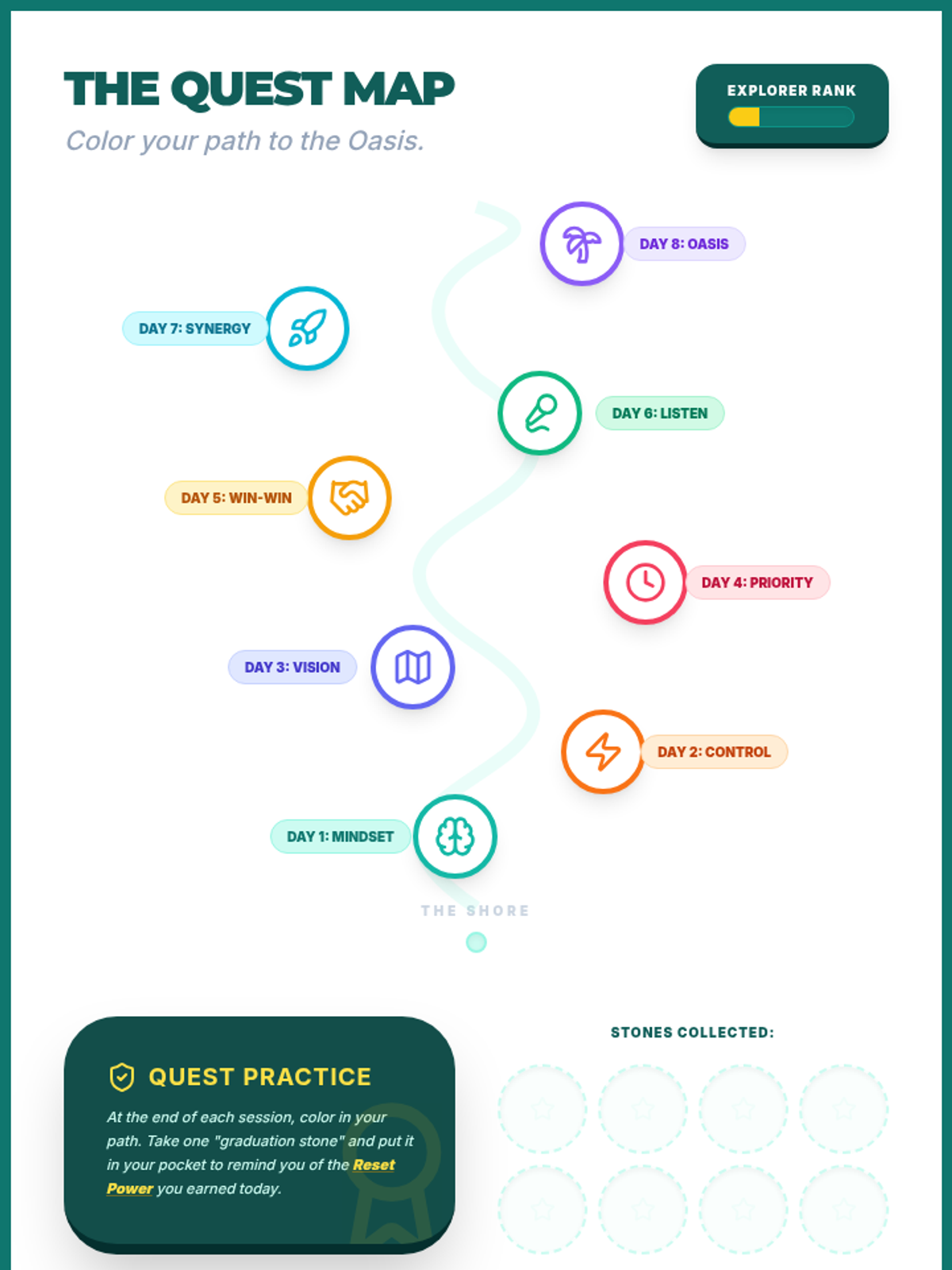
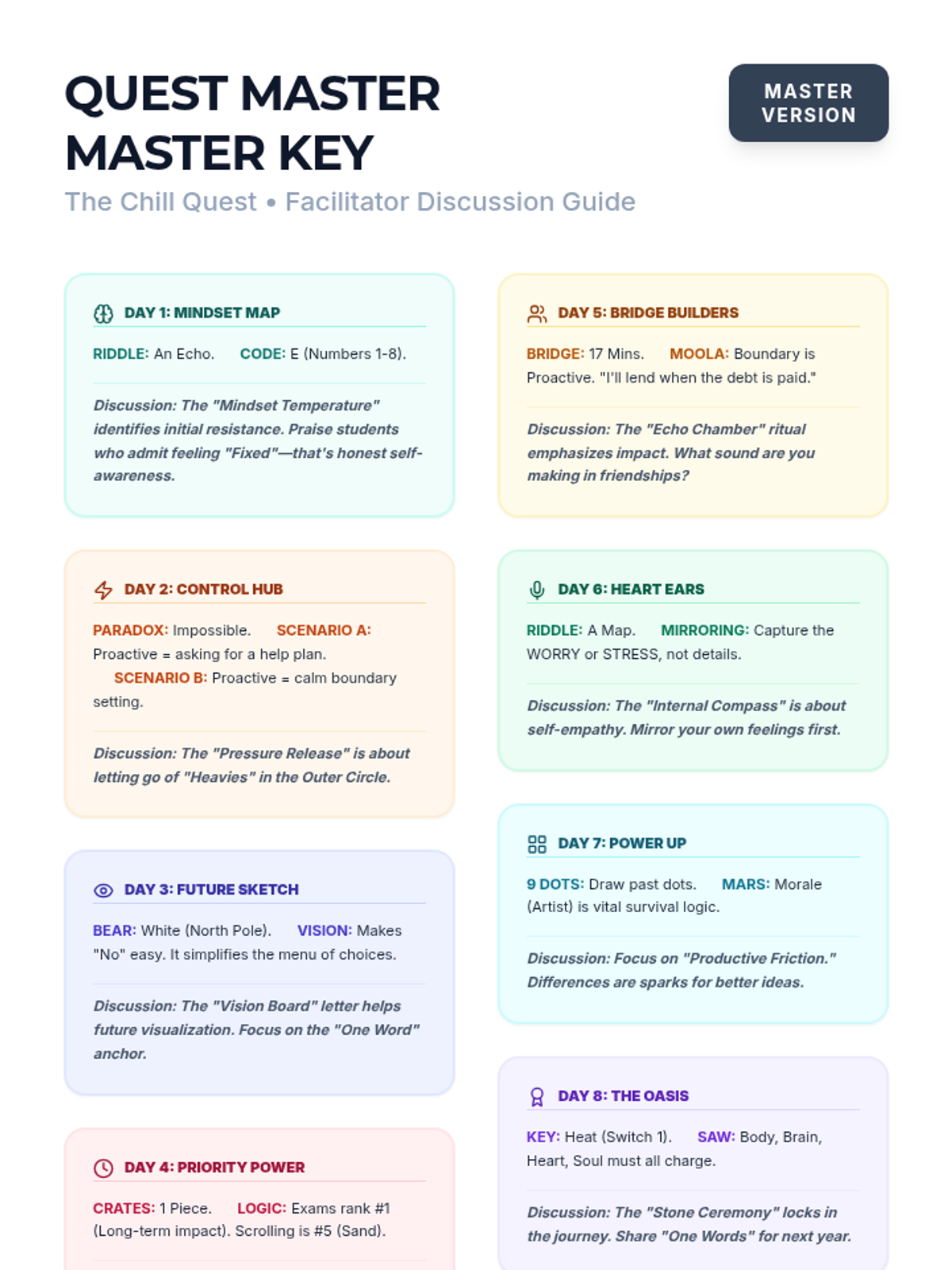
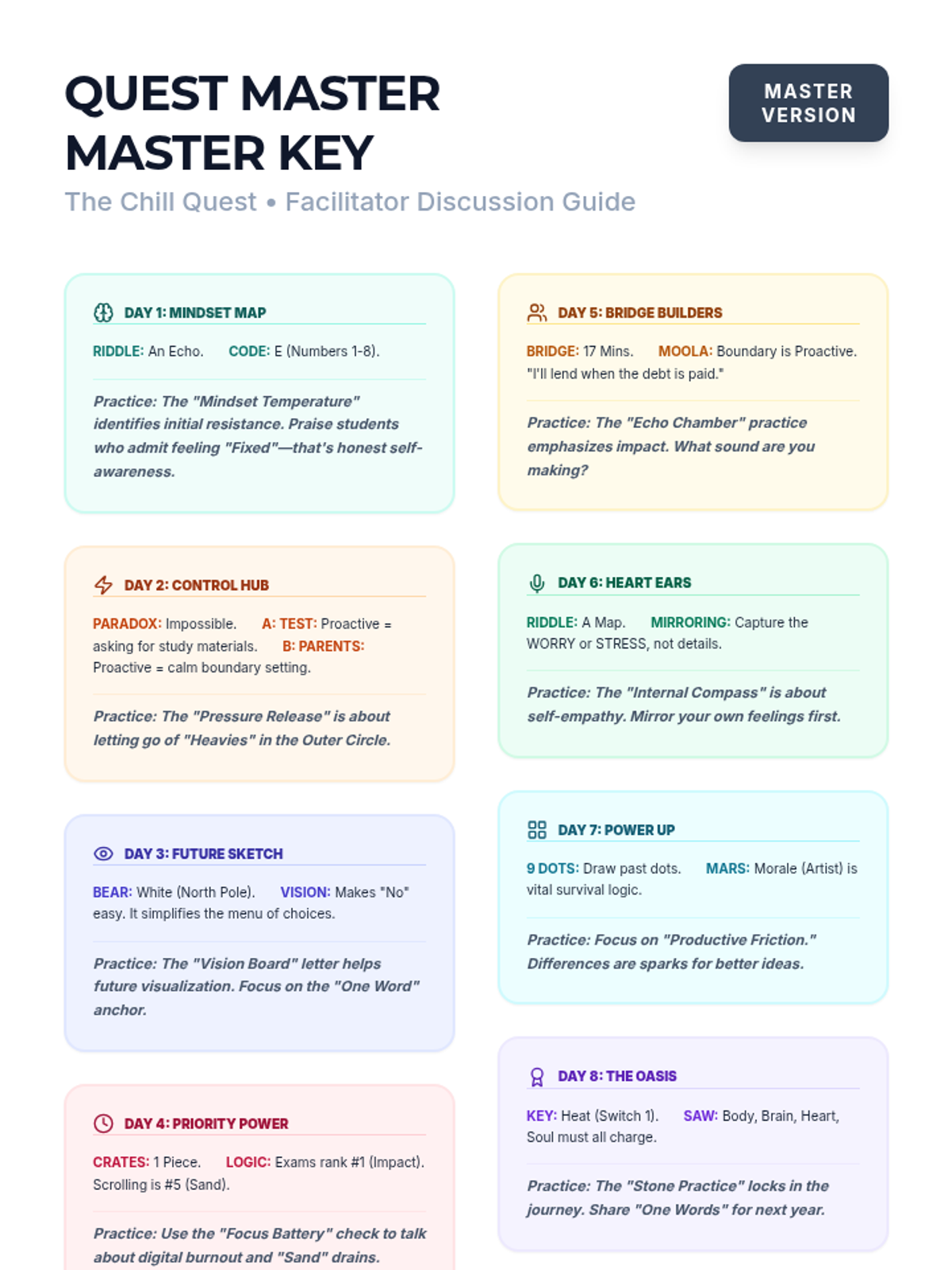
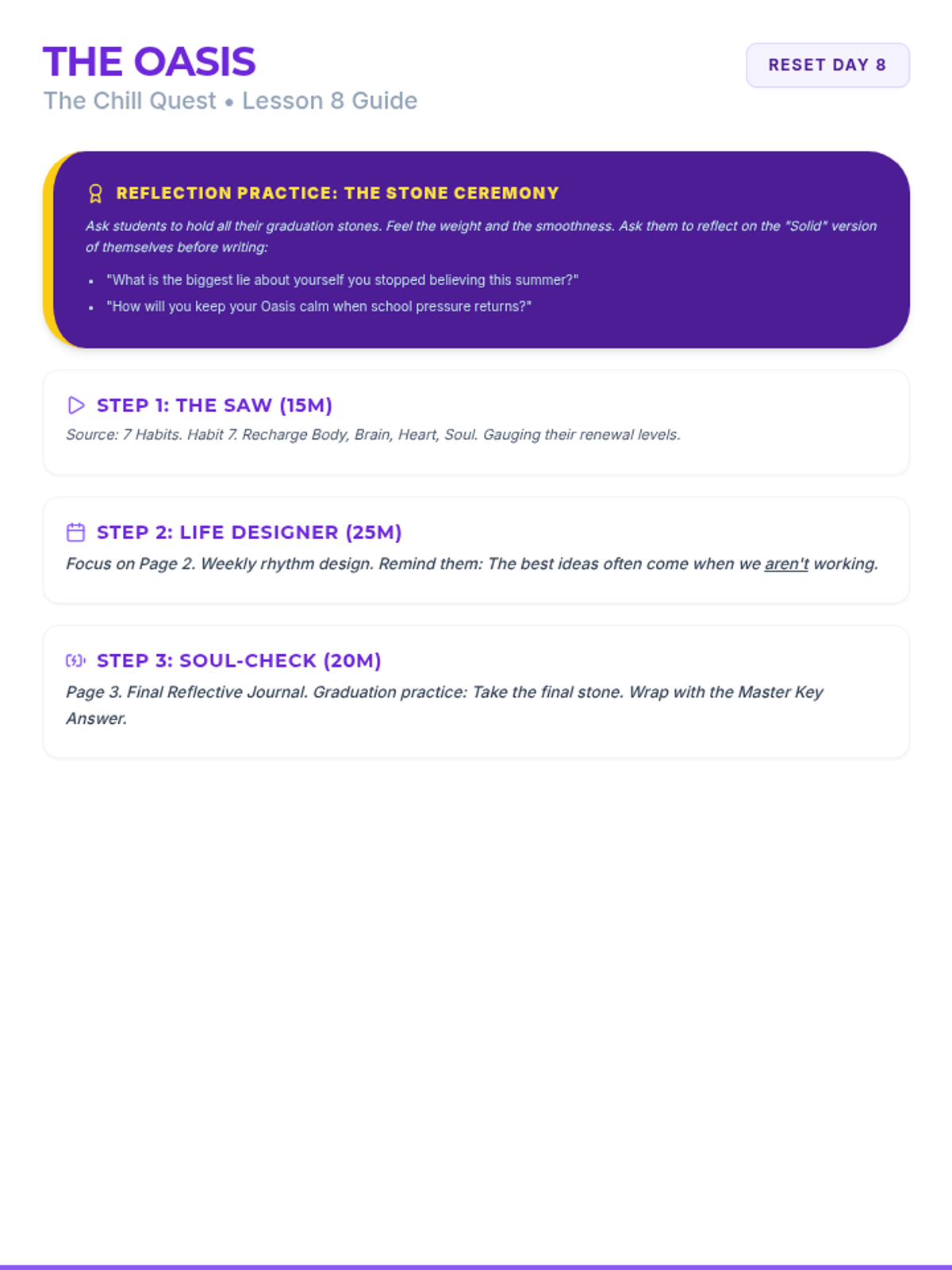
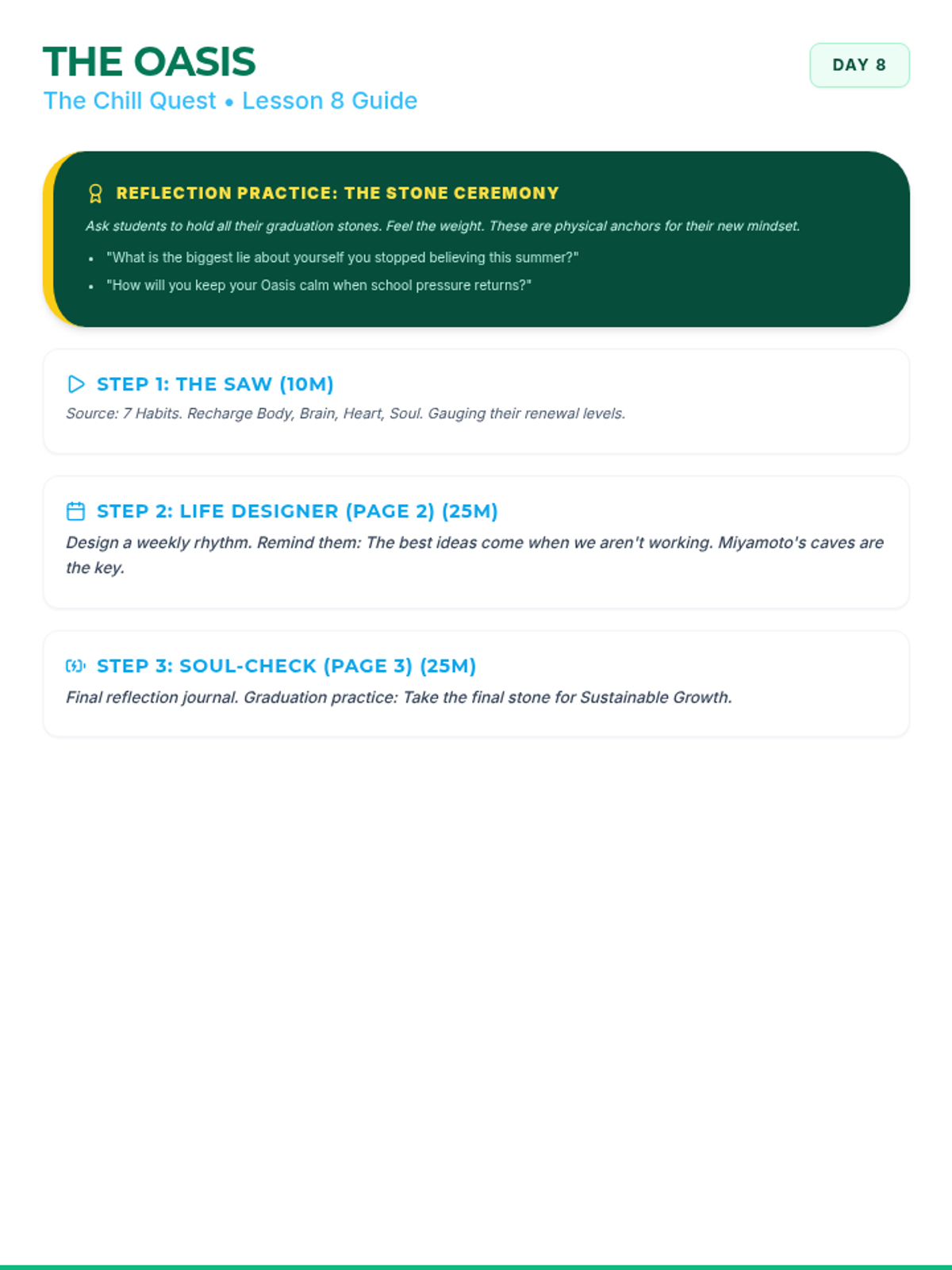
Complete Facilitator Answer Key and resources for The Chill Quest.
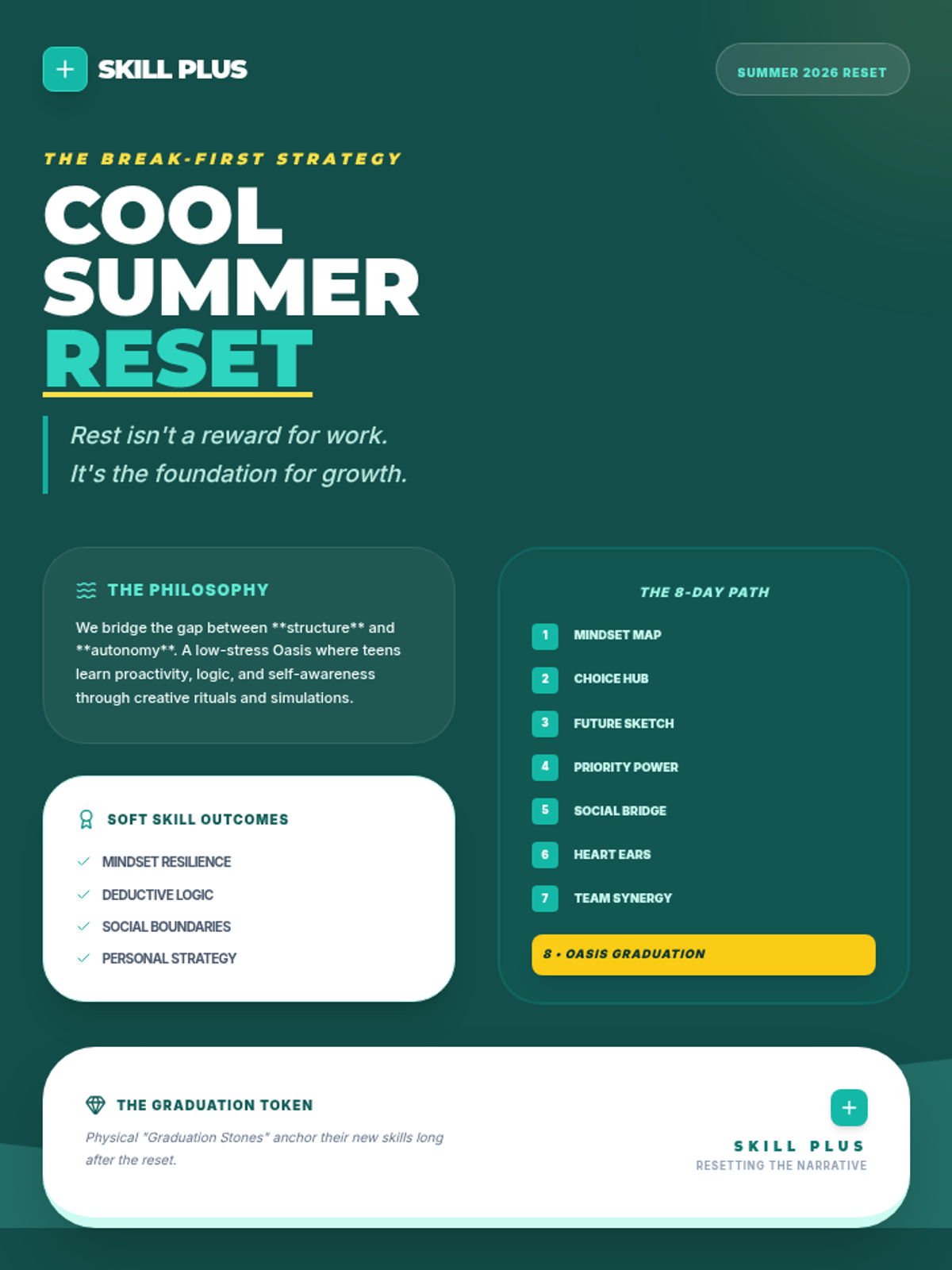
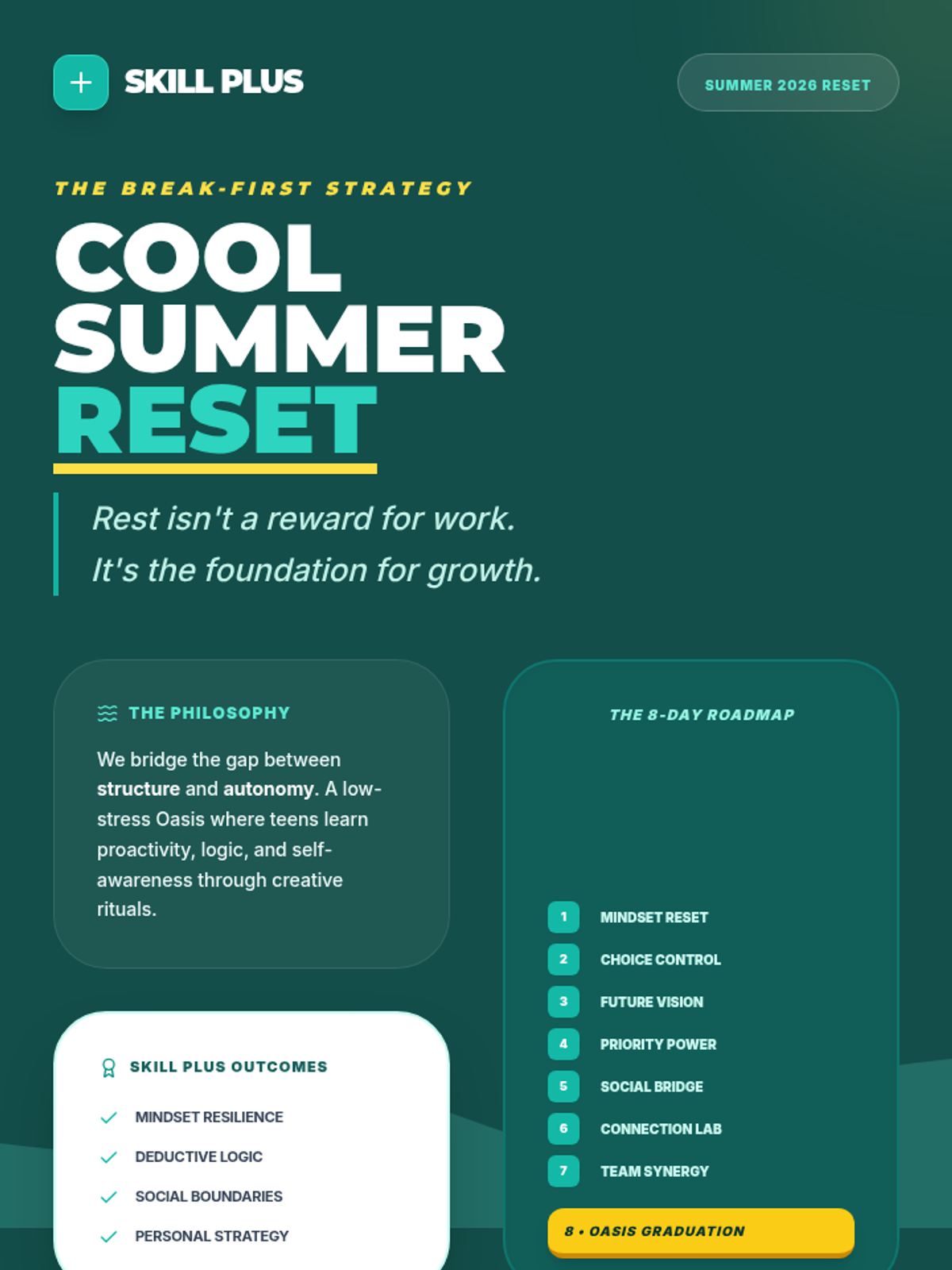
Focusing on self-care, renewal, and reflecting on the summer journey.
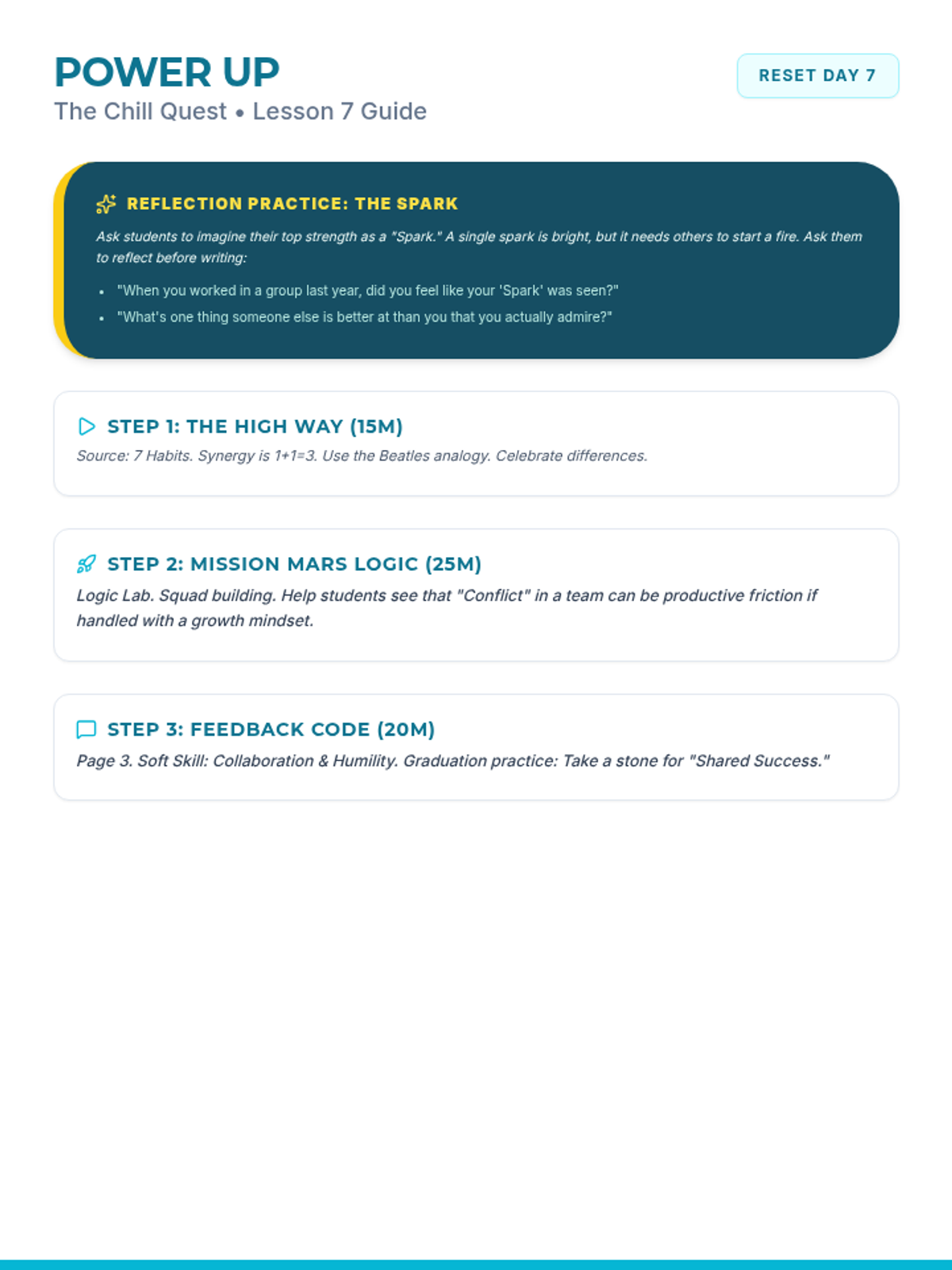
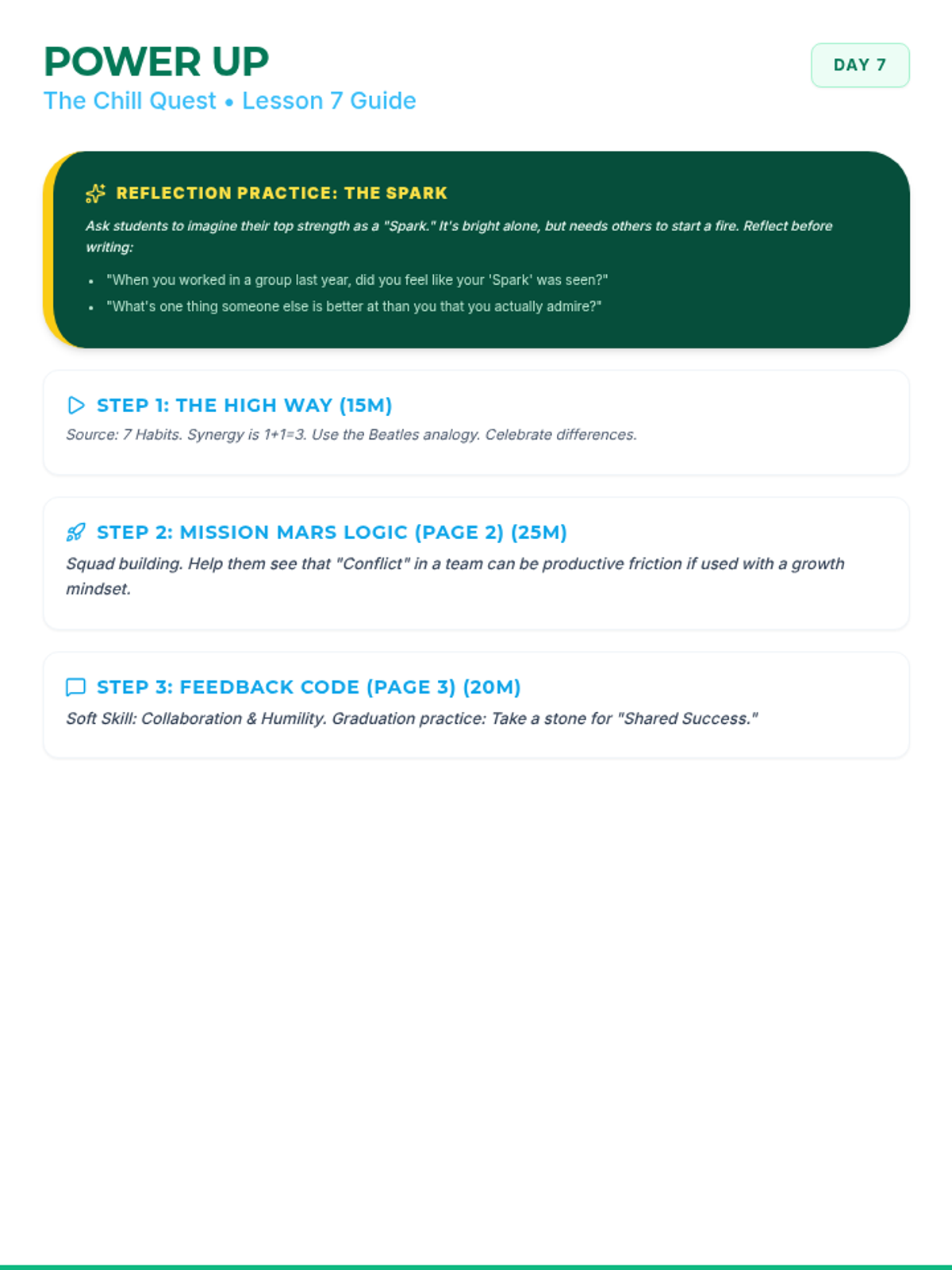
Exploring synergy and the power of working together through collaborative logic challenges.
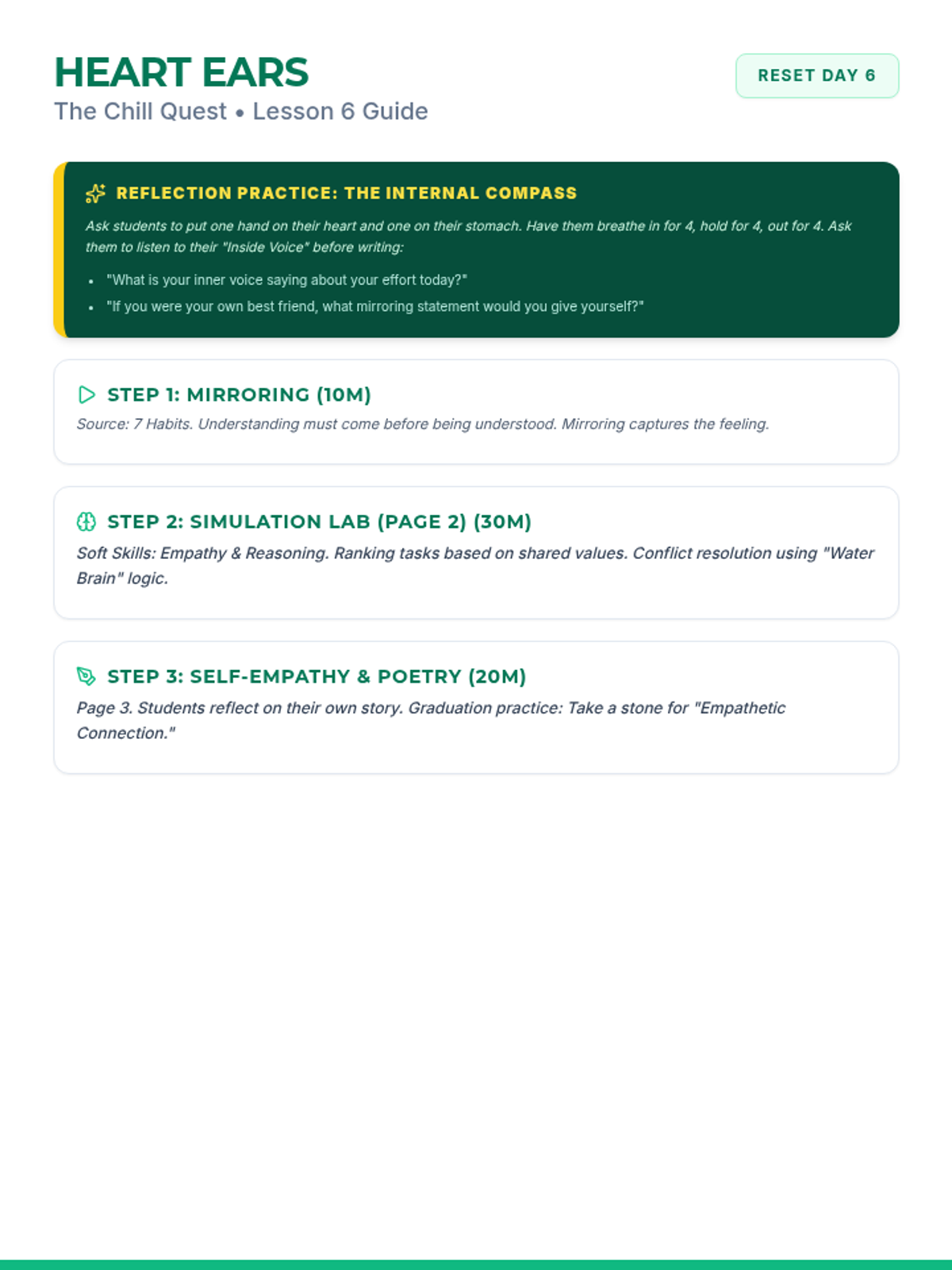
Mastering empathetic listening and reflective communication skills.
Developing a Win-Win mindset for healthier relationships and collaboration.
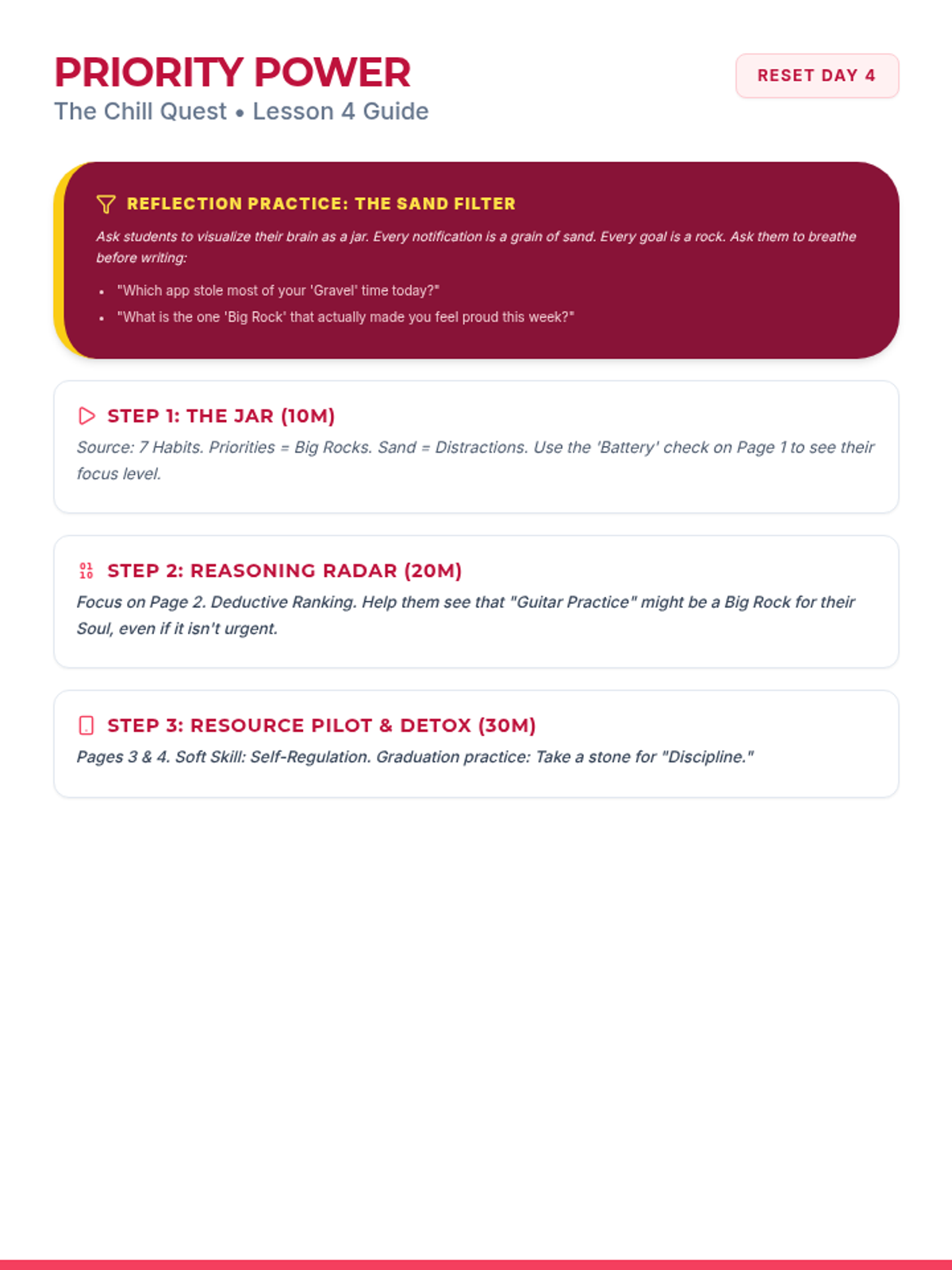
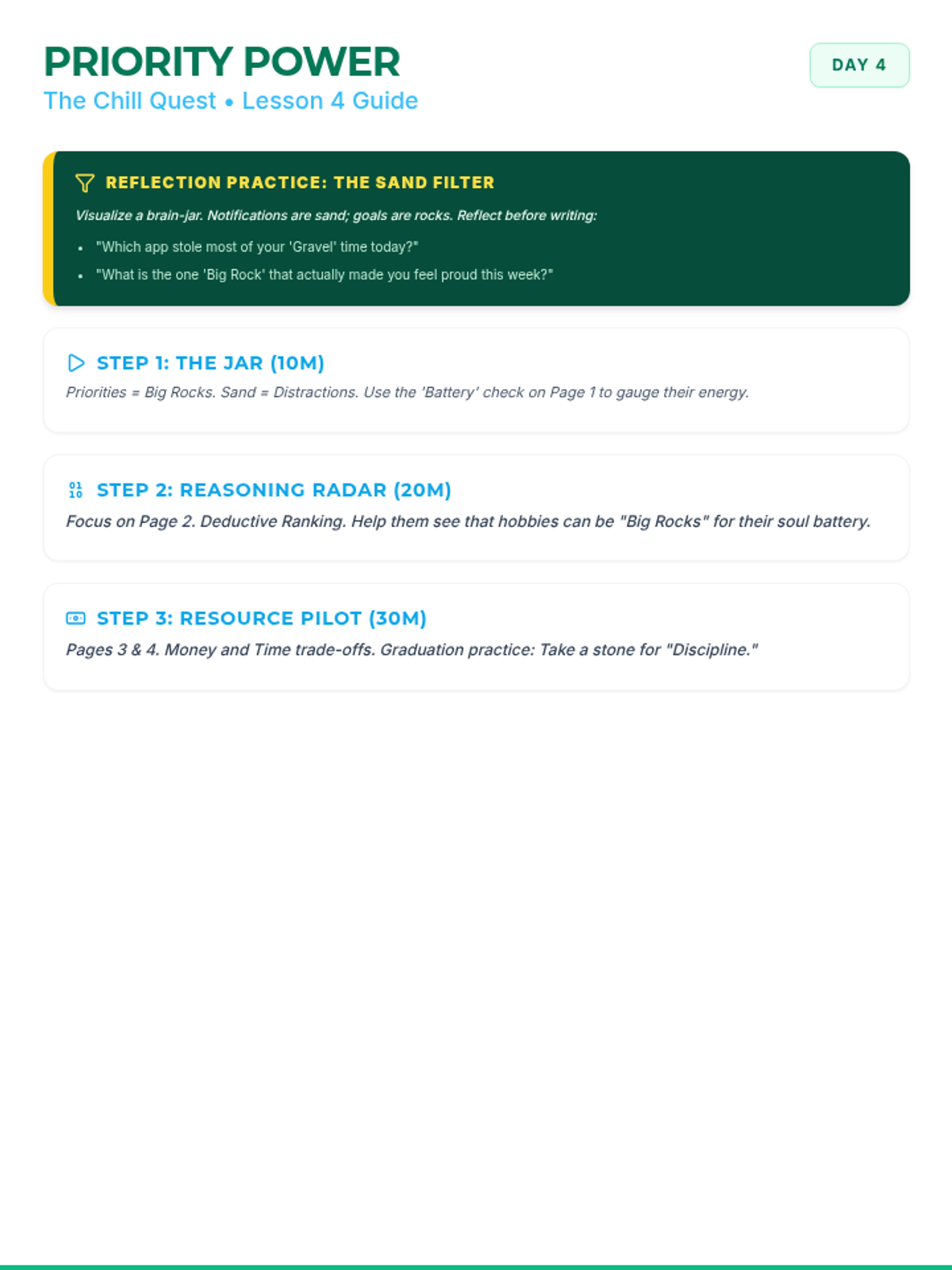
Learning prioritization and time management through the 'Big Rocks' concept.
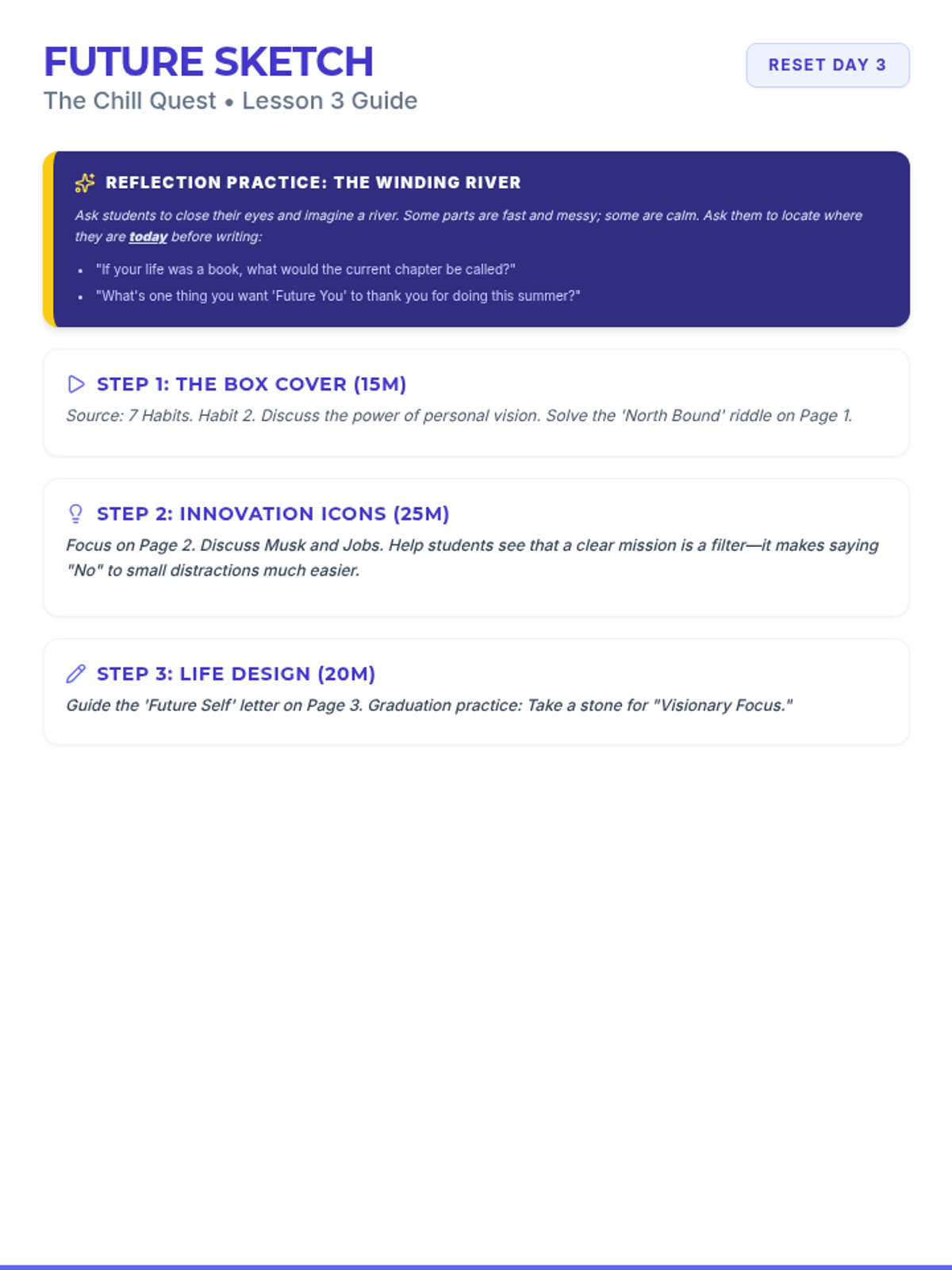
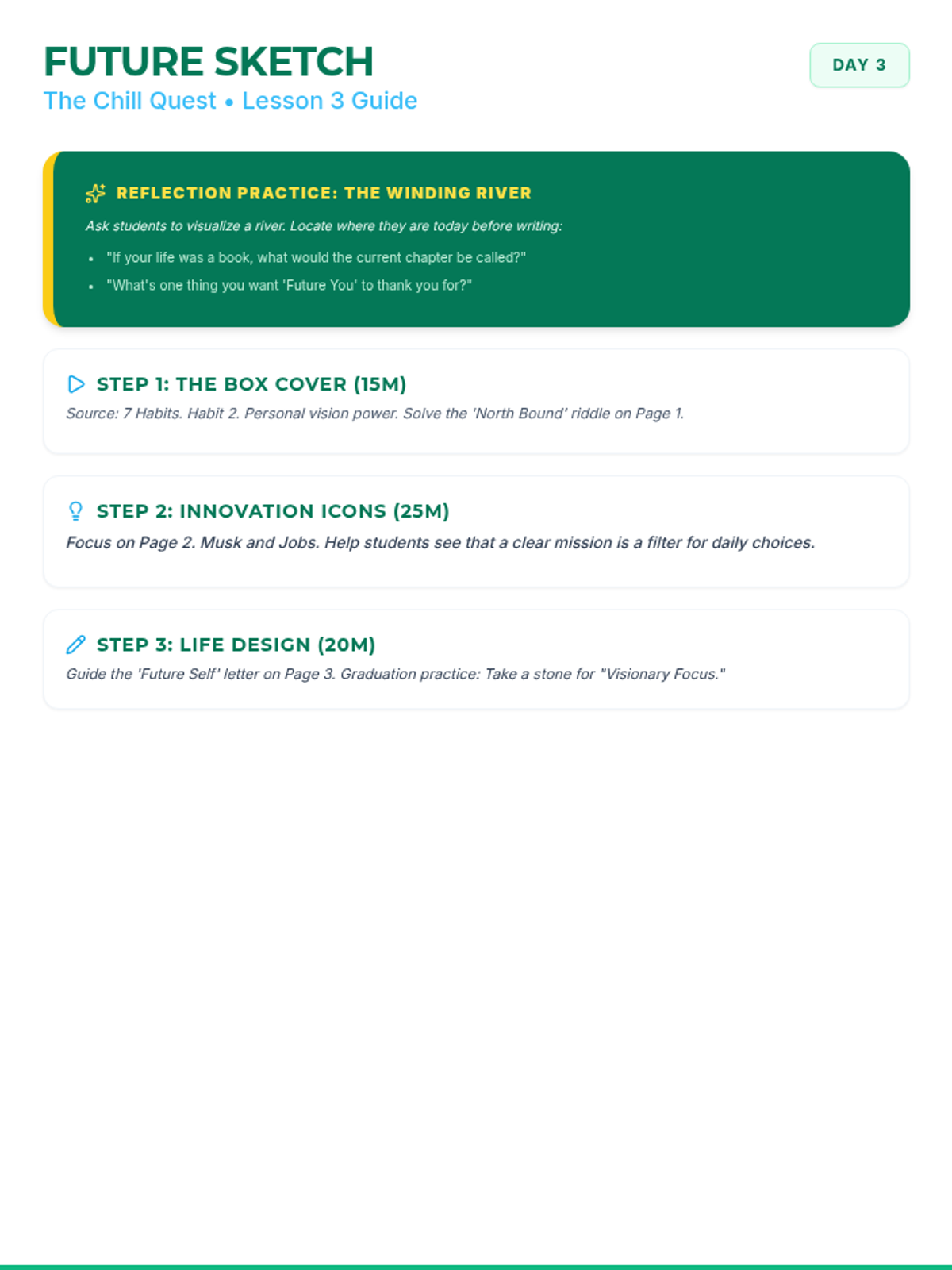
Setting goals and creating a personal vision statement for the future.
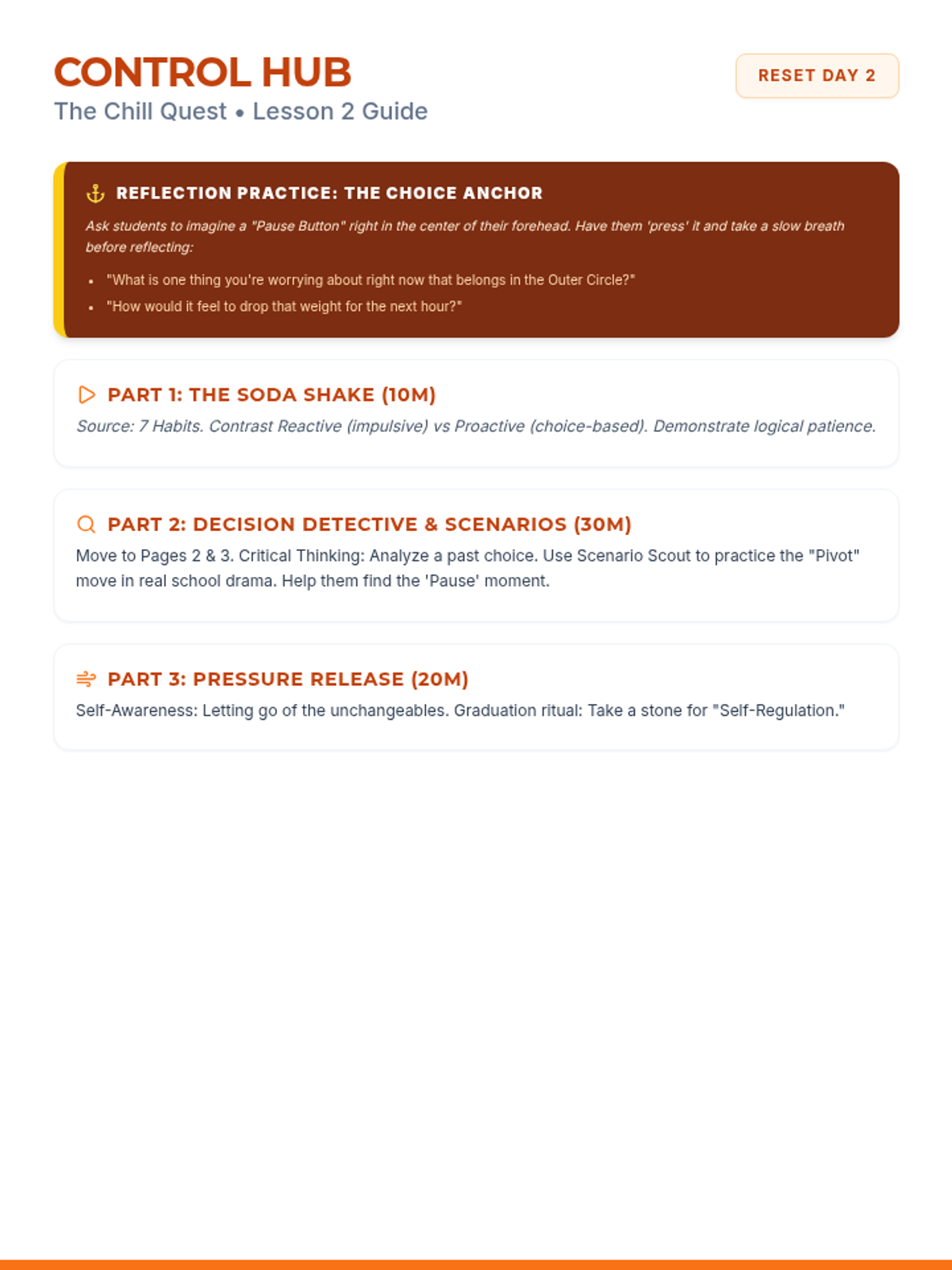
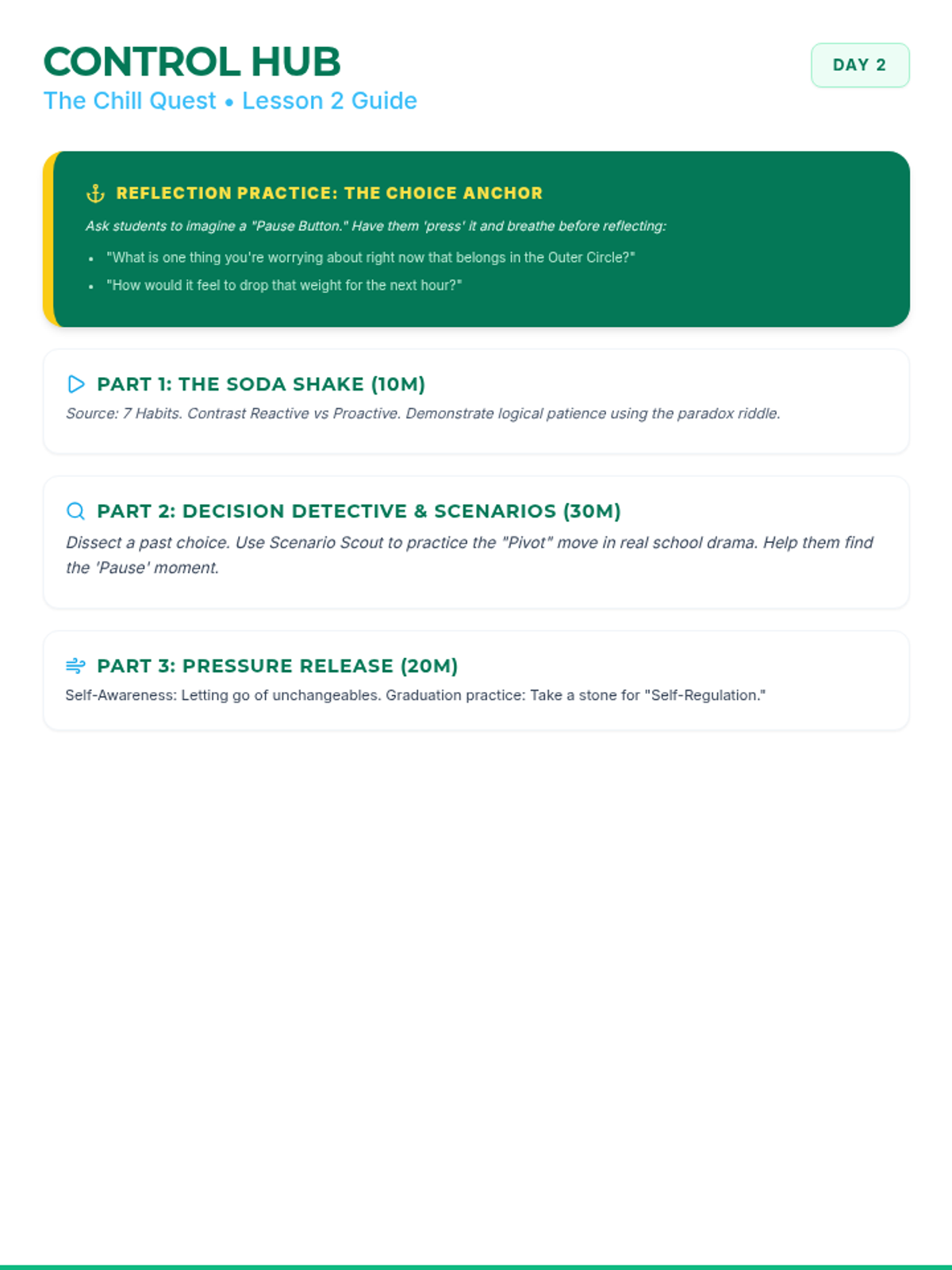
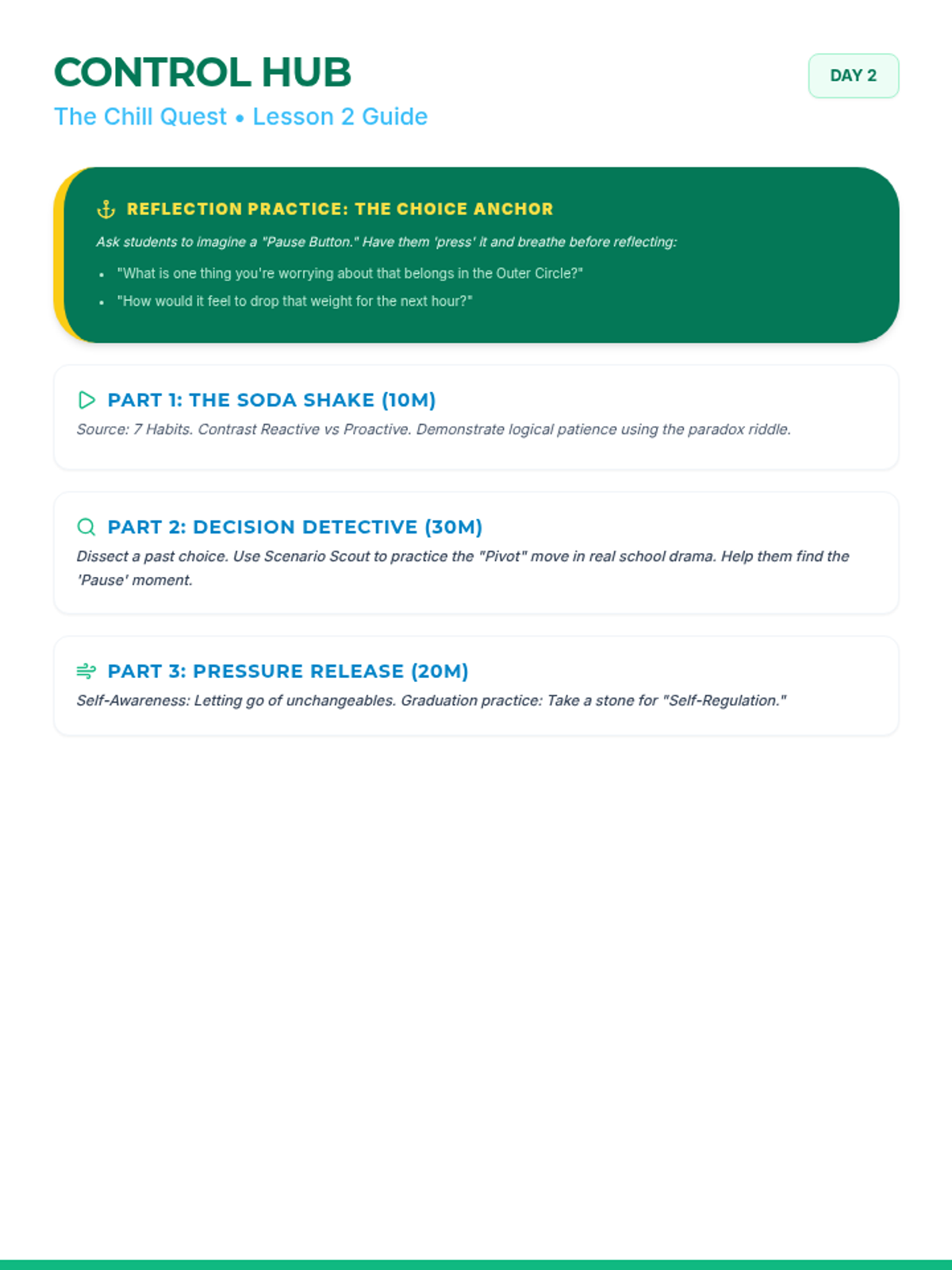
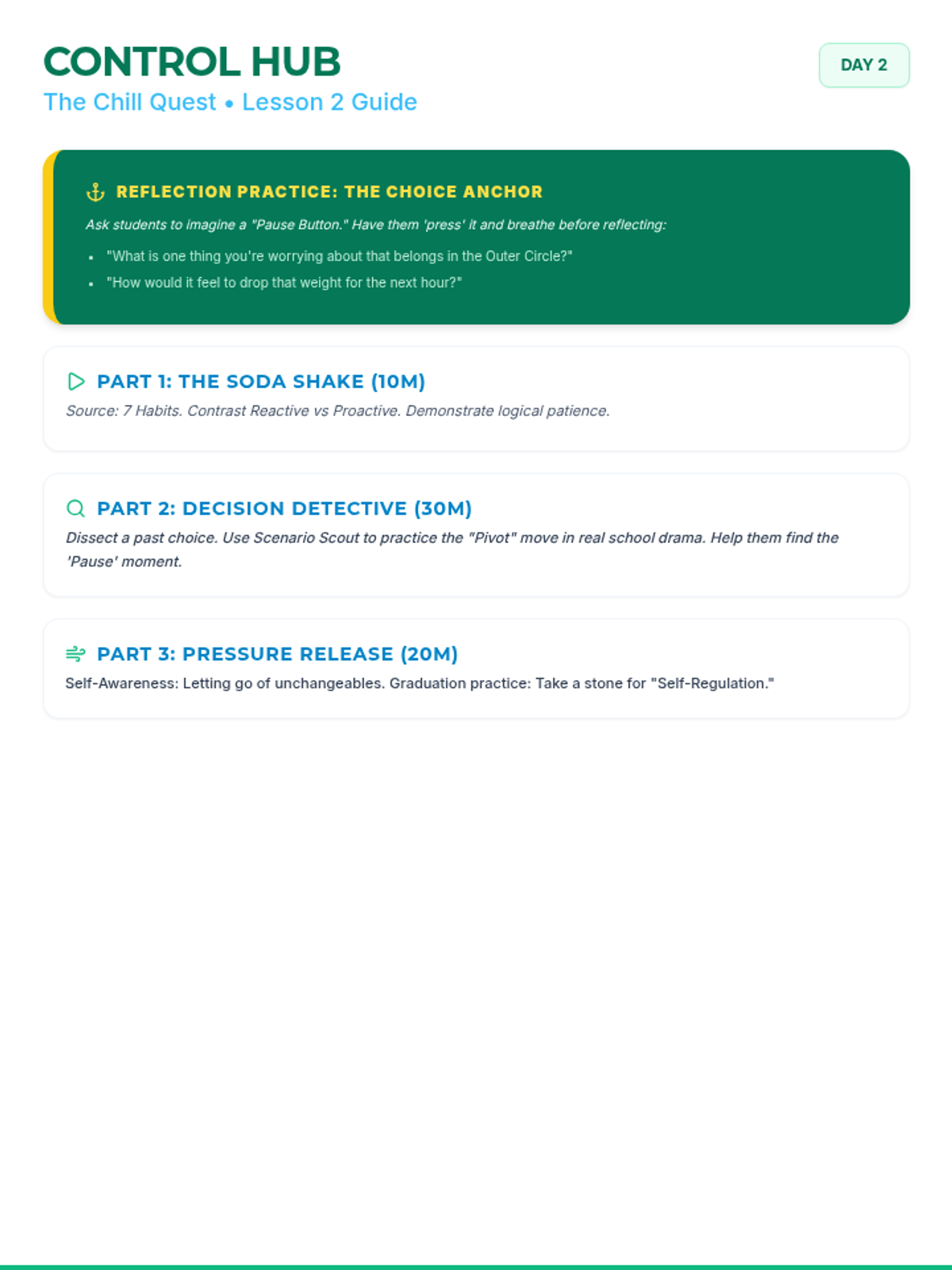
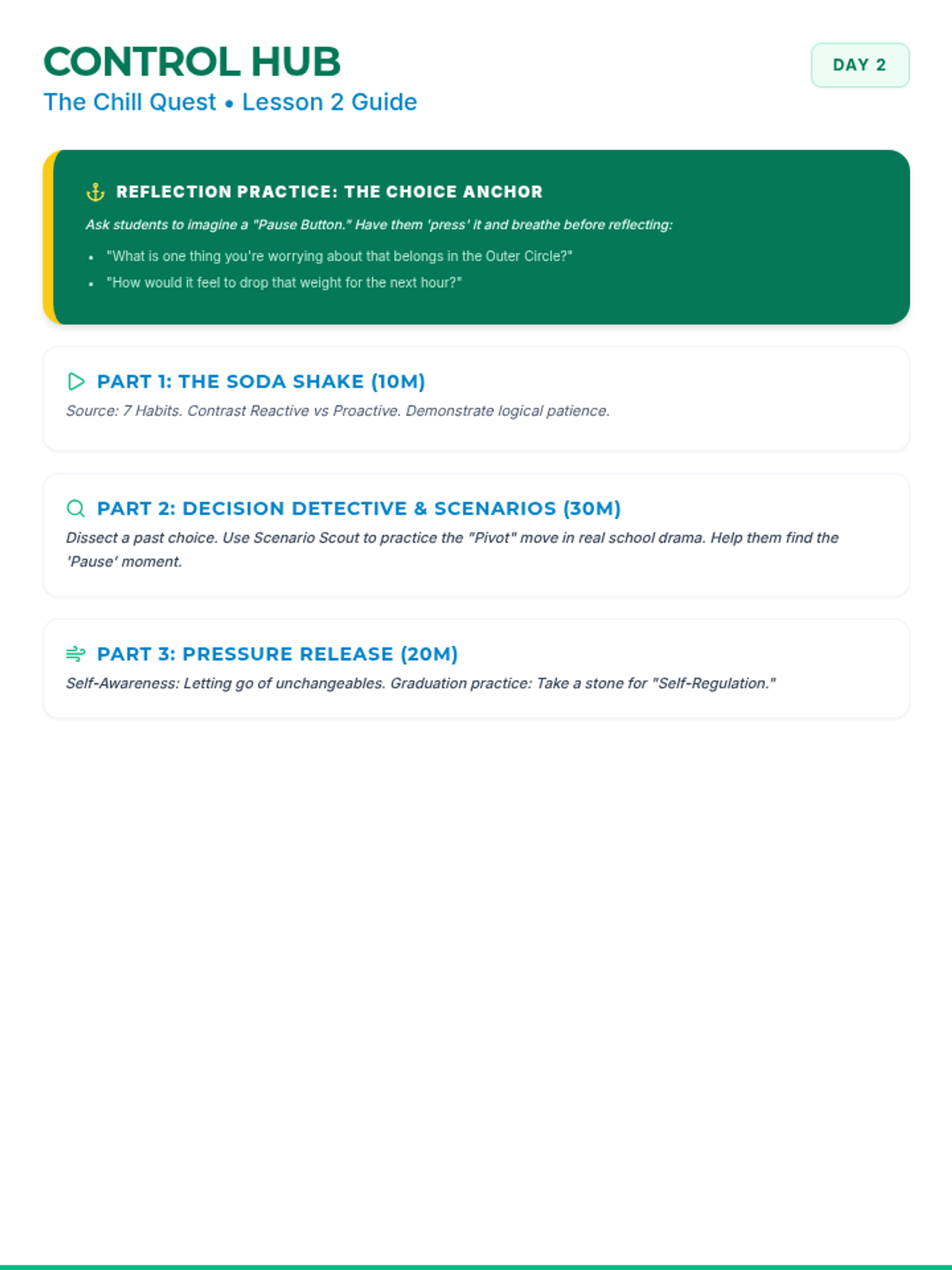
Exploring proactivity and the Circle of Control using the 7 Habits framework.
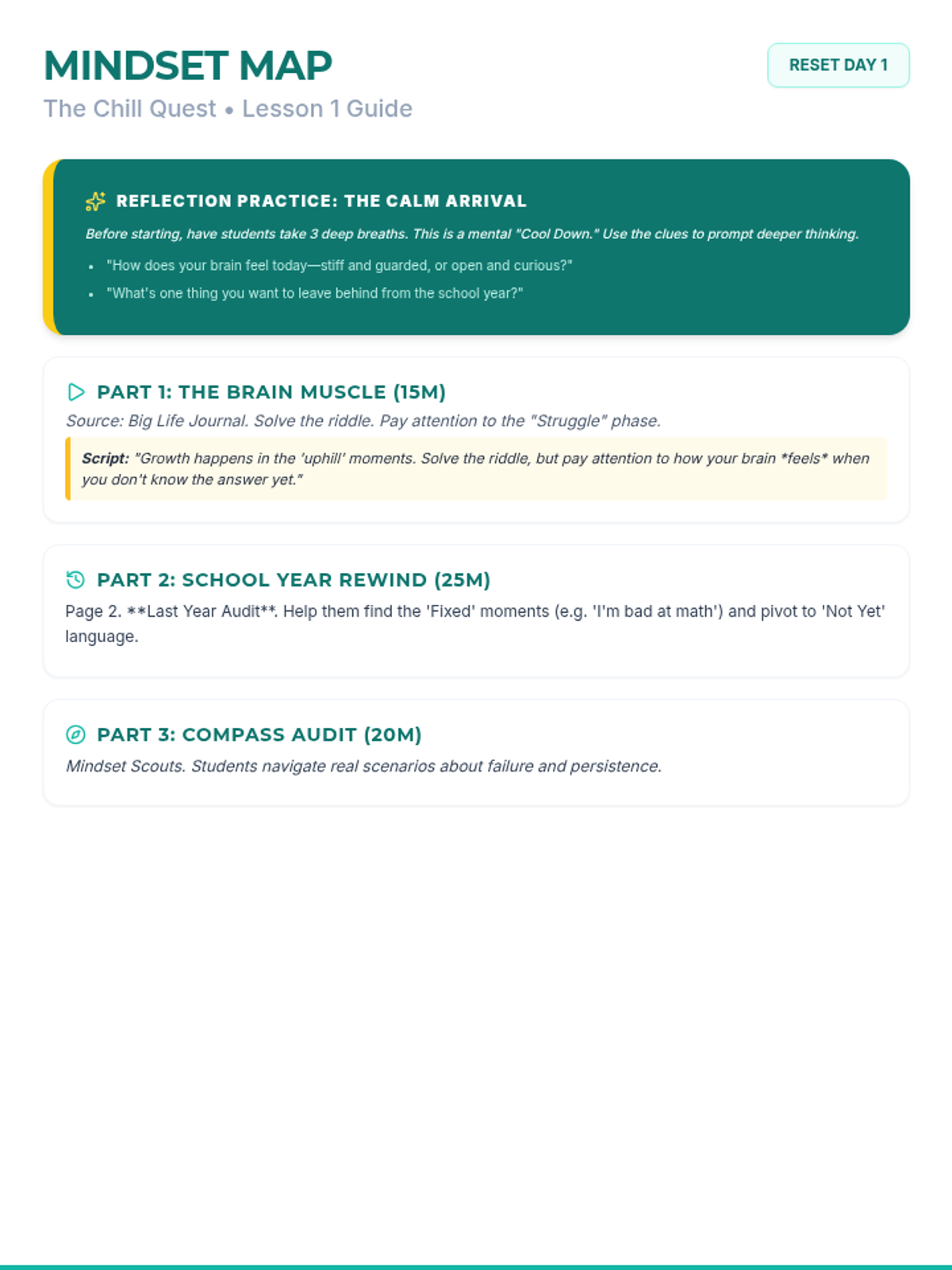
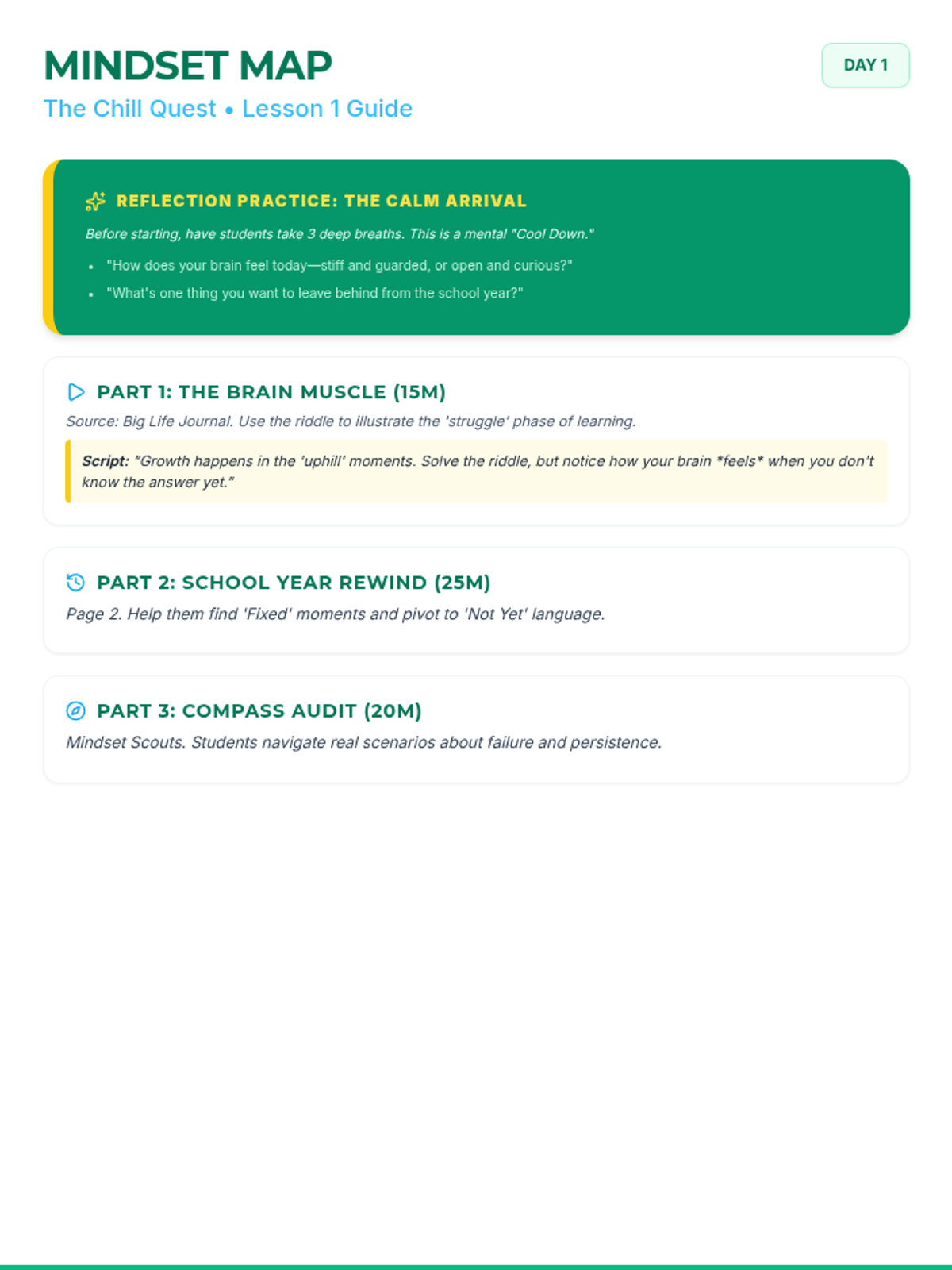
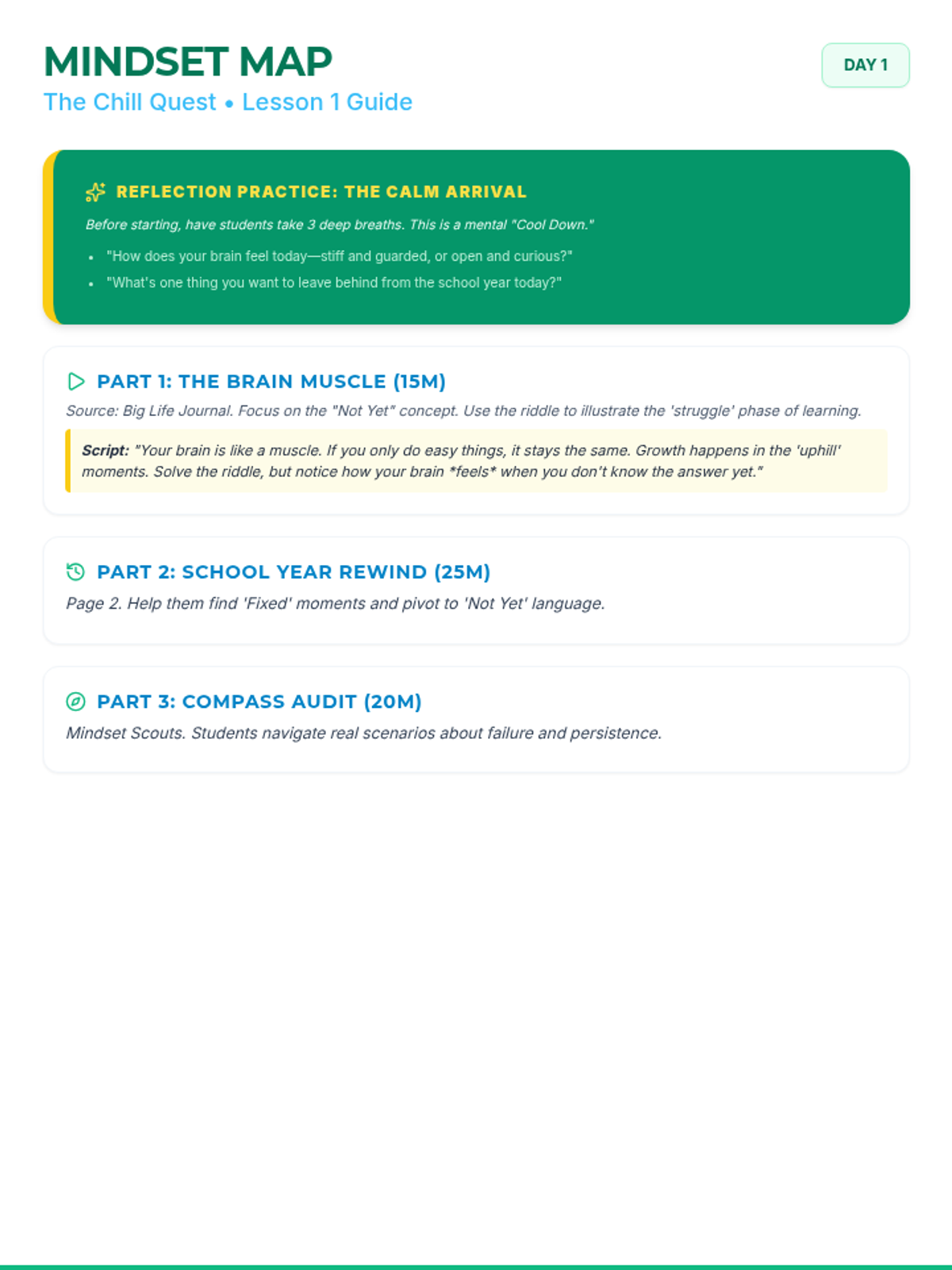
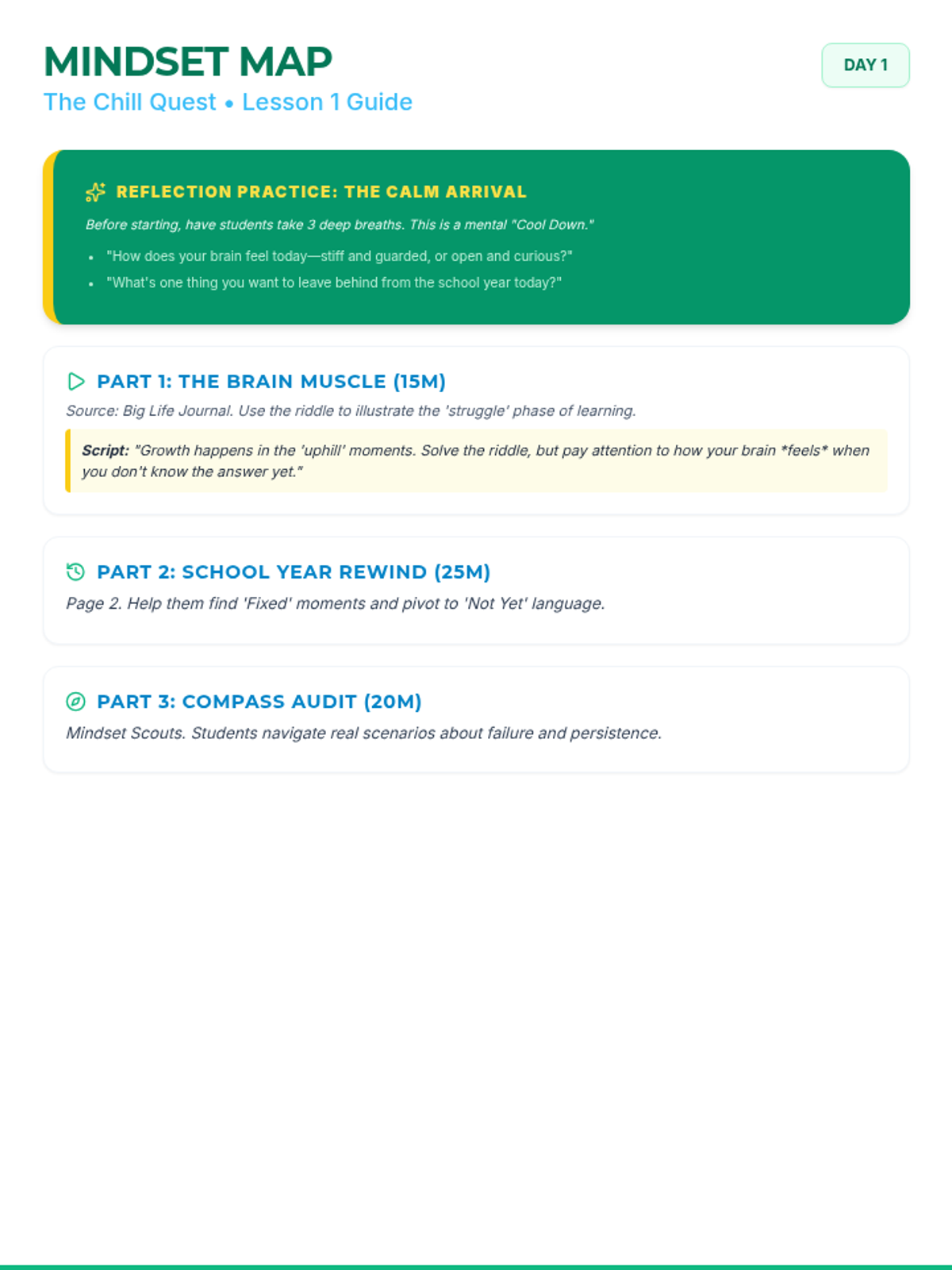
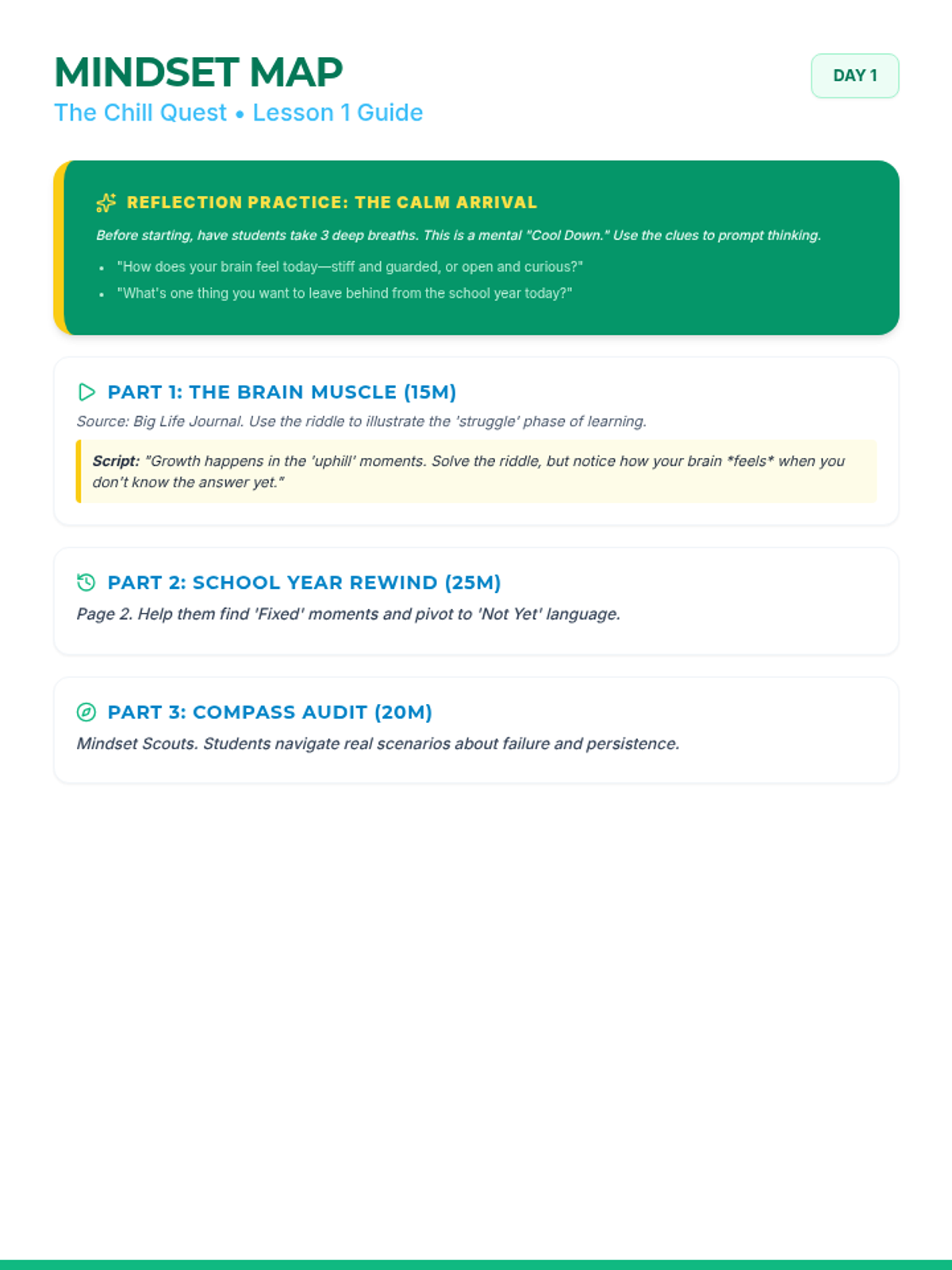
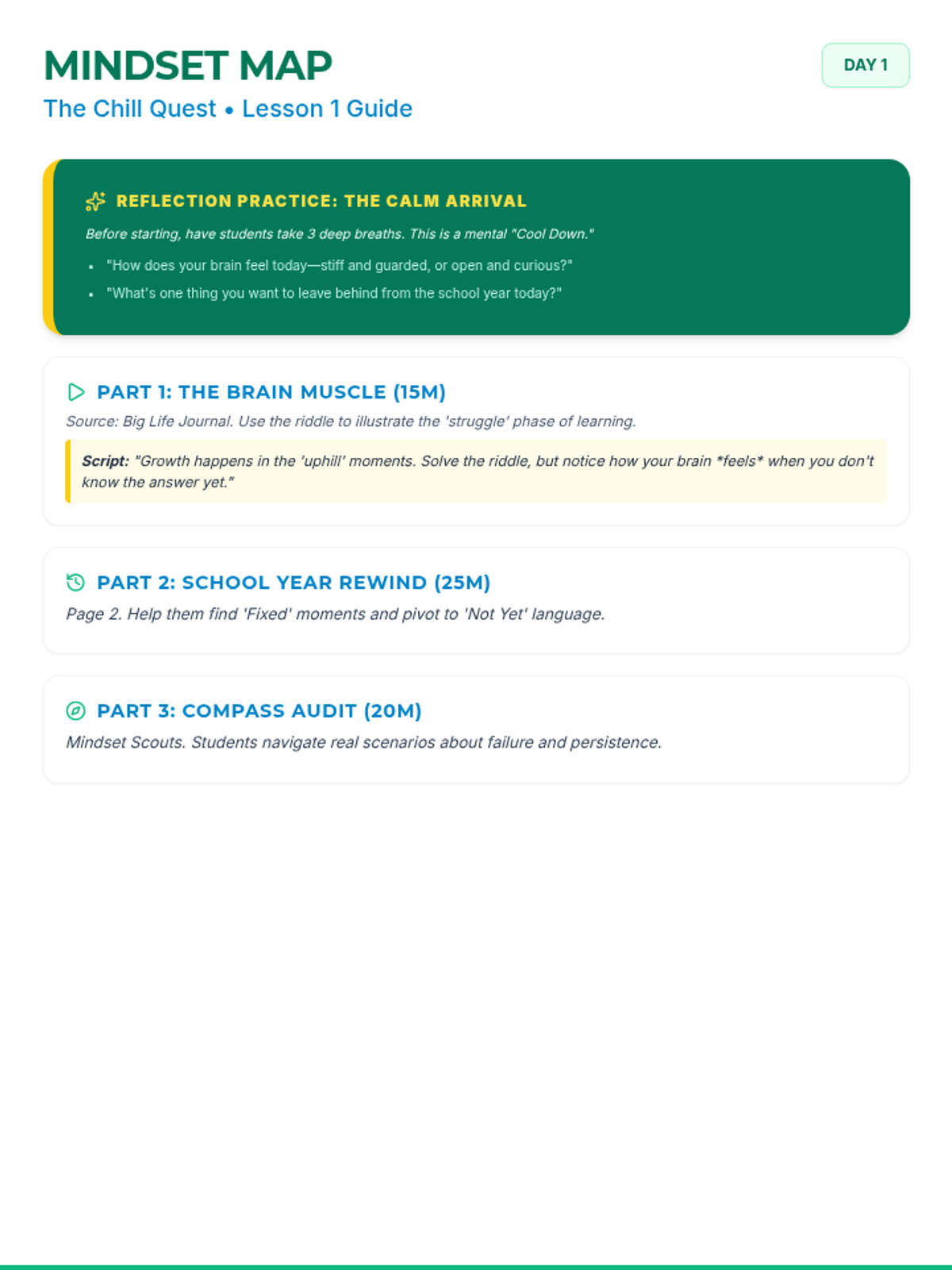
Introduction to fixed vs. growth mindsets using Big Life Journal concepts and brain-teasers.
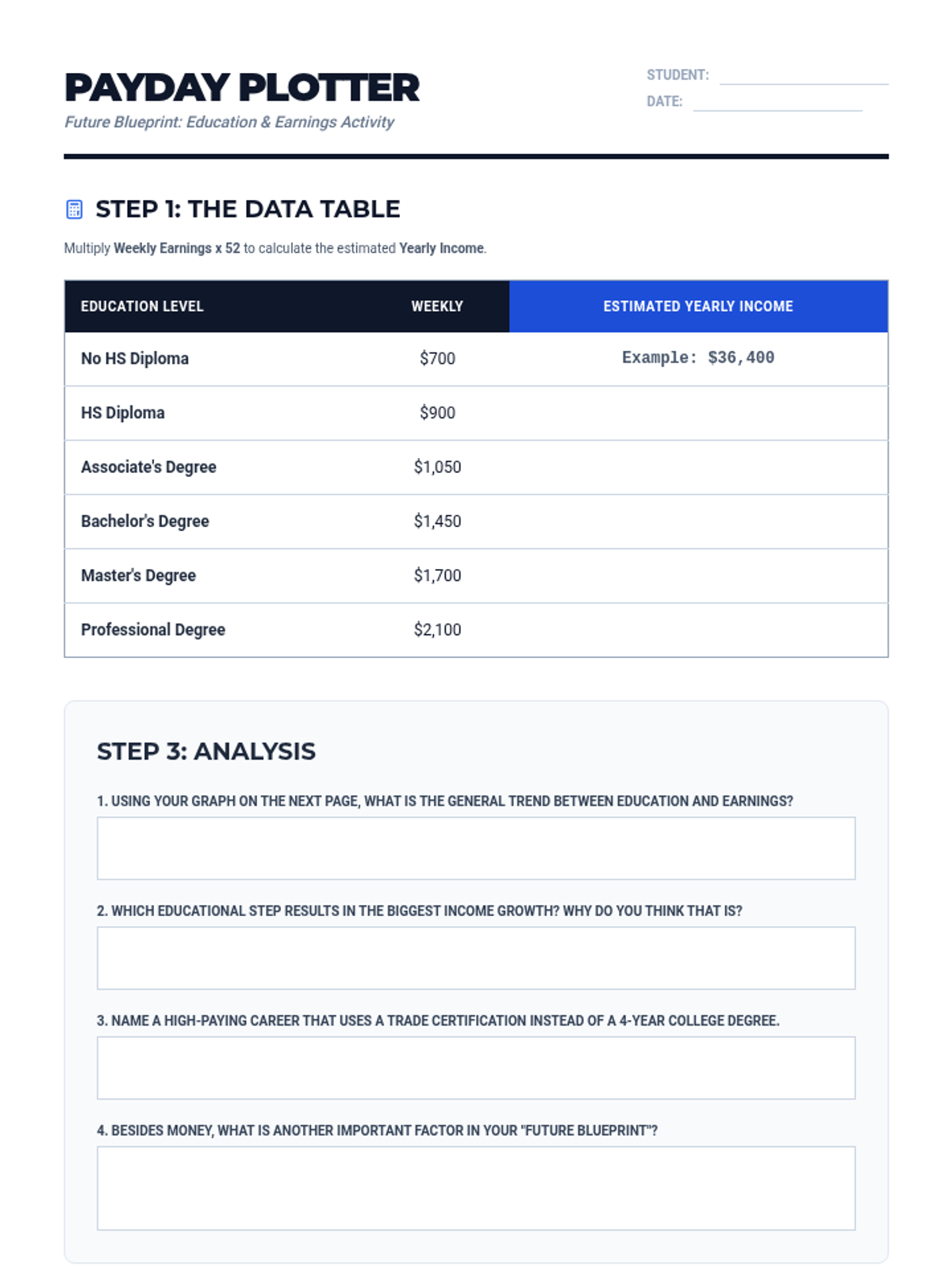
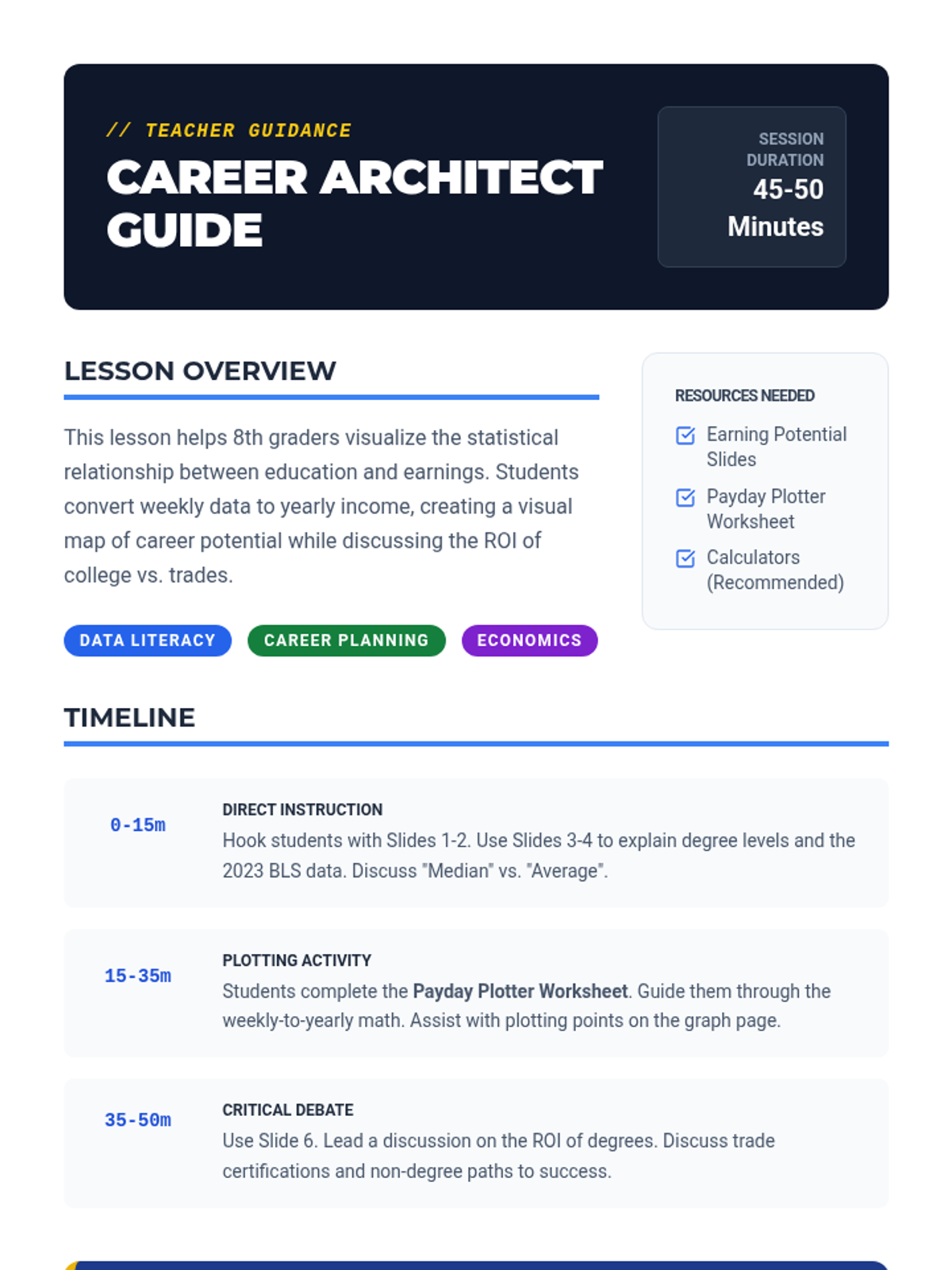
A mini-lesson for 8th graders exploring the statistical relationship between educational attainment and lifetime earnings, featuring data visualization and critical discussion about career paths.
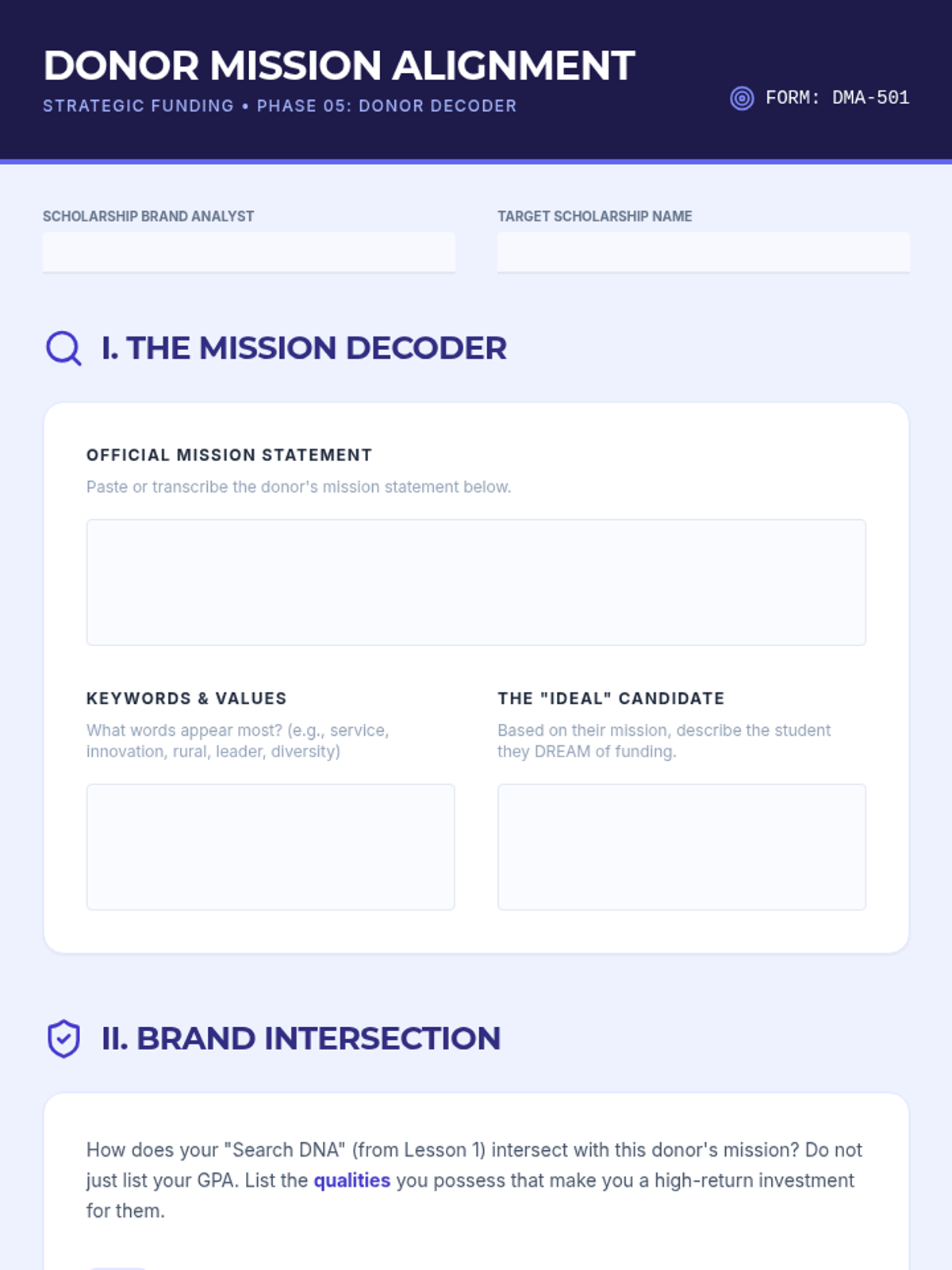
Students research donor organizations to align their personal brand with the funding source's mission and values.
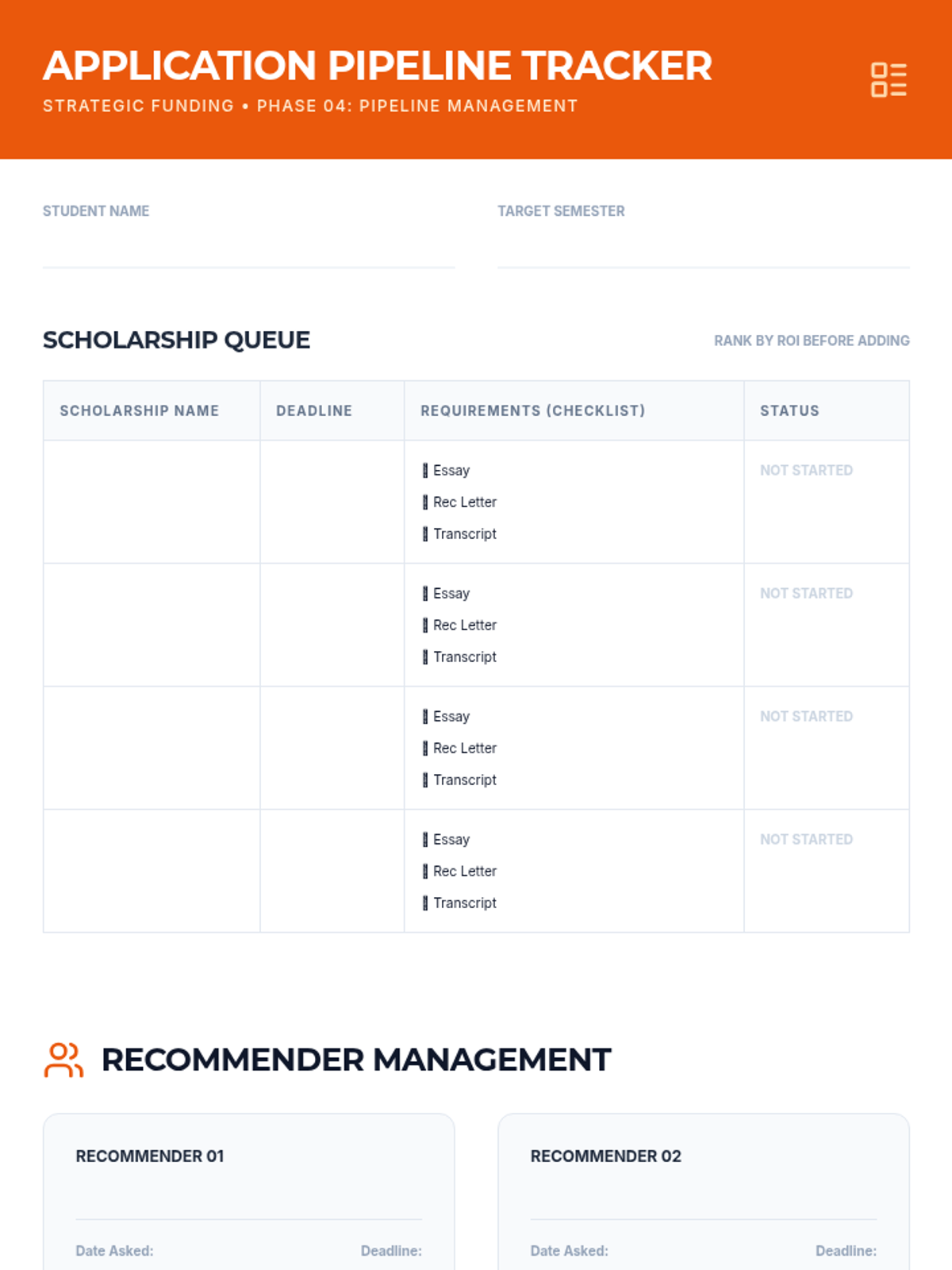
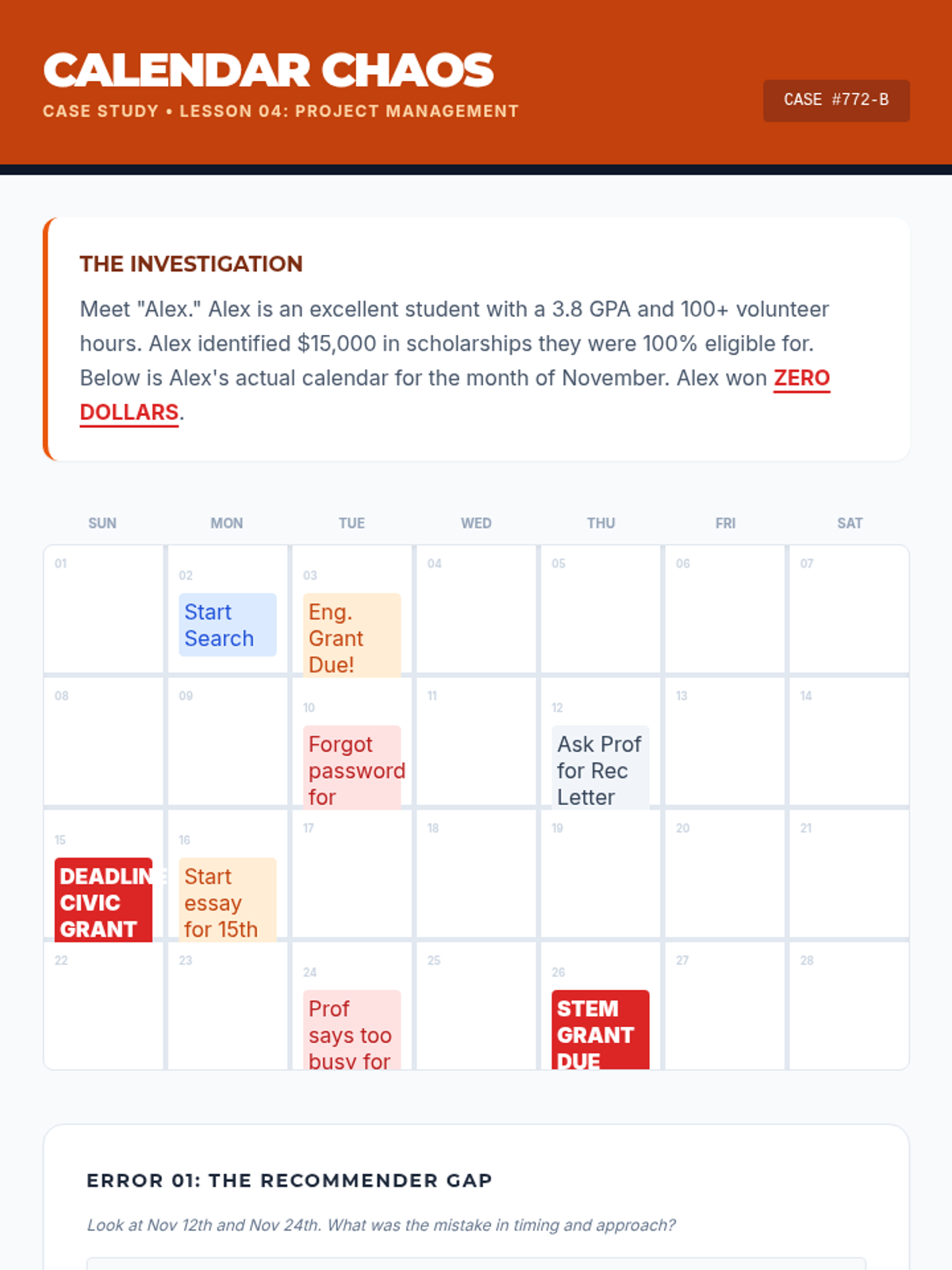
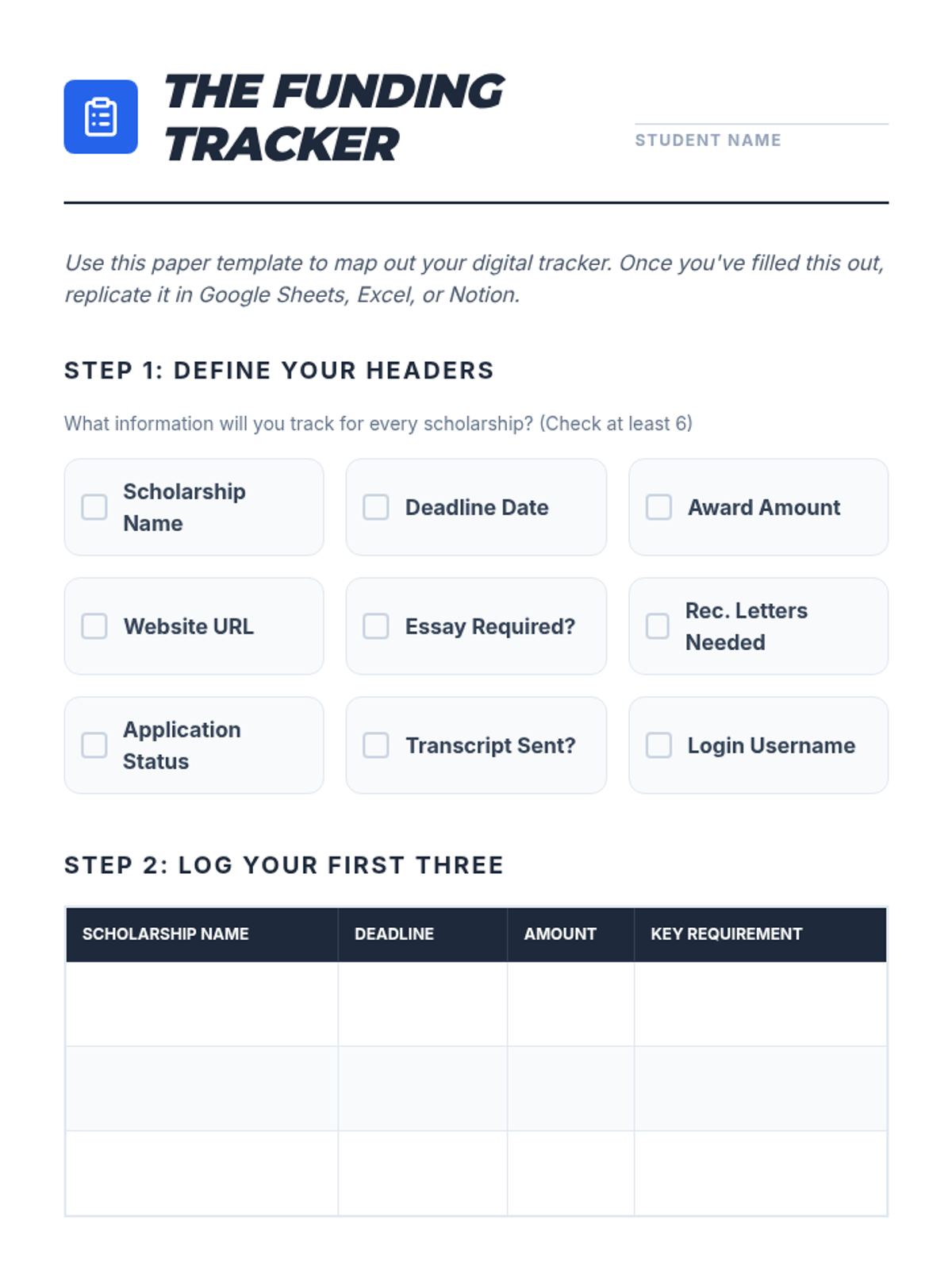
Students build a robust project management system to track deadlines, requirements, and application status.
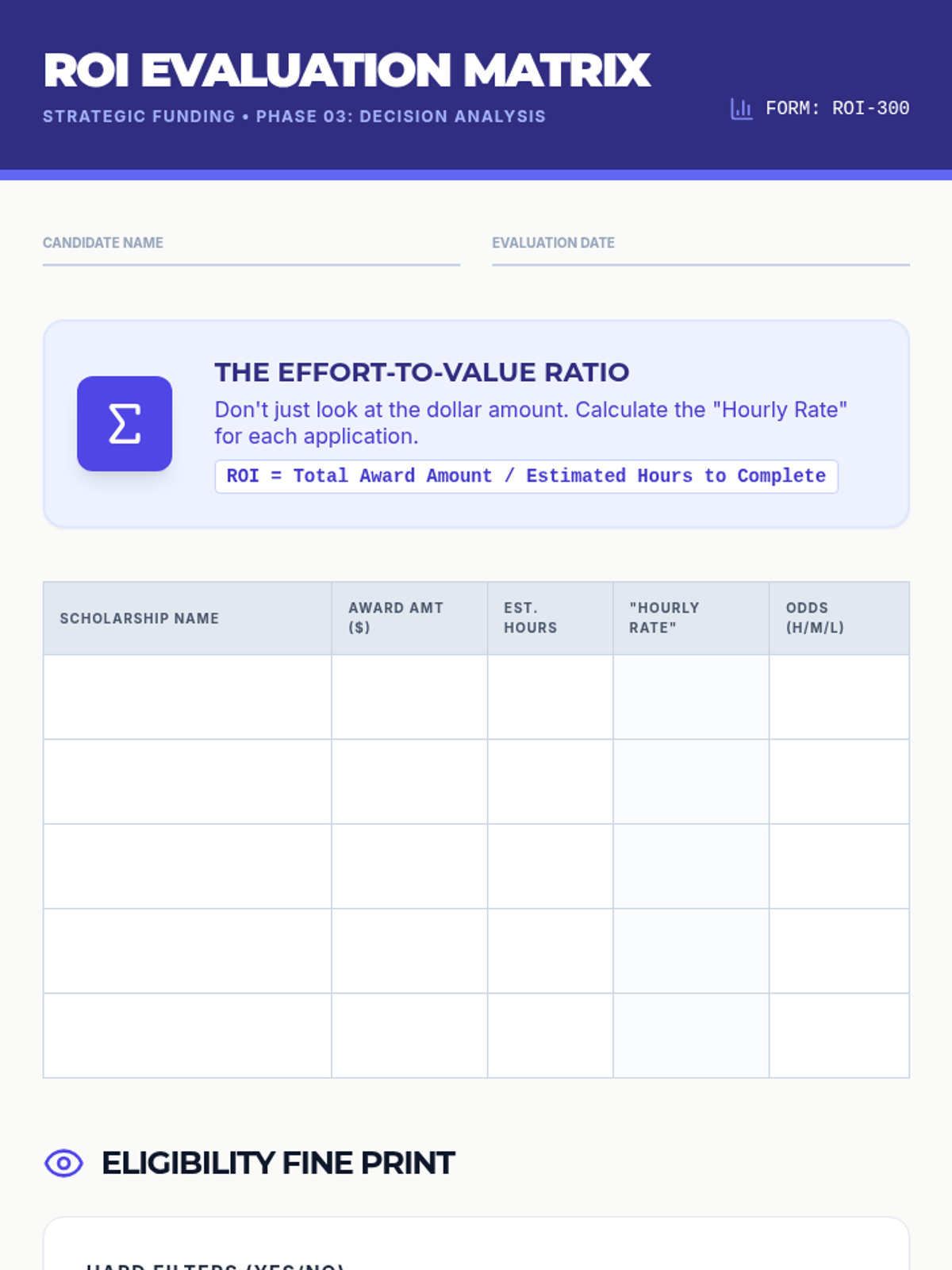
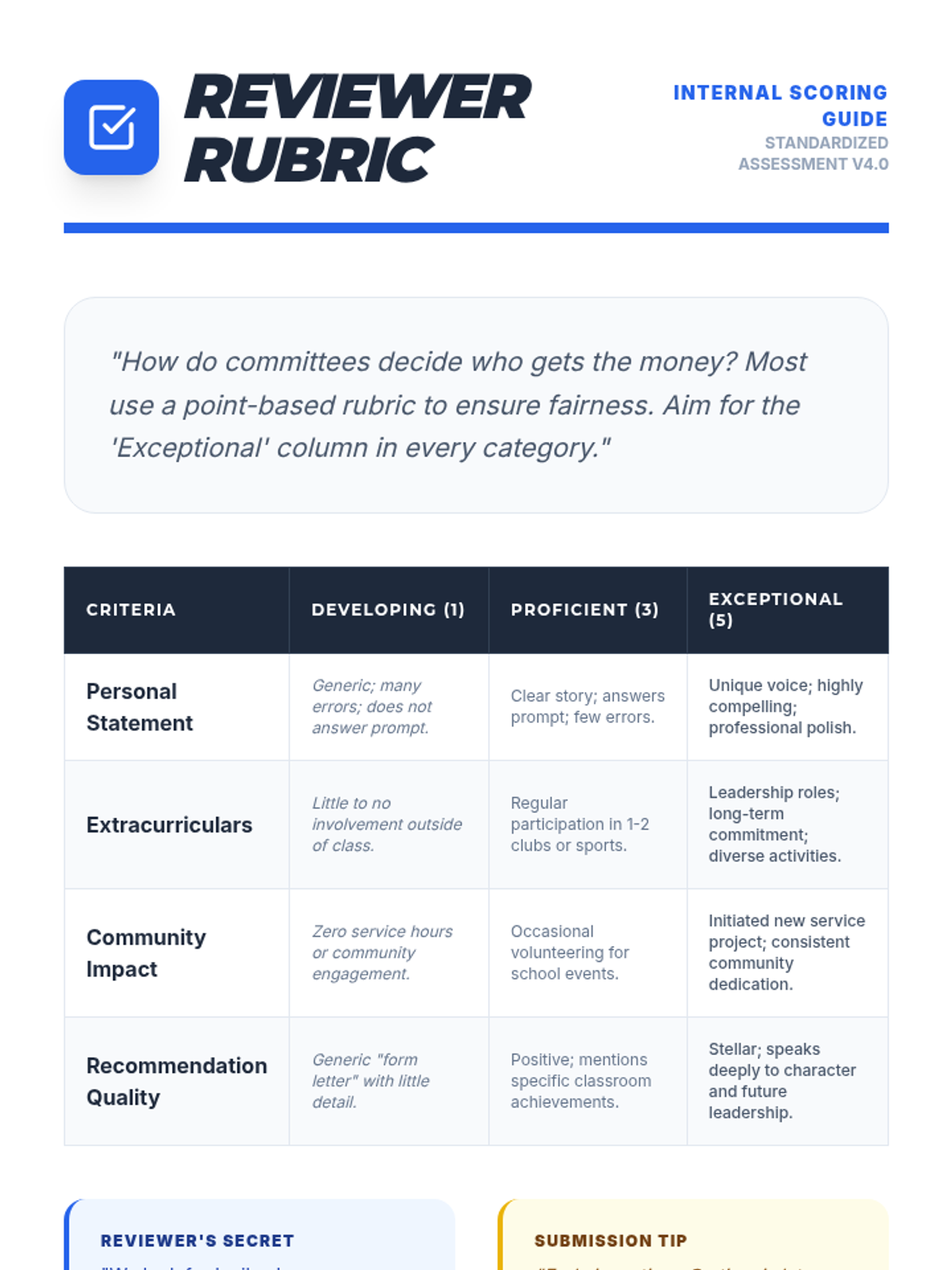
Students evaluate scholarship opportunities based on effort-to-value ratios and eligibility requirements.
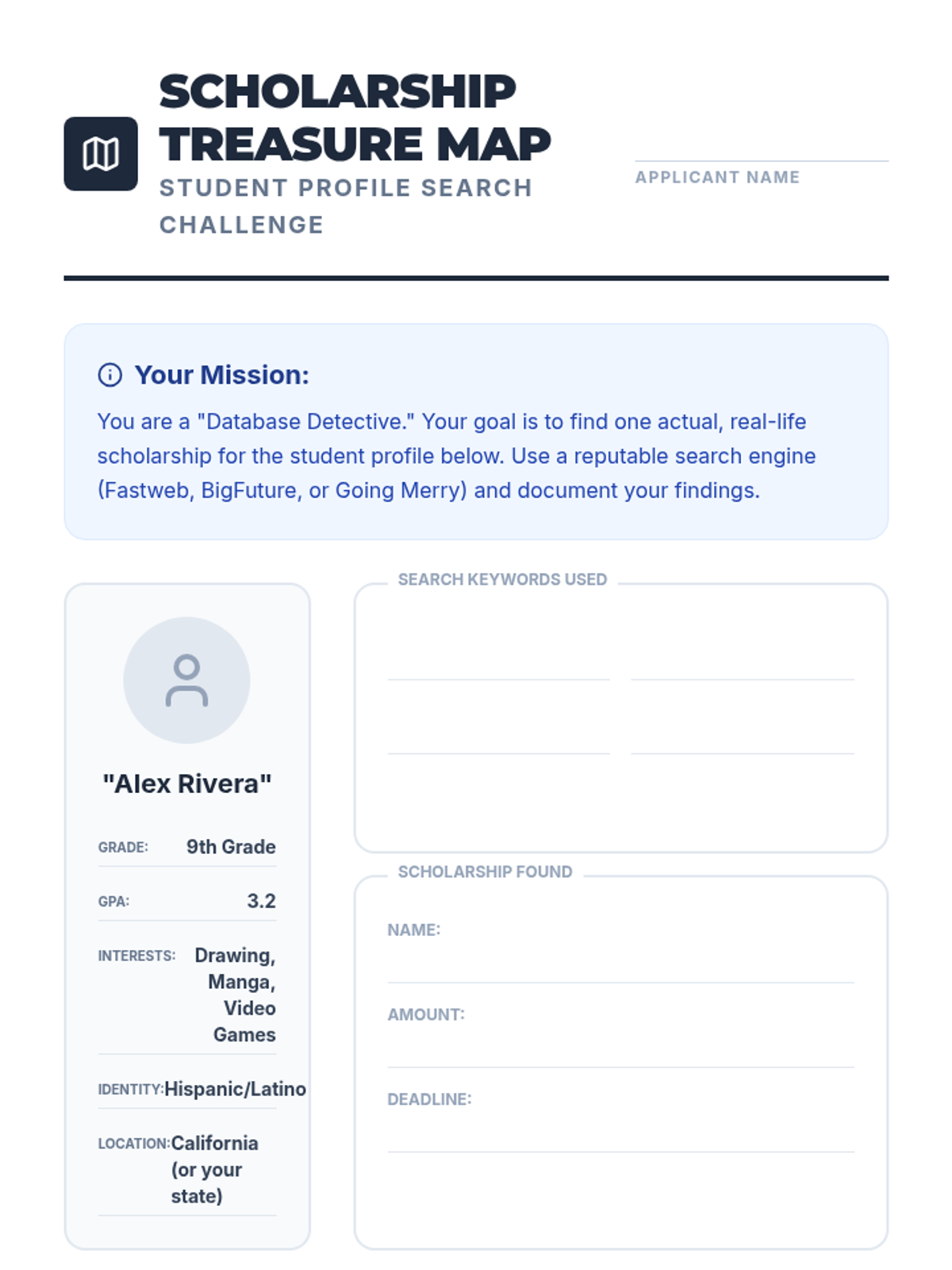
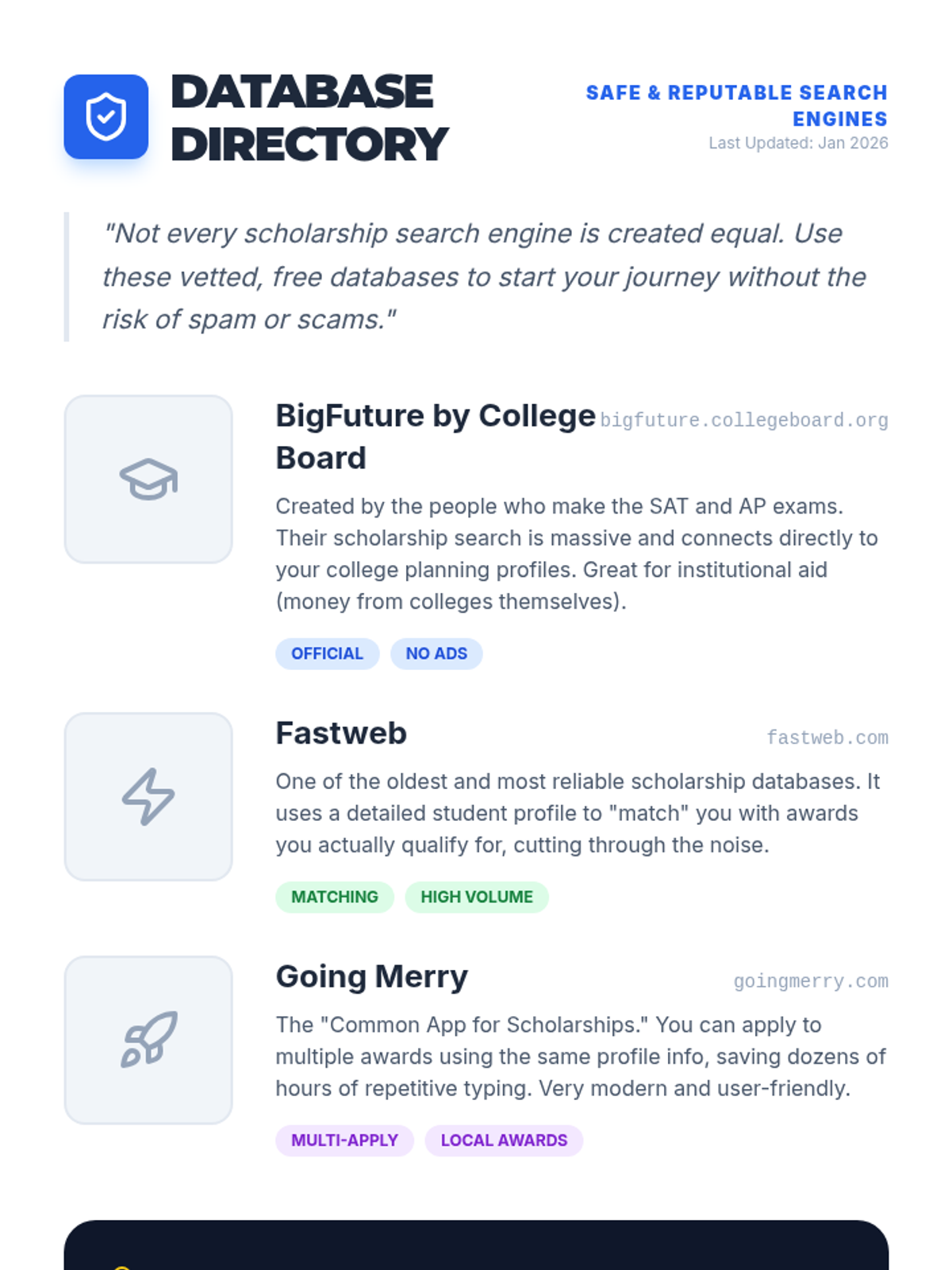
Students learn to use advanced search techniques and verify the legitimacy of scholarship databases and institutional resources.
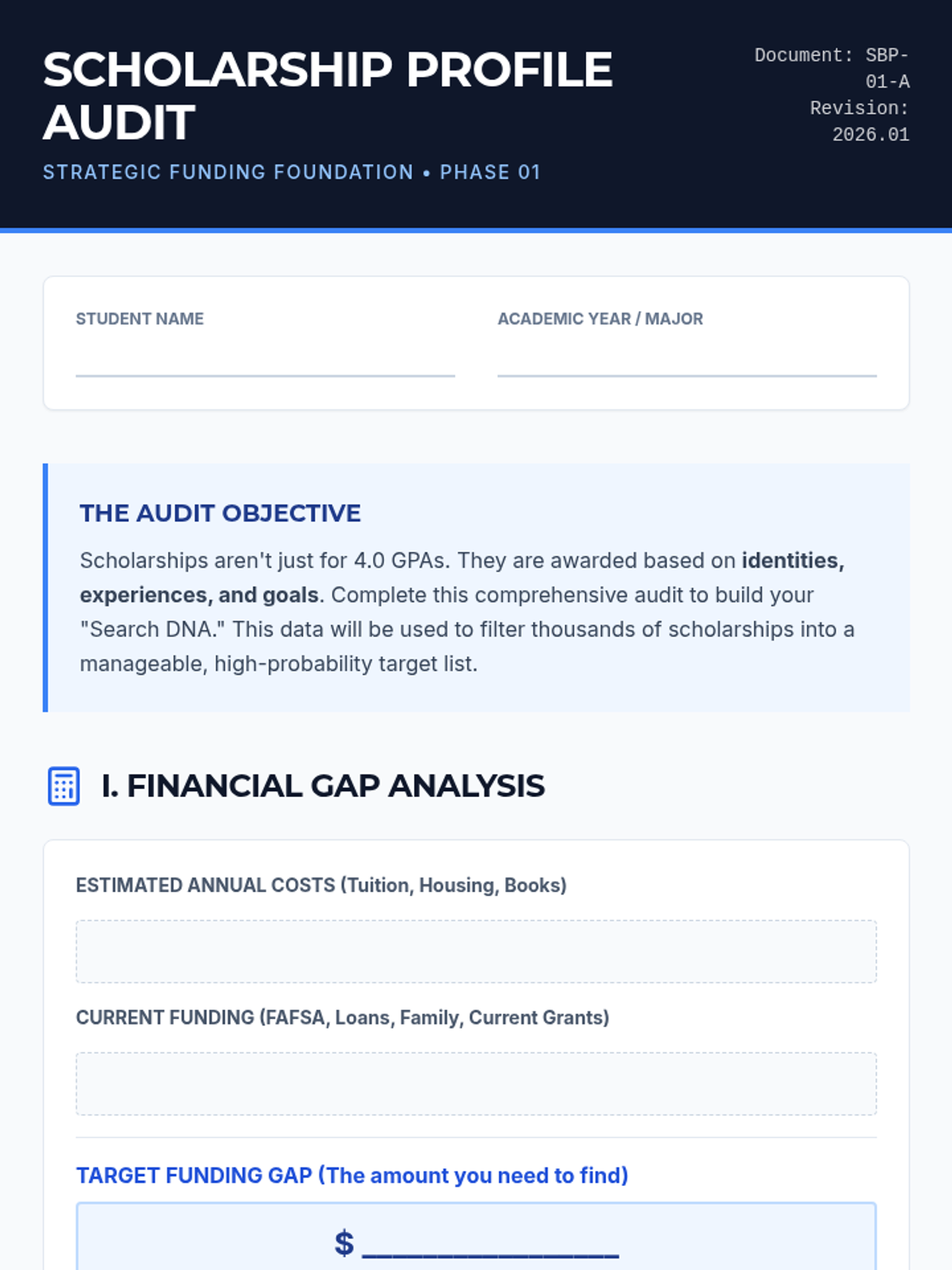
Students conduct a deep-dive audit of their financial needs and personal characteristics to identify niche scholarship opportunities.
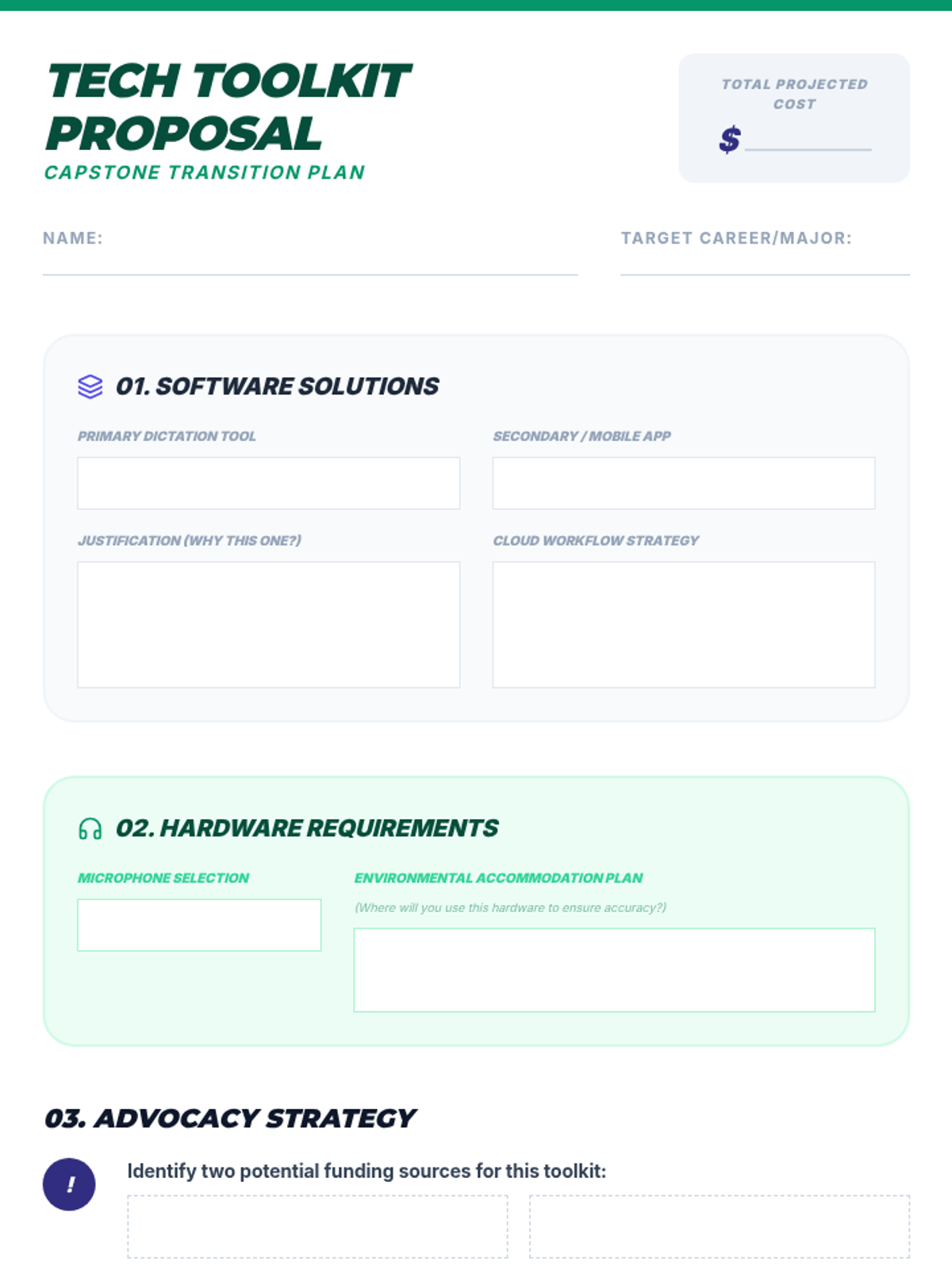
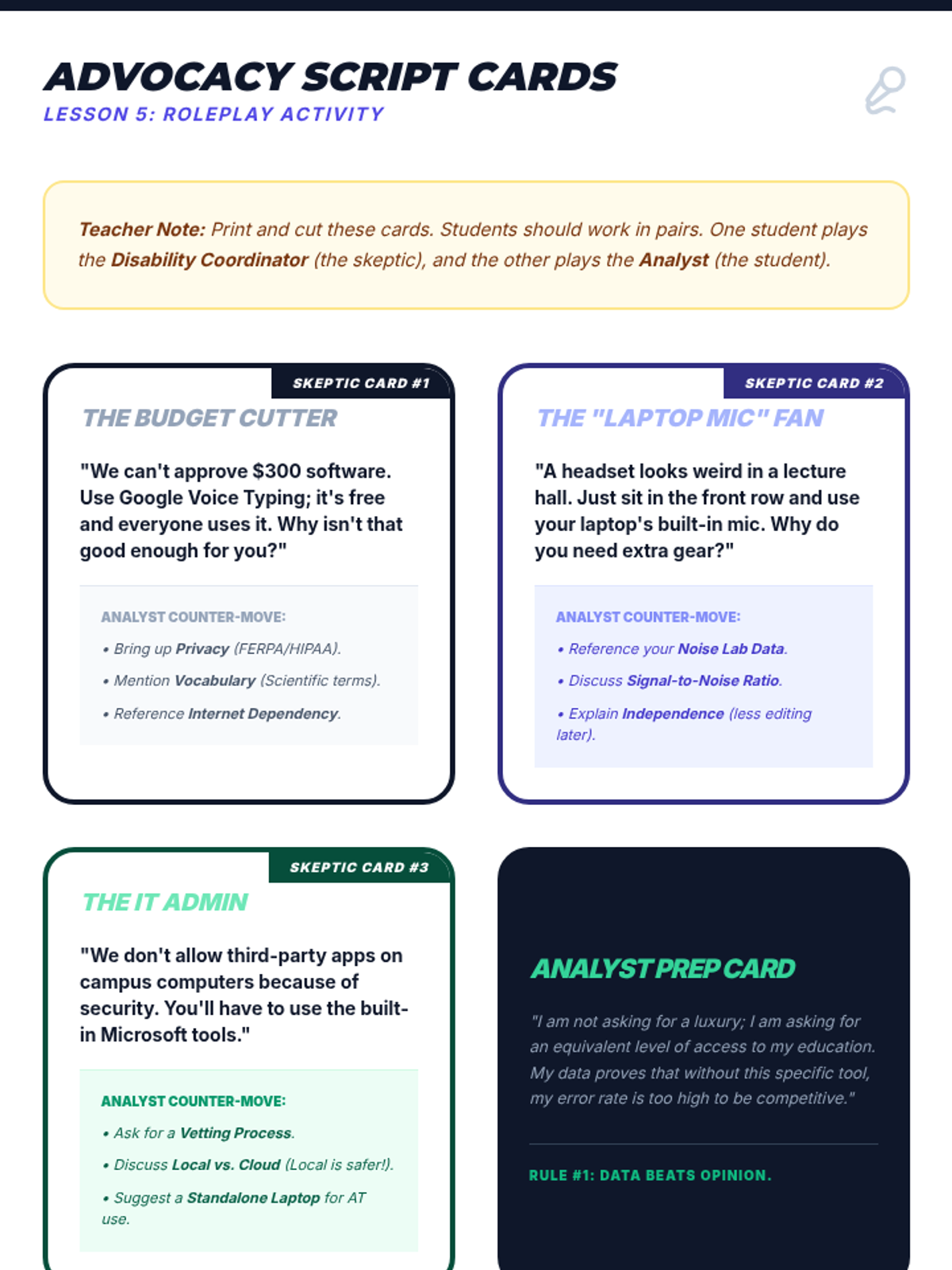
Students synthesize their findings to create a personal proposal for their post-high school needs, outlining software, hardware, costs, and funding sources while practicing self-advocacy.
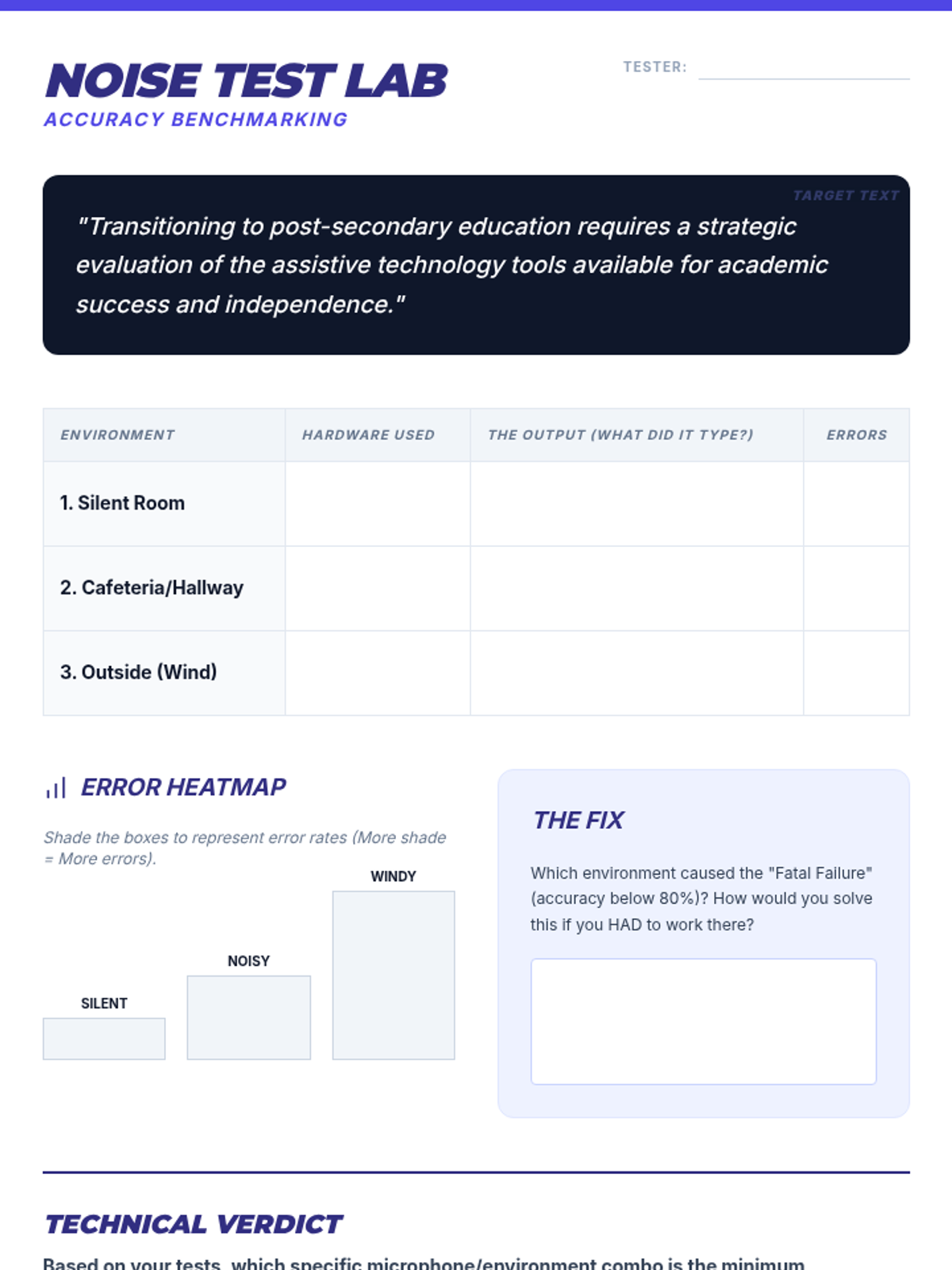
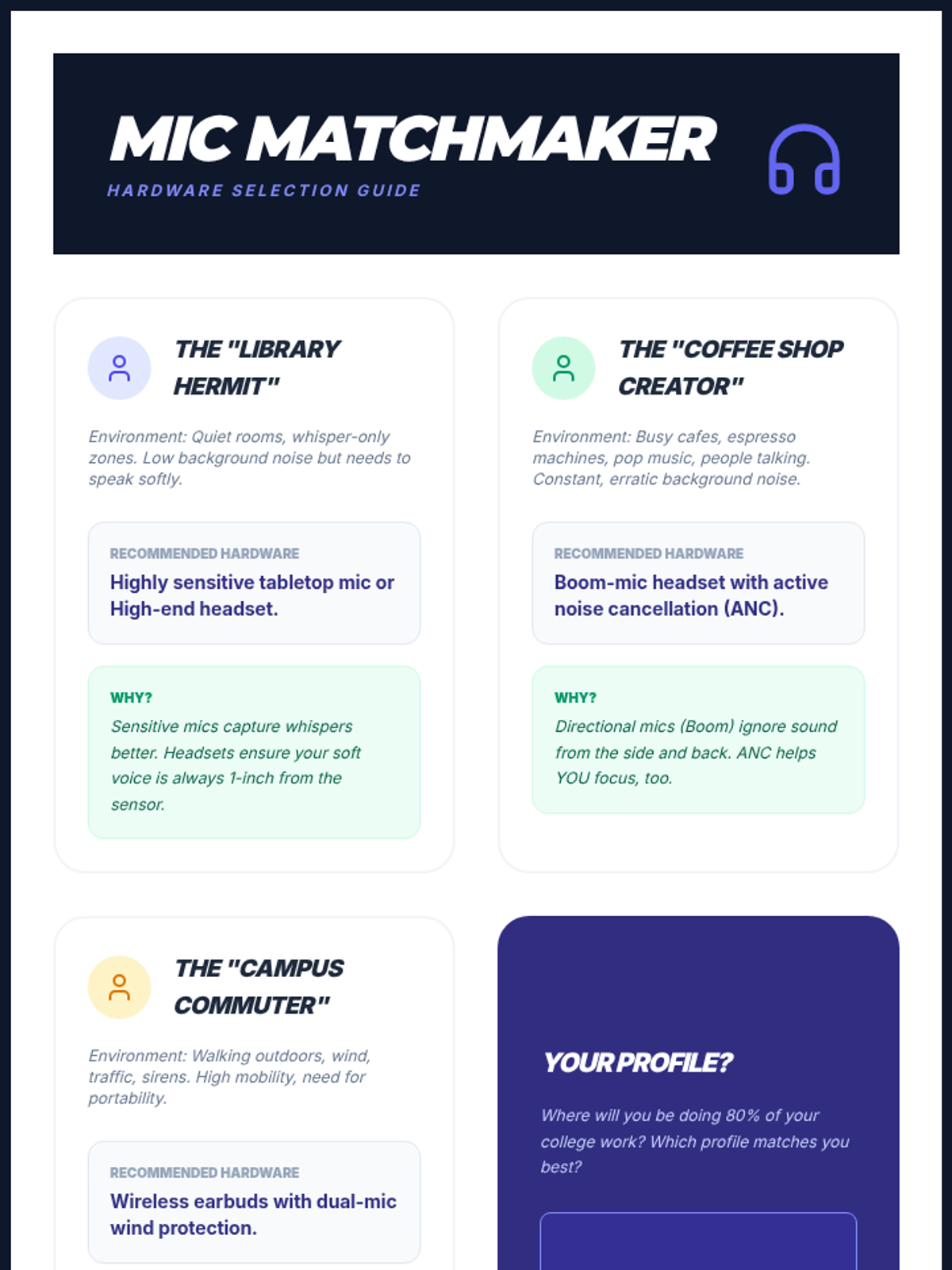
Students experiment with different audio input devices (headsets, tabletop mics, earbuds) in varying noise environments, analyzing how background noise impacts recognition accuracy.
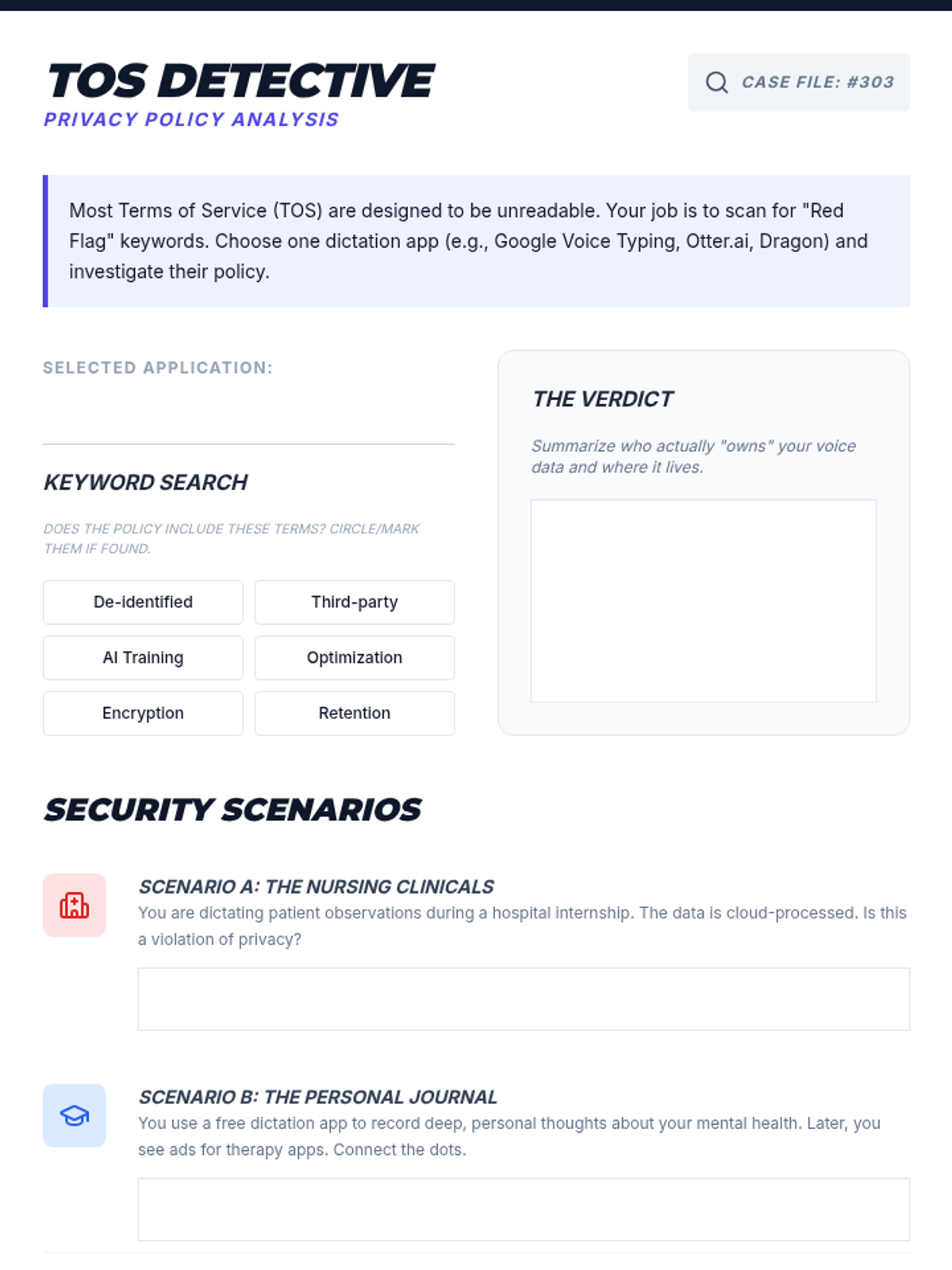
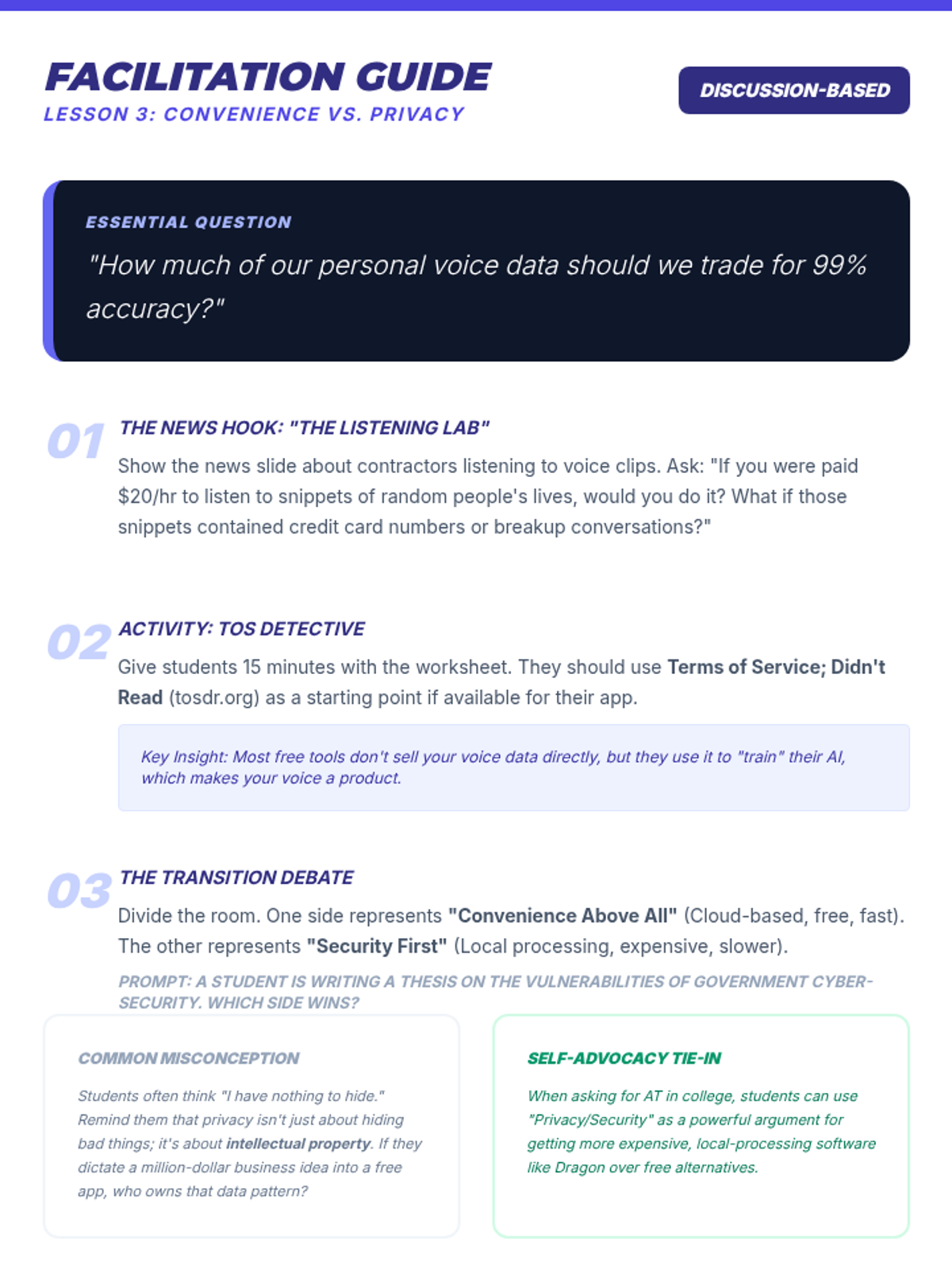
Students investigate how different speech engines process data (local vs. cloud) and the implications for privacy in academic or professional settings.
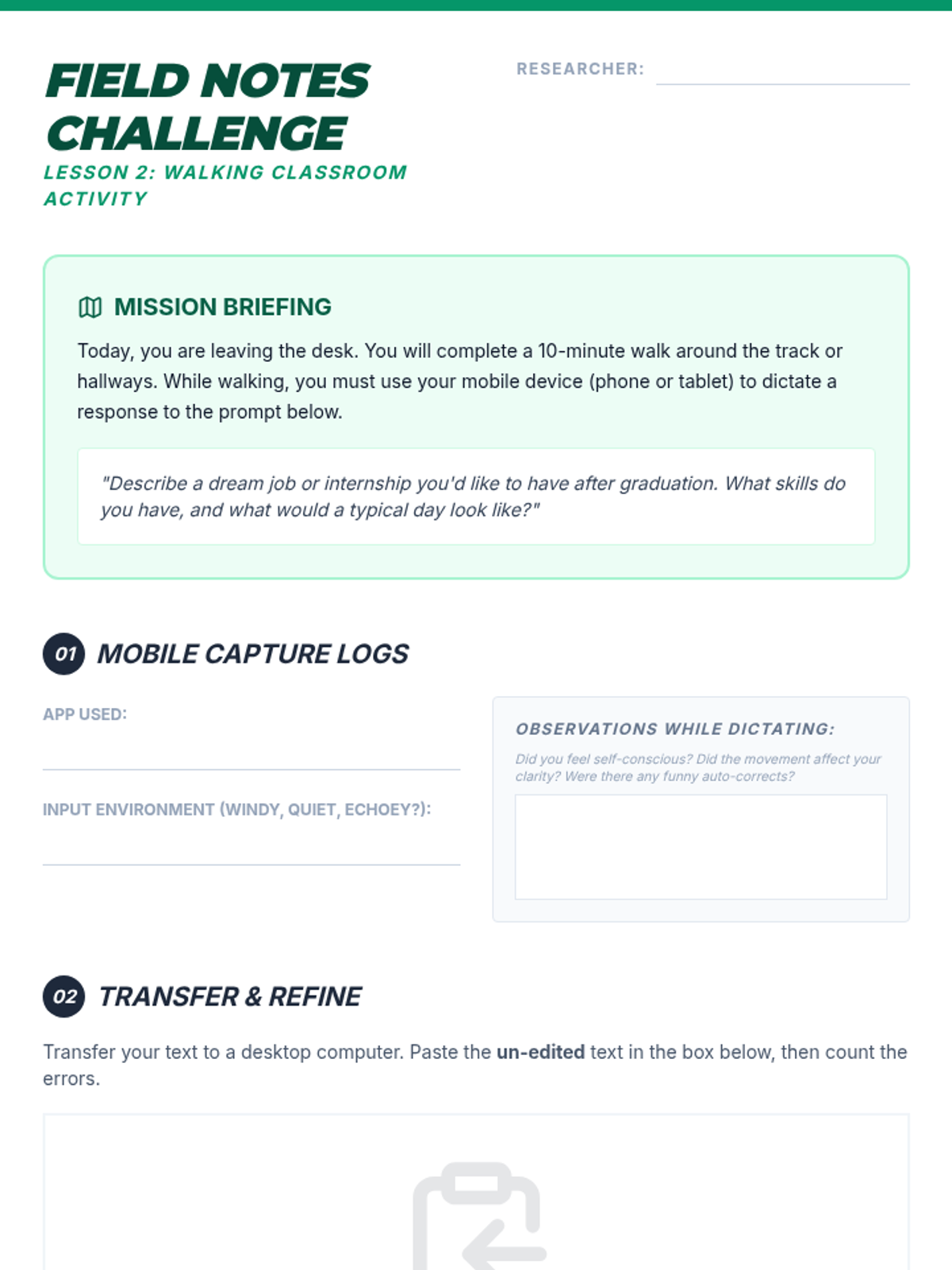
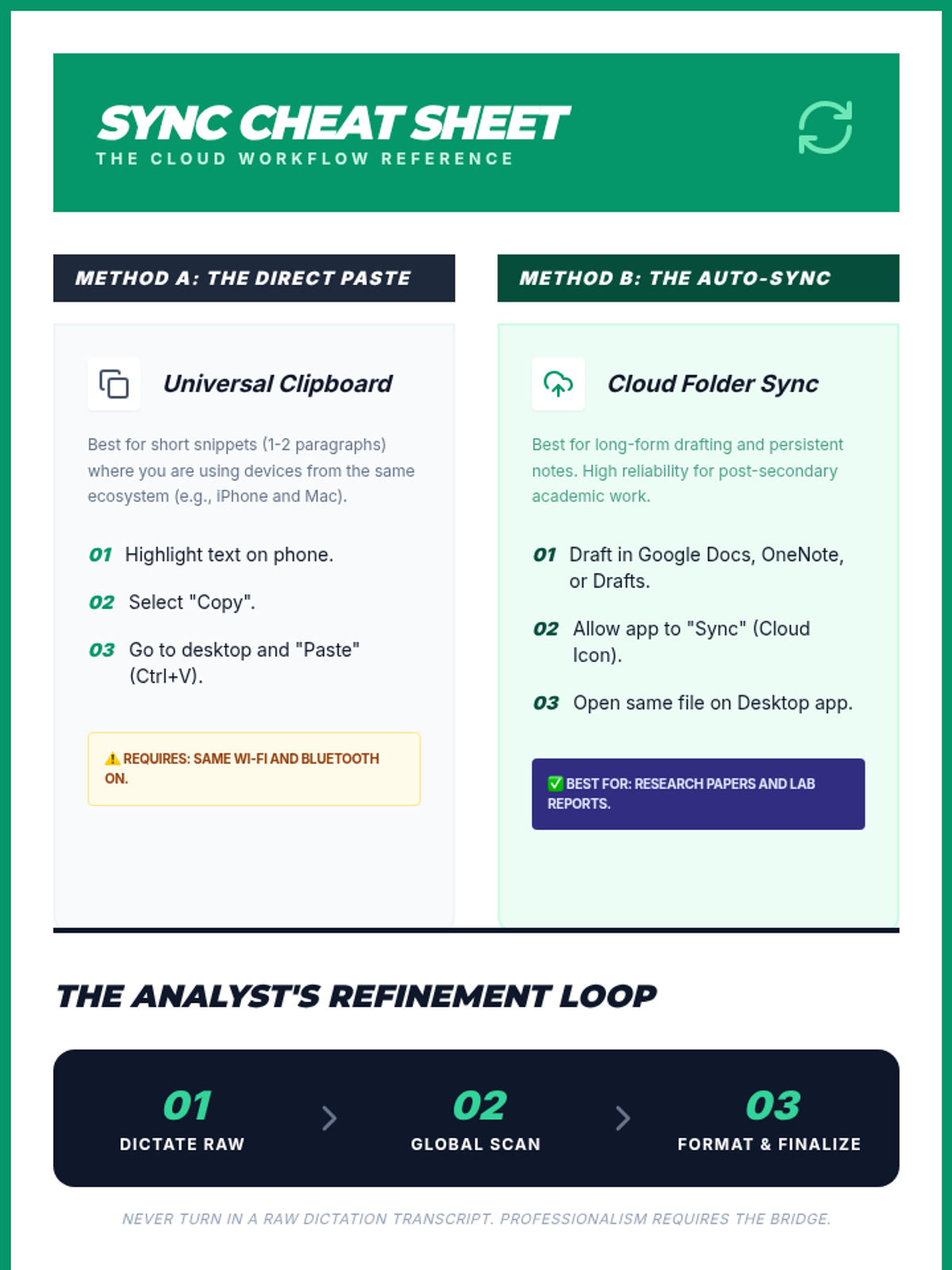
Students test mobile dictation apps and cloud-based synchronization, evaluating how to capture ideas on the go and transfer them to a desktop for editing.
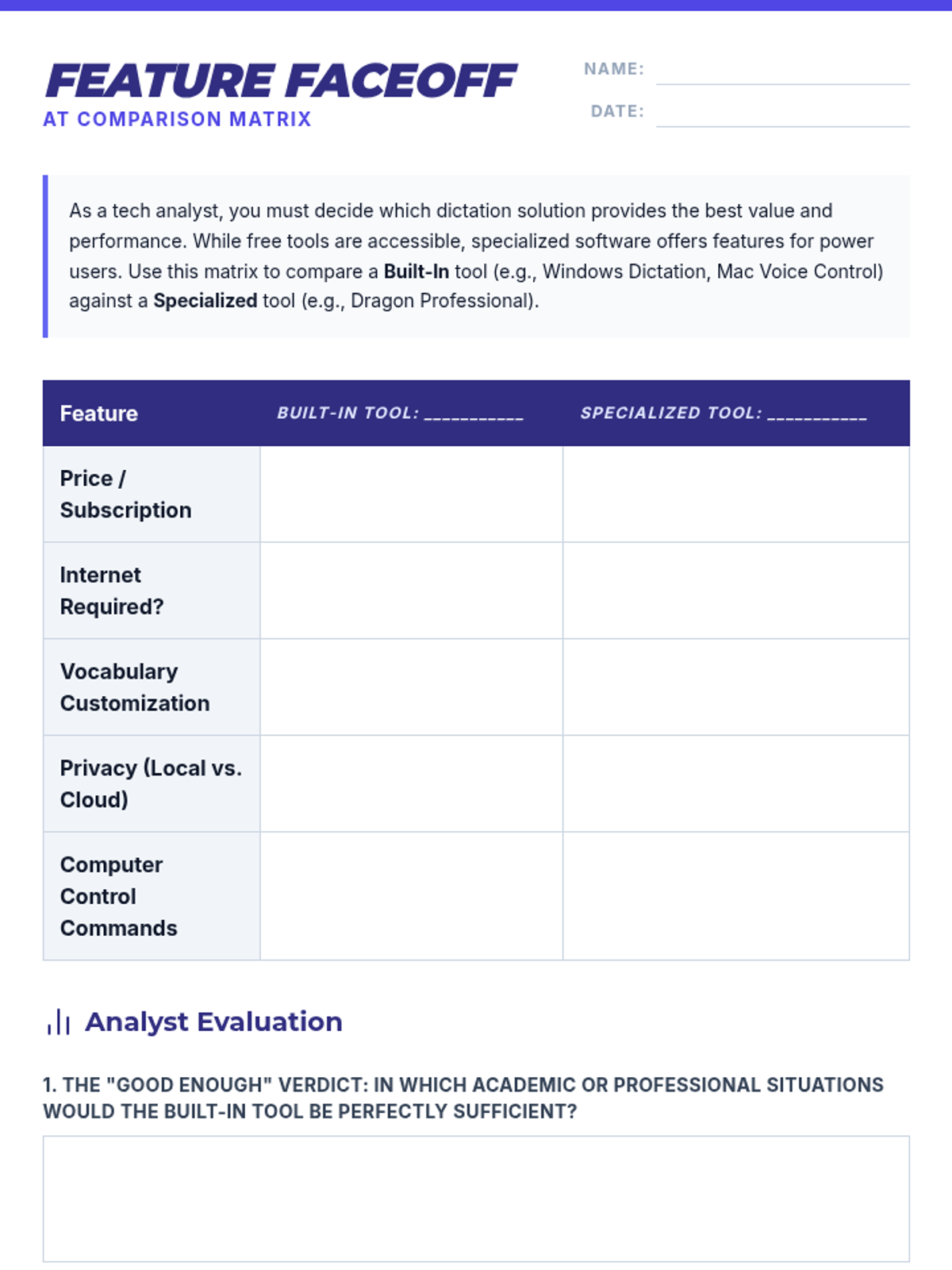
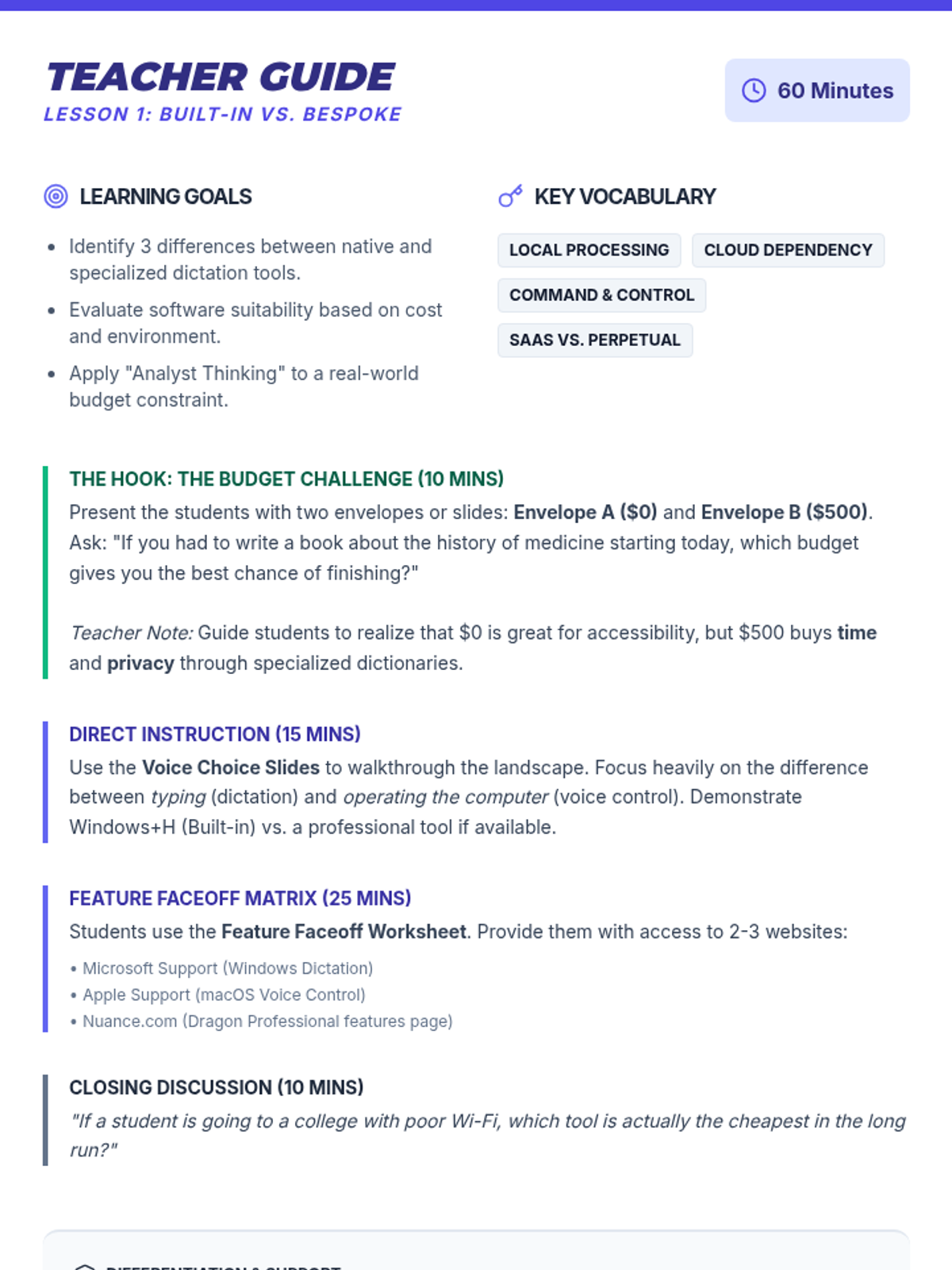
Students conduct a comparative analysis of accessibility tools native to Windows/Mac/Chromebooks versus specialized software like Dragon Professional, evaluating cost, privacy, and performance.
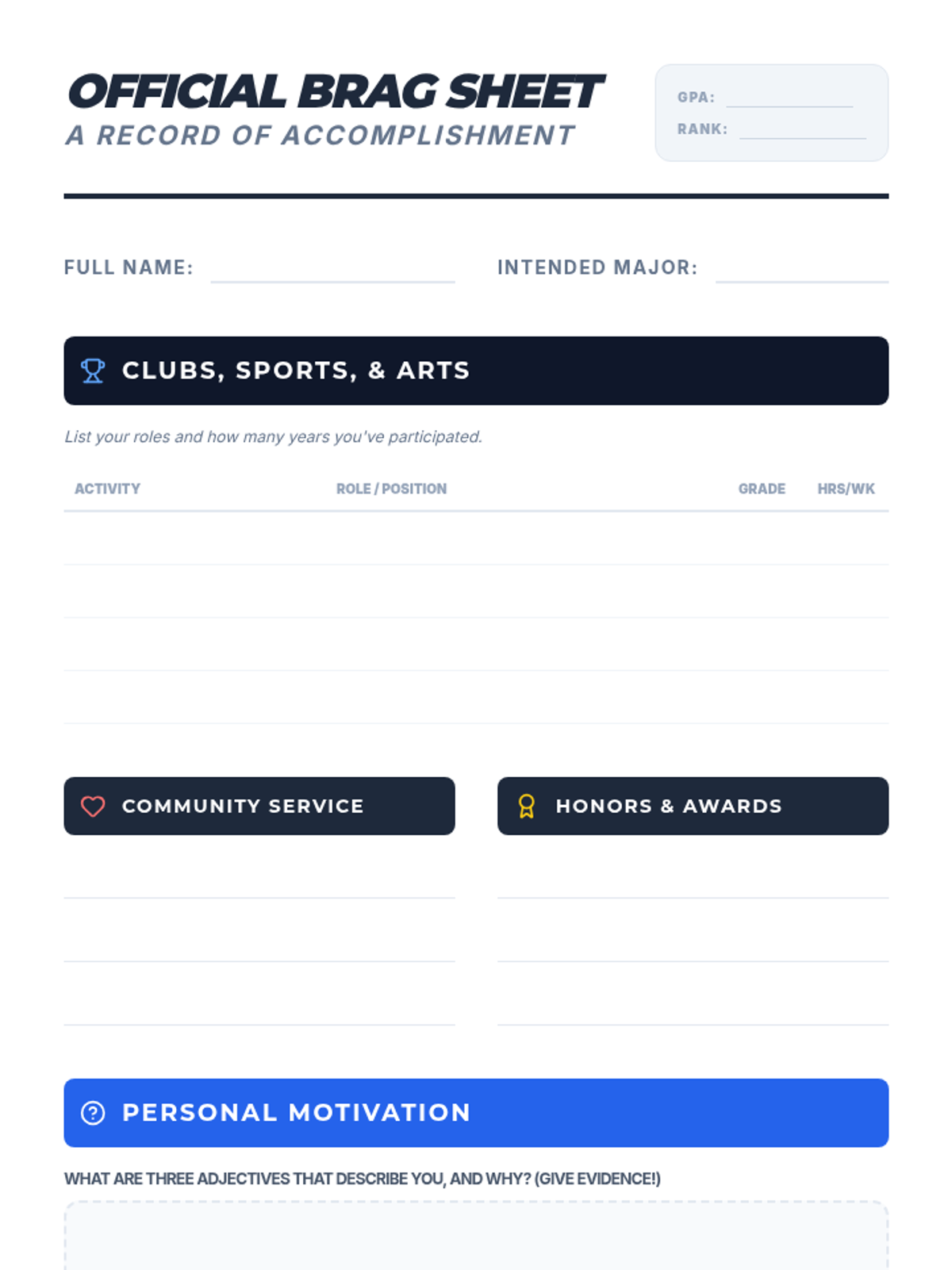
Students analyze common scholarship application components and begin creating a 'brag sheet' of their high school accomplishments.
Students build a personalized organization system to track scholarship deadlines, requirements, and application statuses.
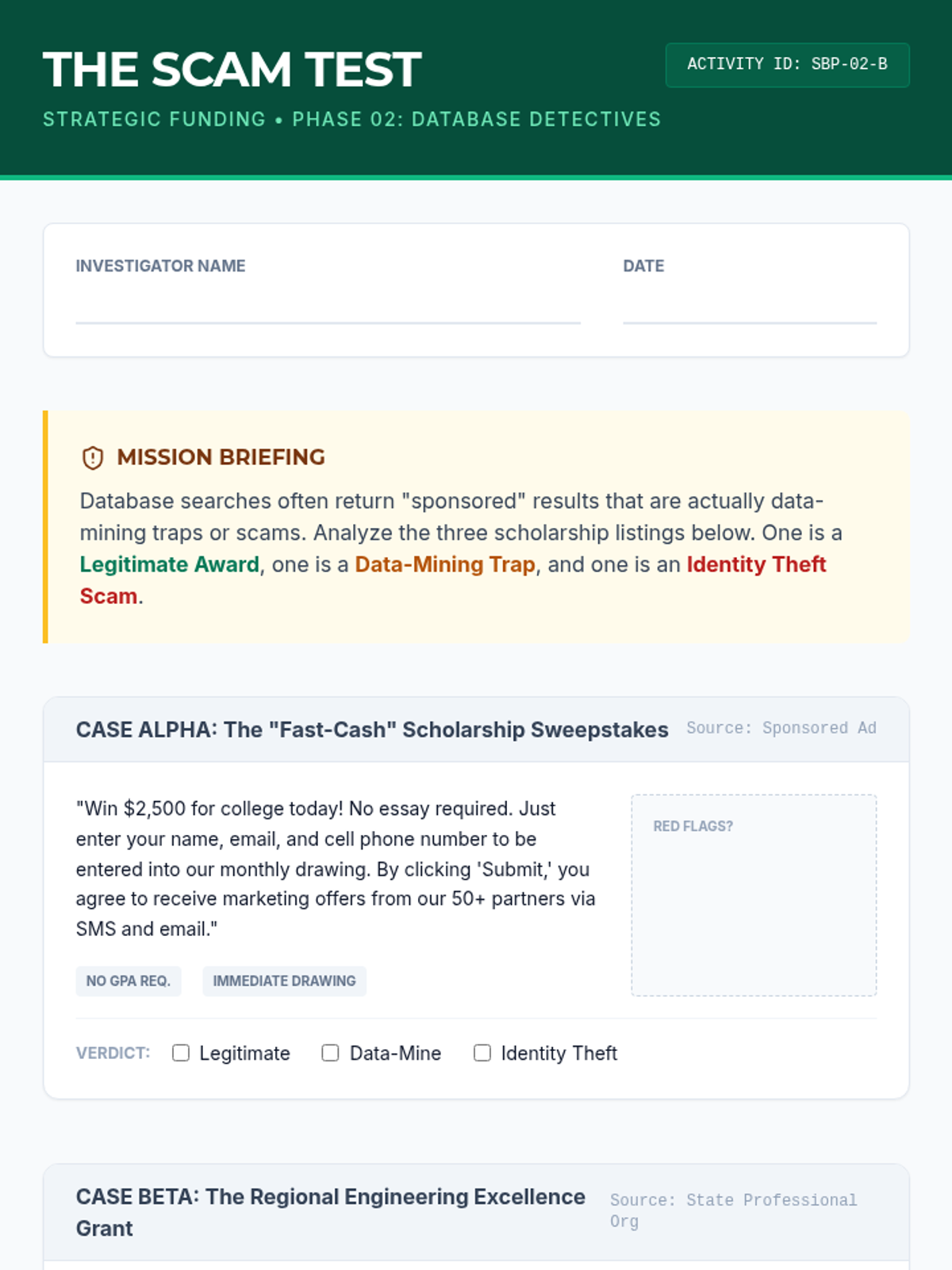
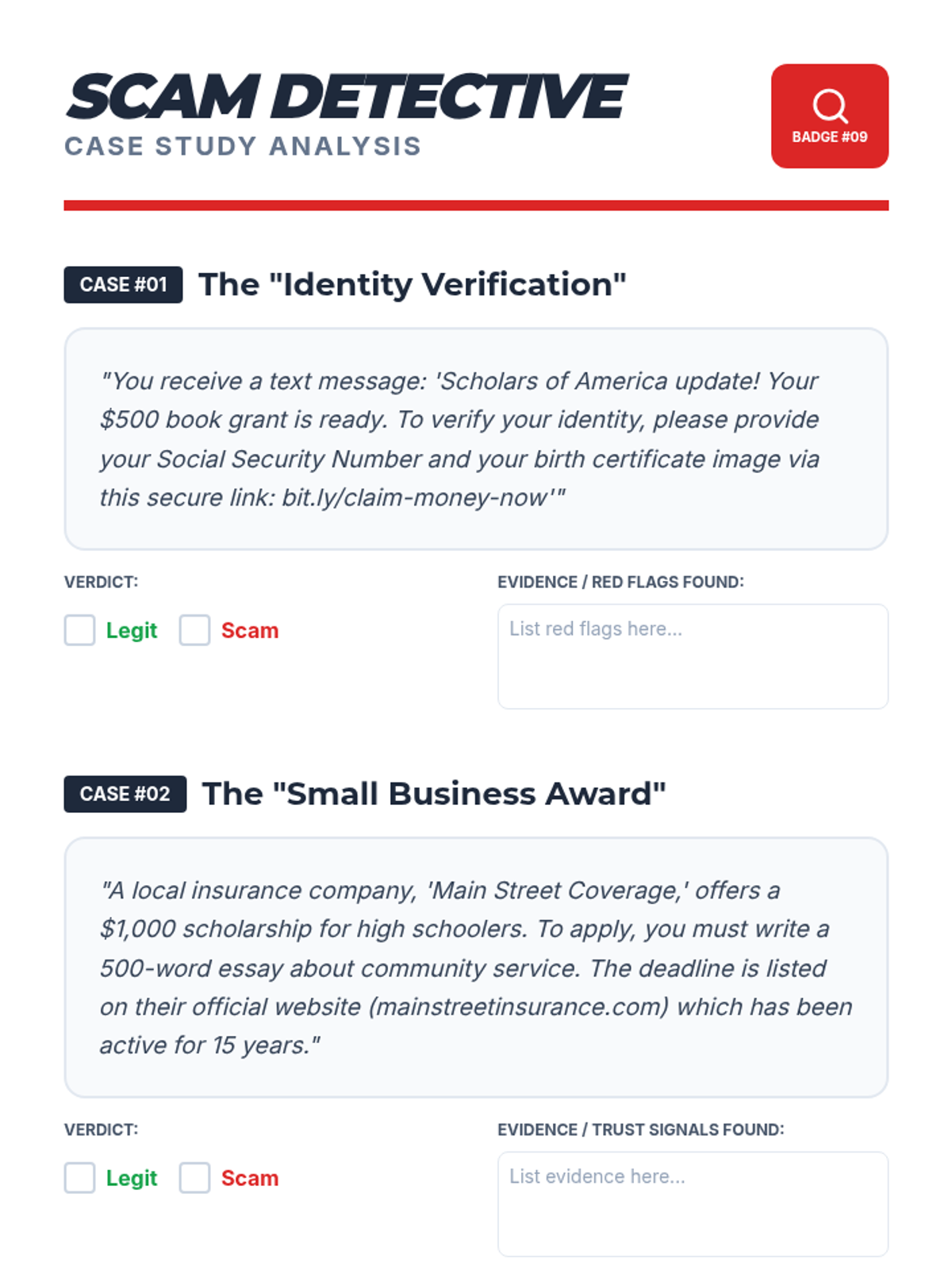
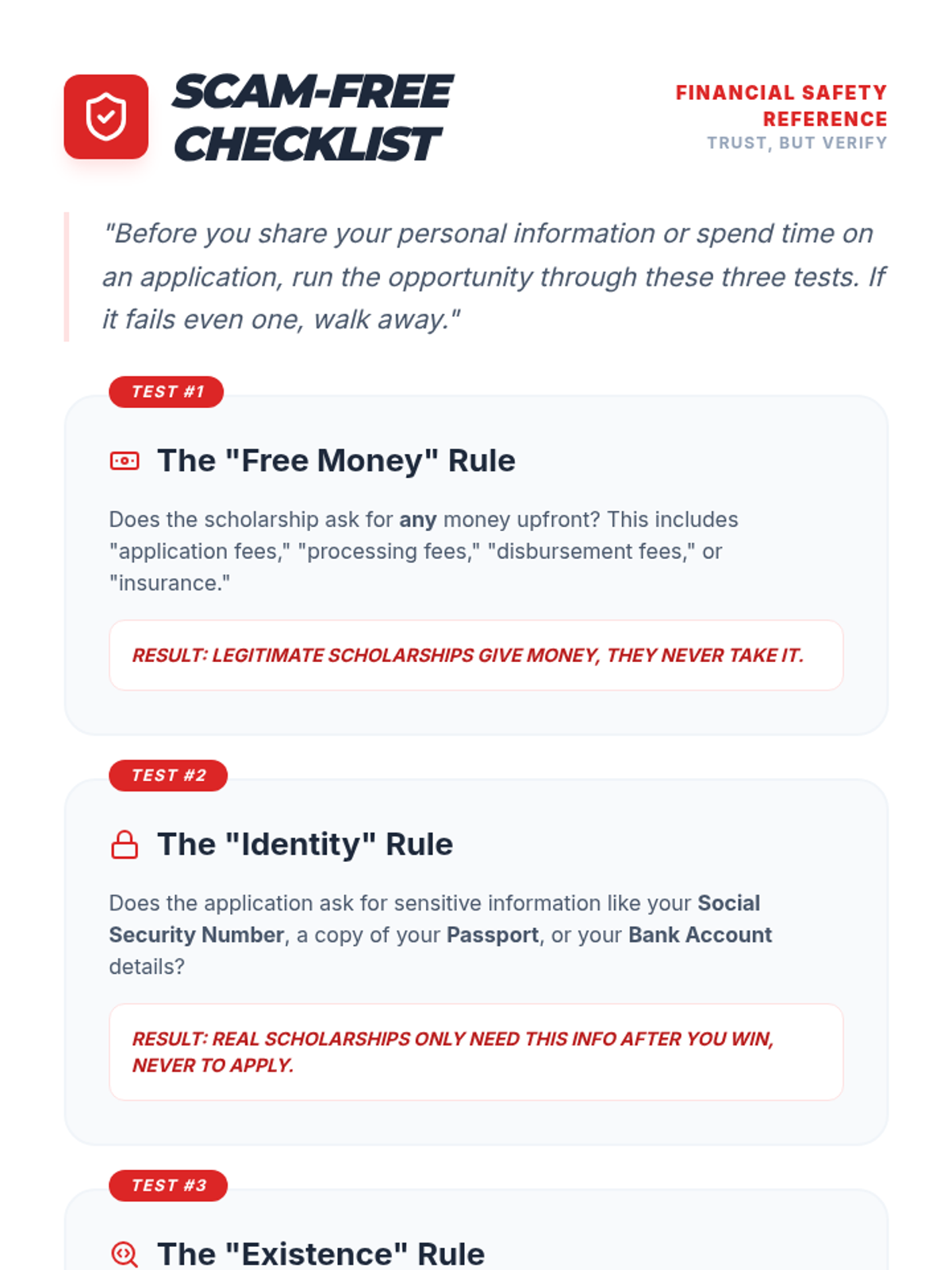
Students learn to identify red flags in scholarship offers and develop critical thinking skills to avoid financial aid scams.
Students practice using digital scholarship databases and search engines, focusing on filtering for opportunities available to underclassmen.
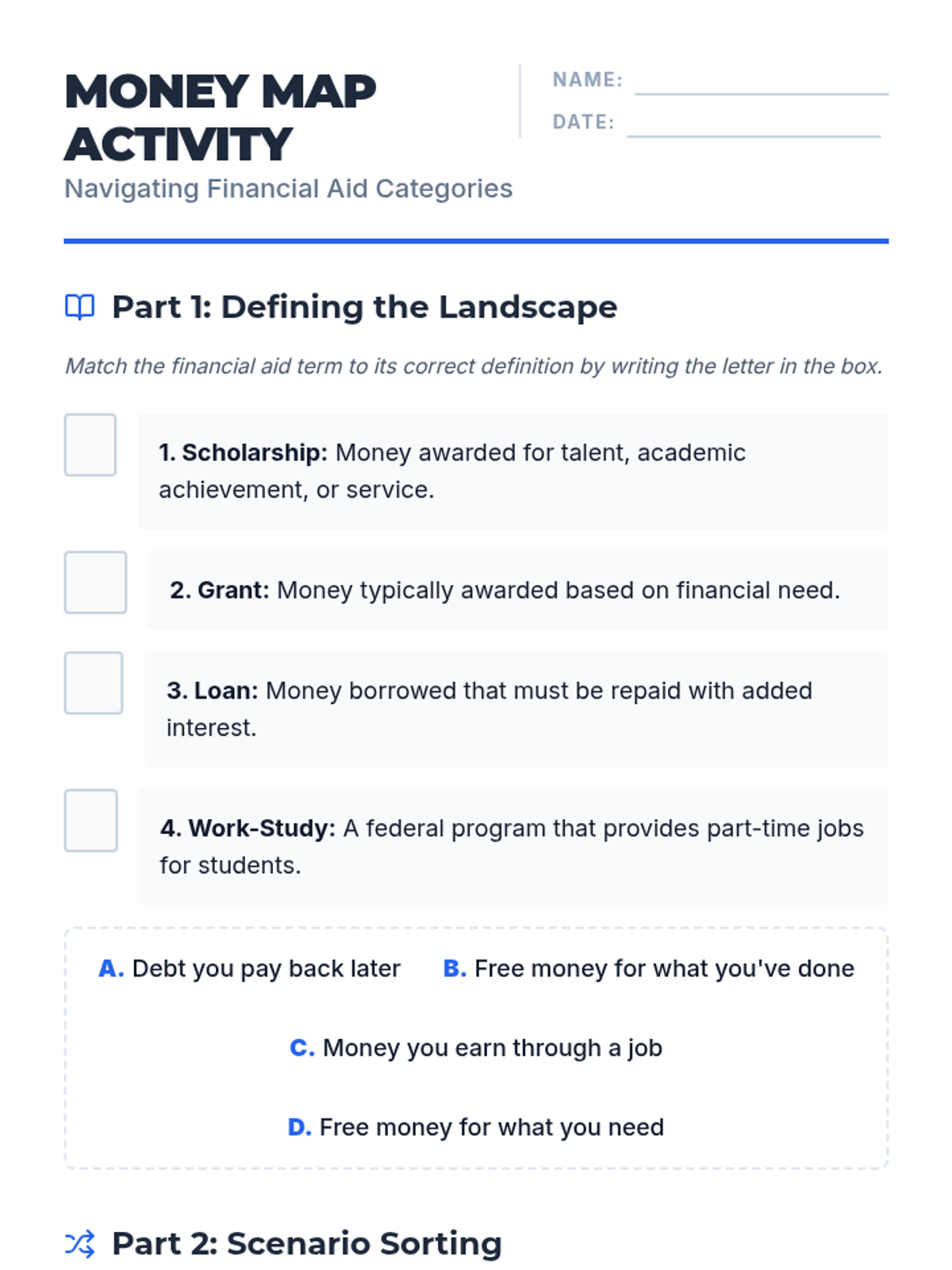
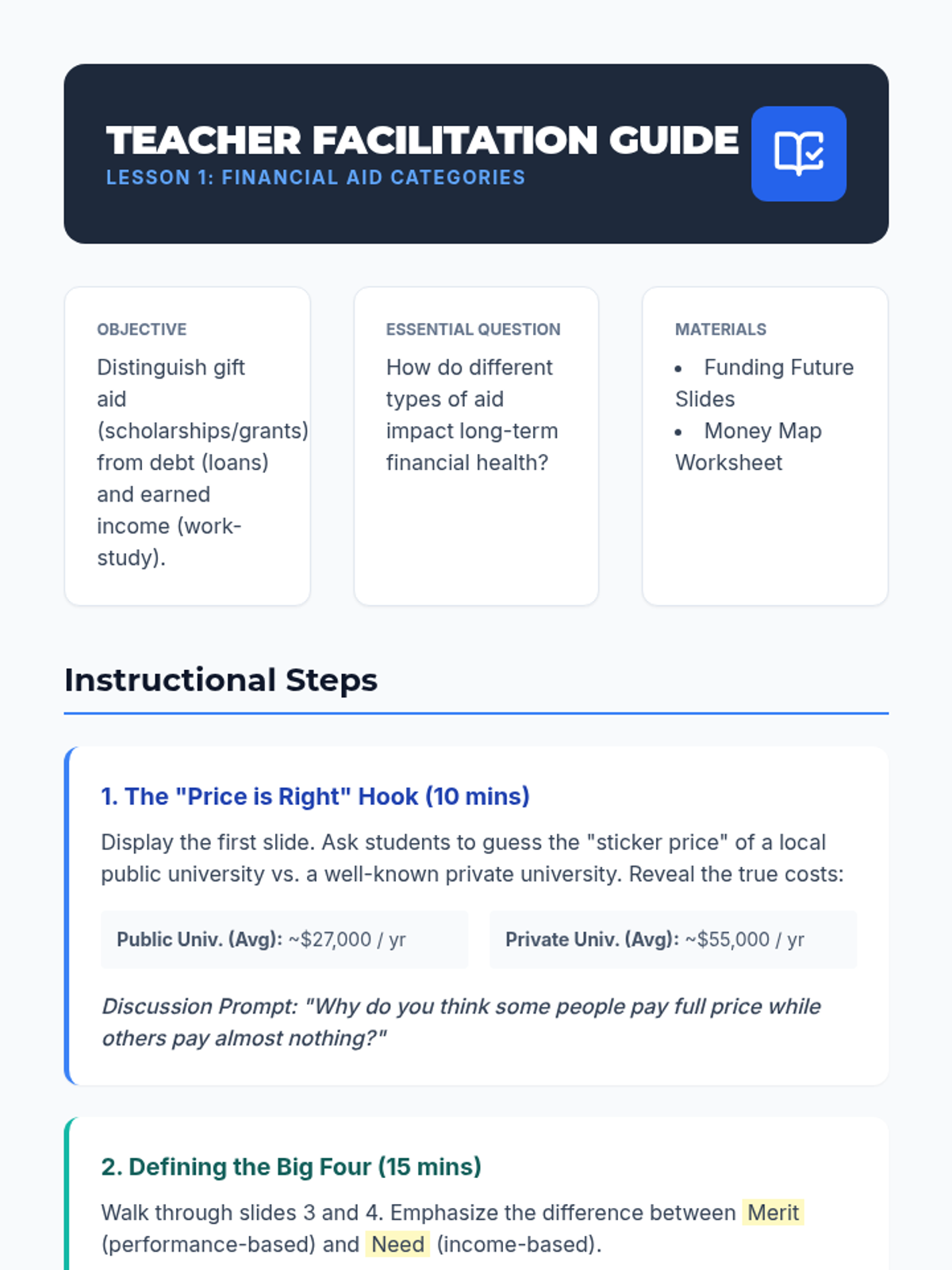
Students distinguish between different types of financial aid—loans, grants, work-study, and scholarships—and analyze the long-term impact of debt versus free money.
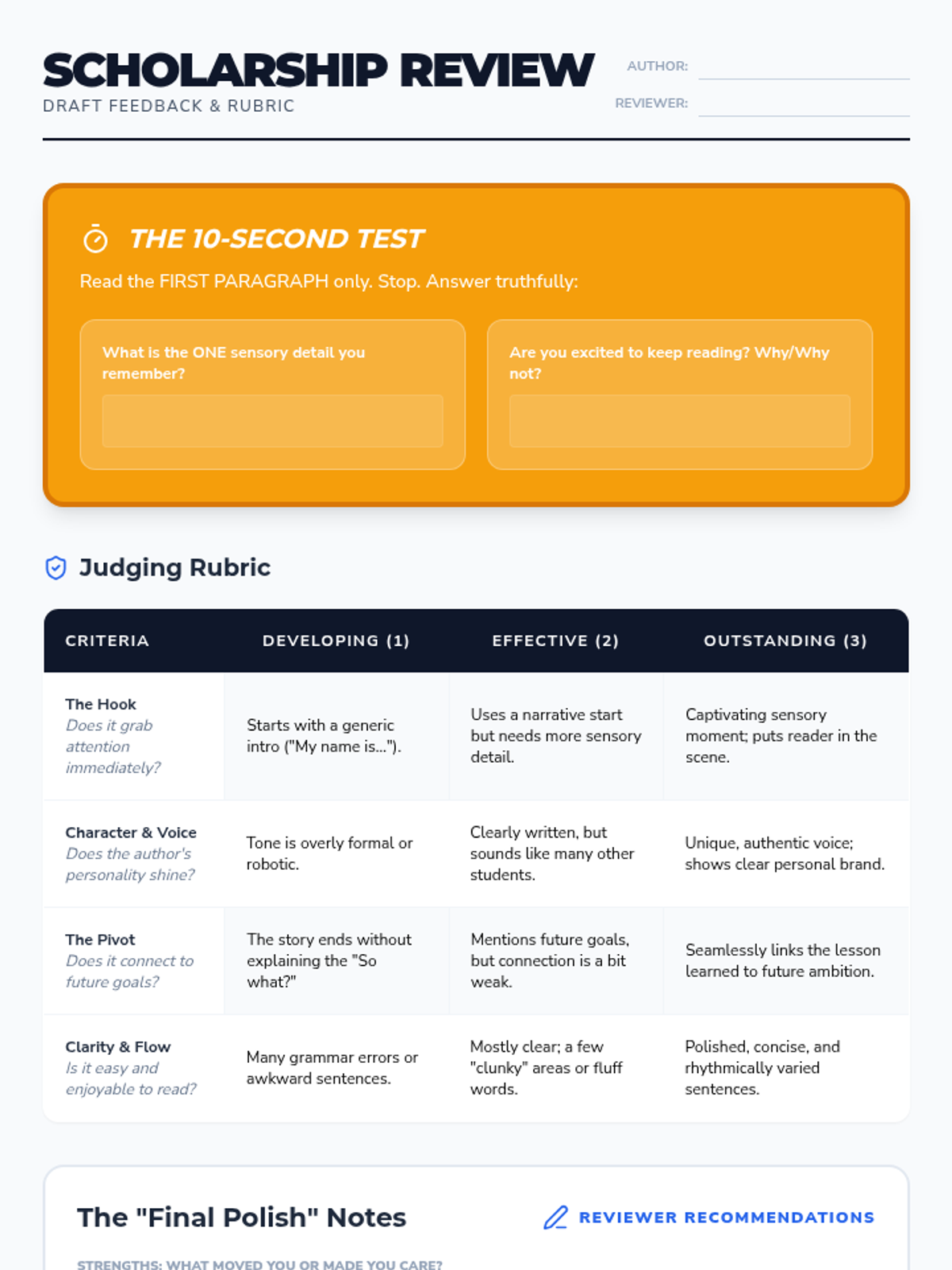
A structured workshop session where students use a rubric to provide and receive constructive feedback on their essay drafts.
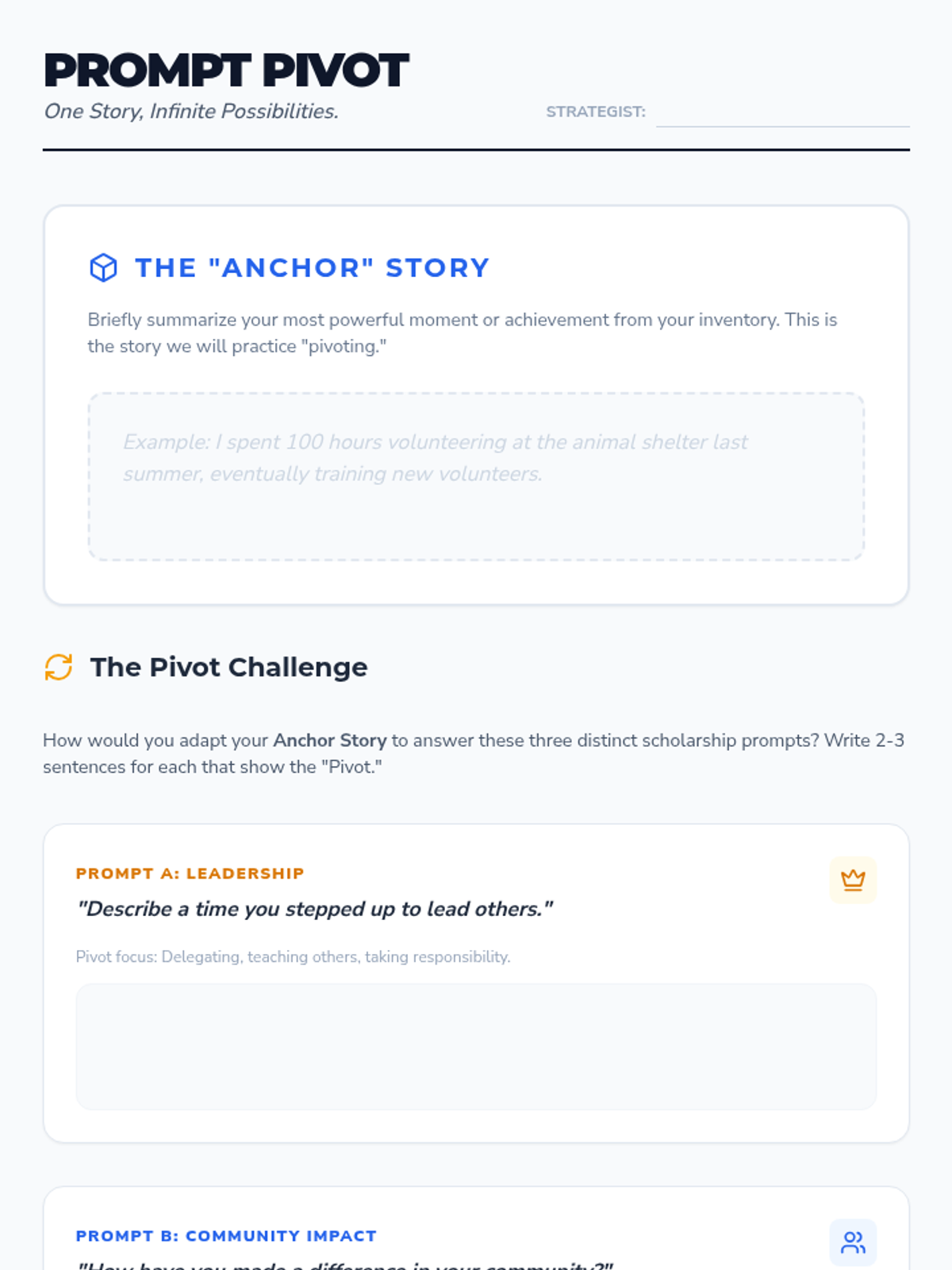
Students practice adapting a core personal story to address various scholarship prompts, learning the art of the 'pivot.'
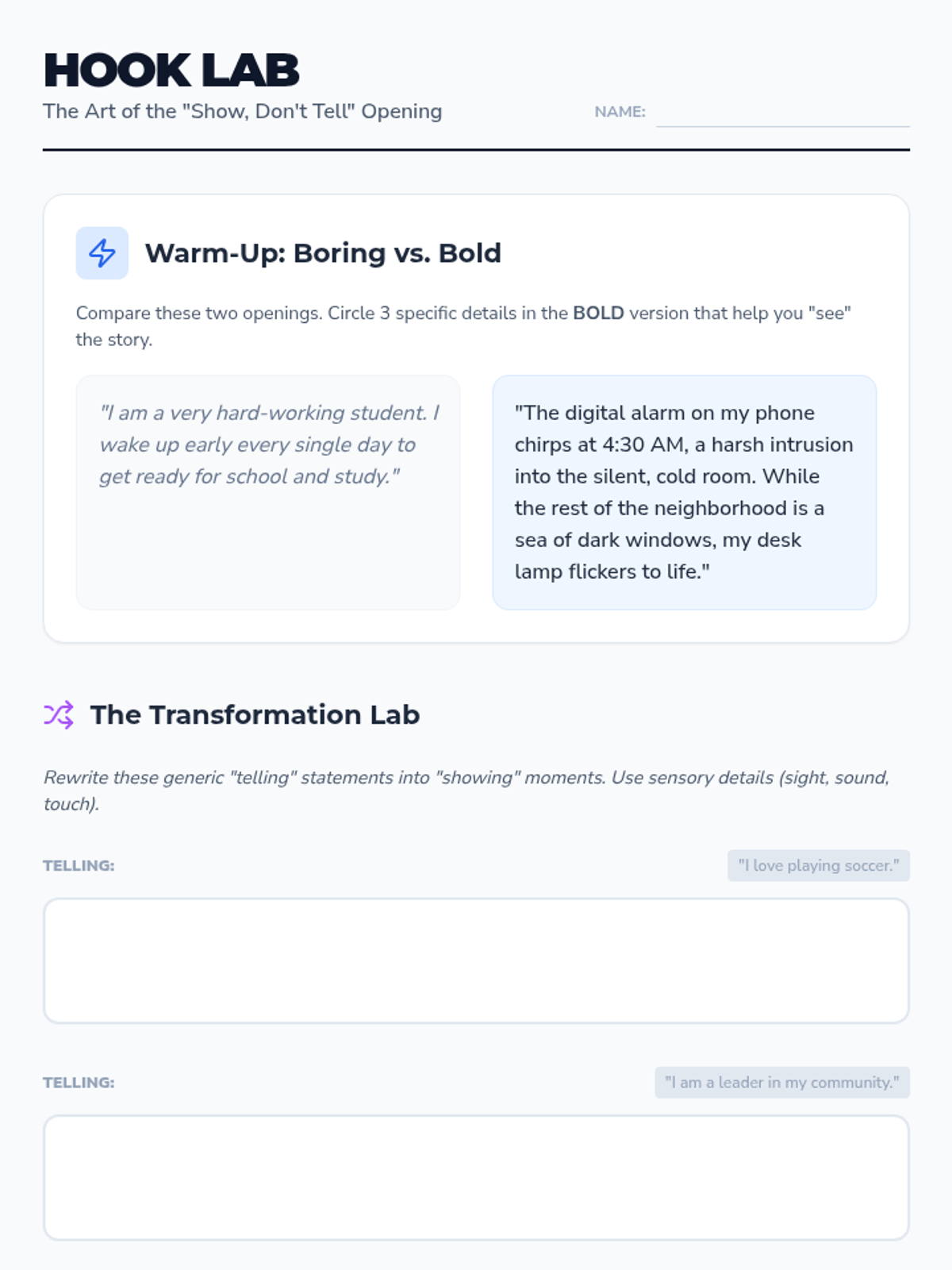
Focused on the introduction, students learn the 'Show, Don't Tell' technique to write engaging opening lines and sensory-rich narratives.
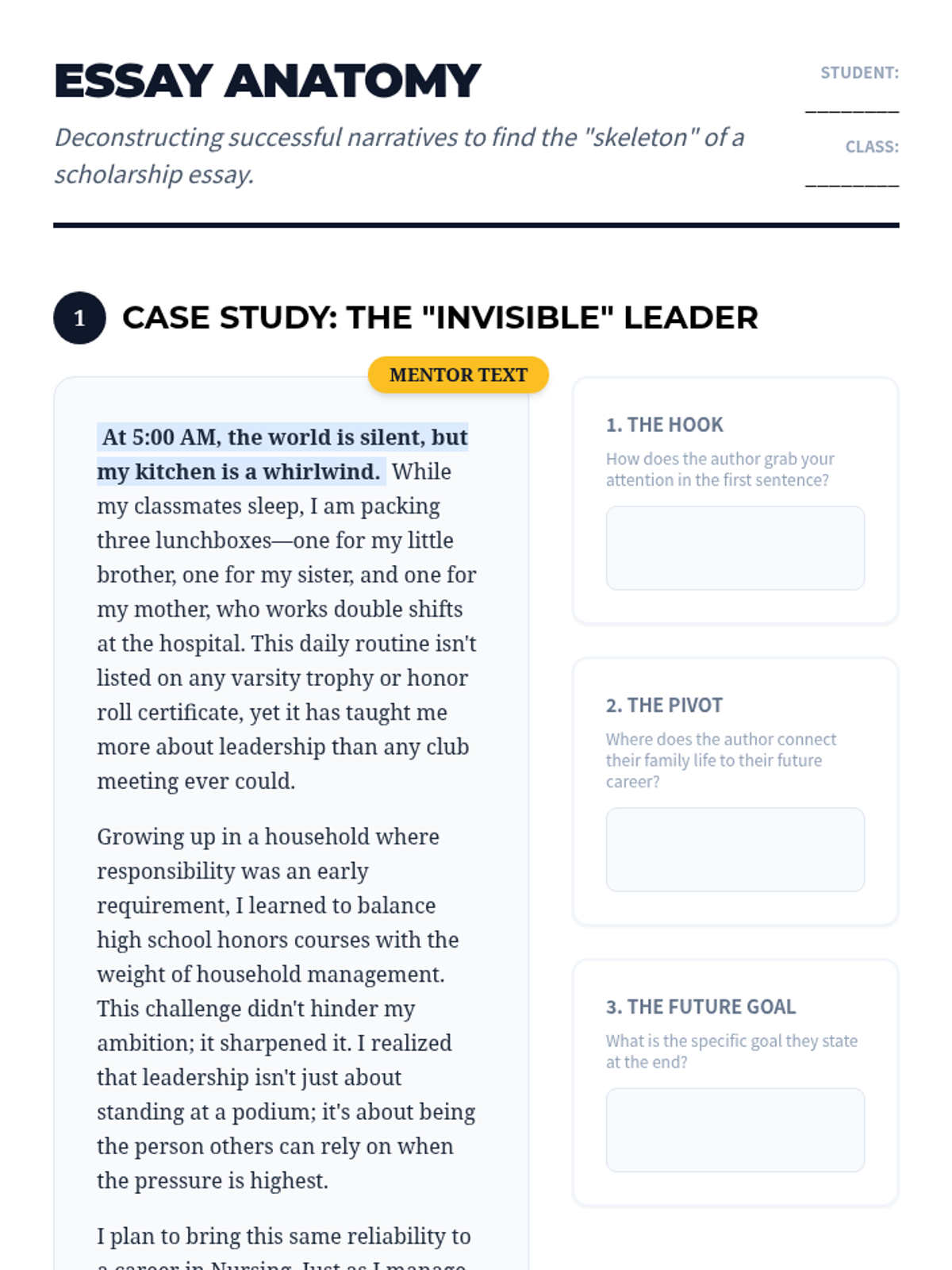
Students analyze successful scholarship essays to understand structural elements like hooks, narrative arcs, and future goal statements.
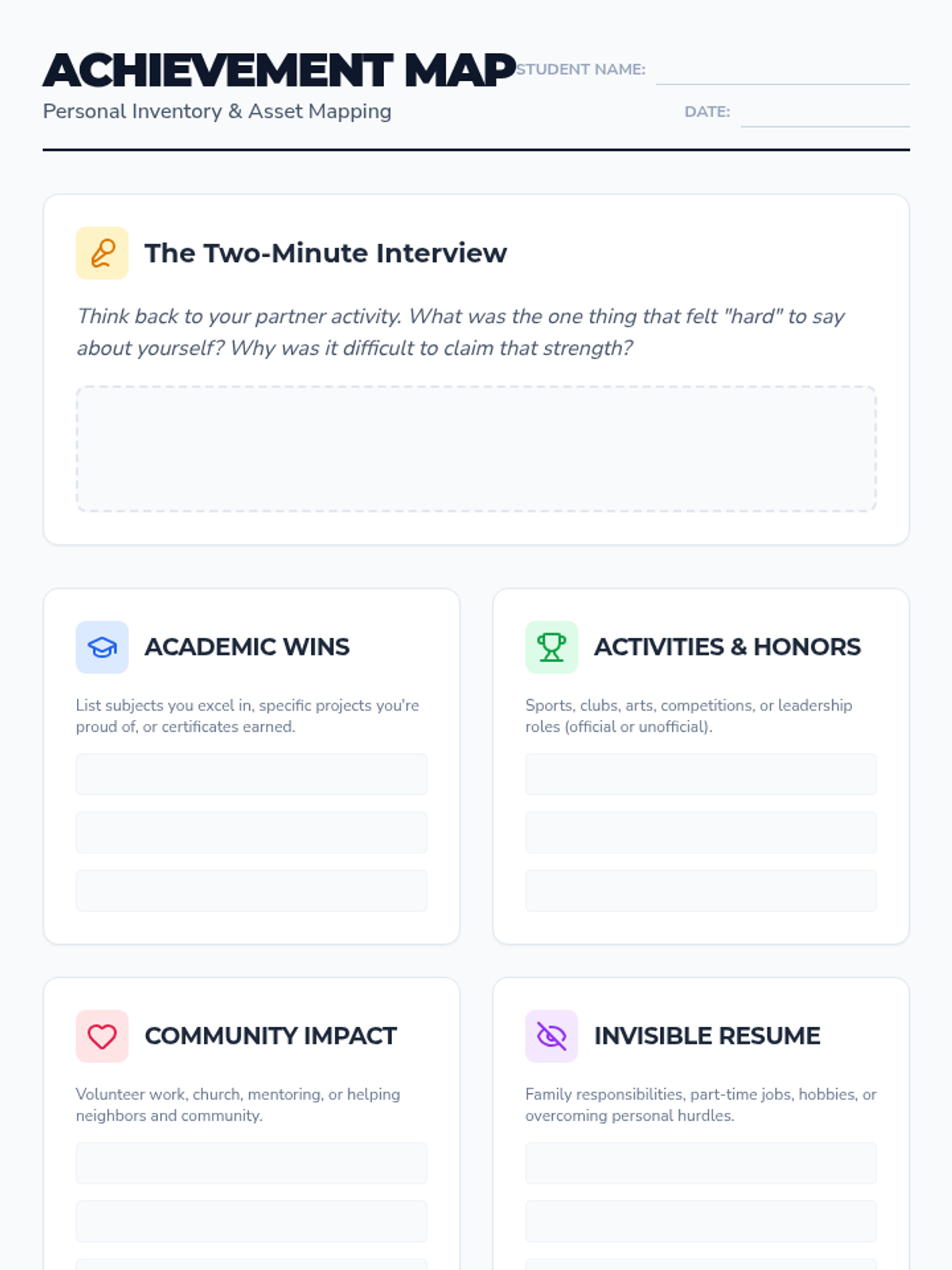
Students identify their unique skills, experiences, and 'personal brand' through a structured inventory of academic and non-academic achievements.