Written and verbal communication standards for the workplace, including email etiquette, presentation delivery, and professional phone conduct. Develops collaborative skills for teamwork, constructive feedback, and efficient time management.
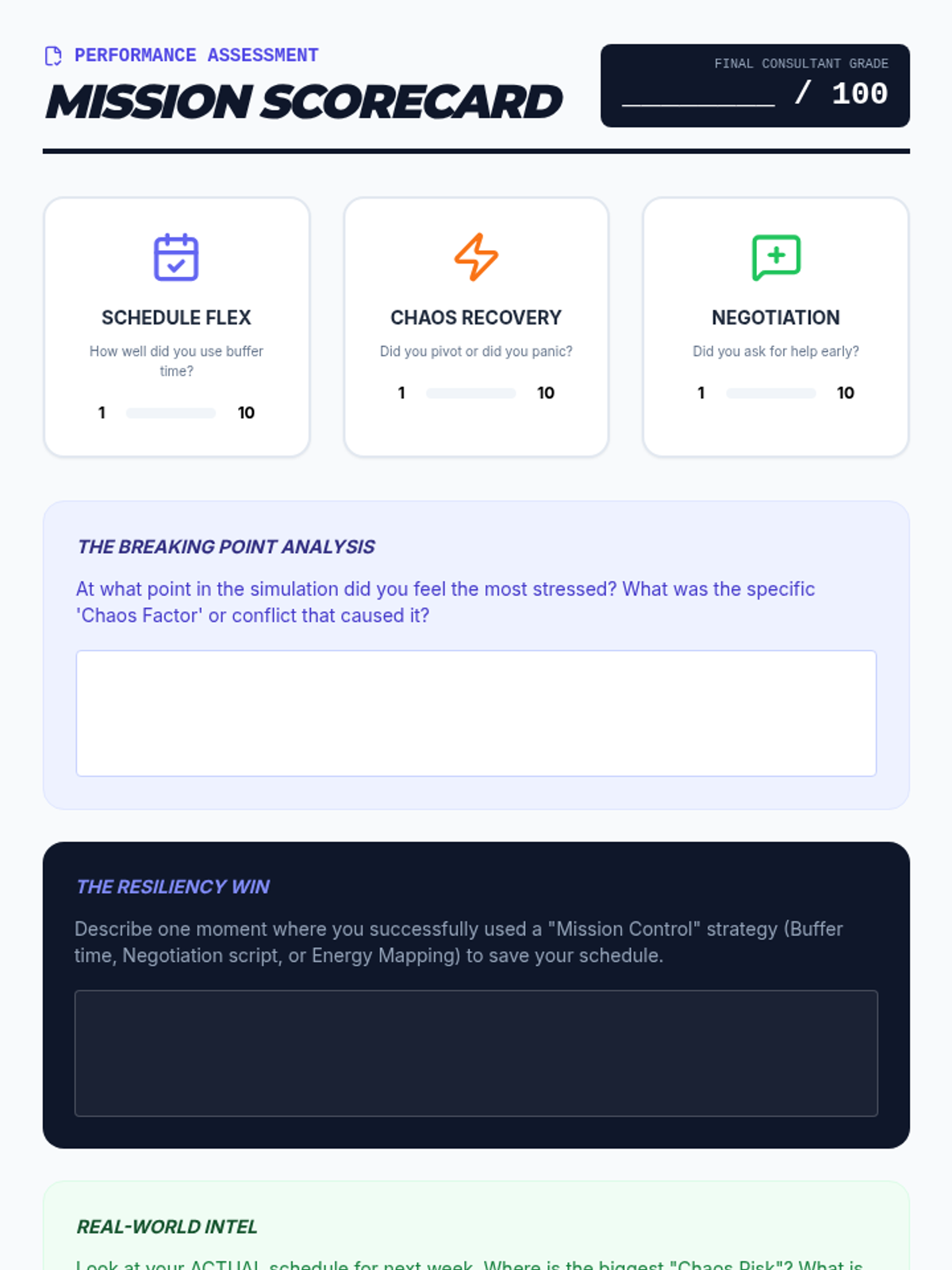
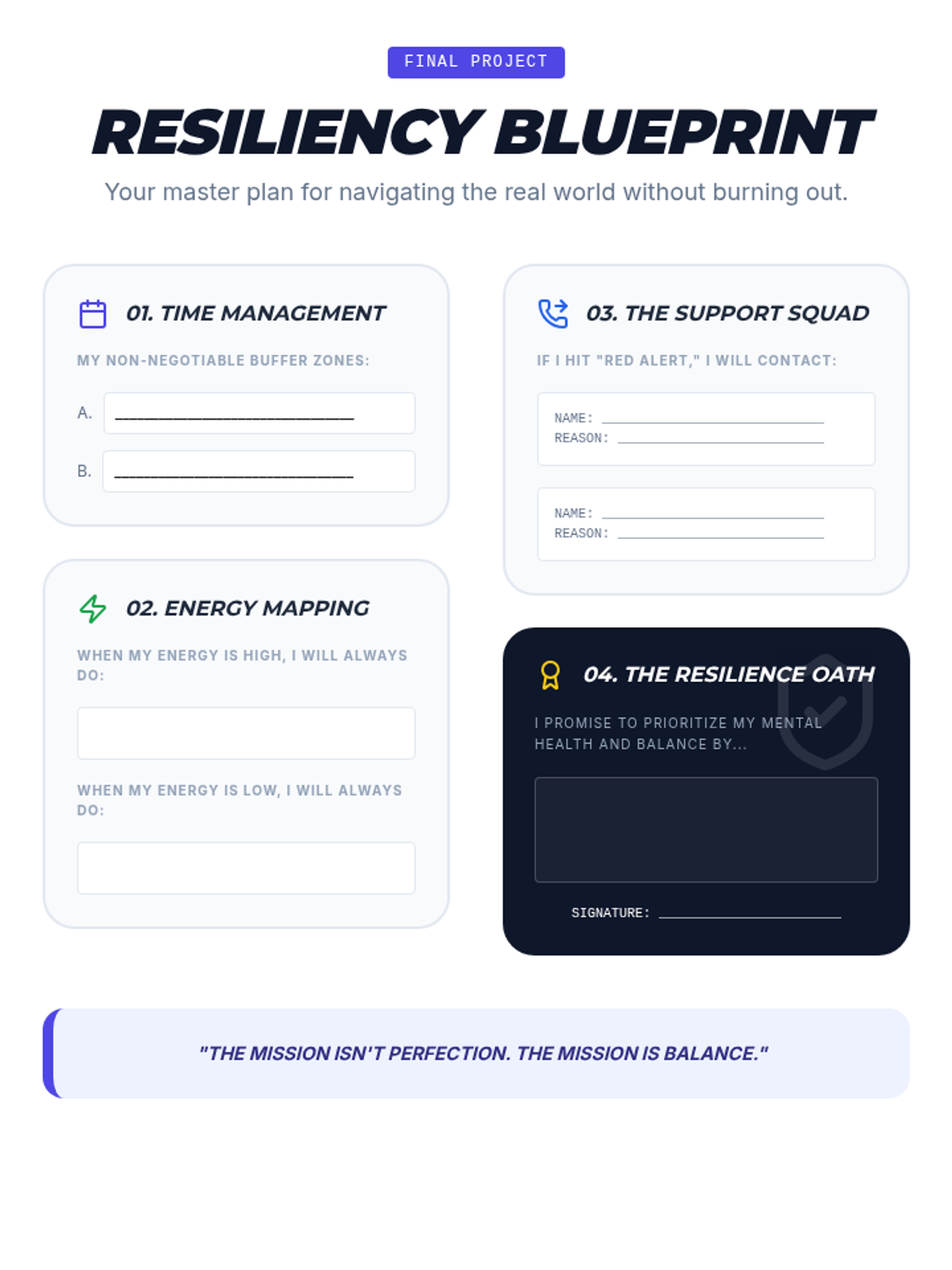
A final reflection on the simulation where students analyze their performance, identify breaking points, and create a long-term strategy for real-world balance.
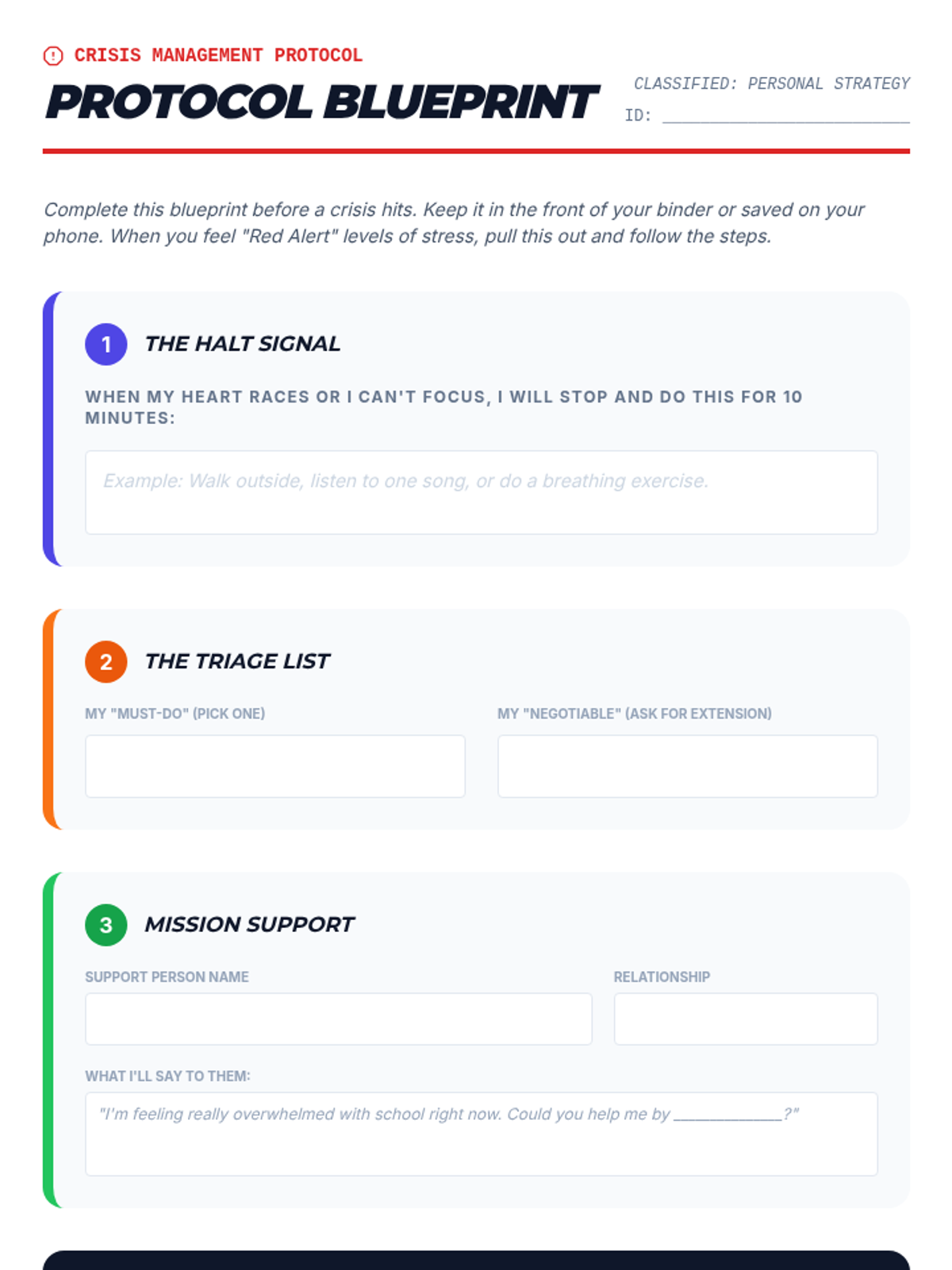
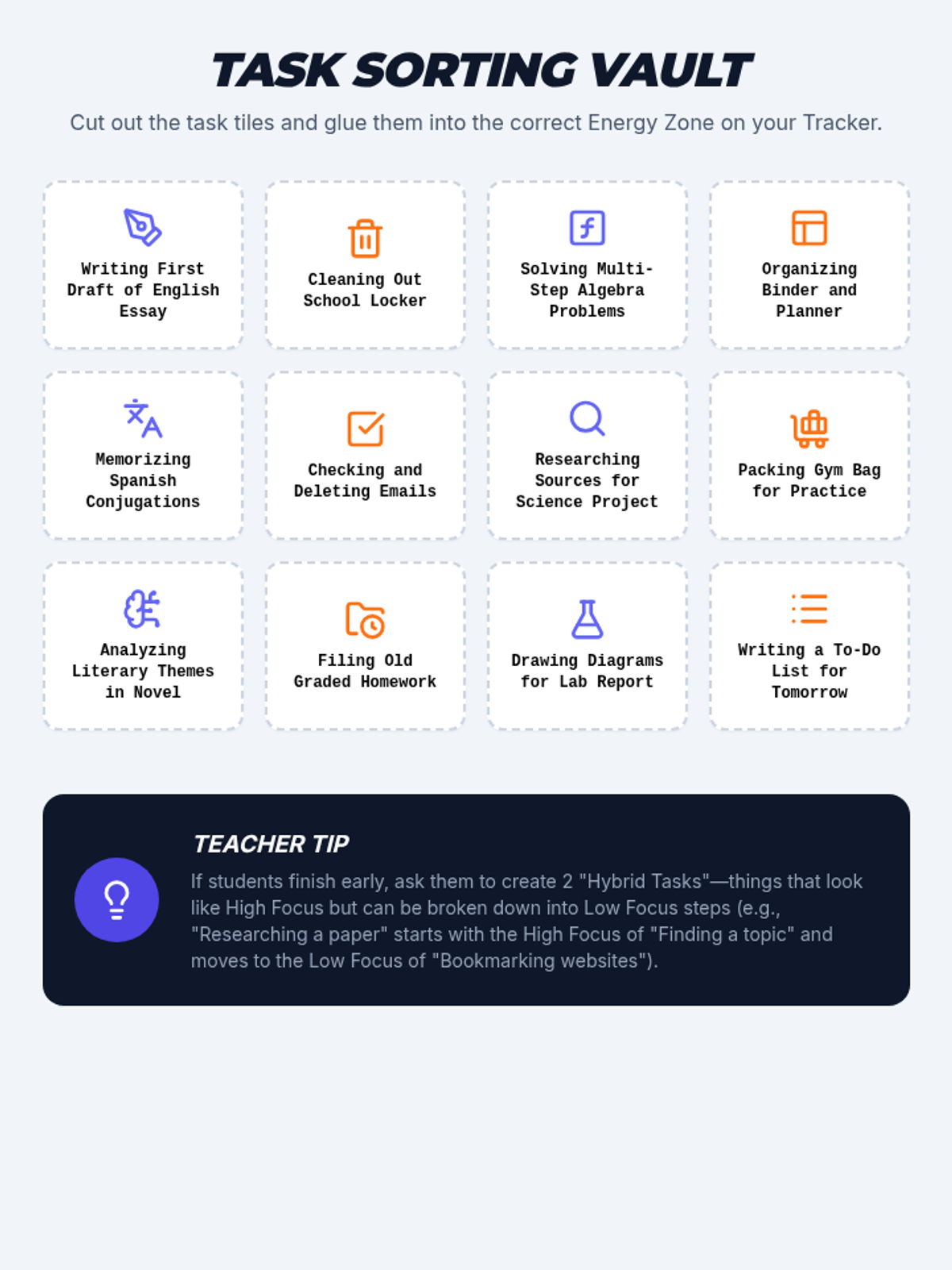
Students create a personal 'Emergency Protocol' for overwhelming situations, learning how to prioritize tasks to drop and identifying support systems for recovery.
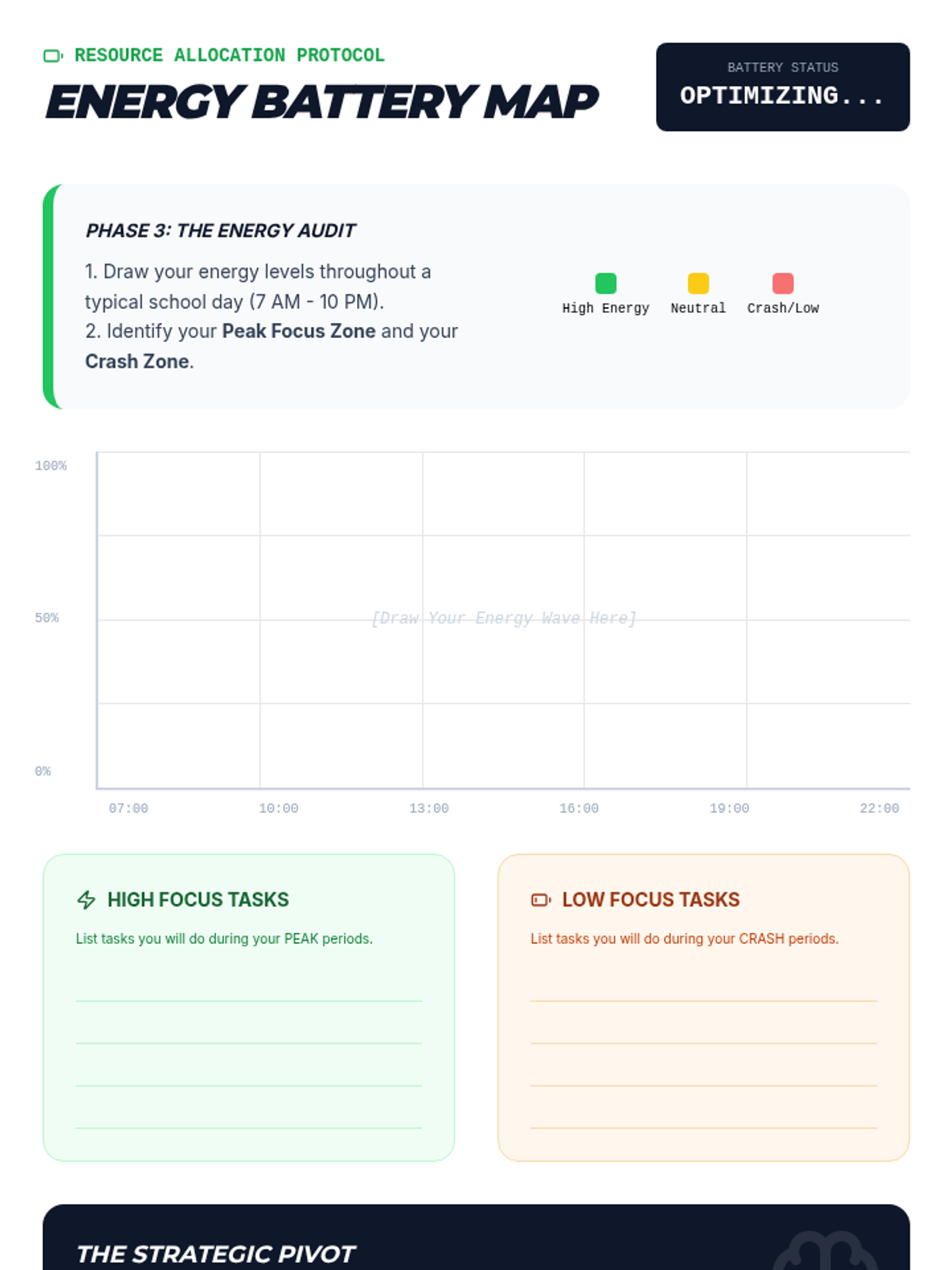
Students analyze their personal energy cycles to match high-demand tasks with high-energy periods, moving beyond simple time management to strategic resource allocation.
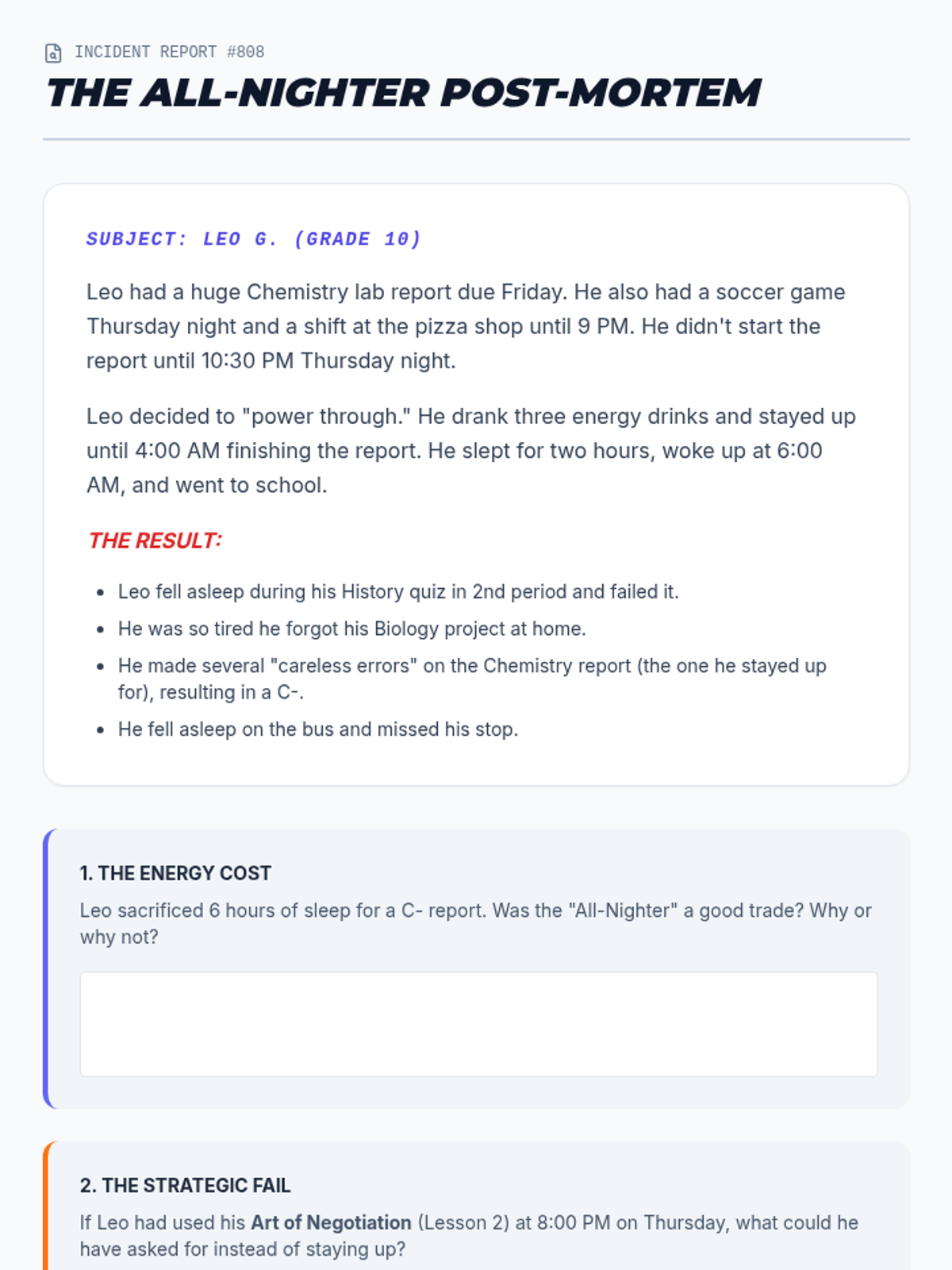
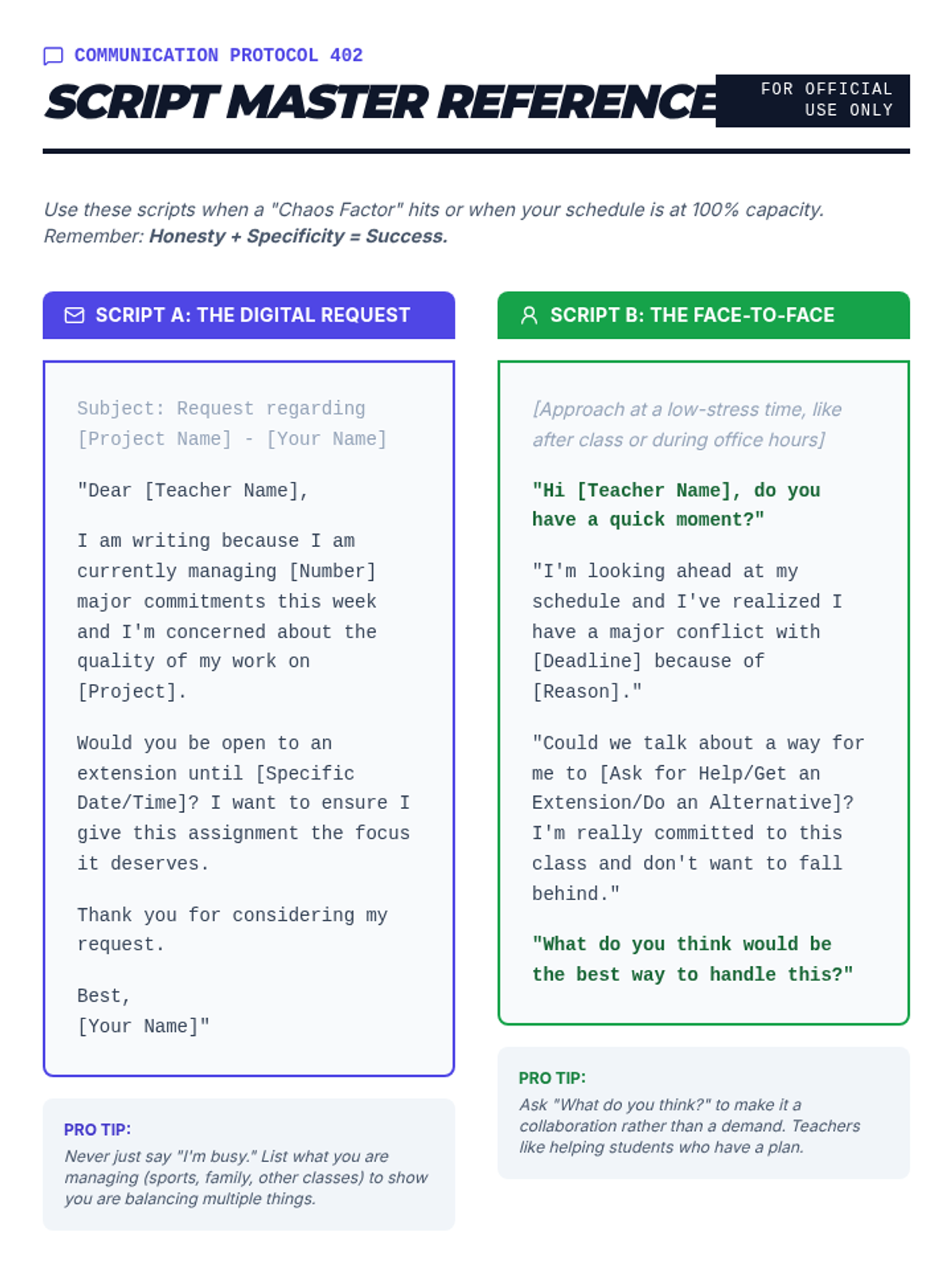
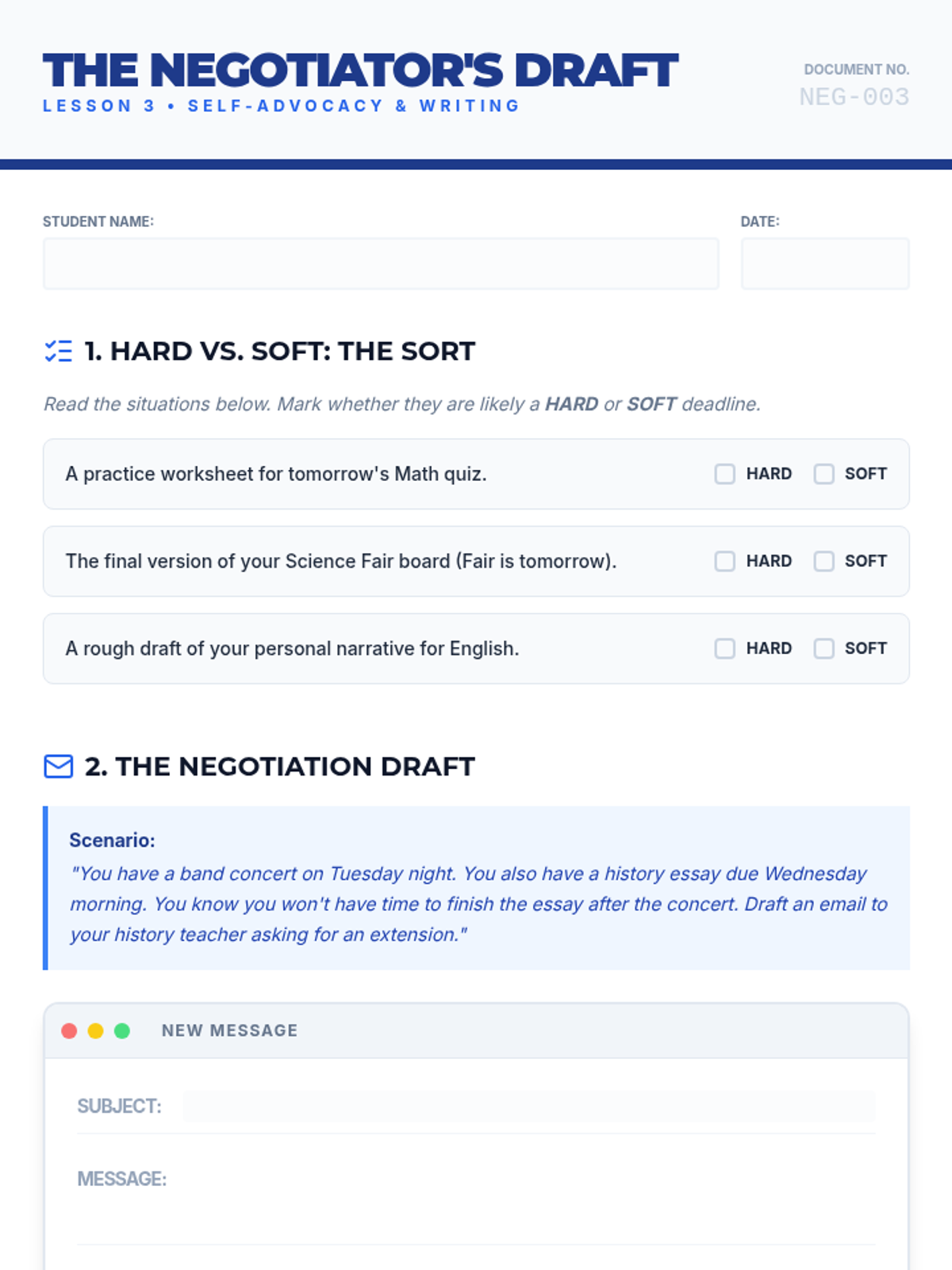
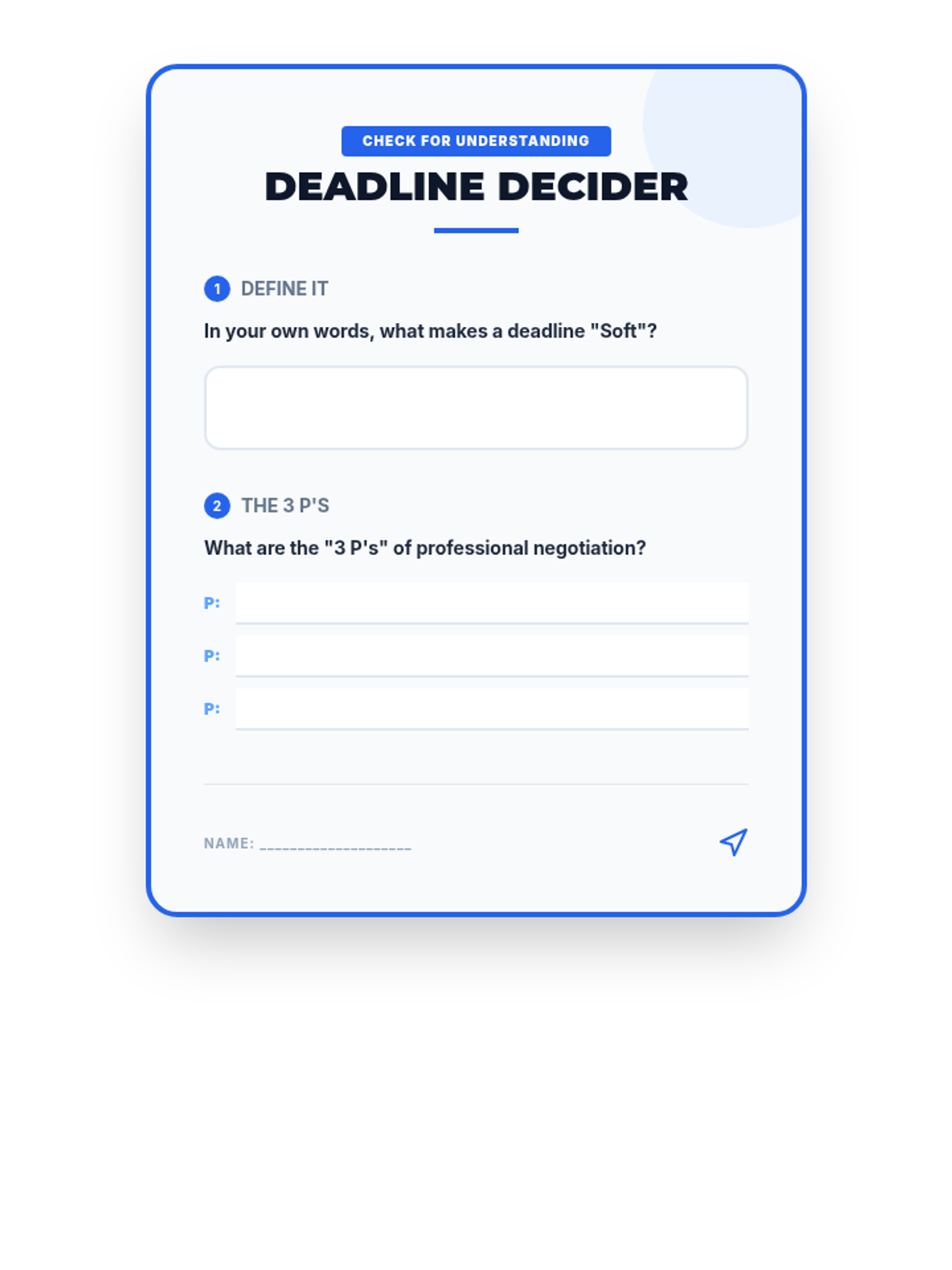
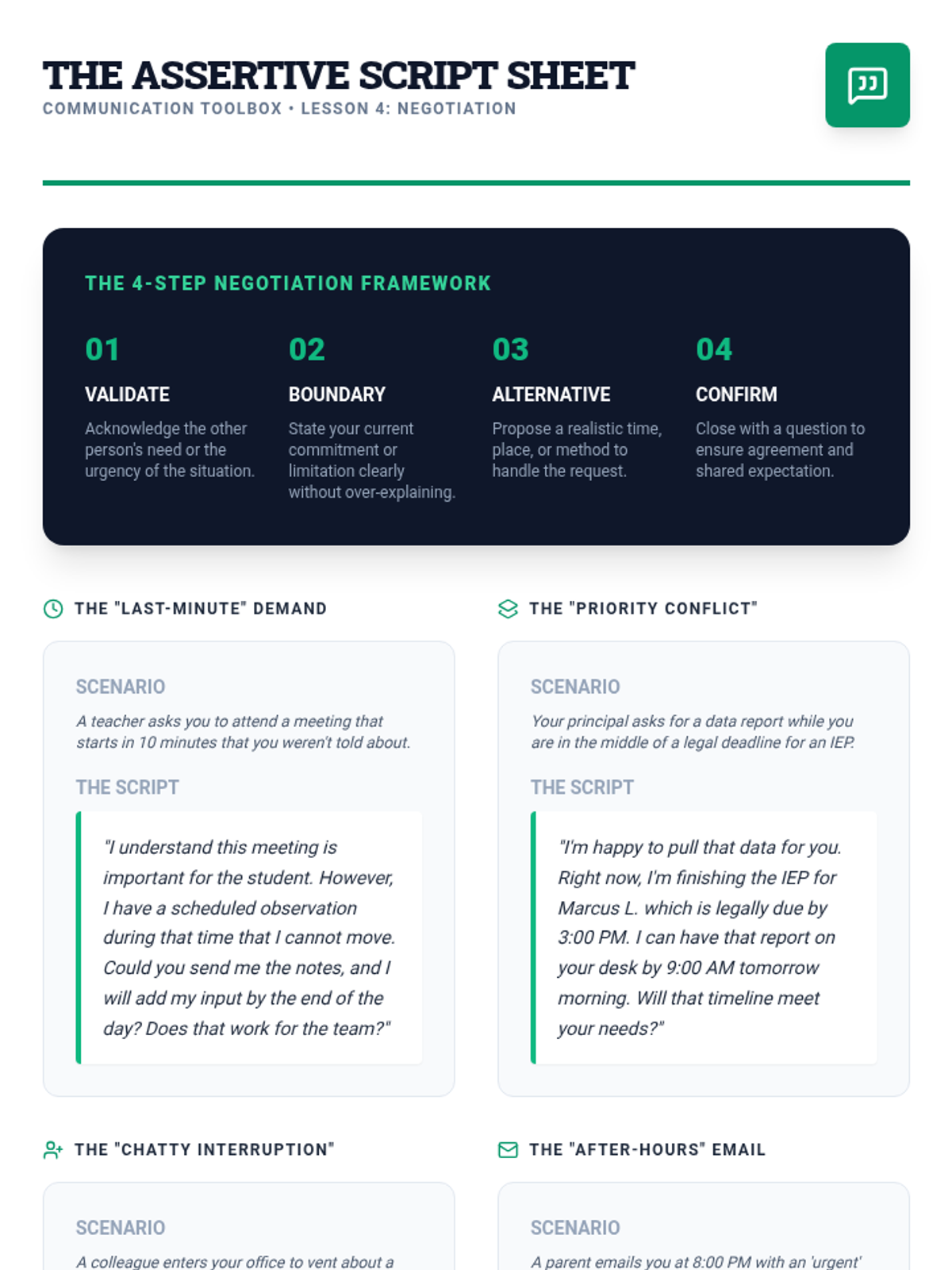
Focuses on professional communication and the distinction between hard and soft deadlines. Students practice scripts to negotiate extensions and help before a crisis occurs.
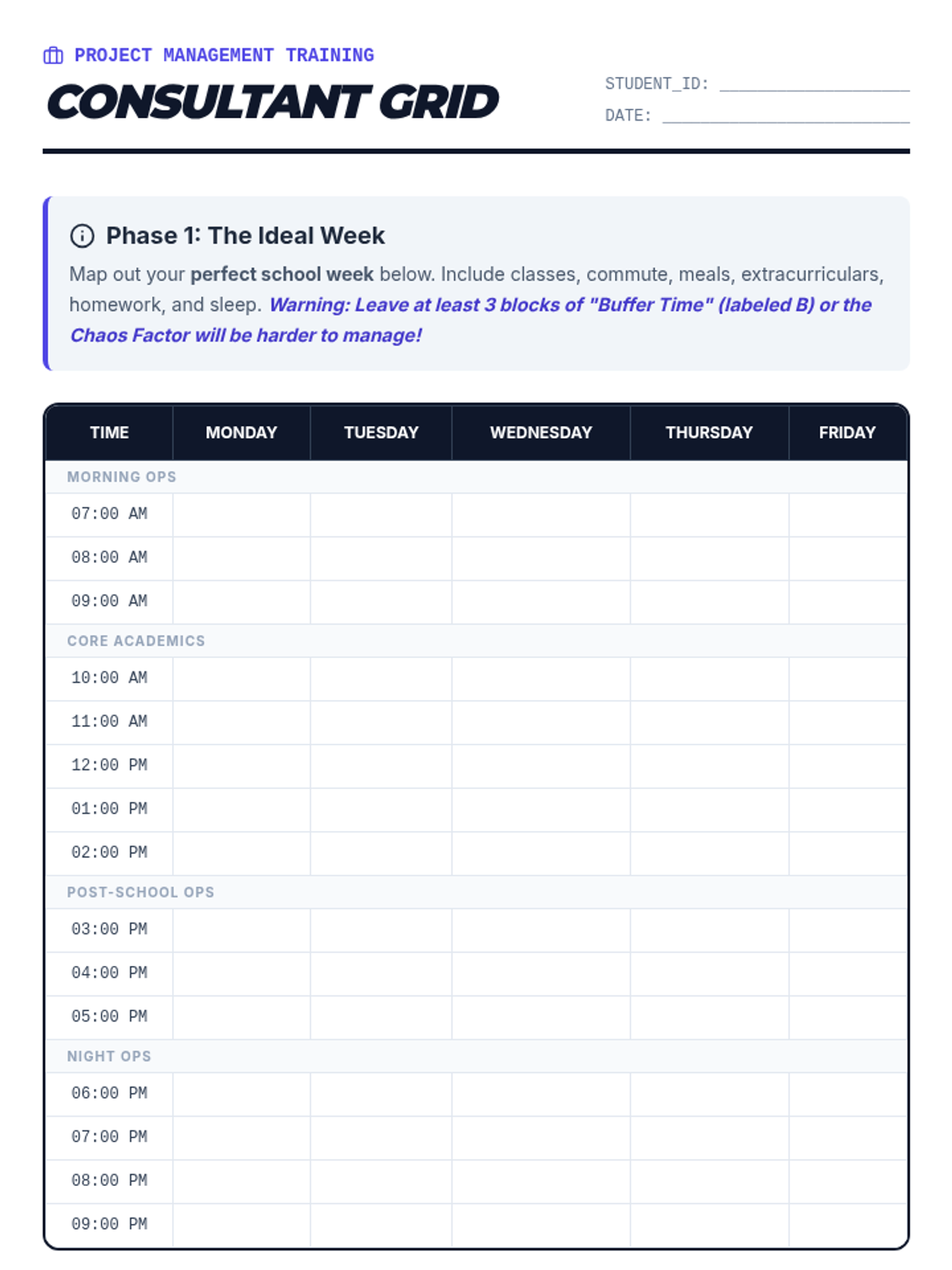
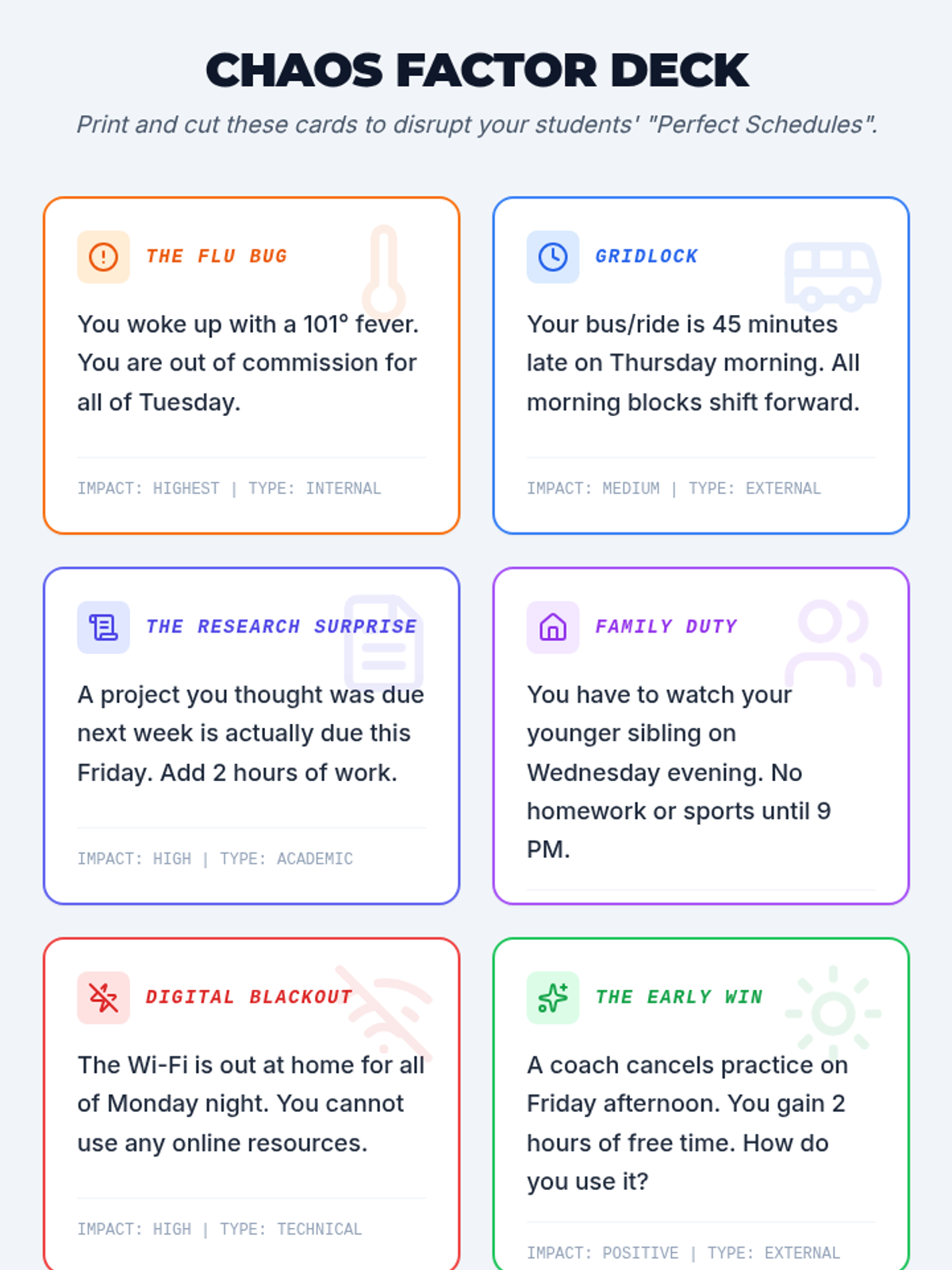
Students design an ideal weekly schedule and are immediately introduced to the 'Chaos Factor'—unpredictable life events that disrupt plans. They identify the need for buffer time and flexible scheduling.
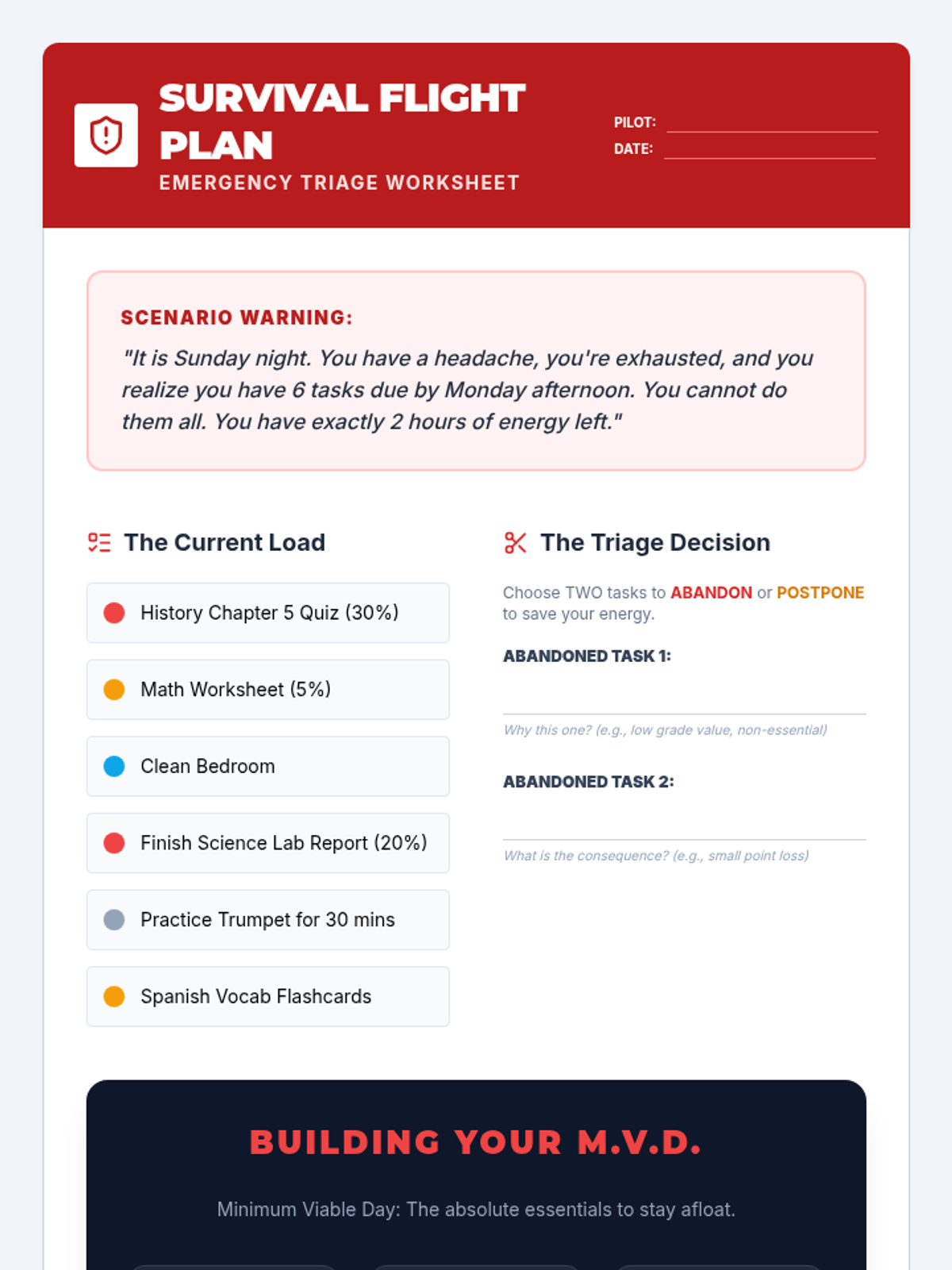
Students develop emergency 'triage' strategies and create a 'Minimum Viable Day' plan for maintaining performance during periods of high stress or illness.
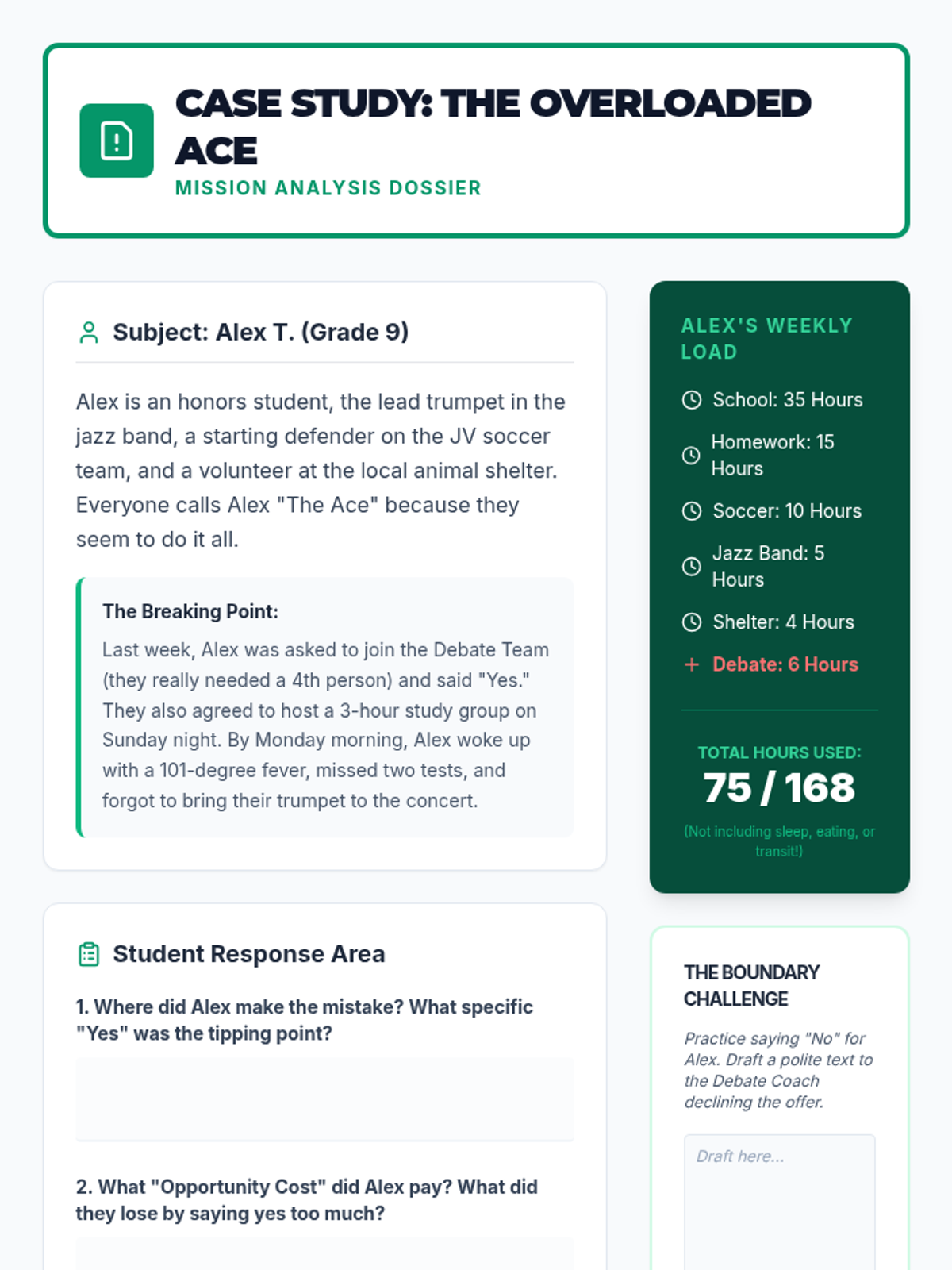
Students explore the concept of opportunity cost and practice strategies for politely but firmly declining optional commitments.
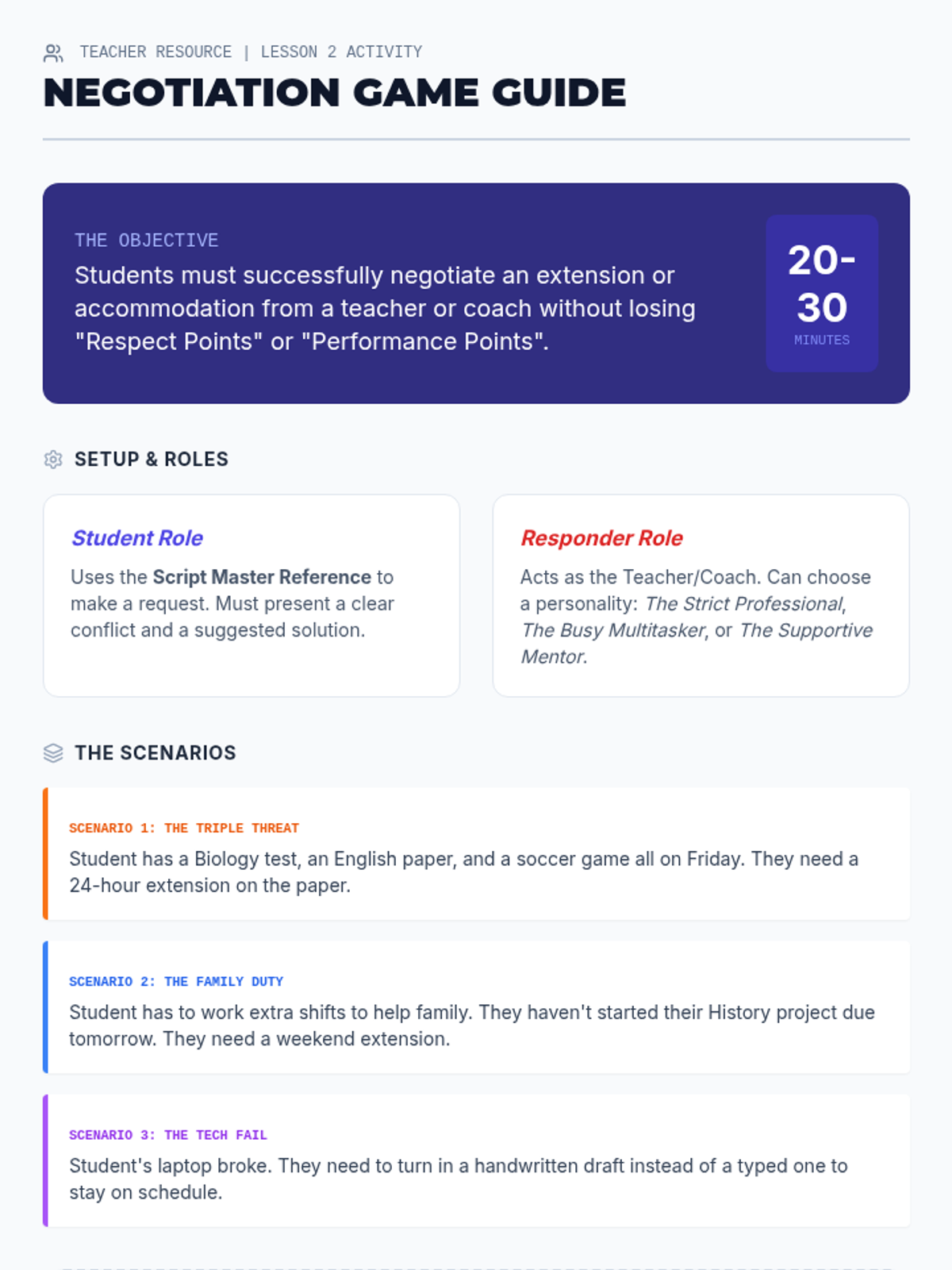
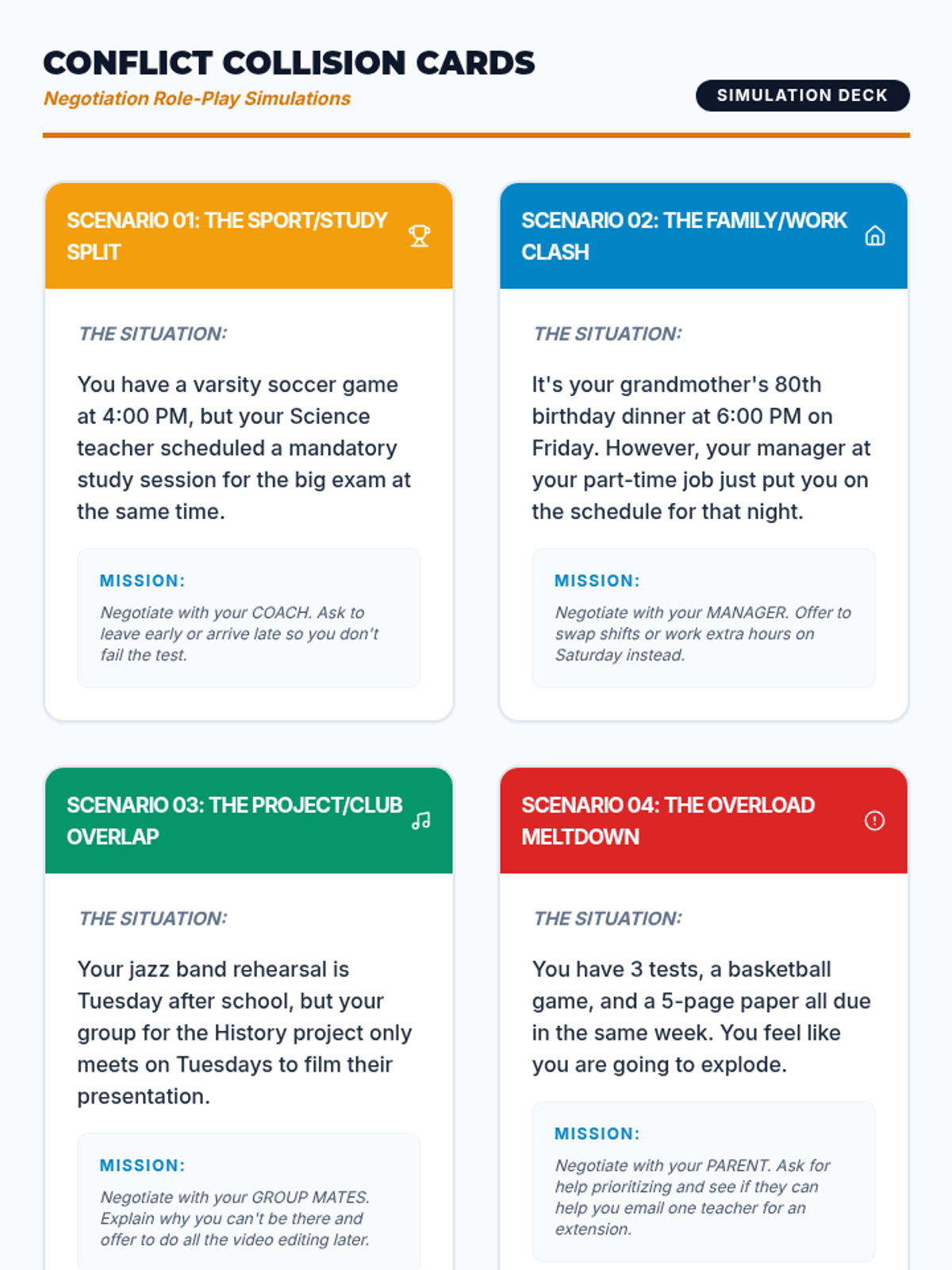
Through role-play and simulation, students practice face-to-face negotiations to resolve scheduling conflicts between multiple commitments.
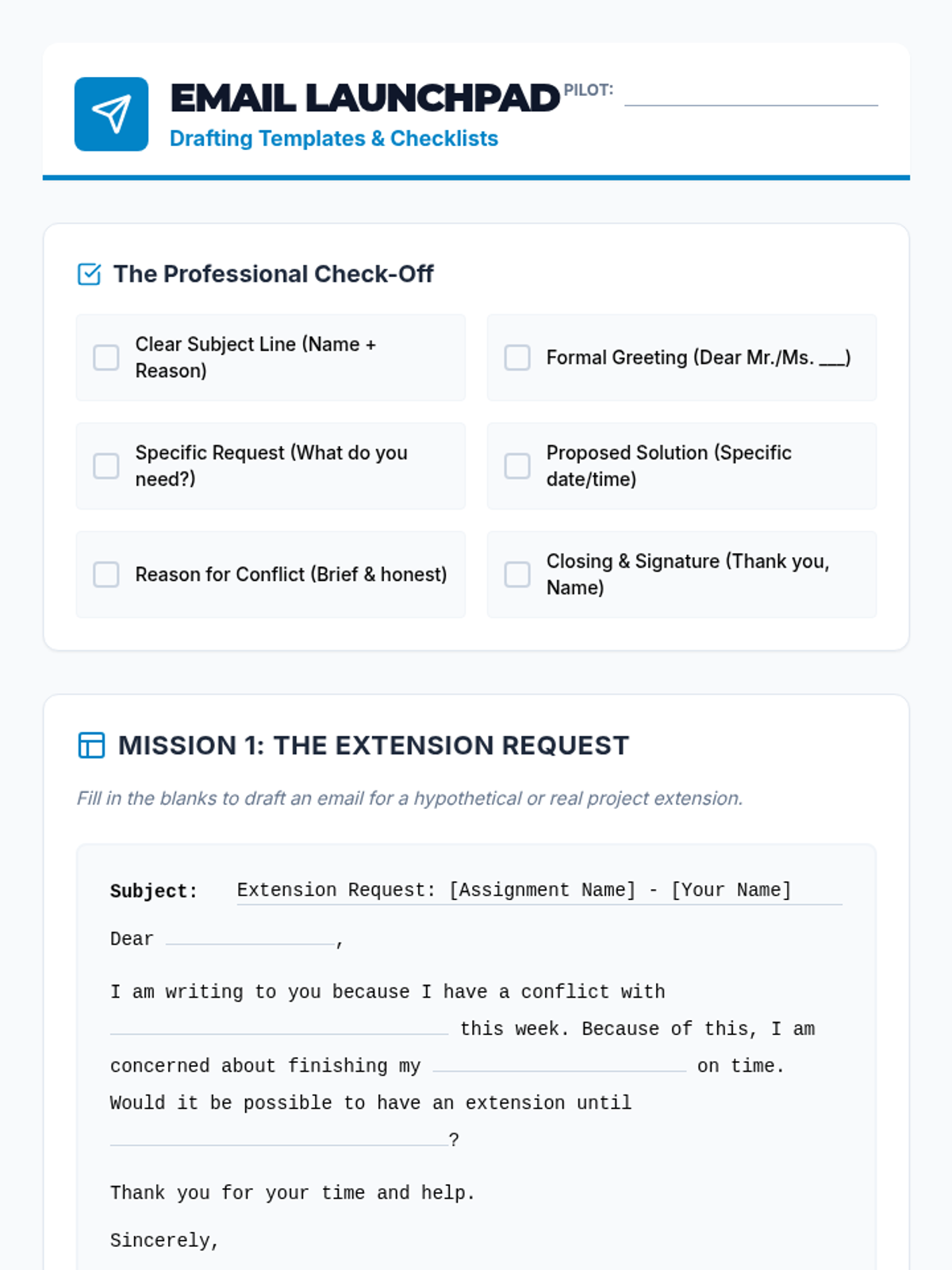
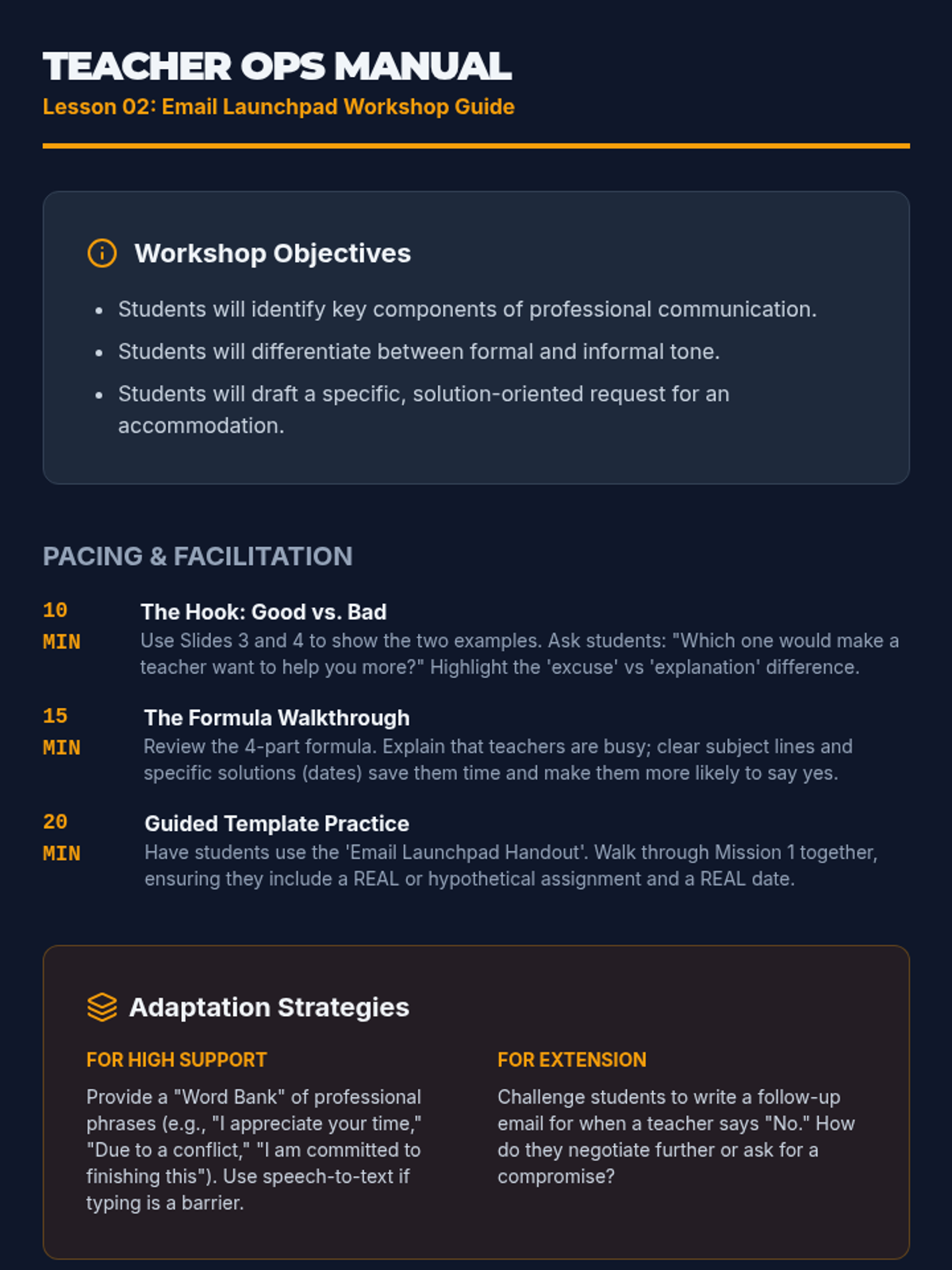
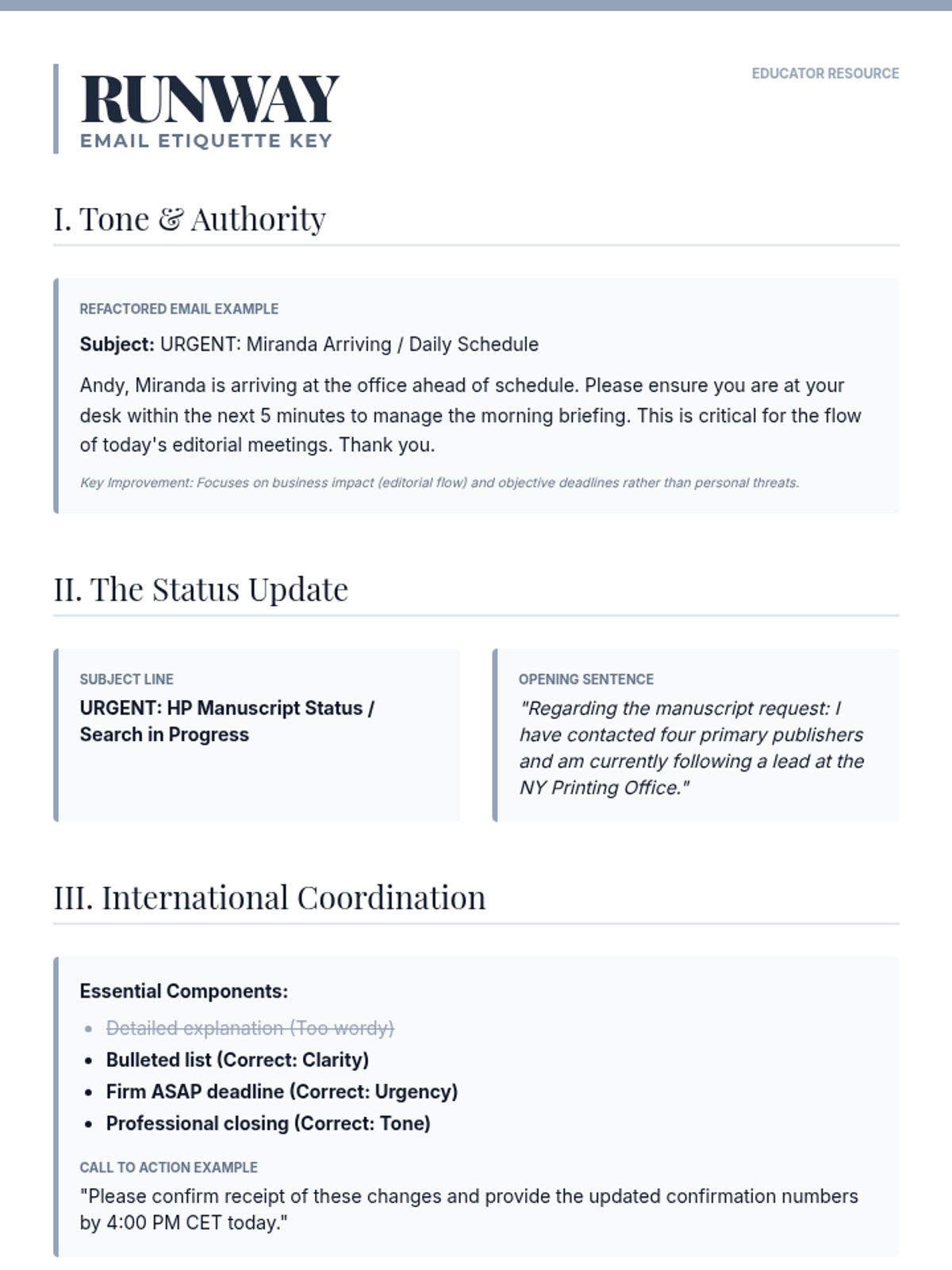
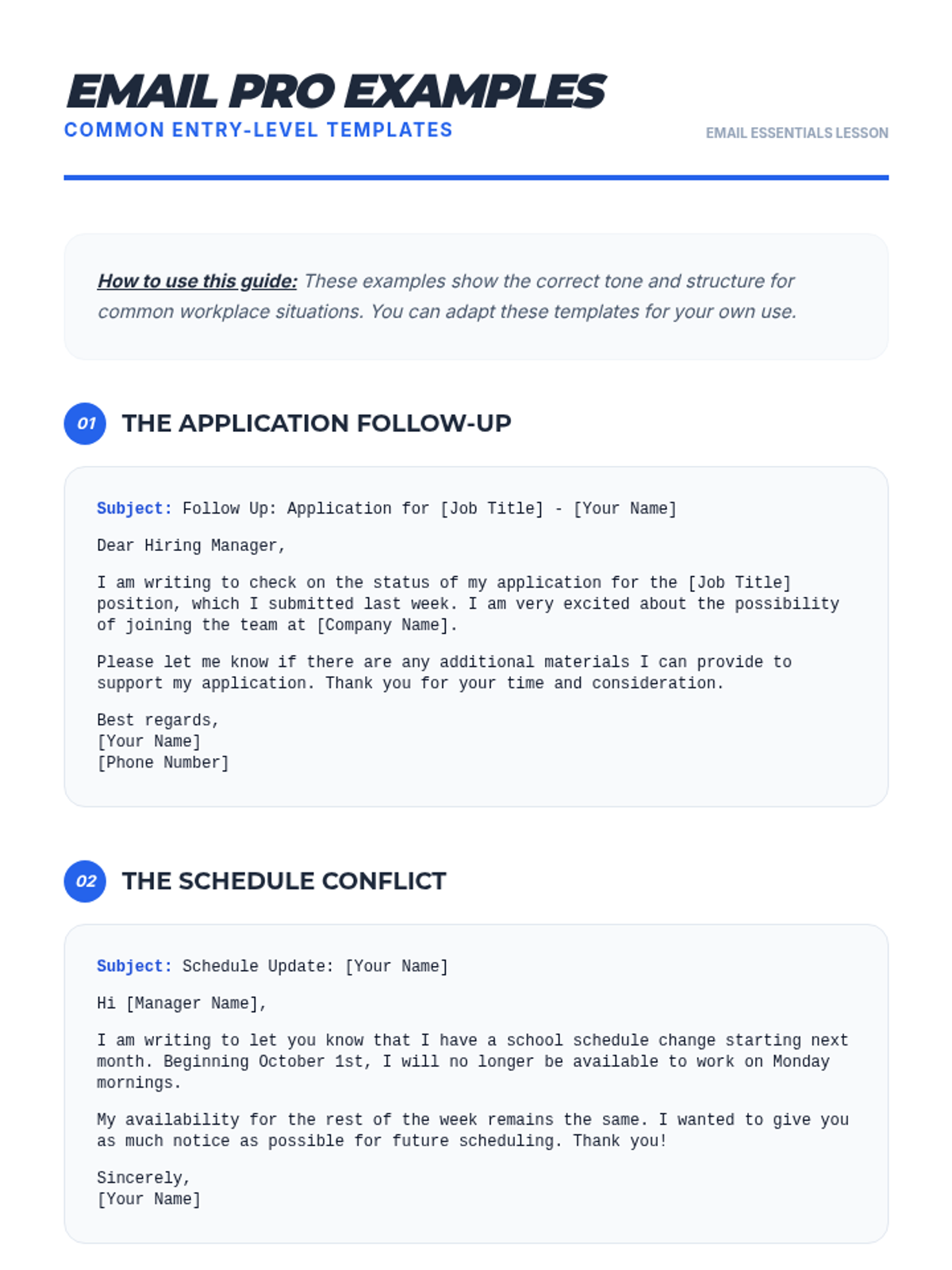
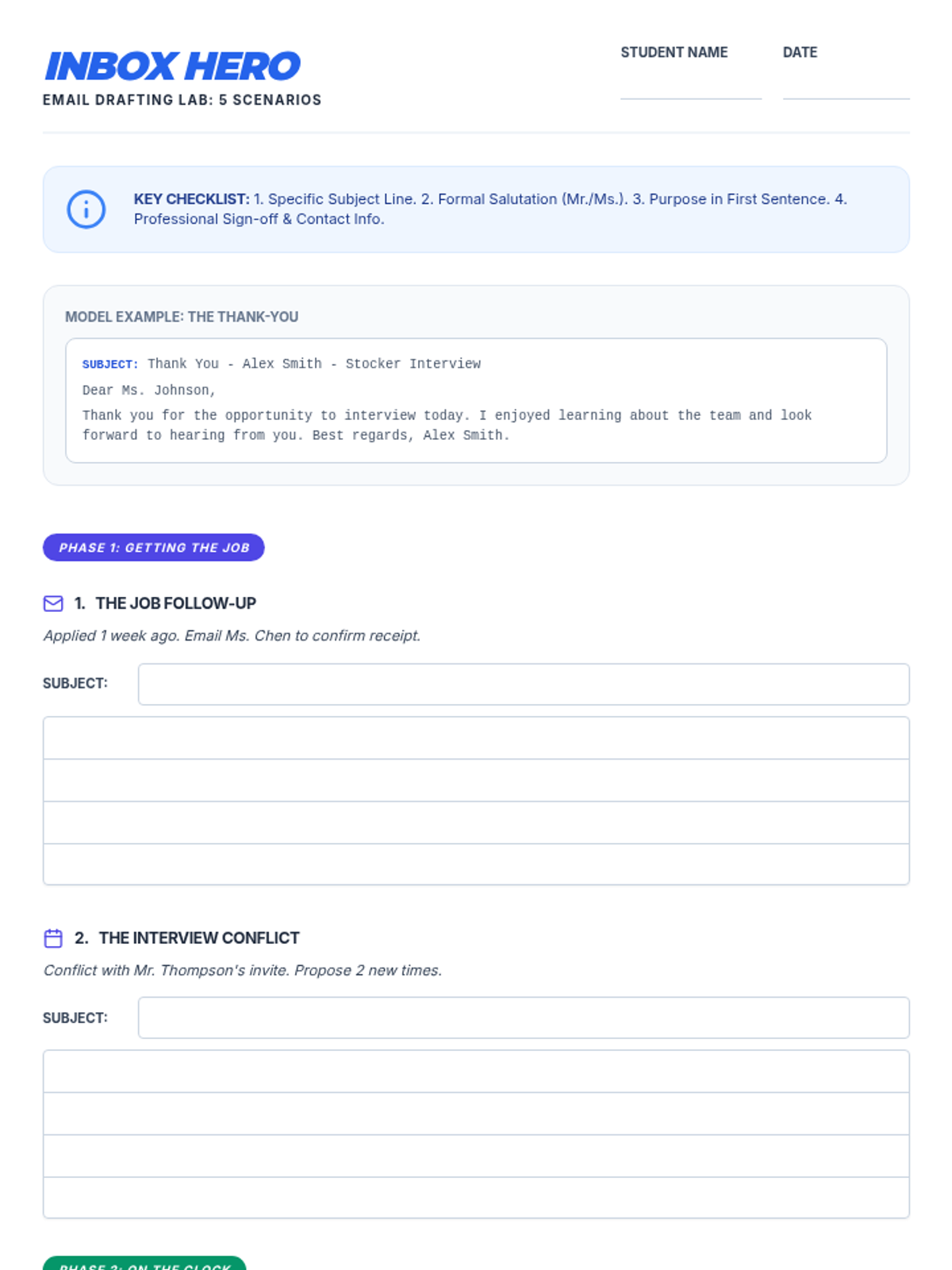
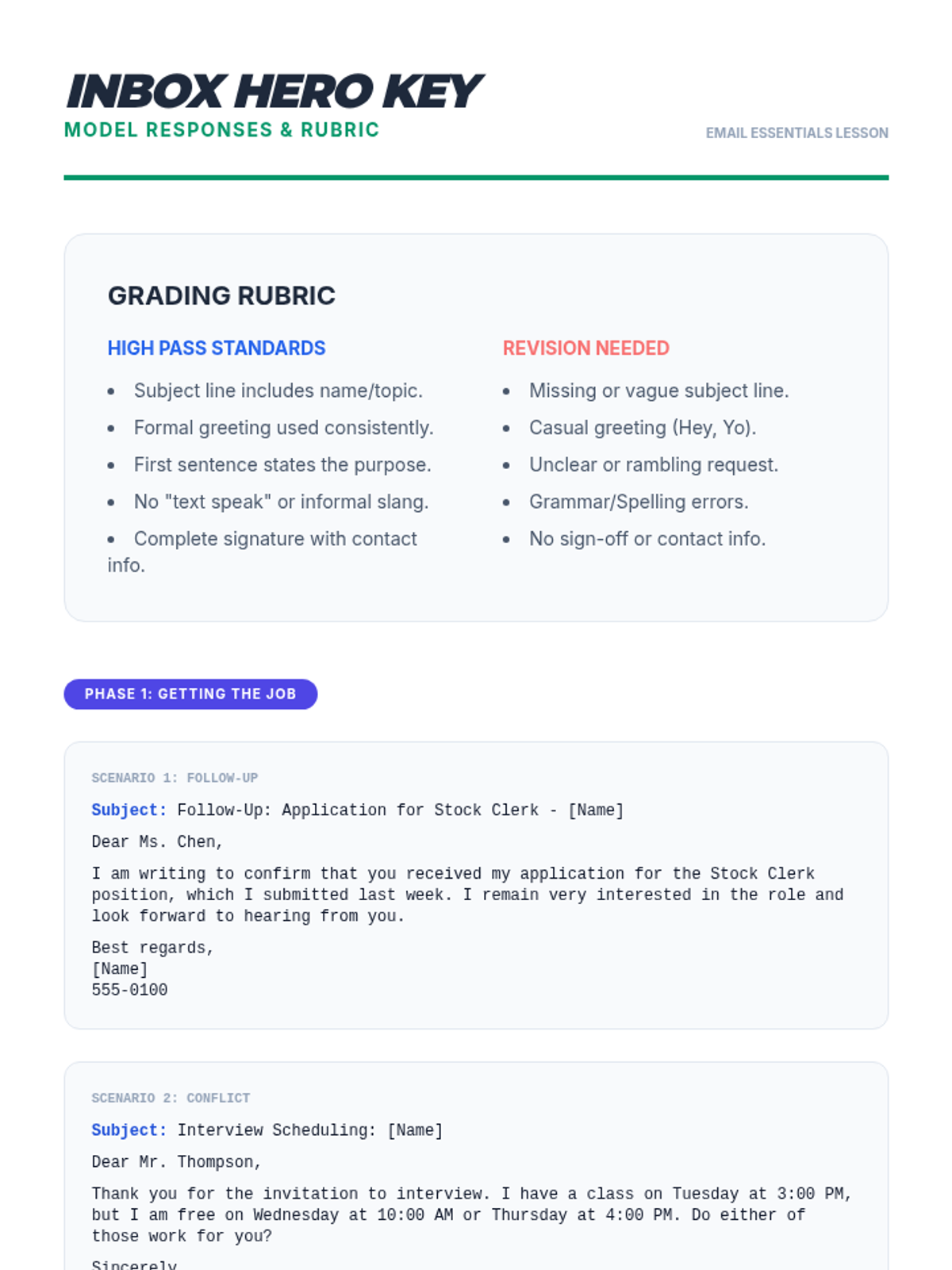
Students master the art of professional email communication, learning to draft responsible and clear requests for extensions or accommodations.
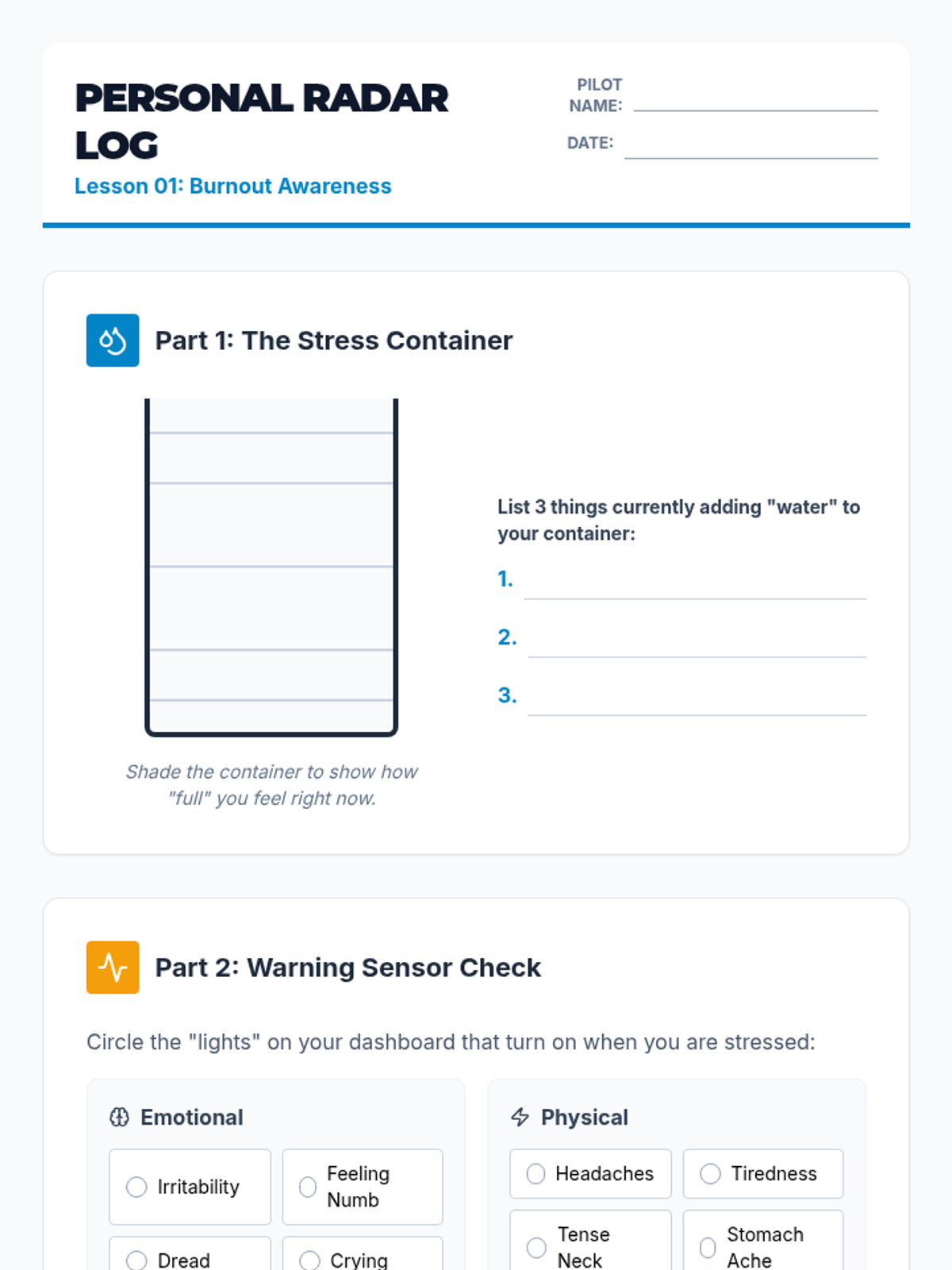
Students identify physical and emotional signs of burnout and use the 'Stress Container' visualization to understand their personal capacity and tipping points.
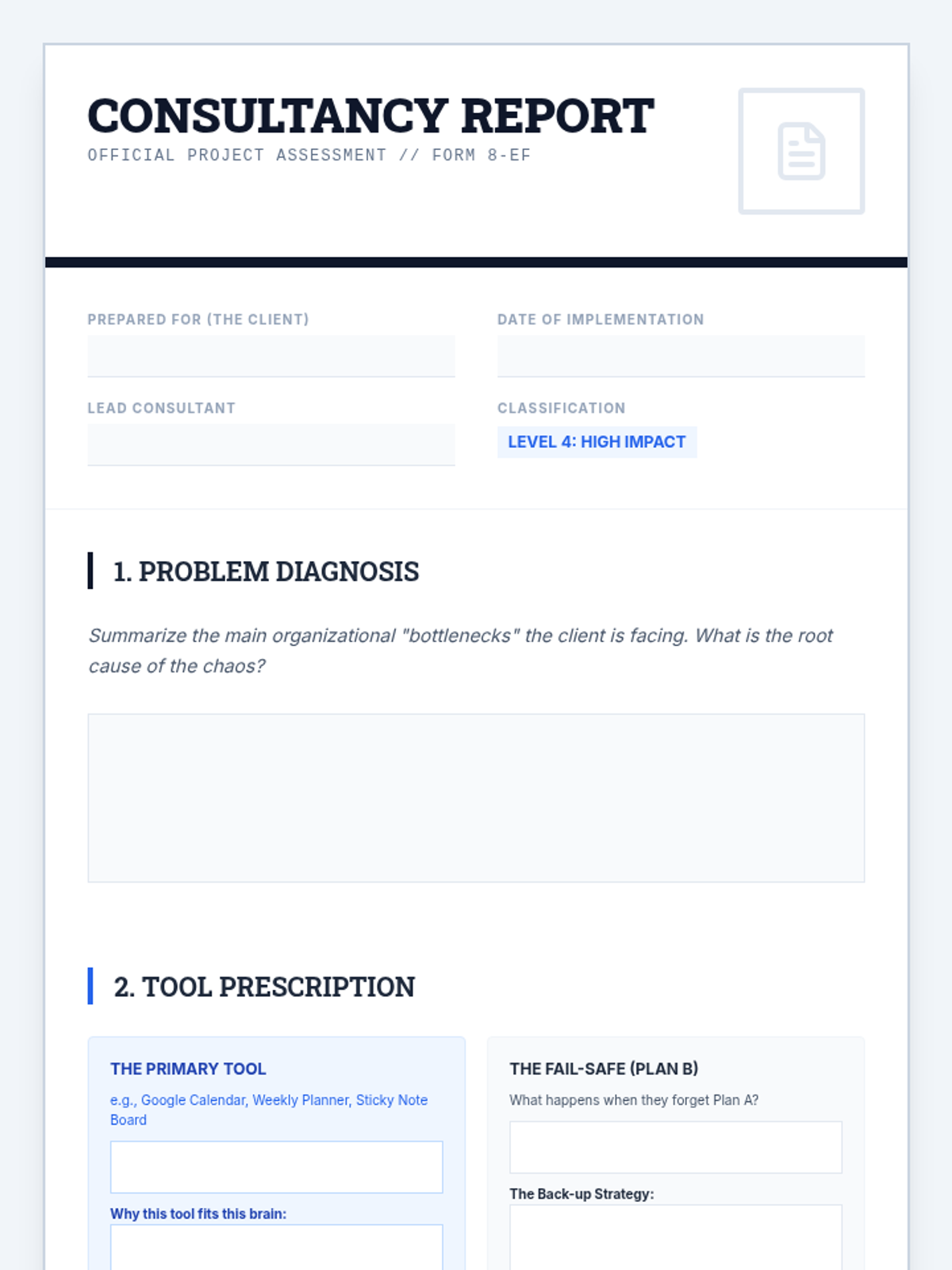
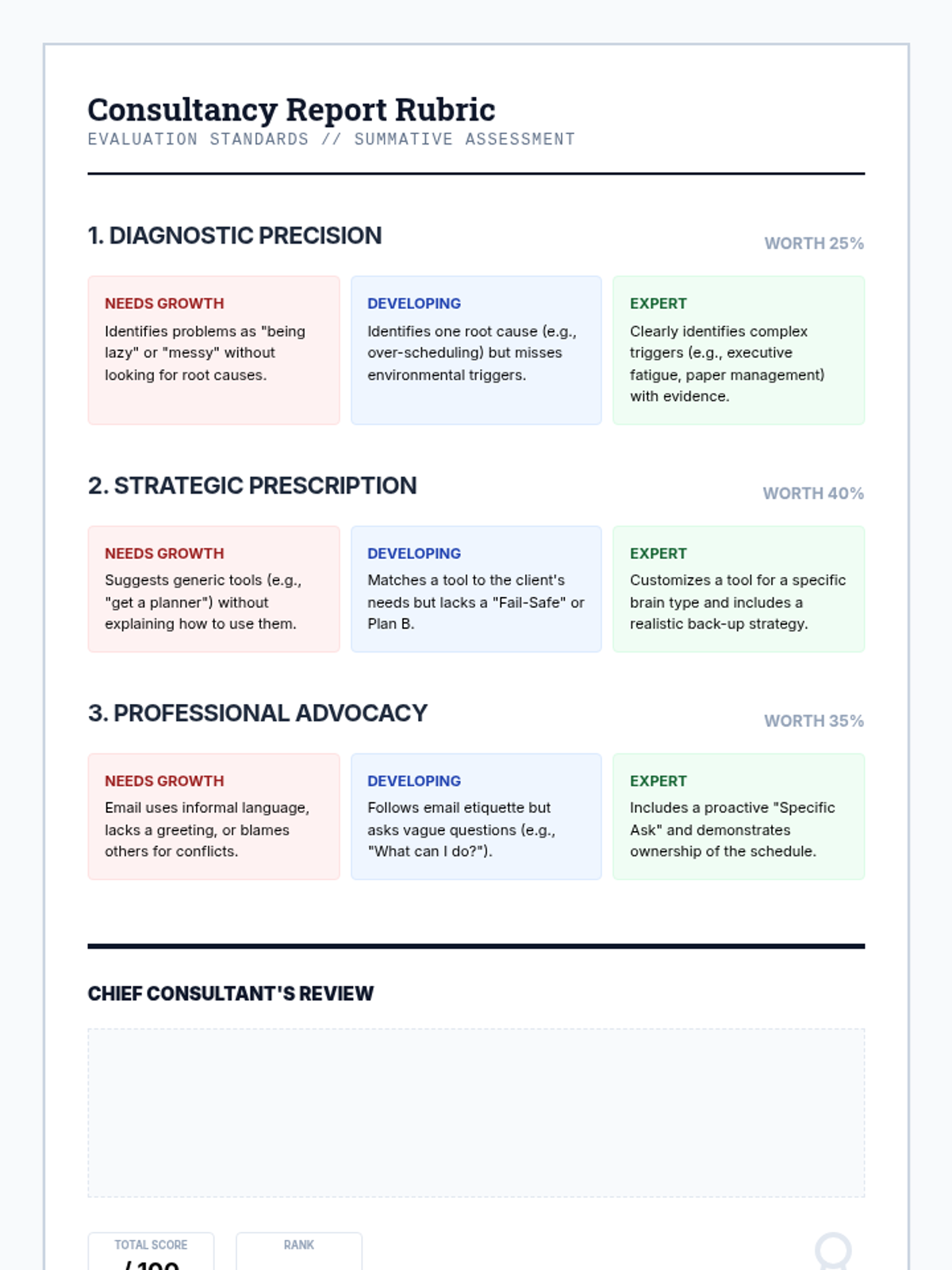
A cumulative assessment where students produce a final 'Consultancy Report' prescribing a comprehensive organizational plan for a client or themselves.
Students evaluate and pitch various organizational tools, from digital apps to paper checklists, learning to match specific scaffolds to different brain types.
Explores the emotional roots of procrastination and provides concrete strategies like the 5-minute rule to break the cycle of avoidance.
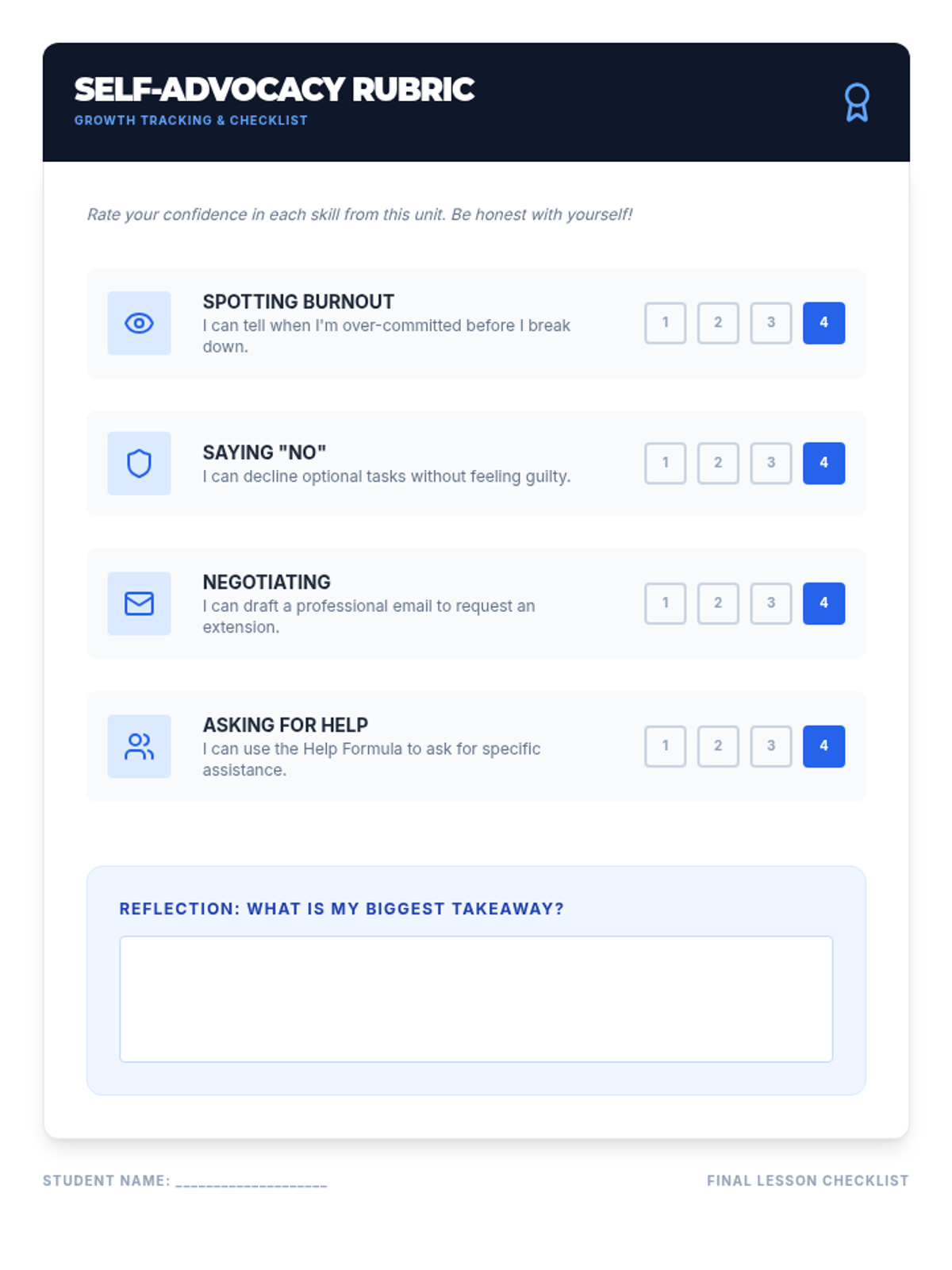
Focuses on professional communication and self-advocacy, teaching students how to request support and extensions effectively before deadlines pass.
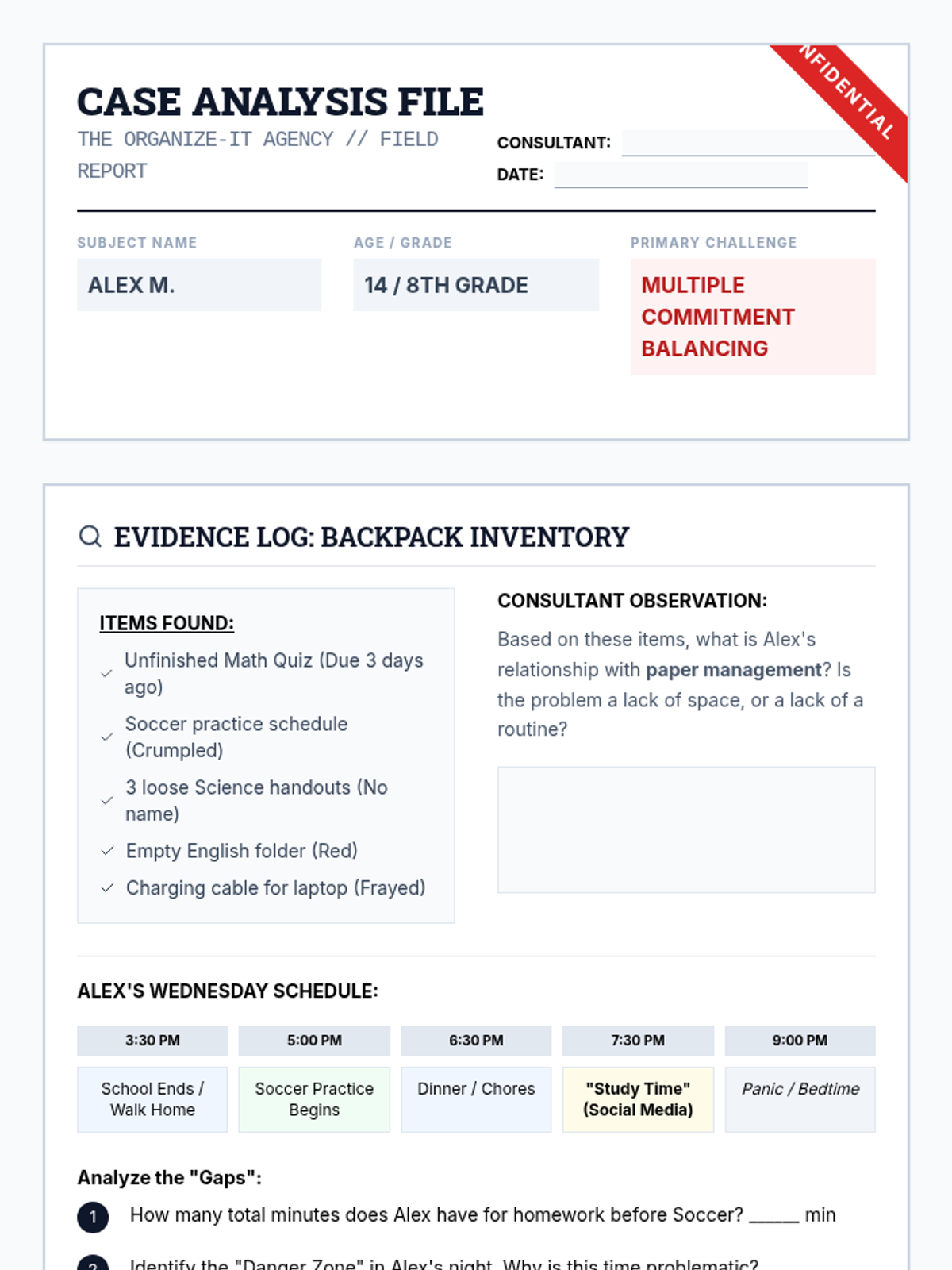
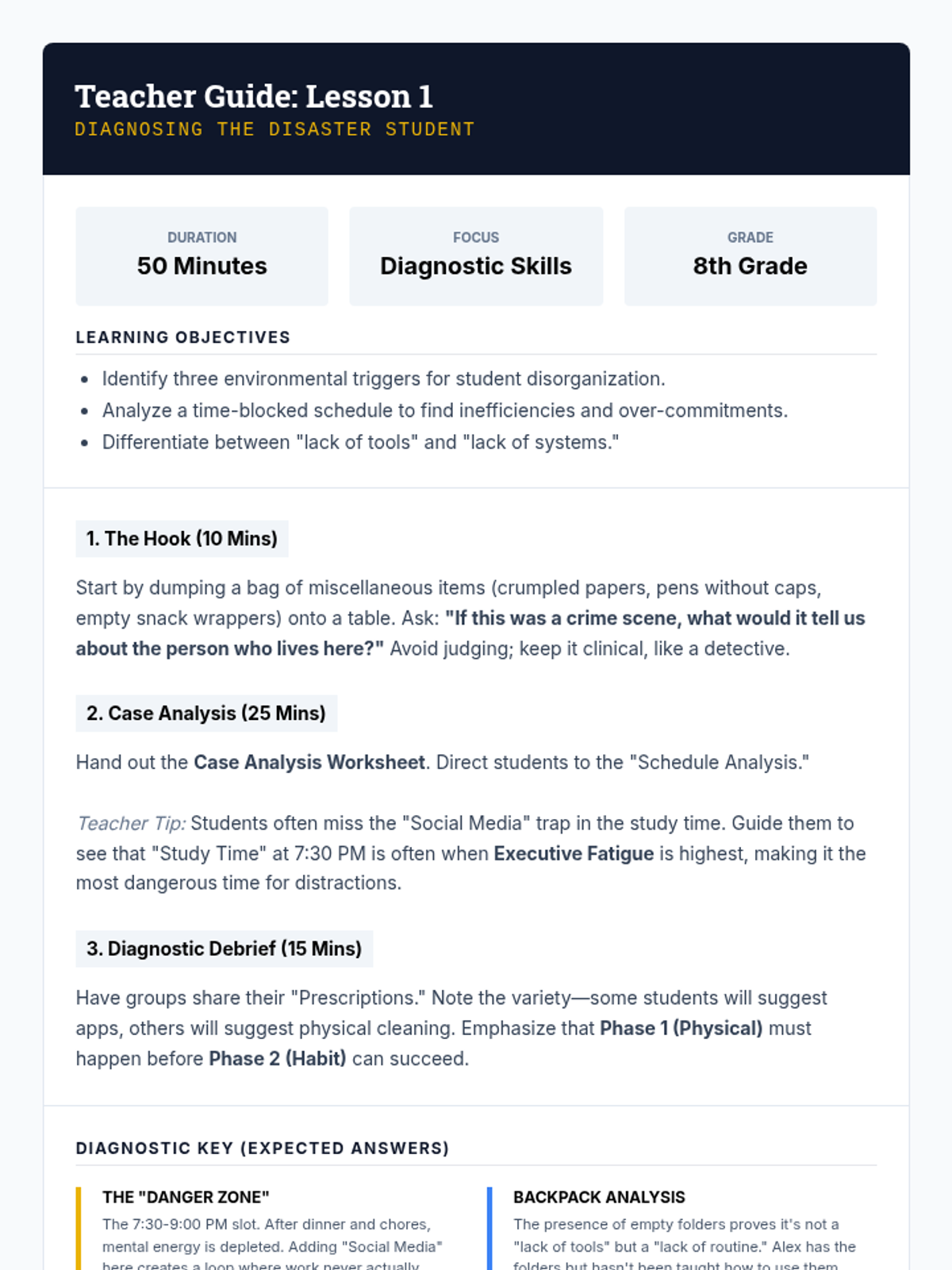
Students step into the role of consultants to analyze a 'disaster' case study, examining a fictional student's backpack and schedule to diagnose root causes of disorganization.
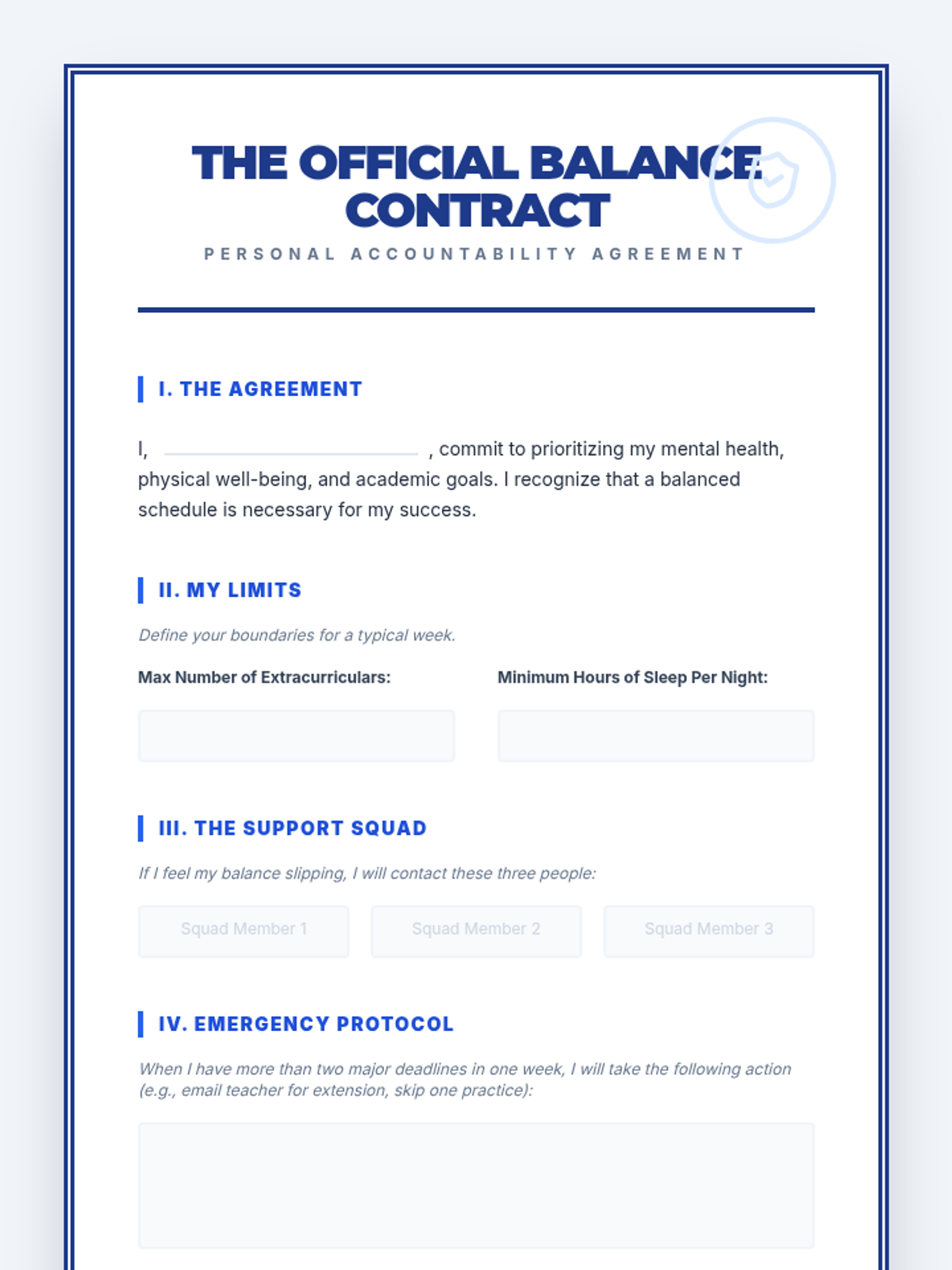
Students create a personal 'Balance Contract' to outline their limits and establish a protocol for managing future stress.
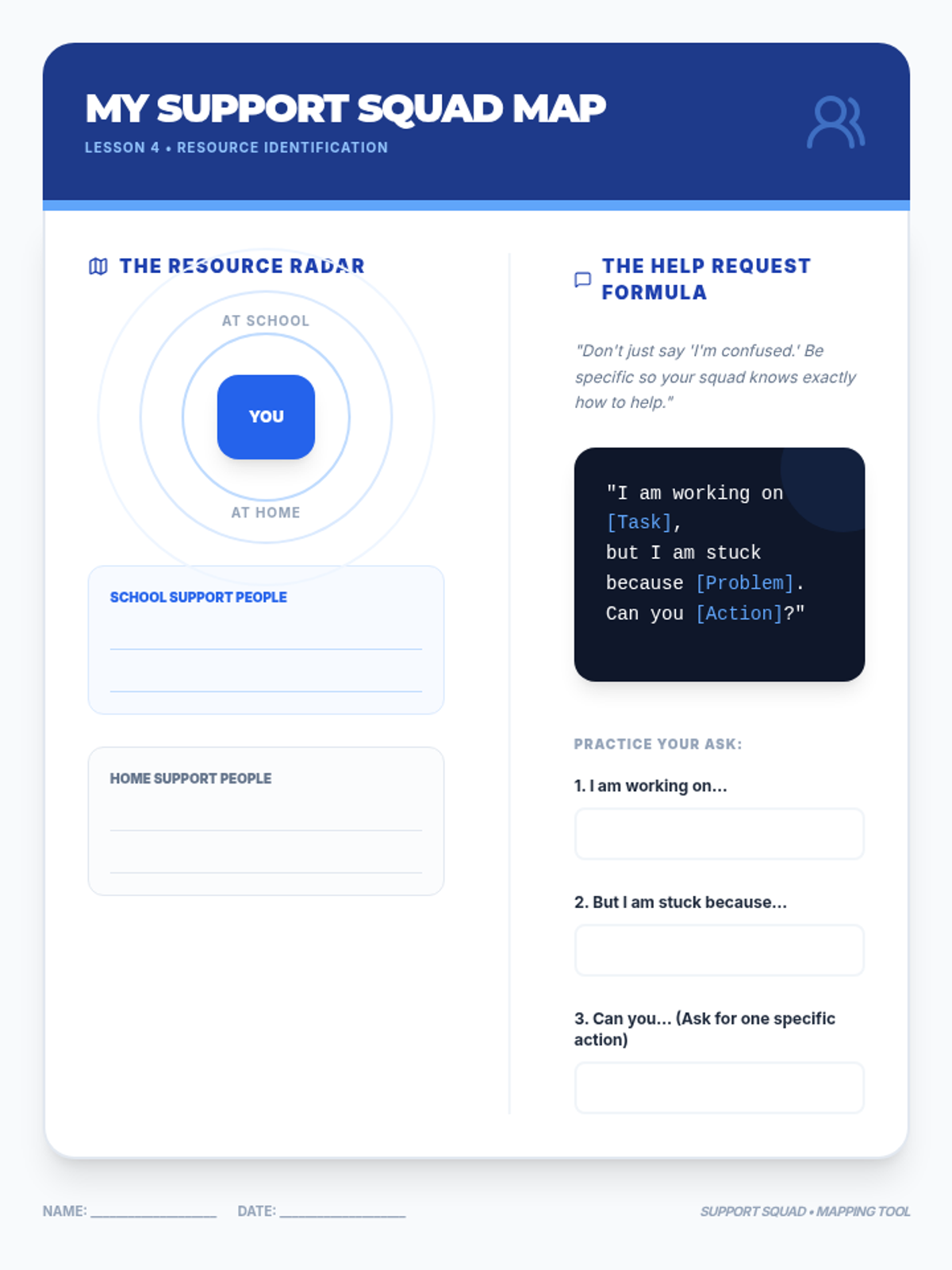
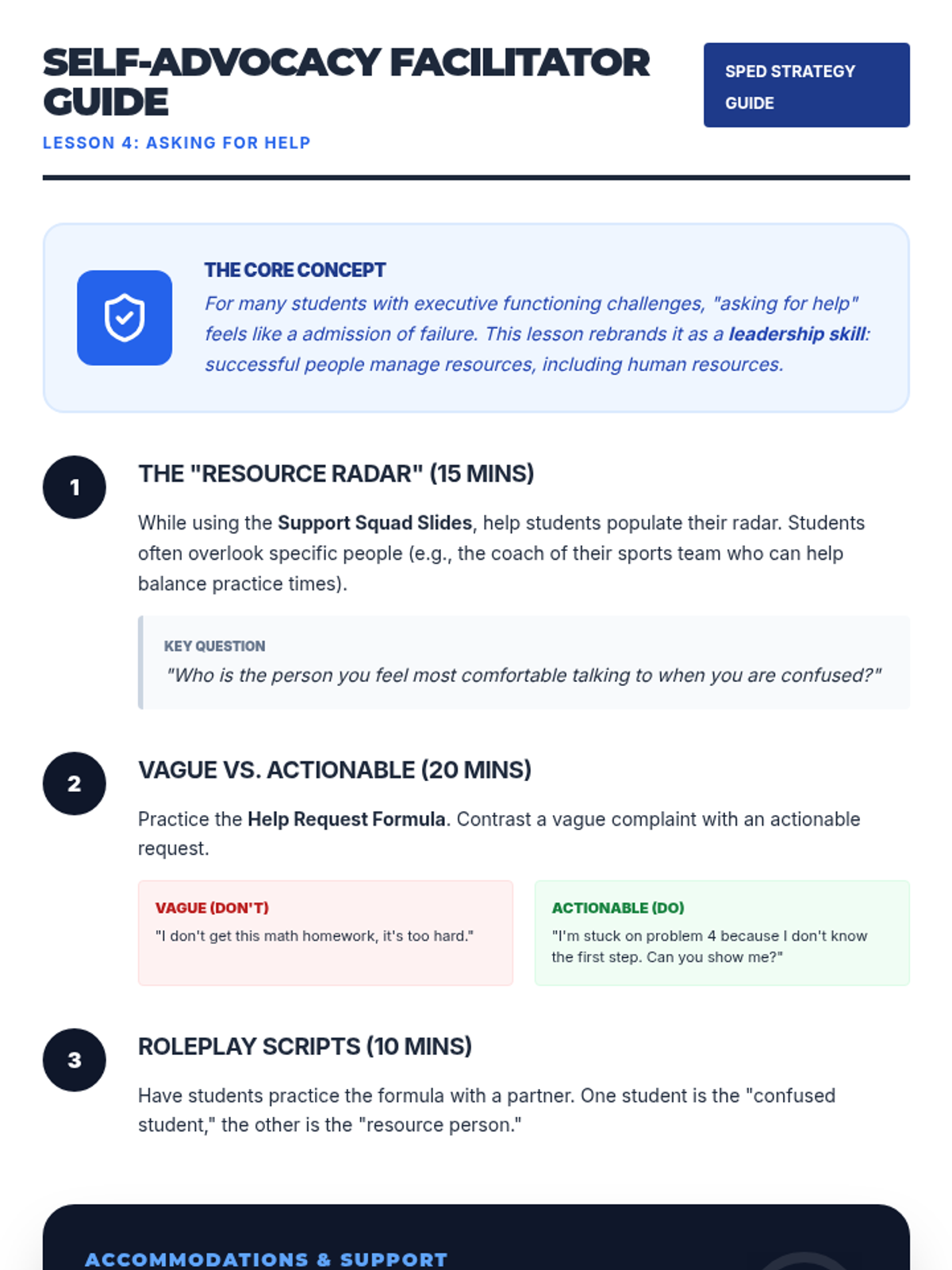
Students identify their support network and practice making specific, actionable requests for assistance.
Students learn to differentiate between hard and soft deadlines and practice professional email communication to negotiate alternatives.
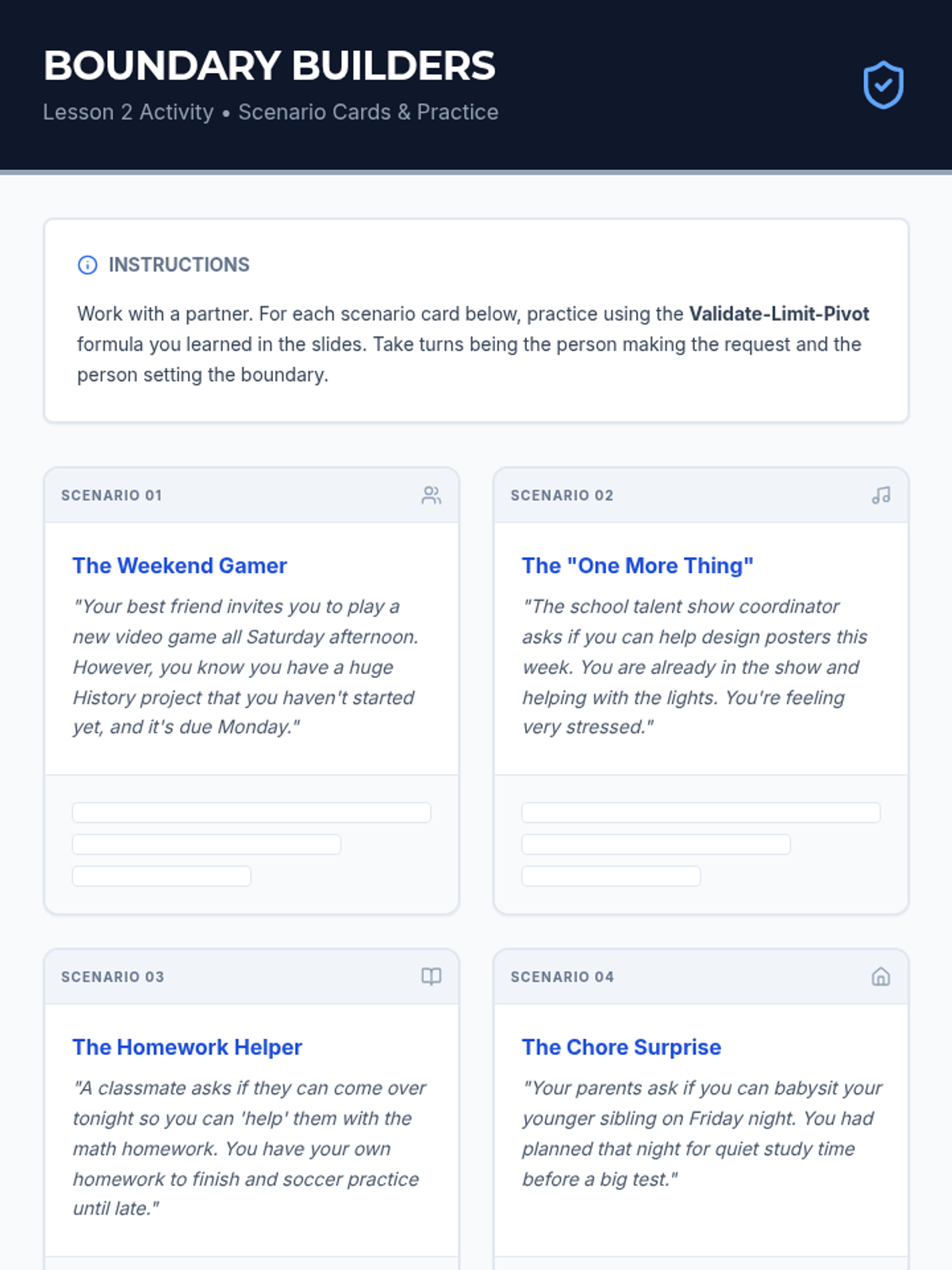
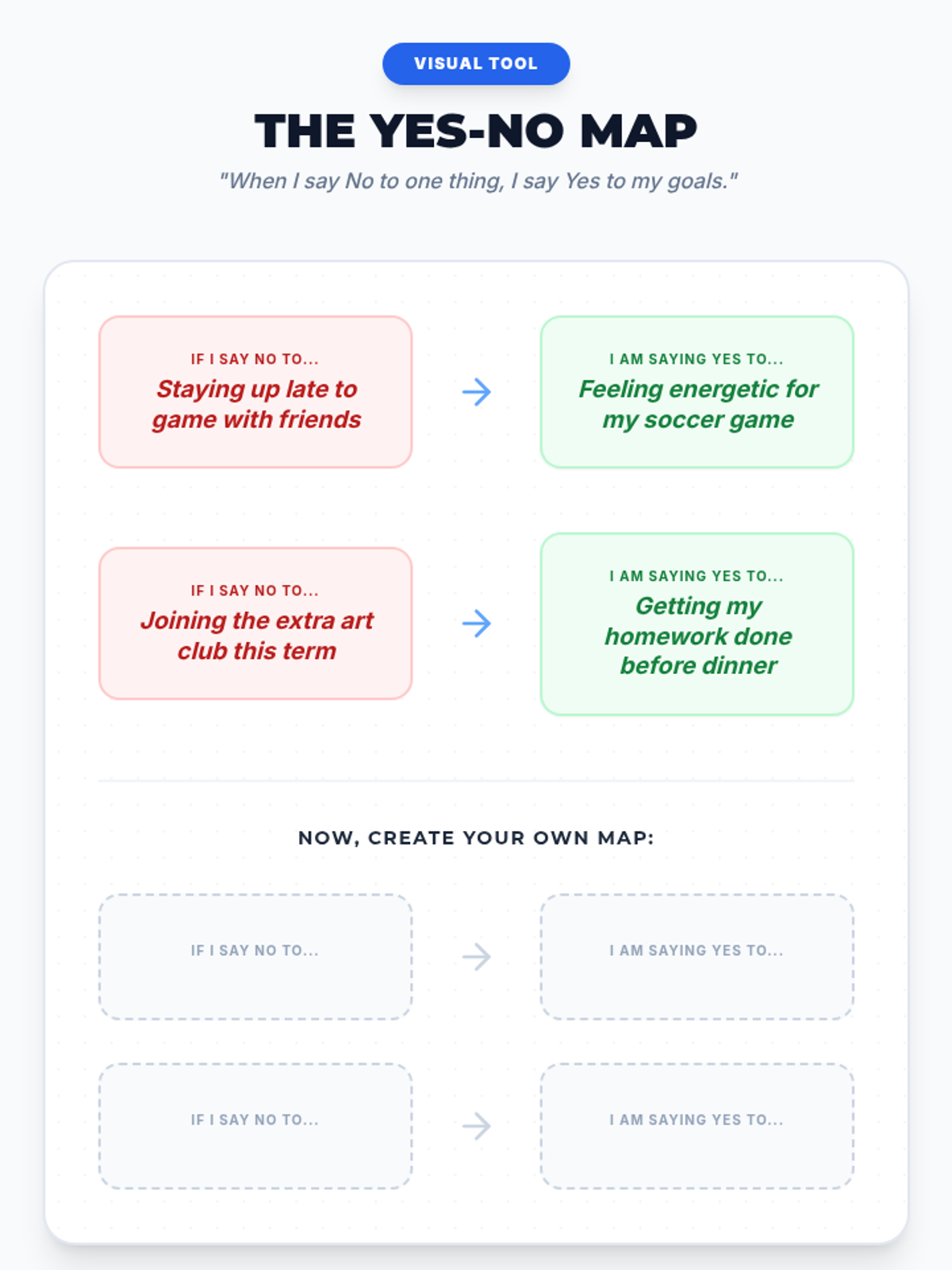
Students practice scripts for declining optional commitments politely but firmly, learning that every 'no' is a 'yes' to their own well-being.
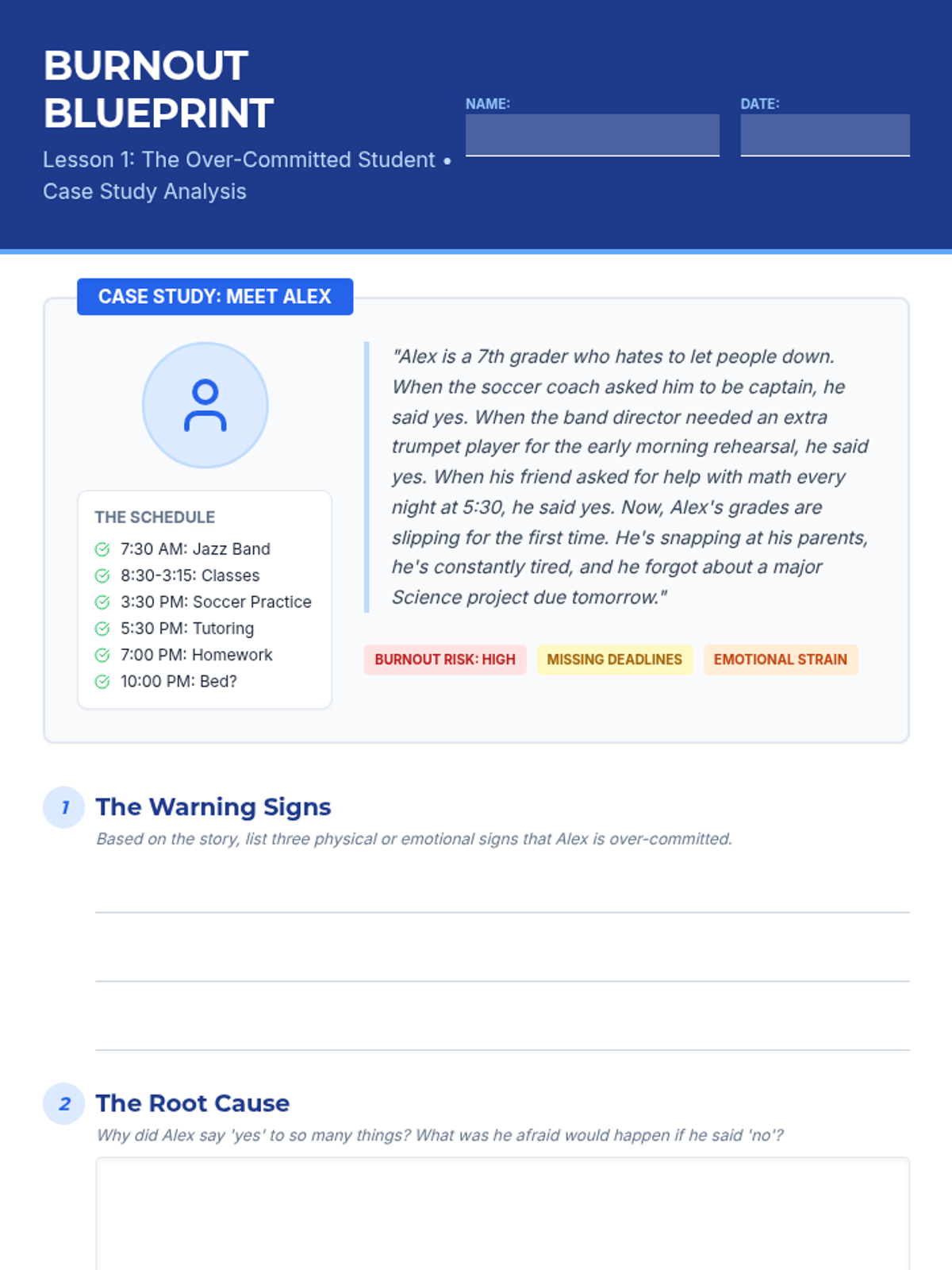
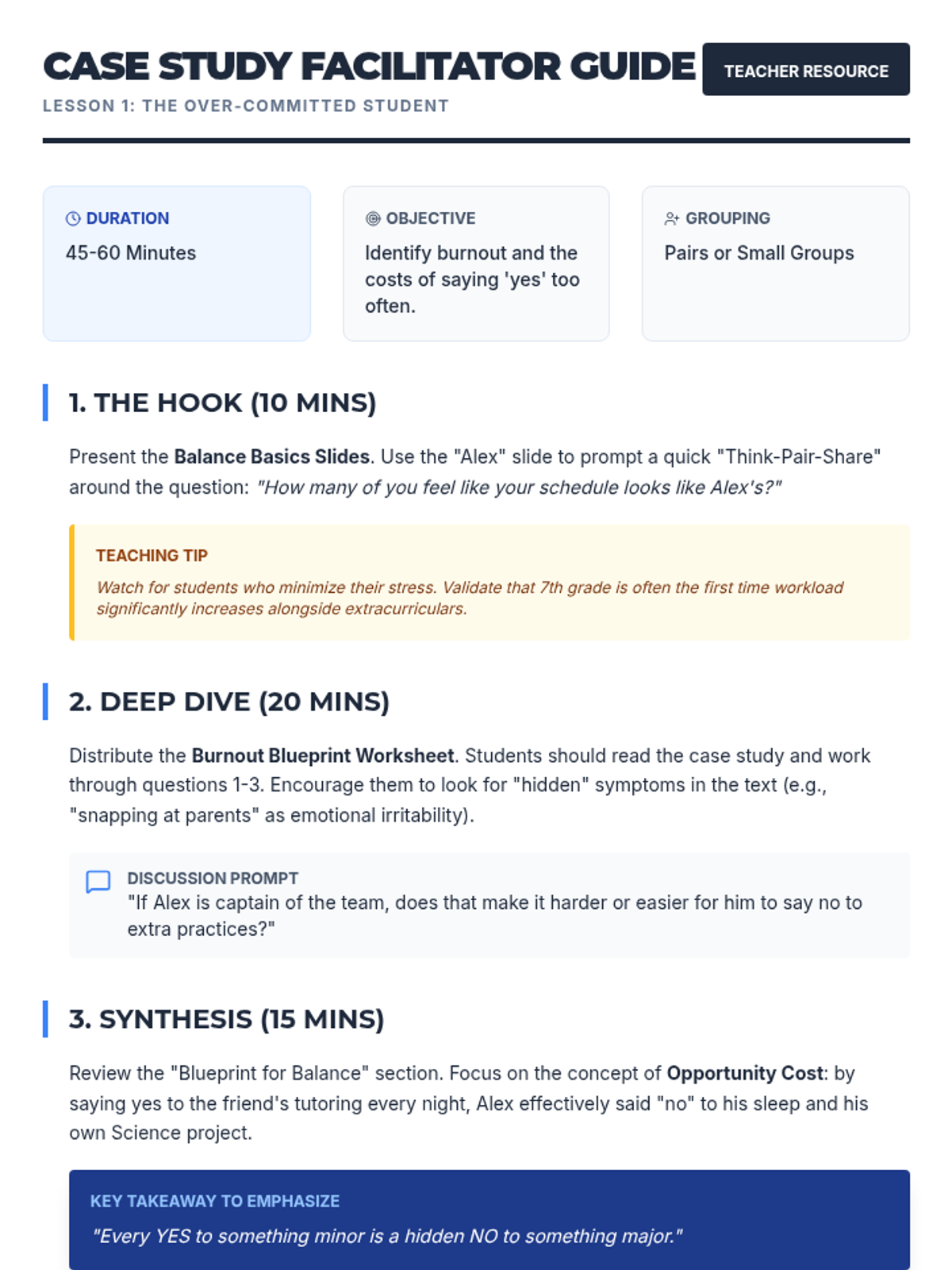
Students analyze case studies of 'over-committed' individuals to identify warning signs of burnout and the consequences of poor boundary setting.
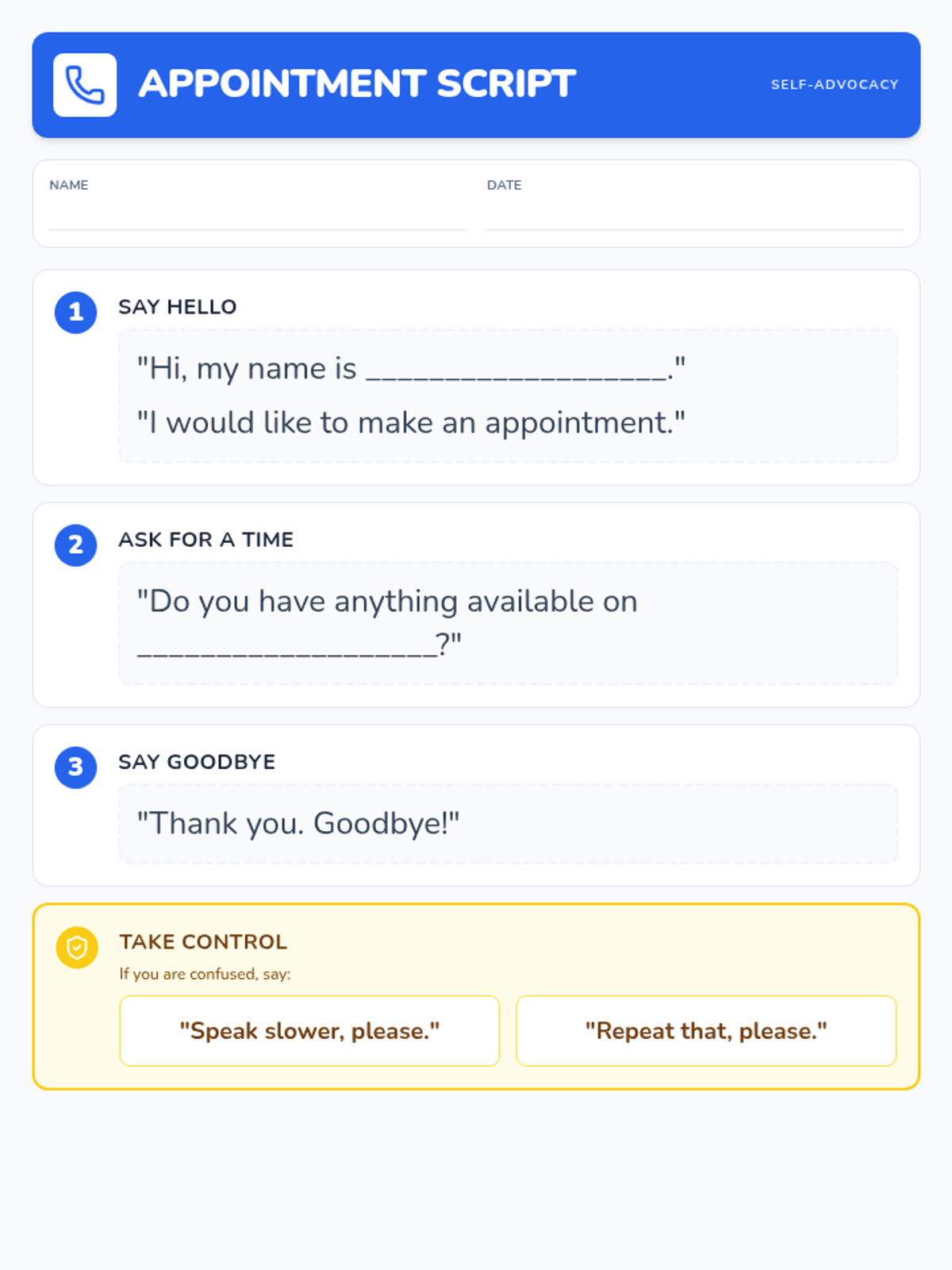
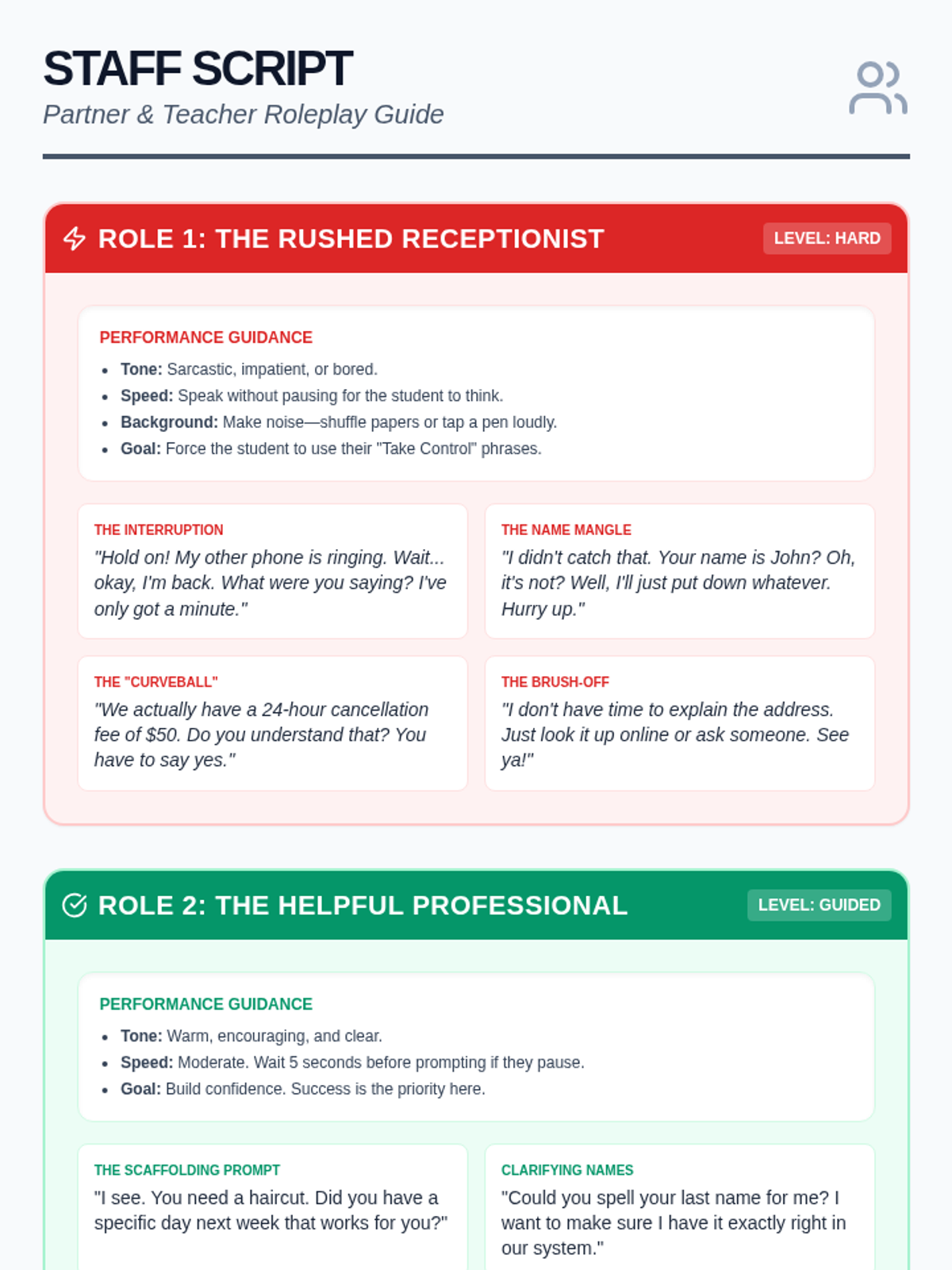
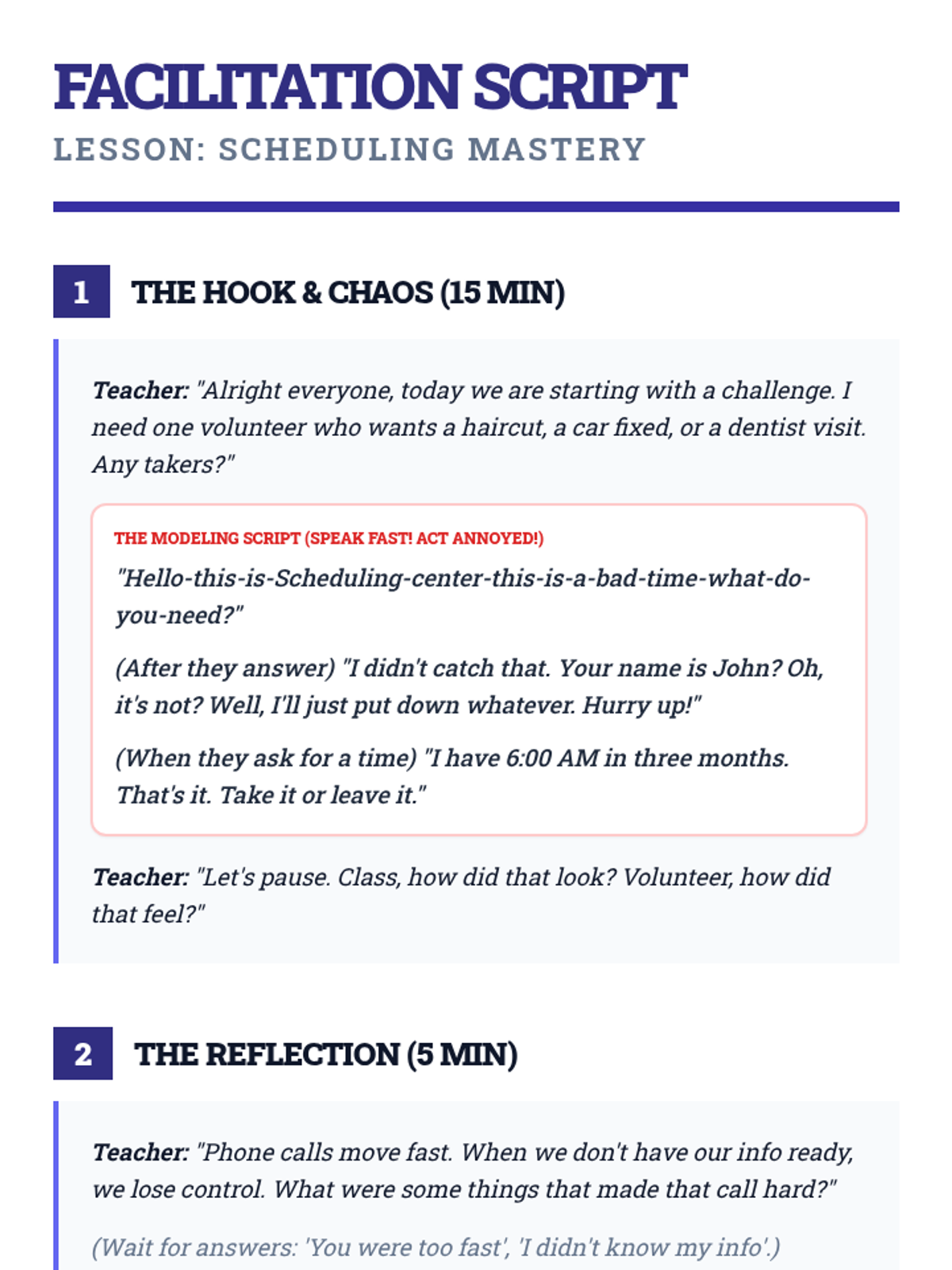
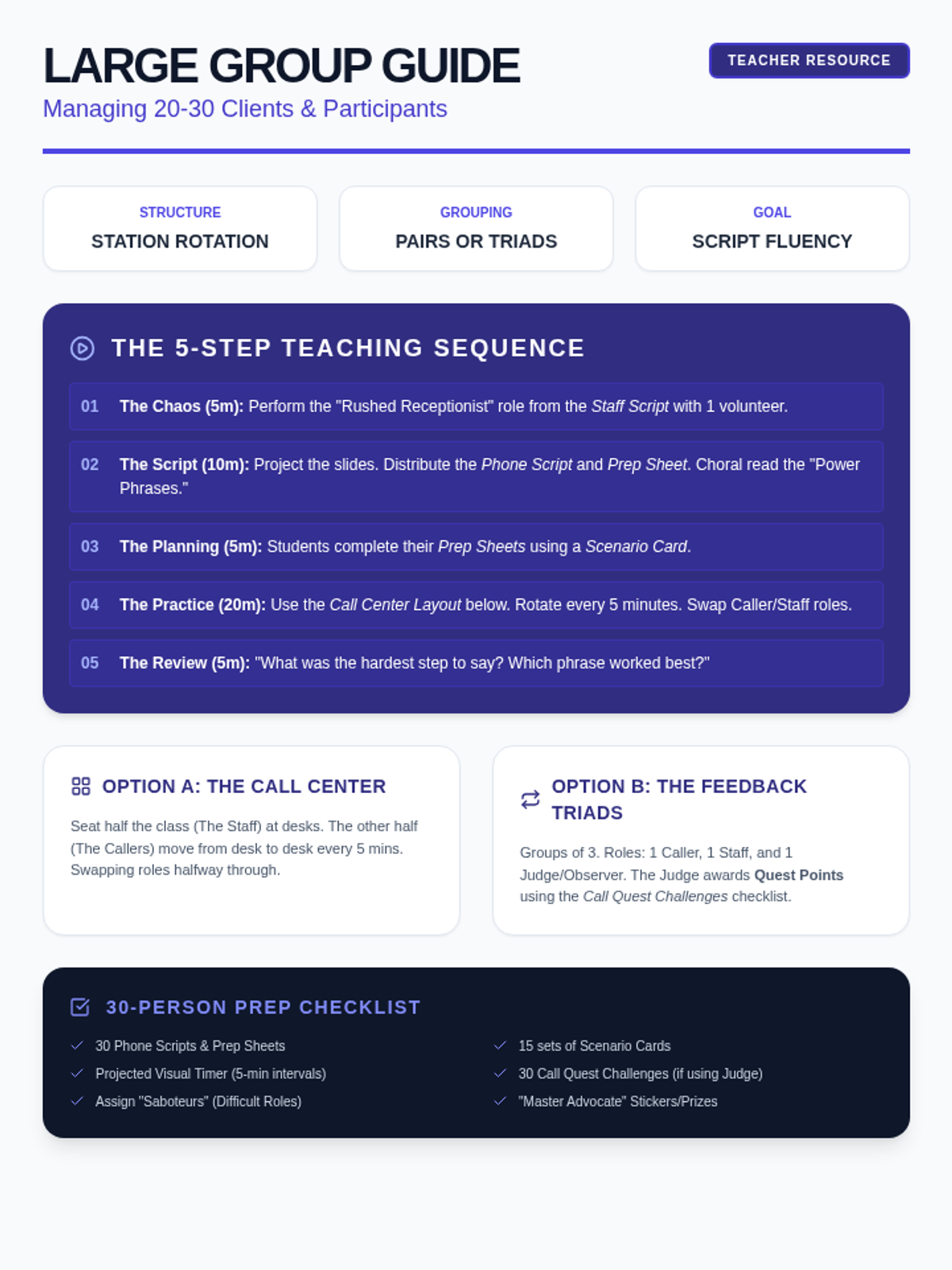
An experiential lesson where students first encounter a frustrating scheduling experience before learning and practicing clear communication strategies for setting any type of appointment.
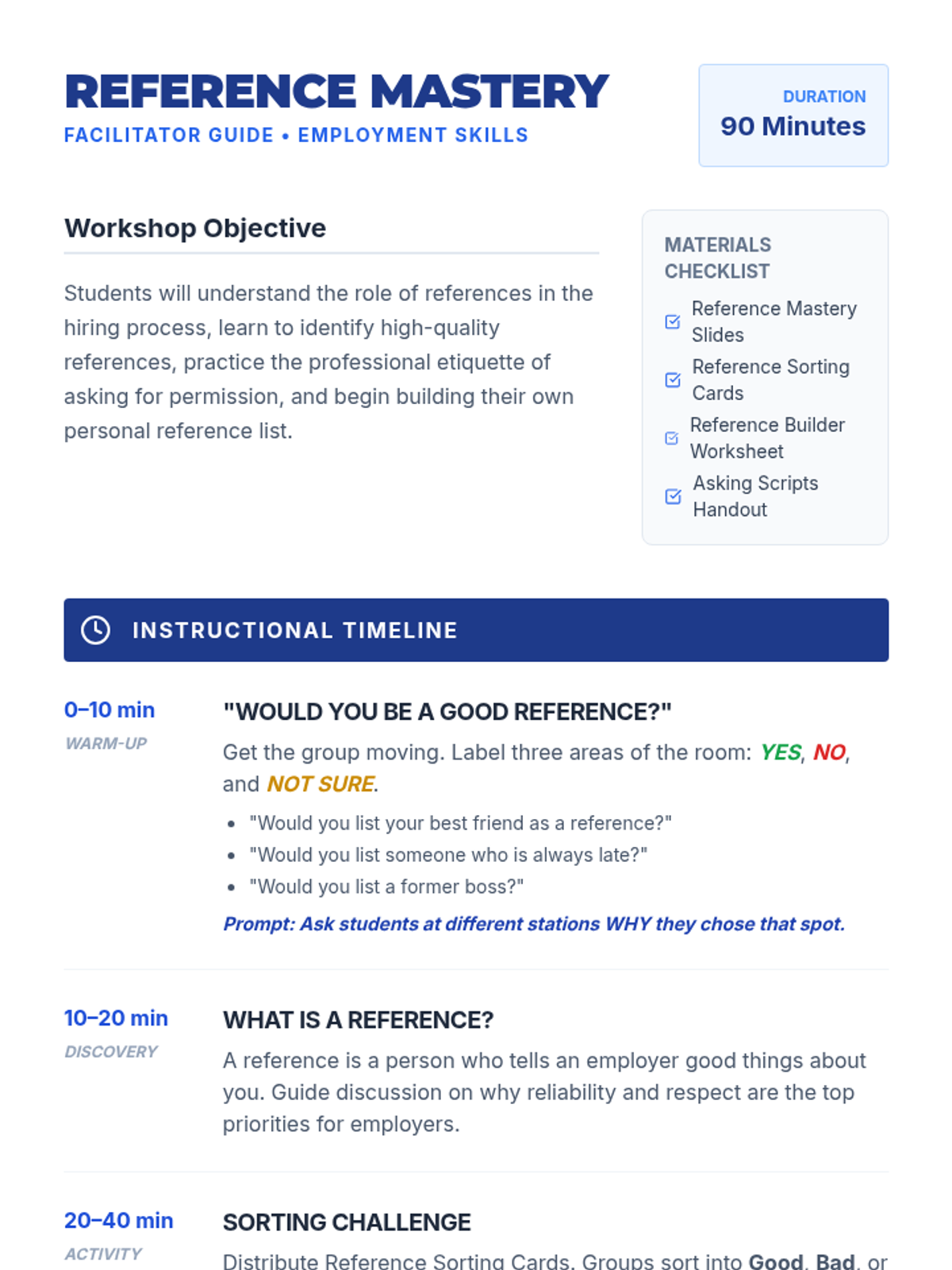
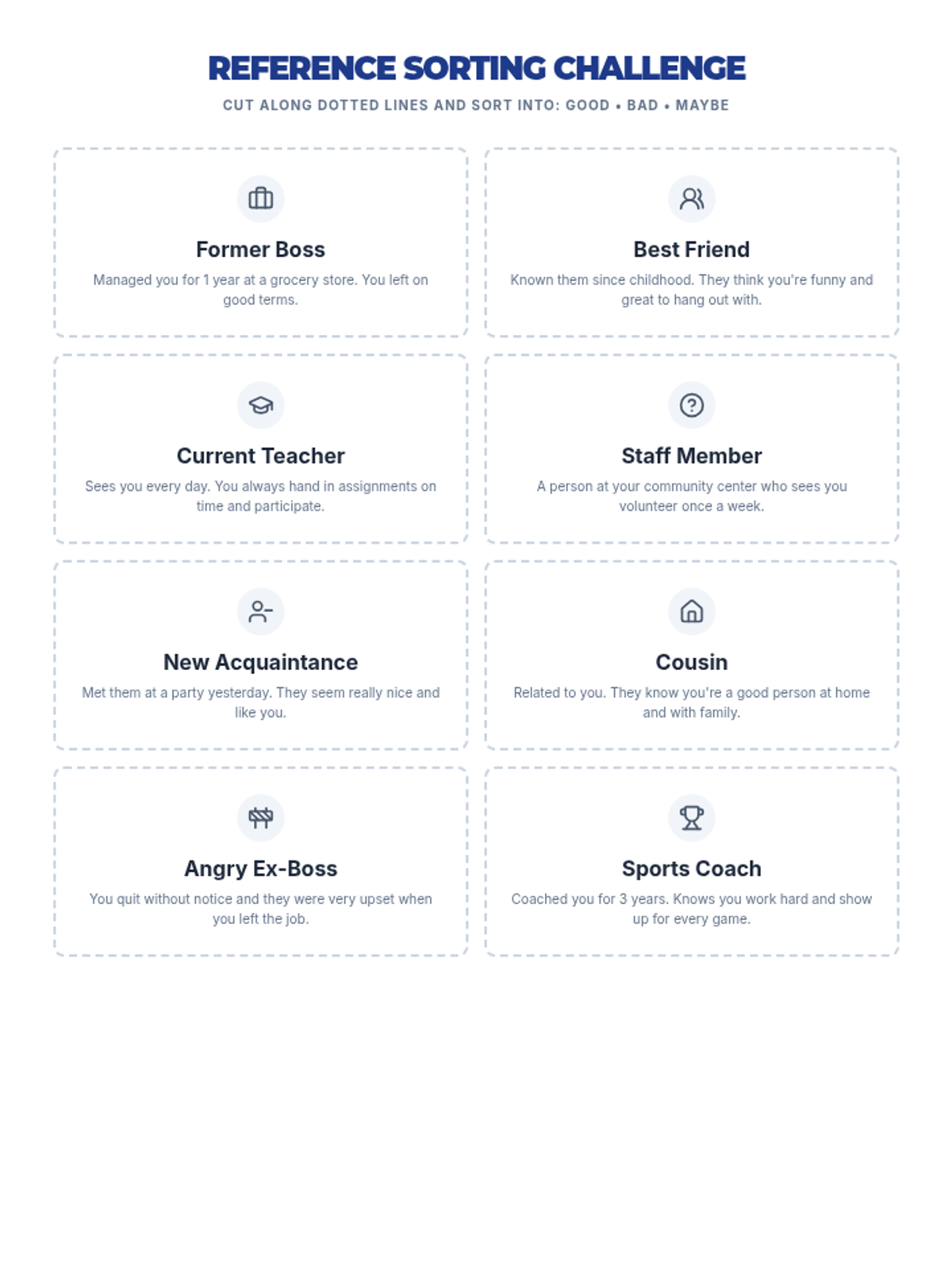
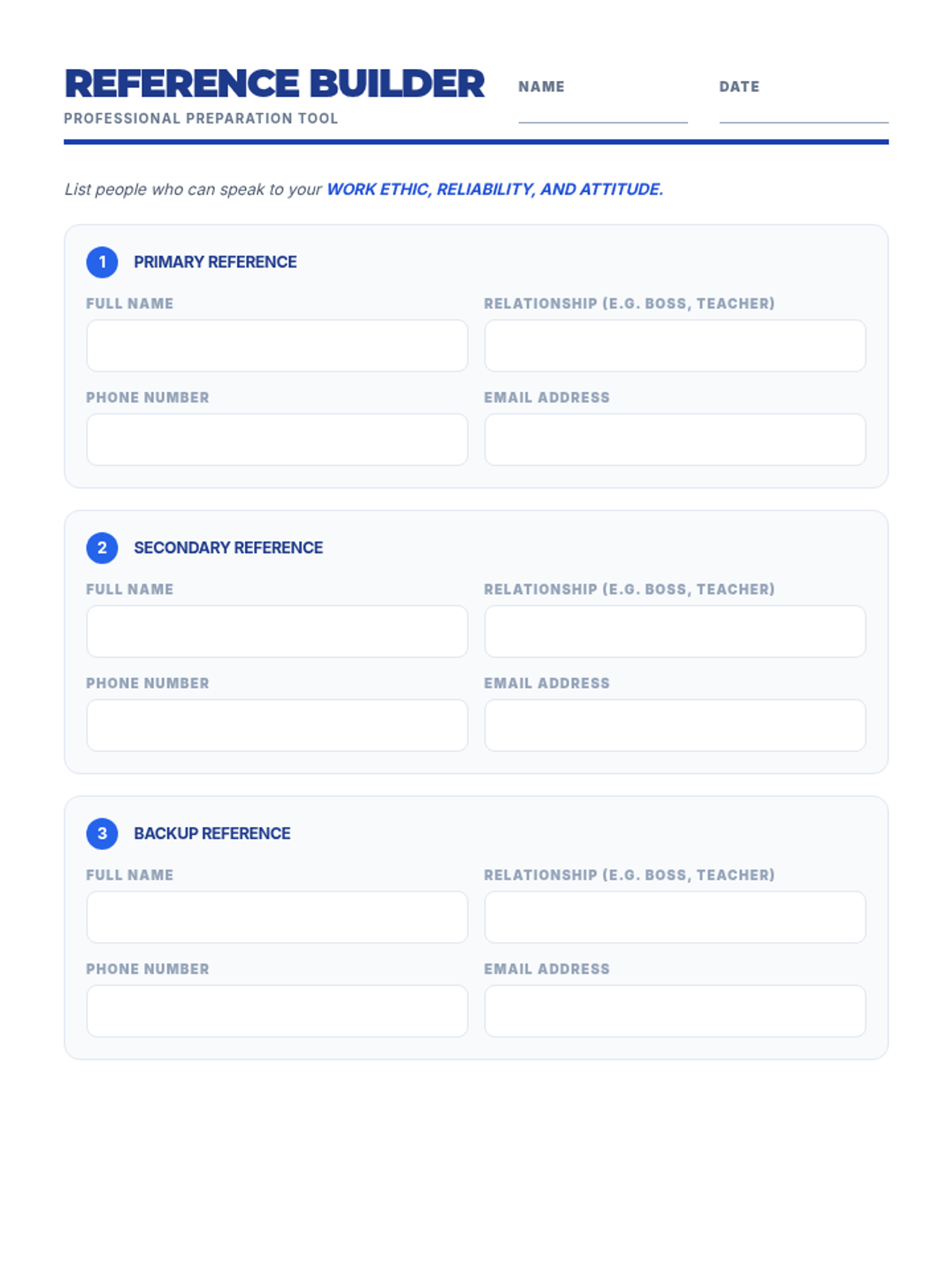
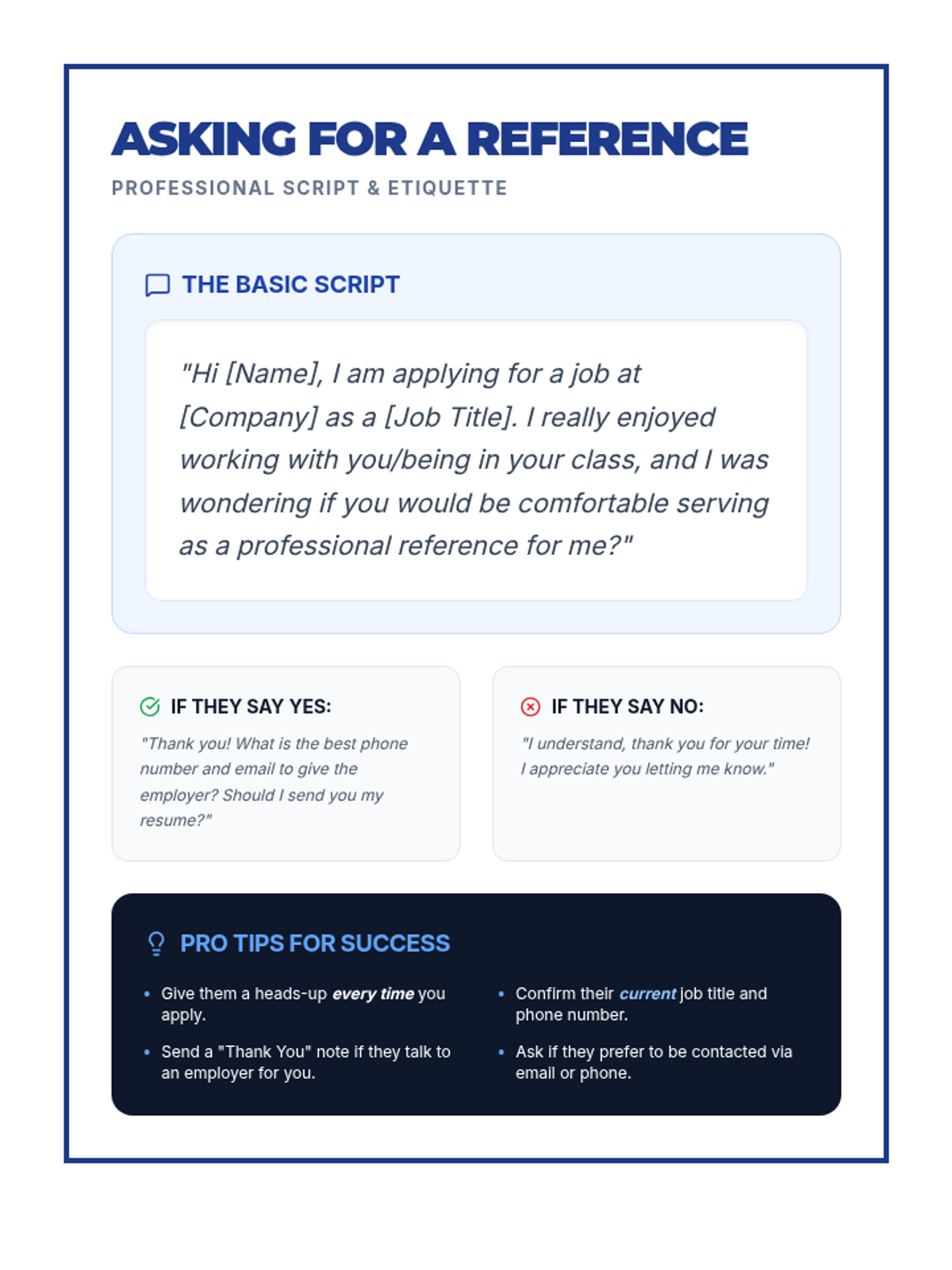
A comprehensive 90-minute workshop on understanding, selecting, and asking for professional references to secure employment.
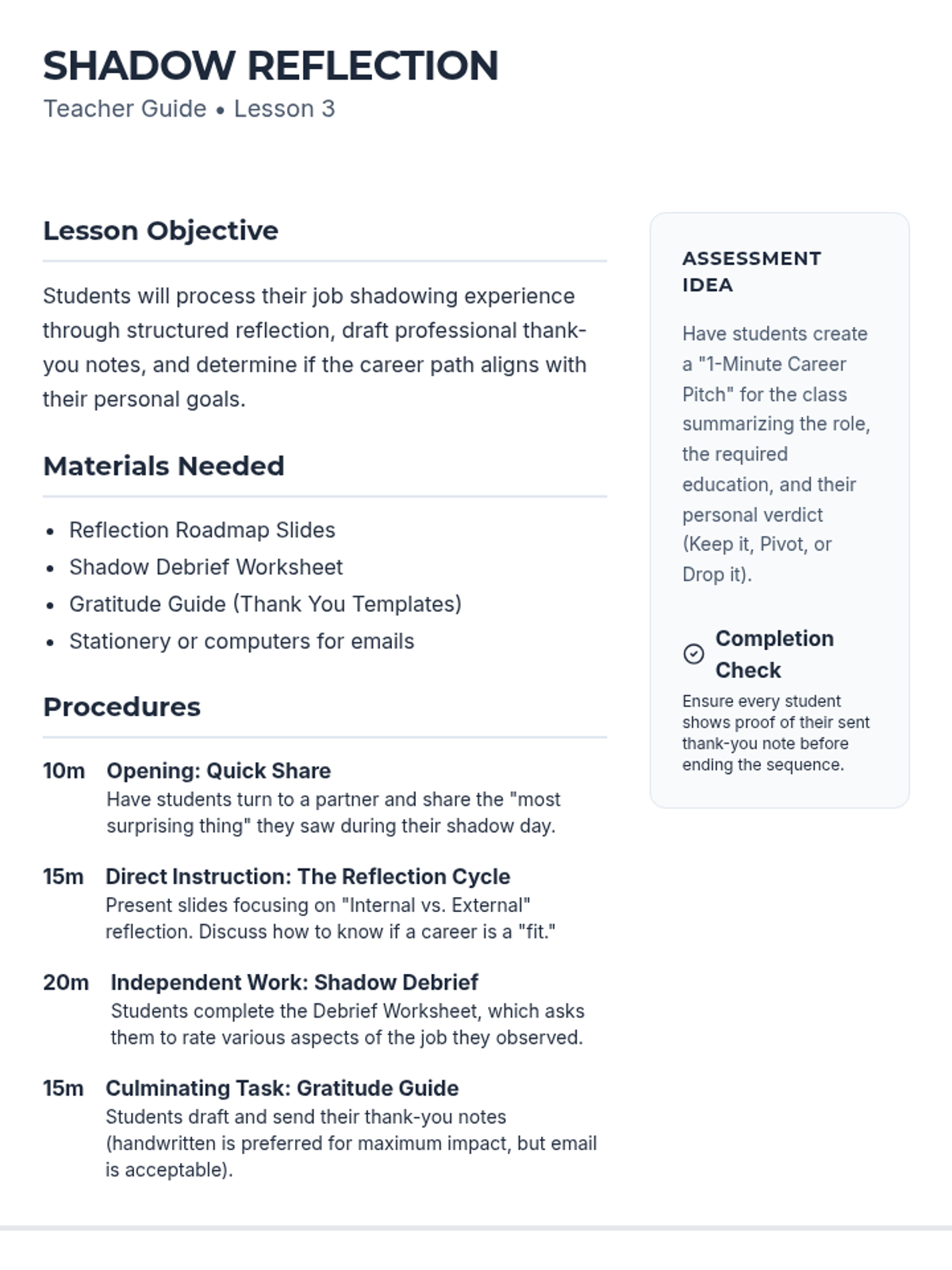
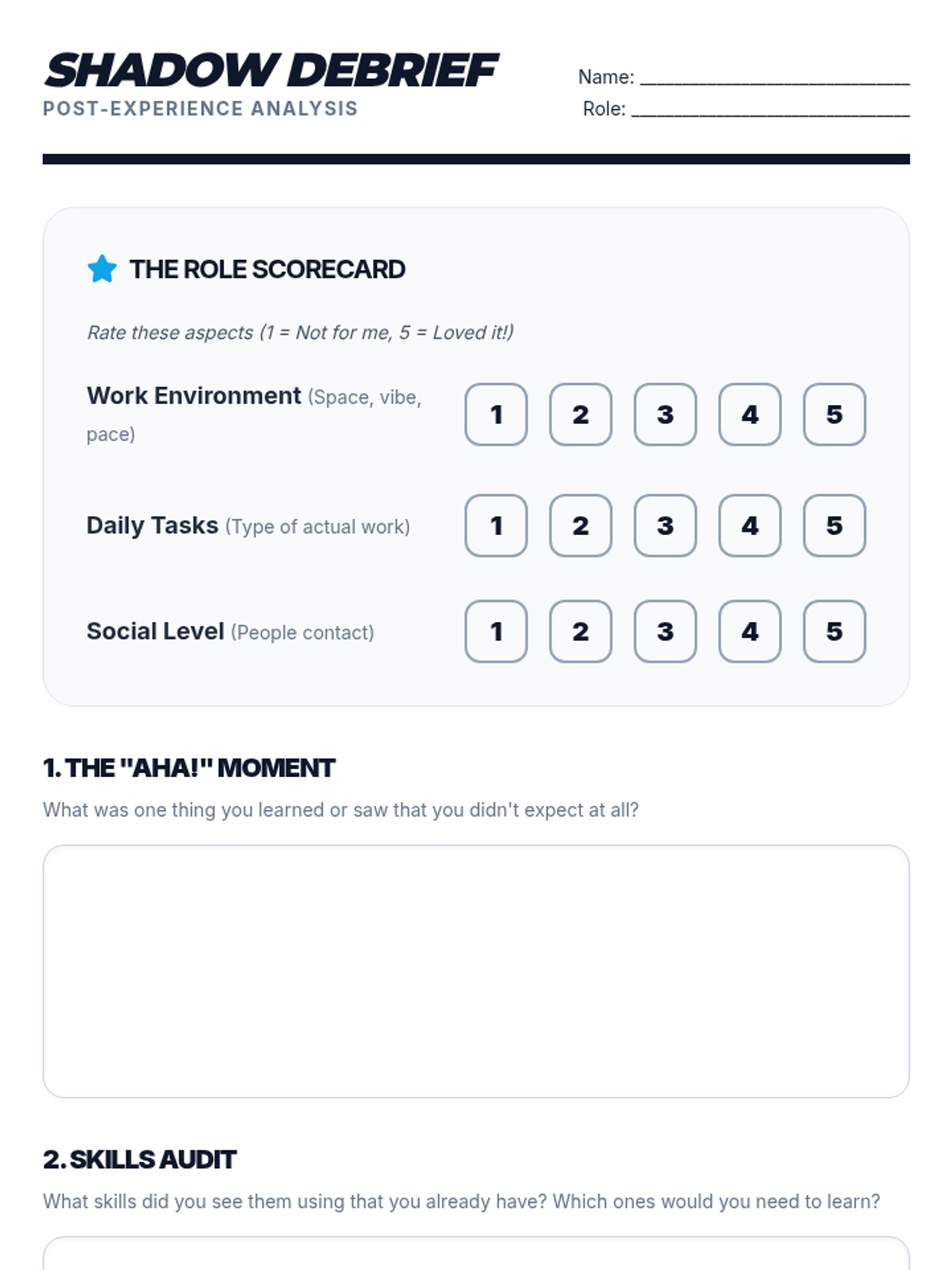
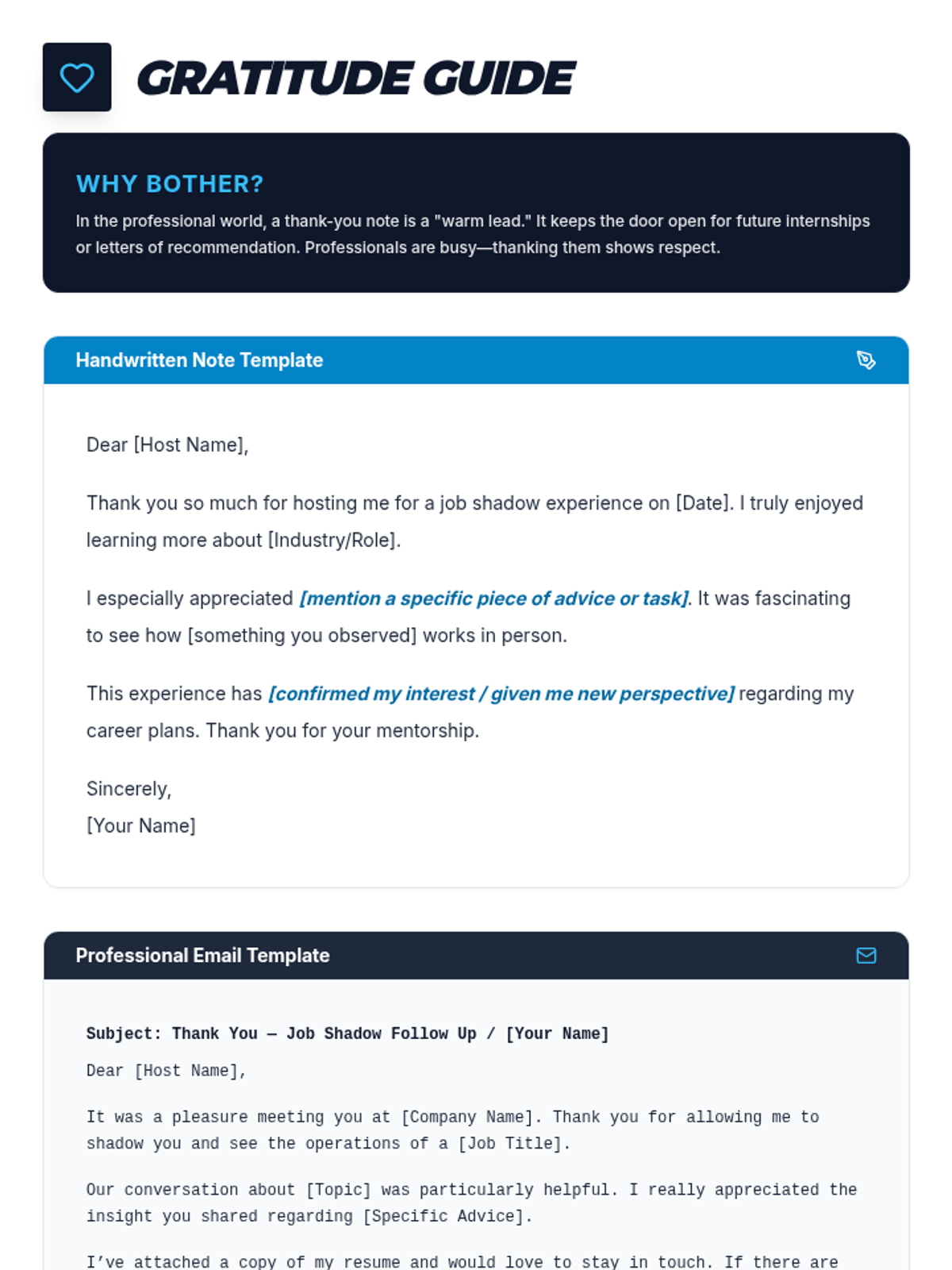
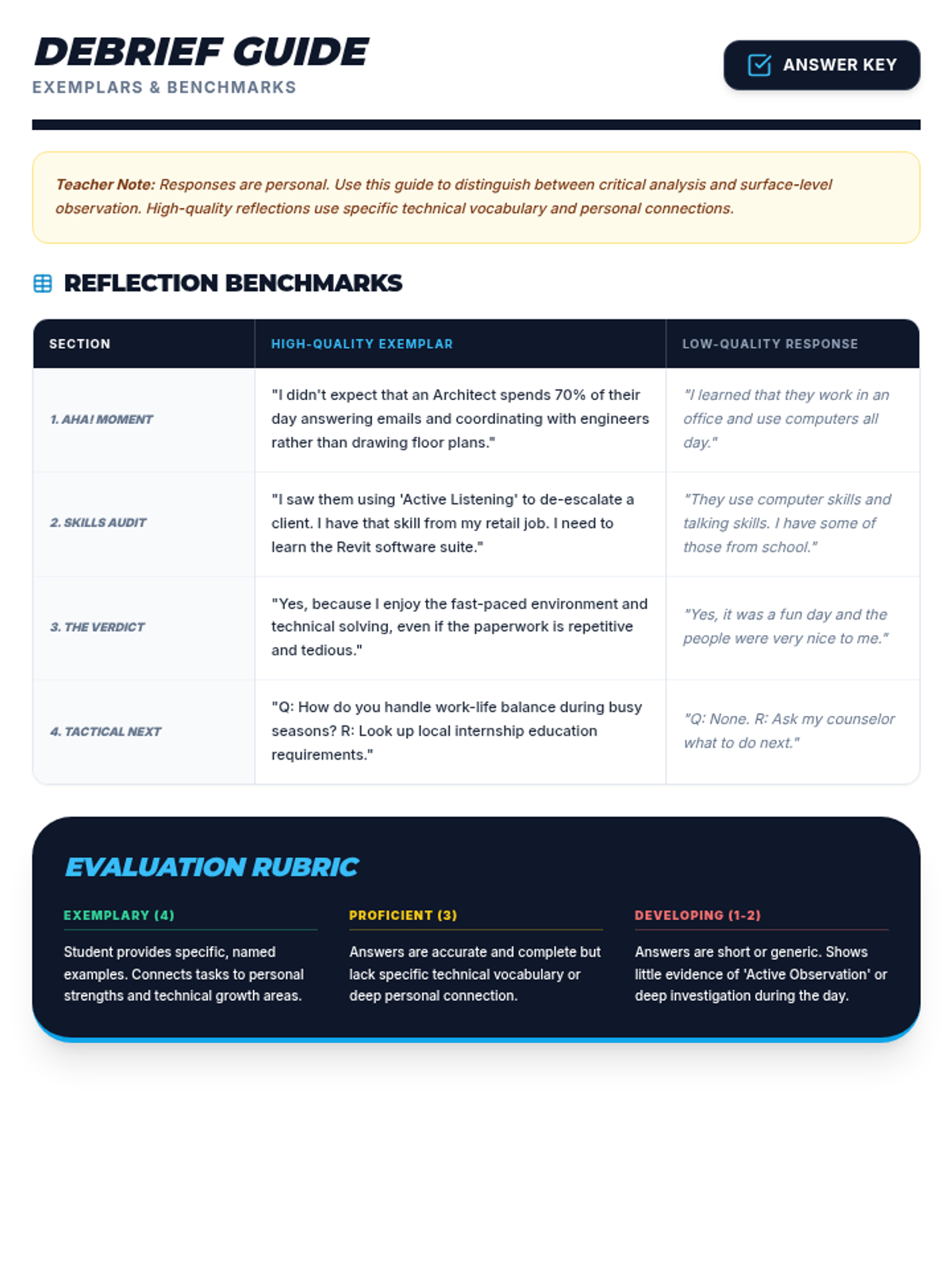
Guides students through analyzing their experience, writing thank-you notes, and planning next career steps.
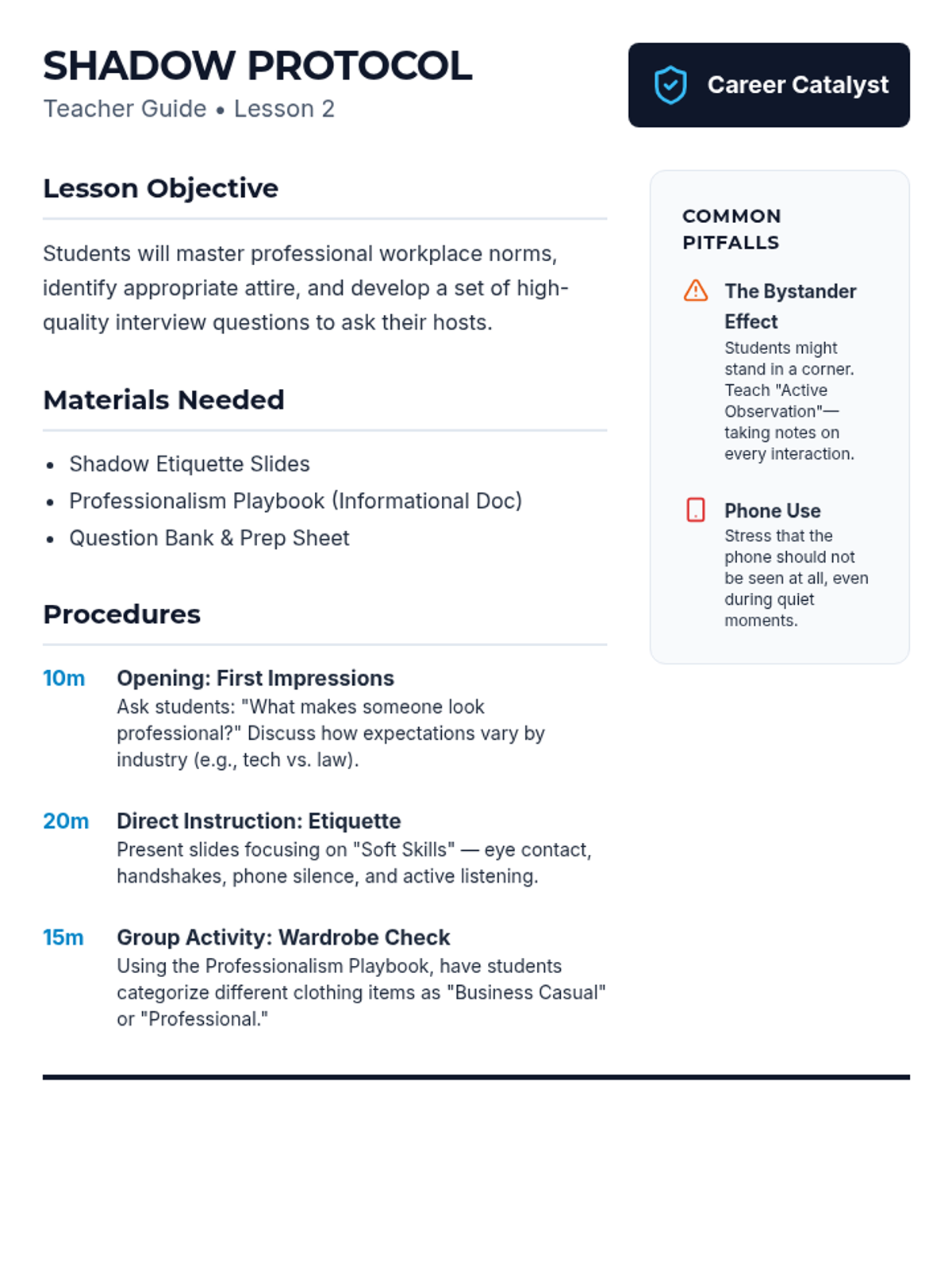
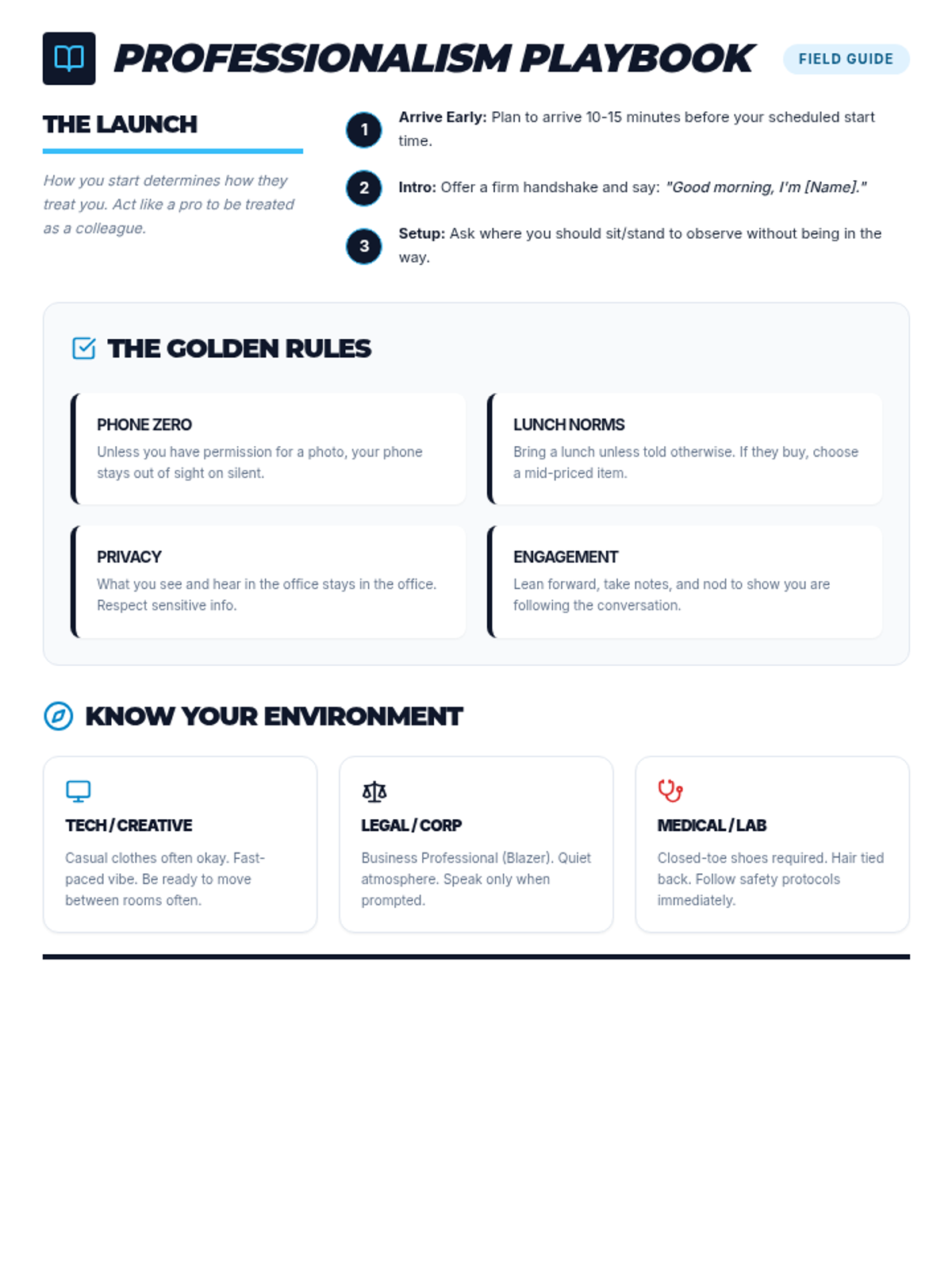
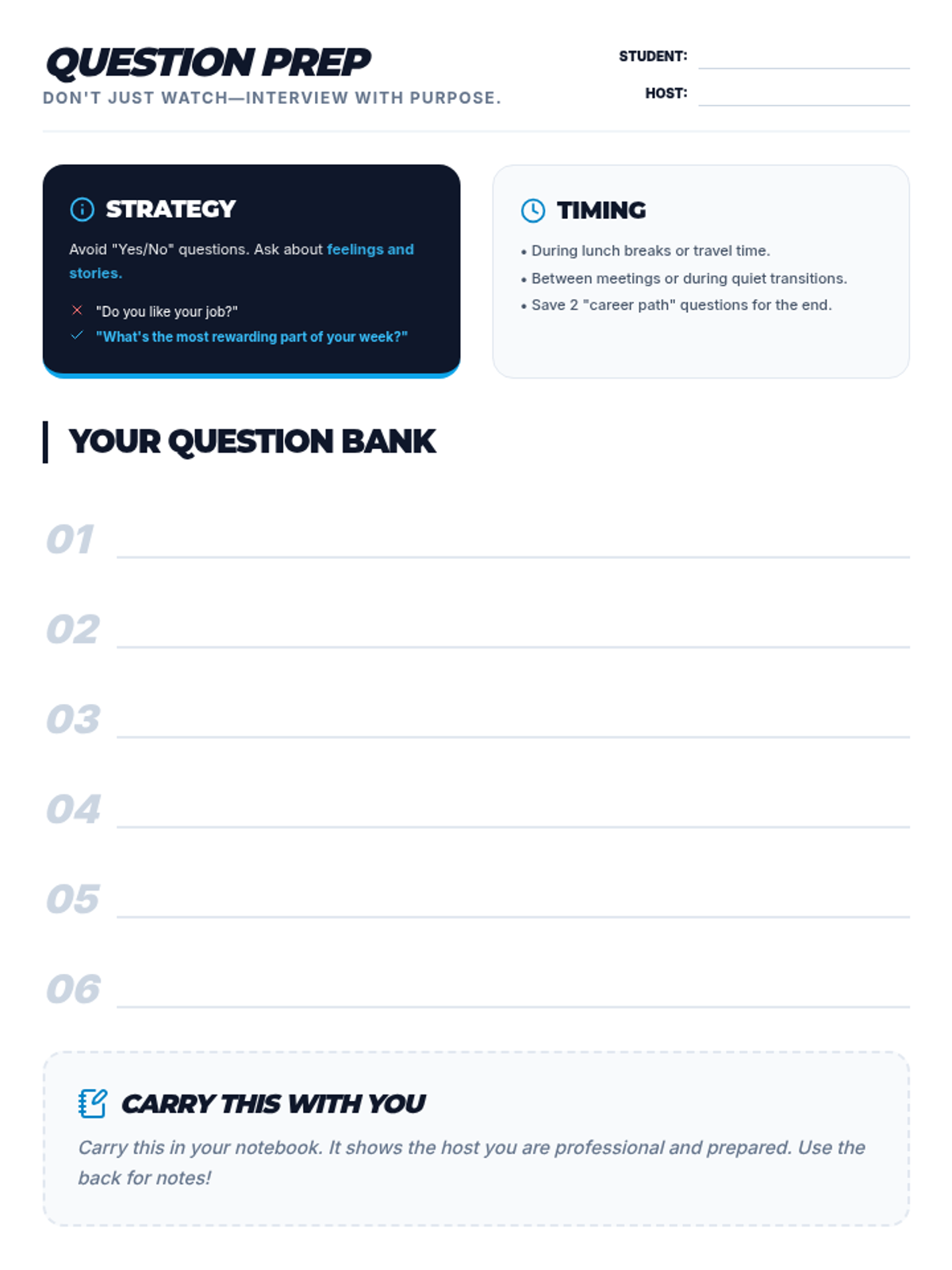
Prepares students for the shadowing day through professionalism training, dress code expectations, and question preparation.
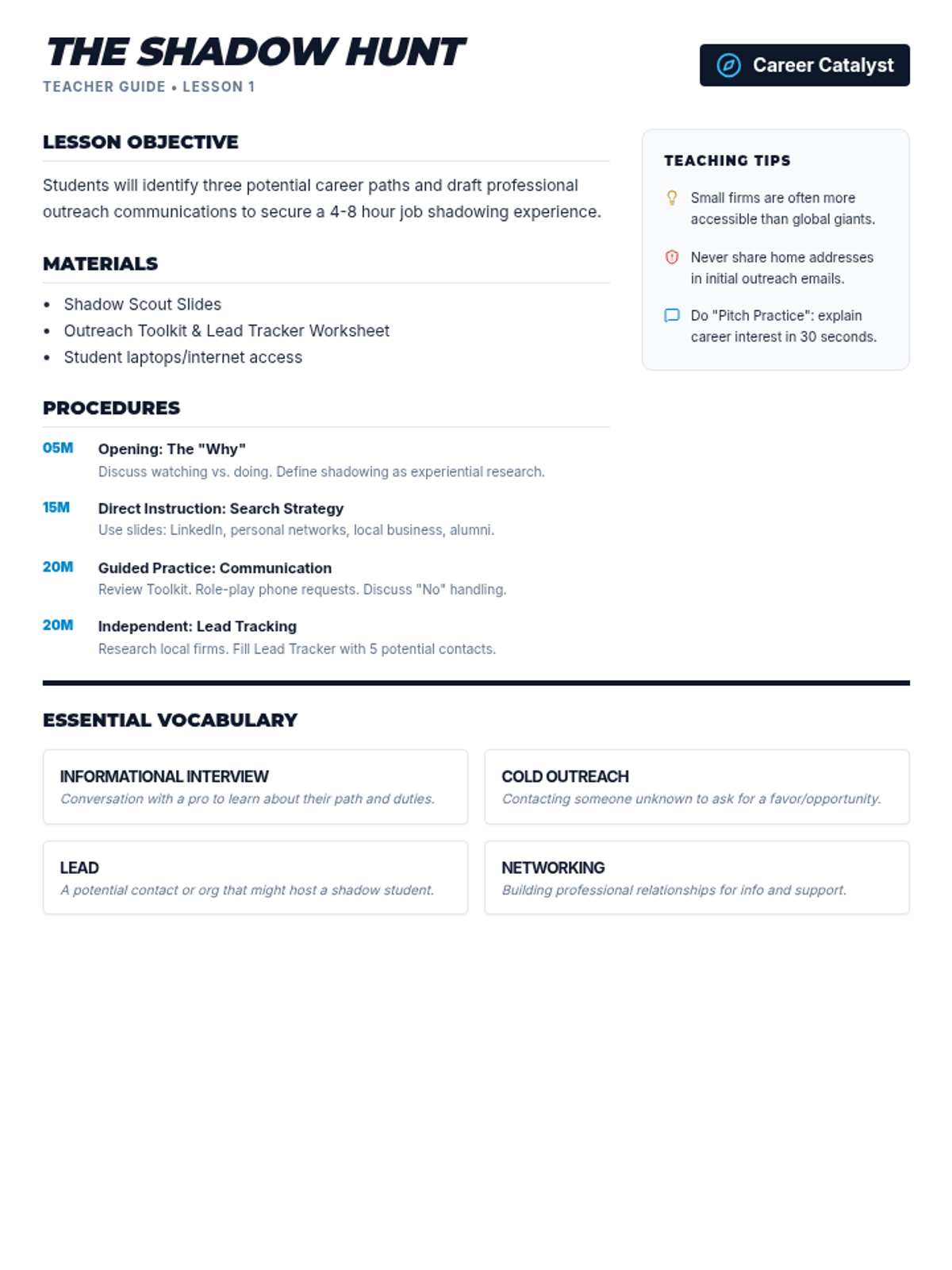
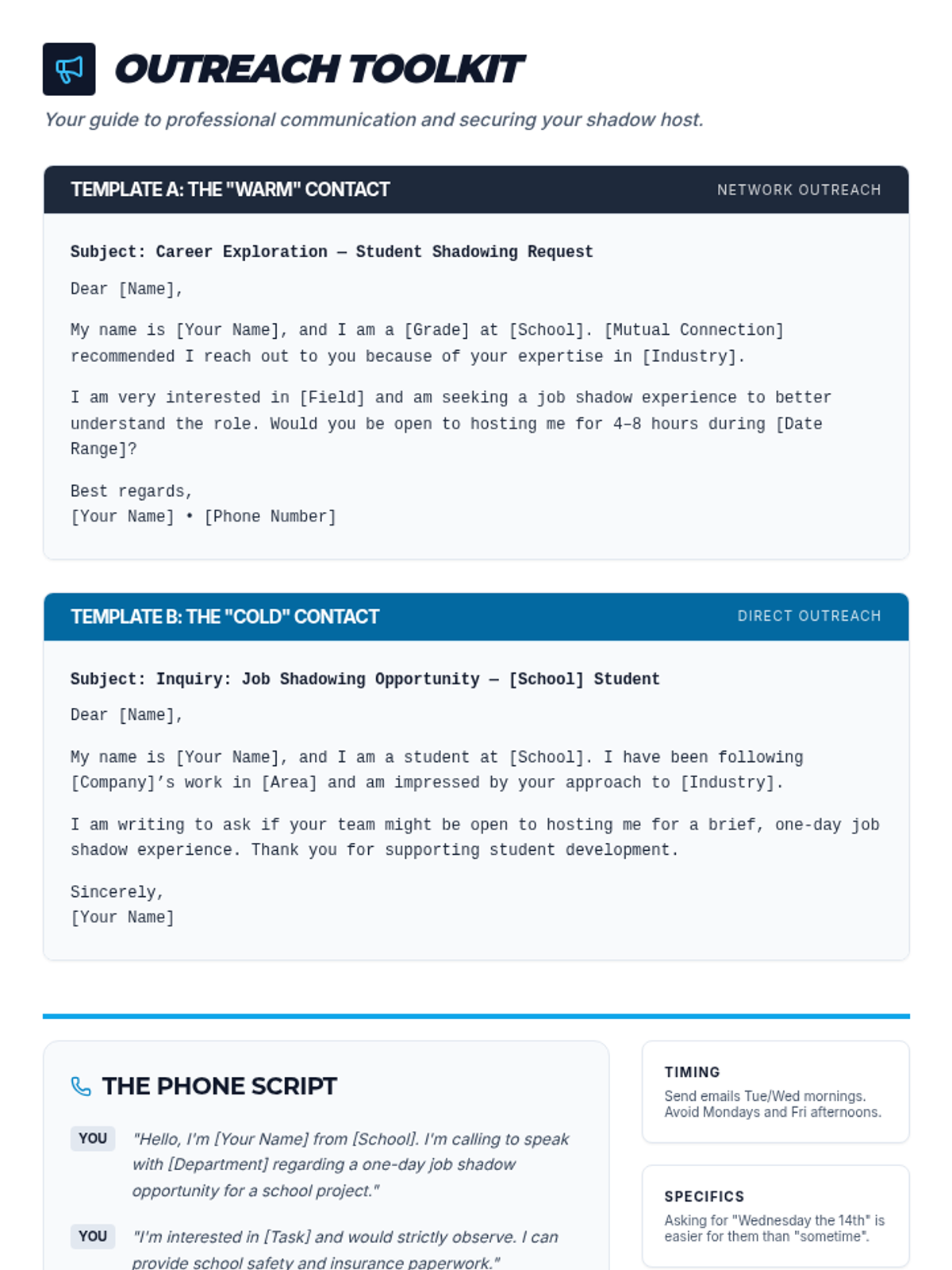
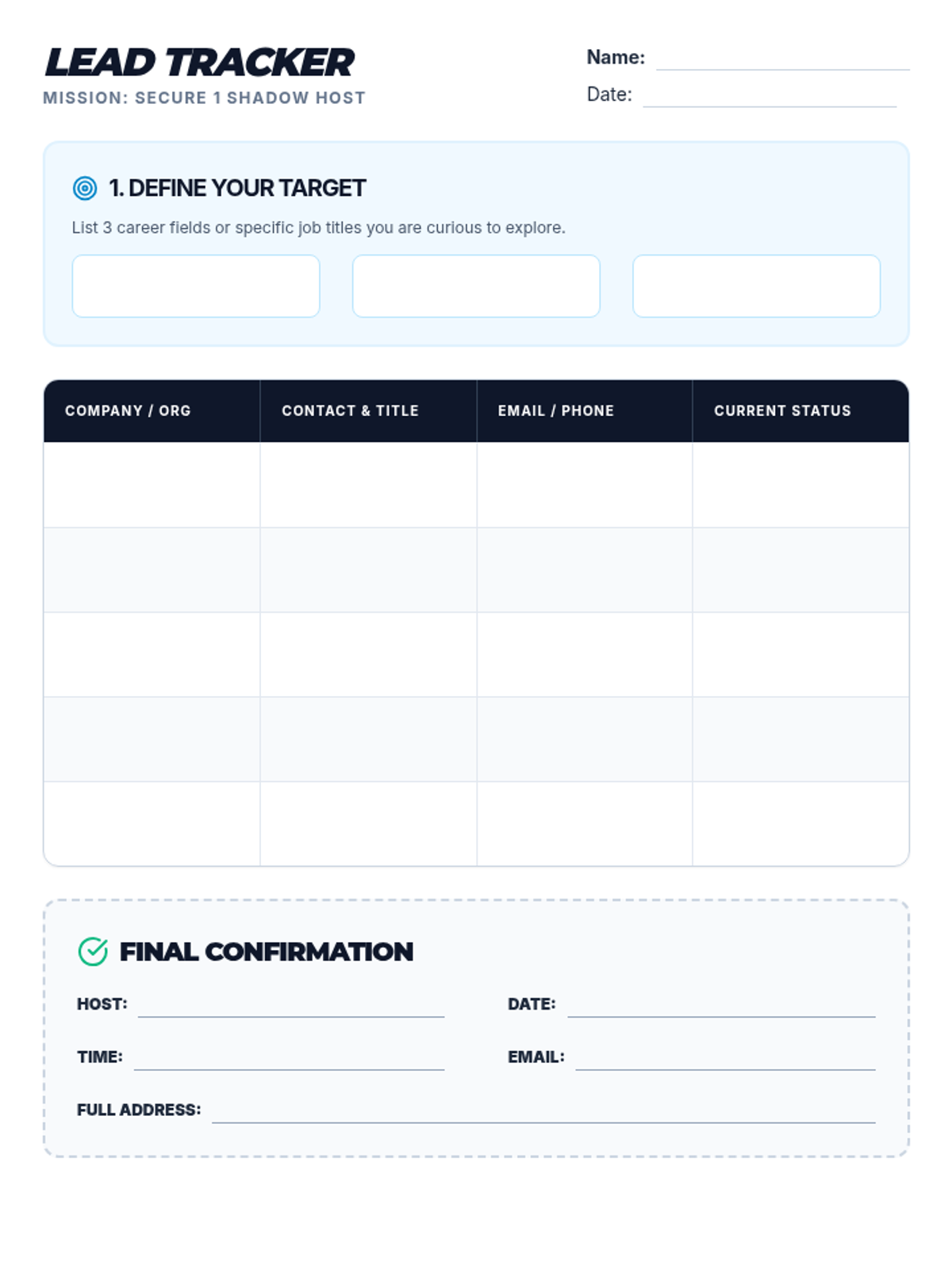
Focuses on identifying career interests and the process of reaching out to professional hosts for shadowing opportunities.
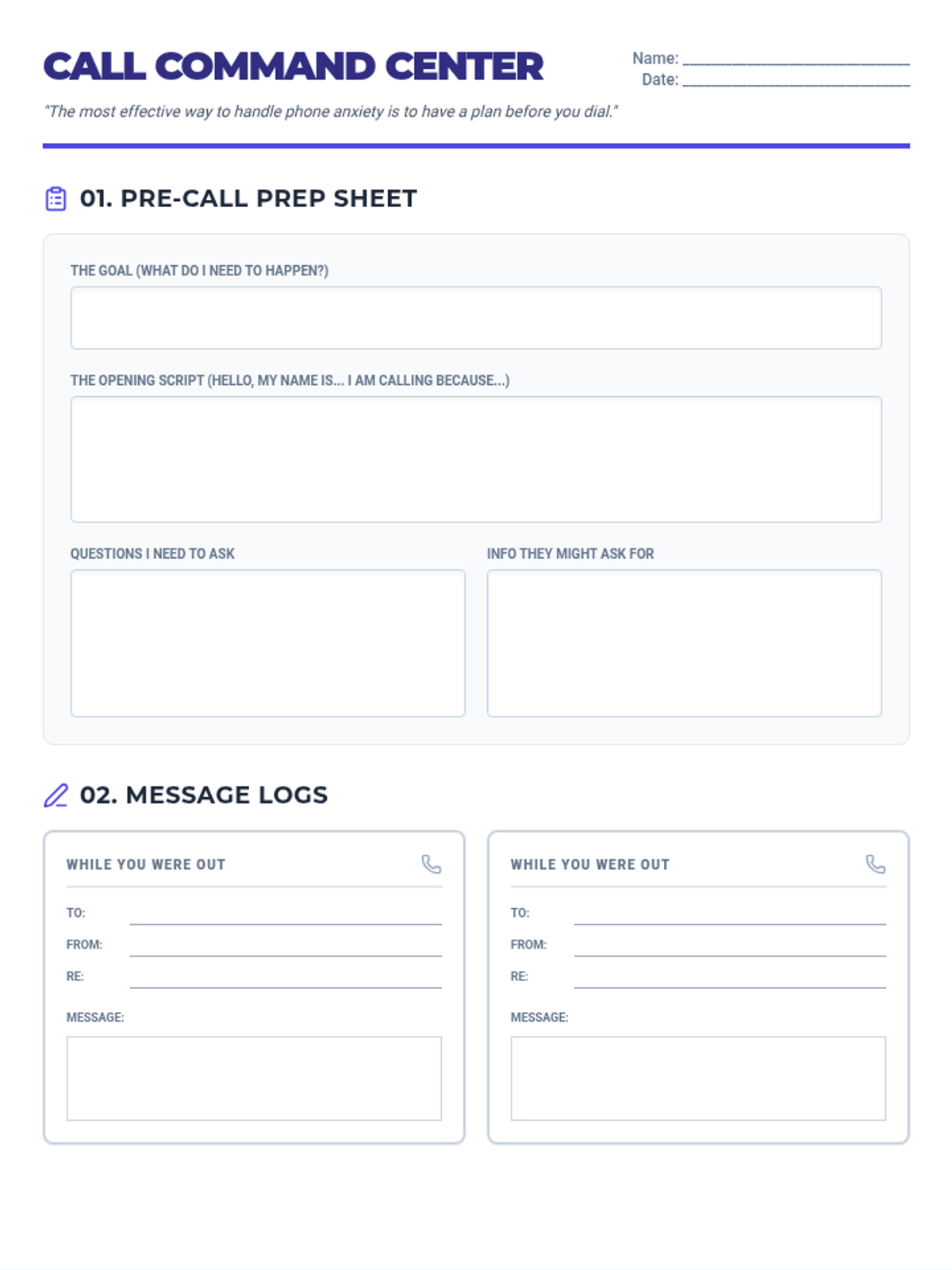
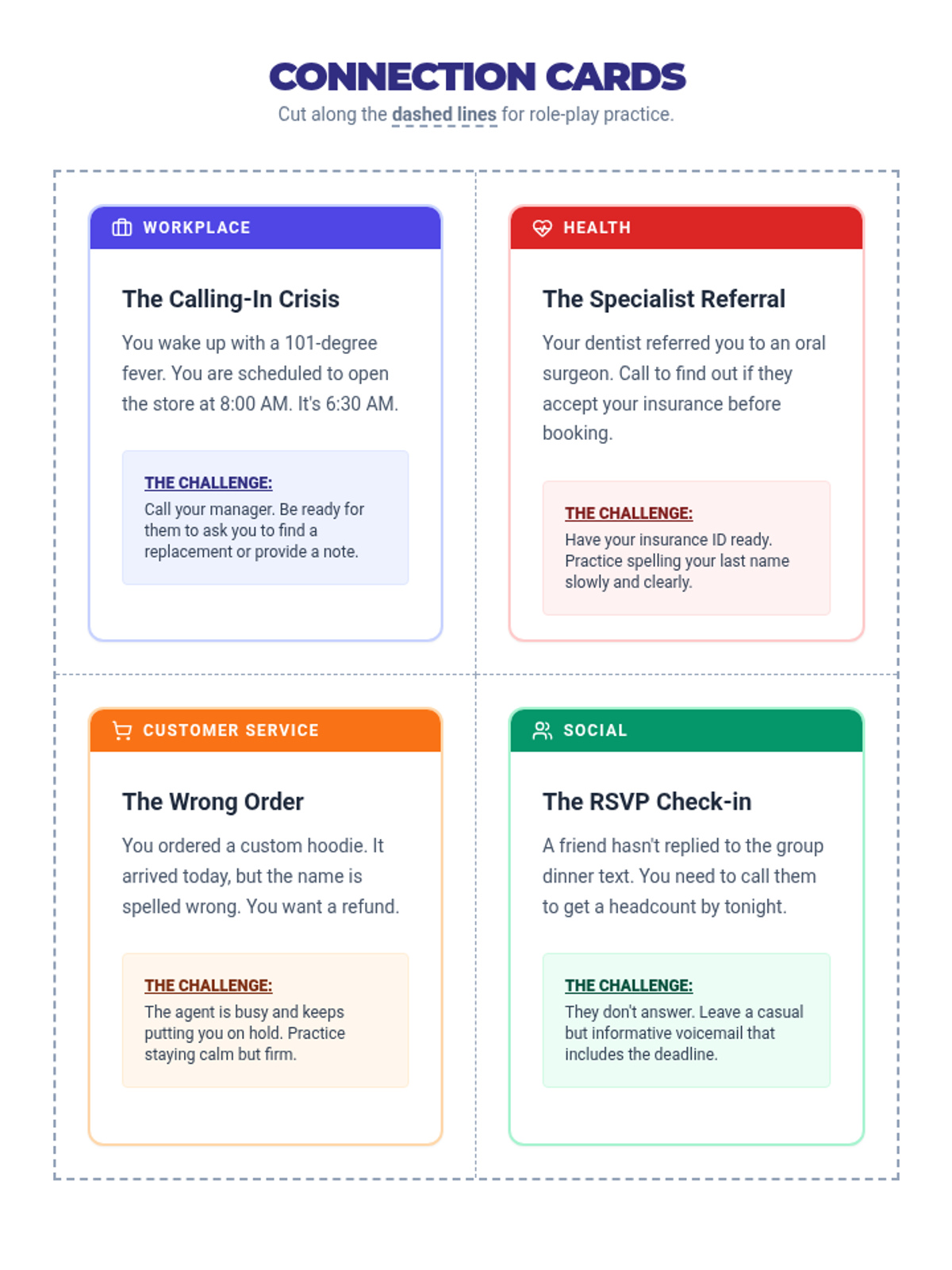
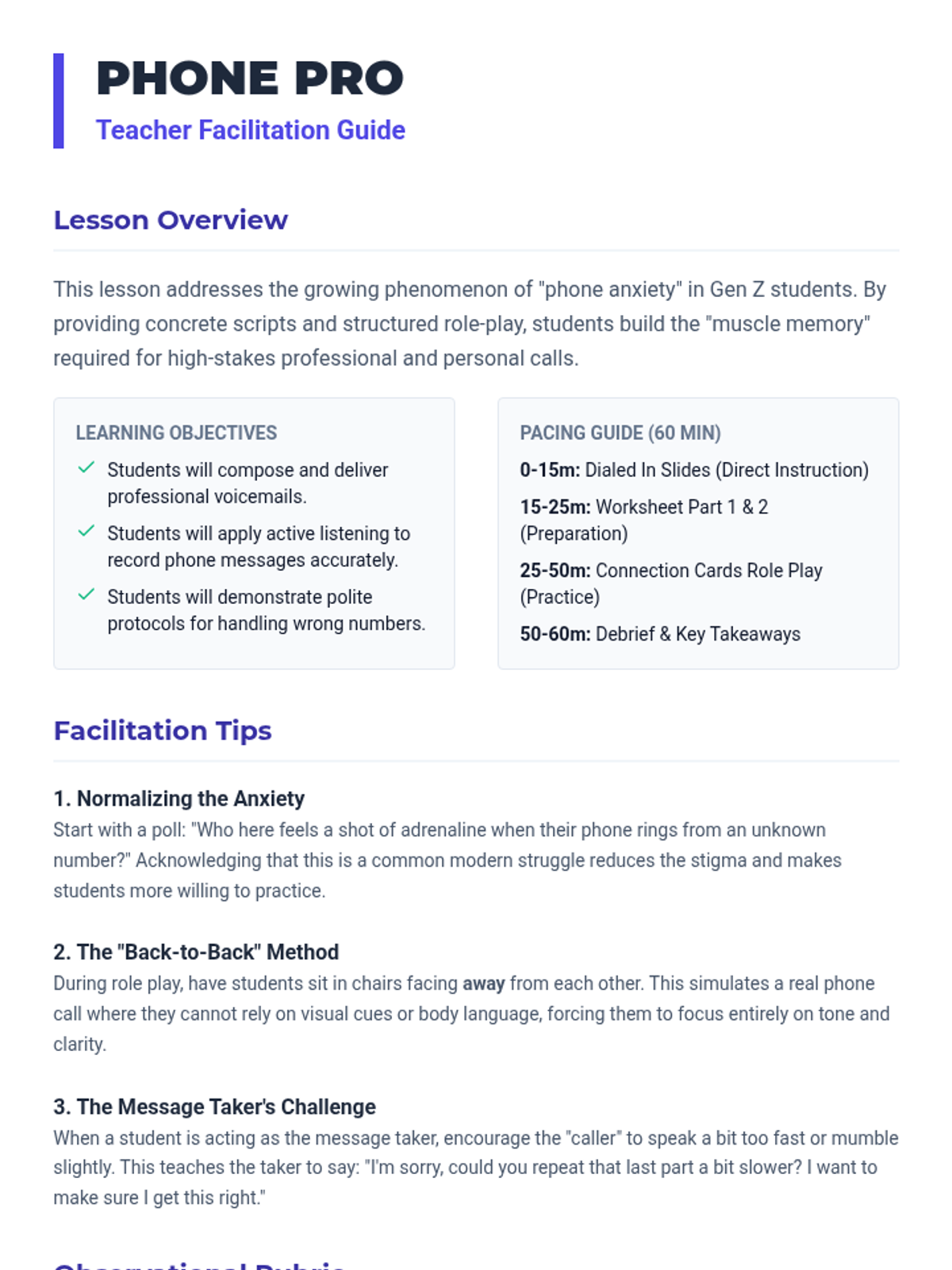
A comprehensive lesson designed to help high school seniors master the art of professional and personal phone communication, focusing on overcoming anxiety and handling diverse scenarios.
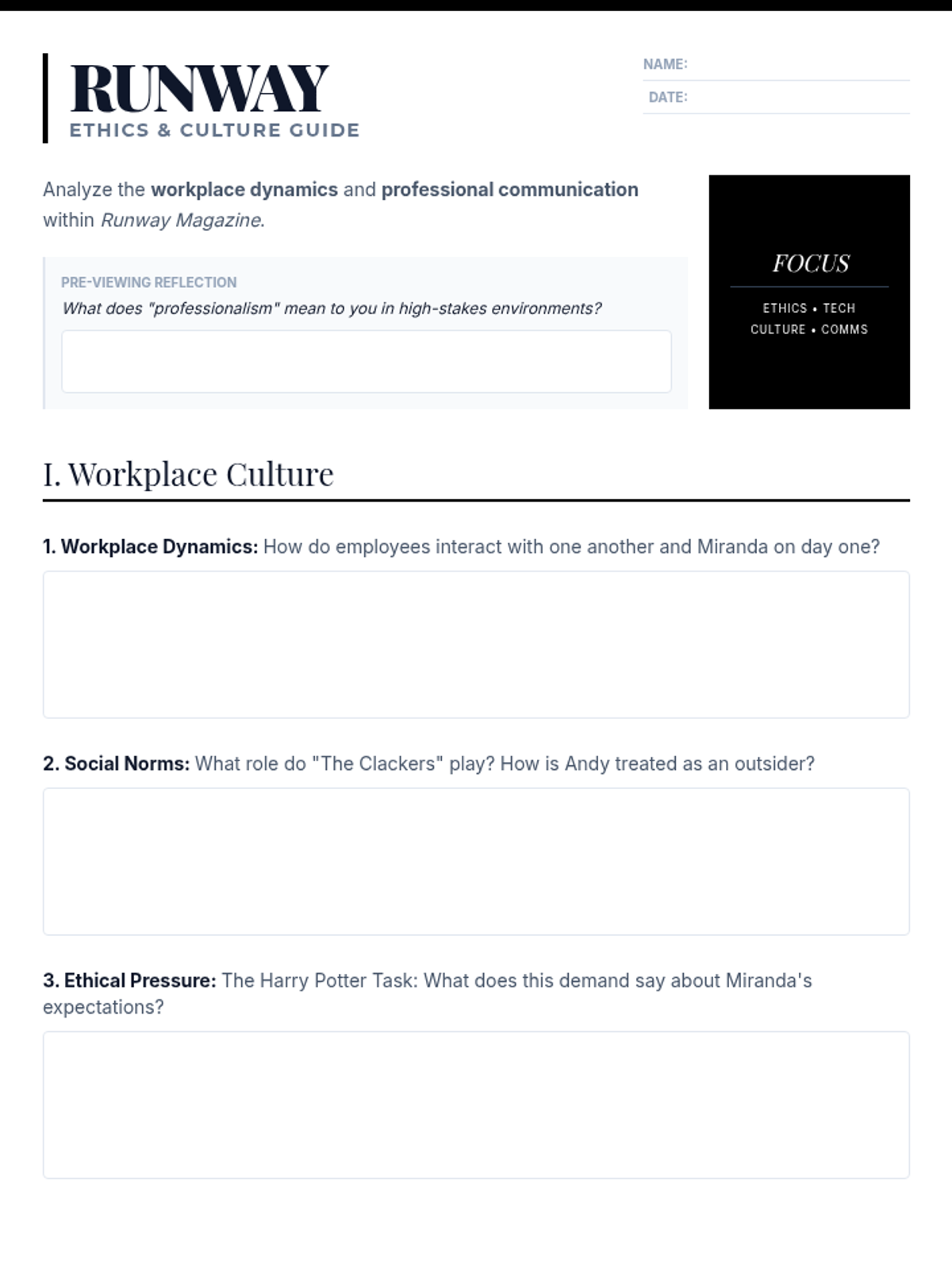
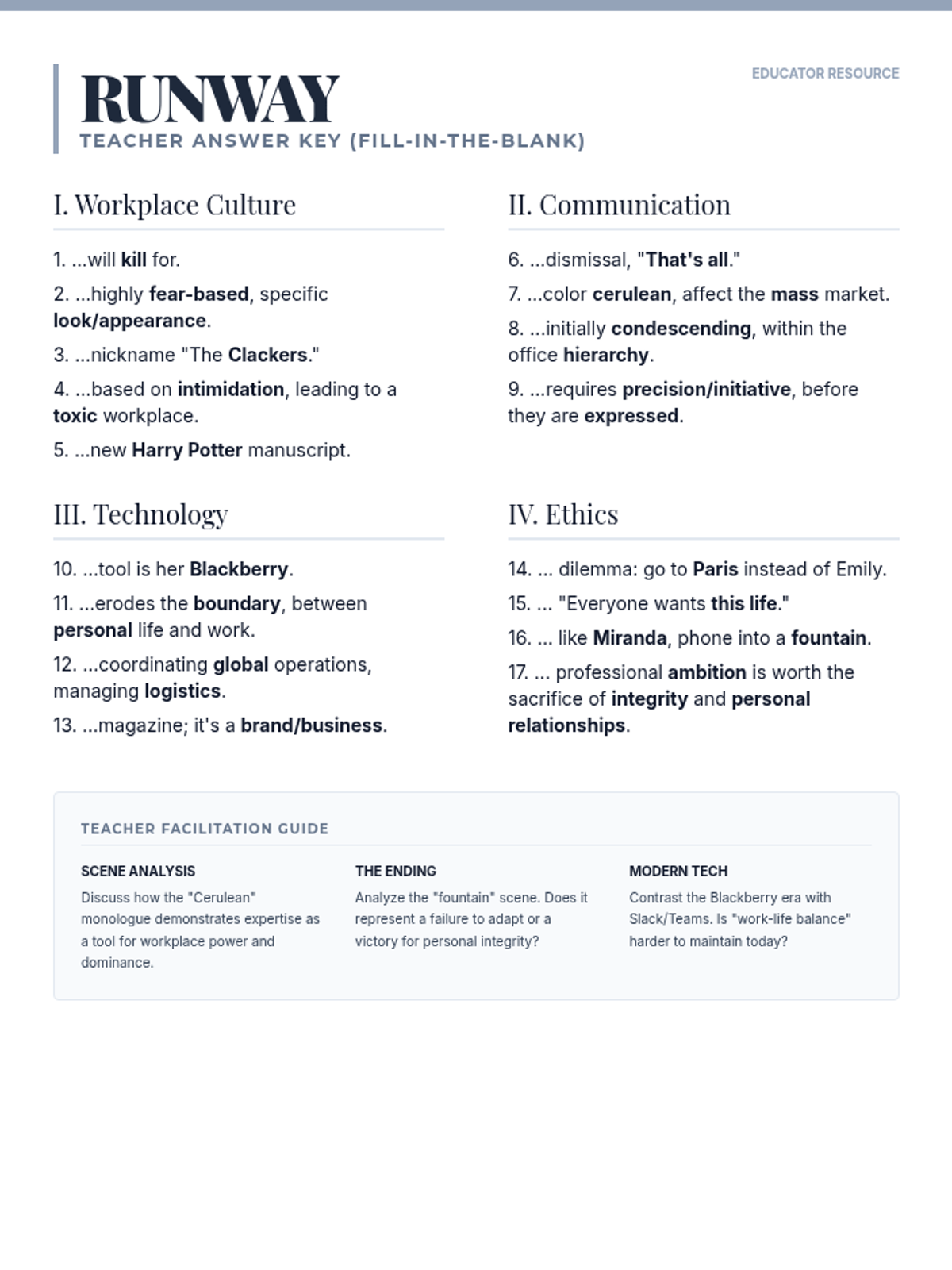
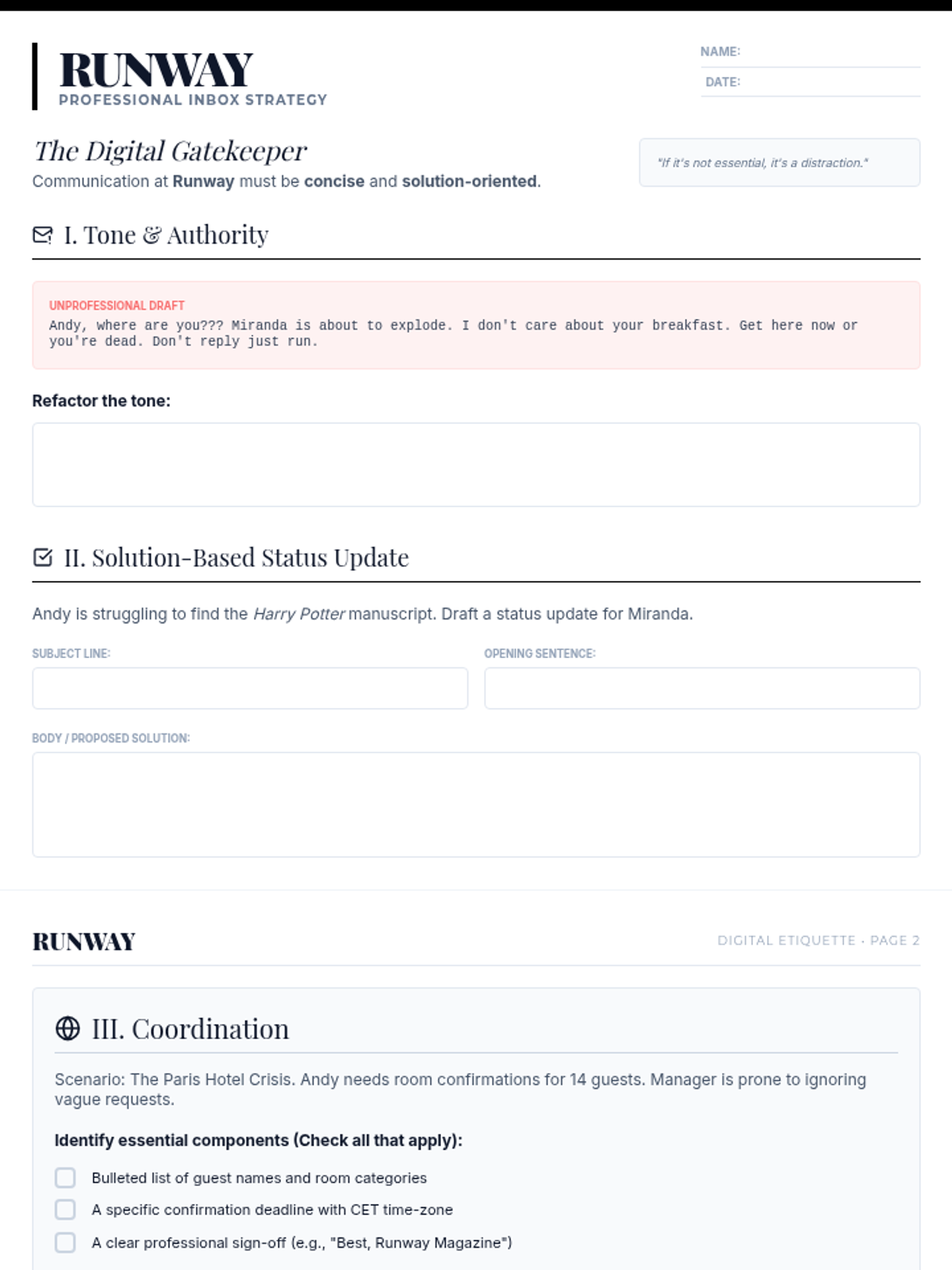
Analyze workplace culture, professional communication, and business ethics through the lens of the high-stakes fashion industry in 'The Devil Wears Prada'. Students will explore how technology facilitates modern business and the ethical dilemmas of rapid-fire corporate environments.
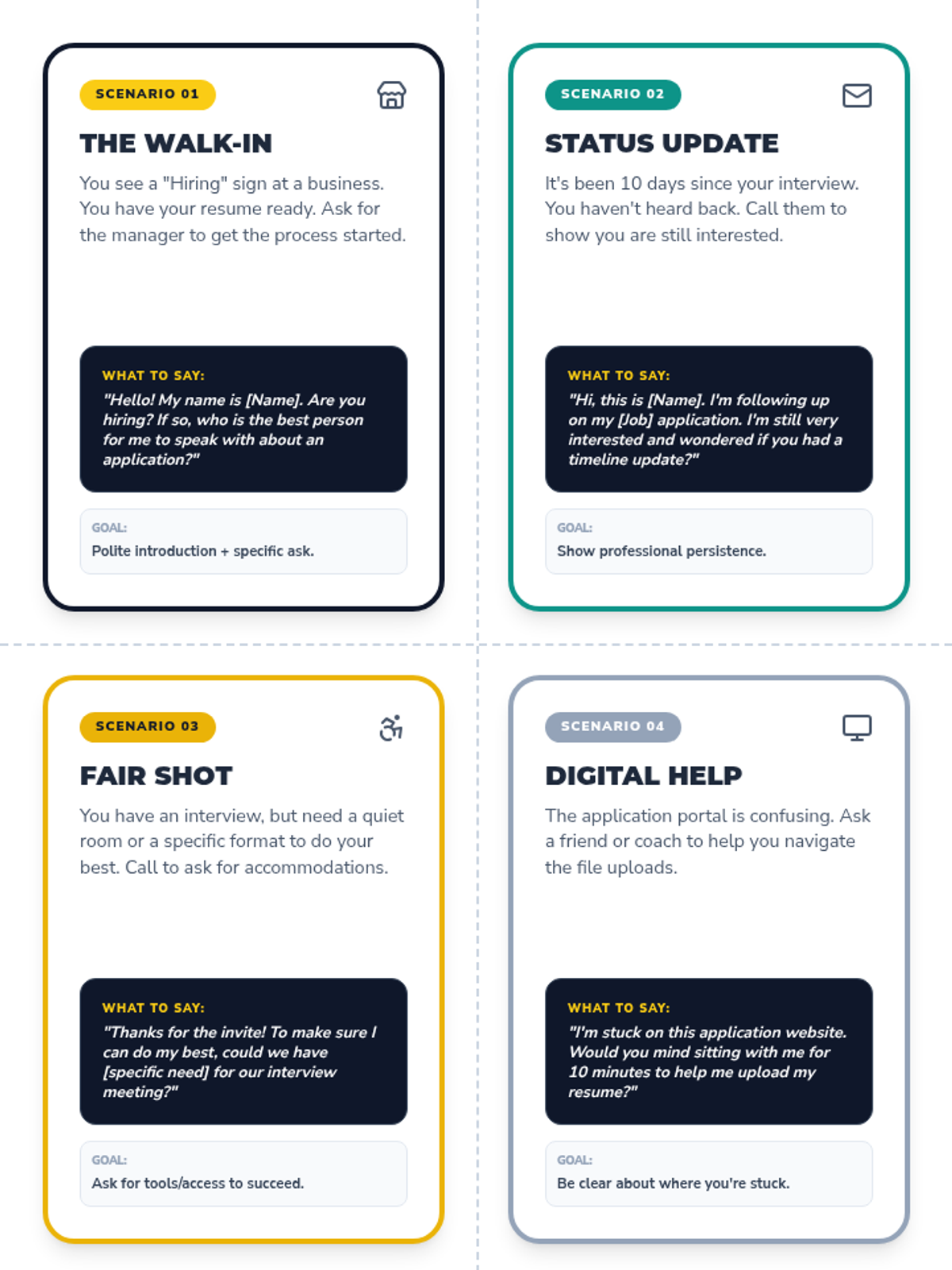
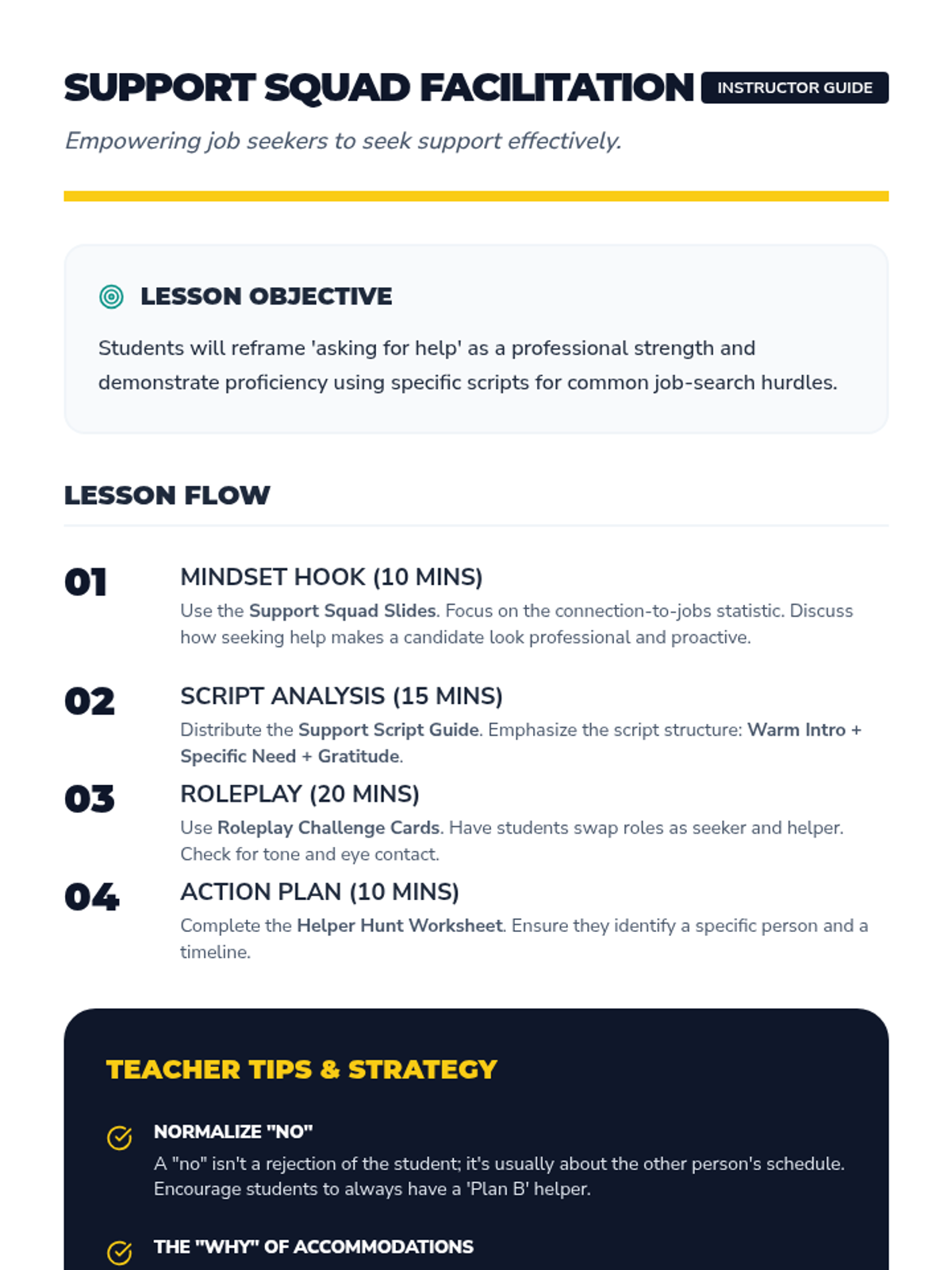
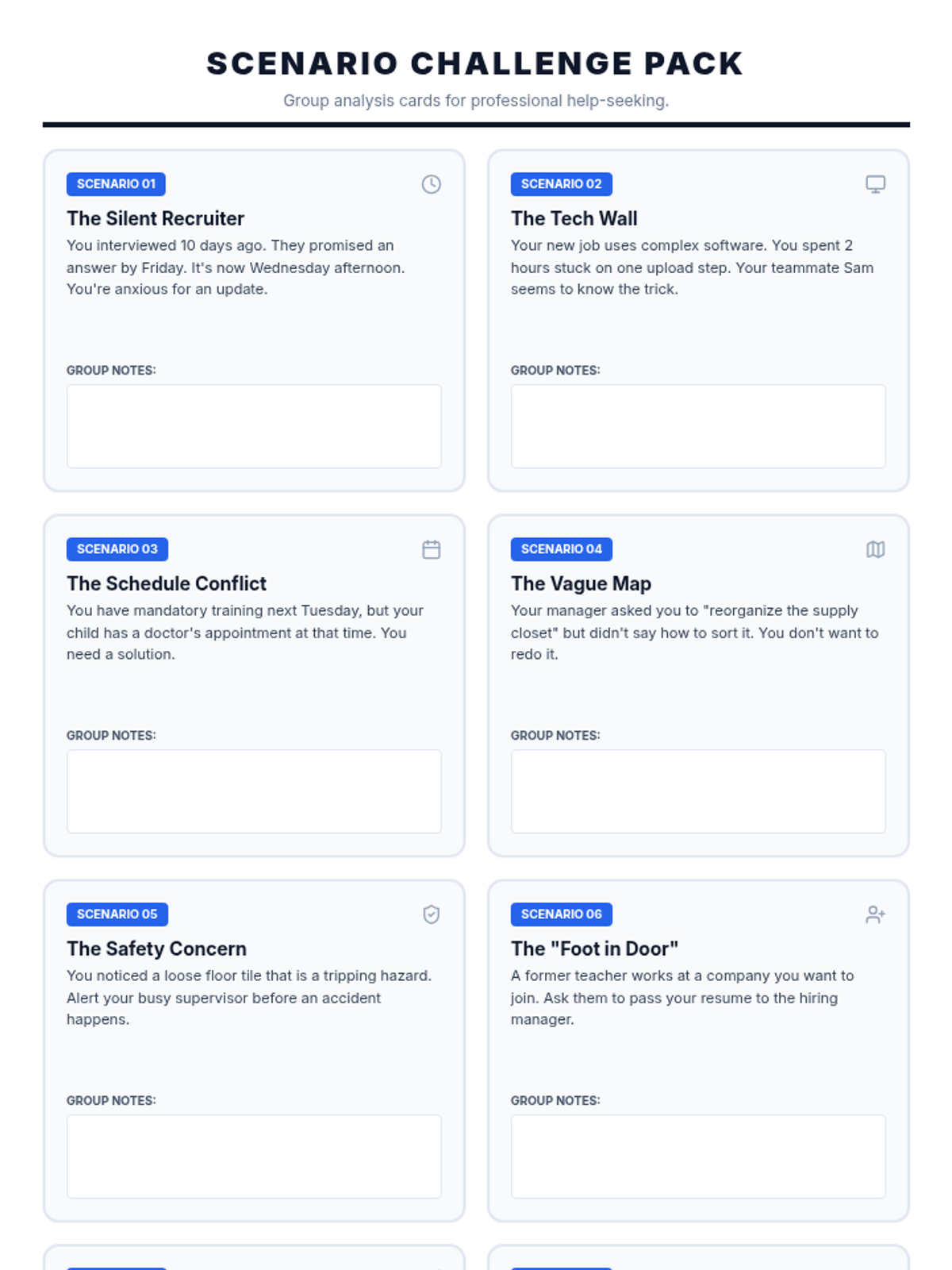
A professional development lesson that reframes asking for help as a vital workplace skill. Students learn to identify their support network, use clear and direct communication scripts, and practice advocating for themselves in common job search and employment scenarios.
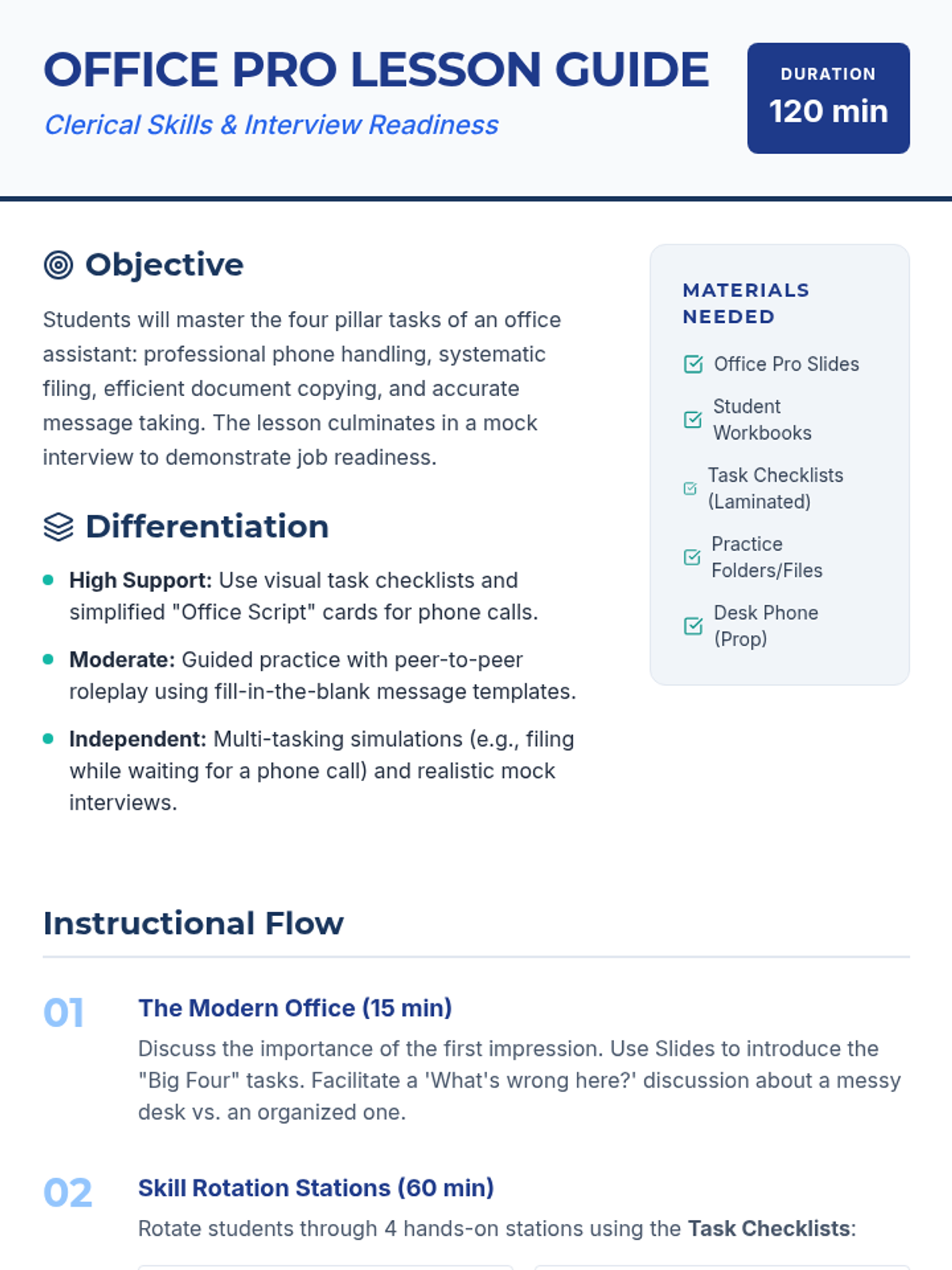
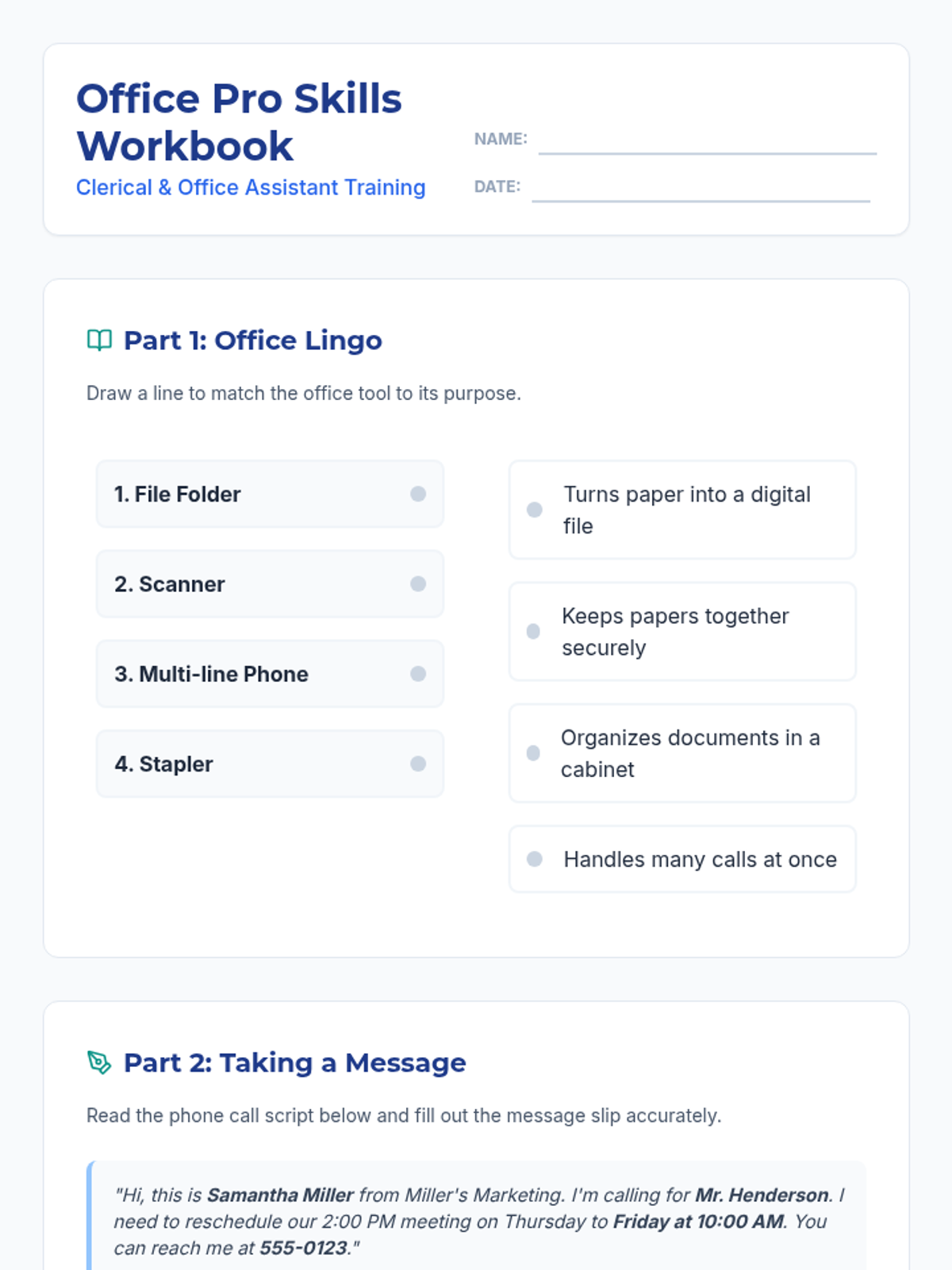
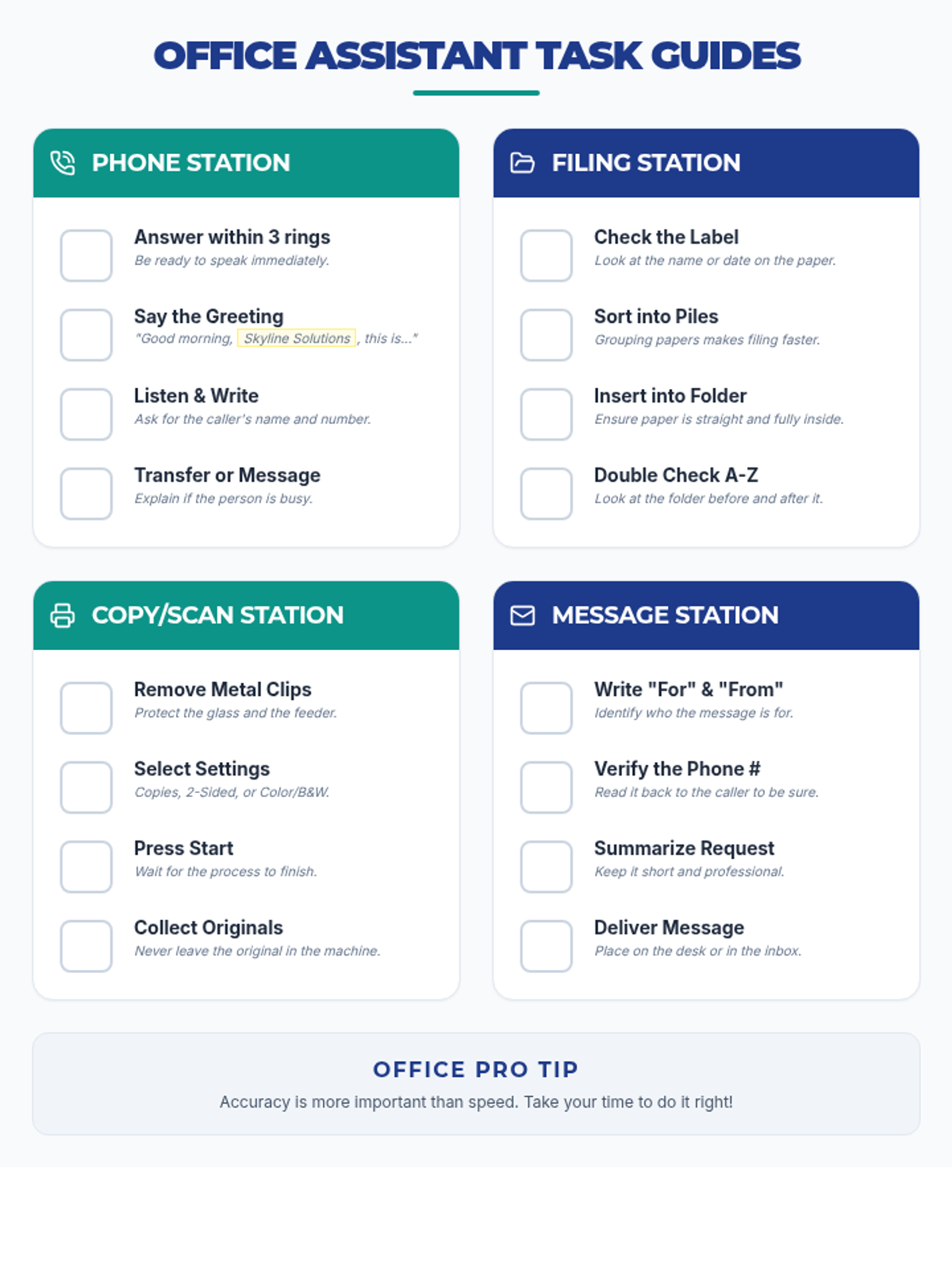
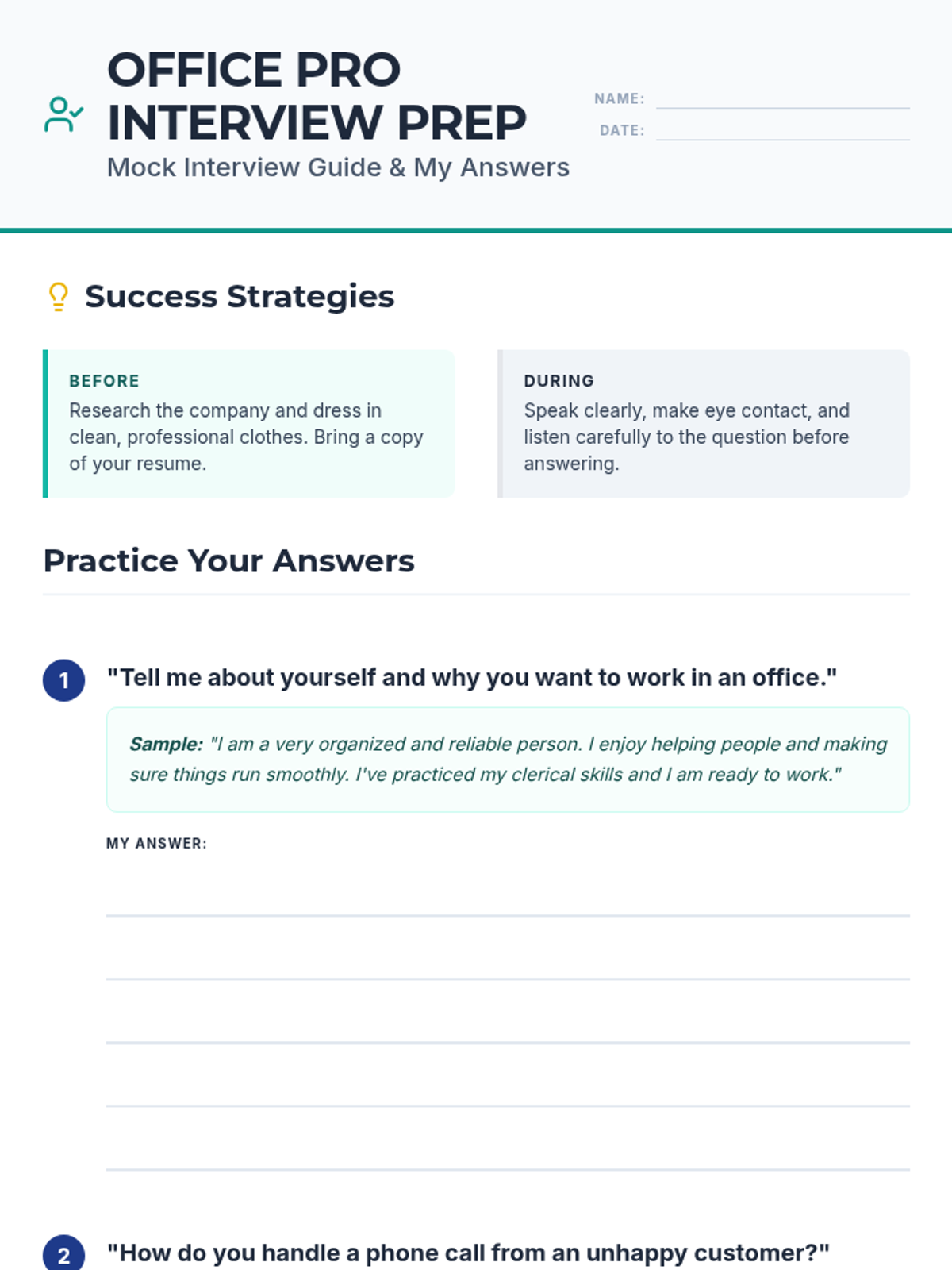
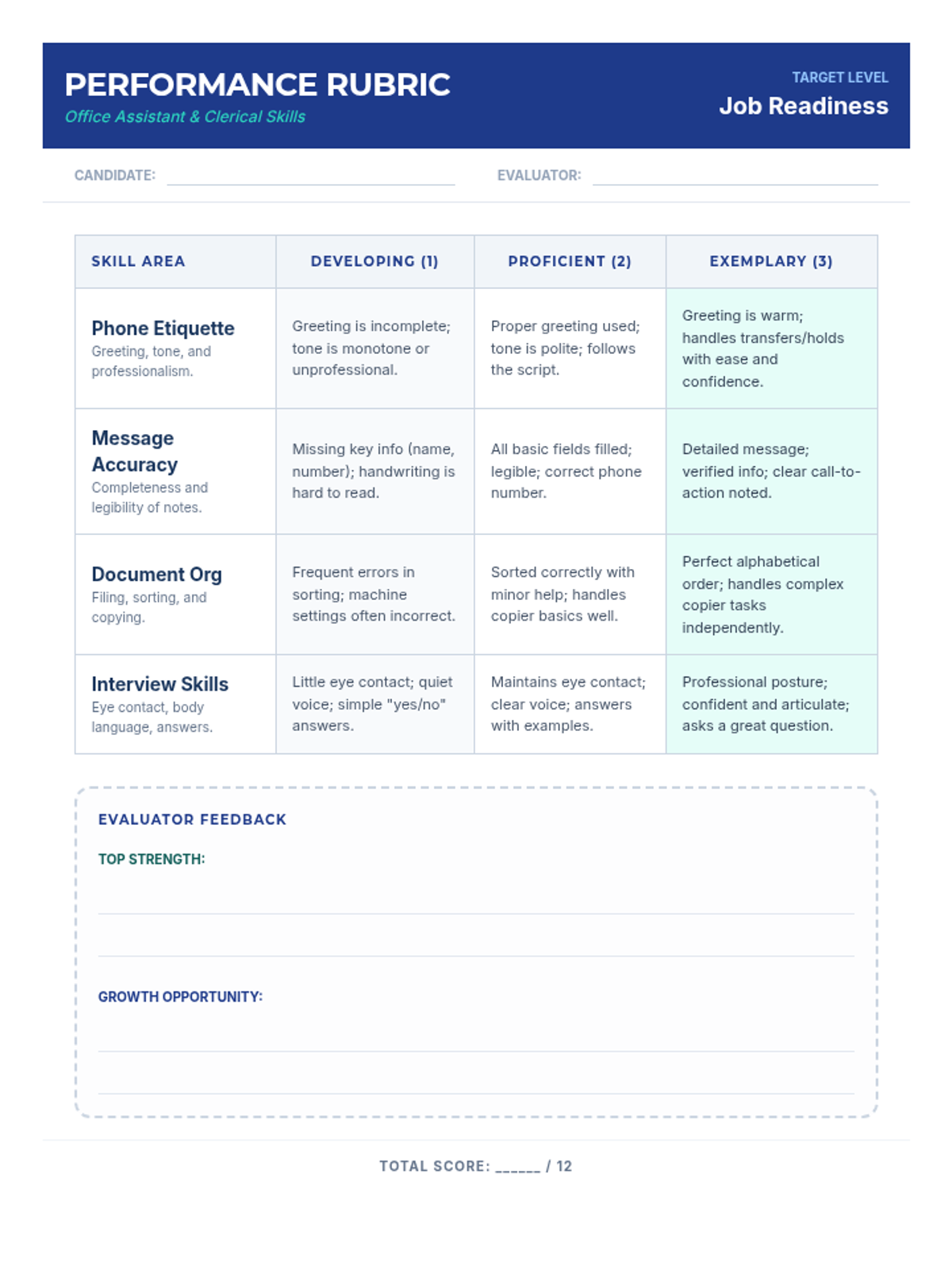
A comprehensive lesson focused on preparing students for office assistant and clerical roles through practical skill-building in phone etiquette, filing, document management, and mock interviews.
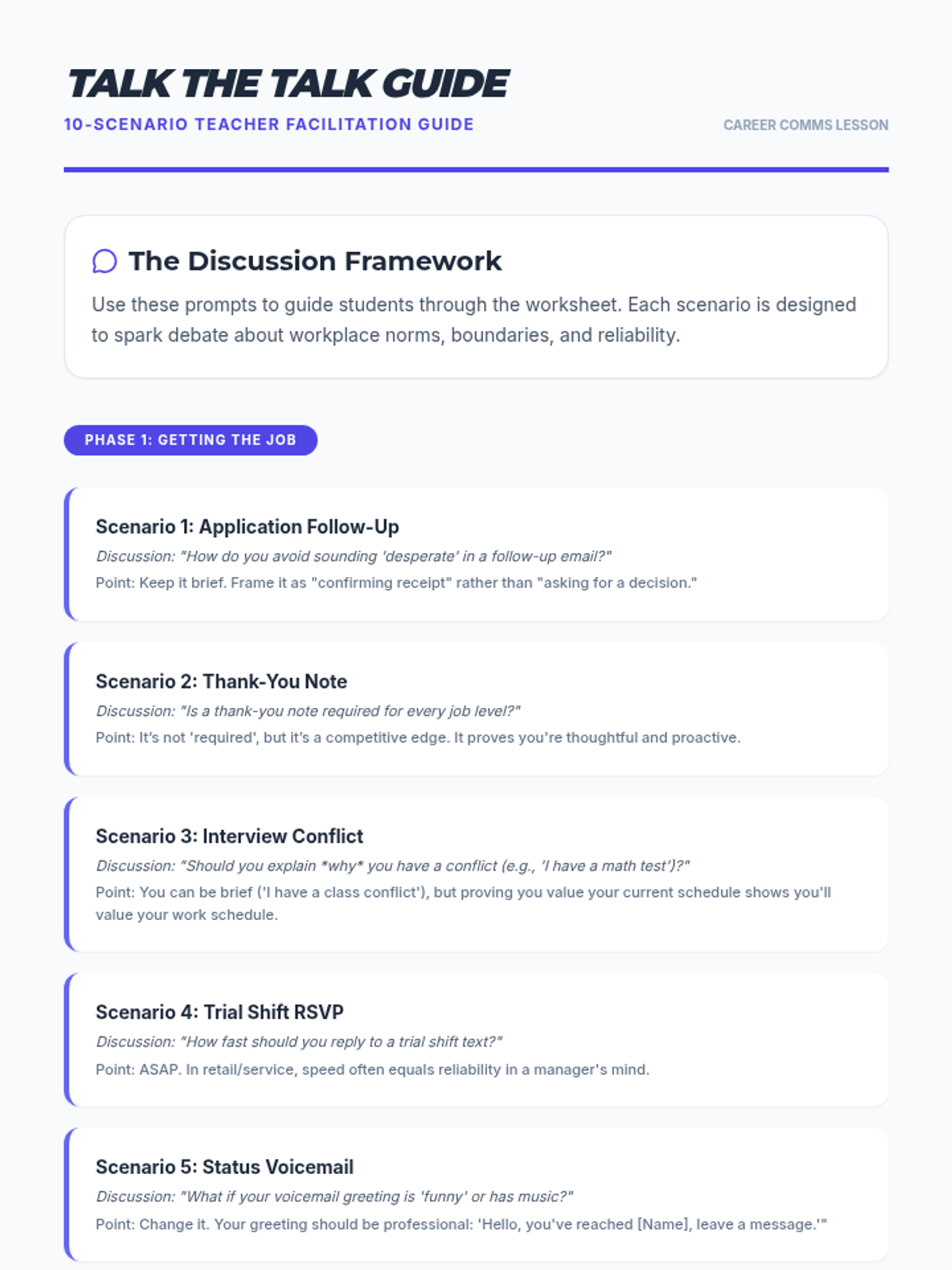
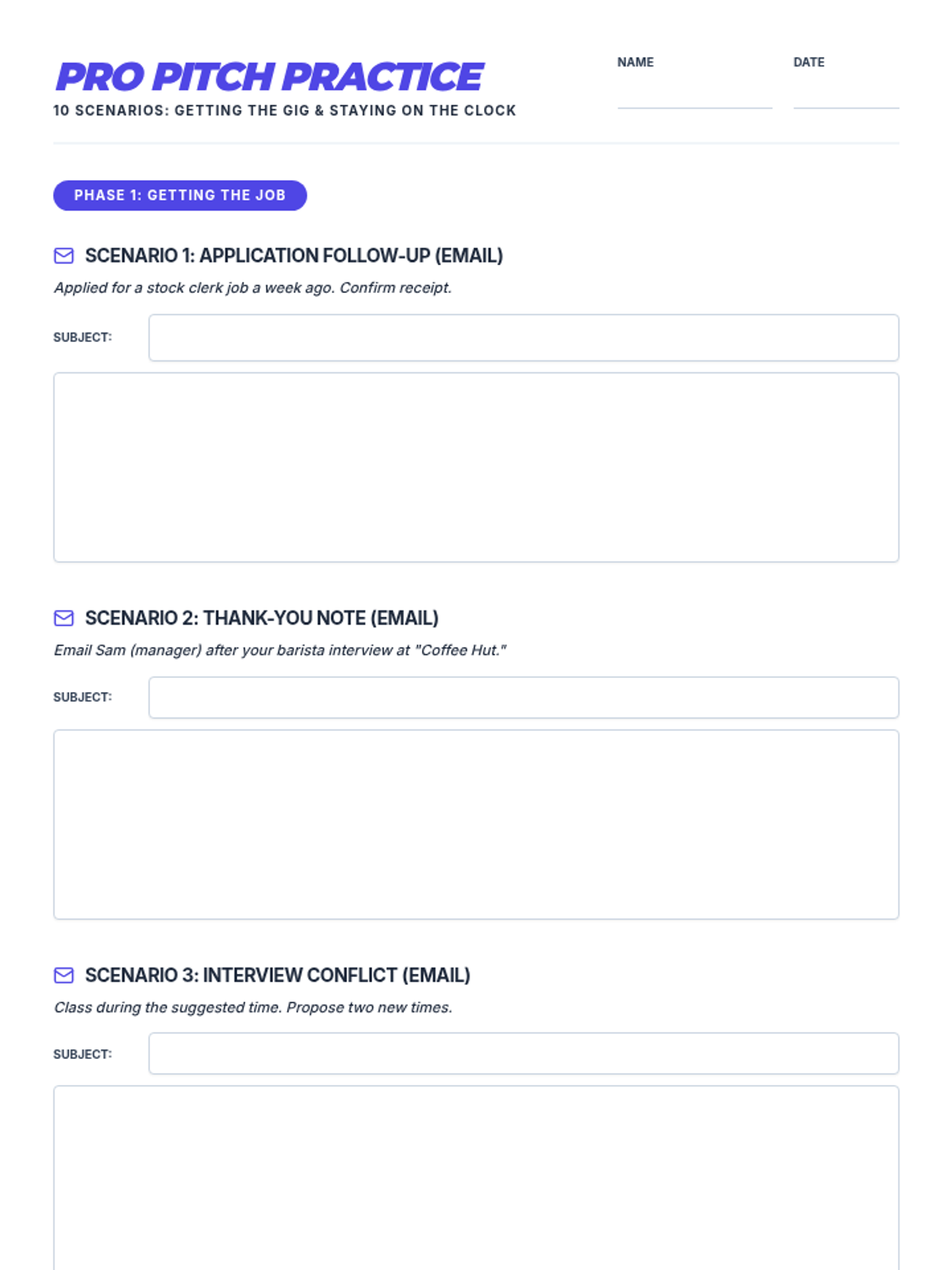
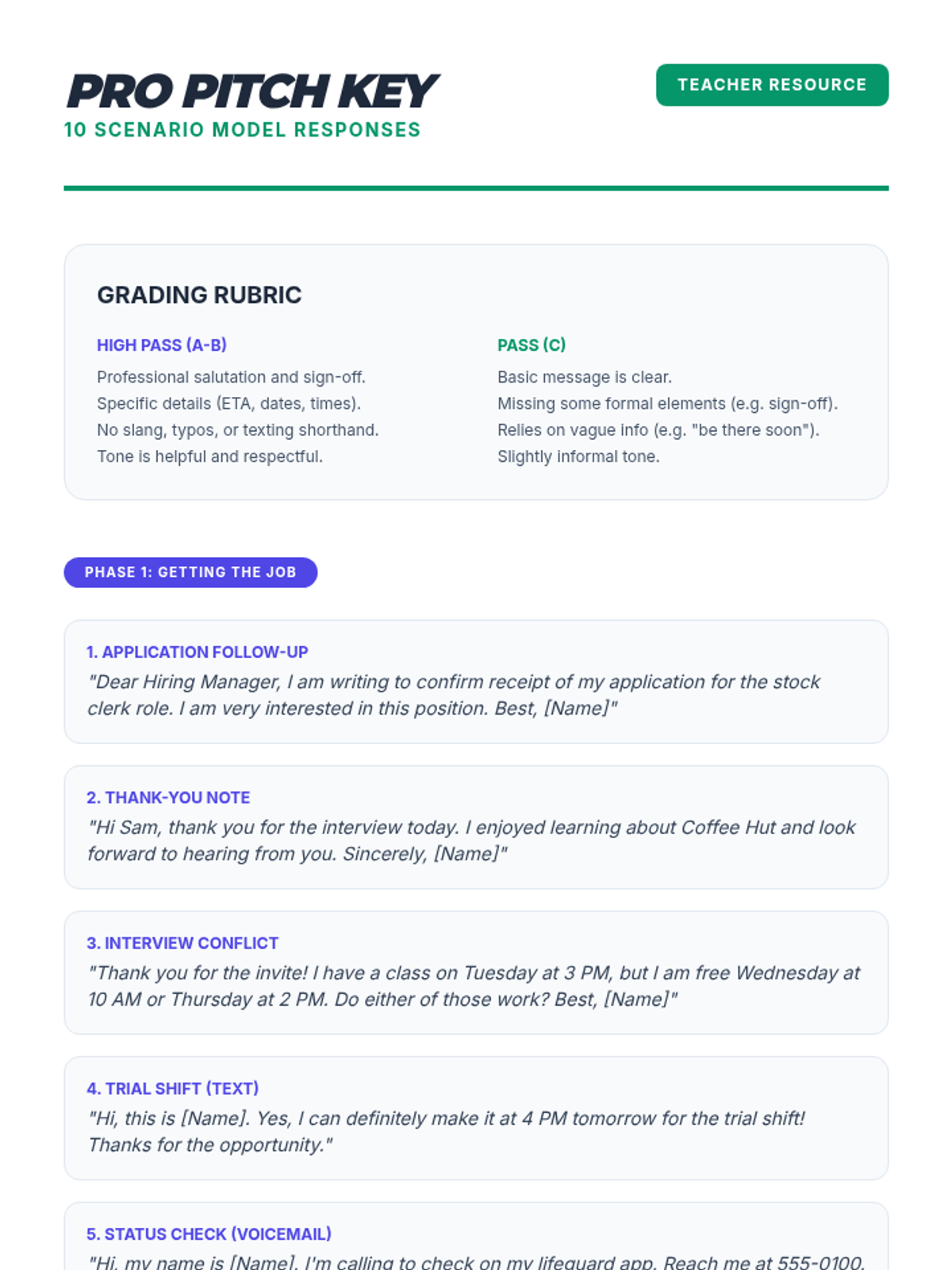
A comprehensive lesson on professional communication for students entering the workforce, covering email etiquette, professional texting, phone calls, and in-person interactions.
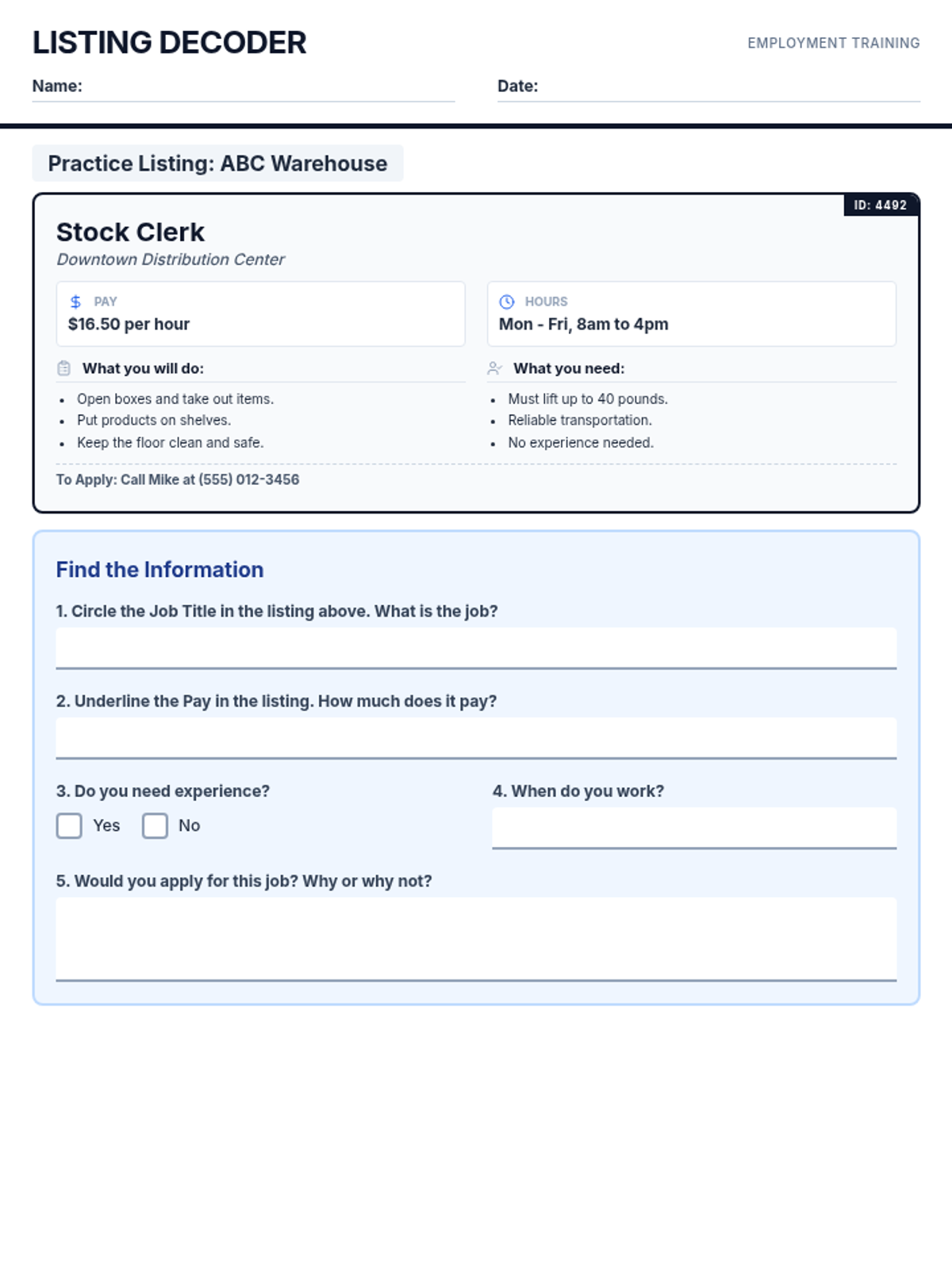
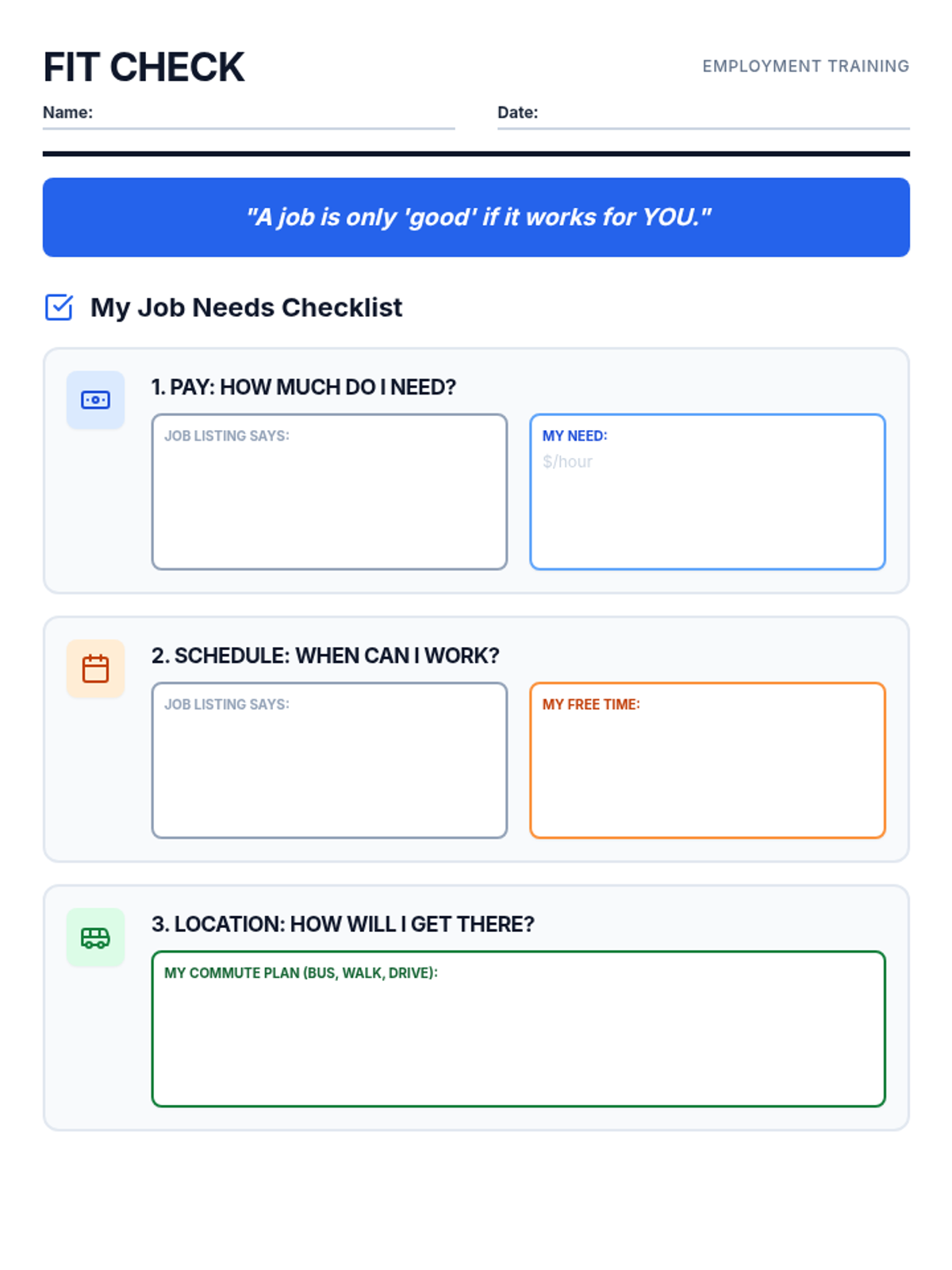
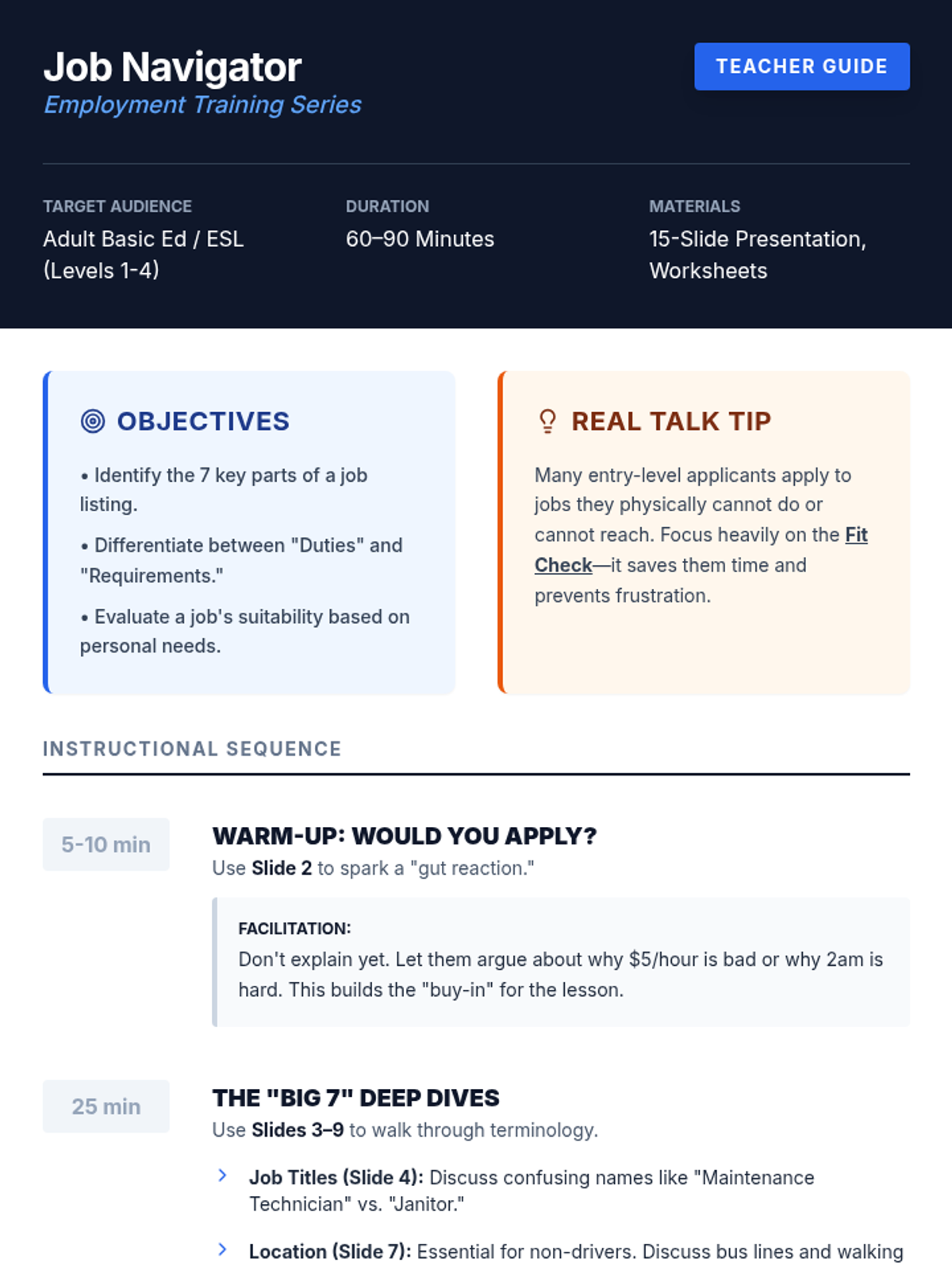
A practical lesson for entry-level job seekers to identify key information in job postings and determine if a role aligns with their personal needs and abilities.
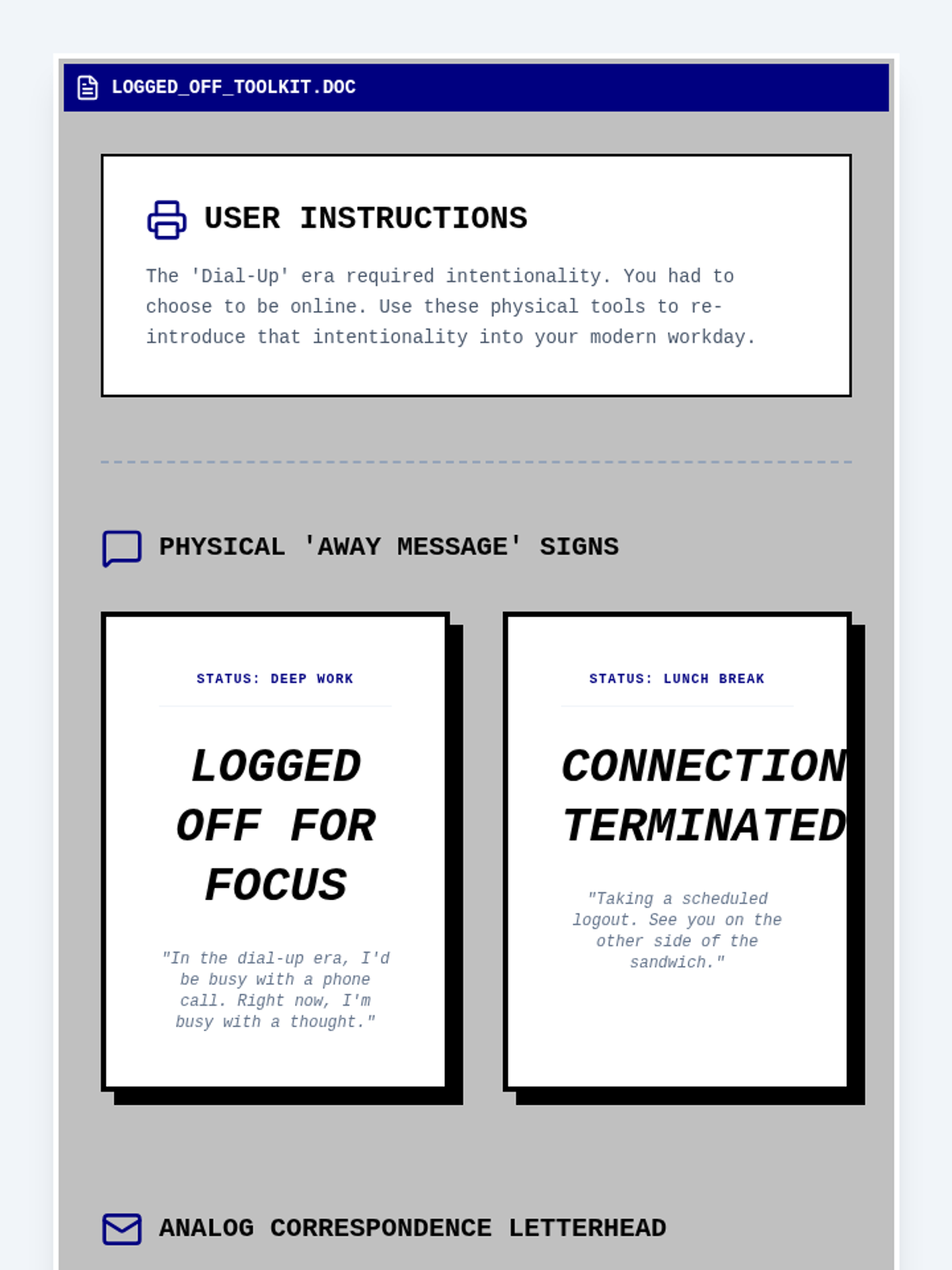
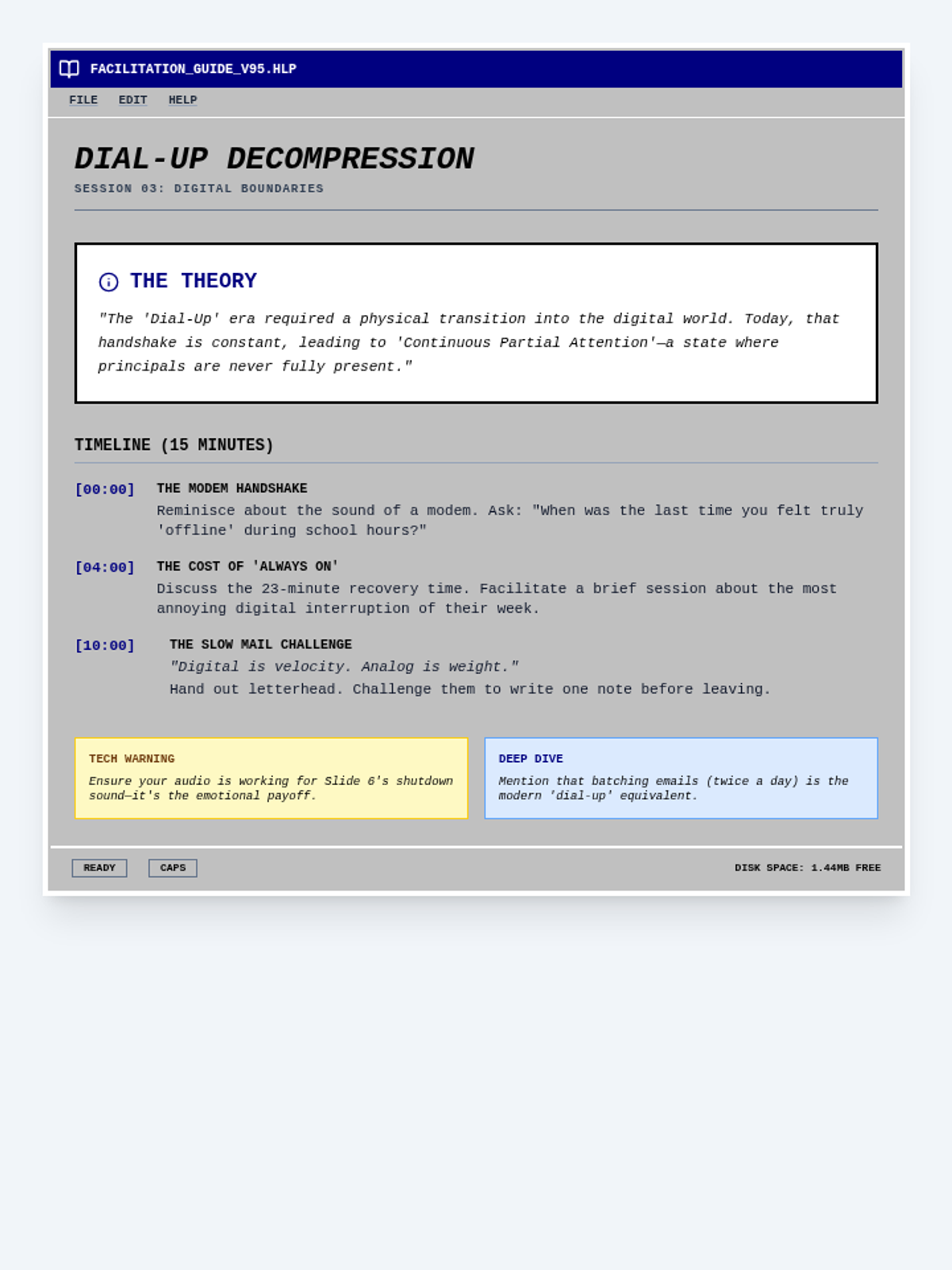
A session dedicated to digital boundary setting, inspired by the 'dial-up' era. Administrators learn to implement 'out of office' rituals and the nostalgia of physical letter writing to foster meaningful connection without screen fatigue.
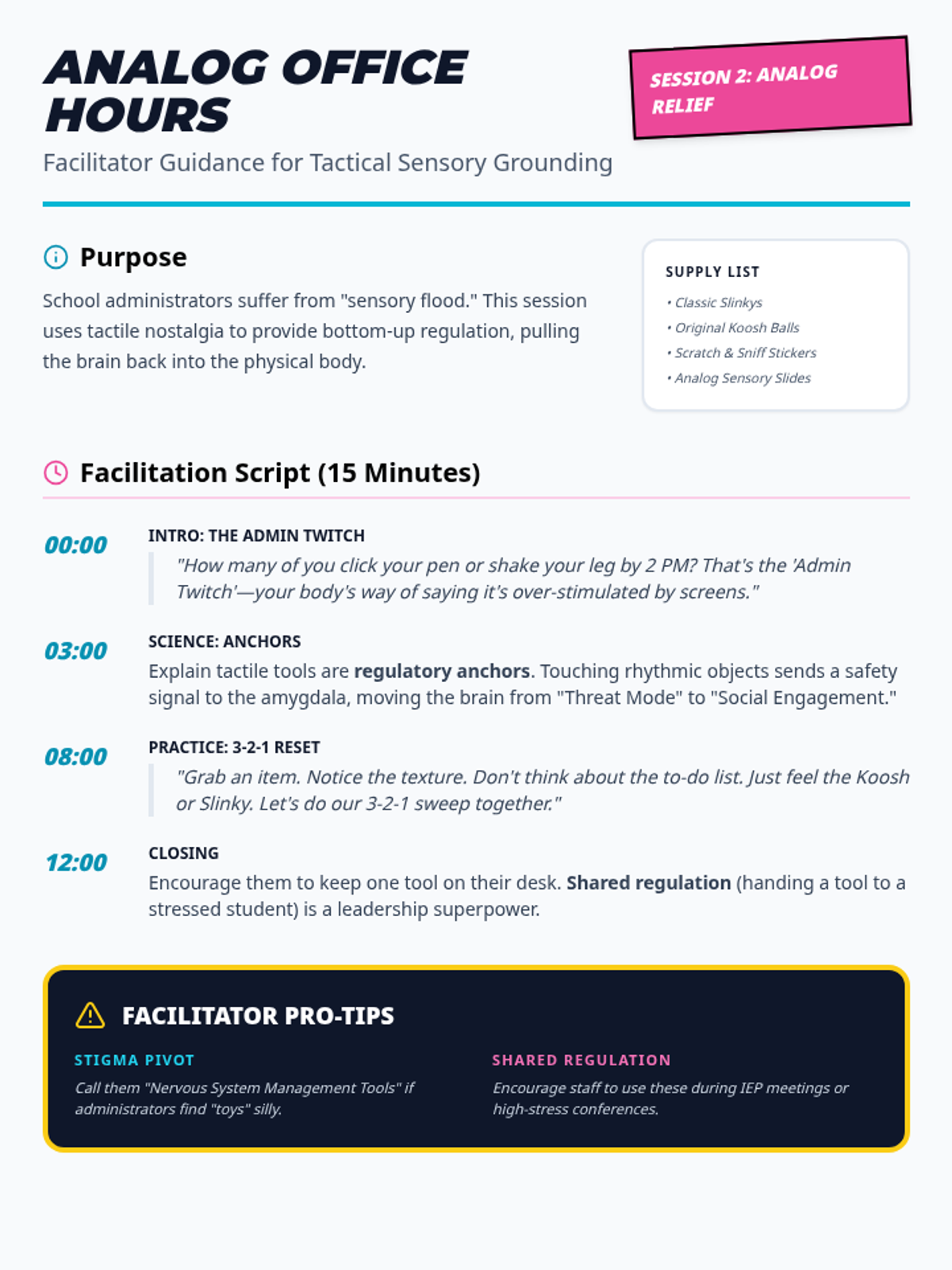
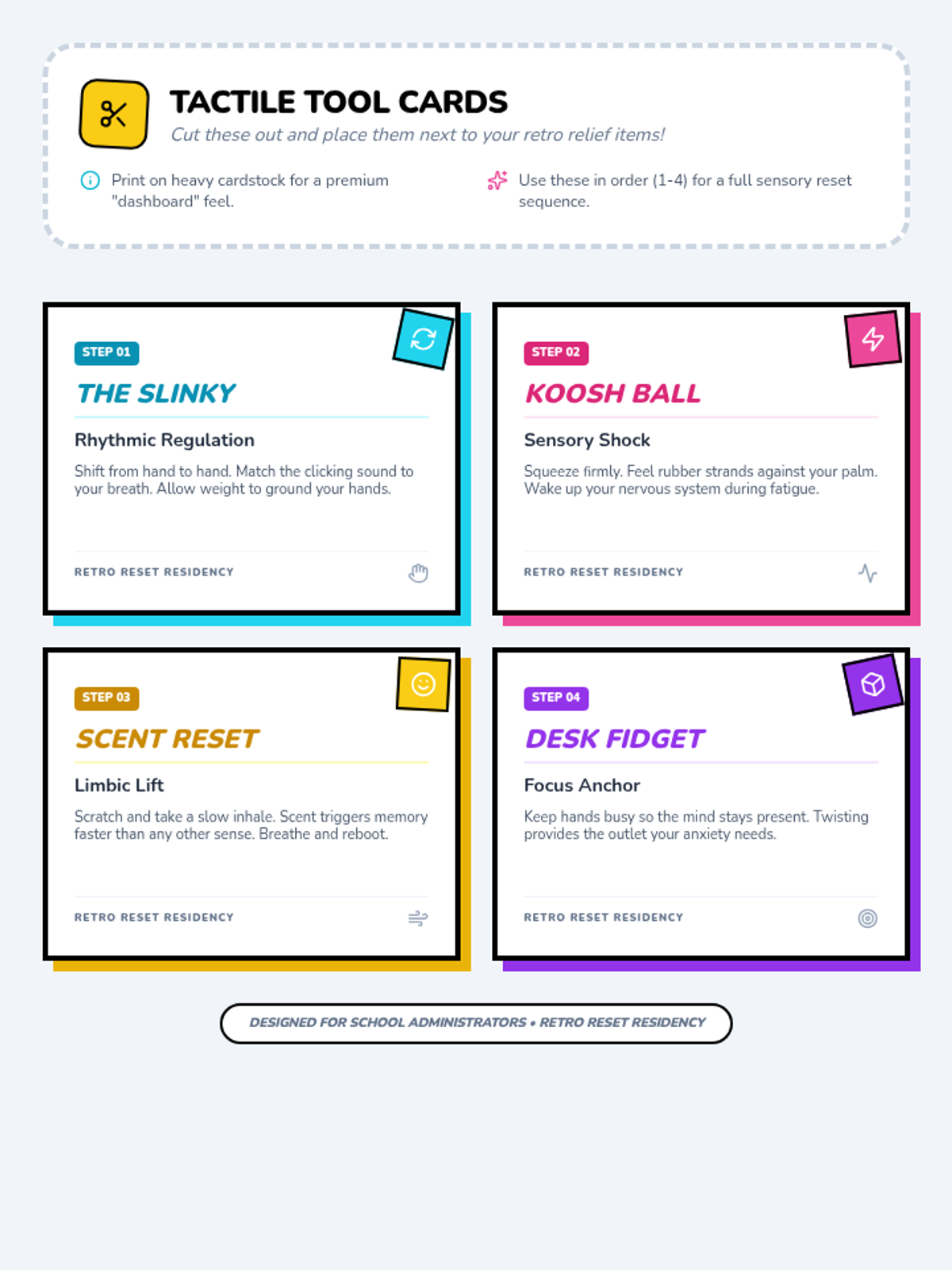
A sensory-focused wellness session for principals exploring the tactile nostalgia of the 90s. This lesson provides physical grounding tools like classic fidgets and scratch-and-sniff triggers to manage mid-day sensory overload.
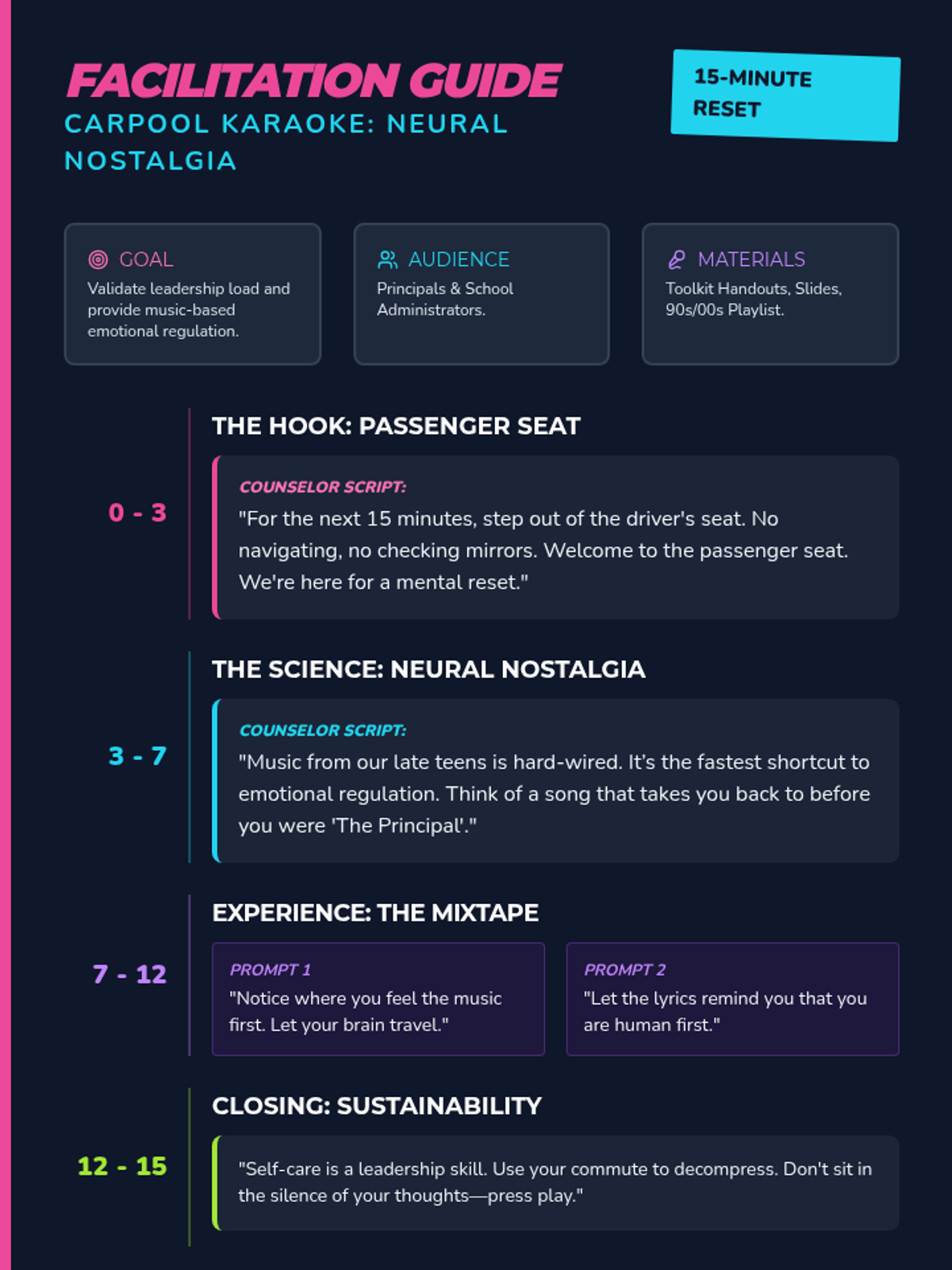
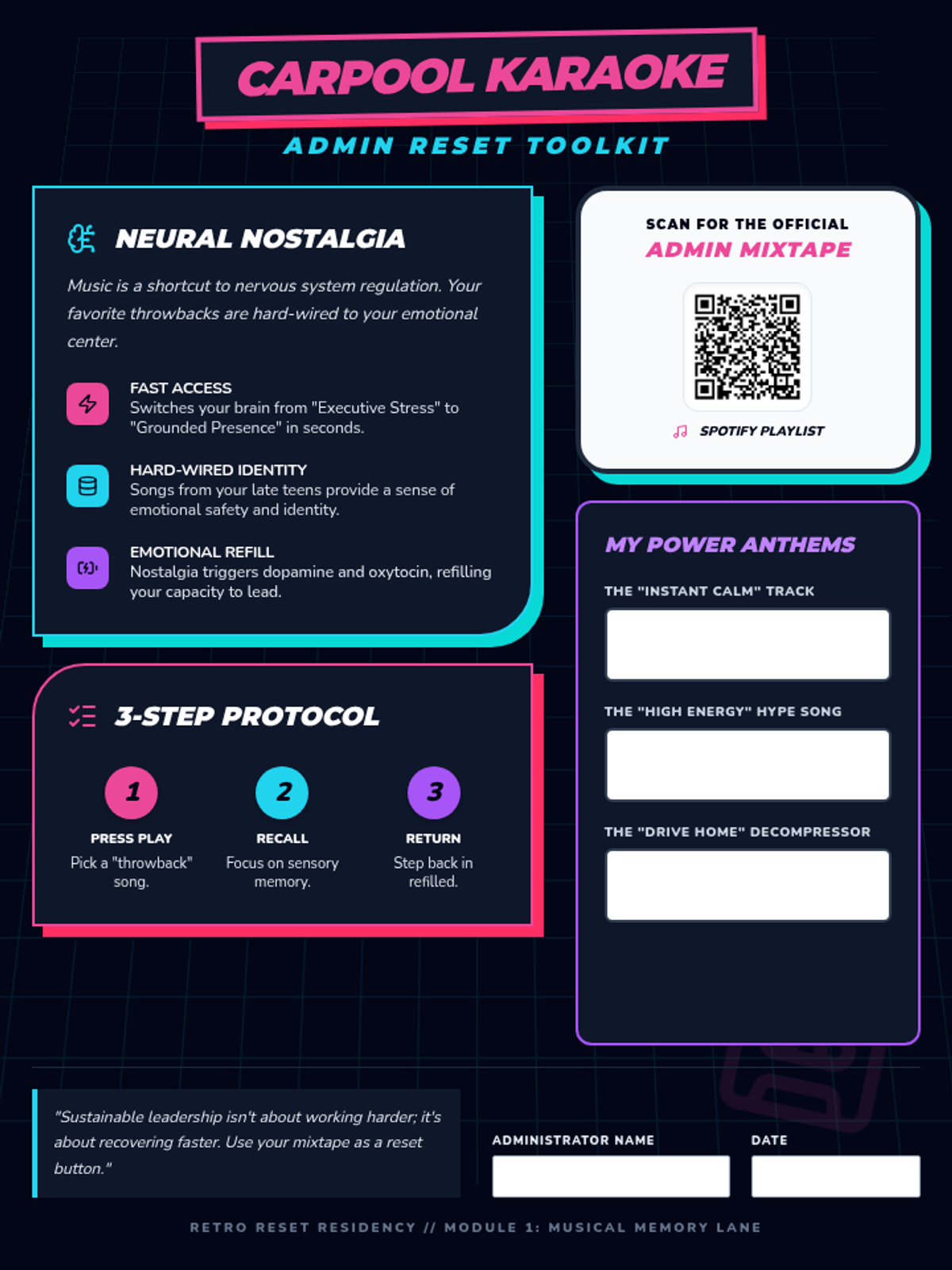
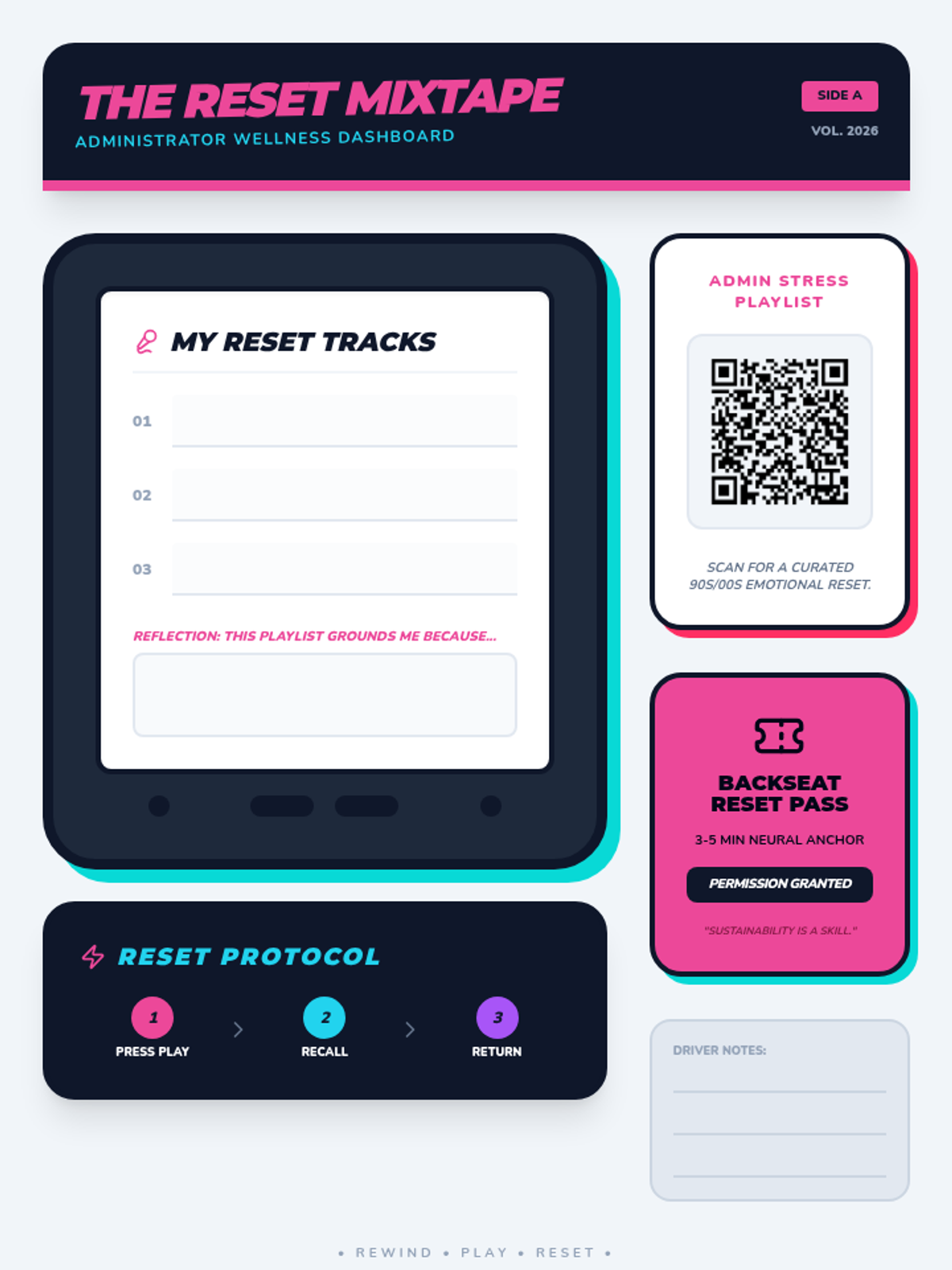
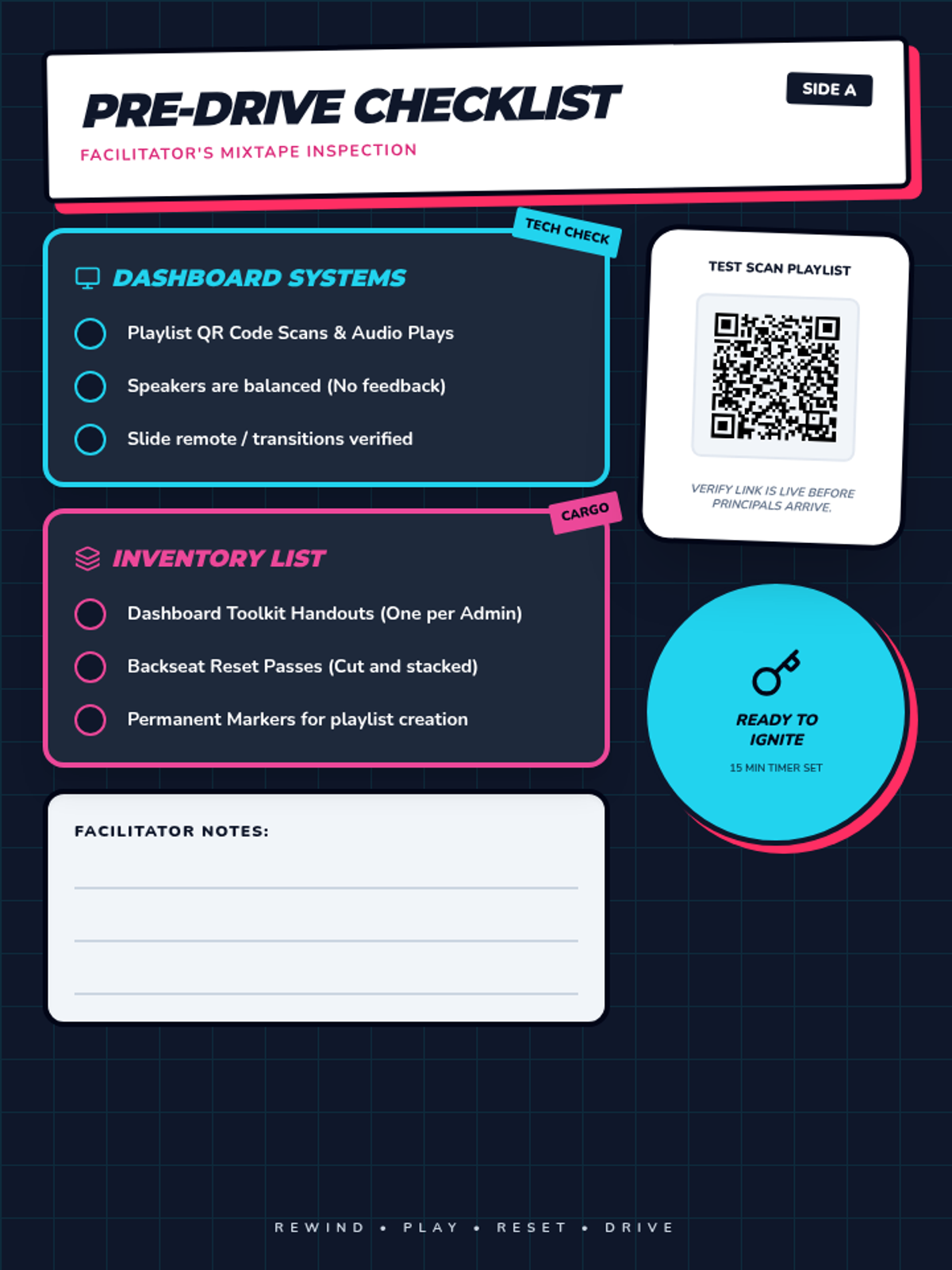
The foundational session of the Retro Reset Residency, focusing on the science of 'neural nostalgia' and the power of music to regulate the nervous system during high-stress administration periods.
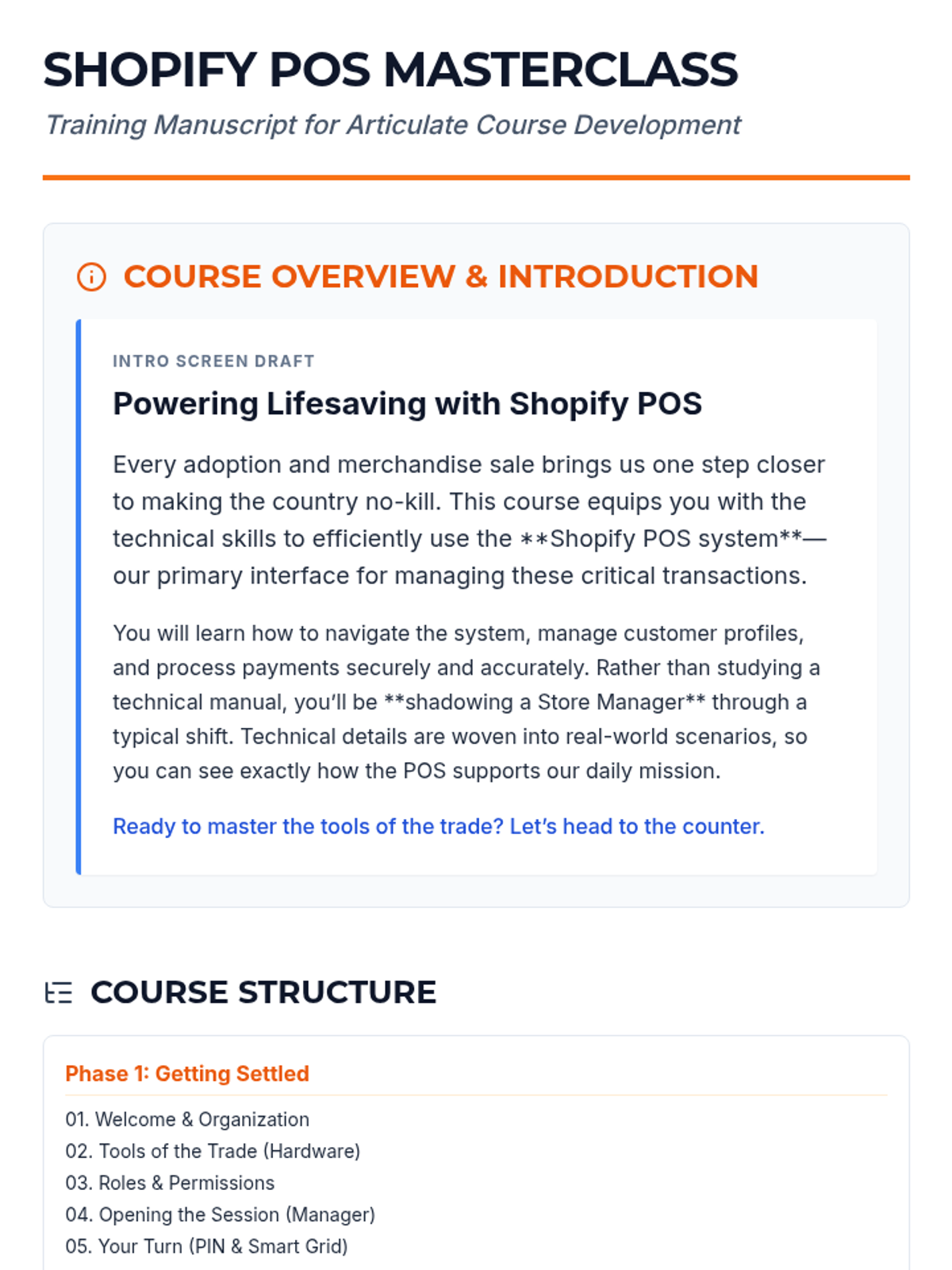
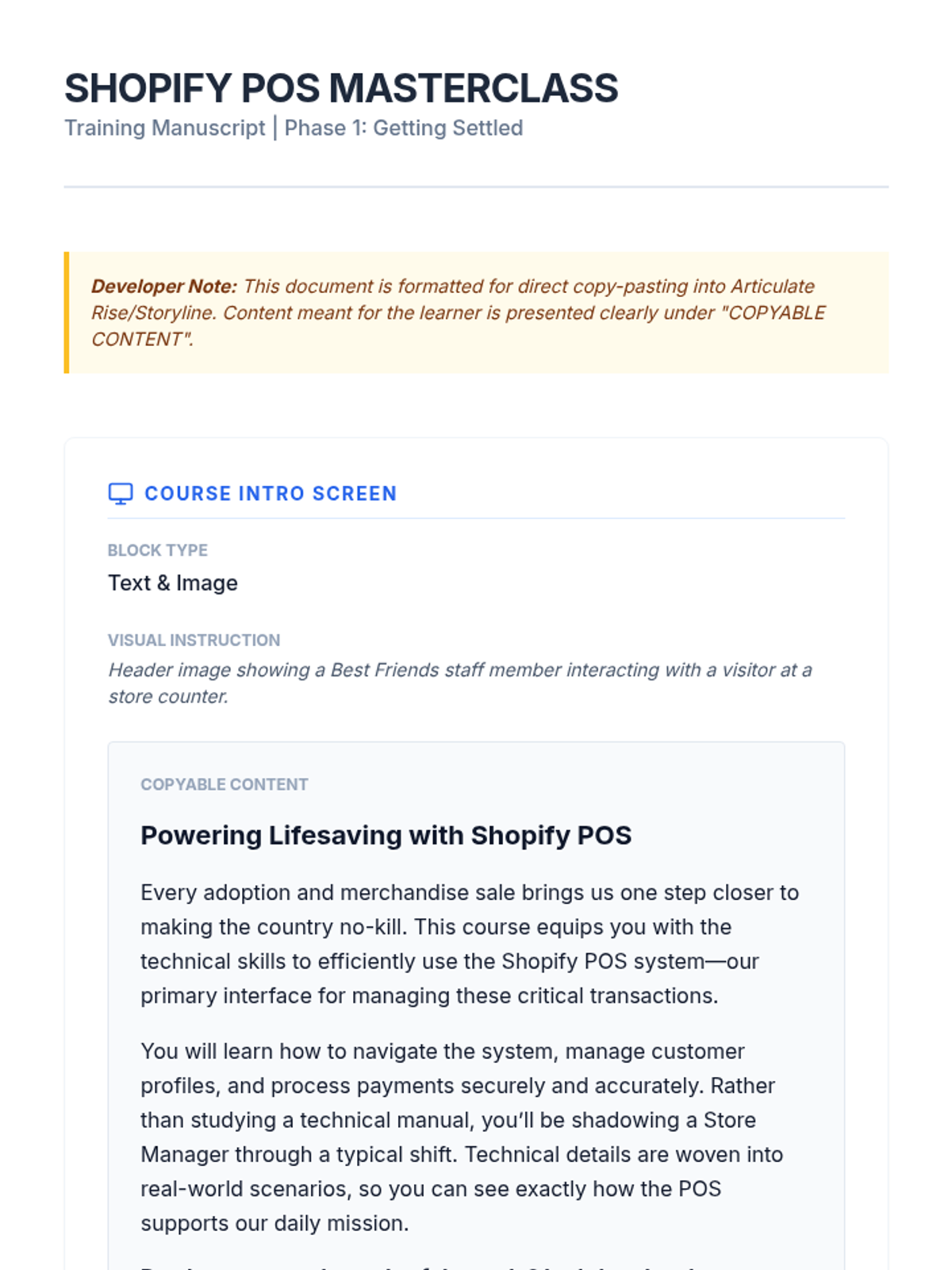
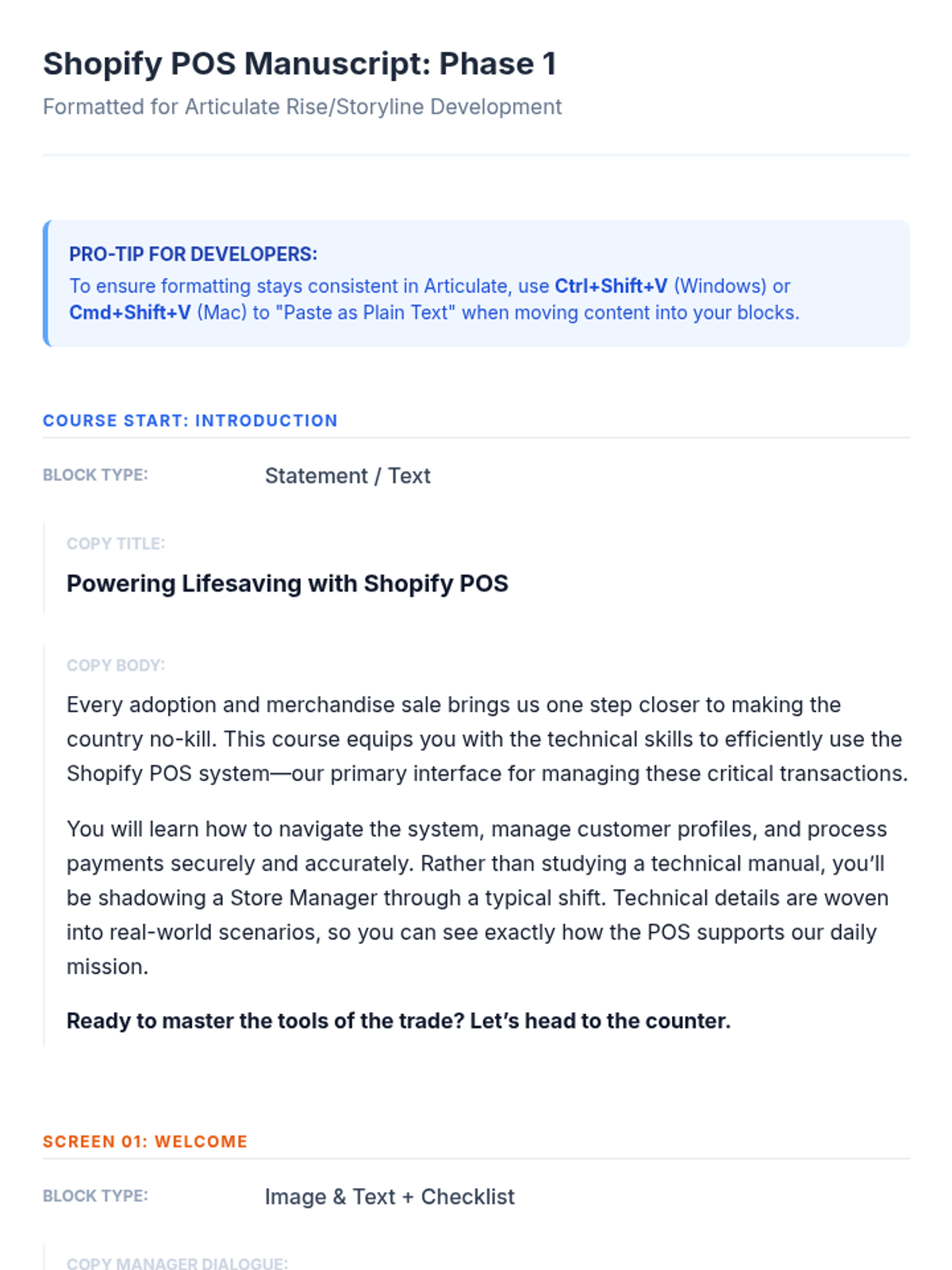
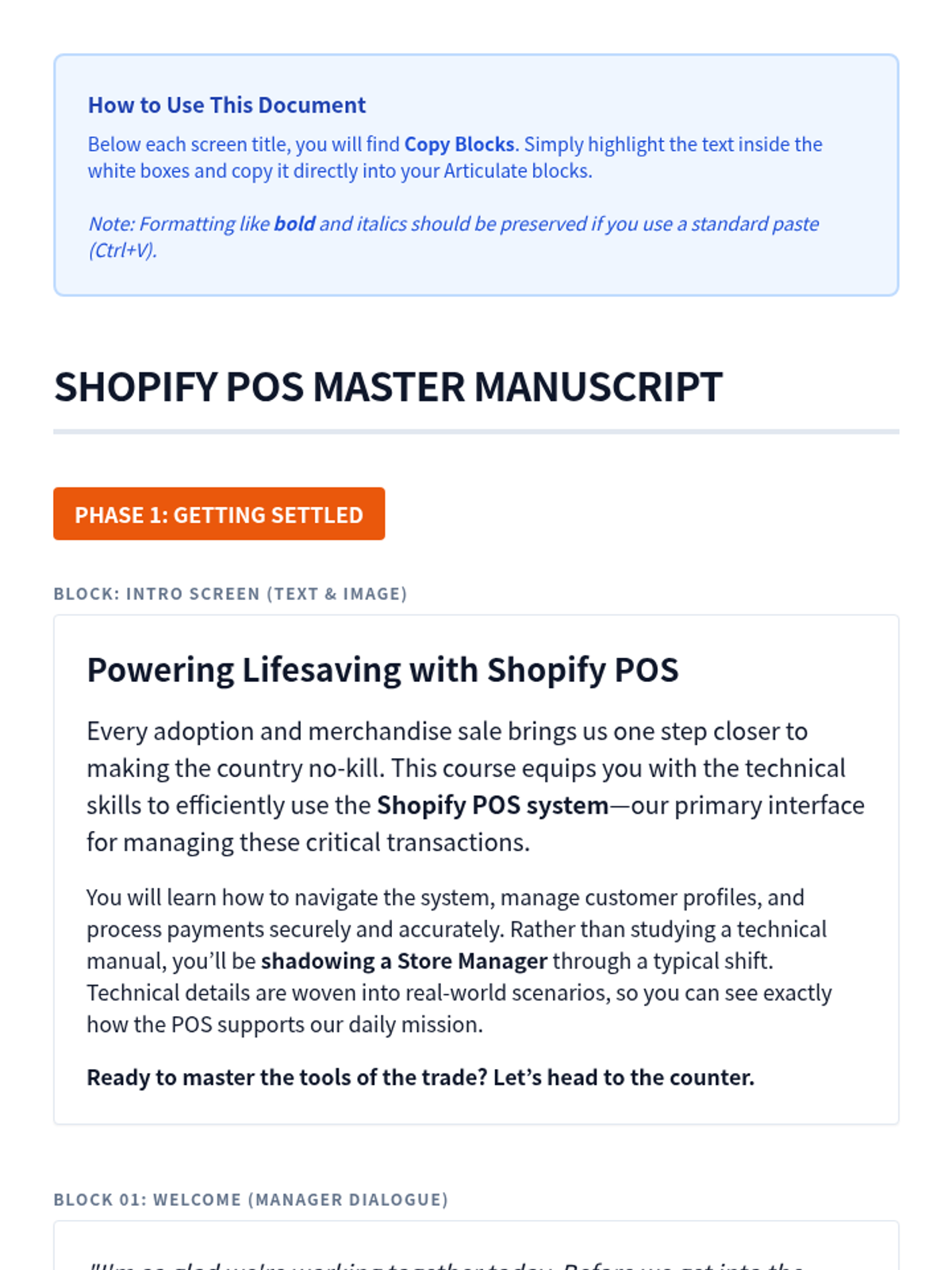
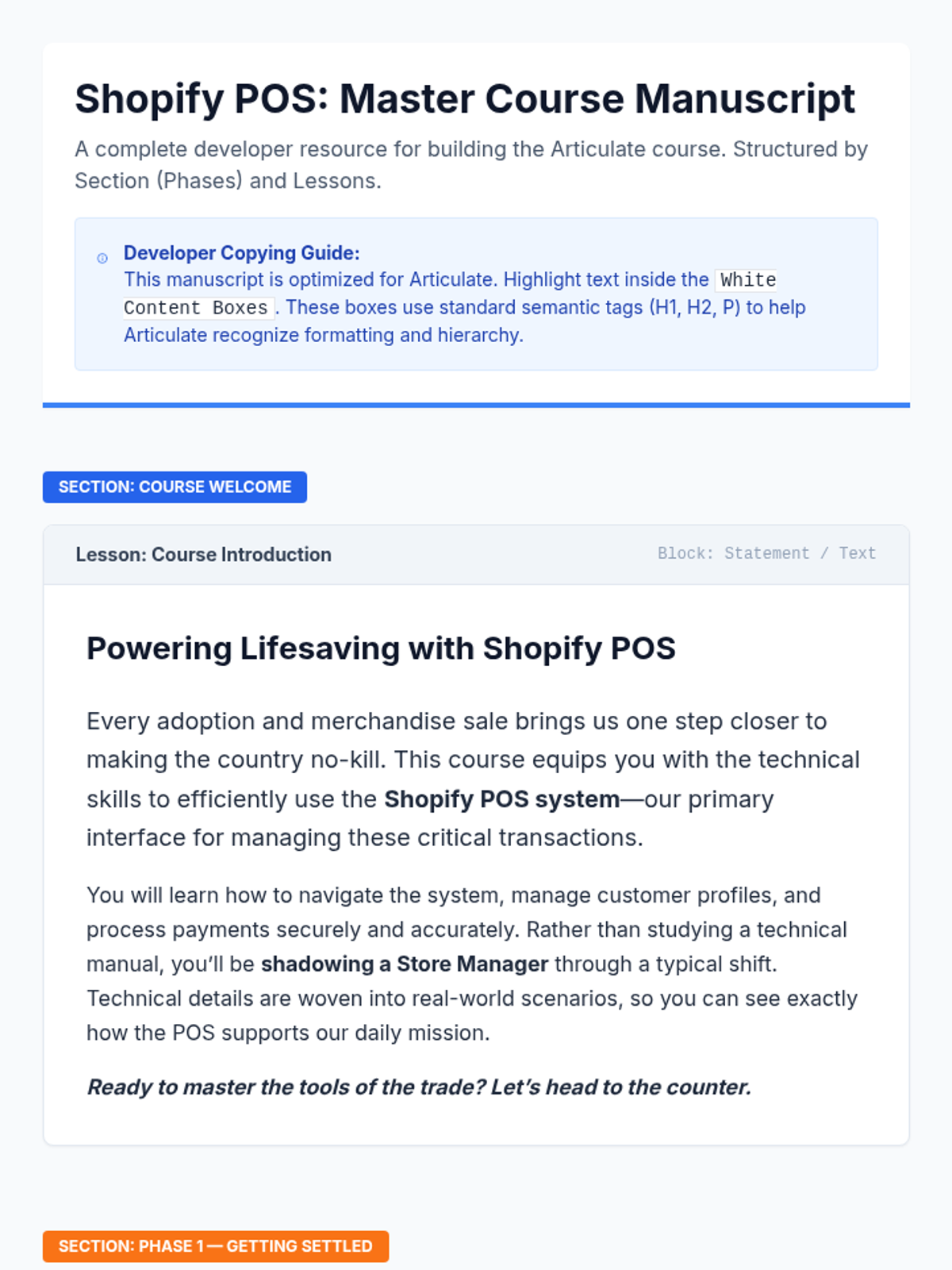
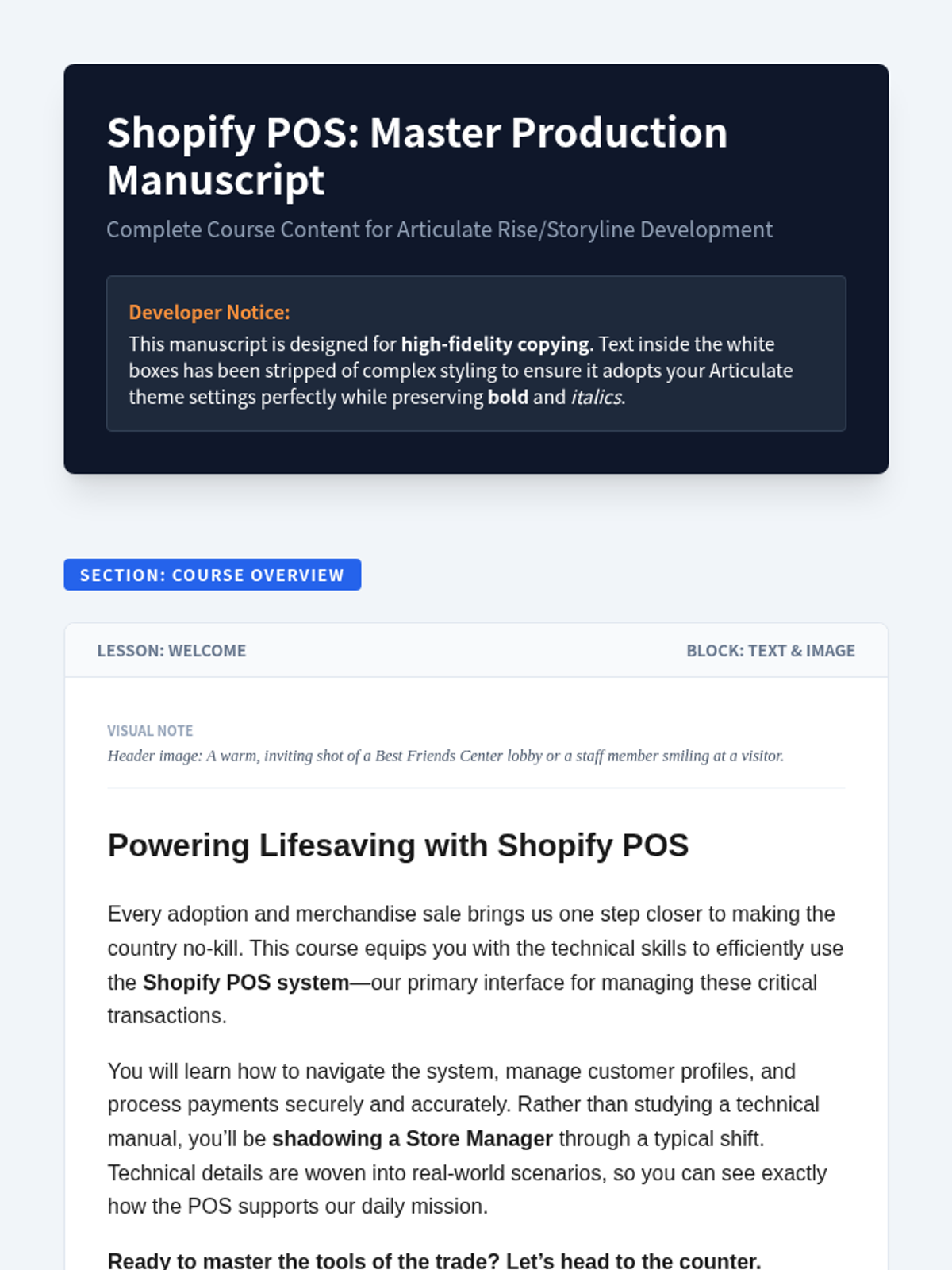
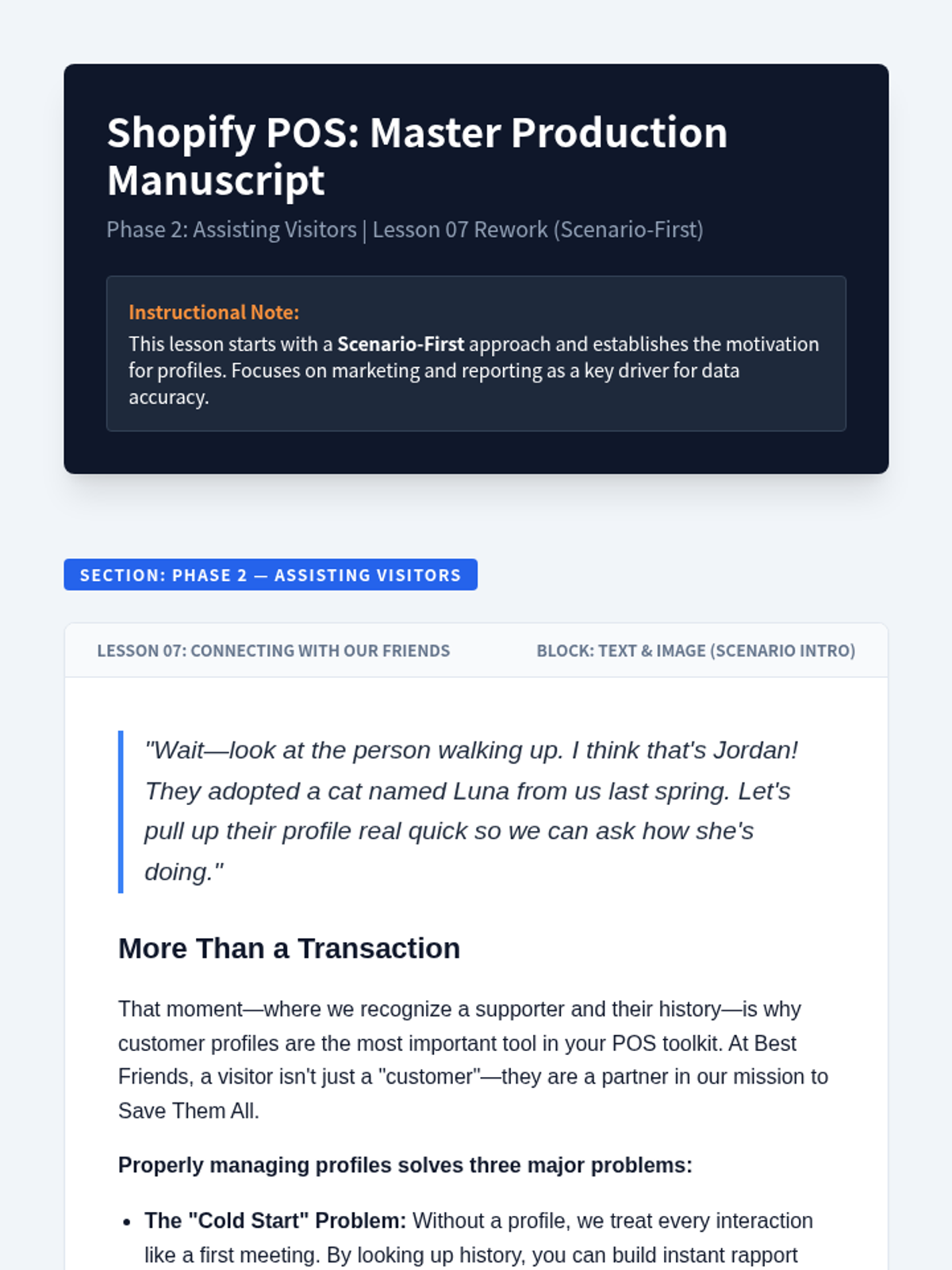
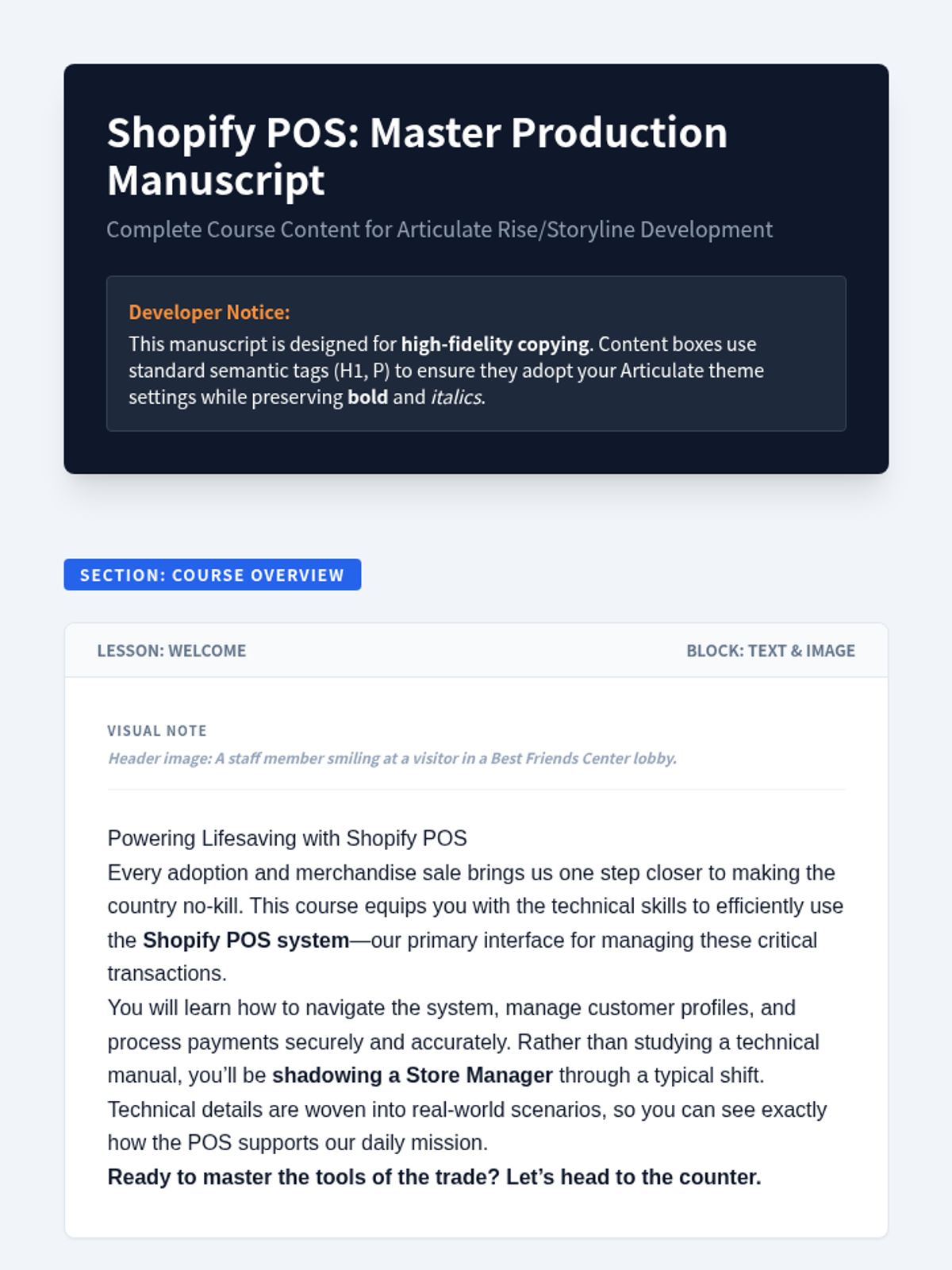
A comprehensive guide for new associates to master the Shopify POS system through a narrative 'First Day' experience at Best Friends Animal Society.
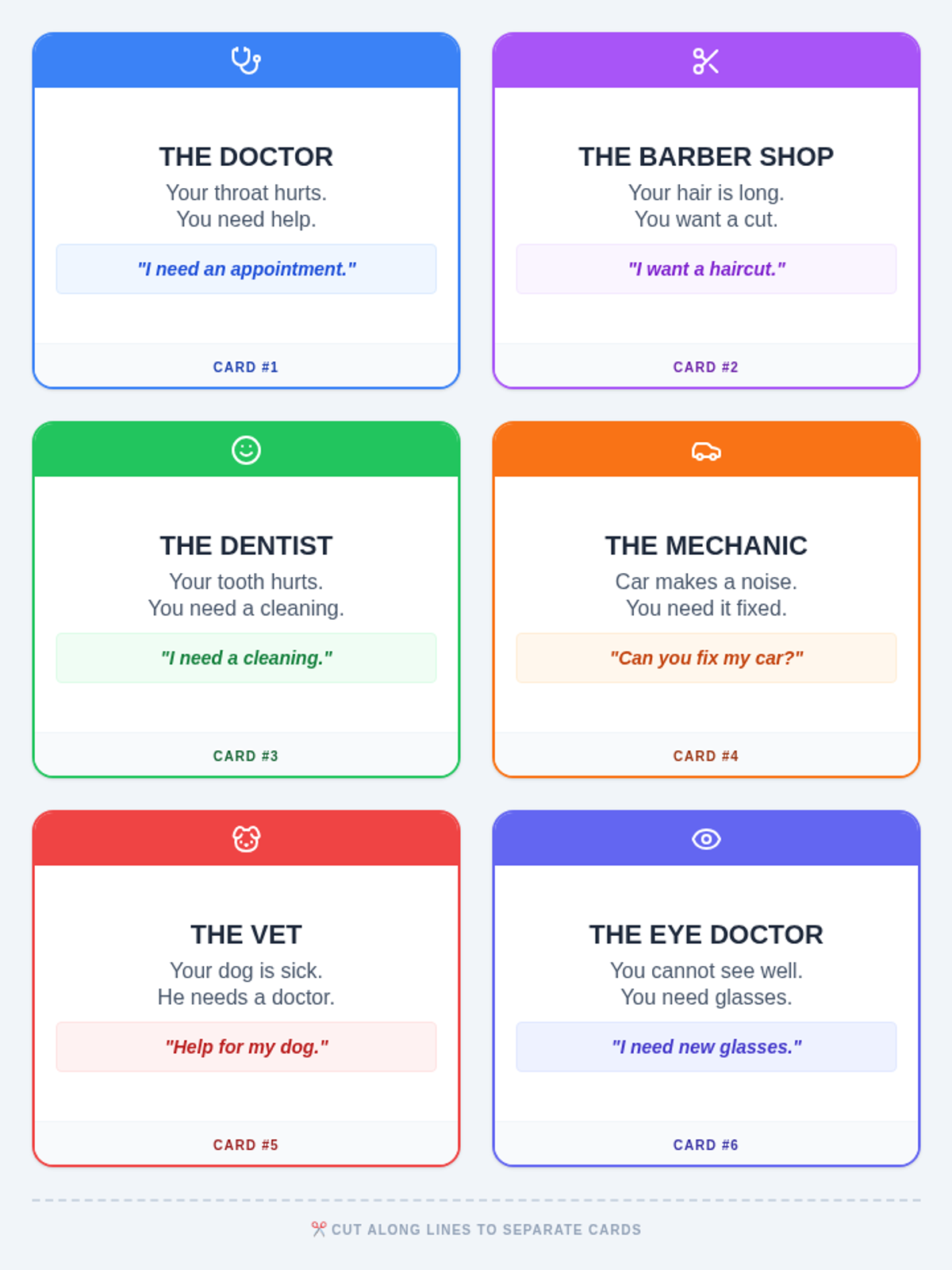
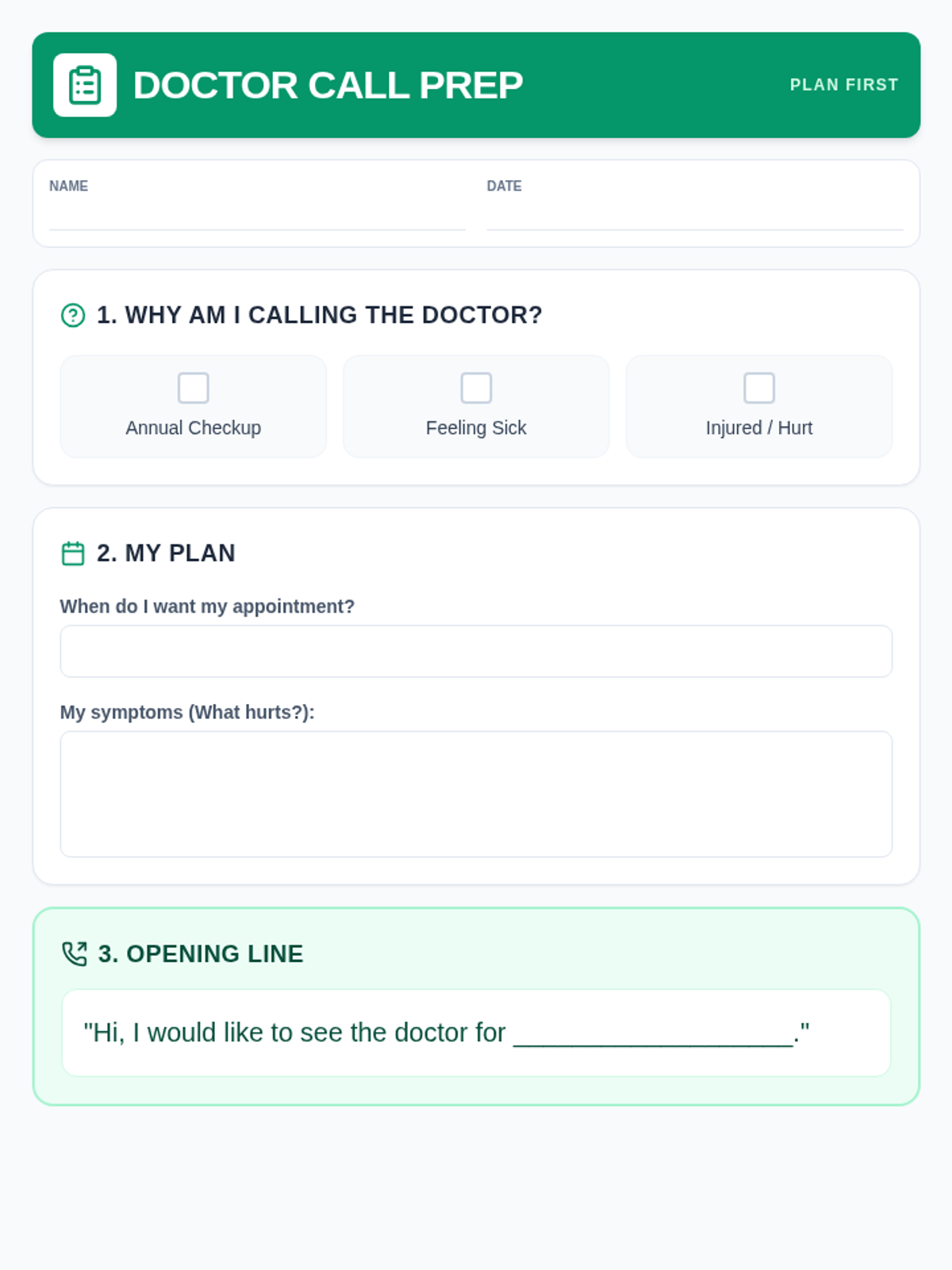
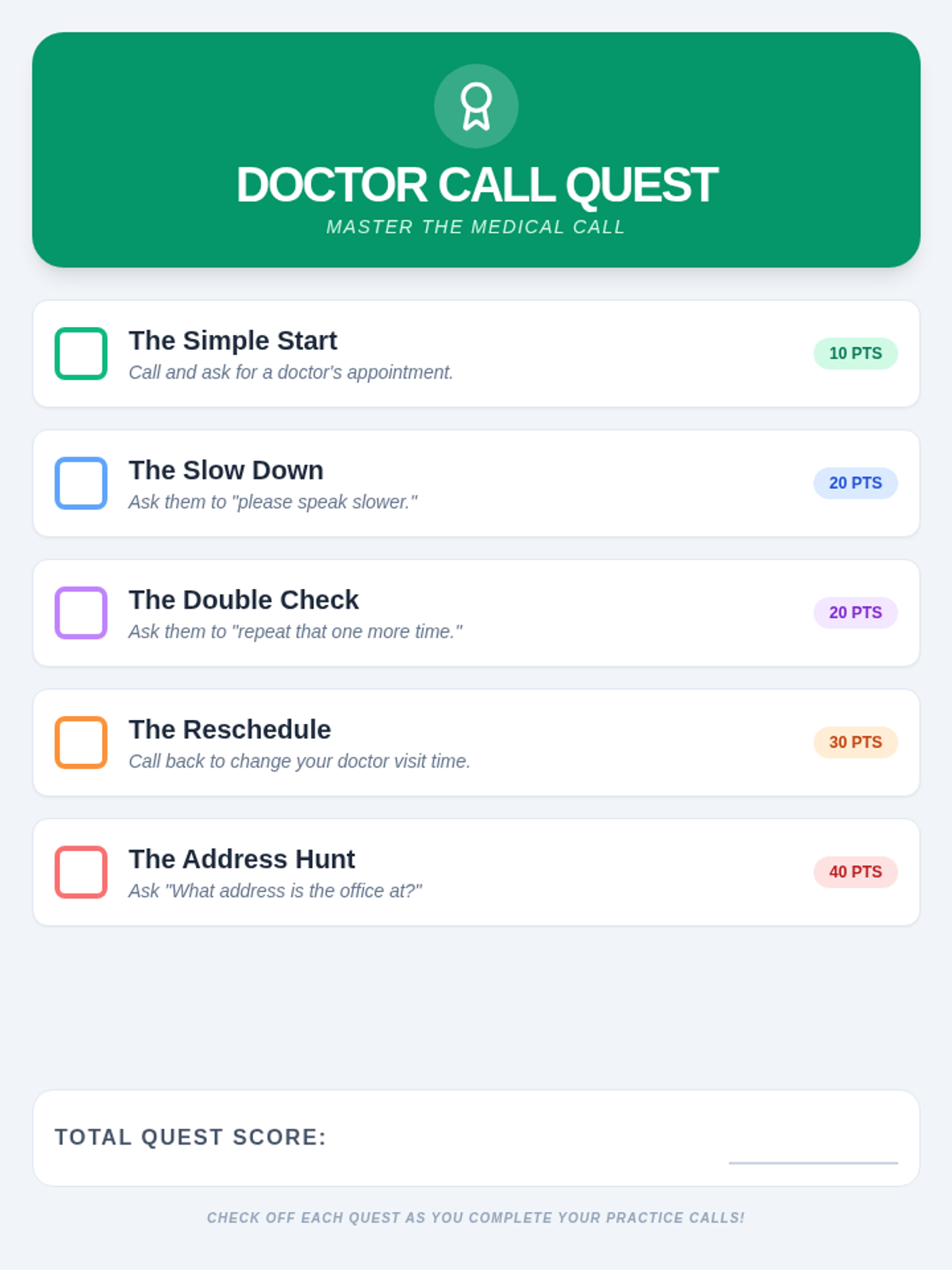
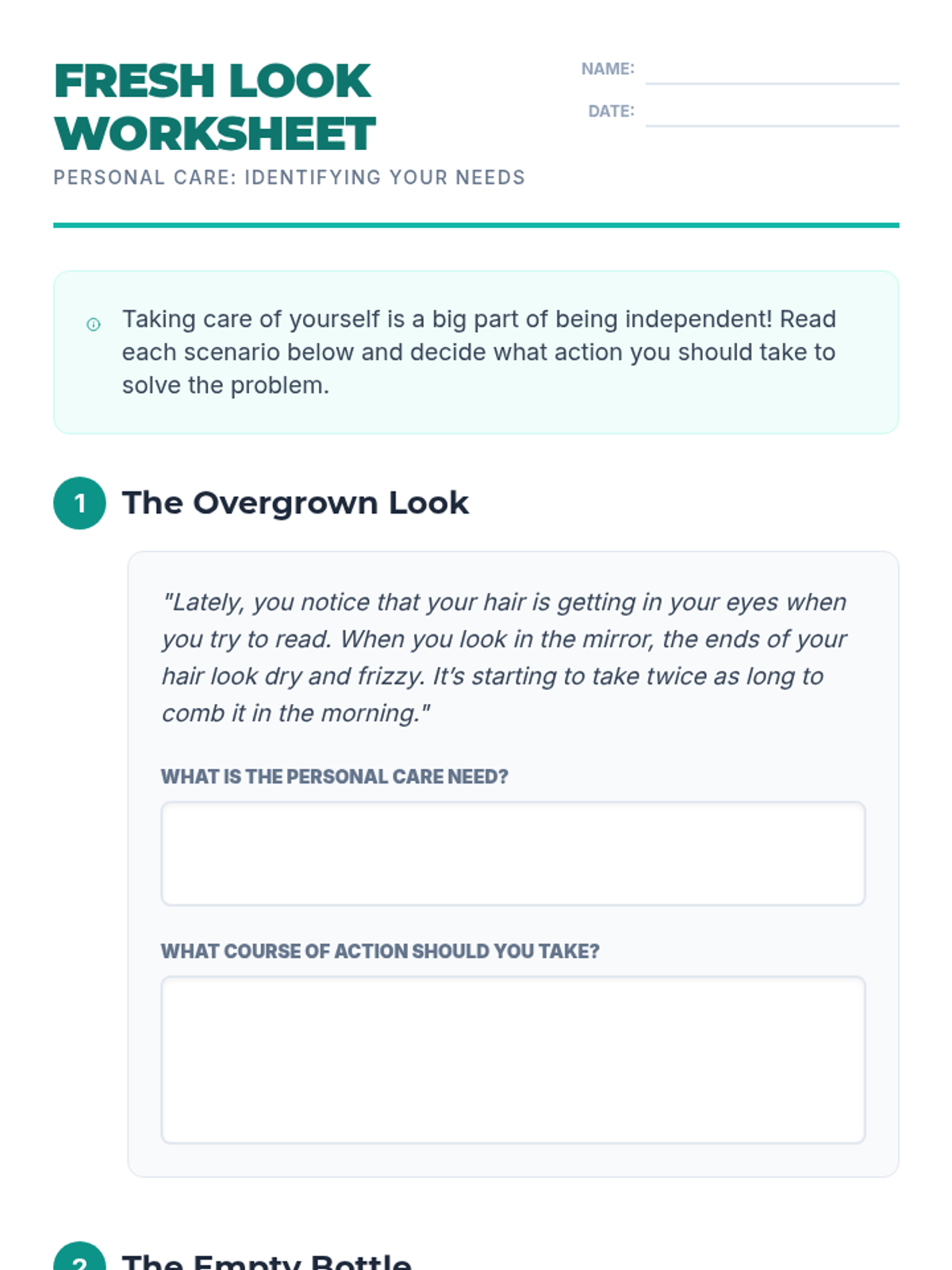
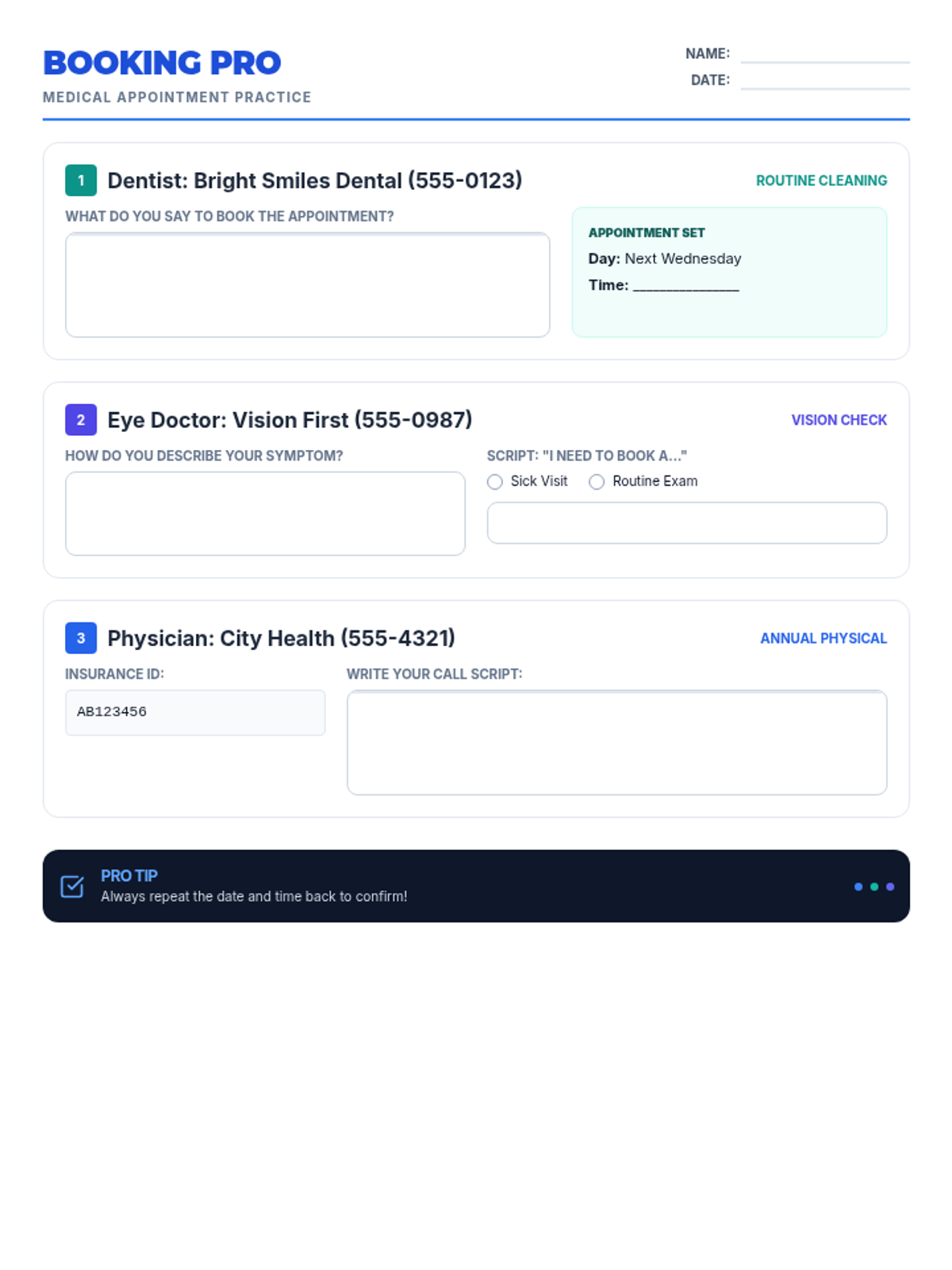
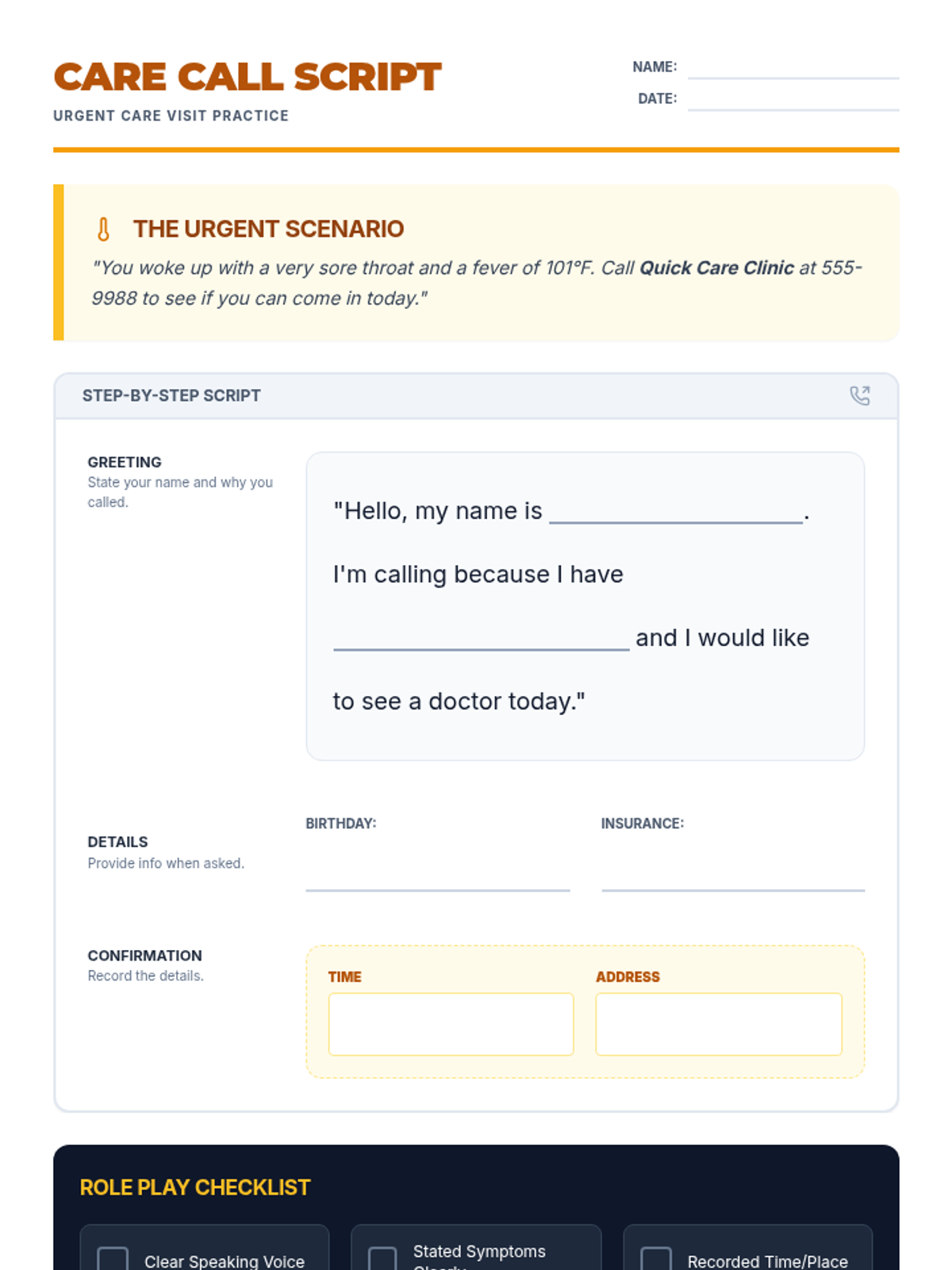
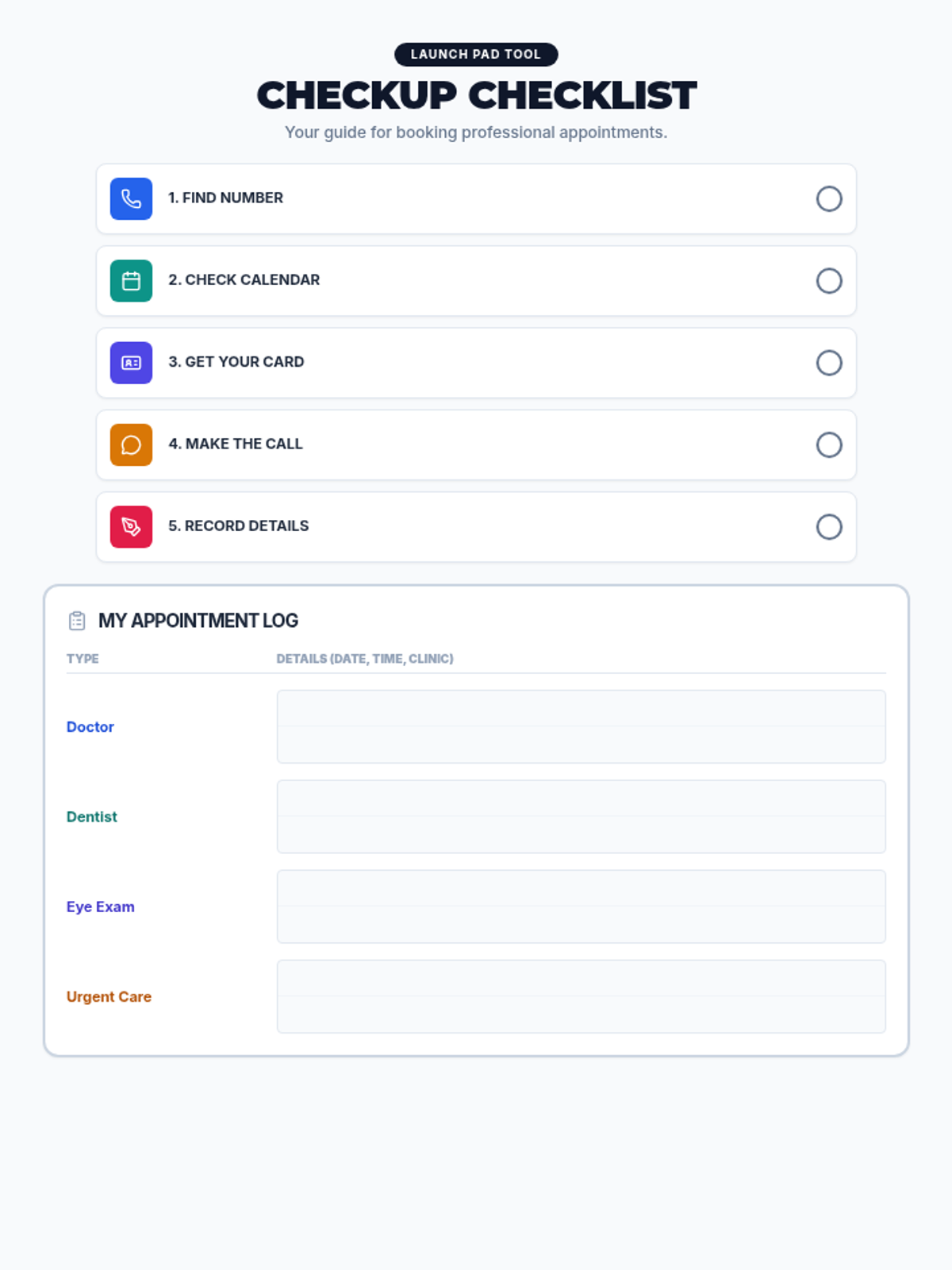
A comprehensive lesson designed for transition-age students to master independent personal care management and medical appointment scheduling. Students learn to recognize self-care needs, navigate scheduling for routine check-ups, and use a script for urgent medical situations.
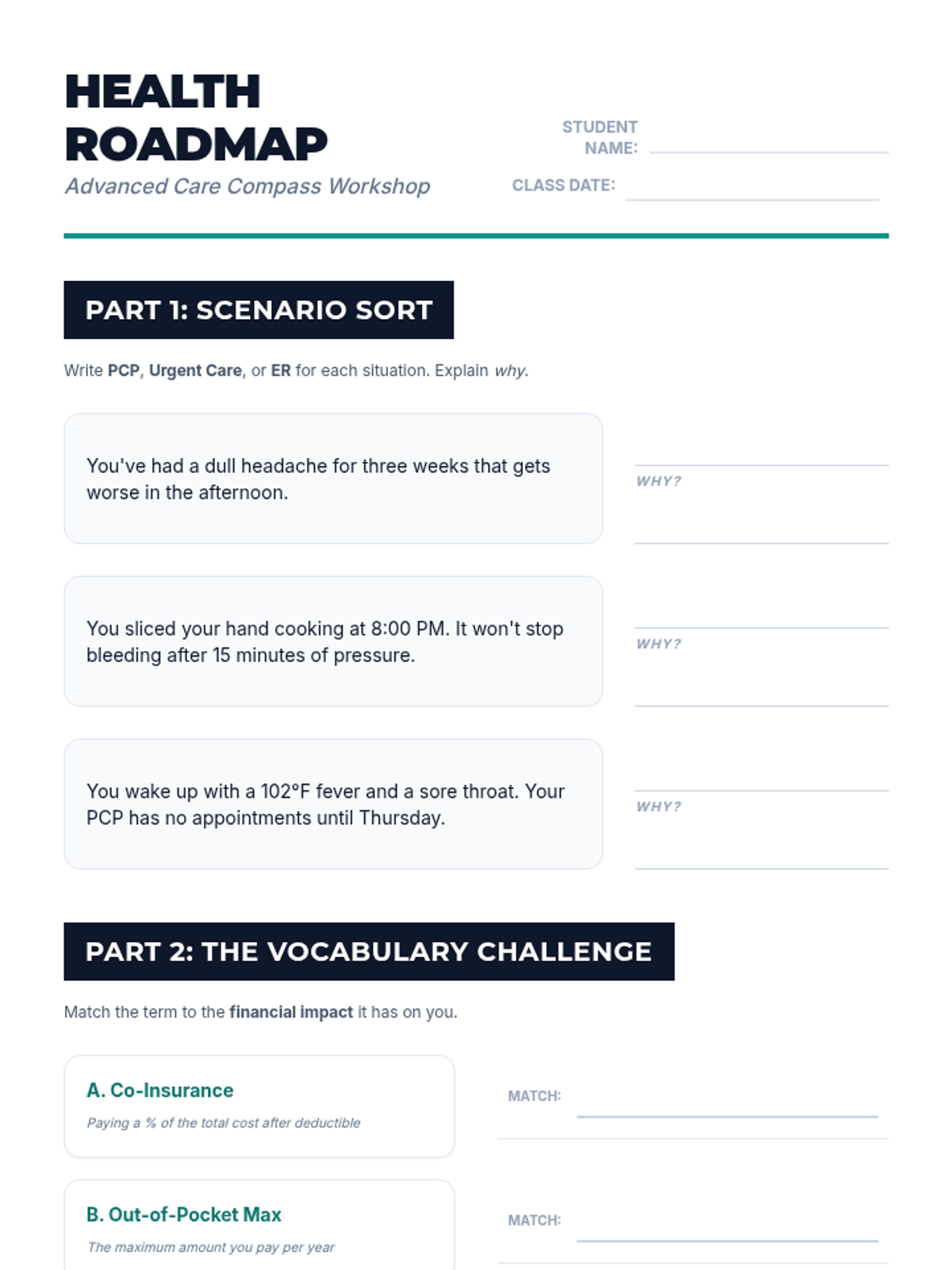
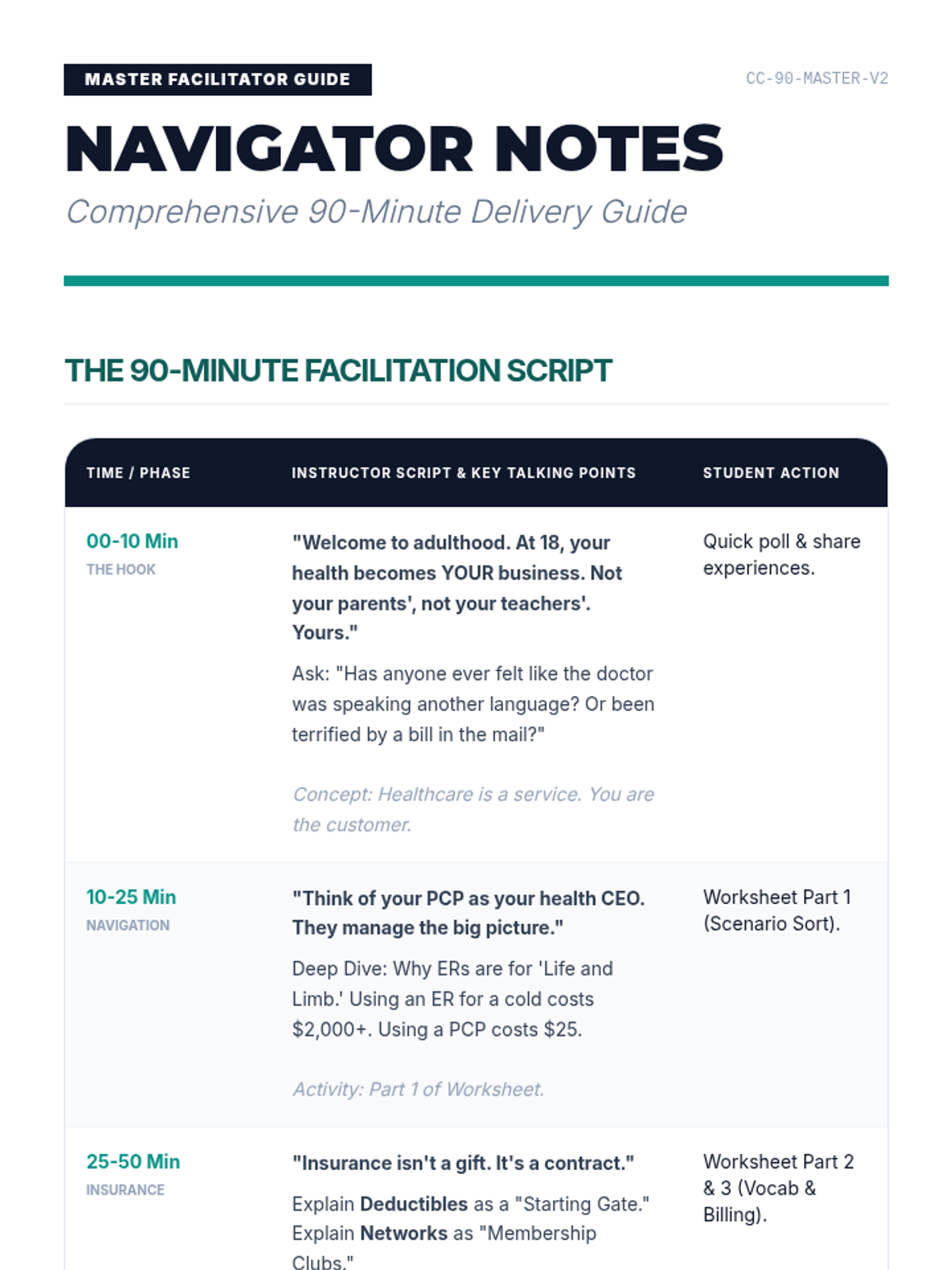
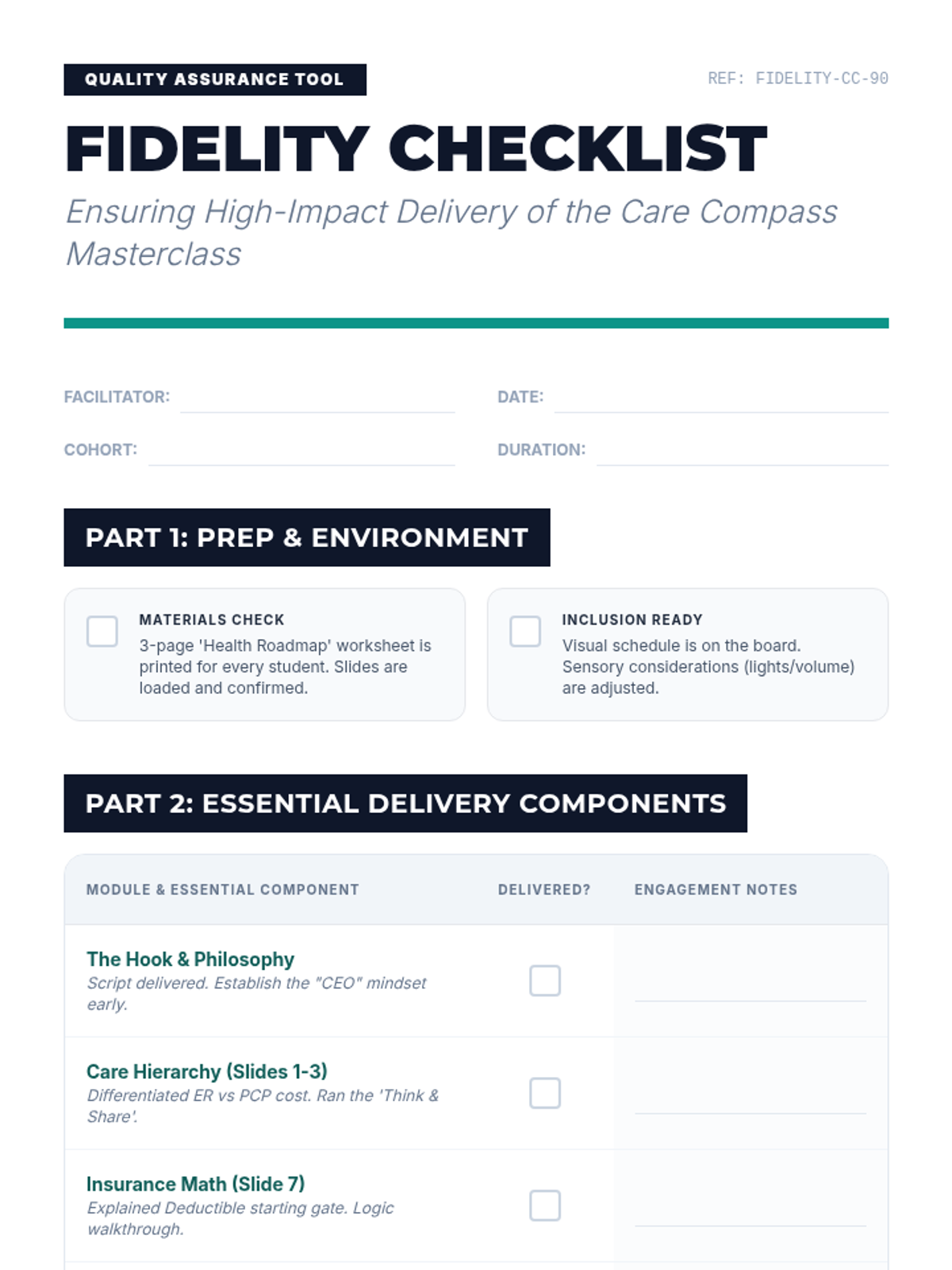
A practical guide for 16-21 year olds to navigate the healthcare system, understand insurance, and advocate for their own health needs as they transition to adulthood.
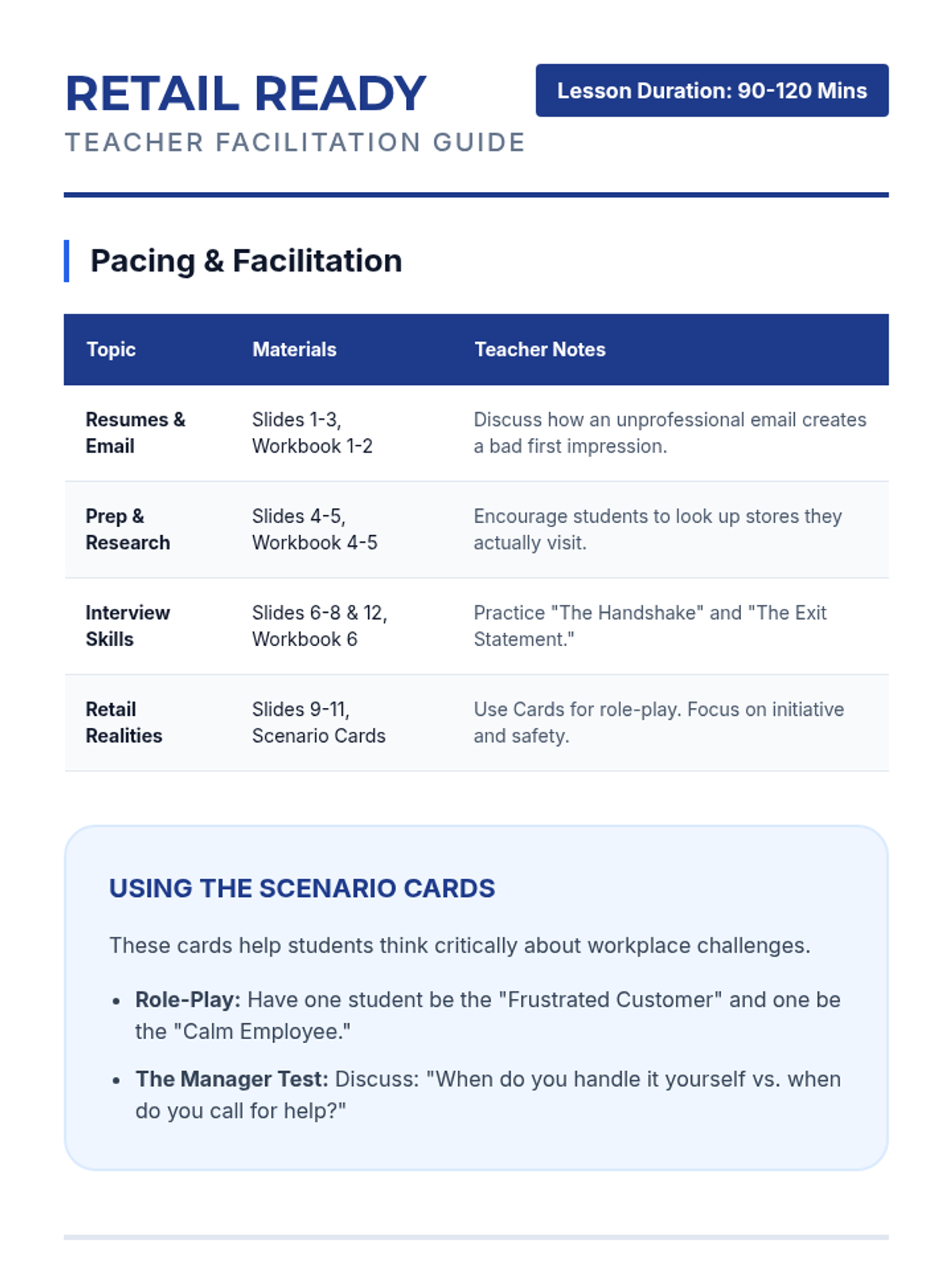
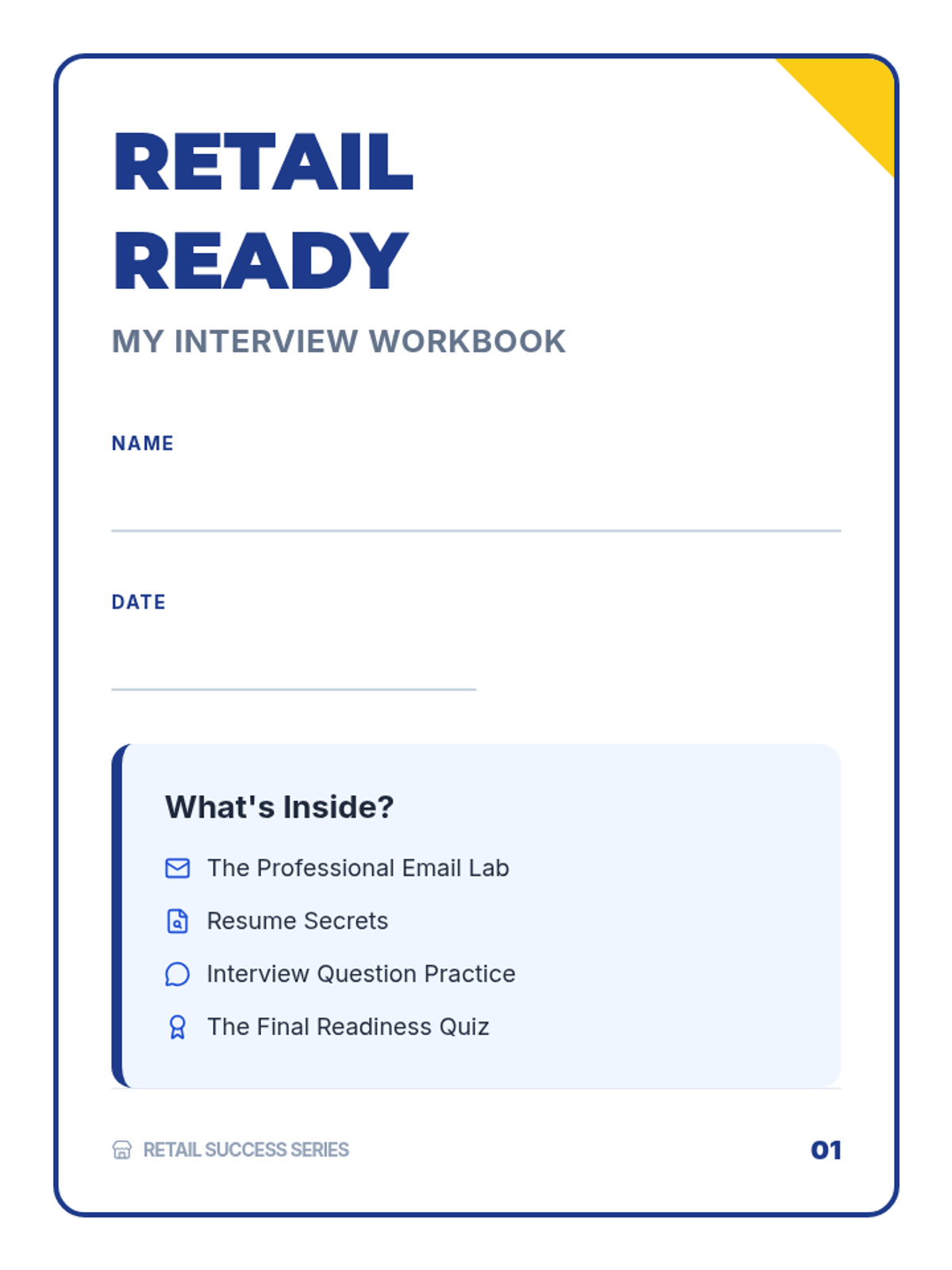
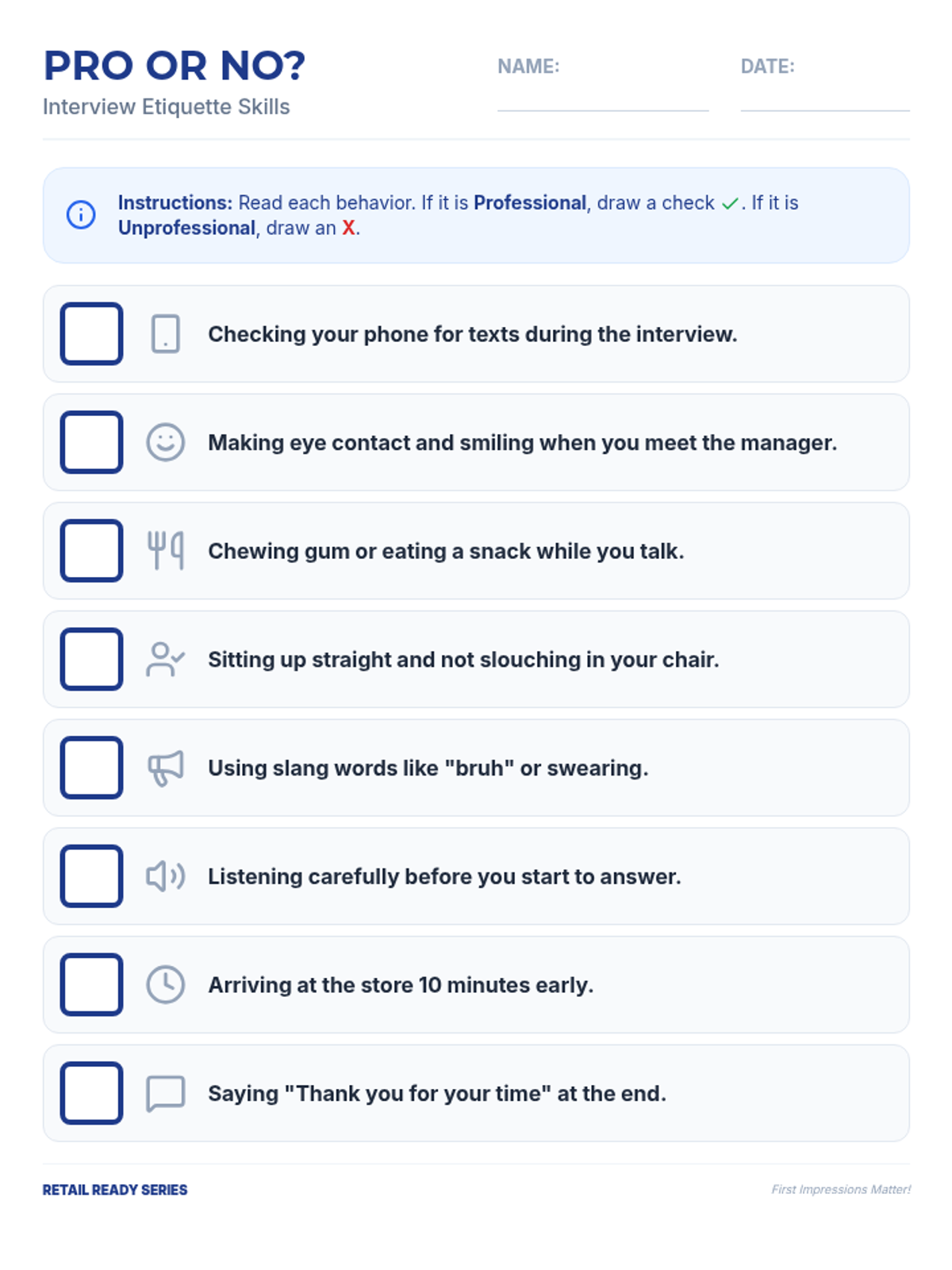
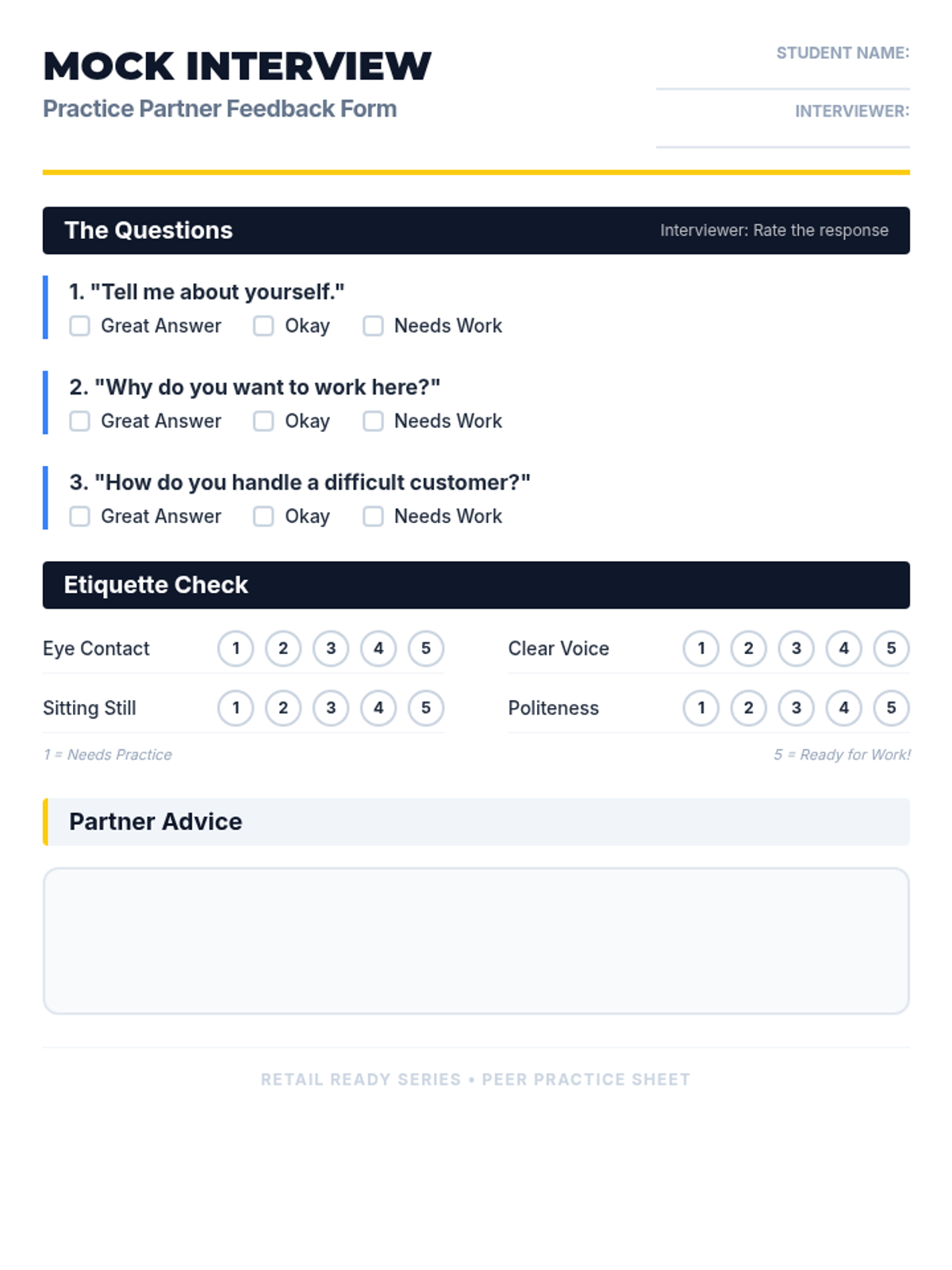
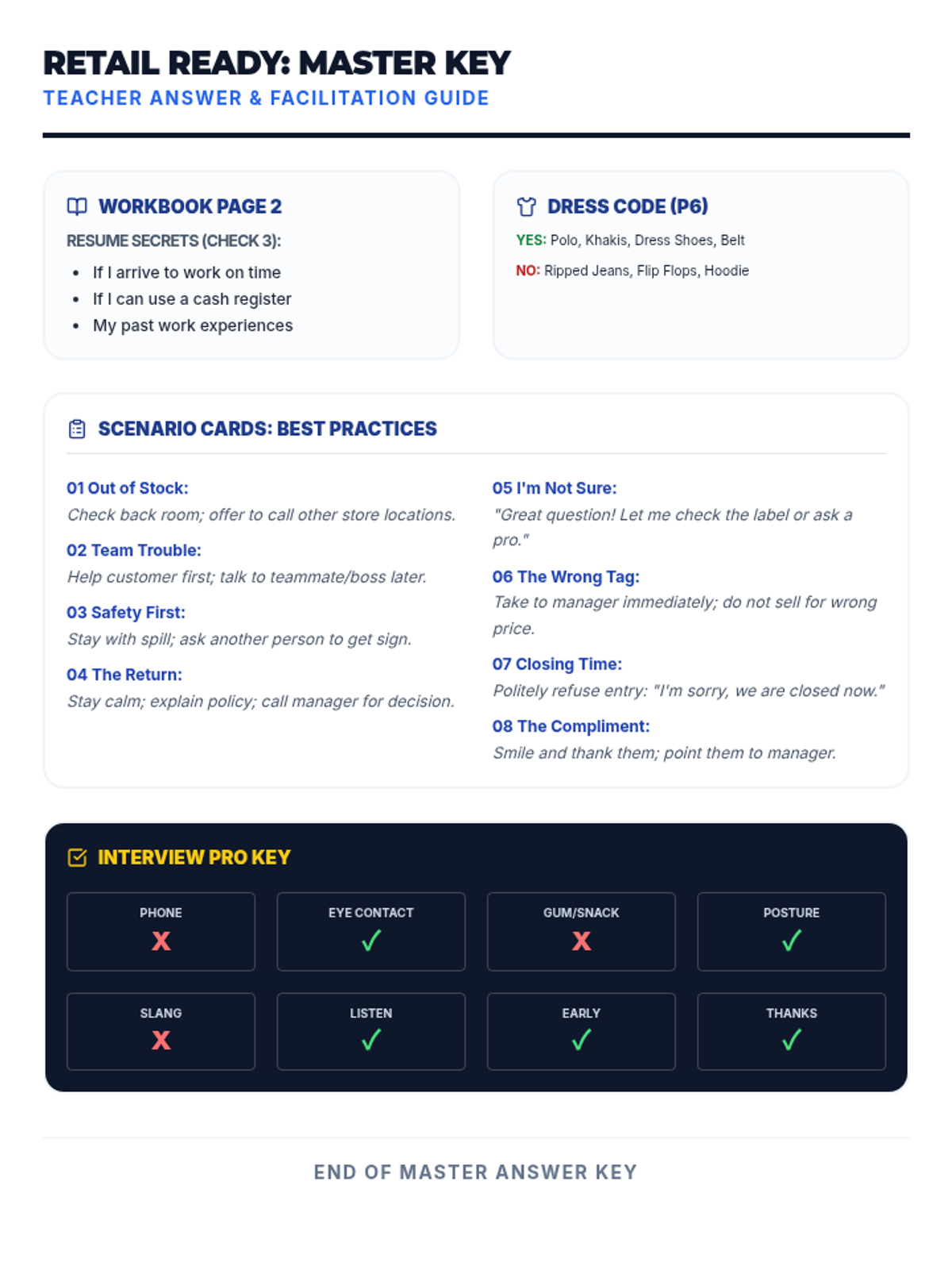
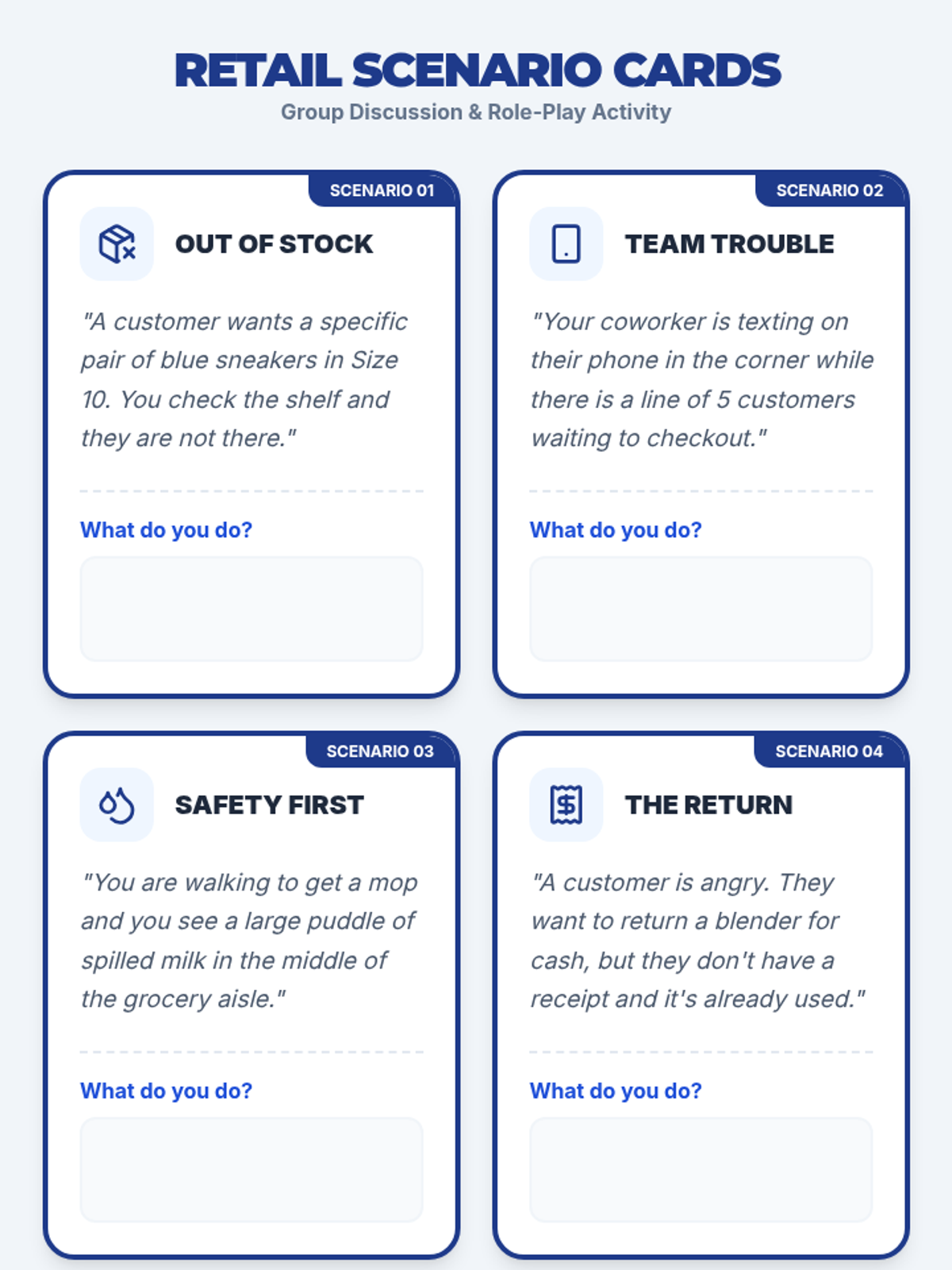
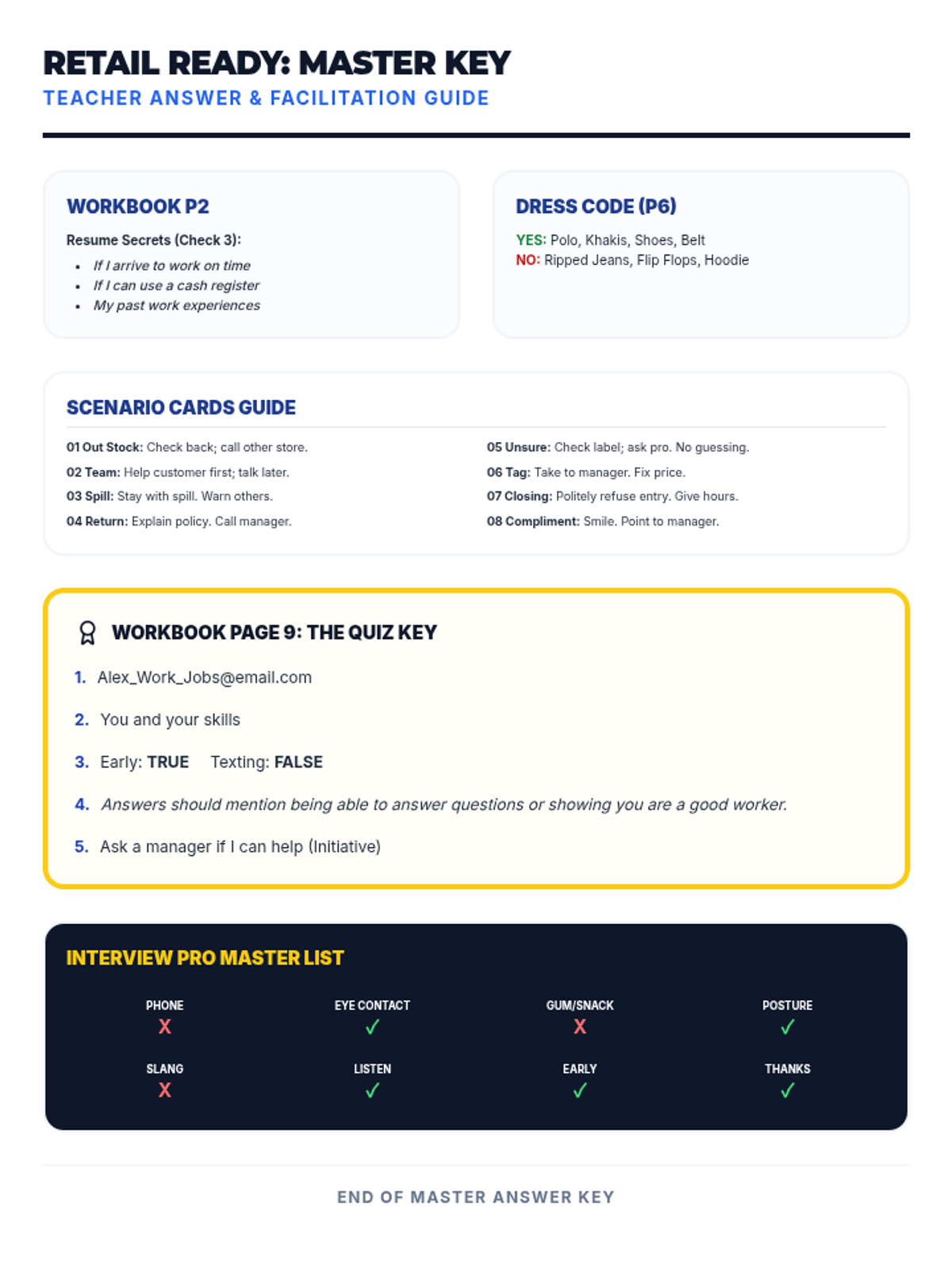
A comprehensive lesson preparing students and transition-aged adults for retail job interviews, covering everything from professional emails to post-interview etiquette.
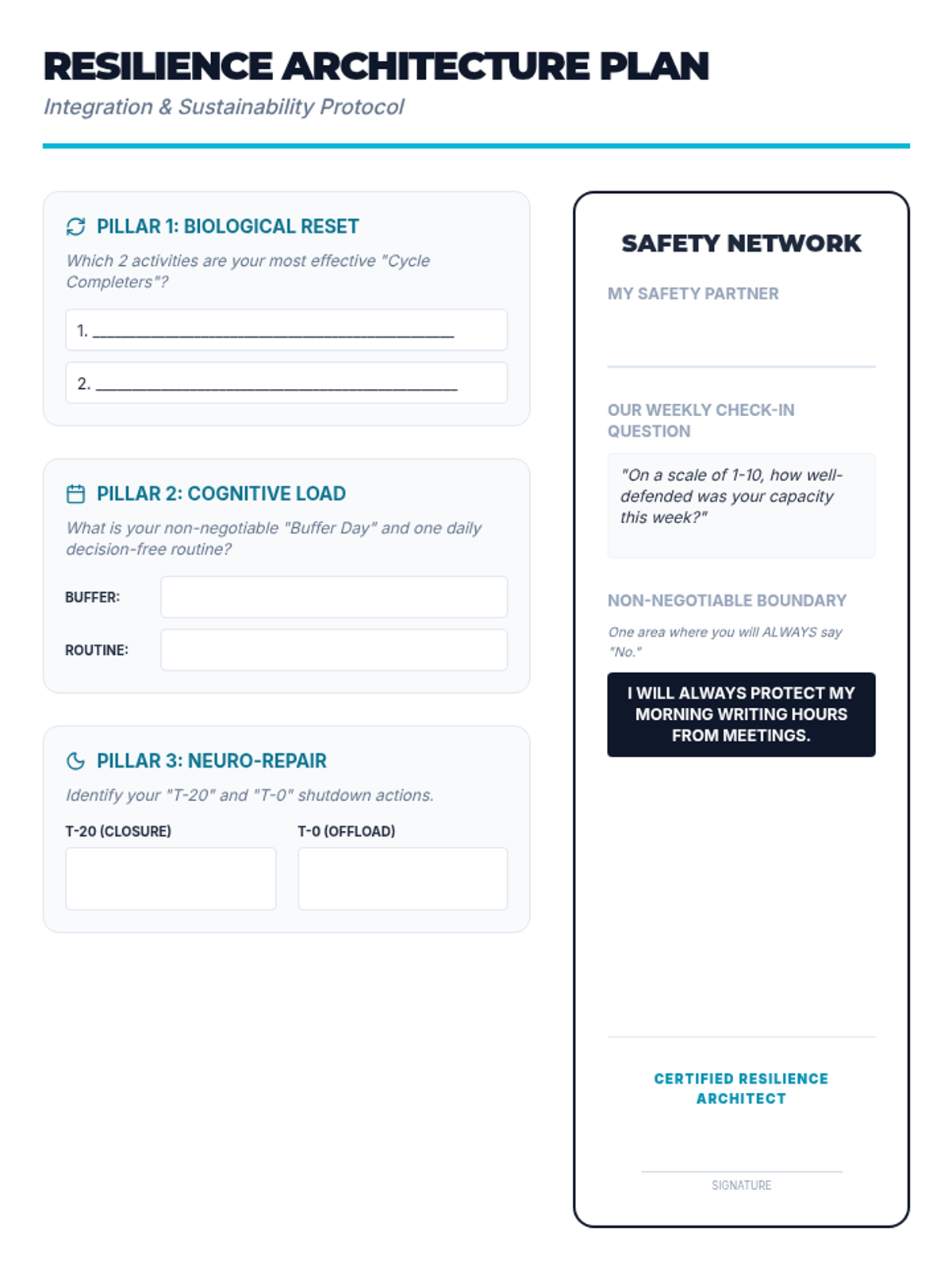
Final synthesis where students integrate all learned modules into a personalized Resilience Architecture plan and a portable Crisis Card for emergency restoration.
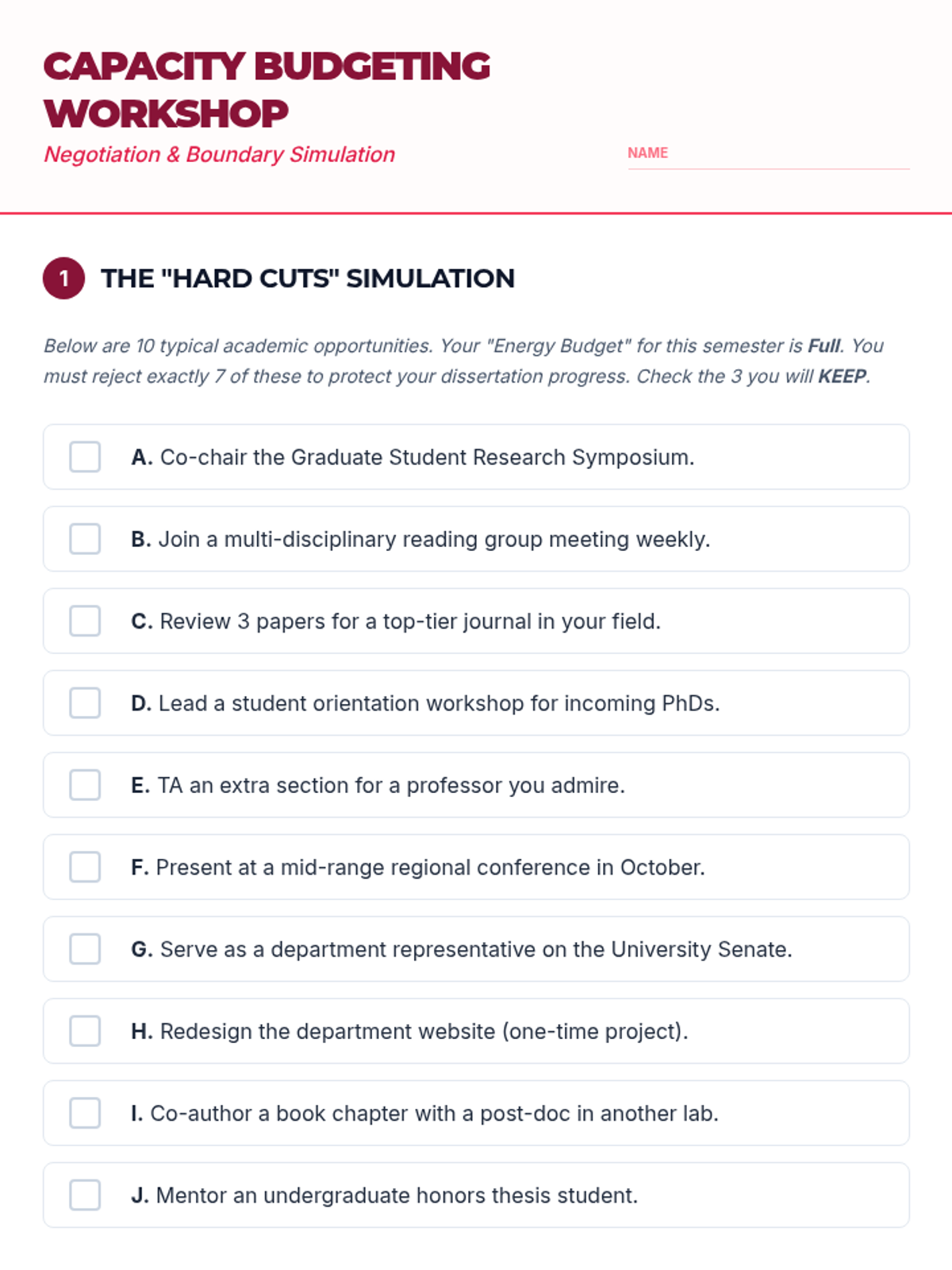
Addresses the pressure to overcommit in academia by teaching the 'Strategic No' as a tool for protecting capacity and ensuring career longevity.
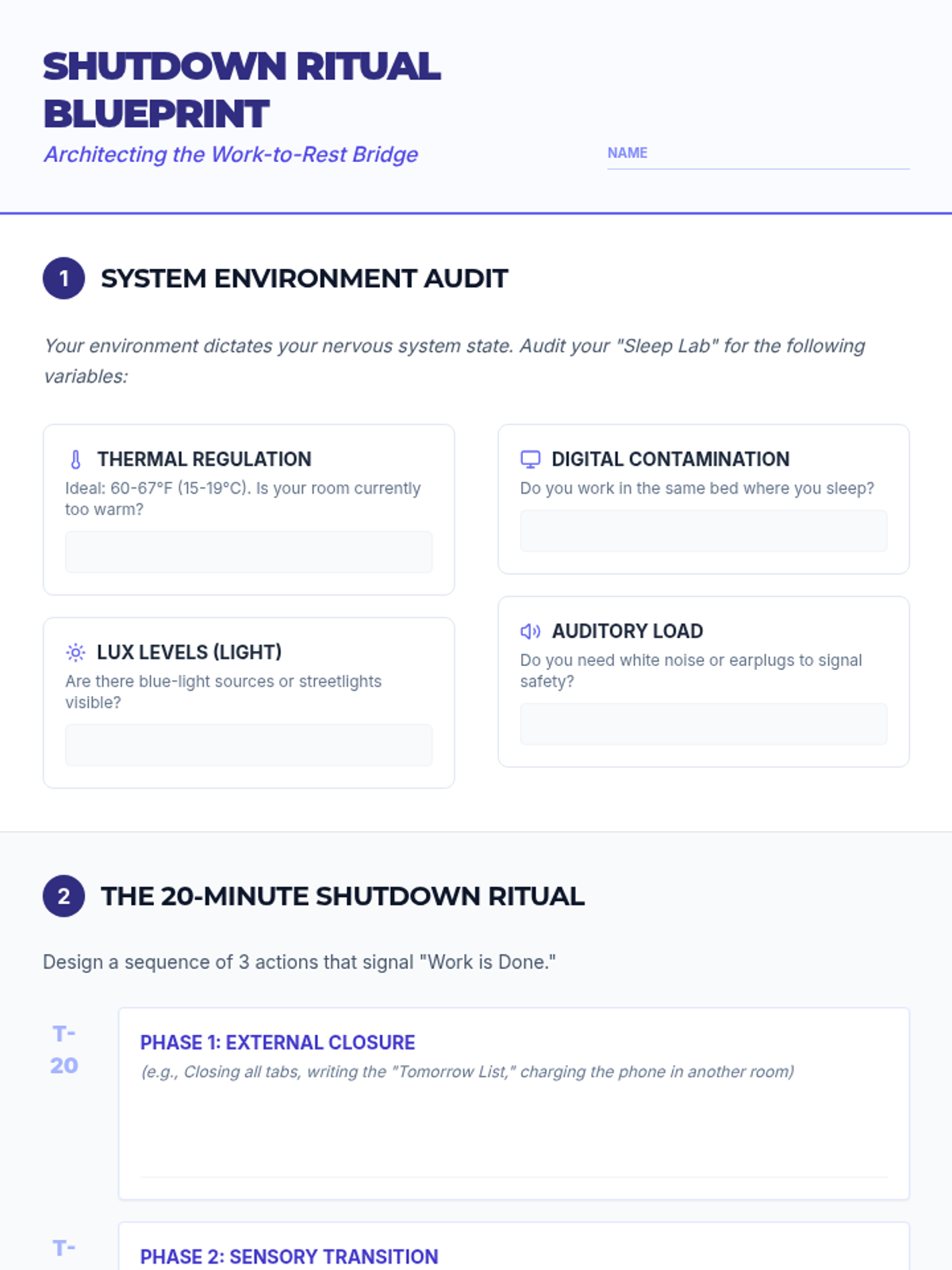
Explores the neurobiology of sleep and its role in emotional regulation, culminating in the design of a 'shutdown ritual' to combat revenge bedtime procrastination.
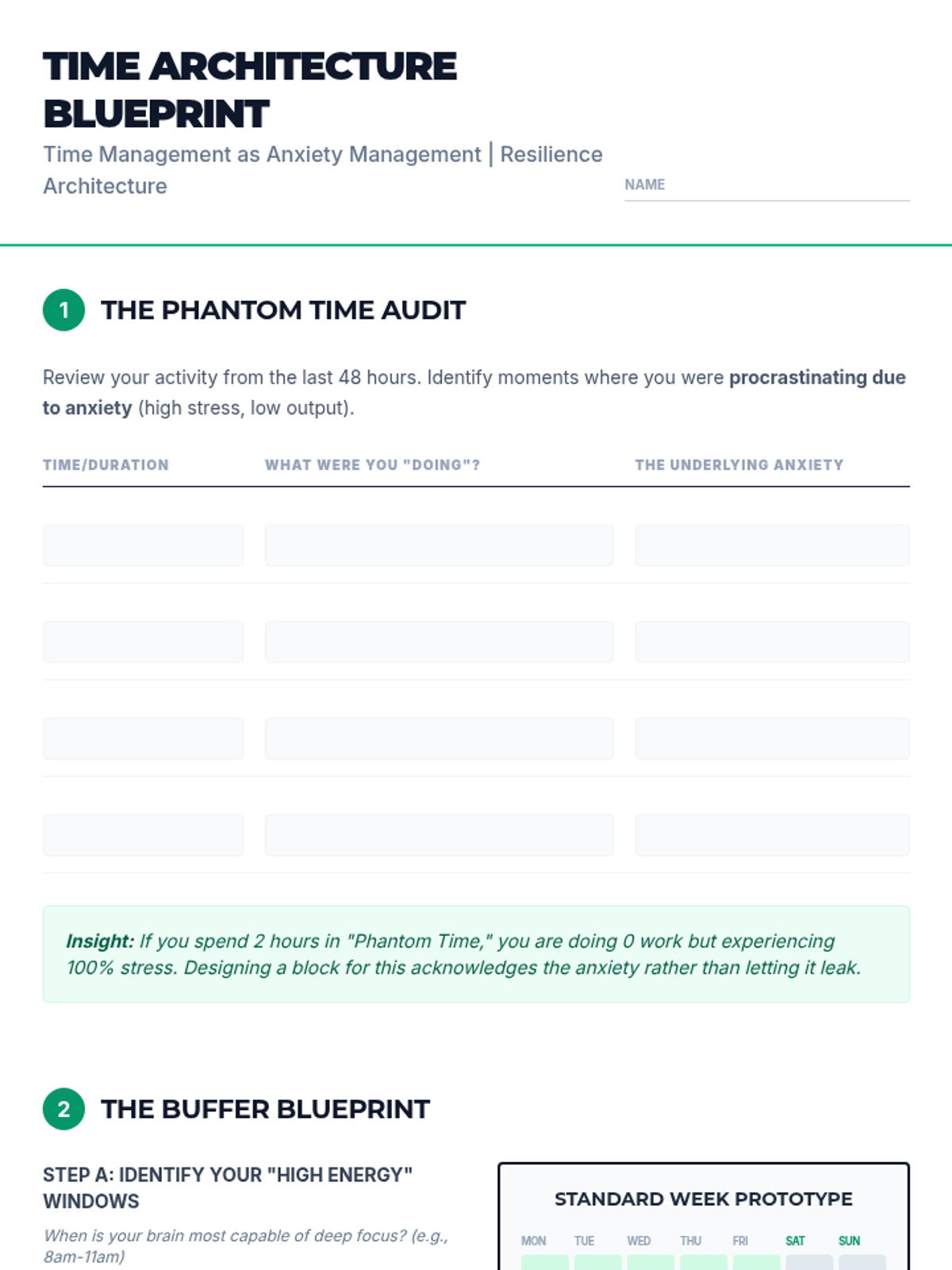
Reframes time management as a tool for reducing cognitive load and anxiety, teaching graduate students to design schedules based on energy levels and buffer capacity.
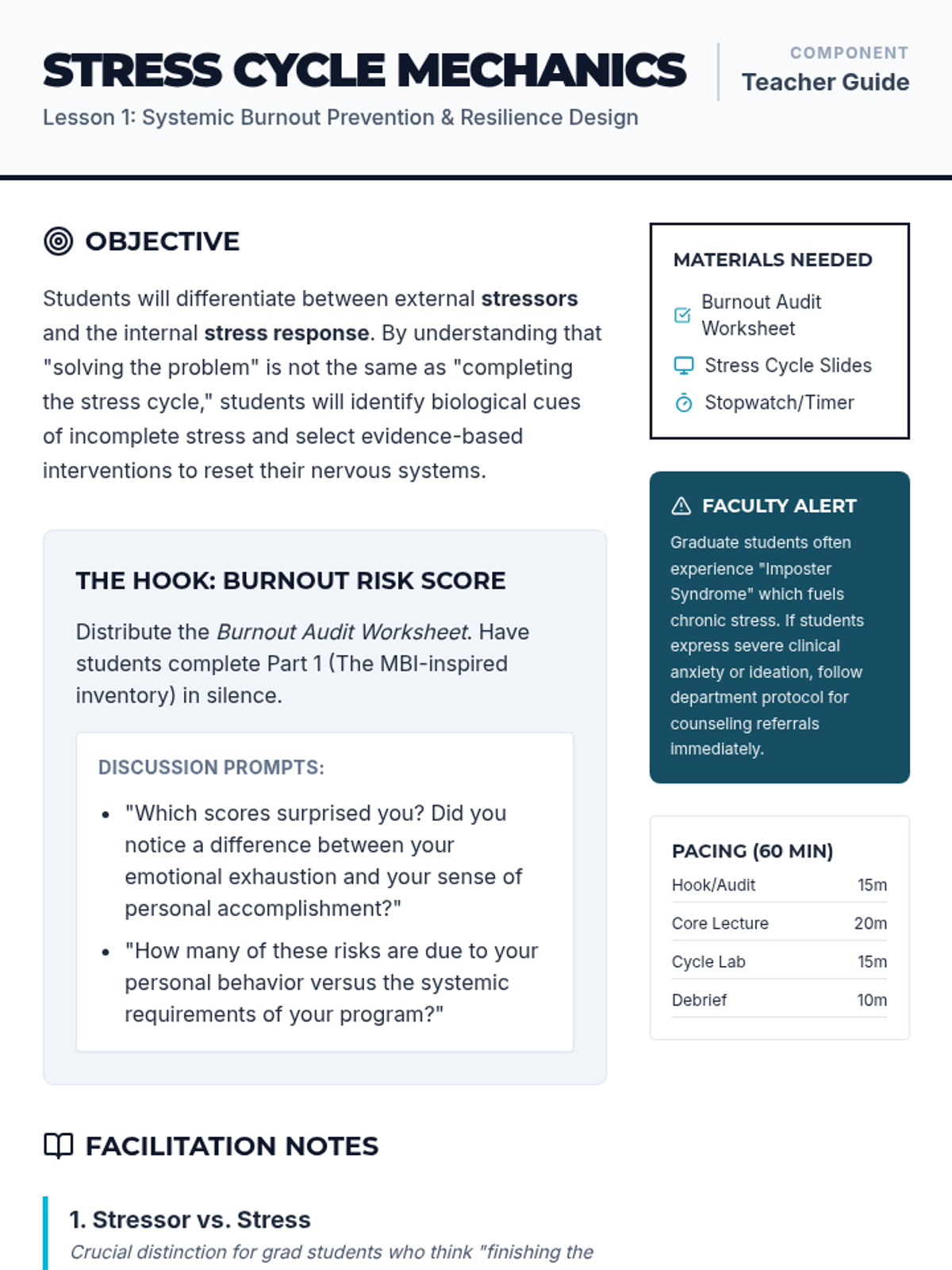
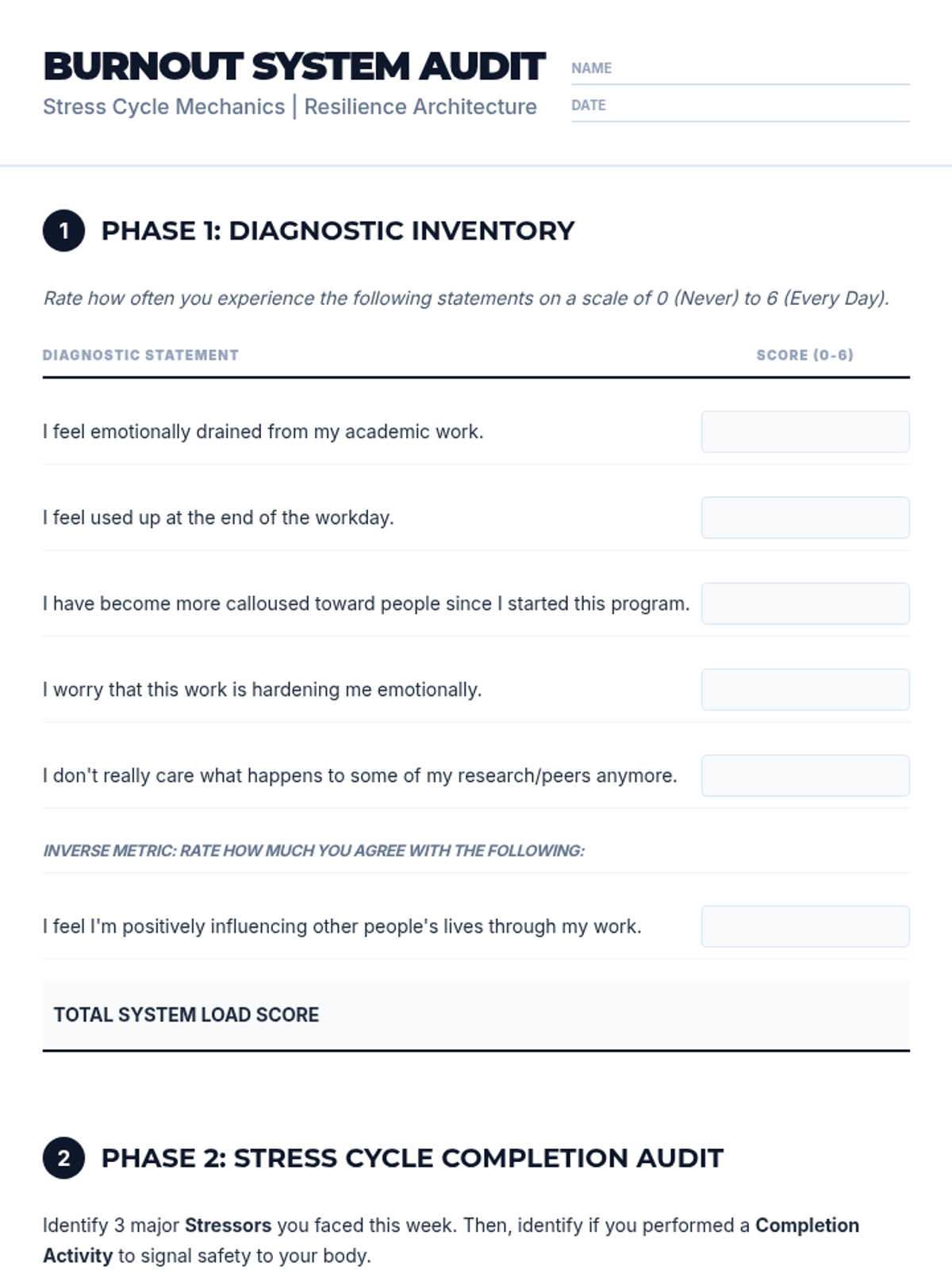
Students distinguish between stressors and the physiological stress response, auditing their current routines to ensure they are completing the stress cycle to prevent chronic burnout.
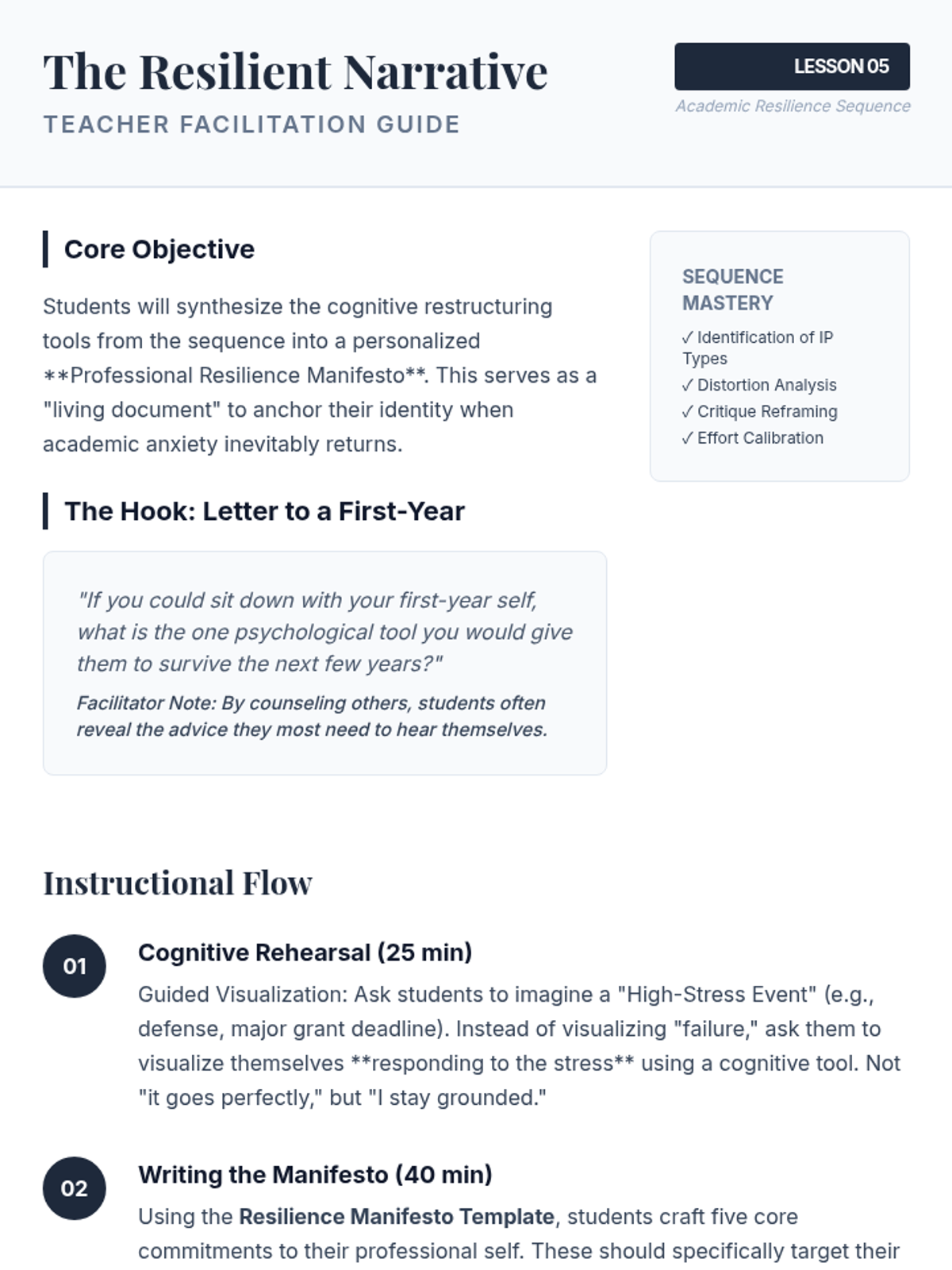
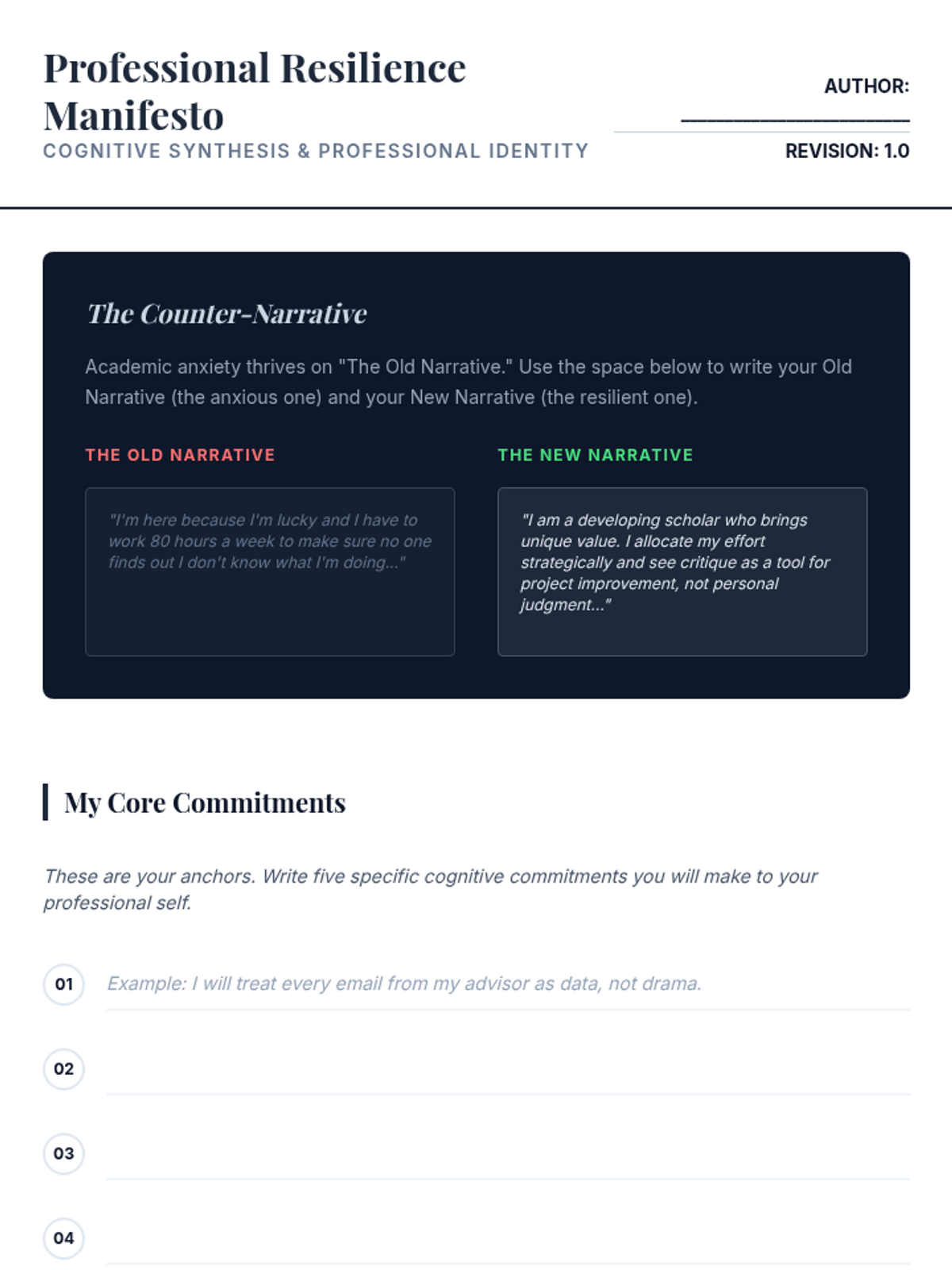
Students synthesize their learning by constructing a Professional Resilience Manifesto and practicing cognitive rehearsal to prepare for future academic challenges.
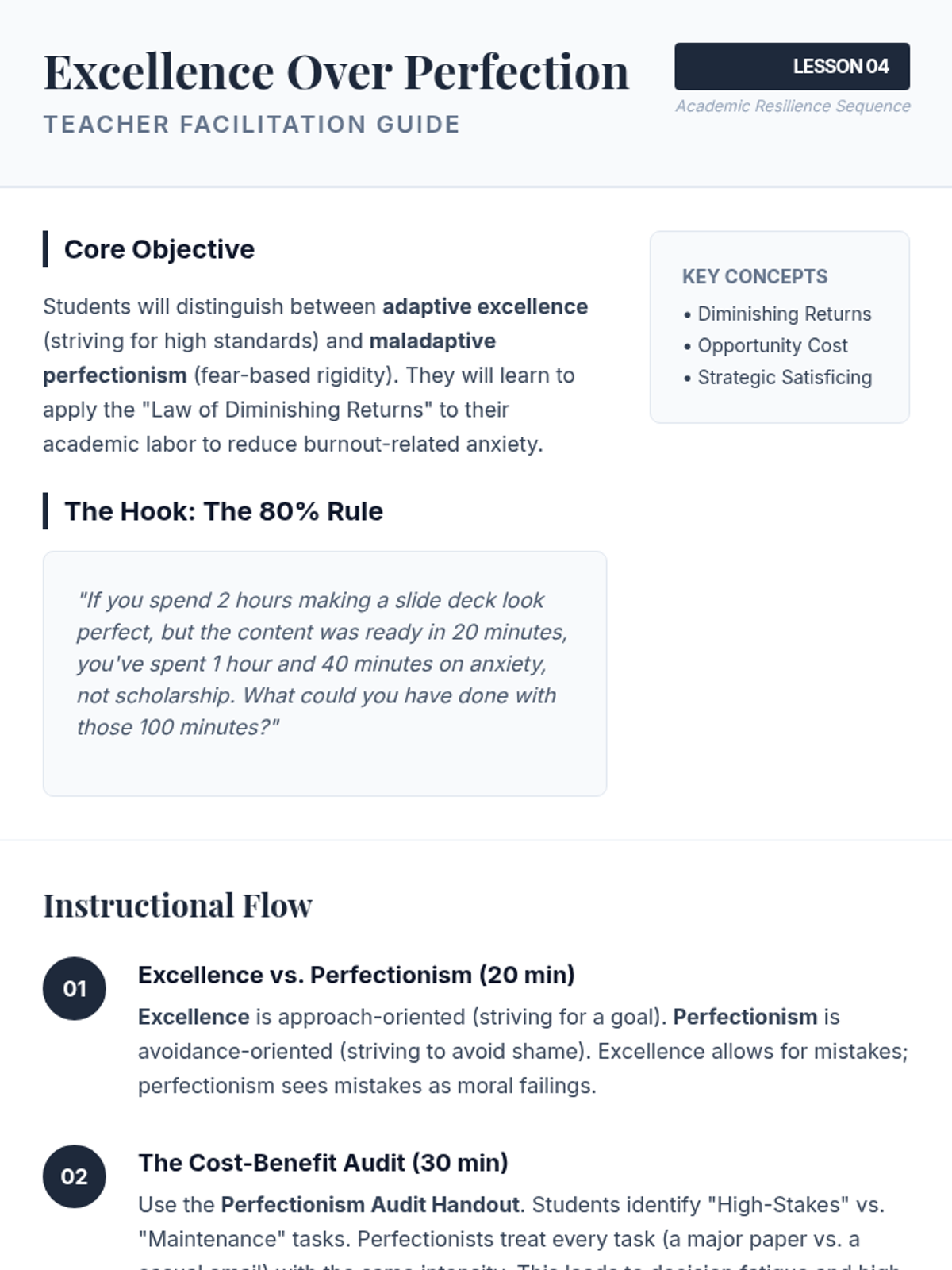
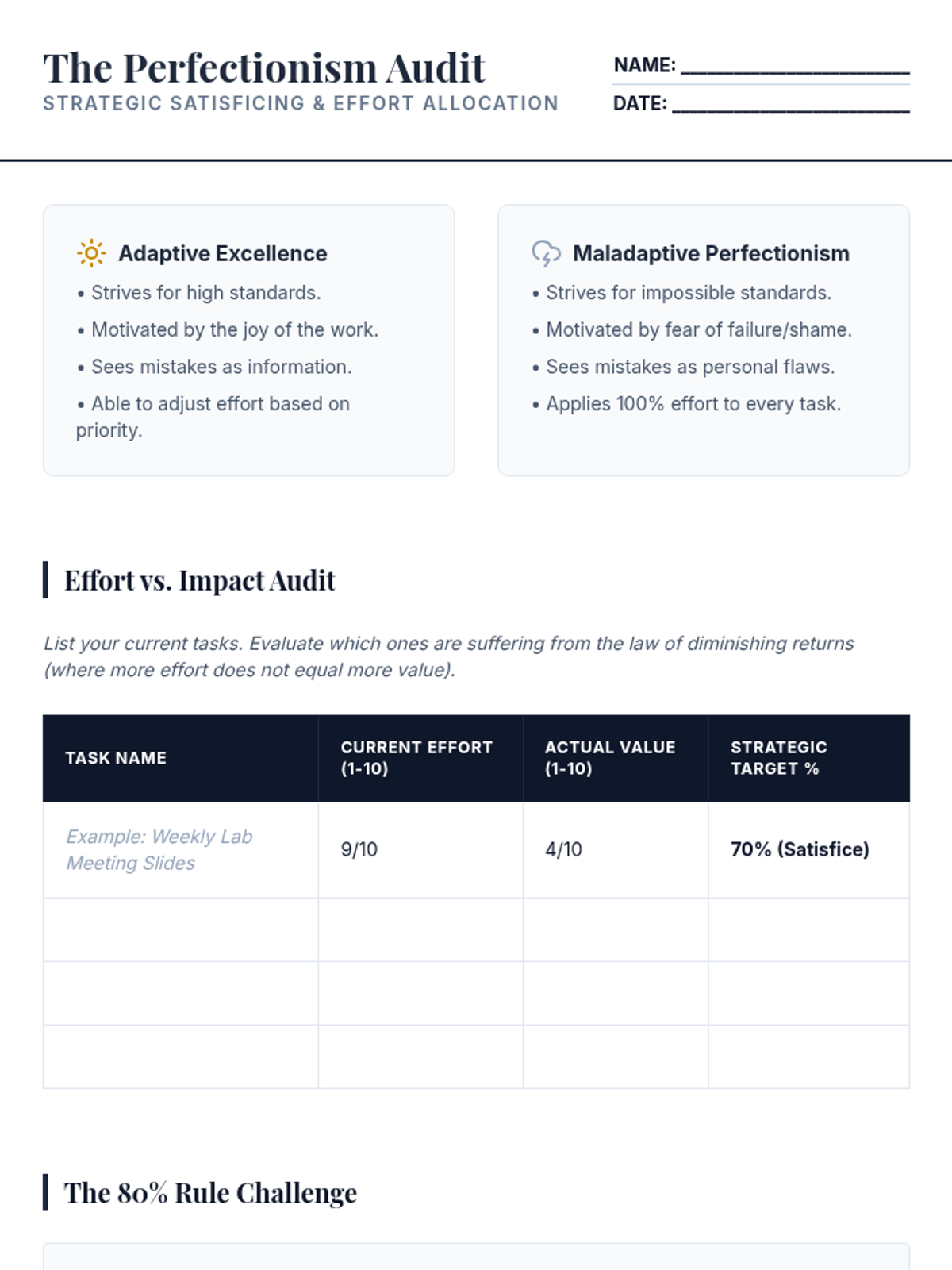
Participants distinguish between adaptive excellence and maladaptive perfectionism, exploring the 'law of diminishing returns' in academic work and its anxiety cost.
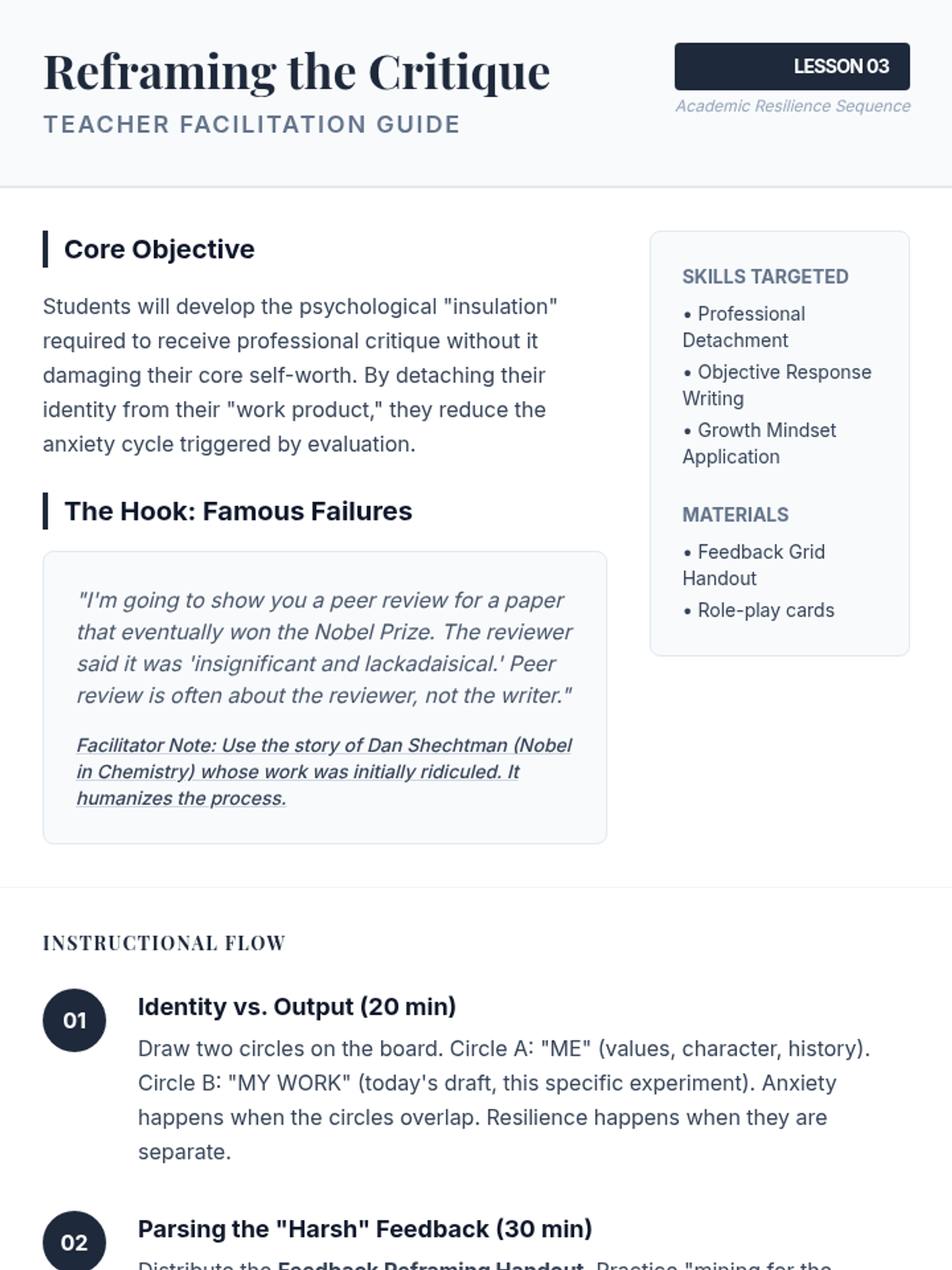
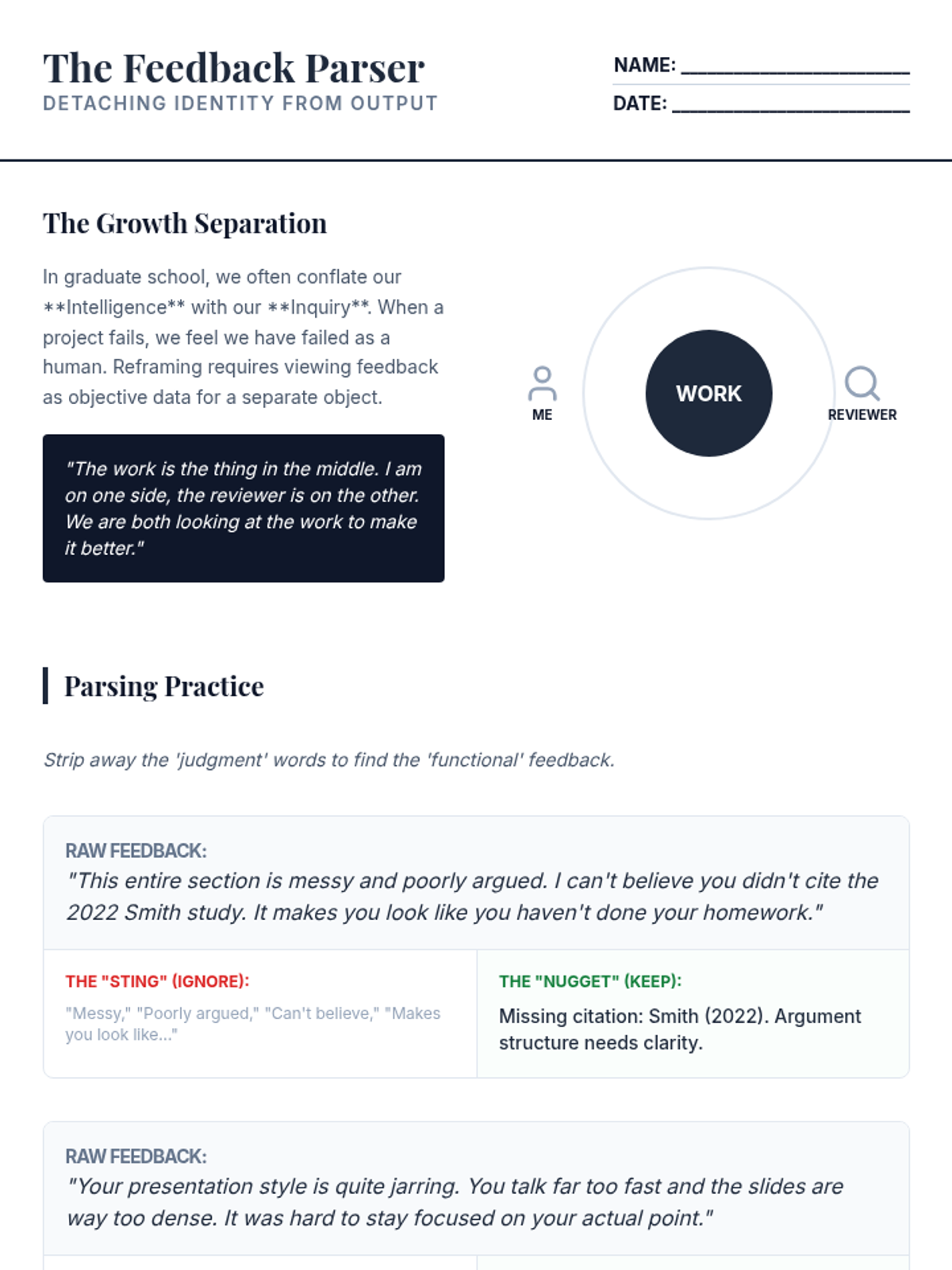
This lesson focuses on detaching self-worth from academic critique, practicing objective responses to harsh feedback and adopting a growth mindset toward evaluation.
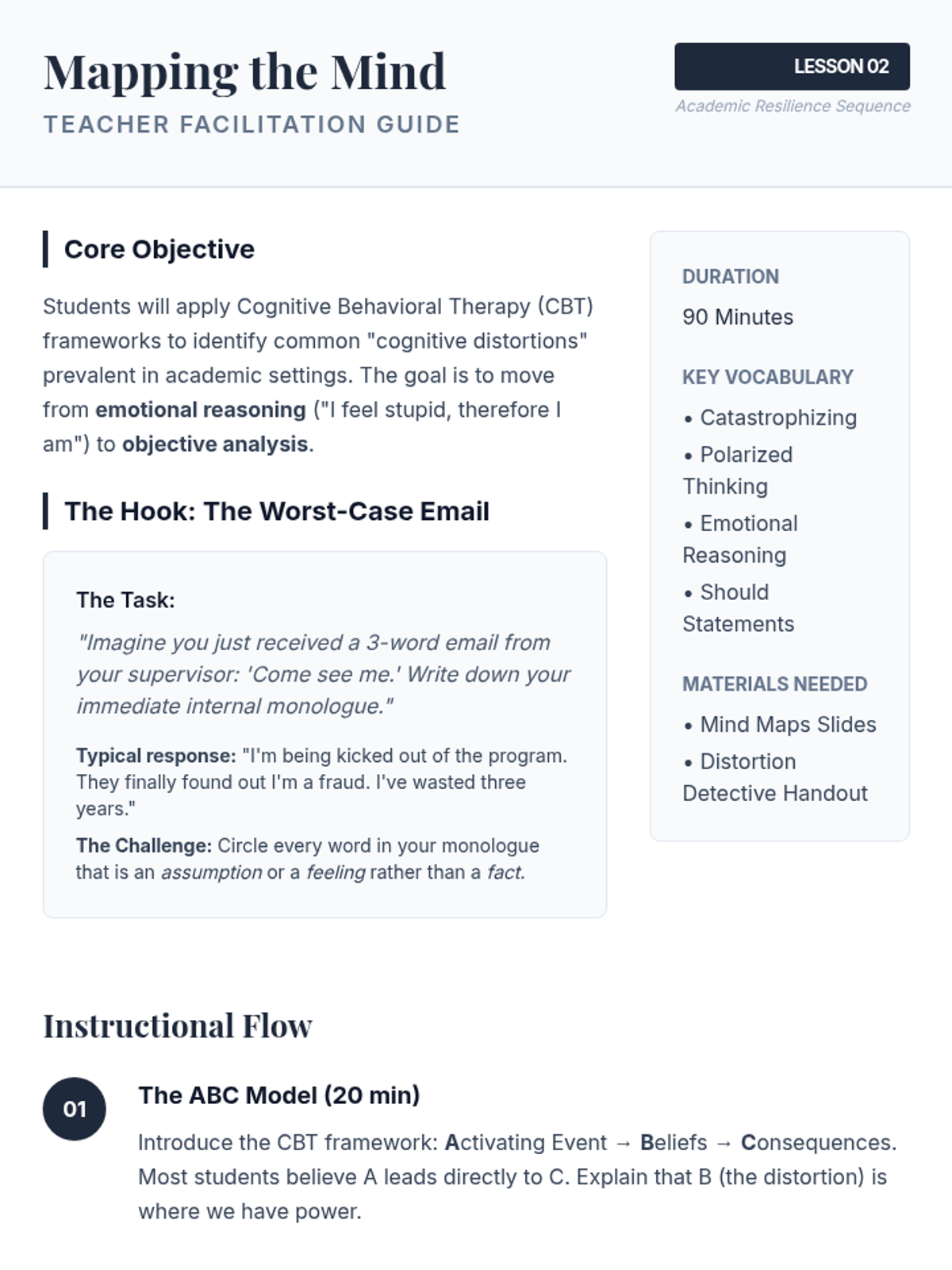
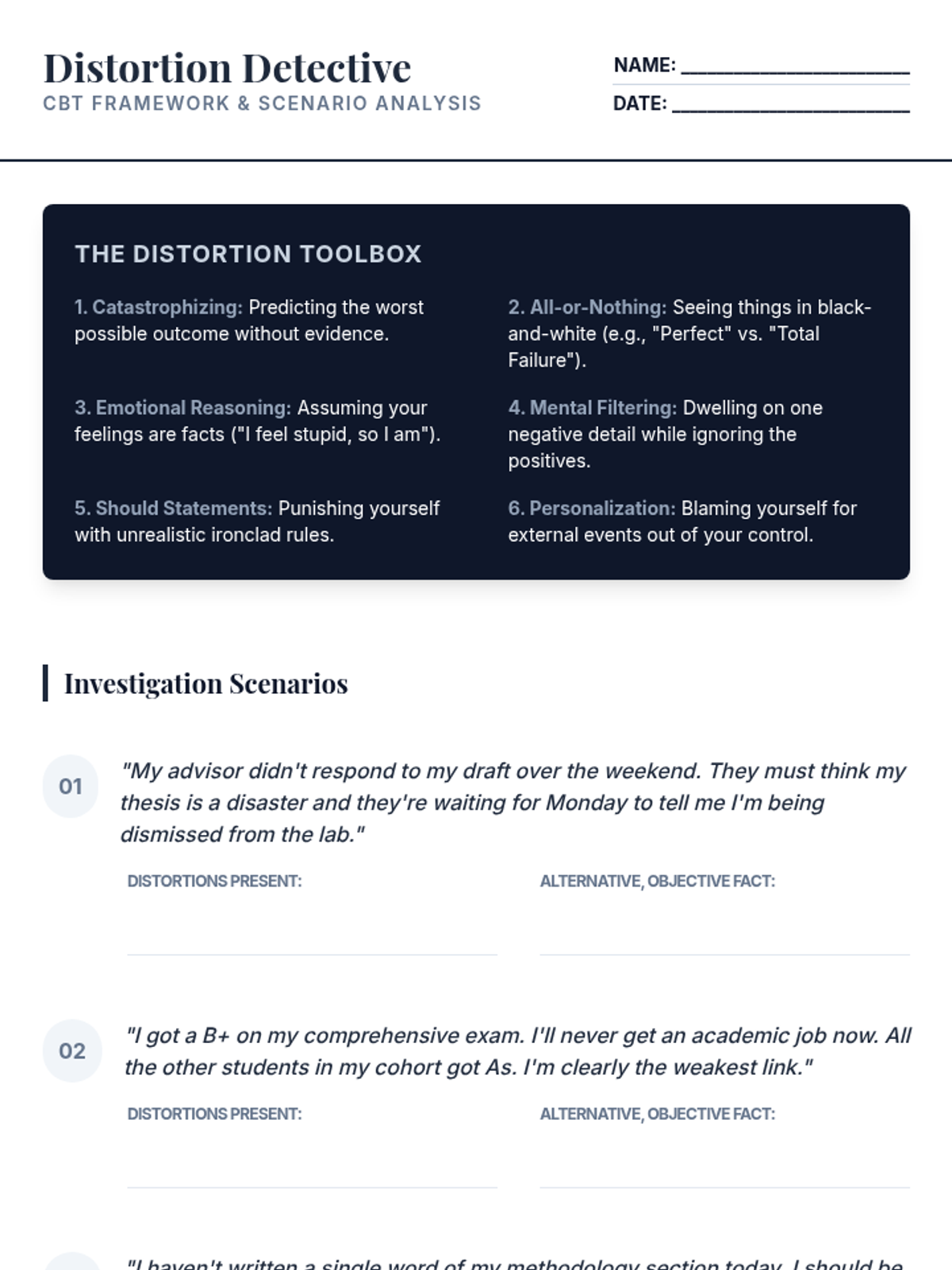
Students learn to identify common cognitive distortions like catastrophizing and all-or-nothing thinking using CBT frameworks to provide a vocabulary for cognitive restructuring.
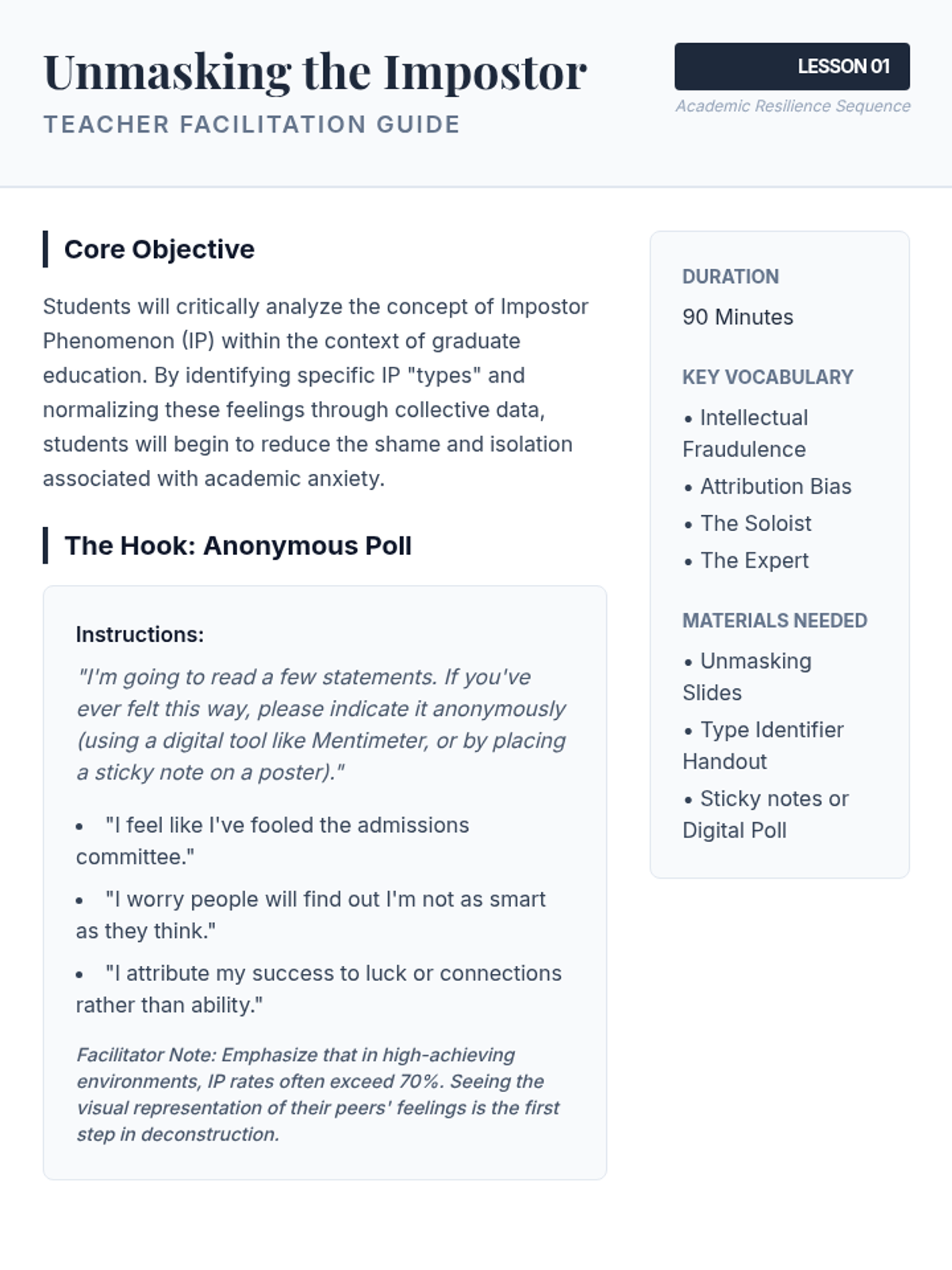
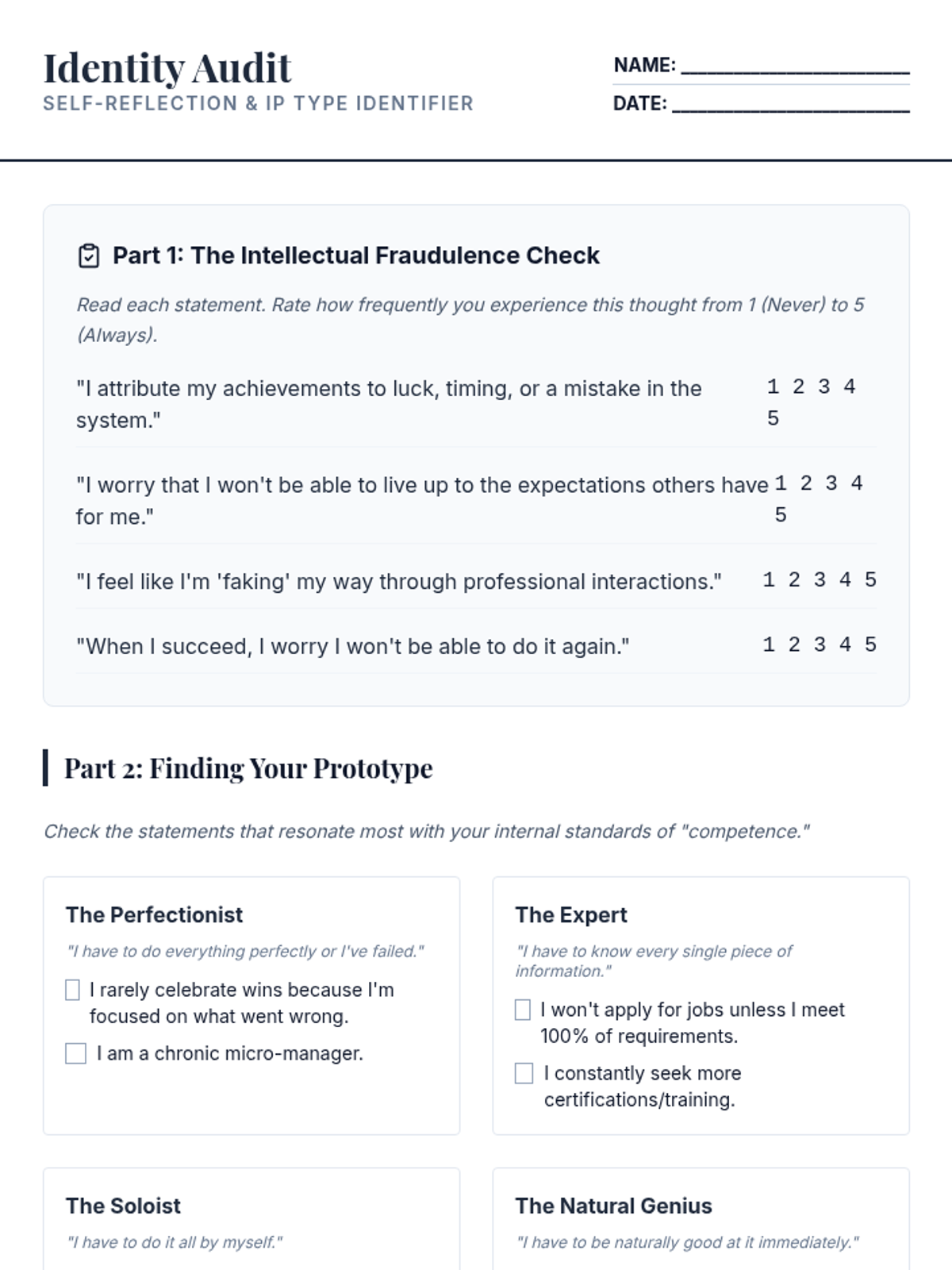
Students analyze the Impostor Phenomenon (IP) in higher education, identifying the five types of 'impostors' and normalizing their experiences within the academic community.
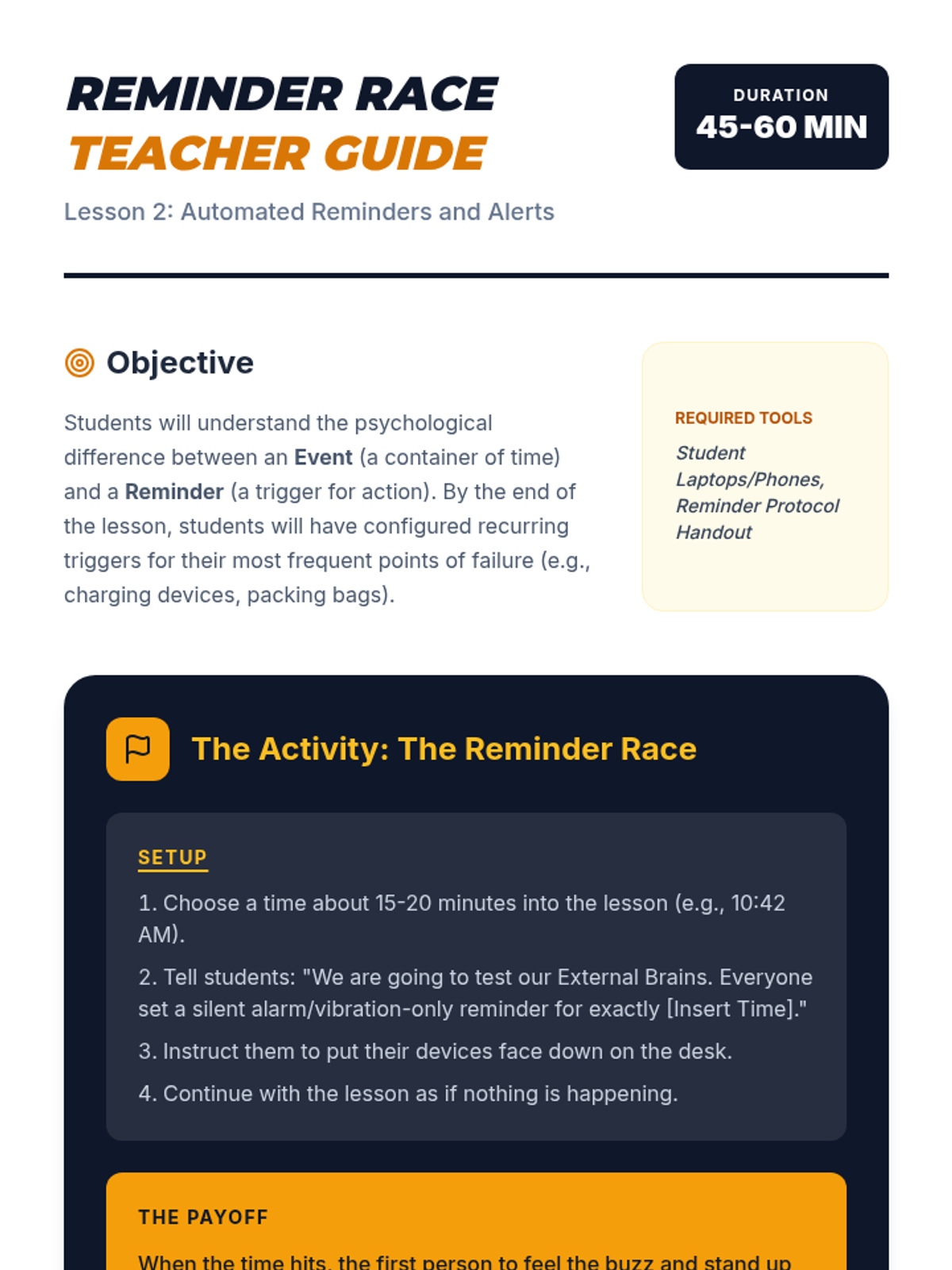
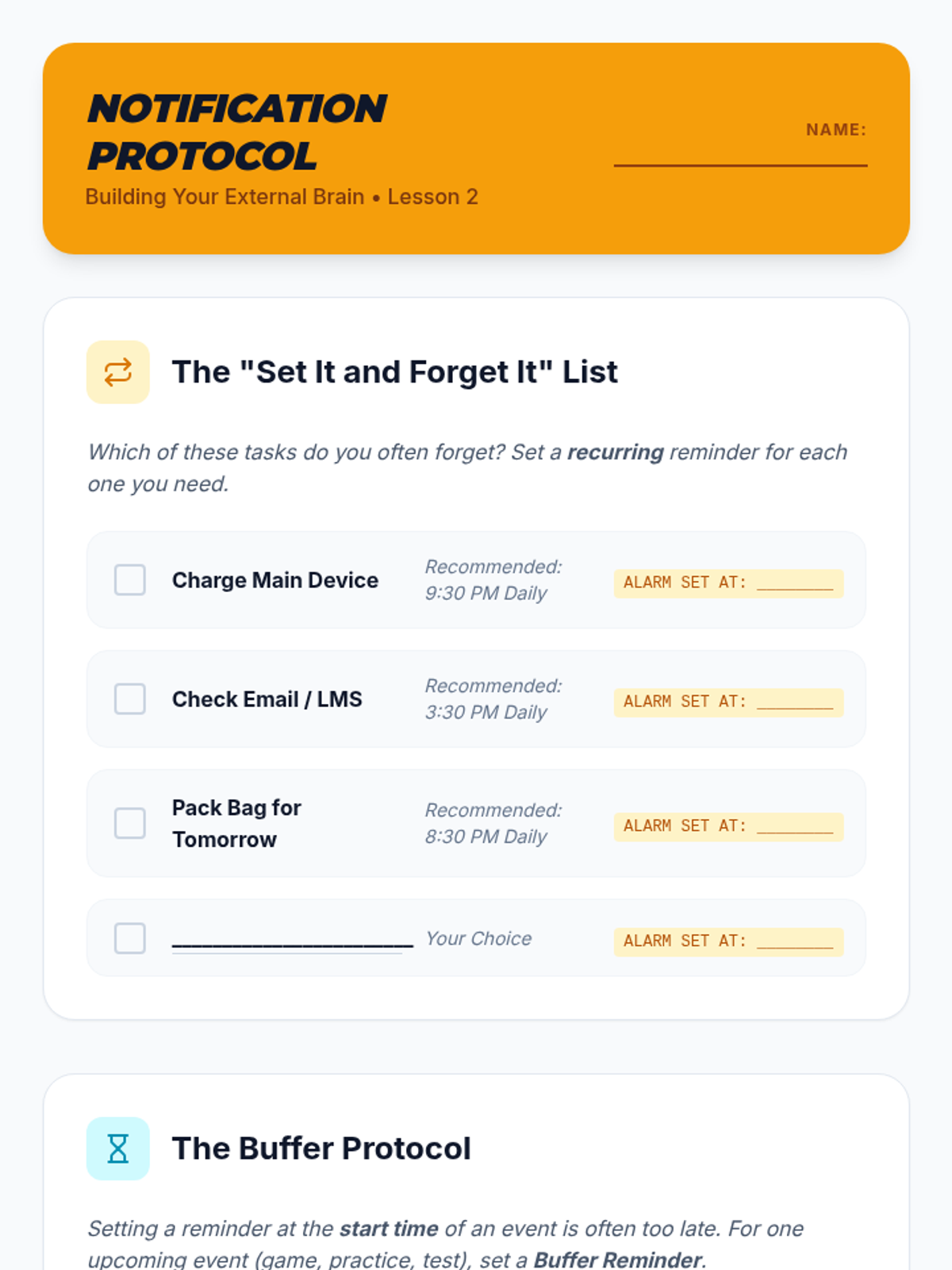
Students configure automated alerts and recurring reminders to manage administrative tasks and prepare for upcoming deadlines.
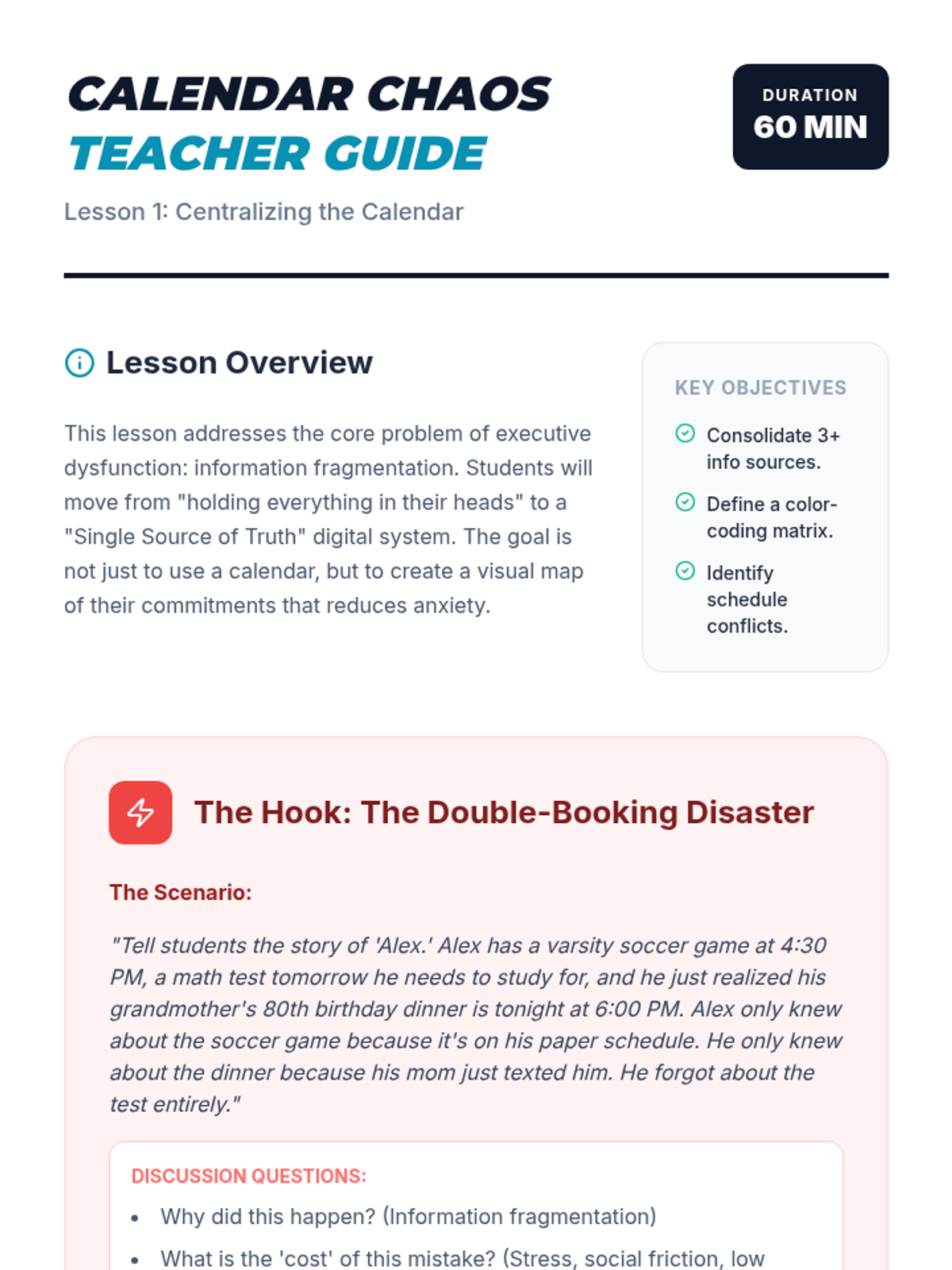
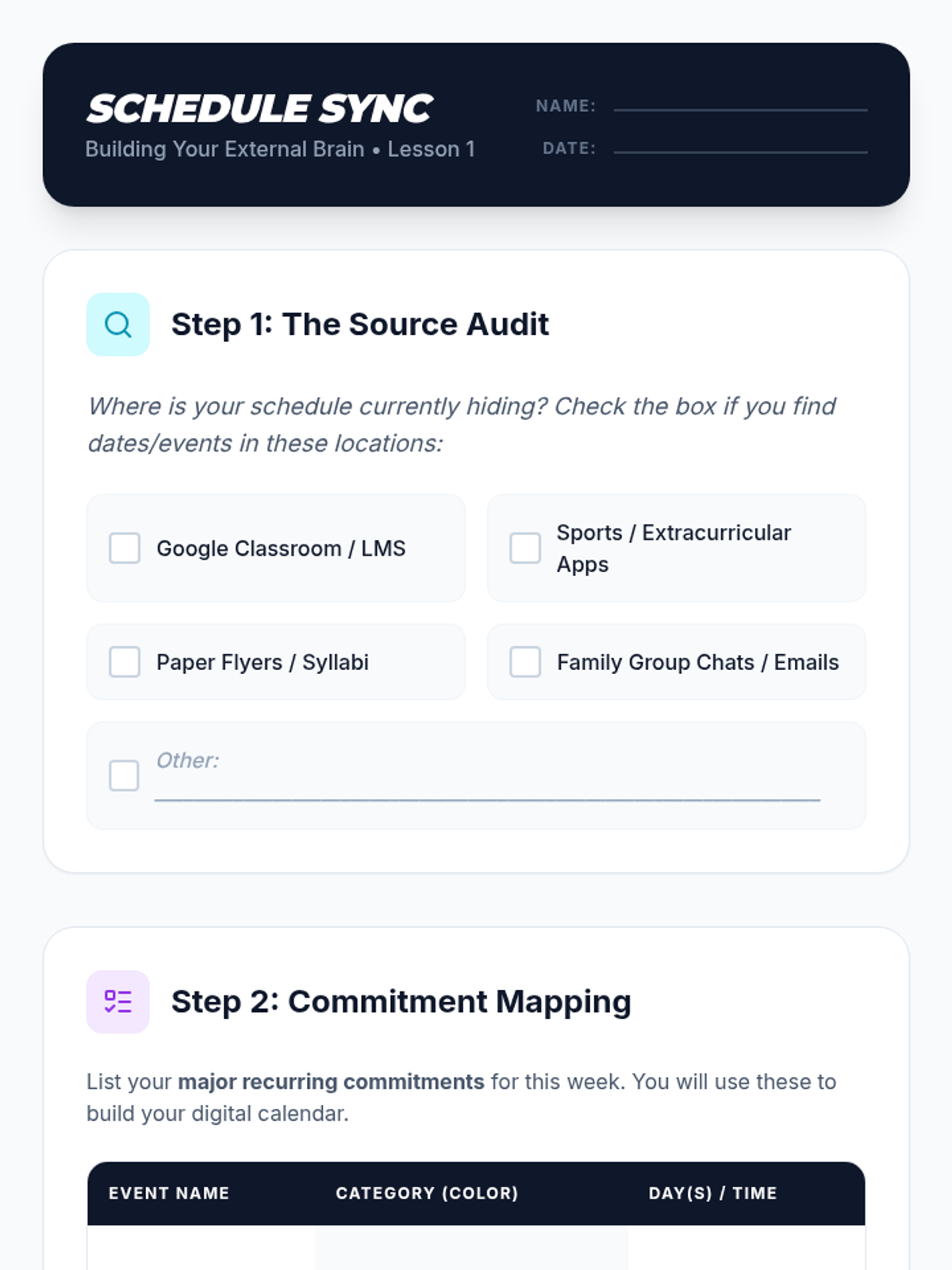
Students learn to consolidate disparate sources of information into a single, color-coded digital calendar system to visualize and balance their commitments.
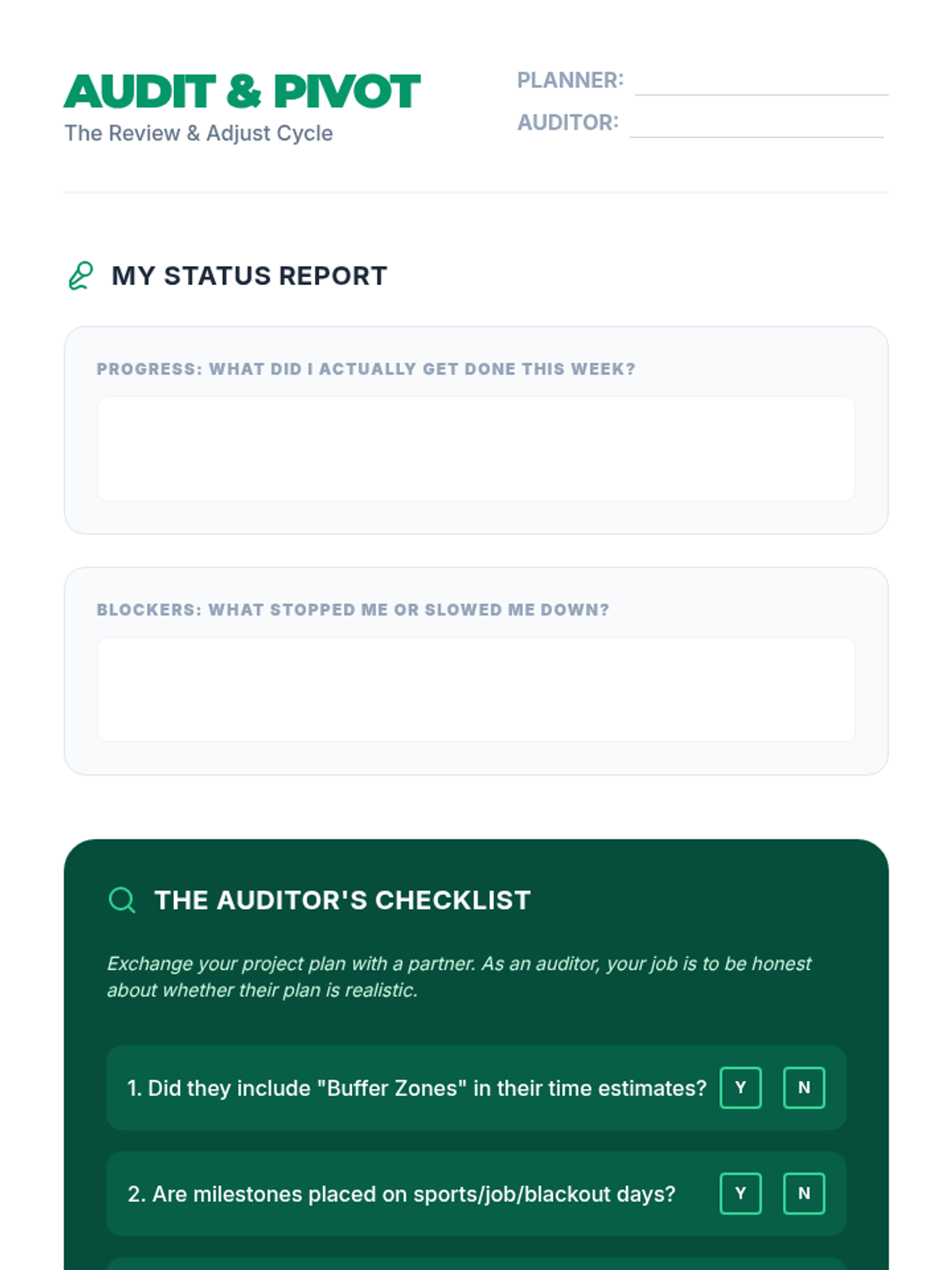
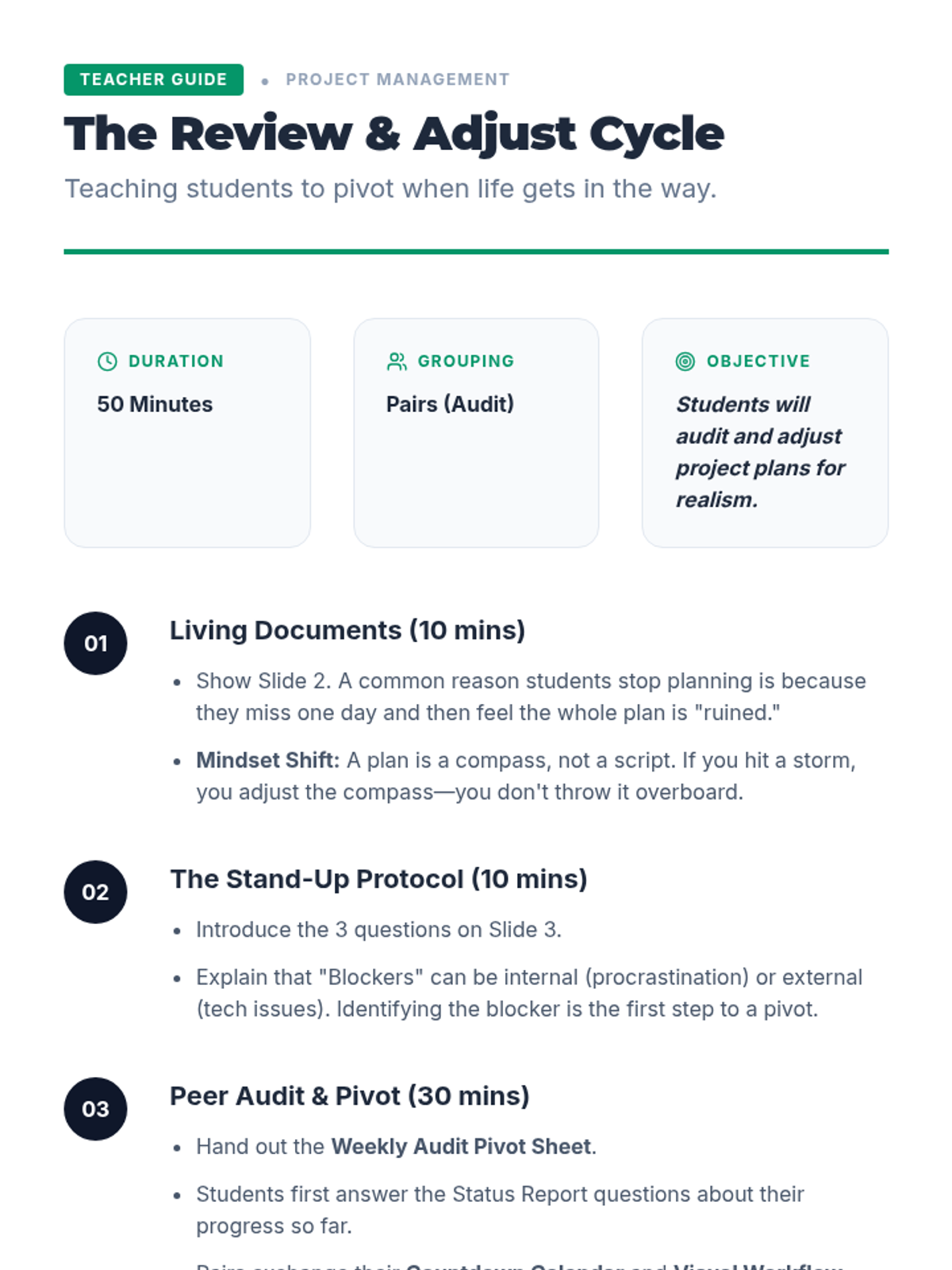
Students learn to treat plans as living documents, conducting weekly audits to adjust their timelines based on actual progress.
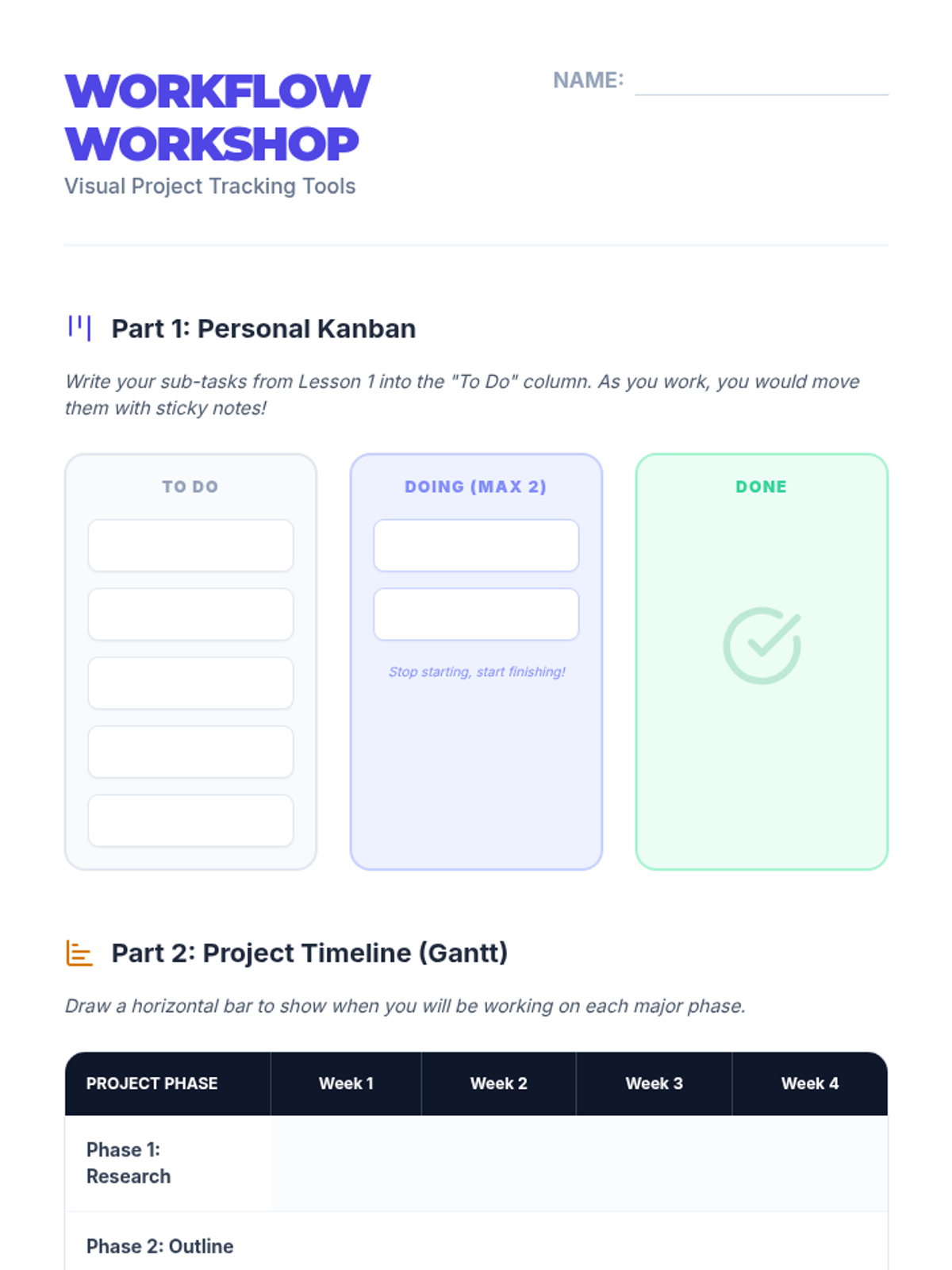
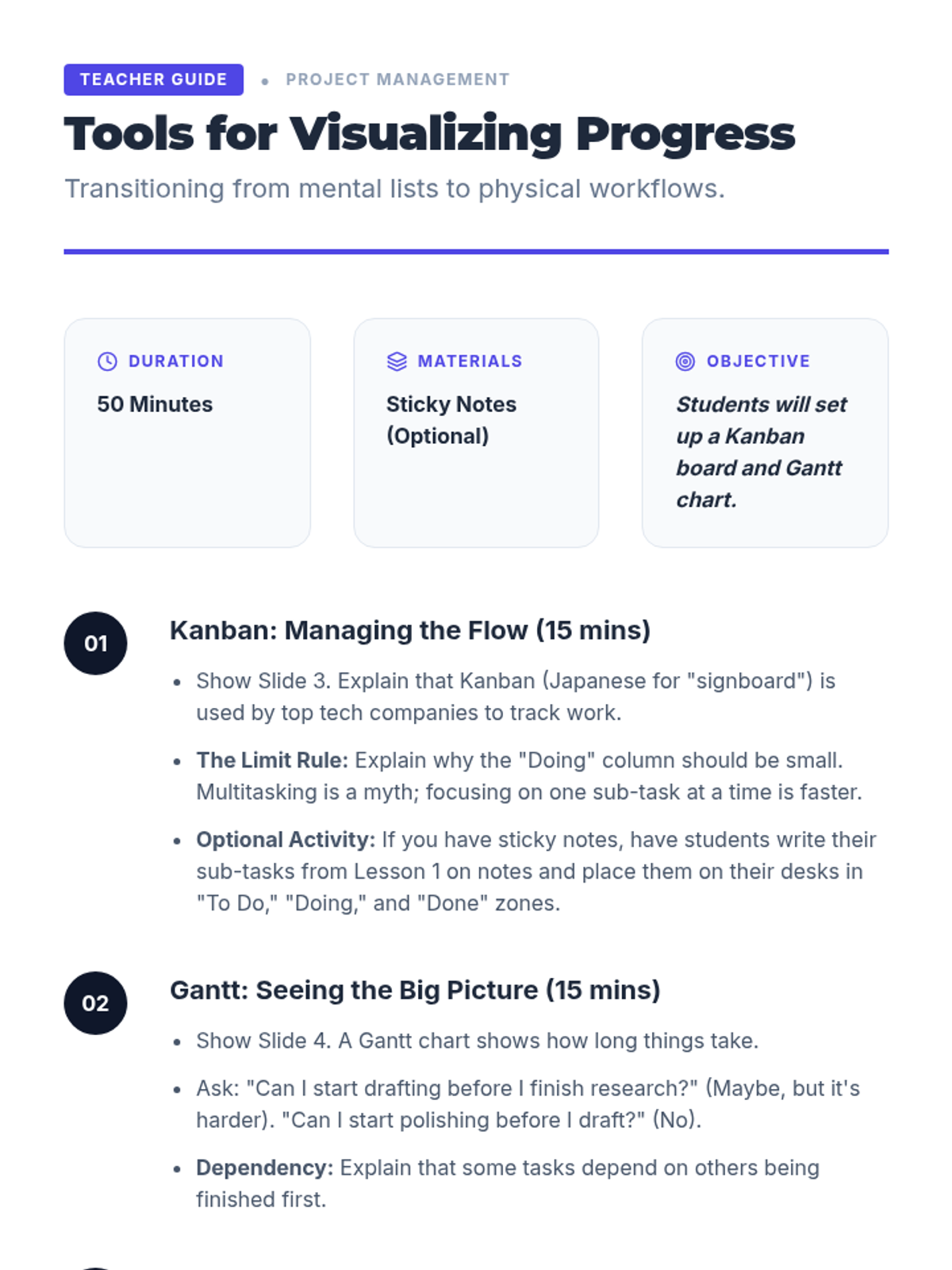
Students explore visual tools like Gantt charts and Kanban boards to track project progress visually.
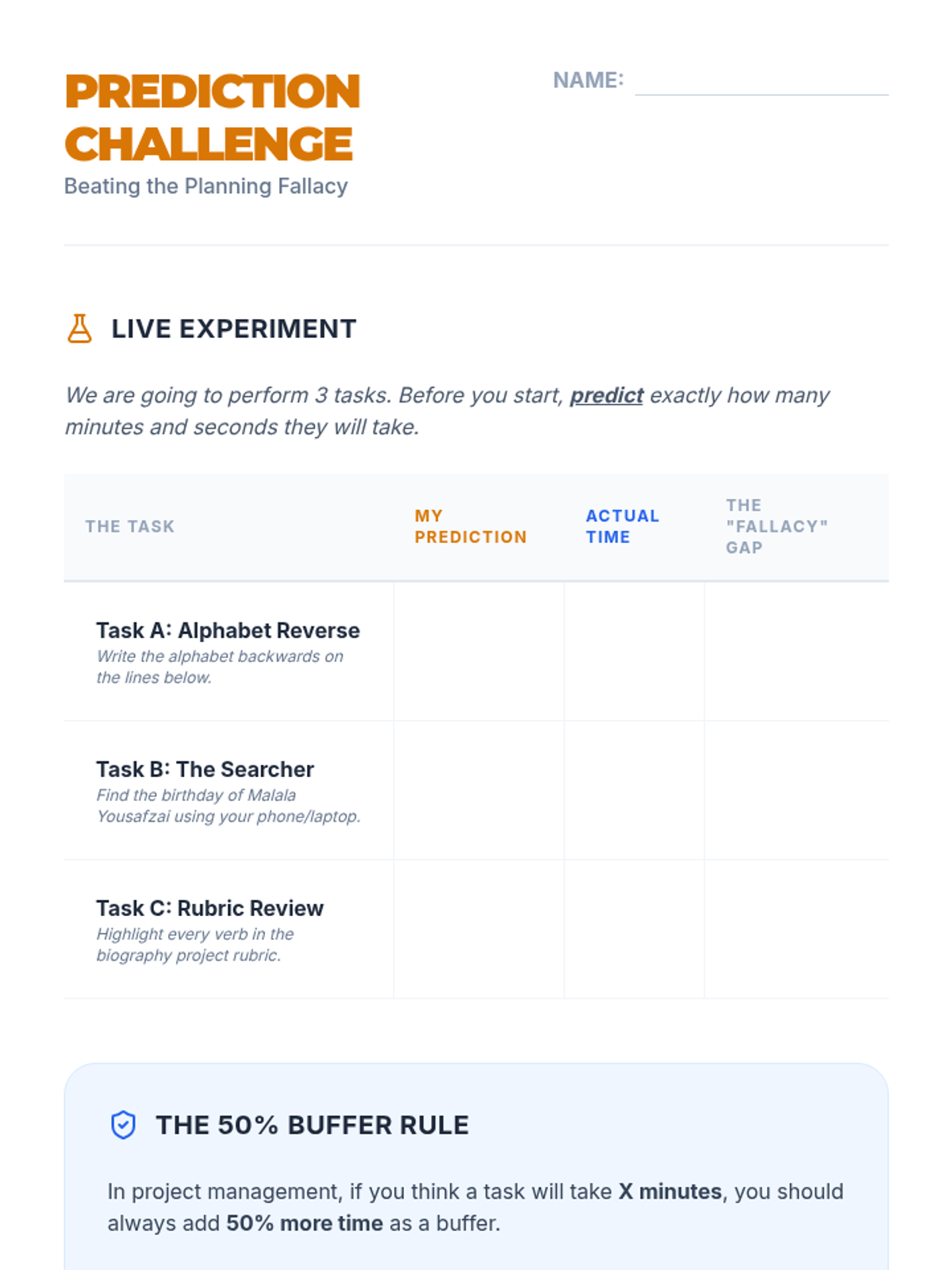
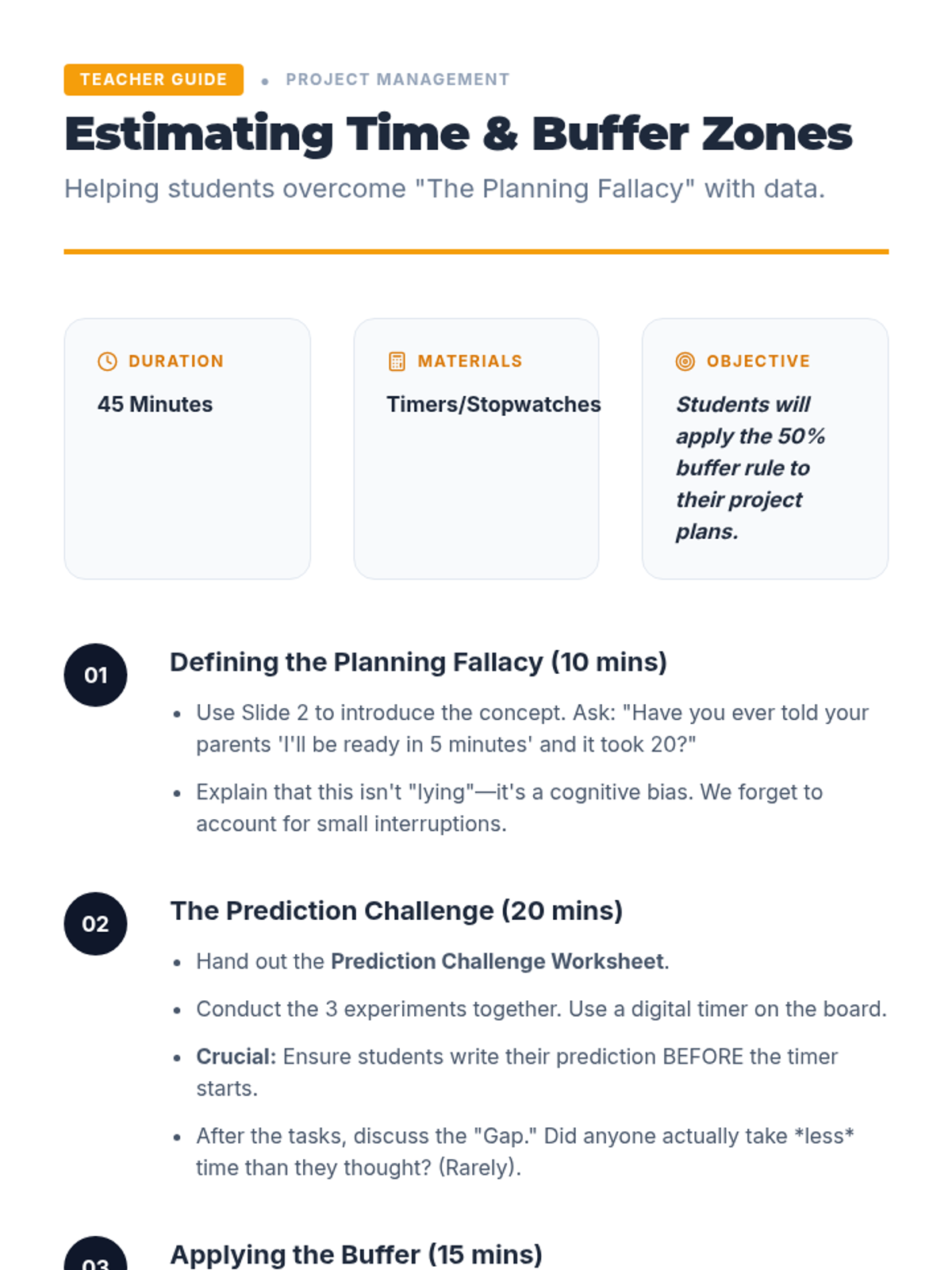
Students practice estimating task duration and learn to add buffer zones to account for the planning fallacy.
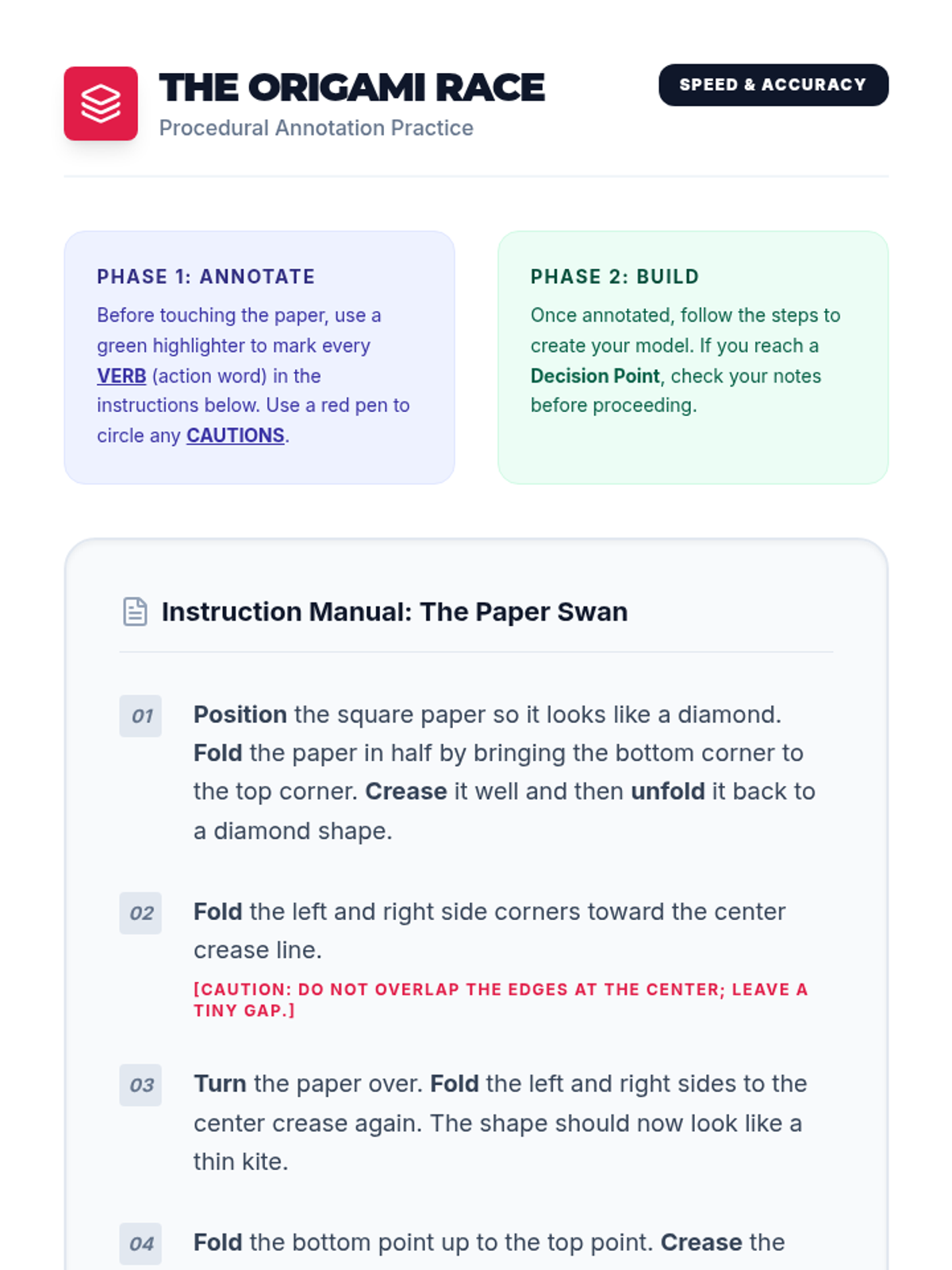
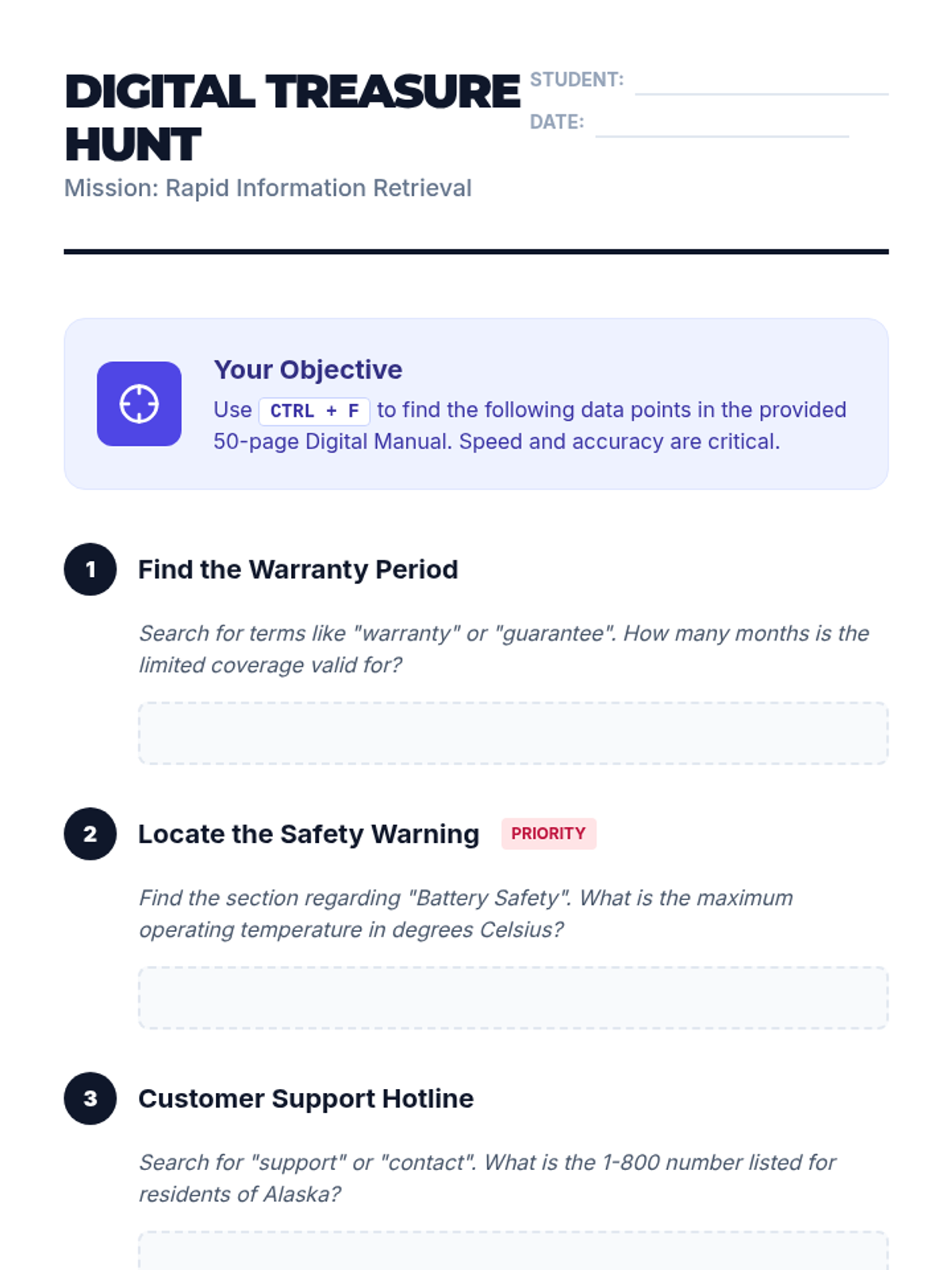
Annotation of technical manuals and 'how-to' guides, focusing on identifying sequence, warnings, and decision trees to follow complex procedures.
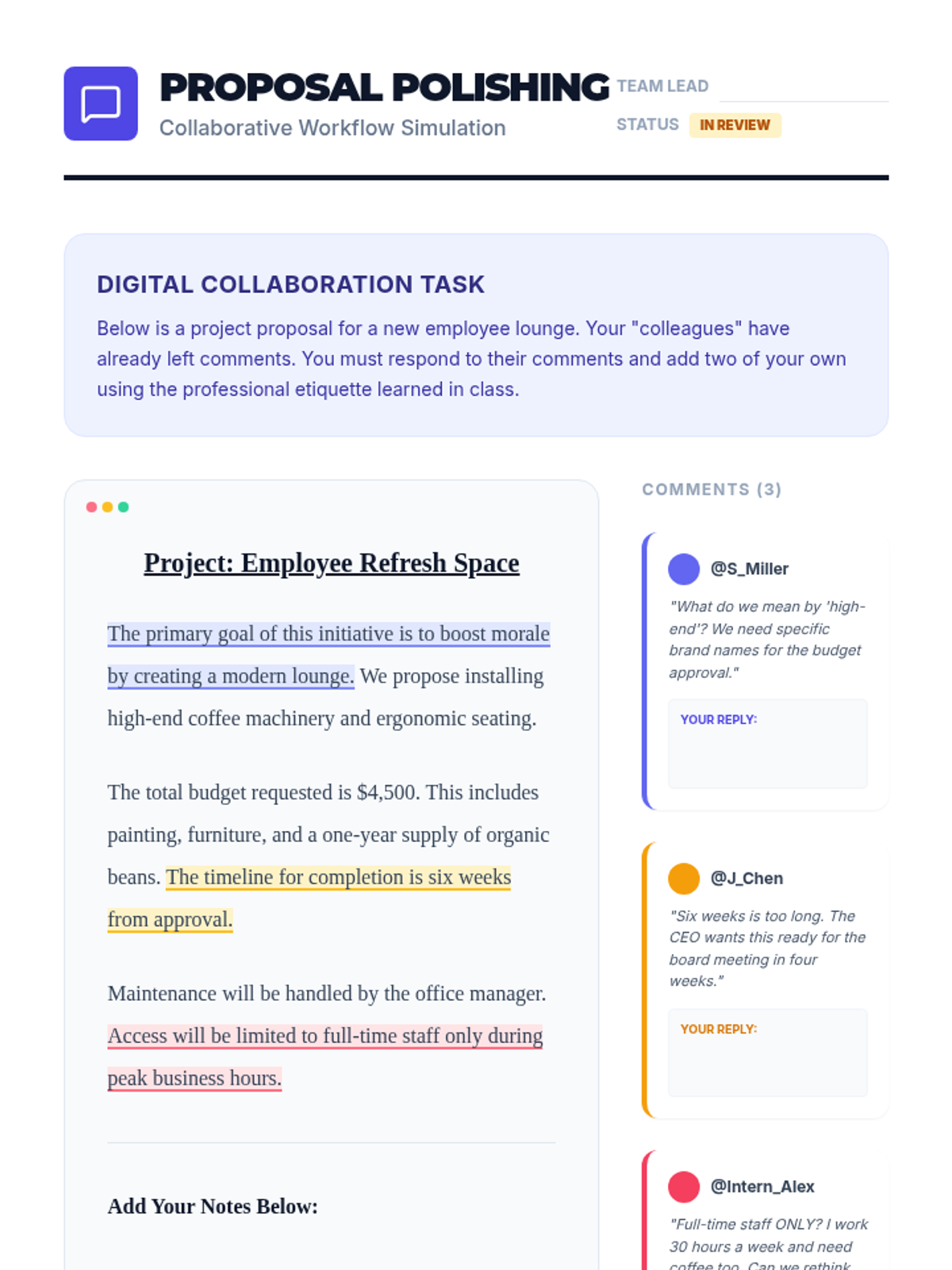
Developing professional communication skills through collaborative digital annotation, focusing on commenting etiquette and consensus-building in shared documents.
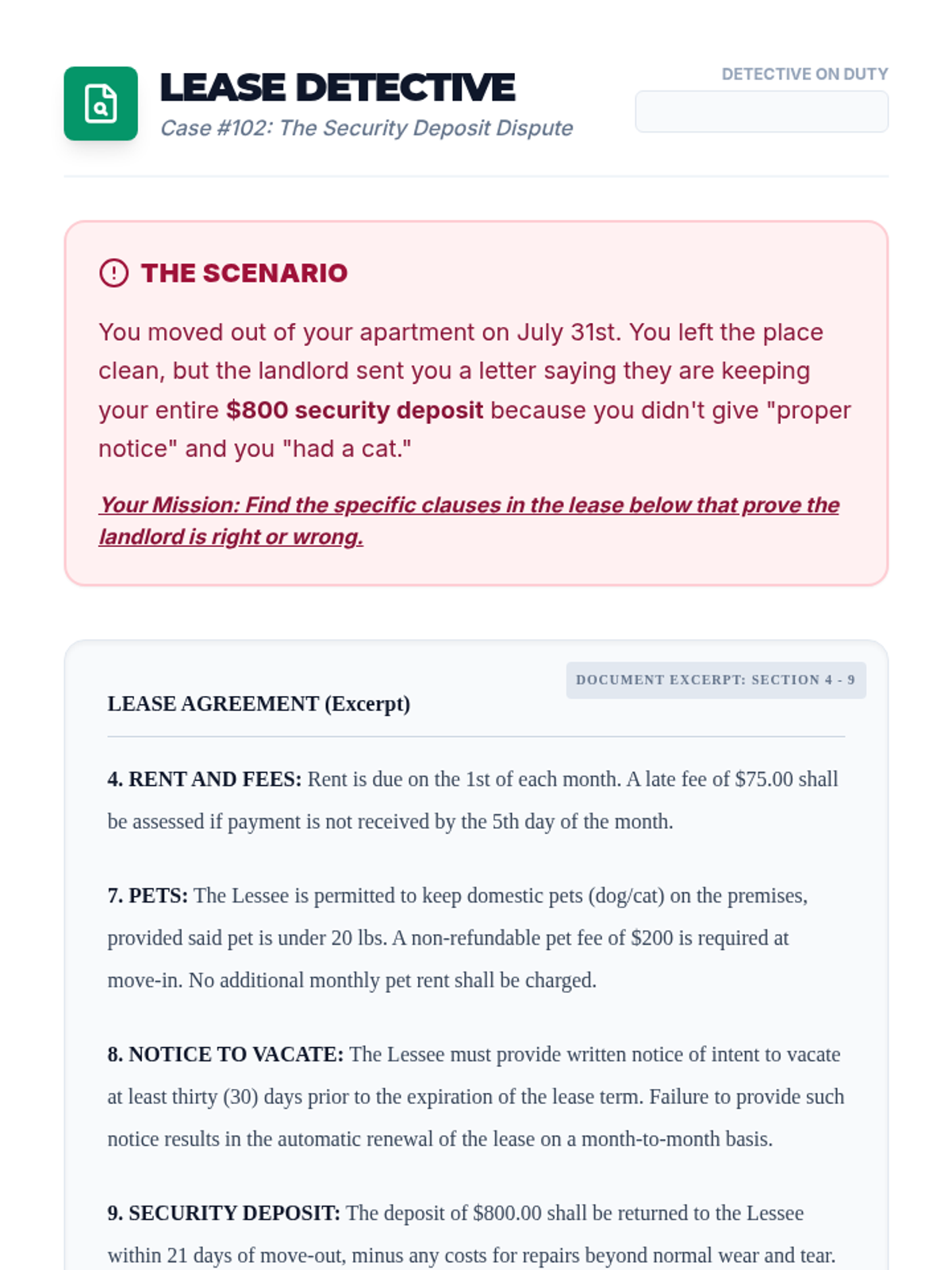
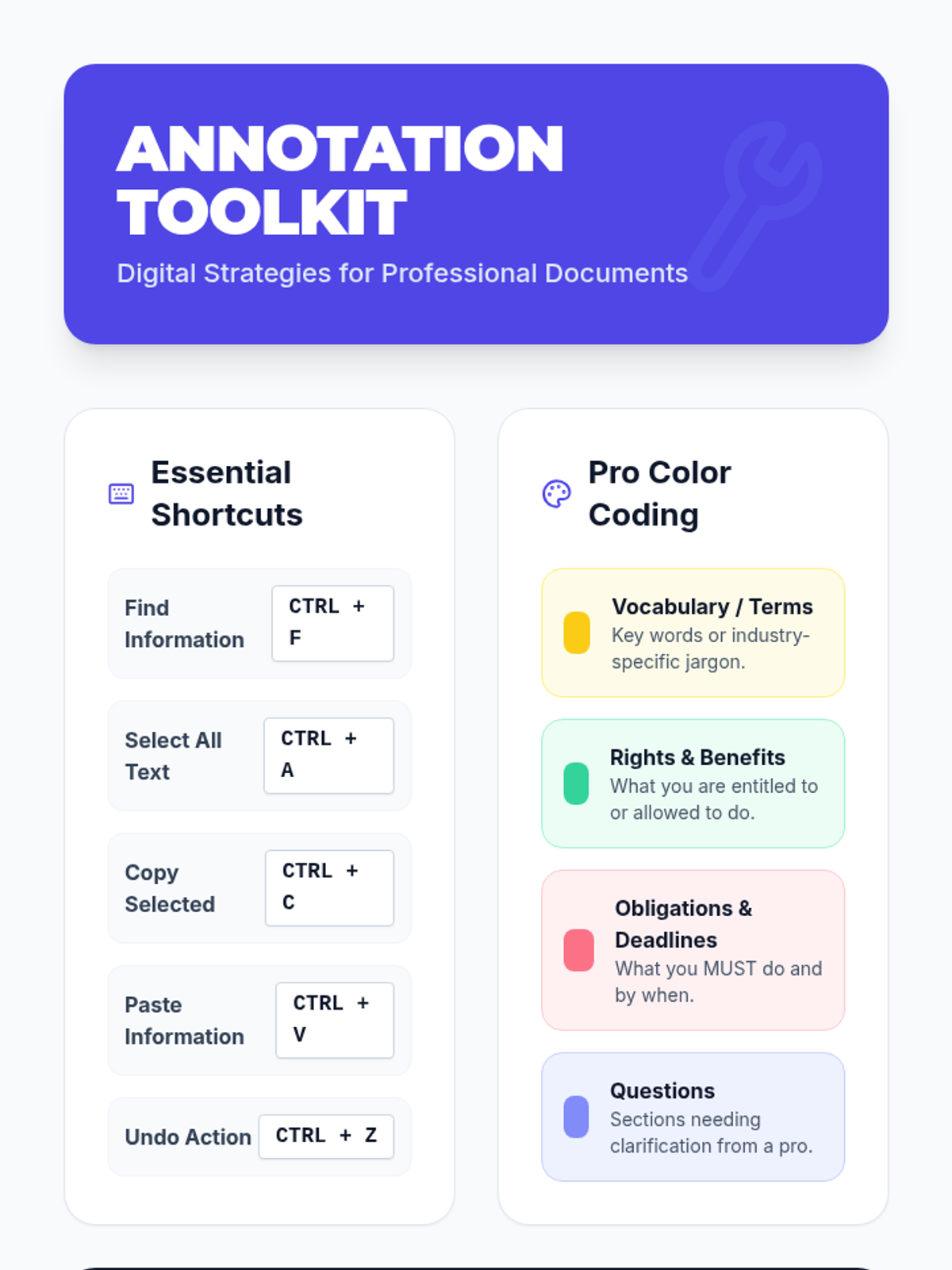
Application of color-coded annotation to identify legal rights and obligations within a rental lease agreement, translating boilerplate text into actionable information.
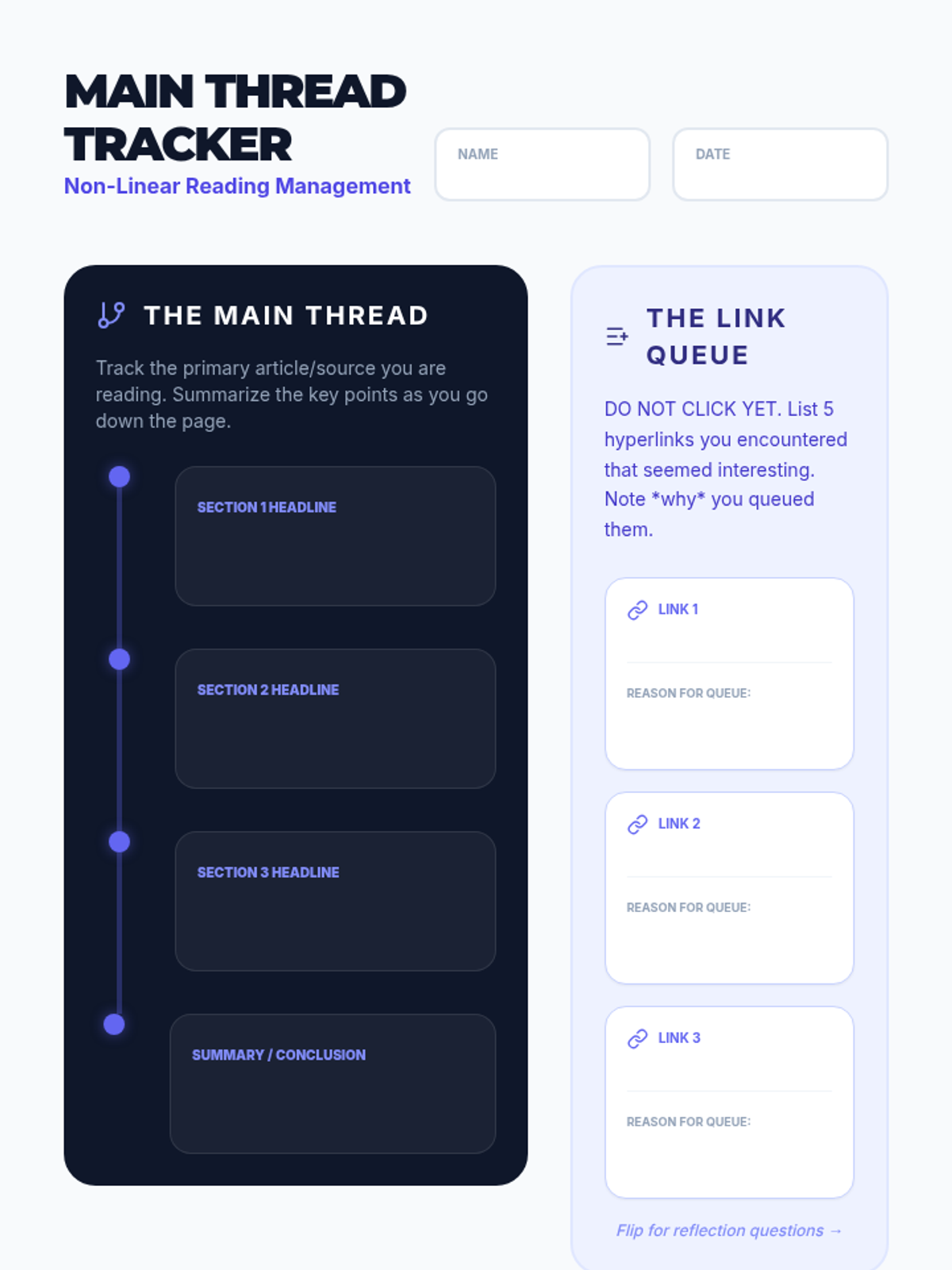
Strategies for maintaining focus and comprehension when reading hyperlinked or non-linear digital texts, including managing sidebars and multimedia distractions.
Introduction to digital annotation tools, focusing on managing layers of notes, exporting summaries, and using digital search/tagging functions effectively.
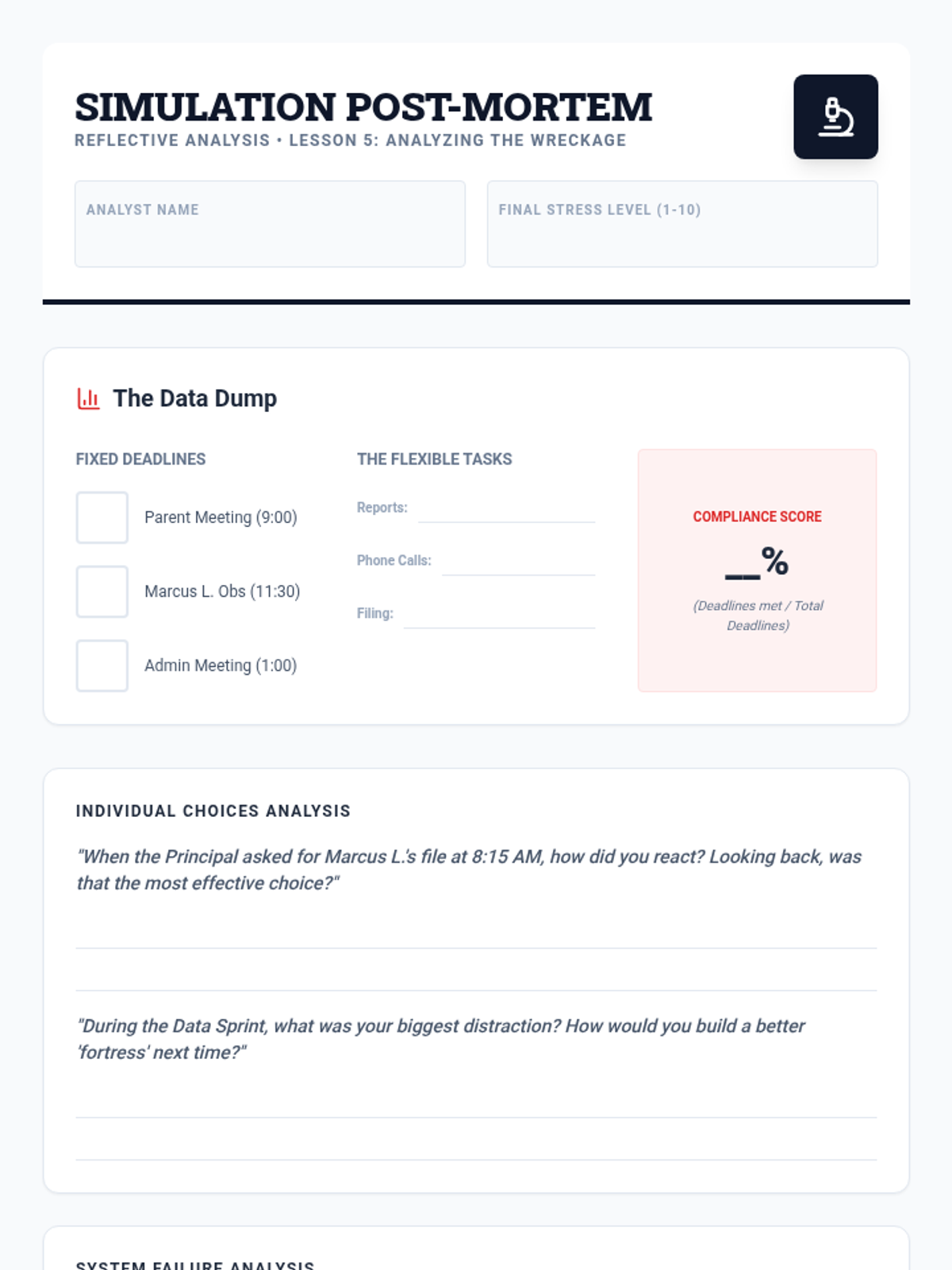
A final analysis of simulation performance, identifying system failures versus individual choices and reflecting on professional growth.
Navigating schedule overlaps and professional conflicts through negotiation and assertive communication.
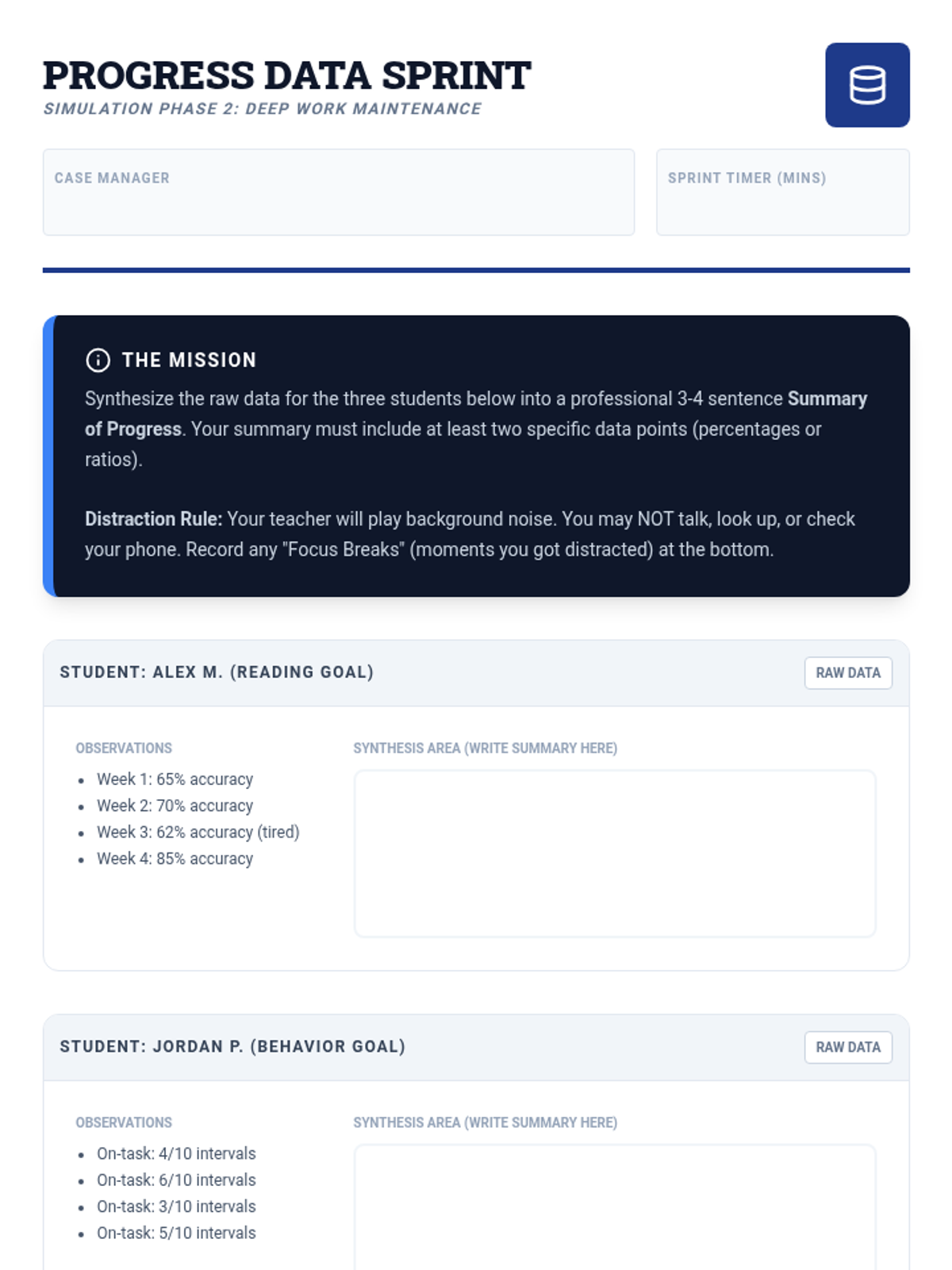
Focuses on maintaining deep work and focus while completing high-priority documentation under pressure.
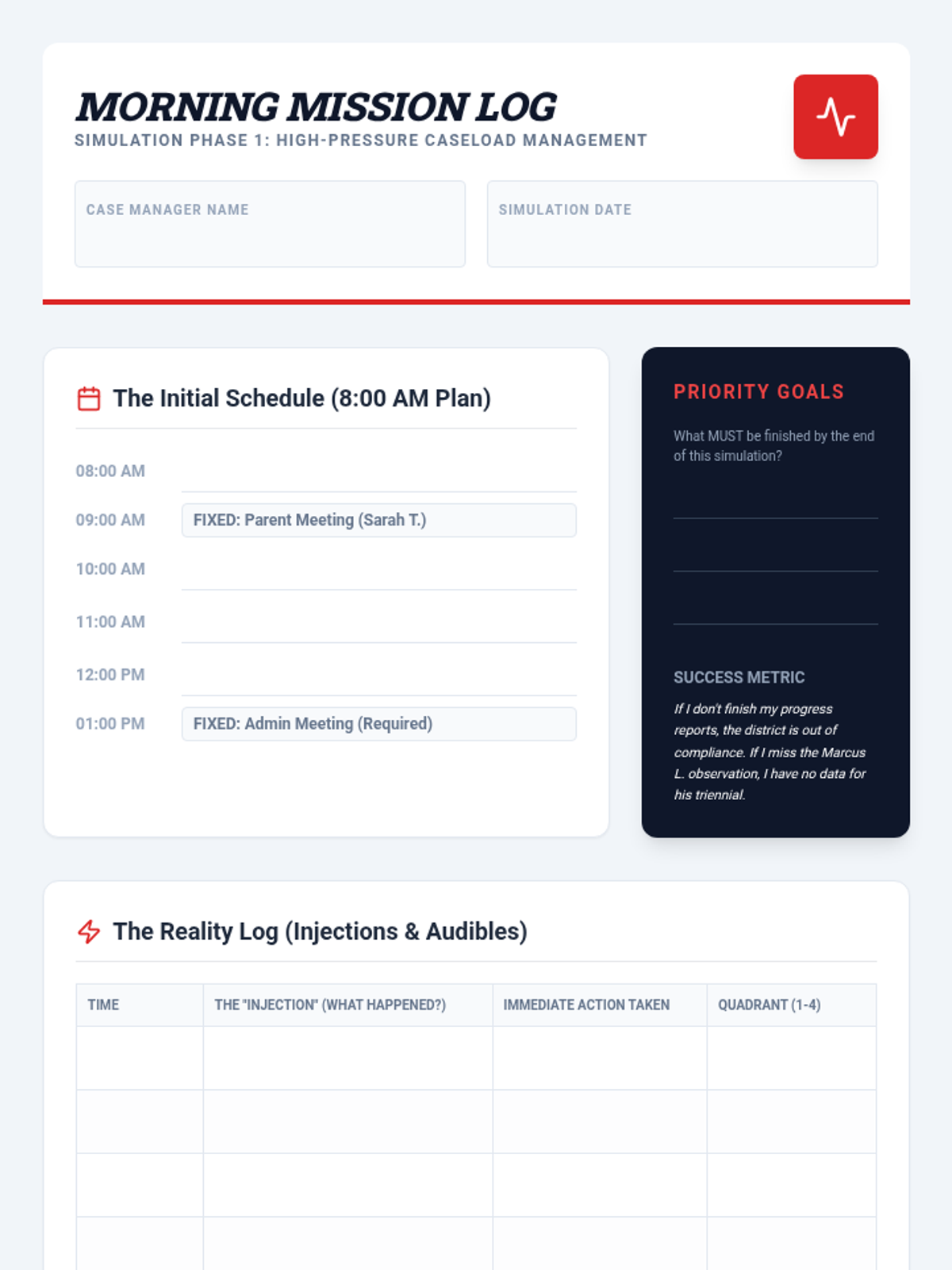
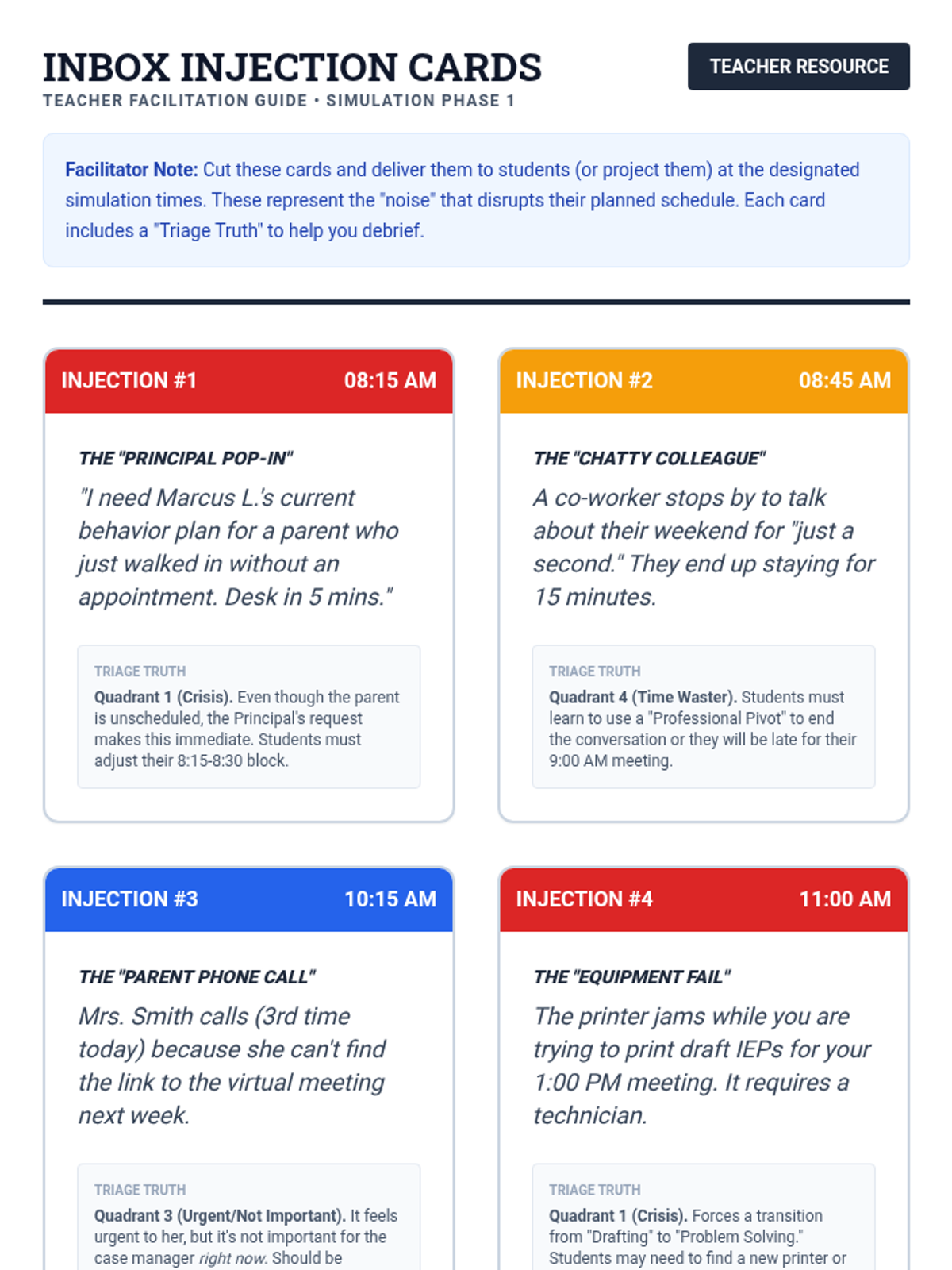
A real-time simulation where students must manage a schedule while facing unexpected 'inbox injections' and interruptions.
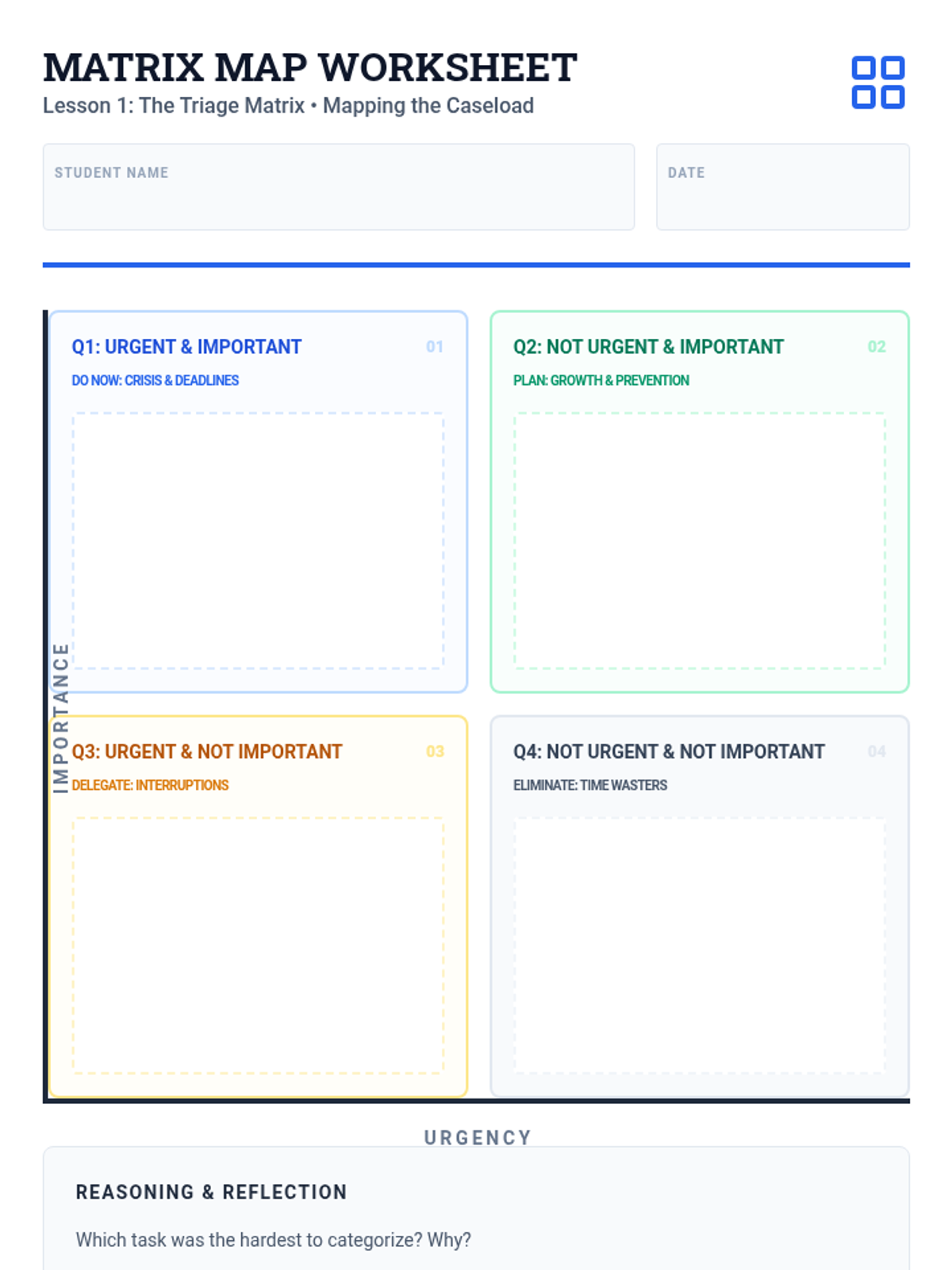
Introduction to the Eisenhower Matrix adapted for education, teaching students to differentiate between urgency and importance in a professional setting.
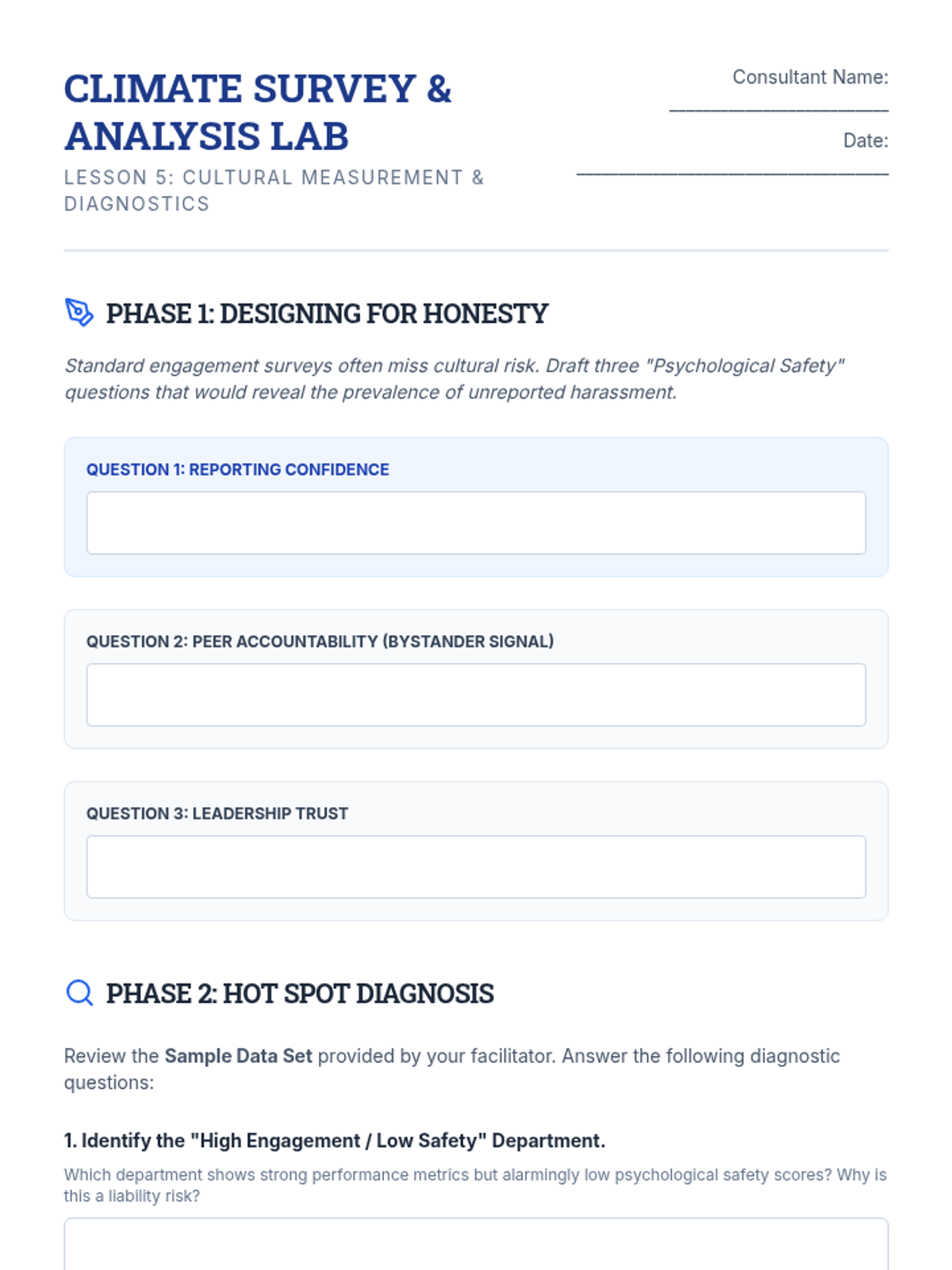
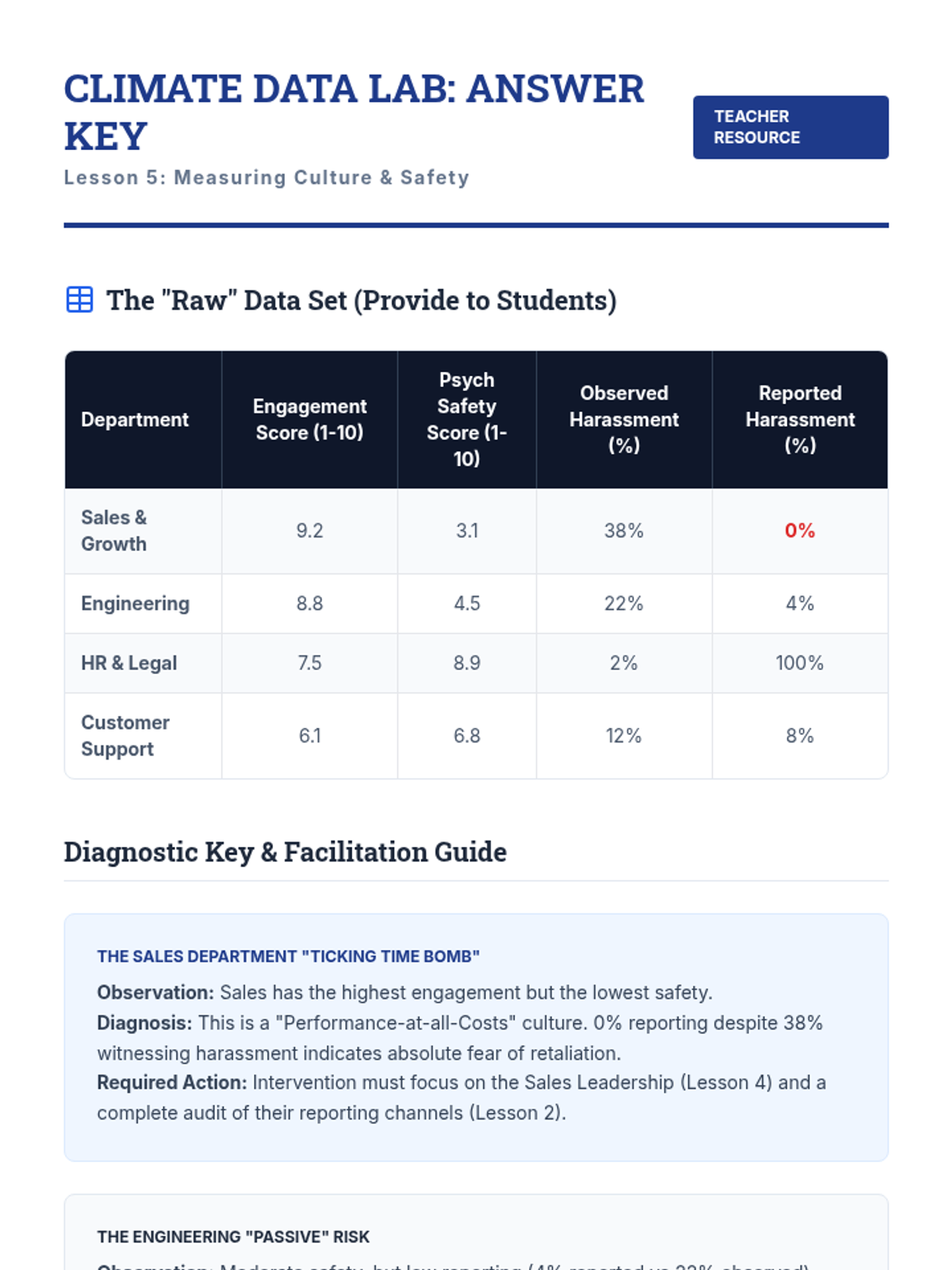
How do you know if prevention is working? Students learn to design climate surveys and interpret data to assess the prevalence of unreported harassment and the general level of psychological safety in an organization.
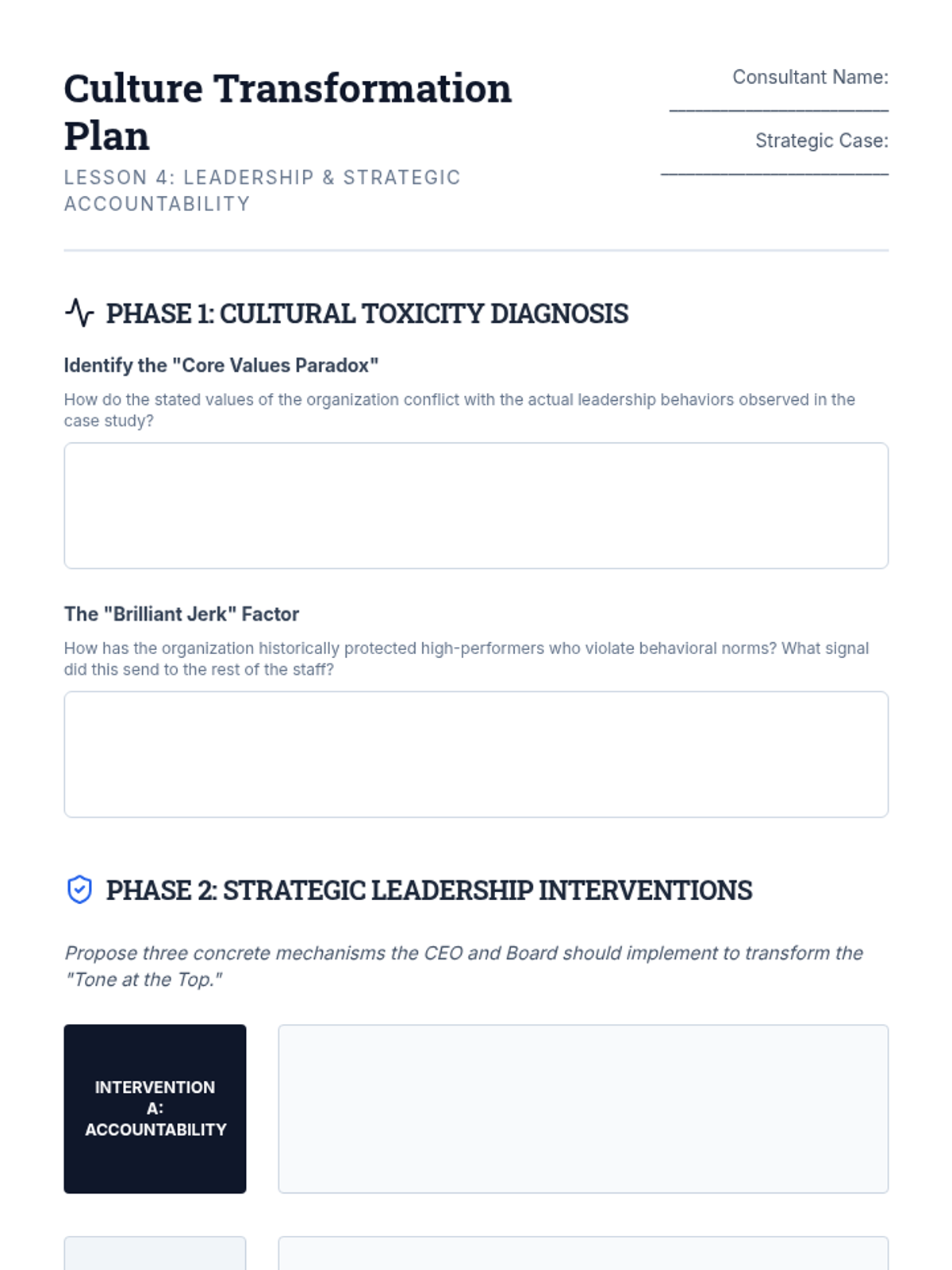
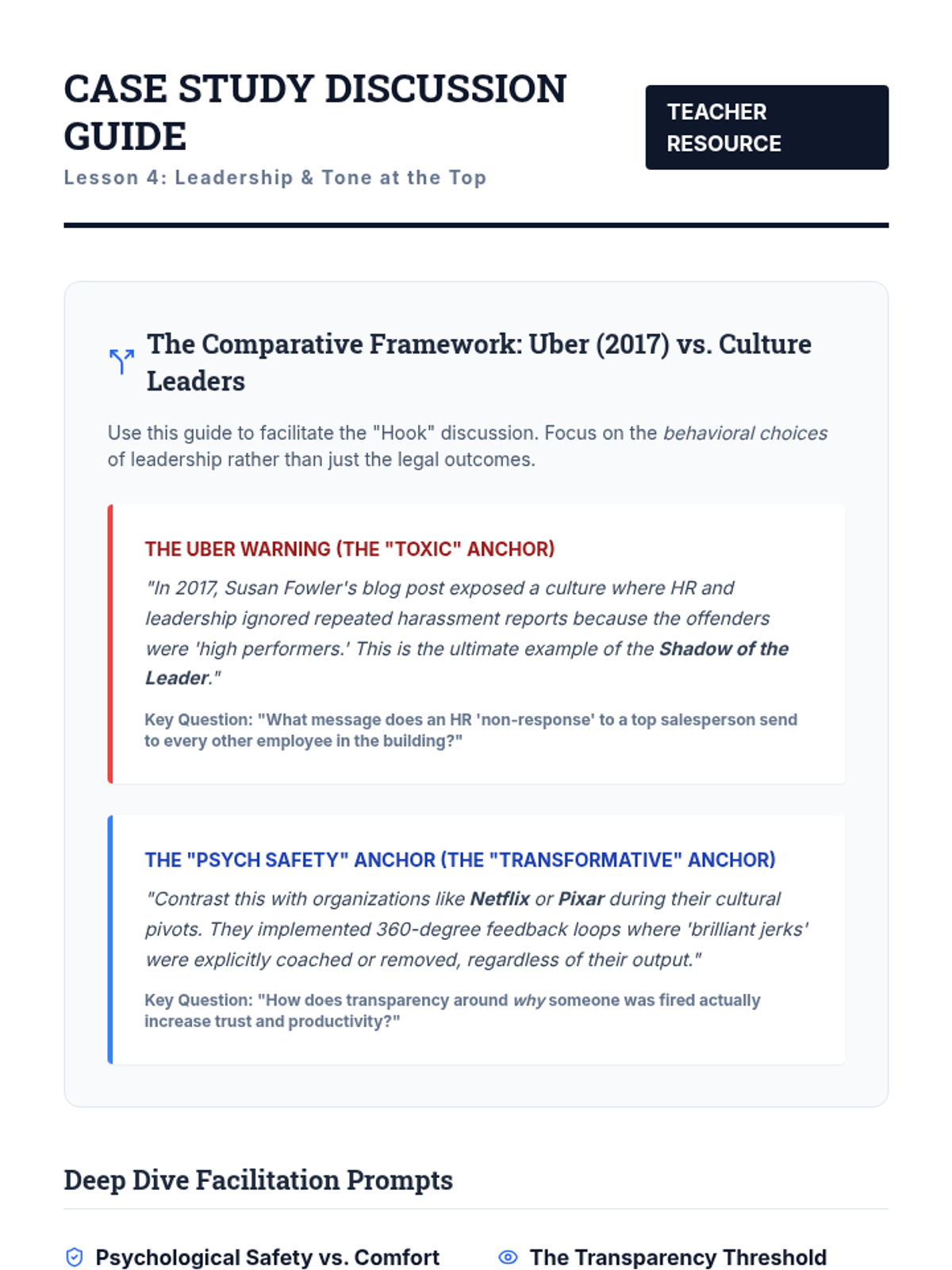
This lesson examines the concept of 'tone at the top.' Students analyze case studies of organizations that successfully transformed toxic cultures through leadership transparency and accountability mechanisms.
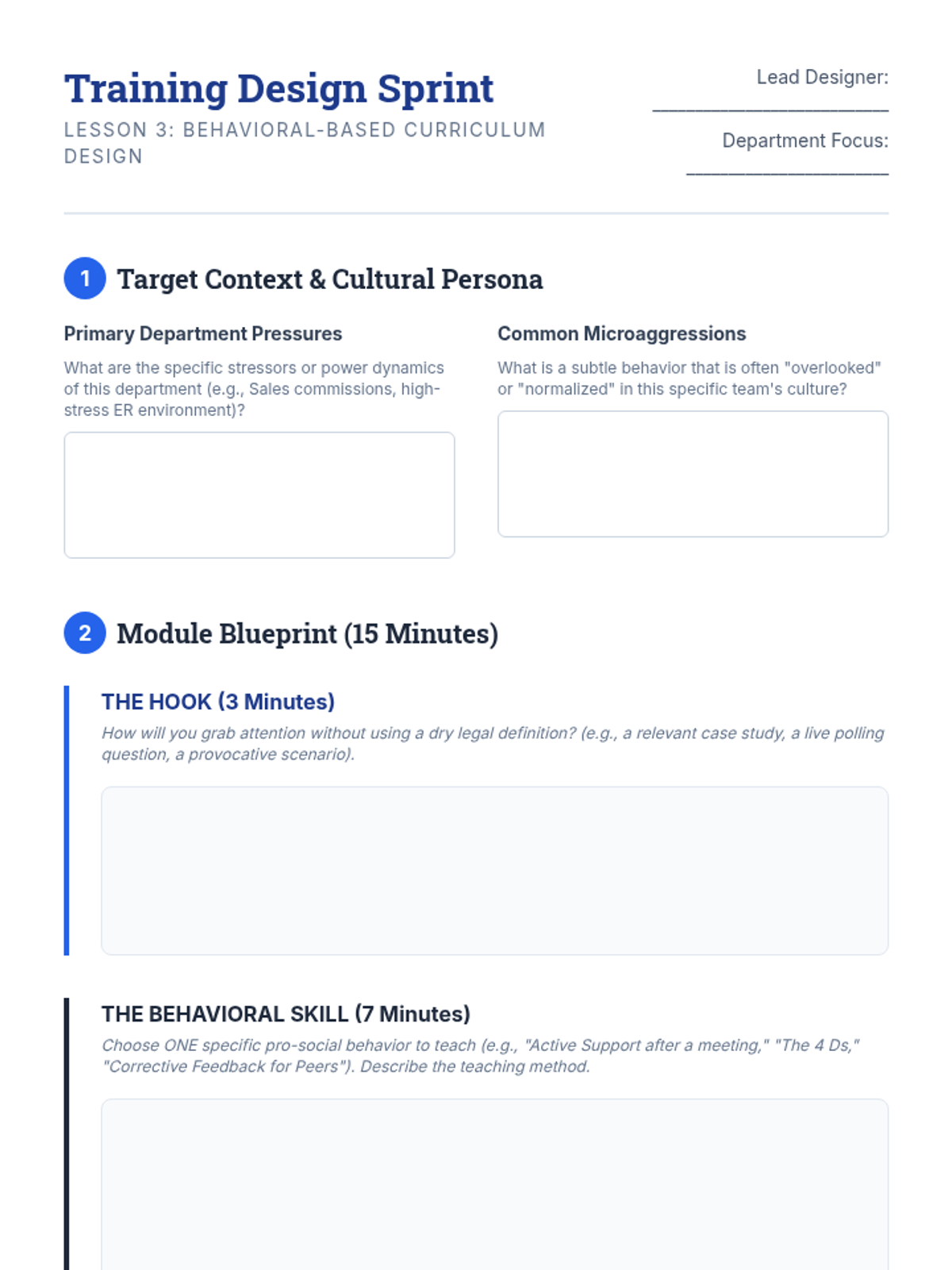
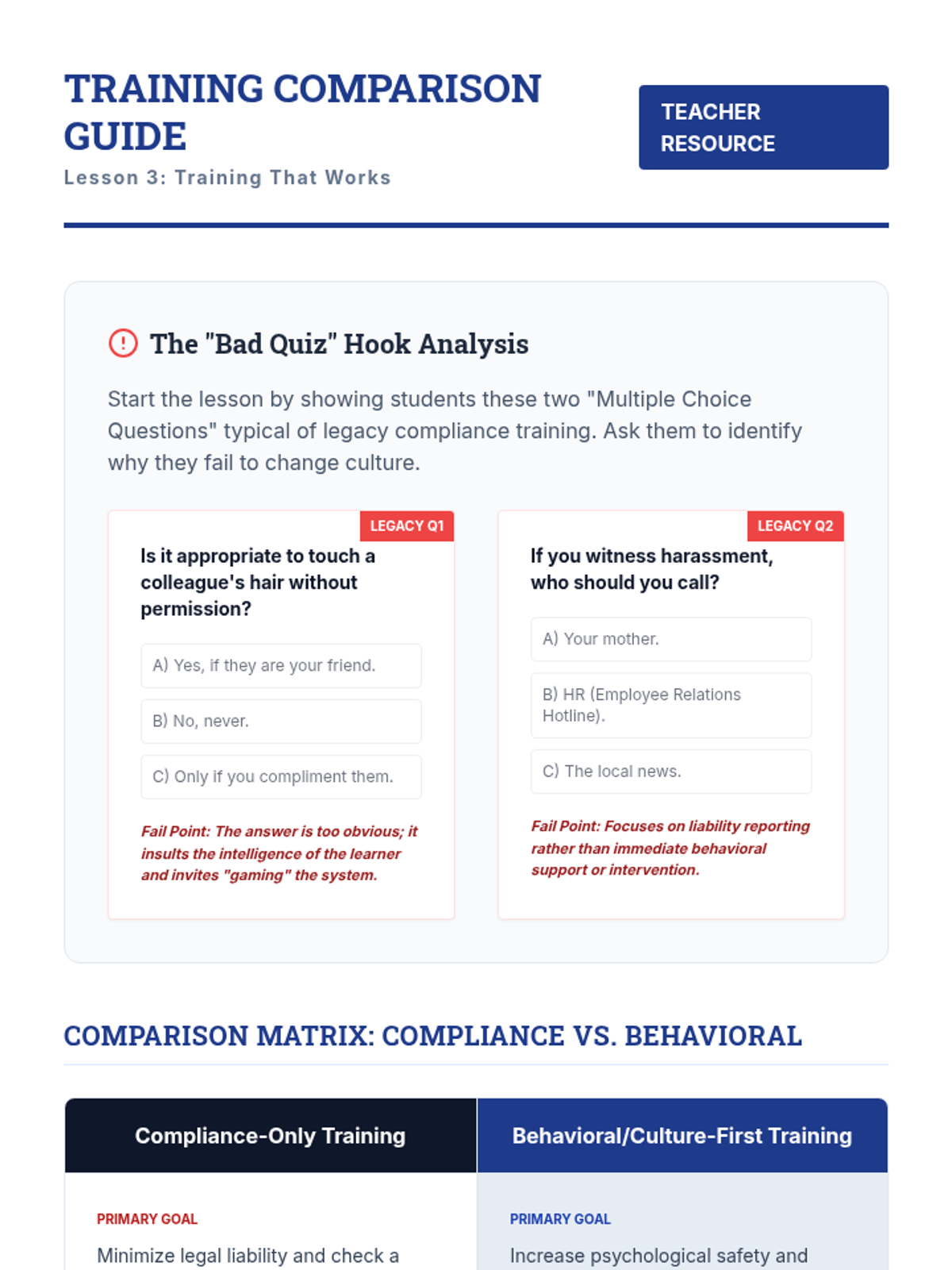
Analyzing why traditional sexual harassment training often fails, this lesson explores interactive and behavioral-based training models. Students design a training module that focuses on civility and respect rather than just liability avoidance.
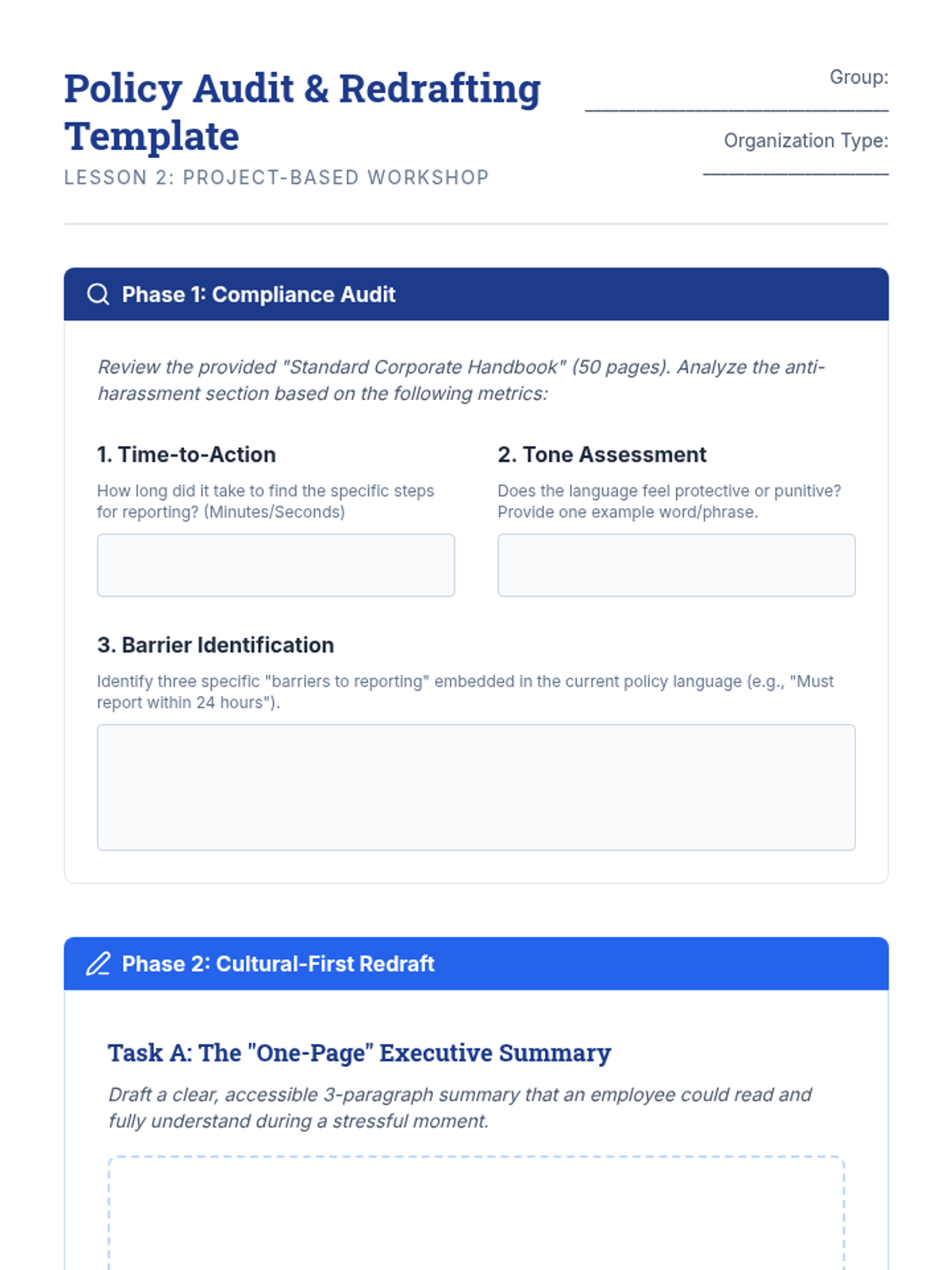
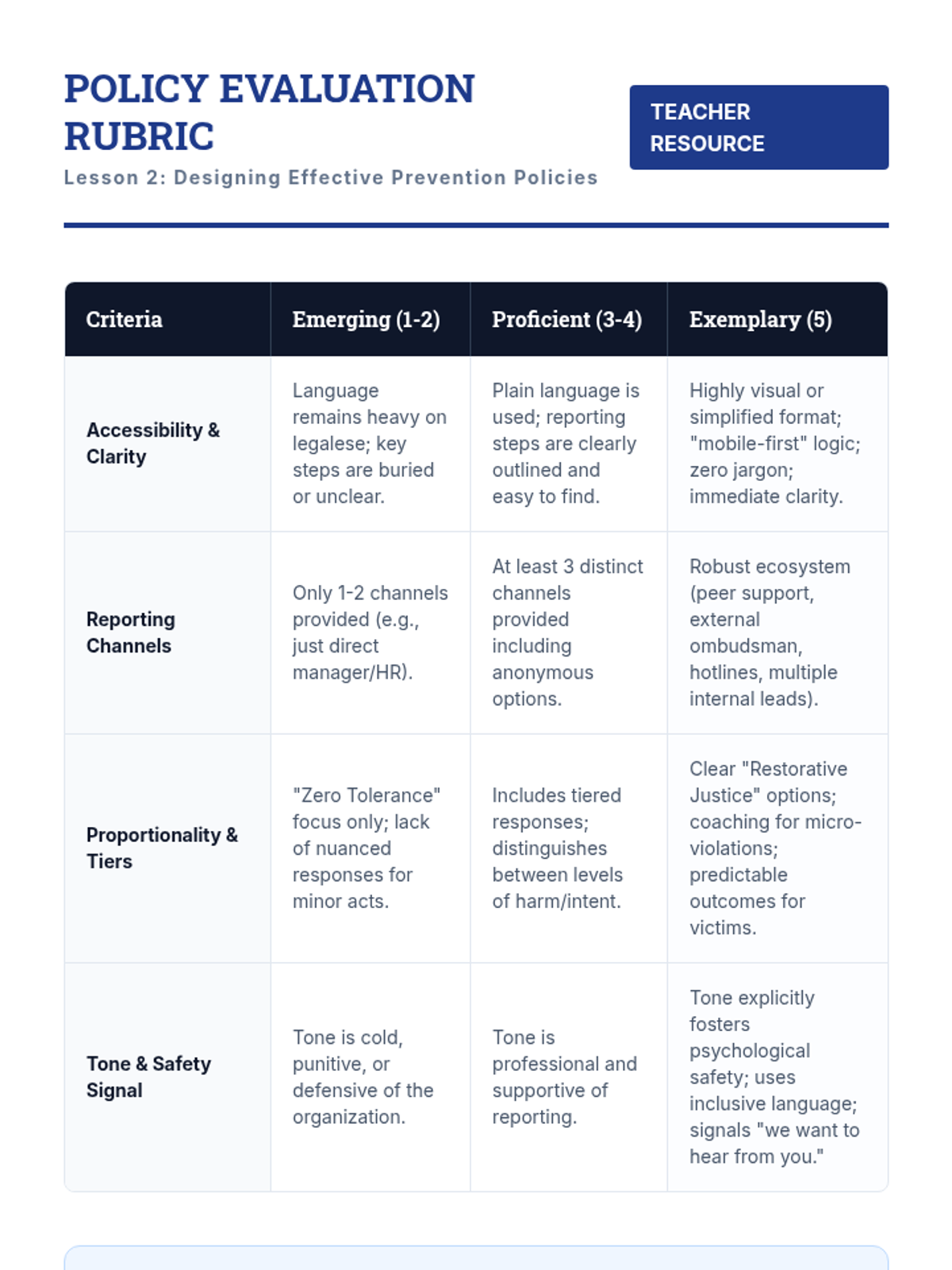
Critique standard zero-tolerance policies and explore nuanced approaches that encourage reporting and cultural health through effective policy design.
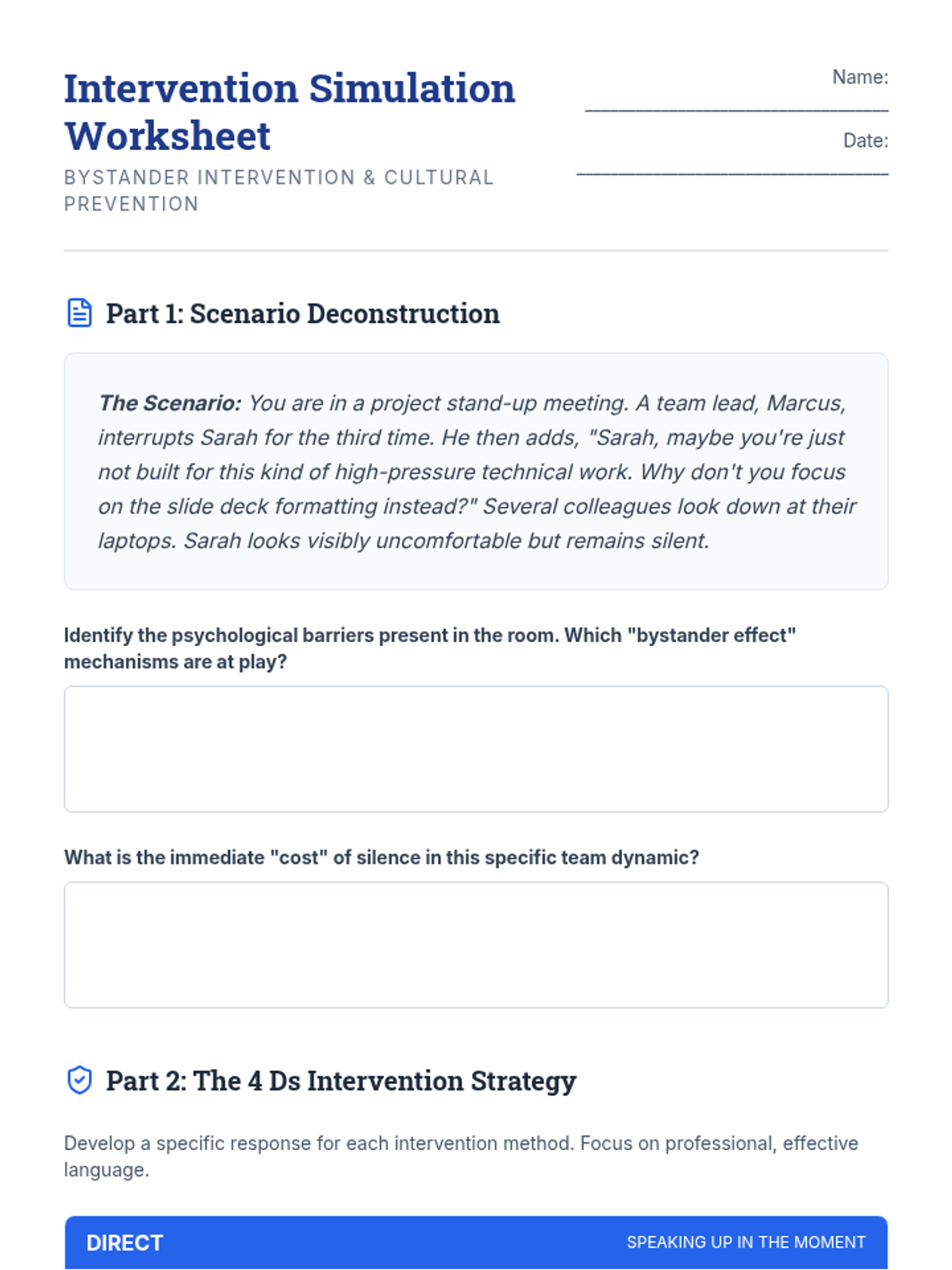
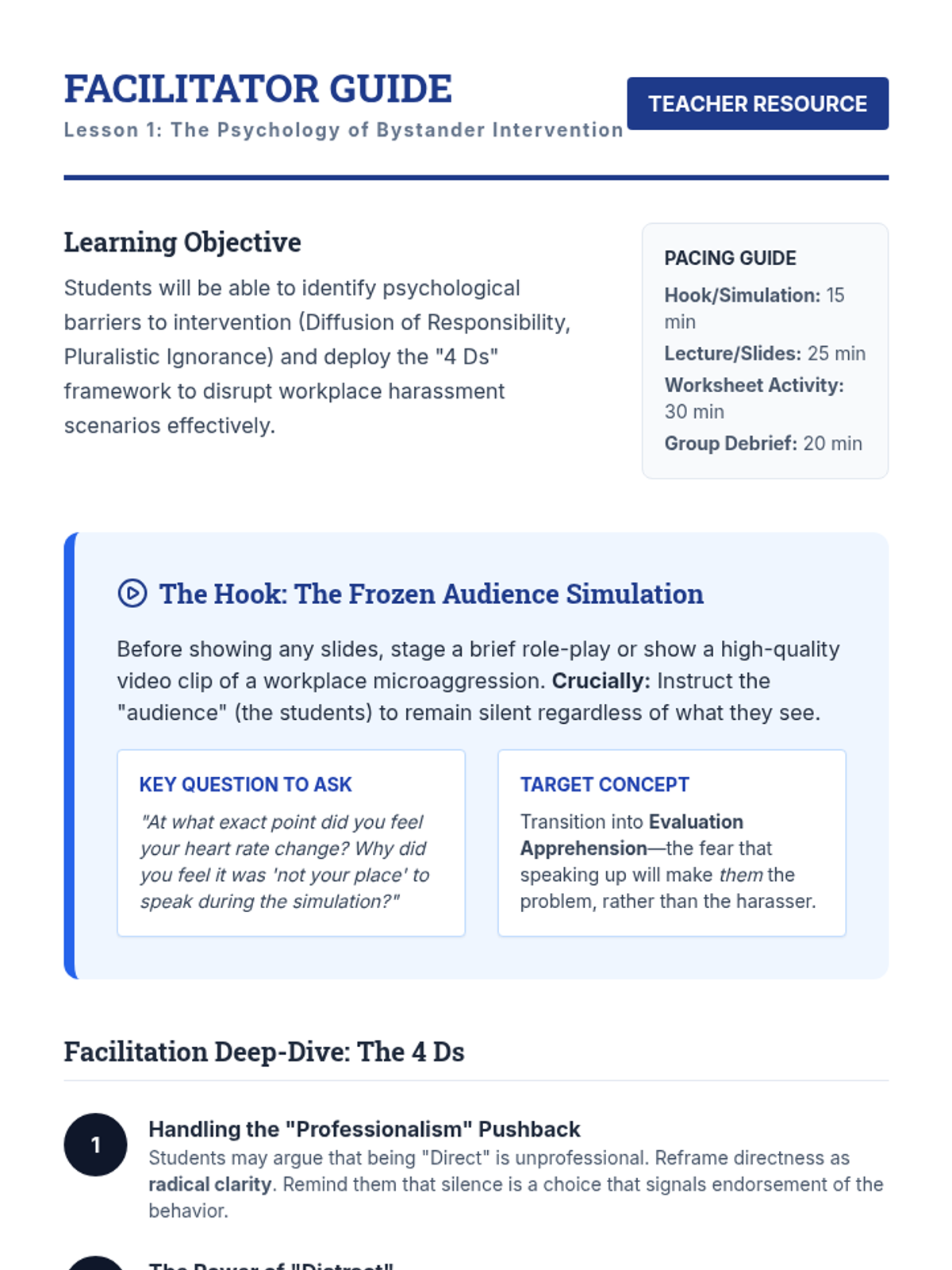
Explore the psychological barriers to intervening in workplace harassment and master the 4 Ds of bystander intervention through simulation and analysis.
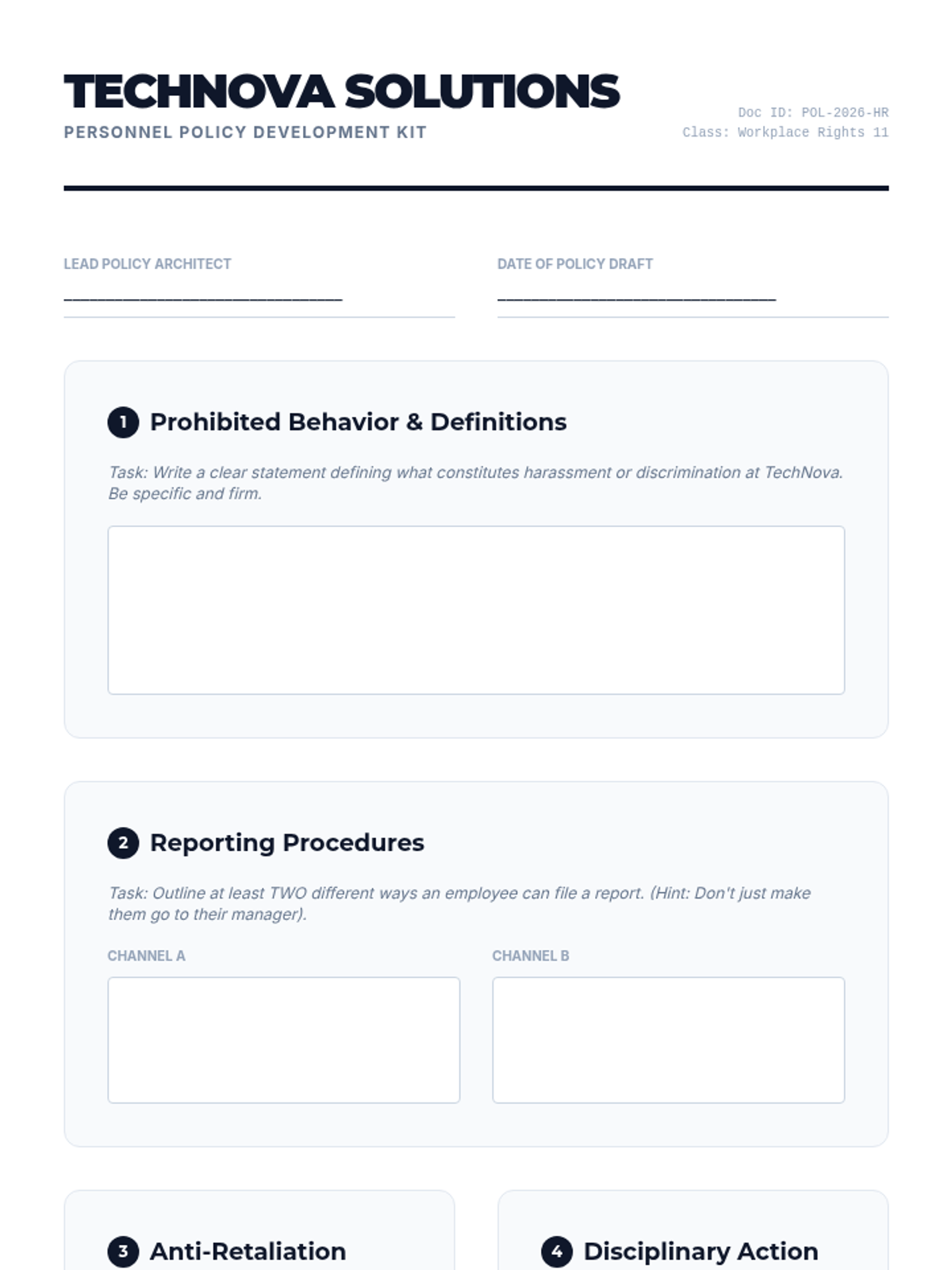
Students synthesize their learning by drafting a professional anti-harassment policy for a hypothetical company, focusing on clear definitions and effective reporting channels.
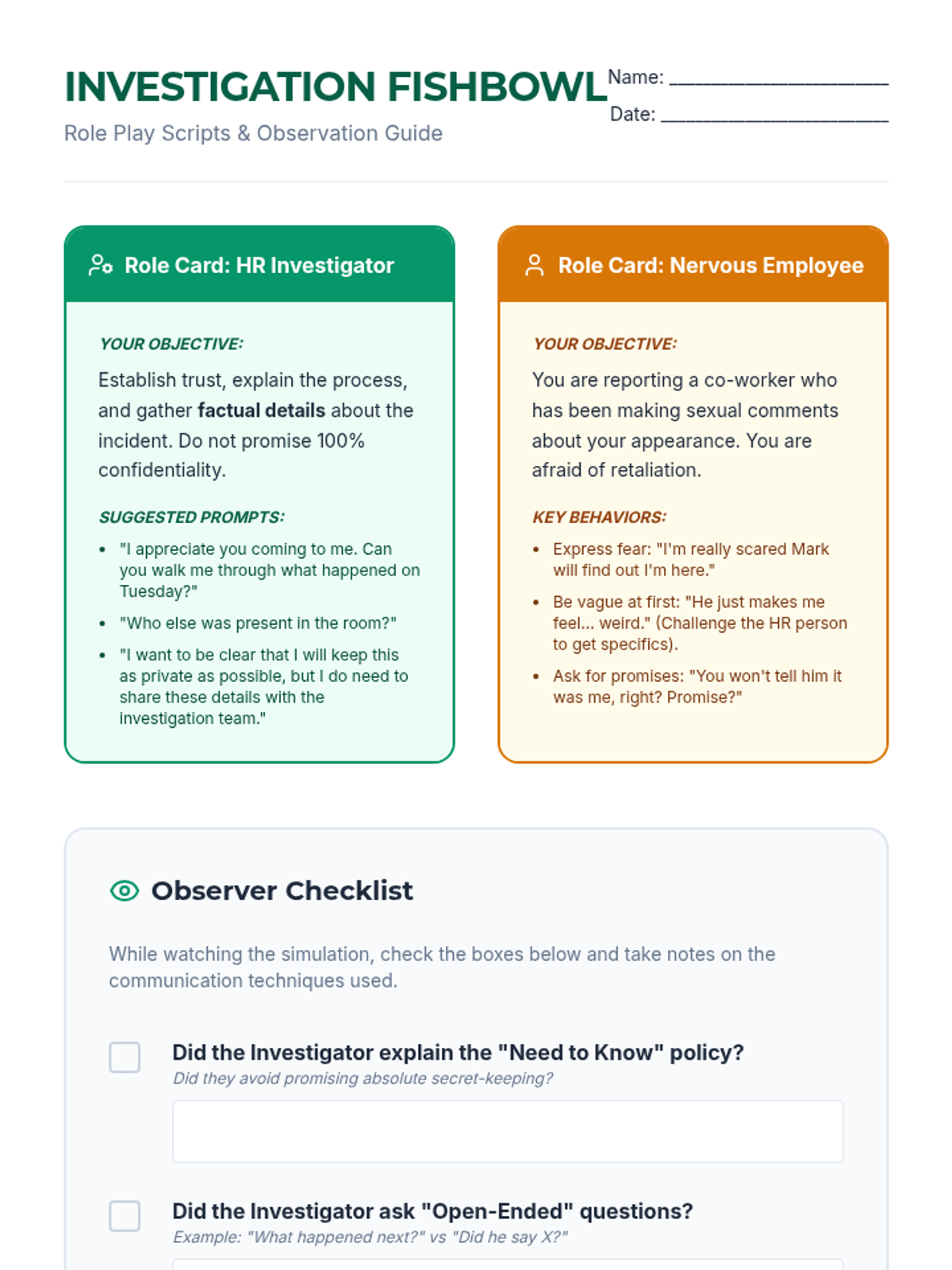
Through a fishbowl simulation of an HR intake interview, students observe the formal investigation process and identify best practices for professional communication and confidentiality.
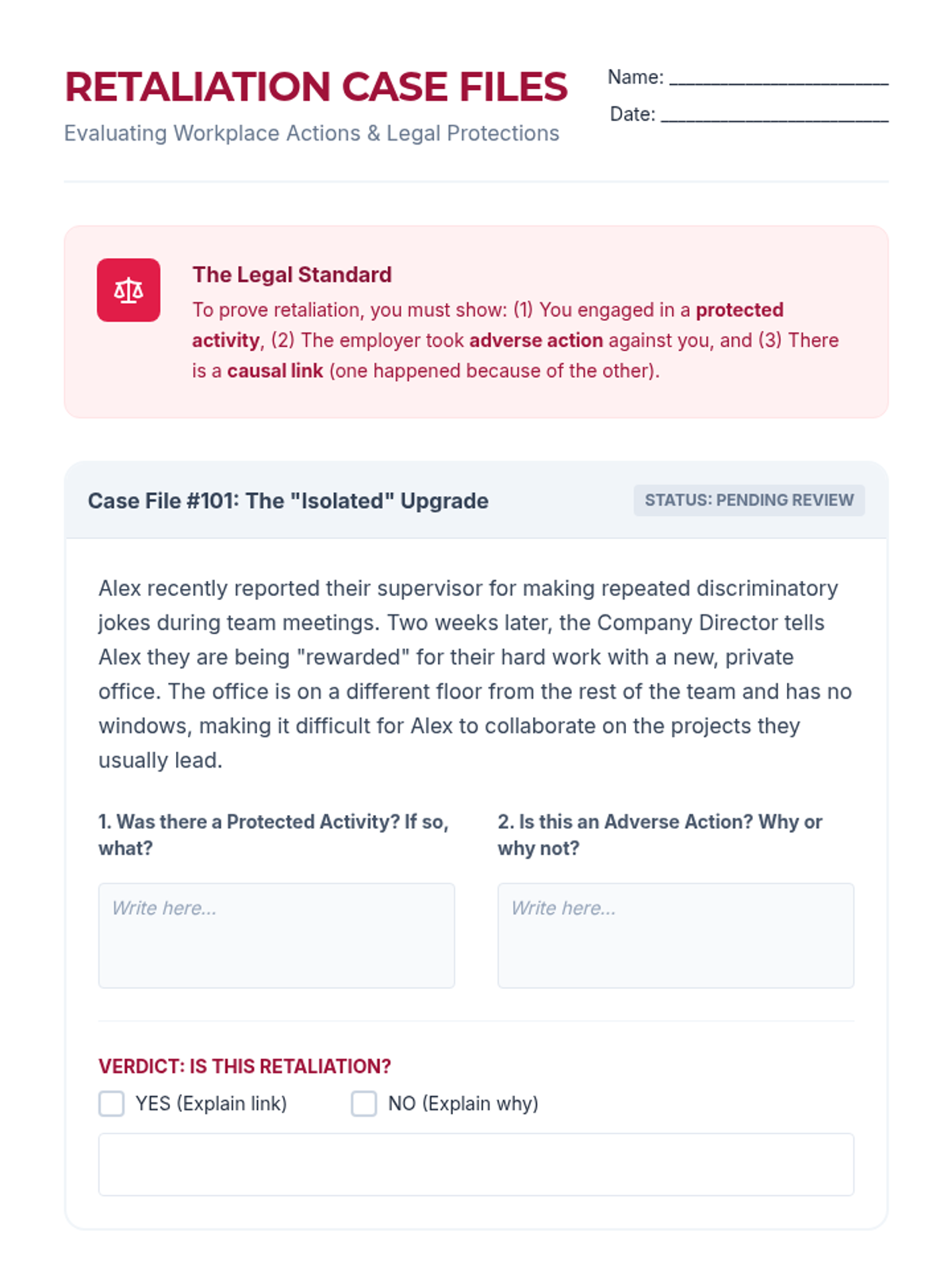
Students investigate retaliation and whistleblower protections, learning to identify subtle forms of adverse action and the legal safeguards that protect those who speak up.
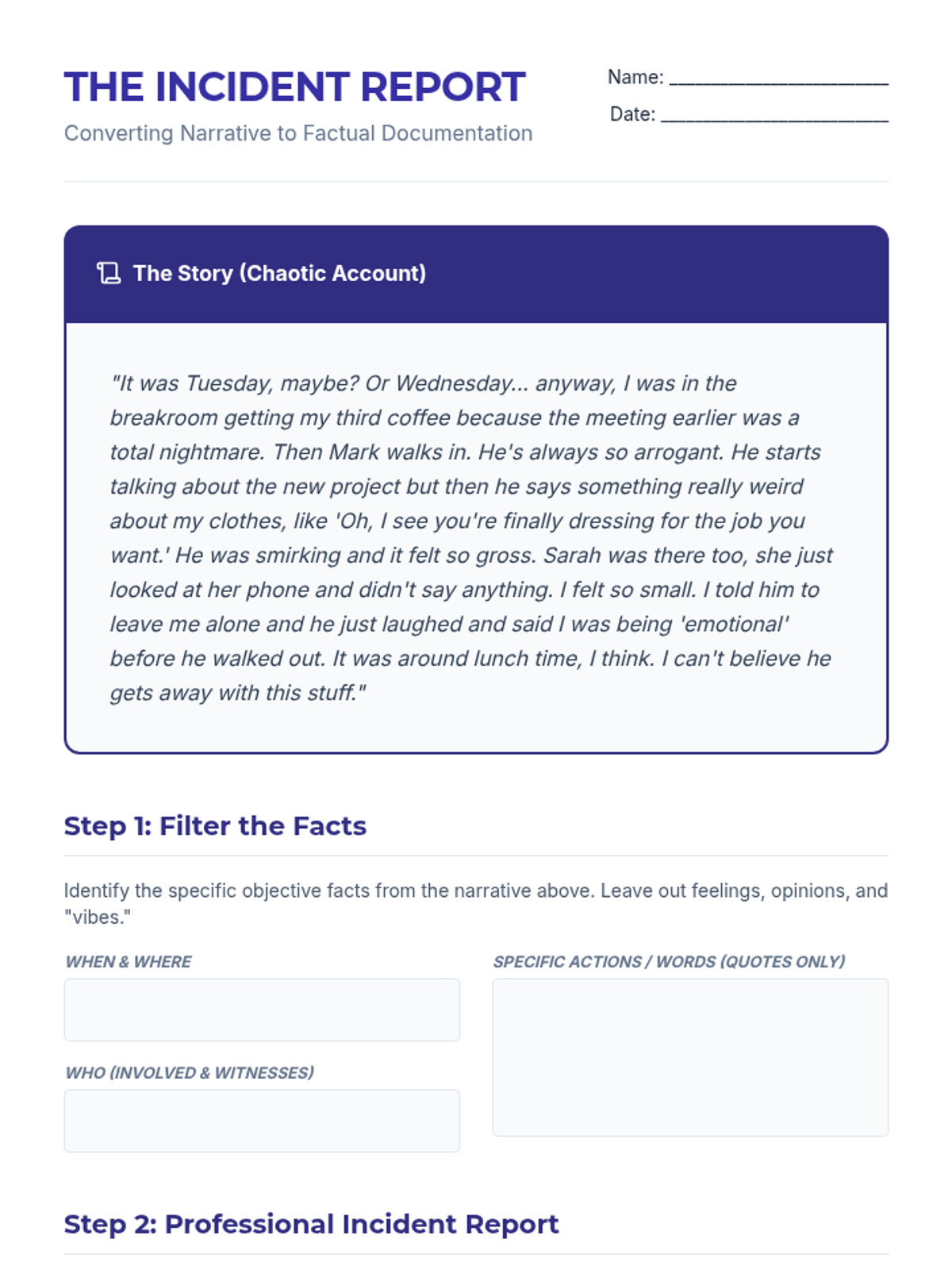
This lesson maps the process of formal reporting, teaching students how to distinguish between internal HR paths and external legal filings while practicing objective documentation.
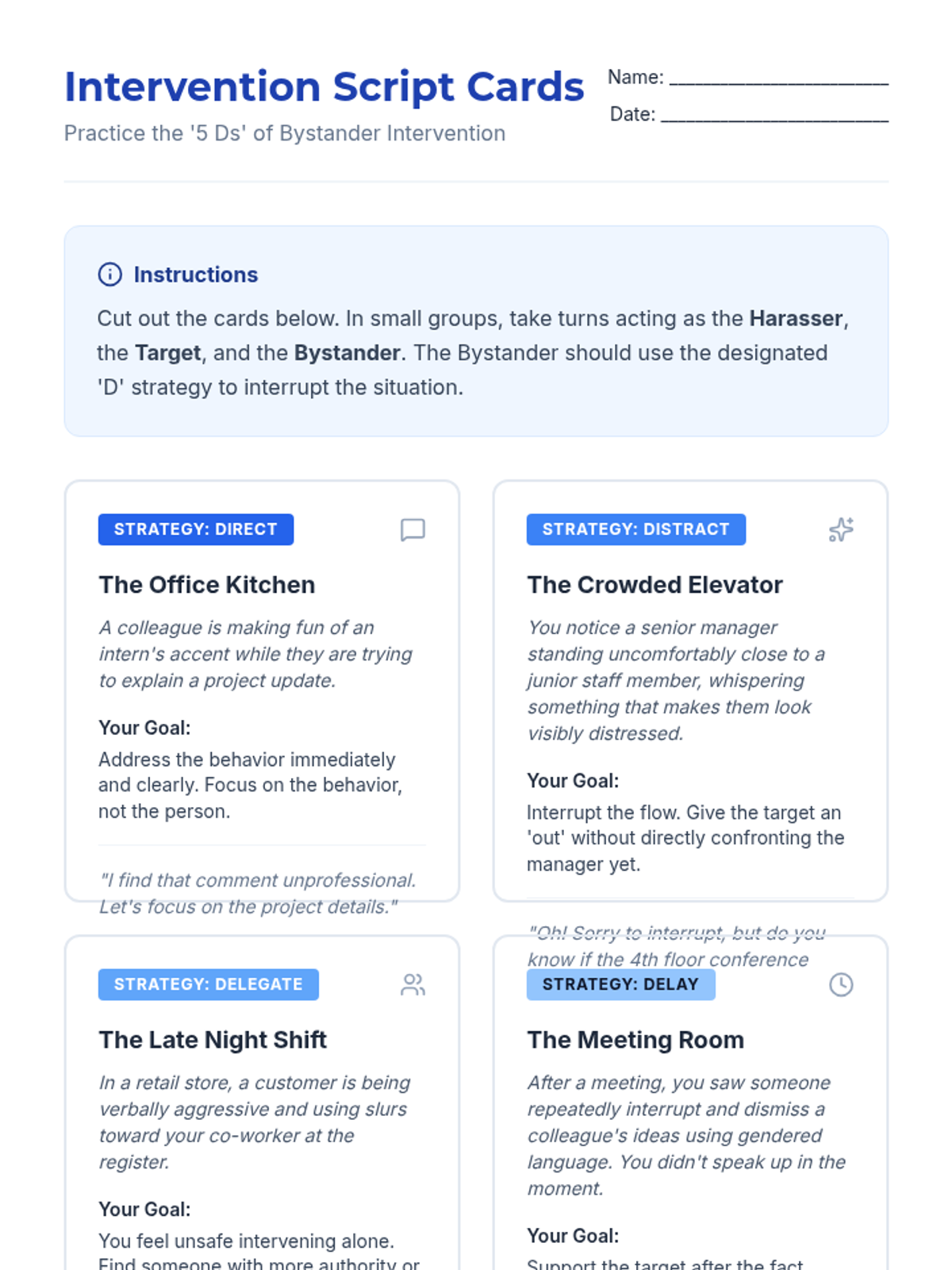
Students learn and practice the '5 Ds' of bystander intervention (Direct, Distract, Delegate, Delay, Document) to safely address workplace harassment.
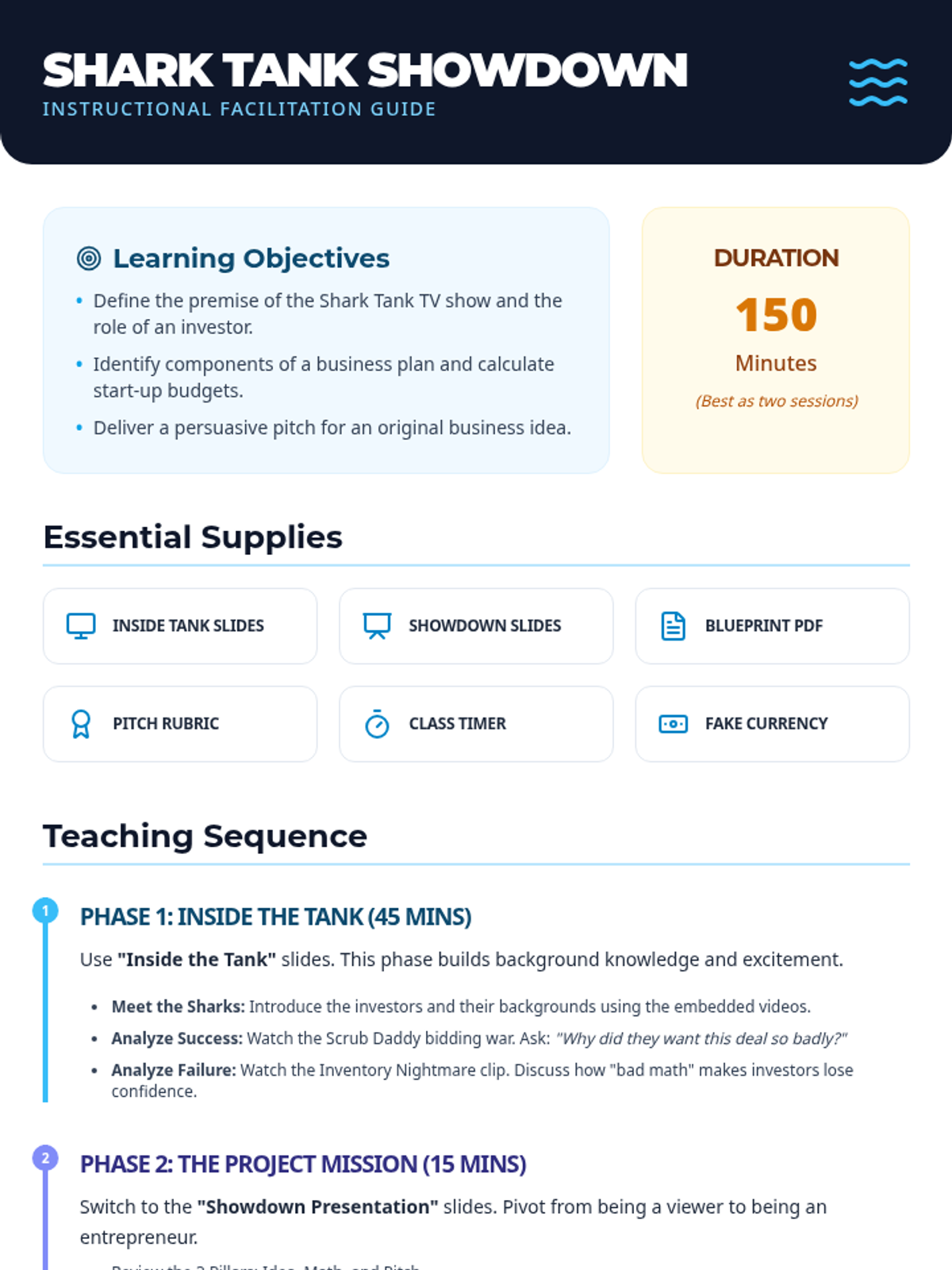
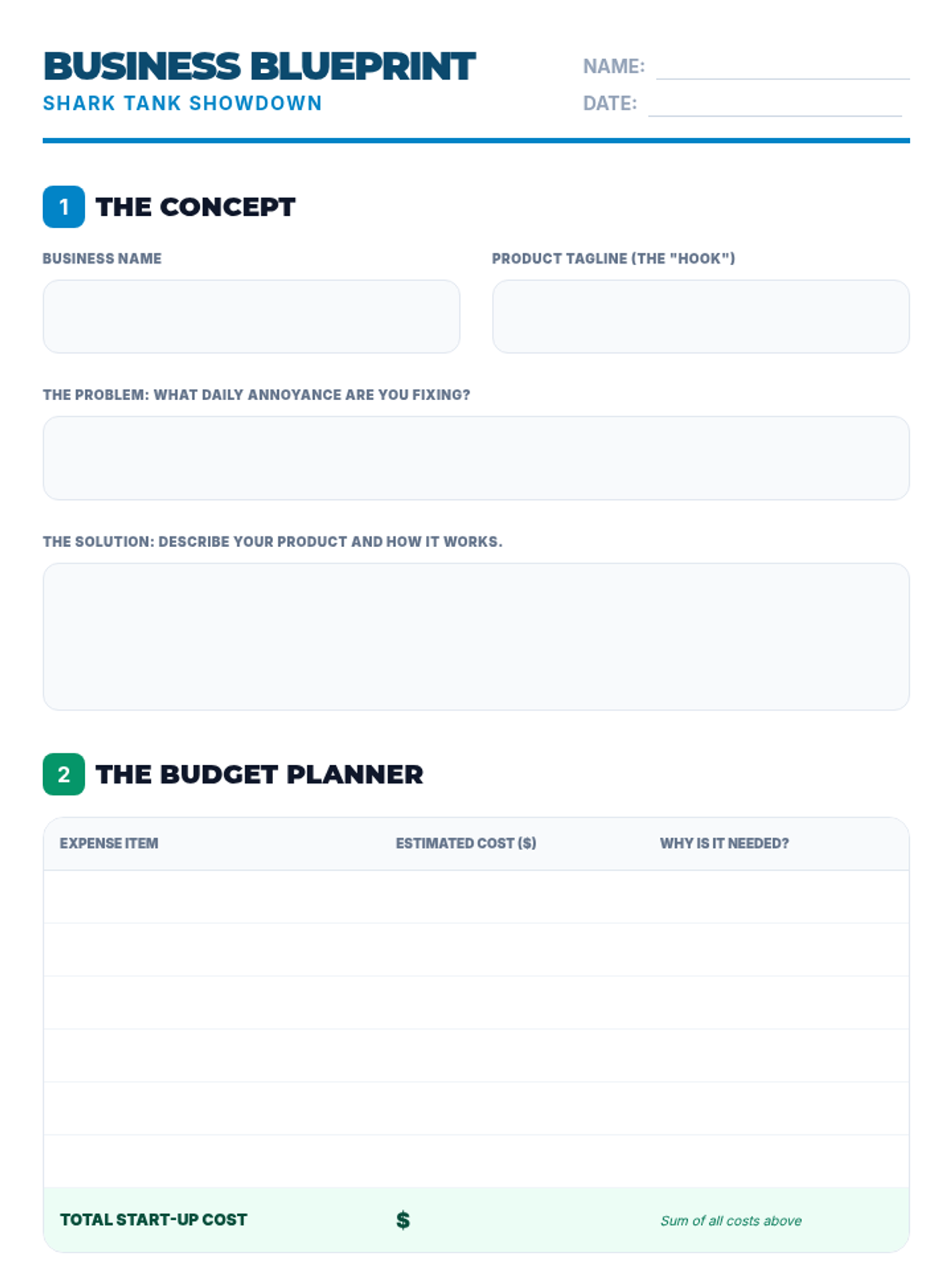
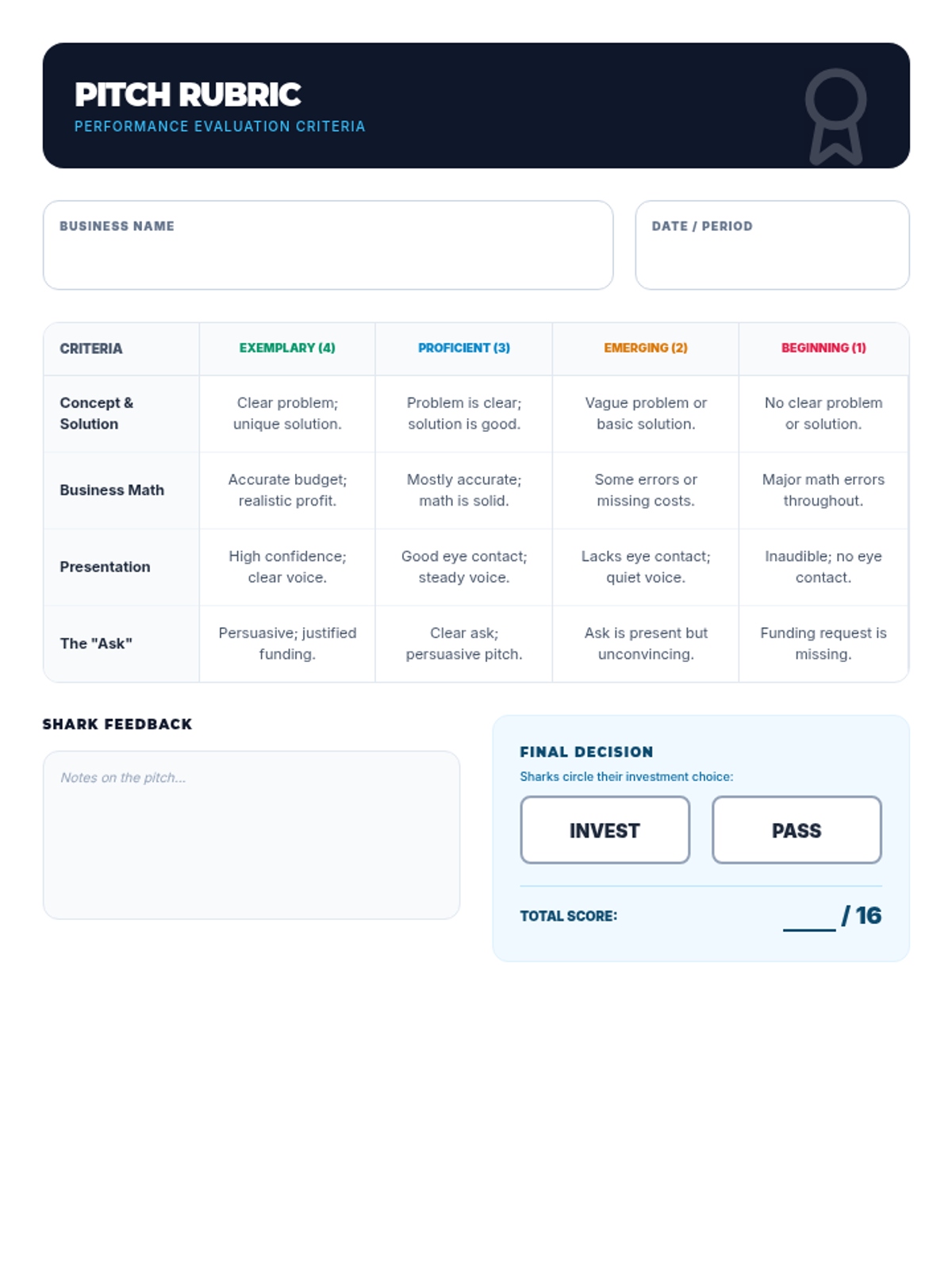
An immersive entrepreneurship lesson where students learn business basics, budgeting, and persuasive pitching to secure 'funding' for their original ideas.
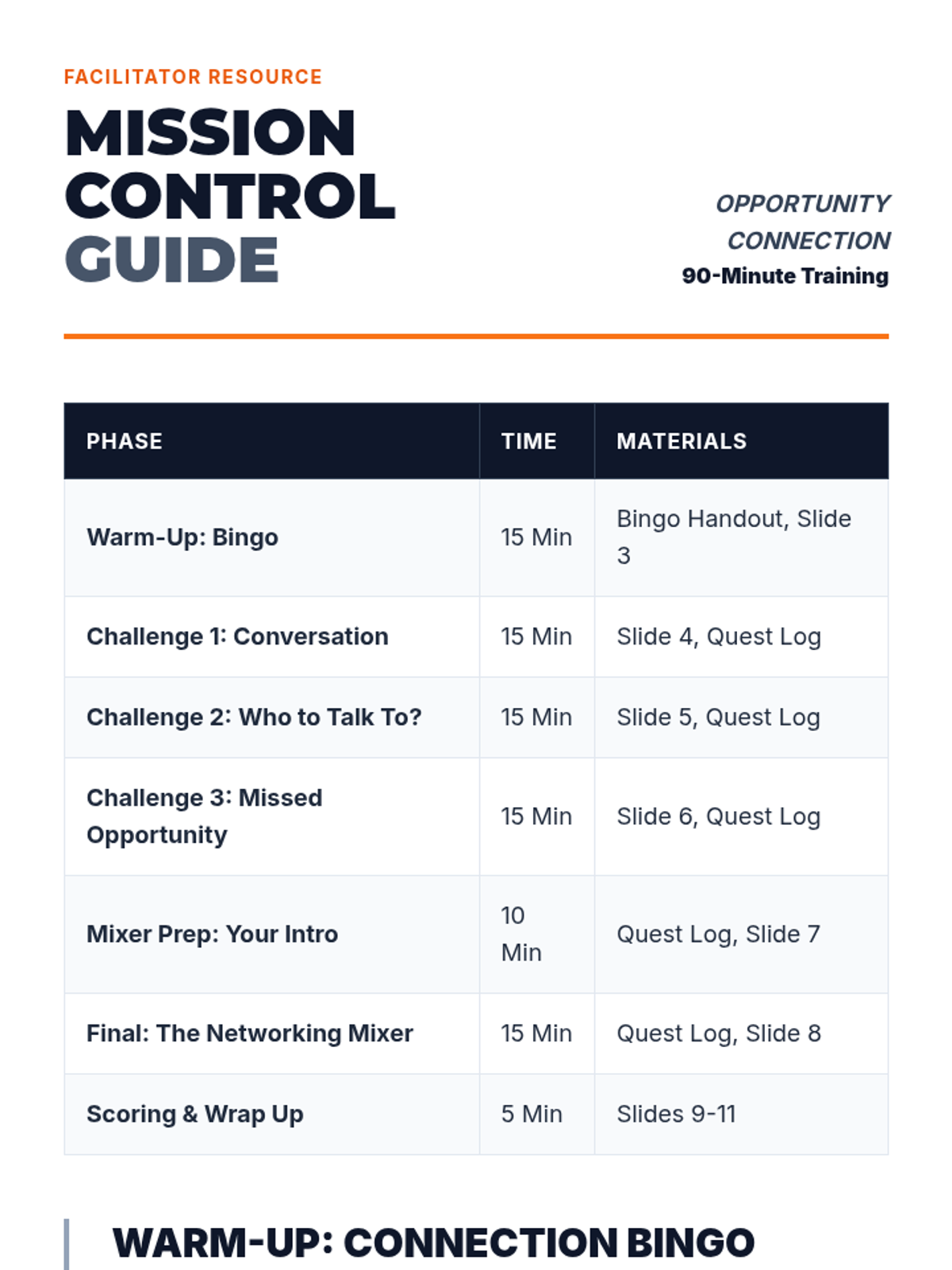
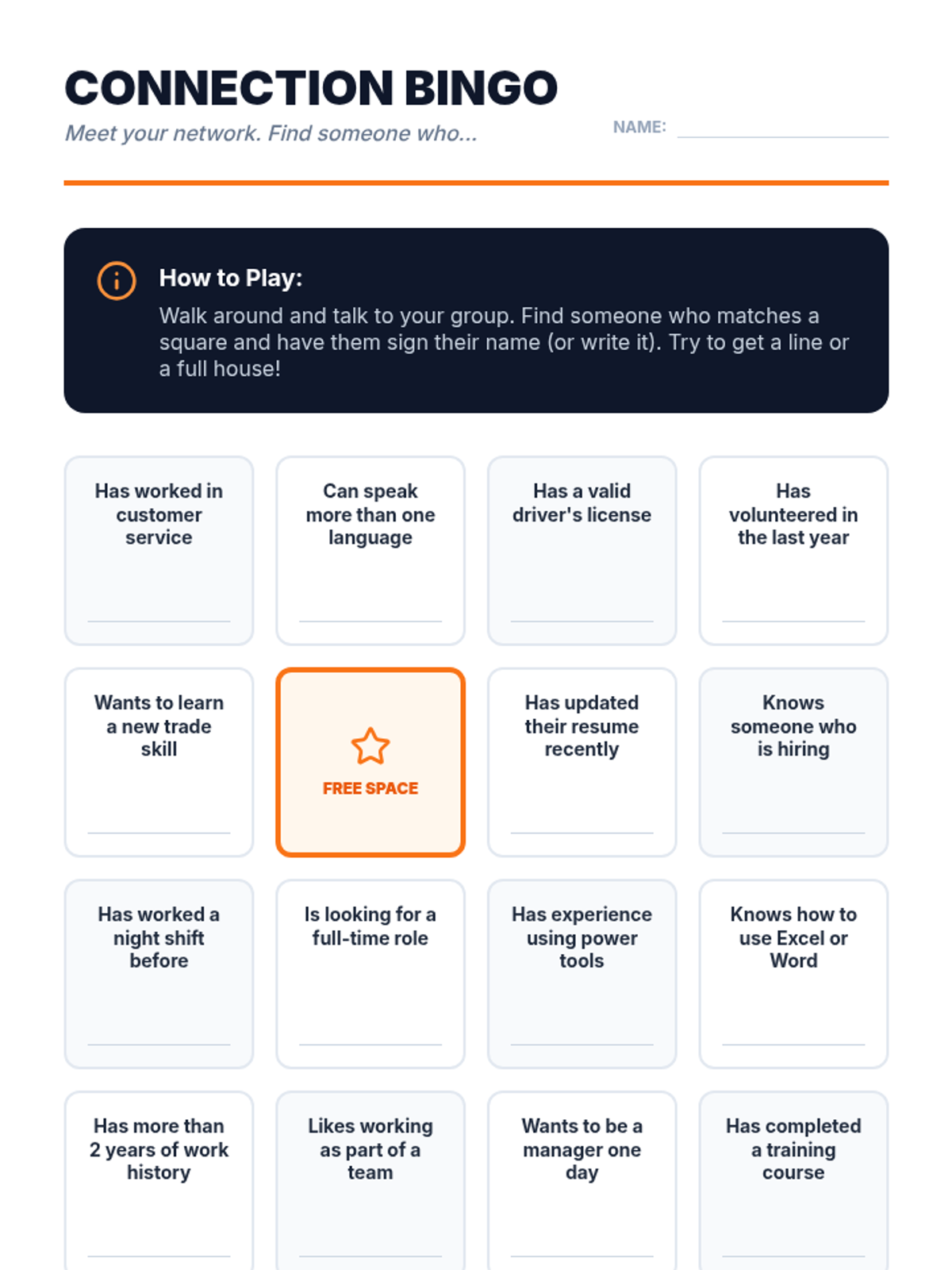
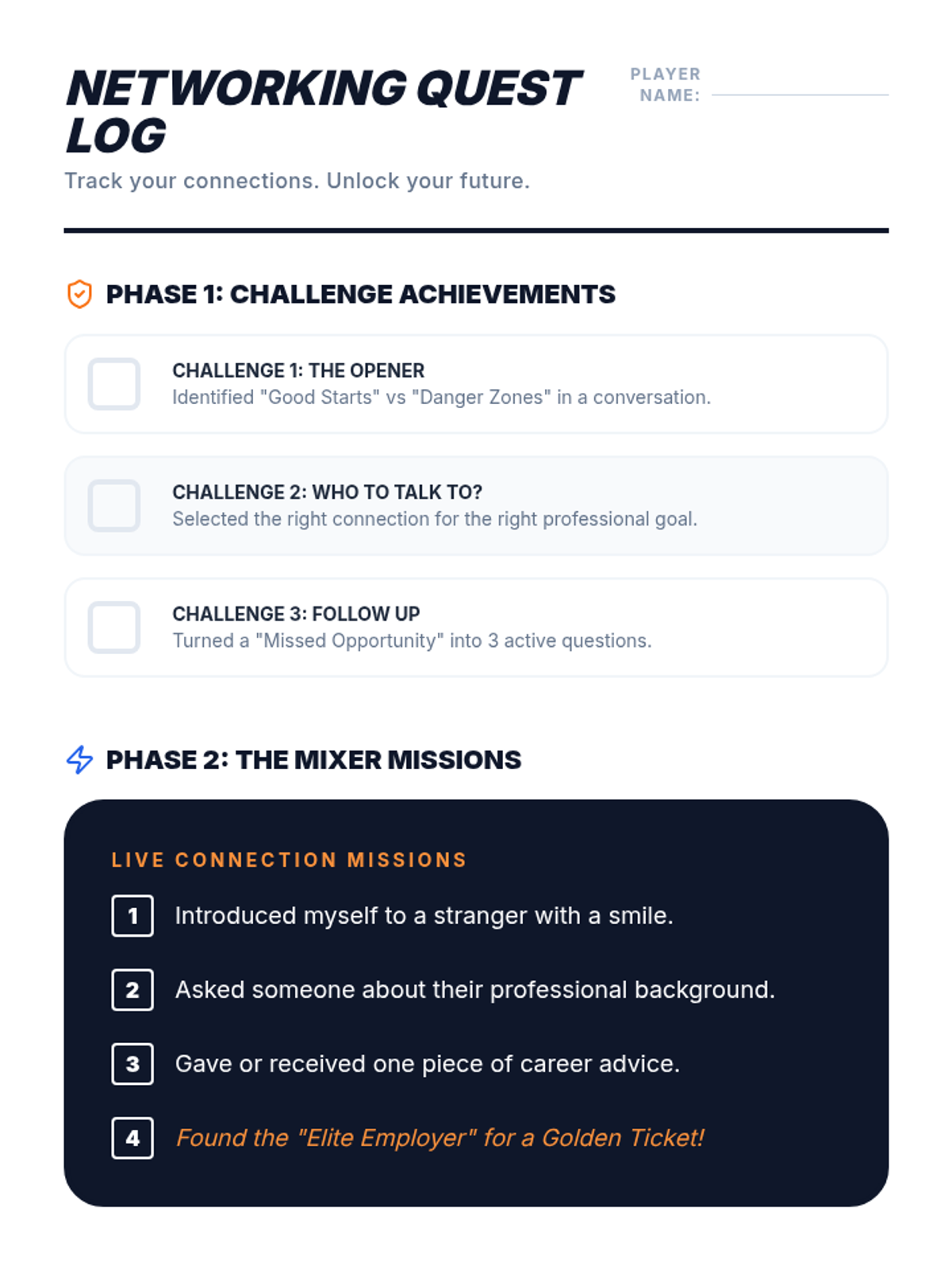
A 90-minute interactive session where participants learn to initiate conversations, identify helpful connections, and practice networking in a simulated environment to unlock career opportunities.
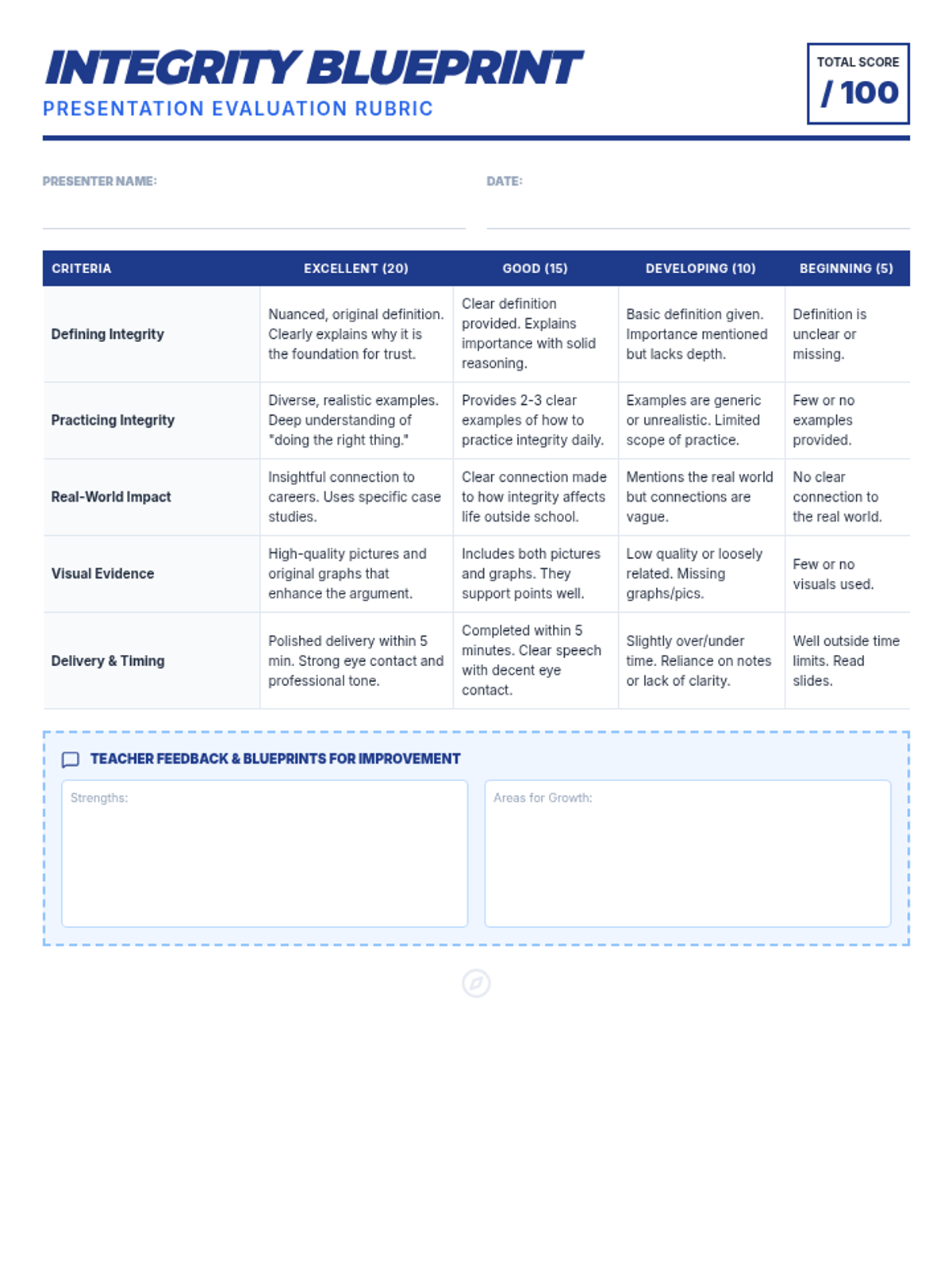
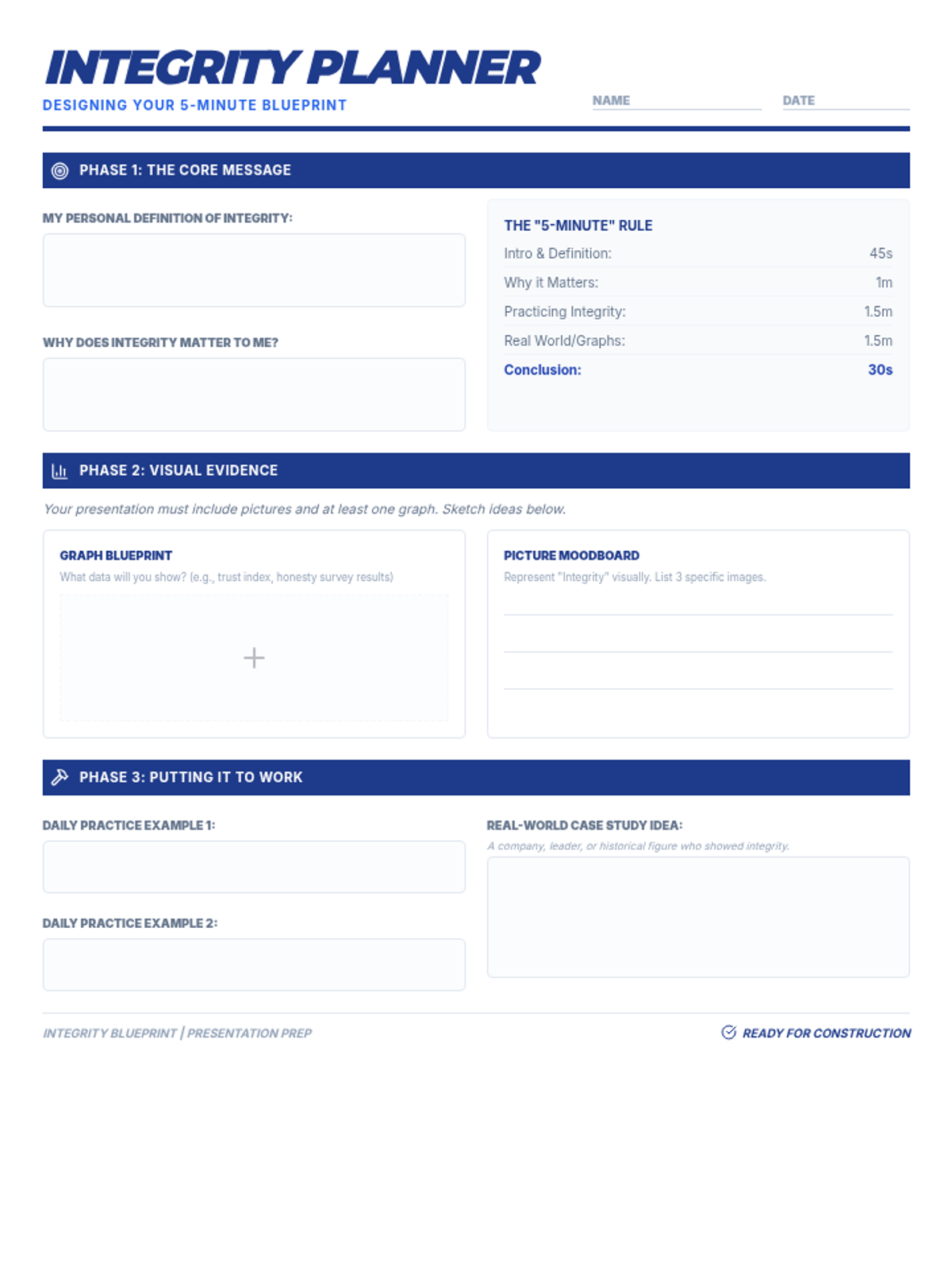
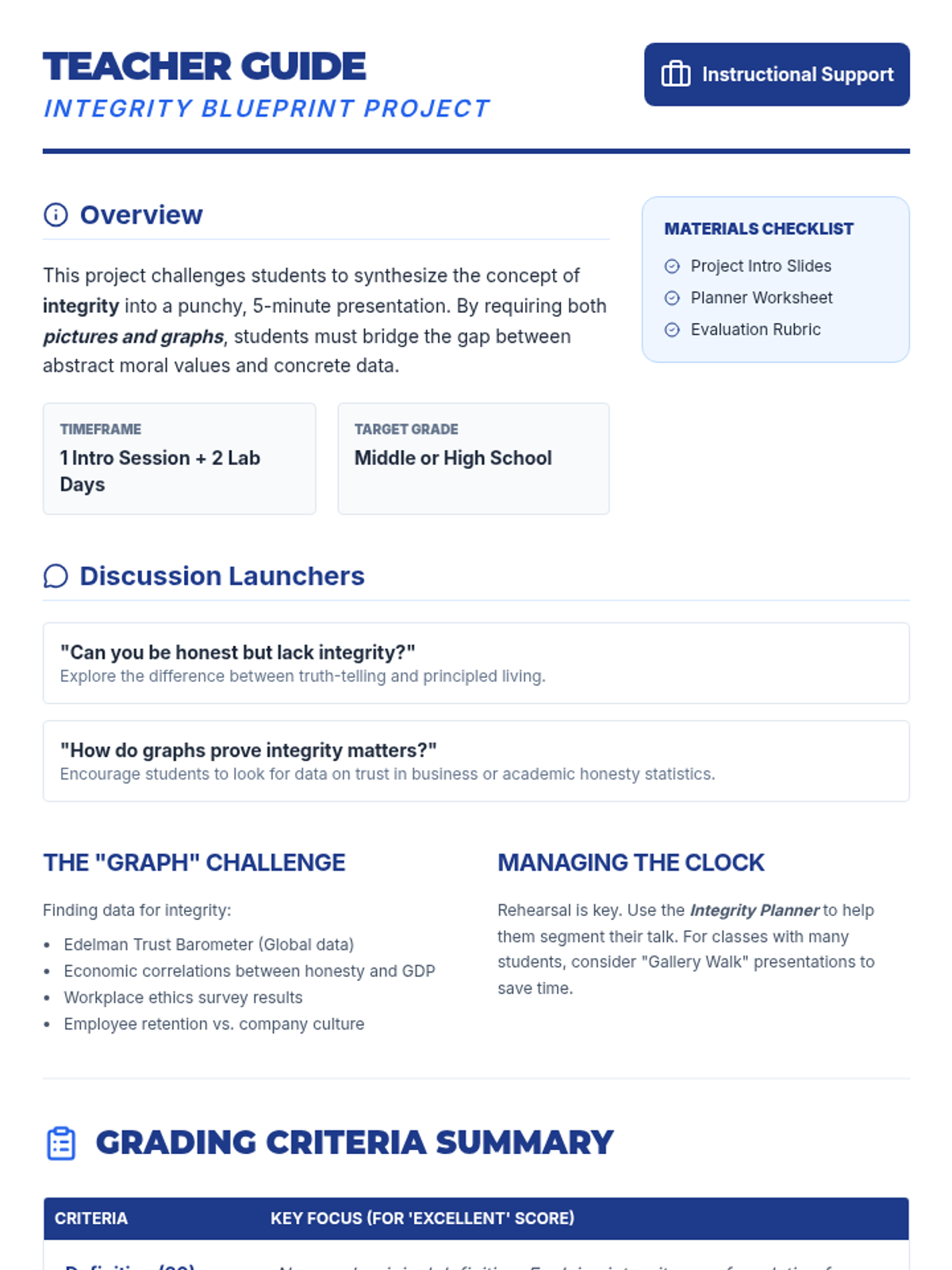
A comprehensive lesson guiding students through the definition, importance, and real-world application of integrity, culminating in a visually-driven 5-minute presentation.
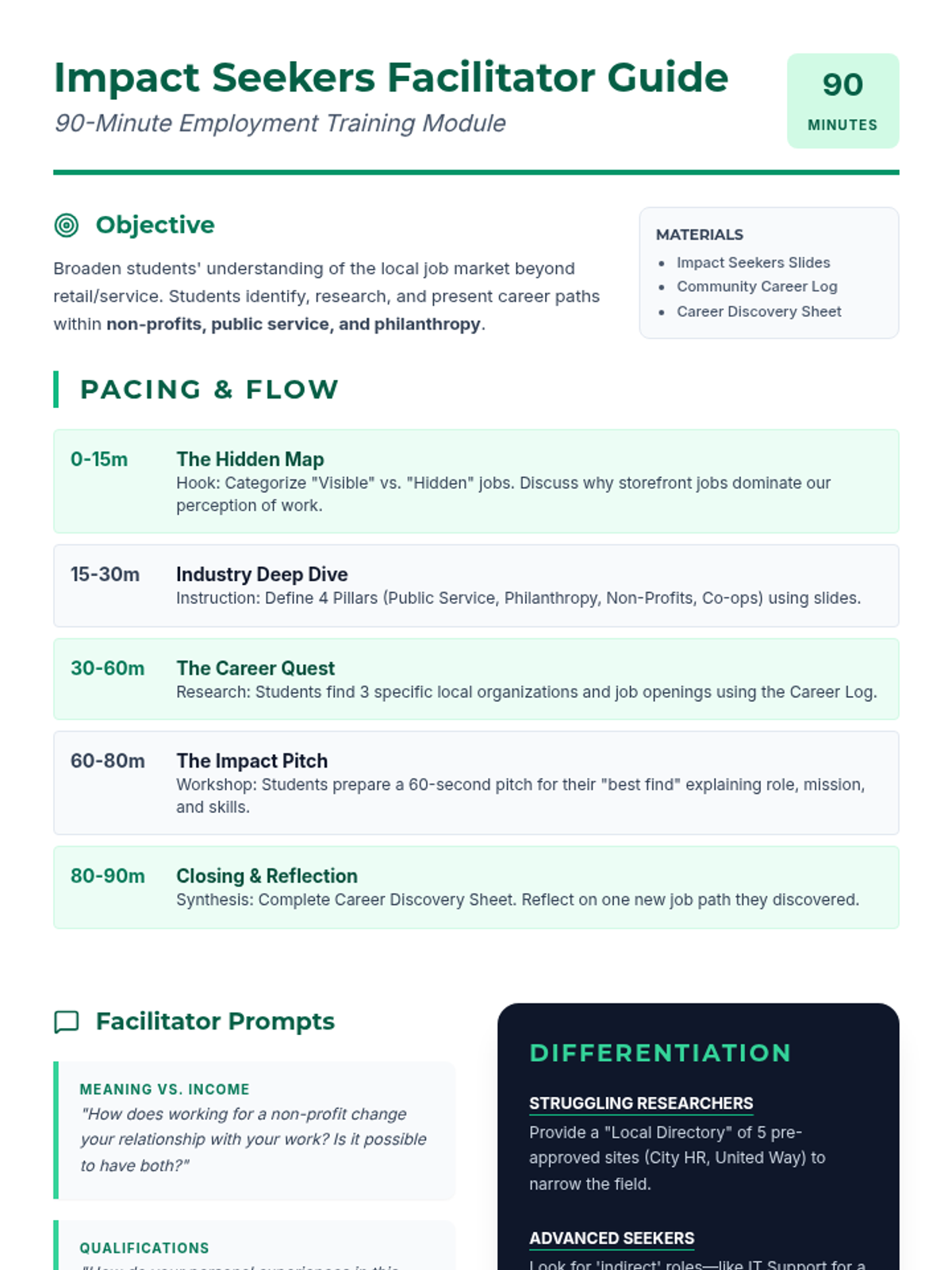
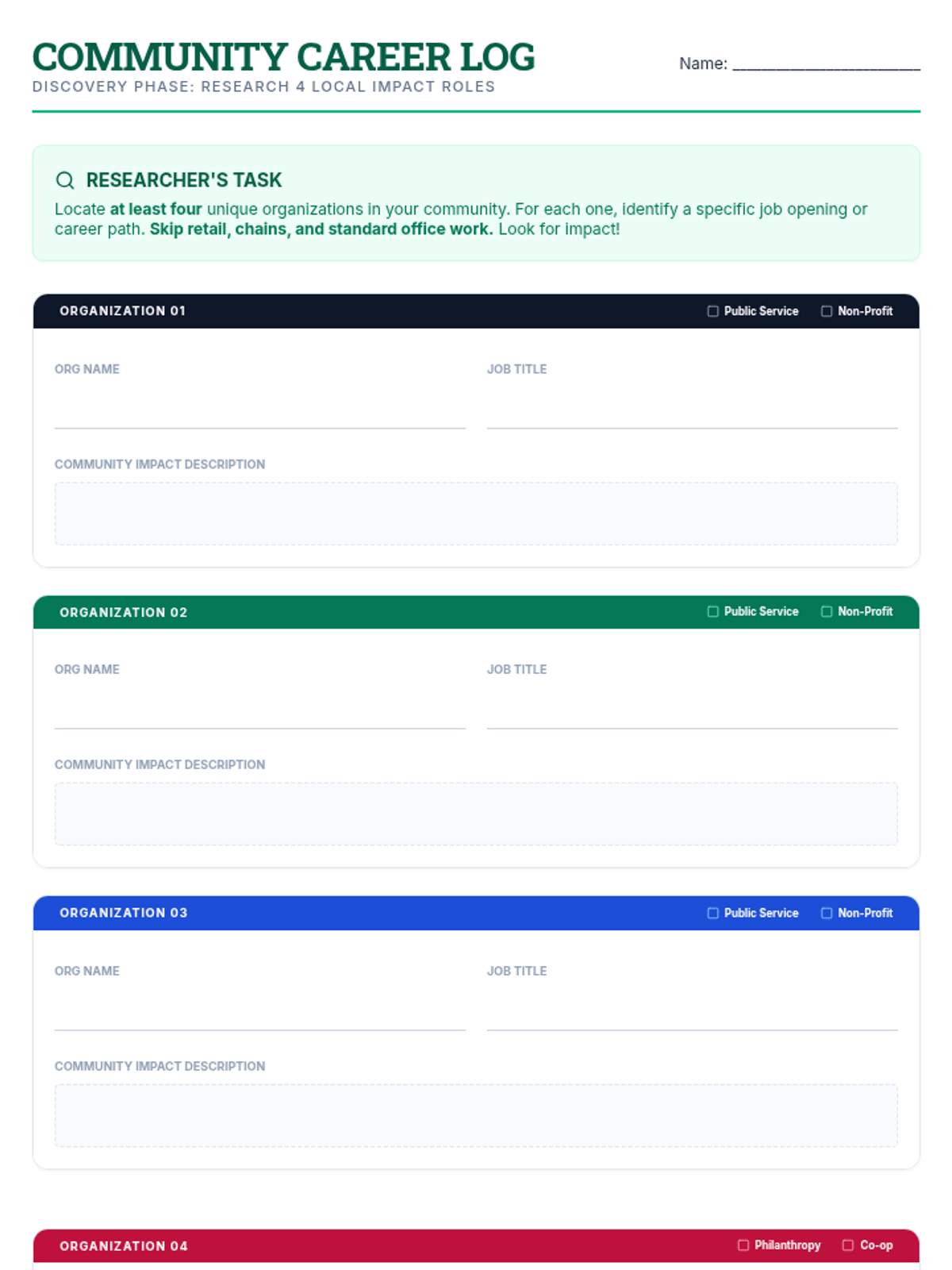
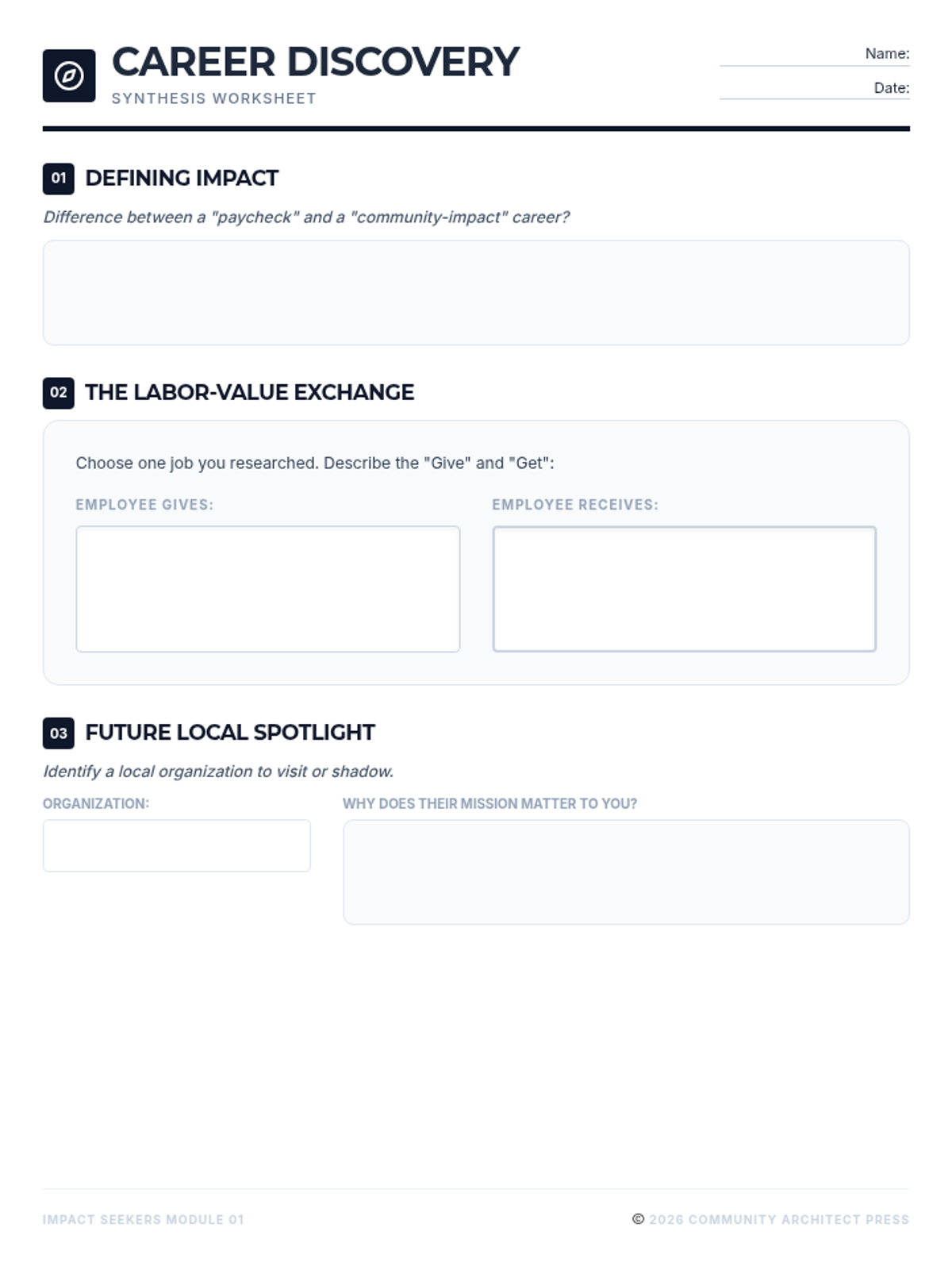
A 90-minute employment training session focused on discovering meaningful community-based careers beyond traditional retail. Students explore non-profits, public service, and philanthropic organizations to understand diverse career paths.
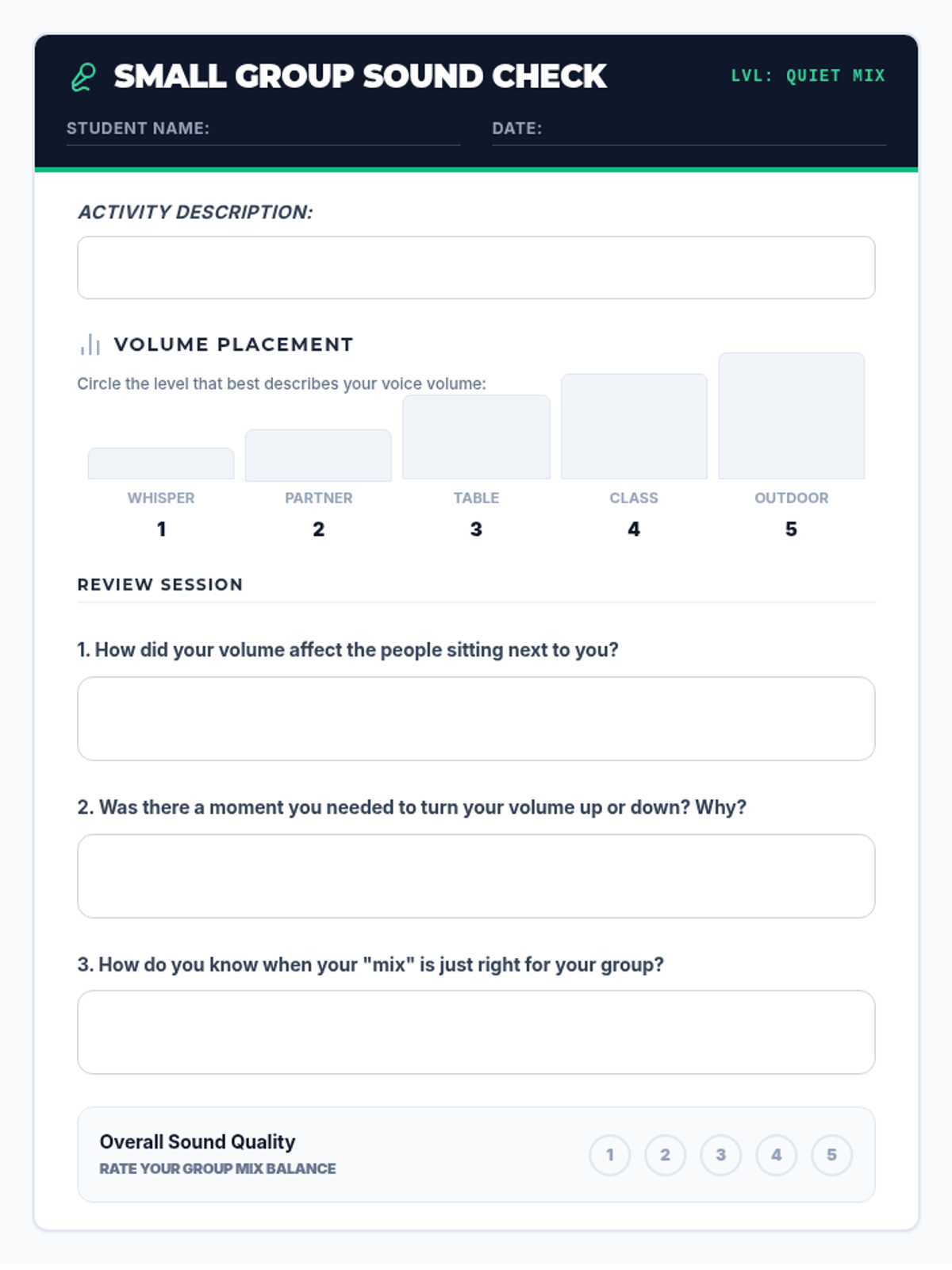
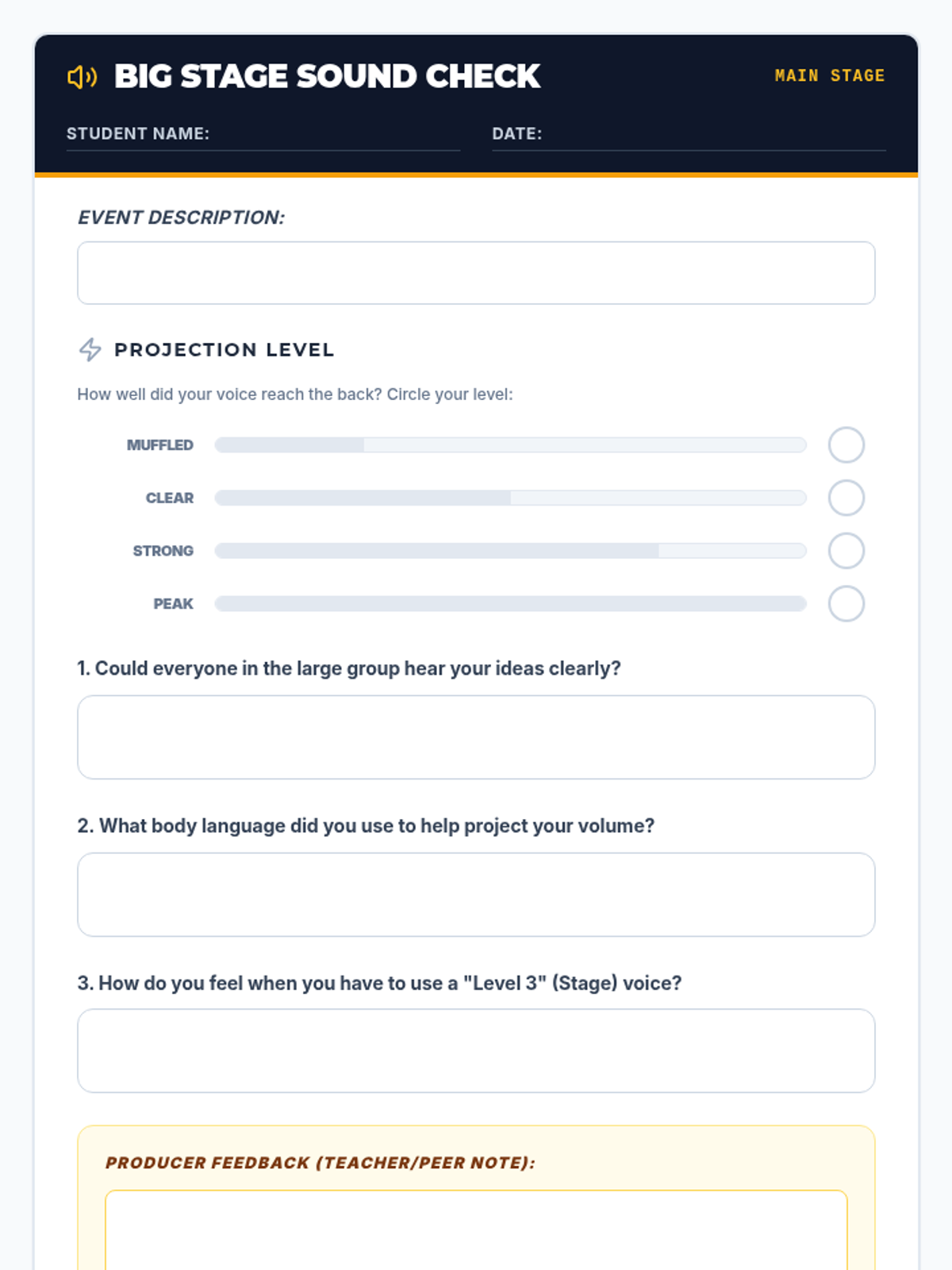
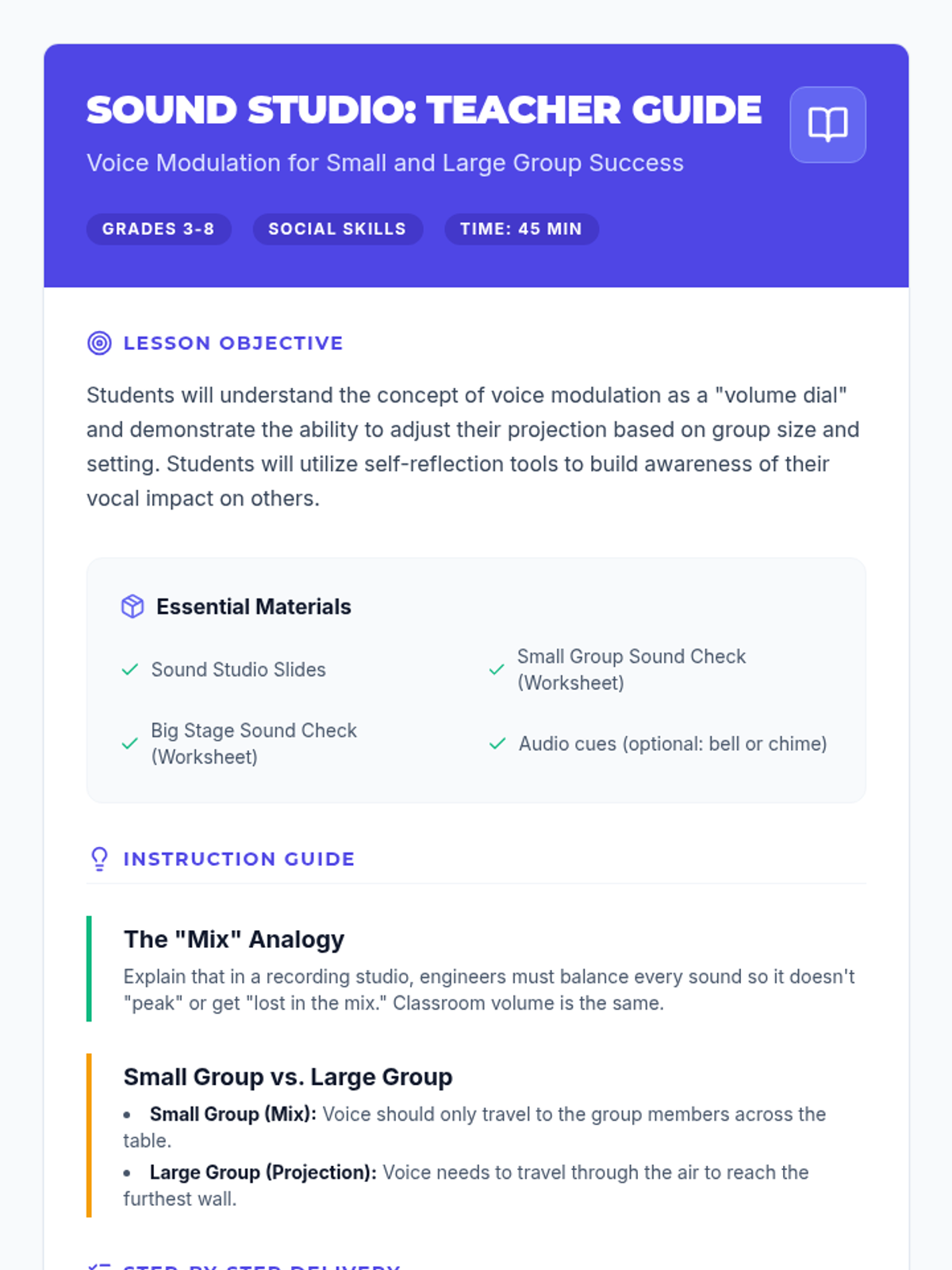
Students learn to adjust their voice volume like a sound engineer, mastering the 'volume dial' for small group collaboration and large group participation. Includes interactive slides and targeted self-reflection tools to build social-emotional awareness.
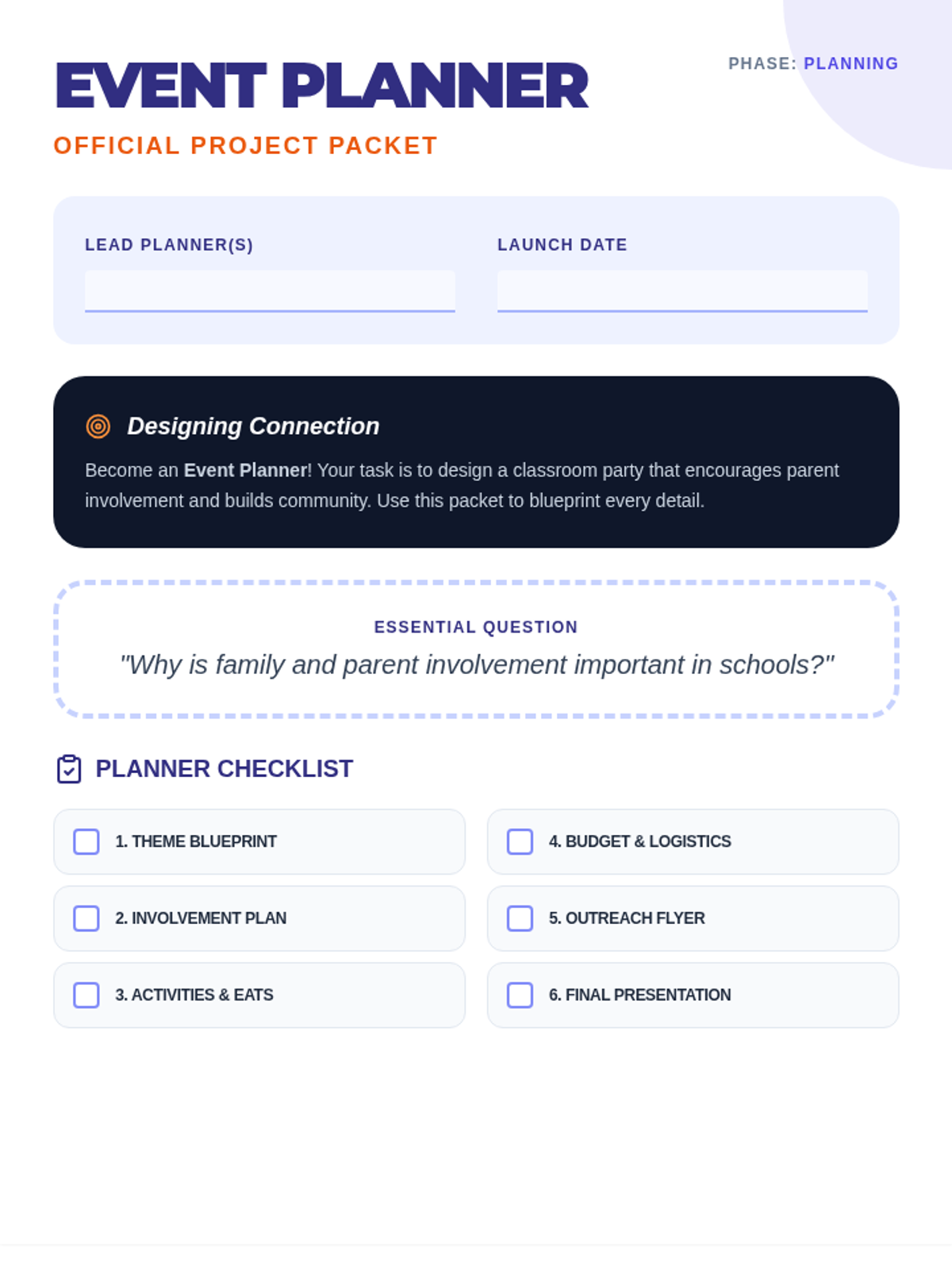
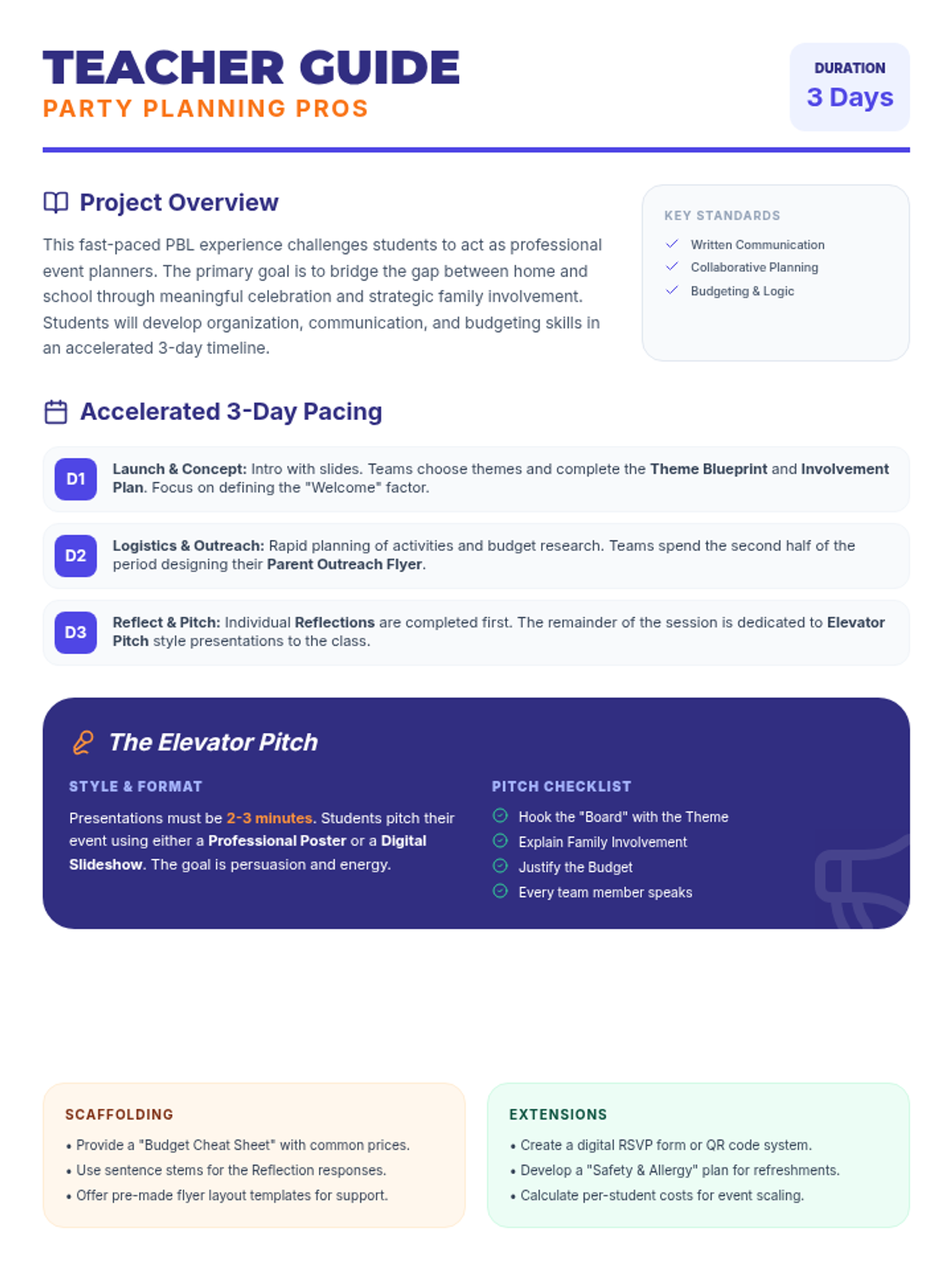
Students step into the role of professional event planners to design a classroom celebration that bridges the gap between home and school. They will create a comprehensive plan including activities, budgets, and volunteer recruitment strategies to maximize family engagement.
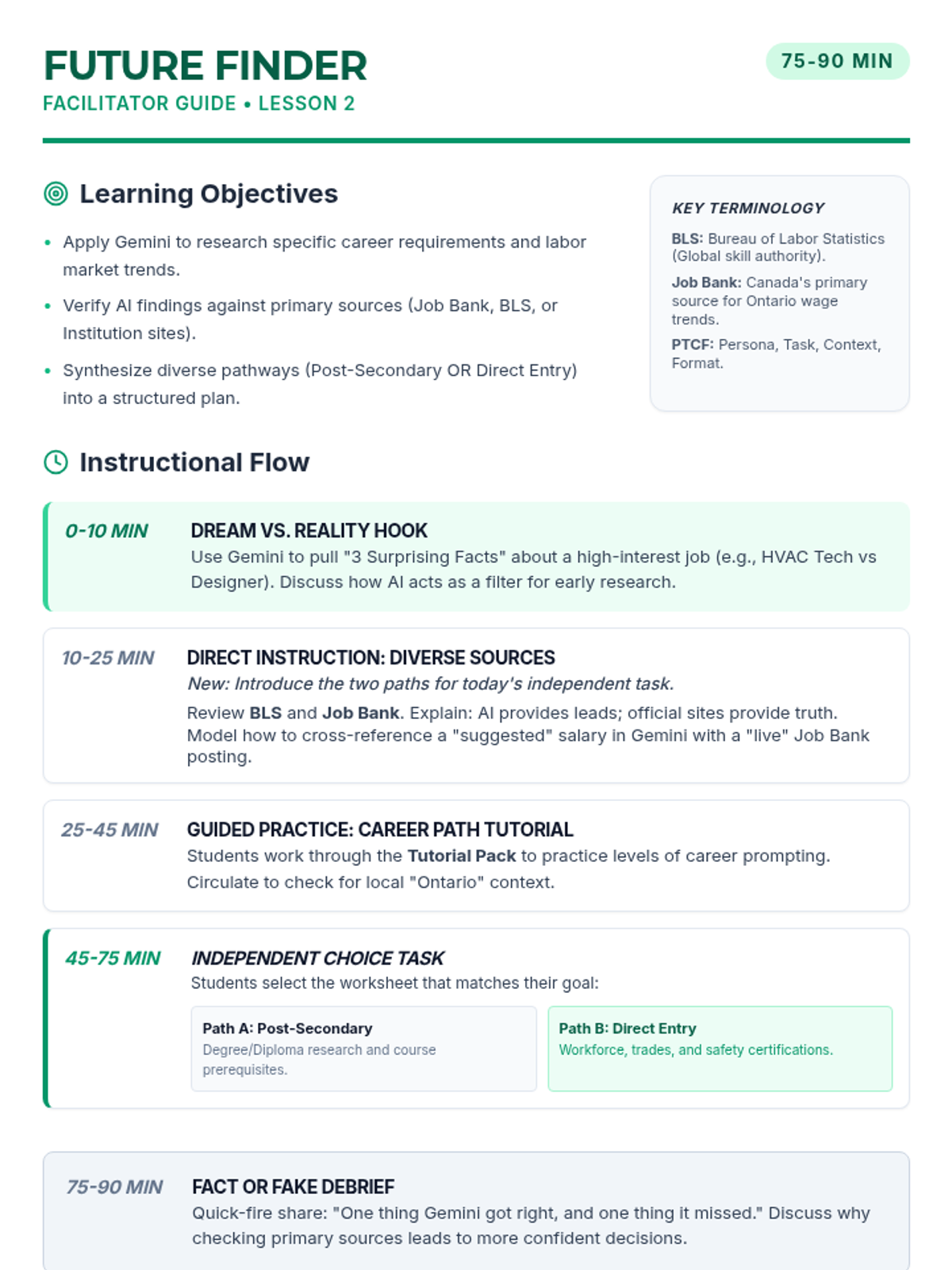
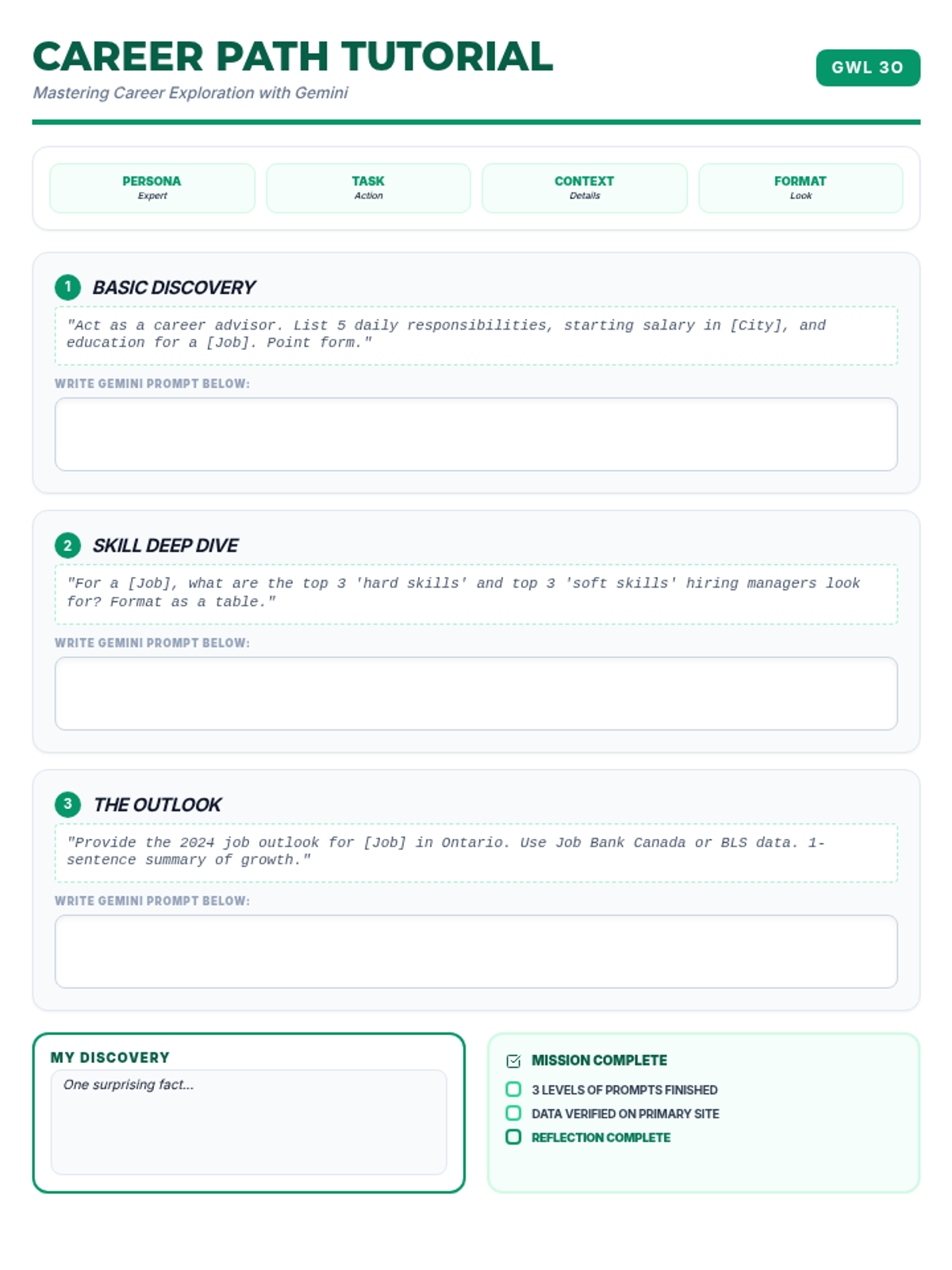
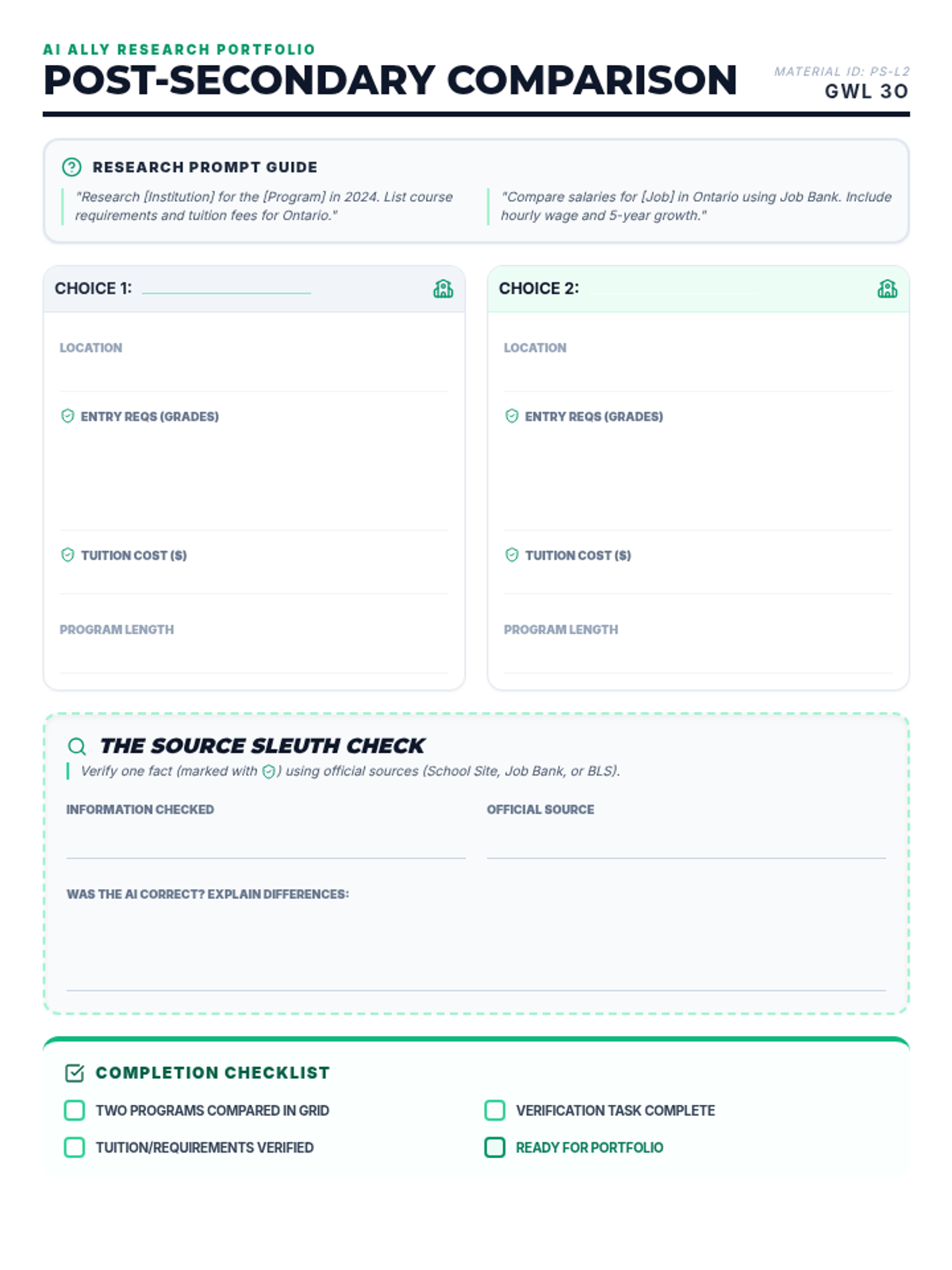
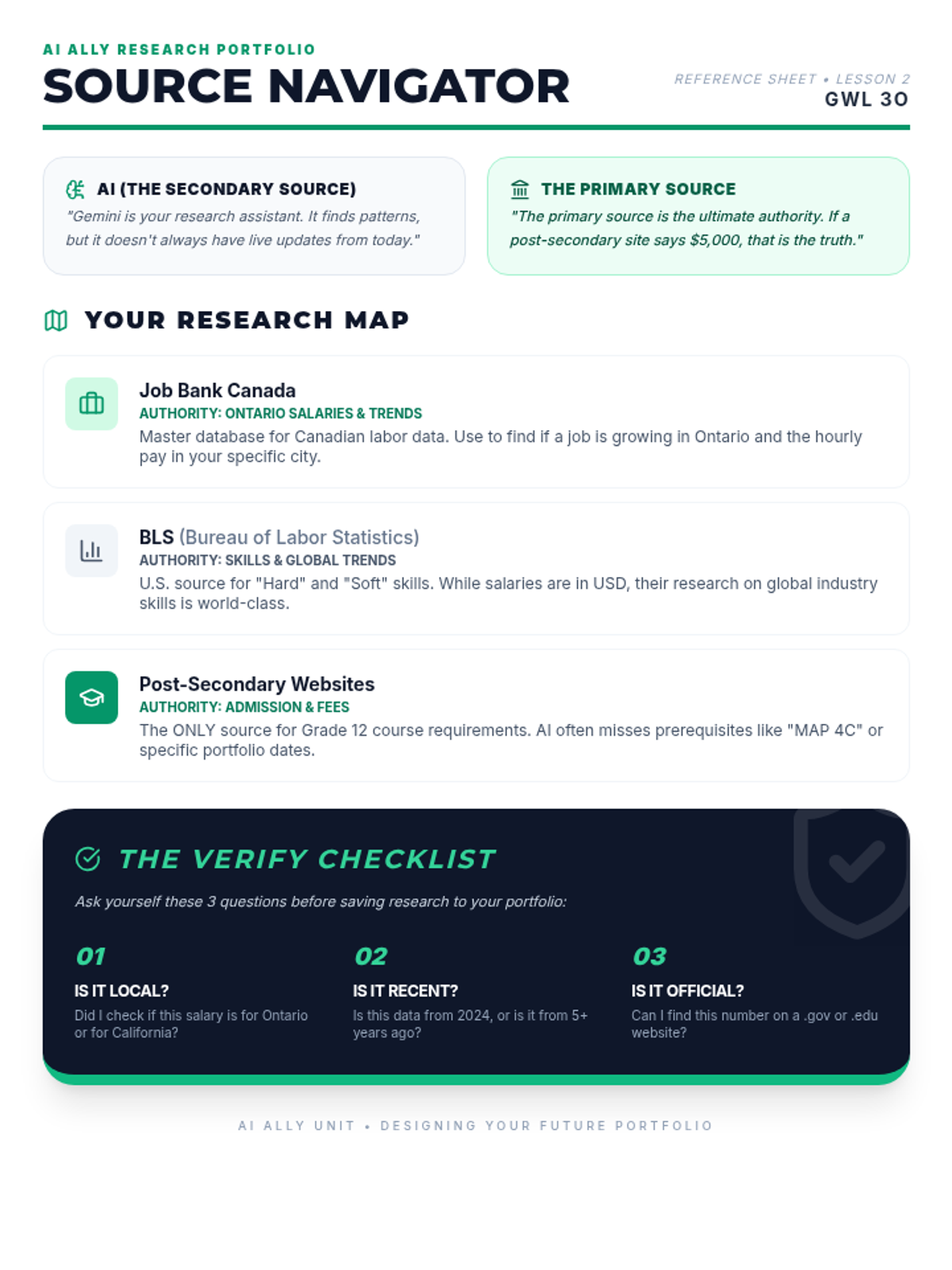
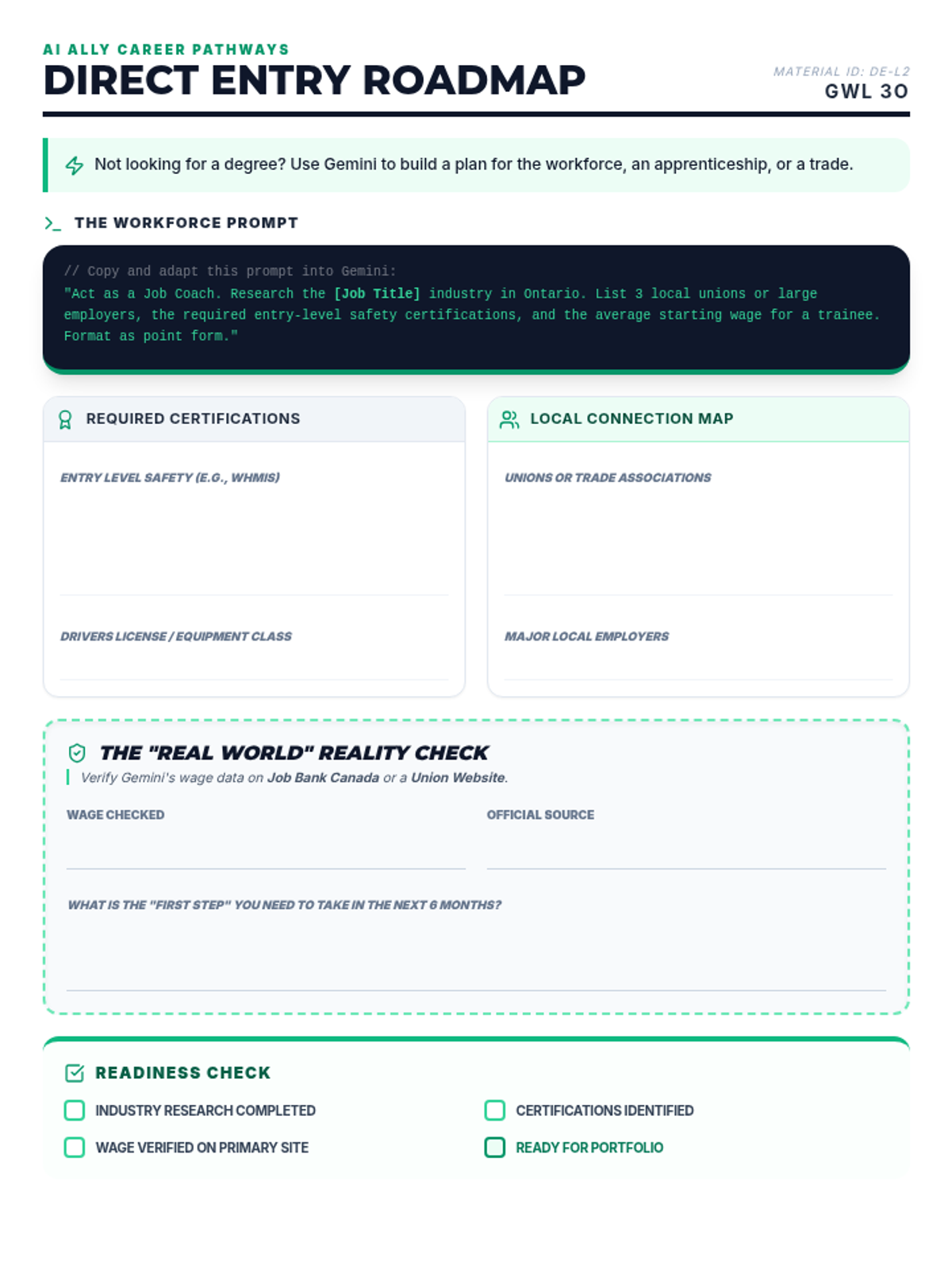
Students use Gemini to explore diverse career pathways, post-secondary requirements, and labor market trends, learning how to cross-reference AI findings with primary sources like government databases and institution websites.
An investigative slide-based lesson where students analyze multiple "mystery" candidates to discover hidden interview traps and best practices through unfolding case studies.
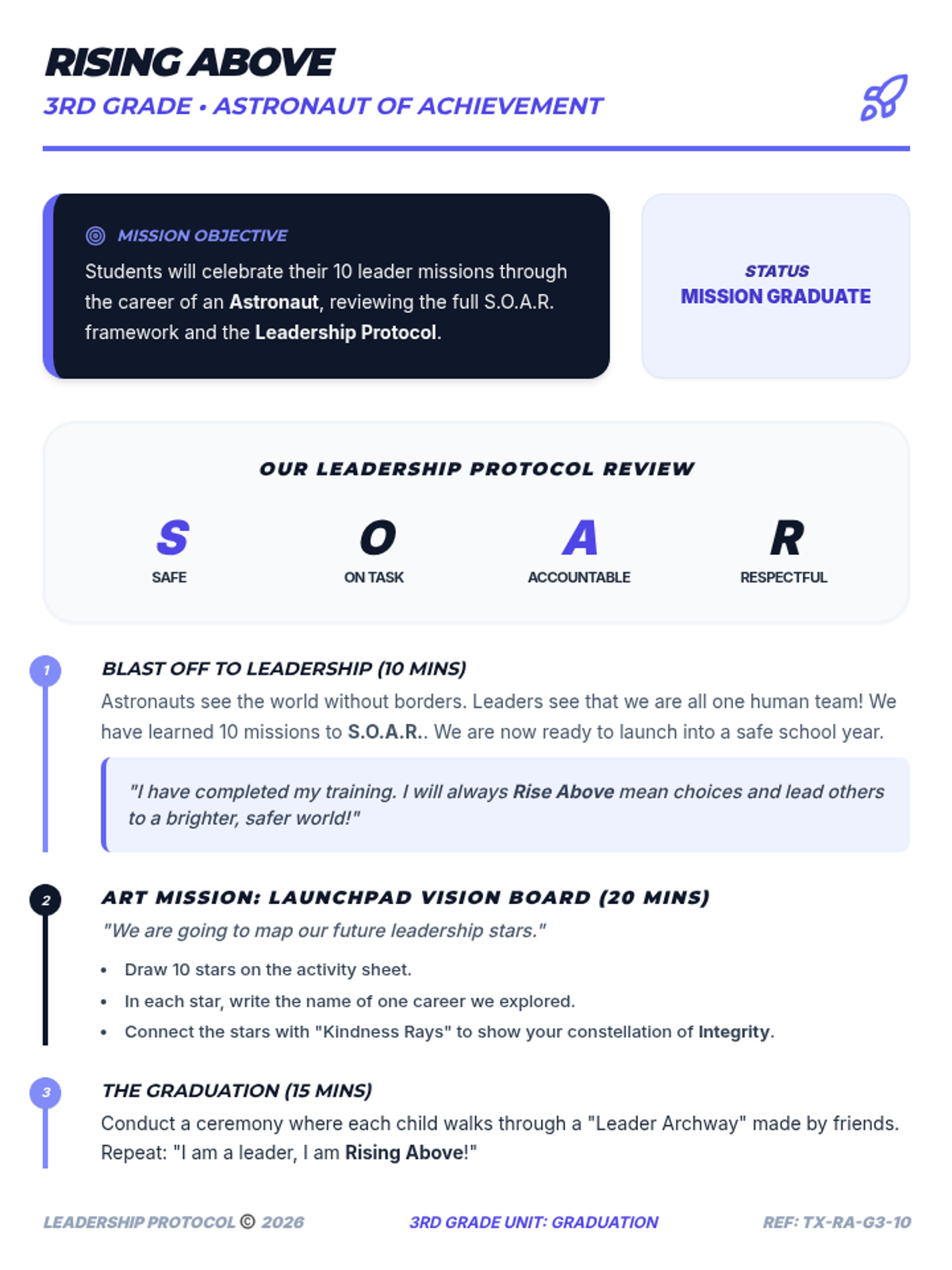
3rd Grade graduation celebrating the completion of 10 leader career missions. Art: Star-Map Vision Board.
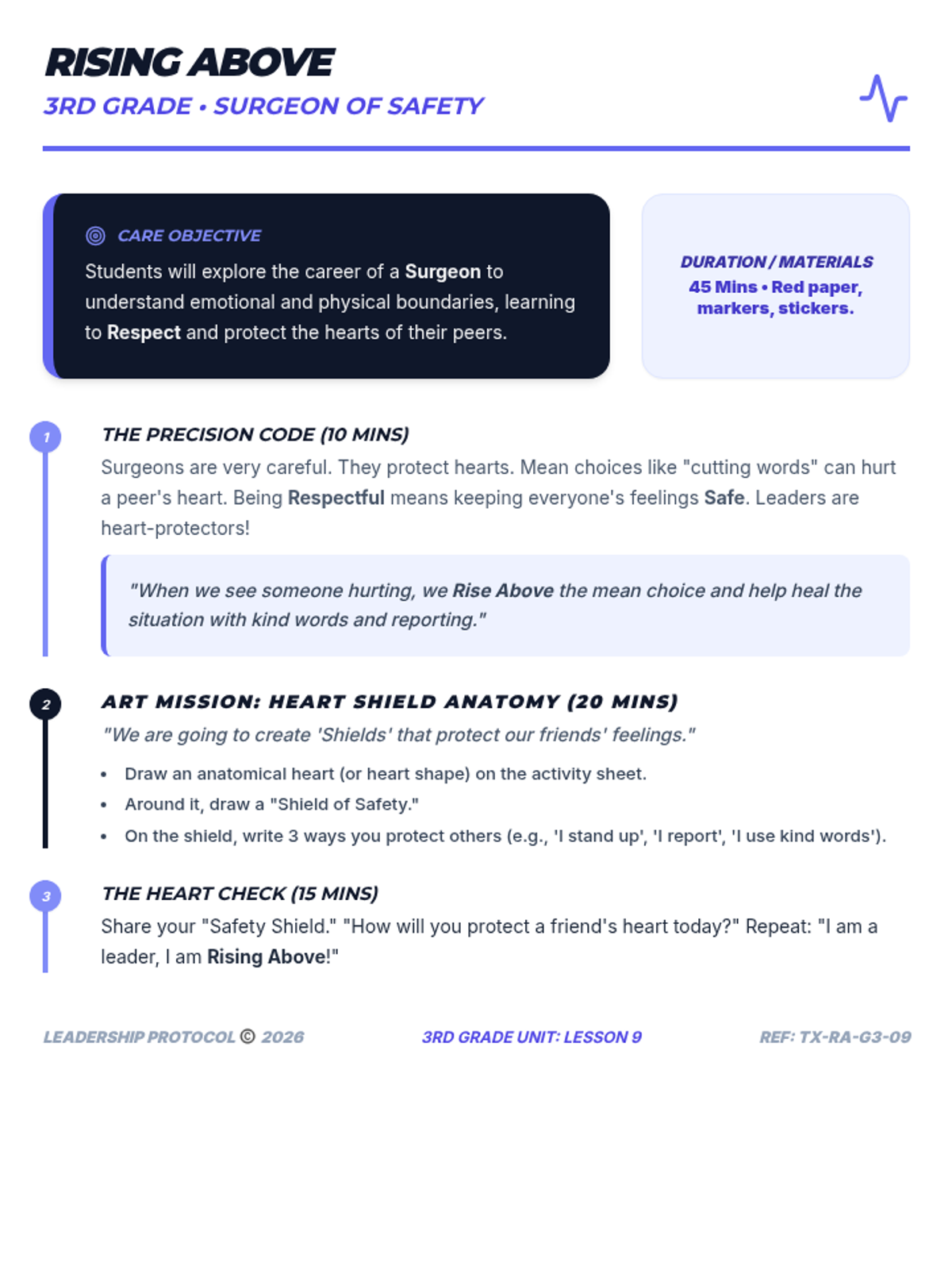
3rd Grade focus on emotional safety and protecting the hearts of others. Art: Heart Shield Anatomy.
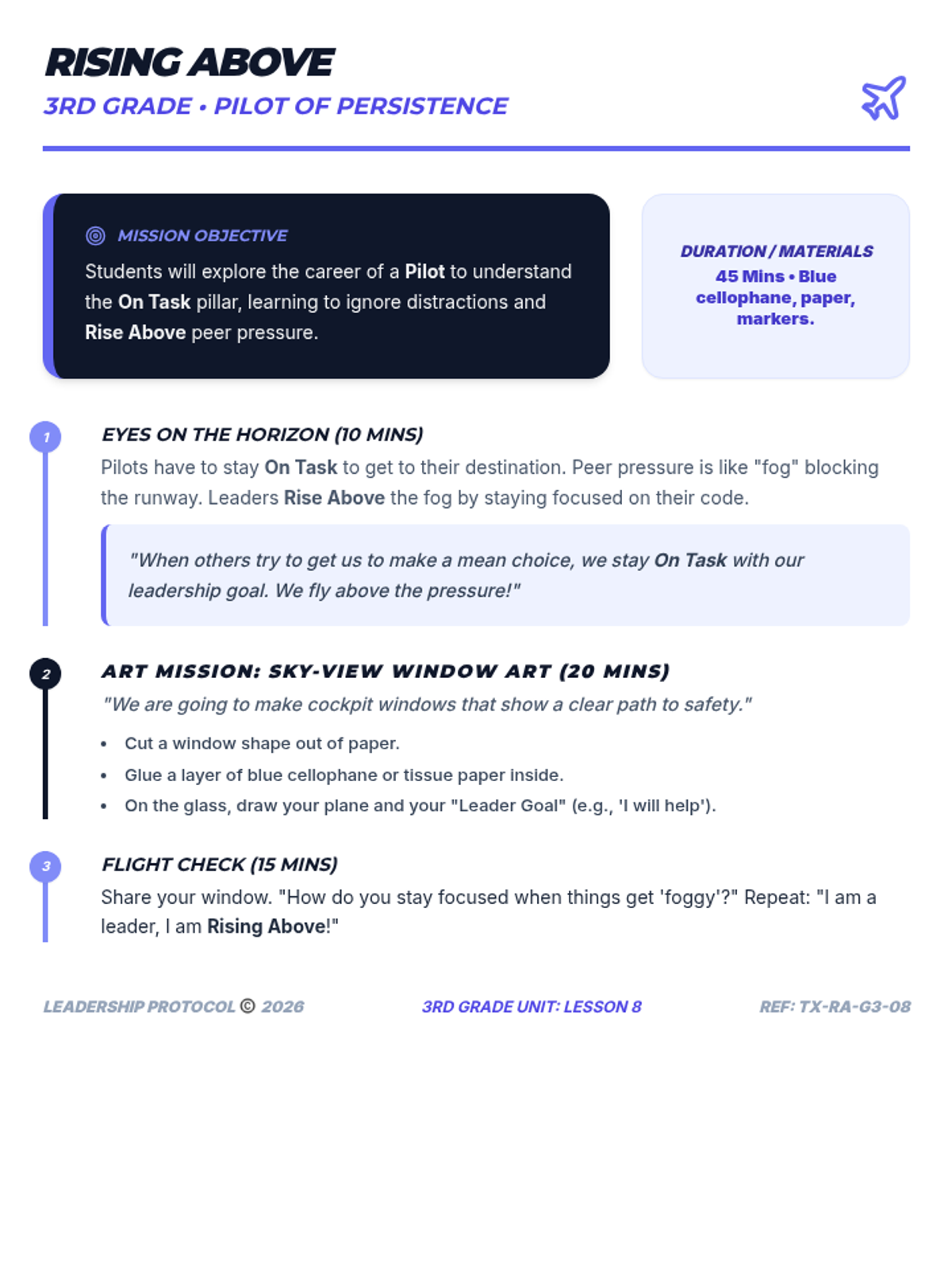
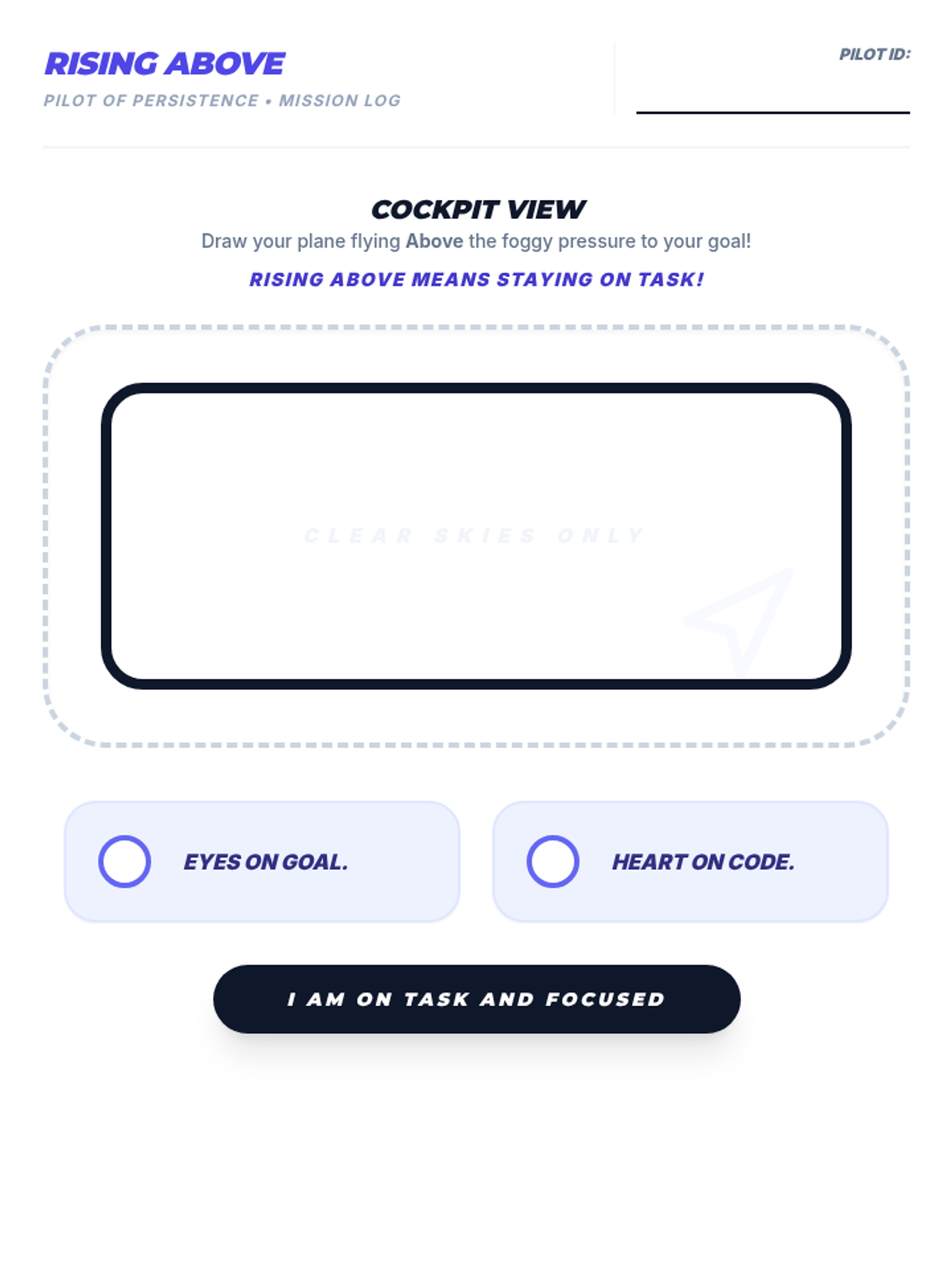
3rd Grade focus on mental focus and rising above peer pressure. Art: Sky-View Window Art.
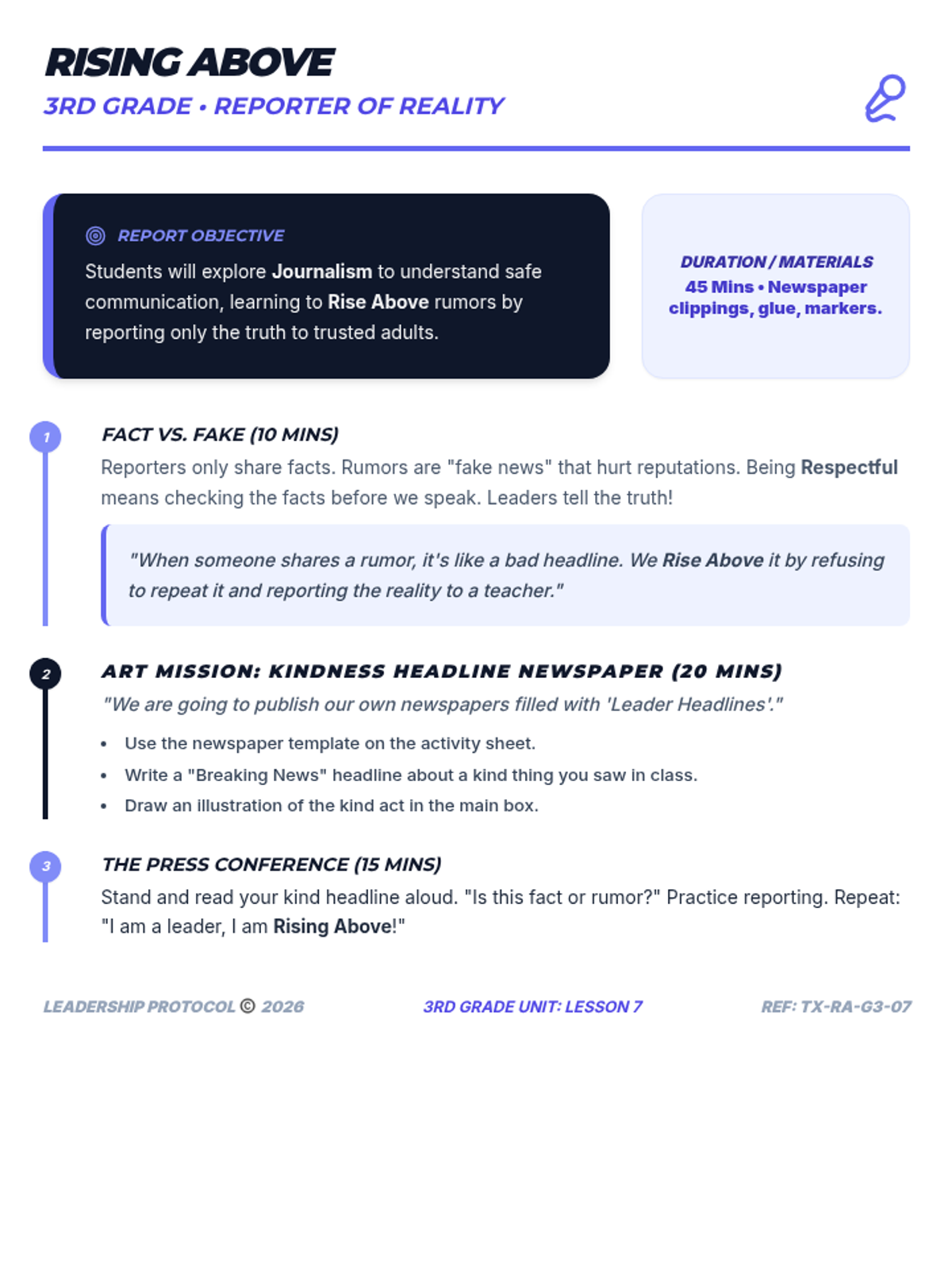
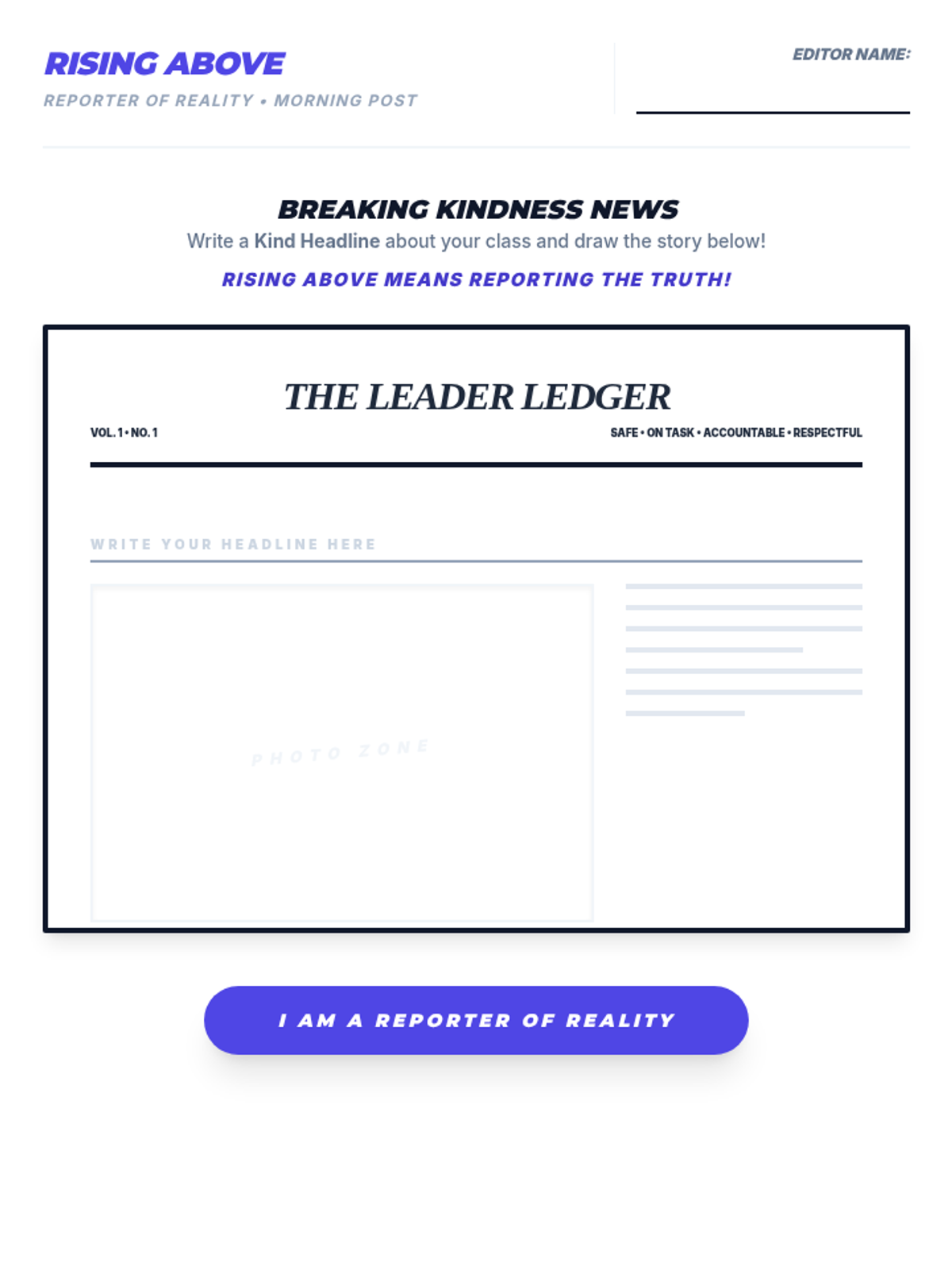
3rd Grade focus on safe communication and reporting truth vs. rumors. Art: Kindness Headline Newspaper.
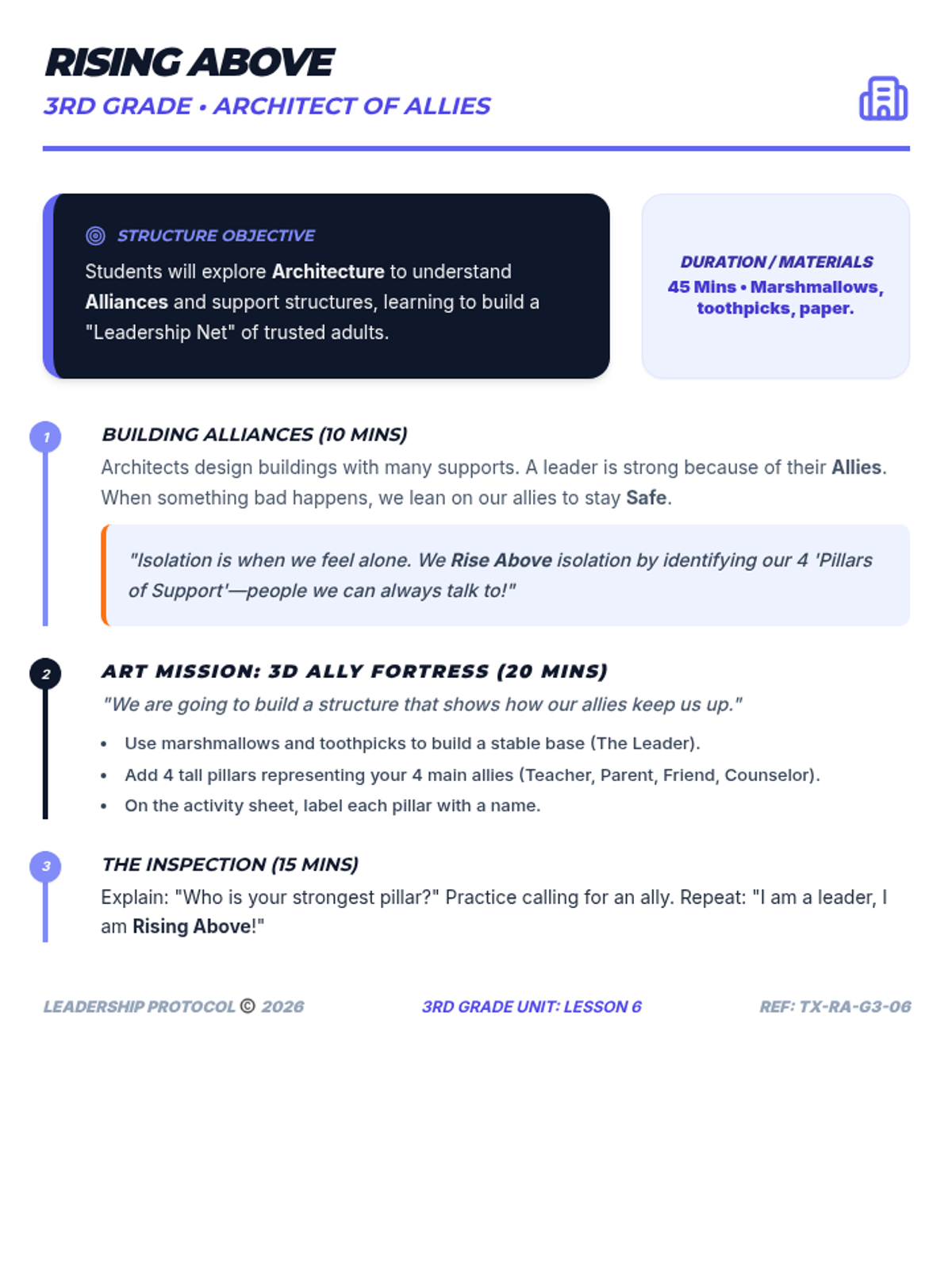
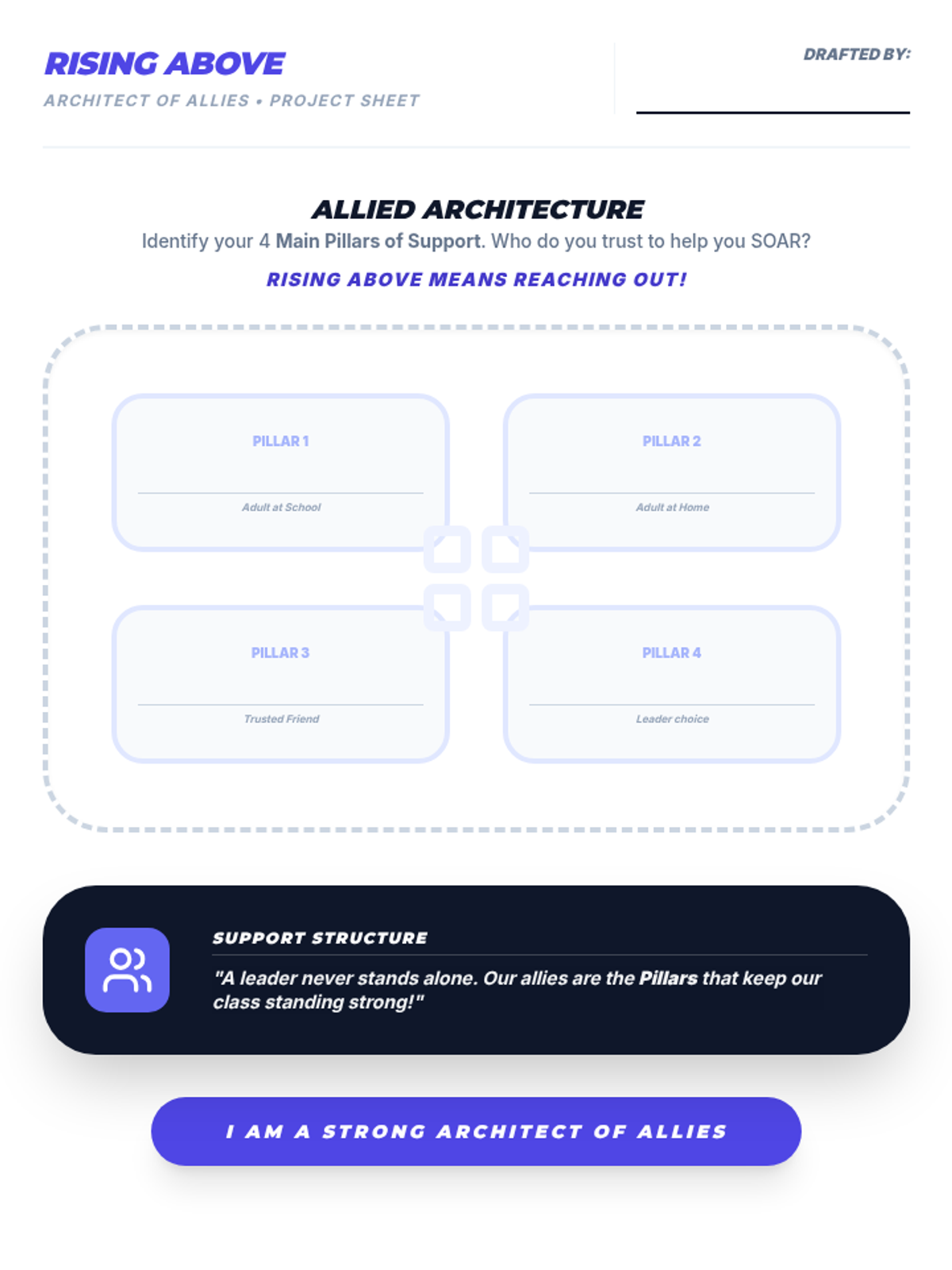
3rd Grade focus on building support networks and allies. Art: 3D Ally Fortress.
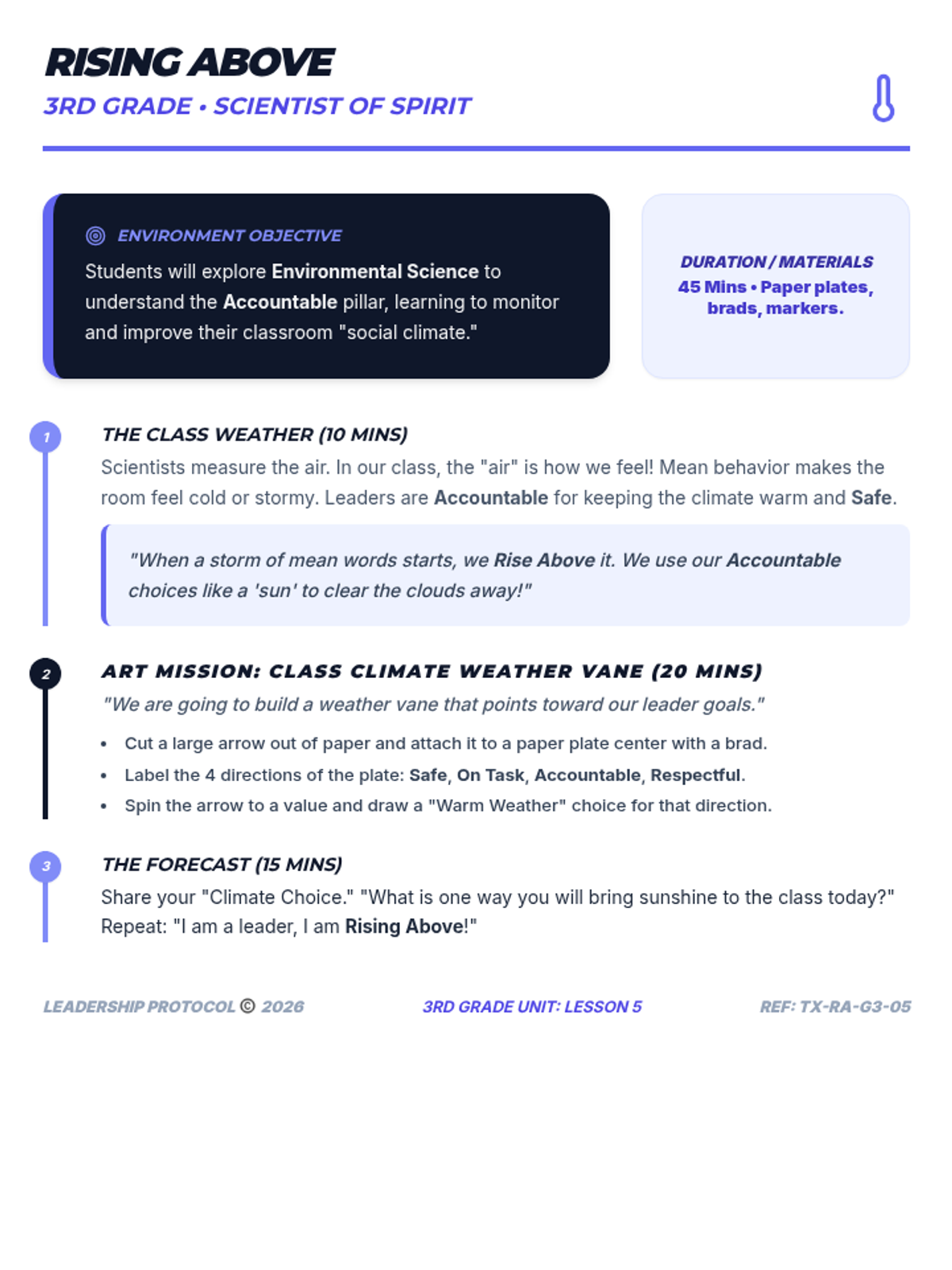
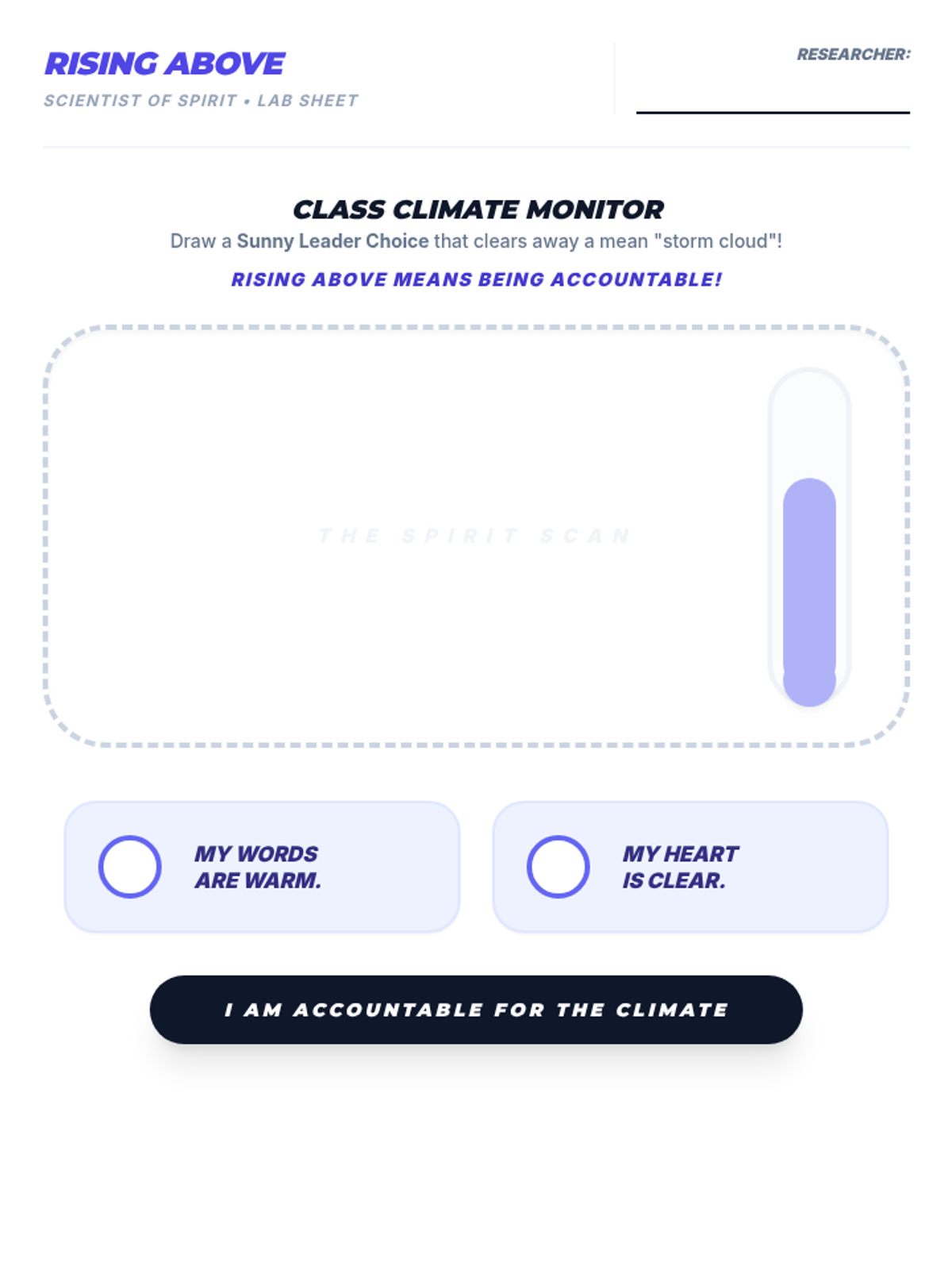
3rd Grade focus on the class climate and being accountable for the social environment. Art: Class Climate Weather Vane.
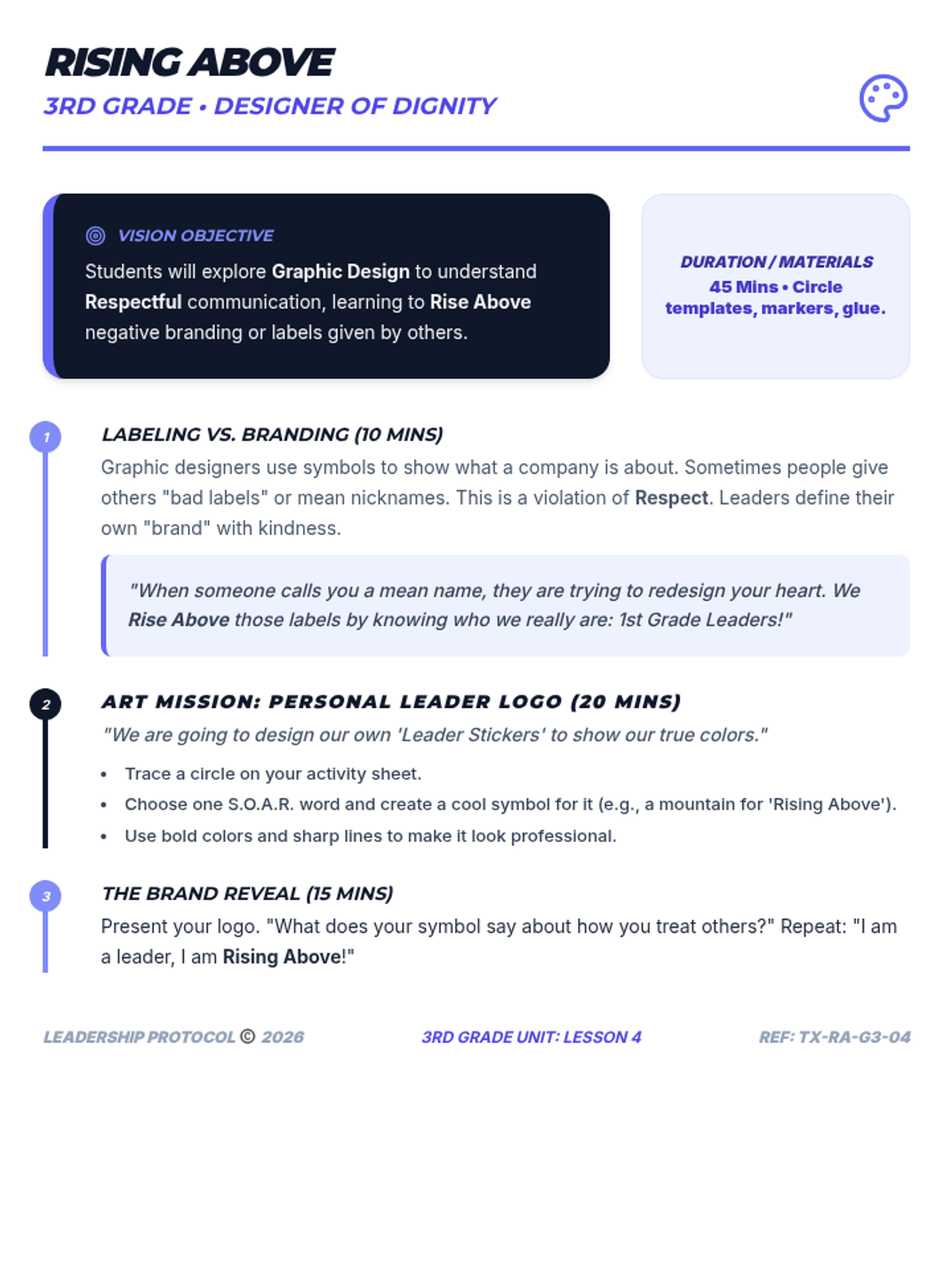
3rd Grade focus on respectful communication and inclusive branding. Art: Personal Leader Logo.
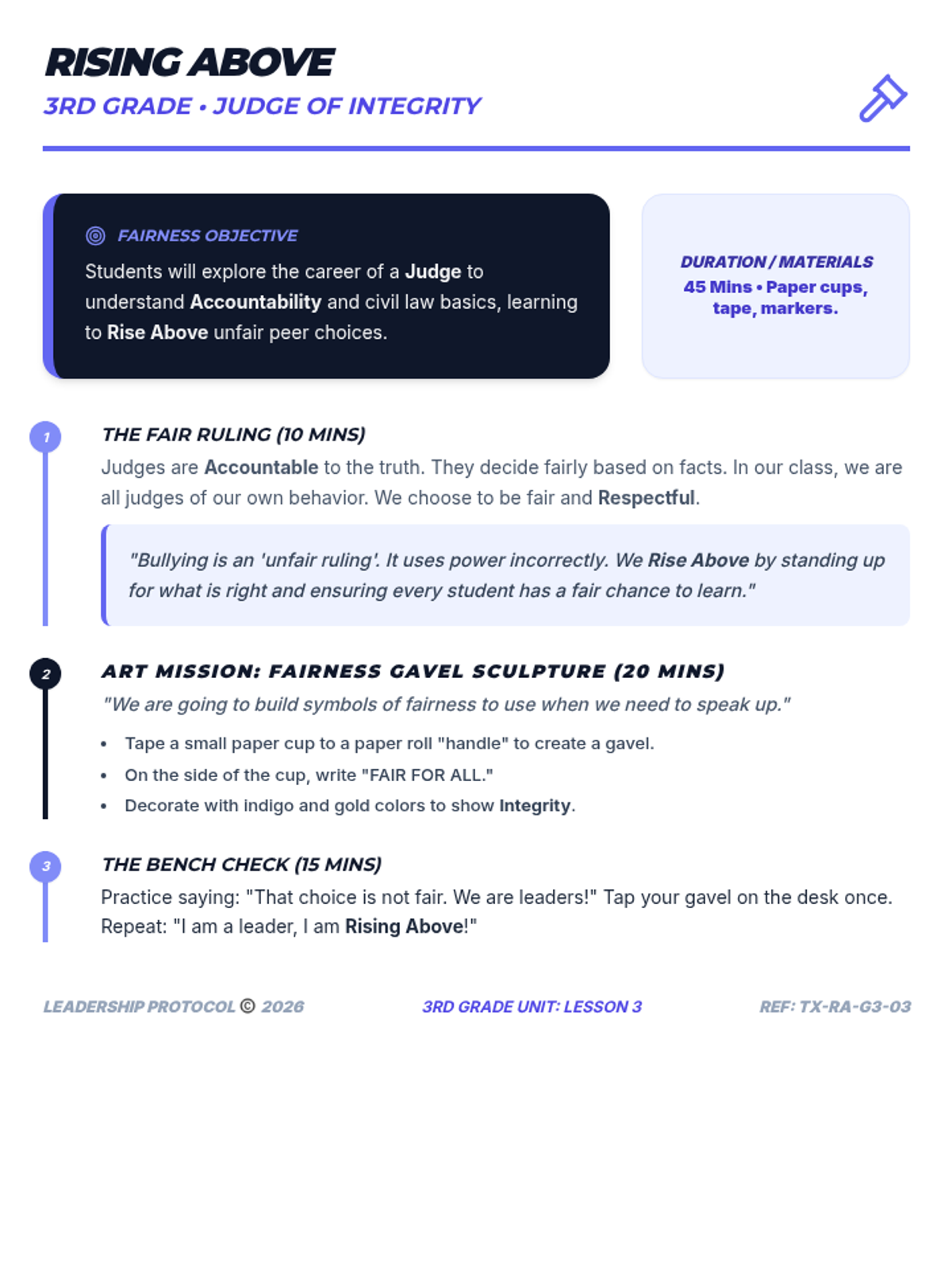
3rd Grade focus on accountability, civil consequences, and fair decisions. Art: Fairness Gavel Sculpture.
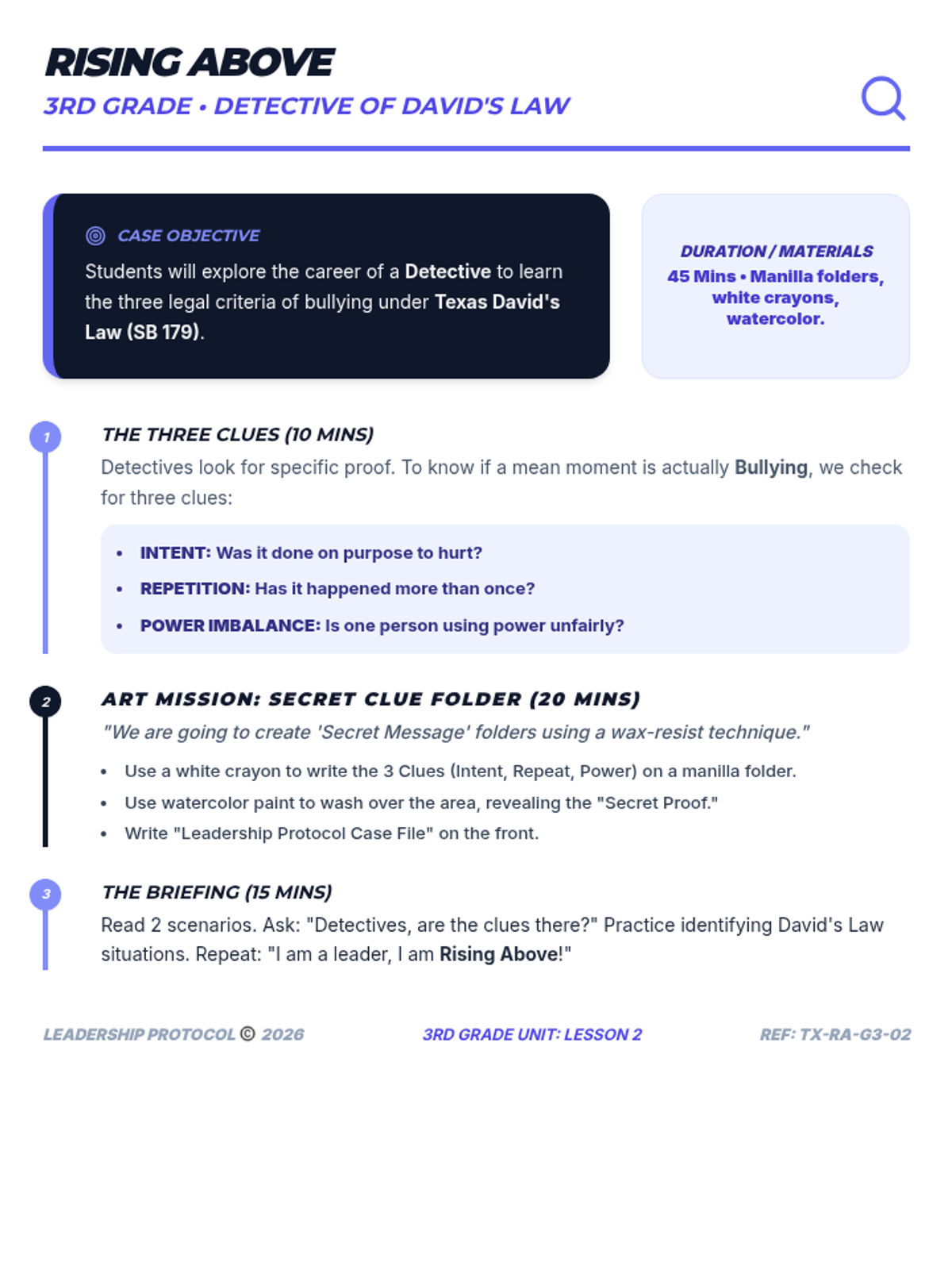
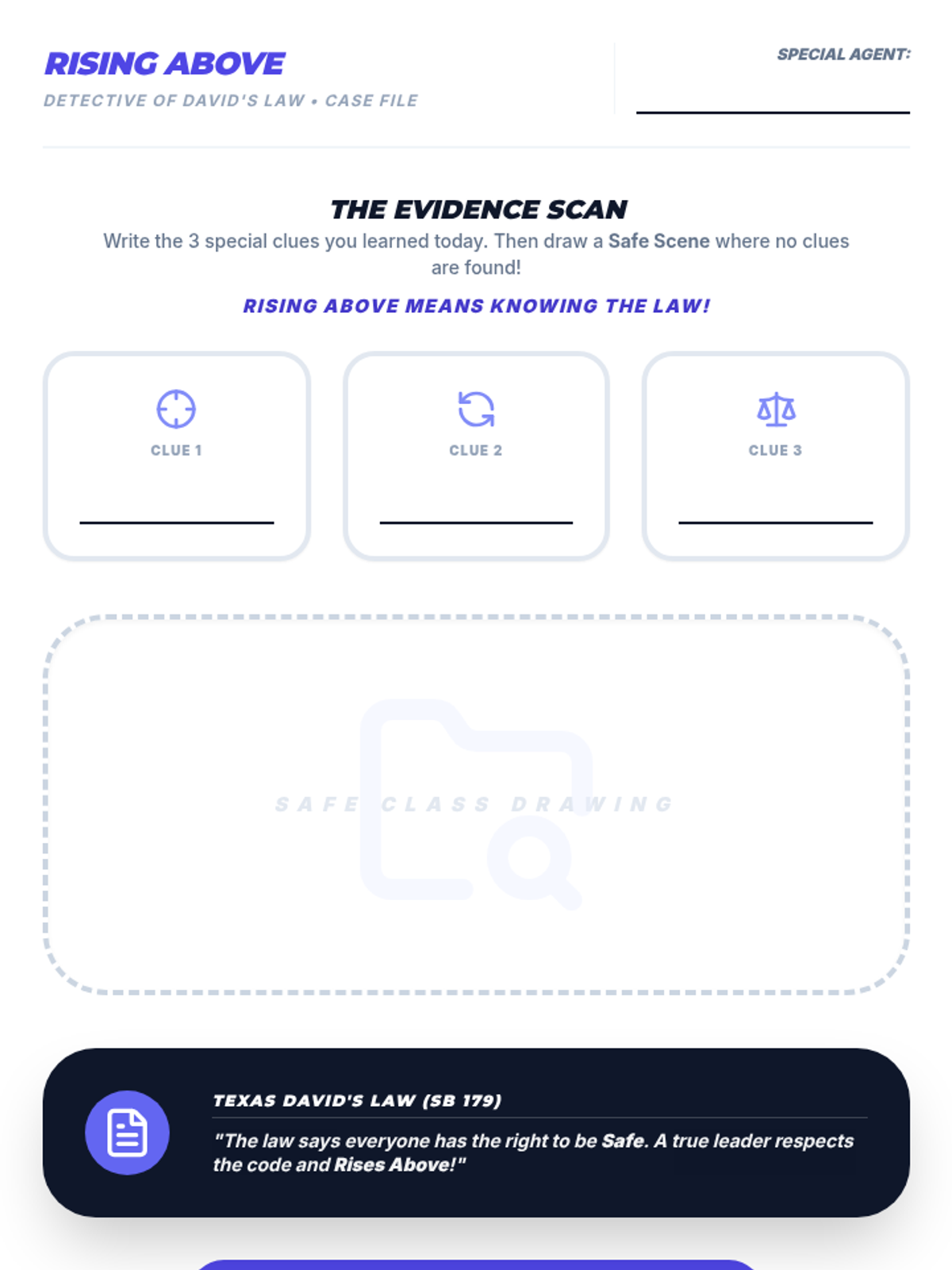
3rd Grade focus on identifying the three legal clues of bullying under David's Law (SB 179). Art: Evidence Folder of Empathy.
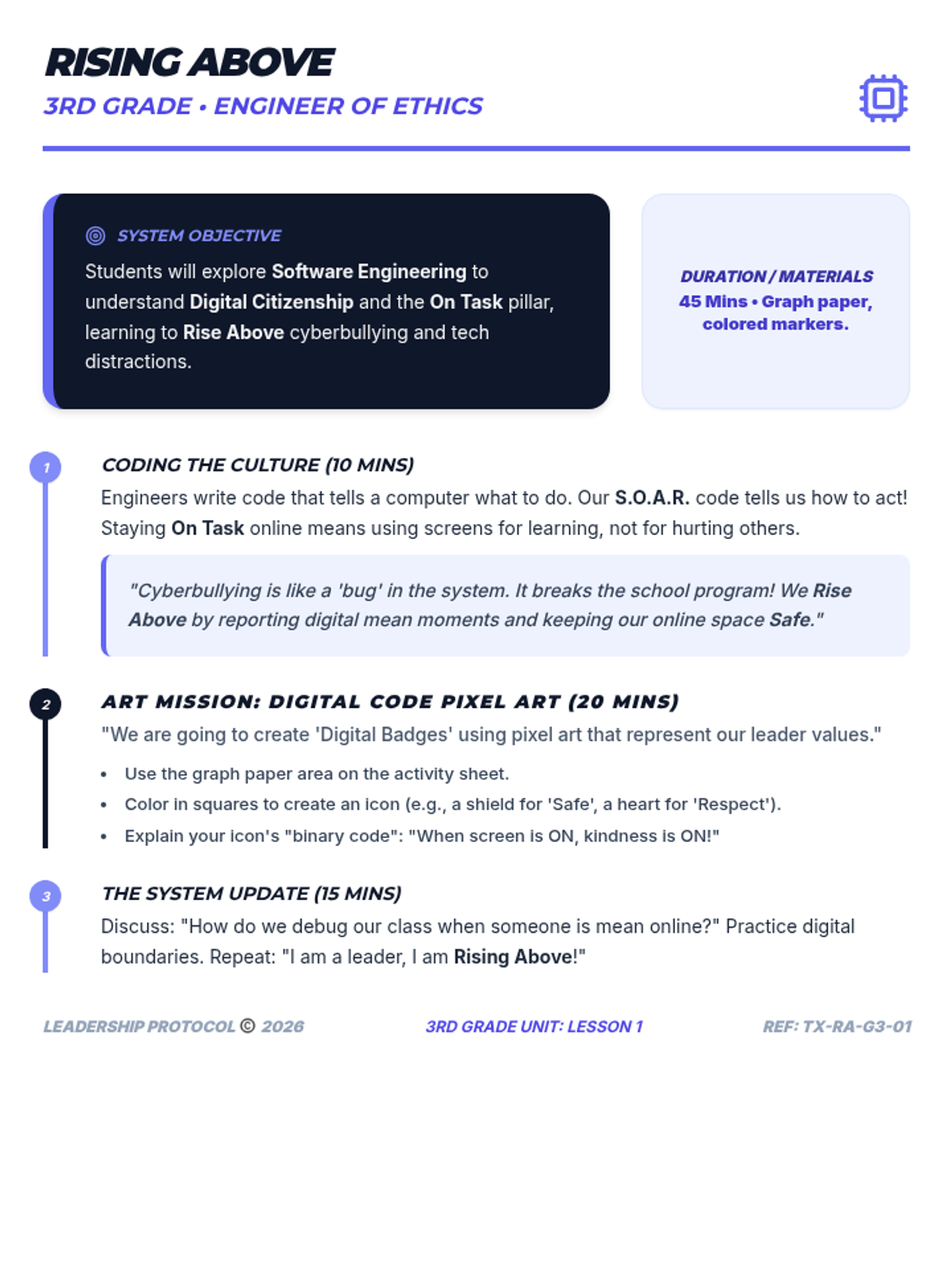
3rd Grade focus on digital citizenship and staying 'On Task' while using school technology. Art: Digital Code Pixel Art.
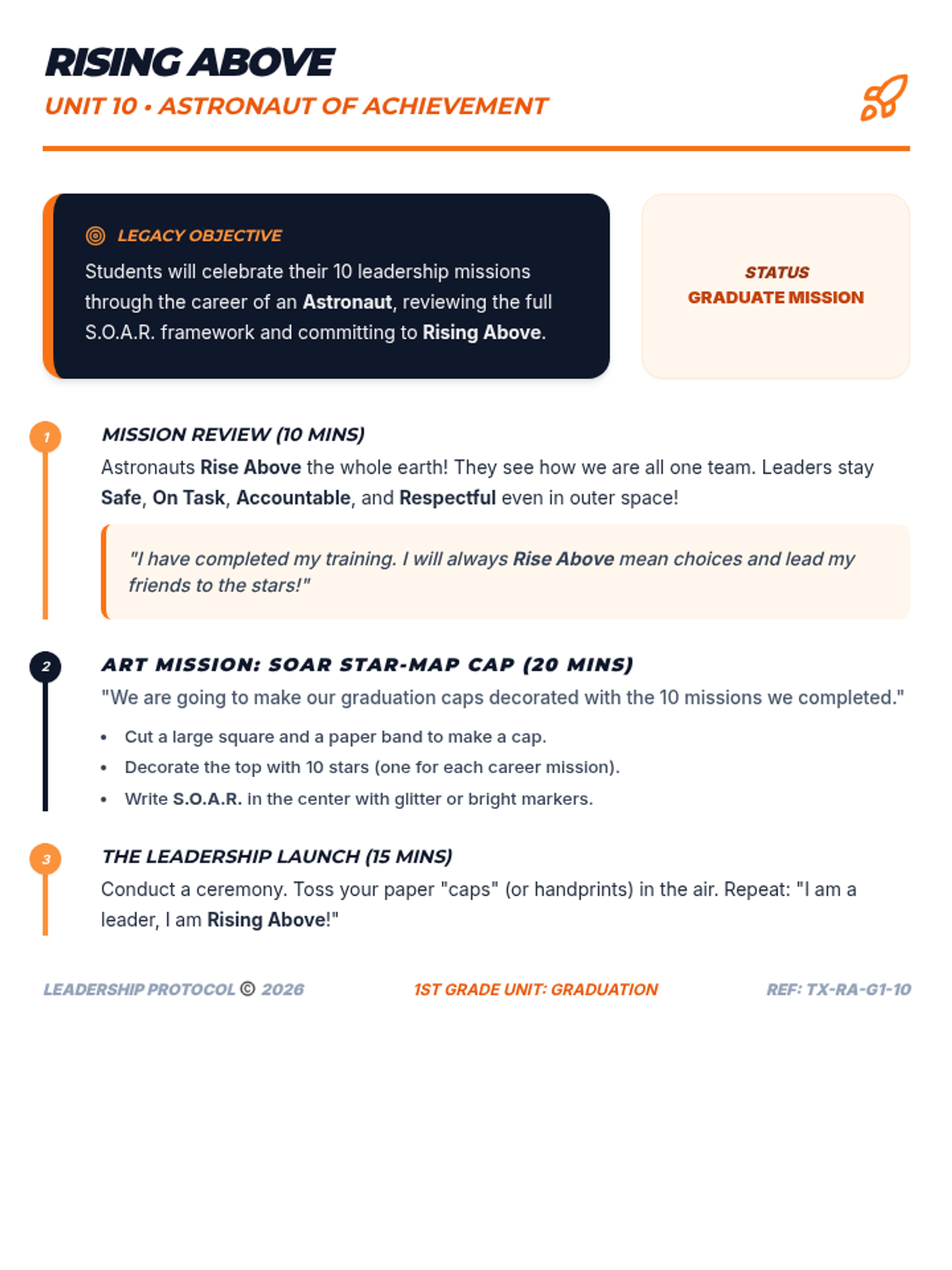
1st Grade graduation celebrating their journey to lead with character. Art: SOAR Star-Map Cap.
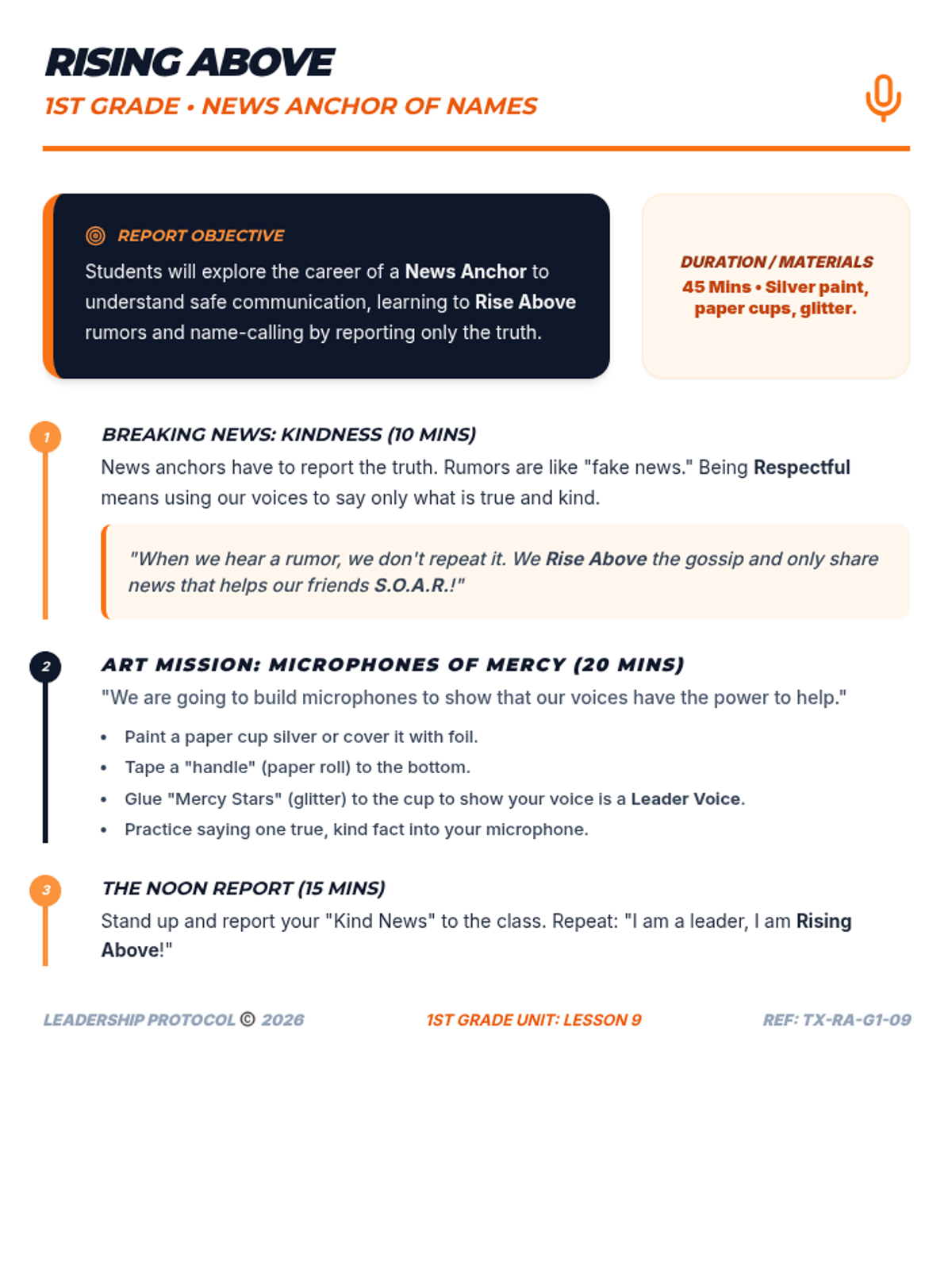
1st Grade focus on safe communication and reporting the 'truth' through the career of a News Anchor. Art: Microphones of Mercy.
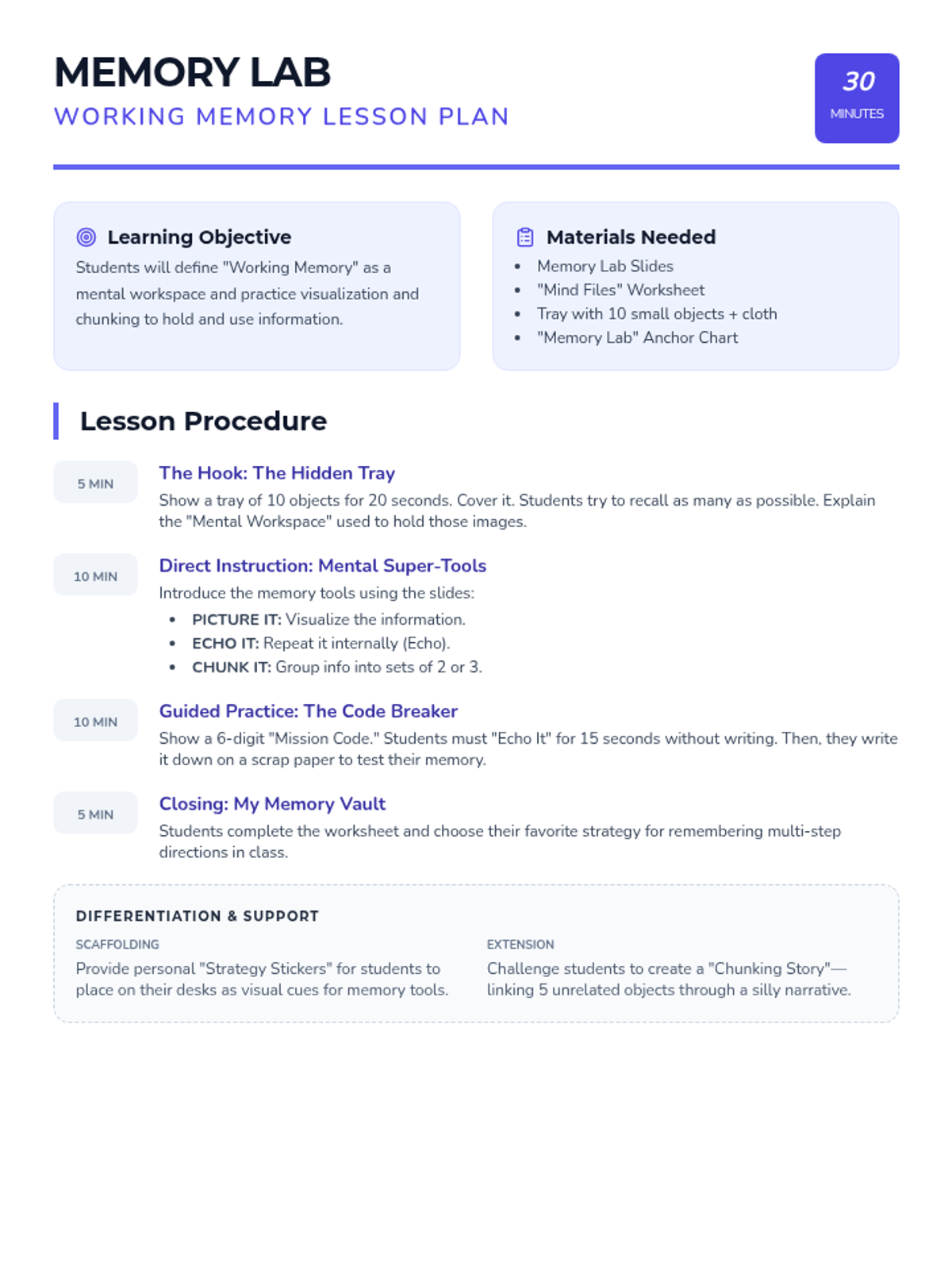
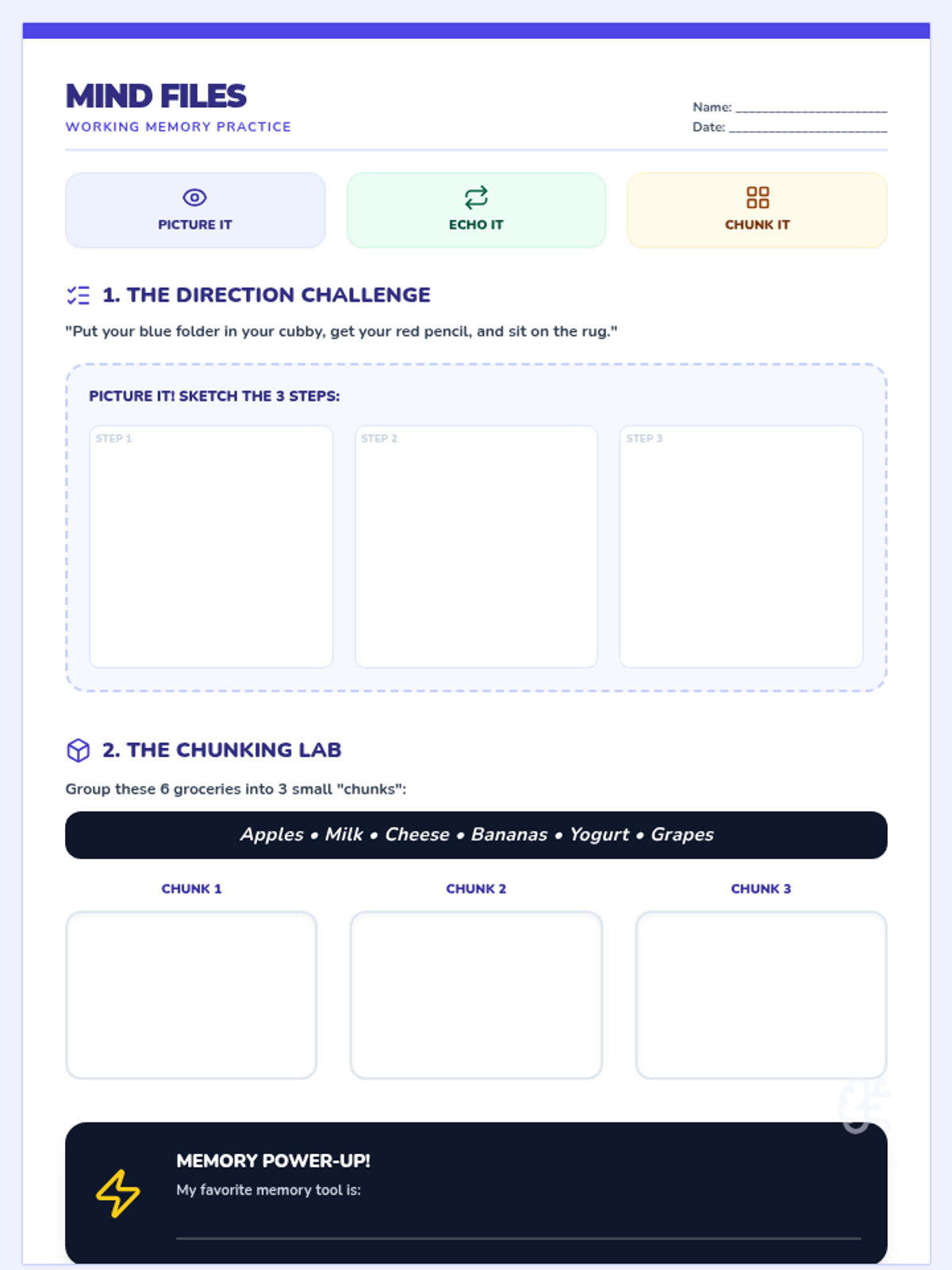
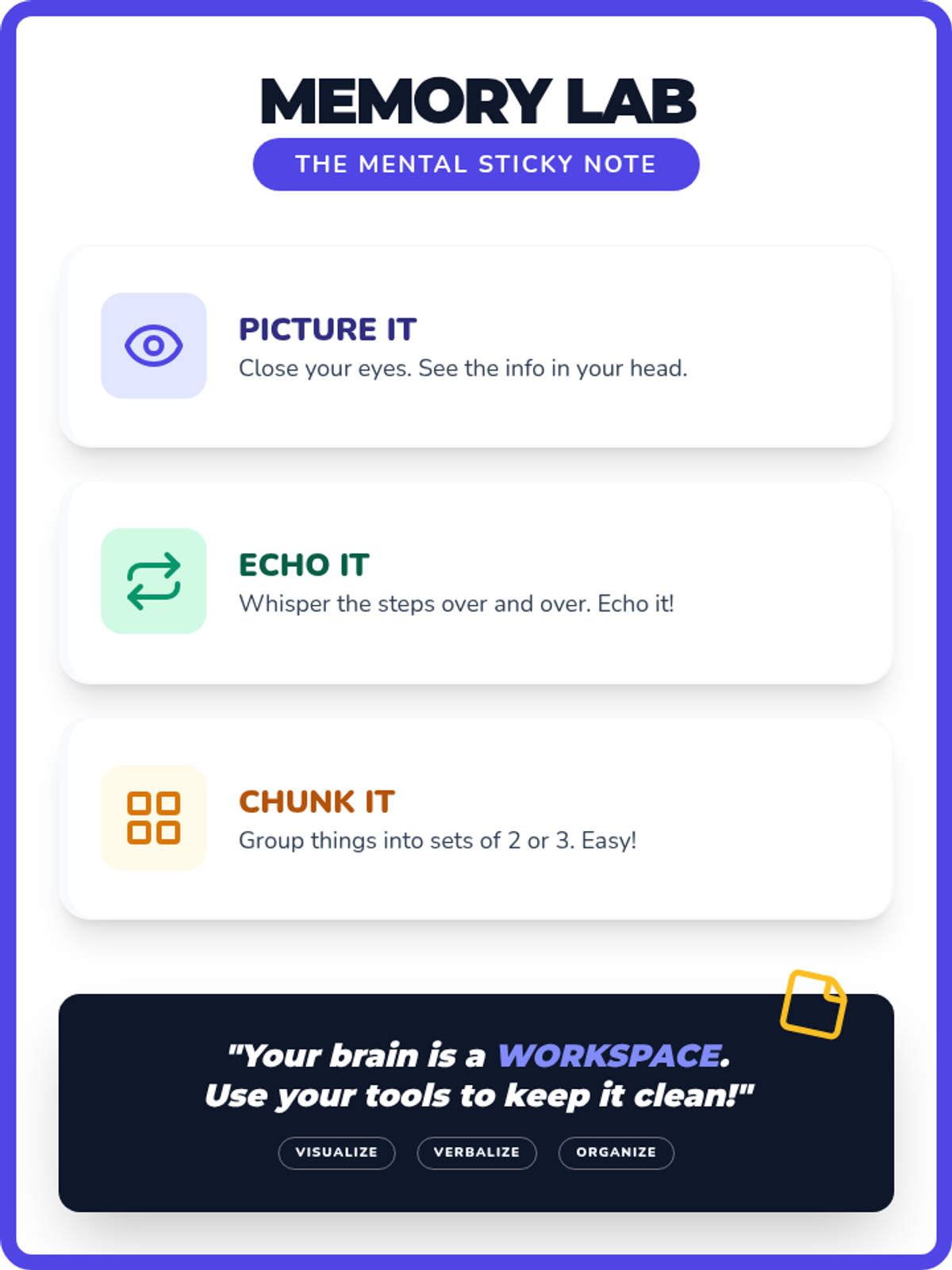
Students discover techniques like visualization and chunking to hold and manipulate information in their 'Memory Lab'.
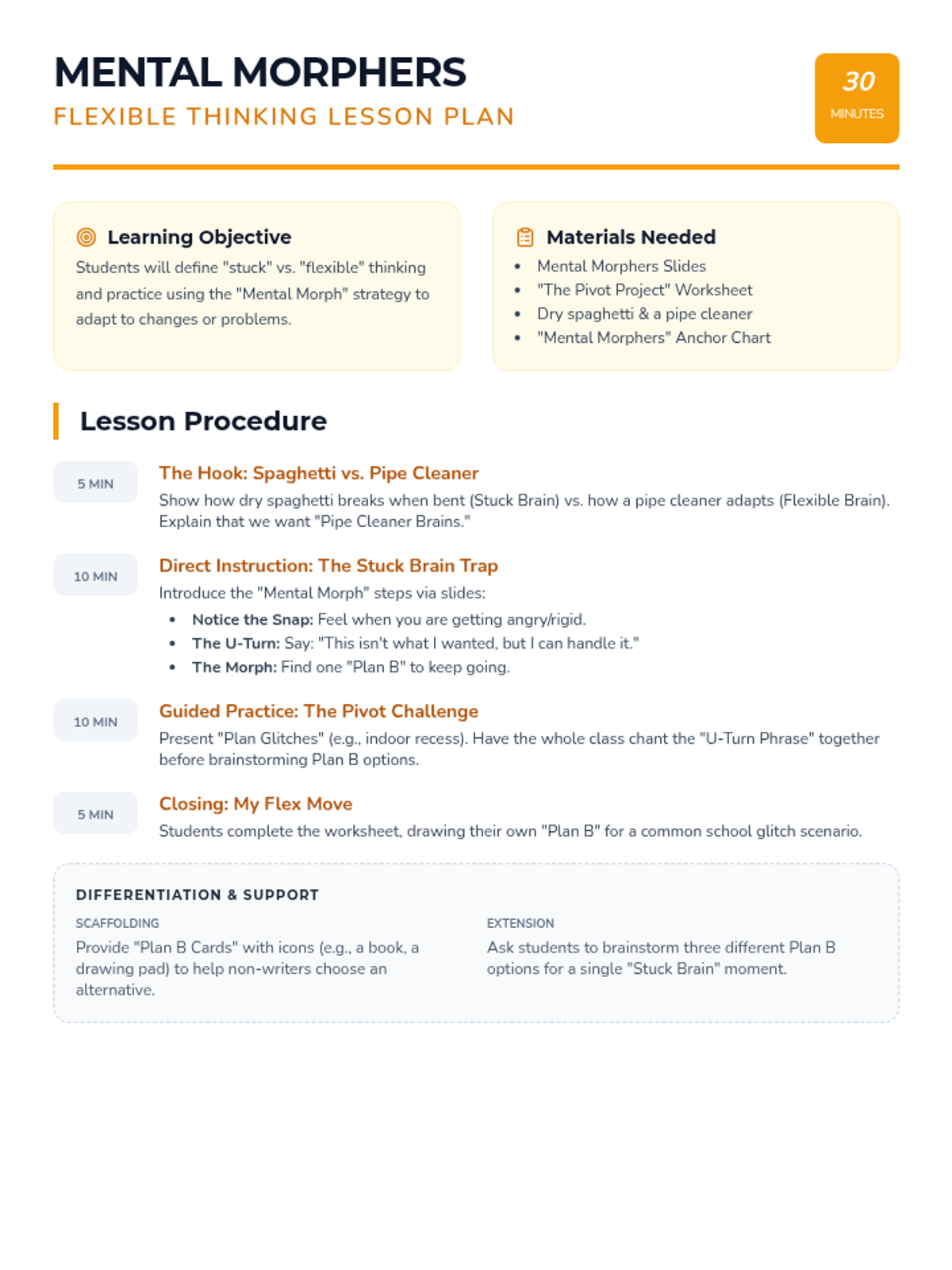
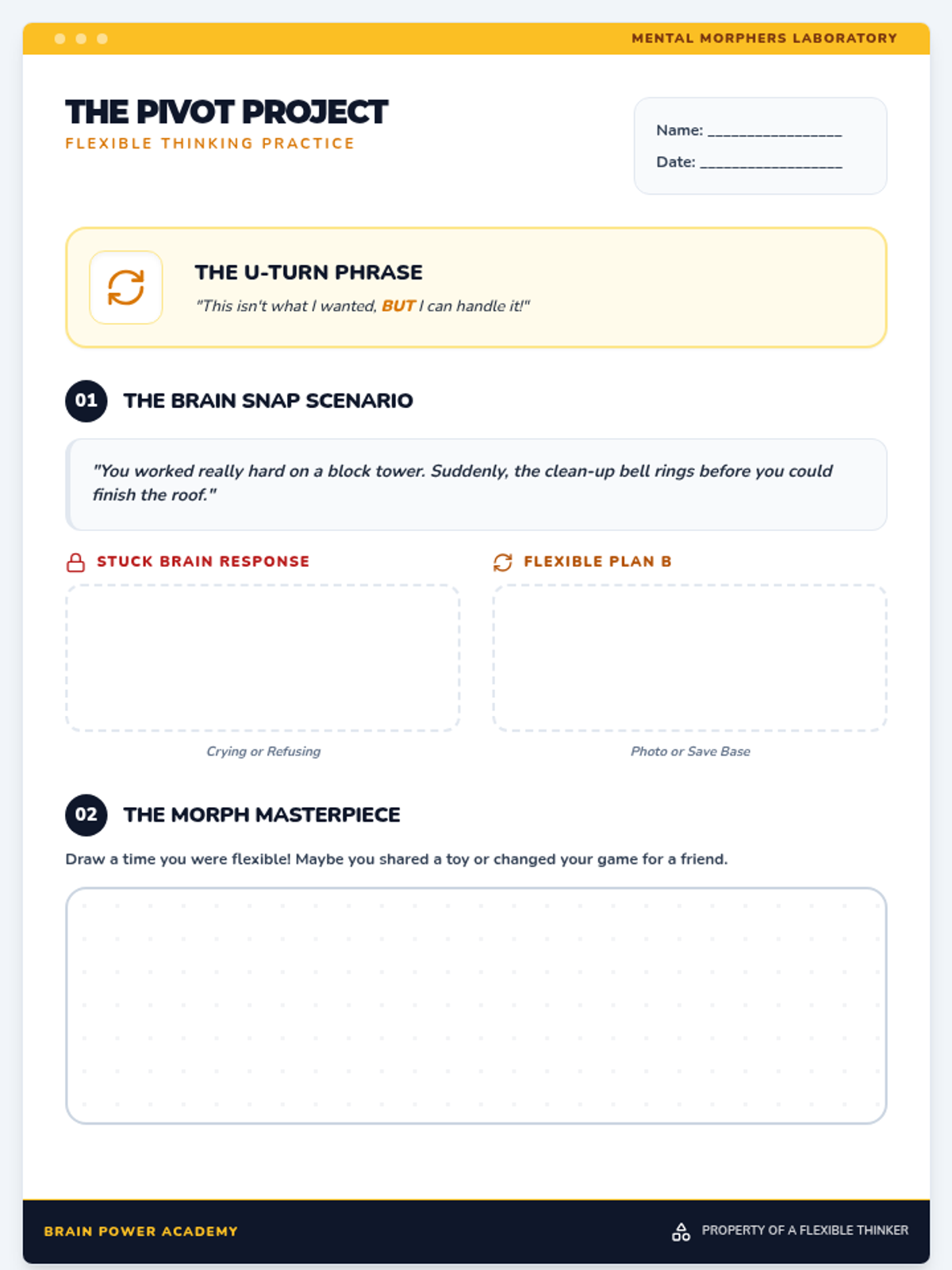
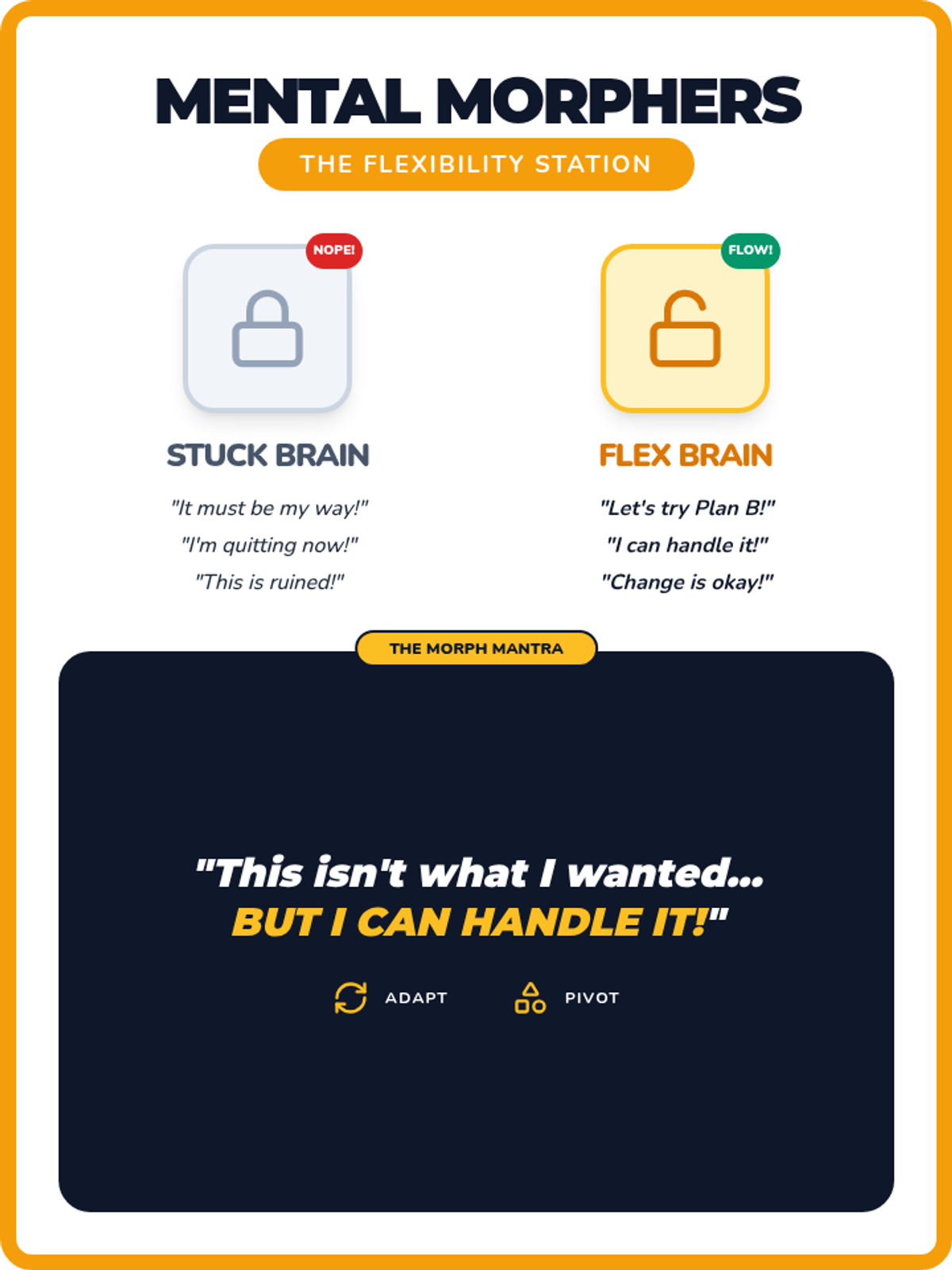
Students practice adapting to changes and seeing things from different perspectives using 'Mental Morphers' strategies.
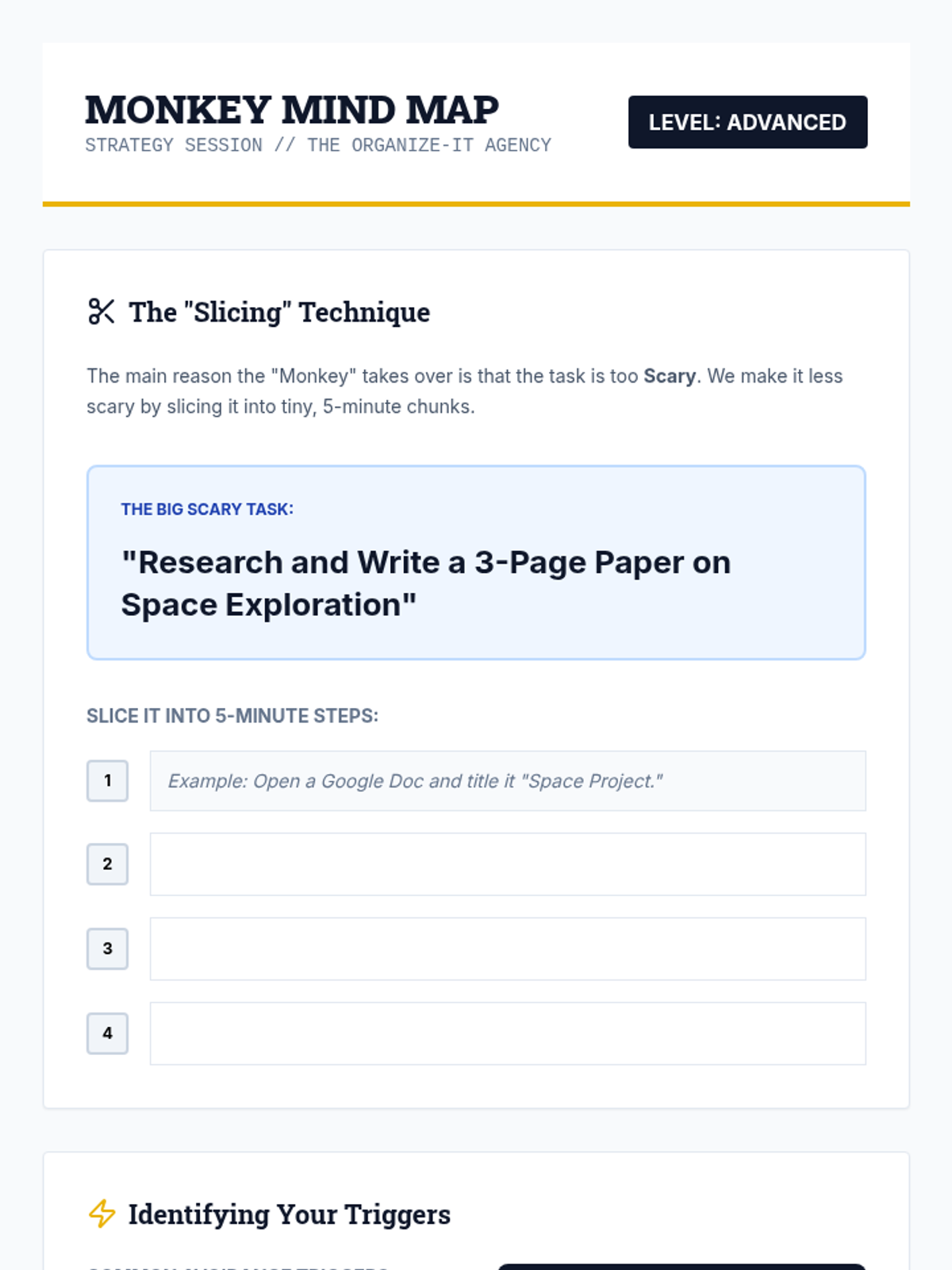
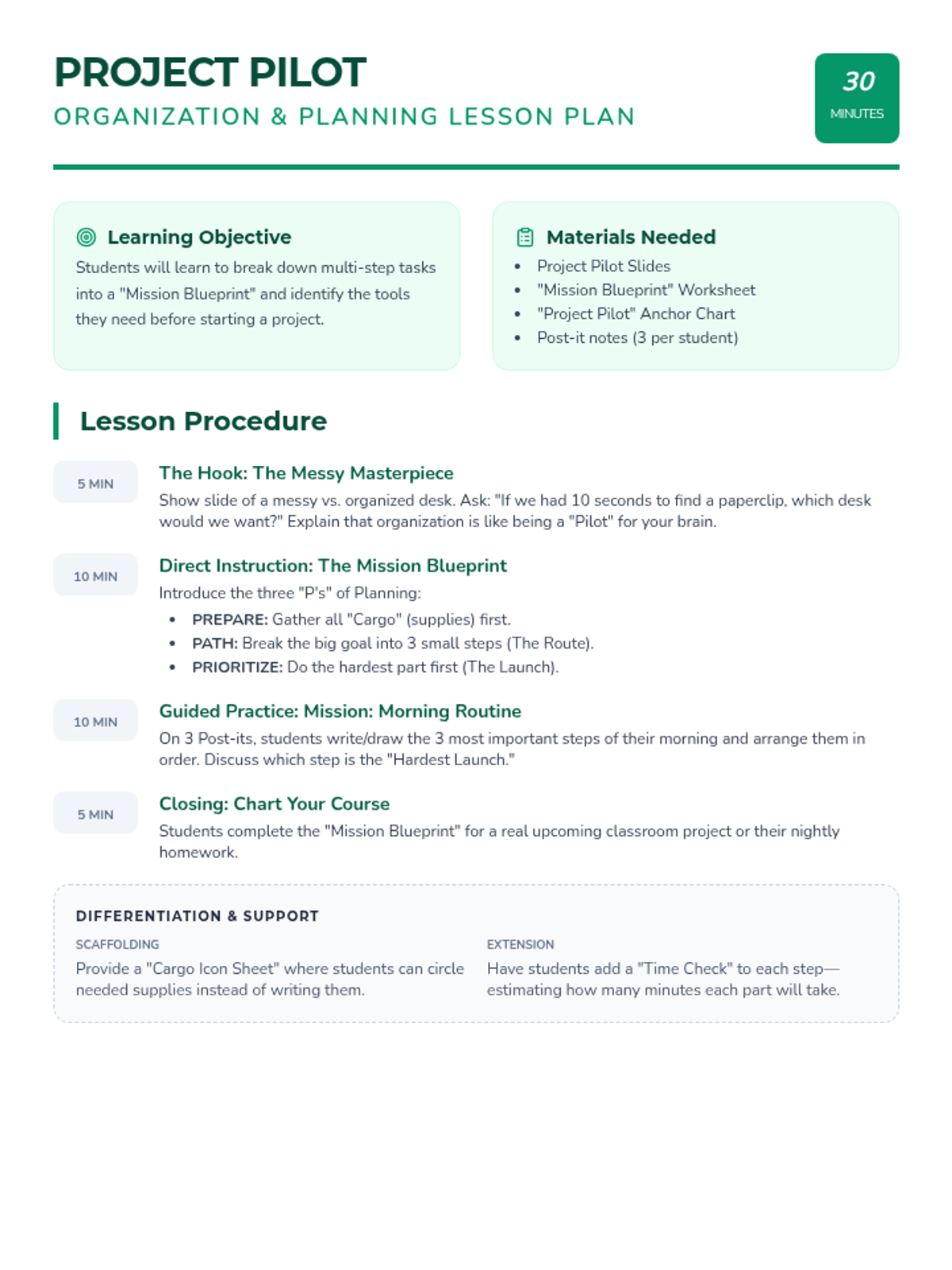
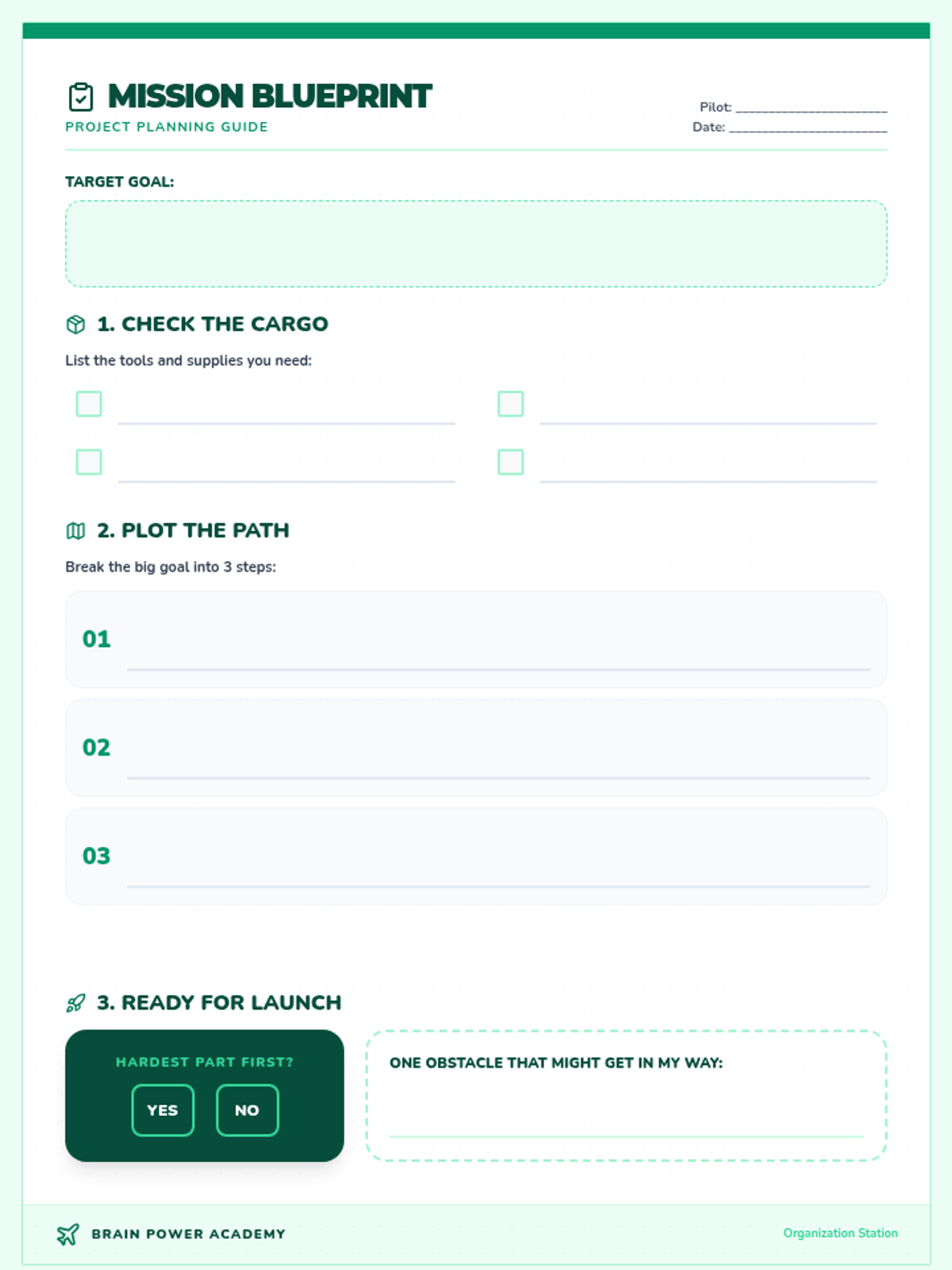
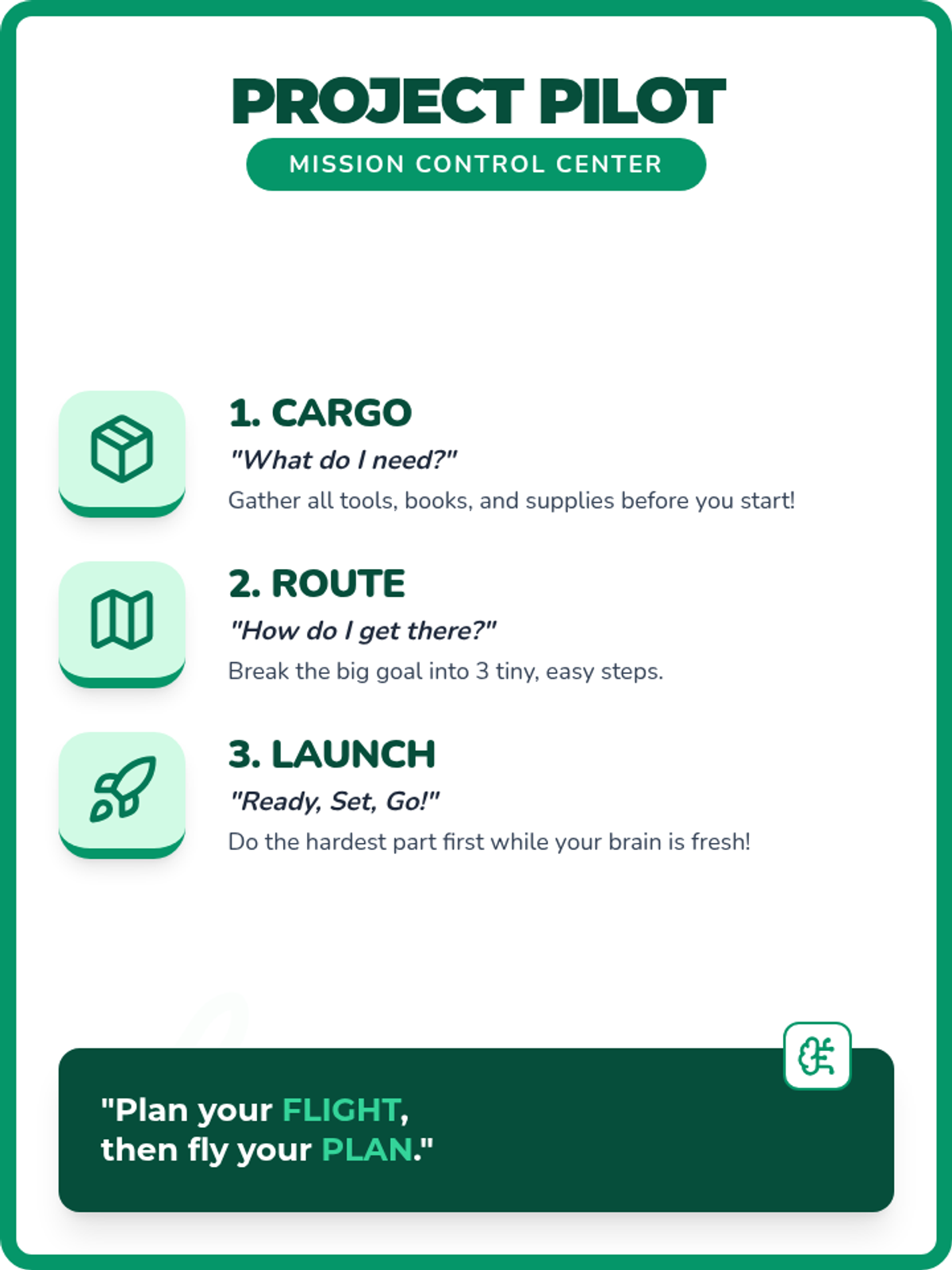
Students explore how to break big tasks into small steps and organize their tools for success using the 'Mission Blueprint' method.
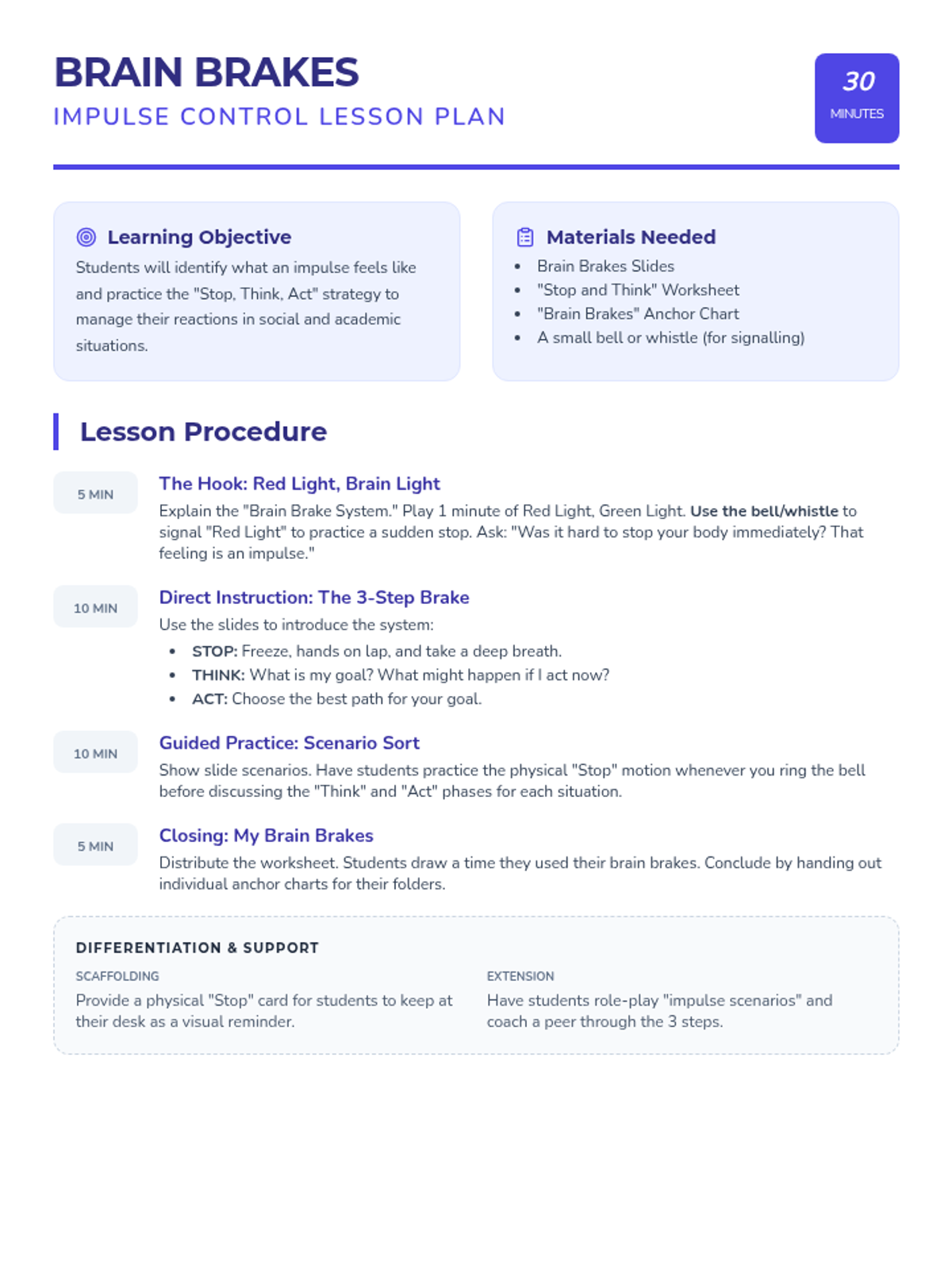
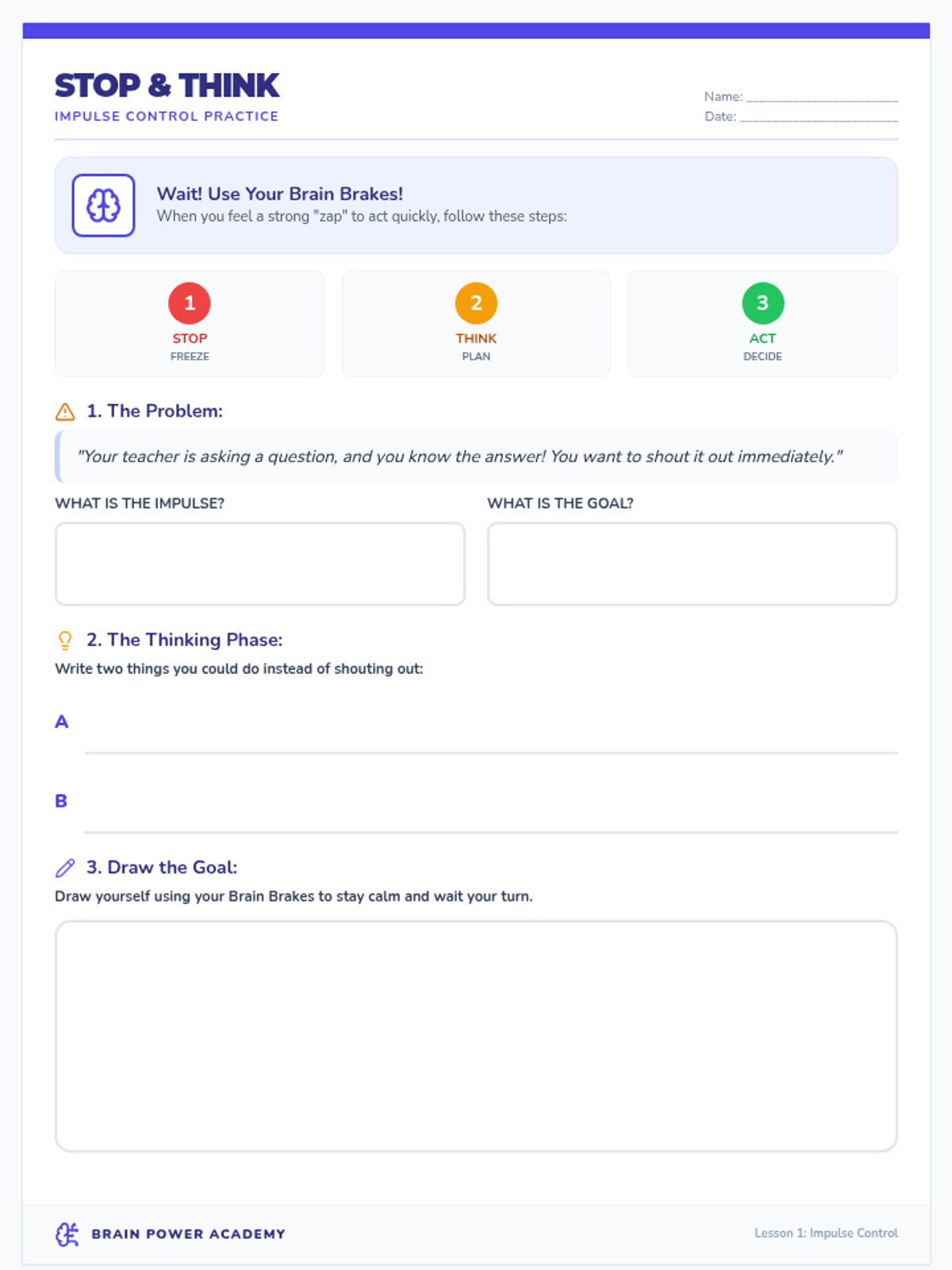
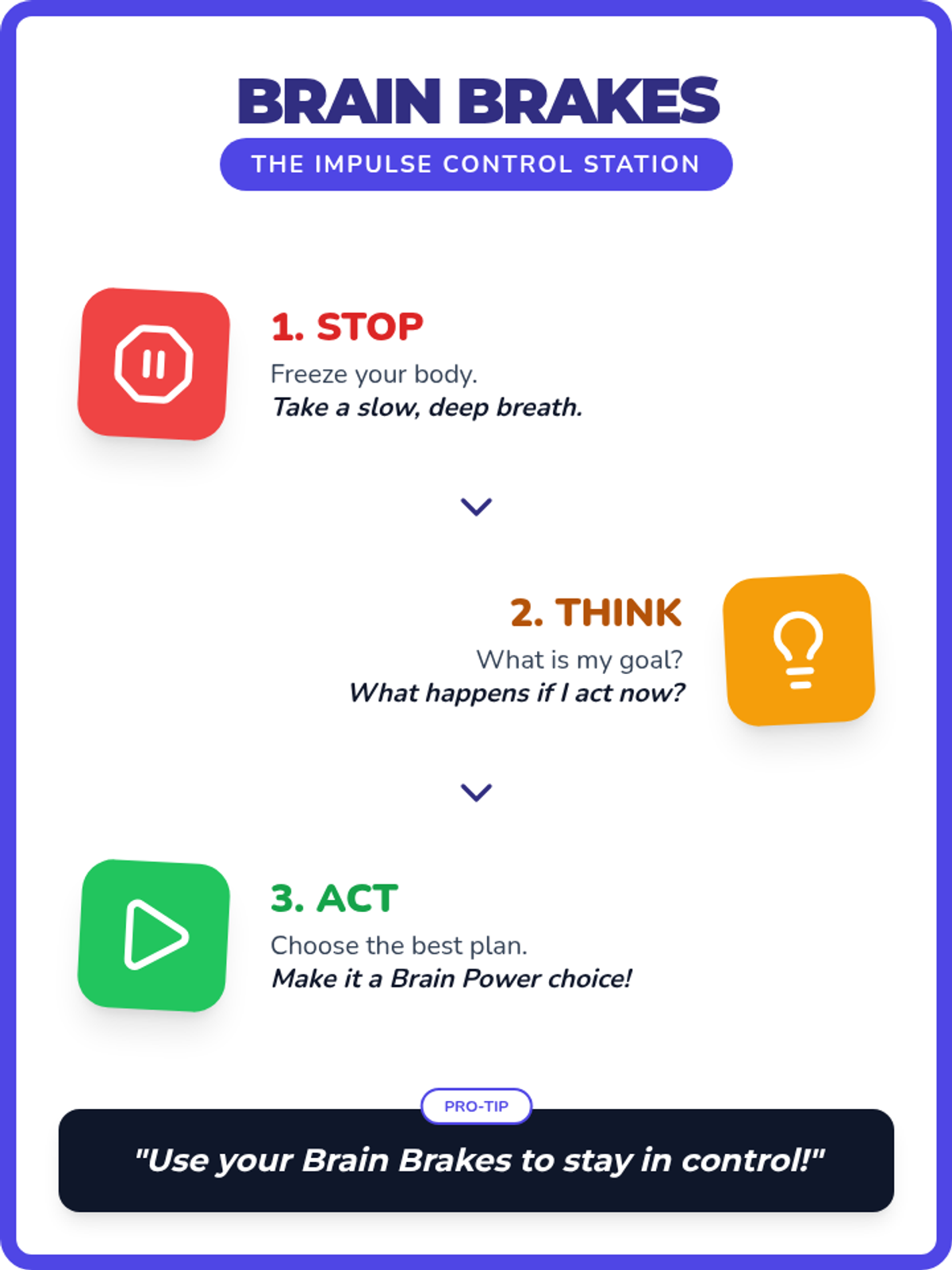
Students learn to identify impulsive urges and practice the 'Stop, Think, Act' strategy using the metaphor of 'Brain Brakes'.
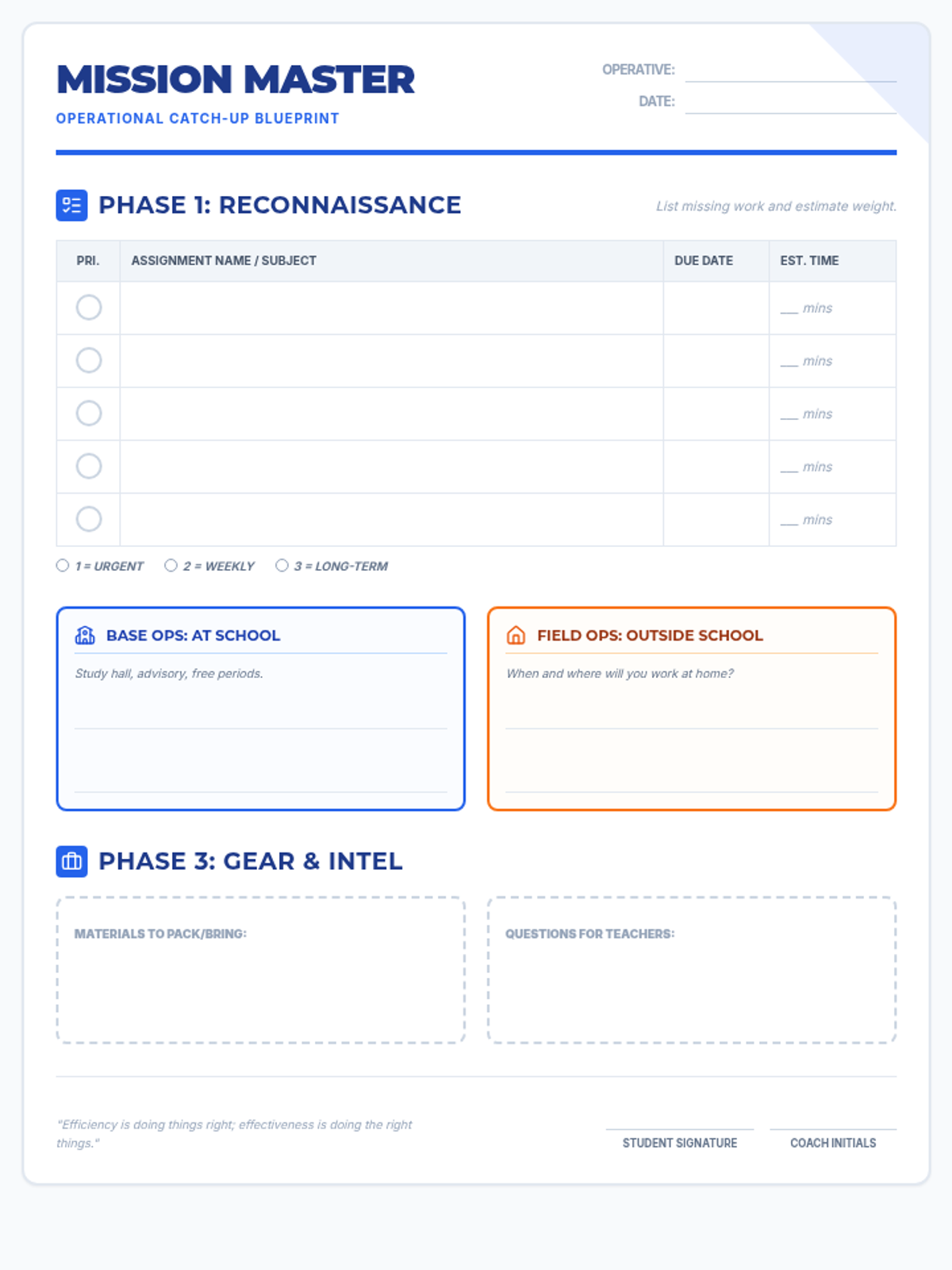
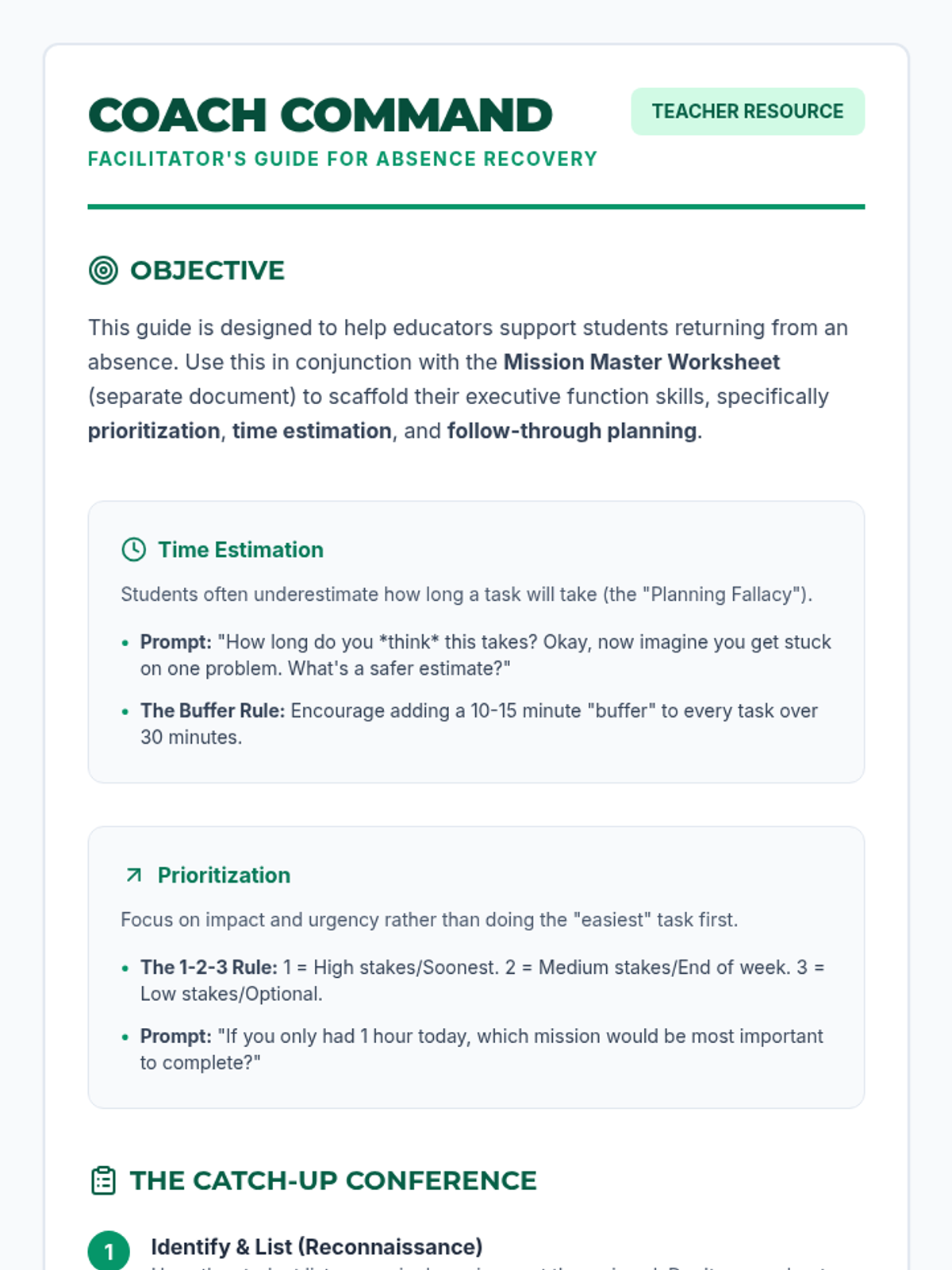
A toolkit designed to help students recover from absences by developing executive function skills like prioritization, time estimation, and resource management.
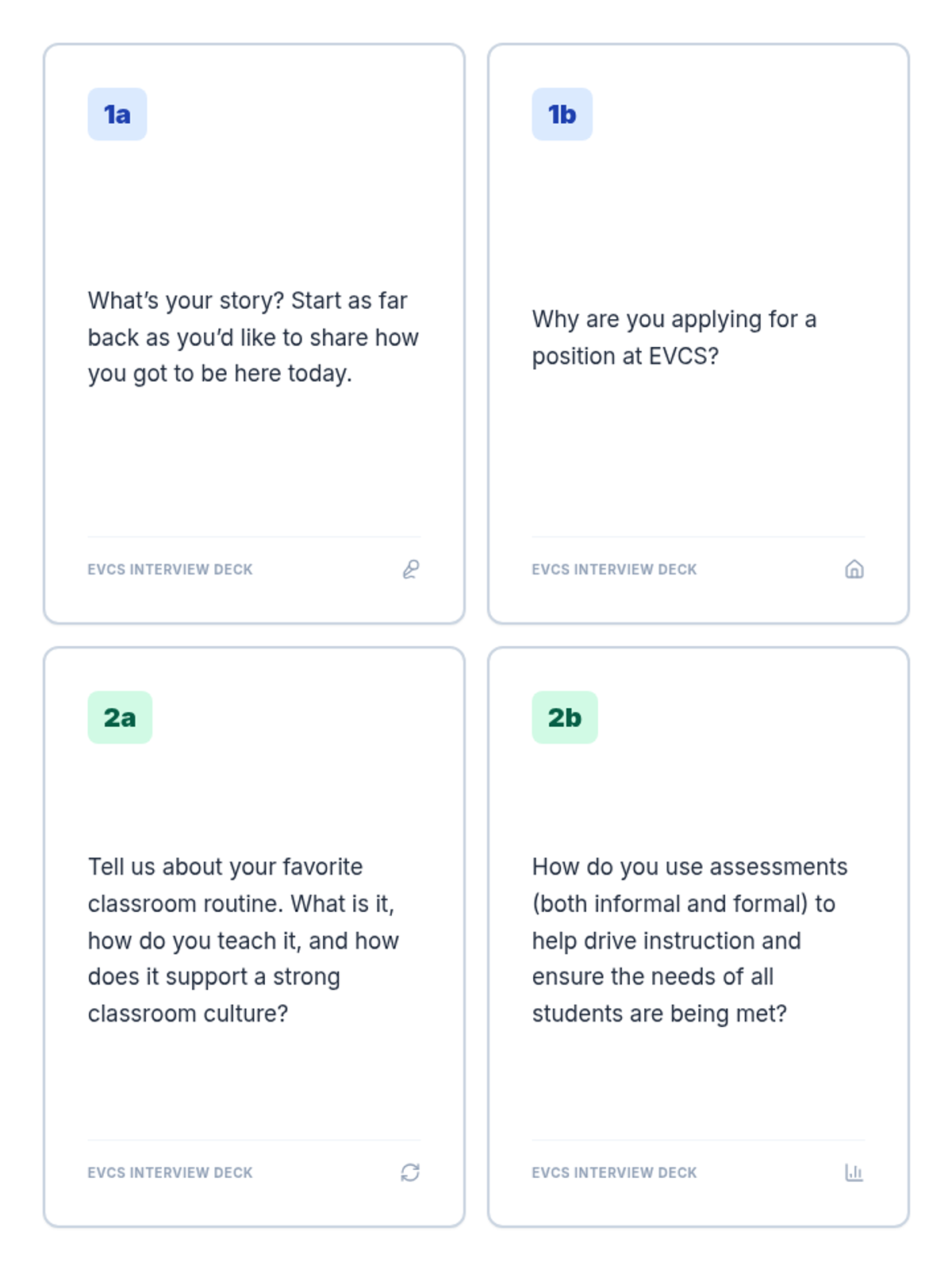
A comprehensive interview kit for school leadership and hiring committees, focusing on high-quality candidate evaluation through targeted questioning and scenario-based discussion.
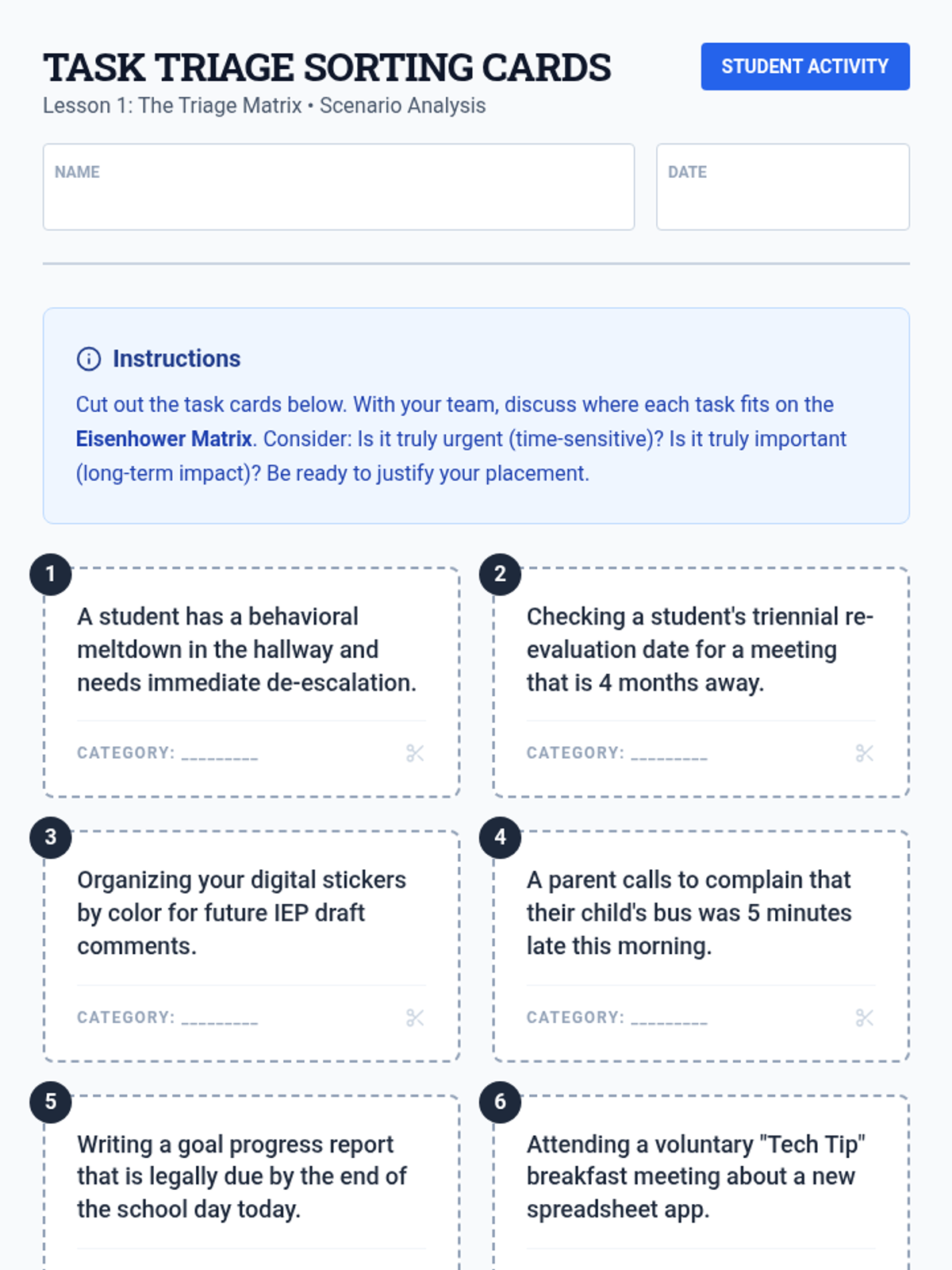
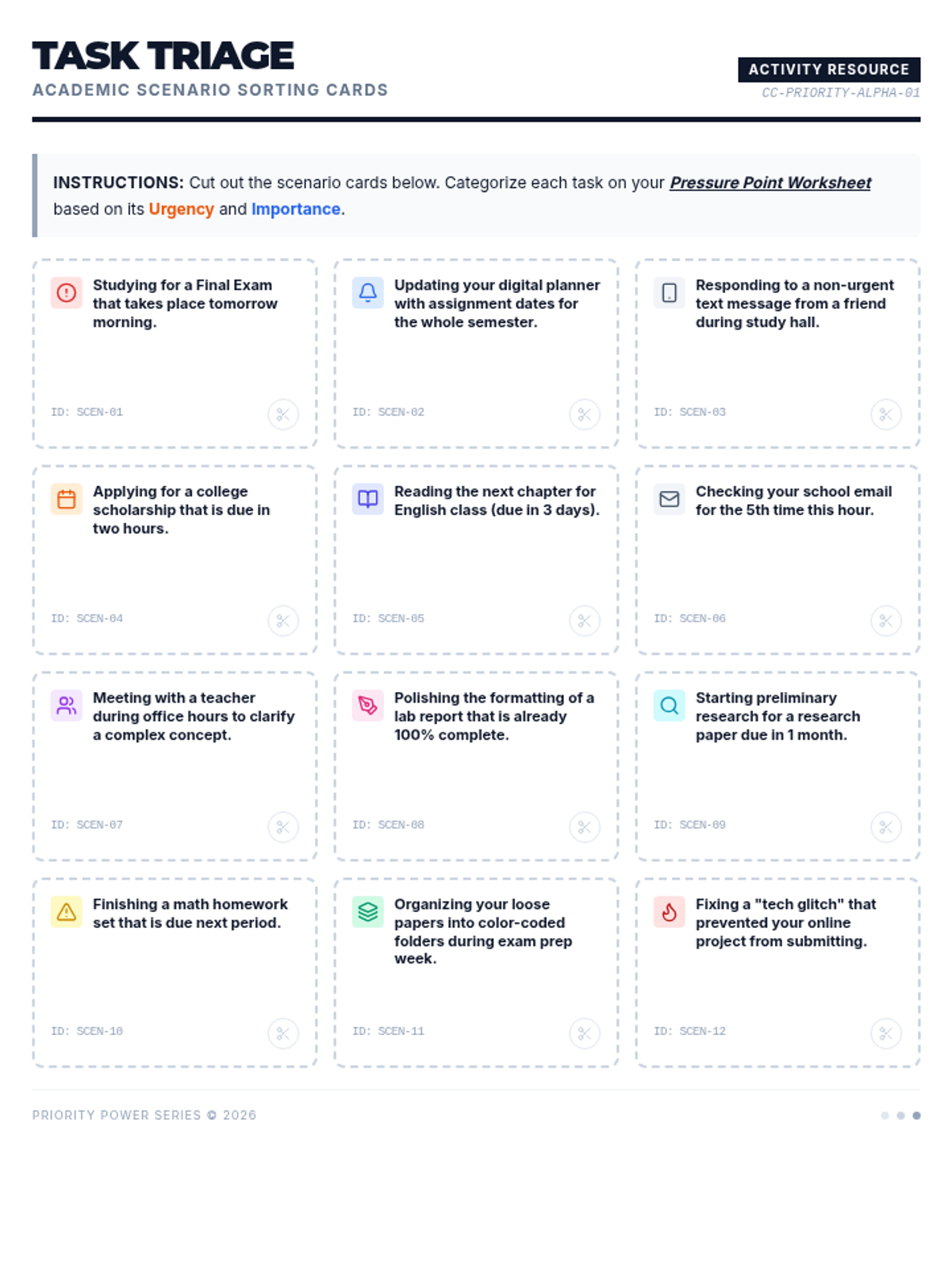
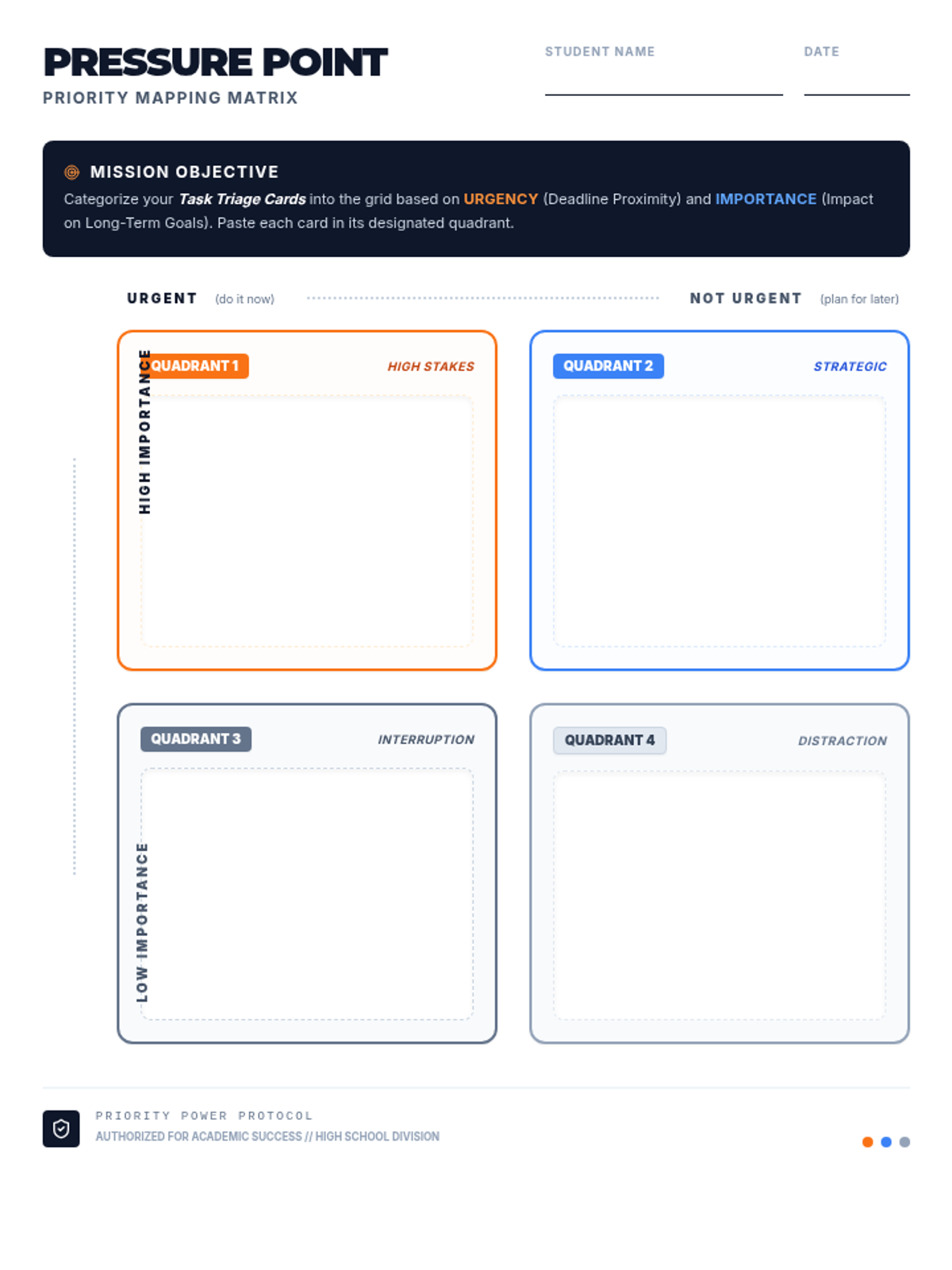
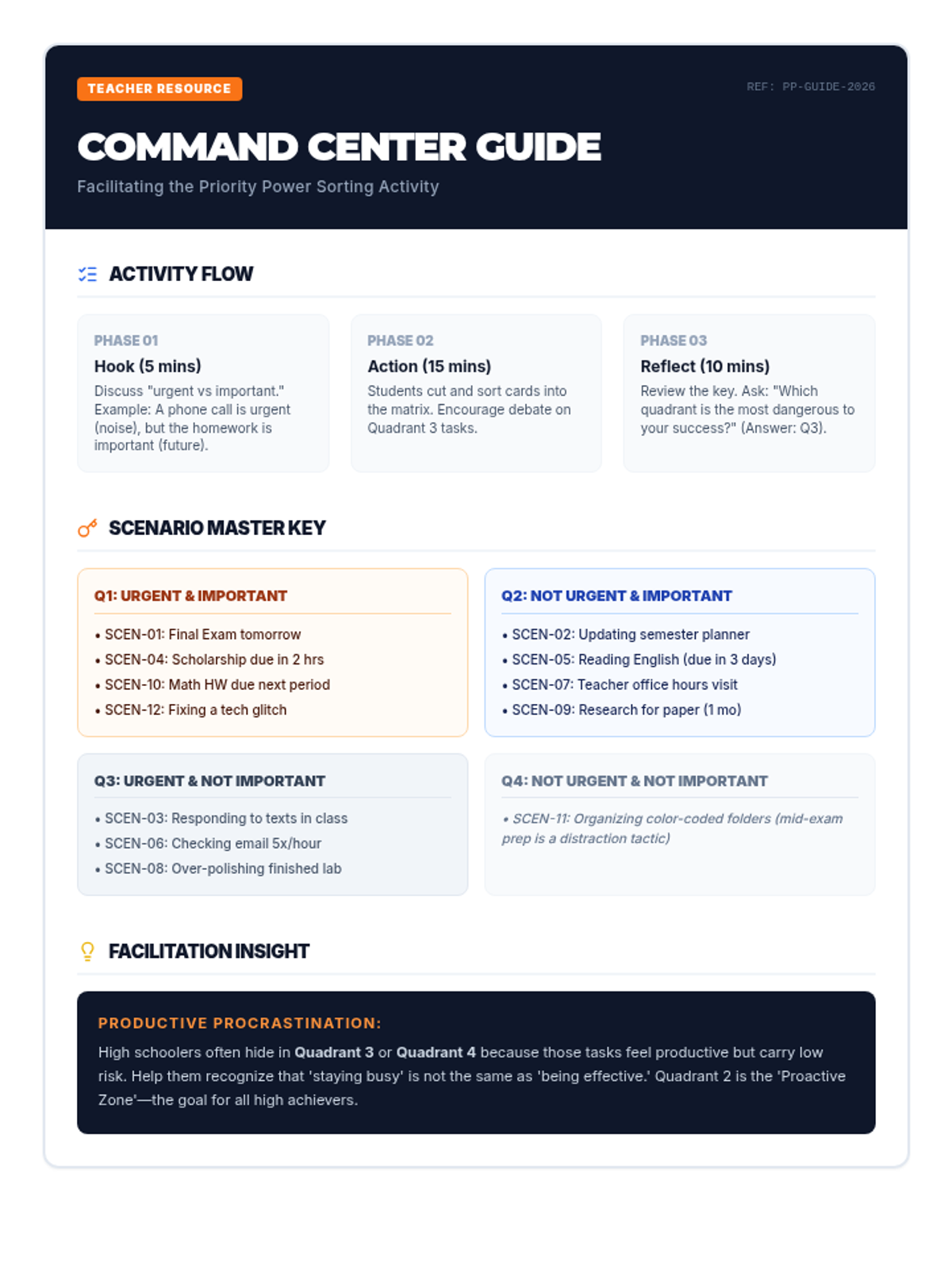
A hands-on workshop for high schoolers to master the art of academic prioritization. Students analyze common school scenarios to distinguish between genuine urgency and distractions, using the Eisenhower Matrix framework.
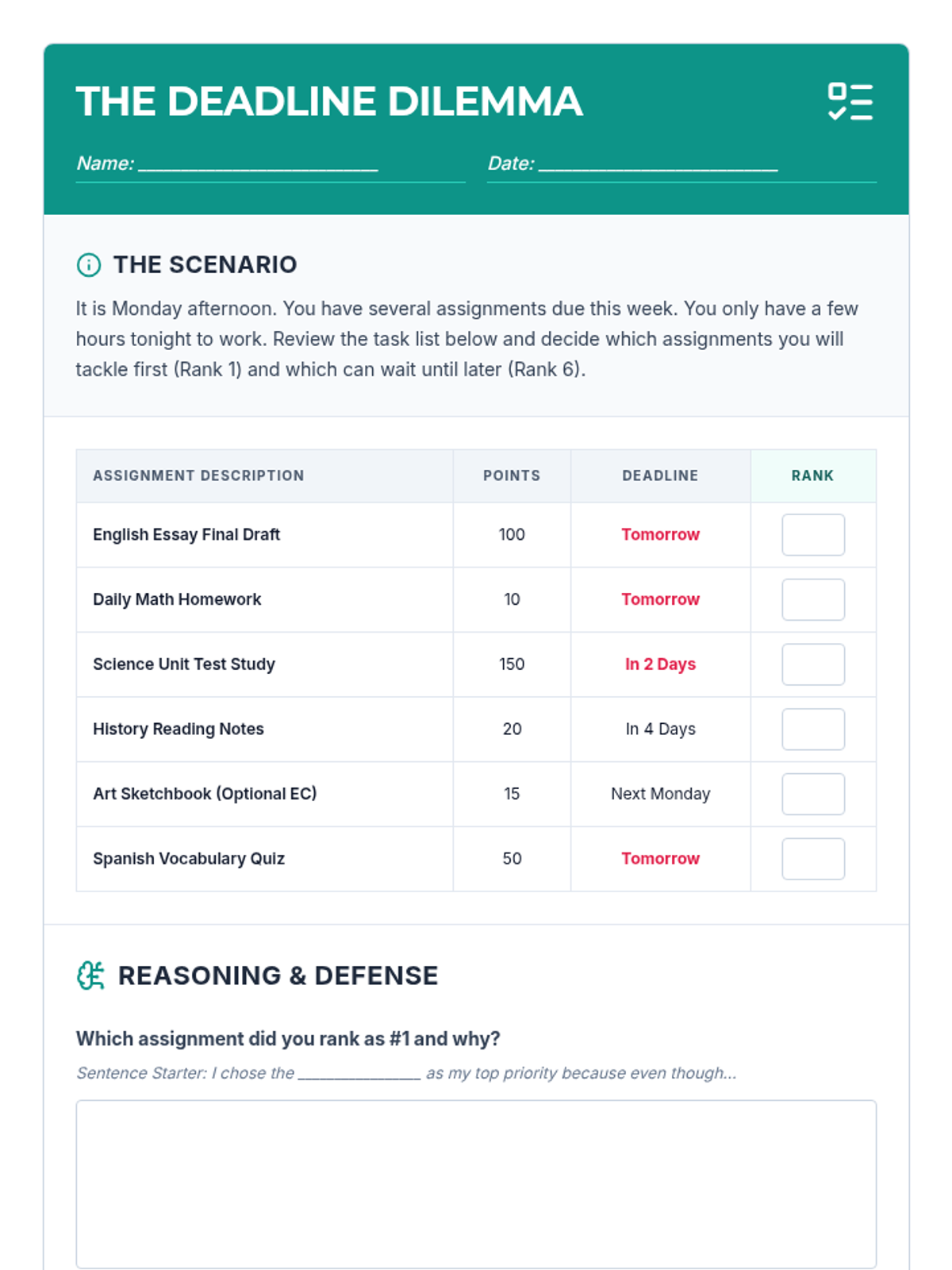
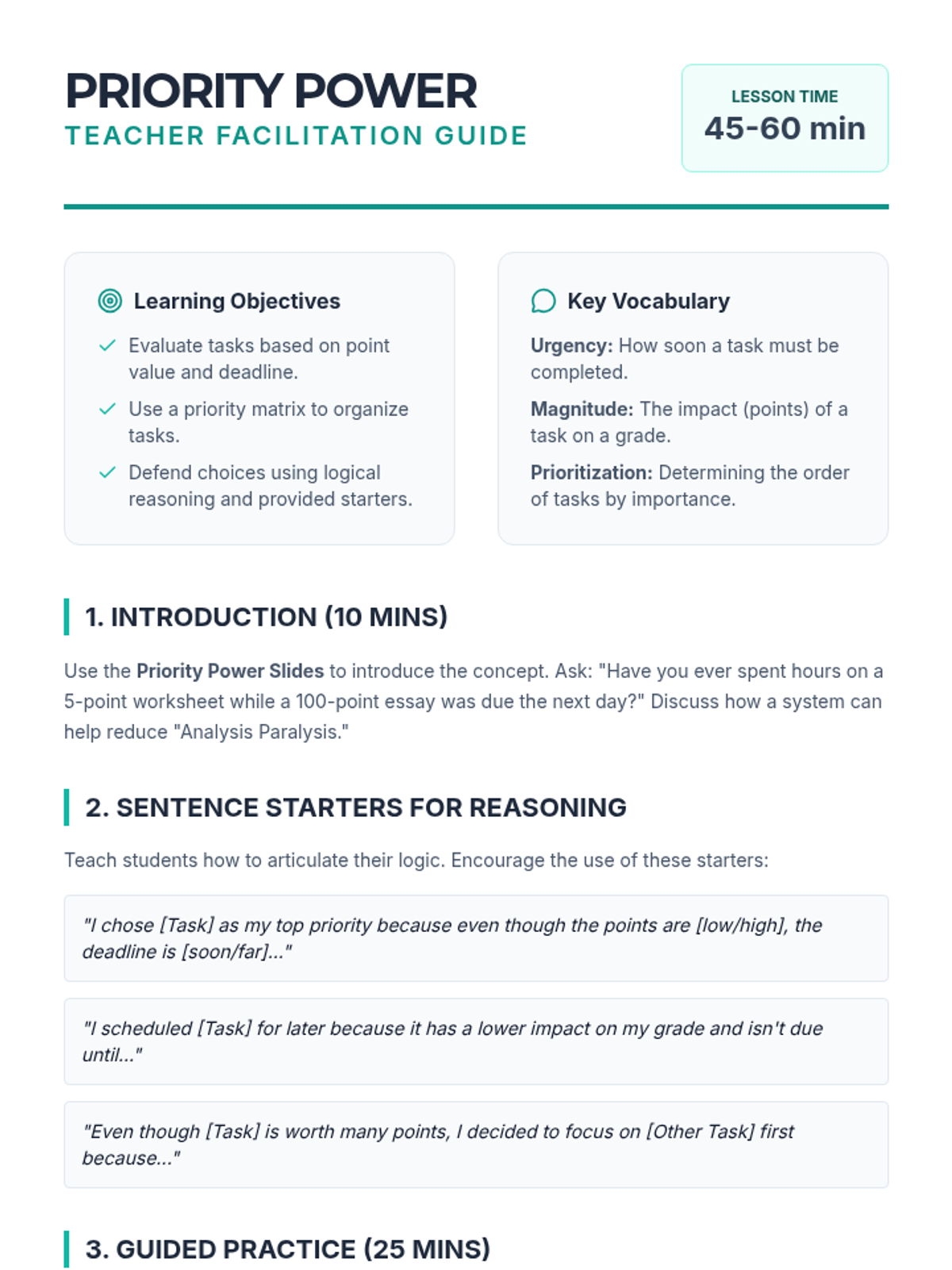
Students learn how to prioritize their schoolwork by balancing point values and upcoming deadlines. This lesson provides a framework for making smart choices when schedules get busy.
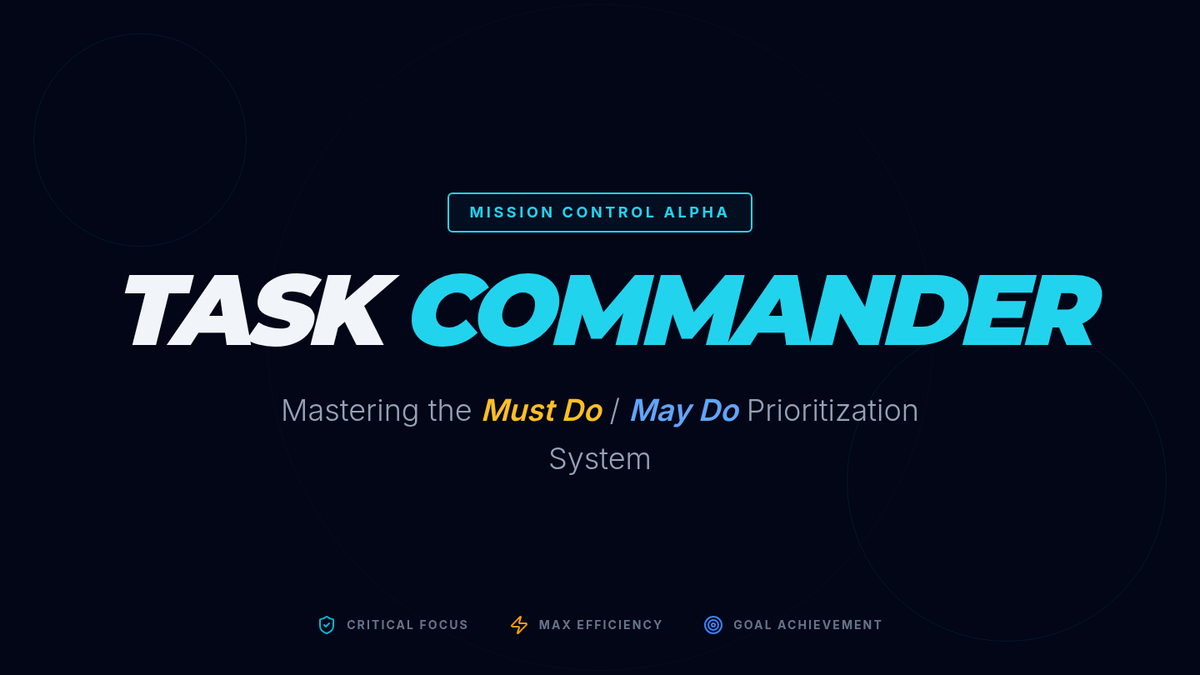
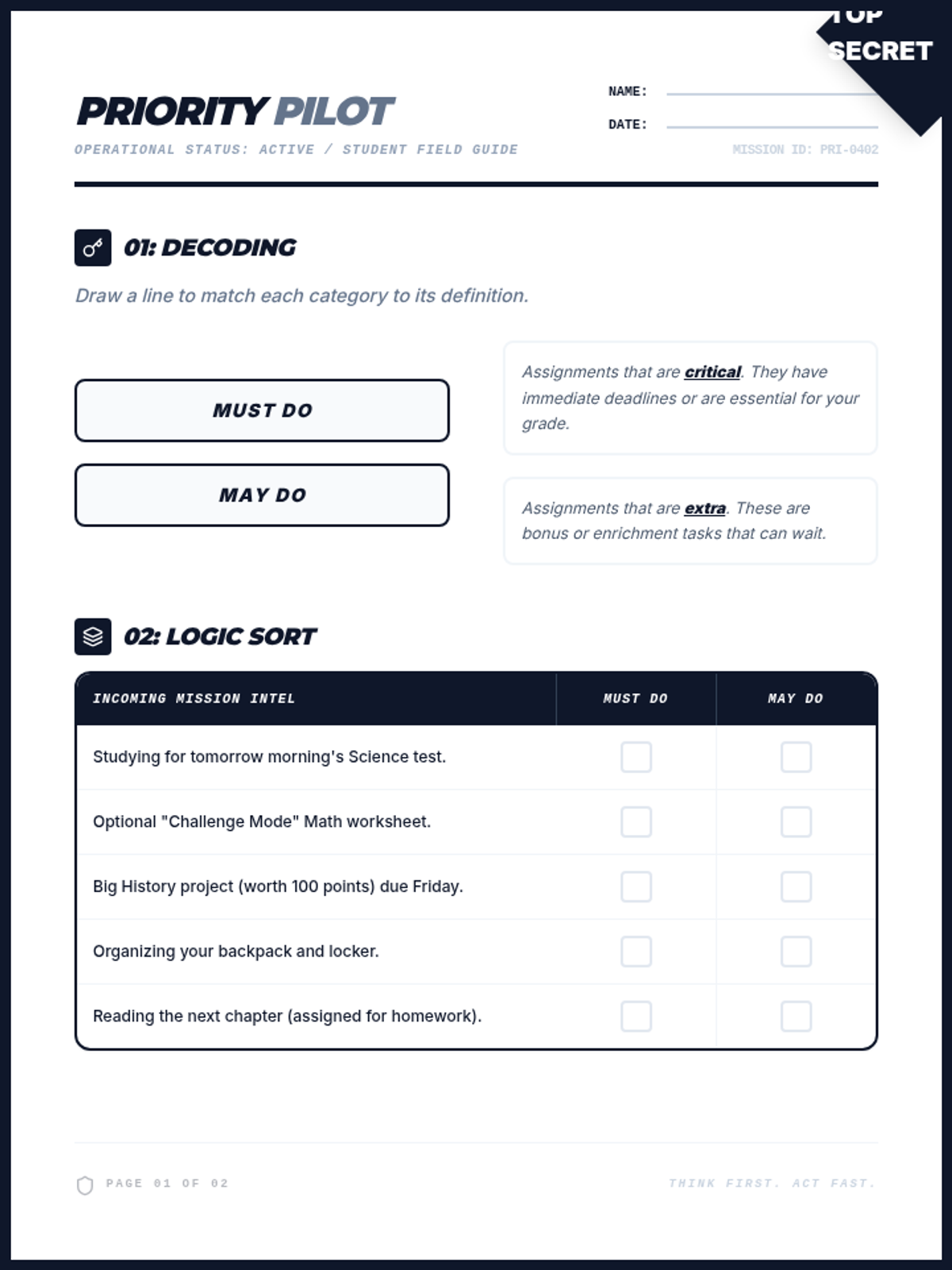
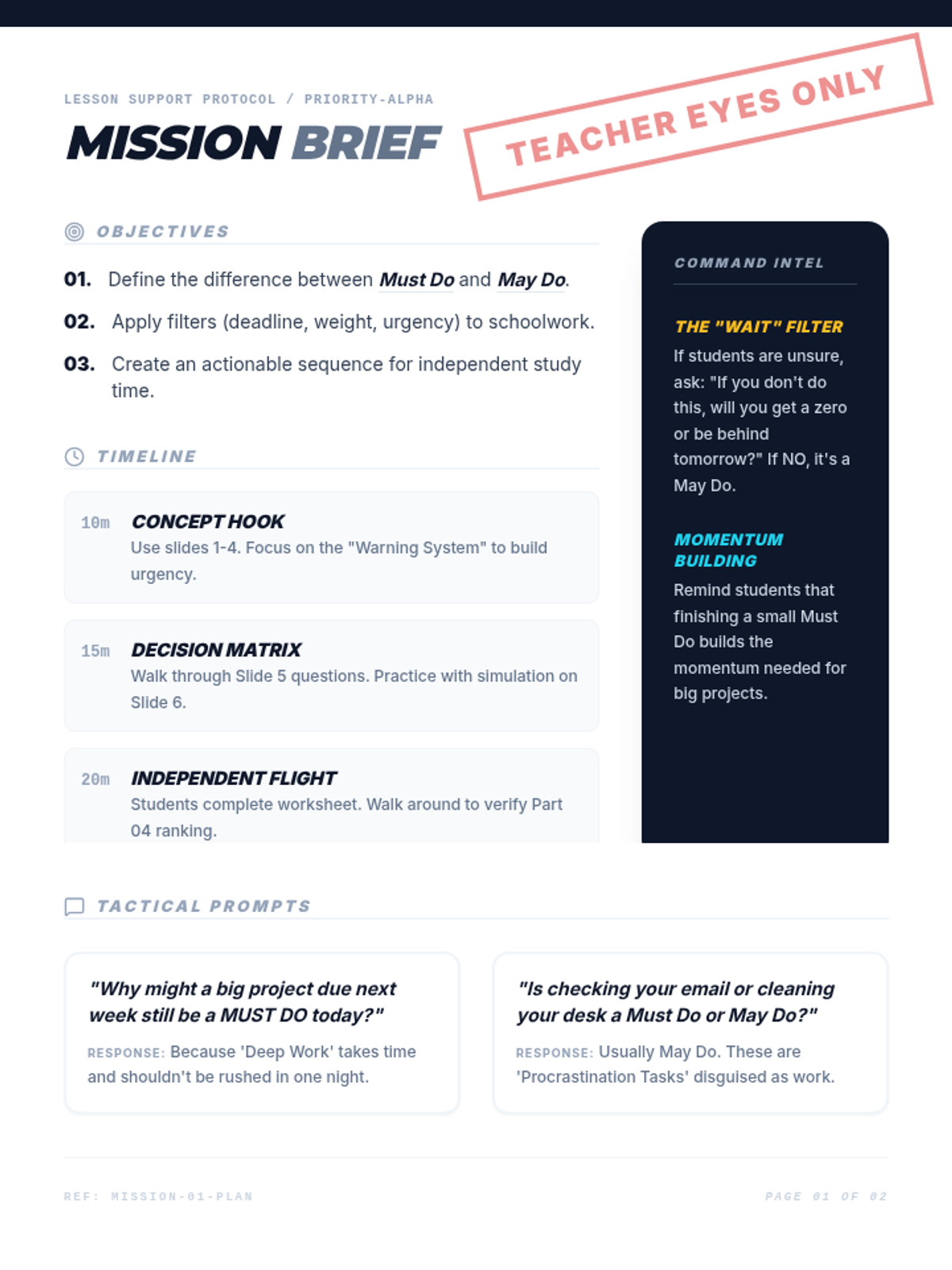
A practical lesson teaching students how to categorize assignments into 'Must Do' (essential, urgent) and 'May Do' (extra, optional) categories to manage their time effectively.
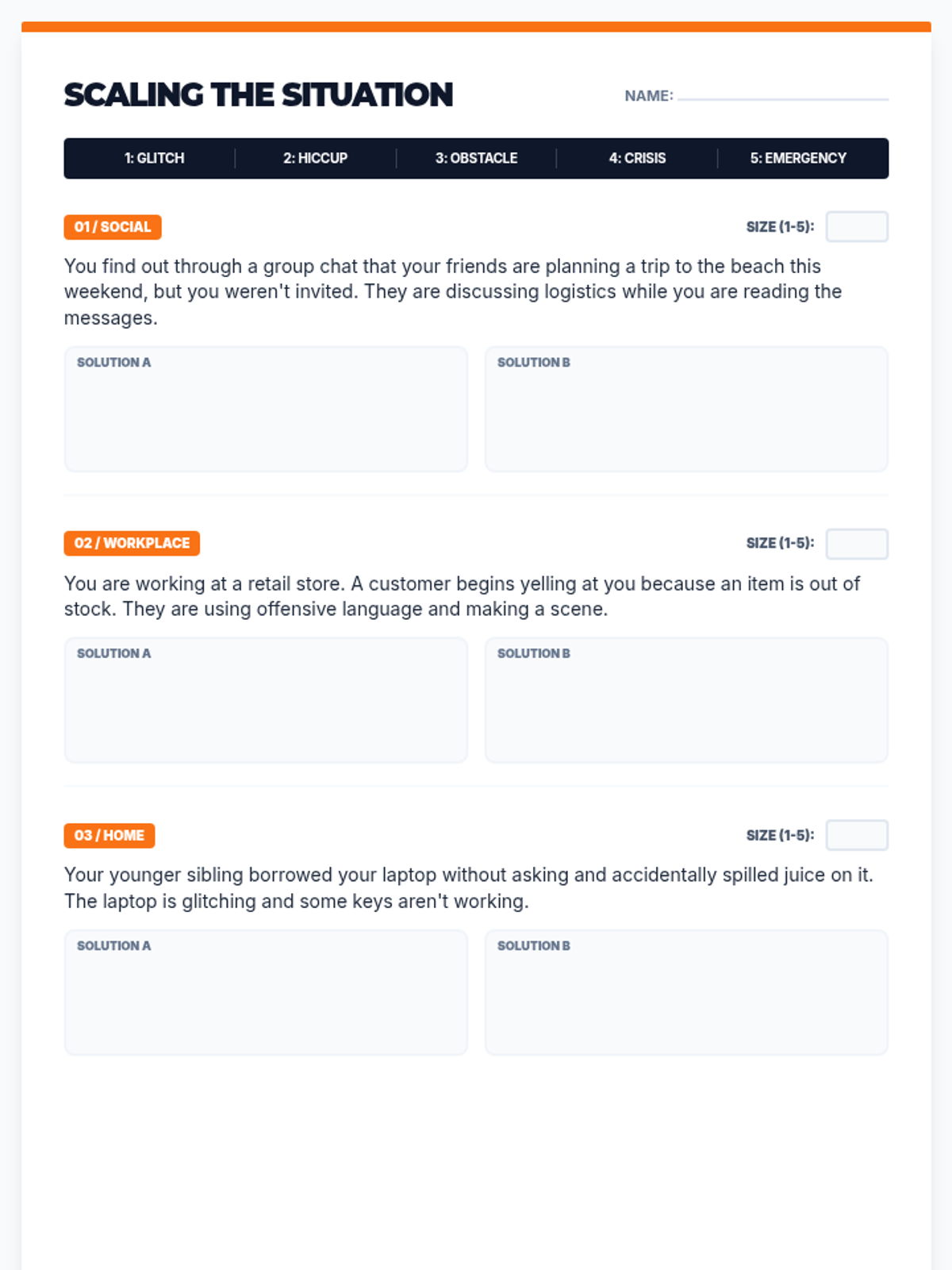
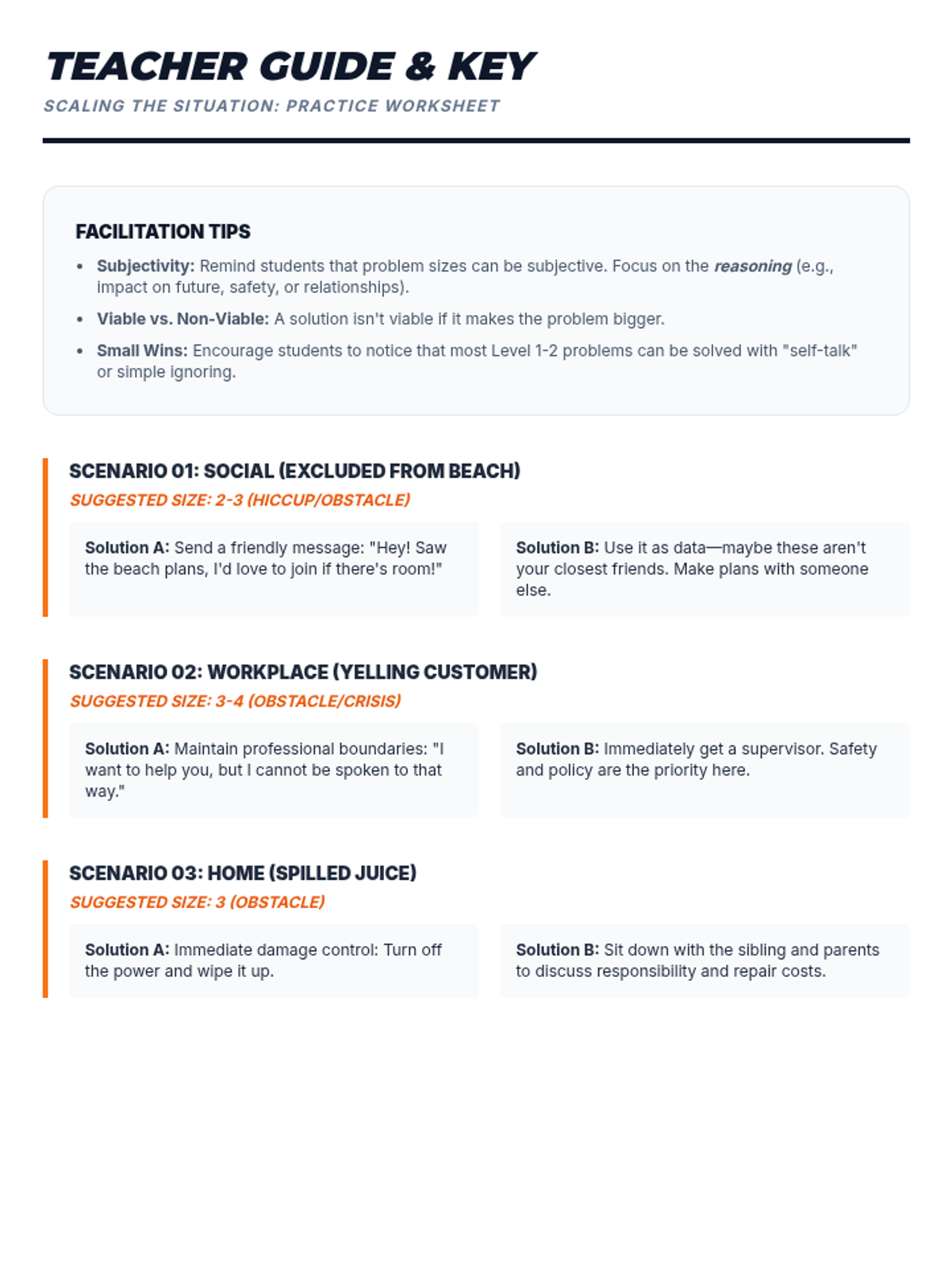
A lesson designed to help high school students categorize the 'size' of life's challenges and develop proportionate, effective solutions for social, workplace, and domestic conflicts.
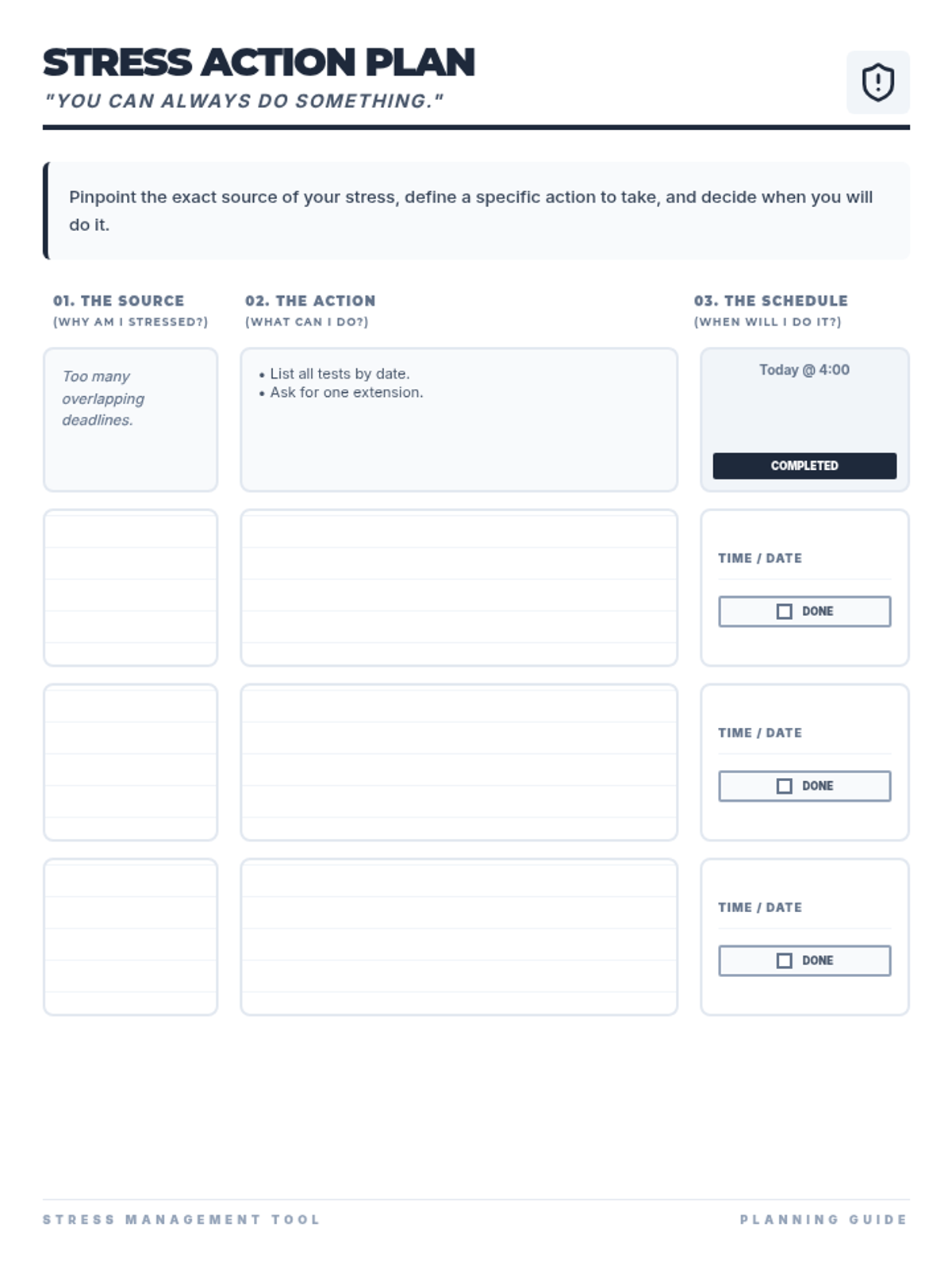
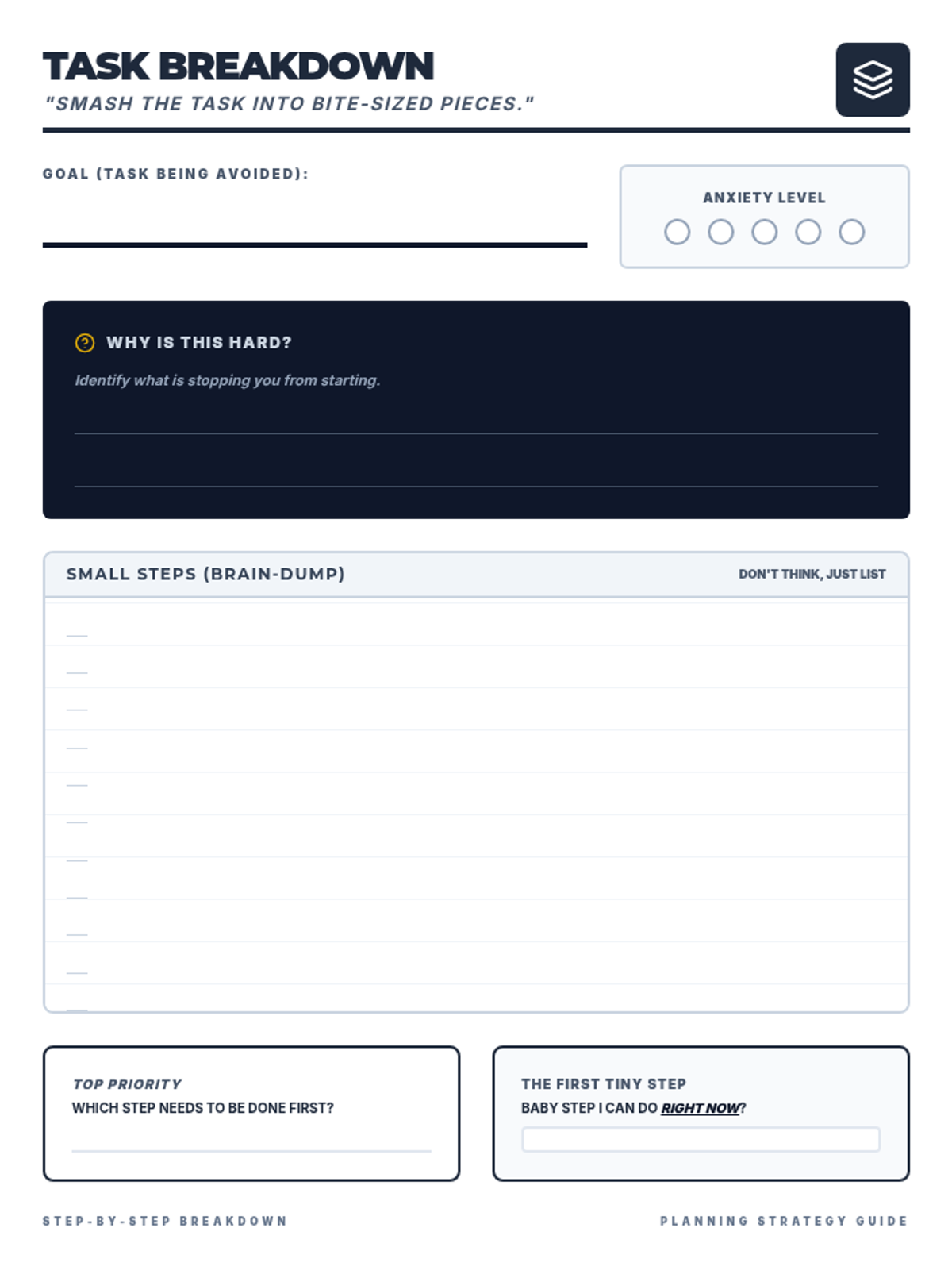
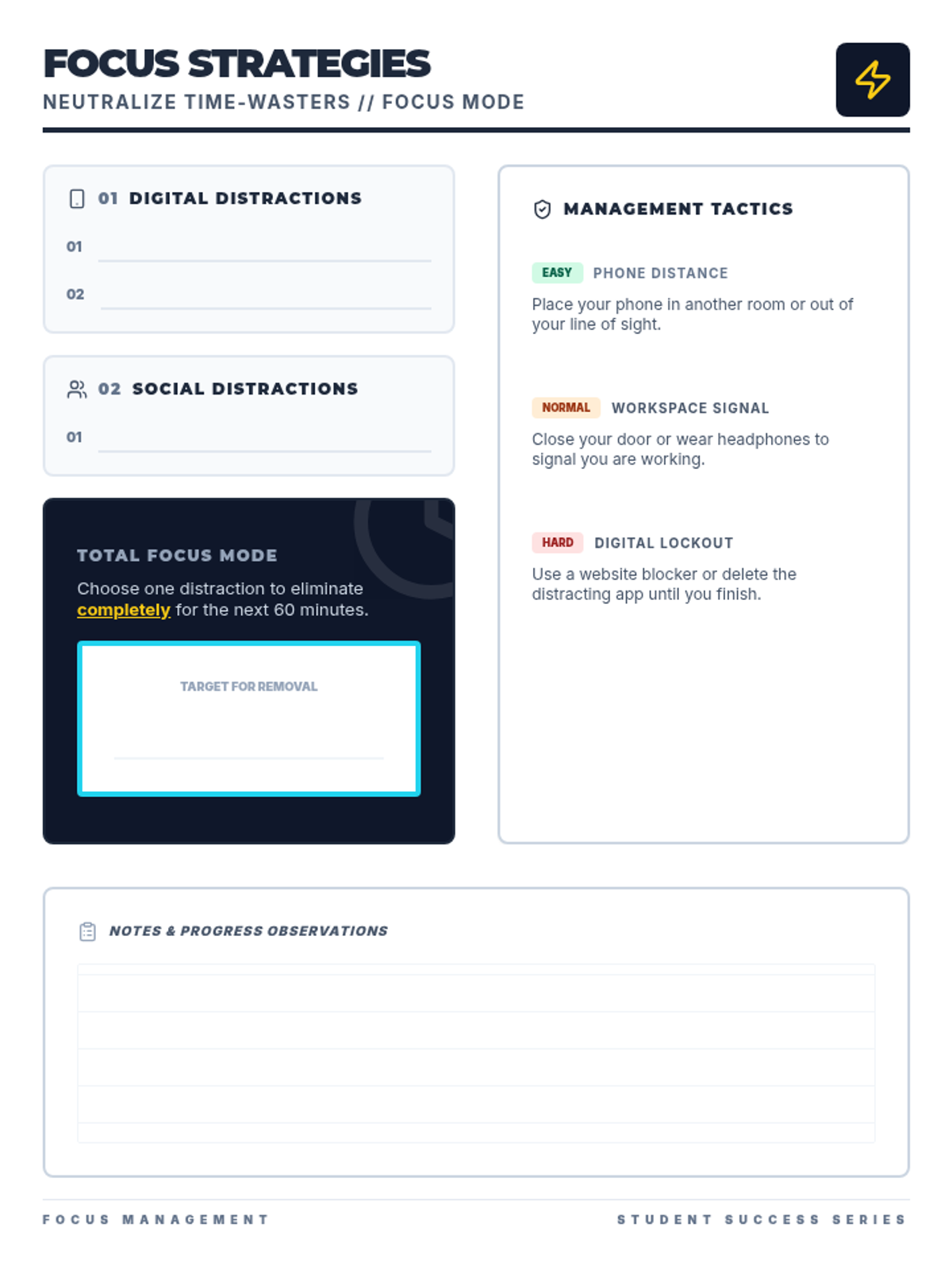
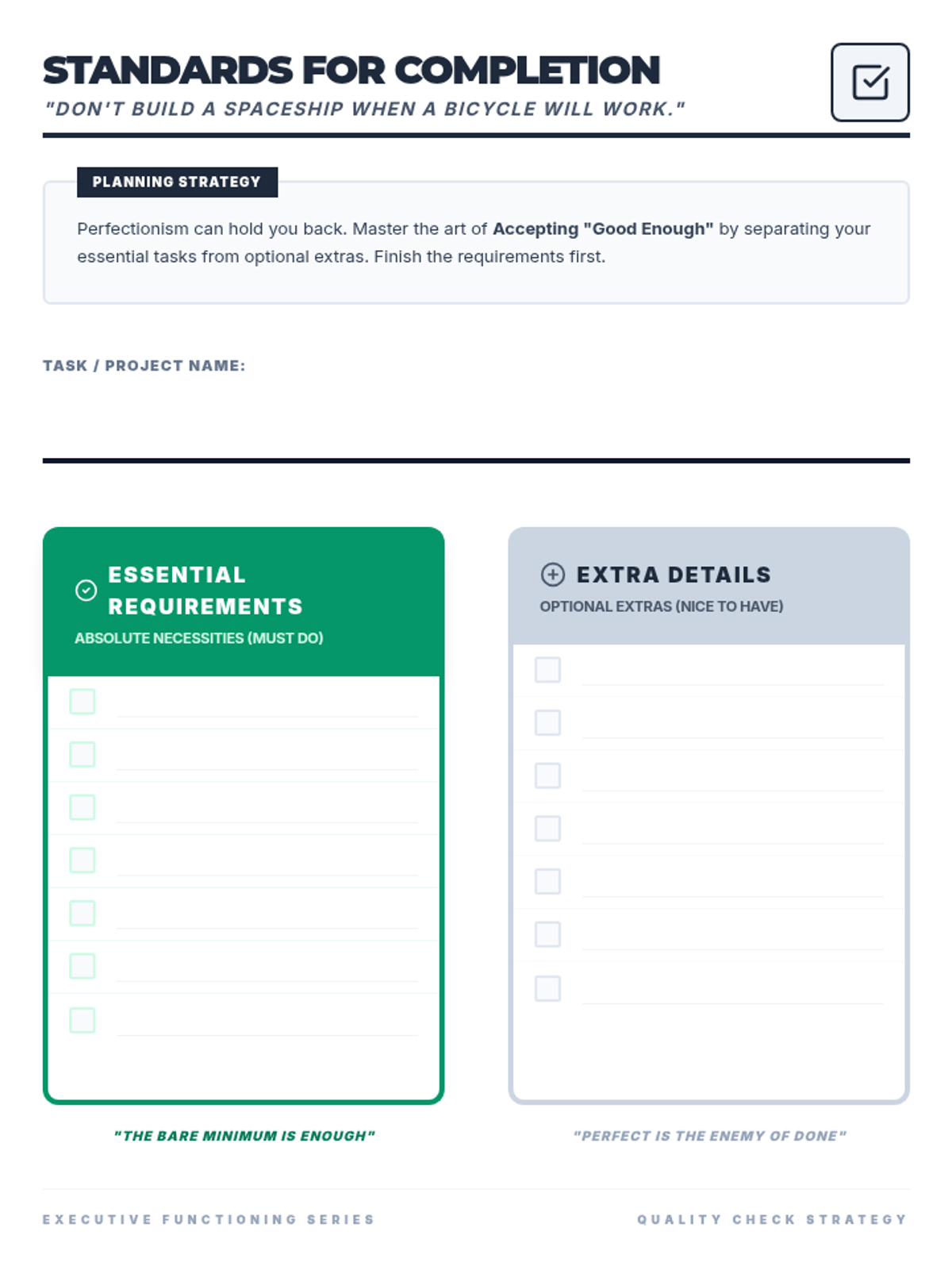
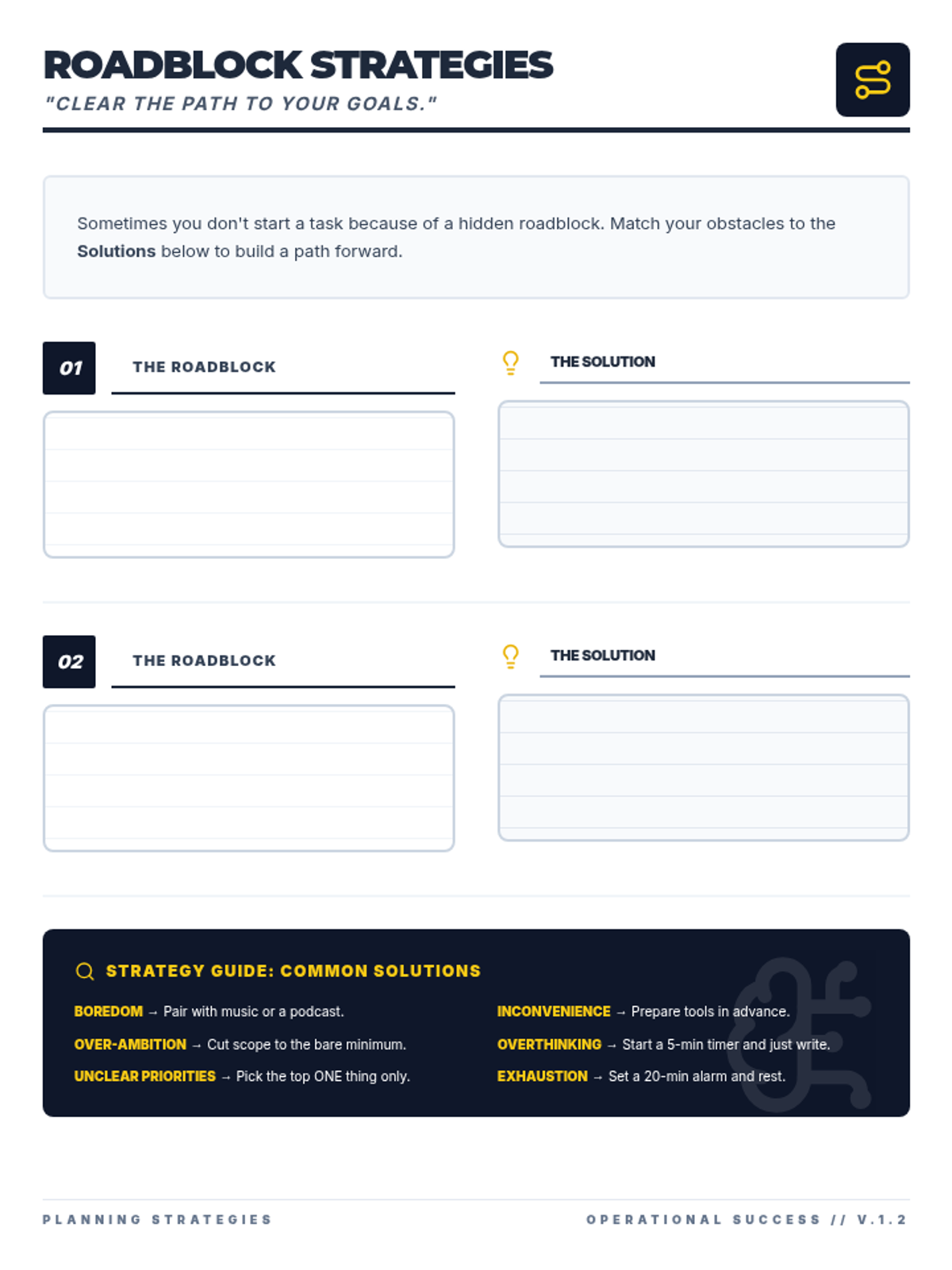
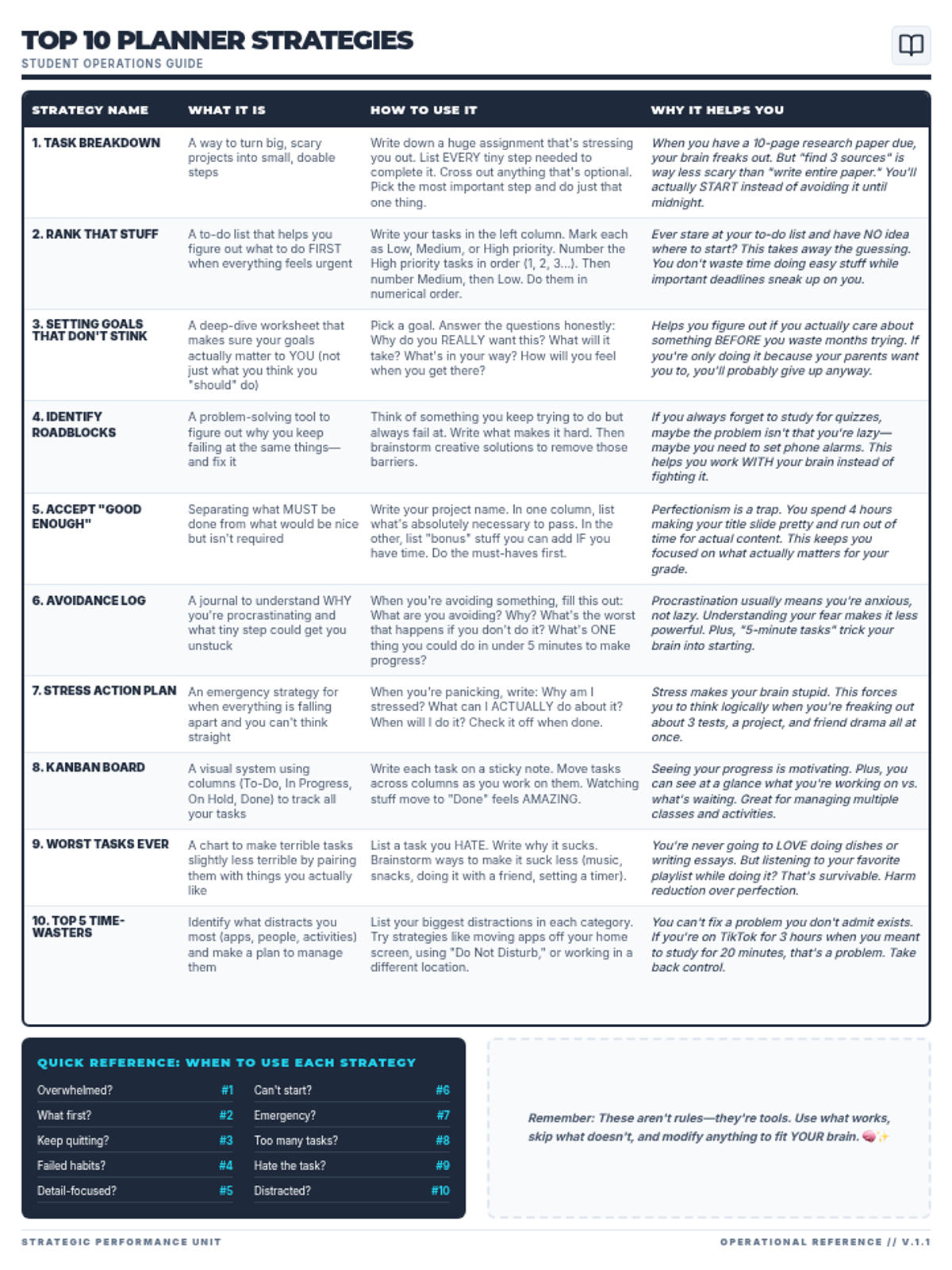
A collection of tactical worksheets designed to teach and apply advanced executive functioning strategies, including task decomposition, stress management, and distraction defense.
A collection of high-impact visual cover options for the Command Center planner, allowing students to personalize their organizational system.
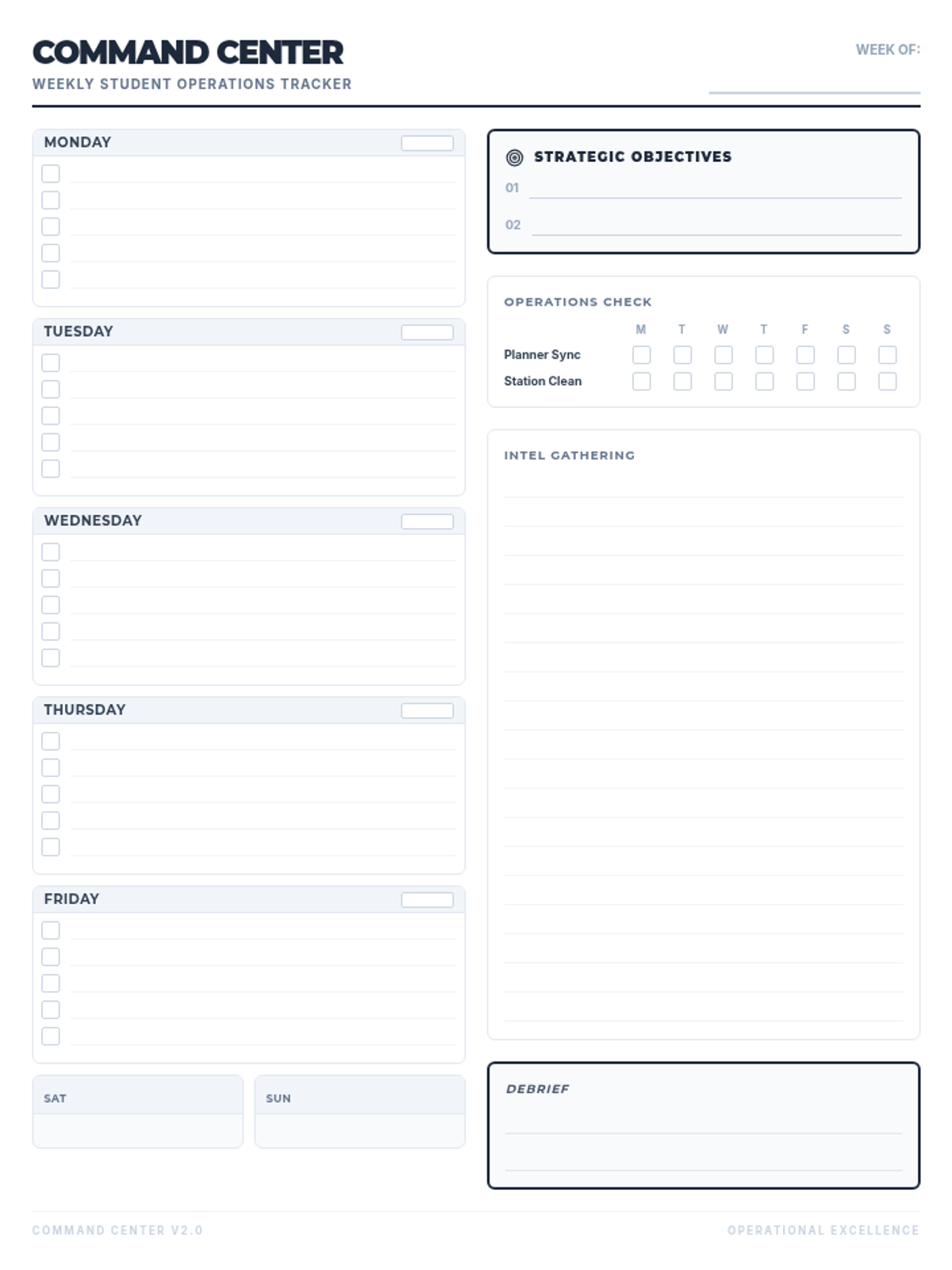
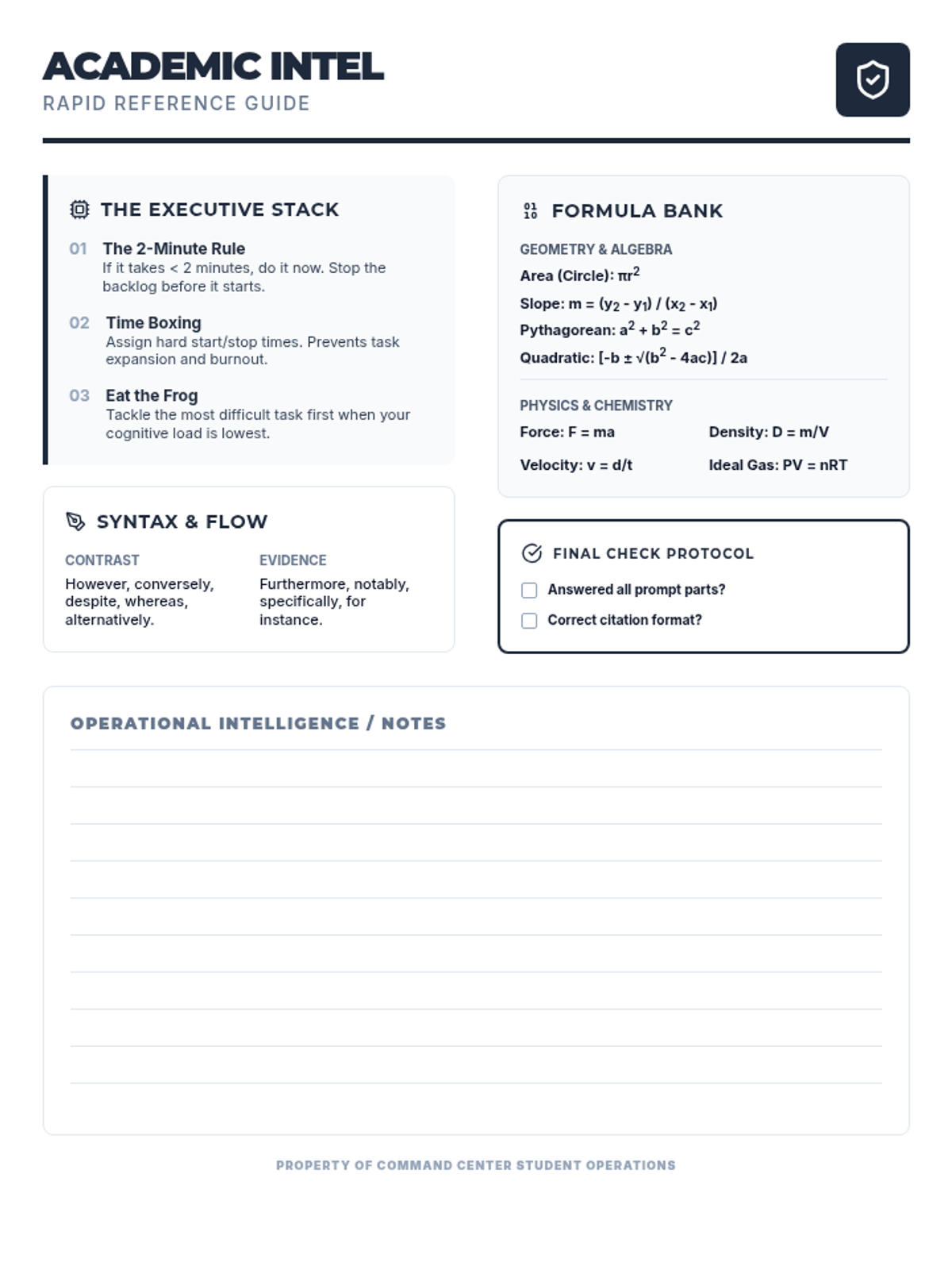
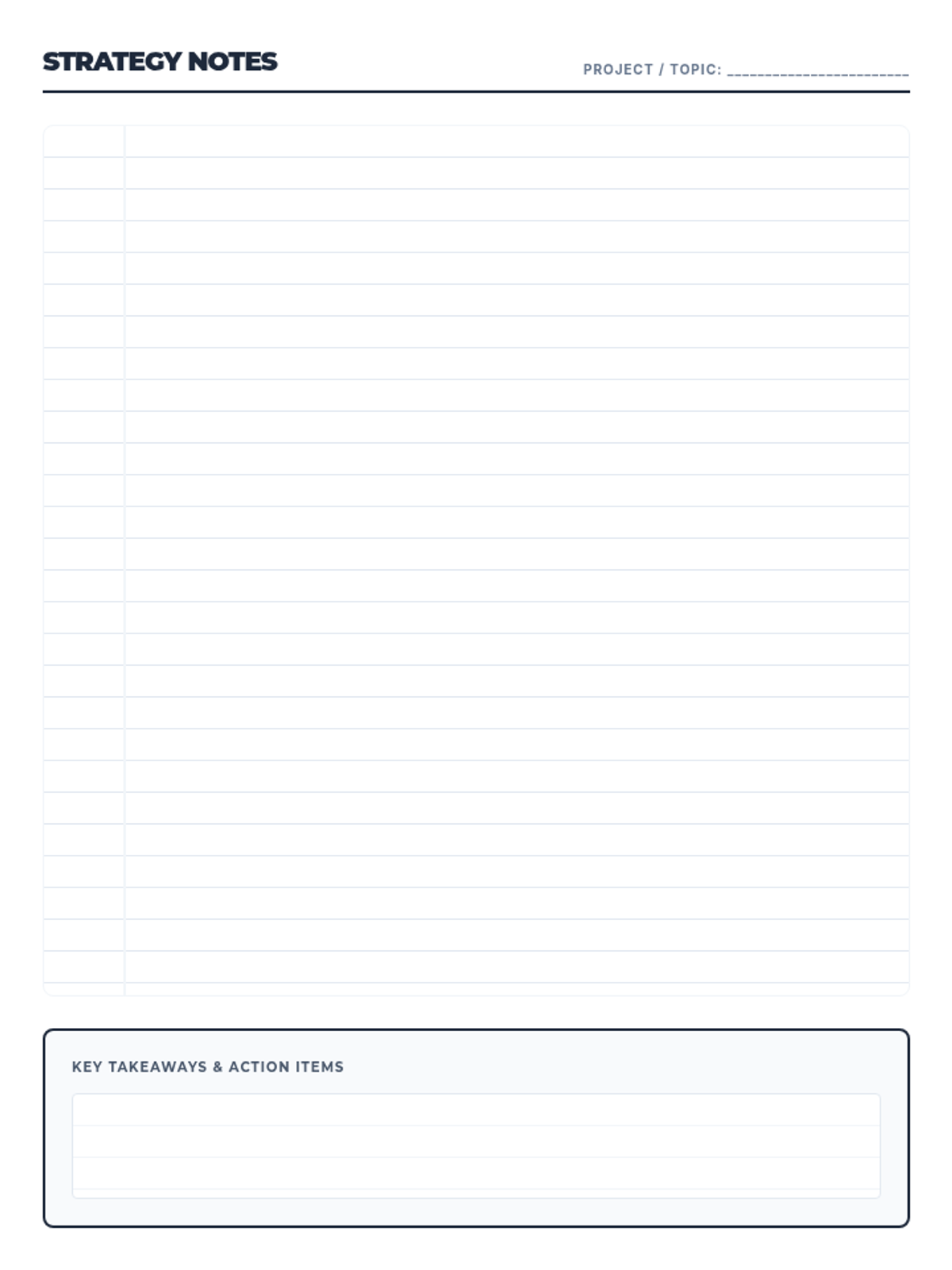
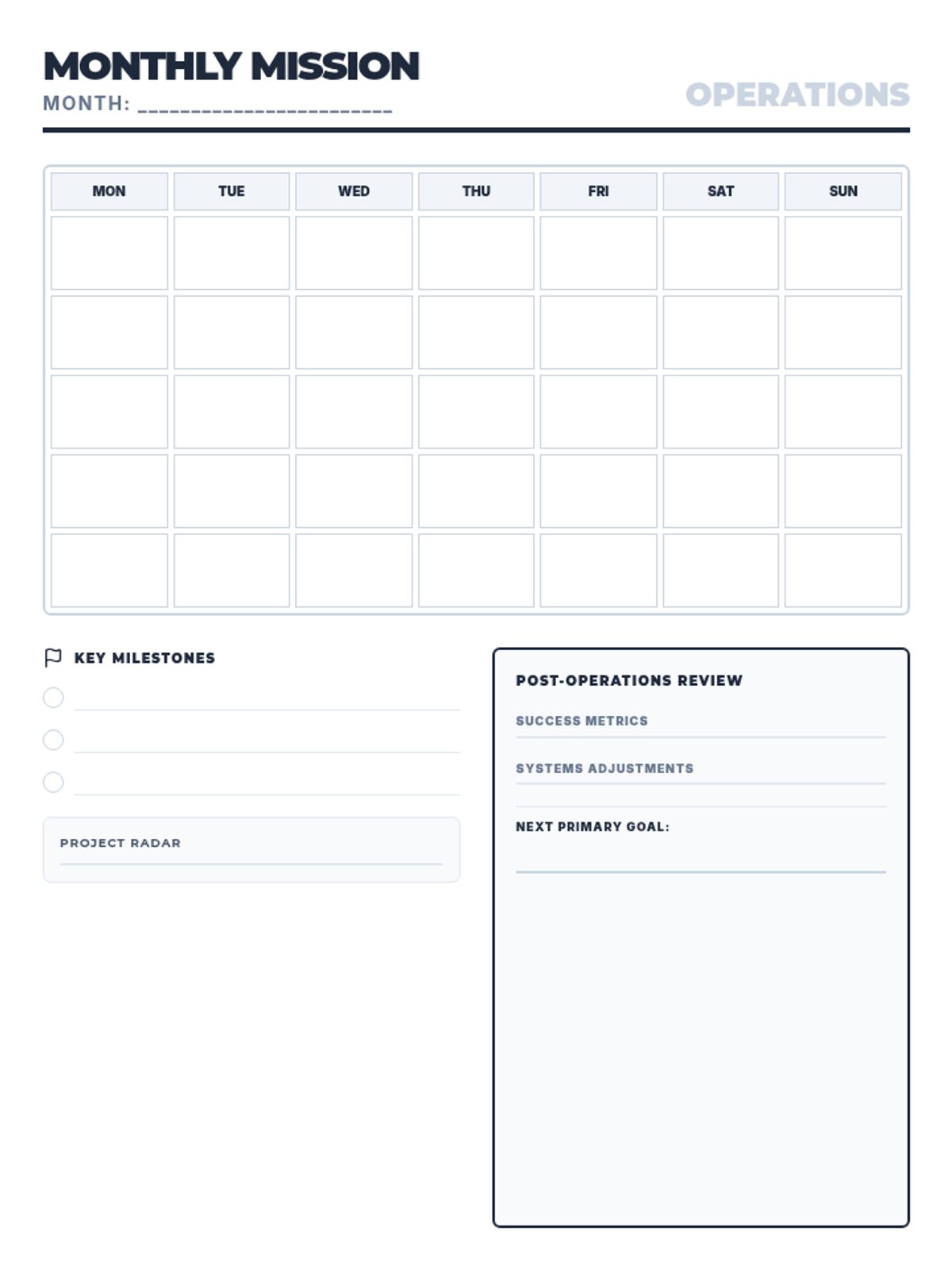
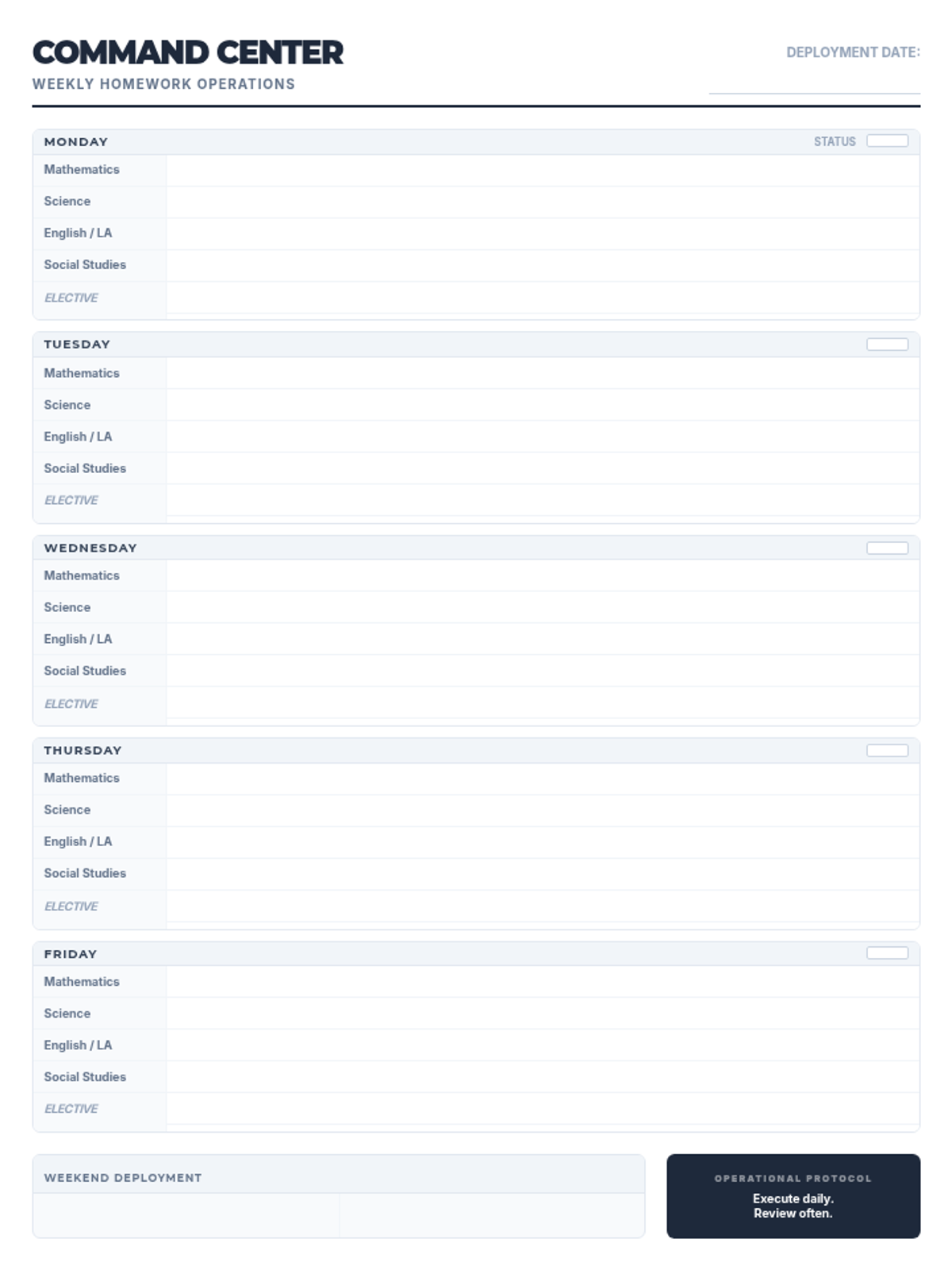
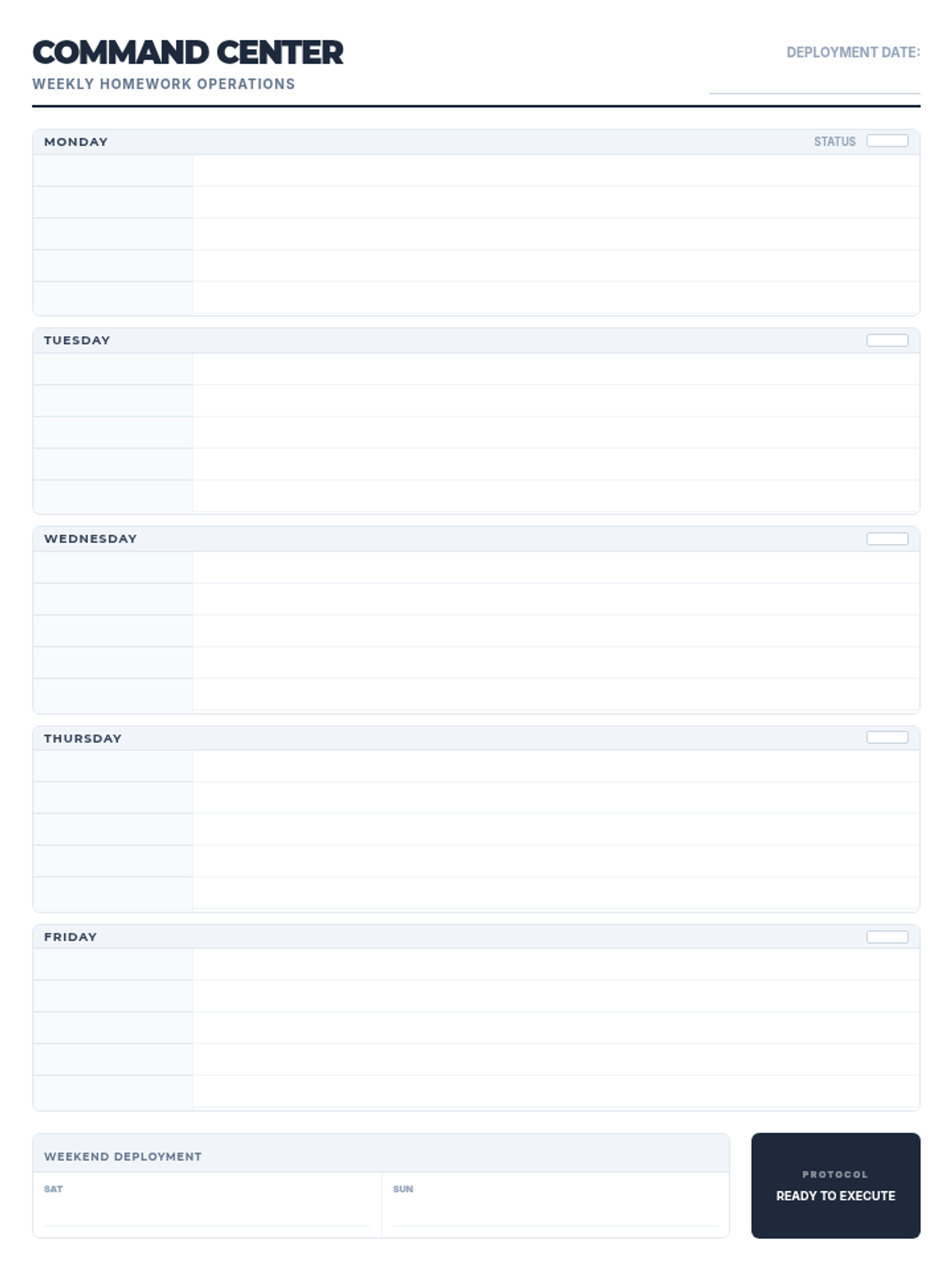
The core components of the student planner, including the primary weekly layout and supporting organizational materials.
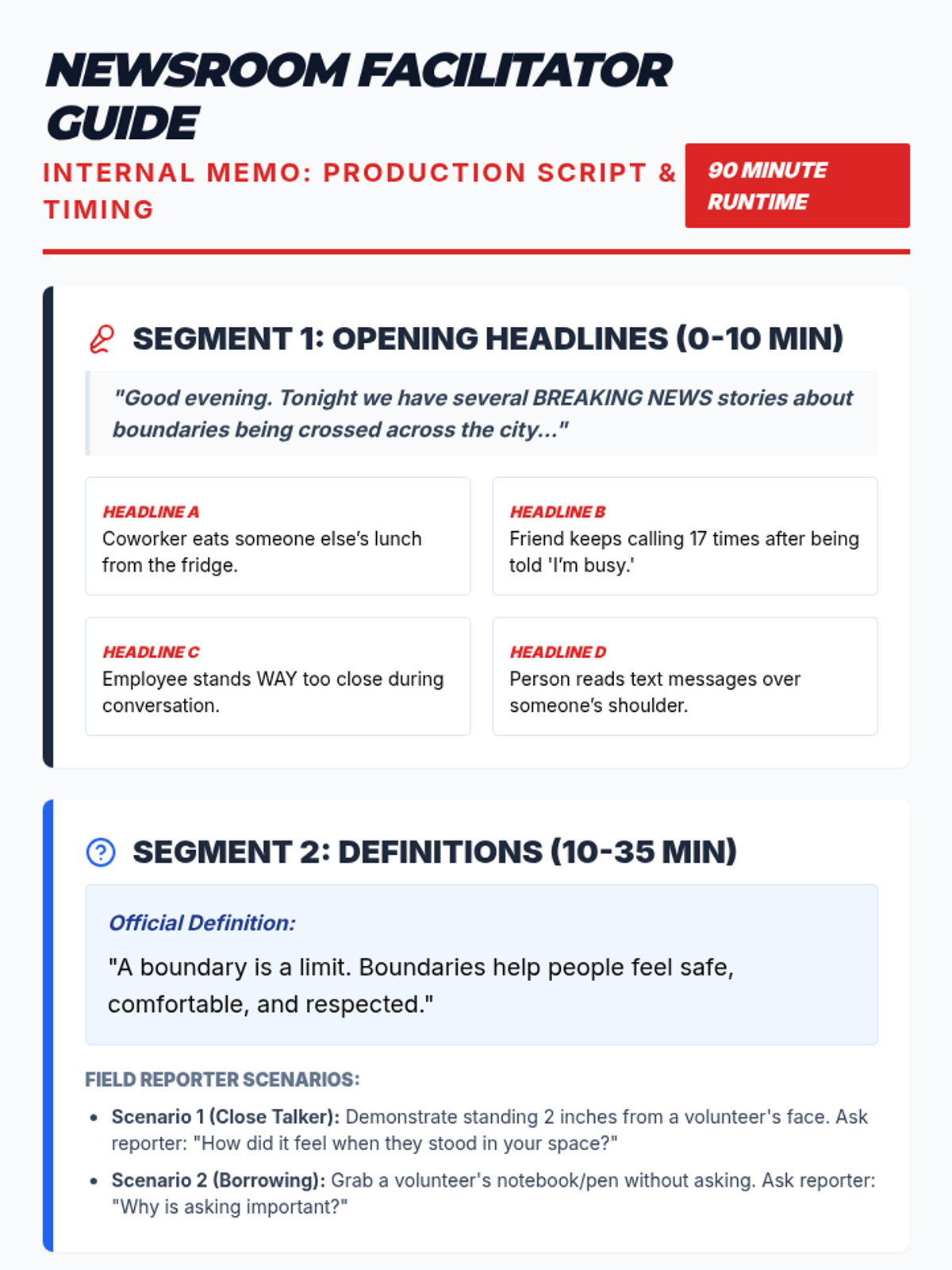
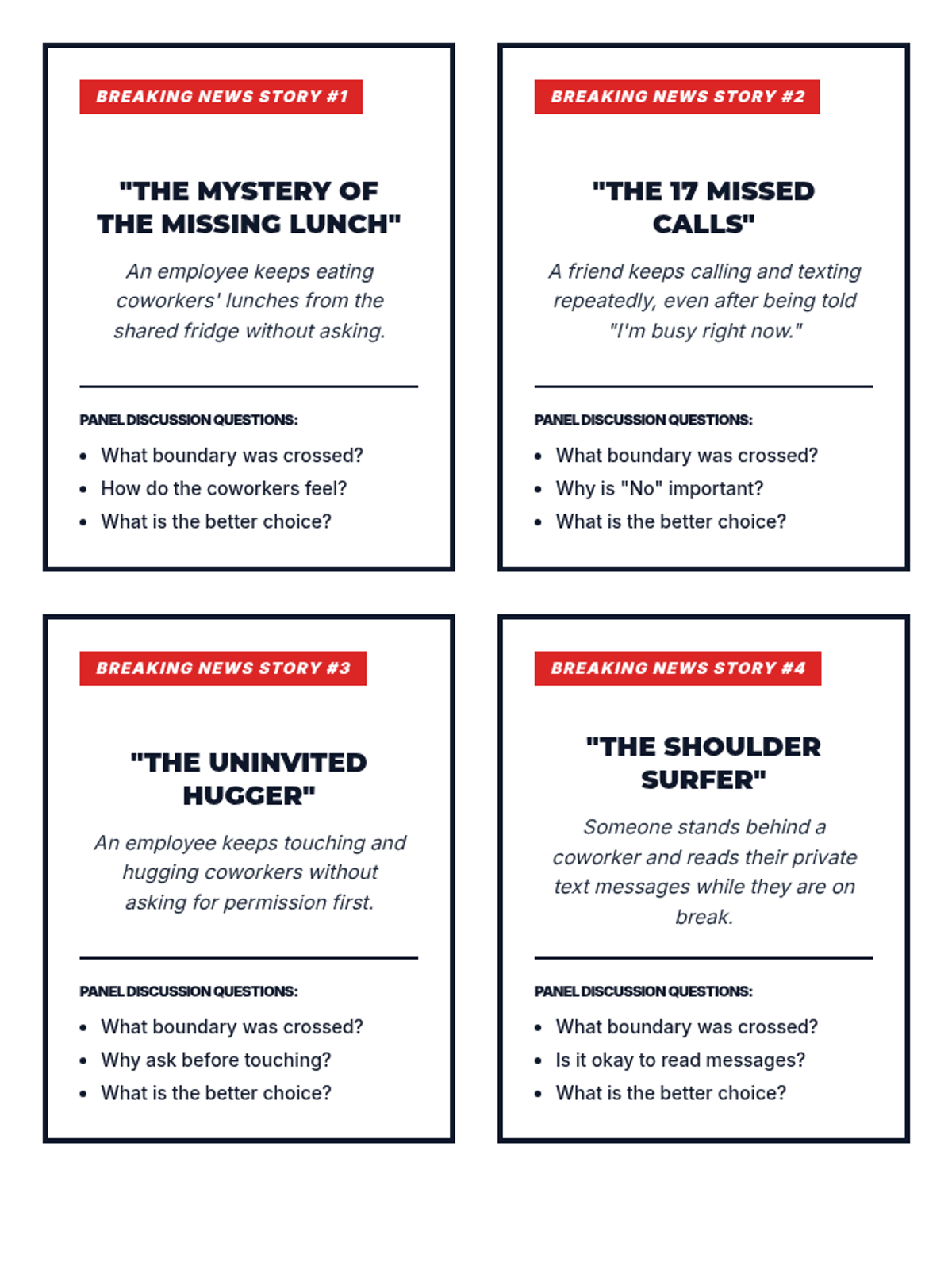
A high-energy, news-themed advocacy lesson for adults with IDD focusing on recognizing and respecting personal boundaries in work, friendship, and community settings.
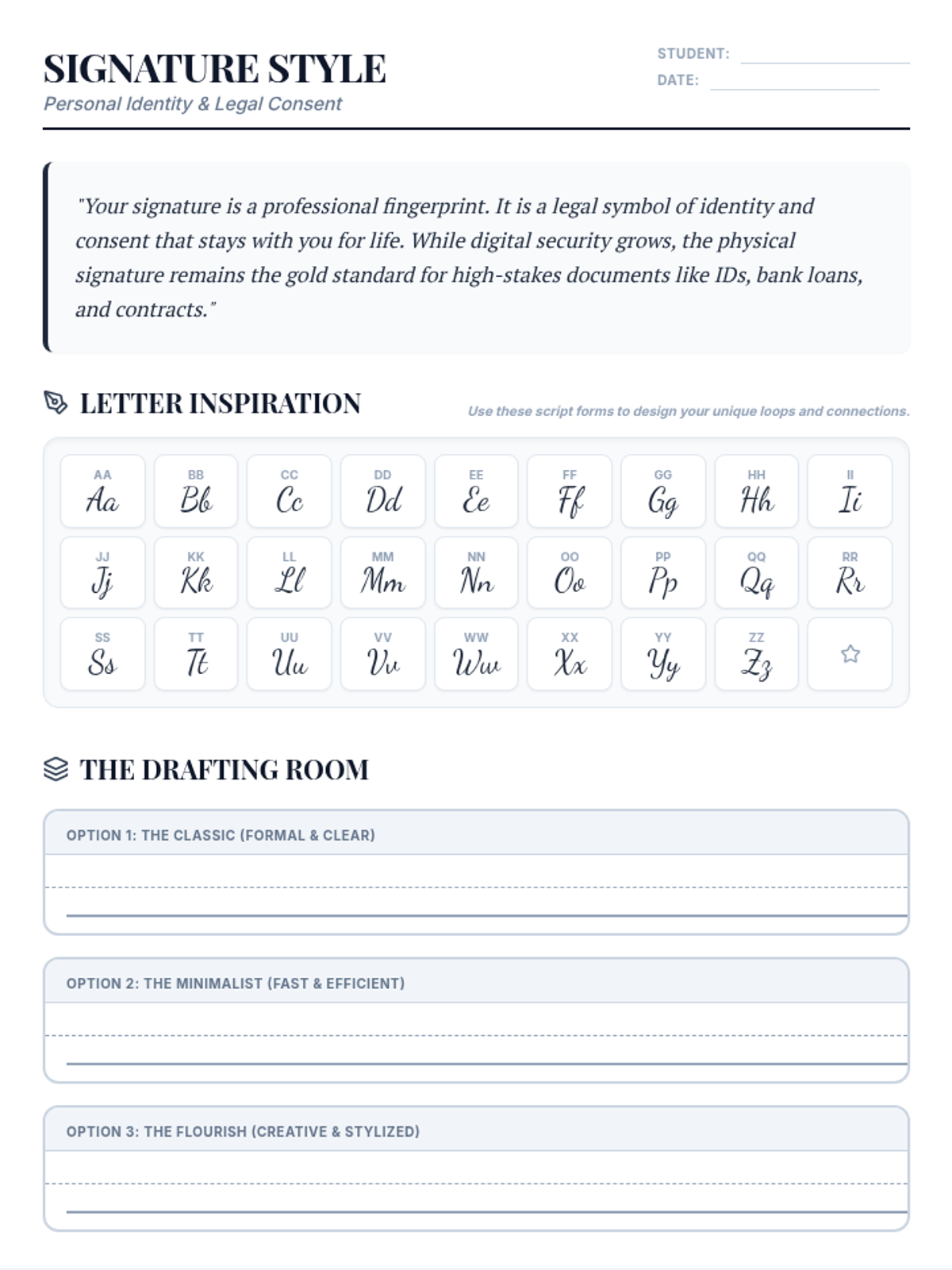
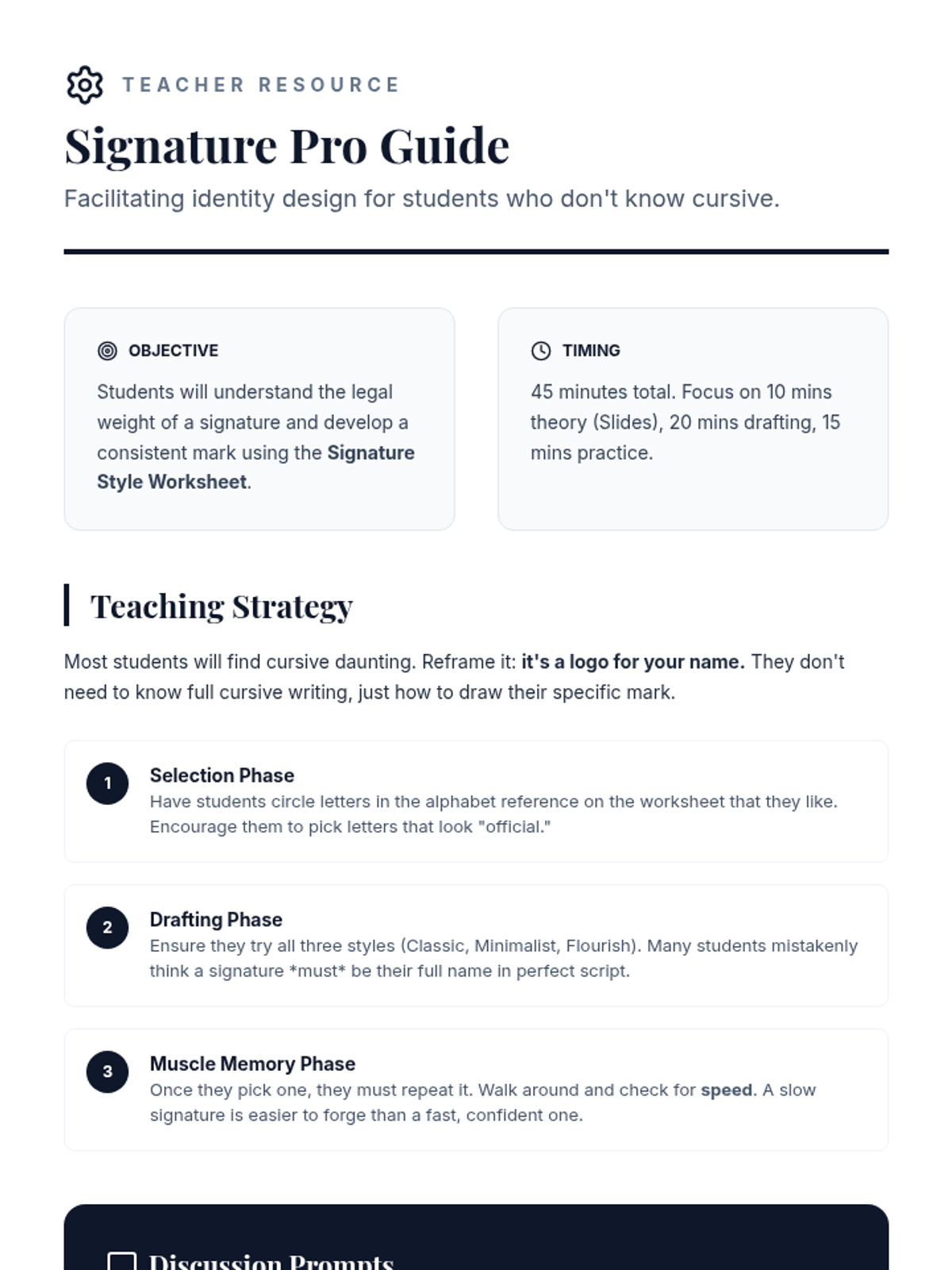
A practical lesson for high school students to develop a professional signature, covering its legal importance and the basics of cursive handwriting for personal identification.
A gamified 90-minute training session focused on job retention skills. Students master the behaviors and mindsets required to keep a job during the critical first 90 days, through hands-on escape room challenges and performance analysis.
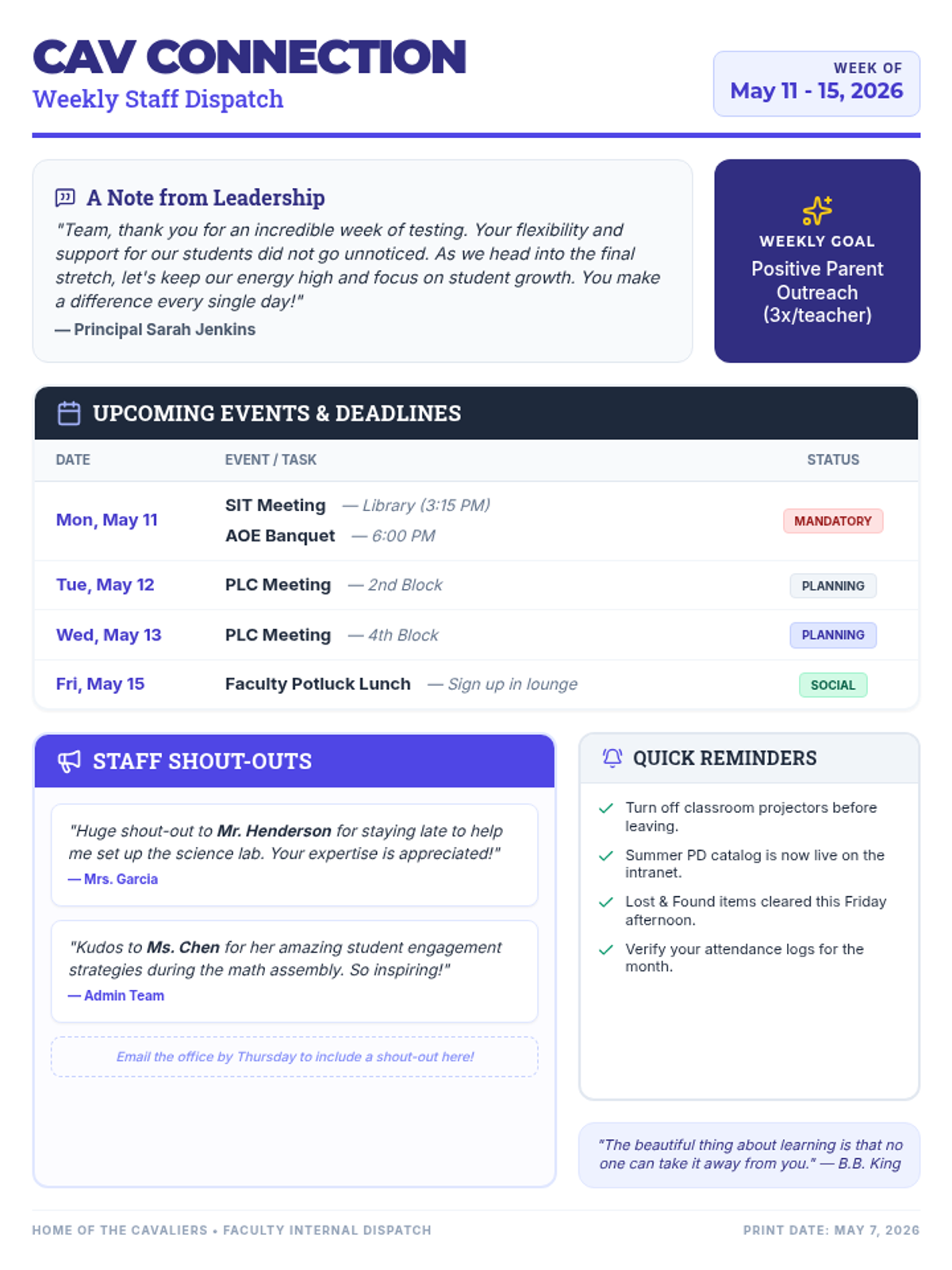
A collection of materials for staff communication, including a pre-filled example newsletter and a blank printable template for weekly updates.
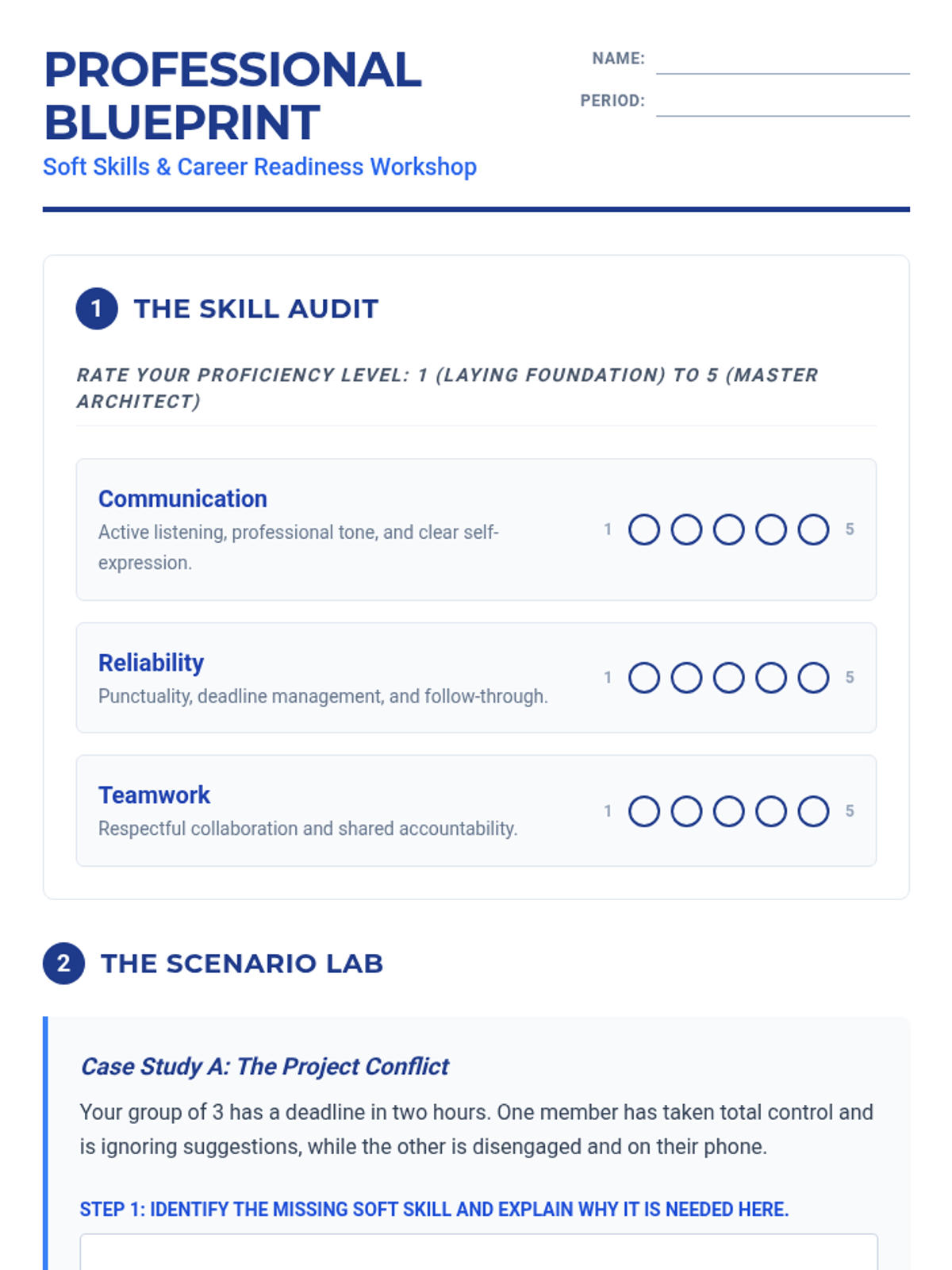
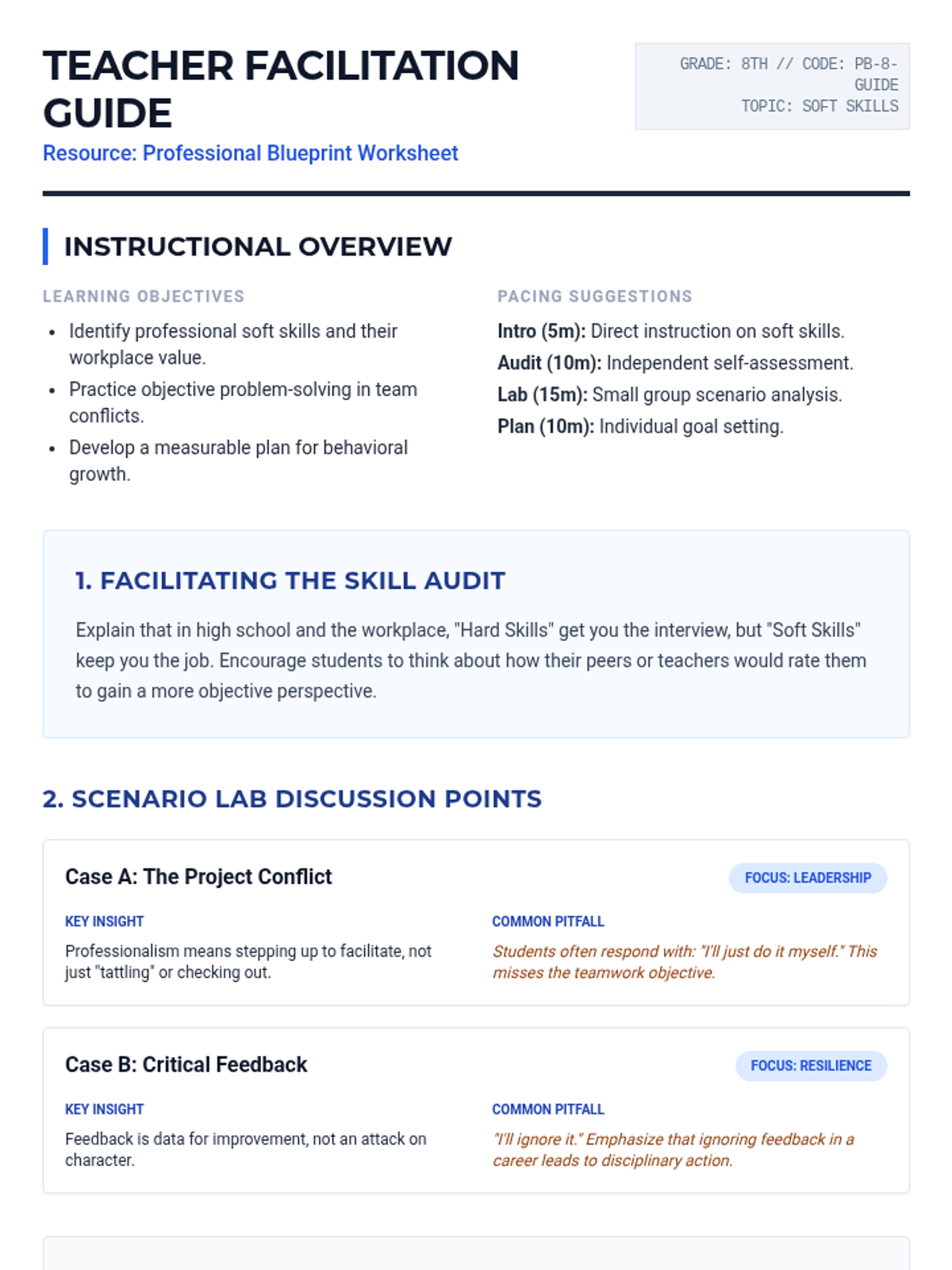
A guided reflection and problem-solving lesson focused on developing essential soft skills and professional classroom behaviors for 8th-grade students preparing for college and career paths.
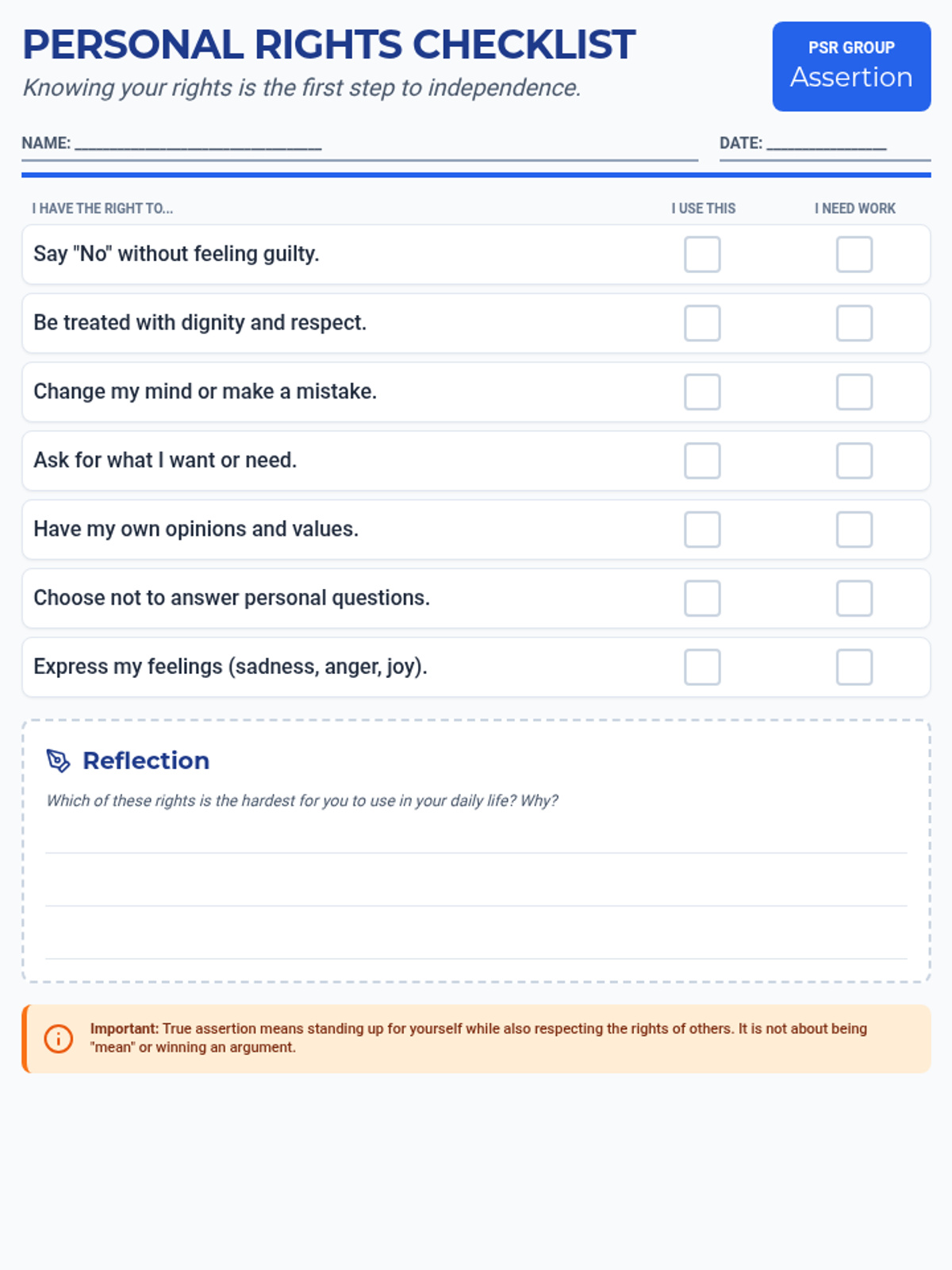
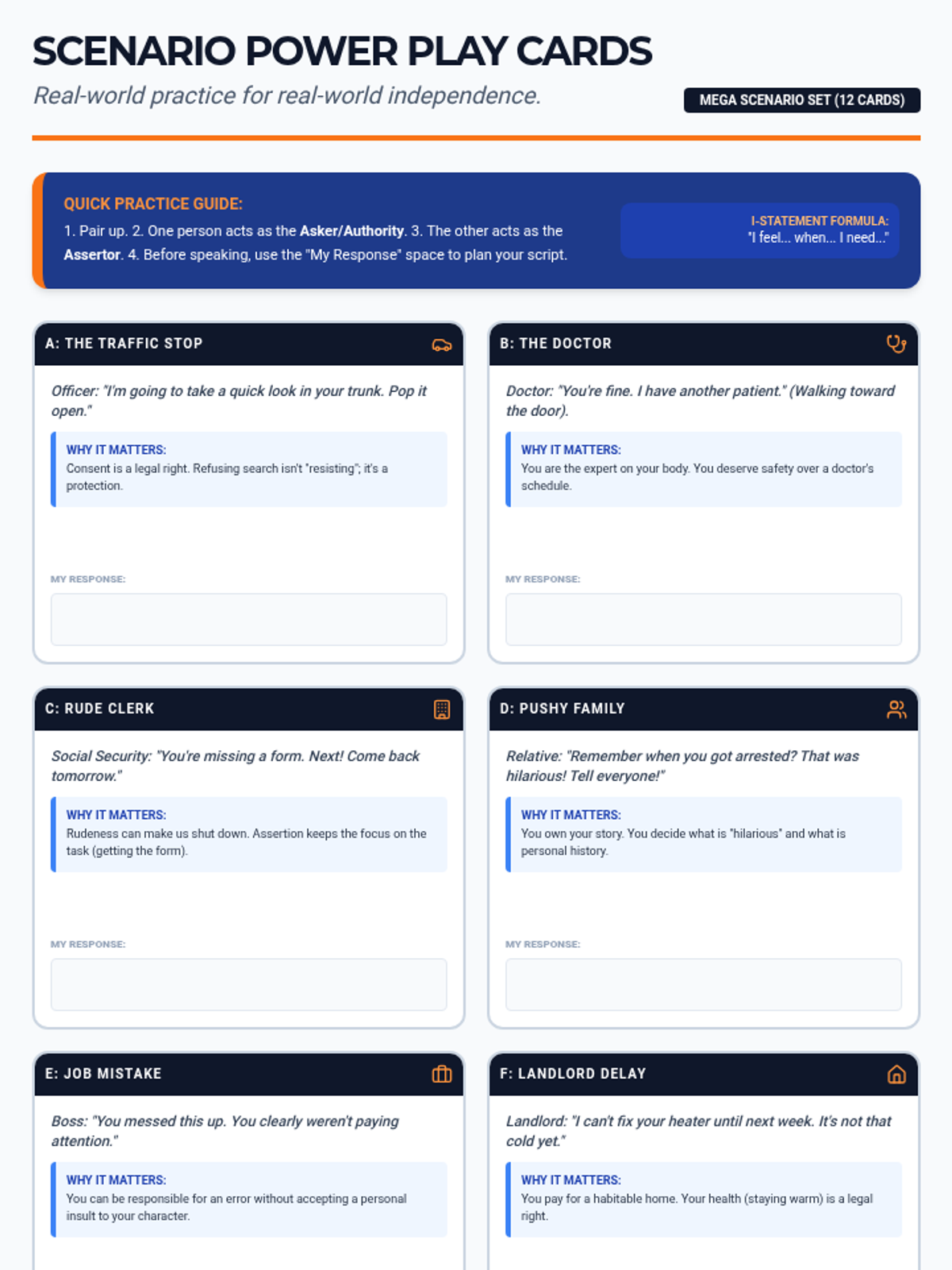
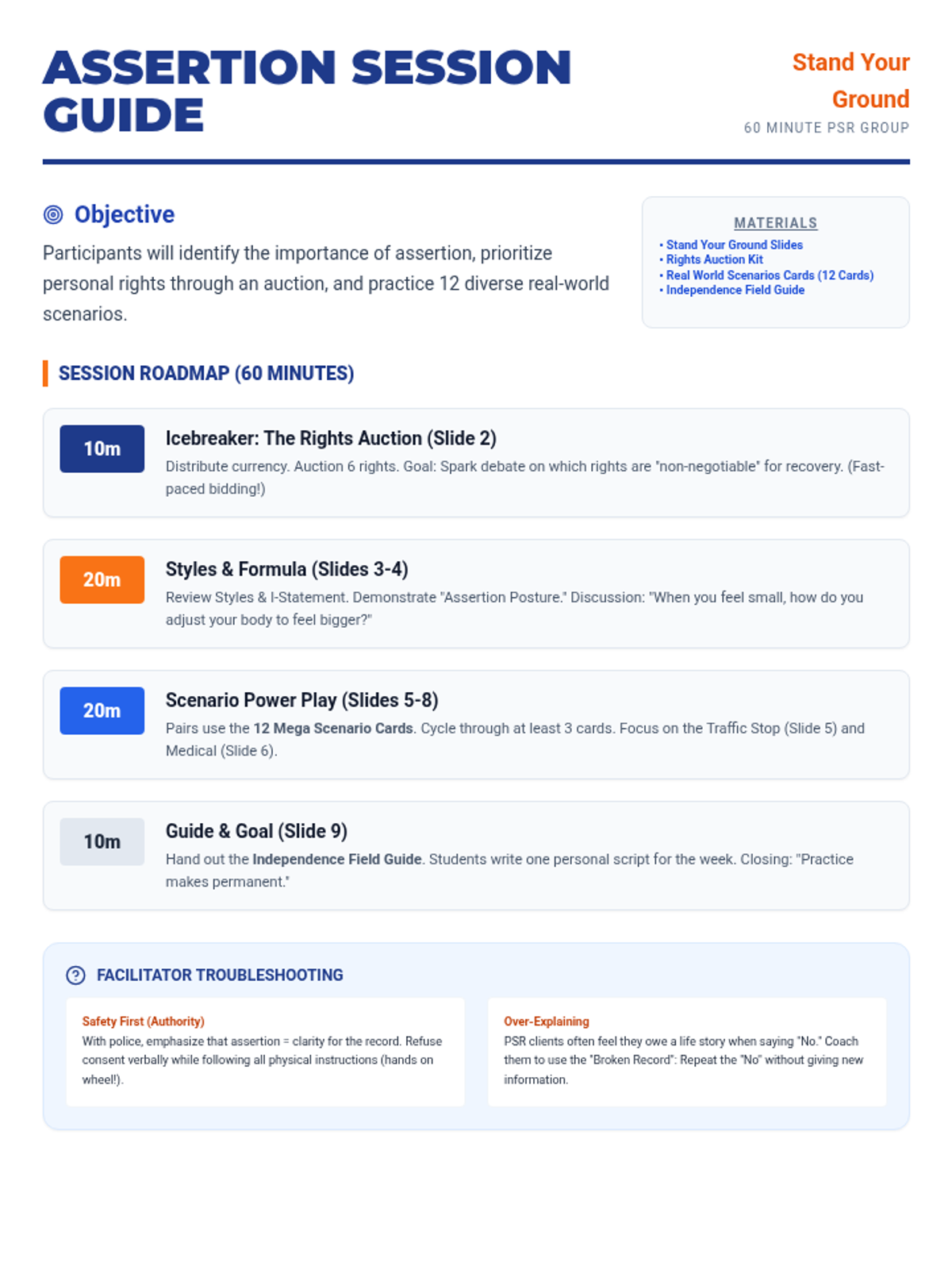
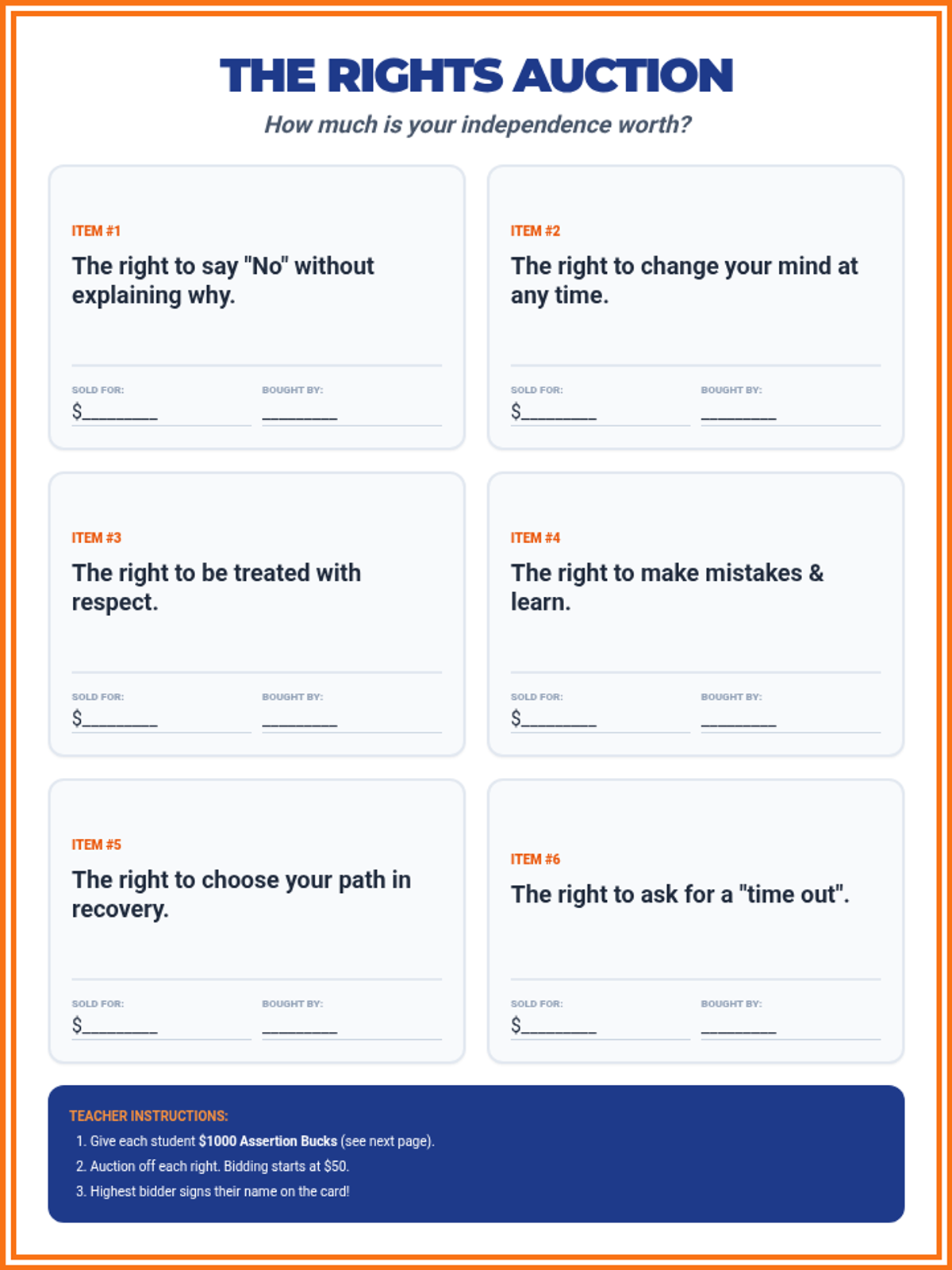
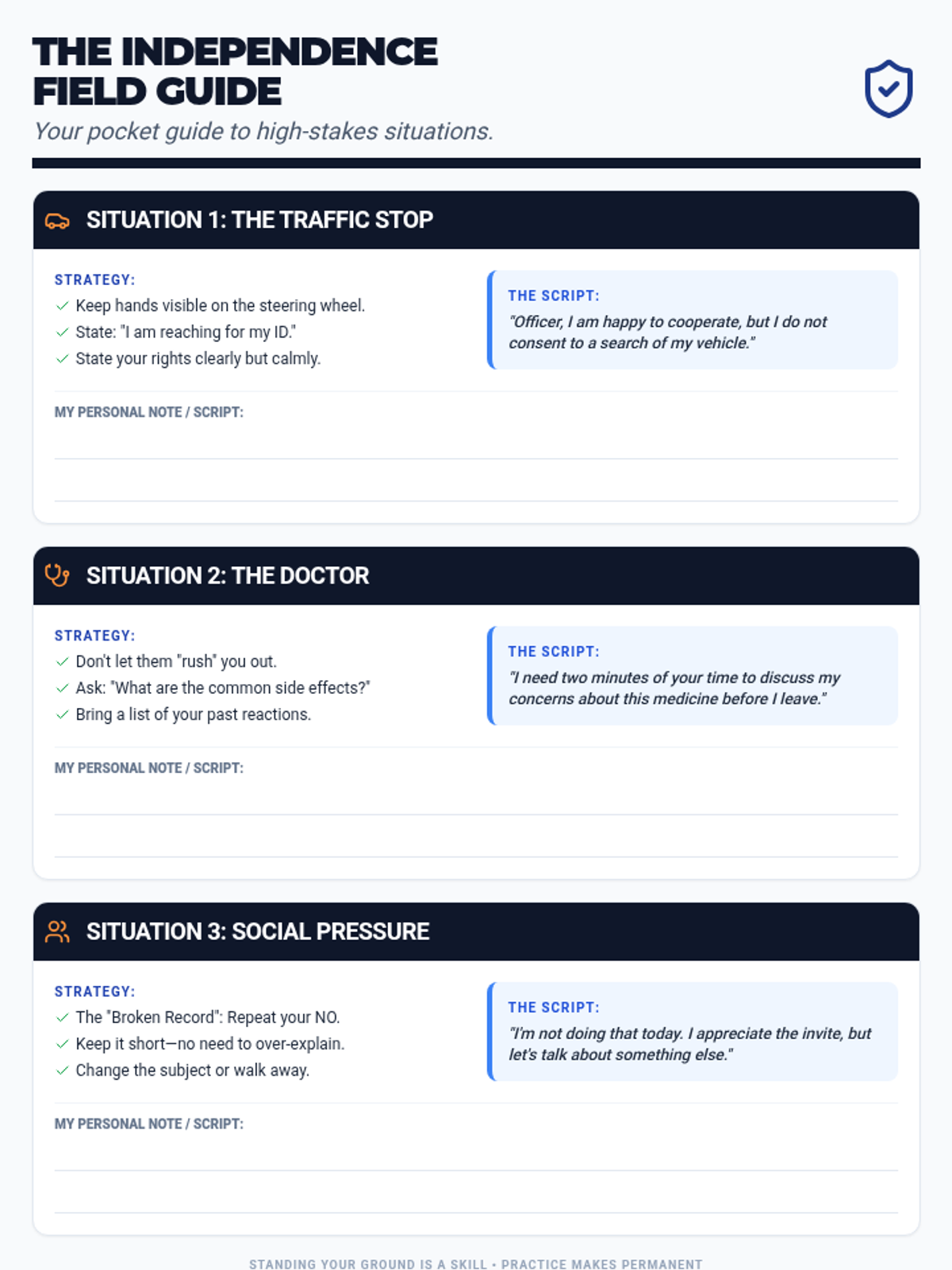
A 60-minute group session focused on empowering adults in PSR programs to understand their personal rights and practice assertive communication in real-world situations.
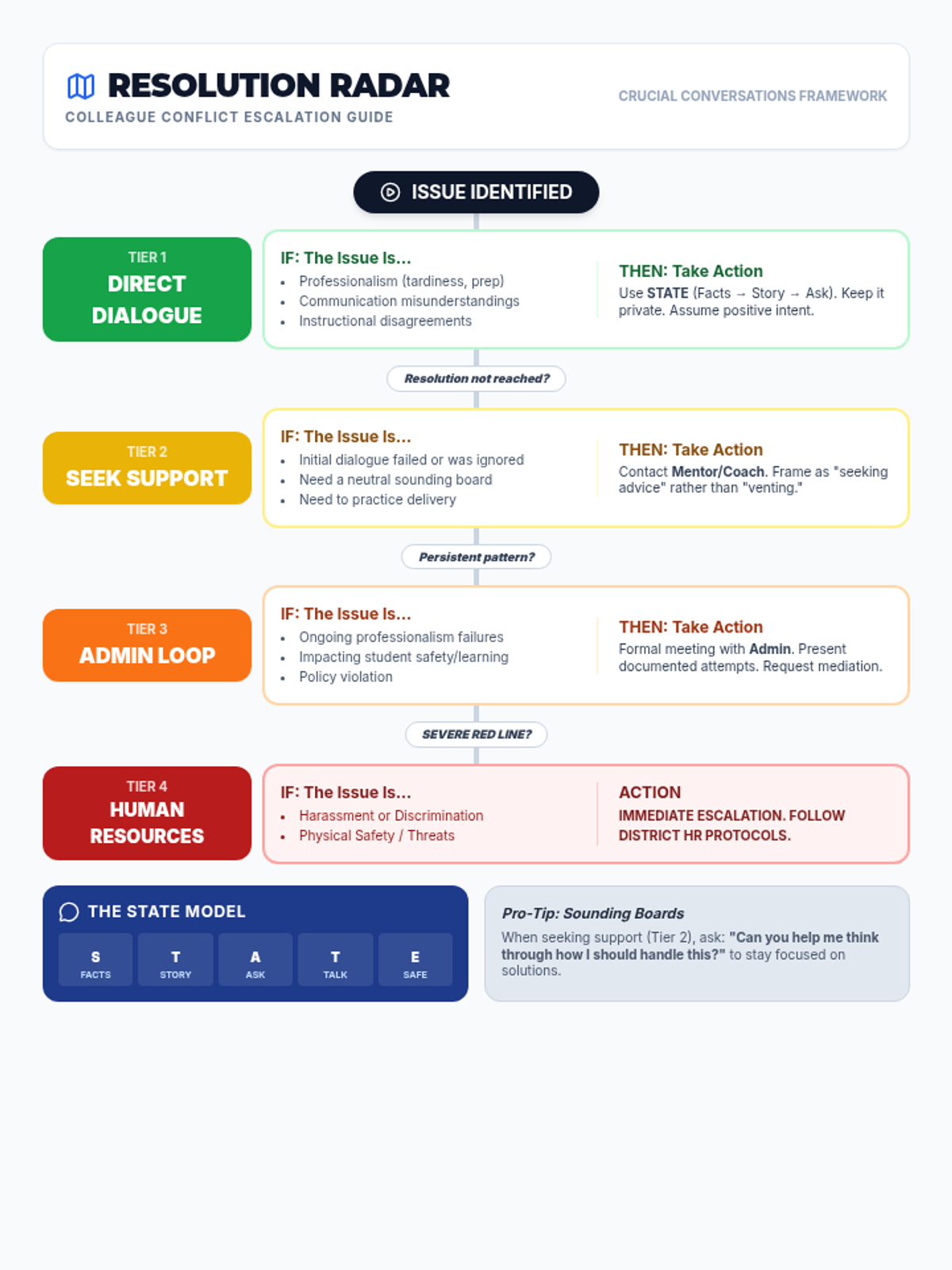
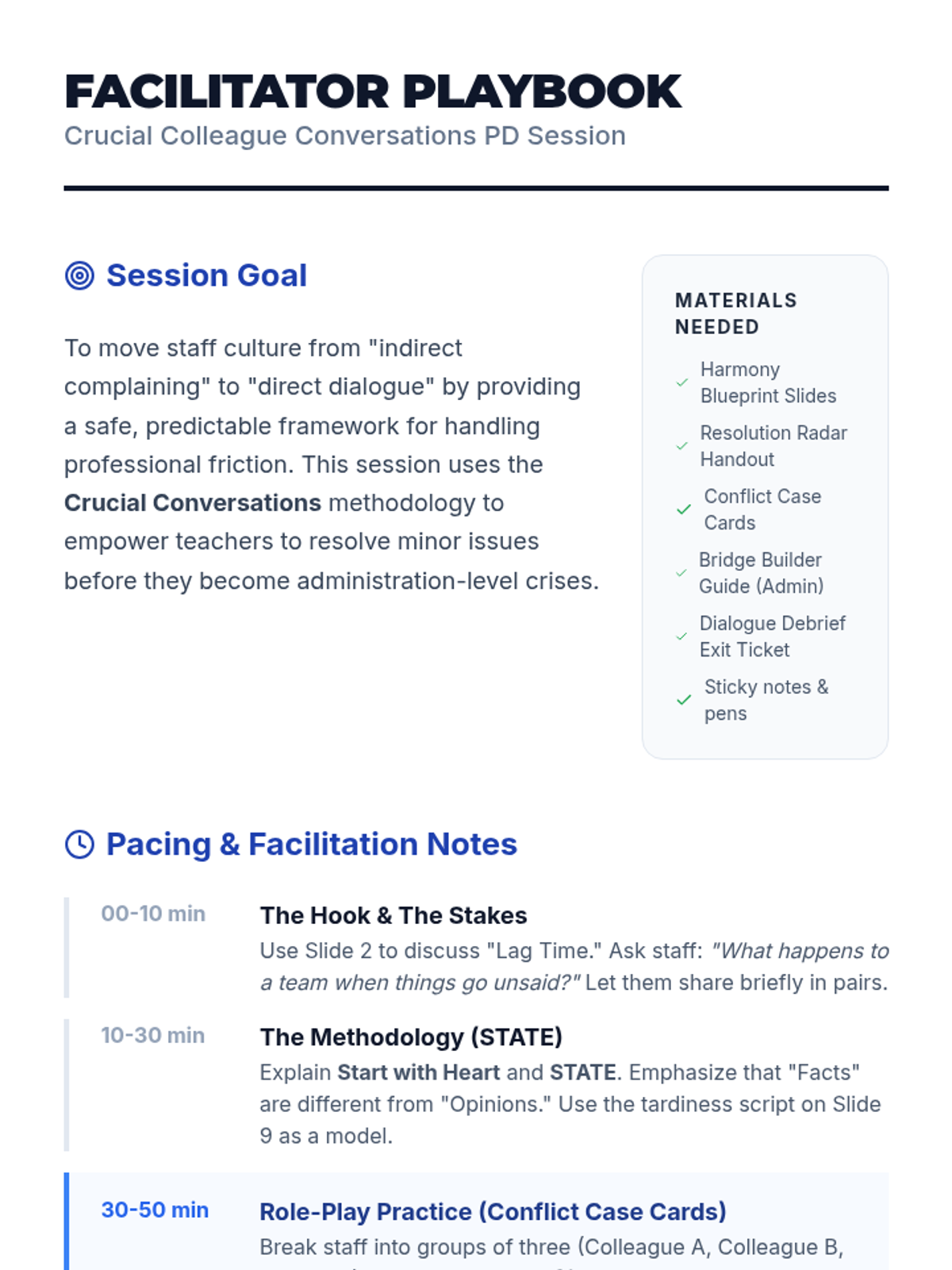
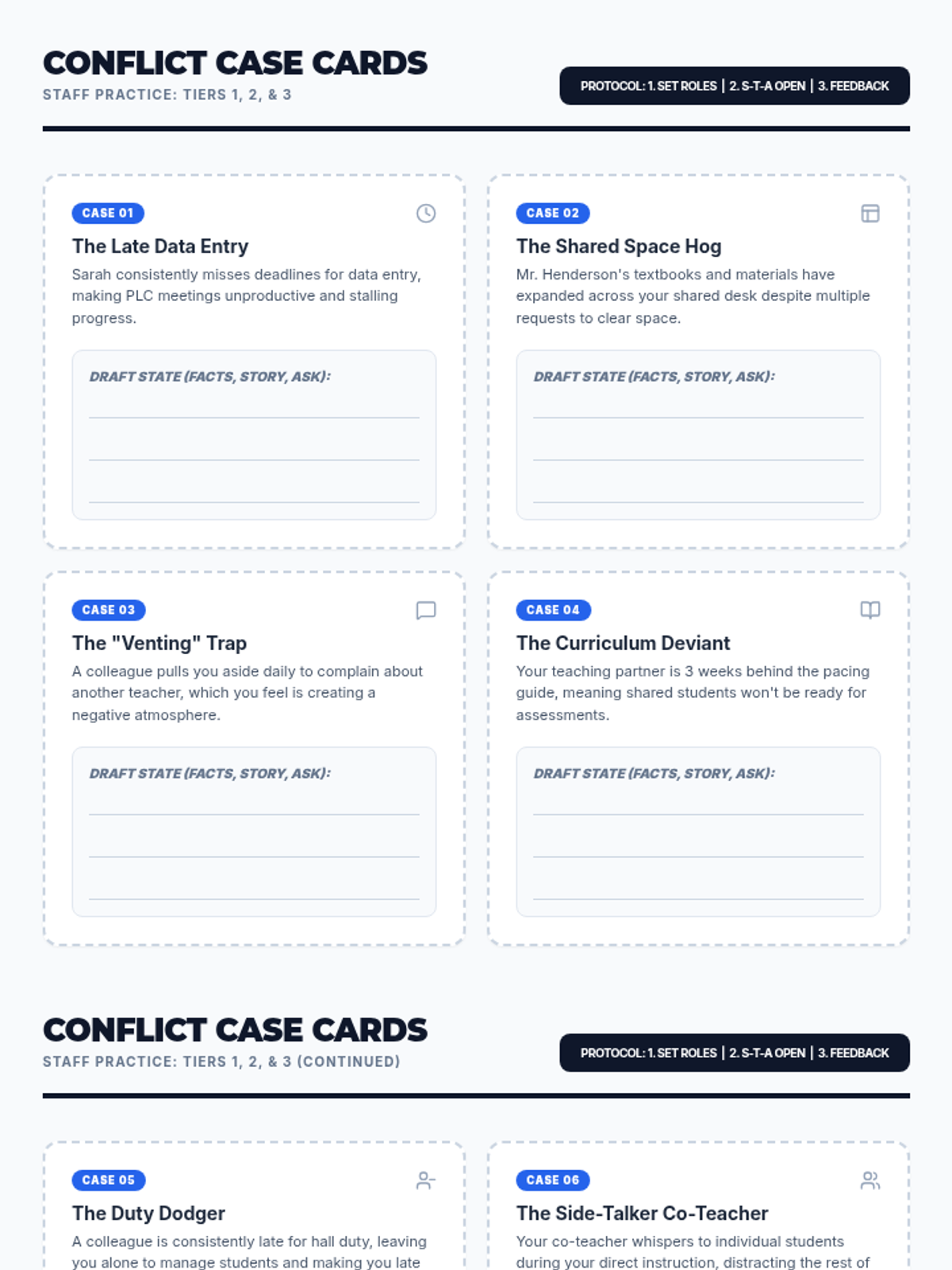
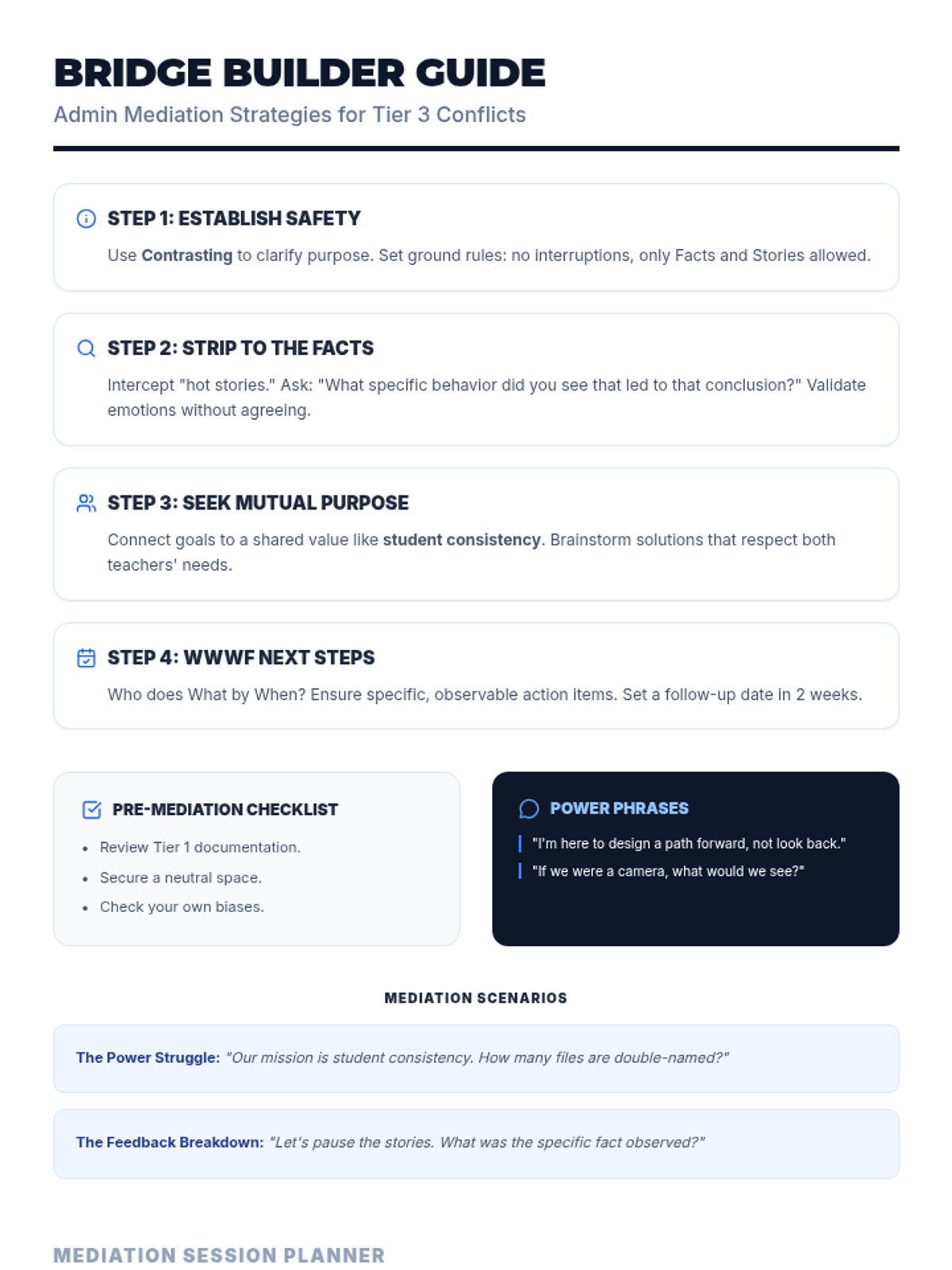
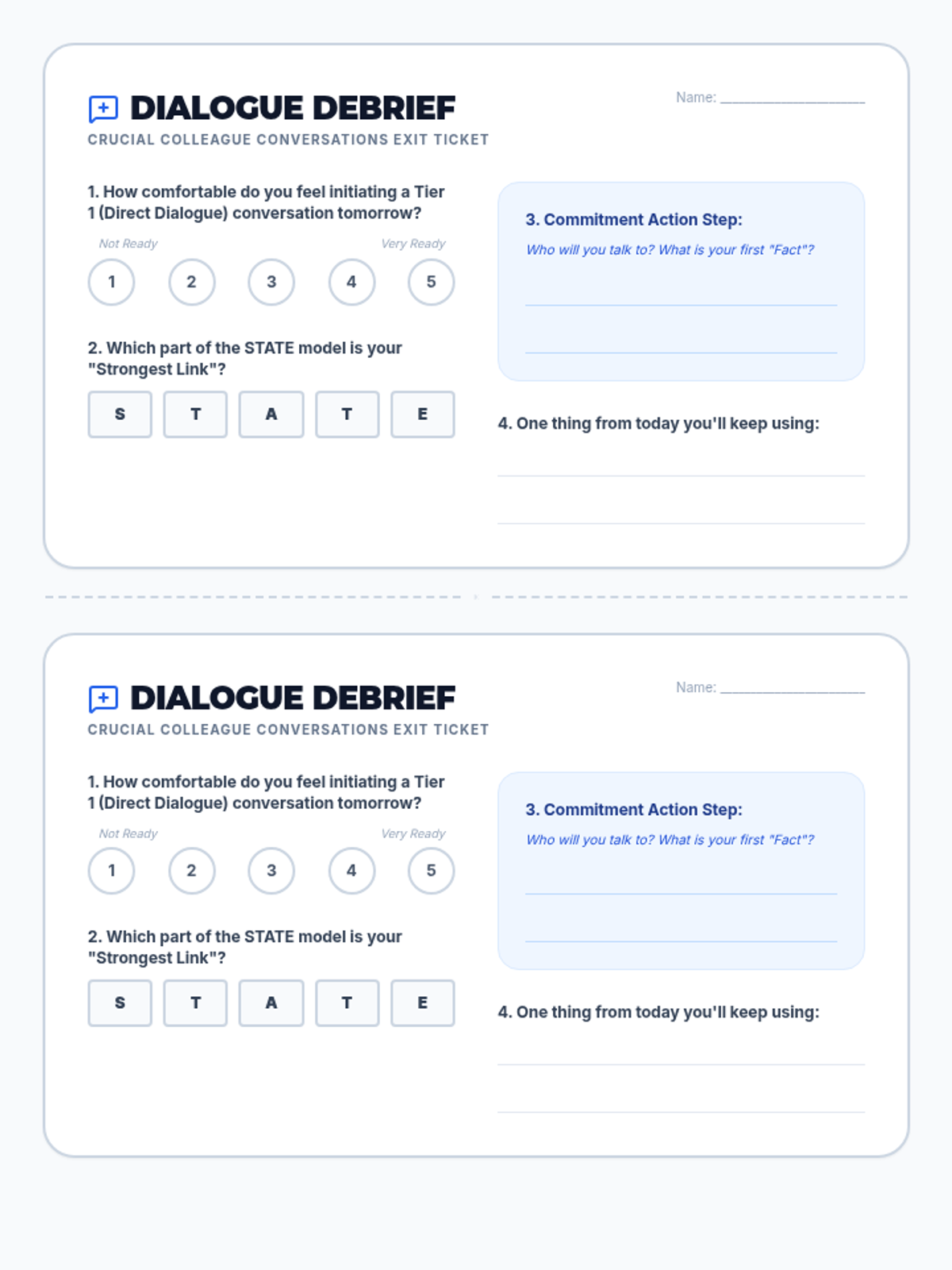
A professional development session designed to equip educators with the tools of Crucial Conversations to navigate colleague conflicts and professionalism issues through a clear, progressive escalation framework.
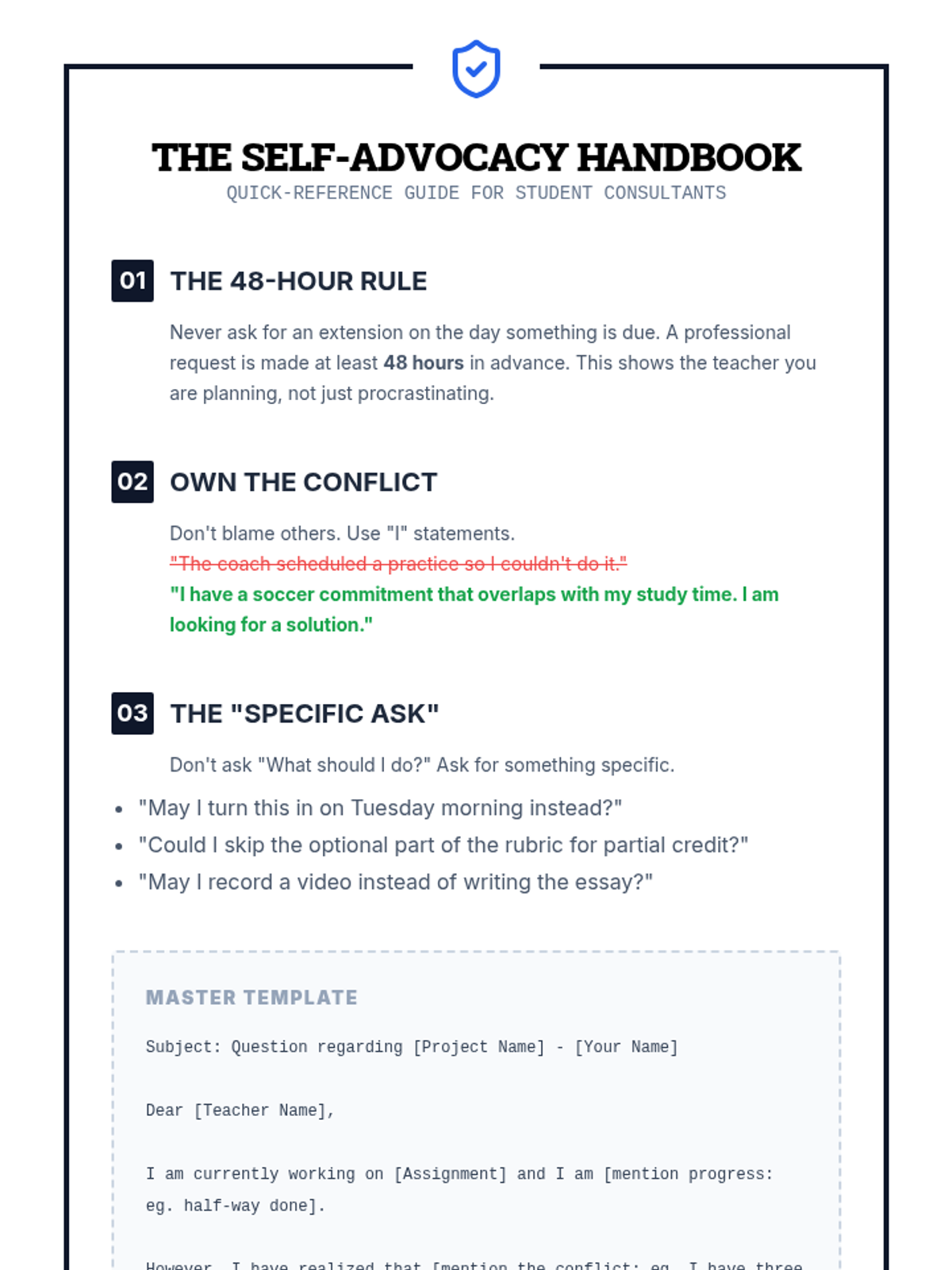
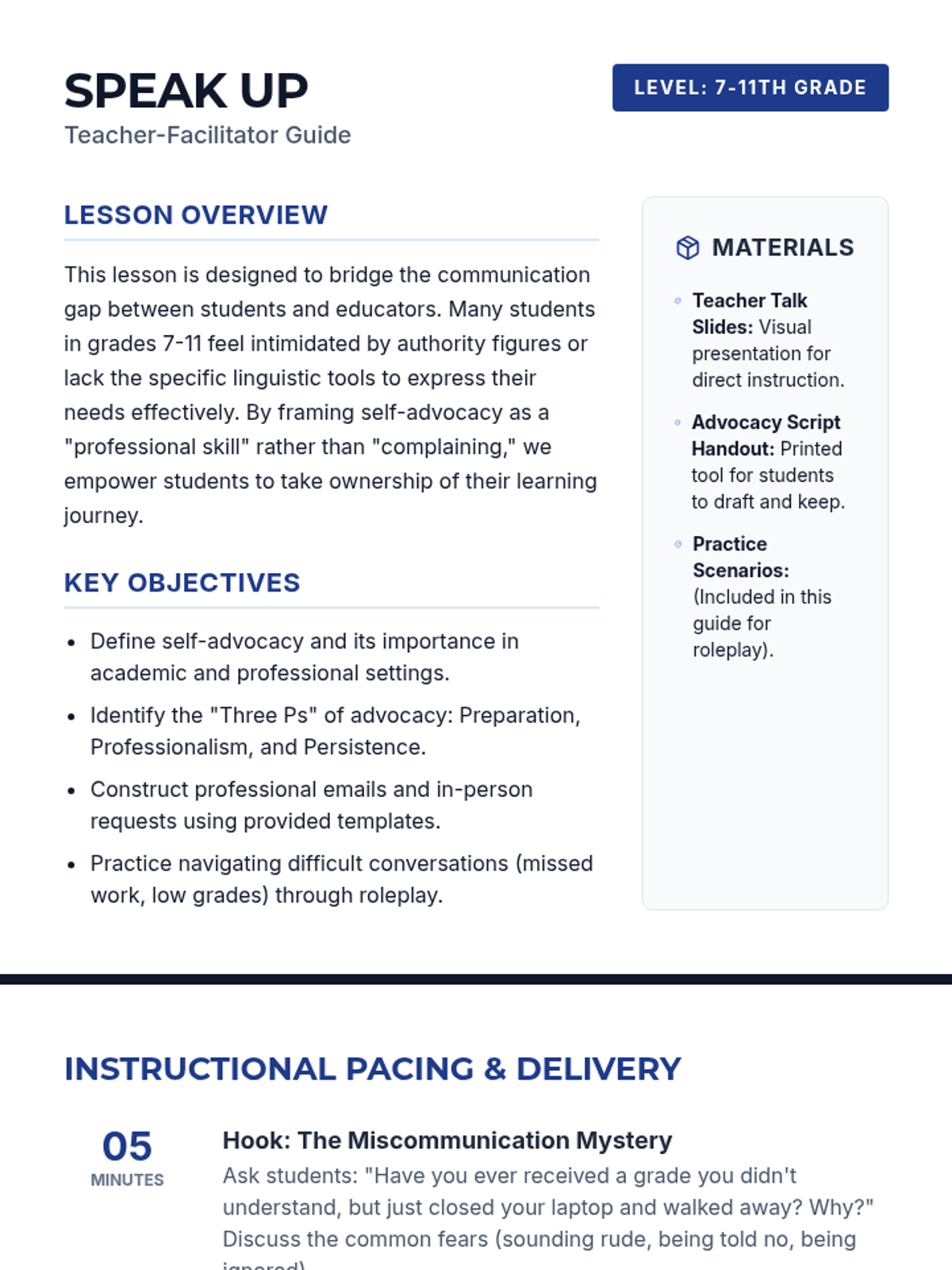
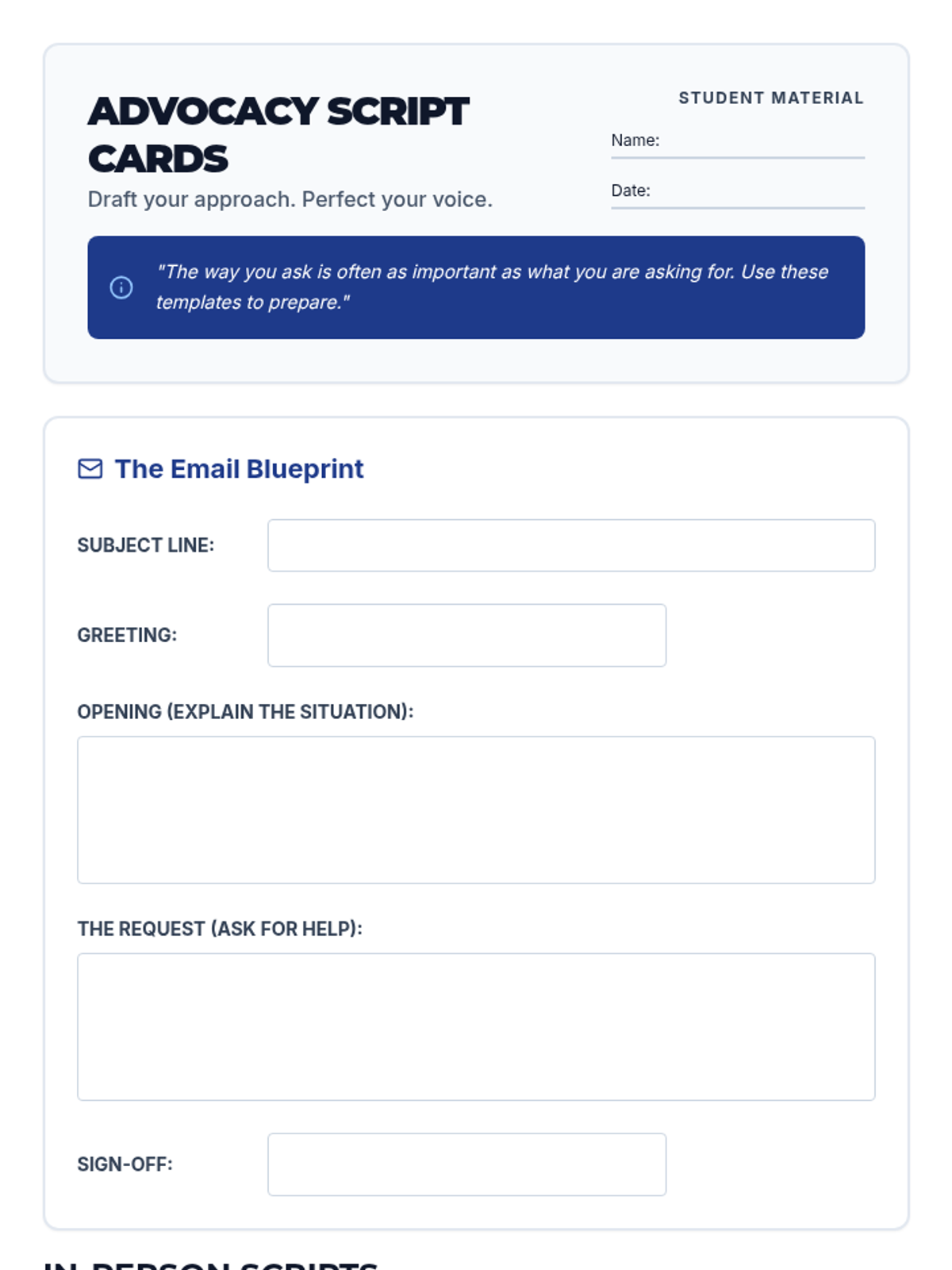
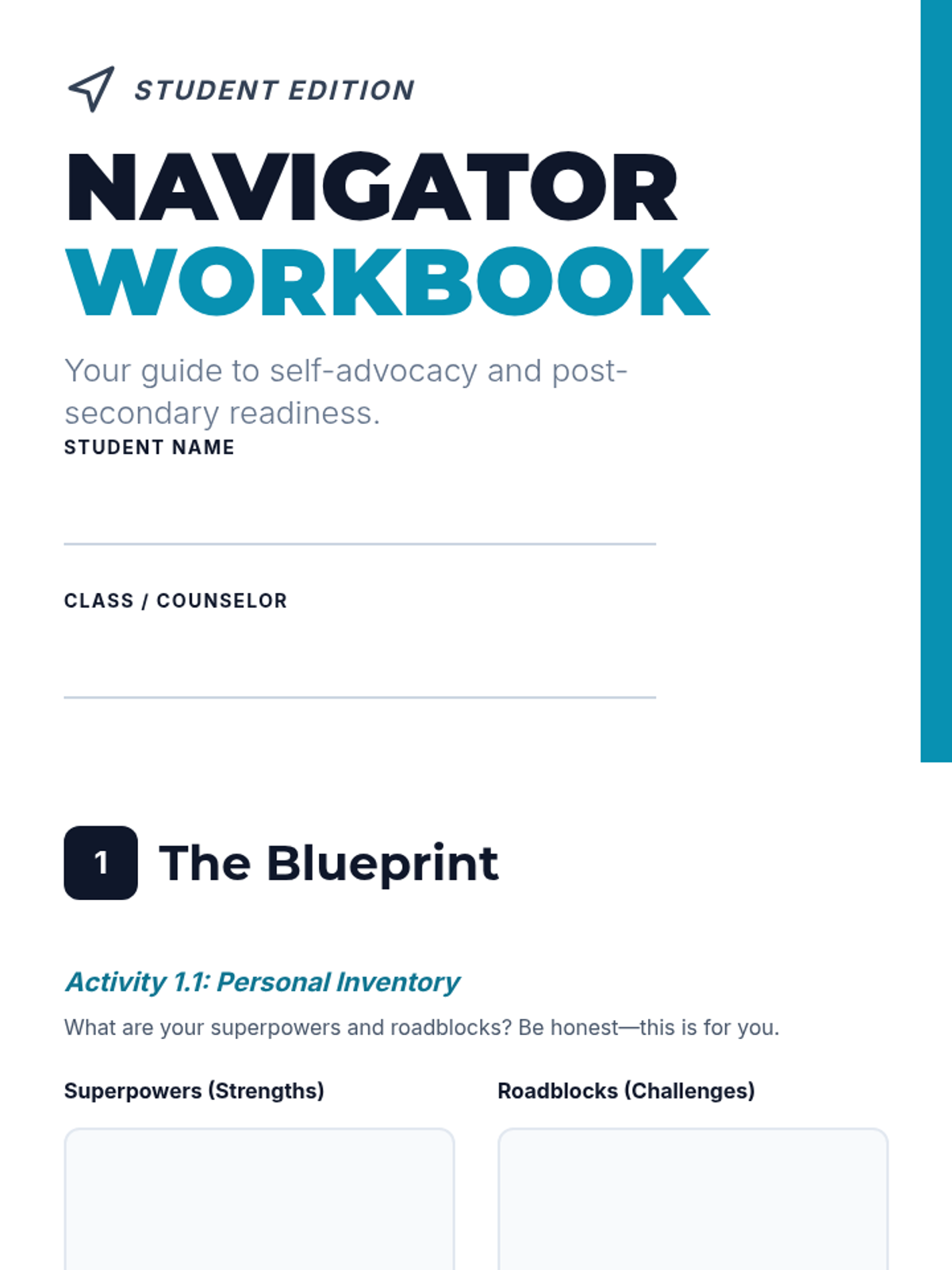
A comprehensive lesson on self-advocacy skills for middle and high school students, focusing on professional communication strategies for interacting with teachers. Students will learn the '3 Ps' of advocacy and practice specific scripts for common academic scenarios.
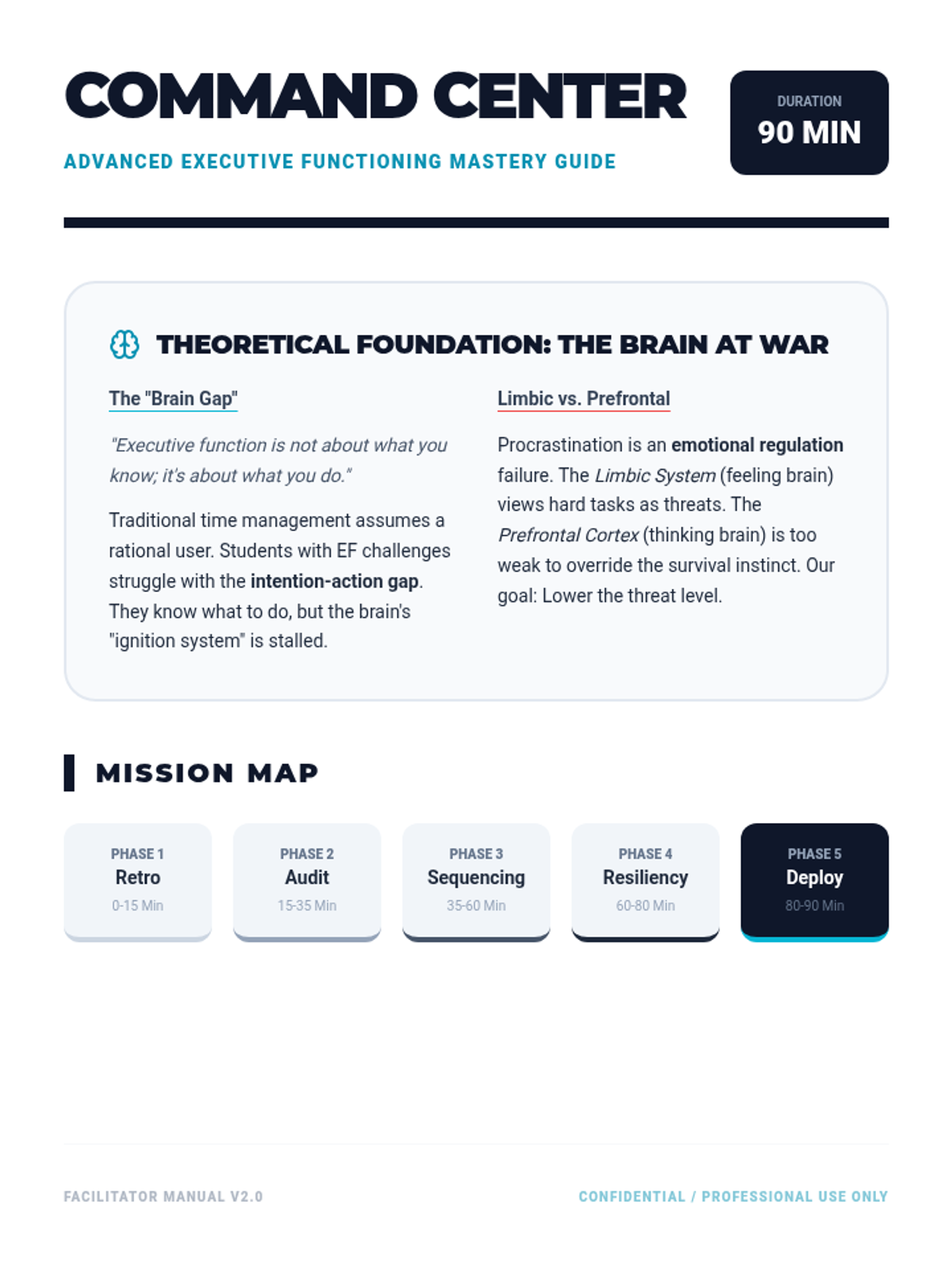
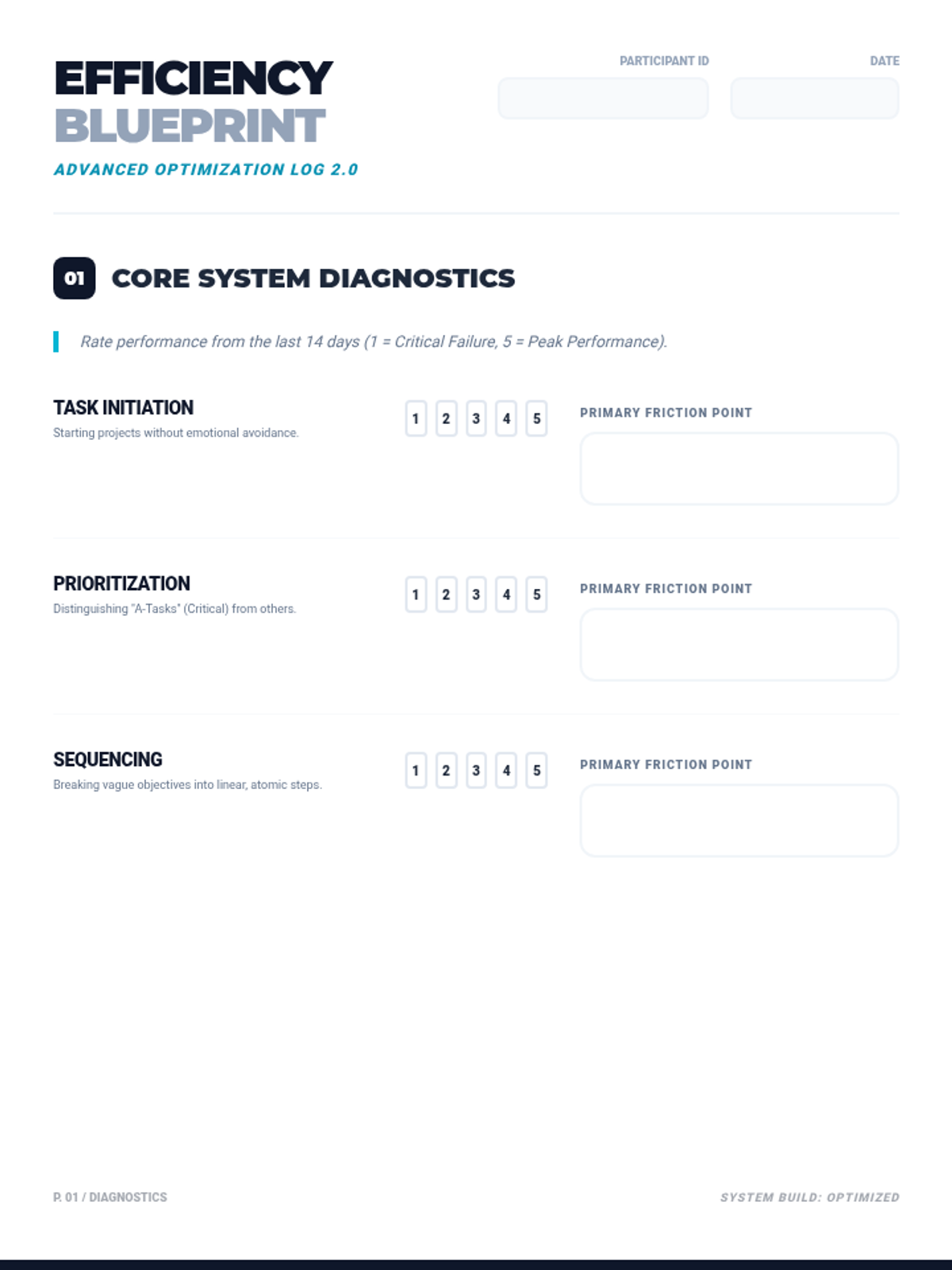
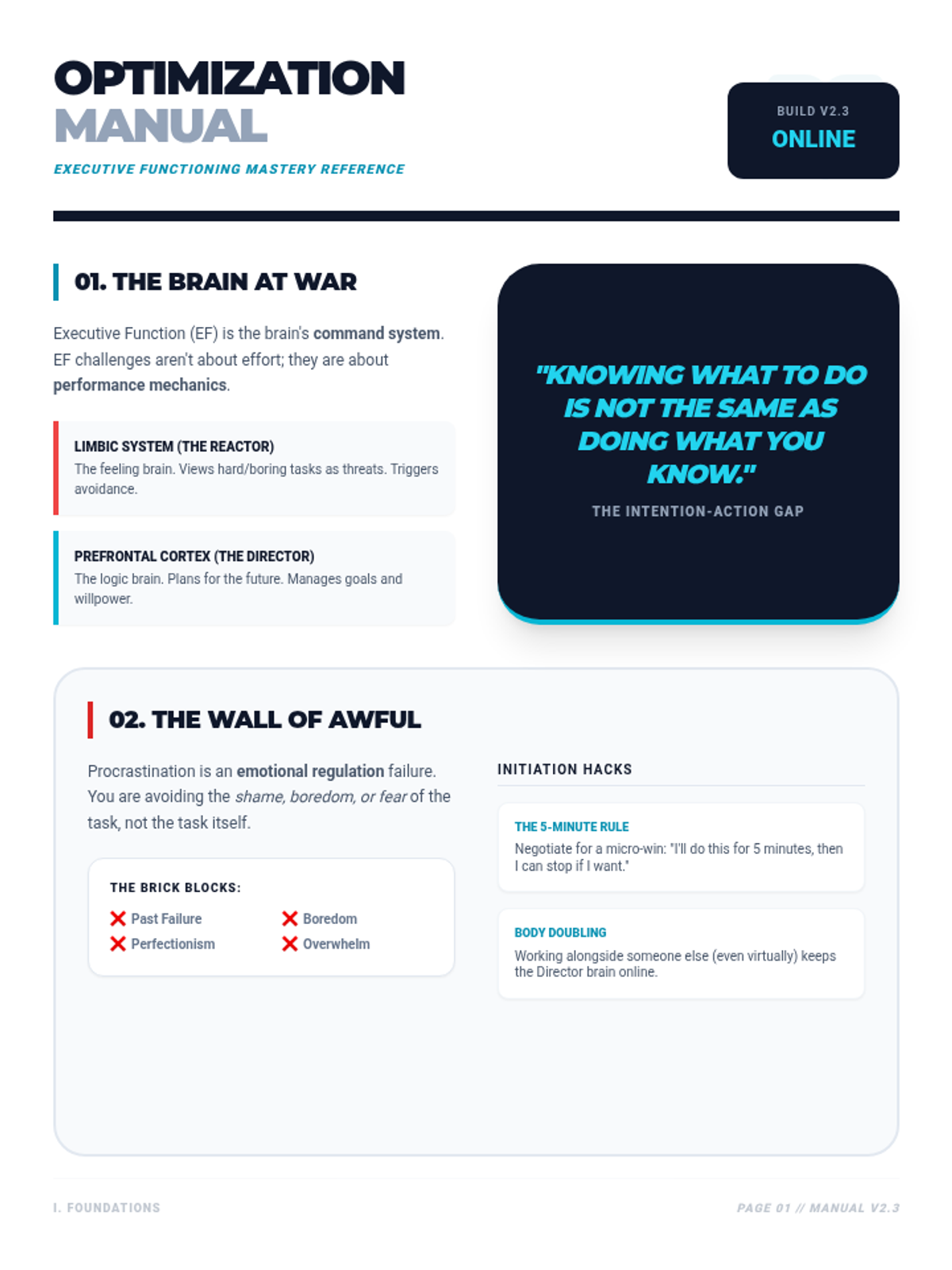
A 90-minute capstone session focused on synthesizing executive functioning skills, troubleshooting personal workflows, and creating a long-term optimization plan.
Students explore the differences between high school and post-secondary legal protections, preparing for self-disclosure in college and the workplace.
Through role-play and scenario analysis, students practice requesting accommodations in real-time and troubleshooting common obstacles.
Students learn professional communication techniques, including how to draft emails and initiate face-to-face conversations with teachers regarding their needs.
Students will identify their specific 504/IEP accommodations and understand how these supports bridge the gap between their learning profile and classroom demands.
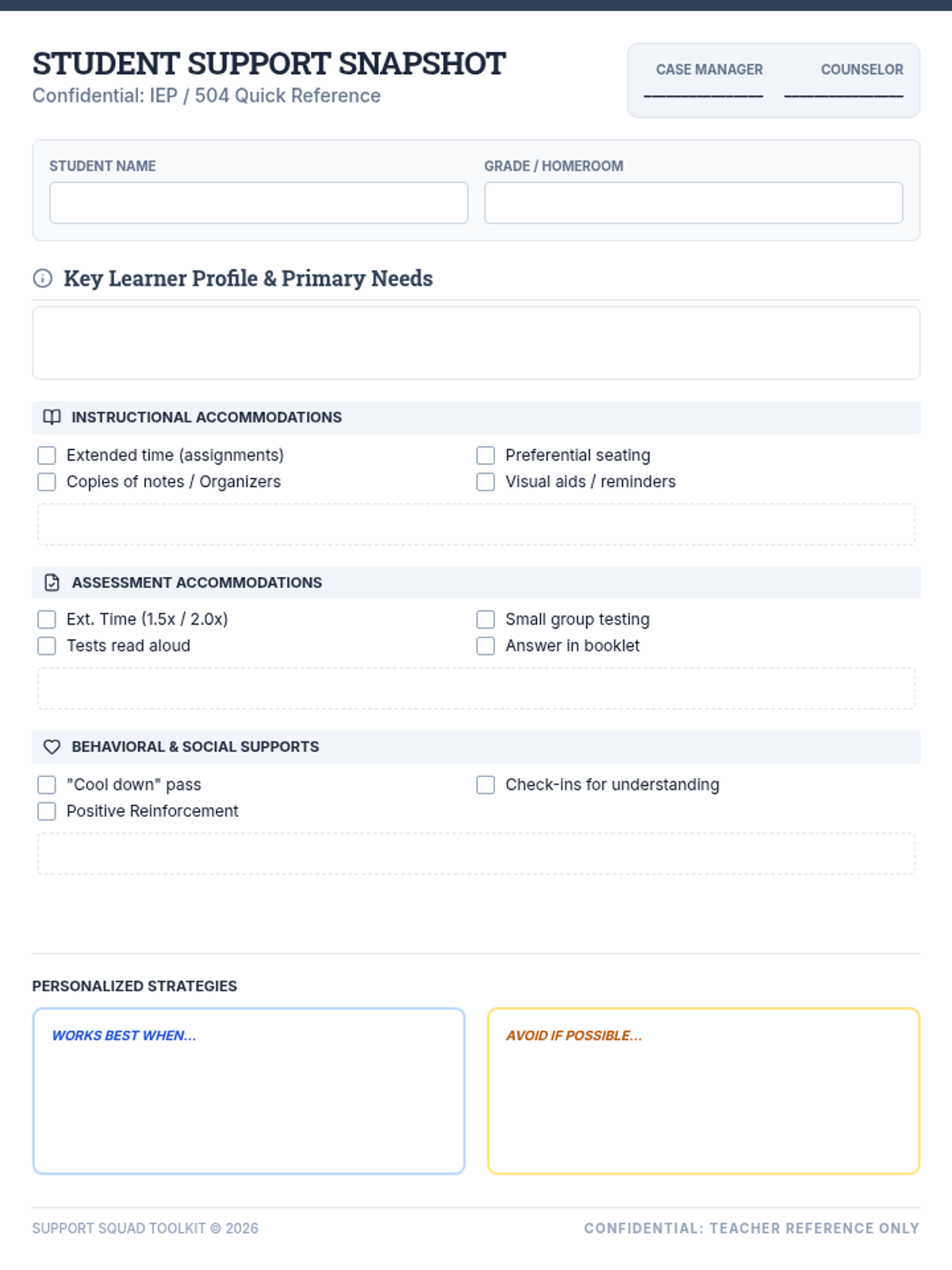
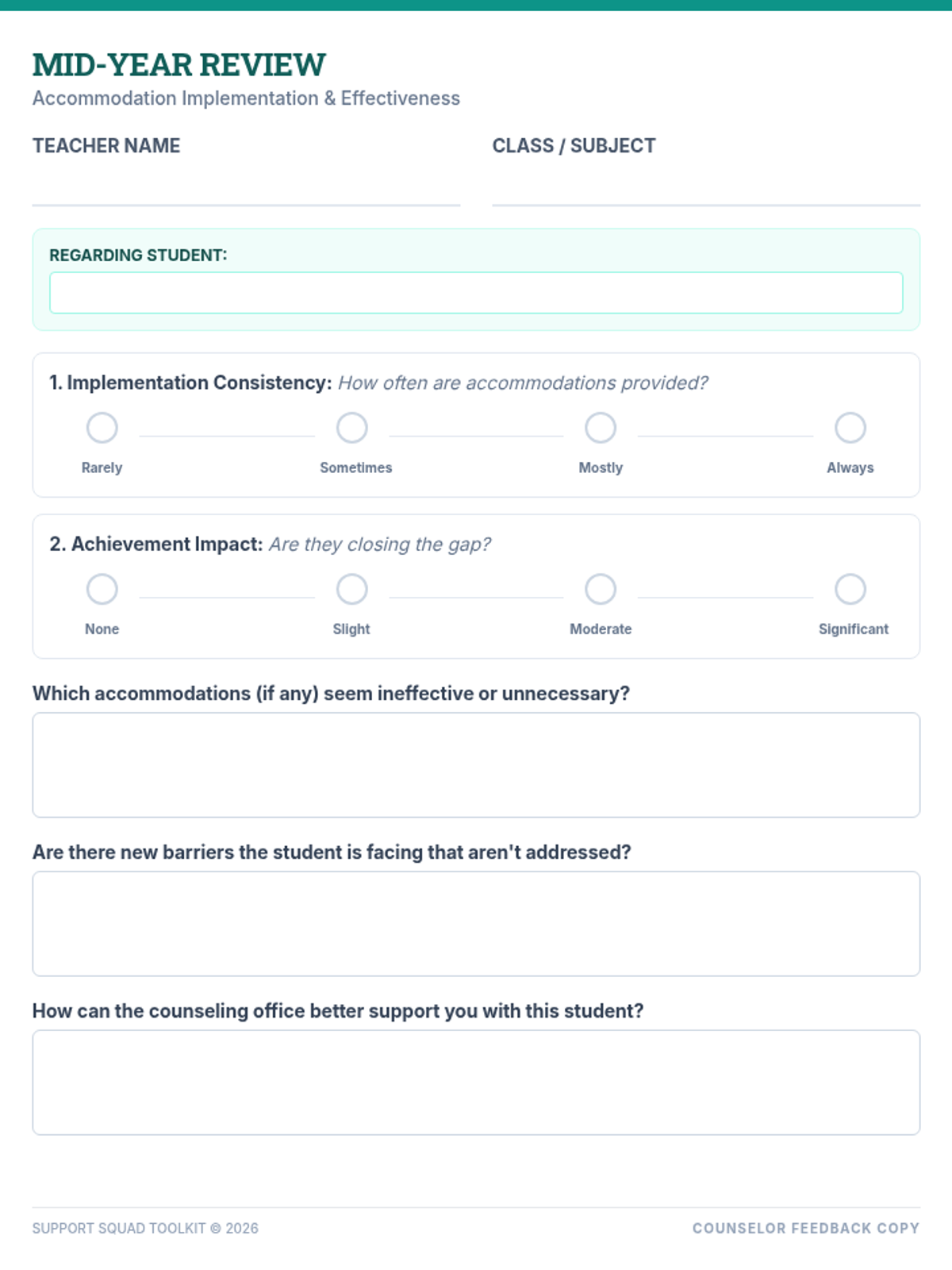
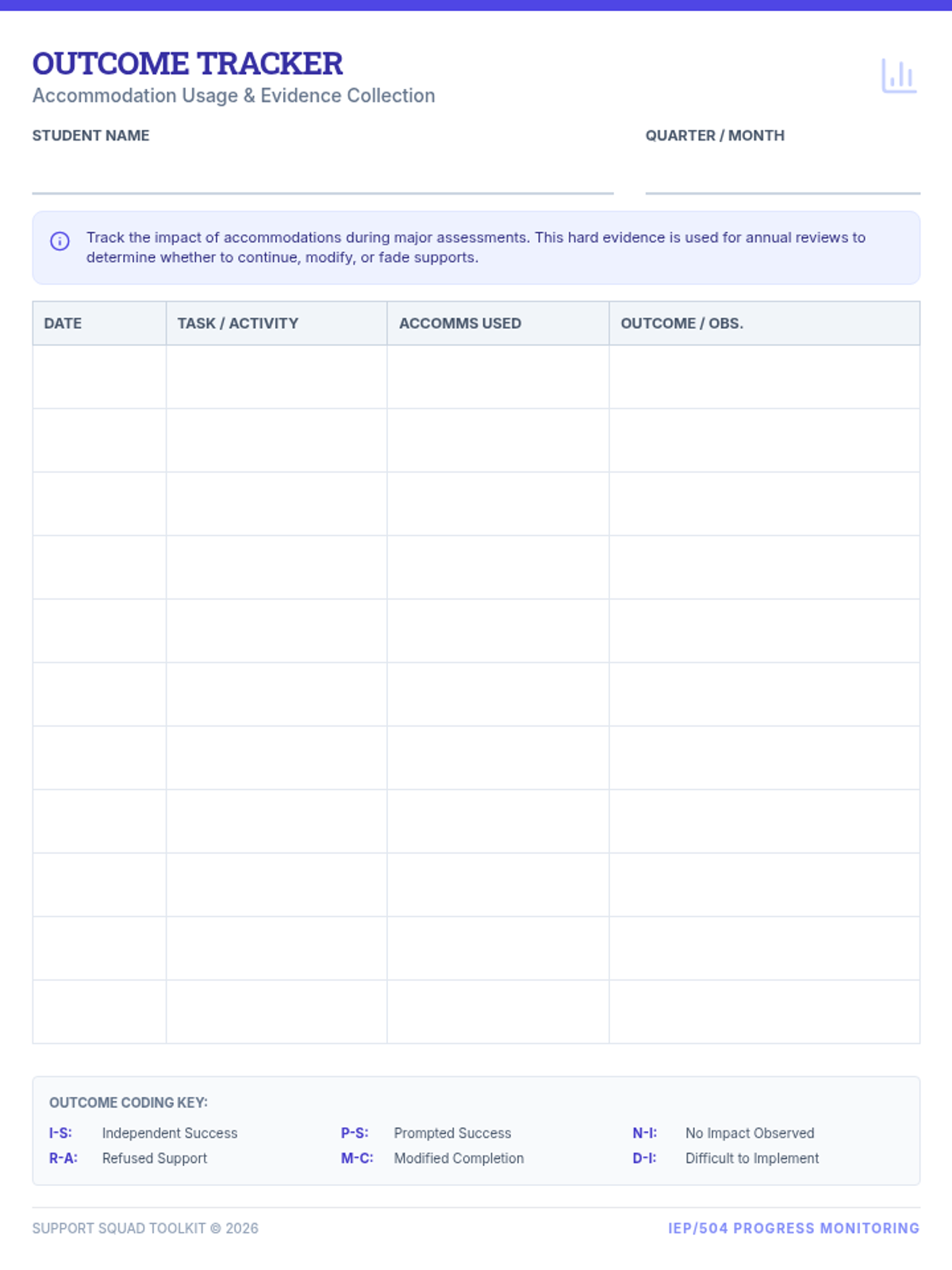
A comprehensive set of tools designed for middle school counselors to streamline communication with teachers regarding student 504 and IEP accommodations. This toolkit focuses on efficiency, clarity, and data-driven decision-making to ensure student success.
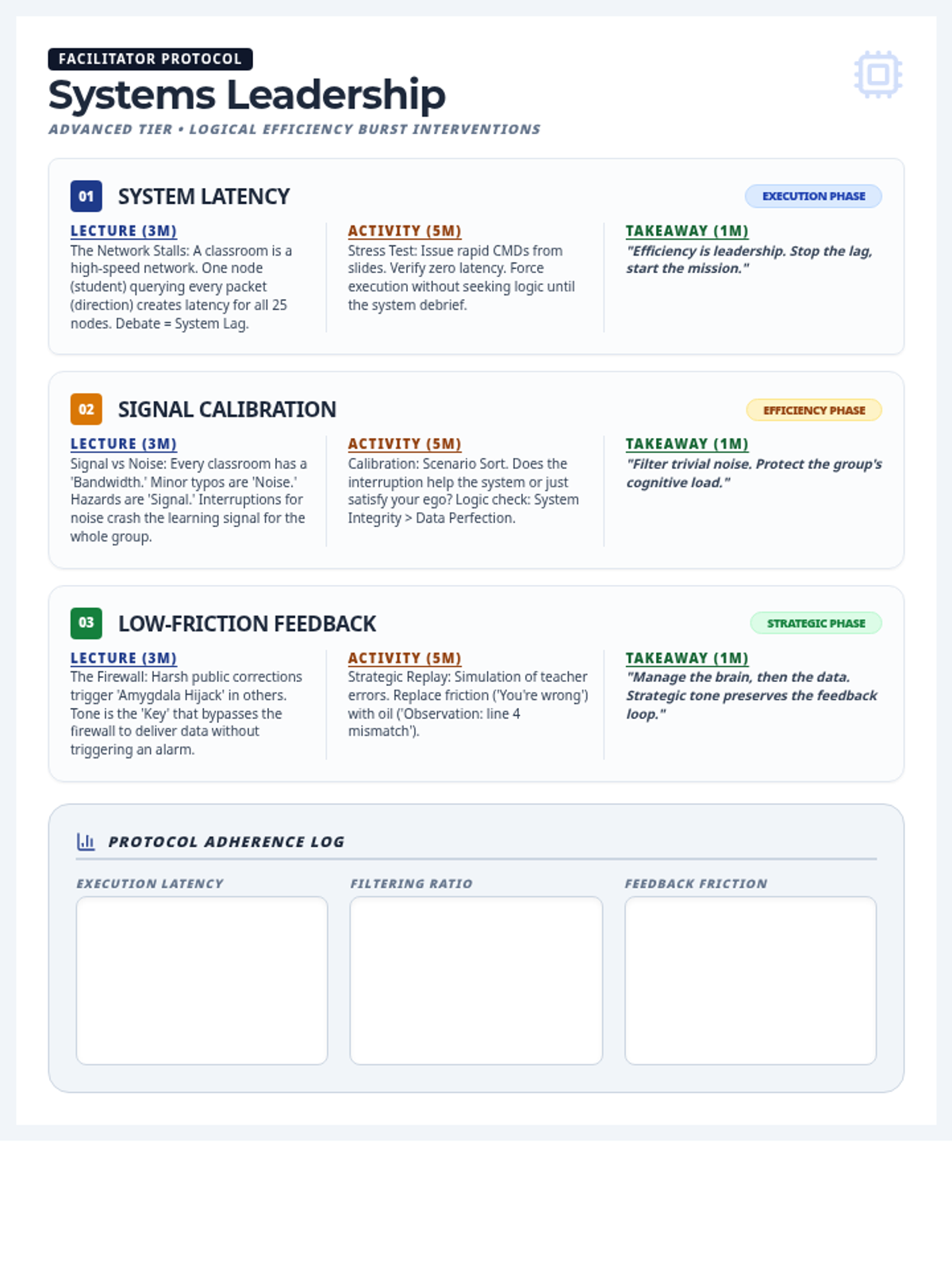
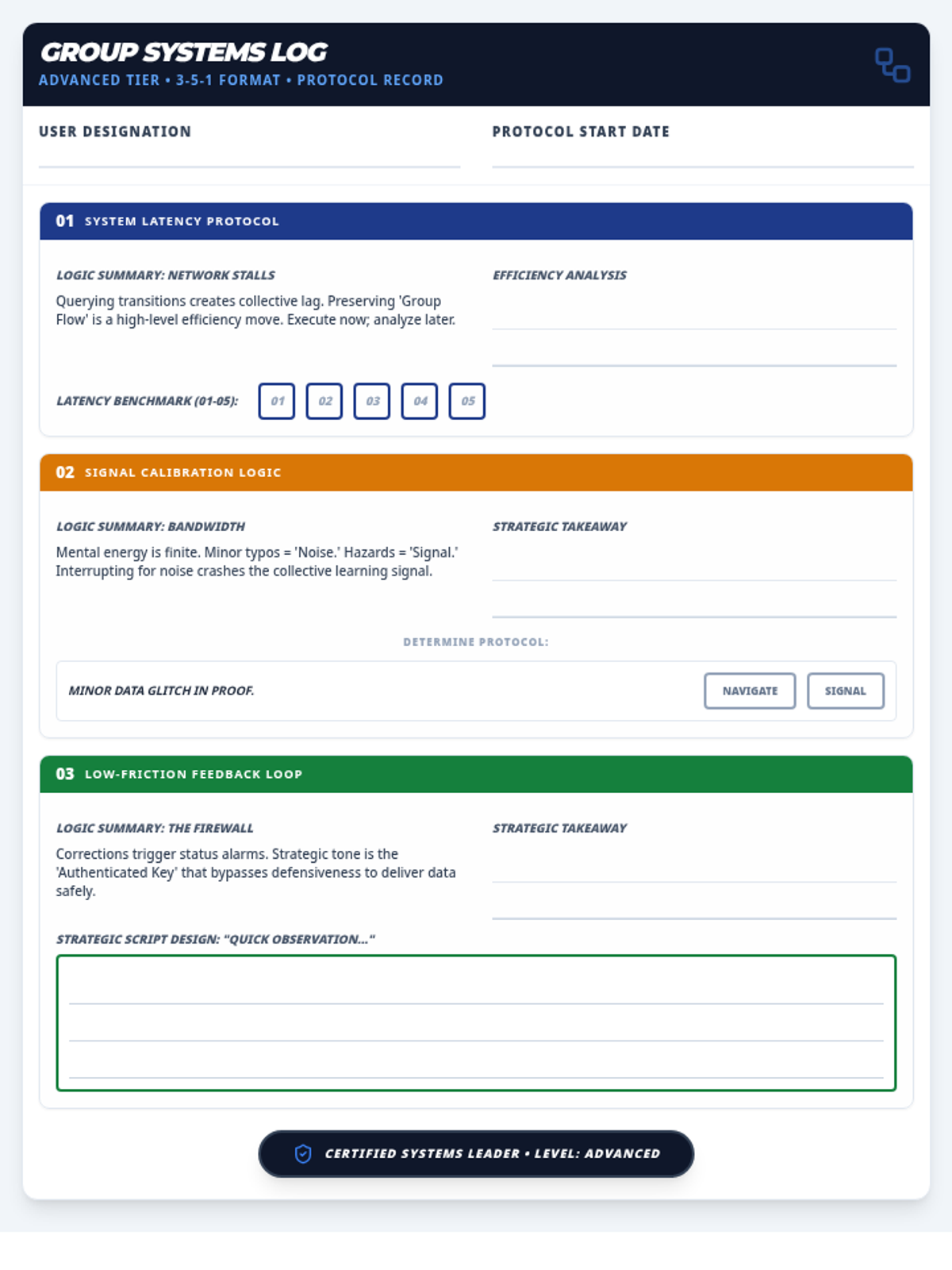
Advanced session on 'Strategic Communication'. Uses social neuroscience to explain how low-friction feedback bypasses defensive firewalls. Structure: 3-5-1 Minutes.
A session on 'Signal-to-Noise' calibration. Teaches students to logically calculate the interrupt cost of minor corrections versus major system failures. Structure: 3-5-1 Minutes.
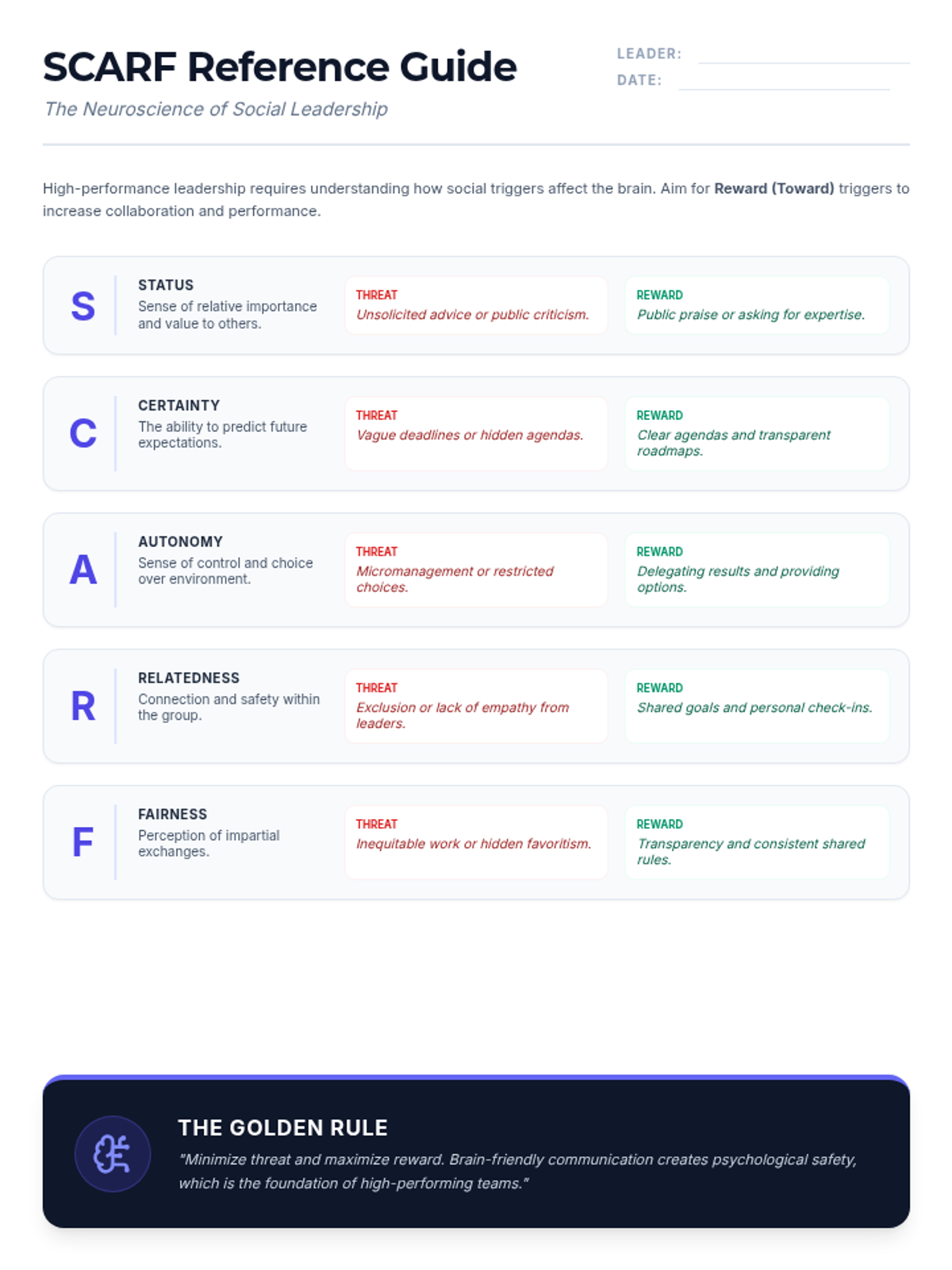
A toolkit for leaders to apply David Rock's SCARF model to communication, ensuring they trigger reward responses rather than threat responses in their teams.
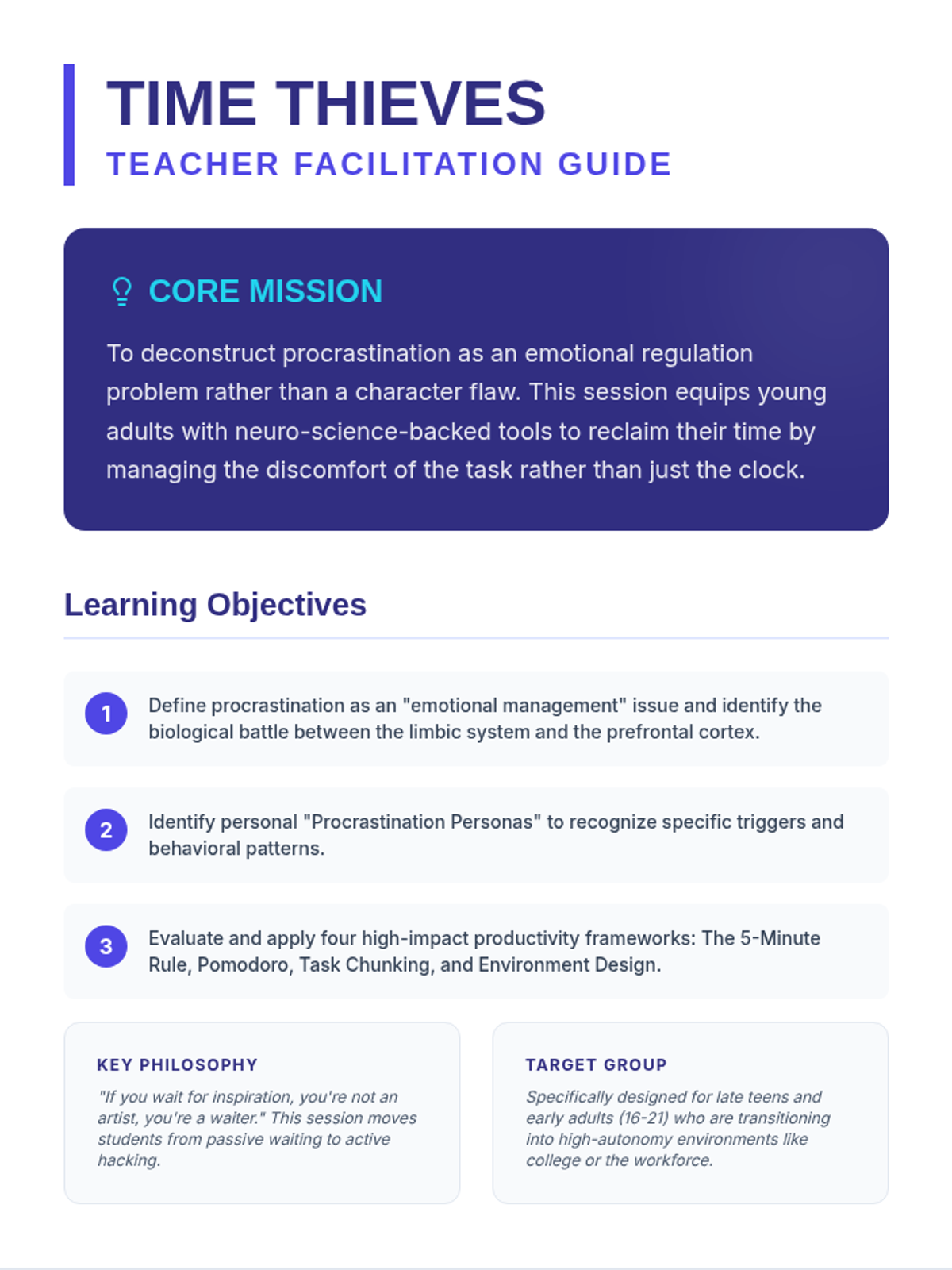
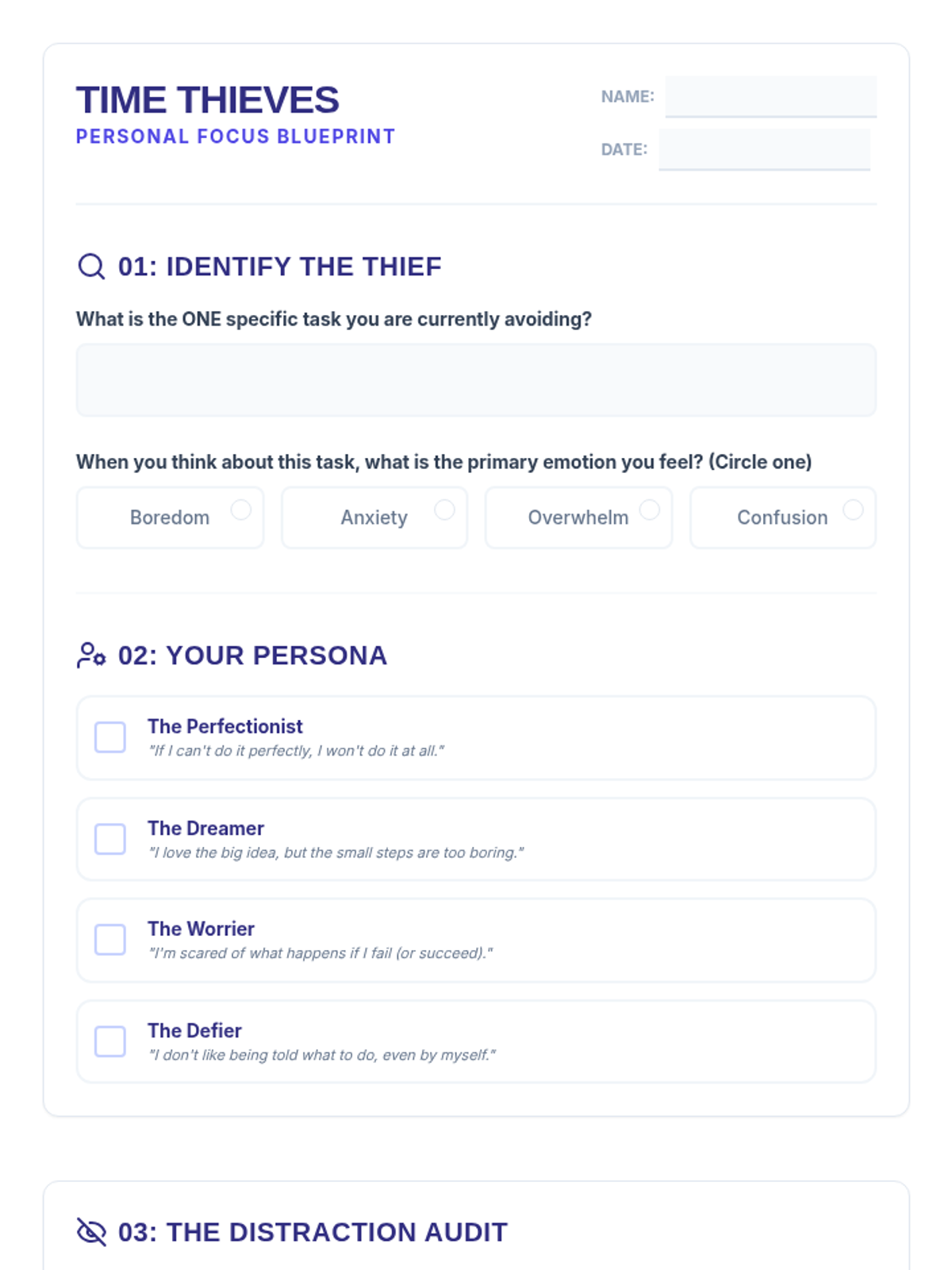
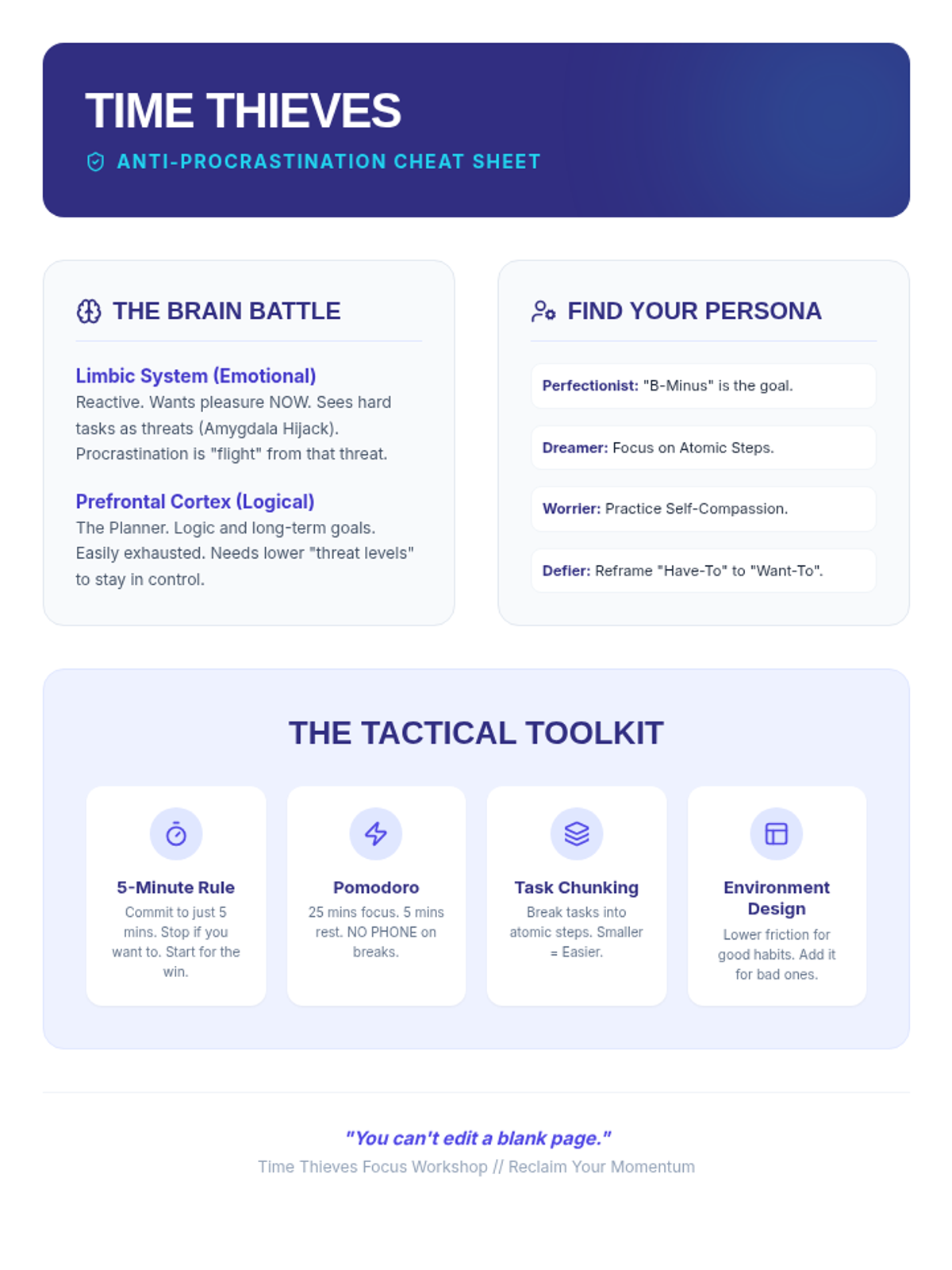
An in-depth exploration of the psychology of procrastination, identifying personal triggers, and implementing high-impact productivity strategies.
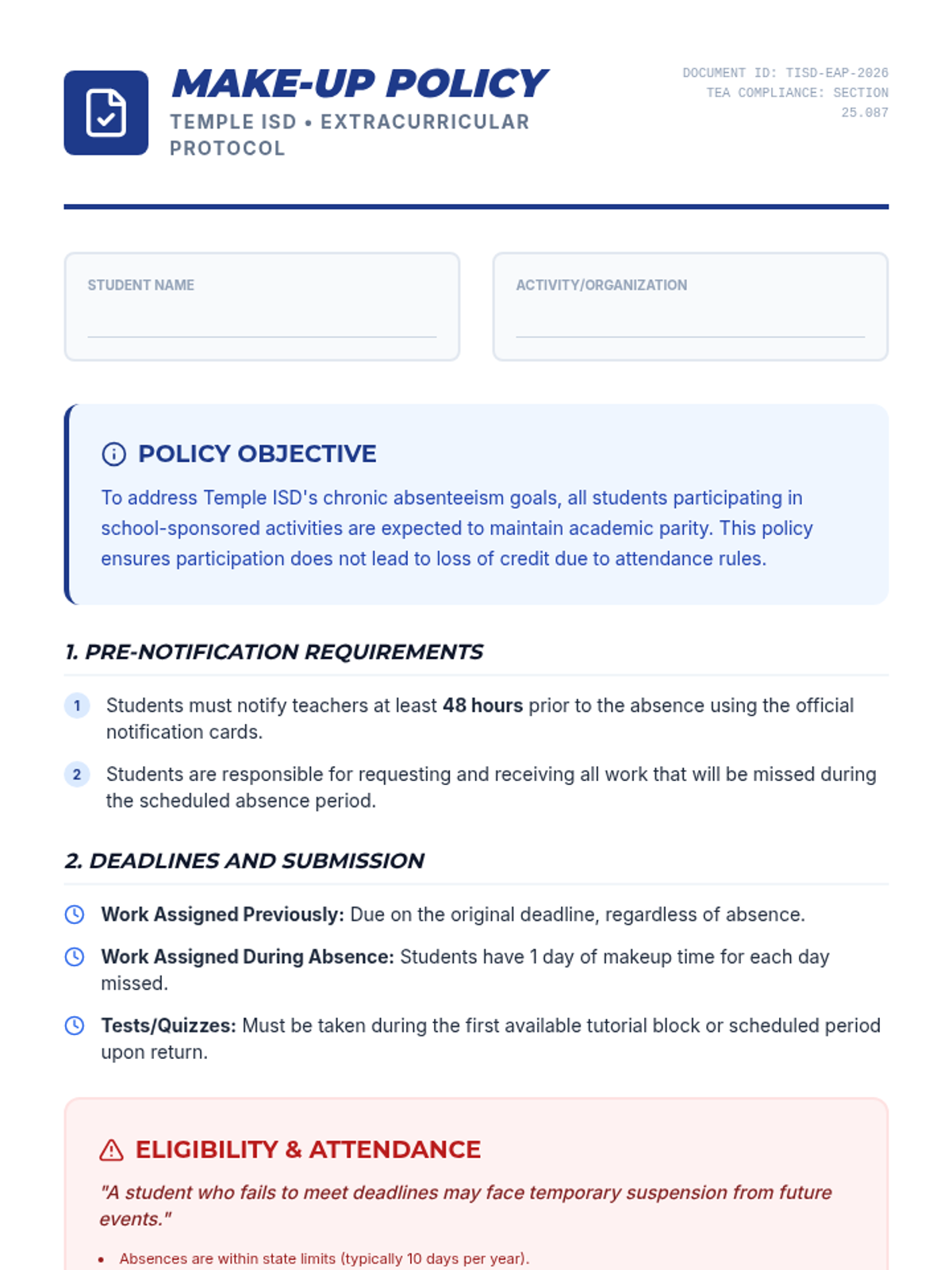
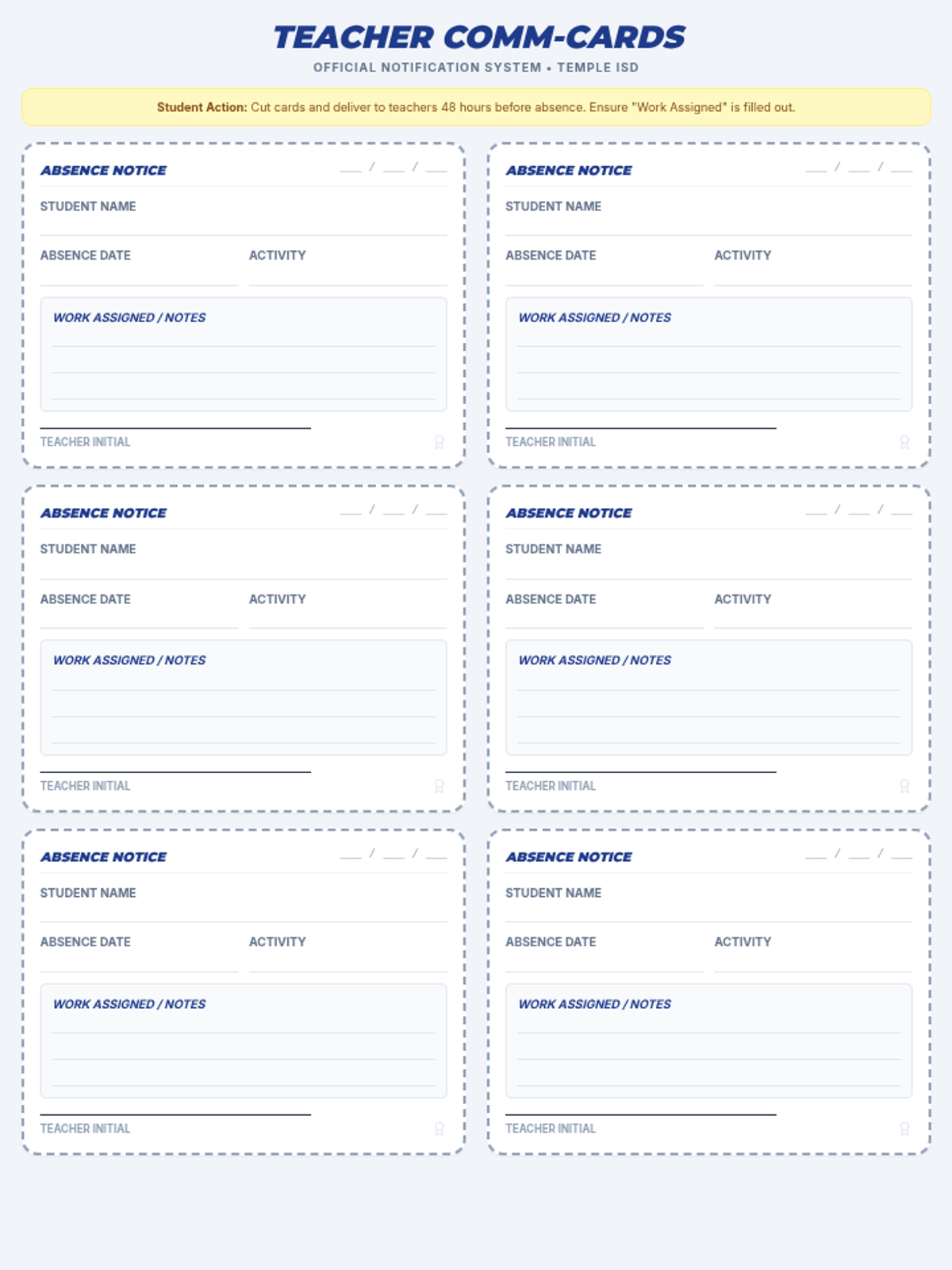
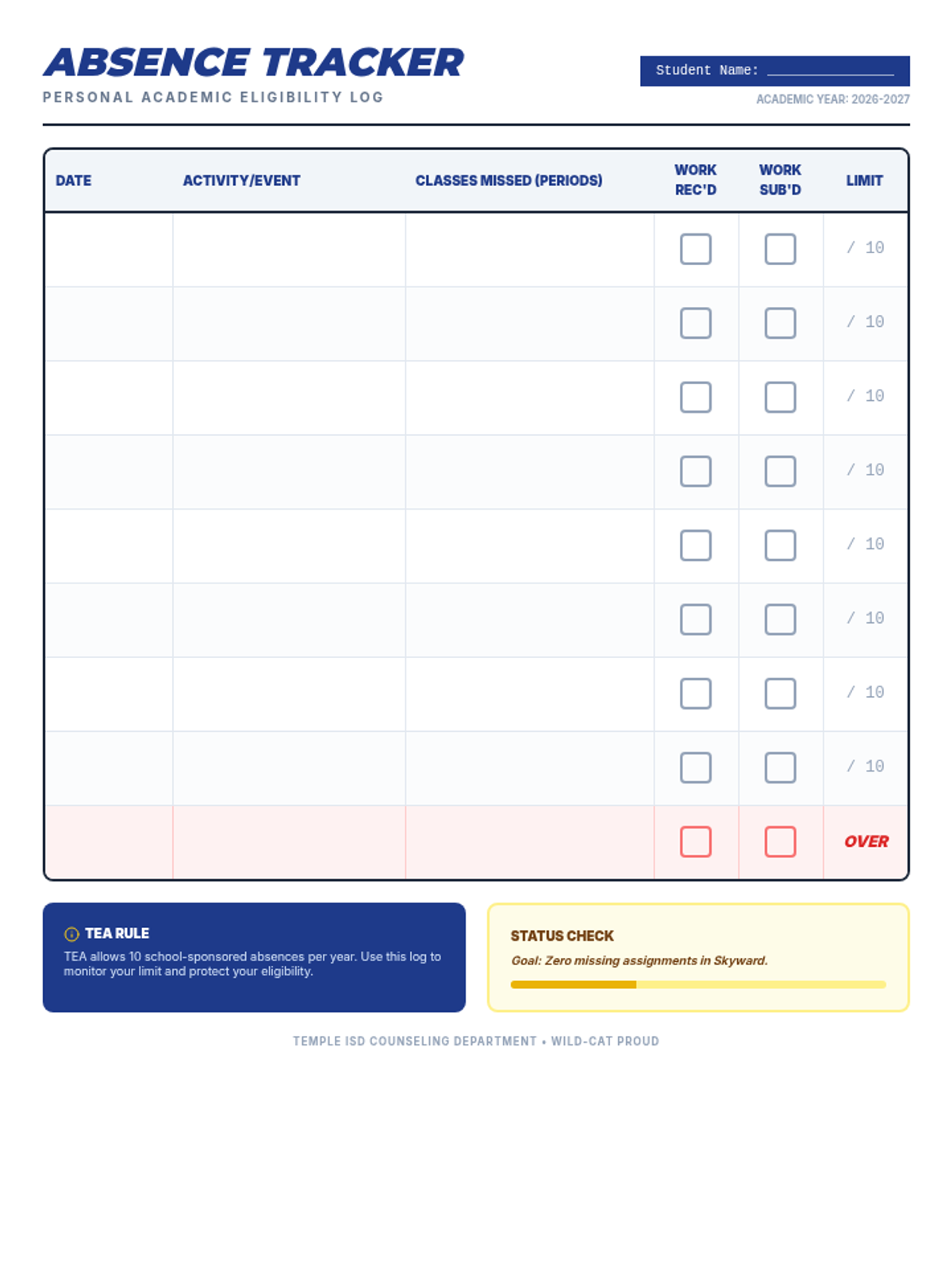
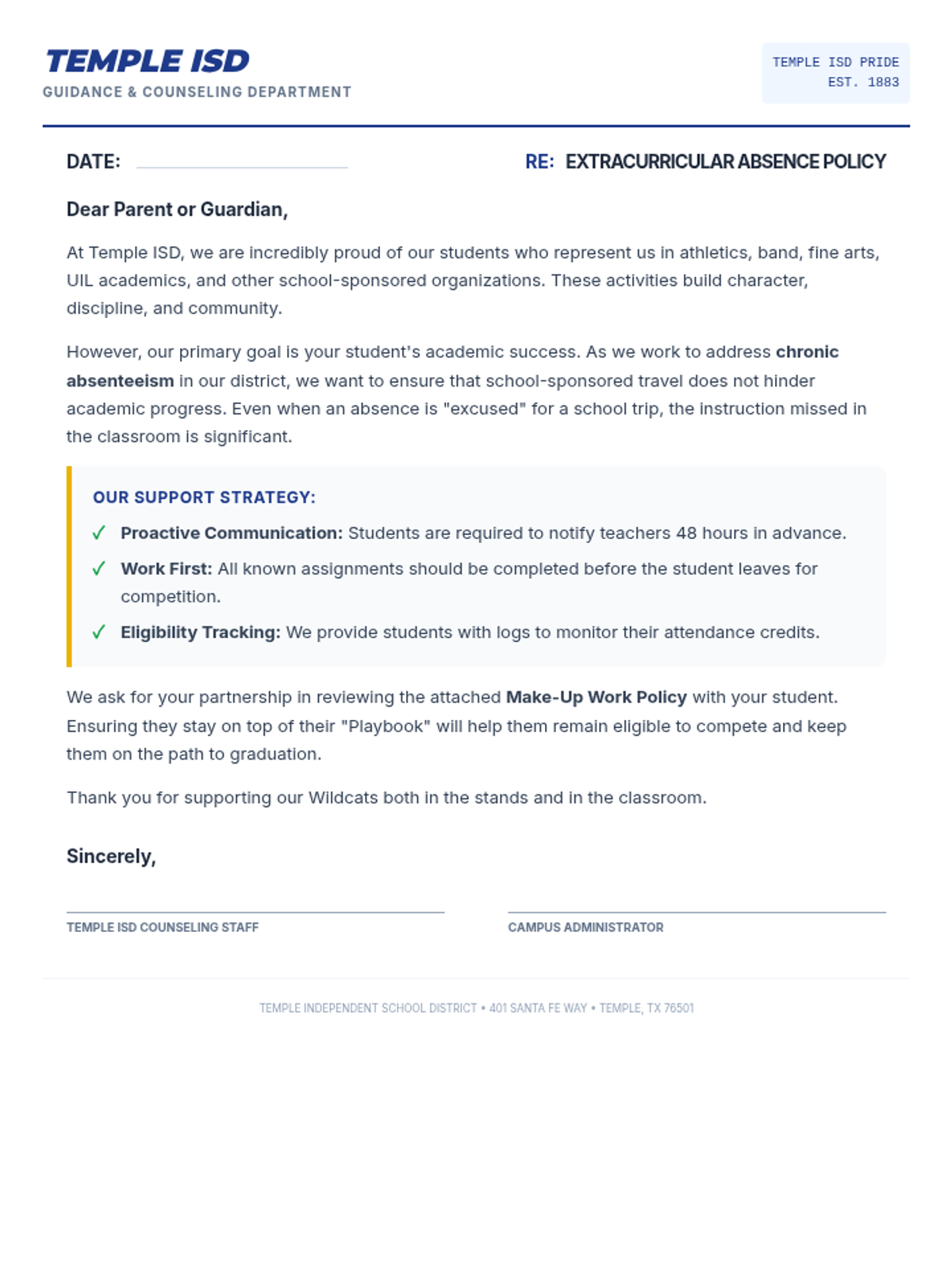
A set of tools and guidelines for students, teachers, and parents to coordinate school-sponsored absences effectively.
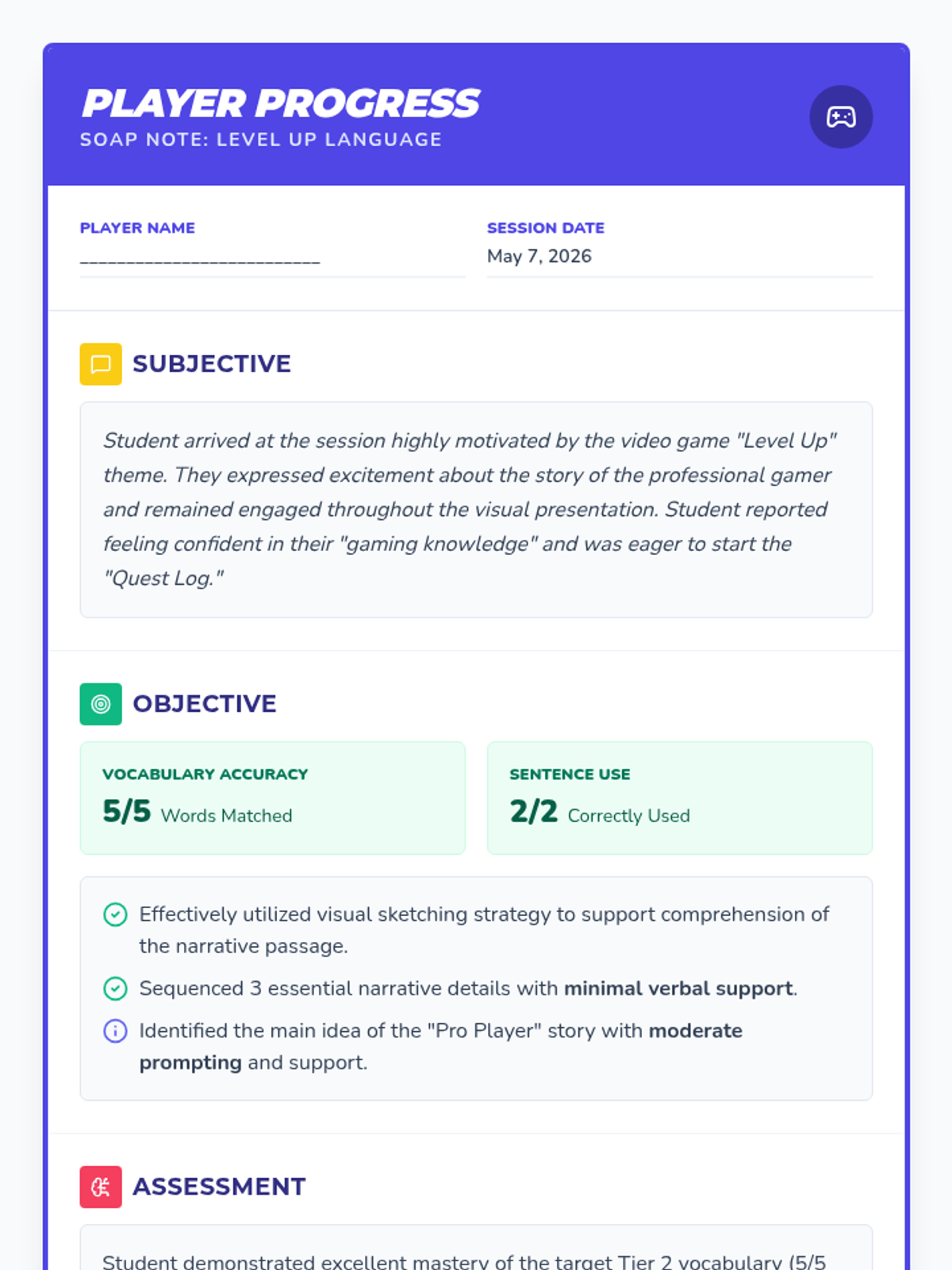
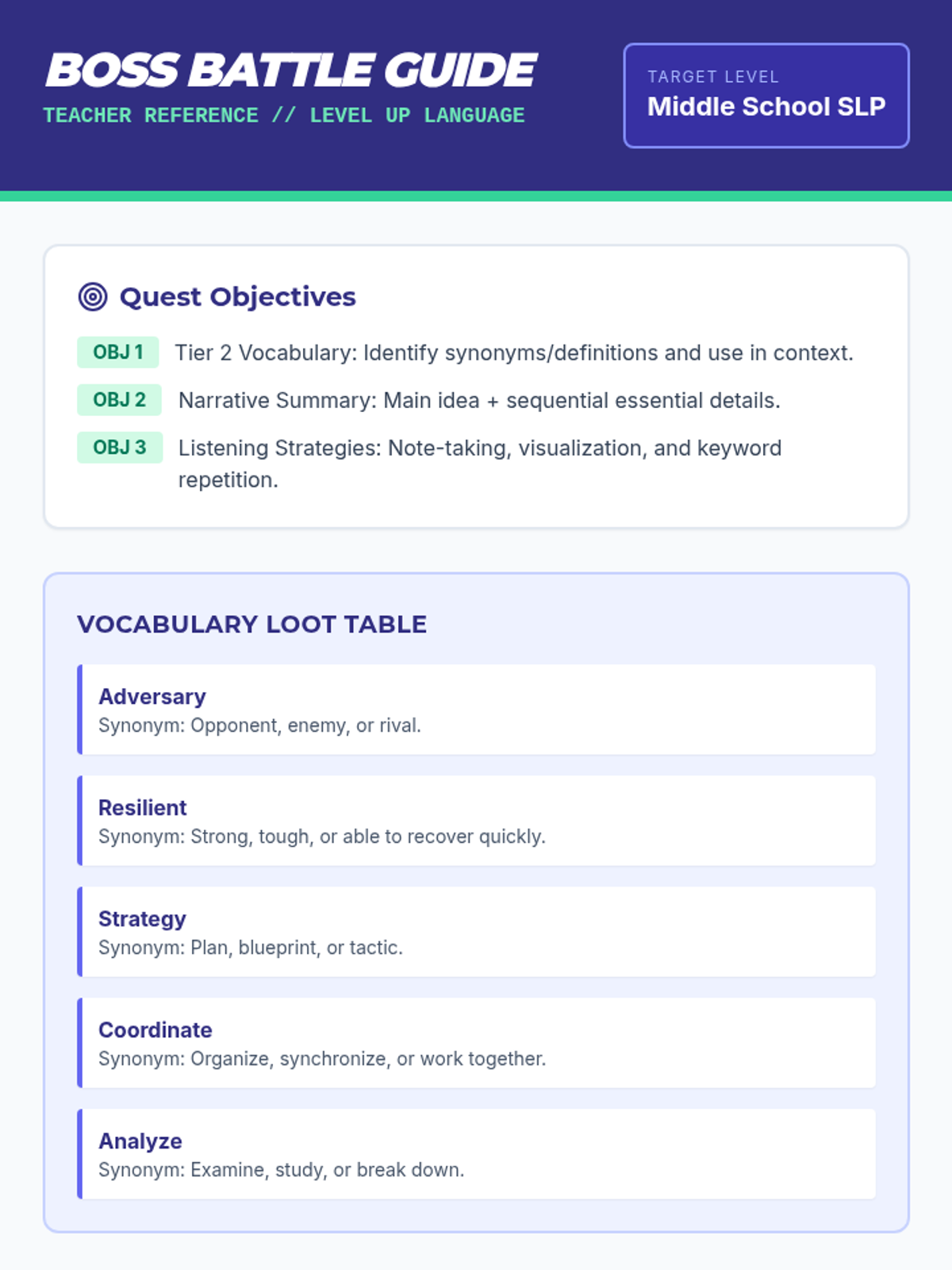
A video game-themed speech-language therapy lesson focusing on Tier 2 vocabulary, listening comprehension strategies, and narrative summarization skills through the story of a professional gamer's rise to the top.
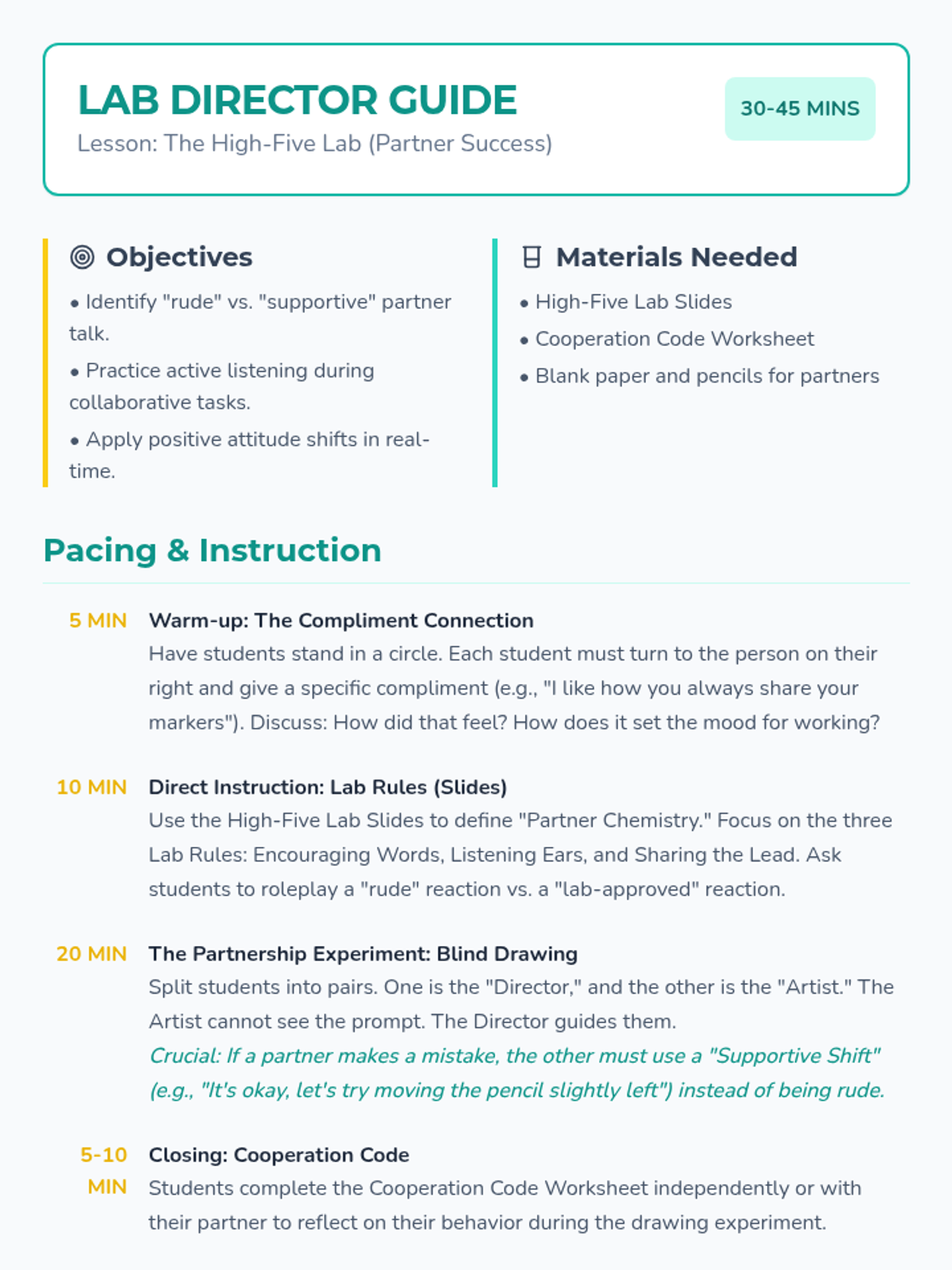
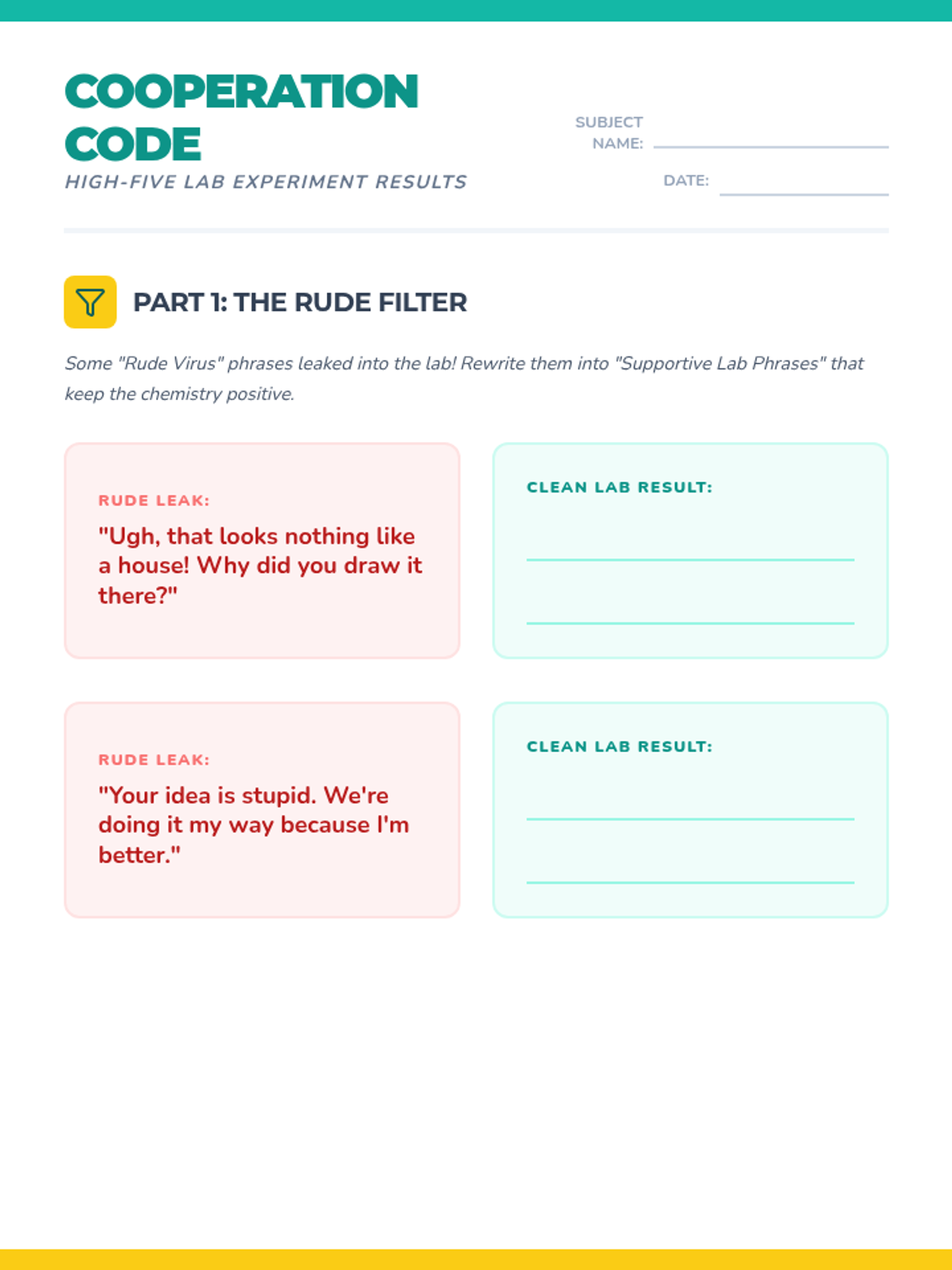
A social-emotional learning lesson focused on fostering a positive attitude and polite communication during collaborative partner work. Students will learn to identify rude behaviors and replace them with supportive, cooperative actions.
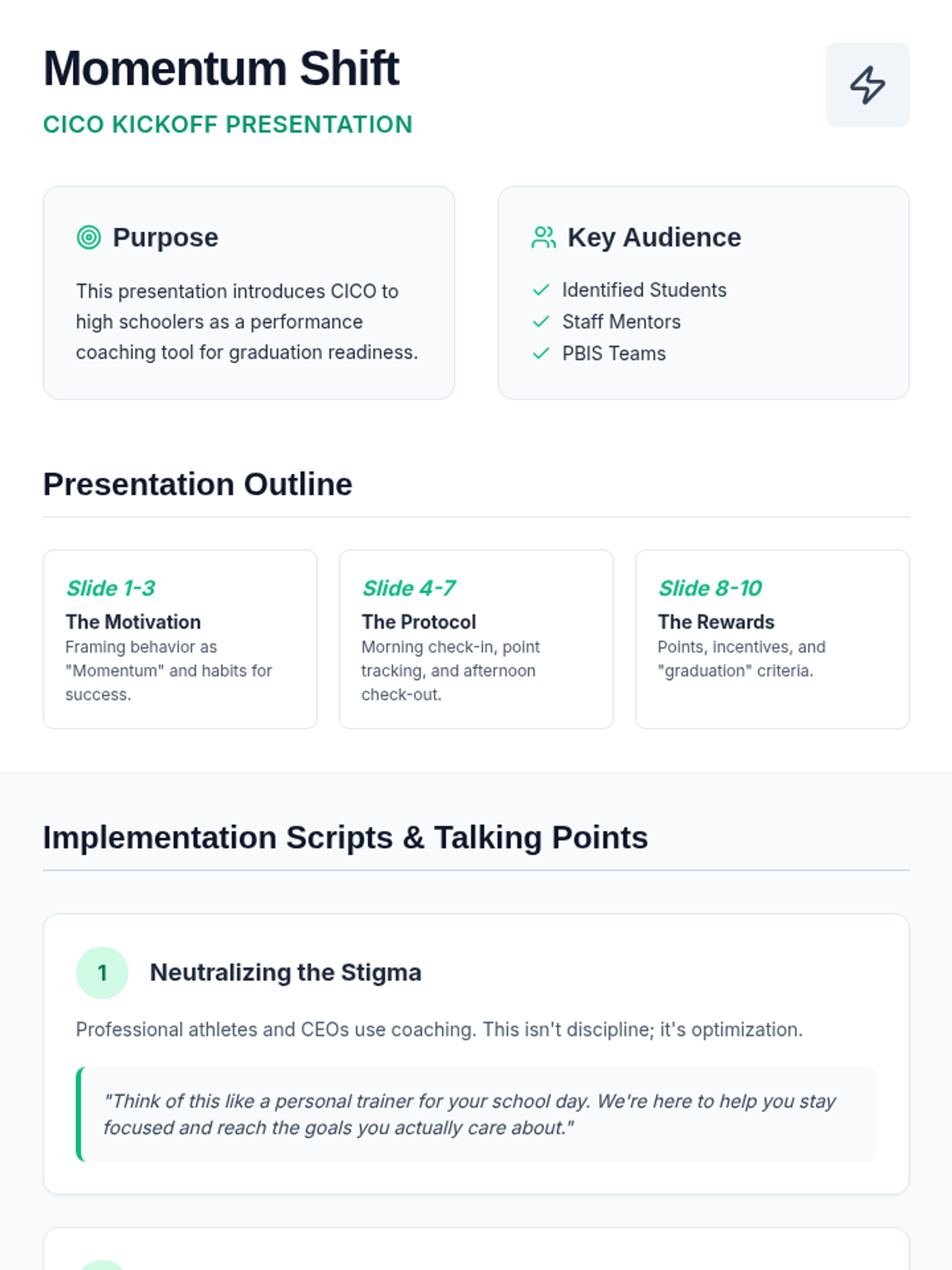
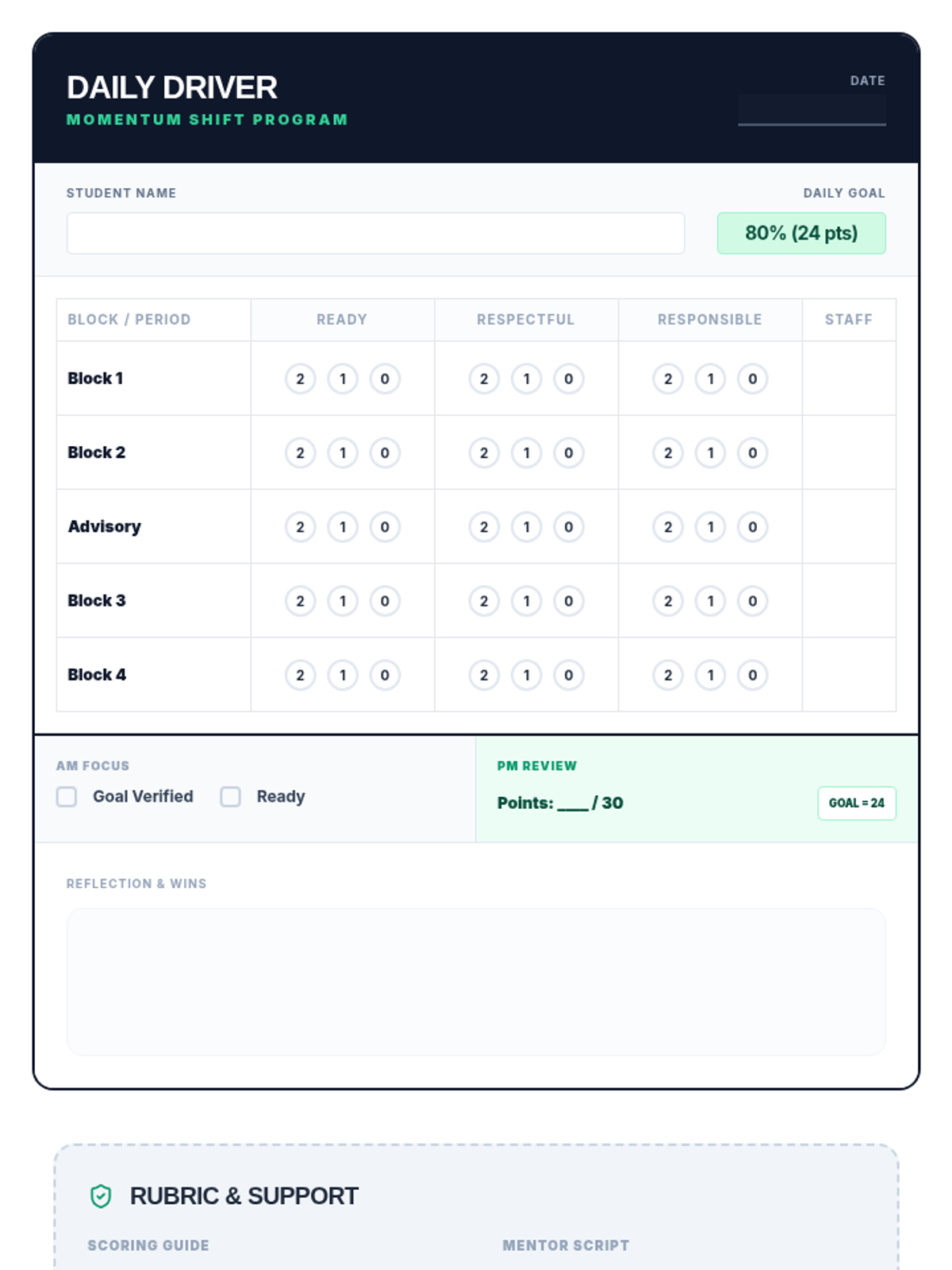
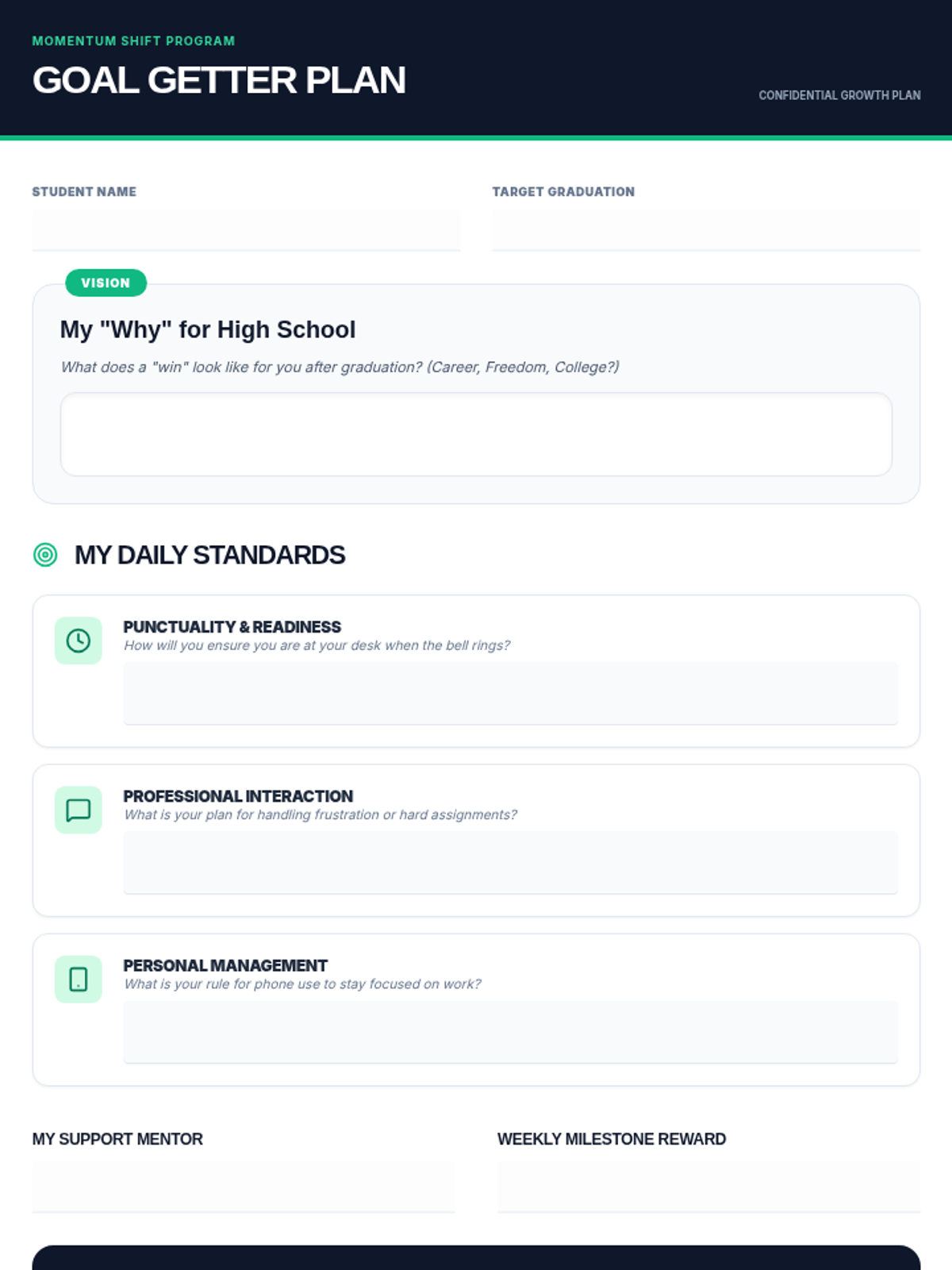
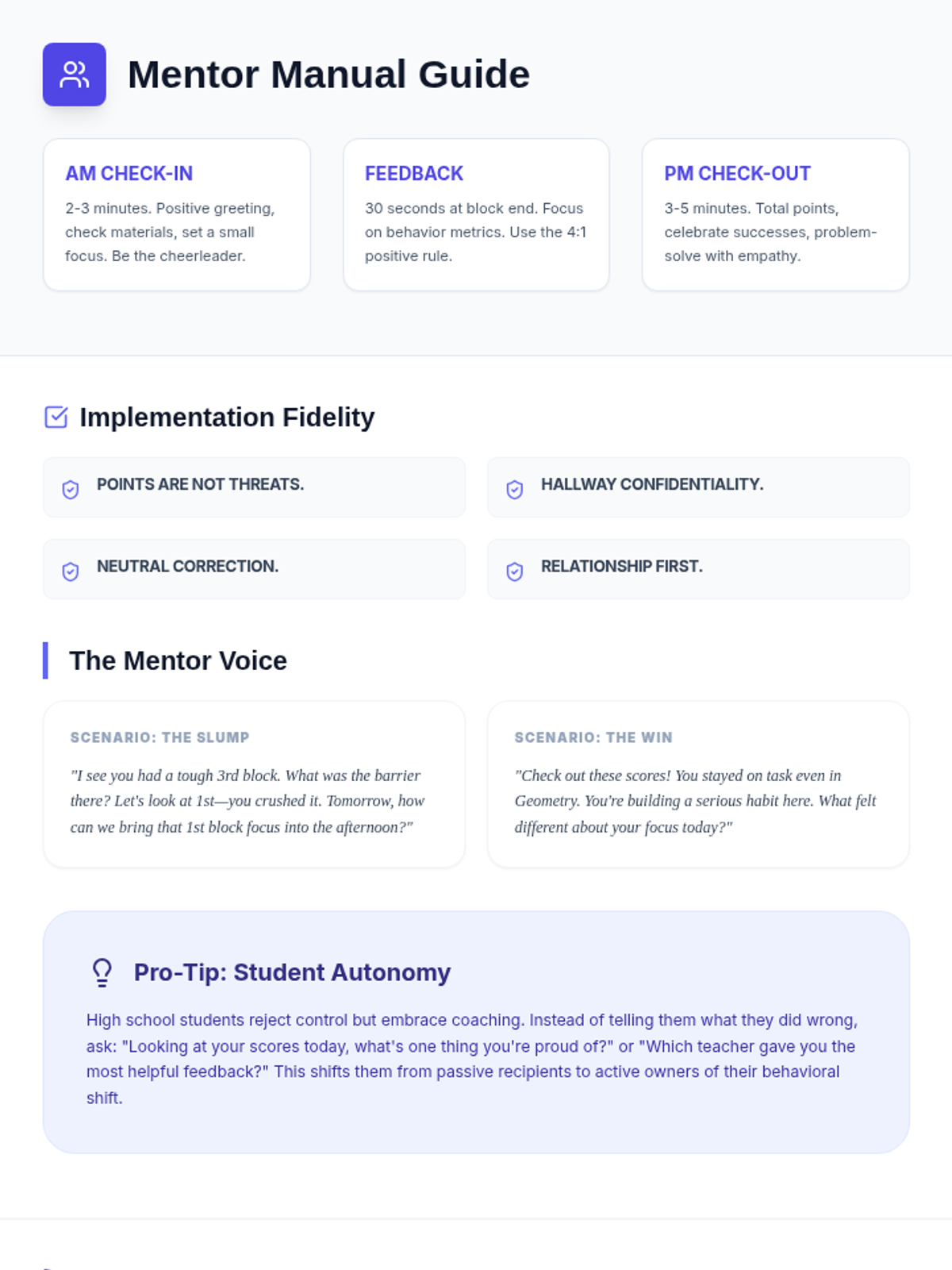
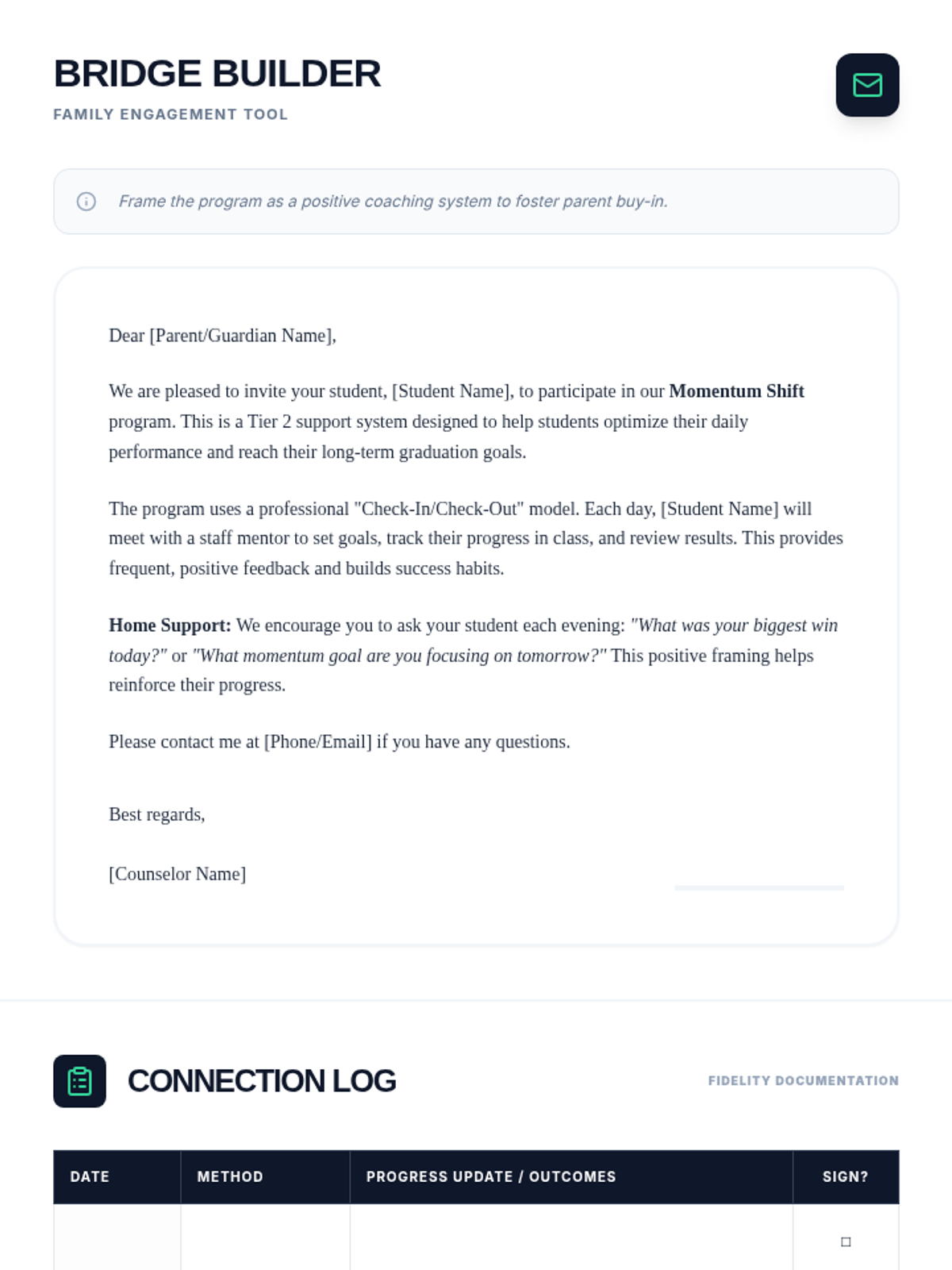
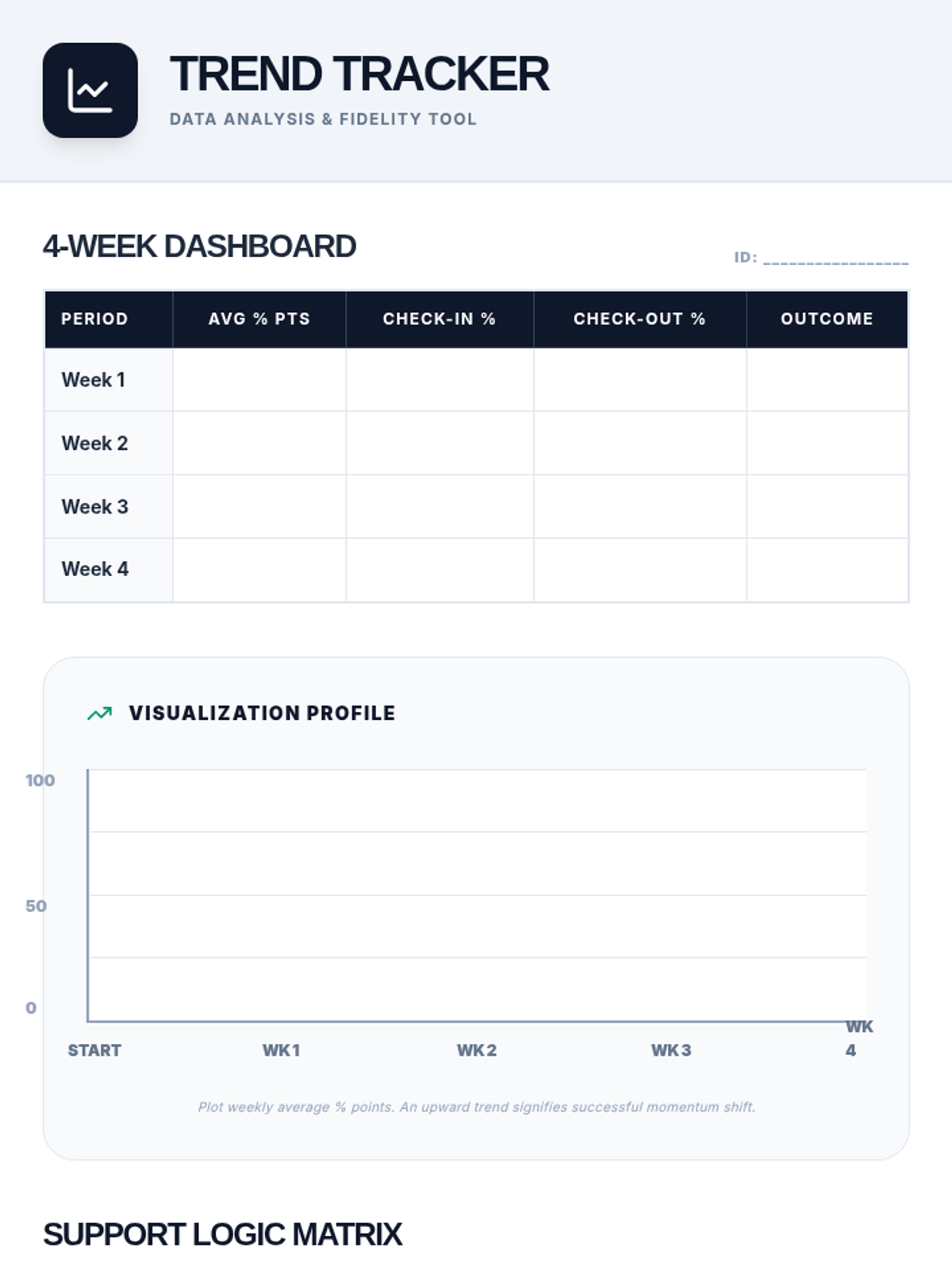
A comprehensive Check-In/Check-Out (CICO) implementation kit for high school counselors following the PBIS Tier 2 framework to support students with behavioral challenges.
A high-level session on minimizing 'Group Latency'. Framing following directions as a system efficiency move rather than submission. Structure: 3-5-1 Minutes.
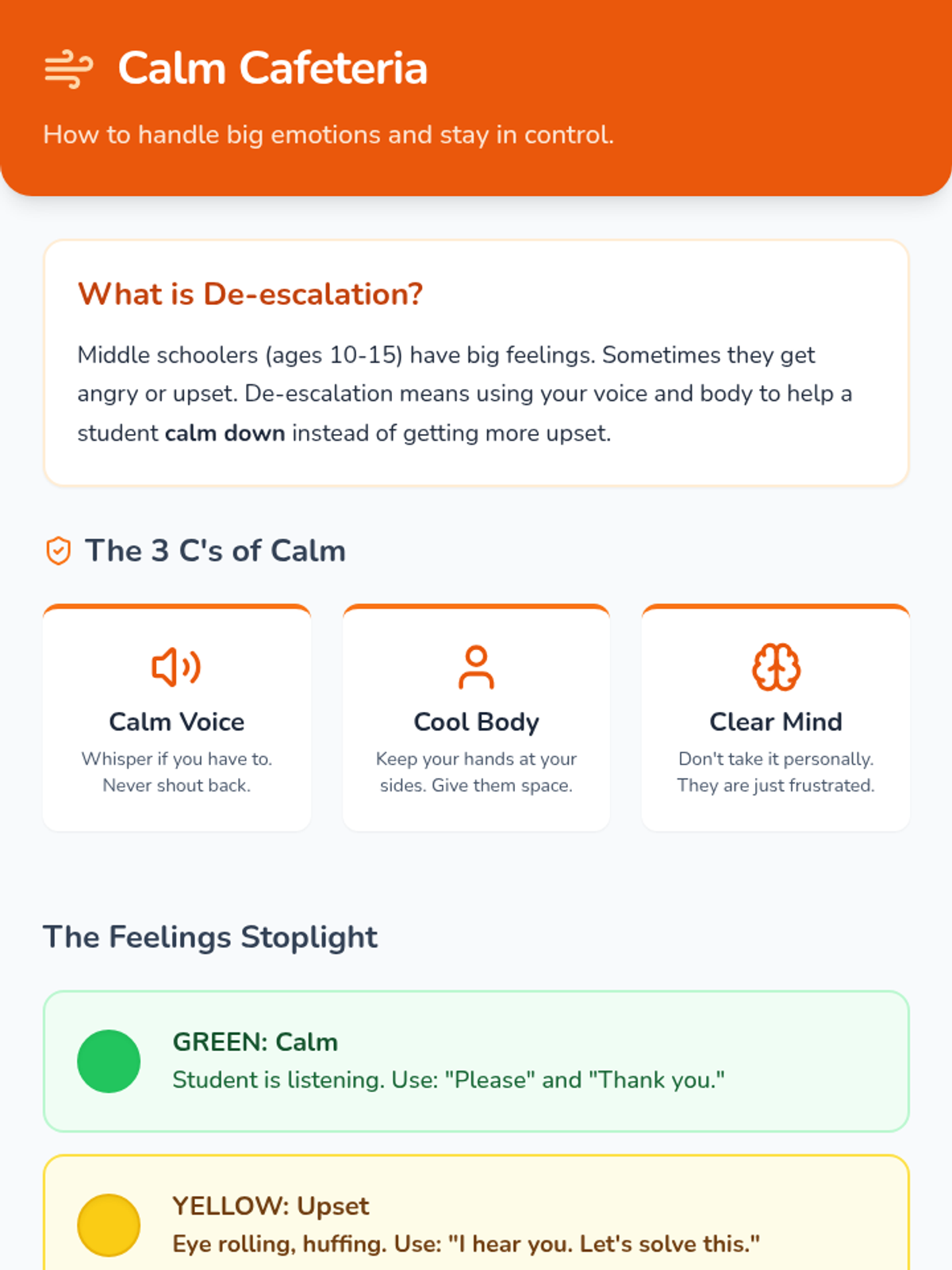
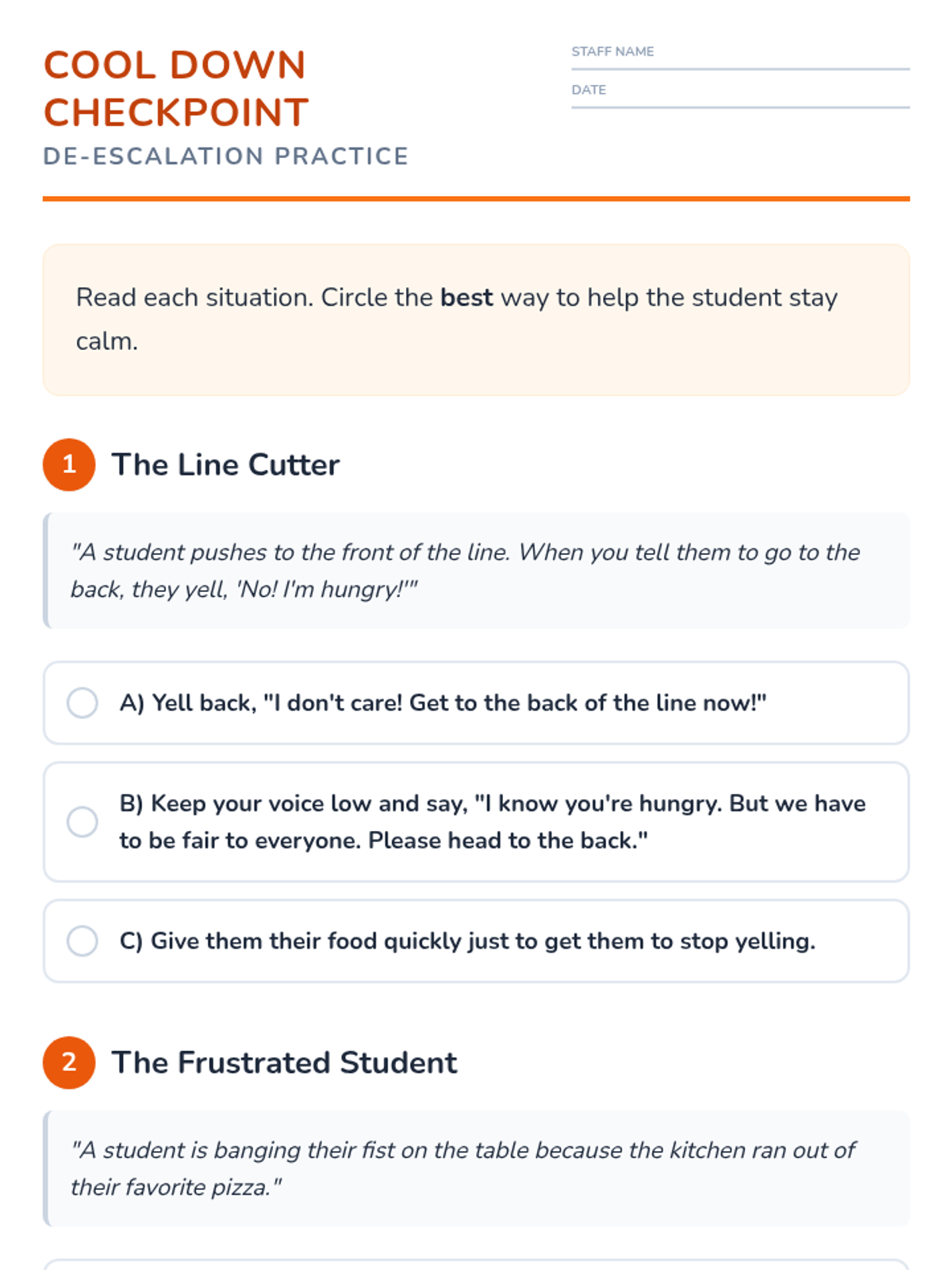
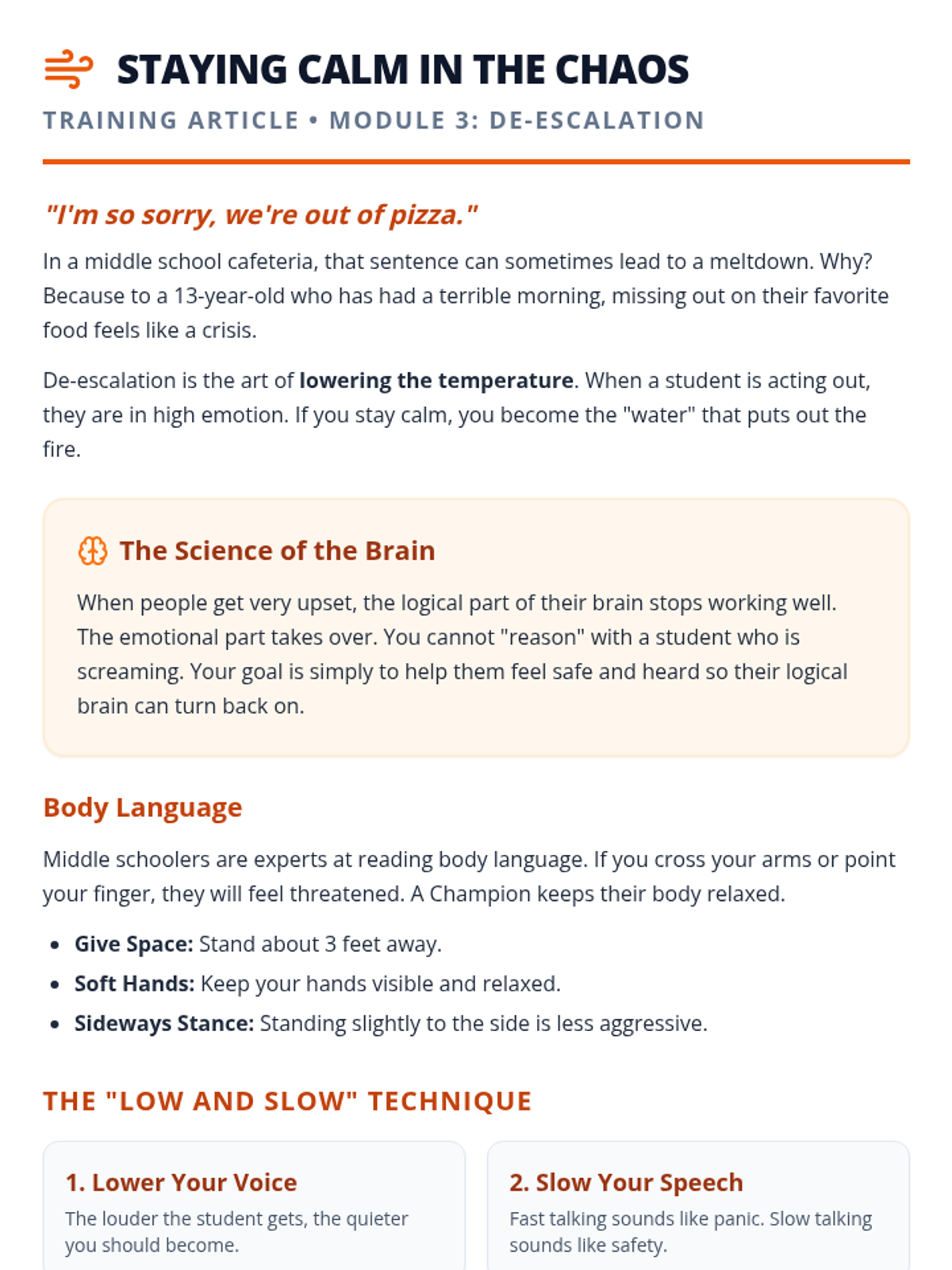
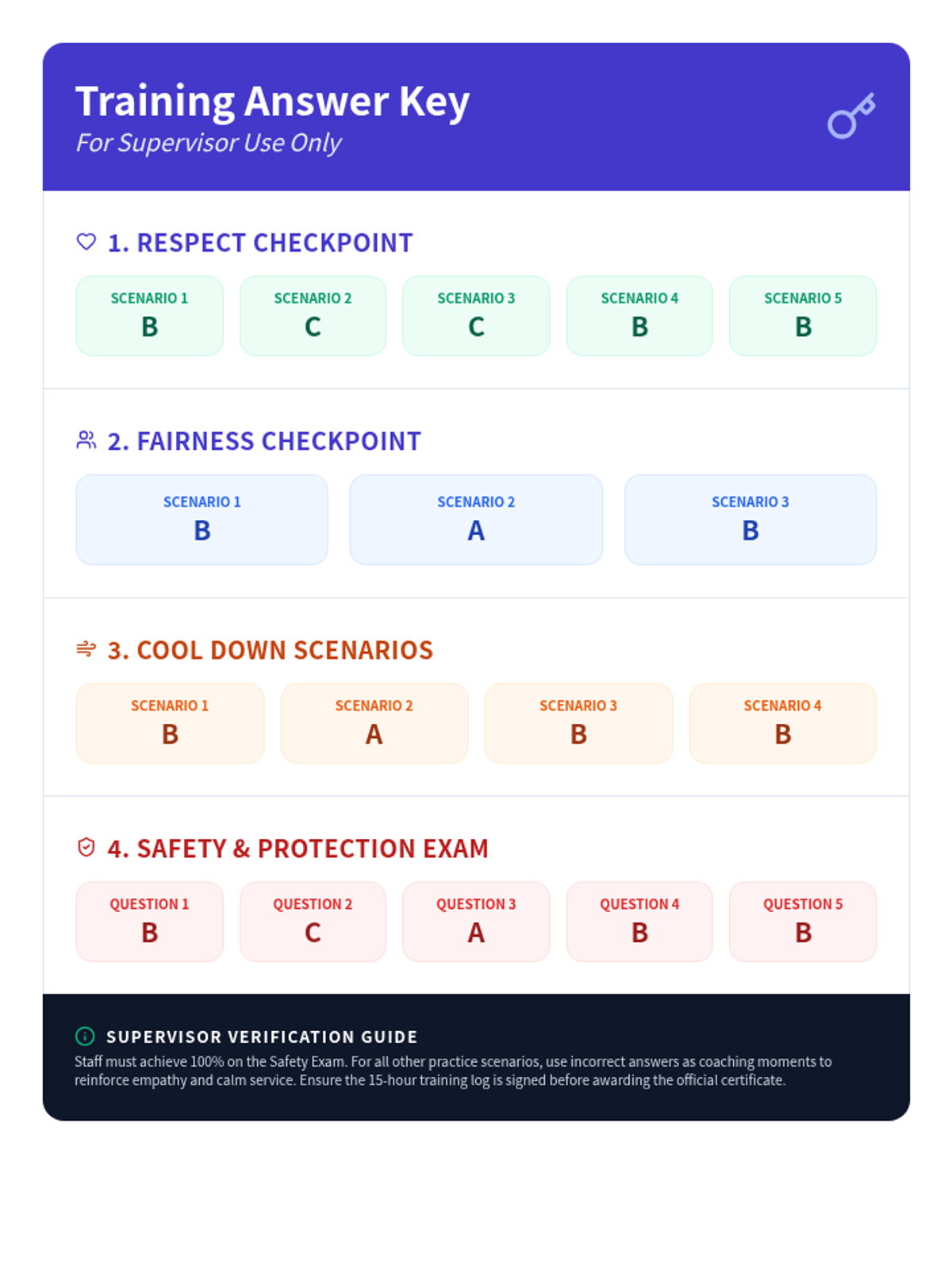
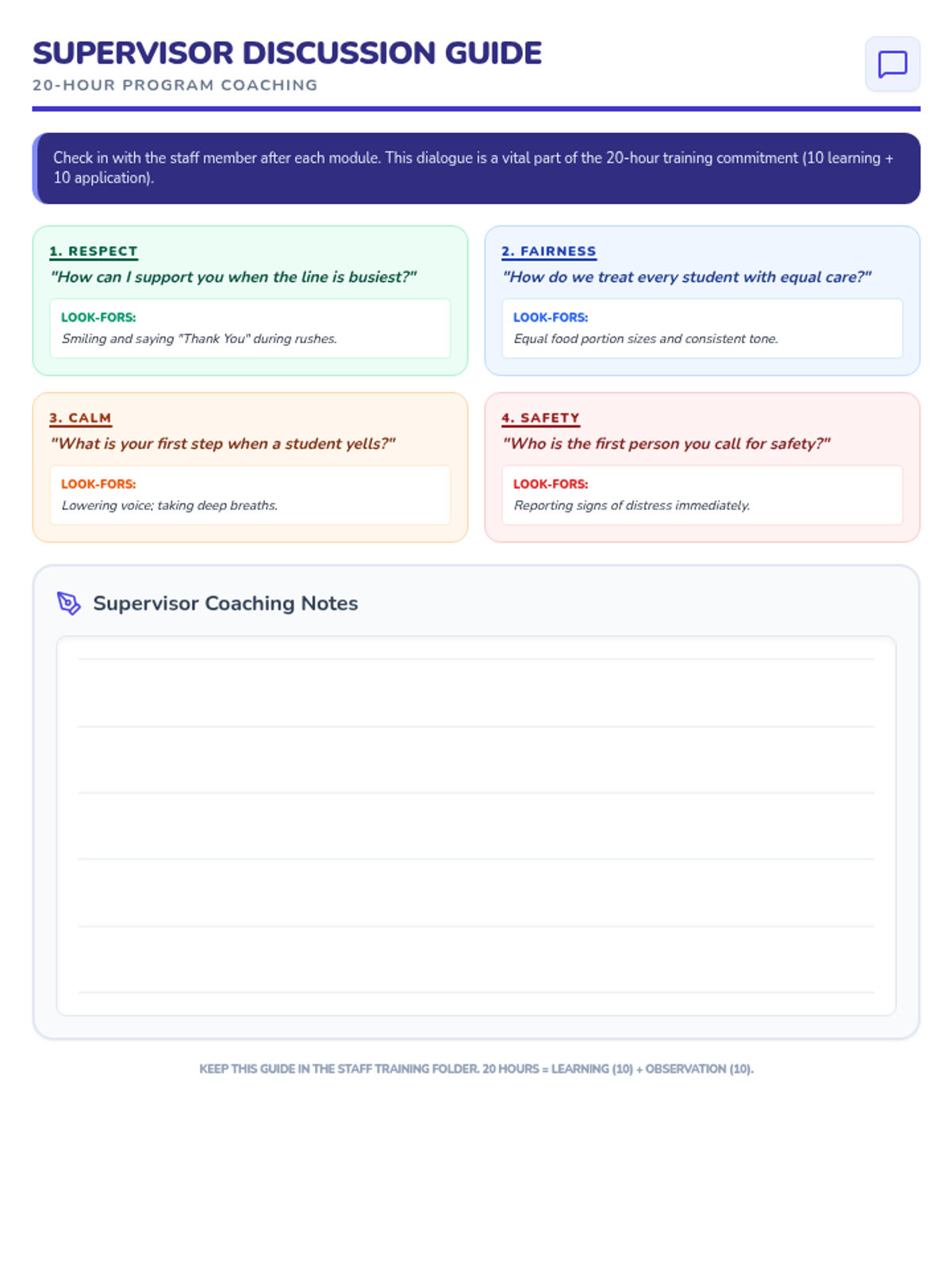
Teaches staff how to stay calm and de-escalate tense situations with middle school students. Focuses on verbal techniques, body language, and knowing when to call for support.
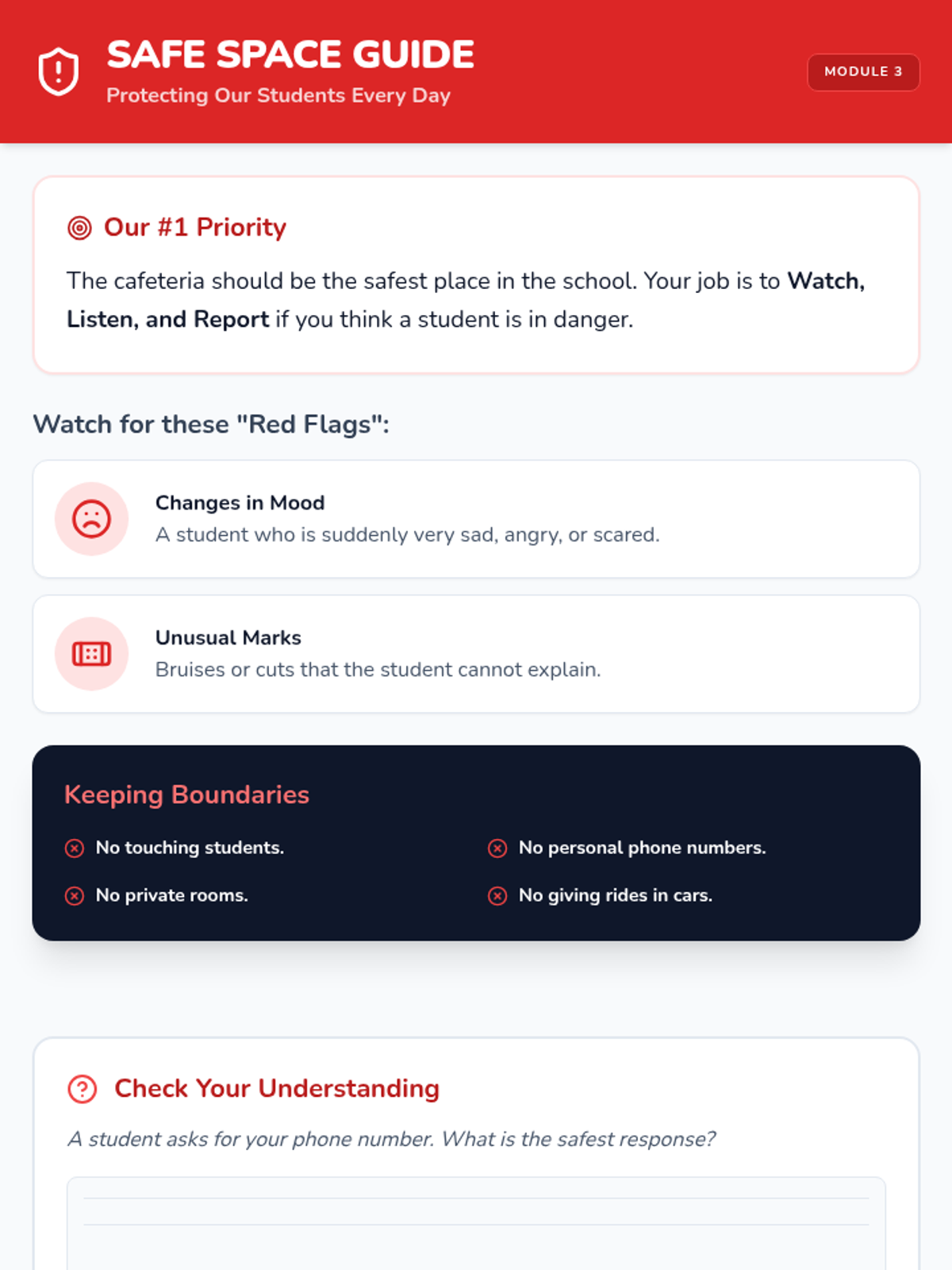
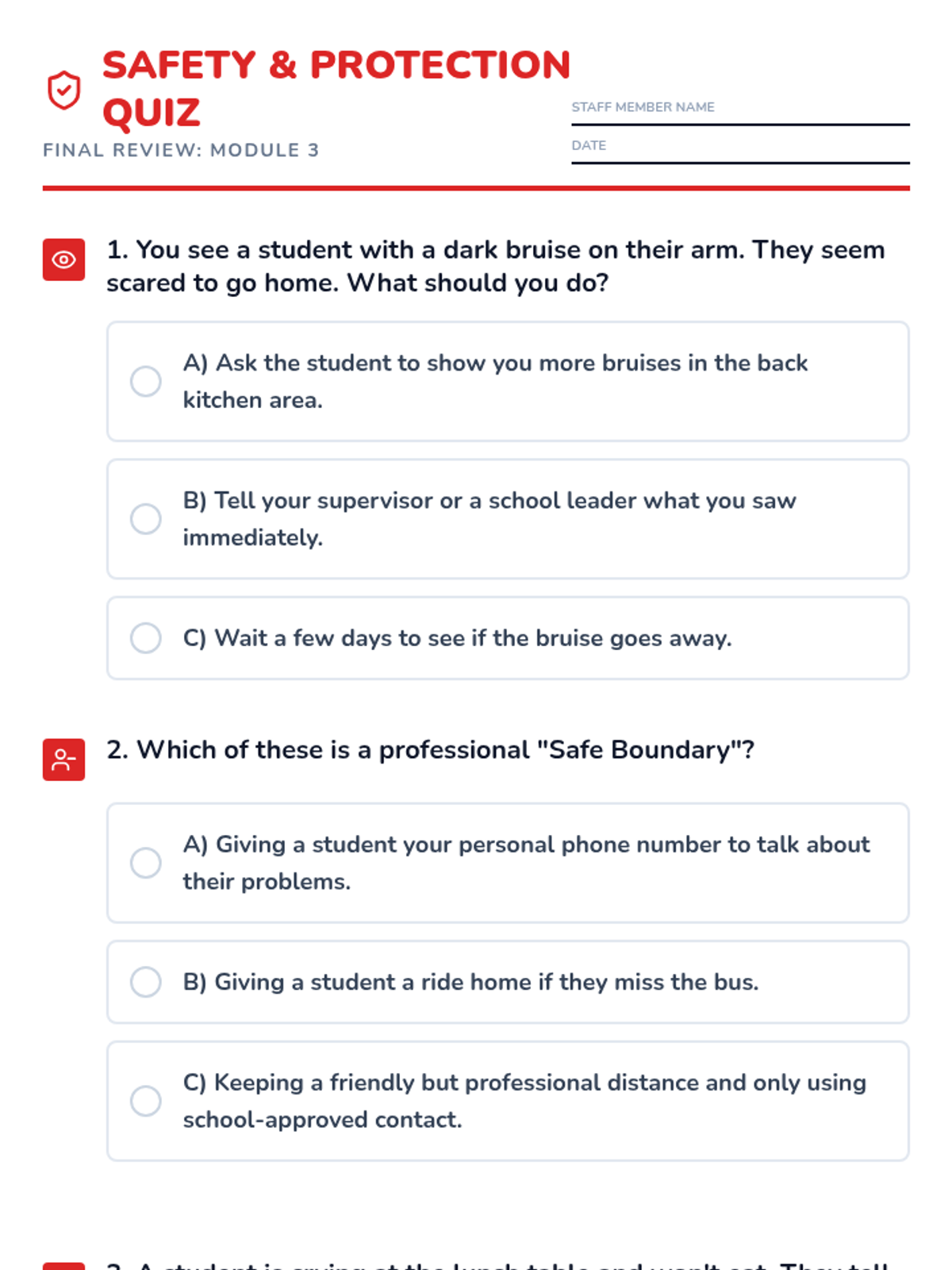
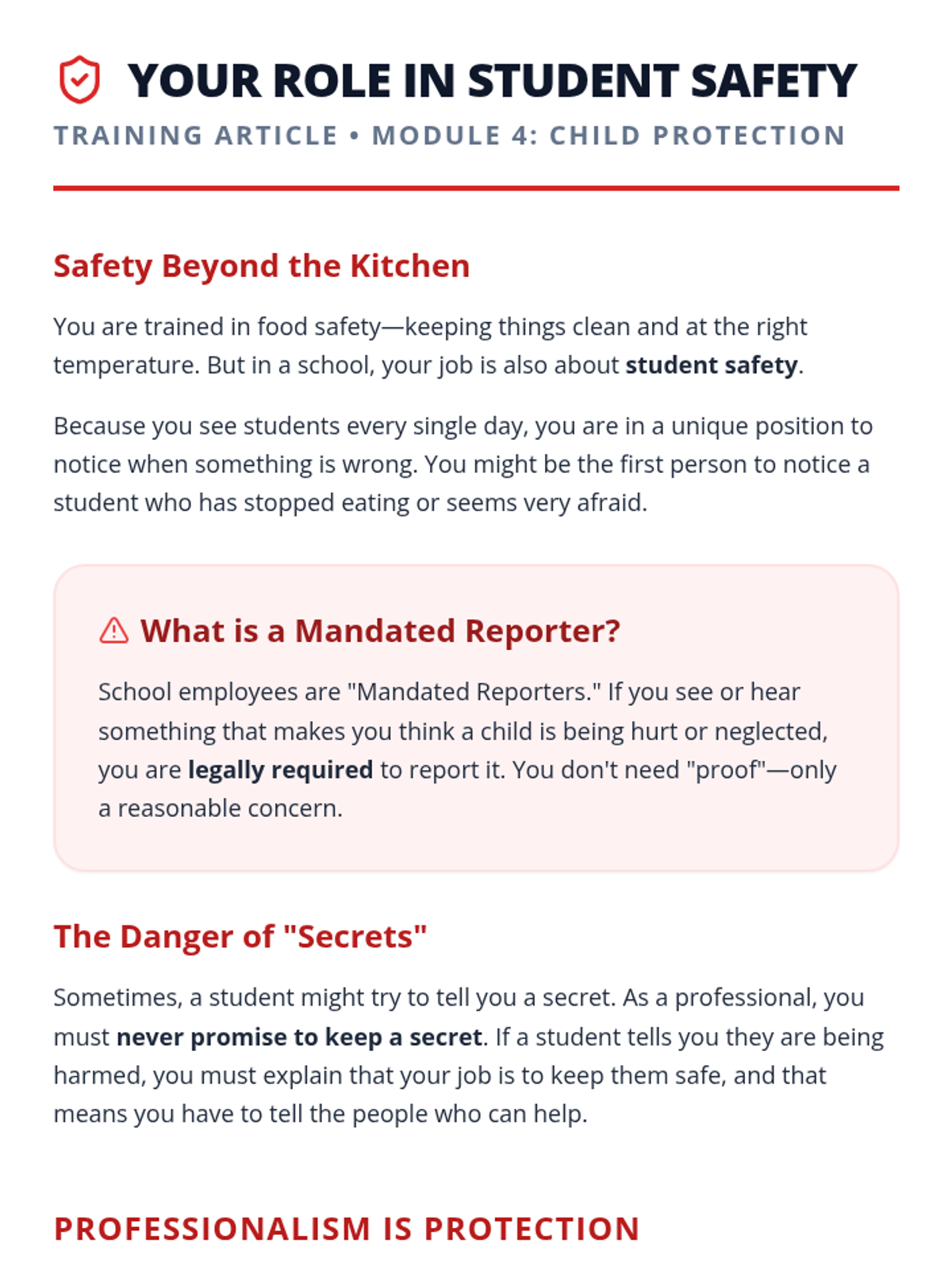
Covers child protection, professional boundaries, and how to spot and report signs of distress or harm in students.
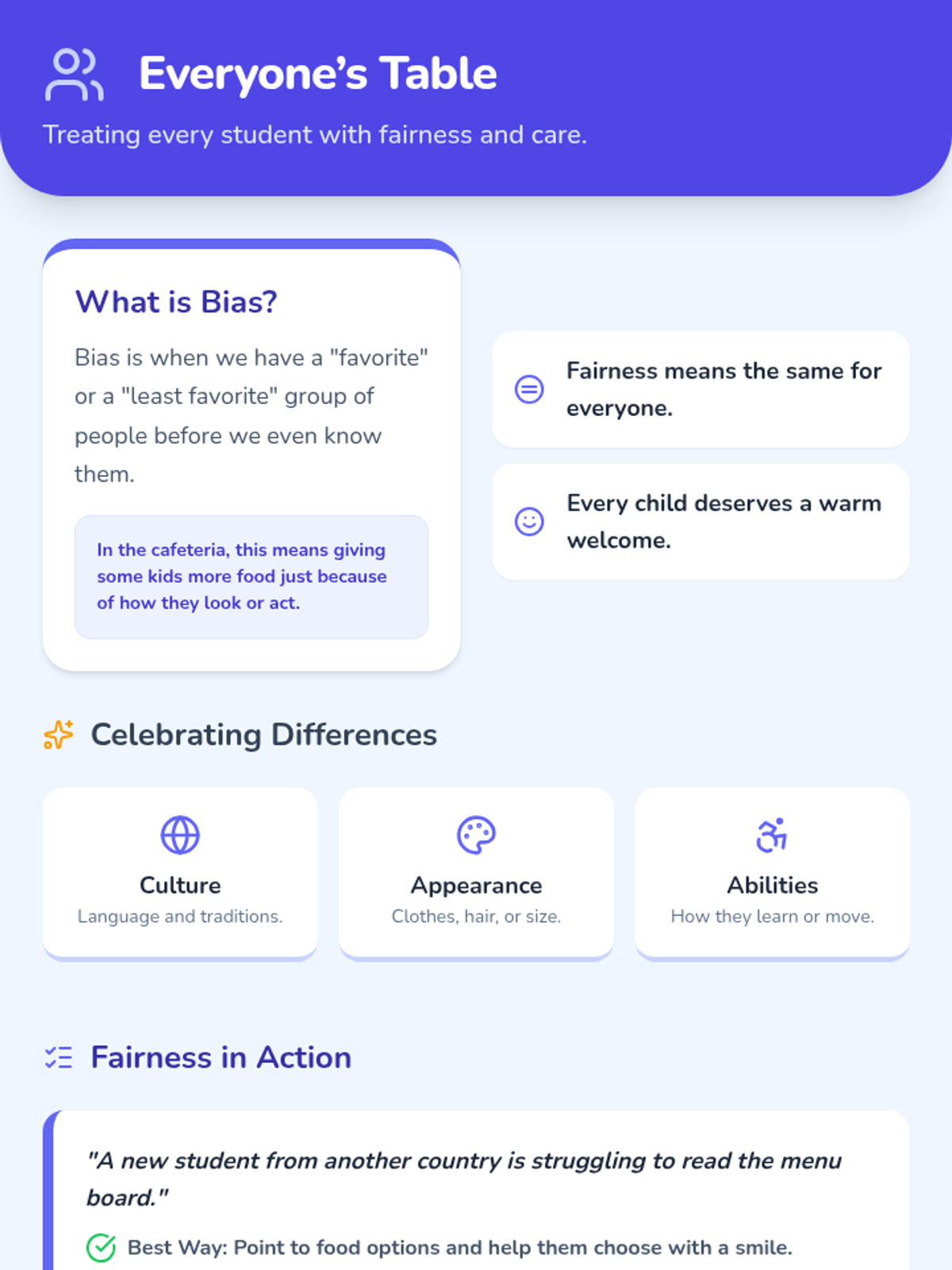
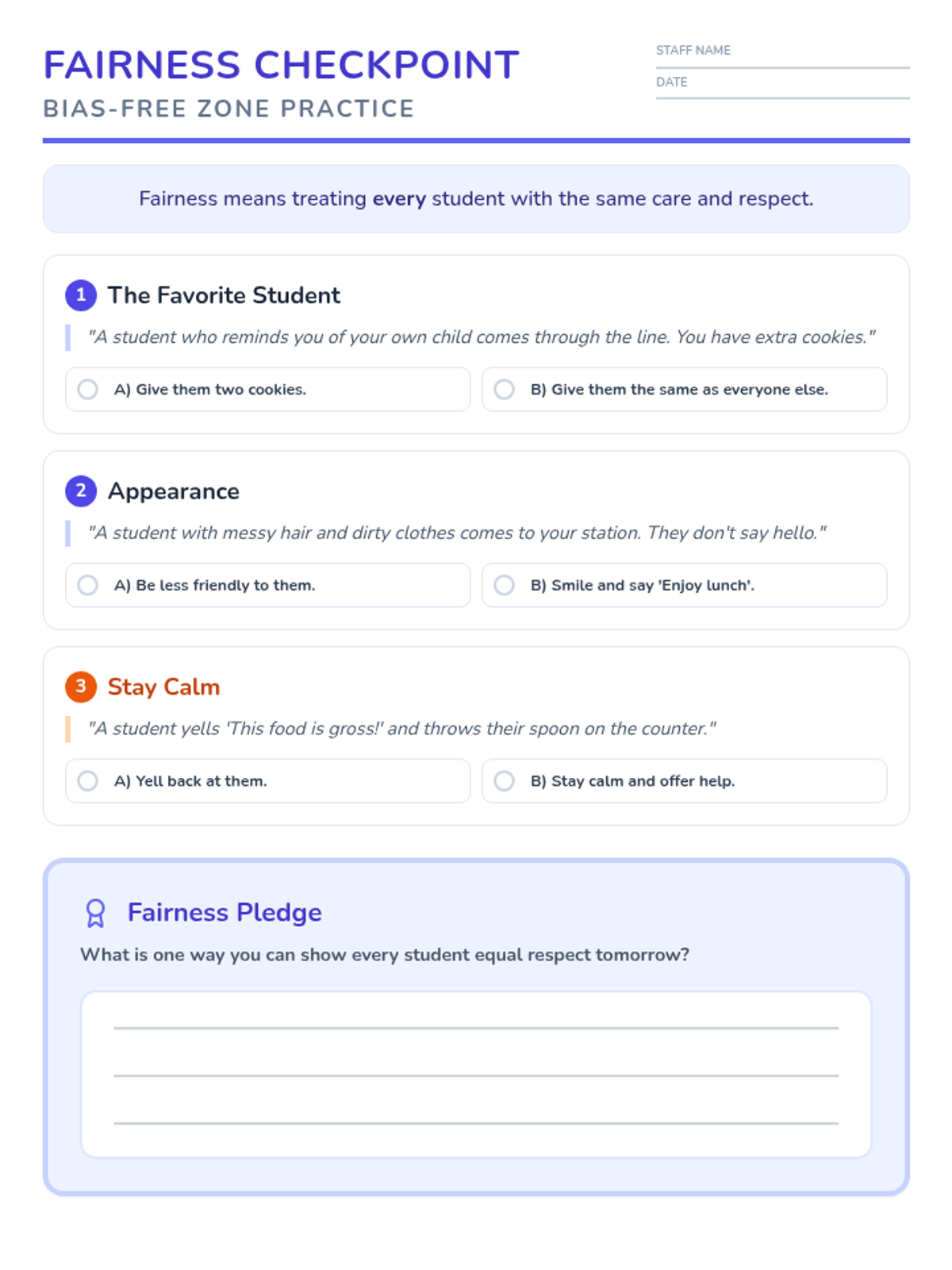
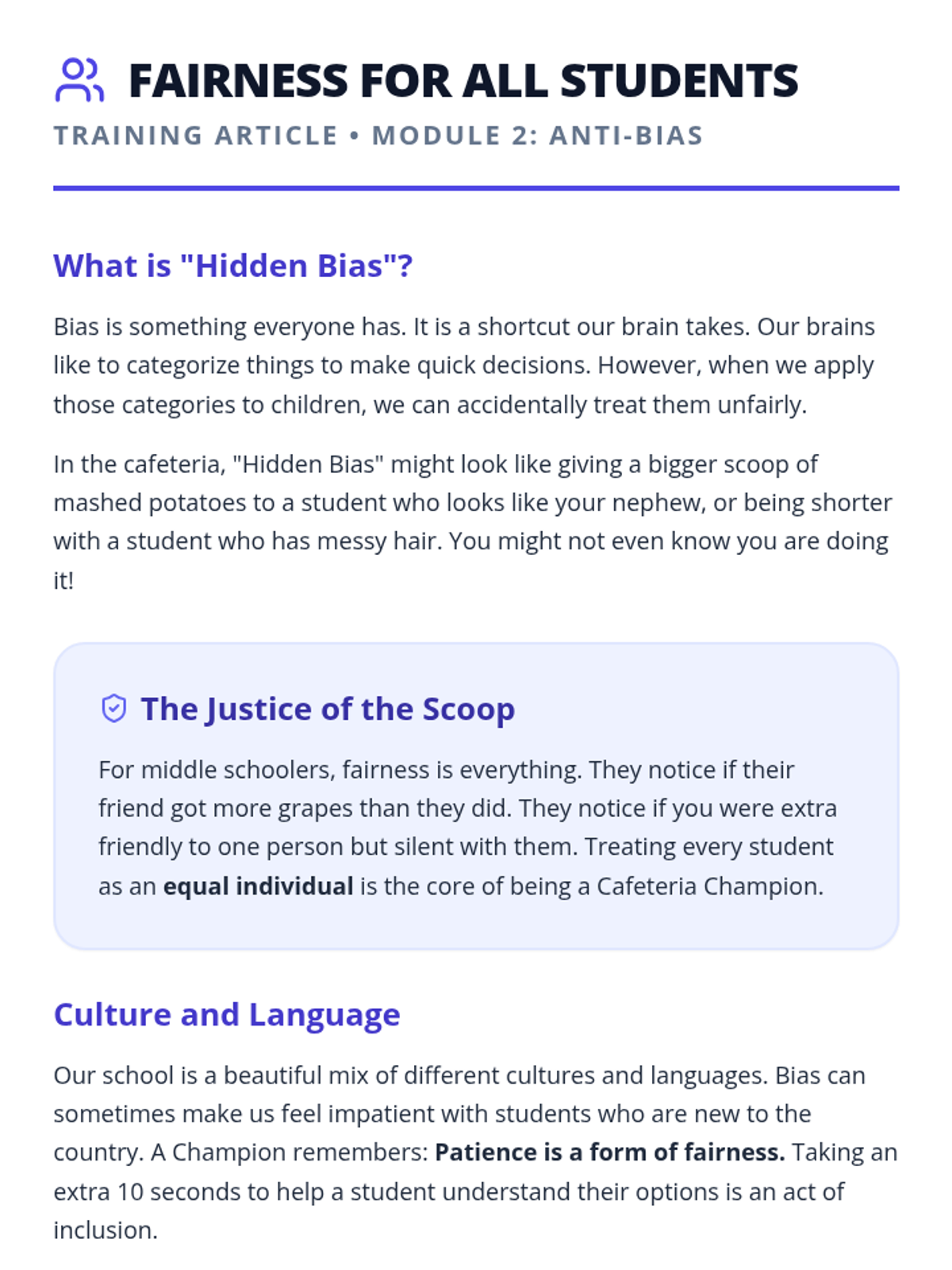
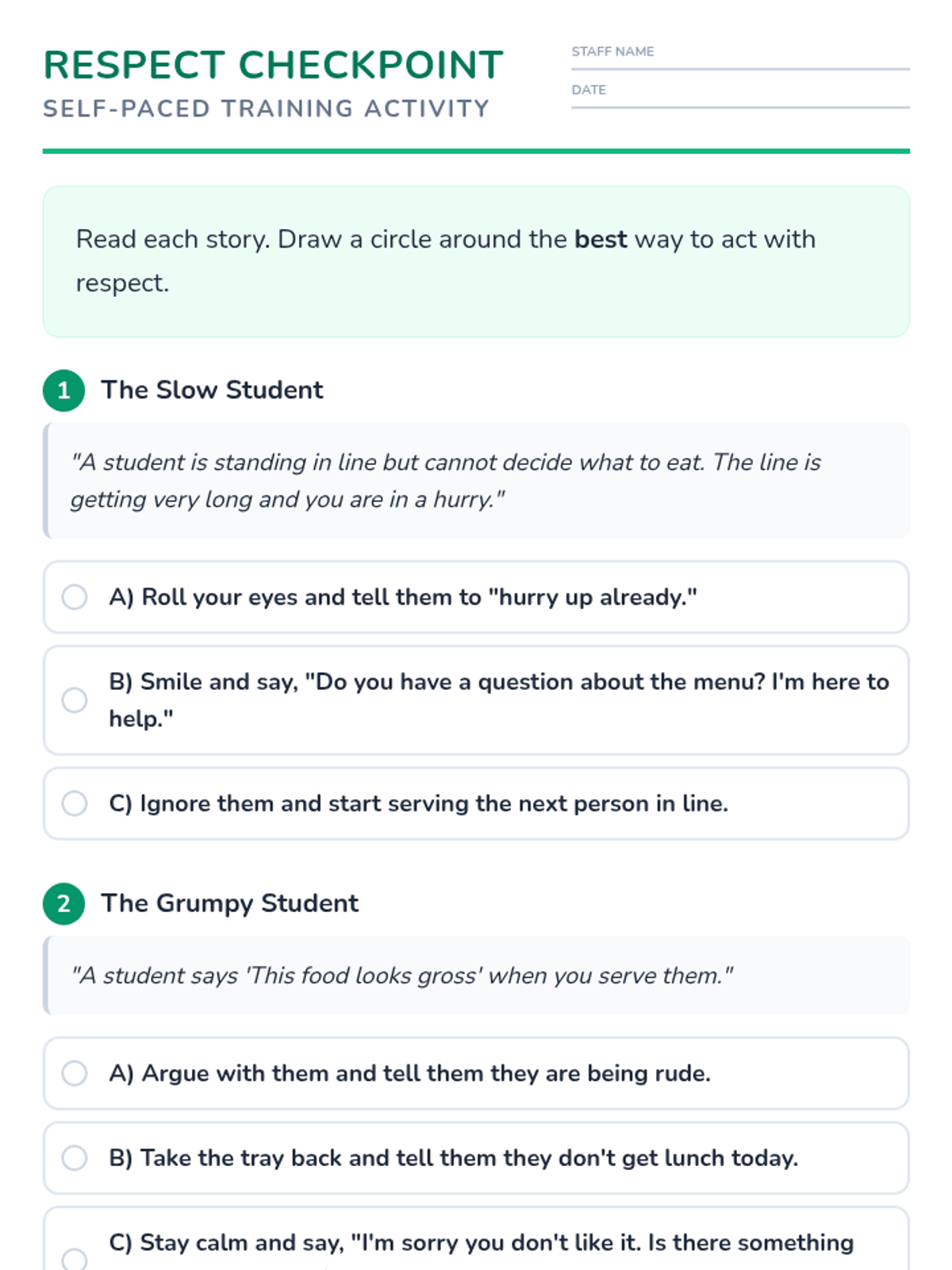
Explores bias, fairness, and inclusion in the cafeteria. Teaches staff how to treat every student equally regardless of their background or appearance.
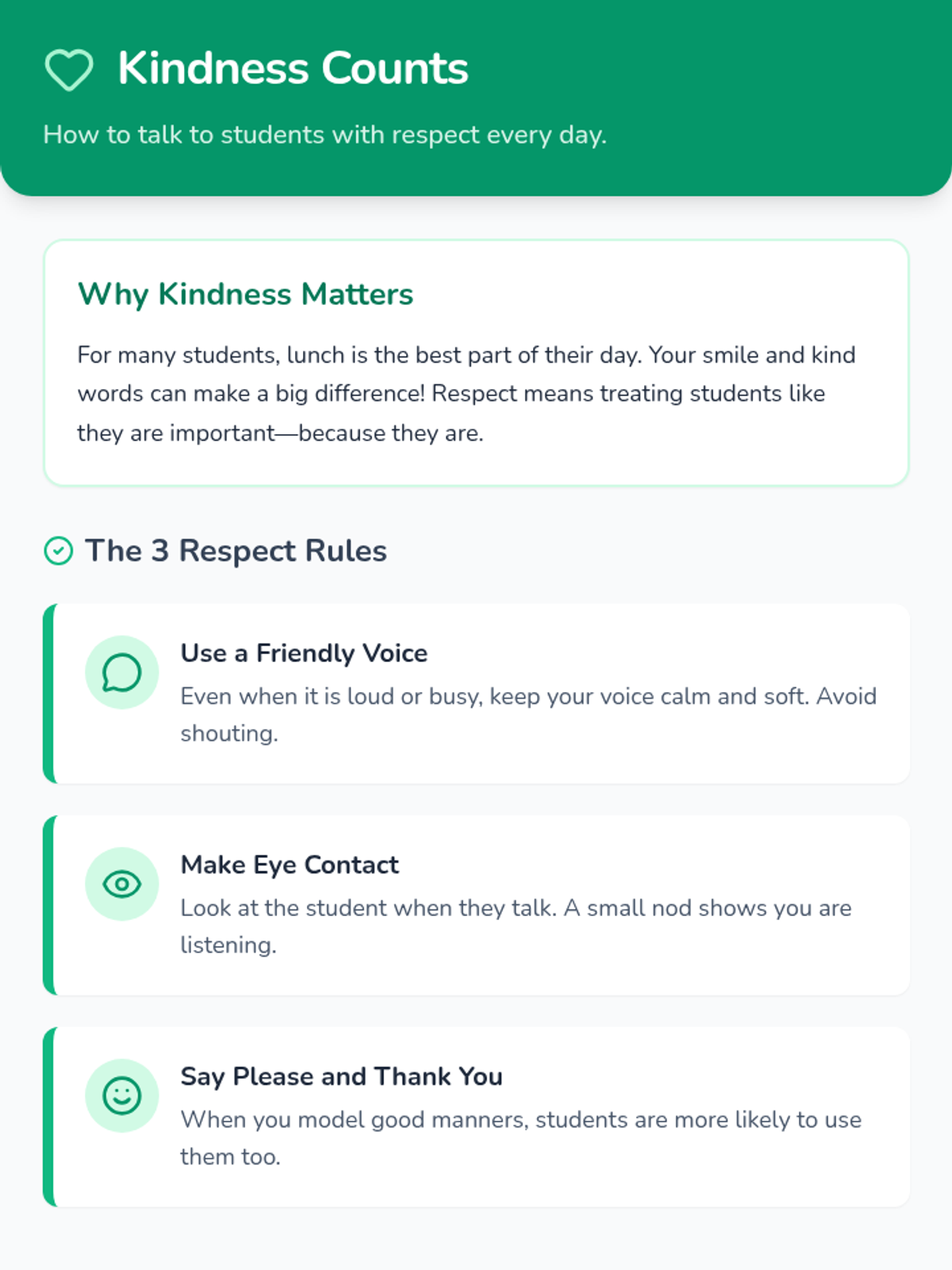
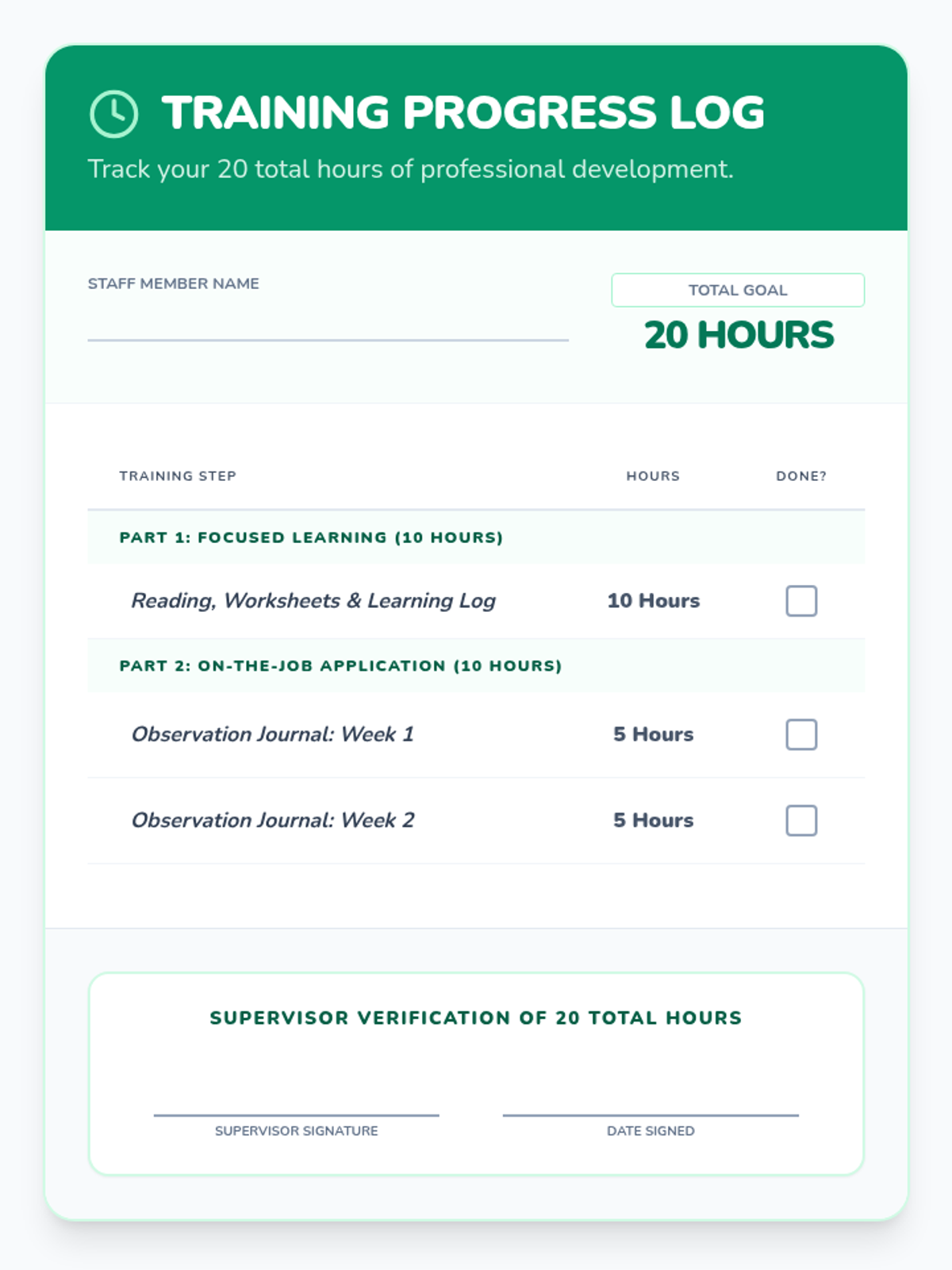
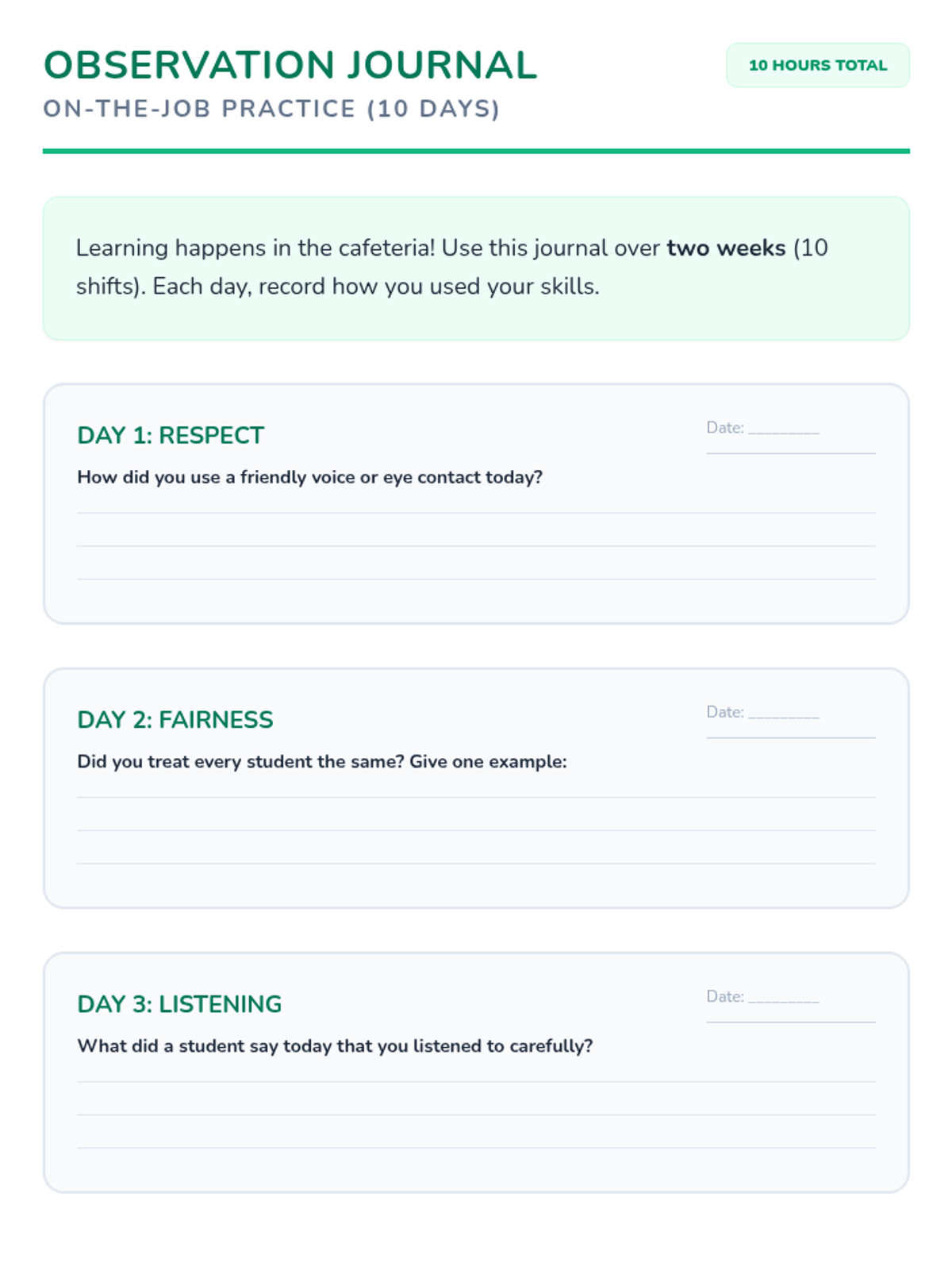
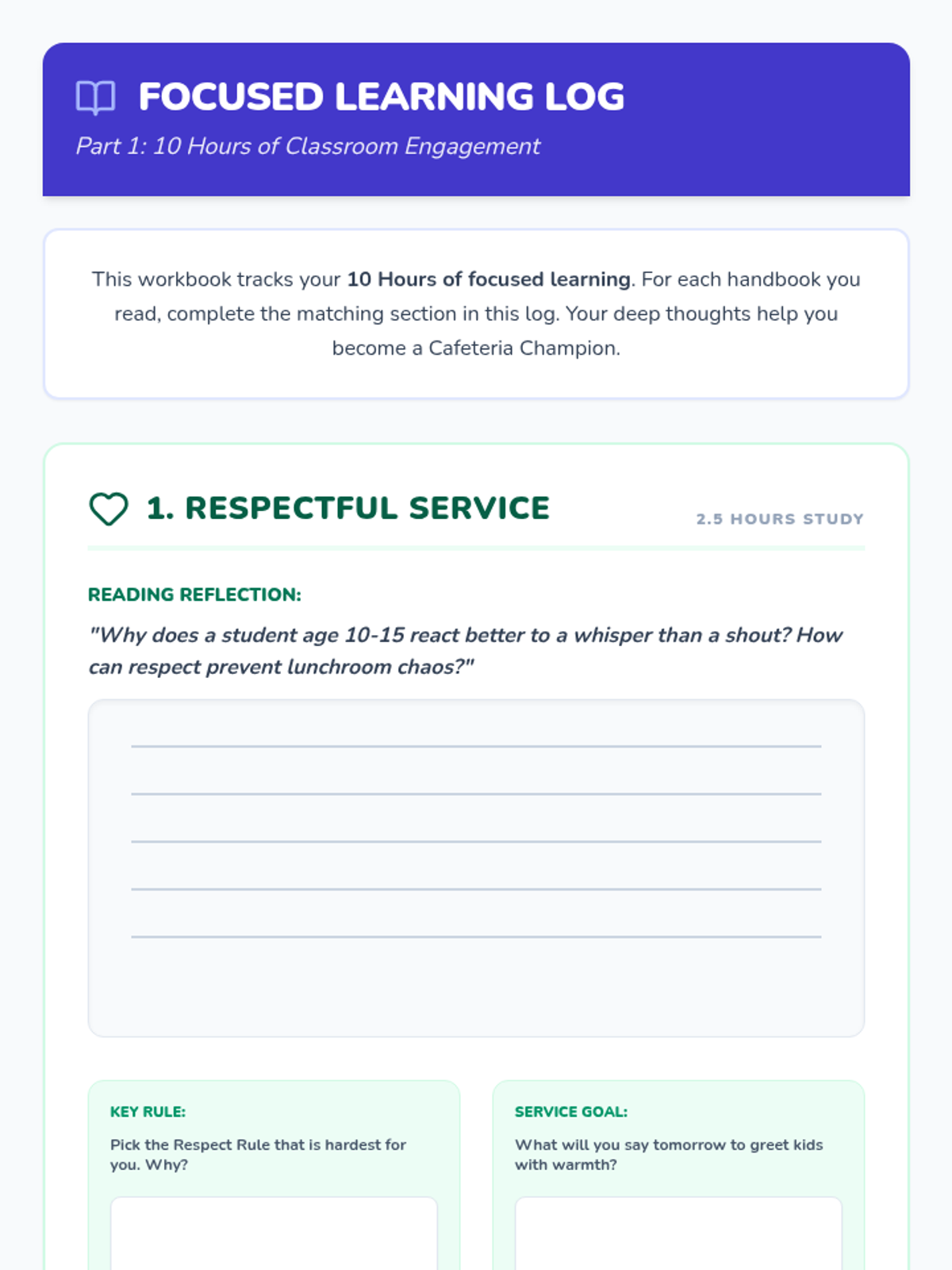
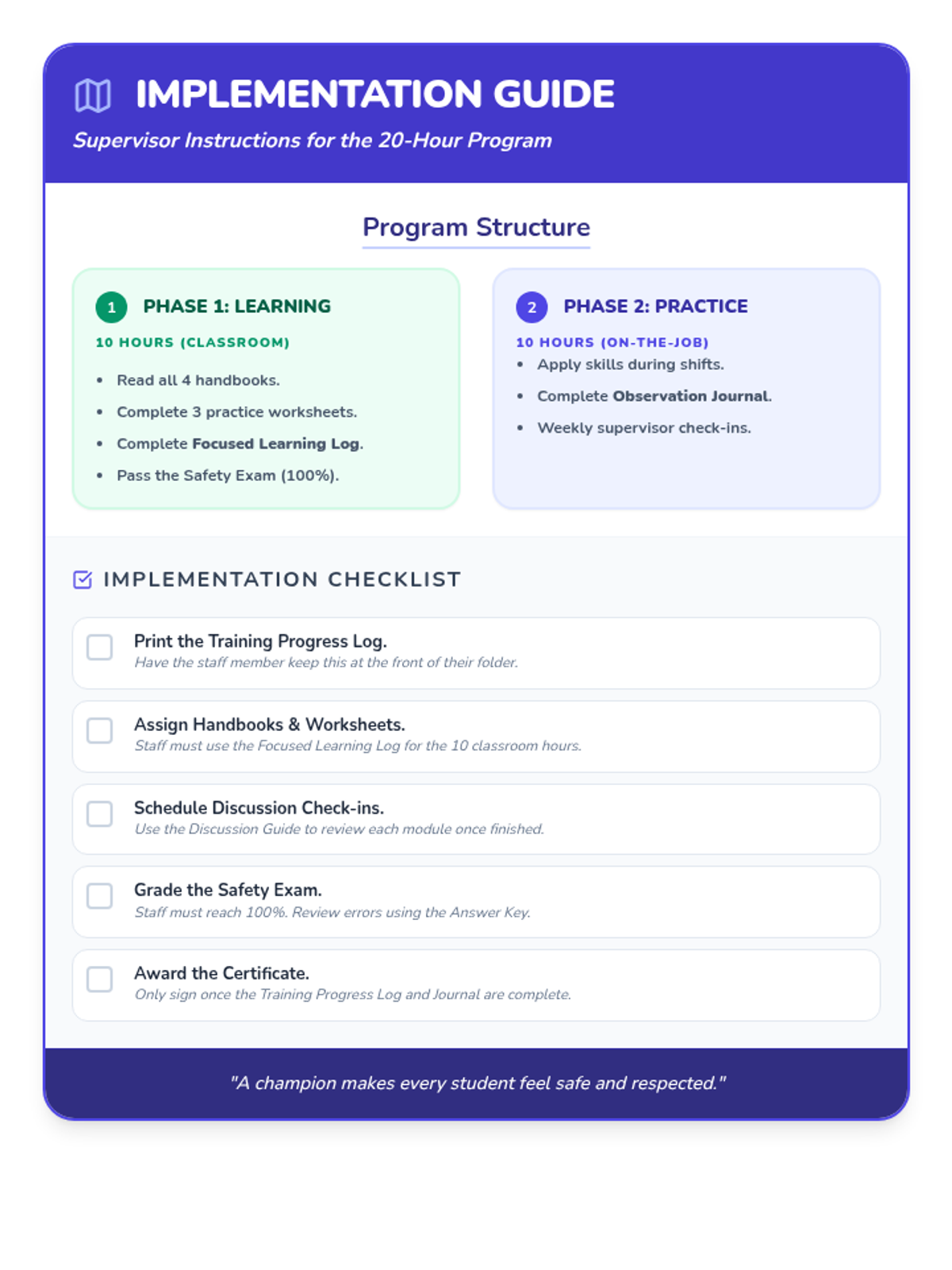
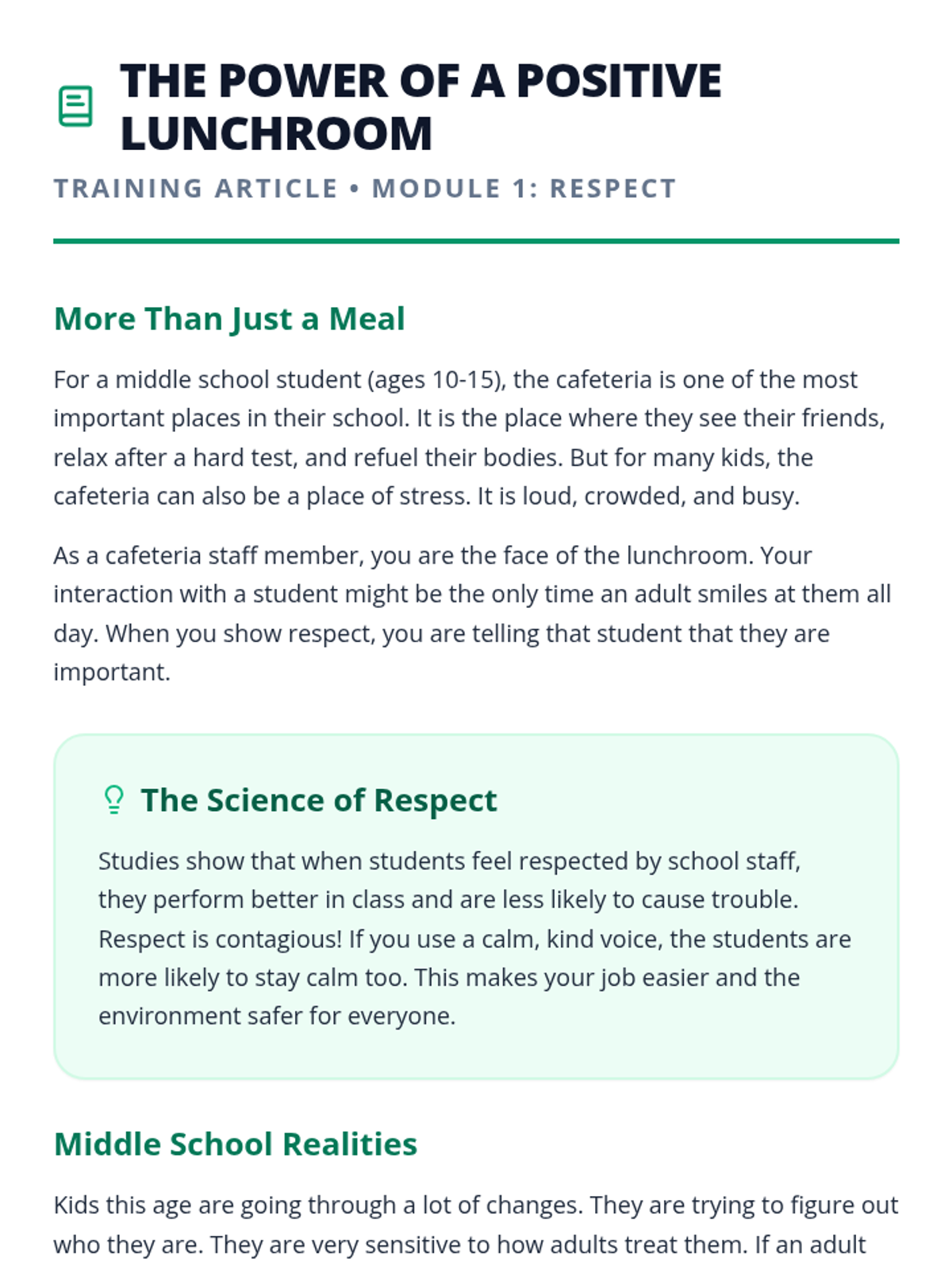
Focuses on building positive, respectful relationships with middle schoolers during meal service. Includes techniques for communication and managing busy lunch rushes with kindness.
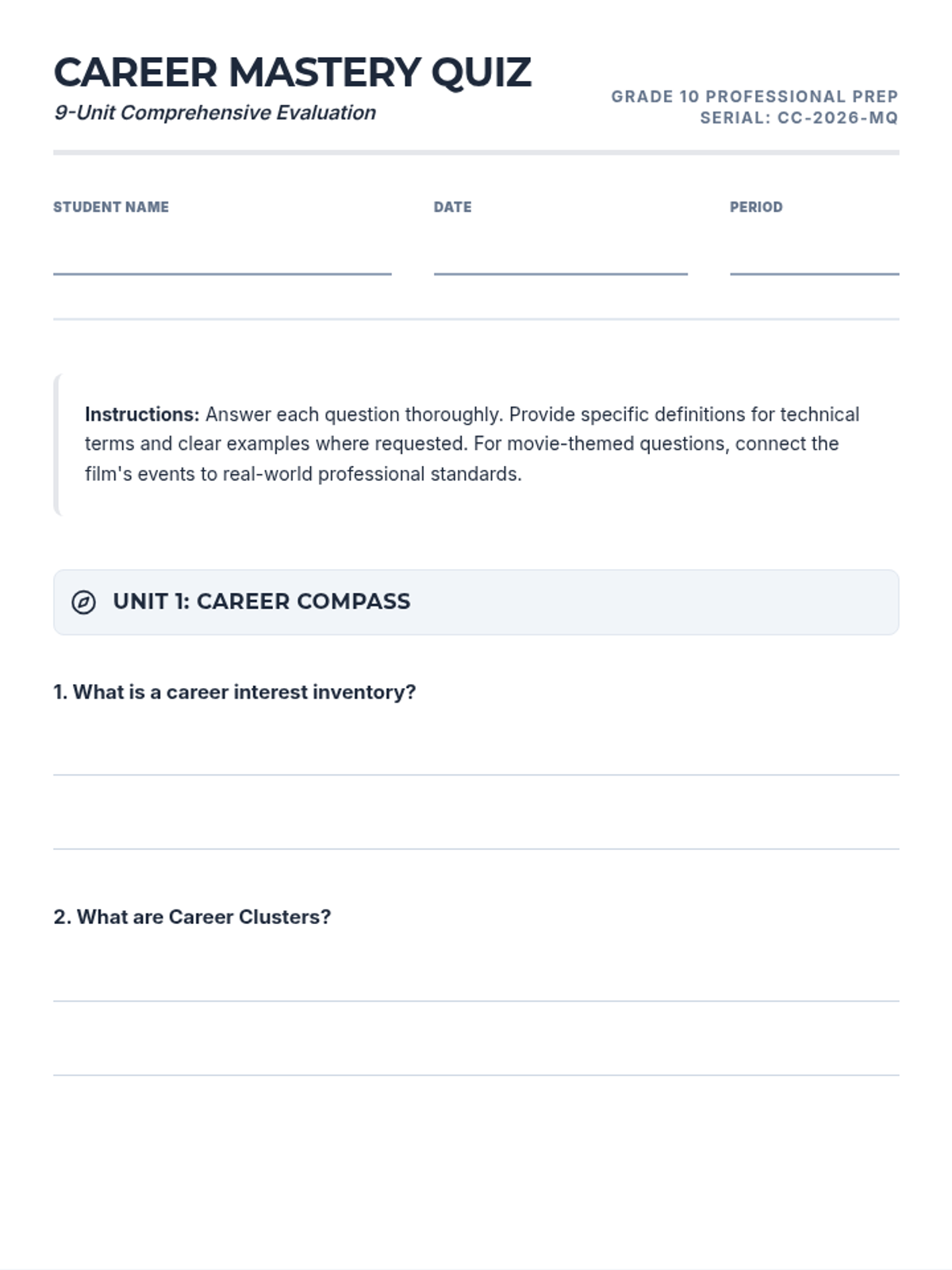
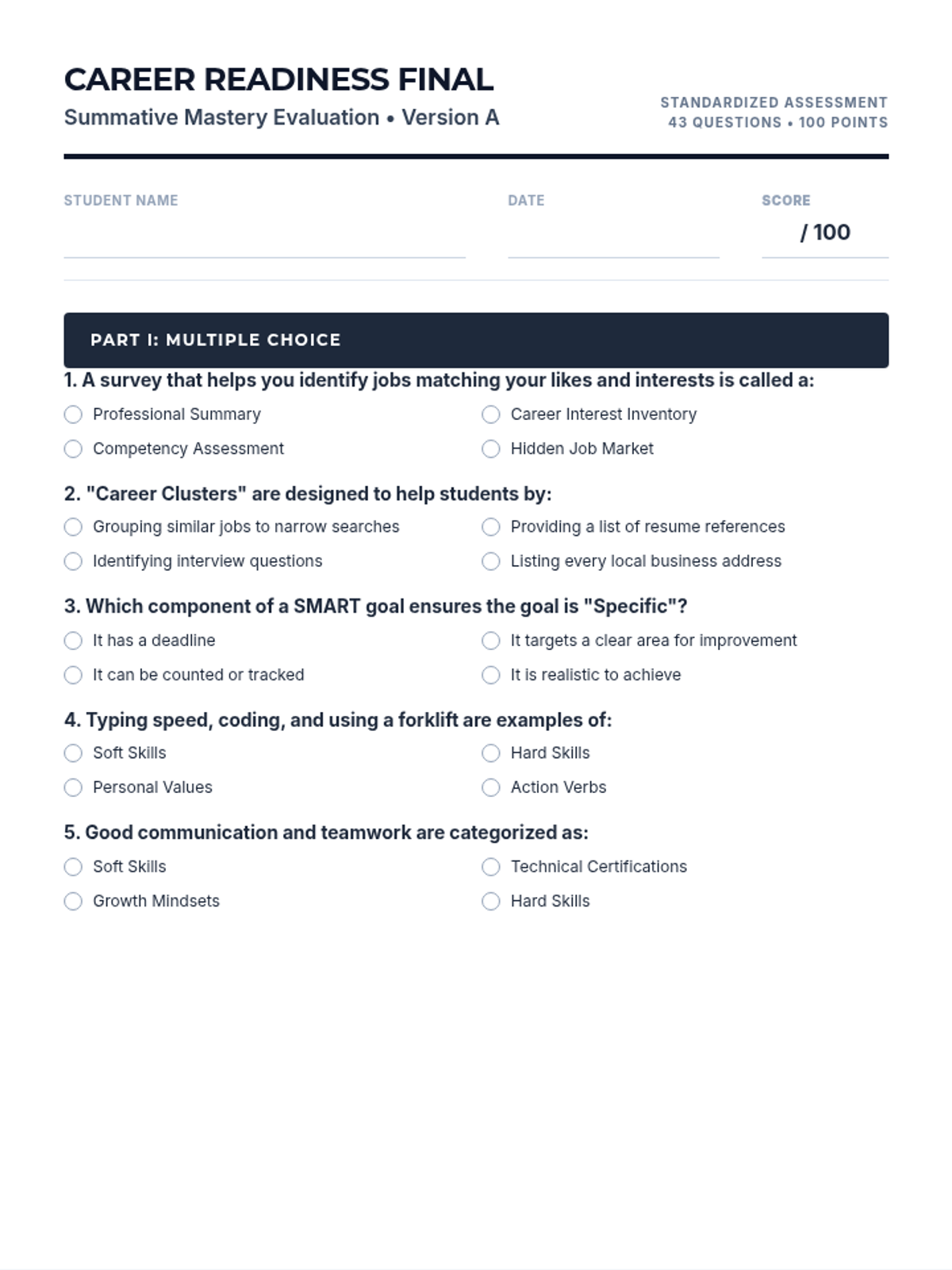
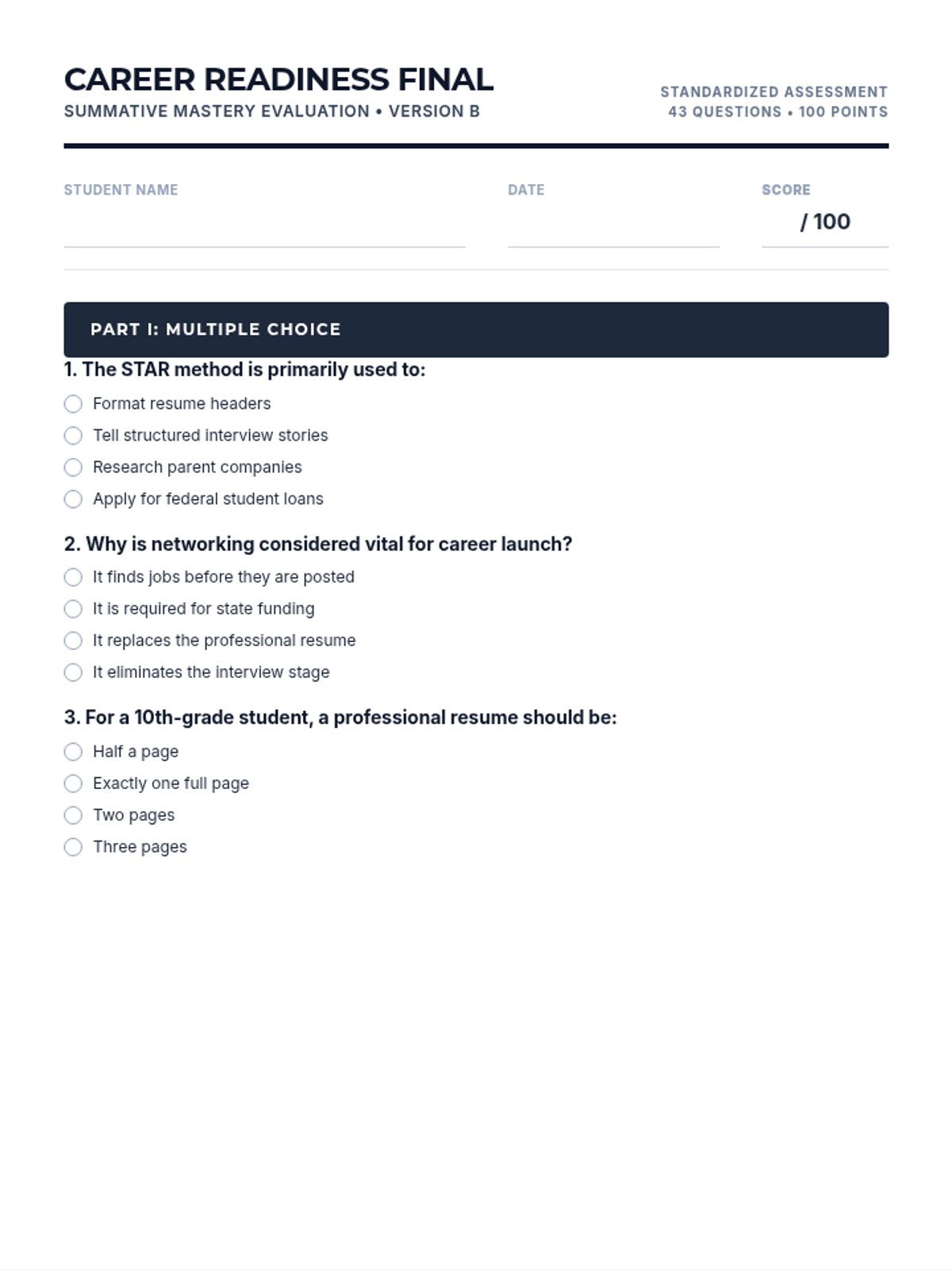
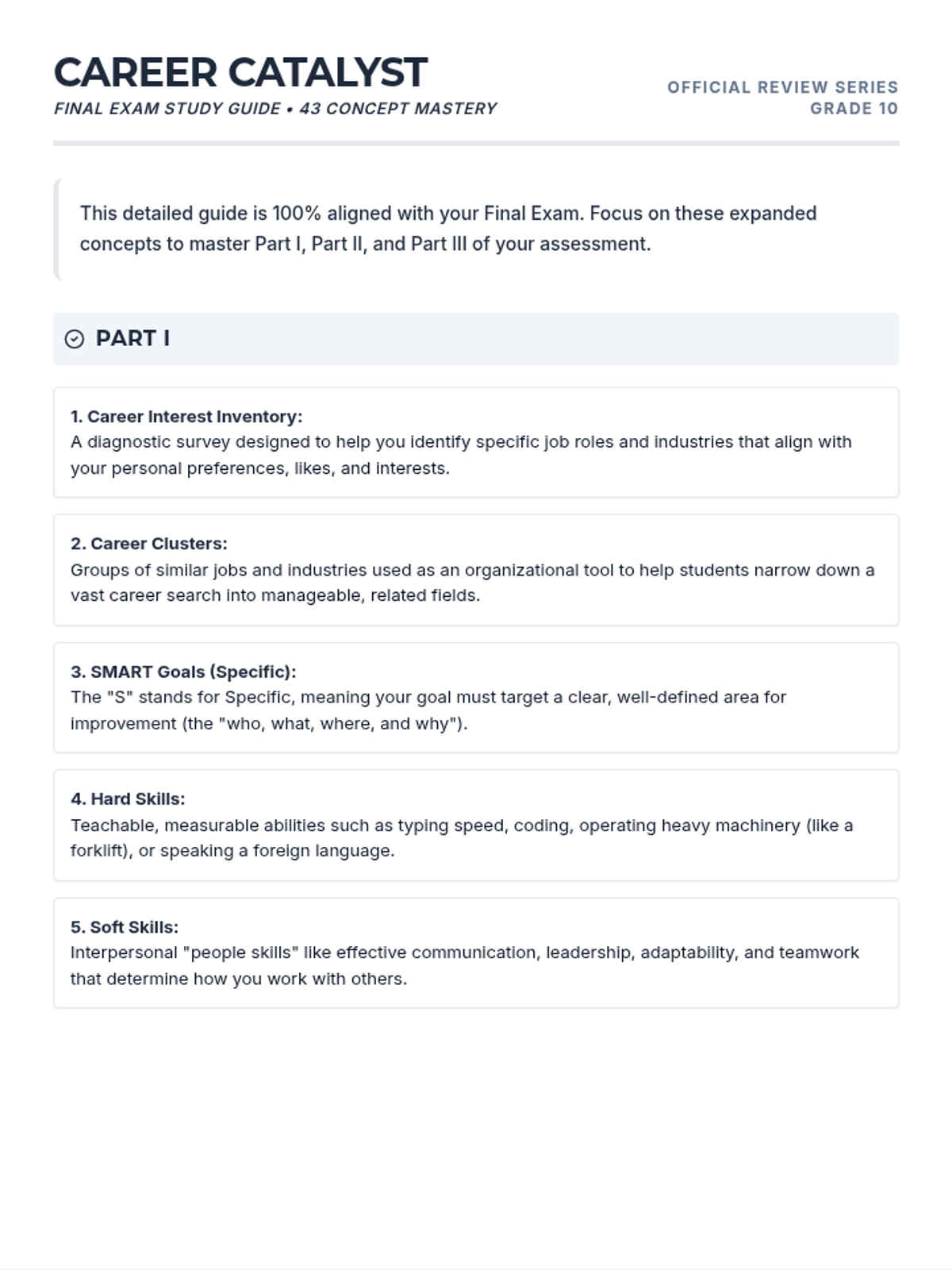
A comprehensive career readiness lesson focused on preparing students for final assessments across multiple units including resume building, application mastery, and professional legacy.
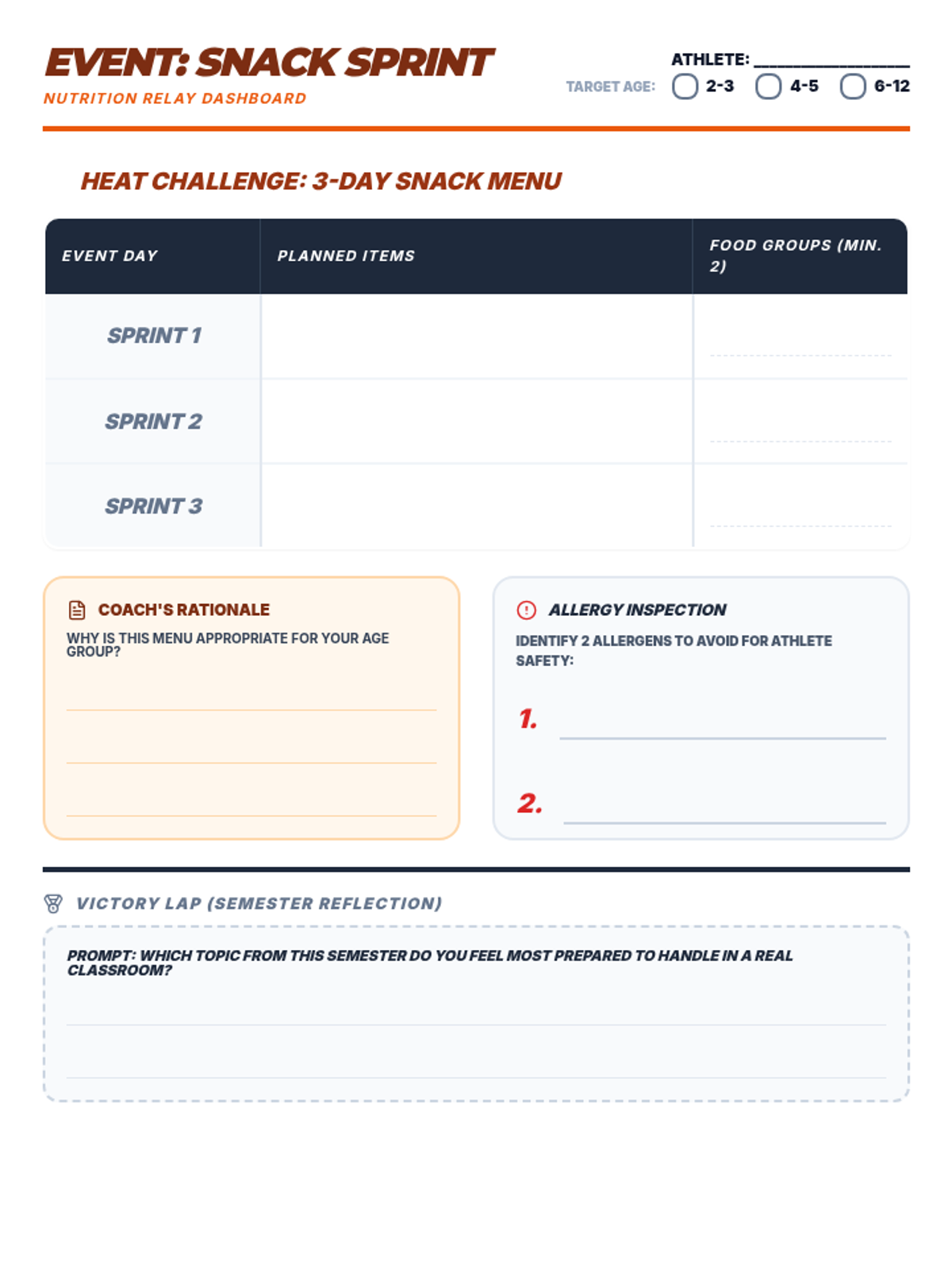
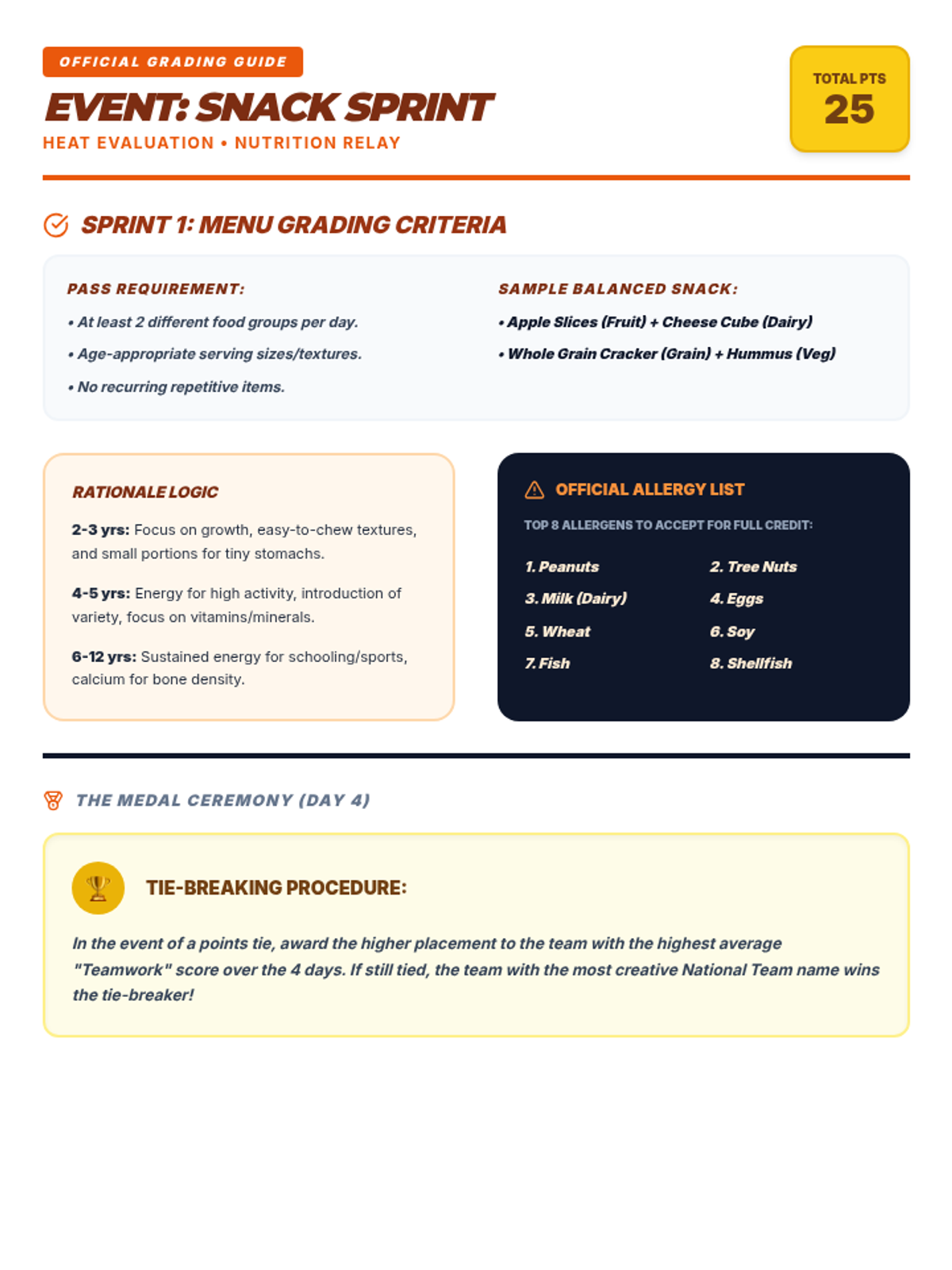
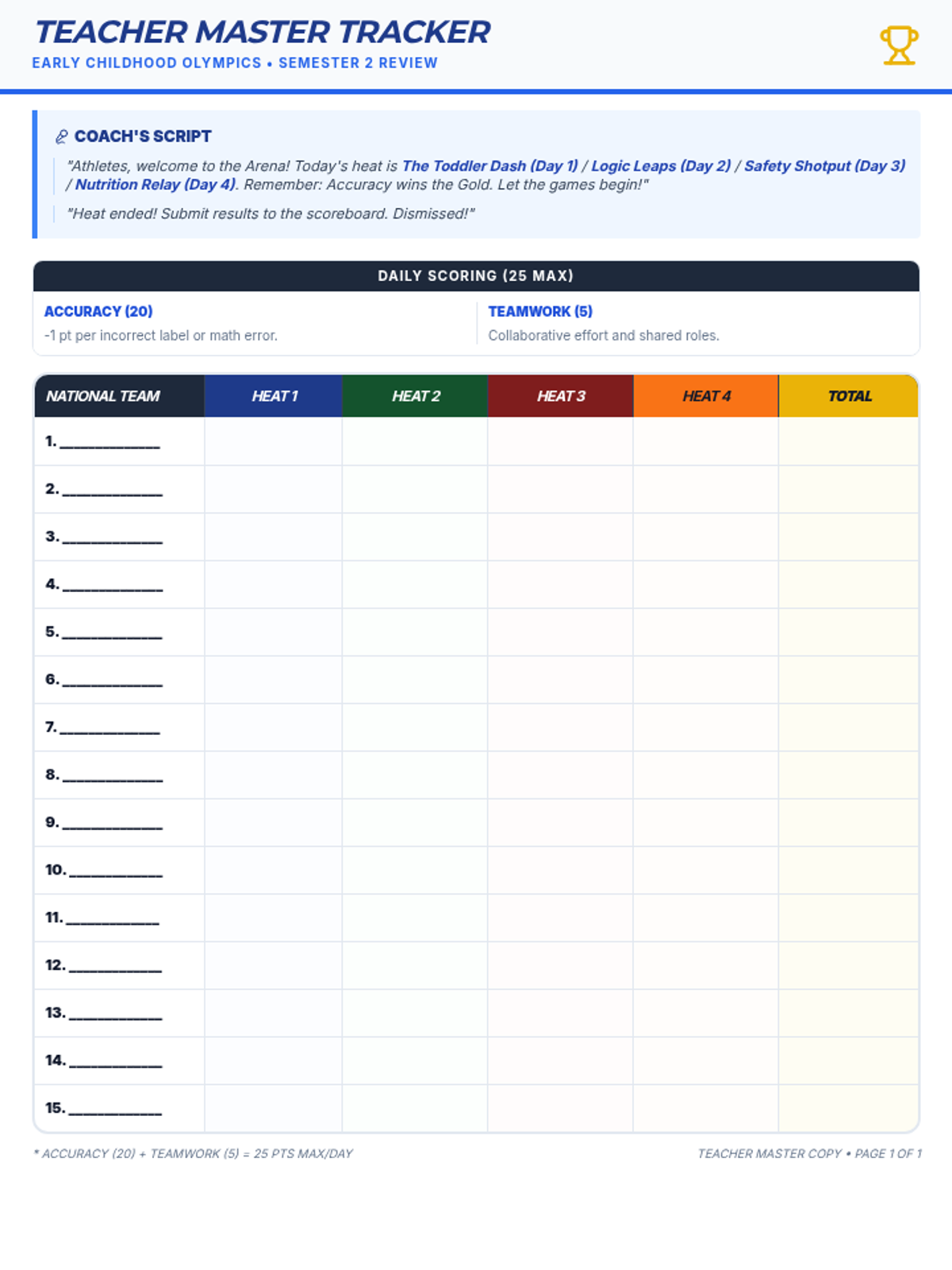
The final day covers nutrition and meal planning, followed by the grand tallying of points and the medal ceremony to conclude the semester.
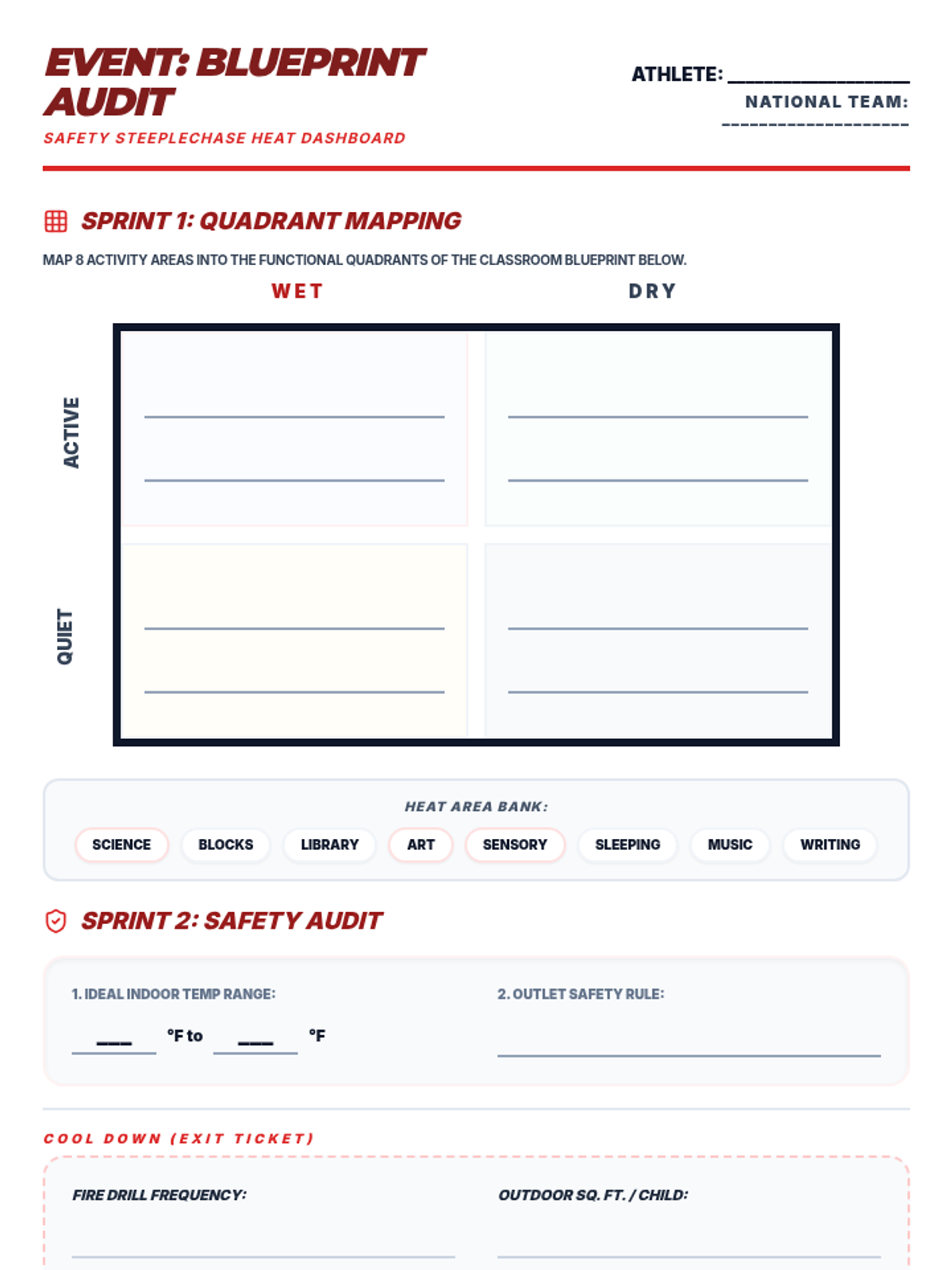
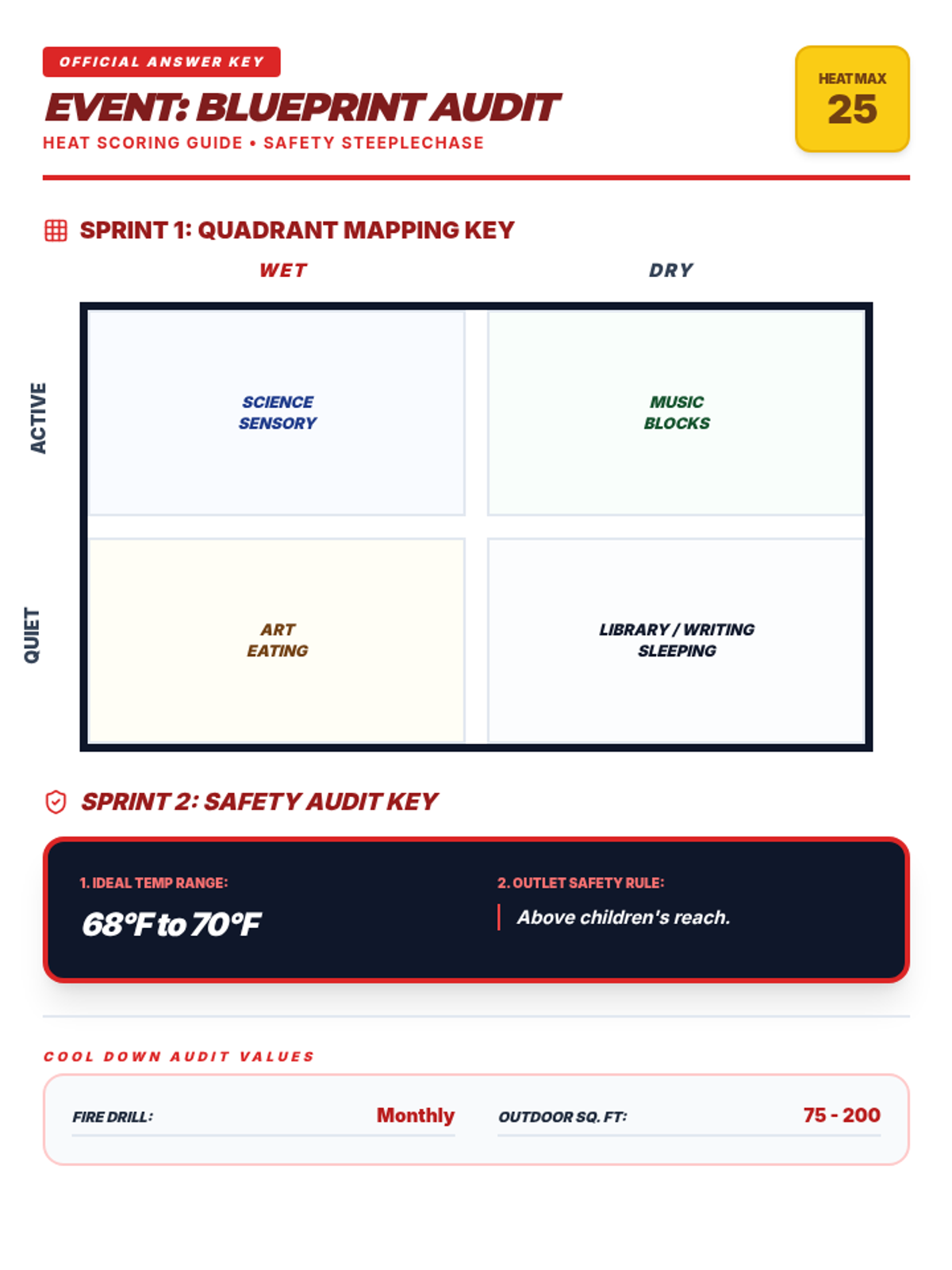
Day 3 focuses on environmental preparation and safety promotion, requiring students to apply knowledge of classroom layout and safety regulations to score points.
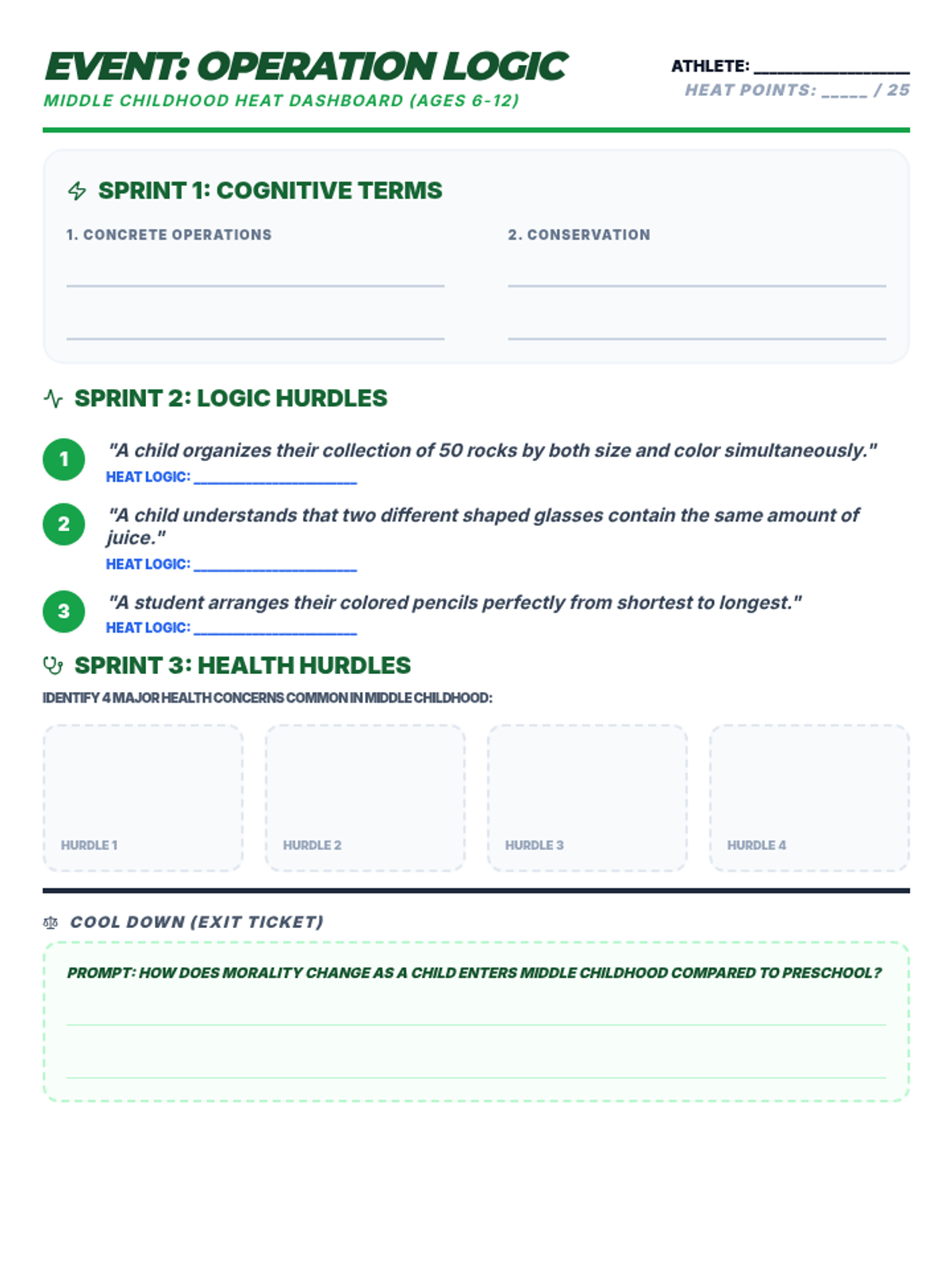
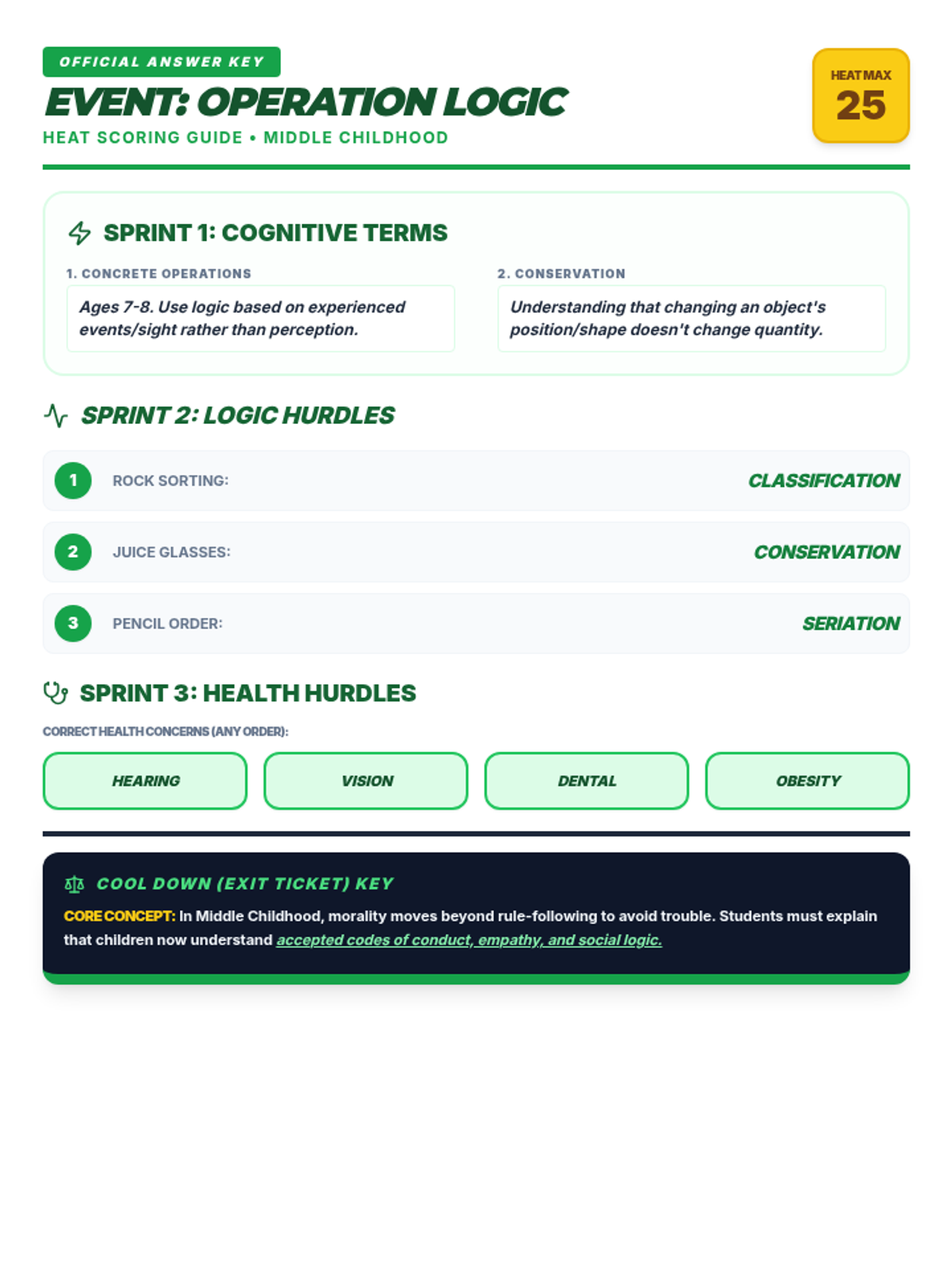
Day 2 explores middle childhood (ages 6-12), focusing on logical thinking, moral development, and the complexities of school-age social relationships.
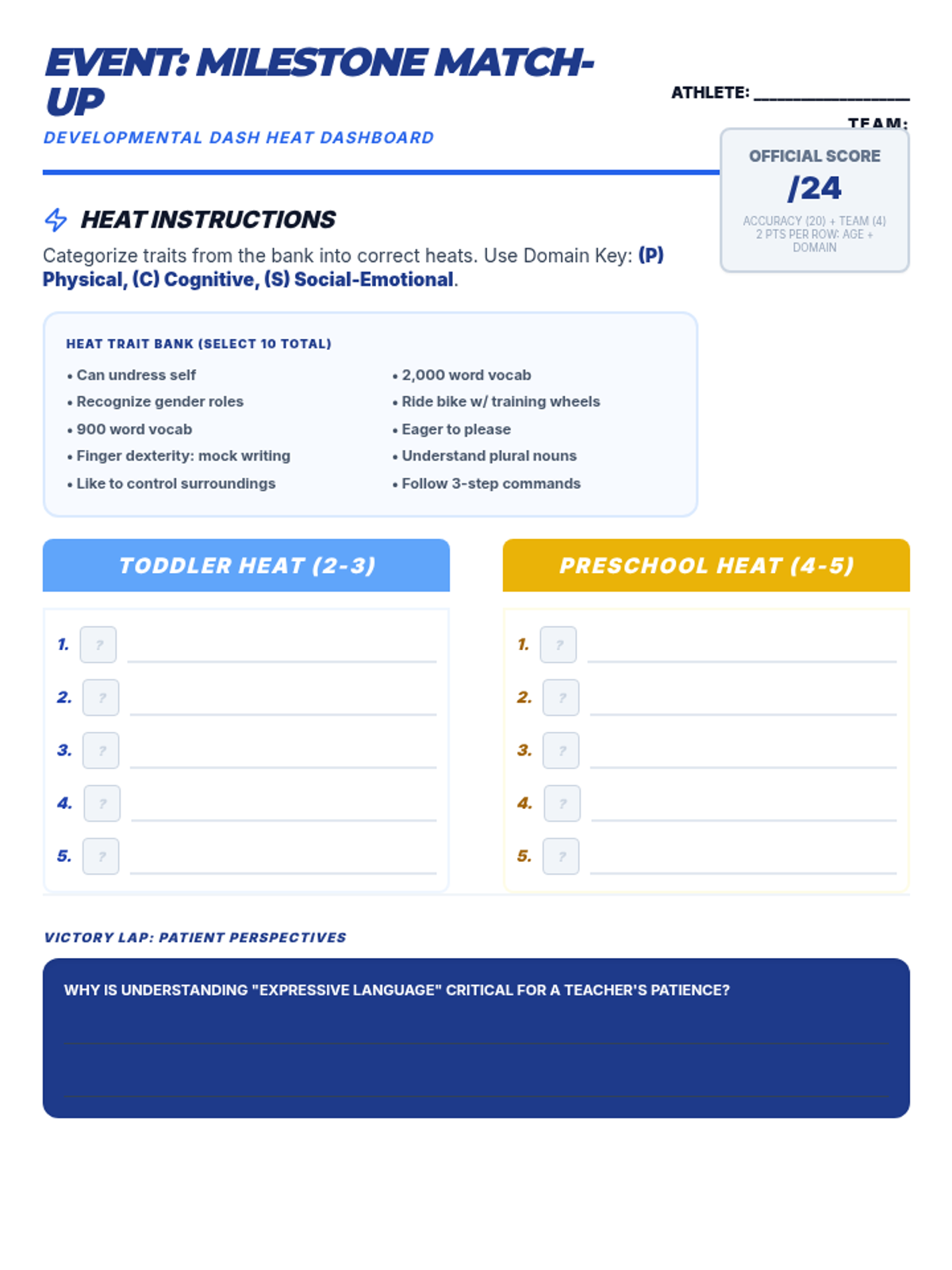
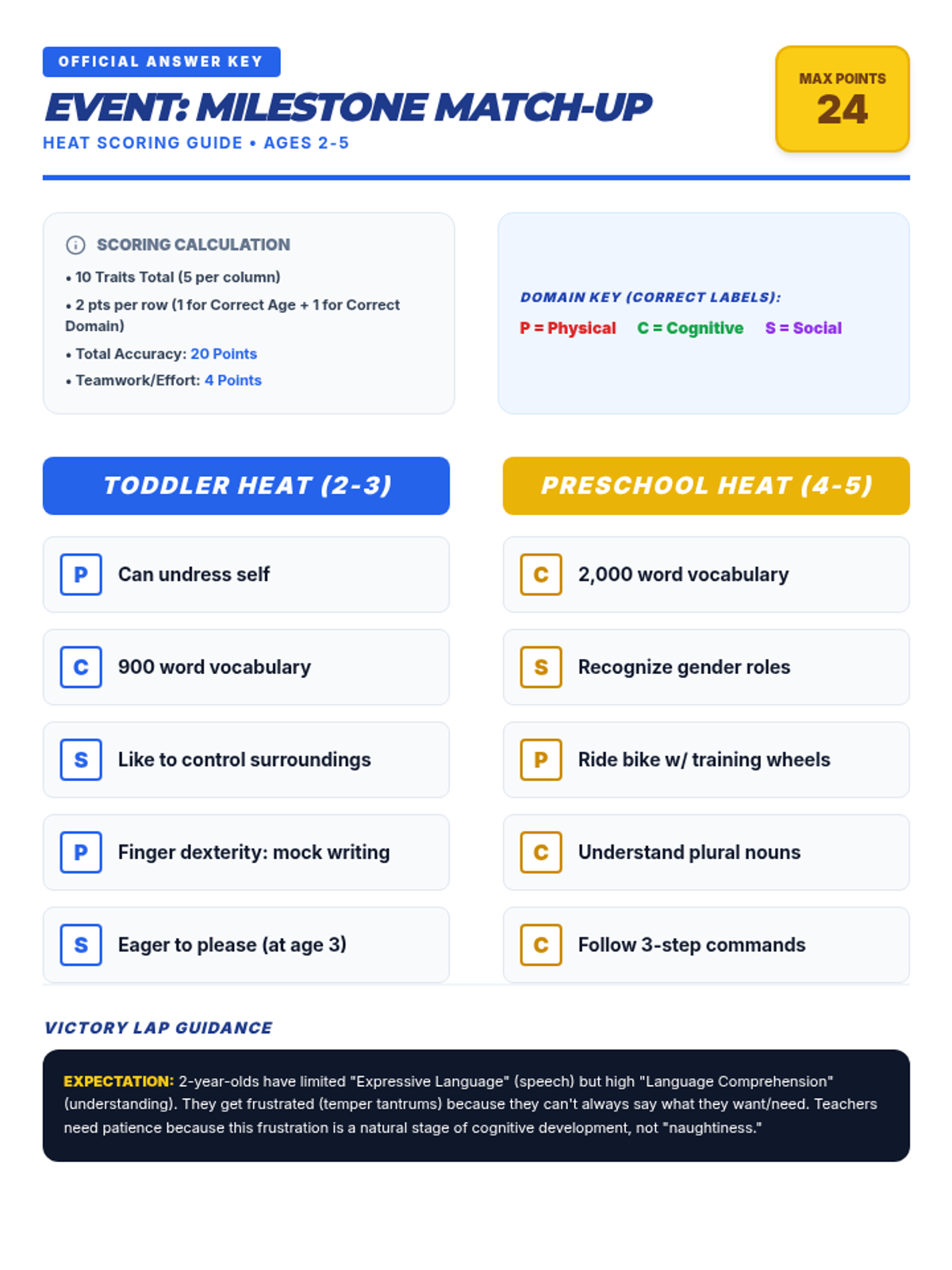
Day 1 of the Olympics focuses on the rapid development of children aged two through five, challenging students to accurately categorize physical, cognitive, and social milestones.