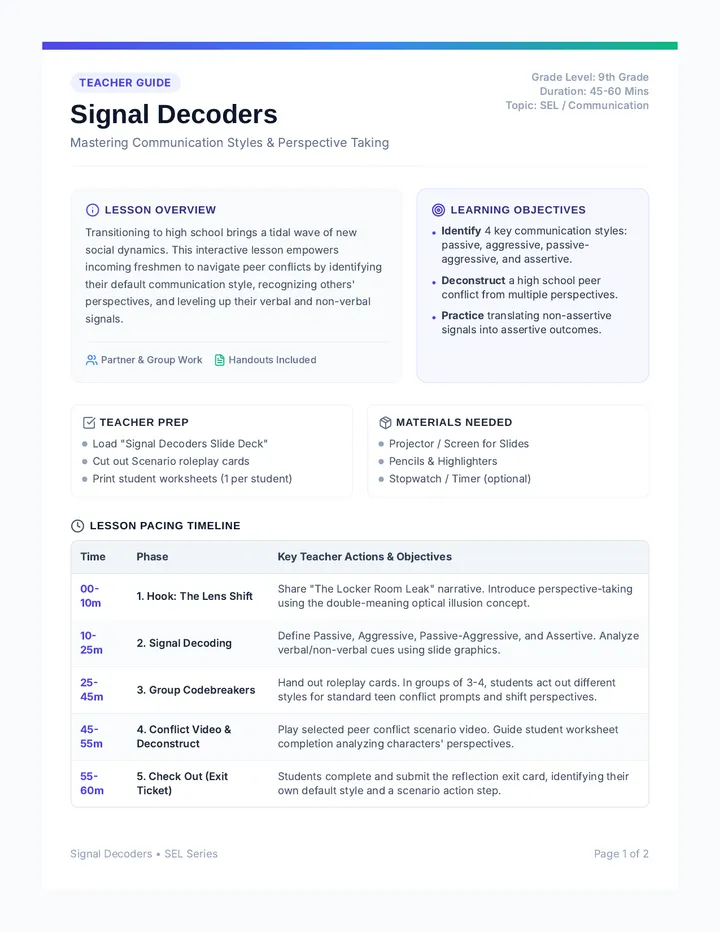
Connection Catalyst Teacher Guide
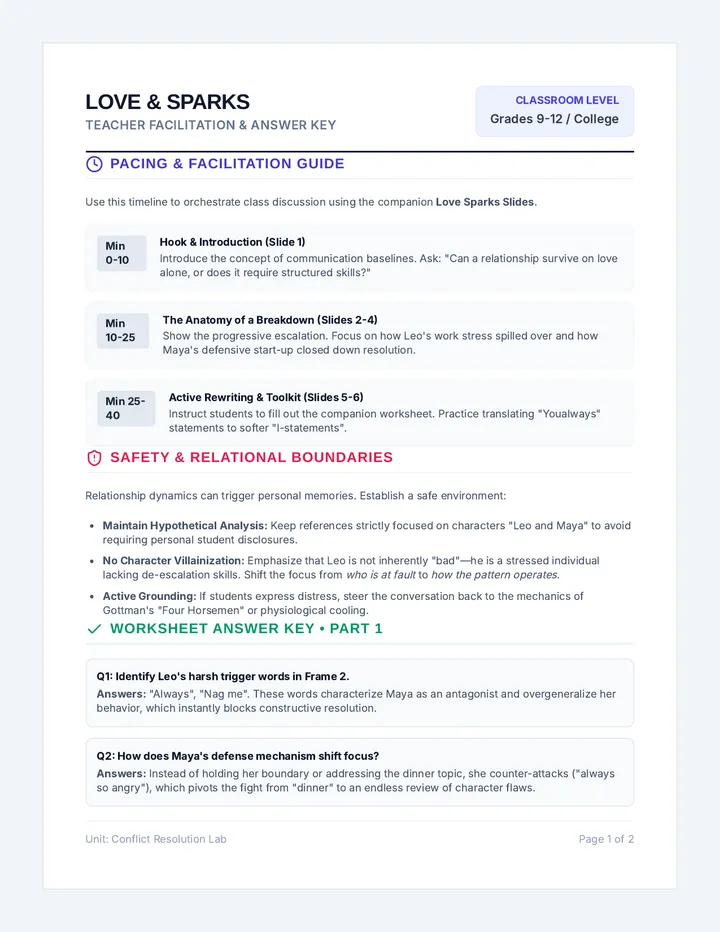
A comprehensive teacher facilitation guide for the 'Sludge and Gold' lesson, including learning objectives, a detailed timeline, and discussion anchors for the short film.
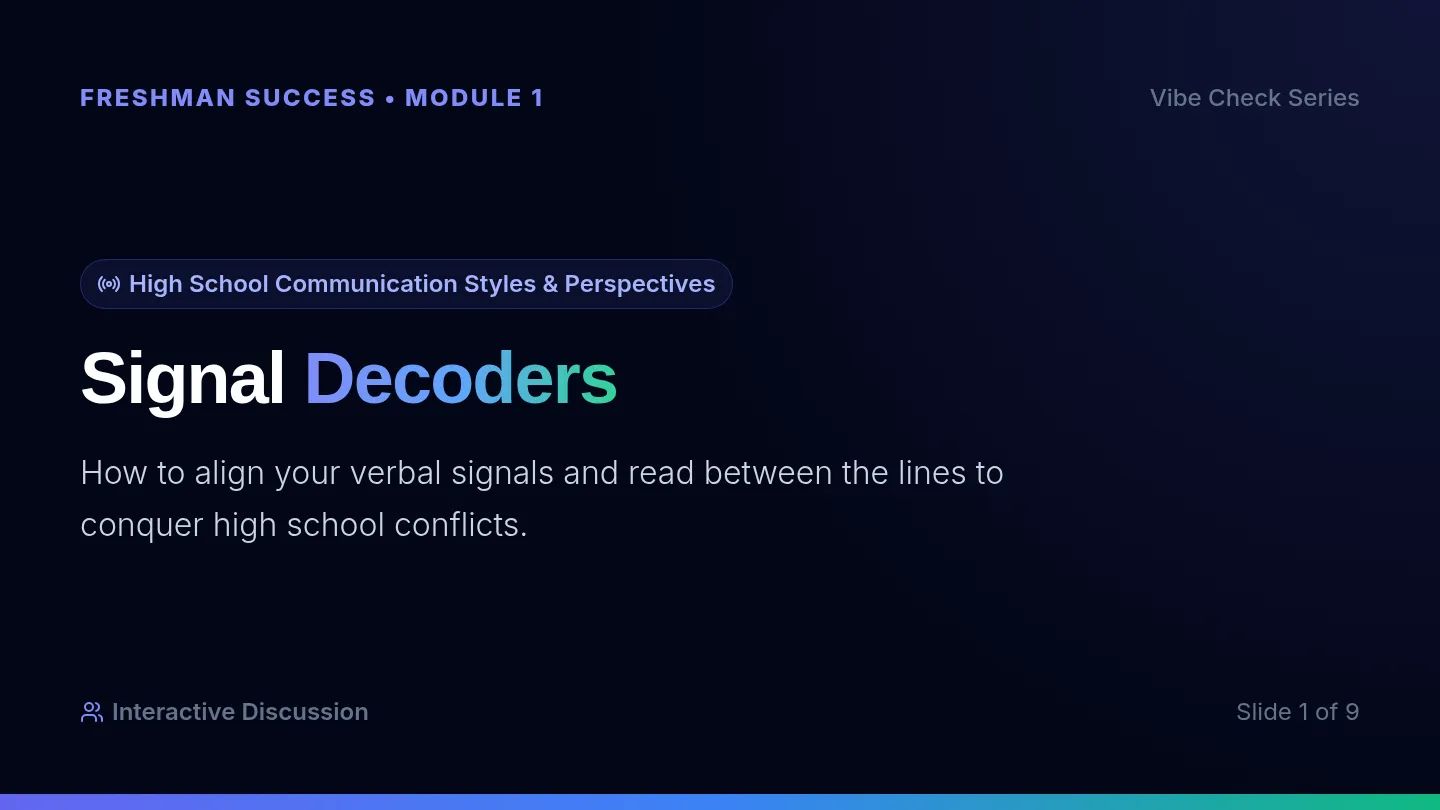
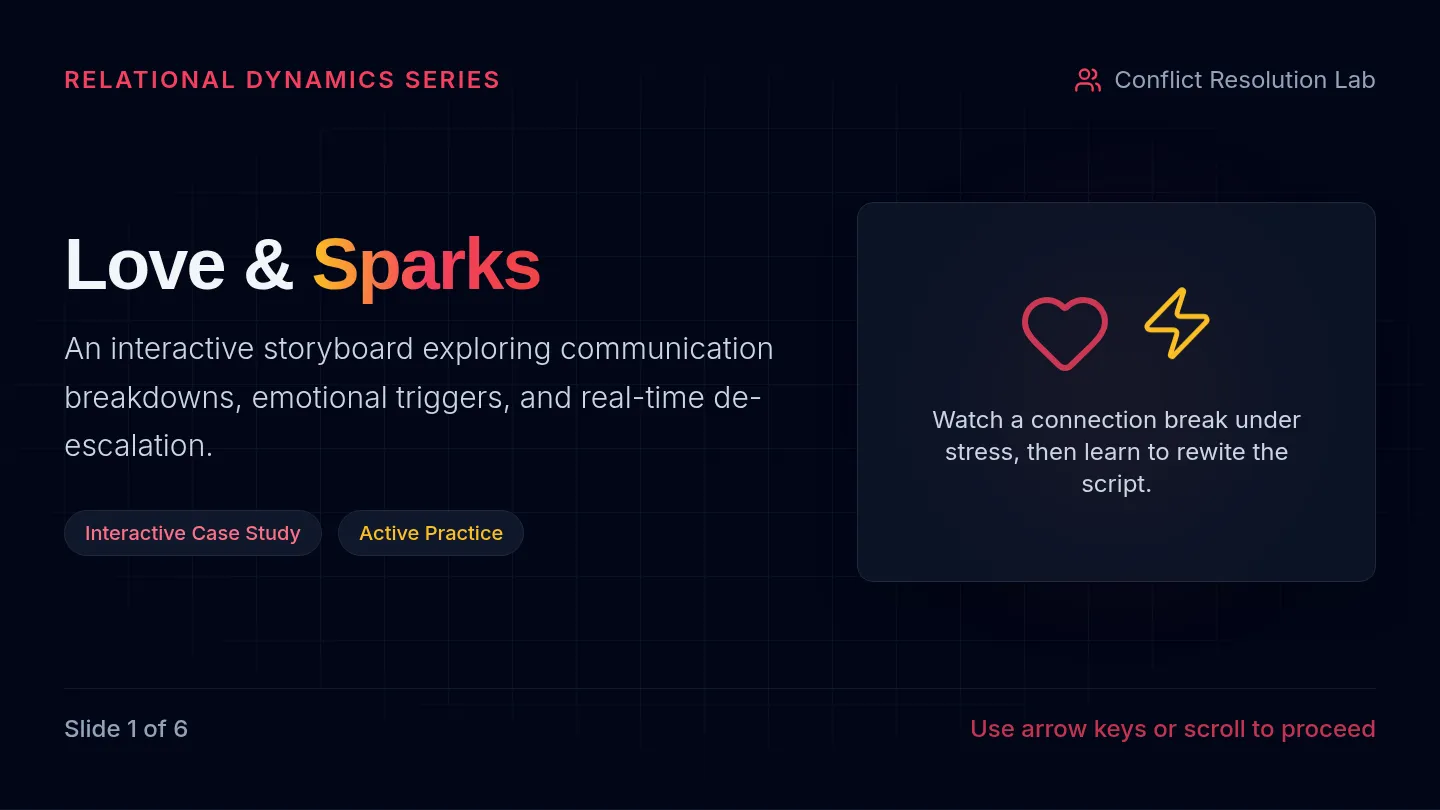
Sludge and Gold Slides
Visual slide deck for the 'Sludge and Gold' lesson, featuring the short film, analysis of the 'Just Block Them' fallacy, and visual metaphors for trauma and empathy. All text adheres to minimum 24px requirement.
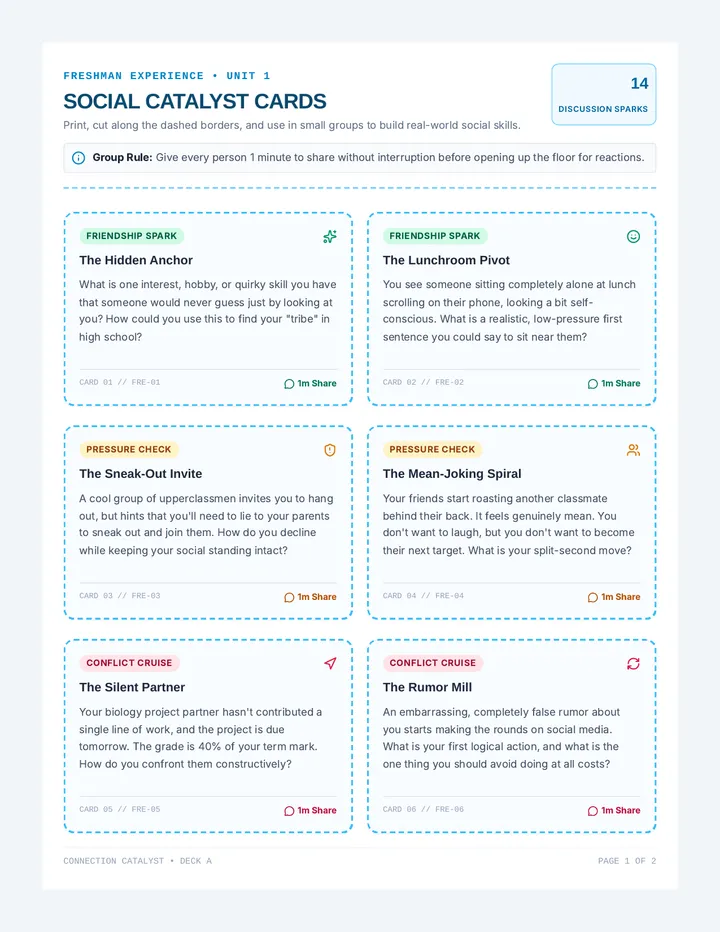
Beyond the Block Discussion Cards
Printable discussion cards for small group analysis of the film 'are you okay?', focusing on the social cost of reporting and the effectiveness of adult advice.
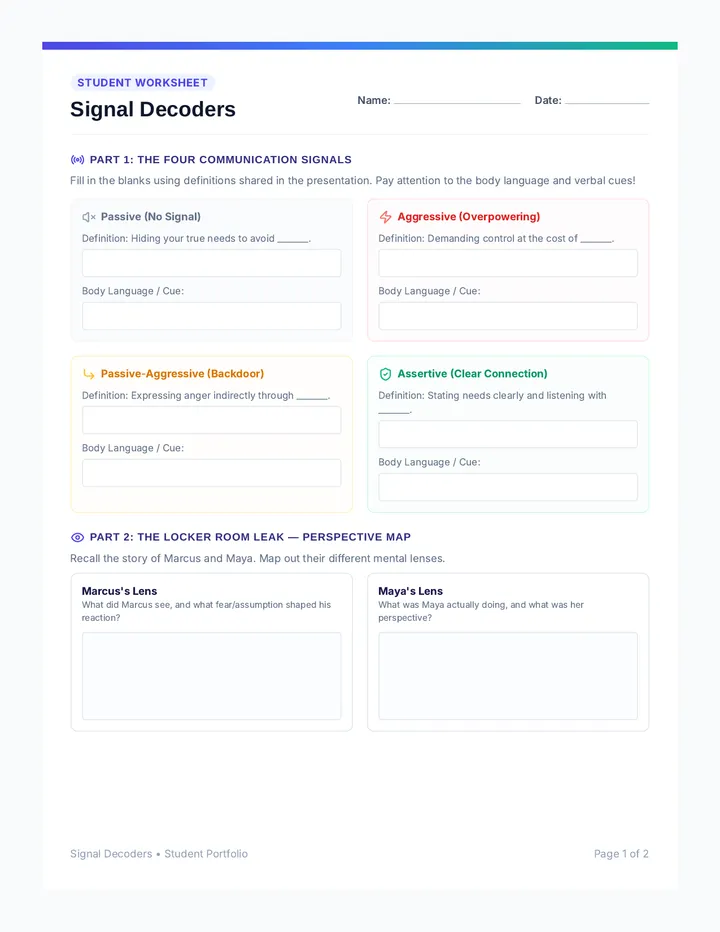
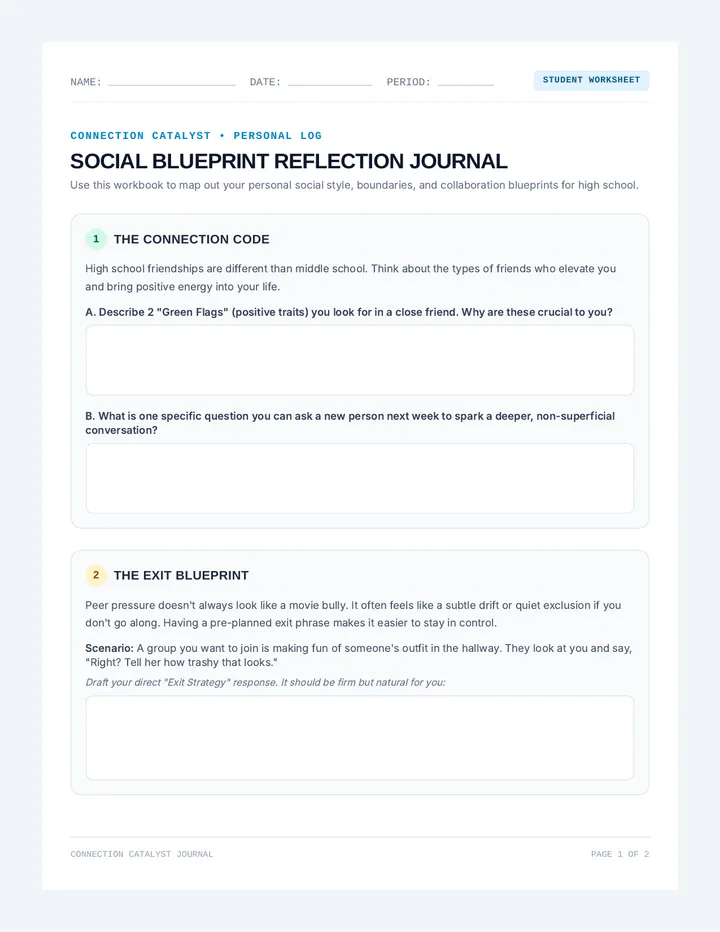
Script Doctor Worksheet
An extension activity worksheet where students analyze the failure of the counselor's response in the film and rewrite the script using more empathetic and effective communication strategies.
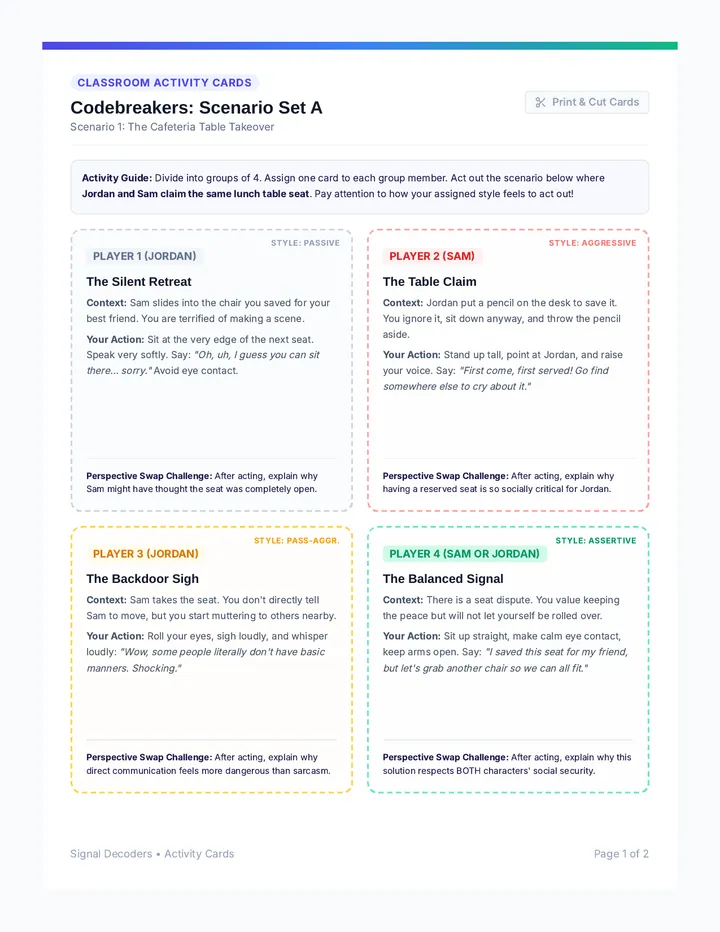
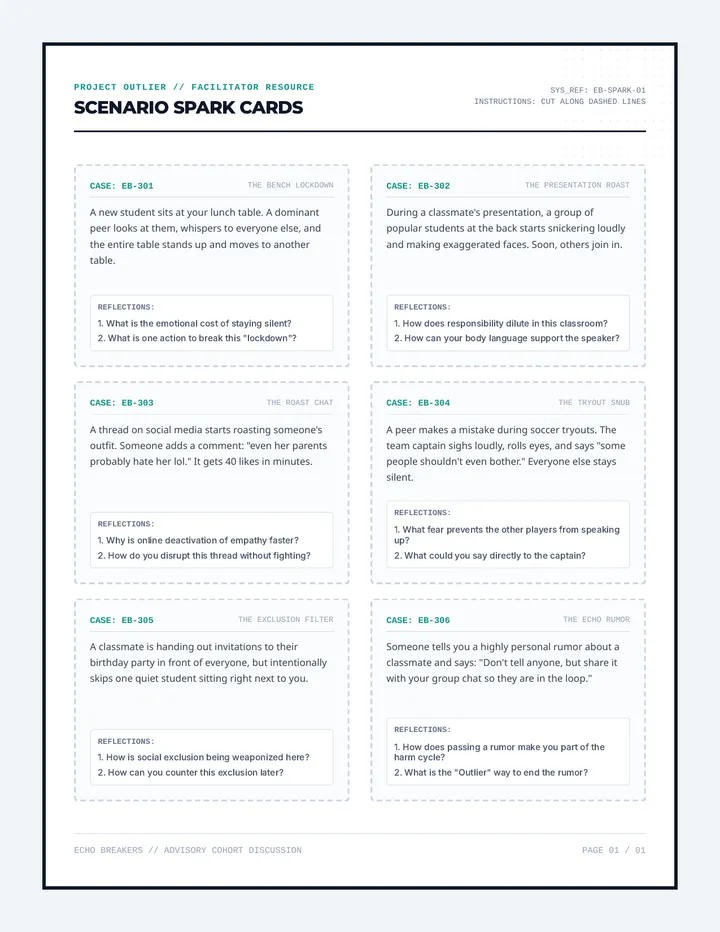
Response Refresher Role Play Cards
Role-play scenario cards for students to practice empathetic and effective responses to cyberbullying situations, moving beyond dismissal and advice-giving.