Students investigate retaliation and whistleblower protections, learning to identify subtle forms of adverse action and the legal safeguards that protect those who speak up.
A lesson designed to empower high school students to navigate digital misinformation using the SIFT method, with a specific focus on resources and news relevant to their daily lives.
A practical guide for high school students to evaluate the credibility of political news and community resource leads, specifically housing and shelter availability.
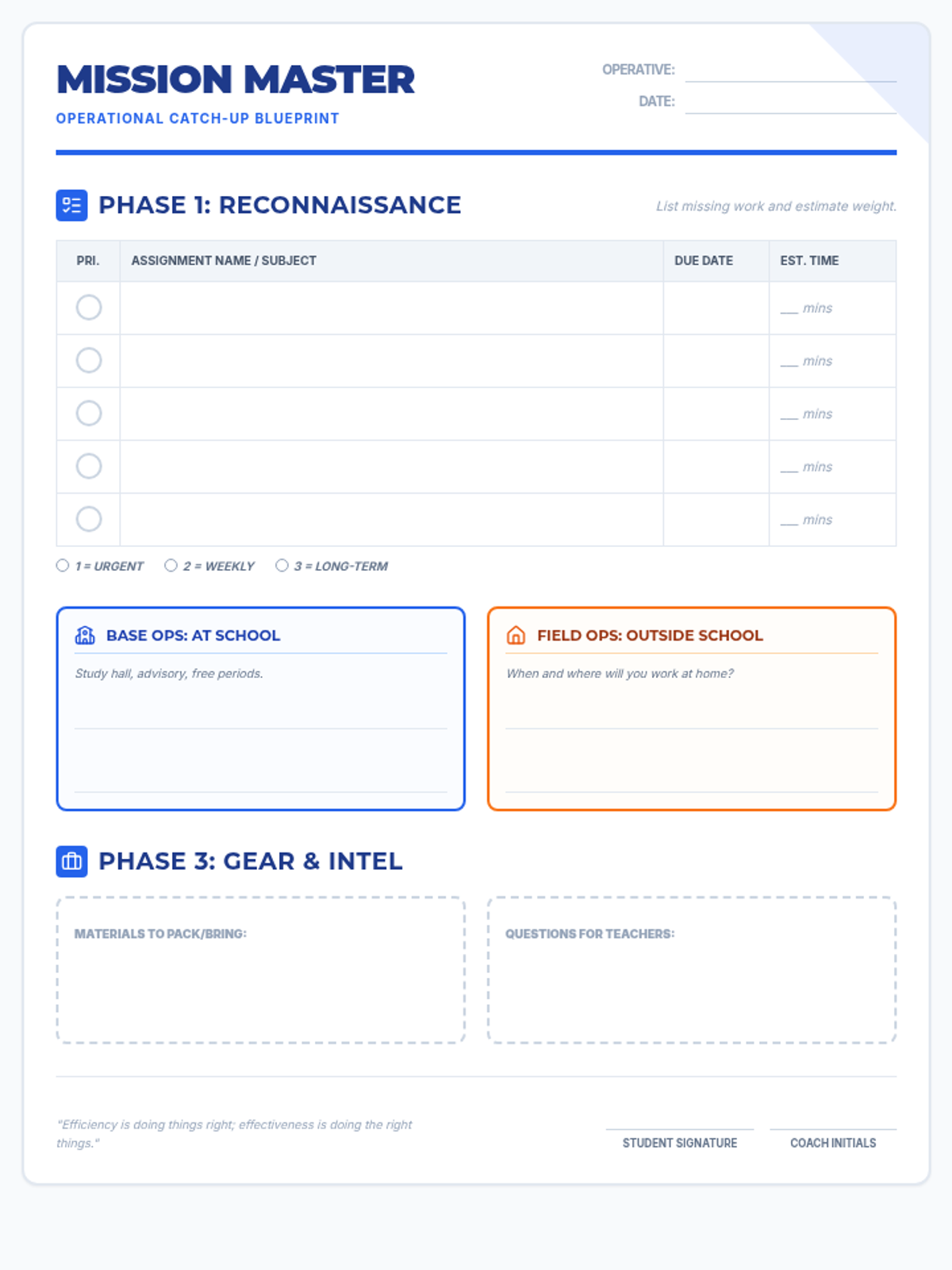
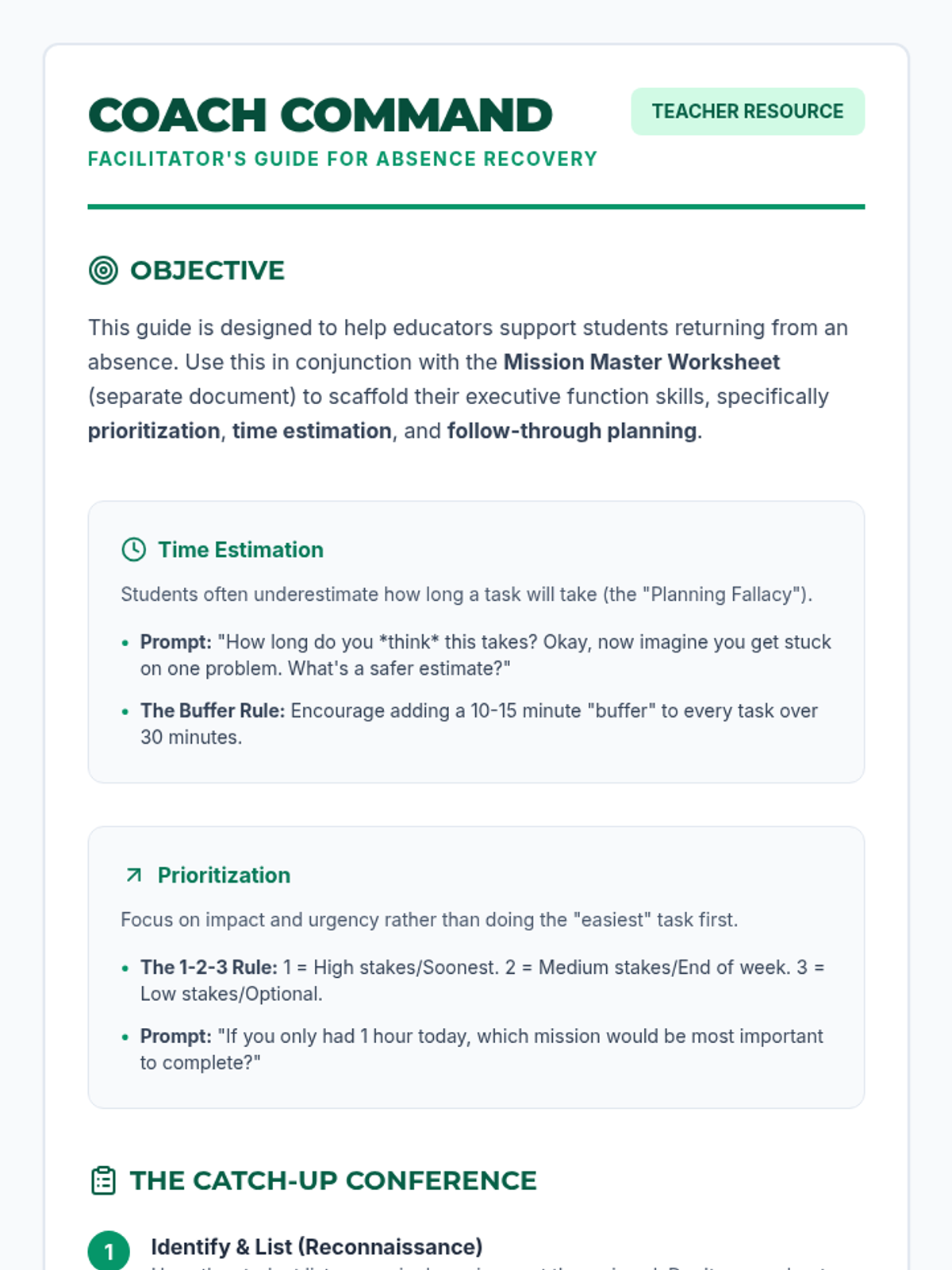
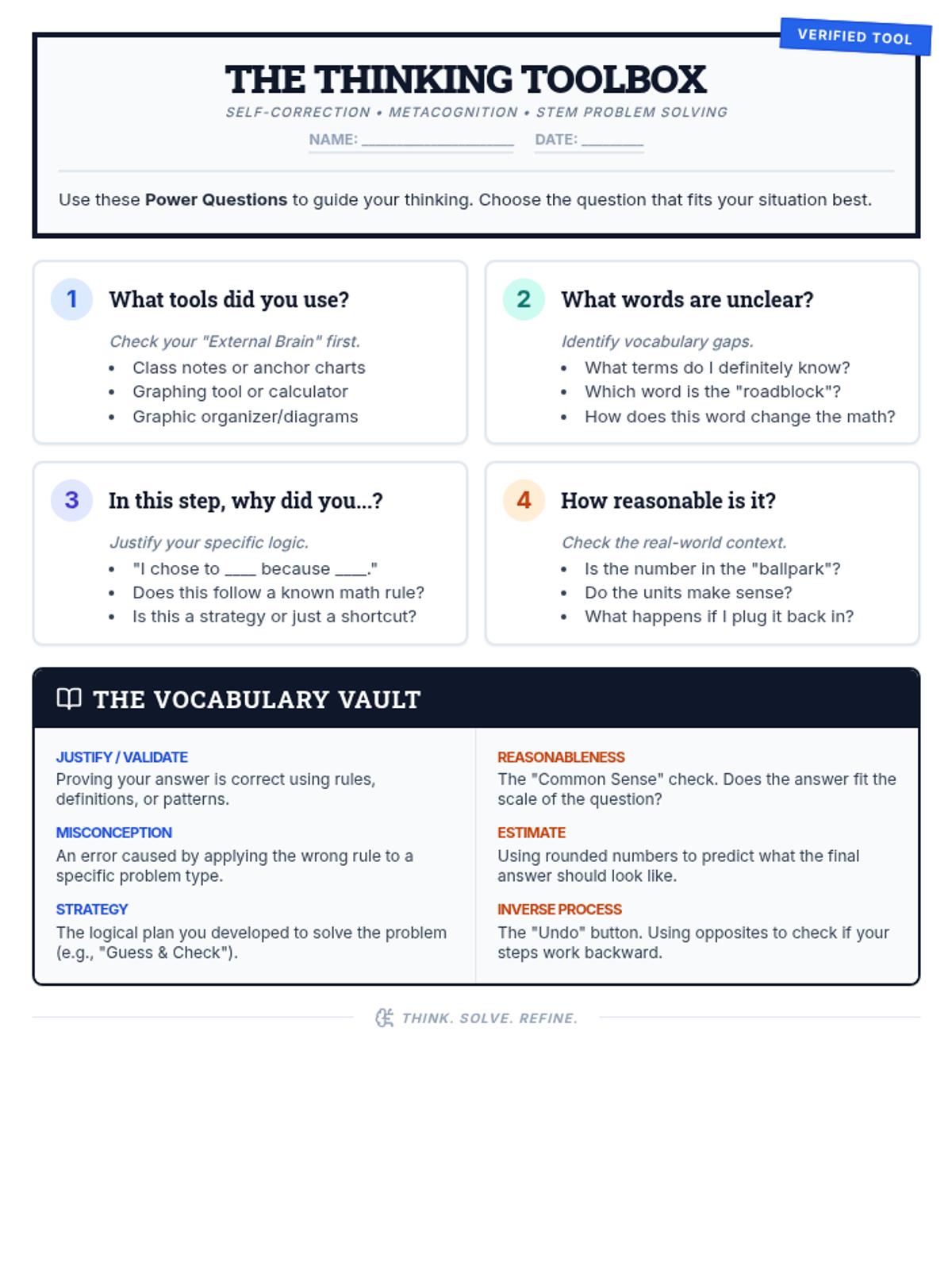
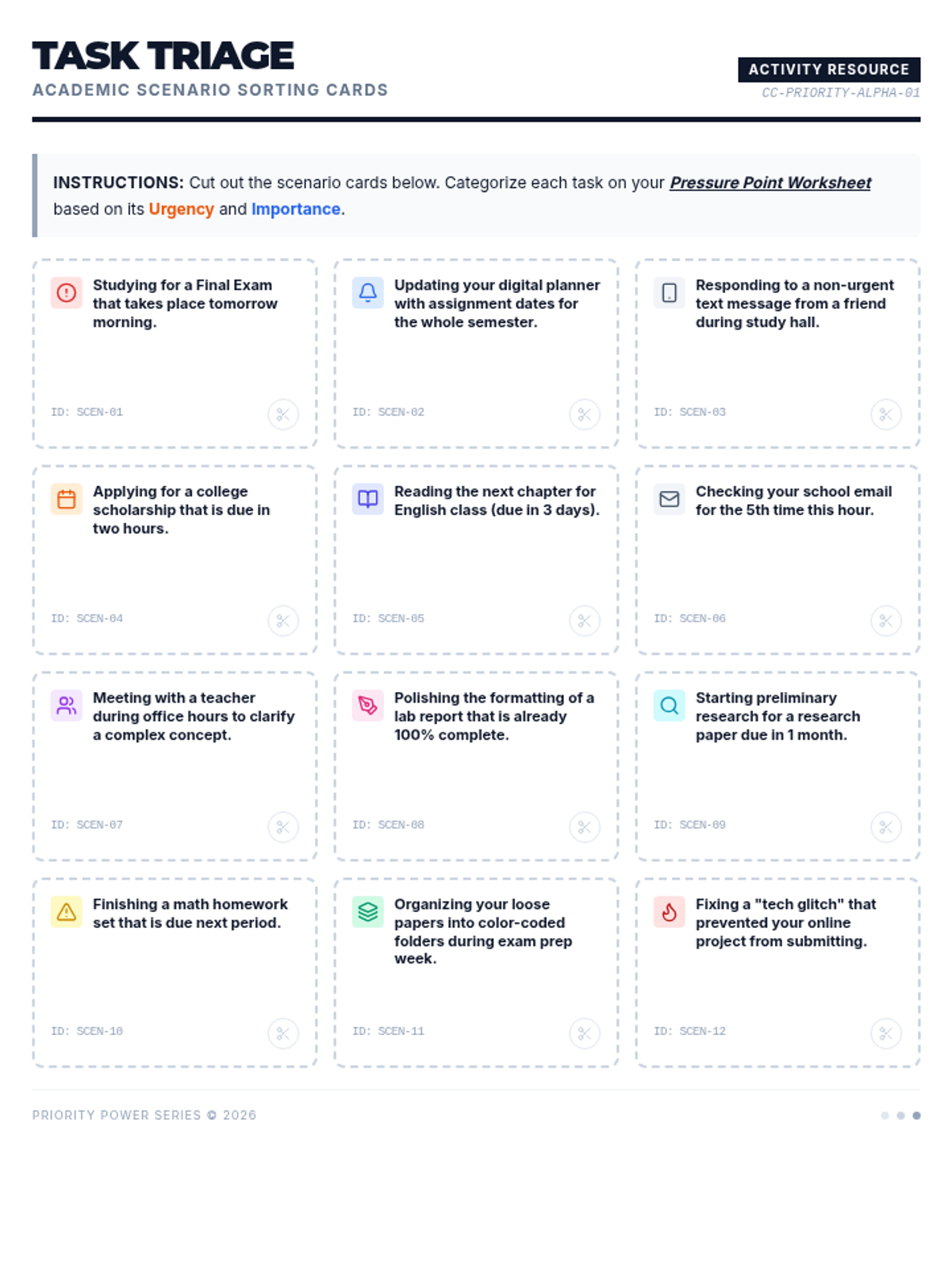
A daily habit-building system for students to monitor their readiness, preparation, and work effort across all subjects. Includes student trackers and teacher implementation guides to foster accountability and self-regulation.
A comprehensive lesson exploring the impact of language choice, focusing on professionalism, avoiding microaggressions, and using 'I' statements for conflict resolution.
A 50-minute financial safety workshop designed for homeless teens, focusing on identifying predatory scams, evaluating 'too good to be true' offers, and implementing a 24-hour decision pause.
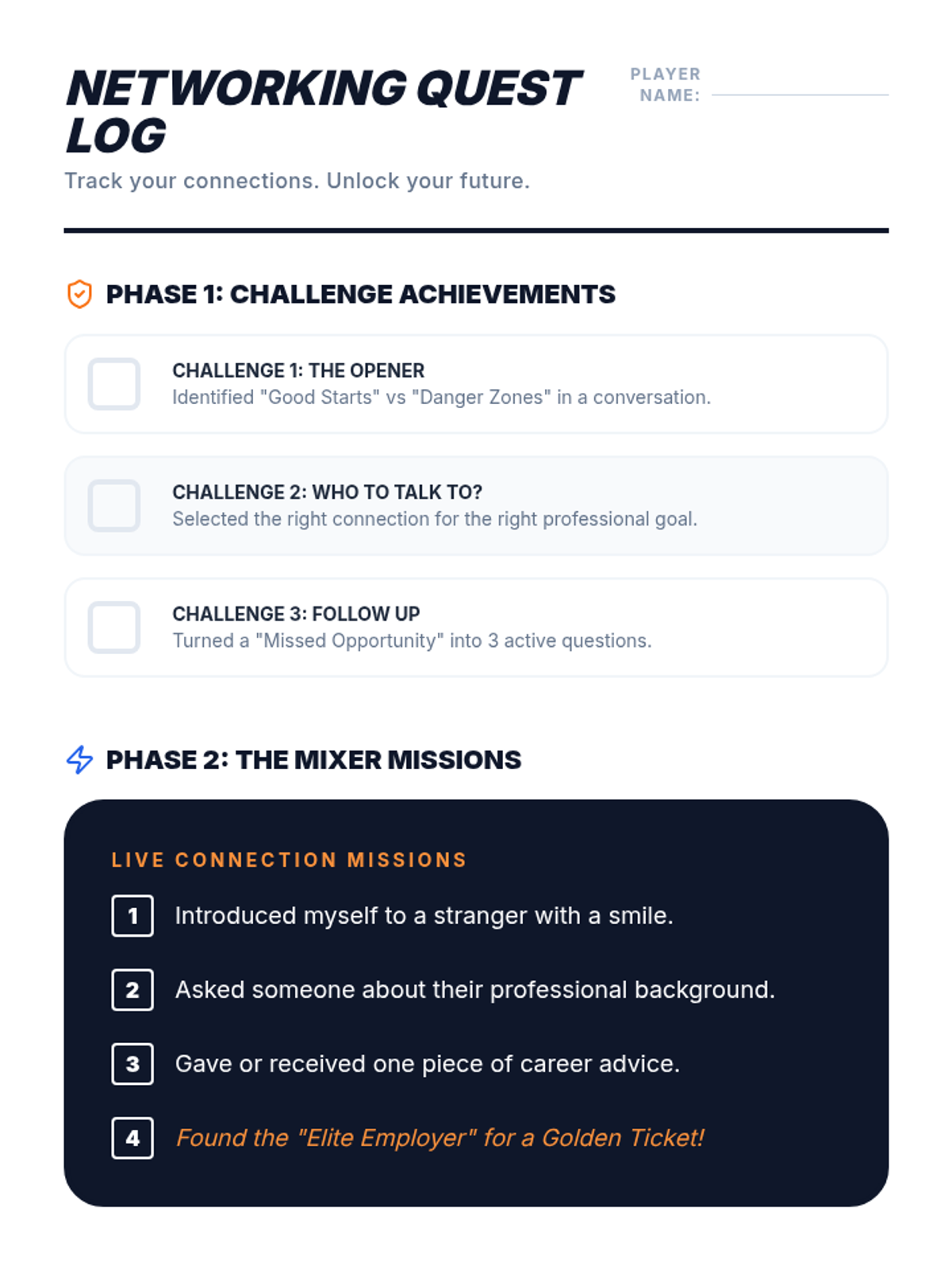
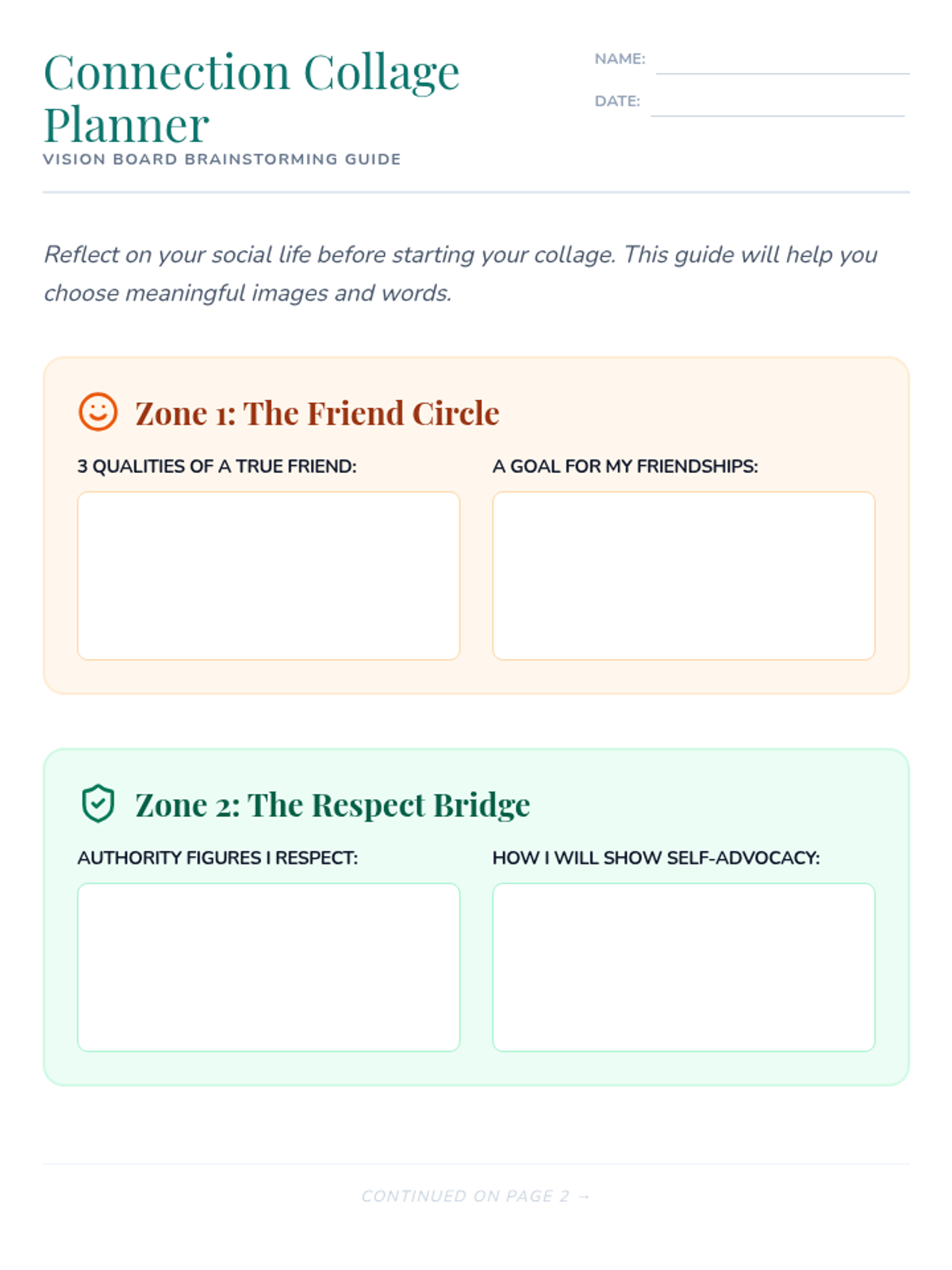
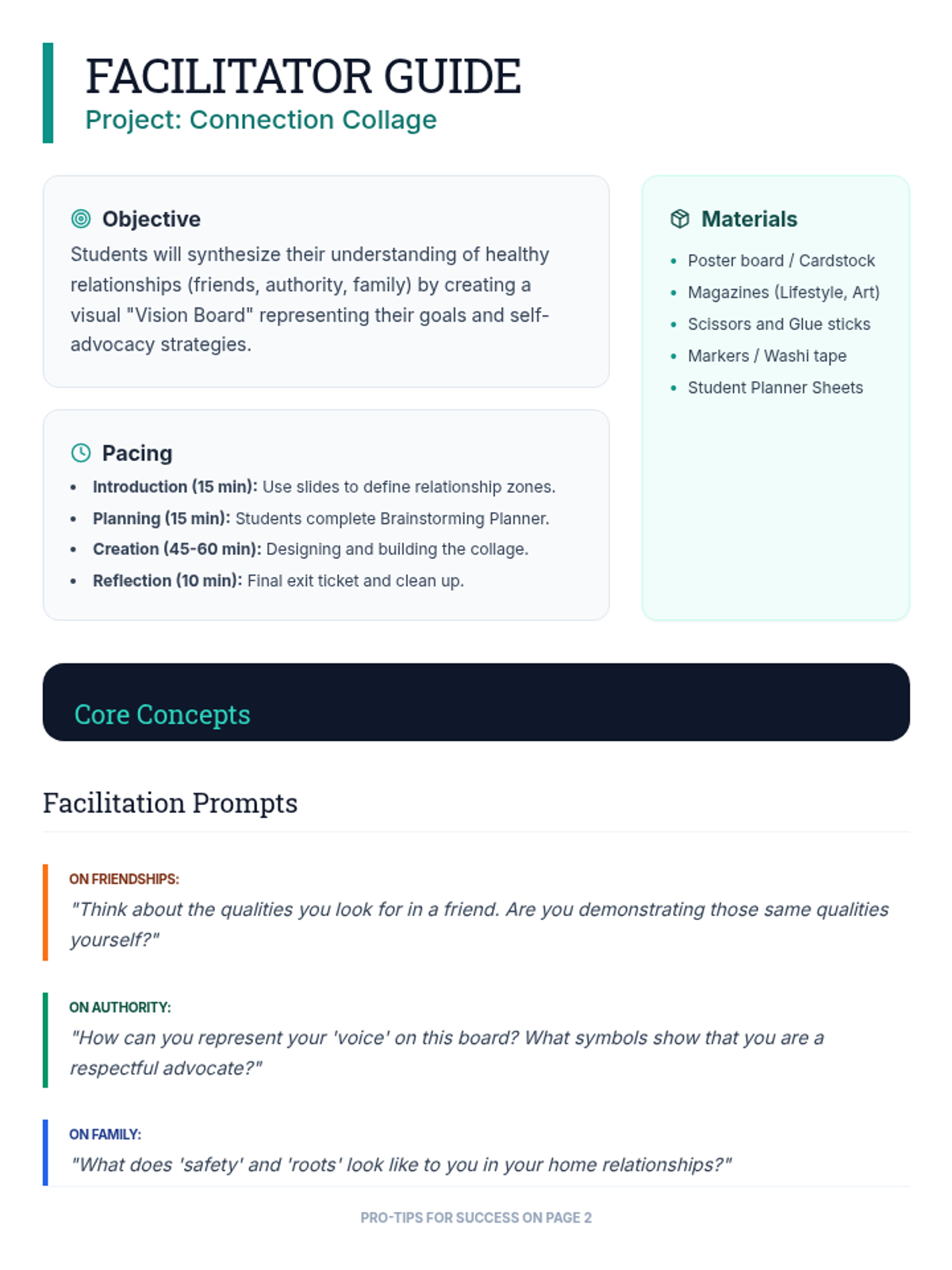
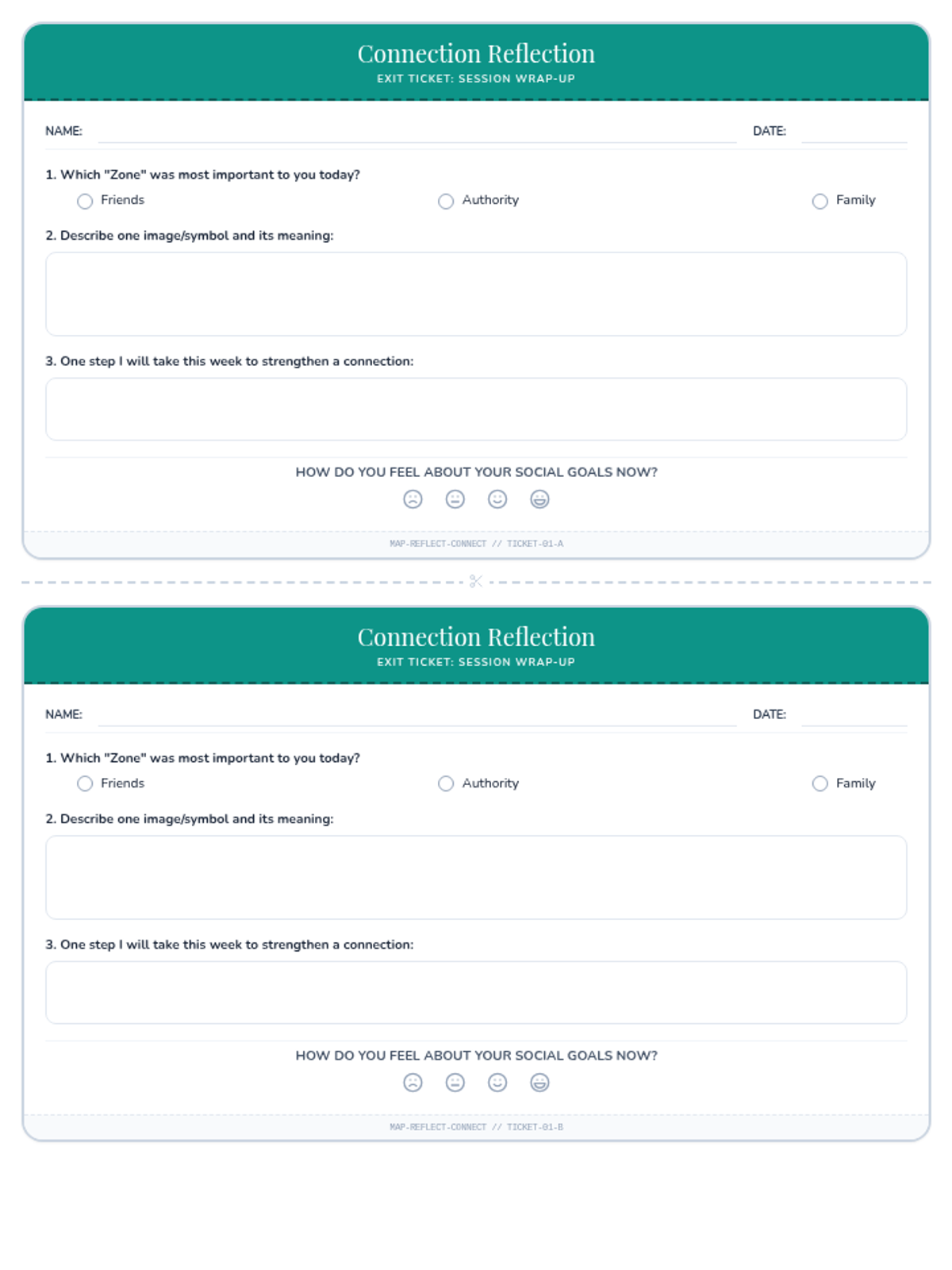
A comprehensive social skills toolkit for teenagers, focusing on navigating friendship dynamics, understanding social cues, and managing social anxiety through practical scenarios and self-reflection.
This lesson empowers students in temporary housing to use their voices for community and self-advocacy. It covers letter writing, school board participation, public speaking at town halls, and connecting with local organizations.
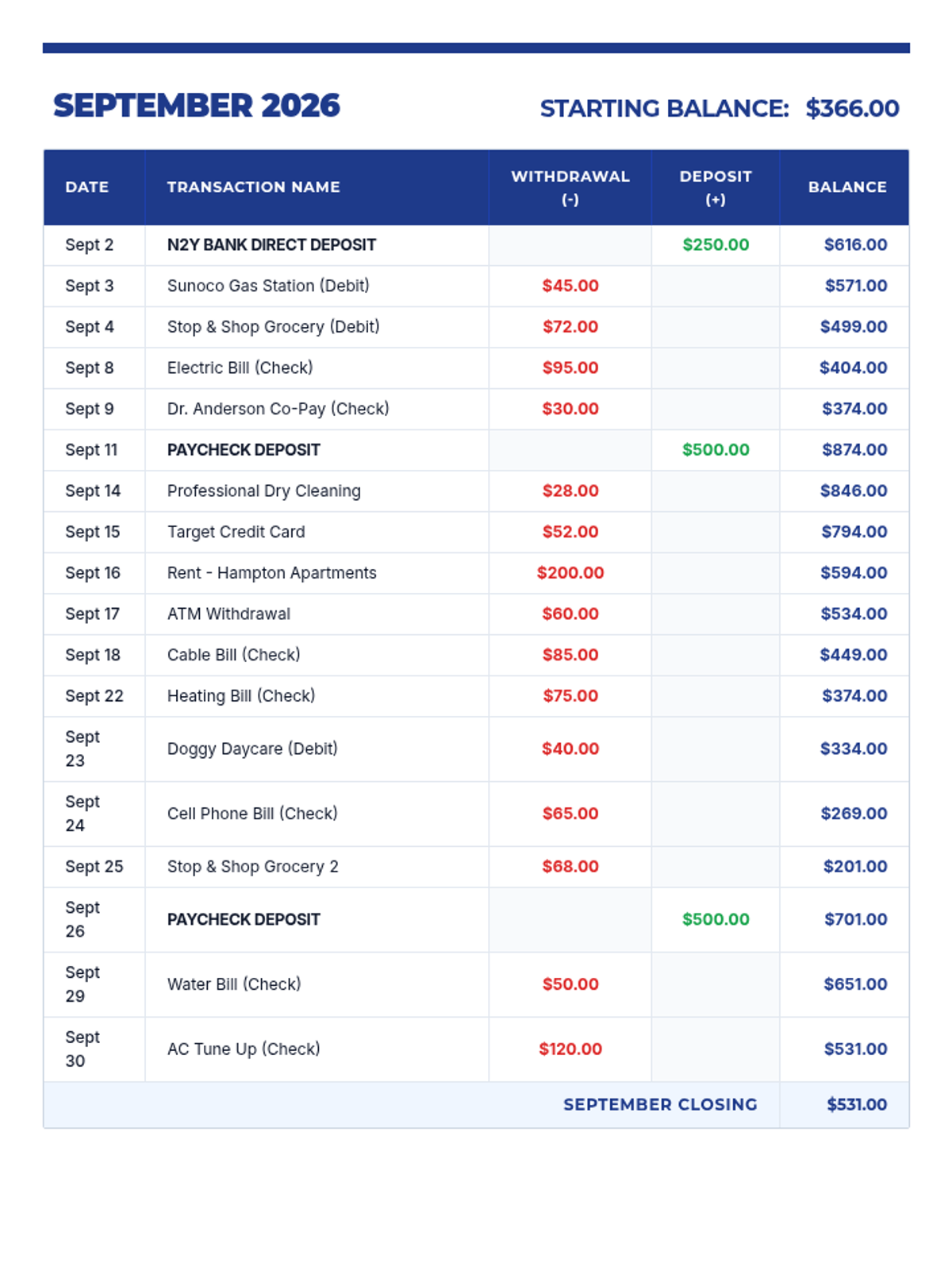
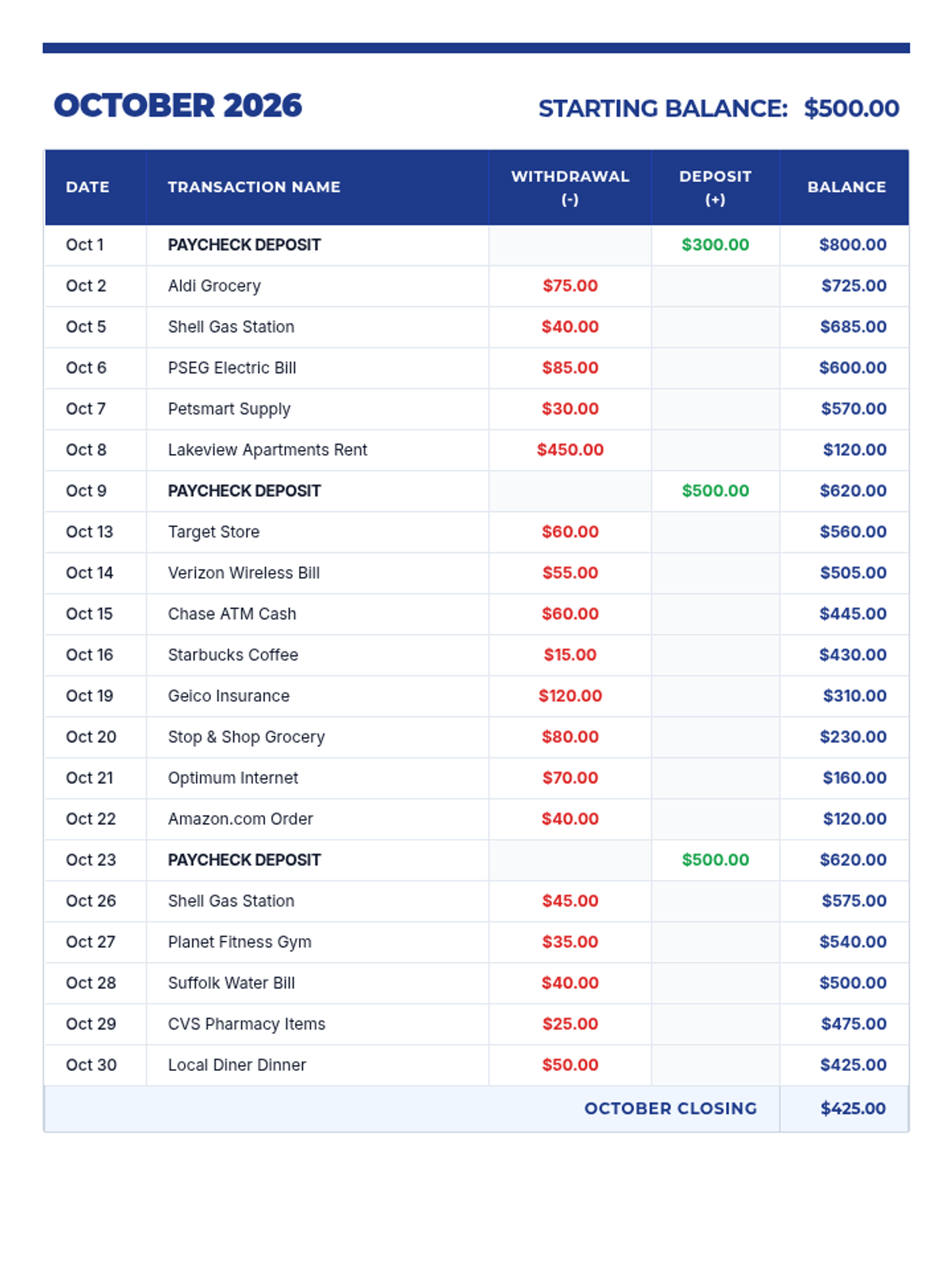
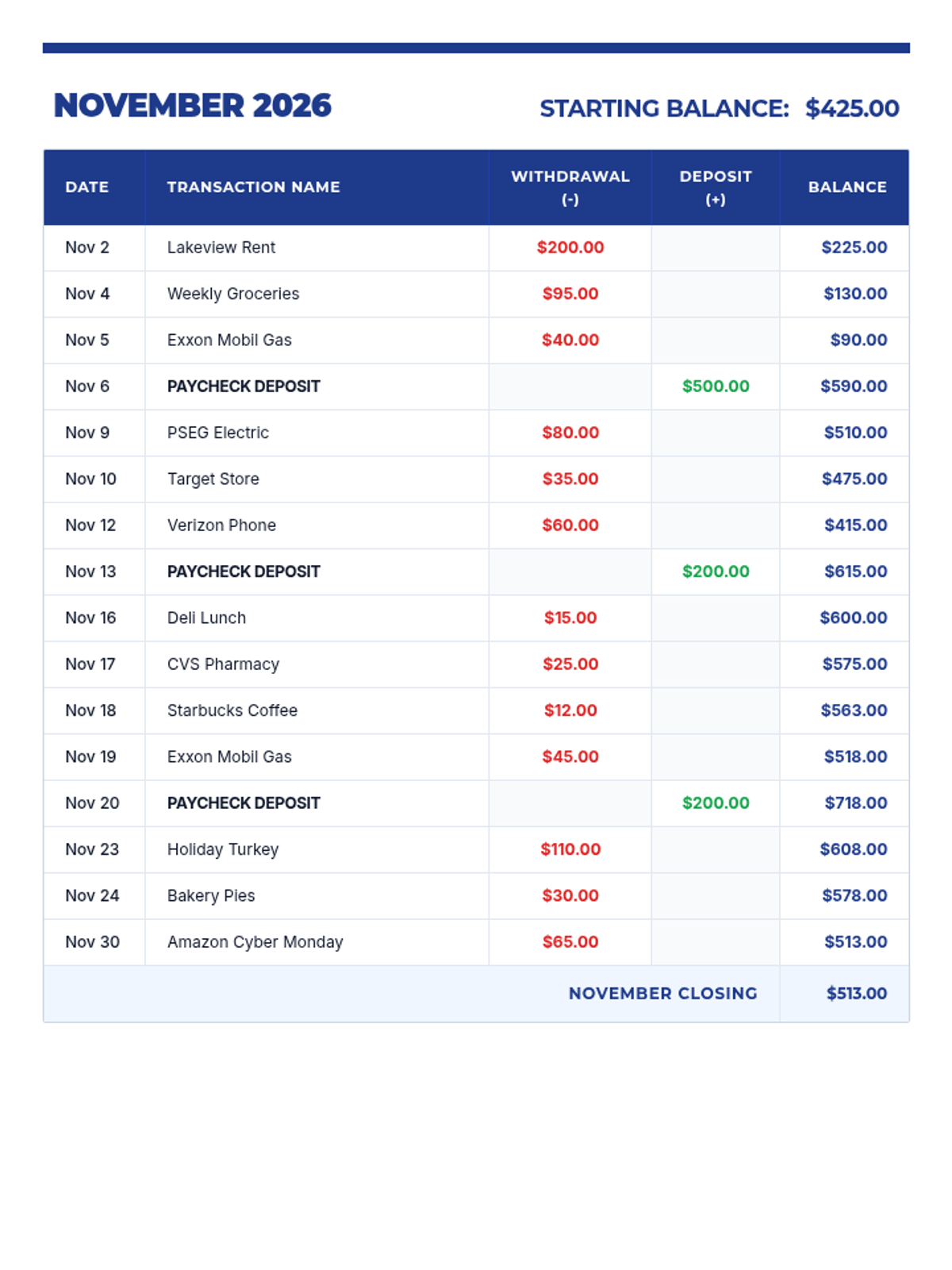
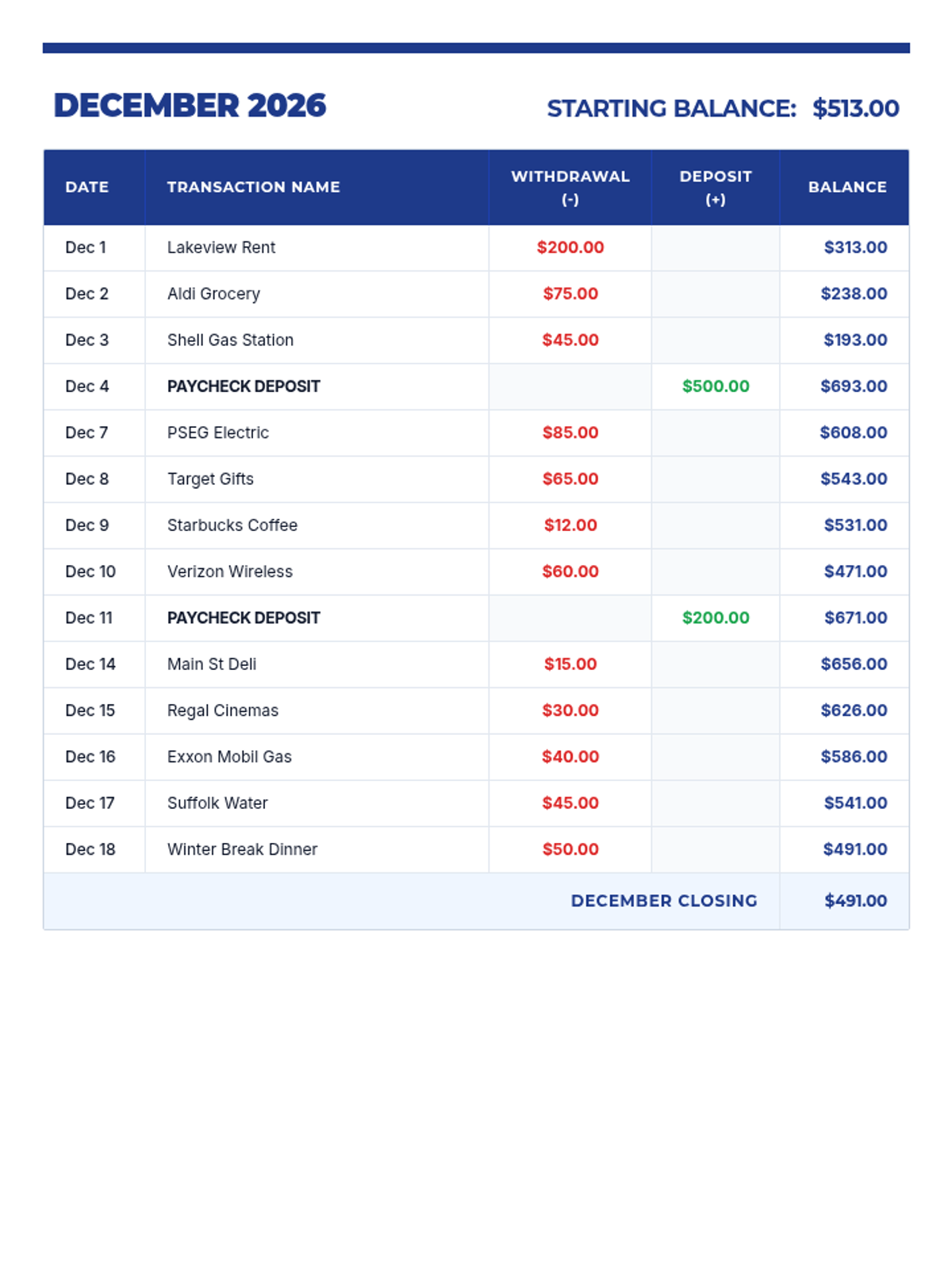
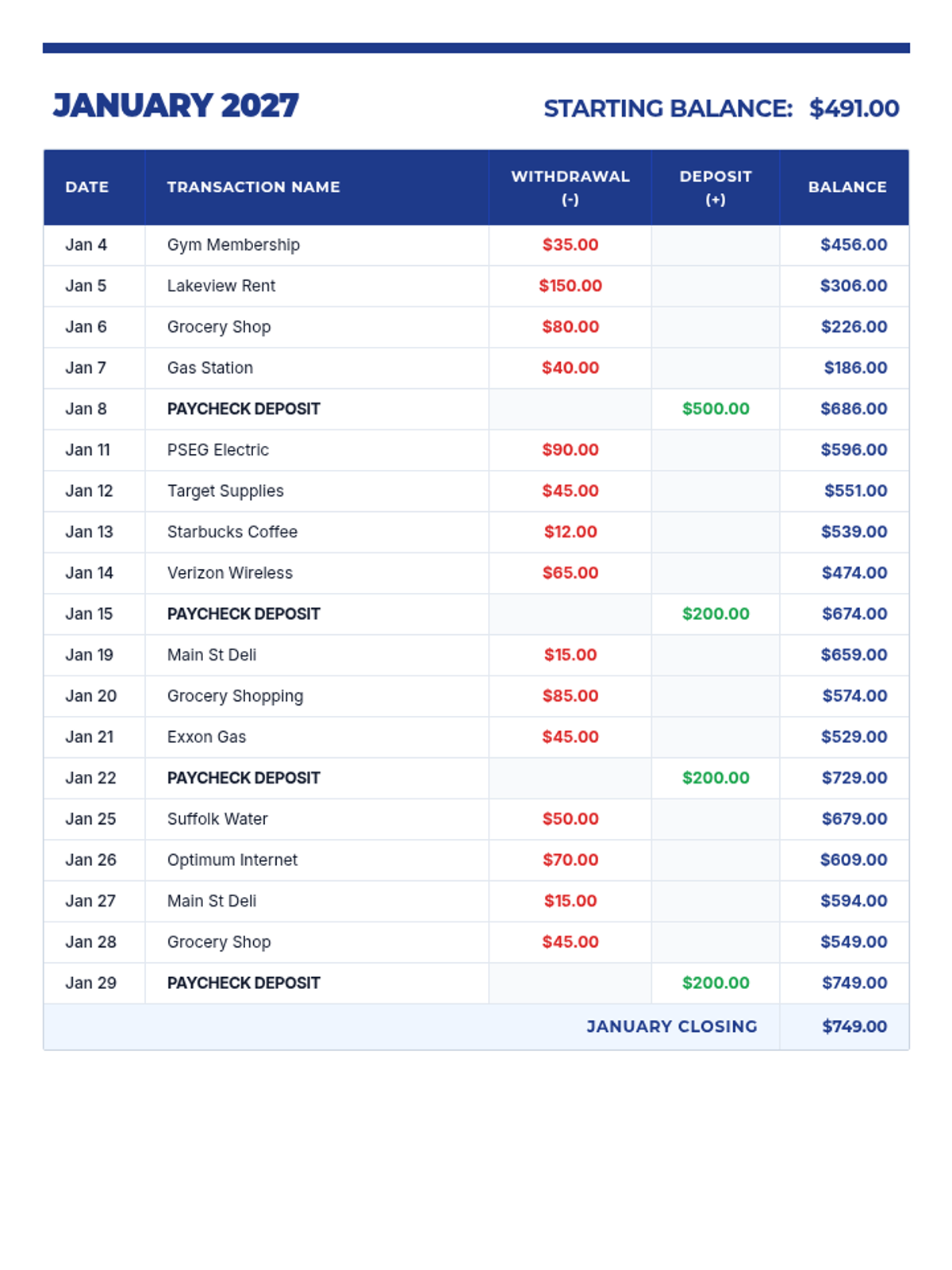
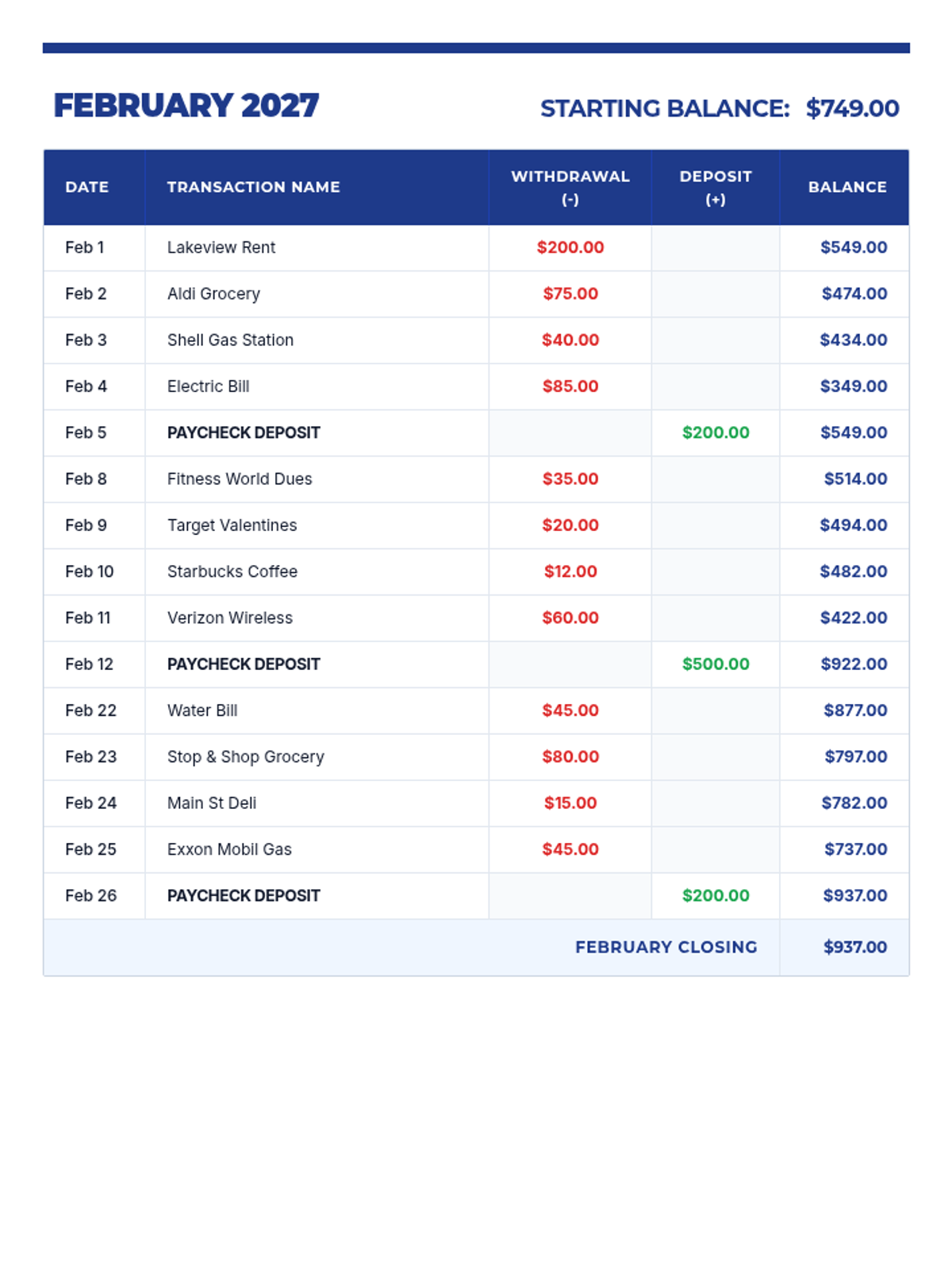
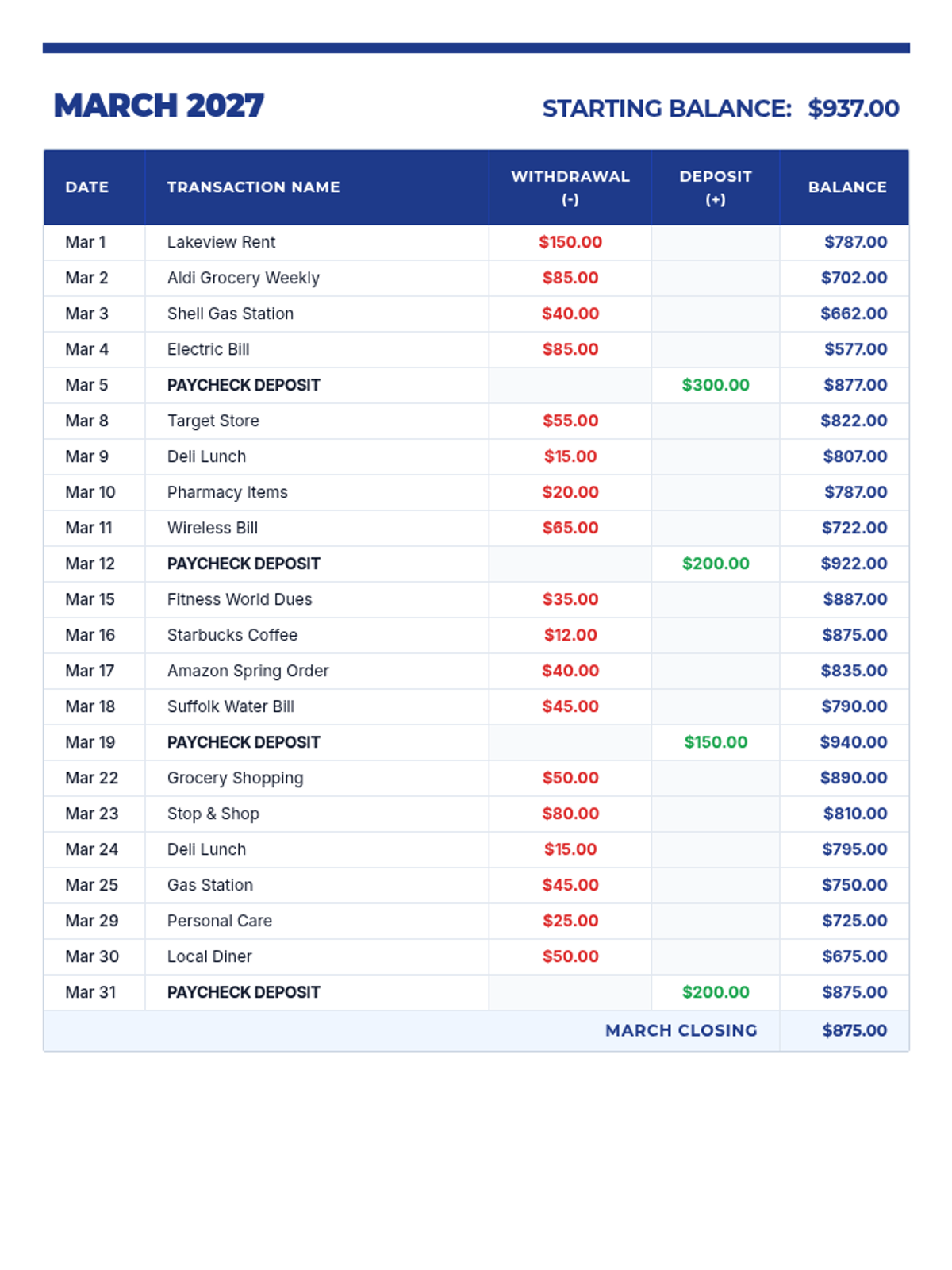
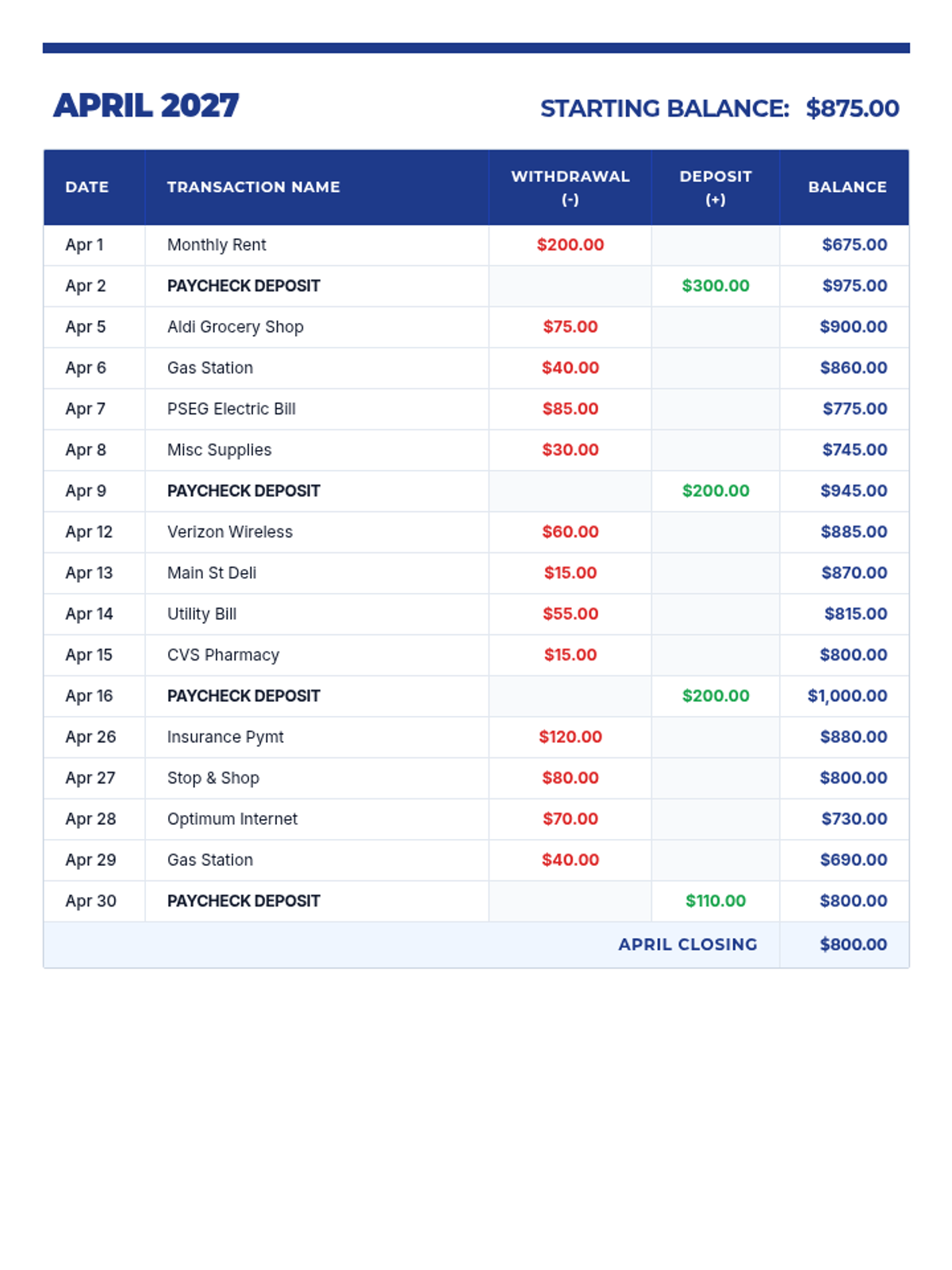
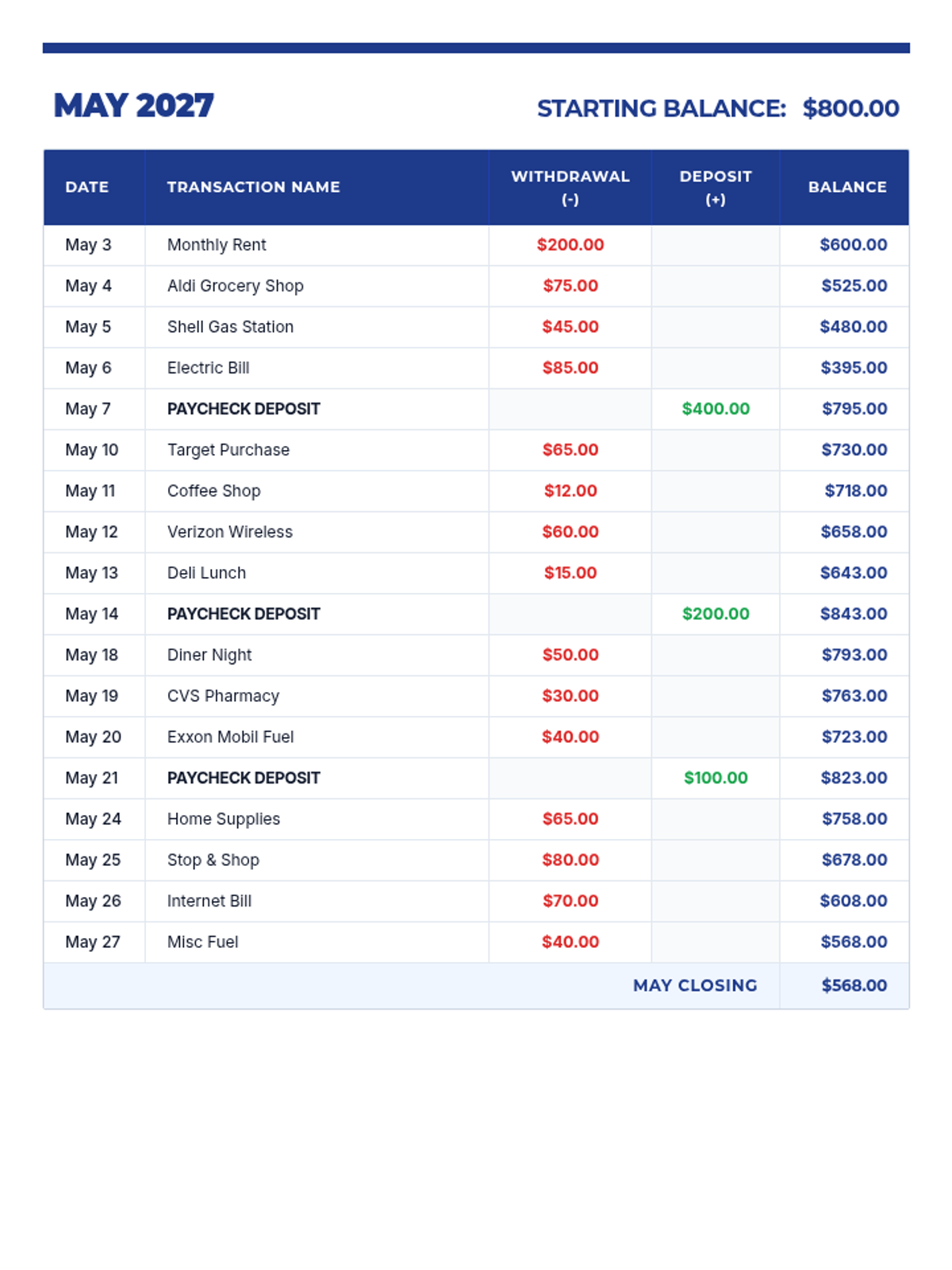
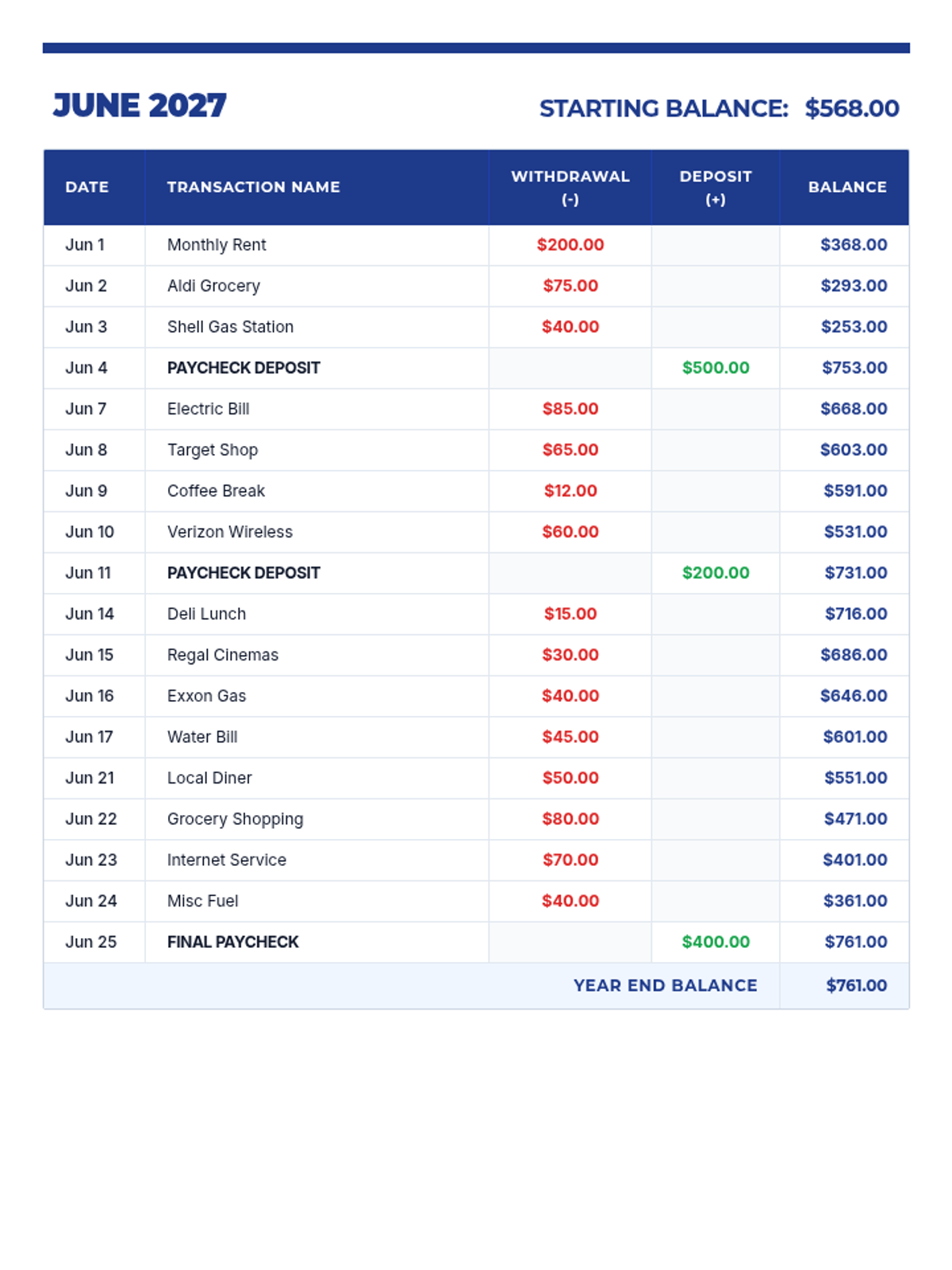
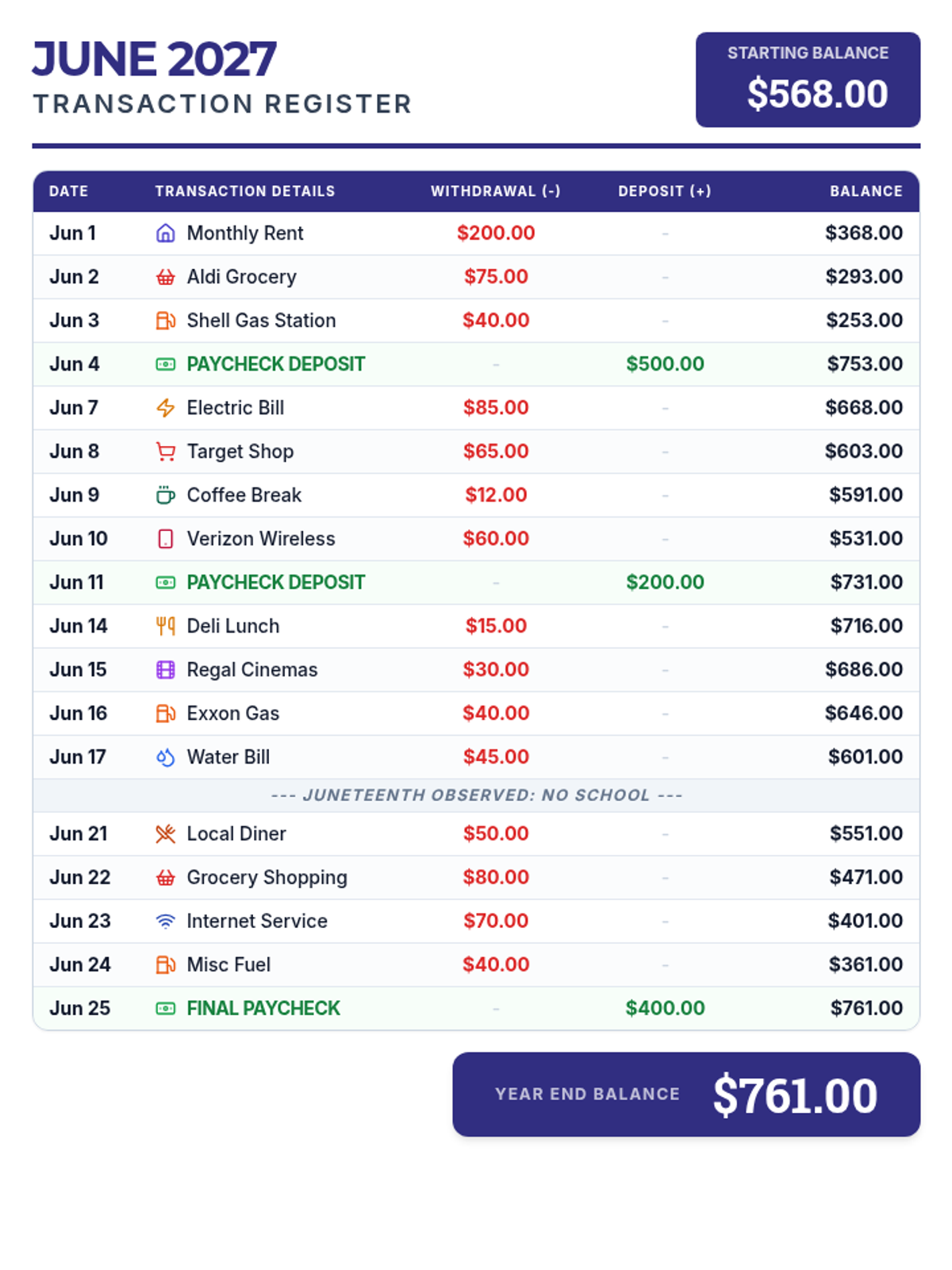
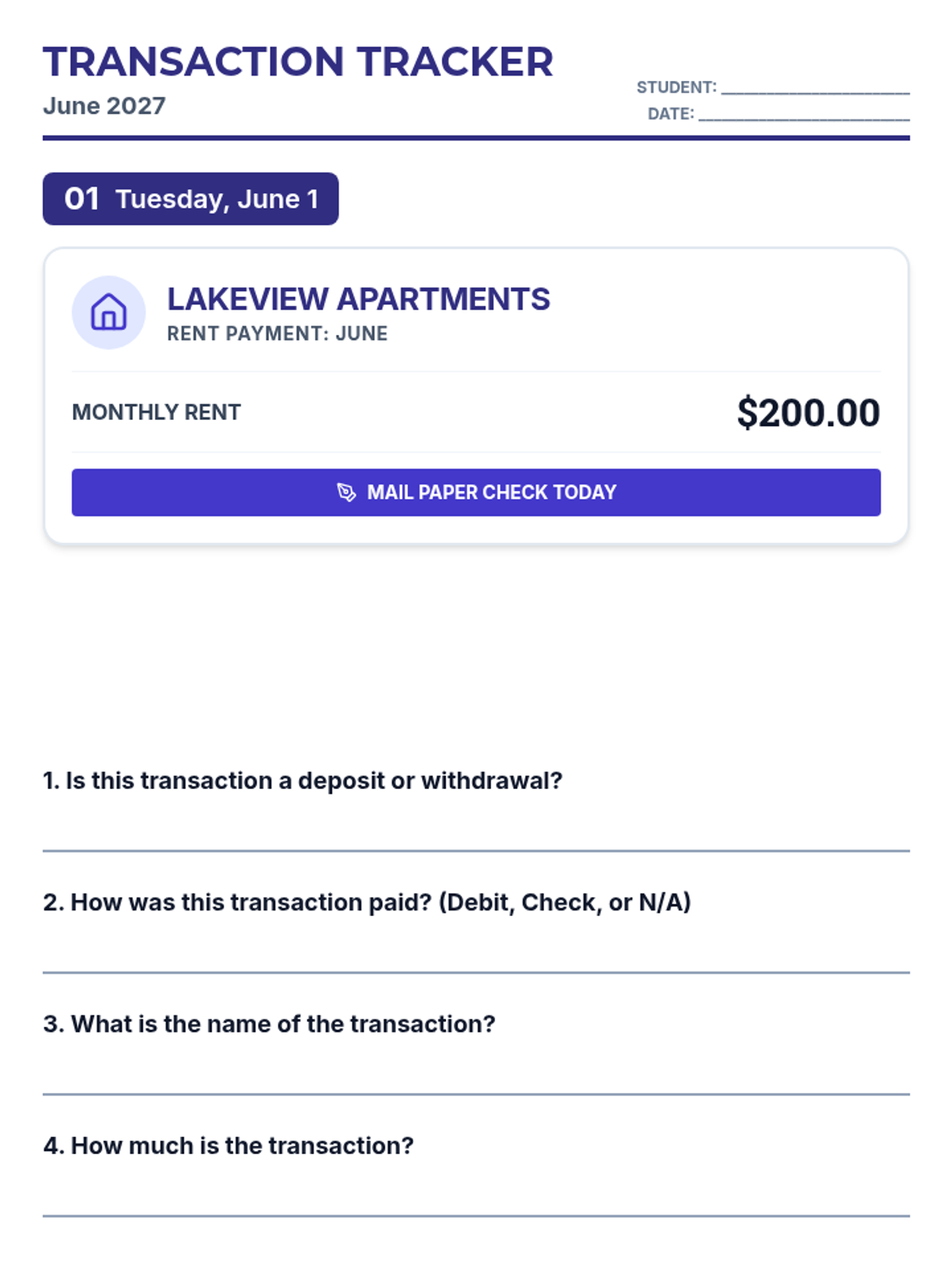
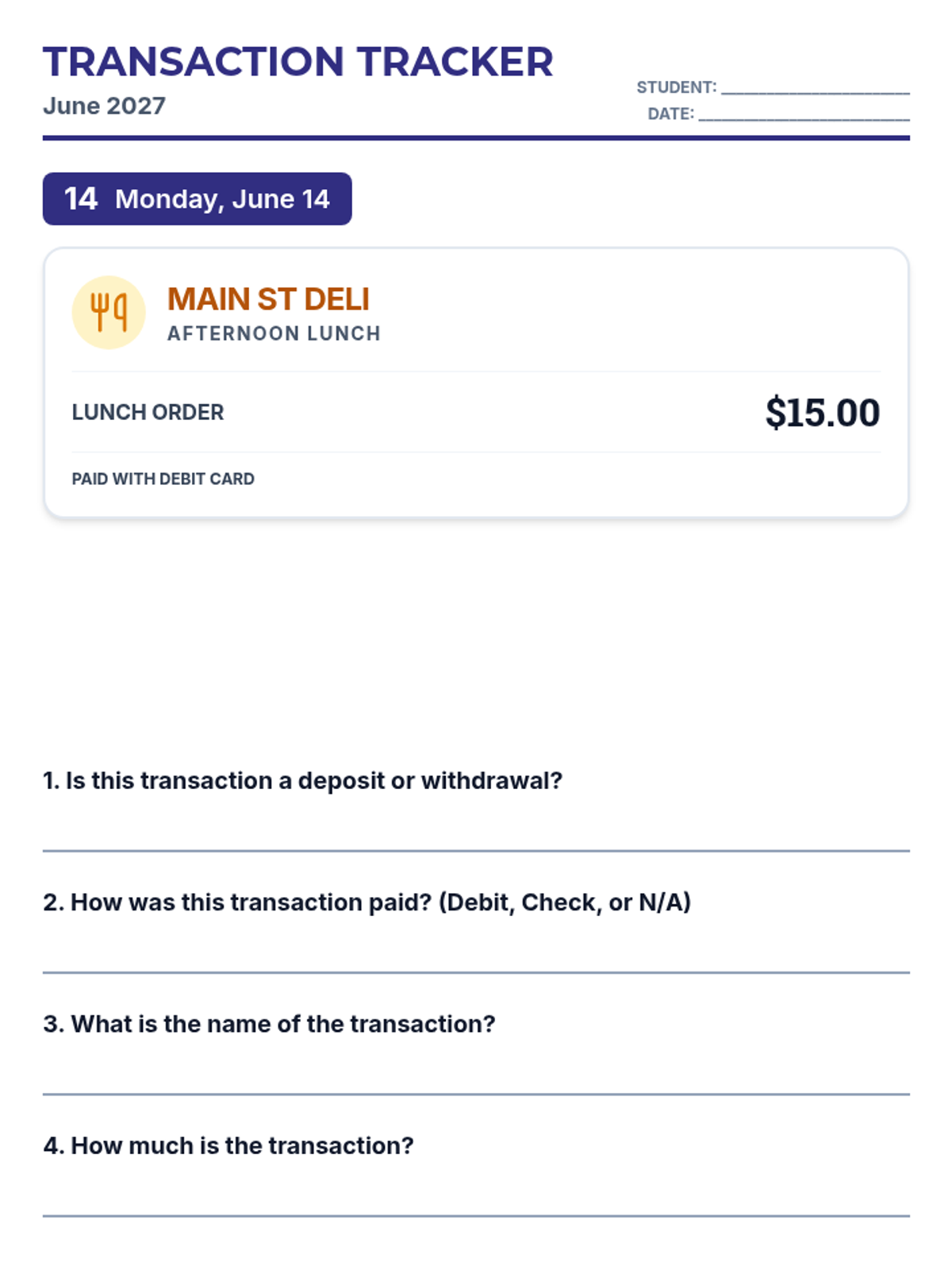
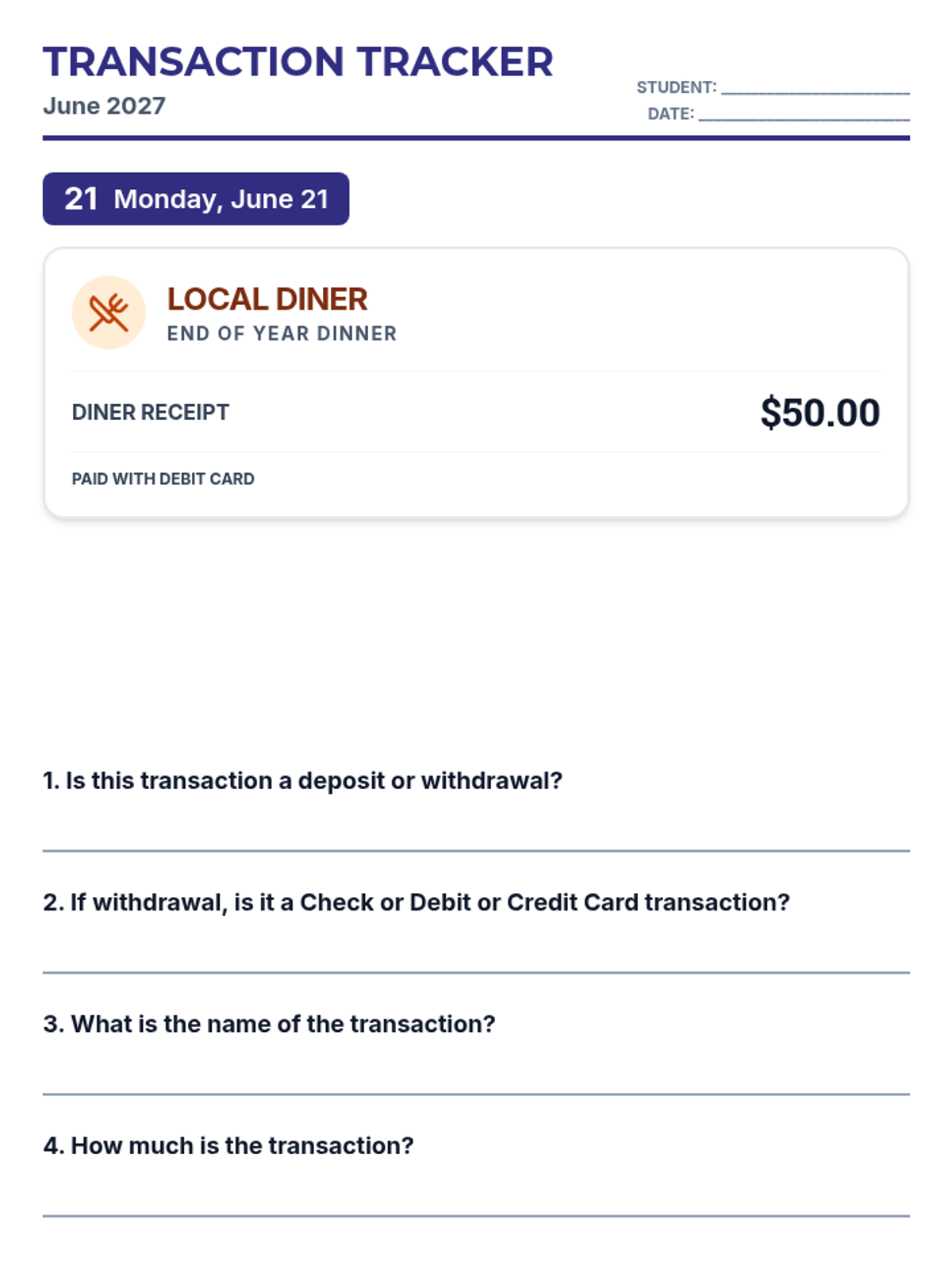
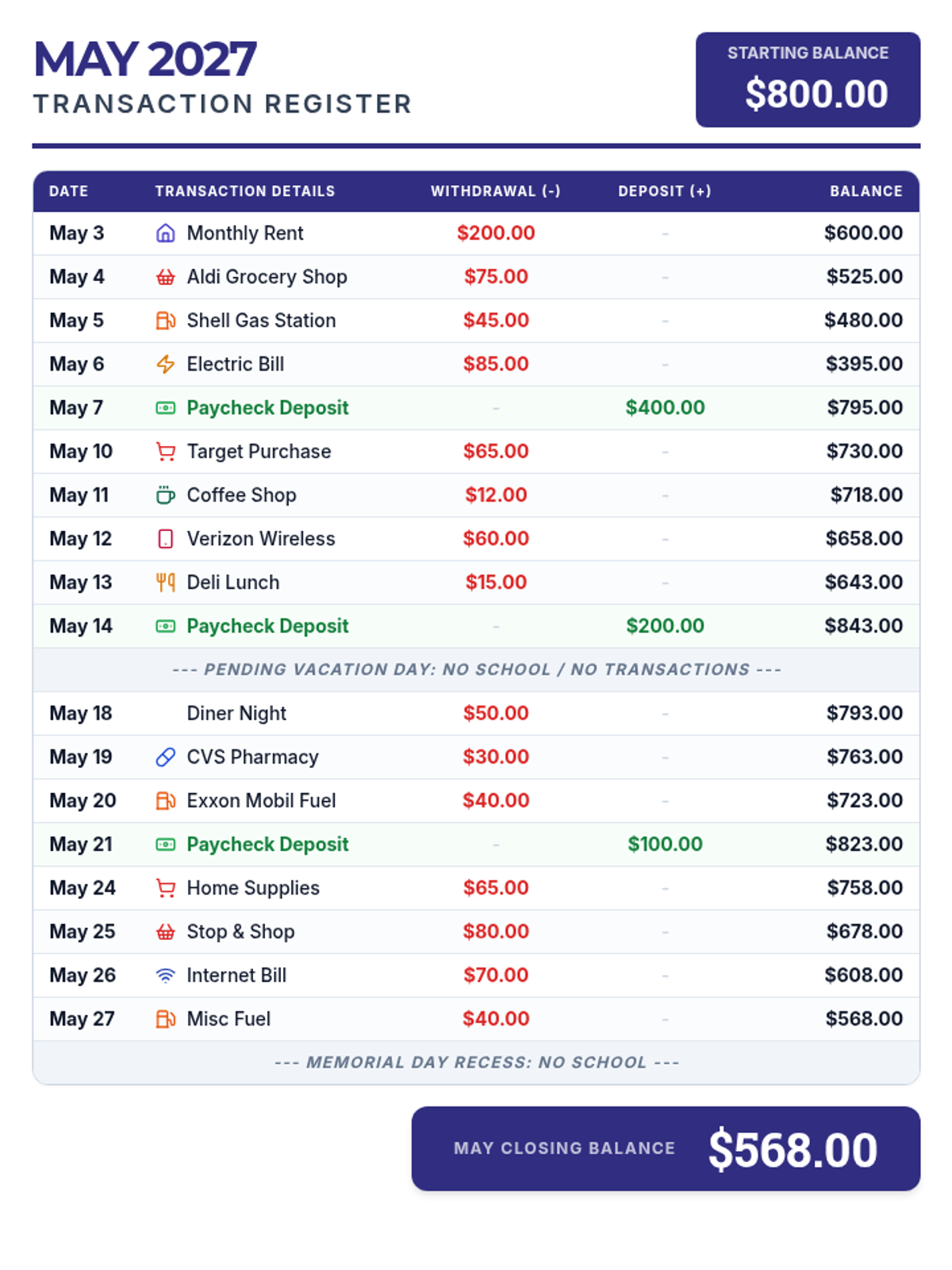
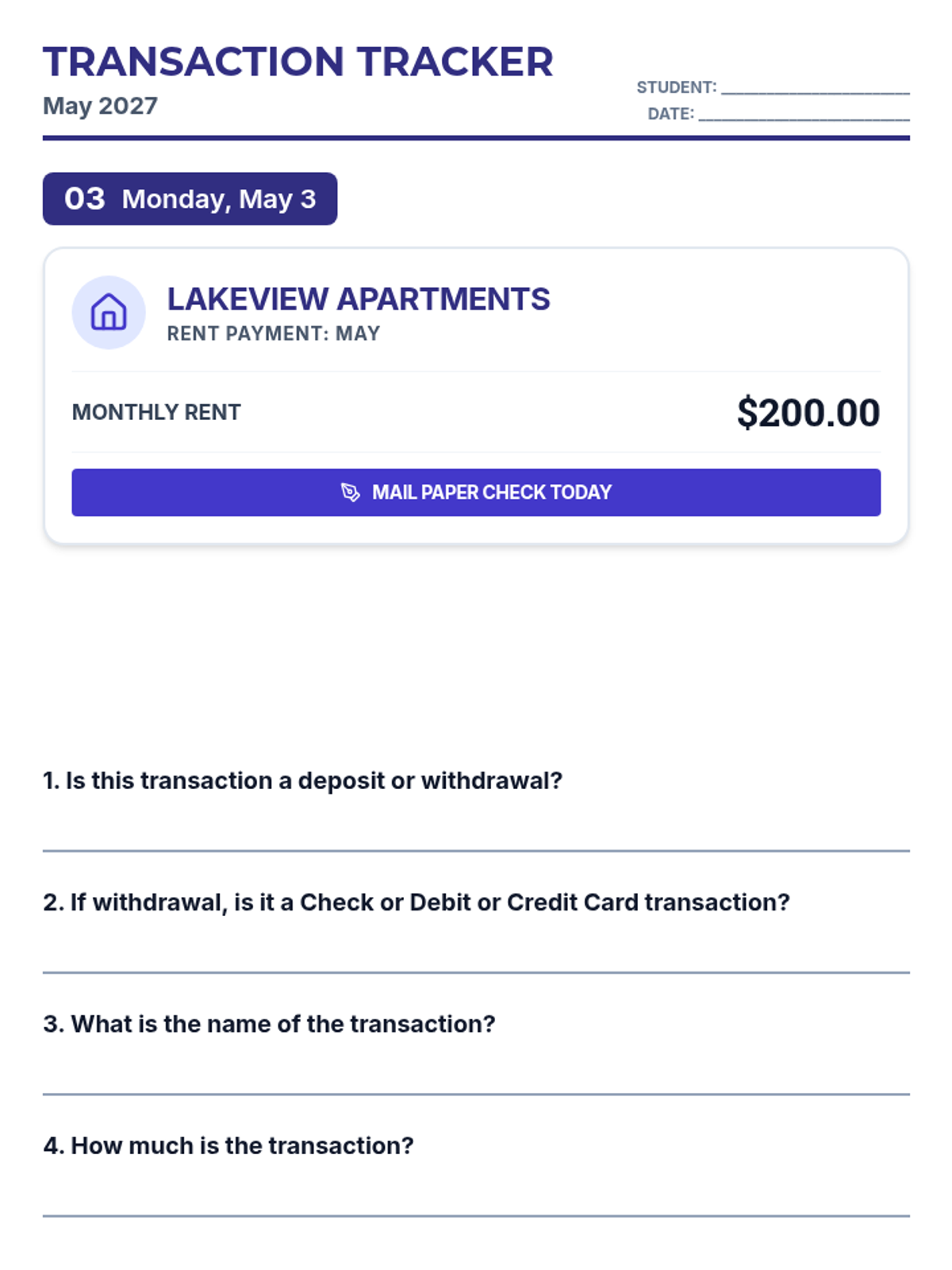
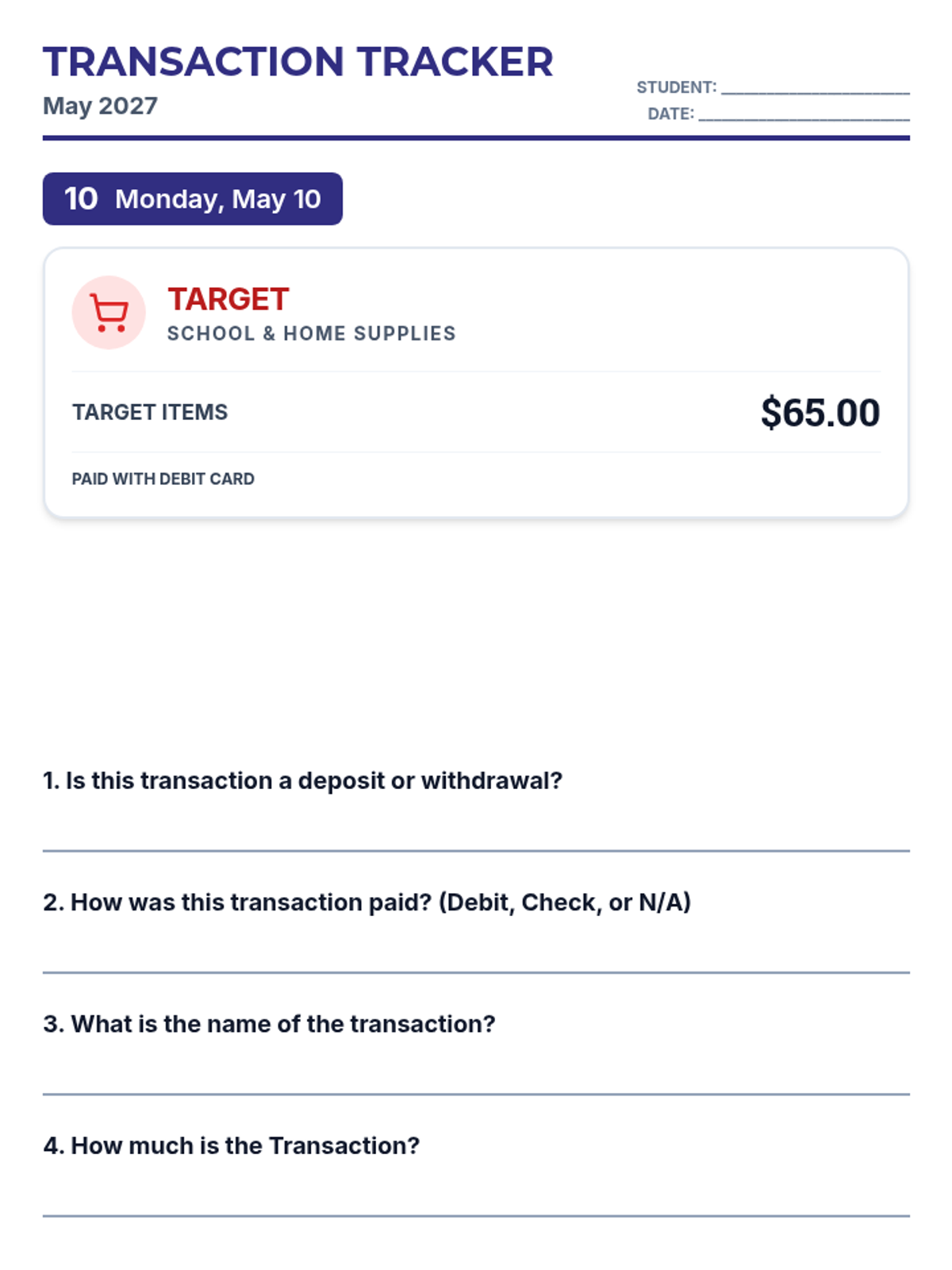
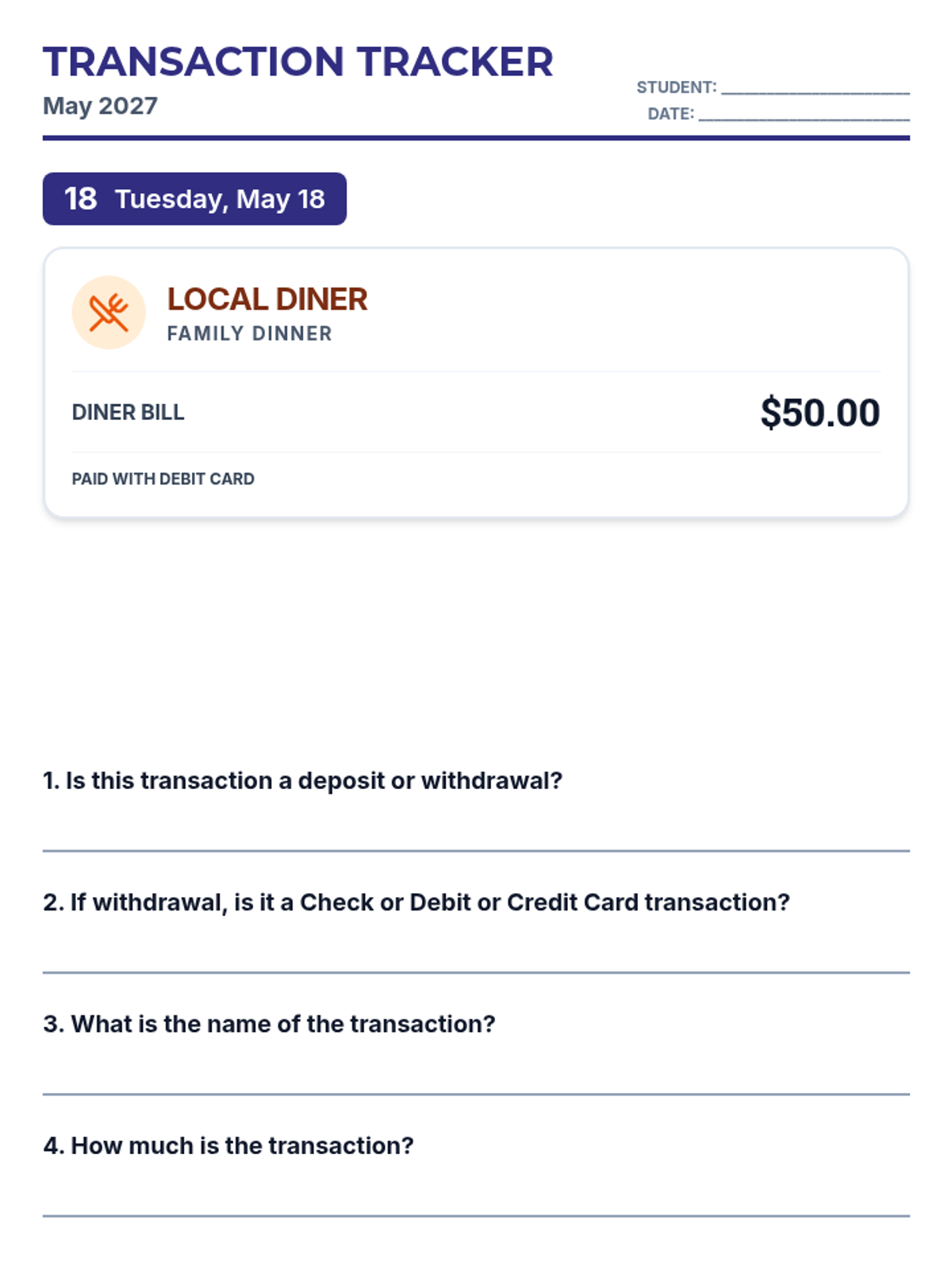
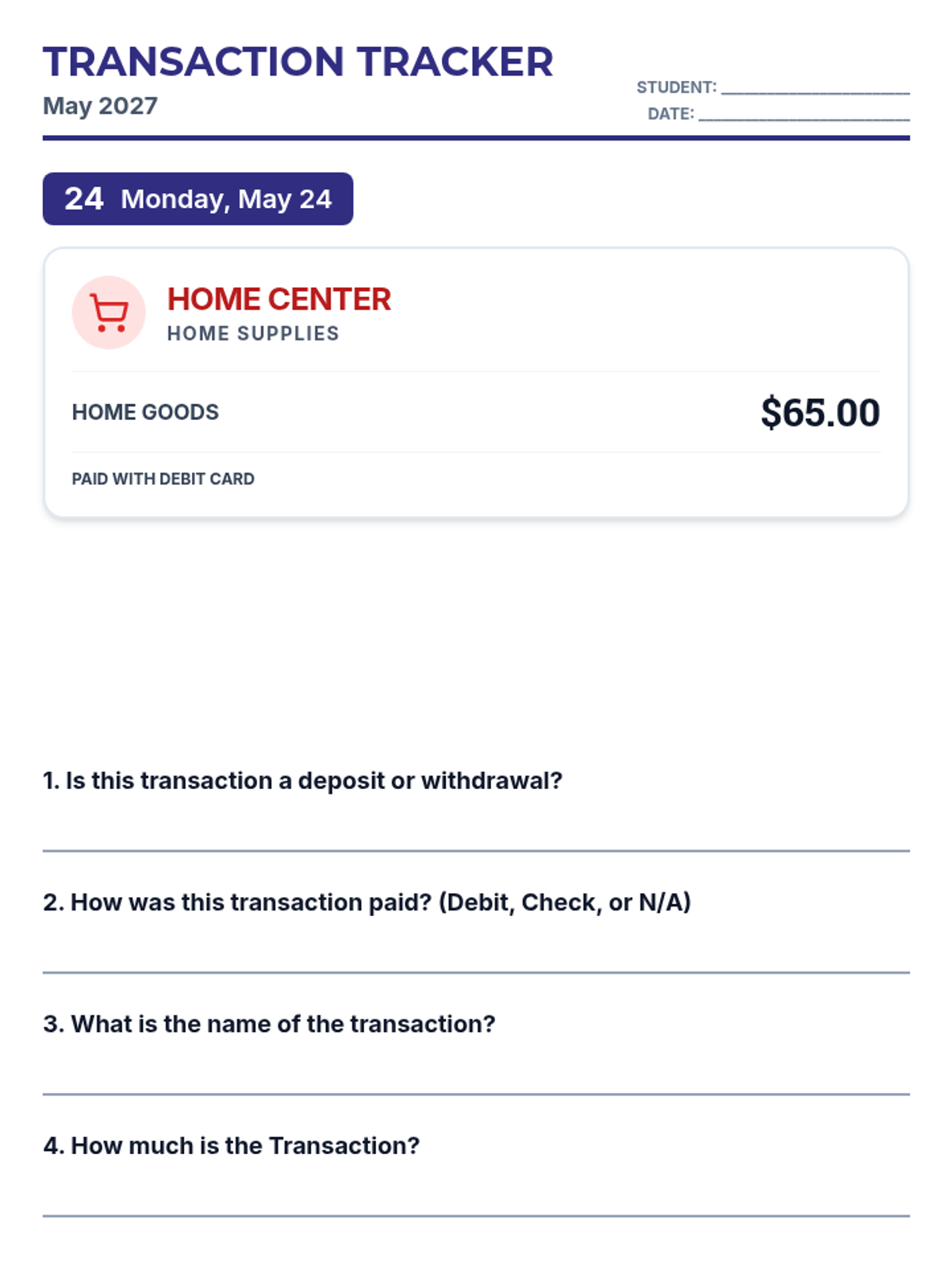
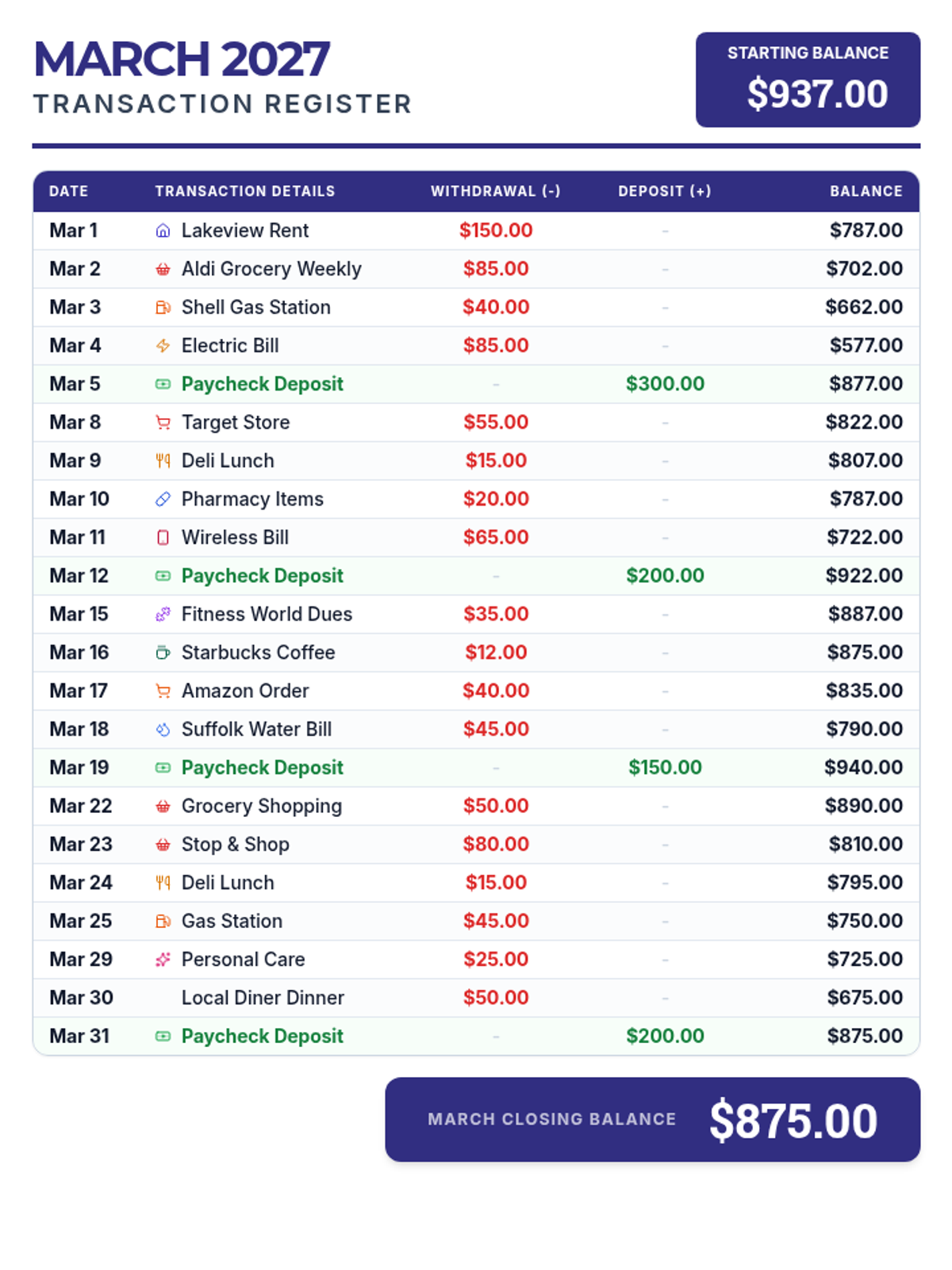
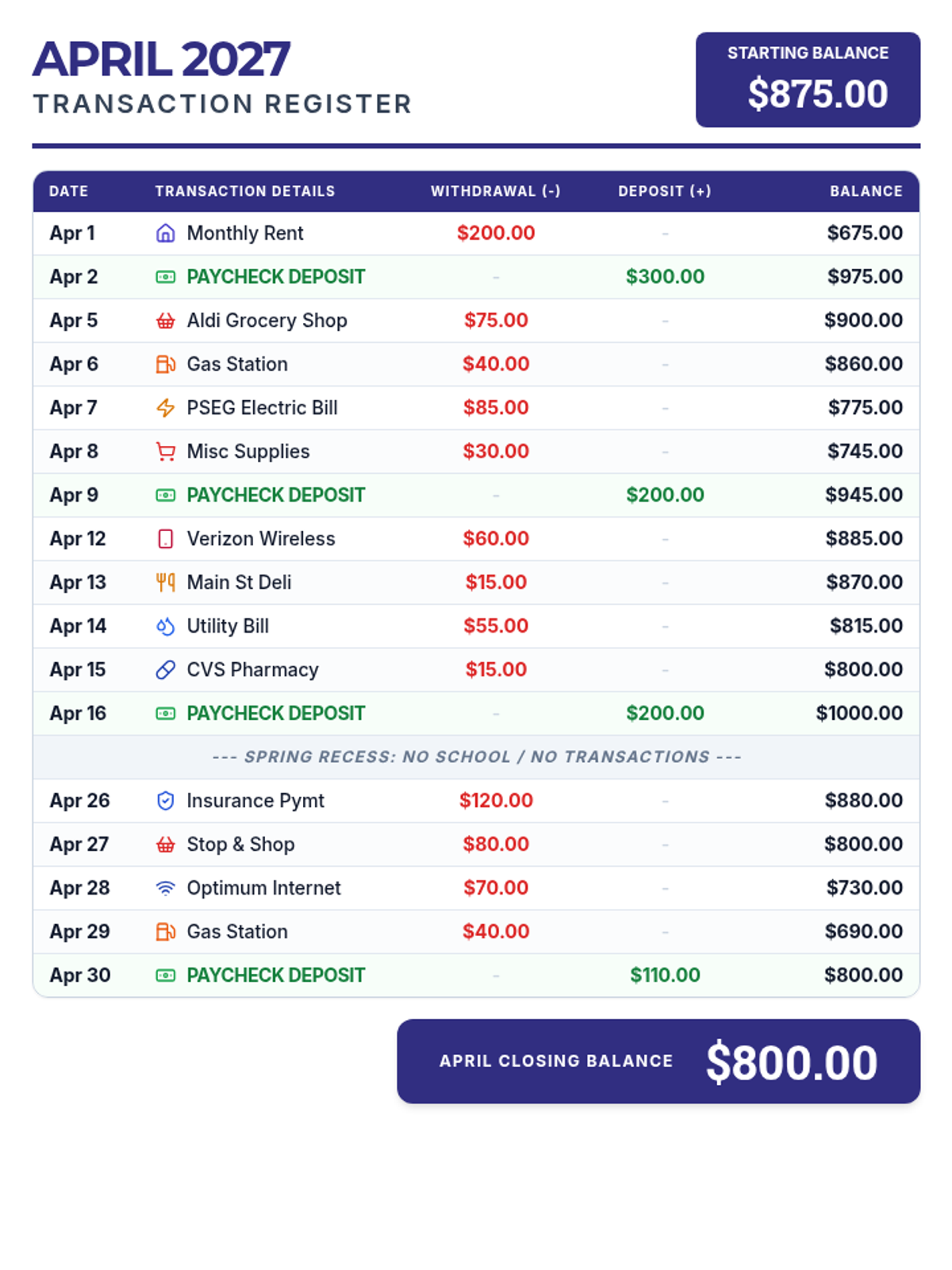
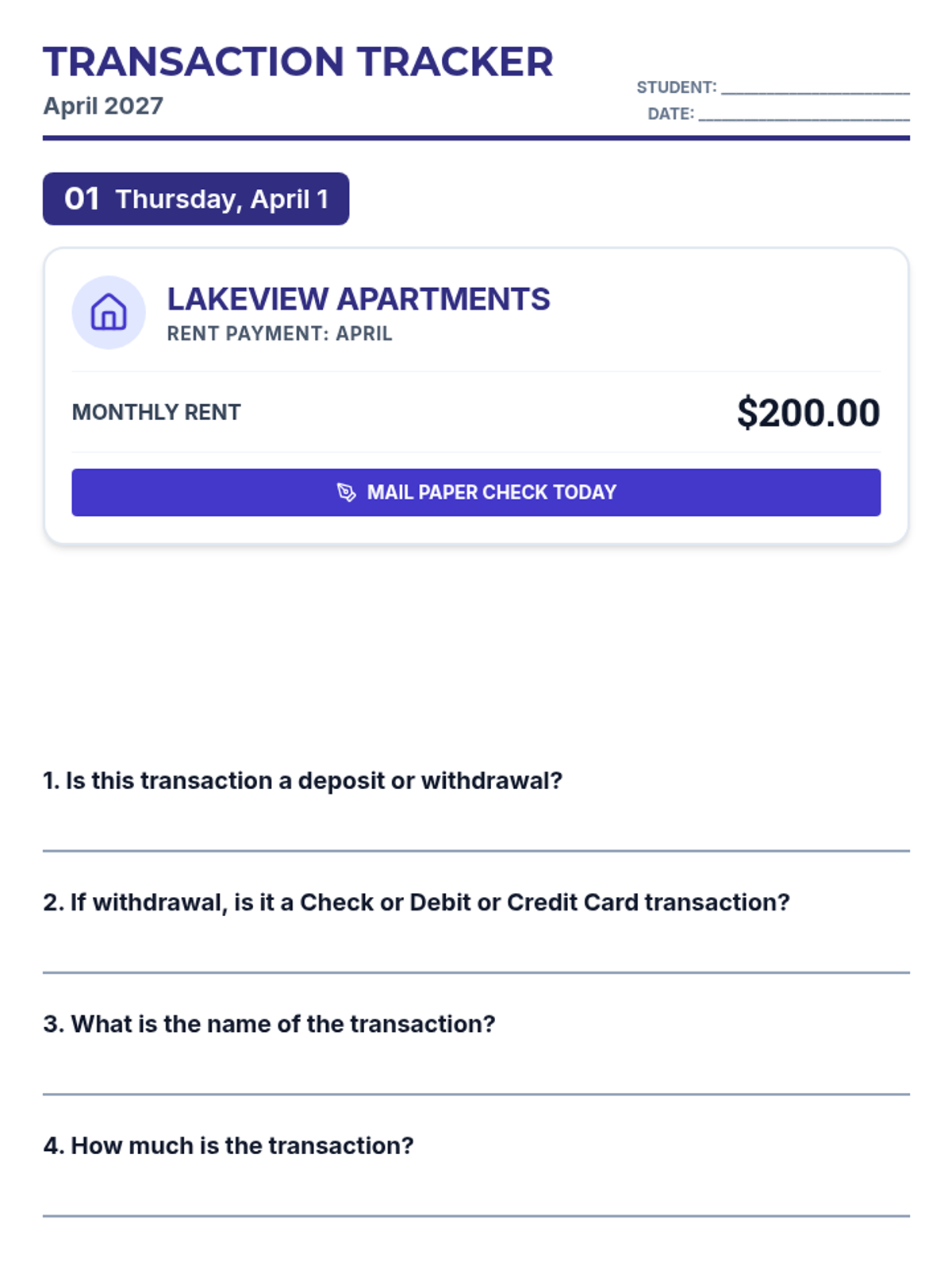
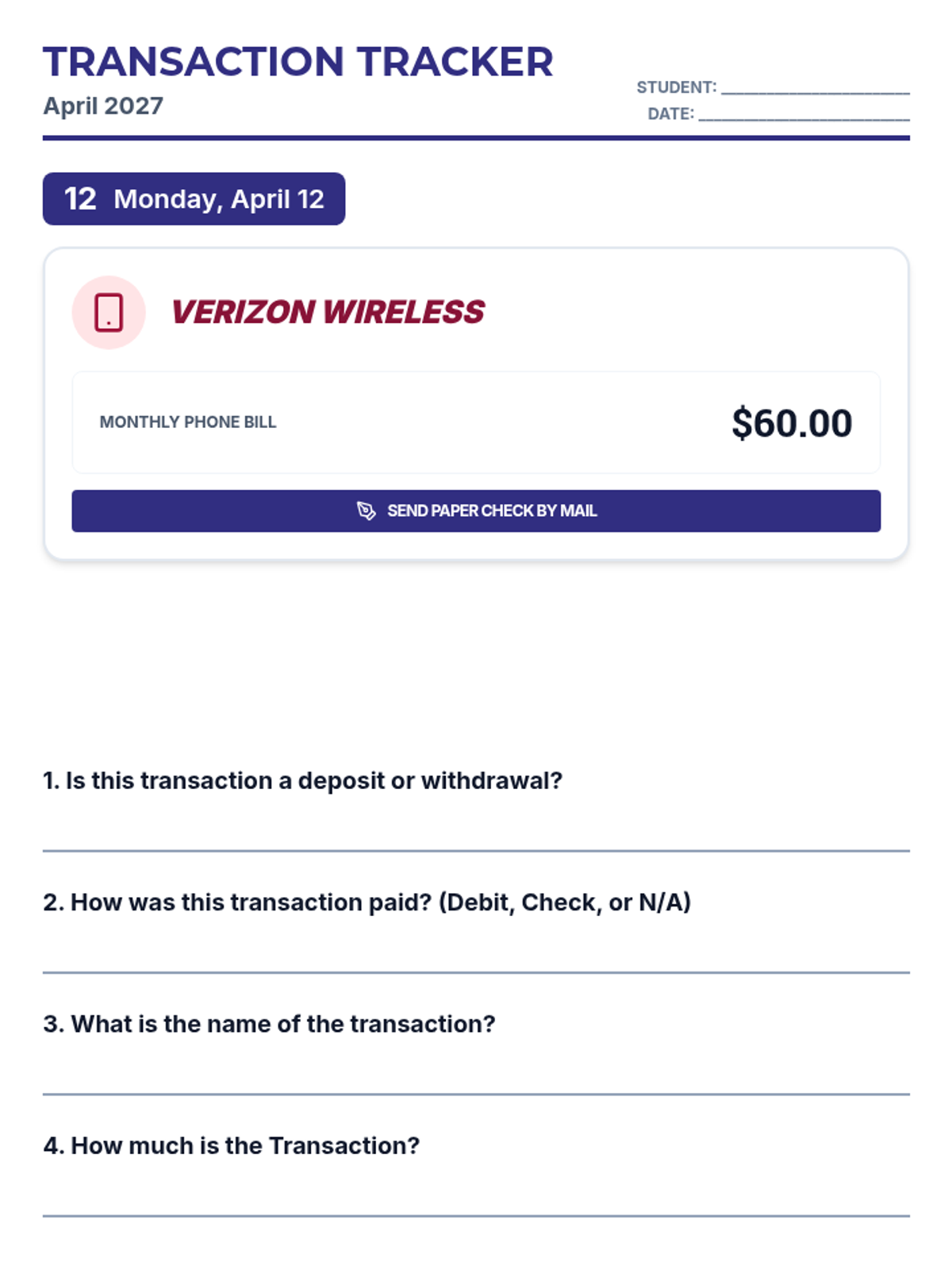
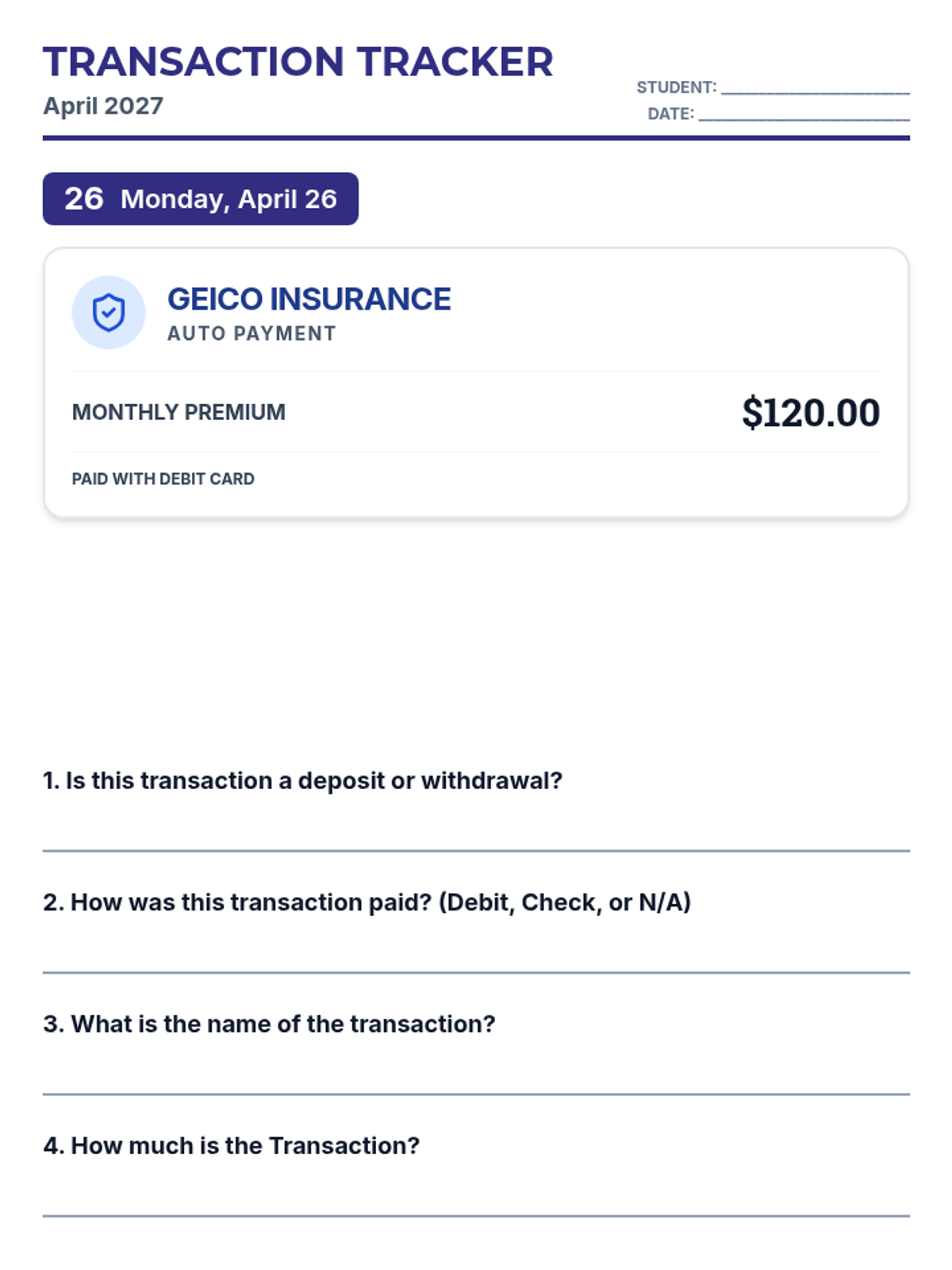
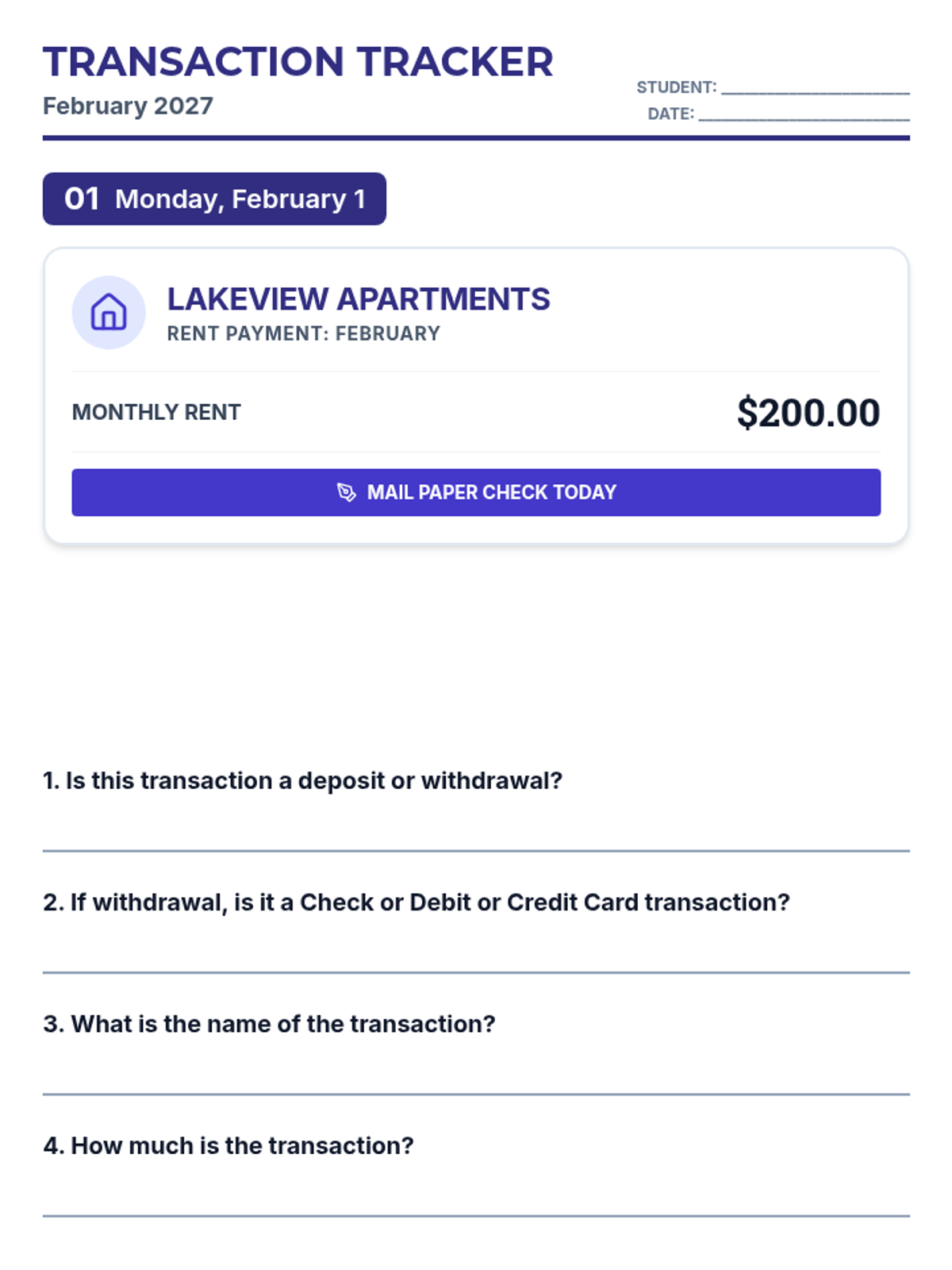
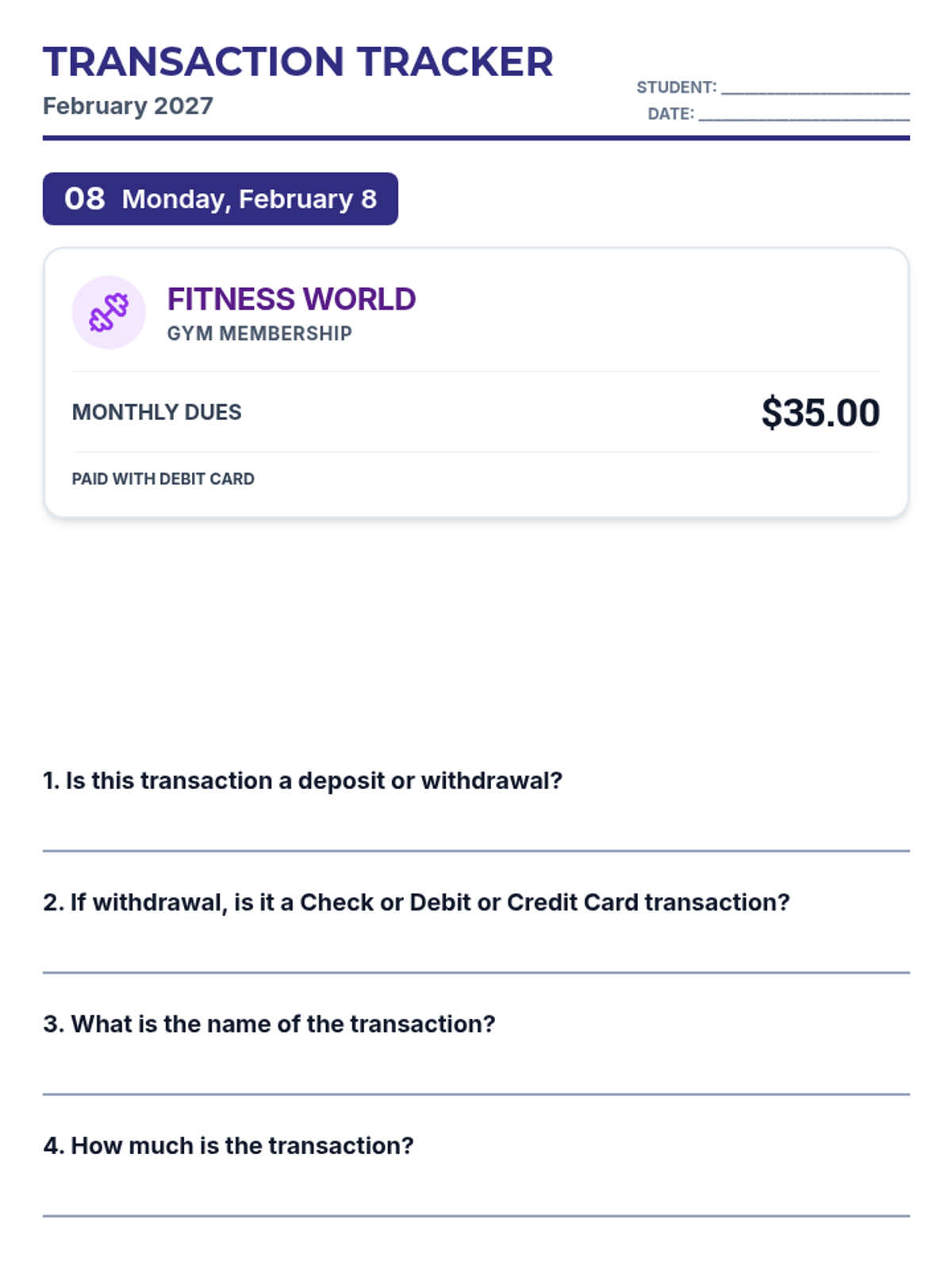
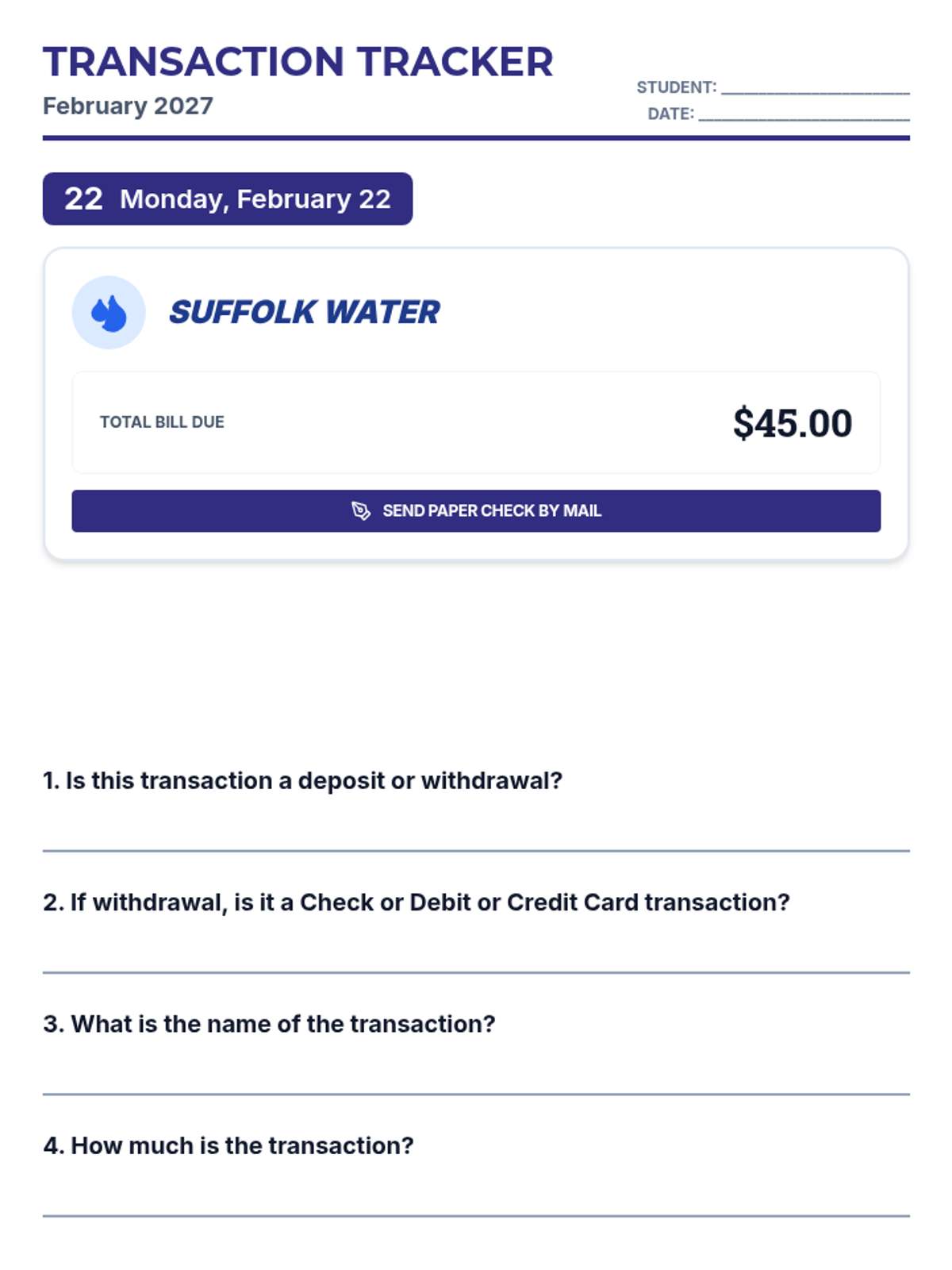
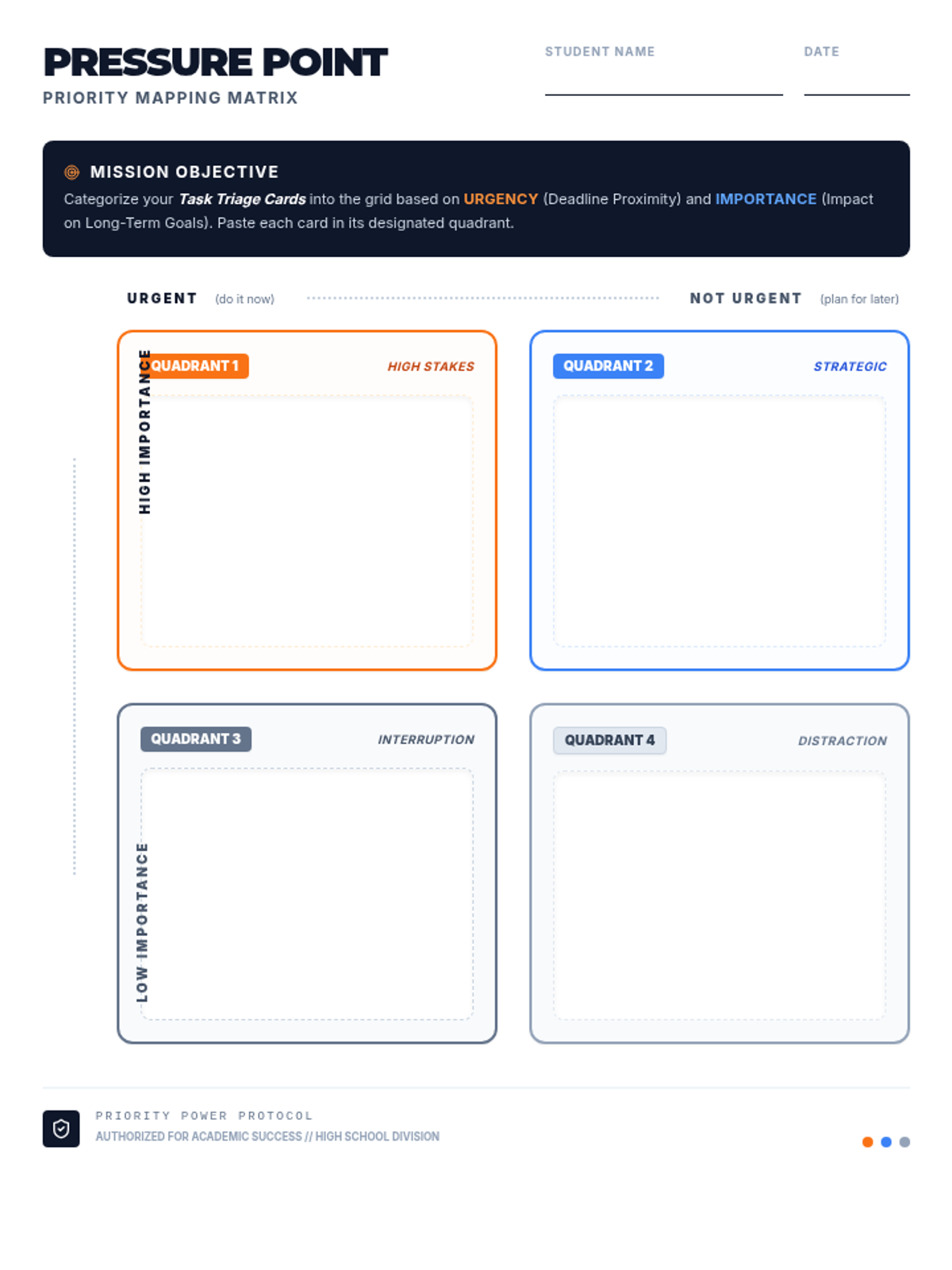
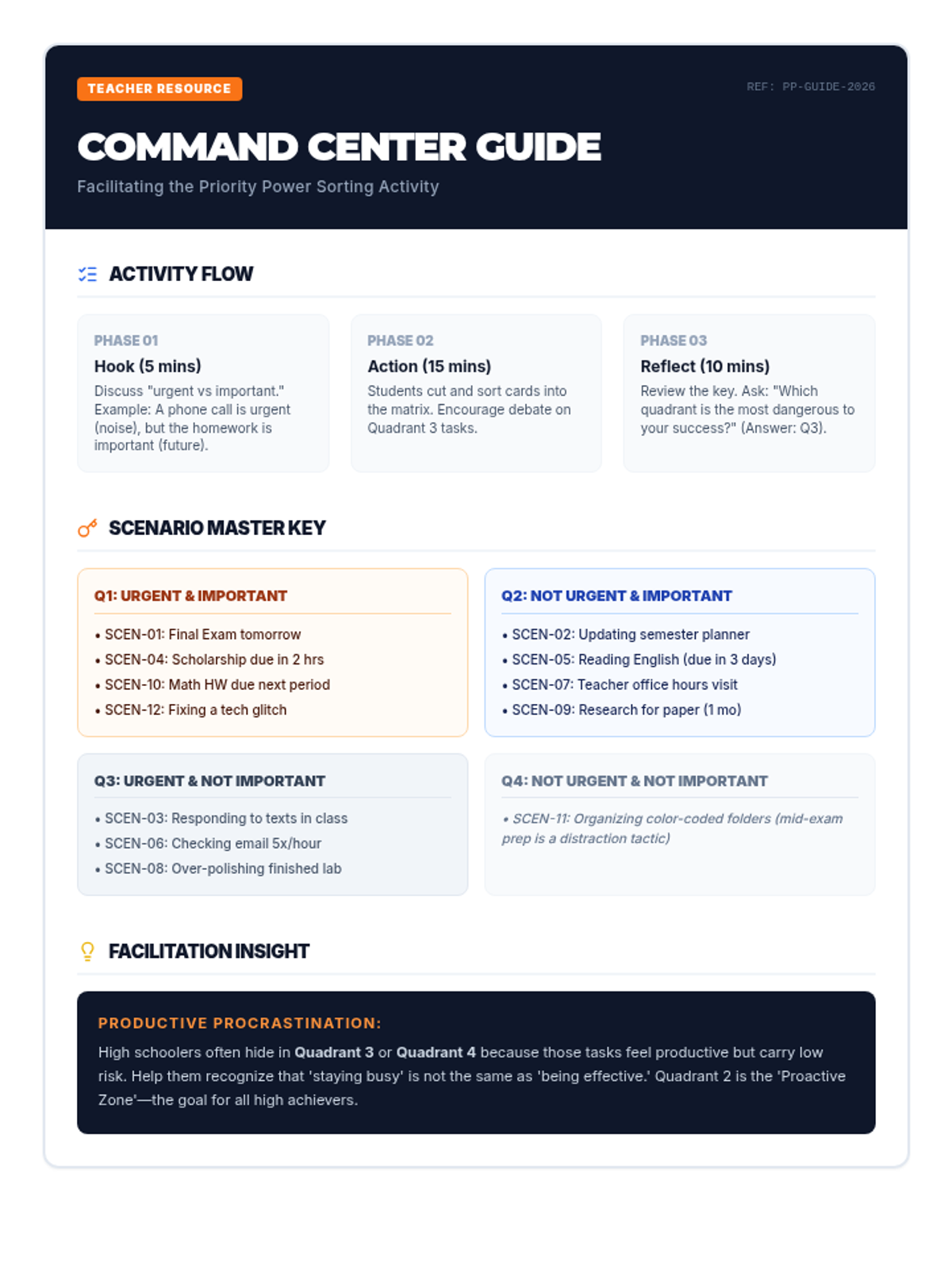
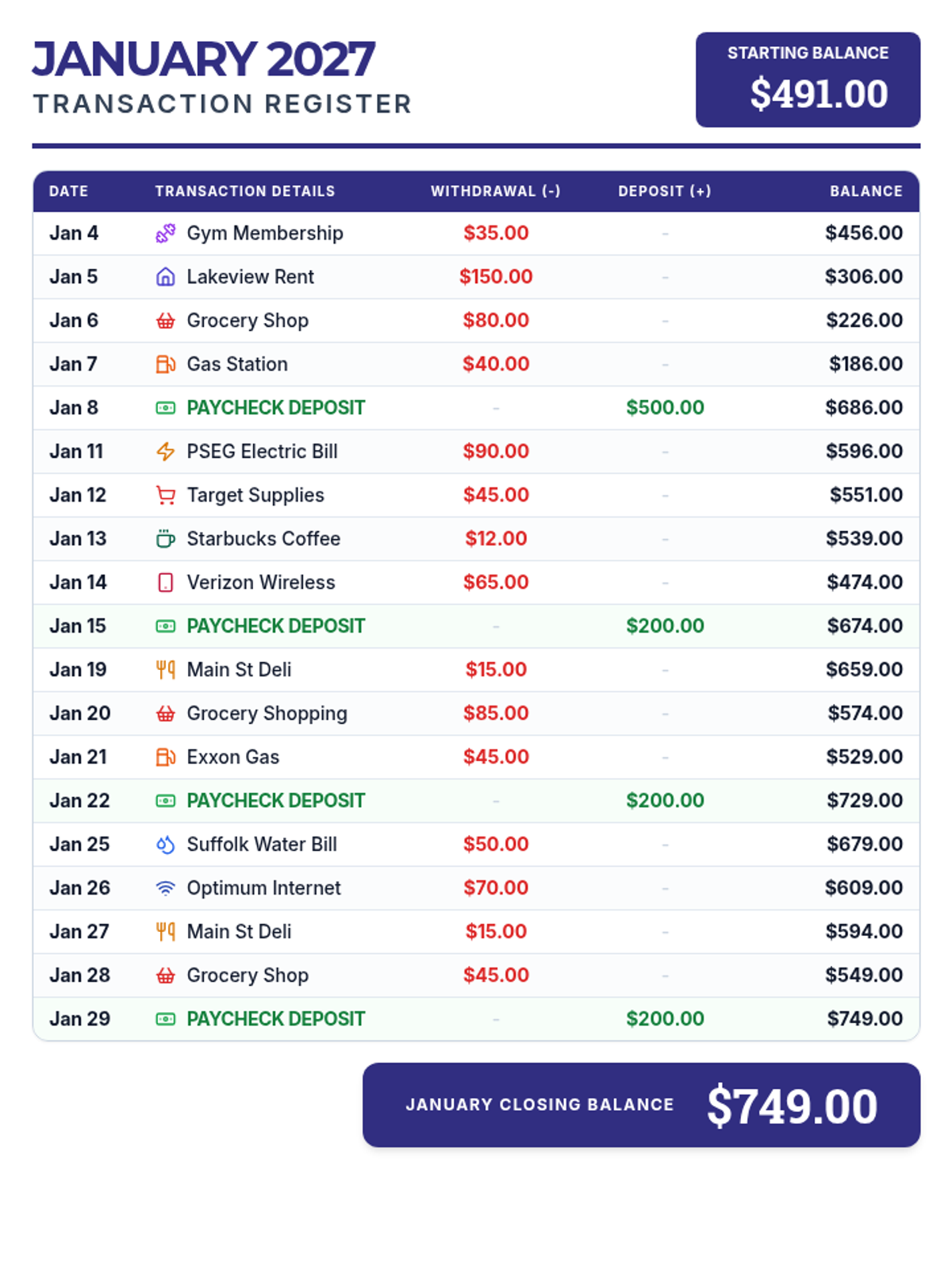
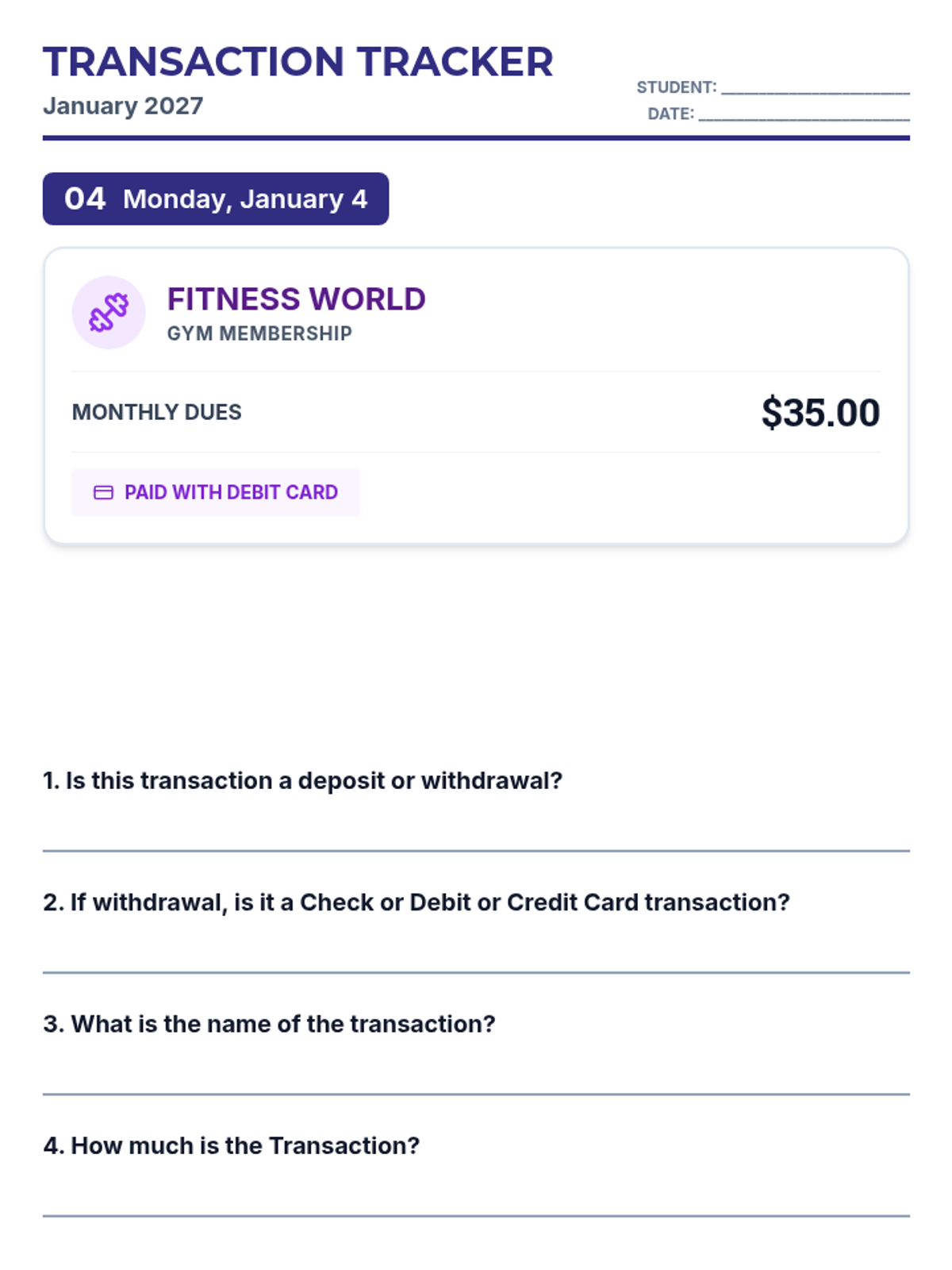
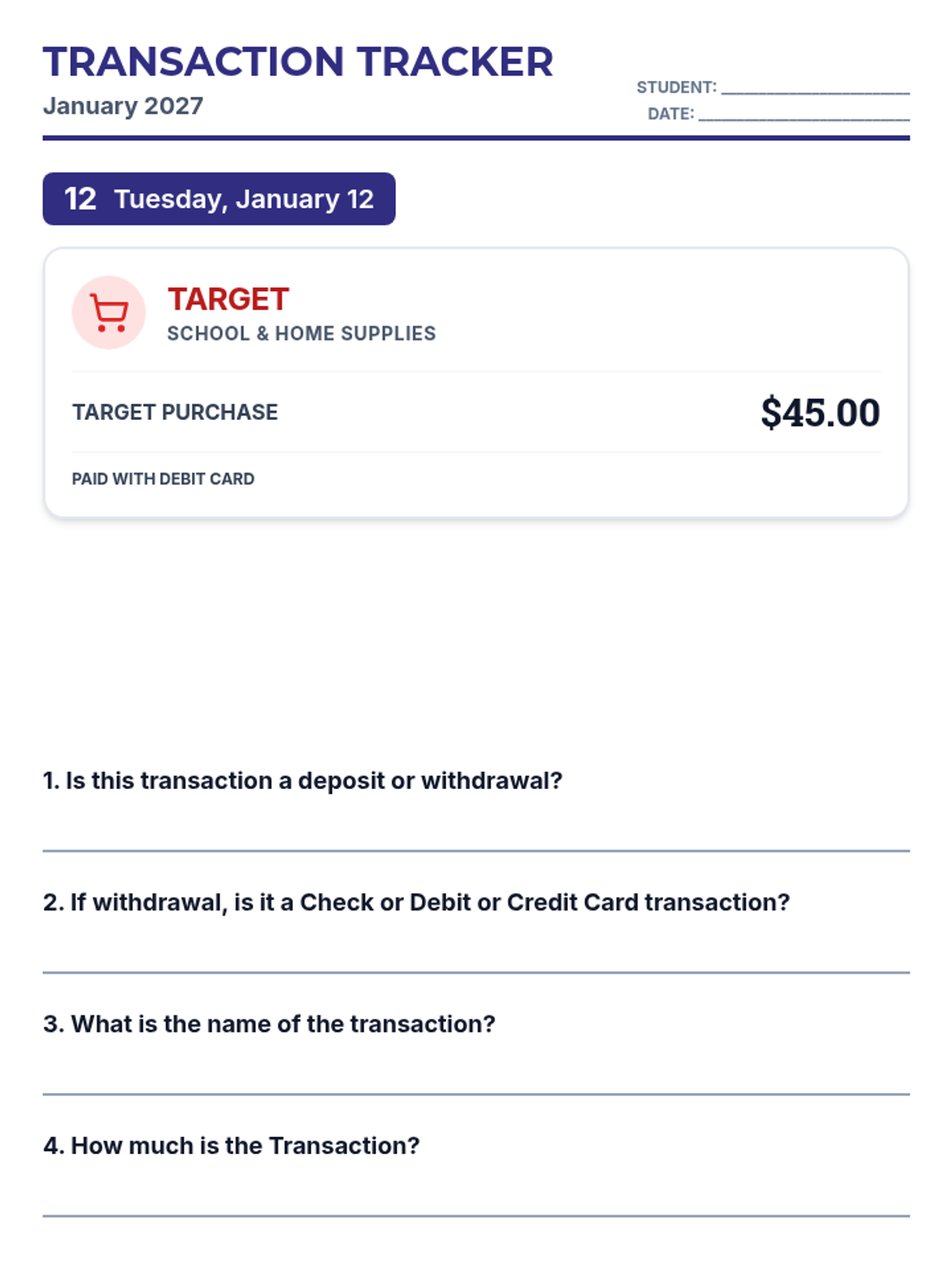
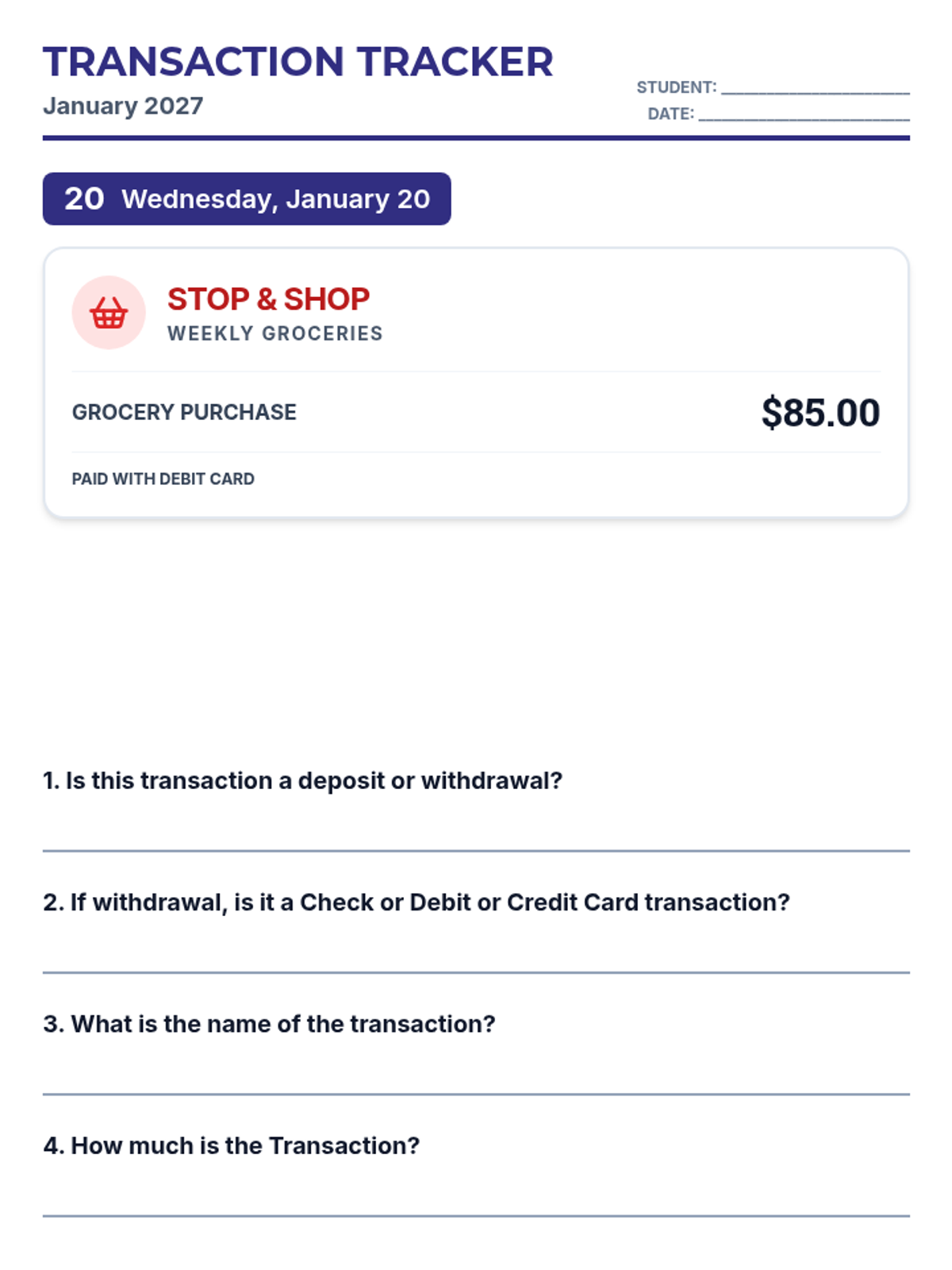
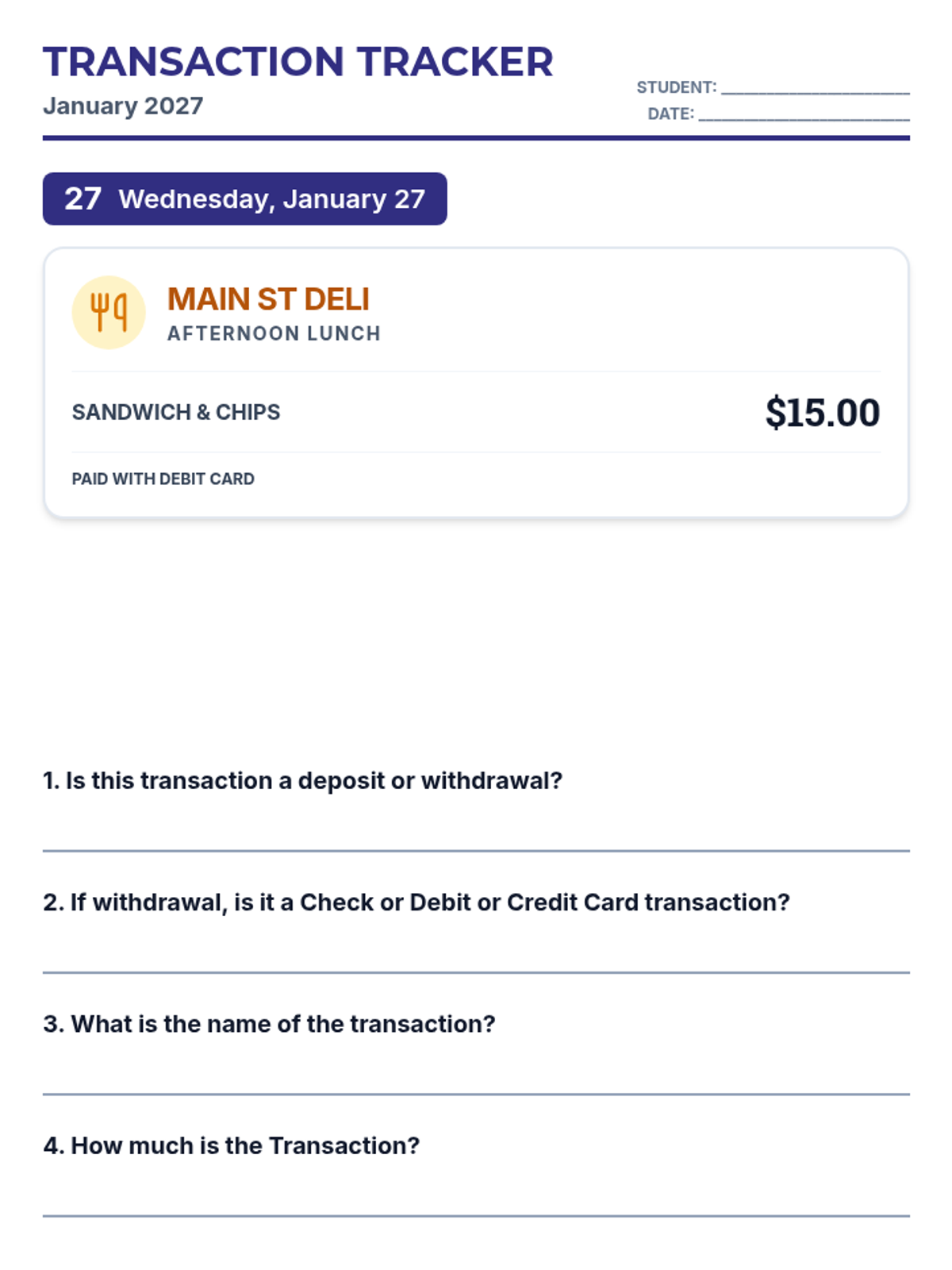
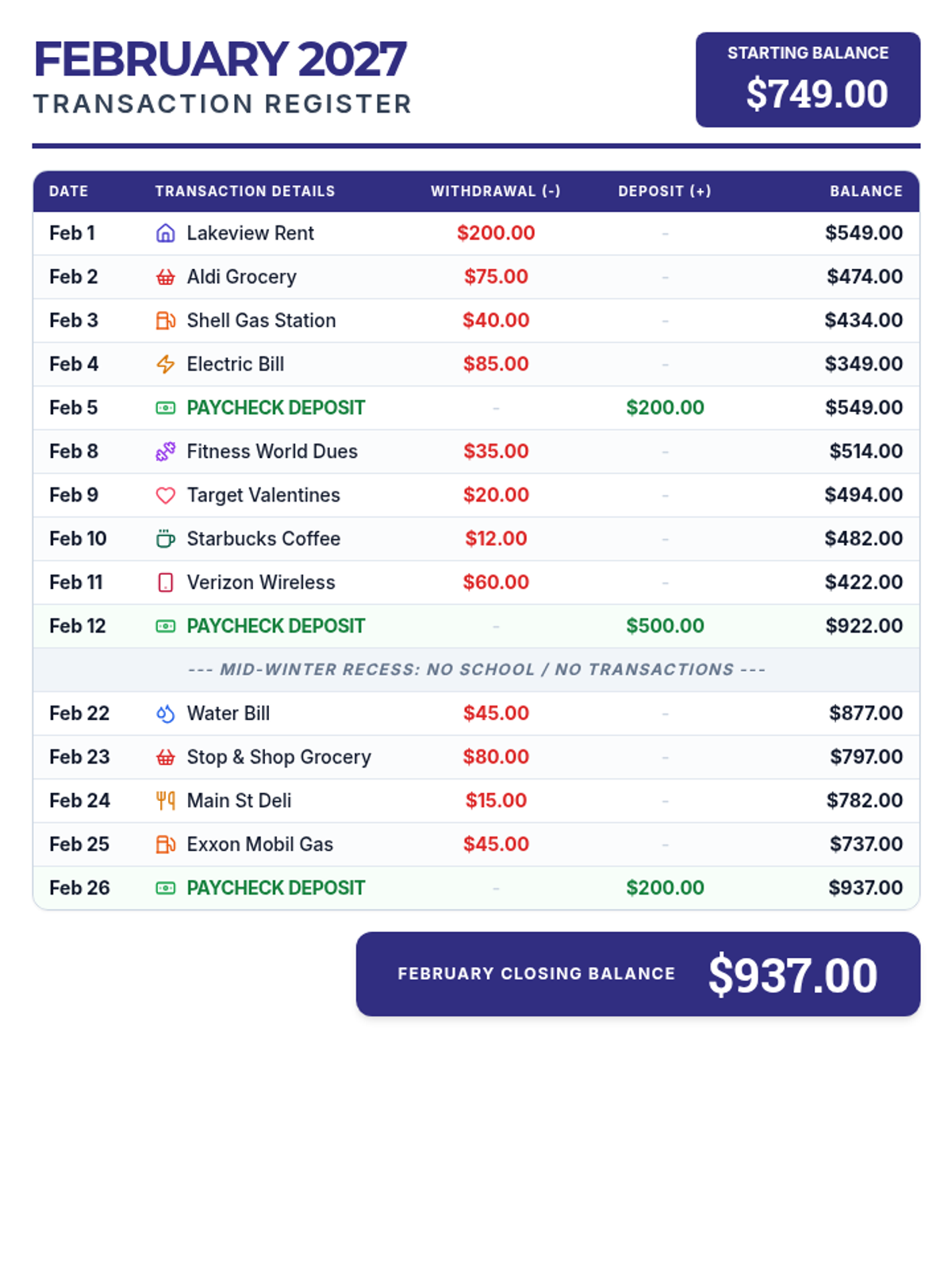
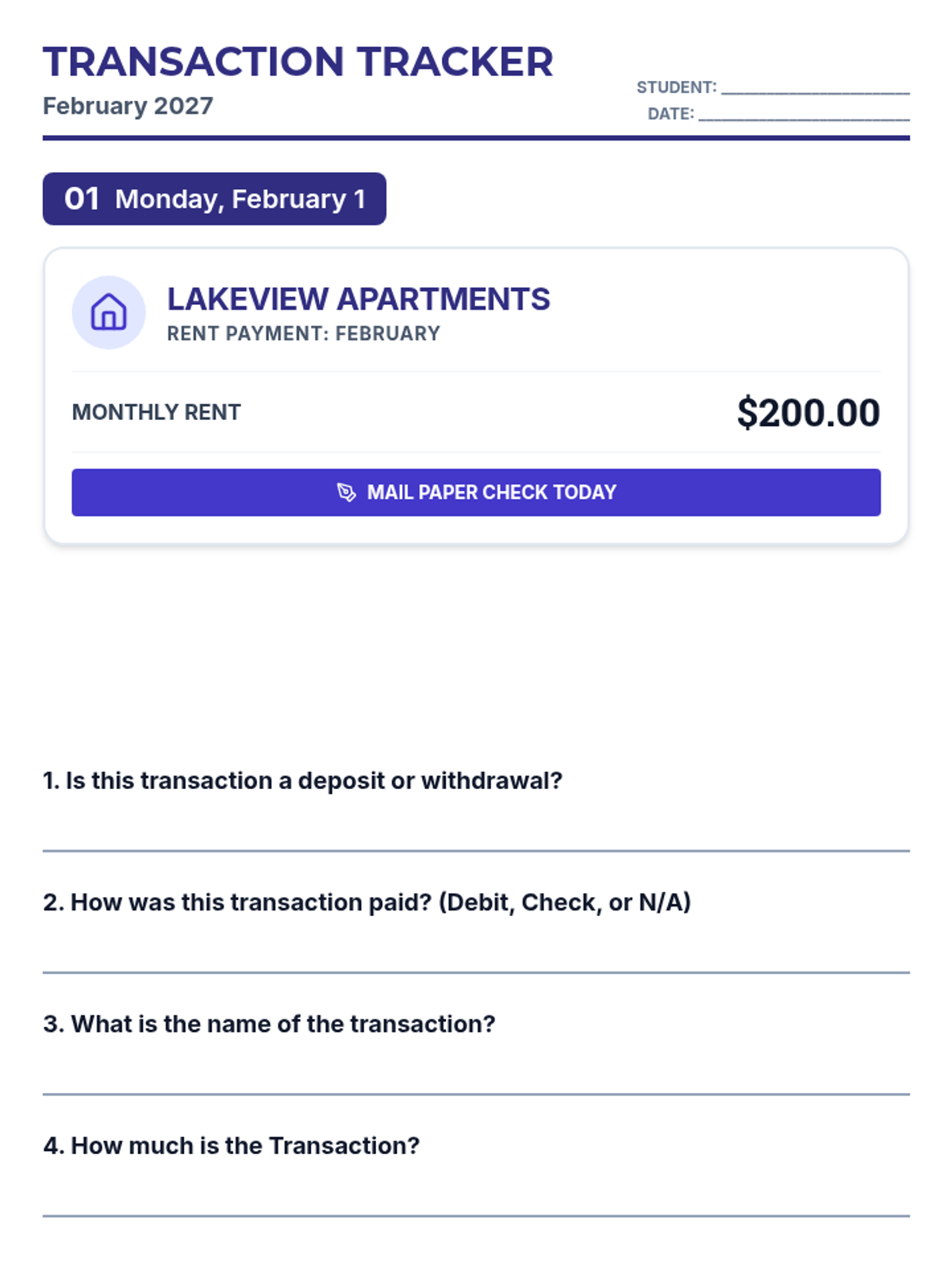
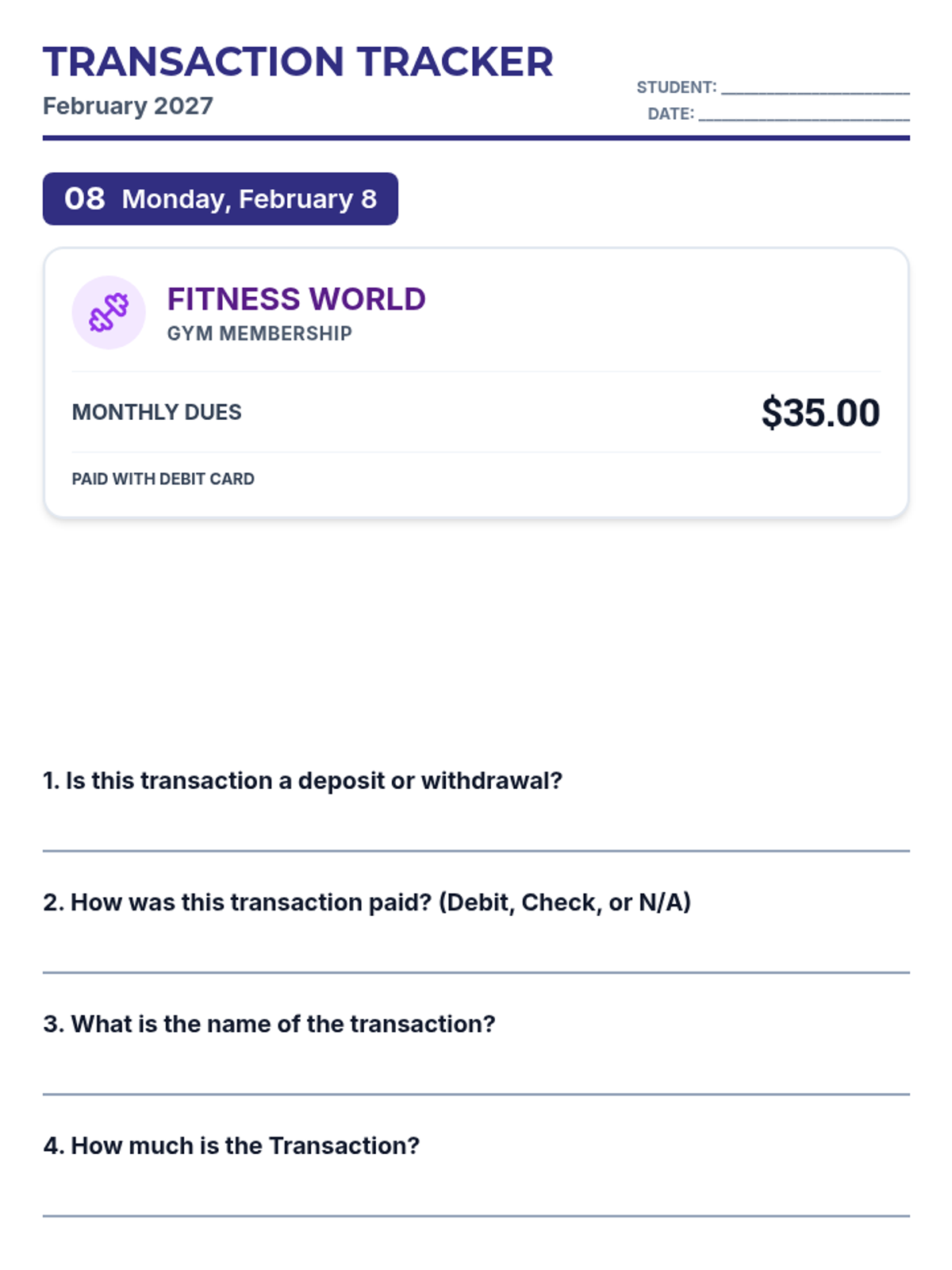
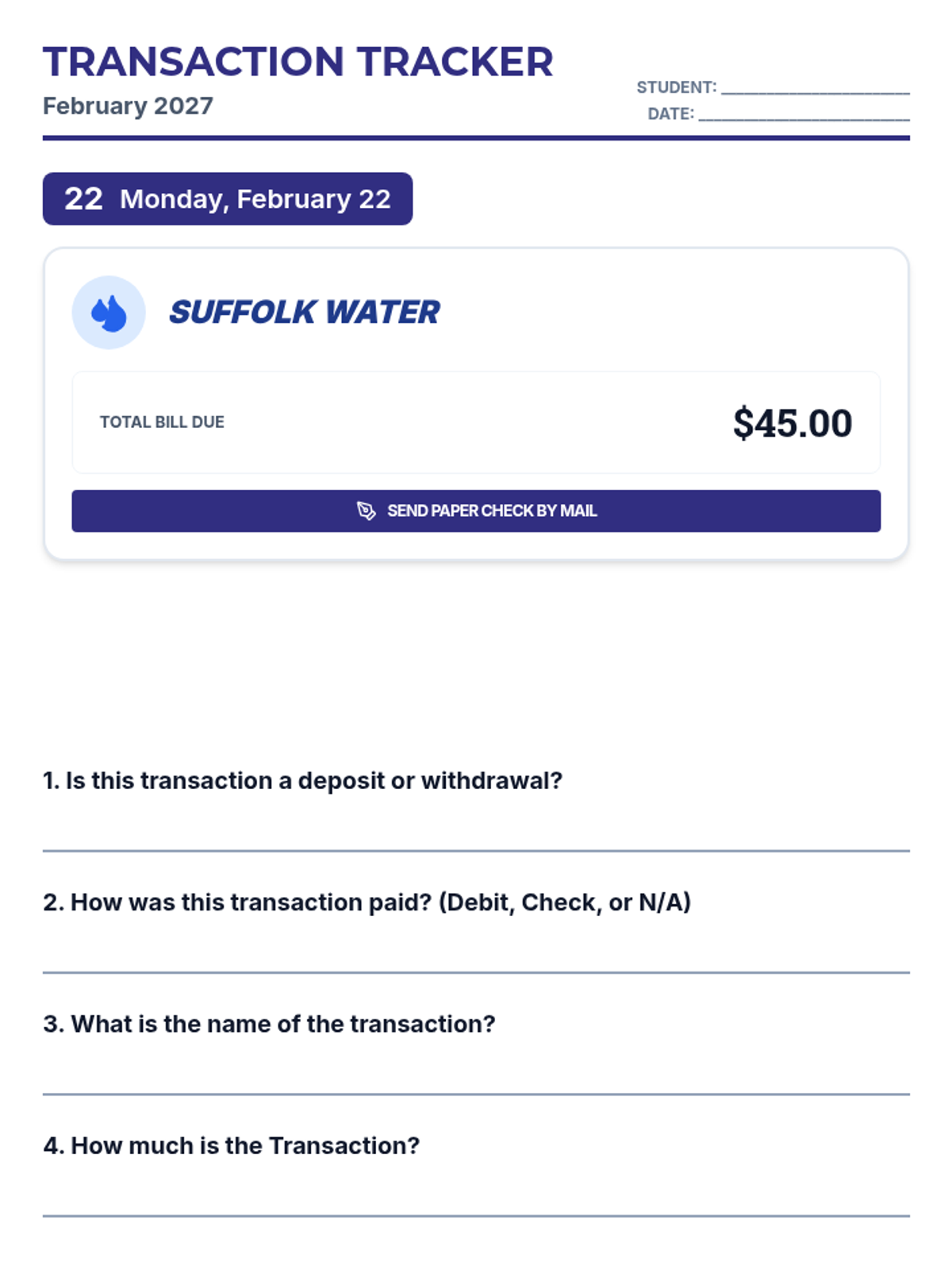
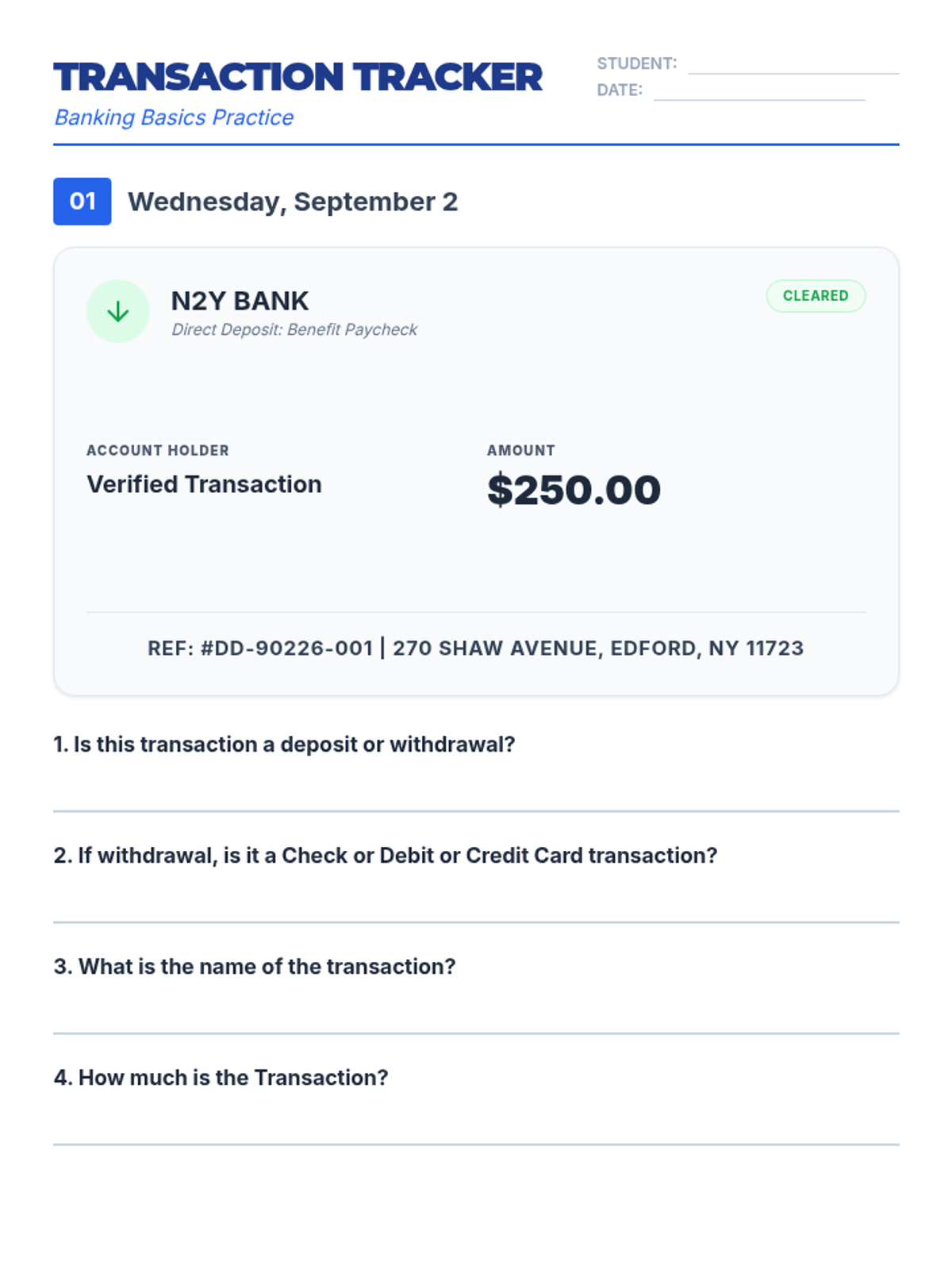
A collection of functional life skills resources designed for high school students transitioning to independence, focusing on budgeting, self-regulation, vocational readiness, and literacy.
A comprehensive lesson for students aged 11-17 to understand the sequence of their actions, identifying triggers, behaviors, and consequences to build self-regulation and problem-solving skills.
A lesson designed to empower high school students with the tools to navigate digital misinformation, focusing on the SIFT method, identifying emotional bias, and spotting sponsored content.