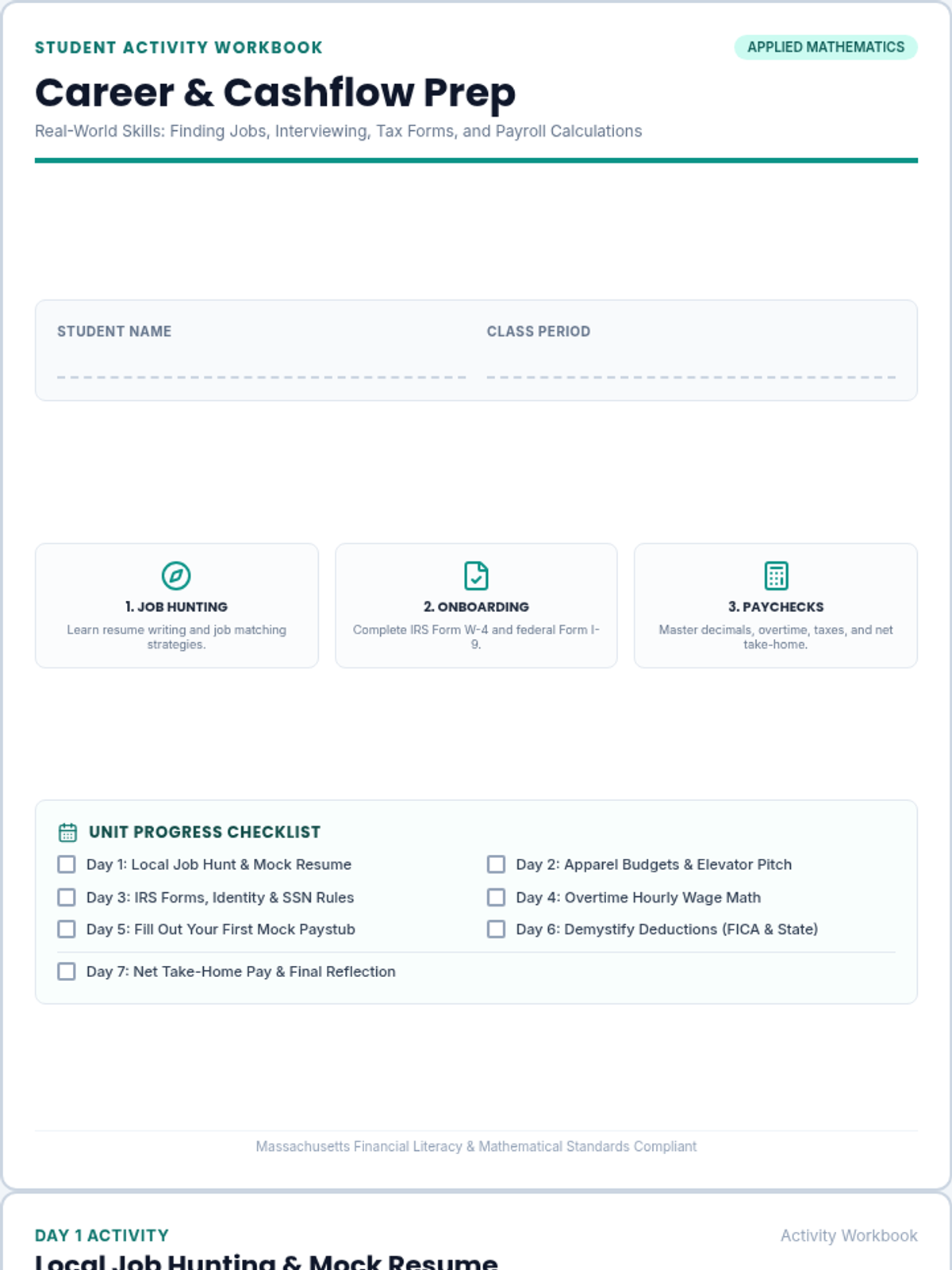
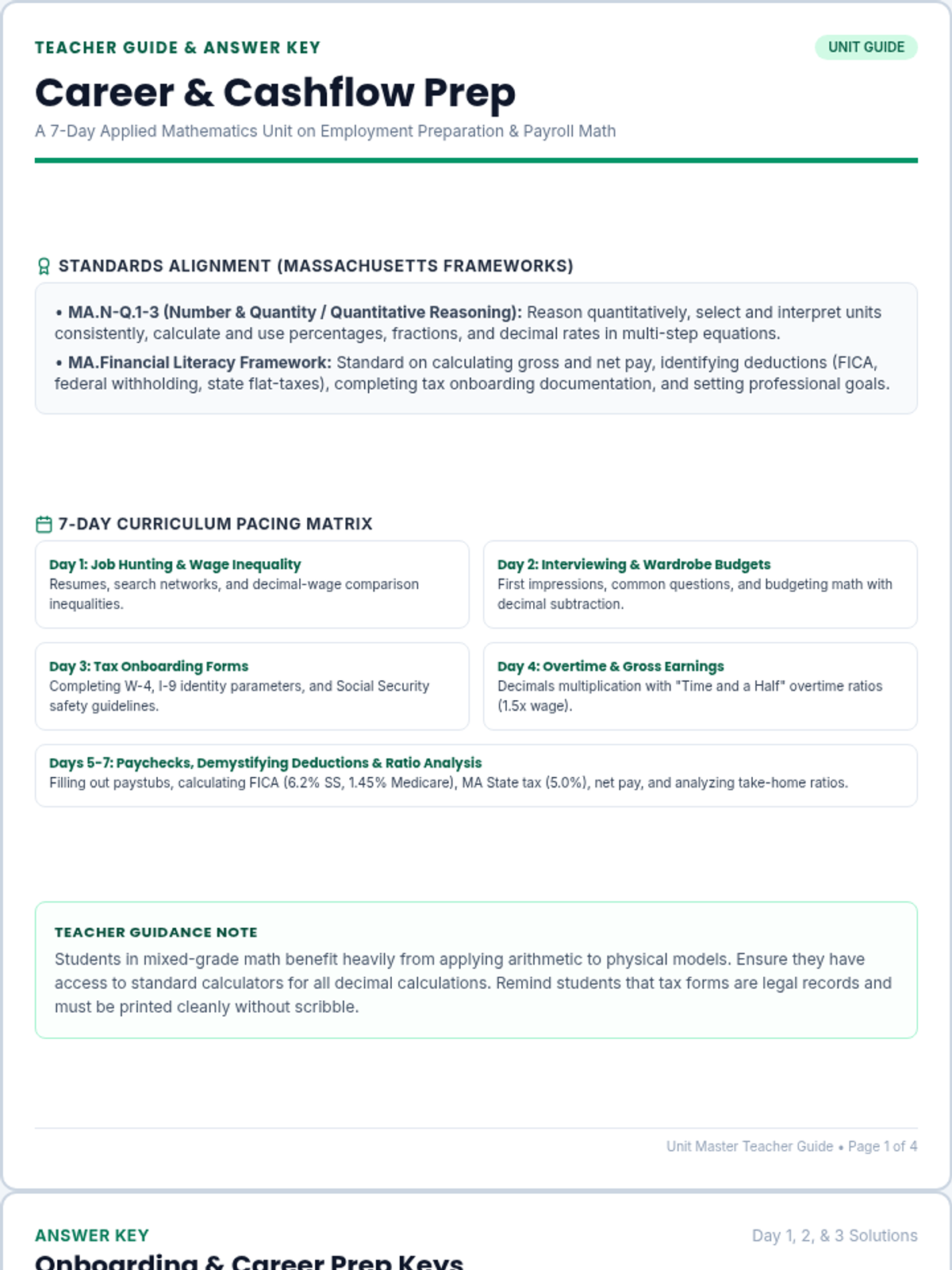
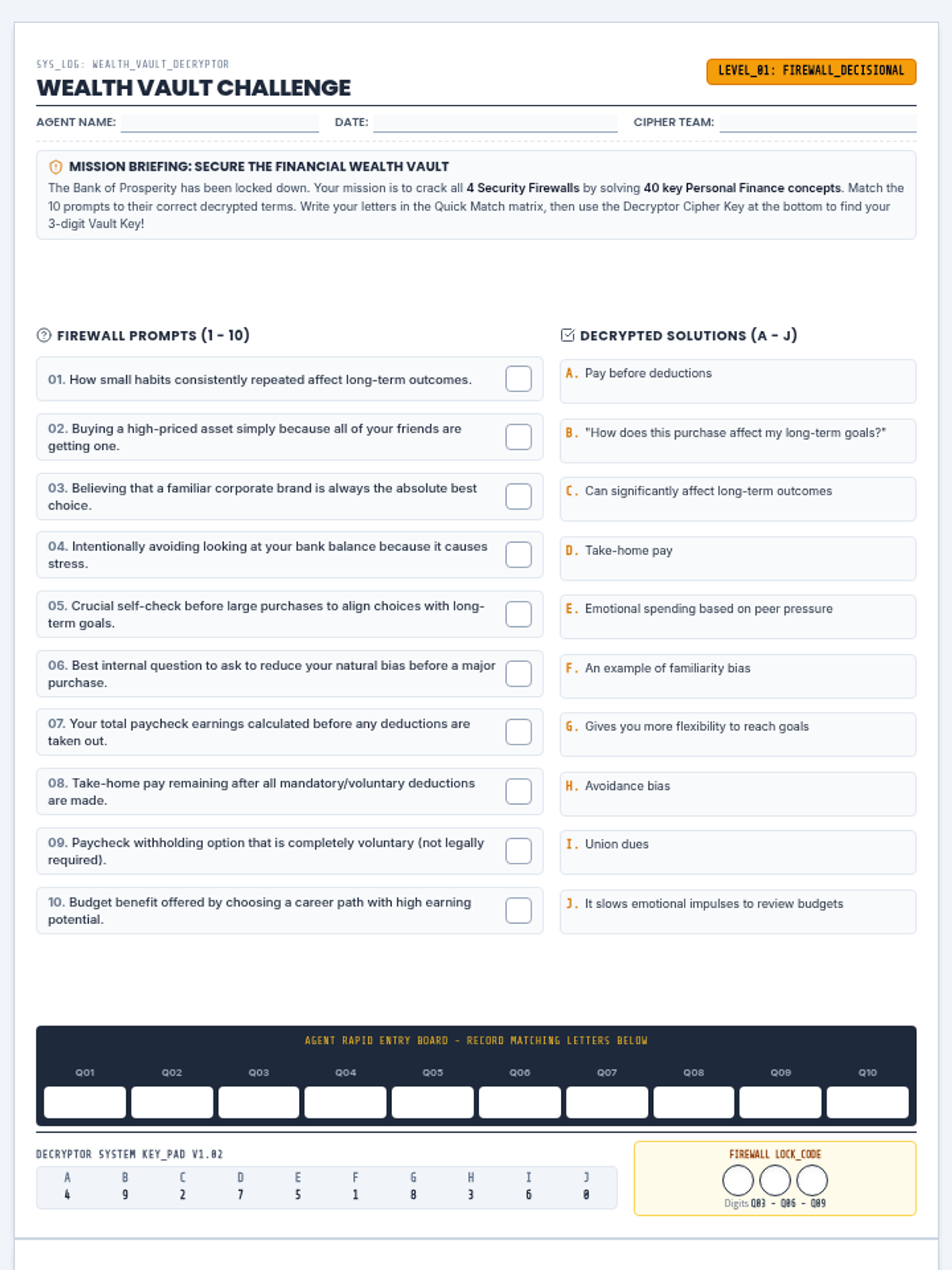
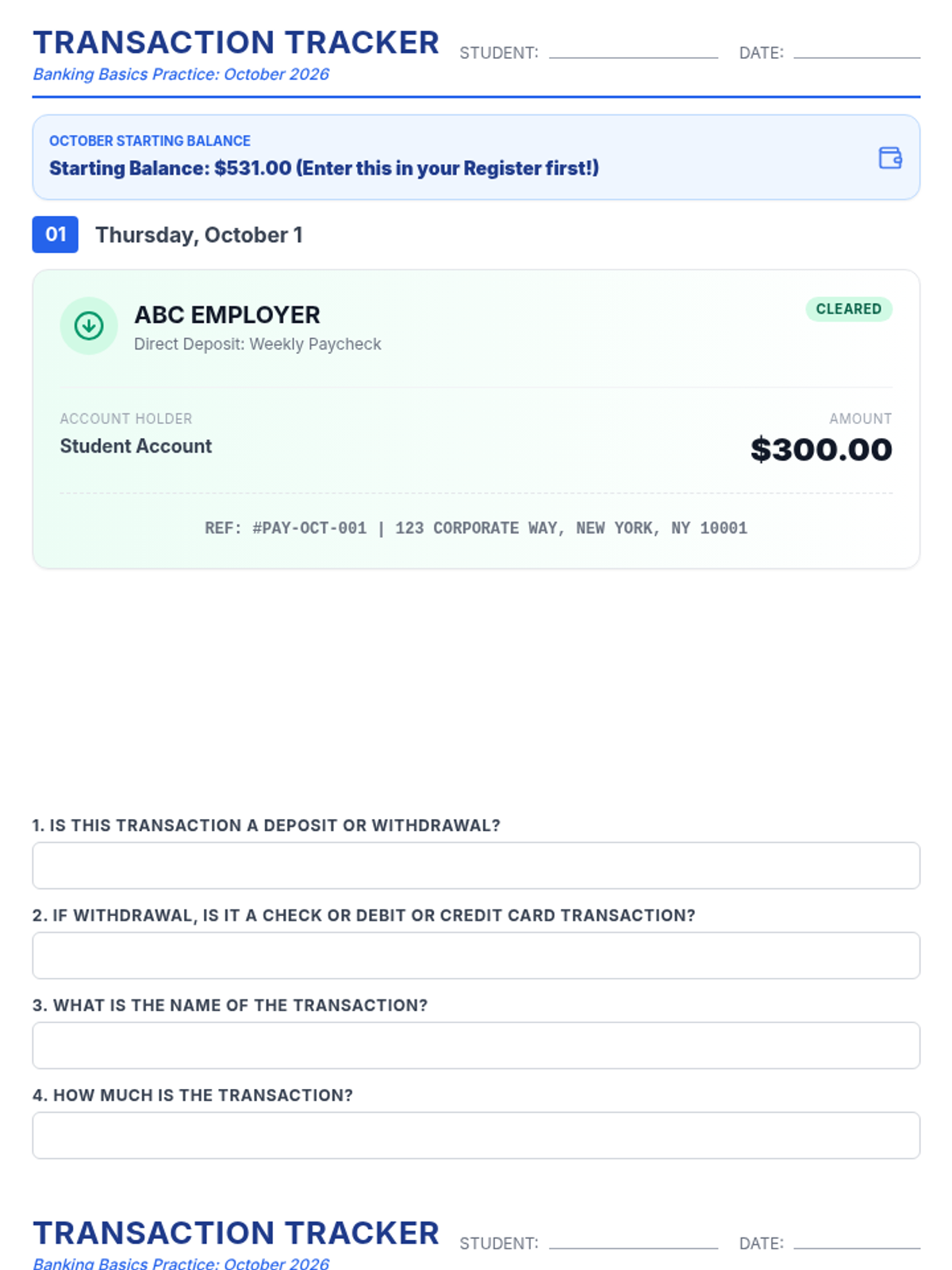
Focusing on compound interest and the time value of money, students project the long-term growth of early retirement contributions.
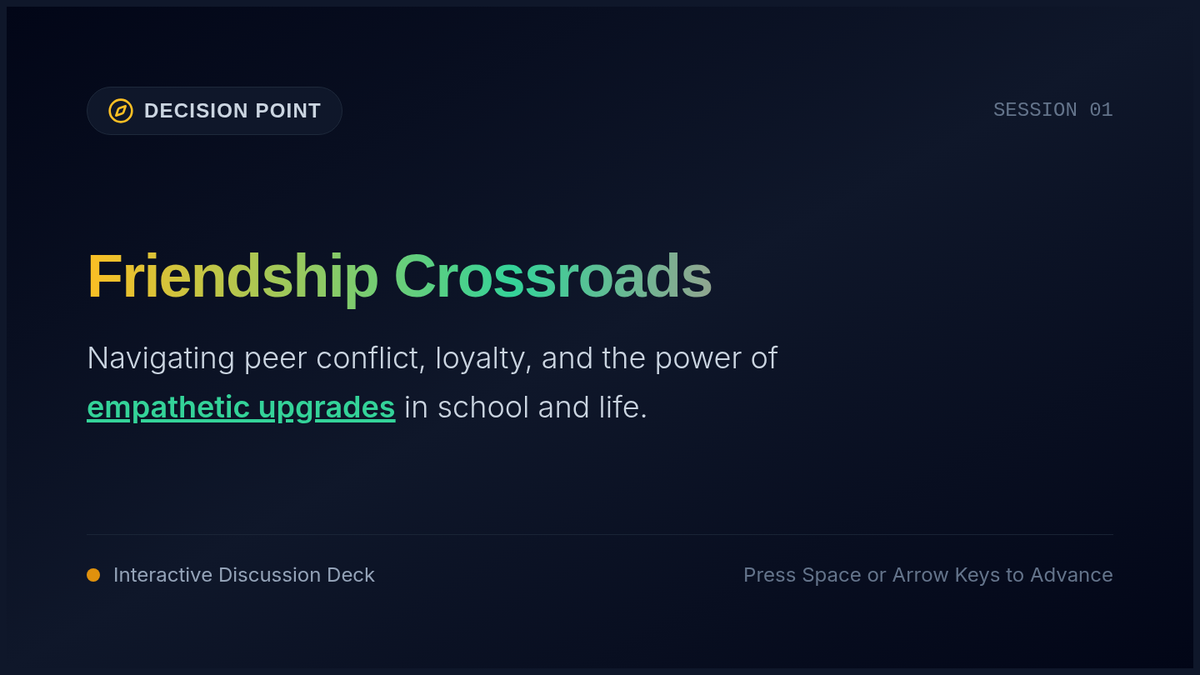
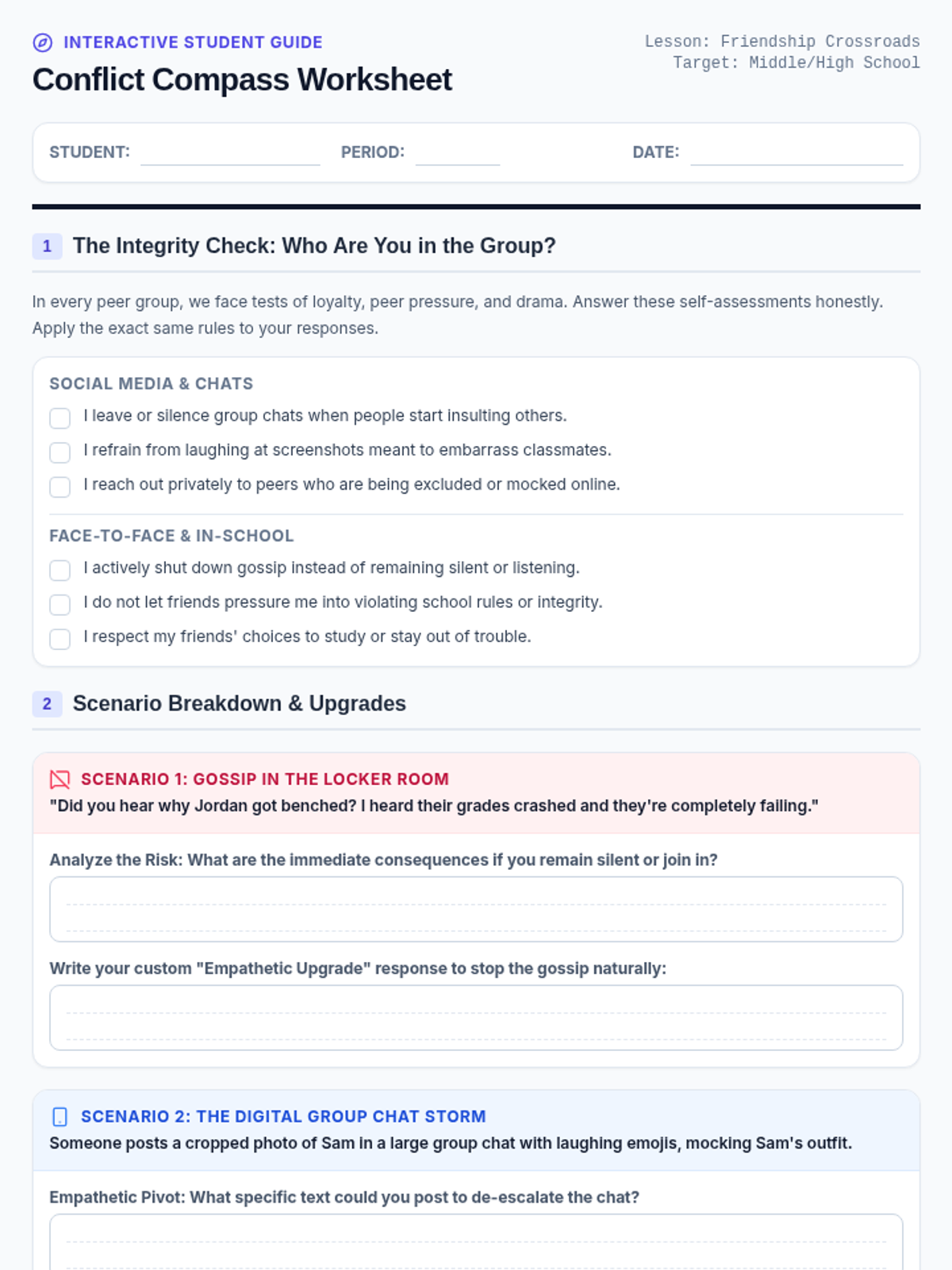
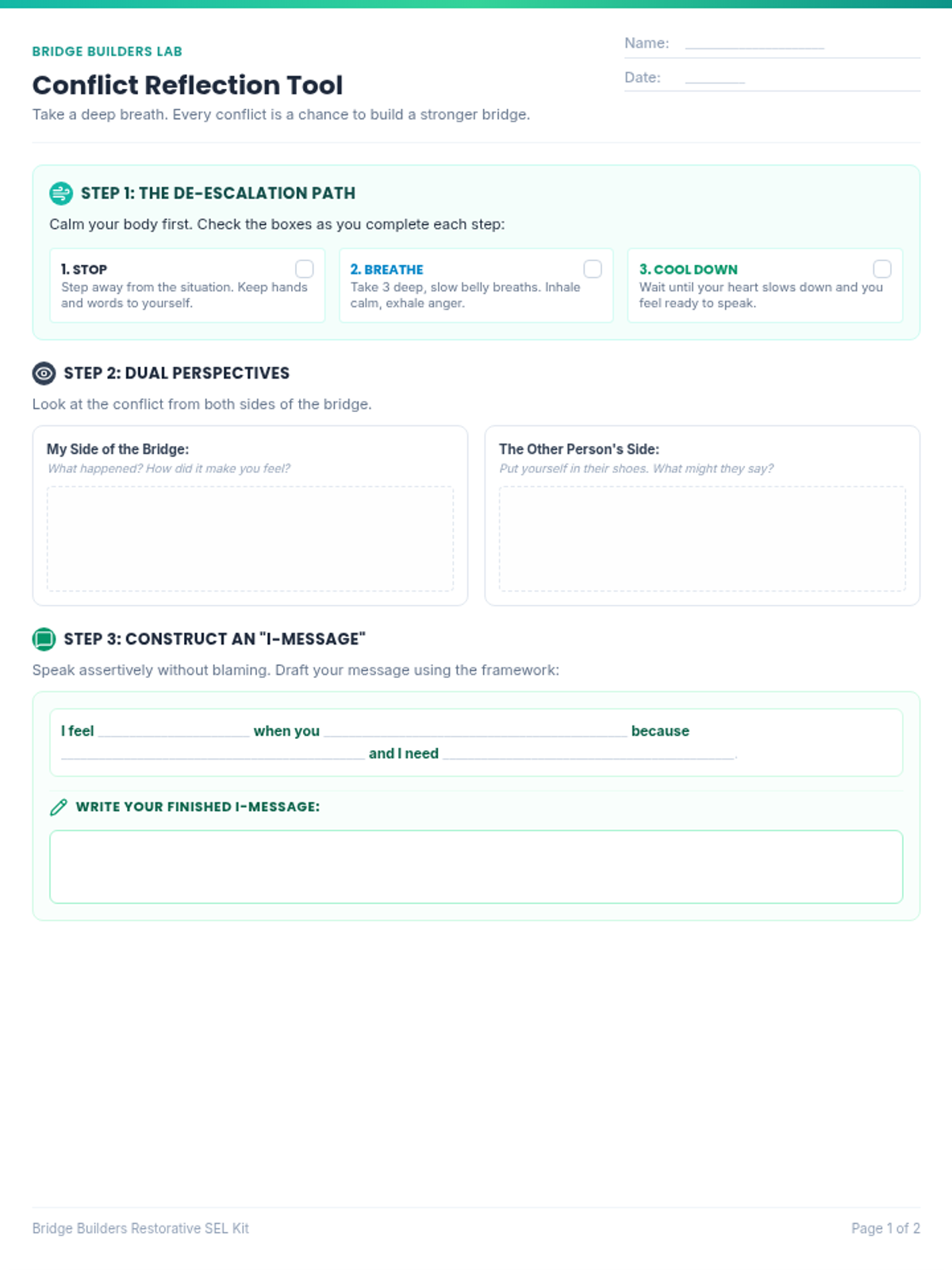
A comprehensive lesson designed for 7th grade students to identify and shift away from co-dependent 'trauma bonding' behaviors toward healthy, resilient friendship boundaries. It focuses on the 'both can be true' philosophy—acknowledging hard things while maintaining individual emotional ownership.
A large-group SEL lesson focused on character, exploring the concept of doing the right thing even when no one is watching through interactive discussions and reflective activities.
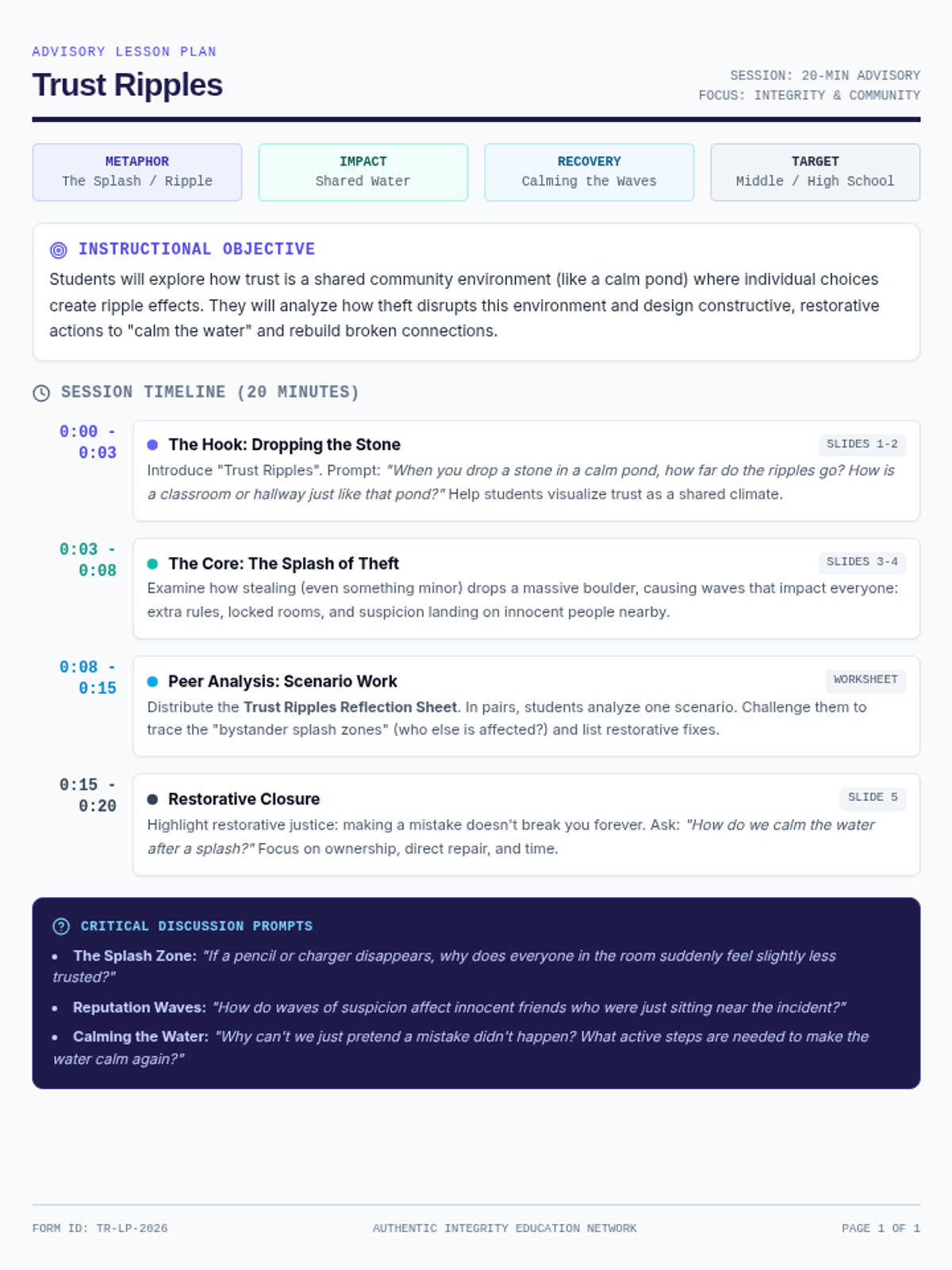
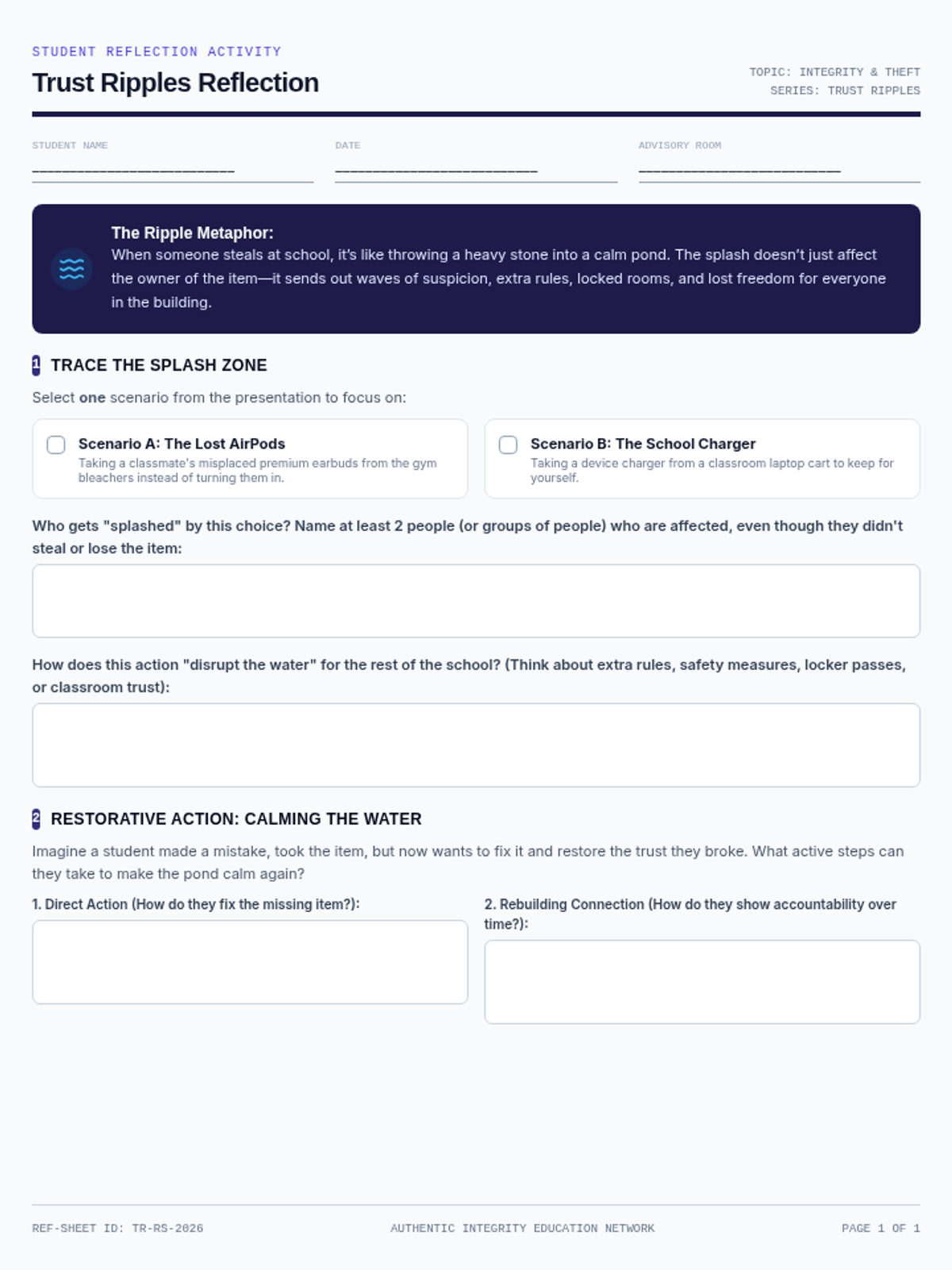
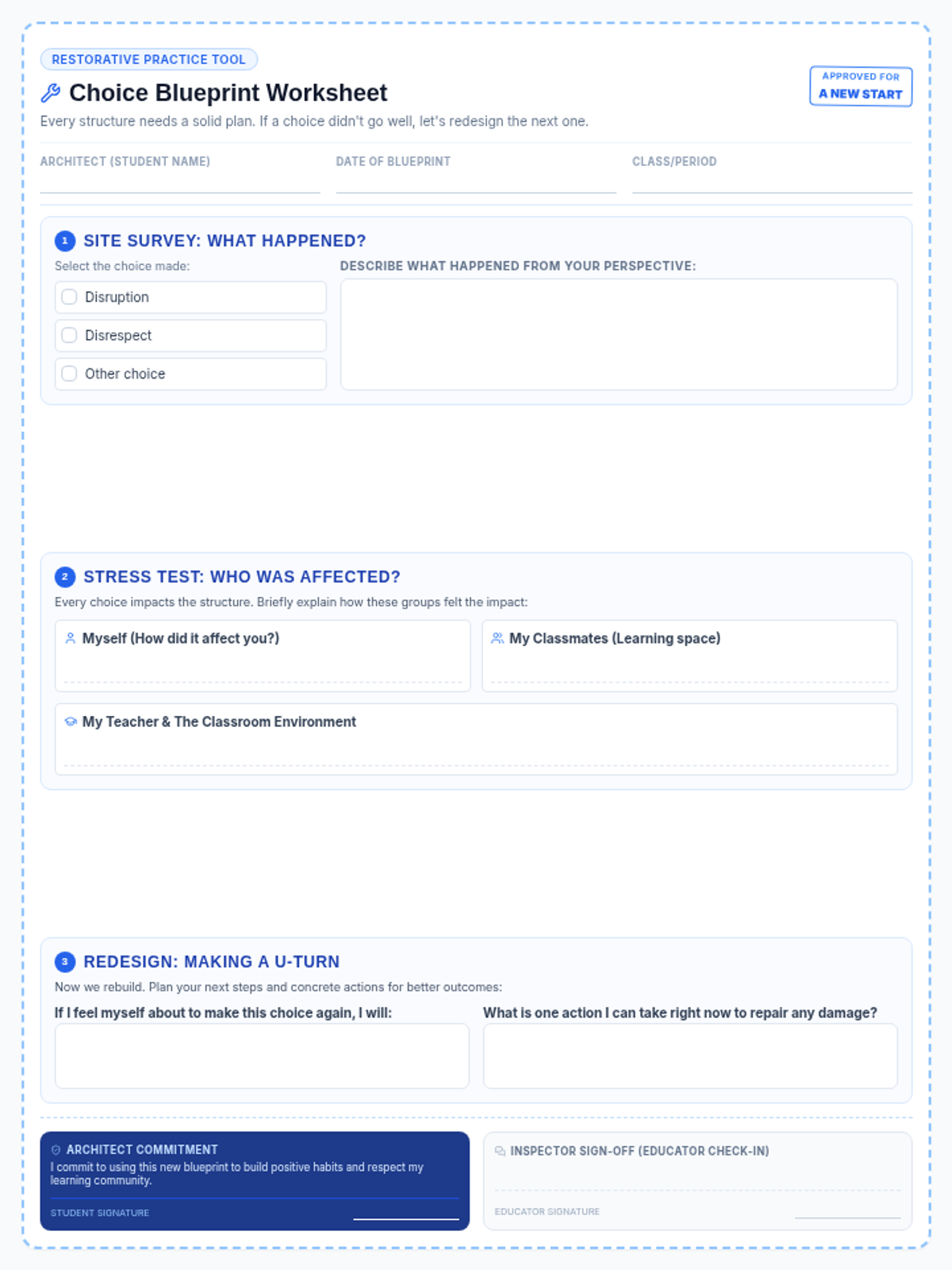
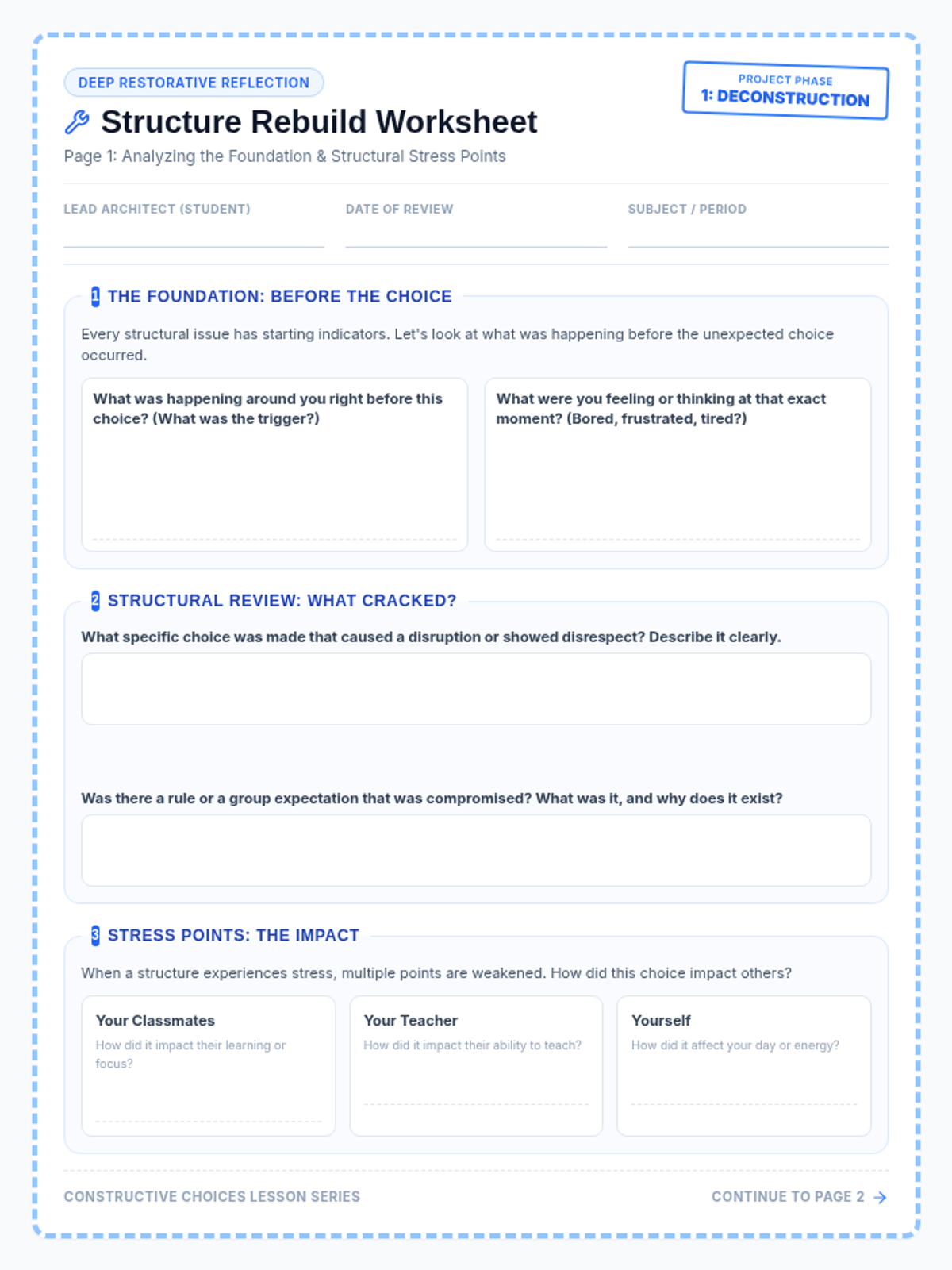
A comprehensive lesson exploring the motivations behind academic dishonesty and the long-term impact of cheating on personal integrity and community trust. Students analyze realistic scenarios and build a personal 'blueprint' for ethical decision-making.
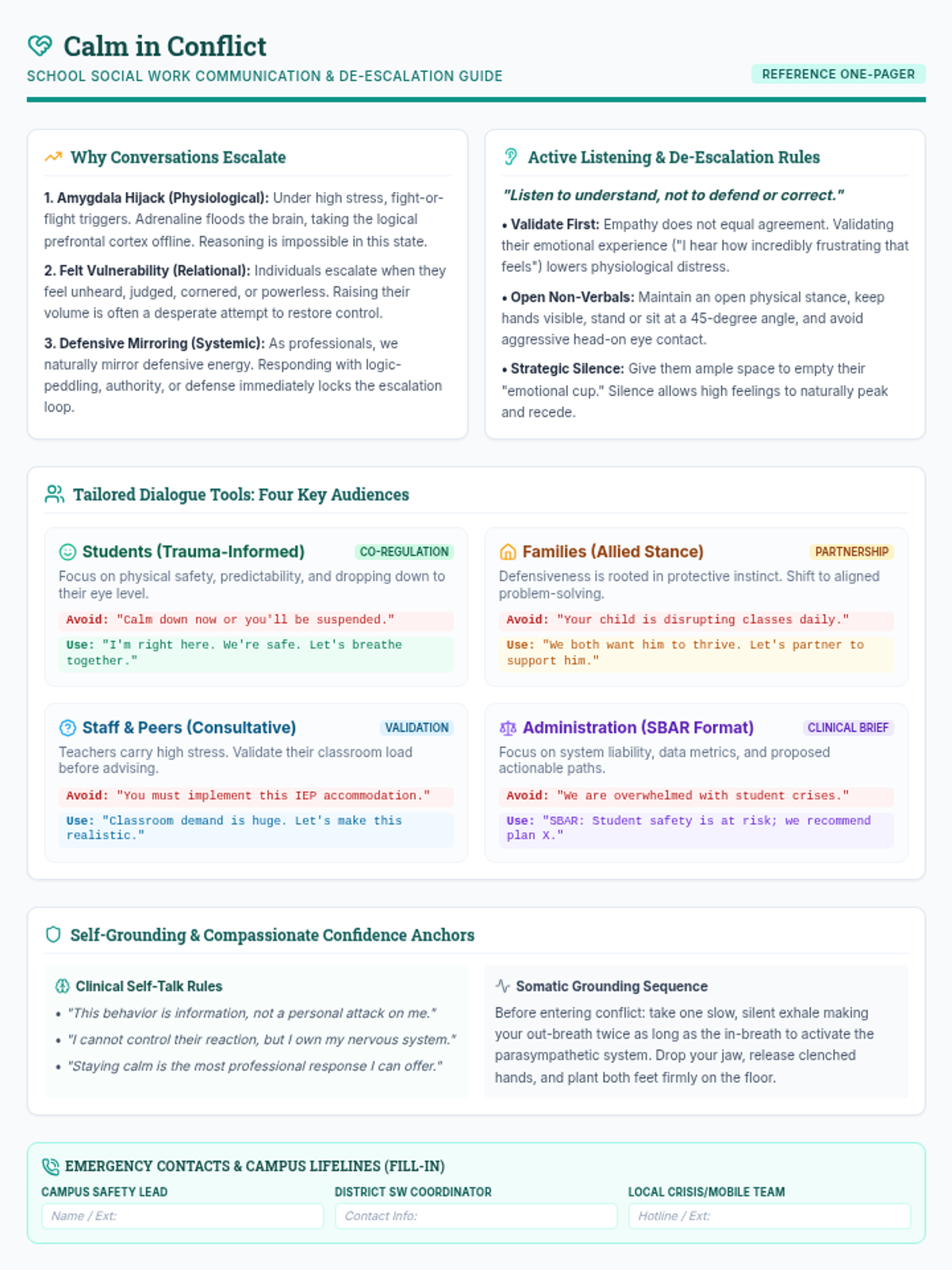
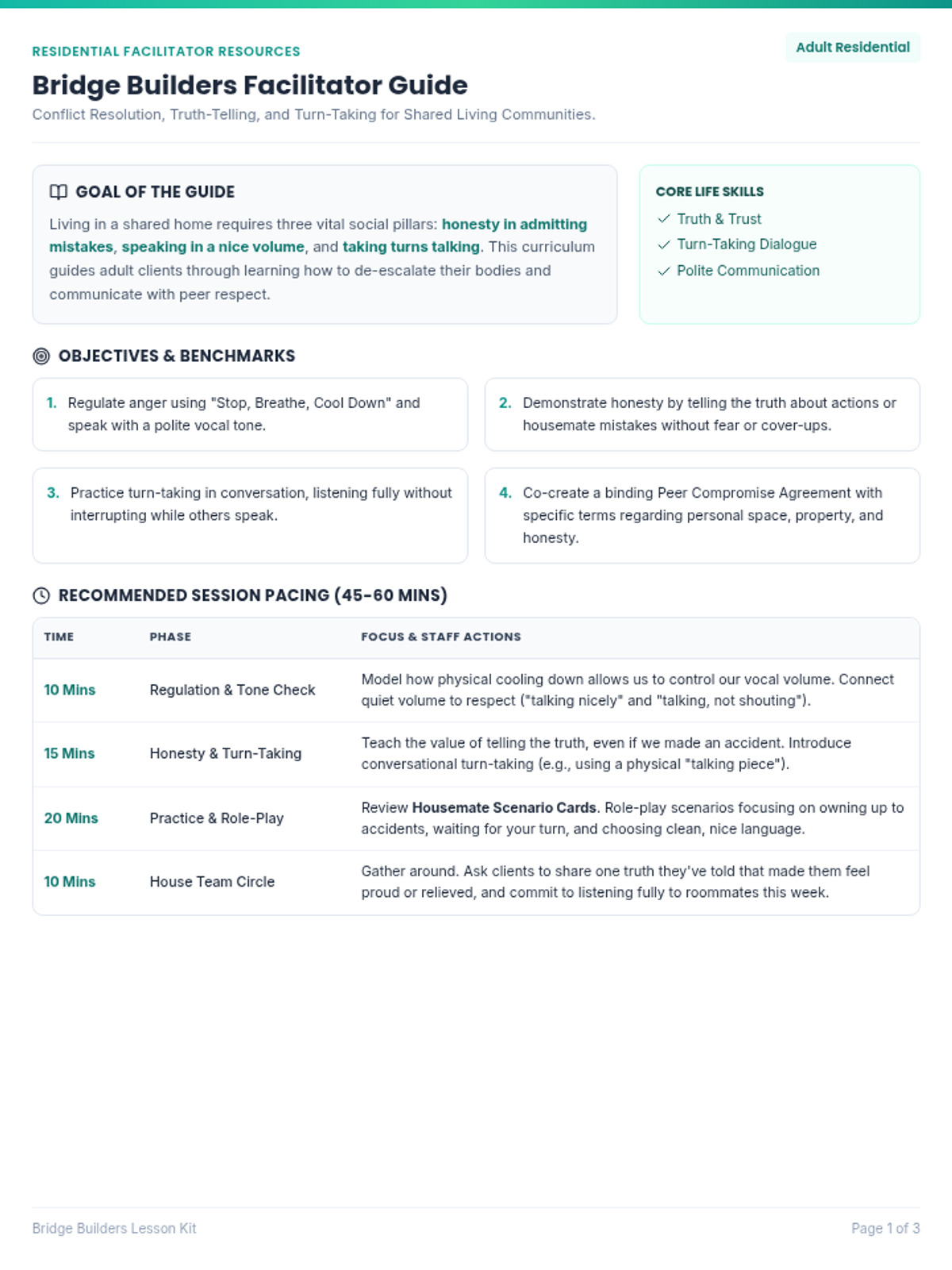
A guide for students and staff on how to safely navigate and respond to physical conflicts in a school setting, focusing on de-escalation, safety, and restorative practices.
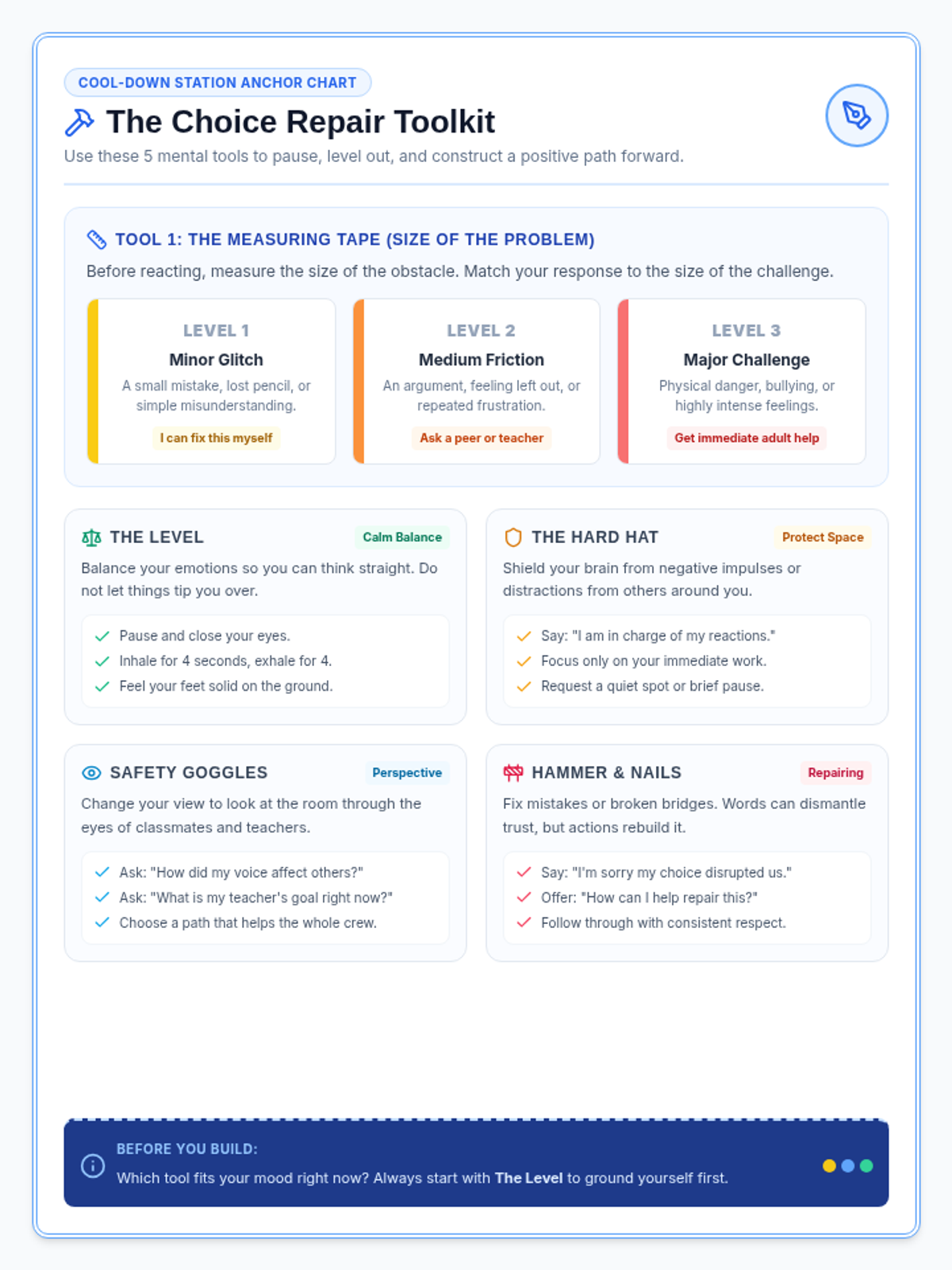
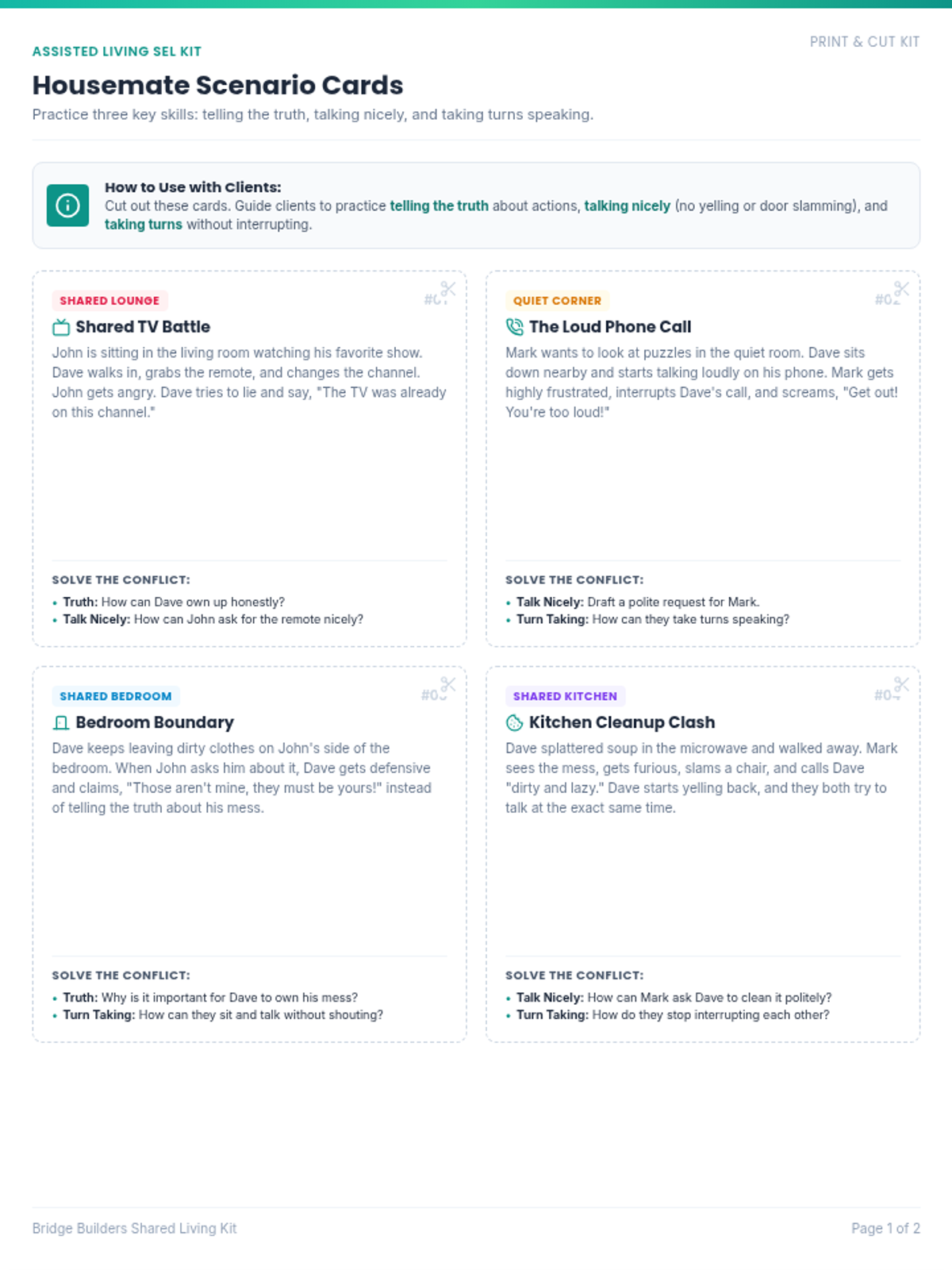
A set of resources designed for a therapeutic program to address class and work avoidance using a witty, nautical winter theme. Focuses on self-regulation, coping skills, and the impact of individual behavior on the school community.
A game-inspired goal-setting activity designed for parent-teacher conferences, focusing on identifying student strengths and growth areas through a 'future quest' lens.
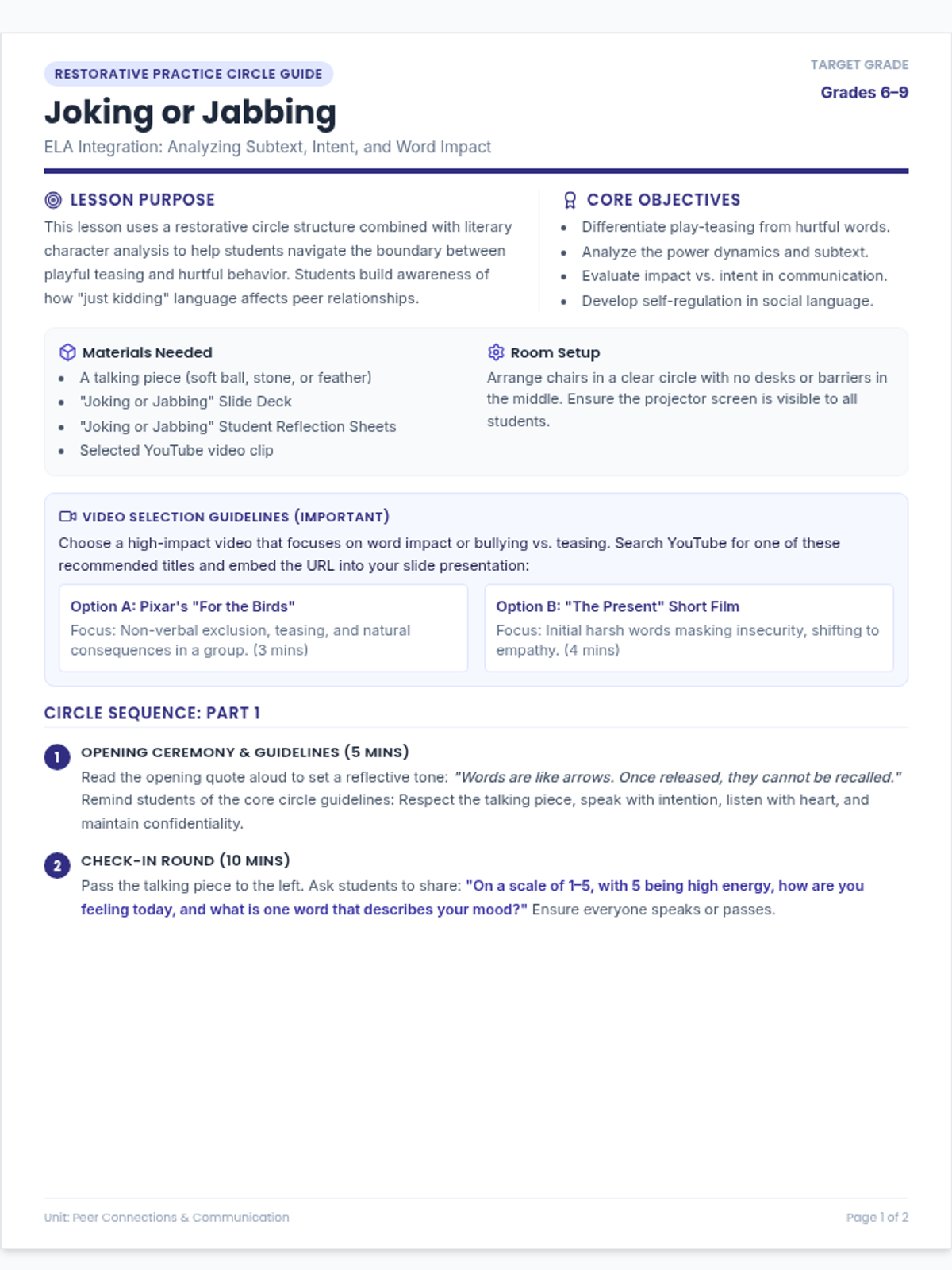
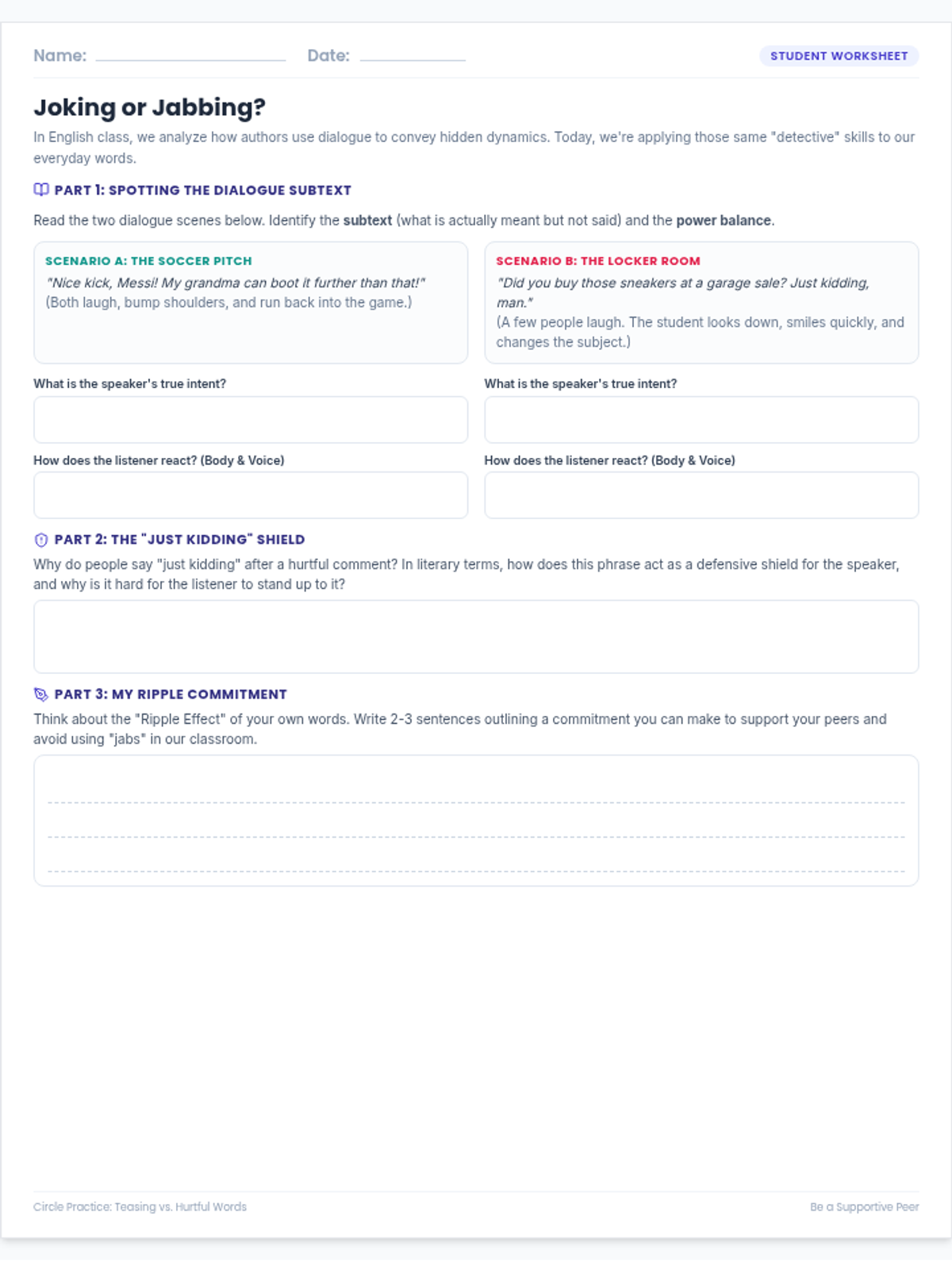
This lesson helps high school students identify and navigate social conflict, specifically focusing on scenarios where teasing crosses the line into bullying. Students will analyze 8 realistic scenarios to develop empathy and bystander intervention strategies.
A comprehensive workshop for K-1st grade parents to design stress-free morning routines that foster independence and positive school starts.
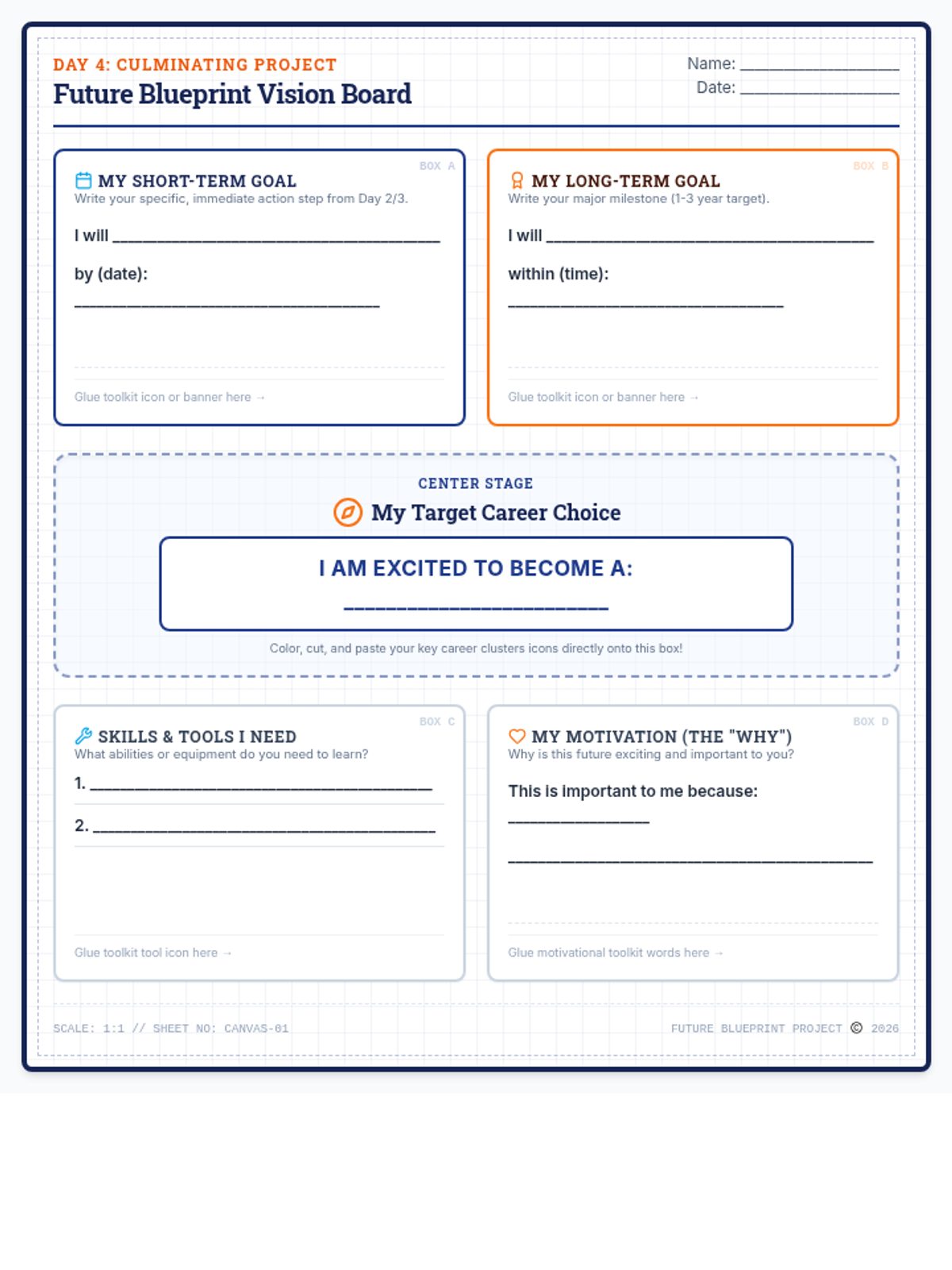
The capstone lesson where students synthesize their learning into a final project and apply survival lessons to their own lives.
A reflective session where students track Brian's (and their own) growth over the course of the novel.
Develops adaptability and resilience by practicing survival problem-solving and reflecting on personal setbacks.
Examines the nature of courage, distinguishing it from the absence of fear through Brian's risky survival tasks.
Explores the psychological impact of isolation and the development of self-reliance and inner strength.
Analyzes the relationship between choices and consequences, teaching students how to make responsible decisions under pressure.
Introduces growth mindset and the power of perseverance, comparing Brian's initial despair to his growing determination.
Focuses on emotional regulation and the shift from panic to problem-solving, identifying healthy coping strategies for real-life challenges.
Students explore the impact of sudden change and map their own identities, drawing parallels to Brian's sudden transition from his old life to the wilderness.
A lesson introducing 10th-grade students to the core concepts of Stoicism and resilience inspired by 'The Obstacle Is The Way,' focusing on reframing challenges as opportunities for growth.
A set of high-impact materials for parent-teacher conferences, including informational displays, a family pledge, and an interactive student campaign activity.
A comprehensive 90-minute lesson focused on identifying and practicing assertive communication using 'I' statements and confident body language. includes a slide deck, practice scenarios, and a visual anchor chart.
A comprehensive small group lesson for high school students focused on decoding social nuances, specifically sarcasm, figurative language, tone, and facial expressions.
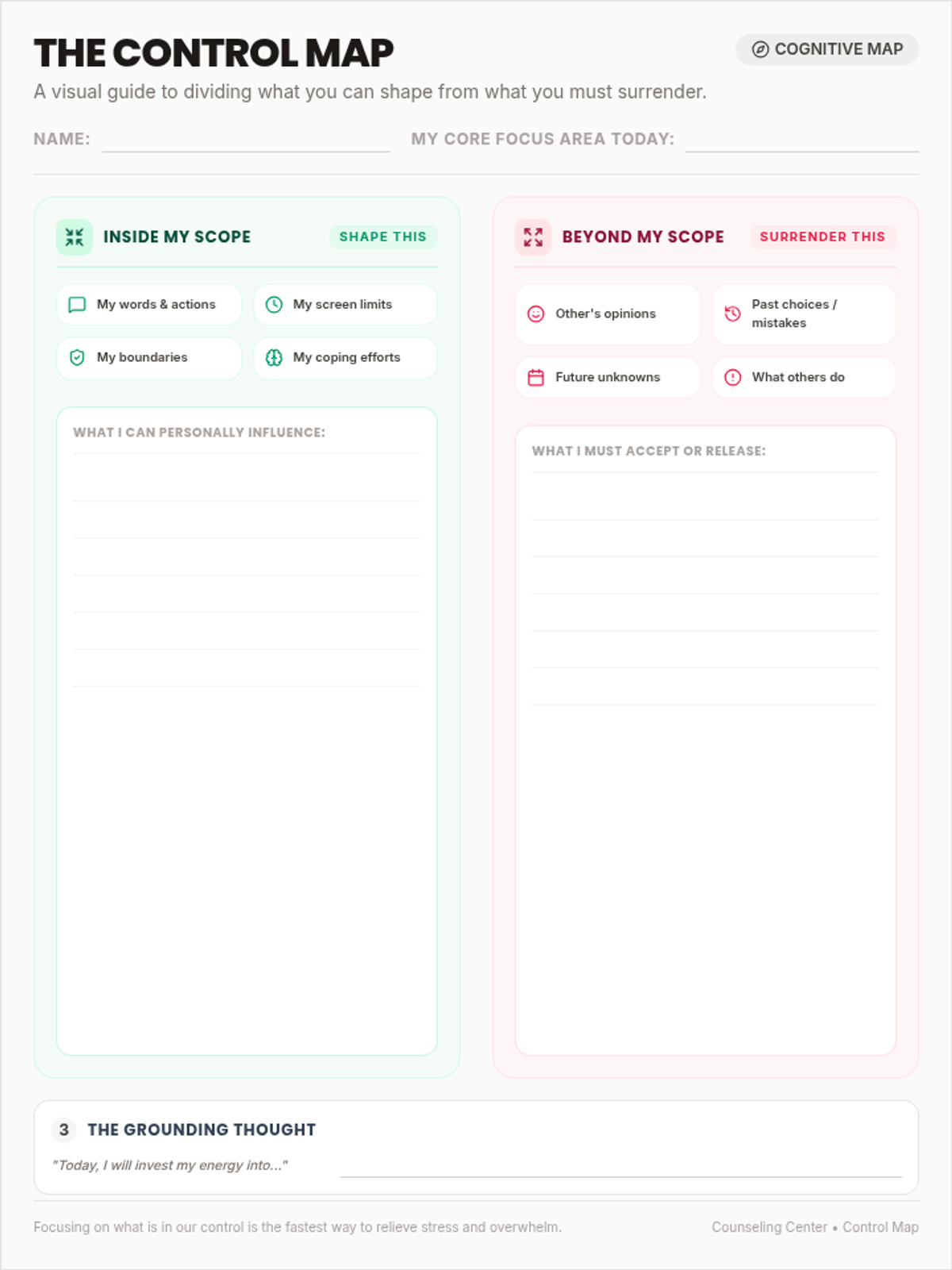
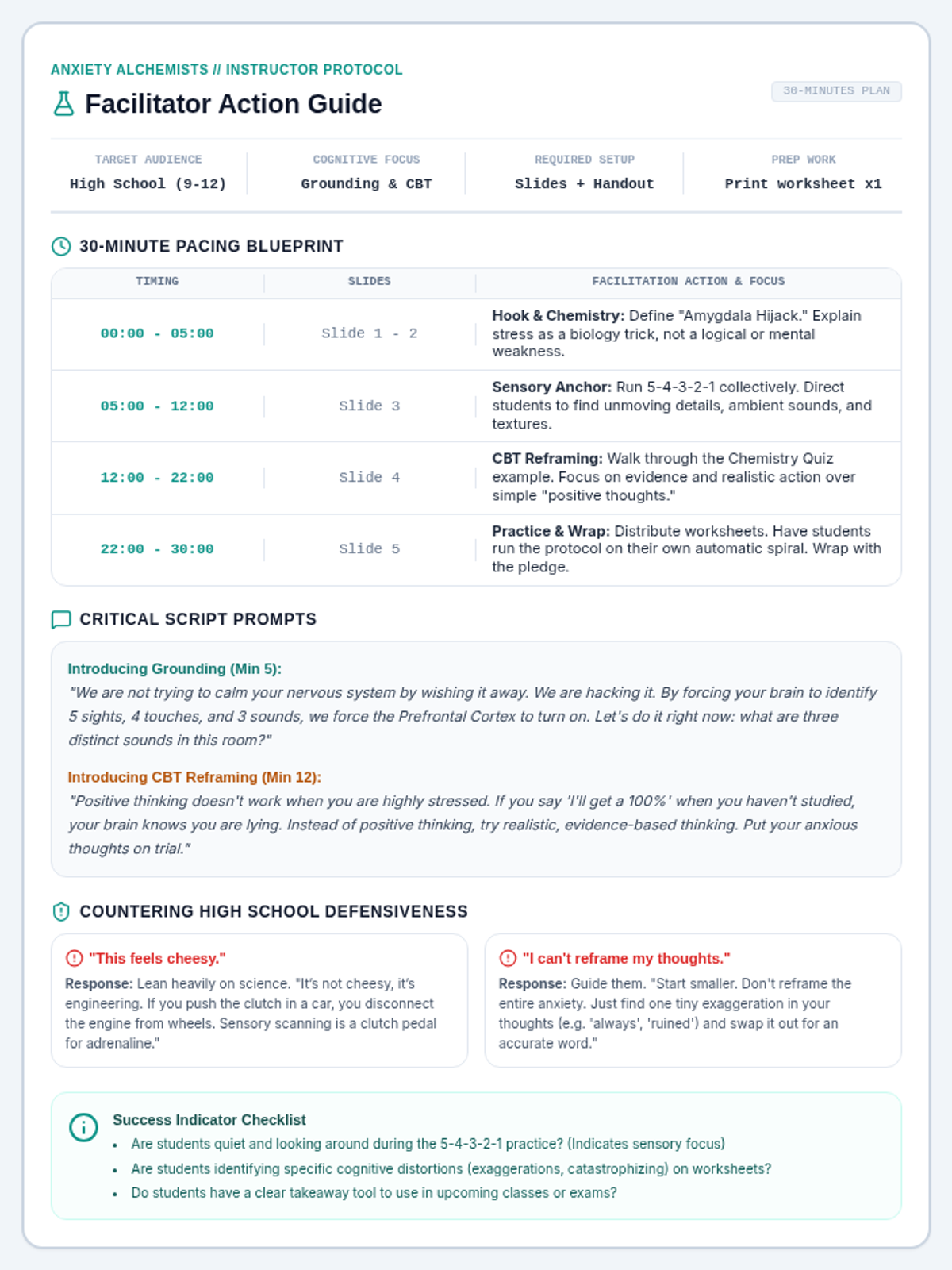
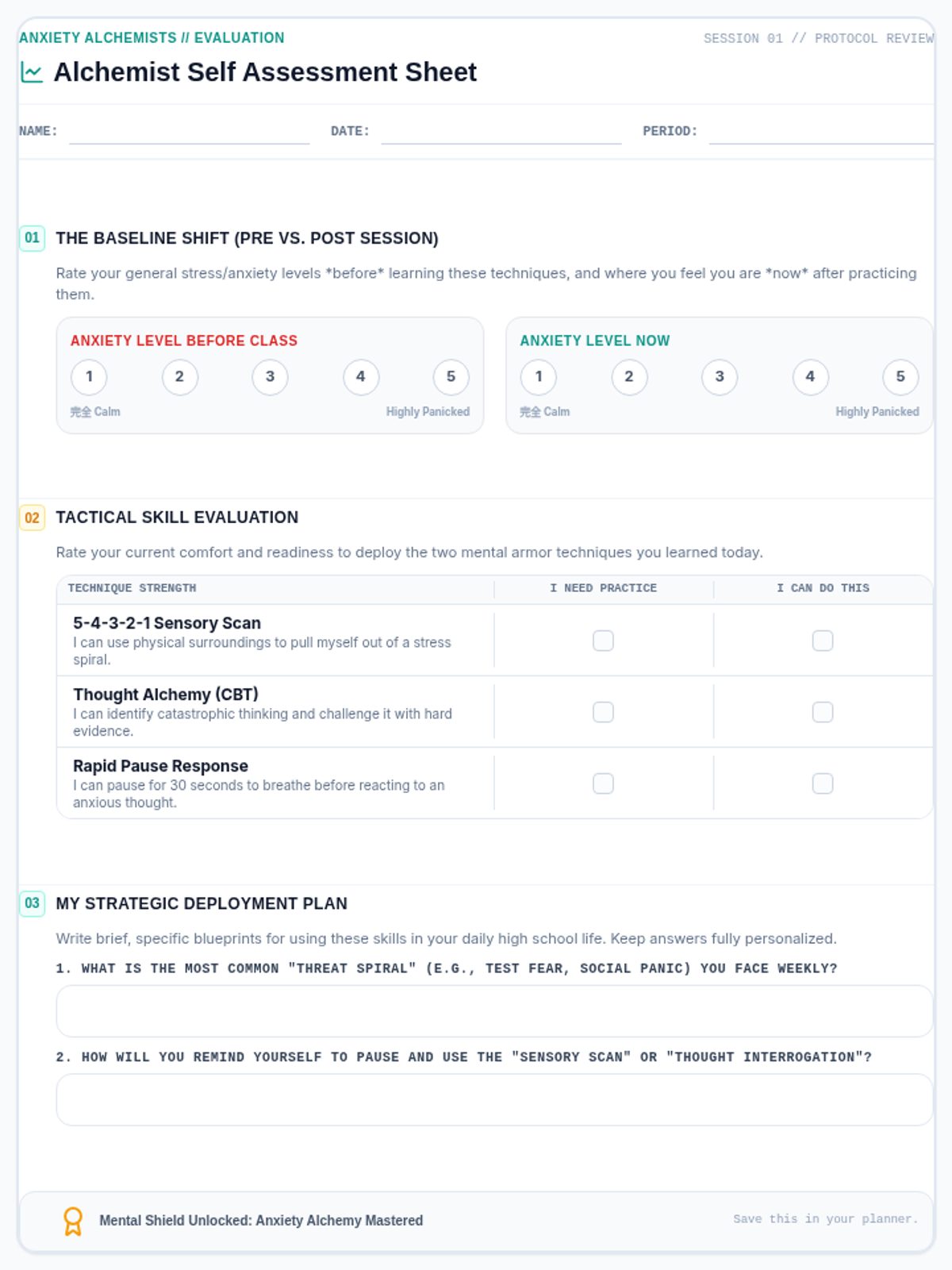
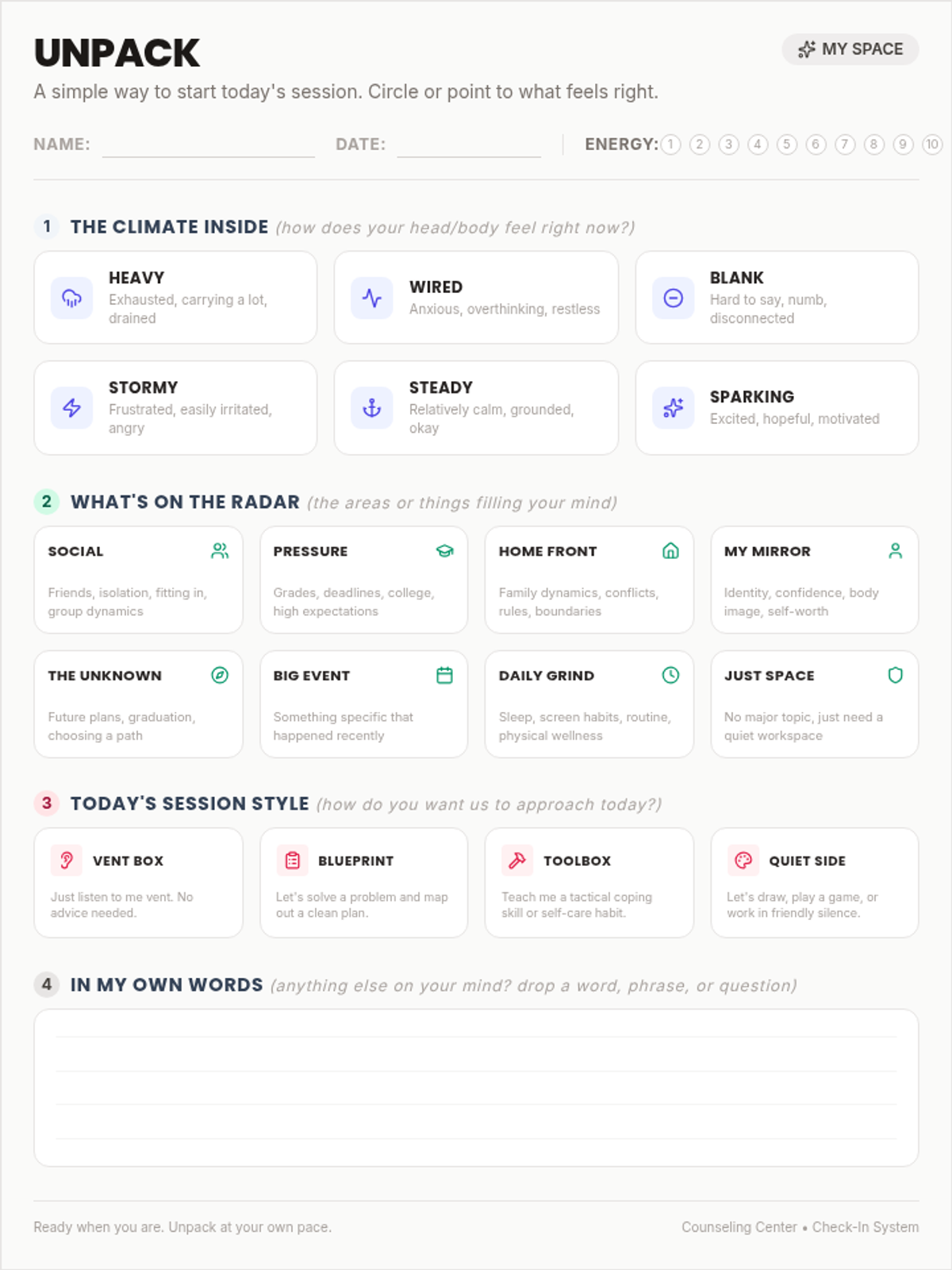
A Tier III individual counseling lesson for 10th-grade students experiencing overwhelm, focusing on CBT-based thought reframing and practical stress management strategies through a 'System Reboot' theme.
An interactive workshop where students rotate through stations to practice group decision-making, public speaking, and non-verbal communication. Students will learn the balance between using their voice and active listening through hands-on challenges.
A lesson focused on empowering students to use their voices effectively through role-playing and presentation projects. Students explore empathy, perspective-taking, and communication strategies.
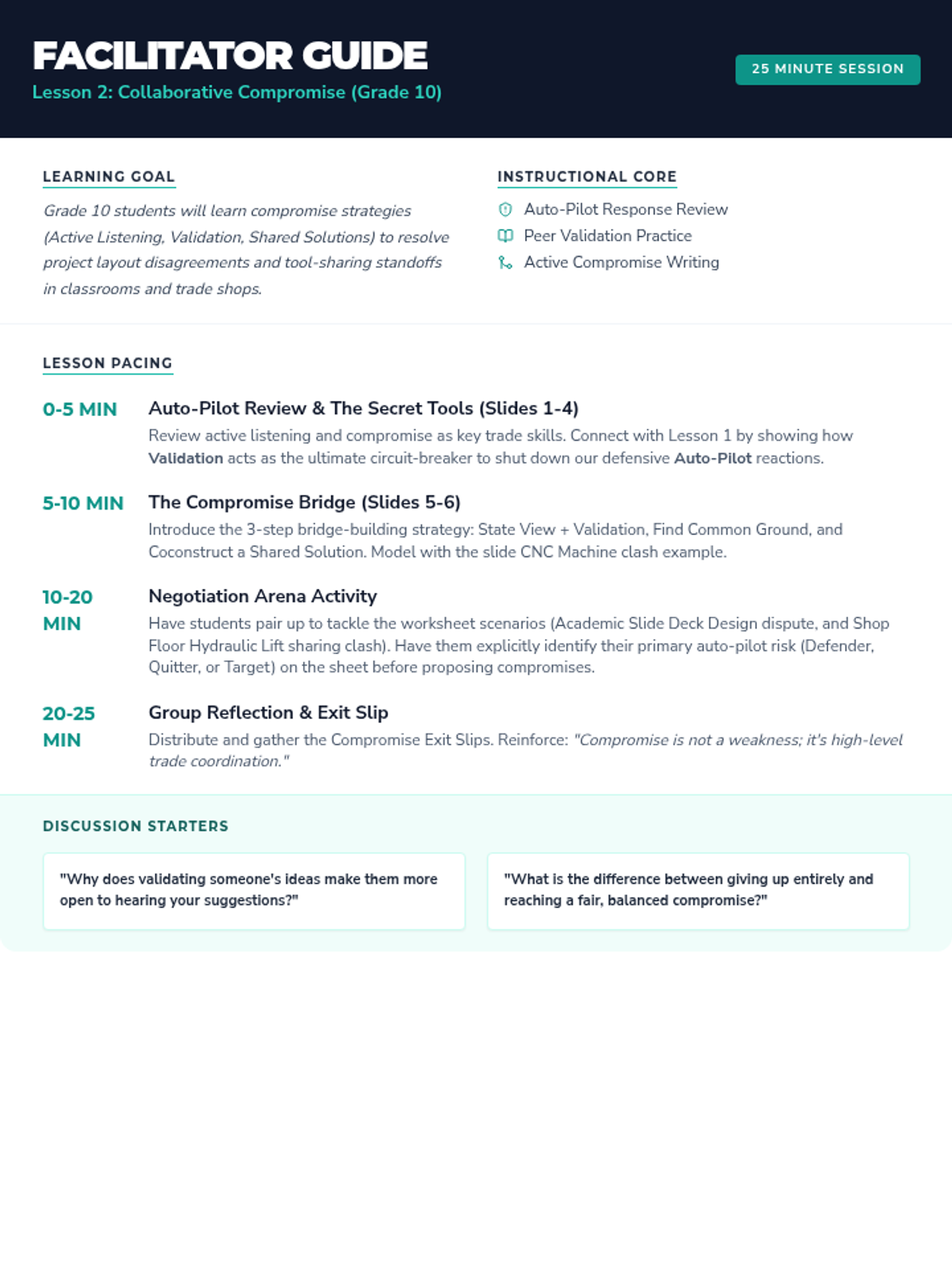
A comprehensive toolkit designed to help educators, students, and families collaborate on resolving chronic absenteeism and building consistent attendance habits. This lesson provides the structure for effective attendance conferences and documented intervention strategies.
A comprehensive staff training session focused on implementing relationship mapping in a middle school setting to ensure every student is known and supported.
A targeted instructional set designed for middle school students to develop impulse control, recognize the physical and emotional triggers of blurting, and understand the social consequences of interrupting others.
A high-stakes simulation where students synthesize regulation and communication skills to manage a multi-variable "Crisis Management" scenario in professional teams.
Advanced precision communication. Students practice high-fidelity feedback loops and the "Verified Transmission" technique to ensure zero-loss information transfer in complex systems.
Focuses on "Emotional Code-Switching." Students learn to intentionally adapt their affective state to meet the specific environmental demands of professional, academic, and social settings.
Students identify sophisticated psychological and environmental "inhibitors" (triggers) and develop a "Shield Protocol" to maintain professional focus during high-stress directive reception.
A 45-minute inquiry-based lesson for 11th graders exploring the impact of affective states on cognitive processing and instruction-following. Students analyze the "Signal-to-Noise Ratio" in professional and academic communication.
A final synthesis lesson where students apply their communication and regulation skills to solve a complex, multi-step 'Radio Drama' challenge in teams.