An interactive, practical workshop that equips high school seniors with crucial life administration skills, including scheduling appointments, managing basic documents, and navigating phone calls confidently.
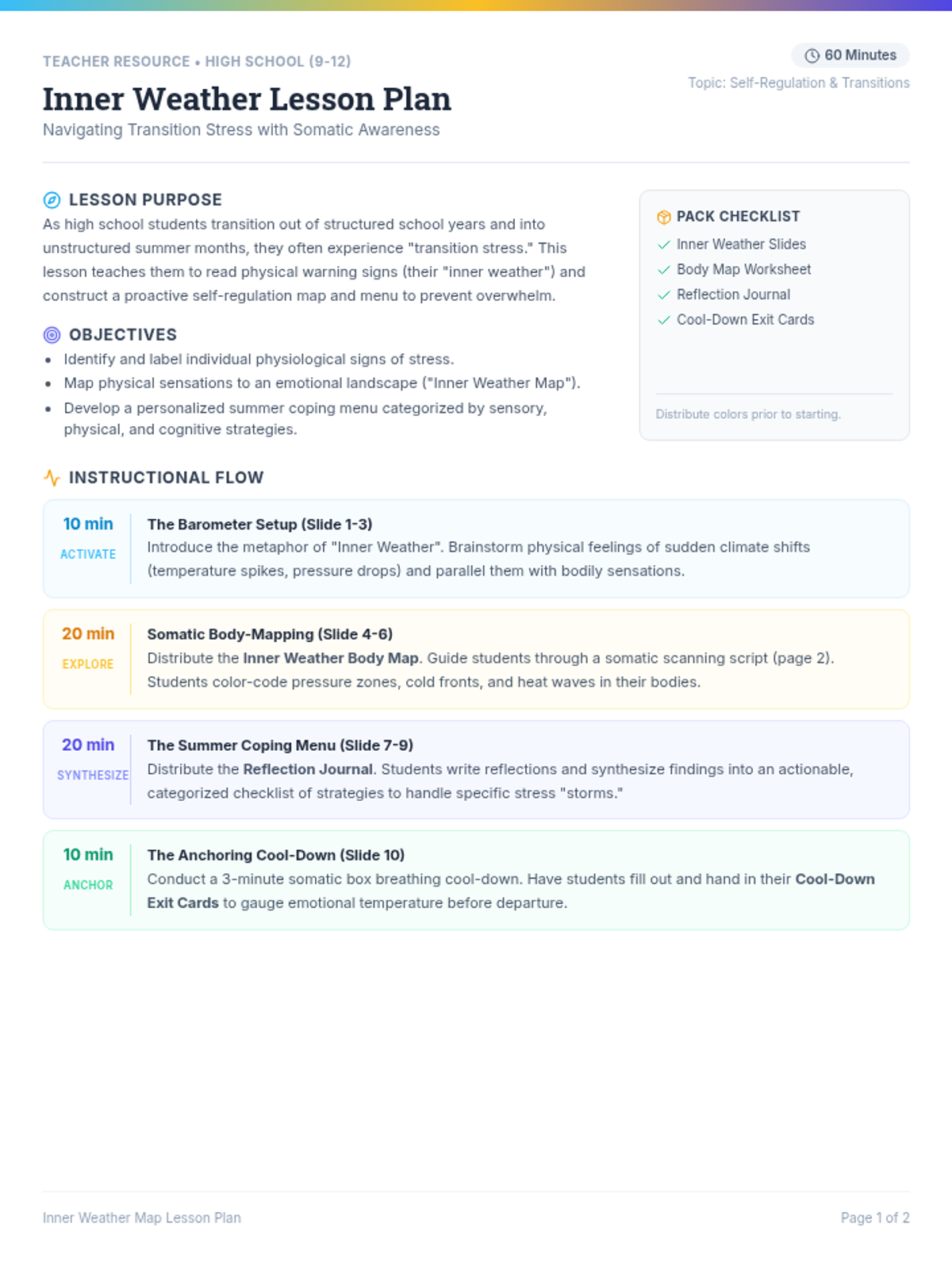
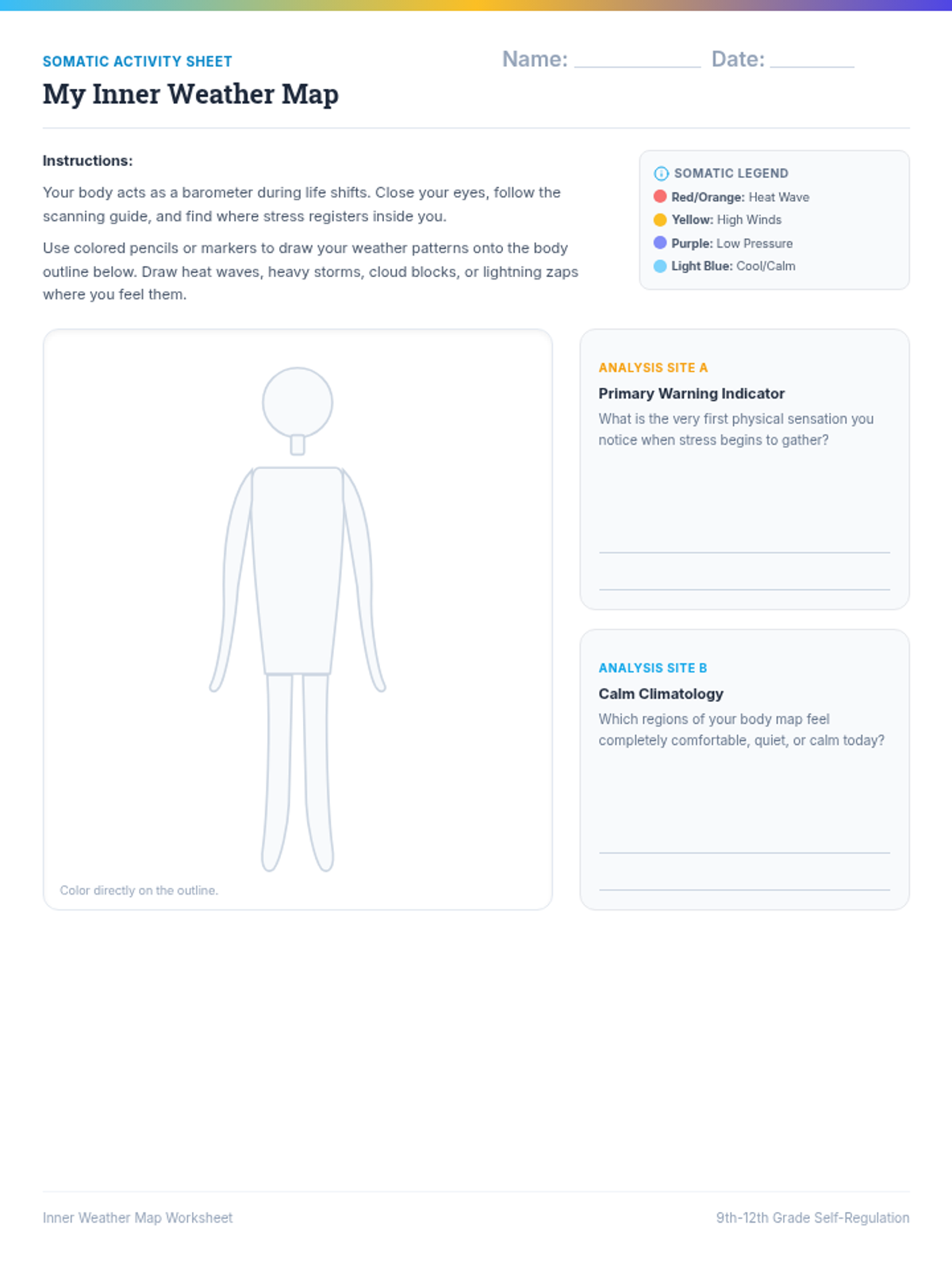
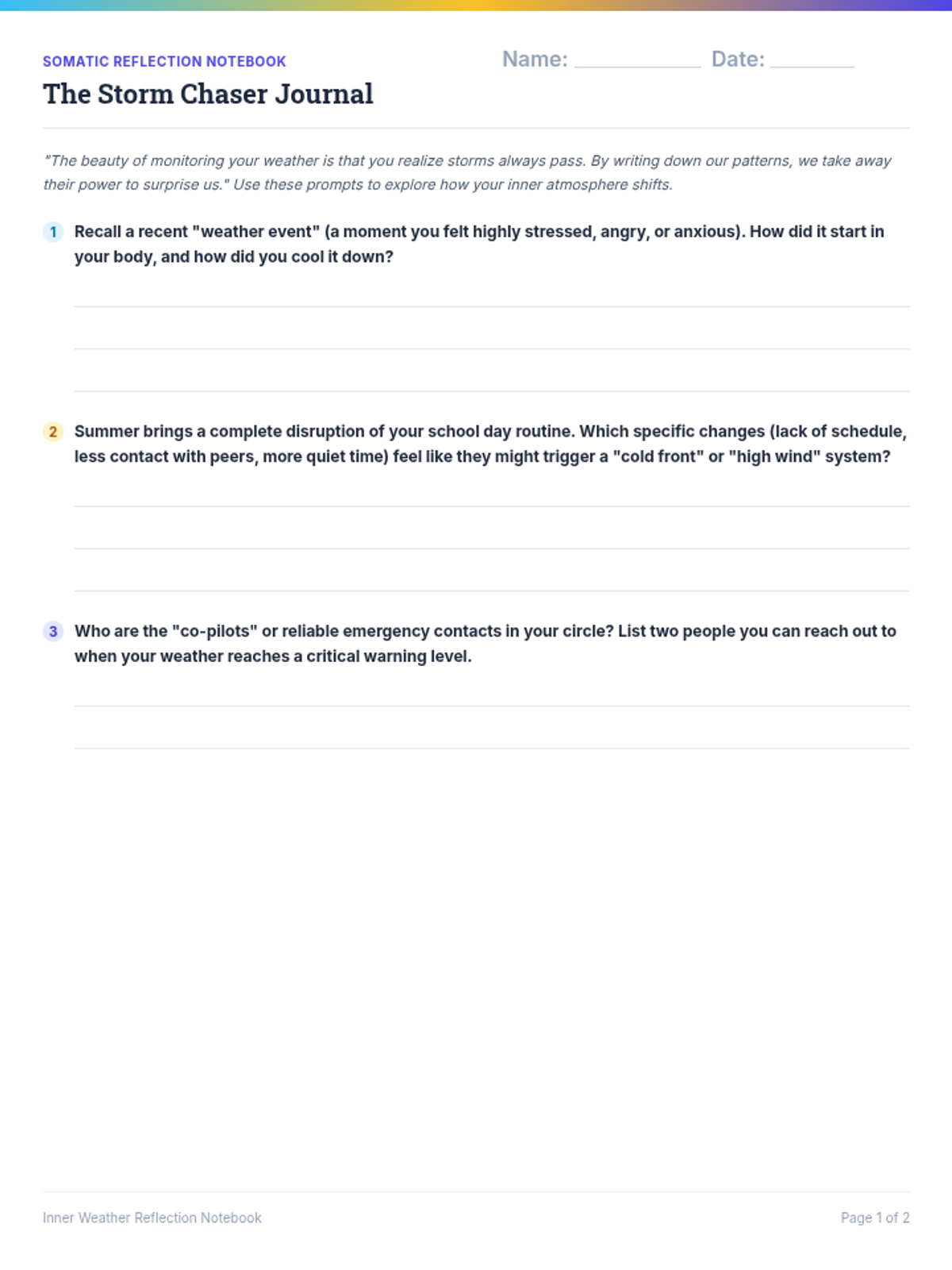
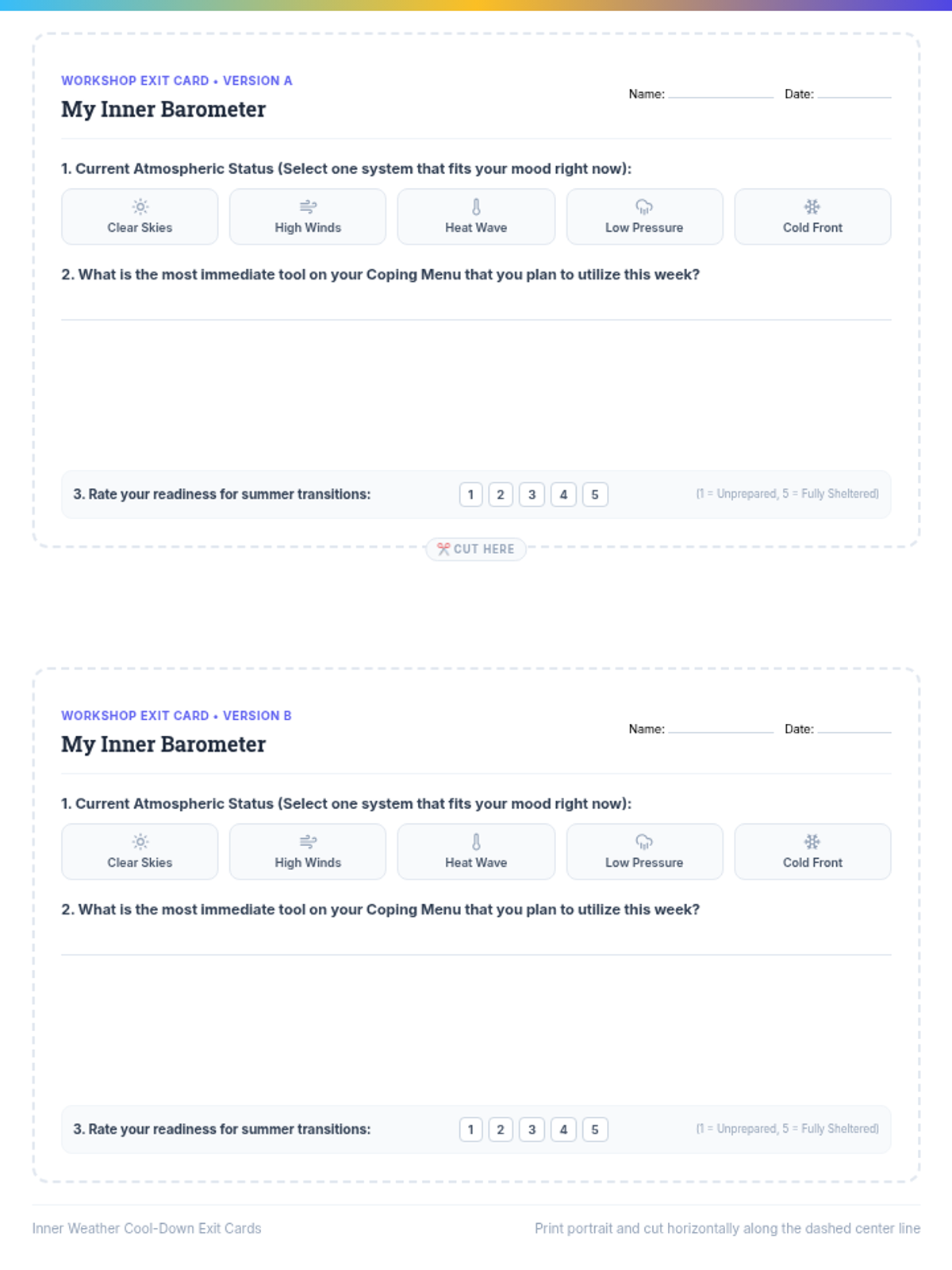
A self-regulation and emotional literacy lesson that guides high school students to identify physiological stress signals, create an 'Inner Weather Map', and build a personalized summer coping menu through reflective journaling and body-mapping.
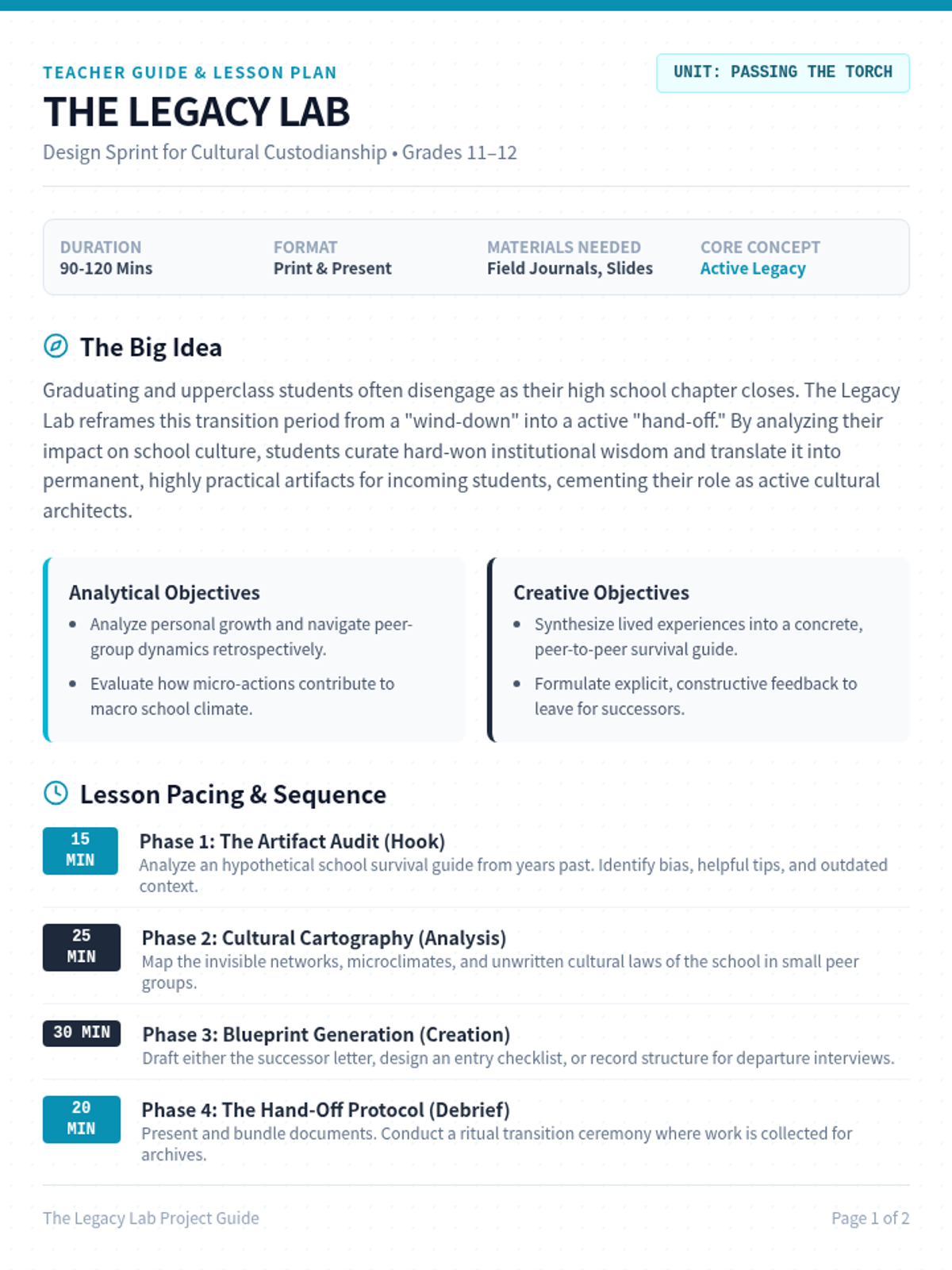
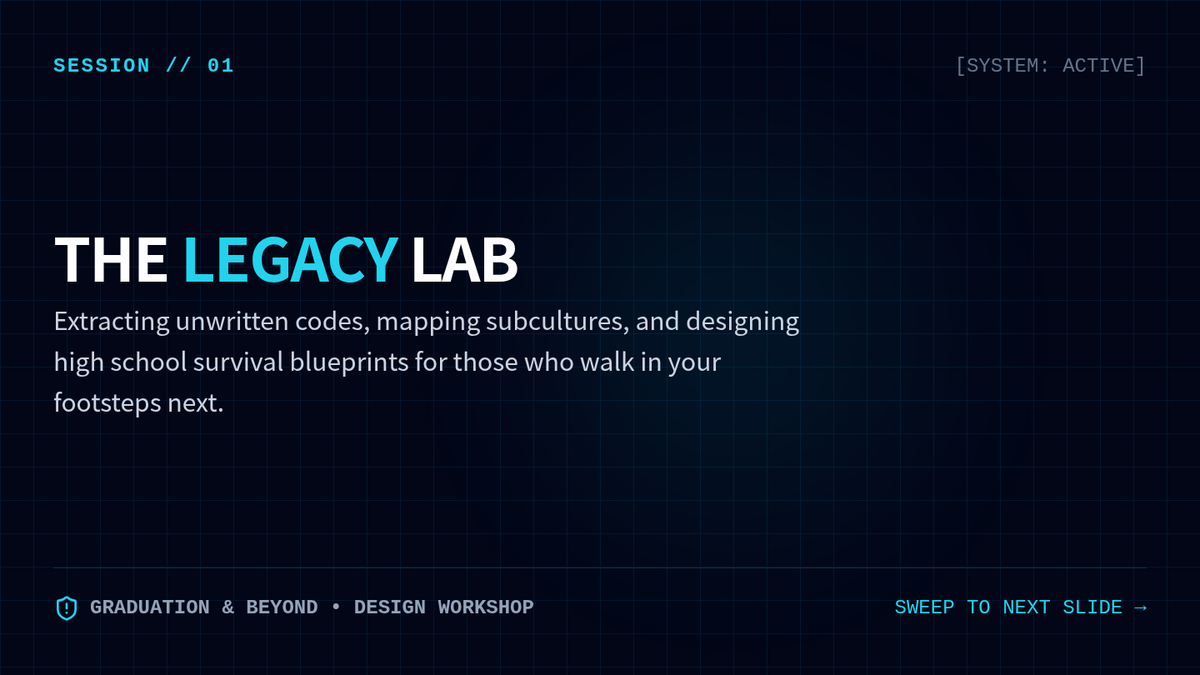
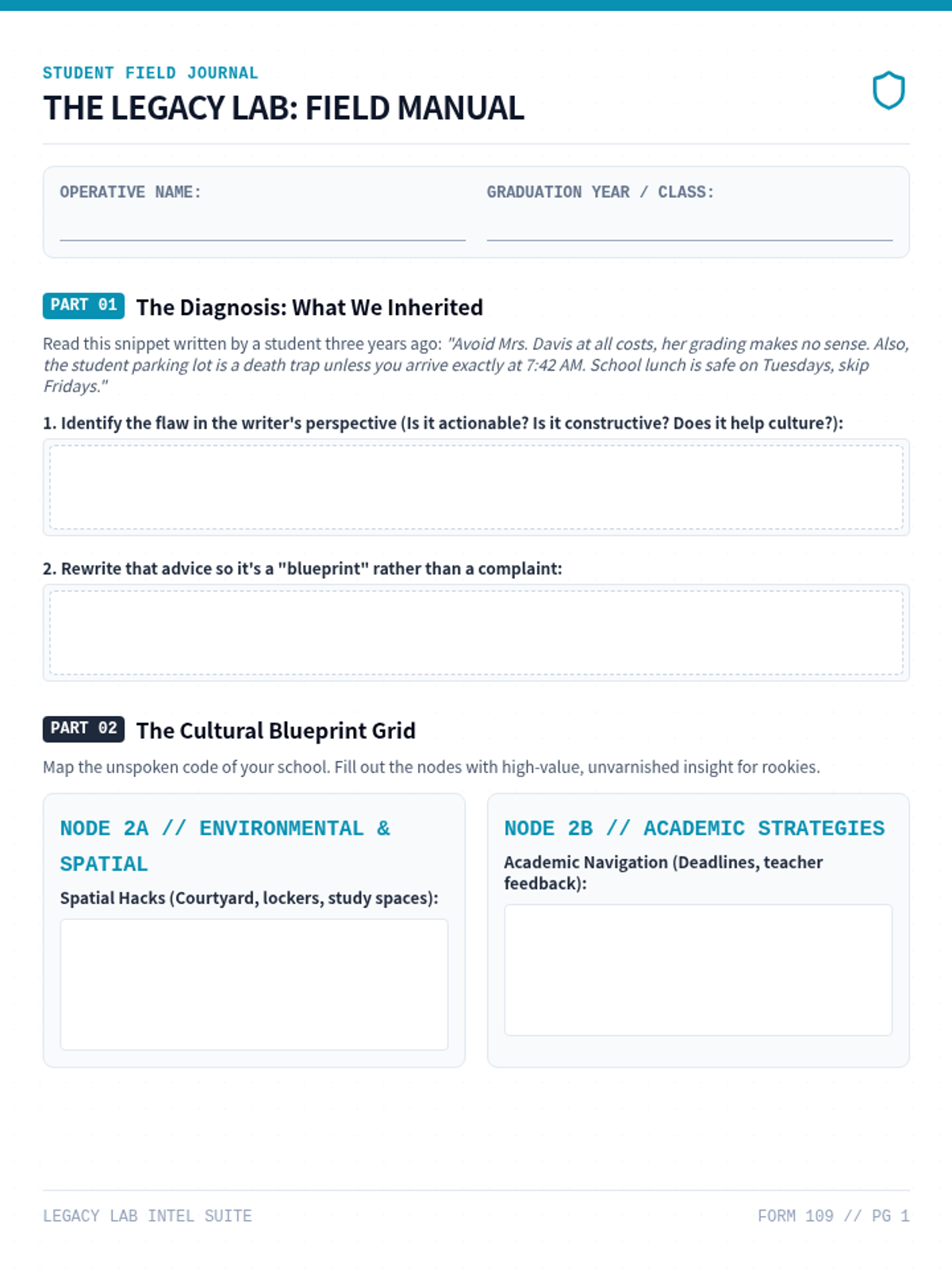
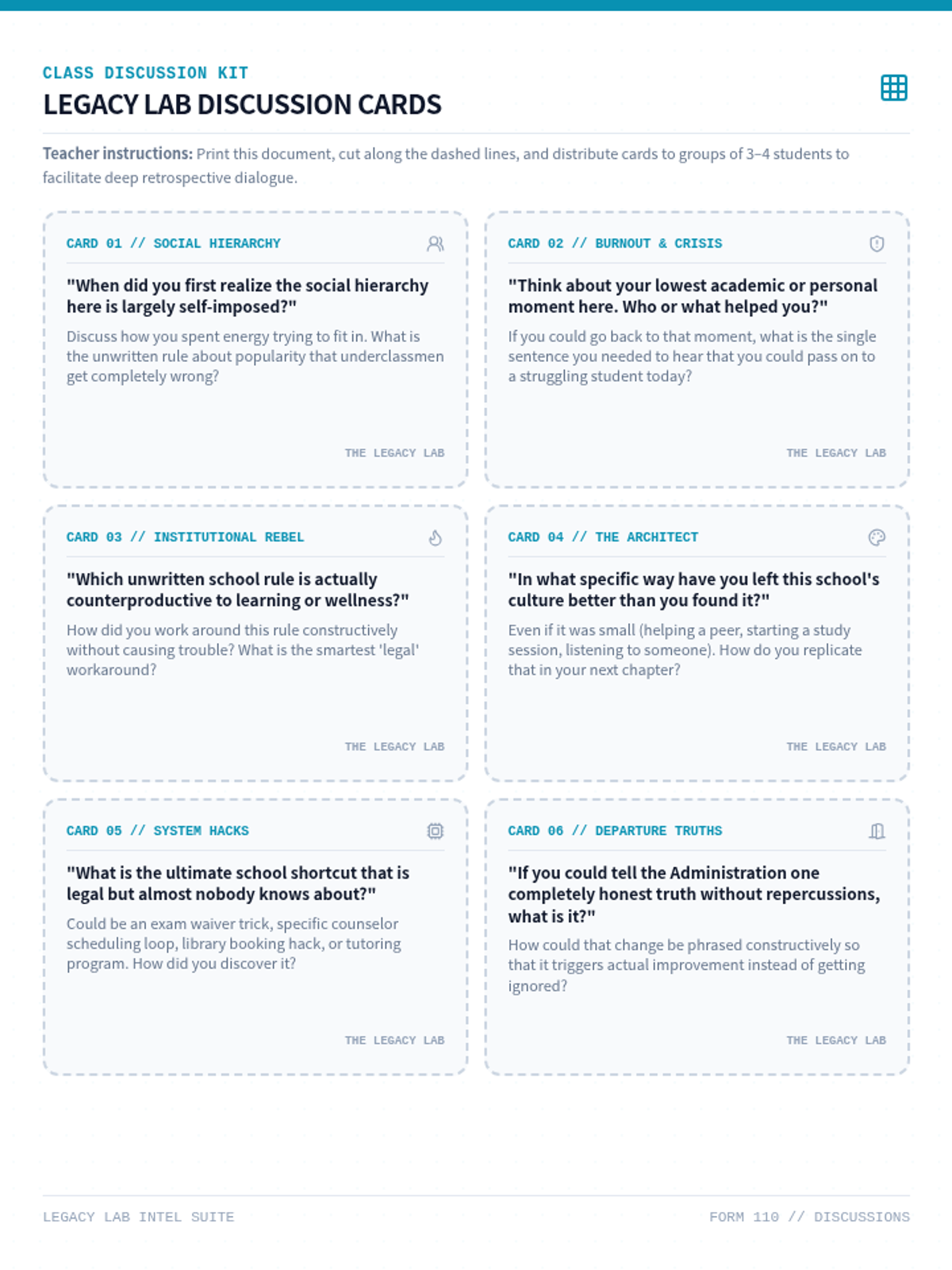
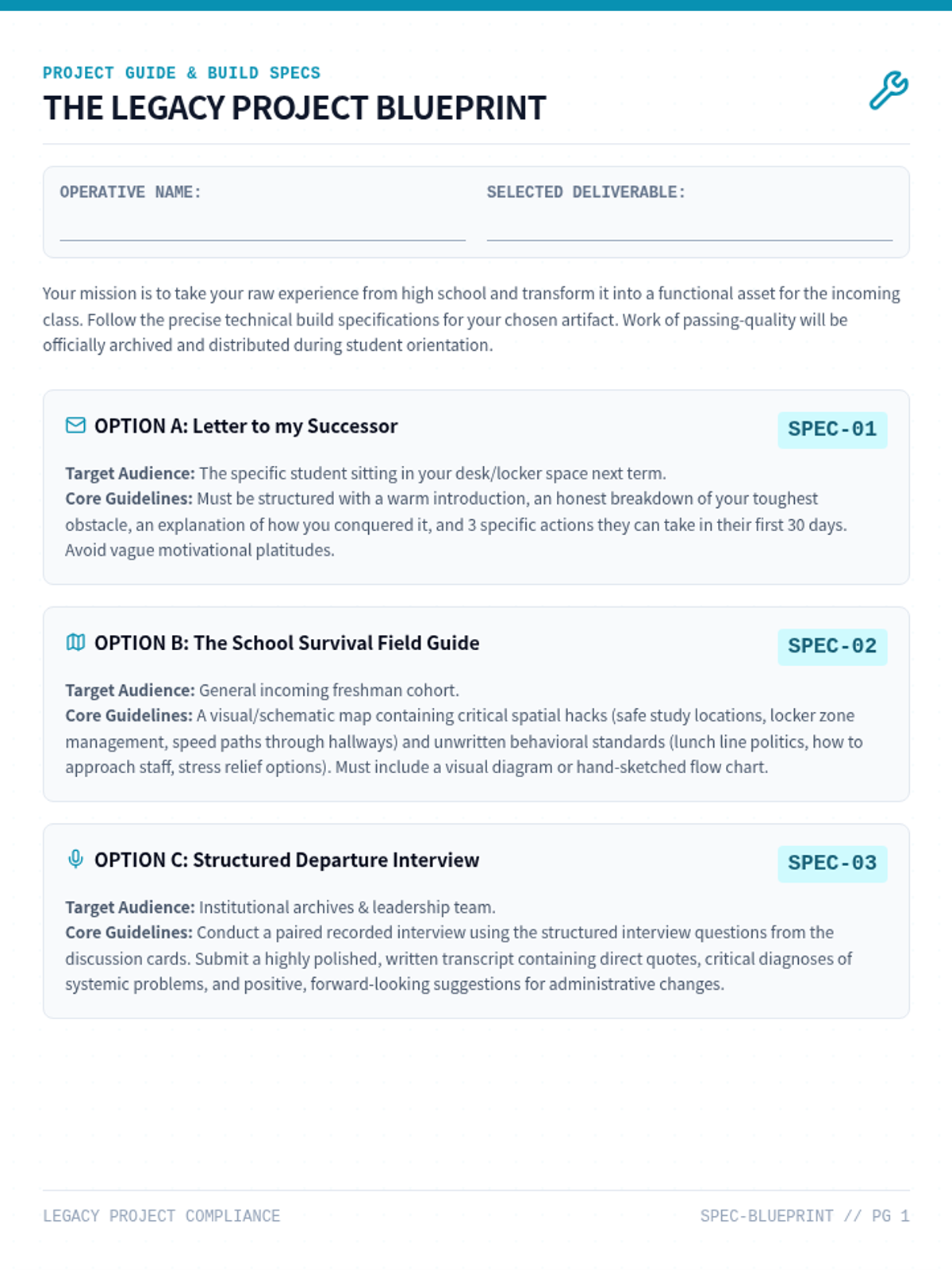
A reflective and action-oriented lesson for 11th-12th grade students to examine their high school journey, analyze their impact on school culture, and synthesize their wisdom into permanent legacy resources—including letters to successors, school 'field guides', and departure interviews—for the incoming class.
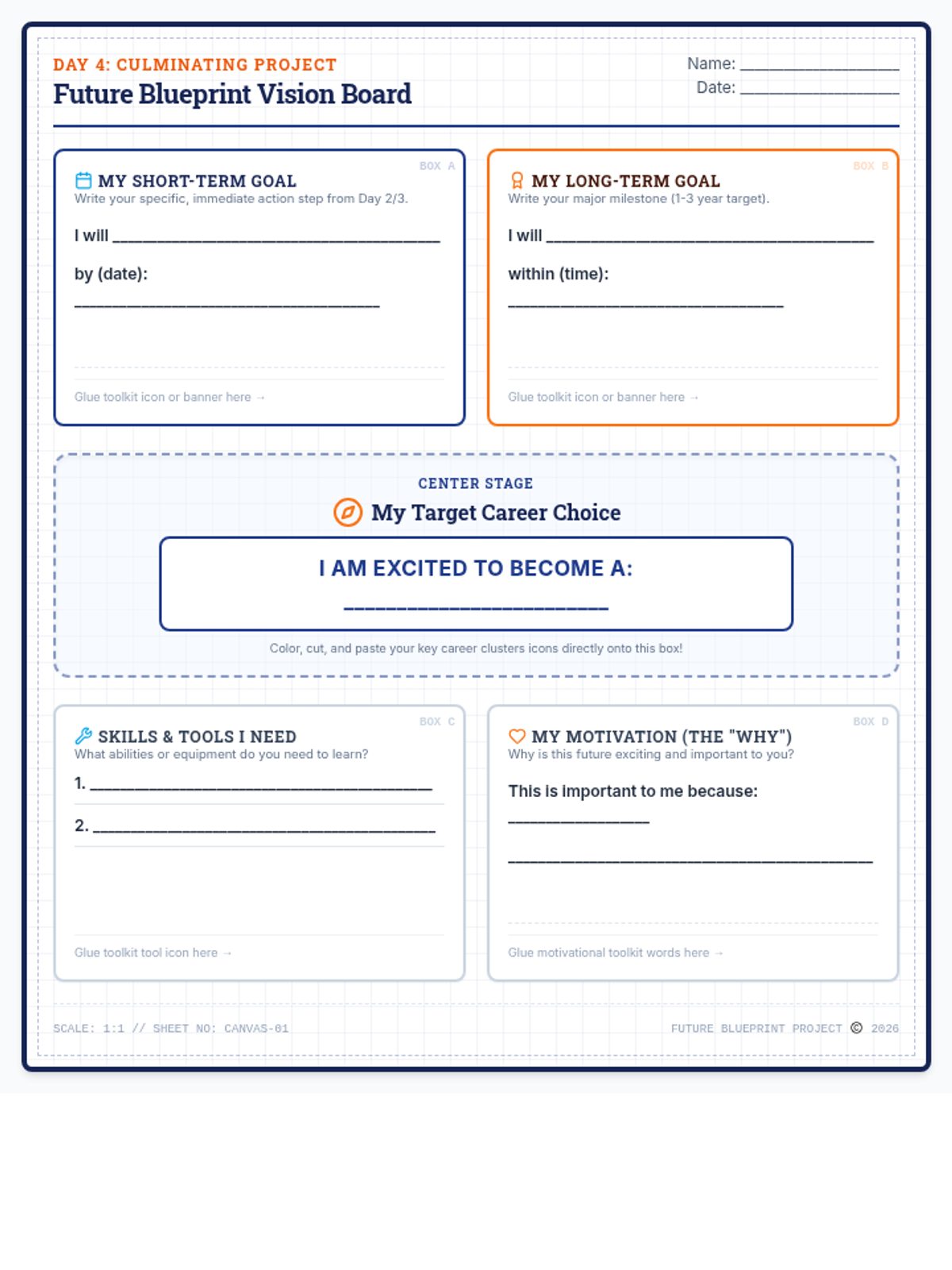
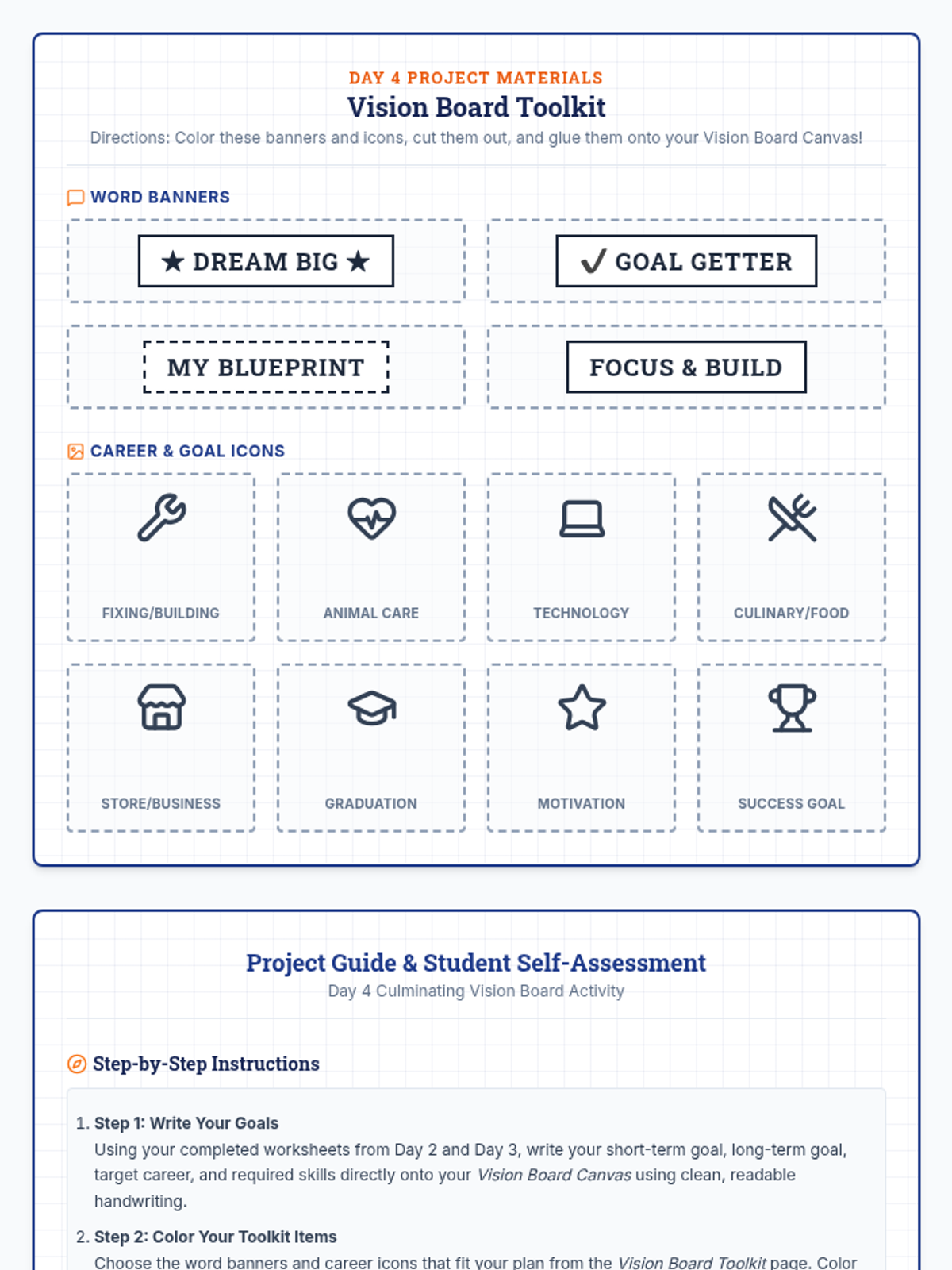
A hands-on, creative culminating workshop where students design and assemble a cut-and-paste career vision board.
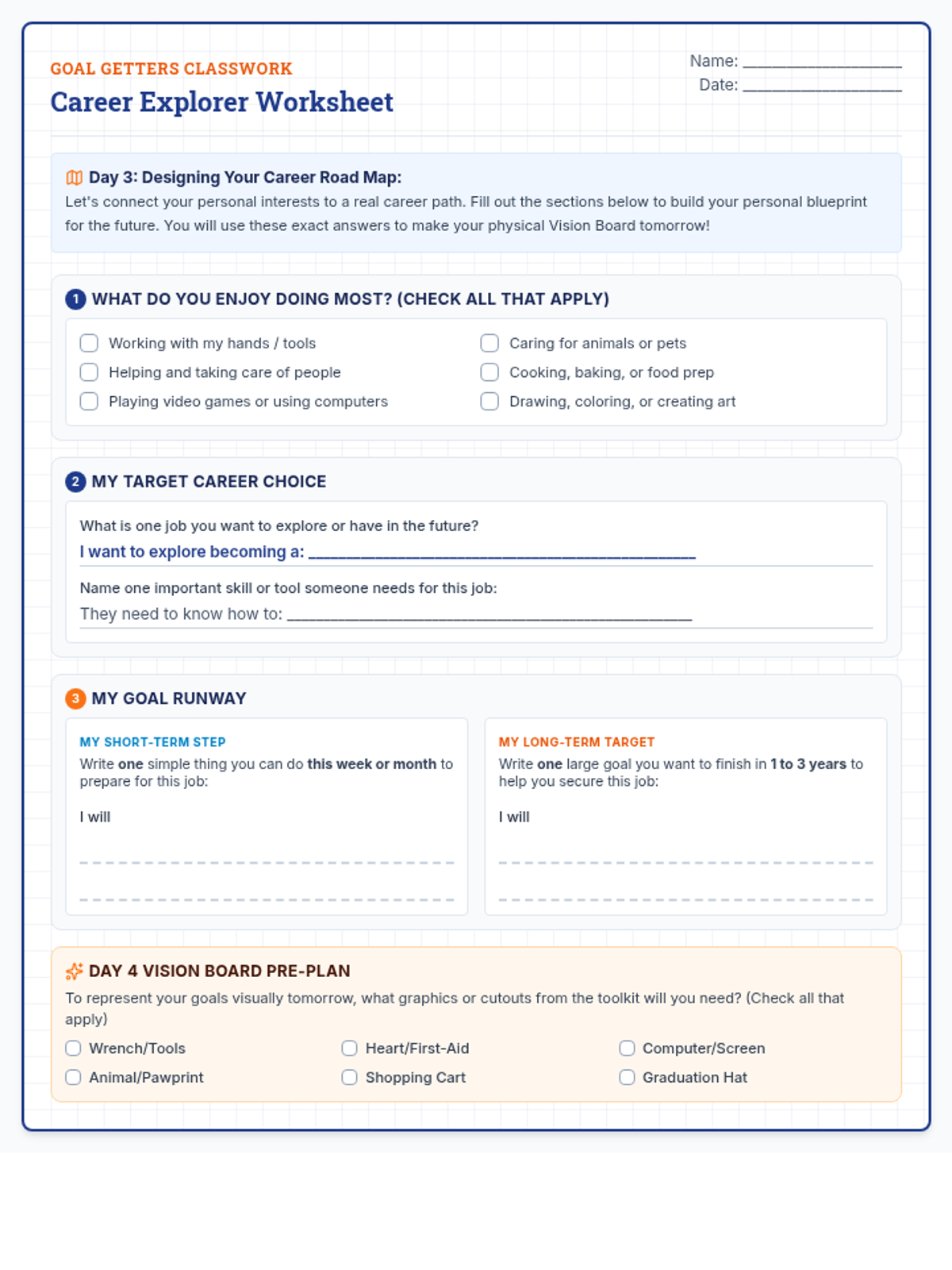
Enables students to explore career paths and identify the specific personal and vocational goals needed to reach them.
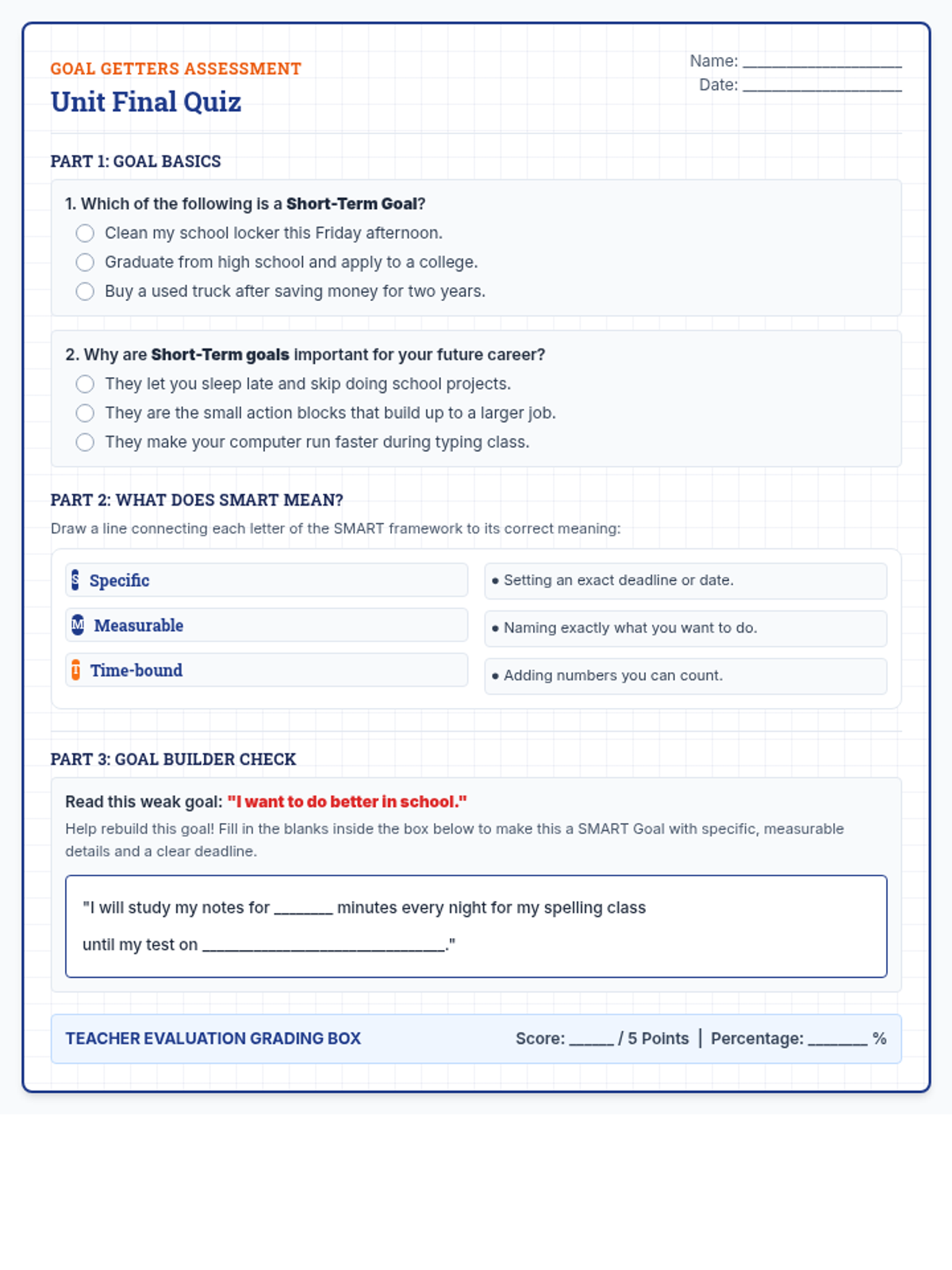
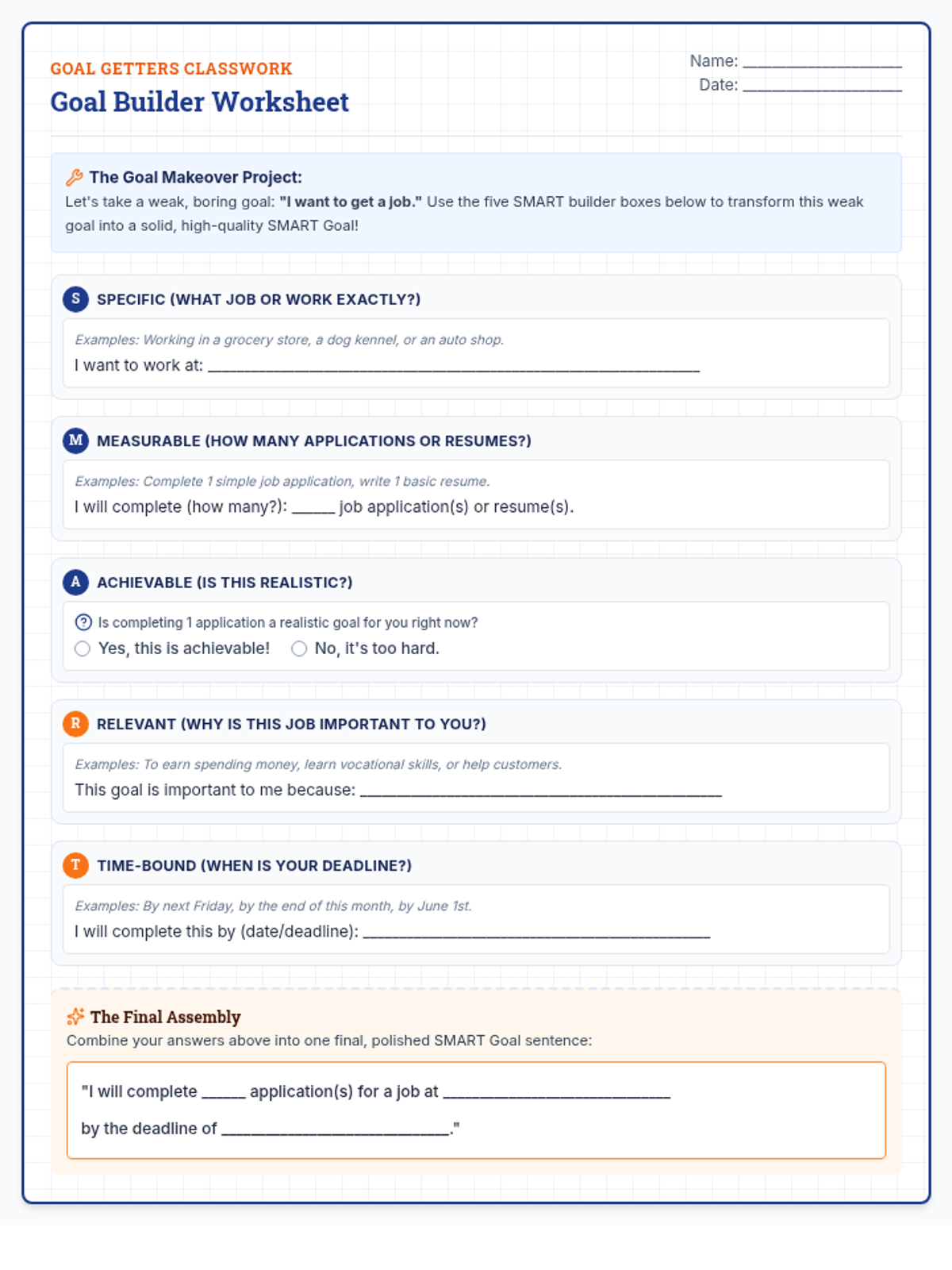
Teaches students how to construct actionable and realistic goals using the step-by-step SMART framework.
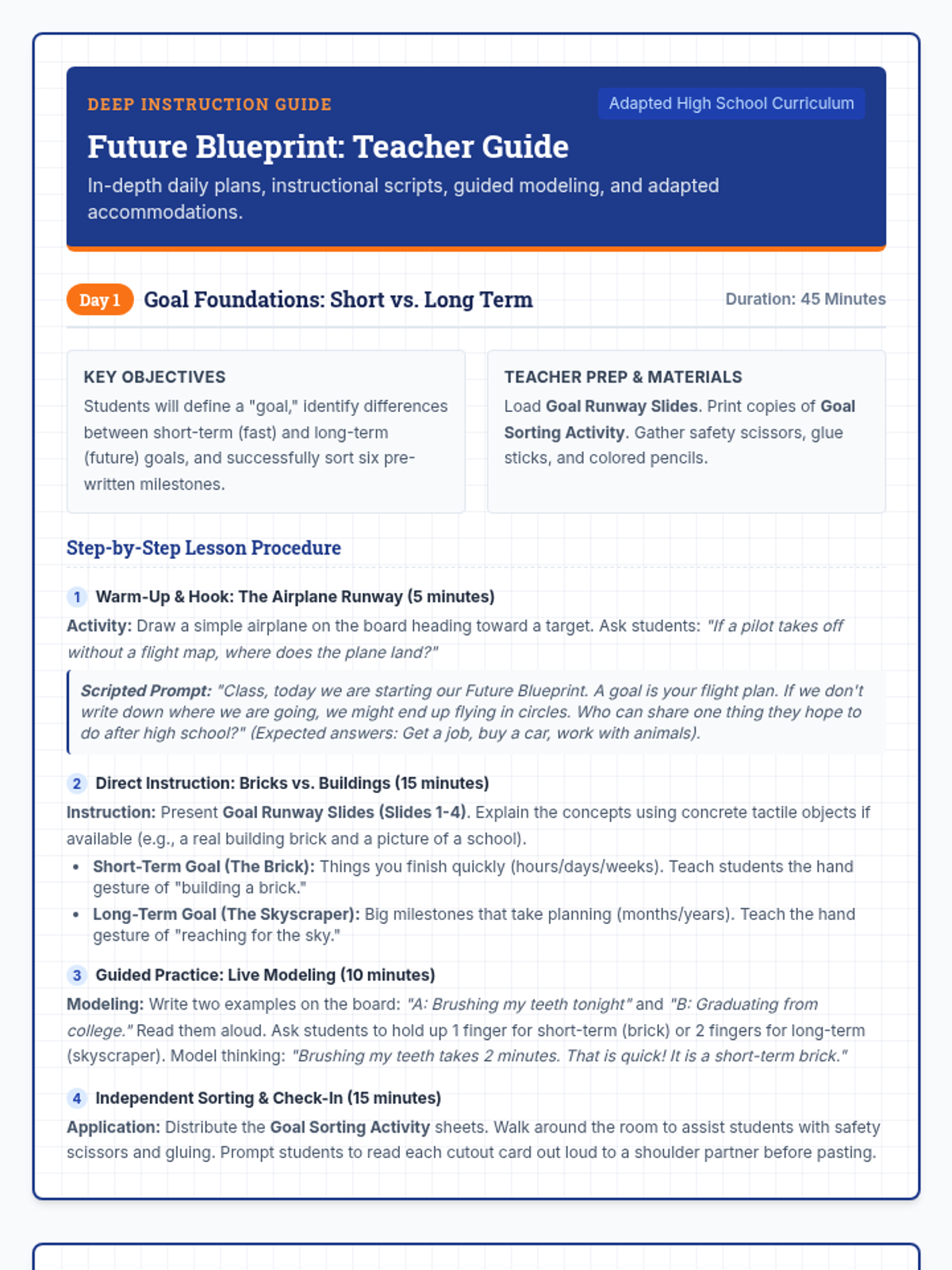
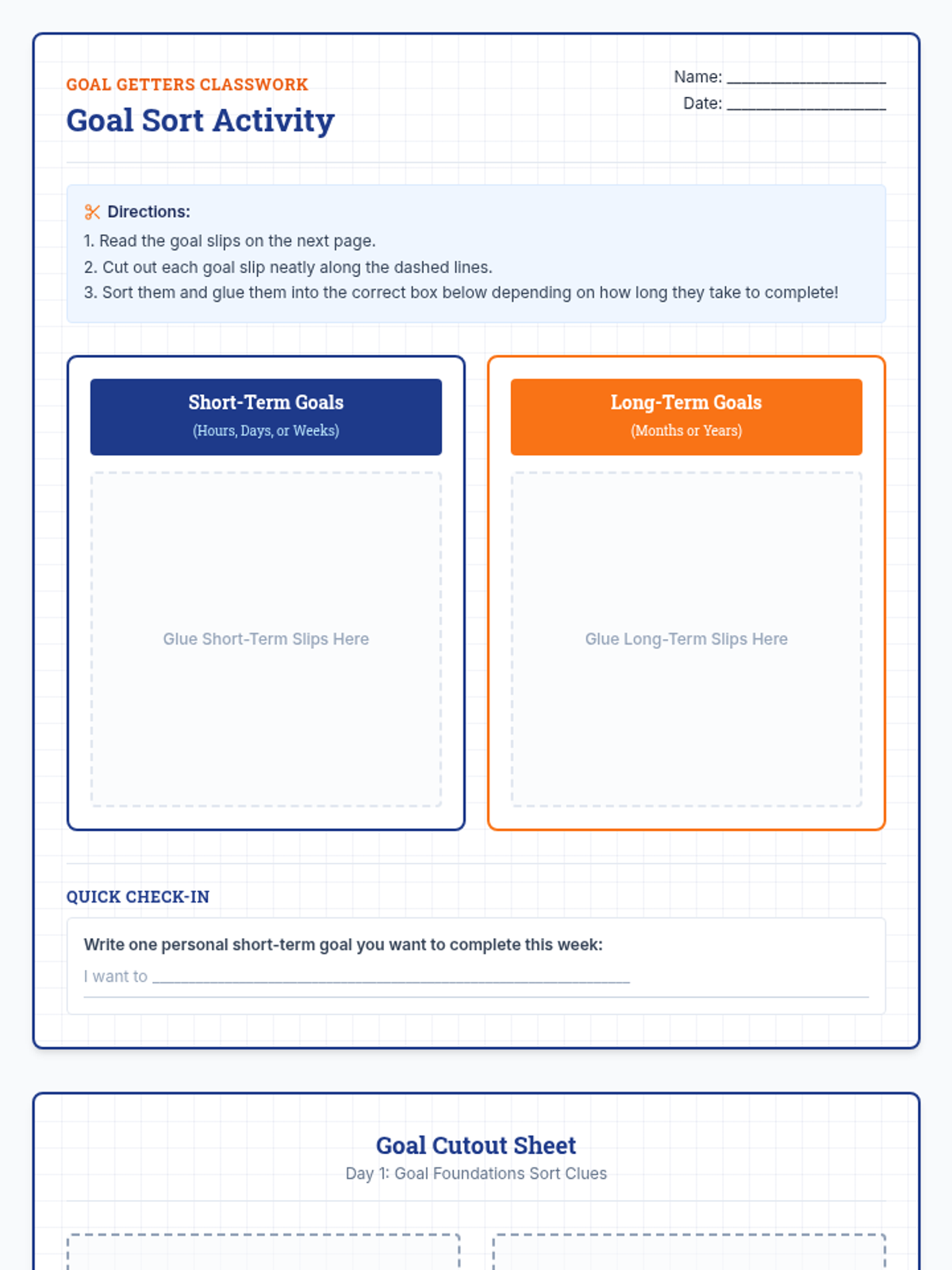
Introduces students to the concept of goals and the difference between short-term and long-term milestones in their personal and professional lives.
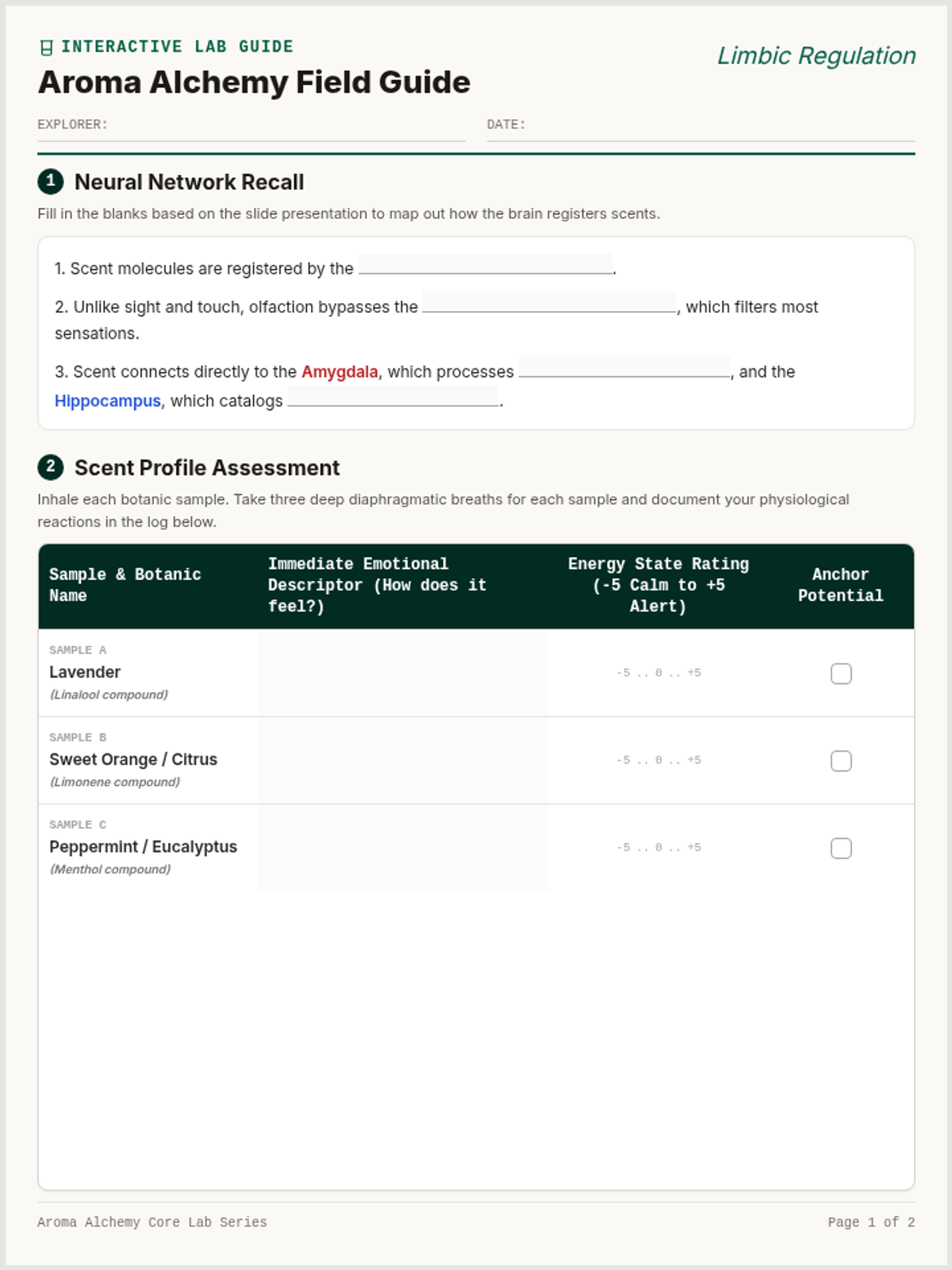
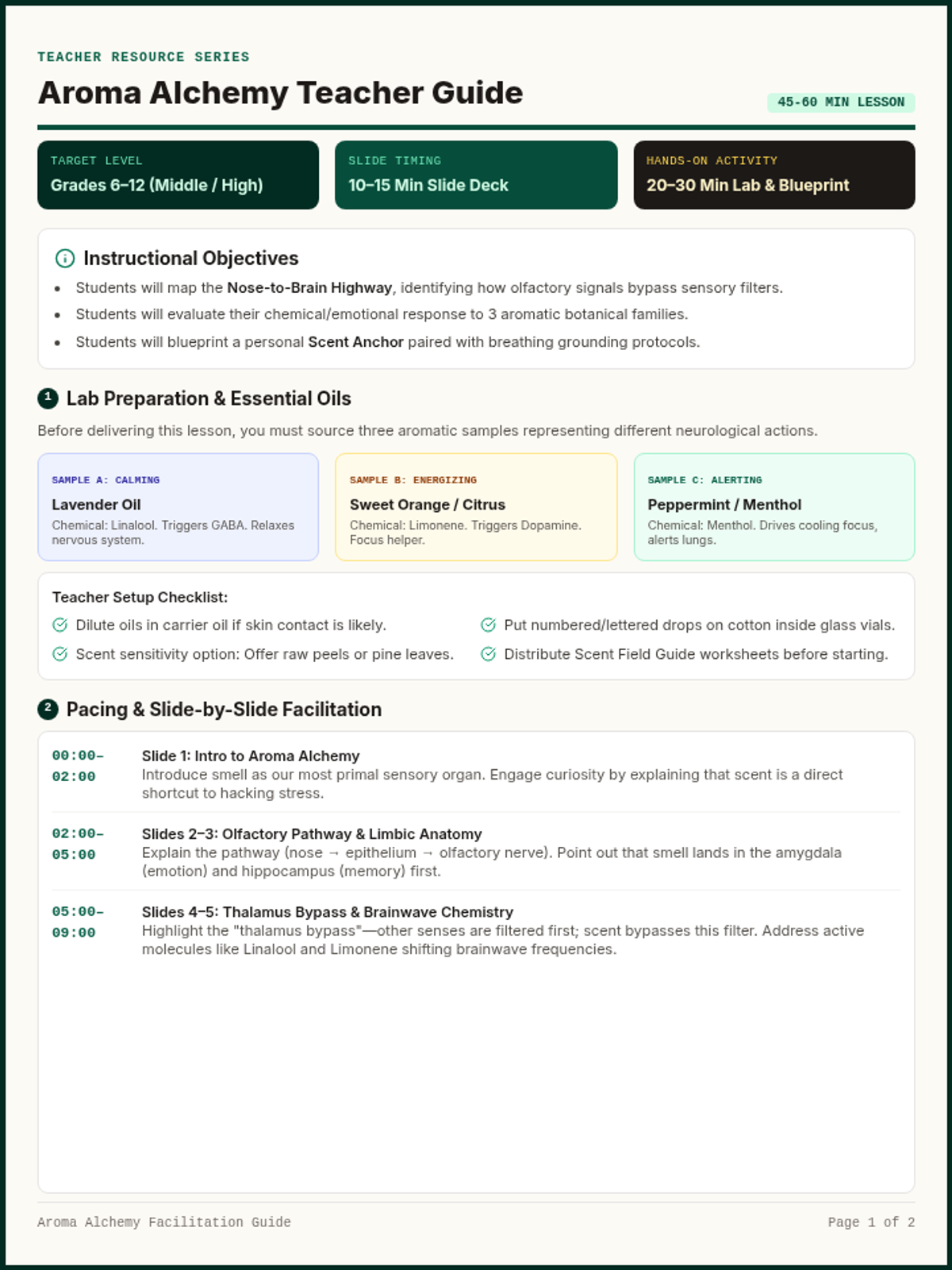
A lesson exploring the neurological science of olfactory regulation, the anatomy of the limbic system, and the practical application of scent anchoring for emotional grounding. Includes a 11-slide presentation, a student-facing field guide for hands-on activities, and a teacher facilitation guide.
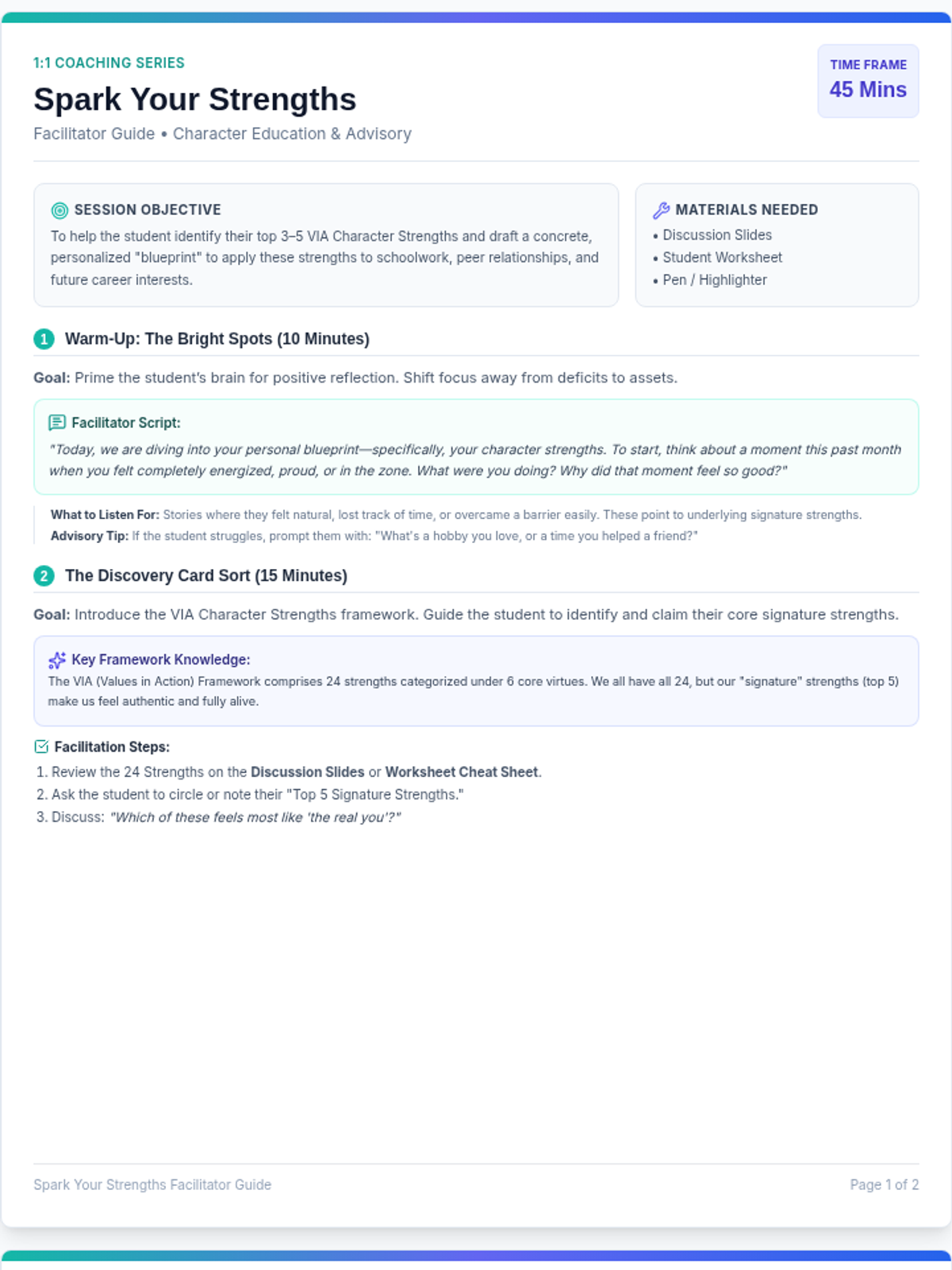
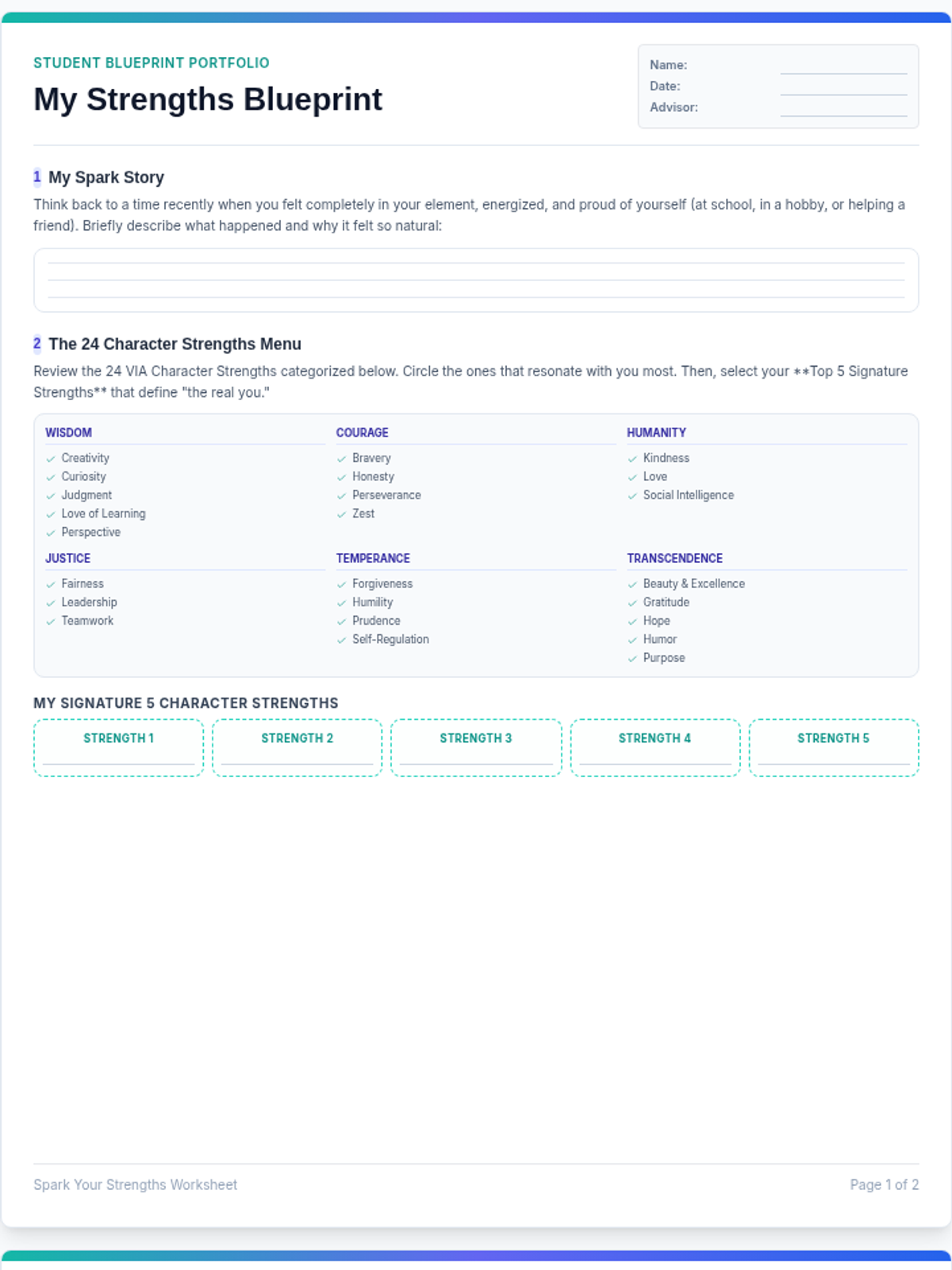
A highly personalized 1:1 advisory or counseling lesson designed to help middle or high school students discover their VIA Character Strengths, map them to current school challenges, and project them into future life and career opportunities.
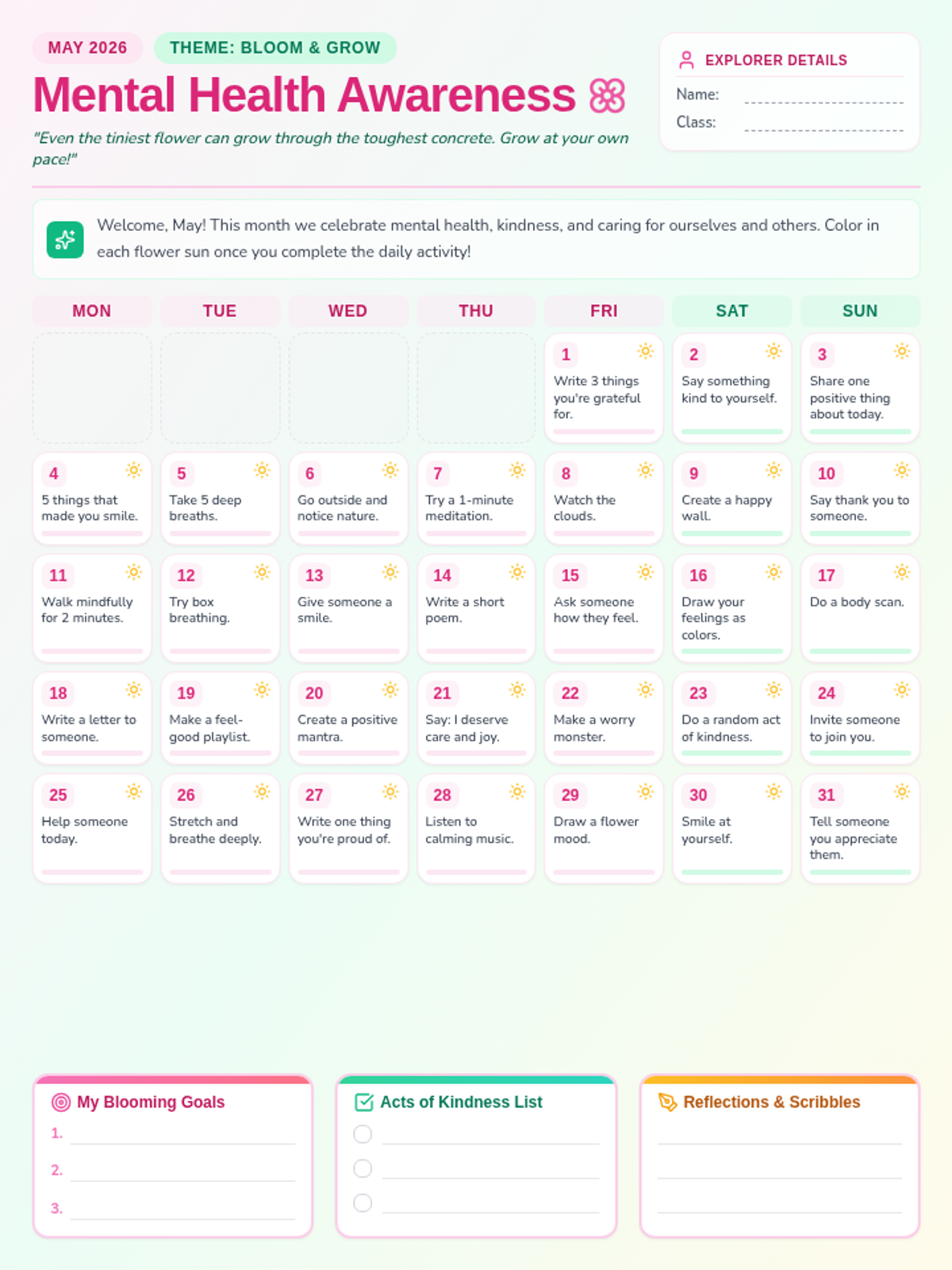
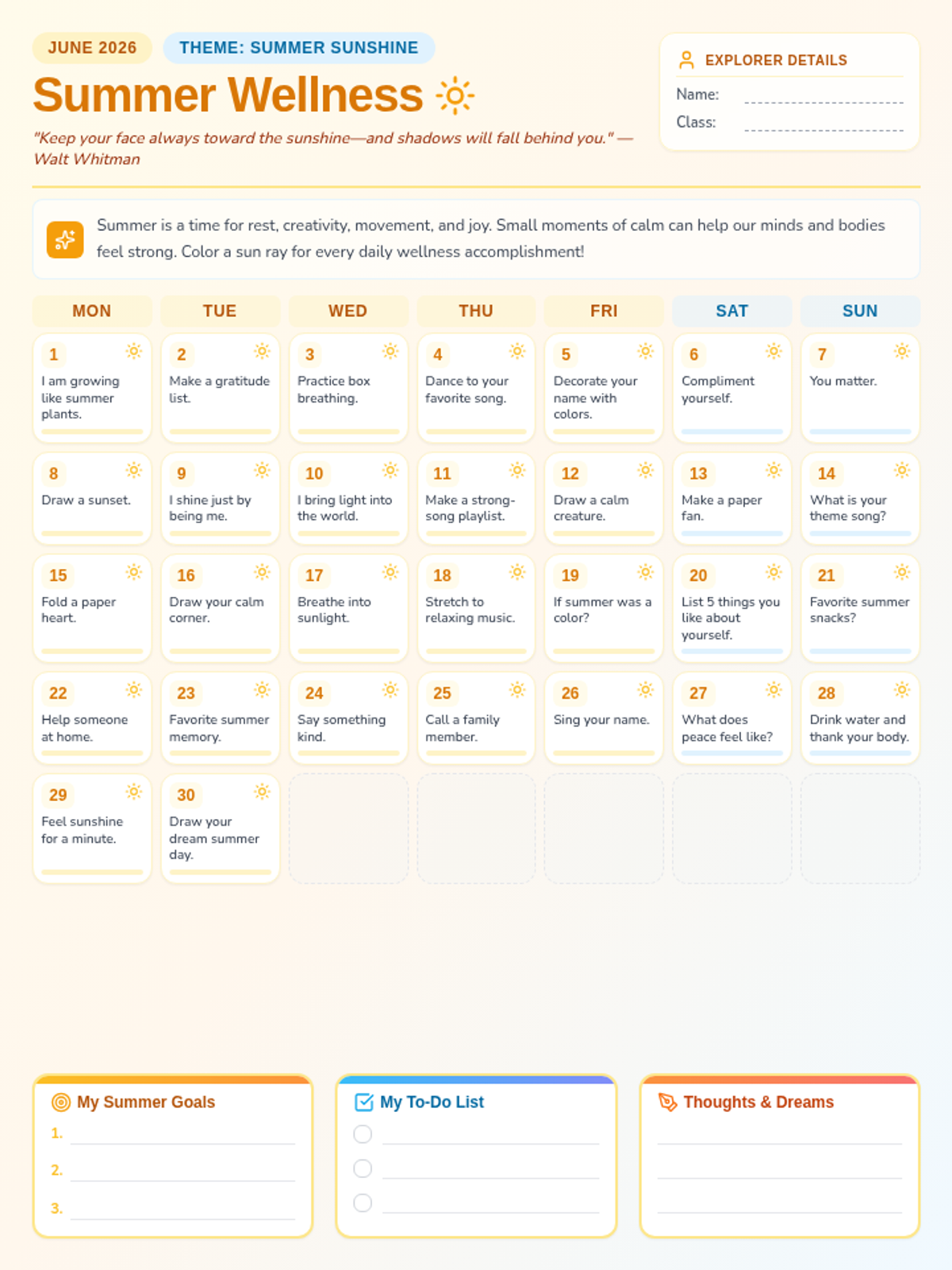
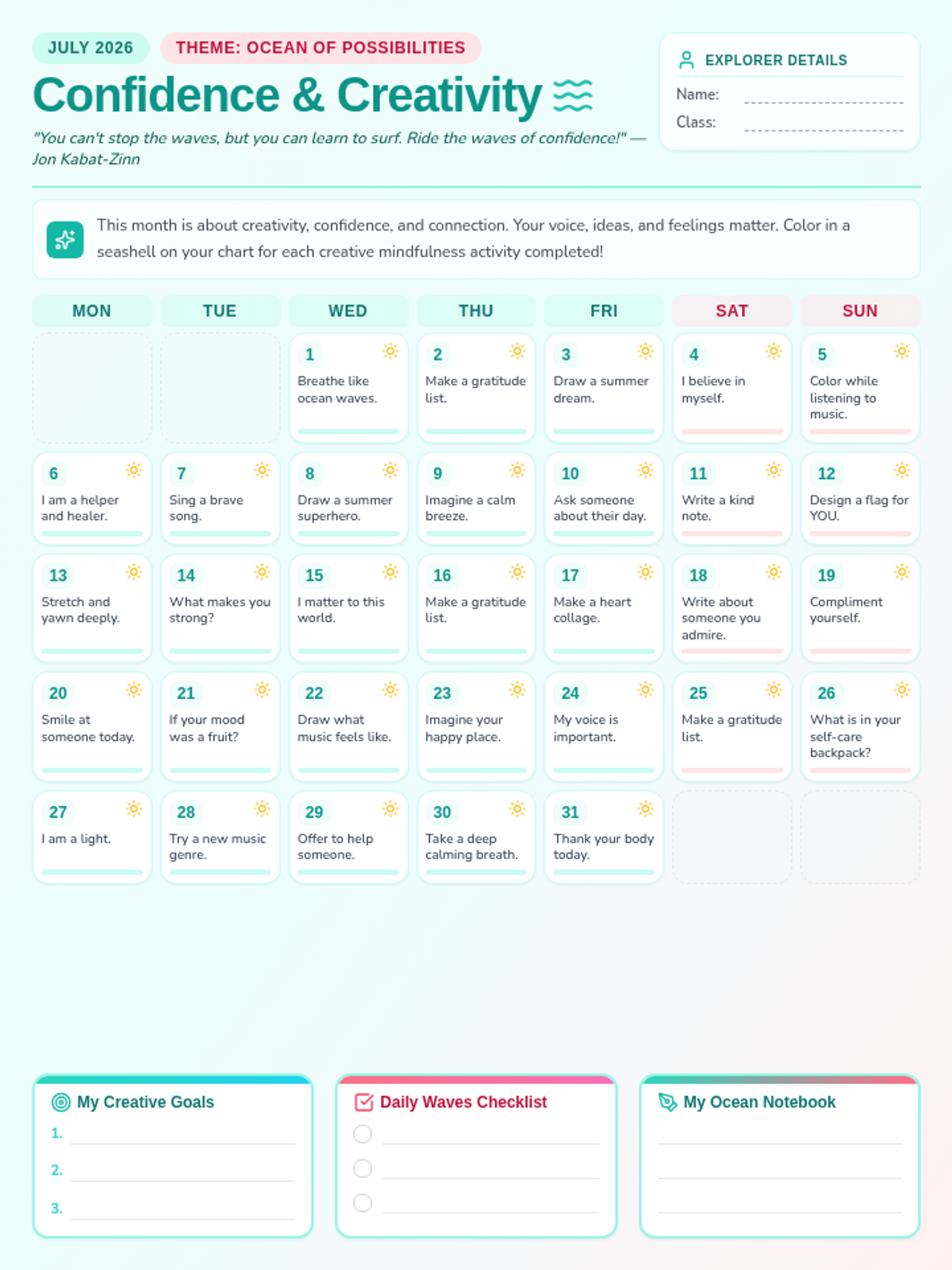
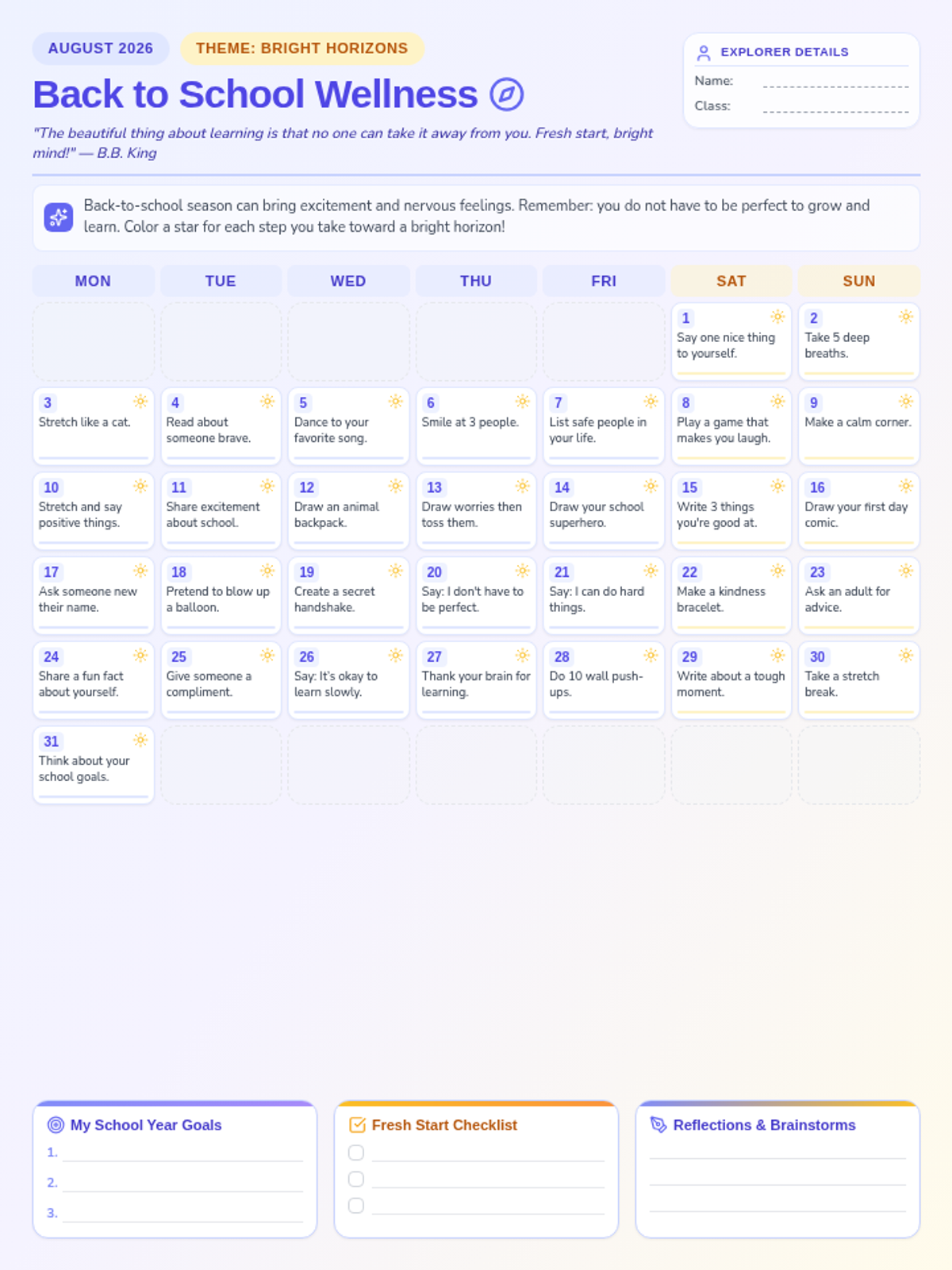
A vibrant series of four monthly mental health and wellness calendars for May through August 2026. Designed with playful bright colors, a distinct growth mindset theme for each month, and inspirational quotes, these calendars offer daily mindfulness activities suitable for K-12 students and their families.
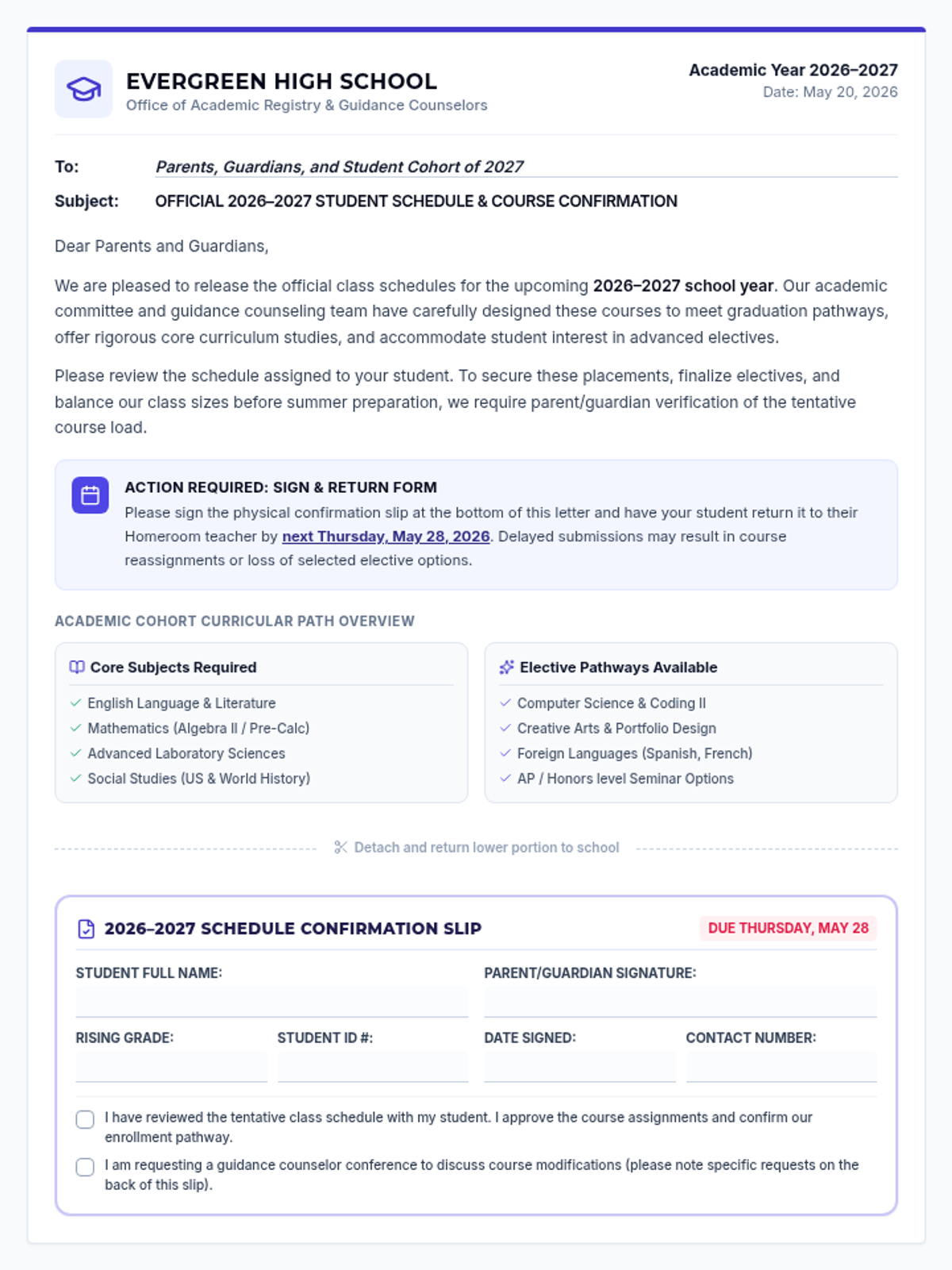
A lesson plan and communication kit for academic transitions, designed to facilitate the release, review, and parental confirmation of student schedules for the upcoming school year.
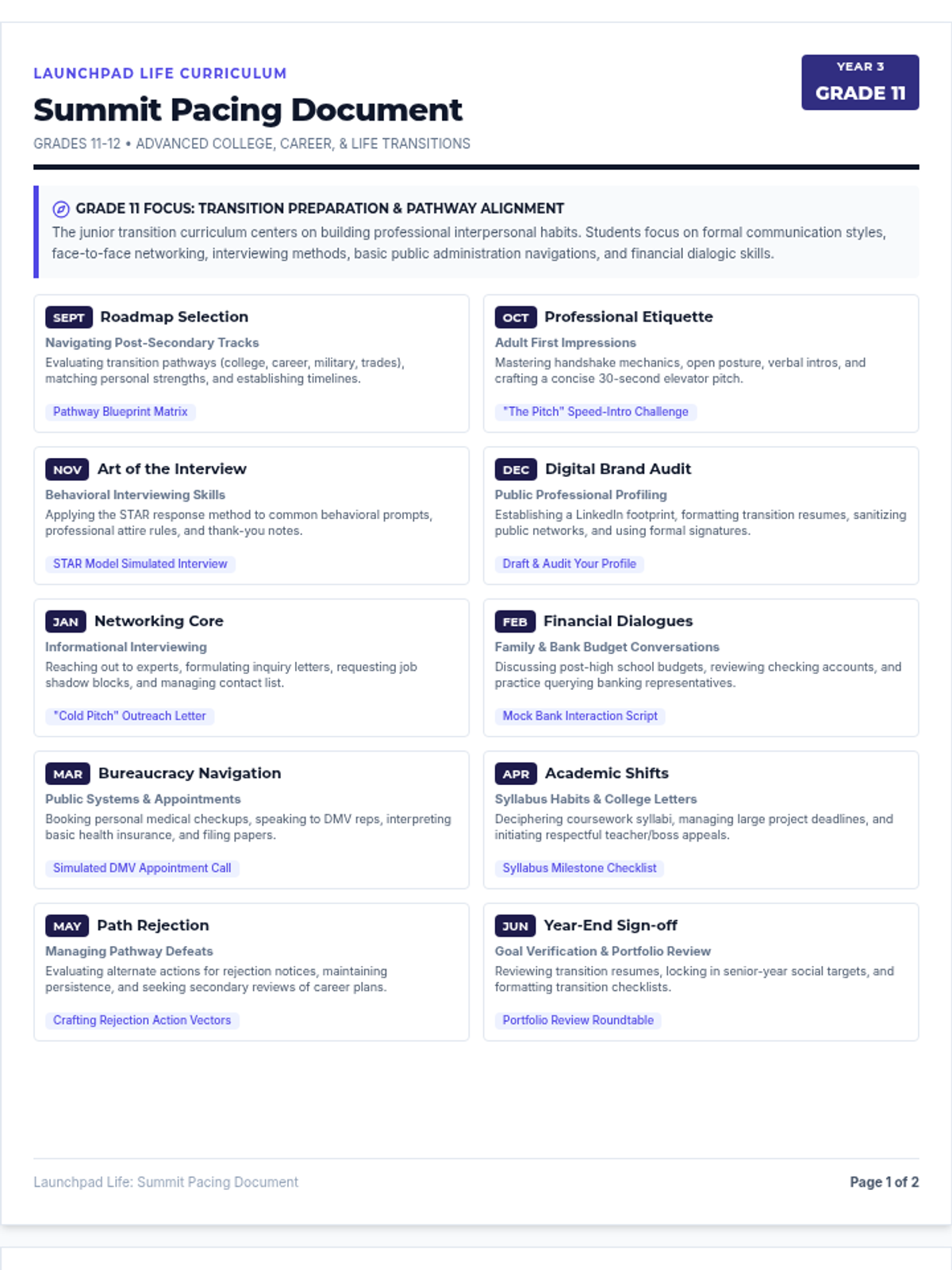
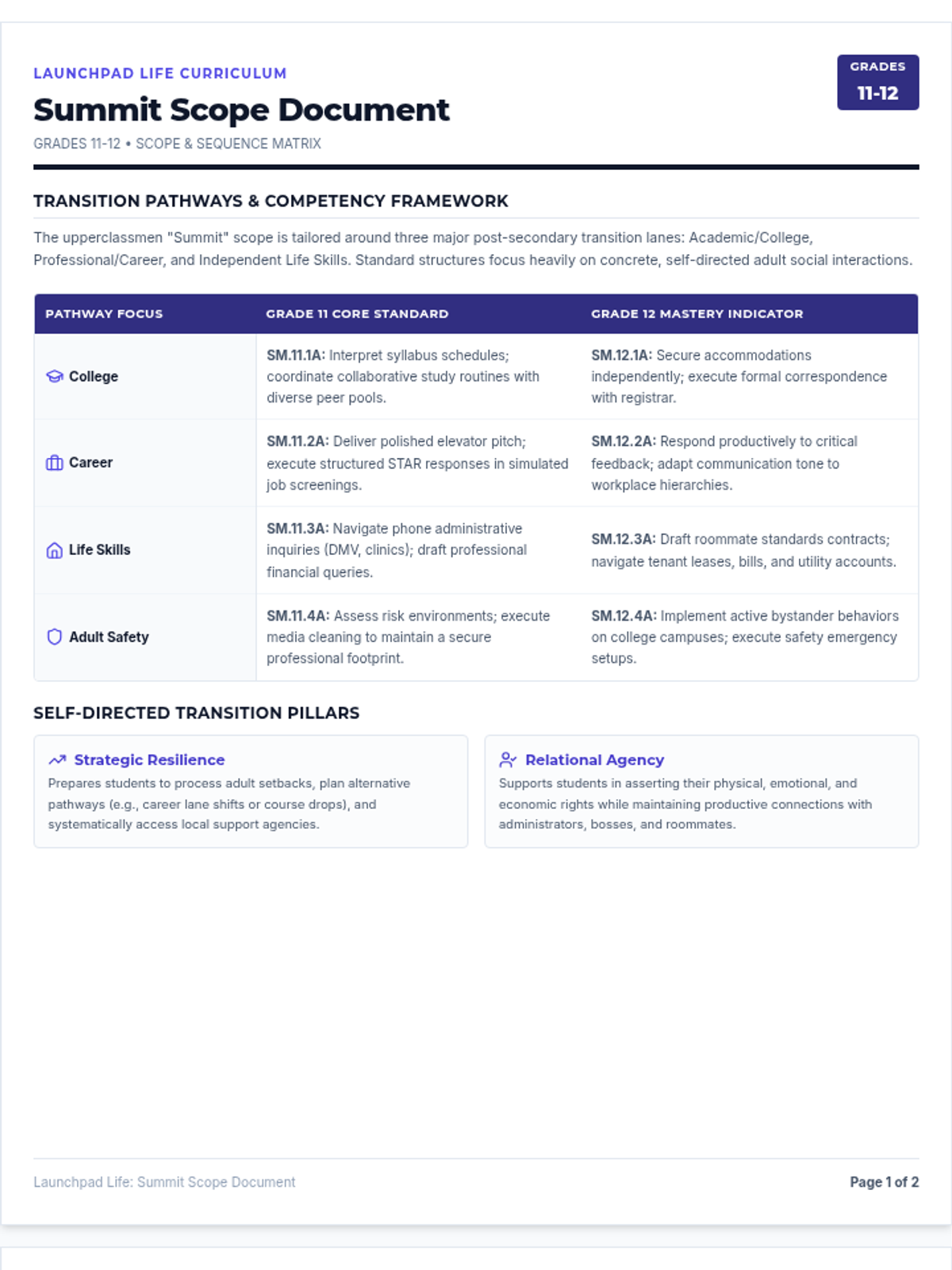
The curriculum and resources for Grades 11-12, focusing on advanced college, career, and independent living social skills, professional networking, and independent decision-making.
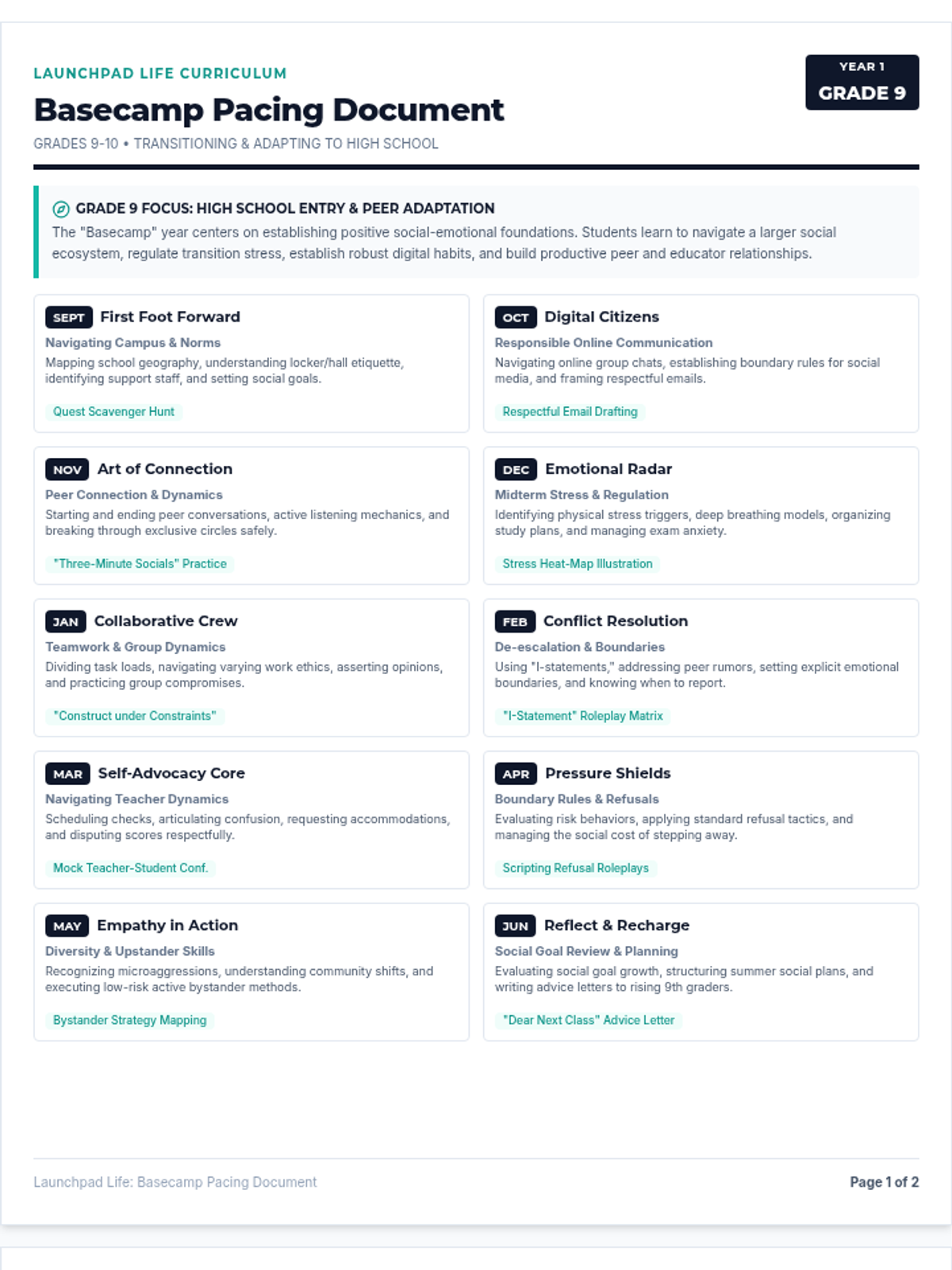
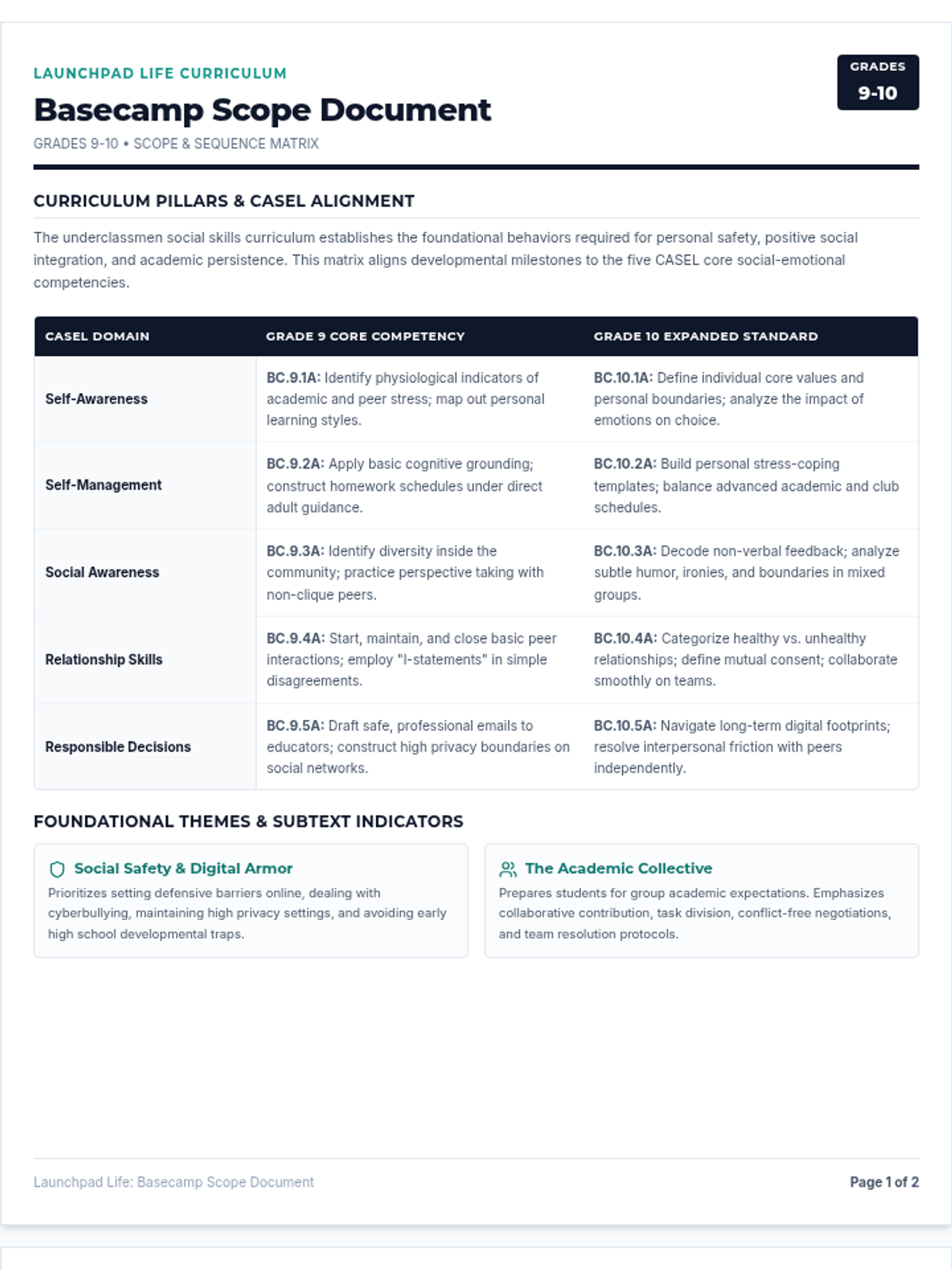
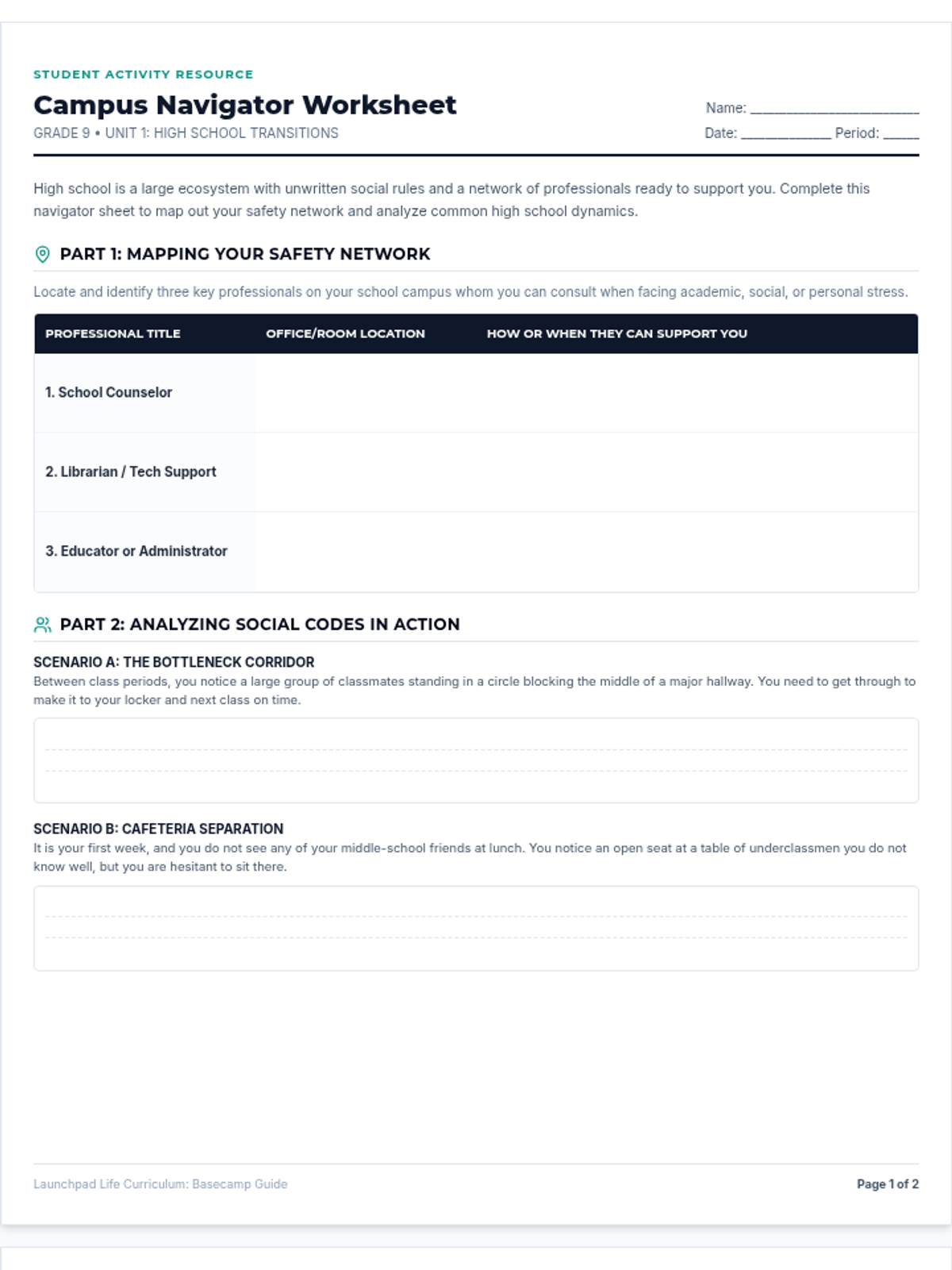
The curriculum and resources for Grades 9-10, focusing on social-emotional skill development, navigating high school dynamics, peer group adaptation, and basic self-advocacy.
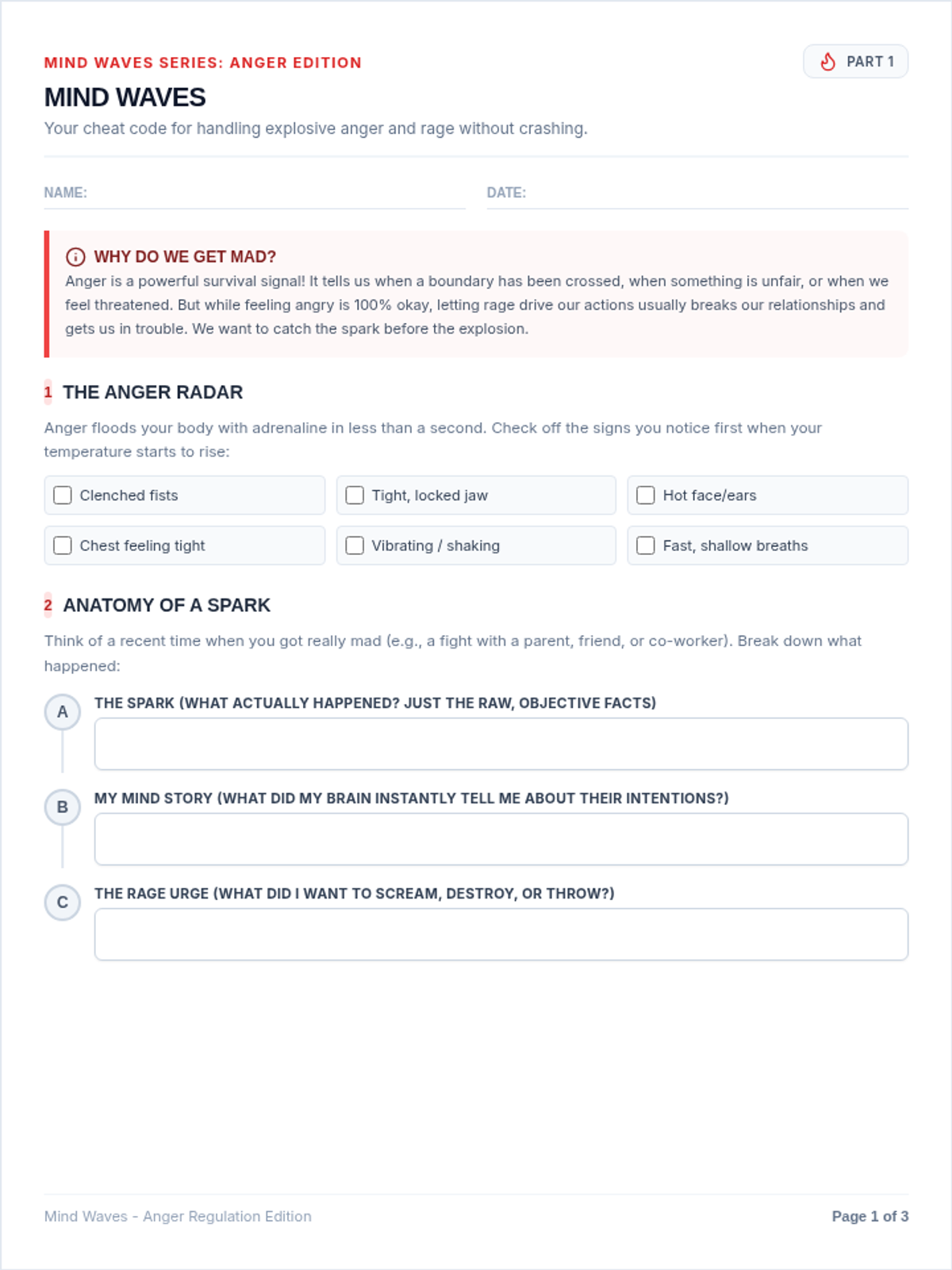
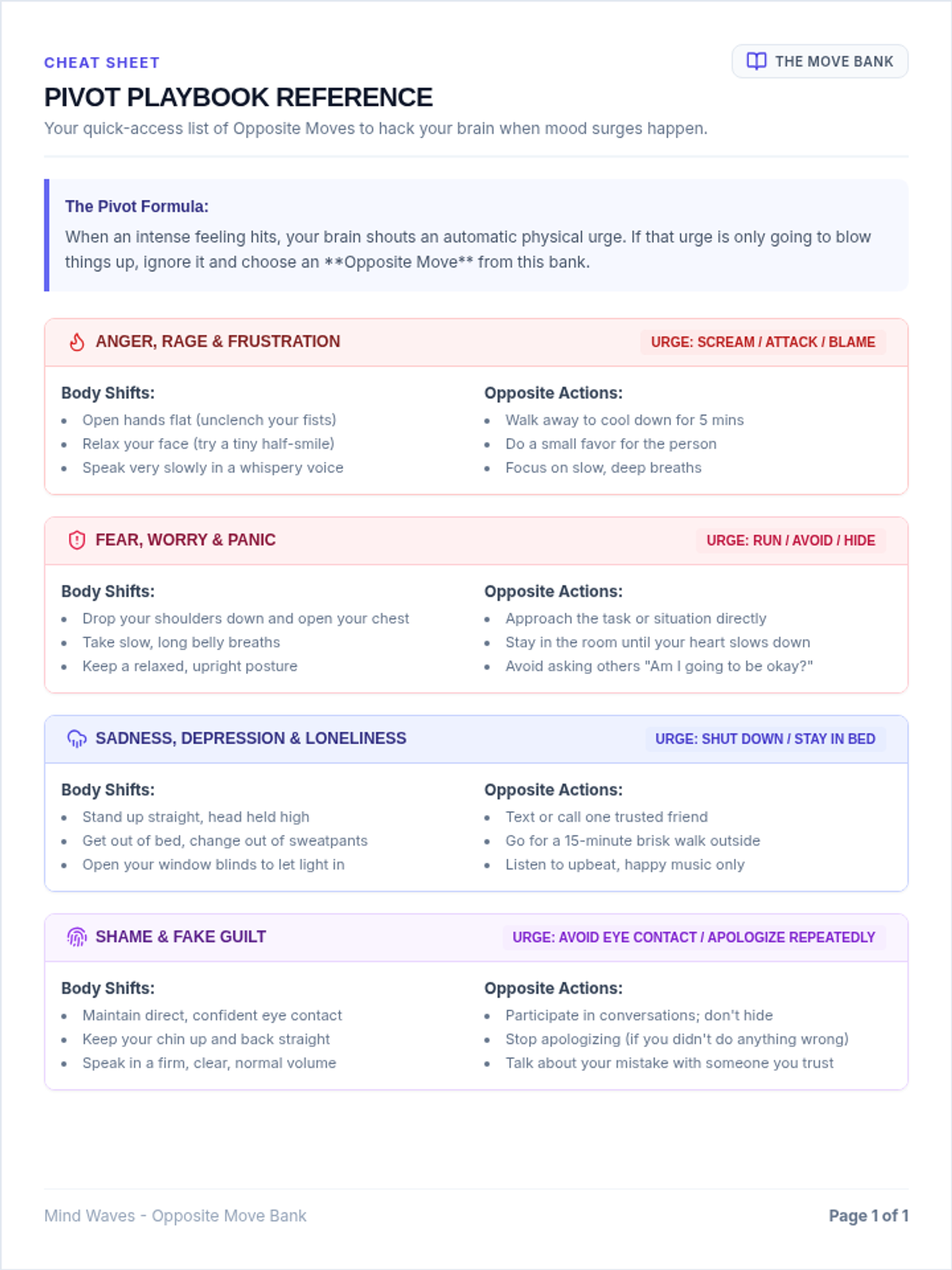
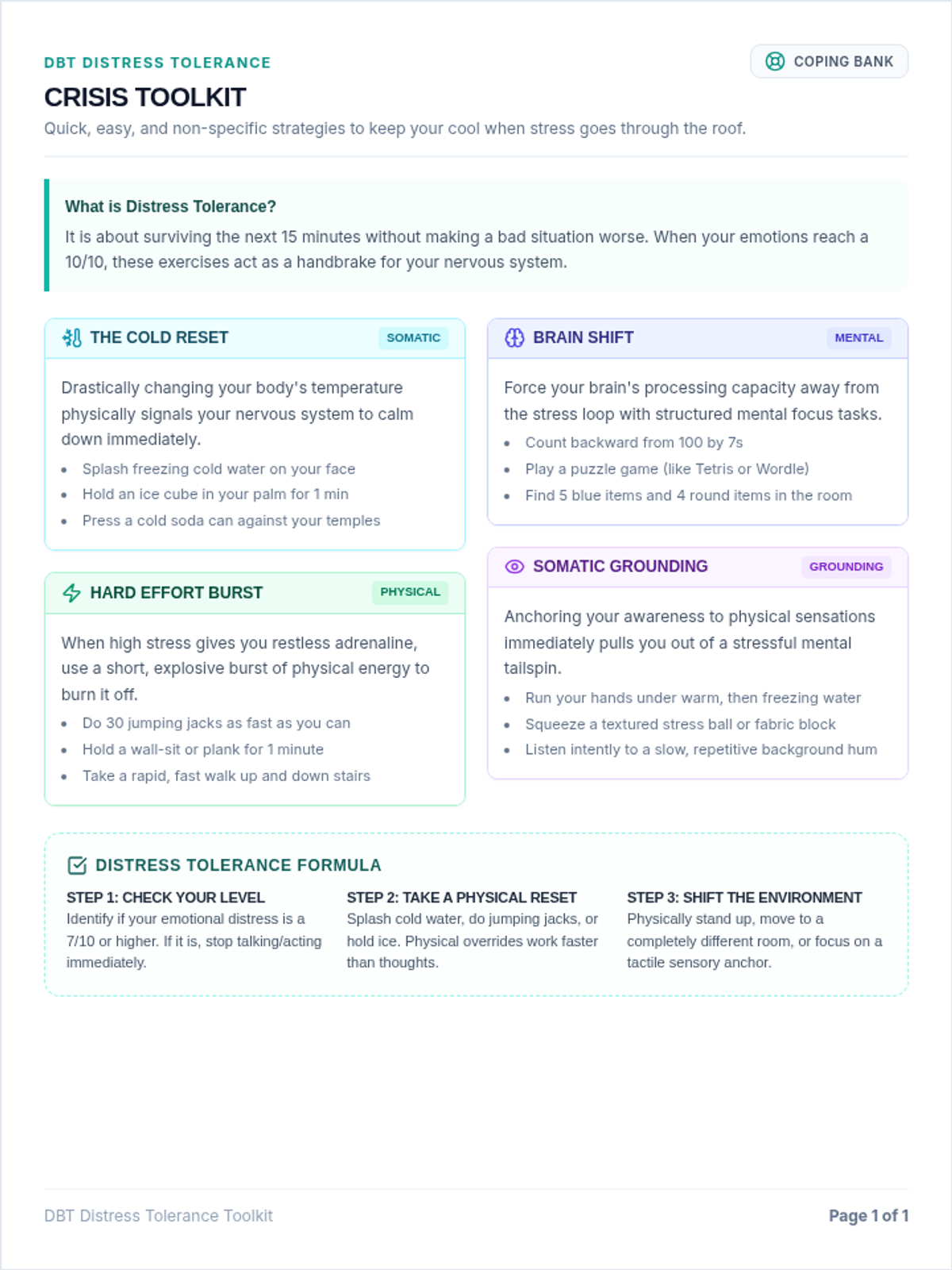
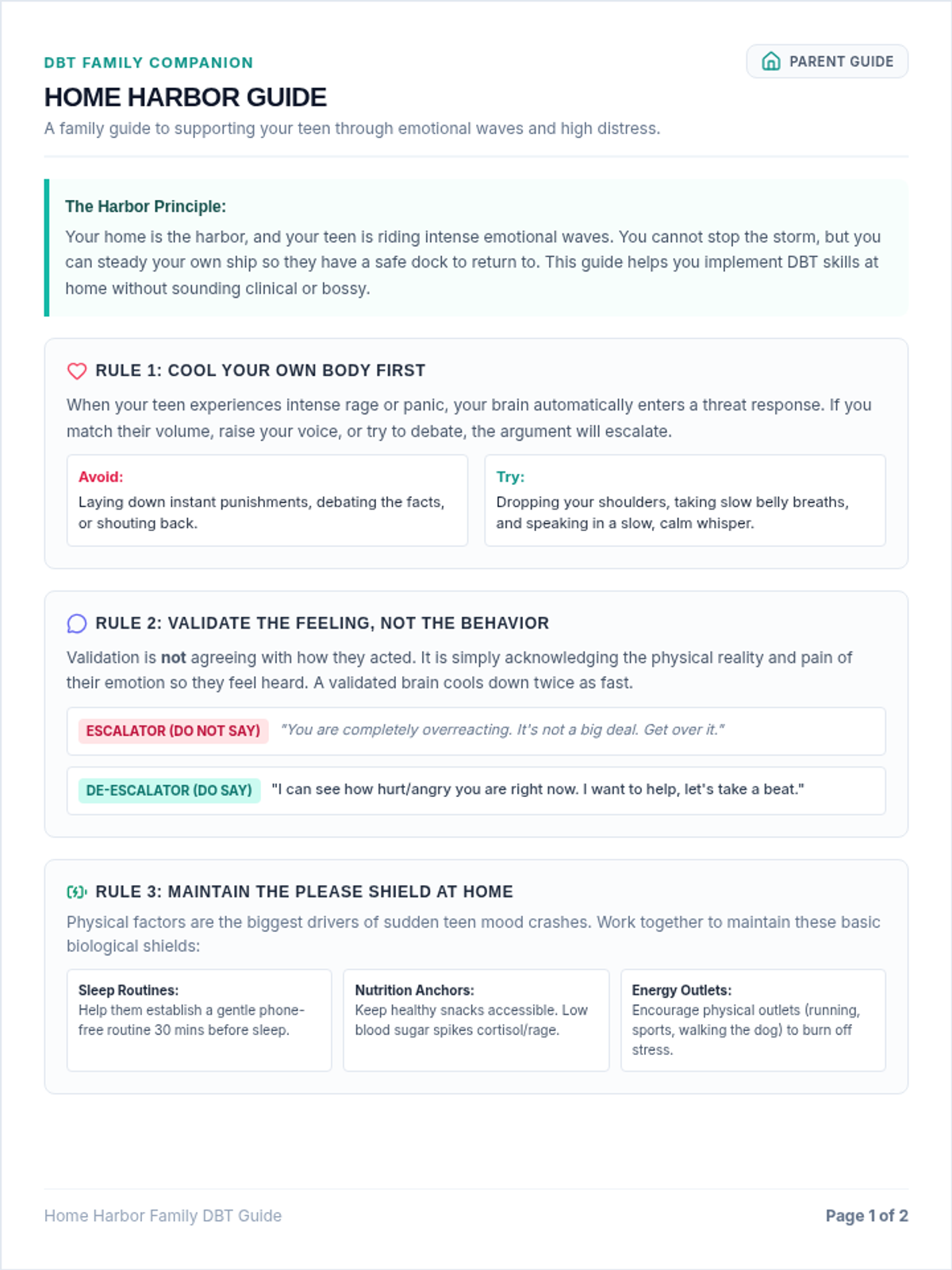
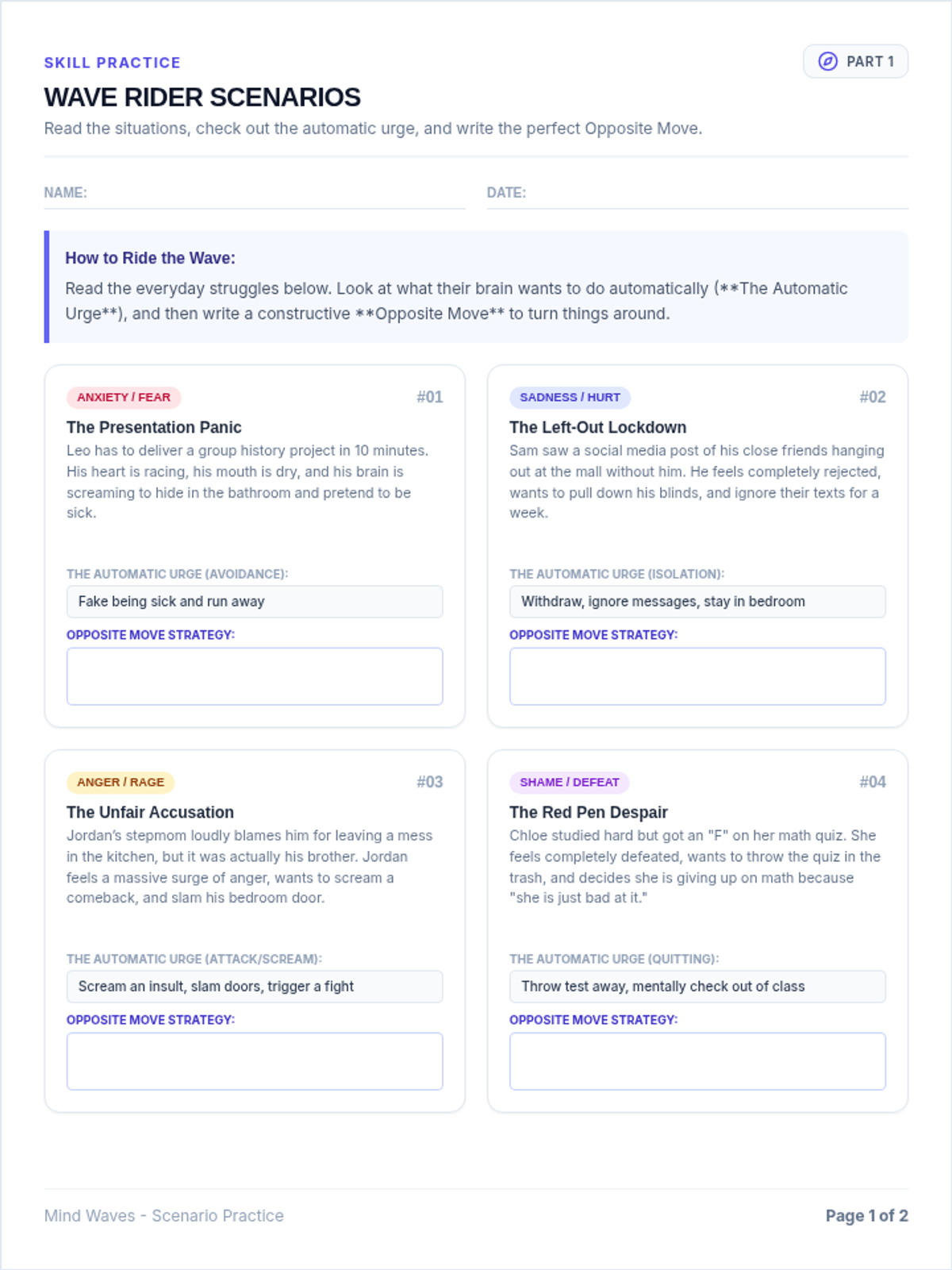
A therapeutic and practical lesson sequence introducing teenagers to Dialectical Behavior Therapy (DBT) Emotion Regulation skills, focusing on identifying emotions, Opposite Action, and physical vulnerability buffers (PLEASE).
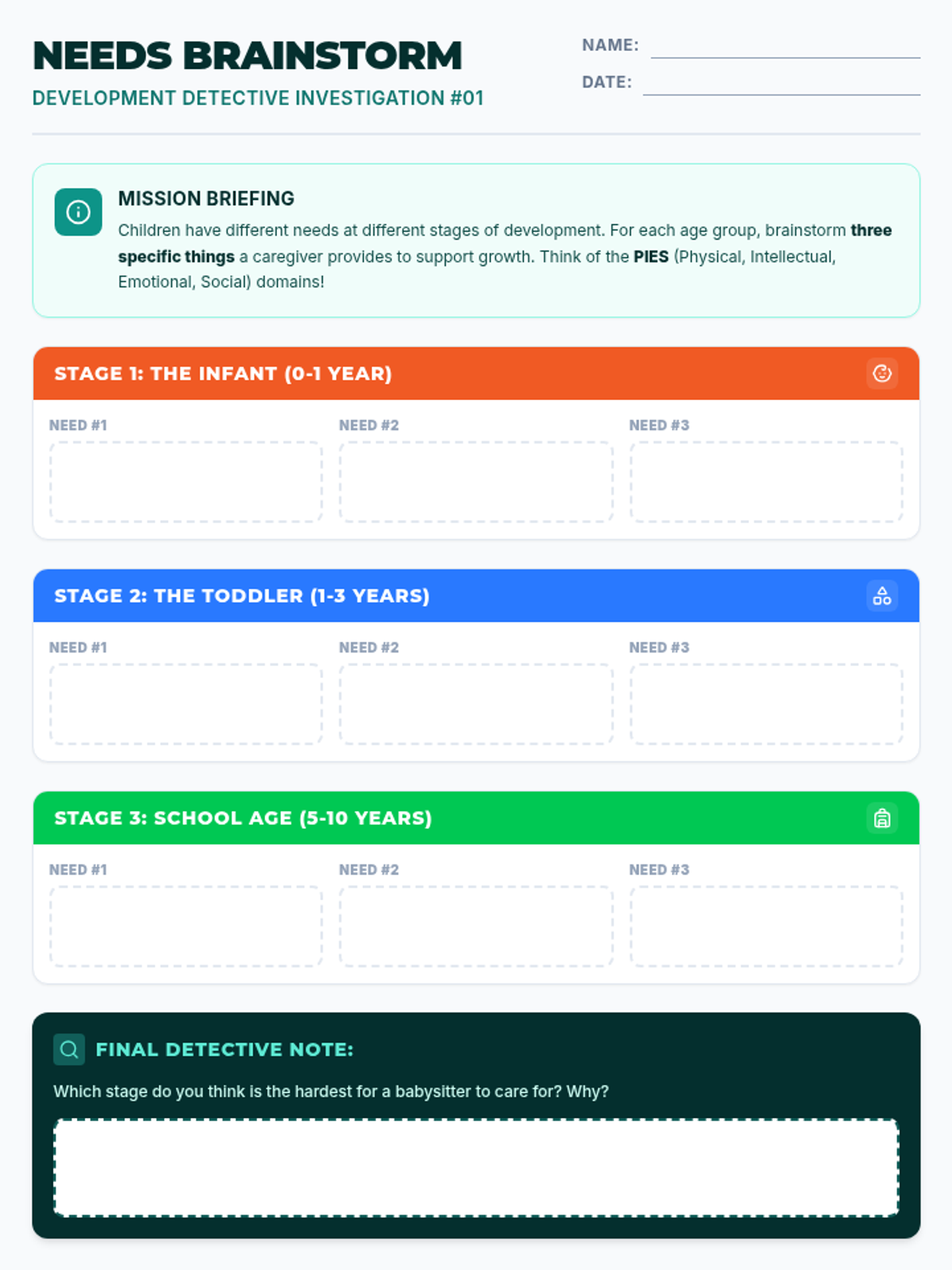
A lesson focused on understanding the different developmental needs of children at various stages, from infants to school-aged kids, using a detective-themed exploration.
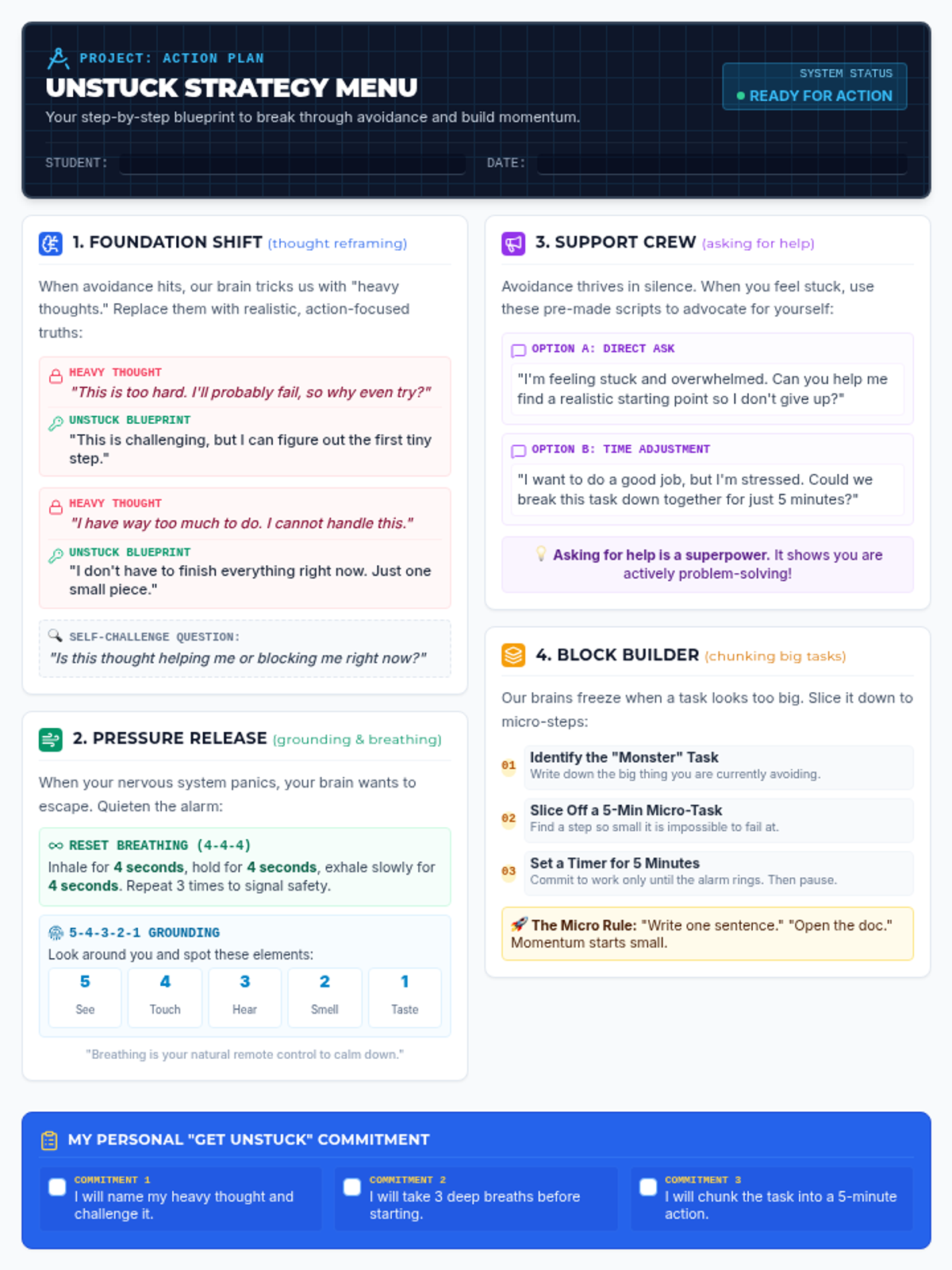
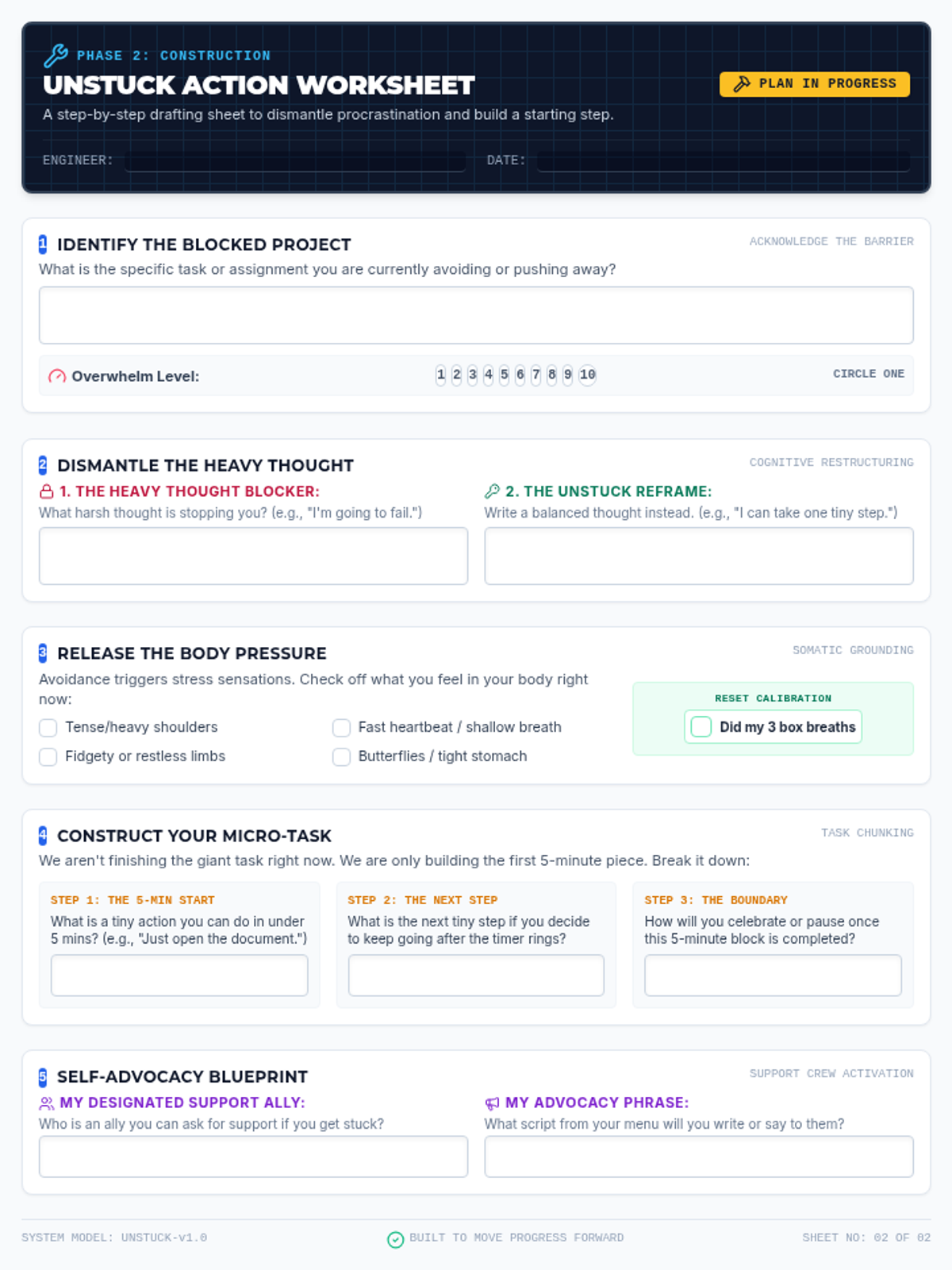
A structured problem-solving framework designed for students who use avoidance as a coping mechanism. This lesson provides practical tools for cognitive reframing, sensory grounding, self-advocacy, and task-chunking to help students move from avoidance to action.
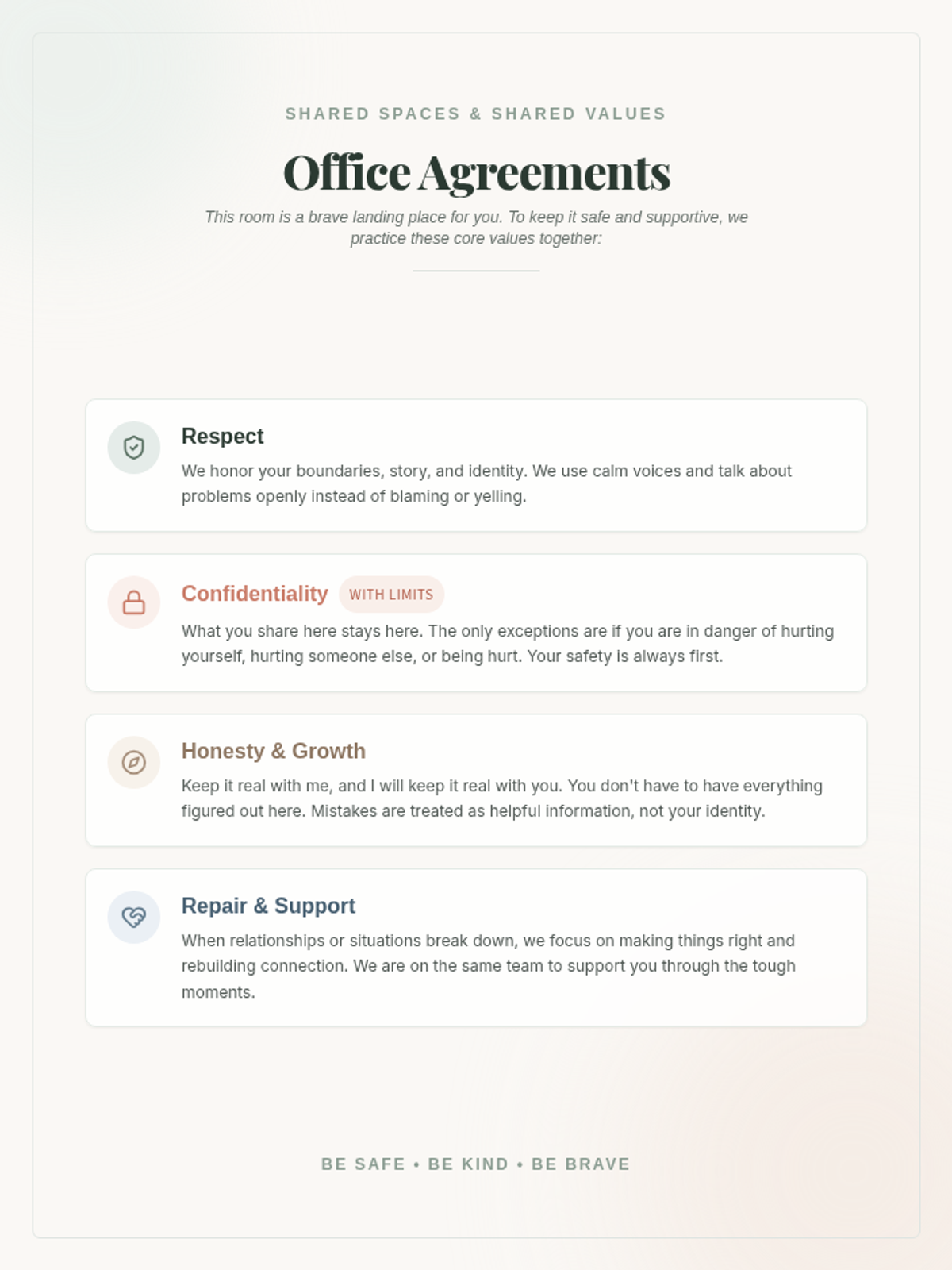
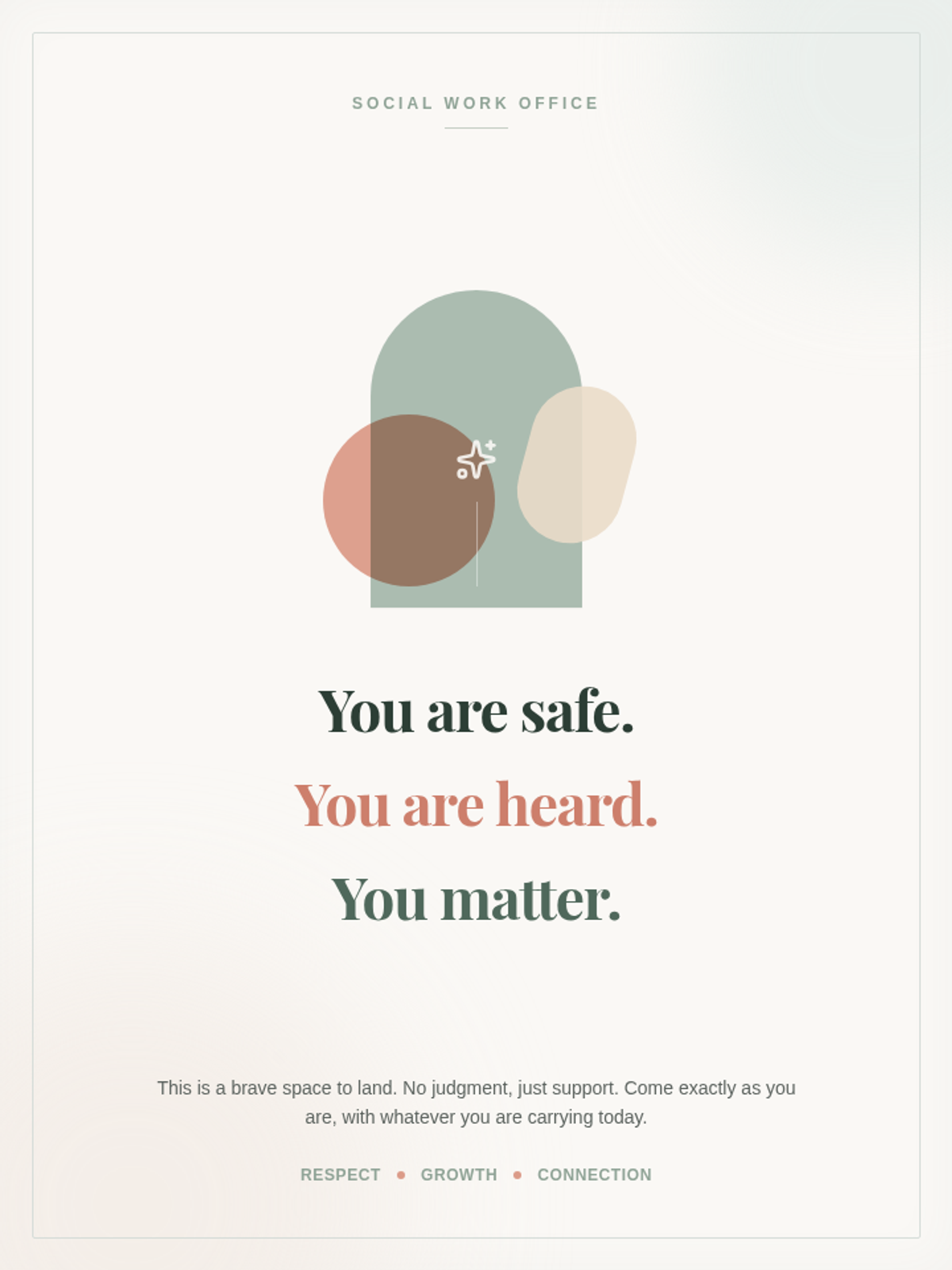
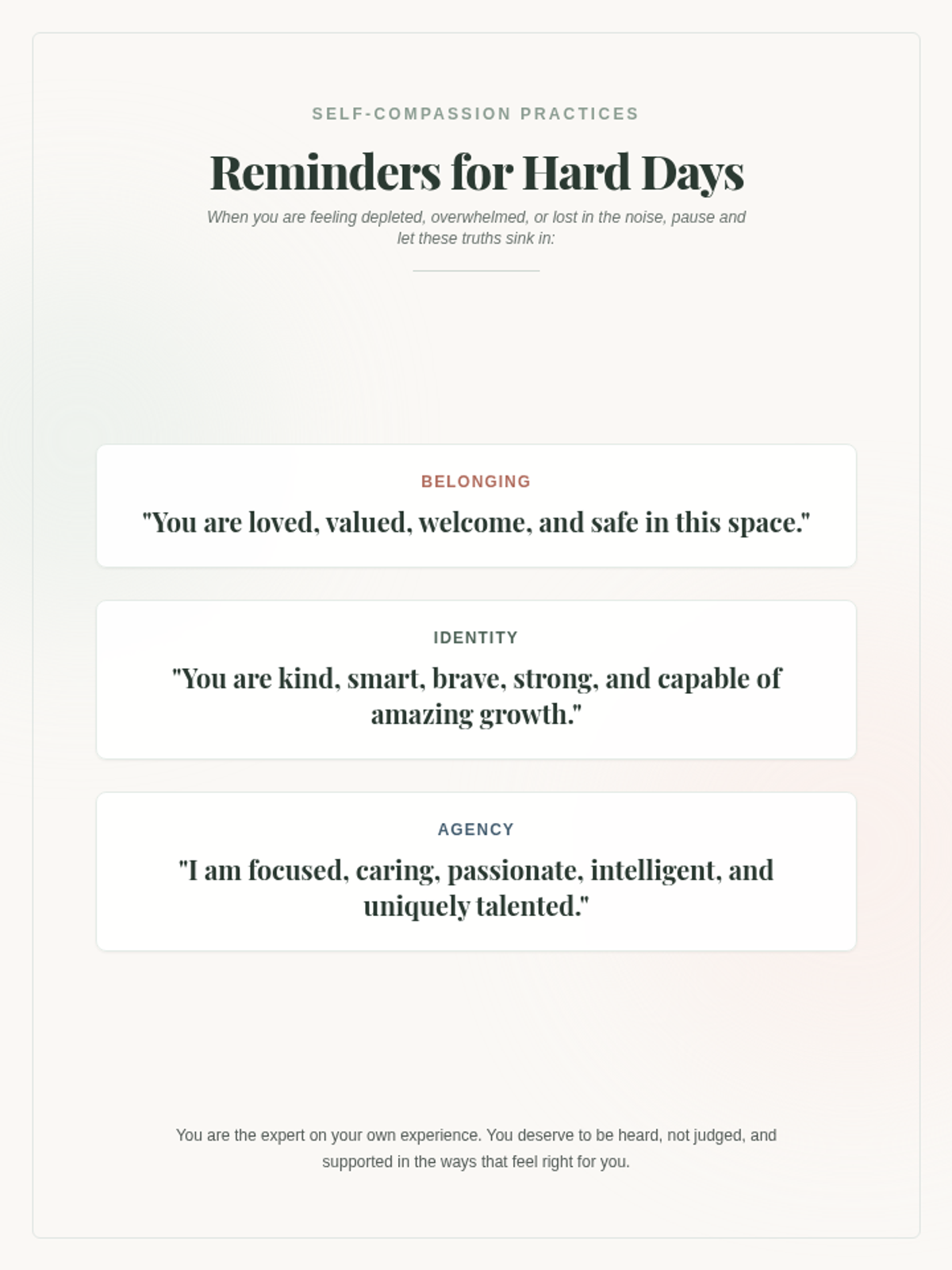
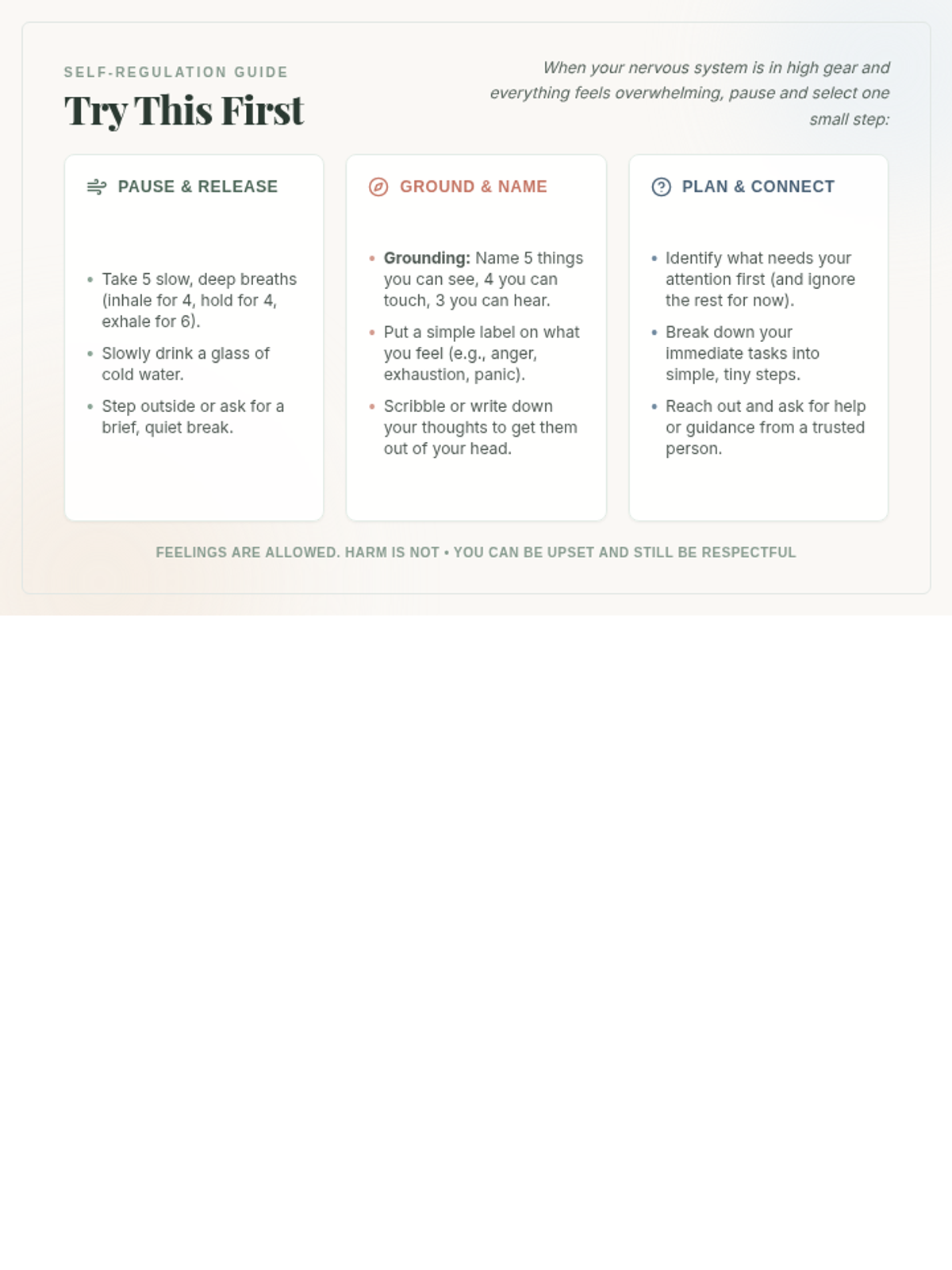
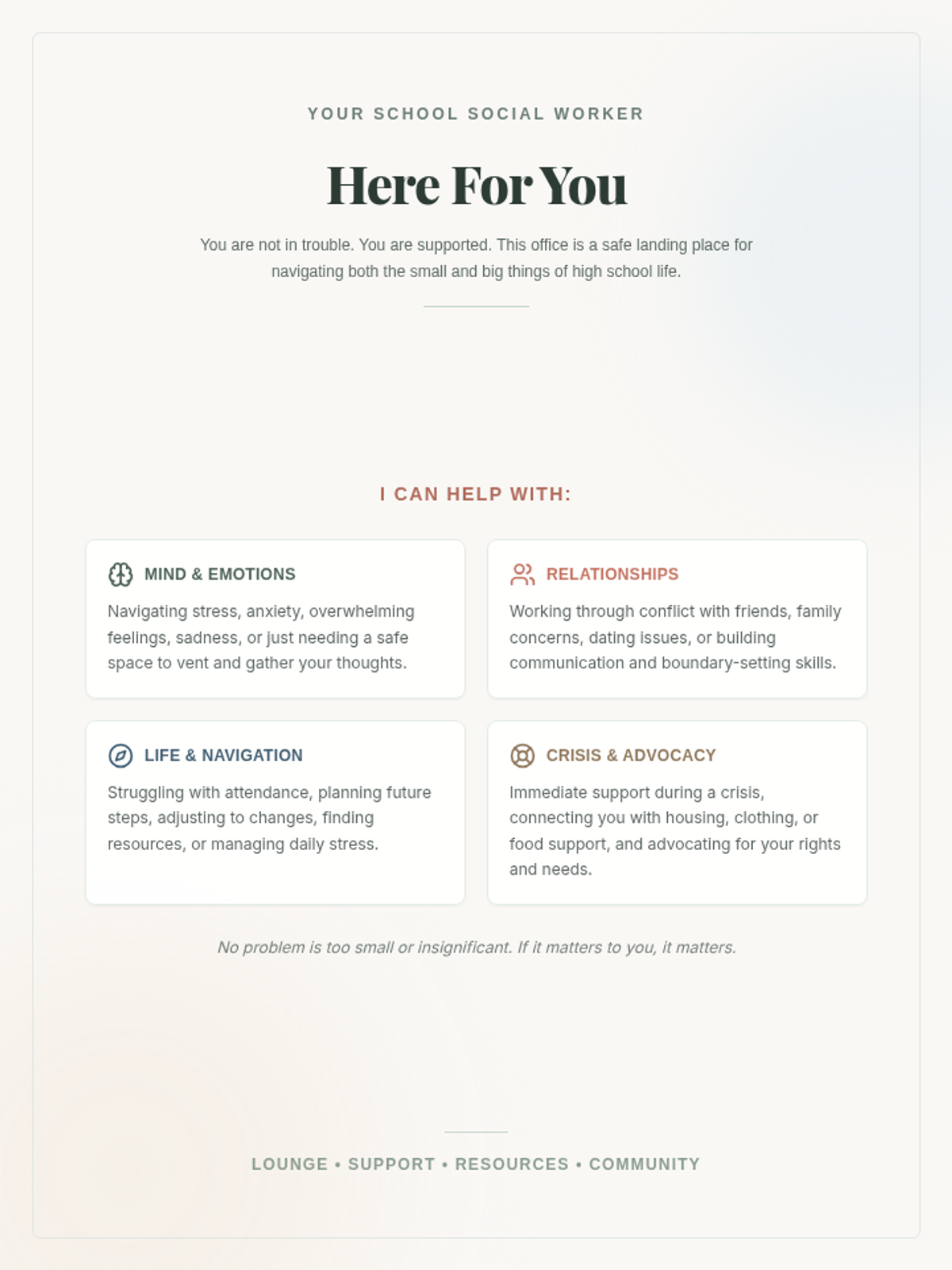
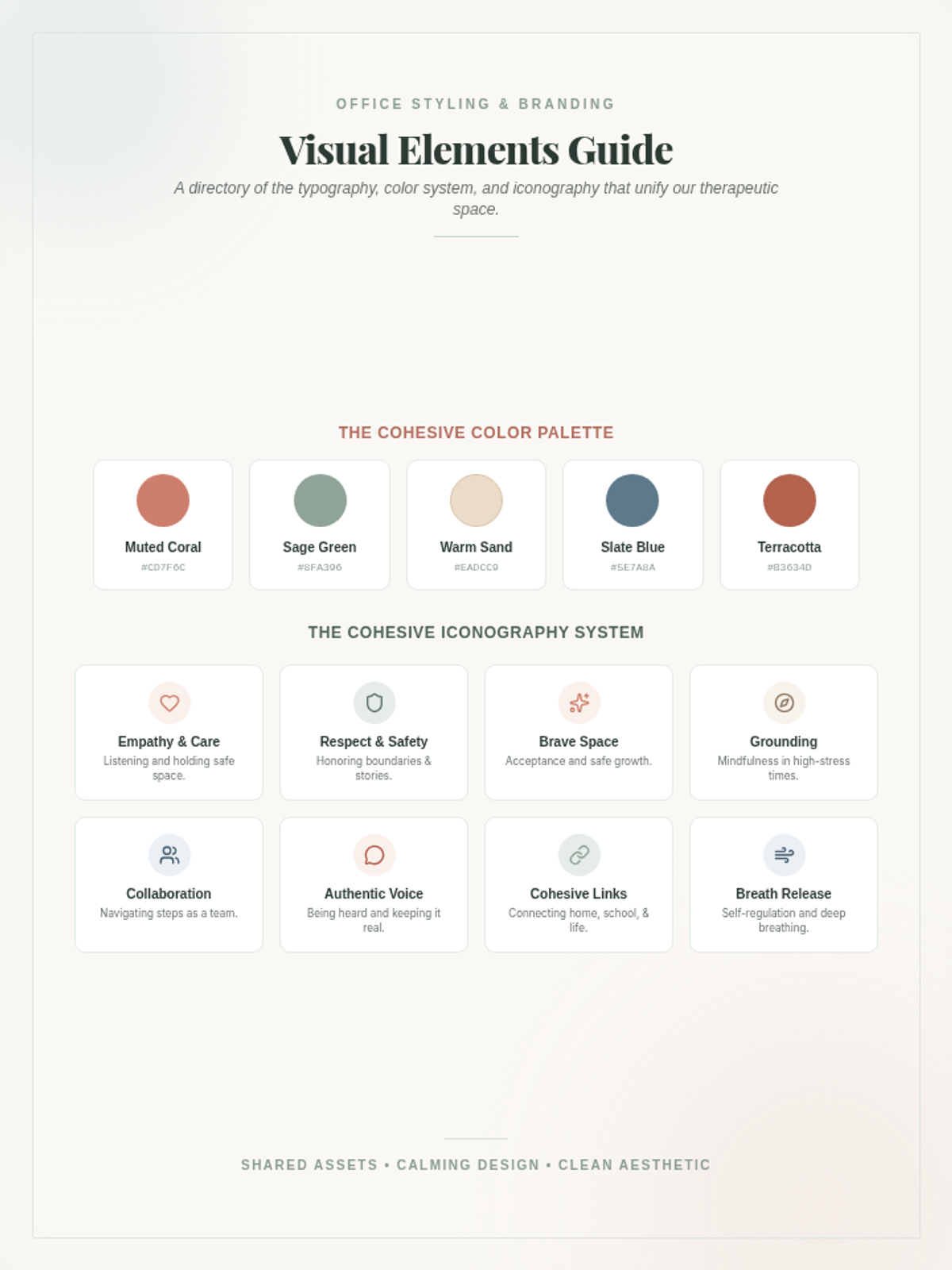
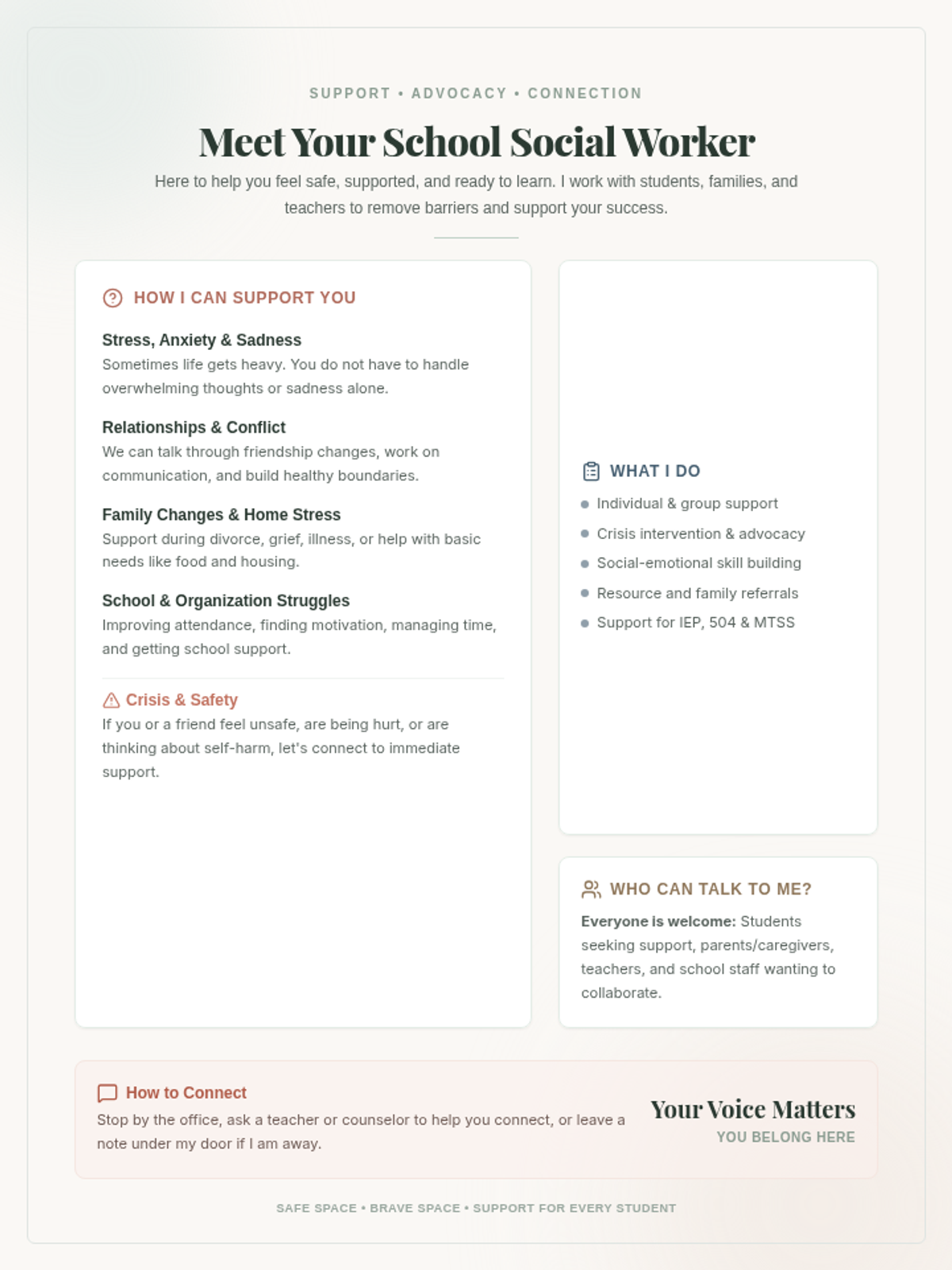
A curated collection of minimalist, calming, and mature posters and wall decor for a high school social worker's office. Features warm colors, modern typography, and empowering messaging.
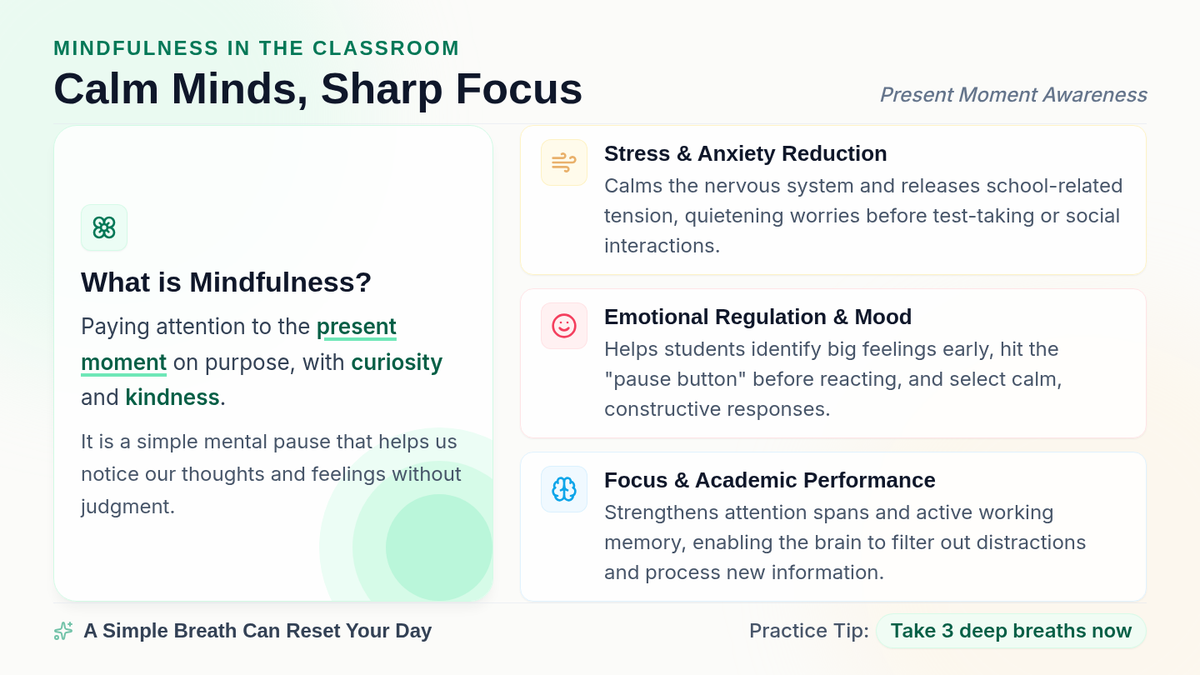
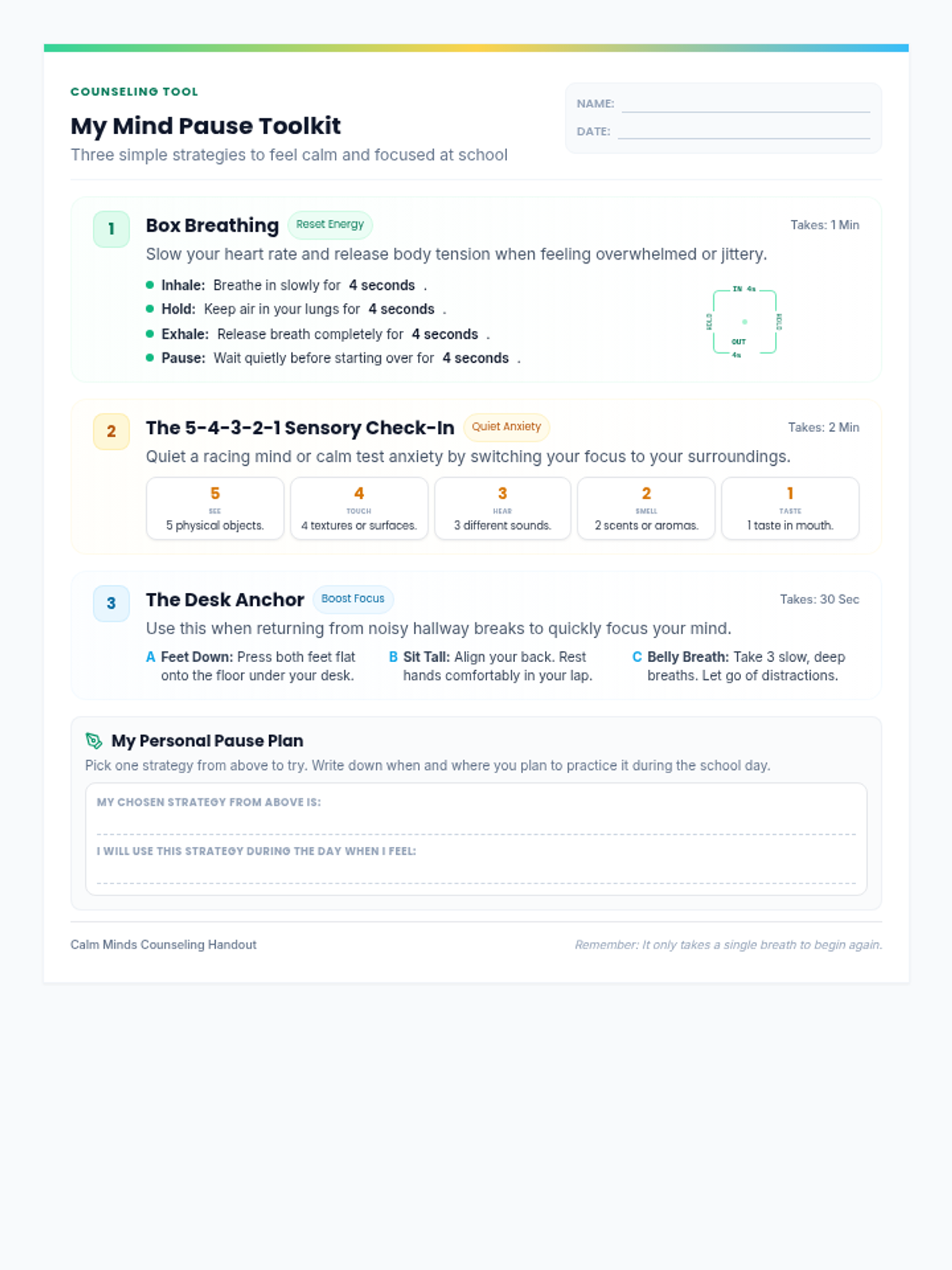
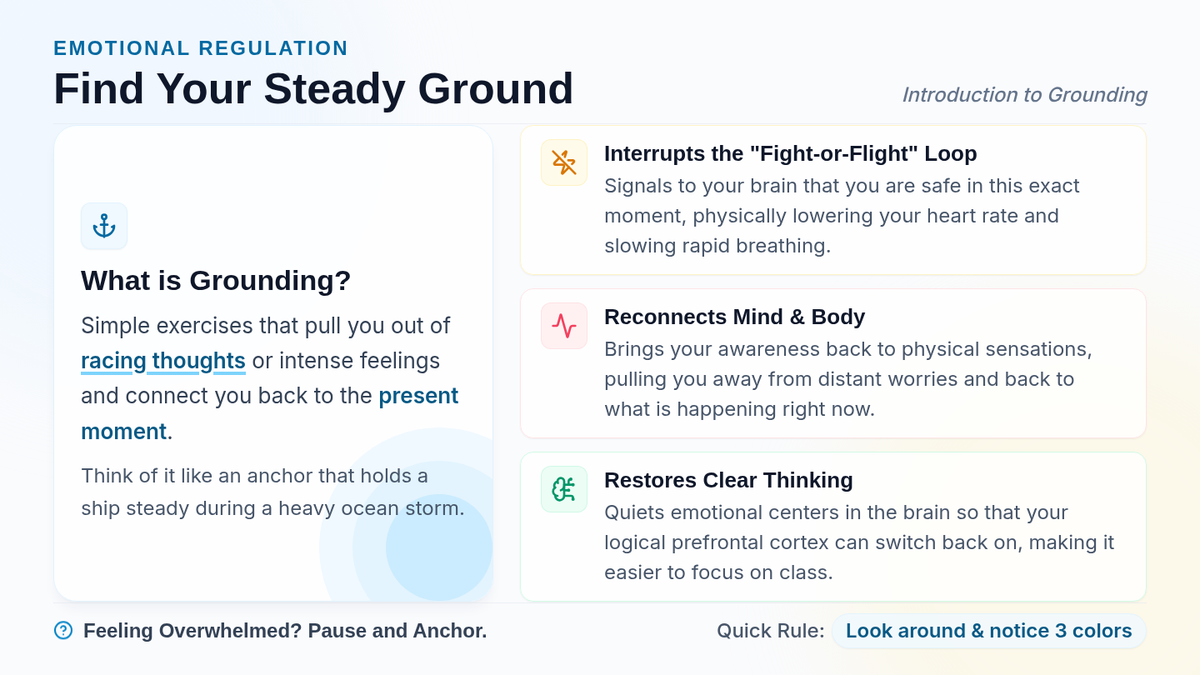
An introductory lesson on mindfulness for students, exploring what mindfulness is, its scientific benefits in a classroom setting, and practical applications for focus and emotional regulation.
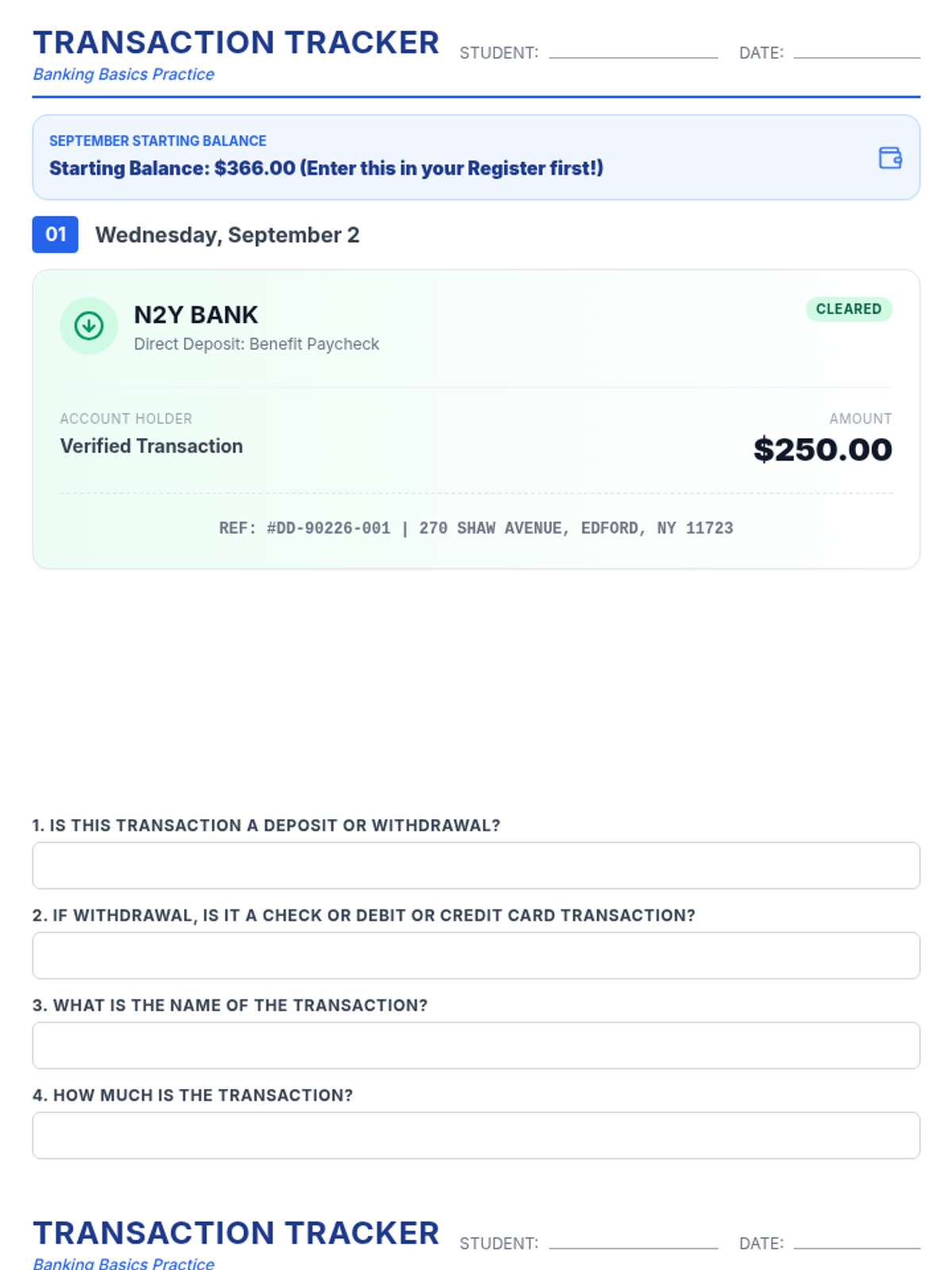
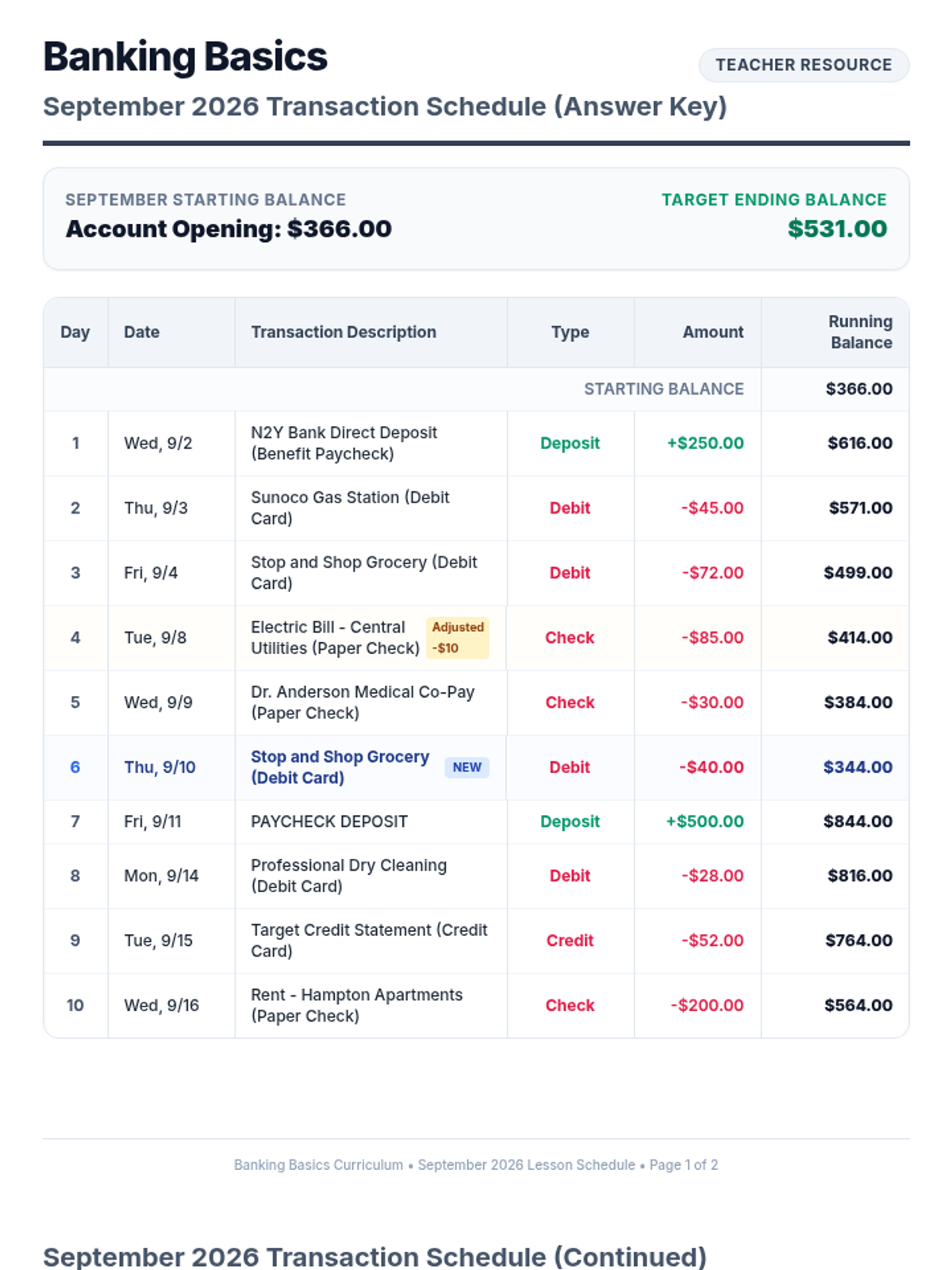
A practical financial literacy lesson where students track daily banking transactions, calculate running balances, and reconcile account registers for September 2026. Includes a 19-day transaction tracker worksheet and a complete teacher answer key schedule.
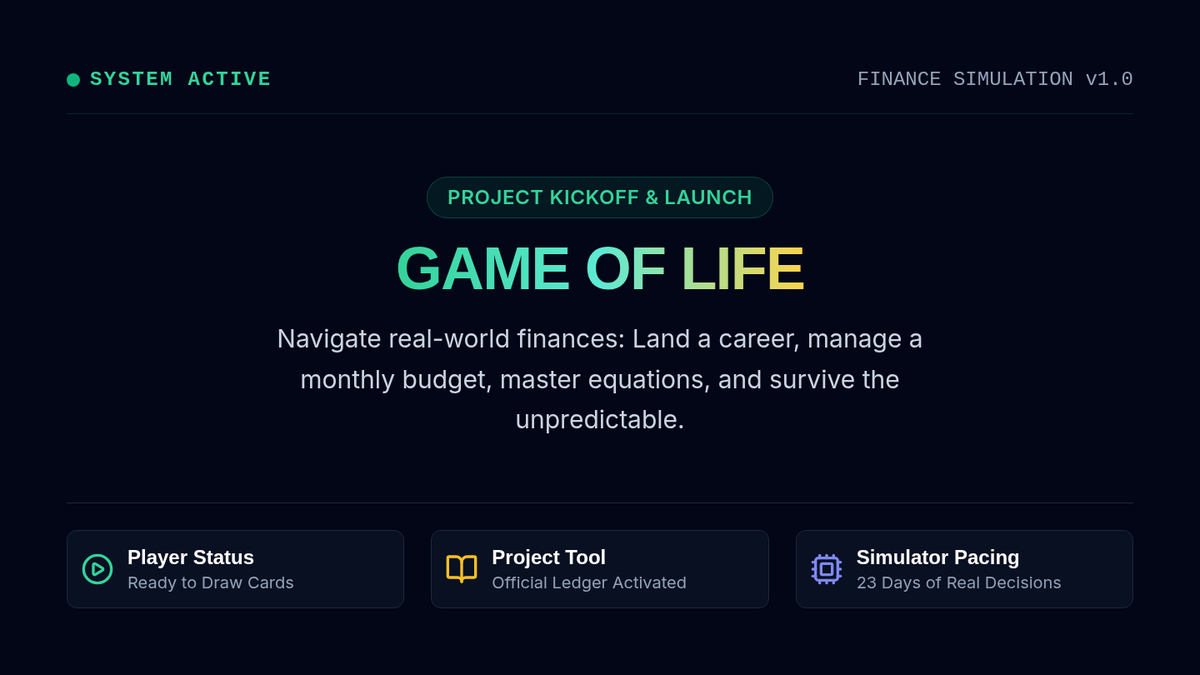
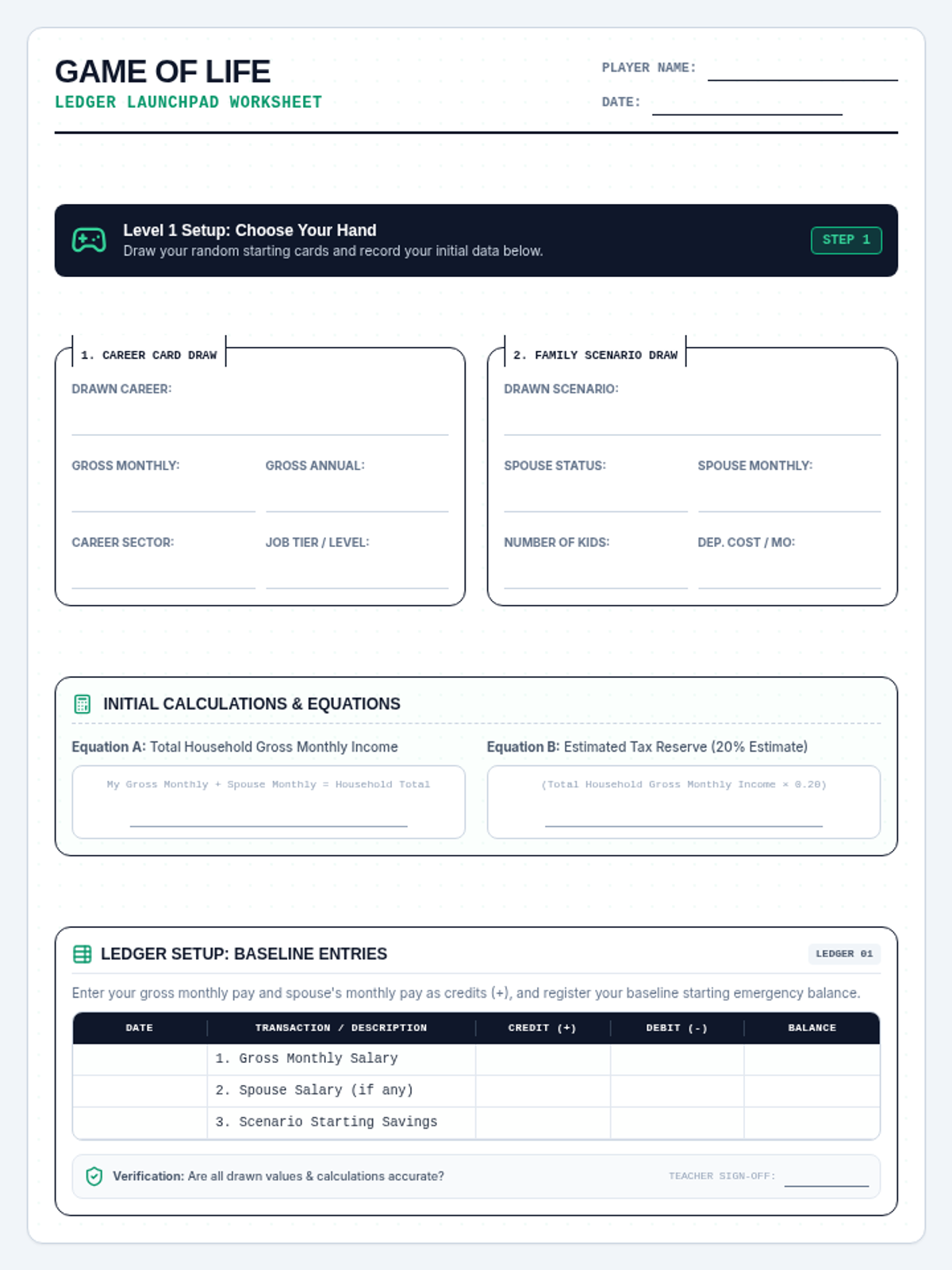
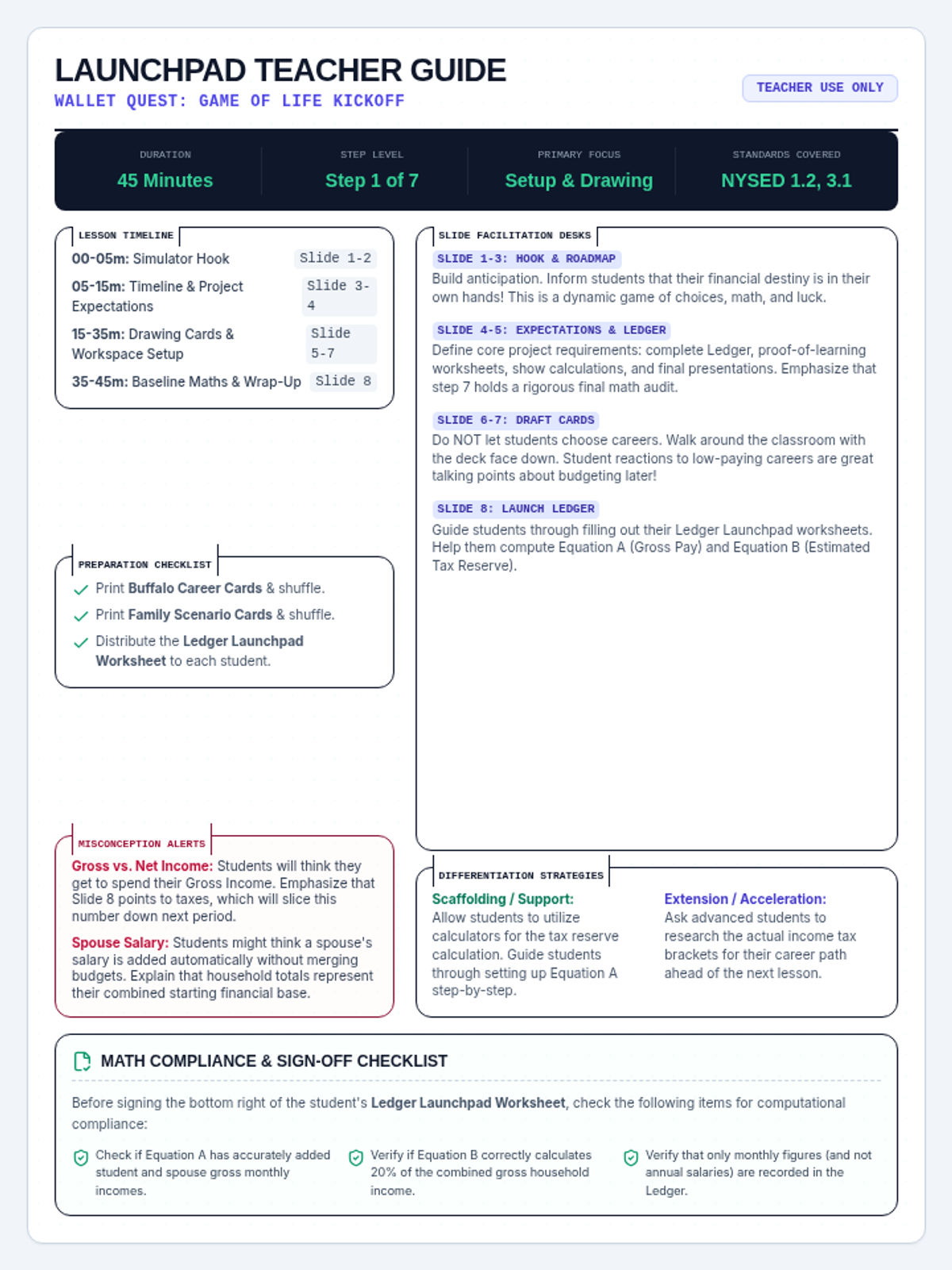
An introductory mini-lesson for the Game of Life personal finance project. Students learn about the project goals, requirements, timeline, and ledger system, before randomly drawing their starting career and family scenario cards.
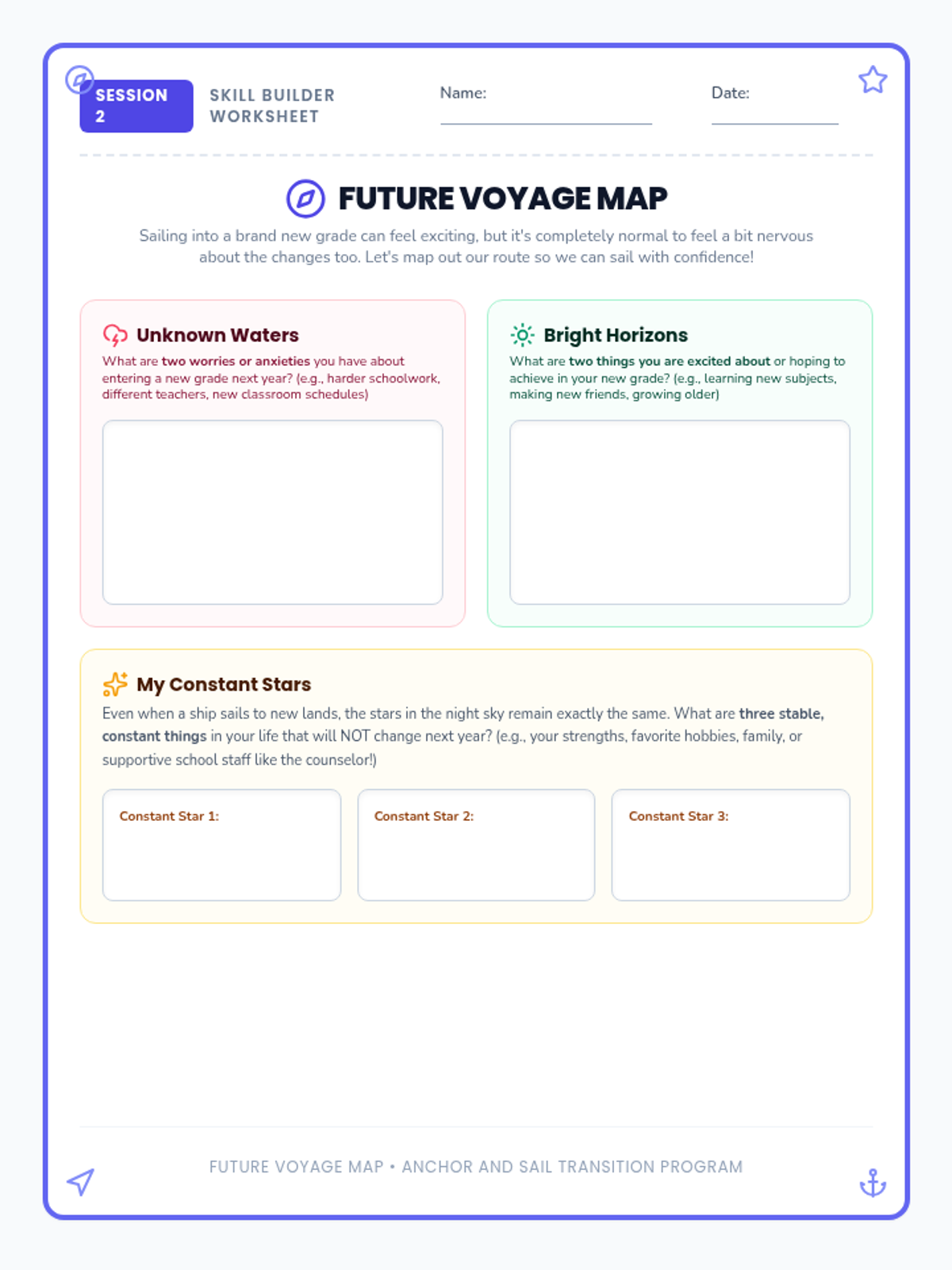
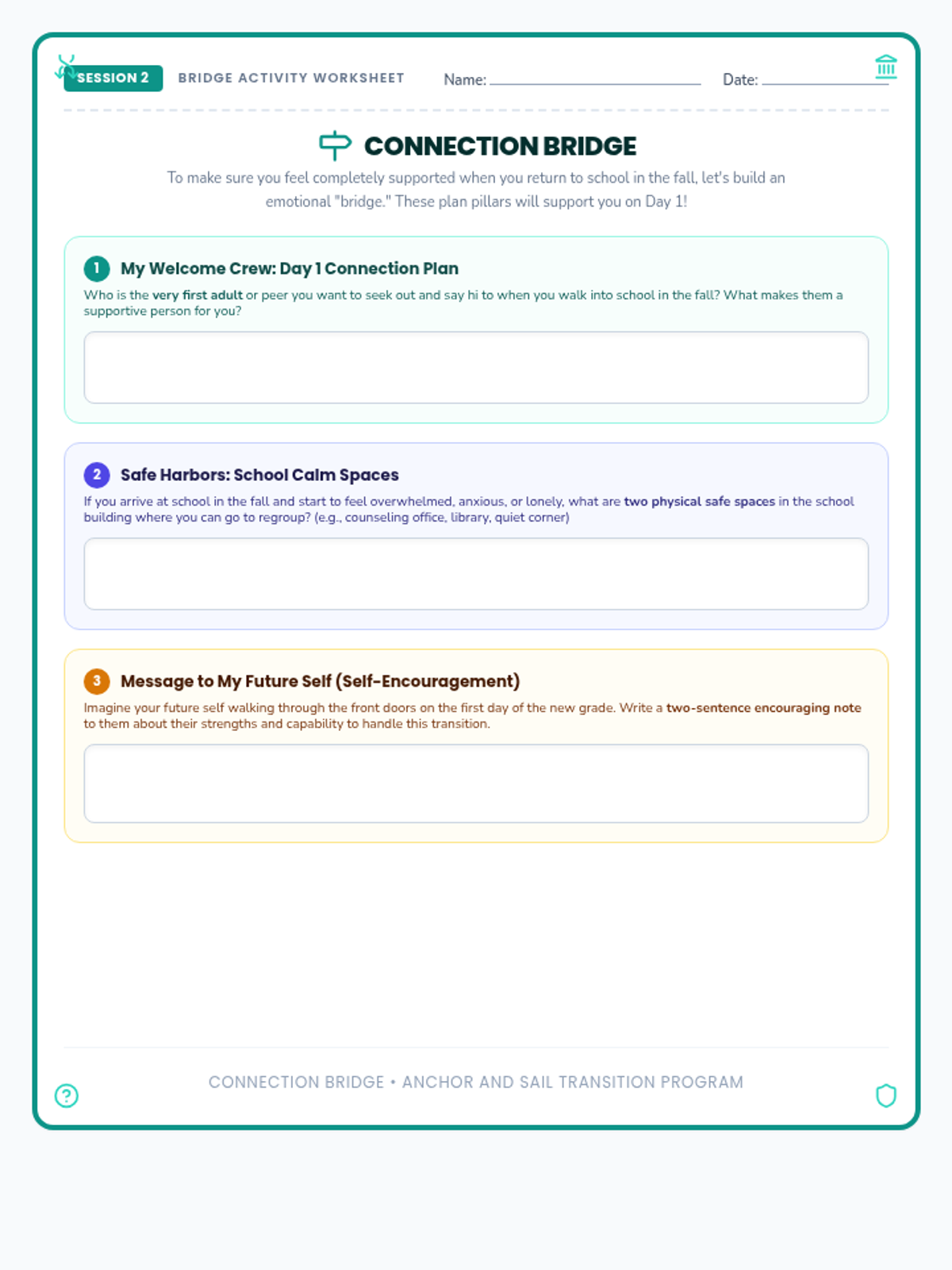
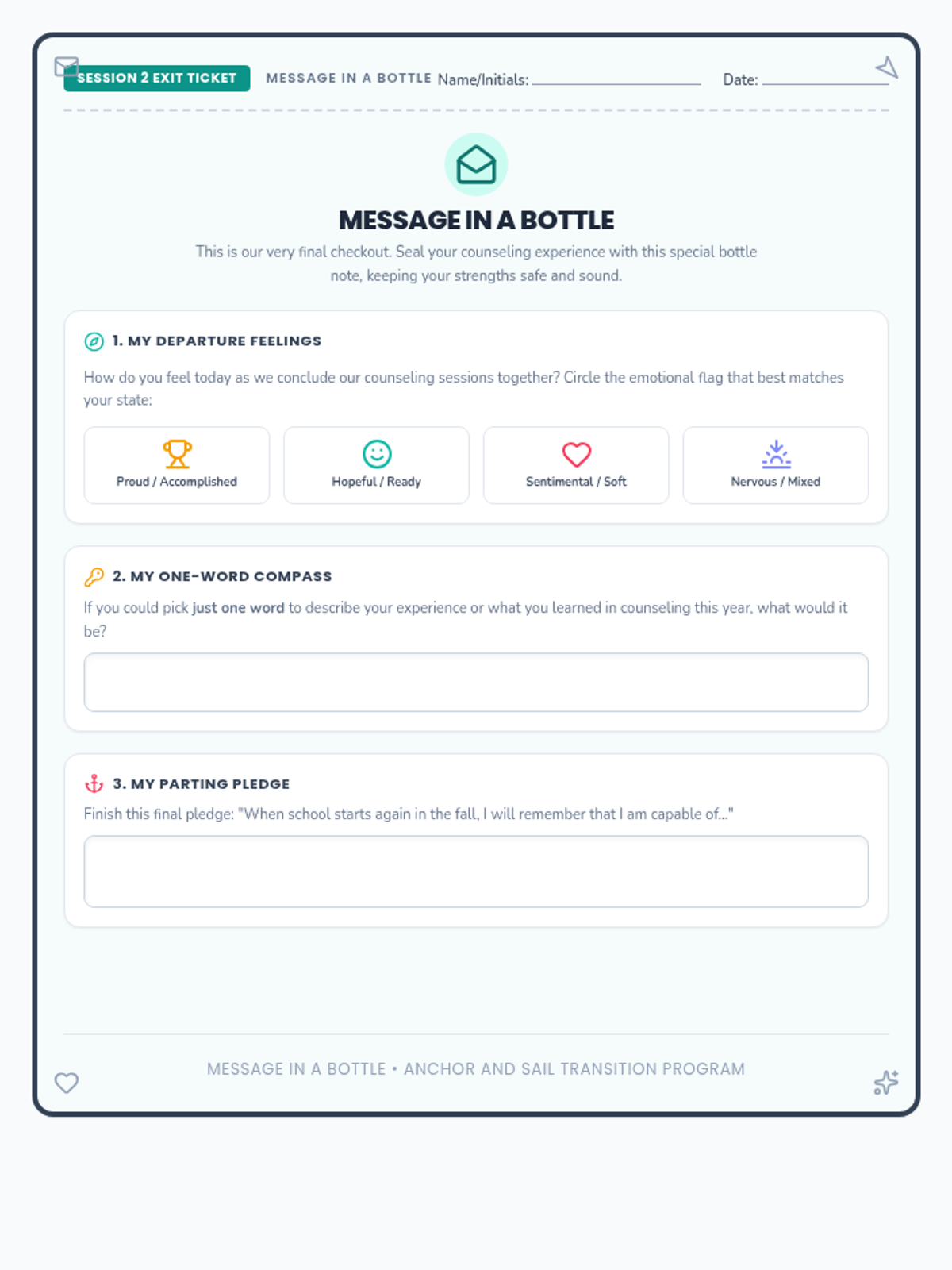
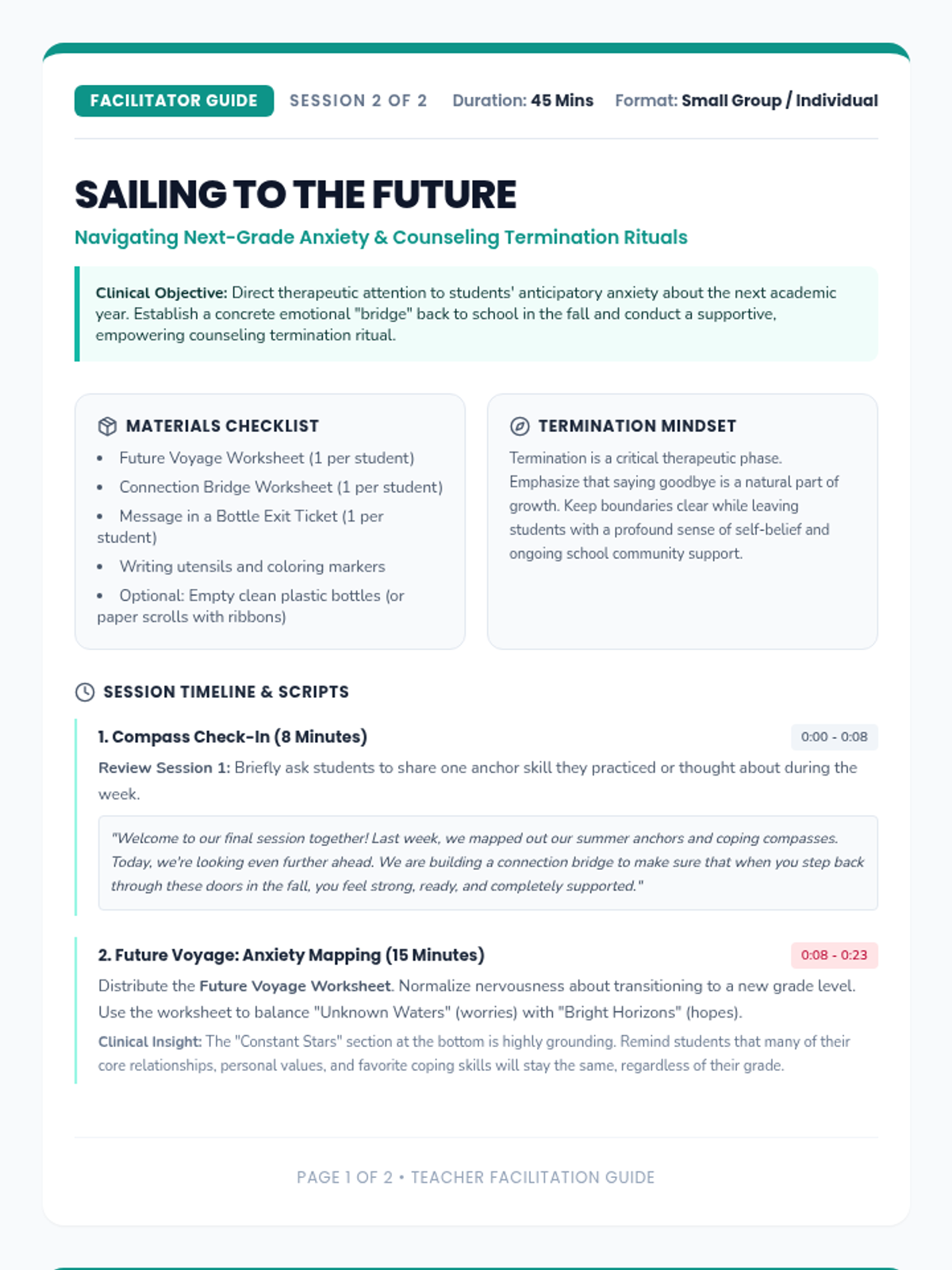
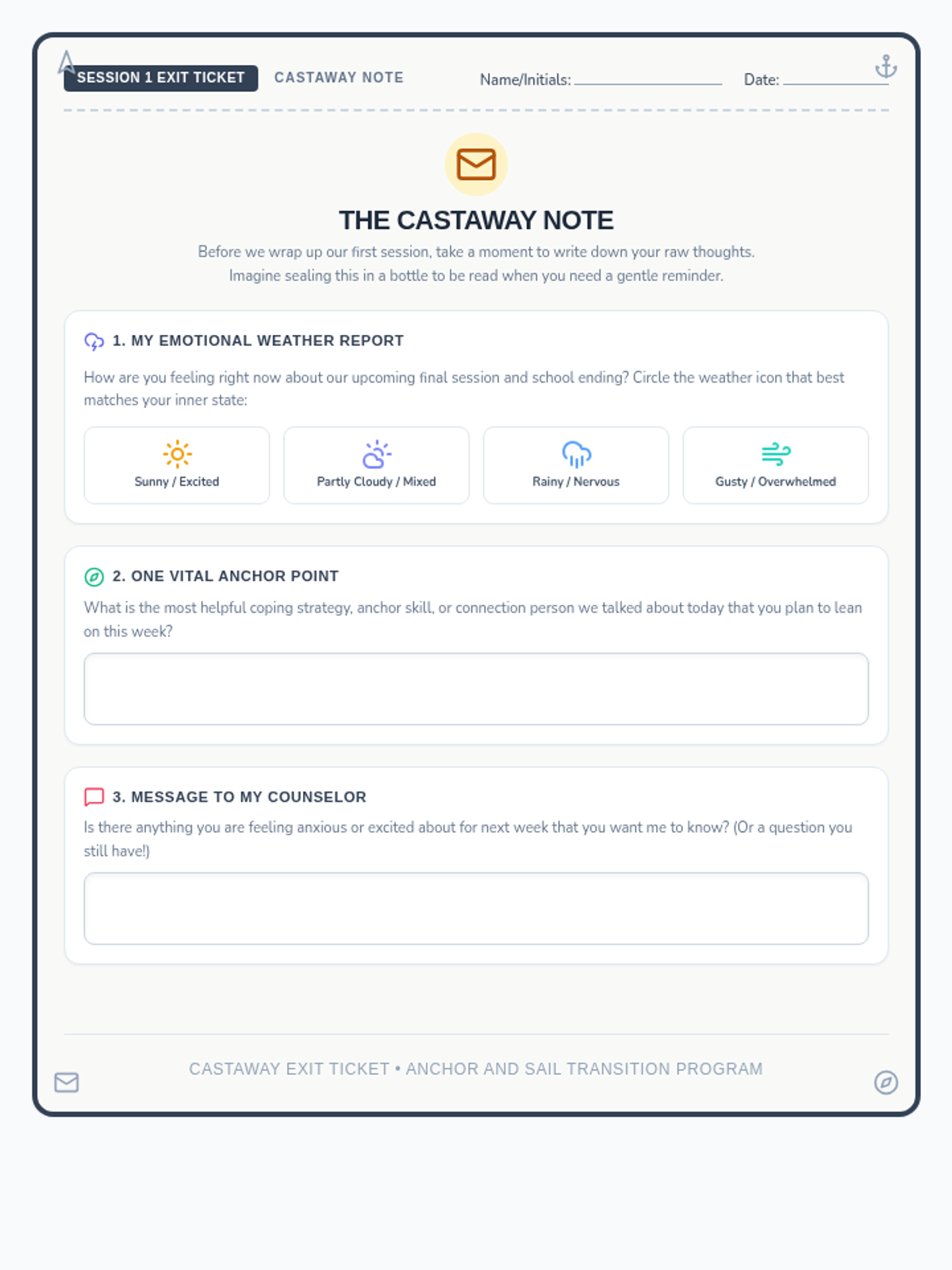
Session 2 focuses on addressing anxiety about entering a new grade, identifying what remains stable, building a concrete emotional "bridge" back to school in the fall, and conducting a meaningful counseling termination ritual.
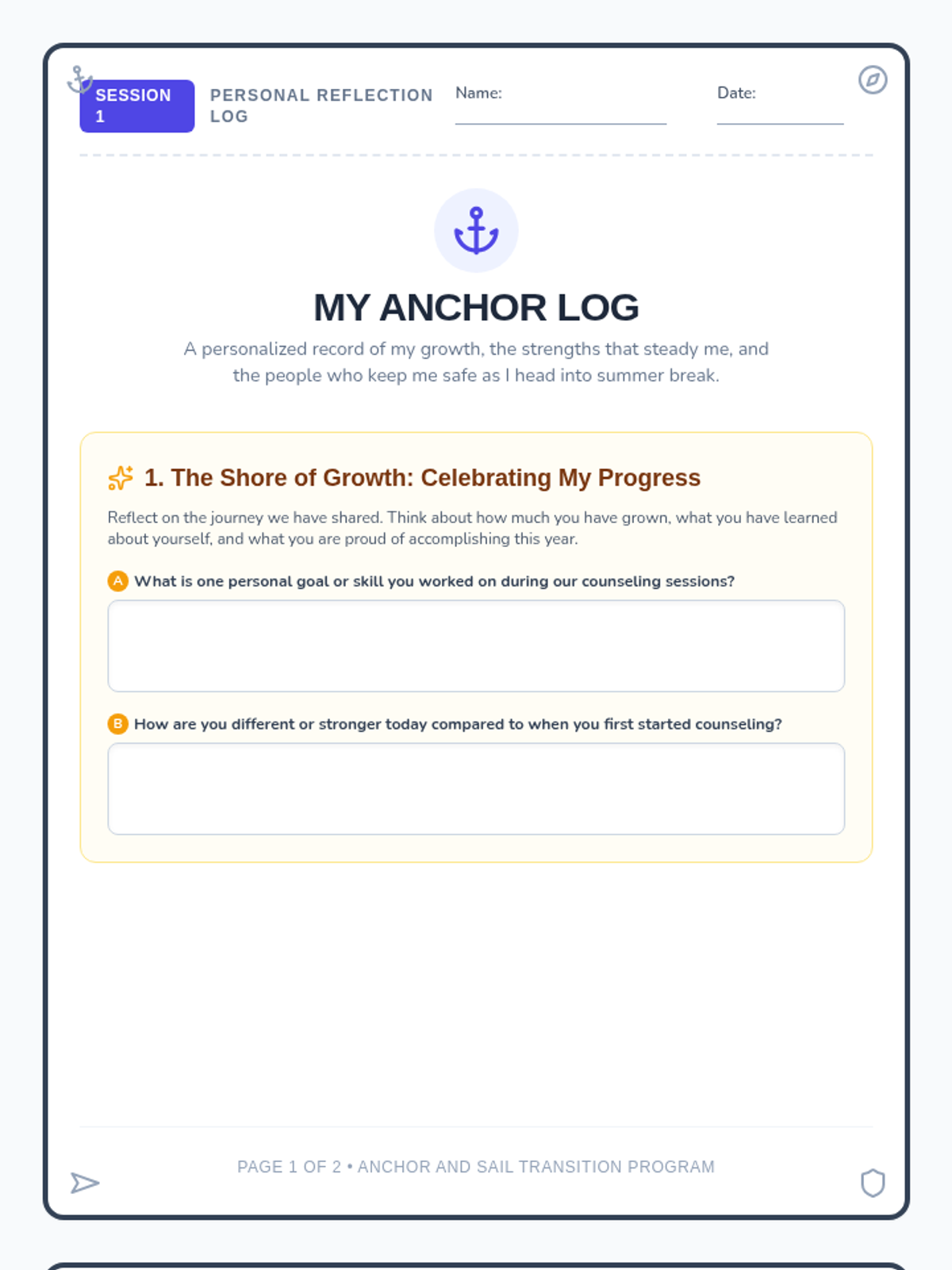
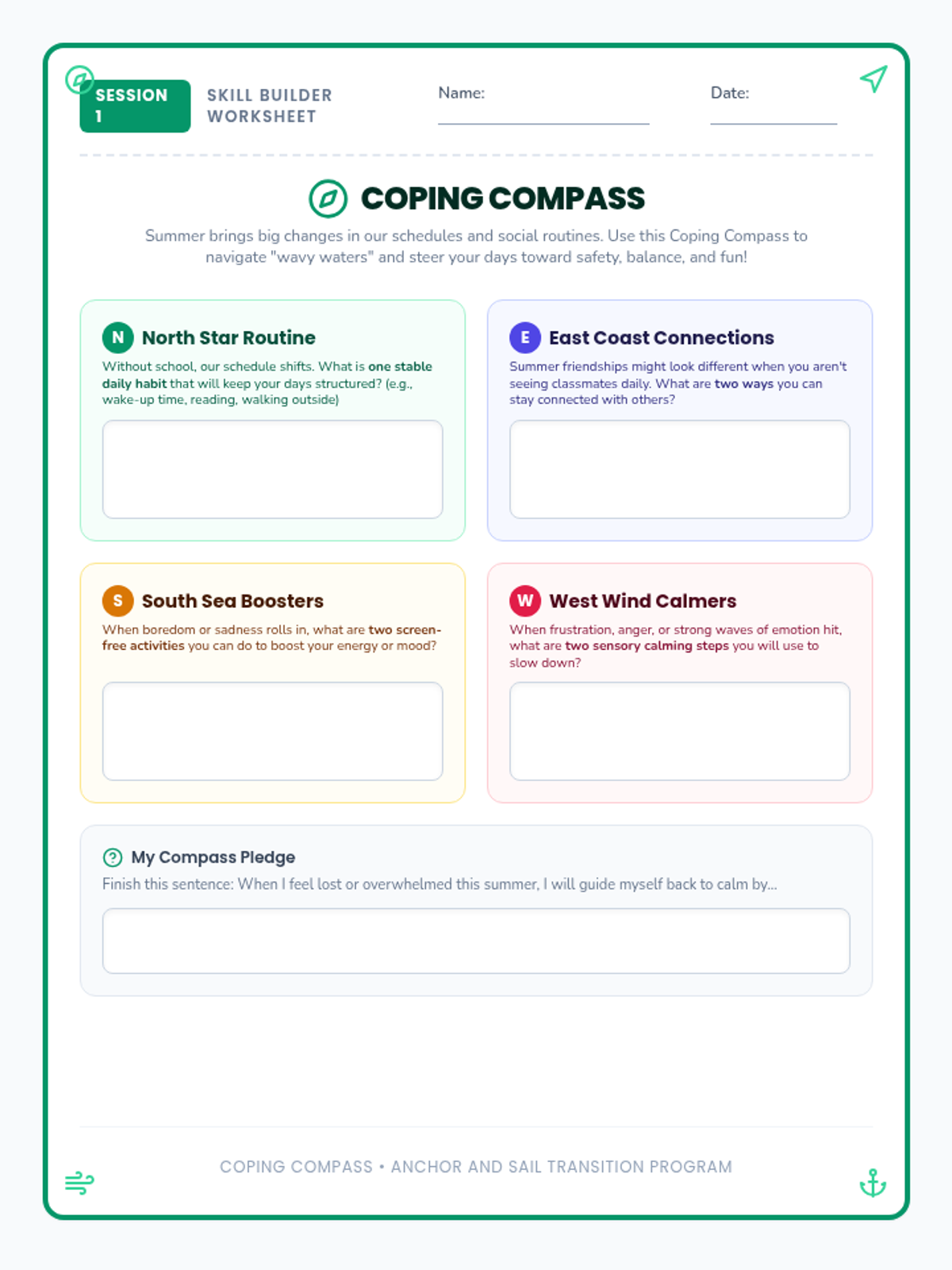
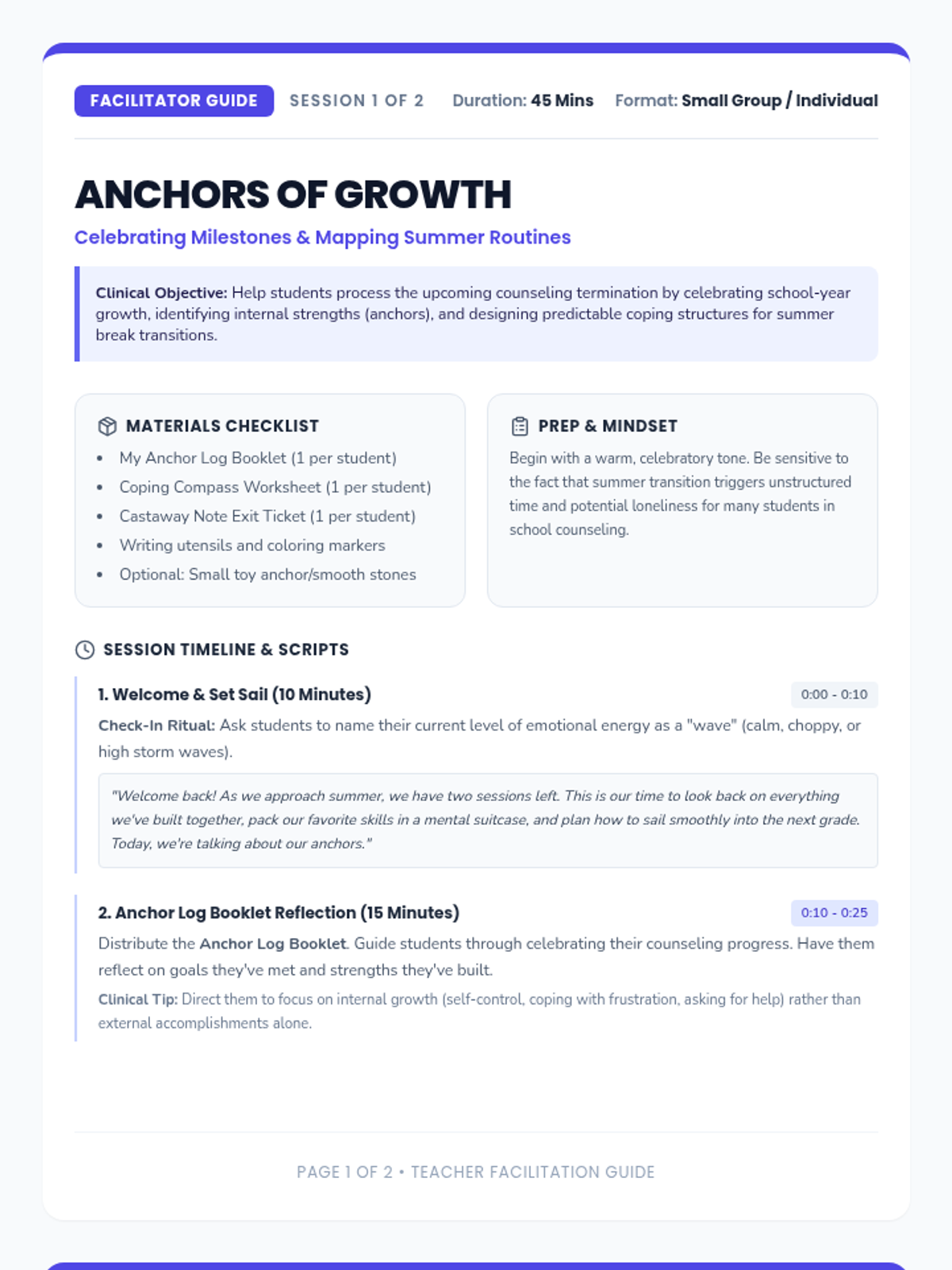
Session 1 focuses on reflecting on counseling progress, celebrating personal growth over the past year, identifying personal "anchors" (coping skills, support systems), and preparing for the changes in daily routines during summer break.
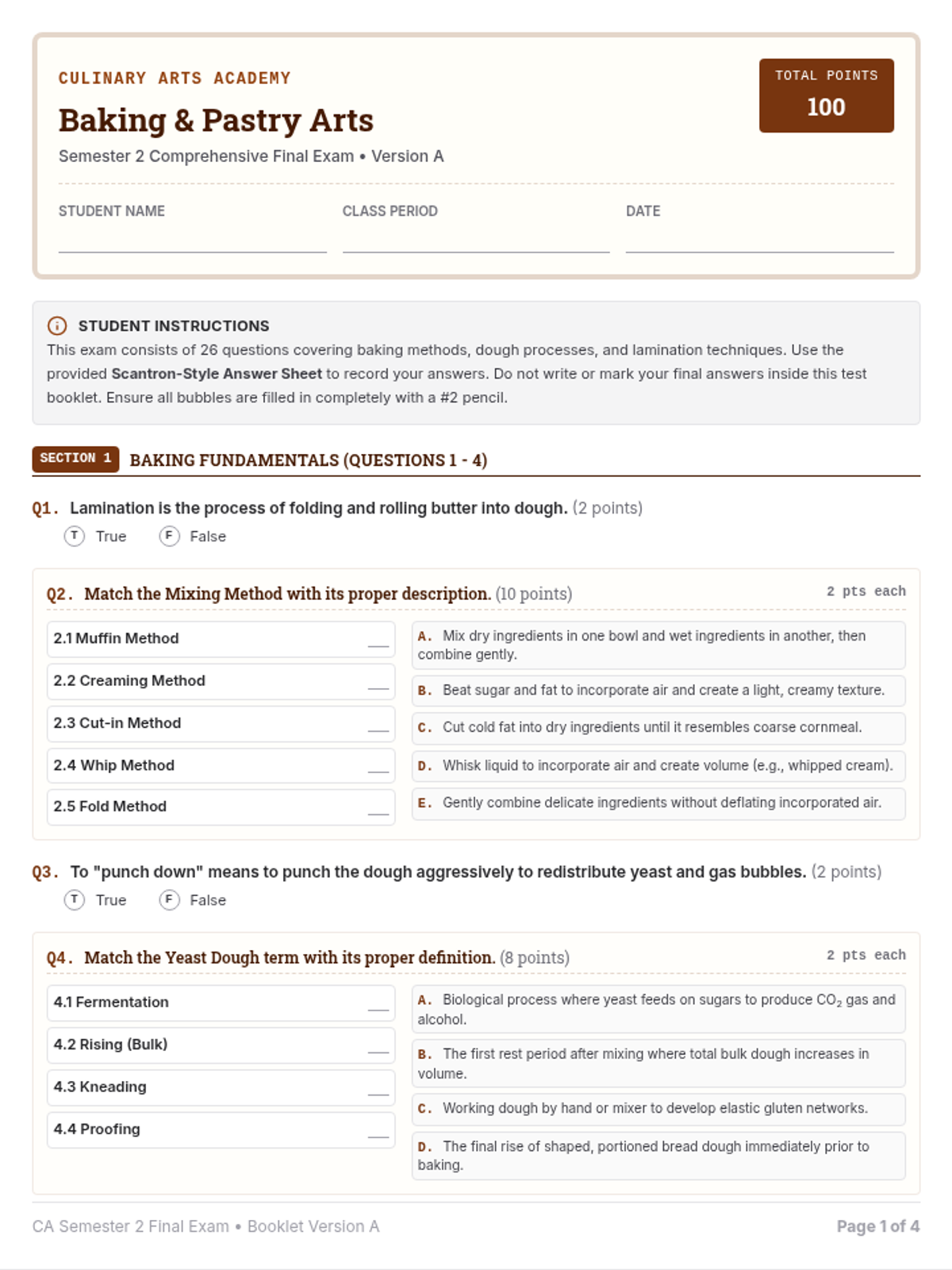
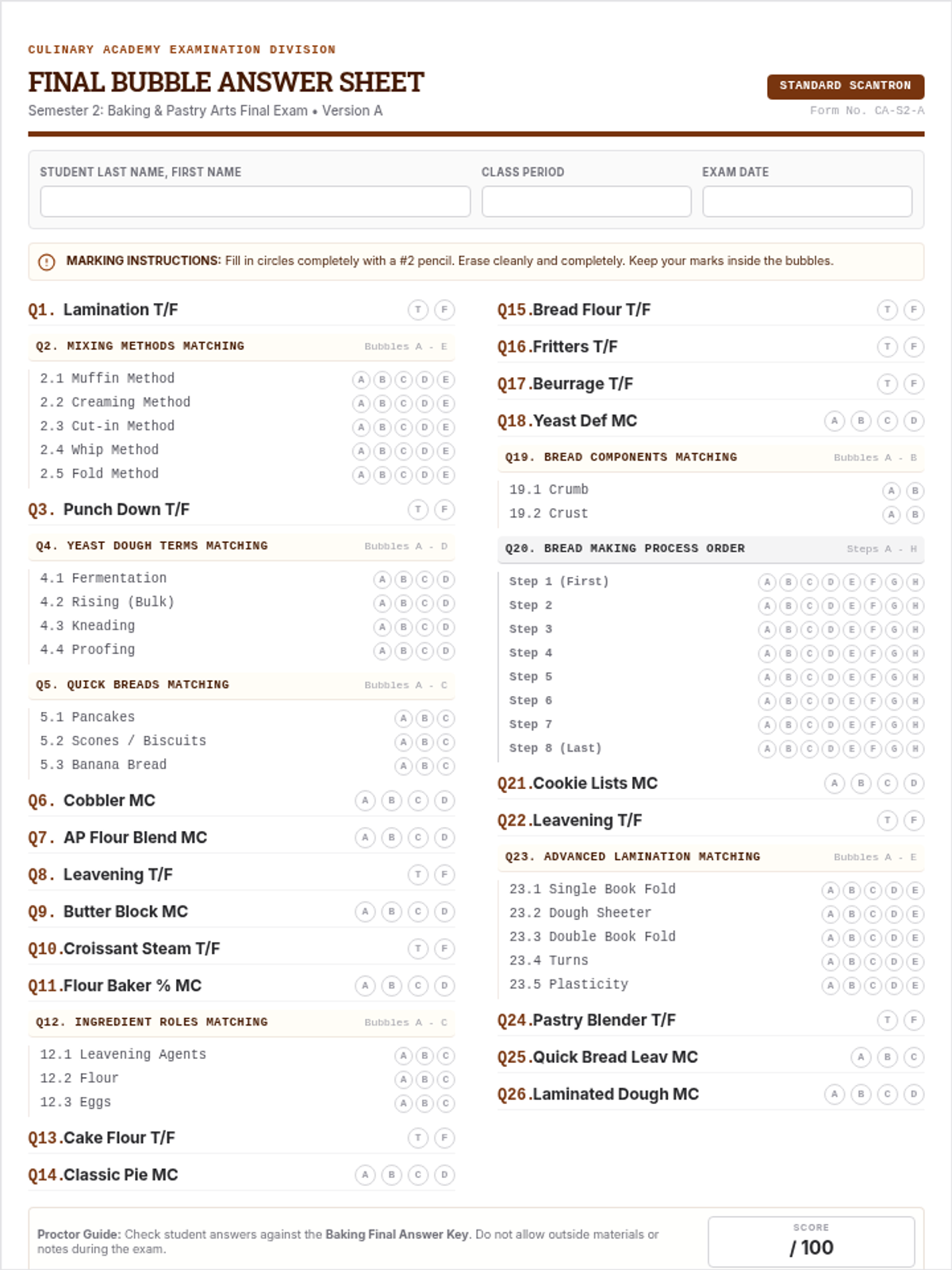
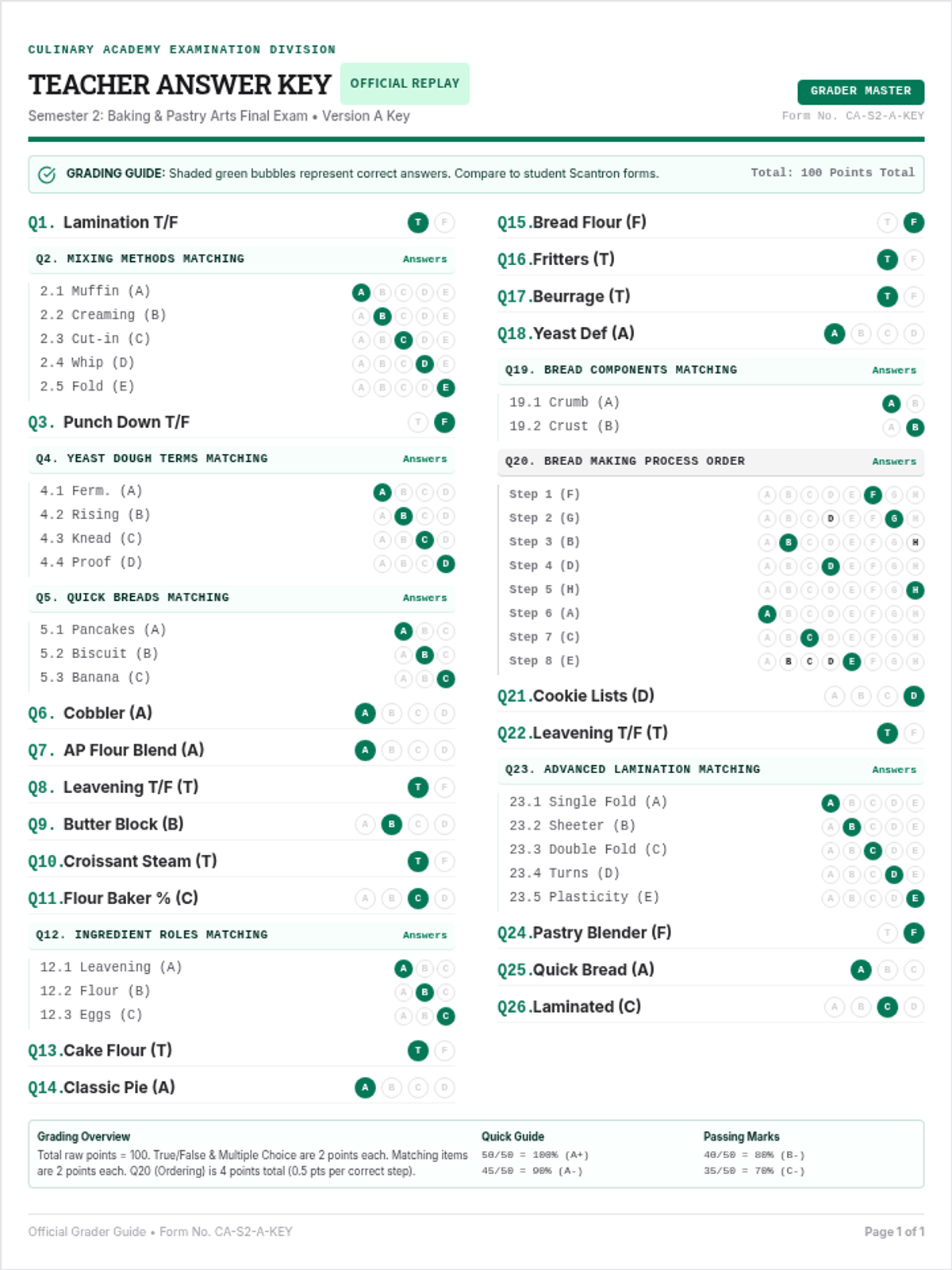
A comprehensive final exam assessment bundle for Culinary Arts Semester 2. Includes a highly polished, printable final exam test booklet, a student-facing scantron-style bubble answer sheet, and a complete teacher answer key and grading guide.
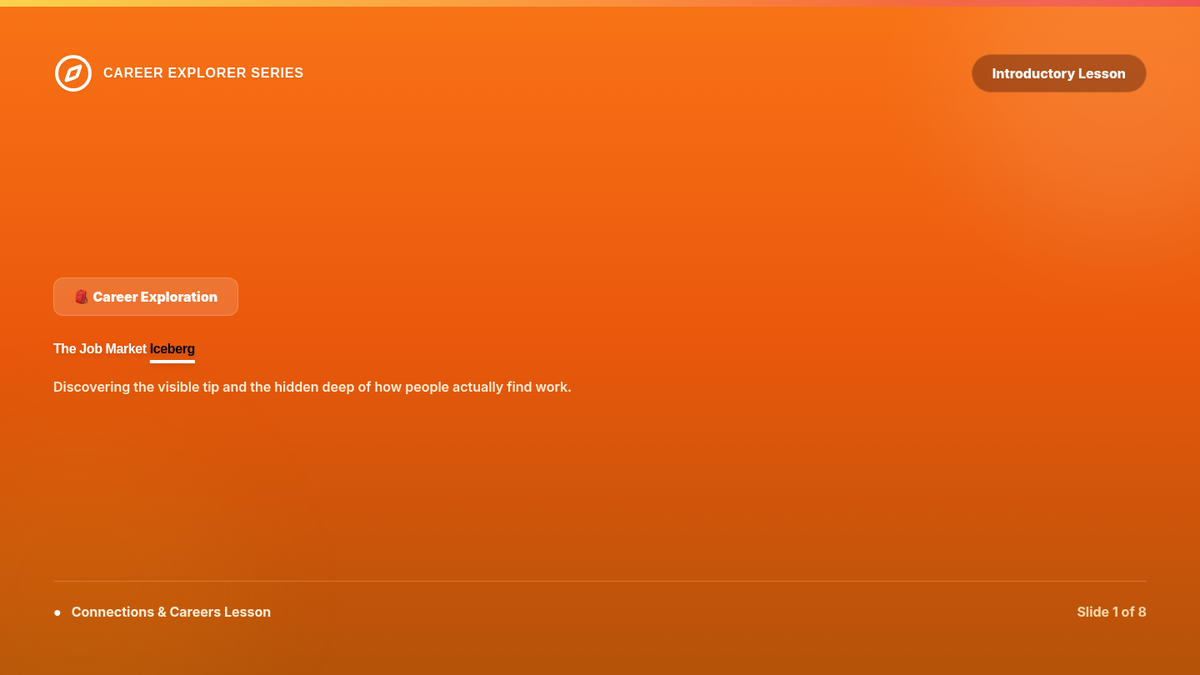
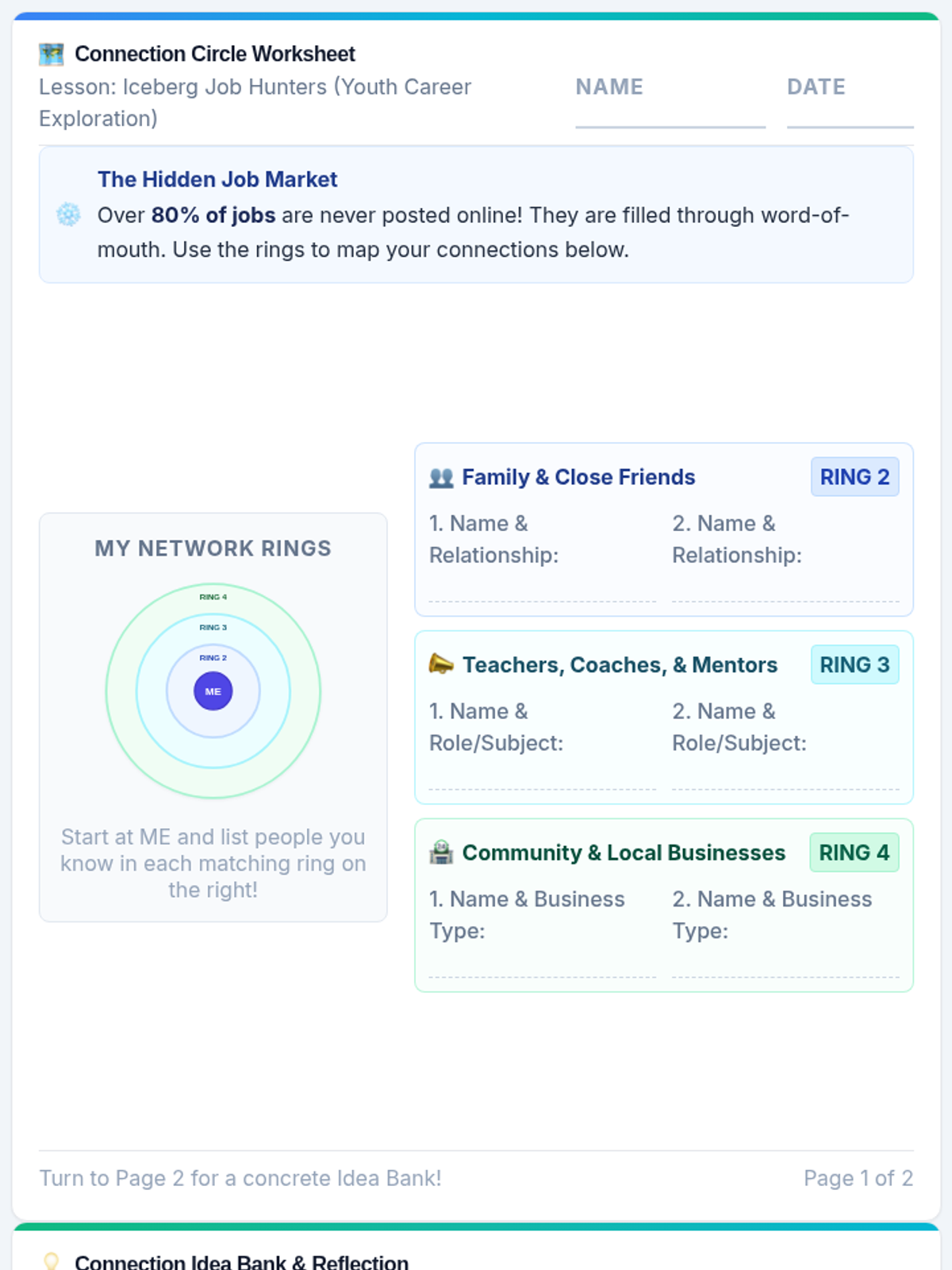
A highly visual career exploration lesson that introduces the Job Market Iceberg (Open vs. Hidden Job Market), guides students to map their network with concentric circles, and spotlights youth self-employment programs in Ontario. Includes visual symbols and concrete supports.
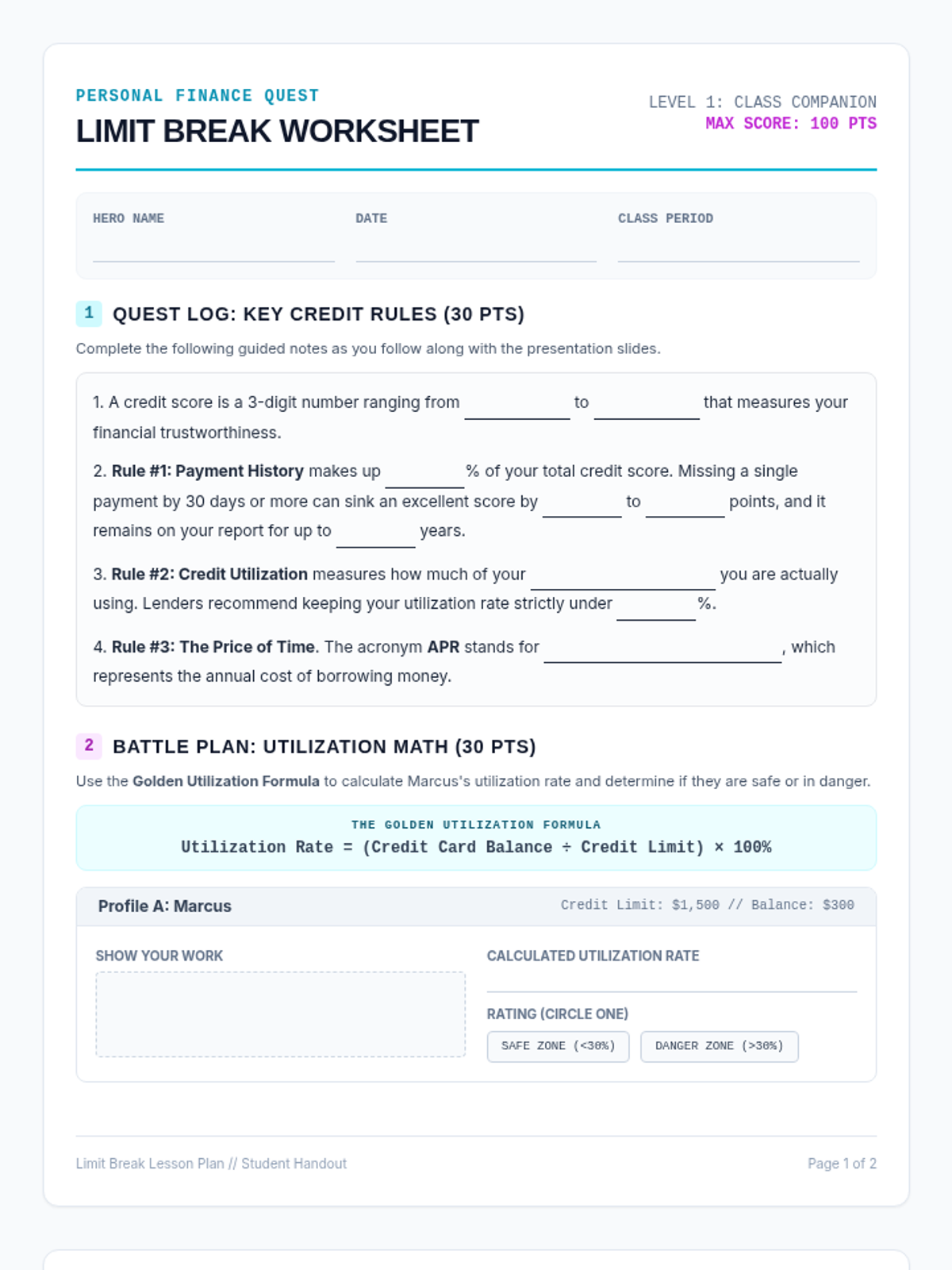
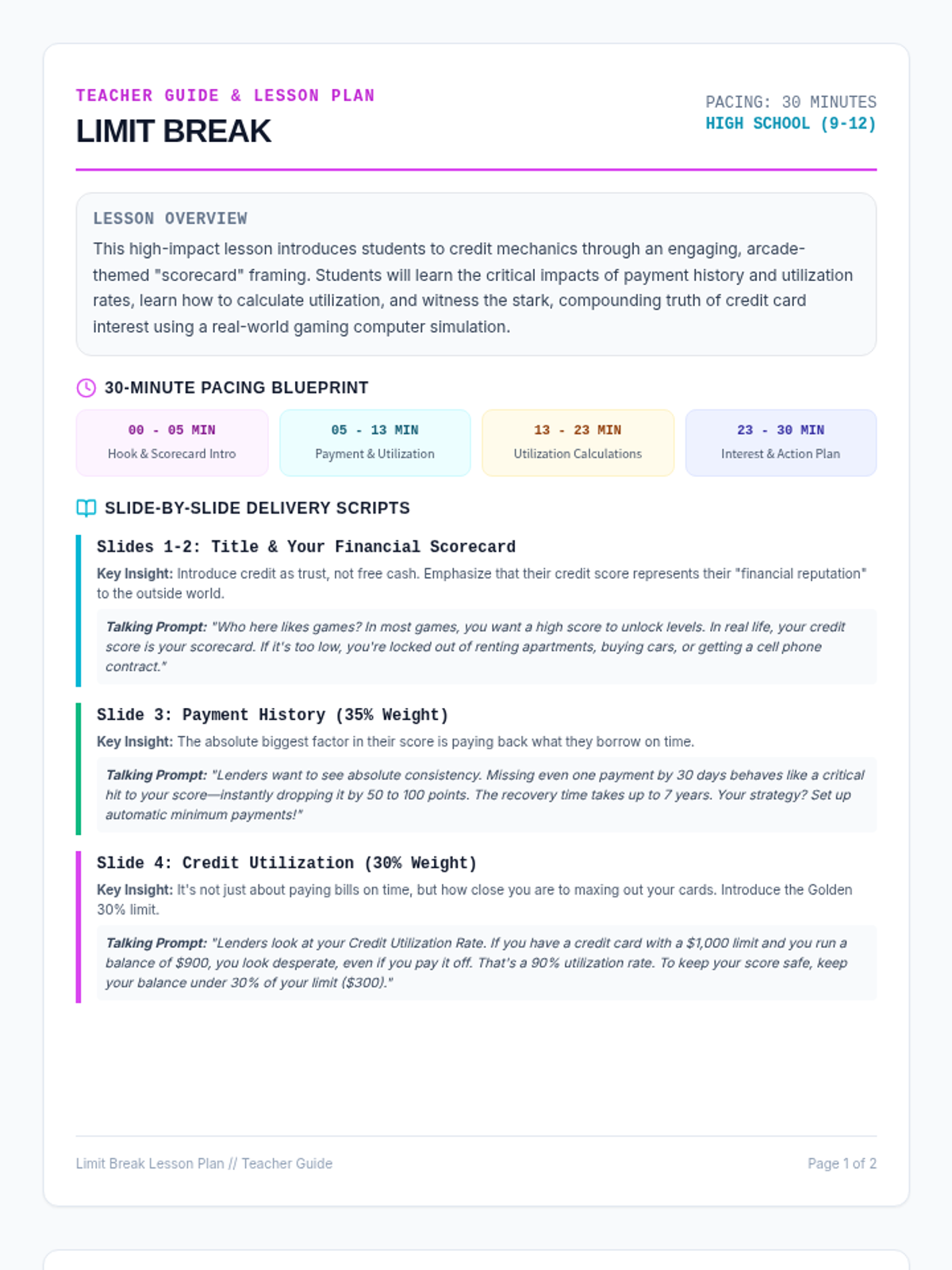
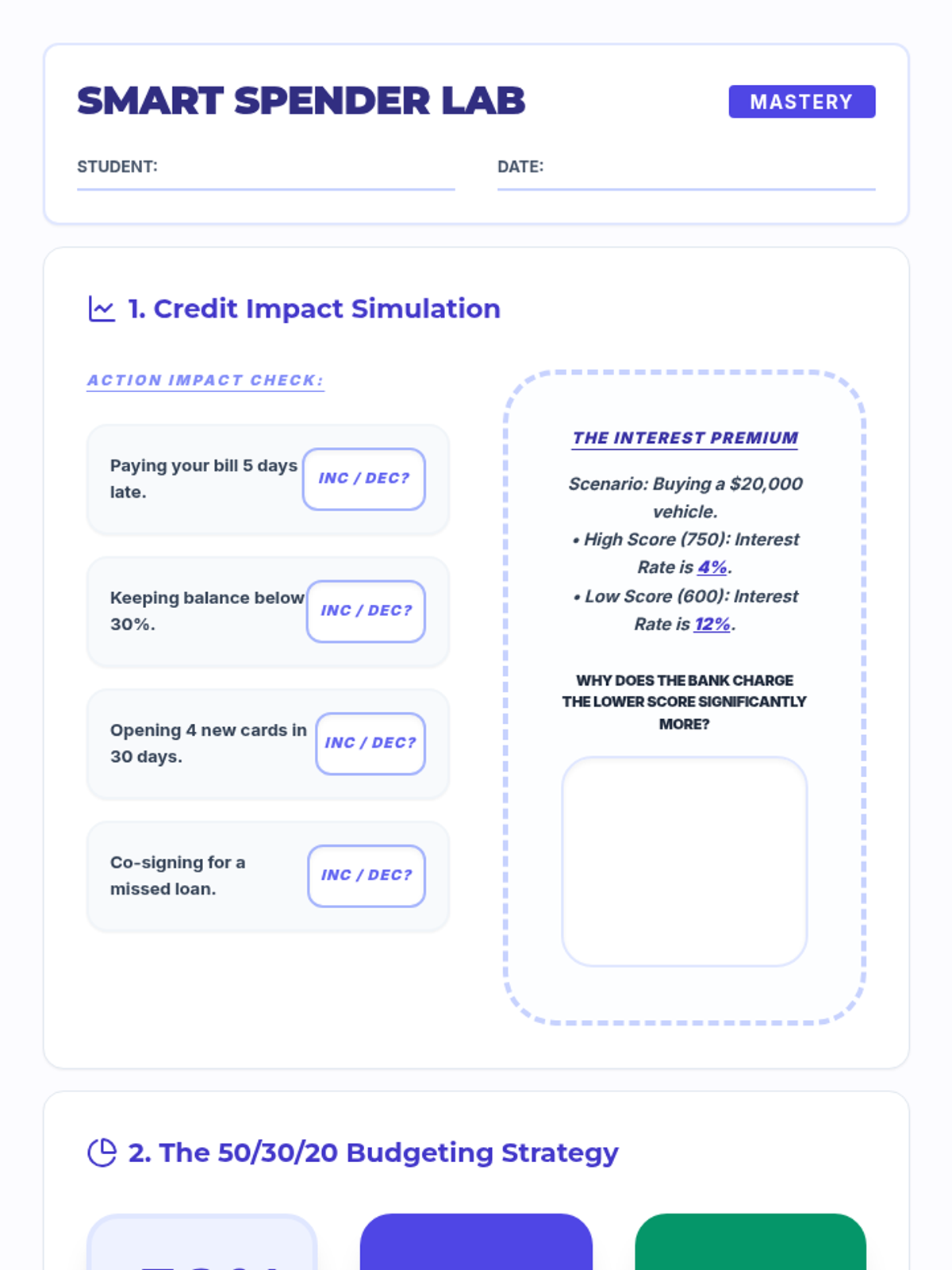
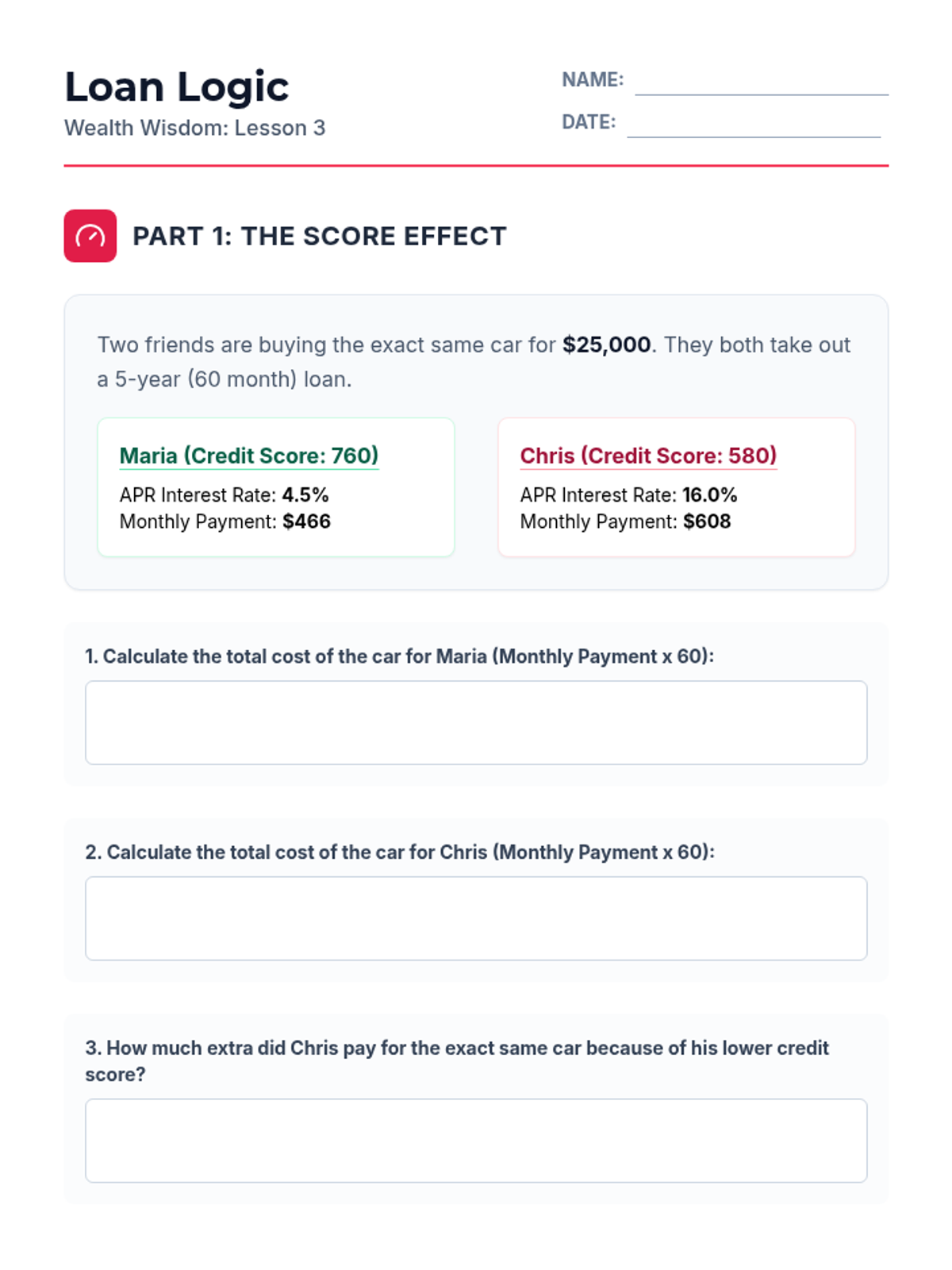
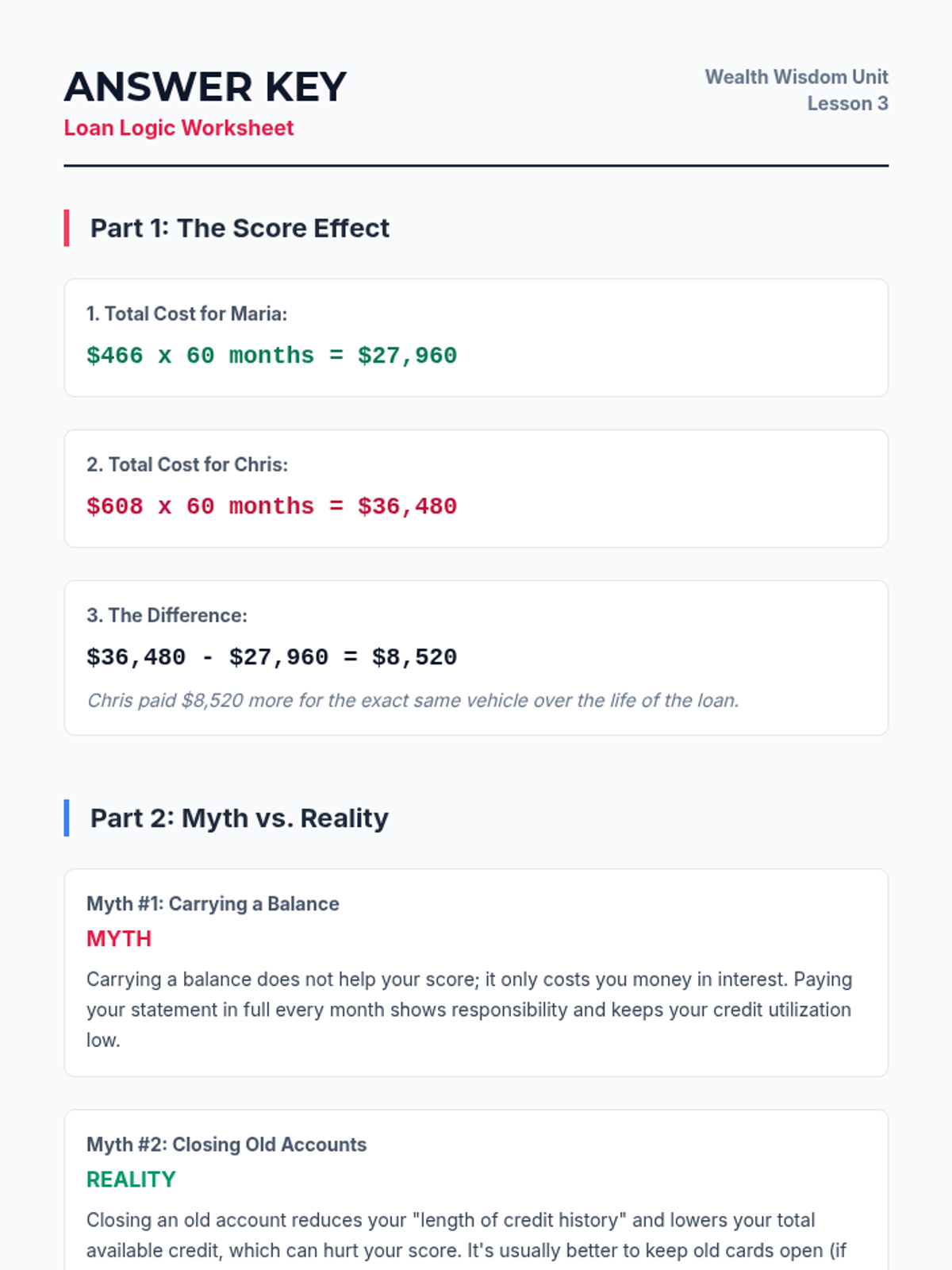
A high-impact personal finance lesson introducing high schoolers to the mechanics of credit, focusing on payment history, credit utilization, and the compounding reality of interest.
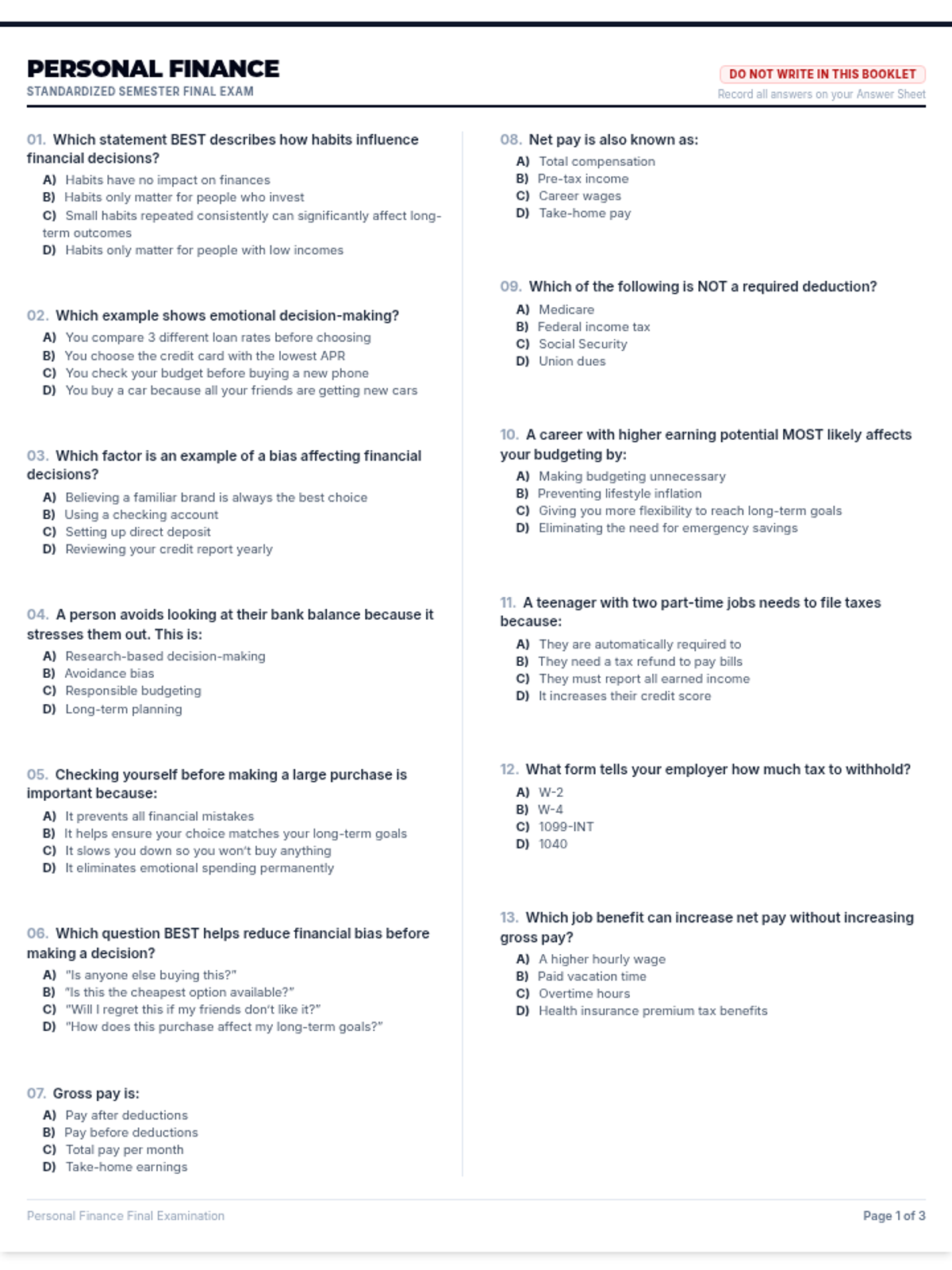
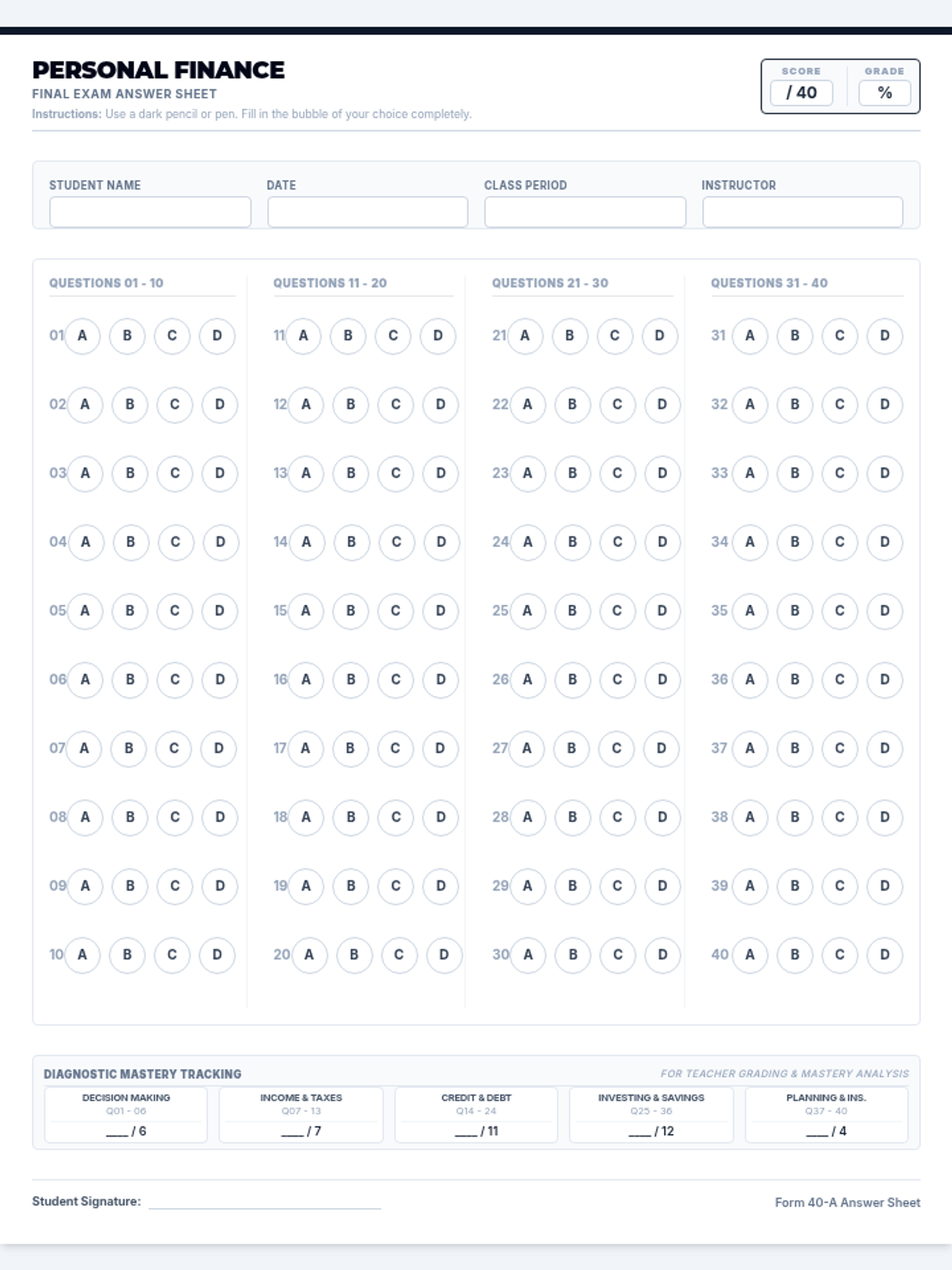
A complete Personal Finance final exam set, featuring a highly optimized, compact 3-page exam booklet and a separate 1-page scantron-style answer sheet. This setup dramatically reduces paper consumption, allows the booklets to be reused, and simplifies grading for testing centers or makeup exams.
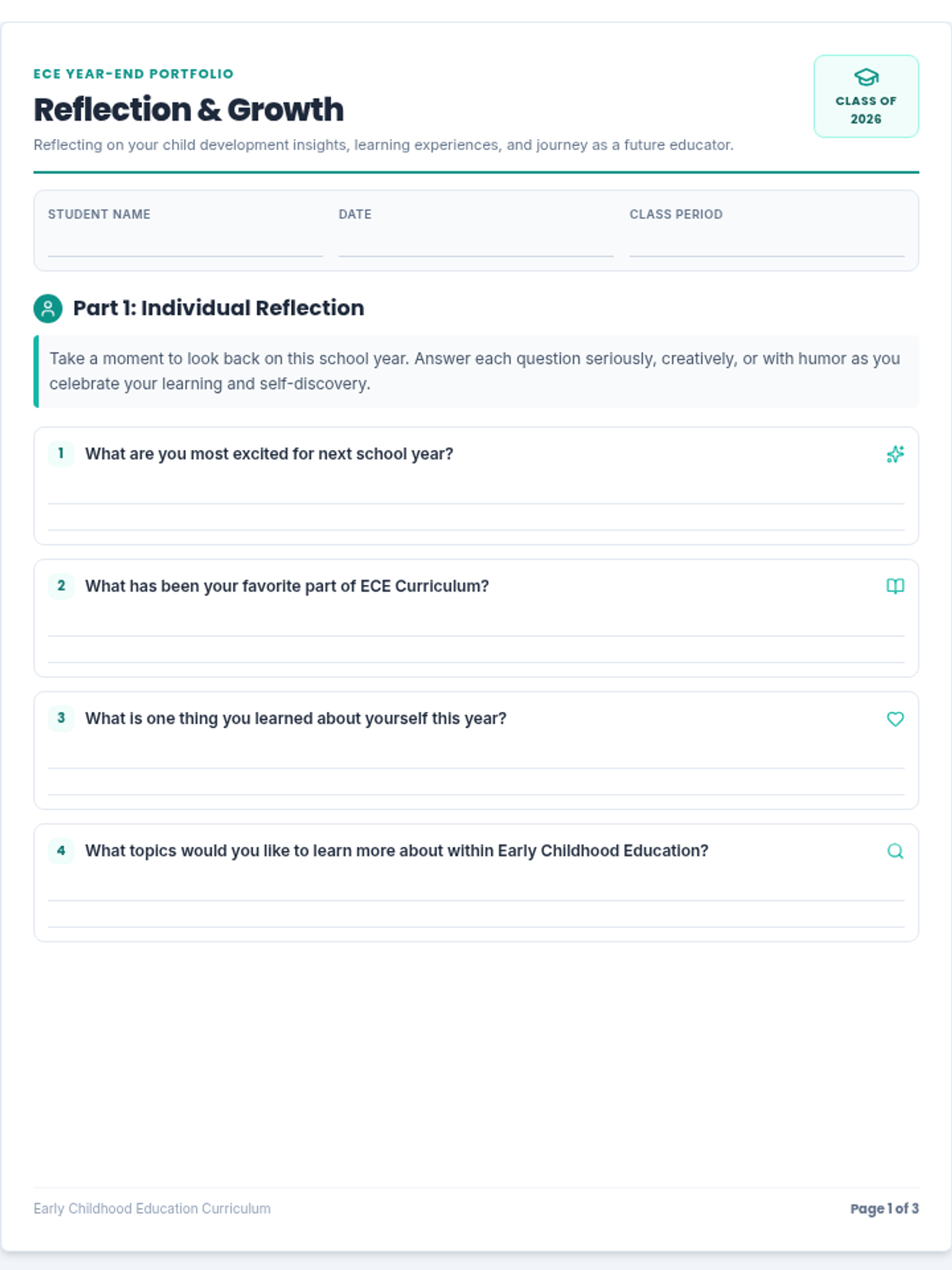
A reflective ECE lesson designed for students to document their academic growth, celebrate achievements, and collaboratively draft an unofficial class survival guide.
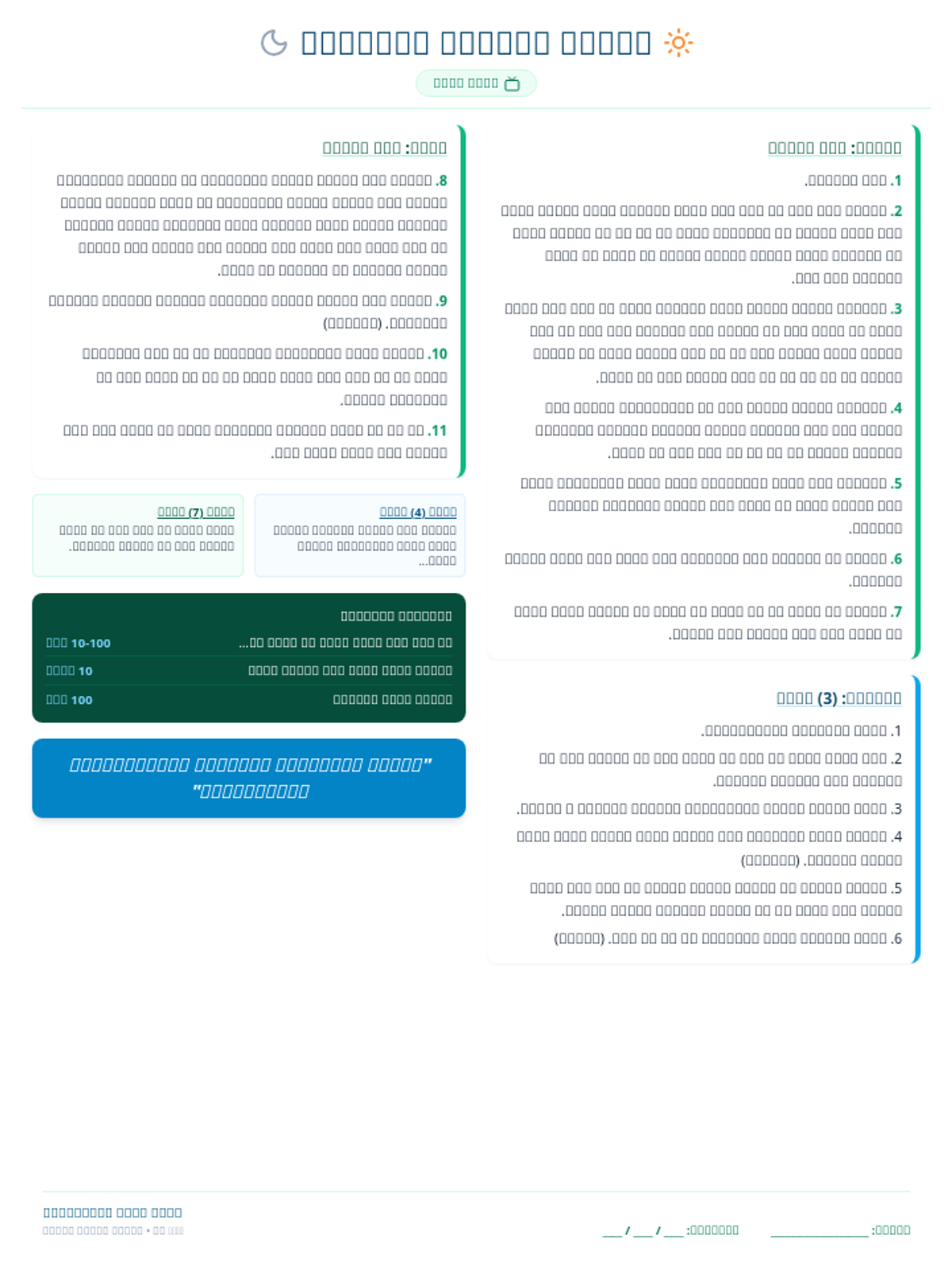
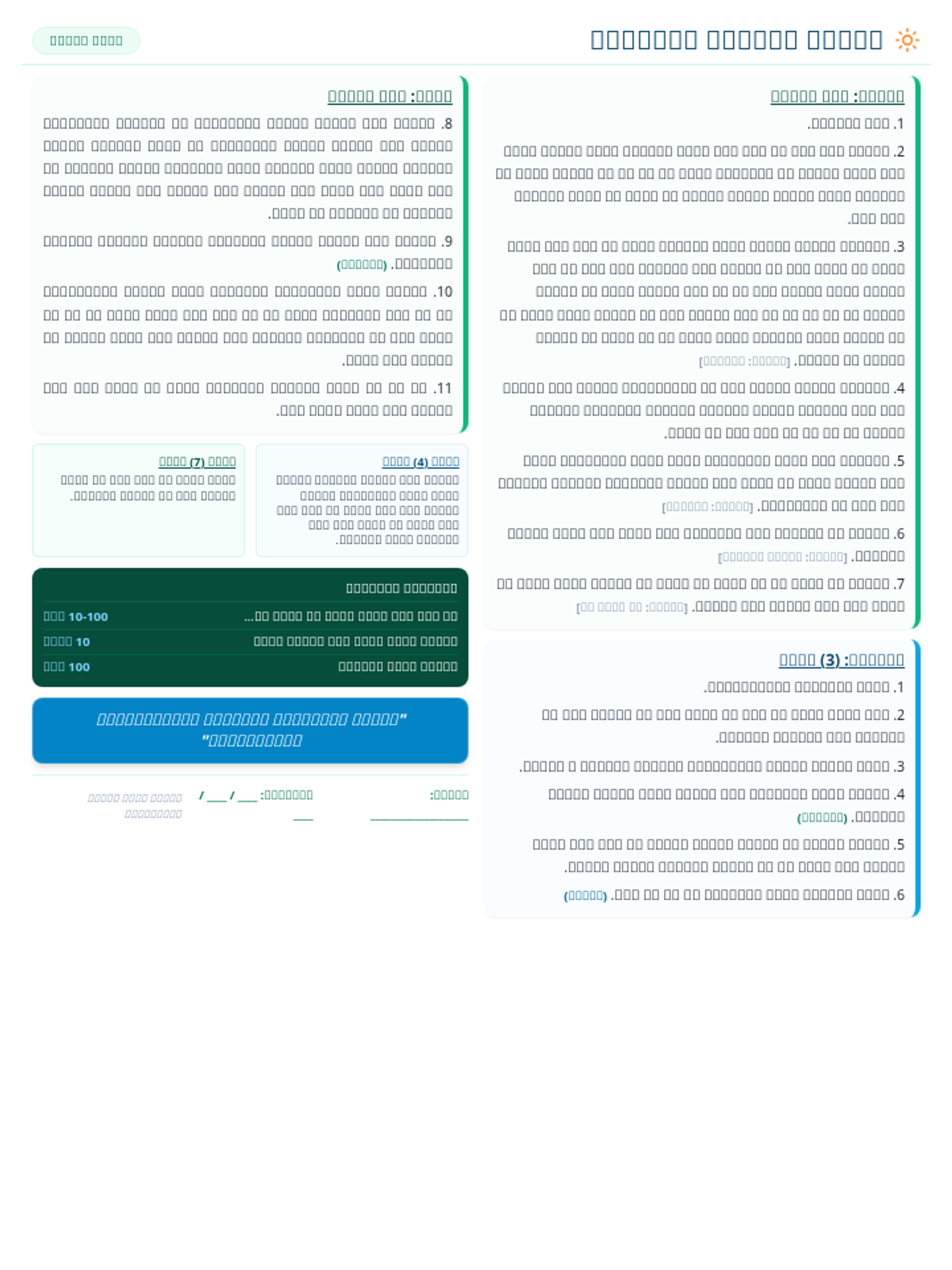
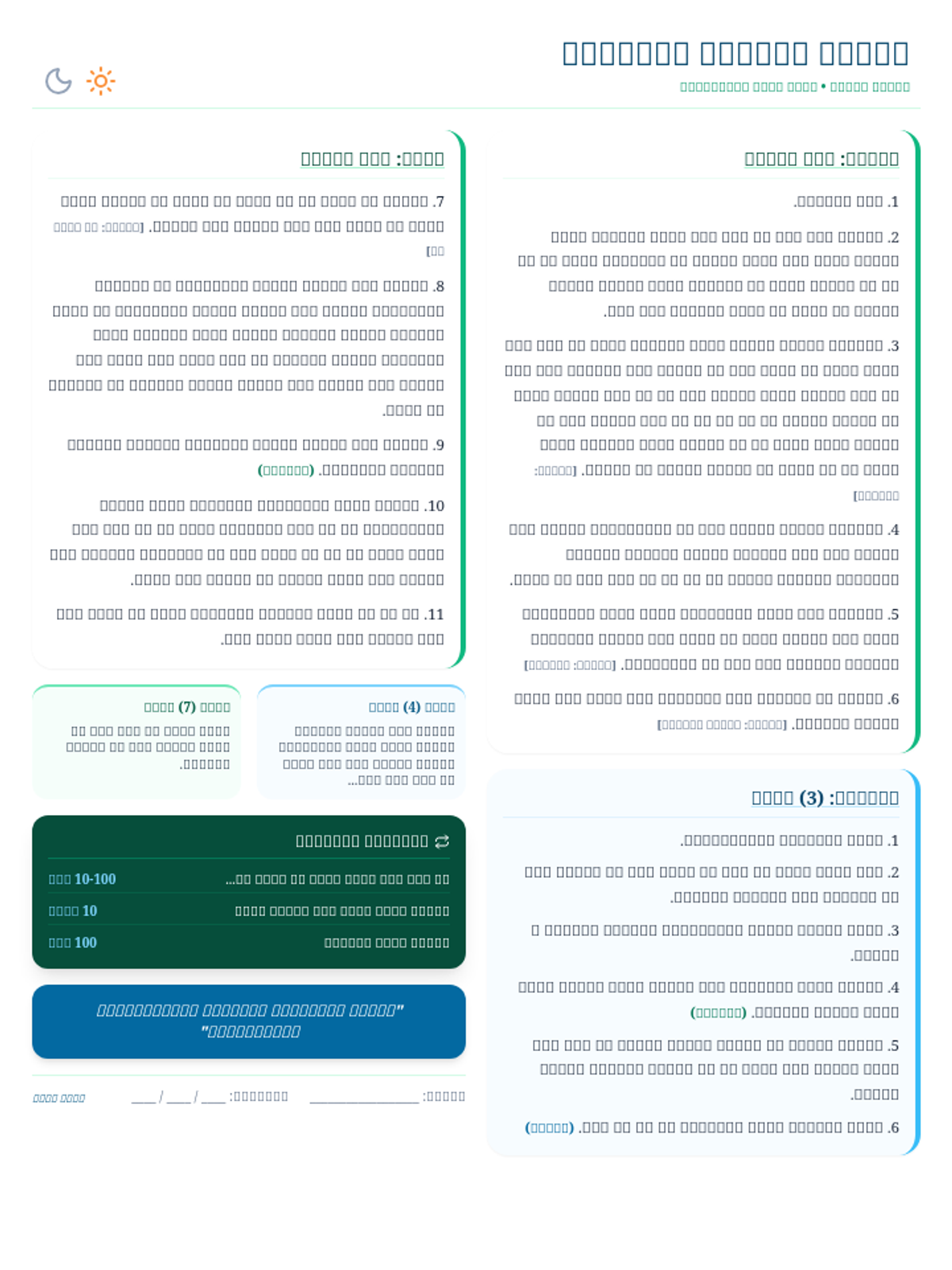
A lesson dedicated to learning and practicing the morning and evening remembrances (Athkar) for spiritual well-being.
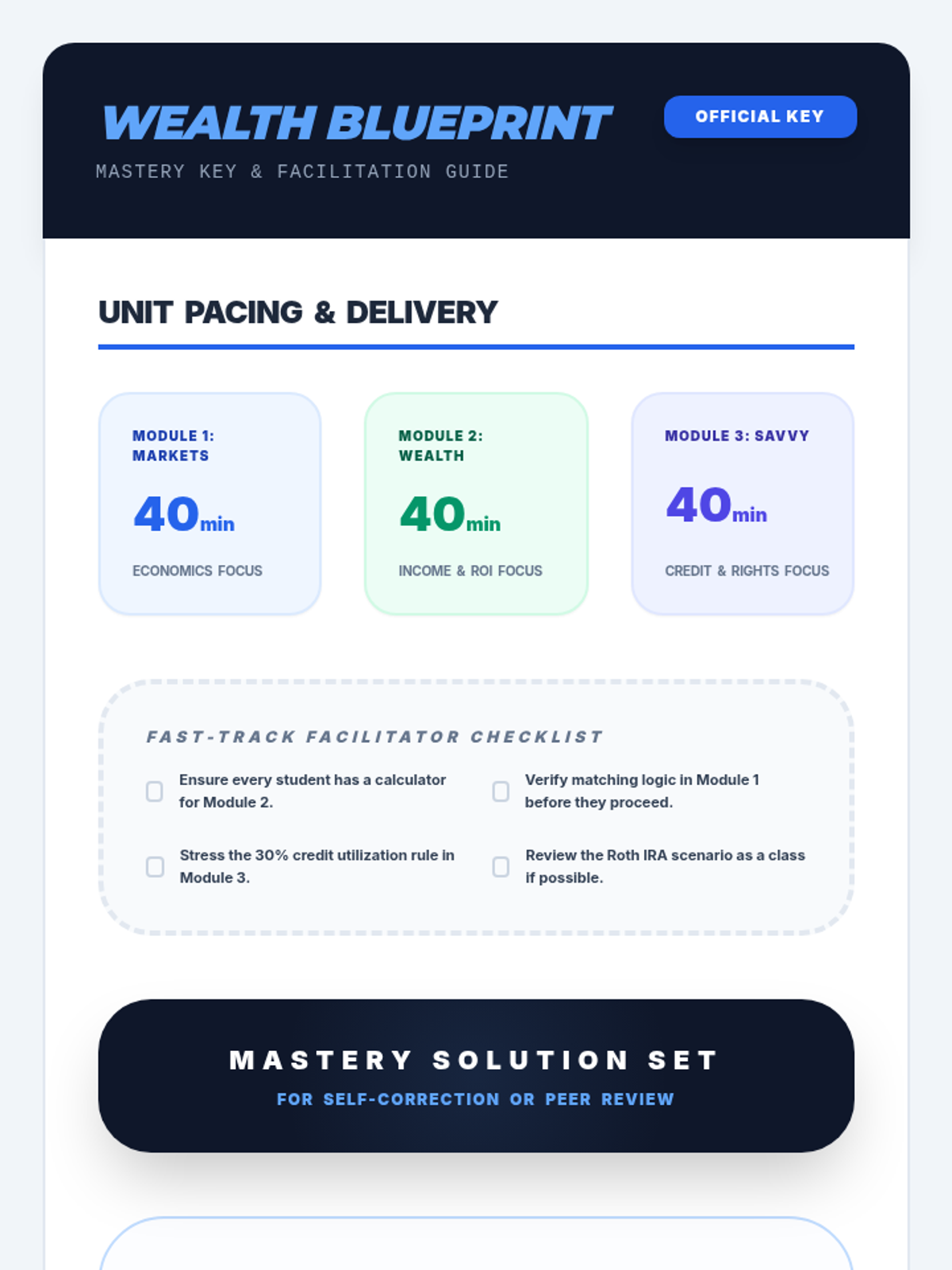
Focuses on credit management, consumer rights, and protection against fraud, covering NC standards EPF.MCM.1 through EPF.MCM.3 and EPF.CC.1 through EPF.CC.2.
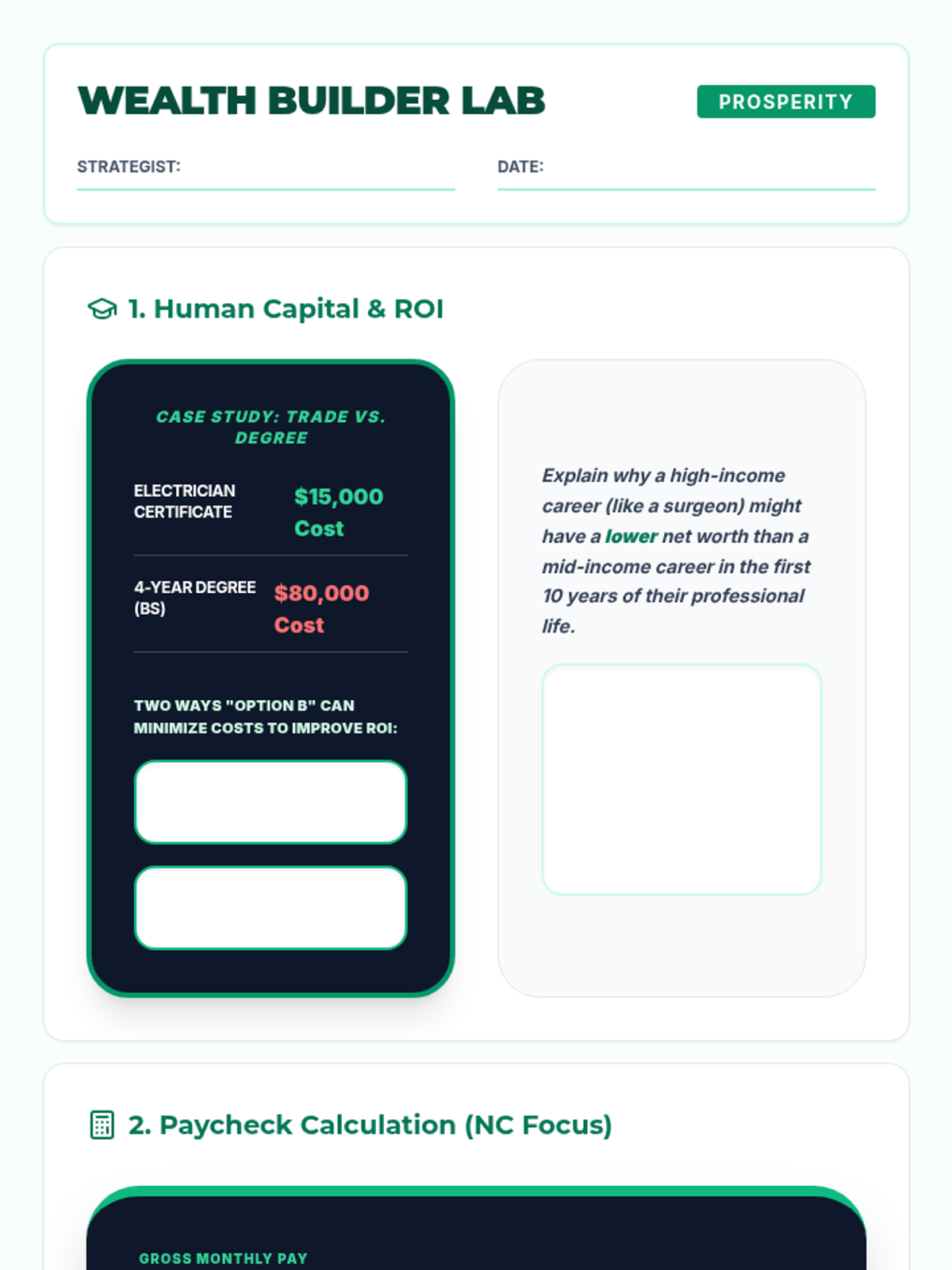
A deep dive into the relationship between education, career choice, taxes, and long-term wealth building, covering NC standards EPF.IE.1, EPF.IE.2, and EPF.FP.1.
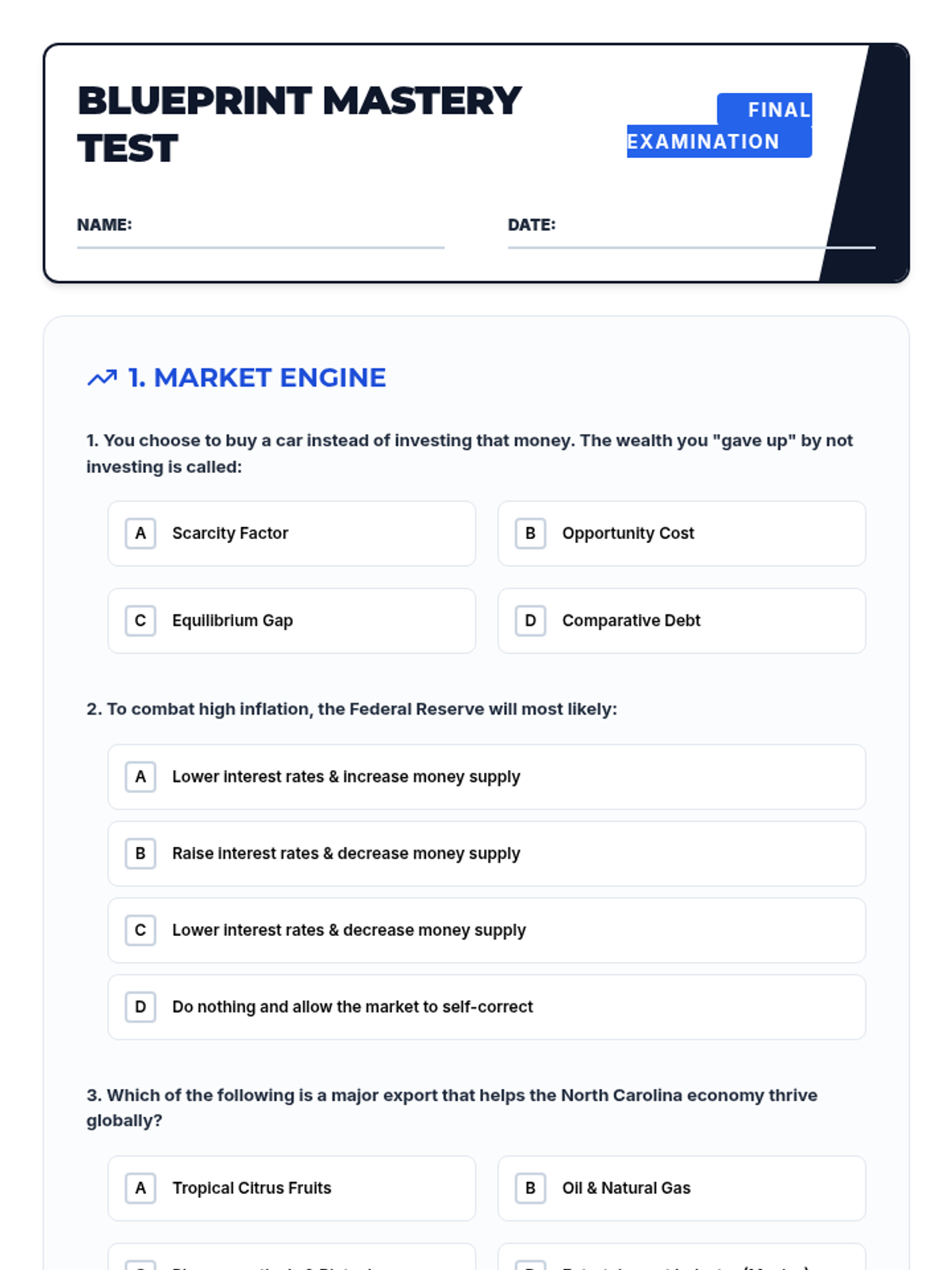
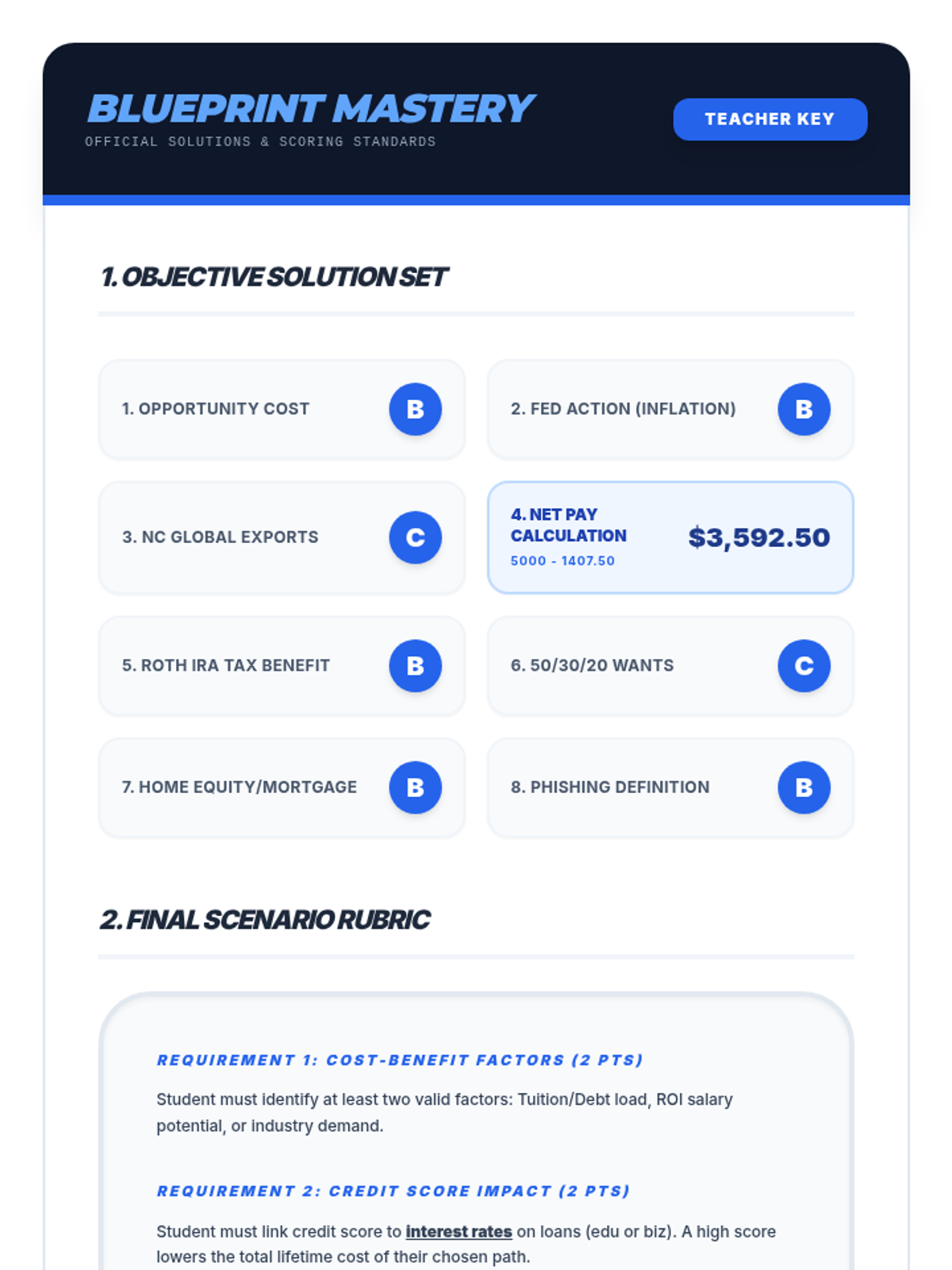
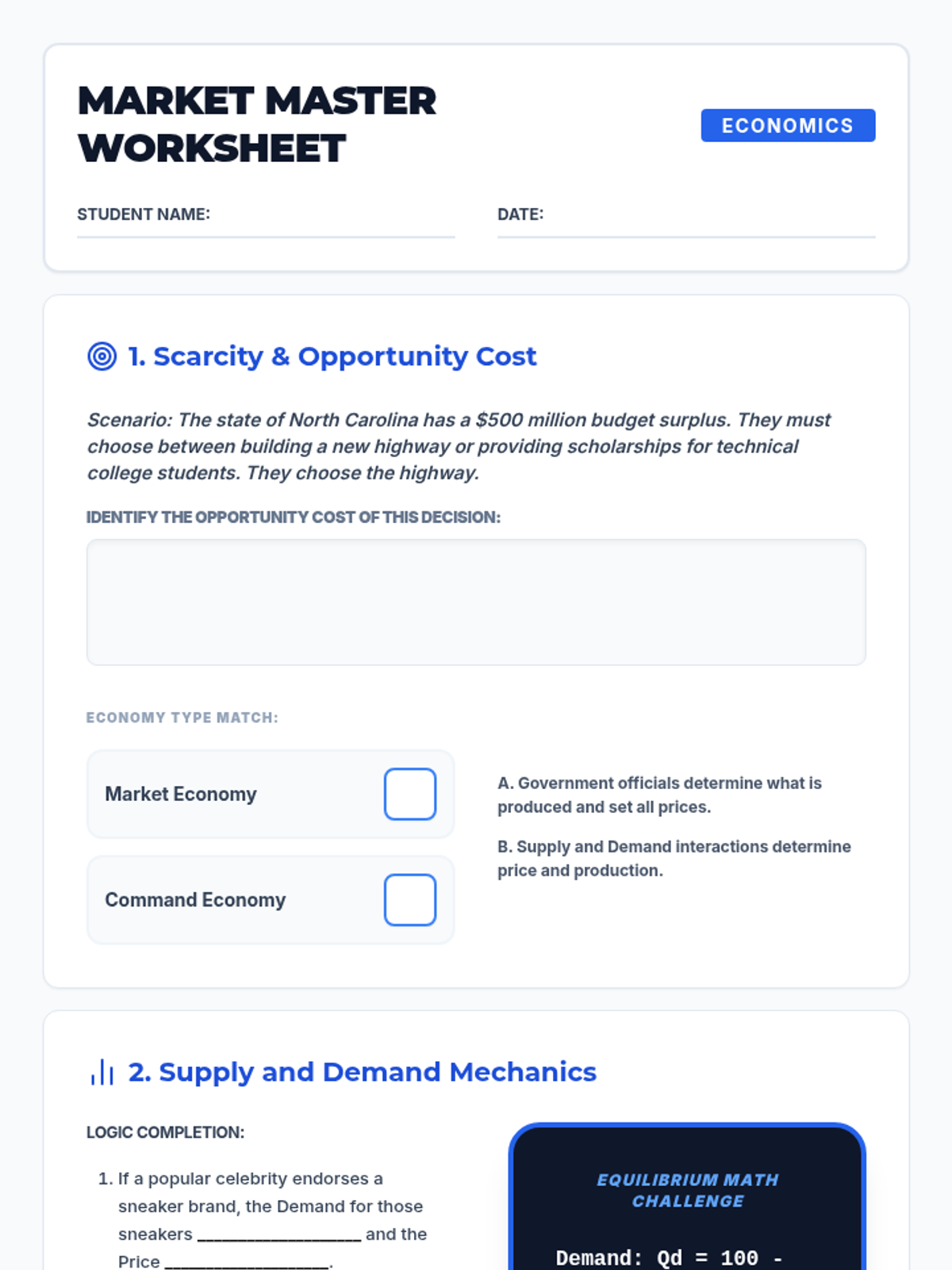
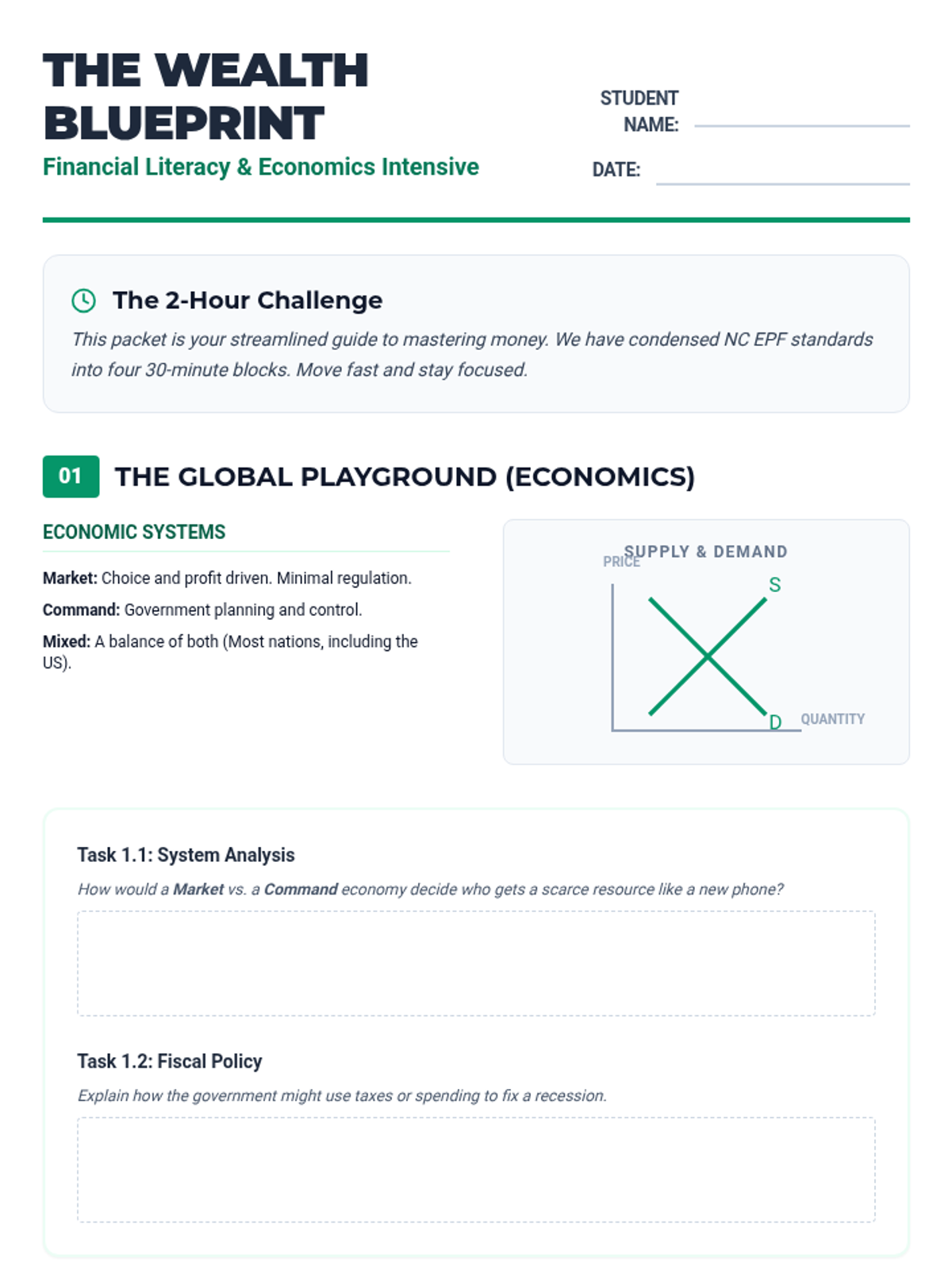
An intensive overview of market systems, supply and demand, and the government's role in the US economy, covering NC standards EPF.E.1 through EPF.E.4.
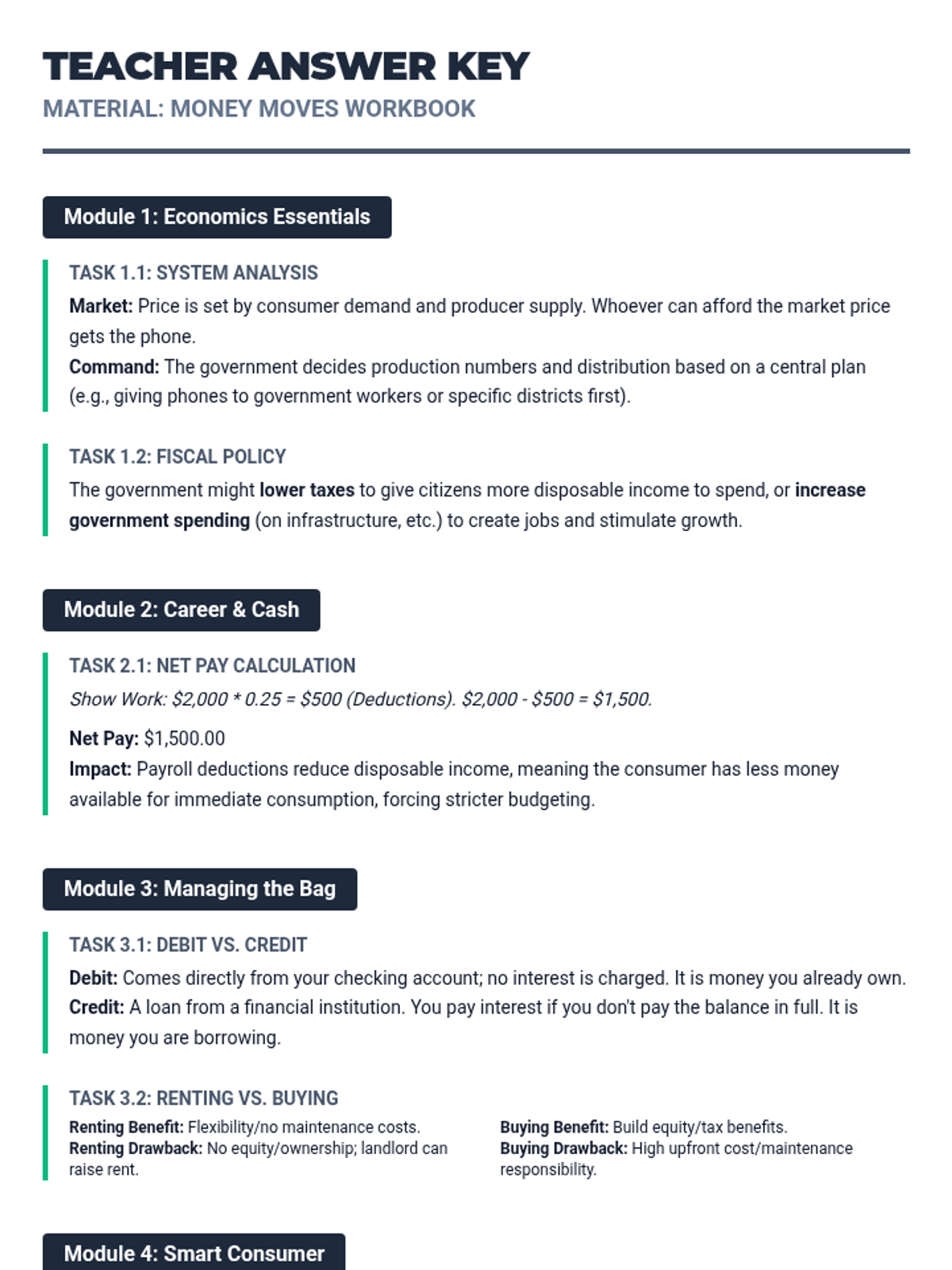
A streamlined, self-paced lesson covering economics, income, credit, and consumerism designed for high school students to complete independently.
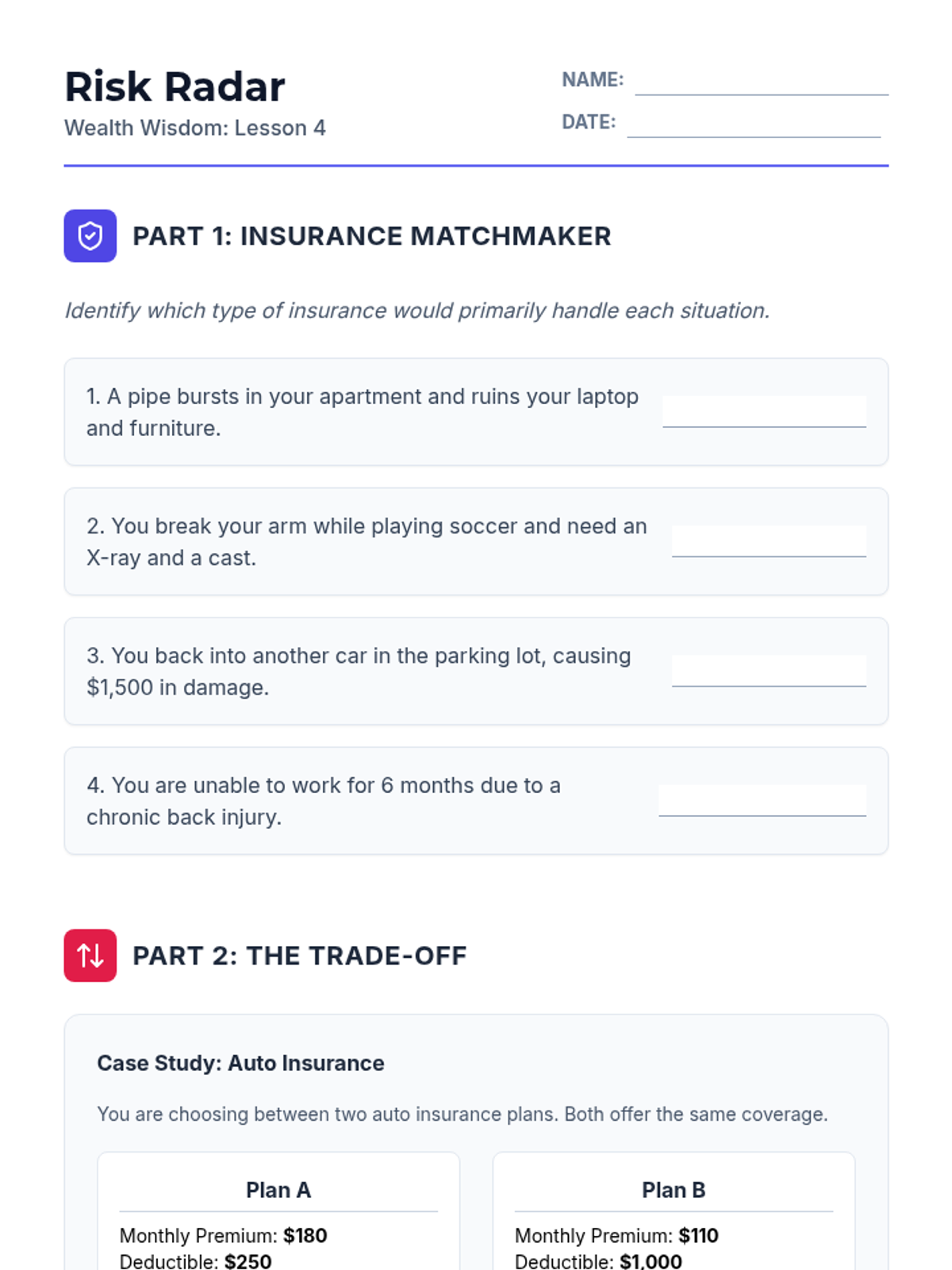
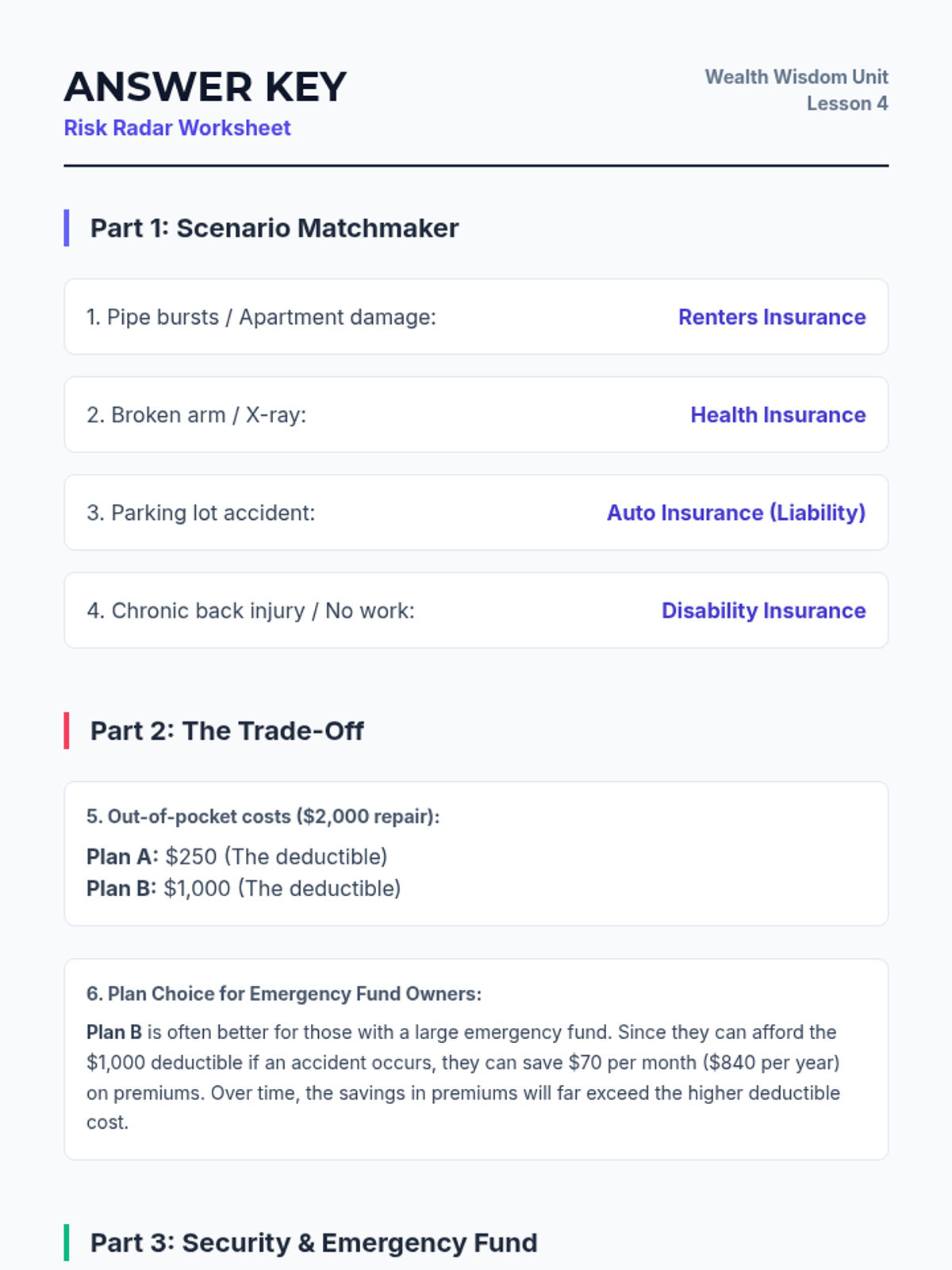
Focuses on risk management through various types of insurance and strategies for protecting personal identity and financial assets from fraud.
Demystifies credit scores, explains the cost of borrowing (interest rates), and teaches strategies for managing debt and avoiding financial pitfalls.