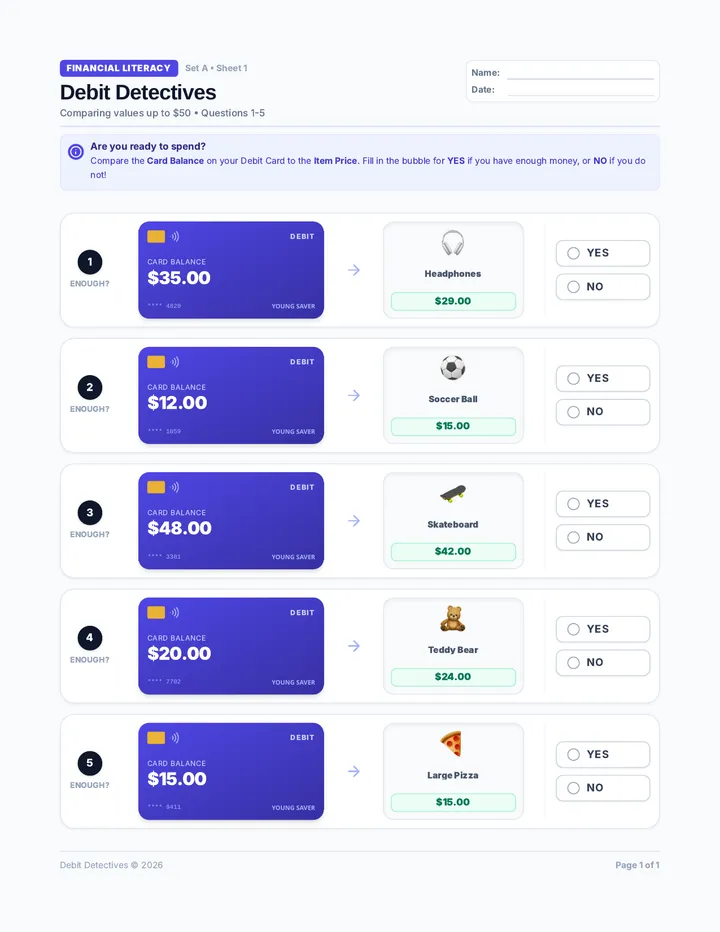
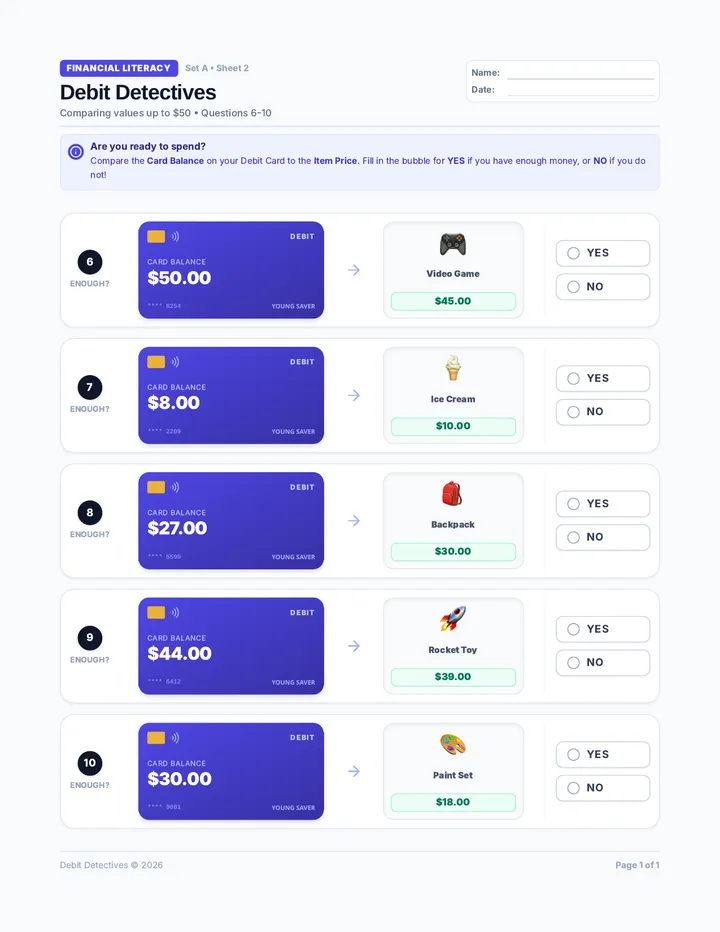
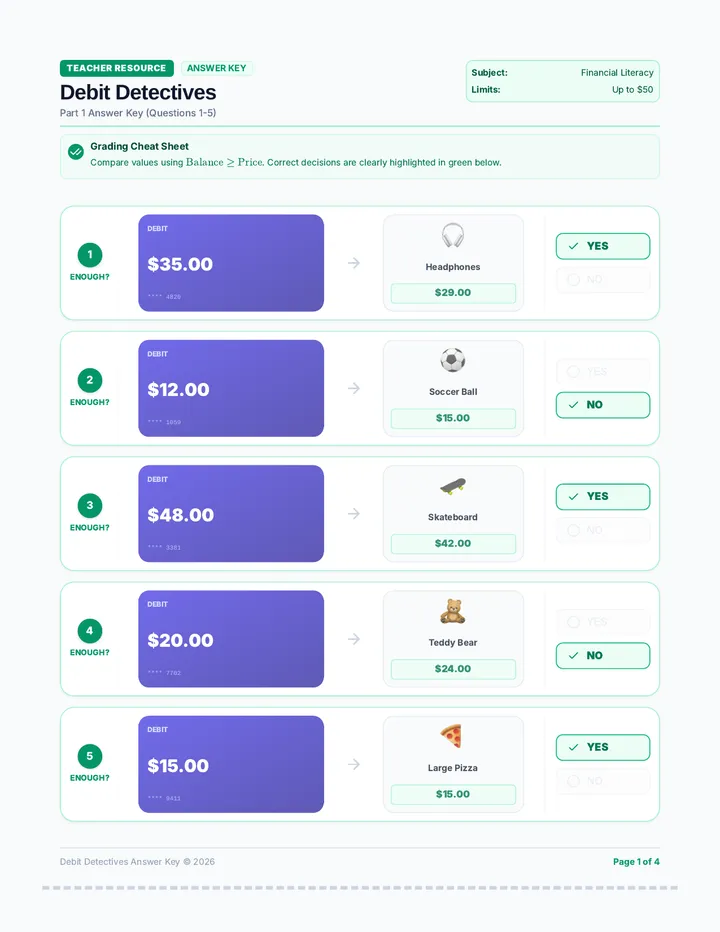
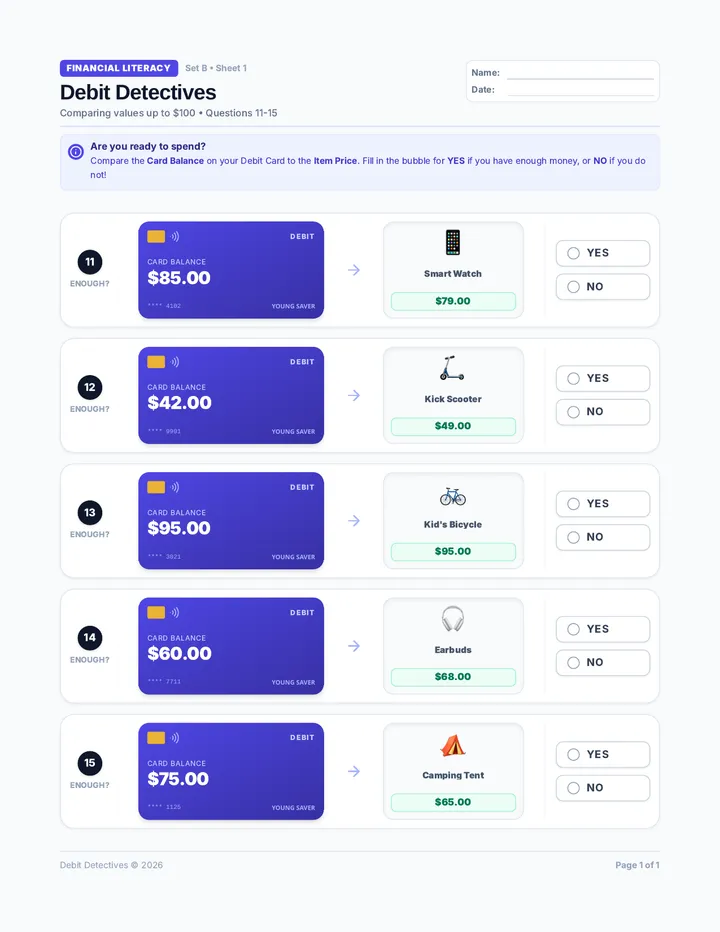
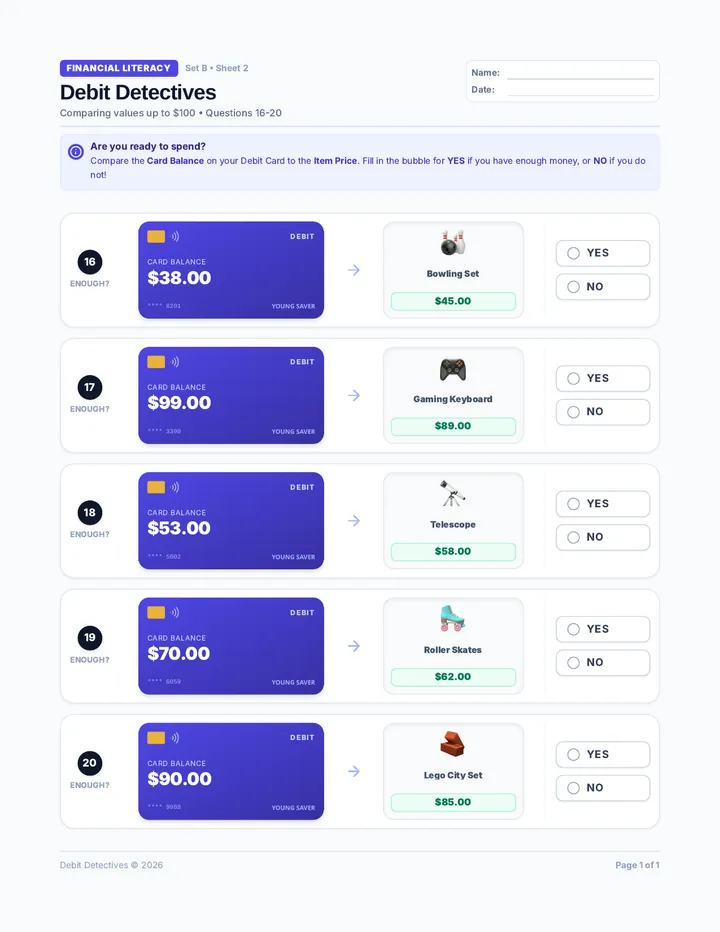
A 40-minute PYP inquiry into the functions of money, helping second graders distinguish between needs and wants while exploring how money acts as a tool for exchange.
A comprehensive lesson designed for 7th grade students to identify and shift away from co-dependent 'trauma bonding' behaviors toward healthy, resilient friendship boundaries. It focuses on the 'both can be true' philosophy—acknowledging hard things while maintaining individual emotional ownership.
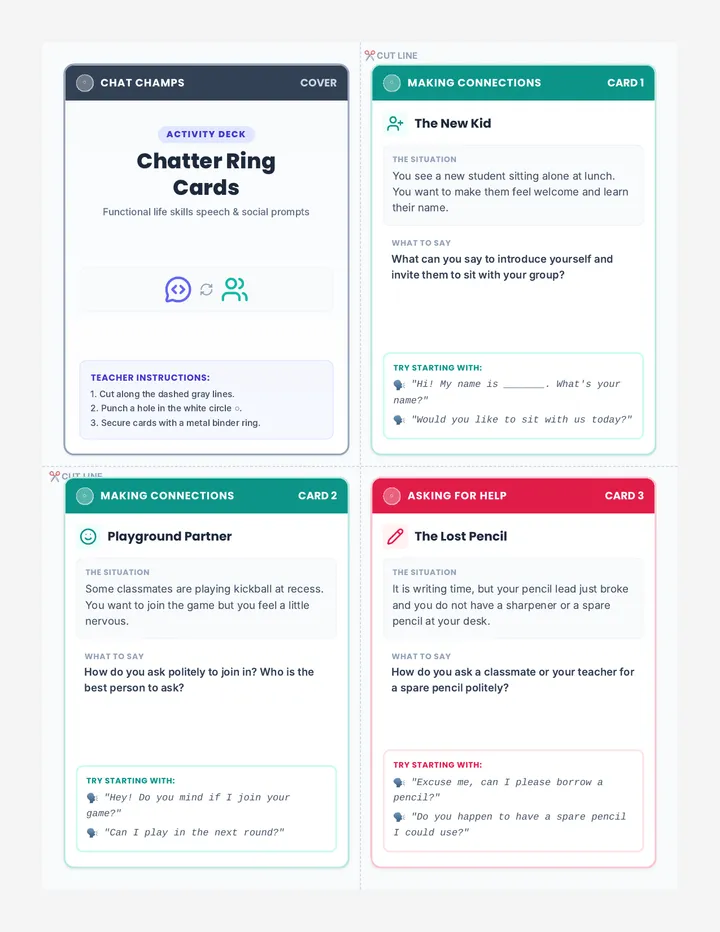
A lesson designed for early elementary students to learn the social mechanics of making friends, specifically focusing on starting conversations, asking questions, and discovering shared interests through a social story and interactive cards.
A social thinking lesson based on the "Body in the Group" ocean adventure, teaching kindergarteners how physical proximity and orientation show interest and participation.
A lesson for 4th graders exploring the importance of honesty, the impact of lies on trust, and how to tell the truth even when it's hard.
A lesson focused on developing emotional intelligence through identifying and practicing various coping strategies and regulation techniques.
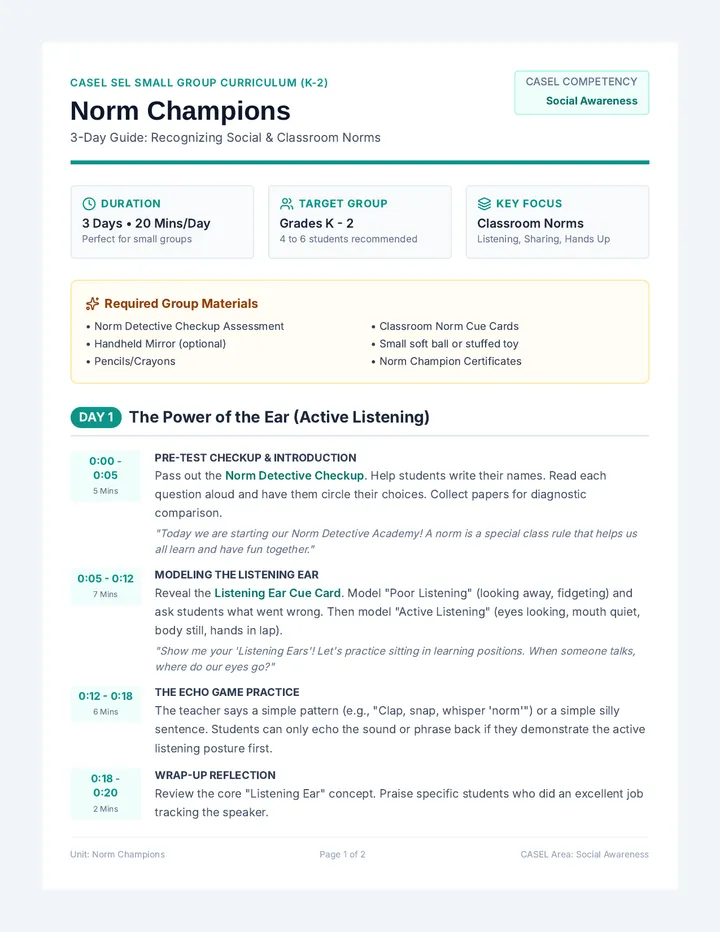
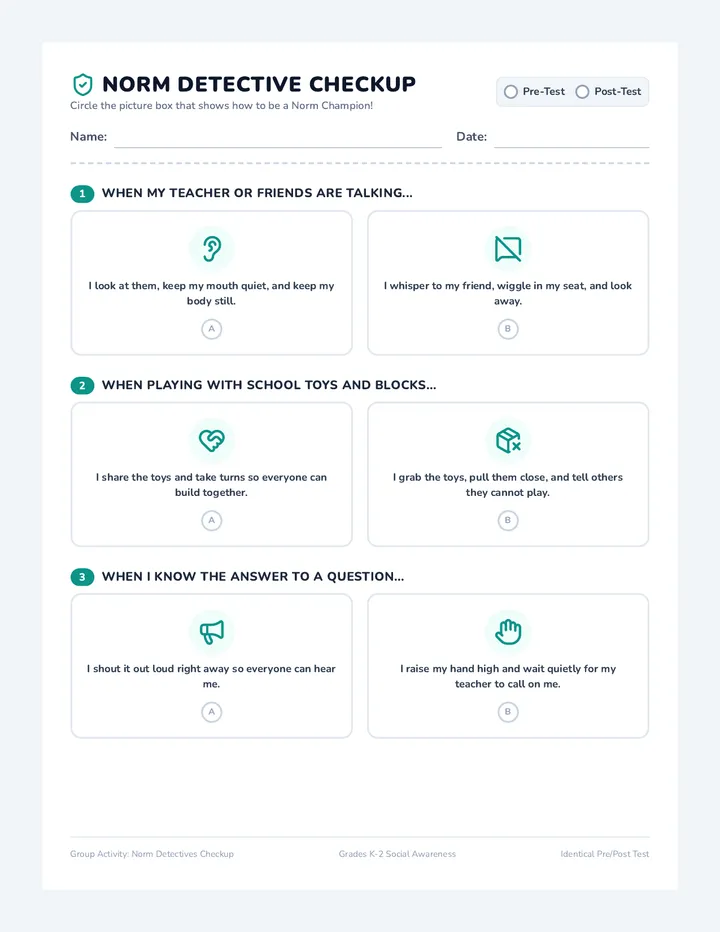
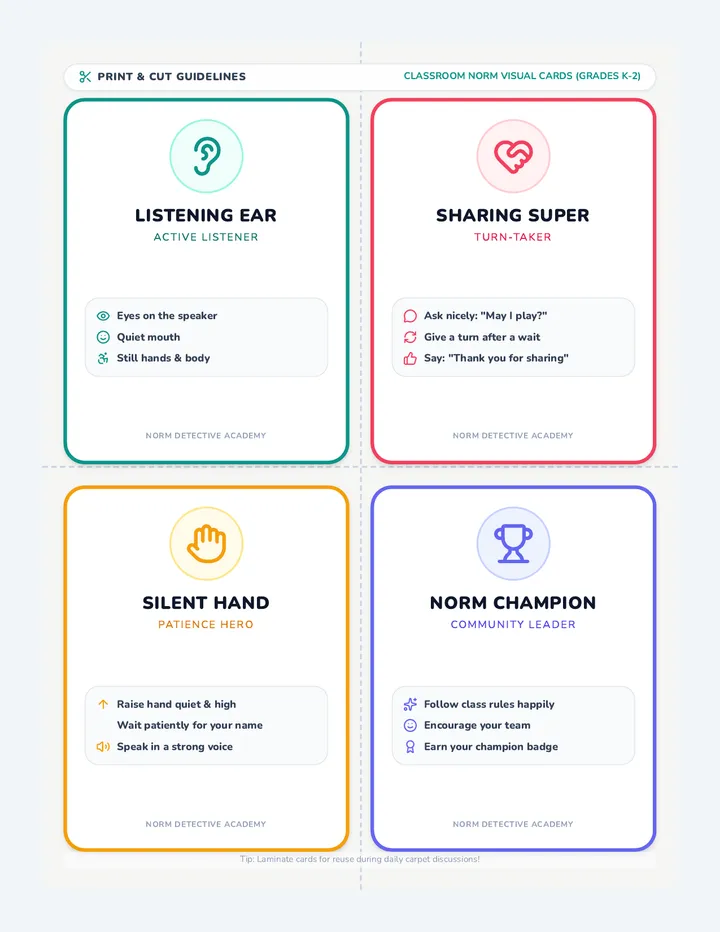
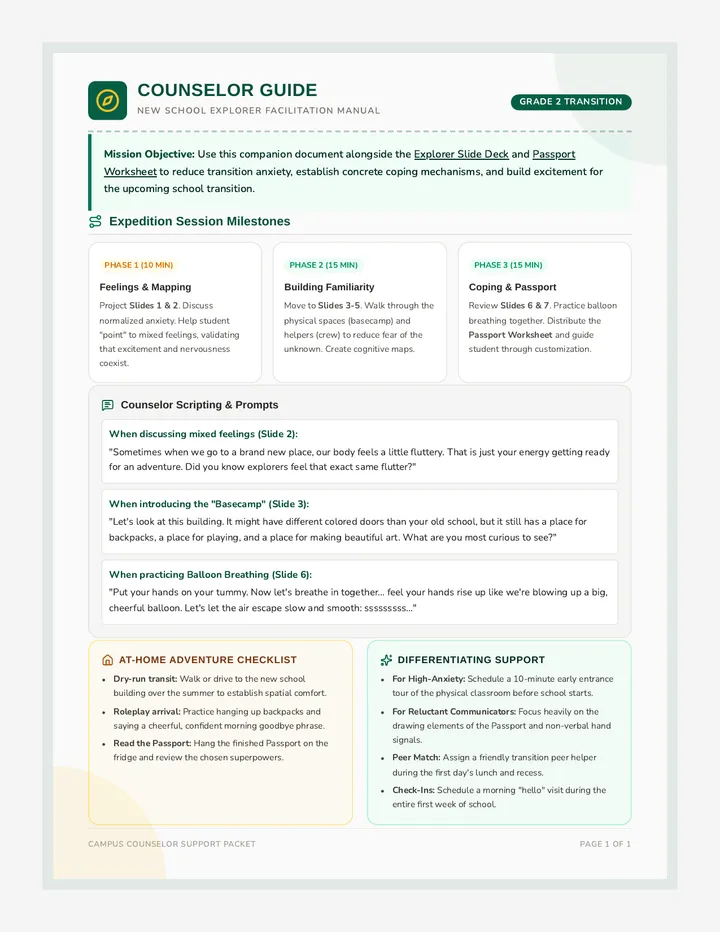
A lesson for kindergarteners to establish foundational classroom expectations, focusing on active listening, following directions, and cooperating as a "Classroom Crew."
A lesson introducing 4th graders to emotional regulation and practical coping strategies for managing big feelings like anger, frustration, and anxiety.
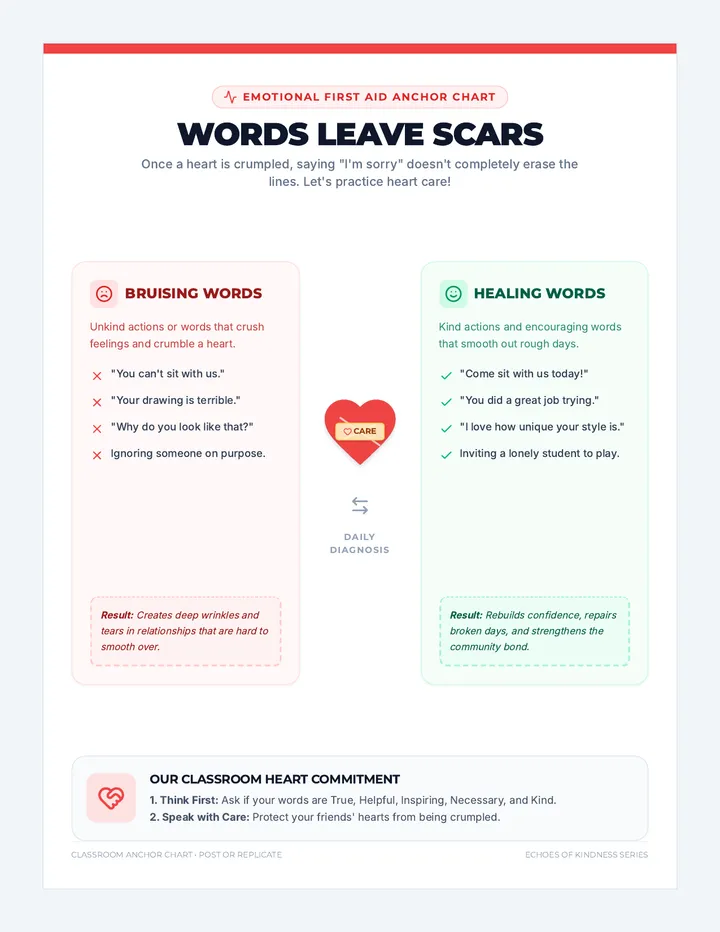
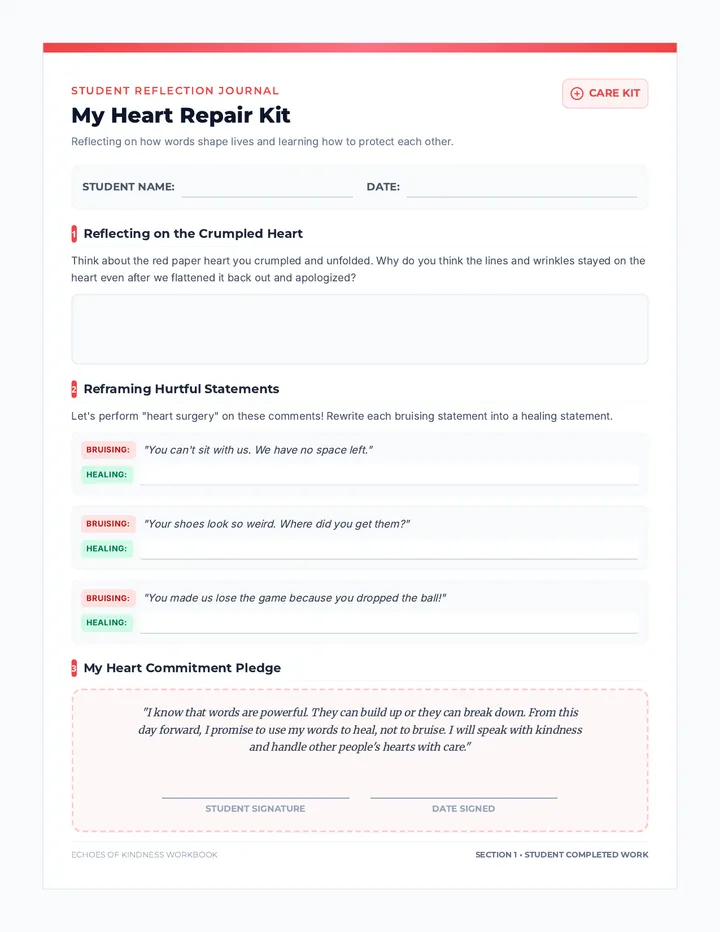
A lesson focused on fostering a culture of kindness within the school community, targeting interactions between students and teachers through discussion and active practice.
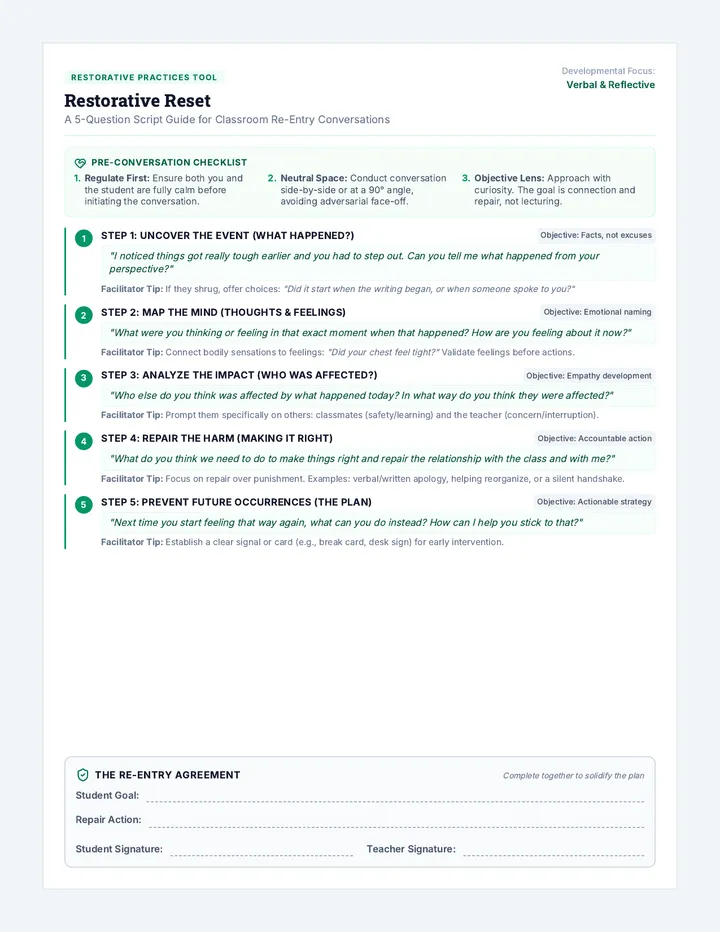
A guide for students and staff on how to safely navigate and respond to physical conflicts in a school setting, focusing on de-escalation, safety, and restorative practices.
A nautical-themed lesson focusing on decision-making skills for middle-grade students, introducing the 'Pause, Plot, Pilot' framework to navigate tricky situations and peer pressure.
A lesson focused on teaching students self-regulation techniques through mindful breathing, featuring the infinity loop strategy.
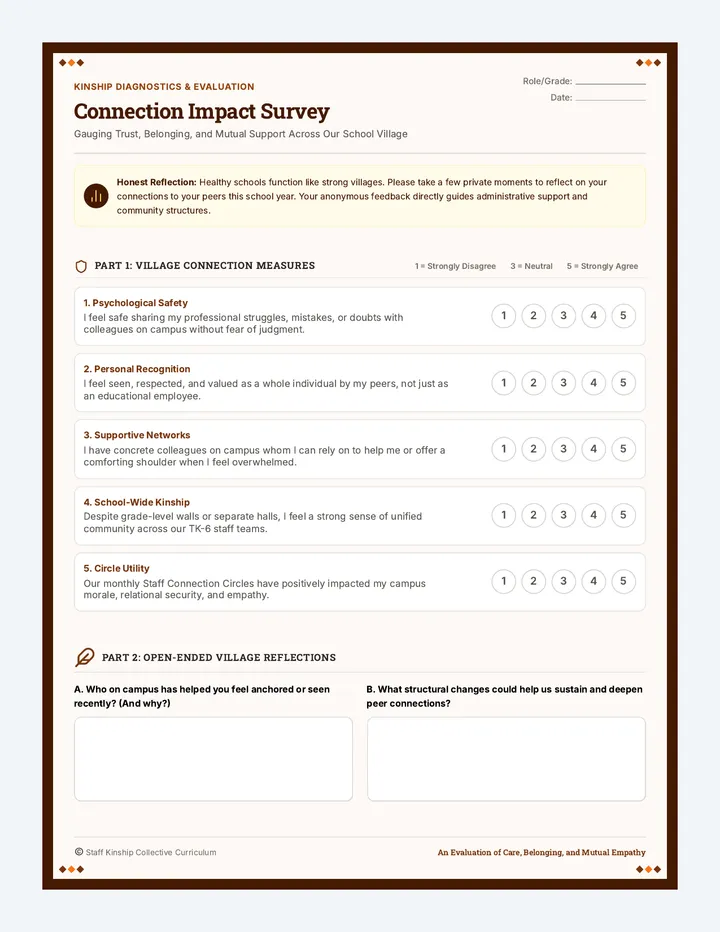
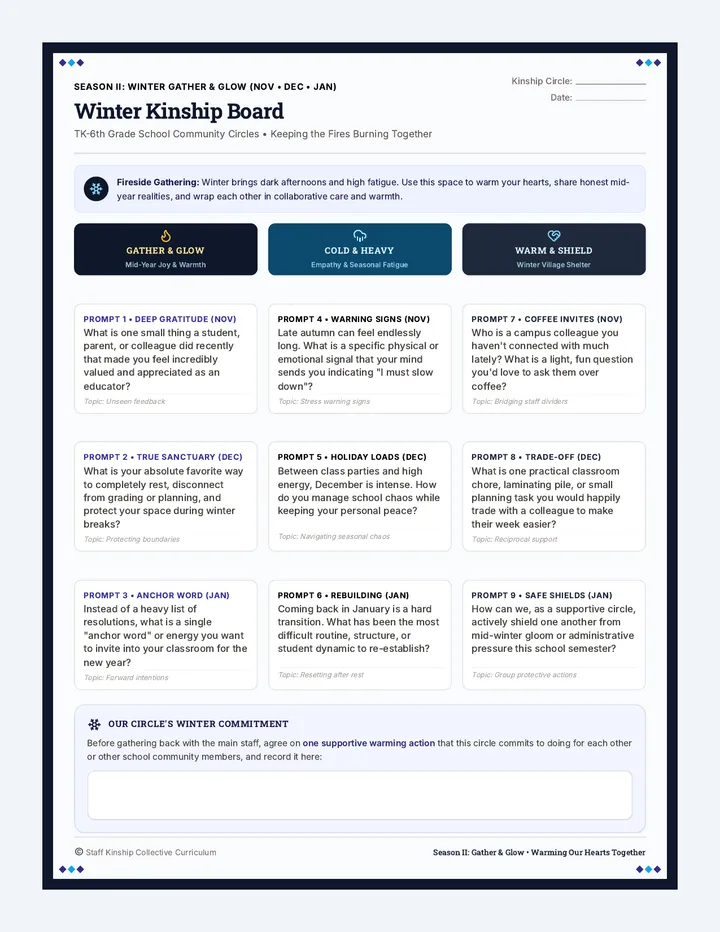
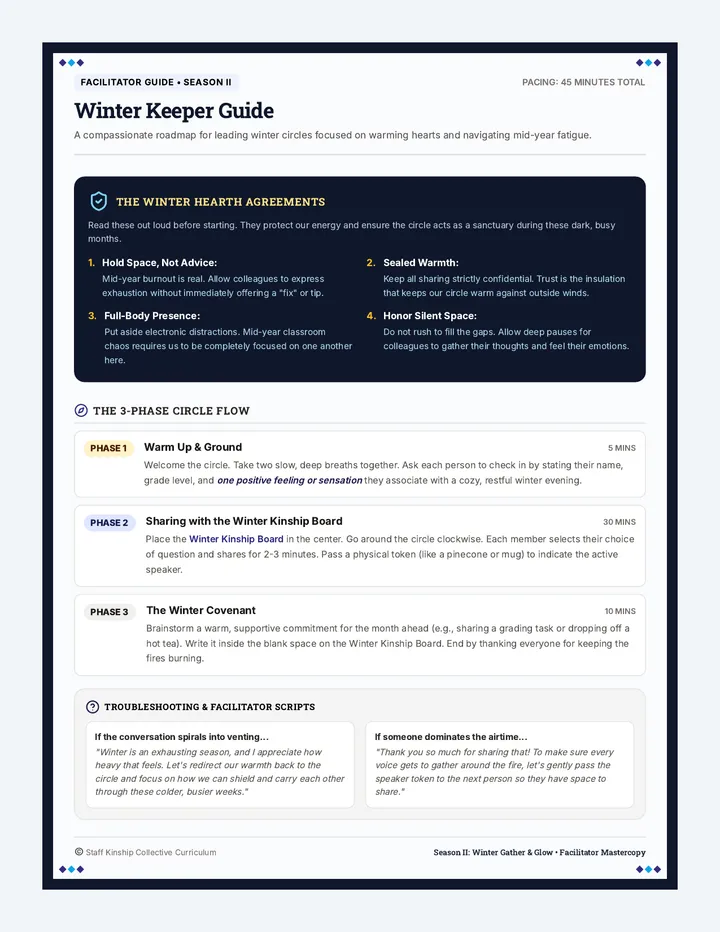
A set of resources designed for a therapeutic program to address class and work avoidance using a witty, nautical winter theme. Focuses on self-regulation, coping skills, and the impact of individual behavior on the school community.
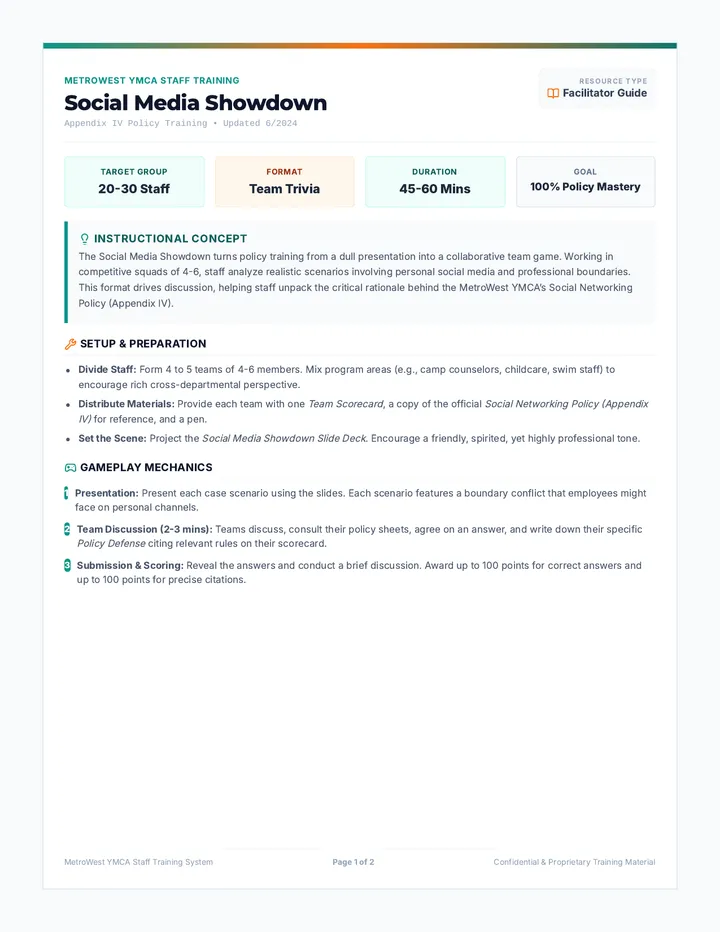
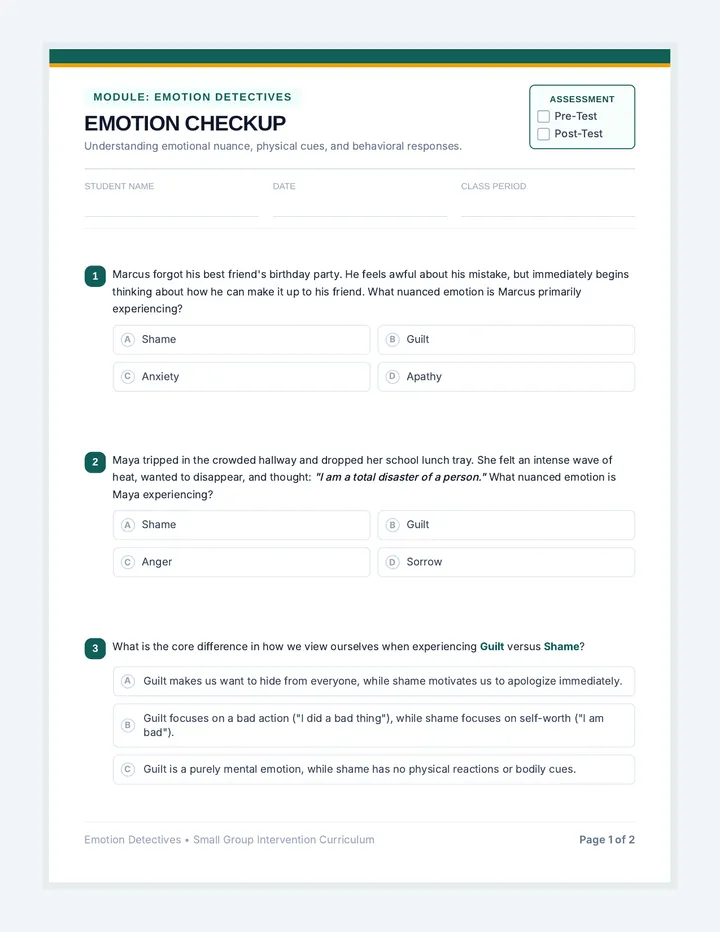
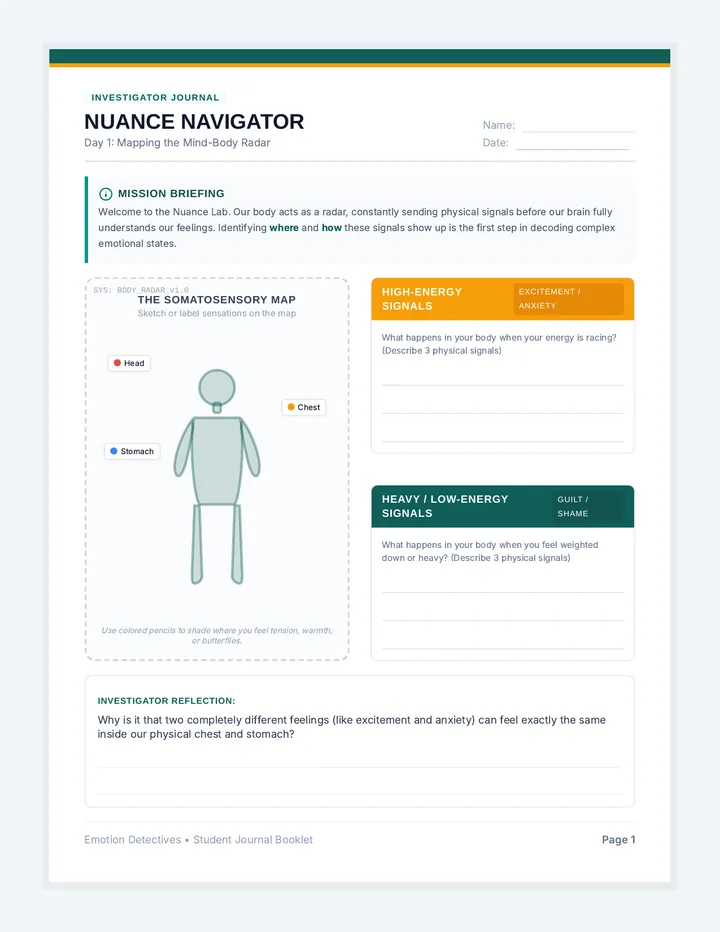
A lesson where second graders become 'Emotion Detectives' to identify feelings in others and learn self-talk strategies for emotional regulation. The lesson uses a detective theme to make learning about feelings engaging and actionable.
A game-inspired goal-setting activity designed for parent-teacher conferences, focusing on identifying student strengths and growth areas through a 'future quest' lens.
A lesson focused on creating sensory tools to help students manage big emotions and practice mindfulness through hands-on crafting.
A lesson focused on creating sensory tools for self-regulation, specifically a calm-down water bottle.
A lesson focused on sensory tools for emotional regulation, specifically the creation and use of calming bottles as a mindfulness technique.
A parent workshop focused on establishing calm and effective morning routines for K-1st grade students to reduce stress and foster independence.
A comprehensive workshop for K-1st grade parents to design stress-free morning routines that foster independence and positive school starts.
A 15-minute Social-Emotional Learning lesson for 1st graders focused on identifying and using healthy coping strategies to manage sadness and difficult emotions. Students explore a 'toolbox' of actions they can take to feel better.
A Parent-Teacher Conference initiative focused on building a 'Kindness Tree' to celebrate student growth and positive character through small, impactful acts.
A charming Valentine-themed lesson for first graders focusing on identifying kind actions and celebrating friendship through a scenarios worksheet and coloring activity.
A school-wide initiative to foster empathy and positive behavior through a collaborative Kindness Tree activity. Students perform kind acts, record them on leaves, and watch their community kindness grow visually.
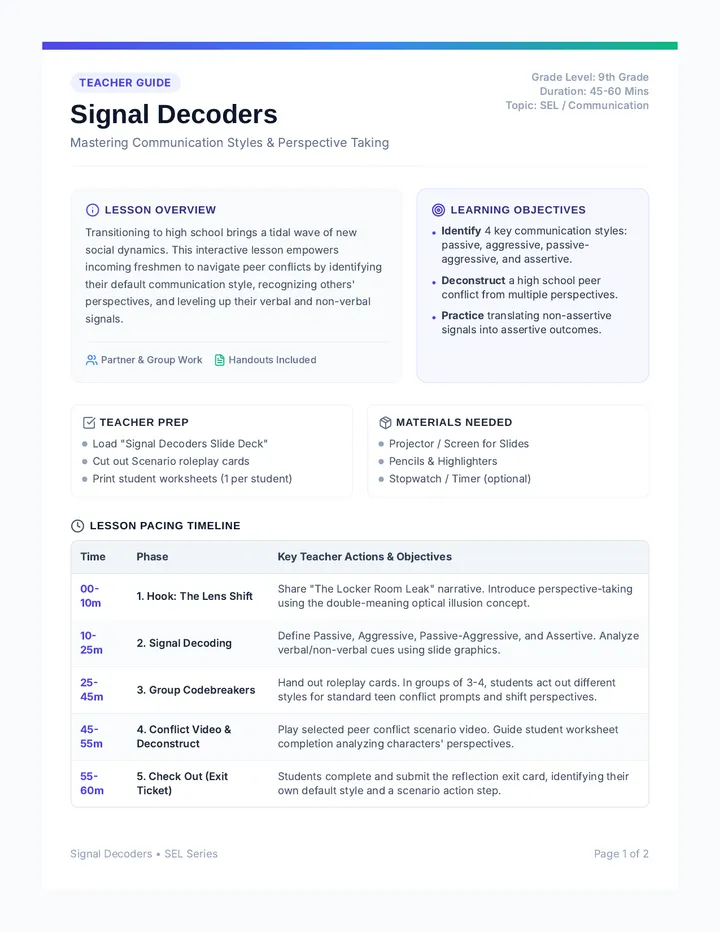
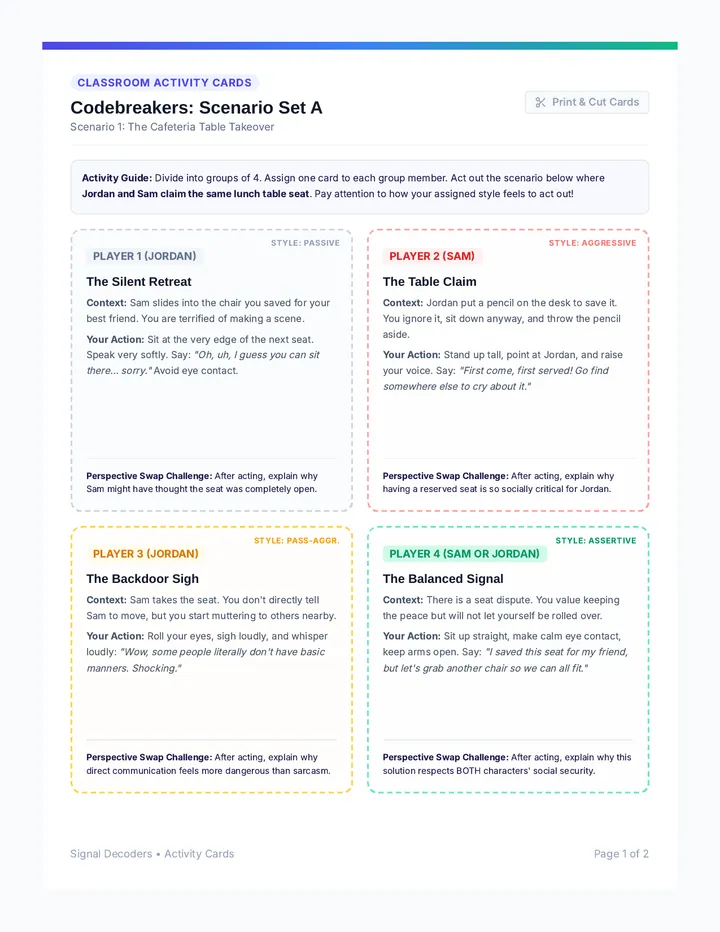
A 30-minute counseling lesson focused on decoding social signals, understanding perspectives, and choosing effective conflict-resolution strategies for middle schoolers.
A lesson introducing 10th-grade students to the core concepts of Stoicism and resilience inspired by 'The Obstacle Is The Way,' focusing on reframing challenges as opportunities for growth.
A fun, interactive lesson introducing elementary students to the 'superpowers' of their brain, focusing on how different parts help them think, feel, and learn. Students will explore simple neuroscience through the lens of a superhero command center to build self-awareness and a growth mindset.
A set of high-impact materials for parent-teacher conferences, including informational displays, a family pledge, and an interactive student campaign activity.
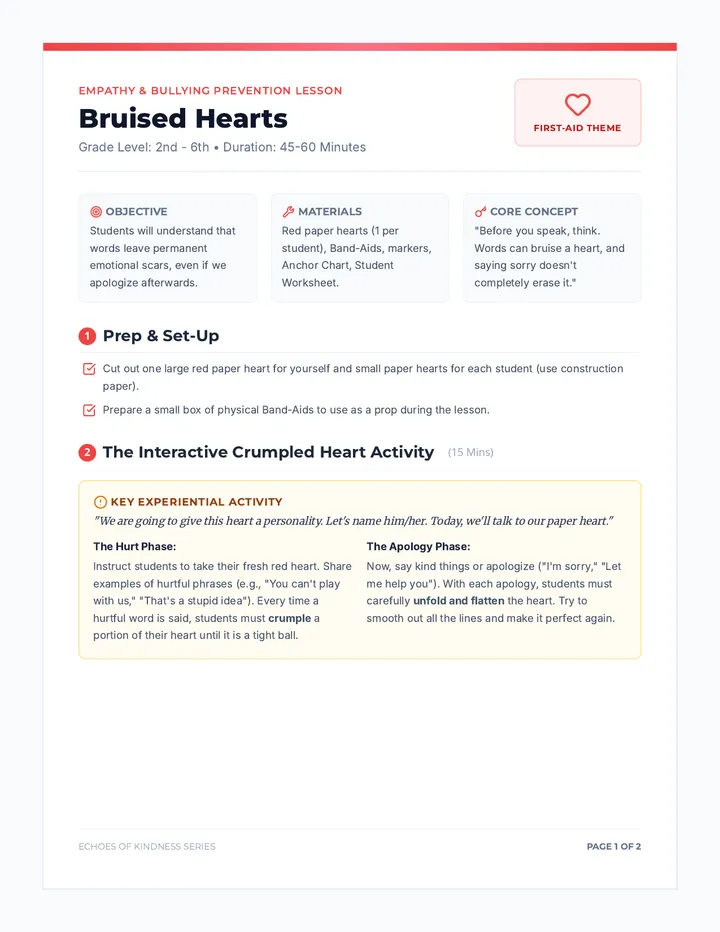
A counseling lesson focused on defining bullying, distinguishing it from conflict, and identifying emotional regulation strategies. Designed for middle schoolers, it features role-play scenarios and inquiry-based discussion.
Focuses on DBT-based Distress Tolerance skills (TIPP and STOP) designed to provide immediate 'body hacks' for high-intensity emotional moments where grounding alone isn't enough.
Establishes a formal safety plan (The Calm Protocol) that identifies safe spaces, trusted adults, and step-by-step actions for high-stress moments, ensuring the student feels secure even when home life is unpredictable.
Focuses on identifying the physical and emotional signs of dysregulation and building a personalized 'toolkit' of grounding strategies that work across different classroom environments.
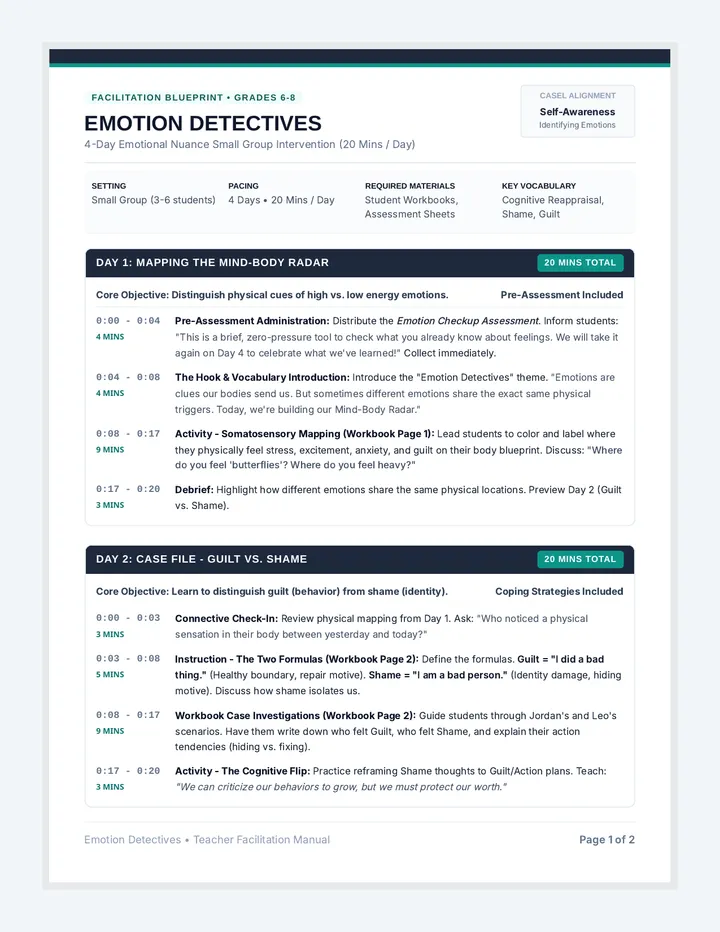
A social-emotional learning lesson focused on identifying and explaining common emotions within a school context, designed for small group facilitation.
A comprehensive toolkit designed to help educators, students, and families collaborate on resolving chronic absenteeism and building consistent attendance habits. This lesson provides the structure for effective attendance conferences and documented intervention strategies.
An independent learning module designed for 8th-grade students to build emotional intelligence, identify personal triggers, and develop healthy coping mechanisms for managing depression and behavioral challenges.
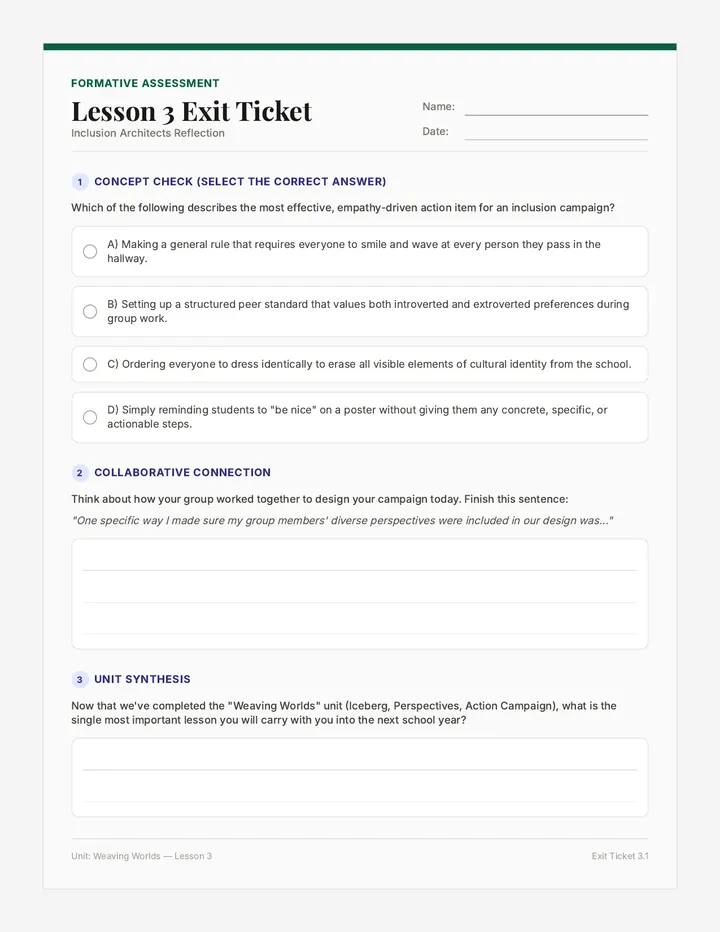
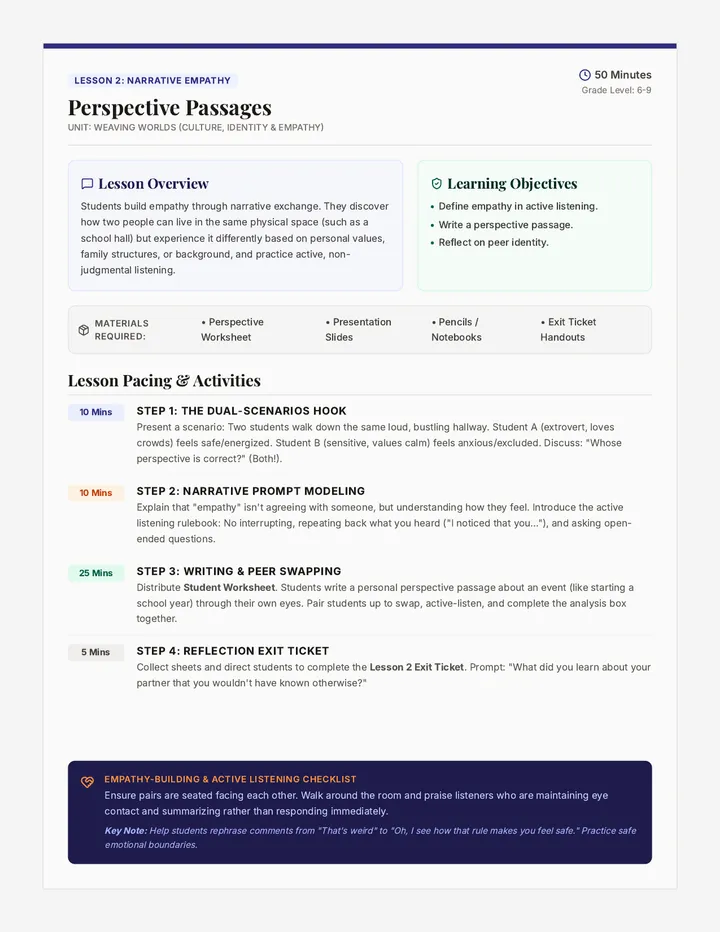
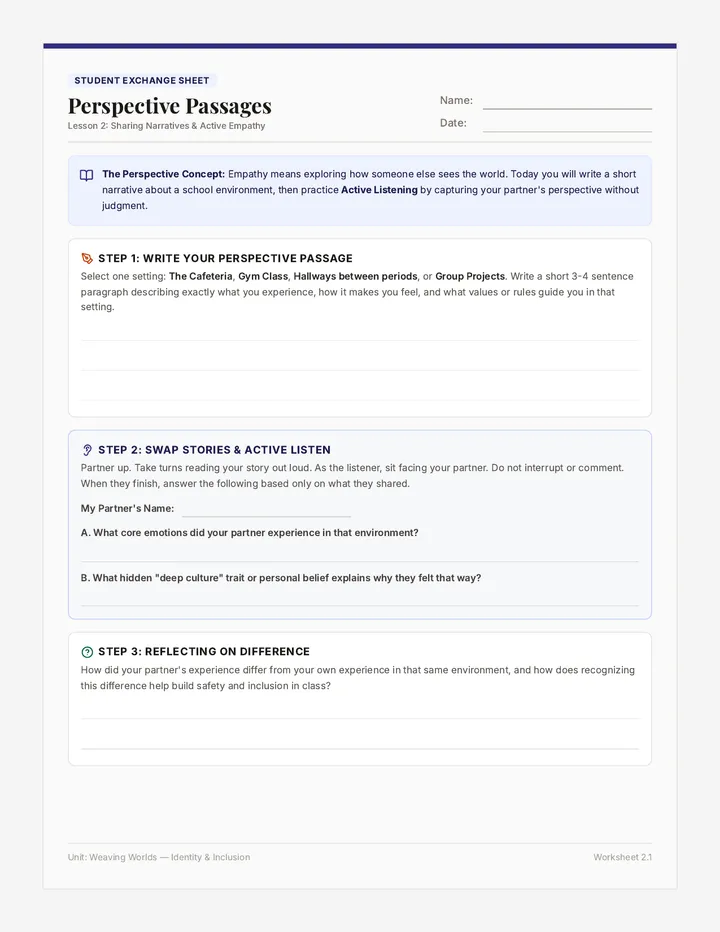
A specialized independent lesson designed for 8th-grade students to develop empathy through perspective-taking, non-verbal cue recognition, and empathetic communication. The lesson frames empathy as a 'social intelligence' skill to be mastered through observation and practice.
A celebratory closing session that looks toward the future, reinforcing the skills learned and creating a personal 'Resilience Plan' for continued growth.
Focuses on internal resilience by building positive self-talk patterns and developing step-by-step problem-solving skills for difficult days.
Students identify the 'lighthouses' in their lives—trusted adults, peers, and community resources—and practice how to ask for help when needed.
This session introduces concrete, healthy coping mechanisms and mindfulness techniques to help students manage the 'waves' of intense emotion.
Students explore the non-linear stages of grief and create a 'landscape' of their own emotional journey, learning to identify and name complex feelings.
An introductory session focused on building group safety, defining grief in accessible terms, and normalizing the wide range of emotions that follow loss.
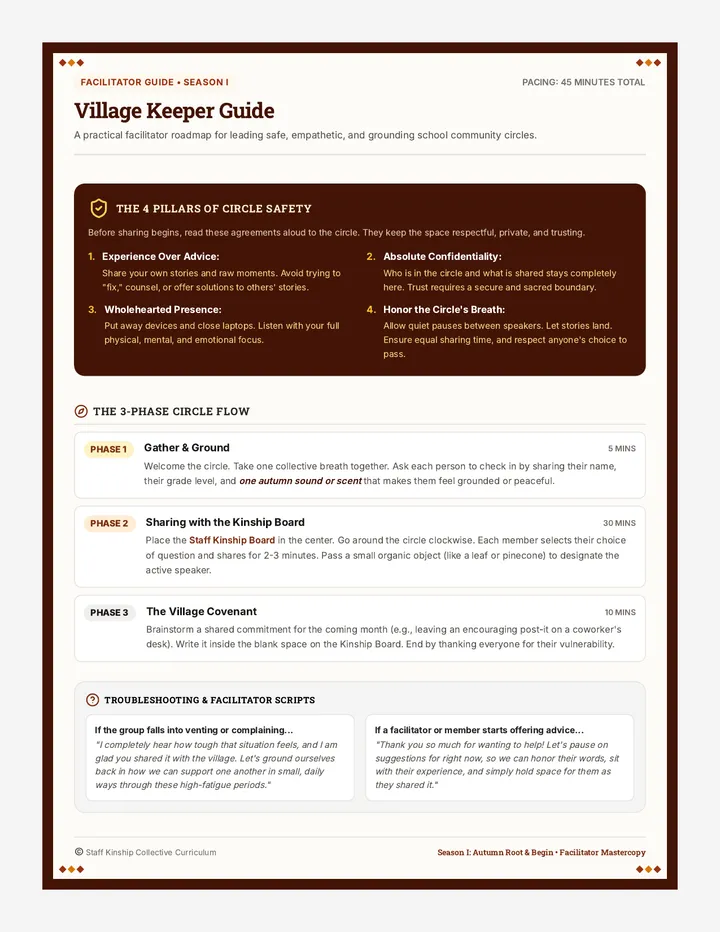
A comprehensive staff training session focused on implementing relationship mapping in a middle school setting to ensure every student is known and supported.
A targeted instructional set designed for middle school students to develop impulse control, recognize the physical and emotional triggers of blurting, and understand the social consequences of interrupting others.
A 30-minute interactive lesson for a small group of boys focused on decoding nonverbal signals like eye contact, arm positions, and personal space. Includes a movement-based icebreaker and detective-themed activities.
This lesson focuses on helping students recognize social cues related to personal space and behavior, and practicing flexibility when peers decline to play.
A social-emotional learning lesson for 5th graders reading at a 3rd-grade level, focused on identifying the qualities of a good friend through a shared story and group discussion.
This lesson helps 8th graders navigate unstructured school environments like hallways and cafeterias by identifying challenges and selecting specific tactical strategies for movement and social interaction.
A 30-minute session where students apply self-regulation or advocacy strategies (playbook strategies) during an actual academic task, treated as a 'scrimmage' for real-world practice.
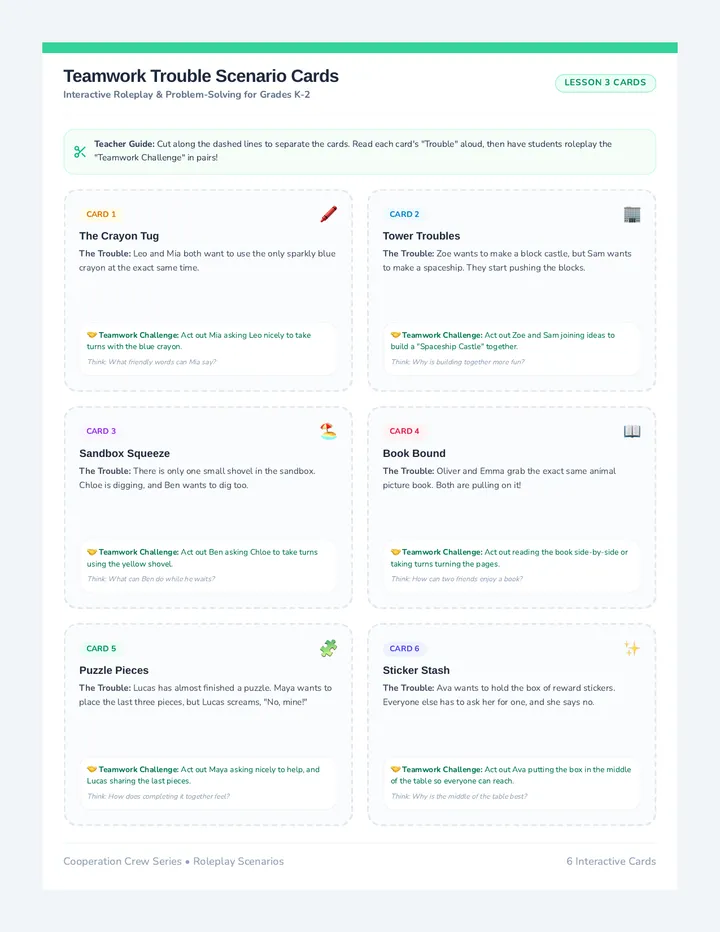
A set of interactive scenario cards and a facilitator guide designed to help 2nd-grade boys navigate frustrating social and personal situations through reflection and problem-solving.
A Grade 3 lesson on decomposition, teaching students how to tackle large tasks by breaking them into manageable, bite-sized steps.