Active listening, assertive expression, and boundary-setting strategies for interpersonal success. Develops proficiency in conflict mediation, cooperative teamwork, and the cultivation of healthy romantic and platonic connections.
In this engaging and practical presentation, youth speaker Brooks Gibbs explains the sociology behind bullying, reframing it not as random meanness, but as 'dominance behavior' driven by a desire for power. He illustrates that bullying is a game of winners and losers: the bully wins when the victim gets upset, and the victim wins when they remain calm and resilient. Gibbs argues that teaching students to develop 'thick skin' and emotional resilience is more effective than merely telling bullies to stop. The video features a clear distinction between verbal bullying (hurting feelings) and physical violence (crimes like assault), emphasizing that crimes require adult intervention while social insults can often be handled by the students themselves. Gibbs posits that empowering students to solve their own social problems is the key to building genuine self-esteem, self-confidence, and self-worth. To demonstrate his method, Gibbs invites a student on stage for a role-play exercise. Through a humorous and memorable demonstration, he shows exactly how reacting with anger fuels the bully, while reacting with kindness, agreement, or indifference shuts the bullying down instantly. This video provides teachers with a concrete, actionable strategy for Social Emotional Learning (SEL) and conflict resolution units.
7mins 5s
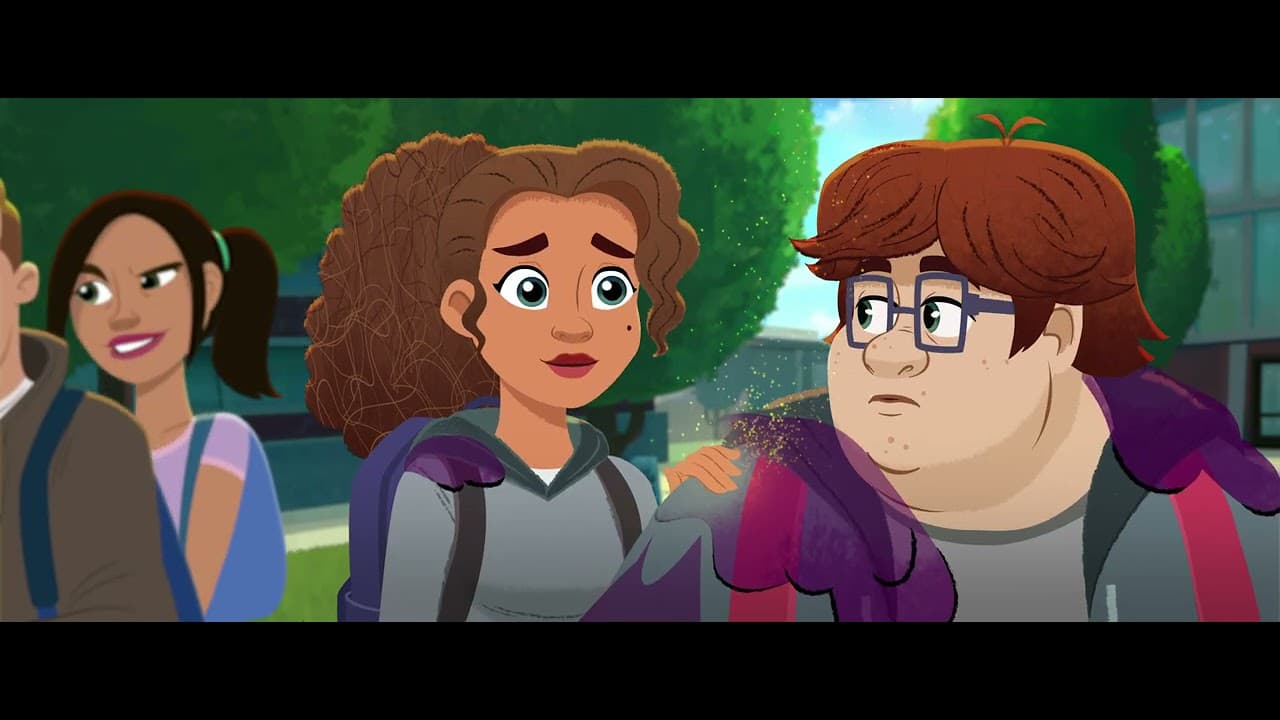
This poignant animated short film explores the suffocating impact of cyberbullying through the eyes of two students, Raquelle and Noah. The narrative follows Raquelle, a quiet artist who witnesses Noah being bullied both physically and online. When she attempts to help by reporting the incident to a school counselor, the system fails her; her anonymity is compromised, and she becomes the new target of harassment, labeled "Rat-quelle." The film utilizes a powerful visual metaphor—a heavy, purple sludge—to represent the lingering emotional weight of shame and abuse that clings to the victims, isolating them from their peers and families. Key themes include the failure of adult support systems, the reality of digital harassment, and the healing power of empathy. The story critically examines well-meaning but ineffective adult advice, such as a father telling his daughter to "just block them" or a counselor claiming they cannot "police the internet." It highlights the disconnect between the adult perception of online bullying and the visceral, 24/7 reality experienced by students. The narrative arc moves from isolation to connection, demonstrating how shared vulnerability can bridge the gap between victims. For educators, this video is a vital tool for Social-Emotional Learning (SEL) and digital citizenship curricula. It moves beyond generic "don't bully" messaging to address the nuance of bystander intervention and the emotional aftermath of harassment. The visual metaphor of the sludge provides a concrete language for students to articulate feelings of depression and anxiety. It is particularly useful for sparking discussions about how to genuinely support friends, the limitations of current anti-bullying policies, and the profound difference a simple check-in like "Are you okay?" can make.
8mins 46s
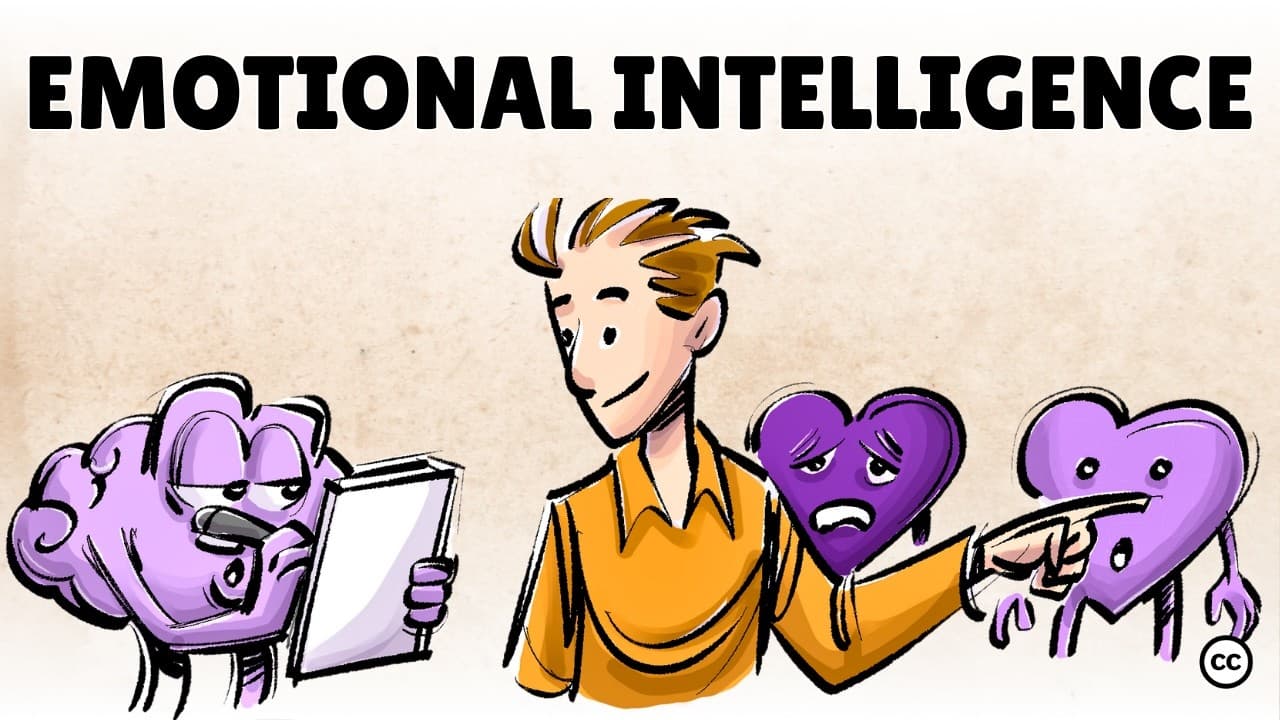
This animated video provides a clear and accessible introduction to the concept of Emotional Intelligence (EI or EQ), based on the model developed by psychologists John Mayer and Peter Salovey. It breaks down EI into four distinct skills: perceiving emotions, using emotions, understanding emotions, and managing emotions. Through simple yet effective illustrations, the video explains how these skills function individually and collectively to help individuals navigate social interactions and personal feelings. Key themes include self-awareness, empathy, emotional regulation, and the connection between emotional intelligence and academic or professional success. The video emphasizes that while some people are naturally gifted with these skills, EI is something that can be improved and developed over time through mindfulness, education, and practice. It frames emotions not as obstacles but as data points that can be used for better decision-making. For educators, this video is a valuable tool for Social Emotional Learning (SEL) curriculums. It provides a shared vocabulary for students to discuss their feelings and offers a scientific framework for why emotions matter in learning and life. The video is short enough to serve as a perfect hook for lessons on conflict resolution, stress management, or interpersonal communication skills.
3mins 24s
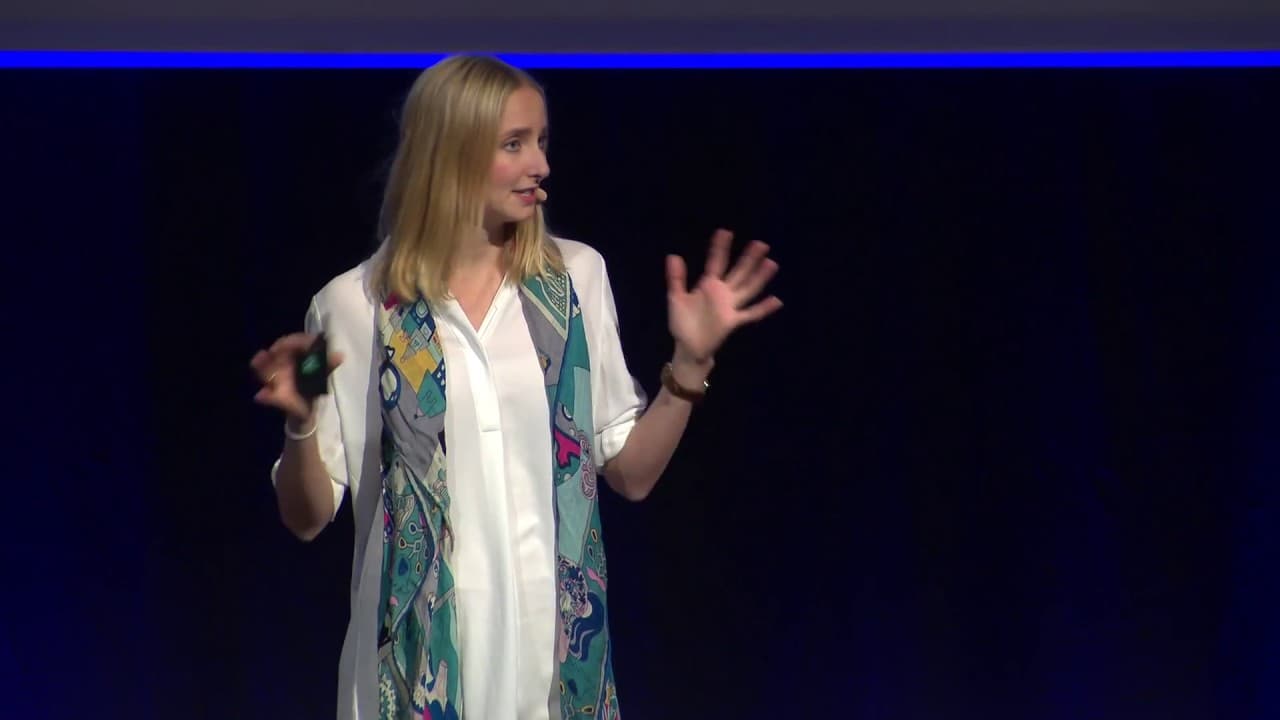
In this engaging TEDx talk, psychologist Katarina Blom challenges the common misconception that happiness is something we stumble upon, instead arguing that it is a skill we must actively practice. Drawing on neuroscience and psychology, she explains why the human brain is evolutionarily wired for negativity—prioritizing survival over happiness—and how this "negativity bias" impacts our daily lives and relationships. Blom explores the science behind our thoughts and emotions, revealing that positive thinking alone is insufficient because our minds naturally wander and focus on threats. Instead, she advocates for "positive action"—concrete behavioral changes that rewire our brains for well-being. She emphasizes that we are socially driven creatures and that strengthening our relationships is the most powerful "psychological smoothie" for long-term happiness. For educators, this video is a powerful tool for teaching Social Emotional Learning (SEL) concepts. It provides a scientific basis for gratitude, kindness, and relationship-building. The content is practical and relatable, offering students tangible strategies to manage anxiety, build resilience, and cultivate a supportive community within the classroom.
15mins 33s
This animated video features former U.S. Surgeon General Vivek Murthy explaining the biological and evolutionary roots of loneliness. He reframes loneliness not as a character flaw or a sign of being broken, but as a natural biological signal—like hunger or thirst—alerting us that we lack necessary social connection. The narrative explores how our ancestors relied on community for safety and survival, and how modern loneliness can create a negative feedback loop that damages self-esteem and makes reconnection difficult. The video delves into the insidious nature of chronic loneliness, illustrating how it often manifests in unexpected ways such as anger, irritability, or withdrawal rather than just sadness. Murthy argues that recognizing these alternative expressions of loneliness can help us respond to others with compassion instead of judgment. By understanding that loneliness is a common human experience, we can break the cycle of shame often associated with it. For educators, this resource provides a powerful tool for social-emotional learning (SEL). It offers a vocabulary for students to discuss feelings of isolation and provides actionable advice on how to help others: simply showing up and listening with full attention. The video's message emphasizes that listening validates another person's worth, making it an excellent starting point for lessons on empathy, active listening, community building, and mental health awareness.
3mins 49s
This educational video outlines seven actionable strategies for combating the stigma surrounding mental illness, emphasizing both personal responsibility and community action. The content moves from broad societal goals like scientific research to specific interpersonal behaviors, such as careful language choice and compassionate listening. It provides a structured framework for understanding how individual actions contribute to a larger cultural shift in how mental health is perceived and treated. The video explores key themes including the power of language (person-first language), the importance of open dialogue, the normalization of mental health care as equal to physical health care, and the role of social media in advocacy. It directly addresses misconceptions that link mental illness to moral failings or character flaws, reinforcing the scientific basis of these conditions. The narrative promotes empathy, suggesting that small, consistent actions like checking in on friends can create significant positive change. For educators, this resource is a valuable tool for social-emotional learning (SEL) and health curricula. It serves as an excellent prompt for discussions about empathy, communication skills, and destigmatization. Teachers can use the video to launch projects about mental health awareness, role-play supportive conversations, or analyze media representations of mental illness. Its clear, numbered structure makes it easy for students to take notes and recall specific action items.
5mins 16s
This animated video provides a practical, four-step guide for students dealing with bullying, framing the issue not as a personal failure but as a common challenge faced even by successful celebrities. Through engaging whiteboard animations, it outlines a concrete action plan: boosting self-confidence by listing personal strengths, building a supportive social circle, ignoring bullies to deny them a reaction, and seeking help from trusted adults or hotlines when situations feel unsafe. The content explores key themes of self-worth, social resilience, and safety strategies. It actively reframes 'nerdy' or 'different' traits as unique strengths that will be valued in adulthood, directly countering the isolation victims often feel. By emphasizing that bullying often stems from the aggressor's personal issues rather than the victim's flaws, the video helps students detach their self-image from the abuse they receive. For educators, this video serves as an excellent social-emotional learning (SEL) tool. It provides a structured framework for difficult conversations about harassment and safety. The clear, actionable steps (Confidence, Army, Ignore, Talk) give students a mental checklist they can use in real-world scenarios. Teachers can use the suggested exercises—like writing down positive traits or identifying a "support army"—as classroom activities to build a culture of empathy and resilience.
5mins 31s
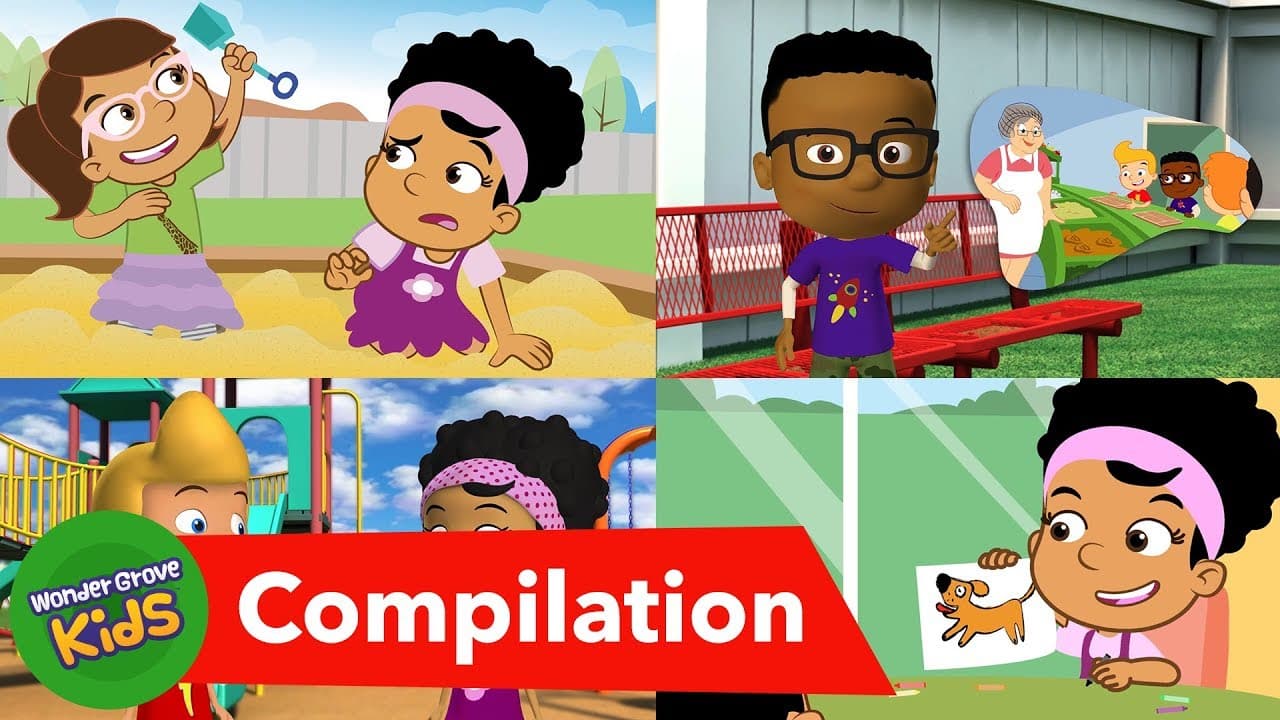
This comprehensive animated compilation features the Wonder Grove Kids exploring essential social-emotional skills through four distinct but related stories. The video covers critical topics for early childhood development: proper playground behavior, maintaining personal boundaries, using words instead of physical aggression, and respecting other people's property. Through relatable scenarios involving a cast of recurring characters like Maria, Peter, Dee, Chris, and Marcus, students witness both positive and negative examples of social interaction. Key themes include the "Golden Rule" (treating others how you want to be treated), the concept of personal space (visualized as an "invisible cone"), and the importance of asking for permission. The characters navigate common childhood conflicts—such as cutting in line, unwanted tickling, and taking items without asking—providing a safe, third-party context for students to analyze behavior and consequences without feeling personally targeted. For educators, this video serves as a versatile anchor for Social-Emotional Learning (SEL) units. It is particularly valuable for establishing classroom norms at the beginning of the year or addressing specific behavioral issues as they arise. The segmented nature of the video allows teachers to show specific clips relevant to immediate classroom needs, such as a lesson solely on "keeping hands to yourself" or a broader discussion on community respect.
13mins 42s
This animated video explores the emotional impact of cyberbullying and provides young students with concrete strategies to handle negative online interactions. Through the story of two friends, 'Guts' (a yellow character) and a purple friend, the video demonstrates how mean comments in online games and social media can hurt just as much as face-to-face insults. It challenges the old adage "sticks and stones may break my bones, but words will never hurt me" by showing the reality of digital communication. The content focuses on three key themes: identifying cyberbullying behaviors (like trash-talking and mean comments), understanding the emotional consequences of online words, and learning the "STOP" acronym as a safety tool. The narrative validates a child's feelings of hurt when targeted online and emphasizes that they are not alone in these experiences. For educators, this video is a vital resource for Digital Citizenship curriculums. It provides a memorable mnemonic device (STOP: Step away, Tell a trusted adult, Okay sites first, Pause and think online) that serves as a practical classroom management tool. The video naturally sparks discussions about empathy, the "real person" behind every avatar, and the difference between friendly competition and bullying.
2mins 43s
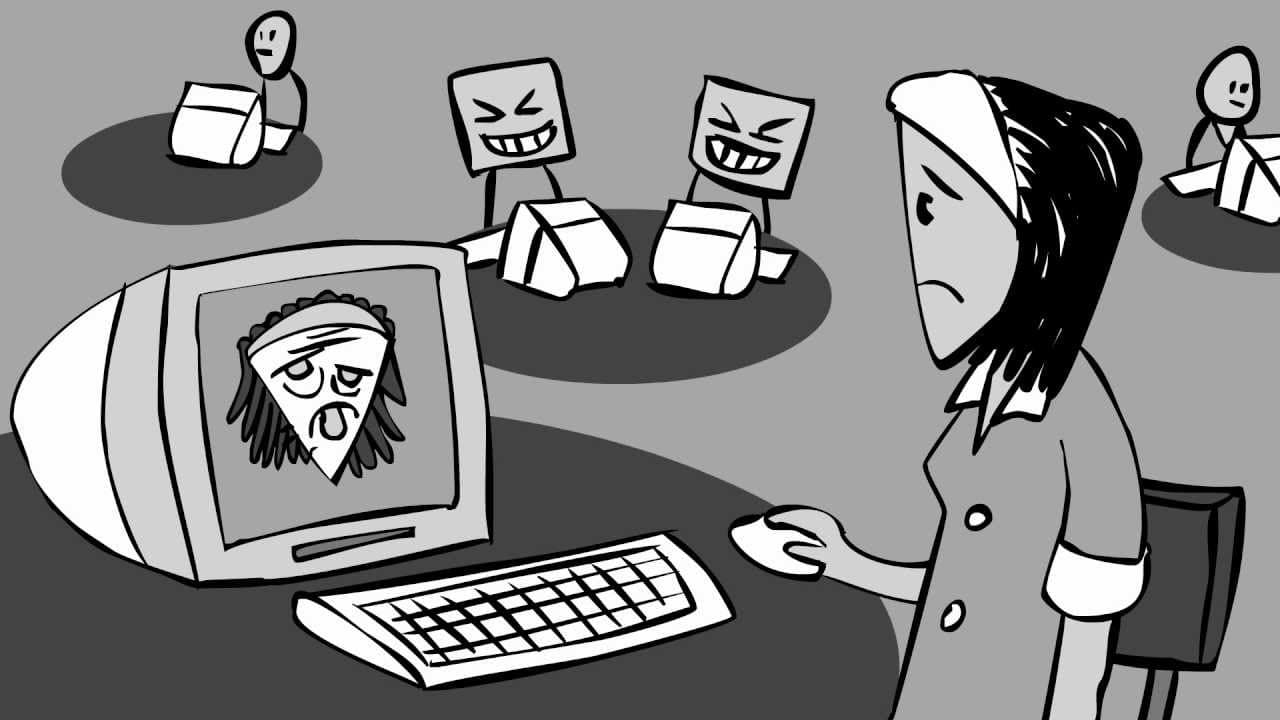
This wordless animated short film by UNICEF powerfully illustrates the pervasive nature of cyberbullying and the positive impact of bystander intervention. The story follows a young student who becomes the victim of online harassment when a cruel caricature of her is circulated among her peers. The video visualizes how cyberbullying follows a victim everywhere—from the schoolyard to the safety of their own bedroom—demonstrating that there is often no escape from digital harassment without external help. The narrative explores critical themes of isolation, the viral nature of digital content, and the responsibility of digital citizens. It highlights the emotional toll on the victim, showing her transition from a happy student to a withdrawn, fearful individual. Crucially, it models positive behavior through a male classmate who refuses to participate in the bullying and instead reports the issue to an adult, leading to a resolution that restores the victim's social standing and emotional well-being. For educators, this video is an exceptional resource because its lack of intelligible dialogue makes it universally accessible, regardless of language barriers or reading levels. It serves as a perfect anchor for Social Emotional Learning (SEL) lessons regarding empathy, digital footprints, and the specific steps students should take if they witness online bullying. The clear visual metaphors allow students to easily identify the roles of the bully, the victim, the bystander, and the upstander.
1min 21s
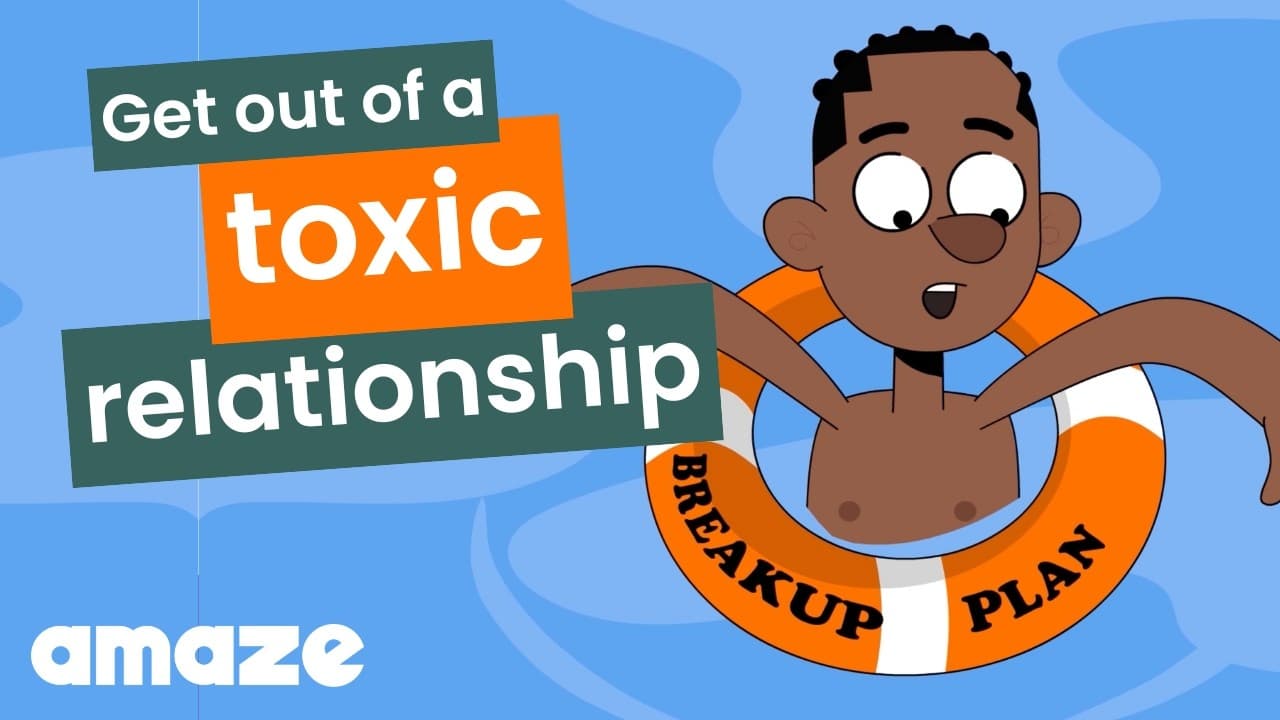
This animated video provides a compassionate and practical guide for young people on recognizing and leaving unhealthy relationships. It begins by contrasting the feelings associated with healthy versus unhealthy dynamics, such as safety and support versus fear and anxiety. The video clearly outlines "red flags" including teasing, blaming, controlling behavior, and physical harm, helping viewers identify toxic patterns in their own lives. The core of the video focuses on a step-by-step "breakup plan" designed to keep the individual safe and supported. It advises on choosing the right method of communication (phone, text, or public place), using clear language to state that the relationship isn't working, and setting boundaries without feeling obligated to manage the other person's emotions. It emphasizes the critical importance of involving a trusted adult, especially if safety is a concern. Finally, the video addresses the emotional aftermath of a breakup, validating feelings of sadness and loss even when the relationship was bad. It encourages self-care strategies like hobbies and spending time with friends. This resource is invaluable for health and guidance curriculums, providing students with the vocabulary and actionable steps needed to navigate difficult interpersonal situations and prioritize their emotional and physical well-being.
2mins 54s
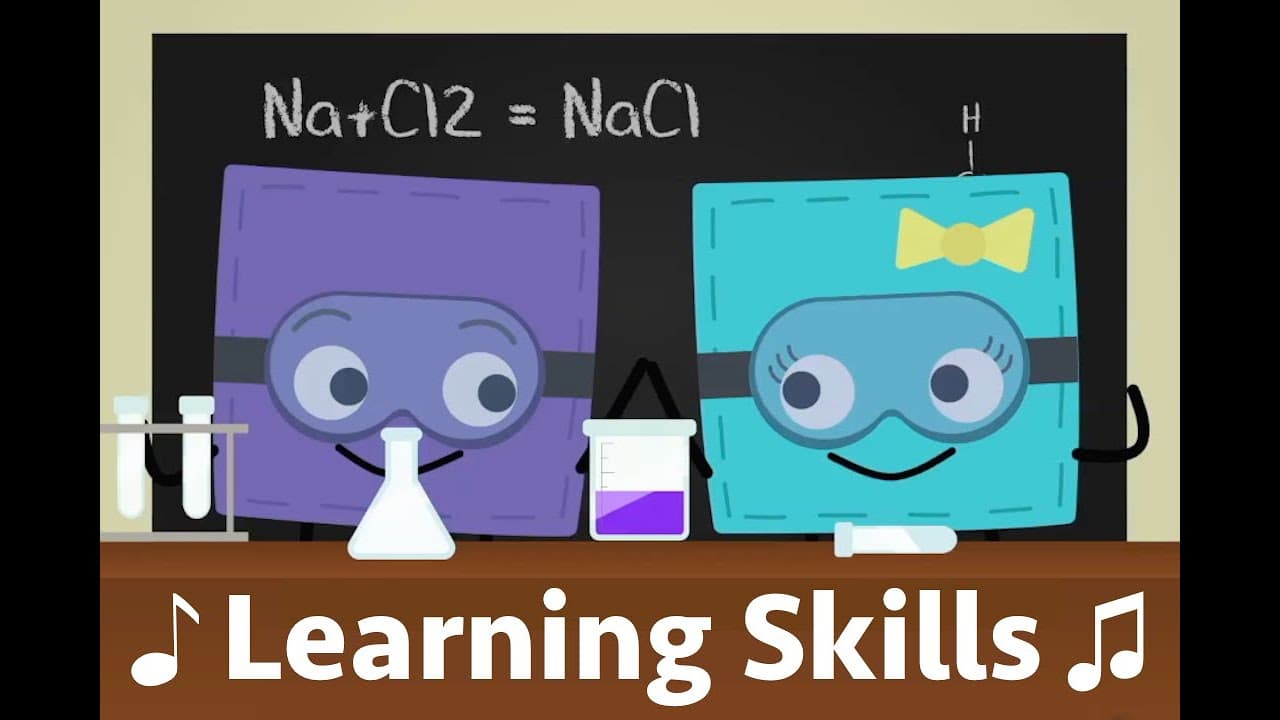
This animated musical video introduces young students to the fundamental soft skills required for academic and social success. featuring colorful, anthropomorphic book characters, the song breaks down complex metacognitive concepts—such as collaboration, perseverance, and reflection—into a catchy, repetitive melody that helps children memorize these essential behaviors. The video explores four primary themes of a "good learner": valuing collaboration (working together), persevering through difficulty while asking questions, thinking out loud to offer solutions, and reflecting on one's own actions. It uses clear visual metaphors, such as solving a jigsaw puzzle to represent collaboration and climbing a steep hill to represent perseverance. For educators, this video serves as an excellent tool for establishing classroom norms at the beginning of the school year or reinforcing growth mindset concepts. It provides a shared vocabulary for the classroom, allowing teachers to remind students to "persevere" or "collaborate" by referencing the song's catchy lyrics and memorable visuals.
1min 11s
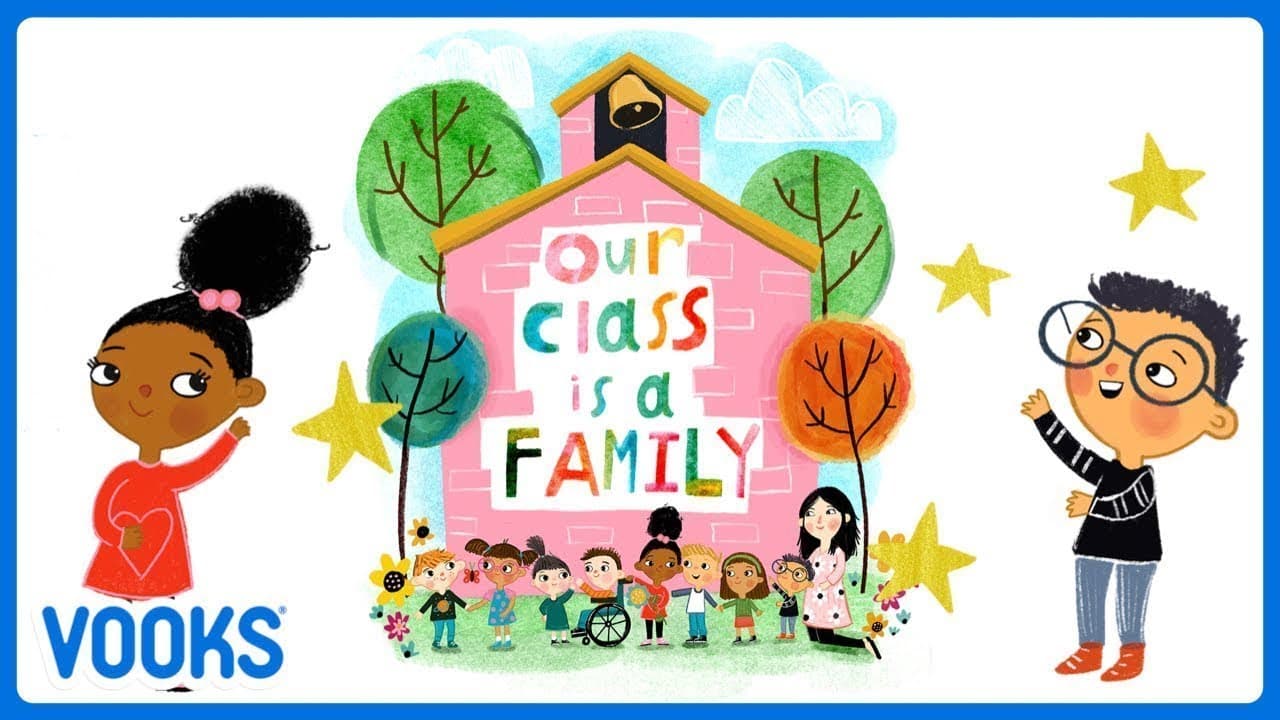
This animated read-aloud video brings Shannon Olsen's beloved picture book to life, exploring the concept that family extends beyond biological relatives to include the people we learn and grow with every day. The video begins with a live-action introduction by a young host who sets the stage by defining family through love rather than just relation, followed by a gentle, animated narration of the text. The story illustrates how a classroom serves as a "second home" where students spend most of their time, emphasizing that this shared space creates a unique bond among peers and teachers. Key themes include community building, social-emotional learning (SEL), diversity, and emotional safety. The narrative explicitly addresses that a classroom is a "haven" where it is safe to make mistakes, fostering a growth mindset. It highlights the importance of respecting differences, showing kindness, and sticking together through tough times. The illustrations depict a diverse group of students, including children of various races and abilities, reinforcing the message that everyone belongs. For educators, this video is an essential tool for establishing classroom culture, particularly during the back-to-school season. It provides a shared language for discussing how students should treat one another and helps define the classroom as a safe, supportive environment. Teachers can use this resource to spark discussions about class rules, conflict resolution, and the value of empathy, helping to transform a group of individual students into a cohesive, supportive team.
5mins 17s
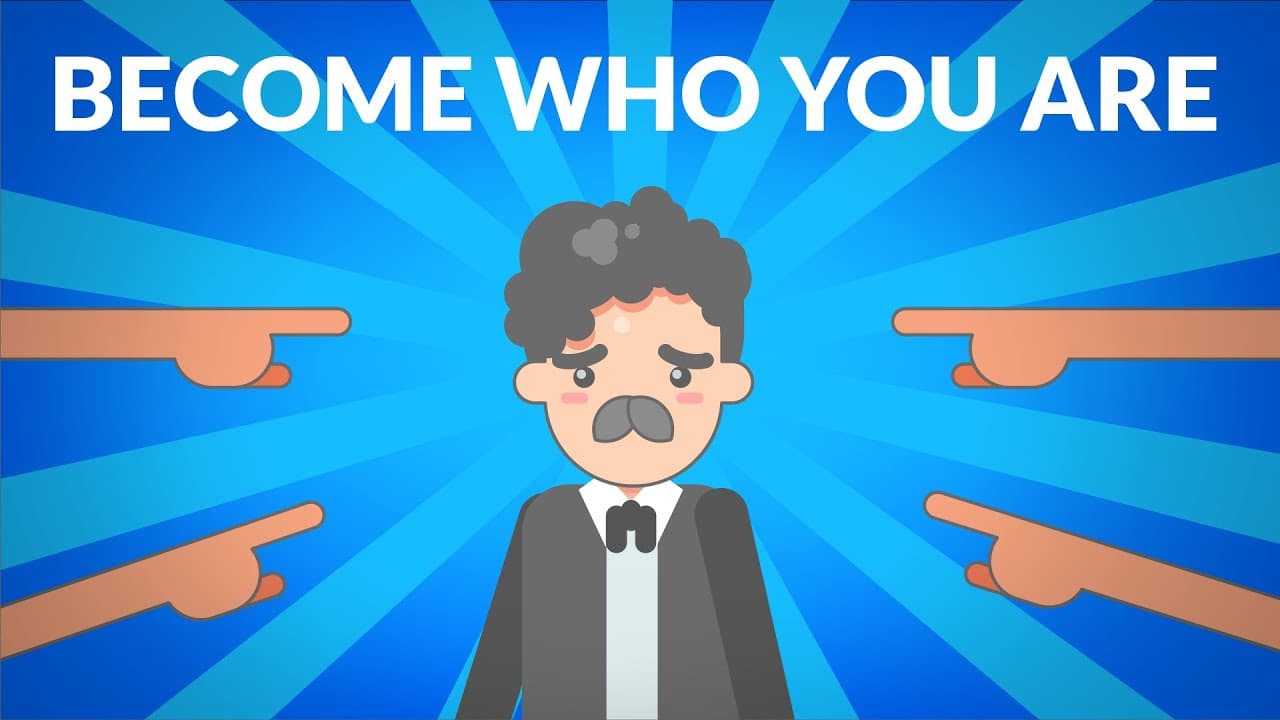
This animated educational video explores Friedrich Nietzsche's philosophy on shame, authenticity, and freedom, drawing primarily from his work 'The Joyous Science'. The video argues that true freedom is the ability to 'become who you are'—to realize one's innate potential like an acorn growing into an oak tree. It posits that toxic shame acts as a barrier to this self-actualization because it stems from comparing one's authentic self to societal ideals or 'shoulds', leading individuals to adopt false personas to gain acceptance. The narrative delves into key psychological themes including the 'true self' versus the 'false self', the origins of conscience and social conditioning, and the isolating effects of performing a role for others. Through the relatable case study of 'Timmy', a sensitive artistic boy who adopts a hyper-masculine persona to please his mother, the video illustrates the high cost of conformity: alienation, loneliness, and the loss of one's unique identity. For educators, this video serves as a powerful tool for Social Emotional Learning (SEL), philosophy, and psychology classes. It provides a framework for discussing identity formation, peer pressure, and mental health. The approachable animation style makes complex philosophical concepts accessible to high school students, fostering deep discussions about the difference between doing what one 'wants' versus what one 'should' do, and the courage required to live authentically.
10mins 7s
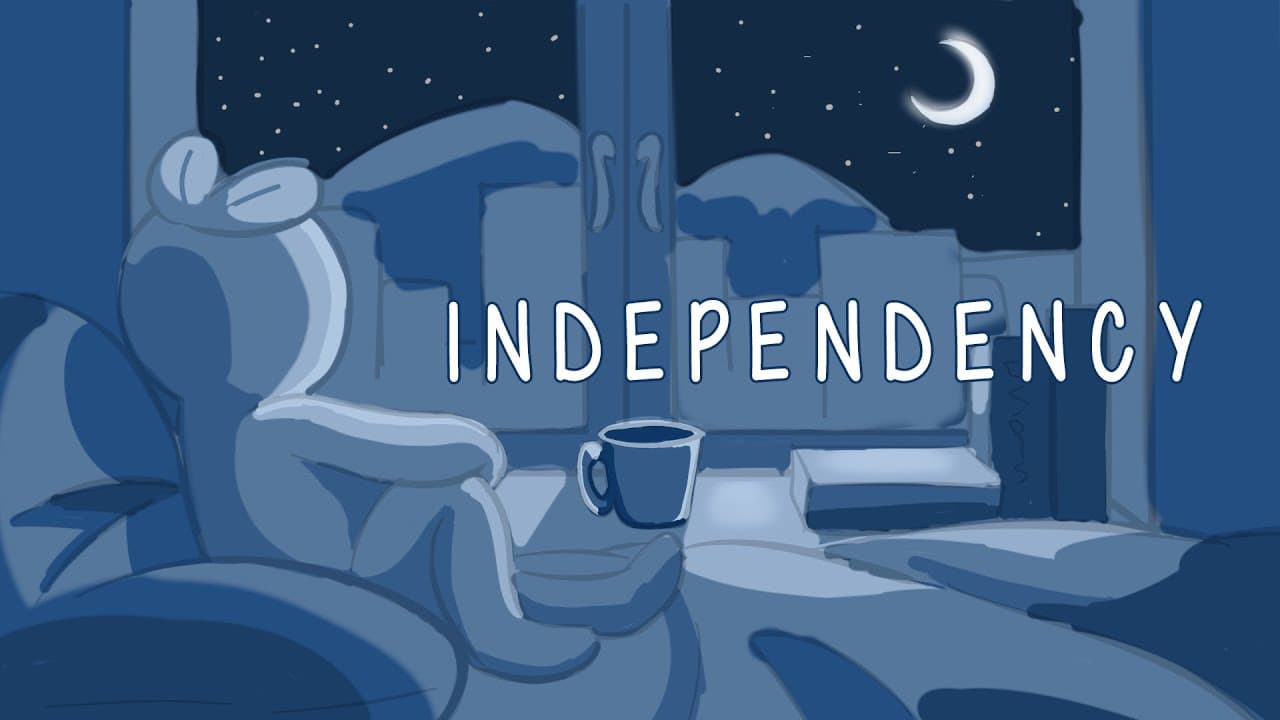
This animated video explores the concept of personal independence, breaking it down into five key behavioral indicators. It frames independence not just as living alone or paying bills, but as a holistic developmental milestone involving emotional maturity, financial responsibility, and resilience. The video uses the signature 'Psych2Go' character to guide viewers through relatable scenarios like fixing a leaky sink, grocery shopping, and dealing with criticism in the workplace. The content delves into themes of self-sufficiency, problem-solving, financial literacy, and emotional autonomy. It distinguishes between healthy independence (solving problems yourself but asking for help when needed) and isolation. It also emphasizes the importance of resilience when help isn't available and the maturity required to accept constructive criticism without letting others' opinions dictate one's self-worth. For educators, this video serves as an excellent resource for social-emotional learning (SEL) and life skills curriculums. It provides a structured way to discuss the transition from childhood dependence to adult autonomy. It can spark meaningful classroom discussions about what it really means to "grow up," how to handle failure, and the balance between self-reliance and community support.
3mins 59s