Identifies mental health crises and suicide warning signs while developing personal safety plans and grounding techniques. Equips users with peer gatekeeper skills and direct pathways to professional crisis resources and hotlines.
This video serves as a real-time guided intervention for individuals experiencing an anxiety or panic attack. Rather than just explaining the theory of anxiety, the presenter, a licensed therapist, walks the viewer through immediate, practical grounding techniques designed to down-regulate the nervous system. The video uses a slow, calming pace to help viewers regain control of their physical and emotional state. The content explores key themes of emotional regulation, sensory grounding, and the physiological response to stress. It validates the scary physical sensations of panic (shaking, nausea, fear) while reassuring the viewer of their safety. The video introduces specific techniques such as the '5-4-3-2-1' sensory method (modified here for immediate impact), cold water immersion for the diving reflex, and visualization of a safe place. For educators, this is a vital tool for social-emotional learning (SEL) and crisis management. It can be used proactively to teach students coping mechanisms or reactively as a resource when a student is overwhelmed. It demystifies the experience of panic, reducing the shame often associated with it, and provides a concrete 'break glass in case of emergency' toolkit that students can use in the classroom or at home.
5mins 23s
In this moving and humorous TEDx talk, Jake Tyler shares his personal journey of navigating severe depression and suicidal ideation. He begins by deconstructing the reflex of saying "I'm fine" and opens up about his "rock bottom" moment where he forgot what happiness felt like. Tyler details how a pivotal phone call to his mother and a reframing question from his doctor helped him distinguish between wanting to die and simply wanting his pain to stop. The talk explores Tyler's recovery strategy, which centered on physical movement and connection with nature. He recounts his experience walking 3,000 miles around Great Britain, which evolved from a personal fitness challenge into a journey of community connection. He introduces the metaphor of depression being the "biggest club in the world" that convinces you that you are the only member, highlighting the irony of isolation in mental health struggles. For educators, this video is a powerful tool for Social Emotional Learning (SEL), Health, and Psychology classes. It destigmatizes mental health discussions, introduces the concept of "movement" versus "exercise," and demonstrates how vulnerability can lead to strength. The narrative arc moves from despair to a triumphant desire to "live forever," offering a hopeful perspective on resilience and recovery.
16mins 5s
This educational animation provides a clear, compassionate, and scientifically grounded introduction to psychosis, a condition affecting millions of people. It opens with a first-person simulation of a psychotic episode in a restaurant setting, helping viewers build empathy by experiencing the confusion and fear associated with auditory and visual hallucinations. The video transitions from this narrative hook into hard data, explaining that psychosis typically first occurs between ages 15 and 30 and affects a diverse range of people across all income and education levels. The content systematically breaks down the primary symptoms of psychosis, including visual hallucinations (seeing shapes or shadows), auditory hallucinations (hearing voices), disorganized thinking, and delusions (believing in special powers or surveillance). Crucially, the video addresses and dismantles harmful stigmas, clarifying that individuals with psychosis are rarely dangerous or "crazy," but rather withdrawn, confused, and frightened. It emphasizes that experiences are unique to each individual. For educators, this video is a vital tool for mental health literacy units in high school and college settings. It serves as an excellent primer for psychology classes or health curriculum, providing a safe entry point into a complex topic. By focusing on early intervention and the reality of recovery through therapy and medication, the video empowers students to recognize signs in themselves or peers and seek help, moving the conversation from fear to understanding and action.
3mins
This animated video provides a practical, four-step guide for students dealing with bullying, framing the issue not as a personal failure but as a common challenge faced even by successful celebrities. Through engaging whiteboard animations, it outlines a concrete action plan: boosting self-confidence by listing personal strengths, building a supportive social circle, ignoring bullies to deny them a reaction, and seeking help from trusted adults or hotlines when situations feel unsafe. The content explores key themes of self-worth, social resilience, and safety strategies. It actively reframes 'nerdy' or 'different' traits as unique strengths that will be valued in adulthood, directly countering the isolation victims often feel. By emphasizing that bullying often stems from the aggressor's personal issues rather than the victim's flaws, the video helps students detach their self-image from the abuse they receive. For educators, this video serves as an excellent social-emotional learning (SEL) tool. It provides a structured framework for difficult conversations about harassment and safety. The clear, actionable steps (Confidence, Army, Ignore, Talk) give students a mental checklist they can use in real-world scenarios. Teachers can use the suggested exercises—like writing down positive traits or identifying a "support army"—as classroom activities to build a culture of empathy and resilience.
5mins 31s
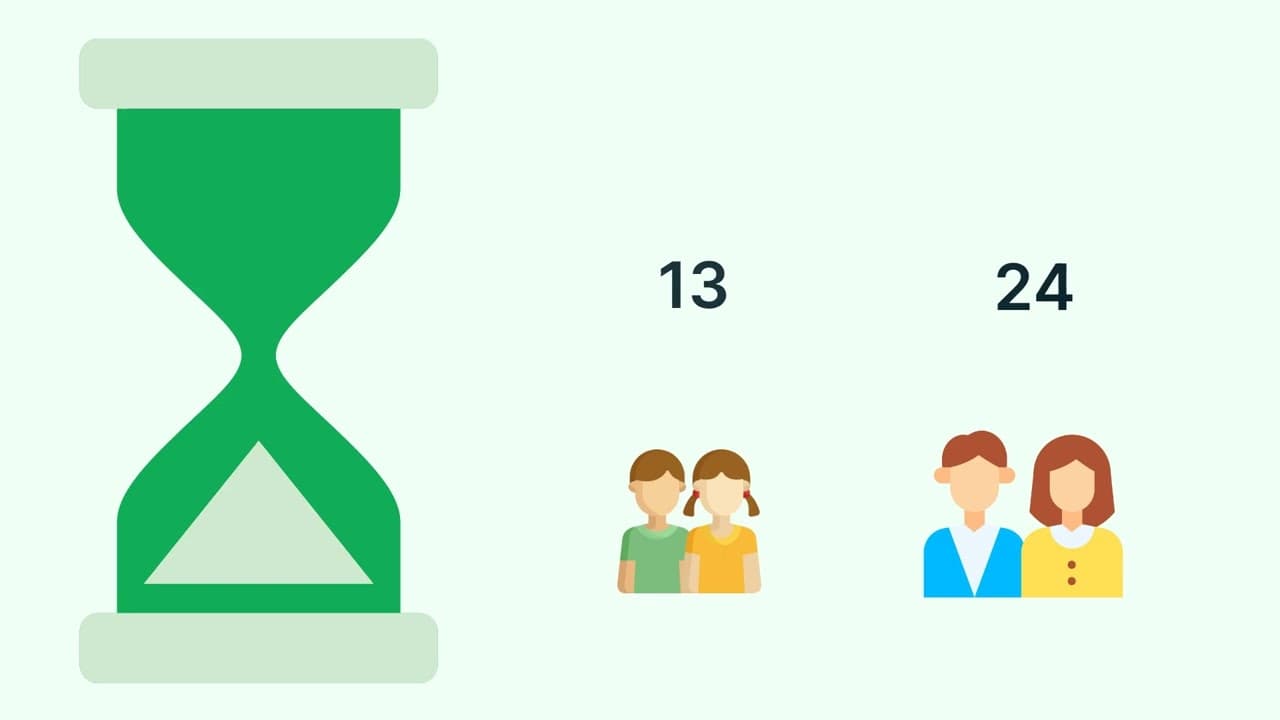
This educational video addresses the critical importance of early intervention in mental health care. It explains the common barriers to seeking help—such as not understanding symptoms or fear of judgment—and highlights the significant gap between the onset of symptoms and treatment, which averages 11 years. By comparing mental illness to physical illness, the video normalizes treatment and emphasizes that mental health conditions are manageable with professional support. Key themes explored include the stigma surrounding mental health, the tangible benefits of early intervention, and the potential consequences of untreated mental illness, such as homelessness and involvement in the justice system. It also provides sobering statistics about suicide rates among youth to underscore the urgency of the issue. The video is a vital resource for health education, counseling sessions, and social-emotional learning (SEL) curricula. It empowers students by providing actionable resources, such as the Crisis Text Line and NAMI (National Alliance on Mental Illness), making it an excellent tool for initiating difficult conversations about well-being and encouraging help-seeking behaviors.
3mins 9s
This animated video provides a compassionate and practical guide for young people on recognizing and leaving unhealthy relationships. It begins by contrasting the feelings associated with healthy versus unhealthy dynamics, such as safety and support versus fear and anxiety. The video clearly outlines "red flags" including teasing, blaming, controlling behavior, and physical harm, helping viewers identify toxic patterns in their own lives. The core of the video focuses on a step-by-step "breakup plan" designed to keep the individual safe and supported. It advises on choosing the right method of communication (phone, text, or public place), using clear language to state that the relationship isn't working, and setting boundaries without feeling obligated to manage the other person's emotions. It emphasizes the critical importance of involving a trusted adult, especially if safety is a concern. Finally, the video addresses the emotional aftermath of a breakup, validating feelings of sadness and loss even when the relationship was bad. It encourages self-care strategies like hobbies and spending time with friends. This resource is invaluable for health and guidance curriculums, providing students with the vocabulary and actionable steps needed to navigate difficult interpersonal situations and prioritize their emotional and physical well-being.
2mins 54s
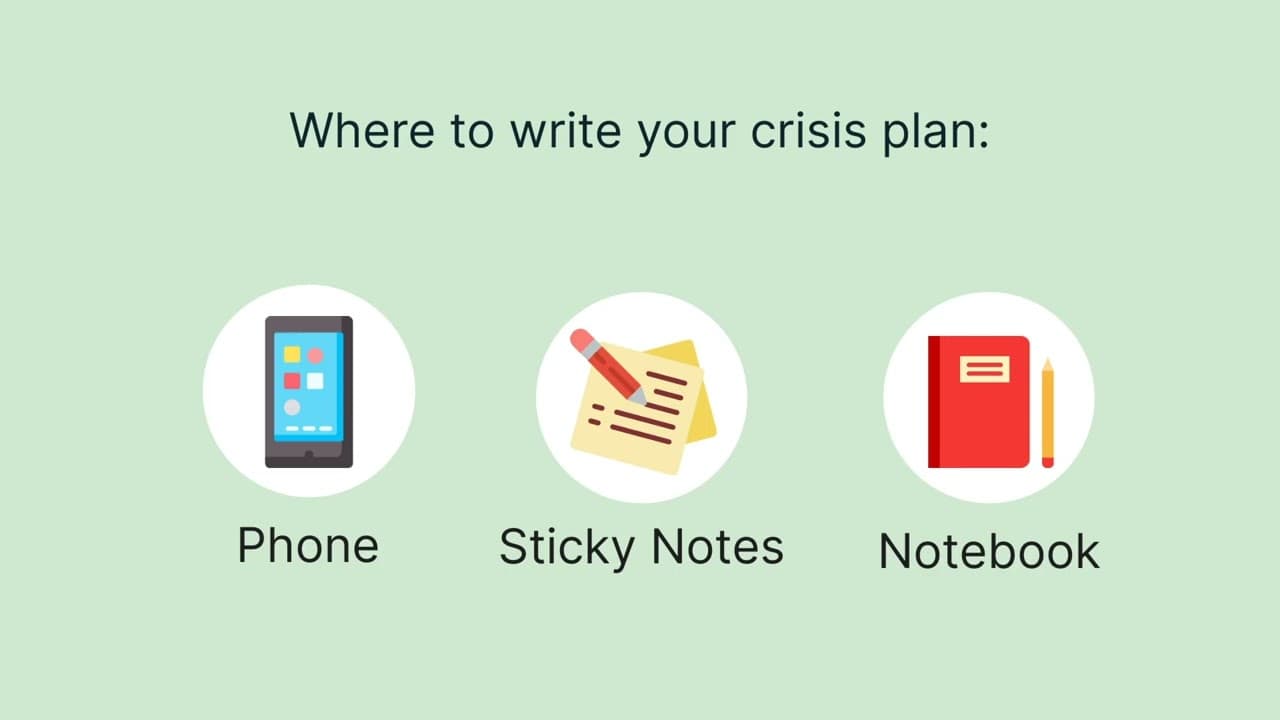
This concise and practical video guide explains the concept, importance, and components of a mental health crisis plan. It defines a crisis plan as a proactive strategy created before an emergency occurs, designed to help individuals navigate mental health crises when they may not be thinking clearly. The video outlines exactly where to store this plan—such as in a phone or notebook—and details the specific information it should contain, ranging from medical history to personal coping strategies. The video explores key themes of mental health preparedness, self-advocacy, and safety planning. It emphasizes that crises can happen unexpectedly, even when someone is in treatment, and normalizes the need for preparation. The content breaks down the essential elements of a safety plan, including contact information for support networks, medication details, triggers (what makes things worse), and glimmers (what helps), as well as logistical details like nearby emergency centers. For educators and mental health professionals, this video serves as an excellent introduction to Social Emotional Learning (SEL) and health education. It provides a concrete, actionable tool for students to manage their well-being. It moves beyond abstract awareness of mental health to practical application, teaching students how to build a safety net for themselves or loved ones. It is particularly useful for health classes, advisory periods, or counseling sessions focused on emotional regulation and safety.
1min 49s