Lenny LearningLenny
Create
Explore
Workspace
LoginSign up
MathEnglish Language ArtsScience & EngineeringSocial StudiesGlobal LanguagesHealth & Physical EducationSpecial EducationCounseling & Life SkillsArts & CreativityESL
Lenny LearningLenny
Lenny Learning
About
Training
Pricing
Support
Contact
© 2026 Lenny Learning Inc.

Responsible Decision-Making

SequencesLessonsMaterialsVideos
  1. Counseling & Life Skills

Responsible Decision-Making

SequencesLessonsMaterialsVideos

Root cause analysis and brainstorming techniques for everyday problem-solving. Equips learners with ethical frameworks and risk-benefit evaluation skills to predict consequences and make informed choices.

Counseling & Life SkillsSelf-AwarenessBasic Emotion RecognitionComplex Emotion IdentificationEmotional Nuance & Mixed FeelingsBuilding Positive Self-ImageRecognizing Strengths & Growth AreasAccurate Self-AssessmentPersonal Values IdentificationCultural & Individual Identity ExplorationValues-Based Decision MakingSelf-ManagementStop-and-Think StrategiesDelaying GratificationIndependent Impulse ManagementIdentifying Stress TriggersShort-Term Goal SettingSMART Goals DevelopmentGoal Monitoring & AdjustmentBuilding Perseverance & ResilienceInternal Motivation DevelopmentComprehensive Stress Reduction PlanningSocial AwarenessRecognizing Others' FeelingsDemonstrating EmpathyRespecting Individual DifferencesUnderstanding Cultural DiversityComplex Empathetic ResponsesMultiple Viewpoint ConsiderationMulti-Perspective AnalysisChallenging Stereotypes & BiasRelationship SkillsActive ListeningClear Verbal & Nonverbal CommunicationBuilding Positive FriendshipsWorking Cooperatively in GroupsCommunicating Personal BoundariesRespecting Others' BoundariesAssertive ExpressionPeaceful Problem-SolvingContributing to Team GoalsComplex Conflict NavigationMediation & NegotiationHealthy Romantic RelationshipsResponsible Decision-MakingDaily Problem IdentificationBrainstorming Multiple SolutionsEvaluating Pros & ConsRecognizing Risks & ConsequencesApplying Ethical FrameworksInformed Risk-Benefit DecisionsRoot Cause AnalysisMindfulnessMindful BreathingBody Scan MeditationDaily Mindfulness ApplicationDaily Self-Care RoutinesBalancing Life DemandsAdvocating for Wellness NeedsMental Health SupportUnderstanding Anxiety SymptomsWorry Management StrategiesProgressive Muscle RelaxationRecognizing Depression SignsBuilding Mood-Supporting RoutinesBehavioral Activation for MoodUnderstanding Grief StagesHealthy Grief CopingCreative Expression of LossBehavioral SupportDaily Check-In ProceduresDaily Goal Setting & ReviewRecognizing Escalation Warning SignsRequesting Breaks & SupportSelf-Calming During DistressUnderstanding Positive ReinforcementToken Economy ImplementationBehavior Chart TrackingAnalyzing Behavior PatternsIdentifying Antecedents & ConsequencesDetermining Behavior FunctionFunction-Based InterventionsIndividualized Behavior ContractsData-Driven Behavior AdjustmentTherapeutic ApproachesThoughts-Feelings-Behaviors ConnectionRecognizing Thinking PatternsChallenging Negative ThoughtsPositive Self-Talk PracticeThought Record TrackingAdvanced Cognitive RestructuringComprehensive CBT PlansBehavioral Activation TechniquesBuilding Positive ExperiencesExposure Hierarchies for AnxietyPresent-Moment AwarenessNon-Judgmental ObservationSelf-Soothing & DistractionComplex Emotion LabelingReducing Emotional Vulnerability (PLEASE)DEAR MAN CommunicationGIVE Skills for RelationshipsFAST Skills for Self-RespectRadical Acceptance PracticeCrisis Survival Skills (TIPP)Understanding Trauma EffectsTrauma Responses & TriggersIdentifying Trauma FeelingsGrounding TechniquesRegulation During Trauma DistressSafe Place VisualizationProcessing Through NarrativeDeveloping Trauma StoryPersonalized Safety PlanningGroup SupportTurn-Taking & SharingGroup Conversation SkillsSharing in Supportive EnvironmentLearning from Similar ChallengesBuilding Community & BelongingNavigating Peer RelationshipsGroup Skill PracticeGroup Mental Health EducationStress & Anxiety UnderstandingCrisis Support & SafetyKnowing When to Seek HelpIdentifying Mental Health CrisesGrounding During CrisisUsing Crisis HotlinesBuilding Support NetworksAccessing Mental Health ResourcesWarning Signs & Coping StrategiesDeveloping Personal Safety PlansUnderstanding Suicide Warning SignsGatekeeper Skills for PeersDigital LiteracySocial MediaTechnology BasicsProductivity ToolsInternet and Online ResearchWeb Design and PublishingDigital CitizenshipOnline Safety and PrivacyEmerging TechnologiesFinancial LiteracyMaking Financial DecisionsBanking and AccountsConsumer SkillsSaving and InvestingCredit and DebtEmployment and IncomeTaxesInsuranceMajor PurchasesEconomic ConceptsFinancial PlanningCollege & Post-Secondary PlanningCareer ExplorationUnderstanding Post-Secondary OptionsCollege Research & SelectionAdmission RequirementsCollege Application ProcessPersonal Statement WritingFAFSA CompletionScholarship Search & ApplicationsUnderstanding Student LoansContinuing Education PlanningInterview PreparationResearching EmployersCommon Interview QuestionsSTAR Method ResponsesProfessional Interview PresenceVirtual Interview SkillsInterview Follow-UpJob Search SkillsUnderstanding Job PostingsEffective Job Search StrategiesNetworking for OpportunitiesResume Writing BasicsAction Verbs & AchievementsTailoring Resumes to JobsCover Letter WritingProfessional ReferencesProfessional CommunicationBusiness Email EtiquettePhone & Voicemail ProfessionalismMeeting ParticipationPresentation SkillsProfessional Work EthicTime Management & ProductivityTeamwork & CollaborationAdaptability & FlexibilityProblem-Solving at WorkConstructive FeedbackWorkplace RightsUnderstanding Employment LawsPay & Benefits UnderstandingWorkplace SafetyAnti-Discrimination & Harassment
Daily Problem IdentificationAnalysis of everyday challenges, situational triggers, and the distinction between minor inconveniences and significant issues. Equips learners to recognize obstacles before they escalate.
Brainstorming Multiple SolutionsTechniques for generating diverse options and evaluating potential outcomes during problem-solving. Strengthens divergent thinking to identify multiple paths before selecting a final course of action.
Evaluating Pros & ConsSystematic analysis of positive and negative outcomes for potential actions. Strengthens judgment by comparing short-term gains against long-term consequences.
Recognizing Risks & ConsequencesIdentification of potential hazards and prediction of outcomes for specific behaviors. Develops frameworks for weighing short-term and long-term consequences in personal and social situations.
Applying Ethical FrameworksSystematic moral reasoning using utilitarian, deontological, and virtue-based perspectives. Guides students through evaluating consequences, duties, and character in real-world decision-making scenarios.
Informed Risk-Benefit DecisionsAnalytical frameworks for weighing potential outcomes, consequences, and personal values before acting. Equips learners to differentiate between calculated risks and impulsive actions in social and academic contexts.
Root Cause AnalysisSystematic identification of underlying factors contributing to interpersonal or personal challenges. Employs techniques like the 5 Whys and fishbone diagrams to develop effective, long-term interventions.
No videos found
There are no videos available for this topic yet.
No videos found
There are no videos available for this topic yet.
No videos found
There are no videos available for this topic yet.
No videos found
There are no videos available for this topic yet.
Video
5 Signs You're An Independent Person

5 Signs You're An Independent Person

This animated video explores the concept of personal independence, breaking it down into five key behavioral indicators. It frames independence not just as living alone or paying bills, but as a holistic developmental milestone involving emotional maturity, financial responsibility, and resilience. The video uses the signature 'Psych2Go' character to guide viewers through relatable scenarios like fixing a leaky sink, grocery shopping, and dealing with criticism in the workplace. The content delves into themes of self-sufficiency, problem-solving, financial literacy, and emotional autonomy. It distinguishes between healthy independence (solving problems yourself but asking for help when needed) and isolation. It also emphasizes the importance of resilience when help isn't available and the maturity required to accept constructive criticism without letting others' opinions dictate one's self-worth. For educators, this video serves as an excellent resource for social-emotional learning (SEL) and life skills curriculums. It provides a structured way to discuss the transition from childhood dependence to adult autonomy. It can spark meaningful classroom discussions about what it really means to "grow up," how to handle failure, and the balance between self-reliance and community support.

Psych2GoPsych2Go

3mins 59s

Video
How to Stop A Bully

How to Stop A Bully

In this engaging and practical presentation, youth speaker Brooks Gibbs explains the sociology behind bullying, reframing it not as random meanness, but as 'dominance behavior' driven by a desire for power. He illustrates that bullying is a game of winners and losers: the bully wins when the victim gets upset, and the victim wins when they remain calm and resilient. Gibbs argues that teaching students to develop 'thick skin' and emotional resilience is more effective than merely telling bullies to stop. The video features a clear distinction between verbal bullying (hurting feelings) and physical violence (crimes like assault), emphasizing that crimes require adult intervention while social insults can often be handled by the students themselves. Gibbs posits that empowering students to solve their own social problems is the key to building genuine self-esteem, self-confidence, and self-worth. To demonstrate his method, Gibbs invites a student on stage for a role-play exercise. Through a humorous and memorable demonstration, he shows exactly how reacting with anger fuels the bully, while reacting with kindness, agreement, or indifference shuts the bullying down instantly. This video provides teachers with a concrete, actionable strategy for Social Emotional Learning (SEL) and conflict resolution units.

Brooks GibbsBrooks Gibbs

7mins 5s

Video
Choosing Optimism | Caroline Allen | TEDxYouth@MBJH

Choosing Optimism | Caroline Allen | TEDxYouth@MBJH

In this insightful TEDxYouth talk, student speaker Caroline Allen challenges the conventional understanding of optimism as merely a cheerful personality trait. Sharing her personal journey from a self-proclaimed optimist to someone who struggled with negativity, she redefines optimism not as constant happiness, but as a deliberate, actionable choice. She explores the factors that contribute to an optimistic outlook—including environment and genetics—but ultimately argues that individual choice is the most powerful determinant in how we face challenges. Key themes include the distinction between happiness and optimism, the role of resilience in overcoming failure, and the science behind positive thinking. Allen references studies from Harvard Business Review and King's College to support her points, moving the discussion beyond platitudes into evidence-based reasoning. She emphasizes that optimism is a skill that can be learned and practiced, rather than just an innate quality one is born with. For educators, this video is a powerful tool for social-emotional learning (SEL) and character education. It provides a relatable peer perspective for middle and high school students who may feel pressure to be constantly happy. The talk can spark meaningful classroom discussions about growth mindset, coping strategies for academic stress, and the power of reframing negative situations. It is particularly useful for helping students understand that they have agency over their emotional responses and that resilience is an active process.

TEDx TalksTEDx Talks

6mins 27s

Video
Navigating the Online World: Social Media Safety

Navigating the Online World: Social Media Safety

This educational video follows a host and an animated robot named Mia as they transport themselves into "Metatropolis," a fictional virtual world representing social media. The video defines social media as interactive platforms where users act as both producers and consumers of content. It explores the economic models of these platforms, explaining how advertising revenue drives features designed to maximize user engagement, such as algorithms, infinite scrolling, and gamification. The content focuses on two main analytical frameworks: analyzing platform intent (profit and engagement) versus user intent (Persuade, Inform, Entertain). It specifically addresses common digital pitfalls through three example posts: one sharing too much personal information, one spreading misinformation, and one engaging in cyberbullying. The video teaches students to apply the "In-Person Rule"—asking if they would say something to someone's face before typing it online. For educators, this video serves as a comprehensive introduction to Digital Citizenship and Media Literacy. It connects traditional ELA concepts like "Author's Purpose" to modern digital contexts, making it highly relevant for middle school students. The video provides actionable advice for maintaining mental health and safety online, such as limiting screen time, verifying news sources, and protecting personal data, making it a valuable tool for guidance counselors and classroom teachers alike.

Miacademy & MiaPrep Learning ChannelMiacademy & MiaPrep Learning Channel

9mins 35s

Video
How to Get Out of an Unhealthy Relationship

How to Get Out of an Unhealthy Relationship

This animated video provides a compassionate and practical guide for young people on recognizing and leaving unhealthy relationships. It begins by contrasting the feelings associated with healthy versus unhealthy dynamics, such as safety and support versus fear and anxiety. The video clearly outlines "red flags" including teasing, blaming, controlling behavior, and physical harm, helping viewers identify toxic patterns in their own lives. The core of the video focuses on a step-by-step "breakup plan" designed to keep the individual safe and supported. It advises on choosing the right method of communication (phone, text, or public place), using clear language to state that the relationship isn't working, and setting boundaries without feeling obligated to manage the other person's emotions. It emphasizes the critical importance of involving a trusted adult, especially if safety is a concern. Finally, the video addresses the emotional aftermath of a breakup, validating feelings of sadness and loss even when the relationship was bad. It encourages self-care strategies like hobbies and spending time with friends. This resource is invaluable for health and guidance curriculums, providing students with the vocabulary and actionable steps needed to navigate difficult interpersonal situations and prioritize their emotional and physical well-being.

AMAZE OrgAMAZE Org

2mins 54s

Video
Do You have a Plan for Life After High School?

Do You have a Plan for Life After High School?

Hosted by a relatable teen peer named Maria, this video addresses the anxiety and uncertainty many students face when asked, "What are you going to do after high school?" Maria normalizes the fear of the unknown but emphasizes the necessity of creating a plan. She breaks down the overwhelming process of career selection into manageable steps, starting with self-reflection rather than job titles. The video explores various post-secondary pathways, including four-year colleges, trade schools, the military, and entering the workforce immediately. It provides a concrete framework for decision-making by encouraging students to list their interests, skills, desired lifestyle, and core beliefs. Maria models this behavior by sharing her own list and how it led her to pursue medicine. For educators, this resource serves as an excellent hook for career exploration units or advisory periods. It creates a safe space for students to admit they don't have all the answers while providing a practical "homework" assignment to get started. It specifically reinforces the role of school counselors as support systems and alleviates pressure by reminding students that career choices aren't permanent and can evolve over time.

Mesquite ISDMesquite ISD

2mins 15s

Video
Marcus Aurelius - How to Stay Calm in Uncertain Times

Marcus Aurelius - How to Stay Calm in Uncertain Times

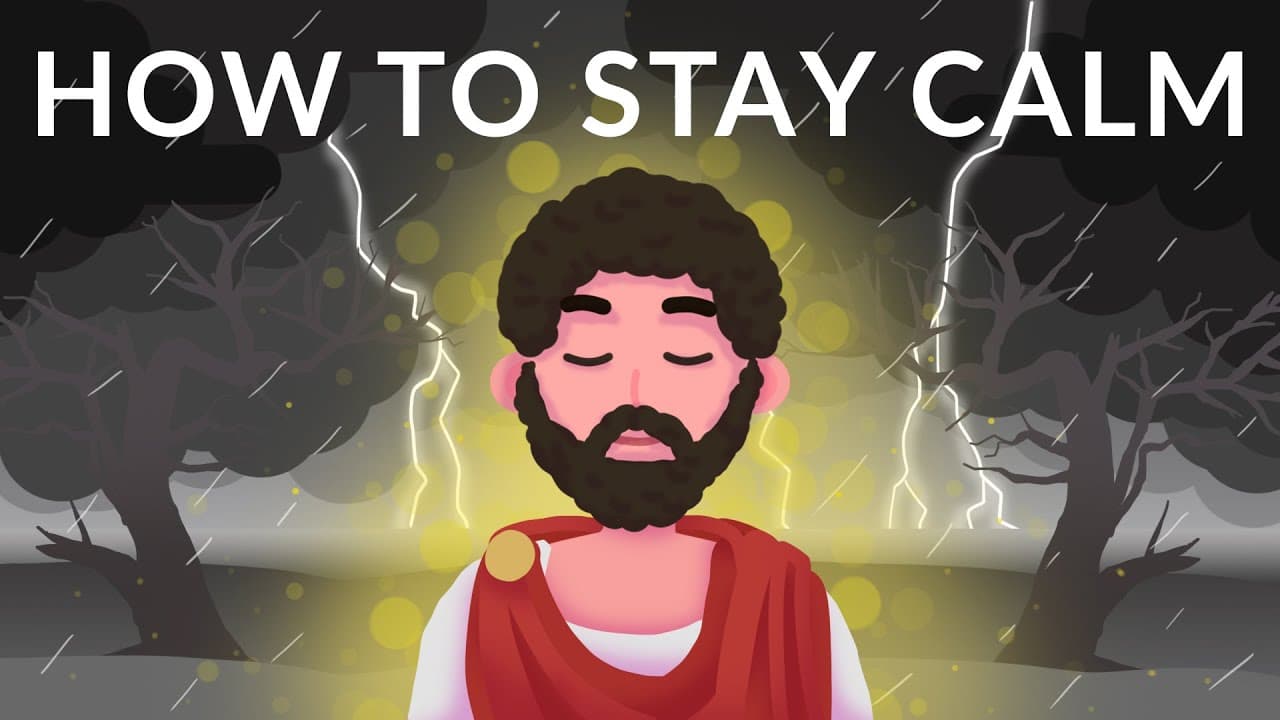
This animated video explores the timeless wisdom of Roman Emperor and Stoic philosopher Marcus Aurelius, specifically drawing from his personal writings, "Meditations." The narrative provides a practical framework for maintaining mental composure when life feels chaotic or uncertain, breaking down complex philosophical ideas into accessible, actionable advice appropriate for students navigating stress or anxiety. The content is structured around five core virtues derived from Stoic philosophy: Acceptance (embracing reality), Mindfulness (focusing on the present), Discrimination (understanding what is within one's control), Judgment (valuing character over material goods), and Adaptability (embracing change). Through simple animations and direct quotes from Aurelius, the video illustrates how shifting one's perspective can lead to greater emotional stability. For educators, this video serves as an excellent bridge between history, philosophy, and Social Emotional Learning (SEL). It provides concrete tools for students to manage anxiety, offering a historical context that validates their feelings while providing ancient strategies for resilience. It is particularly useful for discussions on mental health, character education, and the study of ancient civilizations.

Freedom in ThoughtFreedom in Thought

6mins 36s

Video
How to make smart decisions more easily

How to make smart decisions more easily

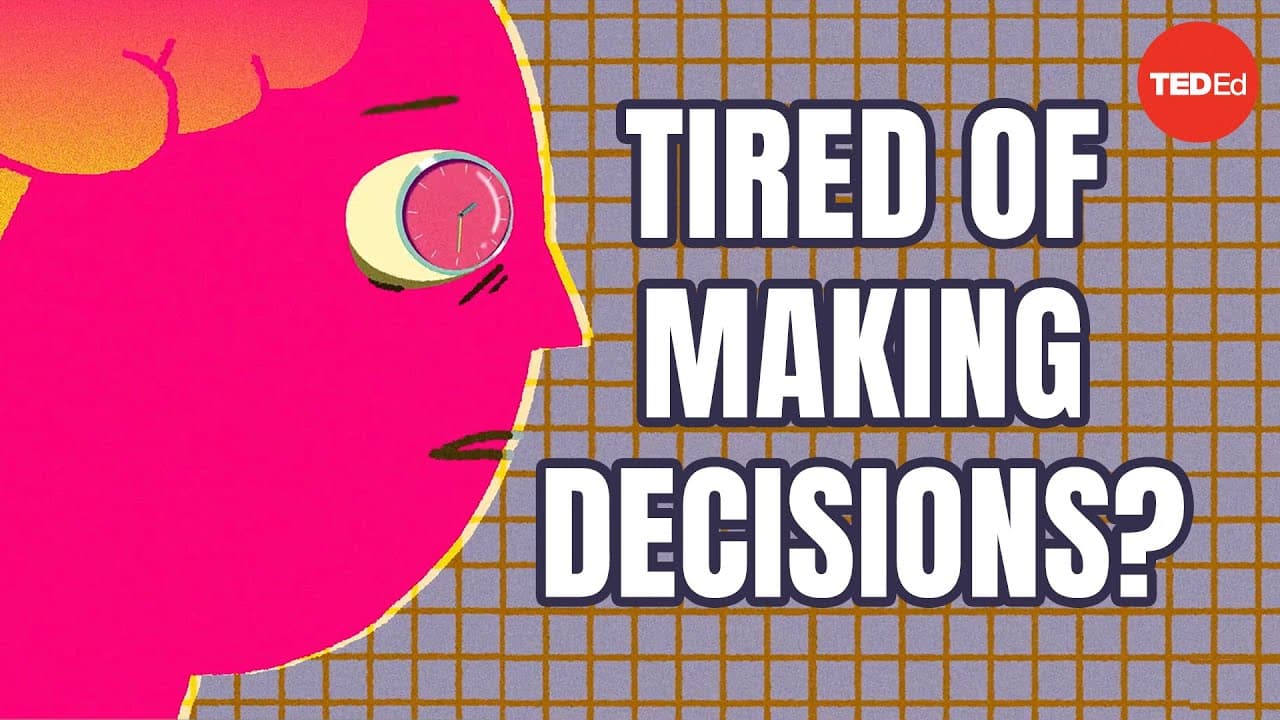
This animated lesson explores the psychological phenomenon of "decision fatigue," explaining why our ability to make good choices deteriorates after a long period of decision-making. Through the lens of a fascinating 2011 study on parole judges, the video demonstrates how cognitive exhaustion can lead to impulsive behavior or the avoidance of making decisions altogether. It breaks down the variables that contribute to this state, such as decision frequency, complexity, and novelty. The video delves into the biological reality that mental work consumes physical energy, creating a daily threshold for high-quality decision-making. It highlights the dangers of this fatigue in high-stakes professions like medicine and law, where exhaustion can lead to critical errors. The narrative moves from systemic issues to personal application, helping viewers understand their own cognitive limits. For educators, this resource offers practical strategies for students to manage their own mental energy. It provides actionable advice on combatting fatigue, such as simplifying daily routines, delegating choices, and tackling important tasks earlier in the day. It serves as an excellent tool for teaching executive function skills, self-regulation, and psychology concepts related to willpower and mental stamina.

TED-EdTED-Ed

5mins 16s

Video
Navigating the Online World: Social Media Safety

Navigating the Online World: Social Media Safety

This educational video follows a host and an animated robot named Mia as they transport themselves into "Metatropolis," a fictional virtual world representing social media. The video defines social media as interactive platforms where users act as both producers and consumers of content. It explores the economic models of these platforms, explaining how advertising revenue drives features designed to maximize user engagement, such as algorithms, infinite scrolling, and gamification. The content focuses on two main analytical frameworks: analyzing platform intent (profit and engagement) versus user intent (Persuade, Inform, Entertain). It specifically addresses common digital pitfalls through three example posts: one sharing too much personal information, one spreading misinformation, and one engaging in cyberbullying. The video teaches students to apply the "In-Person Rule"—asking if they would say something to someone's face before typing it online. For educators, this video serves as a comprehensive introduction to Digital Citizenship and Media Literacy. It connects traditional ELA concepts like "Author's Purpose" to modern digital contexts, making it highly relevant for middle school students. The video provides actionable advice for maintaining mental health and safety online, such as limiting screen time, verifying news sources, and protecting personal data, making it a valuable tool for guidance counselors and classroom teachers alike.

Miacademy & MiaPrep Learning ChannelMiacademy & MiaPrep Learning Channel

9mins 35s

Video
R.E.S.P.E.C.T. S8 E4

R.E.S.P.E.C.T. S8 E4

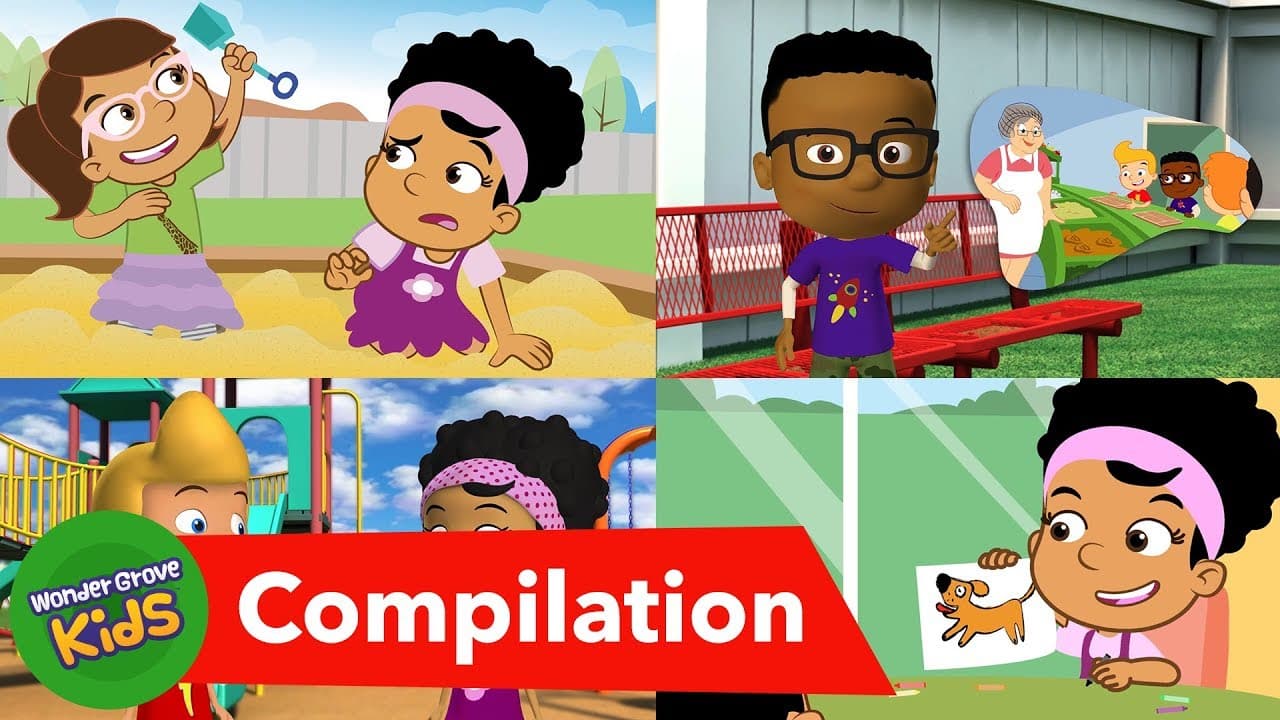
This comprehensive animated compilation features the Wonder Grove Kids exploring essential social-emotional skills through four distinct but related stories. The video covers critical topics for early childhood development: proper playground behavior, maintaining personal boundaries, using words instead of physical aggression, and respecting other people's property. Through relatable scenarios involving a cast of recurring characters like Maria, Peter, Dee, Chris, and Marcus, students witness both positive and negative examples of social interaction. Key themes include the "Golden Rule" (treating others how you want to be treated), the concept of personal space (visualized as an "invisible cone"), and the importance of asking for permission. The characters navigate common childhood conflicts—such as cutting in line, unwanted tickling, and taking items without asking—providing a safe, third-party context for students to analyze behavior and consequences without feeling personally targeted. For educators, this video serves as a versatile anchor for Social-Emotional Learning (SEL) units. It is particularly valuable for establishing classroom norms at the beginning of the year or addressing specific behavioral issues as they arise. The segmented nature of the video allows teachers to show specific clips relevant to immediate classroom needs, such as a lesson solely on "keeping hands to yourself" or a broader discussion on community respect.

WonderGrove KidsWonderGrove Kids

13mins 42s

Video
Cyber Bullying (UNICEF)

Cyber Bullying (UNICEF)

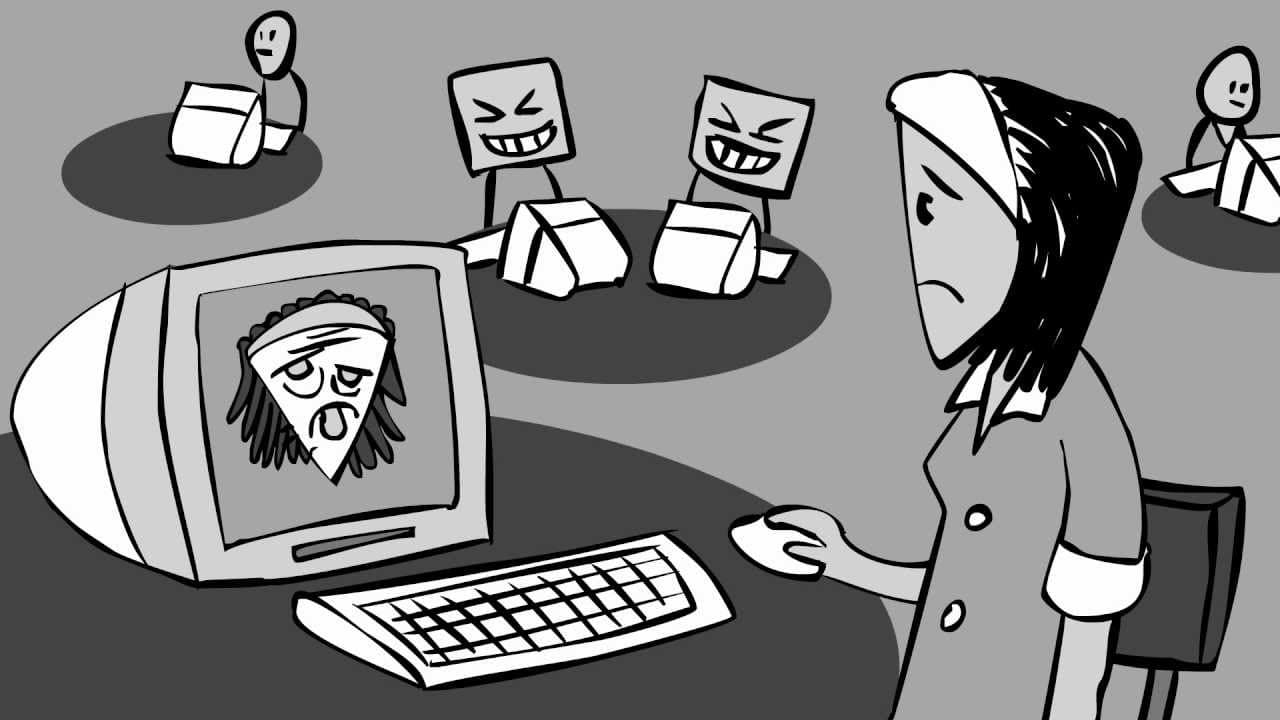
This wordless animated short film by UNICEF powerfully illustrates the pervasive nature of cyberbullying and the positive impact of bystander intervention. The story follows a young student who becomes the victim of online harassment when a cruel caricature of her is circulated among her peers. The video visualizes how cyberbullying follows a victim everywhere—from the schoolyard to the safety of their own bedroom—demonstrating that there is often no escape from digital harassment without external help. The narrative explores critical themes of isolation, the viral nature of digital content, and the responsibility of digital citizens. It highlights the emotional toll on the victim, showing her transition from a happy student to a withdrawn, fearful individual. Crucially, it models positive behavior through a male classmate who refuses to participate in the bullying and instead reports the issue to an adult, leading to a resolution that restores the victim's social standing and emotional well-being. For educators, this video is an exceptional resource because its lack of intelligible dialogue makes it universally accessible, regardless of language barriers or reading levels. It serves as a perfect anchor for Social Emotional Learning (SEL) lessons regarding empathy, digital footprints, and the specific steps students should take if they witness online bullying. The clear visual metaphors allow students to easily identify the roles of the bully, the victim, the bystander, and the upstander.

Google AfricaGoogle Africa

1min 21s

Video
How to Get Out of an Unhealthy Relationship

How to Get Out of an Unhealthy Relationship

This animated video provides a compassionate and practical guide for young people on recognizing and leaving unhealthy relationships. It begins by contrasting the feelings associated with healthy versus unhealthy dynamics, such as safety and support versus fear and anxiety. The video clearly outlines "red flags" including teasing, blaming, controlling behavior, and physical harm, helping viewers identify toxic patterns in their own lives. The core of the video focuses on a step-by-step "breakup plan" designed to keep the individual safe and supported. It advises on choosing the right method of communication (phone, text, or public place), using clear language to state that the relationship isn't working, and setting boundaries without feeling obligated to manage the other person's emotions. It emphasizes the critical importance of involving a trusted adult, especially if safety is a concern. Finally, the video addresses the emotional aftermath of a breakup, validating feelings of sadness and loss even when the relationship was bad. It encourages self-care strategies like hobbies and spending time with friends. This resource is invaluable for health and guidance curriculums, providing students with the vocabulary and actionable steps needed to navigate difficult interpersonal situations and prioritize their emotional and physical well-being.

AMAZE OrgAMAZE Org

2mins 54s

Video
How to Stop A Bully

How to Stop A Bully

In this engaging and practical presentation, youth speaker Brooks Gibbs explains the sociology behind bullying, reframing it not as random meanness, but as 'dominance behavior' driven by a desire for power. He illustrates that bullying is a game of winners and losers: the bully wins when the victim gets upset, and the victim wins when they remain calm and resilient. Gibbs argues that teaching students to develop 'thick skin' and emotional resilience is more effective than merely telling bullies to stop. The video features a clear distinction between verbal bullying (hurting feelings) and physical violence (crimes like assault), emphasizing that crimes require adult intervention while social insults can often be handled by the students themselves. Gibbs posits that empowering students to solve their own social problems is the key to building genuine self-esteem, self-confidence, and self-worth. To demonstrate his method, Gibbs invites a student on stage for a role-play exercise. Through a humorous and memorable demonstration, he shows exactly how reacting with anger fuels the bully, while reacting with kindness, agreement, or indifference shuts the bullying down instantly. This video provides teachers with a concrete, actionable strategy for Social Emotional Learning (SEL) and conflict resolution units.

Brooks GibbsBrooks Gibbs

7mins 5s

Video
How to make smart decisions more easily

How to make smart decisions more easily

This animated lesson explores the psychological phenomenon of "decision fatigue," explaining why our ability to make good choices deteriorates after a long period of decision-making. Through the lens of a fascinating 2011 study on parole judges, the video demonstrates how cognitive exhaustion can lead to impulsive behavior or the avoidance of making decisions altogether. It breaks down the variables that contribute to this state, such as decision frequency, complexity, and novelty. The video delves into the biological reality that mental work consumes physical energy, creating a daily threshold for high-quality decision-making. It highlights the dangers of this fatigue in high-stakes professions like medicine and law, where exhaustion can lead to critical errors. The narrative moves from systemic issues to personal application, helping viewers understand their own cognitive limits. For educators, this resource offers practical strategies for students to manage their own mental energy. It provides actionable advice on combatting fatigue, such as simplifying daily routines, delegating choices, and tackling important tasks earlier in the day. It serves as an excellent tool for teaching executive function skills, self-regulation, and psychology concepts related to willpower and mental stamina.

TED-EdTED-Ed

5mins 16s