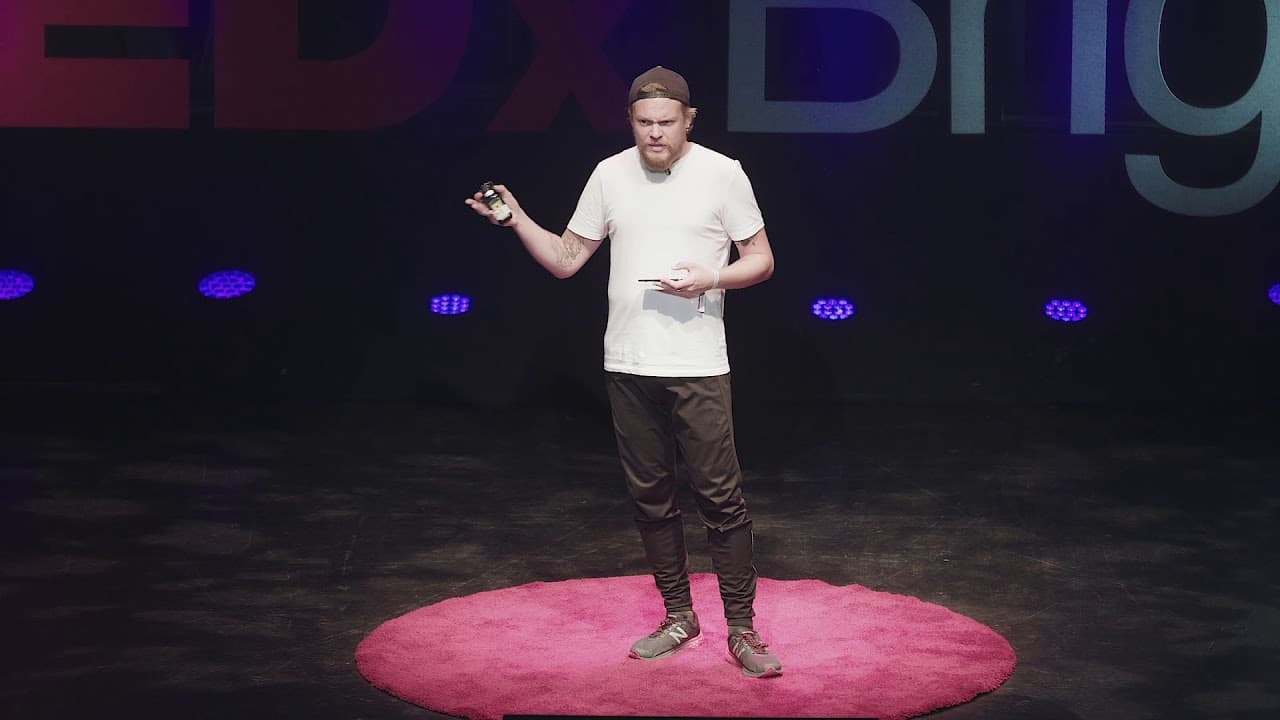
Mindful breathing and body scan meditation techniques integrated with daily self-care routines. Develops strategies for balancing life demands and advocating for personal wellness needs.
This educational video explores the biological and psychological mechanisms behind anger, helping children understand why they feel mad and how their bodies react. Host Jessi and her robot mouse friend Squeaks begin by identifying facial expressions associated with different emotions, transitioning into a detailed explanation of the physiological "fight" response. The video explains that anger is actually the brain's way of preparing the body to face a perceived threat, triggering reactions like rapid breathing, muscle tension, and the release of adrenaline. The content breaks down complex biological concepts—such as the fight-or-flight response and adrenaline release—into kid-friendly terms, using clear animations and examples. It compares human reactions to animal behaviors, noting how dogs growl or cats arch their backs for similar reasons. The narrative emphasizes that while this response was useful for survival against physical threats, it often activates today during non-dangerous situations, like losing a game or being told "no." Ideally suited for Social-Emotional Learning (SEL) and elementary science curriculums, this resource provides practical strategies for emotional regulation. The video concludes by teaching students specific techniques to manage their anger, such as deep breathing, counting to ten, and ensuring they are well-rested and fed. It serves as an excellent tool for normalizing difficult emotions while empowering students with the science behind their feelings and the tools to control them.
4mins 34s
This educational video provides a comprehensive overview of managing stress through practical coping mechanisms and long-term habits. It begins by defining stress as a natural part of life that becomes problematic when constant or overwhelming. The narrator distinguishes between immediate coping mechanisms—like deep breathing or walking—and ongoing stress management strategies that help prevent stress from accumulating.
3mins 41s
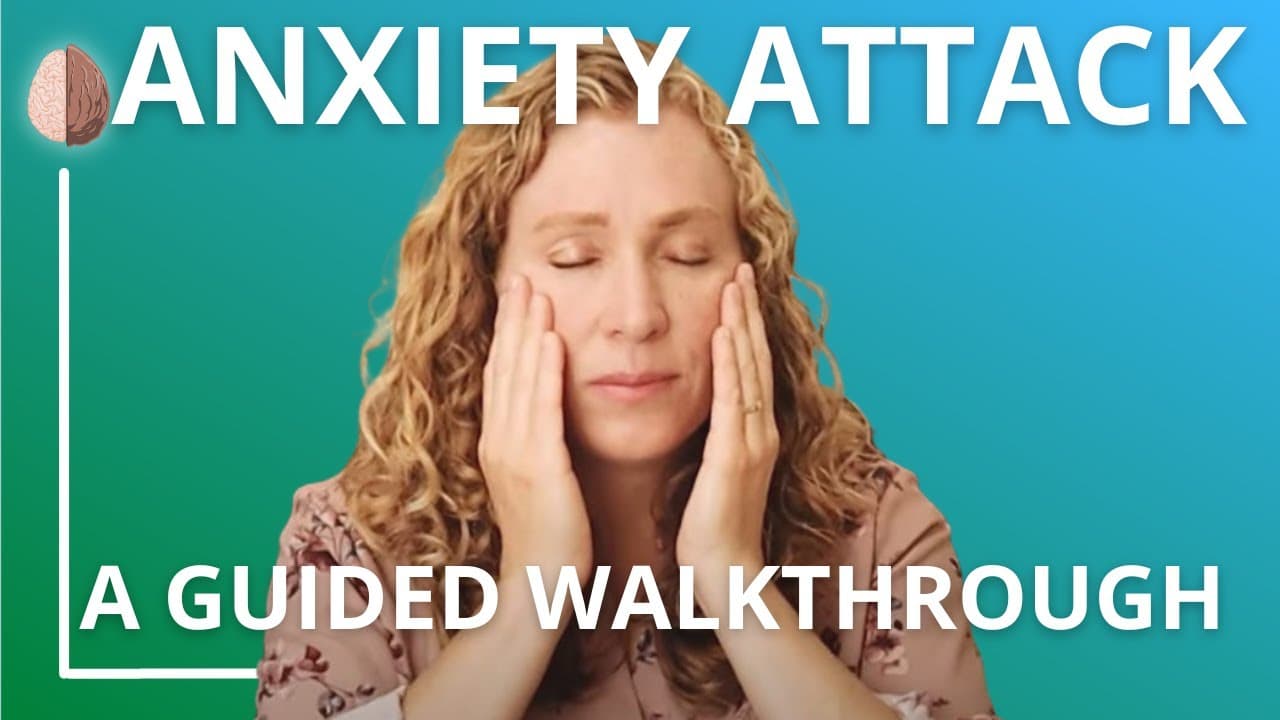
This video serves as a real-time guided intervention for individuals experiencing an anxiety or panic attack. Rather than just explaining the theory of anxiety, the presenter, a licensed therapist, walks the viewer through immediate, practical grounding techniques designed to down-regulate the nervous system. The video uses a slow, calming pace to help viewers regain control of their physical and emotional state. The content explores key themes of emotional regulation, sensory grounding, and the physiological response to stress. It validates the scary physical sensations of panic (shaking, nausea, fear) while reassuring the viewer of their safety. The video introduces specific techniques such as the '5-4-3-2-1' sensory method (modified here for immediate impact), cold water immersion for the diving reflex, and visualization of a safe place. For educators, this is a vital tool for social-emotional learning (SEL) and crisis management. It can be used proactively to teach students coping mechanisms or reactively as a resource when a student is overwhelmed. It demystifies the experience of panic, reducing the shame often associated with it, and provides a concrete 'break glass in case of emergency' toolkit that students can use in the classroom or at home.
5mins 23s
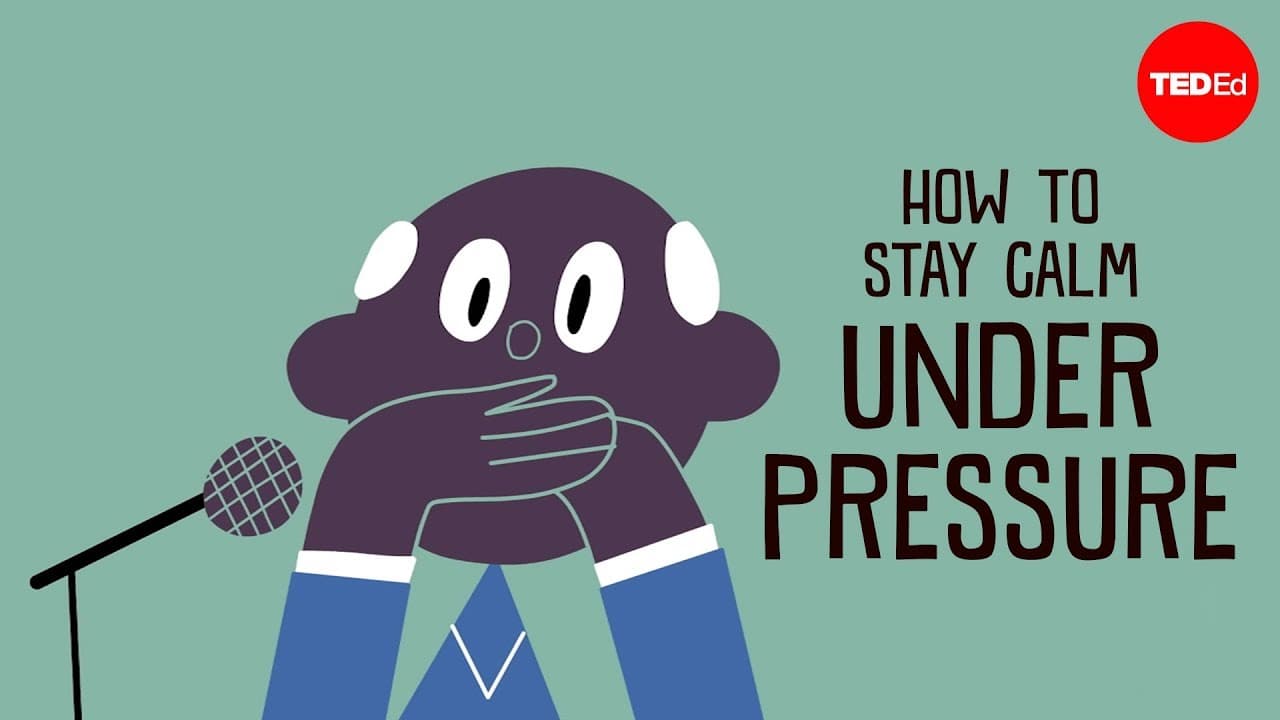
This animated video explores the psychological phenomenon of "choking" under pressure—failing to perform a mastered skill when it matters most. It examines why highly skilled individuals, from Olympic athletes to spelling bee champions, sometimes falter despite months or years of preparation. The video breaks down the science behind performance anxiety, distinguishing between common nervousness and the specific mental blocks that interfere with execution. The content delves into two primary theories explaining why choking happens: Distraction Theories and Explicit Monitoring Theories. It explains how high-pressure situations can overload "working memory," impacting cognitive tasks, or cause individuals to overthink automatic physical movements, disrupting muscle memory. The narrative uses accessible analogies and cites psychological studies involving math students and golfers to illustrate these concepts. For educators, this video is an excellent resource for Social-Emotional Learning (SEL), psychology, public speaking, and physical education. It offers practical, evidence-based strategies for students to manage anxiety, such as practicing under simulated pressure, developing pre-performance rituals, and shifting focus from internal mechanics to external goals. These tools are directly applicable to test-taking, sports, and classroom presentations.
4mins 29s
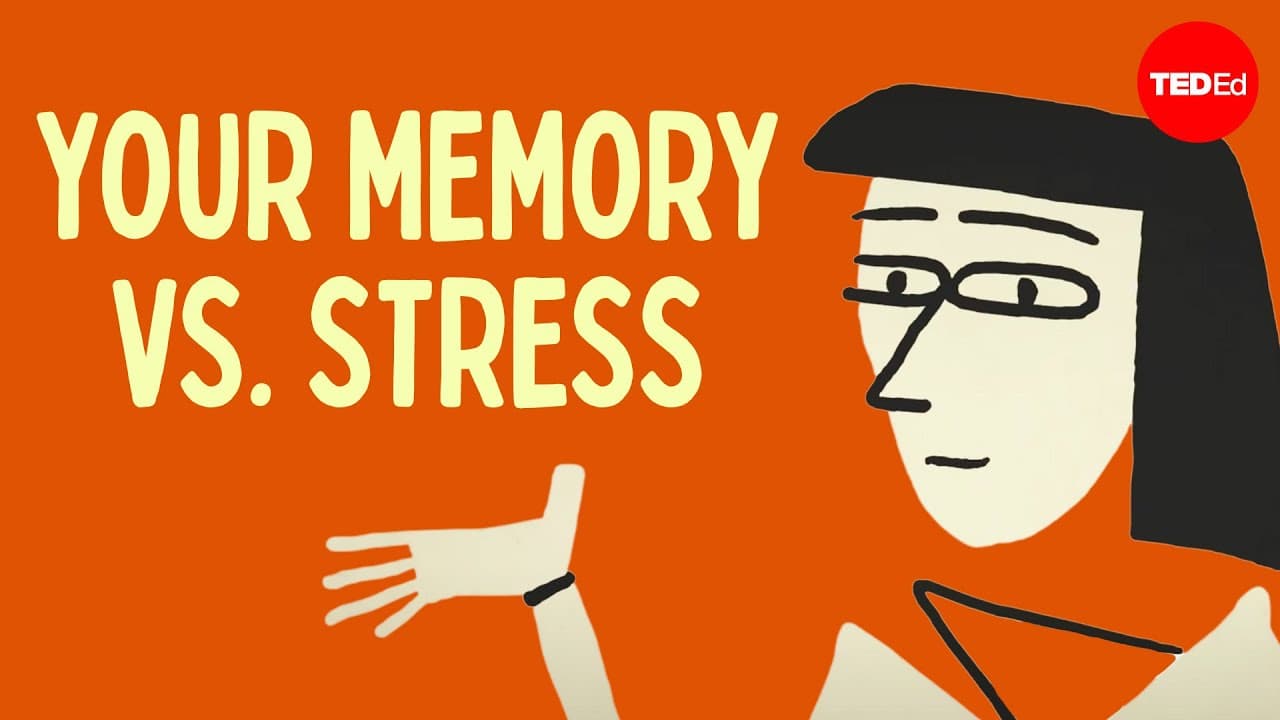
This animated lesson explores the complex biological relationship between stress and memory, specifically focusing on why our minds sometimes go blank during high-pressure situations like exams. It breaks down the three stages of memory formation—acquisition, consolidation, and retrieval—and explains how different levels of stress impact each stage. The video uses clear metaphors and character-driven animations to visualize how brain structures like the hippocampus, amygdala, and prefrontal cortex interact under pressure. The video distinguishes between moderate stress, which can actually aid memory formation, and chronic or extreme stress, which hinders it. It introduces the biological mechanism where stress hormones (corticosteroids) activate the amygdala's threat response, subsequently inhibiting the prefrontal cortex—the area responsible for reasoned thought and memory retrieval. This biological override explains the "fight, flight, or freeze" response that causes test anxiety. For educators, this video is an invaluable tool for social-emotional learning and study skills. It not only explains the science behind test anxiety but offers concrete, actionable strategies for students to manage it, such as simulating test conditions, exercising, and deep breathing. By understanding the biology of their own reactions, students can destigmatize their anxiety and learn practical techniques to regain control during stressful moments.
4mins 44s
This video is a calming, five-minute guided meditation designed to help viewers achieve a state of physical and mental relaxation. Through a soothing voiceover and gentle background music, the narrator guides the audience through deep breathing exercises, a body scan to release muscle tension, and visualization techniques to quiet the mind. The visual component features a serene animation of a woman meditating against a mountainous backdrop, providing a steady focal point for those who prefer to keep their eyes open. The content explores key themes of mindfulness, self-regulation, and the mind-body connection. It specifically addresses the concept of "holding space" for oneself and normalizes the experience of a wandering mind, encouraging viewers to gently return their focus without judgment. The meditation emphasizes the use of gravity and breath as tools to ground oneself in the present moment. For educators, this video serves as an excellent tool for social-emotional learning (SEL) and classroom management. It is particularly useful for transitioning students between high-energy activities and focused work, alleviating test anxiety, or starting the day with a positive mindset. The short duration makes it practical for classroom integration, allowing teachers to teach self-soothing techniques that students can utilize independently to manage stress and emotions.
5mins 35s
This educational animation explores the psychological science behind emotional regulation, challenging the notion that we are at the mercy of our feelings. Using a relatable opening scenario about failing a test, the video contrasts two different reactions to the same setback to illustrate that while we cannot always control external events, we can control our responses to them. It introduces the "Process Model," a framework used by psychologists to identify specific points in time where we can intervene to change how we feel. The content breaks down the four stages of emotion formation: Situation, Attention, Appraisal, and Response. through a hypothetical scenario involves running into an ex-partner at a party, the narrator demonstrates practical strategies for each stage, such as situation modification, attentional deployment, and cognitive reappraisal. The video also critically examines "response modulation" (managing emotions after they occur), warning against unhealthy suppression while advocating for sustainable outlets like exercise or social support. For educators, this video serves as an excellent foundation for Social Emotional Learning (SEL) and psychology curriculums. It provides students with a concrete vocabulary for their internal experiences and offers a toolkit for mental resilience. Crucially, the video concludes by debunking the "happiness trap," teaching students that negative emotions like sadness or anger are functional and necessary, and that the goal of emotional regulation is balance and appropriateness rather than constant positivity.
4mins 51s
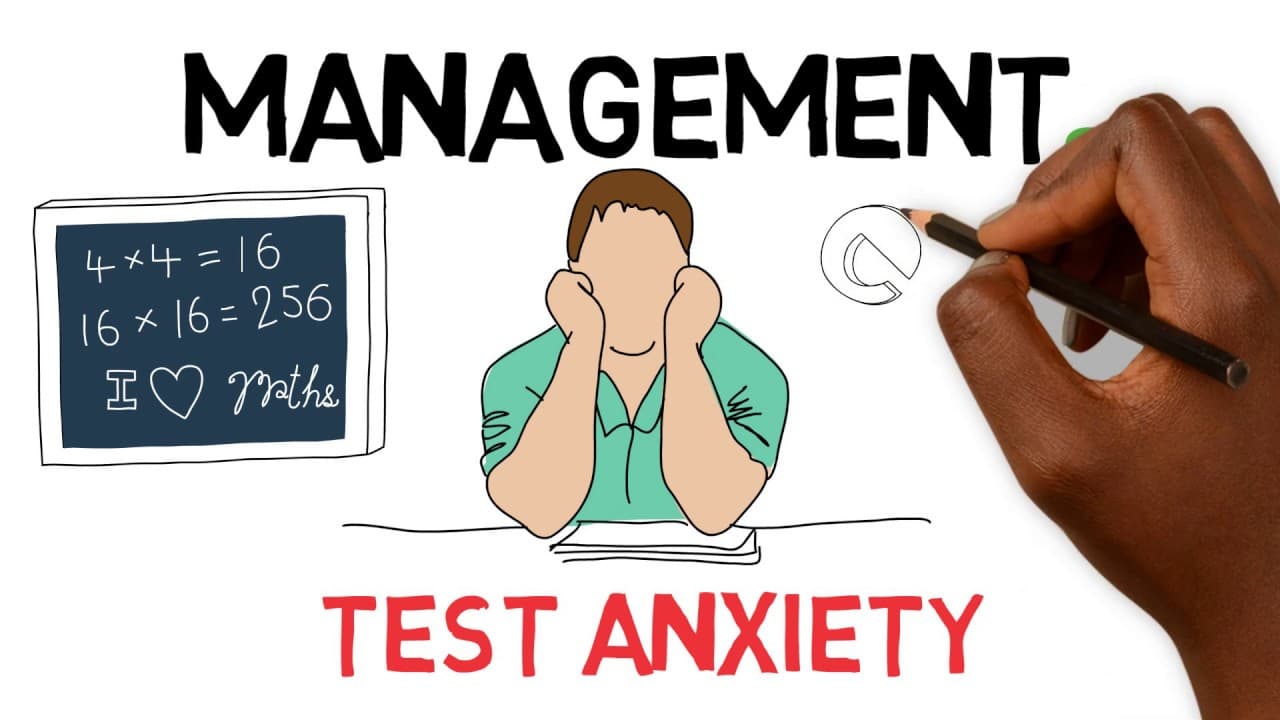
This educational video provides a comprehensive guide to understanding and managing test anxiety, a common issue affecting students of all ages. It begins by defining test anxiety through recognizable physical and mental symptoms like sweaty palms and blanking out, assuring viewers that they are not alone by citing statistics from the Anxiety and Depression Association of America. The video explains that test anxiety stems from factors like fear of failure, lack of preparation, or past negative experiences, and emphasizes that it can prevent students' grades from reflecting their true abilities. The content explores key themes of mental health, physical well-being, and practical study strategies. It breaks down actionable advice into three phases: preparation leading up to the test (eating well, sleeping, exercising), strategies for the day of the test (arriving early, deep breathing), and actual test-taking tactics (reading directions, time management). It also addresses the importance of seeking professional help if anxiety becomes debilitating, highlighting resources like school counselors and accommodations under the ADA. For educators, this video serves as an excellent resource for Social Emotional Learning (SEL) curriculums, study skills workshops, or exam preparation units. It normalizes the experience of anxiety while providing concrete tools students can use immediately. Teachers can use this video to open discussions about mental health, teach self-regulation techniques, and foster a supportive classroom environment where students feel empowered to manage their stress and advocate for their needs.
5mins 18s
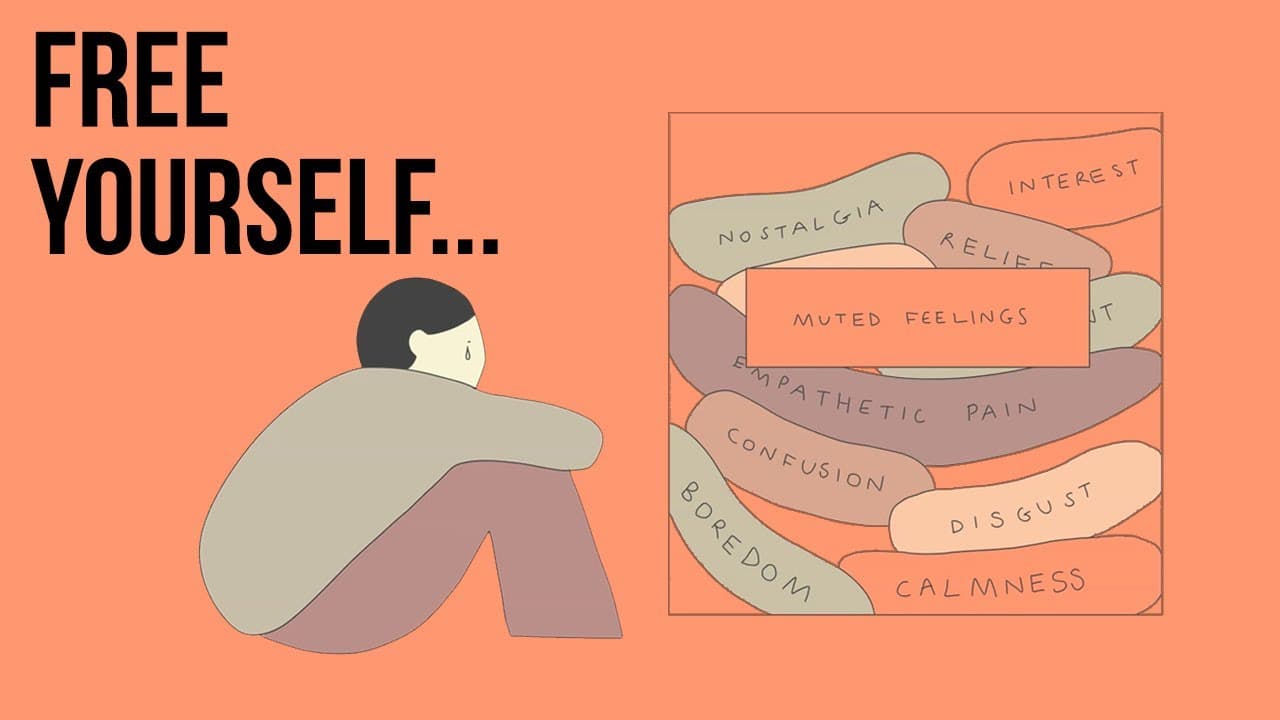
This animated video by The School of Life explores the importance of identifying and processing suppressed emotions to maintain psychological well-being. It argues that modern life often causes us to ignore our true feelings because they are too shocking, sad, or inconvenient to address in the moment. The video explains how "unfelt feelings" accumulate and manifest as anxiety, depression, or physical tension. Key themes include emotional intelligence, self-reflection, the mind-body connection, and the practice of introspection. The narrator suggests a specific daily technique involving quiet solitude and body scanning to "decode" these hidden emotions. It emphasizes that acknowledging difficult feelings like anger, grief, or resentment is necessary to transform them into manageable states and achieve peace of mind. For educators and students, this resource is a valuable tool for social-emotional learning (SEL). It provides a practical framework for understanding why we feel overwhelmed or anxious without an obvious cause. The video can be used to teach self-regulation strategies, mindfulness, and the vocabulary of emotions, helping students move from reactive states to responsive, self-aware behaviors.
4mins 7s
This animated educational video bridges the gap between early mathematics skills and Social-Emotional Learning (SEL). narrated by a quirky red oval character, the video begins by challenging the notion that math is solely about numbers, introducing concepts like patterns, sorting, and spatial awareness. It then explores various valid methods for counting to five—using numerals, words, ten-frames (called "five squares"), tally marks, and mental counting—demonstrating to young learners that there is no single "right" way to approach a problem.
7mins 51s
In this powerful and vulnerable TEDx talk, model and self-care advocate Iskra Lawrence dismantles the toxic pursuit of physical perfection perpetuated by the fashion industry and social media. Sharing her own journey from a self-loathing teenager with body dysmorphia to a champion of body positivity, Lawrence exposes how insecurity is manufactured to create "motivated consumers." She breaks down the illusions of social media, the reality of photo retouching, and the damaging effects of the "beauty ideal myth" on mental health. The video explores critical themes of media literacy, self-esteem, mental health, and the economics of the beauty industry. Lawrence provides concrete, actionable strategies for building resilience, including the "Mirror Challenge" (shifting focus from appearance to personality and body functionality) and the "Gratitude List" (using gratitude to combat negative self-talk). She also addresses the often-overlooked fact that body image issues affect men and boys, not just women. For educators, this video is an invaluable resource for Social Emotional Learning (SEL), Health, and Media Literacy curriculums. It offers a relatable entry point for discussing difficult topics like eating disorders, cyberbullying, and digital citizenship. The practical tools Lawrence models—reframing negative thoughts and focusing on body gratitude—can be immediately applied in the classroom to help students navigate the pressures of adolescence in a digital world.
15mins 29s
In this moving and humorous TEDx talk, Jake Tyler shares his personal journey of navigating severe depression and suicidal ideation. He begins by deconstructing the reflex of saying "I'm fine" and opens up about his "rock bottom" moment where he forgot what happiness felt like. Tyler details how a pivotal phone call to his mother and a reframing question from his doctor helped him distinguish between wanting to die and simply wanting his pain to stop. The talk explores Tyler's recovery strategy, which centered on physical movement and connection with nature. He recounts his experience walking 3,000 miles around Great Britain, which evolved from a personal fitness challenge into a journey of community connection. He introduces the metaphor of depression being the "biggest club in the world" that convinces you that you are the only member, highlighting the irony of isolation in mental health struggles. For educators, this video is a powerful tool for Social Emotional Learning (SEL), Health, and Psychology classes. It destigmatizes mental health discussions, introduces the concept of "movement" versus "exercise," and demonstrates how vulnerability can lead to strength. The narrative arc moves from despair to a triumphant desire to "live forever," offering a hopeful perspective on resilience and recovery.
16mins 5s