A comprehensive training program for graduate students preparing for prestigious fellowship interviews, focusing on various formats, research communication, behavioral responses, and intellectual agility.
A comprehensive suite of professional resources for social work students and practitioners, covering ethical decision-making, crisis management, grant acquisition, trauma-informed practices, and community evaluation.
A CBT-based program for adults with inattentive ADD to master task isolation, short-burst productivity (10-minute sessions), and positive reinforcement through a spiritual lens. This sequence guides learners through physical, digital, and professional decluttering.
A comprehensive CBT toolkit for treating anxiety, covering cognitive restructuring, exposure therapy, behavioral experiments, and mindfulness. This sequence provides clinicians and clients with structured guides, tracking tools, and practical scenarios to build resilience and manage anxiety symptoms effectively.
A comprehensive role-playing experience designed for adult learners and college students to master the art of networking and professional interviewing. The sequence uses a 'circuit' theme, guiding students through high-stakes scenarios and peer feedback loops.
A systemic approach to stress and burnout prevention for graduate students, reframing personal well-being as a design challenge. Students develop a personalized 'resilience architecture' through structural changes in time management, sleep hygiene, and boundary setting.
A graduate-level training sequence on facilitating peer support systems to mitigate stress and anxiety. Students learn the science of social support, micro-skills for active listening, boundary setting to prevent burnout, and group facilitation techniques to create sustainable communities of care.
A comprehensive workshop sequence for graduate students to address academic anxiety through cognitive restructuring. The sequence explores Impostor Phenomenon, cognitive distortions, perfectionism, and professional identity to build long-term resilience.
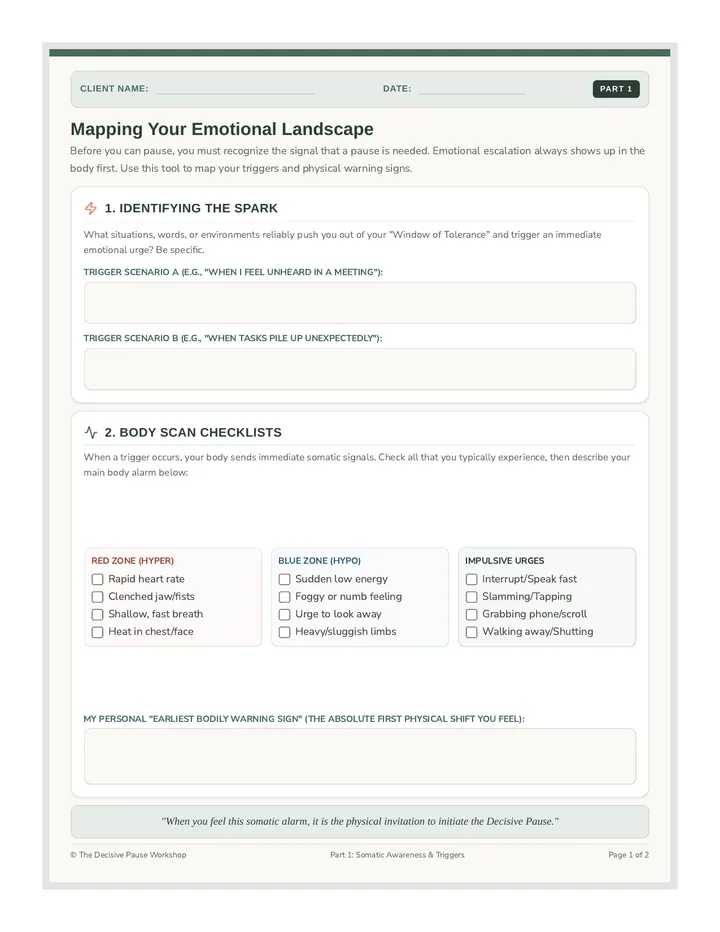
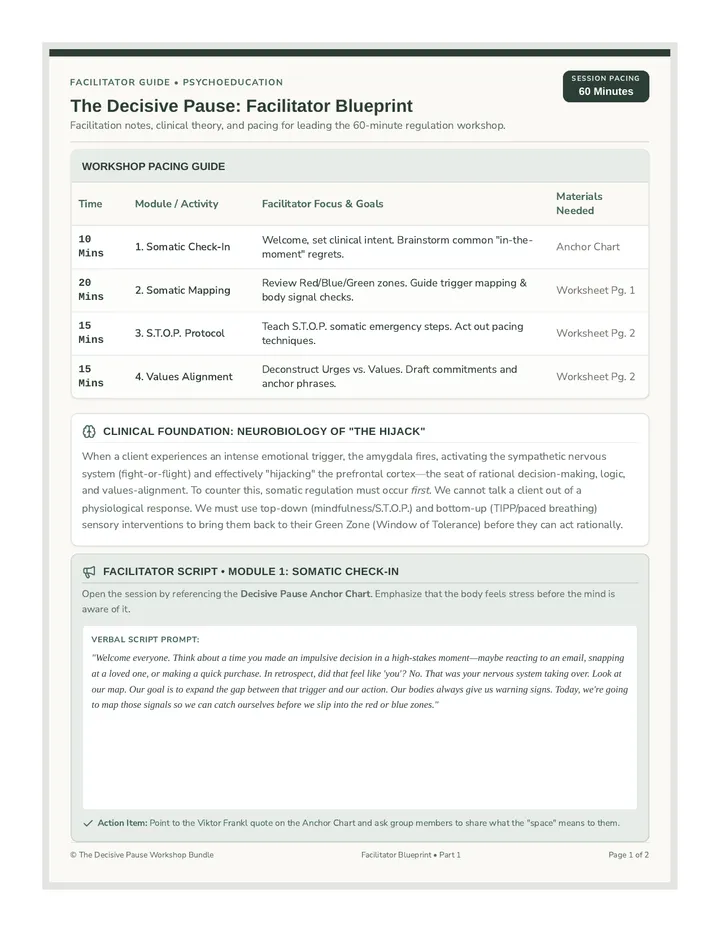
A graduate-level exploration of the biological underpinnings of stress. Students move from theoretical understanding of the autonomic nervous system and Polyvagal Theory to practical application of somatic regulation and interoceptive awareness, culminating in a personalized physiological safety plan.
A comprehensive sequence for undergraduate students exploring the social psychology of stress and the practical skills needed to build resilient peer support networks. Students move from theoretical understanding to practical facilitation and community planning.
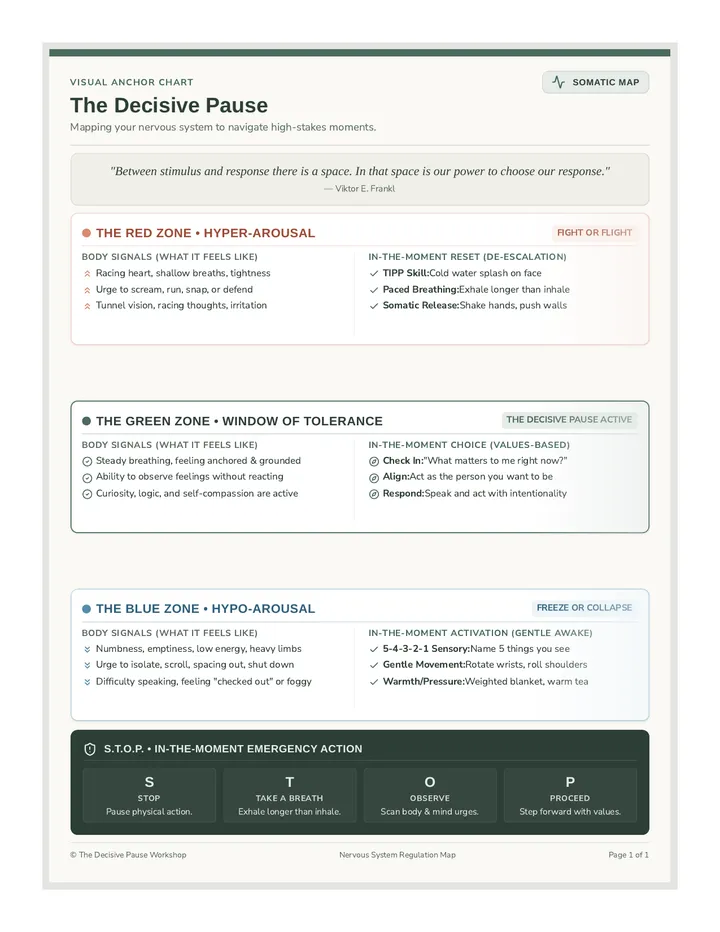
A technical and mastery-based sequence for undergraduate students to develop actionable emotional regulation and grounding strategies. Students move from physiological understanding to real-time application in high-pressure simulations.
A mastery-focused sequence where undergraduate students audit their current stress responses and design a personalized, tiered emotional regulation protocol. Students use systems thinking to build resilient habits and prepare for future distress.
An applied sequence for undergraduate students to master self-regulation and de-escalation techniques in high-pressure academic and interpersonal contexts. Students move from identifying personal physiological triggers to practicing real-time regulation during active conflict and performance.
This sequence introduces undergraduate students to the theoretical underpinnings and practical assessment tools of Behavioral Activation (BA). Students will learn to conceptualize depression as a cycle of avoidance and reduced reinforcement, mastering techniques like activity monitoring, values clarification, and functional analysis.
This sequence guides undergraduate students through the practical application of Behavioral Activation (BA) protocols. Moving from theoretical understanding to clinical implementation, students learn to design interventions, troubleshoot psychological barriers using the TRAP/TRAC model, and analyze data to refine therapeutic outcomes.
A comprehensive graduate-level sequence focused on the psychological and logistical aspects of high-stakes testing, including time management, anxiety reduction, and strategic decision-making.
This sequence examines the PLEASE skills (Physical illness, Lunch/Eating, Avoid mood-altering substances, Sleep, Exercise) through a Social Determinants of Health lens. Undergraduate counseling students will learn to adapt these therapeutic interventions for clients facing systemic barriers such as food insecurity, housing instability, and physical disability.
A workshop-based sequence where undergraduate students apply the PLEASE skills to their own lives. Students act as both client and clinician, tracking sleep, nutrition, and exercise to understand the causal link between physical maintenance and emotional vulnerability.
This sequence explores the physiological foundations of the DBT 'PLEASE' skills. Students investigate the neurobiological mechanisms through which physical health impacts emotional regulation, focusing on sleep, nutrition, and exercise.
A specialized sequence for undergraduate counseling students focusing on the 'PL' (Treat Physical Illness) and 'A' (Avoid Mood-Altering Substances) components of the PLEASE skill. Students develop clinical assessment, motivational interviewing, and interdisciplinary collaboration skills to address medical and substance-related barriers to emotional regulation.
This graduate-level sequence explores the intersection of nutrition, movement, and emotional regulation within a clinical framework. It focuses on implementing the 'PLEASE' skill from DBT through a weight-neutral, trauma-informed lens that avoids triggering disordered eating behaviors.
A graduate-level experiential sequence focusing on the personal application of DBT's PLEASE skills to prevent therapist burnout and enhance clinical empathy. Students track their own physiological data to understand the link between physical health and emotional vulnerability.
A graduate-level exploration of the neurobiological underpinnings of the DBT PLEASE skills, focusing on how physiological states modulate emotional reactivity and the clinical application of lifestyle interventions.
This sequence provides graduate-level training on integrating behavioral medicine and DBT to reduce emotional vulnerability. It covers advanced sleep assessment, CBT-I adaptation, nightmare protocols, chronic pain management, and medical adherence strategies.
This graduate-level sequence focuses on the clinical application of PLEASE skills within DBT. Students will master the assessment, psychoeducation, and troubleshooting of physiological vulnerability factors, progressing from building client buy-in to designing complex, individualized protocols for diverse populations.
An advanced graduate-level exploration of the intersection between organizational psychology and workplace safety, focusing on Behavioral Based Safety, whistleblower protections, and the cultivation of a 'Just Culture' that encourages transparent incident reporting.