Students explore the difference between casual conversation and professional 'written' speech, practicing the oral composition required for successful dictation in a workplace setting.
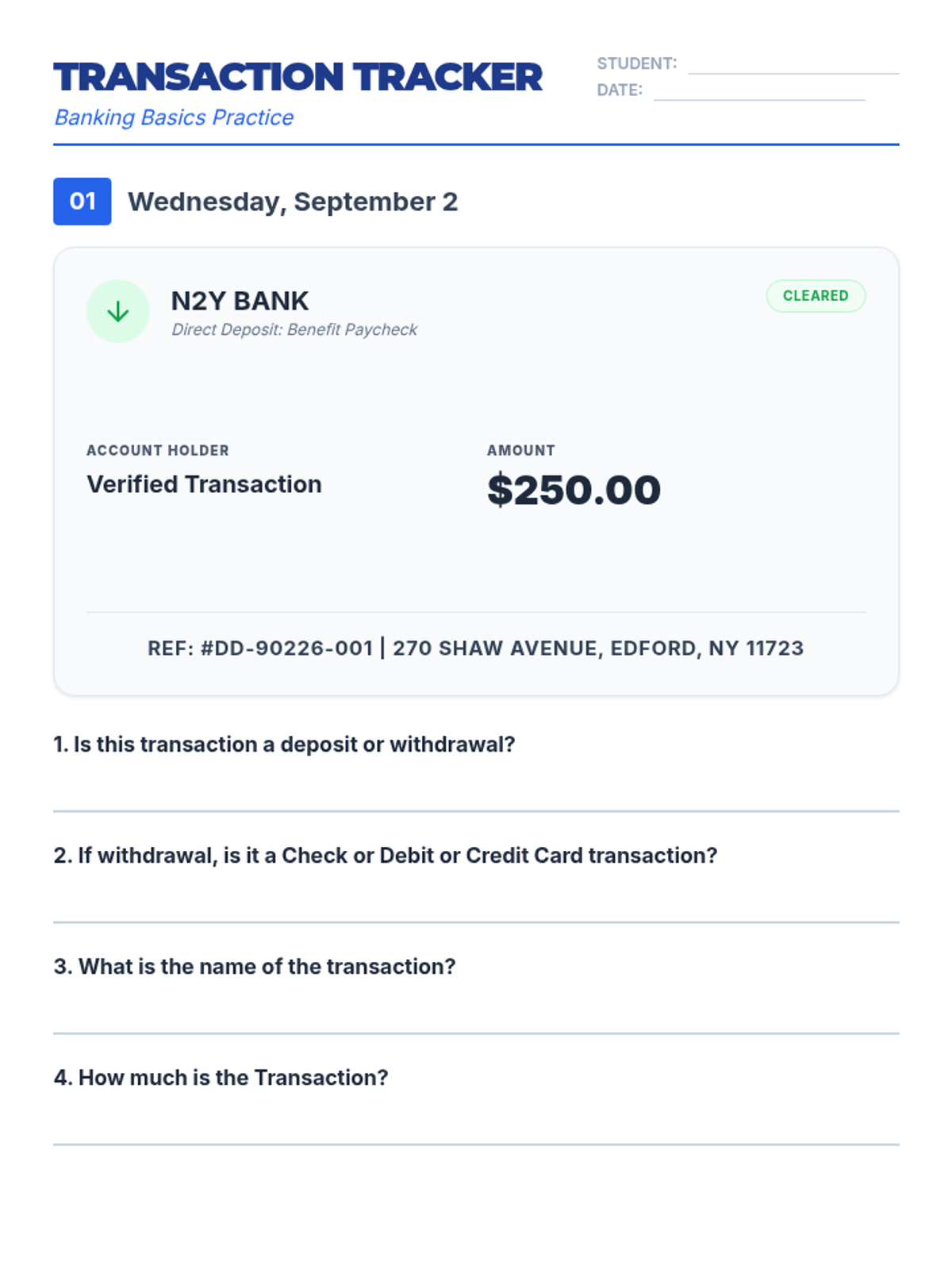
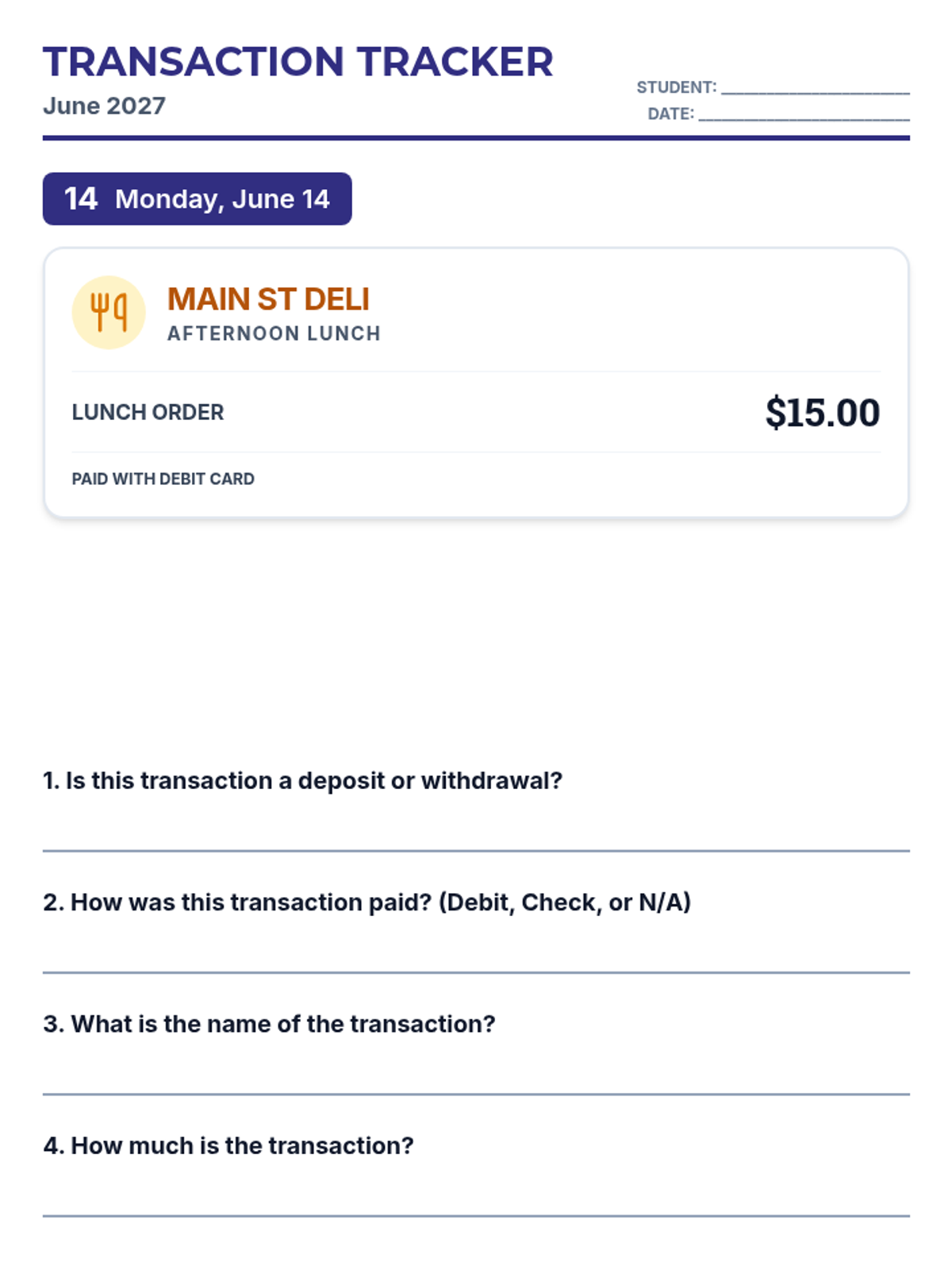
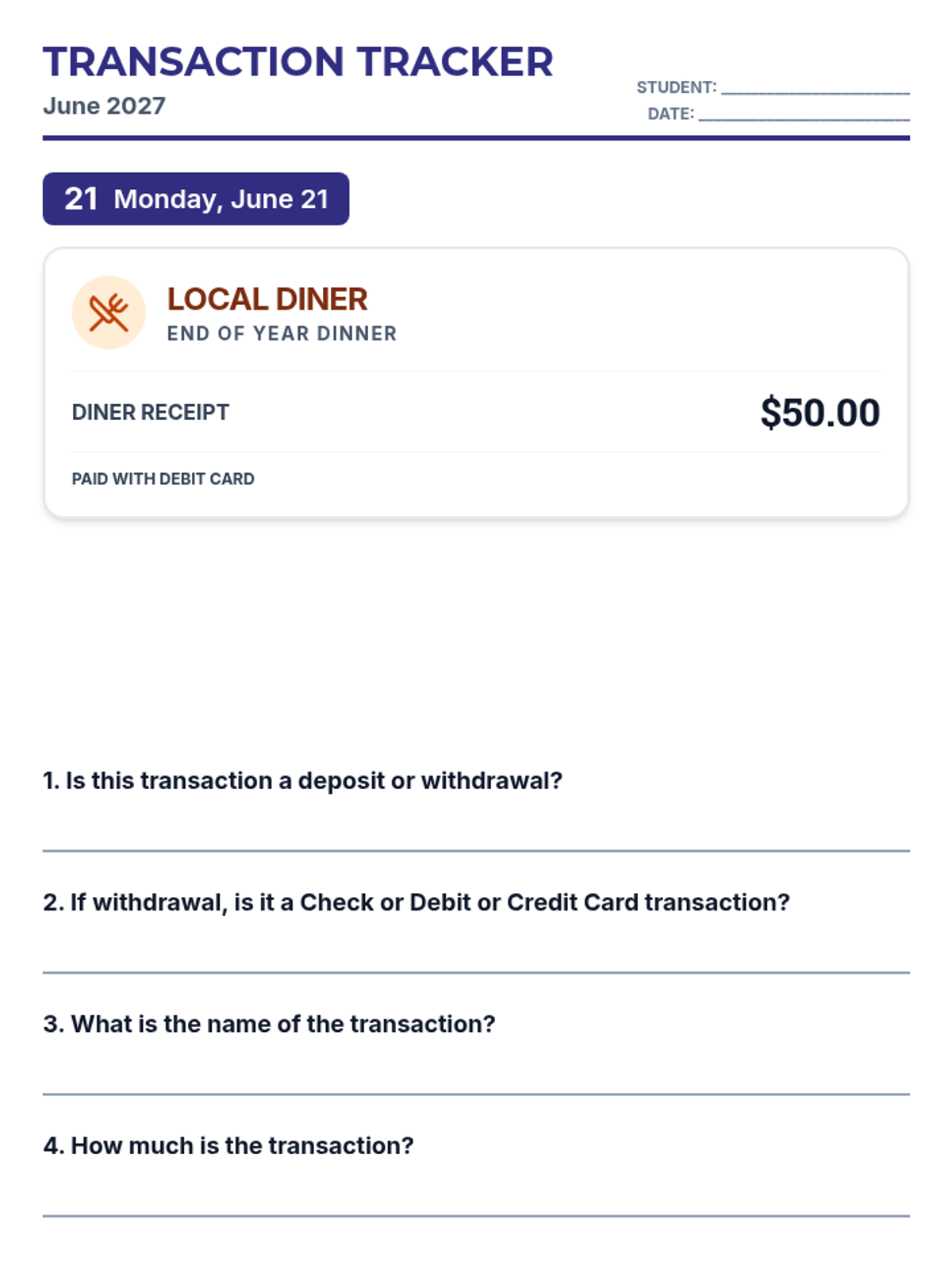
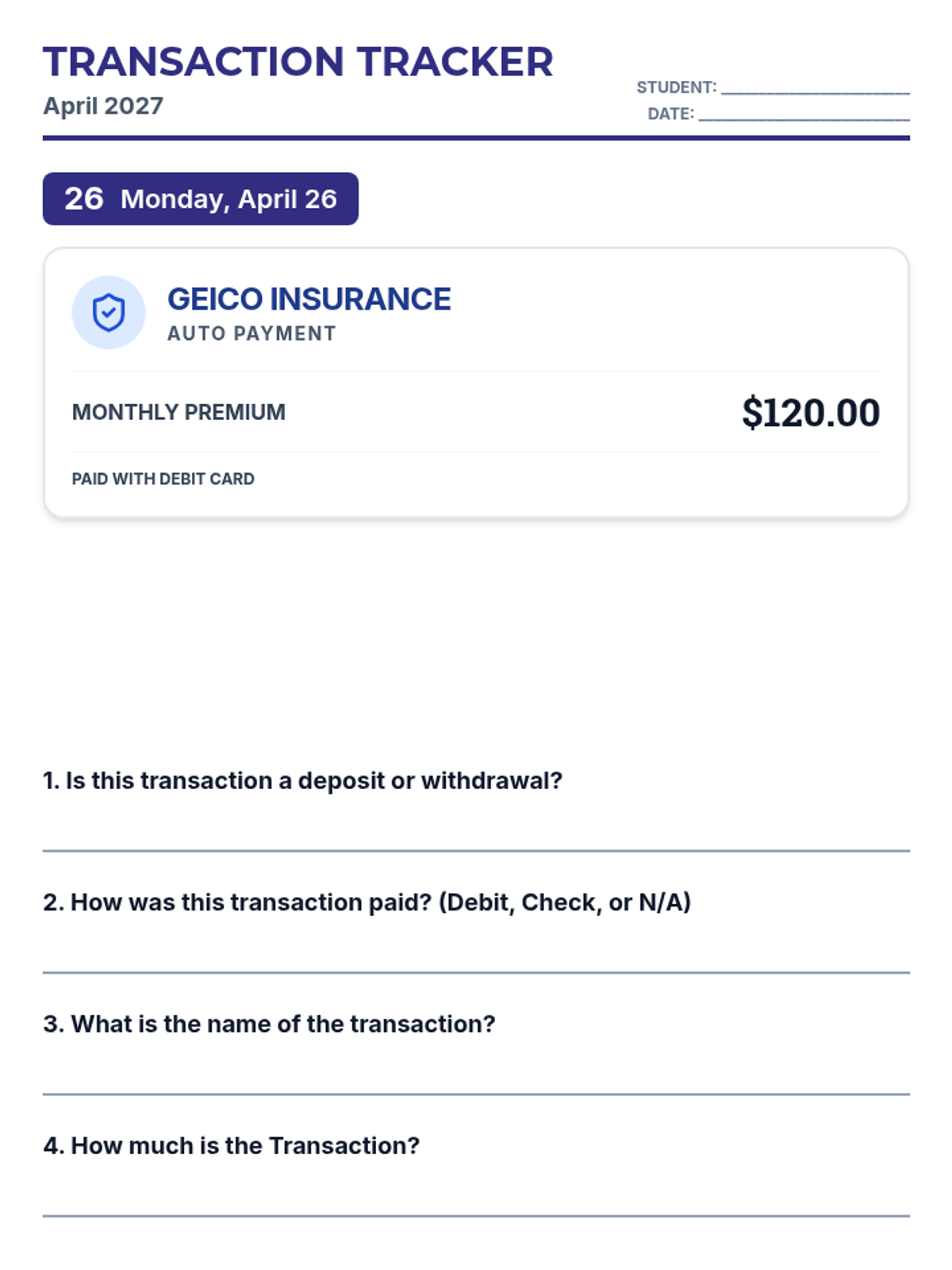
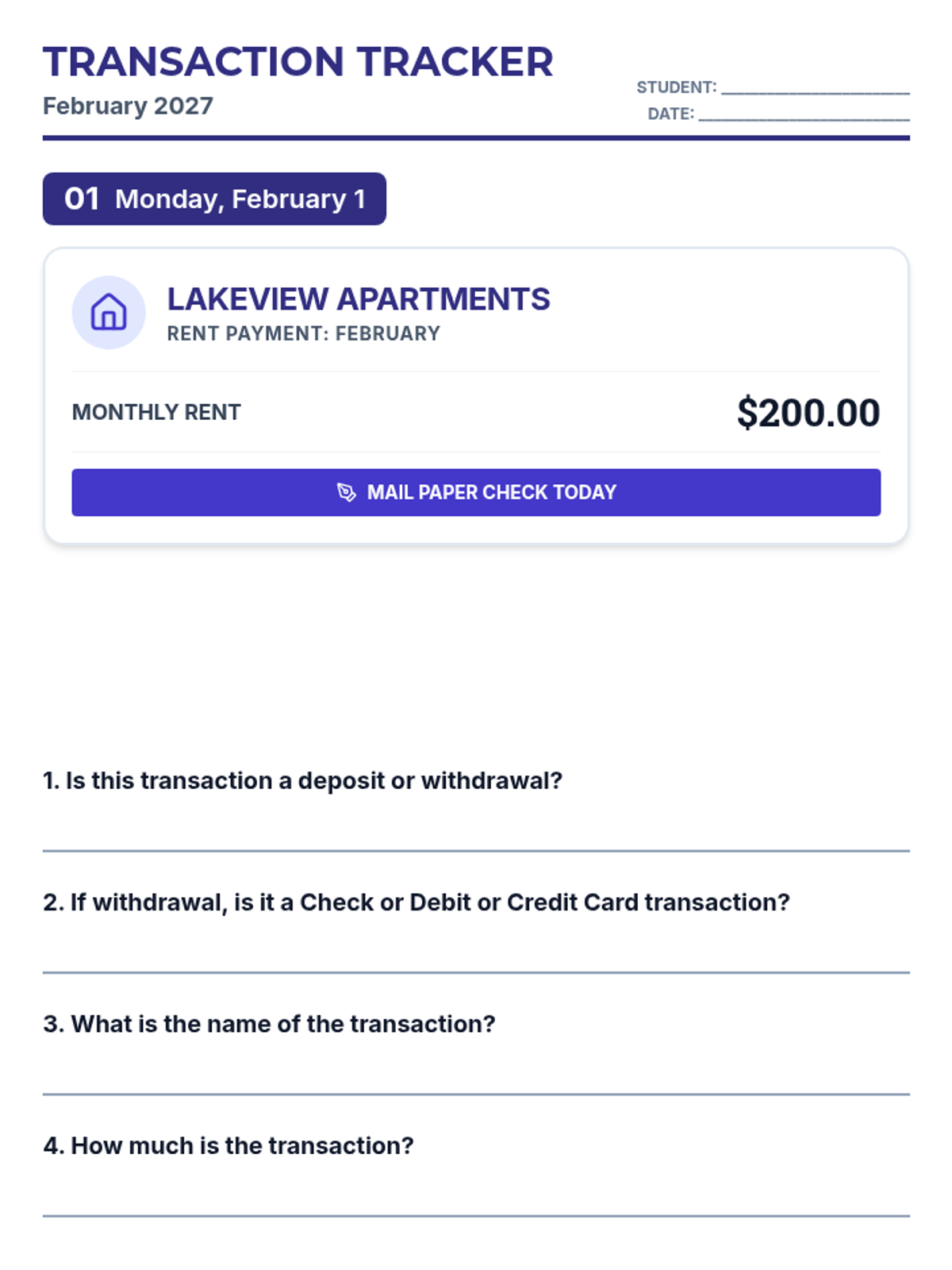
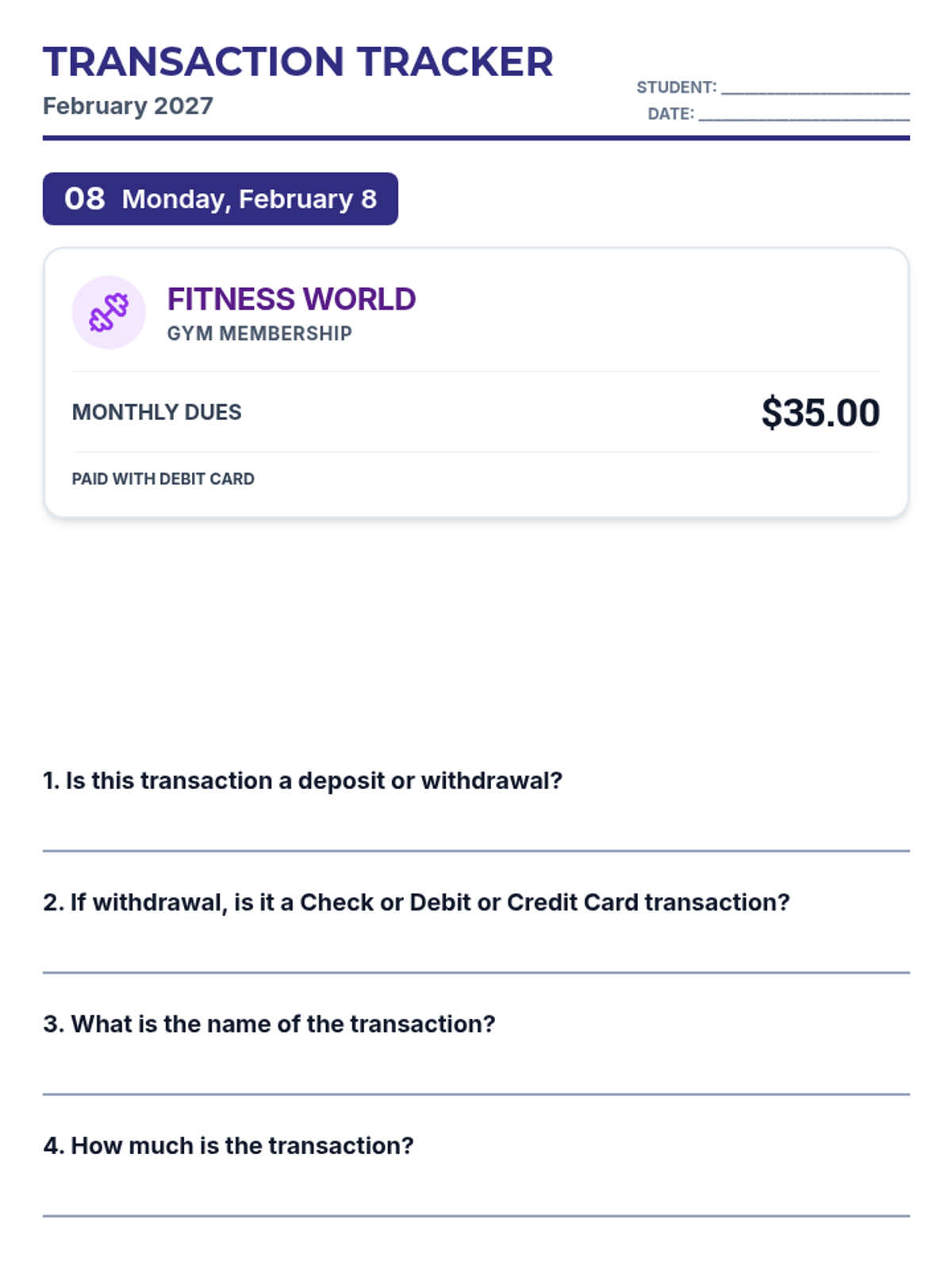
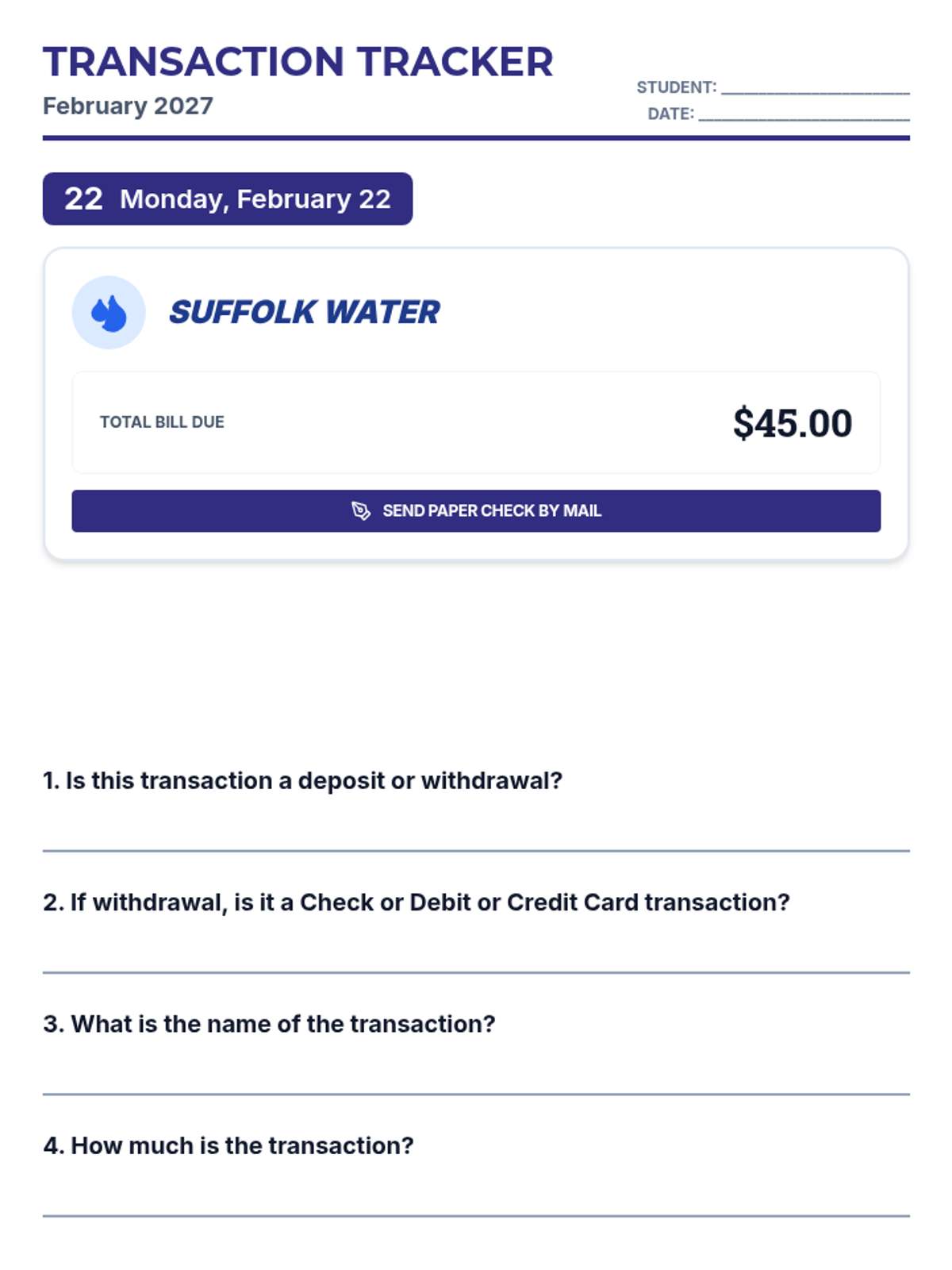
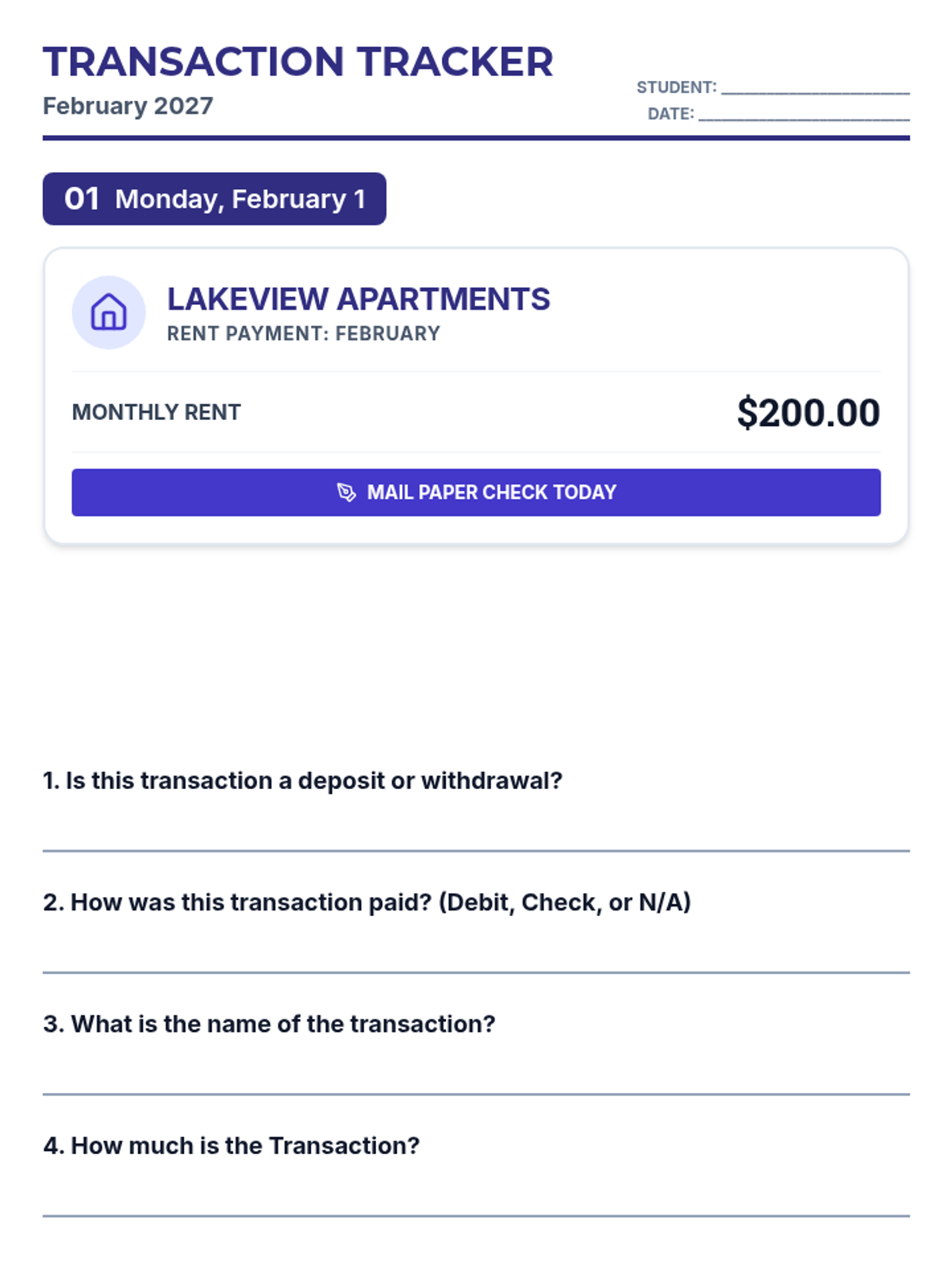
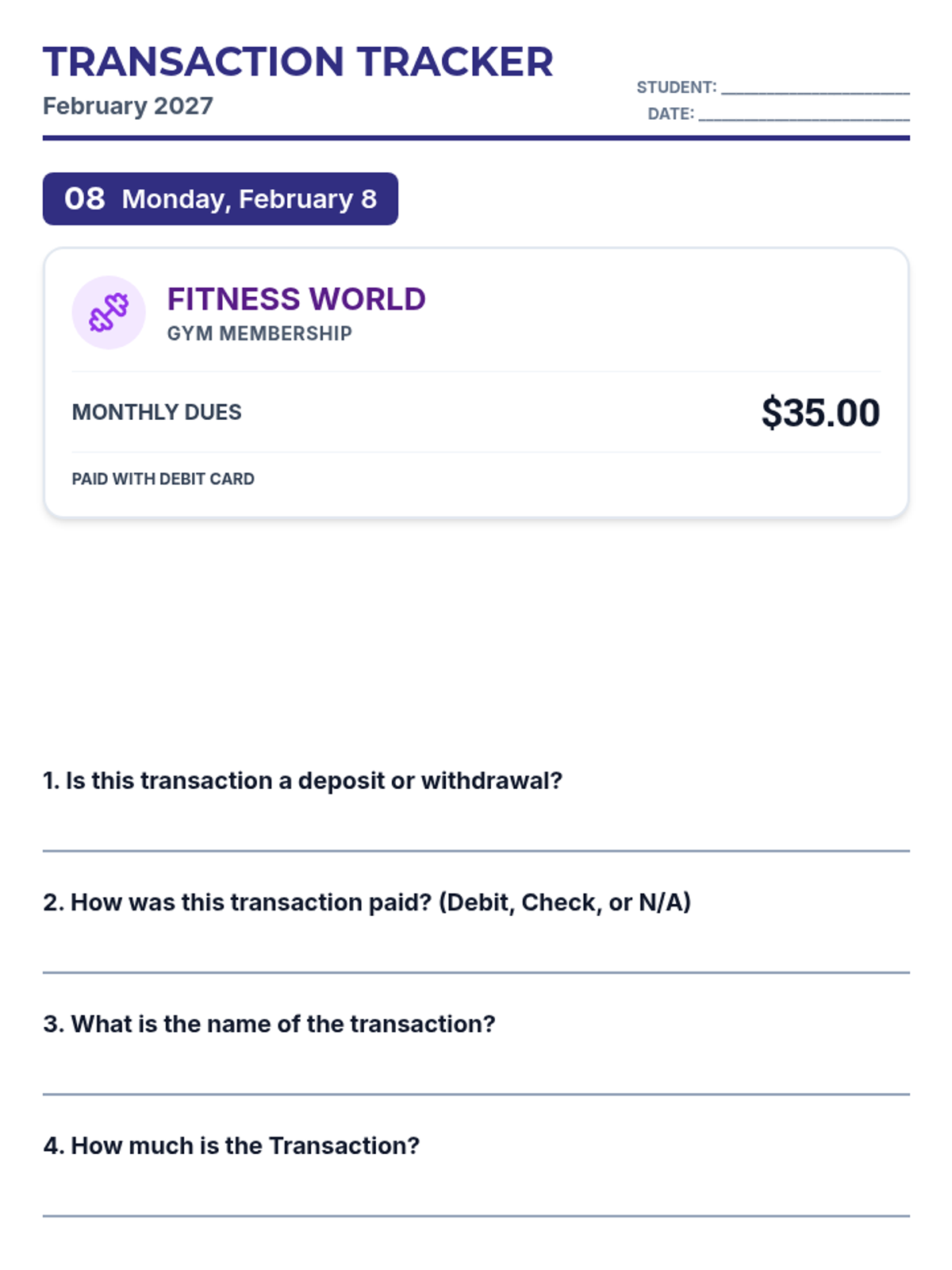
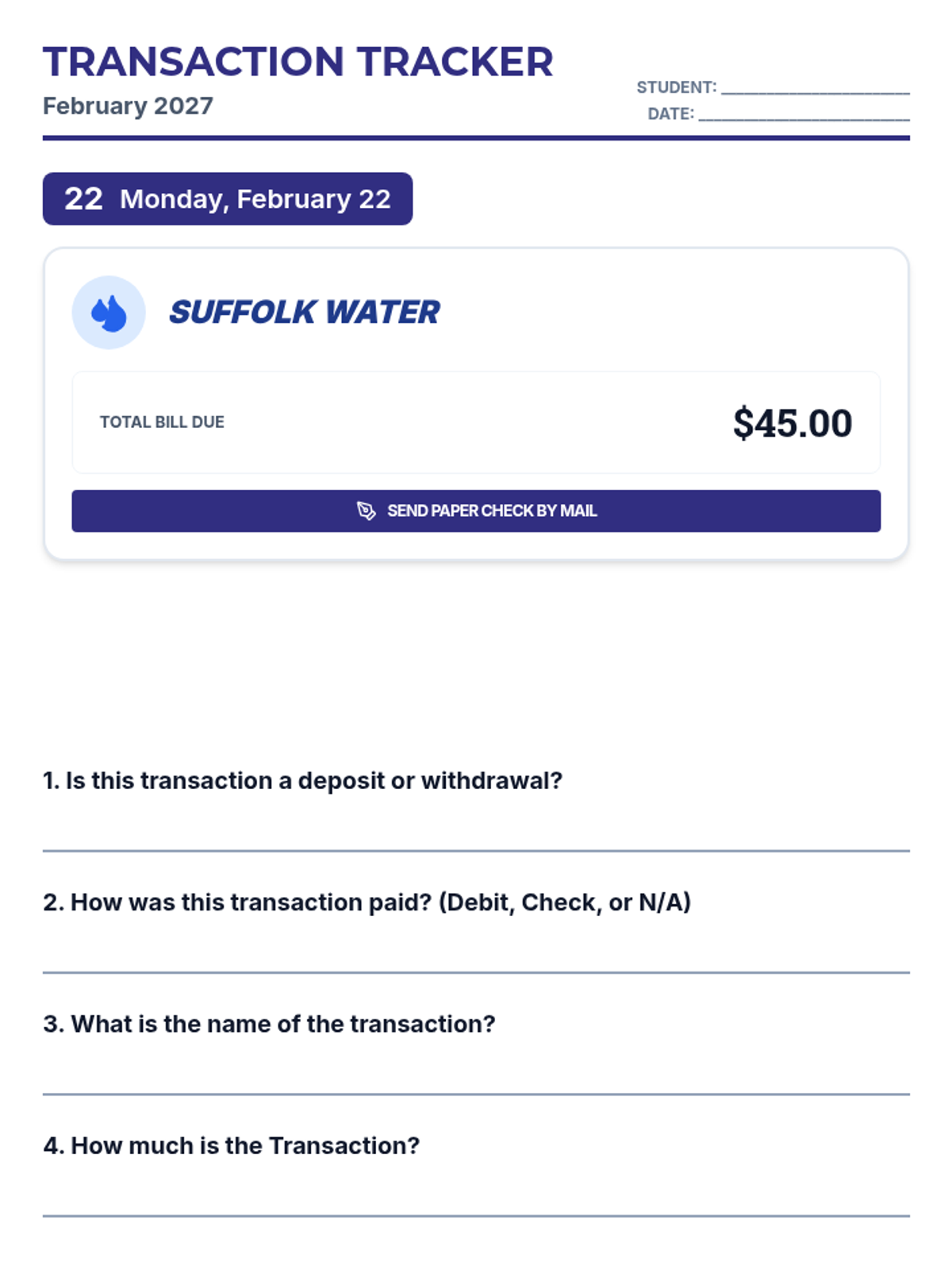
A series of practical exercises where students analyze various financial transactions including deposits, withdrawals, and bill payments.
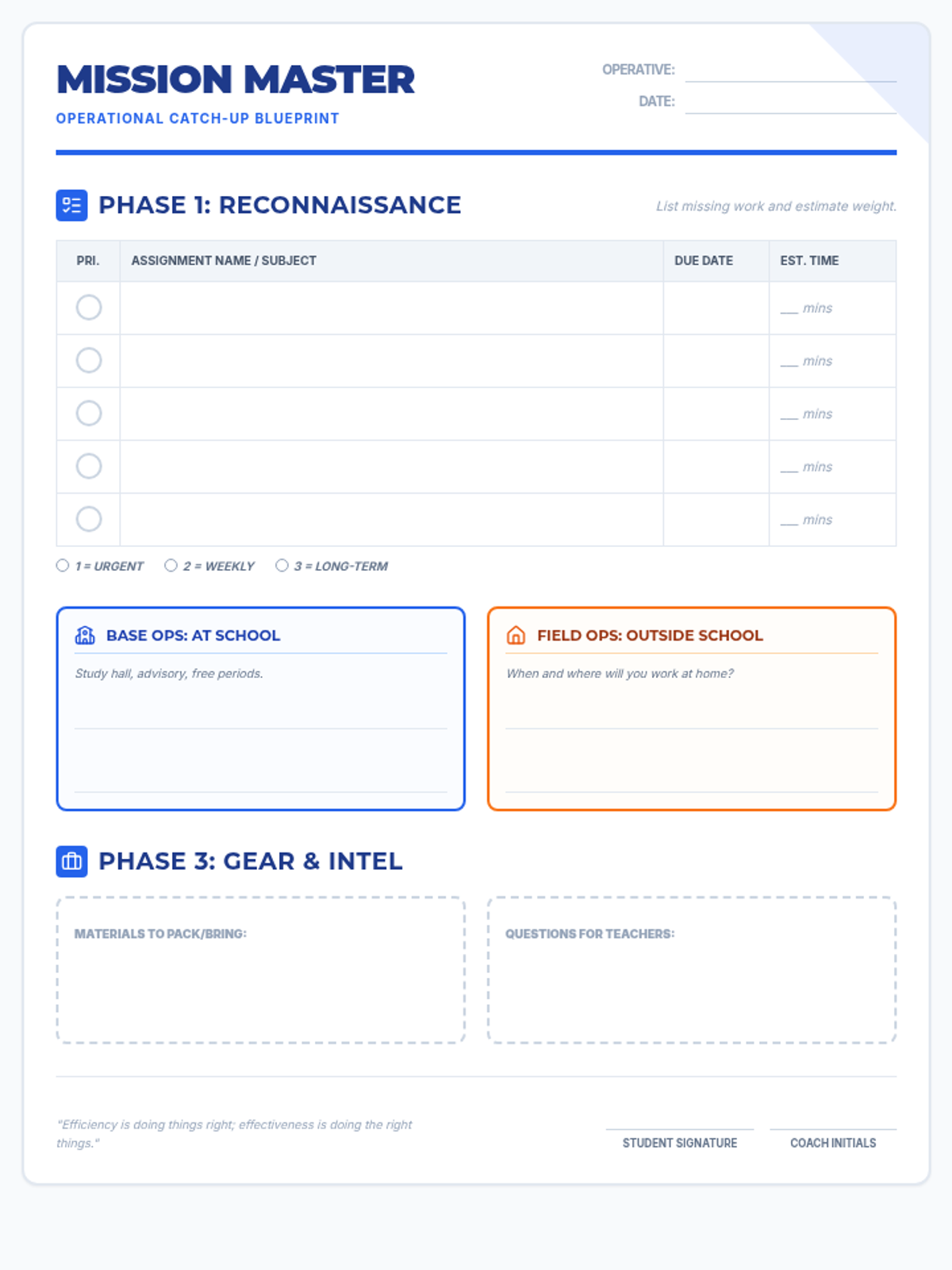
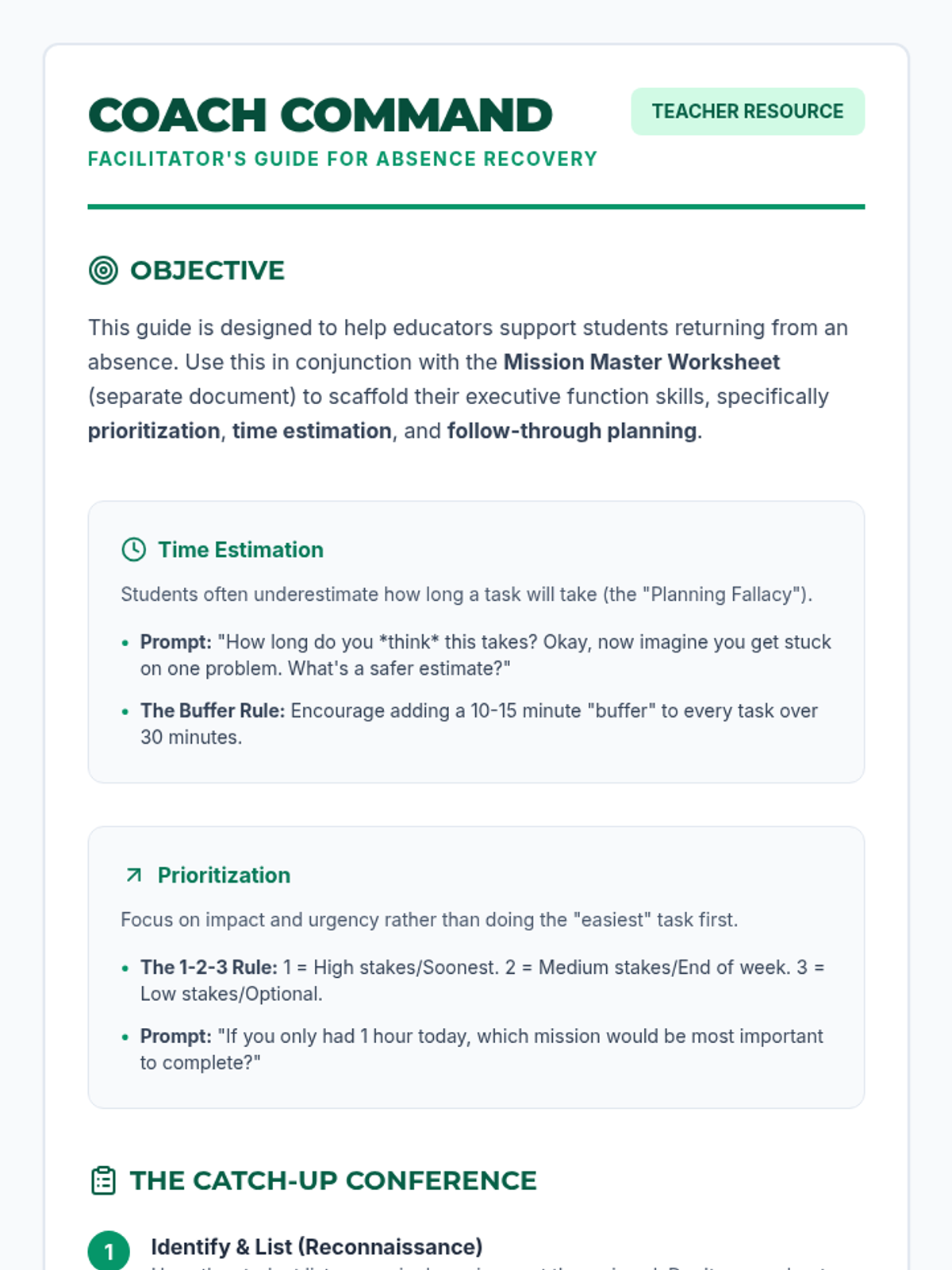
A toolkit designed to help students recover from absences by developing executive function skills like prioritization, time estimation, and resource management.
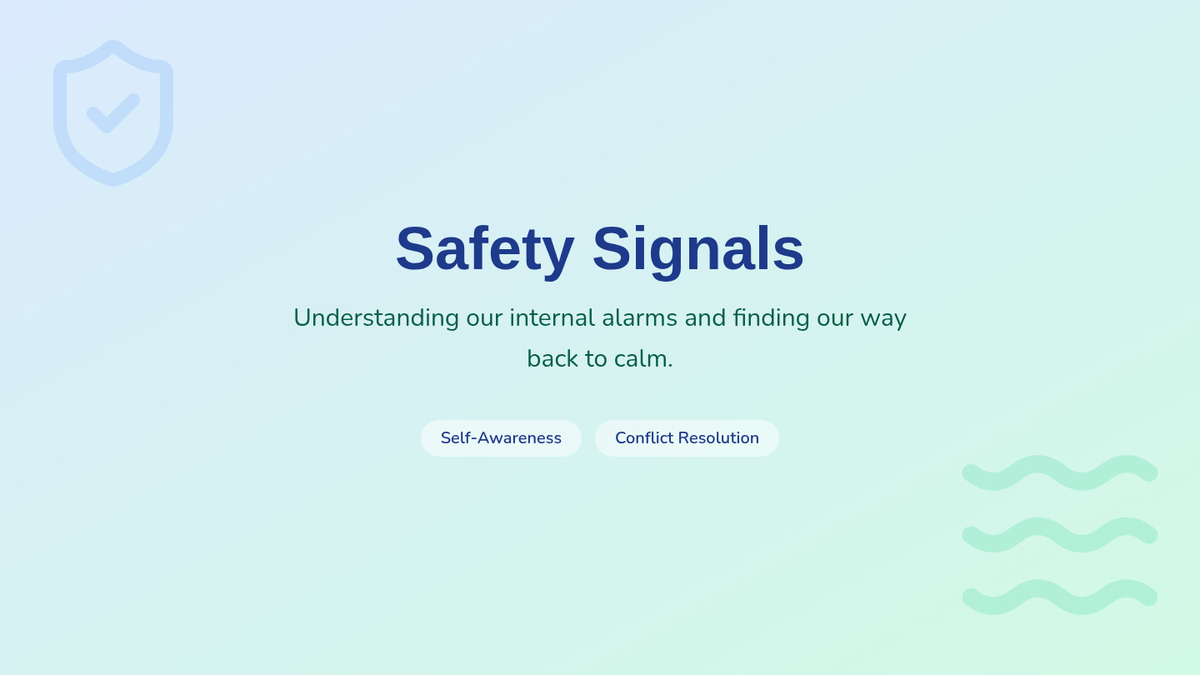
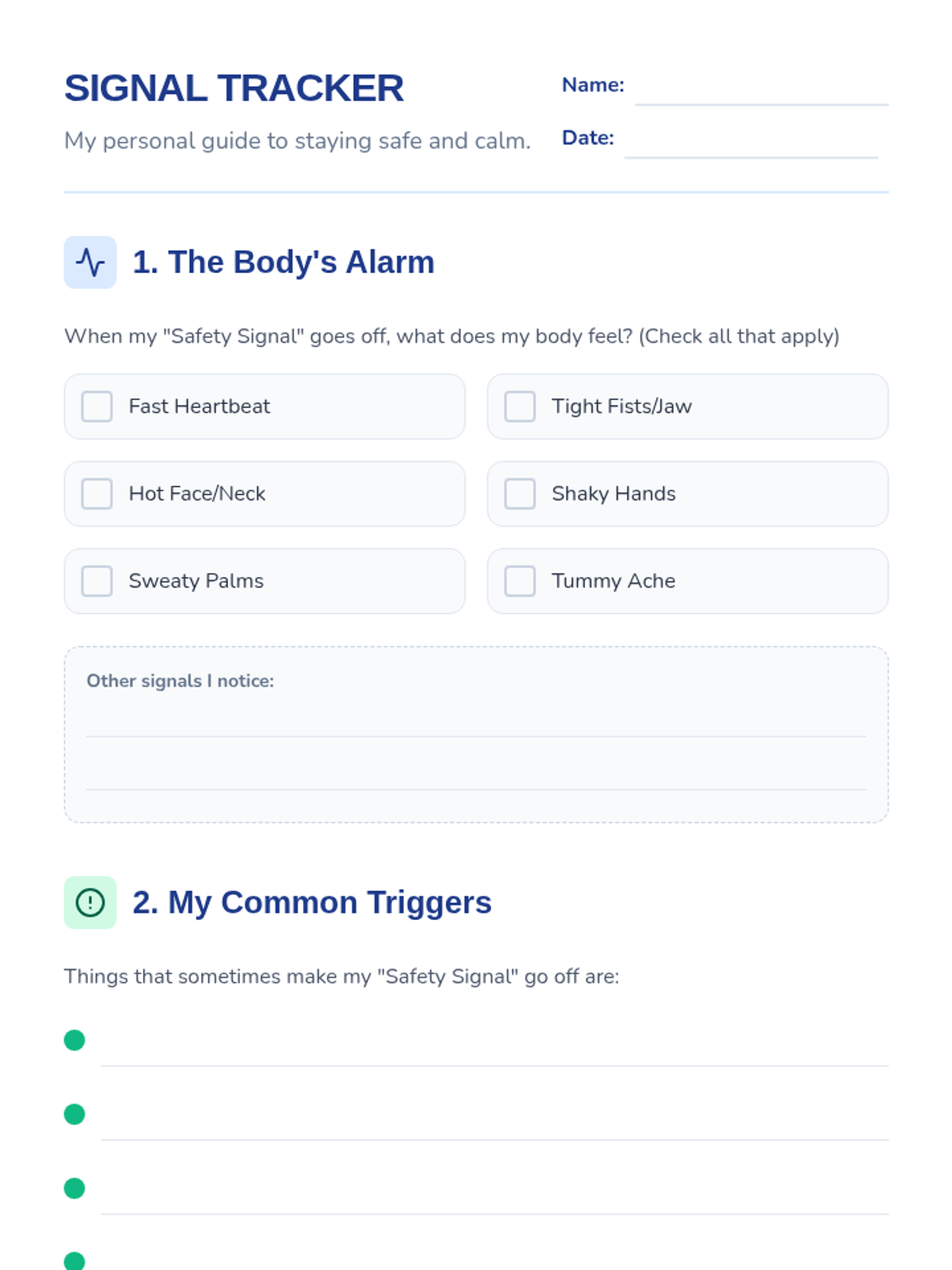
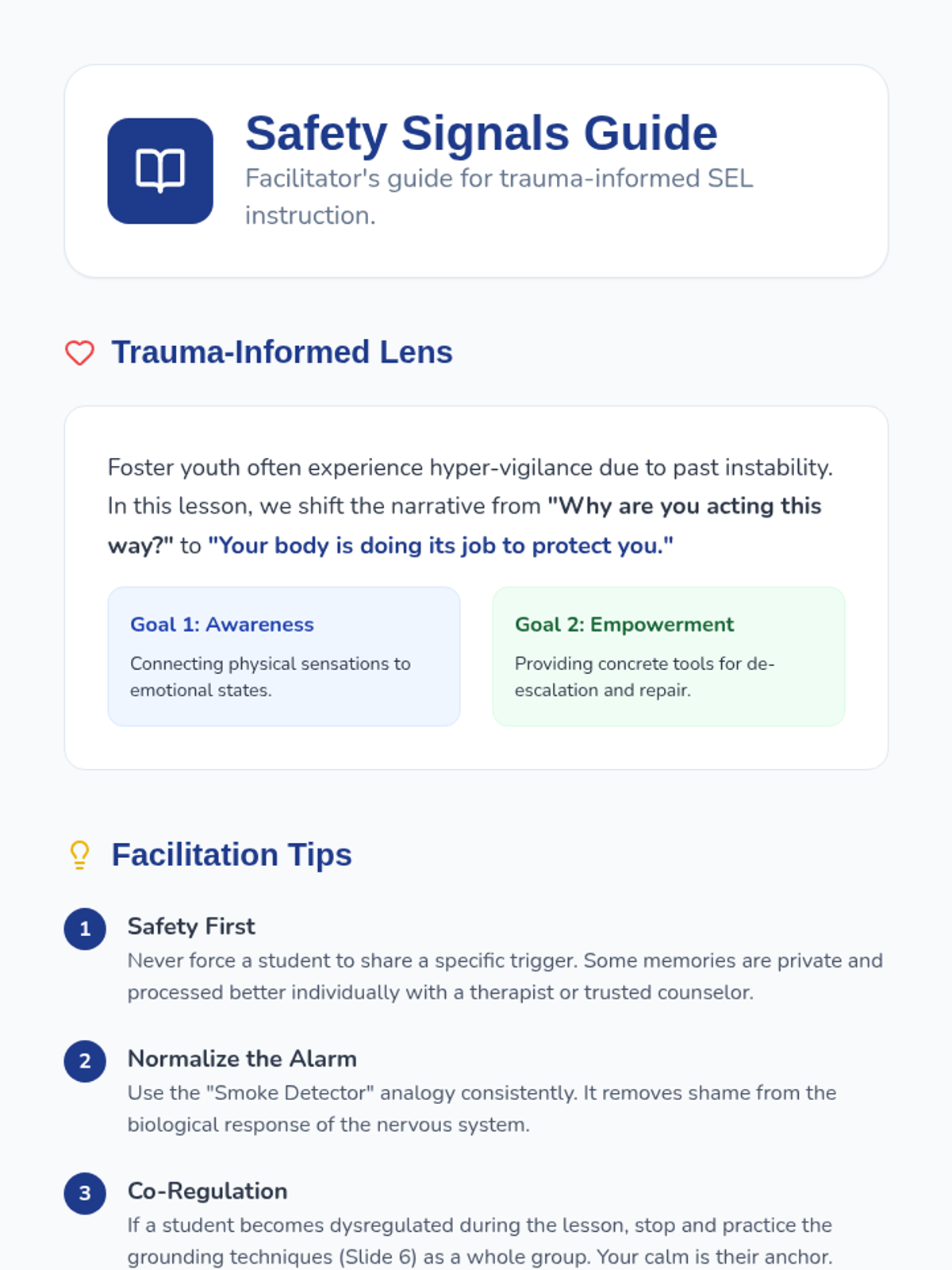
A trauma-informed lesson designed to help students identify their emotional triggers and develop healthy conflict resolution strategies in a safe, supportive environment.
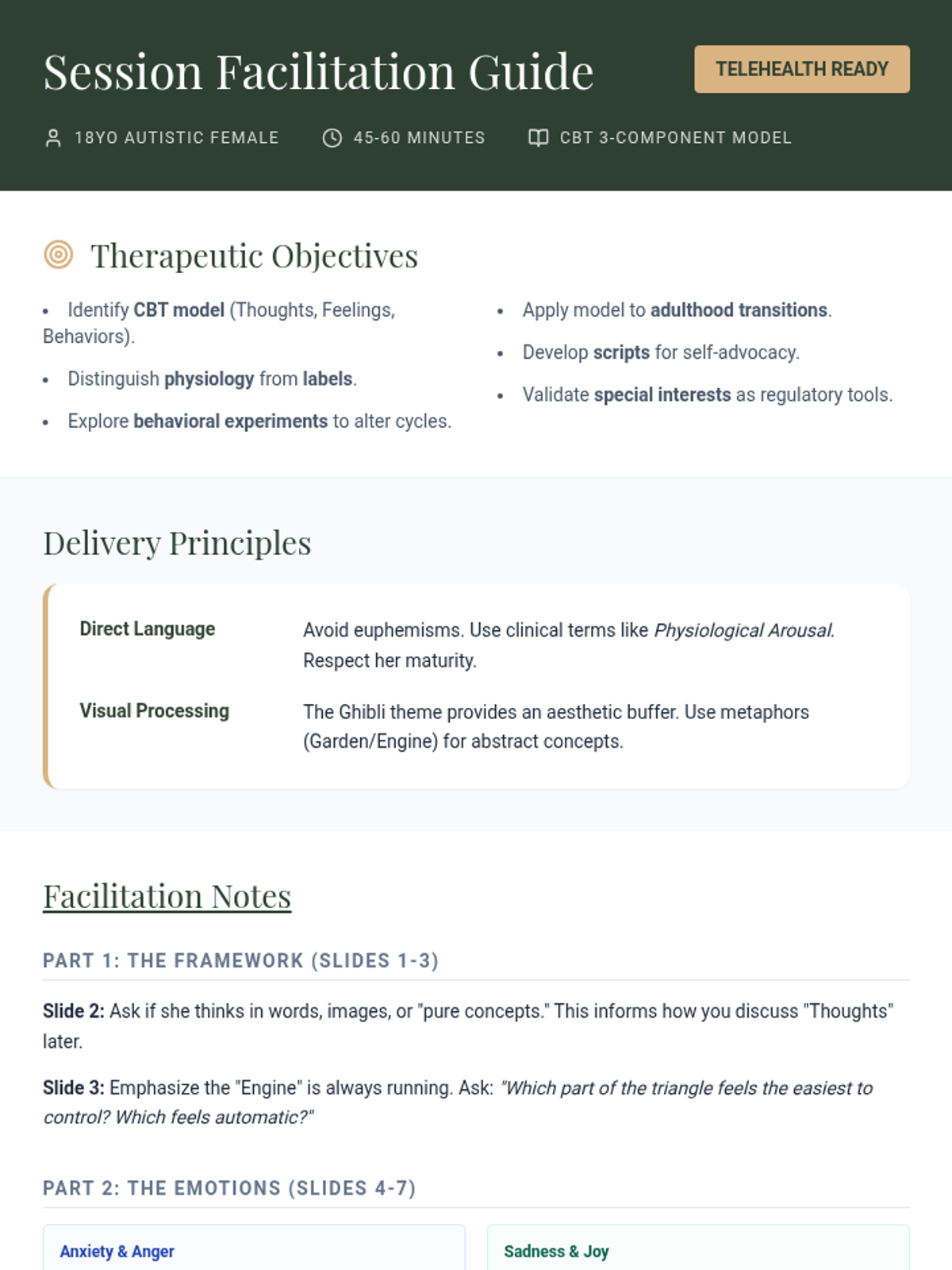
A psychoeducational exploration of the CBT triangle (thoughts, feelings, behaviors) tailored for an 18-year-old autistic girl, utilizing a mature Studio Ghibli-inspired aesthetic to navigate complex emotions and emerging adulthood.
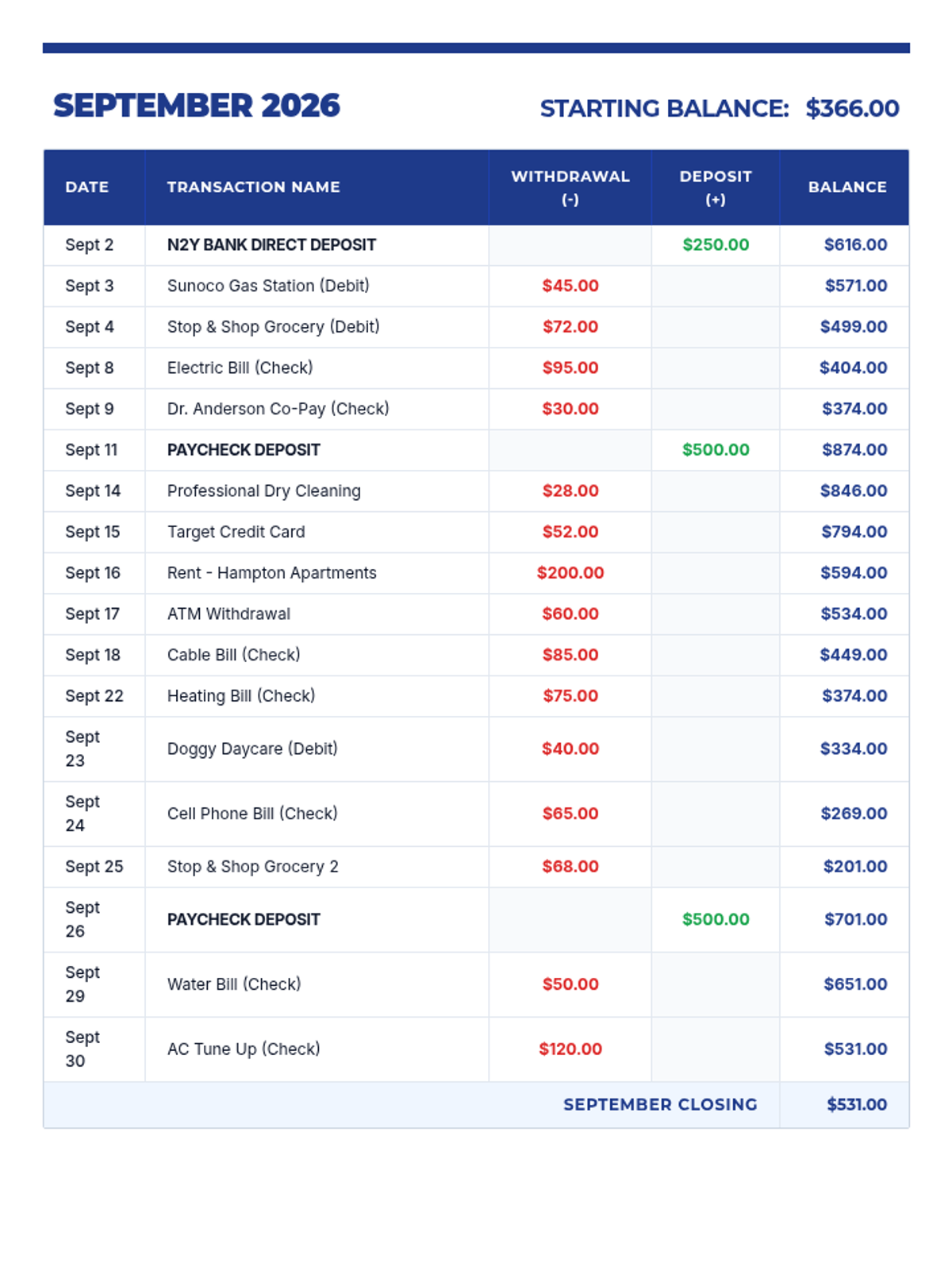
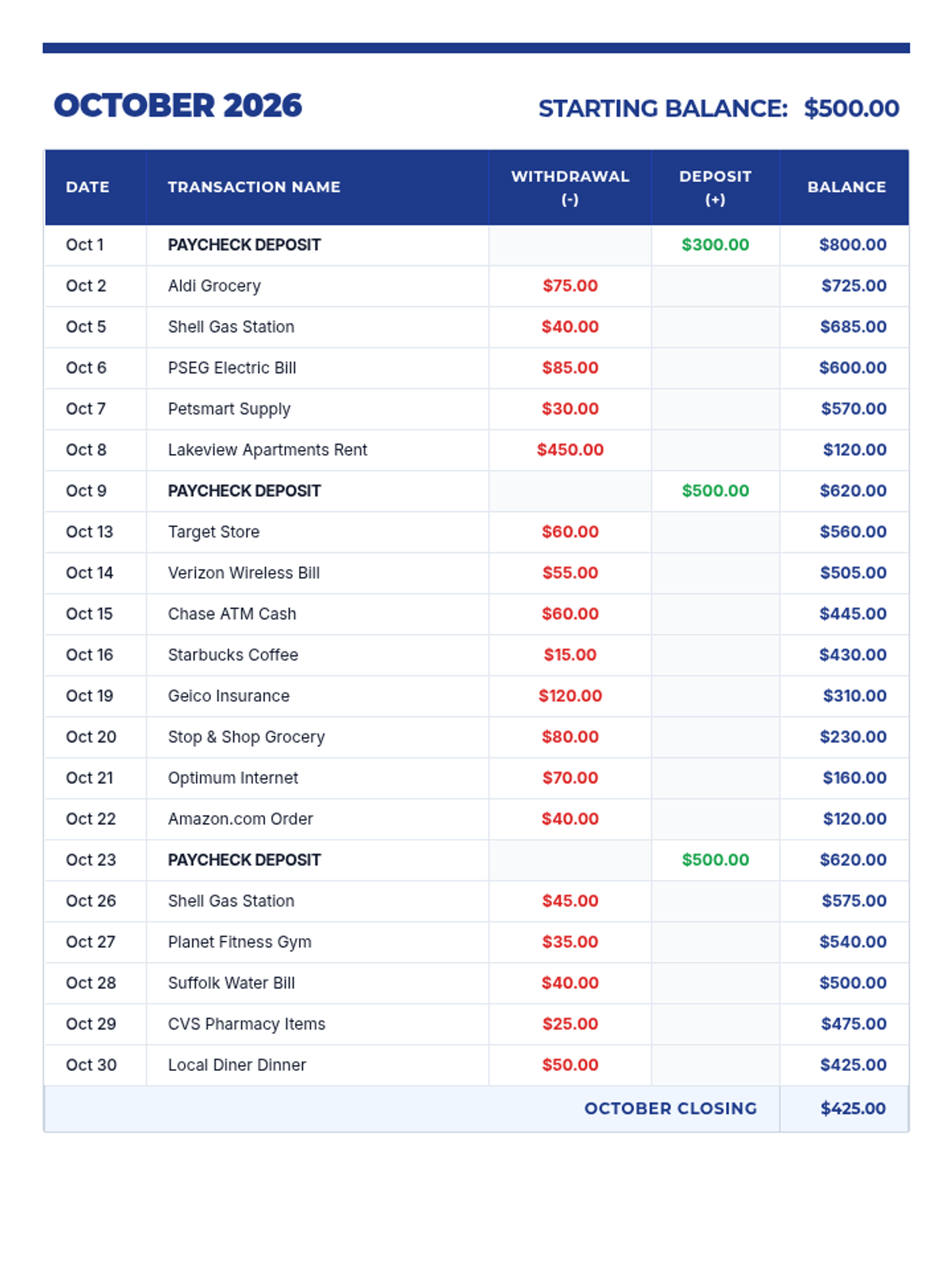
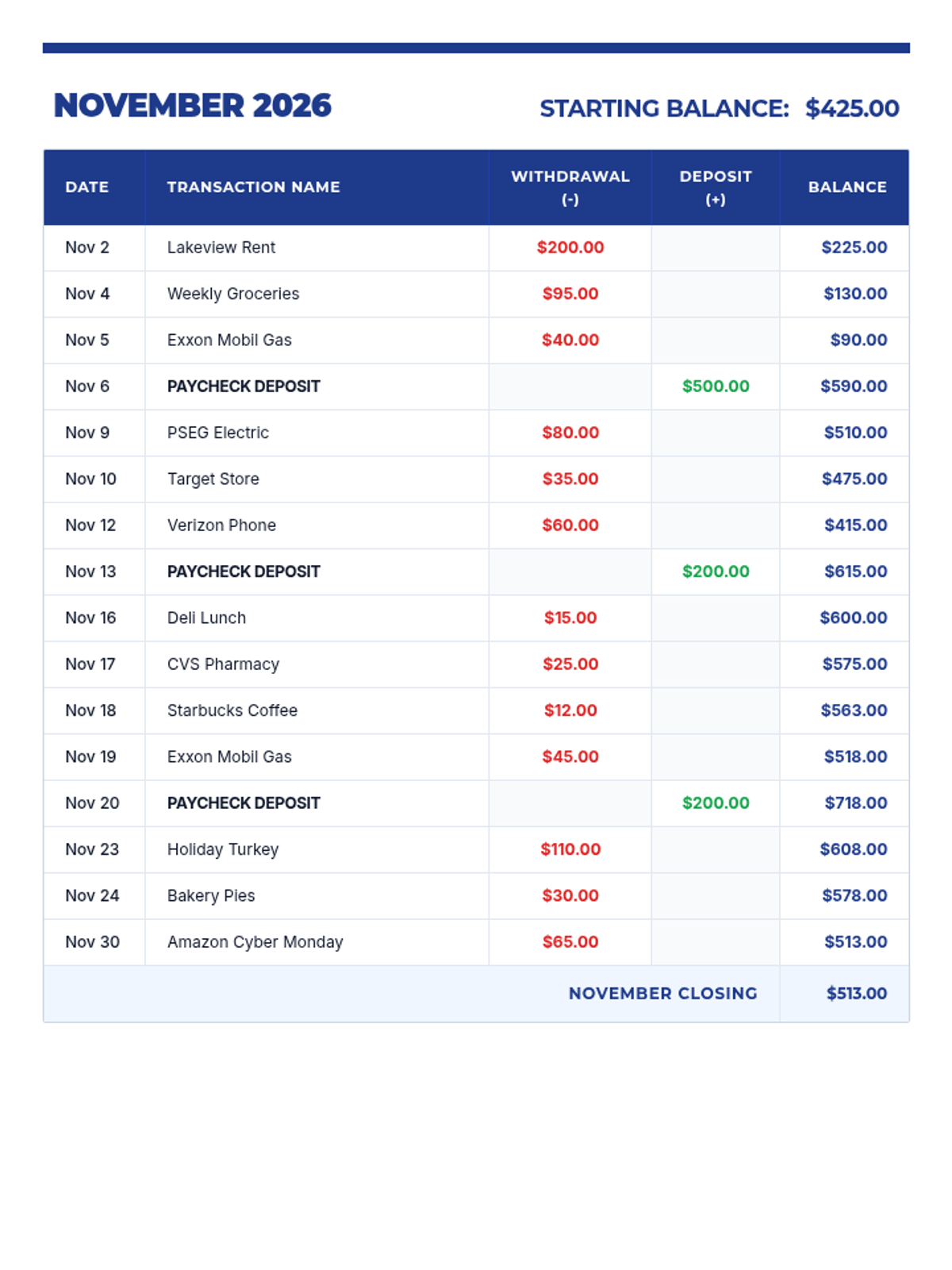
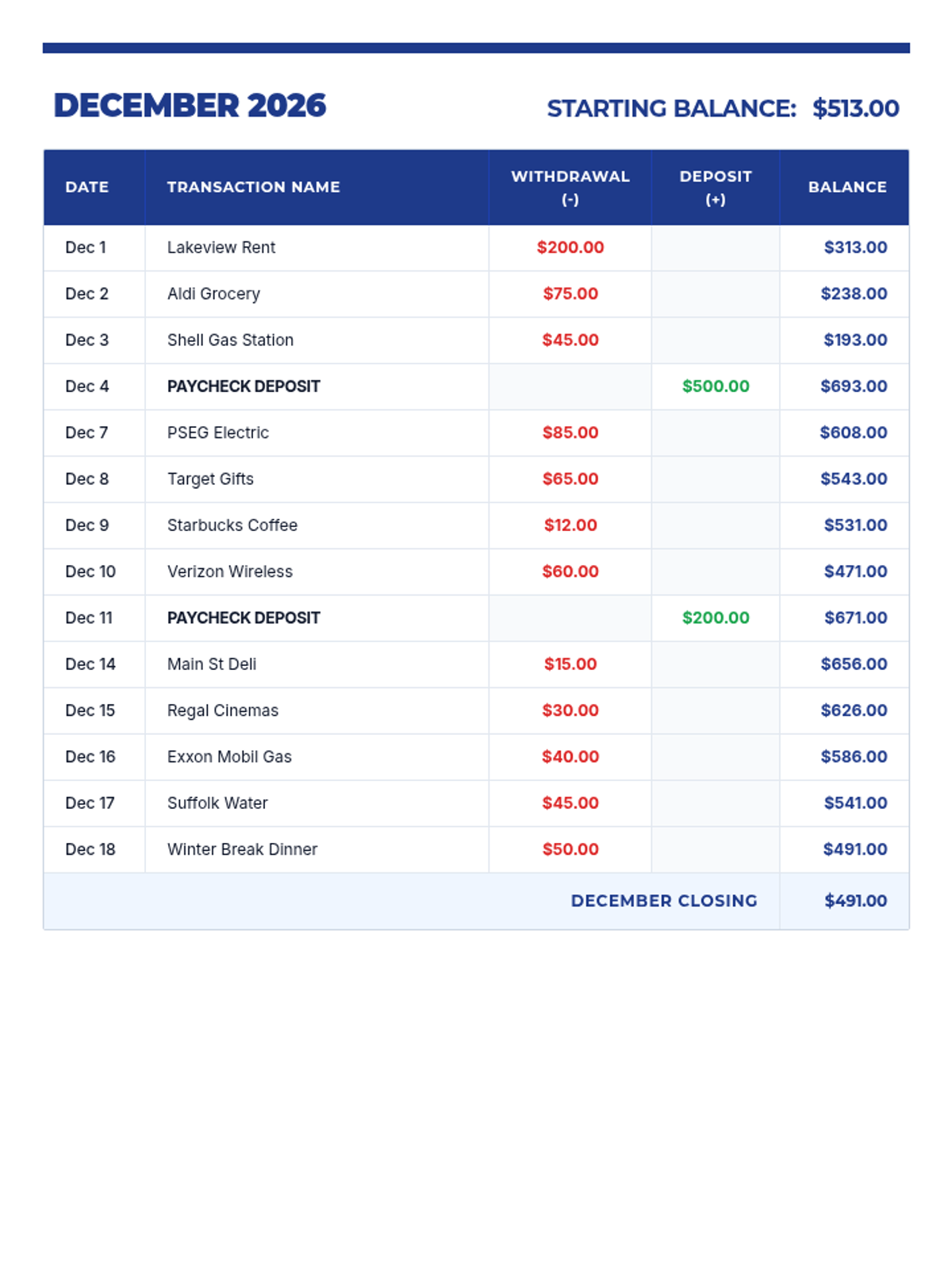
A collection of monthly paycheck registers for the 2026-2027 school year, designed to teach students real-world banking and transaction tracking.
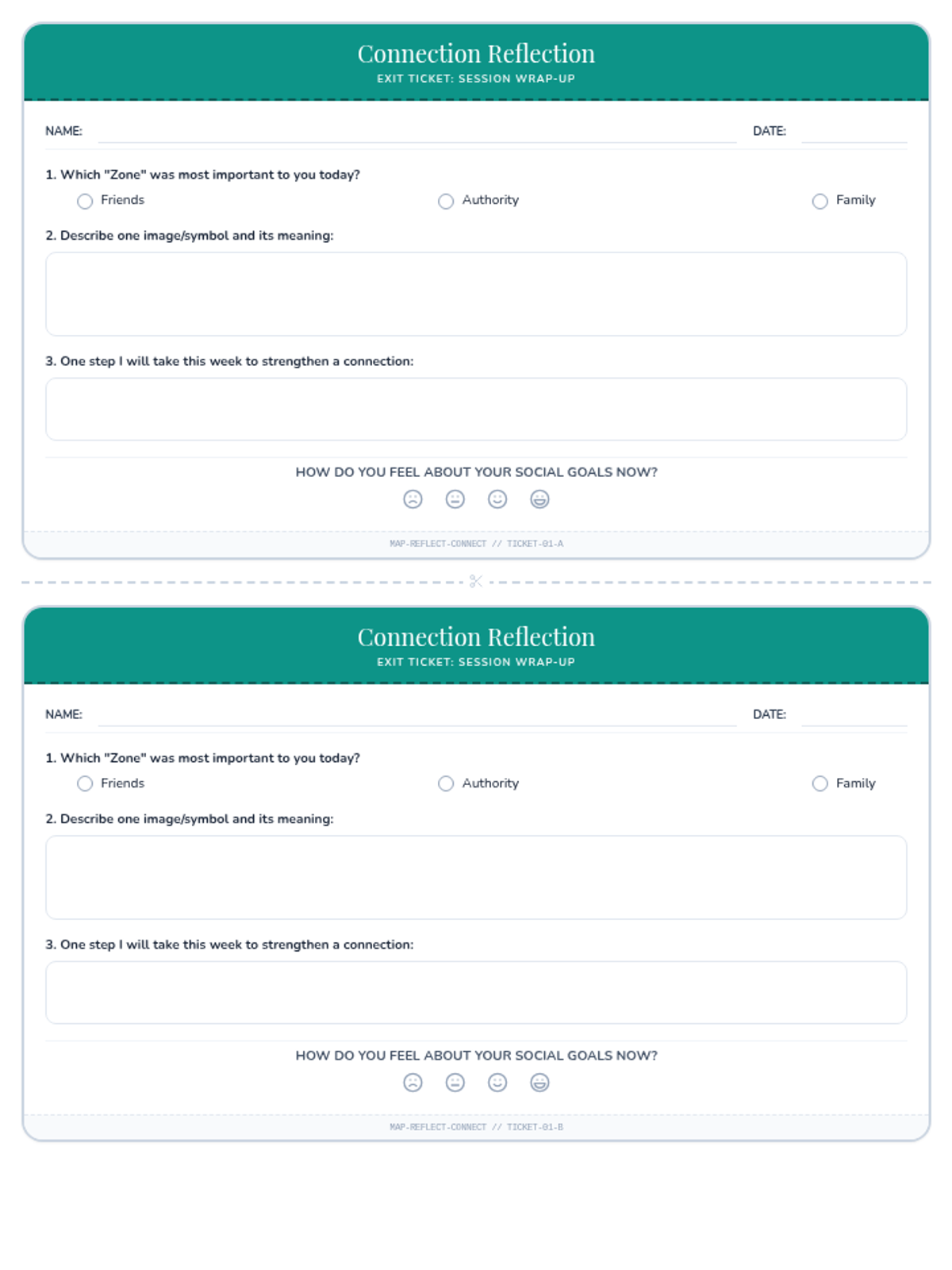
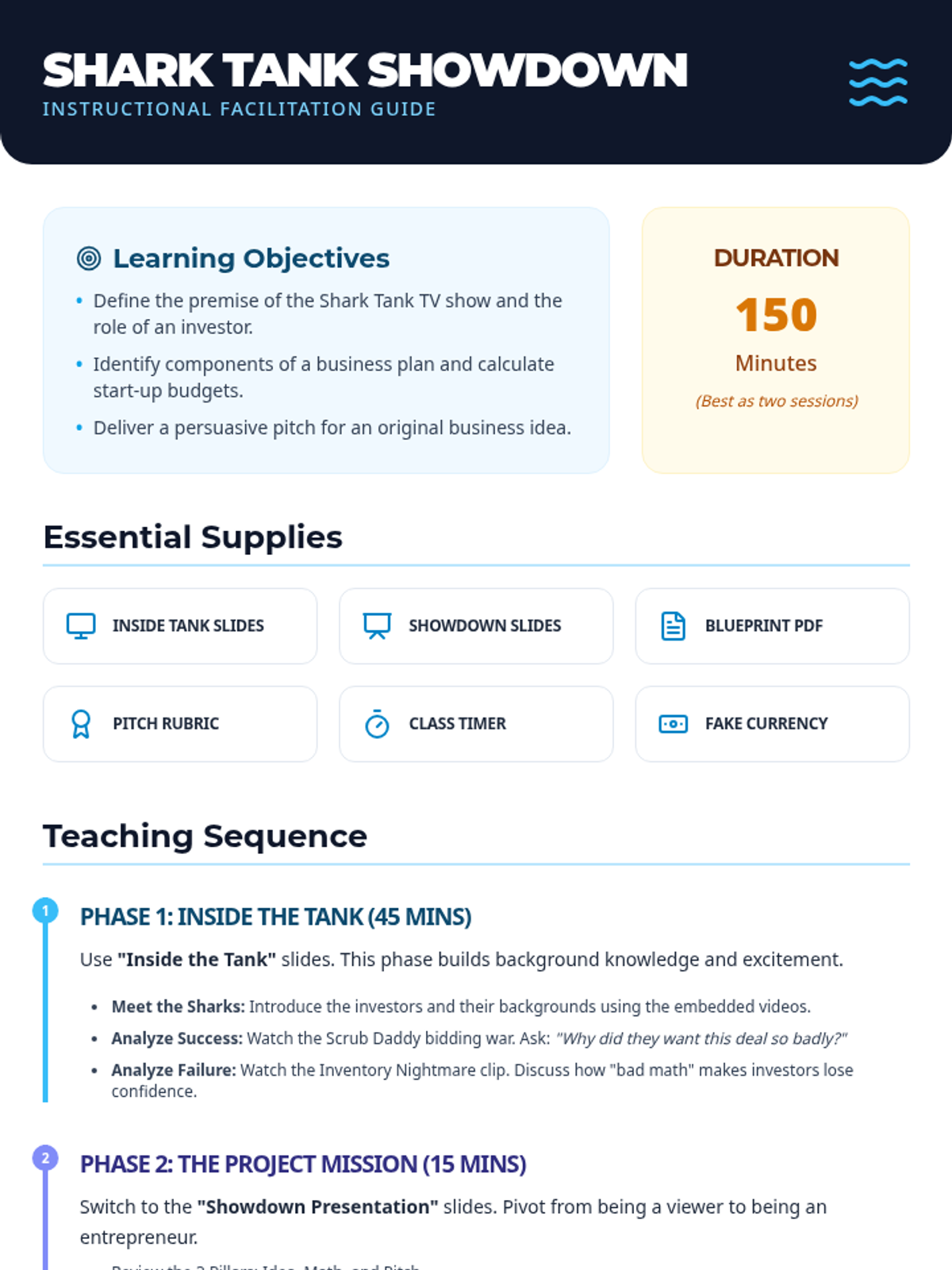
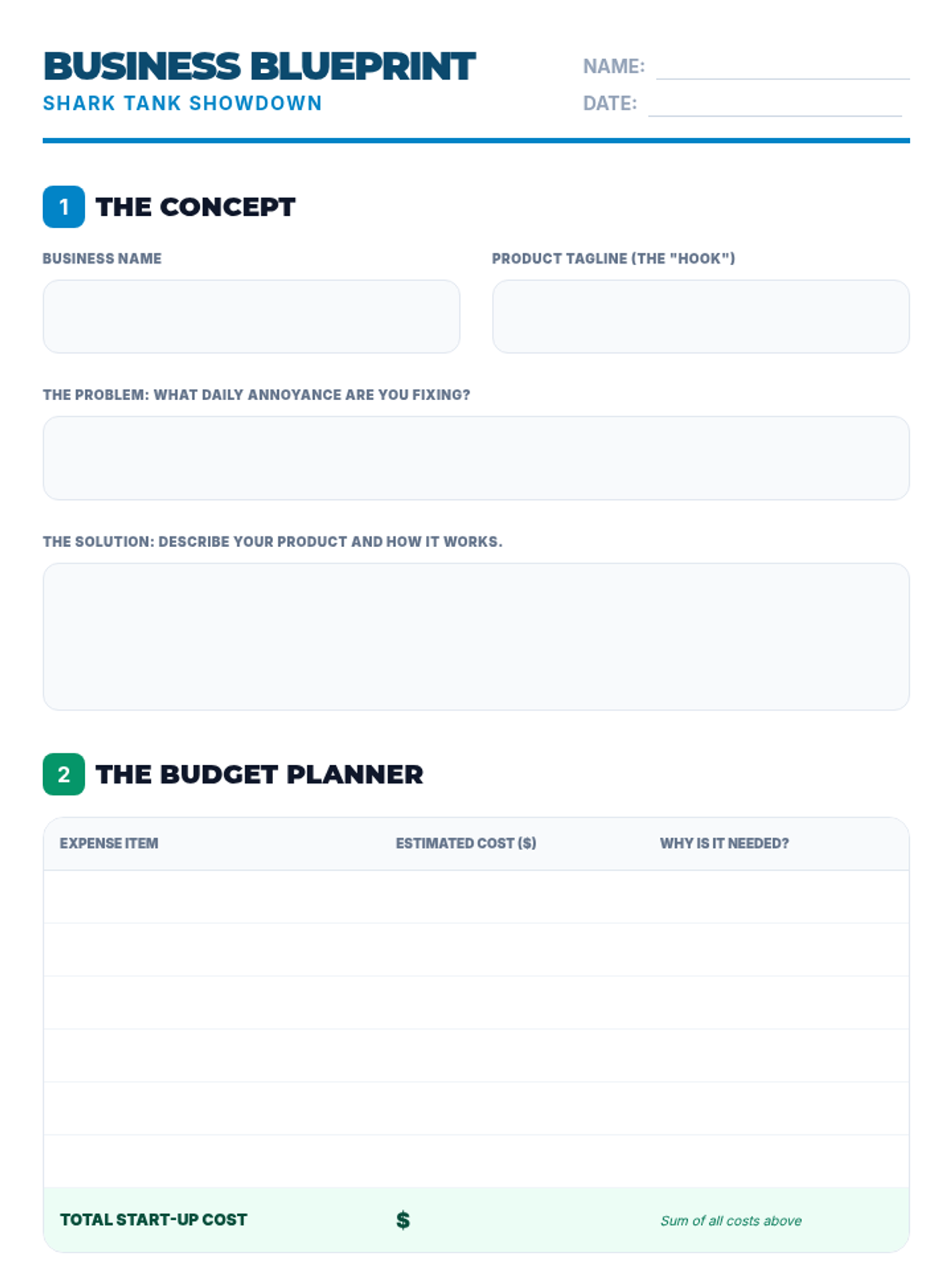
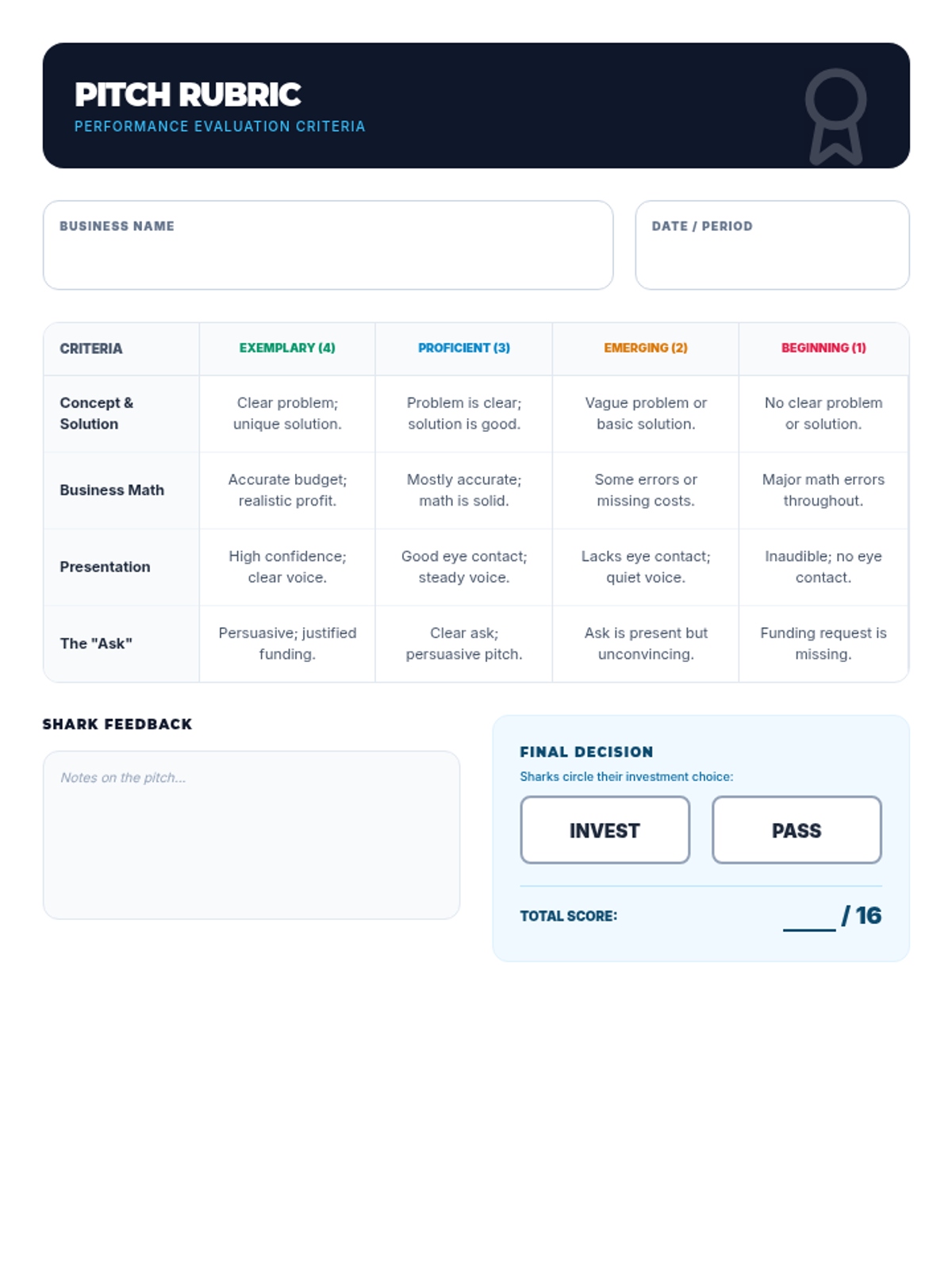
An immersive entrepreneurship lesson where students learn business basics, budgeting, and persuasive pitching to secure 'funding' for their original ideas.
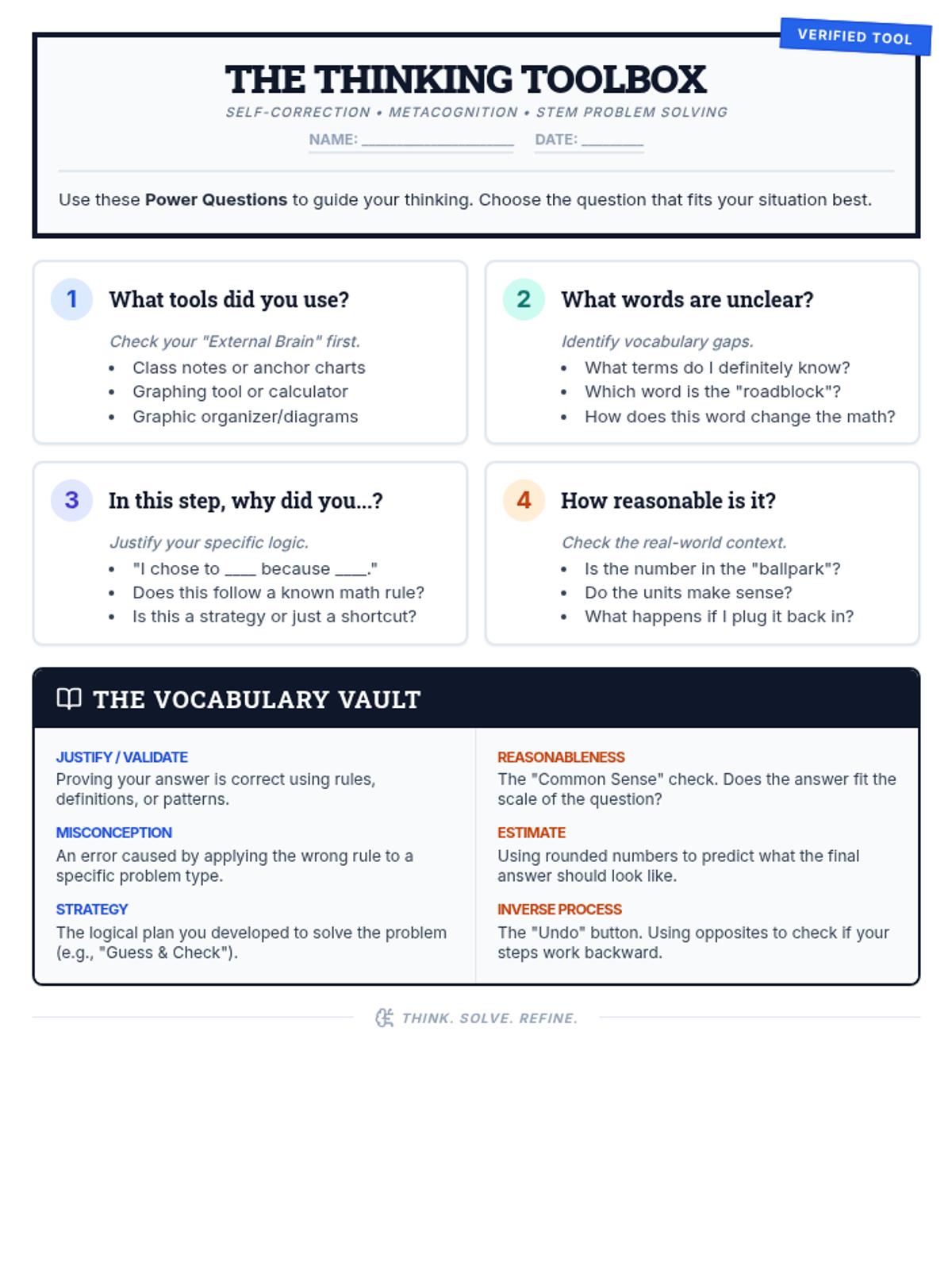
This lesson focuses on developing students' metacognitive skills and problem-solving language using Katherine Rowe's four essential questions. It empowers students to self-correct, identify vocabulary gaps, and justify their mathematical reasoning.
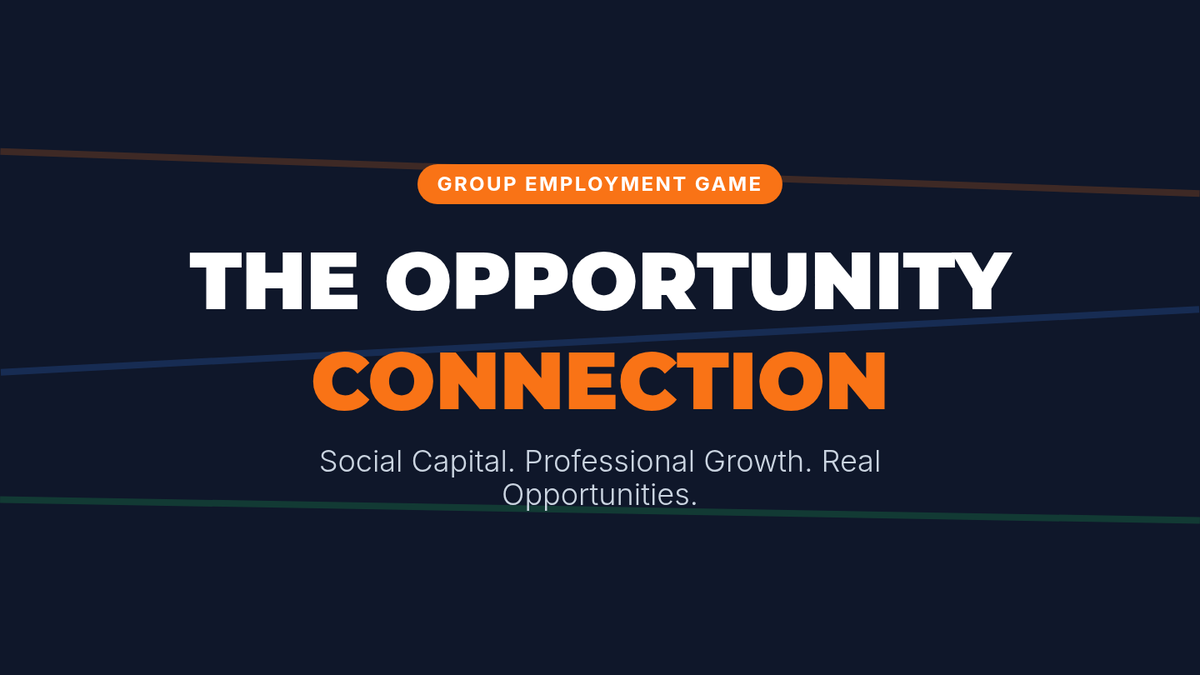
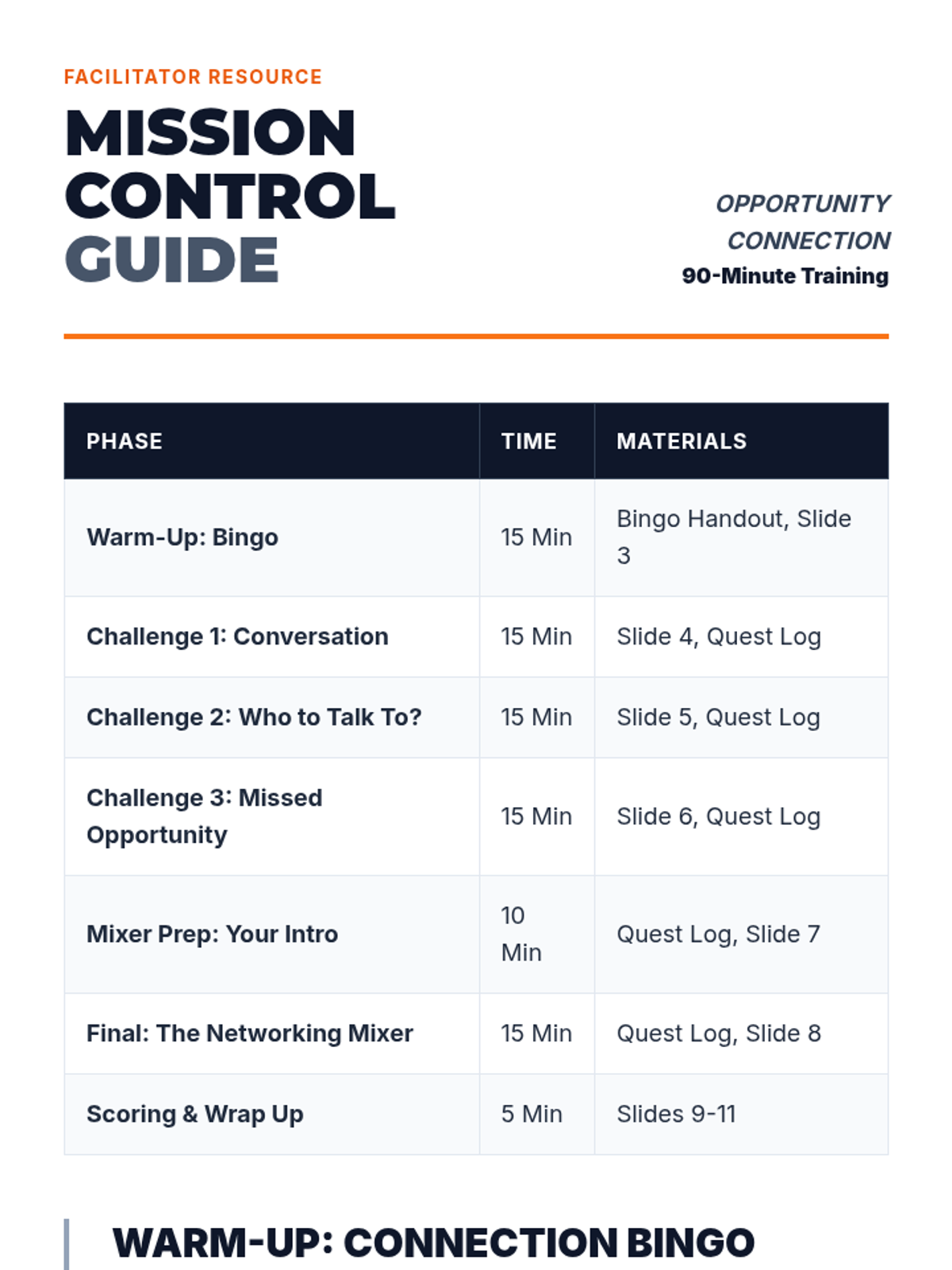
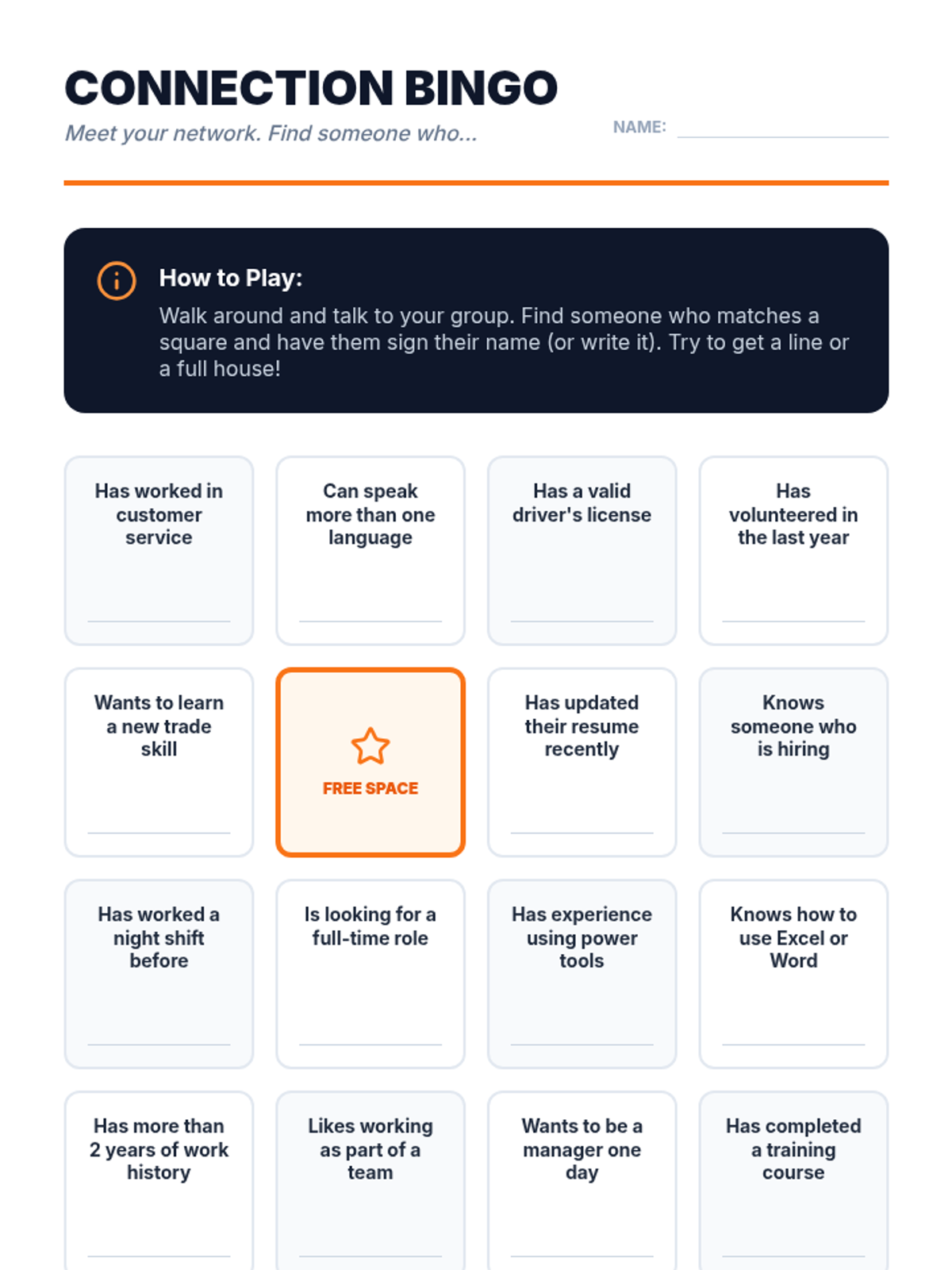
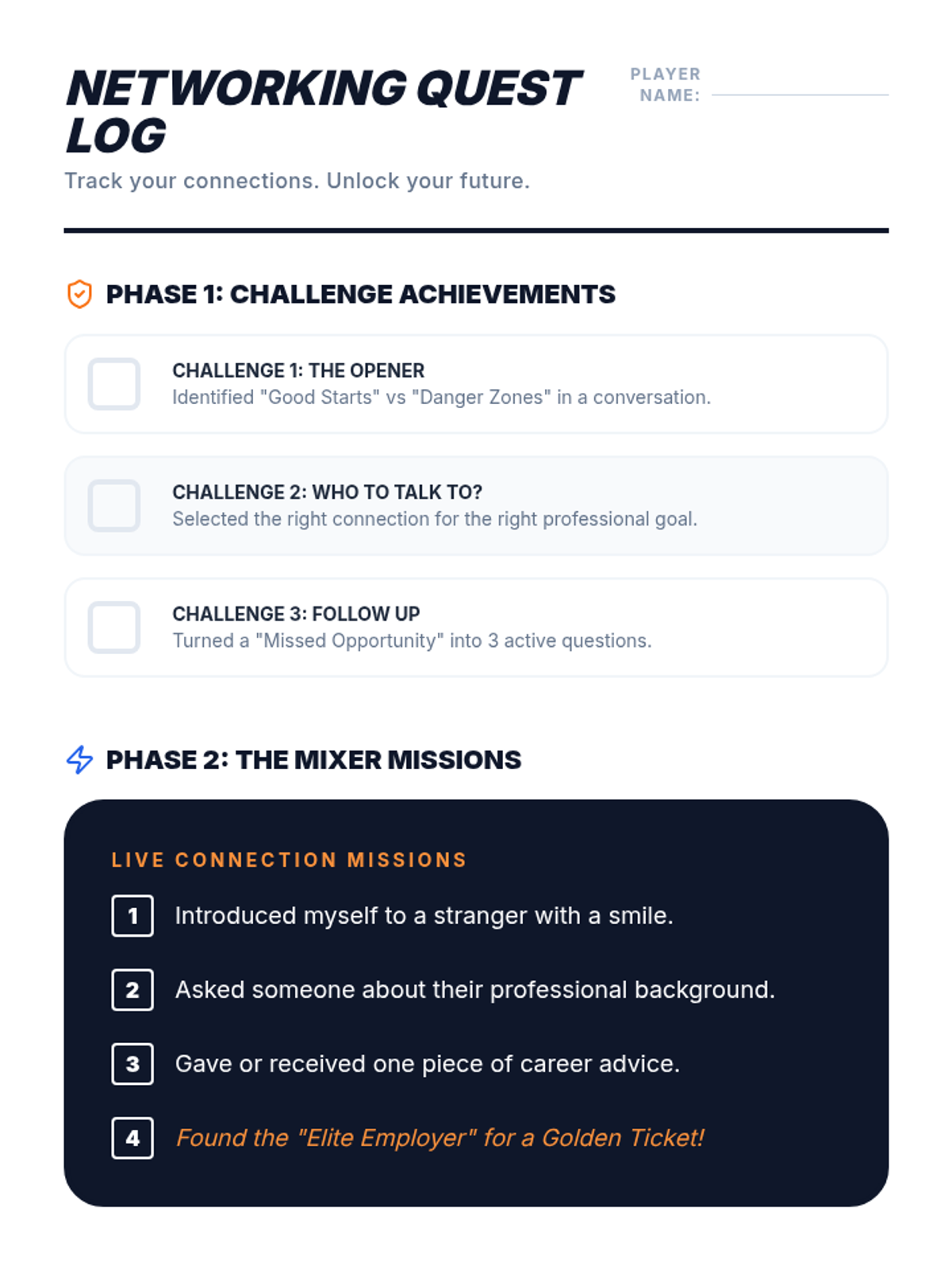
A 90-minute interactive session where participants learn to initiate conversations, identify helpful connections, and practice networking in a simulated environment to unlock career opportunities.
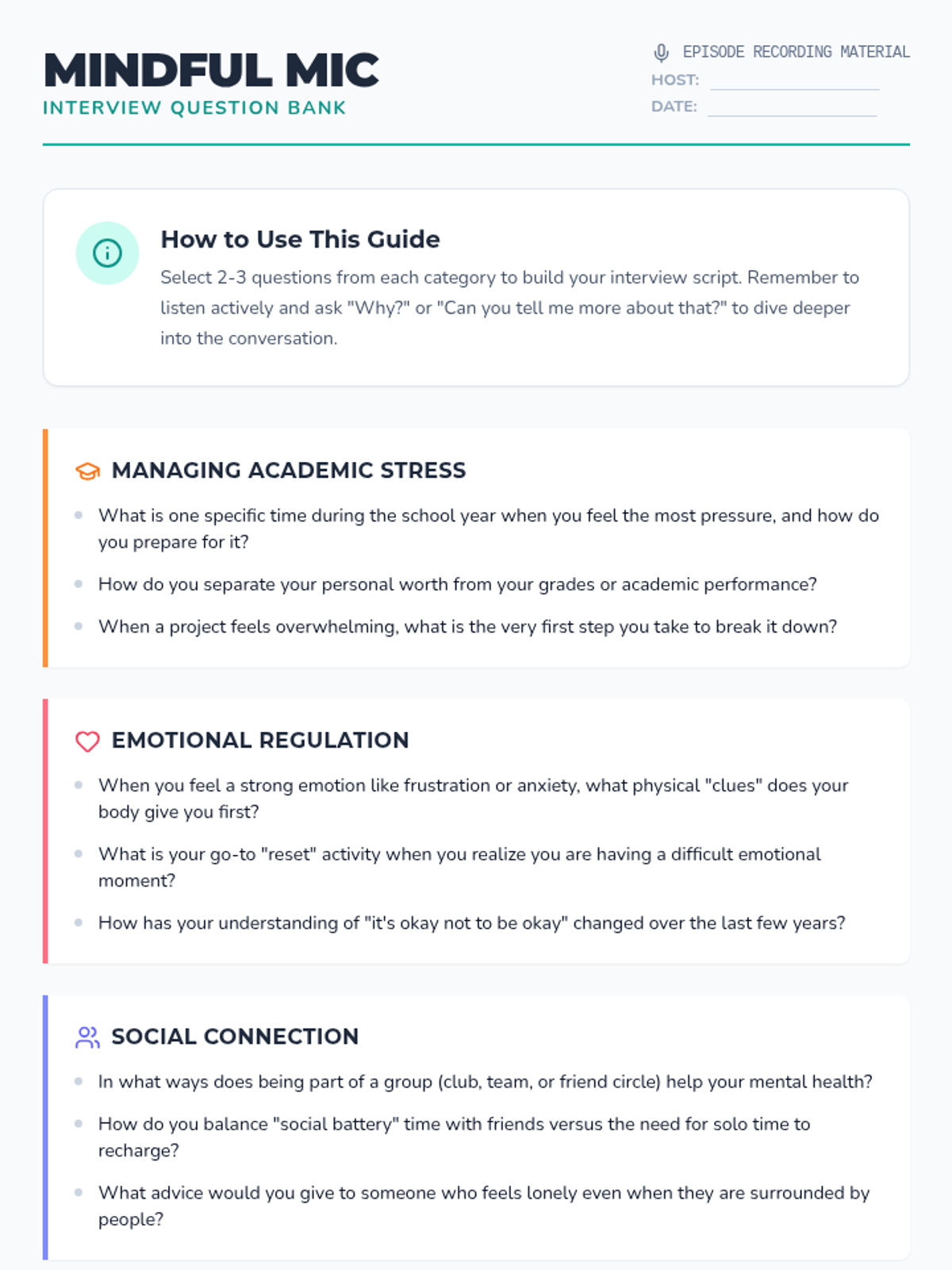
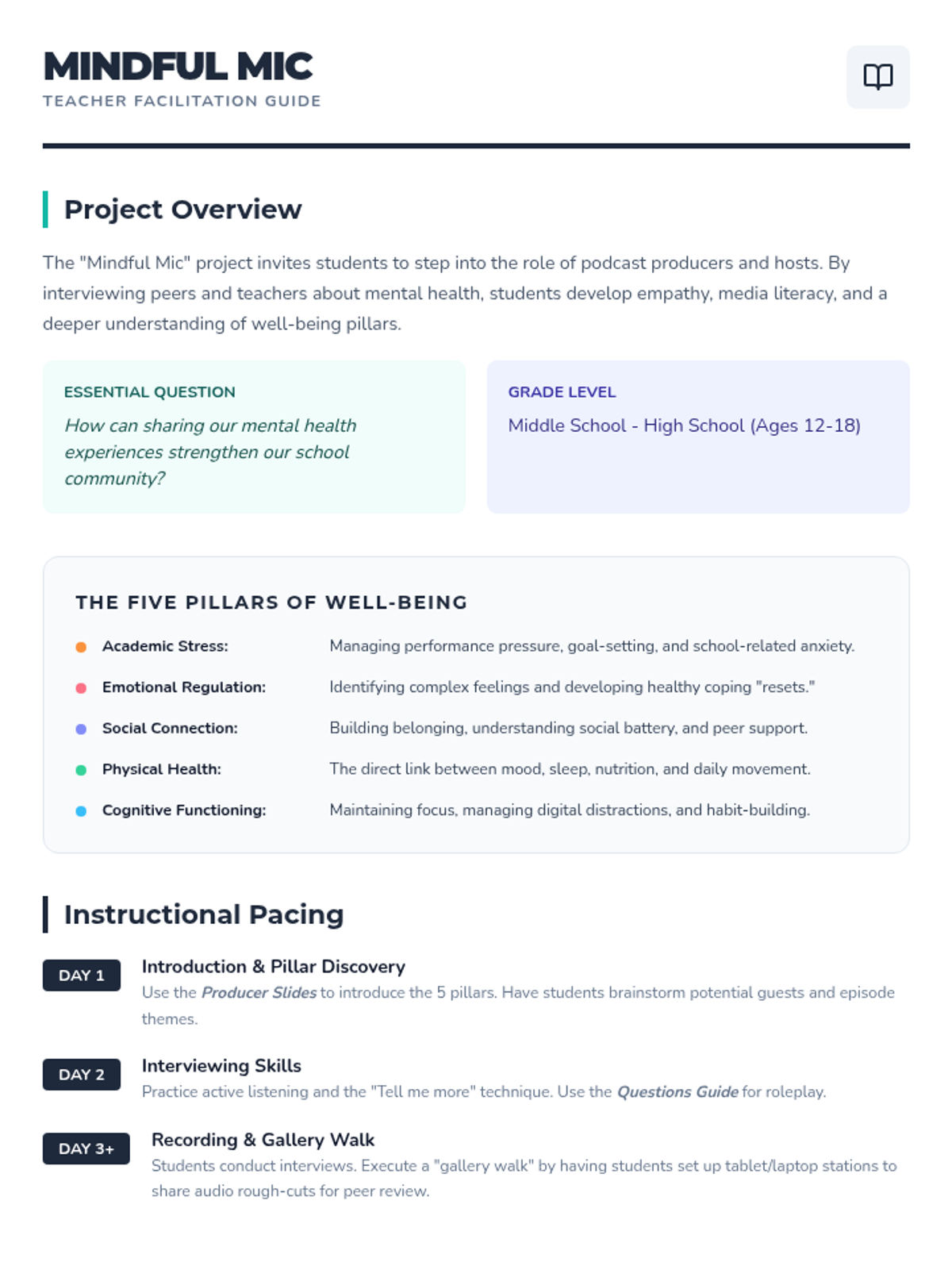
A comprehensive guide for students to produce a podcast exploring mental health through peer and teacher interviews. This lesson covers interview techniques and categorizes questions across five key pillars of well-being.
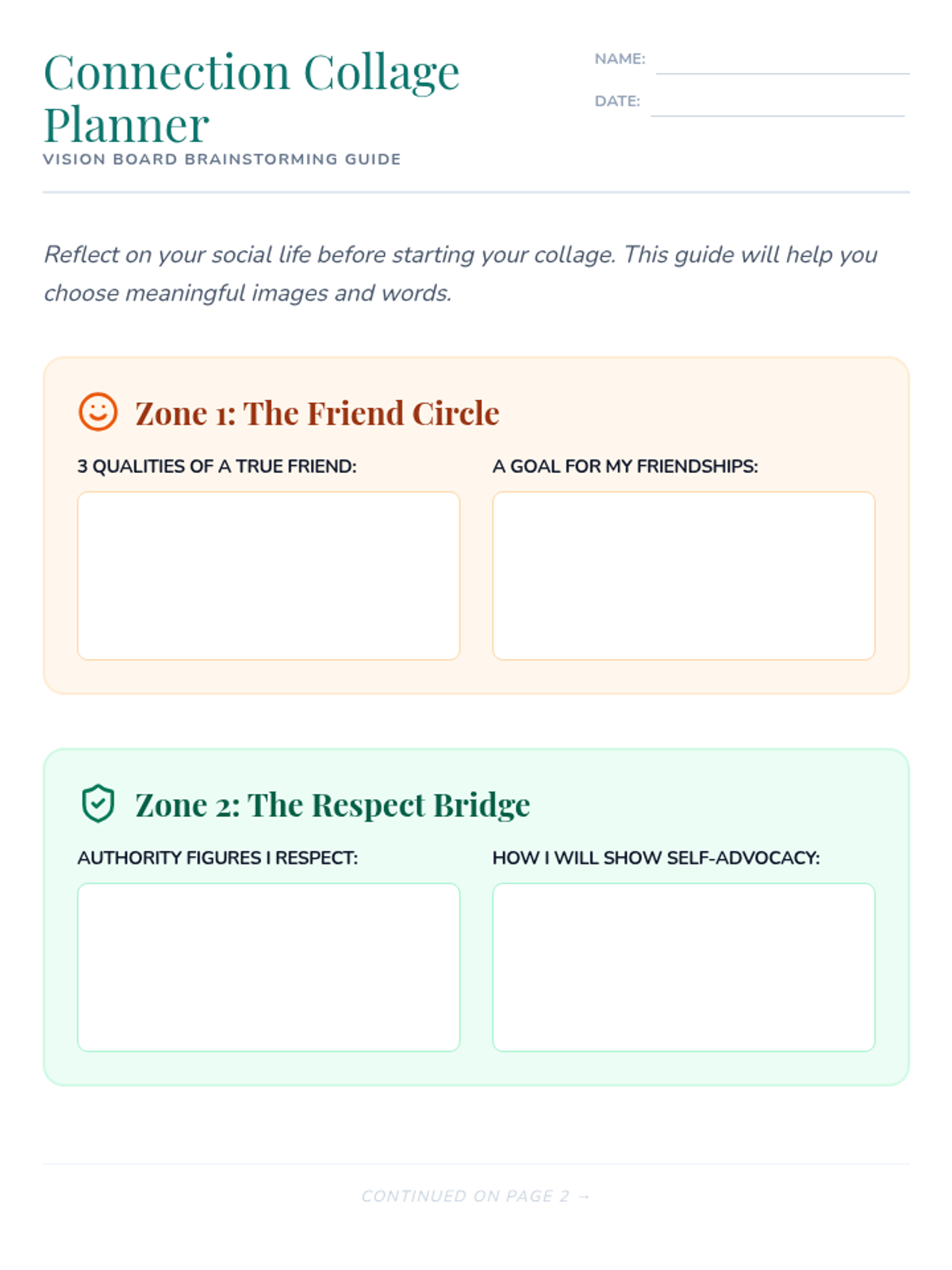
A creative SEL project where students design vision boards to explore and strengthen their relationships with friends, authority figures, and family members.
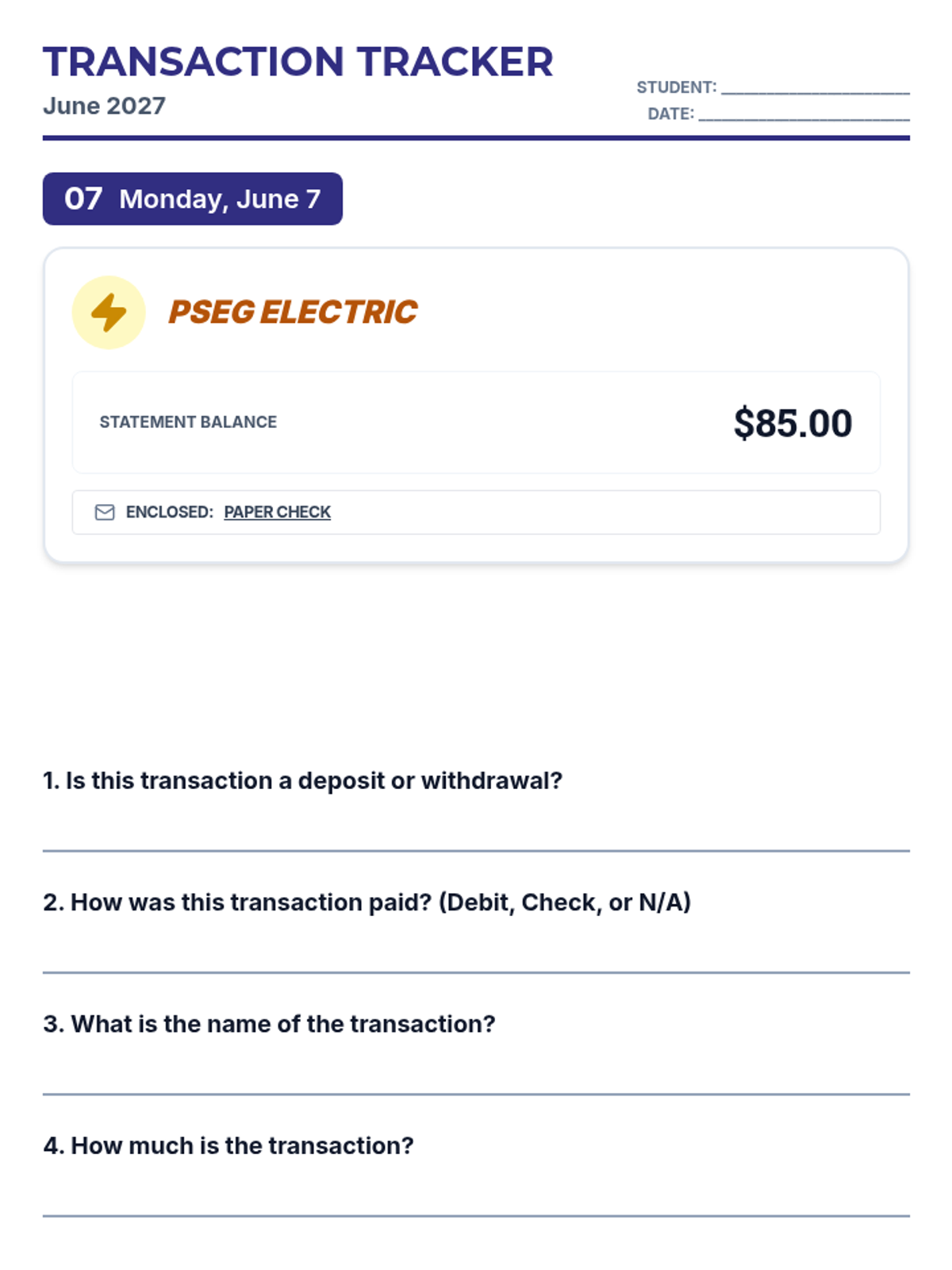
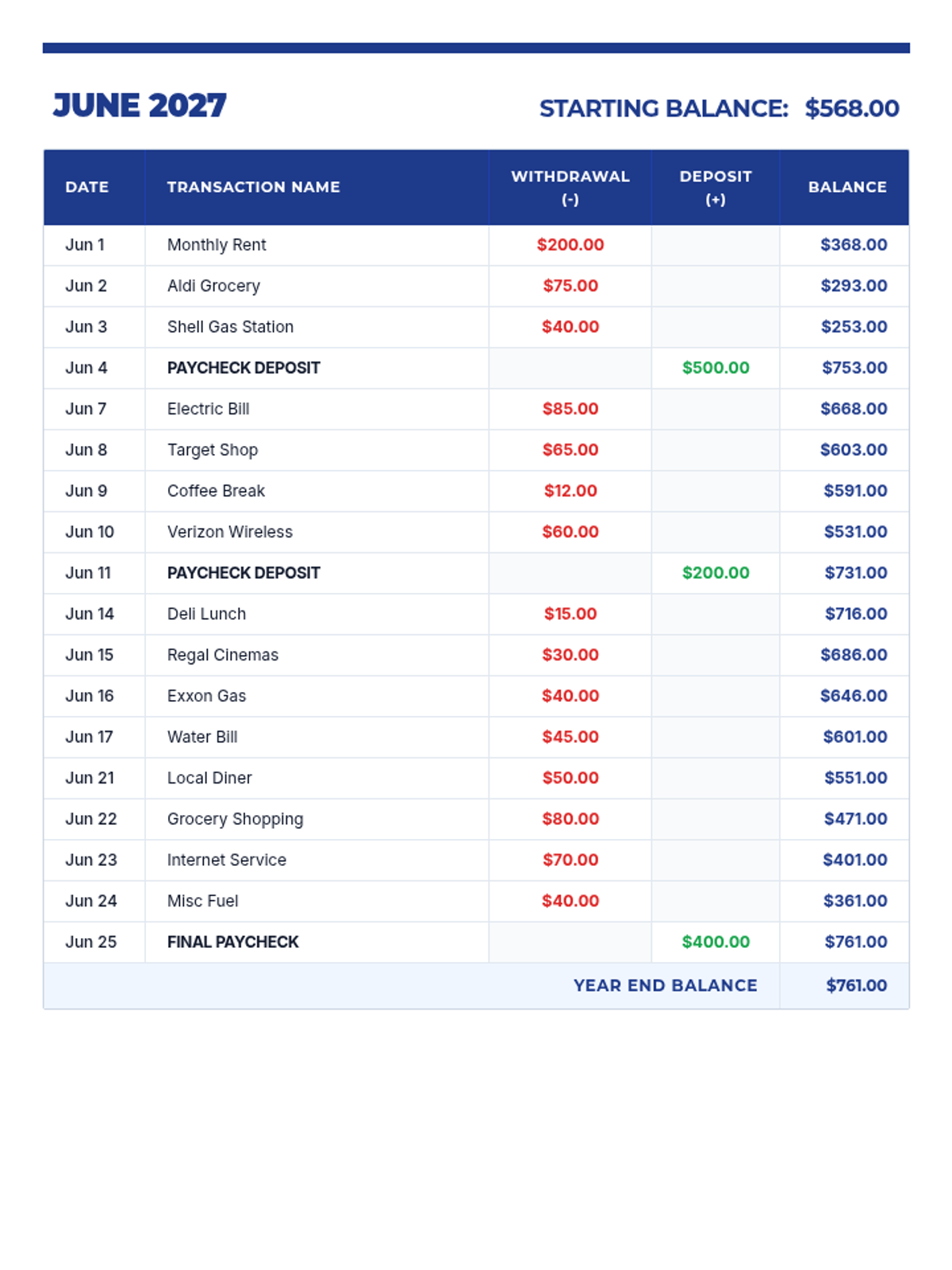
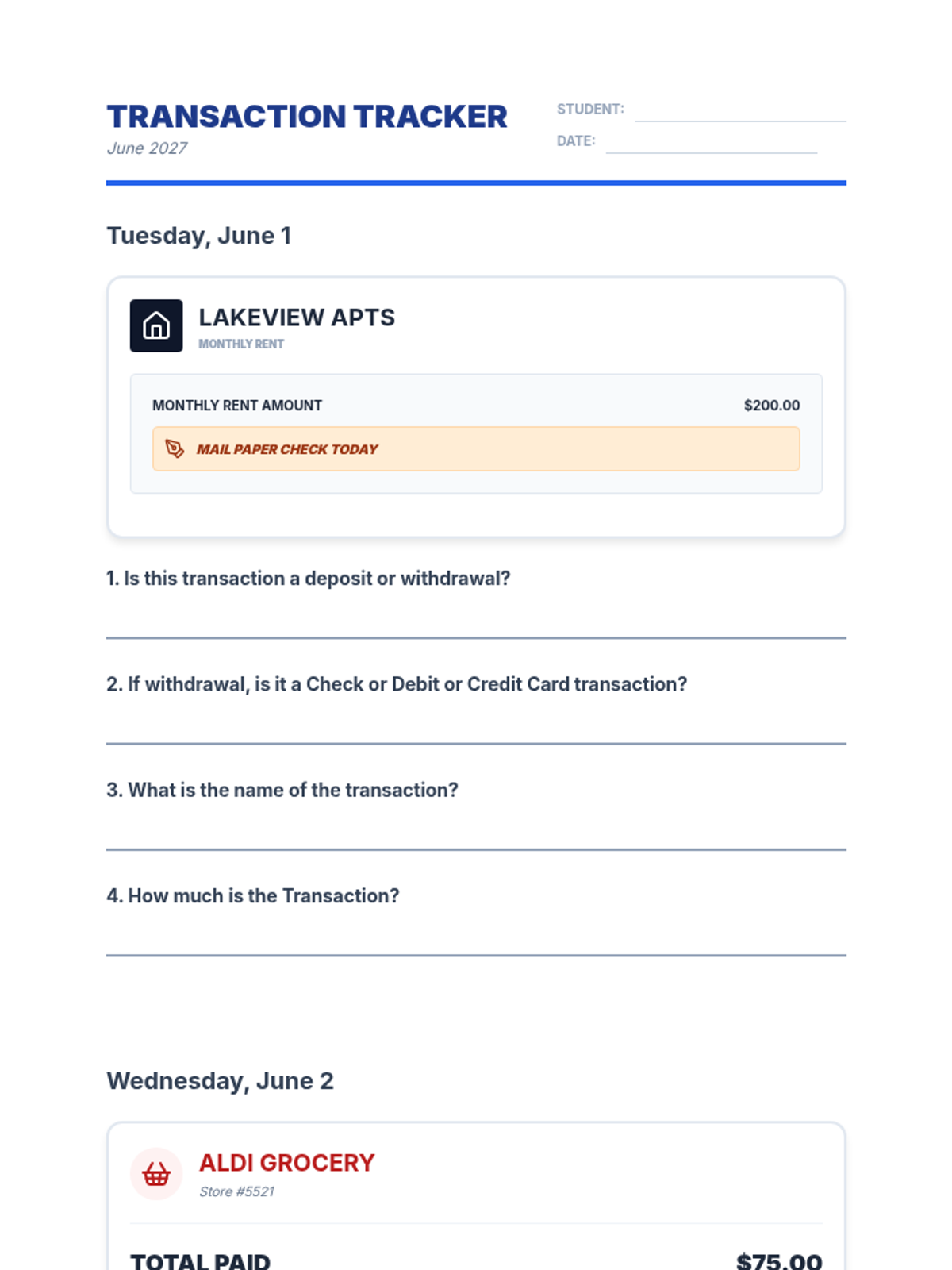
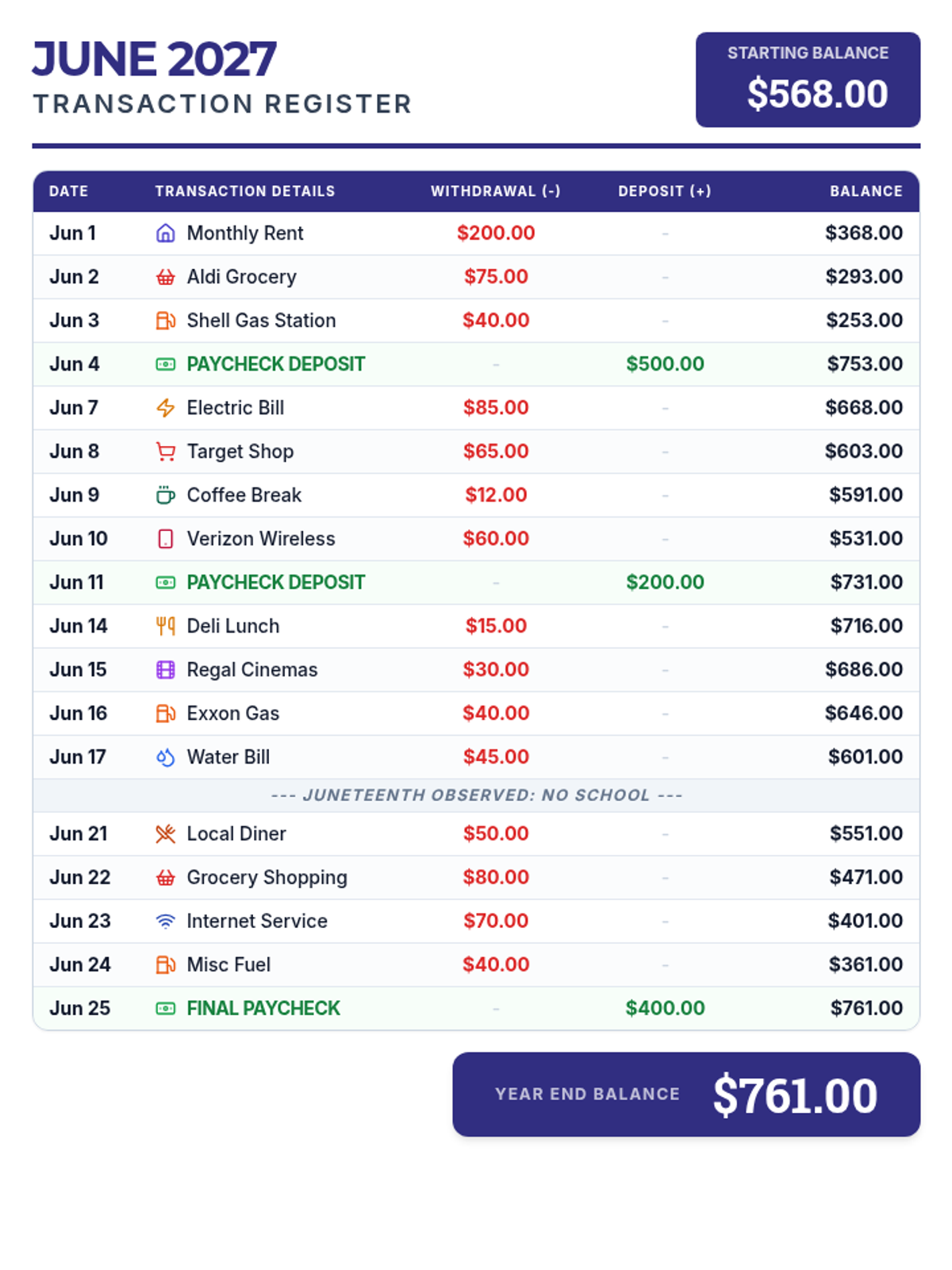
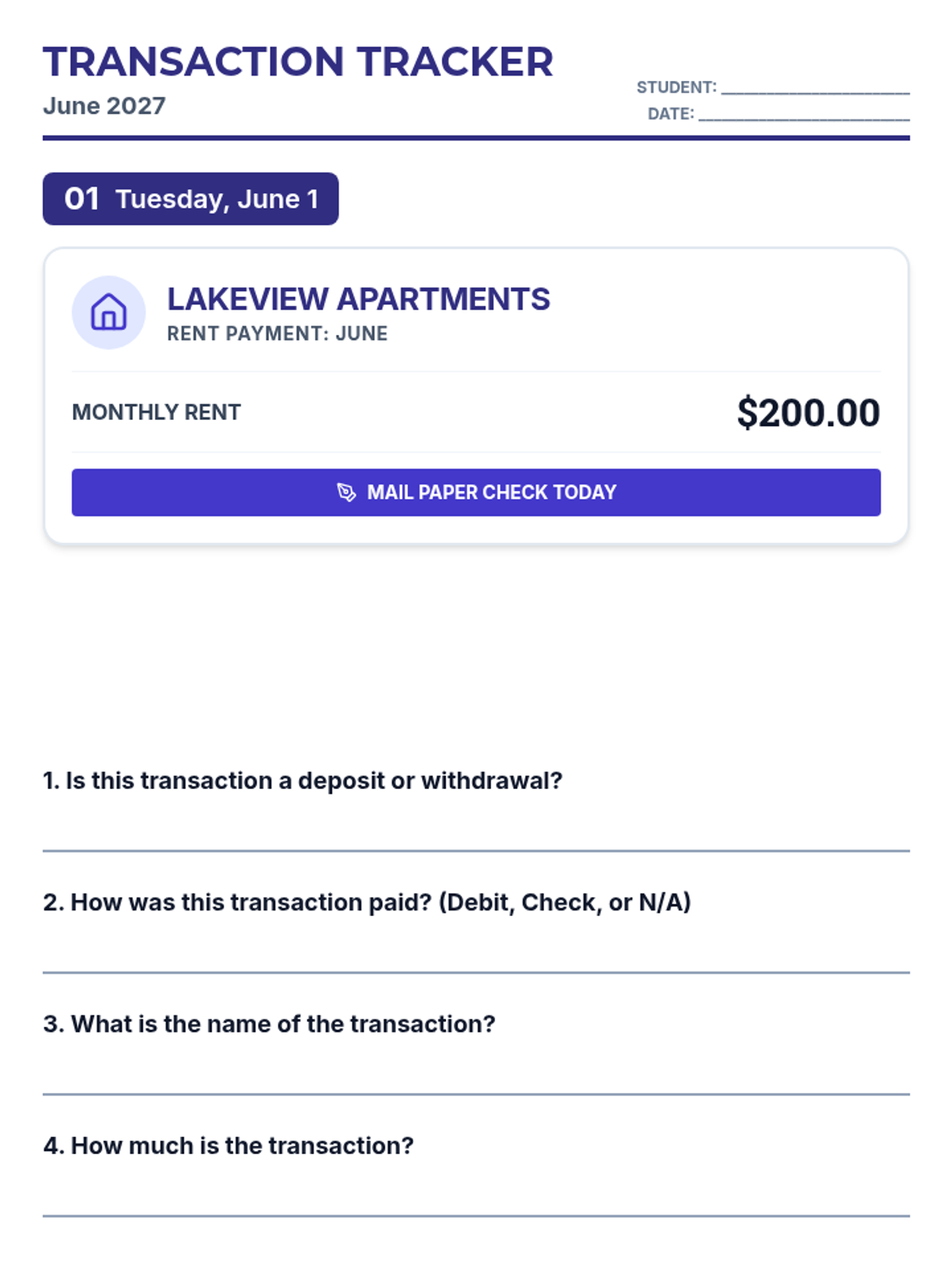
A lesson focused on managing finances for June 2027, the final month of the school year. Students track rent, utilities, and graduation-season expenses while managing their final balance. Includes accounting for the Juneteenth holiday.
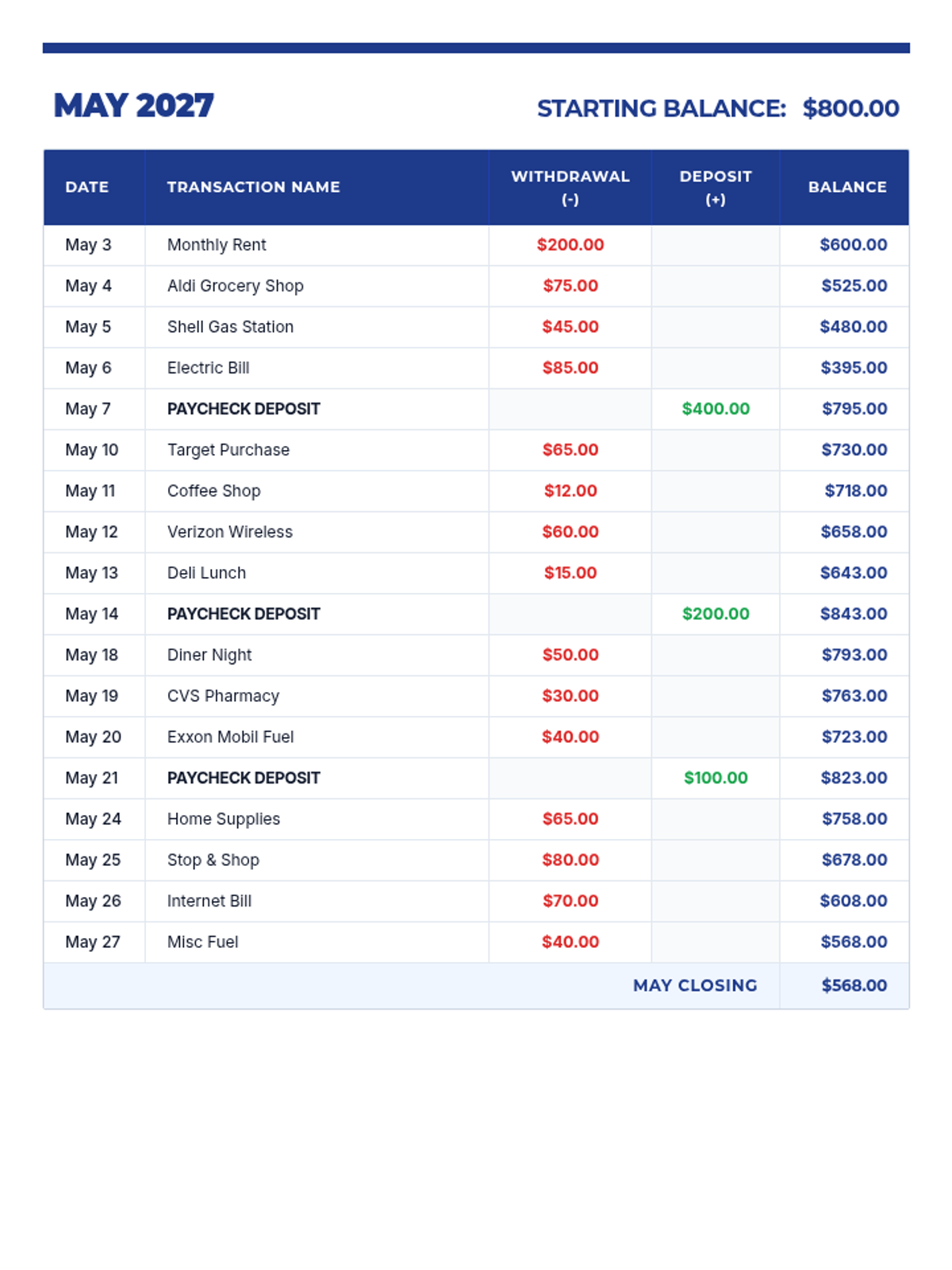
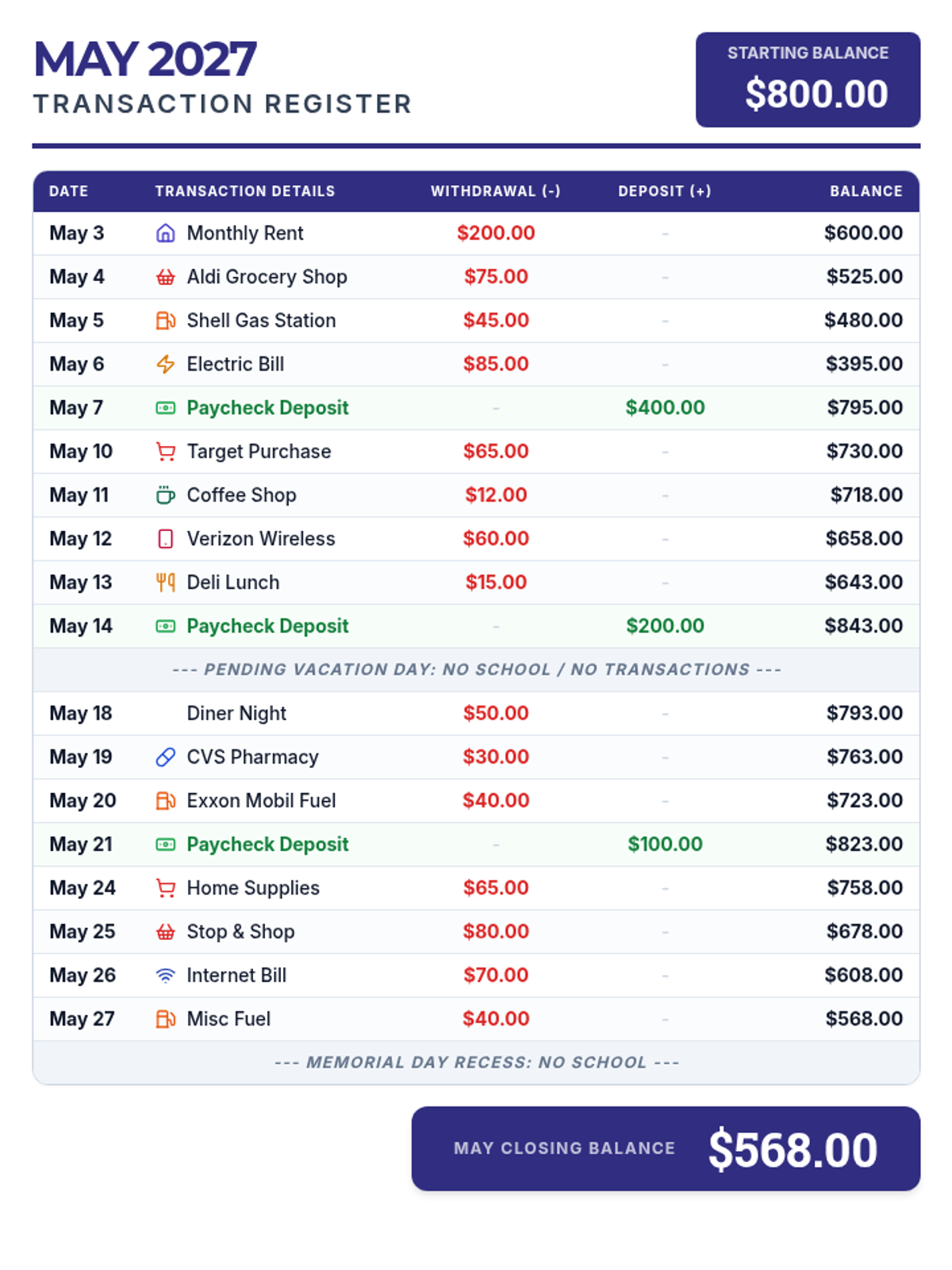
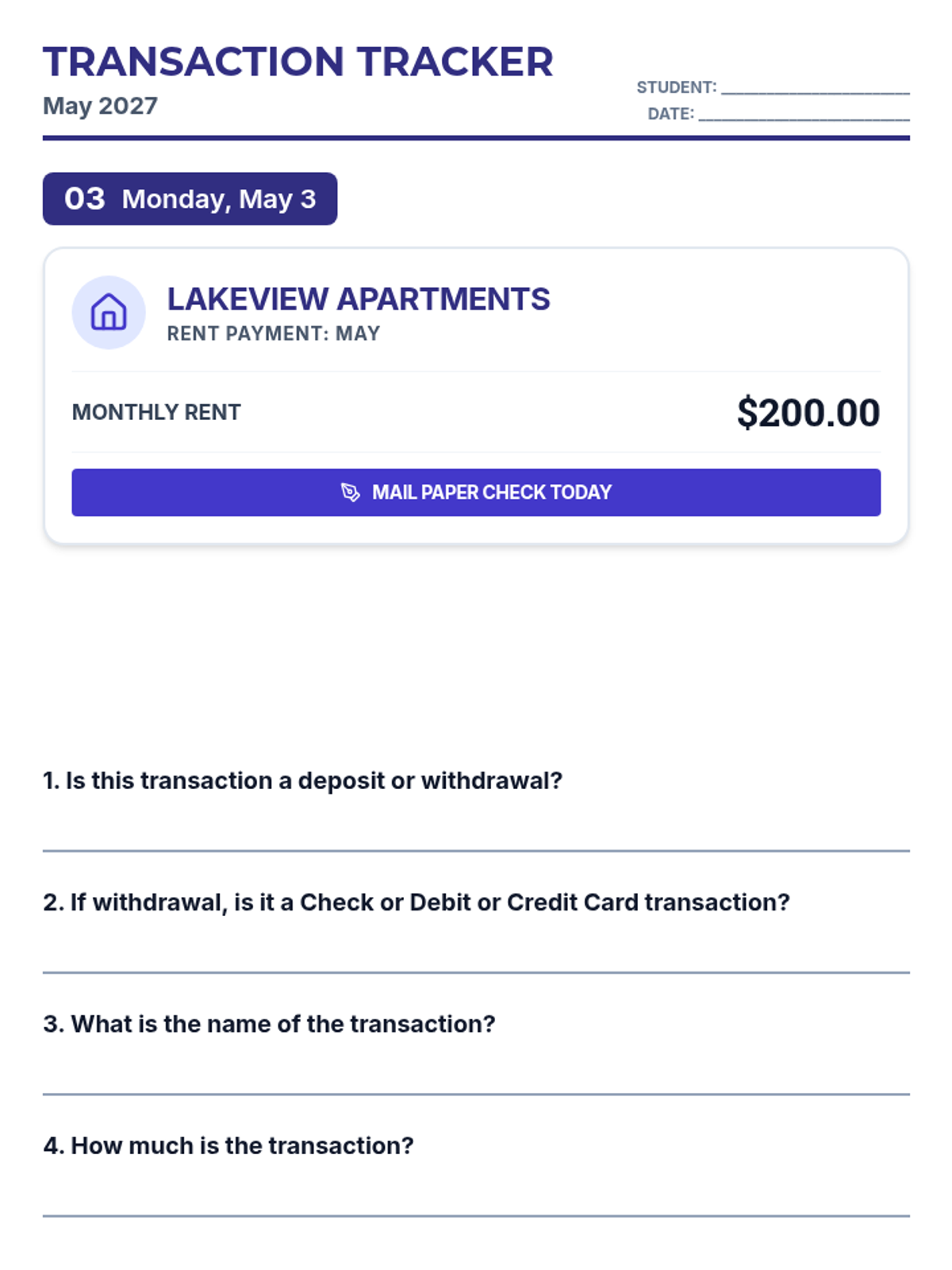
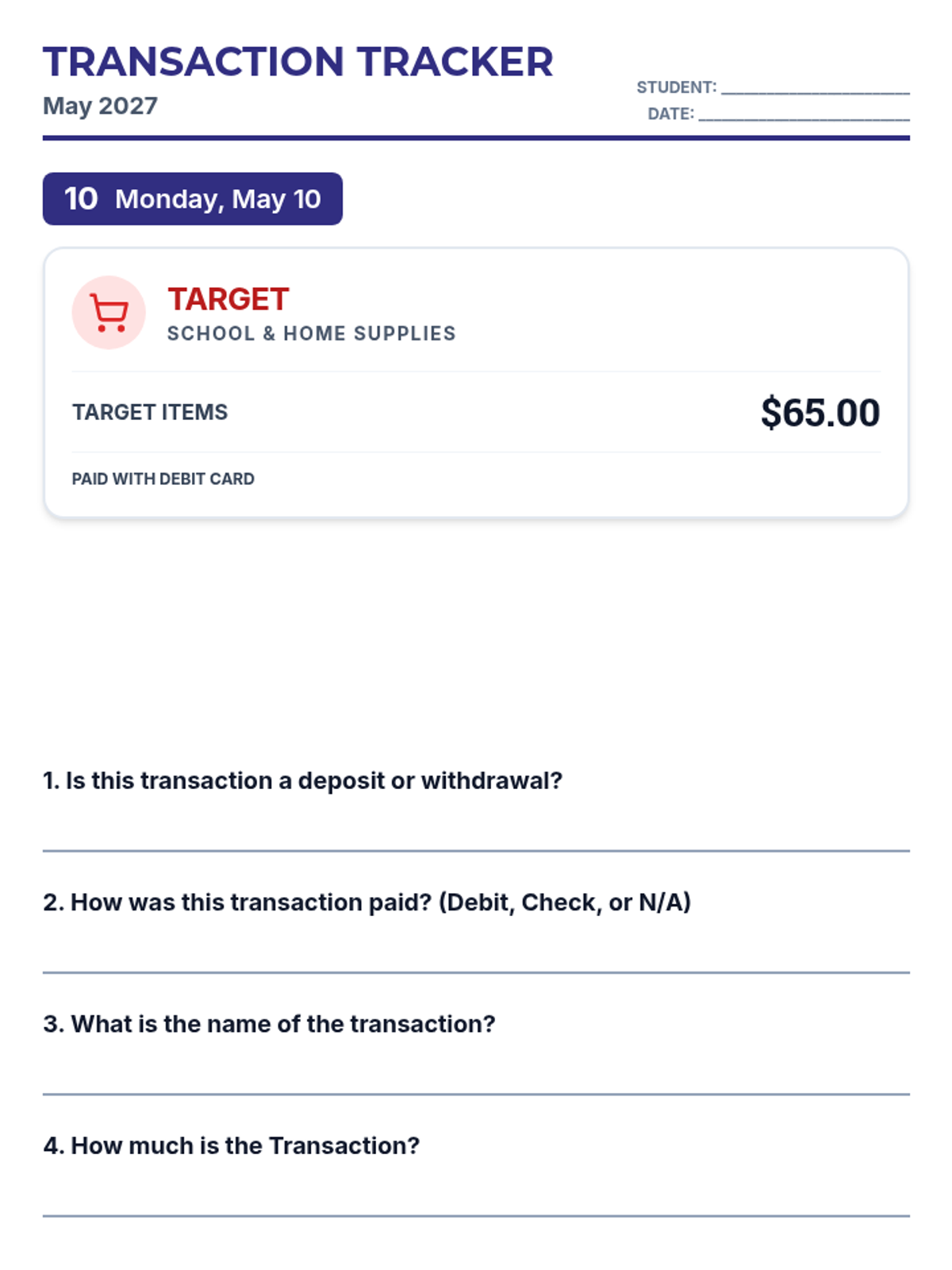
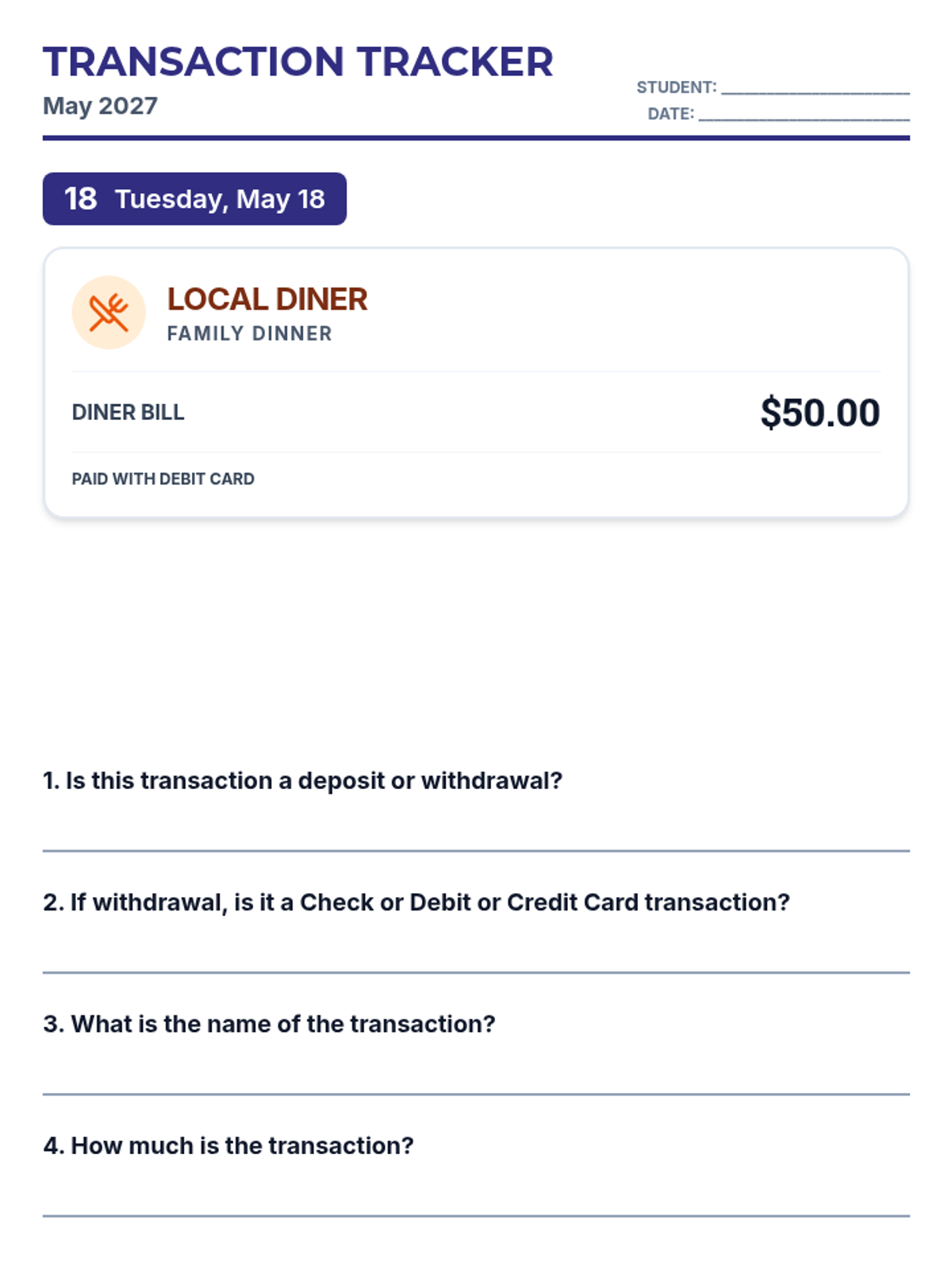
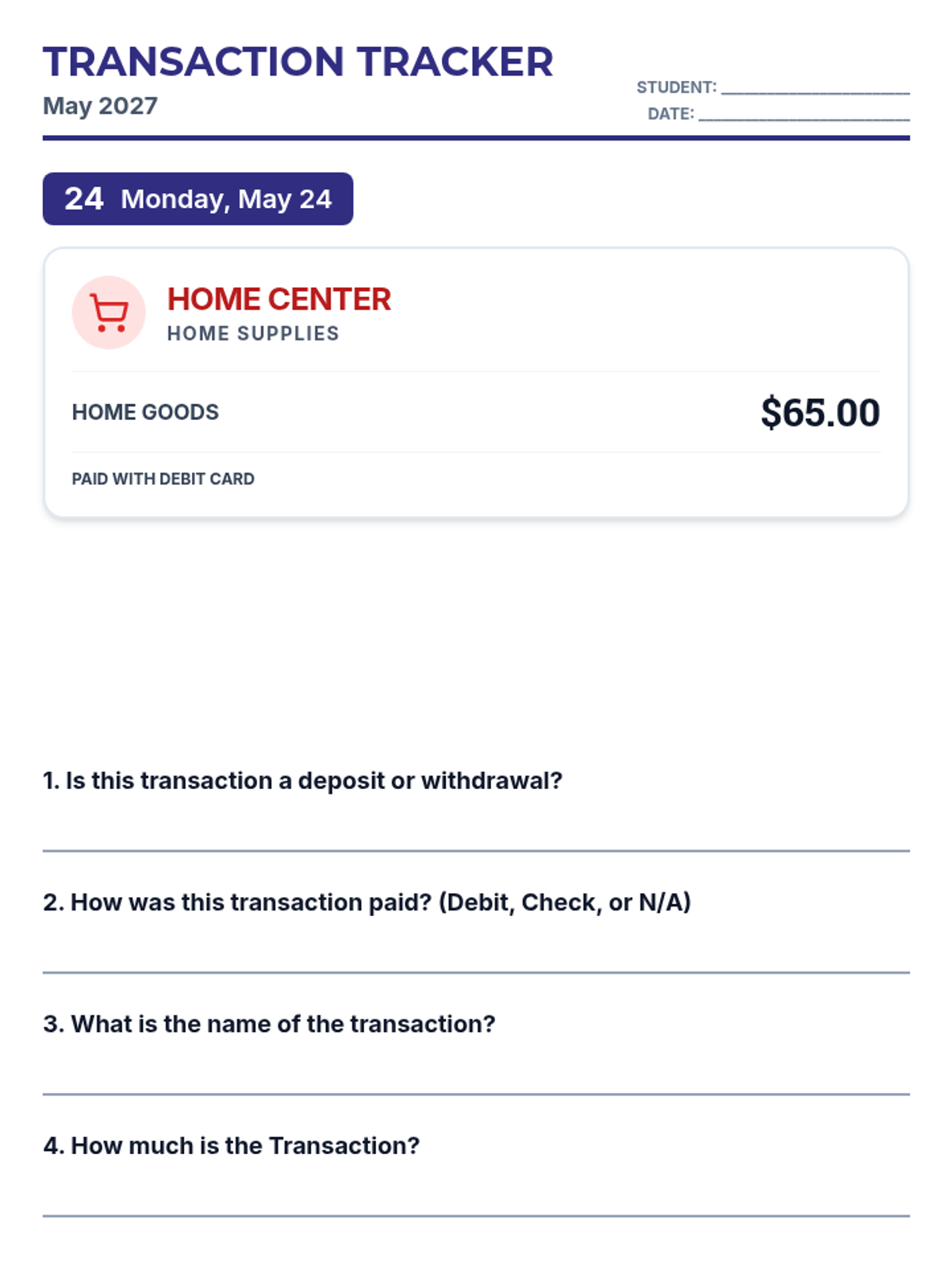
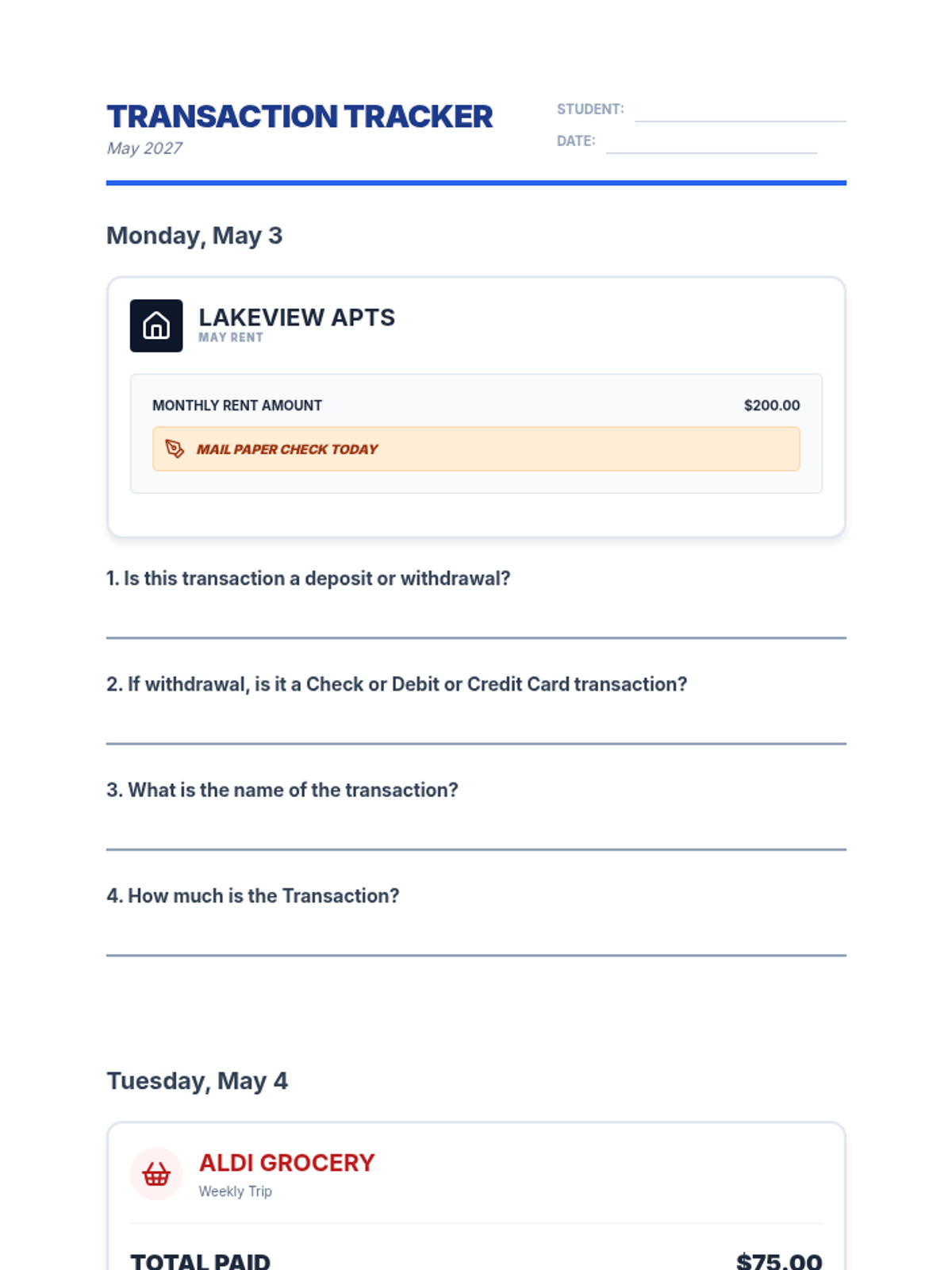
A lesson focused on managing finances for May 2027. Students track rent, utilities, and a variety of retail receipts while navigating a real school calendar with several holidays and pending vacation days.
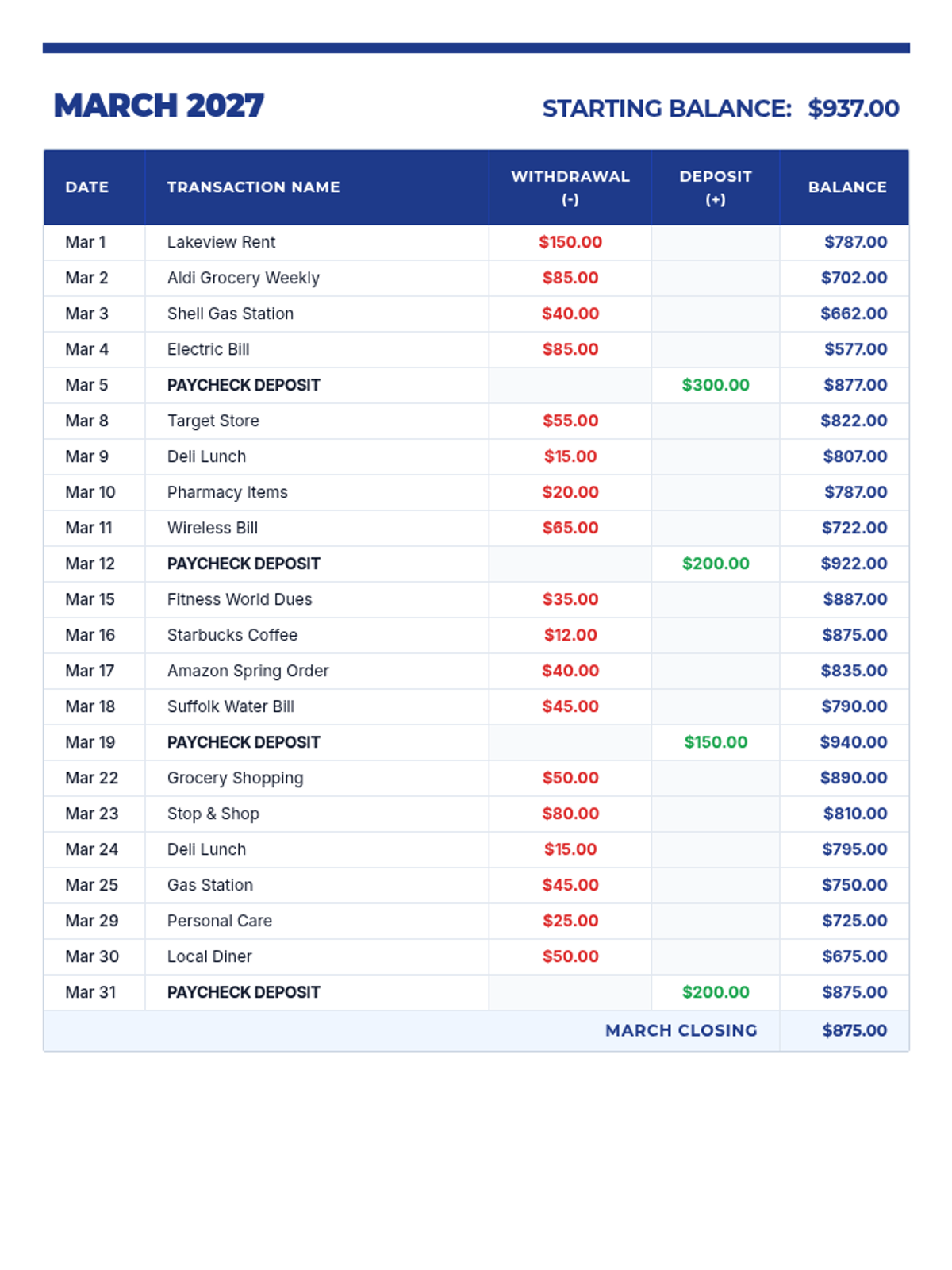
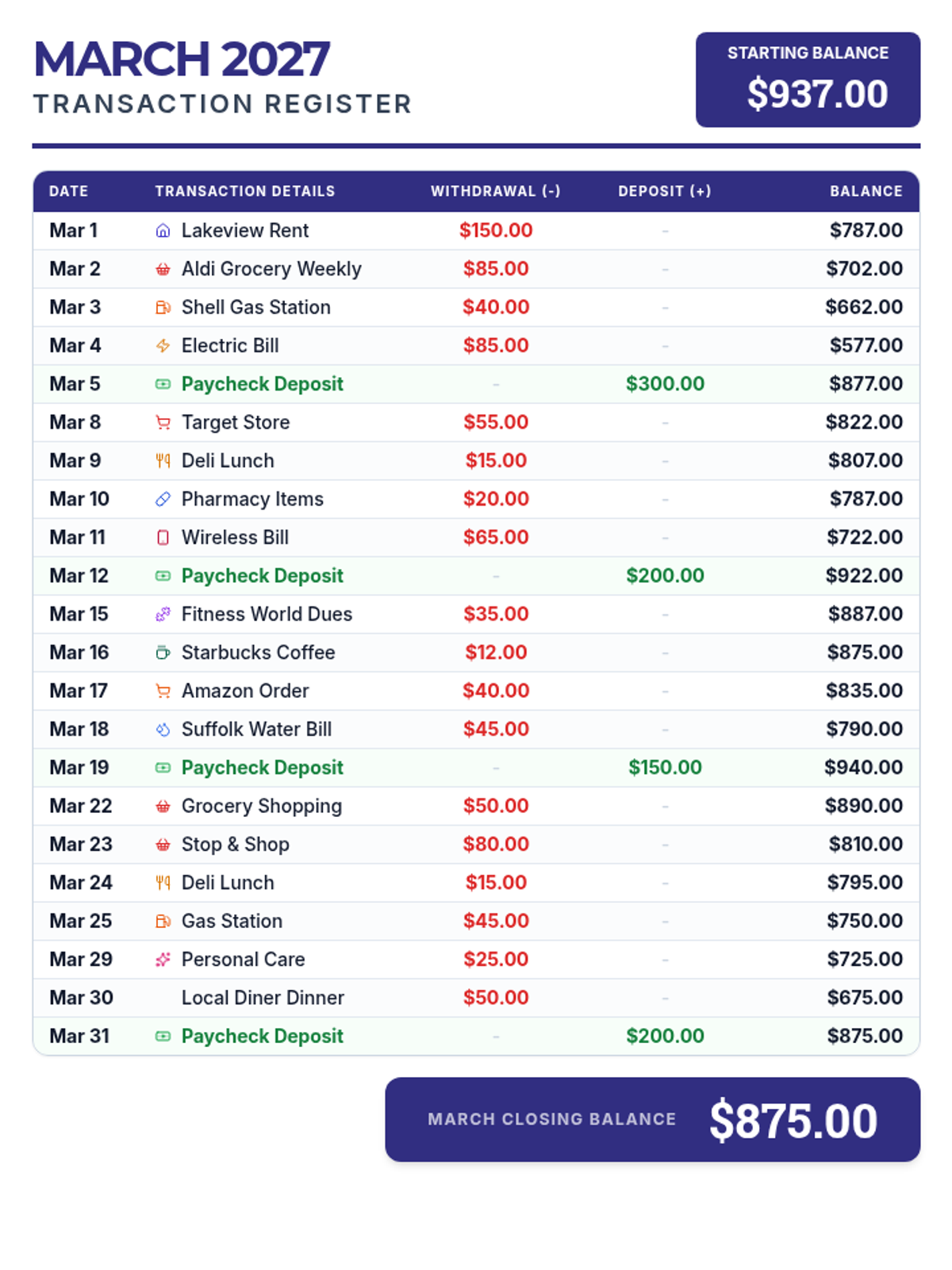
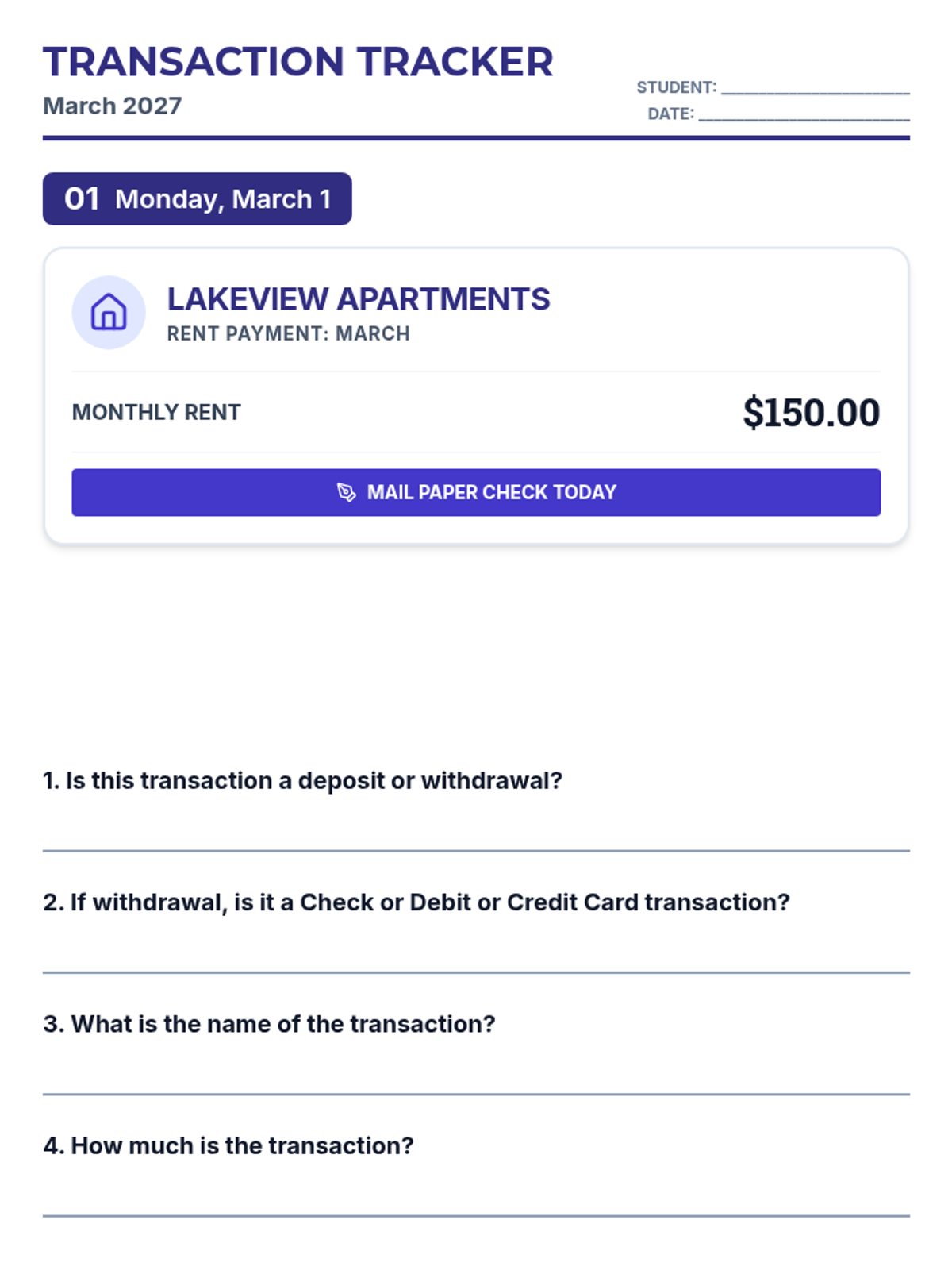
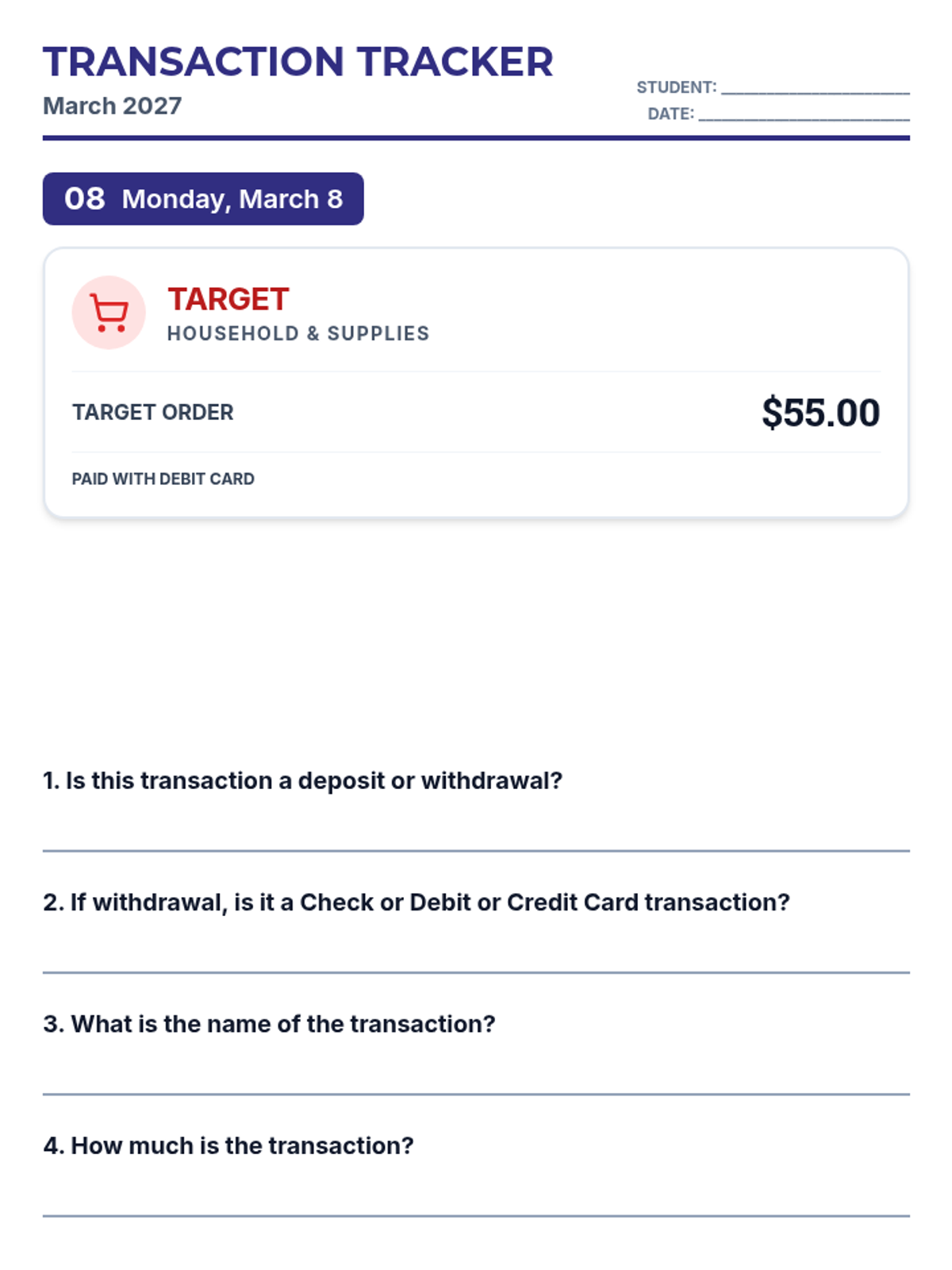
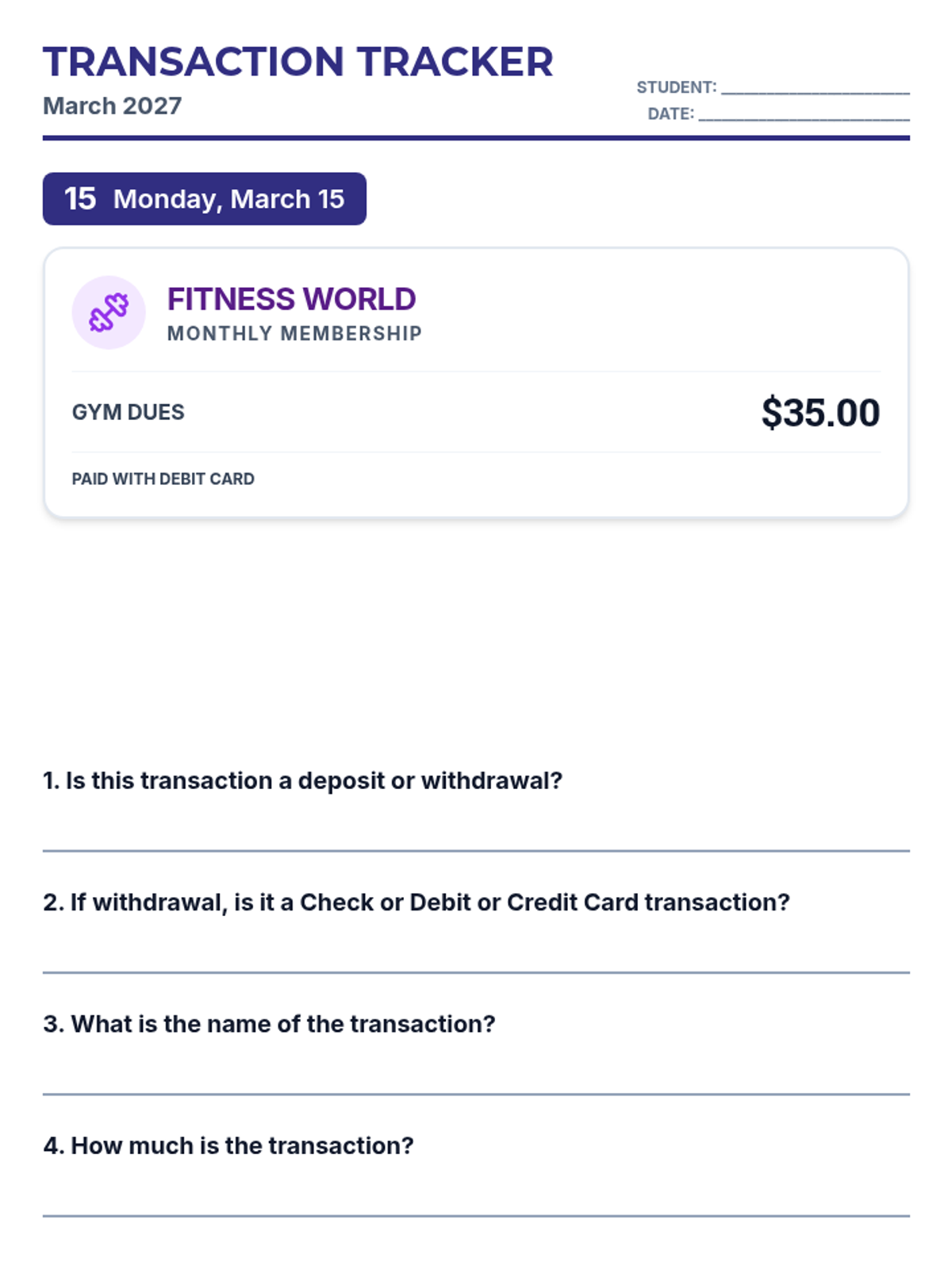
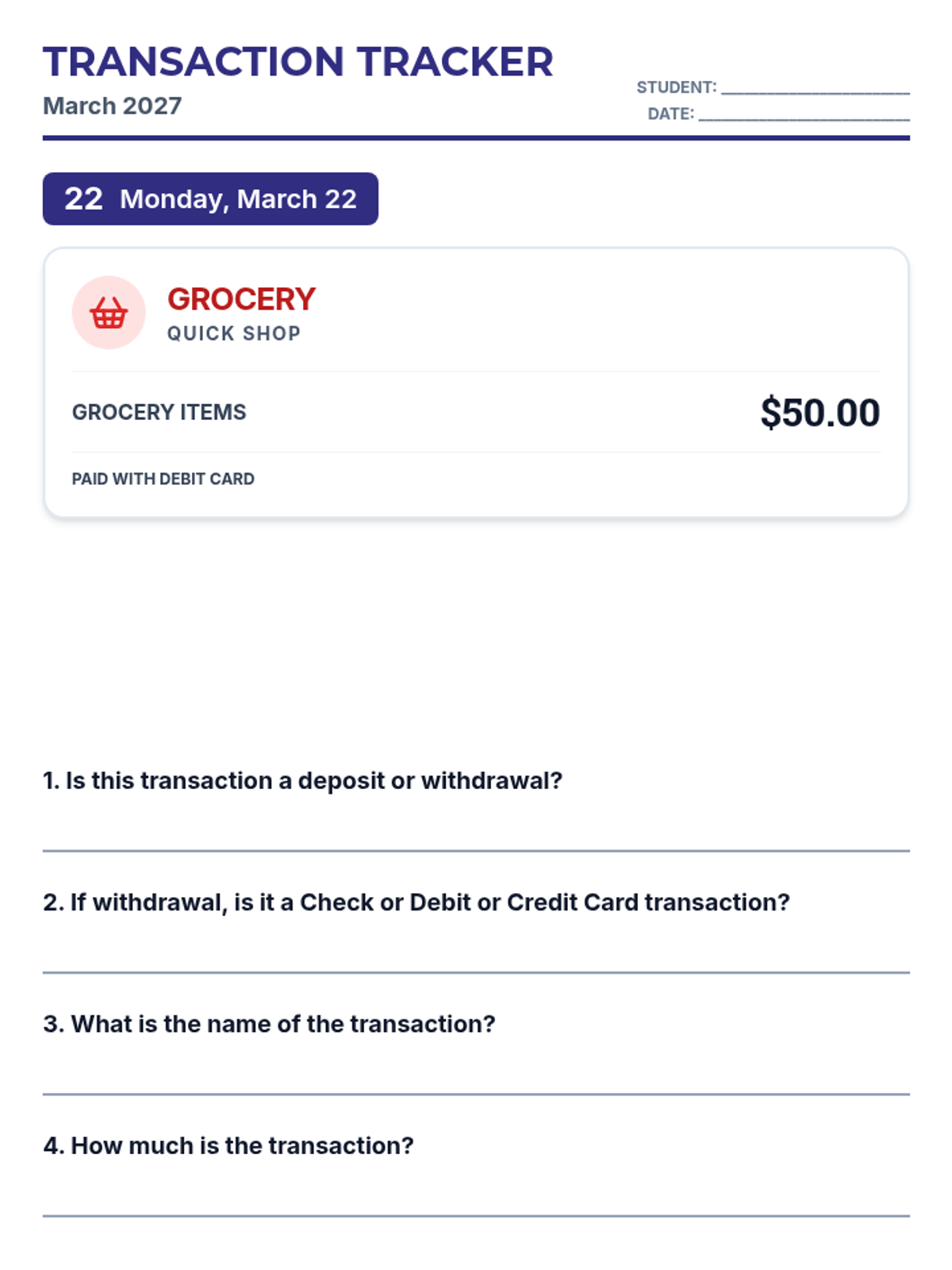
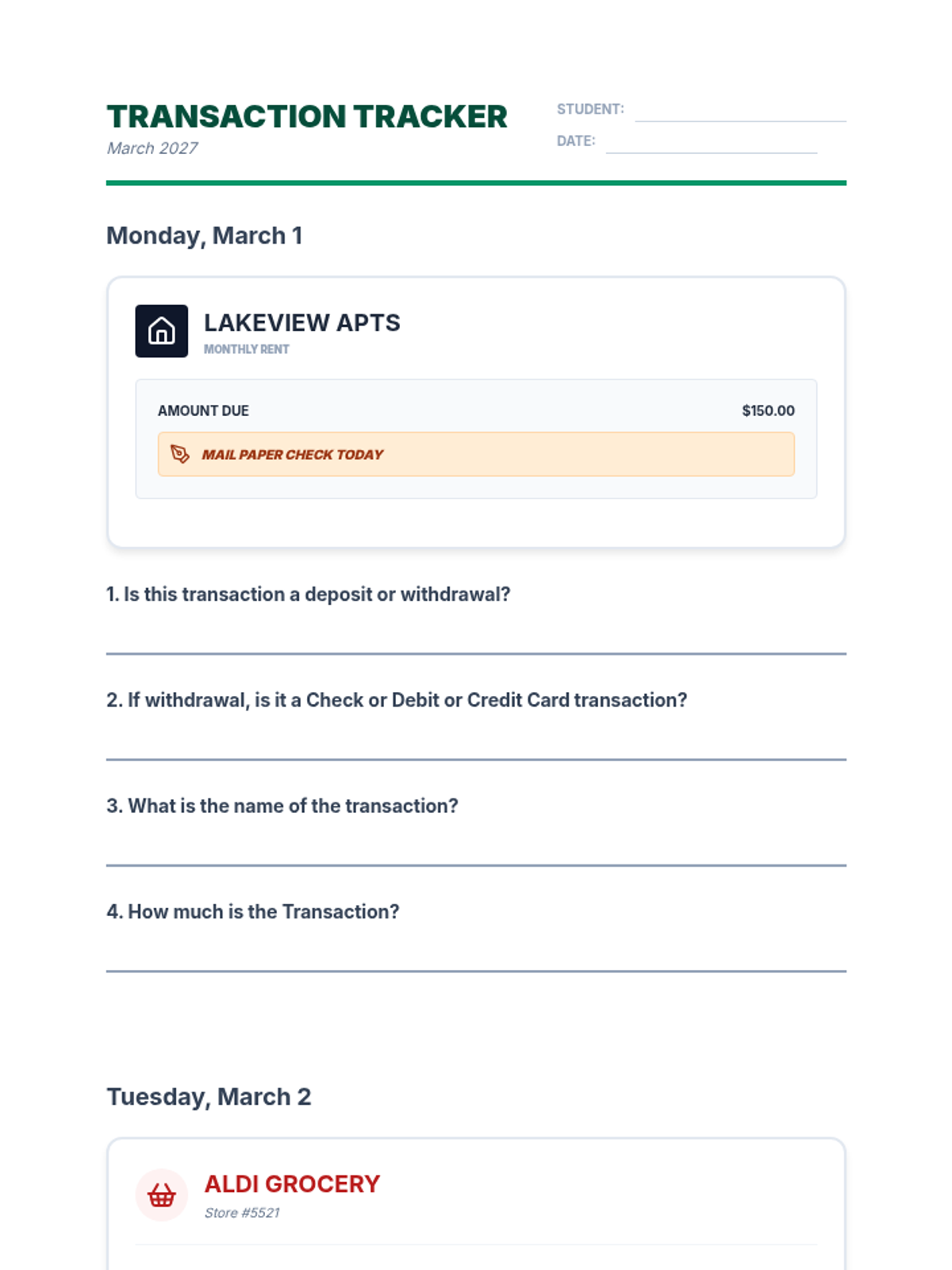
A lesson focused on managing finances for March 2027, featuring a transaction register and daily trackers. Students manage a variety of retail receipts, utility bills, and weekly paychecks while accounting for the school calendar.
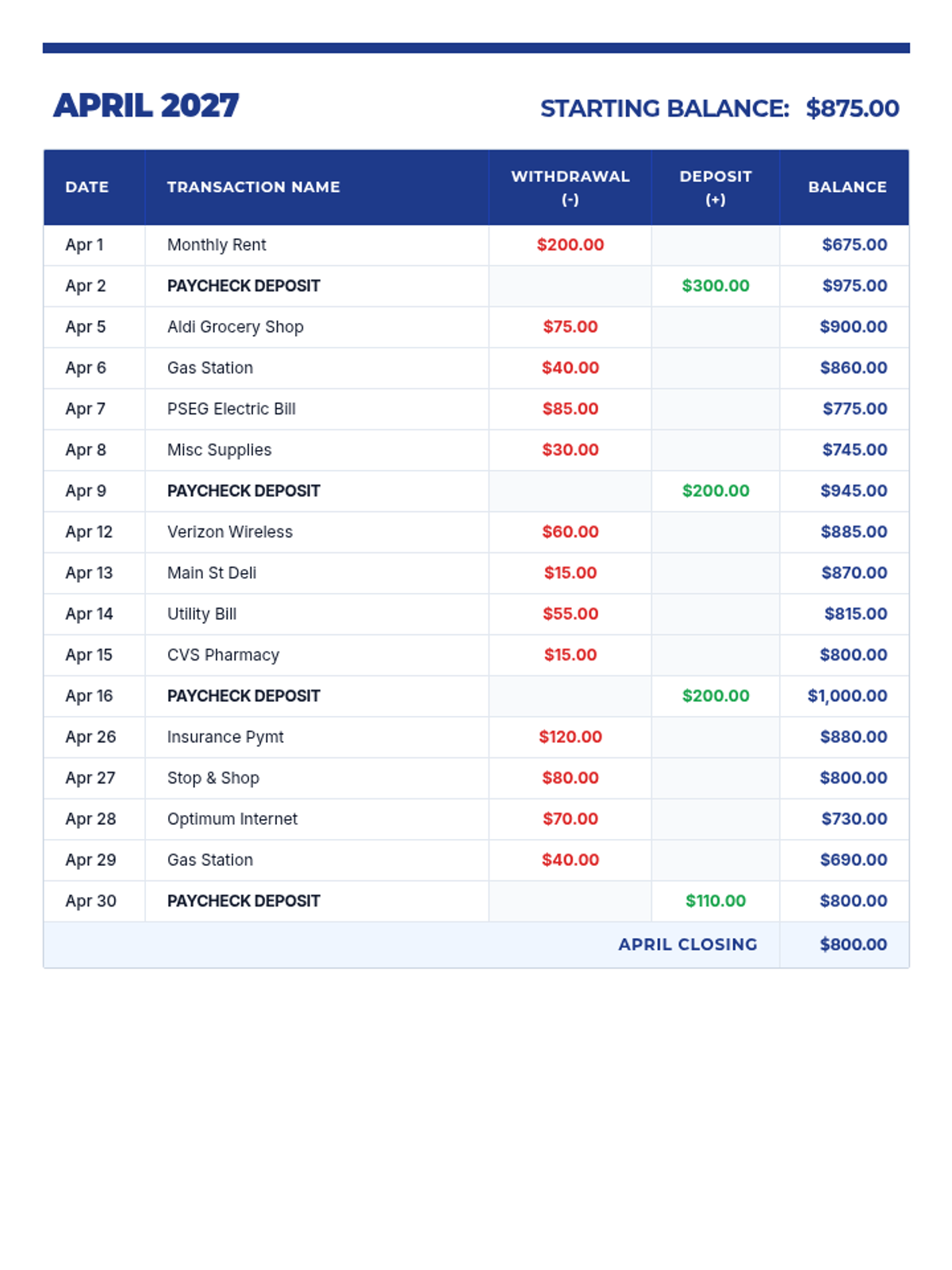
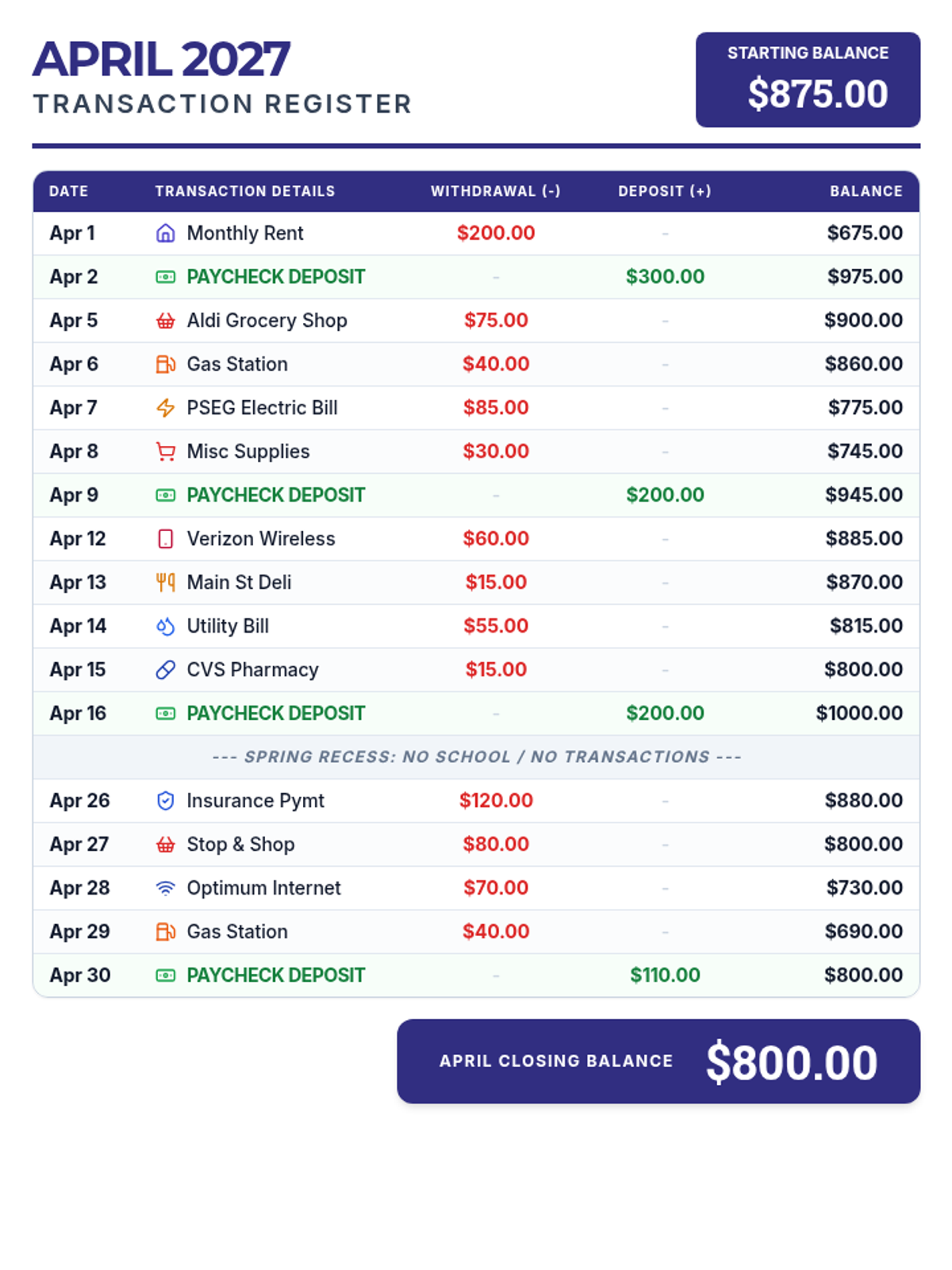
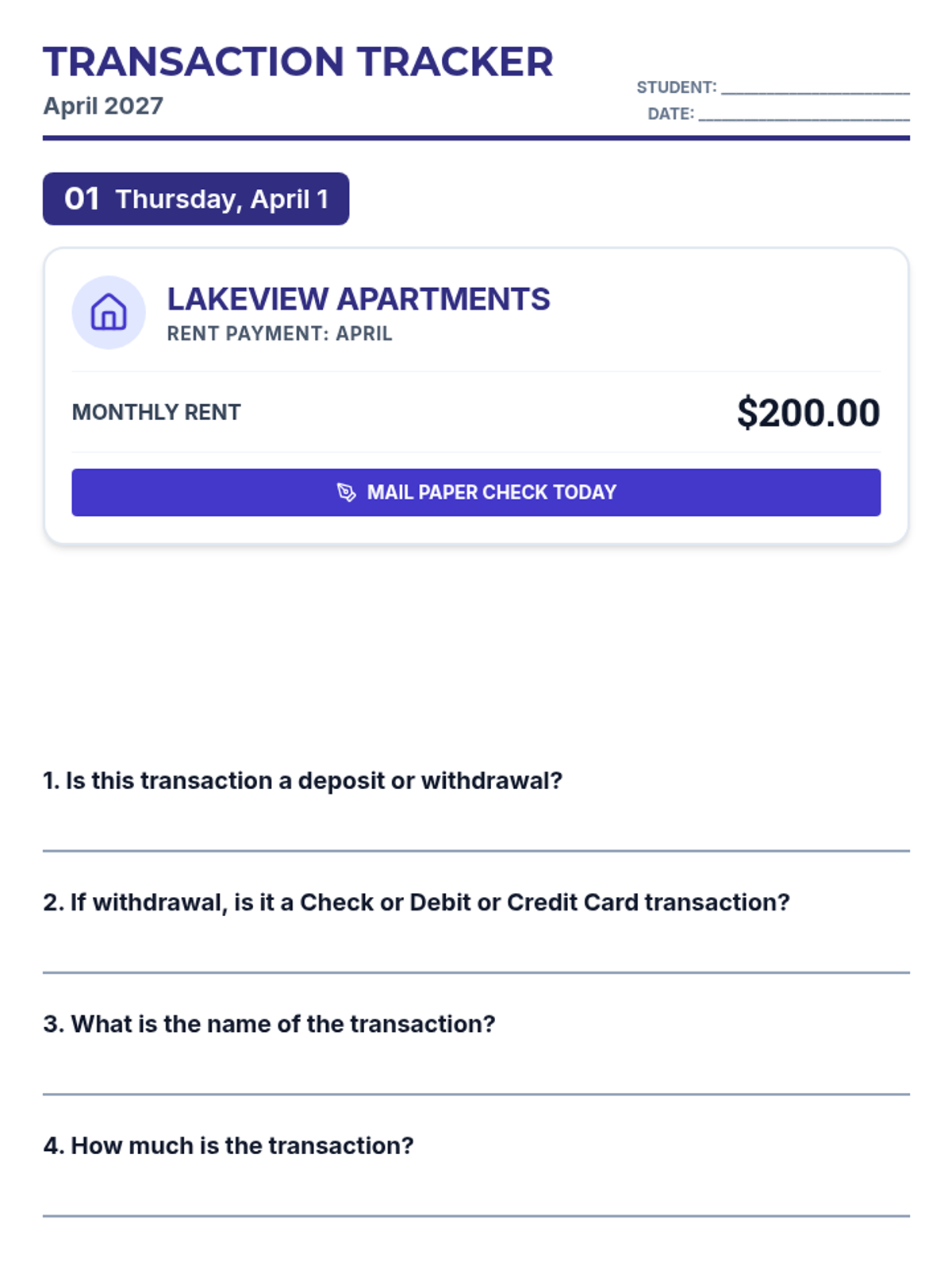
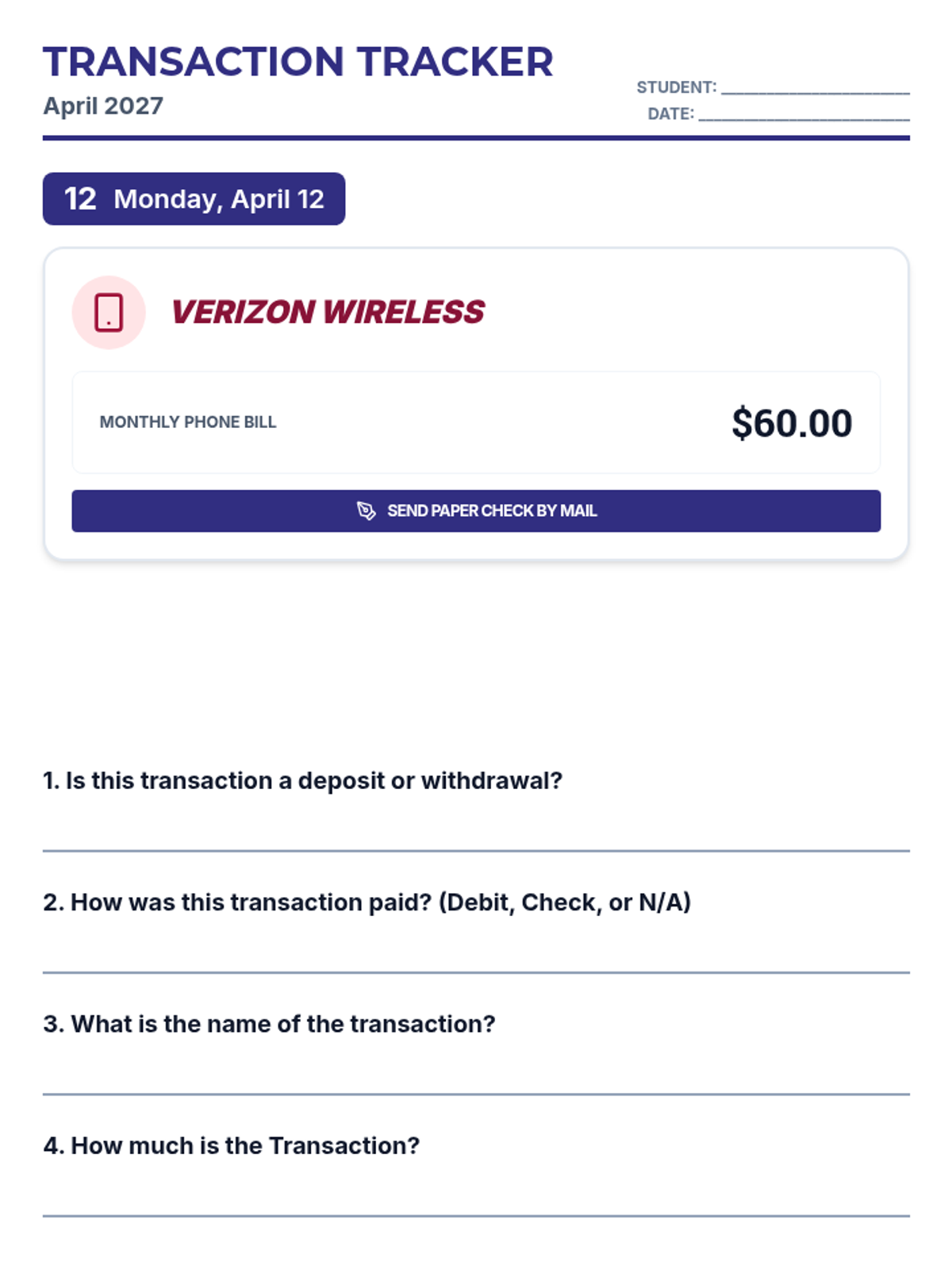
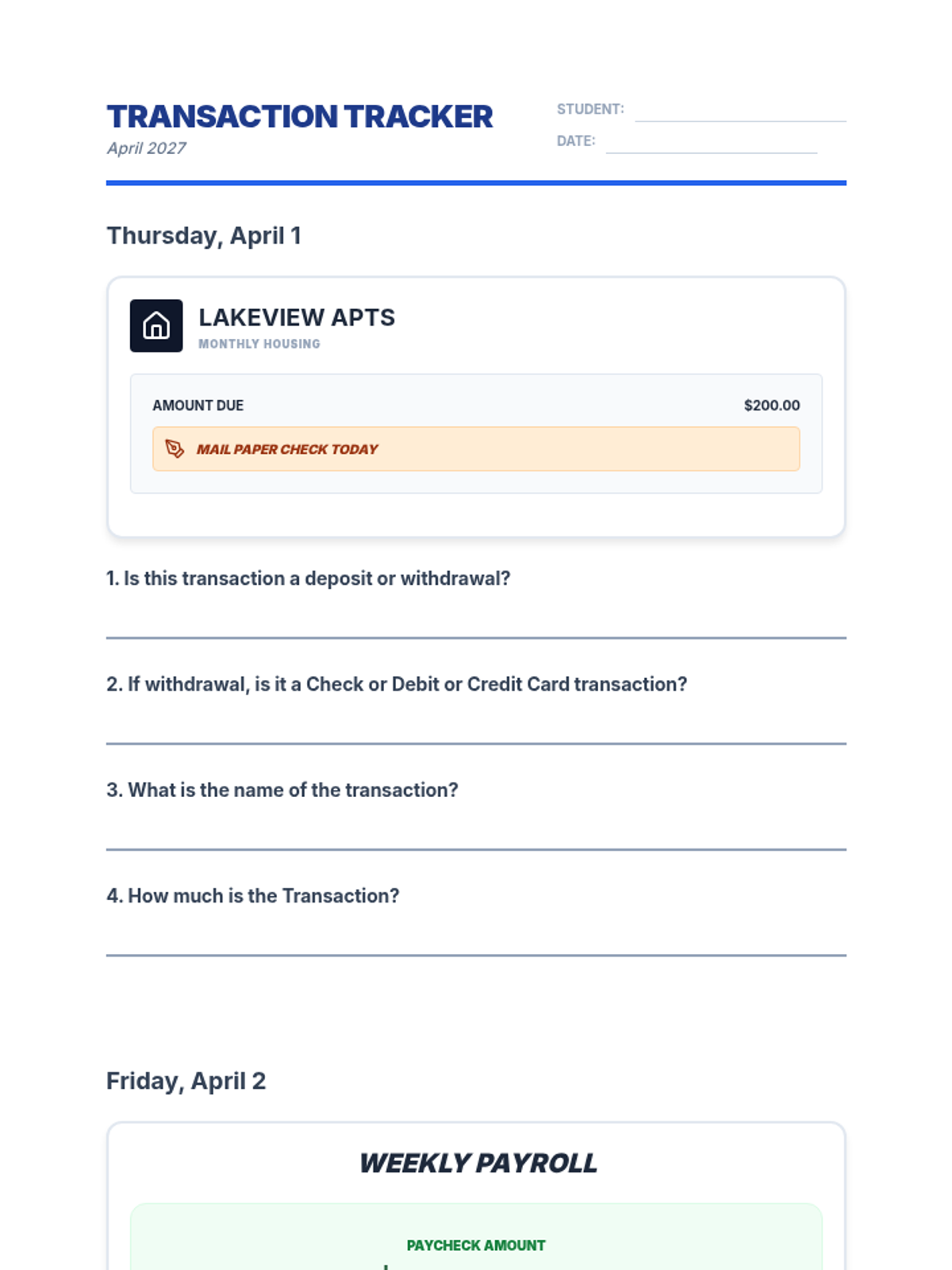
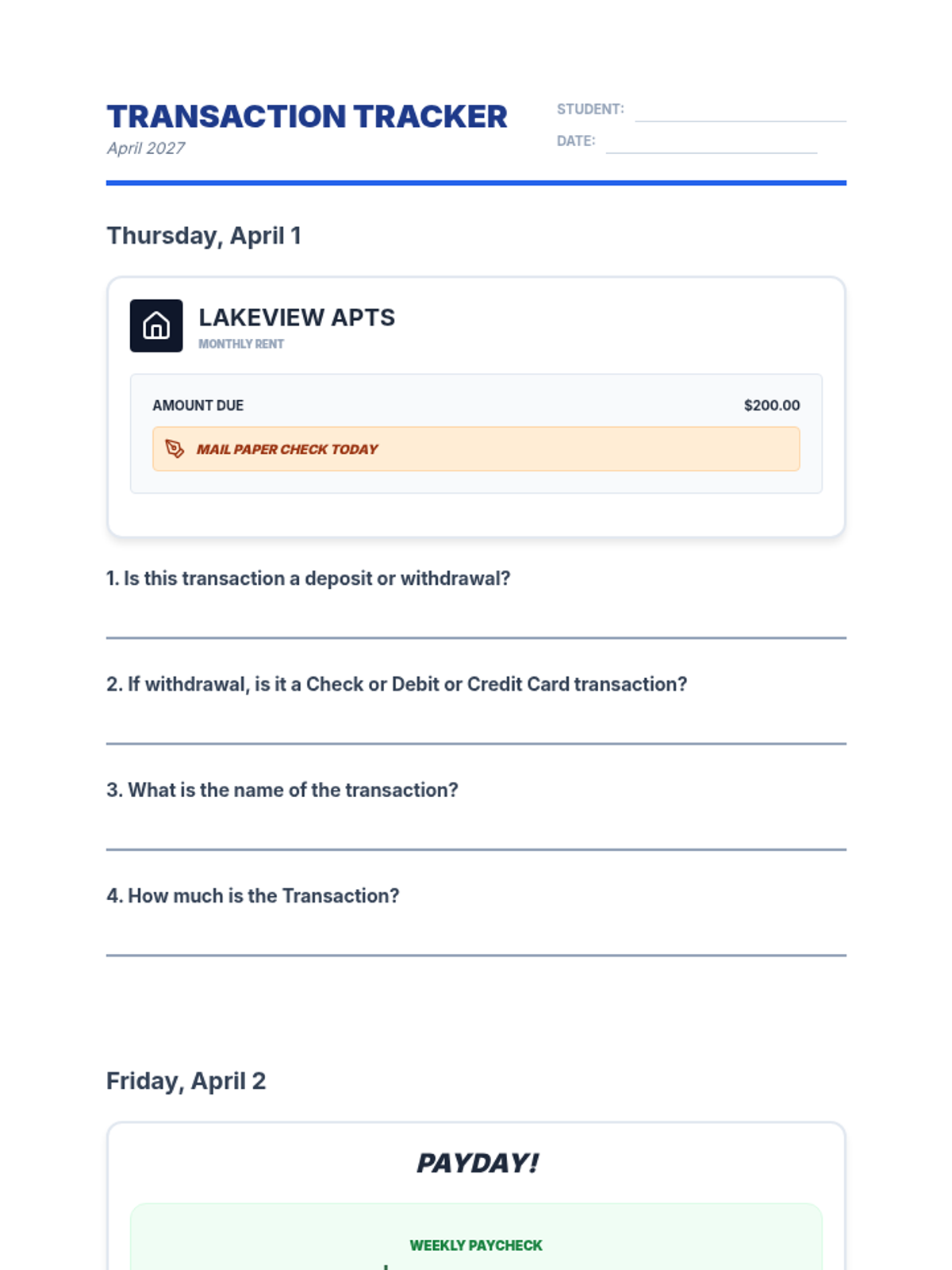
A lesson focused on managing finances for April 2027, including spring recess. Students process a higher volume of transactions including insurance payments and utility bills, following the school calendar.
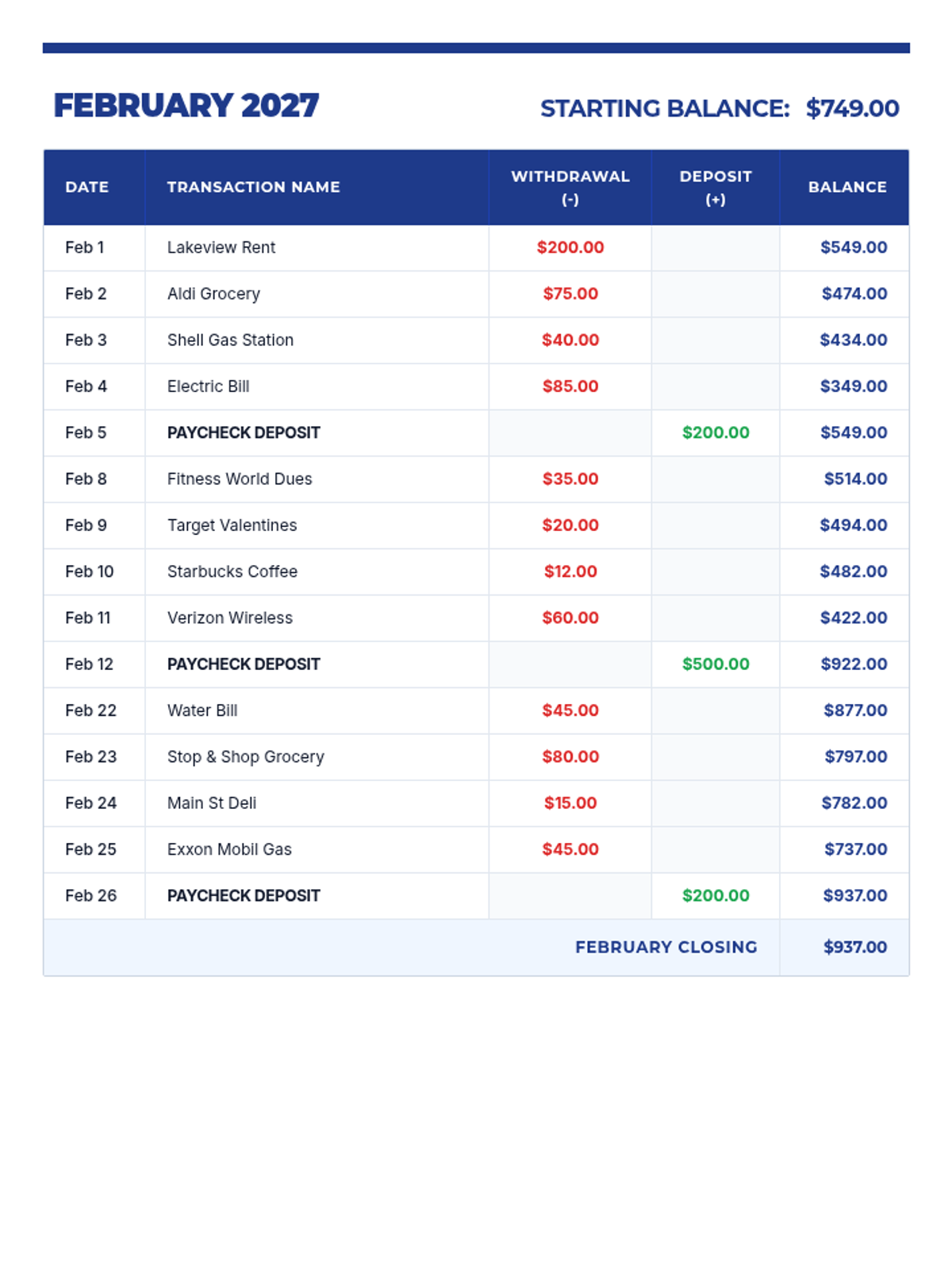
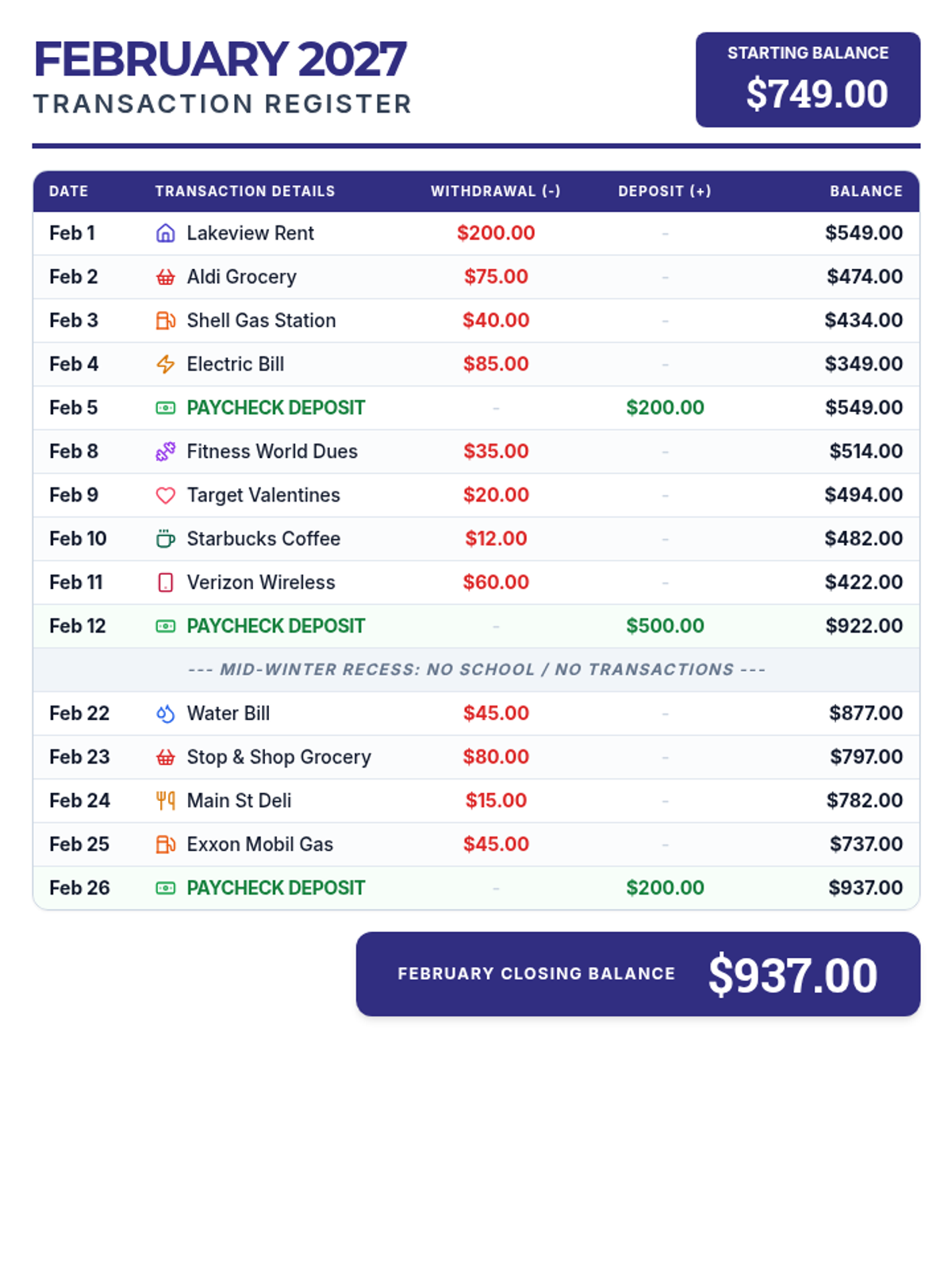
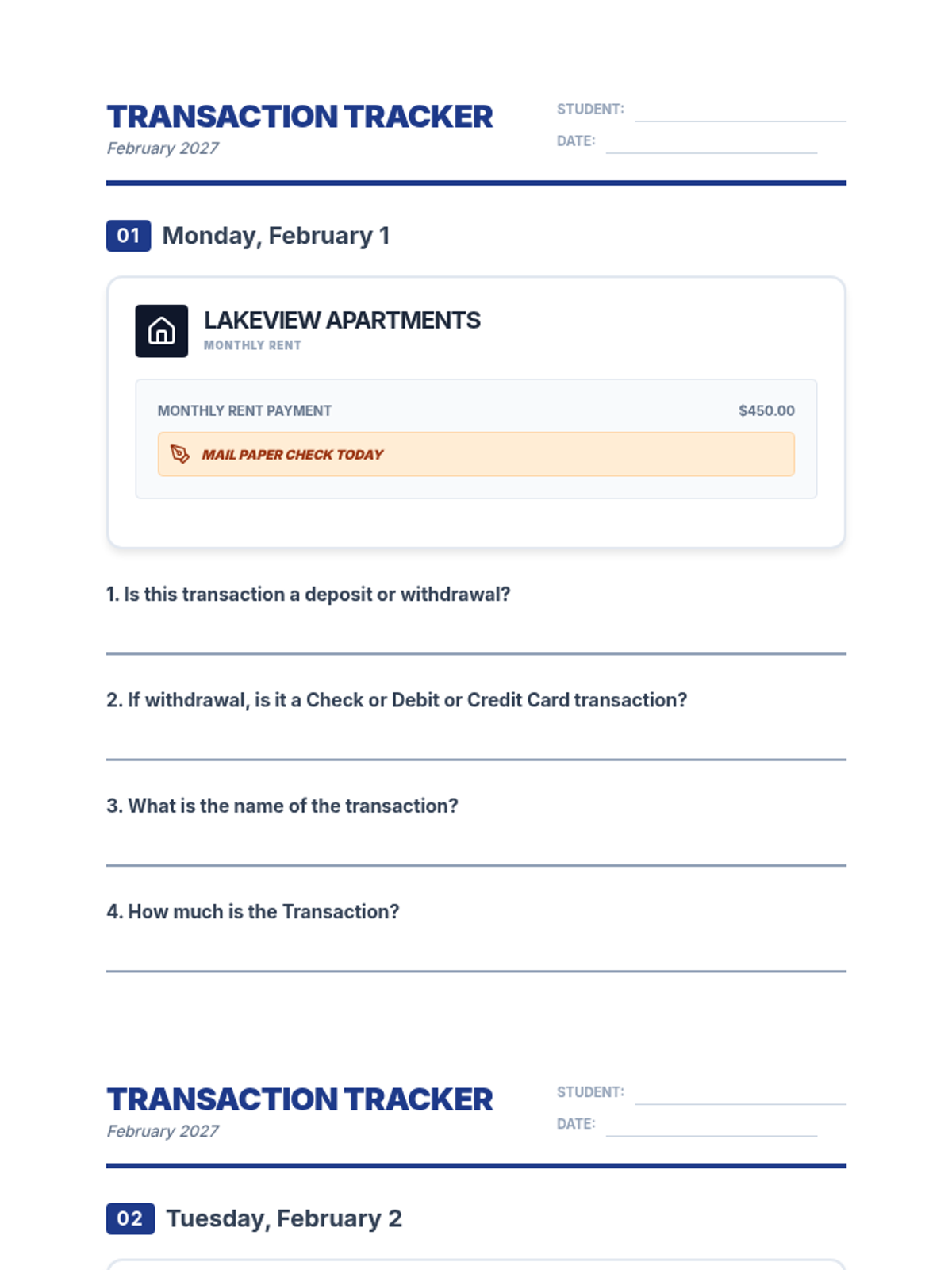
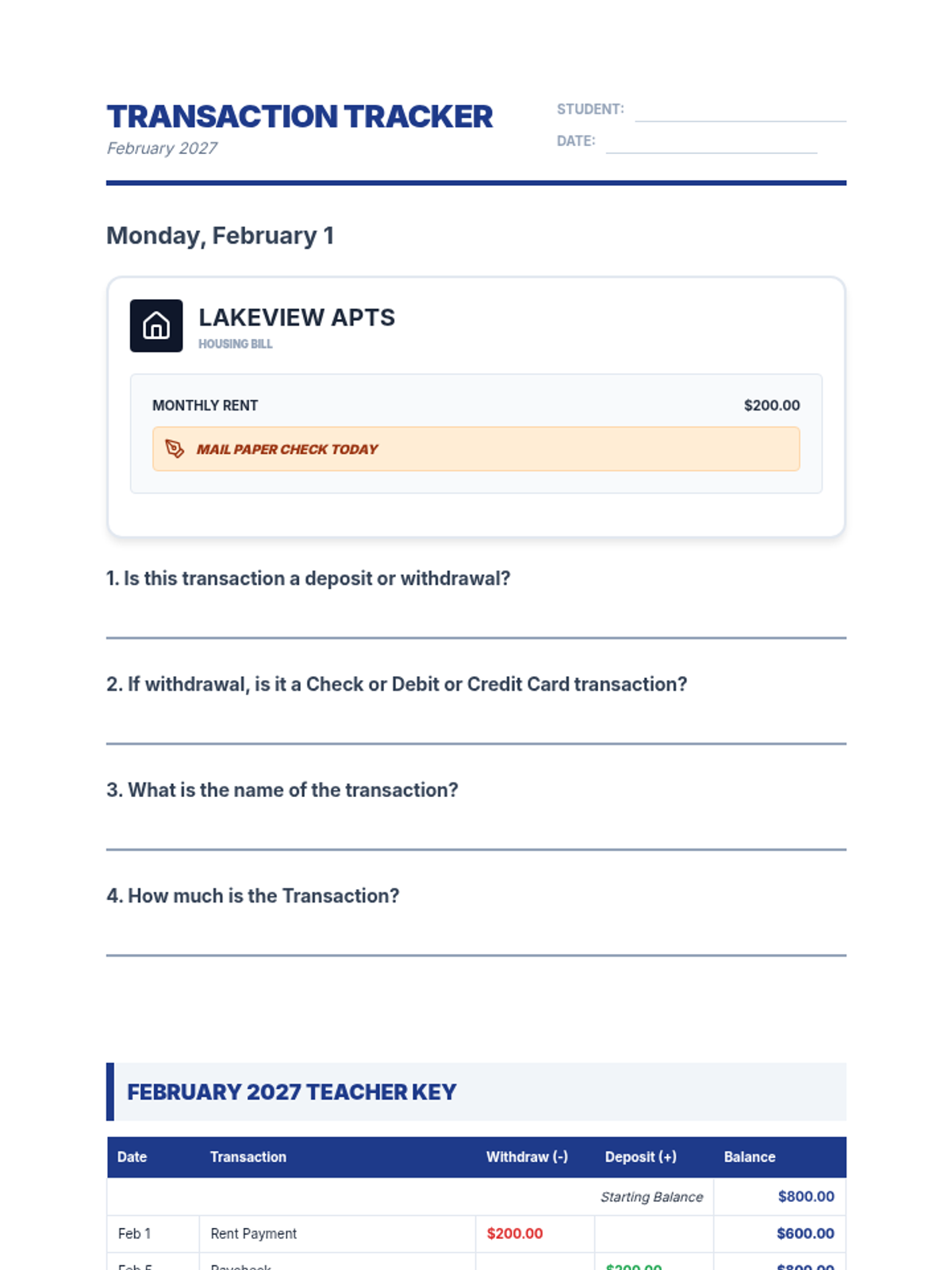
A lesson focused on managing finances for February 2027, including mid-winter recess. Students track rent, groceries, and utilities while managing their balance after January expenses.
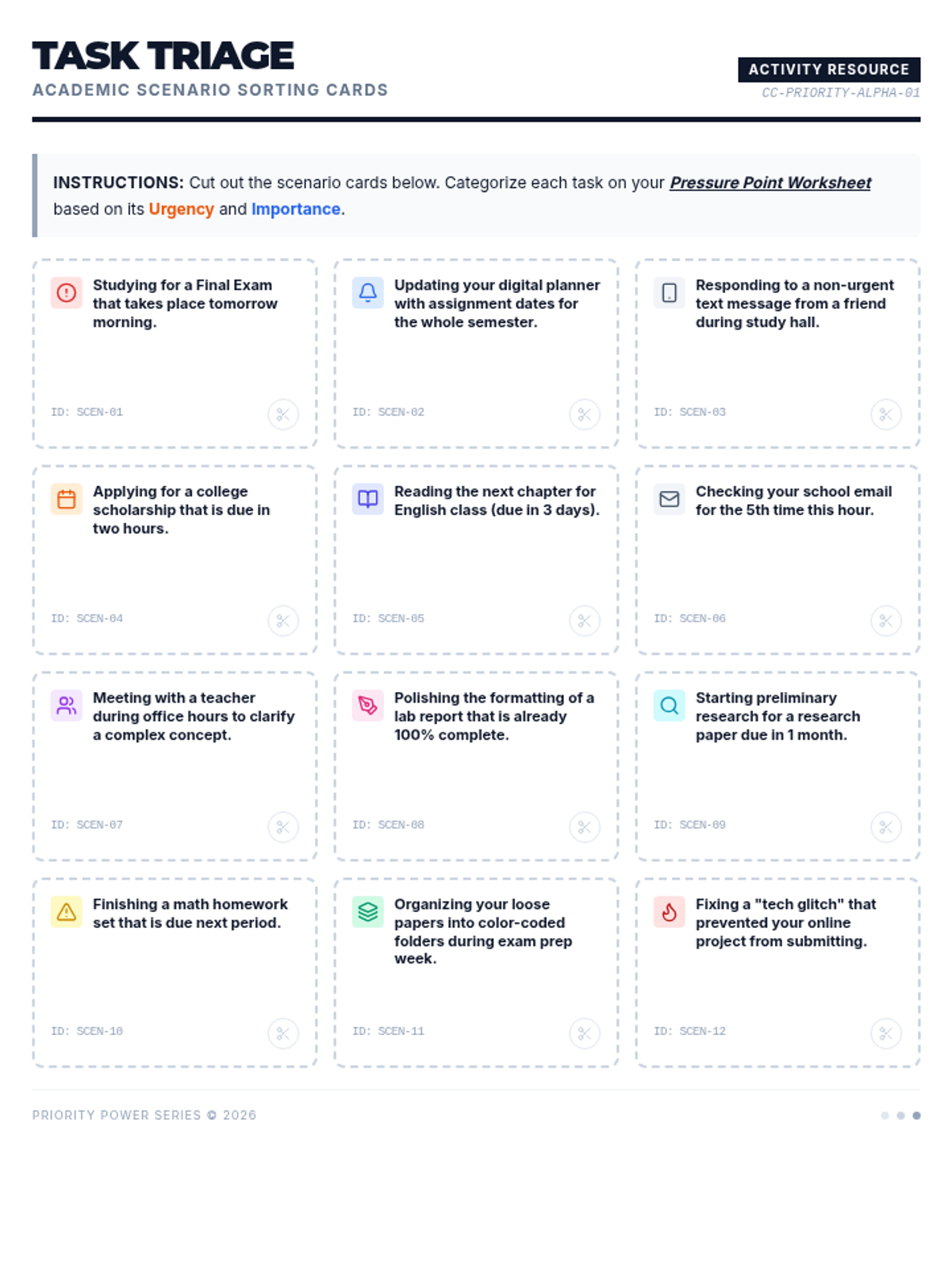
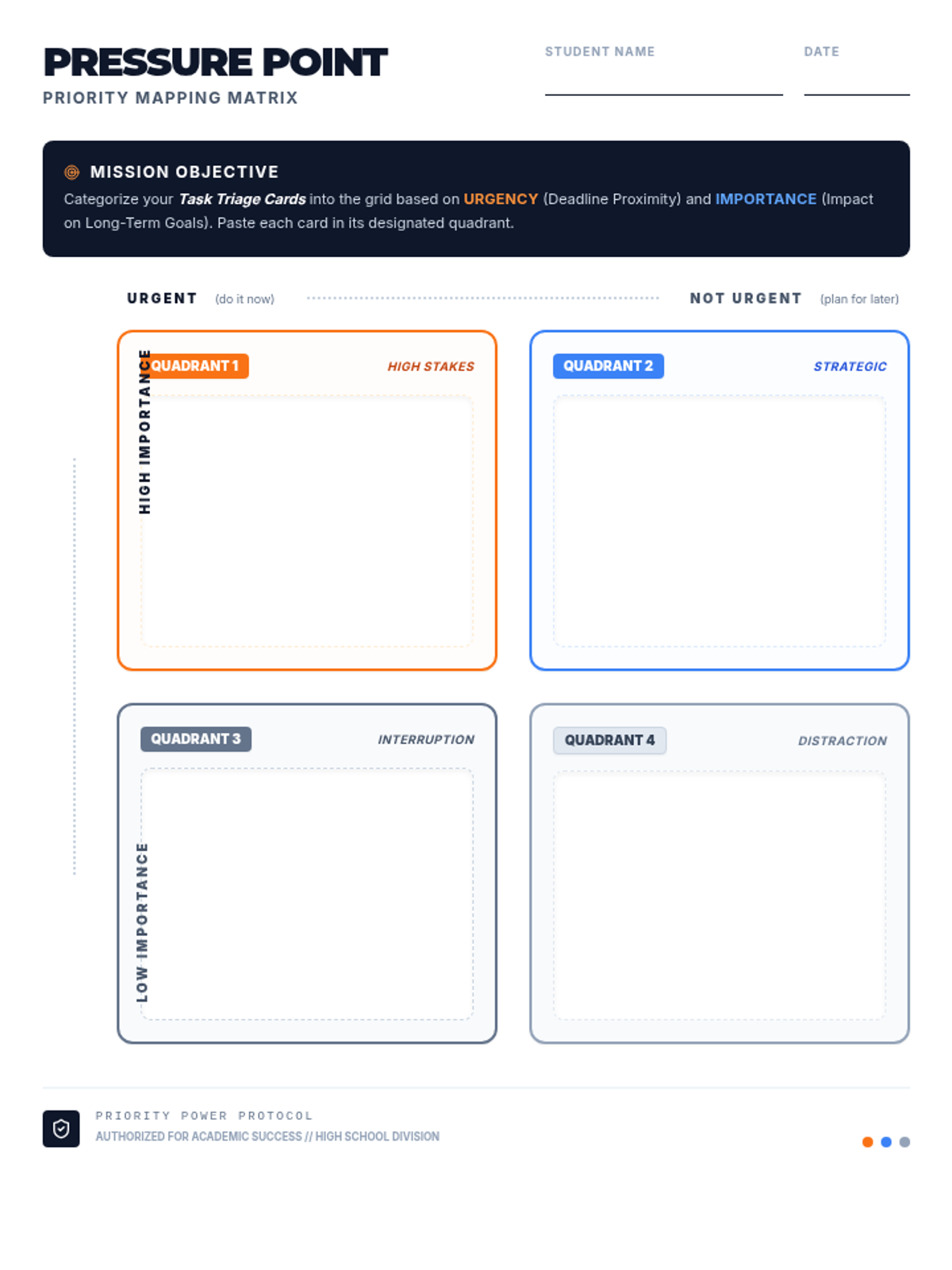
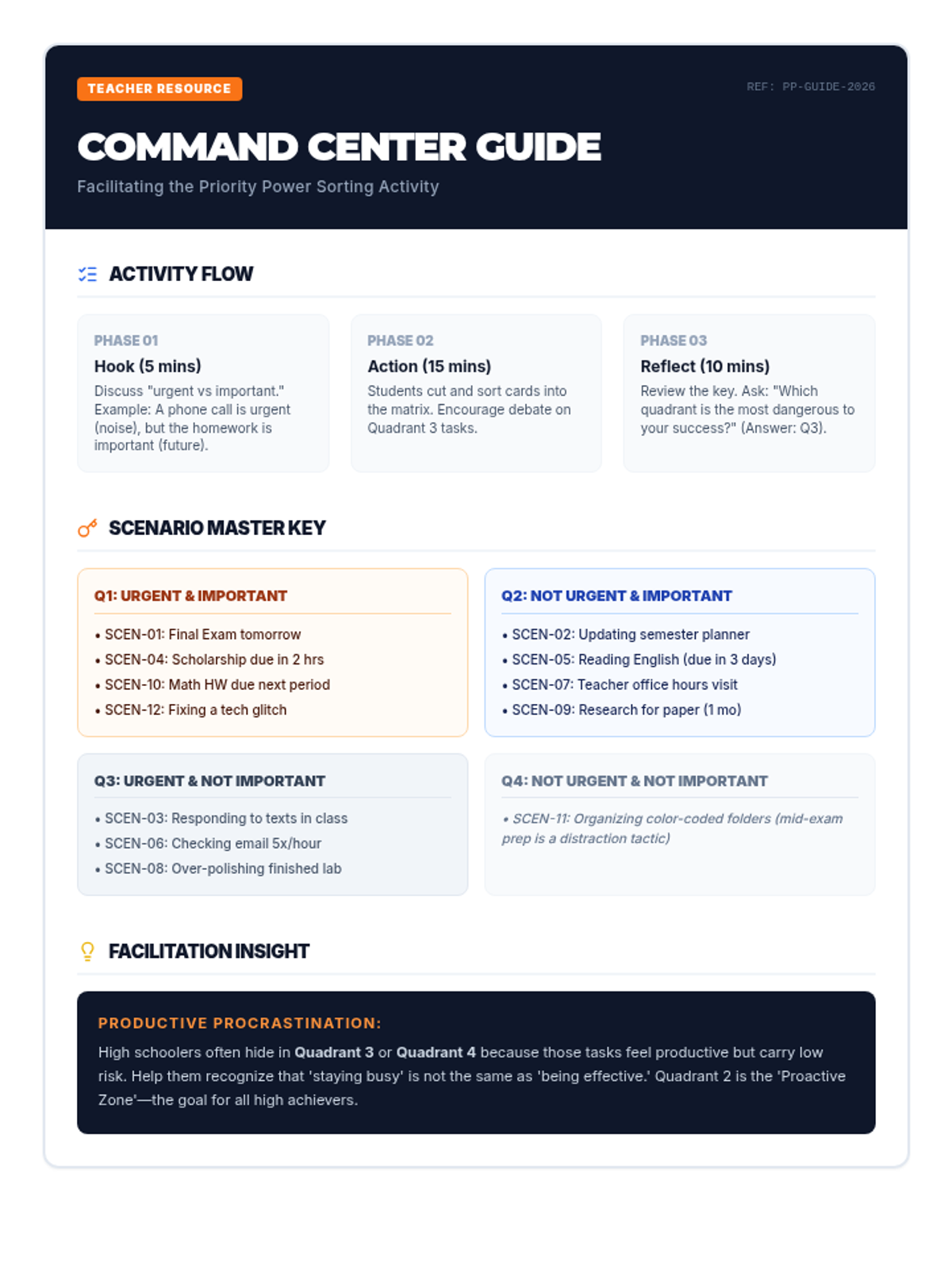
A hands-on workshop for high schoolers to master the art of academic prioritization. Students analyze common school scenarios to distinguish between genuine urgency and distractions, using the Eisenhower Matrix framework.
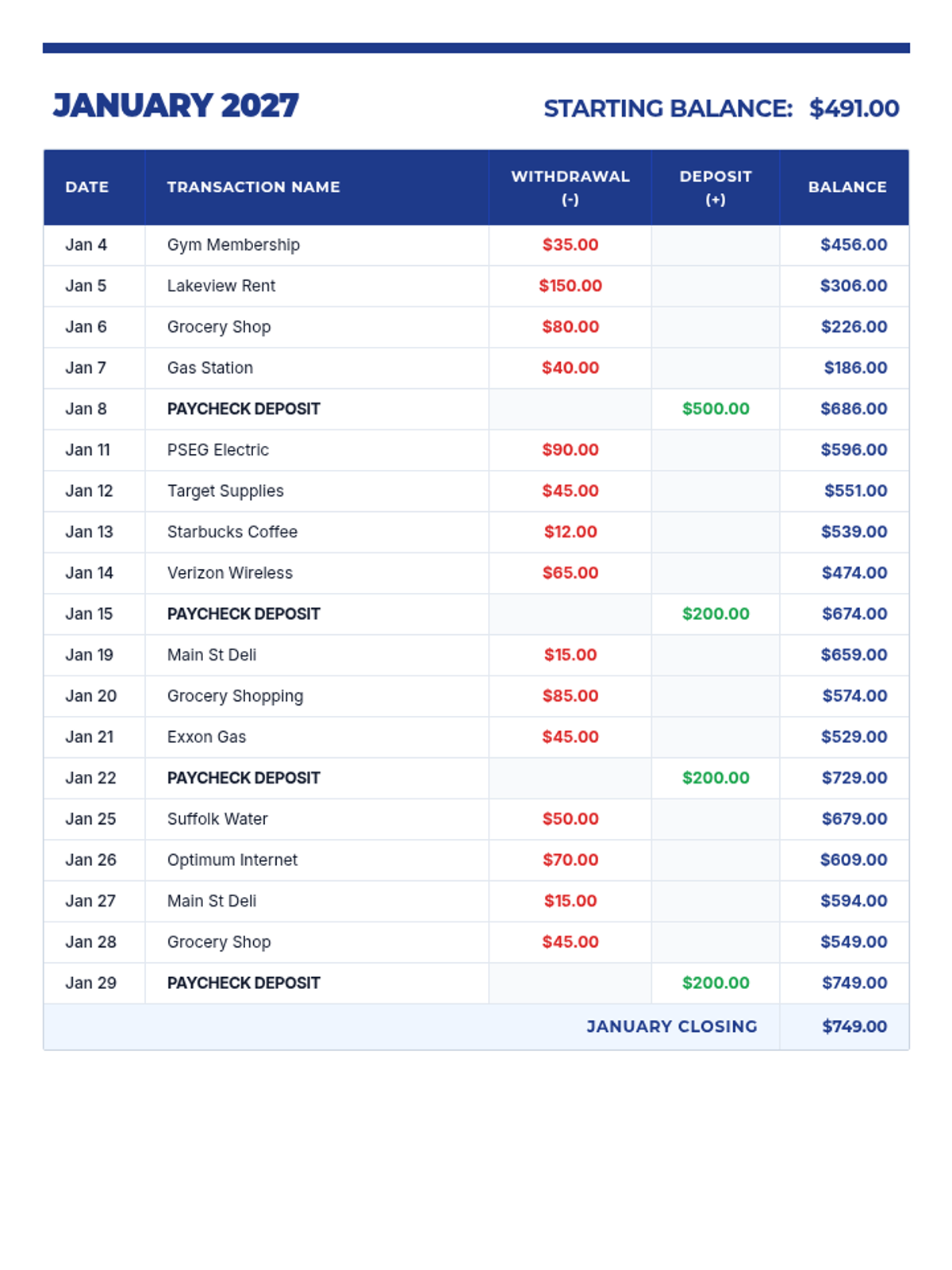
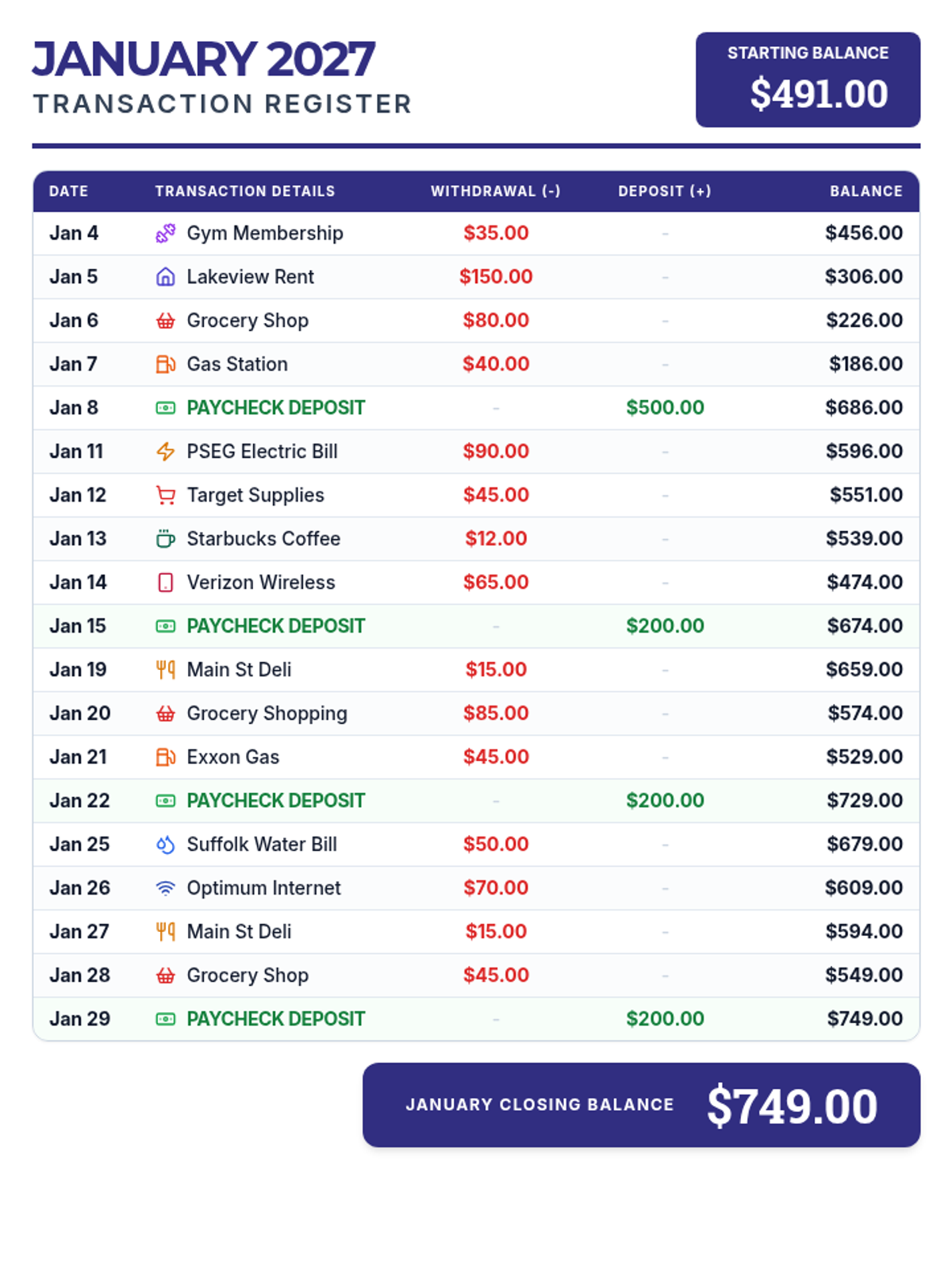
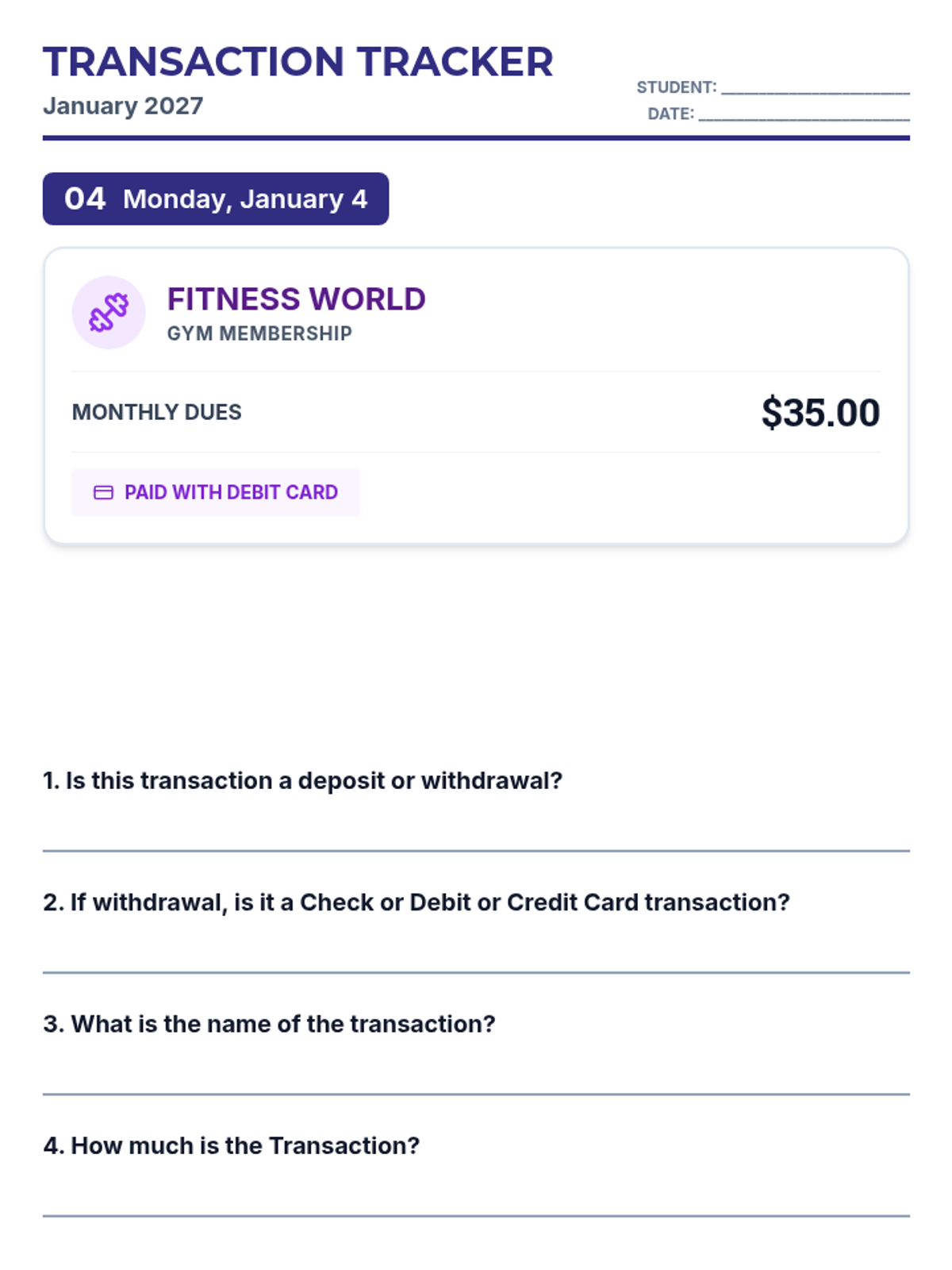
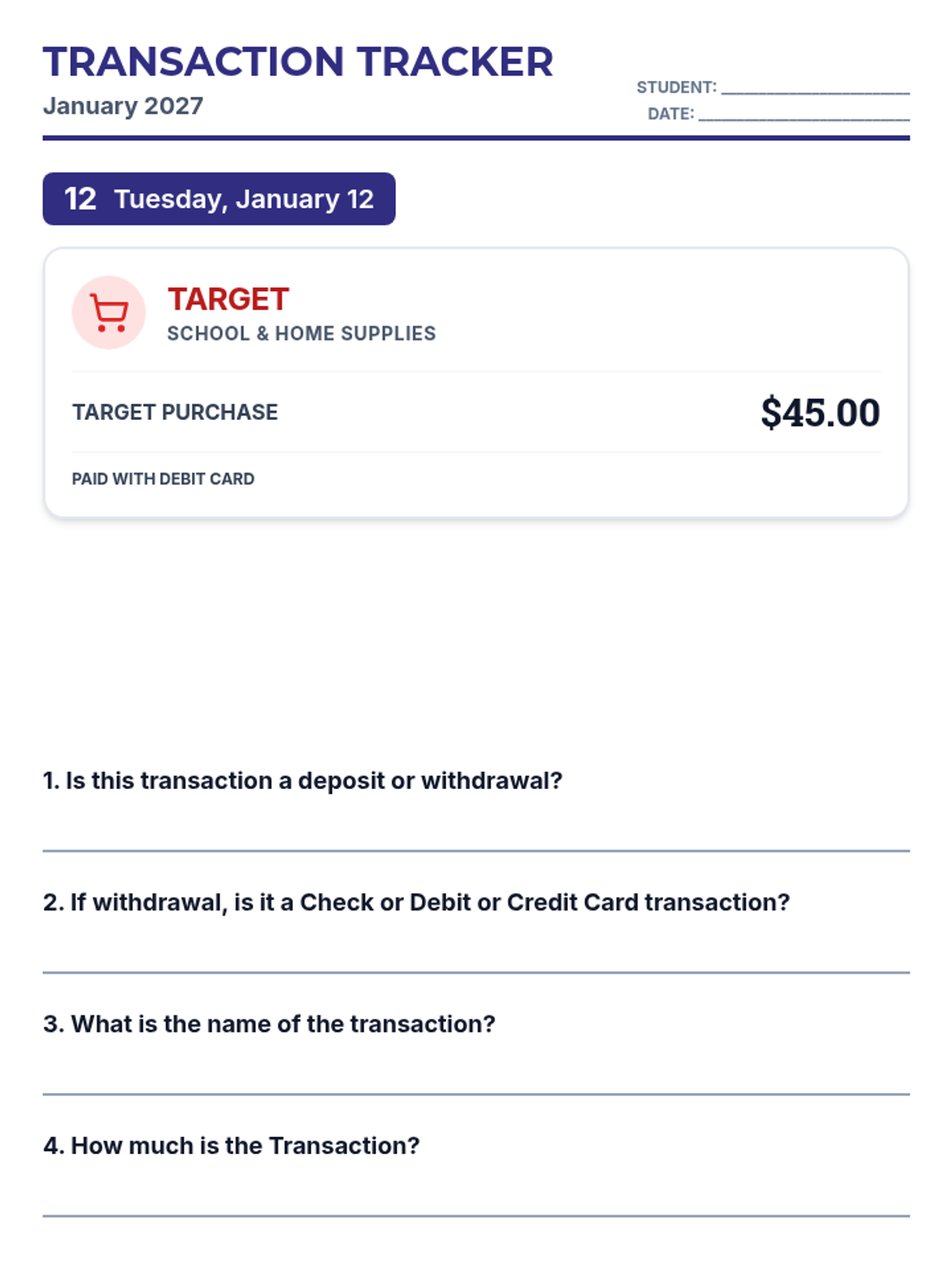
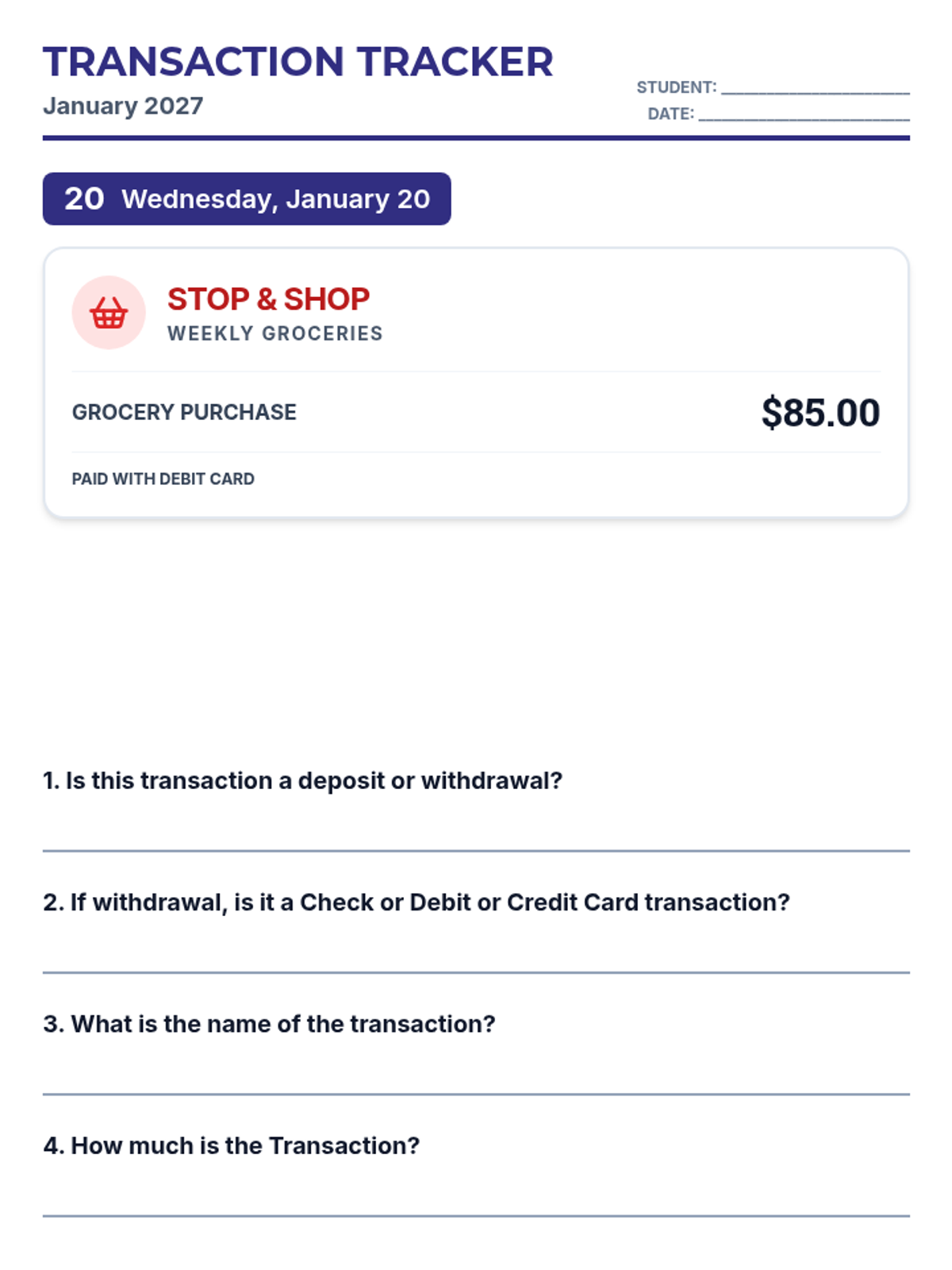
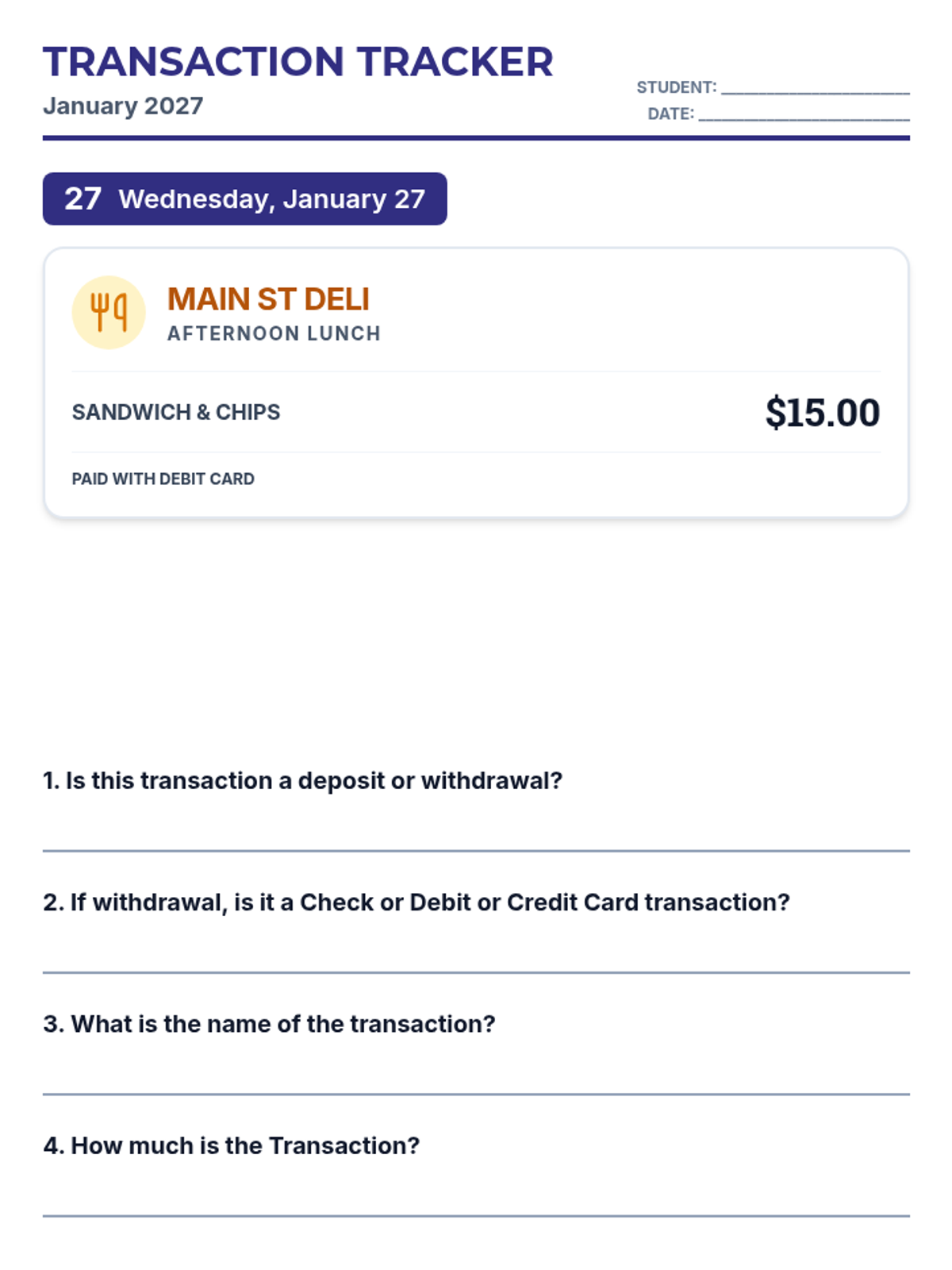
A lesson focused on managing finances for January 2027, featuring a transaction register and a daily tracking system for student practice. Students will process utility bills, store receipts, and paycheck deposits following a real school calendar.
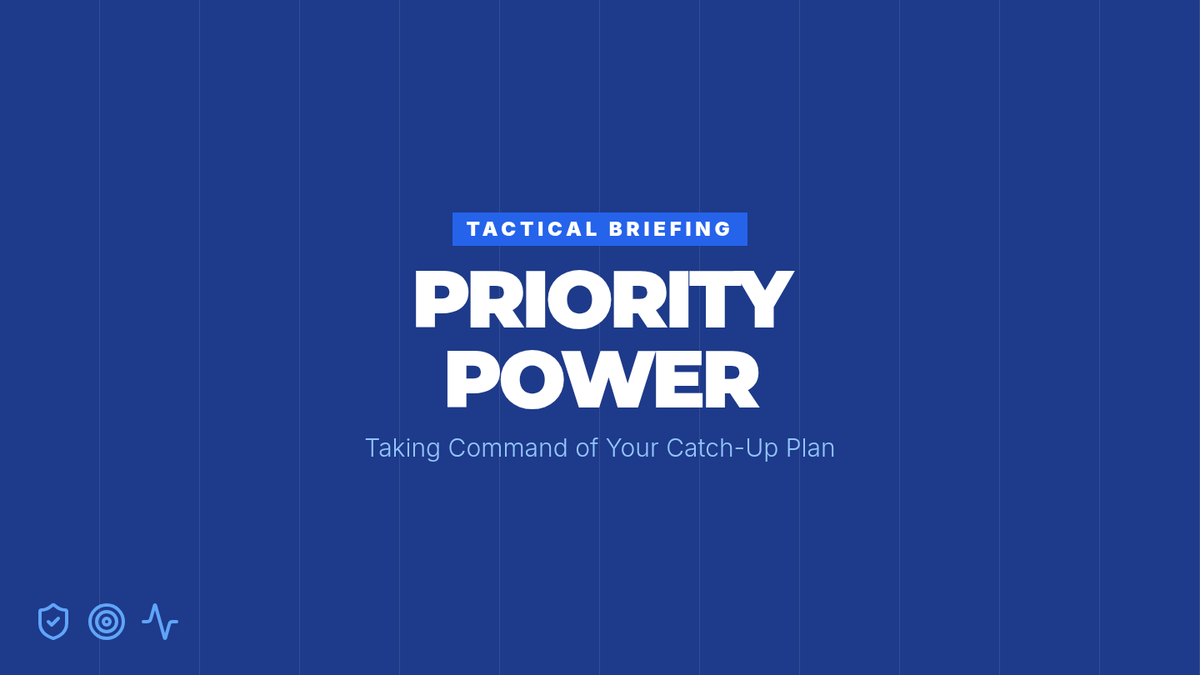
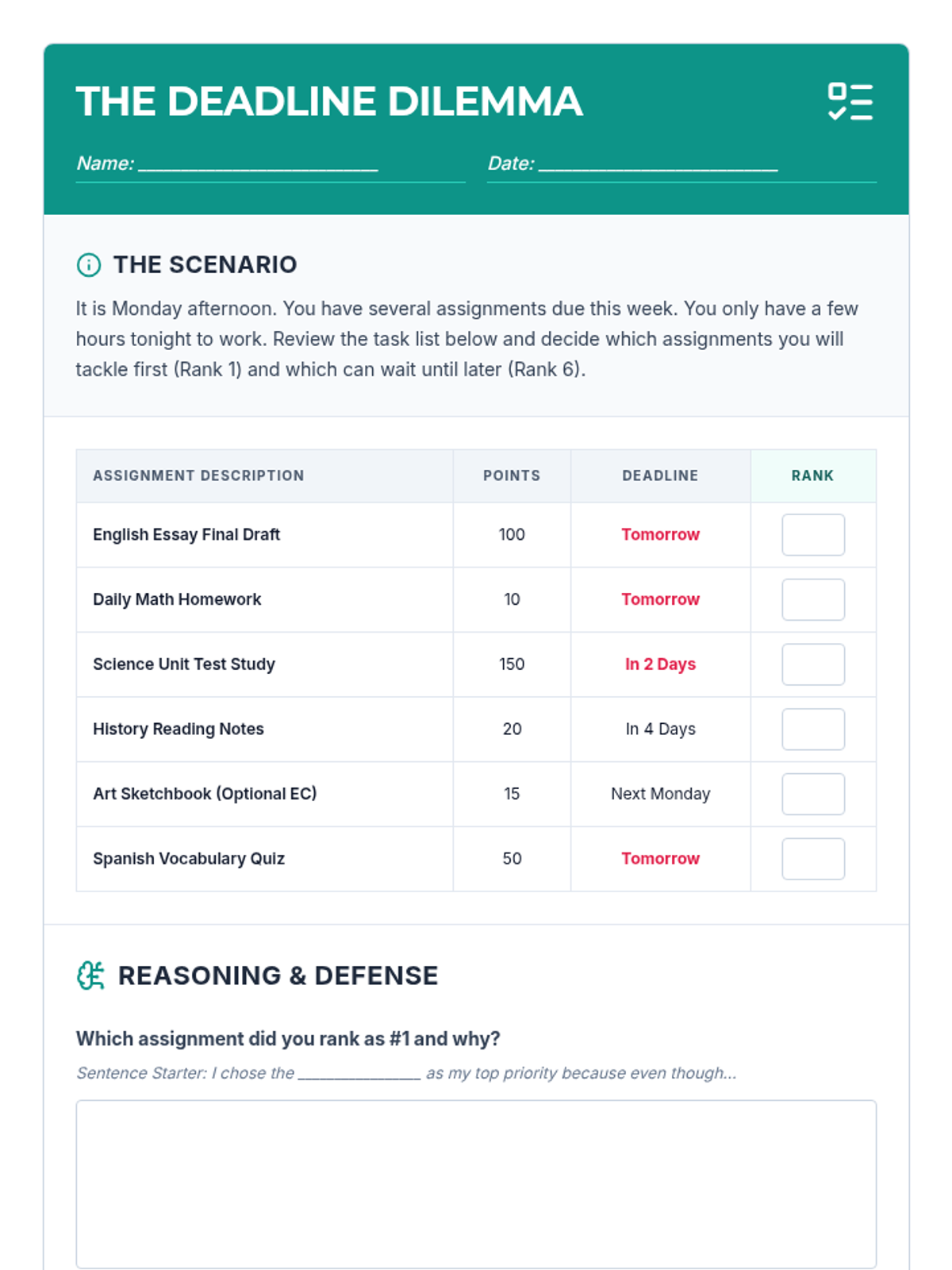
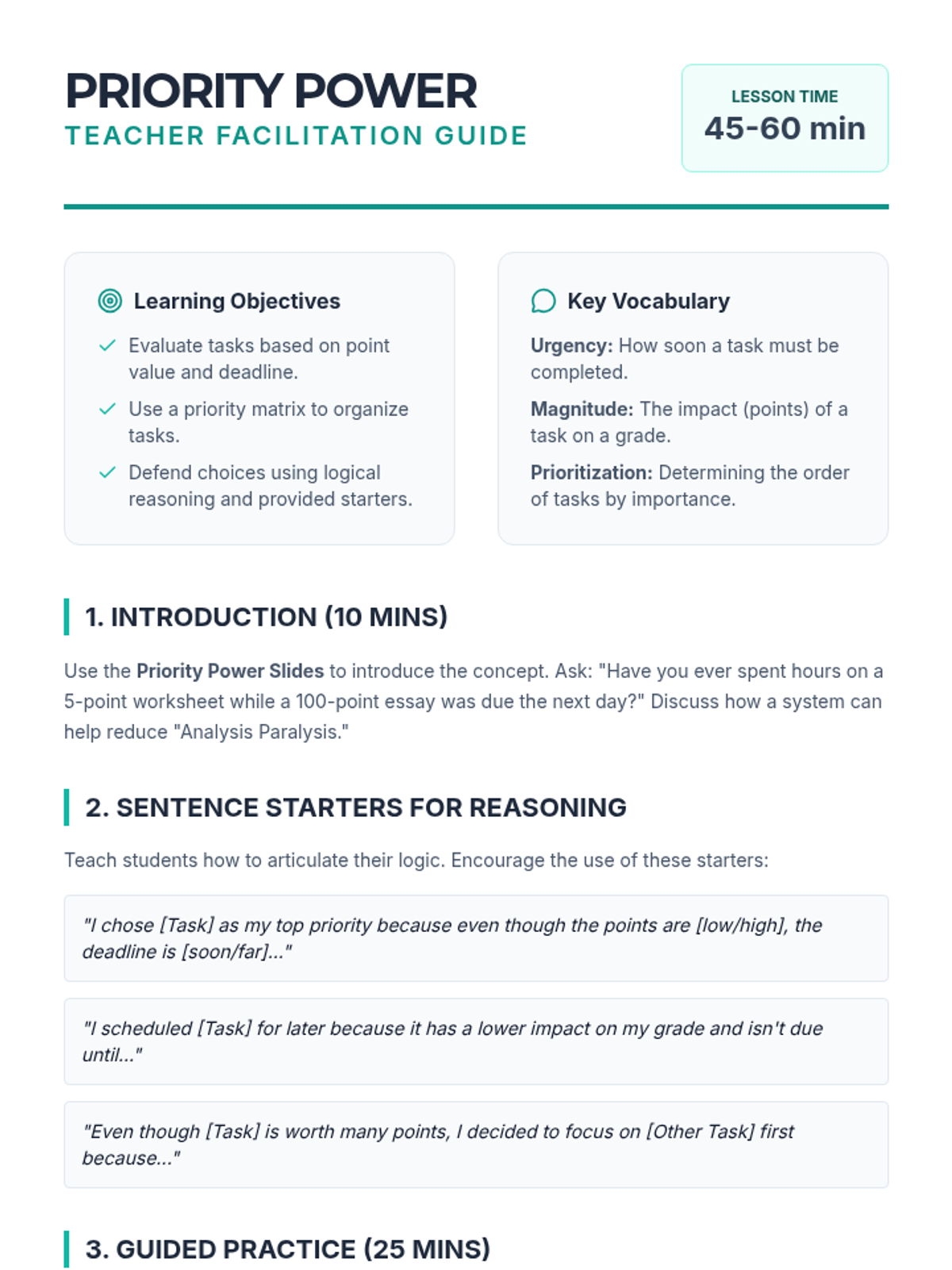
Students learn how to prioritize their schoolwork by balancing point values and upcoming deadlines. This lesson provides a framework for making smart choices when schedules get busy.
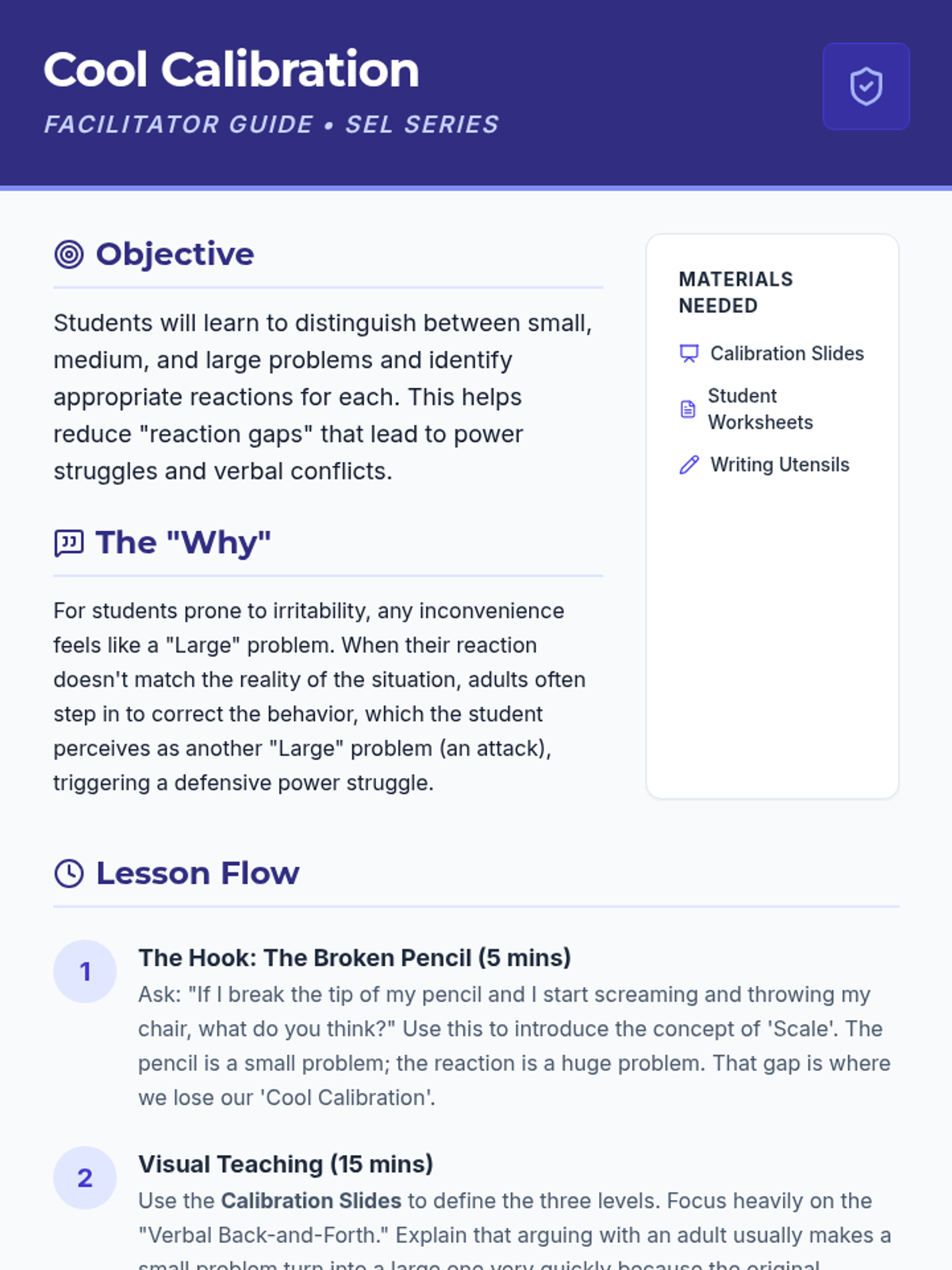
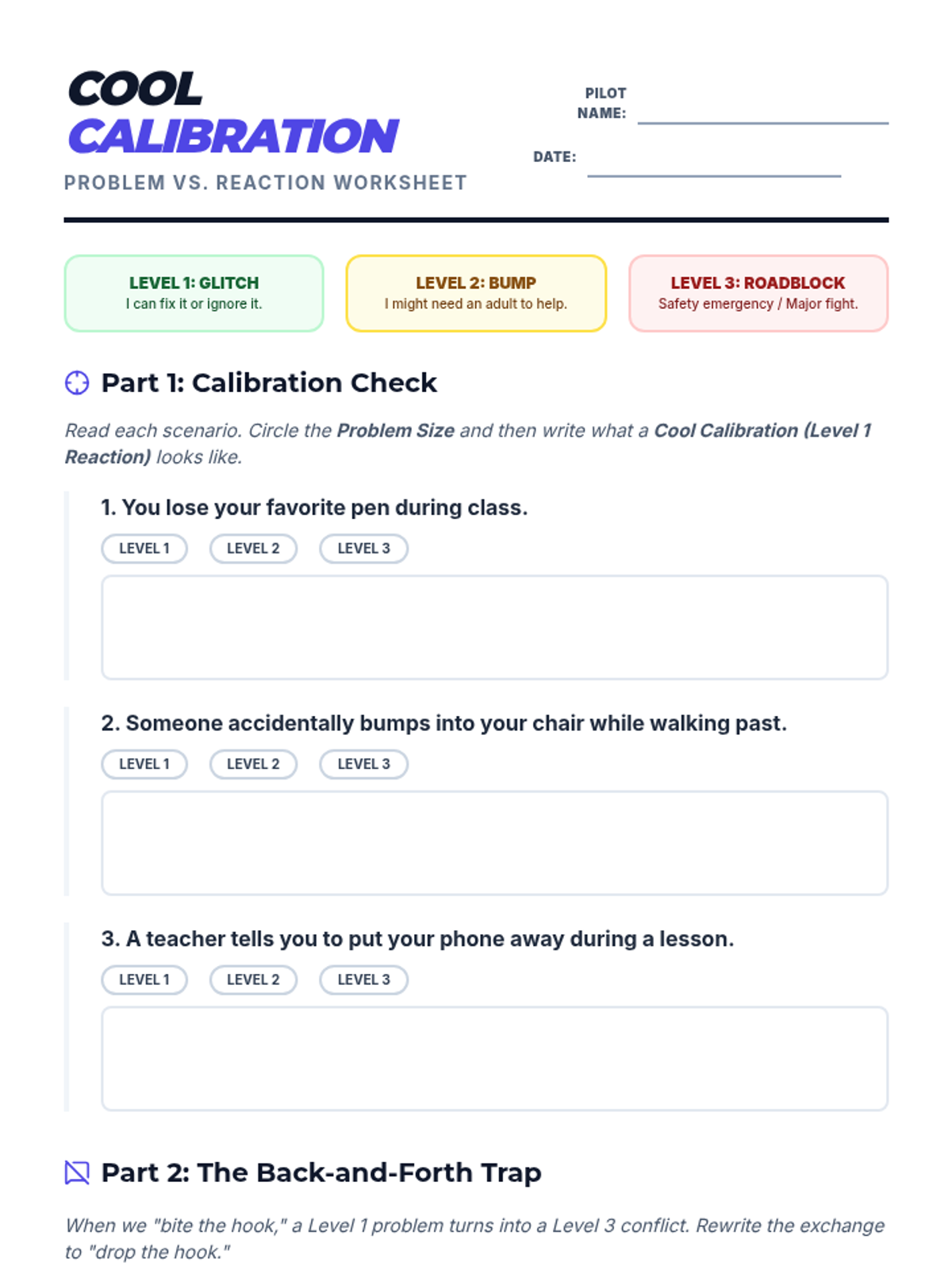
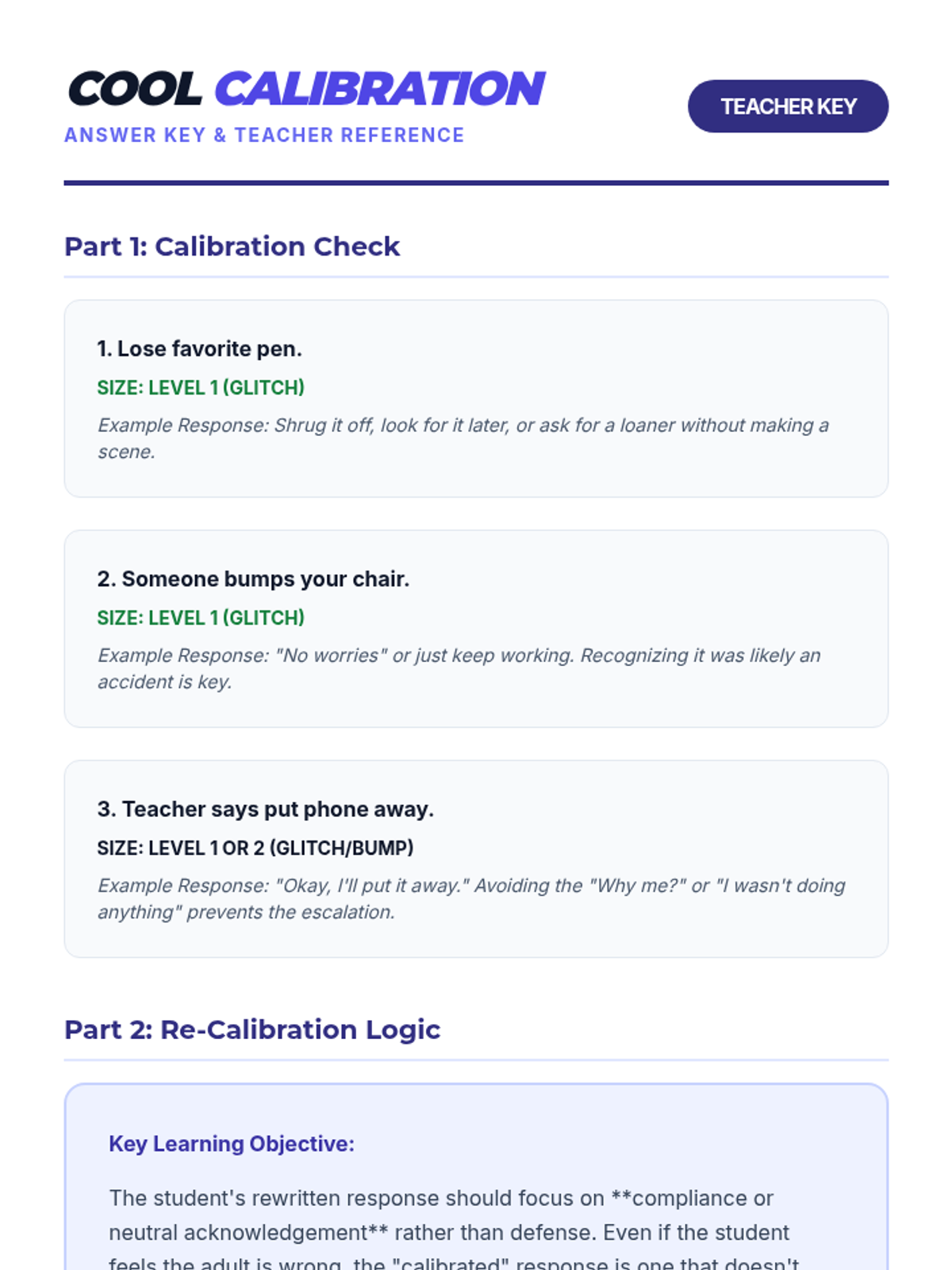
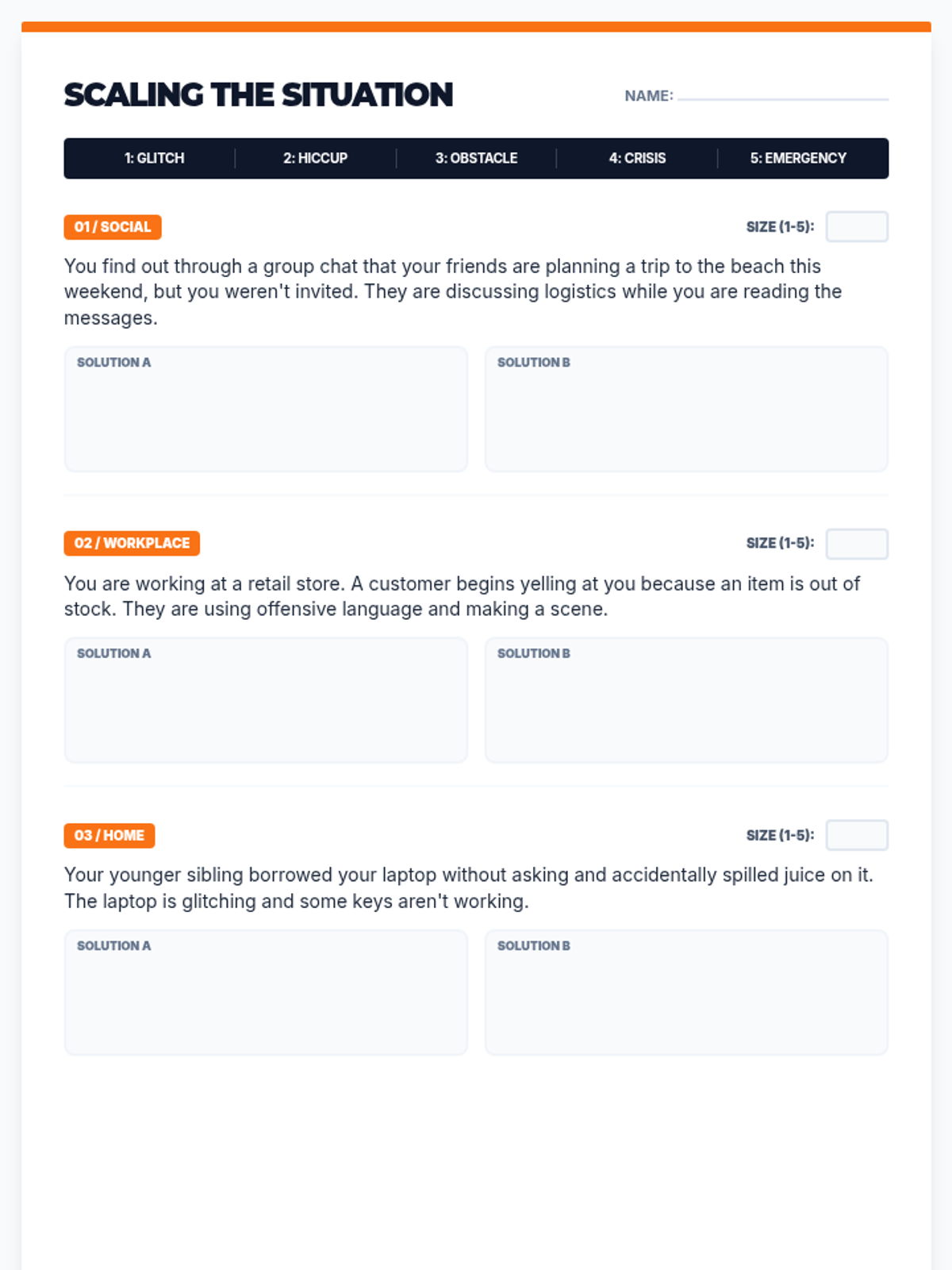
A social-emotional learning lesson focused on identifying the 'Size of the Problem' and matching it with an appropriate 'Size of Reaction' to avoid power struggles and verbal conflicts.
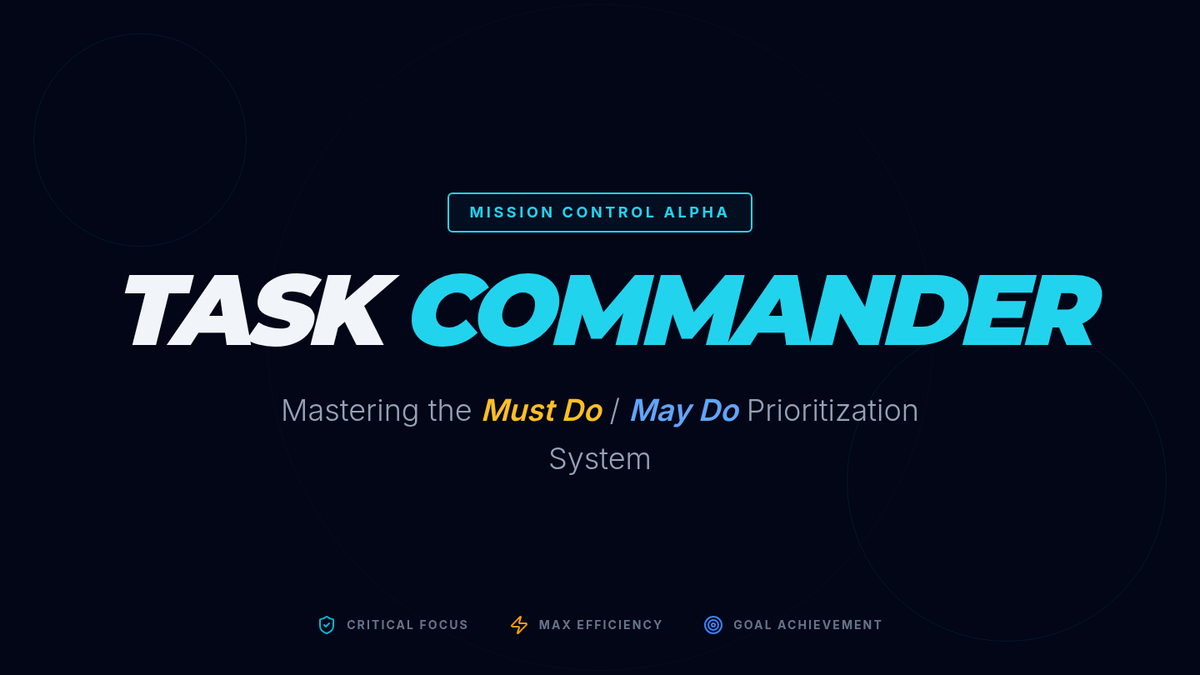
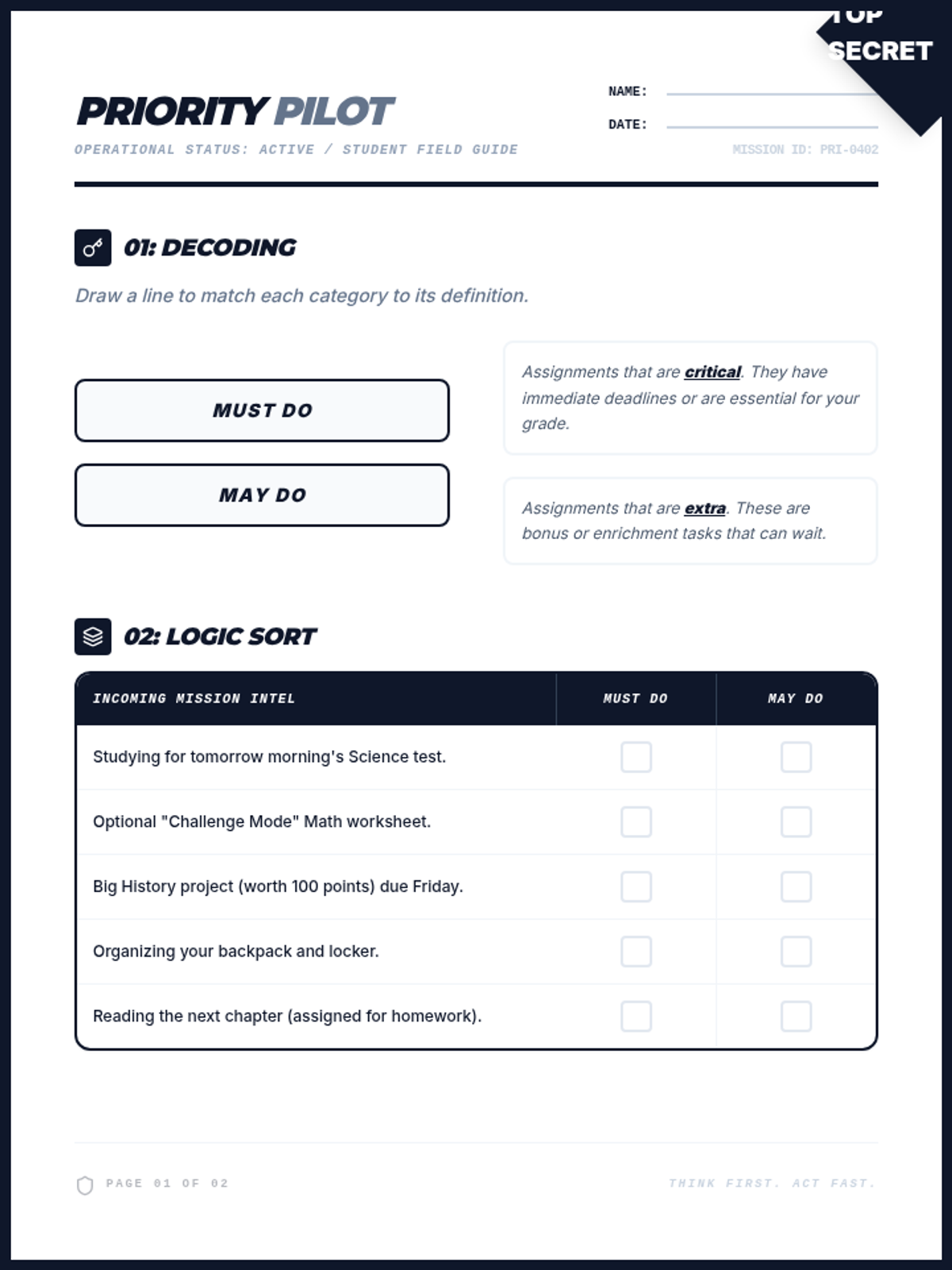
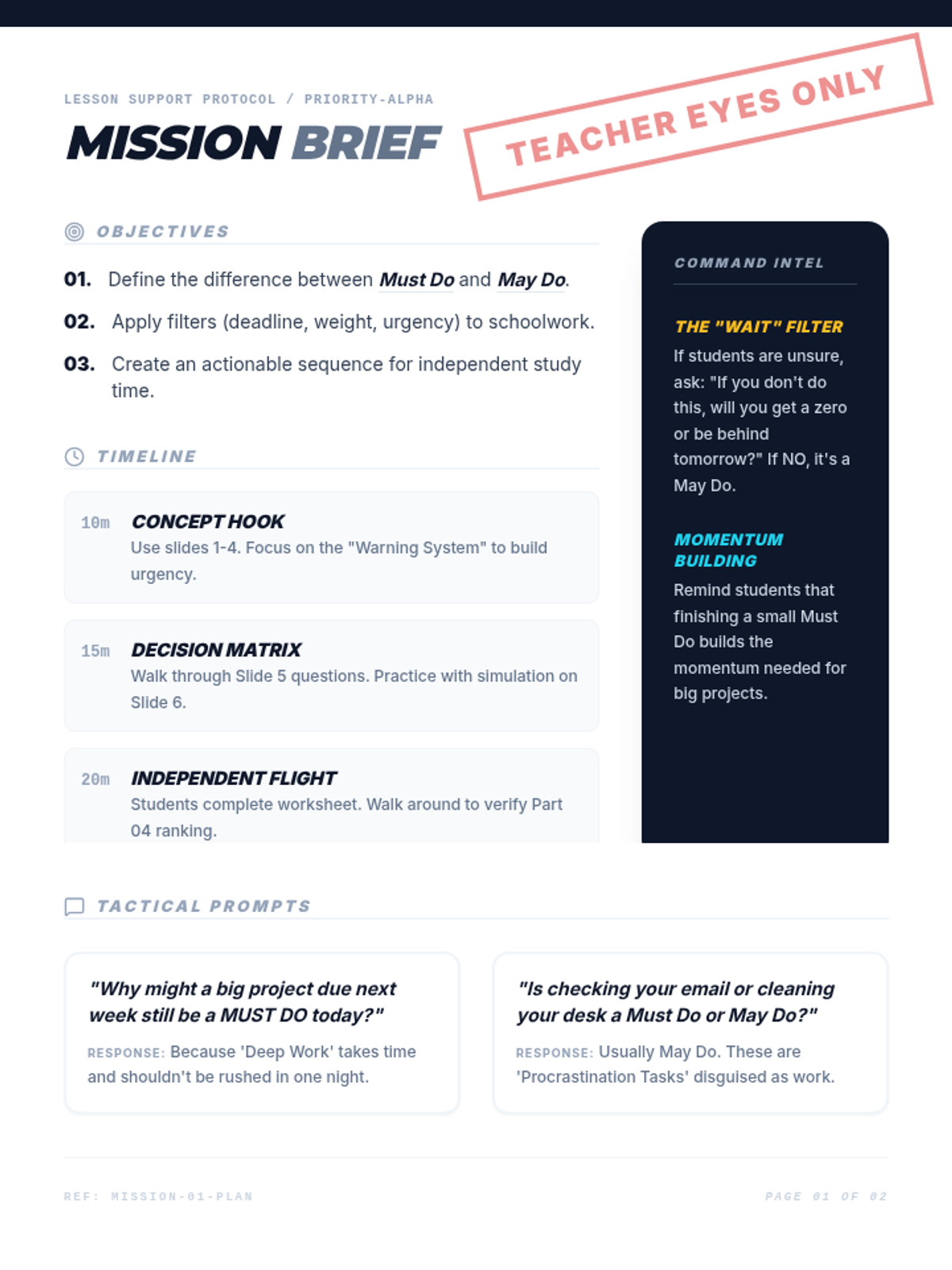
A practical lesson teaching students how to categorize assignments into 'Must Do' (essential, urgent) and 'May Do' (extra, optional) categories to manage their time effectively.
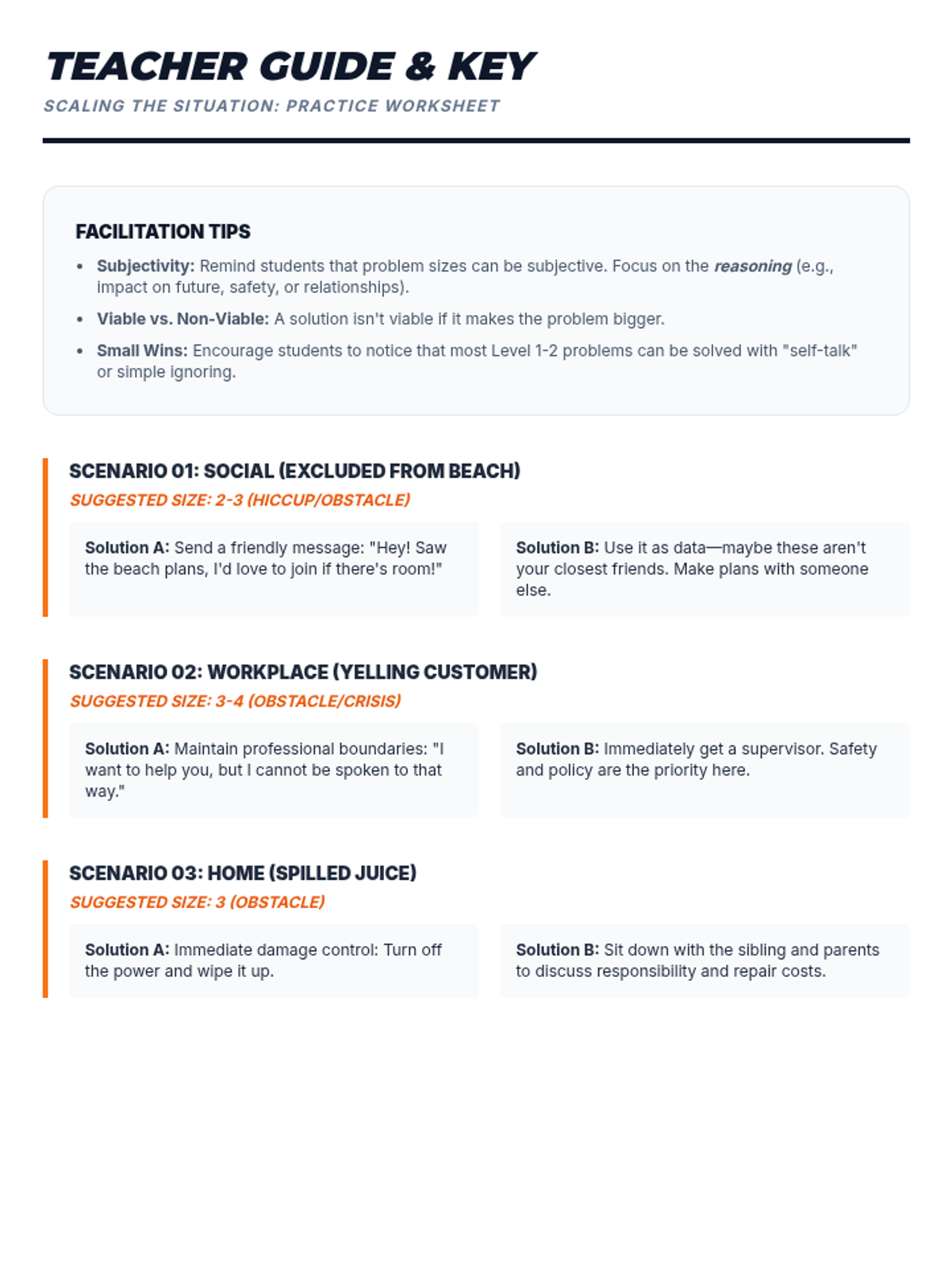
A lesson designed to help high school students categorize the 'size' of life's challenges and develop proportionate, effective solutions for social, workplace, and domestic conflicts.
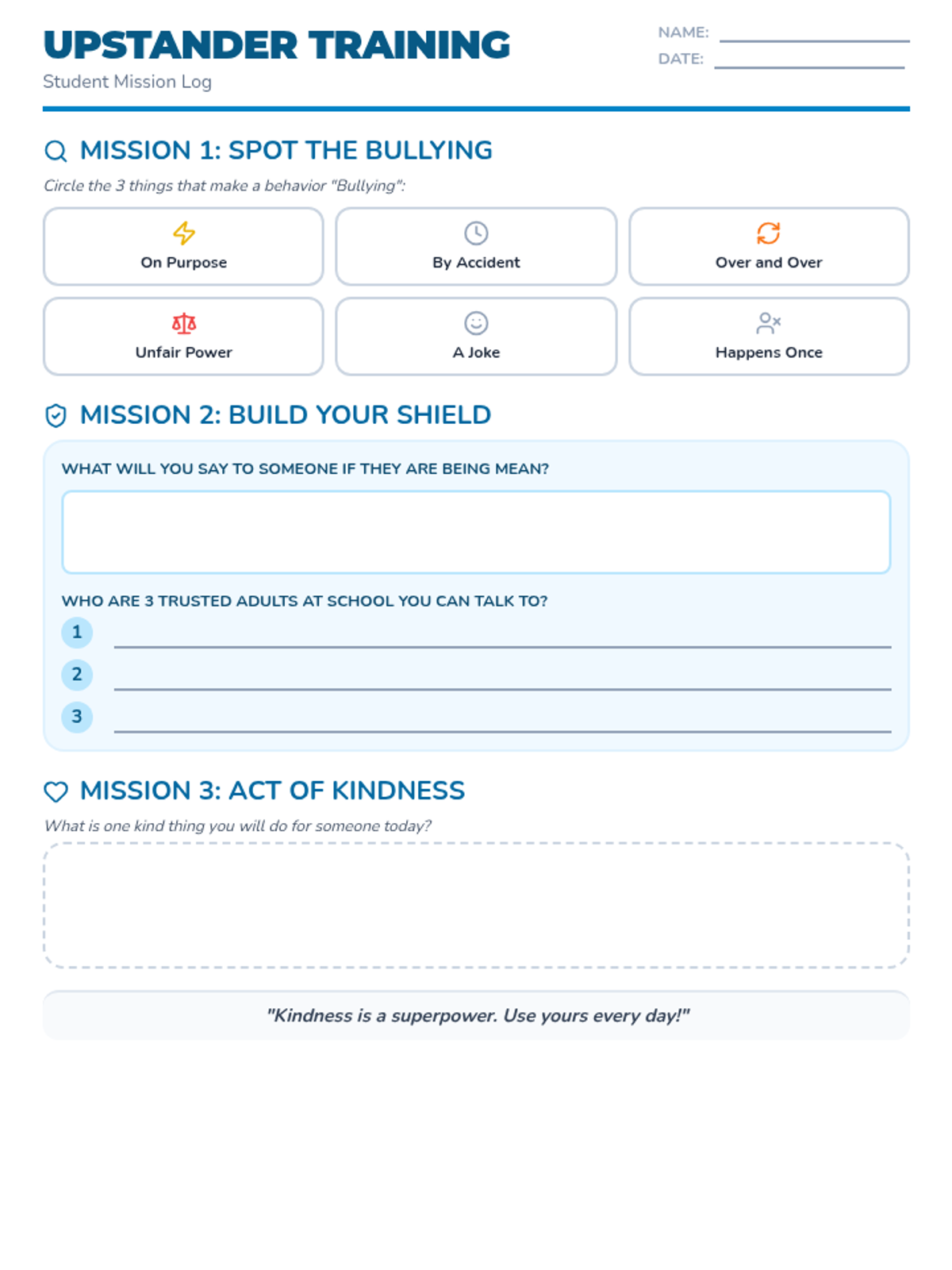
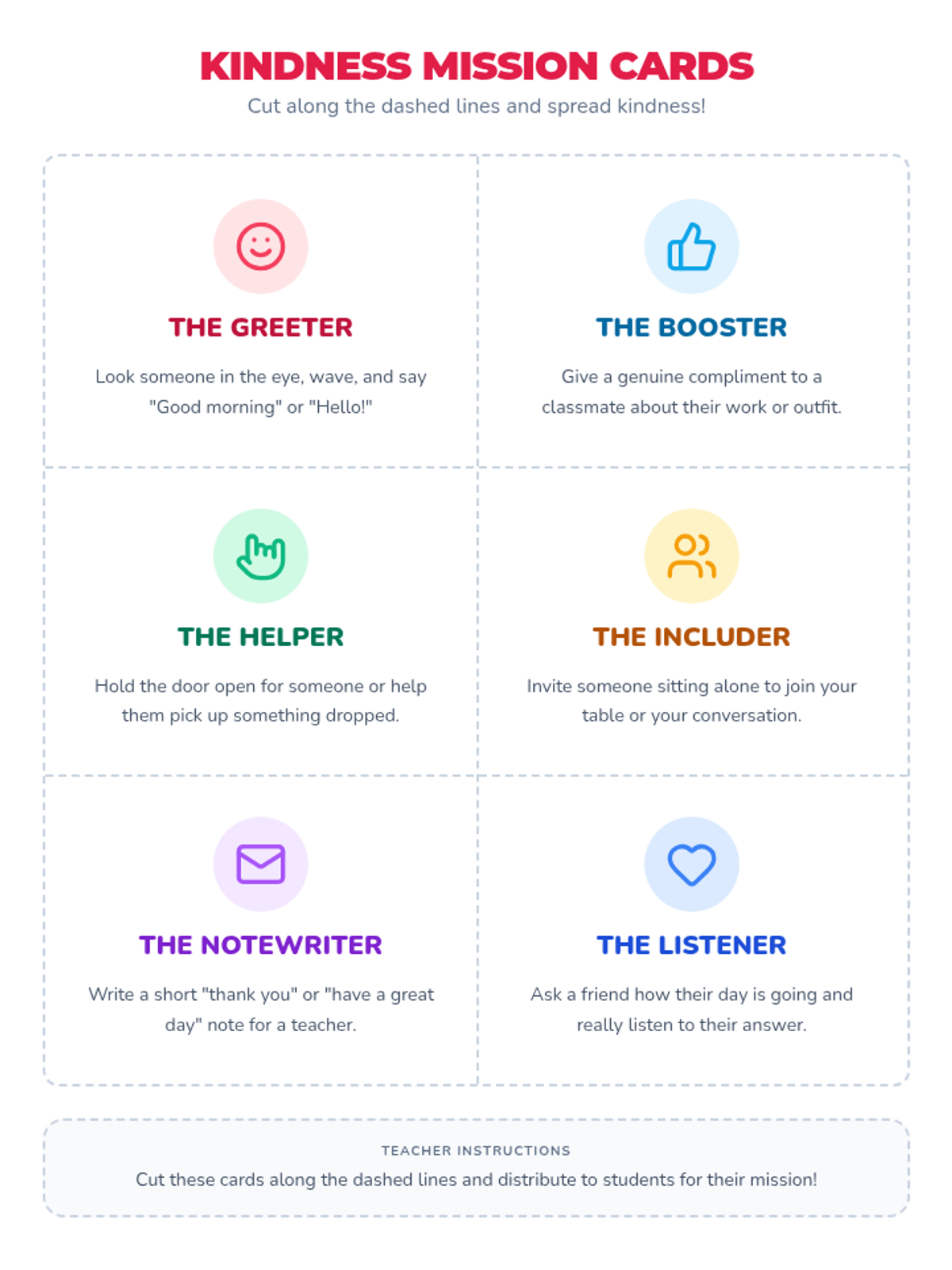
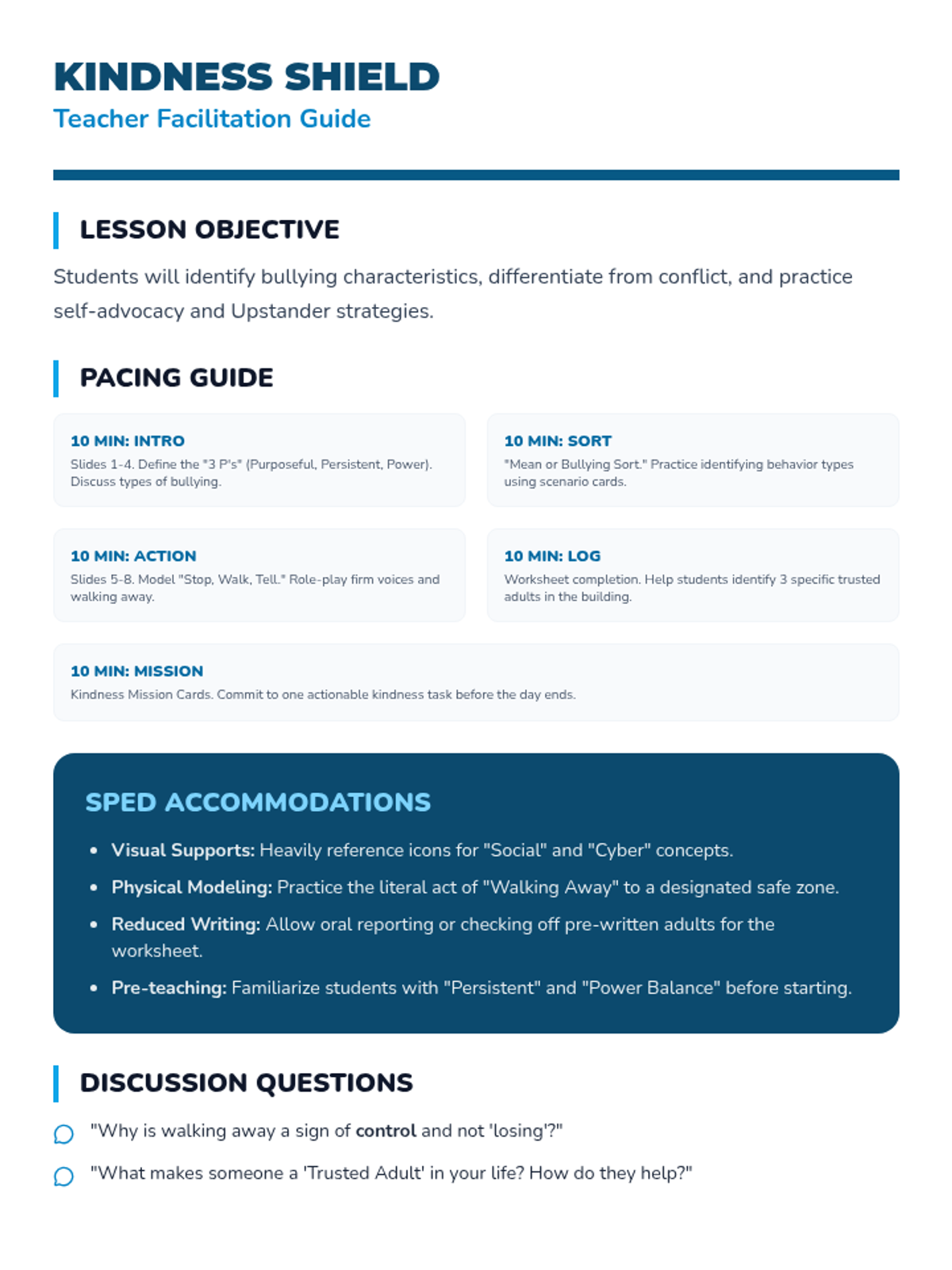
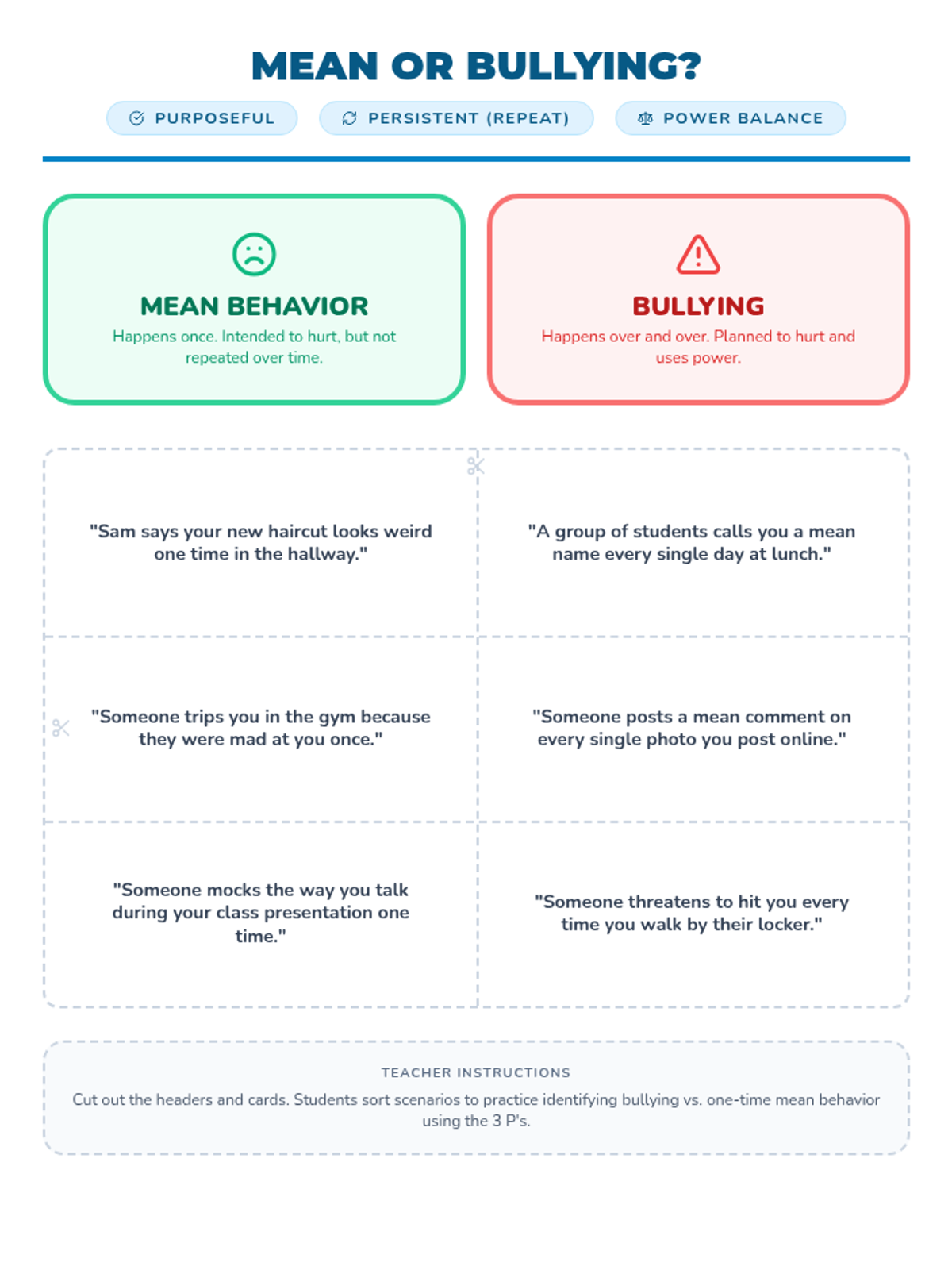
A supportive and practical lesson designed for high school special education students to identify bullying, learn intervention strategies, and practice active kindness through clear visuals and guided activities.
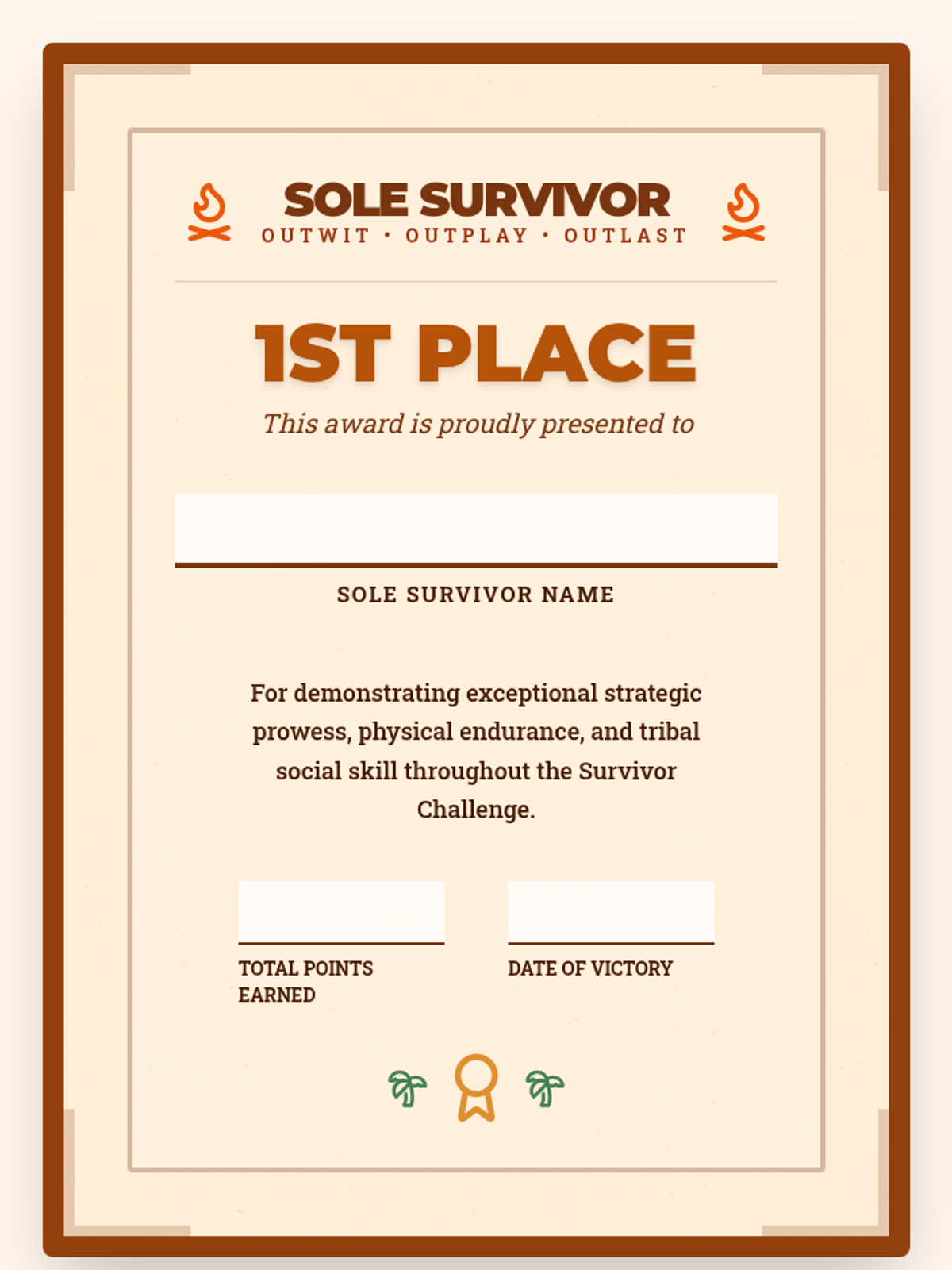
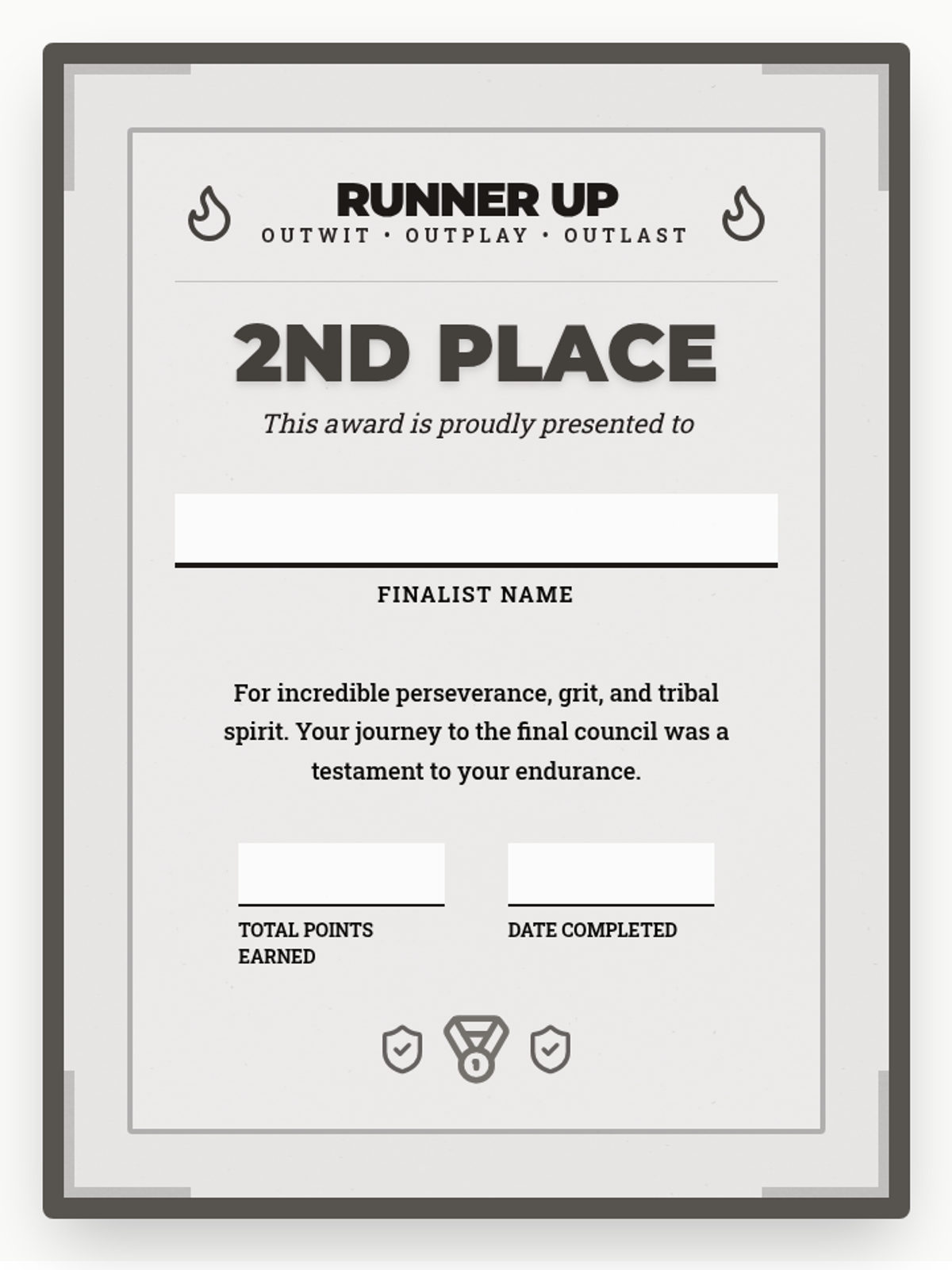
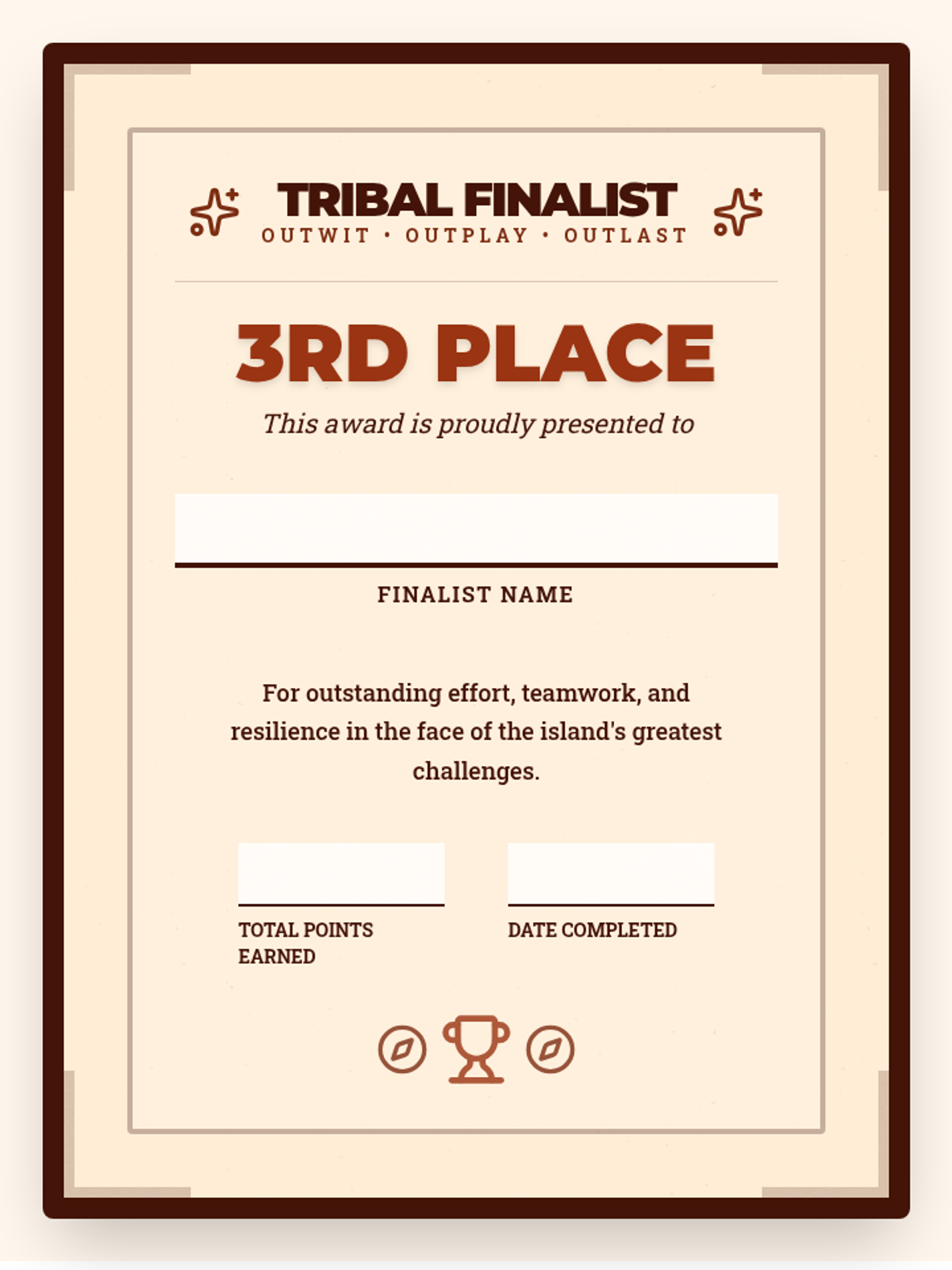
A collection of tribal-themed certificates to recognize the top performers in a classroom survivor challenge. Includes distinct designs for first, second, and third place.
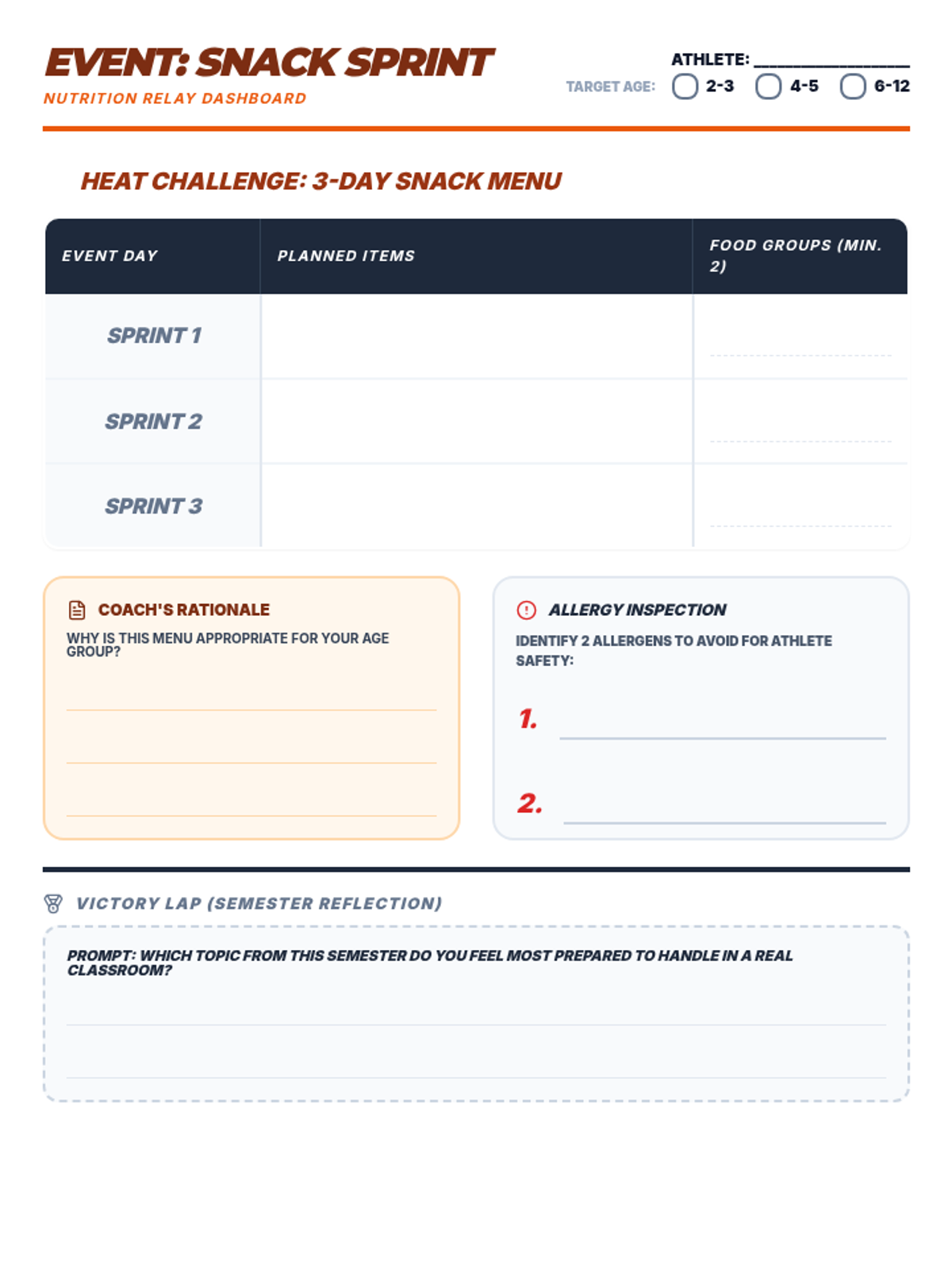
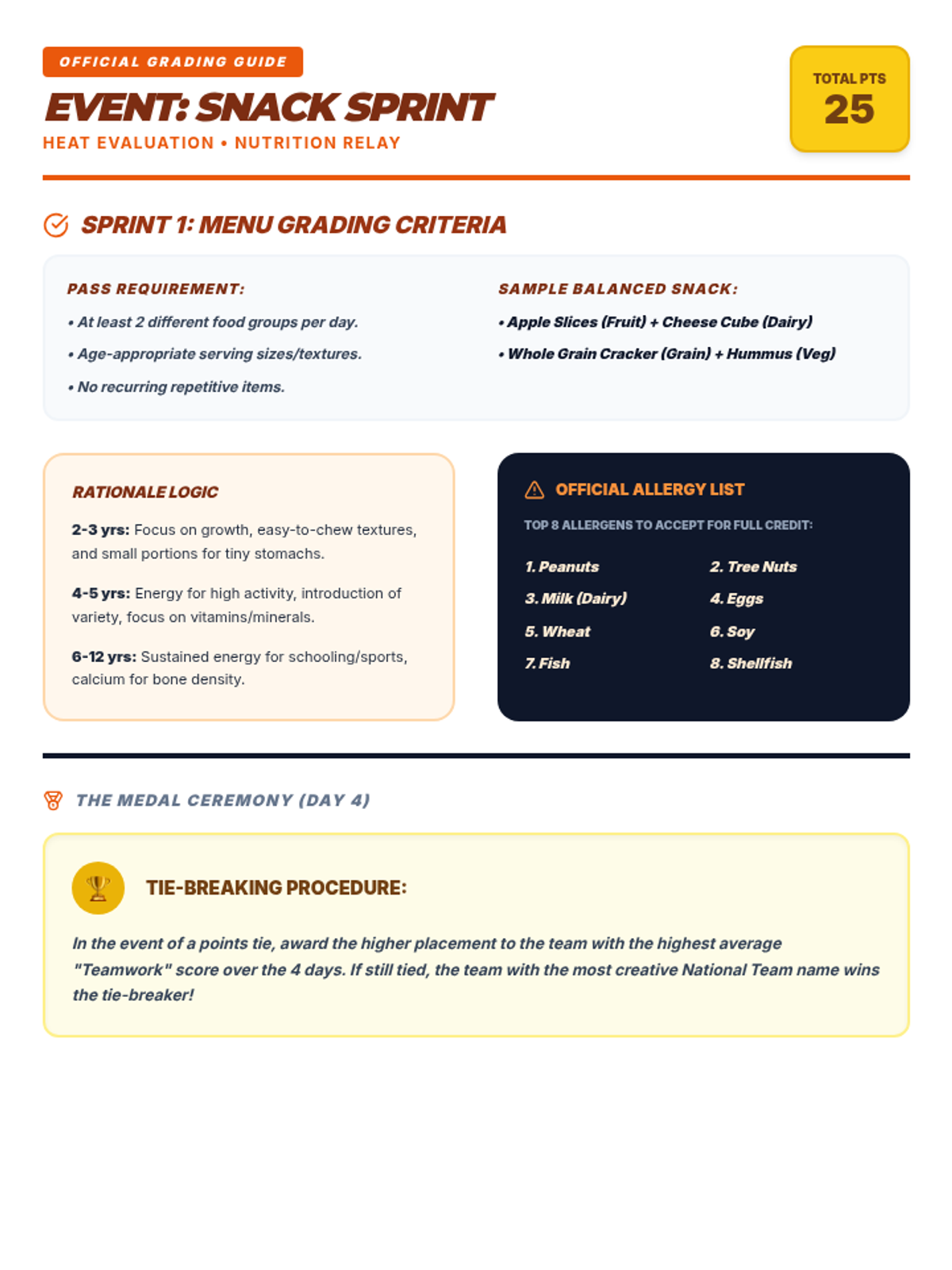
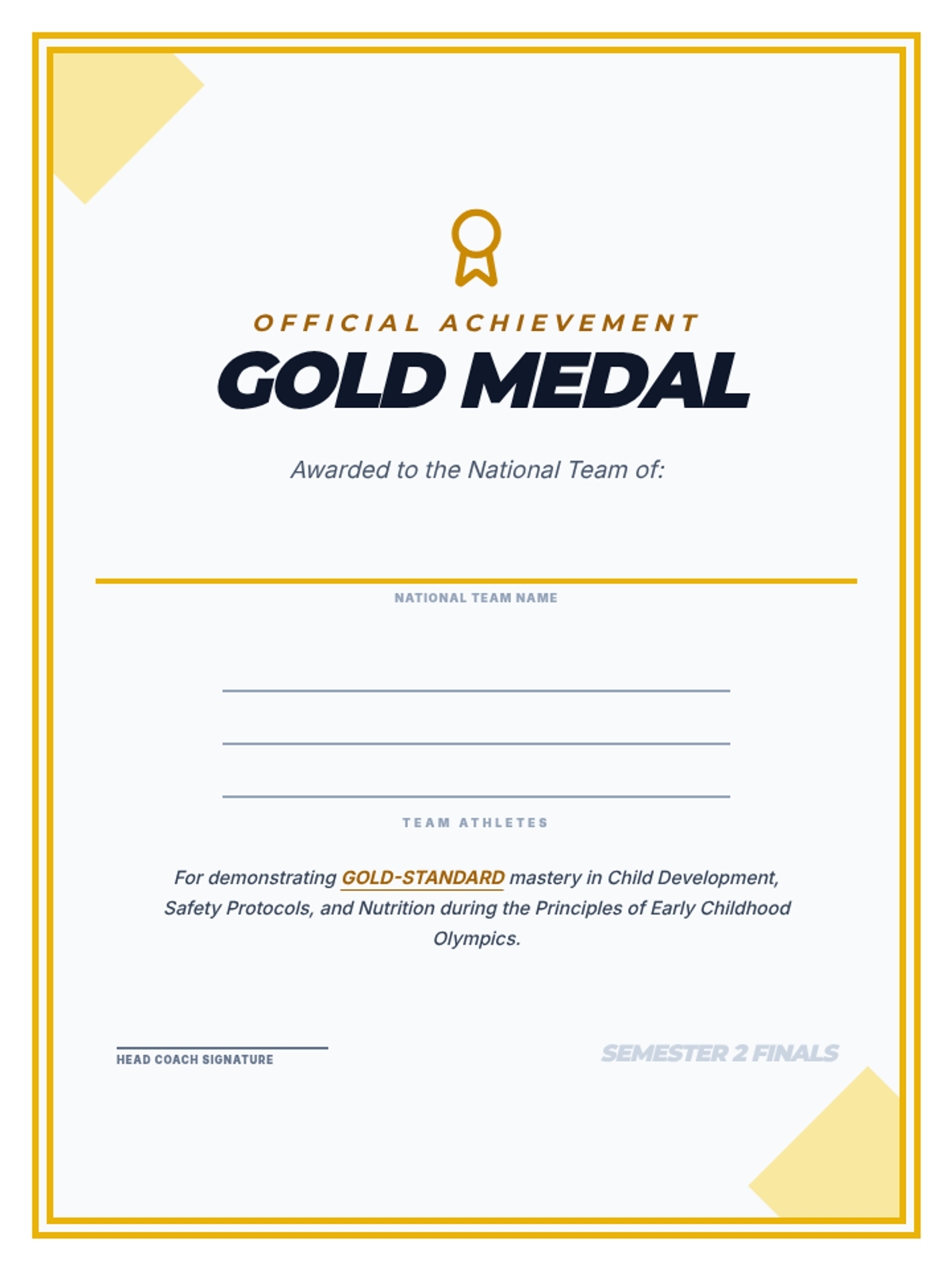
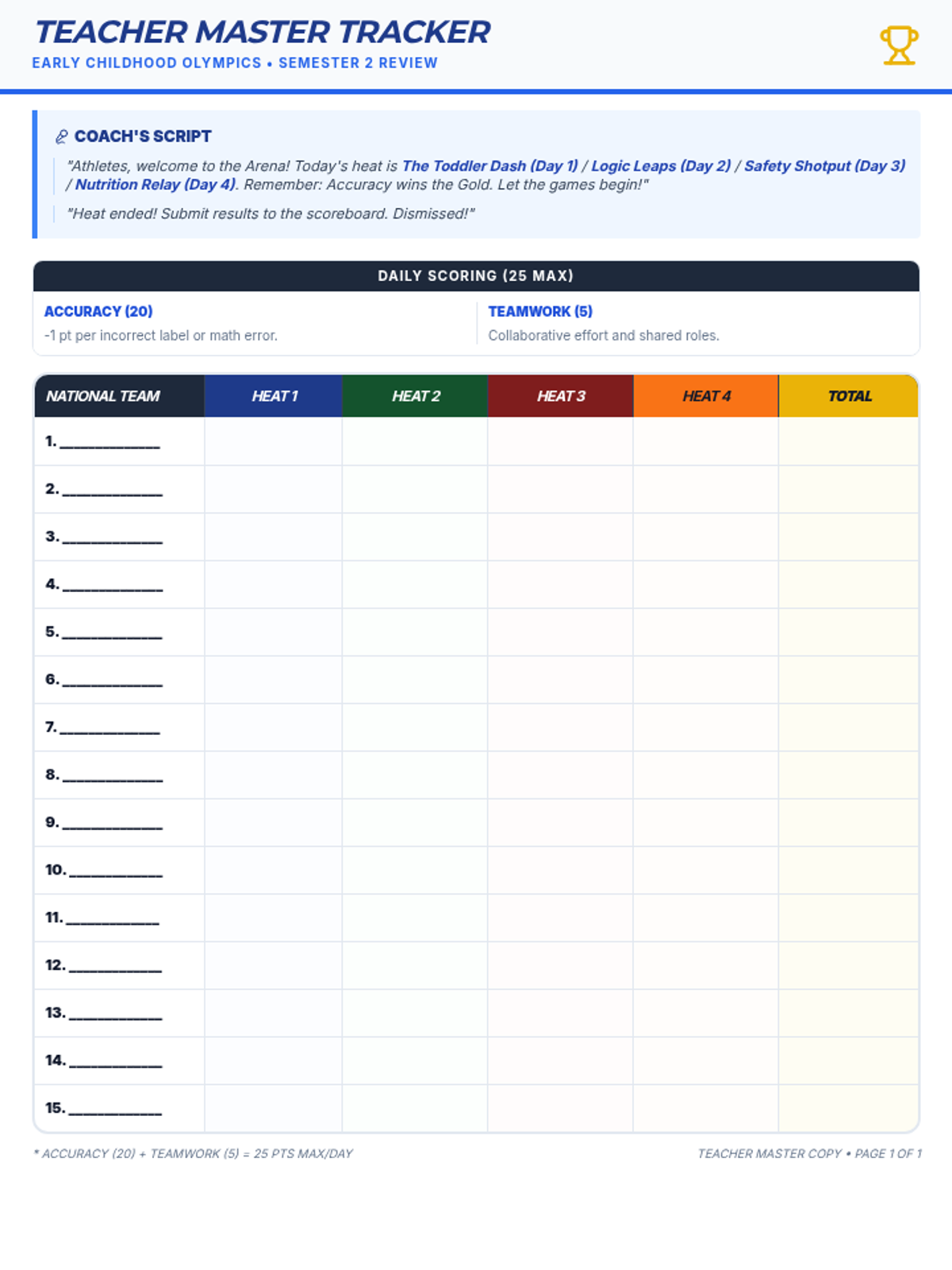
The final day covers nutrition and meal planning, followed by the grand tallying of points and the medal ceremony to conclude the semester.
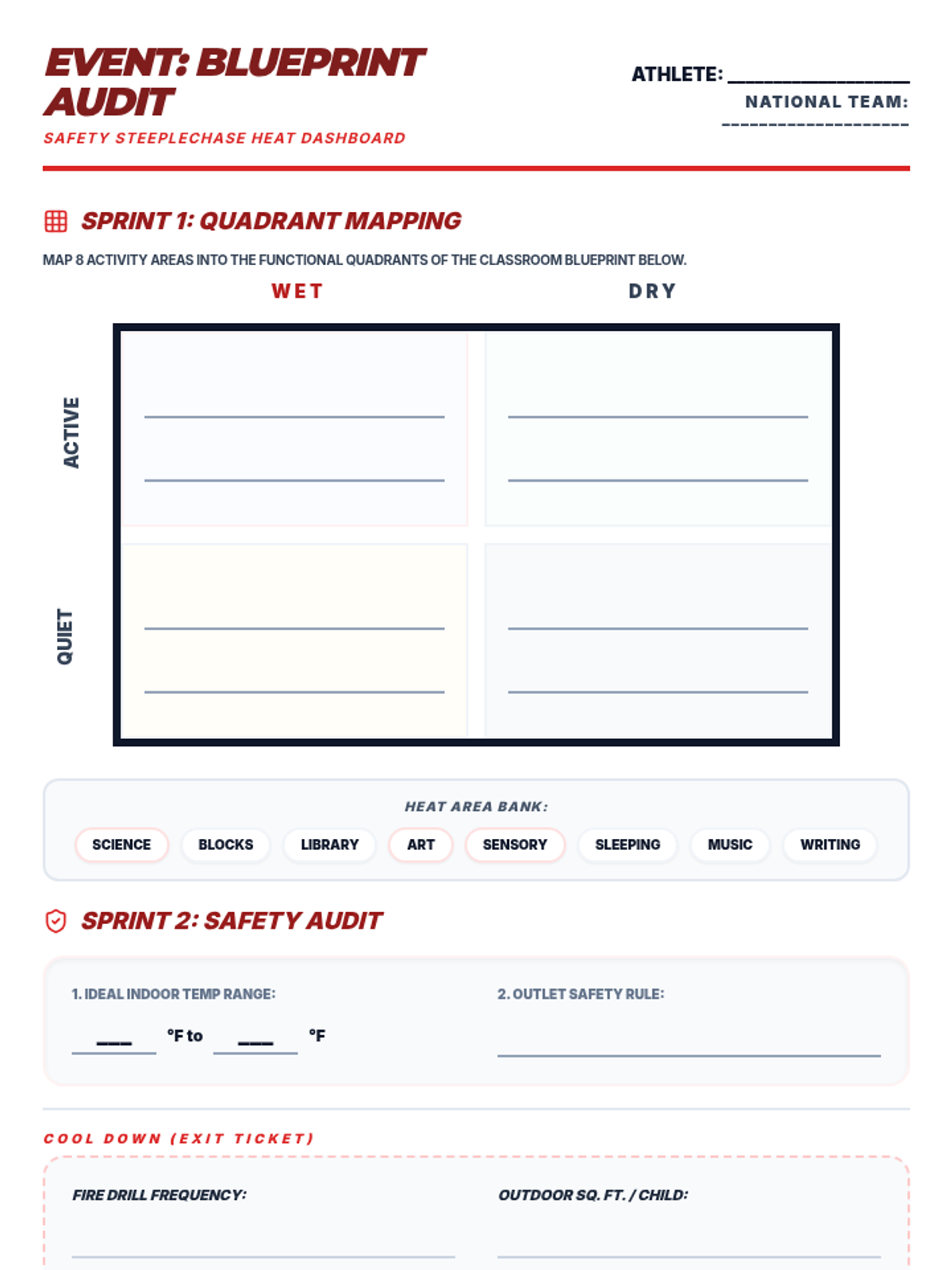
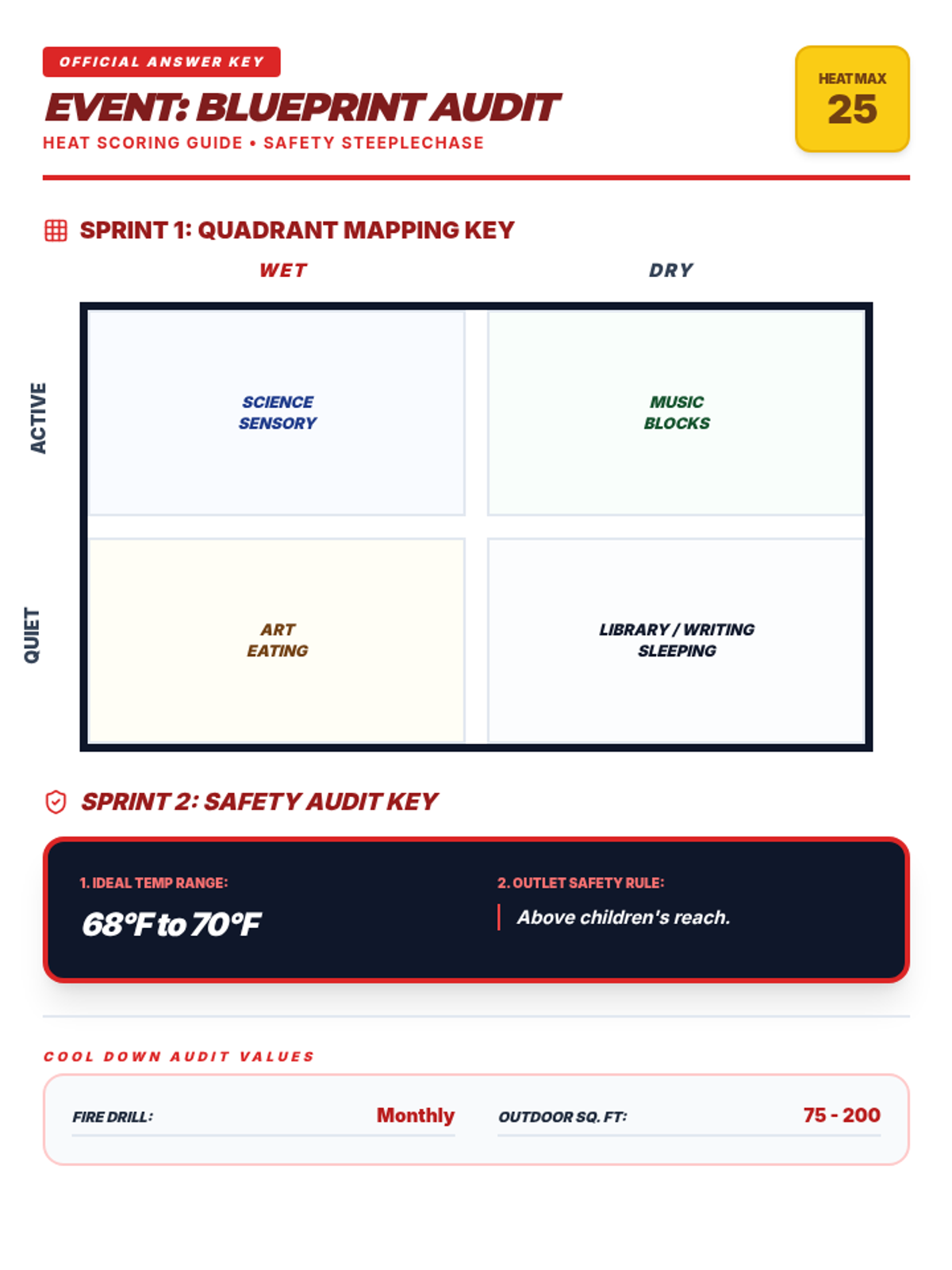
Day 3 focuses on environmental preparation and safety promotion, requiring students to apply knowledge of classroom layout and safety regulations to score points.
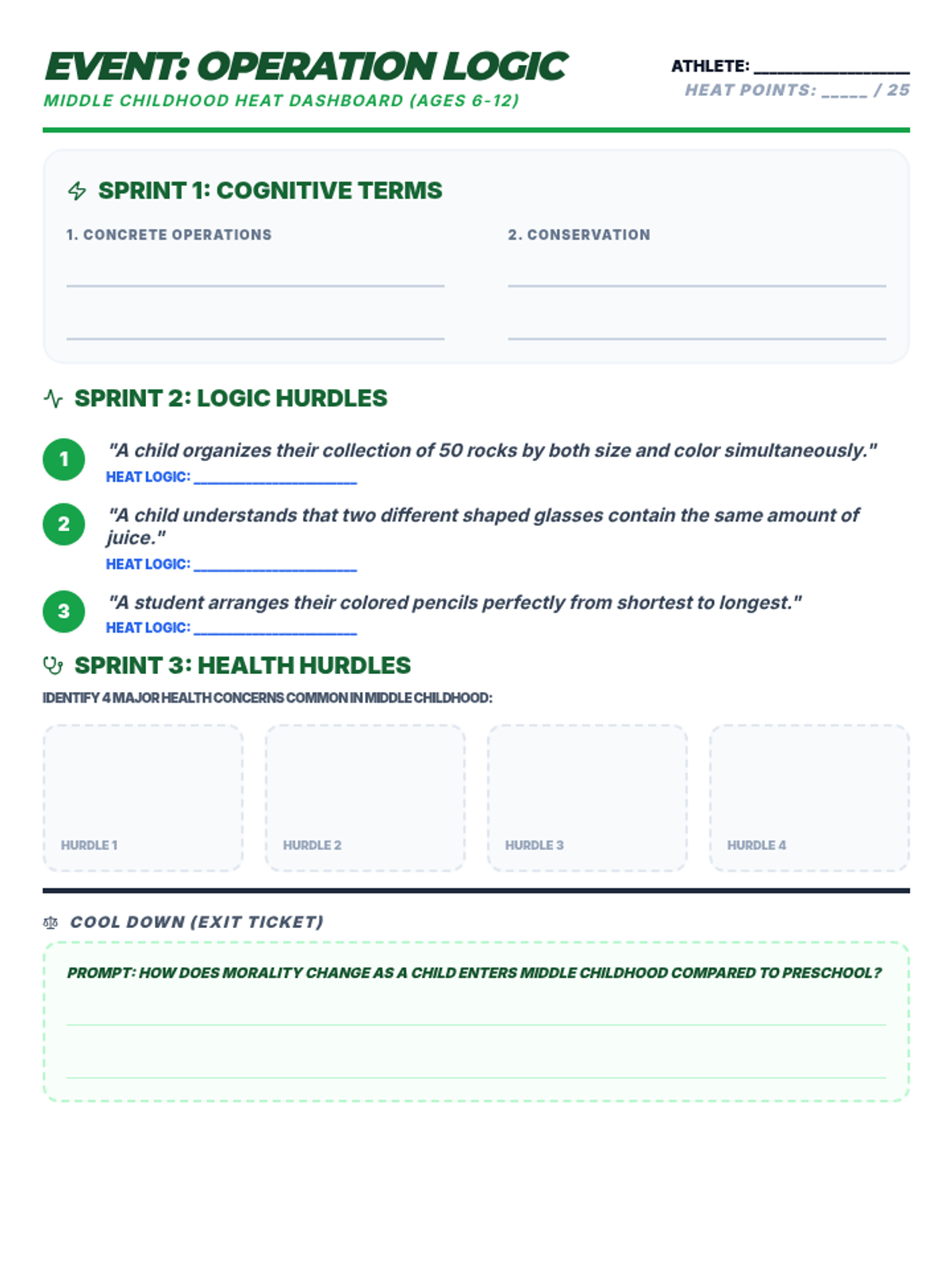
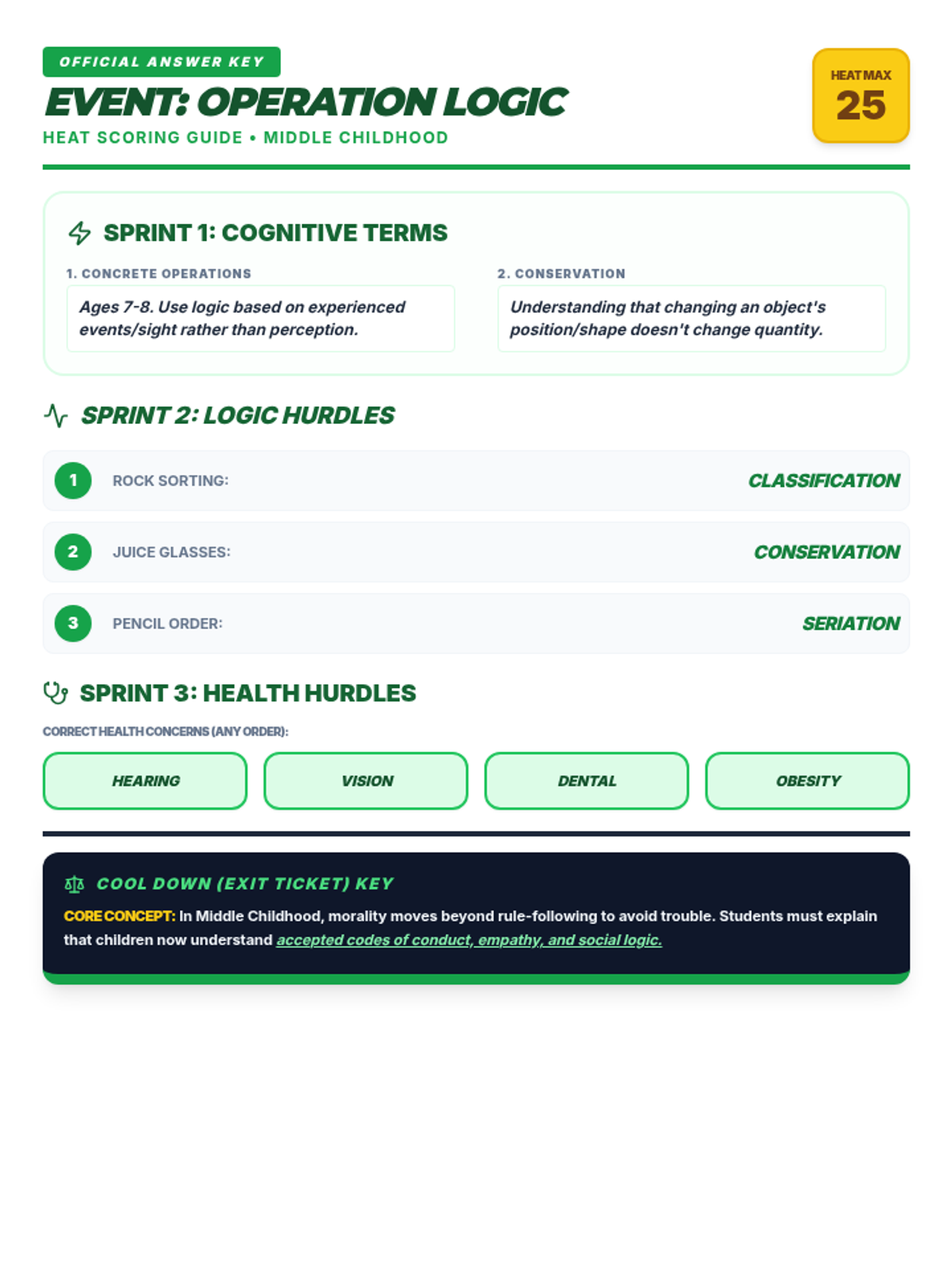
Day 2 explores middle childhood (ages 6-12), focusing on logical thinking, moral development, and the complexities of school-age social relationships.
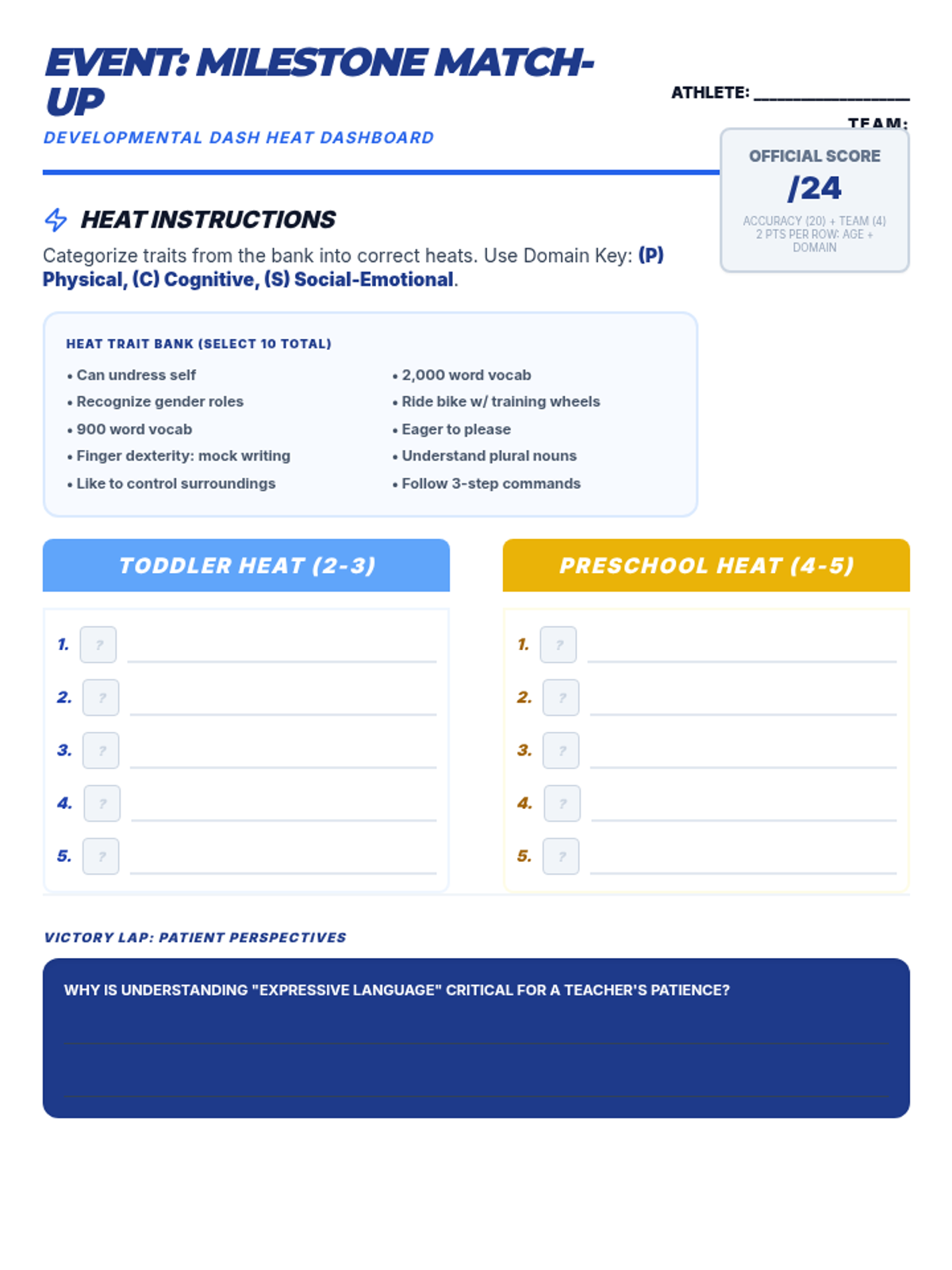
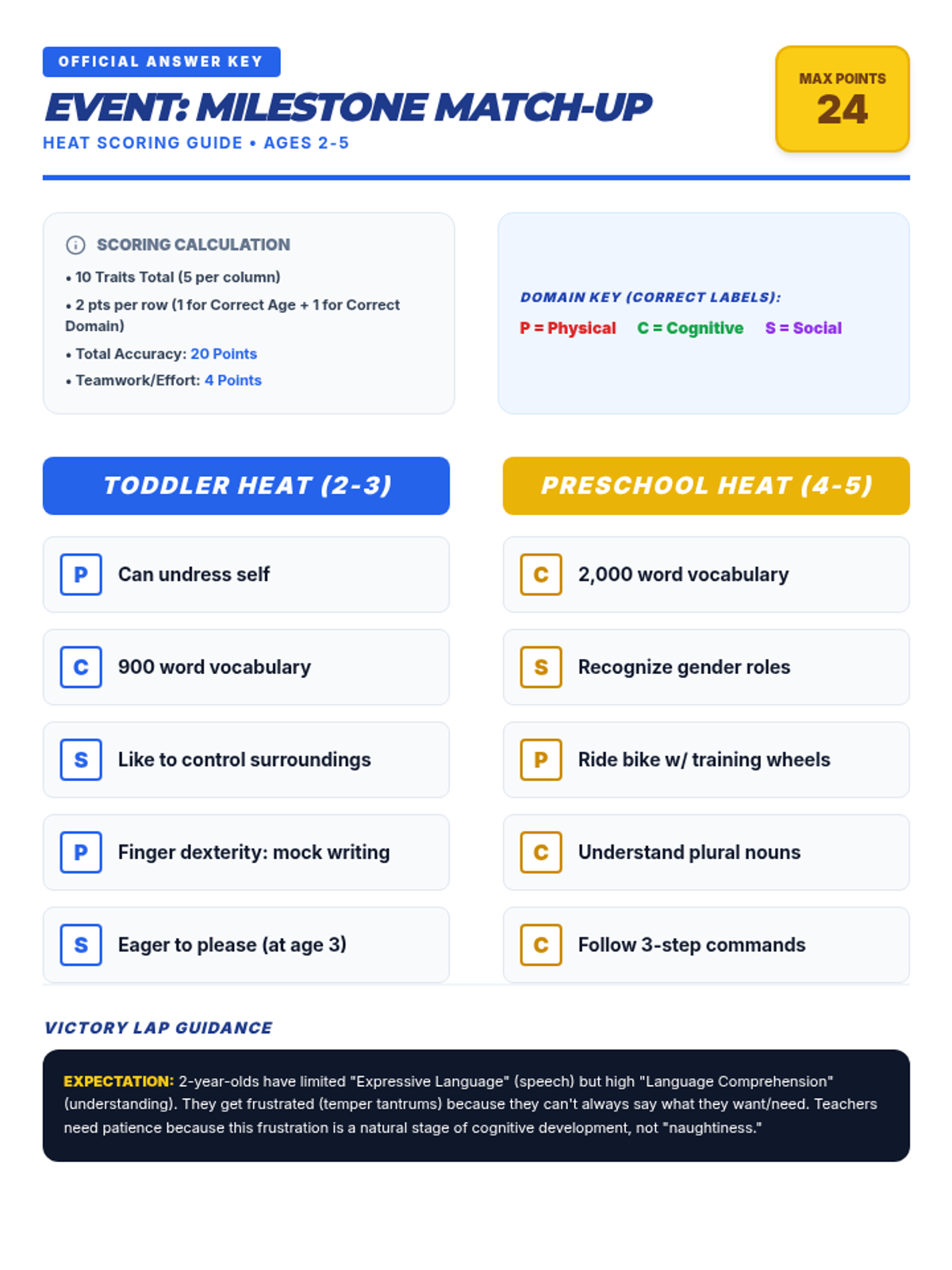
Day 1 of the Olympics focuses on the rapid development of children aged two through five, challenging students to accurately categorize physical, cognitive, and social milestones.
Banking practice for June 2027, focusing on final expenses and summer preparations over 18 instructional days.
Banking practice for May 2027, focusing on regular expenses and spring activities over 22 instructional days.
Banking practice for April 2027, focusing on spring recess and seasonal spending over 17 instructional days.
Banking practice for March 2027, focusing on spring preparations and regular expenses over 22 instructional days.
Banking practice for February 2027, focusing on Valentine's Day budgeting and mid-winter recess over 15 instructional days.