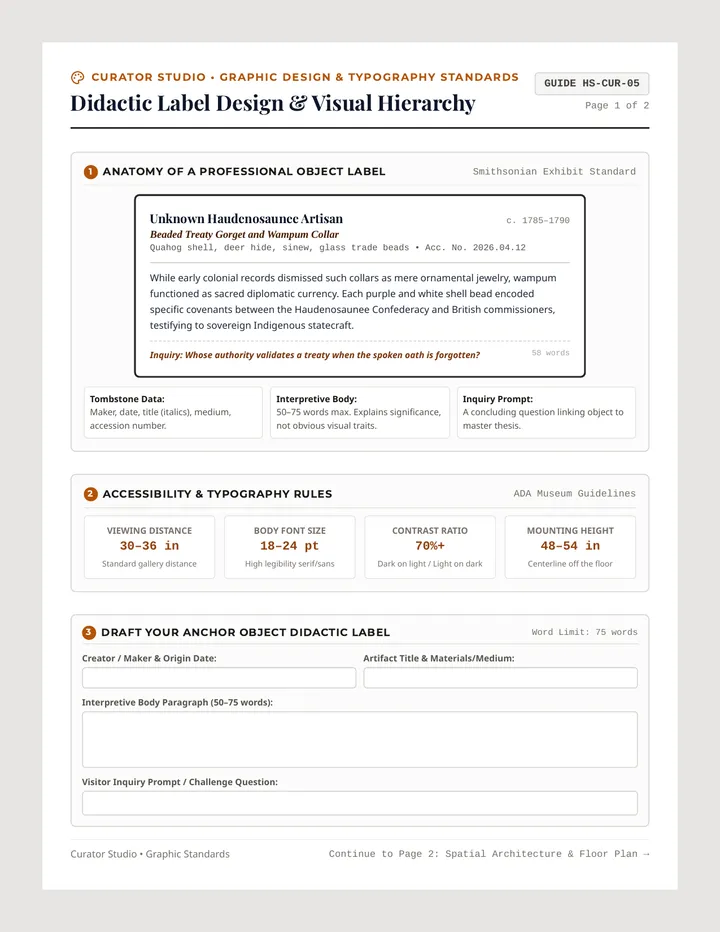
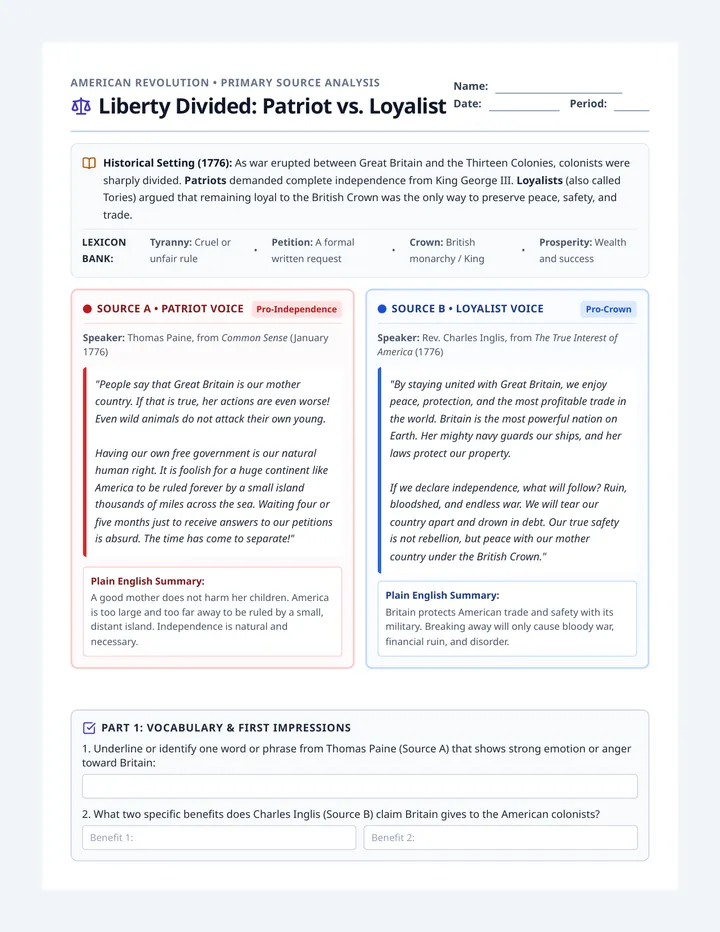
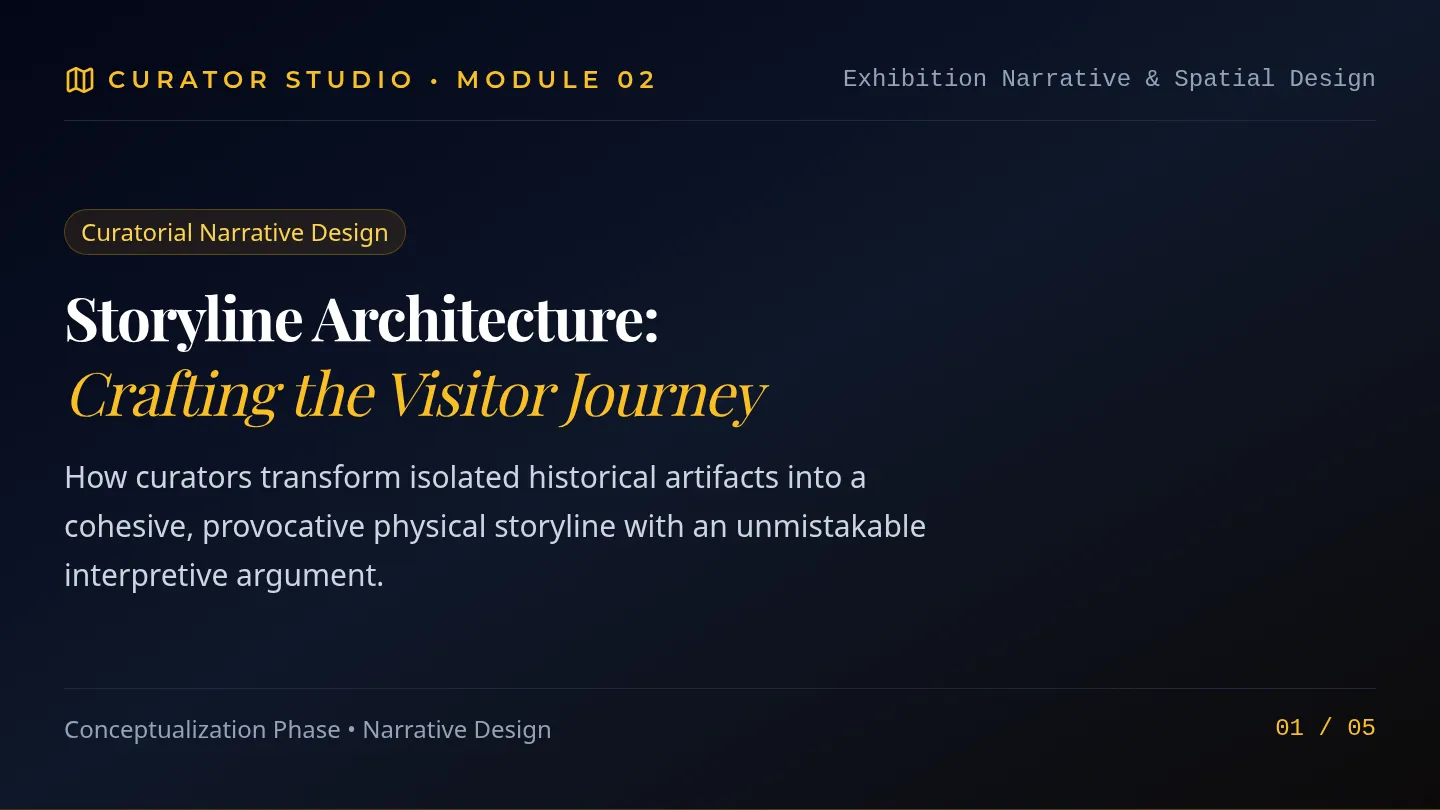
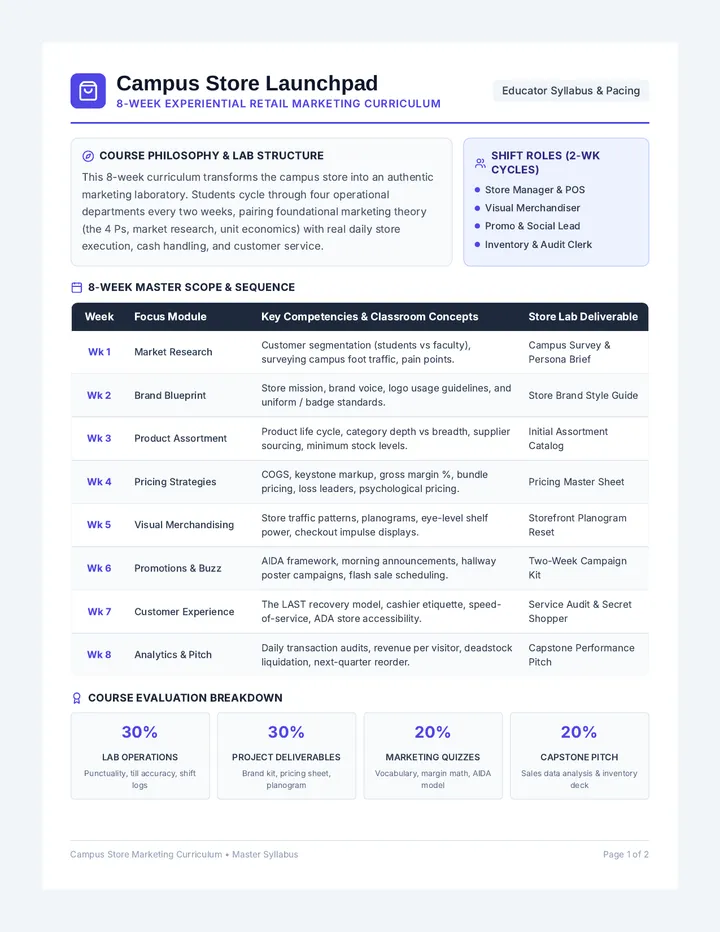
Living Room War Slides The Living Room War
Vietnam's Impact on the American Home Front
Standard US.81 | History • Culture • Politics
Media & Public Opinion
Vietnam was America's first "Living Room War."
Daily broadcasts showed graphic combat footage directly to families.
The "Credibility Gap": What the government said vs. what people saw.
Walter Cronkite's 1968 report shifted middle-class support away from the war.
Network News Feed
"If I've lost Cronkite, I've lost Middle America."
The Anti-War Movement
Why Protest?
Youth Activism: SDS and the "New Left" on campuses.
Moral Outrage: Concerns over civilian deaths and napalm.
Guns vs. Butter: Money for war instead of poverty.
Kent State (1970): Four students killed by Nat. Guard.
"Hell no, we won't go!"
The movement forced a national conversation on the power of the Executive Branch.
The Draft Lottery
1969 Reform:
To address inequality, birth dates were assigned numbers (1-366) to determine who would be called first.
Goal: Fairer Service
Opposition grew as young men faced a life-or-death gamble on live television.
Draft Card Burning "Draft Dodgers" Exile to Canada
Agent Orange
Chemical Defoliation
Used to destroy the jungle canopy and enemy food crops.
Contains Dioxin, a highly toxic chemical.
Sprayed over 10% of South Vietnam's land.
The Health Crisis
Decades later, Veterans and Vietnamese civilians suffered from cancer, birth defects, and immune disorders.
PTSD & Veterans
Psychological Toll
Vietnam changed medicine. Doctors first identified PTSD from observing Vietnam veterans.
Flashbacks, intense anxiety, and hyper-vigilance.
Compounded by a hostile or indifferent public homecoming.
Homecoming Reality
"The war followed us home. We didn't get a parade; we got a question mark."
The Unfinished War
Public Trust
A permanent change in how Americans view their leaders.
Health Advocacy
Fighting for Agent Orange care and mental health awareness.
Civil Rights
The intersection of war, poverty, and racial inequality.
Vietnam Echoes Guided Notes Vietnam Home Front
Standard US.81 | Guided Notes
Name:
Date:
I. The Living Room War
1. Vietnam was the first war to be televised, leading it to be nicknamed the "________________________________ War."
2. The term "________________________________ Gap" described the difference between what the government reported and what citizens saw on TV.
3. Walter Cronkite: After visiting Vietnam in 1968, the famous news anchor stated that the war was a "________________________________" and could not be won.
II. Anti-War Movement
1. SDS (Students for a Democratic Society): A prominent student group that organized protests on ________________________________ campuses.
2. Kent State (1970): An anti-war protest that turned tragic when the National Guard opened fire, killing ________ students.
3. Economic Impact: The "Guns vs. ________________" debate questioned spending money on war instead of social programs.
III. The Draft by Lottery (1969)
1. To make the draft fairer, the government introduced a ________________ system based on birth dates.
2. Before this system, many wealthy or college-enrolled men could avoid service using "_________________________."
3. Draft resistance included burning ____________________ cards and fleeing to ____________________.
IV. Agent Orange & PTSD
1. Agent Orange: A powerful ____________________ used to clear the Vietnamese jungle, which contained the toxic chemical ____________________.
2. Health effects of Agent Orange include ____________________ and ____________________ defects.
3. PTSD: Stands for:
Many veterans struggled with flashbacks and anxiety upon returning home.
Quick Reflection
Compare the media's role in Vietnam to previous wars (like WWII). How did constant visual access change the American public's "will to fight"?
Living Room War Activity Living Room War
Primary Source Analysis Activity | Standard US.81
Student:
Source A: The Trusted Voice
"To say that we are closer to victory today is to believe, in the face of the evidence, the optimists who have been wrong in the past... it is increasingly clear to this reporter that the only rational way out then will be to negotiate, not as victors, but as an honorable people who lived up to their pledge to defend democracy, and did the best they could."
— Walter Cronkite, CBS Evening News, Feb 27, 1968
1. What is Cronkite's main argument regarding the progress of the war? What does he suggest the US should do next?
2. Cronkite was "the most trusted man in America." How might this broadcast impact public support for the war?
Source B: The Lottery of War
Live
"The draft lottery was broadcast live on radio and television. Each day of the year was represented by a capsule... The first date drawn was September 14. All men born on that day were assigned draft number 1." — Selective Service Records, 1969
3. Why did the government shift to a lottery system? Who did it target?
4. How does a live "lottery" for war service connect to the "Living Room War" concept?
Critical Synthesis
How did televising the violence (Source A) and the personnel selection (Source B) combine to break American public support for the war by 1970? Use evidence from both sources.
Echoes Master Key Echoes Master Key
Instructional Resource | US.81
I. Guided Notes Solutions
I. The Living Room War
1. Living Room
2. Credibility
3. Stalemate
II. Anti-War Movement
1. College
2. Four (4)
3. Butter
III. The Draft by Lottery
1. Lottery / Selective Service
2. Deferments
3. Draft; Canada
IV. Agent Orange & PTSD
1. Defoliant; Dioxin
2. Cancer; Birth
3. Post-Traumatic Stress Disorder
II. Activity Analysis Solutions
1. Cronkite's argument:
The war is not being won and is stuck in a stalemate; the only rational path forward is negotiation rather than military victory.
2. Viewer reaction:
Cronkite was highly trusted; his doubt likely caused viewers to question government reports and withdraw support for the war effort.
3. Why a lottery?
To fix inequalities where lower-income/minority men were drafted more often while the wealthy used college deferments to stay home.
4. Emotional impact of televised lottery:
It turned military service into a public, high-stakes "game" broadcast live, making the war's cost feel immediate and personal for every family.
Synthesis Sample Response:
"The combination of television and the lottery stripped away the distance between the war and American homes. Visual evidence of stalemate (Cronkite) combined with the personal threat of the draft lottery made the war feel both un-winnable and uniquely dangerous to everyday citizens, sparking massive resistance."
Podium Prompts Speaker Notes Podium Prompts
Teacher Script & Delivery Guide
Slide 1
Title: The Living Room War
"Welcome everyone. Today we are looking at how the Vietnam War wasn't just fought in the jungles of Southeast Asia, but also in the living rooms of America. We will explore how media, the draft, and the health effects of war changed the US home front forever."
Slide 2
Media & Public Opinion
Before Vietnam, news was mostly text or radio. Now, families ate dinner while watching body counts on the nightly news.Instructional Hook: Explain the 'Credibility Gap'—it's like your friend saying they cleaned their room, but you're looking right at the mess. The public could see the war wasn't 'won' despite what LBJ said.
Slide 3
The Anti-War Movement
This was a youth-led movement. Mention the SDS.Historical Anecdote: Kent State (1970) is the climax of this tension. 4 students killed by National Guard. Ask students: 'How does a country react when its own soldiers kill its own students?' This was a turning point for public trust.
Slide 4
The Draft Lottery
"Imagine watching TV and seeing a man pull your birthday out of a jar. If your number was low, you were going to war."
The lottery was meant to be 'fairer' because wealthy kids couldn't use college to hide anymore. However, it just increased the number of families who felt personally threatened by the war policy.
Slide 5
Agent Orange
This was chemical warfare for 'defoliation' (removing leaves). But the toxic Dioxin got into everything.Connection: It didn't just hurt the enemy; it followed our soldiers home. Many veterans developed cancer or had children with birth defects years after the shooting stopped.
Slide 6
PTSD & Veterans
Vietnam changed how we view mental health. We moved from calling it 'shell shock' to a formal medical diagnosis: PTSD.Critical Point: Note that soldiers were often blamed for the war. There were no parades like WWII. This social isolation made the trauma much harder to heal.
Slide 7
Legacy
"The legacy of Vietnam is a more skeptical public and a more aware medical community. It also showed that young people could be a massive political force. How does this compare to modern-day activism?"
Frontline Briefing Teacher Guide Frontline Briefing
Teacher's Facilitation Guide: Vietnam War Home Front (US.81)
Lesson Logistics
Duration
35 Minutes
Key Standard
TN US.81 (C, H, P)
Materials
Living Room War Slides
Vietnam Echoes Guided Notes
Activity & Study Guide
Learning Goals
Analyze media's role in the "Credibility Gap."
Explain the 1969 draft lottery system impact.
Identify long-term veteran health challenges.
Tactical Pacing Guide
00-05
Deployment (Hook)
Introduce "Living Room War." Ask: "How does seeing body counts at dinner change your trust in leaders?"
05-20
Briefing (Lecture)
Direct instruction with slides. Students complete guided notes. Emphasize: Agent Orange, PTSD, Draft Lottery.
20-30
Field Exercise (Activity)
Student Source Analysis. Focus on Cronkite's shift to "stalemate" and the lottery's visual tension.
30-35
Debrief (Summary)
Review synthesis question. Discuss long-term impact on veterans' rights and political skepticism.
Pro-Tip for Educators
Vietnam veterans were the same age as your students when drafted. Focus on the human element to bridge the gap between history and standard US.81.
Archive Logs Primary Sources Archive Logs
Primary Source Dossier | Standard US.81
Walter Cronkite's "Report from Vietnam" Editorial
February 27, 1968
The influential CBS news anchor declares the Vietnam War a stalemate following the Tet Offensive, famously losing President LBJ's confidence and shifting middle-class opinion.
Full Transcript - CBS Evening News
The First Selective Service Lottery (Press Records)
December 1, 1969
Official data detailing the first lottery drawing of birth dates for military induction, including the assigned priority numbers 1-366.
Selective Service System History & Data
Kent State: Commission on Campus Unrest
September 1970
The official government investigation into the tragic shooting of students by the National Guard on May 4, 1970, including survivor testimonies.
Kent State Digital Archives & Reports
National Archives: The Story of Agent Orange
Archival Collection
A comprehensive overview from the National Archives about the use of defoliants in Vietnam and the subsequent health impact on US soldiers.
National Archives - Operation Ranch Hand
VA: History of PTSD Recognition
Clinical Reference
The Department of Veterans Affairs provides a history of how Vietnam veterans successfully lobbied for the medical recognition of PTSD.
VA PTSD Historical Overview
Visual Dispatch Image Bank Visual Dispatch
Image Bank | Standard US.81
I. The Media War
1. Walter Cronkite in Hue (1968)
Visualizing the most trusted man in America in the field, signaling the shift in media reporting.
NARA #532454
2. Saigon Execution (1968)
Eddie Adams' photo that brought the brutality of the Tet Offensive into US living rooms.
AP News Archive
3. Napalm Girl (1972)
The visual that defined moral outrage over chemical weapons and civilian casualties.
AP Visual History
4. Cam Ne "Zippo" Report
The first major report showing US troops destroying homes, fueling the Credibility Gap.
CBS News Library
5. TV News at Dinner
Social imagery of families watching war footage, defining the Home Front experience.
Getty Image Search
II. Anti-War Movement
6. Kent State Pieta (1970)
The tragic visual of the war coming home to US campuses, resulting in student deaths.
World Press Photo
7. Flower Power (1967)
The juxtaposition of youth innocence and military force during the Pentagon march.
WP Historical Archive
8. Muhammad Ali Refusal
Visualizing high-profile resistance to the draft on religious and racial grounds.
Smithsonian NMAAHC
9. Draft Card Burning
The ultimate symbol of defiance against federal Selective Service authority.
Library of Congress
10. Hard Hat Riot (1970)
Visual evidence of the "Silent Majority" clashing with anti-war protesters in NYC.
Gilder Lehrman Institute
III. The Draft & Politics
11. Draft Lottery Bowl
Mission Debrief Study Guide Classified
Mission Debrief
Study Guide: Vietnam Home Front (Standard US.81)
I. Essential Terms
Credibility Gap
The distrust resulting from optimistic government reports vs. the grim war footage seen on television.
Agent Orange
Toxic chemical defoliant (Dioxin) used to clear jungles; caused severe long-term cancer and birth defects.
Draft Lottery (1969)
Random selection based on birthdates to make the draft fairer and eliminate wealthy men's deferment advantages.
PTSD
Post-Traumatic Stress Disorder; medical recognition of the mental health struggles of combat veterans.
II. Key Figures
Walter Cronkite: "The most trusted man in America." His 1968 report helped turn the public against the war.
SDS: Students for a Democratic Society; led youth protests on campus.
III. Standard Concepts
Media Influence
Vietnam was the "Living Room War." Constant visual access eroded support for the conflict.
Kent State (1970)
A national tragedy where the National Guard killed four student protesters, deepening the social divide.
Personal Briefing (Reflection)
How did the "Credibility Gap" fundamentally change American trust in government for future generations?
MEDIA WAR
DRAFT REFORM
AGENT ORANGE
PTSD AWARENESS