A high-stakes simulation lesson where students step into the shoes of the 'Big Three' at the 1919 Paris Peace Conference to negotiate the Treaty of Versailles and evaluate its fairness and long-term consequences.
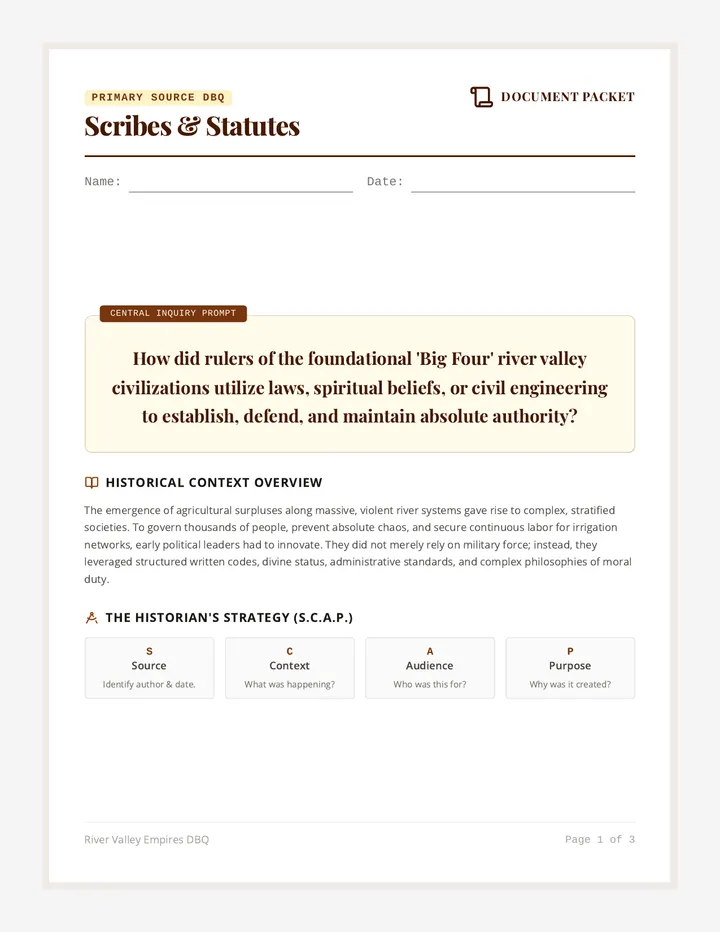
A premium comparative inquiry bundle exploring the foundational 'Big Four' ancient river valley civilizations (Mesopotamia, Egypt, Indus Valley, and Ancient China). Designed with high-quality primary sources, structured guided notes, and analytical rubrics to foster deep historical investigation.
A comprehensive lesson exploring how the Mexica migrated from Aztlán, settled in the Valley of Mexico, and leveraged geography, agriculture, and military strategies to build the Aztec Empire. This lesson includes interactive presentation slides, a graphic organizer worksheet for student analysis, and a detailed teacher facilitation guide.
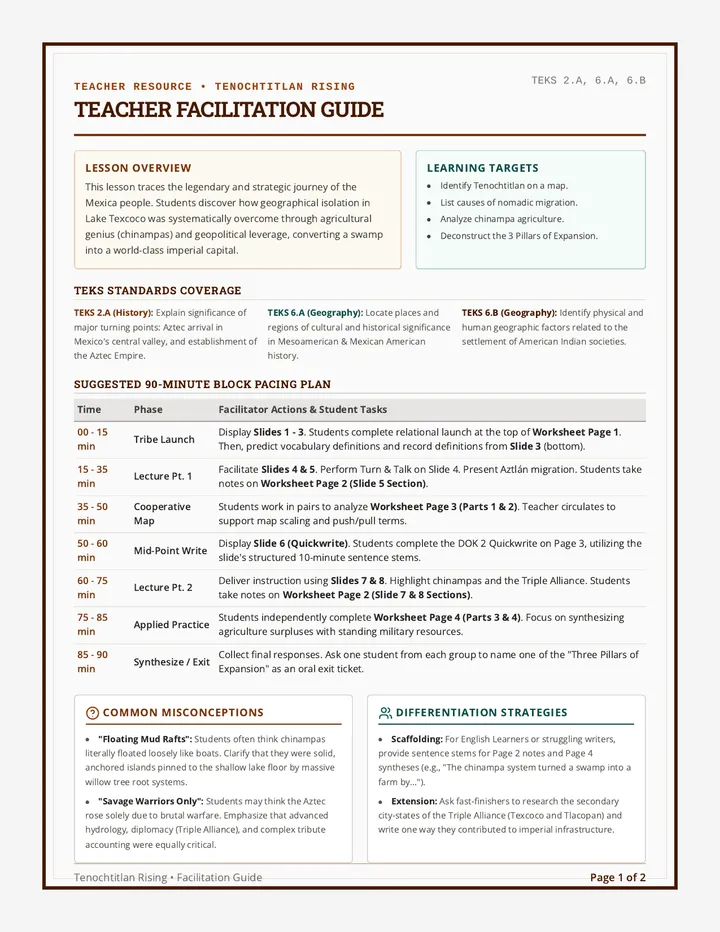
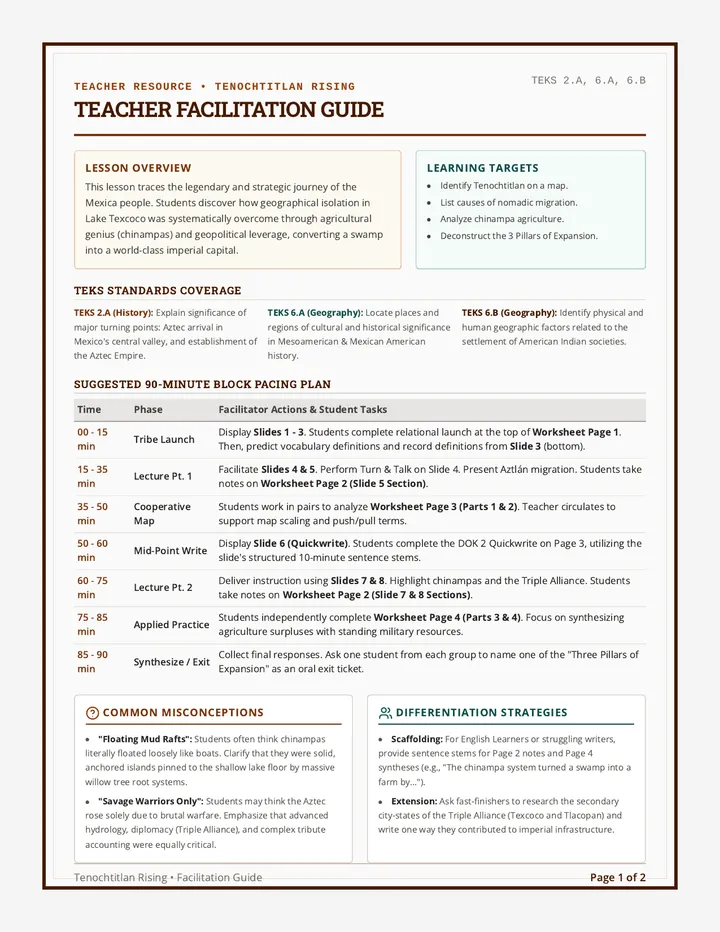
A two-page printable teacher facilitation guide detailing TEKS alignment, a minute-by-minute pacing plan, instructional strategies, common misconceptions, slide facilitation scripts, and a complete worksheet answer key (including the new vocabulary bell ringer page).
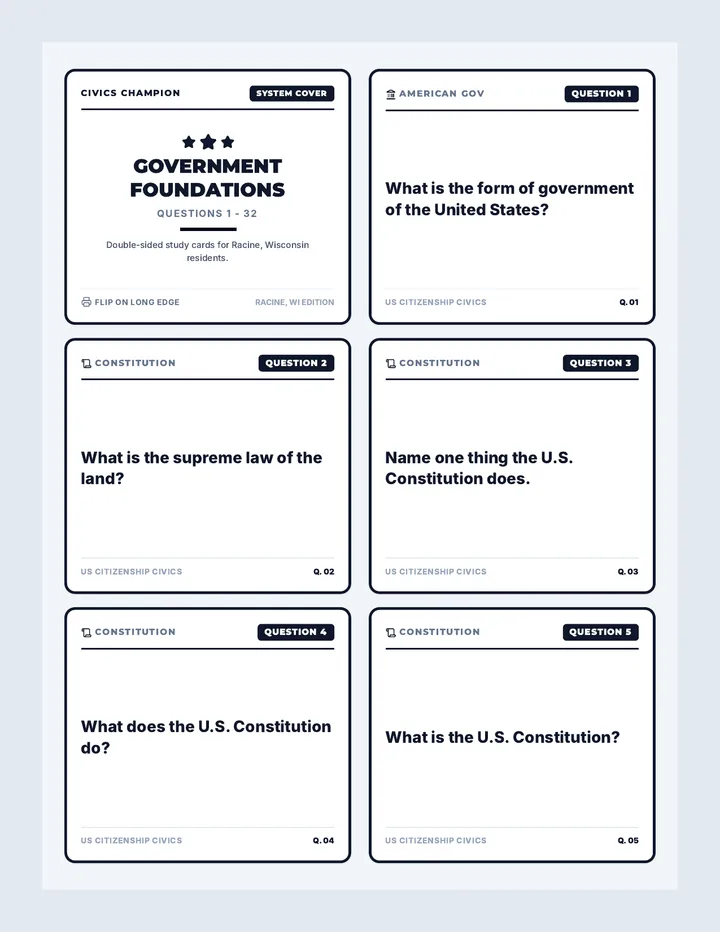
A complete, printable study system of high-contrast, large-print double-sided flashcards covering all 128 questions of the citizenship test, optimized for easy home or classroom printing and maximum readability.
An 8-slide interactive instructional presentation for classroom use. Covers TODAY lesson goals, a shortened 5-word academic vocabulary bell ringer slide, the relational CKH tribe launch, migration from Aztlán, the founding of Tenochtitlan, a 10-minute quickwrite, chinampa agriculture, and the three pillars of imperial expansion. Employs a striking, highly visible Codex design with a 24px minimum font size.
A 20-day dual-purpose review program aligning SAT English Reading and Writing skills with US History first-semester TEKS content. This curriculum covers key historic eras from the Gilded Age through the Great Depression with daily warmups, answers, and strategies.
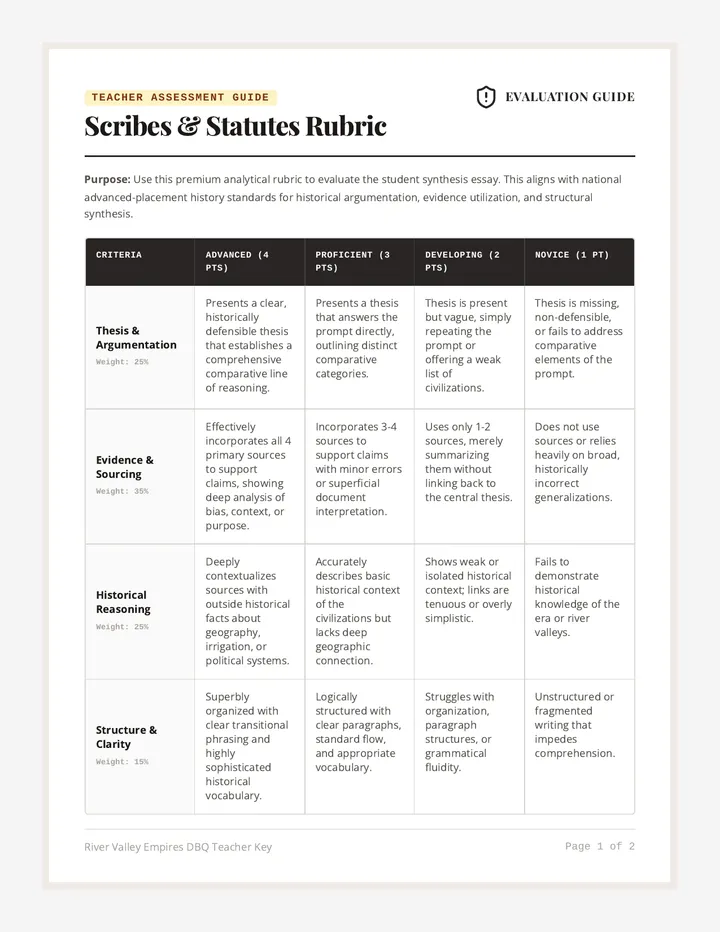
A rigorous primary source investigation featuring a four-document DBQ packet, structured analysis questions, a synthesis writing prompt, and an analytical rubric for teachers.
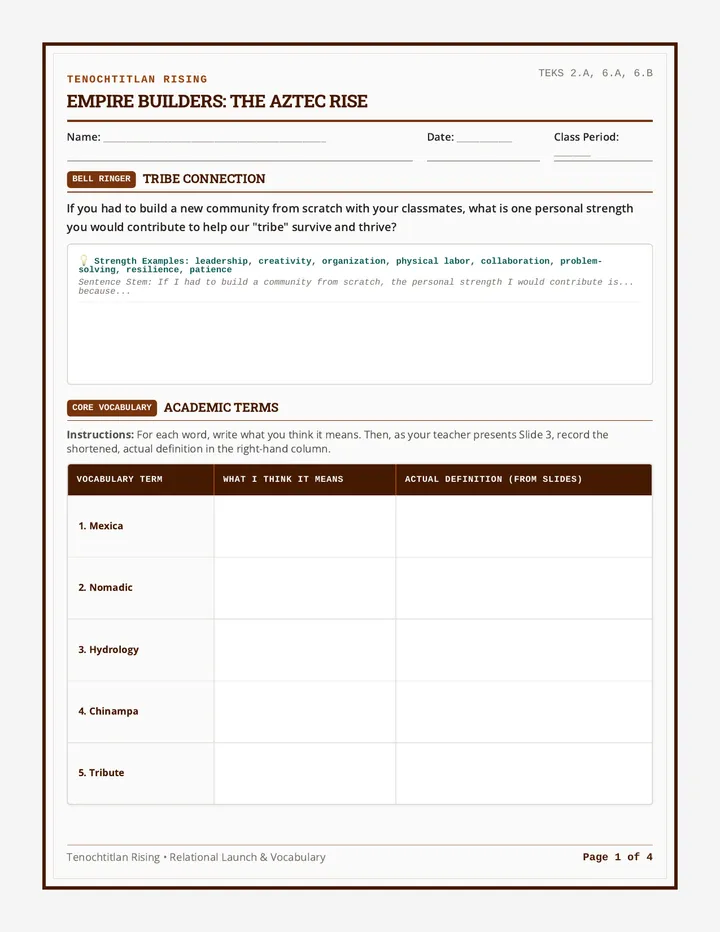
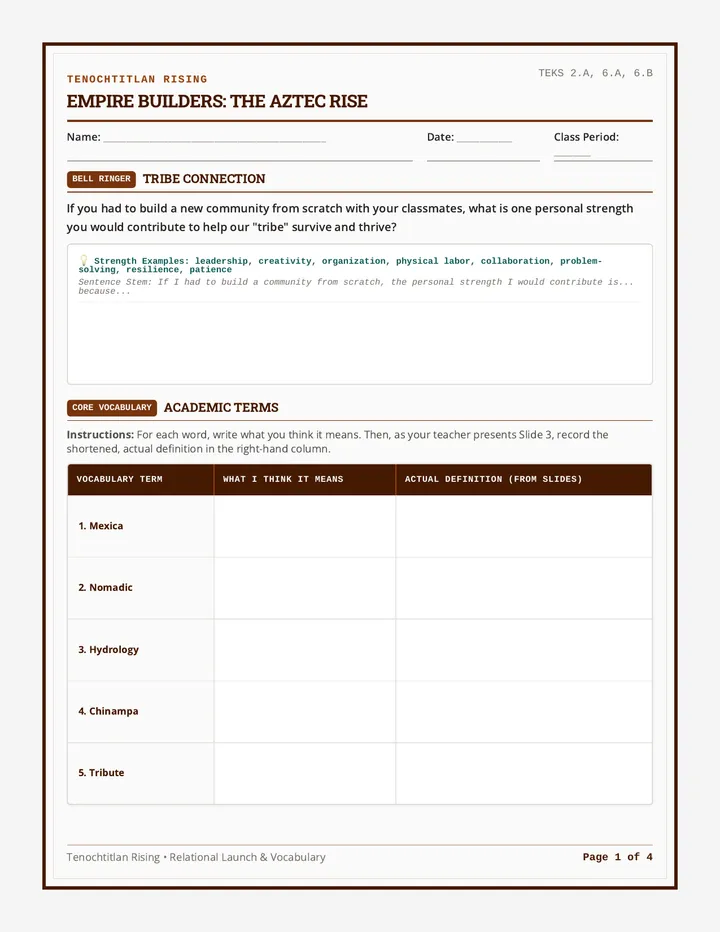
A four-page printable student packet featuring a top-placed relational CKH launch box on Page 1, followed by a larger Vocabulary Bell Ringer table, an interactive slide notes guide on Page 2, a migration graphic organizer and Lake Texcoco map analysis on Page 3, and a chinampa engineering diagram and expansion analysis chart on Page 4. All writing spaces are blank for freehand student input. Designed in an earthy, historical Codex style.
An interactive introductory inquiry exploring the geography, culture, and governance of the Big Four river valley civilizations. Includes visual presentation slides and an aligned student guided notes packet.
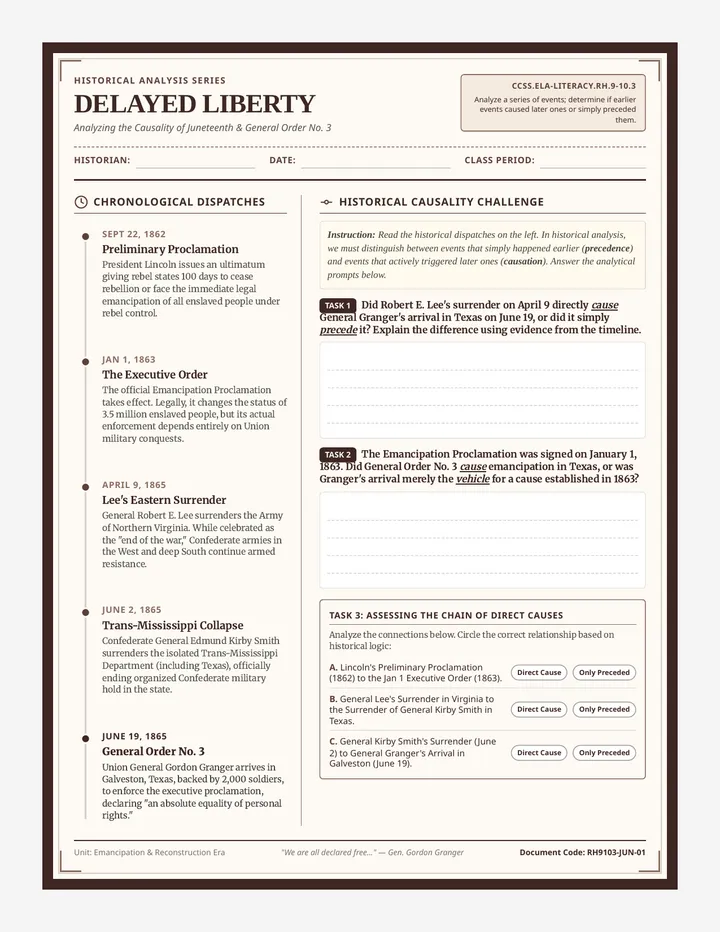
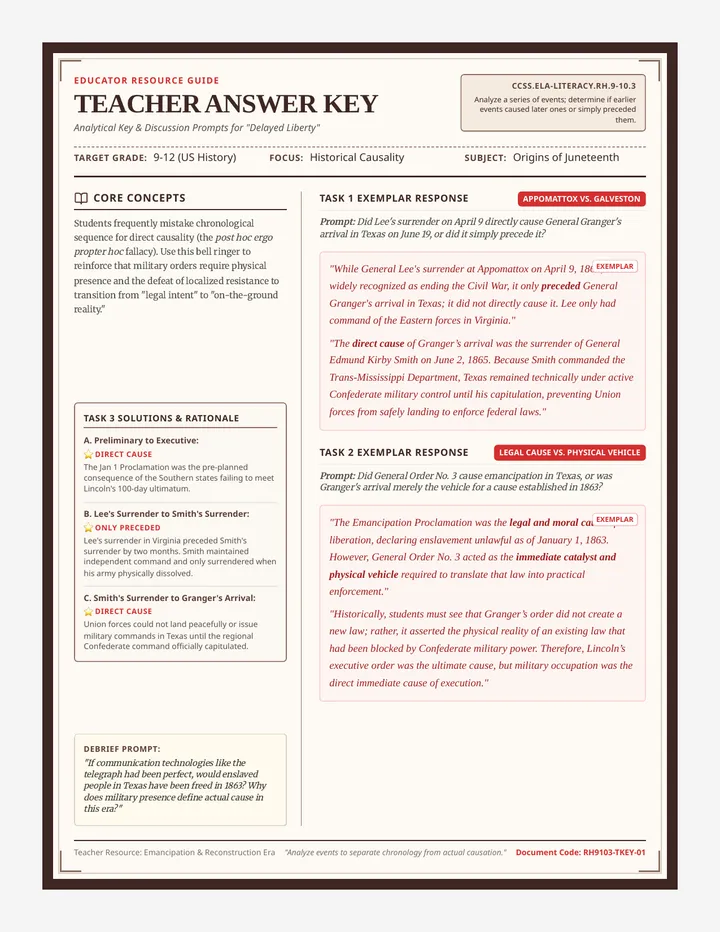
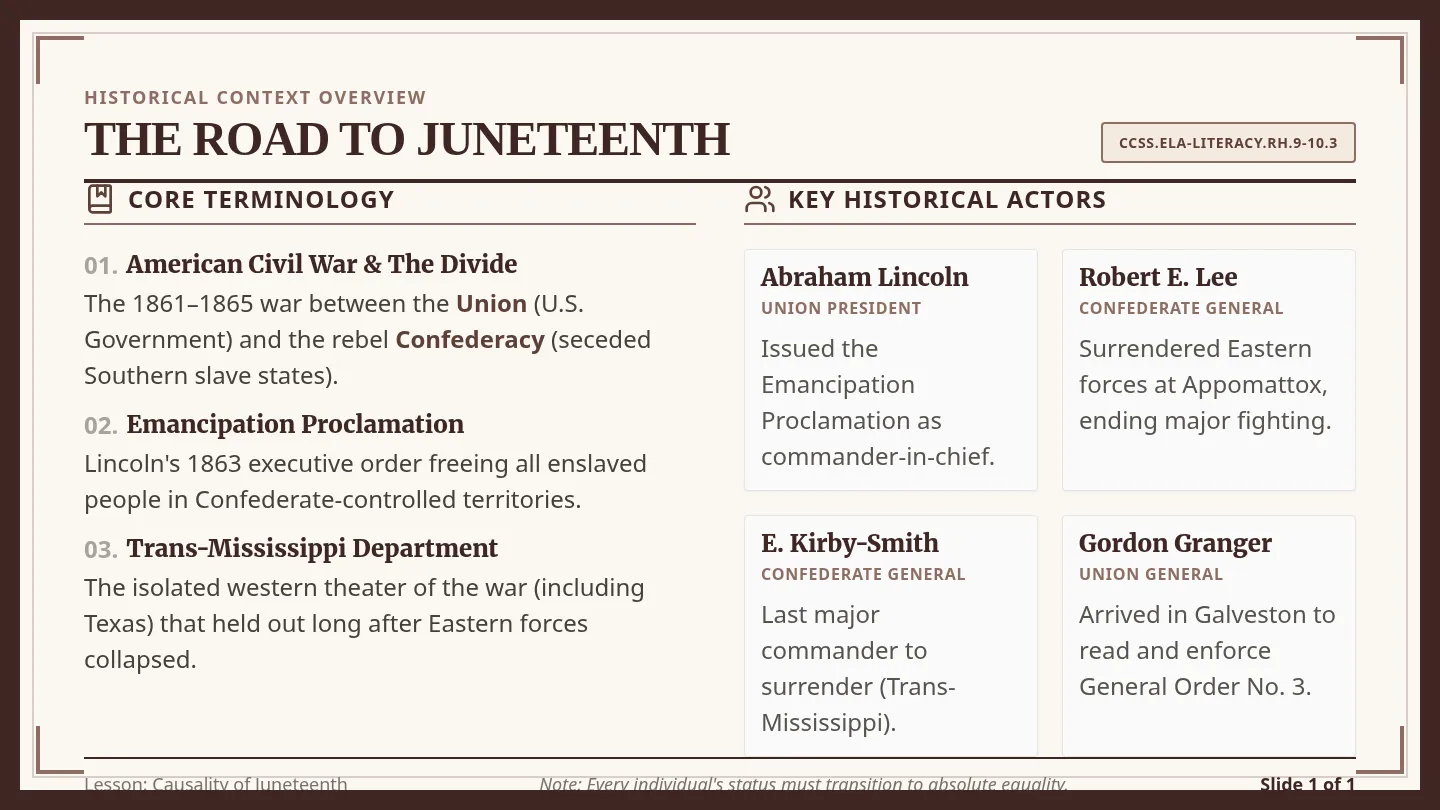
This lesson guides high school history students through analyzing the complex chain of military and executive events leading to General Order No. 3, focusing on distinguishing direct causation from historical precedence under CCSS.ELA-Literacy.RH.9-10.3.