Green Machine Worksheet Green Machine Diagram
Case Study: The Emerald Elysia Sea Slug
Name:
Date:
The Power Word
Chloroplast (klor-uh-plast):
Nature's Solar Tech
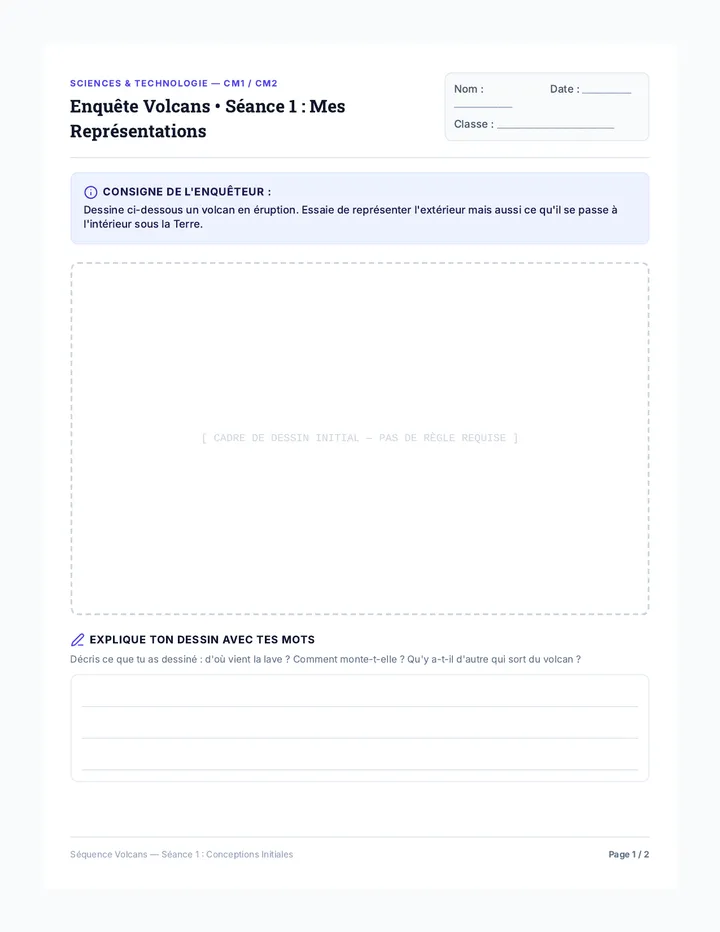
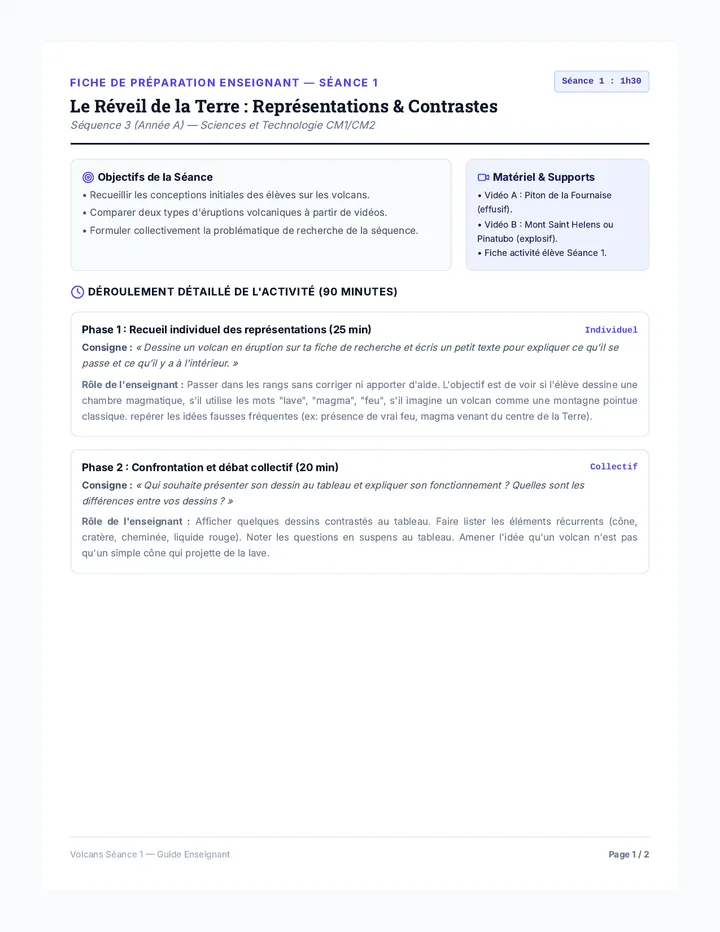
Draw a cell of the Emerald Elysia sea slug. Include the "stolen" chloroplasts and show how they make food!
Drawing Space
Label: "Sun-Powered Food Machines"
Arrows showing SUNLIGHT coming in
Draw tiny green Chloroplasts
Arrows showing FOOD/SUGAR being made
Critical Thinking
1. Why can the sea slug use chloroplasts, but humans can't? What happens to chloroplasts in our stomachs?
2. If an Emerald Elysia lived in a dark cave with no light, what would happen to its "superpower"? Why?
Fun Fact
The Emerald Elysia slug can live for an entire year just on sunlight after its first meal of algae! That's like you eating one salad and not needing lunch until next year!
Solar Slug Slides Solar Slugs
The Animals with Plant Superpowers
Grade 3-4
Science Explorers
The Great Green Mystery
🌿
Leaf
Why is this leaf green?
🧸
Green Gummy Bear
Is this green for the same reason?
One is for eating... one makes its own food!
Video: Solar-Powered Slugs
Watch Carefully
Embedded media
PAUSE @ 2:20
Be ready to define the word: Chloroplast
What is a Chloroplast?
Tiny compartments inside plants that act like sun-powered machines.
They turn SUNLIGHT into FOOD.
The Great Chloroplast Heist
Step 1: Eat
The slug eats algae (plant cousin).
Step 2: Save
It doesn't digest the chloroplasts!
Step 3: Power
It uses those machines to live off light!
Discussion Time
Why can't humans do this?
Think about what happens to spinach in YOUR stomach vs. the sea slug's stomach!
The Power of Adaptation
Digestion vs. Storing Machines
Activity: Green Machine Diagram
1
Draw a large Slug Cell on your page.
2
Add the Stolen Chloroplasts inside!
3
Label them: Sun-Powered Food Machines
Don't Forget Arrows!
☀️ Sunlight in -> 🍭 Food out
The Dark Cave Mystery
If this slug lived in a pitch-black cave, what would happen to its superpower?
No Light
No Food?
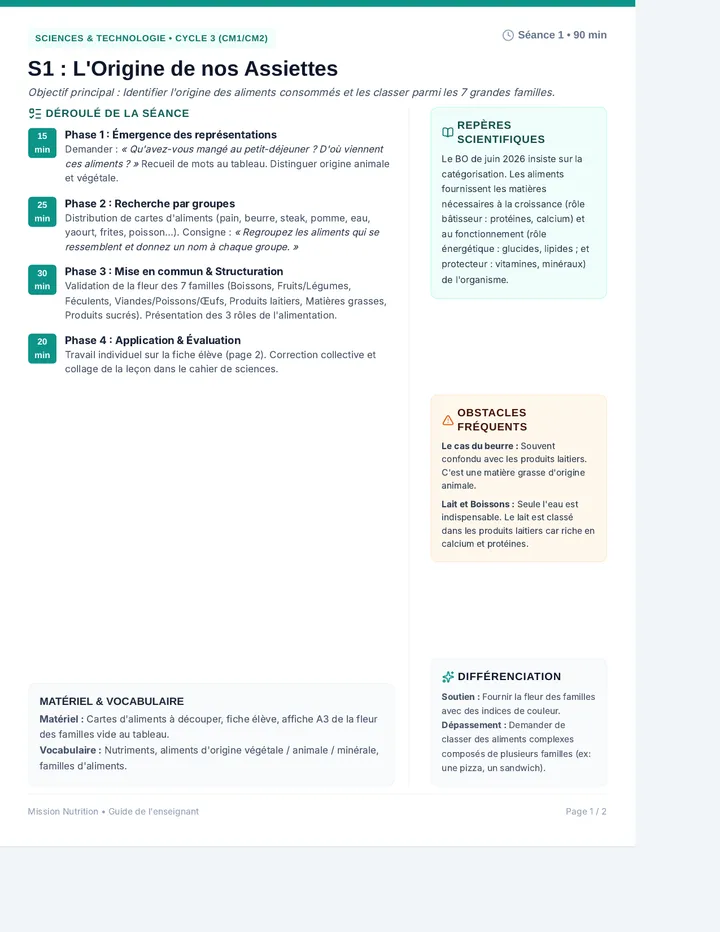
Slug Power Teacher Guide Teacher Guide: Solar Powered Slugs
Grade 3-4 • Life Science • Duration: 45 Minutes
Learning Objectives
Define chloroplasts as cellular compartments that make food.
Explain the role of chloroplasts in photosynthesis (turning light into food).
Identify the unique adaptation of the Emerald Elysia sea slug.
Materials Needed
Slide Deck (Solar Slug Slides)
Student Worksheet (Green Machine Diagram)
Colored pencils (Green, Yellow, Blue)
A real green leaf and a green gummy bear
Lesson Procedure
00-05 min
The Hook: Green Mystery
Show students the green leaf and the gummy bear. Ask: "Why are these both green? Is it for the same reason?" Guide them to the idea that the leaf is green because of something inside it that helps it stay alive, whereas the gummy bear is just dyed.
05-15 min
Video & Vocabulary
Play the video Solar-Powered Slugs . MANDATORY PAUSE at 2:20 . Have students repeat the word "Chloroplast." Ask them to write the definition on their worksheet: "Tiny machines inside plant cells that turn sunlight into food."
15-25 min
Discussion: The Great Heist
Key Questions:
"The slug 'steals' these machines. Why don't we gain superpowers when we eat salad?" (Our stomachs digest them; the slug keeps them intact)."How does looking like a leaf help the slug survive?" (Camouflage while it sits in the sun to 'charge').
25-40 min
Activity: Green Machine Diagram
Students complete the diagram. Circulate to ensure they are drawing the chloroplasts inside the slug cell and labeling the energy flow (Sun → Food).
40-45 min
Extension: The Dark Cave
Discuss the cave scenario. Emphasize that chloroplasts are solar-powered . Without light, the slug cannot make food and must rely on eating more algae or it will eventually starve.
Answer Key
Chloroplast Definition:
"Sun-powered machines inside plant cells that turn light into food." (Accept variations mentioning sun, food-making, and green color).
Critical Thinking 1 (Humans vs Slugs):
Humans digest chloroplasts (break them down into tiny pieces). The sea slug has a special adaptation where it keeps the chloroplasts whole and working inside its body.