Rewards in Real Life Lesson Plan Rewards in Real Life
Lesson Plan
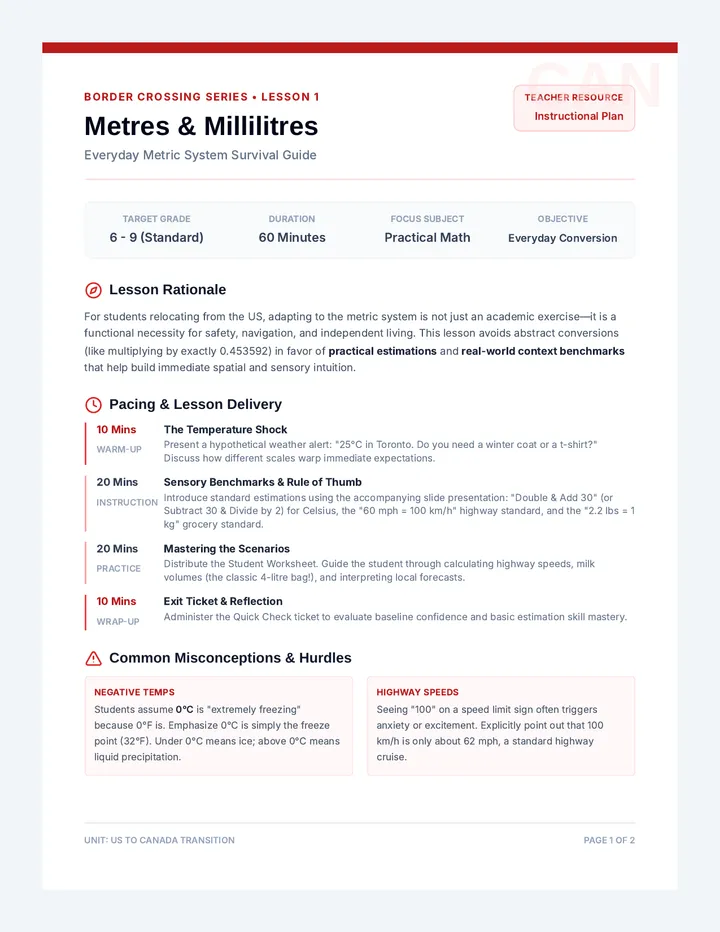
8th Grade
30 Minutes
OBJECTIVE
Students will compare classroom token economies to real-world reward systems, analyze how positive reinforcement motivates behavior, and design their own loyalty program.
THE "WHY"
By connecting classroom systems to familiar programs like airline miles and store loyalty cards, students gain relevance and buy-in, deepen their understanding of positive reinforcement, and see practical applications of behavioral supports.
PREP
• Review Miles, Points, Tokens Slides for definitions.
• Read Airline & Loyalty Case Studies .
• Prep Discussion Guide and Loyalty Program Worksheet .
Time Required
10 Minutes Prep
Lesson Materials
Miles, Points, Tokens Slide Deck
Airline & Loyalty Case Studies Reading
Classroom vs Real Life Discussion Guide
Design a Loyalty Program Worksheet
Instructional Sequence
5 min Warm-up
Introduction & Warm-Up
Pose the question: “Have you ever collected points or miles for rewards? Where and why?”
Invite volunteers to share examples and note them on the board as token systems.
7 min Present
Concept Presentation
Use the Miles, Points, Tokens Slide Deck to define positive reinforcement and token economies.
Highlight earning, saving, and redeeming.
Compare classroom tokens to airline miles and store points.
5 min Talk
Class Discussion
Facilitate conversation using the Discussion Guide.
"How do these systems motivate behavior? What happens if rewards are too hard or too easy?"
5 min Analyze
Case Study Analysis
Distribute Airline & Loyalty Case Studies Reading.
Pairs identify reinforcement schedules (fixed/variable) and share one outcome example with the class.
8 min Design
Design Activity & Reflection
Students complete the Design a Loyalty Program Worksheet.
Challenge students to define name, points, and criteria. Invite 2–3 students to share designs.
Miles Points Tokens Slides Miles, Points,
Tokens
Exploring token-based reinforcement systems in our classroom and the world beyond.
Teacher: Intro today’s topic: daily positive reinforcement.
What Is Positive Reinforcement?
A strategy to increase desired behaviors by adding a reward immediately after they occur.
Strengthens the likelihood of the behavior happening again.
Real Examples:
Genuine Praise
Stickers & Stamps
Extra Play Time
Note: Explain why adding something good makes repeat behavior more likely.
Token Economies in the Classroom
1. Earn
Students earn points, stickers, or tickets for positive behaviors (teamwork, participation).
2. Save
Tokens accumulate in a class “bank” or personal wallet over time.
3. Redeem
Spend tokens for privileges like extra recess or special items.
Note: Describe our specific classroom system: earning, saving, and spending.
Real-World Reward Systems
Airline Miles
Earn miles for flying; redeem for free flights or upgrades.
Store Loyalty Points
Earn points on purchases; use points for discounts or freebies.
Gaming XP & Badges
Earn experience points; unlock levels or special items.
Note: Show parallels—everyone is part of a token economy somewhere!
Key Features of Systems
Earning Criteria
Which specific actions earn tokens?
Accumulation
How do tokens build up over time?
Redemption
What rewards are available and at what cost?
Reinforcement Schedules
Fixed: Predictable rewards.
Variable: Random/Surprise rewards.
Note: Introduce schedules—they'll analyze these in the case studies next.
Airline Loyalty Case Studies Reading Airline Loyalty Case Studies
Analyzing Reinforcement in the Real World
Case Study 01
SkyHigh Airlines: The Milestone Model
Fixed Schedule
SkyHigh Airlines awards a free domestic flight for every 10 paid flights you complete in a calendar year.
Earning Criteria
Every time you fly, you earn one flight credit.
Fixed Schedule
Exactly 10 credits always earns the same reward (a free flight).
Outcome
Customers know exactly how many flights they need. This creates a powerful "end-goal" effect where many people plan extra trips just to reach that 10th flight milestone before the year ends.
Case Study 02
WanderMiles: The Mystery Bonus
Variable Schedule
WanderMiles uses a mystery bonus system. After each flight, you have a chance to earn extra miles—sometimes 100, sometimes 500, and occasionally 1,000.
Earning Criteria
Base miles per flight plus a random bonus draw after landing.
Variable Schedule
Bonuses occur unpredictably; you never know when the big one hits.
Outcome
The unpredictability keeps customers coming back. People often fly more frequently "just in case" the next trip brings a massive point windfall. It's the "jackpot" effect.
Discussion Questions
01
Which reinforcement schedule does SkyHigh Airlines use? Why is it called "fixed"?
02
How is WanderMiles’ system different? What makes it a "variable" schedule?
03
Which program might encourage people to fly more often, and why?
04
What potential problems occur if a reward is too hard to earn? What if it's too easy?
Classroom vs Real Life Discussion Guide Classroom vs Real Life
Discussion Guide
Teacher Resource
PURPOSE
Help students connect their classroom token economy to real-world reward systems, identify similarities and differences, and evaluate how positive reinforcement shapes behavior.
Discussion Norms
• Listen respectfully and let others finish.
• Back up ideas with examples from the slides.
• Build on others’ ideas & ask questions.
1
Earning & Redemption
Primary Prompts:
How do you earn tokens in our classroom? How do you earn points or miles in a real-world program?
What similarities and differences do you notice?
Look-for: Students identifying that classroom rewards are often behavior-based, while commercial ones are transaction-based.
2
Motivation & Behavior
Primary Prompts:
In which system (classroom or real life) do you feel more motivated to “play the game”? Why?
How does knowing the reward you’ll get (fixed) versus not knowing (variable) change your behavior?
Look-for: Discussion on the "thrill" of variable rewards vs. the "security" of fixed rewards.
3
Pros, Cons & Pitfalls
Primary Prompts:
What are the benefits and downsides of a fixed schedule (SkyHigh)?
What are the benefits and potential problems of a variable schedule (WanderMiles)?
Look-for: Mention of predictability, frustration with hard-to-reach goals, or the risk of "gambling" behavior in variable systems.
FOLLOW-UP
• Can a reward system ever backfire?
• How might you tweak a system to make it fairer?
• Which system would you choose for our class?
WRAP-UP
Ask each student to write one sentence: “The biggest lesson I learned today about reward systems is __________.”
Design a Loyalty Program Worksheet Design a Loyalty Program
Activity
Create your own reward system using behavioral science. Think about earning criteria, reinforcement schedules, and fun yet fair redemption options.
Student Name
Date
1. Program Name
2. Earning Criteria
What actions earn points? (Ex: Help a friend = 5 pts)
3. Points & Schedule
Points Schedule Type
Fixed
Variable
How do points build up? Any bonuses?
4. Redemption Options
Reward Name Cost Description
|
|
|
|
|
|
|
|
|
|
5. Reflection Questions
How is your loyalty program similar to or different from our classroom token economy?
Why did you choose your specific reinforcement schedule (fixed or variable)?
What is one "pitfall" (problem) that could happen with your system, and how would you fix it?
The Rewards Club © 2026 Behavioral Science Division