Lenny.com
Explore
Create
ActivitiesNewMathEnglish Language ArtsScience & EngineeringSocial StudiesGlobal LanguagesHealth & Physical EducationSpecial EducationCounseling & Life SkillsArts & CreativityESL
Lenny.com
Lenny.com
Explore
Create
ActivitiesNewMathEnglish Language ArtsScience & EngineeringSocial StudiesGlobal LanguagesHealth & Physical EducationSpecial EducationCounseling & Life SkillsArts & CreativityESL
Lenny.com
Lenny.com

Solutions

Lenny for EducatorsLenny for SchoolsLenny for Districts

Product

ExploreSign inCreateSupportAbout

Resources

Getting startedMTSS Acceleration Program

Newsletters

School Funding Newsletter

© 2026 Lenny Learning Inc.

TermsPrivacyAccessibility
LinkedInInstagramX
Lenny
Science & EngineeringLife ScienceLiving ThingsAnimalsPlantsBody SystemsTraitsAdaptationsCellsEcosystemsHeredityGenes to TraitsCell DivisionPhysicsComparing MaterialsShapes and PropertiesMagnetsMagnetismLightSoundLight and SoundMatterStates of MatterChanges of StateMixturesPhysical and Chemical ChangeHeating and CoolingHeat and Thermal EnergyEnergyForce and MotionElectrical CircuitsAtoms and MoleculesPeriodic TableMotion in One DimensionMotion in Two DimensionsScalars and VectorsForces and Laws of MotionCircular Motion and GravityMomentum and ImpulseWork, Energy, and PowerWavesElectromagnetic WavesGeometric OpticsElectricity and MagnetismSimple Harmonic MotionThermodynamicsNuclear PhysicsEarth Science & AstronomyWeatherWater CycleRocks and MineralsFossilsEarth's FeaturesEarth's ResourcesEarth's StructureWeather and ClimateEarth EventsFossils and Geologic TimePlate TectonicsHuman ImpactsAstronomyChemistryUnits and MeasurementAtomic StructurePeriodic TrendsChemical BondingNomenclatureMolecular StructureIntermolecular ForcesThe MoleStoichiometryProperties of GasesSolutionsChemical ReactionsBalancing EquationsEnergy ChangesRates of ReactionsEquilibriumAcids and BasesQuantum ModelBiologyClassificationCell StructureThe Chemistry of LifeBiomoleculesCellular TransportCell EnergyCell Growth and DivisionDNAProtein SynthesisMeiosis and Sexual ReproductionPatterns of InheritanceMulticellular OrganismsEvolutionEcologyBiodiversityComputer ScienceAlgorithms and Computational ThinkingProgramming LanguagesComputing SystemsNetworks and InternetData AnalysisCybersecurityAI and Machine LearningSoftware Design and DevelopmentBlockchainEngineering & AIDesigning ExperimentsEngineering PracticesDesign ThinkingEngineering Design ProcessMechanical EngineeringElectrical EngineeringMaterials and StructuresCAD and 3D DesignRoboticsArtificial Intelligence BasicsVibe CodingMachine LearningAI Ethics and SocietySystems ThinkingEntrepreneurship & InnovationEntrepreneurial MindsetBusiness Idea DevelopmentBusiness Plan BasicsMarketing & Customer DiscoveryFinancial Management for Startups

Plate Motion Assessment

A targeted assessment module covering Chapter 3 of the Futura Geohazards Engineer's Dossier, testing student mastery of plate boundary dynamics, earthquake magnitude thresholds, and tsunami generation mechanics.

AAndrea.Golden

Plate Motion Assessment

A targeted assessment module covering Chapter 3 of the Futura Geohazards Engineer's Dossier, testing student mastery of plate boundary dynamics, earthquake magnitude thresholds, and tsunami generation mechanics.

AAndrea.Golden

Grading Note: Accept synonymous descriptions (e.g., "colliding" for convergent, "pulling apart" for divergent, "sliding laterally" for transform). For the reason column, award full credit if student mentions the presence/absence of vertical water displacement.

Futura Geohazards Engineering Internship • Answer Key Page 1 of 2

Chapter 3 Assessment — Answer Key (Continued)

Parts 3 & 4 Rubrics & Model Responses

Part 3: Subduction Diagram Analysis Answers 4 Points Total (2 pts each)

  1. Define subduction and what happens to seafloor crust at the trench:

Model Answer: Subduction is the geological process where one tectonic plate (the denser oceanic plate) moves under another plate into the mantle. At the ocean trench, seafloor crust is destroyed as it gets pushed downward into Earth's interior.

• 1 pt: One plate sinks under another • 1 pt: Crust is destroyed at trench

  1. Explain how built-up pressure creates the tsunami wave:

Model Answer: As plates lock, friction creates immense pressure. An earthquake suddenly releases this pressure, causing a rapid vertical movement of the plate. This snaps the seafloor upward and violently displaces the ocean water column above it, generating the tsunami wave.

• 1 pt: Locked pressure release • 1 pt: Vertical seafloor uplift displacing water column

Part 4: Engineering Case Scenarios Model Answers 8 Points Total

Scenario A: Transform Fault Offshore (Mw 7.4) — Low Tsunami Risk 3 Points

Model Answer: Although the magnitude exceeds 7.0 under the ocean, transform boundaries slide sideways (horizontally). Horizontal motion does not raise or lower the seafloor or displace the water column vertically. Without vertical water displacement, an ocean-wide tsunami is very unlikely.

Scoring: 1 pt for horizontal plate motion • 1 pt for lack of vertical seafloor shift • 1 pt for no vertical water displacement.

Scenario B: Subduction Zone Event (Mw 6.1) — No Ocean-Wide Warning 3 Points

Model Answer: While subduction zones have the proper vertical motion, Chapter 3 notes an earthquake must have a magnitude larger than 7.0 to release sufficient energy for a tsunami. At magnitude 6.1, shaking is strong but the energy released is insufficient to generate an ocean-wide wave.

Scoring: 1 pt for Mw < 7.0 threshold • 1 pt for insufficient energy released • 1 pt for recognizing boundary type alone is not enough.

Scenario C: Divergent Boundary Behavior 2 Points

Model Answer: According to Chapter 3 (p. 9), divergent earthquakes typically do not cause tsunamis because: (1) they are not strong enough, and (2) they do not generate enough vertical shift in the seafloor.

Scoring: 1 pt for earthquakes not strong enough • 1 pt for insufficient vertical seafloor shift.

Performance Bands:

Advanced: 23–25 pts (92–100%) Proficient: 18–22 pts (72–88%) Developing: 14–17 pts (56–68%) Novice: < 14 pts

Futura Geohazards Engineering Internship • Answer Key Page 2 of 2
You might also like

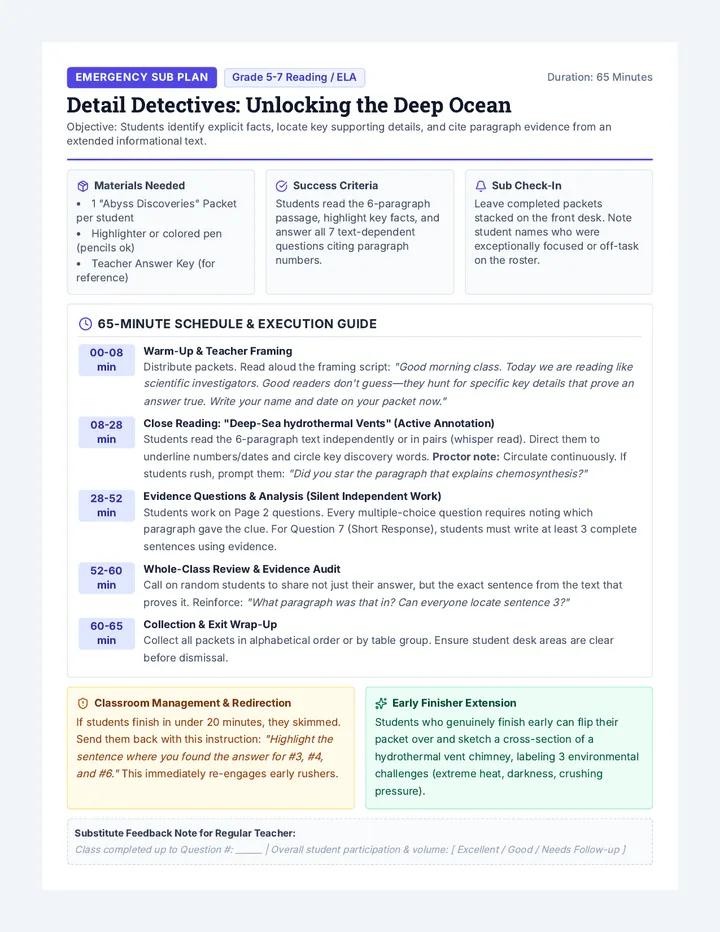
Detail Detectives Sub Plan

Sub Ready Reading

A comprehensive emergency substitute curriculum spanning core reading strategies, earth science weather systems, and middle school mathematics on ratios and rates. Features step-by-step substitute plans, student passages and worksheets with extensive practice problems, and full answer keys.

CP

Christian Page

16
Volcano Viscosity Reading Worksheet

Volcano Viscosity

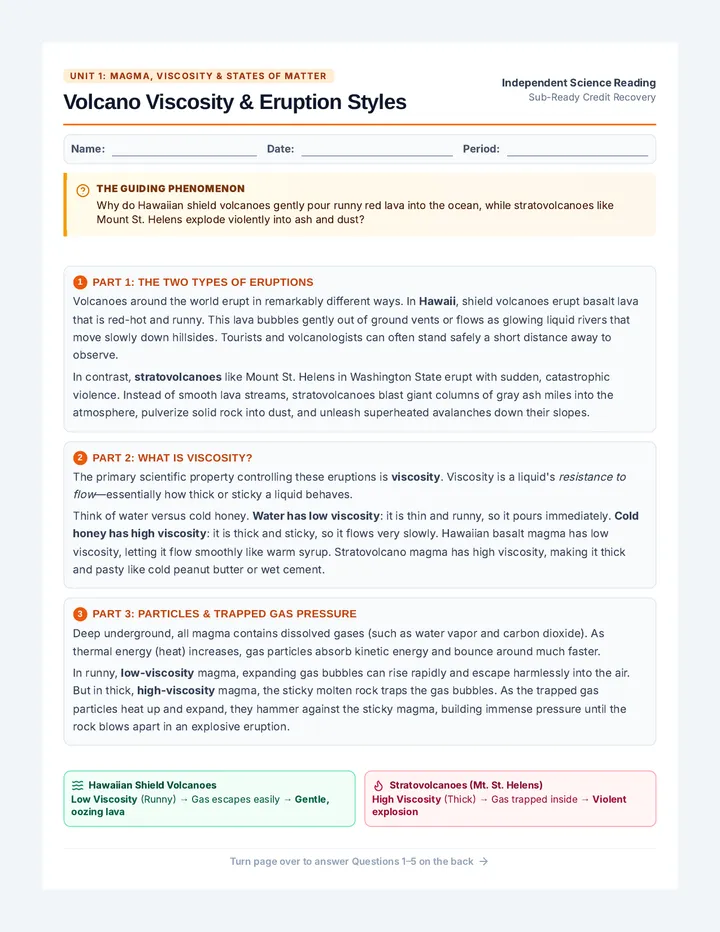
A middle-school science lesson exploring magma viscosity, particle motion, and volcanic eruption styles through reading analysis, CER writing, and conceptual modeling.

MH

Meagan Hudson

2
Force Pairs Anchor Chart

Force Pairs Anchor Chart

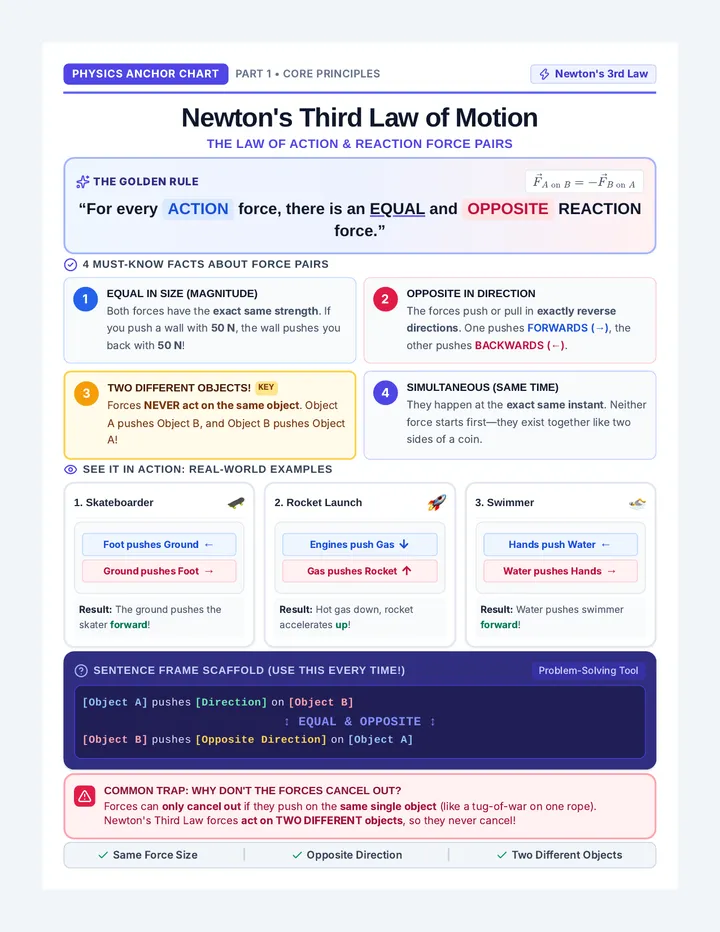
A two-page high-contrast anchor chart for special education physics students covering Newton's Third Law of Motion. Page 1 presents the core definition, four essential rules, foundational examples, and sentence frame scaffolds; Page 2 introduces deeper visual models including the mass-acceleration paradox, balanced forces vs. force pairs, walking friction, and the 3-step 'Flip-It' identification strategy.

KW

Kevin Wells

Cell Detectives Slides

Cell Explorers

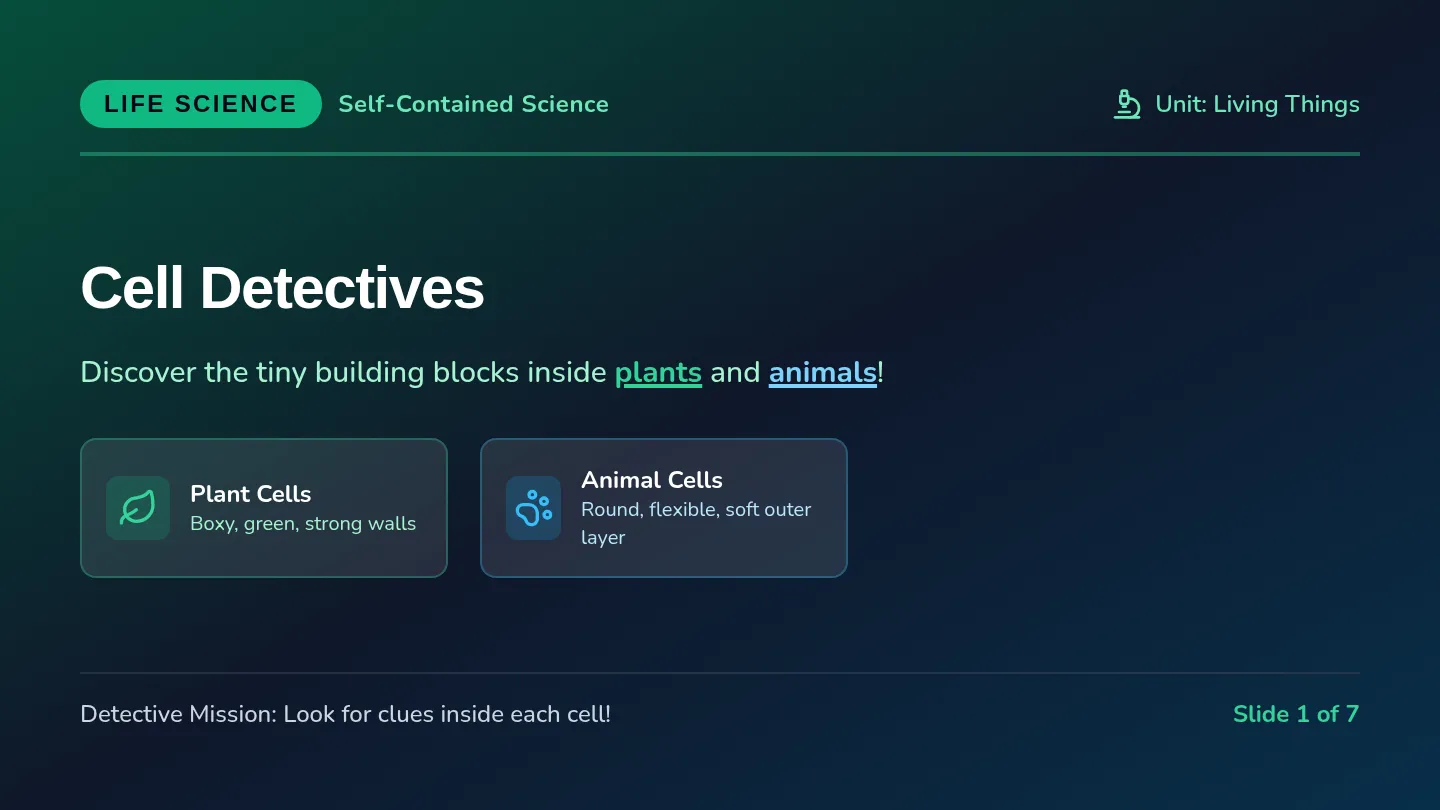
A foundational life science unit for self-contained learners exploring the microscopic world of cells, organelle jobs, and how specialized cells work in teams to build living things.

CF

Carissa Fenner

8
Plant Food Slides

Plant Food Power

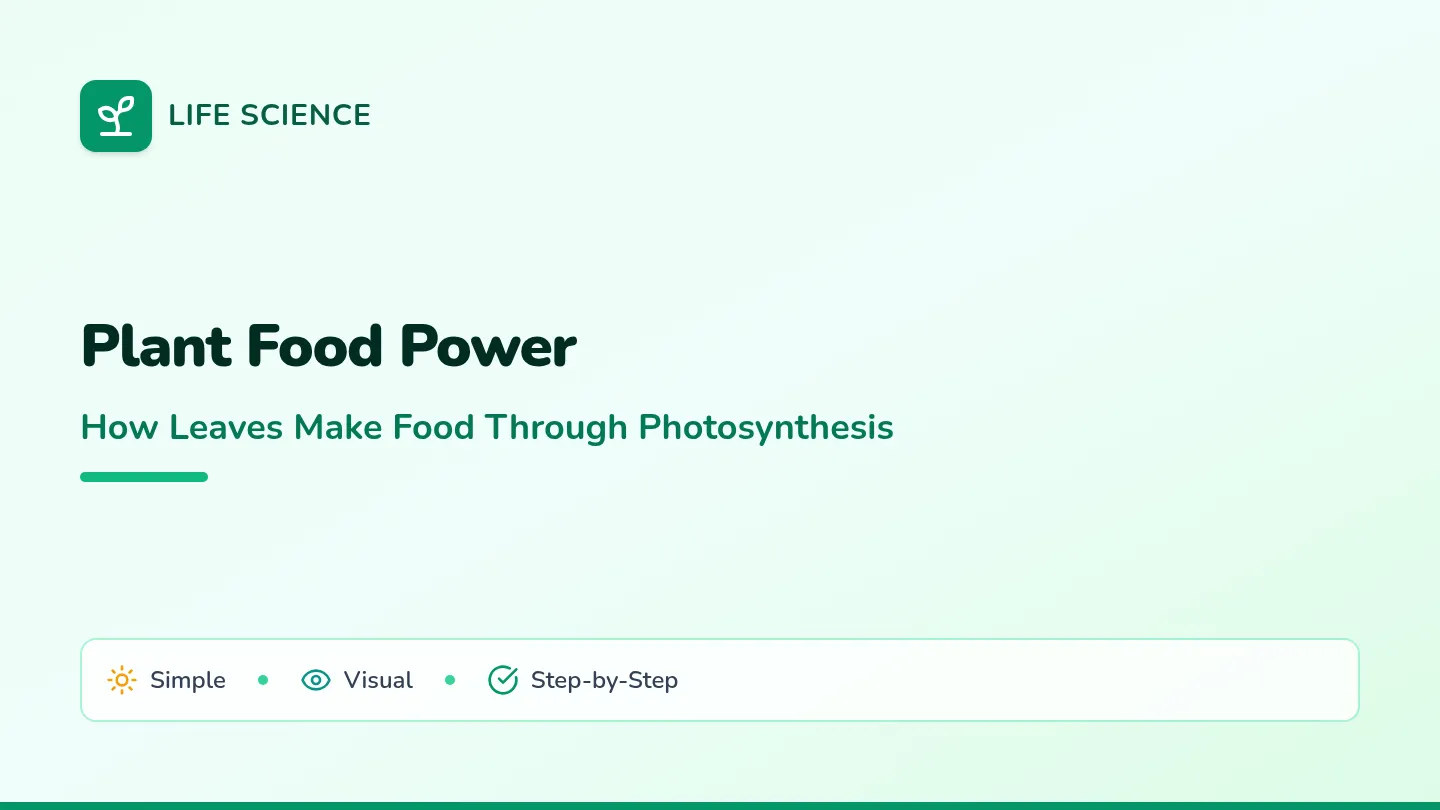
A clear, concise, and accessible lesson introducing the fundamentals of photosynthesis, tailored for special education with high-clarity visuals and scaffolded guided notes.

BS

Baylee Snell

4
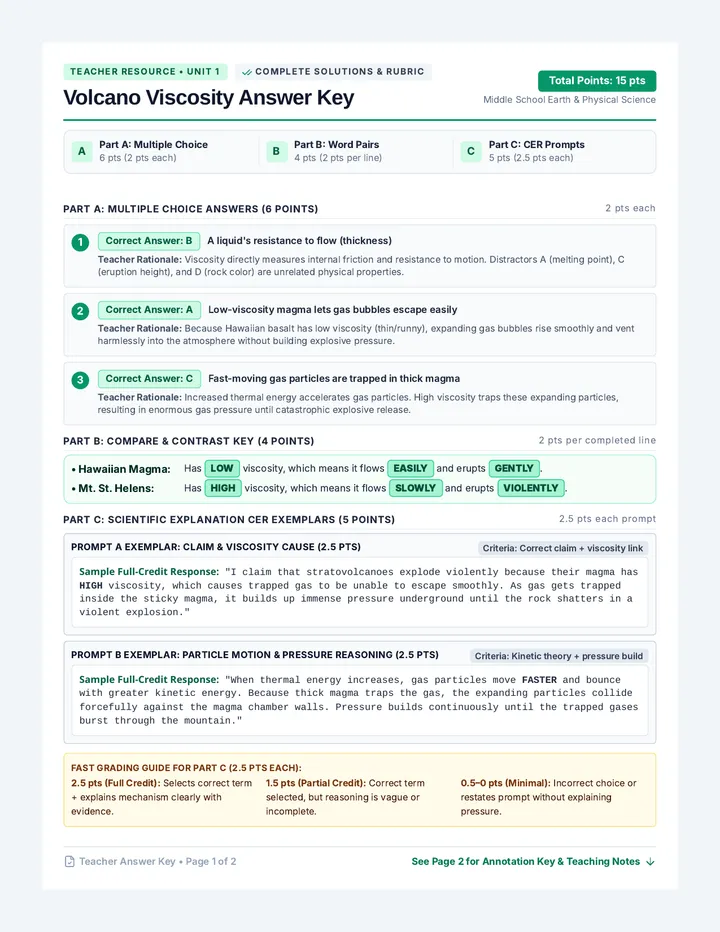
Volcano Viscosity Answer Key

Volcano Viscosity Answer Key

A comprehensive 2-page teacher answer key and scoring guide for the Volcano Viscosity reading worksheet, featuring complete question solutions, CER exemplars, scoring rubrics, annotated text passages, and misconception notes.

MH

Meagan Hudson

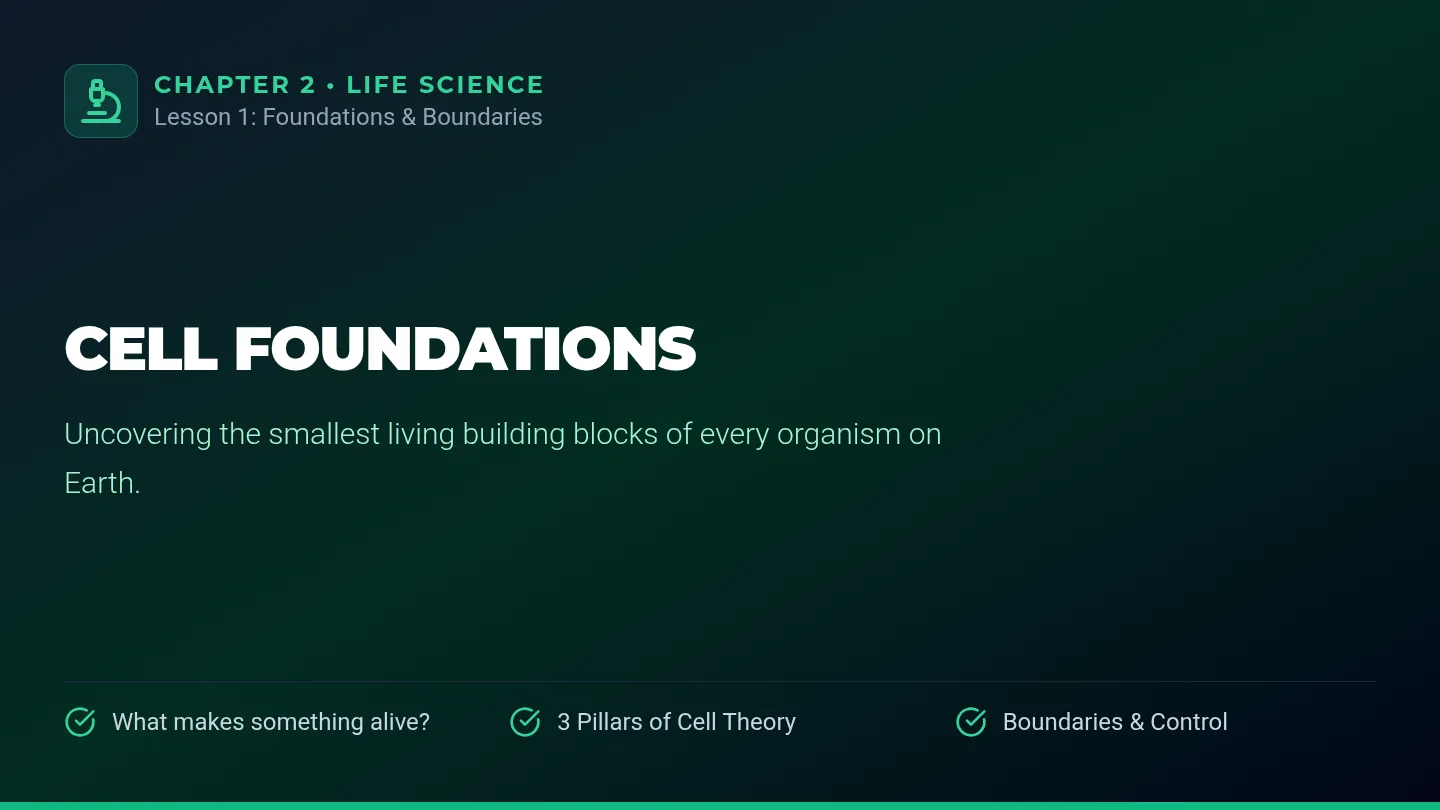
Cell Foundations Slides

Cell City Quest

A two-part life science sequence exploring cell theory, cellular architecture, and organelle functions through the lens of a bustling microscopic city. Students progress from fundamental cell characteristics to intricate organelle operations across two interactive class sessions.

CP

Carmen Pavlovsky

7
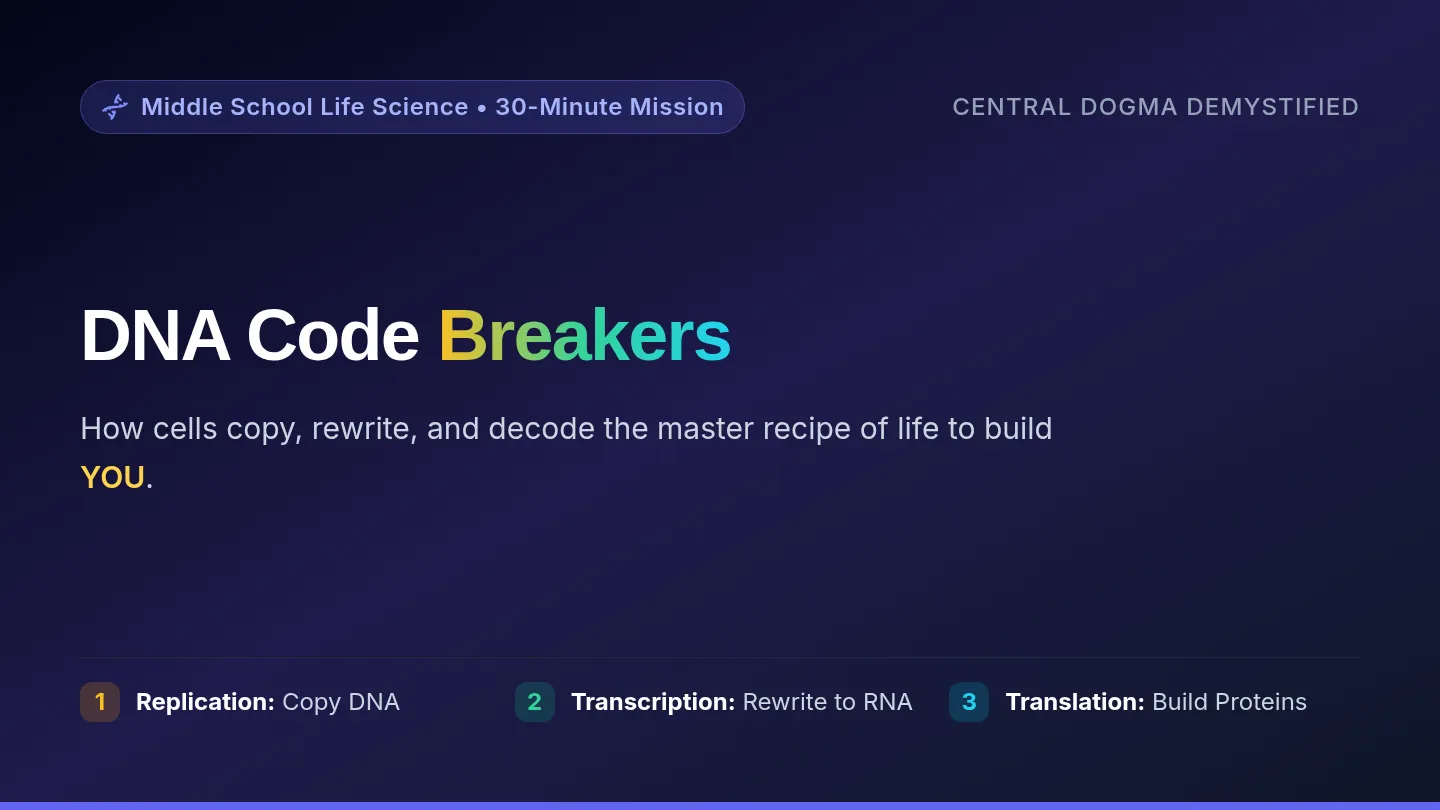
Code Breakers Slides

DNA Code Breakers

A high-energy 30-minute life science lesson that simplifies DNA replication, transcription, and translation using relatable cookbook and code-breaking analogies. Students master how genetic instructions flow from master DNA to messenger RNA to functional protein traits.

TM

Teri Minami

3
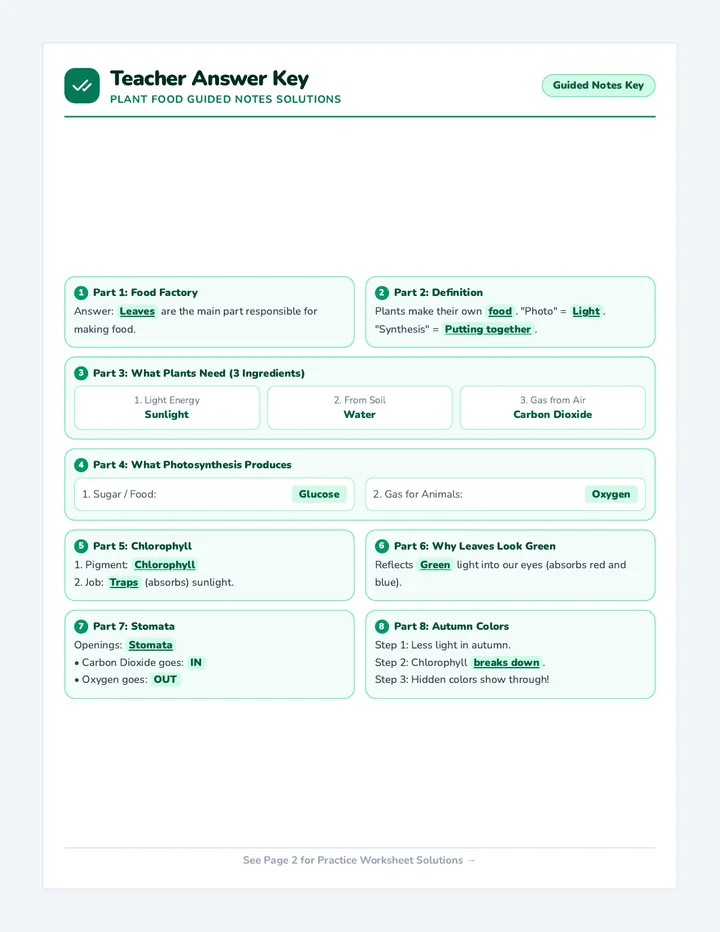
Plant Food Answer Key

Plant Food Answer Key

A complete, 2-page teacher answer key providing clear solutions for both the guided notes and the practice worksheet with bold answer callouts.

BS

Baylee Snell

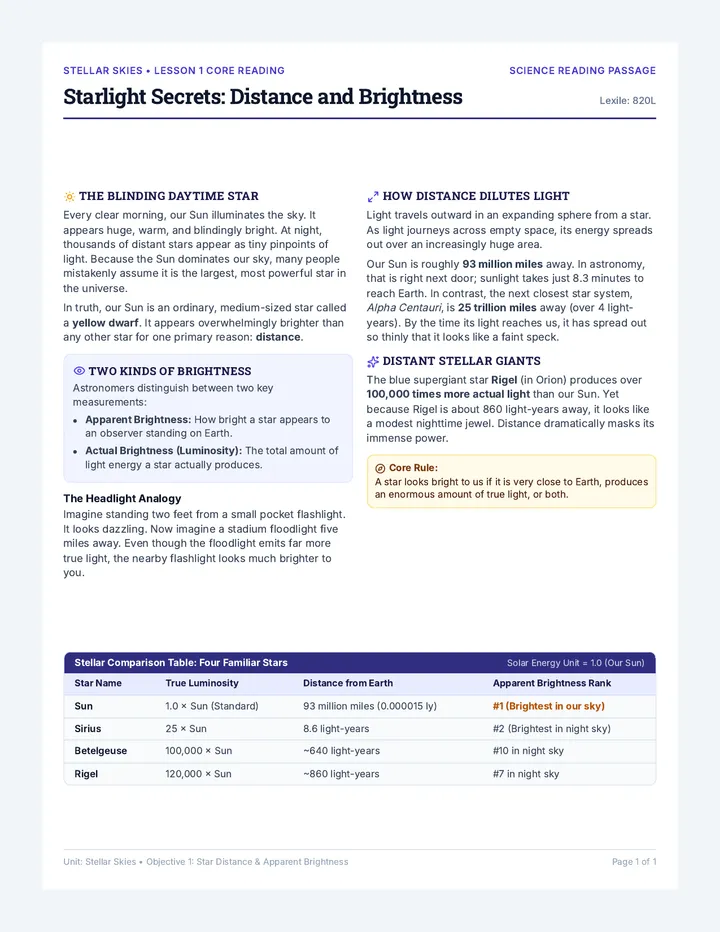
Starlight Secrets Reading Passage

Stellar Skies

A two-lesson science sequence investigating star brightness, apparent versus absolute luminosity, nightly sky rotation, and yearly seasonal constellations.

DB

Danny Brooks

8
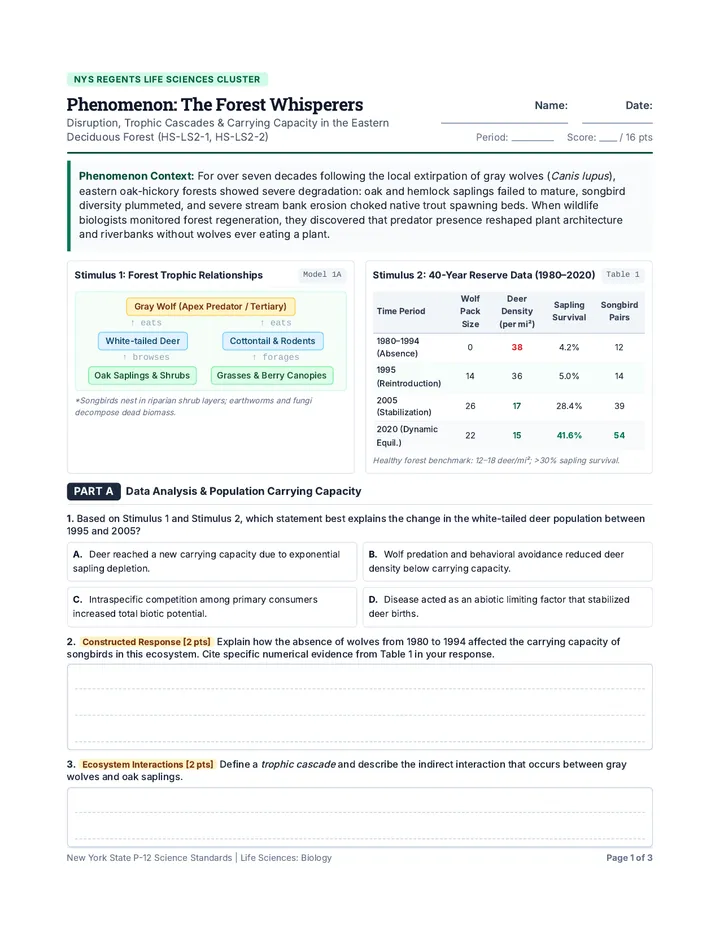
Trophic Cascade Regents Worksheet

Keystone Cascade

Students investigate trophic cascades, energy flow, and ecosystem resilience using an authentic NYSSLS Regents-style phenomenon cluster based on eastern forest predator-prey dynamics and nutrient cycling.

CC

Caitlin Corr

2
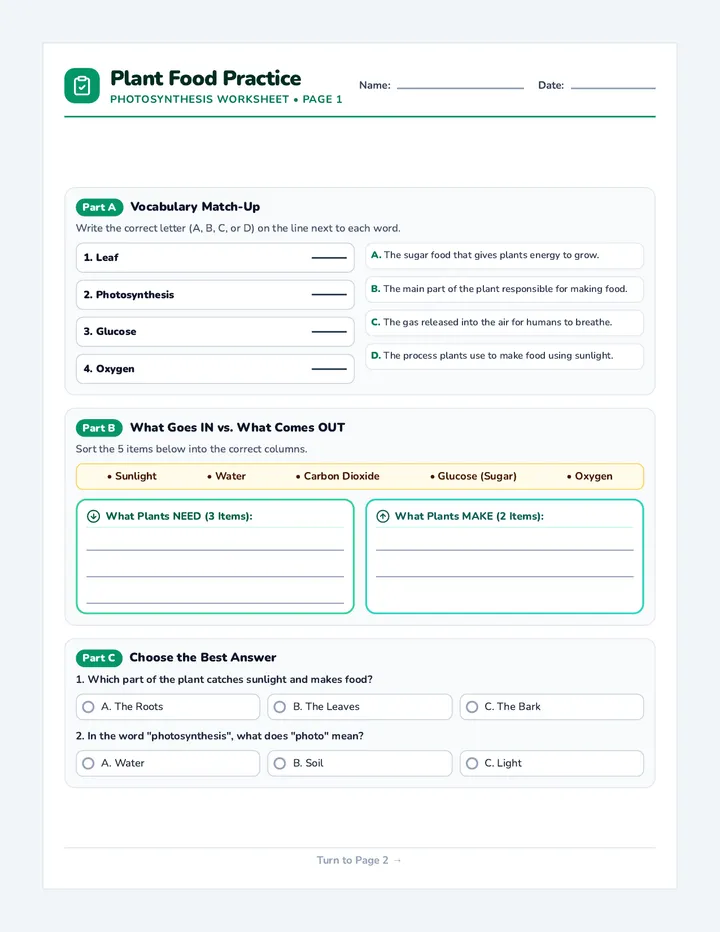
Plant Food Worksheet

Plant Food Worksheet

An accessible, 2-page special education friendly practice worksheet reviewing the eight core concepts of photosynthesis through matching, visual sorting, multiple choice, and true/false checks.

BS

Baylee Snell