Mission to Mars Teacher Guide Mission to Mars
Teacher Lesson Guide • Grades 3-4
Duration: 50 Min
Learning Objective
Students will compare Earth and Mars and outline the journey by creating a 3-panel travel brochure based on scientific facts about orbital mechanics, space weather, and atmospheric entry.
Materials Needed
"Mars Video Notes" worksheet (1 per student)
"Mission to Mars Brochure" template (1 per student)
Colored pencils, markers, and scissors
SciShow Kids Video: How Will We Get To Mars?
Lesson Roadmap
1
The Hook: Pack Your Bags! (5 min)
Tell students: "We are going on a trip to Mars. It will take 9 months. You only have one backpack. What are 3 things you MUST bring?" Let them share with neighbors. Point out that space travel is like a very long camping trip with no stores!
2
Discovery: Video & Notes (15 min)
Watch the SciShow Kids video. Have students use the Video Notes sheet to capture key data.
Teaching Moments:
1:18 (Orbit): Pause. Why can't we aim where Mars is *now*? (Aim where it *will be*).3:45 (Lead Apron): Why does weight matter? (Heavy rockets need too much fuel).5:15 (Heat Shield): Have students rub hands together fast to feel friction heat.
3
Creation: Mission Brochure (20 min)
Students use their notes to complete the brochure. Emphasize that brochures should be persuasive—they are trying to "sell" this trip to future astronauts!
Launch Windows
Radiation Gear
Landing Tech
Blue Sunsets
4
Closing: Space Vote (10 min)
Students share brochures in pairs. Conduct a class vote: Who would take the trip?
MARS New Frontiers
EARTH Home Sweet Home
Mission to Mars Presentation Slides How Will We Get To Mars?
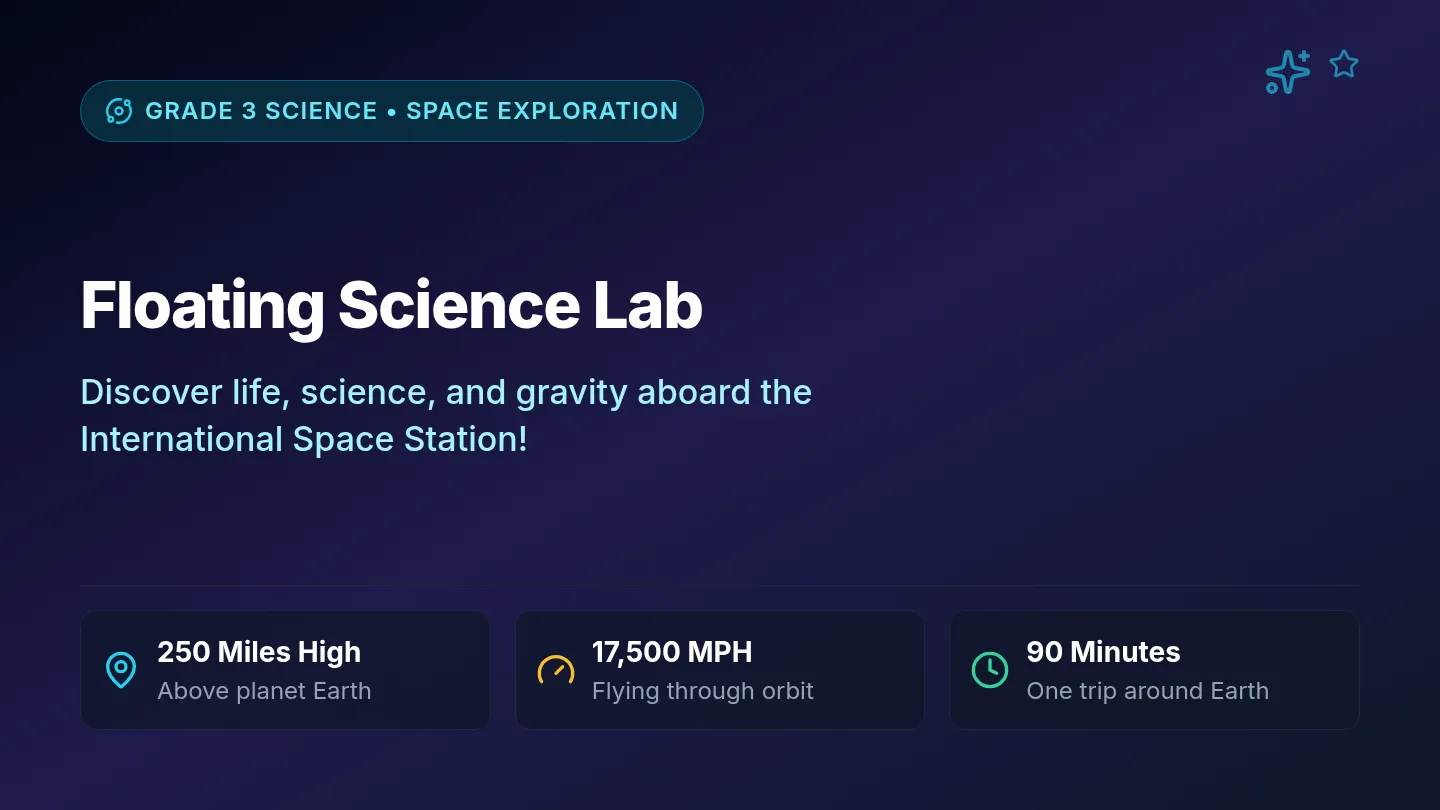
Planning the ultimate journey across the solar system.
Mission Briefing Video
Embedded media
The Challenge
Distance Problem
Mars and Earth are moving at different speeds. They are only in the "perfect spot" for a trip every 26 months .
The Trip Duration
Getting to Mars takes about 7 to 9 months . That's a long time to be inside a spaceship!
"Launch Windows"
"It's not as simple as hopping aboard a rocket ship."
Space Weather
Solar Wind
Tiny particles spit out by the sun. They can create dangerous Solar Storms .
Radiation
Like the X-rays at the dentist. Astronauts need special protection to stay healthy.
The Engineer's Dilemma
LEAD is too heavy for rockets. Weight = More Fuel.
Ships might need a STORM SHELTER room inside.
The Heat Shield
Smooshing Air!
Entering Mars' atmosphere at high speed creates massive friction . It gets hot enough to melt metal!
How to slow down:
Heat Shield (Melts away)
Parachutes
Sky Crane
10,000+ MPH
Your Mission:
Travel Brochure
DUE TODAY
When to Leave
Launch Windows
What to Wear
Radiation Gear
How to Land
Heat Shields
Sights to See
Blue Sunsets!
"It'll all be worth it when the first astronauts hop around!"
Mars Explorer Video Notes Worksheet Explorer Video Notes
Mission: Mars Exploration Tracking
Astronaut Name:
Launch Date:
THE JOURNEY
How long does a trip to Mars take?
Why can't we launch a rocket whenever we want?
Vocabulary Alert!
Launch Window
These only happen every ____________ months. It's when the planets are in the perfect spot to travel!
SPACE WEATHER & PROTECTION
Solar Wind Definition:
What happens during a "solar burp"?
Why can't we wrap the ship in a Lead Apron like at the dentist?
What is a solution for protecting astronauts?
THE LANDING CHALLENGE
What is a Heat Shield?
List 3 ways engineers slow down a ship on Mars:
1
2
3
Observation notes for the Museum of Science Galactic Archives
Mission to Mars Brochure Template Student Work When to Leave
Earth & Mars Alignment:
Draw the "Launch Window" Orbits here!
Explain why we have to wait 26 months for the next trip:
Home vs. Mars
Atmosphere
(How is the air different?)
Protection
(How does Earth protect us vs. Mars?)
Produced by:
Interplanetary Travel Agency
Galactic Travel
MISSION TO MARS
9 Month Journey!
"The Greatest Adventure of Your Lifetime"
Your Name Here:
Page 1: Brochure Outside (Fold Left, then Right)
Sights to See
Draw Olympus Mons Here!
Olympus Mons
The solar system's biggest volcano!
Draw a Blue Sunset Here!
Blue Sunsets
Mars sunsets look different than Earth's!
What to Wear
Radiation Protection:
Draw your Space Suit / Storm Shelter Gear!
Space has dangerous "weather" called Solar Wind . Astronauts need:
How to Land
Atmospheric Entry
When you hit the air fast, it gets hot! You need a Heat Shield .
Draw the Heat Shield & Friction here!
Safe Landing Plan:
How will you slow down? Parachutes? Sky Crane? Describe your plan!
Page 2: Brochure Inside (Content Panels)
Mars Mission Facts Reference Sheet Mission Facts Reference
Quick Guide for Brochure Designers
ASTRONAUT RESOURCE
The Timeline
Travel Time: 7 to 9 months.Launch Windows: Only open every 26 months.Reason: Planets orbit at different speeds. We wait for the "closest" point.
Space Weather
Solar Wind: Particles shot out by the sun.Dangers: Solar storms can make humans sick.Gear: Lead is too heavy! Ships need special light materials or a "storm shelter."
How to Land
The Heat Shield: Protects the ship from "smooshing" air (friction). It gets red hot!Slowing Down: Use Parachutes, Retro-Rockets, and the Sky Crane.Airbags: Good for robots, too rough for people!
Sightseeing
Olympus Mons: The biggest volcano in the solar system.Blue Sunsets: Dust in the air makes sunsets look blue instead of orange!The Color: Mars looks reddish-brown due to rusty dust.
Mission Vocabulary
Orbit
Circling around the sun or a planet.
Atmosphere
The layer of gas/air surrounding a planet.
Radiation
Tiny particles that can be harmful to humans in space.
Feature Earth Mars Atmosphere Thick & Breathable Thin (Mostly CO2) Protection Strong Magnetic Field Little Protection from Space Sunsets Orange / Red Blue