Lenny.com
Explore
Create
ActivitiesNewMathEnglish Language ArtsScience & EngineeringSocial StudiesGlobal LanguagesHealth & Physical EducationSpecial EducationCounseling & Life SkillsArts & CreativityESL
Lenny.com
Lenny.com
Explore
Create
ActivitiesNewMathEnglish Language ArtsScience & EngineeringSocial StudiesGlobal LanguagesHealth & Physical EducationSpecial EducationCounseling & Life SkillsArts & CreativityESL
Lenny.com
Lenny.com

Solutions

Lenny for EducatorsLenny for SchoolsLenny for Districts

Product

ExploreSign inCreateSupportAbout

Resources

Getting startedMTSS Acceleration Program

© 2026 Lenny Learning Inc.

TermsPrivacyAccessibility
LinkedInInstagramX
Lenny
Science & EngineeringLife ScienceLiving ThingsAnimalsPlantsBody SystemsTraitsAdaptationsCellsEcosystemsHeredityGenes to TraitsCell DivisionPhysicsComparing MaterialsShapes and PropertiesMagnetsMagnetismLightSoundLight and SoundMatterStates of MatterChanges of StateMixturesPhysical and Chemical ChangeHeating and CoolingHeat and Thermal EnergyEnergyForce and MotionElectrical CircuitsAtoms and MoleculesPeriodic TableMotion in One DimensionMotion in Two DimensionsScalars and VectorsForces and Laws of MotionCircular Motion and GravityMomentum and ImpulseWork, Energy, and PowerWavesElectromagnetic WavesGeometric OpticsElectricity and MagnetismSimple Harmonic MotionThermodynamicsNuclear PhysicsEarth Science & AstronomyWeatherWater CycleRocks and MineralsFossilsEarth's FeaturesEarth's ResourcesEarth's StructureWeather and ClimateEarth EventsFossils and Geologic TimePlate TectonicsHuman ImpactsAstronomyChemistryUnits and MeasurementAtomic StructurePeriodic TrendsChemical BondingNomenclatureMolecular StructureIntermolecular ForcesThe MoleStoichiometryProperties of GasesSolutionsChemical ReactionsBalancing EquationsEnergy ChangesRates of ReactionsEquilibriumAcids and BasesQuantum ModelBiologyClassificationCell StructureThe Chemistry of LifeBiomoleculesCellular TransportCell EnergyCell Growth and DivisionDNAProtein SynthesisMeiosis and Sexual ReproductionPatterns of InheritanceMulticellular OrganismsEvolutionEcologyBiodiversityComputer ScienceAlgorithms and Computational ThinkingProgramming LanguagesComputing SystemsNetworks and InternetData AnalysisCybersecurityAI and Machine LearningSoftware Design and DevelopmentBlockchainEngineering & AIDesigning ExperimentsEngineering PracticesDesign ThinkingEngineering Design ProcessMechanical EngineeringElectrical EngineeringMaterials and StructuresCAD and 3D DesignRoboticsArtificial Intelligence BasicsVibe CodingMachine LearningAI Ethics and SocietySystems ThinkingEntrepreneurship & InnovationEntrepreneurial MindsetBusiness Idea DevelopmentBusiness Plan BasicsMarketing & Customer DiscoveryFinancial Management for Startups

Keystone Species Review

A targeted 4th-grade review lesson for Magnetic Literacy Unit 1 on keystone species, food webs, and informational text structures. Students review core academic vocabulary, examine ecological cause-and-effect relationships through real-world case studies, and complete assessment-aligned practice questions.

ACAnne Castillo

Case Studies & Reading Comprehension Skills

Unit 1 Dossier

The Three Core Case Studies to Know for the Test

Case 1: Sea Otters (Pacific Coast Kelp Forests)

Predator Keystone

The Balance: Sea otters dive and eat spiny sea urchins. Because urchins are kept in check, giant kelp grows into underwater forests that provide nursery habitats for fish, crabs, and harbor seals.

If Otters Disappear: Urchins multiply rapidly, devouring kelp roots ("urchin barrens"). Fish and marine life lose their homes and leave.

Case 2: Gray Wolves (Yellowstone National Park)

Apex Predator Reintroduction

The Story: Wolves were eliminated by the 1920s. Overpopulated elk overgrazed willow and aspen trees along rivers. In 1995, wolves were brought back.

The Result: Wolves forced elk to move. Trees regrew along riverbanks. Beavers returned to build dams, songbirds nested, and tree roots stopped soil erosion, stabilizing the rivers!

Case 3: Black-Tailed Prairie Dogs (Great Plains)

Ecosystem Engineer

Their Impact: Their burrow systems aerate compacted soil, allowing rainwater to soak deep into the earth. Abandoned burrows provide homes for burrowing owls, rattlesnakes, and endangered black-footed ferrets.

Reading Skill: Cause and Effect Informational Text Structure

Authors of science texts explain why things happen (Cause) and what happens as a result (Effect). Often, one effect triggers another in a chain reaction!

Signal Words to Spot: because • as a result • consequently • therefore • led to • caused by • since • due to

How to Answer on the Test: 1. Underline the trigger event.
2. Find the direct result in the passage.
3. Quote exact text evidence!

Top 3 Test-Taking Strategies for Unit 1

  • 1. Reread with Purpose: When a question mentions an animal (e.g., elk or sea urchin), scan back to locate that exact keyword in the text.
  • 2. Use Context Clues for Unfamiliar Words: Read the sentence before and after bold vocabulary to determine its exact meaning.
  • 3. Answer in Complete Sentences: For written responses, restate the question, state your claim, cite one direct sentence of evidence, and explain how it proves your point!

Magnetic Literacy Grade 4 Review • Unit 1 Page 2 of 2 • Keep in your binder to study!

[2] As water pools behind the dams, new marsh ecosystems spring to life. Slow-moving water allows sediments and nutrient-rich soil to settle, filtering drinking water for downstream communities. Submerged logs and still pools provide nesting habitat for ducks, feeding grounds for moose, and safe nurseries for baby trout and frogs. Without beaver dams, fast water rushes past, eroding stream banks and leaving dry gullies.

[3] Because a single beaver colony creates shelter, water, and food for dozens of other living organisms, ecologists classify beavers as keystone species. When beavers were heavily trapped for their fur in the 1800s, millions of wetland habitats dried up and vanished. Today, scientists actively relocate beavers to restore degraded watersheds and protect biodiversity against droughts.

8. According to paragraph 2, what is one direct effect of water pooling behind a beaver dam?

A.Fast water quickly cuts through the riverbanks and erodes dry gullies.

B.Nutrients and sediments settle, filtering cleaner water for downstream communities.

C.Baby trout and frogs are forced to leave because the water becomes too warm.

D.Beavers lose their orange teeth from gnawing too much birch wood.

9. Written Response: Why is the North American beaver classified as a keystone species?

4 Points

In your response: (1) State your claim, (2) Cite at least TWO specific details or quotes from the text, and (3) Explain how beavers support biodiversity.

Self-Check: Did I capitalize sentences, write neatly, and cite evidence?

Ready to Review

Magnetic Literacy Unit 1 Review • Keystone Species Page 2 of 2 • End of Worksheet

"Slow-moving water allows sediments and nutrient-rich soil to settle, filtering drinking water for downstream communities."

Question 9 Constructed Response: 4-Point Scoring Rubric

Magnetic Reading Evidence Standards

4 Points (Exemplar)

Clear claim, 2+ cited textual facts, thorough explanation of how beavers support biodiversity.

3 Points (Proficient)

States claim, cites 1-2 facts, but explanation of biodiversity is brief or partial.

2 Points (Approaching)

Answers that beavers build dams but lacks specific quotes or textual evidence.

1 Point (Emerging)

Incomplete sentence, inaccurate claim, or does not address the prompt.

Full-Credit Student Exemplar (Score: 4/4) R.A.C.E. Strategy Model

"The North American beaver is classified as a keystone species because its dam-building creates entire wetland habitats that support many other organisms. According to paragraph 2, beaver dams create calm pools where 'submerged logs and still pools provide nesting habitat for ducks, feeding grounds for moose, and safe nurseries for baby trout and frogs.' Additionally, paragraph 3 states that 'a single beaver colony creates shelter, water, and food for dozens of other living organisms.' Without beavers, these wetlands dry up and other species lose their habitat, which proves beavers hold the whole ecosystem together."

Targeted Reteaching Strategies Before the Assessment

  • Struggling with "Why Keystone?": Use the Jenga tower or stone arch visual. Removing regular blocks keeps the tower standing, but removing the bottom/keystone block collapses everything.
  • Struggling with Text Evidence: Have students use a highlighter to physically color-code the prompt keyword in the text before writing their answer.
  • ELL / SPED Accommodation: Provide sentence frames: "The beaver is a keystone species because ___. In the text, it says ___."

Magnetic Literacy Unit 1 Review • Teacher Scoring Guide Page 2 of 2 • End of Guide
You might also like

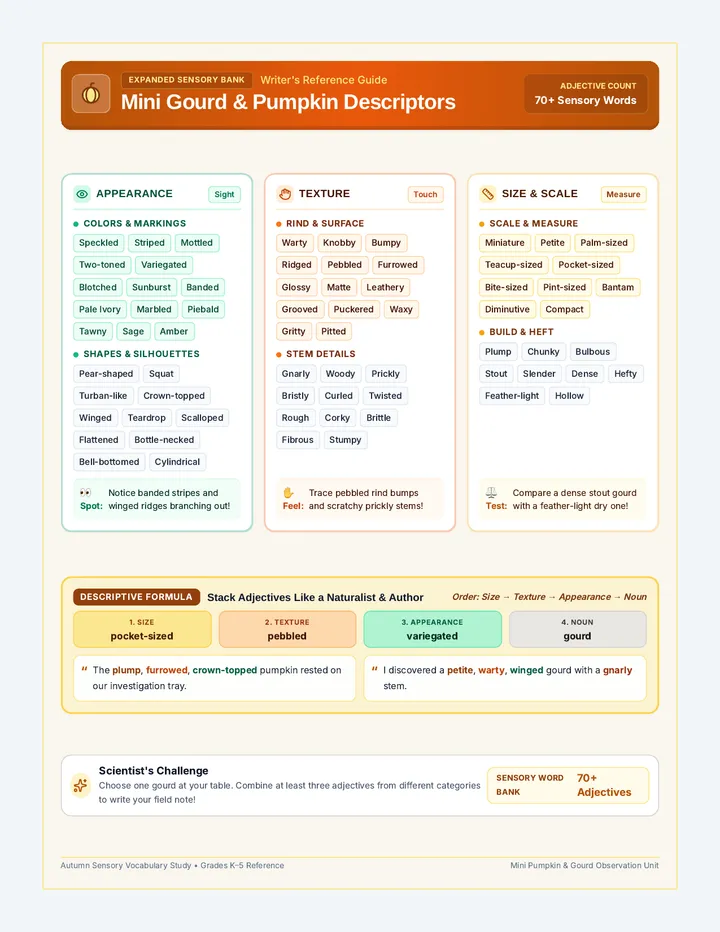
Gourd Descriptors Anchor Chart

Seasonal Detectives

An elementary inquiry unit exploring temporal concepts, natural cycles, seasonal changes, and sensory observations of the natural world.

VD

Victoria Dinjian

4
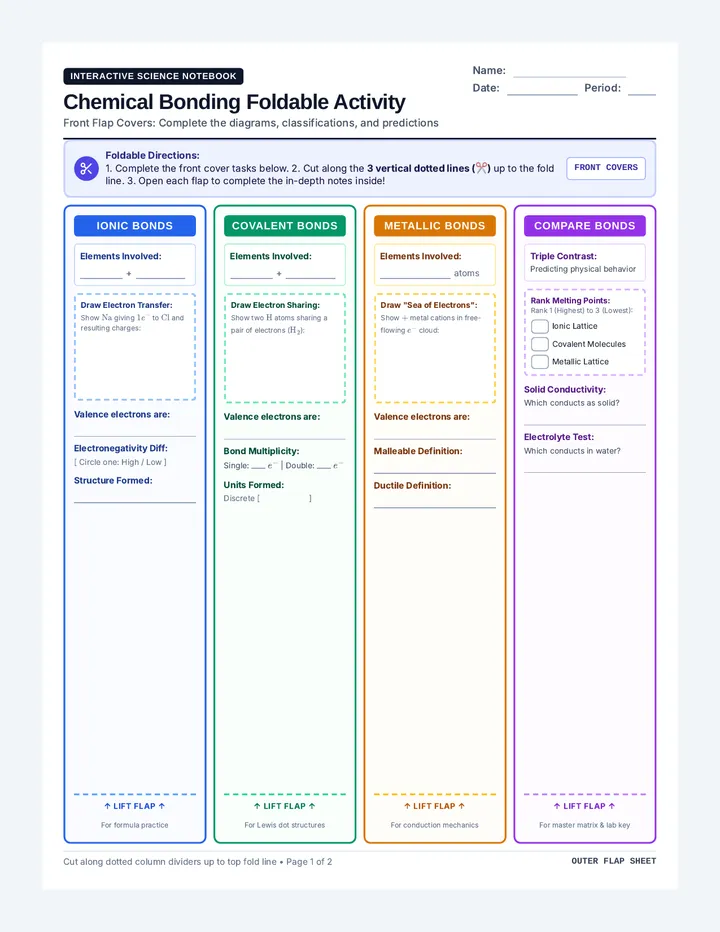
Chemical Bonding Foldable Activity

Chemical Bonding

A foundational chemistry lesson exploring ionic, covalent, and metallic bonding through interactive modeling, detailed reference notes, and comparative property analysis.

OM

Olutoyin Makinde

2
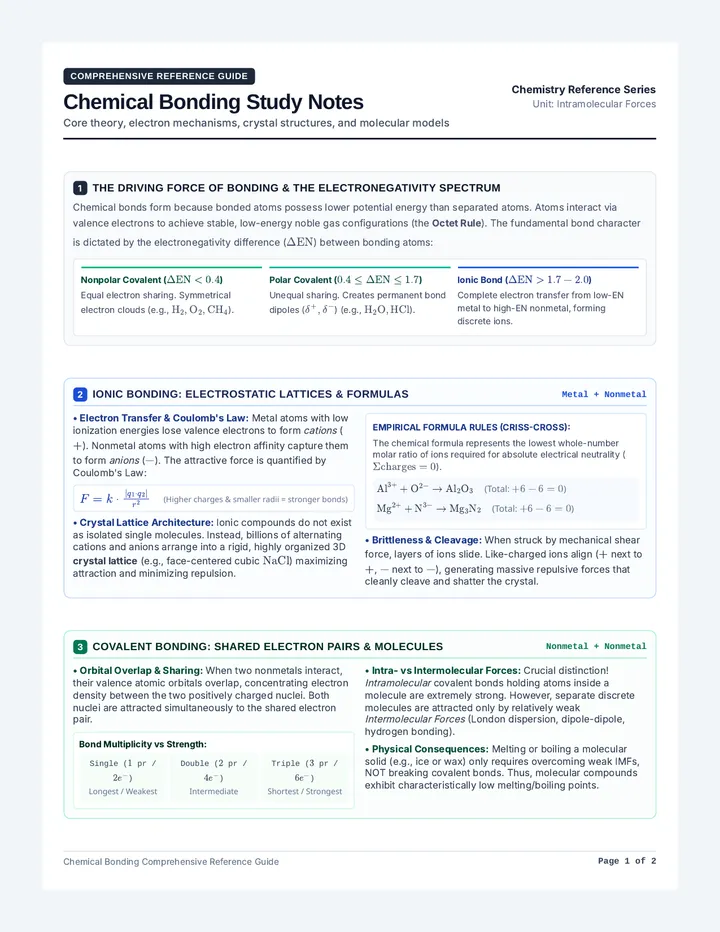
Chemical Bonding Study Notes

Chemical Bonding Study Notes

A comprehensive 2-page reference and study note document detailing the theoretical foundations, electron mechanics, formulas, structural models, and macroscopic property comparisons of ionic, covalent, and metallic bonds, complete with diagnostic lab keys.

OM

Olutoyin Makinde

Pesky Biters Slides

Bug Busters

A two-part fifth-grade science sequence investigating how insects can be annoying nuisances, bite and sting, and damage crops and homes. Specially scaffolded with high-visual supports, decodable text chunks, and guided practice for lower-literacy learners.

Lenny Avatar
Lenny
11
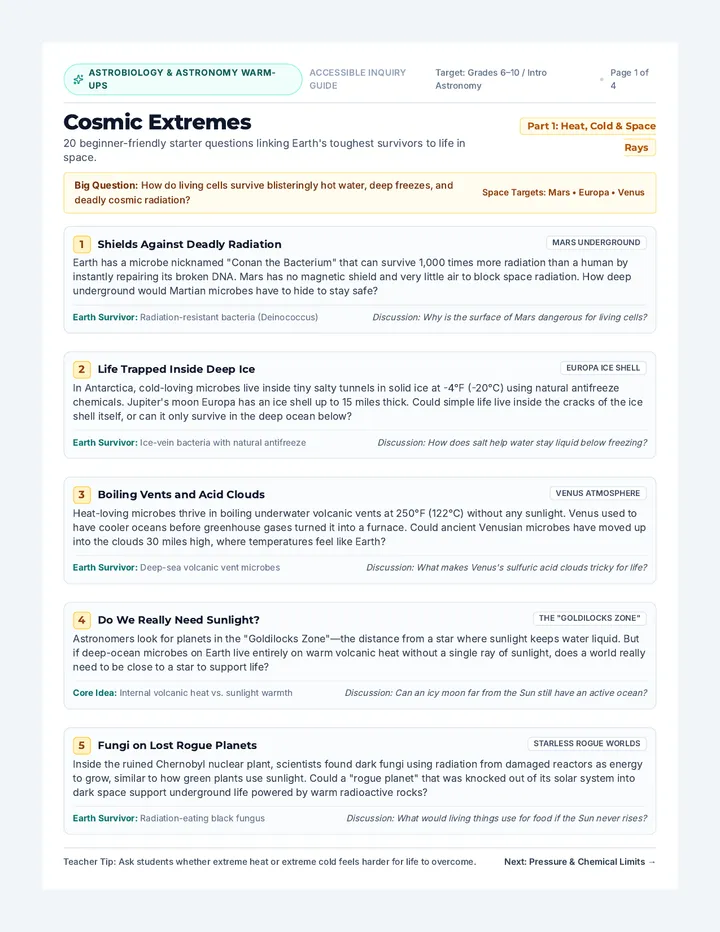
Cosmic Extremes Question Bank

Cosmic Extremes

An astrobiology exploration unit connecting Earth's most resilient extremophiles to planetary exploration across the solar system, habitable zones, and the search for alien life.

M

Megan.Tanner

3
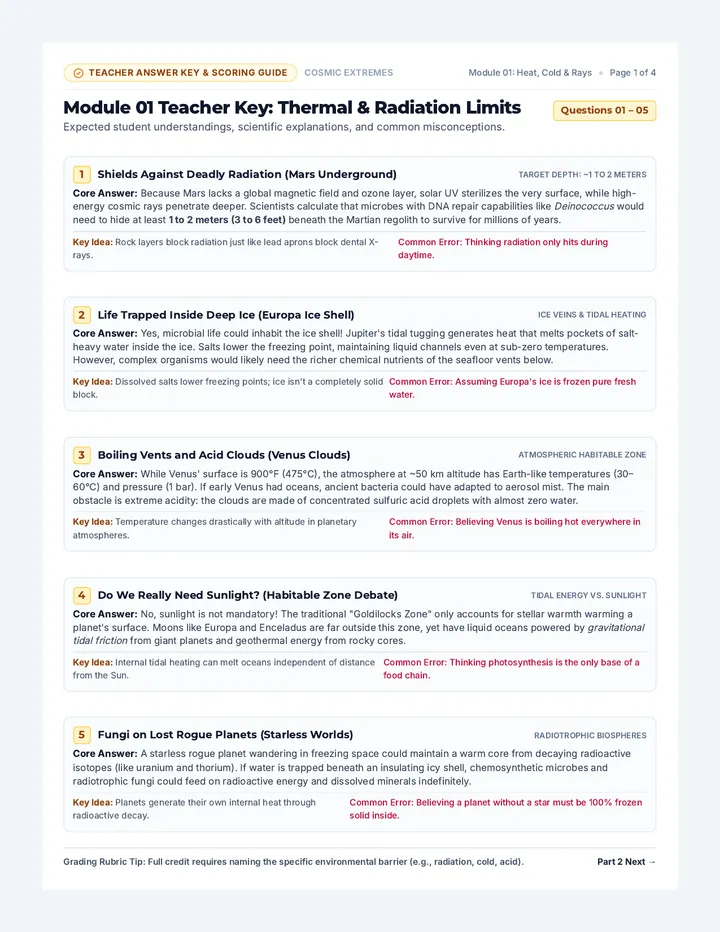
Cosmic Extremes Answer Sheet

Cosmic Extremes Answer Sheet

A print-ready 4-page student recording and answer sheet designed for the 20 Cosmic Extremes inquiry questions. Includes structured fields for student hypothesis formulation, Earth extremophile connections, and celestial target analysis.

M

Megan.Tanner

Habitability Blueprint Slides

Life Beyond Limits

A one-week interdisciplinary astrobiology sequence investigating Earth's habitability, extreme biological adaptations across eleven Earth species, and the plausibility of life on other celestial bodies.

M

Megan.Tanner

7
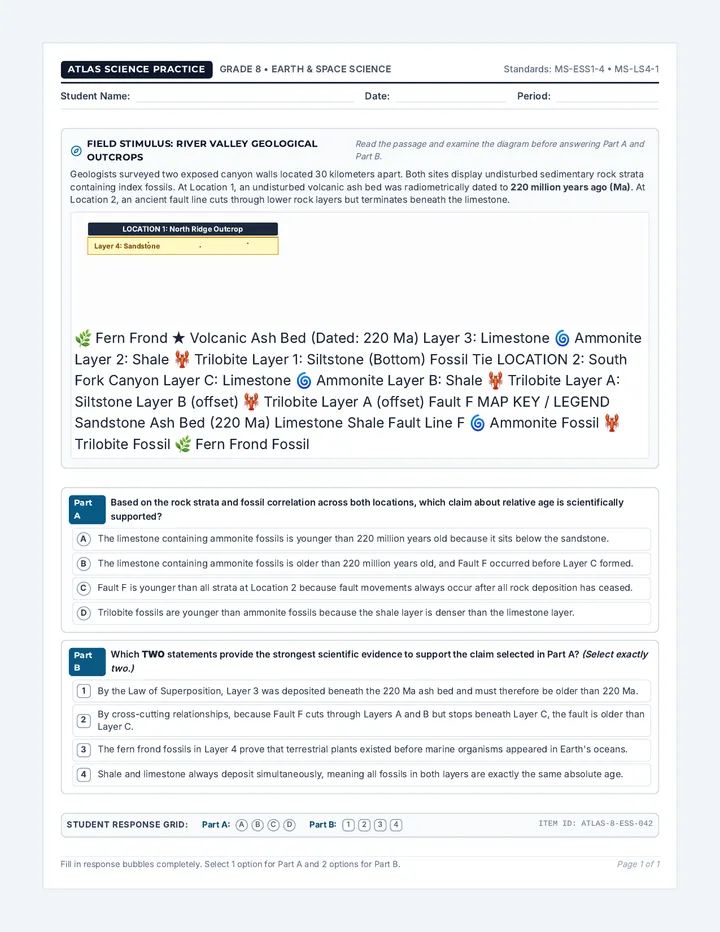
Strata Sleuths Assessment Item

Strata Sleuths

An 8th-grade science assessment lesson evaluating student mastery of rock strata, relative dating principles, and fossil succession aligned to NGSS and ATLAS assessment standards. Students analyze geological cross-sections and fossil distributions to reconstruct Earth's historical timeline.

CS

Chad Sturkie

2
Cosmic Extremes Answer Key

Cosmic Extremes Answer Key

A complete 4-page teacher answer key and guide for the 20 Cosmic Extremes questions. Provides clear model answers, core scientific principles, and common student misconceptions for each question across all four modules.

M

Megan.Tanner

Beetle Armor Slides

Beetle Power

A high-interest, accessible science unit for fifth-grade developing readers exploring beetle anatomy, unique adaptations, and diverse beetle species. Incorporates visual vocabulary, supportive sentence frames, and clear graphic organizers.

A

amy_oshea

9
Scientist Clues Slides

Little Science Thinkers

A fun and simple kindergarten introduction to how scientists record their observations and ideas using drawings, labels, and numbers. Students explore real ways scientists keep notes and practice recording a mystery object of their own.

NS

Neelab Sayah

2
Chemical Bonding Foldable Activity

Chemical Bonding Foldable Activity

A comprehensive 4-page interactive science notebook foldable activity covering ionic, covalent, and metallic bonding, featuring an illustrated visual assembly guide showing the finished foldable in open and closed notebook states, printable shutter flap covers, inside guided study panels, and cut-and-paste sorting tiles.

OM

Olutoyin Makinde