A middle school history lesson exploring Martin Luther's role in the Protestant Reformation, focusing on key biographical events, critical vocabulary, and cause-and-effect historical analysis.
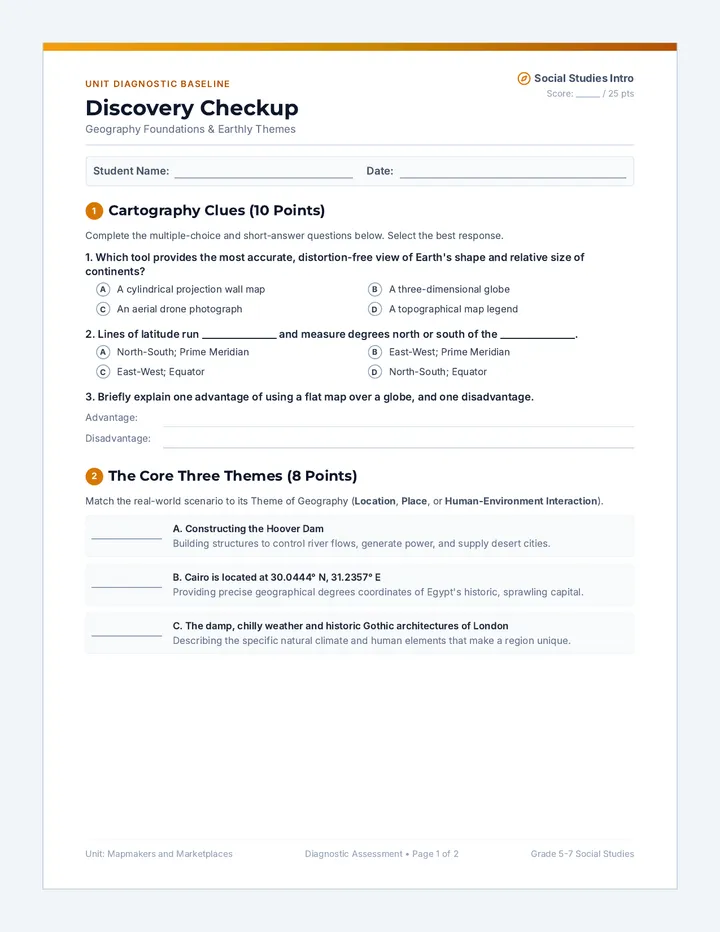
An introductory social studies sequence exploring geography foundations, core geographical themes, and basic economics. Students participate in highly interactive lessons, readings, task cards, and hands-on worksheets.
An immersive 8th-grade geography lesson where students apply the Five Themes of Geography to analyze Nairobi, Kenya. Through a DBQ-style investigation, students decode primary sources, map data, and texts to construct a geographic profile of a dynamic global city.
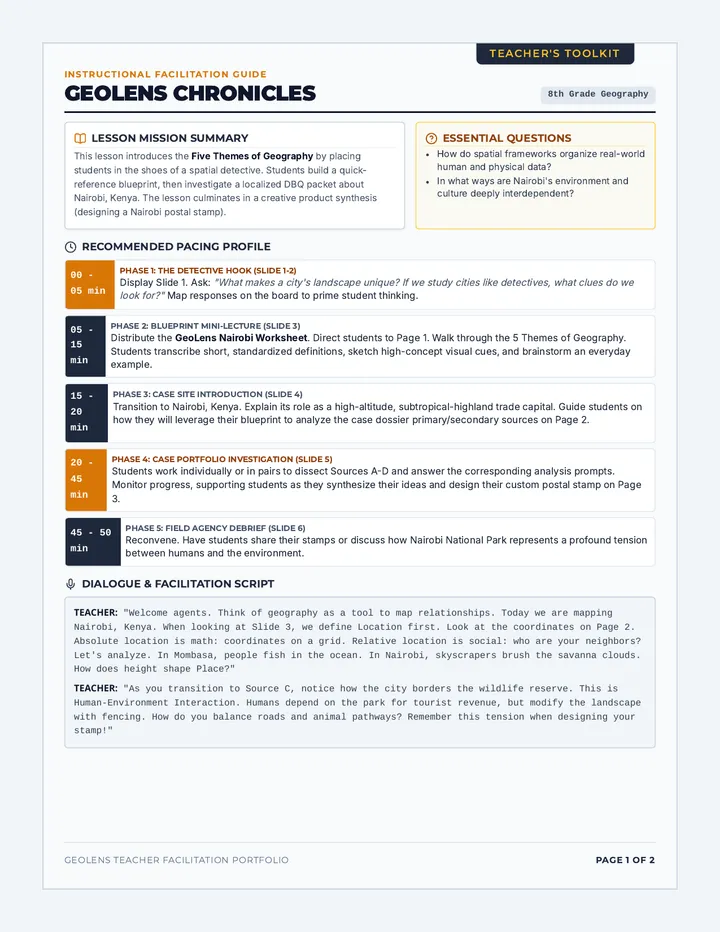
An exhaustive 2-page teacher reference manual detailing lesson pacing, pedagogical guidance, direct teaching scripts, a complete answer key for the Nairobi DBQ case study, and differentiated enrichment strategies.
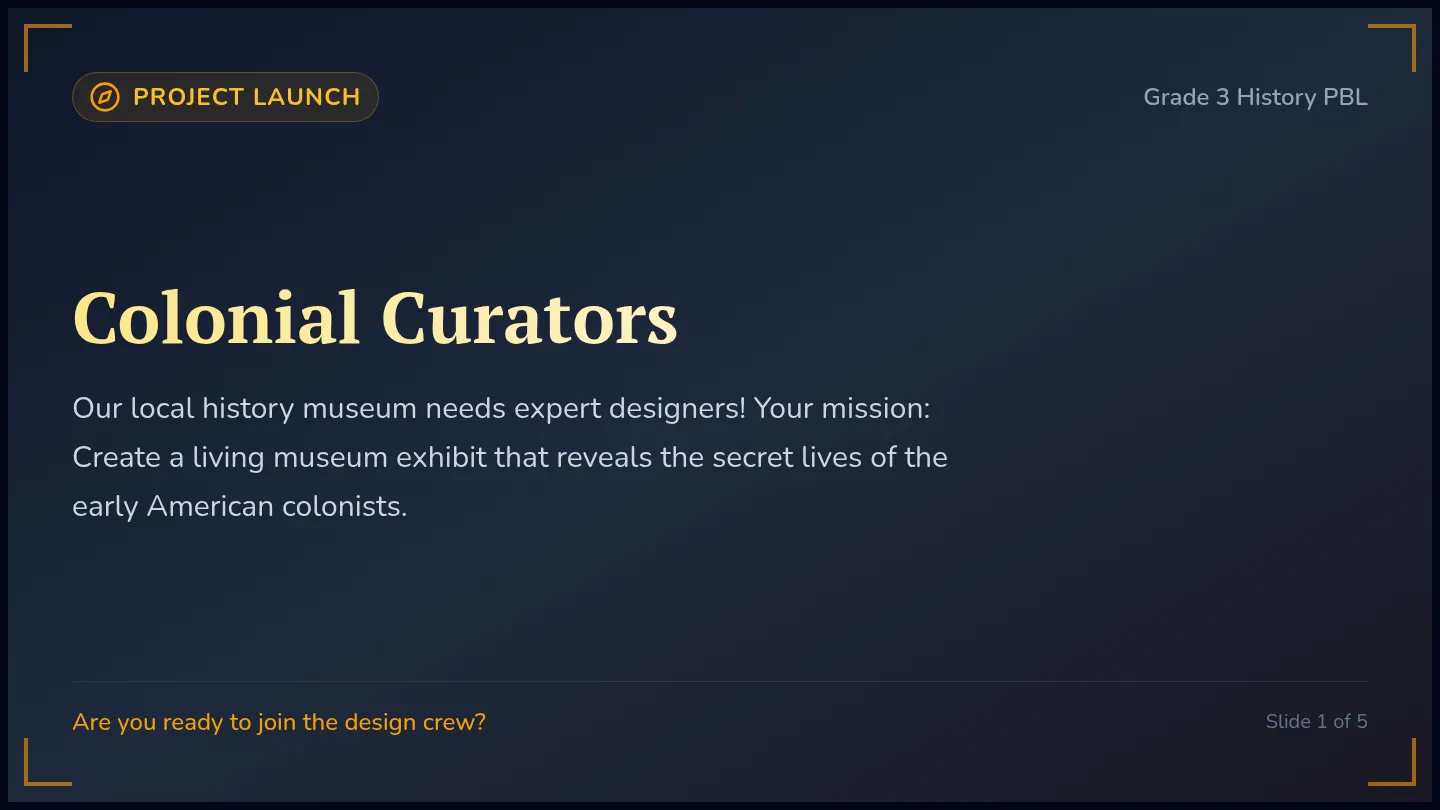
An immersive 3rd-grade Project-Based Learning unit where students act as museum curators to design and exhibit a living history museum, answering the driving question: How did where colonist lived shape how they lived?
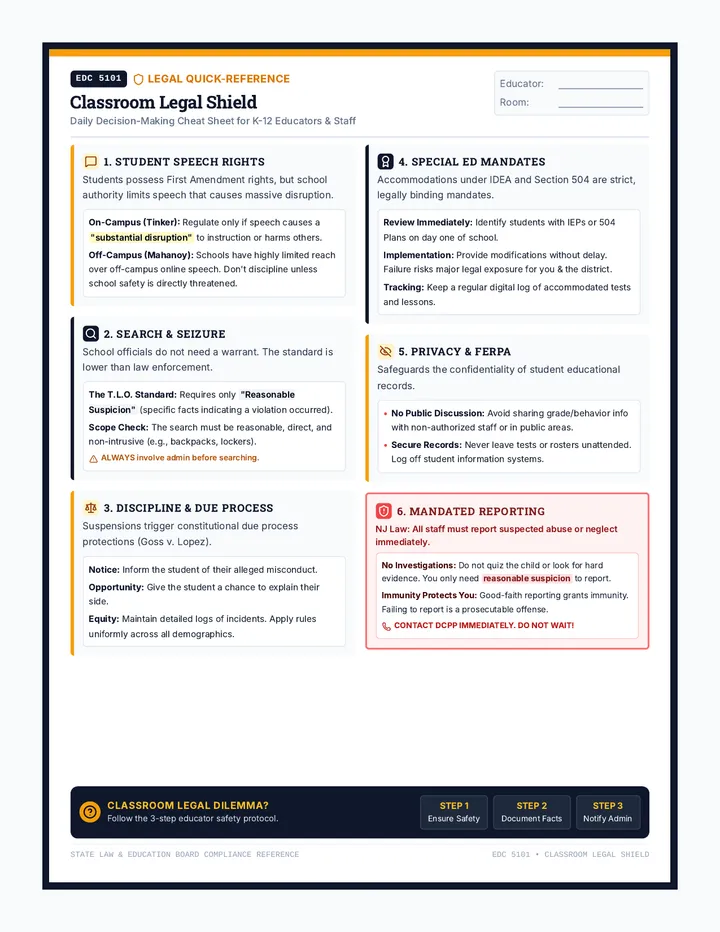
An essential legal overview for K-12 educators and support staff, covering crucial constitutional rights, student privacy, mandatory reporting, and school search parameters to keep teachers protected and compliant.
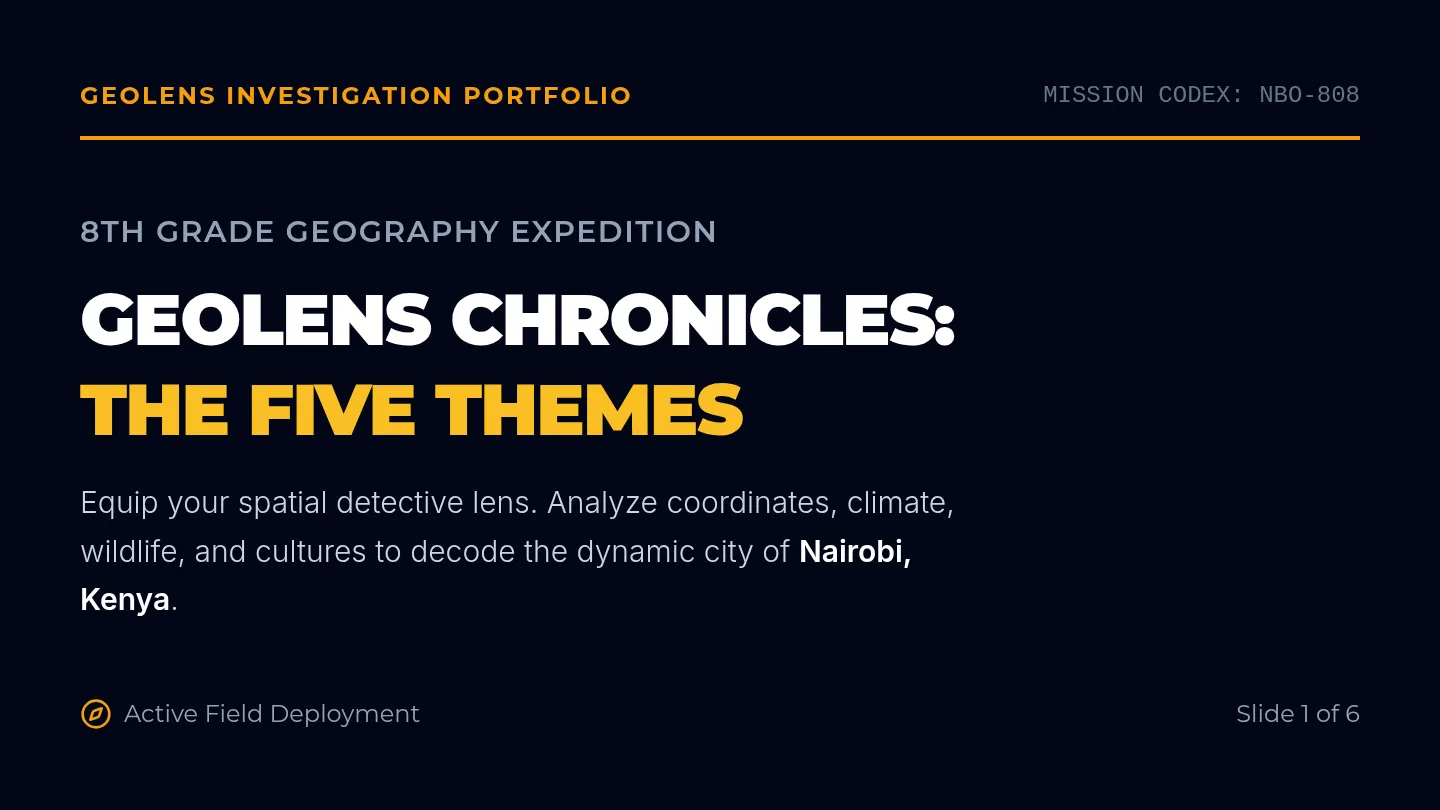
A visually engaging, high-contrast 6-slide presentation designed to introduce the Five Themes of Geography and guide students through their Nairobi DBQ case study investigation.
A comprehensive unit on child development from birth through age 18, focusing on physical, cognitive, and social-emotional growth across early childhood, middle childhood, and adolescence.
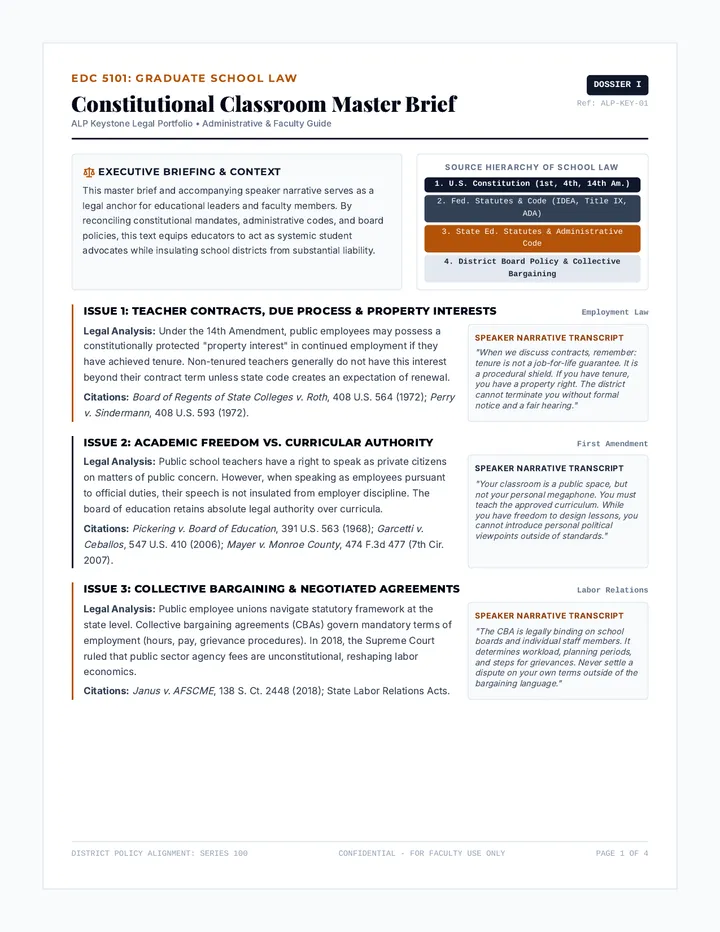
A comprehensive, graduate-level instructional and compliance series designed for new educators and school leaders to navigate complex legal, administrative, and constitutional standards.
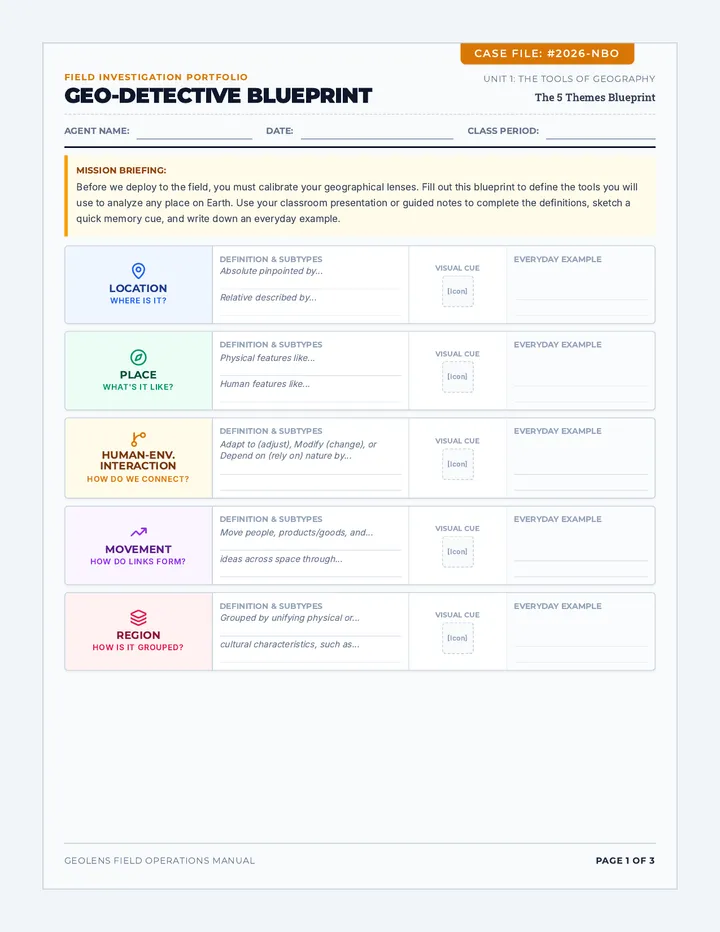
A comprehensive 3-page student workbook featuring a structured graphic organizer for the Five Themes of Geography, a DBQ source analysis packet focusing on Nairobi, Kenya, and a creative stamp design synthesis activity.
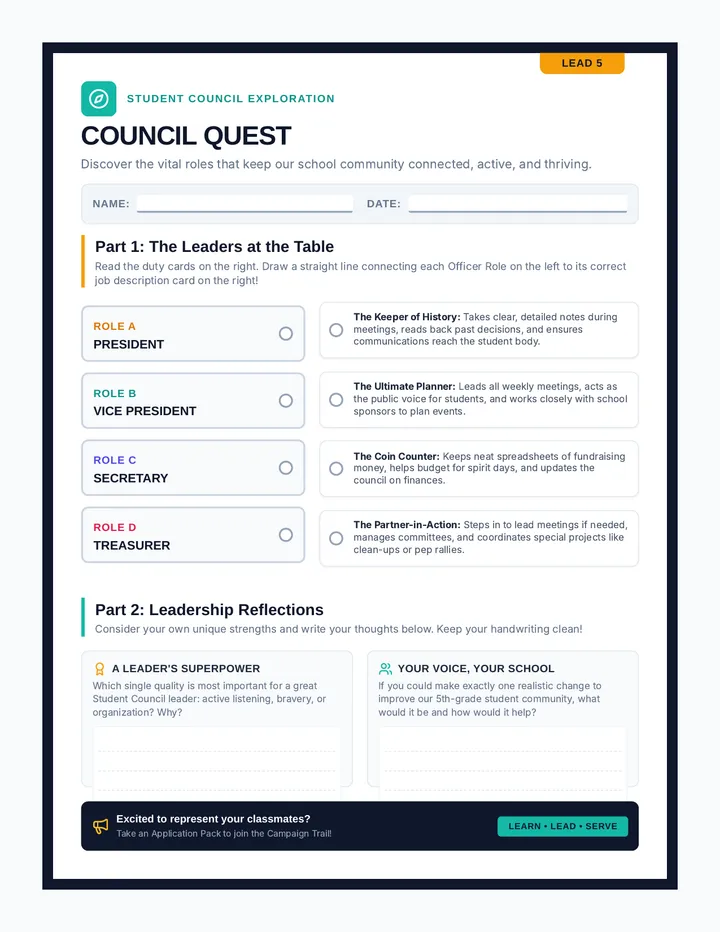
A comprehensive program to establish and run an active 5th-grade student council. It covers introductory roles, democratic campaigning, leadership training, and meeting protocols.
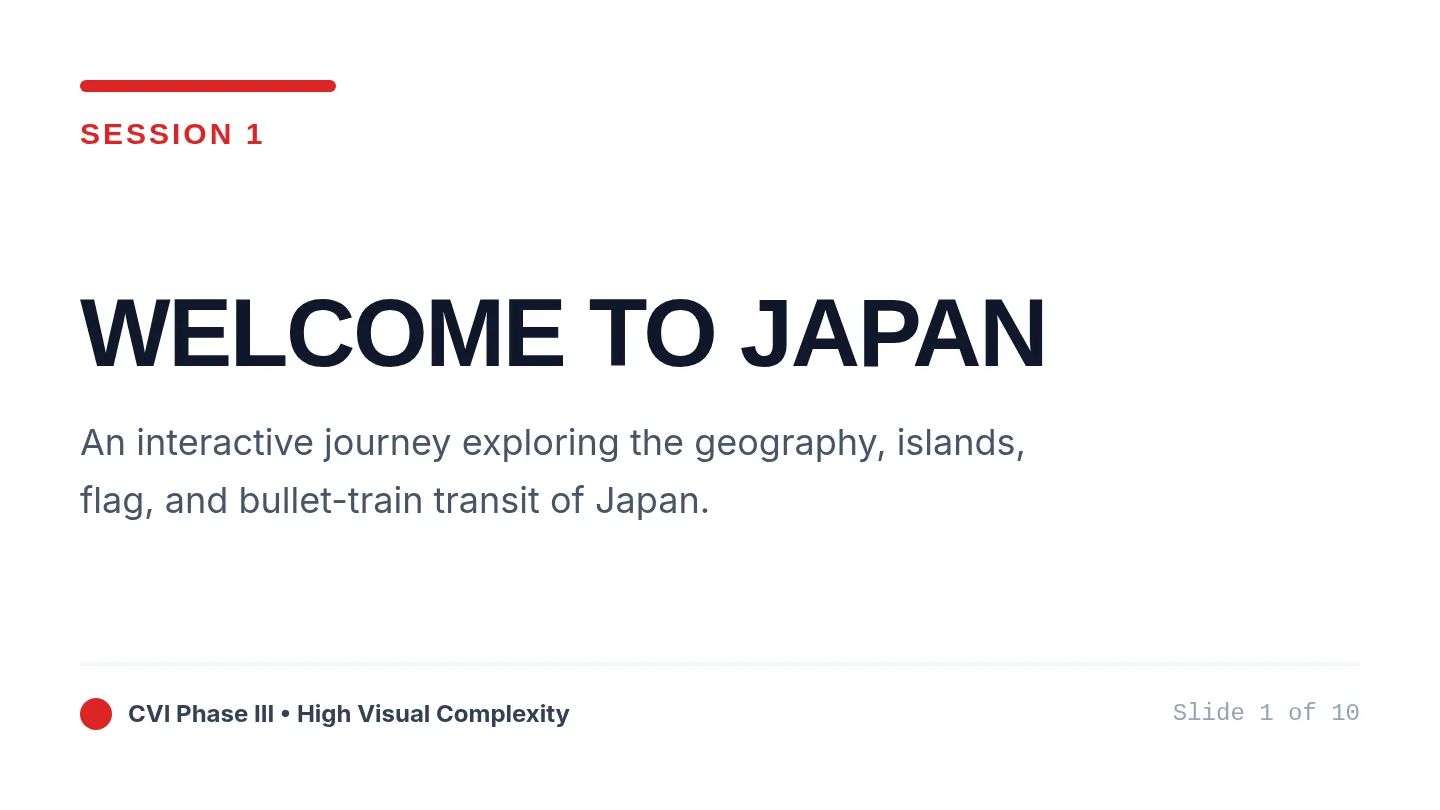
An introductory lesson exploring Japan's geographical location, island features, national flag, and a virtual bullet-train route, adapted for students with CVI Phase III.
A high-impact, professional slide deck introducing new faculty to school law and student constitutional rights at Marlboro Memorial Middle School. Employs the Monarch Lion mascot, school colors, and connects Teacher Ethics to New Jersey tenure laws (TEACHNJ Act).