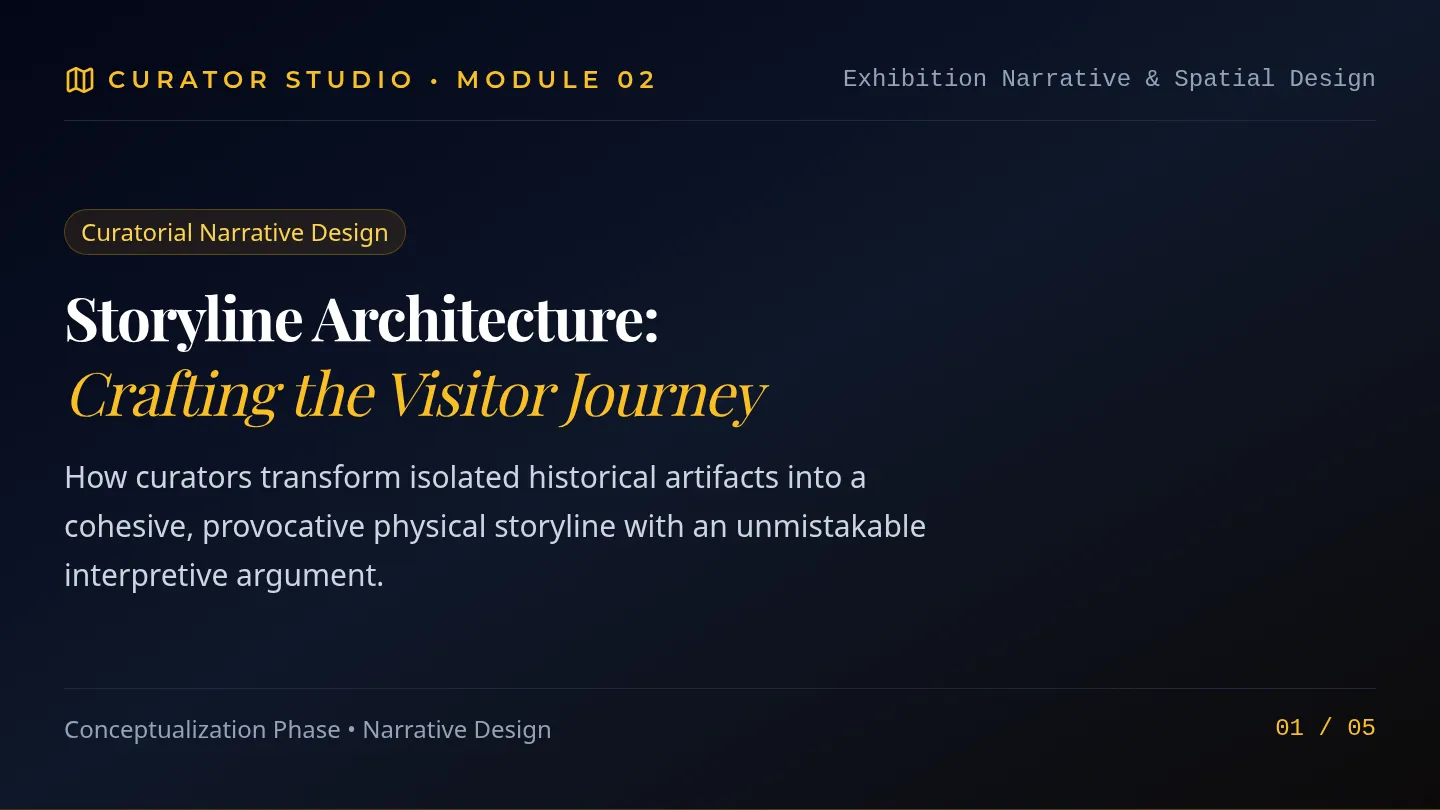
Final Vote SlidesThe Final Vote A Guide to Spielberg's Lincoln January 1865 The American Civil War is entering its fourth year. The Union is close to victory, but the cost has been devastating. "I am the President of the United States of America, clothed in immense power. You will procure me these votes." Washington D.C. Abraham Lincoln The 16th President His Mission Pass the 13th Amendment to abolish slavery. Bring the Confederate states back into the Union. End the war while ensuring lasting freedom. Thaddeus Stevens A leader of the Radical Republicans in the House. He demands "absolute equality before the law" for all people, regardless of race. Chairman of Ways and Means Mary Todd Lincoln The First Lady. She struggles with the loss of her son, Willie, and fears for her oldest son Robert, who wants to enlist. The White House Matriarch The Lame Duck Lobby The Lobbyists Bilbo, Latham, and Schell are hired to "persuade" Democrats to switch sides. The Amendment The 13th Amendment requires a two-thirds majority in the House of Representatives. The Clock Lincoln must pass the bill before the Confederate peace commissioners arrive. The Great Question "Can we end the war WITHOUT passing the Amendment? Or will the peace kill the chance for freedom?" Option A: Peace First War ends, but slavery might survive under the old Constitution. Option B: Freedom First Delay peace to force the Amendment through, potentially losing lives.
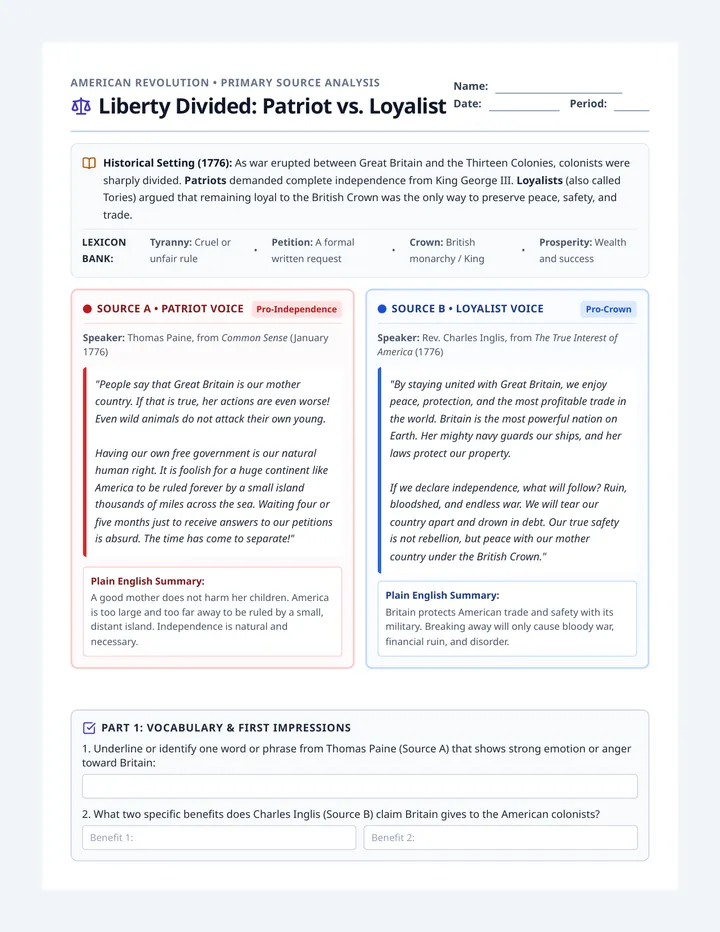
A House Divided QuizA House Divided Quiz Assessment for Spielberg's 'Lincoln' (2012) Name: __________________________ Date: ___________________________ Section I: Who's Who Match the historical figure to their description in the film. ___ 1. Abraham Lincoln ___ 2. Thaddeus Stevens ___ 3. Mary Todd Lincoln ___ 4. Robert Lincoln ___ 5. William Seward A. The Secretary of State who organizes the lobbying effort. B. The President's eldest son who joins the Army against his parents' wishes. C. The 16th President, focused on passing the 13th Amendment. D. The First Lady, grieving the loss of her son Willie. E. The Radical Republican Chairman who hides his true beliefs to win the vote. Section II: Plot Points 6. What specific goal is Lincoln trying to achieve in the House of Representatives? A) Declare total war on the South B) Pass the 13th Amendment C) Negotiate an immediate surrender D) Impeach Jefferson Davis 7. Why does Lincoln want to pass the amendment before the war ends? A) To win the next election B) To punish Confederate leaders C) He fears it won't pass once the South returns D) To secure a treaty with France 8. How do the lobbyists (Bilbo, Latham, and Schell) attempt to gain votes from Democrats? A) Offering bribes and government jobs B) Threatening them with jail time C) Providing evidence of war crimes D) Promising to move the capital 9. What does Thaddeus Stevens do with the original copy of the 13th Amendment after it passes? A) He burns it in a fireplace B) He locks it in a vault C) He takes it home to show his housekeeper D) He gives it to Mary Todd Lincoln Section III: The Final Vote 10. Describe the atmosphere in the House of Representatives during the final vote. What was at stake for the nation?
A House Divided Answer KeyTeacher Answer Key A House Divided Quiz - Lincoln (2012) Score: ____ / 15 Section I: Character Matching (5 pts) 1. C - Abraham Lincoln (The 16th President) 2. E - Thaddeus Stevens (Radical Republican Chairman) 3. D - Mary Todd Lincoln (First Lady, grieving Willie) 4. B - Robert Lincoln (Eldest son, joins the Army) 5. A - William Seward (Secretary of State, organizes lobbying) Section II: Multiple Choice (4 pts) B) Pass the 13th Amendment C) He fears it won't pass once the South returns (Lincoln worries that once the war is over, the political will for abolition will vanish and the Emancipation Proclamation might be struck down). A) Offering bribes and government jobs (Specifically, they target "lame duck" Democrats who have lost their seats and need work). C) He takes it home to show his housekeeper (Lydia Smith, with whom he has a committed relationship). Section III: The Final Vote (6 pts) Grading Criteria for Question 10: Atmosphere: Should mention tension, noise, the packed gallery, or the presence of black citizens in the House for the first time. Stakes: Must articulate that the failure of the vote would mean the likely continuation of slavery even after the war, or that the war's end was being intentionally delayed to secure the vote. Historical Impact: High marks for mentioning the "moral" victory vs the "political" sausage-making shown in the film. Sample high-quality response: "The atmosphere was incredibly tense and polarized. The gallery was filled with onlookers, and the debate was heated. At stake was the legal future of millions of enslaved people; if the amendment failed, the Emancipation Proclamation might be ruled unconstitutional after the war, making this a 'now or never' moment for freedom." Discussion Prompt Ask students: "Do Lincoln's ends (abolition) justify his means (bribery and political manipulation)?" This connects the plot points of the movie directly to the ethical questions of leadership.
Moral Compass Essay PromptsMoral Compass Essay Reflective Writing on Spielberg's 'Lincoln' Name: __________________________ Date: ___________________________ Assignment Instructions Choose one of the prompts below to write a formal analytical essay (500-750 words). Your essay should include a clear thesis statement and specific evidence from the film. Prompt 1: The Ethics of Compromise In the film, Lincoln uses "lame duck" lobbyists to secure votes through bribery and political manipulation. He famously says, "I am the President of the United States of America, clothed in immense power. You will procure me these votes." Does a noble goal (ending slavery) justify unethical means? Evaluate his strategy and argue whether his actions were a necessary evil. Prompt 2: The Weight of the Crown Analyze the conflict between Lincoln’s public duty and his roles as a husband and father. How do his responsibilities to the nation impact his relationships with Mary and Robert? Does the film suggest a great leader must sacrifice personal happiness for the greater good? Prompt 3: Radical vs. Pragmatic Compare the philosophies of Lincoln and Thaddeus Stevens. While sharing the same goal, they differ in methods and rhetoric. How does the film depict the tension between the "radical" need for absolute justice and the "pragmatic" need for political survival? Which approach does the film ultimately champion? Essay Planning & Outline Organize your thoughts and evidence here before writing. Thesis Statement Key Supporting Points & Film Evidence