Breeze Power Teacher Guide Breeze Power Teacher Guide
Grade 4 • Wind Energy & Engineering Design
Duration
90 Min
Lesson Summary
Students step into the shoes of Vermont wind engineers. After exploring how wind farms like Georgia Mountain provide clean energy to local communities, students use the Engineering Design Process (EDP) to design, build, and test miniature turbine blades. The goal is to capture the most kinetic energy from a classroom "breeze" (fan) to perform work.
Key Objectives
Define wind as a renewable energy source that can be converted into electricity.
Identify how the shape, angle, and number of turbine blades affect energy capture.
Apply the Engineering Design Process: Plan, Create, Test, and Improve.
Connect local Vermont environmental initiatives to global energy solutions.
Materials Needed
Cardboard/Cardstock
Wooden skewers/dowels
Masking tape & scissors
Small electric fan
Turbine hub (can be a cork or foam ball)
String and paperclips (for weight-lifting test)
Instructional Steps
1
Engage: The Vermont Breeze (10 mins)
Start with the Wind Power Slides . Discuss the wind coming off Lake Champlain. Ask students: "Why is Vermont a great place for wind power?" Mention Georgia Mountain or Kingdom Community Wind projects. Introduce the concept of kinetic energy (moving air) turning into mechanical energy (spinning blades).
2
Explore: Blade Variables (15 mins)
Demonstrate a basic turbine. Ask students to predict what might change how fast it spins. Discuss variables: Blade shape, Blade angle (pitch), and Number of blades.
3
Design & Build: Engineering Lab (40 mins)
Distribute the Blade Builder Activity guide and Wind Trial Worksheet . Students work in pairs to design their first set of blades. They must sketch their design before building. Encourage them to try unique shapes inspired by nature (like bird wings or maple seeds).
4
Test & Iterate: The Turbine Trials (15 mins)
Set up testing stations with fans. Students measure "power" by how many paperclips their turbine can lift using a string attached to the axle. Record data on the worksheet. If it fails, they must "Improve" and try Trial 2.
5
Evaluate: Gallery Walk (10 mins)
Groups display their most successful designs. Use the Engineer Excellence Rubric for assessment. Conclude by discussing which shapes worked best and why (surface area vs. drag).
Pro-Tips for Success
Safety: Remind students to keep fingers away from the fan blades and be careful with sharp skewers.Pitch Matters: Many students will tape blades flat. Encourage them to "twist" or angle the blades to catch the wind better.Local Connection: If possible, show a real-time wind energy production map for Vermont (available via ISO New England). Turbine Tech Slides Breeze Power
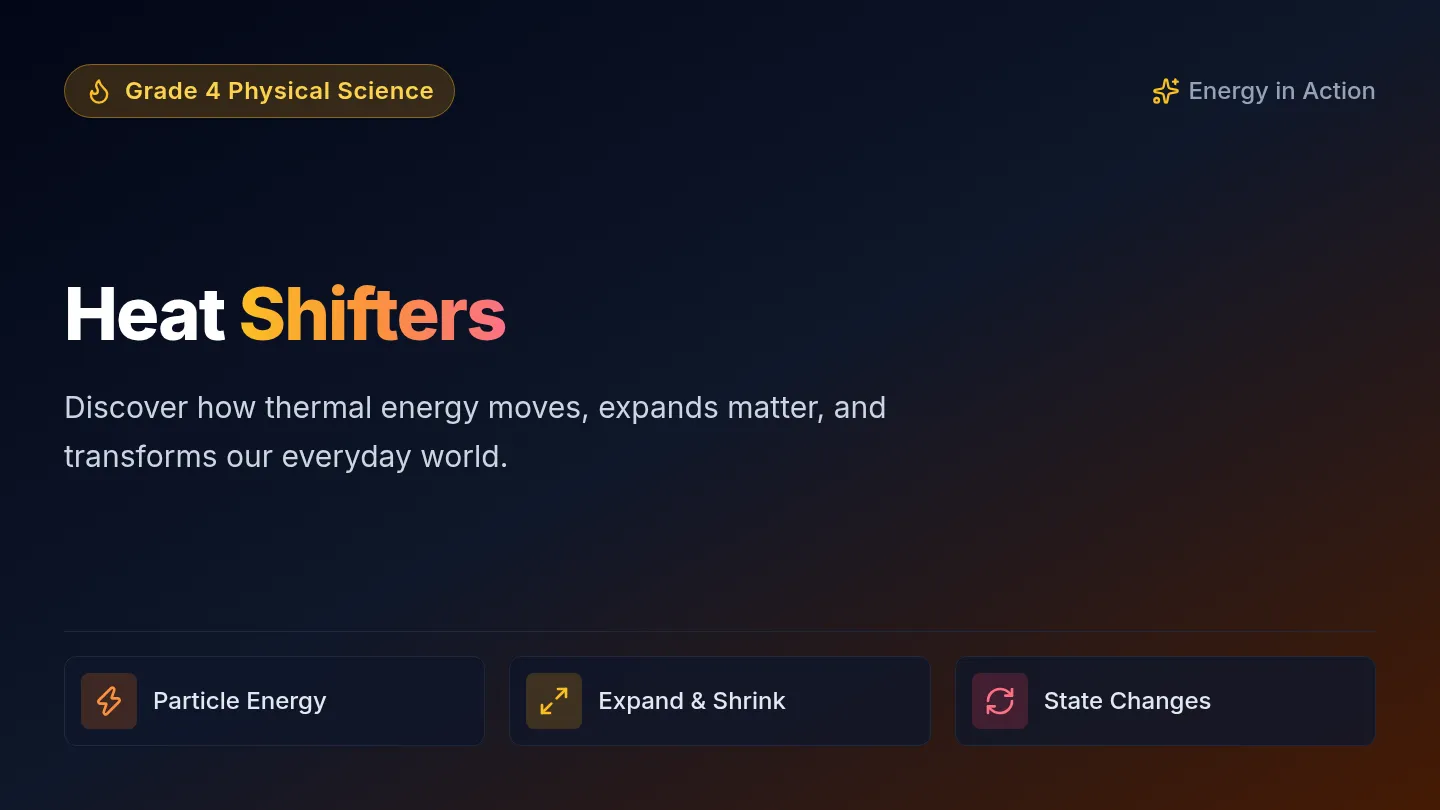
Designing the Future of Vermont's Energy
Wind Energy Engineering Lab
Wind in the Green Mountains
In Vermont, we use our natural landscape to create clean energy. The wind blowing over Lake Champlain and across our mountain ridges is a powerful source of Kinetic Energy .
"Vermont's goal is to be 90% renewable by 2050!"
Ridgeline Wind
Lake Breezes
Clean Power
Renewable
How Does a Turbine Work?
1. Wind
Kinetic Energy
2. Spin
Mechanical Energy
3. Power
Electrical Energy
The Blades are the most important part of the machine!
Your Mission: Engineer
Design a set of turbine blades that can lift the MOST WEIGHT using only the power of the wind.
Variable 1
Blade Shape
Variable 2
Blade Pitch (Angle)
Variable 3
Number of Blades
Engineering Design Process
Step 1
PLAN
Step 2
CREATE
Step 3
TEST
Step 4
IMPROVE
Blade Builder Activity Blade Builder Activity
Vermont Wind Engineering Lab • Level: Engineer
The Mission
Design a set of turbine blades that can lift a cup of paperclips at least 30cm using wind power.
Construction Kit
• 4 pieces of cardstock/cardboard
• 4 wooden skewers (spars)
• 1 meter masking tape & Scissors
The Test Bench
• Multi-speed fan & Hub
• String & Paperclip bucket
• Testing stand
Construction Steps
1
Shape
Cut cardstock into blades. Think about wind-catching surface area.
2
Attach
Tape a skewer to the back of each blade to act as a strong "bone".
3
Assembly
Push skewers into the hub. Make sure they are spaced evenly!
4
Pitch
Twist blades to an angle. Flat blades will NOT spin.
Engineer's Secret
Look at the shape of a maple seed or bird wing for inspiration!
Prototype Draft
Sketch your blade design here
Wind Trial Worksheet Wind Trial Worksheet
Engineering Lab: Lake Champlain Breeze
Engineer:
Date:
Phase 1: The Blueprint
Hypothesis:
I think a turbine with _________ blades and a _________ shape will lift the most weight because:
Sketch your Design (Top View):
Phase 2: The Turbine Trials
Trial What we Changed Success? Weight (Clips) 1 2
Phase 3: The Debrief
1. Which variable (shape, number, or pitch) made the biggest difference in your design?
2. Look at a different group's design. What did they do differently that worked well?
3. How does capturing wind energy help Vermont's environment?
Green Mountain STEM Lab
Document ID: VT-WIND-004
Engineer Excellence Rubric Engineer Excellence Rubric
Breeze Power Design Challenge Assessment
Criteria Master (4) Senior (3) Junior (2) Apprentice (1) Design Process Detailed blueprint. Student made thoughtful changes based on Trial 1 data. Blueprint shows planning. Student made a change between trials. Blueprint lacks details. Changes between trials were random. No blueprint or evidence of engineering process. Performance Efficient wind capture. Lifts heavy load (10+ clips) consistently. Spins well and lifts moderate load (5-9 clips). Spins but struggles with load or falls apart. Does not spin or lift any weight. Reasoning Correctly uses terms like kinetic energy, pitch, and variable to explain. Explains results using basic science vocabulary. Describes what happened but not "why". Reflections are incomplete or missing. Collaboration Shared all tasks and supported each other's ideas fully. Worked well together with minor disagreements. One person did most work; struggled to agree. Team could not work together.
Lead Engineer's Final Review
TOTAL SCORE:
/ 16
Vermont 4th Grade STEM Curriculum Assessment