An interactive unit element exploring how Earth's rotation creates different time zones, focusing on Arizona's unique daylight saving exception and its relationship to global regions.
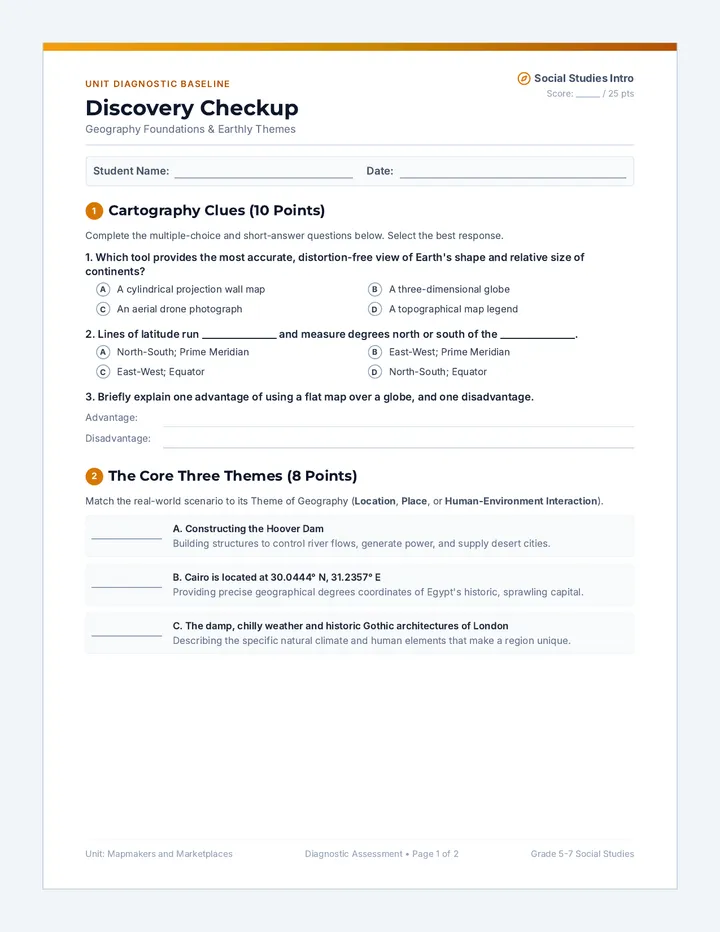
An introductory social studies sequence exploring geography foundations, core geographical themes, and basic economics. Students participate in highly interactive lessons, readings, task cards, and hands-on worksheets.
A simplified 6th-grade lesson exploring the classic nature vs. nurture debate. Students learn key vocabulary, read a graphic-organizer-style text, and answer scaffolded comprehension and reflection questions.
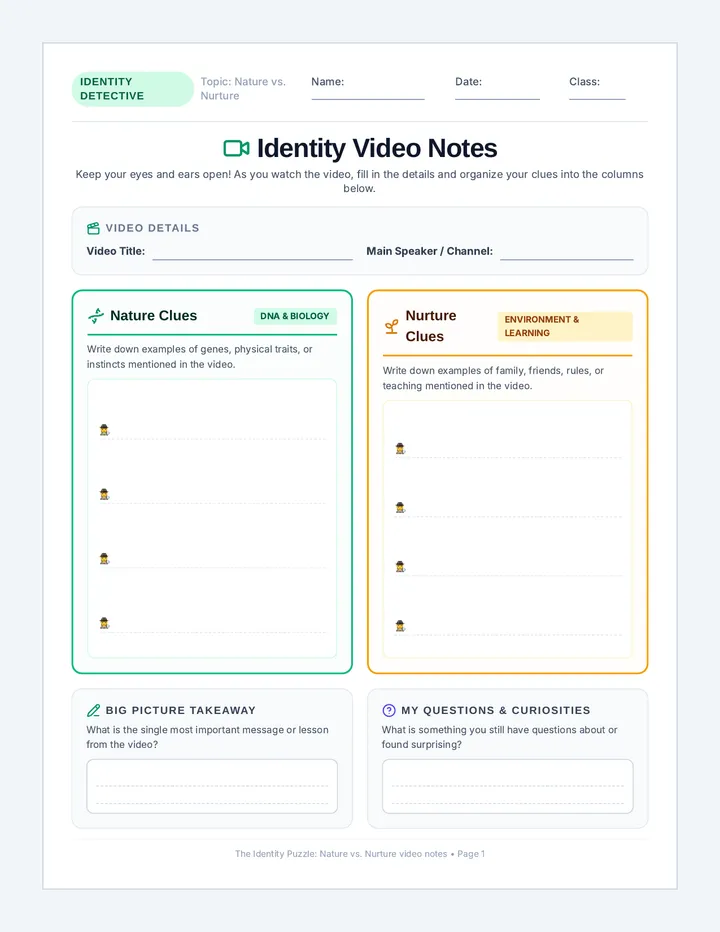
A single-page student video note-taking sheet with themed columns for nature and nurture observations, a video details block, and sections for writing a big-picture summary and outstanding questions.
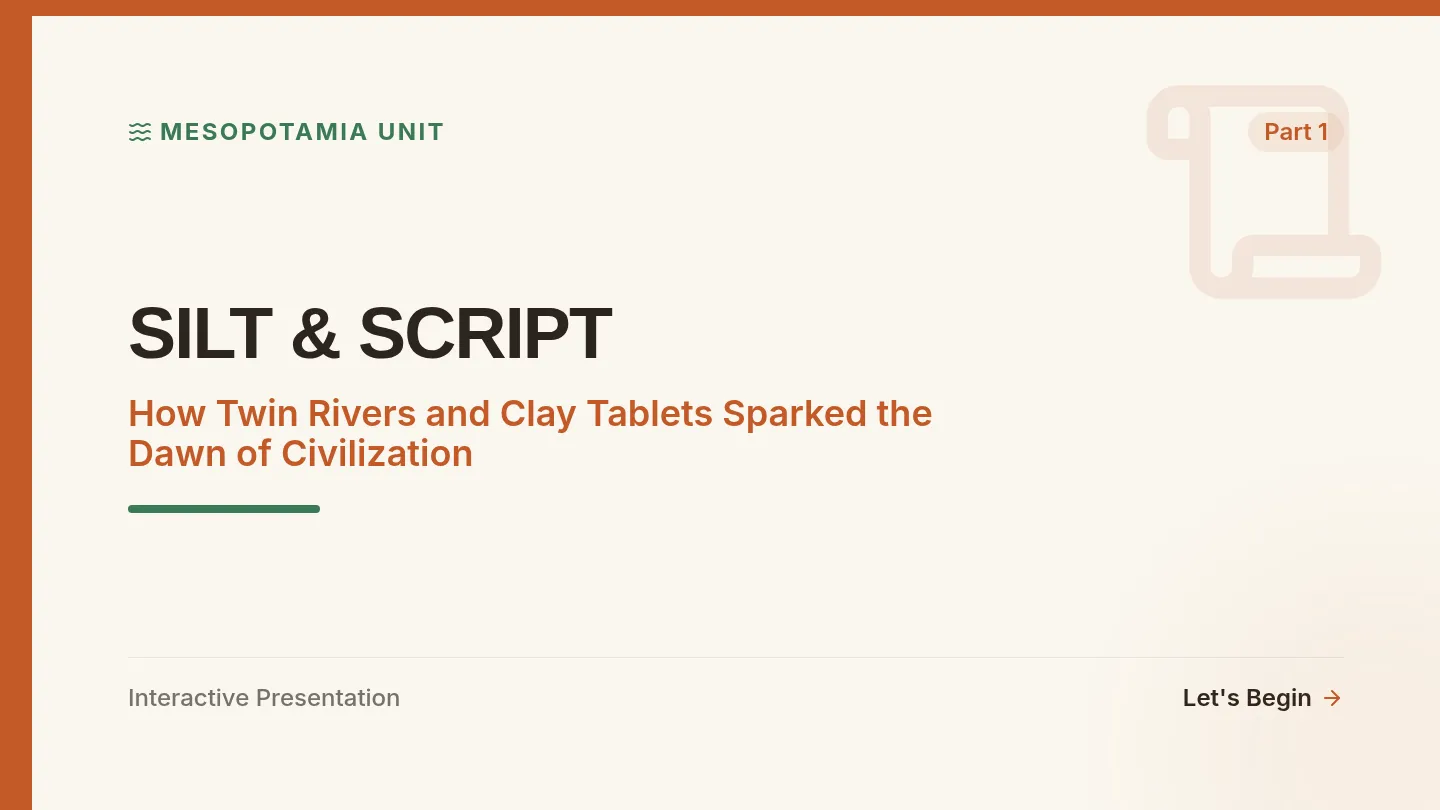
A high-engagement ancient history unit sequence focusing on how river valleys and early writing shaped Mesopotamia and Ancient Egypt. Students investigate the Fertile Crescent, cuneiform, the Nile, and monumental architecture through visual presentations and hands-on worksheets.
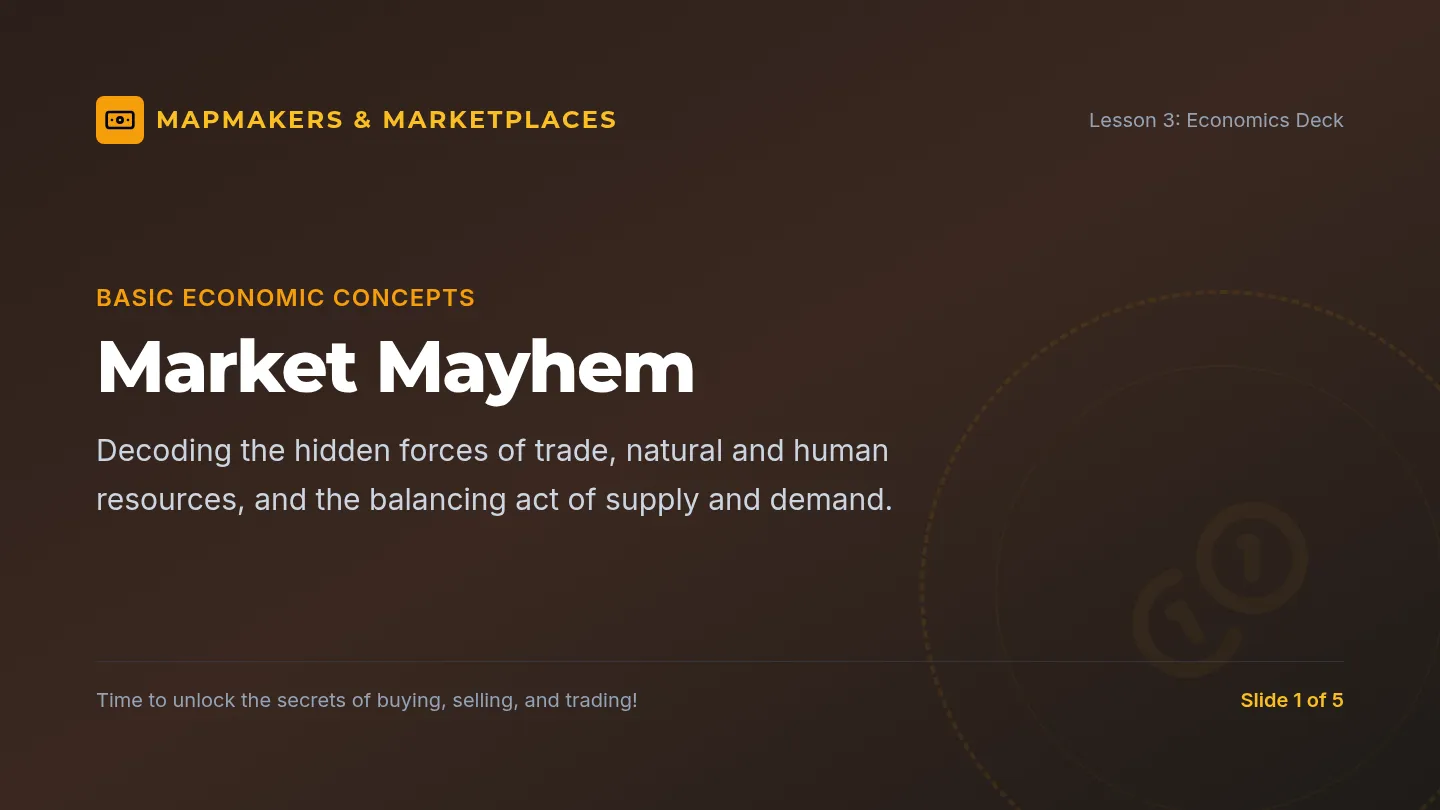
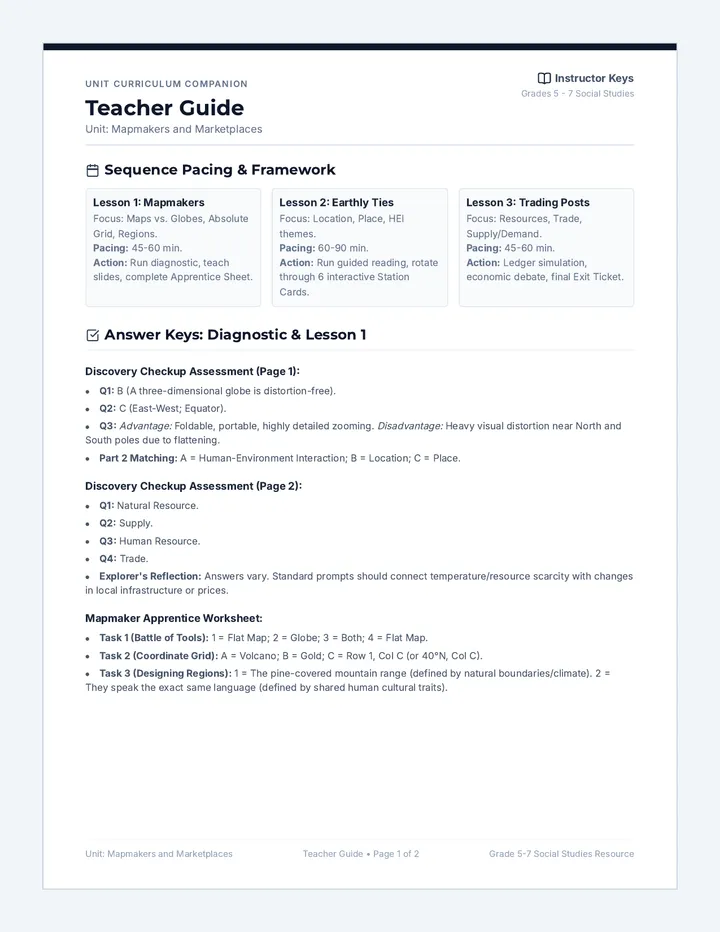
Explores fundamental economic concepts such as trade, natural and human resources, and the balance of supply and demand through simulations and worksheets.
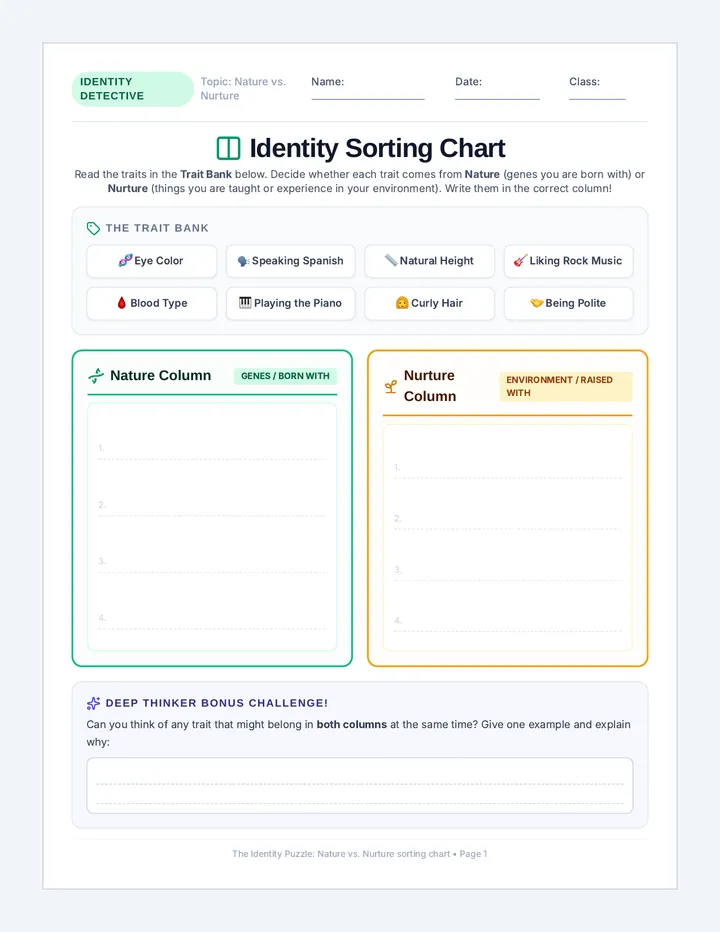
A single-page student sorting activity featuring a themed Word Bank of 8 kid-friendly traits and a beautifully styled, spacious Nature vs. Nurture T-chart for 6th-grade students to complete.
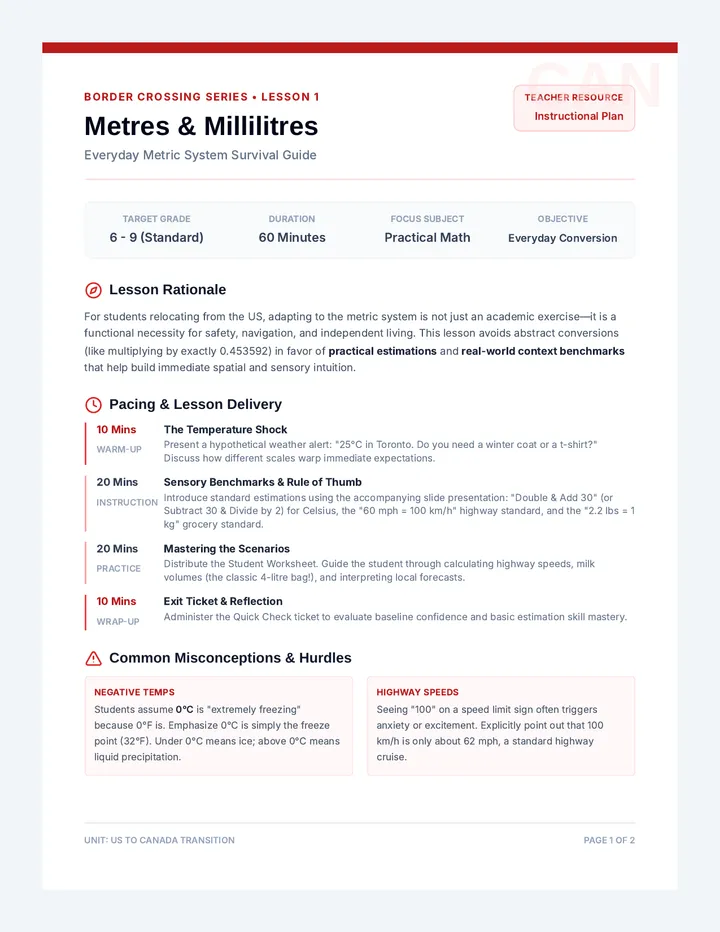
A practical transition program for students moving from the US to Canada, focusing on daily survival skills like the metric system and understanding how the Canadian parliamentary government compares to the US presidential system.
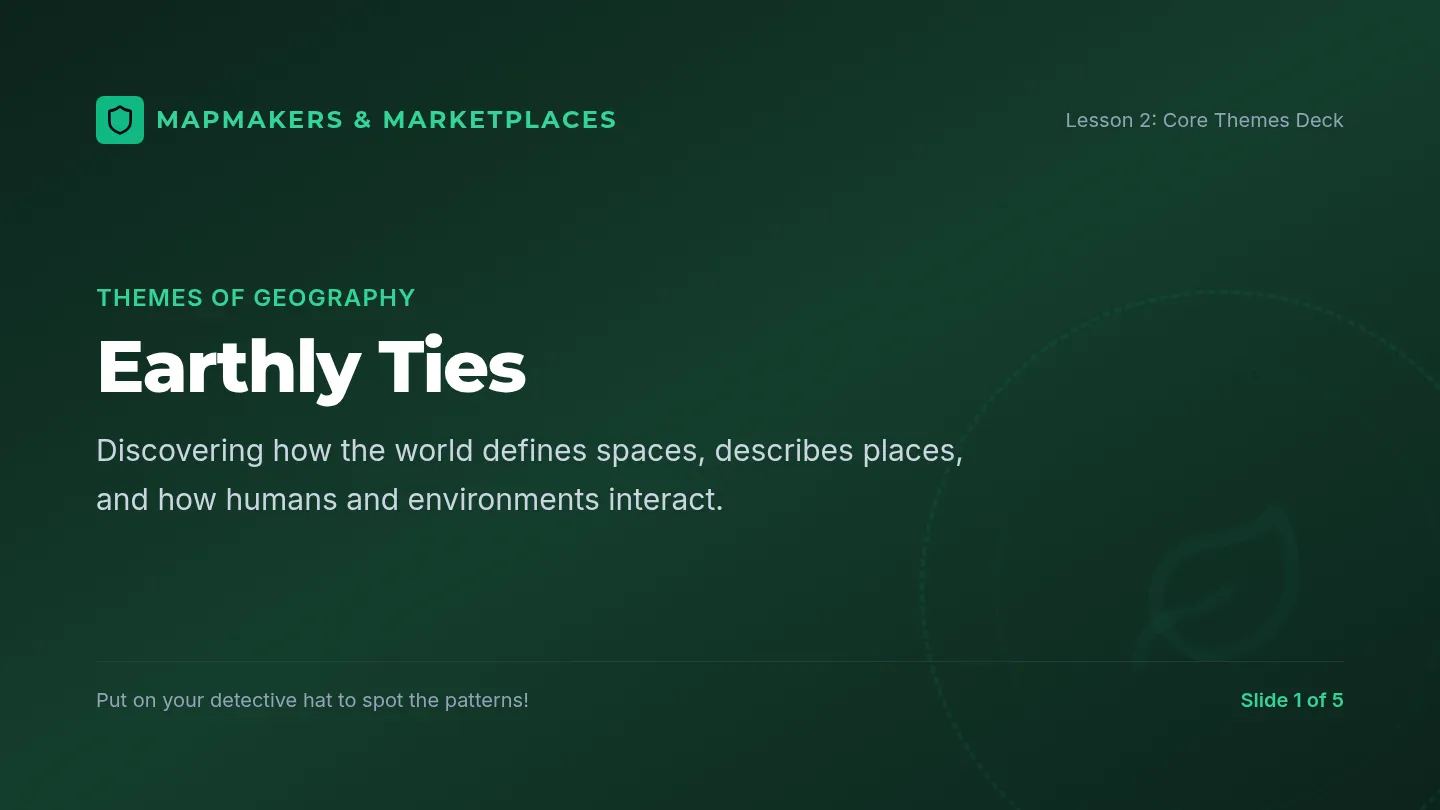
Introduces three major themes of geography: Location, Place, and Human-Environment Interaction. Includes station task cards and guided reading passages.
A 3-page, highly scaffolded, 6th-grade student worksheet packet on the Nature vs. Nurture debate. Includes a notice-and-wonder hook, kid-friendly vocabulary cards, a simplified graphic-organizer reading passage, and matching, multiple-choice, short-answer, and personal reflection questions.
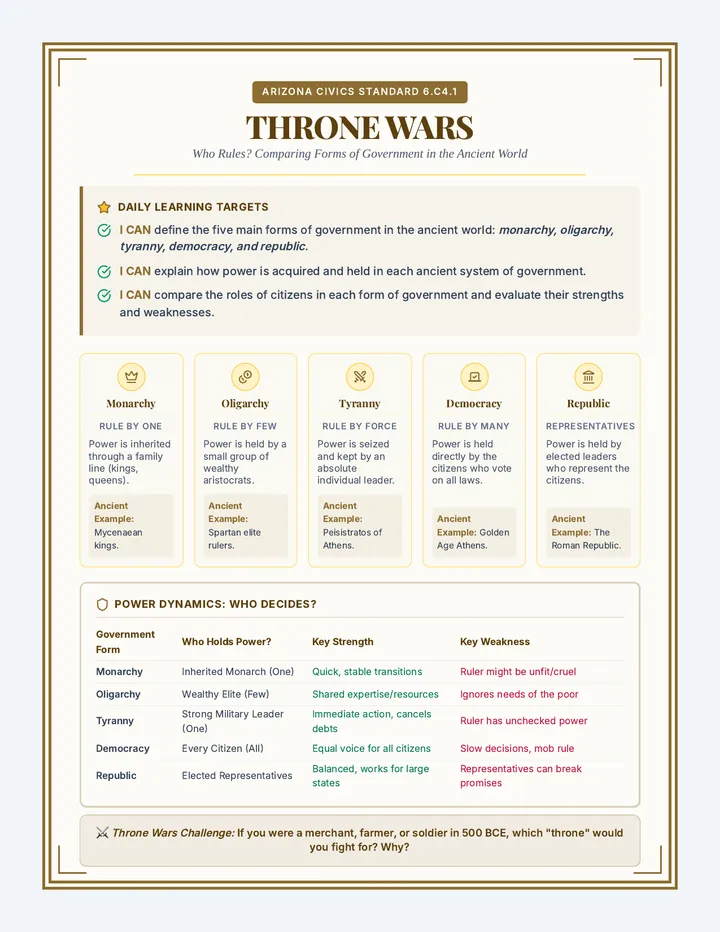
A comprehensive 6th-grade social studies unit exploring the trajectory of human history, from nomadic hunter-gatherers and the cognitive evolution of early humans, to the agricultural revolution, and finally the development of structured ancient governments.
Students explore the differences between maps and globes, understand coordinate grids, and explore world regions. Includes a comprehensive diagnostic pre-assessment.
A comprehensive 2-page teacher resource containing lesson plan details, pacing, discussion prompts, and answer keys for the worksheets and pre-assessments.