Falling Physics Slides 3rd-4th Grade Science
Falling Physics
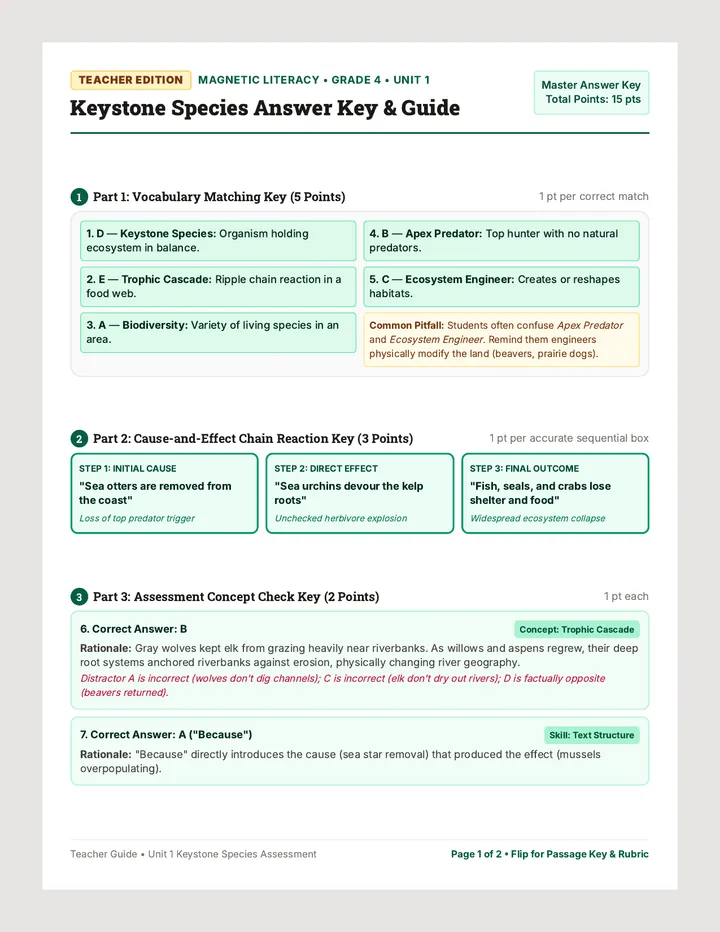
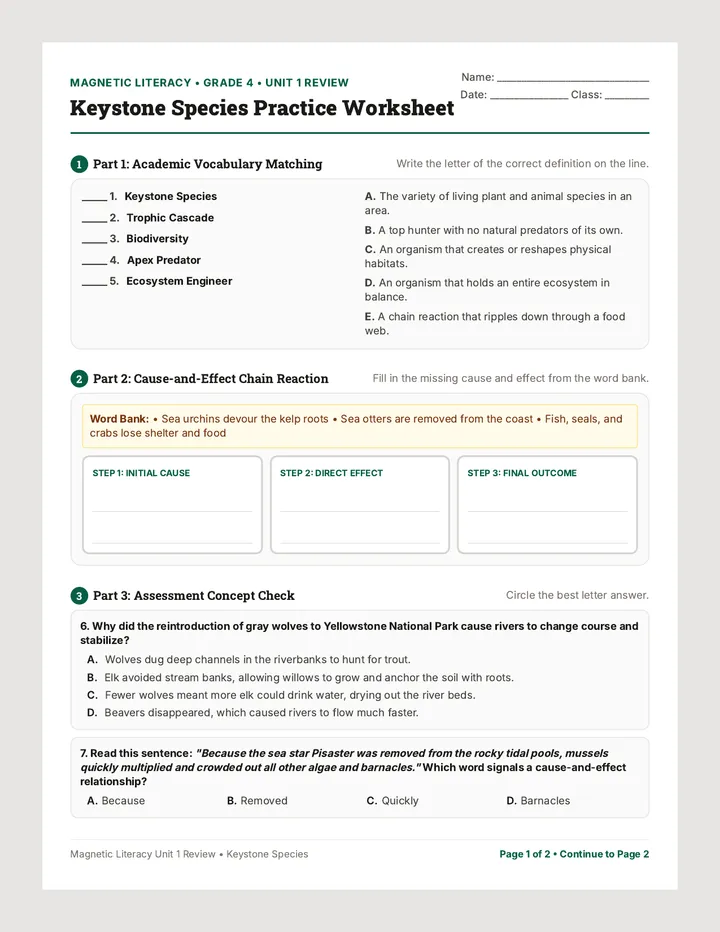
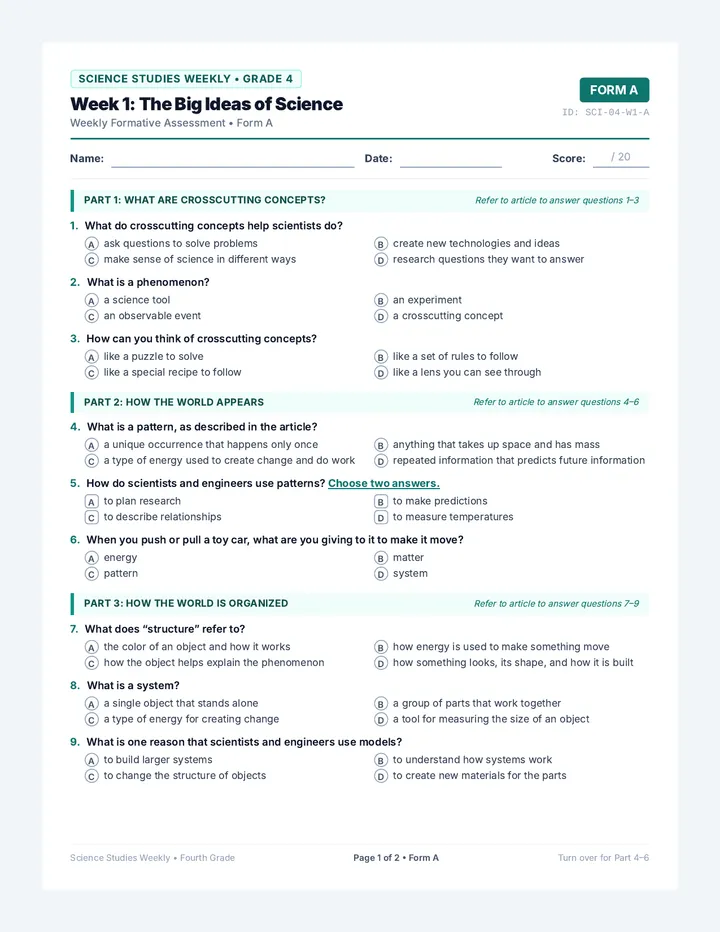
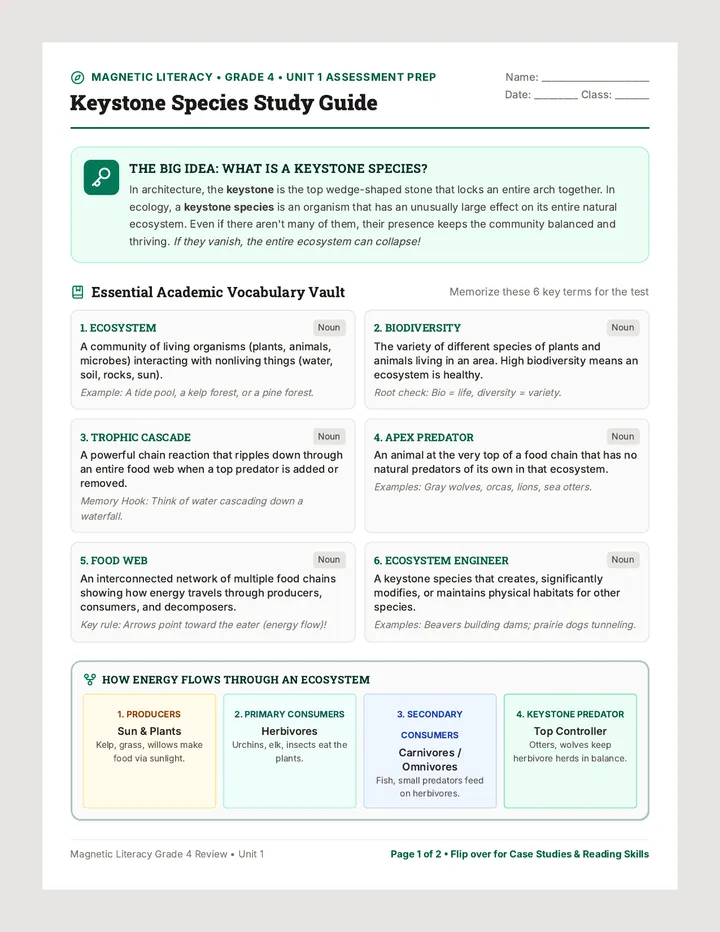
Gravity, Mass, and the Invisible Push
Warm-Up Question
If you drop a heavy rock and a light feather at the same time...
Which one falls faster?
Why do you think that?
Video: Misconceptions in Science
Mass & Air Resistance
Embedded media
Pause at 1:27 for comparison
Pause at 2:30 for prediction
Back in History: Galileo Galilei
"I drop two spheres of different weights from the top of this tower..."
Before Galileo, people thought heavy things fell faster just because they were heavy. Galileo proved them wrong!
Tower of Pisa
They hit the ground at the SAME time!
The Vacuum Secret
What is a Vacuum?
A space where there is absolutely no air. No atoms, no wind, nothing!
"On the Moon, a hammer and a feather fall at exactly the same speed!"
Imagine a chamber where
THE INVISIBLE PUSH
Air Resistance
A force that acts against motion. It's like friction with the air!
Shape Matters
The more "room" an object takes up (surface area), the more air pushes it UP.
Air is
Why Parachutes Work
A parachute has HUGE surface area.
It catches a lot of air, creating enough resistance to slow you down safely!
The Paper Race
1
CRUMPLE
Take TWO identical sheets. Crumple one into a tight ball. Leave the other flat.
2
DROP
Hold them at the SAME height. Drop them at the EXACT same time.
3
RECORD
Which one wins? Does the weight of the paper change? Write it on your sheet!
Safety Check: Stay grounded or use stable surfaces!
Why was it different?
Did the mass change?
NO!
The flat paper has more surface area for air to push against.
High Resistance
Low Resistance
Show What You Know
True or False?
"Heavier objects always fall faster than lighter objects in the real world."
Word Match!
What is the invisible force that pushes UP on falling objects?
Great Lab Work, Scientists!
Paper Race Lab Report Worksheet Paper Race Lab Report
Gravity & Air Resistance Investigation
NAME:
DATE:
The Big Question
If two objects have the same mass (same weight), will they always fall at the same speed?
Part 1: My Prediction
I have two identical sheets of paper. I will crumple one into a ball and leave the other flat. I predict that:
The flat paper will hit the ground first.
The crumpled paper will hit the ground first.
They will hit the ground at the same time.
Why do I think this?
Part 2: Observations
Paper Shape Speed (Fast/Medium/Slow) Movement Description Flat Sheet Crumpled Ball
Part 3: Science Sketch
1. Draw the FLAT paper falling.
Add "Air Resistance" arrows pushing UP.
2. Draw the CRUMPLED paper falling.
Add "Air Resistance" arrows pushing UP.
Scientific Wrap-Up
The paper fell slower because its flat shape has more area. This means the could push up on it more easily than the round ball.
Mass: How much matter is in an object.
Air Resistance: The force of air pushing against a moving object.
Gravity: The force pulling objects down to Earth.
Falling Physics Teacher Guide Falling Physics
Teacher Facilitation Guide • 3rd-4th Grade
40 Min Lesson
Objectives
Identify the common misconception that weight determines falling speed.
Predict outcomes of falling objects based on shape and air resistance.
Define vacuum as a space devoid of matter/air.
Materials
2 Sheets Blank Paper / student
Student Lab Worksheet
Falling Physics Slides
Lesson Flow
5 MIN
Warm-Up: The Rock vs. The Feather
"Class, if I hold a rock in one hand and a feather in the other and drop them, which hits first?"
• Record student guesses on the board. Most will say the rock because it's heavy.
• Ask "Why?" to reveal the core misconception.
10 MIN
Video: Misconceptions in Science
Play the video from Slide 3. Use these critical pause points for discussion:
0:14 - The Hook
Ask: "Raise your hand if you agree heavy things fall faster. Why do we see this in real life?"
0:45 - Galileo's Tower
Ask: "Predict what happens when Galileo drops the wood ball and the metal ball. Will the heavy one win?"
1:27 - Air Resistance
Core Concept Pause: Discuss why shape matters more than weight. Define Air Resistance.
2:30 - The Classroom Test
Pause before the result. "How can we change the shape of paper to make it fall faster without adding weight?"
20 MIN
Activity: The Paper Race
Hand out 2 sheets of paper per student. Guide them through the experiment:
Prediction: Fill out Part 1 on the Lab Worksheet.
Procedure: Crumple one, keep one flat. Drop from the same height.
Discussion: "Did the weight change? No! So what was the variable?" (Surface Area/Air Resistance).
Observation: Record results in Part 2. Sketch the arrows in Part 3.
5 MIN
Closure: Vacuum Check
"If we went to the Moon (which has no air), would a hammer and a feather fall at the same speed? Why?"
Final check: Ensure students understand that gravity pulls everything the same, but air pushes back!
Vacuum
Space with zero air or matter.
Air Resistance
Friction force from air particles.
Mass
The amount of 'stuff' in an object.
Misconception
A mistaken idea based on daily experience.