Students step into the role of emergency dispatchers, using absolute and relative location to manage a disaster response simulation. They will plot coordinates, analyze spatial relationships, and issue precise navigation orders to rescue teams.
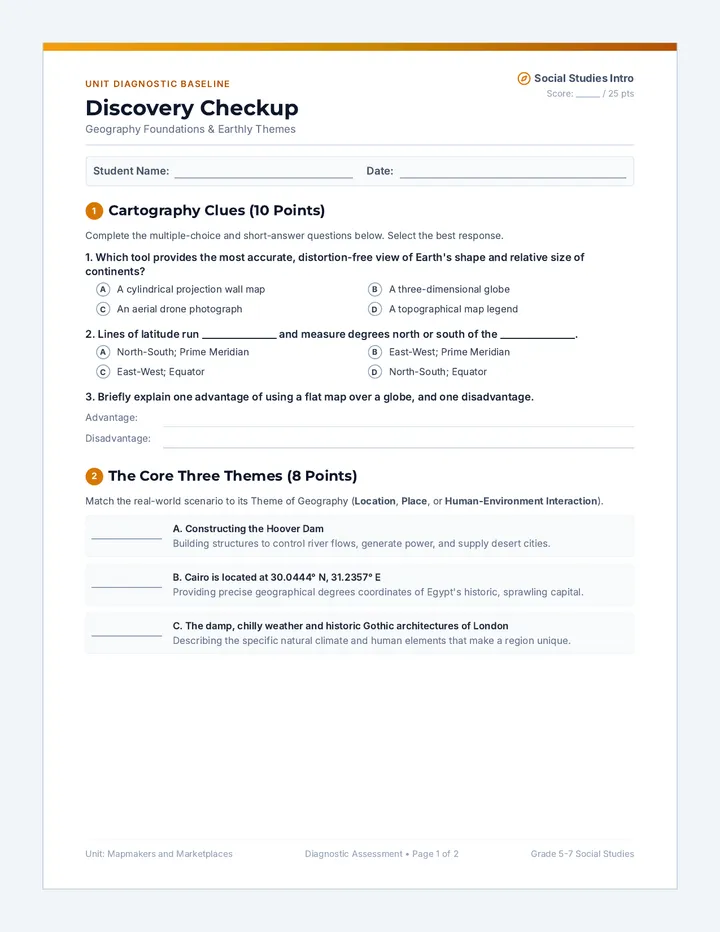
An introductory social studies sequence exploring geography foundations, core geographical themes, and basic economics. Students participate in highly interactive lessons, readings, task cards, and hands-on worksheets.
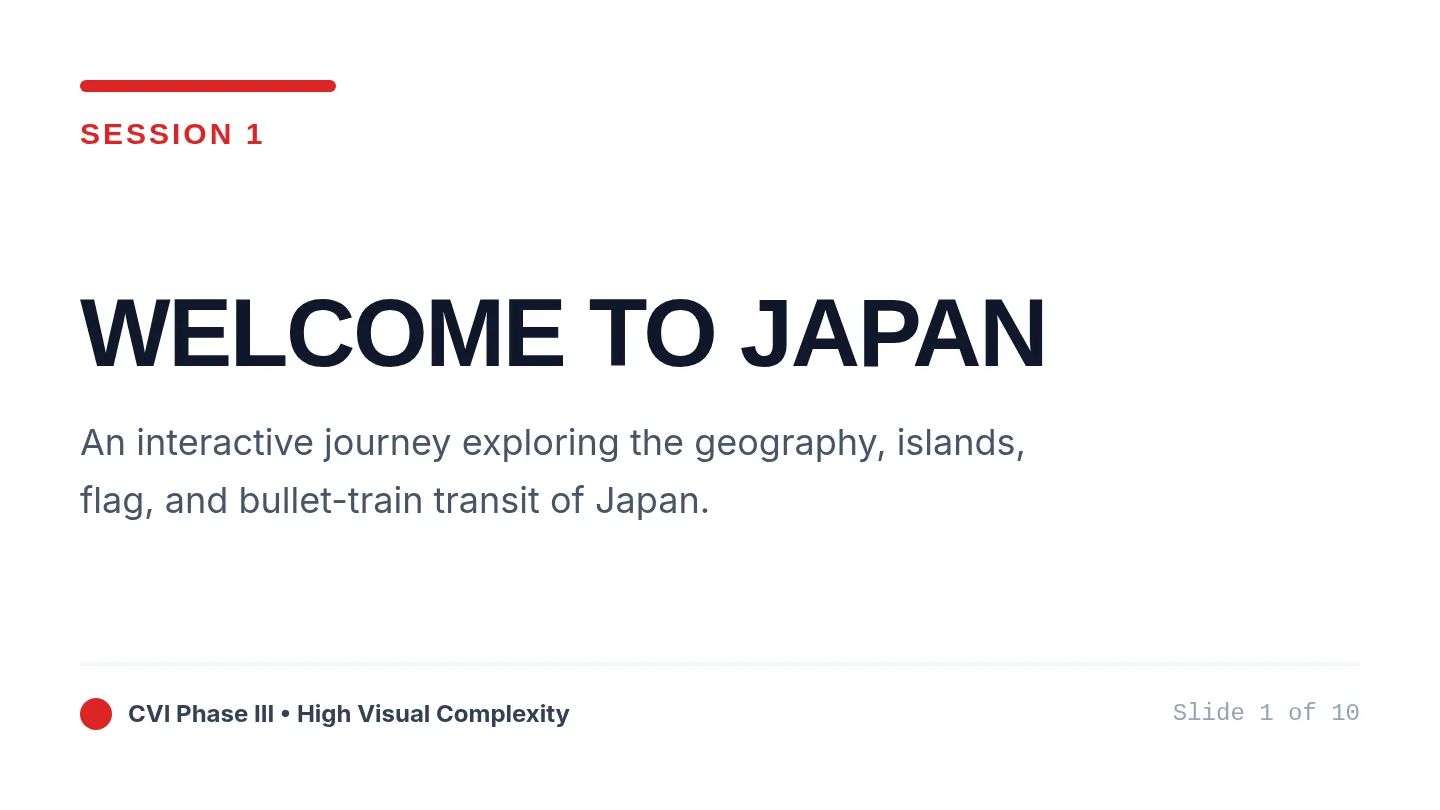
An introductory lesson exploring Japan's geographical location, island features, national flag, and a virtual bullet-train route, adapted for students with CVI Phase III.
A visually rich, light-background slide presentation designed for students in Phase III CVI with high visual complexity. Features a dedicated island pronunciation guide with clear phonetic spellings and syllables, elegant visual targets, and clean sans-serif typography.
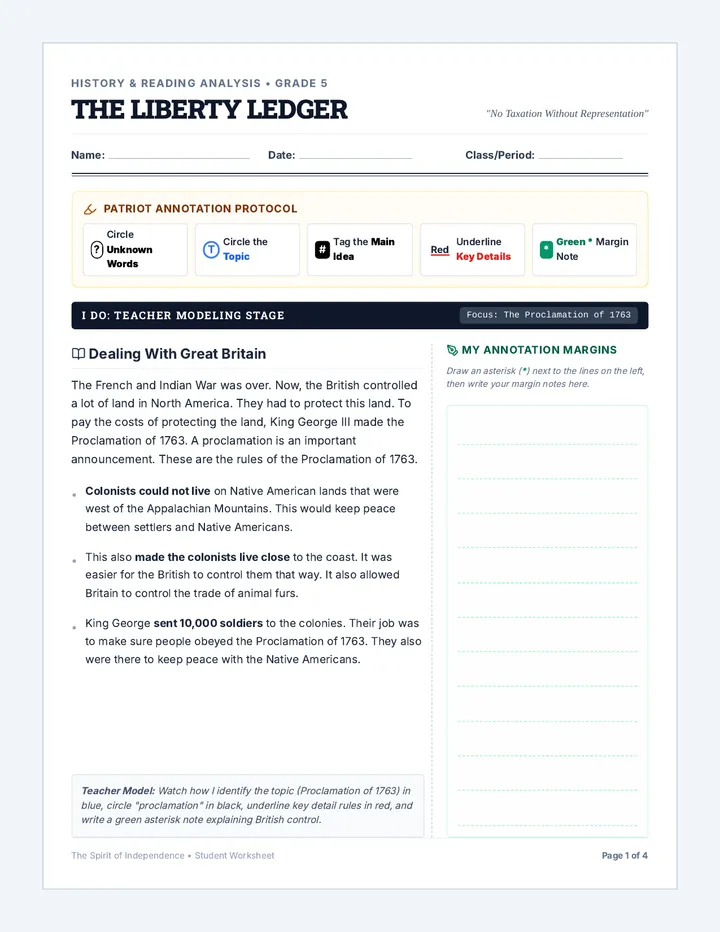
A fifth-grade social studies and active reading unit exploring the growing friction between Great Britain and the American colonies, focusing on the causes, consequences, and motivated actions that led to the American Revolution.
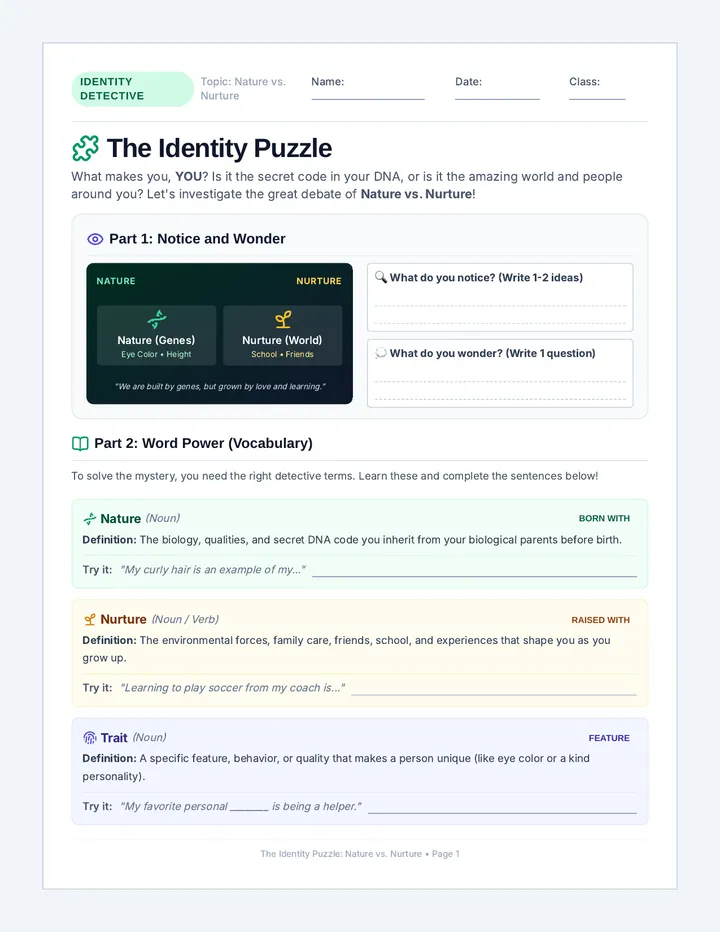
A simplified 6th-grade lesson exploring the classic nature vs. nurture debate. Students learn key vocabulary, read a graphic-organizer-style text, and answer scaffolded comprehension and reflection questions.
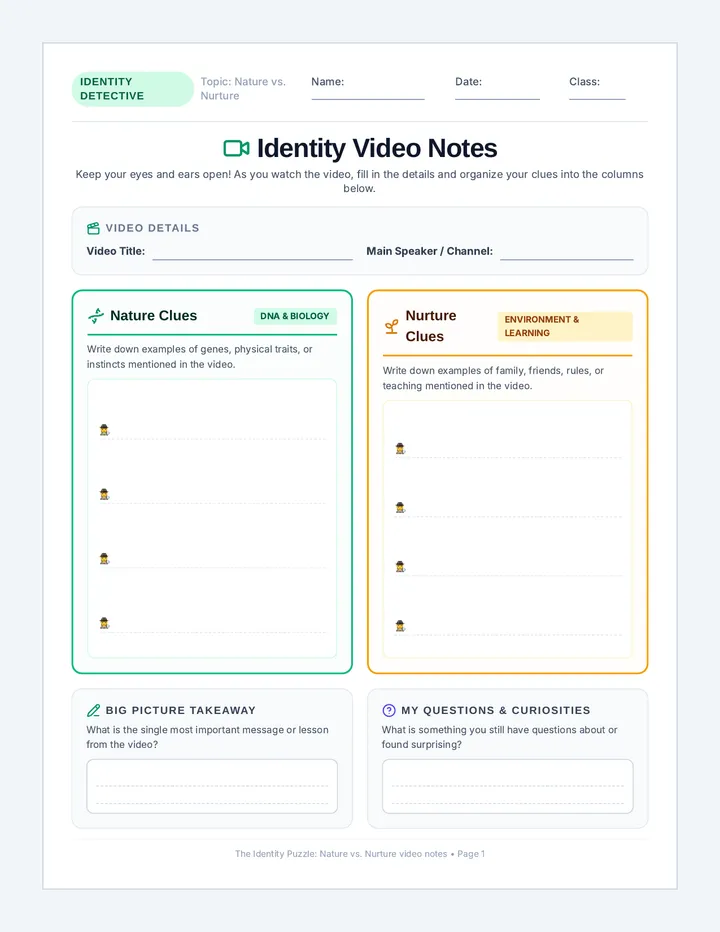
A single-page student video note-taking sheet with themed columns for nature and nurture observations, a video details block, and sections for writing a big-picture summary and outstanding questions.
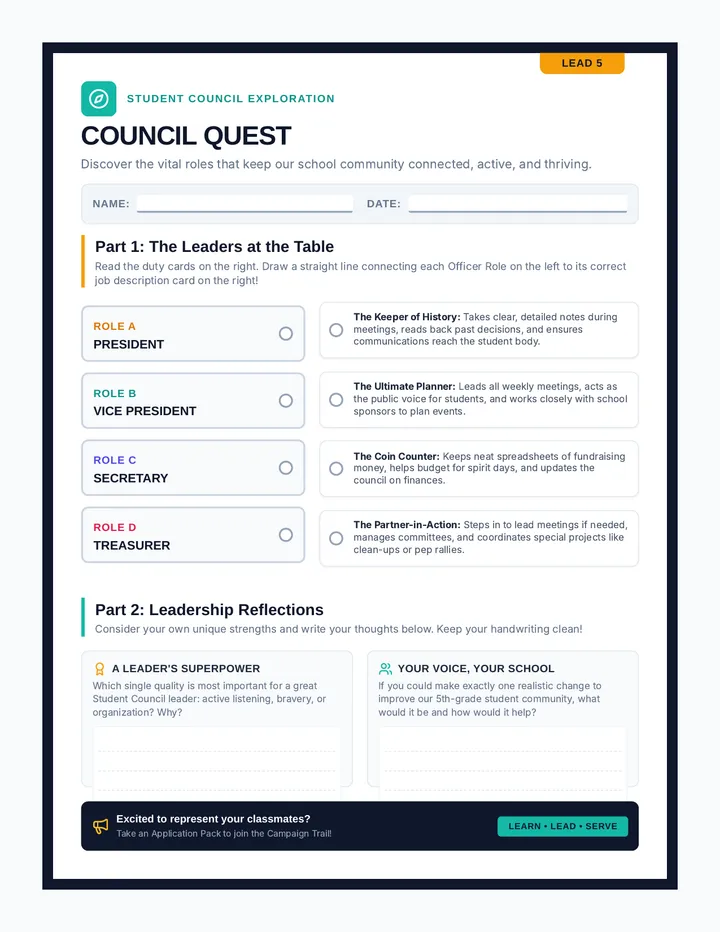
A comprehensive program to establish and run an active 5th-grade student council. It covers introductory roles, democratic campaigning, leadership training, and meeting protocols.
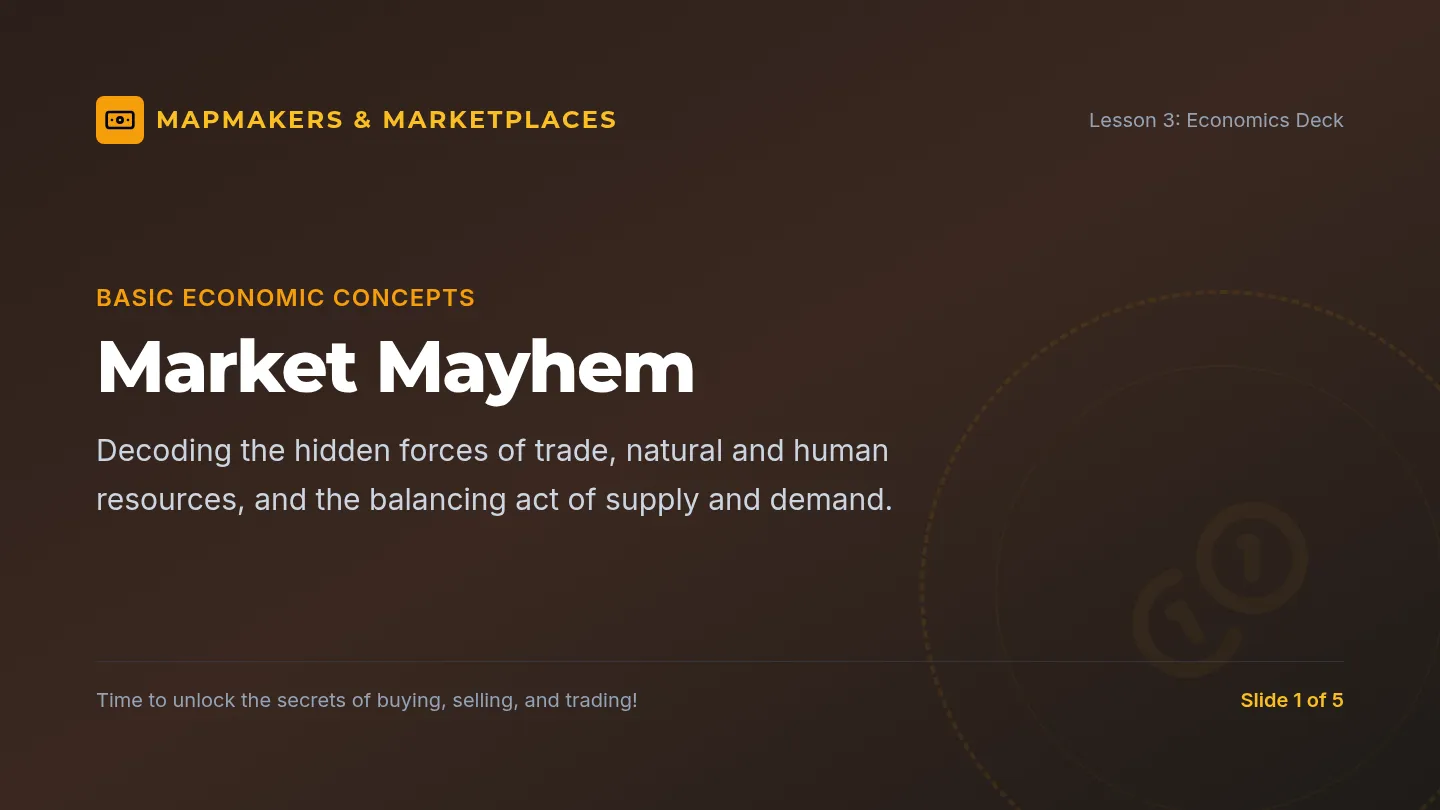
Explores fundamental economic concepts such as trade, natural and human resources, and the balance of supply and demand through simulations and worksheets.
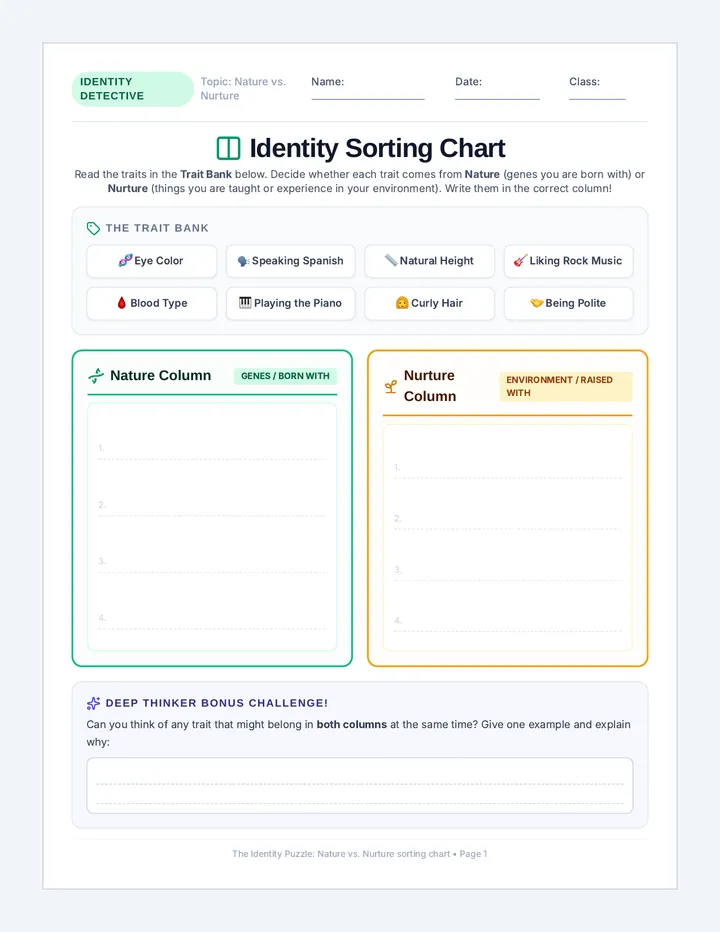
A single-page student sorting activity featuring a themed Word Bank of 8 kid-friendly traits and a beautifully styled, spacious Nature vs. Nurture T-chart for 6th-grade students to complete.
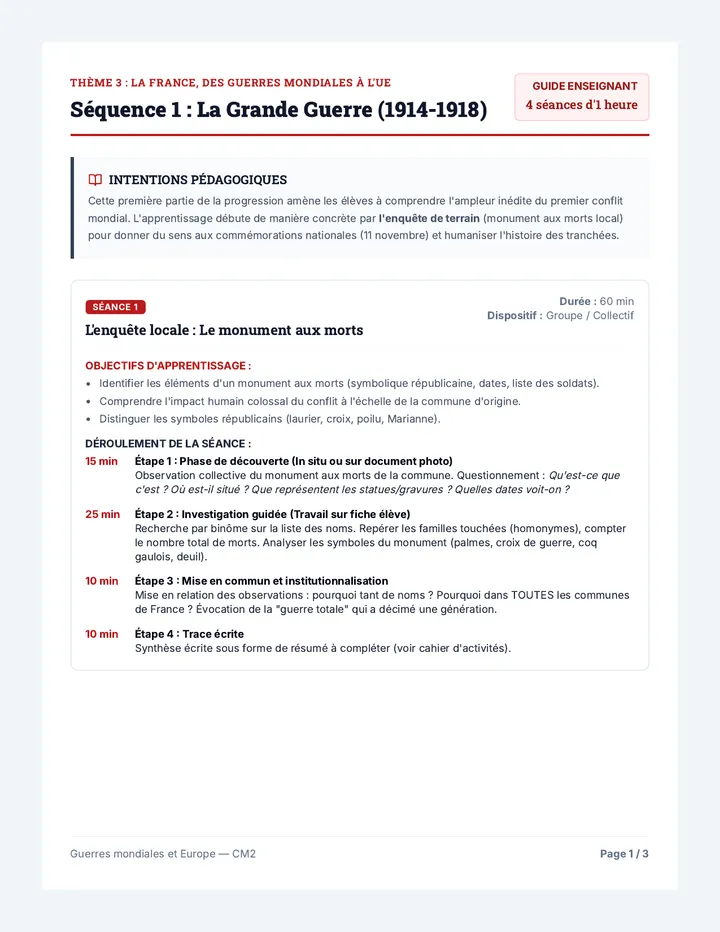
Une progression complète d'histoire CM2 de 12 séances basée sur les programmes officiels de 2020 et 2023, s'appuyant sur l'histoire locale (monuments aux morts, plaques de rues) et le calendrier commémoratif pour étudier les deux conflits mondiaux et la construction européenne.
Introduces three major themes of geography: Location, Place, and Human-Environment Interaction. Includes station task cards and guided reading passages.
A 3-page, highly scaffolded, 6th-grade student worksheet packet on the Nature vs. Nurture debate. Includes a notice-and-wonder hook, kid-friendly vocabulary cards, a simplified graphic-organizer reading passage, and matching, multiple-choice, short-answer, and personal reflection questions.