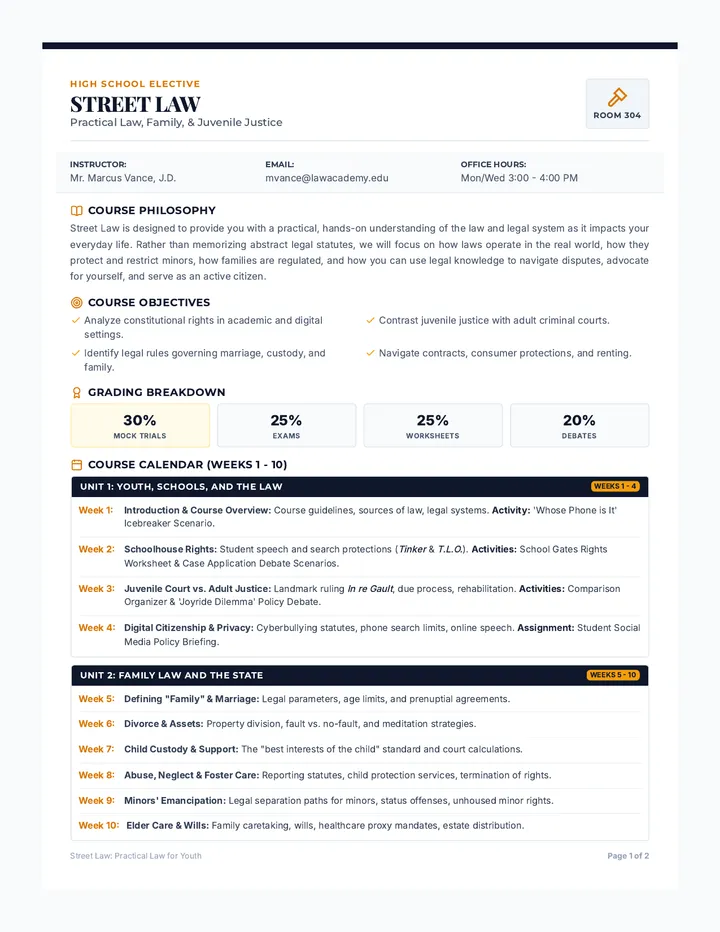
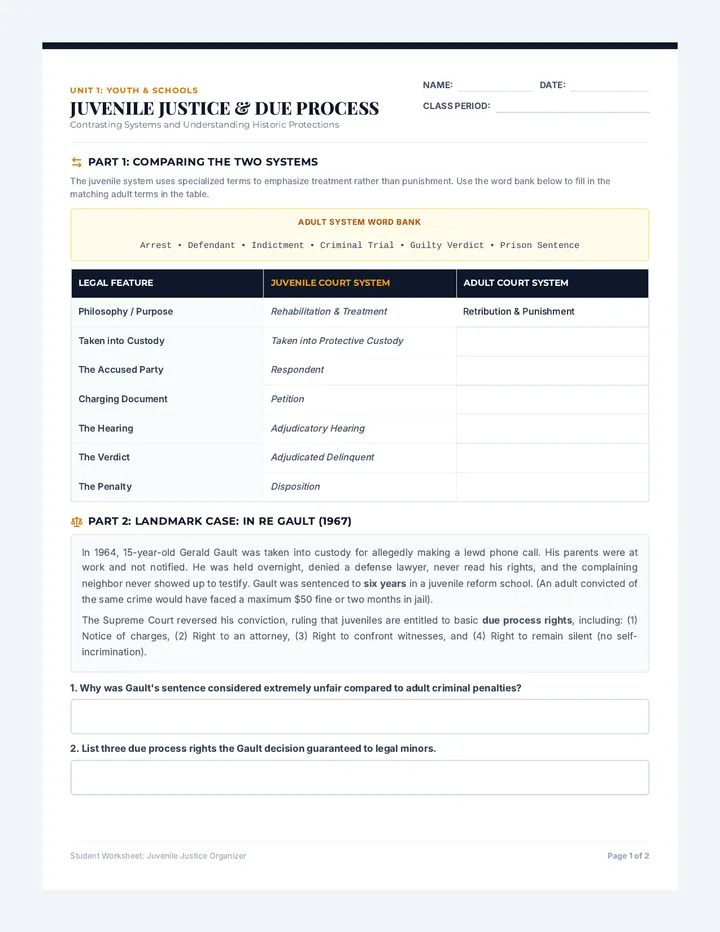
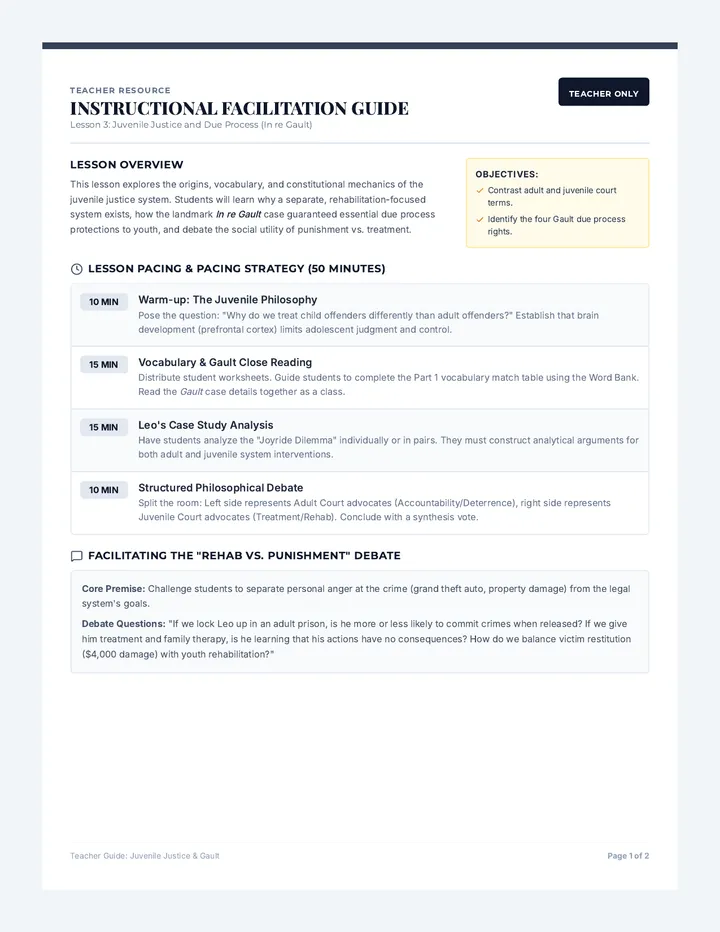
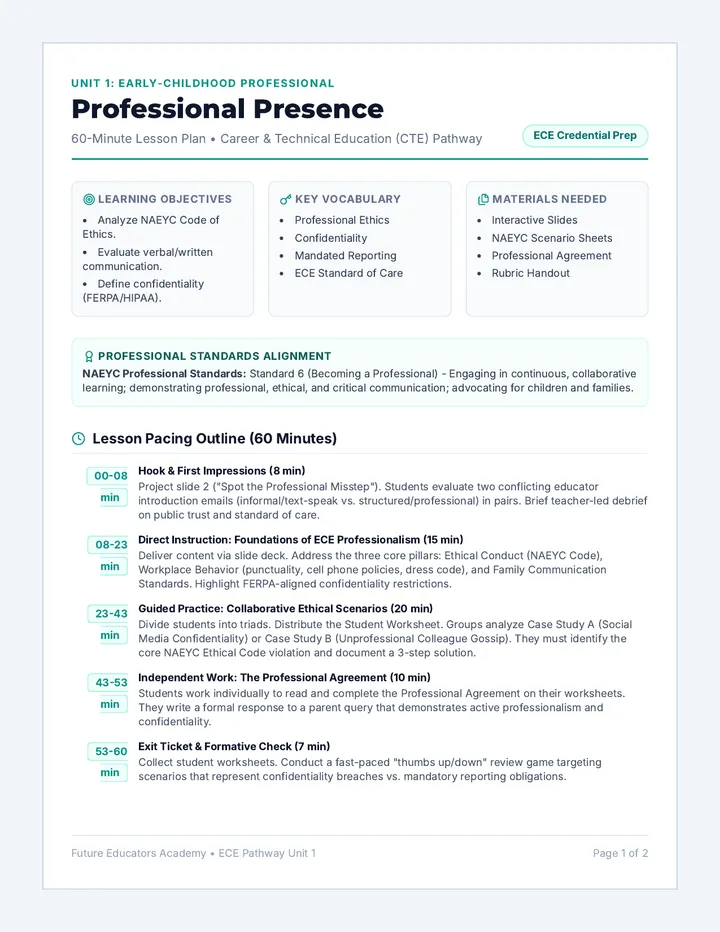
Colonial Kids Worksheet Colonial Kids
Reading Comprehension • Level A (Grade 1)
Name:
Date:
Two Different Lands
Long, long ago, families lived in places called colonies . Some lived in the Middle Colonies . Others lived in the Southern Colonies .
🌾 The Middle Colonies
This land had rich, black dirt. Farms grew lots of wheat. People made flour and baked tasty bread. They called this region the Bread Basket !
☀️ The Southern Colonies
This land was warm and wet. Farmers grew big crops like tobacco and rice. They worked on huge farms called plantations .
Colonial children worked very hard. Boys and girls chopped firewood, cooked food, and cared for animals. But they still found time to play fun tag games outside!
Answer the Questions
1. What did farmers grow in the Middle Colonies to bake bread?
A Rice B Wheat C Apples
2. What were the huge farms in the Southern Colonies called?
3. Draw a picture of a colonial kid helping with a chore at home.
My Drawing Box
RF.1.4 Read with sufficient accuracy and fluency to support comprehension. Colonial Life Lesson
Colonial Crossroads Worksheet Colonial Crossroads
Reading Comprehension • Level B (Grade 4)
Name:
Date:
Middle Wheat & Southern Soil
An analysis of life, labor, and landscapes in early America
In the 1700s, America was still divided into colonies. Two regions, the Middle Colonies (like Pennsylvania and New York) and the Southern Colonies (like Virginia and Maryland), grew very differently because of their geography, climate, and ways of life.
🗺️ Geography and the Bread Basket
The Middle Colonies had moderate climates with cold winters and warm summers. Their rolling hills and river valleys had deep, nutrient-rich soil. This allowed families to grow massive fields of grains like wheat, rye, and barley. Because of this massive grain production, they earned the nickname "The Bread Basket of America." Busy port cities like Philadelphia grew quickly as centers of trade and crafts.
☀️ Southern Fields and Cash Crops
Further south, the weather was hot, humid, and wet, with a long growing season. The soil was perfect for growing expensive cash crops like tobacco, rice, and indigo dye . Instead of small family farms, wealthy landowners built giant estates called plantations along the tidewater rivers. These plantations were like self-sufficient mini-towns, operating with their own docks, blacksmiths, and mills.
🤝 Labor and Daily Life
Because plantations were massive, landowners needed many hands. Initially, many came as indentured servants —poor Europeans who signed contracts to work for several years in exchange for passage to America. Over time, however, Southern plantation owners relied heavily on the forced labor of enslaved African people , who had no freedom and were treated as property.
In contrast, Middle Colony daily life centered around busy towns, small farms, and religious communities. Schools were more common there, whereas wealthy Southern children were often tutored at home on remote plantations.
CCSS.ELA-LITERACY.RI.4.1 • Quote accurately from a text Page 1 of 2
Comprehension Review
Colonial Crossroads • Worksheet Activities
Grade 4 Reading Unit
Score: _________ / 10
Part A: Multiple Choice
1. Why were the Middle Colonies nicknamed the "Bread Basket"?
A They built massive baking factories. B They grew large crops of grains like wheat. C They only ate bread for every meal. D They imported all their wheat from England.
2. Which geographic factor made the Southern Colonies ideal for growing cash crops?
A Cold, snowy winters and rocky hills. B Hot, wet climate with a long growing season. C Mountain ranges and desert soils. D Frequent freezing temperatures in summer.
Part B: Written Response
3. Describe the difference between an indentured servant and an enslaved person in the colonies. Cite specific details from the passage.
4. Compare the daily life of children in the Middle Colonies with those living on Southern plantations. How did school and community differ?
CCSS.ELA-LITERACY.RI.4.3 • Explain events or concepts based on text evidence Page 2 of 2
Colonial Contrasts Worksheet Colonial Contrasts
Reading Comprehension • Level C (Grade 5)
Name:
Date:
Divergent Worlds
An in-depth look at geography, mercantilism, and the rise of plantation agriculture
By the mid-eighteenth century, the British colonies along the Atlantic coast had formed distinct regional identities. While they all shared an allegiance to the Crown, the Middle Colonies and the Southern Colonies developed entirely different socio-economic structures, driven primarily by geography and labor models.
🌍 Physical Landscapes & Trade Gateways
The Middle Colonies (New York, New Jersey, Pennsylvania, and Delaware) featured moderate temperatures, fertile river valleys, and natural, deep-water harbors. This geography supported a varied and diverse economy. Known as the "Bread Basket" for their massive wheat and grain exports, they also developed thriving merchant communities. Cities like Philadelphia and New York became centers of shipping, printing, and artisanal crafts, attracting a diverse melting pot of European immigrants.
🌱 Southern Monoculture & The Plantation System
In contrast, the Southern Colonies (Maryland, Virginia, the Carolinas, and Georgia) possessed flat, coastal plains—known as the Tidewater—and a warm, wet climate with a long growing season. This environment encouraged the growth of monoculture —focusing entirely on high-value cash crops such as tobacco, rice, and indigo. Instead of urban shipping hubs, the Southern economy was built around vast, isolated rural plantations. These self-contained estates bypassed local merchant towns entirely by shipping crops directly to Europe from their private riverfront docks.
⛓️ The Shifting Landscape of Labor
The plantation economy's scale demanded a vast workforce. Initially, planters relied heavily on indentured servants . These individuals, seeking opportunity, contracted their labor for four to seven years in exchange for ocean passage and "freedom dues" (often land or money) at the contract's end.
However, as the supply of European servants dwindled and lands became scarce, Southern planters turned increasingly to enslaved African labor . Unlike indentured servitude, slavery was permanent, inherited, and legally codified as chattel, meaning enslaved people were treated as personal property. This shift institutionalized a deeply divided class system in the South, starkly contrasting with the more democratic, town-based community networks of the Middle Colonies.
CCSS.ELA-LITERACY.RI.5.1 • Cite specific textual evidence to support analysis Page 1 of 2
Analytical Assessment
Colonial Contrasts • Close Reading & Data Synthesis
Colonial Kids Answer Key Colonial Kids Key
Teacher Answer Key & Rubric • Level A (Grade 1)
TEACHER COPY
Instructional Focus
Assess students on basic literal comprehension. Focus on identifying the key regional characteristics (wheat in the Middle colonies, plantations in the Southern colonies) and demonstrating connection to daily chores through illustration.
Key Reading Milestones:
Bread Basket: Students should connect grain/wheat with the Middle colonies.Plantation: Students should identify this specific vocabulary word for large Southern farms.Daily Chores: Recognizing that children had responsibilities (chopping wood, cooking, caring for animals).
Correct Responses & Grading Guidelines
1. What did farmers grow in the Middle Colonies to bake bread?
A Rice B Wheat C Apples
2. What were the huge farms in the Southern Colonies called?
plantations
Acceptable spellings: plantation, plantations, or phonetic spellings (e.g., plan-tashun).
3. Draw a picture of a colonial kid helping with a chore at home.
🎨 Rubric for Drawing:
Full Credit (3 pts): Drawing clearly depicts a chores activity mentioned in the text (e.g., carrying firewood, feeding a farm animal, working in a kitchen/cooking, or sweeping).Partial Credit (1-2 pts): Drawing shows a child helping or working but isn't explicitly colonial-themed or clear.No Credit (0 pts): Drawing is blank or completely unrelated (e.g., playing a modern video game).
RF.1.4 Teacher Support Materials Colonial Life Lesson • Grading Guide
Colonial Crossroads Answer Key Colonial Crossroads Key
Teacher Answer Key & Exemplar Responses • Level B (Grade 4)
TEACHER COPY
Standards & Rubrics
Questions assess RI.4.1 (citing text evidence) and RI.4.3 (explaining historical developments). For short-answer questions, students must explicitly use or reference facts from the passage to receive full credit.
Part A: Multiple Choice Answer Key
1. Why were the Middle Colonies nicknamed the "Bread Basket"?
Correct Answer: B — They grew large crops of grains like wheat. Explanation: The text states: "...deep, nutrient-rich soil... allowed families to grow massive fields of grains like wheat... earned the nickname 'The Bread Basket of America.'"
2. Which geographic factor made the Southern Colonies ideal for growing cash crops?
Correct Answer: B — Hot, wet climate with a long growing season. Explanation: The text notes: "Further south, the weather was hot, humid, and wet, with a long growing season."
Part B: Written Response Exemplars
3. Describe the difference between an indentured servant and an enslaved person in the colonies. Cite specific details.
Exemplar Answer: "According to the passage, an indentured servant was a poor European who signed a contract to work for several years in exchange for free passage to America. After their contract ended, they were freed. However, enslaved African people had no freedom, had no contracts, were treated as property, and were forced to work their entire lives."
Grading Rubric (3 points total): • 1 pt for explaining indentured servants have a contract/limit. • 1 pt for explaining enslaved people had no contracts/no freedom. • 1 pt for citing details directly from the text.
4. Compare the daily life of children in the Middle Colonies with those living on Southern plantations.
Exemplar Answer: "The passage shows that children in the Middle Colonies lived in busy towns and on family farms. They had religious communities and went to school more often. On the other hand, kids on Southern plantations lived on large, isolated estates. Because they were far from towns, wealthy Southern children did not go to school in towns; instead, they were taught at home by tutors."
Grading Rubric (2 points total): • 1 pt for describing Middle Colonies (towns/family farms/school). • 1 pt for describing Southern plantations (isolated estates/tutors at home).
CCSS.ELA-LITERACY.RI.4.1 & RI.4.3 • Teacher Answer Key Resource Page 1 of 1
Colonial Contrasts Answer Key Colonial Contrasts Key
Teacher Answer Key & Analysis Rubric • Level C (Grade 5)
TEACHER COPY
This key is aligned to RI.5.1 (Text Evidence), RI.5.3 (Historical Relationships), and RI.5.5 (Compare/Contrast Structure). Use the completed table matrix below to grade student synthesis skills.
1. Trade Port Impact
Correct: A
Planters shipped cash crops directly from private docks, bypassing local towns due to the Southern coastal geography.
2. Labor Transition Reason
Correct: B
European servant supply decreased while land payouts became highly scarce and expensive at contract ends.
3. Differences: Indentured Servitude vs. Chattel Slavery
Exemplar Answer: "Indentured servitude was temporary (4-7 years) based on a voluntary contract for passage, ending with freedom dues. Chattel slavery was permanent, passed down to children, and legal chattel (enslaved humans were treated as personal property with zero rights or freedom)."
Part B: Completed Comparative Matrix
Feature The Middle Colonies The Southern Colonies Primary Crops & Economy Wheat, barley, rye grains ("Bread Basket"). Diverse trade hubs, shipping, printing, and crafts. Monoculture cash crops (tobacco, rice, indigo). Isolated plantation economy trading directly with Europe. Labor Systems Independent small family farmers, local paid tradesmen, and specialized artisans. Heavy reliance on forced, permanent African chattel slavery (transitioned from temporary indentured servants). Settlements Dense, diverse shipping ports, busy town structures, and localized community school systems. Highly isolated vast rural plantations along waterways. Wealthy kids had home-based tutors; no local town schools.
4. Synthesis: Geographic Determinism
Exemplar Answer: "Geography dictated the economy, which in turn dictated social structures. The Middle Colonies' natural harbors and fertile soil created diverse trading cities and family farms. In contrast, the South's warm climate, flat plains, and long growing seasons made massive plantation-based cash crop farming highly profitable, which drove the demand for cheap, forced labor and established the tragic, hereditary system of chattel slavery."
CCSS.ELA-LITERACY.RI.5.3 & RI.5.5 • Teacher Support Materials Page 1 of 1