Life Sorting Slides BIOLOGY UNIT NOTES
Life Sorting Lab
Classification, Three Domains & Six Kingdoms
Aristotle vs. Modern
Scientific Names
Cell Types
3 Domains & 6 Kingdoms
1. What Is Classification?
Part 1
To classify means to group things together.
Taxonomy is the science of classifying living things.
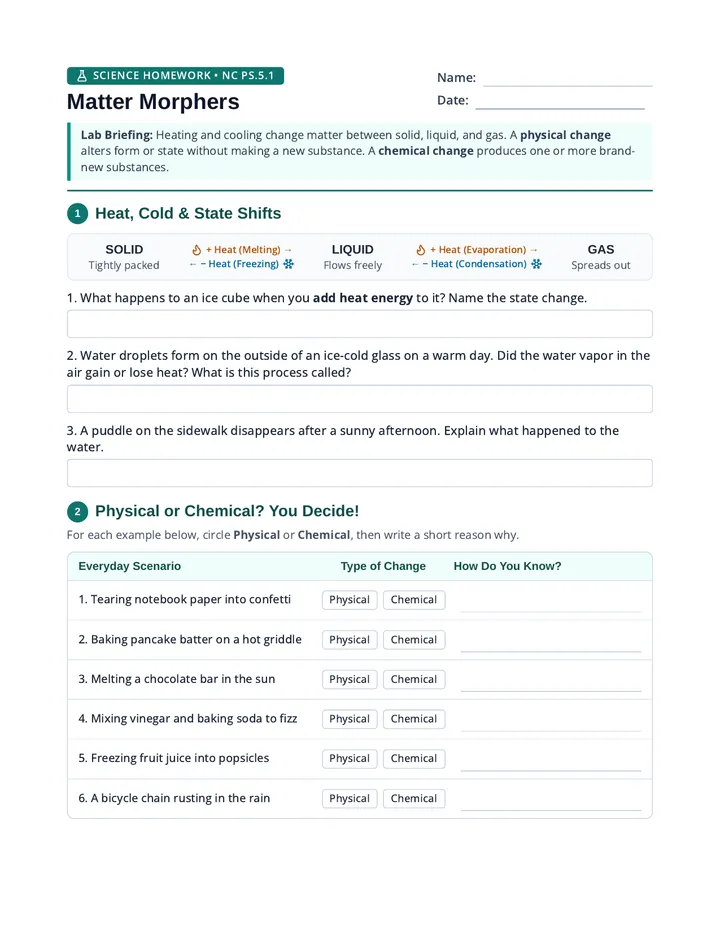
We classify (like foods in a supermarket) to put items in order, make them easy to find, and show how they are alike.
All good classification systems use consistent characteristics and show similarities and differences (they do not need 8 levels).
2. Aristotle's Classification
Early System
Aristotle grouped animals by where they live (land, water, or air).
Land
Deer, Lions, Frogs
Water
Fish, Whales, Frogs
Air
Birds, Bats, Bees
For example, he placed all fish in the same group because they all live in water.
Aristotle's system was not effective because many animals could be placed into more than one group.
3. Modern Classification
8 Levels
Modern biologists classify organisms using the structure of body parts, body chemistry (DNA), and common ancestry.
The 8 levels of classification from largest (most general) to smallest (most specific) are:
Largest / Most General
1. Domain
2. Kingdom
3. Phylum
4. Class
5. Order
6. Family
7. Genus
8. Species
Smallest / Most Specific
4. Scientific Names
Binomial Nomenclature
Scientific names are made up of two levels: Genus and species (example: Homo sapiens or Homo sapiens ).
Scientific names are written in Latin because it was the language of scholars, and it is a dead language that does not change.
Modern scientific names are valuable because they are the same in every country, every organism has one name, and they show relationships.
5. Microscopes & Cell Types
Cell Structure
The invention of the microscope led to the discovery of tiny organisms and more kingdoms.
Prokaryotic
Cells without a nucleus (simple and small).
Eukaryotic
Cells with a nucleus (more complex).
6. Number of Cells
Cell Count
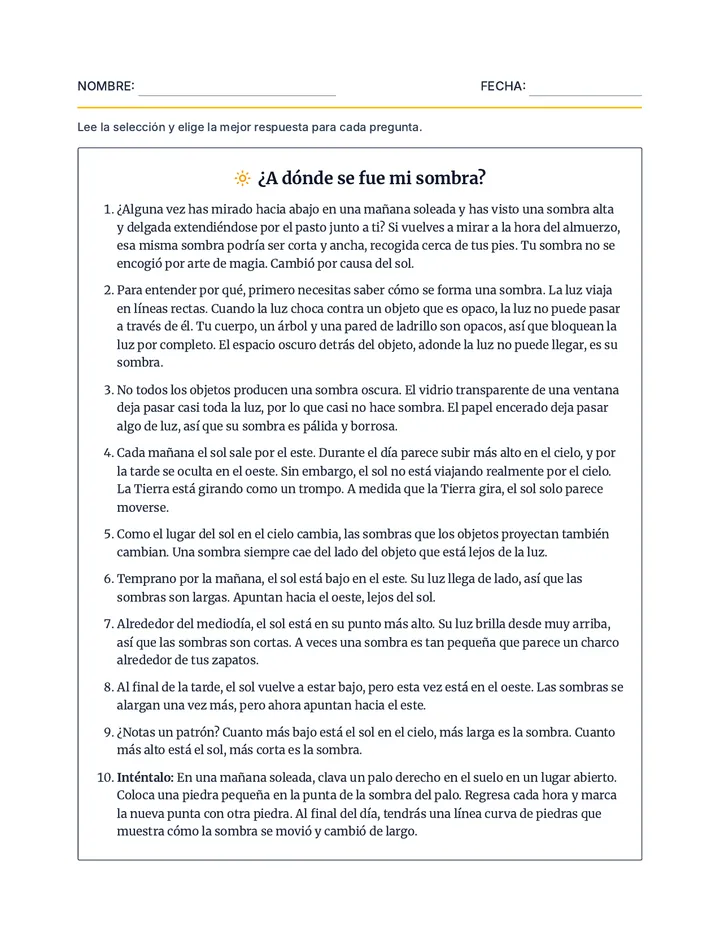
Unicellular
Organisms made of only one cell.
Examples: Bacteria, Archaea, most Protists
Multicellular
Organisms made of many cells.
Examples: Plants, Animals, most Fungi
7. The Three Domains
Largest Level
All living things are grouped into three domains, the largest level of classification:
1. Bacteria
Prokaryotic and unicellular.
Kingdom: Eubacteria
2. Archaea
Prokaryotic, unicellular; live in extreme places.
Kingdom: Archaebacteria
3. Eukarya
Eukaryotic cells (have a nucleus).
Protista, Fungi, Plantae, Animalia
8. Six Kingdoms (Part 1)
Kingdoms 1–3
Only two kingdoms have only prokaryotic cells: Archaebacteria and Eubacteria.
Archaebacteria
Prokaryotic, unicellular, live in extreme environments.
Eubacteria
Prokaryotic, unicellular, everyday bacteria.
Protista
Eukaryotic, mostly unicellular (some multicellular like kelp).
9. Six Kingdoms (Part 2)
Kingdoms 4–6
Three kingdoms contain mostly multicellular eukaryotic organisms: Fungi, Plantae, and Animalia.
Fungi
Eukaryotic, mostly multicellular; absorb food (mushrooms, mold).
Plantae
Eukaryotic, multicellular; make their own food.
Animalia
Eukaryotic, multicellular; eat other organisms for food.
Life Sorting Guided Notes Life Sorting Lab: Guided Notes
Follow along with the slides and write one word in each blank.
Name: ___________________________
Date: ___________________________
1. What Is Classification?
• To classify means to things together.
• is the science of classifying living things.
• We classify (like foods in a supermarket) to put items in , make them easy to , and show how they are .
• All good classification systems use characteristics and show and (they do not need 8 levels).
2. Aristotle's Classification
• grouped animals by where they (land, water, or air).
• For example, he placed all fish in the same group because they all live in .
• Aristotle's system was not because many animals could be placed into more than group.
3. Modern Classification
• Modern biologists classify organisms using the of body parts, body (DNA), and common .
• The levels of classification from largest (most general) to smallest (most specific) are:
Largest / Most General
Smallest / Most Specific
4. Scientific Names
• Scientific names are made up of two levels: and (example: Homo sapiens).
• Scientific names are written in because it was the language of , and it is a language that does not change.
• Modern scientific names are valuable because they are the in every country, every organism has name, and they show .
Life Sorting Lab: Guided Notes (Page 2)
Cells, Domains & Kingdoms
5. Microscopes & Cell Types
• The invention of the led to the discovery of tiny organisms and more .
Prokaryotic
Cells a nucleus (simple and small).
Eukaryotic
Cells a nucleus (more complex).
6. Number of Cells
Unicellular
Organisms made of only cell.
Multicellular
Organisms made of cells.
7. The Three Domains
• All living things are grouped into domains, the largest level of classification:
1. Bacteria
and .
2. Archaea
, ; live in places.
3. Eukarya
cells (have a nucleus).
8 & 9. The Six Kingdoms
• Only two kingdoms have only cells: and .
• Three kingdoms contain mostly eukaryotic organisms: , , and .
Archaebacteria
, , extreme places.
Eubacteria
, , everyday bacteria.
Protista
, mostly .
Fungi
, mostly ; absorb food.
Plantae
, ; make food.
Animalia
, ; eat food.
Life Sorting Practice Worksheet Life Sorting Lab: Practice
Review questions aligned with your unit test.
Name: ___________________________
Date: ___________________________
Part A: Circle the best answer for each question.
1. The science of classifying living things is called:
A. Binomial nomenclature
B. Taxidermy
C. Taxonomy
2. Aristotle placed all fish in the same group because they all:
A. Have scales
B. Live in water
C. Have fins
3. Why was Aristotle's classification of animals NOT effective?
A. Many animals could be placed into more than one group
B. He used body structure to classify animals
C. Animals are too difficult to classify
4. Which invention led to the discovery of more kingdoms?
A. X-ray machine
B. Microscope
C. Computer
5. Scientific names are made up of which two levels?
A. Kingdom and Phylum
B. Genus and species
C. Family and Kingdom
6. Which shows the properly written scientific name of humans?
A. Homo sapiens
B. Homo Sapiens
C. Homo sapiens
7. Which is NOT a characteristic of all good classification systems?
A. Uses consistent characteristics throughout
B. Shows similarities and differences of items
C. Contains eight different levels of organization
8. Which shows the 8 levels from largest (most general) to smallest?
A. Kingdom, domain, phylum, class, order, family, genus, species
B. Species, genus, family, order, class, phylum, kingdom, domain
C. Domain, kingdom, phylum, class, order, family, genus, species
9. Which two kingdoms have ONLY prokaryotic cells? (Circle 2)
A. Archaebacteria
B. Eubacteria
C. Animalia
D. Plantae
10. Which kingdoms contain mostly multicellular organisms? (Circle 3)
A. Animalia
B. Eubacteria
C. Fungi
D. Plantae
Life Sorting Lab: Practice (Page 2)
Domains, Kingdoms & Short Answer
Part B: Complete the Six Kingdoms Chart
Write Prokaryotic or Eukaryotic for Cell Type, and Unicellular , Mostly Unicellular , Mostly Multicellular , or Multicellular for Number of Cells.
Domain
Kingdom
Cell Type (Nucleus?)
Number of Cells
Bacteria
Eubacteria
Archaea
Archaebacteria
Eukarya
Protista
Eukarya
Fungi
Eukarya
Plantae
Eukarya
Animalia
Part C: Short Answer
11. Why was Latin chosen for scientific names? Give two reasons.
12. List three things modern biologists use to classify organisms today.
13. Explain the difference between a prokaryotic cell and a eukaryotic cell.
Life Sorting Answer Key Teacher Answer Key: Guided Notes
Completed word-for-word notes matching the slides and unit test.
TEACHER KEY
1. What Is Classification?
• To classify means to group things together.
• Taxonomy is the science of classifying living things.
• We classify (like foods in a supermarket) to put items in order , make them easy to find , and show how they are alike .
• All good classification systems use consistent characteristics and show similarities and differences (they do not need 8 levels).
2. Aristotle's Classification
• Aristotle grouped animals by where they live (land, water, or air).
• For example, he placed all fish in the same group because they all live in water .
• Aristotle's system was not effective because many animals could be placed into more than one group.
3. Modern Classification
• Modern biologists classify organisms using the structure of body parts, body chemistry (DNA), and common ancestry .
• The 8 levels from largest to smallest: 1. Domain, 2. Kingdom, 3. Phylum, 4. Class, 5. Order, 6. Family, 7. Genus, 8. Species .
4. Scientific Names
• Scientific names are made up of two levels: Genus and species (example: Homo sapiens).
• Written in Latin because it was the language of scholars , and it is a dead language that does not change.
• Valuable because they are the same in every country, every organism has one name, and they show relationships .
5 & 6. Microscopes, Cell Types & Number of Cells
• The invention of the microscope led to the discovery of tiny organisms and more kingdoms .
• Prokaryotic: Cells without a nucleus. | Eukaryotic: Cells with a nucleus.
• Unicellular: Made of only one cell. | Multicellular: Made of many cells.
7–9. Three Domains & Six Kingdoms
• All living things are grouped into three domains : Bacteria (Prokaryotic, unicellular ), Archaea (Prokaryotic, unicellular, extreme places), Eukarya (Eukaryotic cells).
• Only two kingdoms have only prokaryotic cells: Archaebacteria and Eubacteria .
• Three kingdoms contain mostly multicellular eukaryotic organisms: Fungi , Plantae , and Animalia .
• Protista: Eukaryotic , mostly unicellular .
Teacher Answer Key: Practice Worksheet
TEST ALIGNED
Part A: Multiple Choice Answers
1. C — Taxonomy (Test Q1)
2. B — Live in water (Test Q13)
3. A — Animals placed in >1 group (Test Q14)
4. B — Microscope (Test Q8)
5. B — Genus and species (Test Q6)
6. C — Homo sapiens (Test Q7)
7. C — Contains 8 levels (Test Q9)
8. C — Domain to Species (Test Q10)
9. A & B — Archaebacteria & Eubacteria (Test Q15)
10. A, C, D — Animalia, Fungi, Plantae (Test Q16)
Part B: Six Kingdoms Chart Key
Domain
Kingdom
Cell Type
Number of Cells
Bacteria
Eubacteria
Prokaryotic
Unicellular
Archaea
Archaebacteria
Prokaryotic
Unicellular
Eukarya
Protista
Eukaryotic
Mostly Unicellular
Eukarya
Fungi
Eukaryotic
Mostly Multicellular
Eukarya
Plantae
Eukaryotic
Multicellular
Eukarya
Animalia
Eukaryotic
Multicellular
Part C: Short Answer Key
11. Why was Latin chosen for scientific names?
It was the language of scholars/science, and it is a dead language that does not change (Test Q4).
12. Three things modern biologists use to classify organisms:
Structure of body parts, body chemistry (DNA), and common ancestry (Test Q12).
13. Difference between prokaryotic and eukaryotic cells:
Prokaryotic cells do NOT have a nucleus (simple/small); eukaryotic cells DO have a nucleus (more complex).