Breaking Barriers Teacher Guide Teacher Guide: Breaking Barriers
Challenging the 'Inability to Succeed' Myth in History
Duration
45-50 Minutes
Grade Level
9th - 12th Grade
Subject
History / Social Studies
Learning Objective
"Students will investigate historical and modern figures with mental illness to challenge the 'Inability to Succeed' myth, analyzing how these individuals contributed to society while managing mental health challenges."
Materials Needed
Breaking Barriers Slides (Projector access)
Chromebooks/Tablets (One per student or pair)
Barrier Breakers Research Organizer (One per student)
Research Success Rubric (Distributed for expectations)
Internet access for research
Lesson Procedure
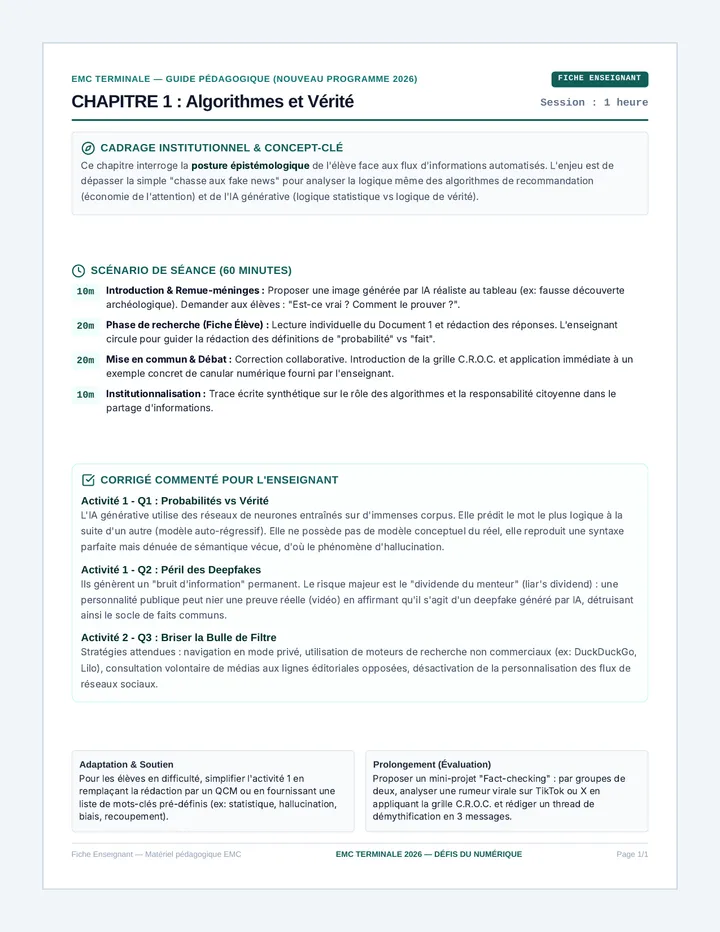
5 Min
The Hook
Display images of Abraham Lincoln, Lady Gaga, and Michael Phelps . Ask: "What do these three have in common?" Allow for multiple guesses before revealing they all faced significant mental health challenges while achieving global success.
5 Min
Direct Instruction
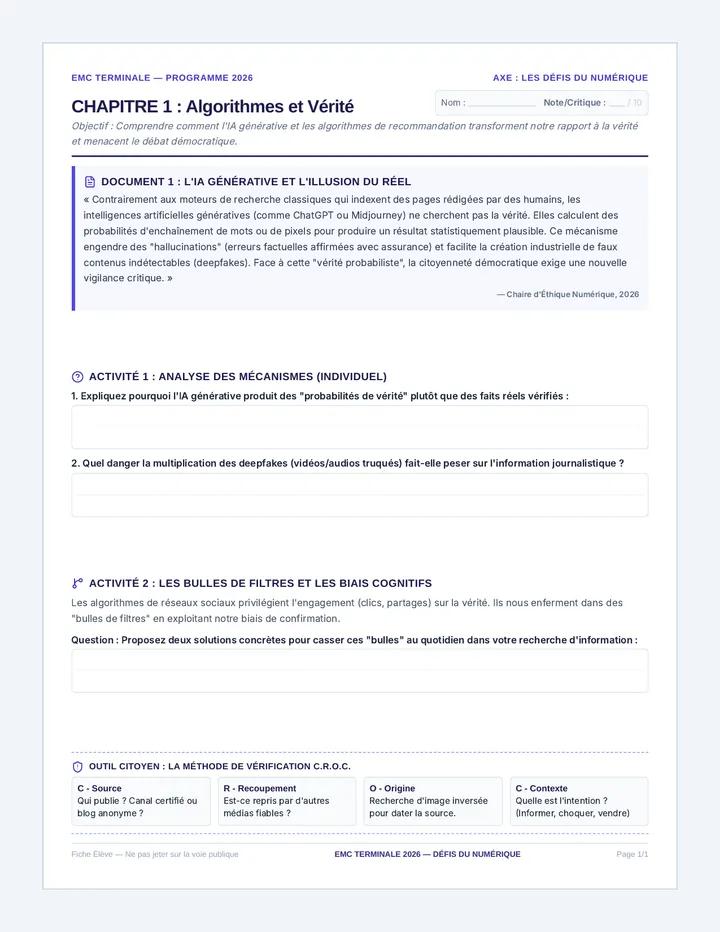
Watch the "Common myths about mental health" segment on Myth #4 (2:37-3:15). Focus on the "Inability to Succeed" myth. Discuss the definition of stigma and how it applies to historical narratives.
25 Min
Research Activity
Students use Chromebooks to select a figure (suggestions: Isaac Newton, Winston Churchill, Vincent van Gogh, Lizzo, or others). They complete the Research Organizer focusing on three areas: contribution, struggle, and management/impact.
10 Min
Closure
Rapid-Fire Share Out: Go around the room quickly. Each student shares the person they studied and one "massive achievement" that figure accomplished. End with a summary of why debunking this myth matters for their own potential.
Background Reference for Figures
Abraham Lincoln (Clinical Depression)
Known for his "melancholy." Despite suicidal ideation at times, he preserved the Union and abolished slavery. He managed his health through humor, storytelling, and intense work.
Isaac Newton (Bipolar Disorder / Nervous Breakdowns)
The father of modern physics experienced severe depressive episodes and periods of erratic behavior. His work on gravity and calculus changed human understanding of the universe.
Winston Churchill (Depression / "Black Dog")
The UK Prime Minister referred to his depression as his "black dog." His leadership during WWII was defined by resilience and high-stakes decision making.
Lady Gaga (PTSD / Fibromyalgia)
A global pop icon who has been transparent about her struggles with PTSD following trauma. She uses her platform (Born This Way Foundation) to advocate for youth mental health.
Michael Phelps (ADHD / Depression)
The most decorated Olympian of all time. He has spoken candidly about how ADHD impacted his childhood and his later struggles with severe depression after major competitions.
Discussion Prompts
Critical Thinking: Why do you think history often ignores the mental health of "great" leaders?
Analogy Check: Is the "broken leg" analogy (Myth #1) effective for mental health? Why or why not?
Modern vs. Historical: How has the way we manage mental health changed from Lincoln's time to Lady Gaga's?
Breaking Barriers Slides History & Social Studies
BREAKING BARRIERS
Challenging the "Inability to Succeed" Myth through History
The Common Link
🎩
Abraham Lincoln
🎤
Lady Gaga
🏊♂️
Michael Phelps
What do these three have in common?
They all redefined what is possible while managing mental health challenges.
Lincoln
Preserved the Union while battling "melancholy."
Gaga
Global icon living with PTSD and Fibromyalgia.
Phelps
Greatest Olympian ever; lives with ADHD and Depression.
Myth-Busting: Myth #4
Watch Segment: 2:37 - 3:15
Embedded media
The Myth
"People with a mental illness cannot achieve anything or hold down a job."
The Reality
Many of history's greatest achievers were successful BECAUSE they learned to manage their health.
MISSION: BARRIER BREAKERS
Use your Chromebook to investigate a figure's legacy.
1
Pick Your Subject
Choose from the video or others like Churchill, Van Gogh, or Newton.
2
The Investigation
Massive Contribution to history/culture?
Specific mental health struggle?
How they managed it or how it affected work?
Success Criteria
Detailed specific achievements
Accurate terminology (No stereotypes)
Citied reliable sources
RAPID-FIRE SHARE
In 15 seconds or less, tell the class:
"I studied ________ and one massive achievement they accomplished was ________."
Goal: Prove the "Inability to Succeed" myth is officially busted.
Barrier Breakers Research Organizer Case File: Barrier Breakers
Busting the "Inability to Succeed" Myth in History
Agent Name:
Date:
Primary Subject for Investigation
Name of Historical/Modern Figure:
Field / Domain (e.g., Music, Science, Politics):
A
Historical/Cultural Contribution
What did this person achieve? What is their legacy or "massive achievement"?
B
The Challenge (The Struggle)
What mental health condition(s) did they face? Briefly describe their experience.
C
Management & Effect
How did they manage their condition? Did it affect their work (negatively or as a source of creativity/resilience)?
Evidence/Sources
"Myth Busted: Greatness is not limited by mental health challenges."
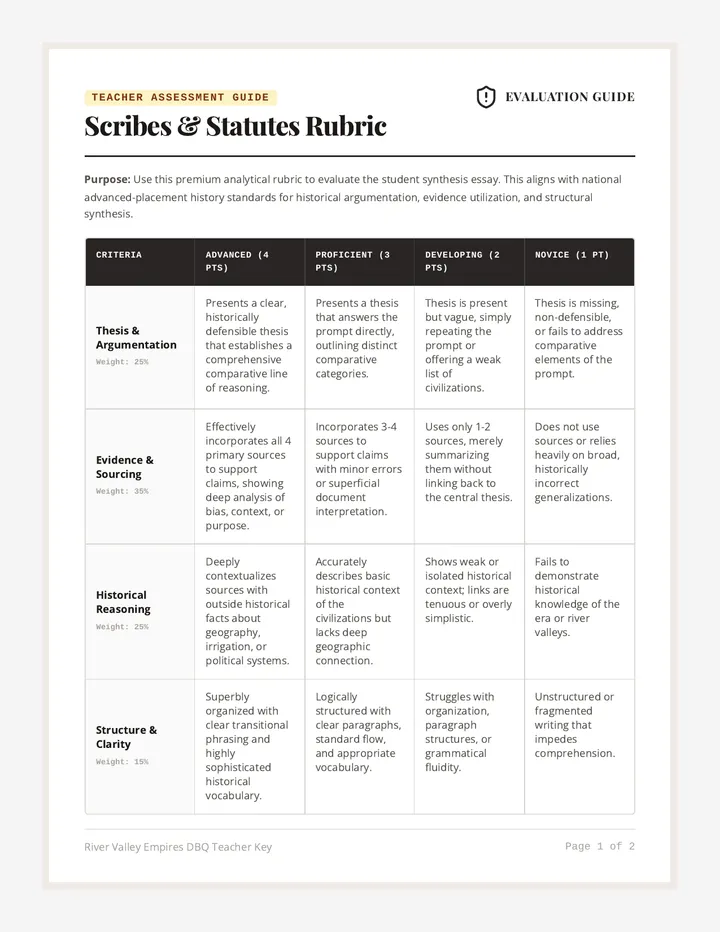
Research Success Rubric Research Success Rubric
Breaking Barriers Investigation Project
Max Score
20 pts
Criteria Exceptional (5) Proficient (4) Developing (3) Emerging (2-0) Historical/Cultural Impact Identifies and details the figure's legacy.
| Clear, specific, and multifaceted list of major achievements. | Identifies major achievements with good detail. | Mentions achievements but lacks specific details or context. | Vague or incorrect information about contributions. |
| Research Depth (Struggle)
Accuracy regarding mental health challenges.
| Nuanced understanding of the diagnosis and lived experience. | Accurately identifies the struggle using proper terminology. | Identifies the struggle but uses vague or slightly outdated terms. | Inaccurate or simplistic description of the challenge. |
| Synthesis & Management
Analysis of how they succeeded despite challenges.
| Profound analysis of resilience and specific management strategies. | Clear explanation of how they managed or were affected. | Basic description of management; weak link to success. | Missing information on how they managed their health. |
| Sources & Evidence
Reliability of the information used.
| Multiple academic or highly reliable sources cited correctly. | At least two reliable sources provided. | One source or unreliable sources (e.g., social media). | No sources cited. |
Teacher Feedback
Breaking Barriers Assessment Tool